Subject
Napoleon
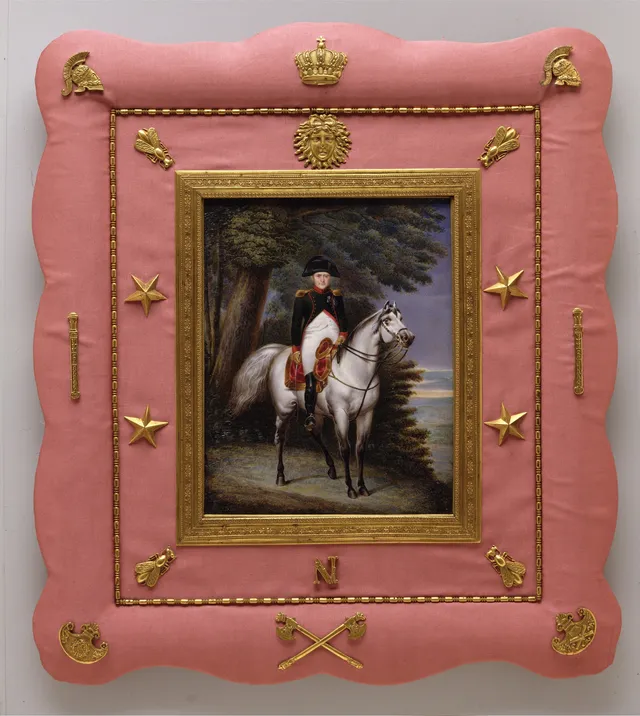
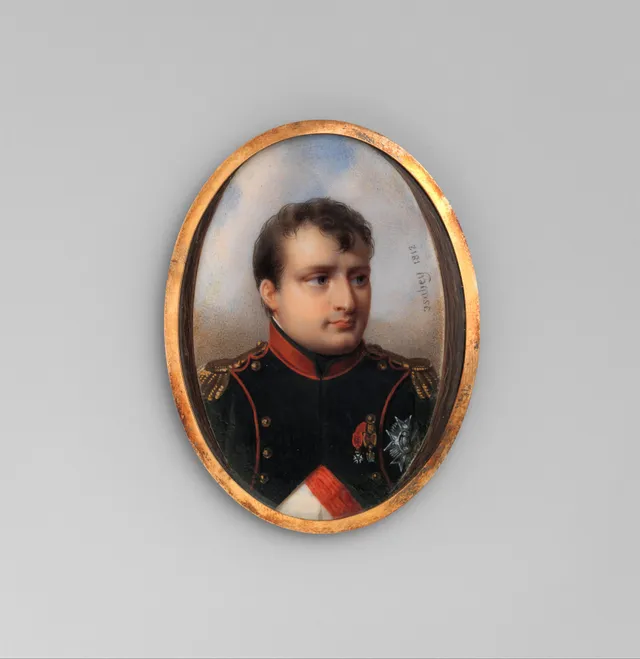
Napoleon is a subject in art. The gallery holds 95 works in this subject in art, including works by Jacques-Louis David, Jean Léon Gérôme and Jean Auguste Dominique Ingres.
Napoléon is the French form of the Italian given name Napoleone. Notable people with the name include:
Key artists


Overview
As a subject in art, Napoleon refers to Napoléon Bonaparte (1769 to 1821), the French general, First Consul, and Emperor of the French. The French form of the Italian given name Napoleone, the name became inextricably linked to the historical Napoleon, whose rise from second lieutenant to emperor during the French Revolution and subsequent Napoleonic Wars made him one of the most celebrated and controversial figures in Western history. He recurs in art because his reign fundamentally transformed European politics, law, and culture. His military genius, imperial ambition, and eventual dramatic fall provided a rich narrative for artists, who were frequently commissioned to construct and disseminate his mythology, document his sweeping reforms, and ultimately reflect on his exile and legacy.
Iconography & meaning
The iconography of Napoleon is heavily coded, designed to legitimize his authority by linking him to both classical antiquity and French royal tradition. Artists employed specific attributes to convey his imperial status: a golden laurel wreath reminiscent of Julius Caesar, the scepter of Charlemagne in his right hand, and the hand of justice in his left. His coronation garb, as depicted by Ingres, includes an ermine hood, a gold-embroidered satin tunic, and an ermine-lined purple velvet cloak decorated with gold bees, a symbol of immortality and resurrection adopted to bypass traditional fleur-de-lis associations. The Légion d'honneur collar and the Order of the Iron Crown feature prominently, signifying his own established systems of merit. Beyond imperial regalia, his iconography also includes the uniform of the Imperial Guard Foot Grenadiers, emphasizing his role as a military commander. The image of Napoleon on horseback, particularly crossing the Alps, frames him as a daring, almost superhuman leader, while scenes of him visiting plague victims cast him as a Christ-like, compassionate figure.
Across movements & periods
The treatment of Napoleon shifted significantly across artistic movements and periods, reflecting his changing political fortunes. During his rise and reign, Neoclassicism provided the visual vocabulary for his imperial propaganda, with artists like Jacques-Louis David and Antoine-Jean Gros idealizing his features and heroicizing his actions. David's work emphasized stoic resolve and classical virtue, while Gros infused Neoclassical structure with Romantic emotion, particularly in the dramatic lighting of his plague scenes. As his empire collapsed, Romantic artists re-evaluated his image. J. M. W. Turner's 1842 painting of Napoleon in exile on Saint Helena abandons imperial grandeur, instead portraying him as a solitary, tragic figure against a desolate landscape, consumed by despair. This Romantic treatment emphasized the melancholy and futility of his ambition, contrasting sharply with the controlled, authoritative depictions of the Neoclassical period.
Notable depictions
Several canonical depictions define the visual legacy of Napoleon. Jacques-Louis David produced a series of major works starting in 1801, including Napoleon Crossing the Alps, which commemorated his hazardous overland march. David also painted The Coronation of Napoleon, a massive canvas nearly 10 meters broad and over 6 meters tall, completed in January 1808 with the help of his pupil Georges Rouget, now in the Louvre Museum. In 1812, David completed The Emperor Napoleon in His Study at the Tuileries, commissioned by Alexander Hamilton, 10th Duke of Hamilton, a work that eventually entered the National Gallery of Art in Washington, D.C. Jean-Auguste-Dominique Ingres painted Napoleon I on His Imperial Throne in 1806, capturing the emperor in full coronation regalia. Antoine-Jean Gros painted Bonaparte Visiting the Plague Victims of Jaffa in 1804, a propaganda piece commissioned by Napoleon himself to counter accusations that he ordered fatal doses of opium for plague victims during the Egyptian campaign. Later, J. M. W. Turner painted War. The Exile and the Rock Limpet in 1842, depicting Napoleon's captivity at Longwood House on Saint Helena.
Legacy
The artistic legacy of Napoleon extends beyond his own lifetime, shaping how subsequent generations understood his impact. His patronage and self-mythologization through art established a model for how visual culture could serve state power, a practice continued by his nephew, Napoleon III. The Fondation Napoléon holds a collection of more than 1,500 pieces, including furniture, paintings, ceramics, and militaria, which it loans to international exhibitions to illustrate the history of the Napoleonic periods. In Rome, Count Giuseppe Primoli donated his collection of Napoleonic relics and art to the city in 1927, creating a museum-house that documents the close relationship between the Bonapartes and Rome following the family's settlement there after the fall of the empire. Napoleon's avoidance of posing for artists, believing paintings should reflect his personality over his physical appearance, paradoxically allowed artists the freedom to construct an enduring, mythologized image that transcended his actual physical likeness and historical controversies.
Works
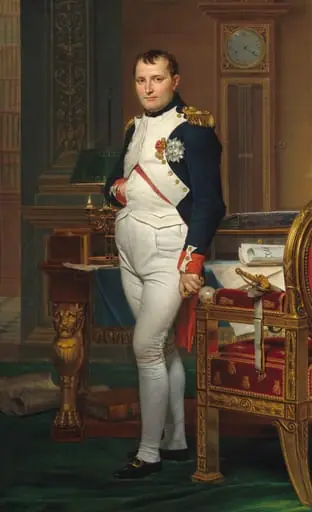 The Emperor Napoleon in His Study at the Tuileries
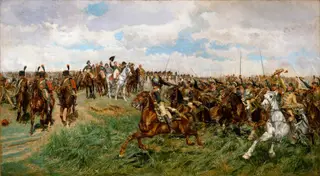 1807, Friedland
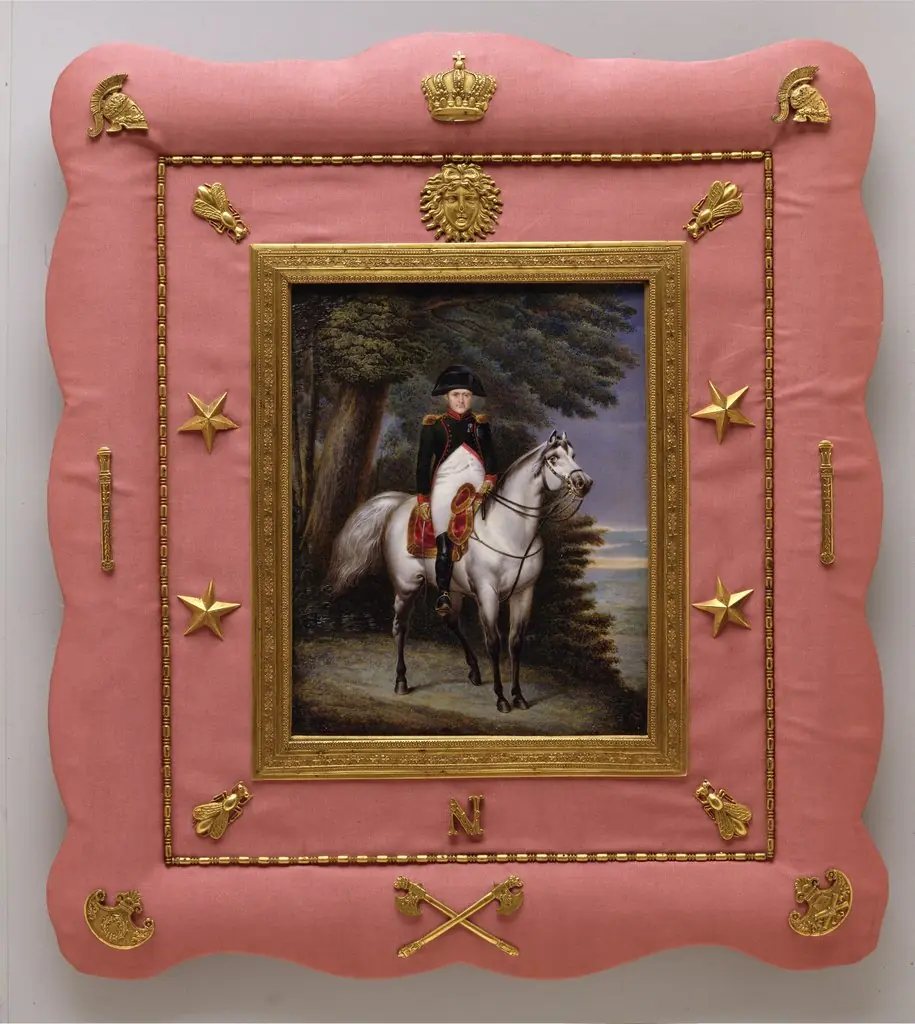 Napoléon I (1769–1821) on Horseback
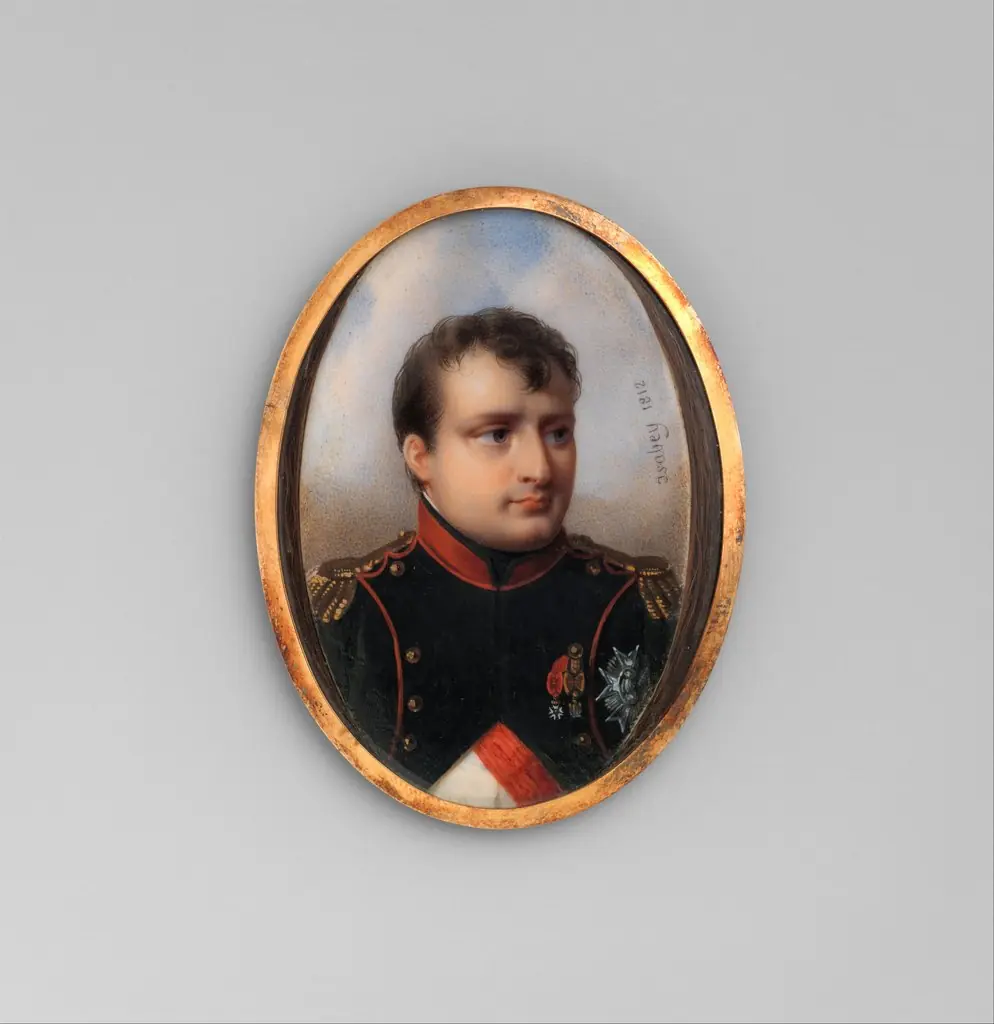 Napoléon I (1769–1821)
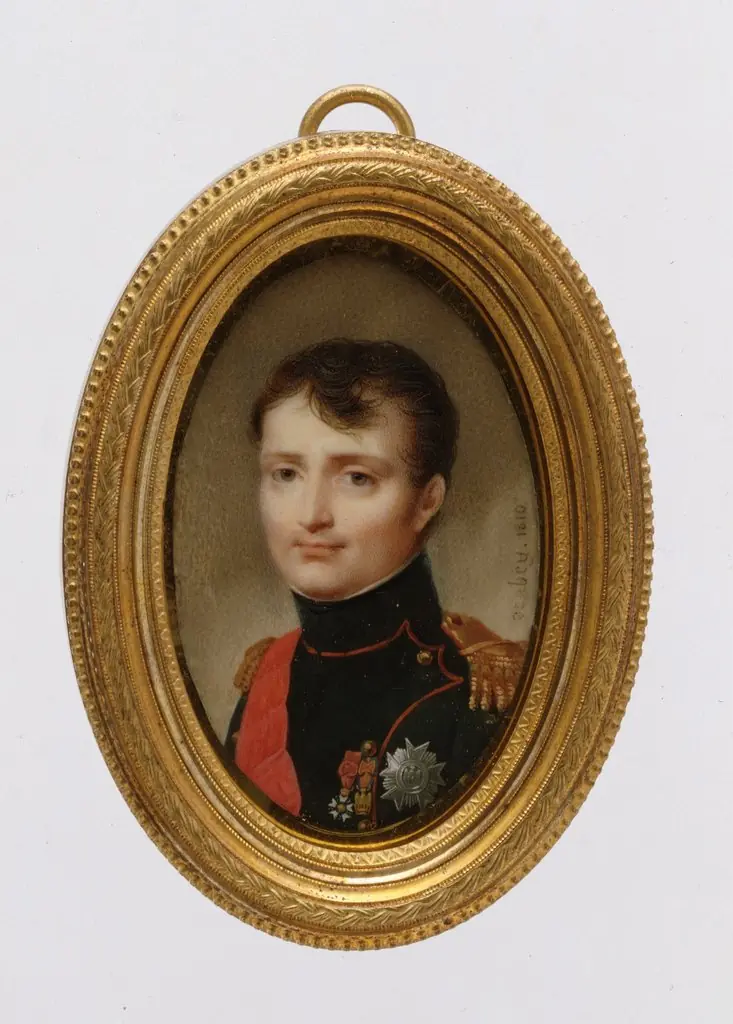 Napoléon I (1769–1821)
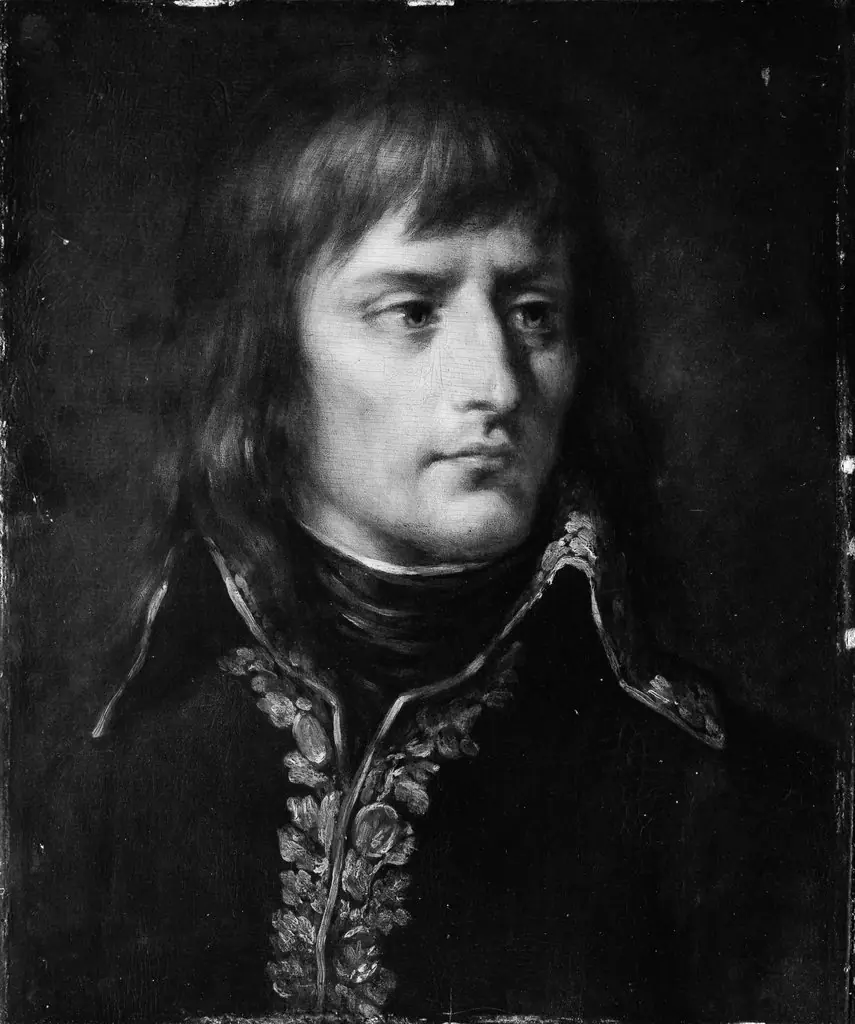 Napoleon Bonaparte (1769–1821)
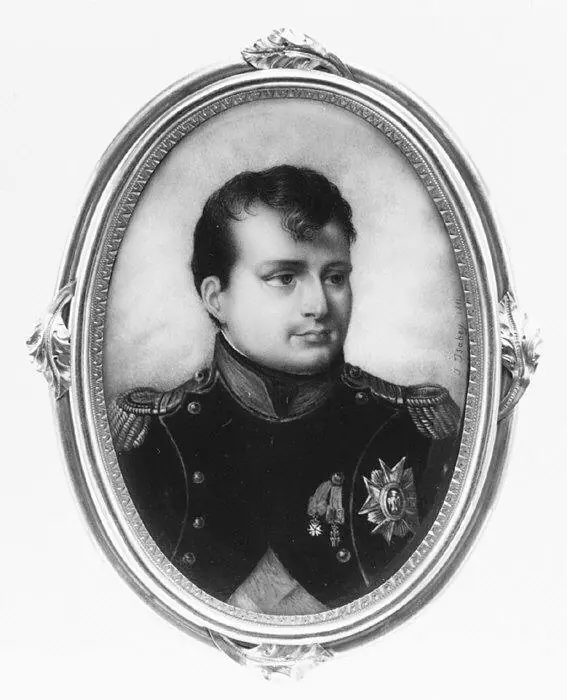 Napoléon I (1769–1821)
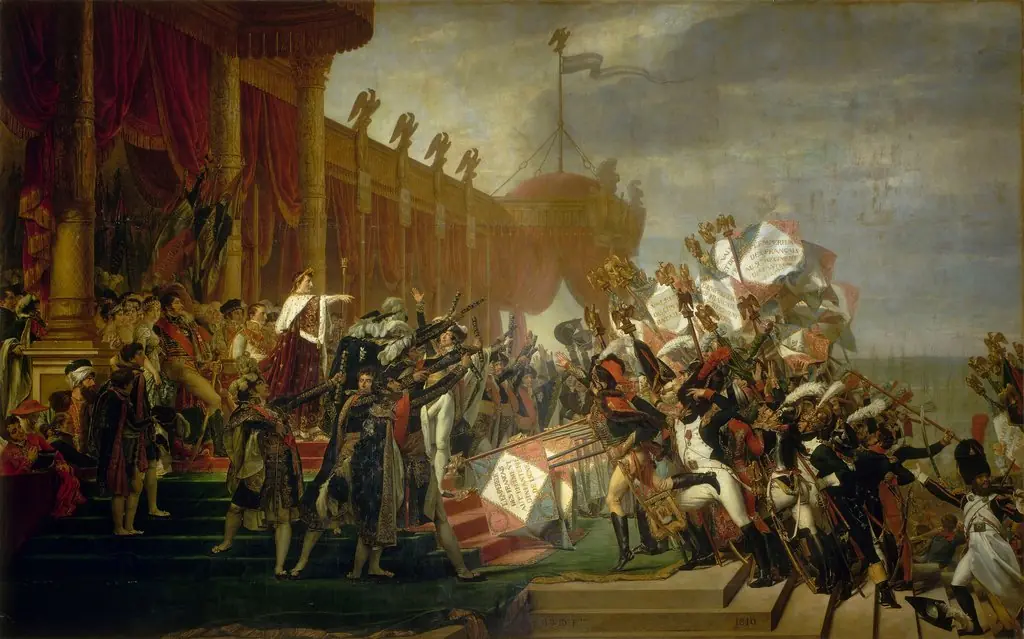 The Distribution of the Eagle Standards
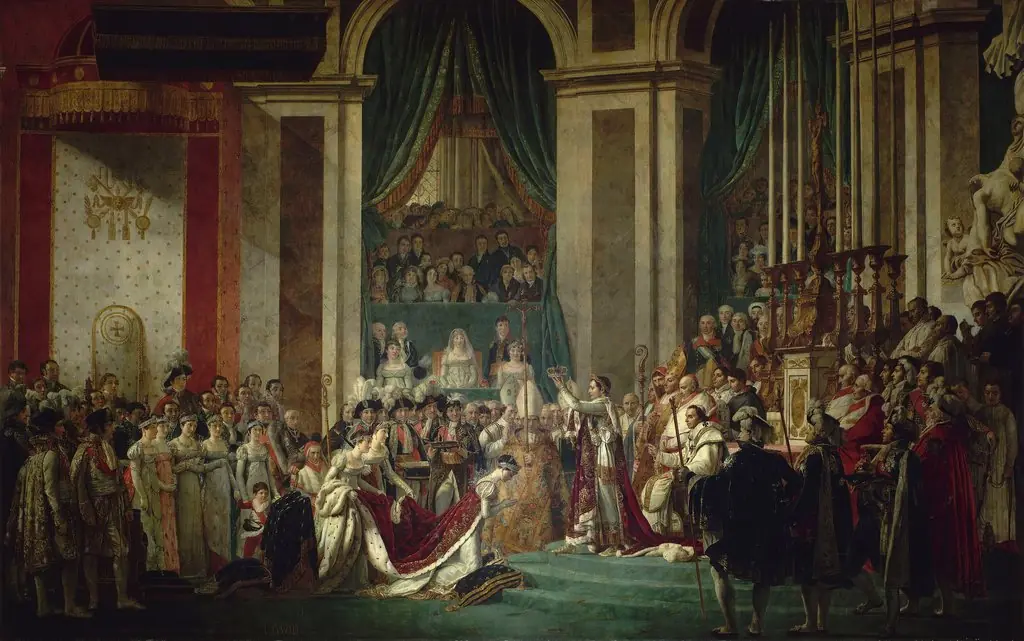 Coronation of Emperor Napoleon I and Coronation of the Empress Josephine
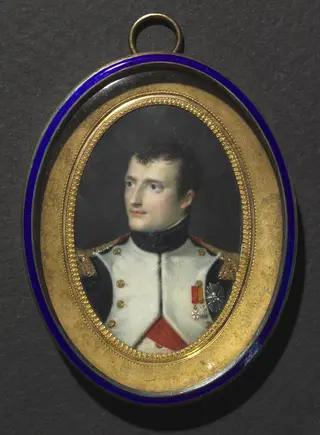 Portrait of Napoleon I, Emperor of the French
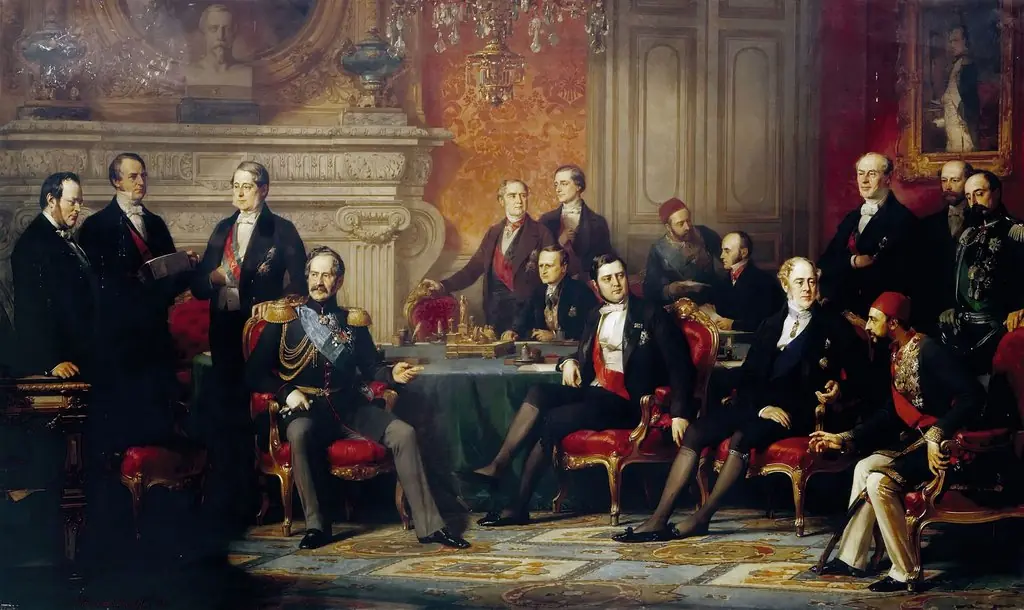 The Congress of Paris
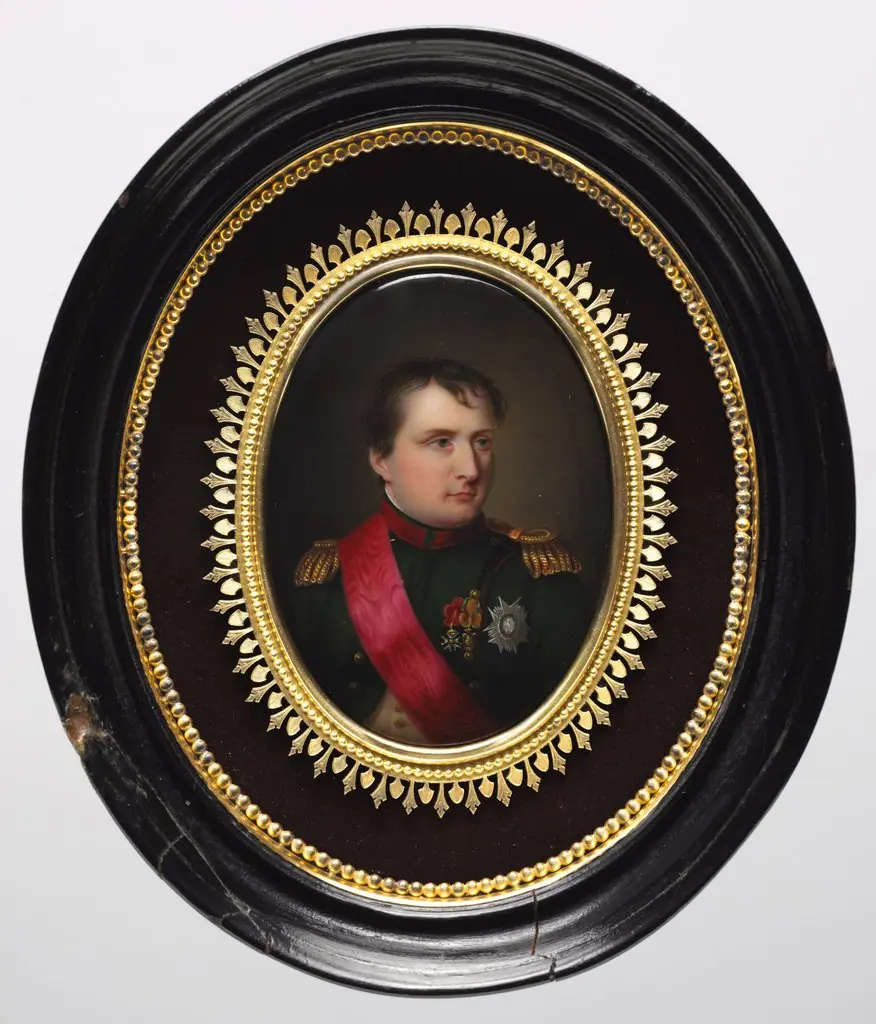 Portrait of Napoleon I, Emperor of the French
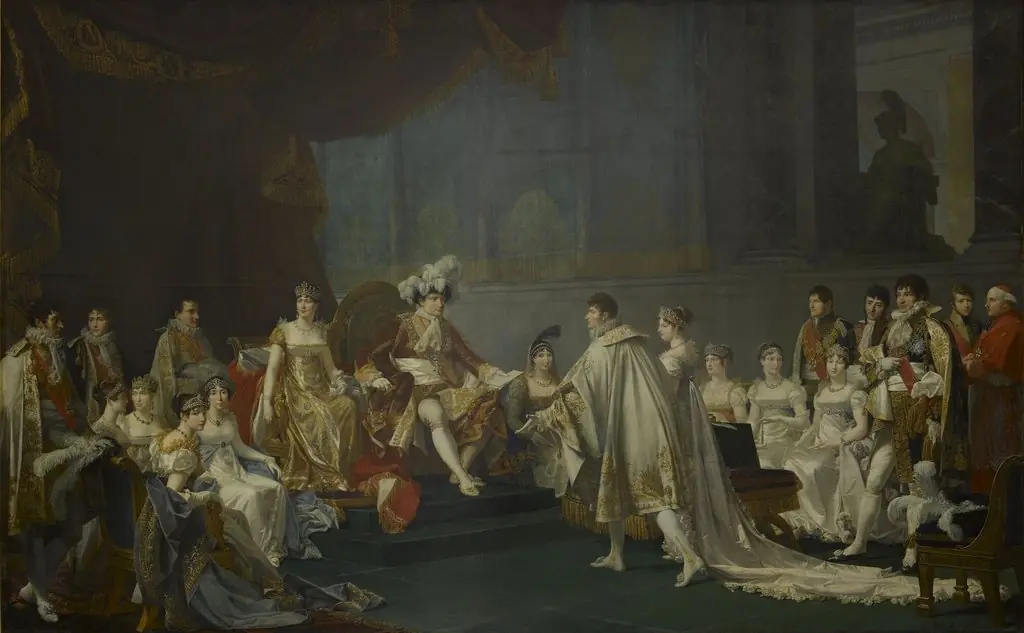 Wedding of Prince Jérôme Bonaparte and Princess Frédérique-Catherine of Wurtemberg, August 22, 1807
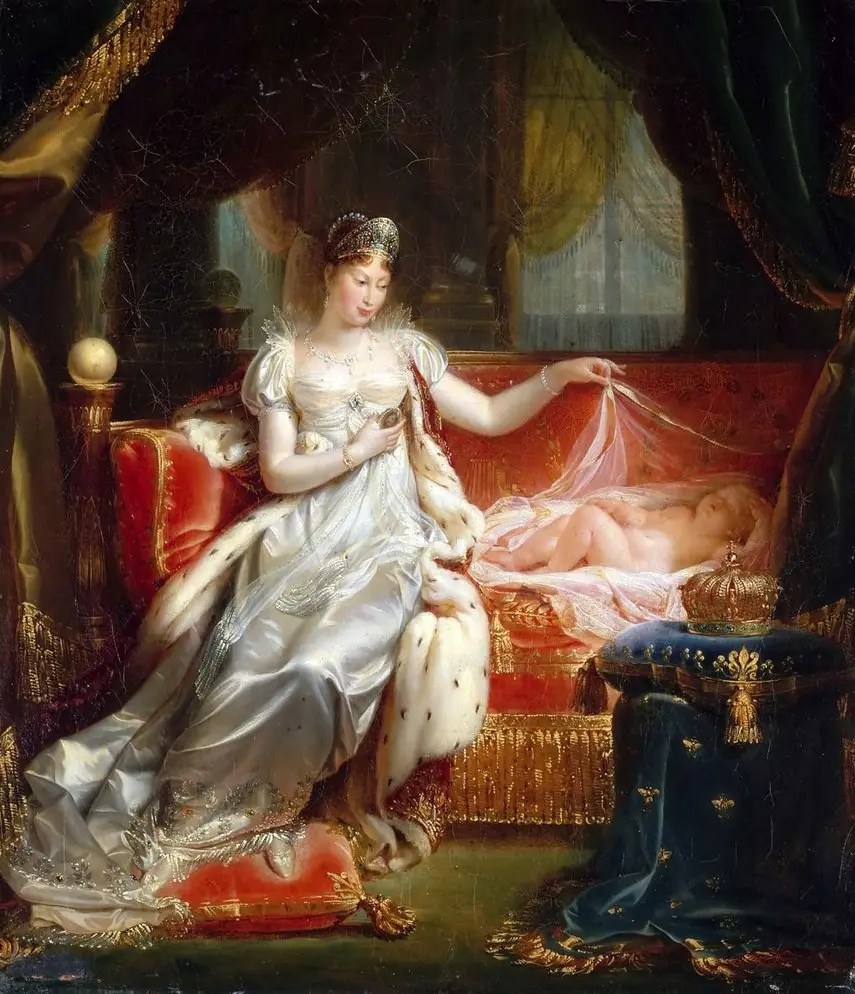 The Empress Marie-Louise watching over the sleep of the King of Rome
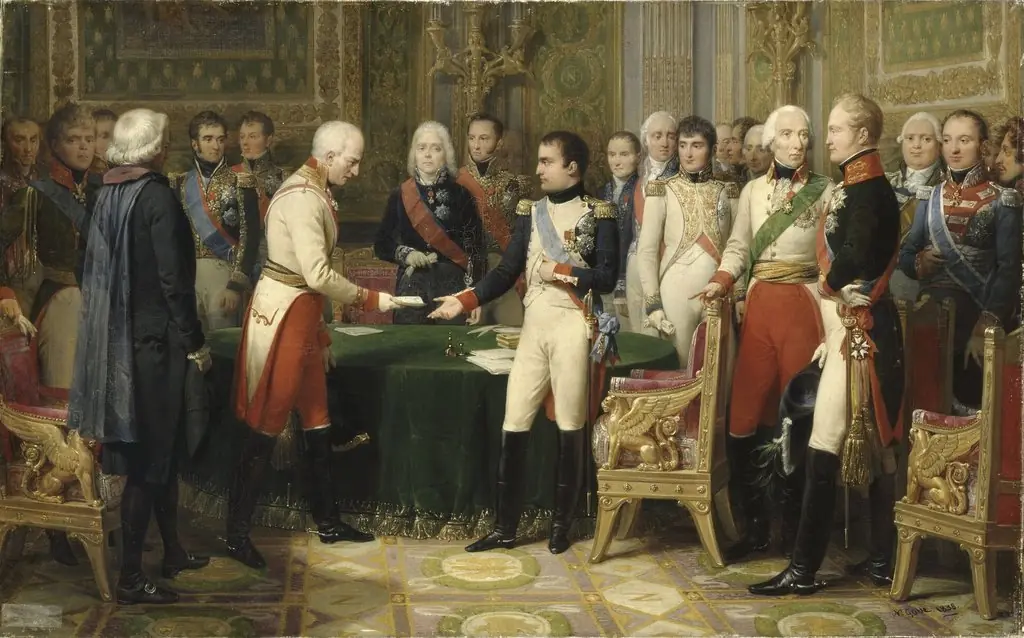 Napoleon I receiving Baron Vincent, the Austrian Ambassador, at Erfurt, 1808
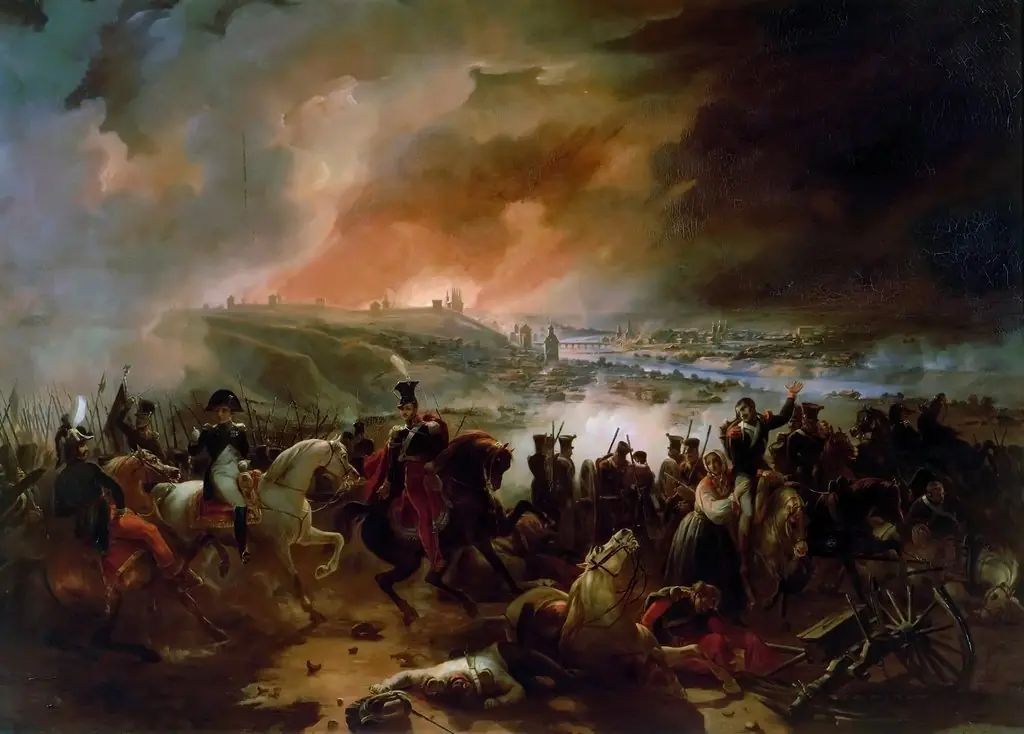 The Battle of Smolensk, 17th August 1812
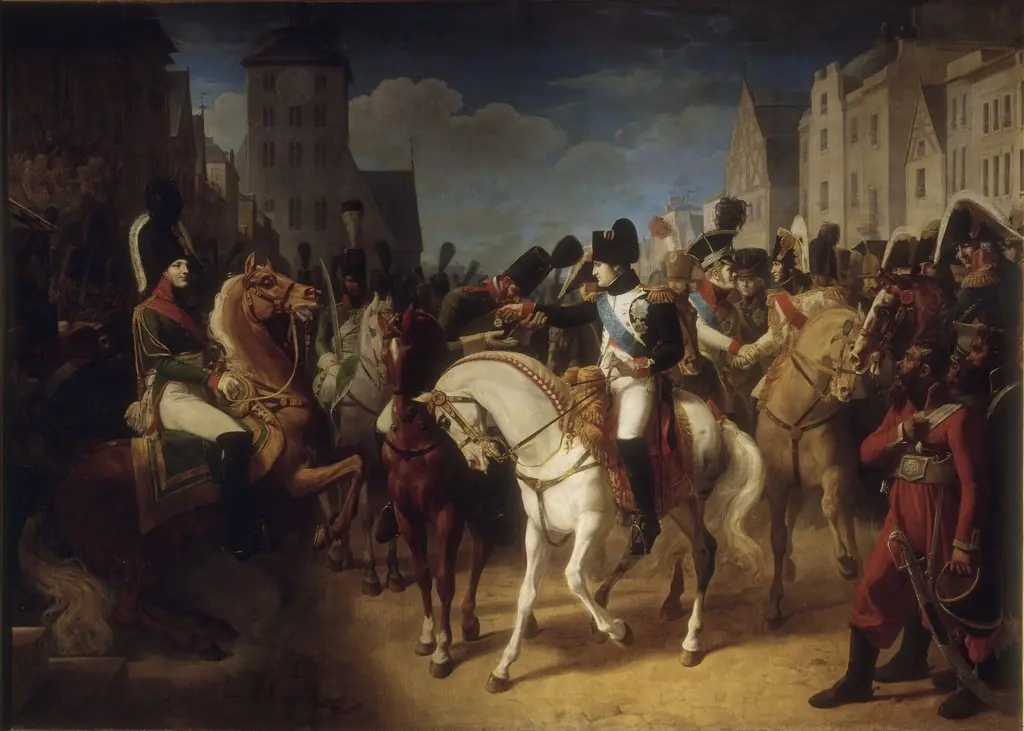 Napoleon I decorated a soldier of the Russian army in Tilsitt with the cross of the Legion of Honor
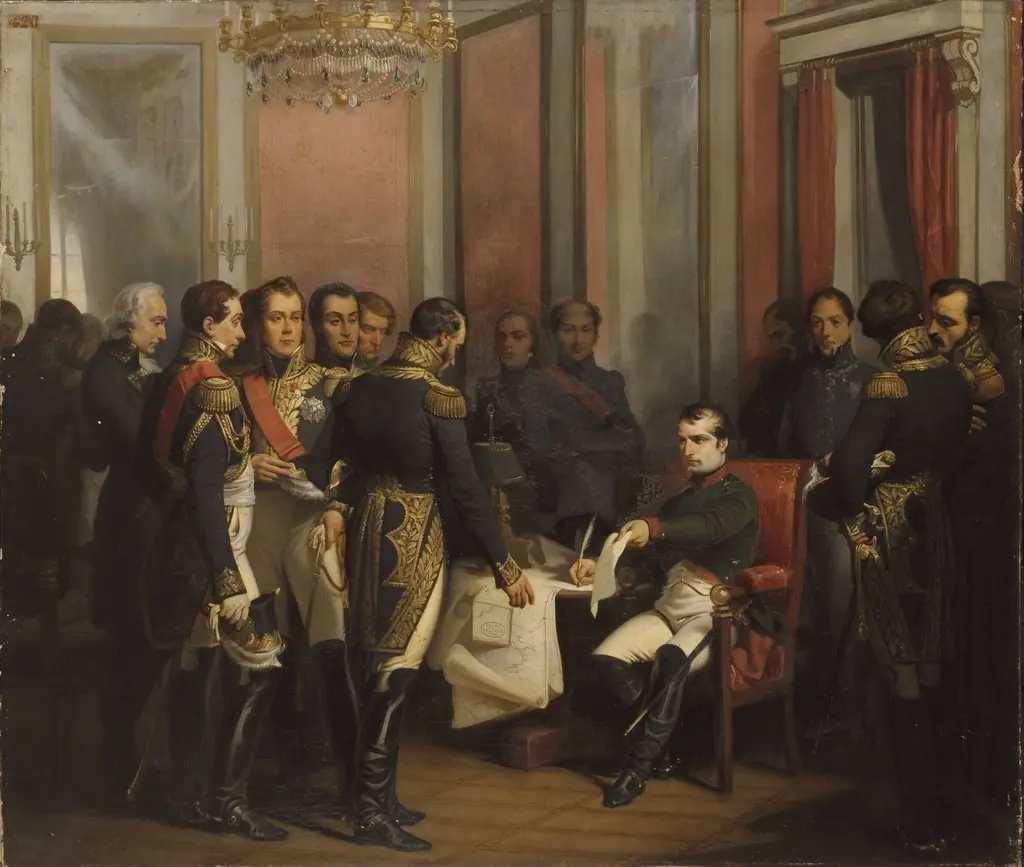 Napoléon signs his abdication at Fontainebleau 11 April 1814
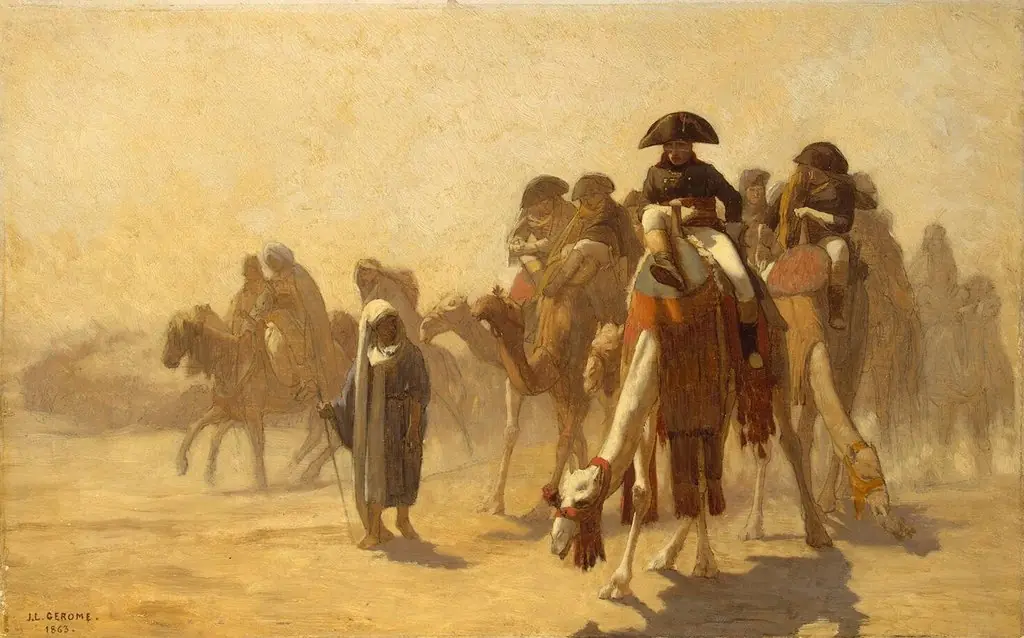 Napoleon in Egypt
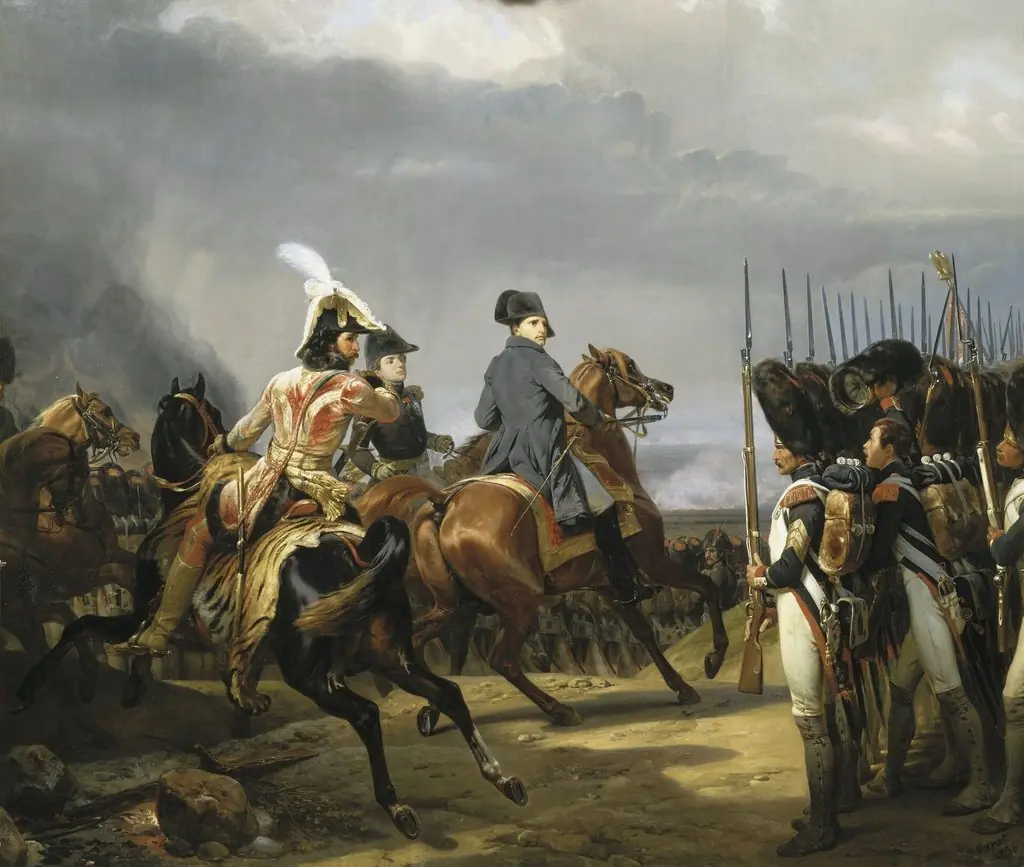 The battle of Jena, October 14, 1806
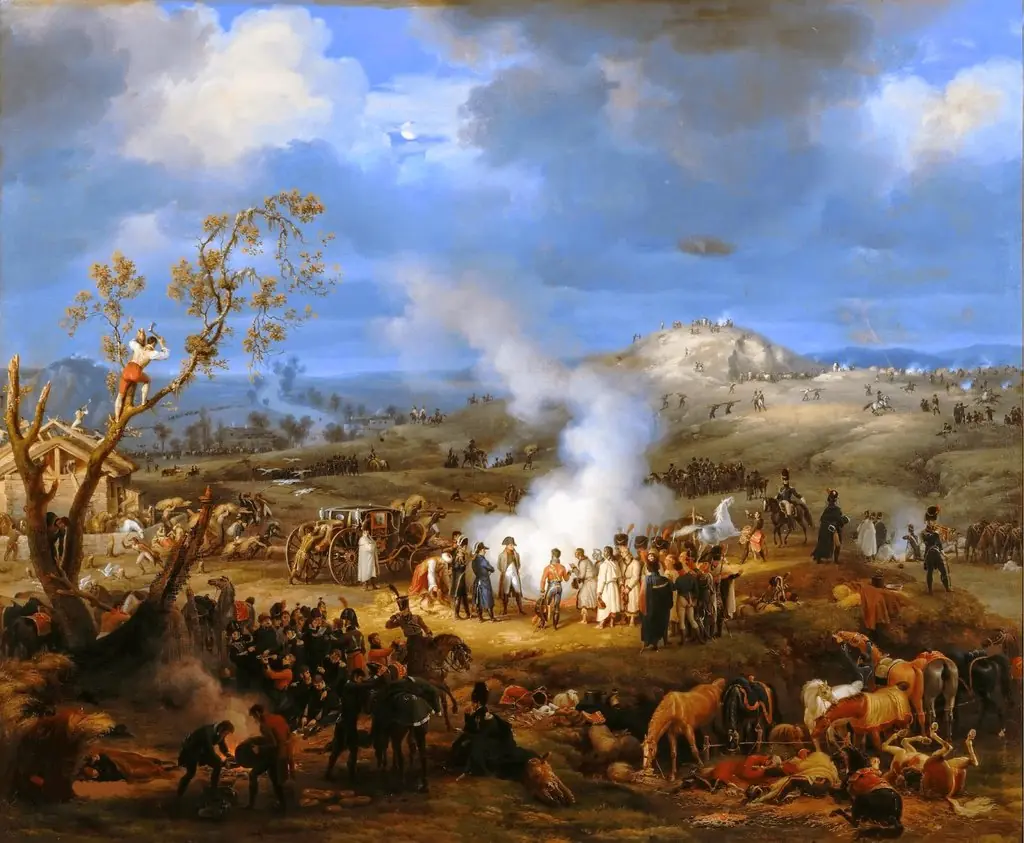 Bivouac on the Eve of the Battle of Austerlitz
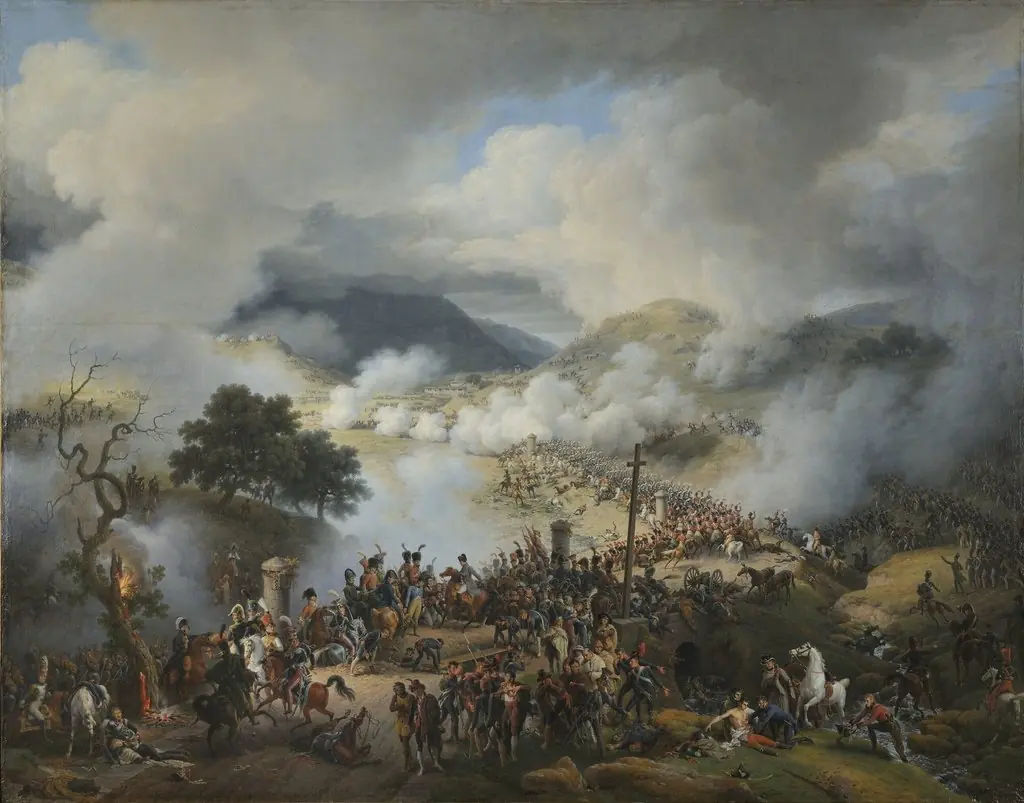 Battle of Somosierra, November 30, 1808
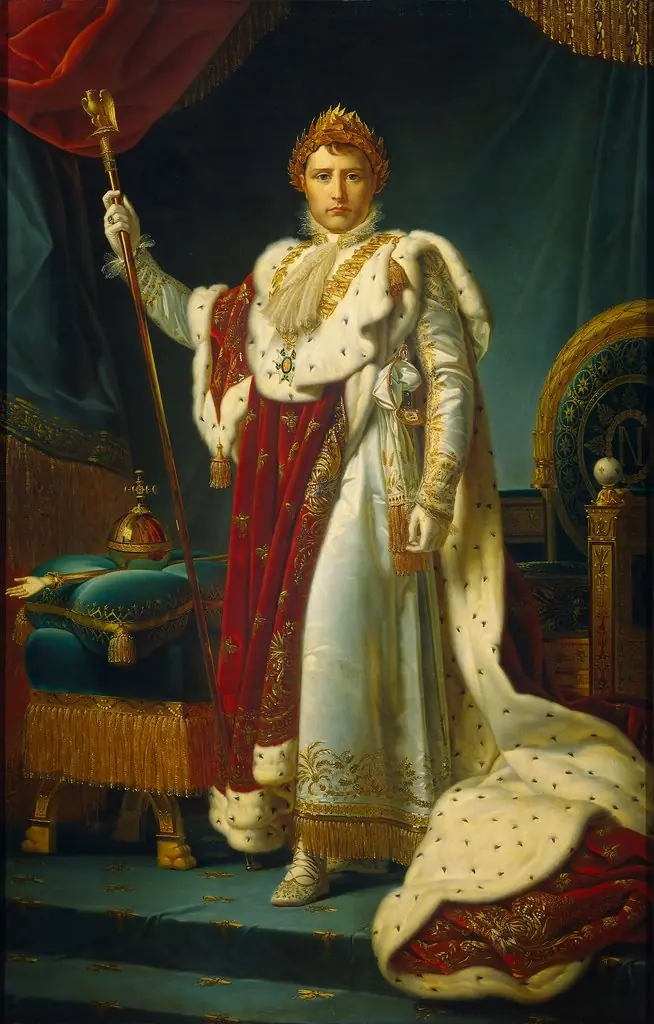 Portrait of Emperor Napoleon I
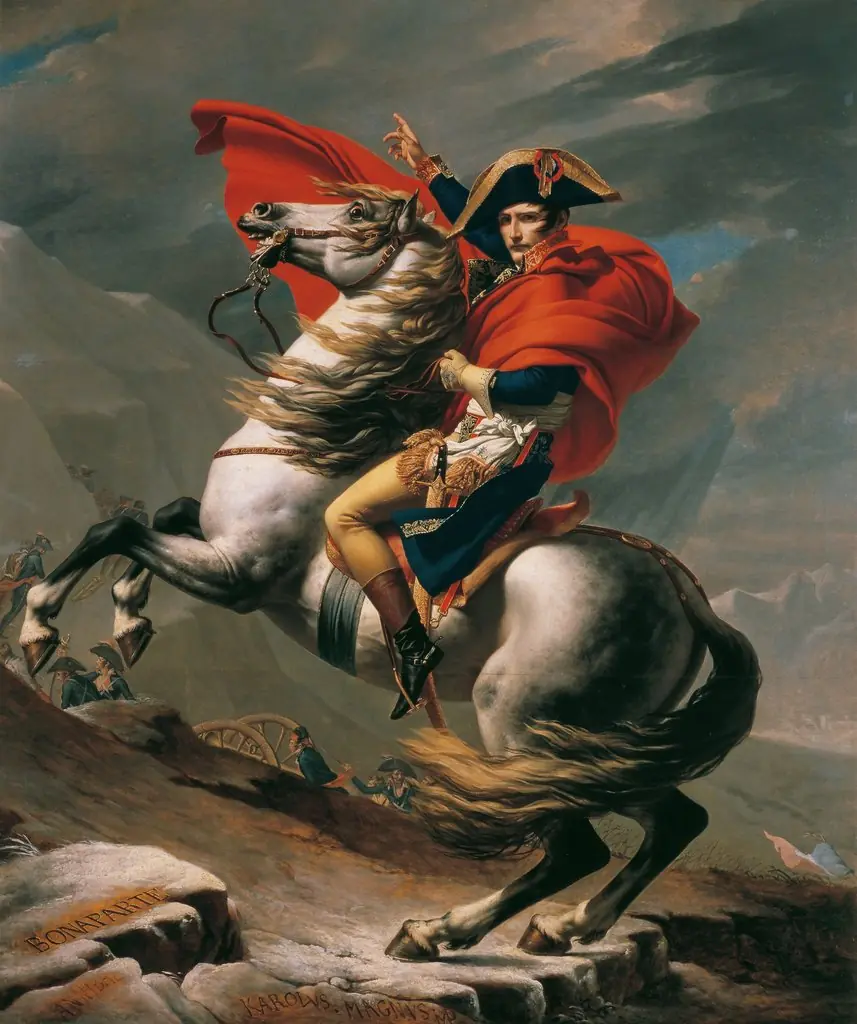 Napoleon Crossing the Alps
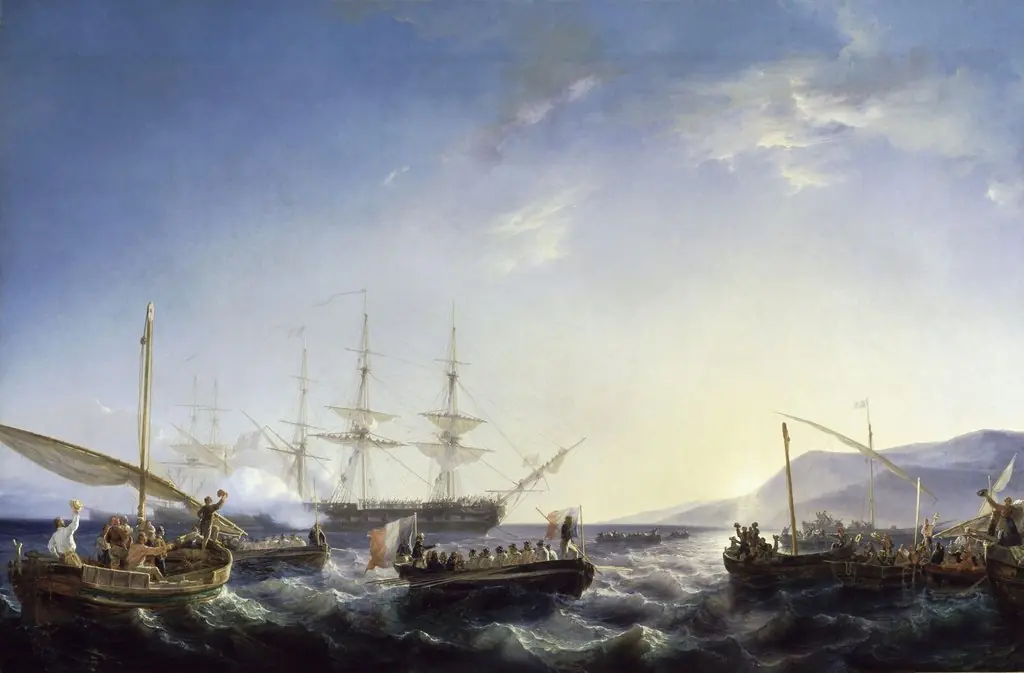 Bonaparte arriving in France back from Egypt on 9 October 1799
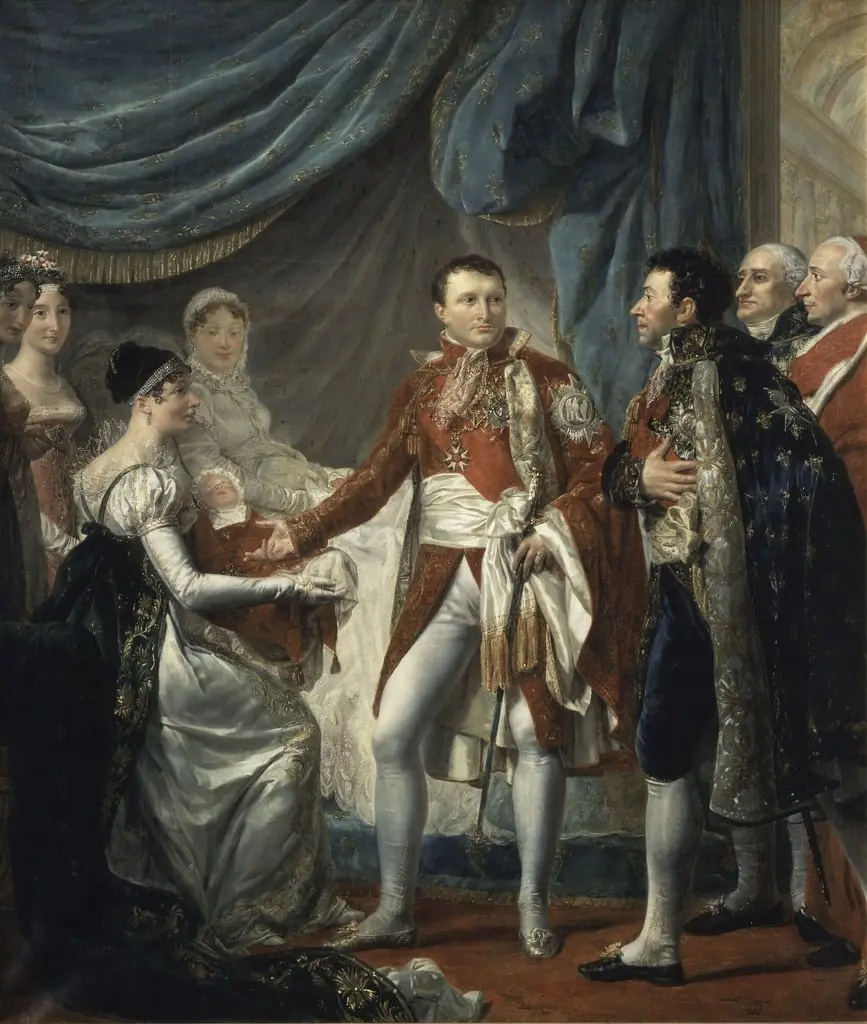 Napoleon I presents the King of Rome to the dignitaries of the Empire, March 20, 1811
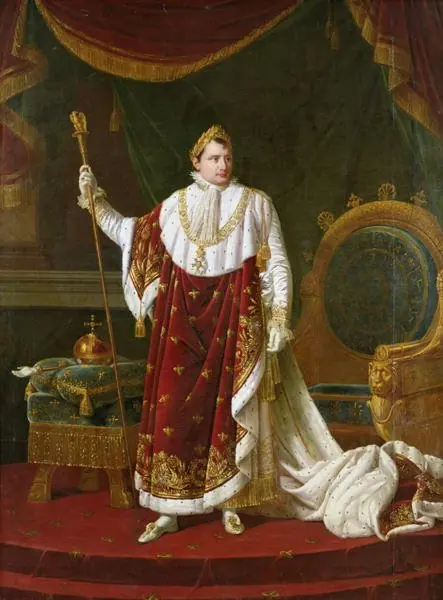 Napoleon I, Emperor of the French
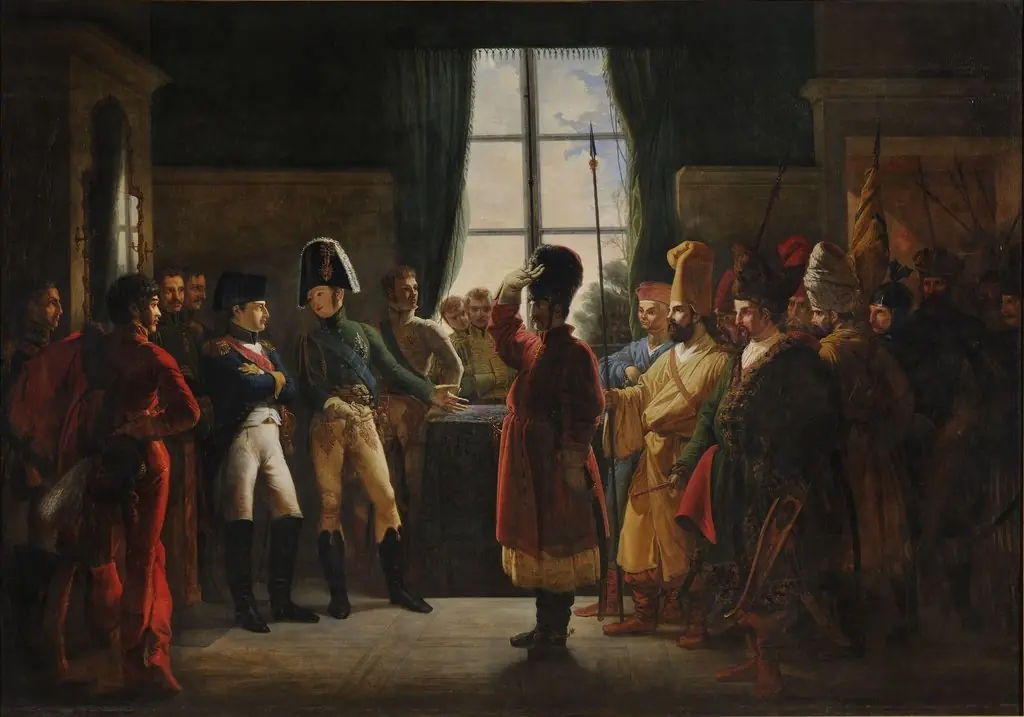 Alexander I presents to Napoleon I the Kalmyks, Cossacks and Baskirs of the Russian army, July 9, 1807
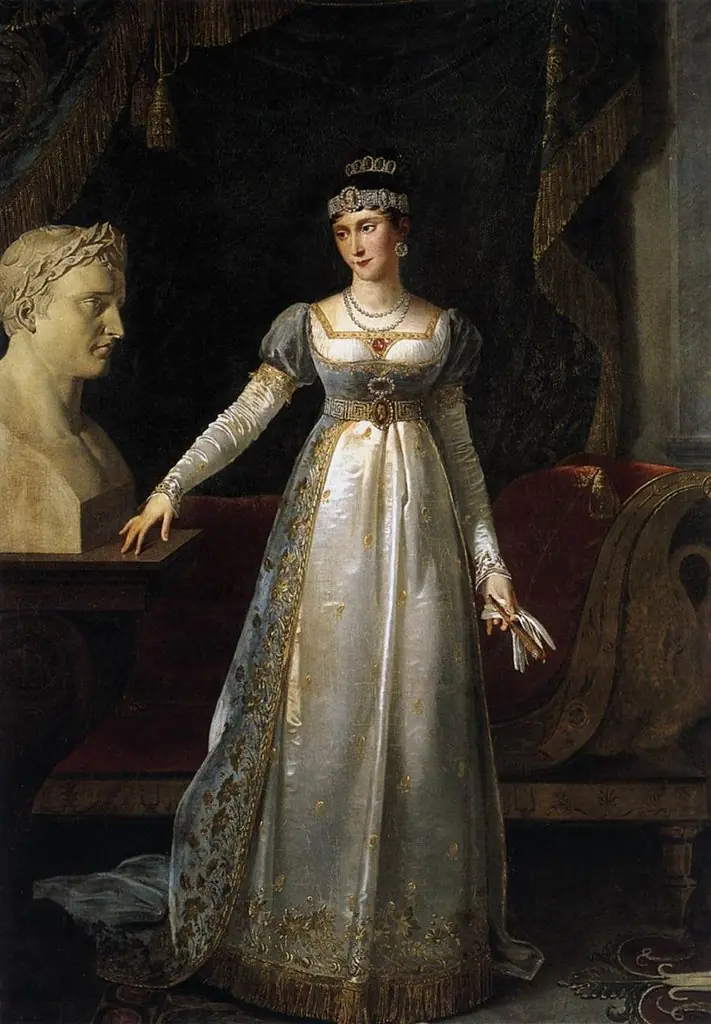 Pauline Bonaparte, Duchess of Guastalla, Princess Borghese
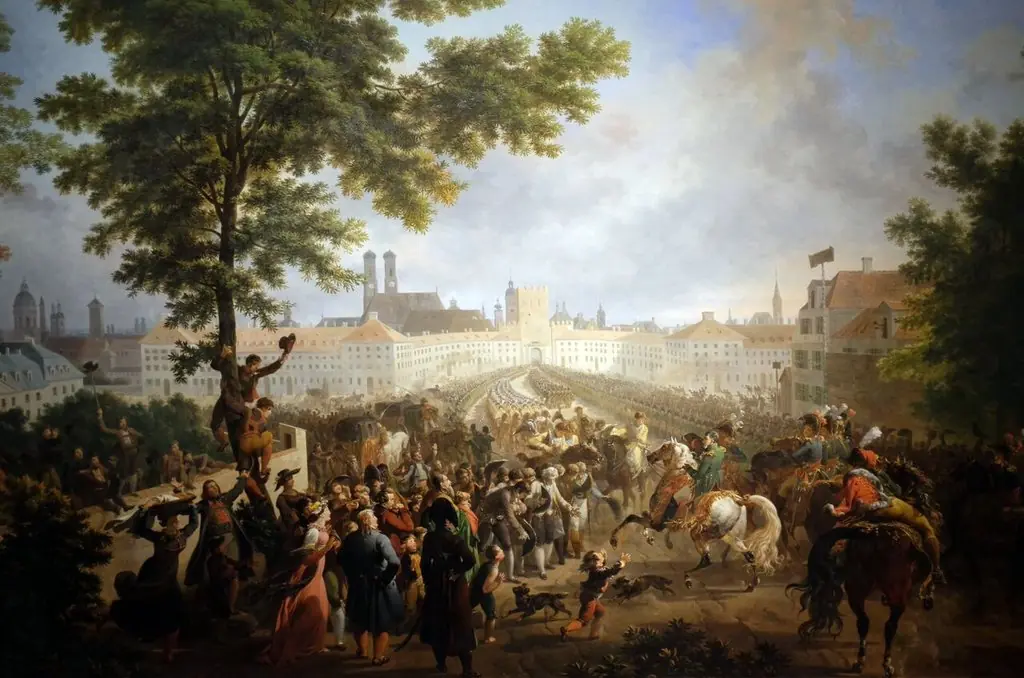 Entry of the French army in Munich
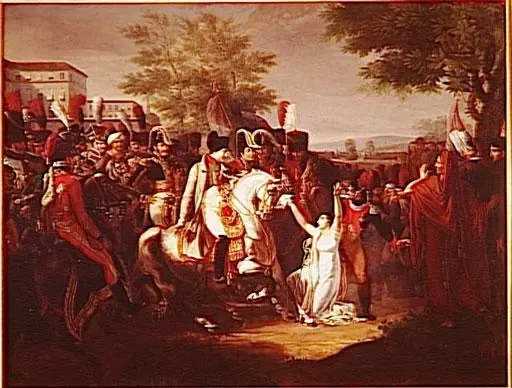 Mademoiselle de Saint-Simon asking for her father's pardon, December 1808
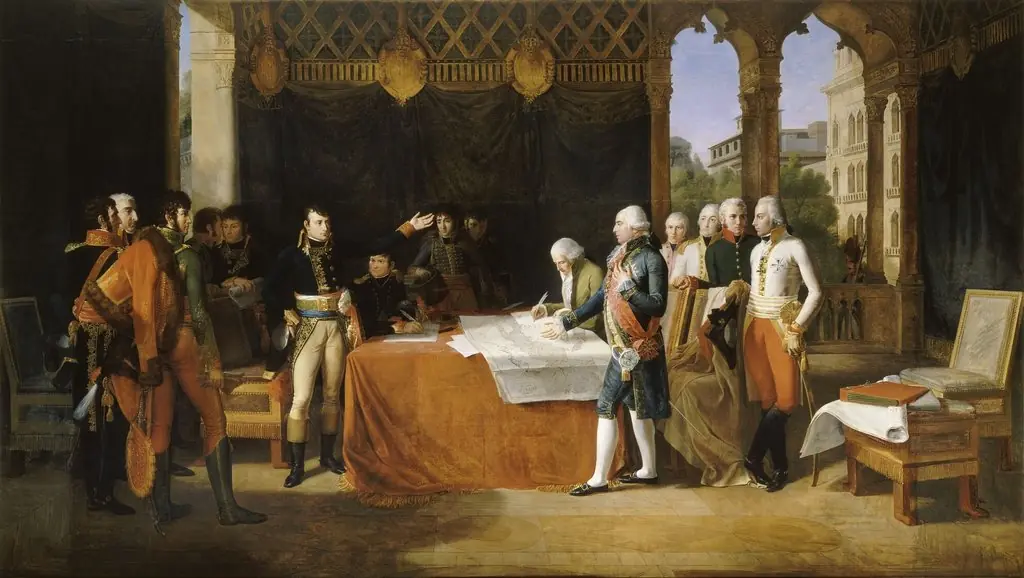 Treaty of Loeben, April 17, 1797
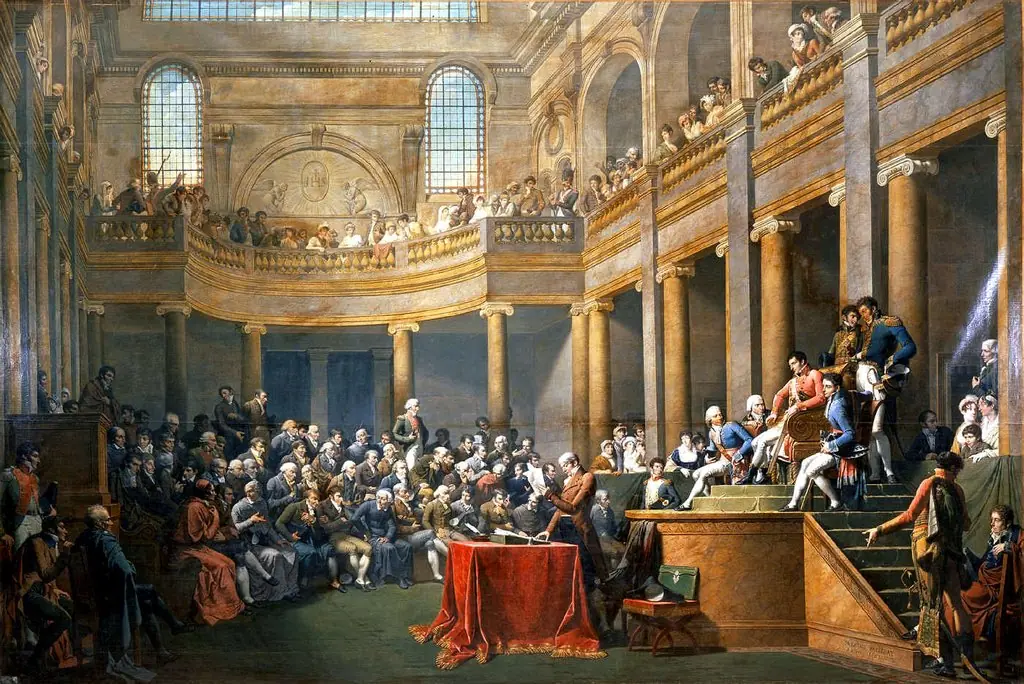 Les Comices de Lyon
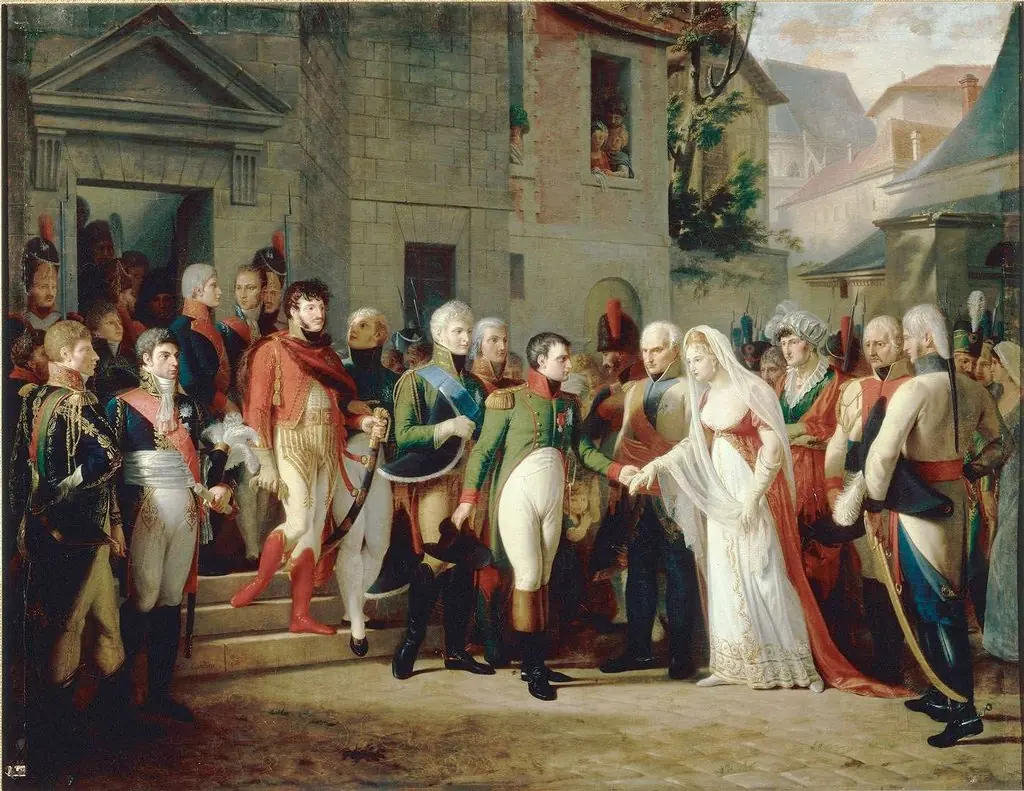 Napoleon I receives the Queen of Prussia in Tilsitt
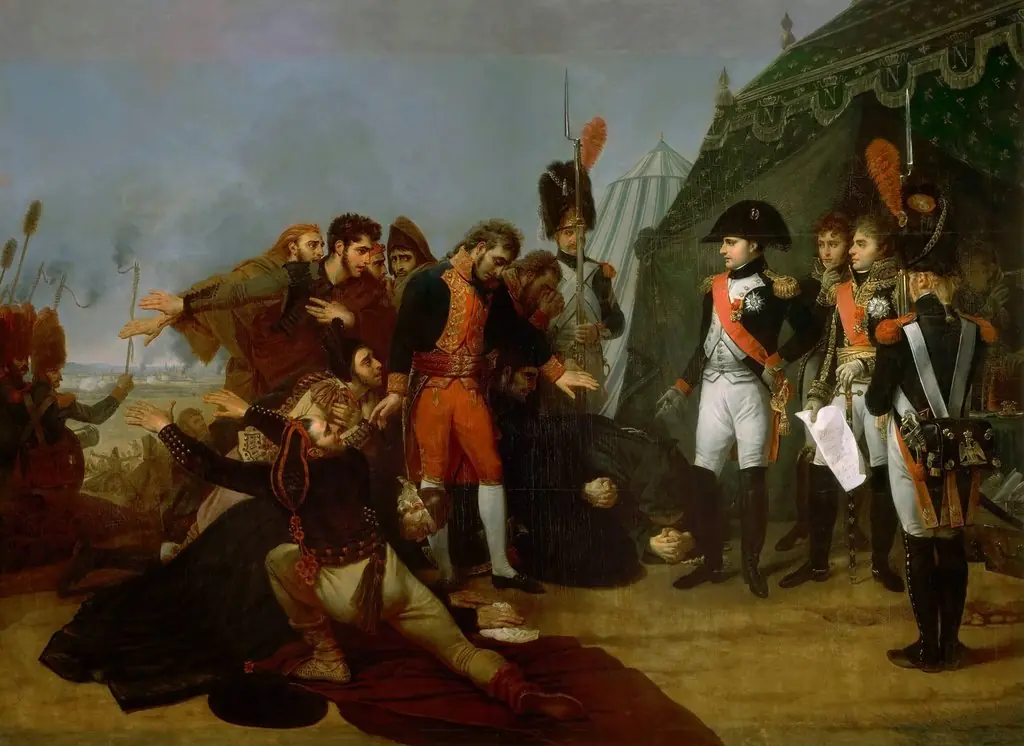 Napoleon accepts the surrender of Madrid, 4 December 1808
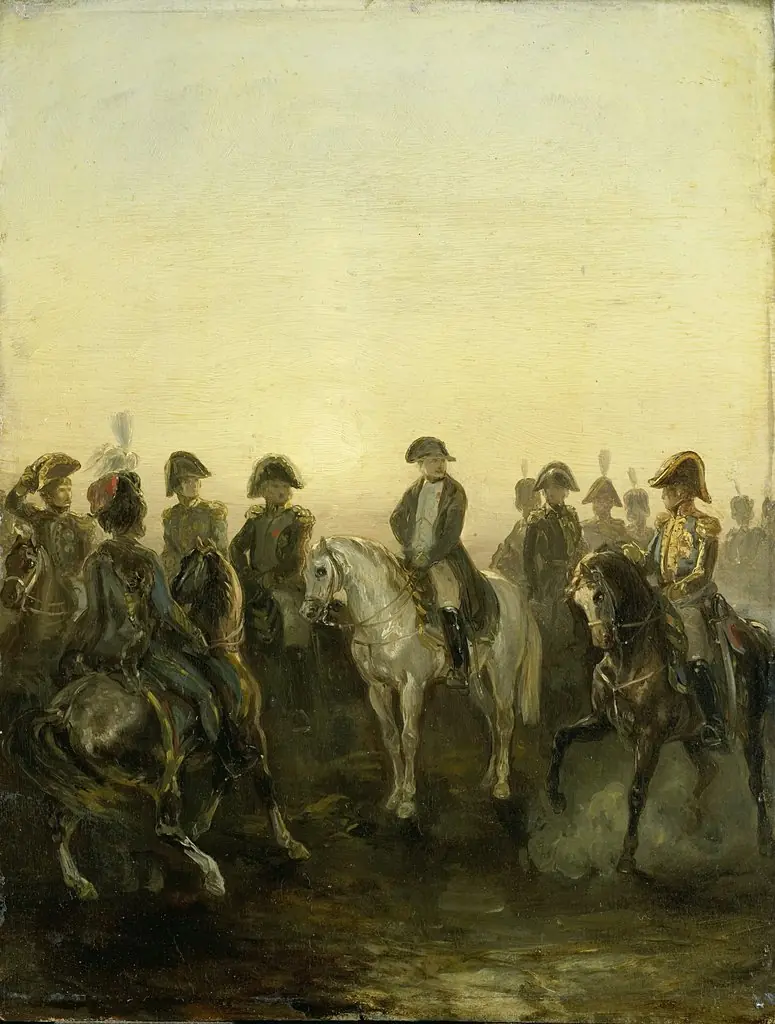 Napoleon with his Staff
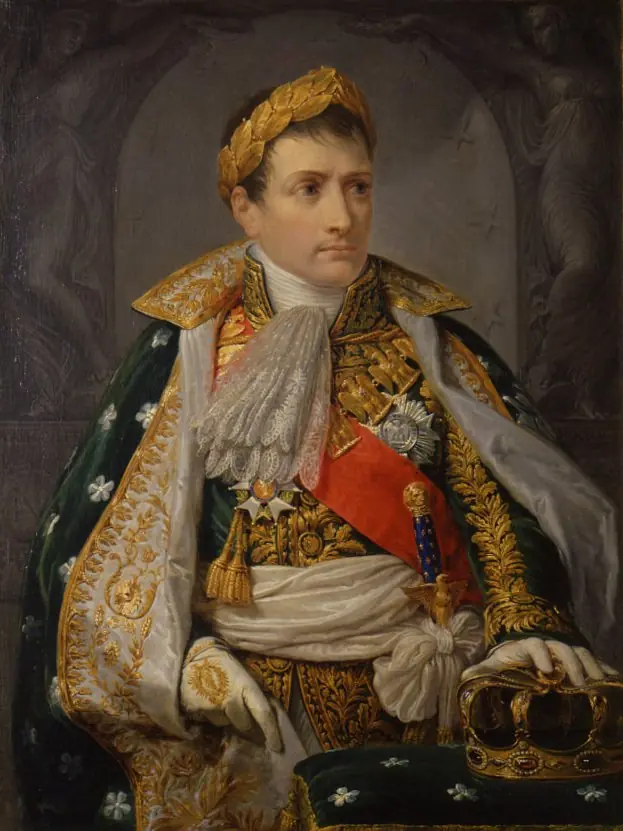 Napoleon I Bonaparte
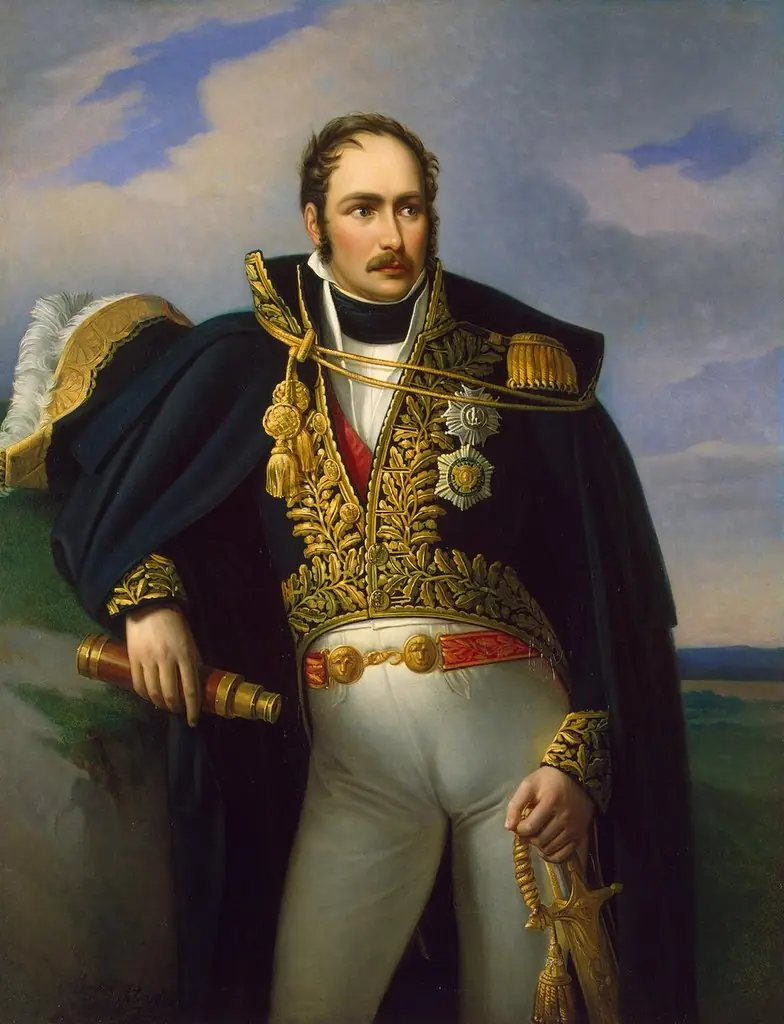 Portrait of Eugene de Beauharnais
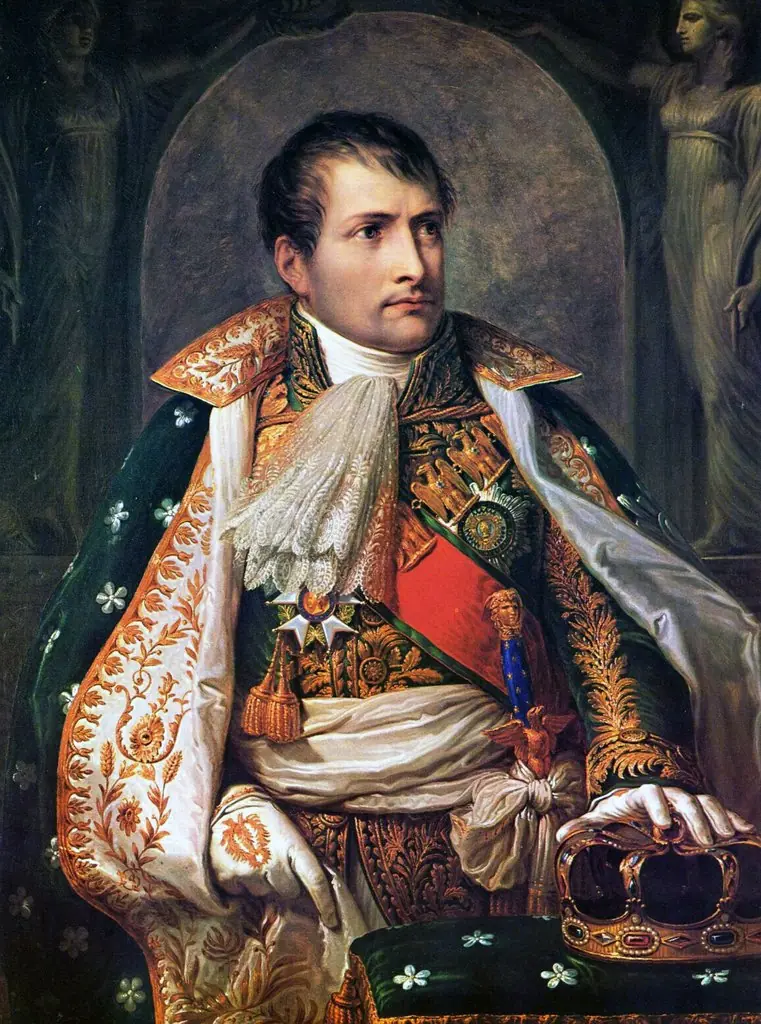 Napoleon I of France
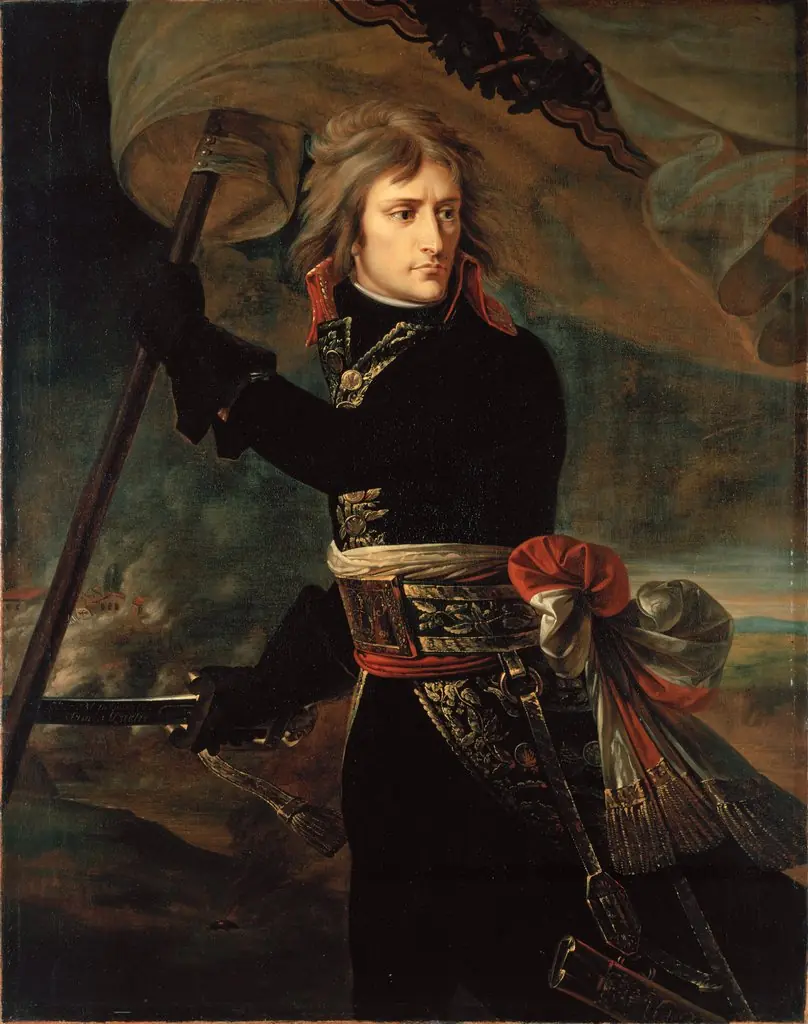 Bonaparte at the Pont d'Arcole
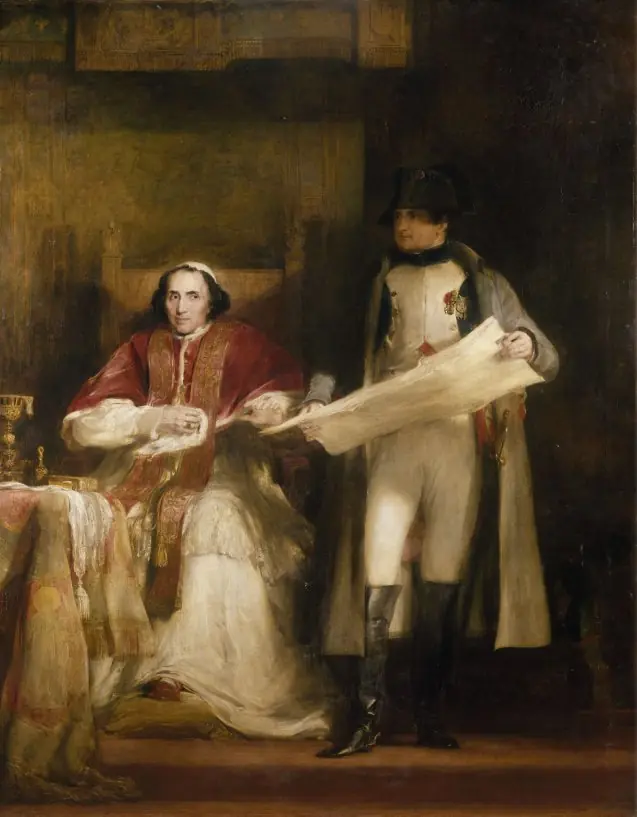 Napoleon and Pope Pius VII at Fontainebleau in 1813
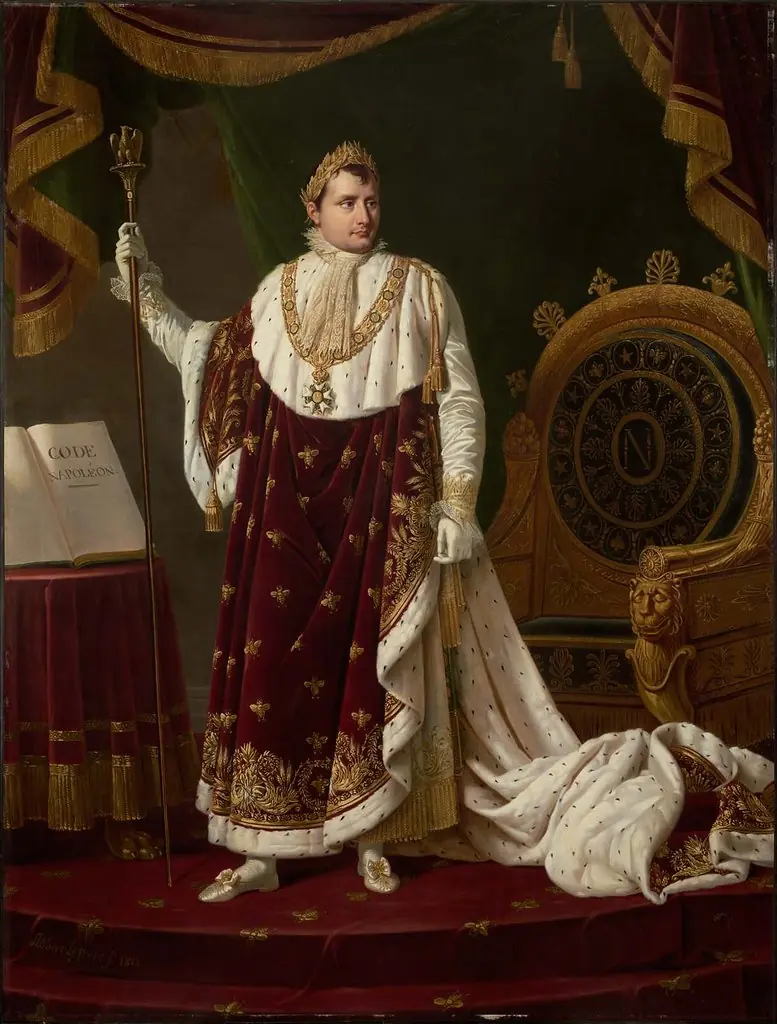 Portrait of Napoleon I in His Coronation Robes
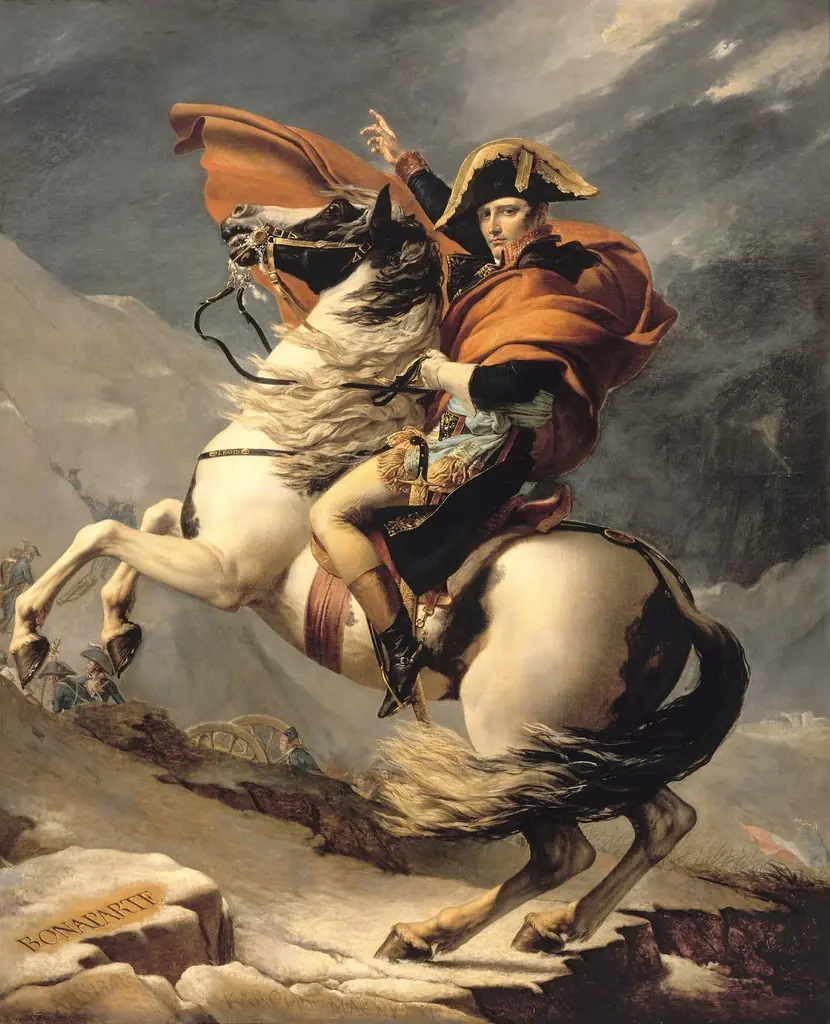 Napoleon Crossing the Alps
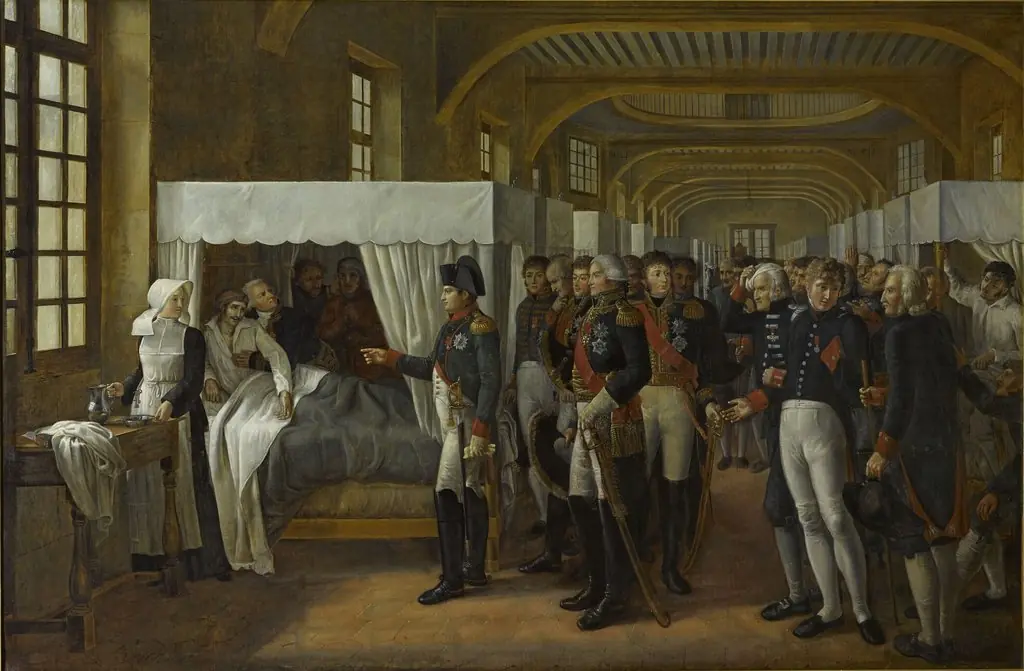 Napoleon I visiting the infirmary at Les Invalides, February 11, 1808
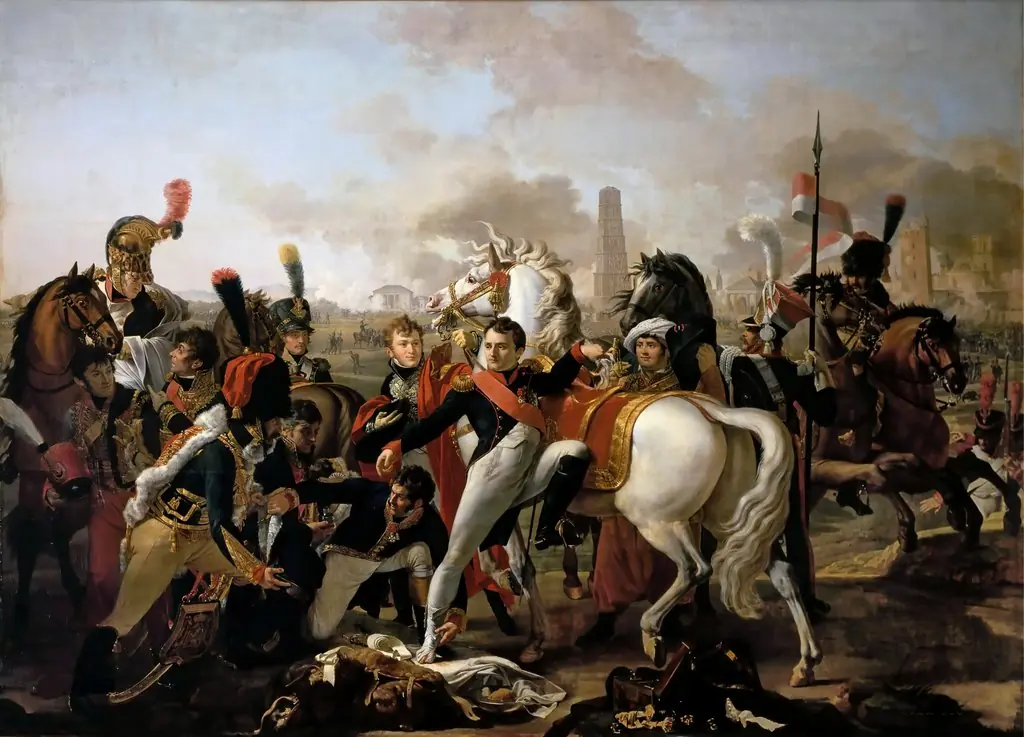 Napoleon dismounting with an injured foot at Regensburg, aided by the Surgeon, Yvan, April 23, 1809
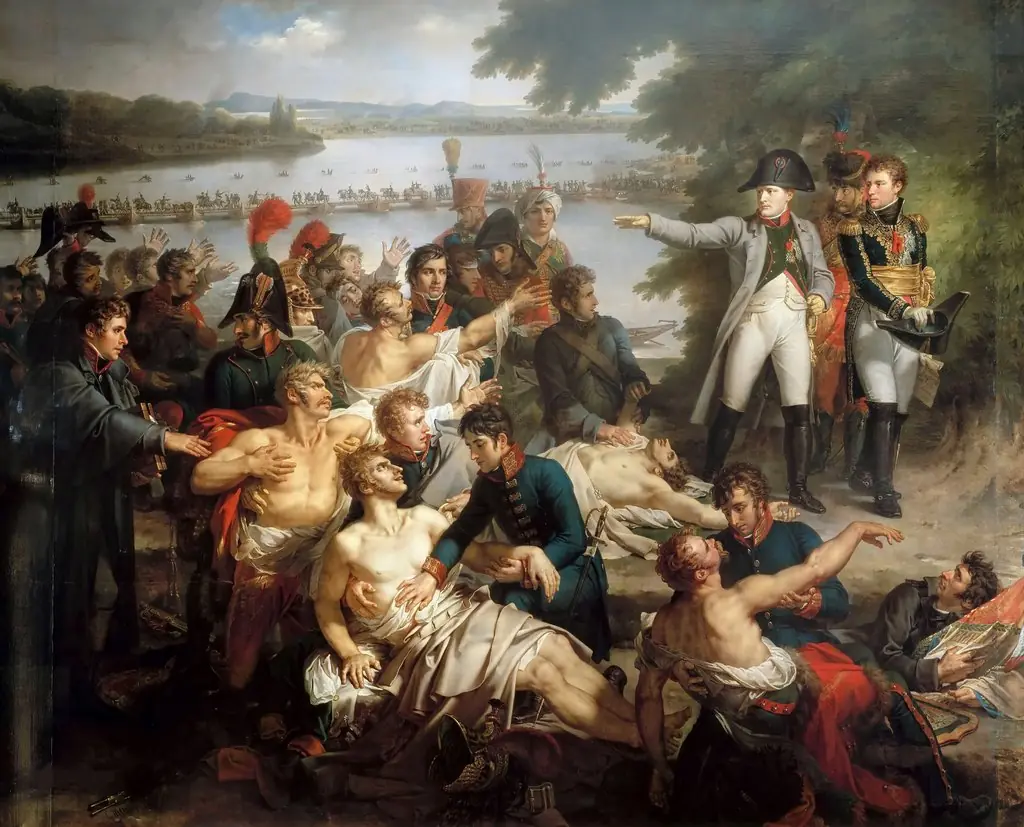 Napoleon's Return to the Island of Lobau After the Battle of Essling
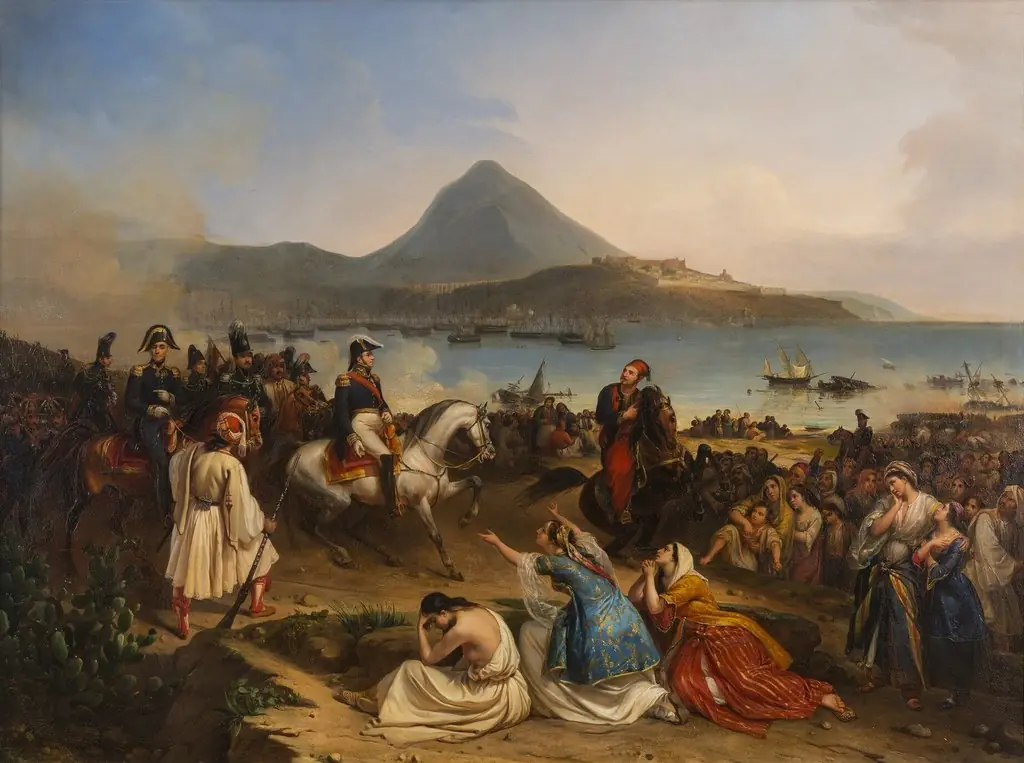 Meeting between General Maison and Ibrahim Pasha in Navarino, September 1828
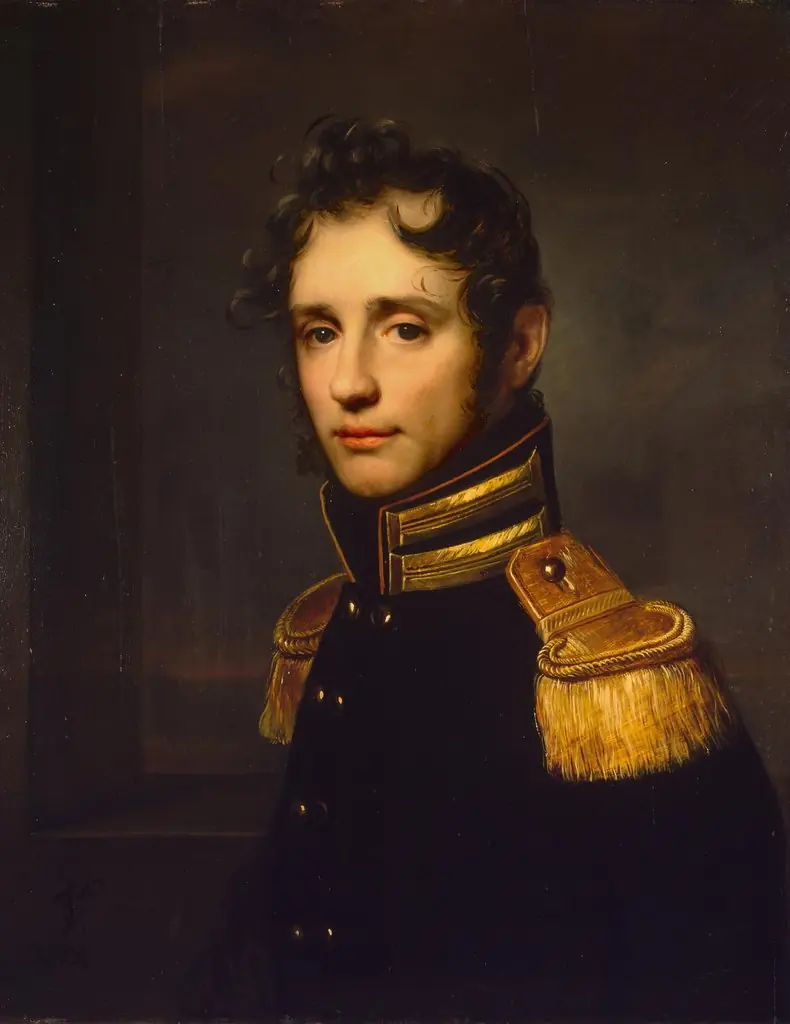 Portrait of Burchard Ch. Richter
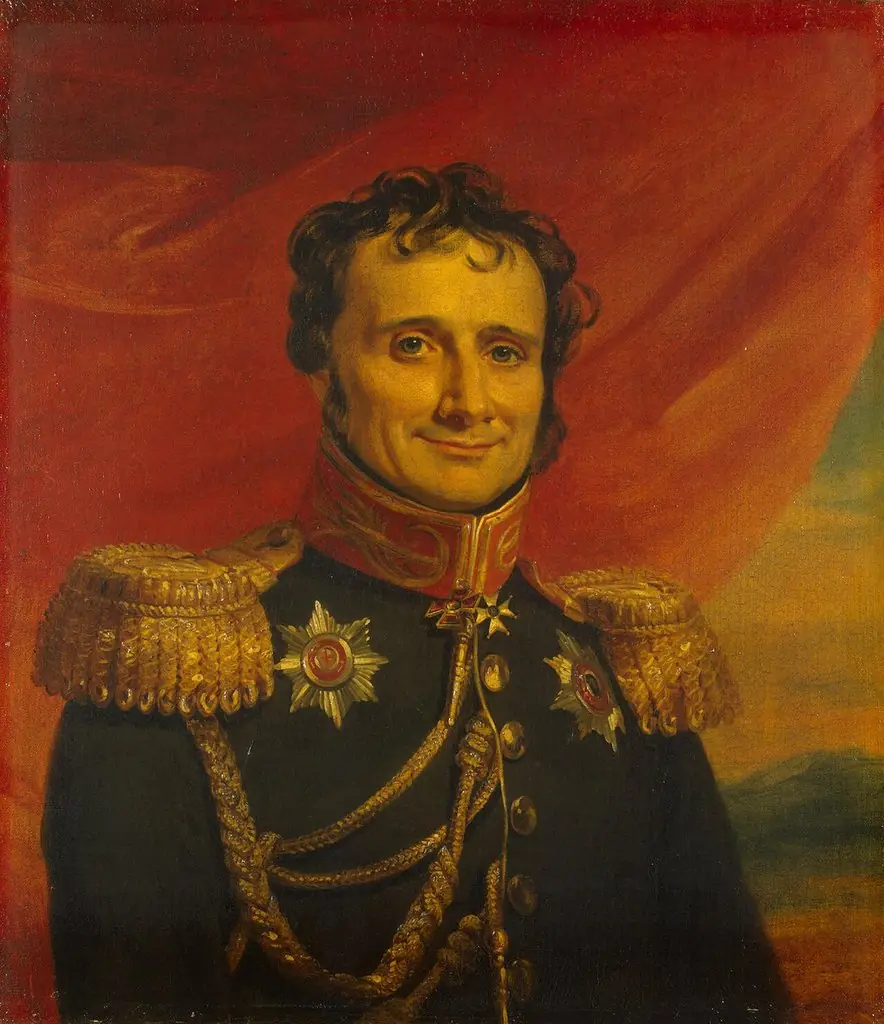 Portrait of Genrikh V. (Antoine-Henri) Jomini (1779-1869)
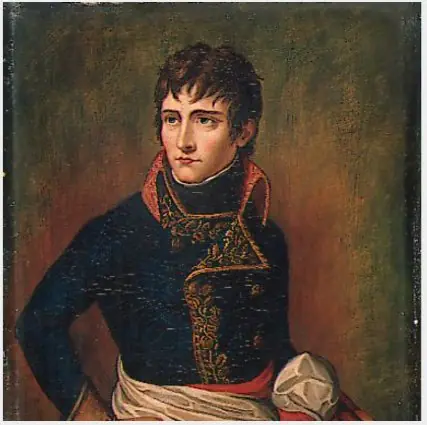 Portrait of Napoleon Bonaparte (1769-1821), as a General of the Army of the Revolution
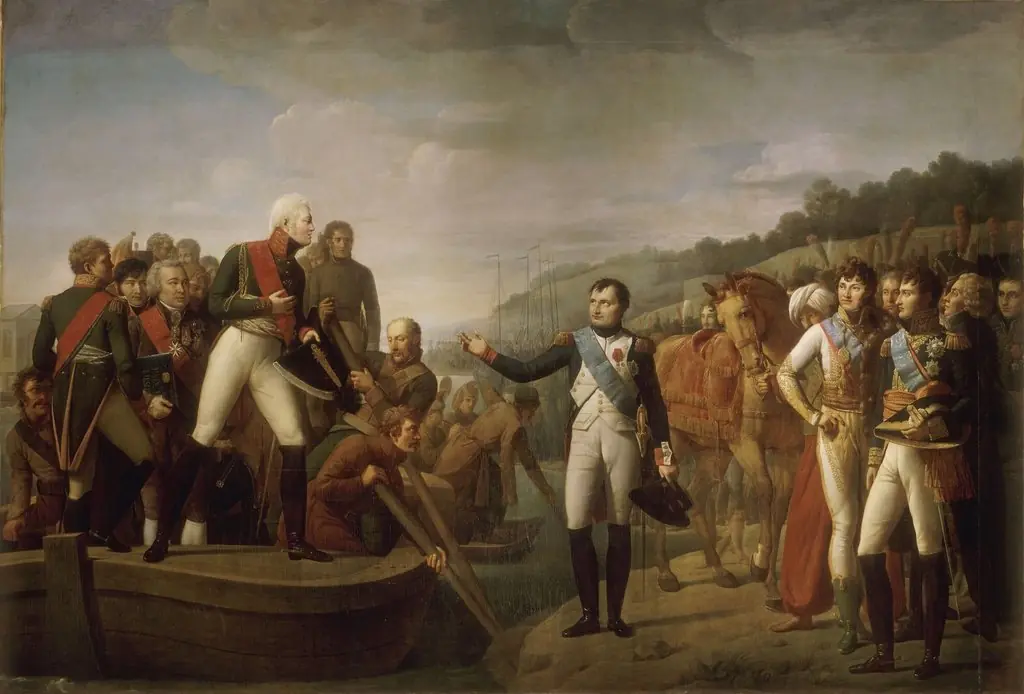 Farewell of Napoleon I and Alexander after the peace of Tilsitt, July 9, 1807
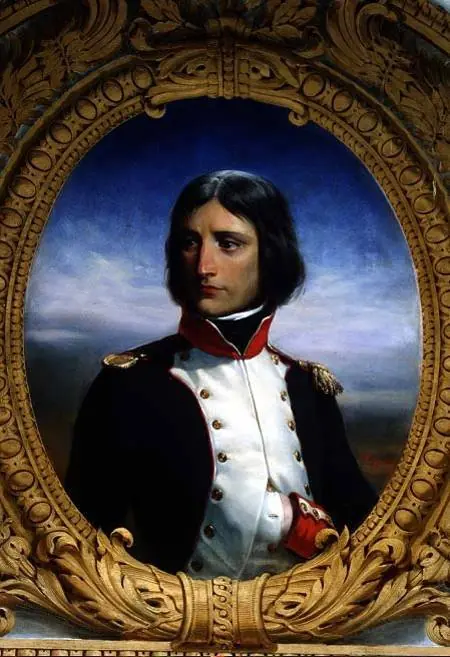 Napoleon Bonaparte
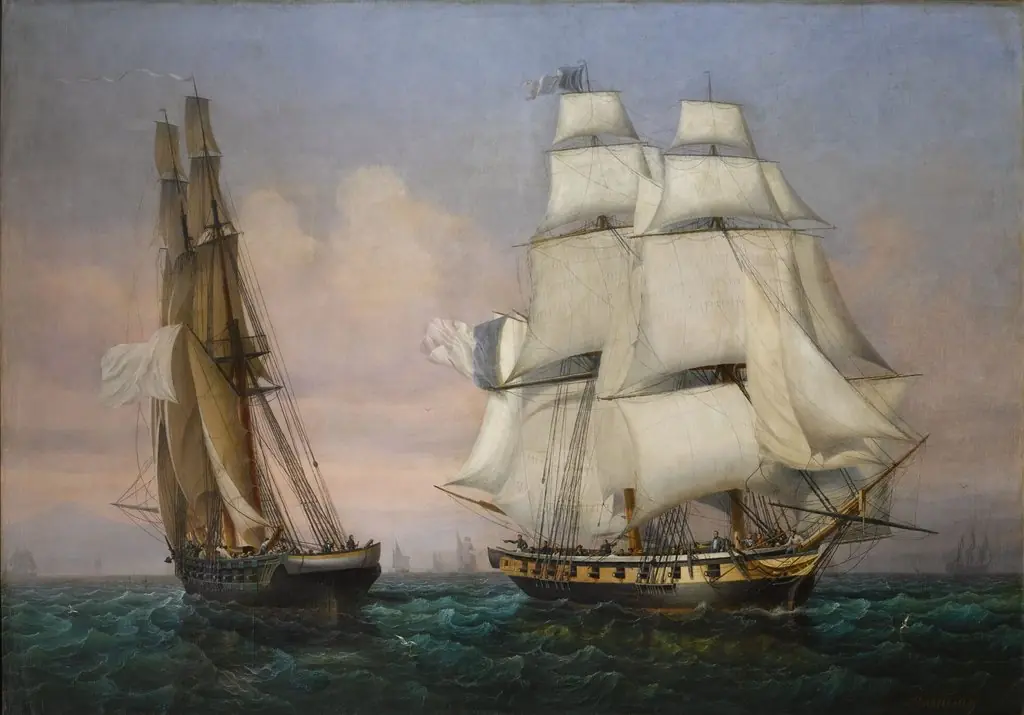 Return of Napoleon from Elba
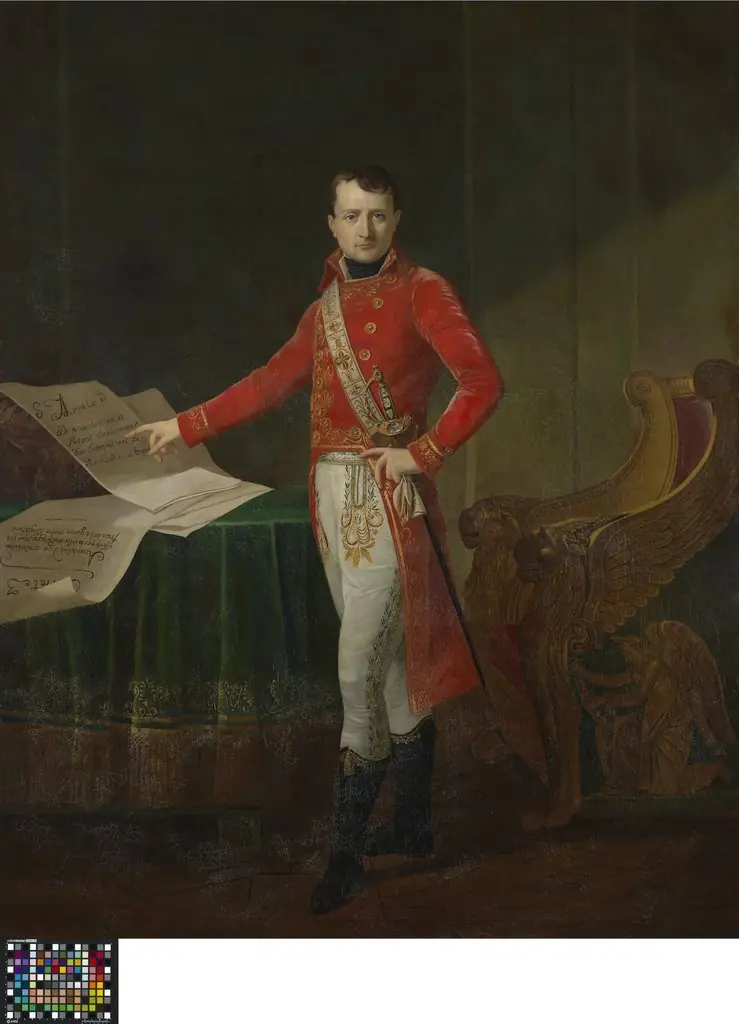 Portret van Napoleon Bonaparte
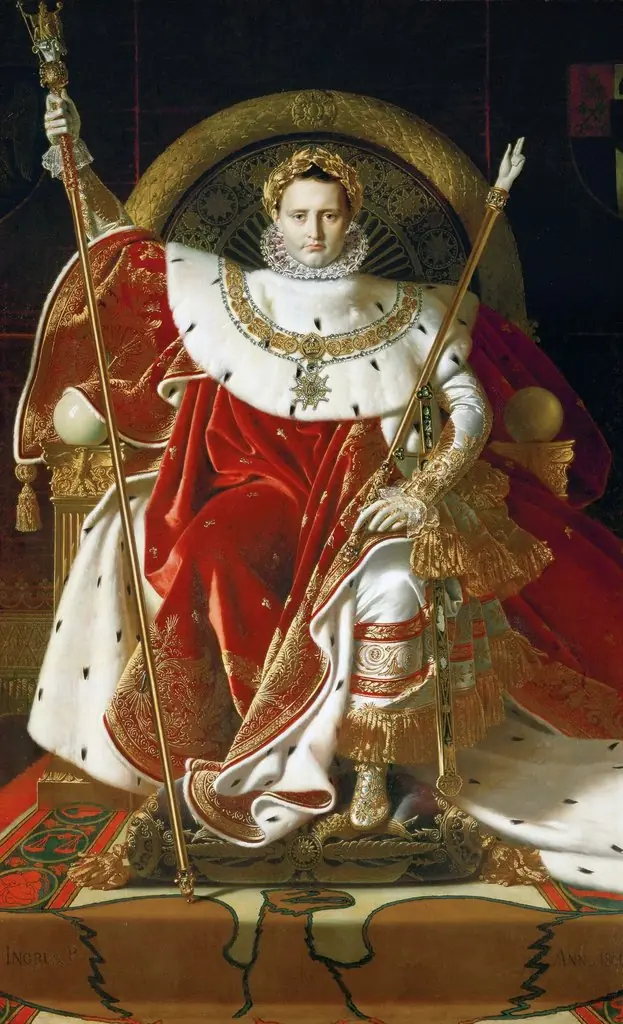 Napoleon I on his Imperial Throne
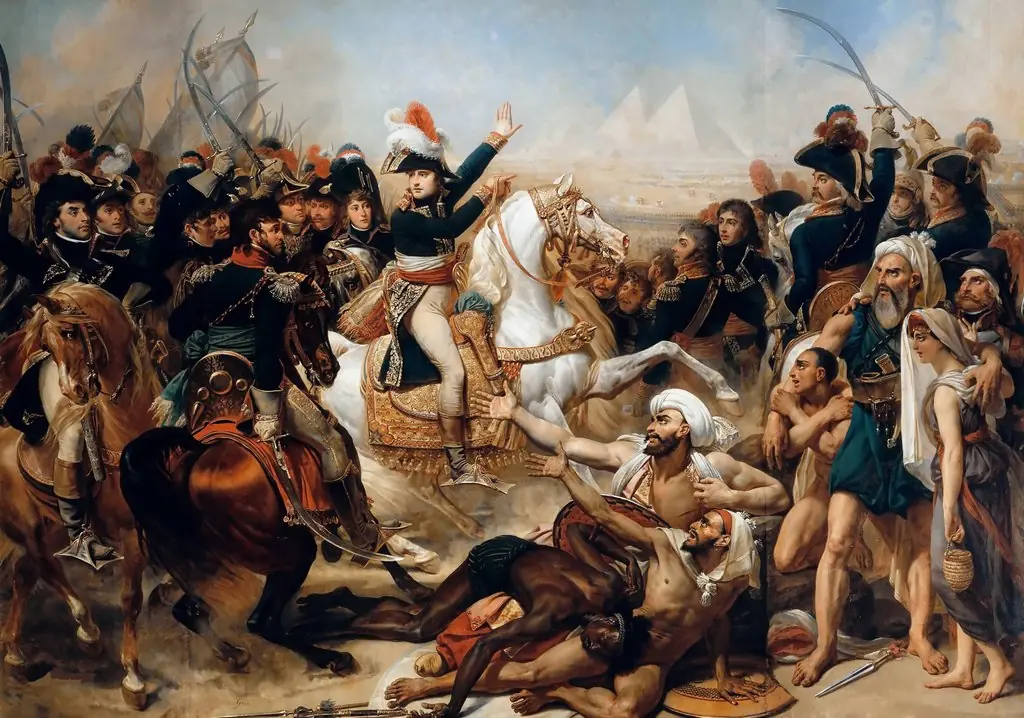 The Battle of the Pyramids
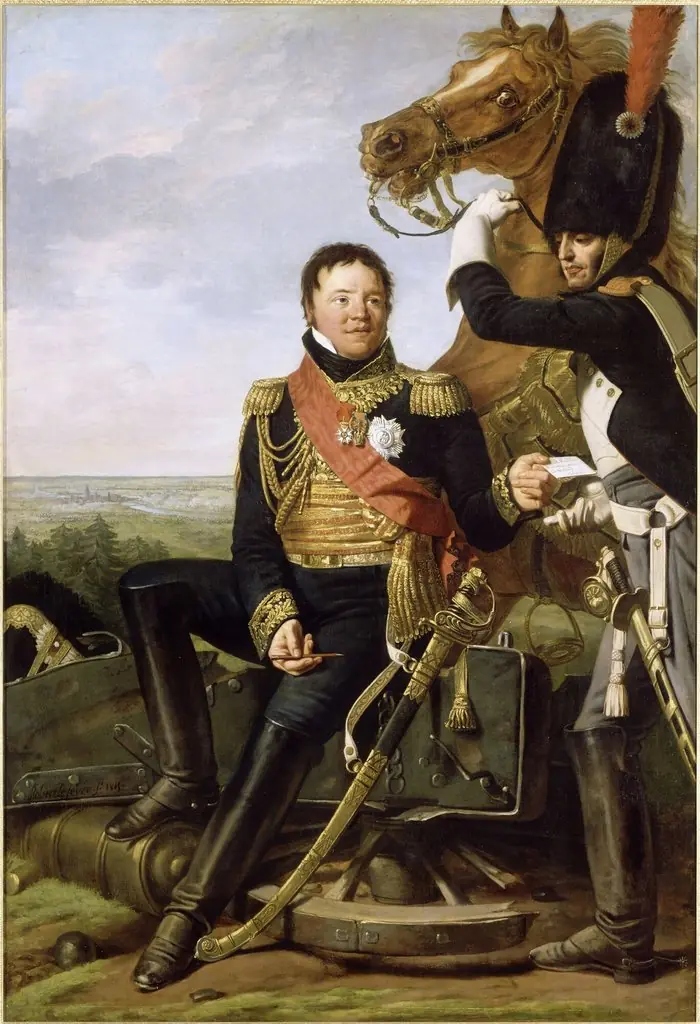 Frédéric-Henry, count Walter
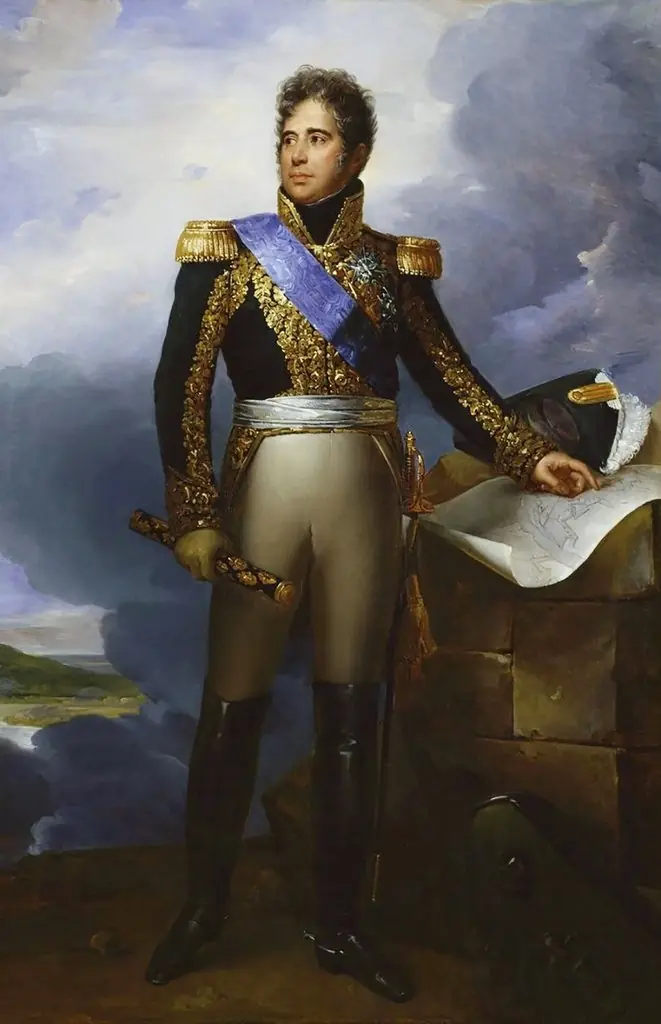 Jacques-Alexandre-Bernard Law de Lauriston
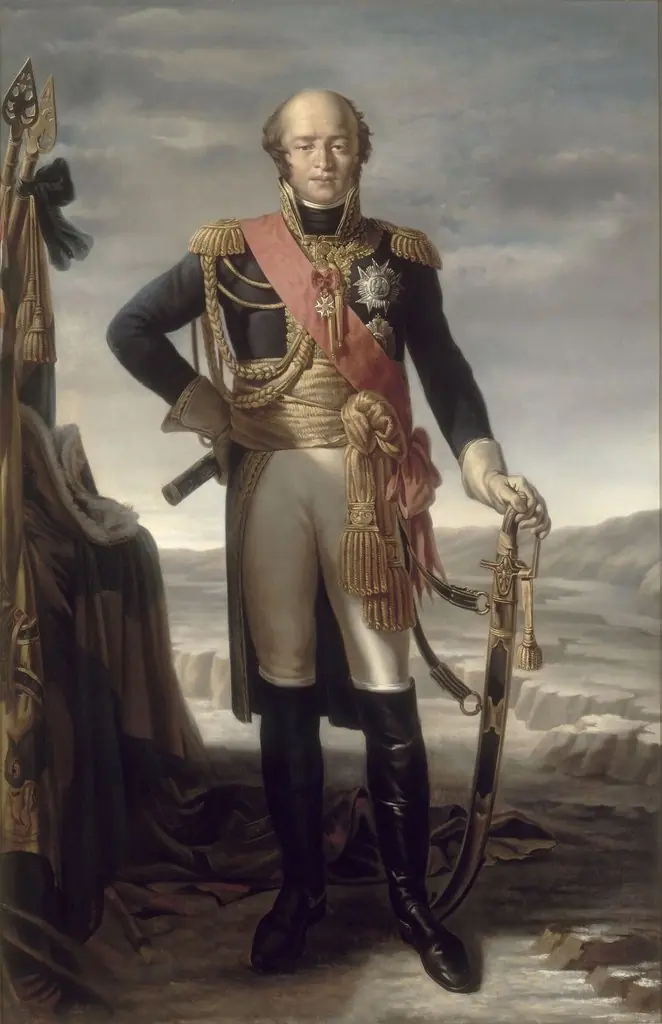 Portrait de Louis Nicolas Davout
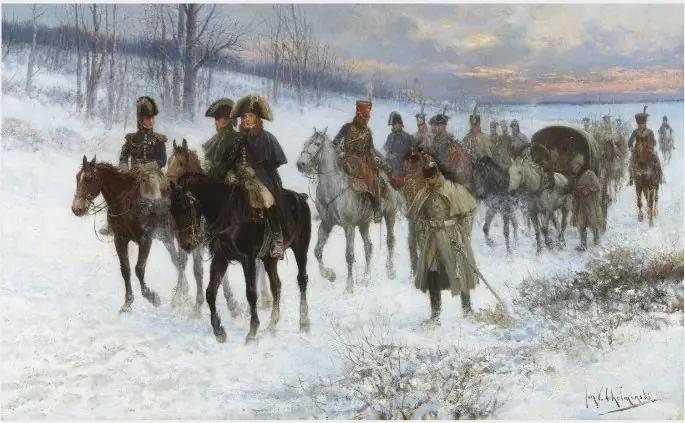 Riders in Snow
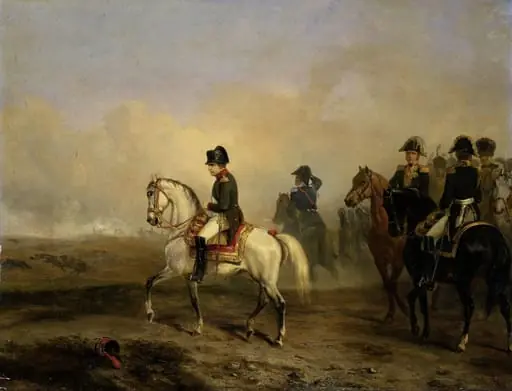 Untitled
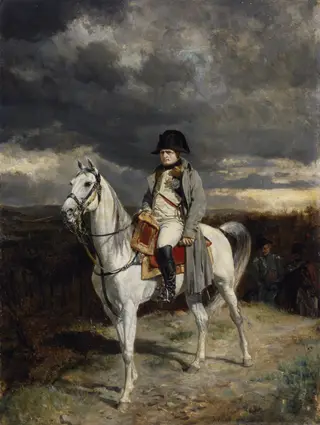 1814
1814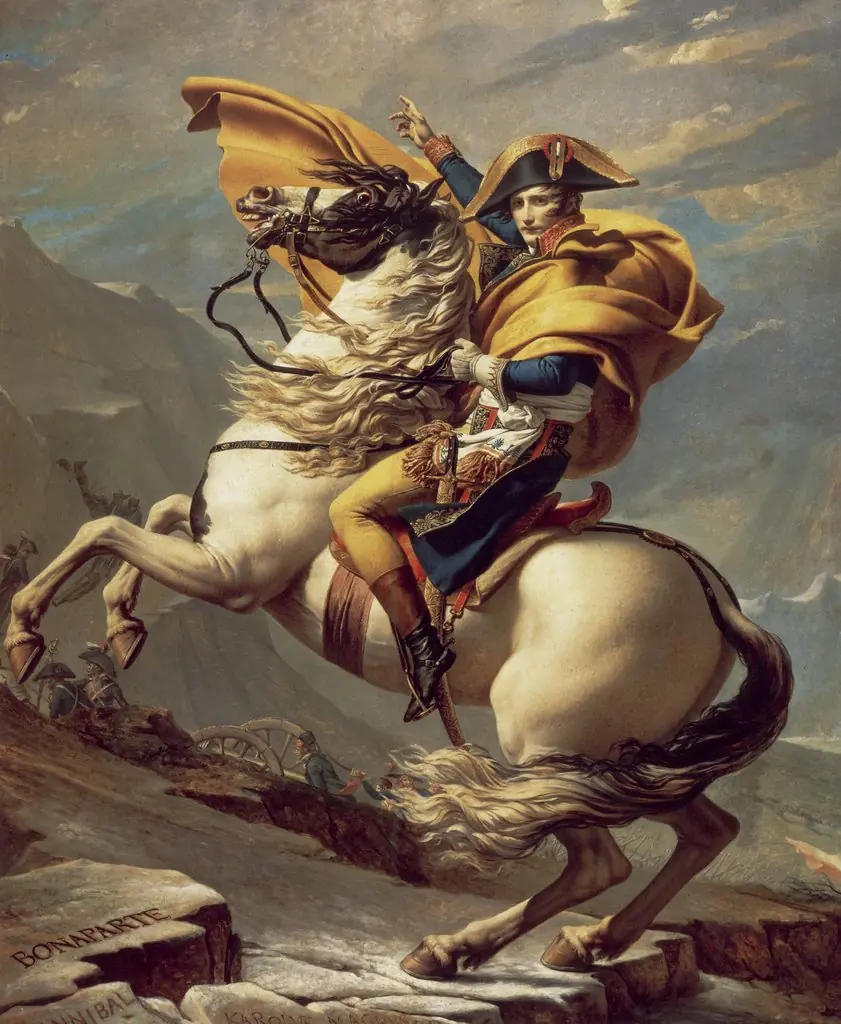 Napoleon Crossing the Alps
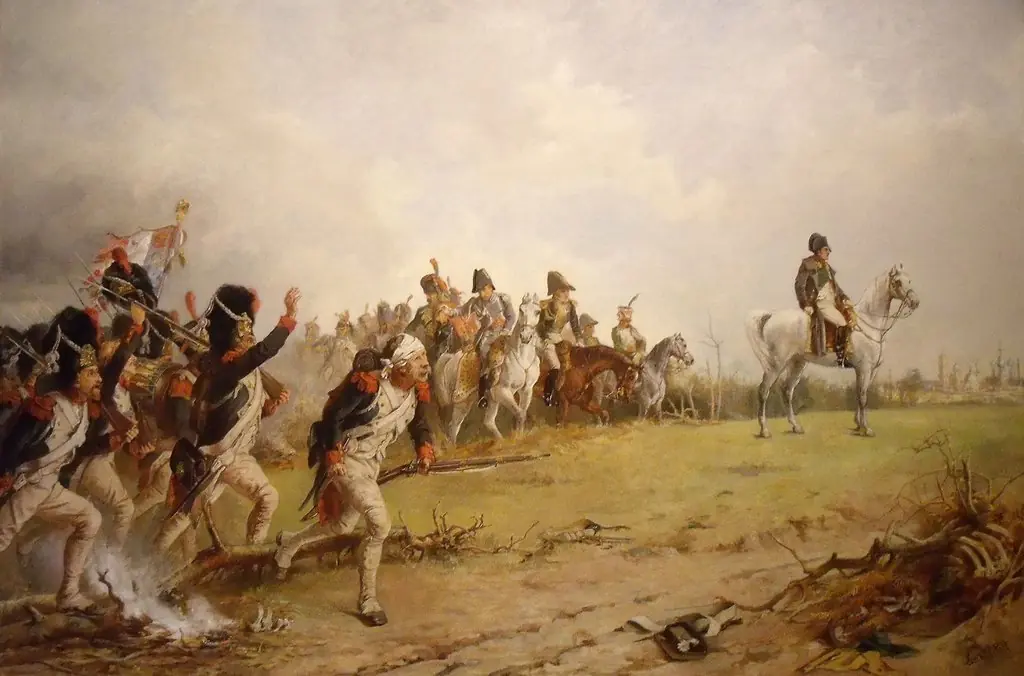 The First Sight of Moscow
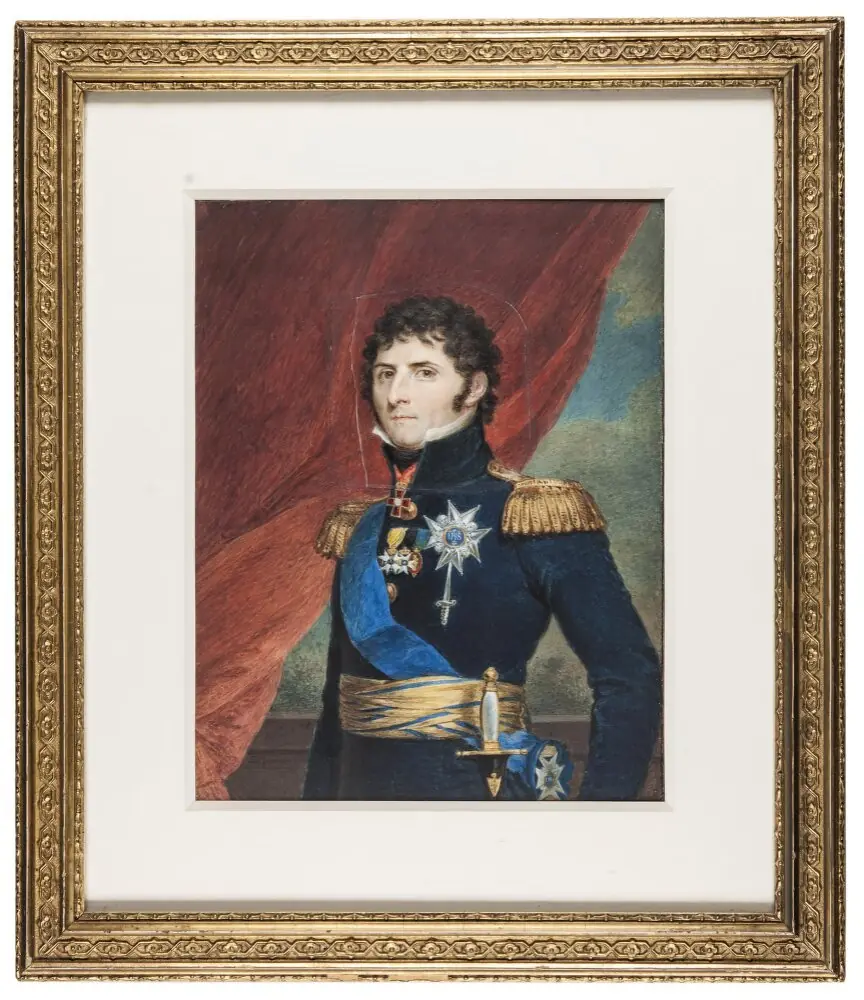 Carl XIV Johan, King of Sweden
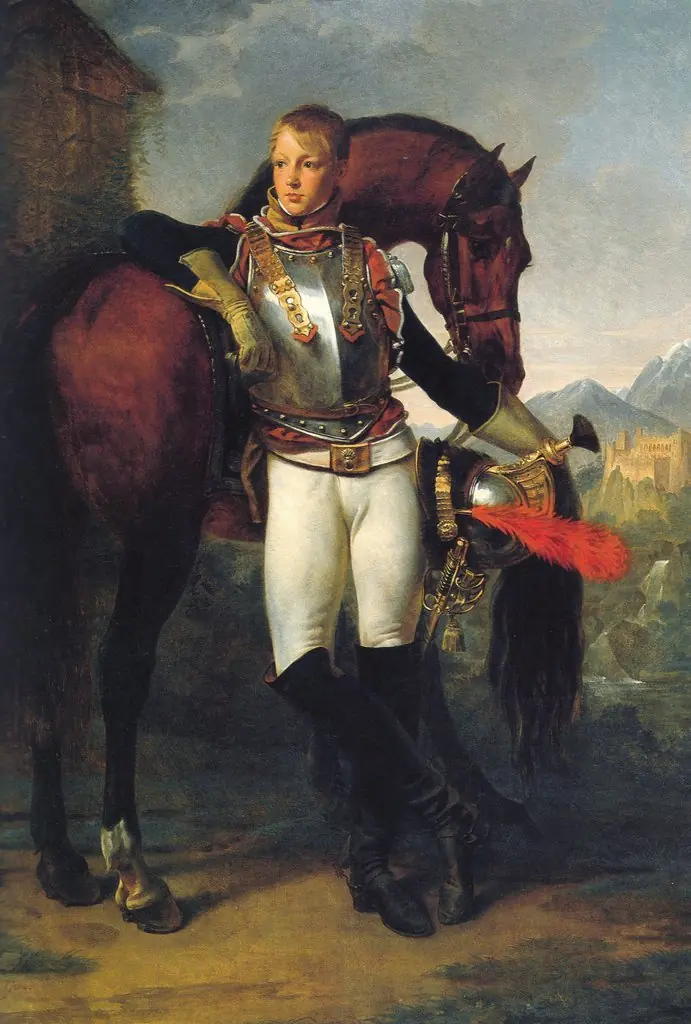 Portrait of Second Lieutenant Charles Legrand
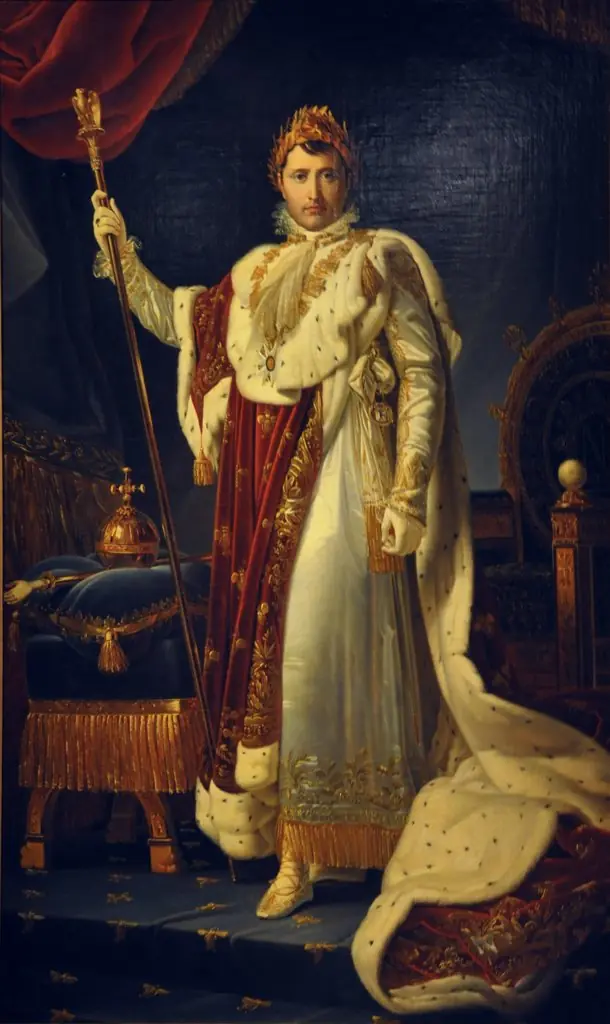 Napoleon in Coronation Robes
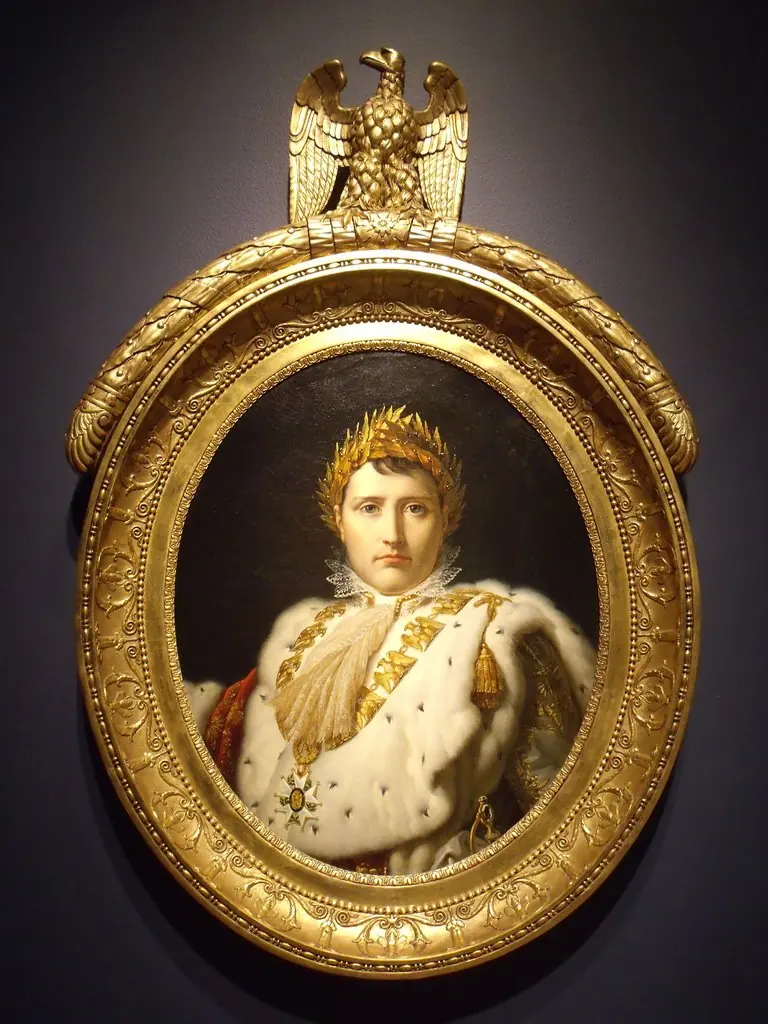 Napoleon the first in Coronation robe
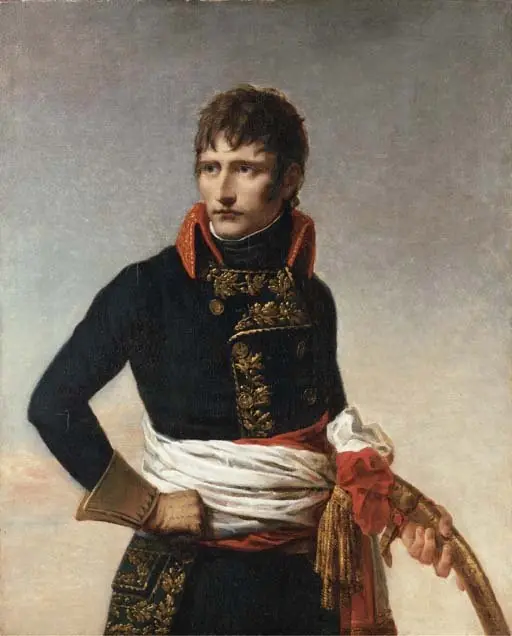 Bonaparte à Milan
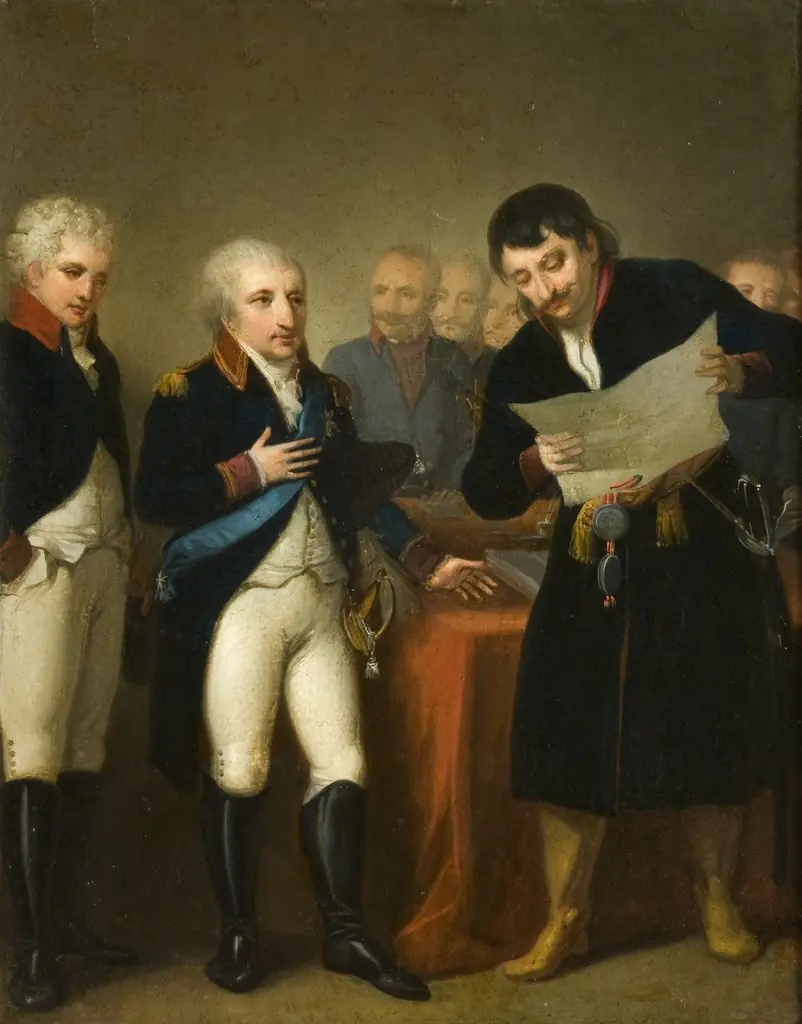 Krakow Surrendered to the Prussians
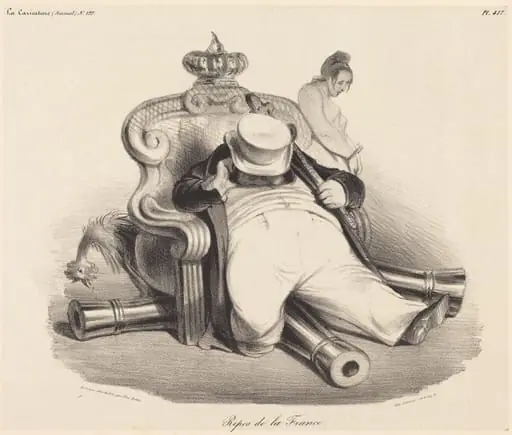 Repos de la France
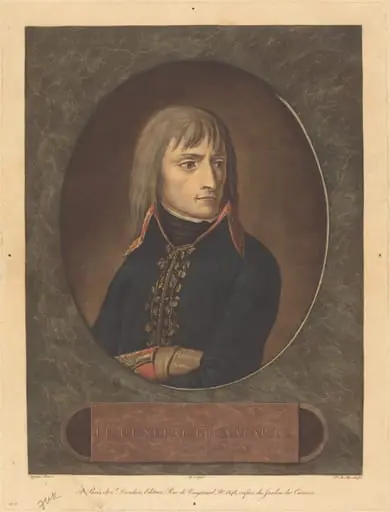 Le Général Buonaparte (Napoleon as General of the Italian Army)
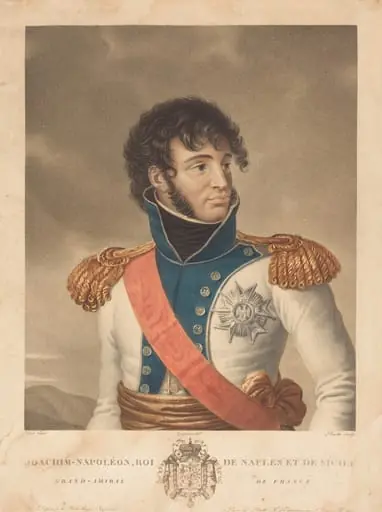 Joachim Murat (Joachim-Napoleon, Roi de Naples et de Sicile, Grand-Admiral de France)
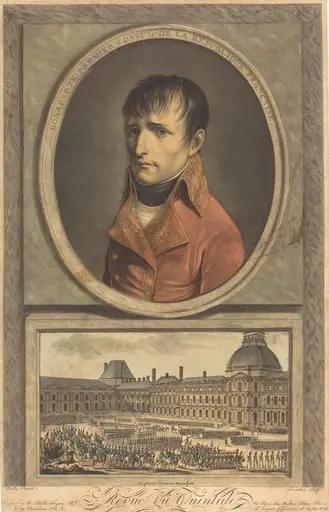 Bonaparte Premier Consul de la Republique Française
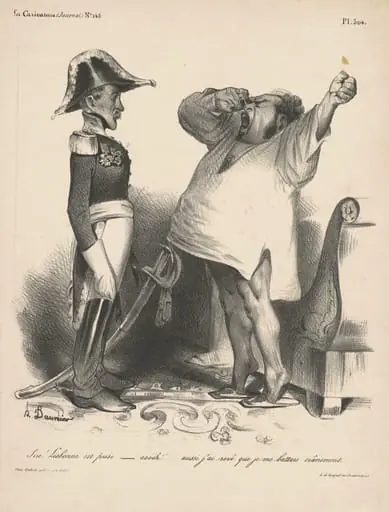 Sire! Lisbonne est prise... (Sire! Lisbon has been captured...)
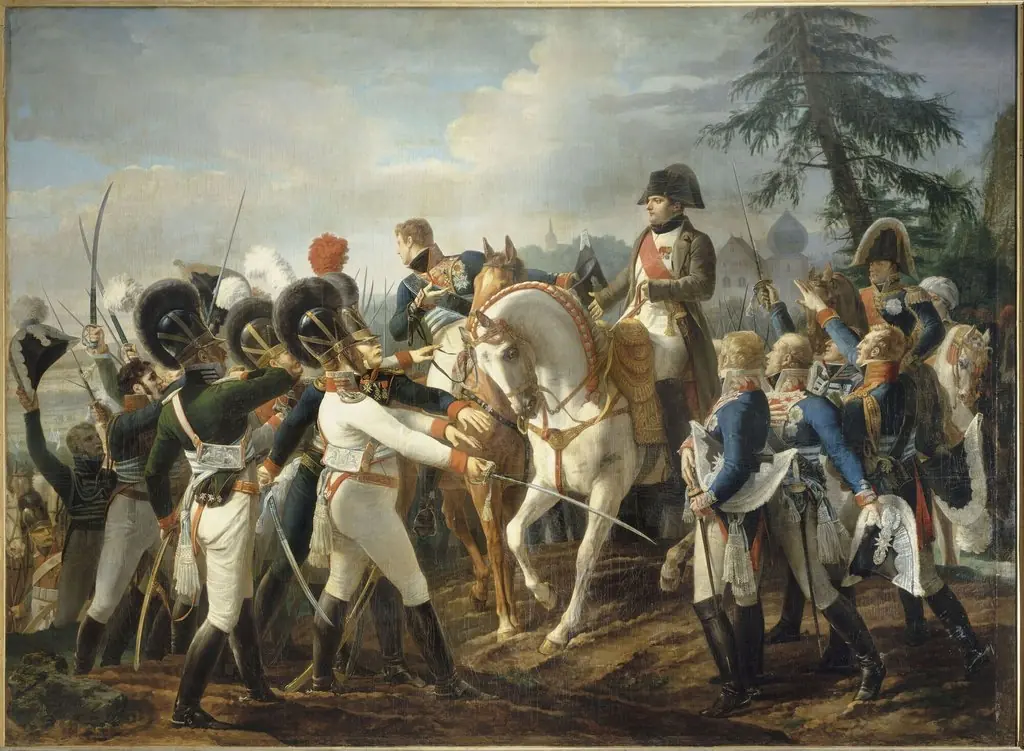 Napoléon harangue les troupes bavaroises et wurtembourgeoises à Abensberg, 20 avril 1809
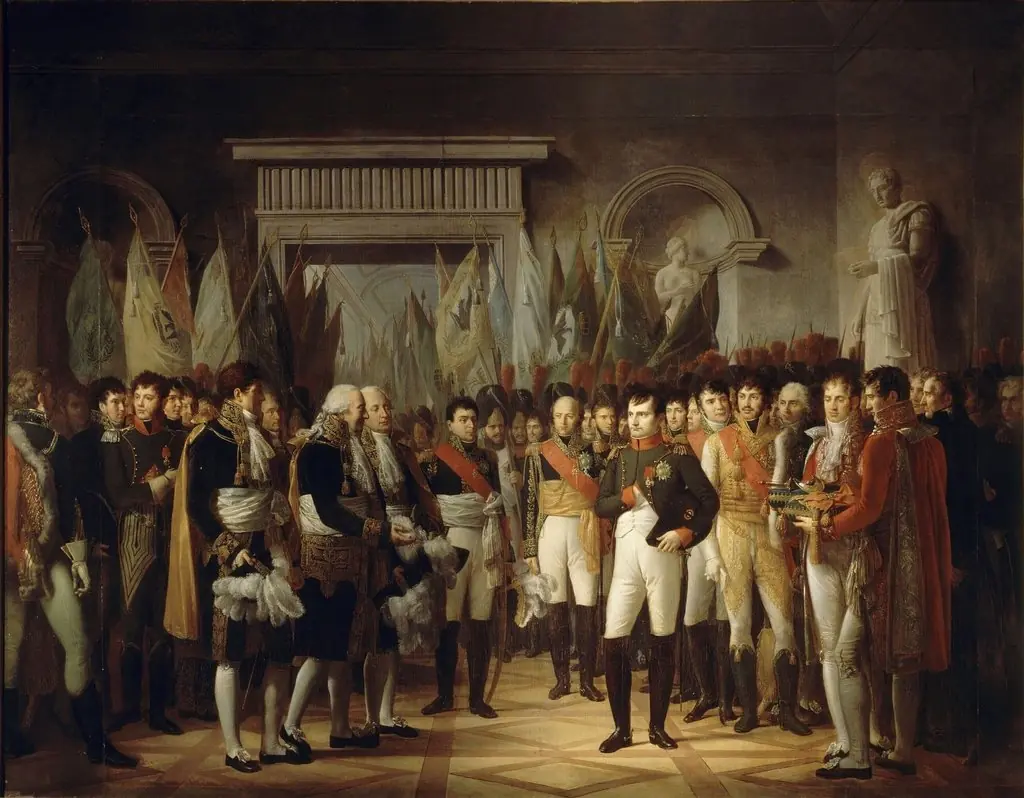 The Emperor receiving the deputies of the Conservative Senate in Berlin at the royal palace, 19 November 1806
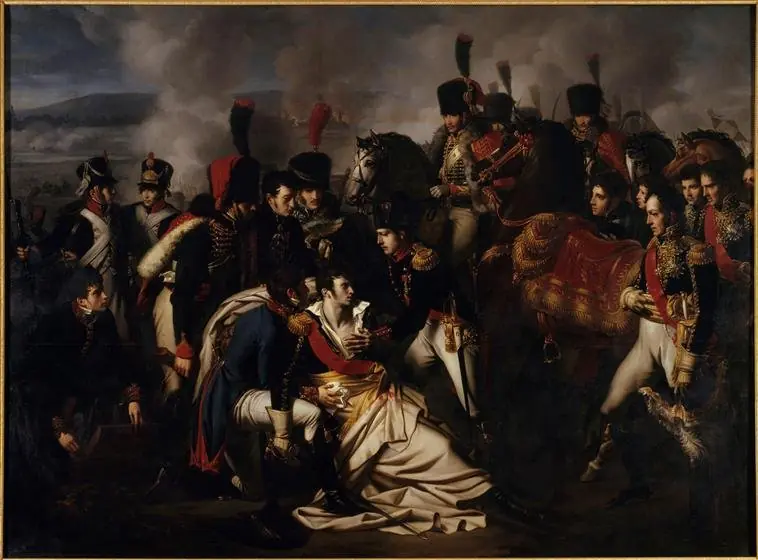 Last moments of Marshal Lannes at the Battle of Essling, 22 May 1809
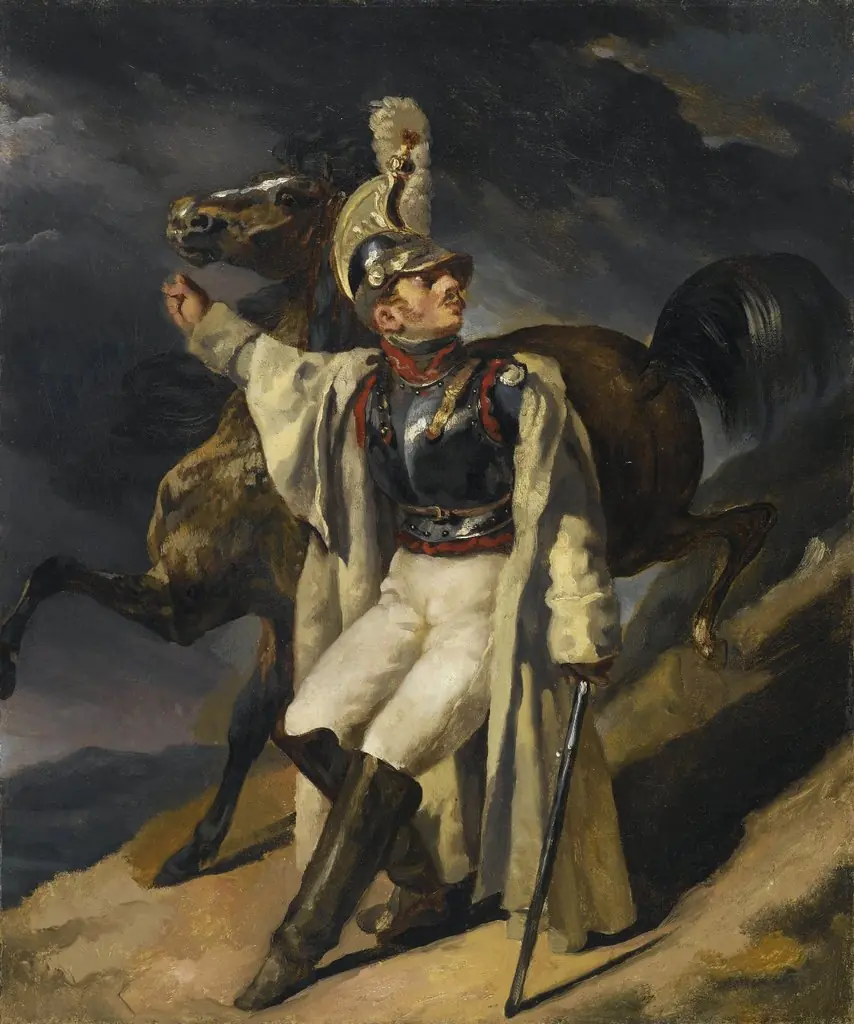 The Wounded Cuirassier, study
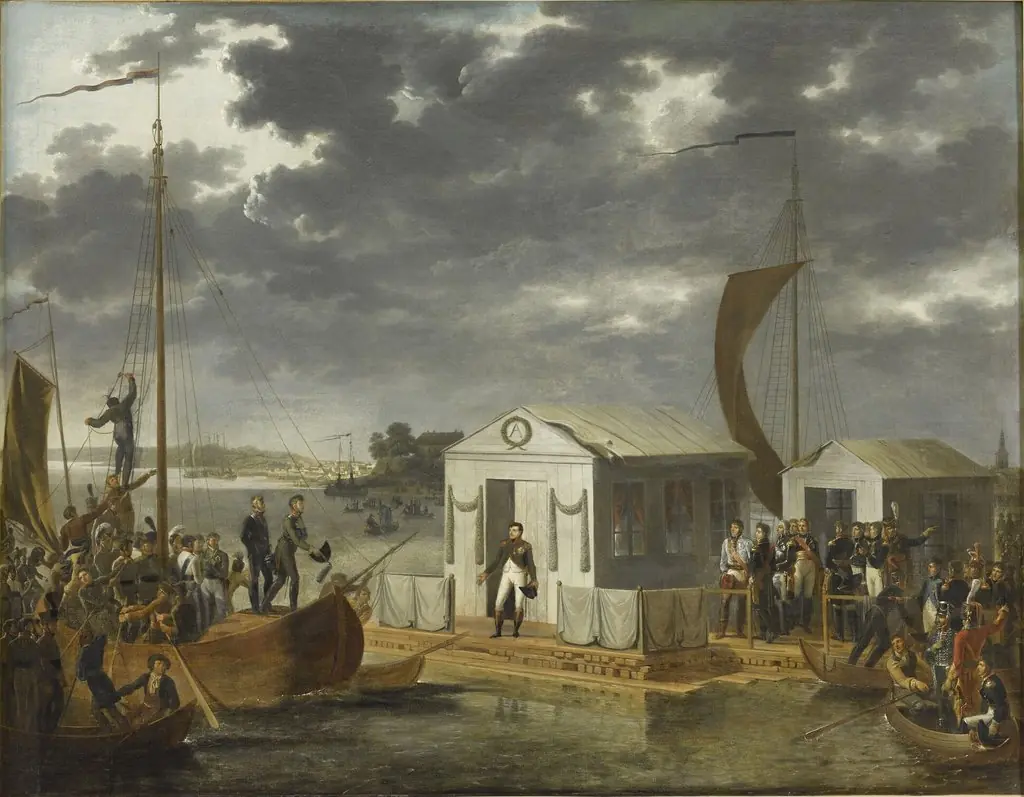 The Meeting of Napoleon I and Tsar Alexander I at Tilsit
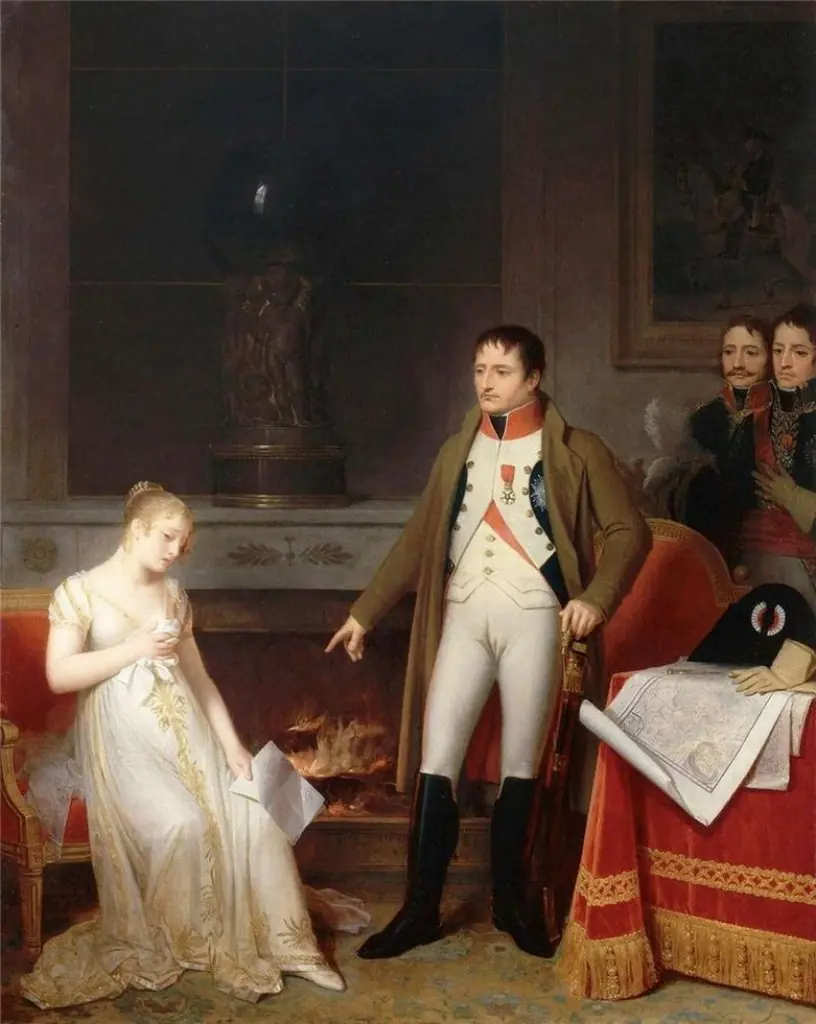 Clemency of Napoleon
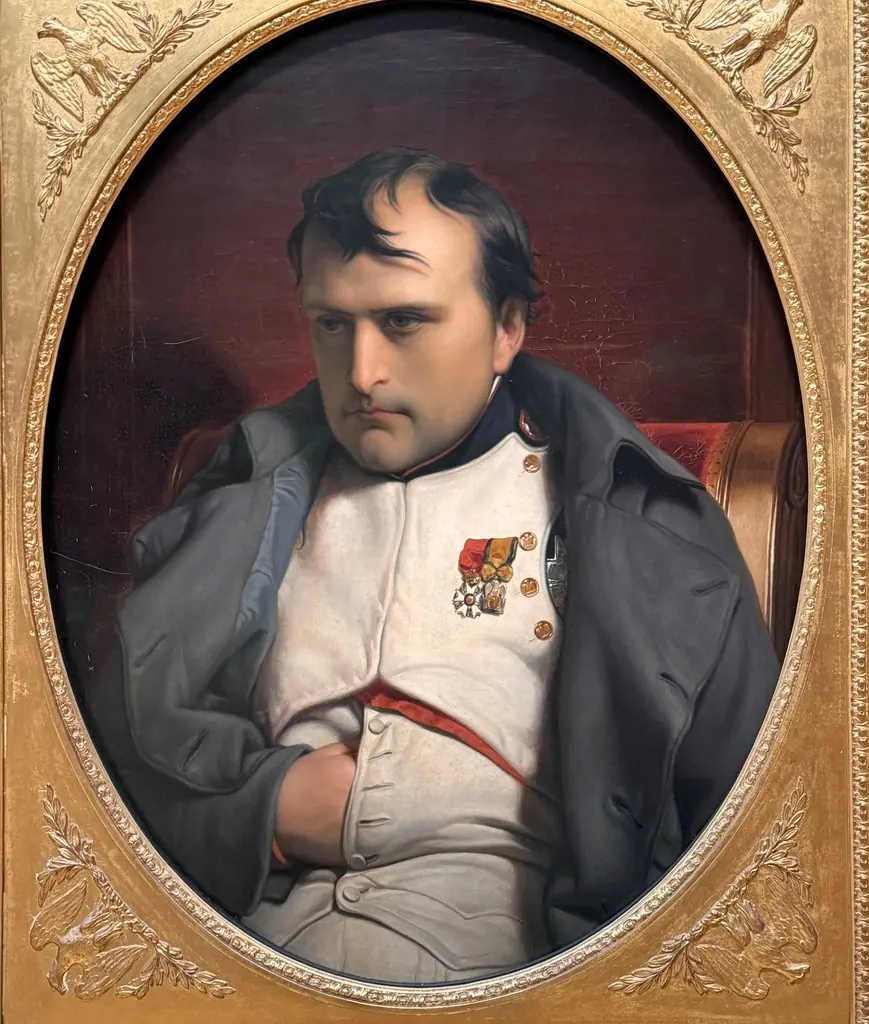 Napoléon à Fontainebleau
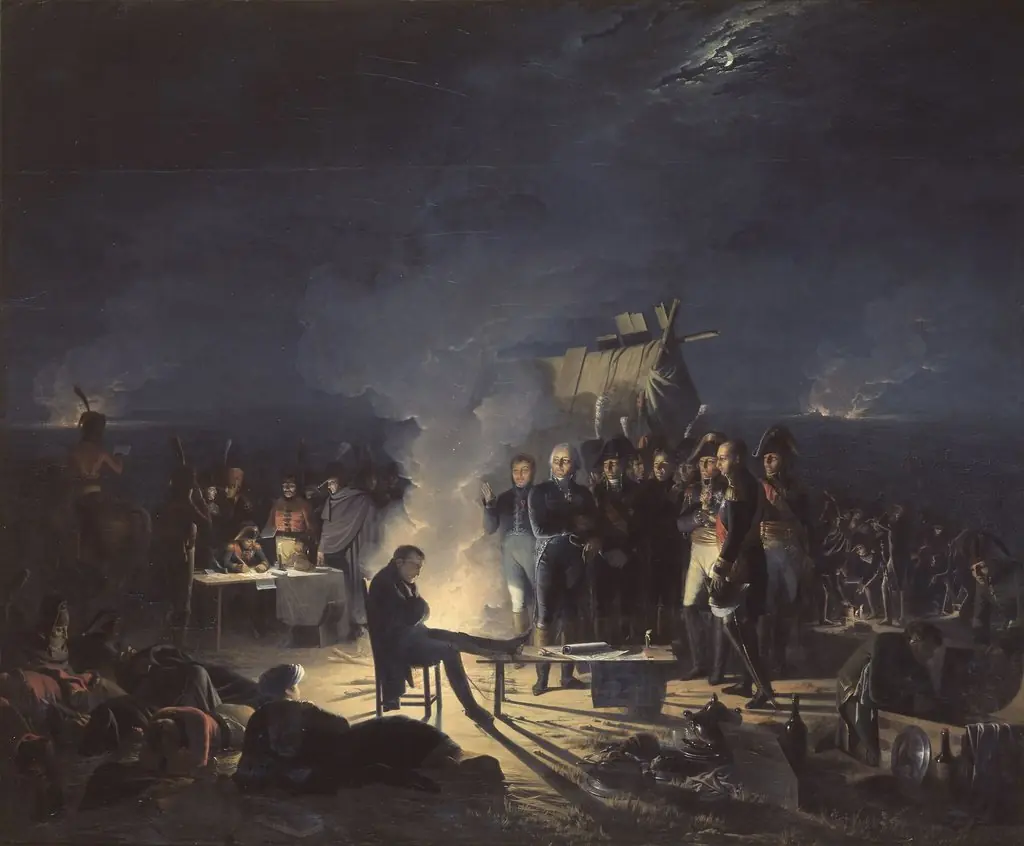 Napoleon's Bivouac on the Battlefield of Wagram
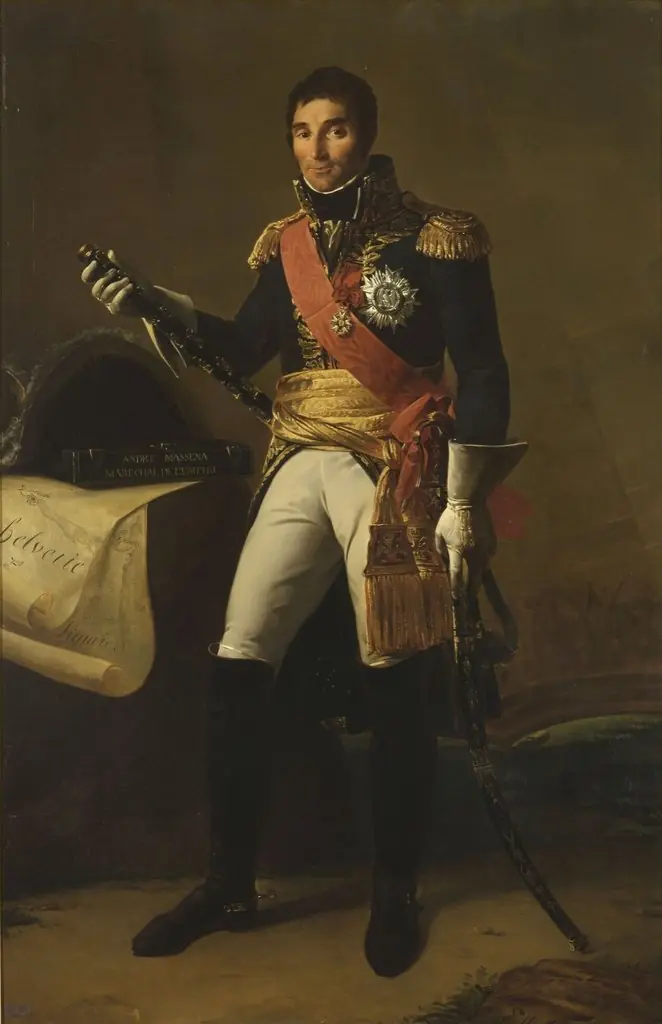 Le maréchal André Masséna (1758-1817), duc de Rivoli et prince d'Essling.
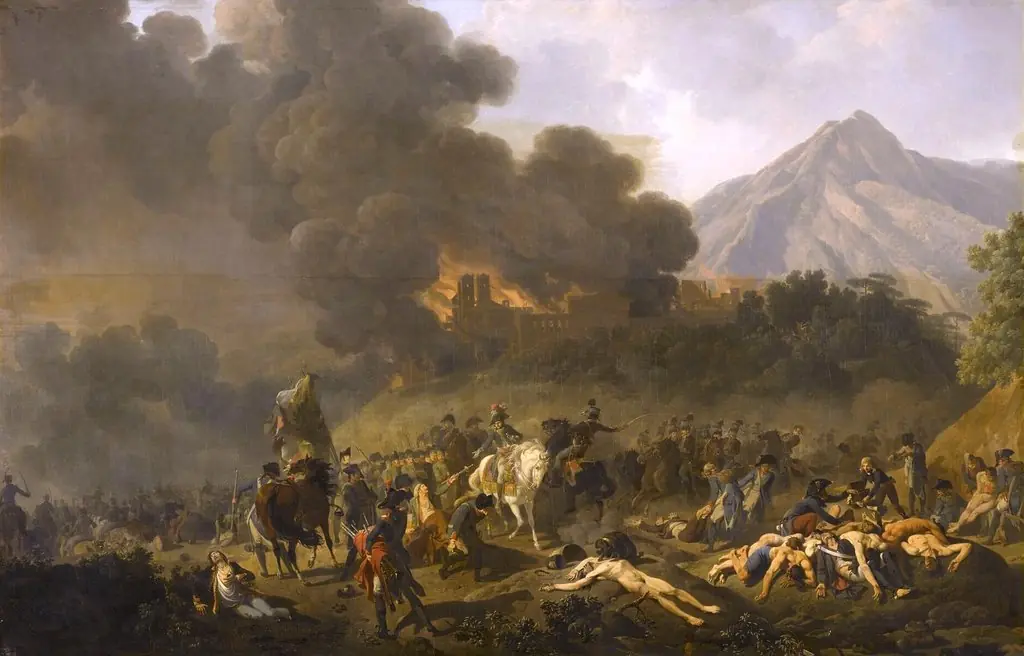 Bonaparte reçoit les prisonniers sur le champ de bataille, 1797
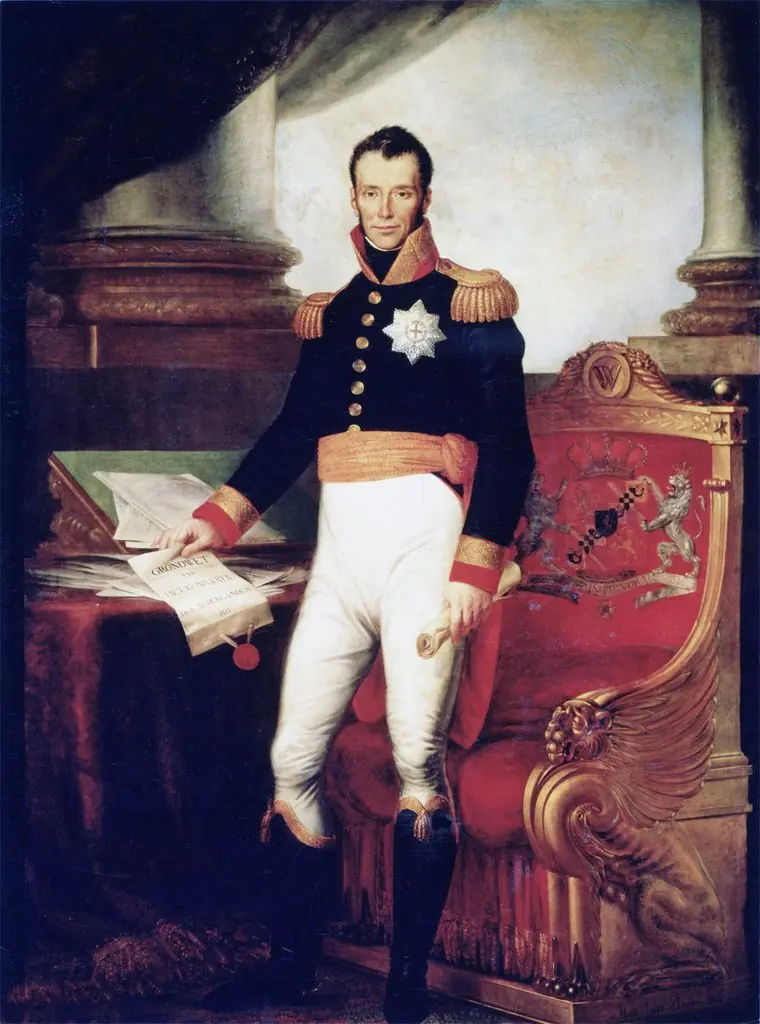 Portrait of King Willem I (1772-1843)
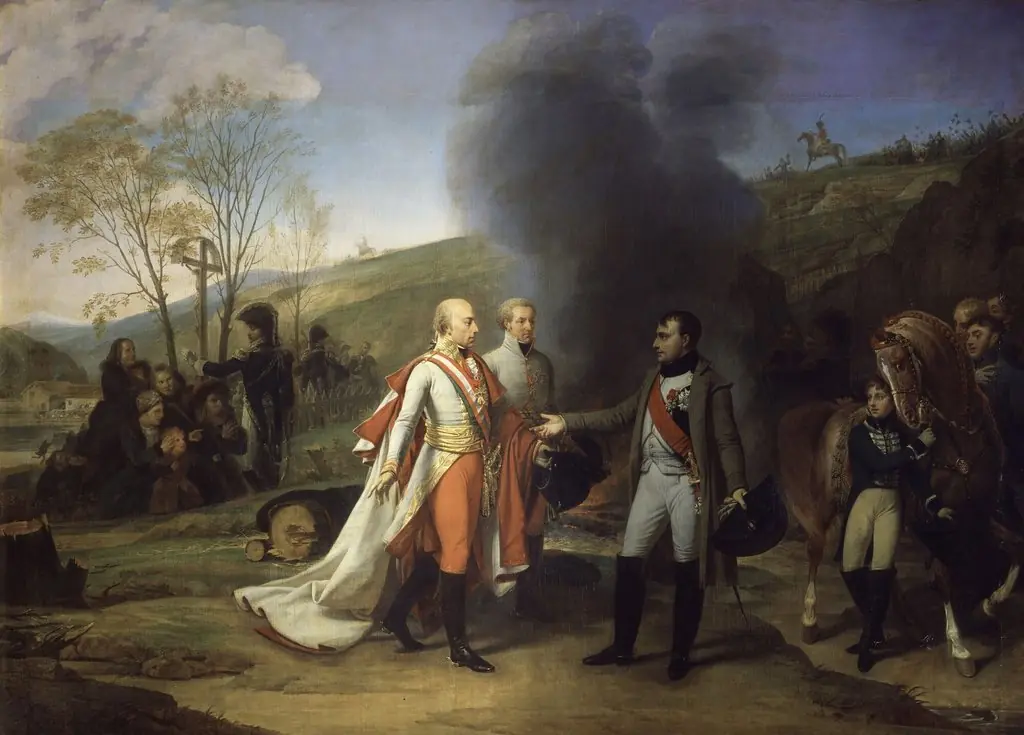 Interview Between Napoleon and Francis II after the Battle of Austerlitz
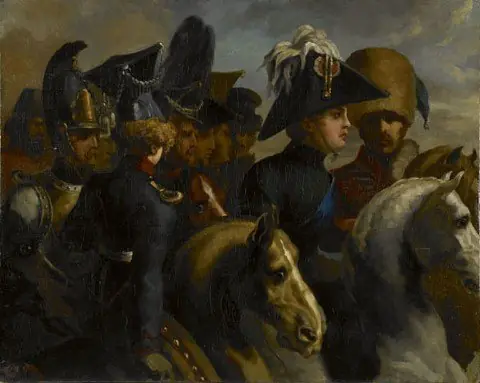 Un prince et son état-major
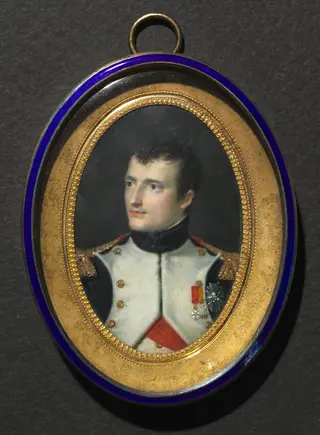 Portrait of Napoleon I, Emperor of the French
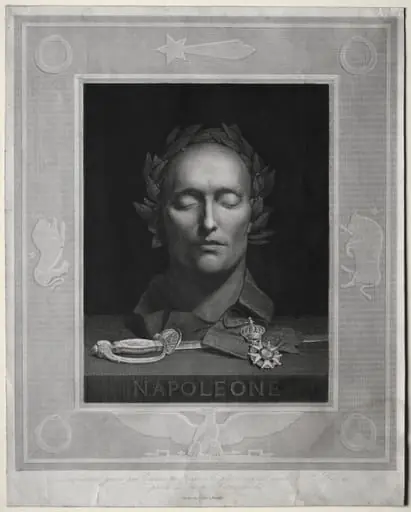 Mask of Napoleon
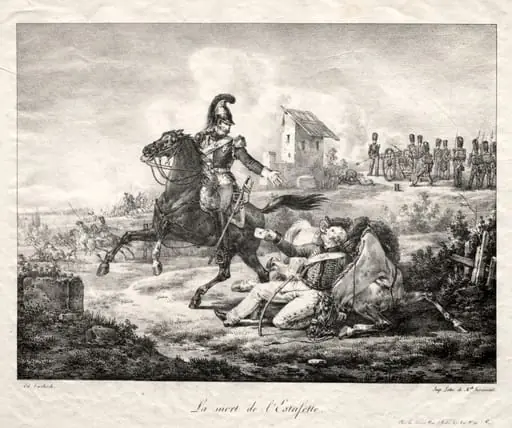 The Death of the Courier
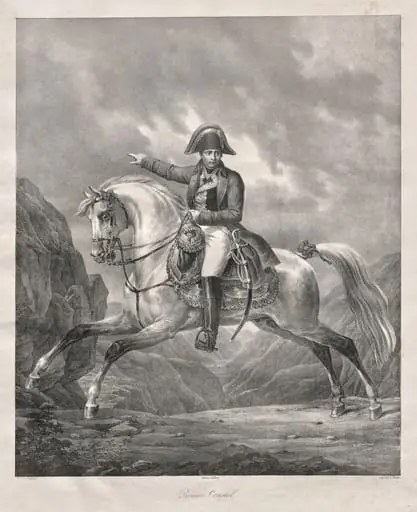 Premier Counsul
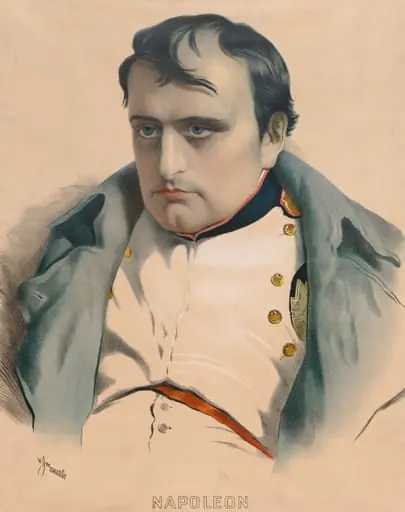 Bust Portrait of Napoleon
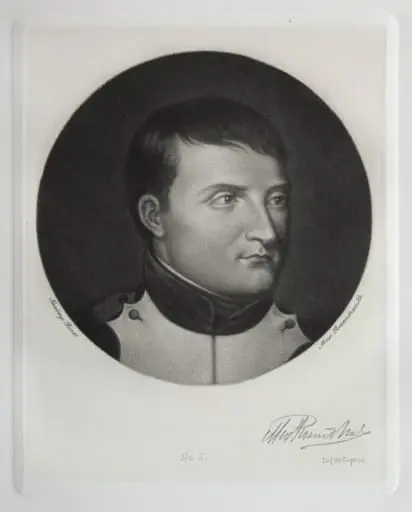 Napoleon Bonaparte
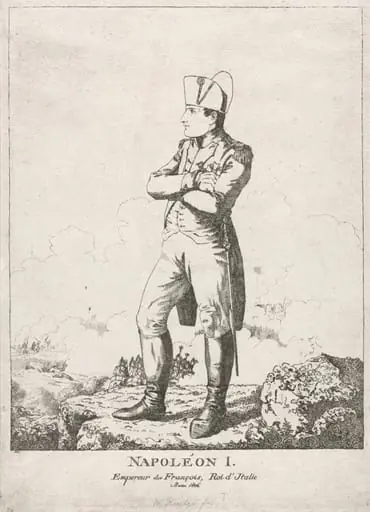 Napoleon I, Emperor of France, King of Italy
Frequently asked questions
What is Napoleon?
Napoleon is a subject in art. Napoléon is the French form of the Italian given name Napoleone.
How many Napoleon works does Artifact World Gallery have?
Artifact World Gallery holds 95 public-domain Napoleon works, all free to view and download.
Who are the key Napoleon artists?
Key Napoleon artists in the collection include Jacques-Louis David, Jean Léon Gérôme and Jean Auguste Dominique Ingres.
Where can I see Napoleon works?
Napoleon works in the collection are held by Palace of Versailles, Cleveland Museum of Art and Museum of the History of France.