Subject
Saint Anne
![The Saint Anne Altarpiece: Saint Anne with the Virgin and Child [middle panel] — Gerard David](https://artifactworldgallery.com/img/gerard-david--the-saint-anne-altarpiece-saint-anne-with-the-virgin-and-chi--781e919f9012a004-w640.webp)
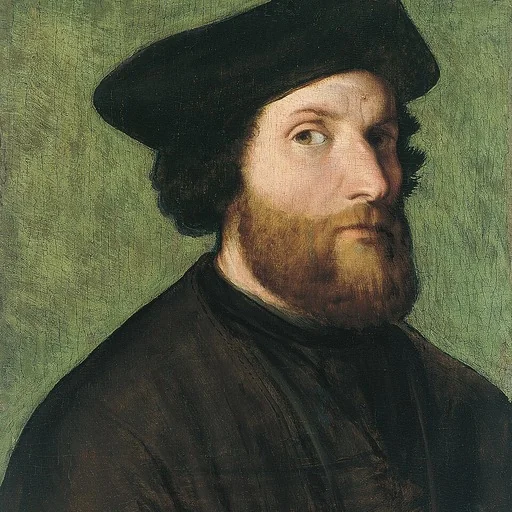
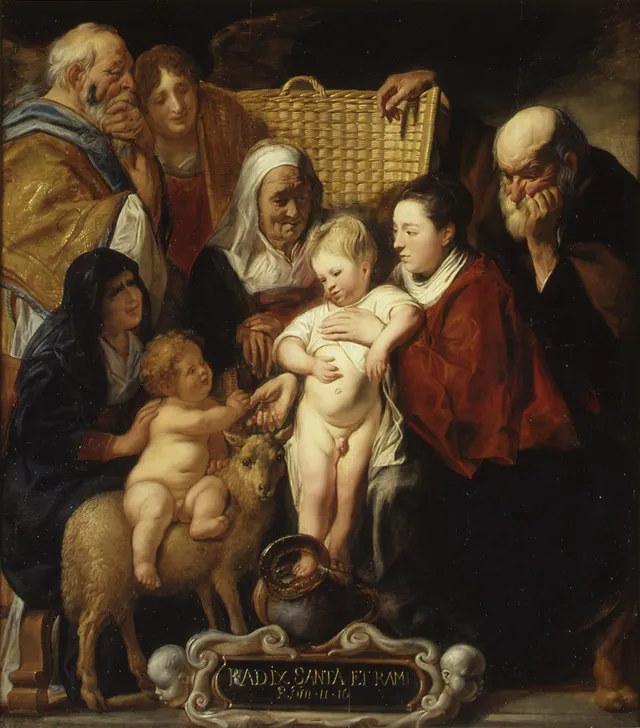
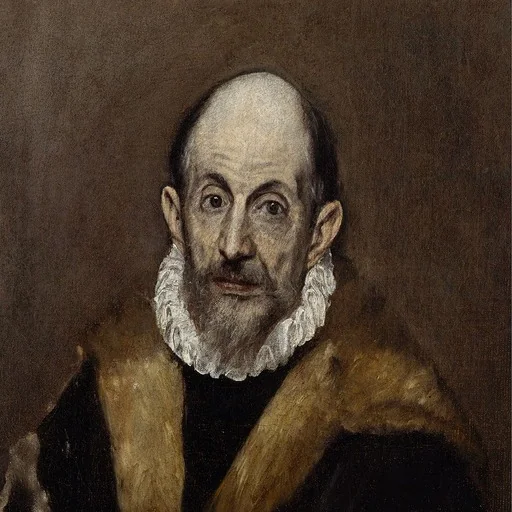
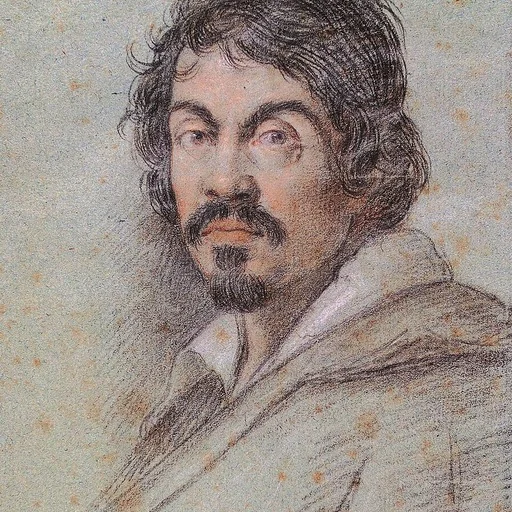
Saint Anne is a subject in art. The gallery holds 85 works in this subject in art, including works by Lorenzo Lotto, El Greco and Caravaggio.
St. Anne (sometimes spelled Saint Anne) is a village in Kankakee County, Illinois, United States.
Key artists
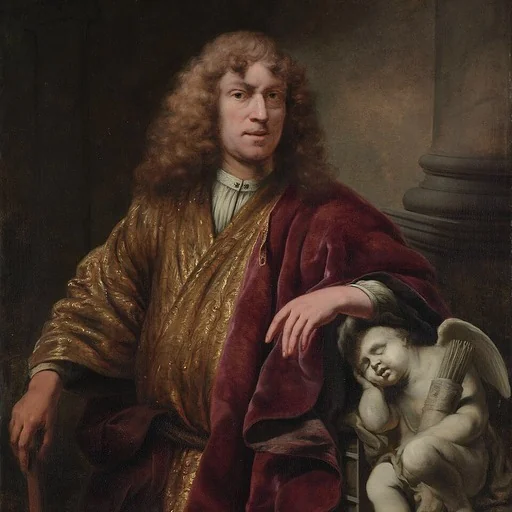
Overview
Saint Anne, the mother of the Virgin Mary and grandmother of Jesus Christ, is one of the most enduring subjects in Christian art, despite her absence from the canonical gospels. Her story derives from apocryphal texts, chiefly the second-century Protevangelium of James and the third-century Evangelium de nativitate Mariae, which relate how Anne and her husband Joachim, after years of childlessness, received a divine promise that Anne would conceive Mary. This narrative of miraculous conception and maternal lineage proved extraordinarily fertile for artistic treatment across nearly two millennia. The motif recurs in art not merely as biography but as theological statement: it asserts the human genealogy of Christ, honors the feminine line of salvation history, and provides a visual framework for contemplating the Incarnation through the lens of family devotion. The subject's persistence reflects its flexibility, allowing artists to explore themes from scholastic theology to intimate domesticity.
Iconography & meaning
Saint Anne's iconography developed systematically from her earliest depictions. Her standard attributes include a book, symbolizing wisdom and scriptural learning, and the color red or green in her garments. She is frequently shown with Mary and the infant Jesus, forming the Anna Selbdritt (Anne herself the third), a composition emphasizing three generations of the Holy Family that became especially popular in northern Germany during the 1500s. This type drew inspiration from earlier Seat of Wisdom iconography but redirected focus toward the humanity of Christ and the maternal continuum. The Protevangelium narrative furnished specific scenes: Anne and Joachim at the Golden Gate, the Nativity of Mary, the Presentation of Mary at the Temple, and Anne teaching Mary to read, the latter reflecting medieval associations between motherhood and education. Theological meanings multiplied: Anne represented the fulfillment of Old Testament promise, the bridge between Hebrew prophecy and Christian fulfillment, and the sanctity of family life. Her patronage expanded to include women in labor, grandparents, sailors, and fishermen, the latter association developing during the High Middle Ages when she became invoked against storms. The Immaculate Conception, defined as dogma in 1854, further elevated Anne's significance as the vessel through whom Mary was conceived without original sin.
Across movements & periods
Devotion to Saint Anne emerged earliest in the Eastern church, with a church built in her honor in Constantinople around 550. The first Western pictorial evidence dates to an eighth-century fresco in Santa Maria Antiqua, Rome, though widespread Latin veneration did not develop before the thirteenth century. German art pioneered depictions of the Holy Family with Saint Anne in the fourteenth century, with extensive representation following in the fifteenth. Italian and Spanish artists embraced the subject in the fifteenth and sixteenth centuries. The High Renaissance produced perhaps the most psychologically complex treatments, while the Reformation and Counter-Reformation reshaped its function: post-Reformation popes actively promoted Anne's cult as part of Catholic renewal. The Anna Selbdritt flourished in northern Germany specifically during the 1500s, reflecting regional devotional preferences. By the seventeenth century, the subject could be transposed to portraiture, as in the Caritas image of Joanna de Geer, where contemporary motherhood was elevated through association with sacred precedent. Across these periods, the treatment shifted from hieratic and symbolic to increasingly naturalistic, with greater emotional intimacy between the figures.
Notable depictions
The most celebrated depiction of Saint Anne is Leonardo da Vinci's unfinished oil painting The Virgin and Child with Saint Anne, dated circa 1501-1519 and now in the Louvre (INV 776). Measuring 130 by 168.4 centimeters, it was commissioned as the high altarpiece for the Church of Santissima Annunziata in Florence, likely by King Louis XII of France following the birth of his daughter in 1499, though never delivered. The composition shows Mary seated on Anne's lap, reaching toward the infant Jesus who grasps a sacrificial lamb symbolizing his Passion. Leonardo explored this grouping through preparatory studies including the Burlington House Cartoon (National Gallery, London). Technical examination has revealed sketches on the painting's reverse, including a horse's head and infant Jesus with lamb, studied through infrared reflectography. The work has generated extensive scholarly debate, including Sigmund Freud's 1910 psychoanalytic interpretation connecting Leonardo's depiction of two mothers to his own experience of being raised by both his biological mother and stepmother, and later controversy over cleaning and restoration that led to resignations from the Louvre's advisory committee in 2011-2012. Other significant artists who treated the subject include Masaccio and Masolino da Panicale, and Bartholomus Bruyn the Elder, whose works encompassed the Anna Selbdritt and related Holy Family configurations.
Legacy
Saint Anne's cultural afterlife extends far beyond the gallery. Her feast day, celebrated on July 26 in the Catholic Church and September 9 in the Eastern Orthodox tradition, became the occasion for major pilgrimages. Two of the most significant shrines, Sainte-Anne-d'Auray in Brittany and Sainte-Anne-de-Beaupré near Québec, attest to her transatlantic devotional reach; Pope Leo XIII sent a relic to the Canadian basilica in 1892. The Milky Way is called It-Triq ta' Sant'Anna in Maltese. In the United States, Annhurst College was named for her. Devotional literature from the nineteenth and twentieth centuries, including publications by TAN Books, emphasized her intercessory power in matters ranging from fertility to protection from contagious disease. Saints Augustine, John Damascene, Thomas Aquinas, Teresa of Avila, and Bridget all promoted her veneration, with Teresa introducing special devotions in Carmelite convents. The persistence of Anne's image in ecclesiastical and secular contexts alike, from altarpieces to maternal portraiture, demonstrates how a figure constructed from apocryphal sources achieved canonical status in visual culture and popular piety, her grandmotherhood to Christ rendering her accessible to ordinary believers while her place in salvation history sustained theological weight.
Works
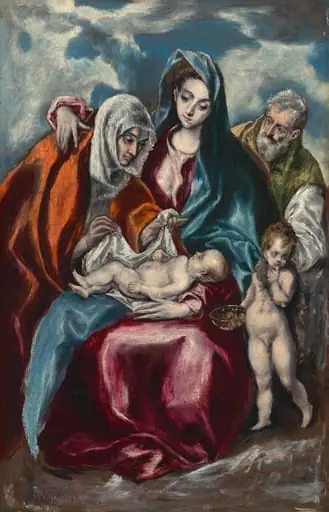 The Holy Family with Saint Anne and the Infant John the Baptist
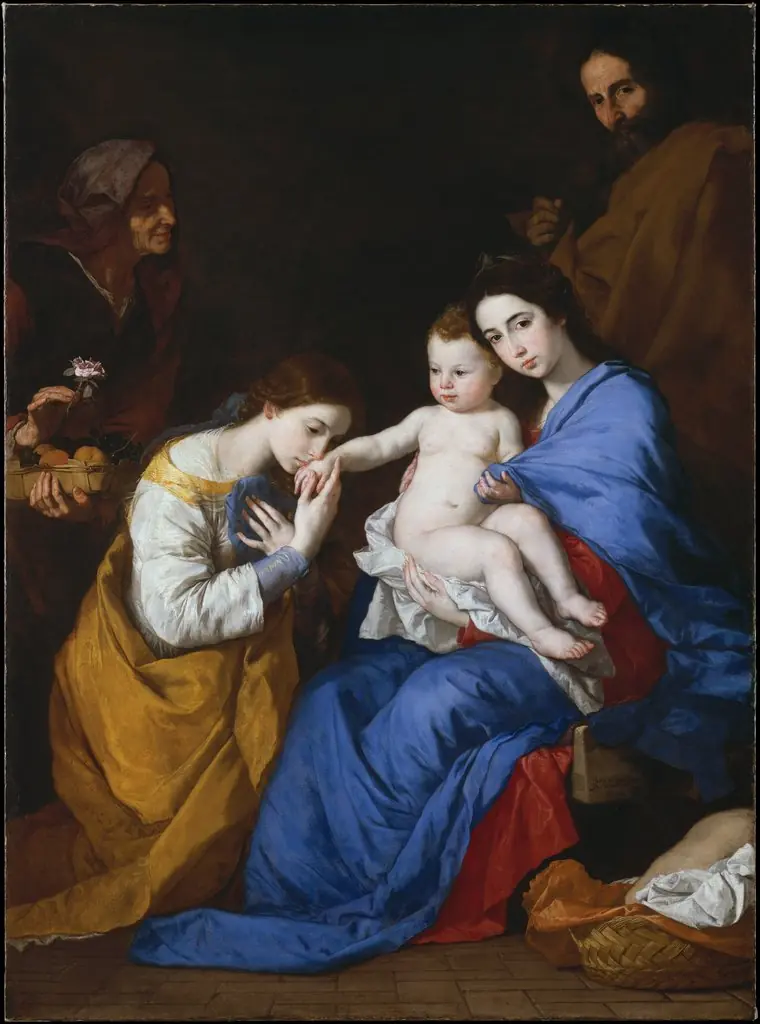 The Holy Family with Saints Anne and Catherine of Alexandria
![The Saint Anne Altarpiece: Saint Anne with the Virgin and Child [middle panel]](https://artifactworldgallery.com/img/gerard-david--the-saint-anne-altarpiece-saint-anne-with-the-virgin-and-chi--781e919f9012a004-w320.webp) The Saint Anne Altarpiece: Saint Anne with the Virgin and Child [middle panel]
The Saint Anne Altarpiece: Saint Anne with the Virgin and Child [middle panel]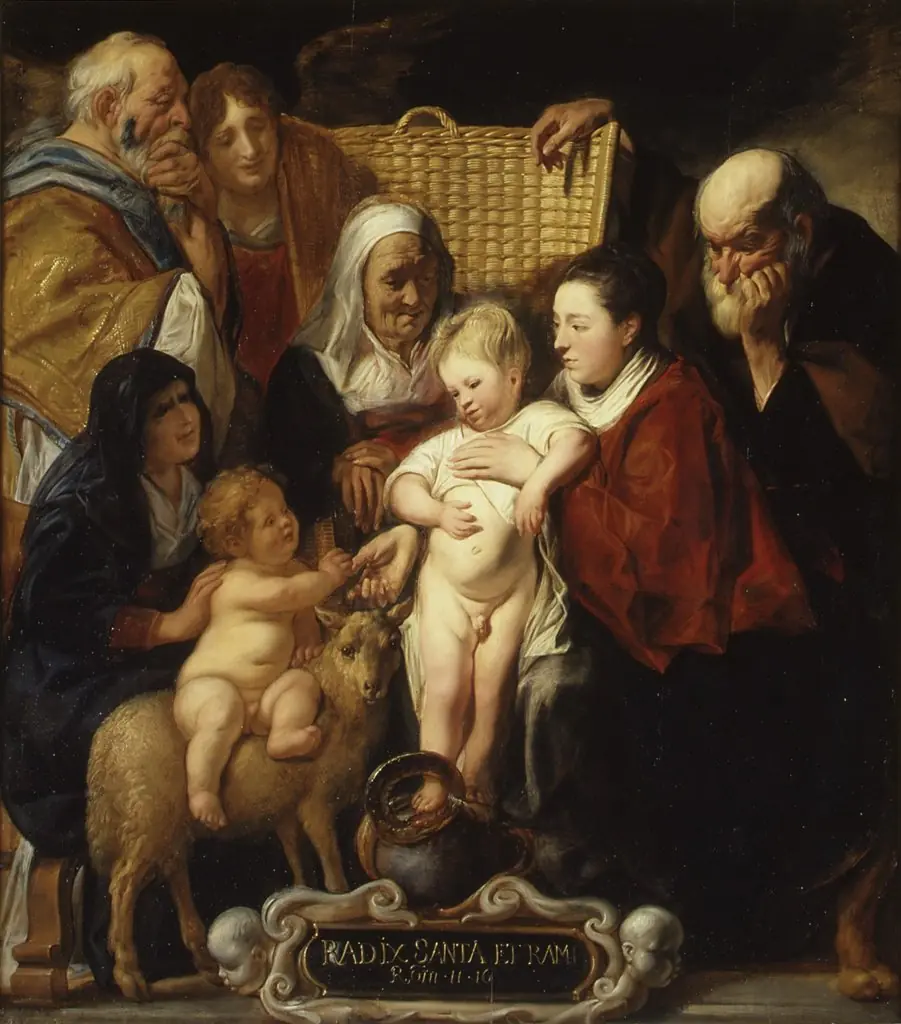 The Holy Family with Saint Anne and the Young Baptist and His Parents
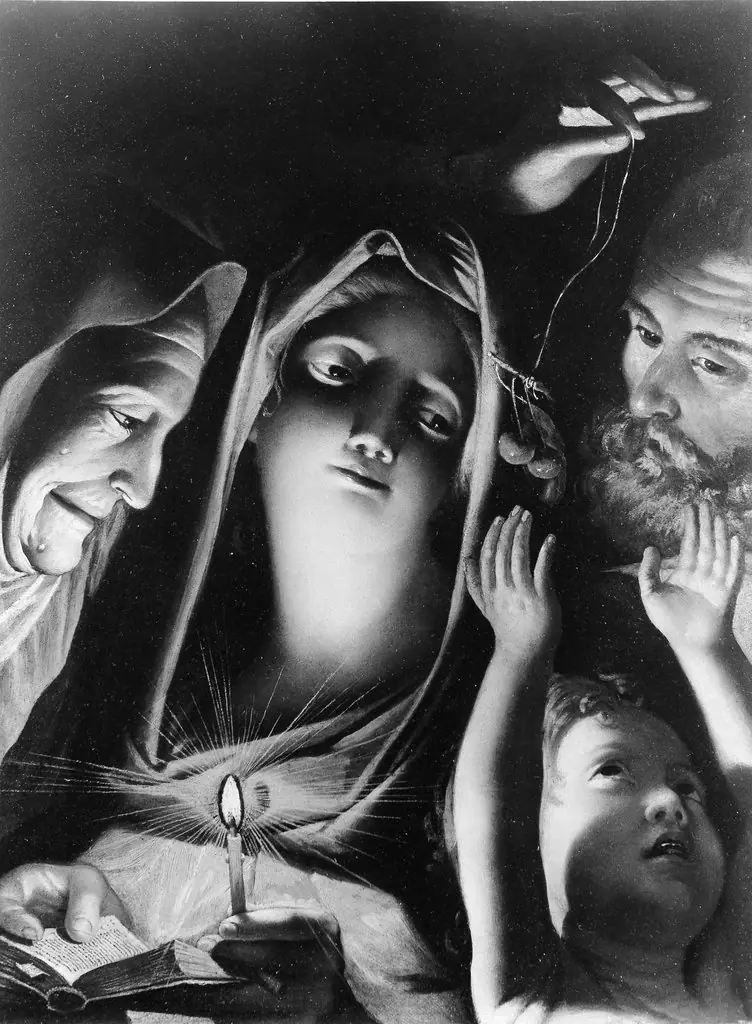 Holy Family with Saint Anne
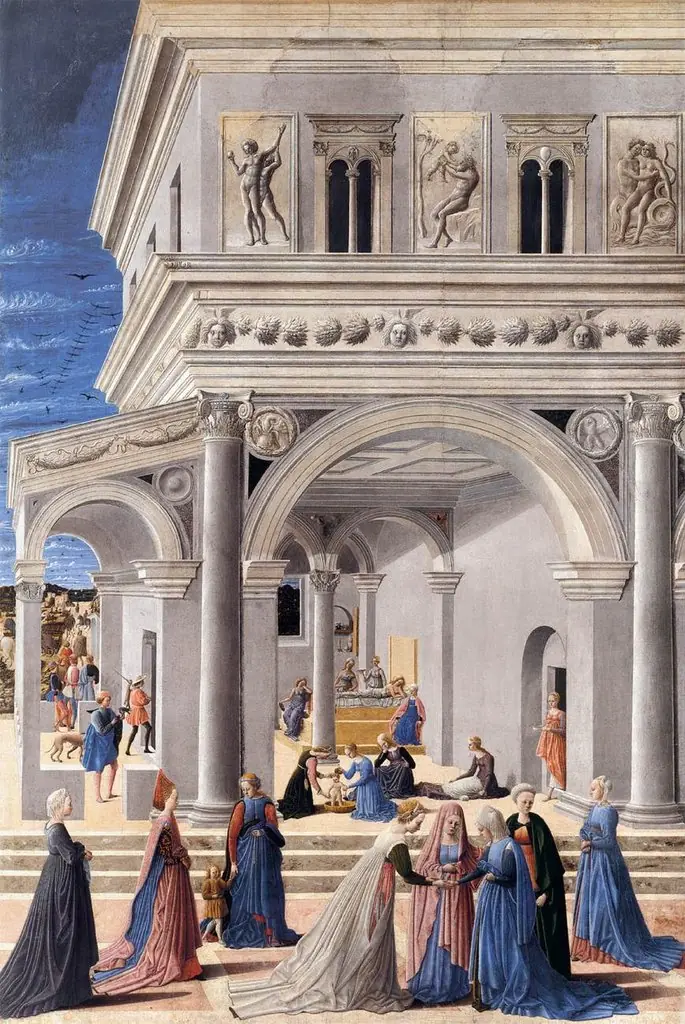 The Birth of the Virgin
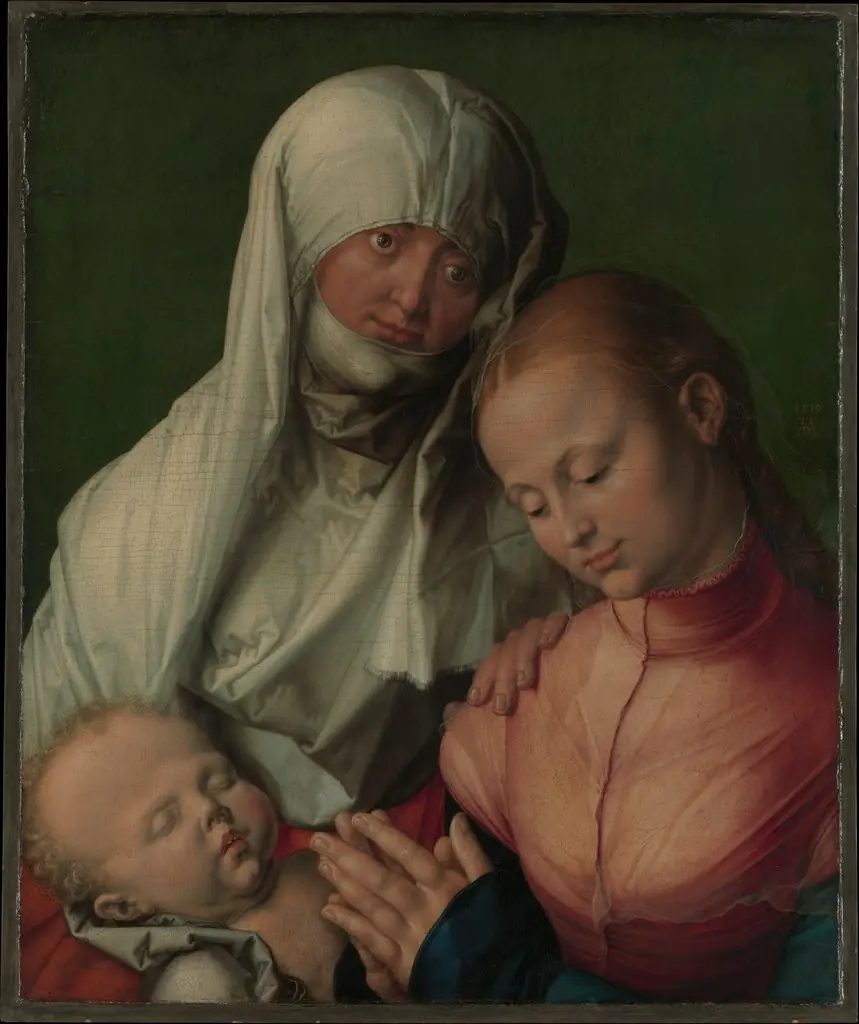 Virgin and Child with Saint Anne
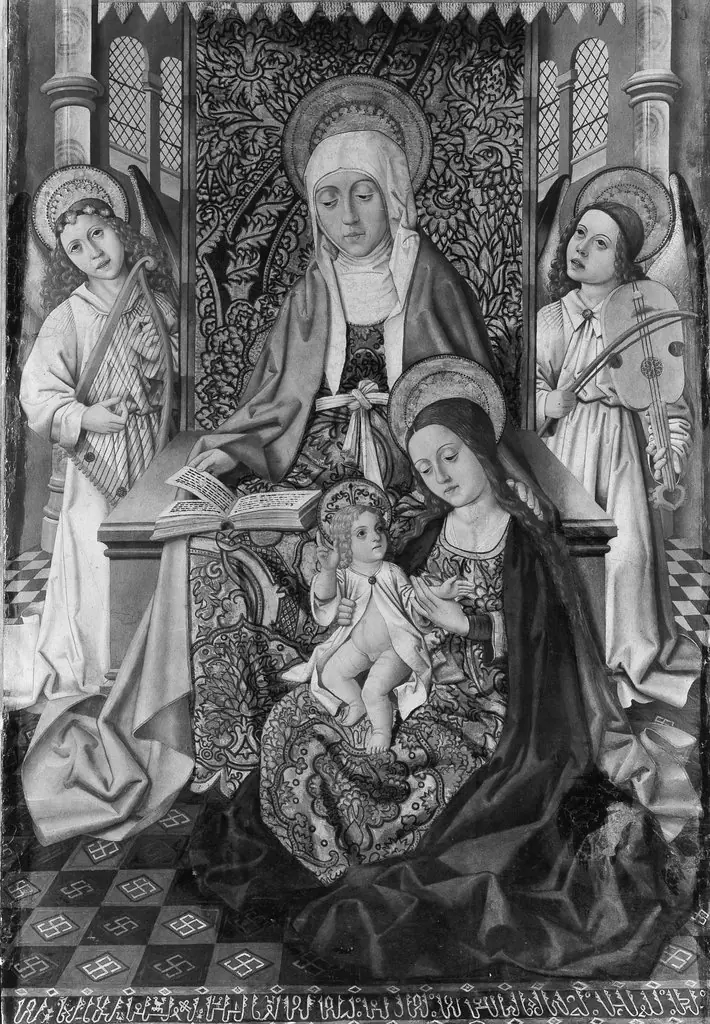 Saint Anne Enthroned with the Virgin and Child
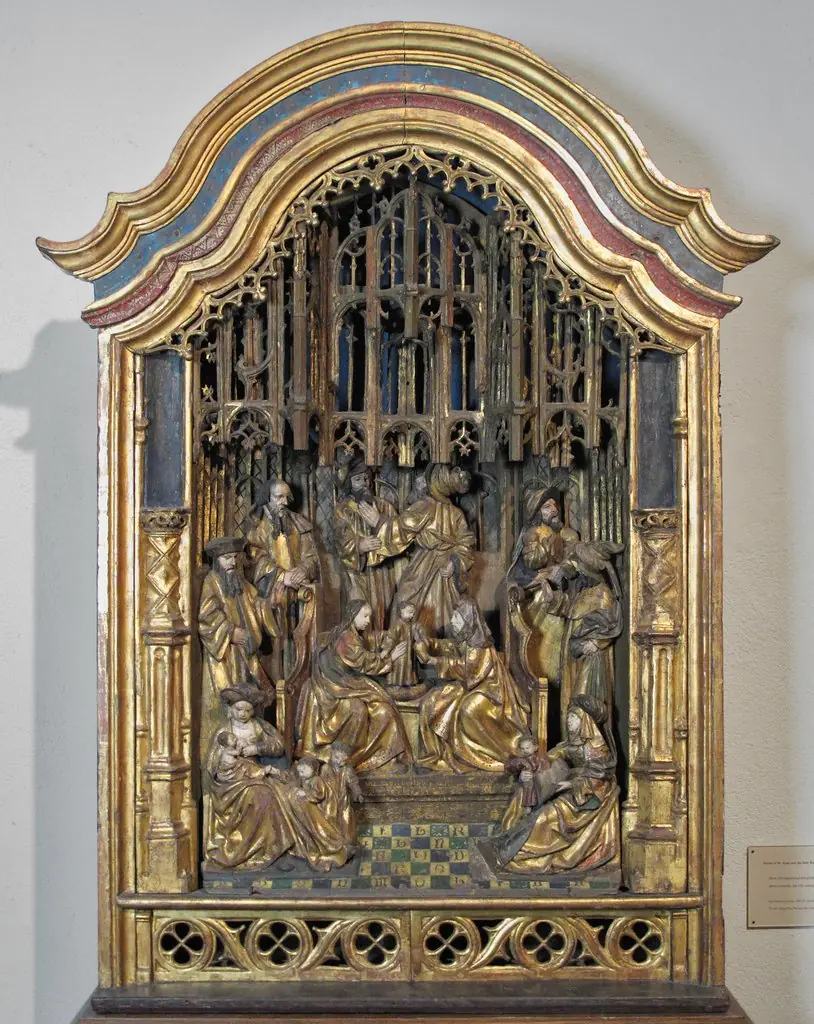 Shrine of Saint Anne and the Holy Kinship
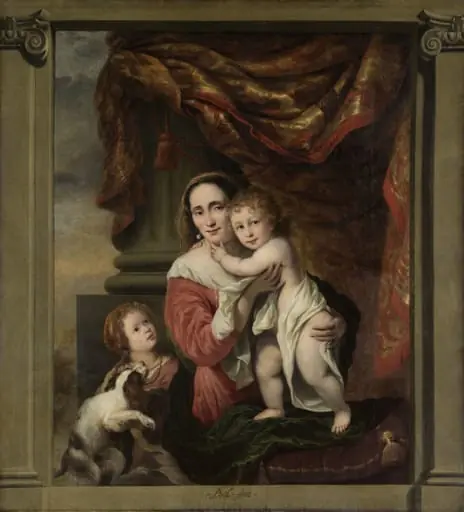 Caritas: Joanna de Geer (1629-1691) with her Children Cecilia Trip (1660-1728) and Laurens Trip (b. 1662)
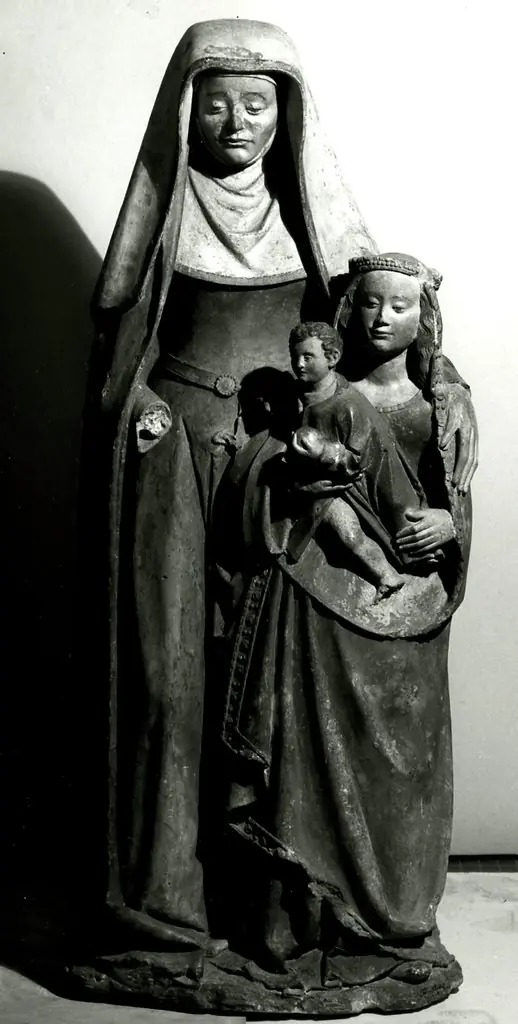 Saint Anne with the Virgin and Child
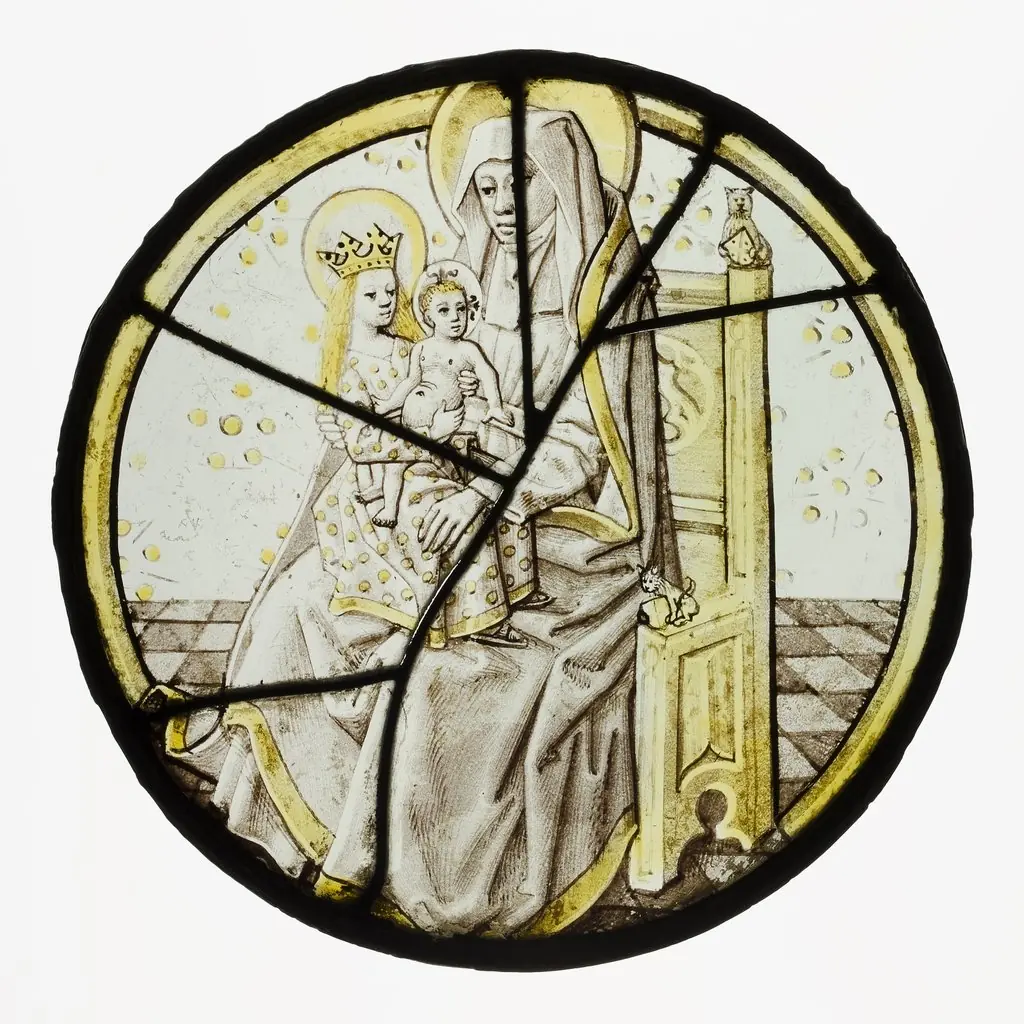 Roundel with Saint Anne with the Virgin and Child
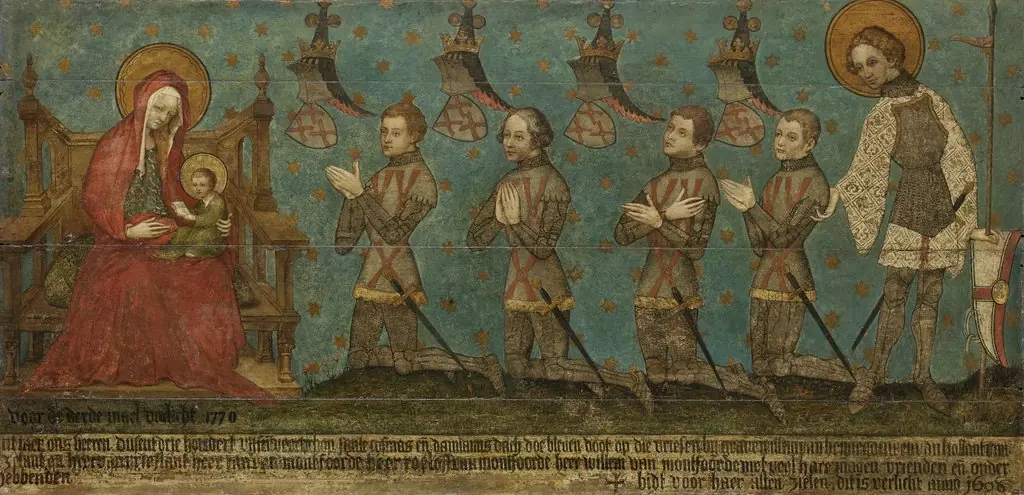 Memorial tablet for the lords of Montfoort
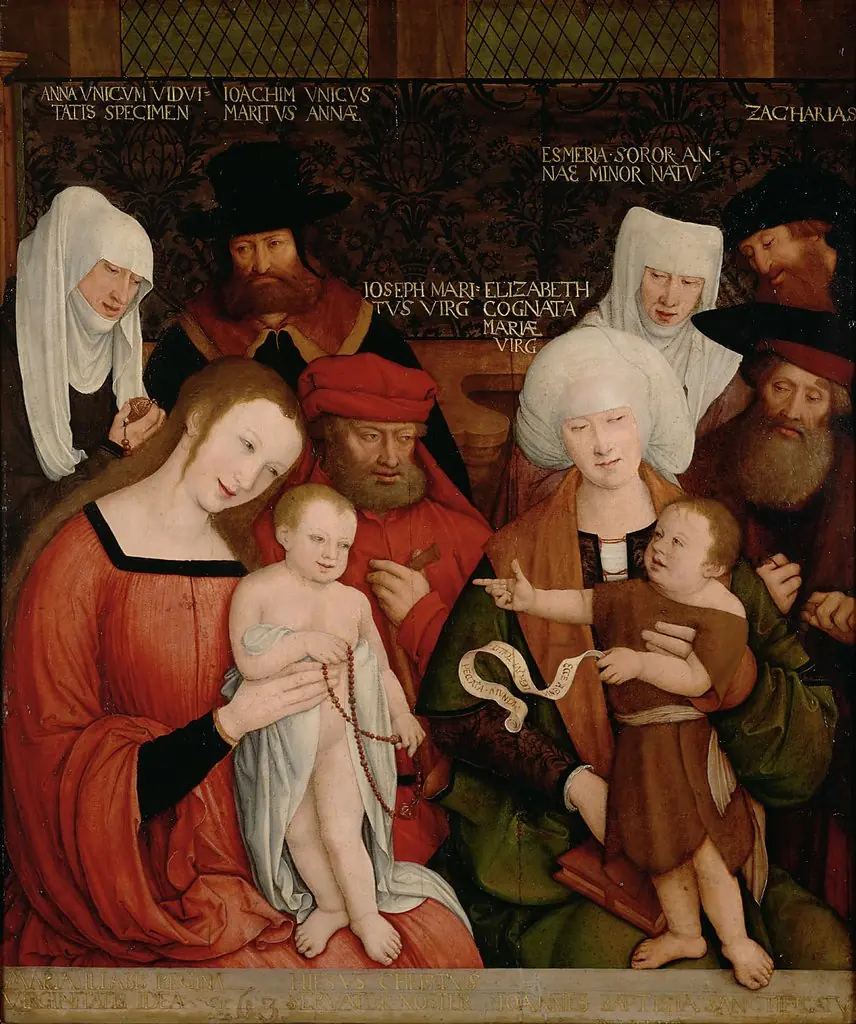 Holy Tribe
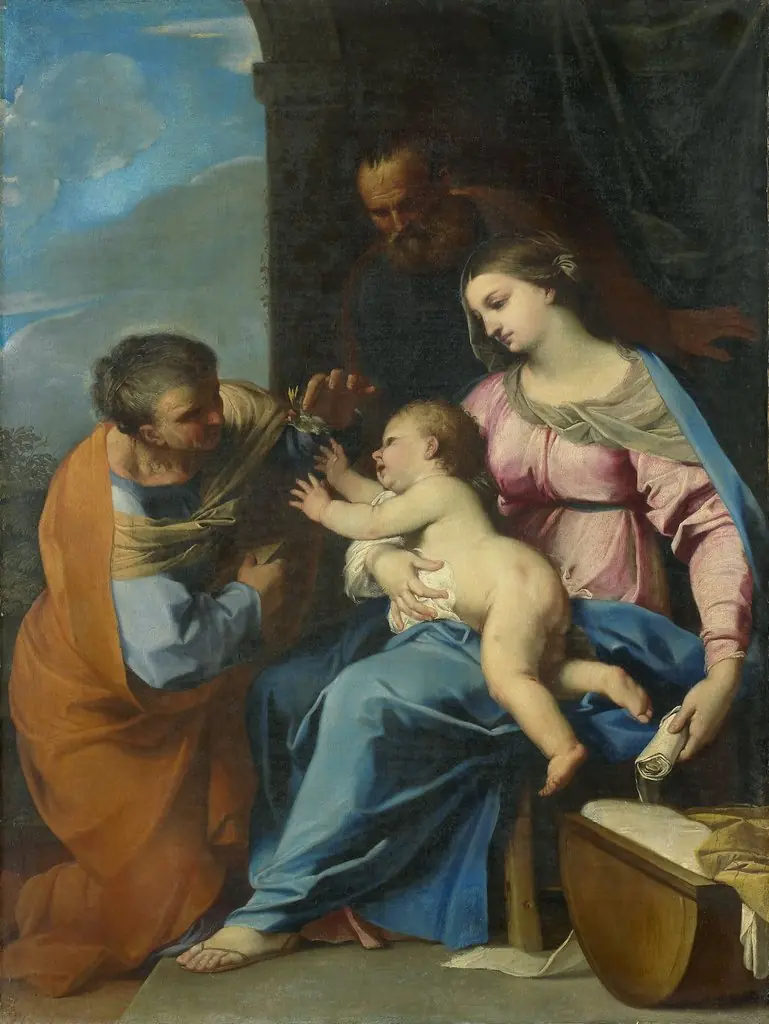 Holy Family
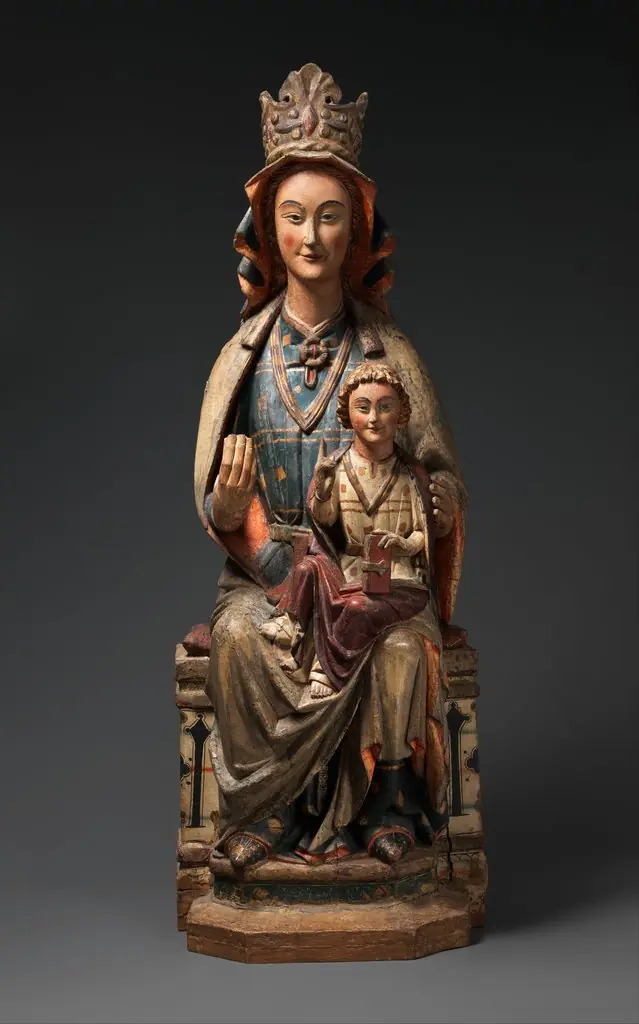 Enthroned Virgin and Child
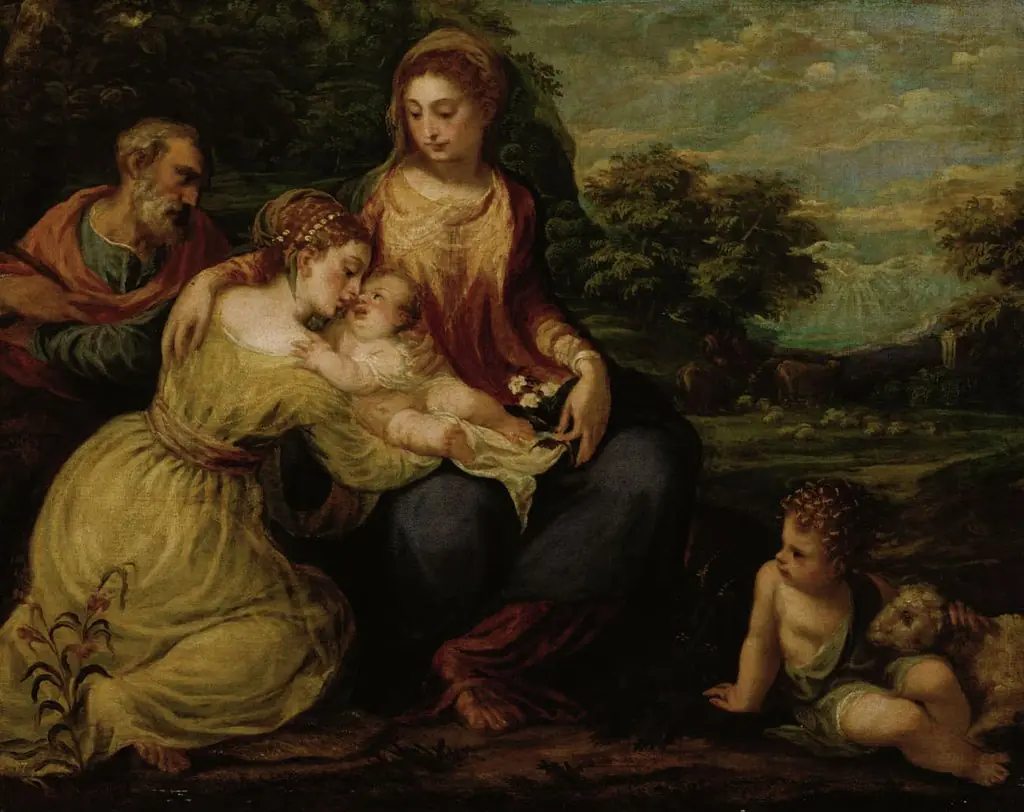 Holy Family with St Catharine and Young John the Baptist
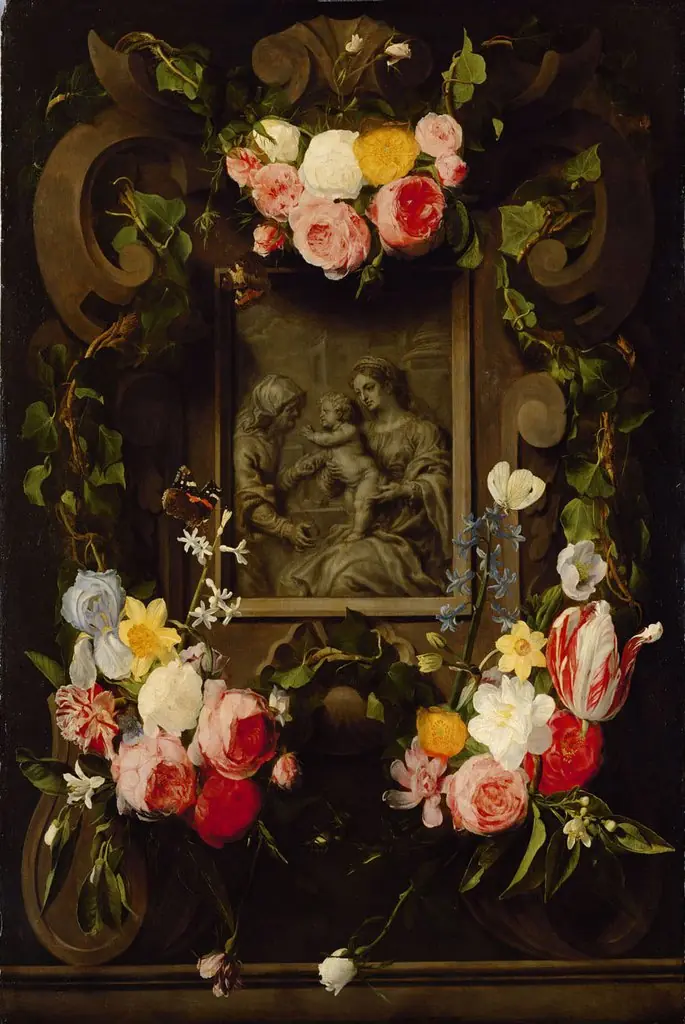 Madonna and Child with St Anna in a Flower Garland
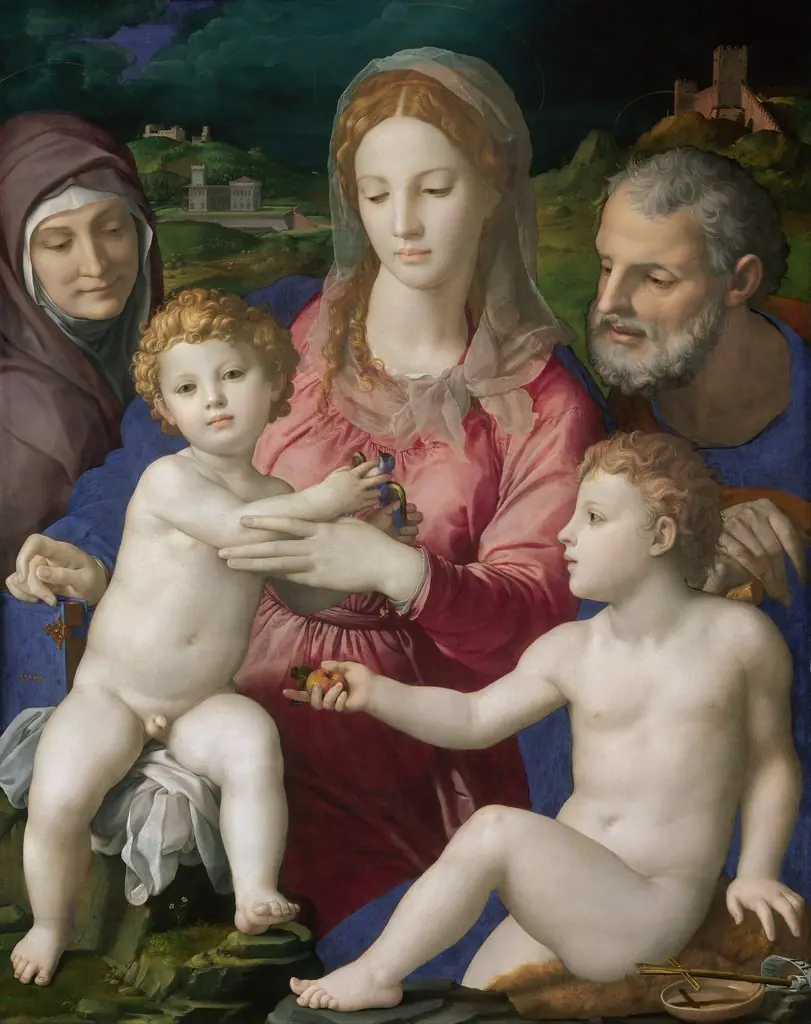 Holy Family with St. Anne and the Infant St. John
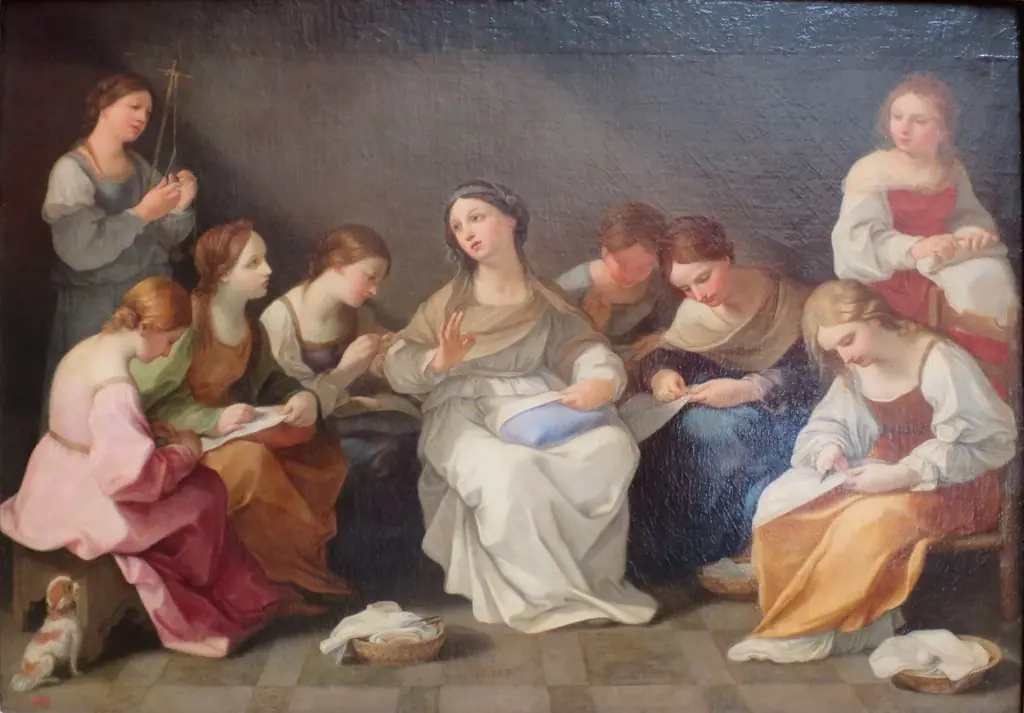 Education of the Virgin Mary
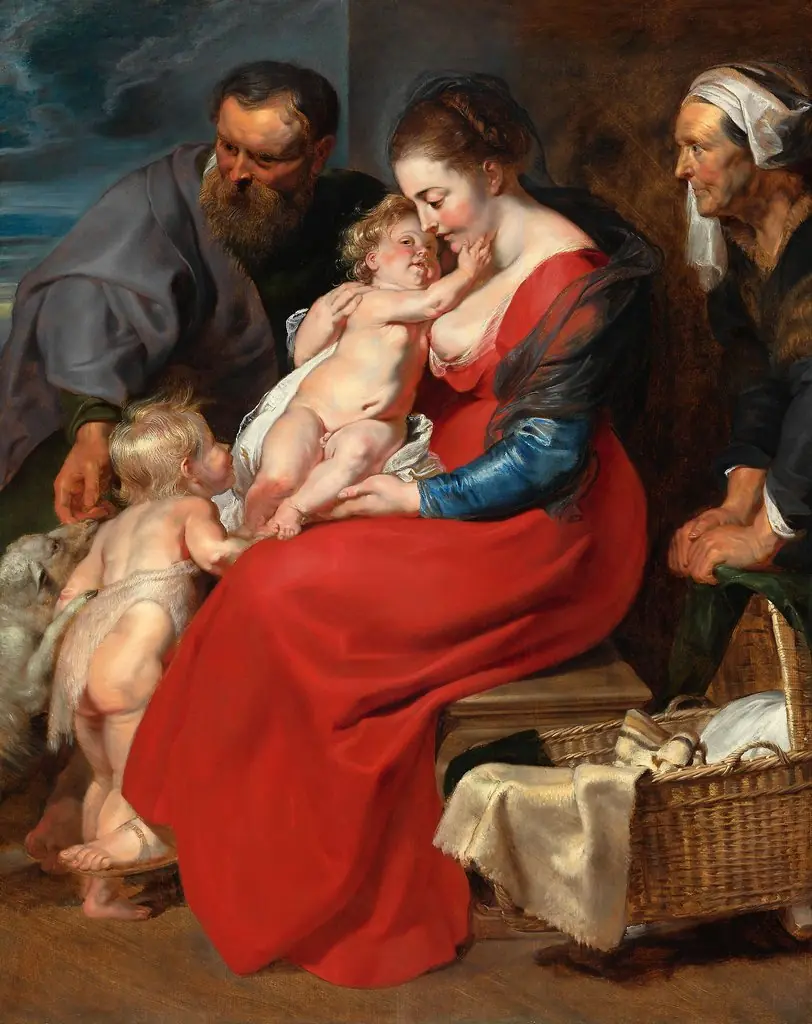 The Holy Family with Saint Elizabeth and Saint John
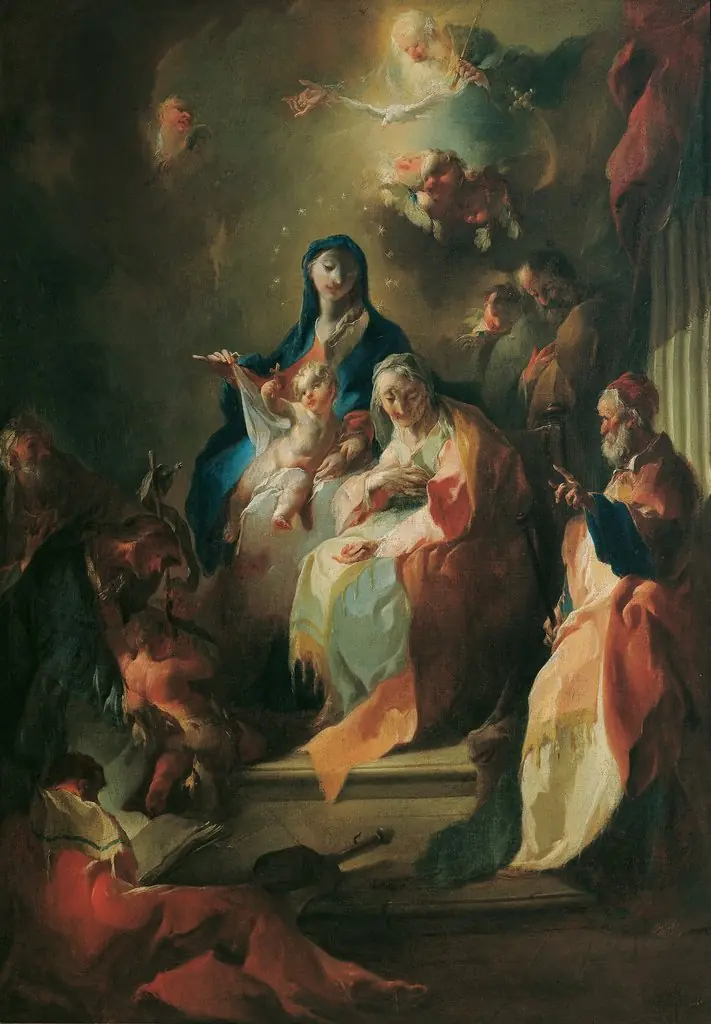 The Holy Family
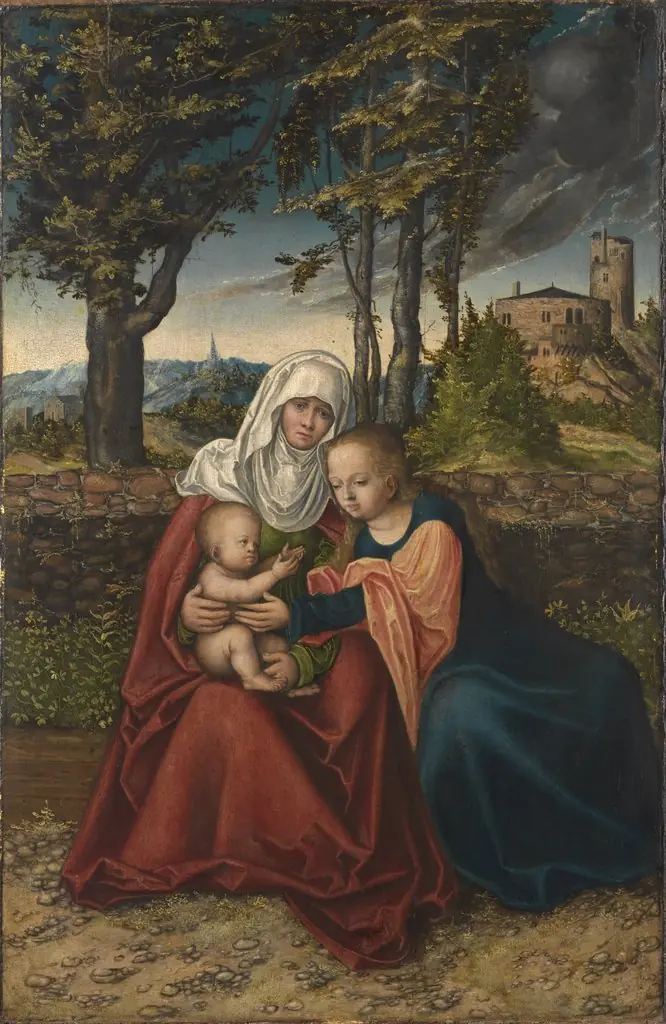 The Virgin and Child with Saint Anne
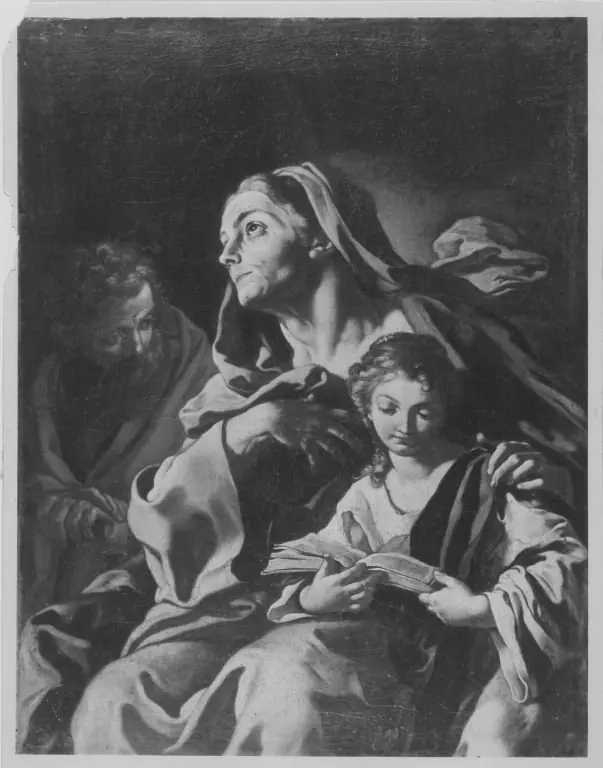 Hl. Anna mit Joachim und Maria
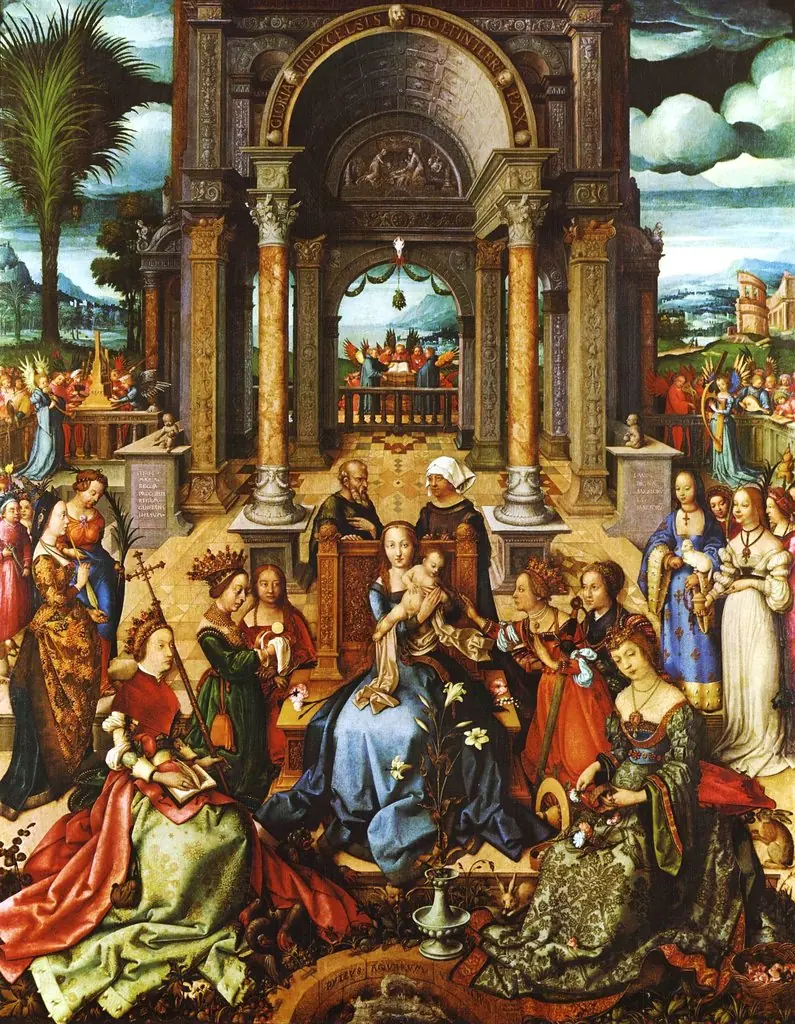 Virgin with Child by Hans Holbein the Elder, Museu Nacional de Arte Antiga
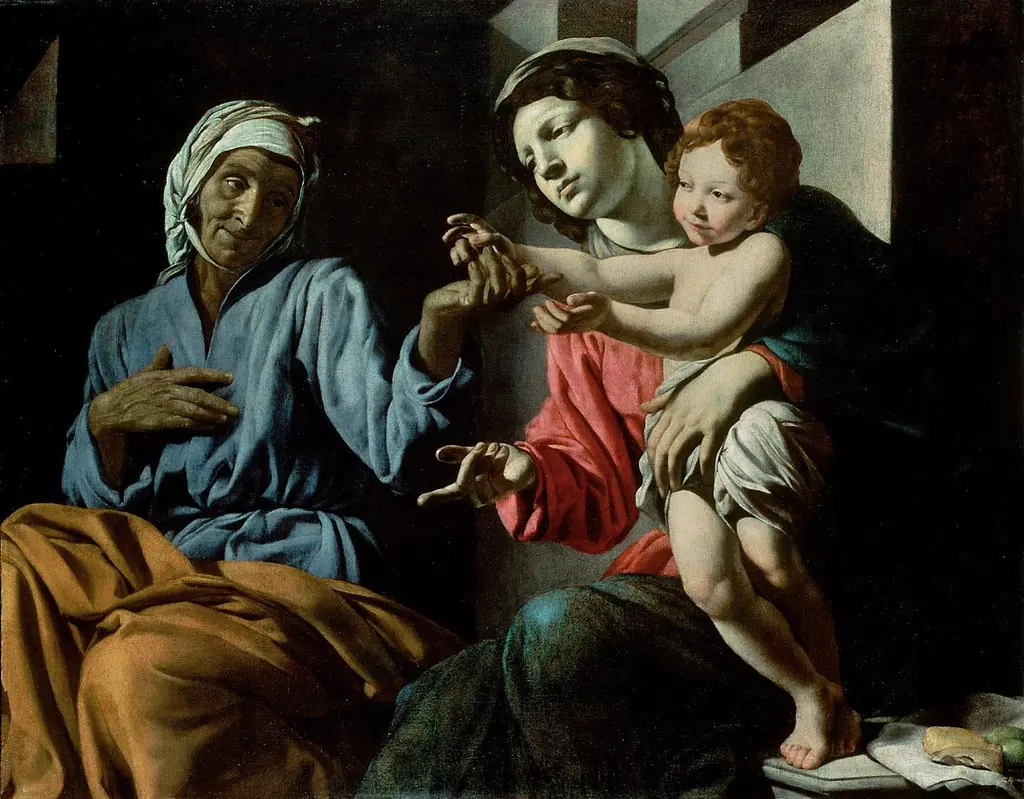 Madonna and Child with St Anne
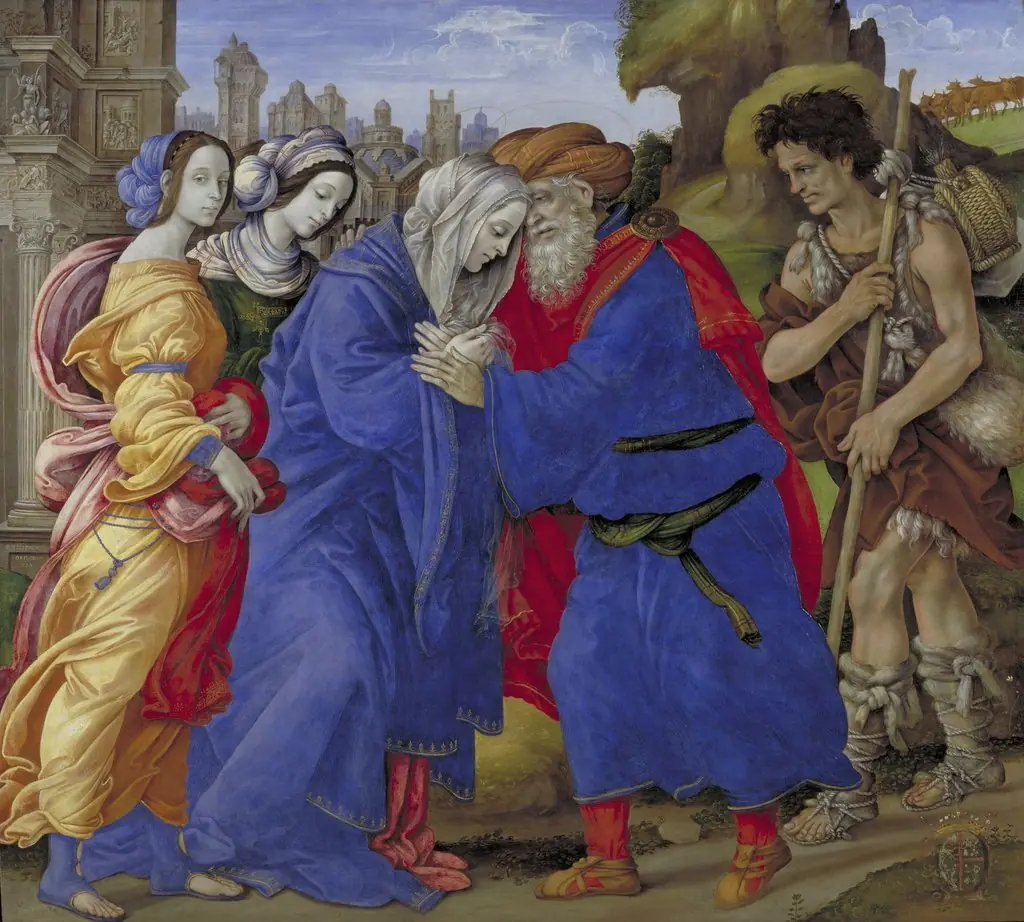 The Meeting of Joachim and Anne outside the Golden Gate of Jerusalem
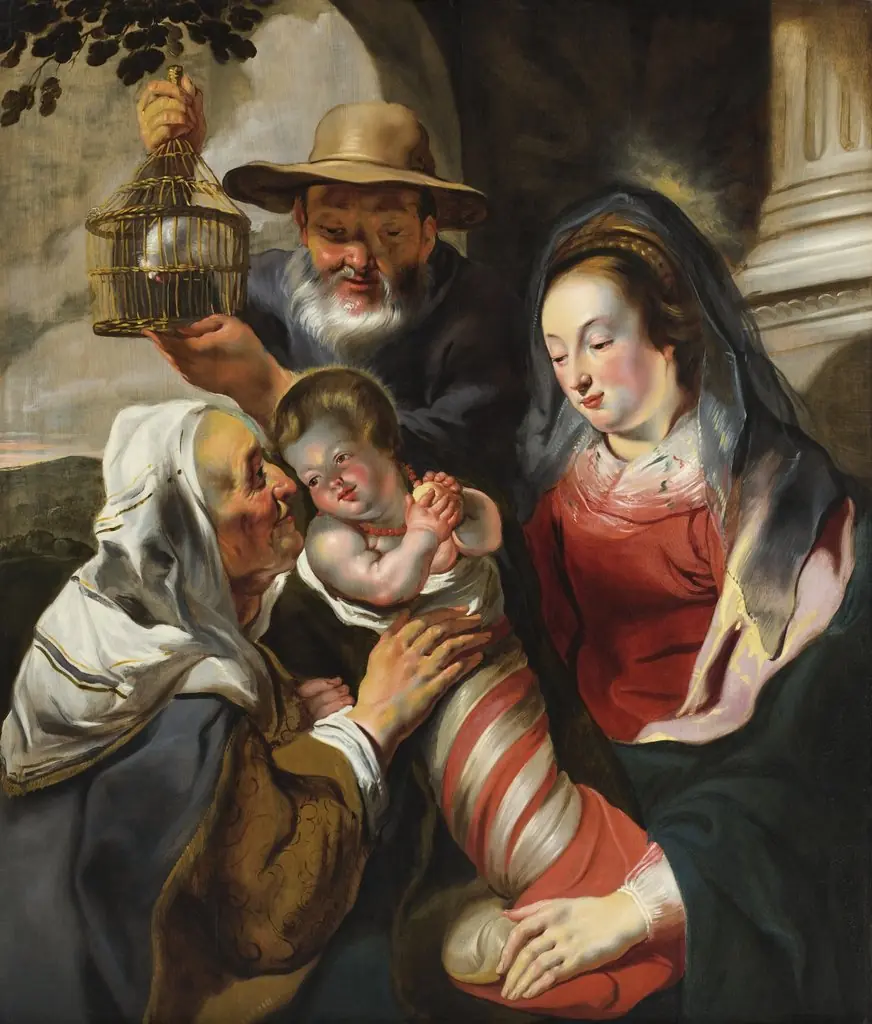 Holy Family with St. Anne
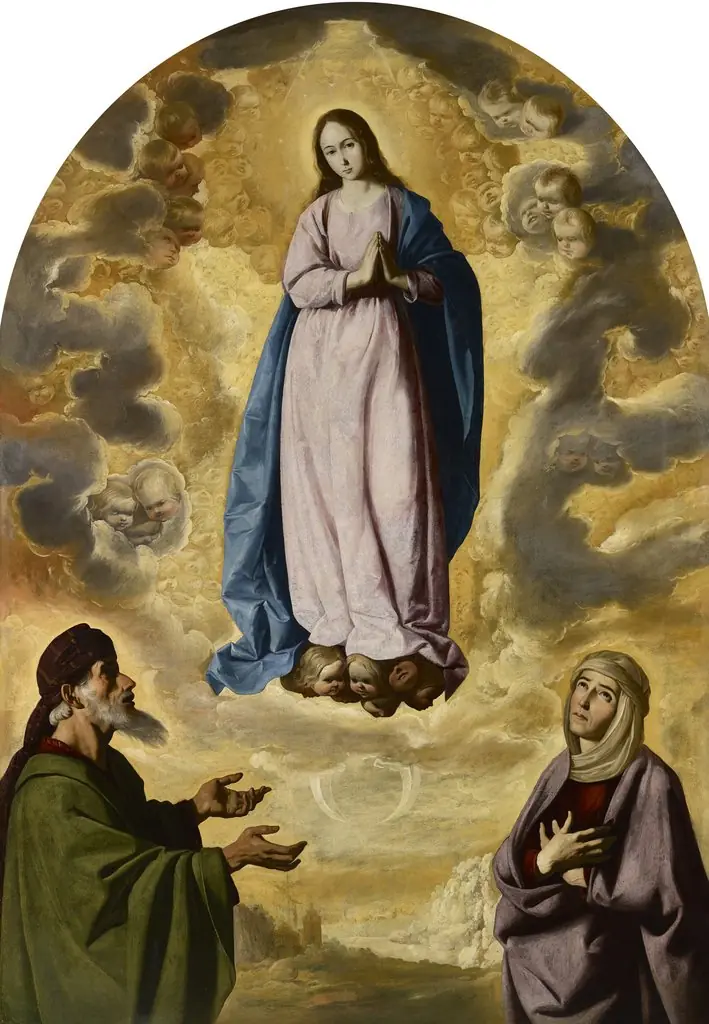 The Immaculate Conception with Saint Joachim and Saint Anne
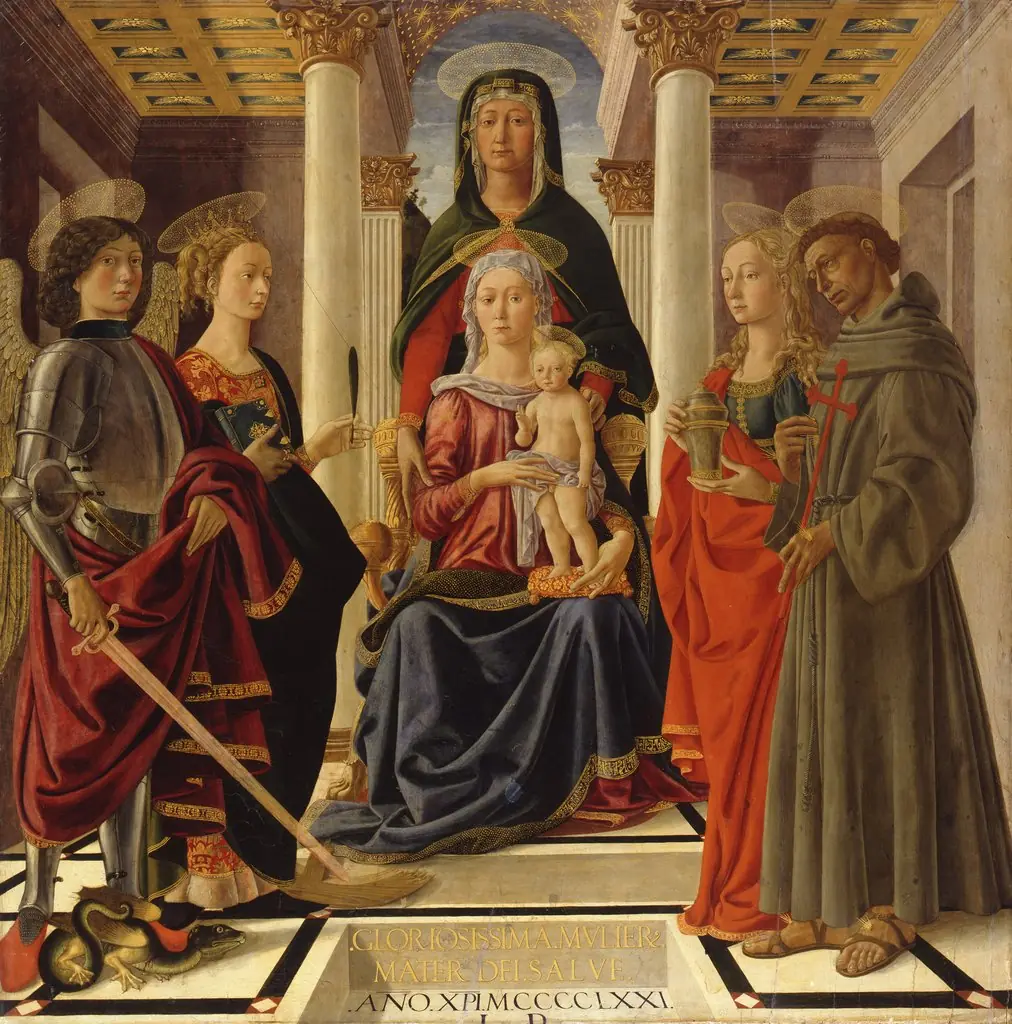 St. Anne Selbdritt with Archangel Michael and Saints
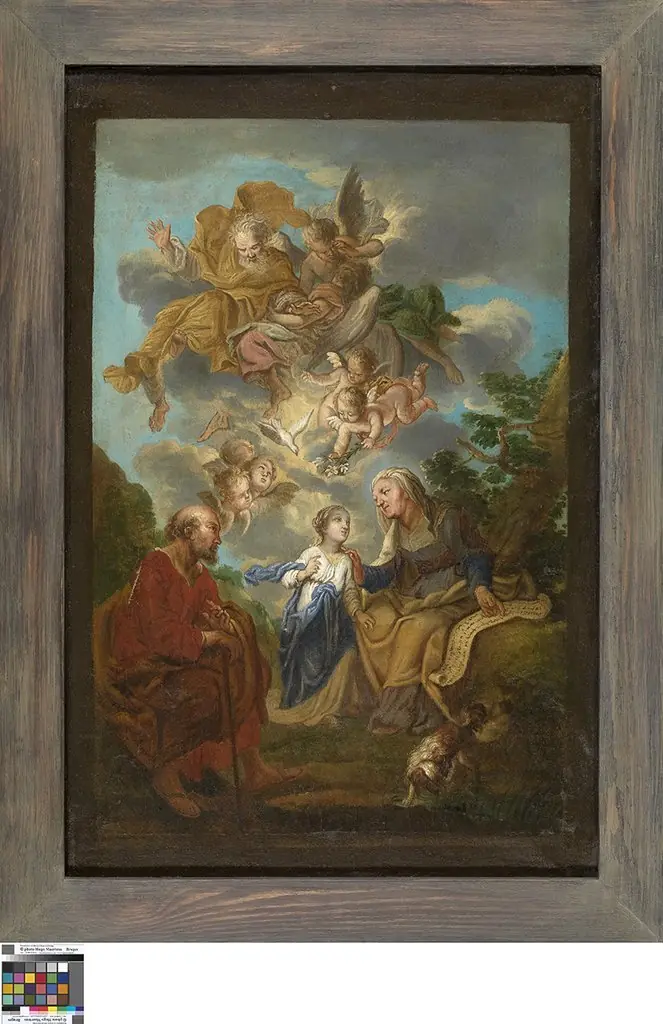 Education of Mary
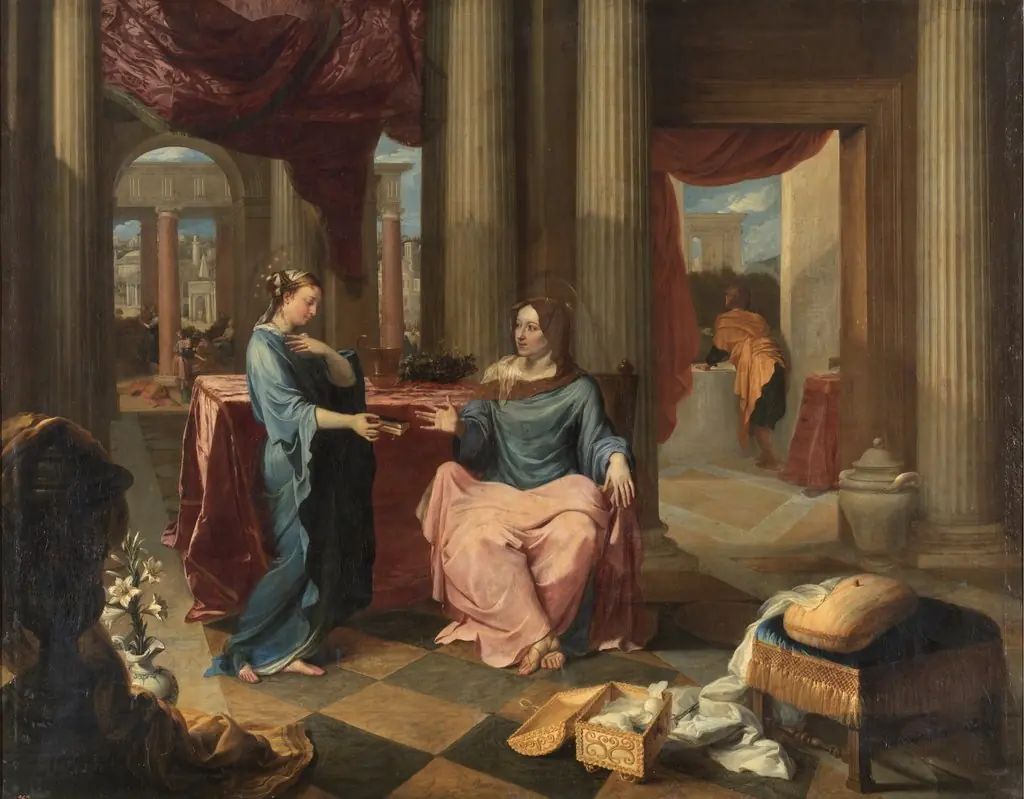 The Virgin and Saint Anne
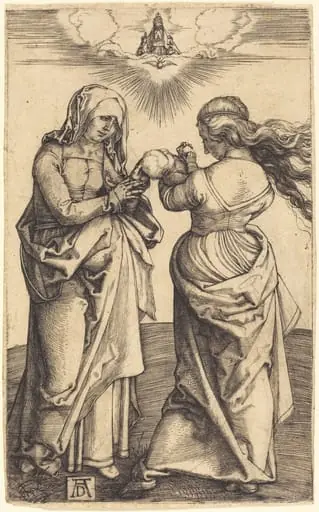 The Virgin and Child with Saint Anne
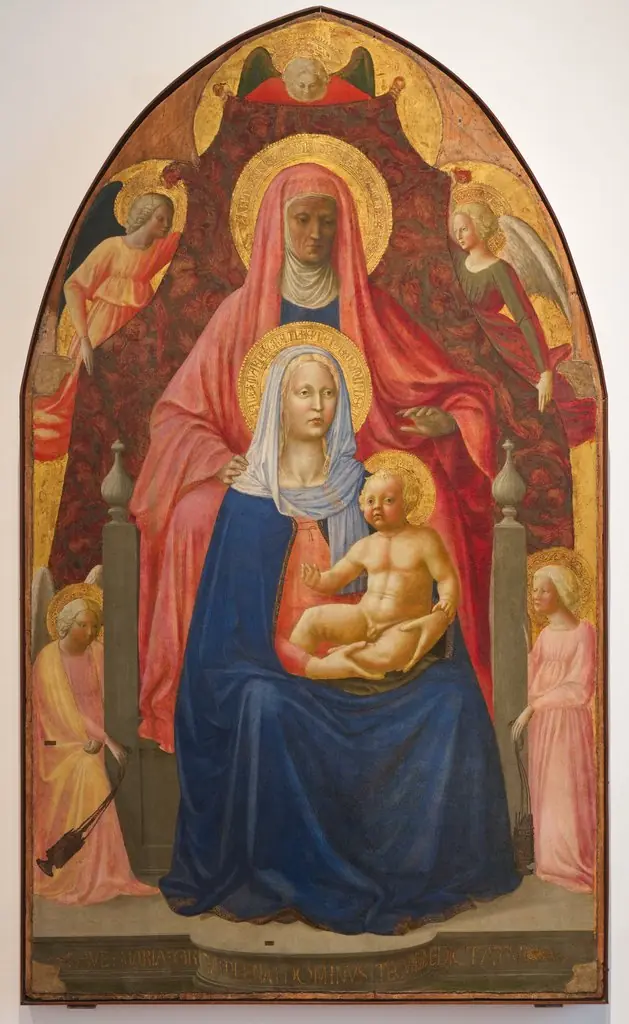 Virgin and Child with Saint Anne
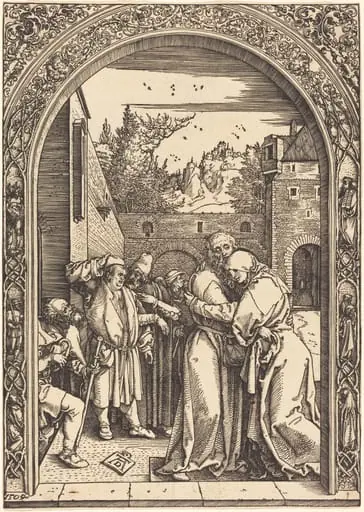 Joachim and Anna at the Golden Gate
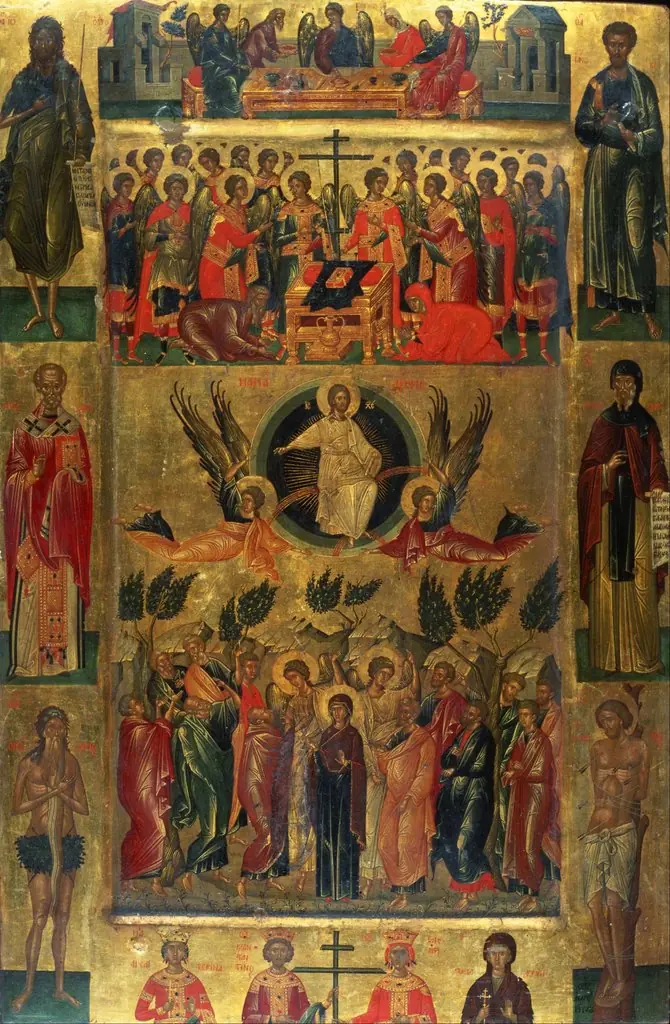 Ascension of Christ with the Hetoimasia
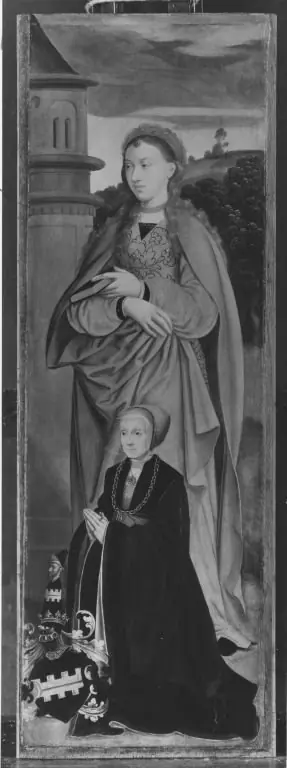 Saint Barbera and the donor Sibylla Rinck-Kannegießer
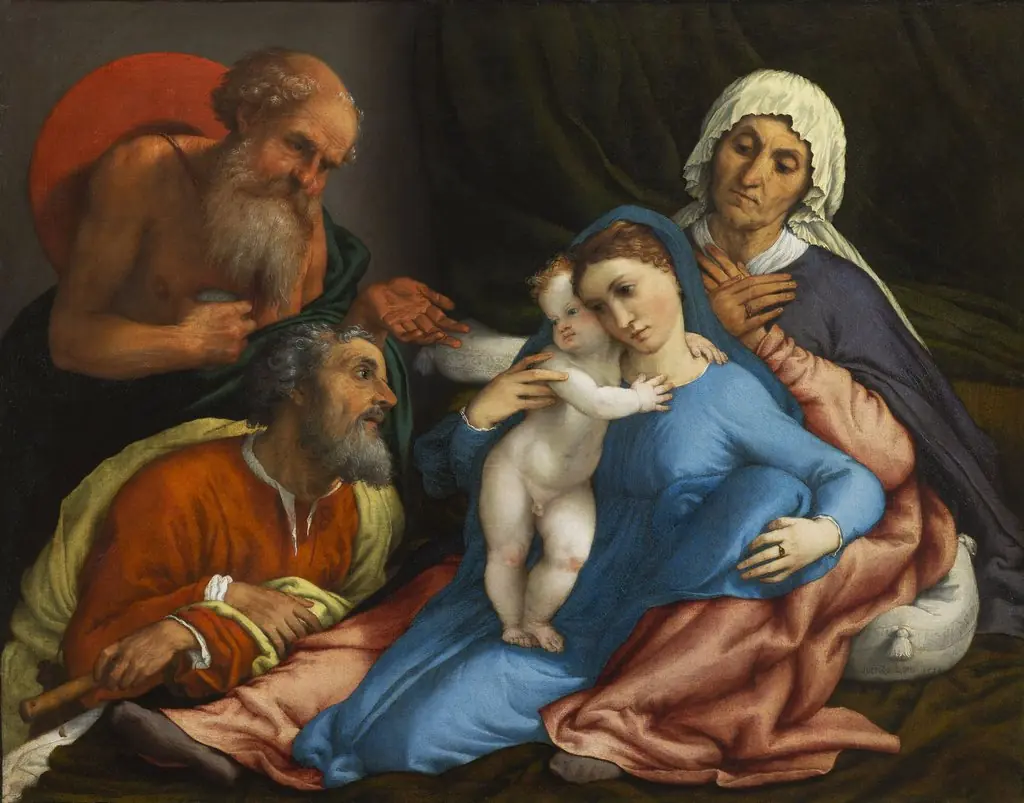 Madonna and Child with Saints
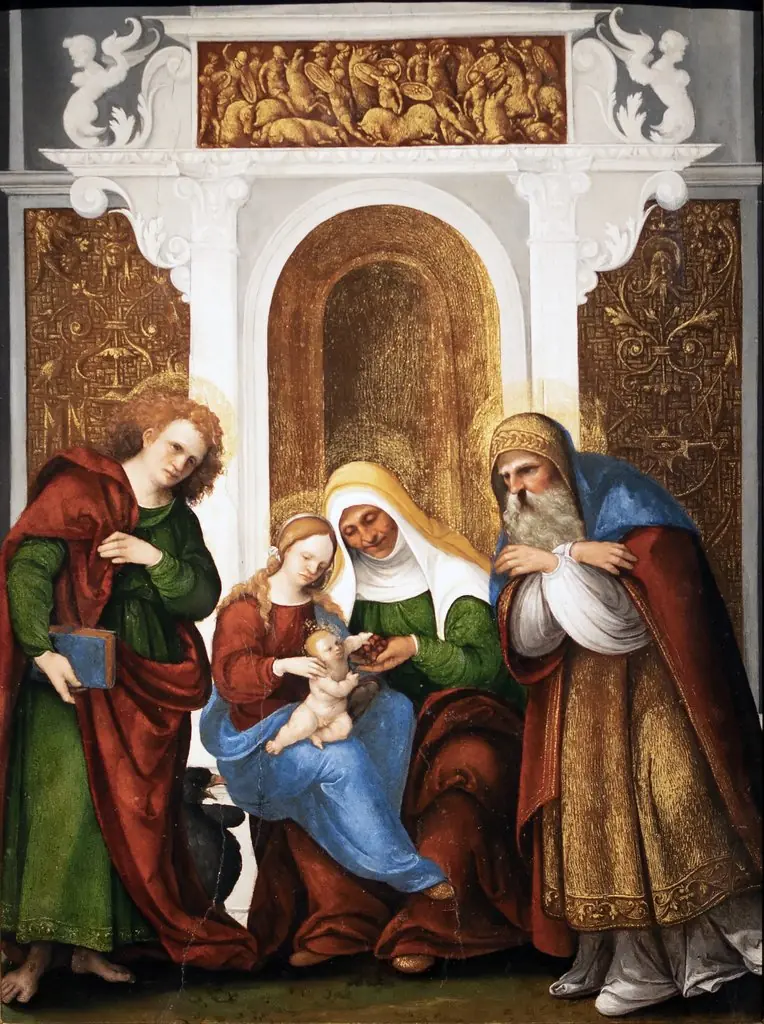 Madonna with Child and Saints
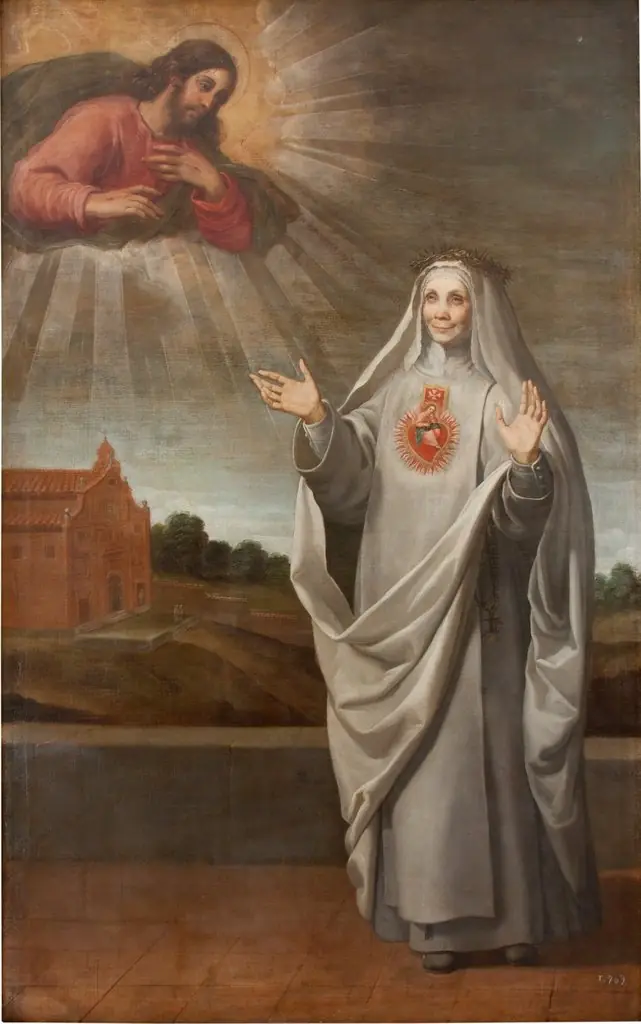 La Beata Mariana de Jesús
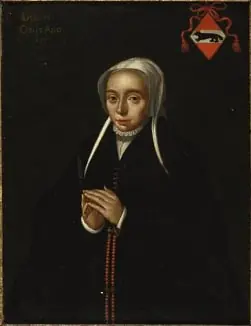 Lidewij van Beveren (1522-1557)
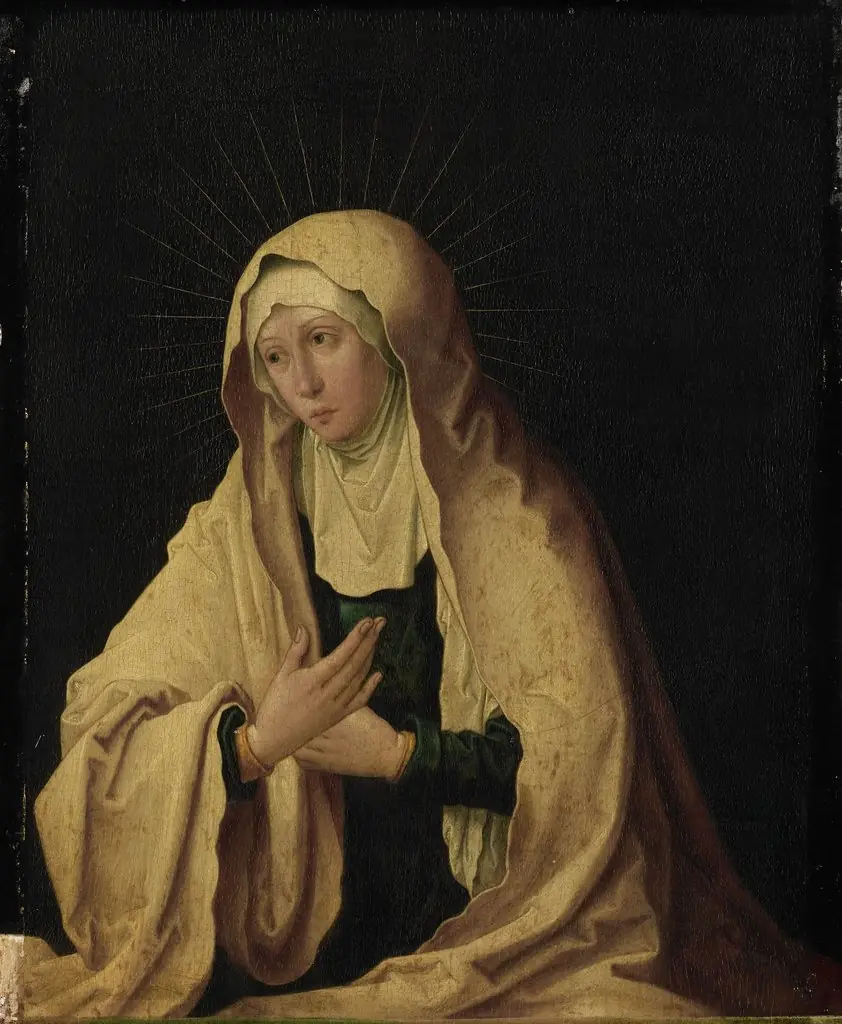 Inner right wing of a diptych with the Virgin as Mater Dolorosa
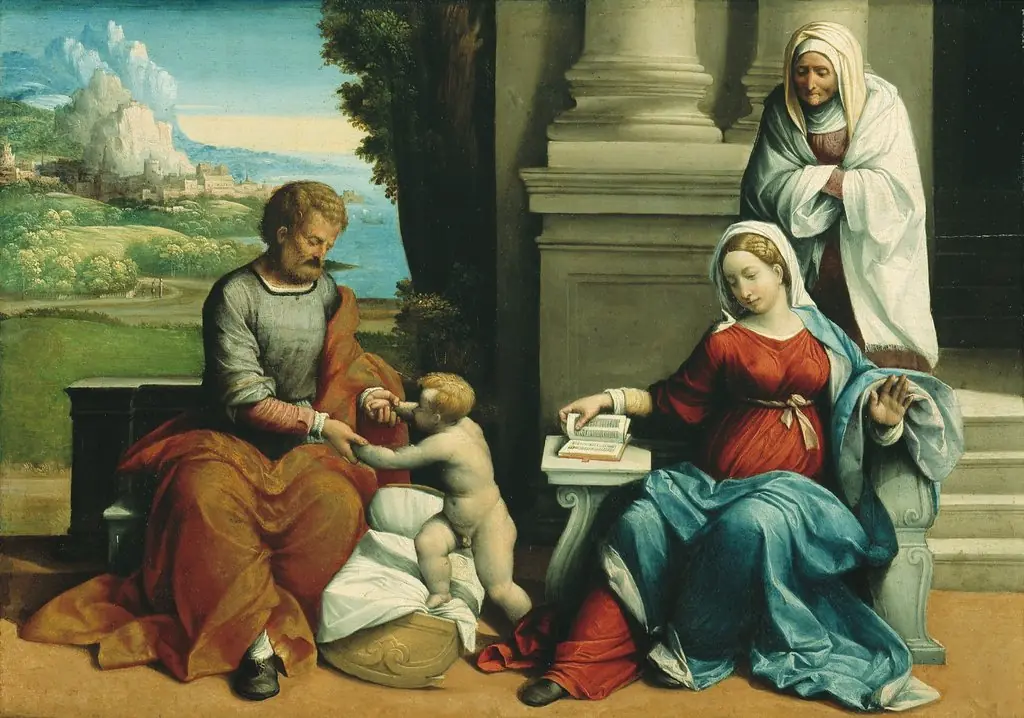 Holy Family with St. Anne
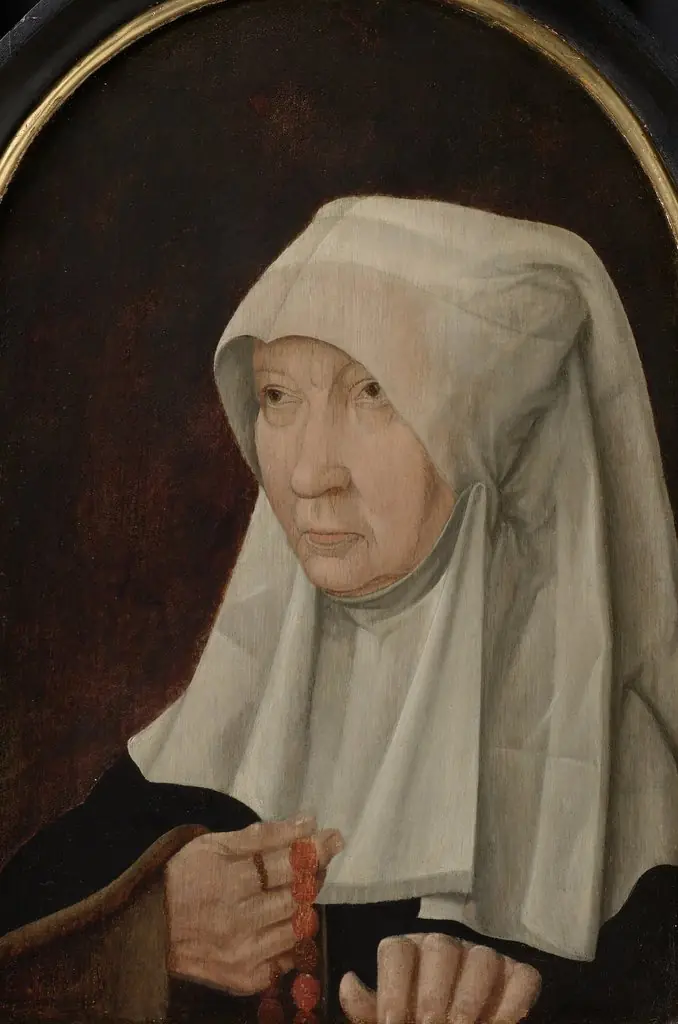 Portrait of Jacomina Claesdr van Ruyven (?-1509)
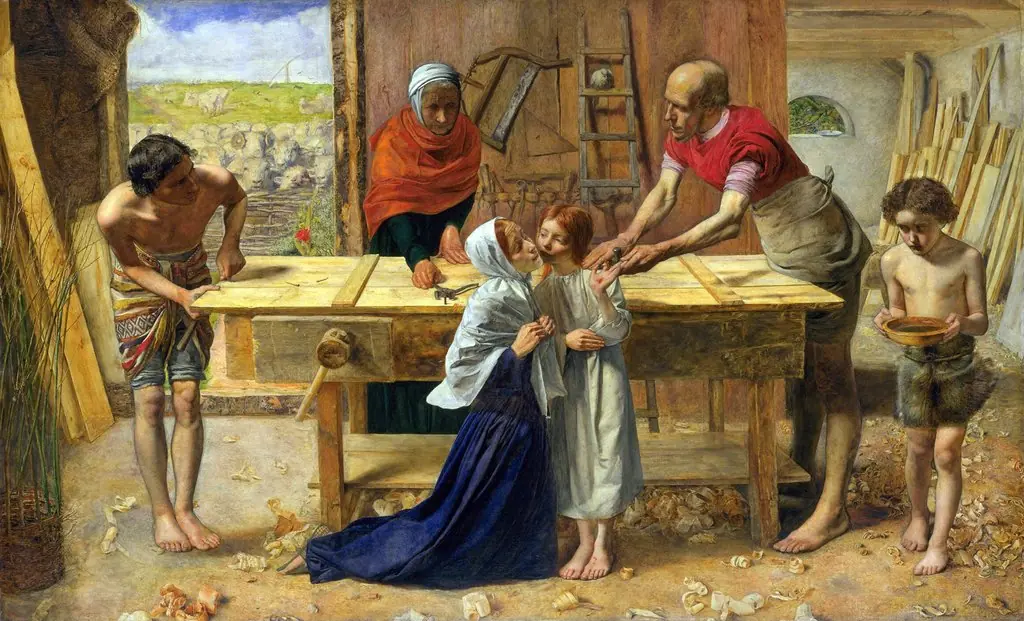 Christ in the House of His Parents
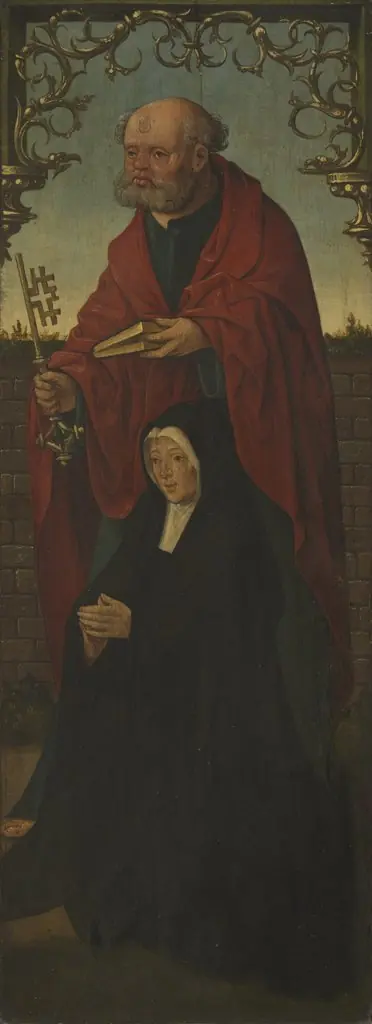 Saint Peter and a Donor; Saint Thomas (reverse)
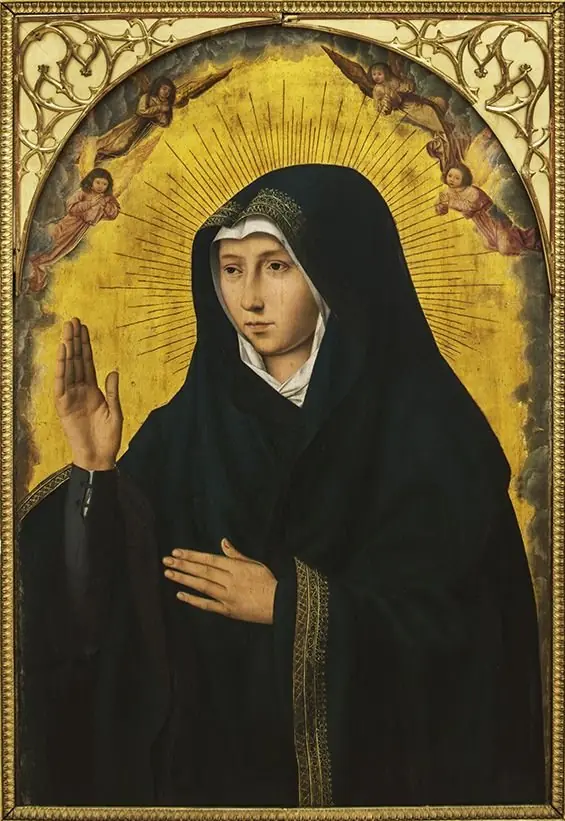 Maria als schmerzhafte Mutter
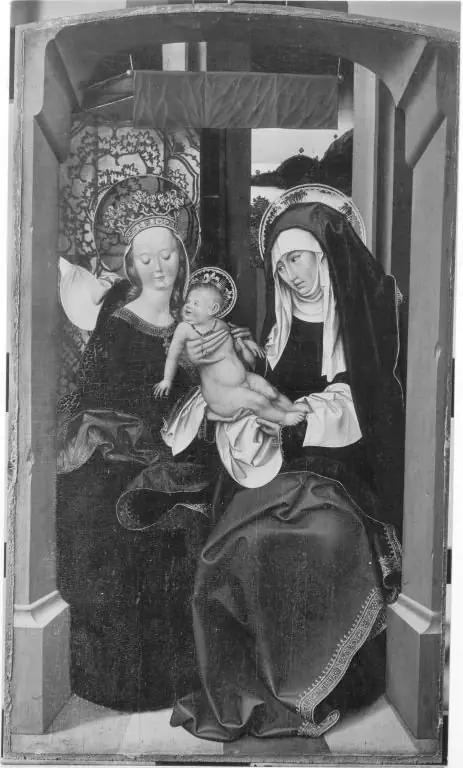 Teile eines Altares: Hl. Anna Selbdritt
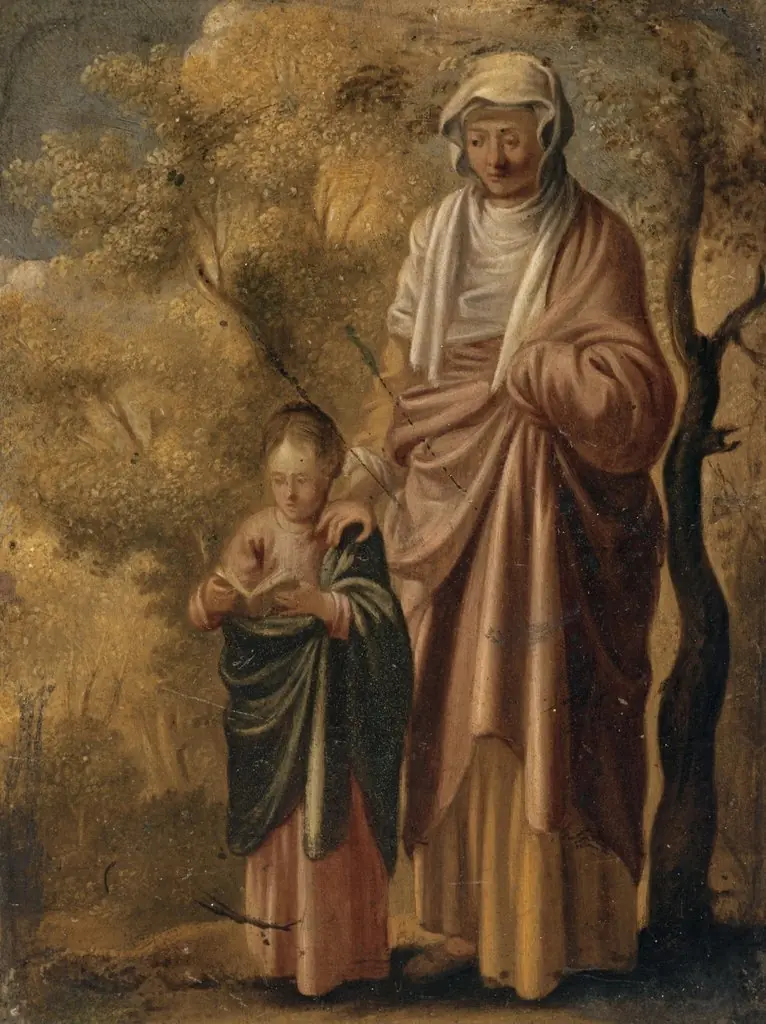 The Young Virgin Mary with Saint Anne
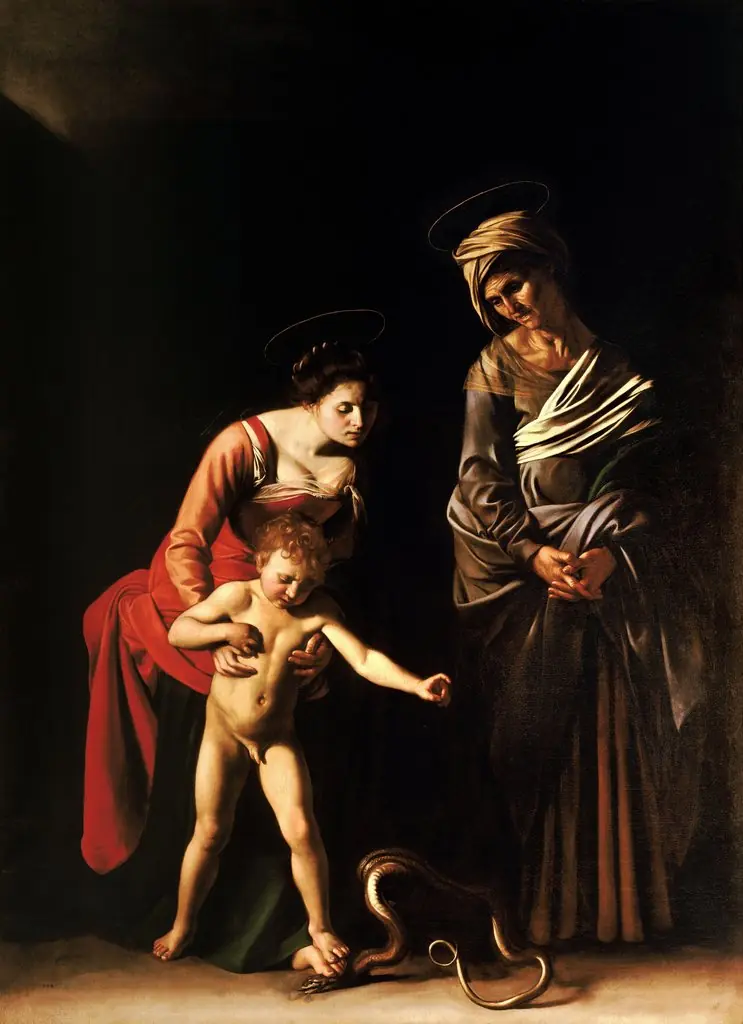 Madonna and Child with Saint Anne
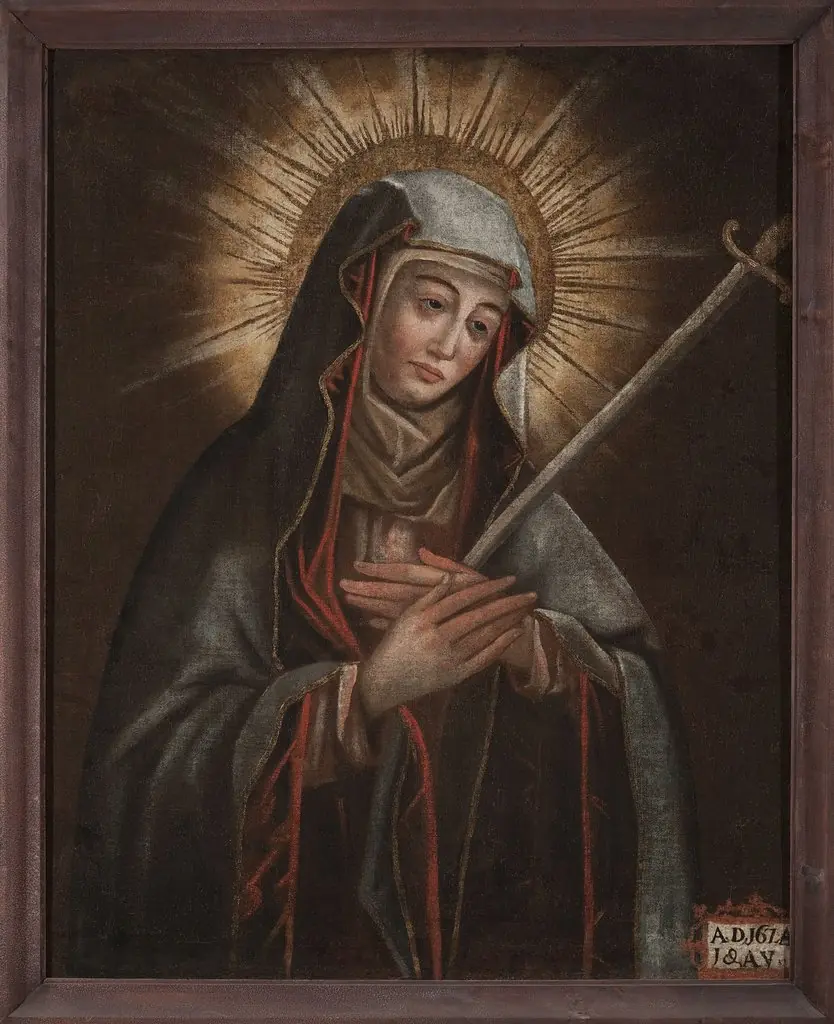 Our Lady of Sorrows
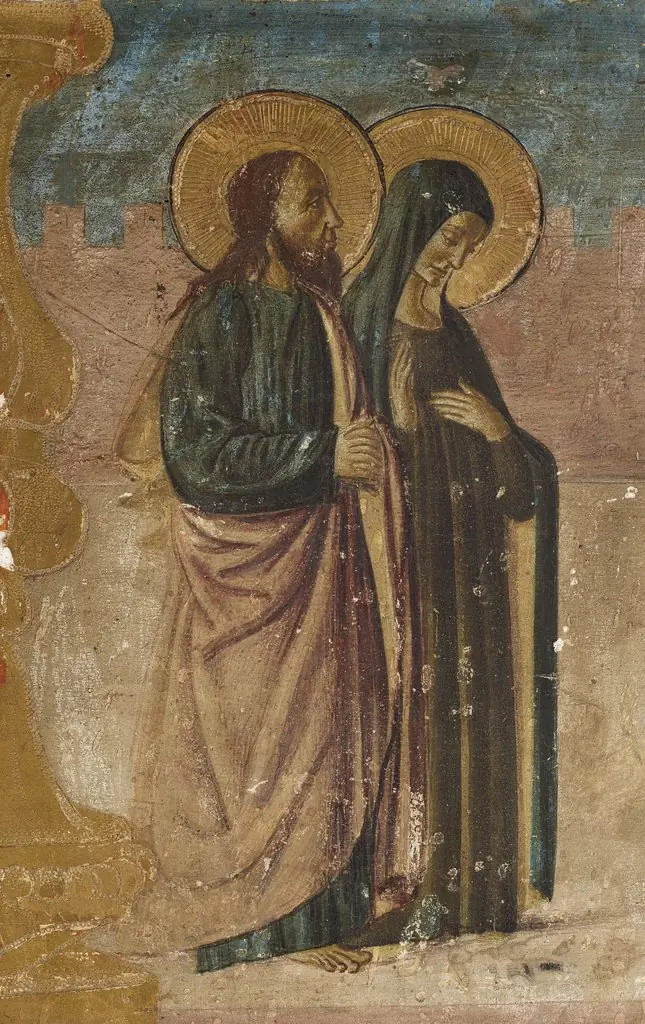 Saints Anna and Joachim
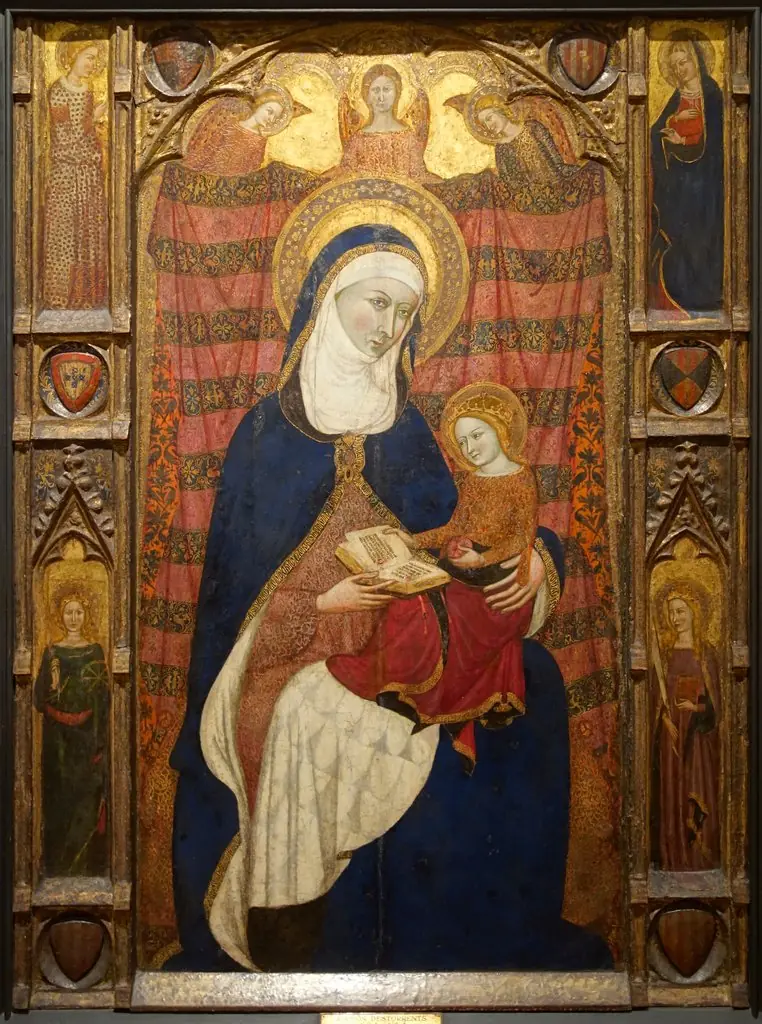 Retaule de Santa Anna i la Mare de Déu
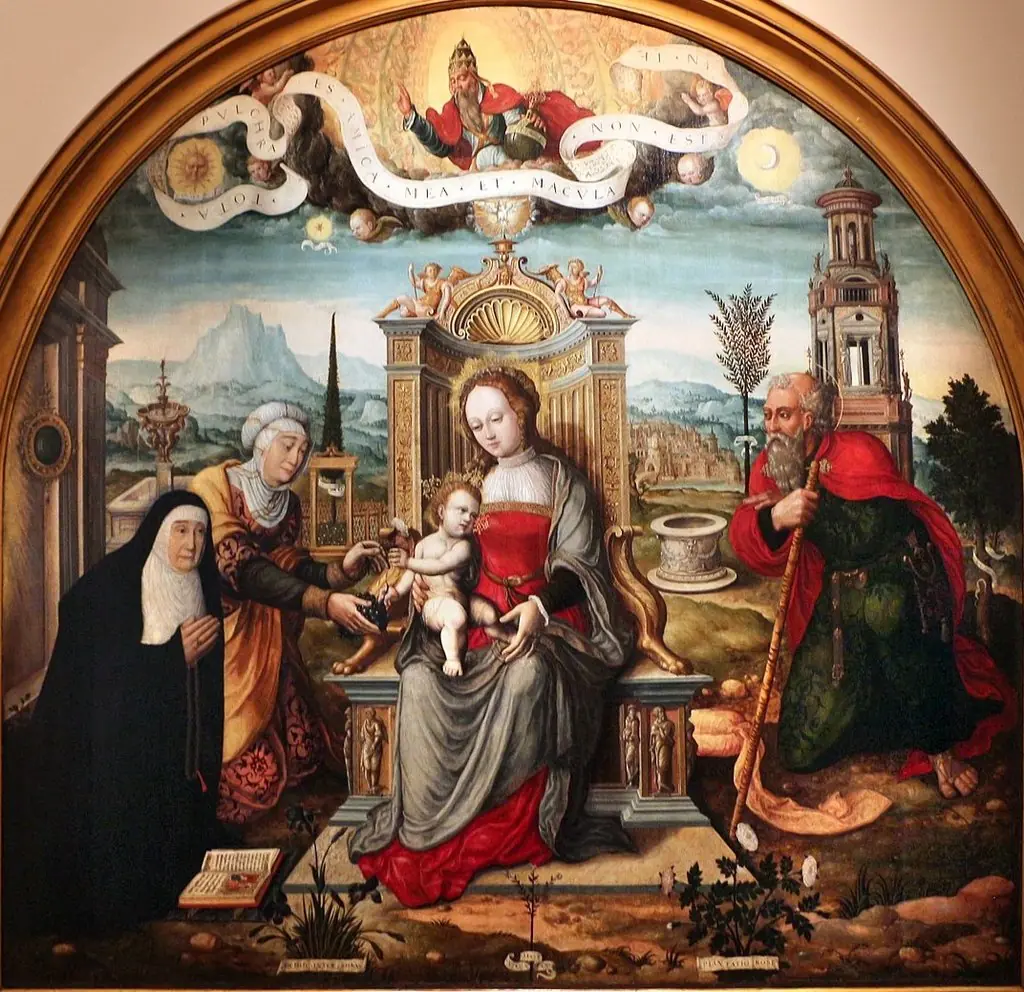 A Virgem Maria e o Menino Jesus com Santa Ana, São Joaquim e Doadora
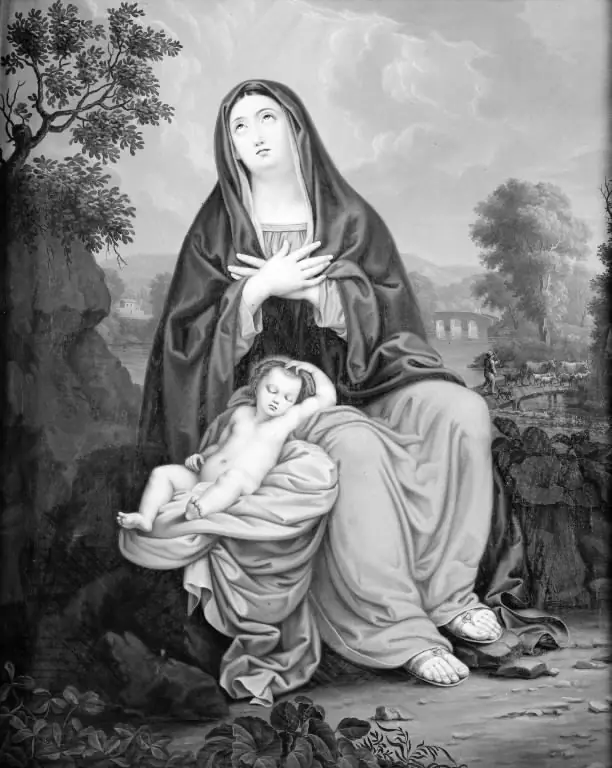 Jomfru Maria med det sovende Jesusbarn i et landskab
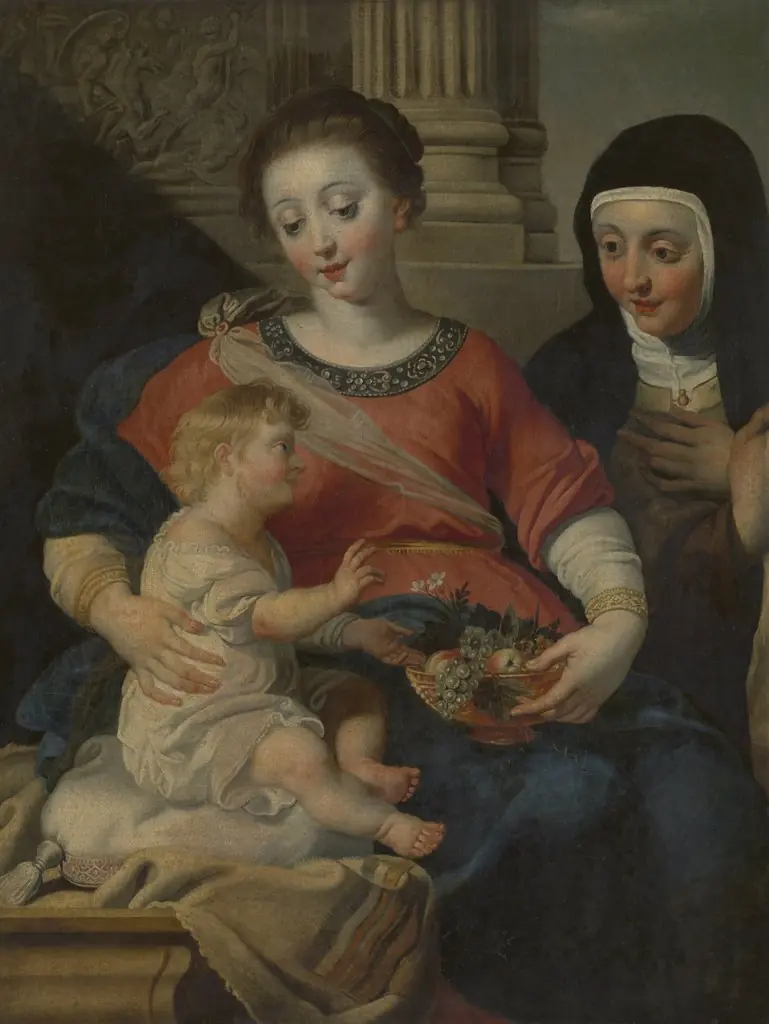 Saint Clare of Assisi Adoring Jesus
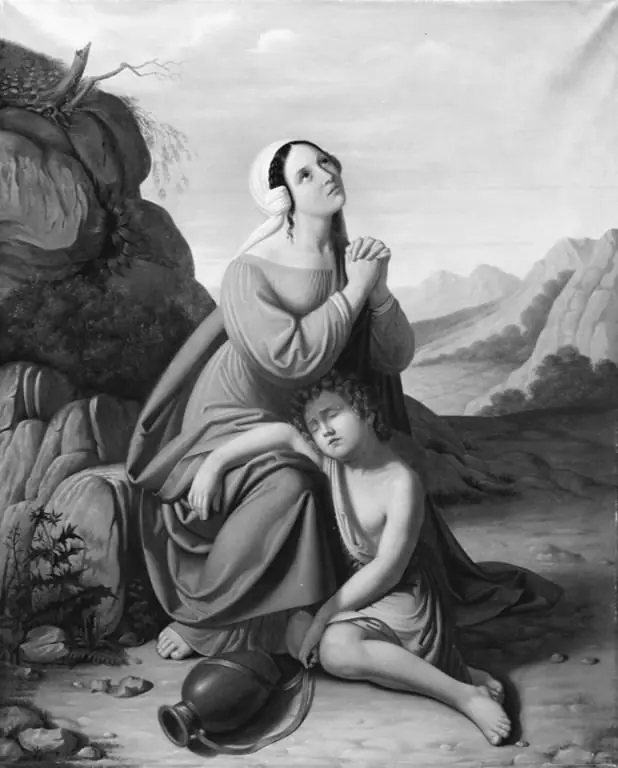 Hagar og Ismael
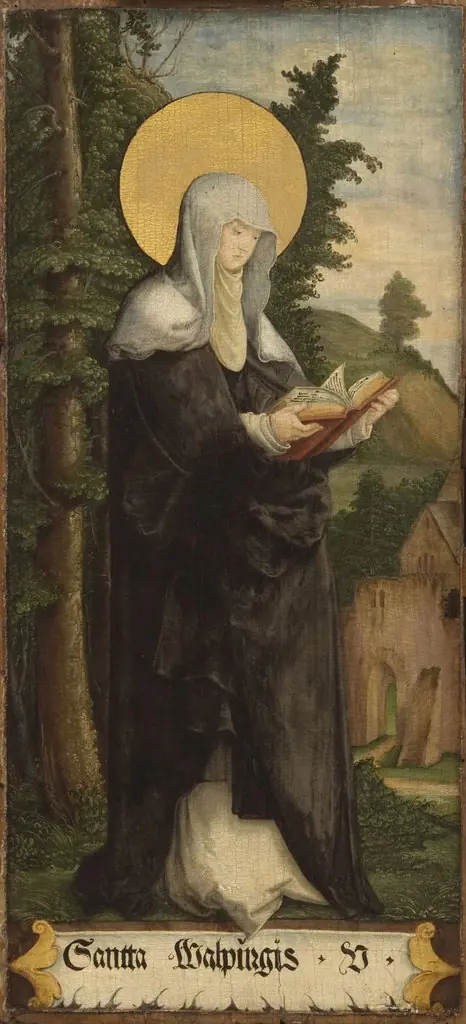 Saint Walpurgis
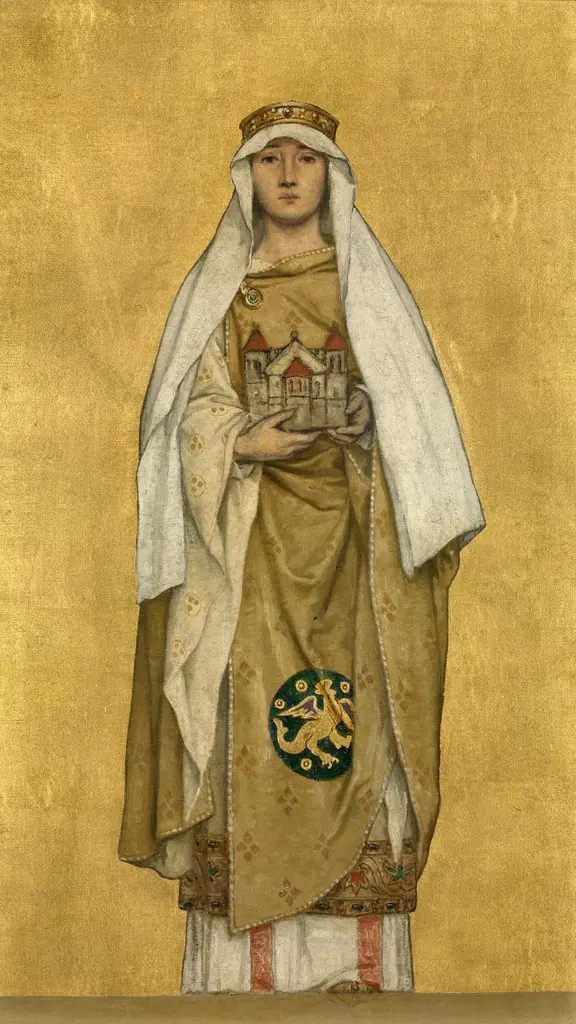 Judith, Wife of Baldwin I of Flanders
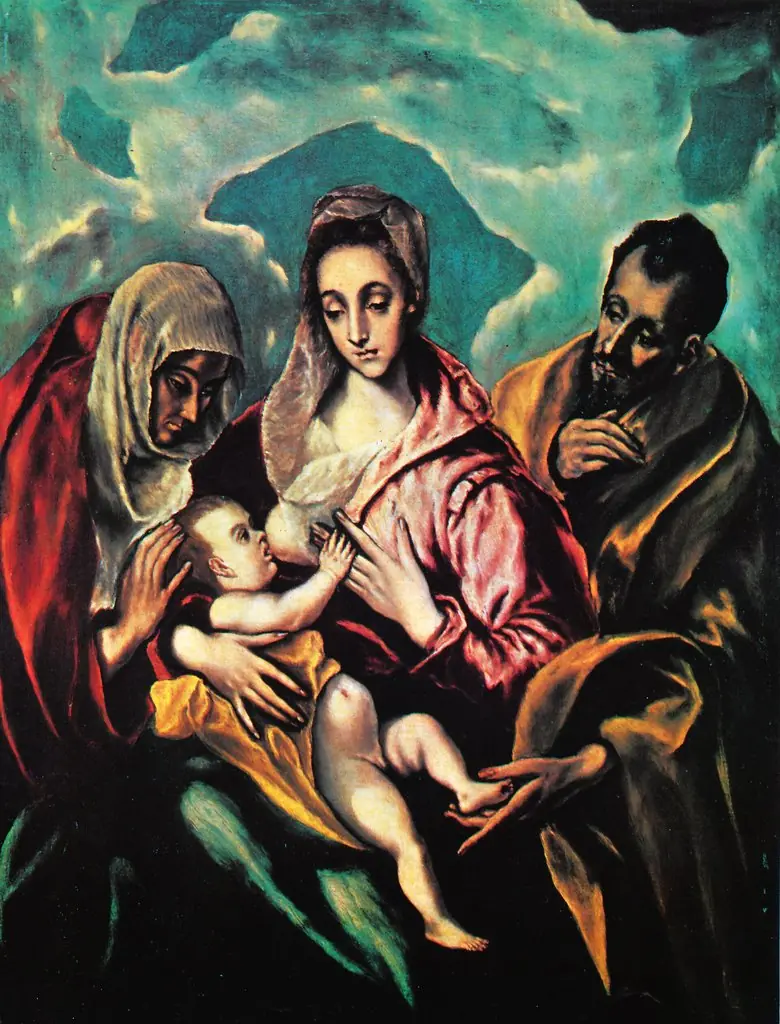 Holy Family with Saint Anne
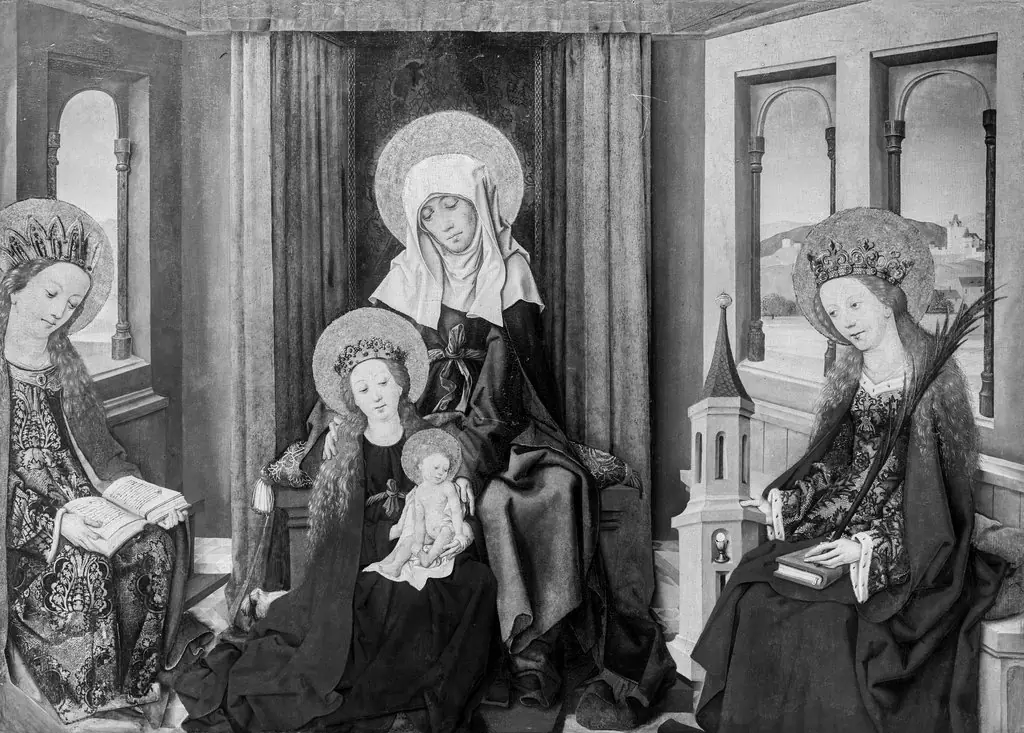 Saints Anna Selbdritt, Barbara and Katharina
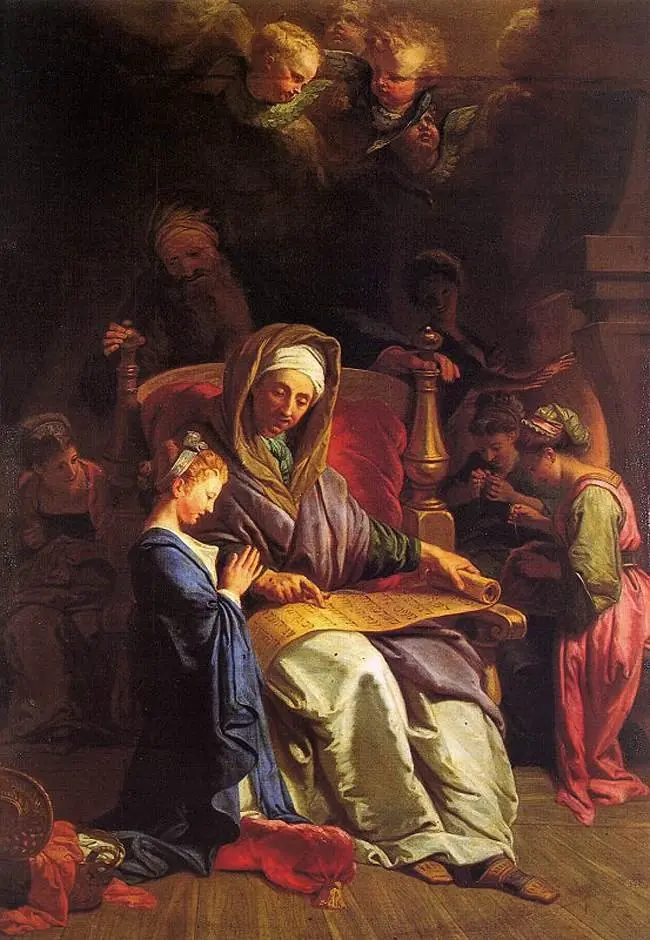 The Education of the Virgin Mary
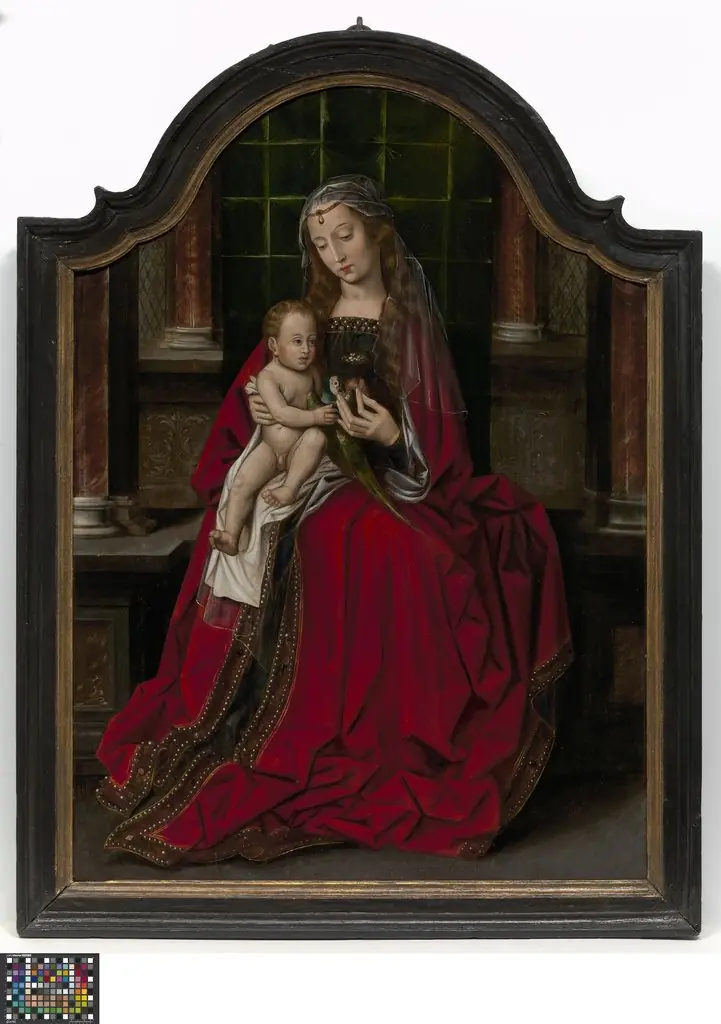 Madonna
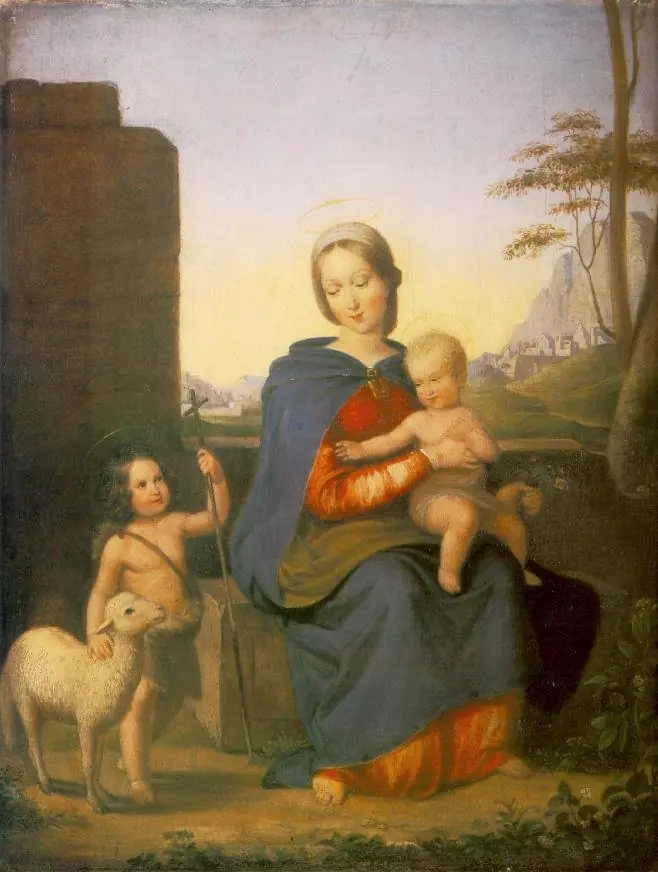 Madonna with the Infant Christ and the Infant Saint John
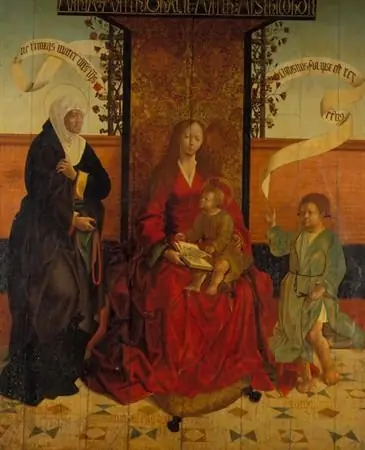 Mary and child, Saint Julita and Saint Guerito.
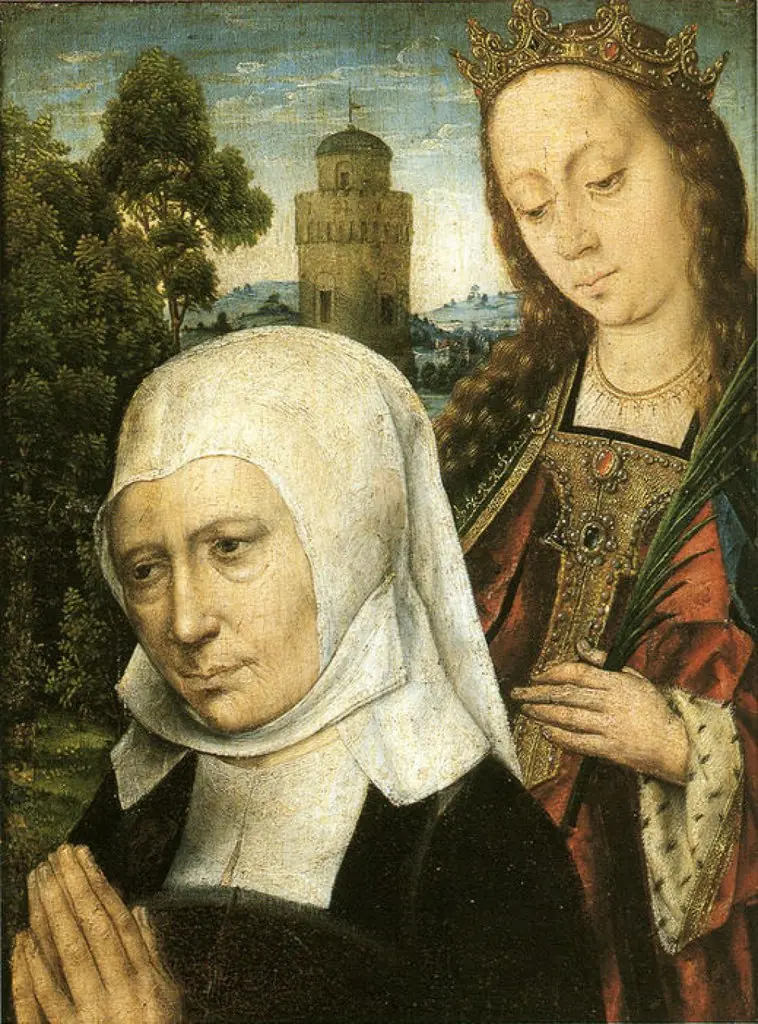 Donatrix with Saint Barbara
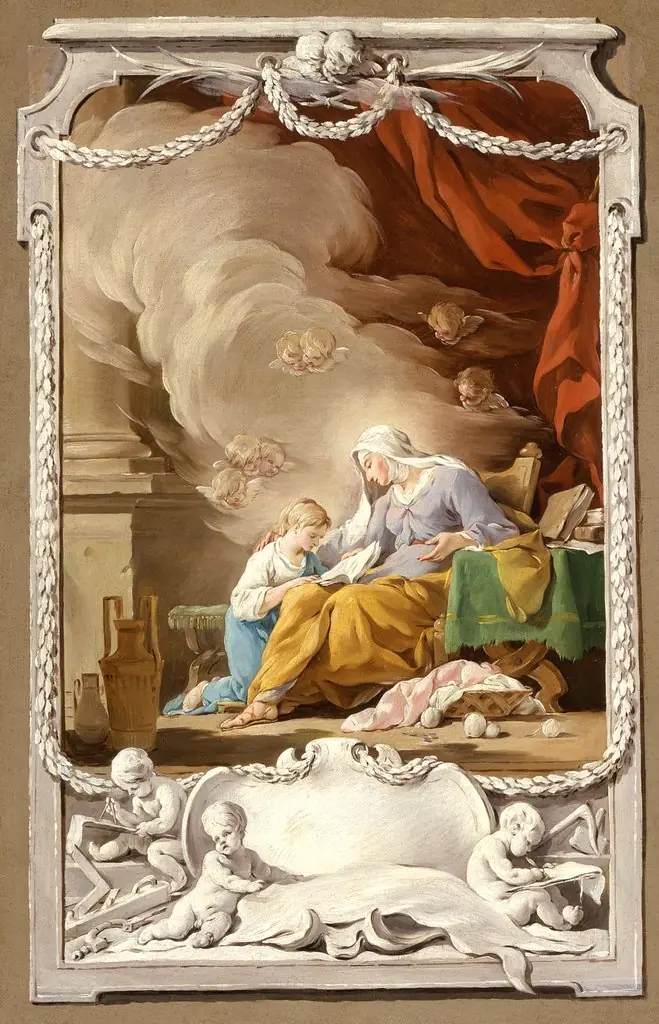 St. Anne Revealing to the Virgin the Prophecy of Isaiah
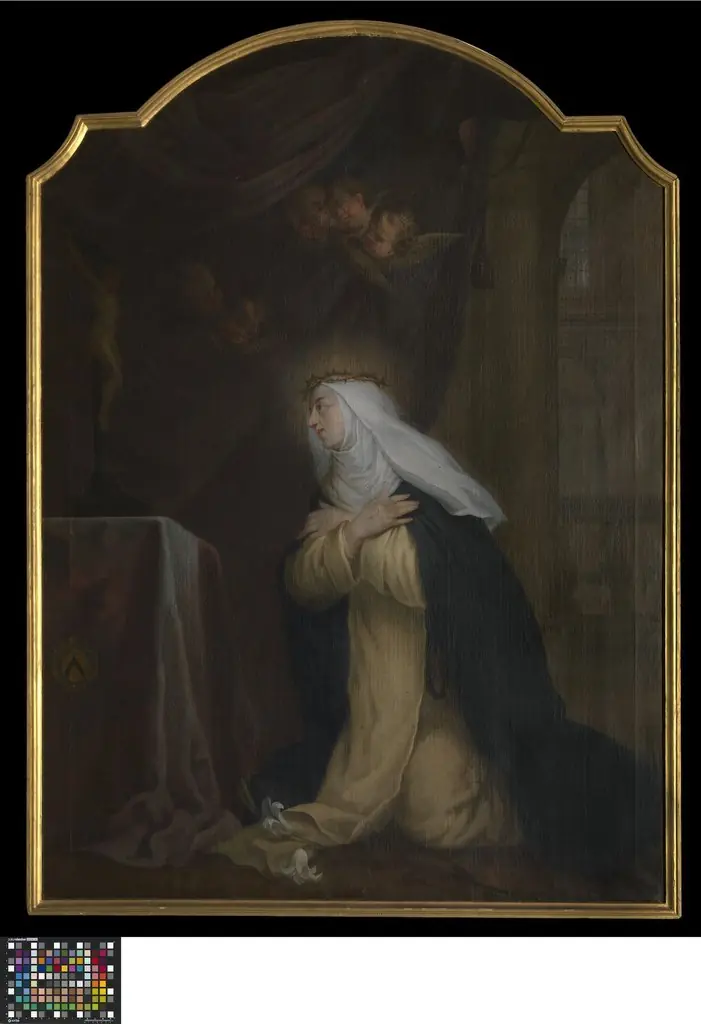 Heilige Catharina van Siena in extase
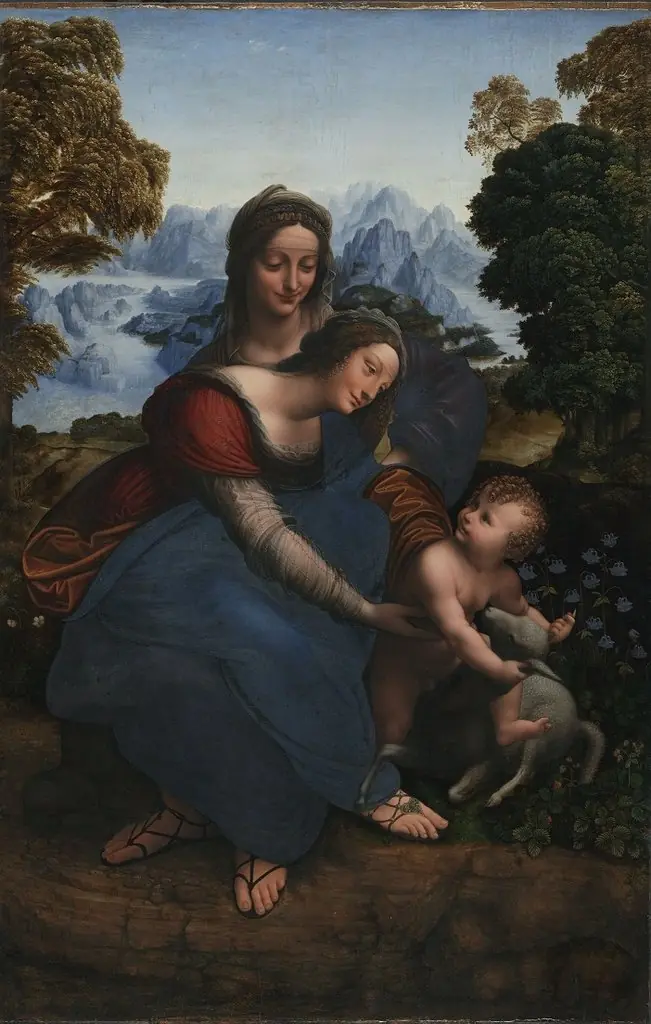 Madonna and Child with Saint Anne in a Landscape
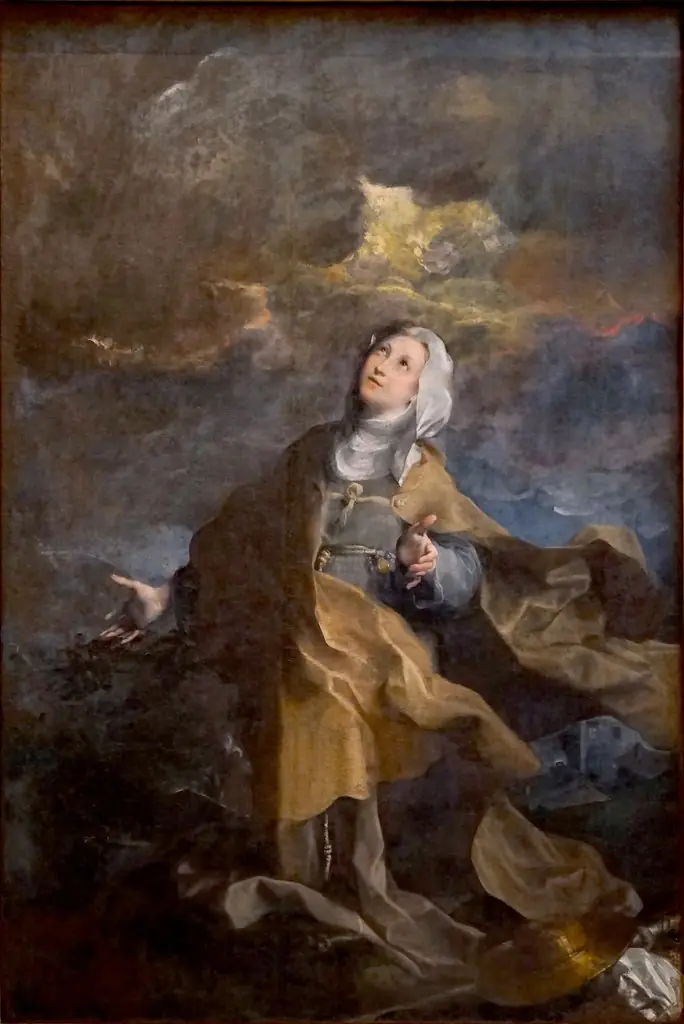 Beata Michelina
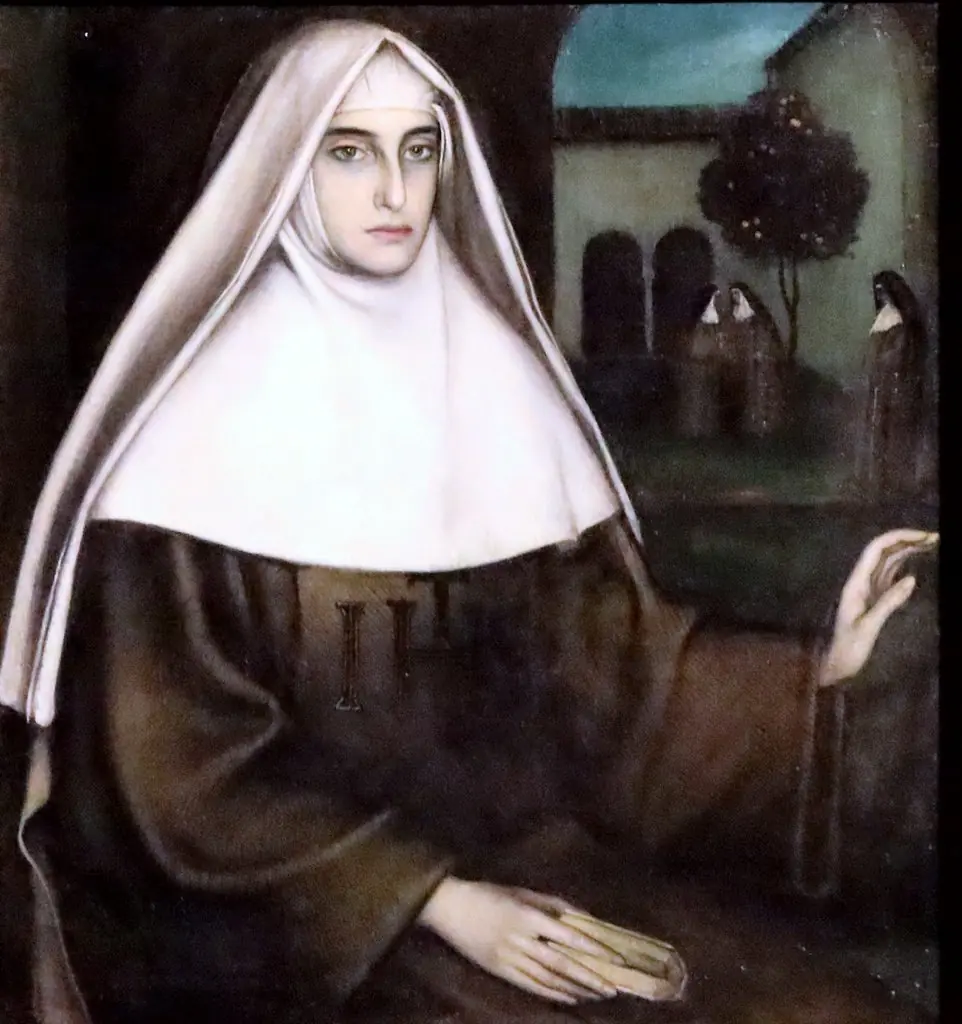 La novícia (Museu Nacional d'Art de Catalunya, inv 024157-004)
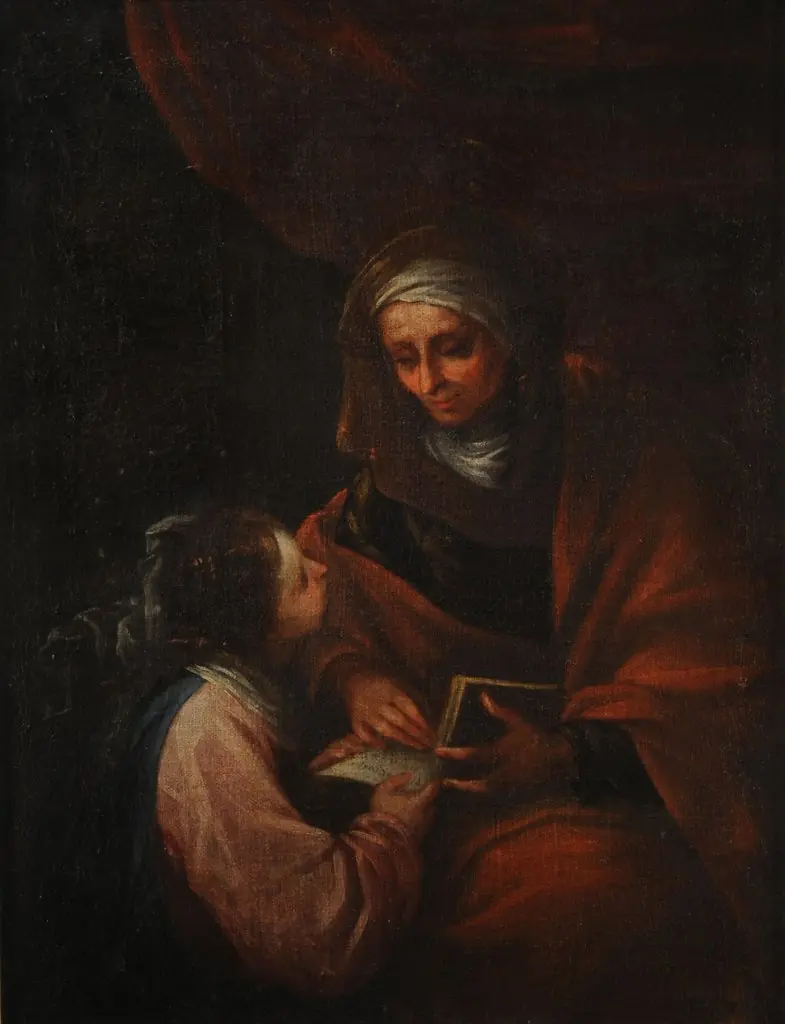 Education of the Virgin
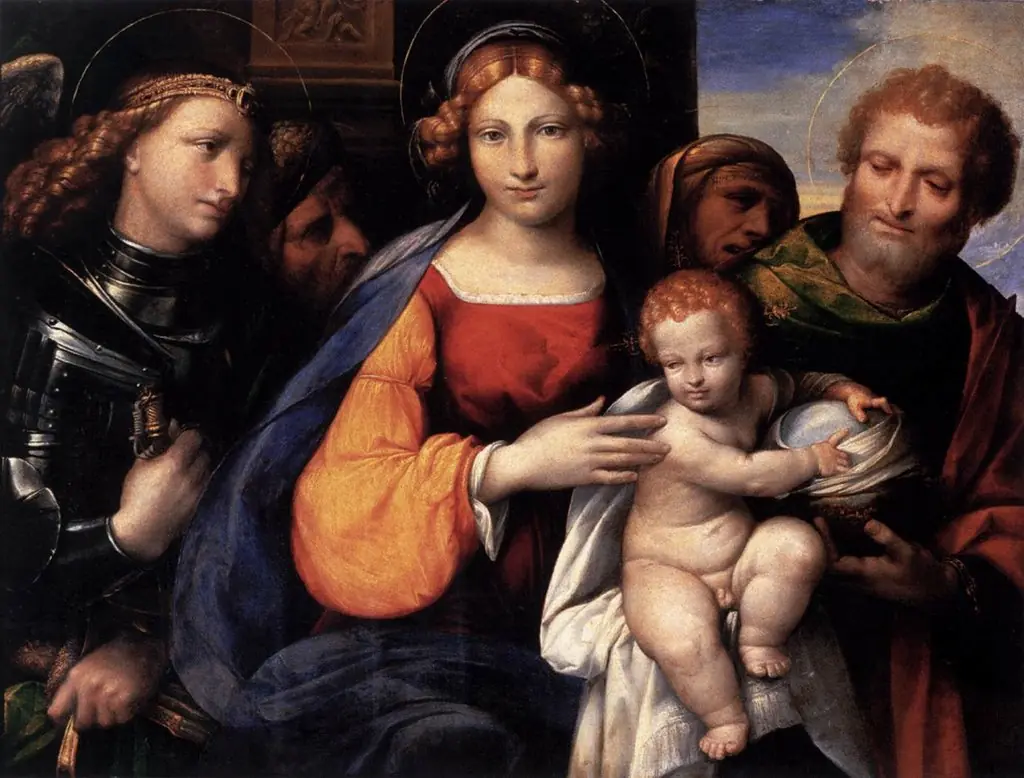 Virgin and Child with Saints
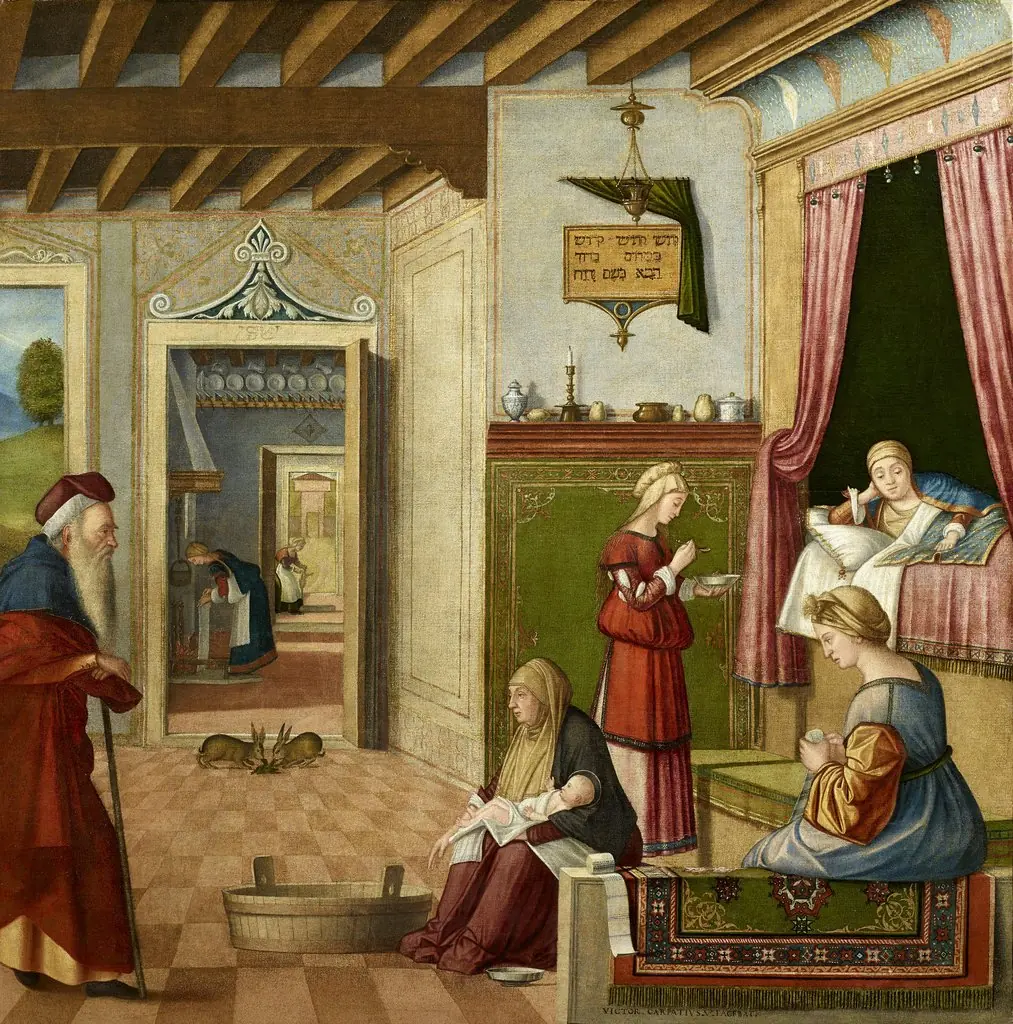 Birth of Virgin Mary
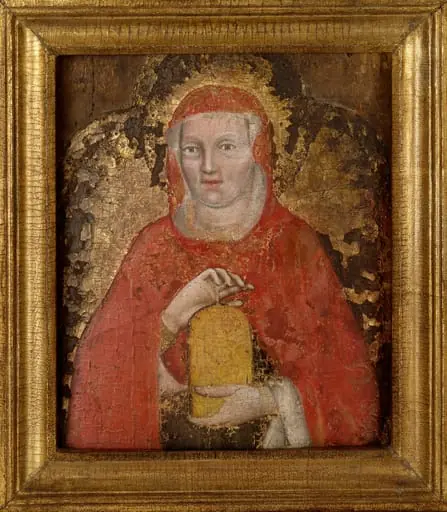 Maria Magdalena
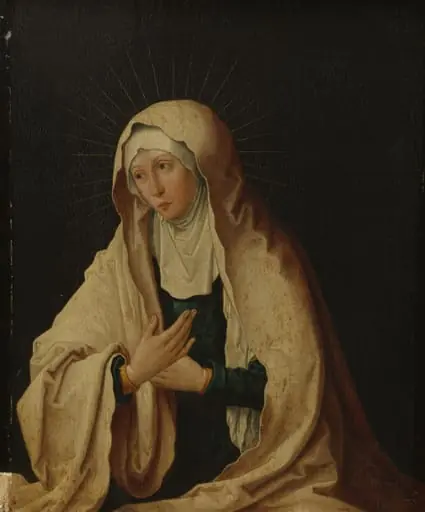 Virgin Mary
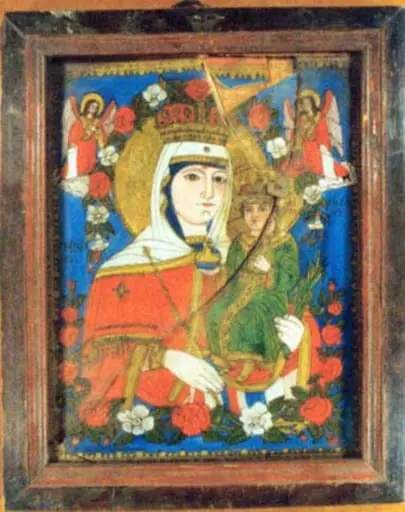 Maica Domnului cu Pruncul
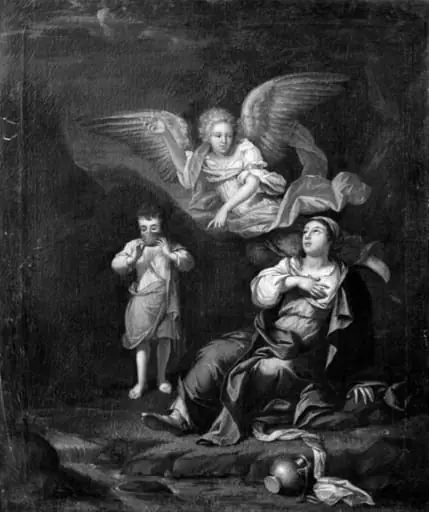 Hagar i ørkenen
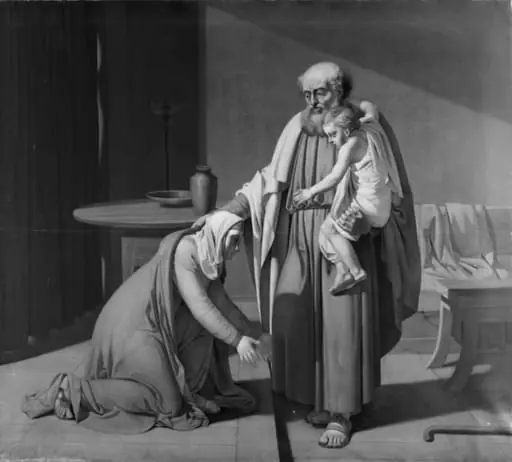 Elias opvækker enkens søn fra de døde
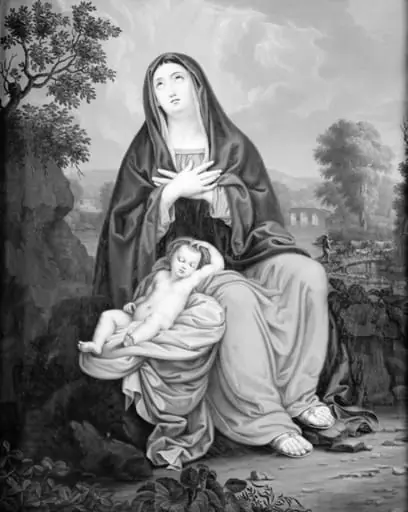 Jomfru Maria med det sovende Jesusbarn i et landskab
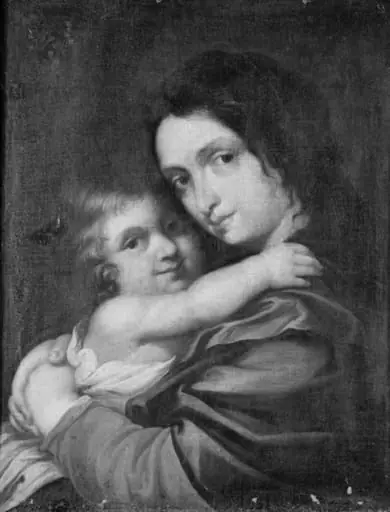 Virgin and Child
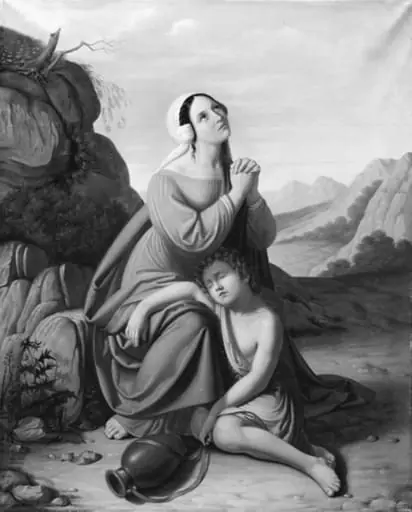 Hagar og Ismael
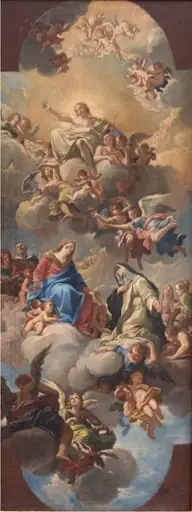 Mary Introducing St Catherine of Siena to Christ
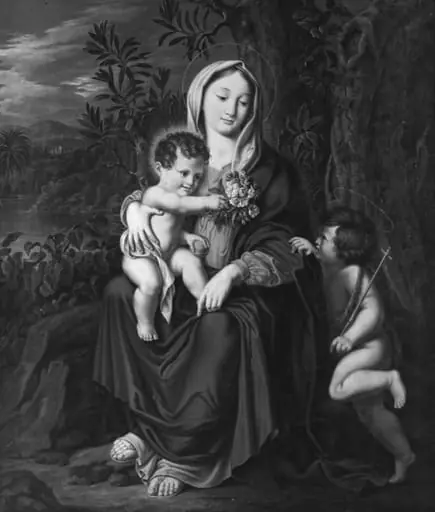 Jomfru Maria med Jesusbarnet og den lille Johannes
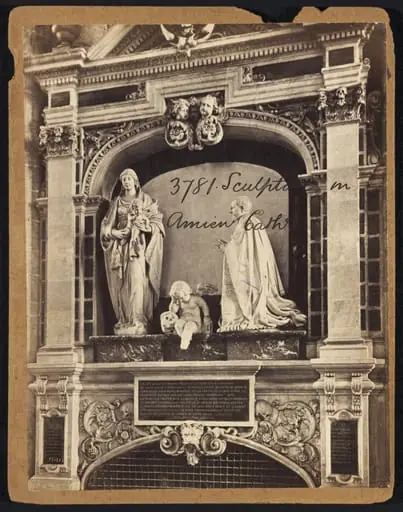 Sculpture in Amiens Cathedral
Frequently asked questions
What is Saint Anne?
Saint Anne is a subject in art. St.
How many Saint Anne works does Artifact World Gallery have?
Artifact World Gallery holds 85 public-domain Saint Anne works, all free to view and download.
Who are the key Saint Anne artists?
Key Saint Anne artists in the collection include Lorenzo Lotto, El Greco and Caravaggio.
Where can I see Saint Anne works?
Saint Anne works in the collection are held by Statens Museum for Kunst, Metropolitan Museum of Art and Kunsthistorisches Museum.