Curated Theme
Joy & Play
The fête galante — pleasure, music and amorous ease in the open air.
10,629 works in the collection
If melancholy is one pole of feeling in painting, joy is the other, and the eighteenth century made it a genre. The fête galante, invented by Watteau, shows elegant figures gathered out of doors for music, conversation and gentle flirtation — a world of silk, shade and idle pleasure suspended out of time. Fragonard pushed it toward the giddy and erotic; the whole Rococo turned on a palette of pinks, creams and sky-blues that seems to smile. But joy and play in painting run wider than the aristocratic idyll: children's games, peasant dances, carnival, the simple delight of a sunlit afternoon. The mood is light and the touch is usually light to match — feathery brushwork, high-keyed colour, an air of improvisation. Watch the small gestures of pleasure: a hand on an arm, a glance exchanged, a foot lifted in a dance. These are pictures that ask nothing of you but enjoyment, and their lightness is a deliberate art, far harder to achieve than it looks.
In this gallery
-
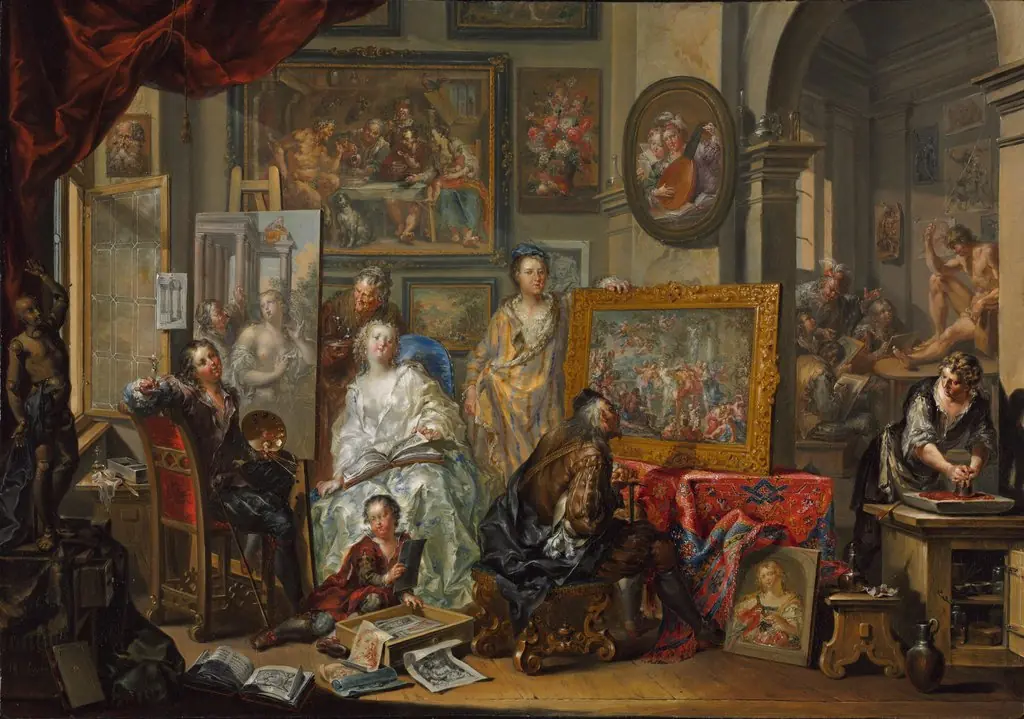 The Artist's Studio
 -
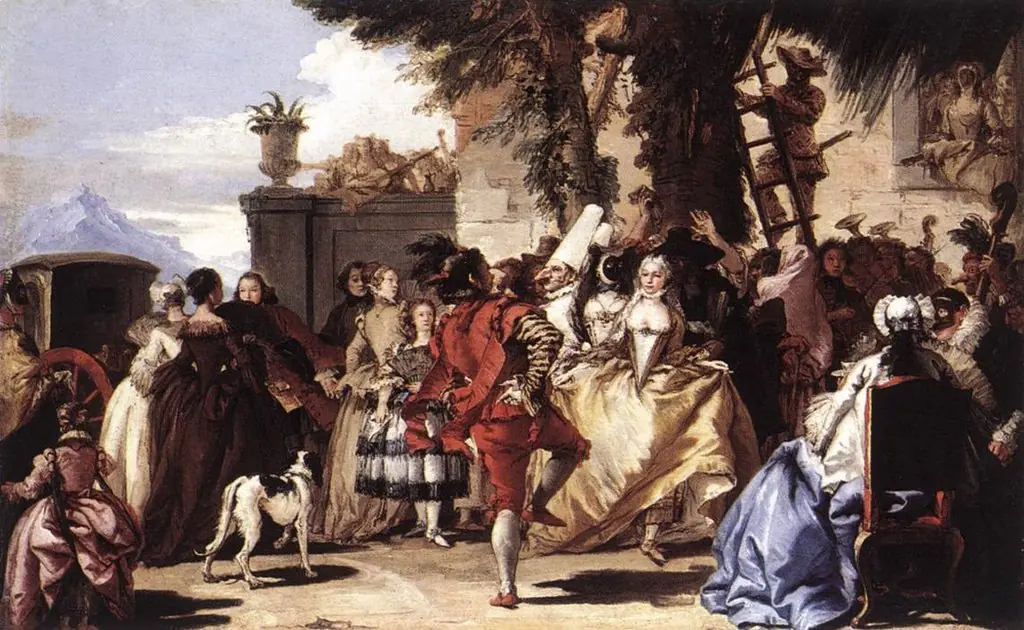 A Dance in the Country
 -
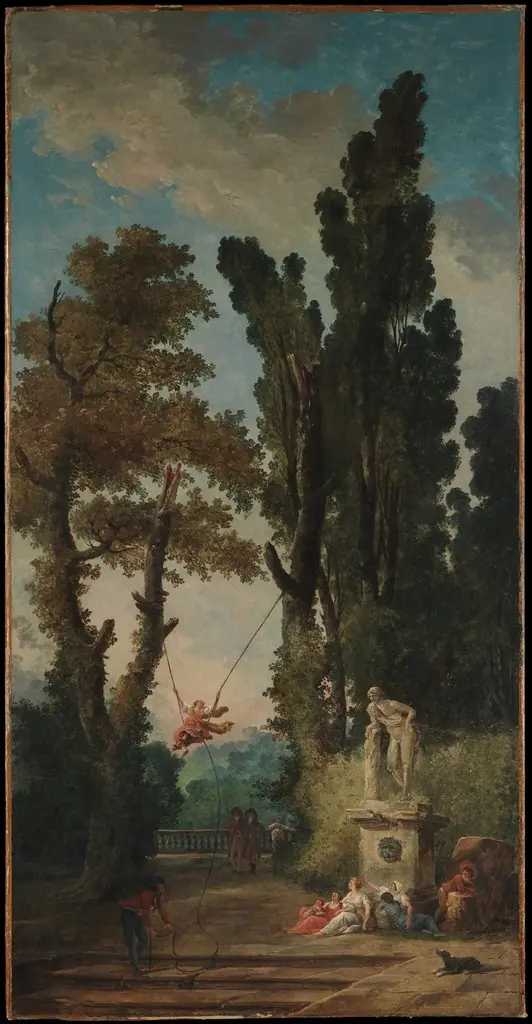 The Swing
 -
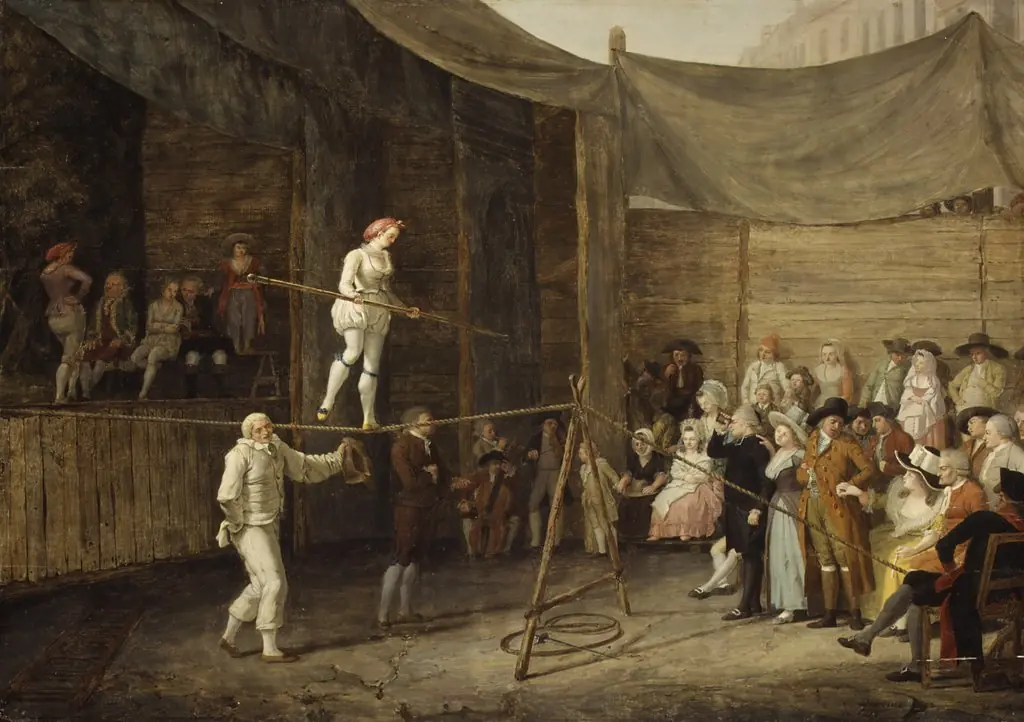 The Rope Dance
 -
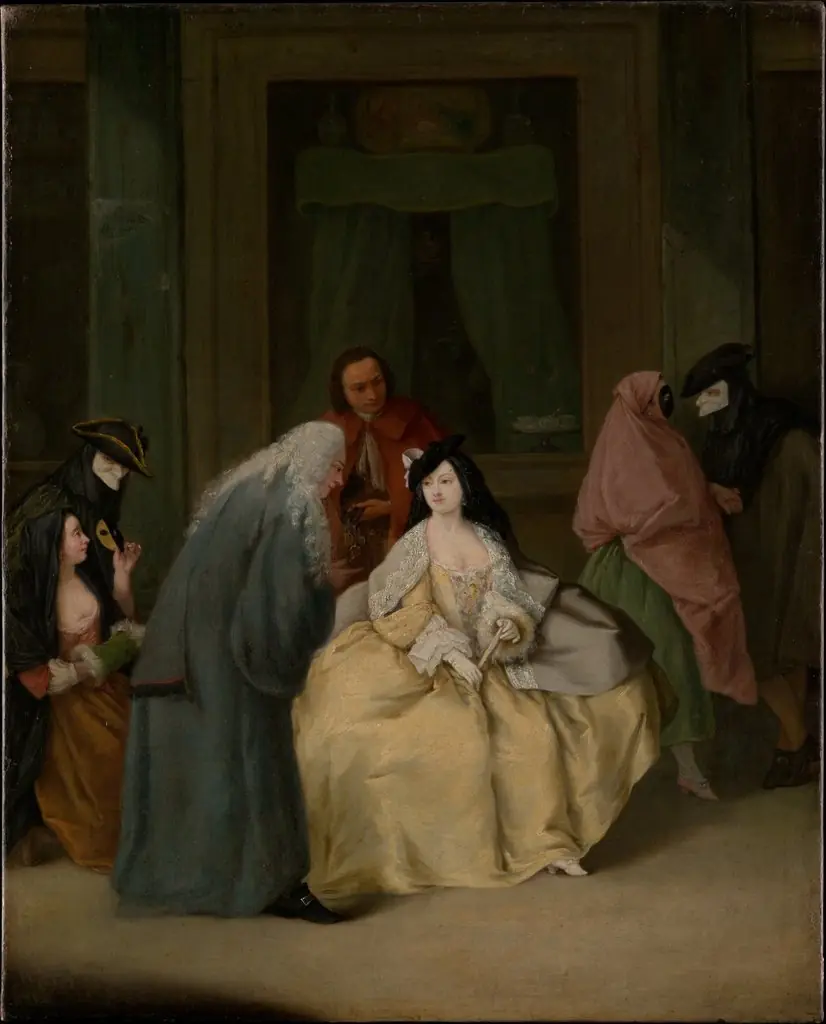 The Meeting
 -
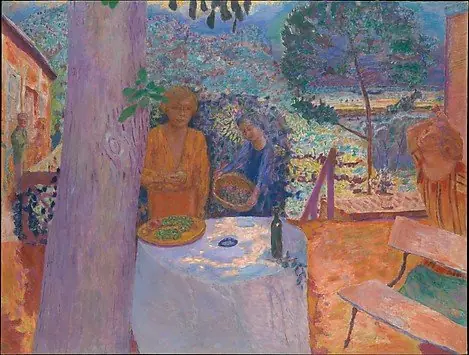 The Terrace at Vernonnet
 -
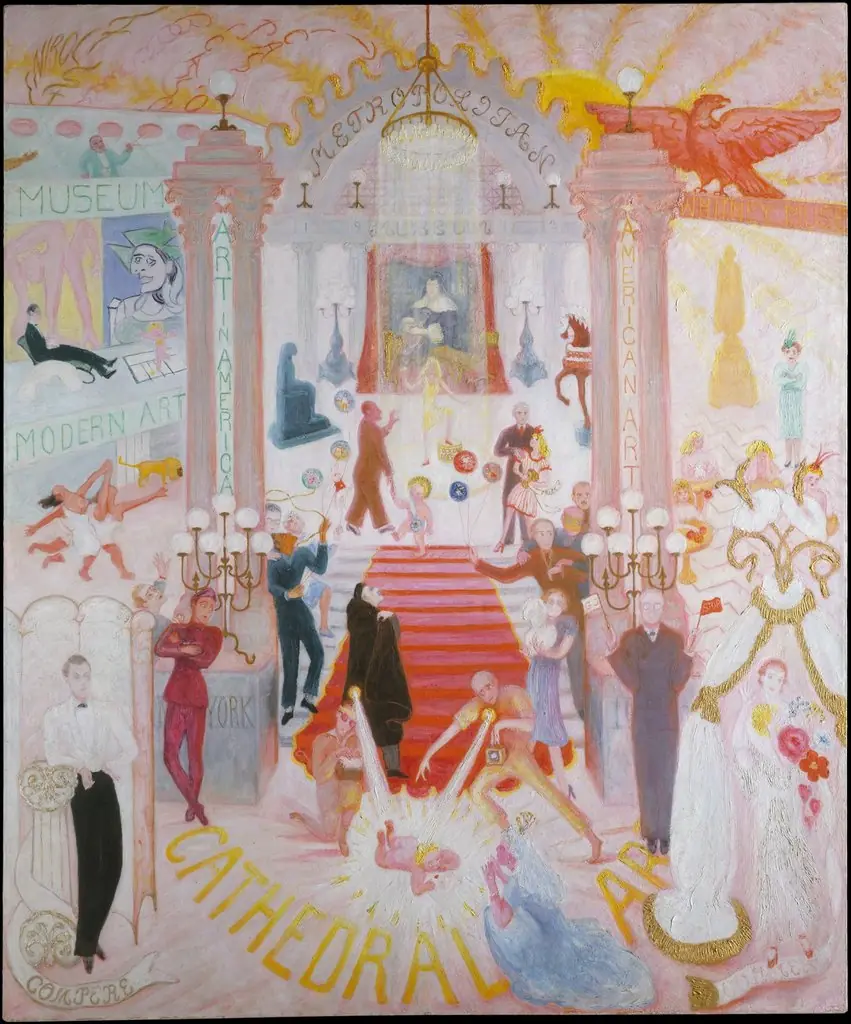 The Cathedrals of Art
 -
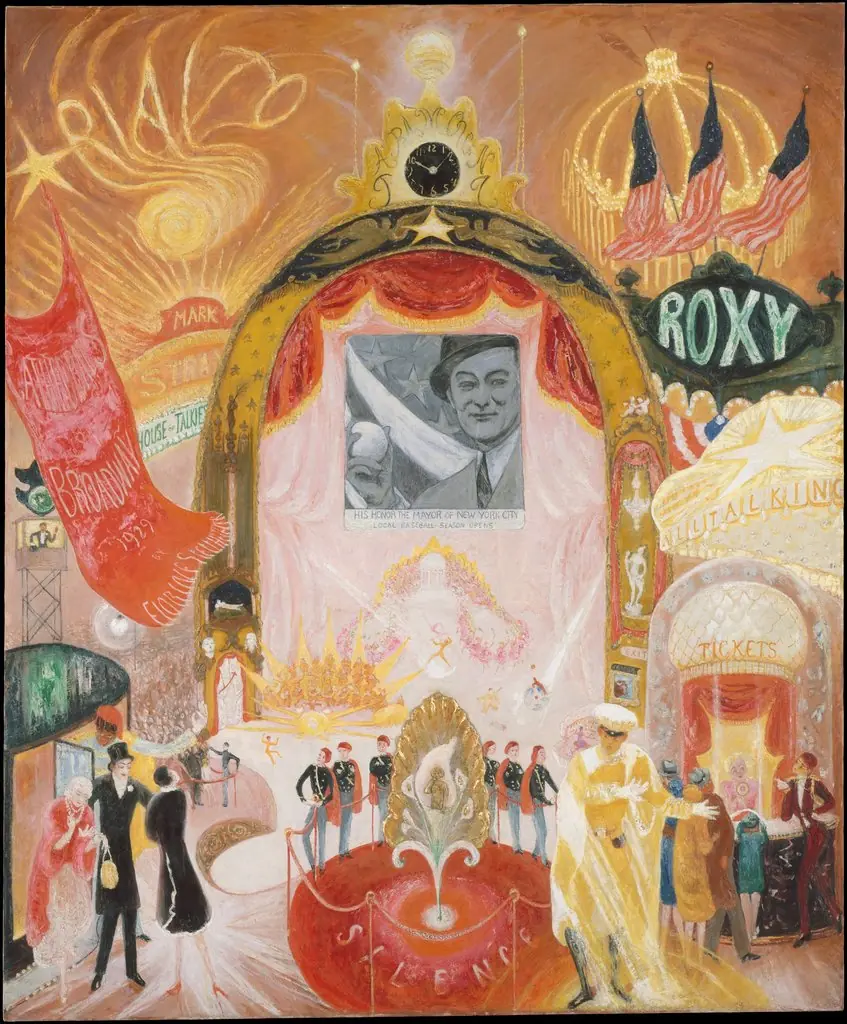 The Cathedrals of Broadway
 -
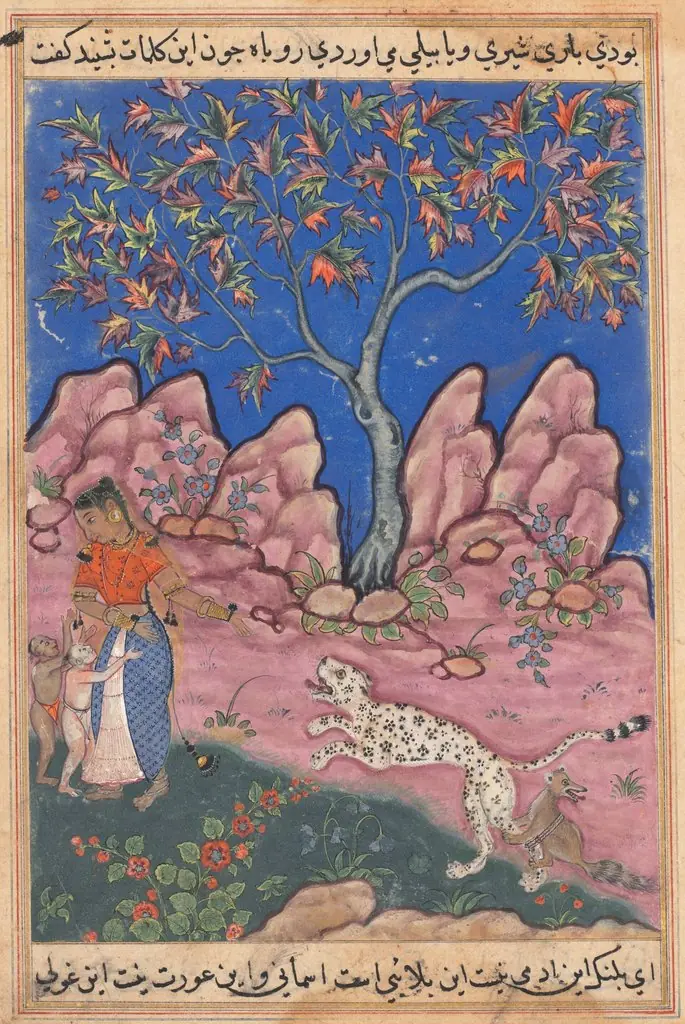 The woman conversing with her children, as the leopard returns, egged on by a fox who is tied to his leg, from a Tuti-nama (Tales of a Parrot): Thirtieth Night
 -
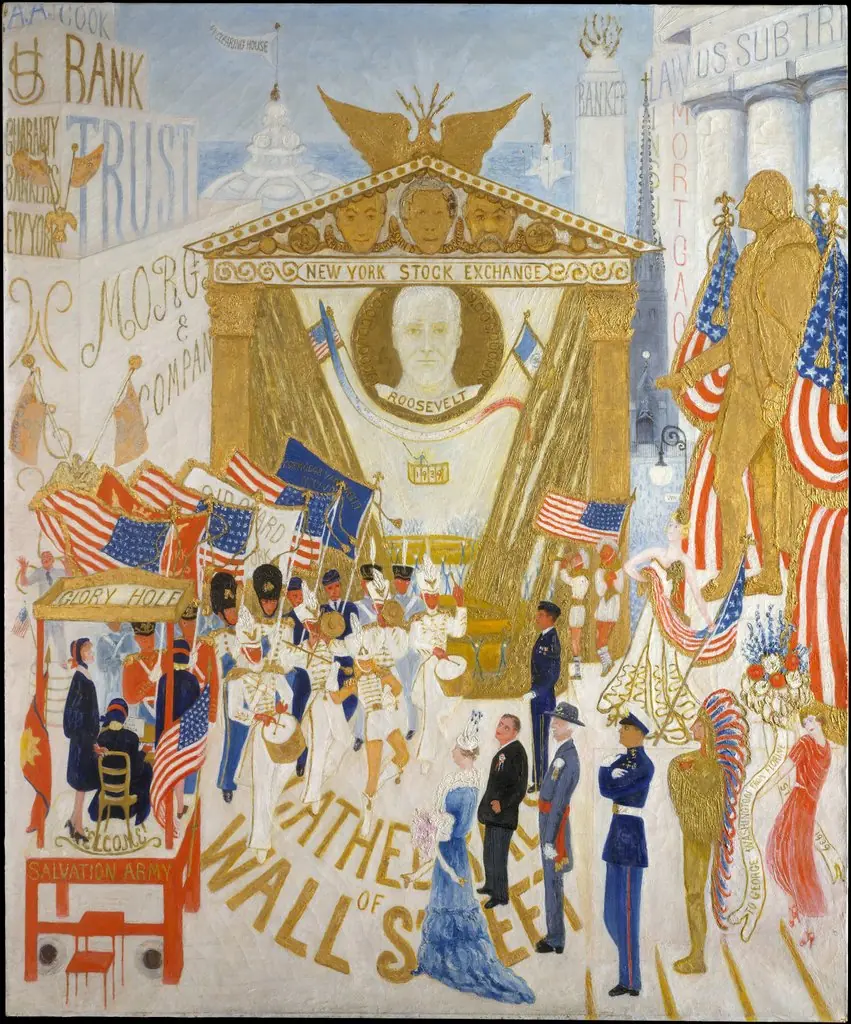 The Cathedrals of Wall Street
 -
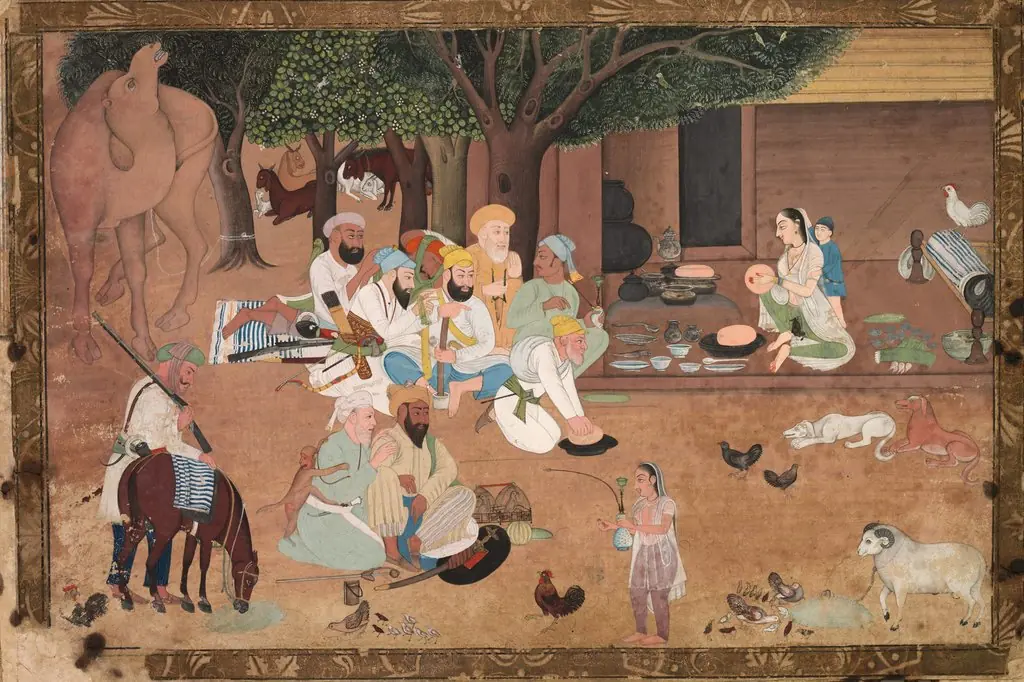 Traveling Warriors Stopping at a Farm
 -
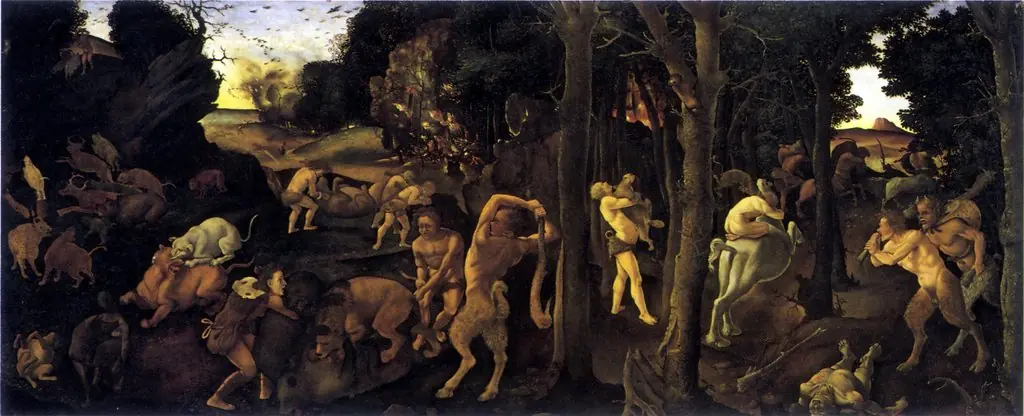 A Hunting Scene
 -
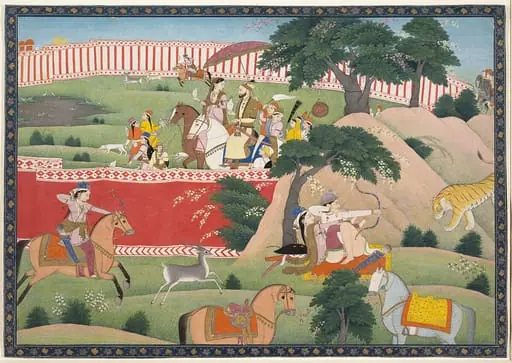 Untitled
 -
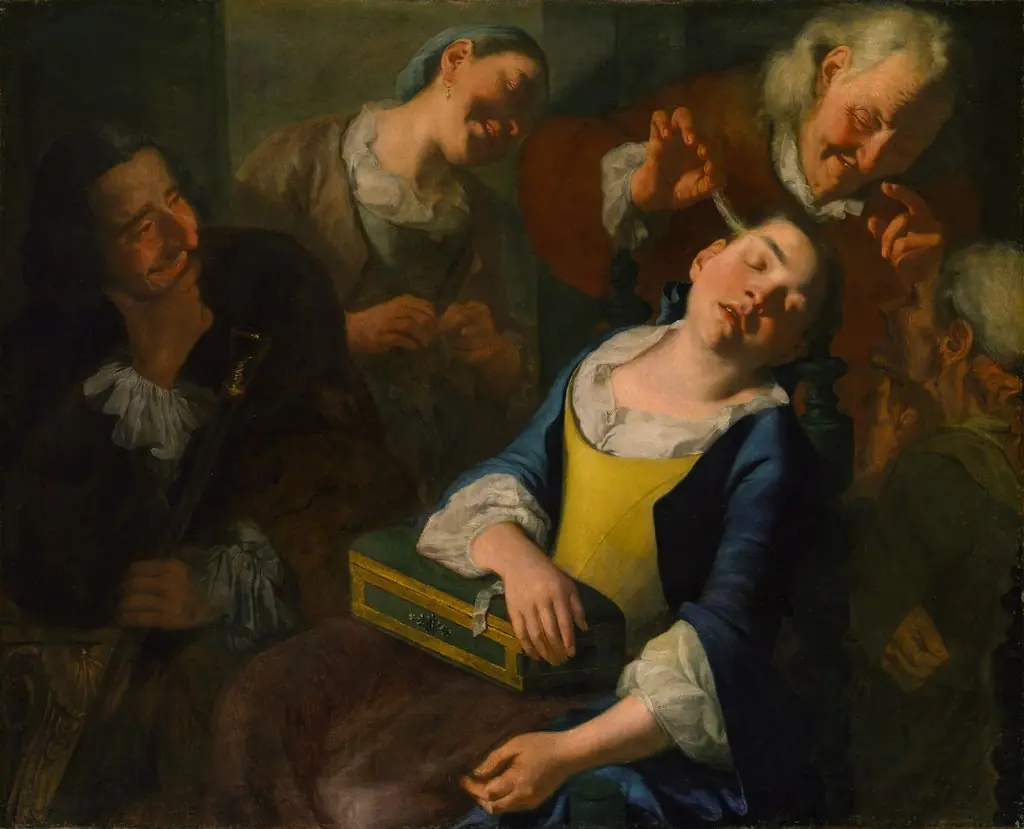 Teasing a Sleeping Girl
 -
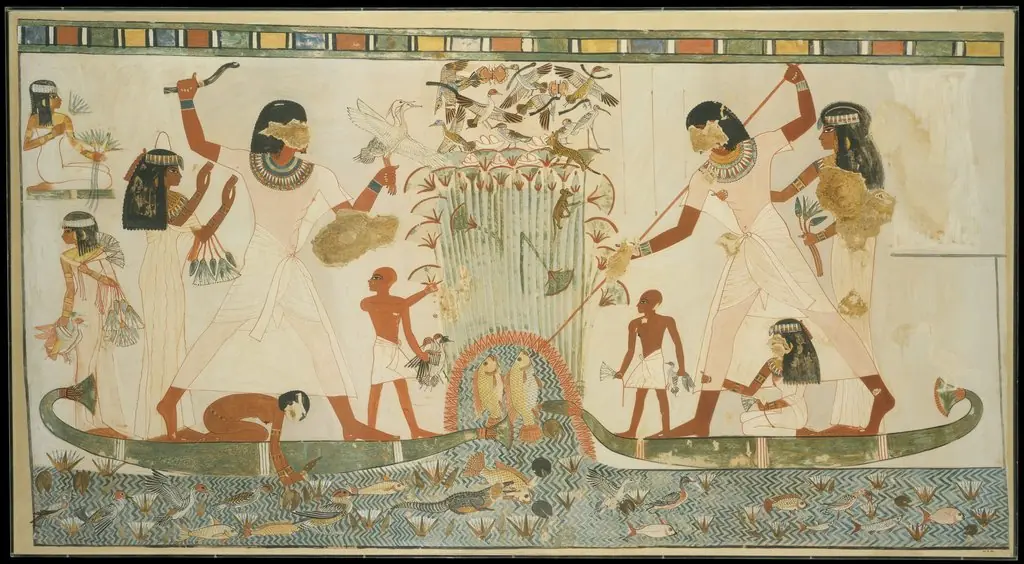 Menna and Family Hunting in the Marshes, Tomb of Menna
 -
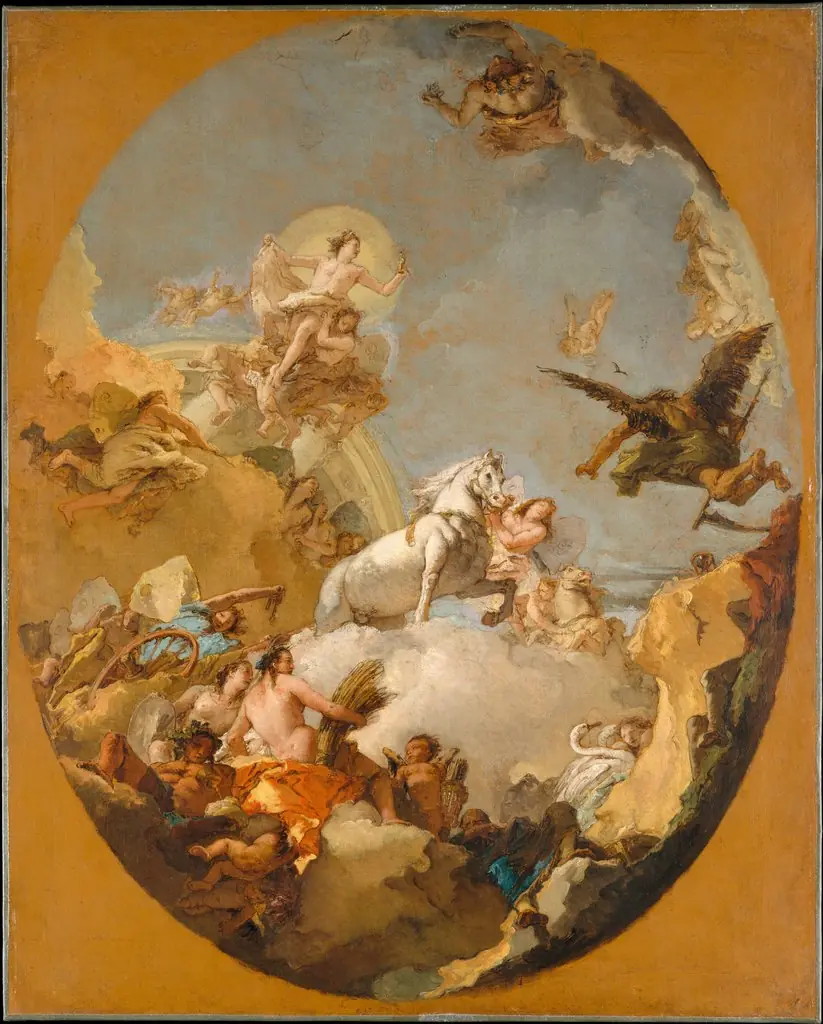 The Chariot of Aurora
 -
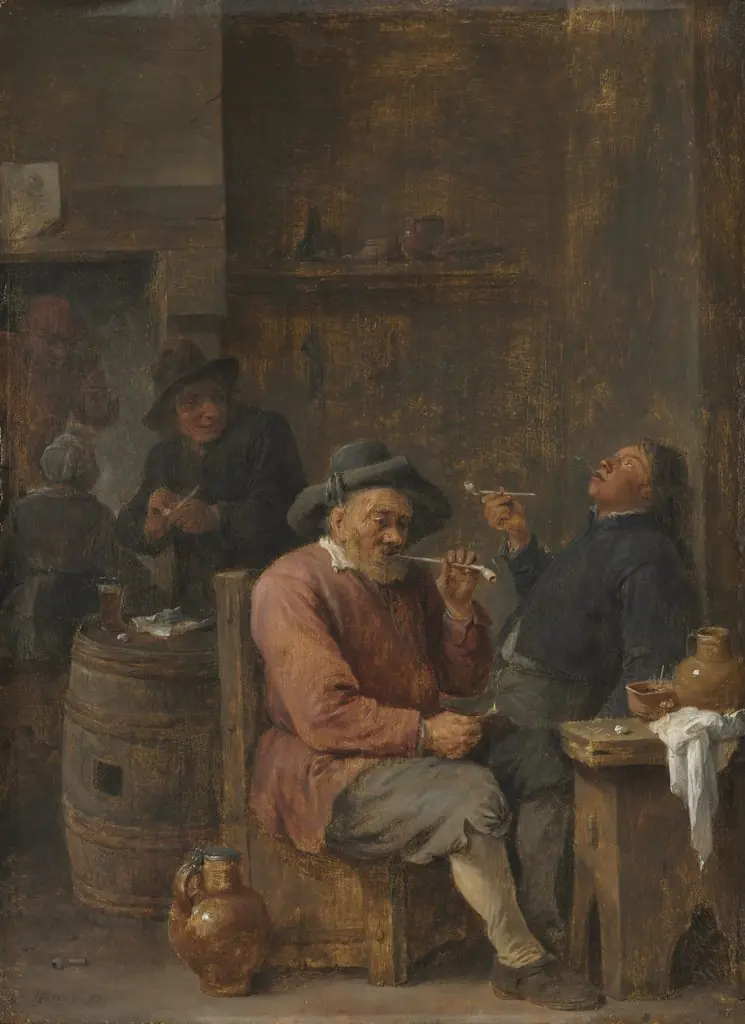 Peasants Smoking in an Inn
 -
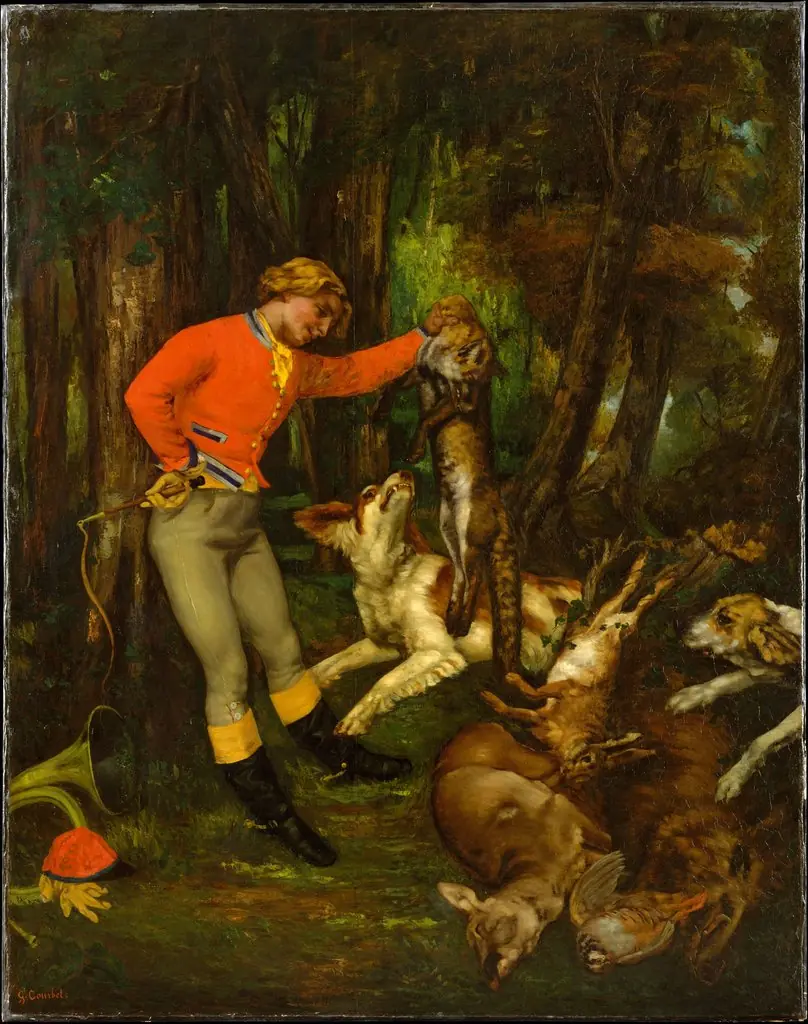 After the Hunt
 -
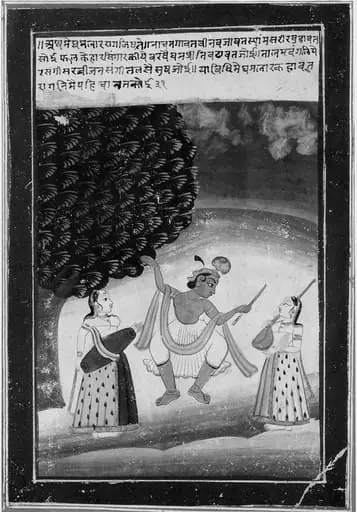 Untitled
 -
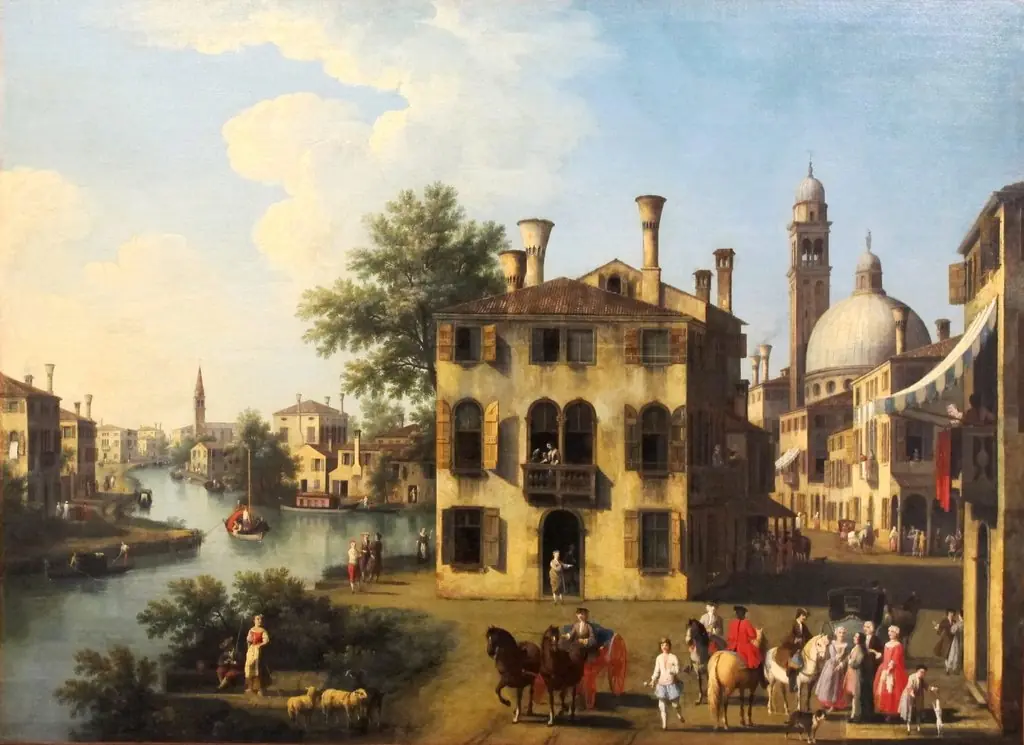 View of the Brenta, near Dolo
 -
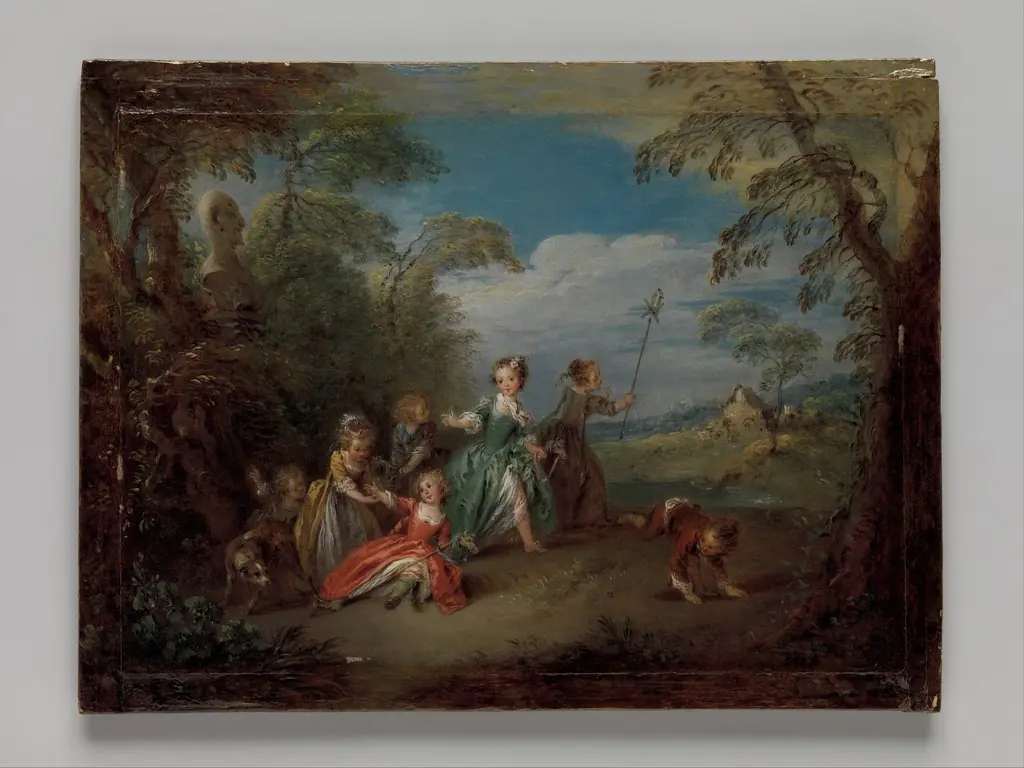 The Golden Age
 -
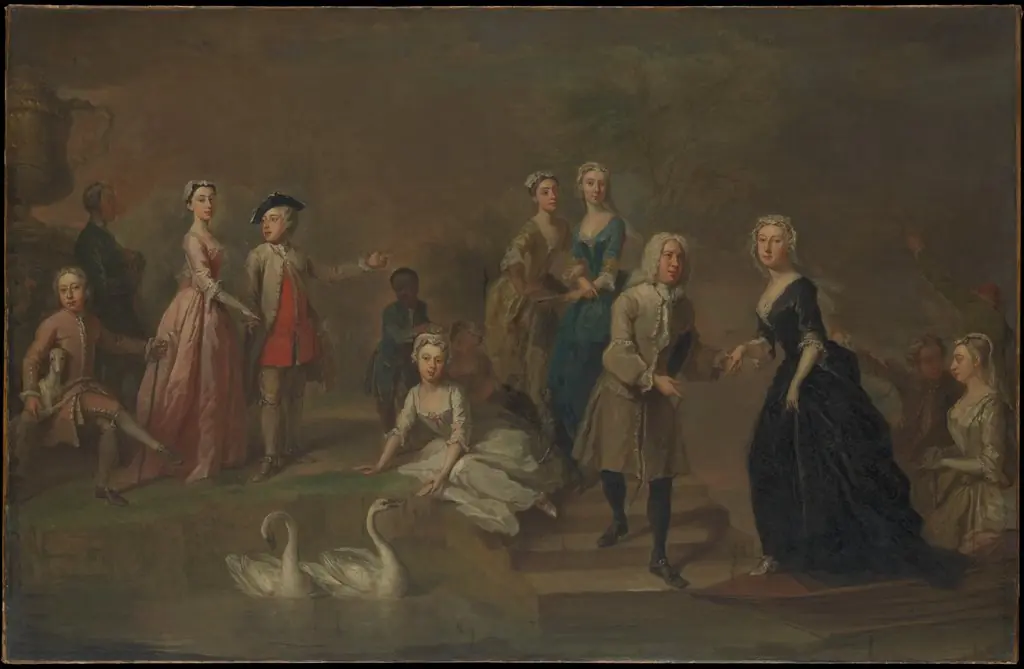 Uvedale Tomkyns Price (1685–1764) and Members of His Family
 -
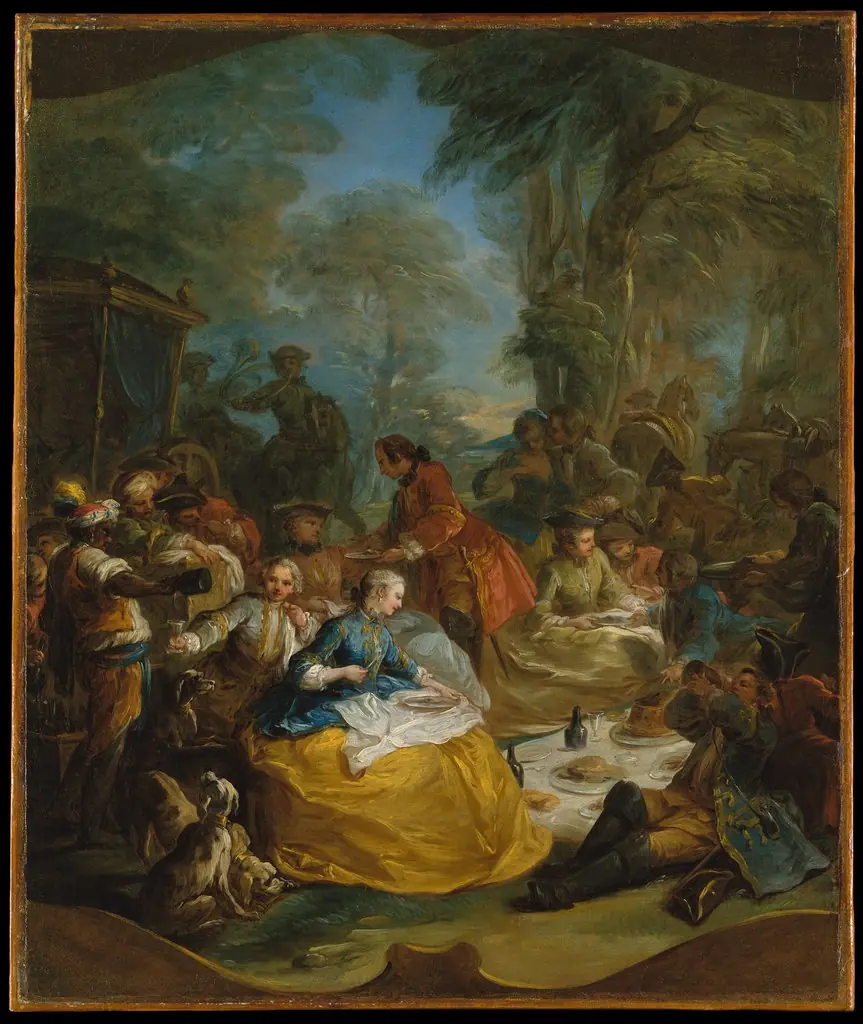 The Hunt Breakfast
 -
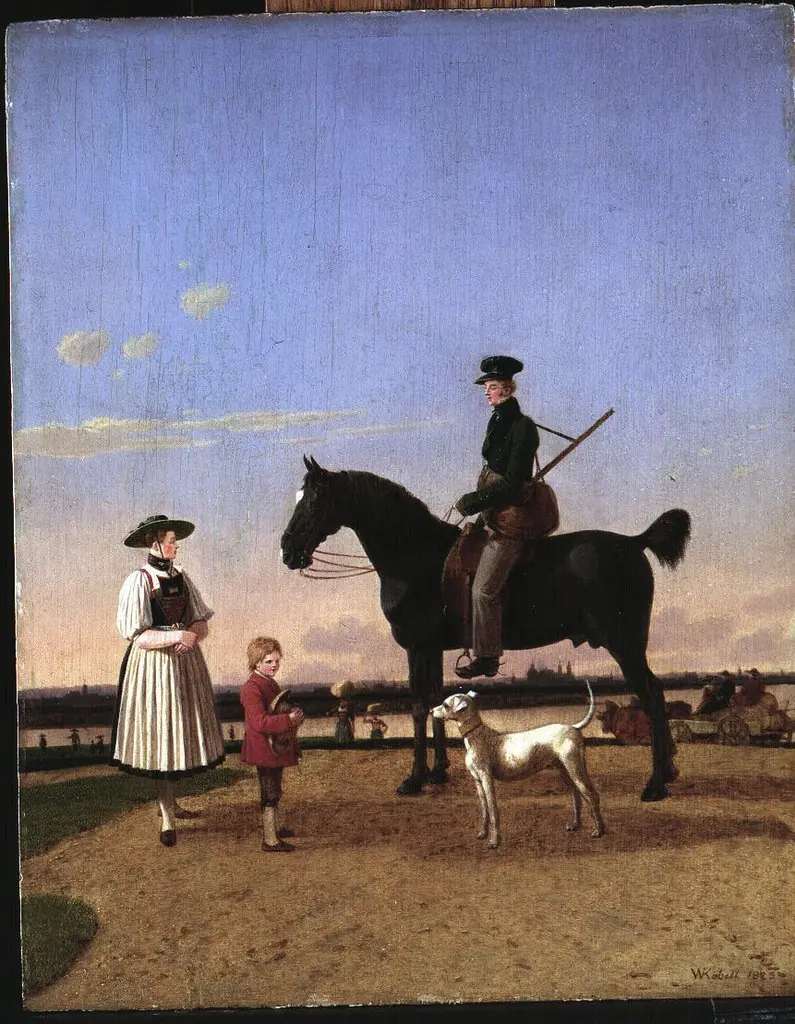 A Huntsman and a Peasant Woman by the Isar River with a View of Munich
 -
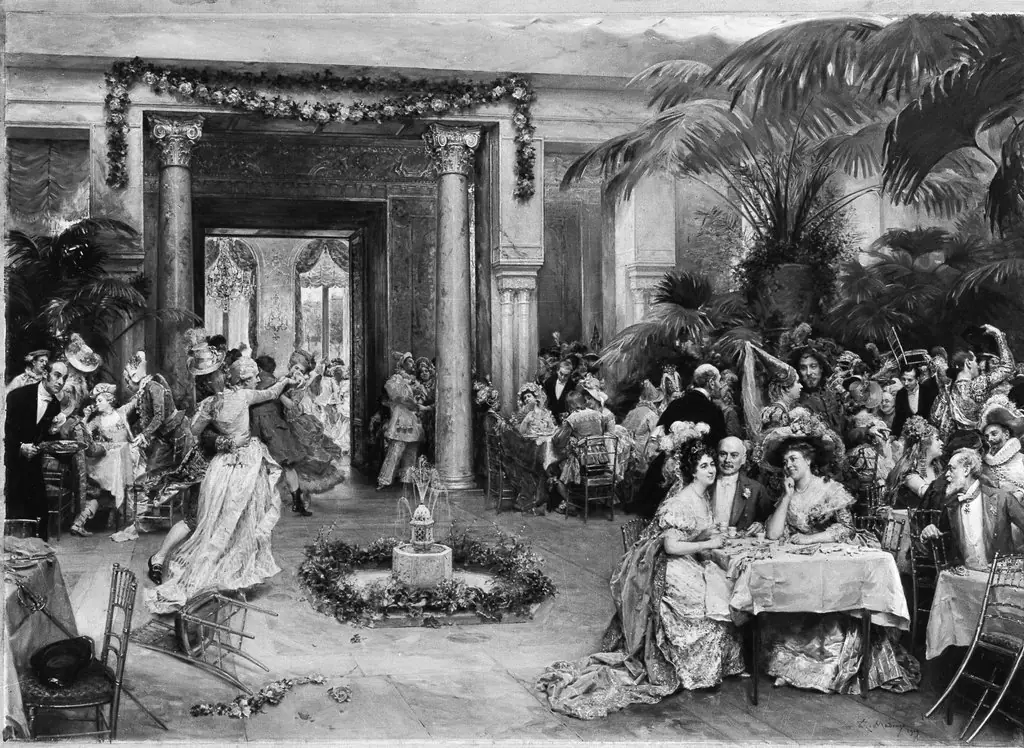 Masquerade Ball at the Ritz Hotel, Paris
 -
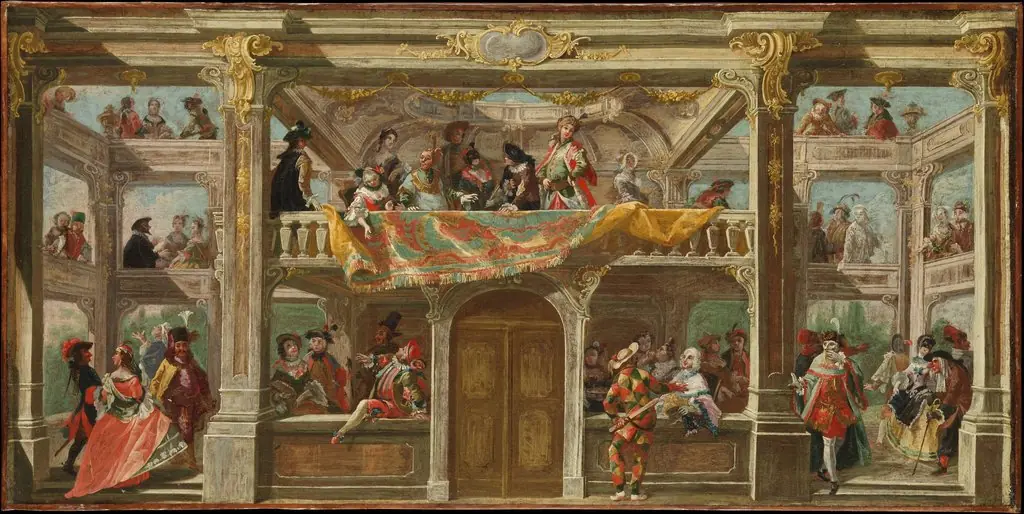 A Masked Ball in Bohemia
 -
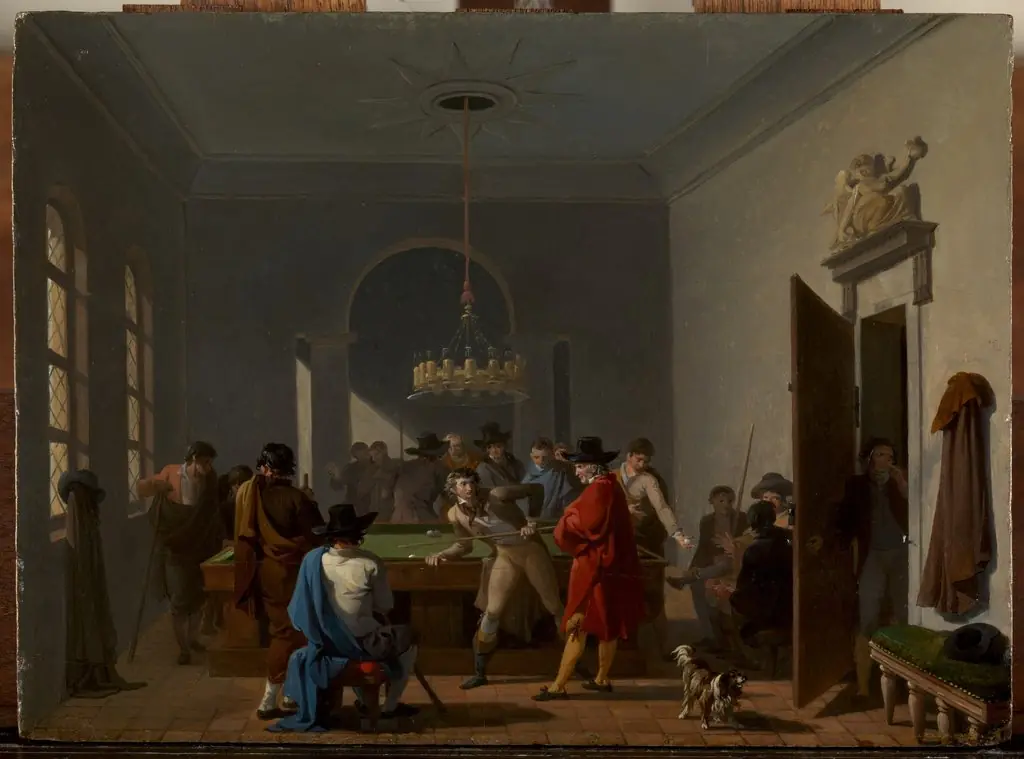 The Billiard Room
 -
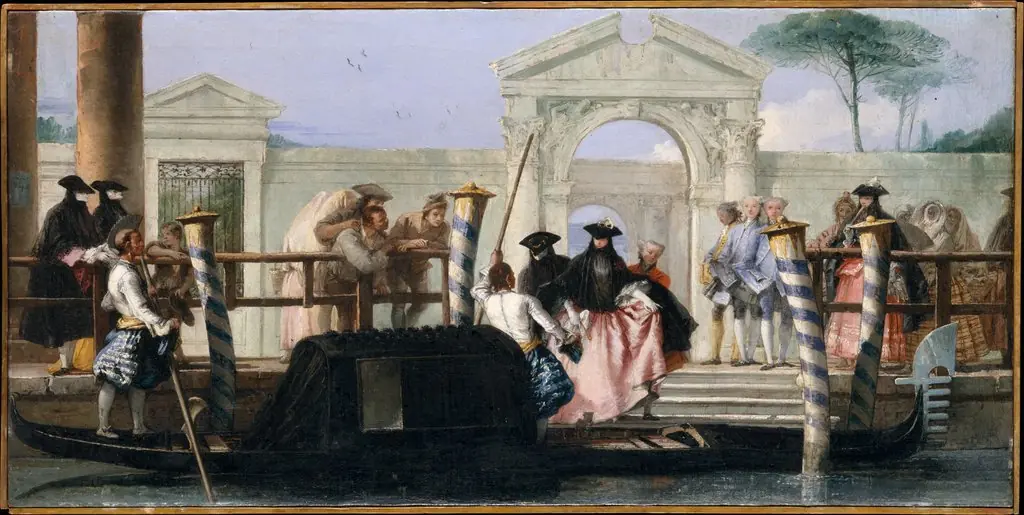 The Departure of the Gondola
 -
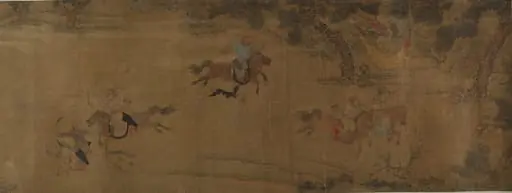 Untitled
 -
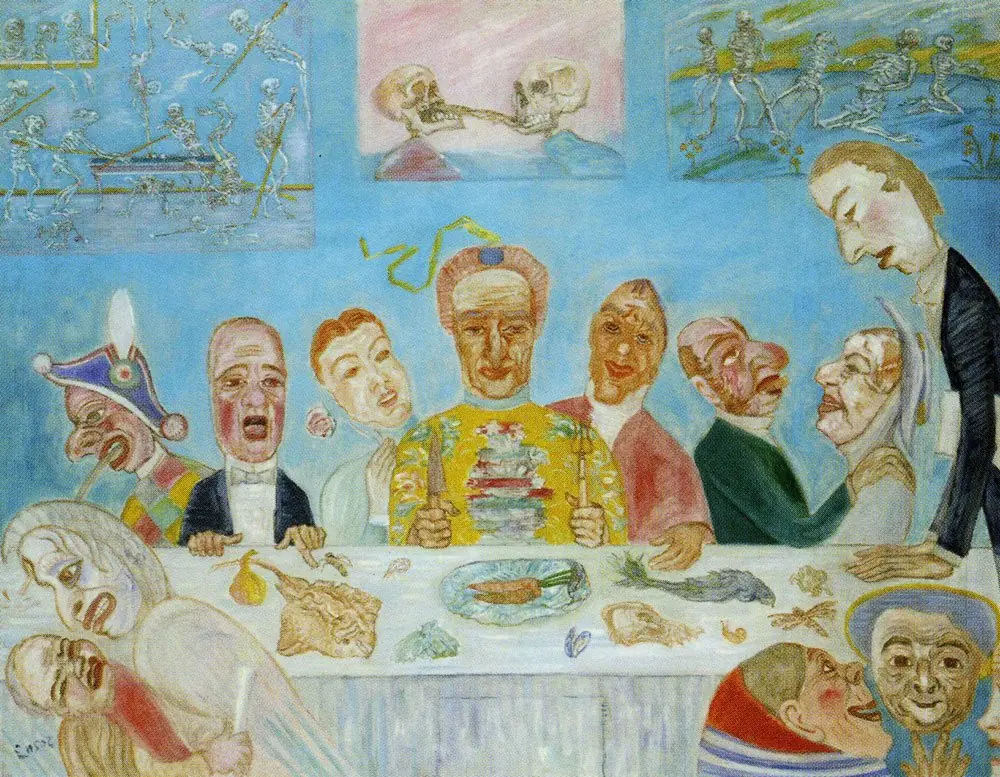 Comical Repast (Banquet of the Starved)
 -
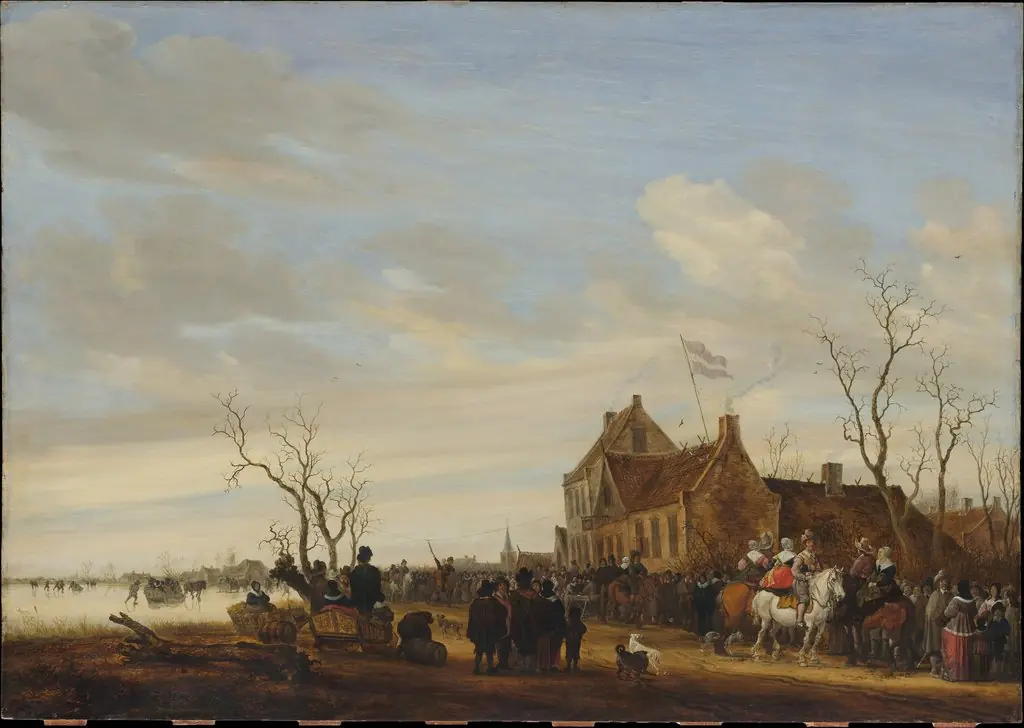 Drawing the Eel
 -
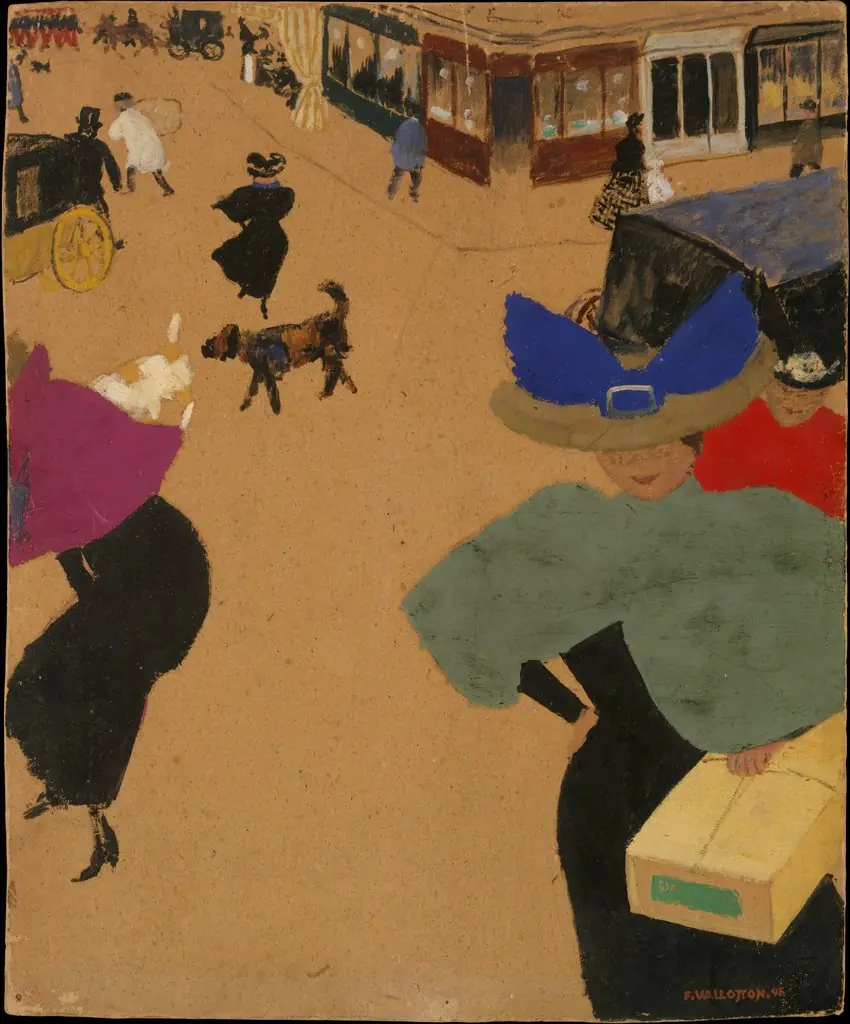 Street Scene in Paris (Coin de rue à Paris)
 -
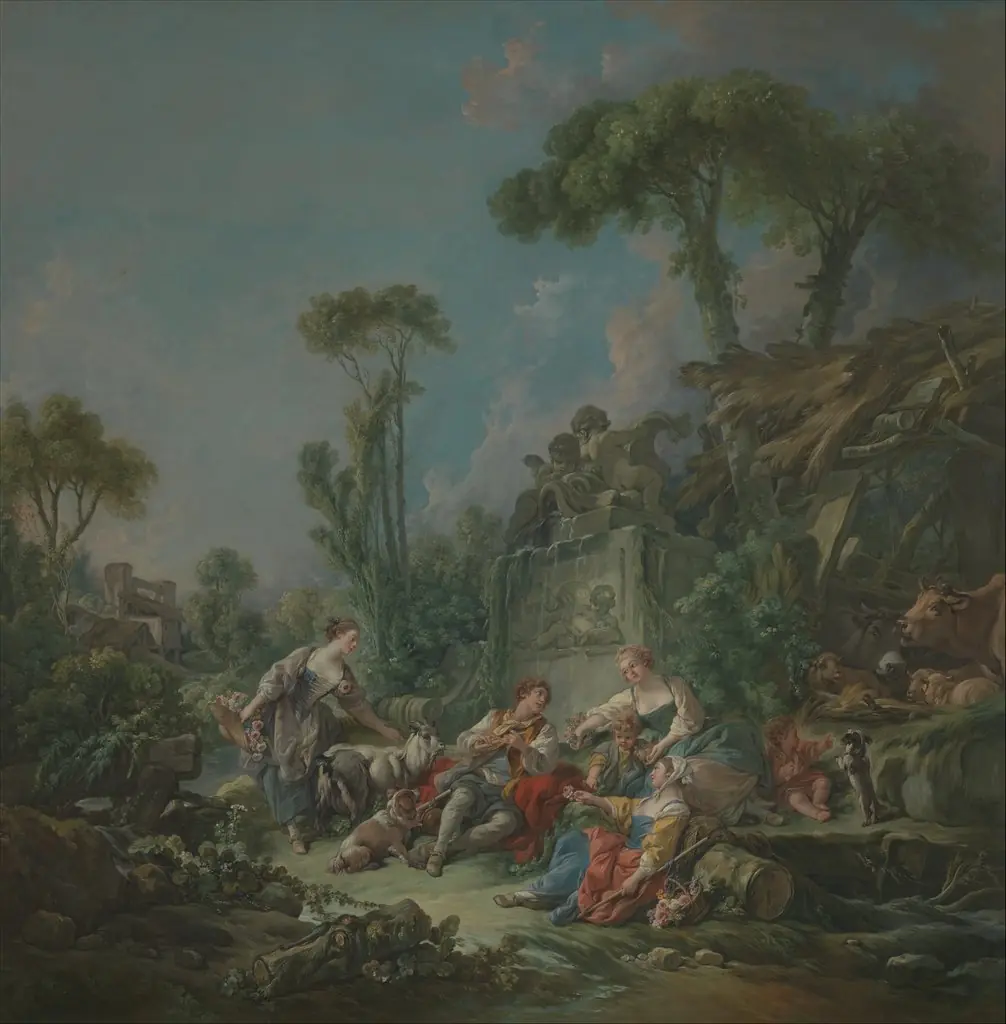 Shepherd's Idyll
 -
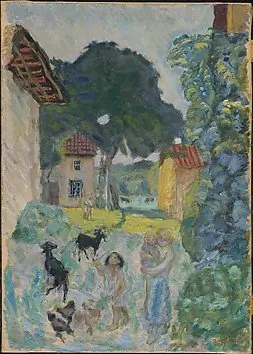 Village Scene, Grasse
 -
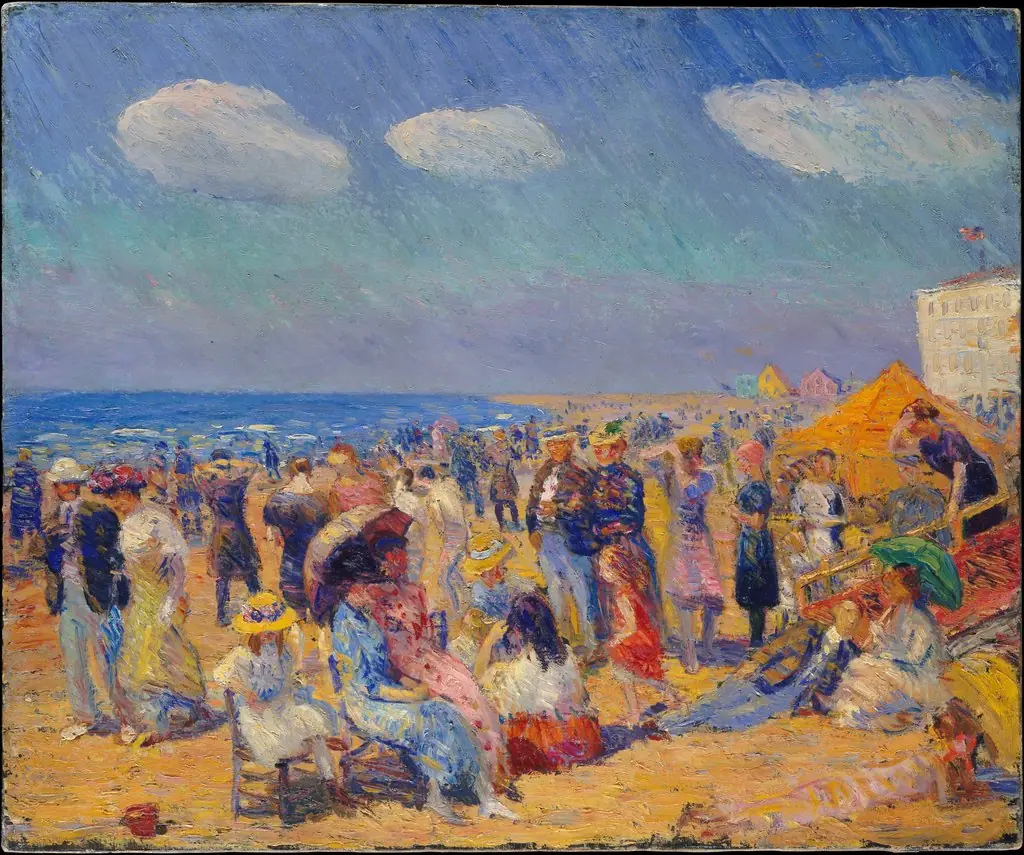 Crowd at the Seashore
 -
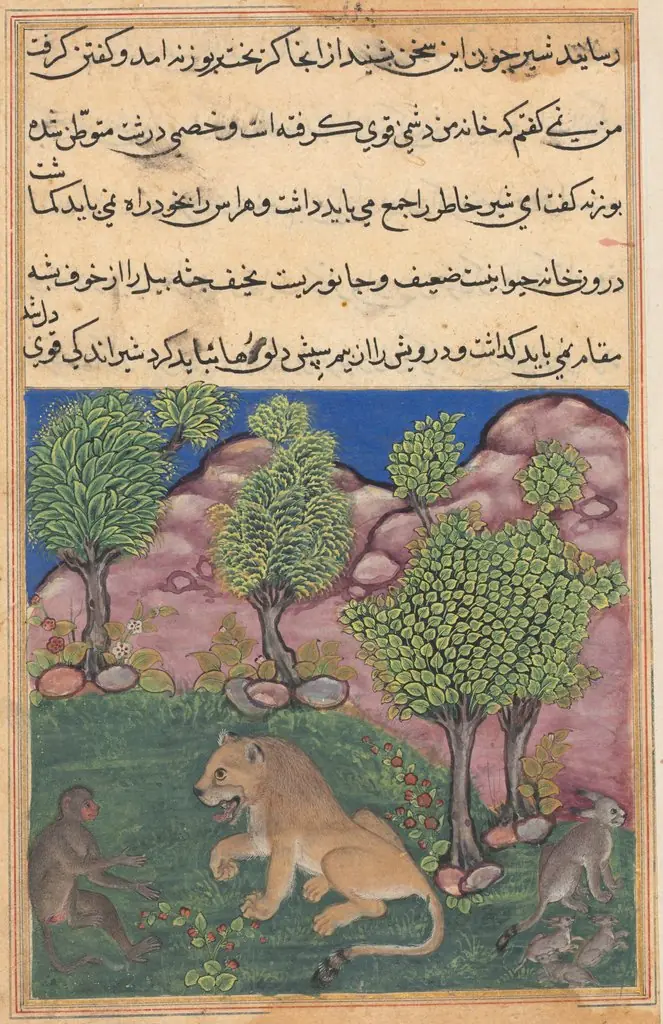 The monkey advises the suspicious lion to cast off fear and take possession of his territory, from a Tuti-nama (Tales of a Parrot): Twenty-ninth Night
 -
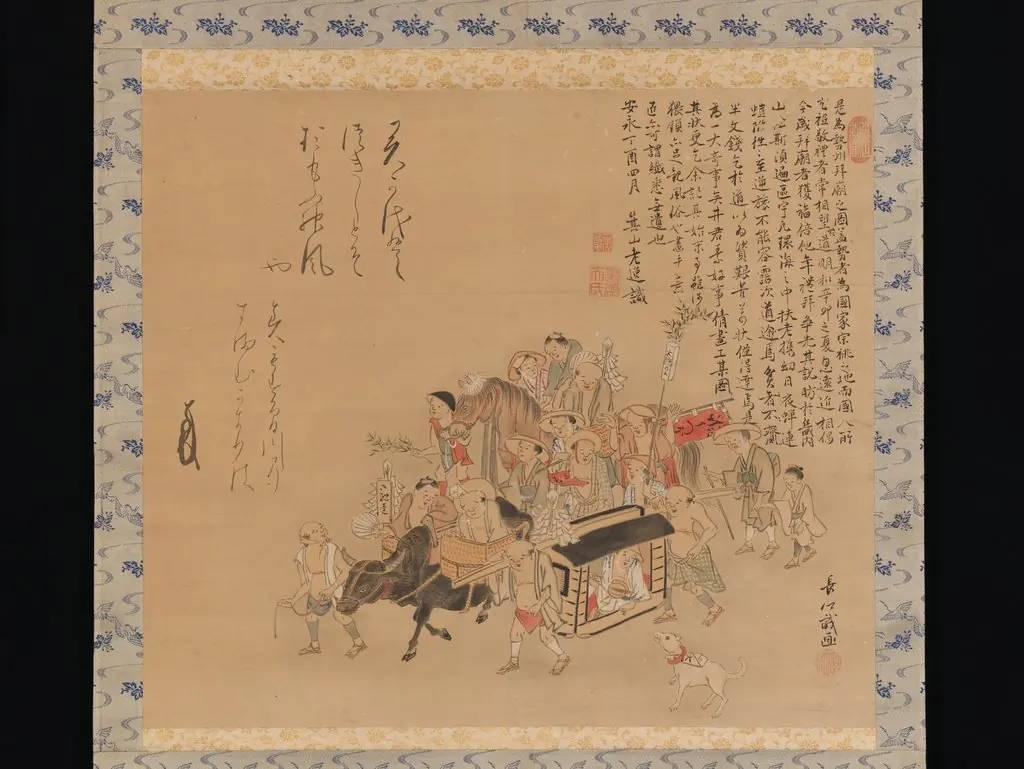 Pilgrims Travelling to Ise
 -
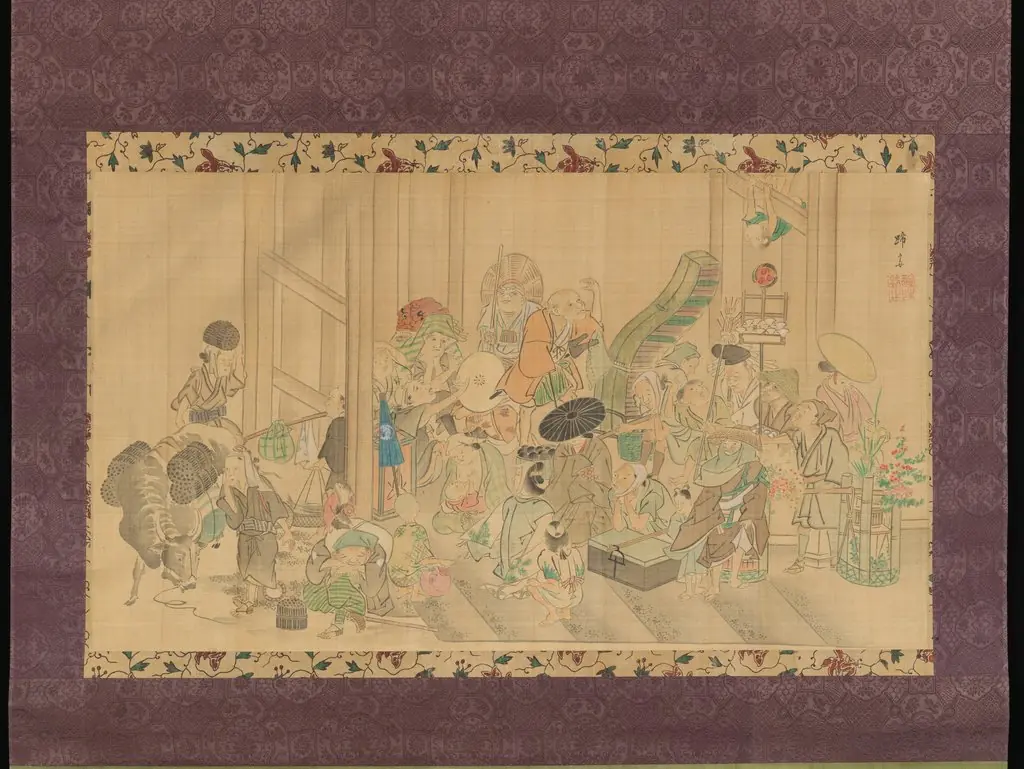 Taking Shelter from the Rain
 -
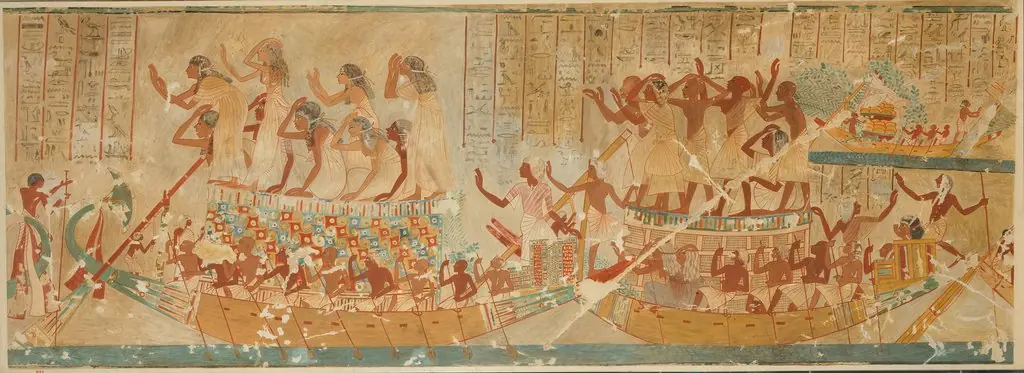 Boats with Mourners and Provisions, Tomb of Neferhotep
 -
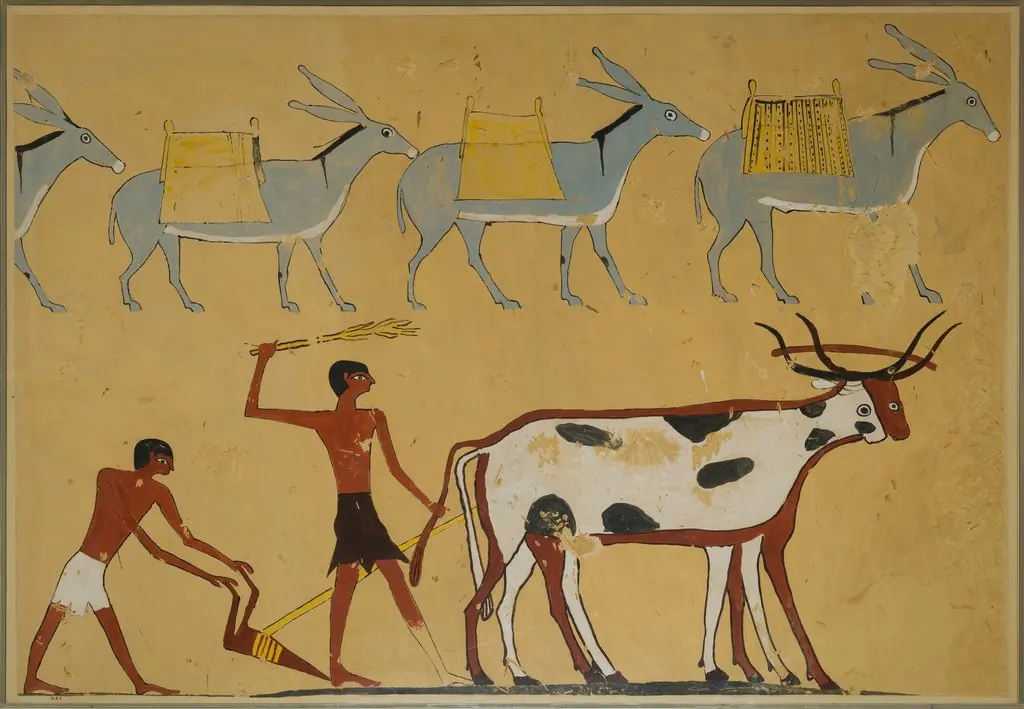 Laden Donkeys and Ploughing, Tomb of Djar
 -
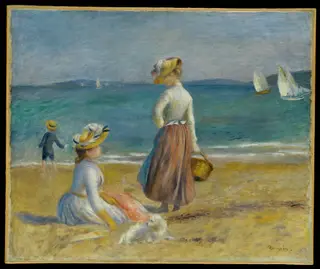 Figures on the Beach
 -
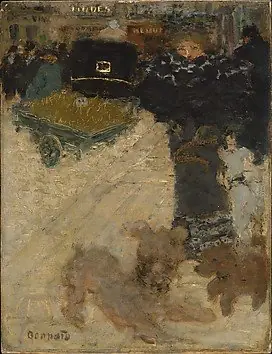 Street Scene, Place Clichy
 -
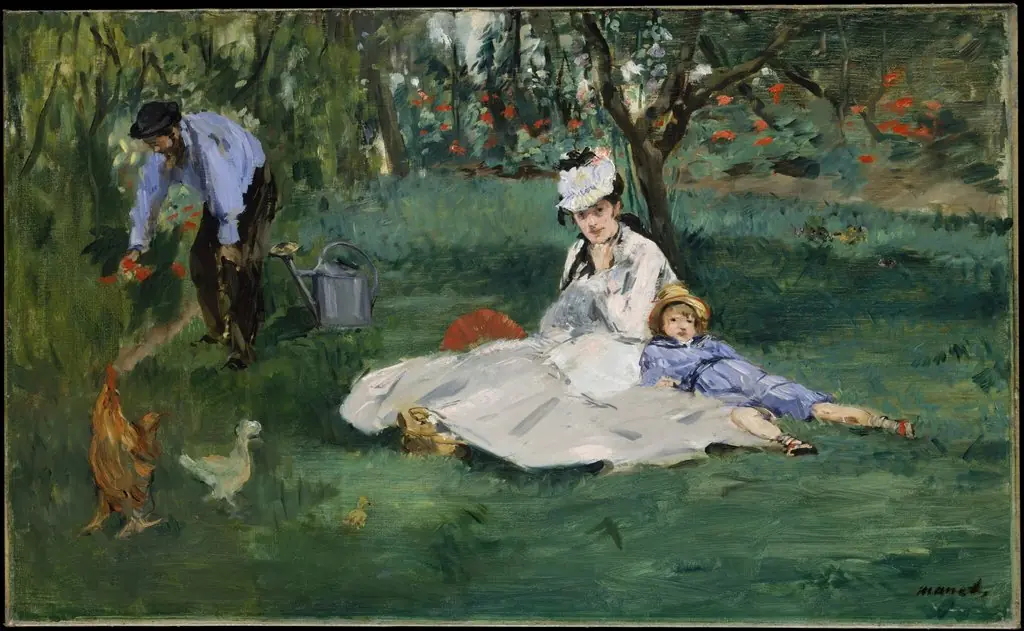 The Monet Family in Their Garden at Argenteuil
 -
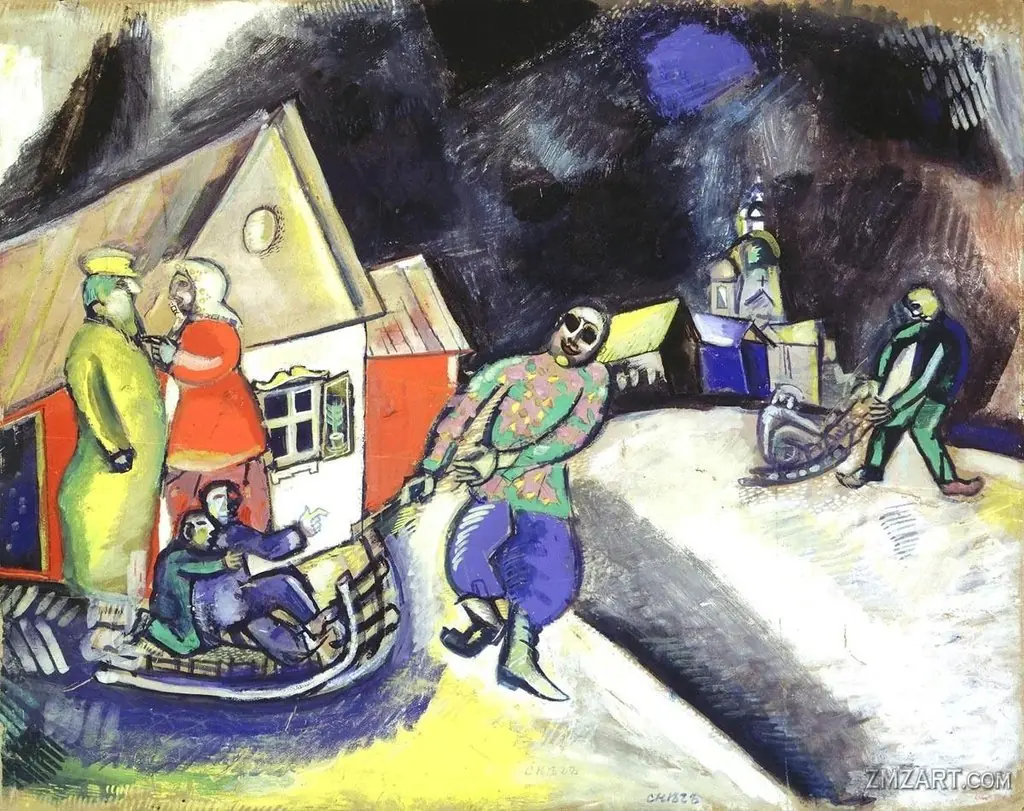 Snow, Winter in Vitebsk
 -
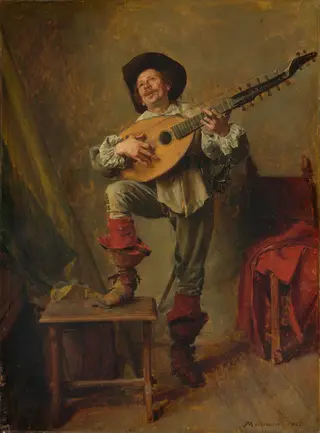 Soldier Playing the Theorbo
 -
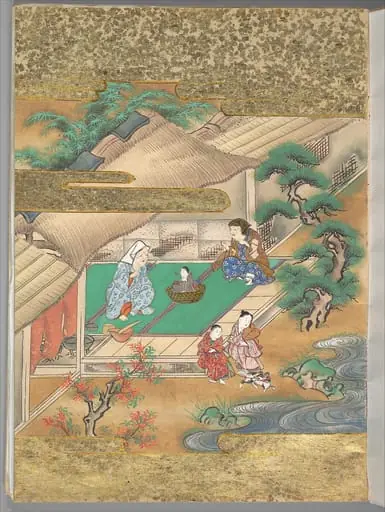 竹取物語|The Tale of the Bamboo Cutter
 -
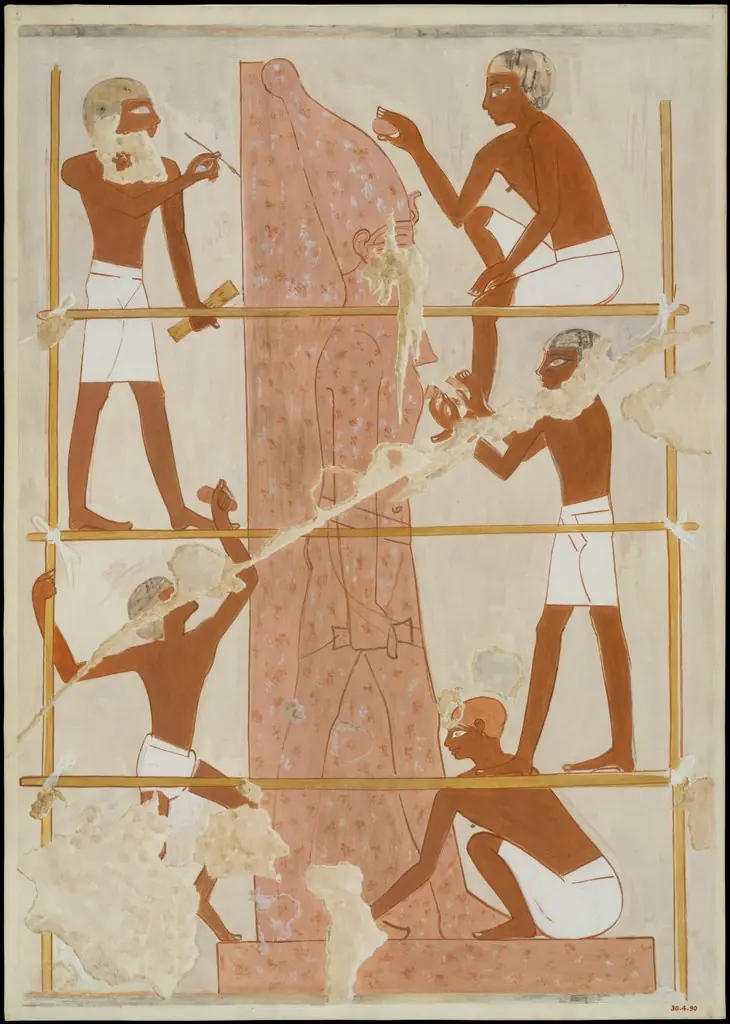 Sculptors at Work, Tomb of Rekhmire
 -
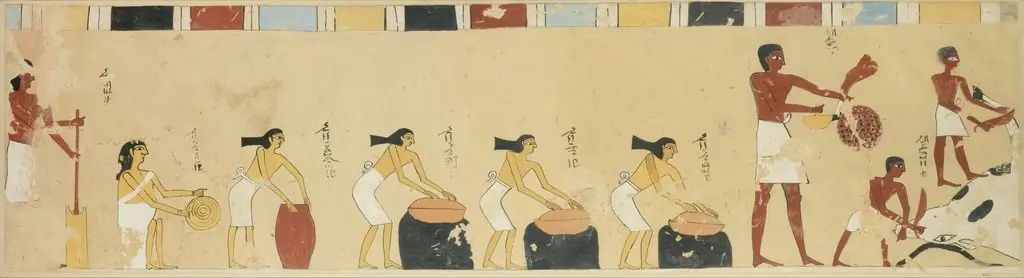 Women Preparing Food, Tomb of Djari
 -
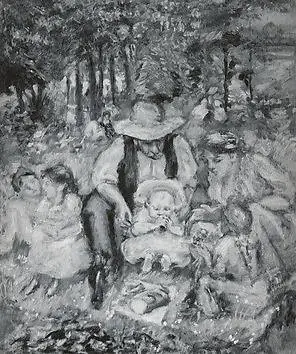 The Family of Claude Terrasse
 -
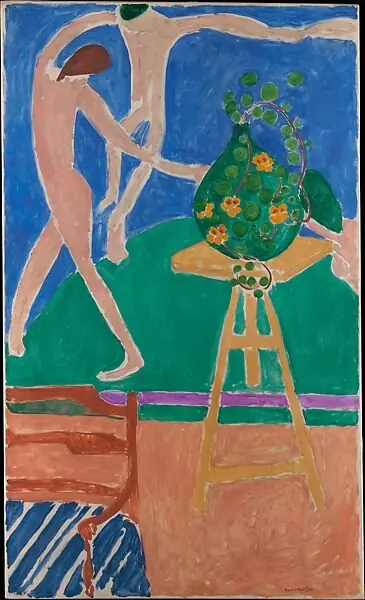 Nasturtiums with the Painting "Dance" I
 -
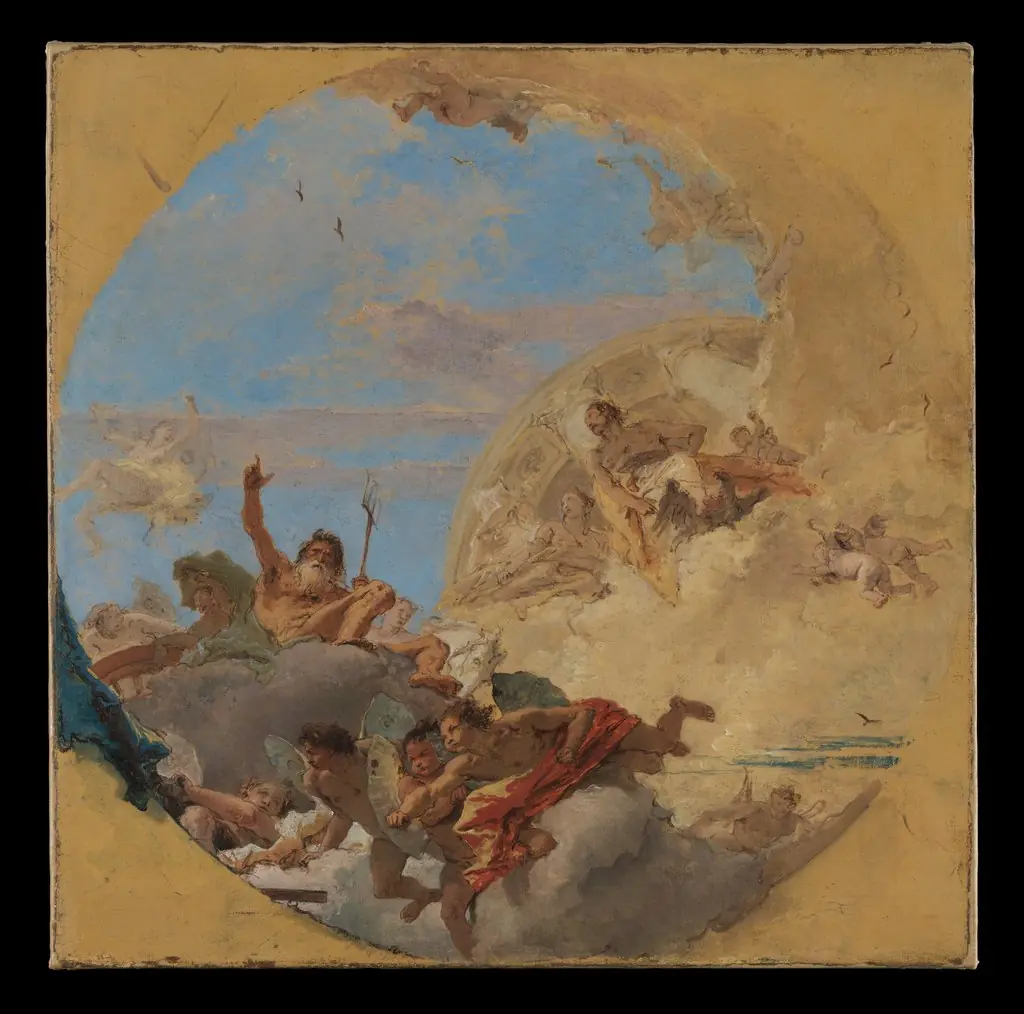 Neptune and the Winds
 -
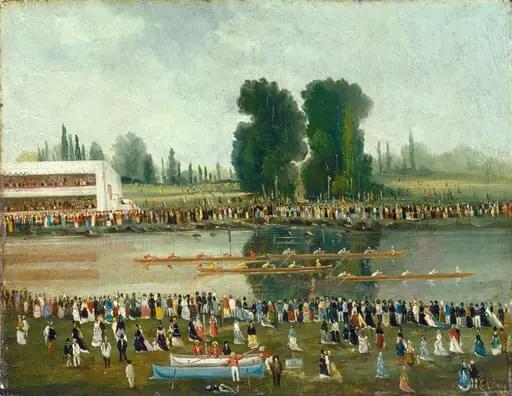 Rowing Scene: Crowds Watching from the River Banks
 -
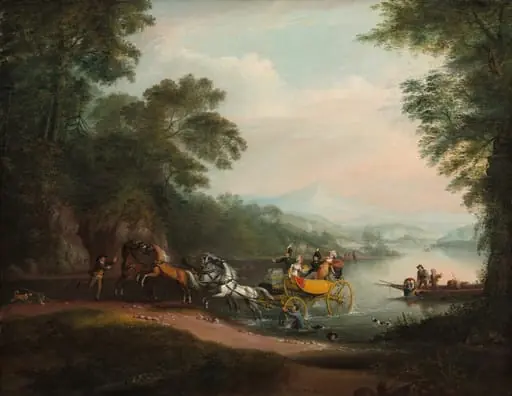 Mishap at the Ford
 -
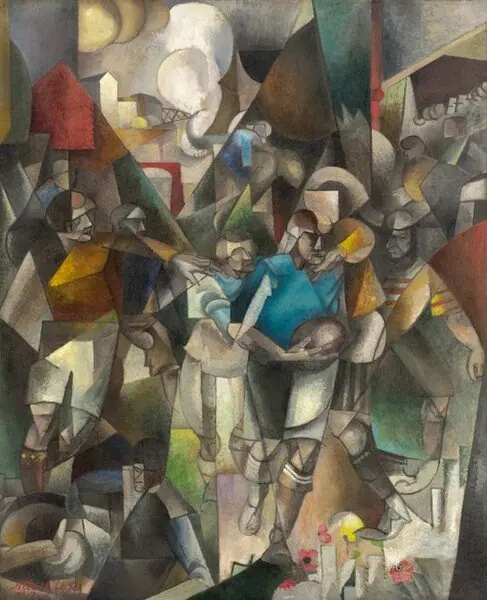 Football Players
 -
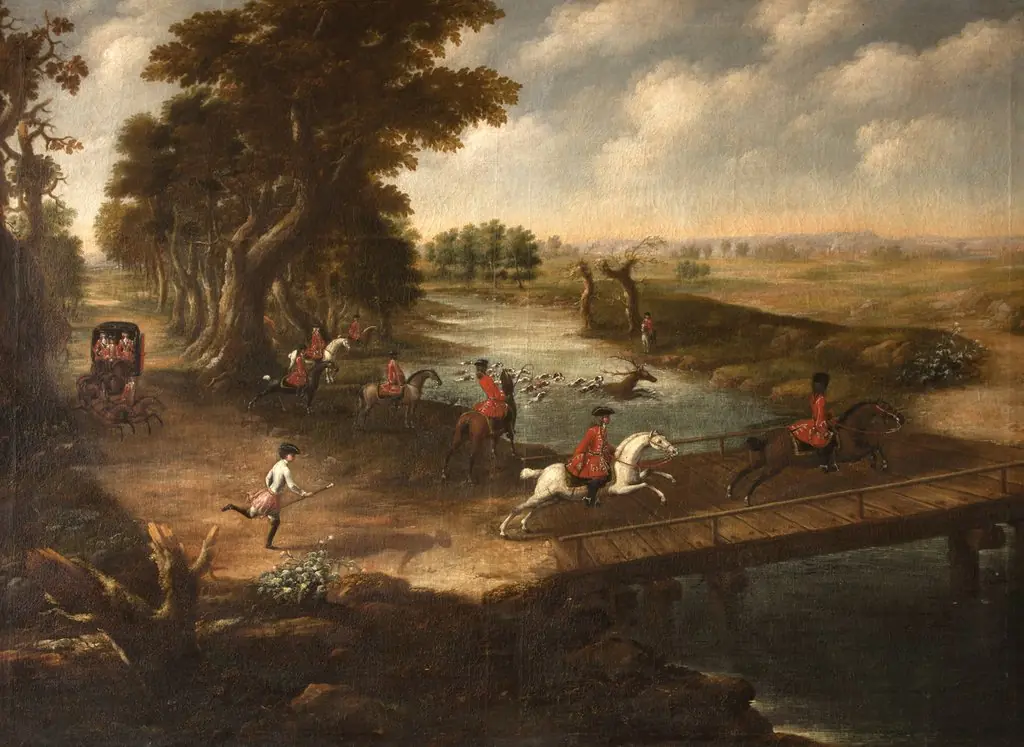 En jagt af kongelige personer
 -
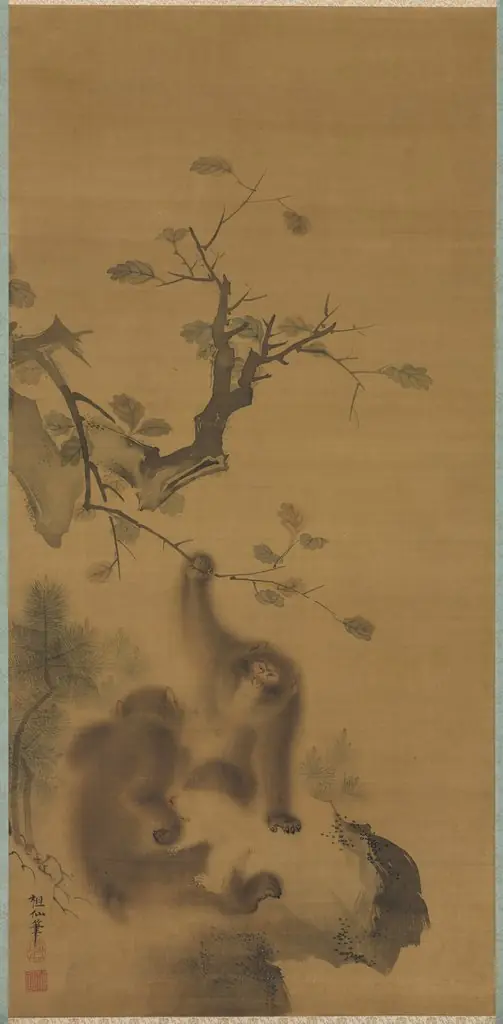 Monkeys on a Rock Ledge
 -
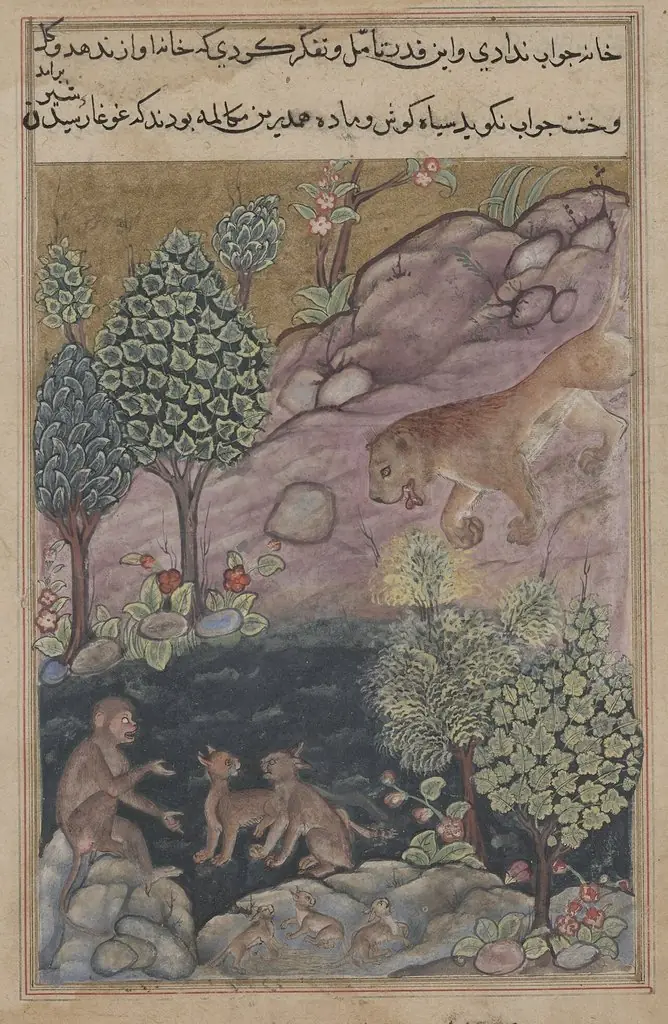 The lion returns to his territory and sees the monkey conversing with the lynx, from a Tuti-nama (Tales of a Parrot): Twenty-ninth Night
 -
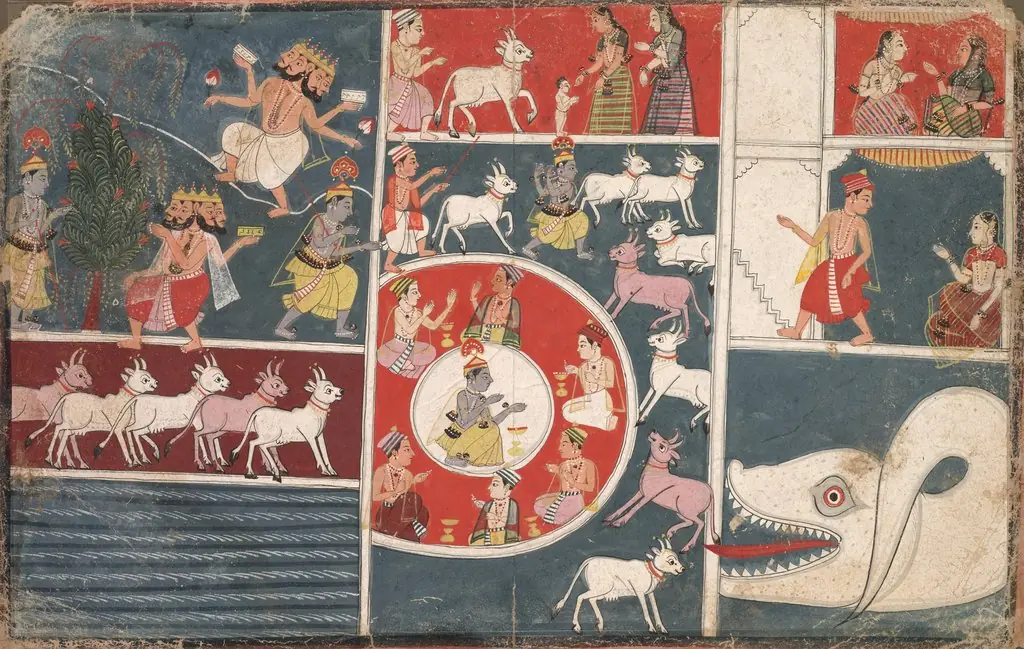 Krishna Playing the Flute and other Episodes from the Bhagavata Purana
 -
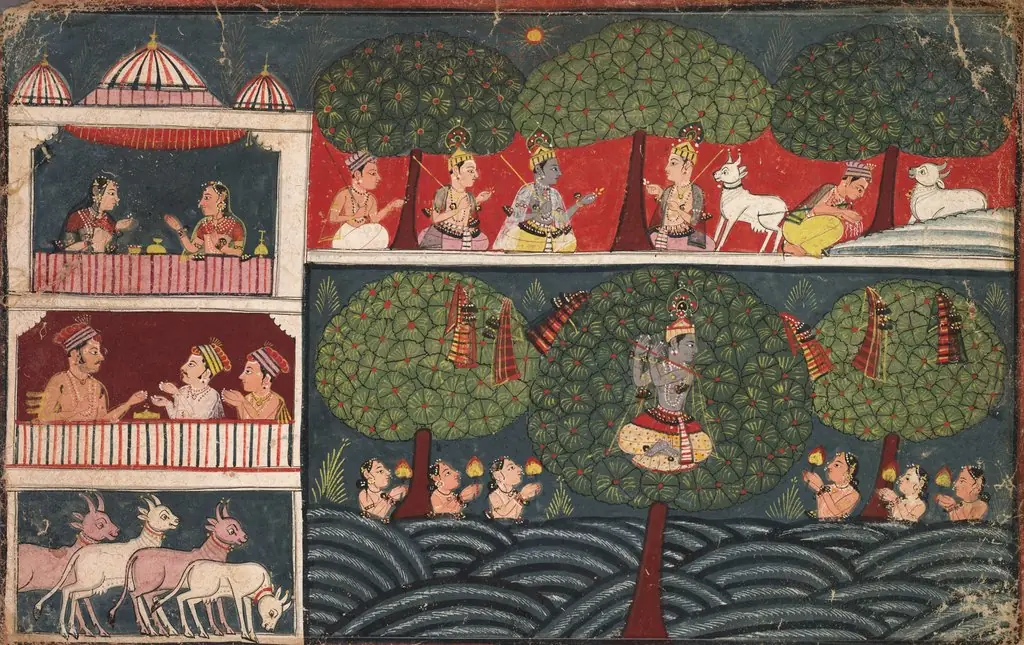 Krishna Steals the Clothes of the Milkmaids and Expounds on the Virtue of Trees, from a Braj Bhagavata Purana
 -
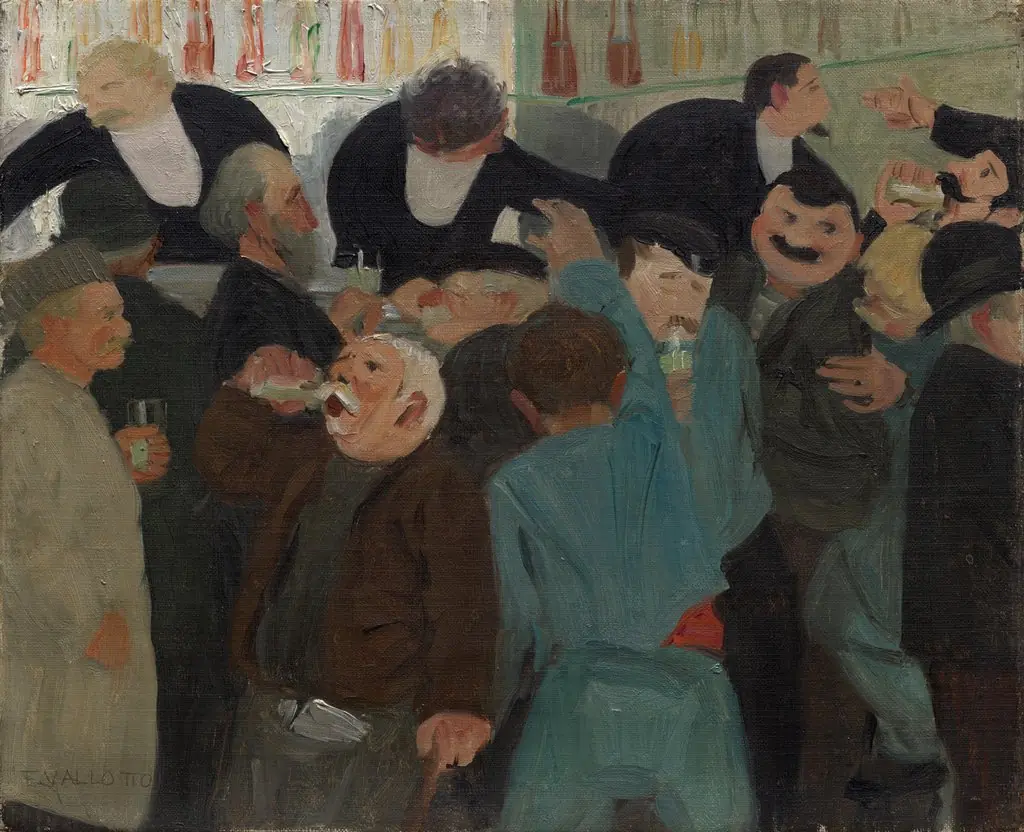 The Bistro