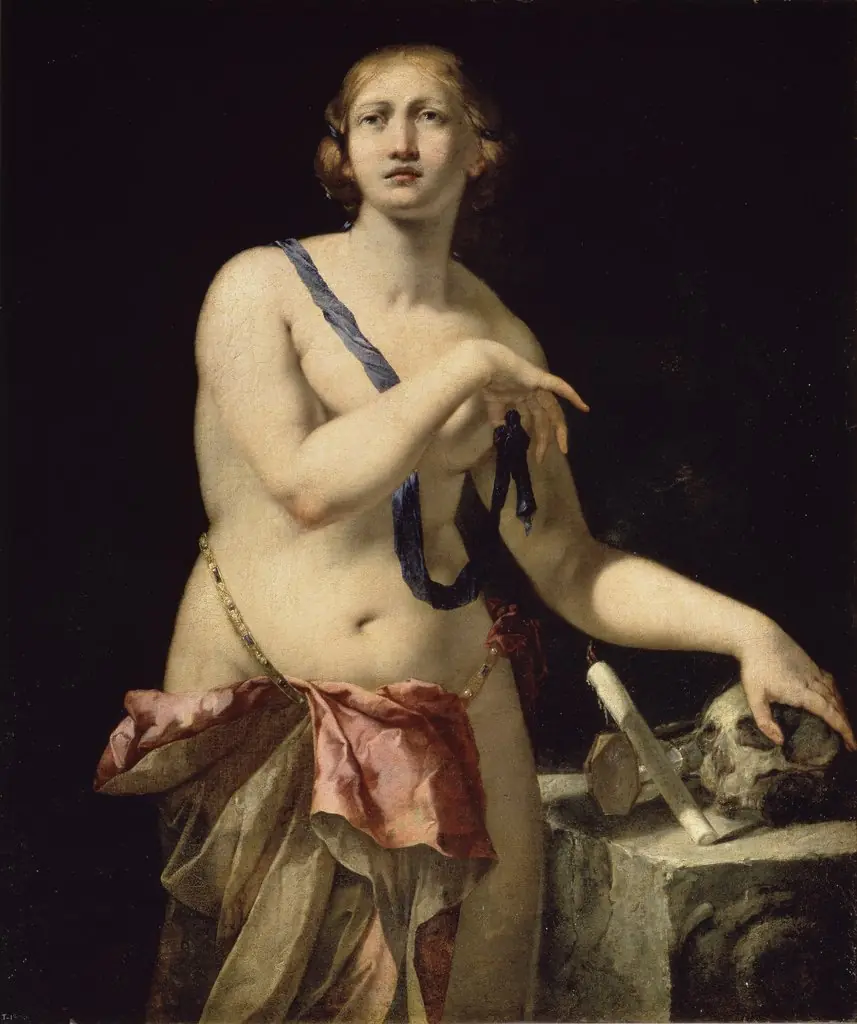
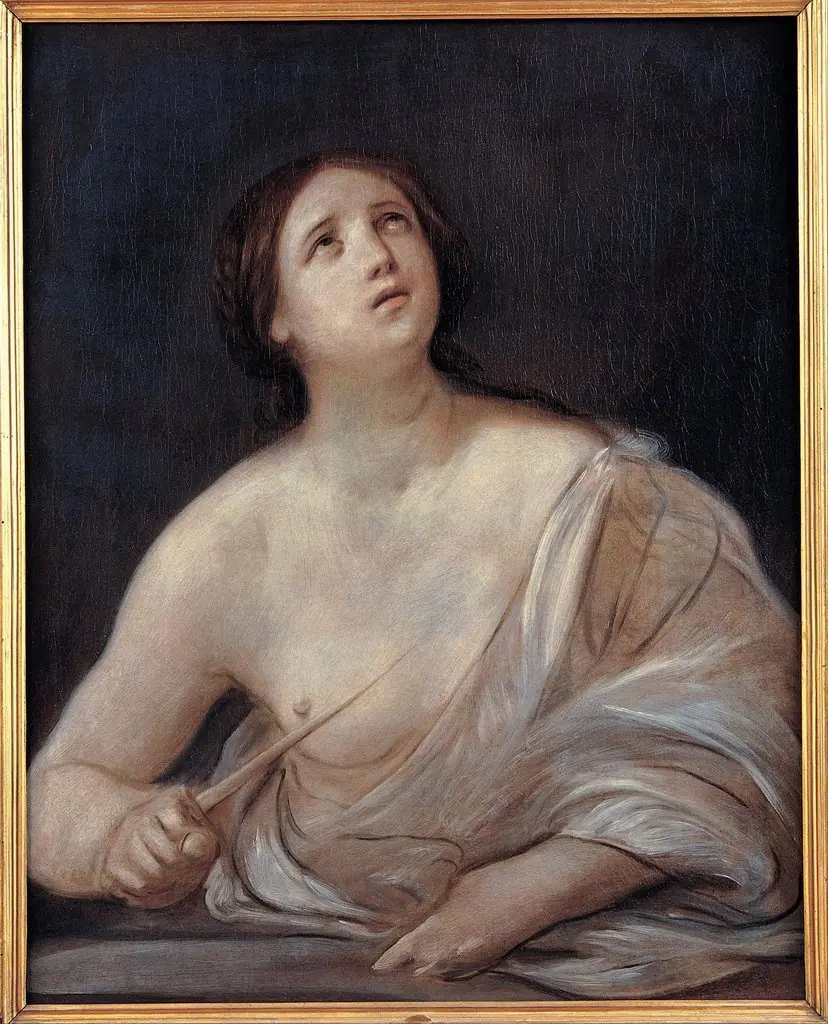
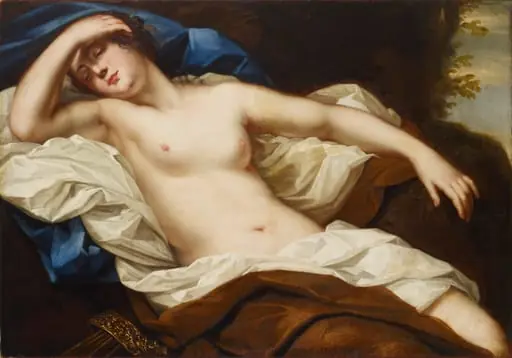
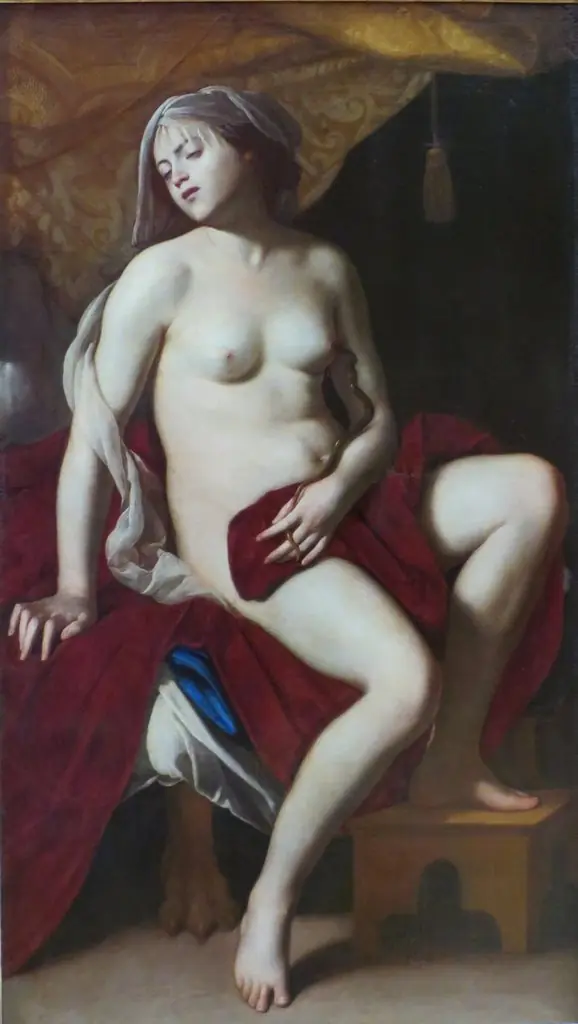
Artwork
La Mort de Lucrèce
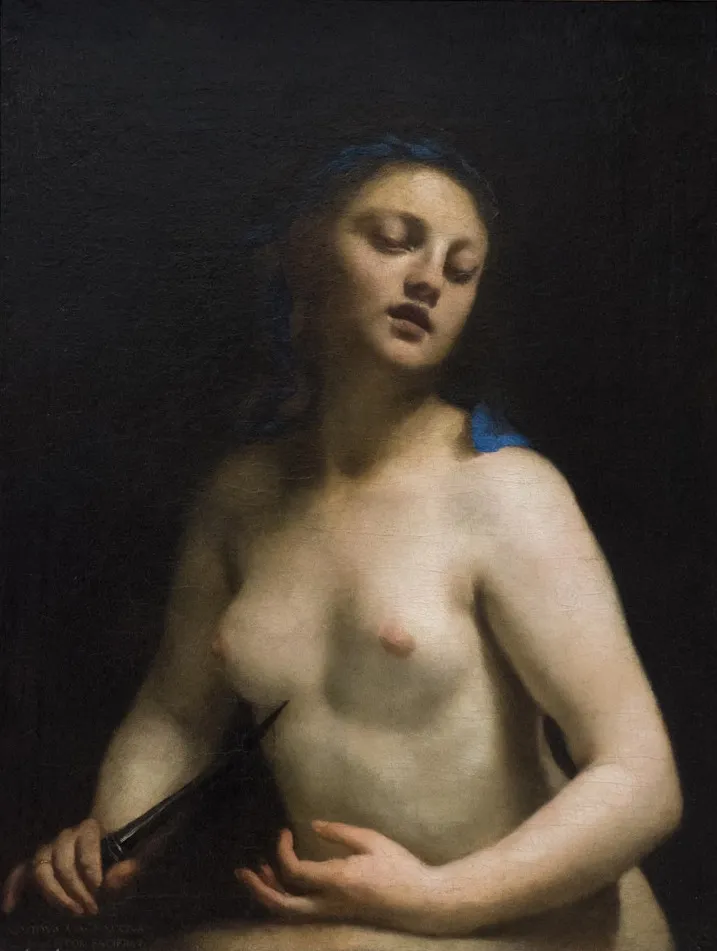
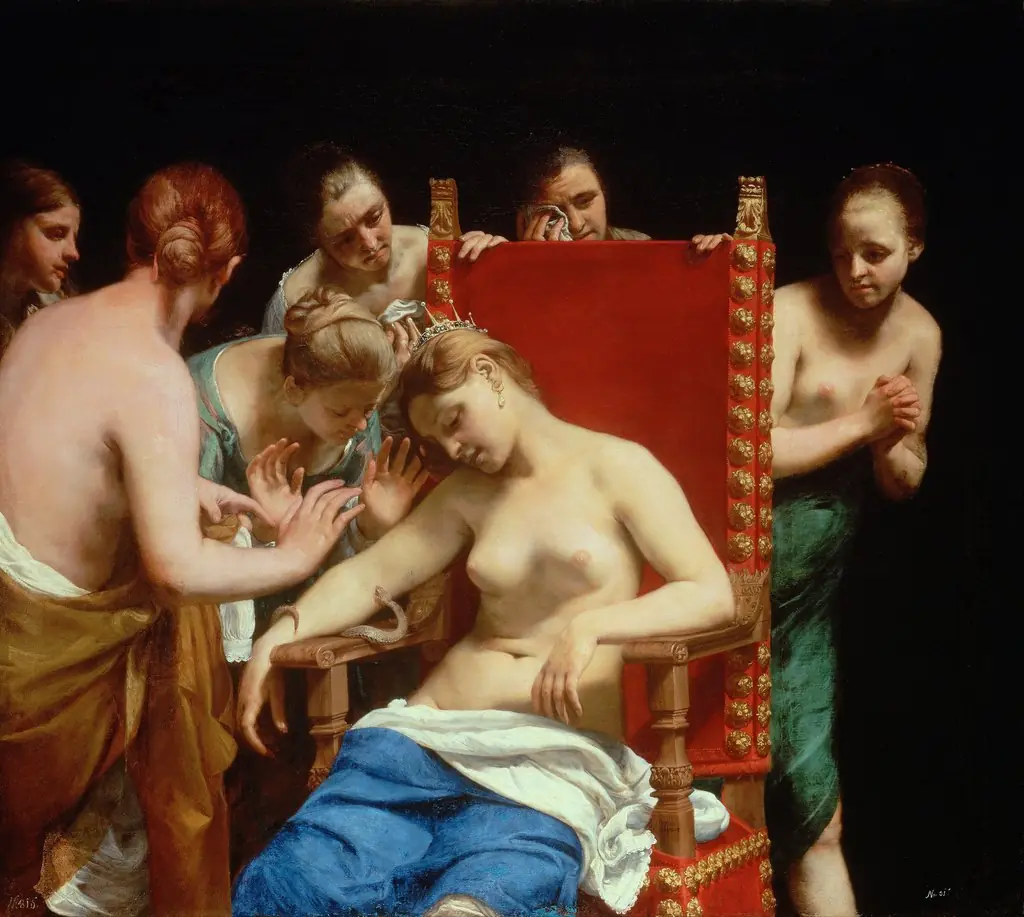
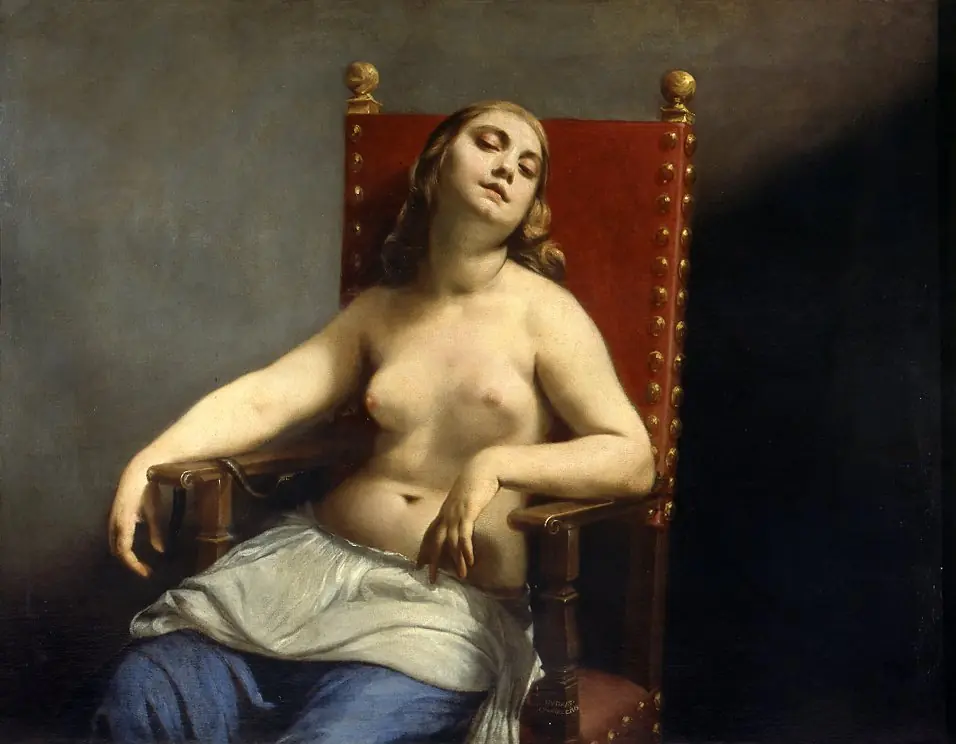
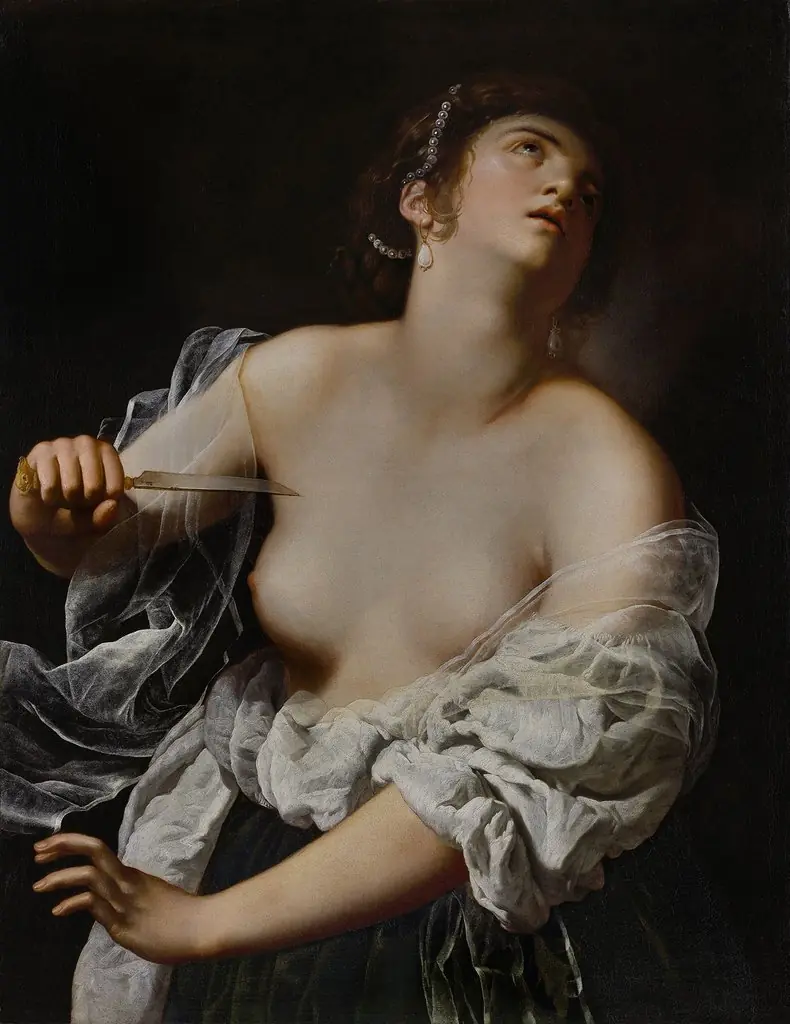
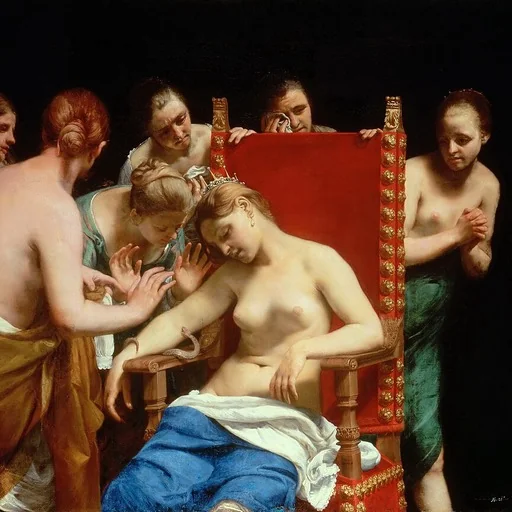
La Mort de Lucrèce is an oil painting by the Early Baroque Italian artist Guido Cagnacci. It dates from 1657 and is held in the collection of the Museum of Fine Arts of Lyon.
About this work
Overview
It captures a pivotal moment from Roman legend, rendered with the emotional intensity and technical precision characteristic of Cagnacci’s mature period.
Painted in 1657 by Guido Cagnacci, La Mort de Lucrèce is an oil-on-canvas work rooted in the early Baroque tradition of Italian history painting. It captures a pivotal moment from Roman legend, rendered with the emotional intensity and technical precision characteristic of Cagnacci’s mature period. The painting is part of the permanent collection at the Museum of Fine Arts in Lyon, where it continues to reflect the artist’s distinctive approach to narrative and form.
Subject & Meaning
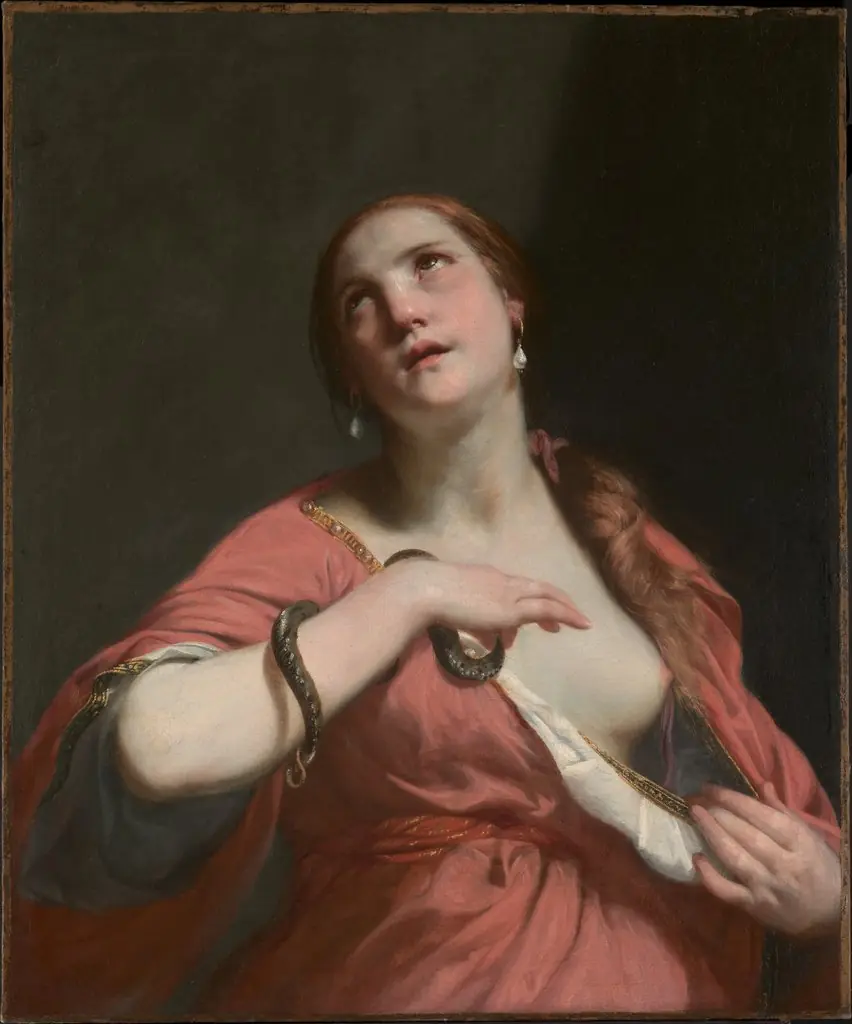
The painting illustrates the suicide of Lucretia, a noblewoman who took her life after being violated, as recounted in Roman historiography. Her posture, head tilted back, eyes closed, dagger in hand, conveys resignation rather than struggle. Cagnacci emphasizes her vulnerability and moral gravity, transforming a moment of personal tragedy into a meditation on honor, chastity, and the cost of virtue in a patriarchal world.
Technique & Style
Cagnacci employs pronounced chiaroscuro to isolate Lucretia’s pale form against a deep, absorbing darkness, heightening the scene’s emotional weight. Soft modeling of her skin, achieved through delicate gradations of tone, contrasts with the sharp edge of the dagger. Subtle impasto adds texture to the fabric and flesh, enhancing tactile realism while maintaining an atmosphere of stillness and quiet tragedy.
History & Provenance
Created during Cagnacci’s time in Venice and Bologna, the painting reflects his engagement with the Bolognese School’s emphasis on dramatic expression and sensual realism. It entered the Lyon collection in the 19th century, likely through acquisitions of Italian Baroque works by French collectors. Its documented history is modest, but its stylistic coherence with other works from Cagnacci’s late period confirms its authenticity and date.
Context
In mid-17th-century Italy, mythological and historical subjects were favored for their moral and emotional resonance. Cagnacci’s treatment of Lucretia aligns with broader Counter-Reformation interests in virtue, sacrifice, and female agency, though his focus on physical vulnerability diverges from more austere interpretations. His work bridges the theatricality of Caravaggio and the idealized grace of Bolognese painters like Guido Reni.
Legacy
Though less widely known than contemporaries like Caravaggio or Rubens, Cagnacci’s La Mort de Lucrèce exemplifies a distinctive strand of Baroque painting that prioritizes psychological nuance over grandeur. Its quiet intensity and technical finesse have influenced later scholarly interest in lesser-known Italian Baroque artists, particularly those who explored female subjectivity through intimate, emotionally charged scenes.
Artist & collection
Artist
Guido Cagnacci (Italian:; 13 January 1601 – 1663) was an Italian Baroque painter originally from Santarcangelo di Romagna.