Artwork
The donor, possibly Aelbrecht Adriaensz. van Adrichem with St. Peter (left); the donor, possibly Elisabeth van Dorp with St. Paul (right)
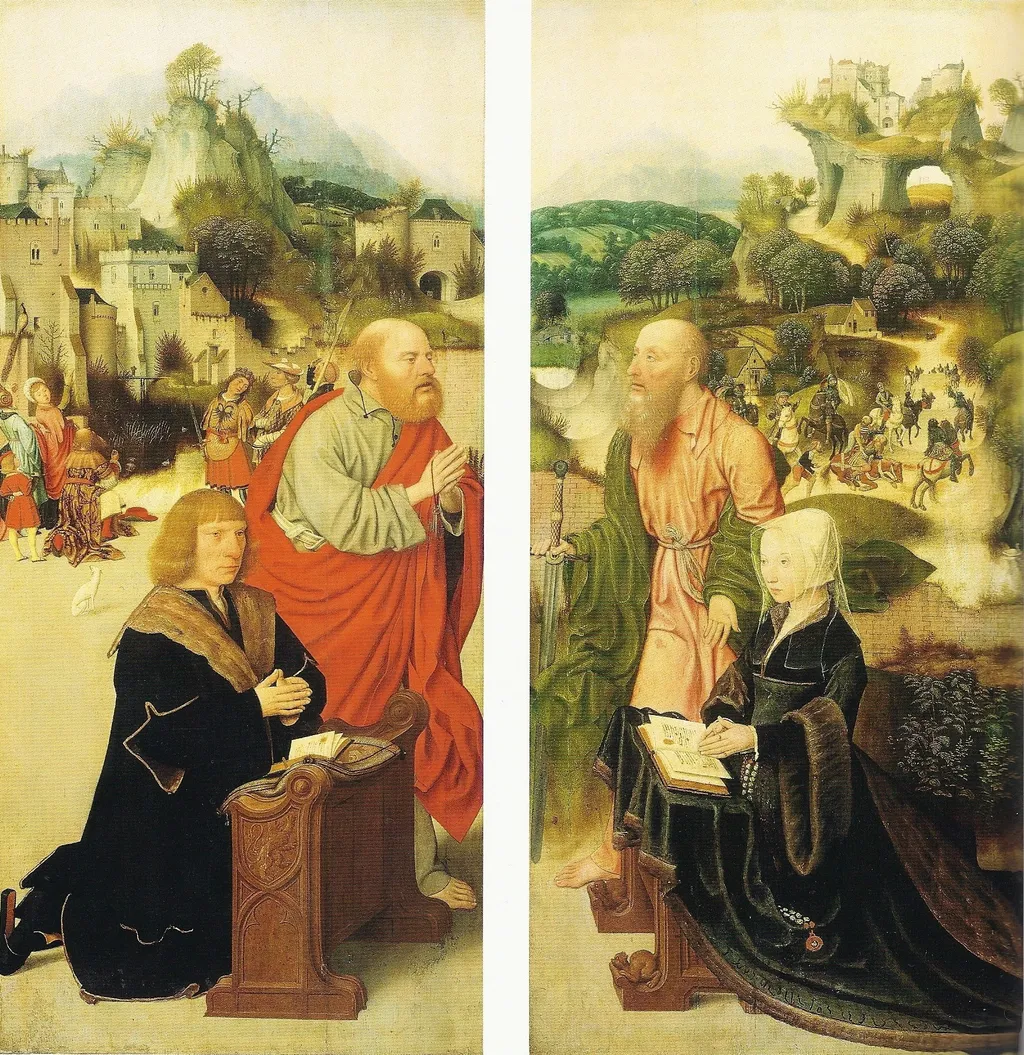
The donor, possibly Aelbrecht Adriaensz. van Adrichem with St. Peter (left); the donor, possibly Elisabeth van Dorp with St. Paul (right) is an oil painting by the Northern Renaissance artist Jan Mostaert. It dates from 1512 and is held in the collection of the Royal Museums of Fine Arts of Belgium.
About this work
Overview
Executed in the Northern Renaissance tradition, the work combines portraiture with religious symbolism in a balanced, intimate format.
This 1512 oil-on-panel diptych by Jan Mostaert presents two devotional scenes, each featuring a donor alongside their patron saint. Executed in the Northern Renaissance tradition, the work combines portraiture with religious symbolism in a balanced, intimate format. The painting is held in the Royal Museums of Fine Arts of Belgium and reflects the period’s emphasis on personal piety and the role of lay patrons in sacred imagery.
Subject & Meaning
The left panel portrays a man, likely Aelbrecht Adriaensz. van Adrichem, kneeling before St. Peter, who holds the keys to heaven, symbolizing spiritual authority. The right panel shows a woman, possibly Elisabeth van Dorp, seated and reading, attended by St. Paul, identified by his sword, the emblem of his martyrdom. The pairing suggests a married couple’s shared devotion, with each saint representing distinct aspects of Christian leadership and scripture.
Technique & Style
Mostaert employed oil paint with meticulous detail, characteristic of early 16th-century Netherlandish practice. The figures are rendered with subtle modeling and naturalistic textures, while the backgrounds feature softly rendered landscapes of hills, trees, and distant architecture. The color palette is restrained yet deliberate, with rich reds and greens anchoring the saints against muted donor attire, enhancing spiritual focus without theatricality.
History & Provenance
The painting has remained within institutional collections since at least the 19th century, now part of the Royal Museums of Fine Arts of Belgium. Its donor identities are inferred from historical records and heraldic clues, though not definitively confirmed. The diptych format suggests it was commissioned for private devotion, possibly for a family chapel or home altar, reflecting the devotional habits of wealthy urban patrons in the Low Countries.
Context
Created during the early Reformation, the work embodies pre-Reformation Catholic piety, where lay individuals commissioned religious art to secure spiritual favor. Mostaert, based in Haarlem, was known for blending portraiture with sacred themes, a trend common among Northern artists who catered to affluent patrons seeking both personal commemoration and divine intercession.
Legacy
Though not widely known outside specialist circles, the diptych exemplifies the quiet dignity of Northern Renaissance donor portraits. Its preservation offers insight into how ordinary individuals engaged with religious imagery, positioning themselves within sacred narratives without overt grandeur. The work remains a quiet testament to the intersection of personal identity and spiritual aspiration in early modern Europe.
Own this work as a print
Artist & collection
Artist
Jan Mostaert (c. 1475 – 1552/1553) was a Dutch Renaissance painter who is known mainly for his religious subjects and portraits. One of his most famous creations was the Landscape with an Episode from the Conquest of…

Museum
Royal Museums of Fine Arts of Belgium
Continue through works from the same source collection.
 Christ Shown to the People
 Landscape with a Scene of the Conquest of America
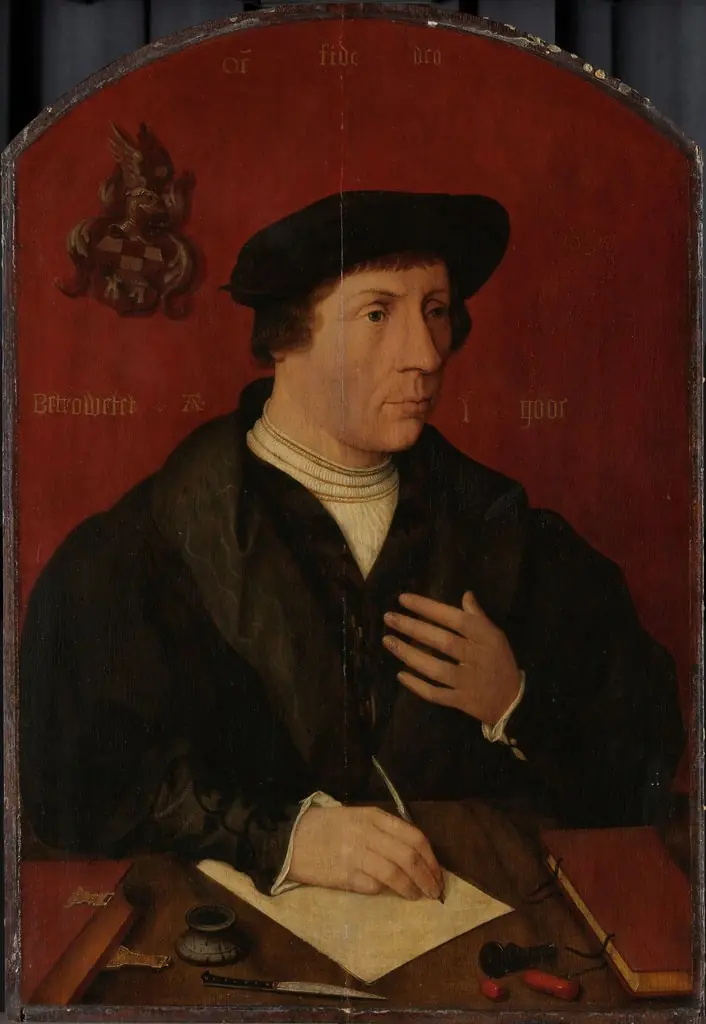 Portrait of a man
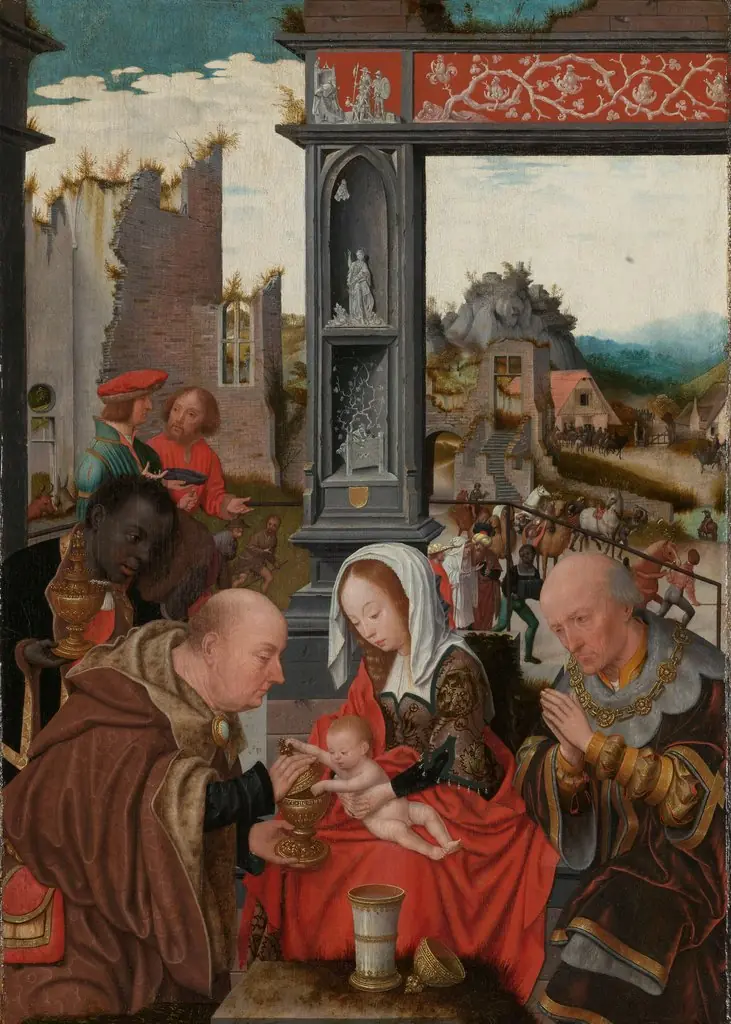 The Adoration of the Magi
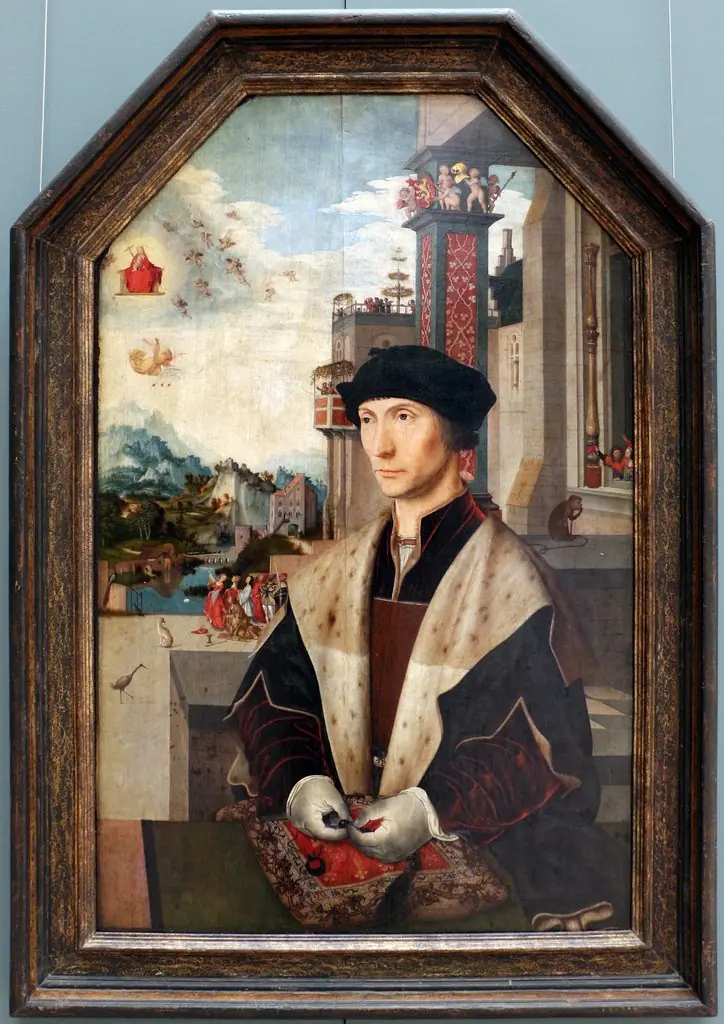 Portrait of the knight Abel van Coulster (1477-1548), representative to the Hof van Holland in 1512
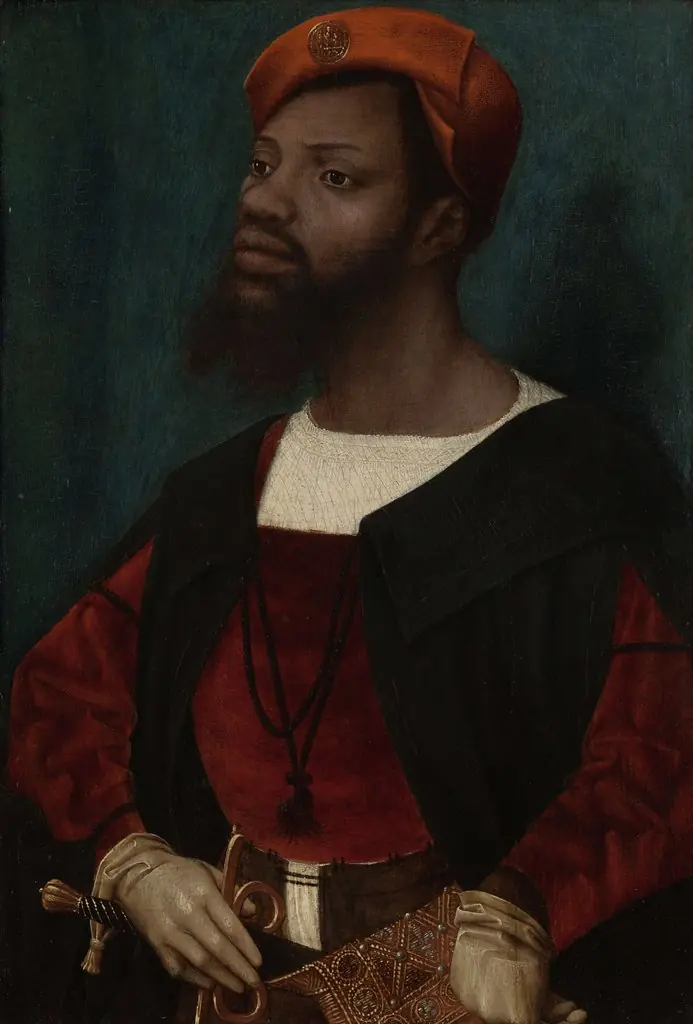 Portrait of an African Man (Christophle le More?)
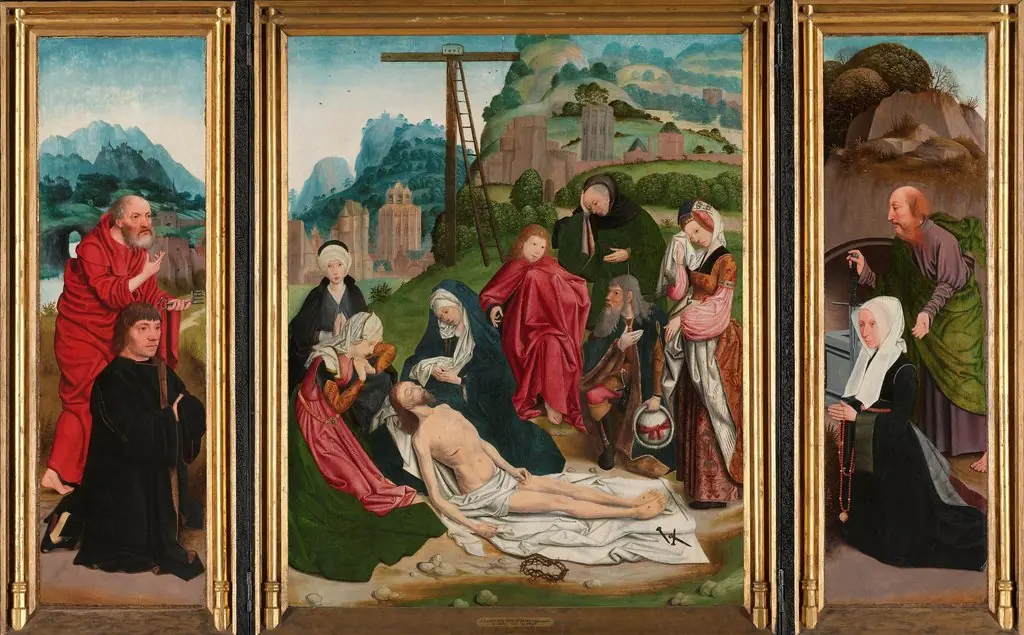 Triptych with the Lamentation (centre panel), the donor with St Peter (inner left wing), the donor’s wife with St Paul (inner right wing) and the donors’ coats of arms (outer wings)
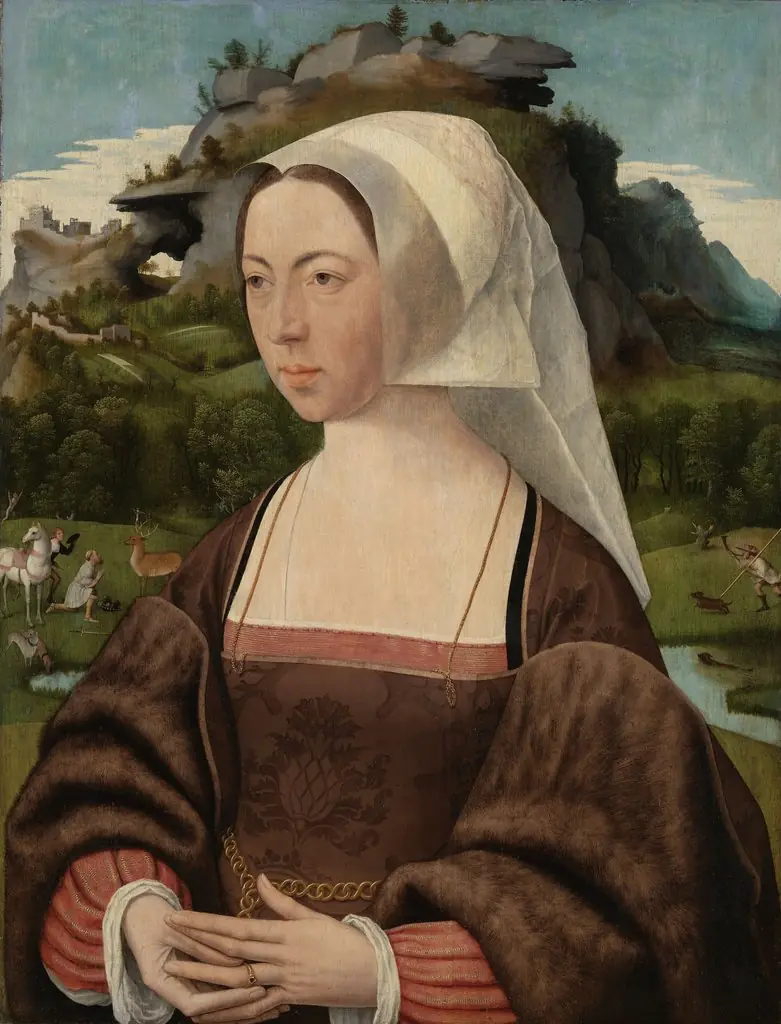 A Woman
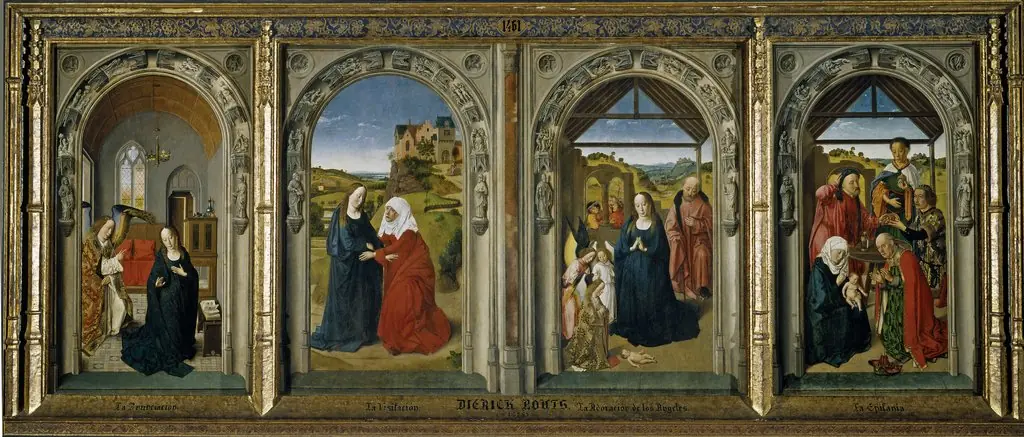 Triptych with Scenes from the Life of the Virgin
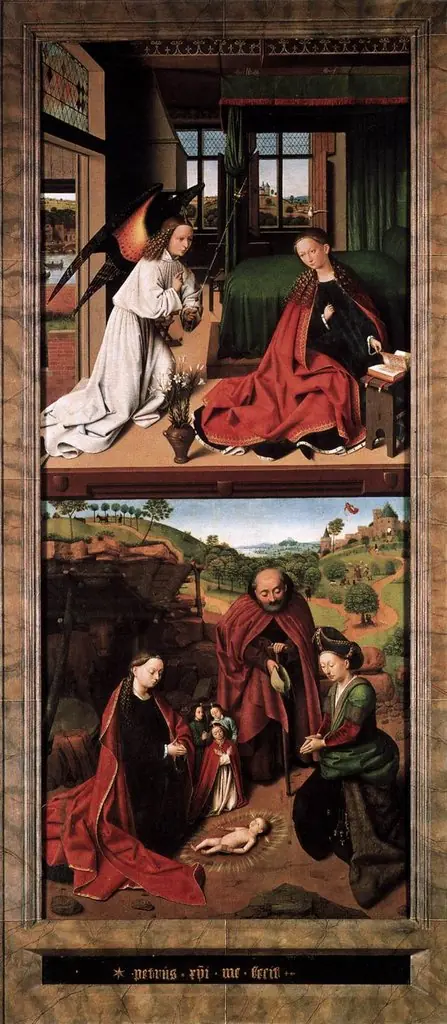 The adoration of the Christ Child; in the background the annunciation to the shepherds
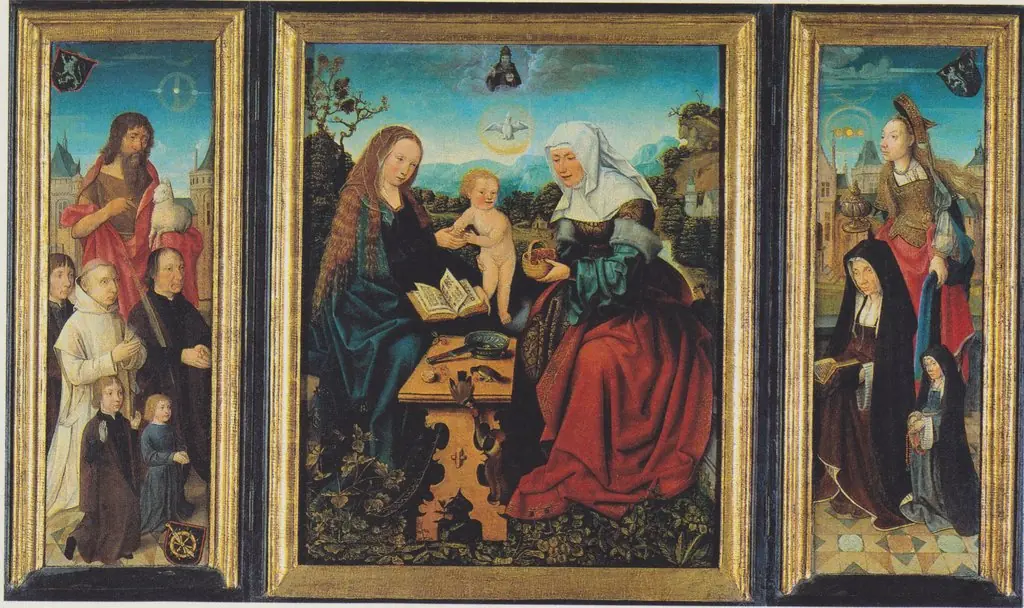 Portrait of Dirck van Heemskerck van Beest & sons with John the Baptist, Madonna and Child with St Anne, and Gertruid van Diemen & daughter with Mary Magdalene
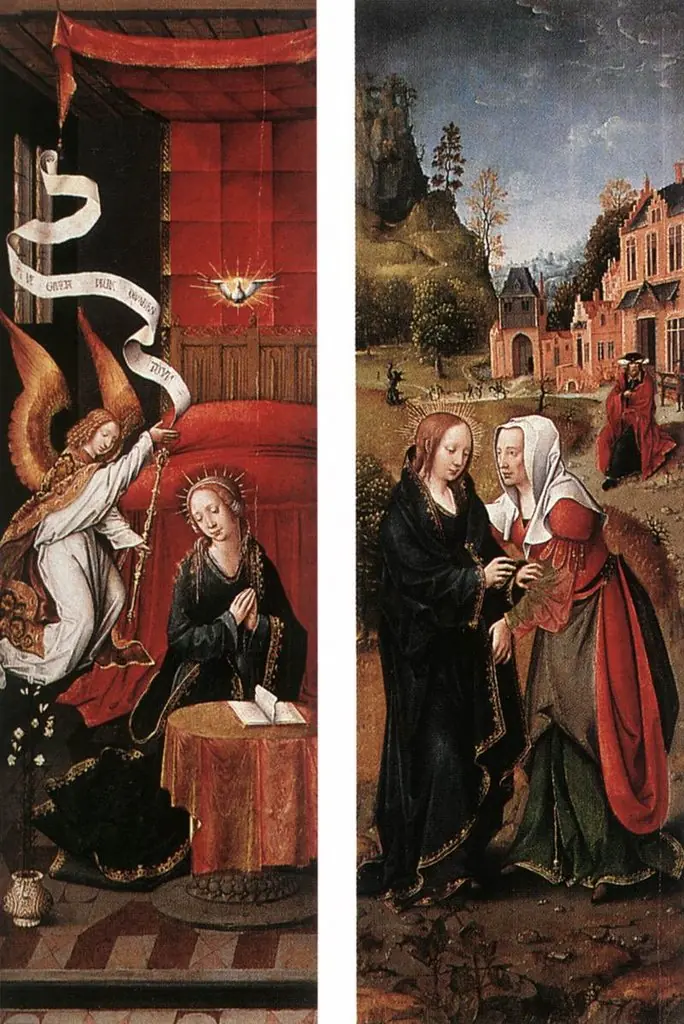 Annunciation and Visitation
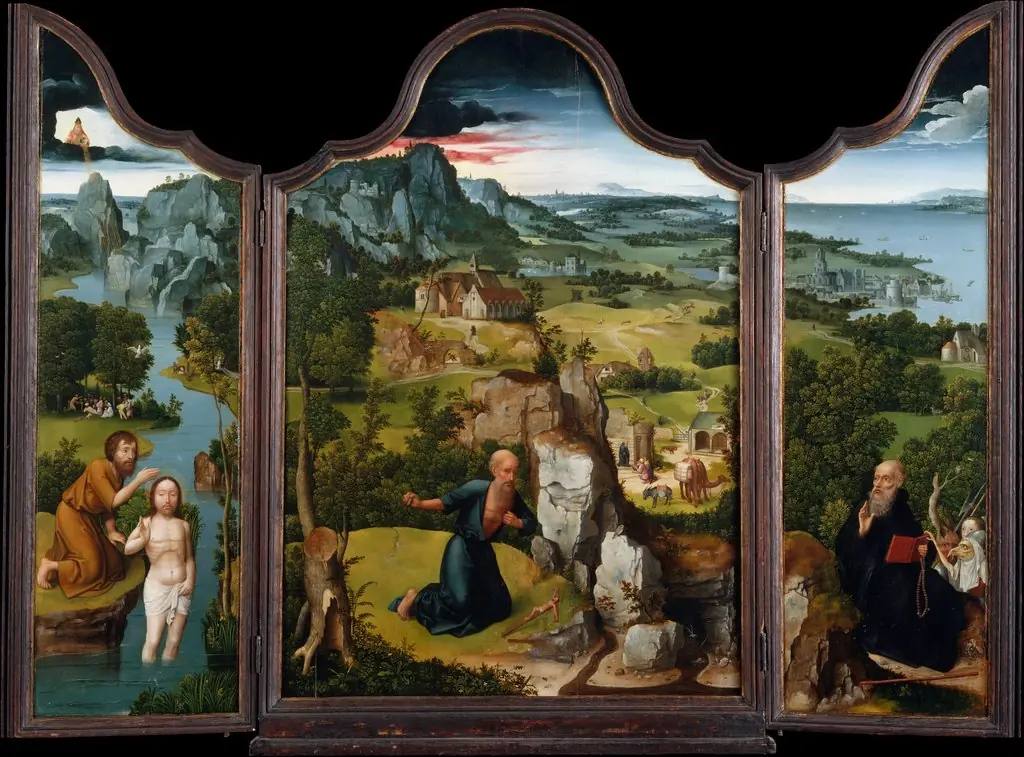 The Penitence of Saint Jerome
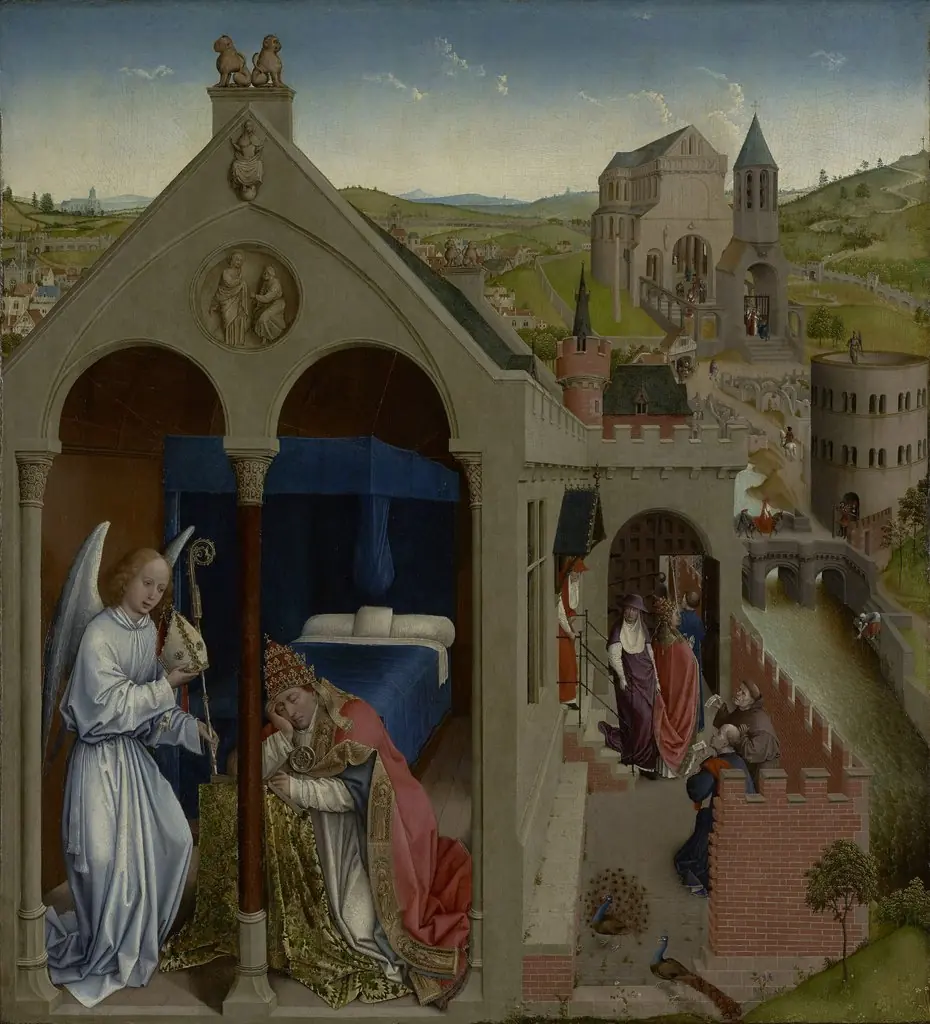 The Dream of Pope Sergius
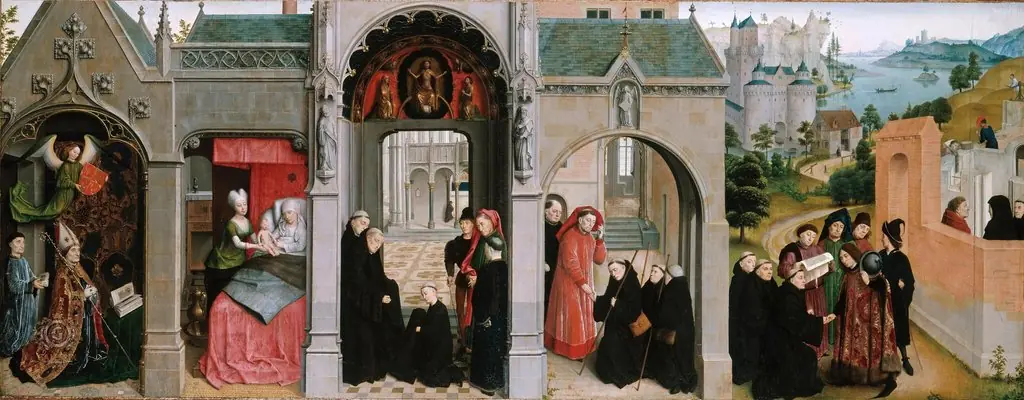 Scenes from the Life of St Bertin
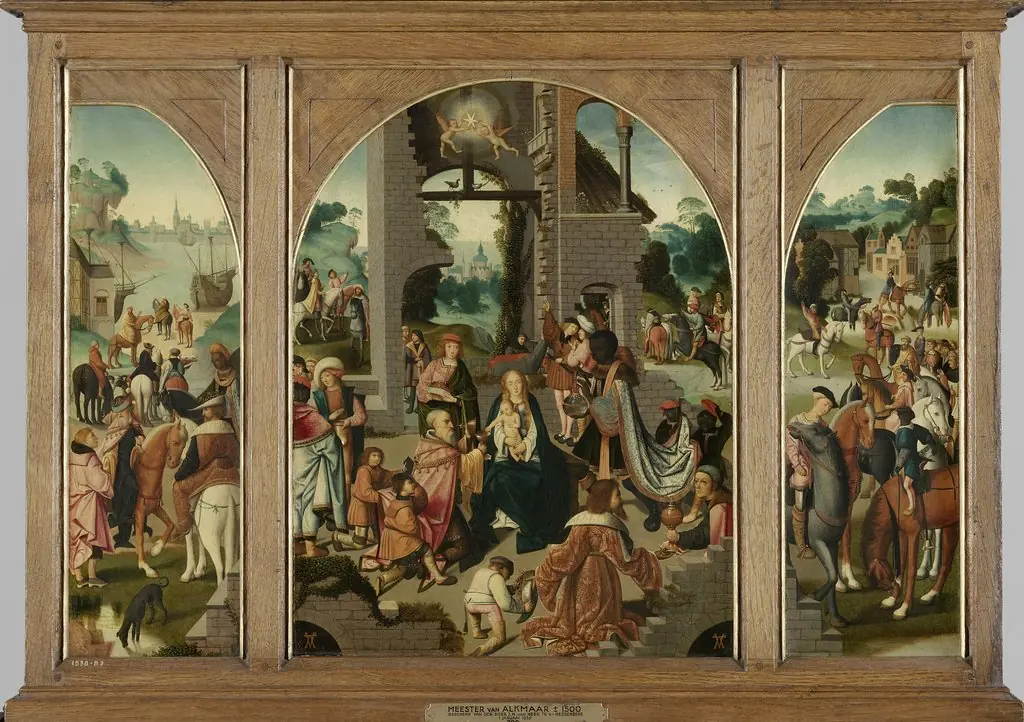 Triptych with the adoration of the Magi (centre panel and inner wings), St Antony Abbot (outer left wing) and St Adrian (outer right wing)
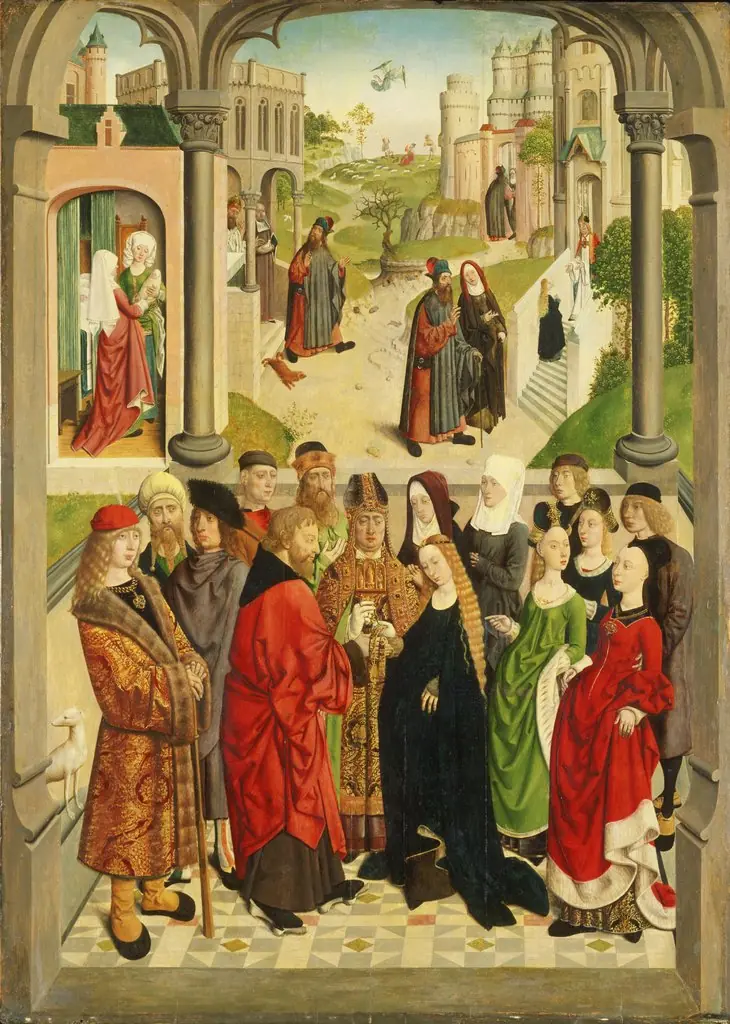 The Marriage of the Virgin, with the Expulsion of Saint Joachim from the Temple, the Angel Appearing to Saint Joachim, the Meeting at the Golden Gate, the Birth of the Virgin, and the Presentation of the Virgin
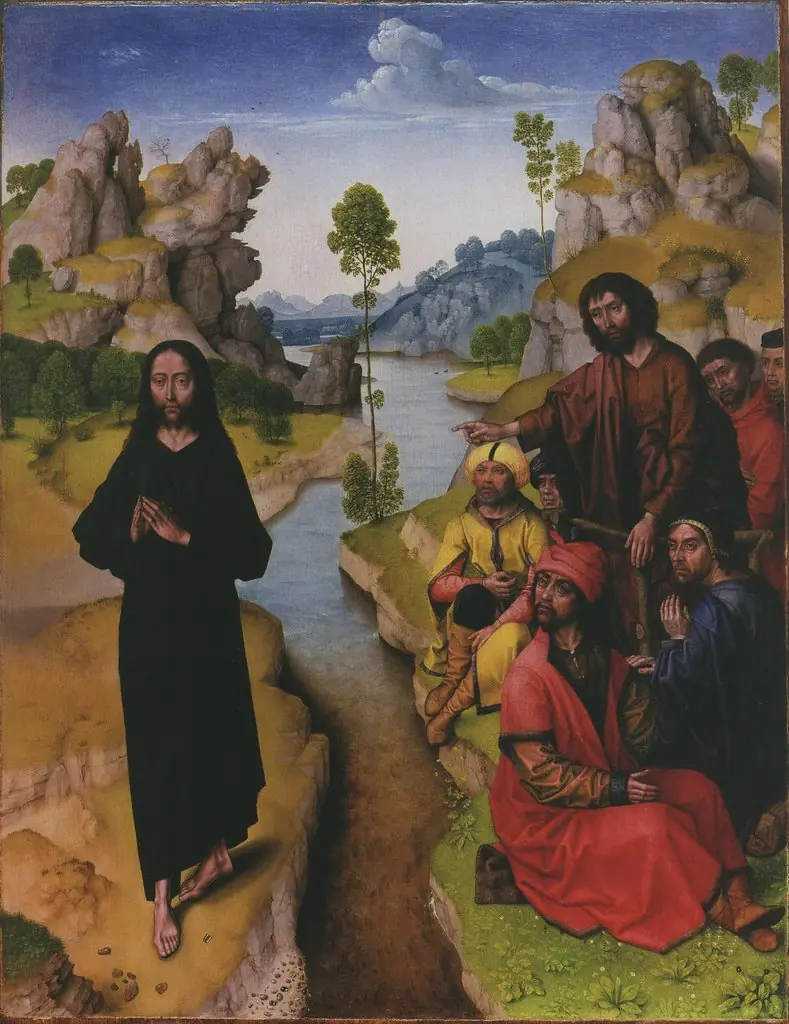 Die Predigt Johannes des Täufers / Ecce Agnus Dei
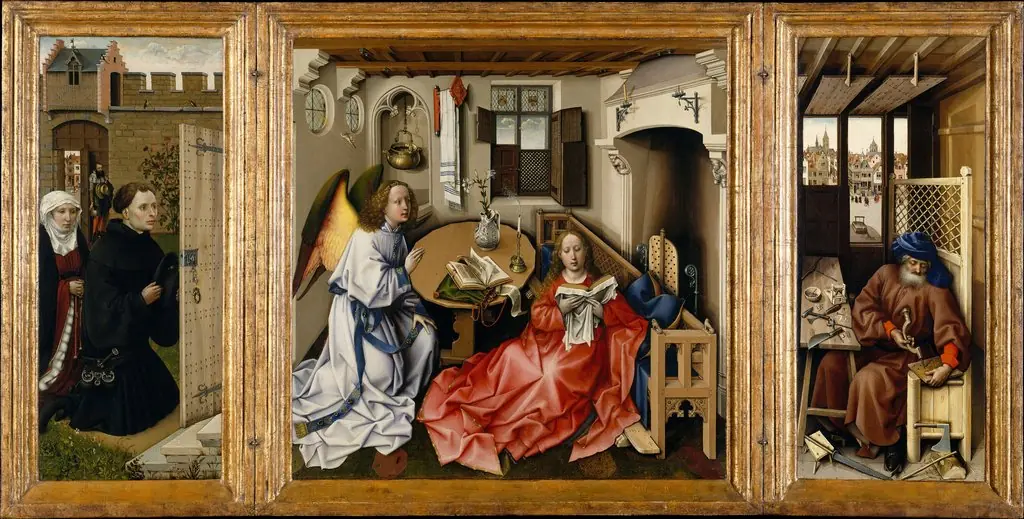 Mérode Altarpiece
- Virgin and Child with Saint Anne, Saint Gereon, and a Donor