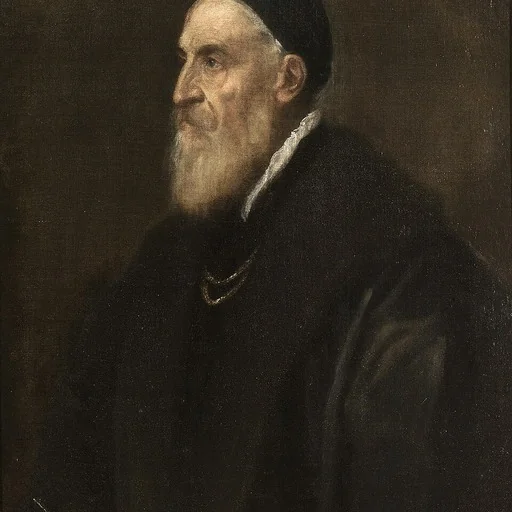
Subject
Eve
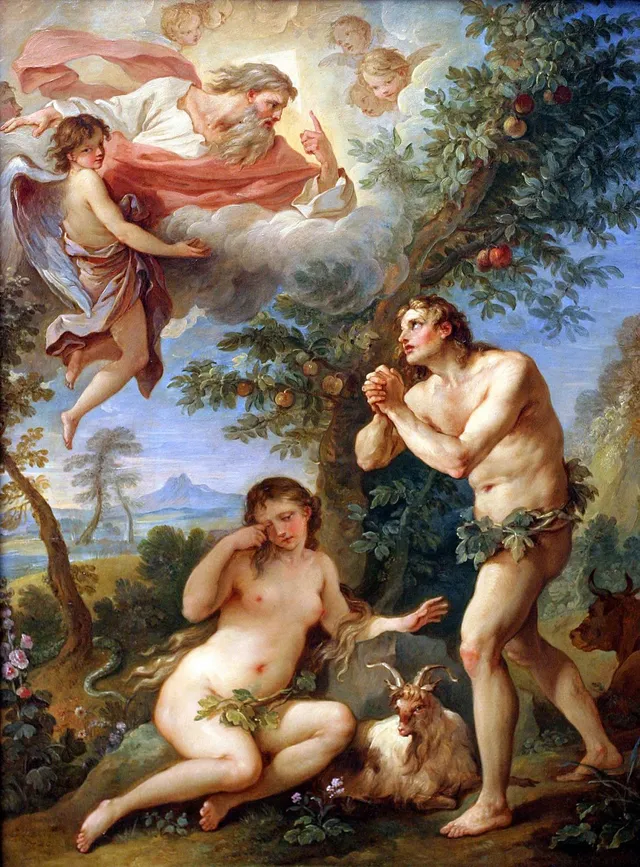
Eve is a subject in art. The gallery holds 57 works in this subject in art, including works by Titian, Fra Bartolomeo and Adriaen van der Werff.
Eve is a feminine English given name, derived from the Latin name Eva, in turn originating with the Hebrew חַוָּה (Chavah/Havah – chavah, to breathe, and chayah, to live, or to give life). In Greece the name Eve is Evi (Εύη), a diminutive of the baptismal name Paraskevi.
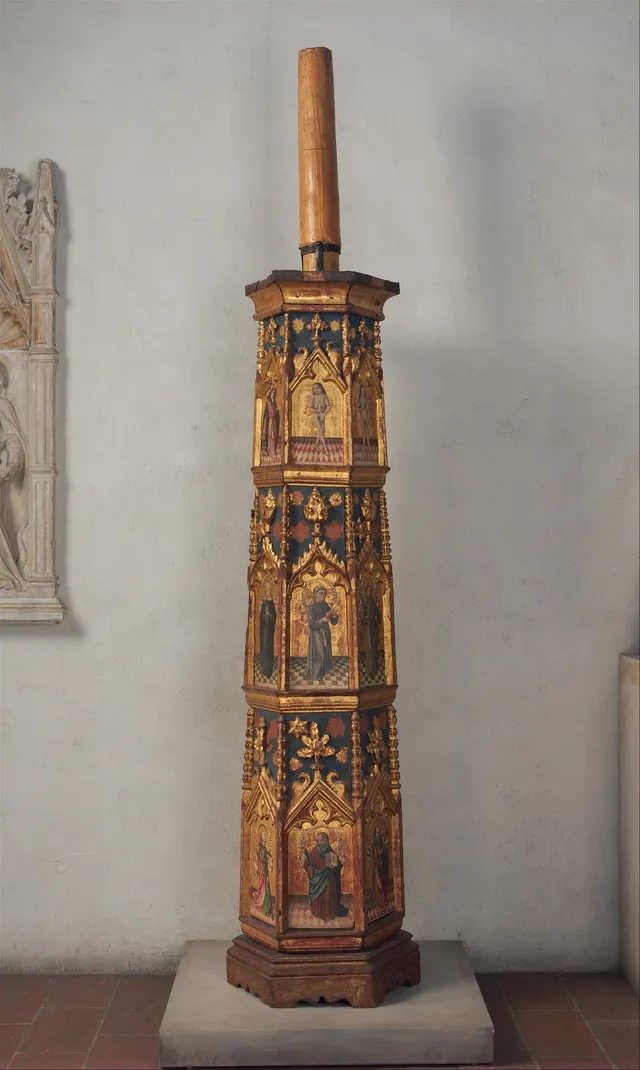
Key artists
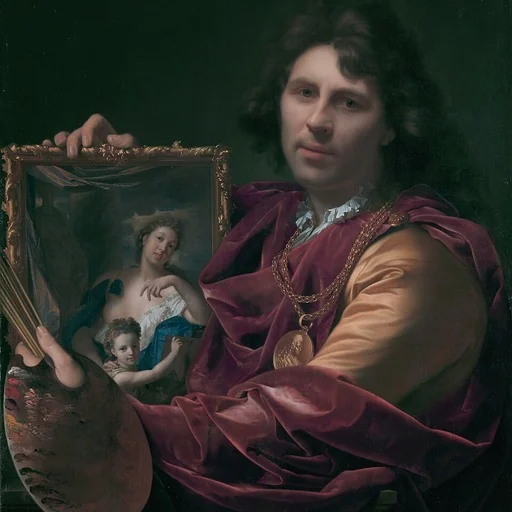
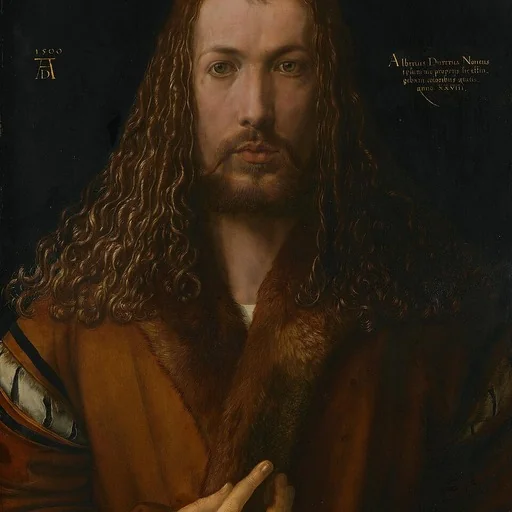
Overview
Eve is a feminine given name derived from the Latin Eva, which originates from the Hebrew Chavah or Havah. The Hebrew root carries the meanings to breathe, to live, or to give life. In the Abrahamic tradition, Eve is revered as the mother of all mankind, recognized as the first woman created by God and the wife and companion of Adam. Her profound significance in Abrahamic religions has made her a ubiquitous subject in Western art and literature, establishing her as a foundational figure whose narrative explores themes of creation, temptation, and human origins.
Iconography & meaning
In art, Eve is intrinsically linked to the iconography of the Garden of Eden and the Fall of Man. She is commonly depicted alongside Adam, the serpent, and the Tree of Knowledge, symbolizing the moment of temptation and the origin of original sin. Artistic representations frequently extend beyond the initial transgression to include her subsequent expulsion from paradise and her life after the Fall, emphasizing her role as the mother of humanity. Works showing her with Cain and Abel, or in scenes of mourning and labor, underscore her transition from a figure of divine creation to one of earthly human suffering and maternal responsibility.
Across movements & periods
The treatment of Eve in art shifted notably across historical periods, heavily influenced by theological developments. During the Middle Ages, the Catholic Church formally recognized both Adam and Eve as saints, celebrating their traditional liturgical feast on December 24. Art from this era often framed them within a broader schema of sacred history and redemption. The Protestant Reformation of the sixteenth century dramatically altered the artistic and cultural reception of Eve. Protestant reformers placed the story of Adam and Eve at the center of religious controversies, using it to ground Christian belief and salvation in the free grace of God. This theological shift made the story ubiquitous in the art and literature of the period, transitioning the motif from a strictly sacred context to one deeply entangled with Reformation polemics.
Legacy
The legacy of the figure of Eve extends beyond visual art into broader cultural and linguistic history. The name itself first appeared in England in the twelfth century, though it did not gain widespread popularity until the Protestant Reformation elevated the narrative's prominence. Before the Reformation in England, the name Eve was most commonly associated with Jewish communities, who used the Hebrew form Chavah or Havah. Variations derived from the same root, such as Haya and Chaya, remain common throughout the Middle East today. The name later experienced significant cultural diffusion, with Evelyn, a name derived from Eve, becoming one of the most popular names for girls between 1910 and 1930. The name has also been adapted globally, appearing in diverse transliterations such as the Arabic Hawa, the Greek Evi, and the French Eve, cementing the ancient figure's enduring presence across modern cultures.
Works
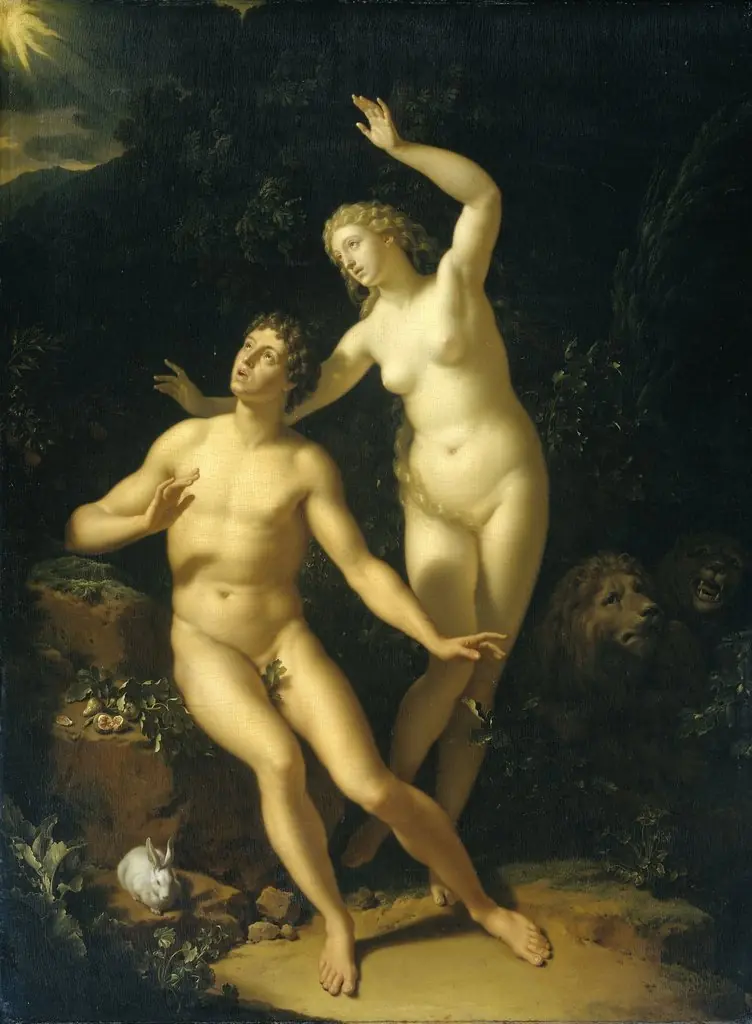 God Holds Adam and Eve Responsible
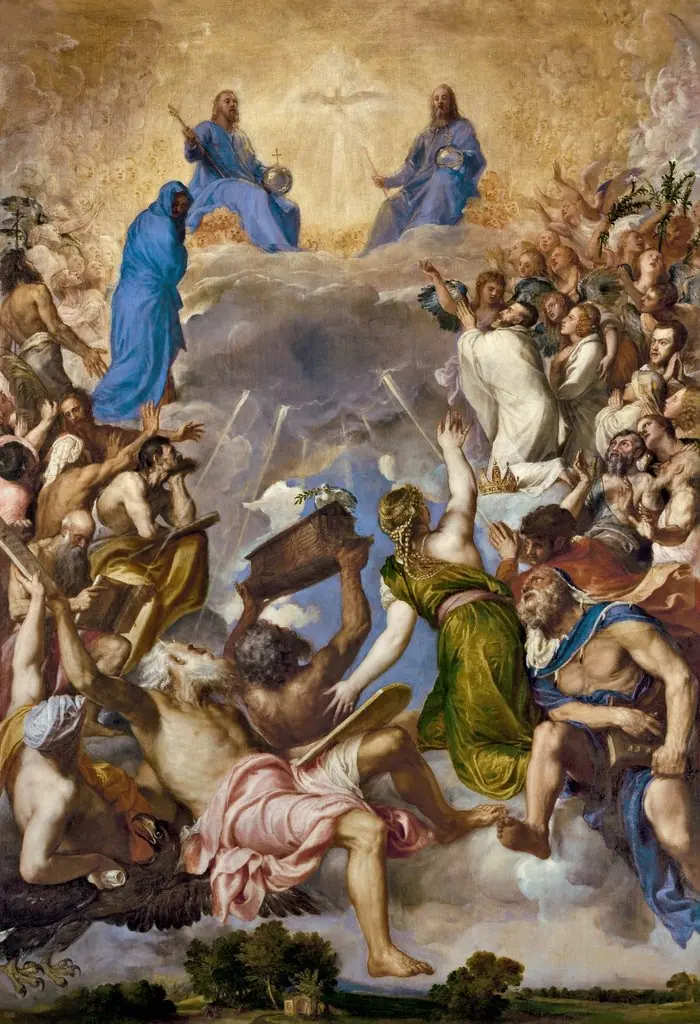 La Gloria
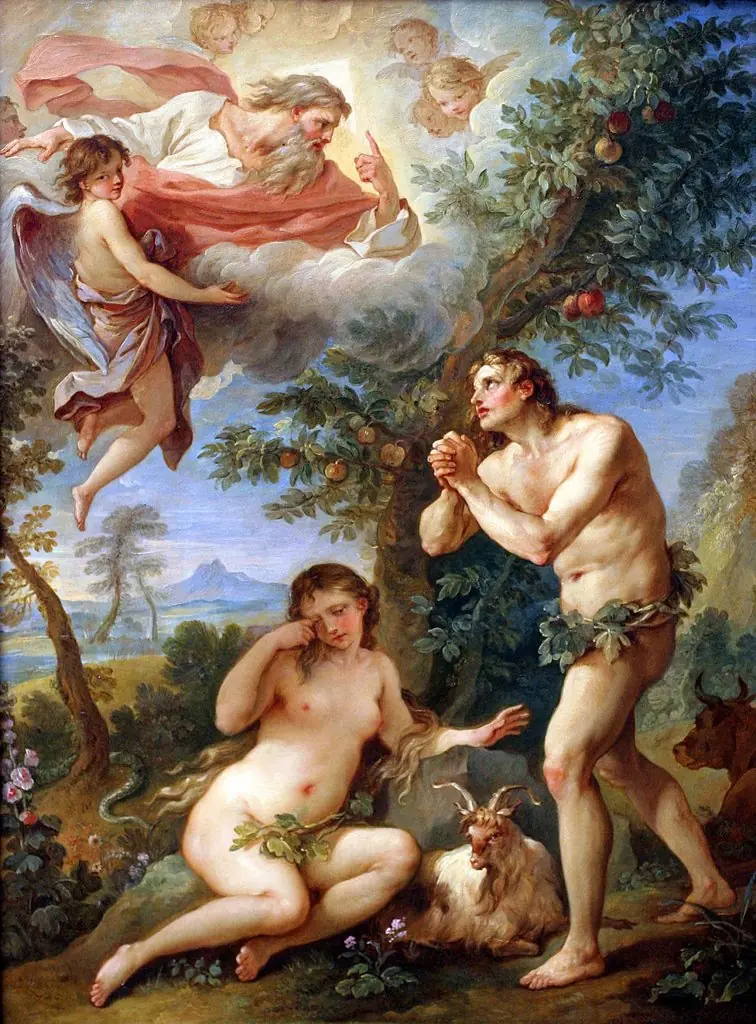 The Rebuke of Adam and Eve
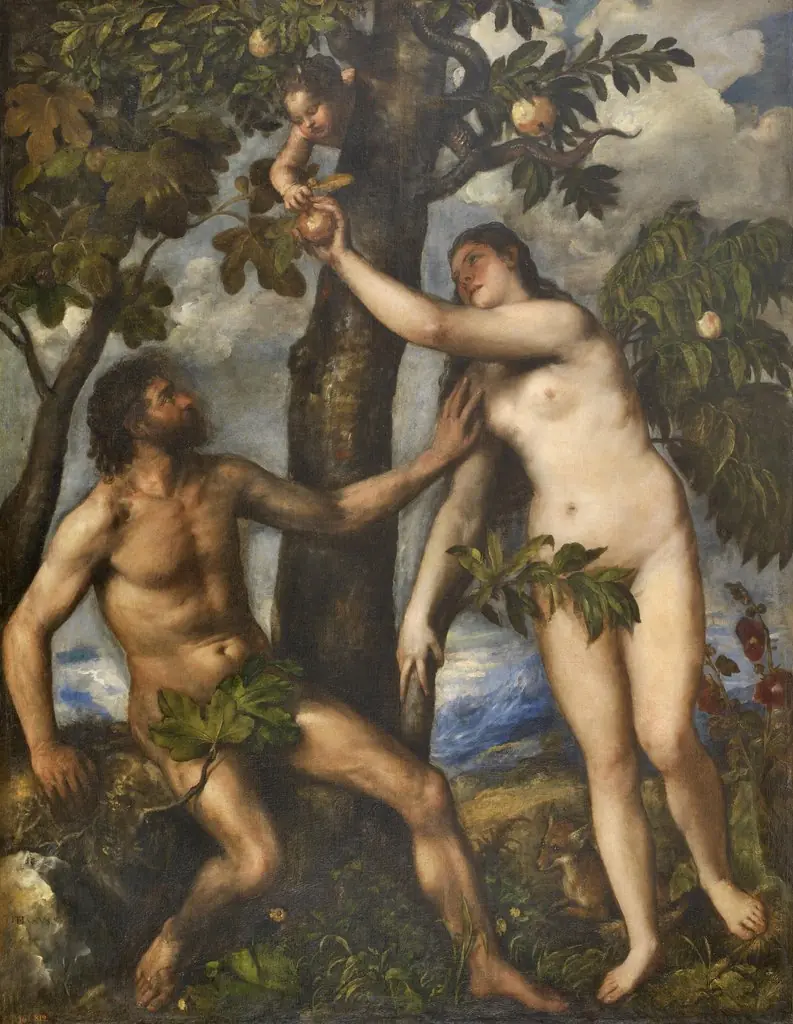 The Fall of Man
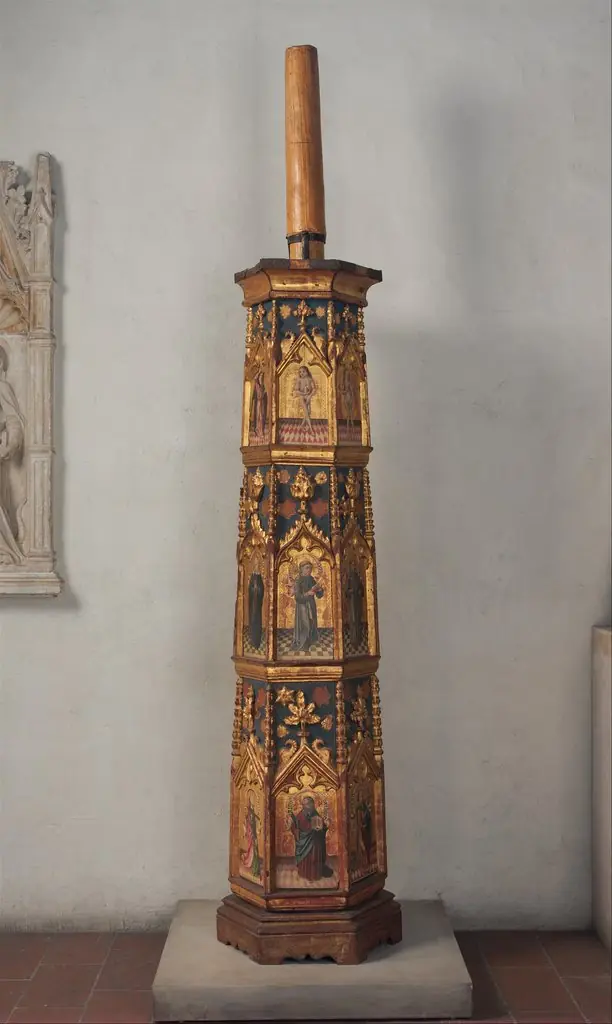 Paschal Candlestick
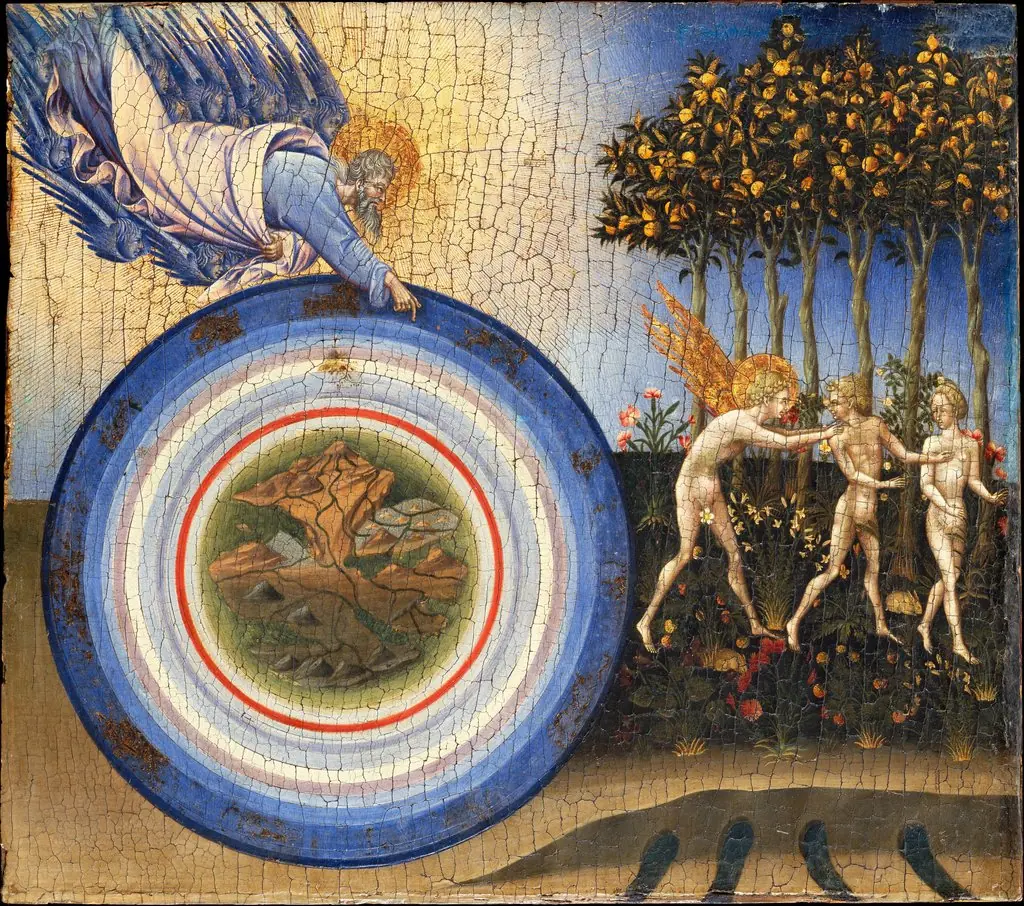 The Creation of the World and the Expulsion from Paradise
![The Fall of Man [middle panel]](https://artifactworldgallery.com/img/the-fall-of-man-middle-panel--51048cc74e2325c7-w320.webp) The Fall of Man [middle panel]
The Fall of Man [middle panel]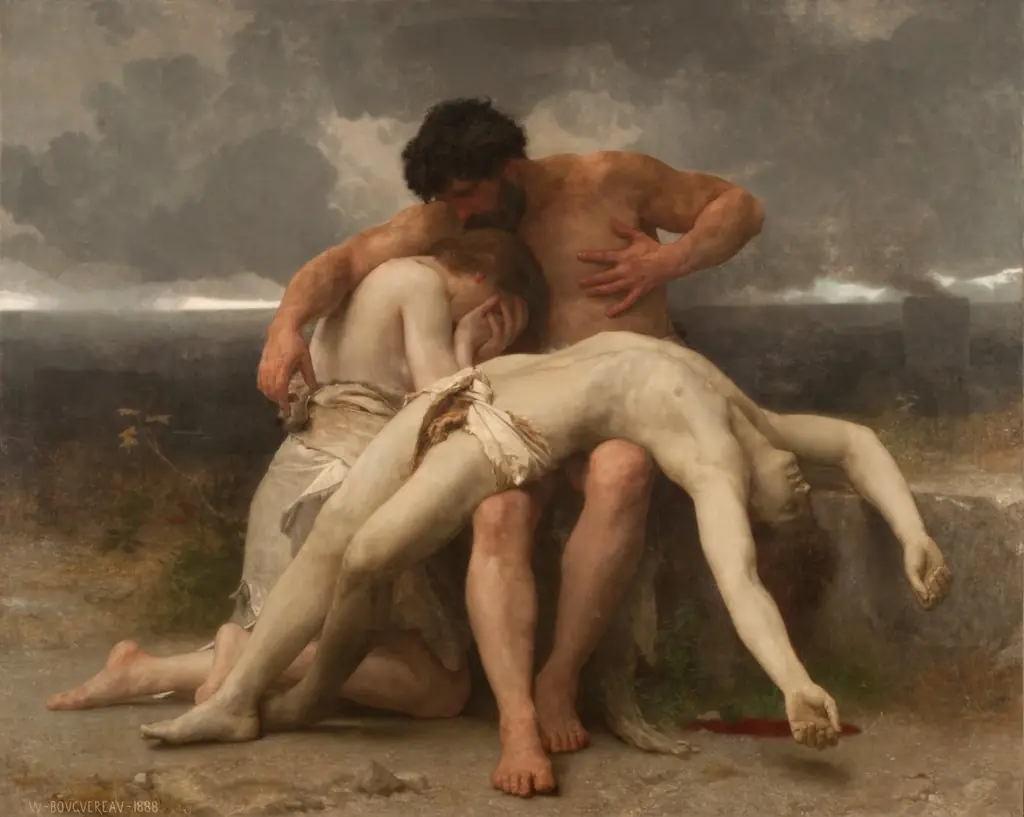 The First Mourning
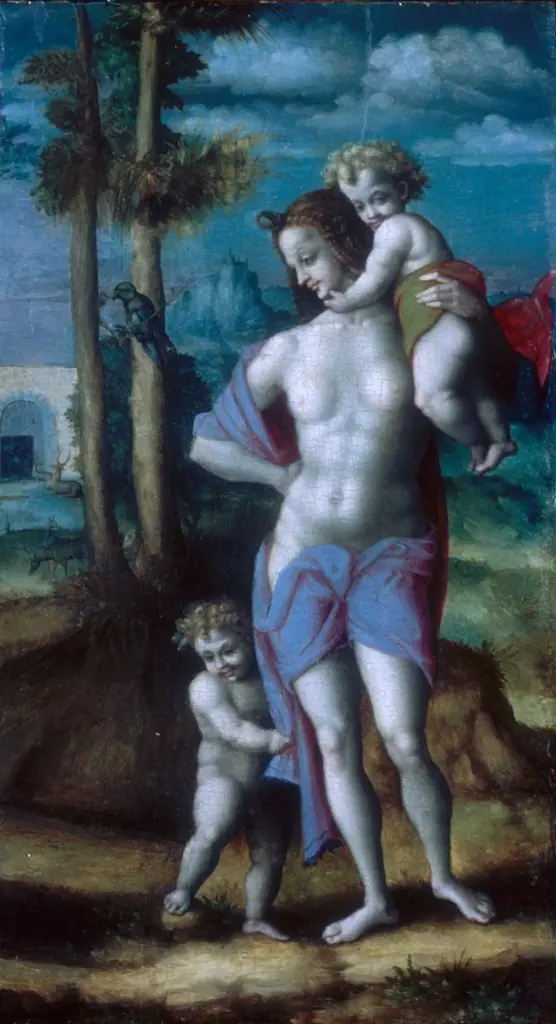 Eve with Cain and Abel
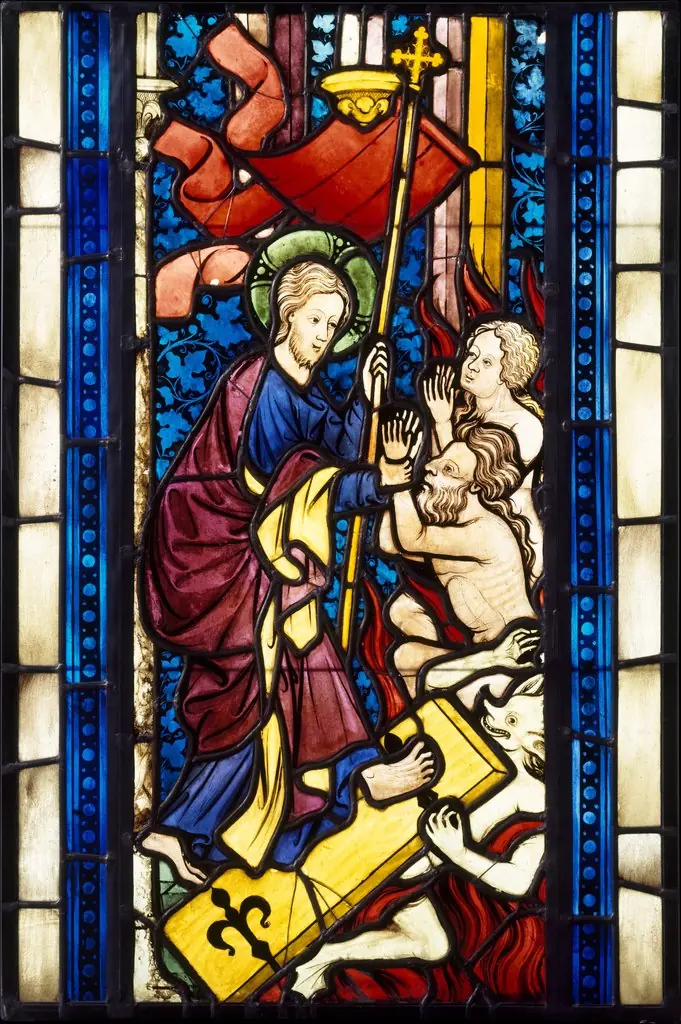 The Harrowing of Hell
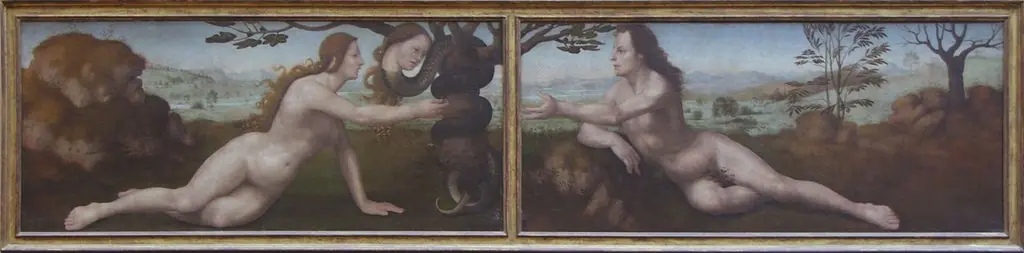 Adam; Eve
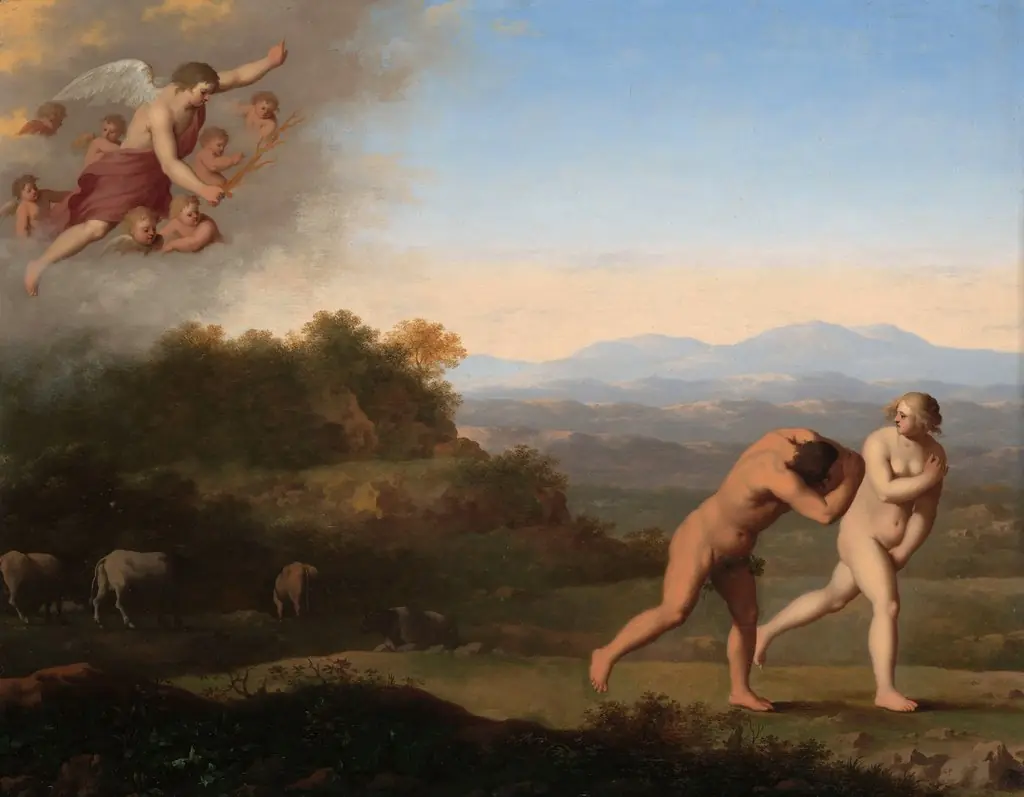 The Expulsion from Paradise
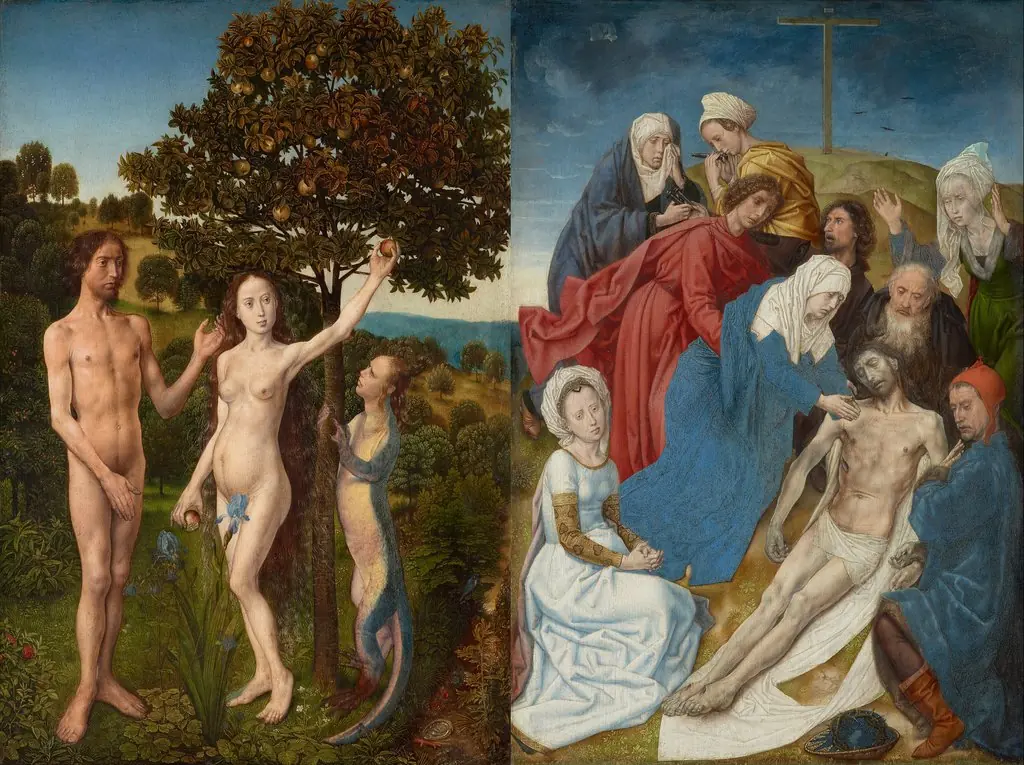 Vienna Diptych
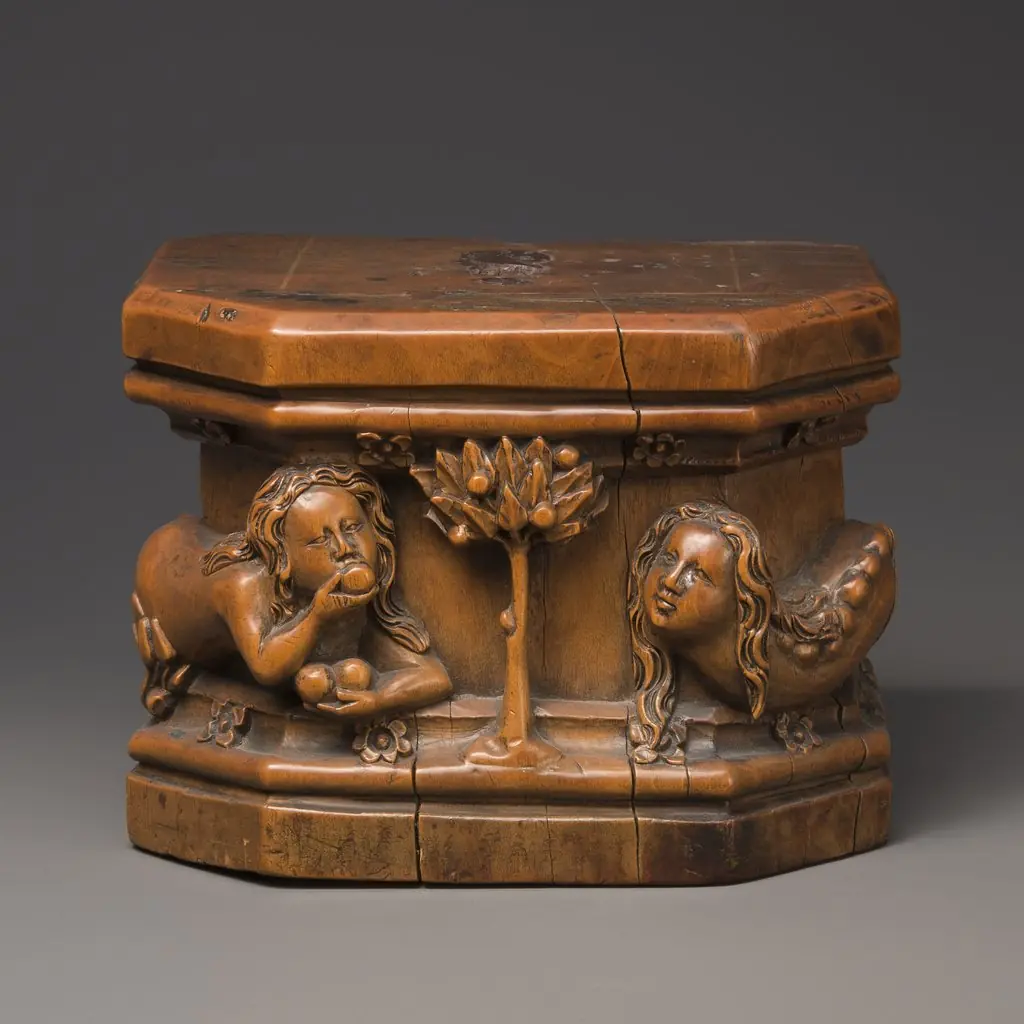 Base for a Statuette
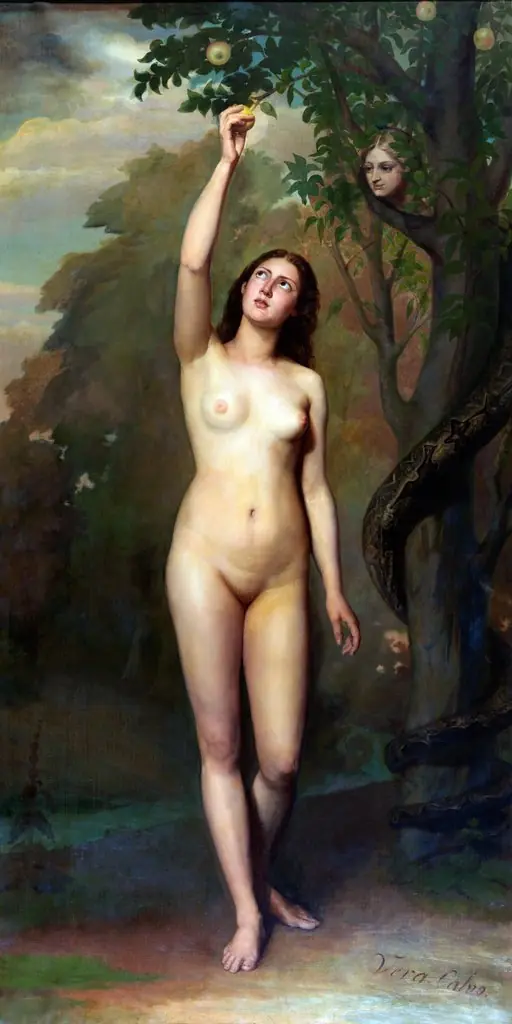 Eva cogiendo la manzana
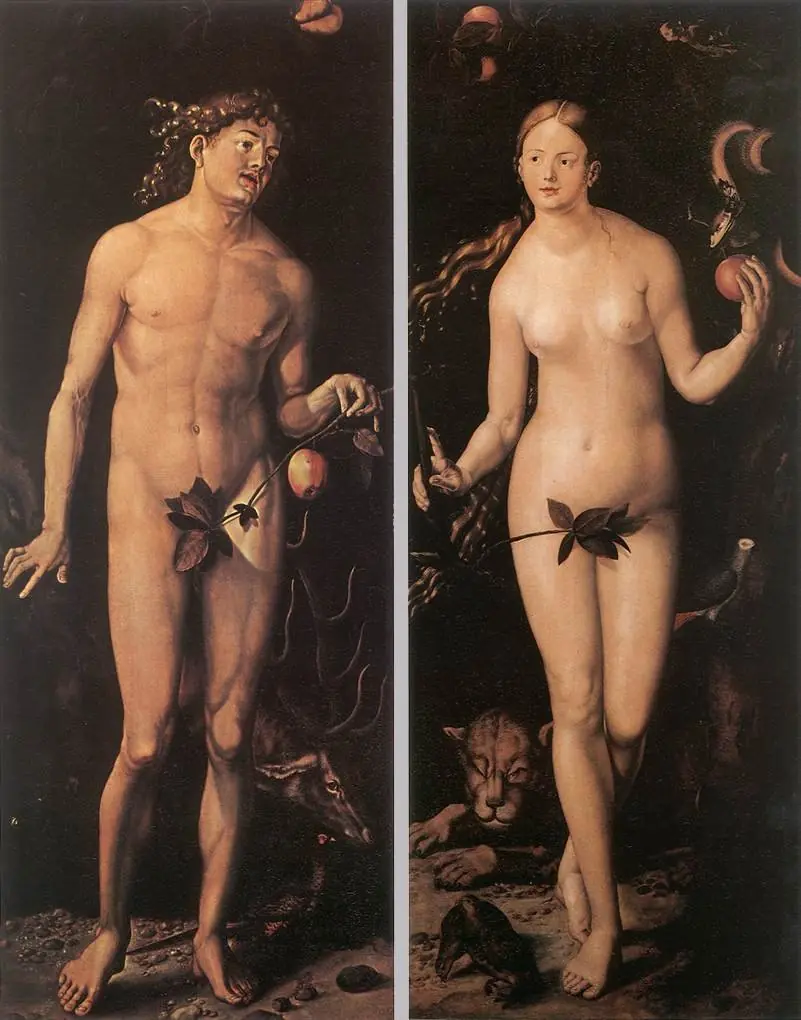 Adam and Eve
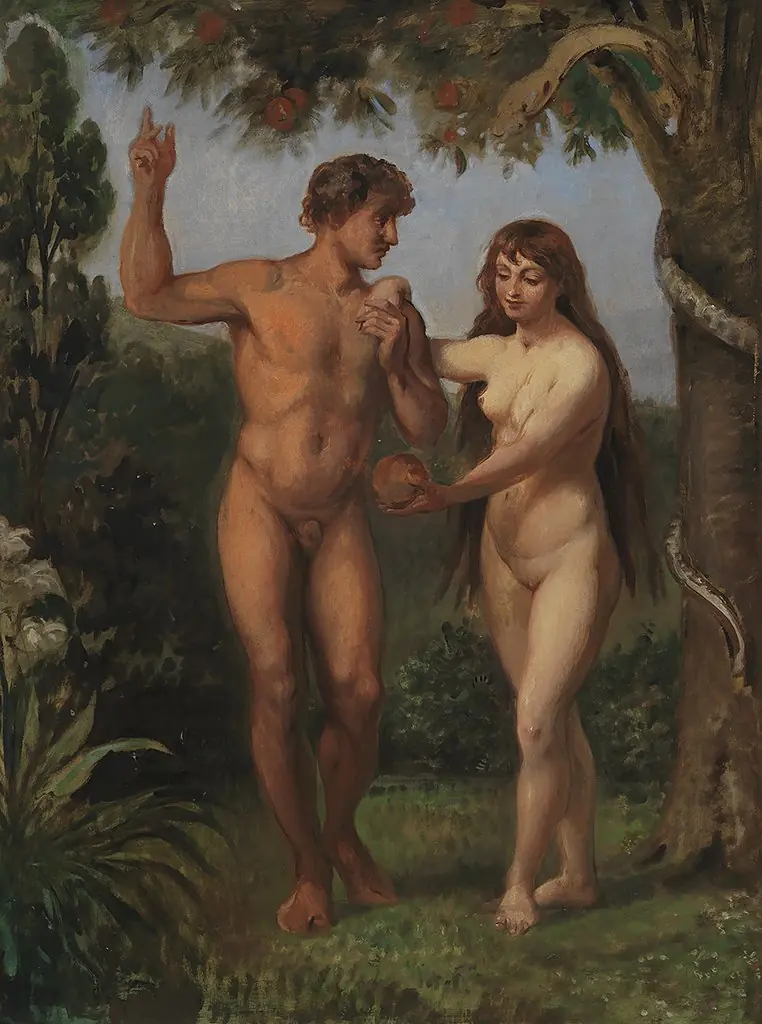 Eve Tempts Adam
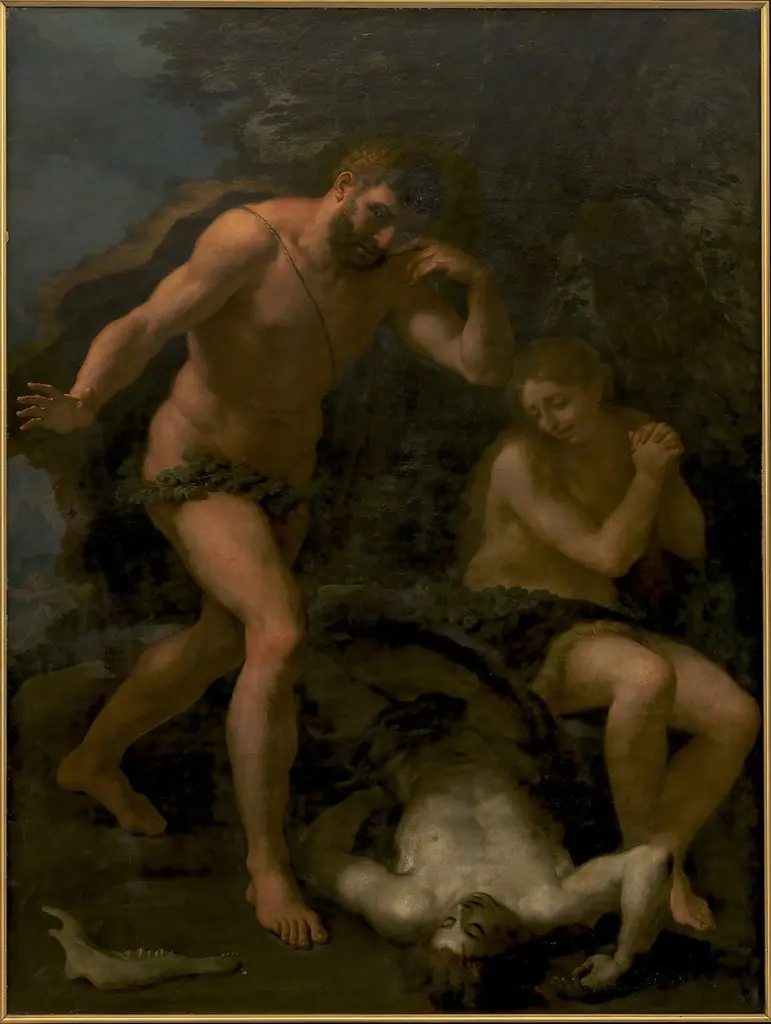 Adam and Eve Lamenting over the Body of Abel
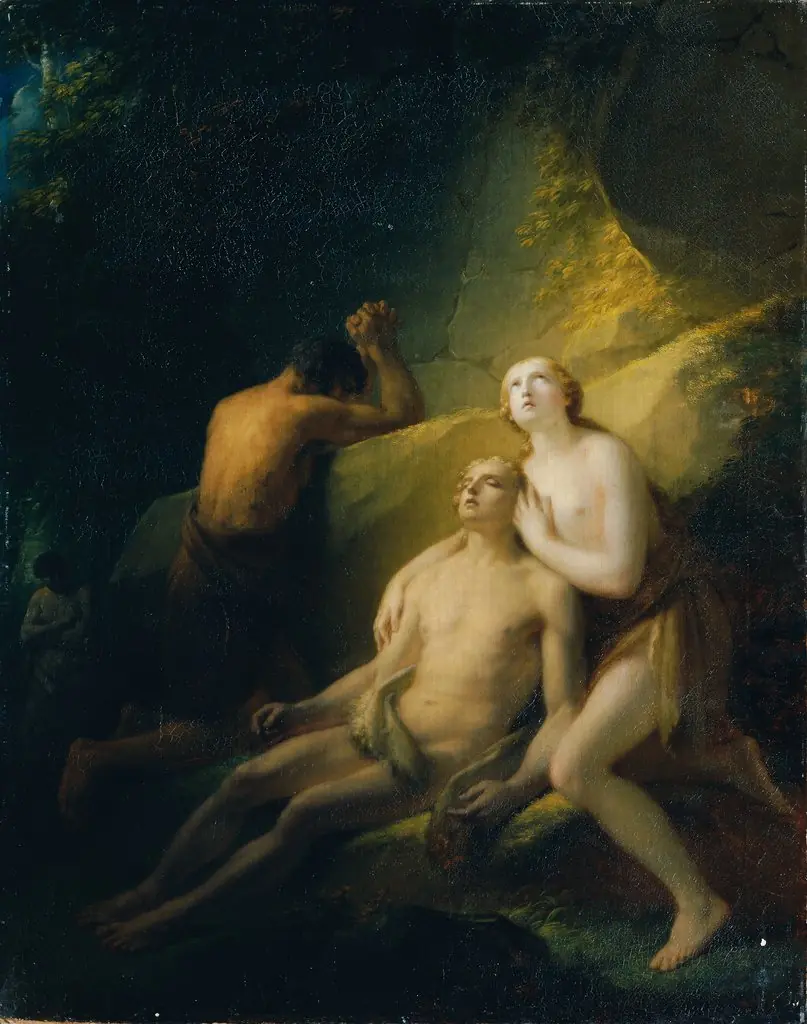 Adam and Eve Mourn the Dead Abel
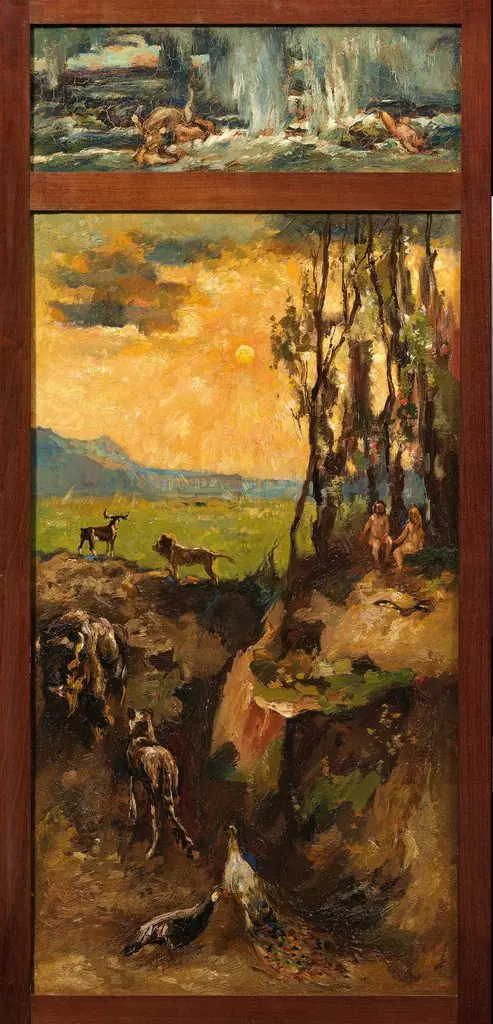 Adam en Eva in het paradijs
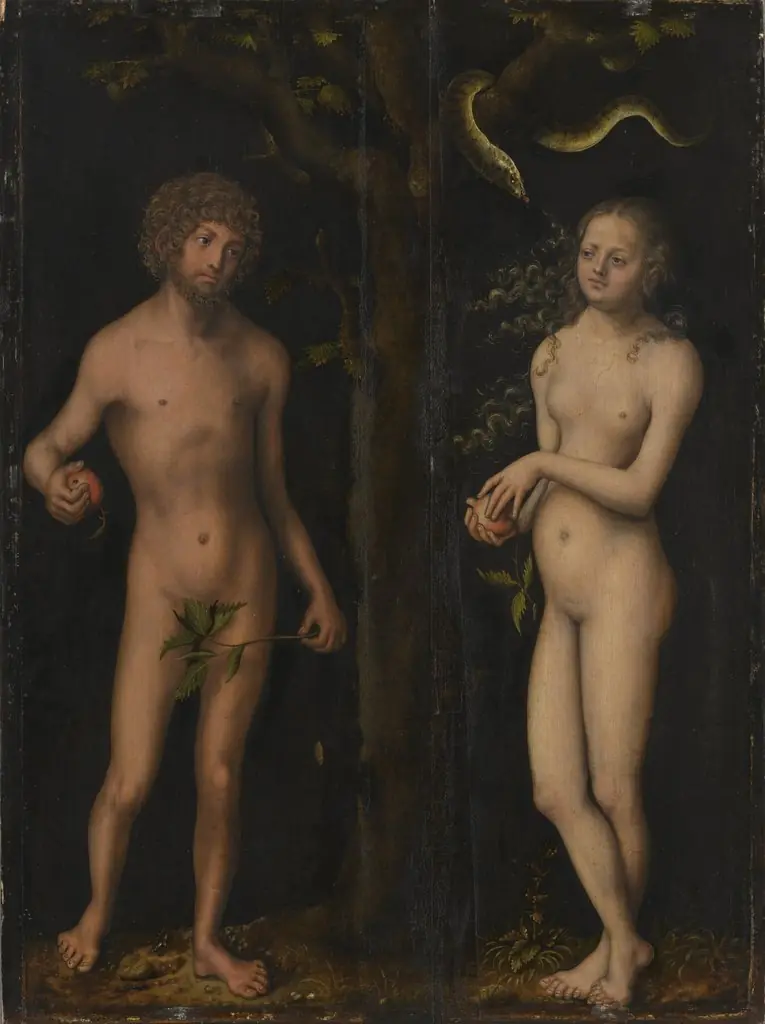 Adam and Eve
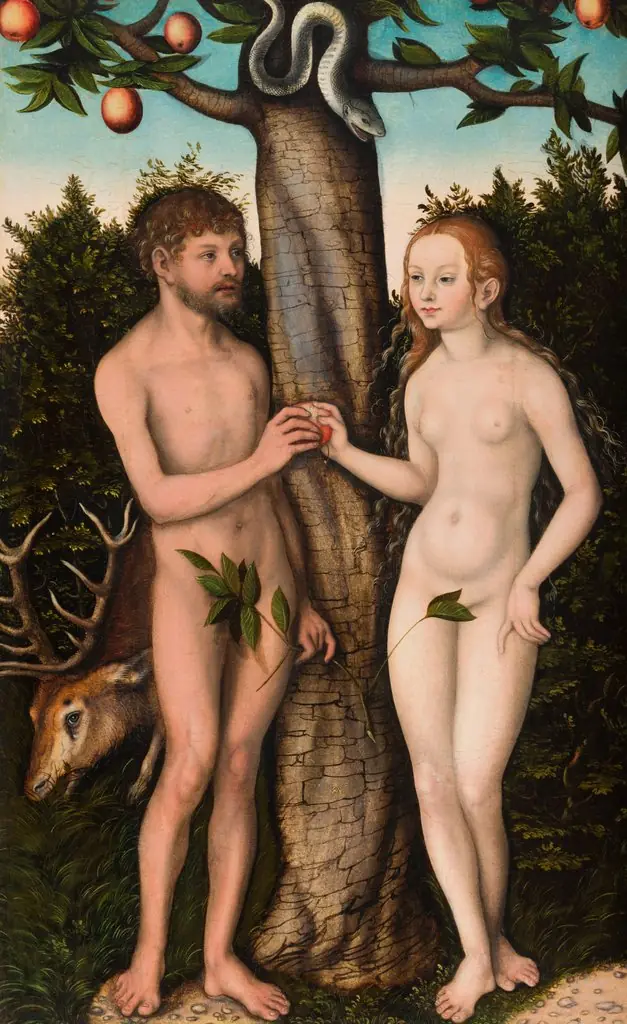 Adam and Eve
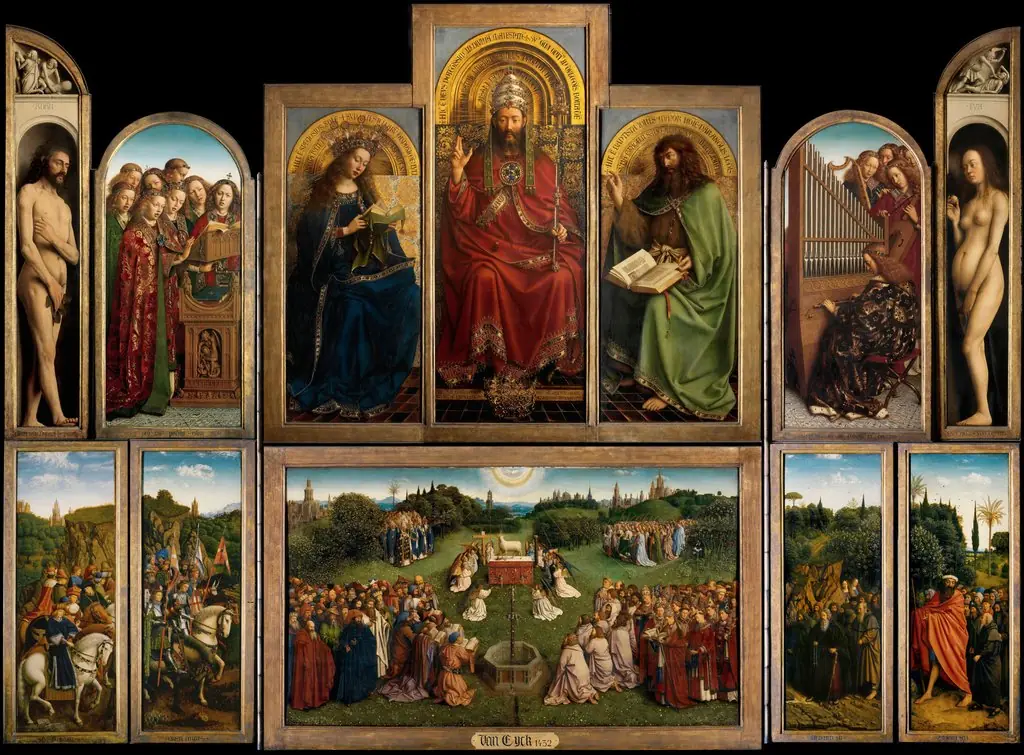 Ghent Altarpiece
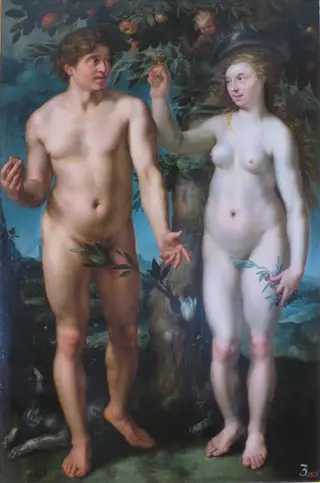 Fall of Man
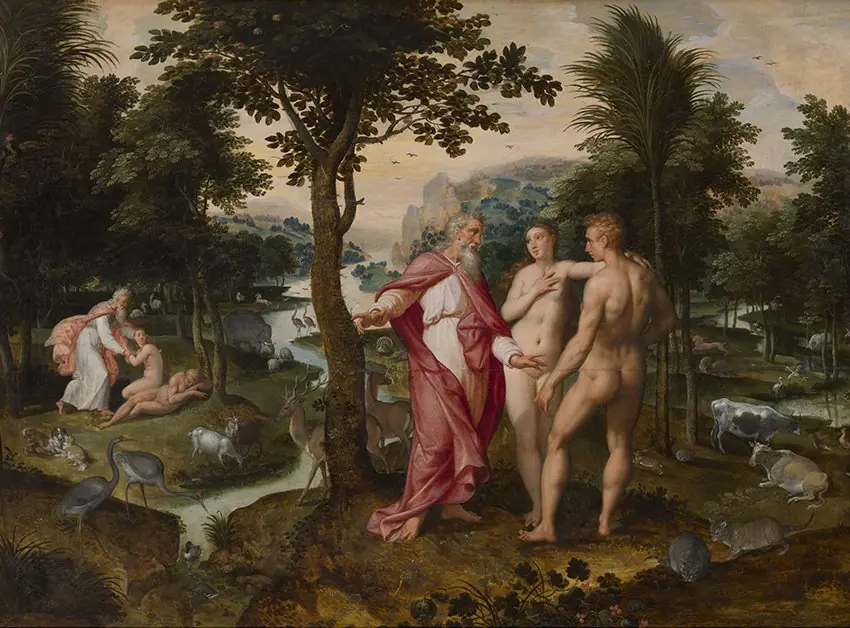 The Garden of Eden
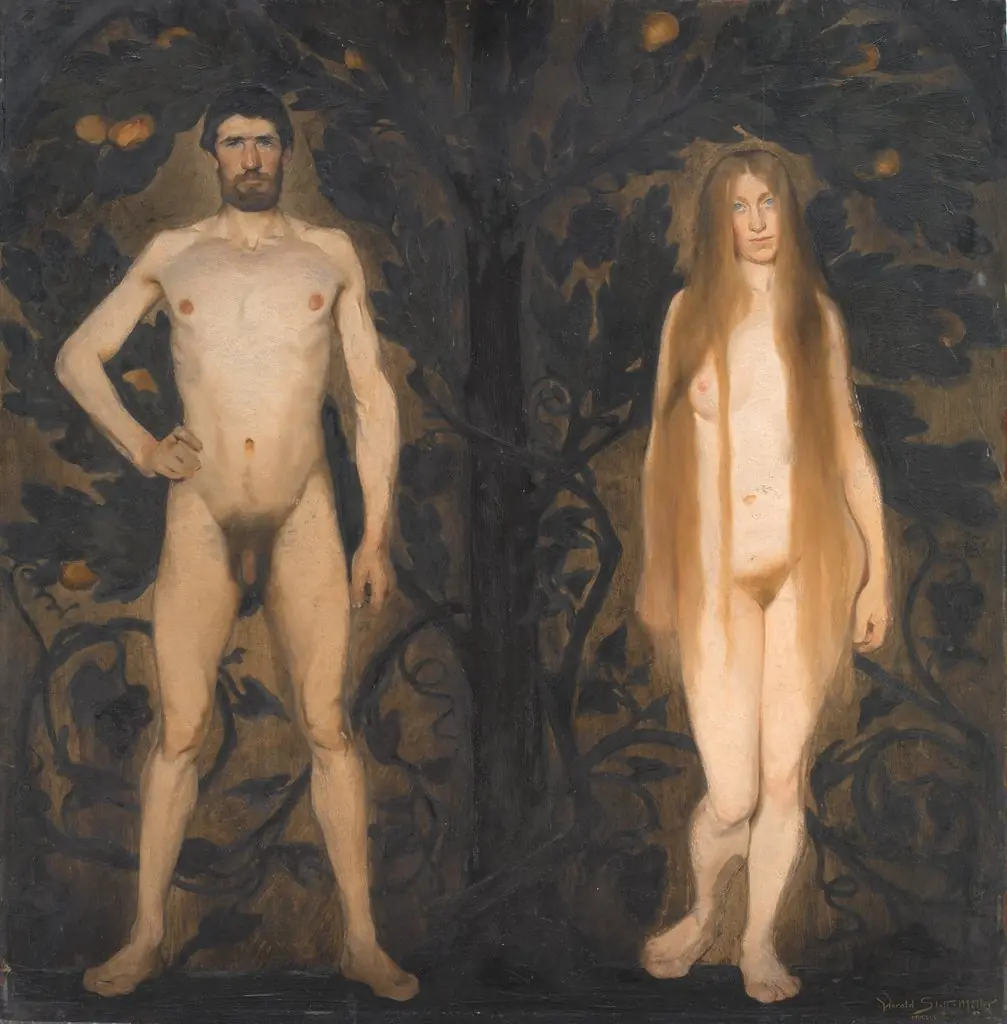 Adam and Eve
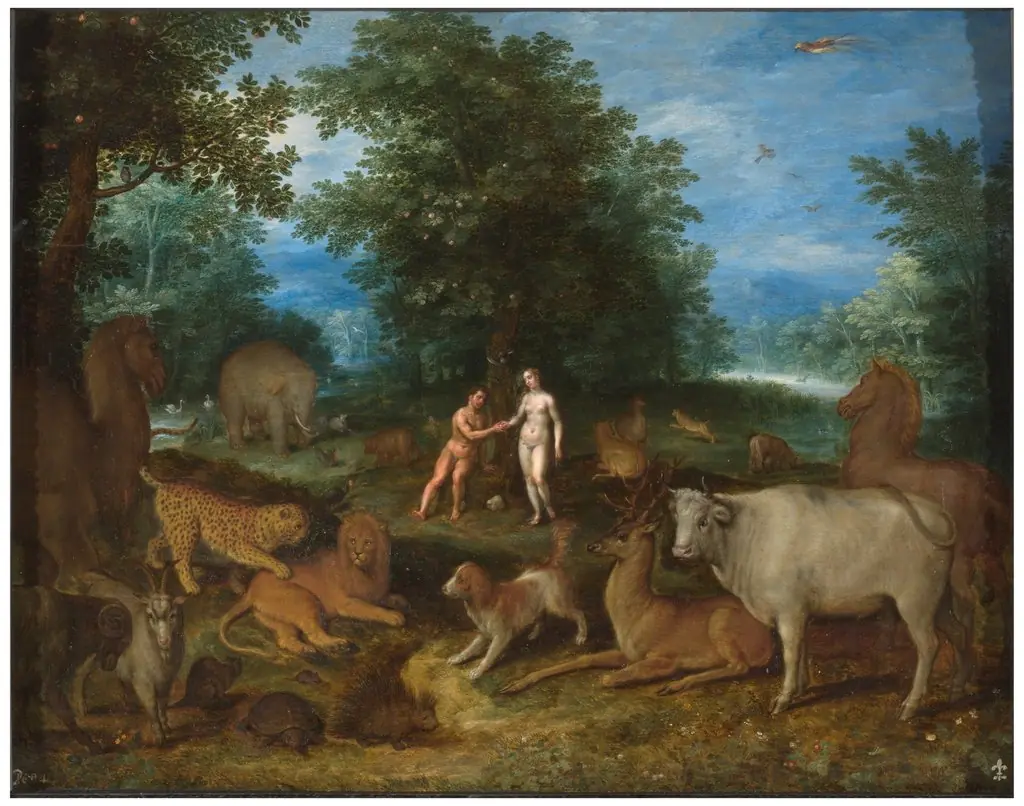 Adam and Eve in Paradise
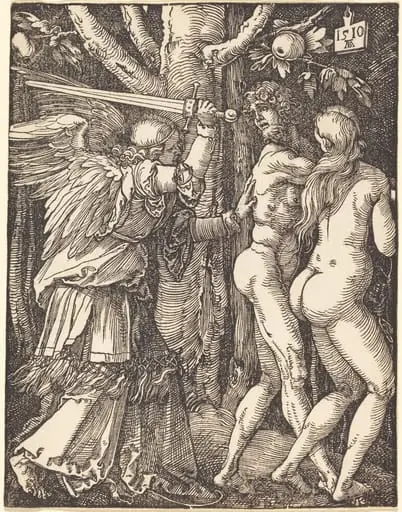 The Expulsion from Paradise
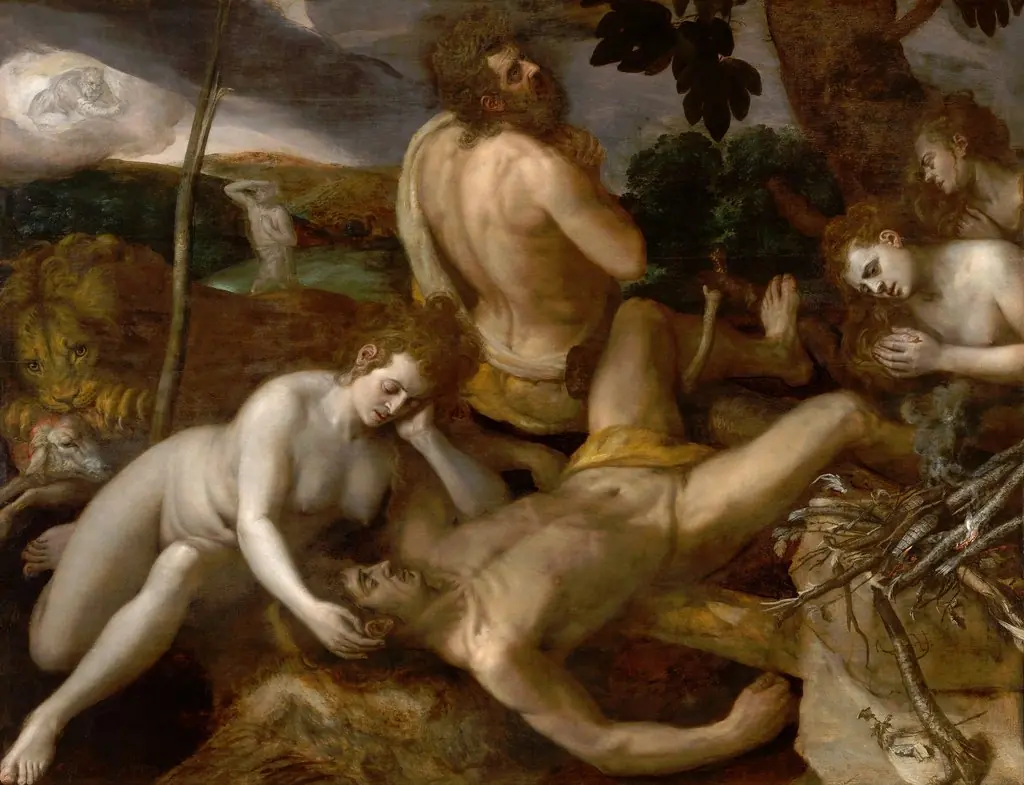 Adam and Eve grieve over the Dead Body of Abel
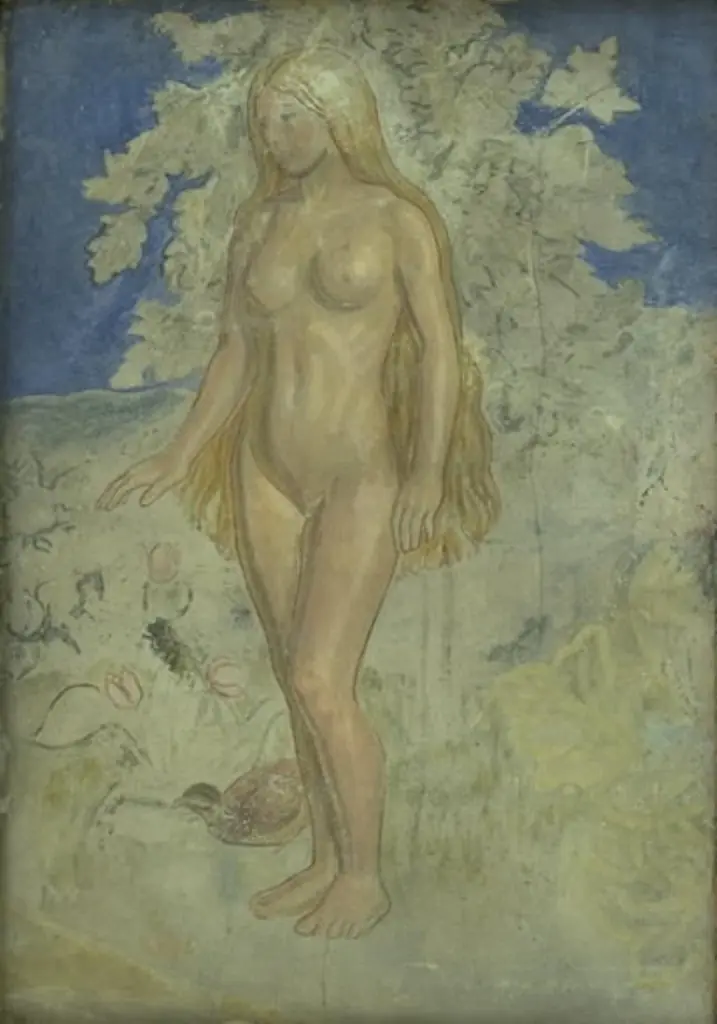 Eva
Eva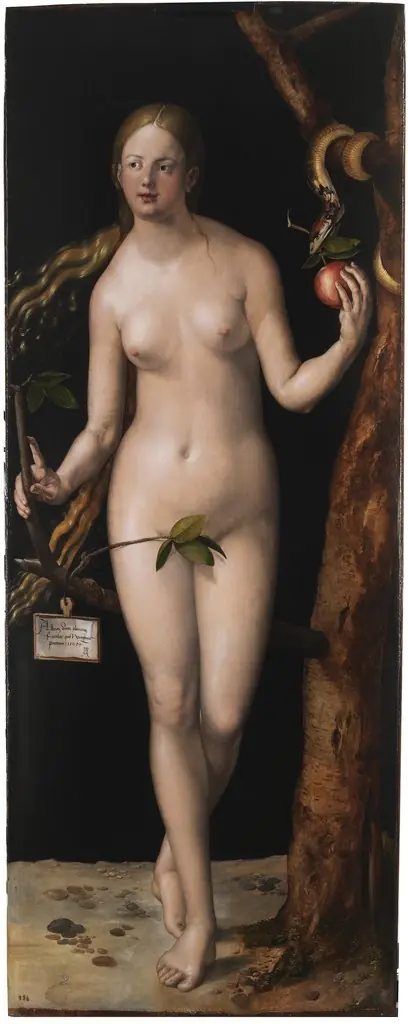 Eve
Eve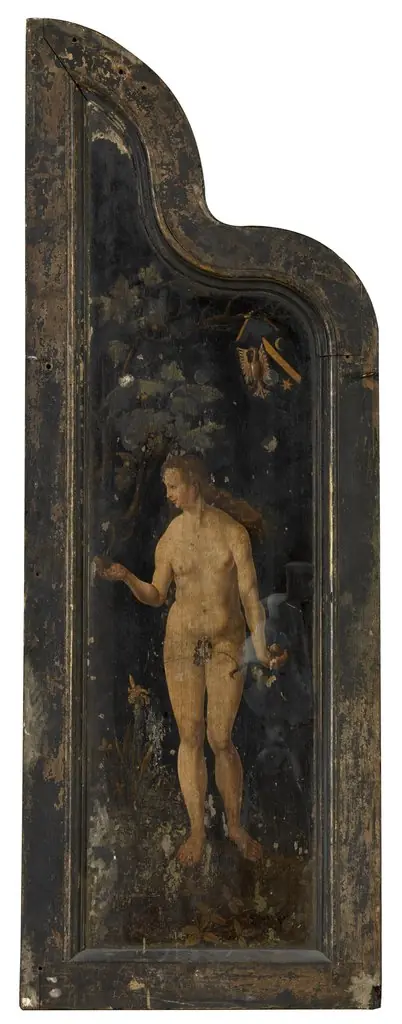 Eve
Eve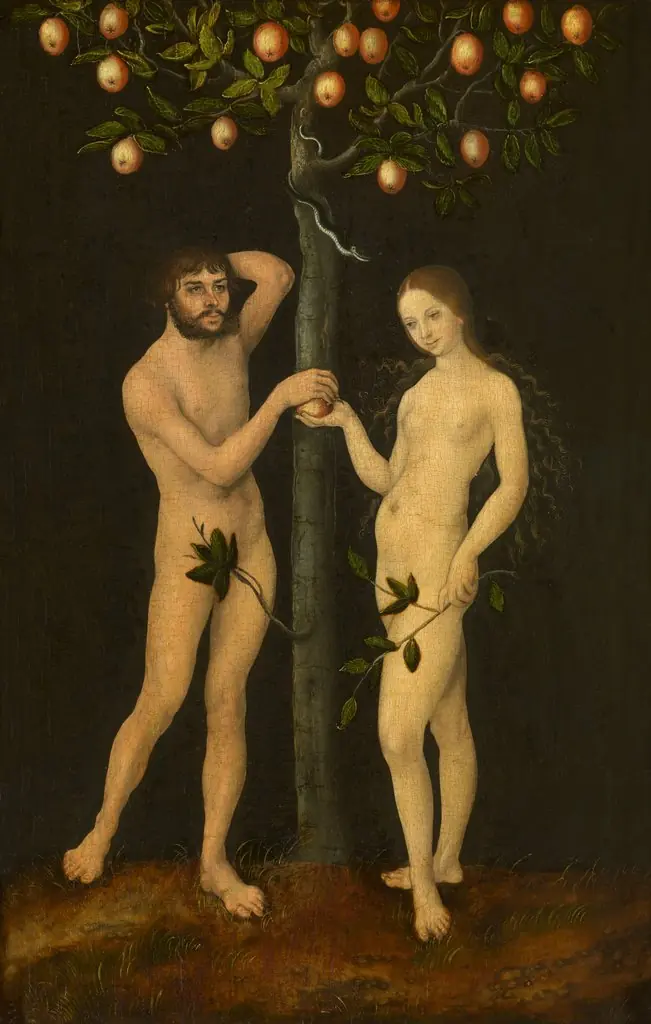 Adam and Eve
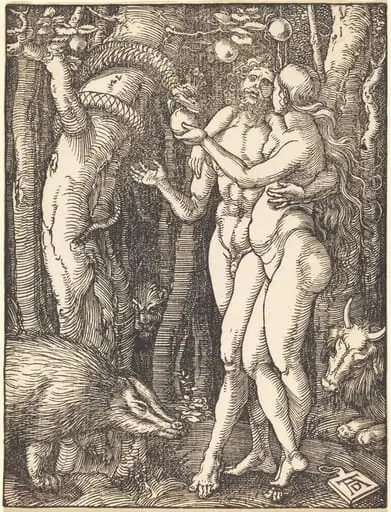 The Fall of Man
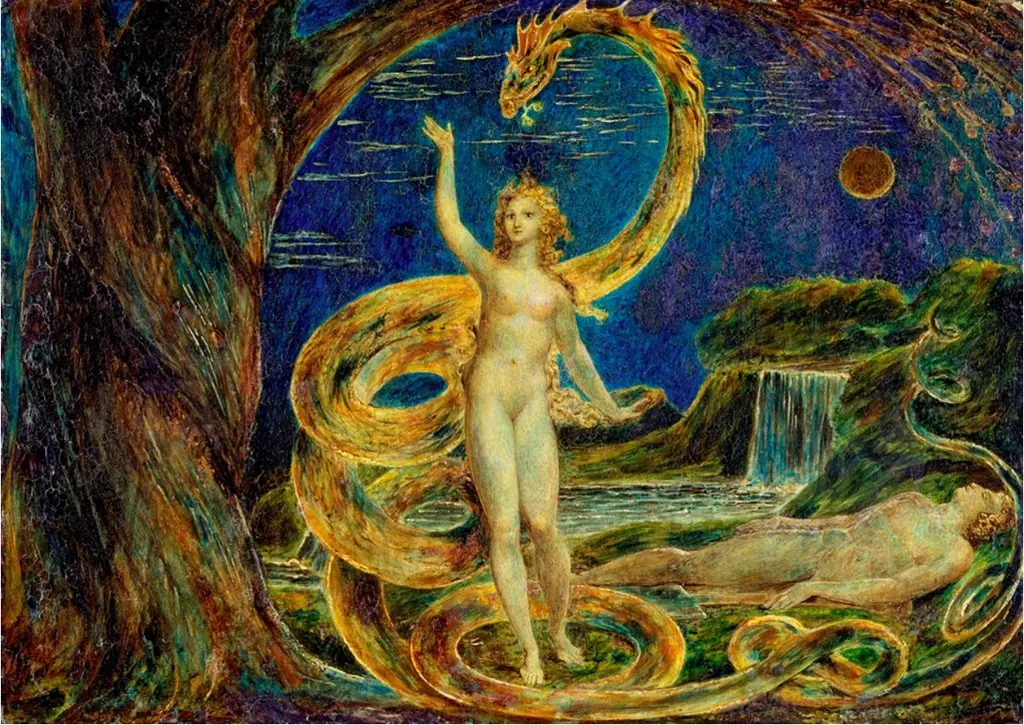 Eve Tempted by the Serpent
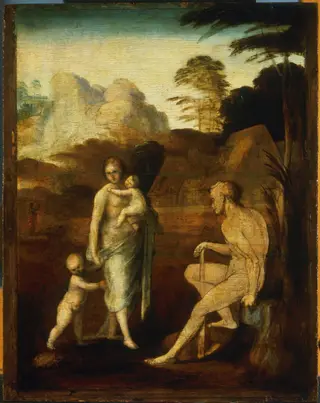 Adam and Eve with Cain and Abel
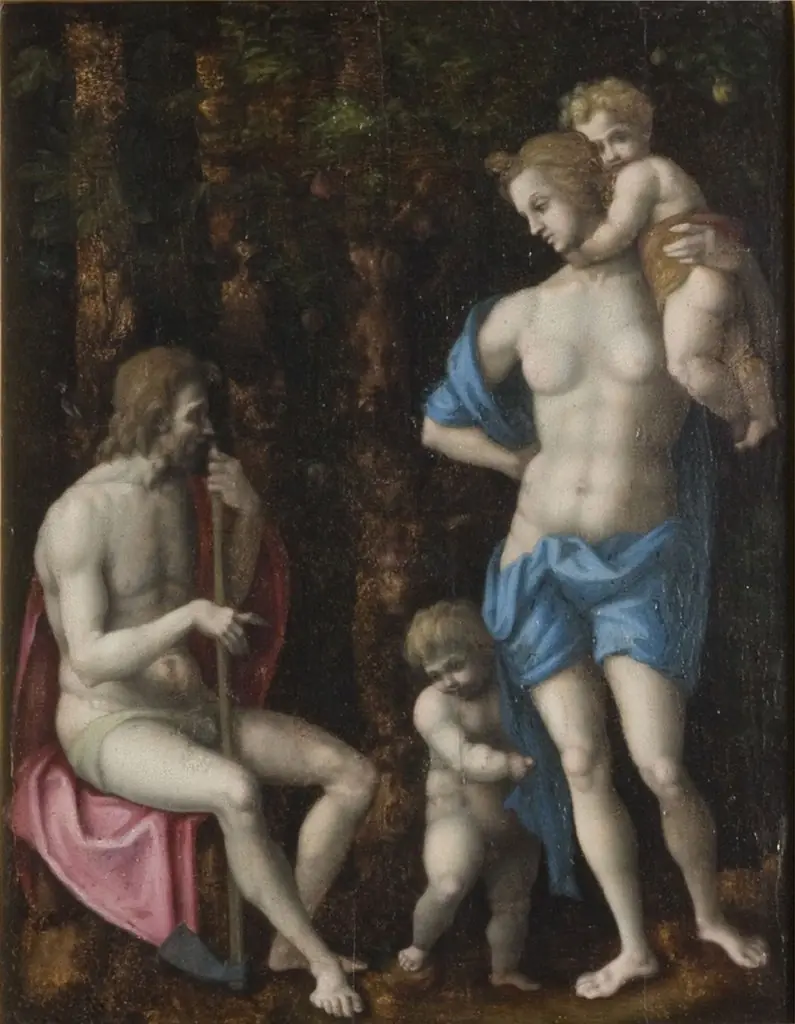 Adam and Eve with Cain and Abel
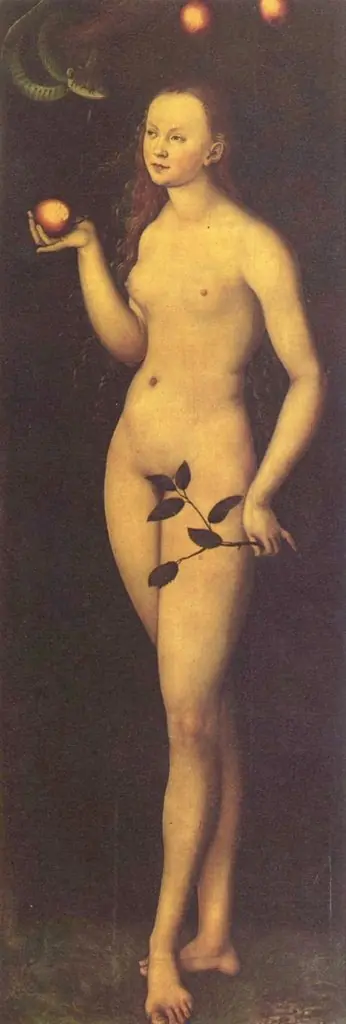 Eve
Eve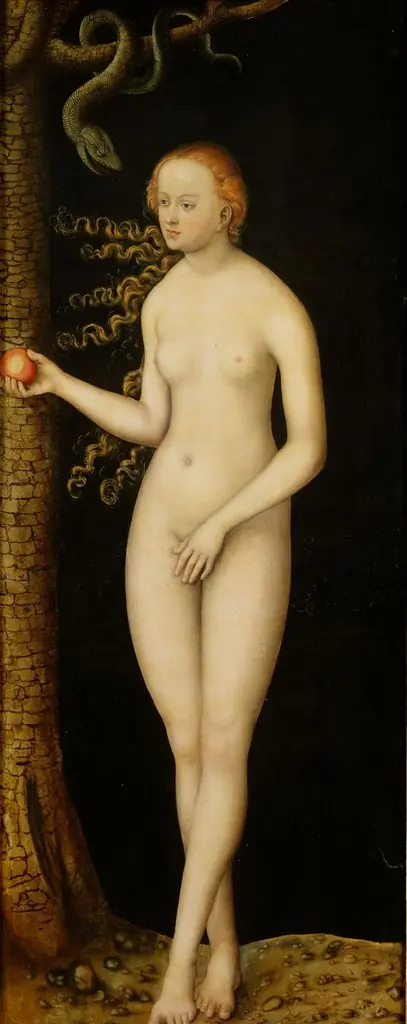 The Fall of Men: Eve
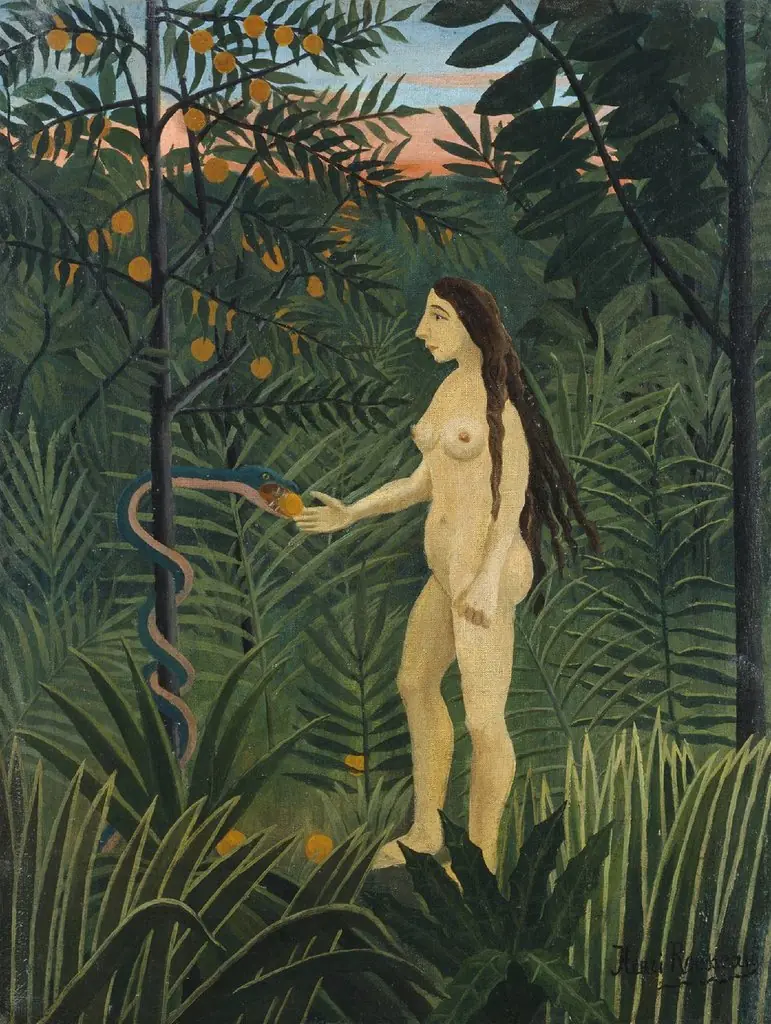 Eve and the Serpent
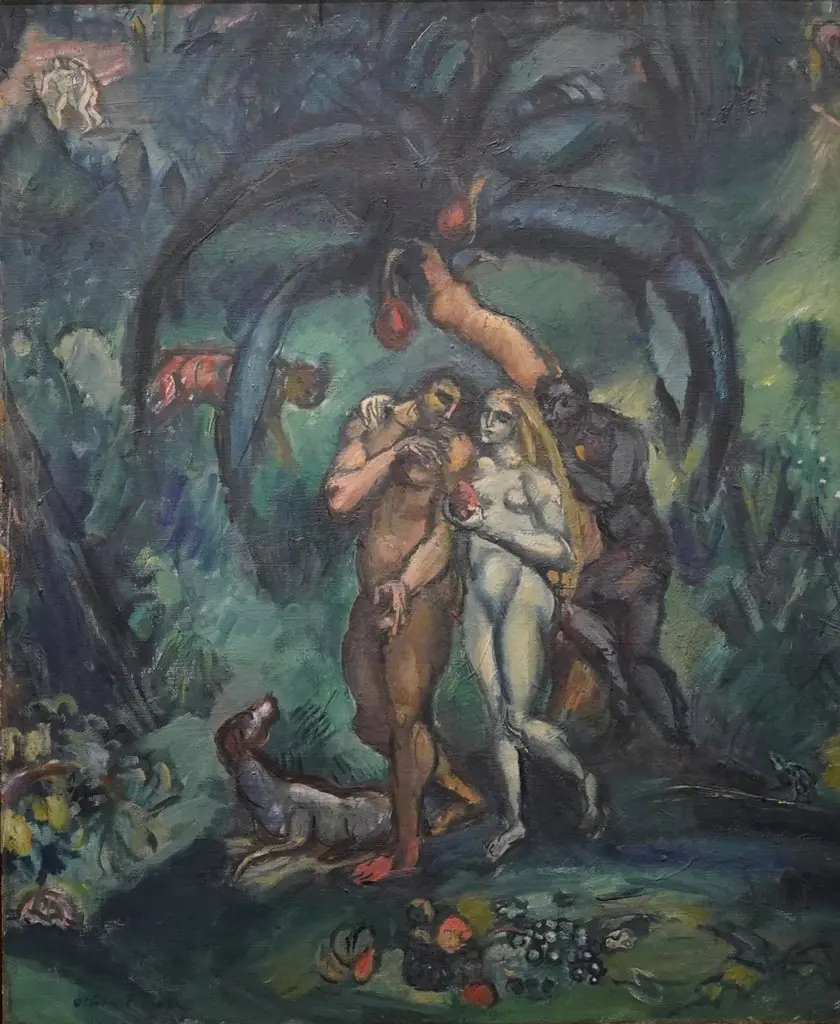 Temptation (Adam and Eve)
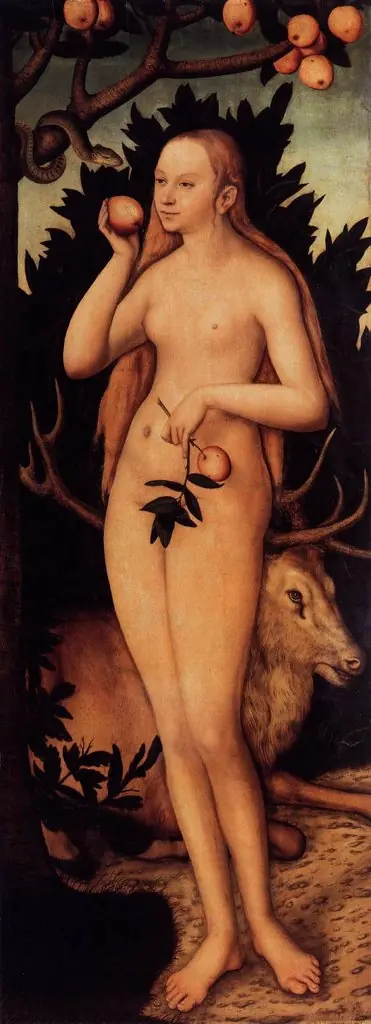 Eve
Eve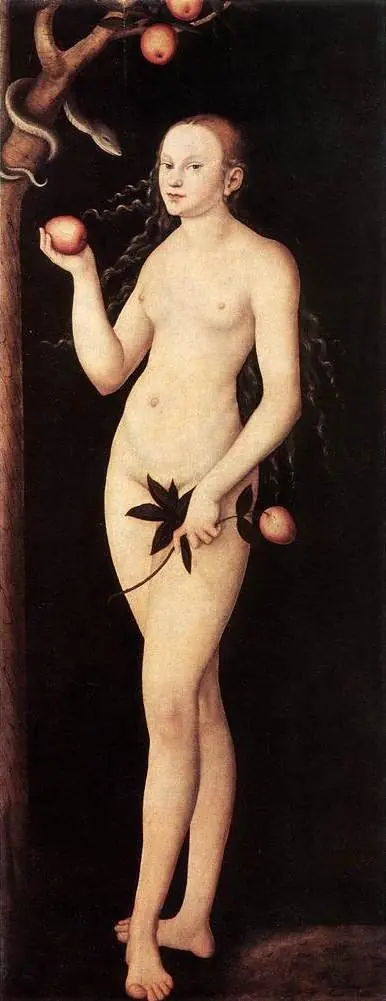 Eve
Eve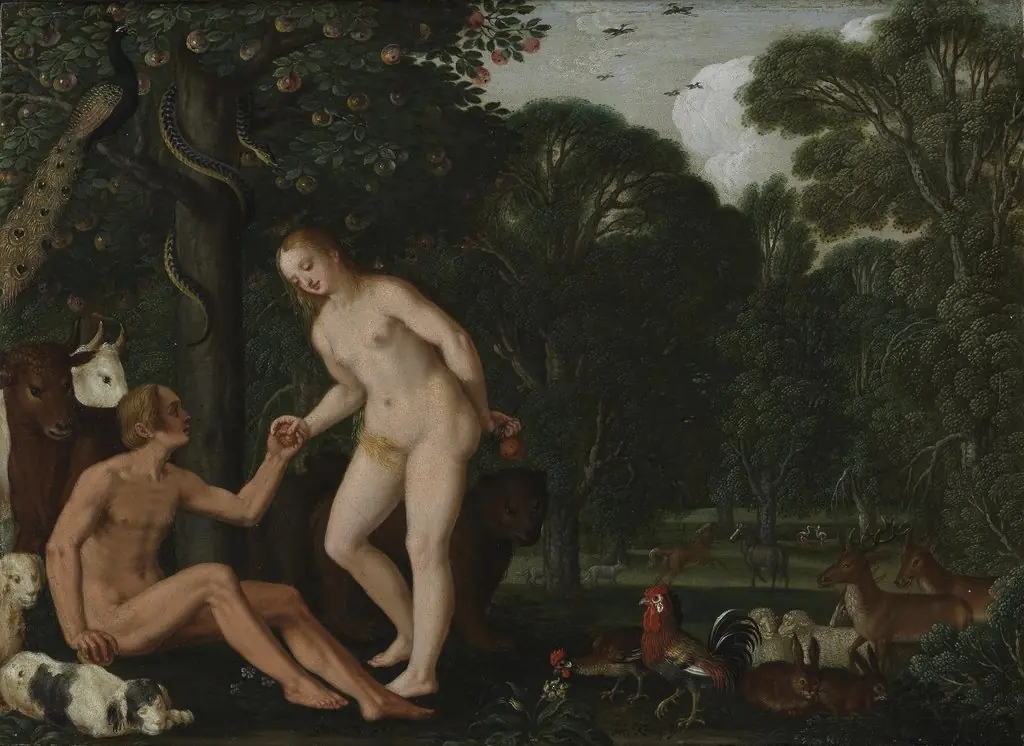 Adam and Eve in Paradise
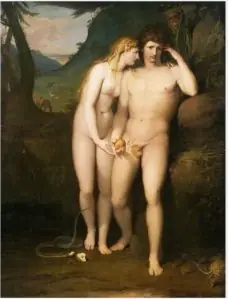 The Temptation of Adam
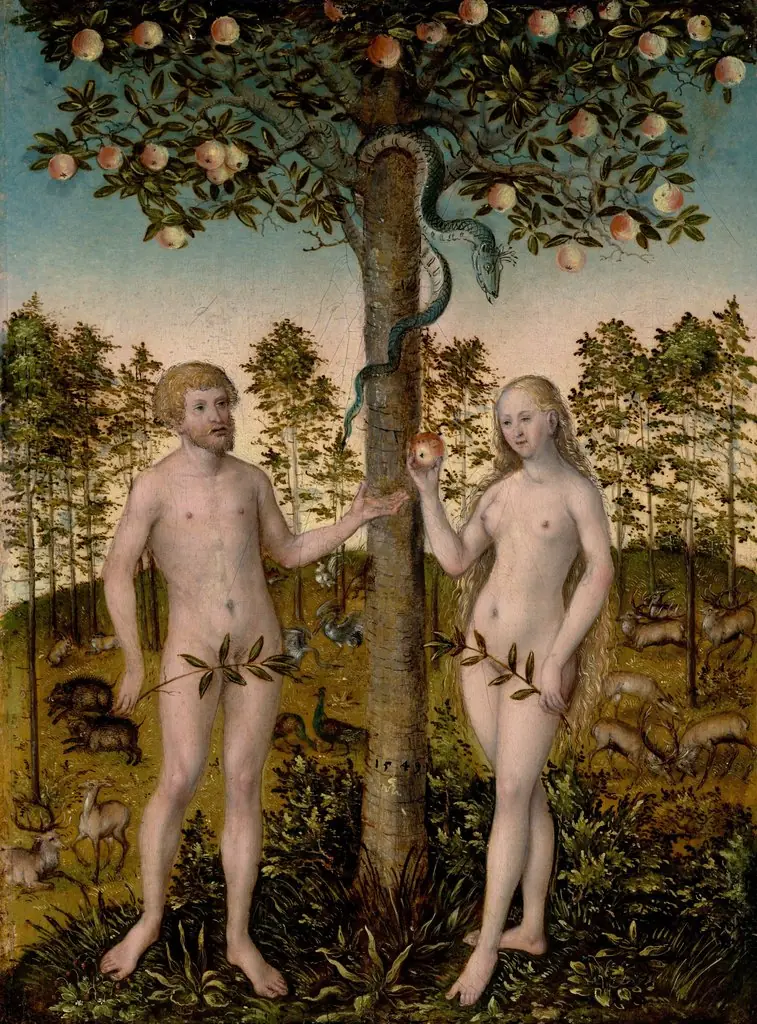 The Fall of Man
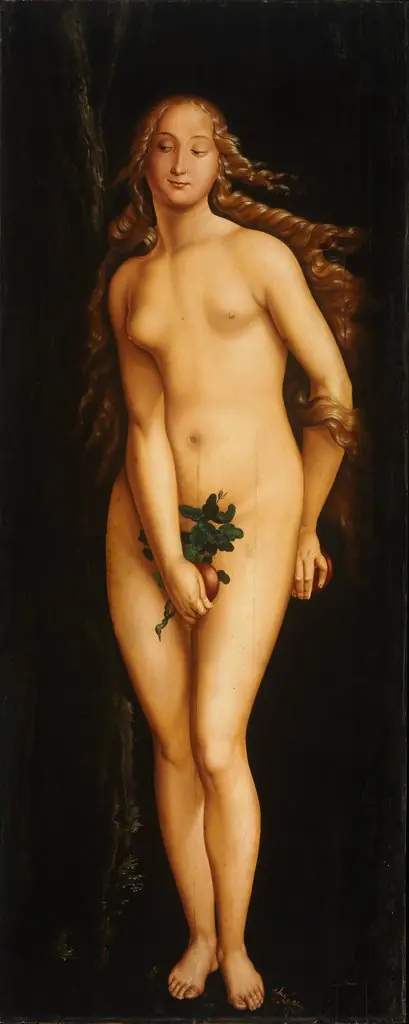 Eve
Eve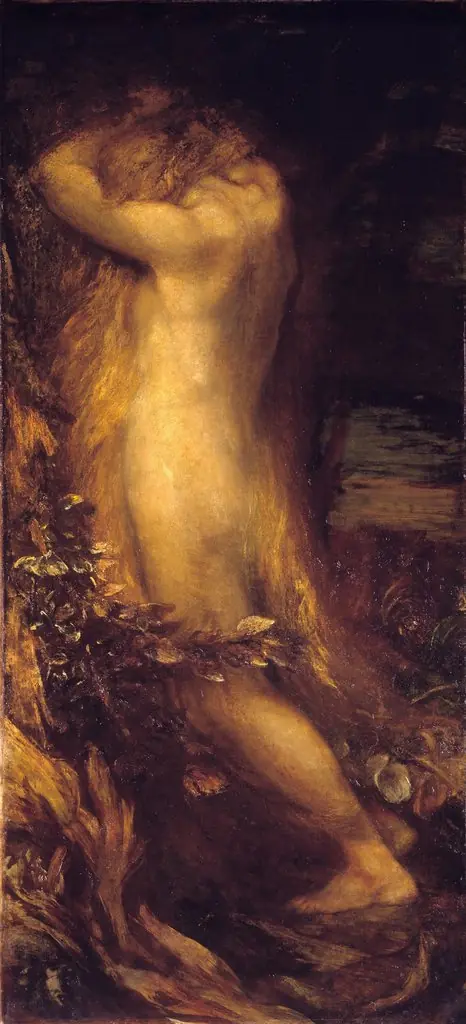 Eve Repentant
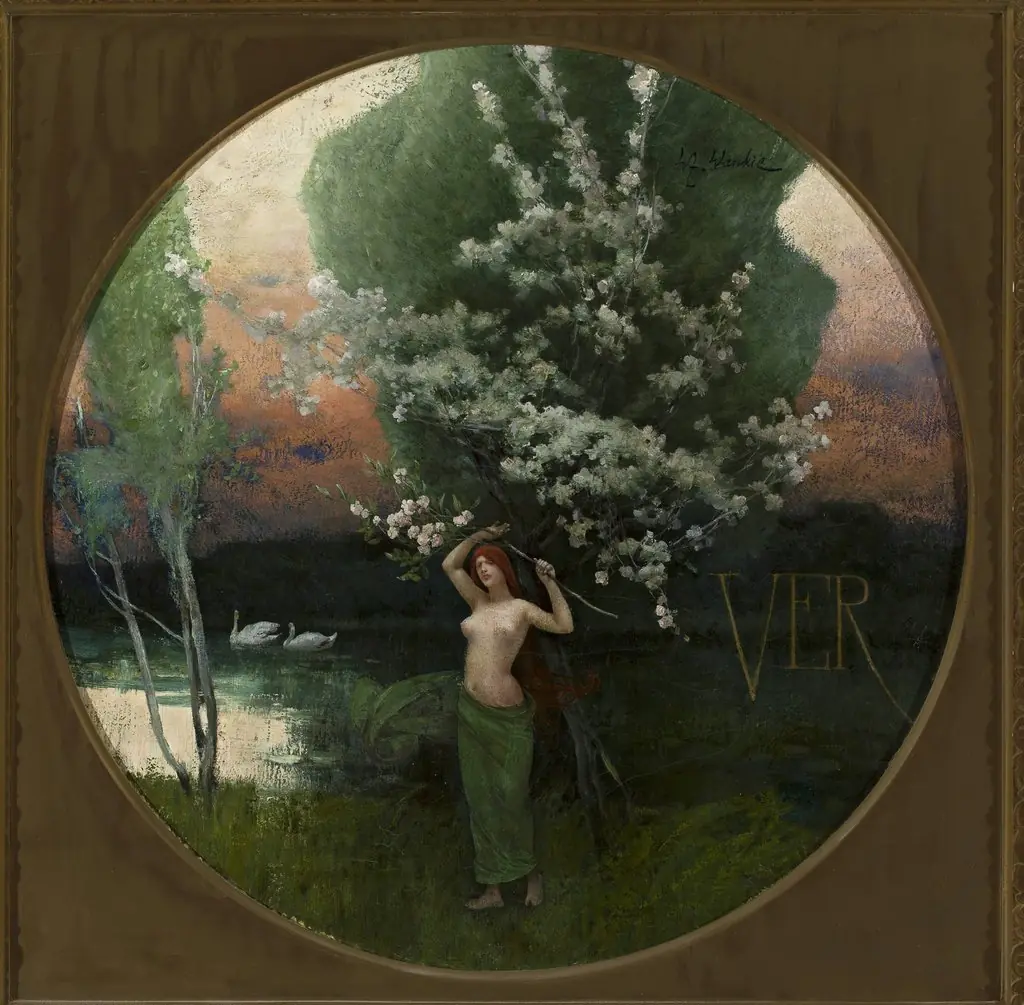 Springtime
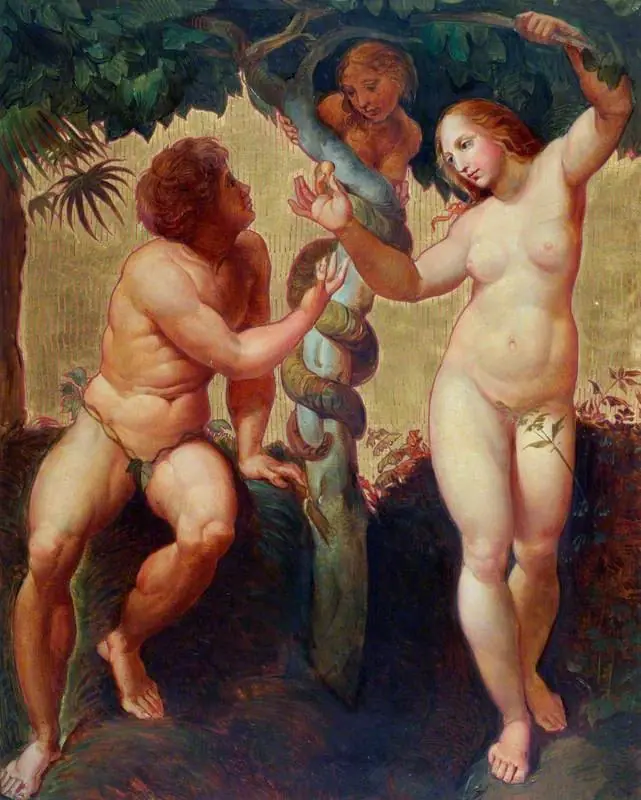 The Fall of Man (after Raphael)
 Eve
Eve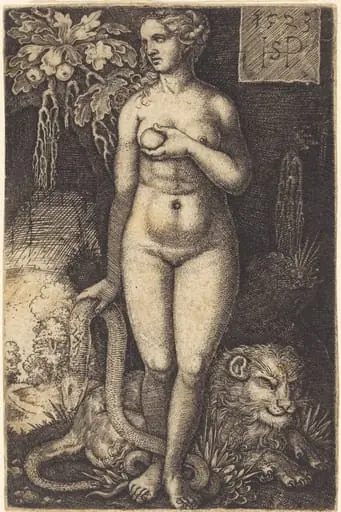 Eve Standing
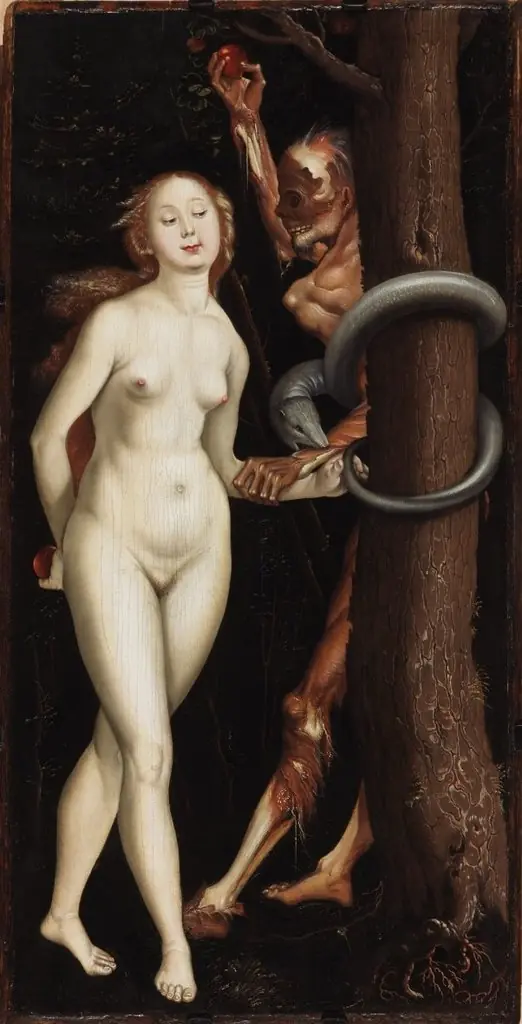 Eve, the Serpent and Death
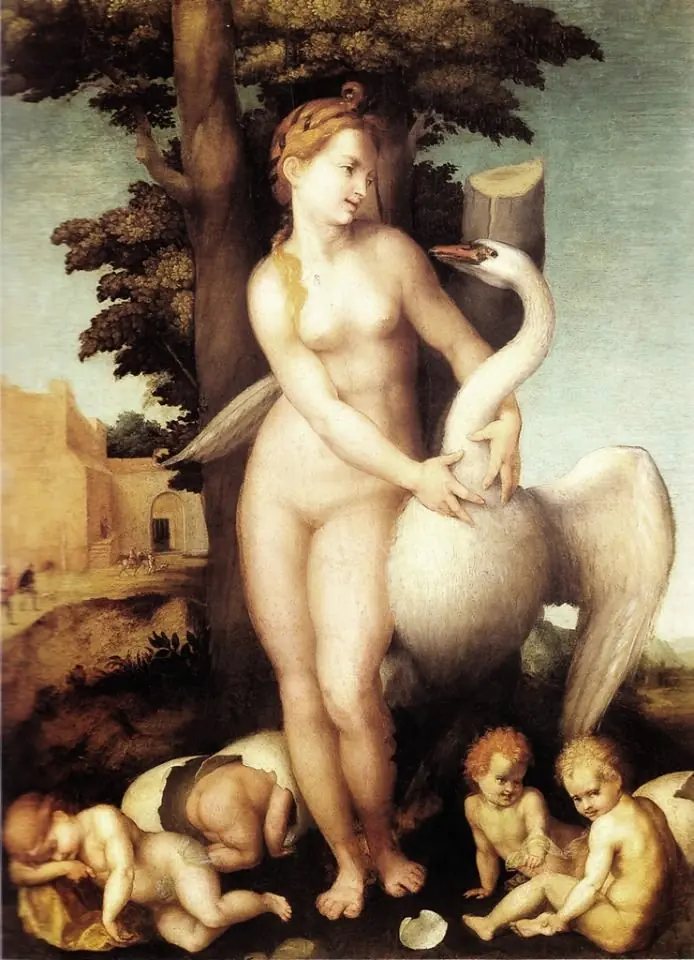 Leda and the swan
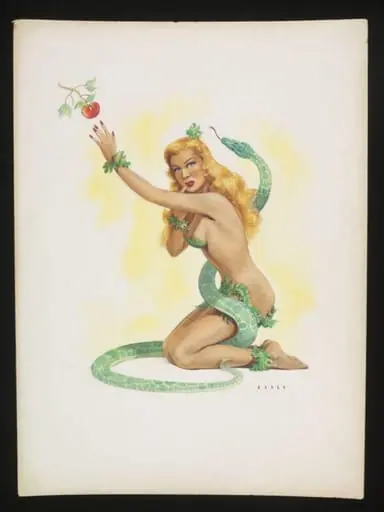 'Pin-up' girl as Eve with the serpent
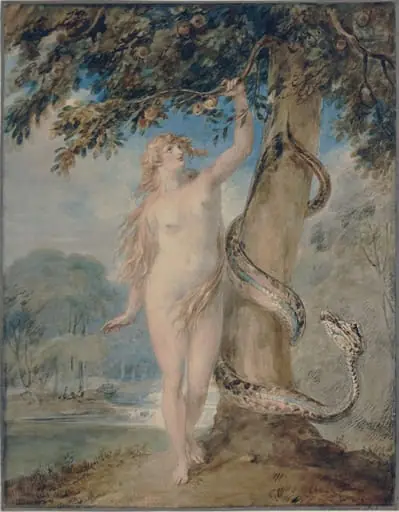 Eve and the Serpent
 Untitled
Frequently asked questions
What is Eve?
Eve is a feminine English given name, derived from the Latin name Eva, in turn originating with the Hebrew חַוָּה (Chavah/Havah – chavah, to breathe, and chayah, to live, or to give life).
How many Eve works does Artifact World Gallery have?
Artifact World Gallery holds 57 public-domain Eve works, all free to view and download.
Who are the key Eve artists?
Key Eve artists in the collection include Titian, Fra Bartolomeo and Adriaen van der Werff.
Where can I see Eve works?
Eve works in the collection are held by Metropolitan Museum of Art, Museo del Prado and Statens Museum for Kunst.