Subject
Dune
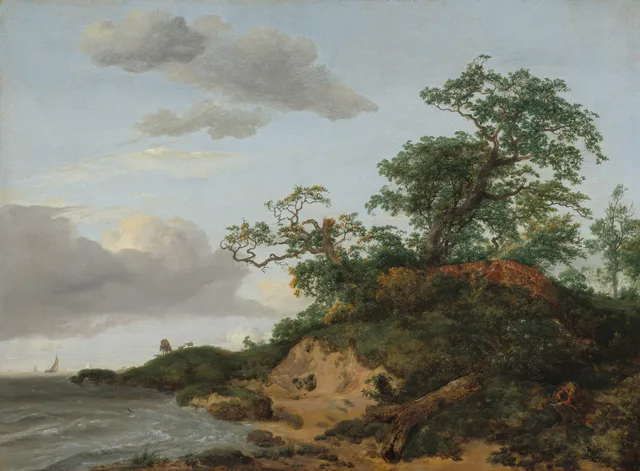
Dune is a subject in art. The gallery holds 50 works in this subject in art, including works by Jacob van Ruisdael, Jan Wijnants and Philips Wouwerman.
A dune is a landform composed of wind- or water-driven sand. It typically takes the form of a mound, ridge, or hill.
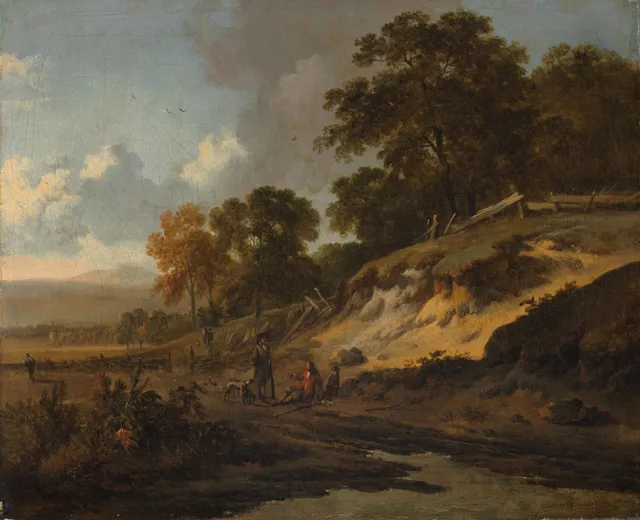
Key artists

Overview
A dune is a landform composed of wind- or water-driven sand, typically taking the form of a mound, ridge, or hill. The term entered English from French around 1790, which itself derived from Middle Dutch dūne. While dunes are most commonly associated with desert environments, where arid conditions prevent vegetation from interfering with their formation, they also occur along seashores, stream beds in semiarid climates, glacial outwash areas, and wherever poorly cemented sandstone bedrock produces ample loose sand. In art, dunes have served as a recurring motif that bridges naturalistic landscape representation and symbolic meaning, offering artists a subject that combines geological specificity with atmospheric and emotional possibility. The collection holds 50 works that depict dunes, indicating the motif's substantial presence across multiple artistic traditions and periods.
Iconography & meaning
Dunes carry layered significance in visual art beyond their geological identity. As coastal landforms, they function as protective barriers against storm waves, a practical role that translates into symbolic associations with shelter, boundary, and transition between elemental realms of land and sea. The dynamic quality of dunes, their capacity to drift and reshape under wind and water, lends them metaphorical weight as emblems of impermanence and natural flux. In Dutch and Flemish painting traditions particularly, dunes often anchor scenes of everyday activity, hunting, or travel, grounding human narrative within a specific regional topography while the shifting sand itself suggests temporal passage. The dune slack, or valley between dunes, creates natural compositional devices of recession and depth. Artists have exploited the characteristic asymmetry of dunes, longer on the stoss (upflow) side and shorter on the lee with its slip face, to construct dramatic lighting effects and spatial rhythms.
In the collection
The collection's 50 works featuring dunes demonstrate the motif's versatility across genres and formats. Representative titles include Landscape with Hunters, Dune Landscape with Figures, Morning Ride on the Beach, Landscape with a Windmill, Dunes by the Sea, Men of Skagen on a Summer Evening in Fair Weather, Wooded Landscape with Oncoming Storm, The entrance to the woods, Dune Landscape near Haarlem, and Sandy Track in the Dunes. These works span pure landscape, genre scenes with figures, marine and beach subjects, and weather studies. The geographic specificity of titles such as Dune Landscape near Haarlem indicates the strong association between dune depiction and particular coastal regions, notably the Dutch and Belgian coastlines where dune systems form a continuous strip from northern France through the Netherlands and German Wadden to Denmark. The inclusion of works by artists associated with Skagen suggests Nordic coastal dune traditions as well.
Across movements & periods
The treatment of dunes in art evolved considerably across movements and periods, reflecting both changing artistic priorities and regional environmental realities. Early Dutch Golden Age landscapes of the seventeenth century, such as those referencing Haarlem, established dunes as a distinctive national topography, with artists exploiting the dramatic potential of coastal light on sand. The nineteenth-century Skagen Painters, working in northern Denmark, brought Impressionist-influenced attention to atmospheric conditions and the specific quality of Nordic summer evening light on coastal dunes, as evidenced by Men of Skagen on a Summer Evening in Fair Weather. The motif accommodated both naturalistic and increasingly expressive treatments, from windmill-studded pastoral scenes to dramatic weather studies like Wooded Landscape with Oncoming Storm, where dunes serve as terrain across which meteorological drama unfolds. Across these periods, dunes remained a constant subject precisely because of their formal flexibility, they could support intimate figure studies, expansive panoramas, or near-abstract investigations of light and surface.
Legacy
The dune motif's persistence across 50 works in the collection testifies to its enduring utility for artists exploring boundary conditions, between land and sea, shelter and exposure, stability and flux. In broader cultural terms, dunes have maintained their significance as both ecological and aesthetic subjects. The Dutch coastal dune system, with its distinction between younger seaward dunes and older inland ridges, has shaped settlement patterns and national identity, with cities from Haarlem to The Hague built upon ancient dune formations. Conservation efforts, including the planting of marram grass to stabilize dunes and the protection of dune vegetation through restricted access, reflect ongoing human negotiation with these dynamic landforms. The artistic legacy of dunes extends into contemporary environmental consciousness, where their representation carries renewed meaning regarding coastal erosion, climate change, and the fragile equilibrium between human habitation and natural process.
Works
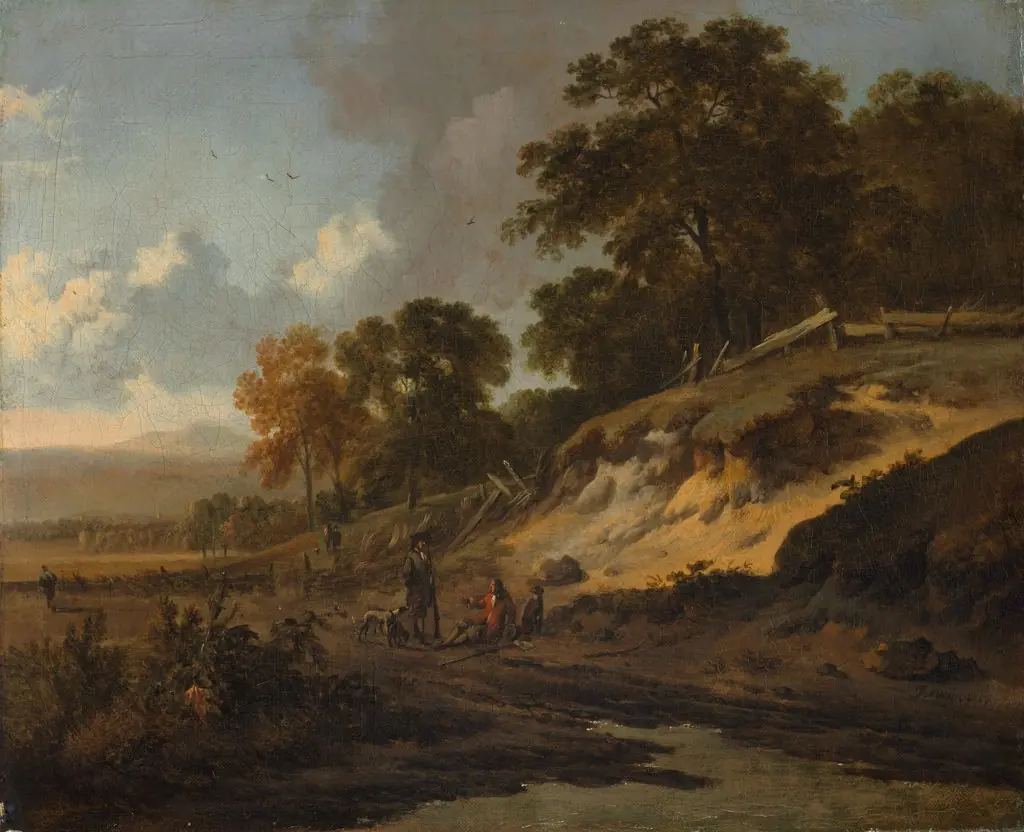 Landscape with Hunters
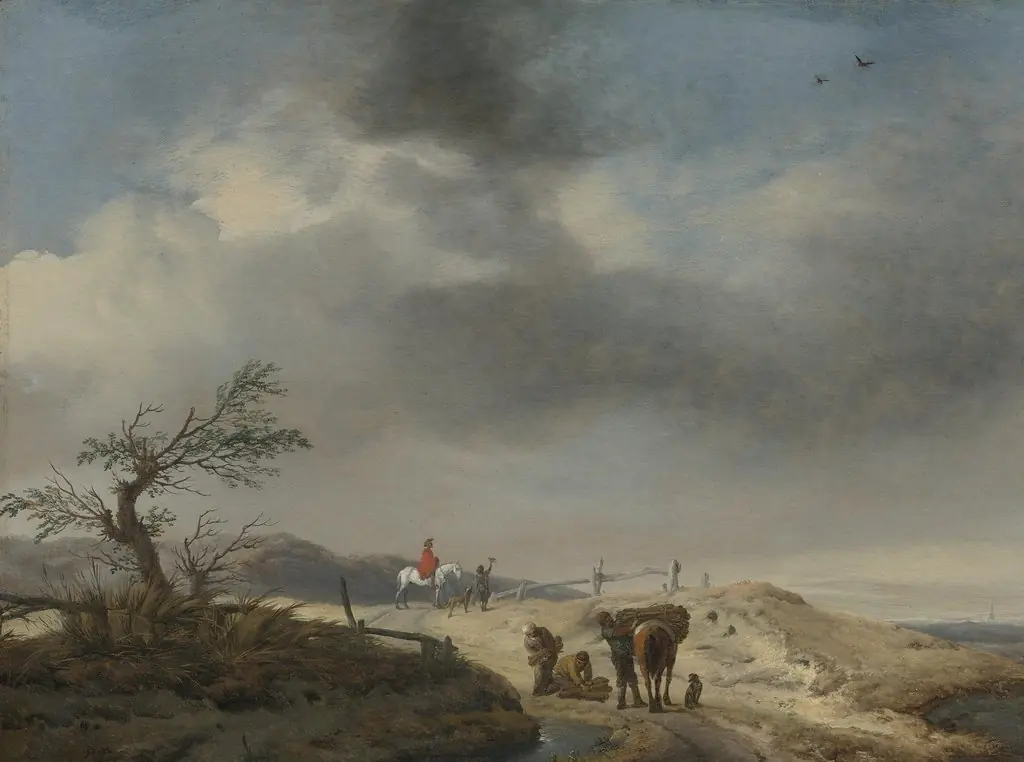 Dune Landscape with Figures
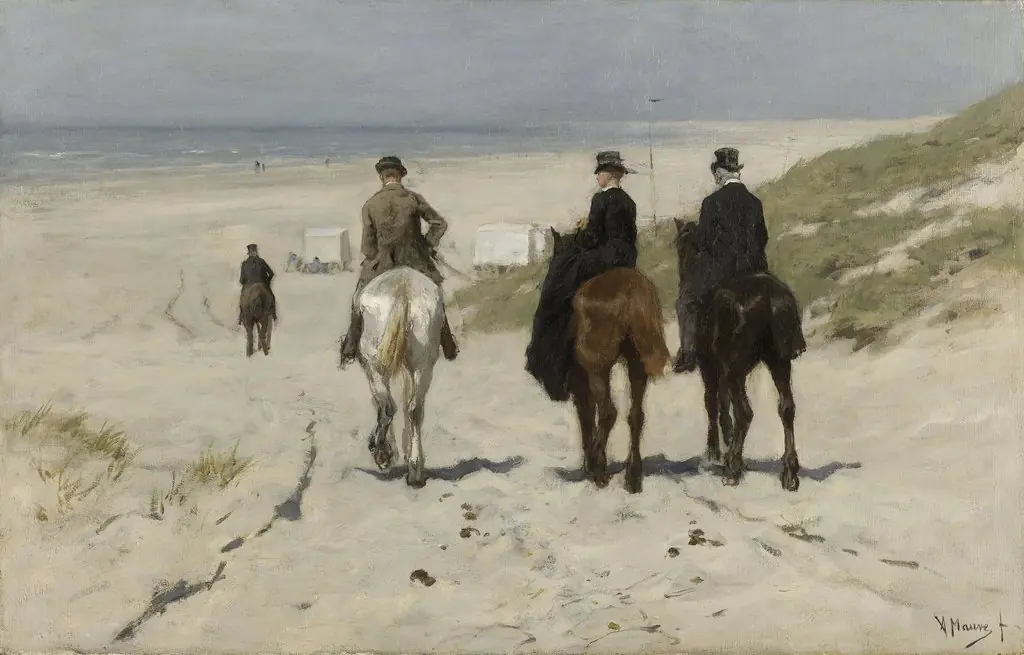 Morning Ride on the Beach
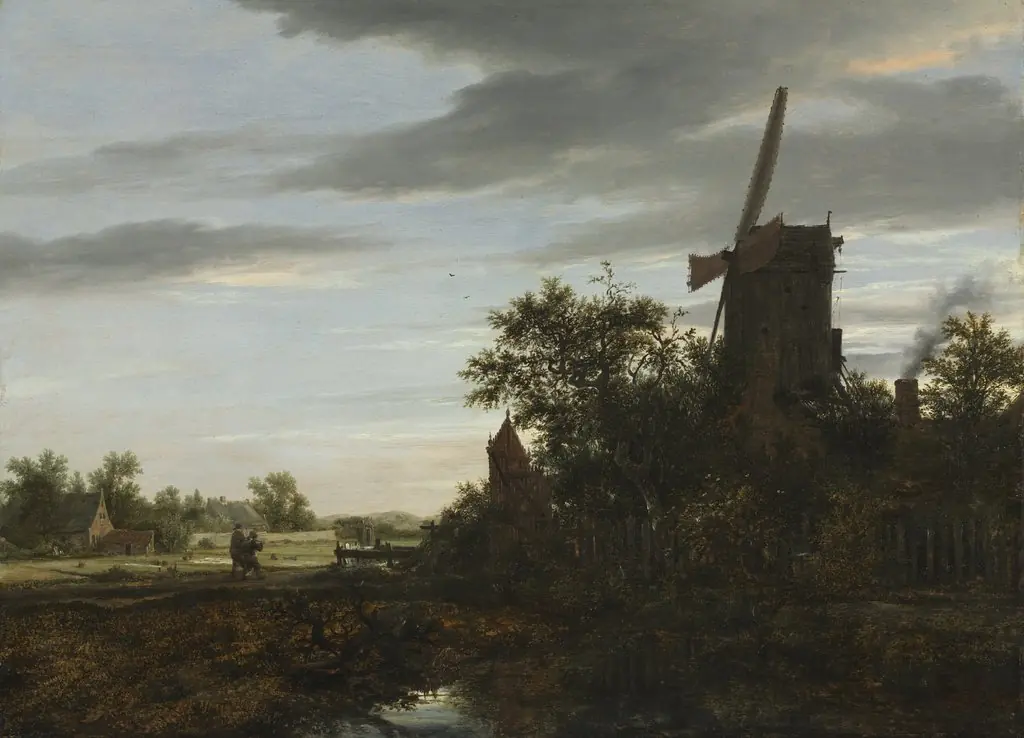 Landscape with a Windmill
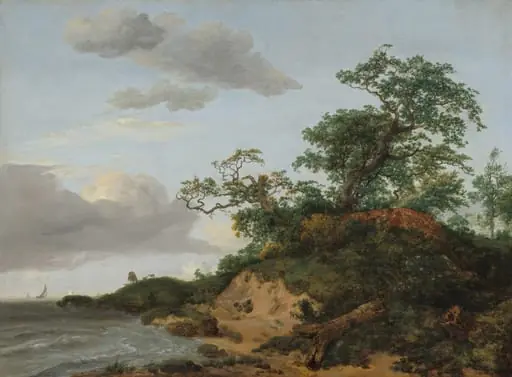 Dunes by the Sea
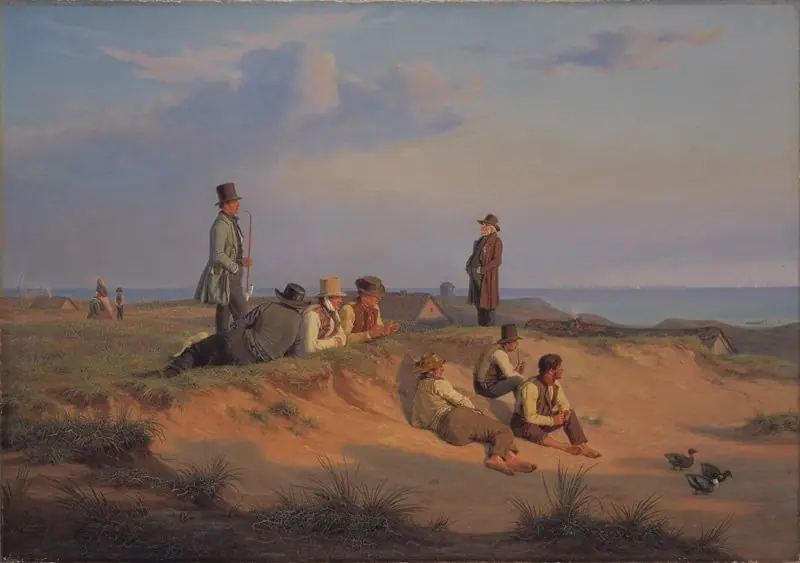 Men of Skagen on a Summer Evening in Fair Weather
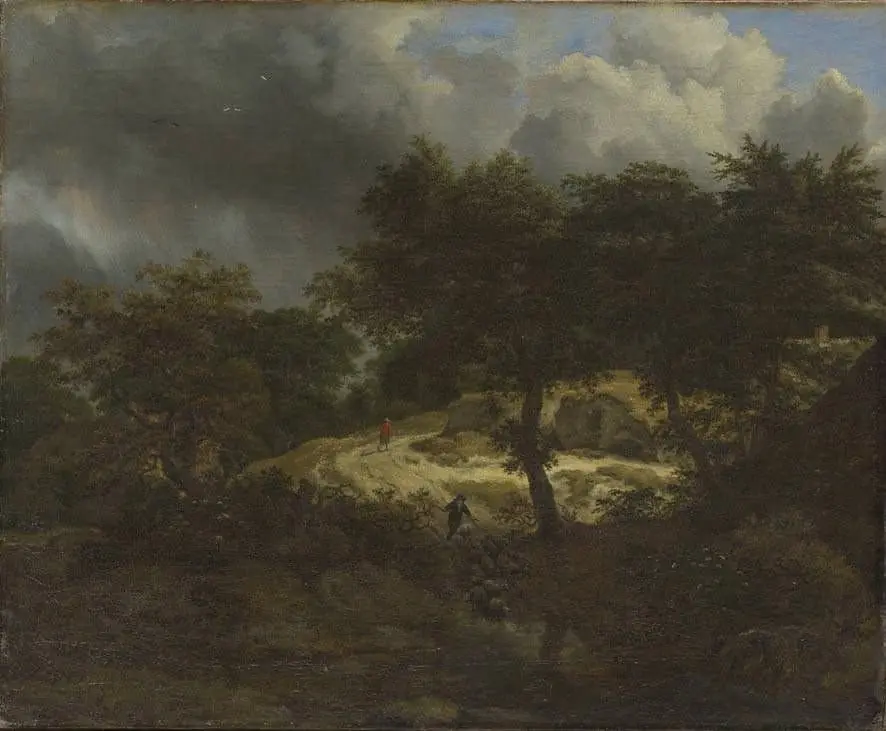 Wooded Landscape with Oncoming Storm
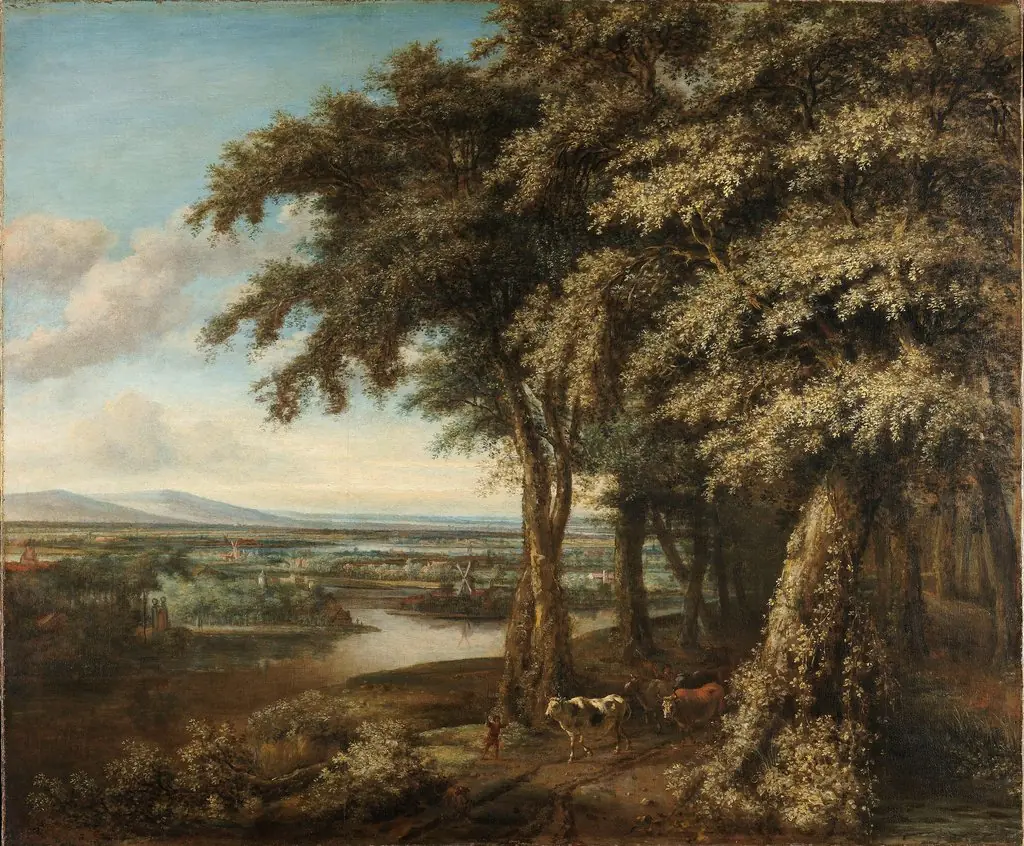 The entrance to the woods
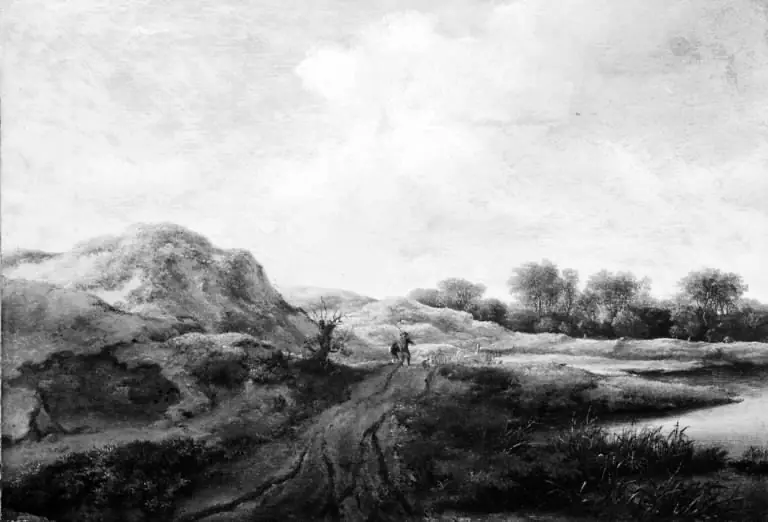 Dune Landscape near Haarlem
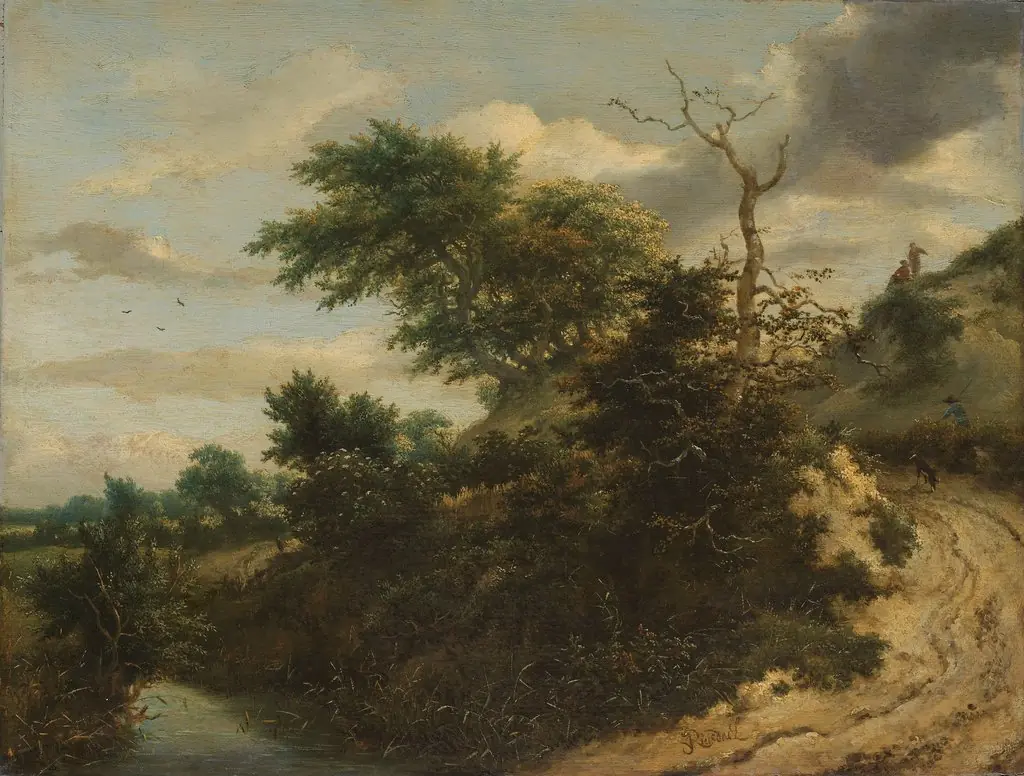 Sandy Track in the Dunes
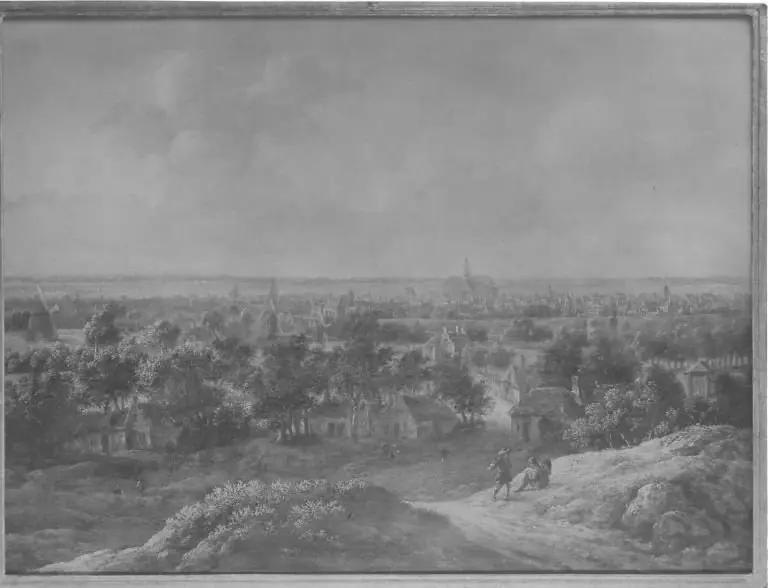 Outskirts of Haarlem
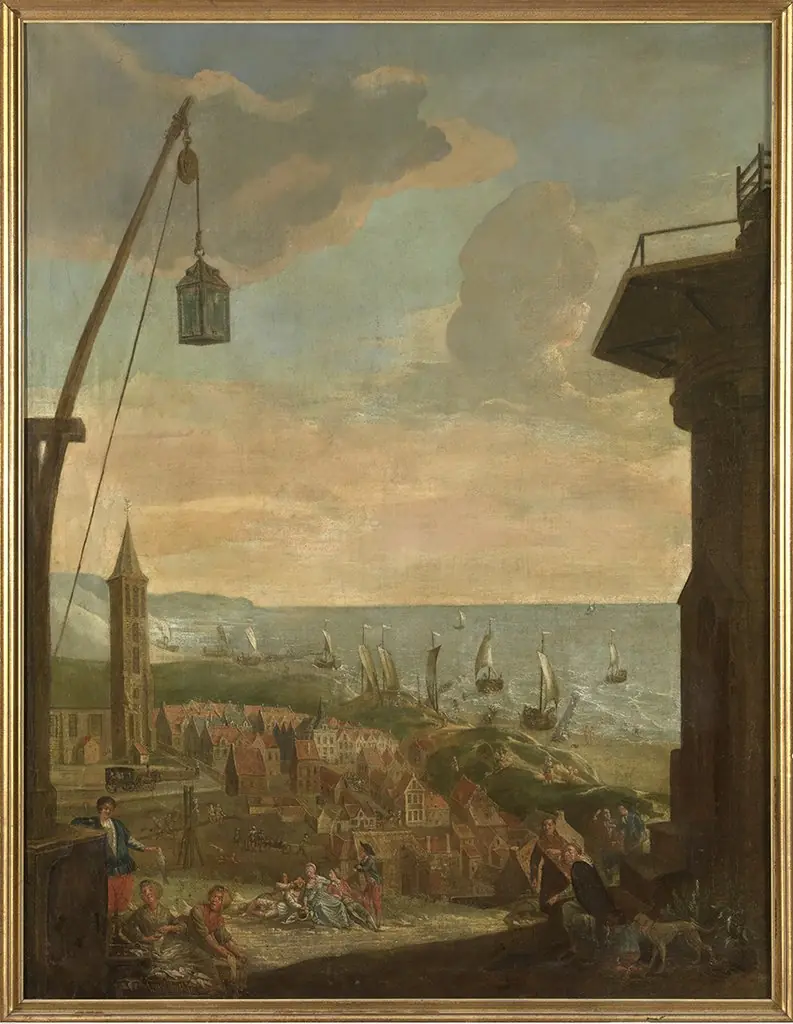 Gezicht op Blankenberghe
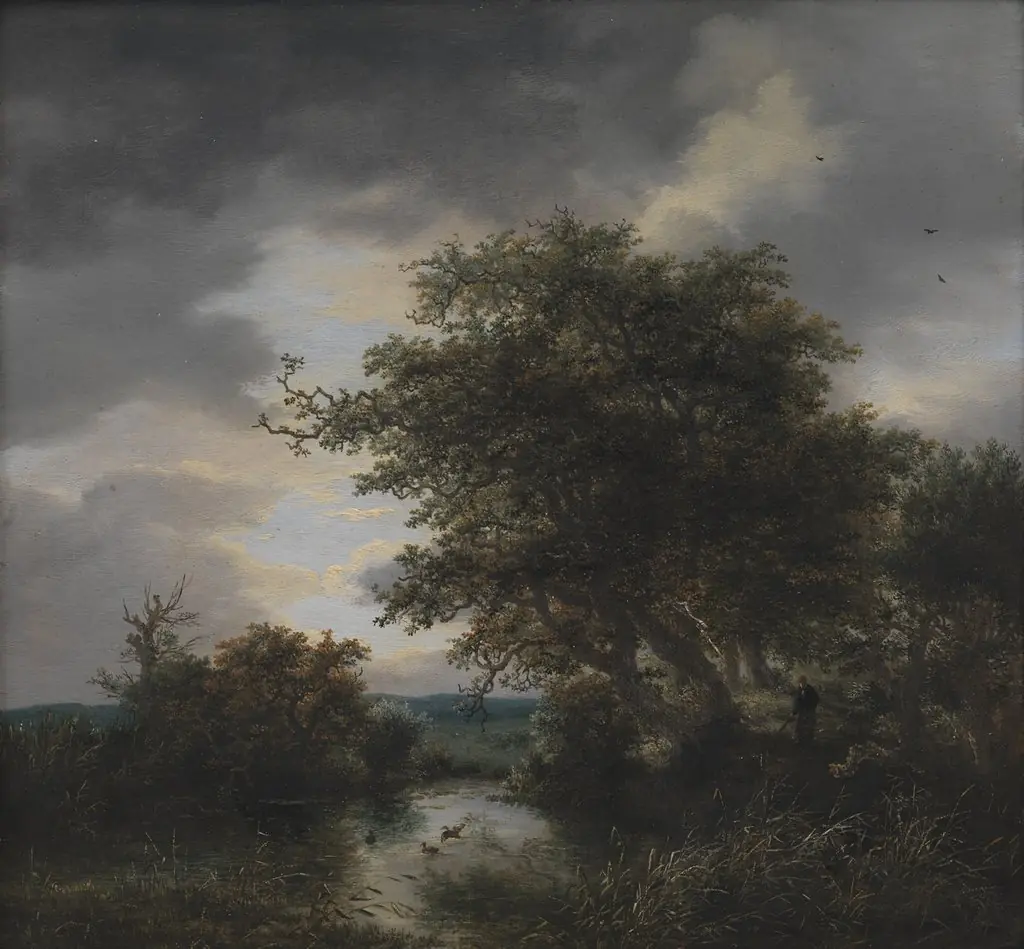 Oak Trees by a Pond
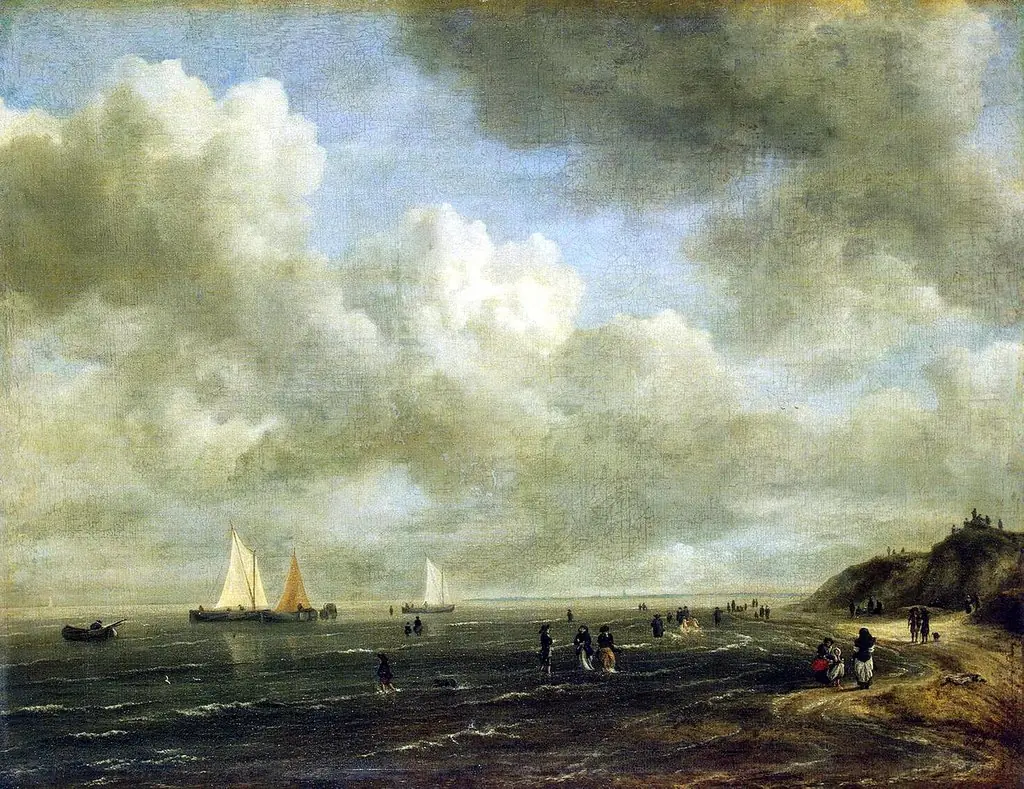 Seashore
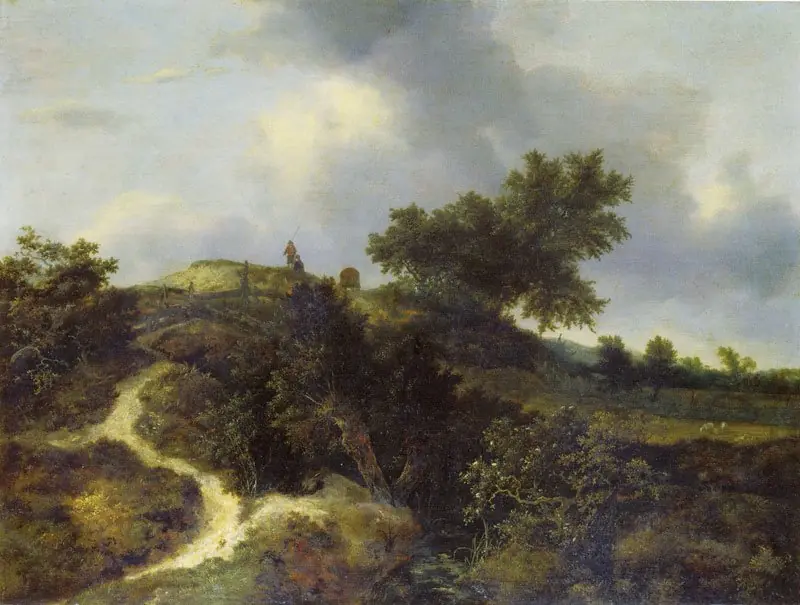 Road in the Dunes
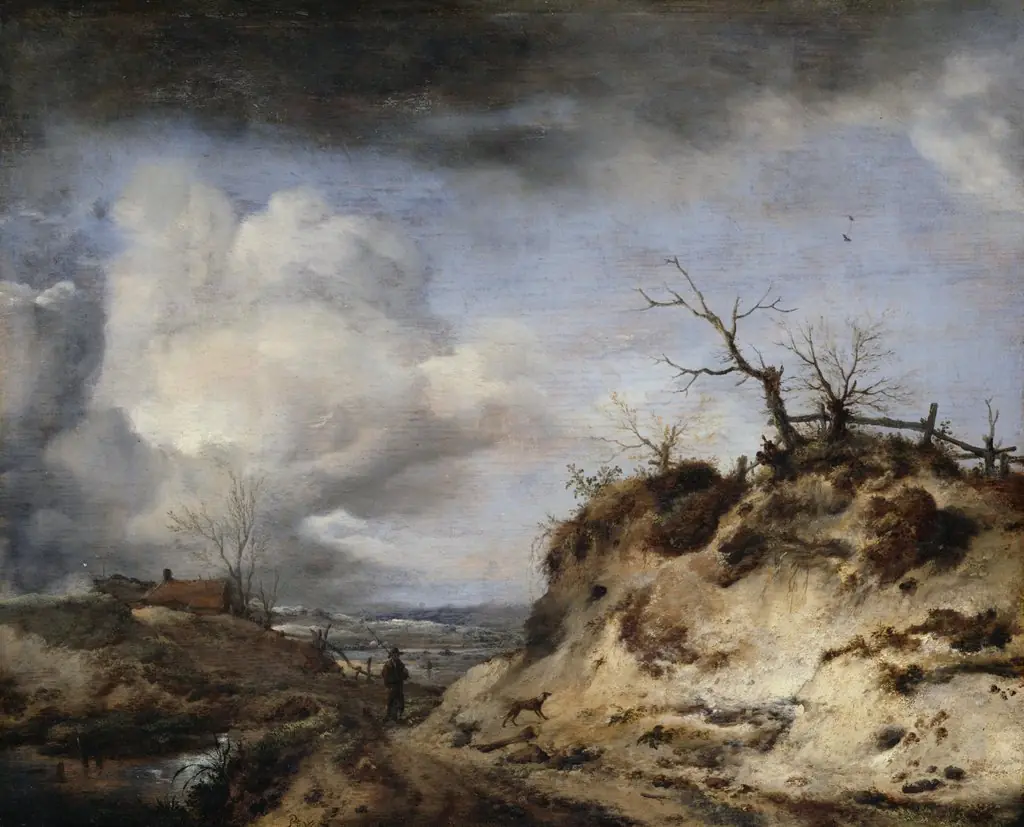 Path through the Dunes
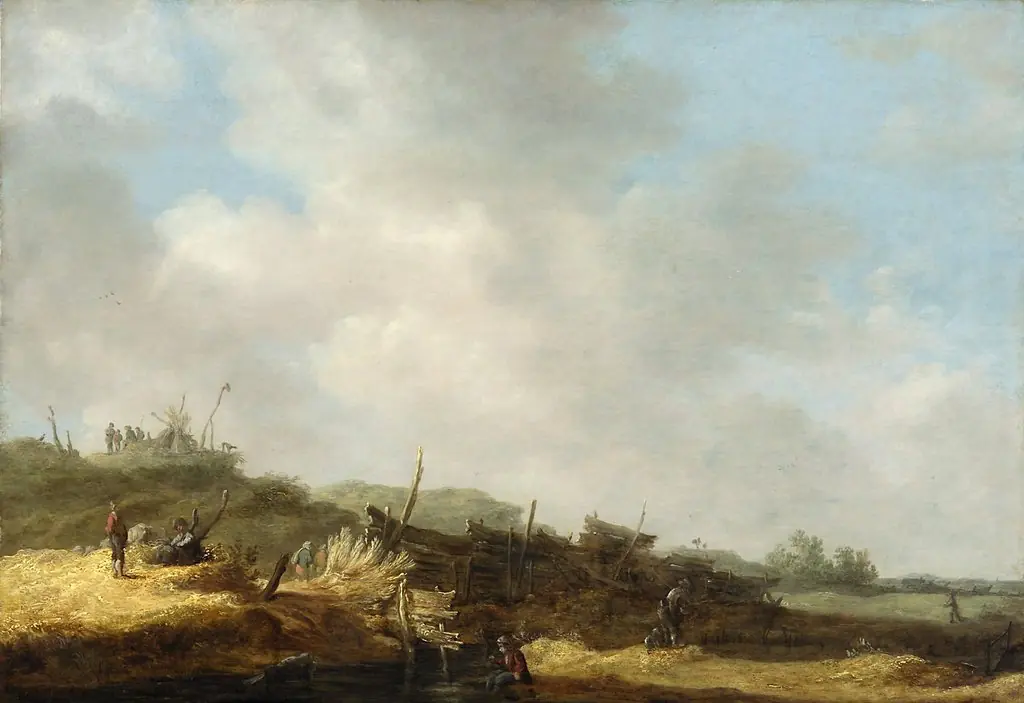 Dune Landscape
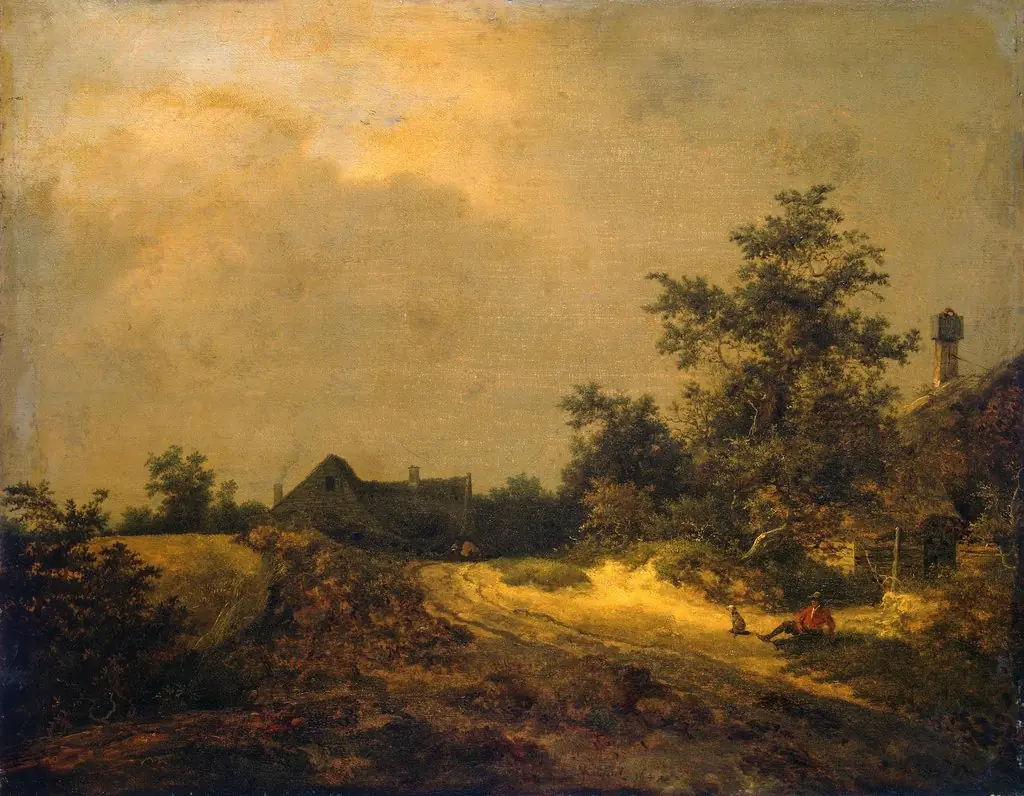 Landscape with some houses and a sand track
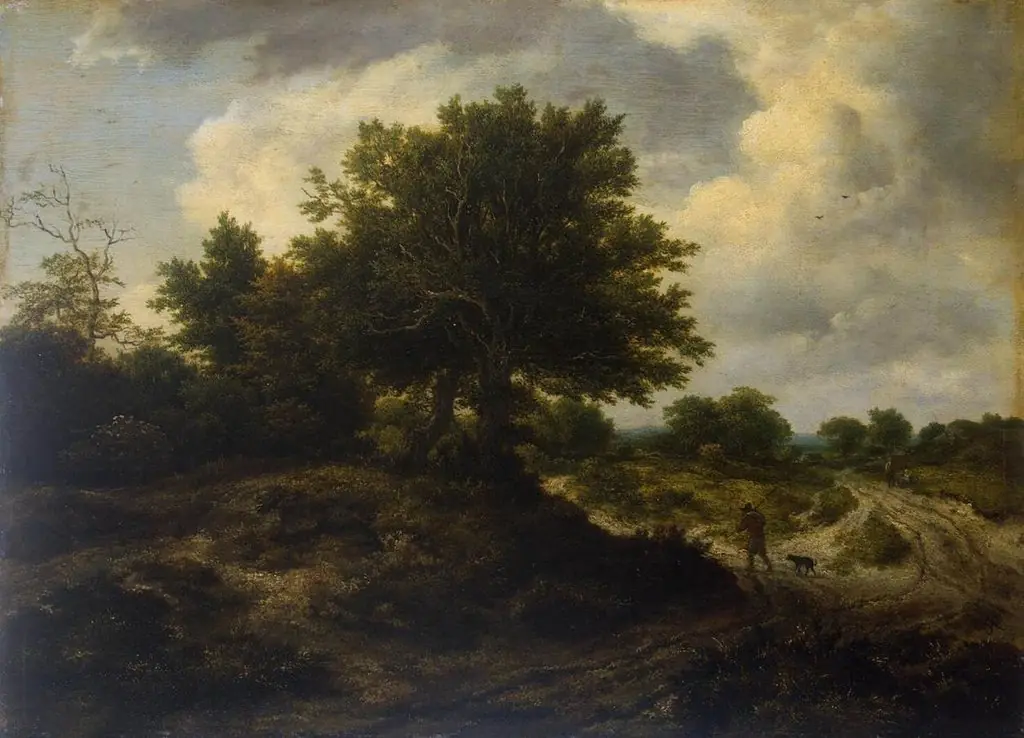 Landscape with a Traveller
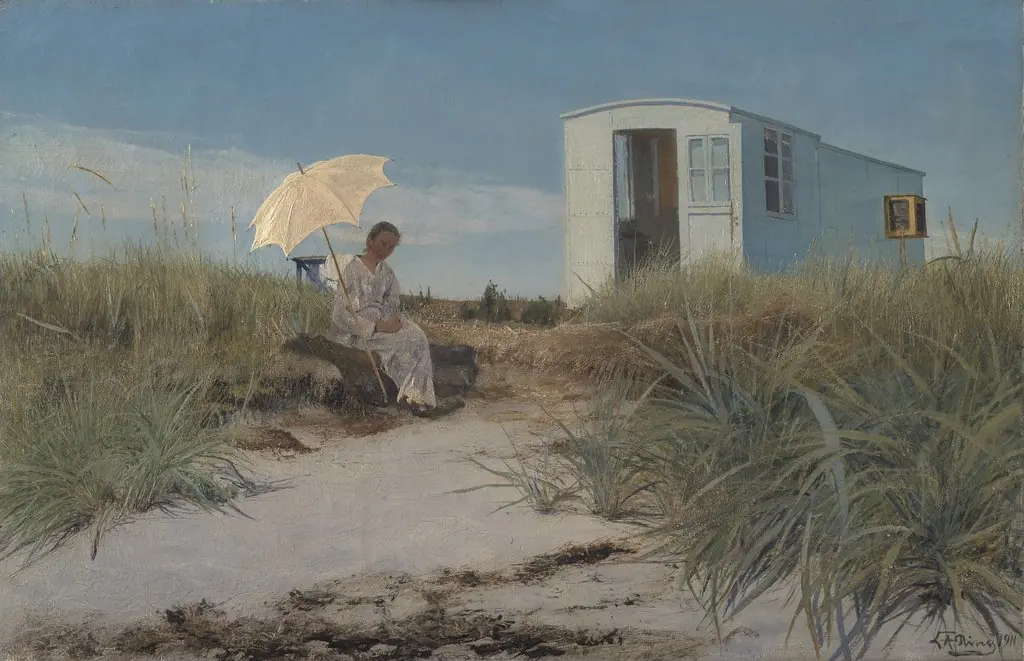 The Artist's Wife with the Family Caravan
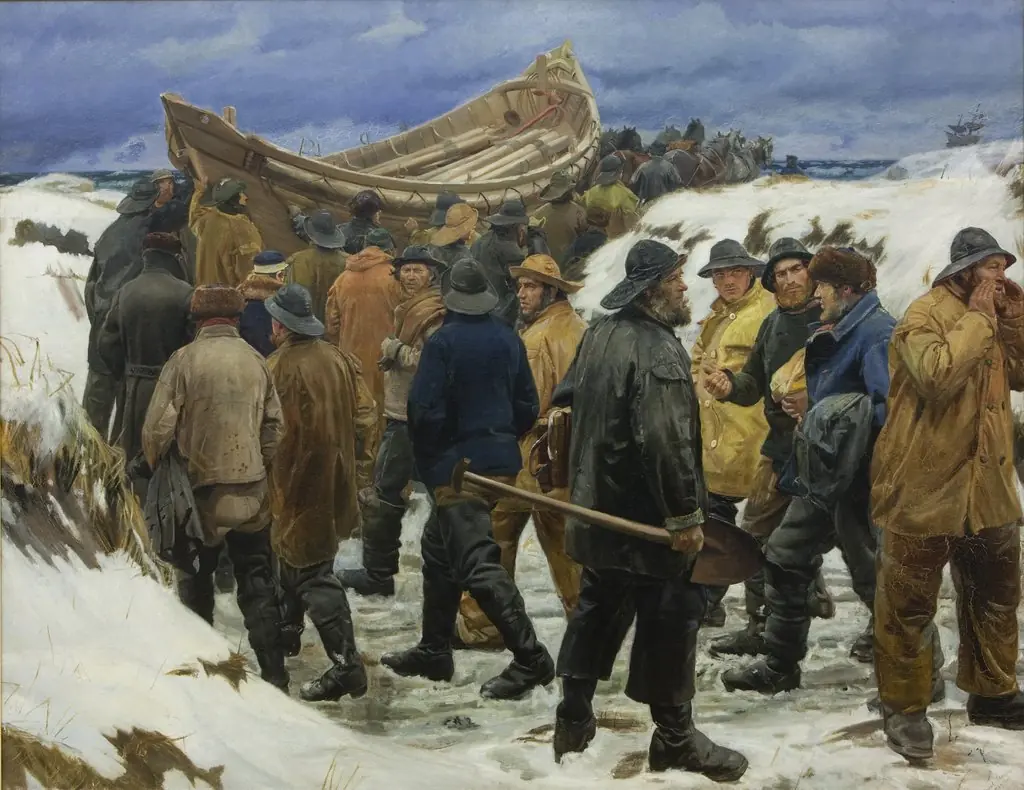 The Lifeboat is Taken through the Dunes
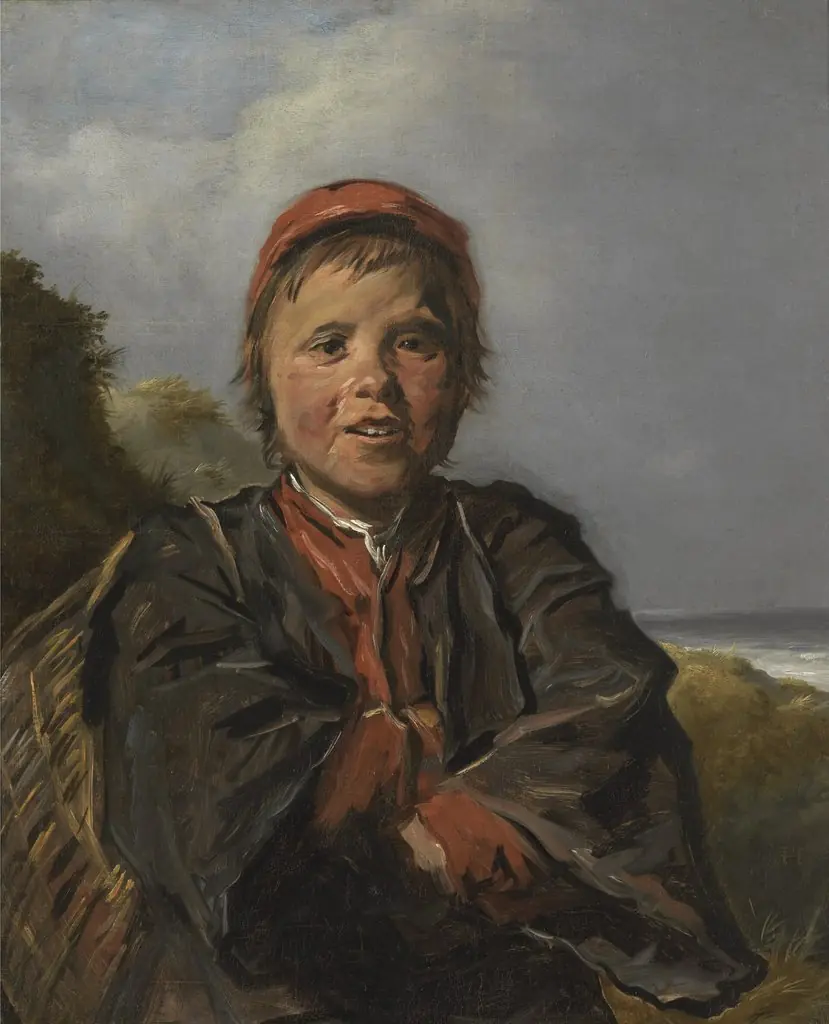 The Fisher Boy
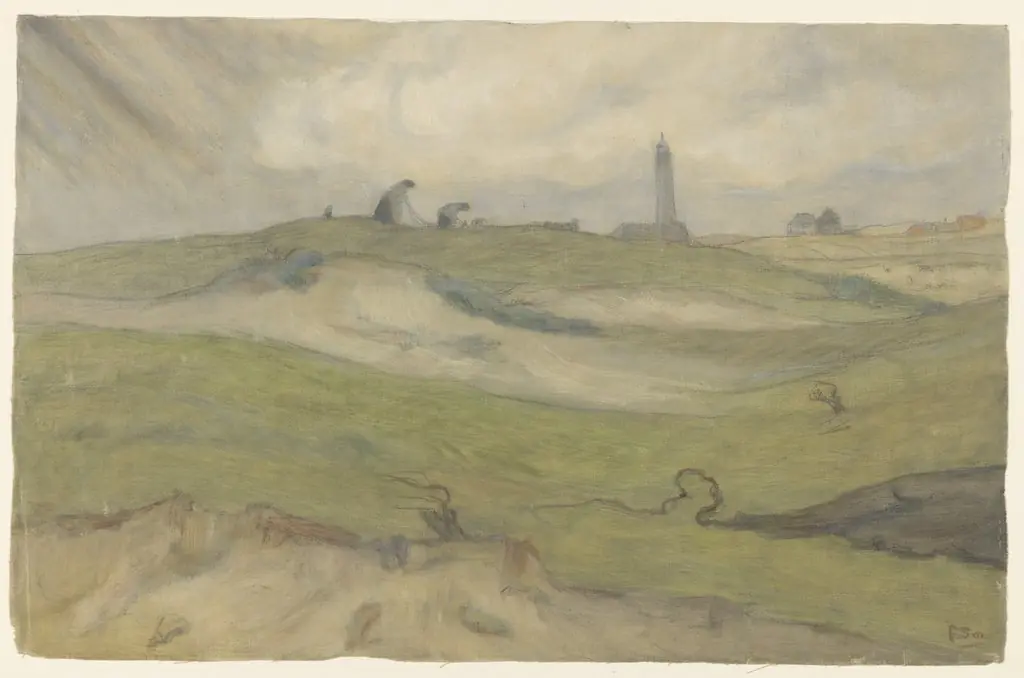 Dune landscape with lighthouse and fishing nets
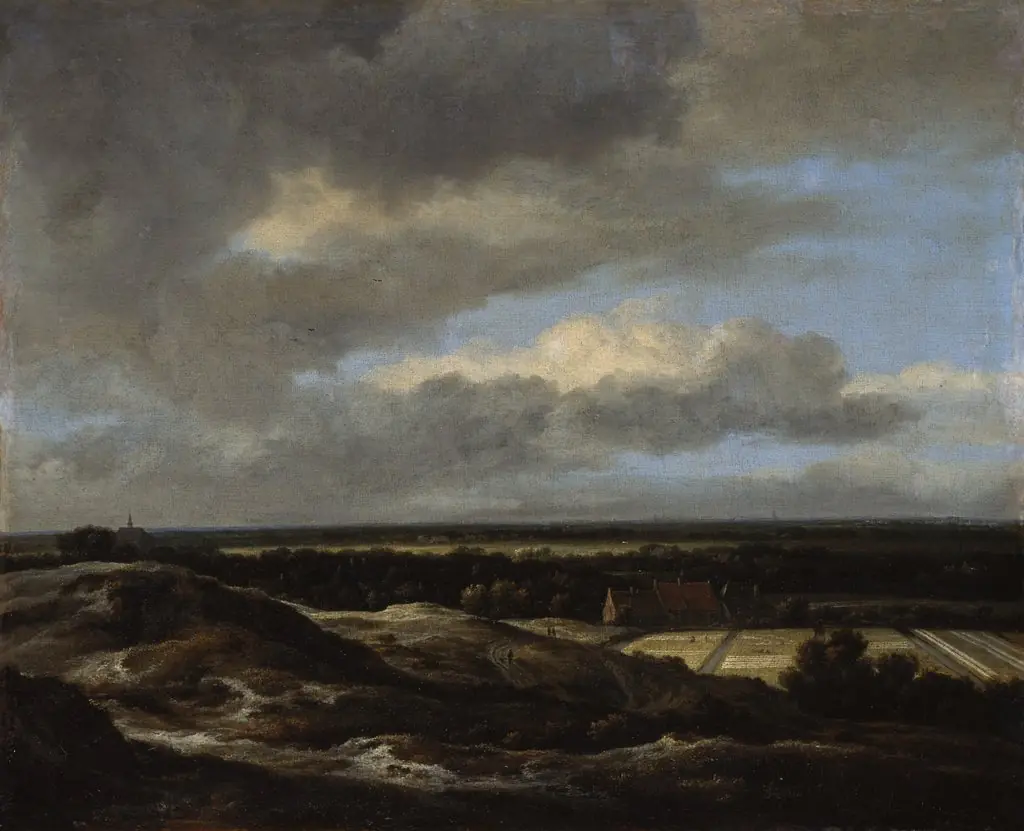 Dunes and bleaching fields
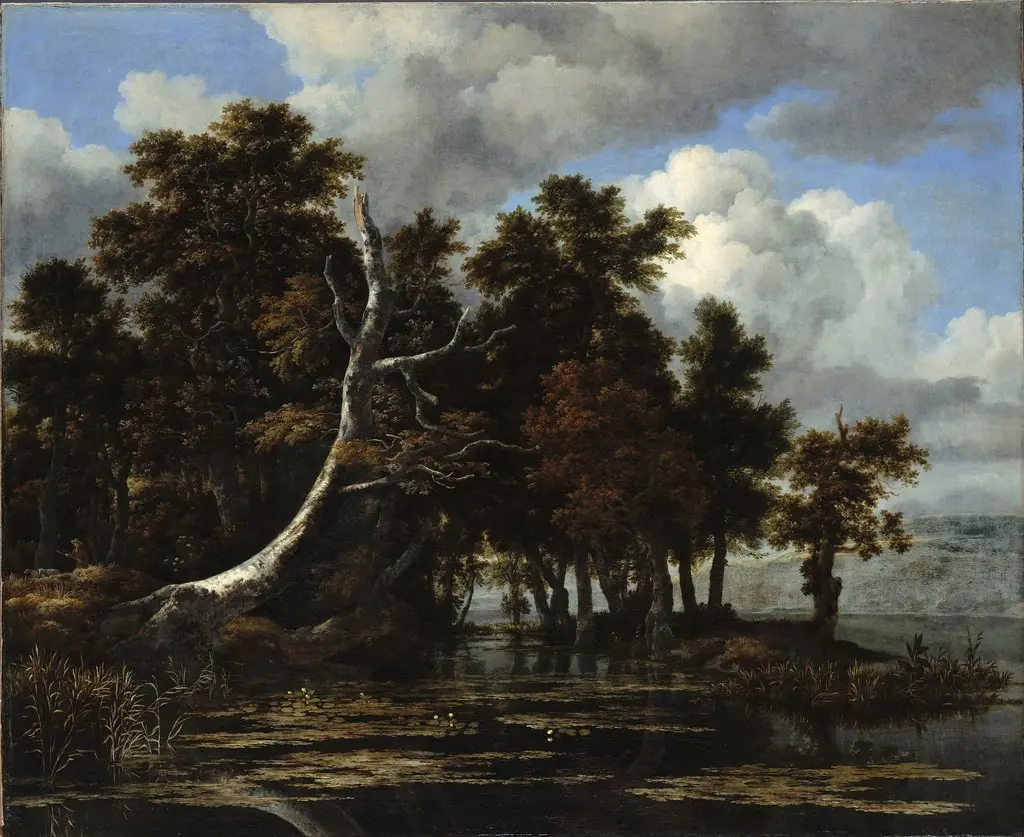 Oaks at a lake with Water Lilies
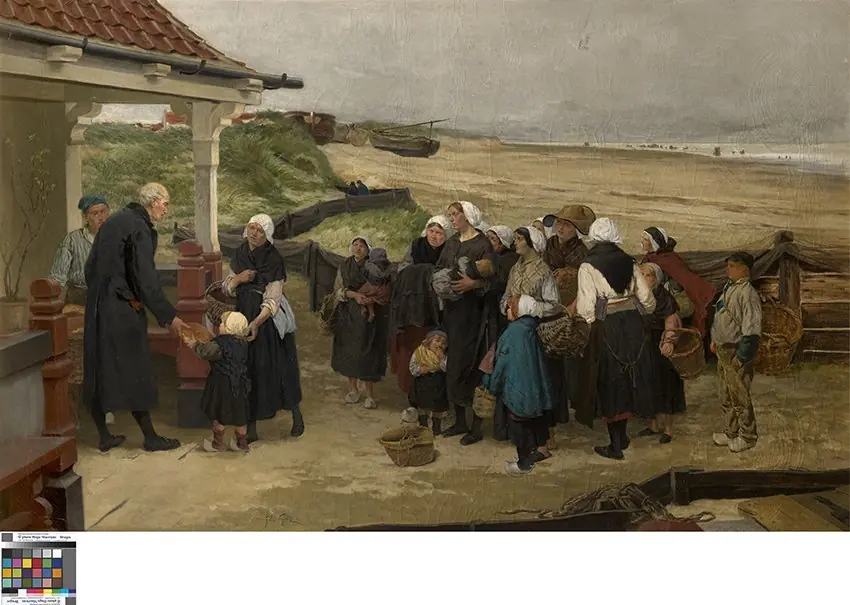 Brooduitdeling aan de weduwen en wezen te Katwijk
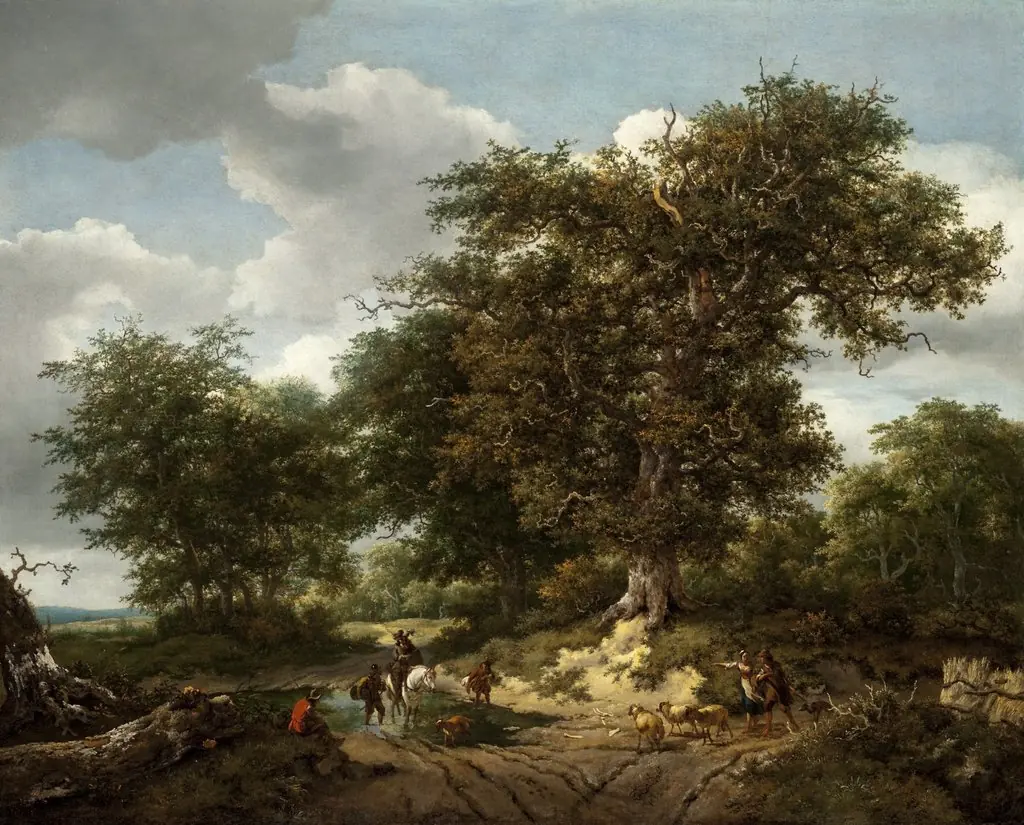 The Great Oak
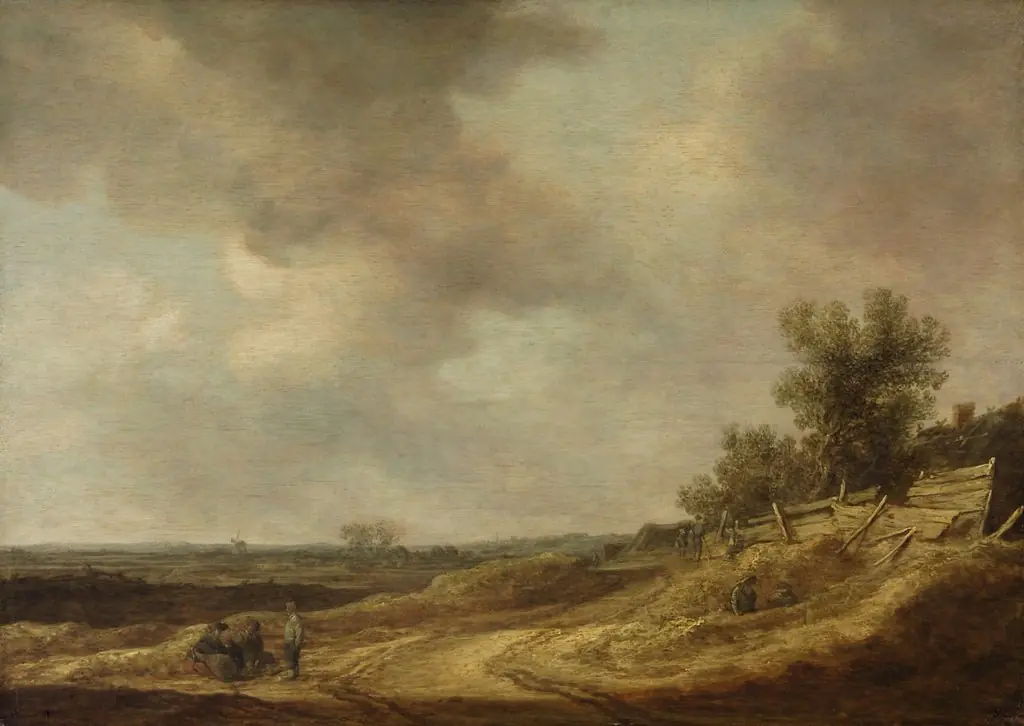 Flat Landscape
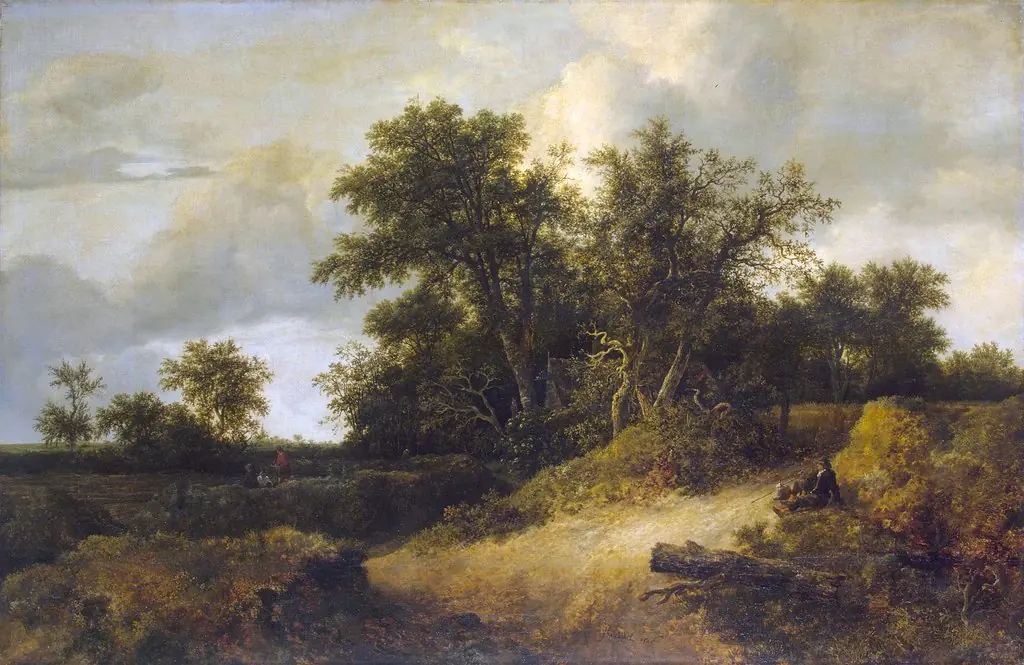 Peasant Cottage in a Landscape
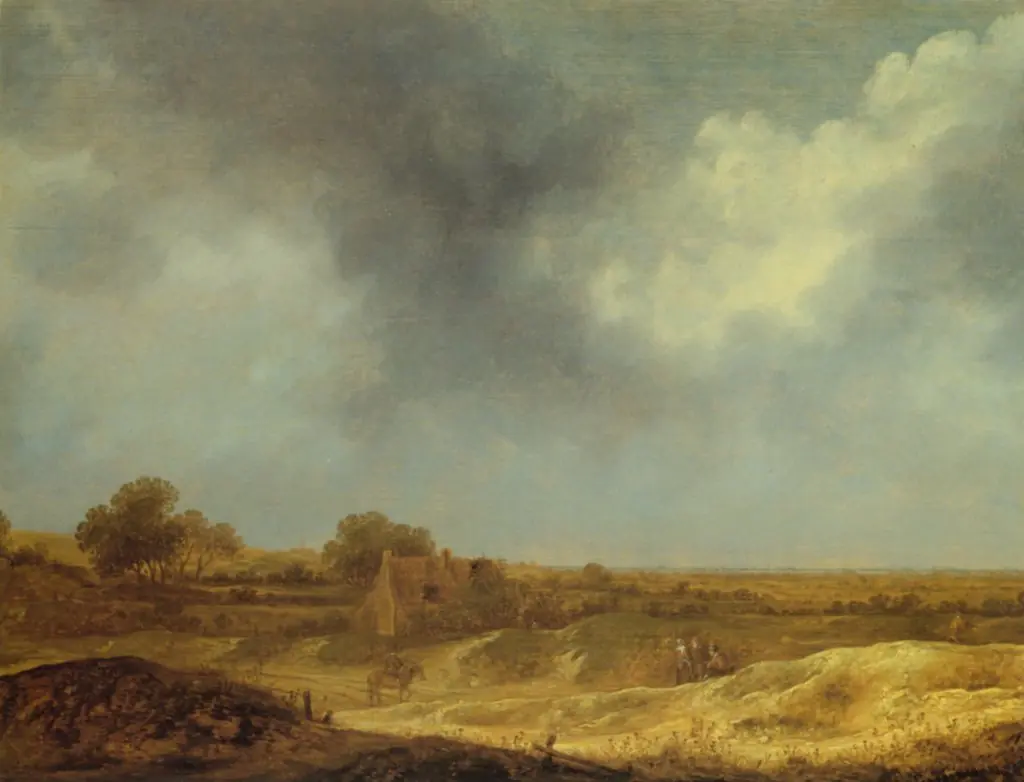 Hilly Landscape
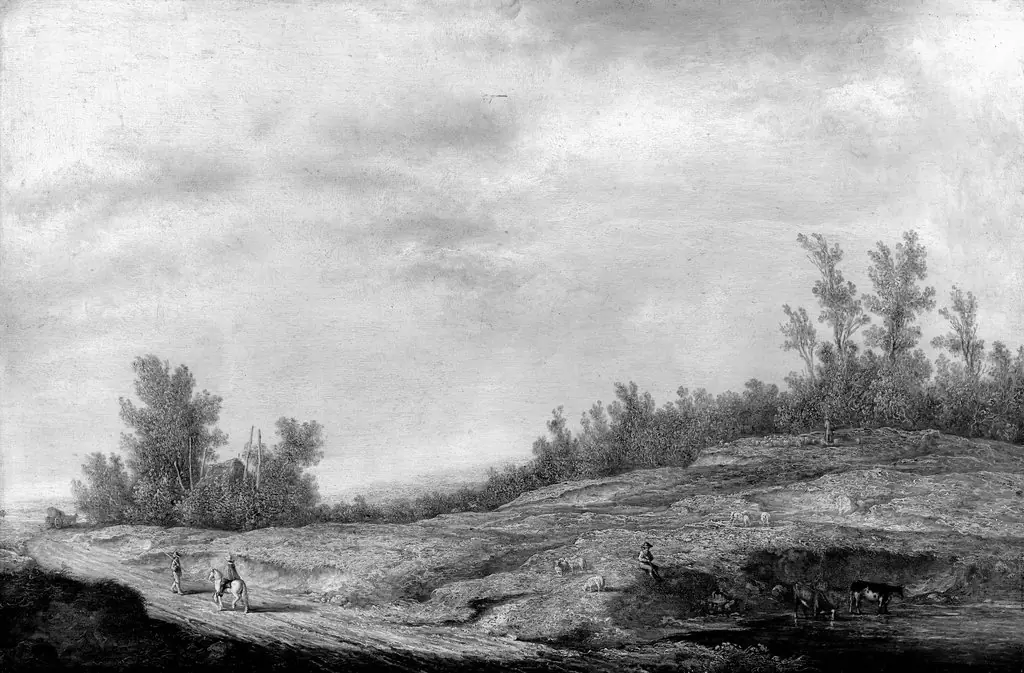 Road through the dunes
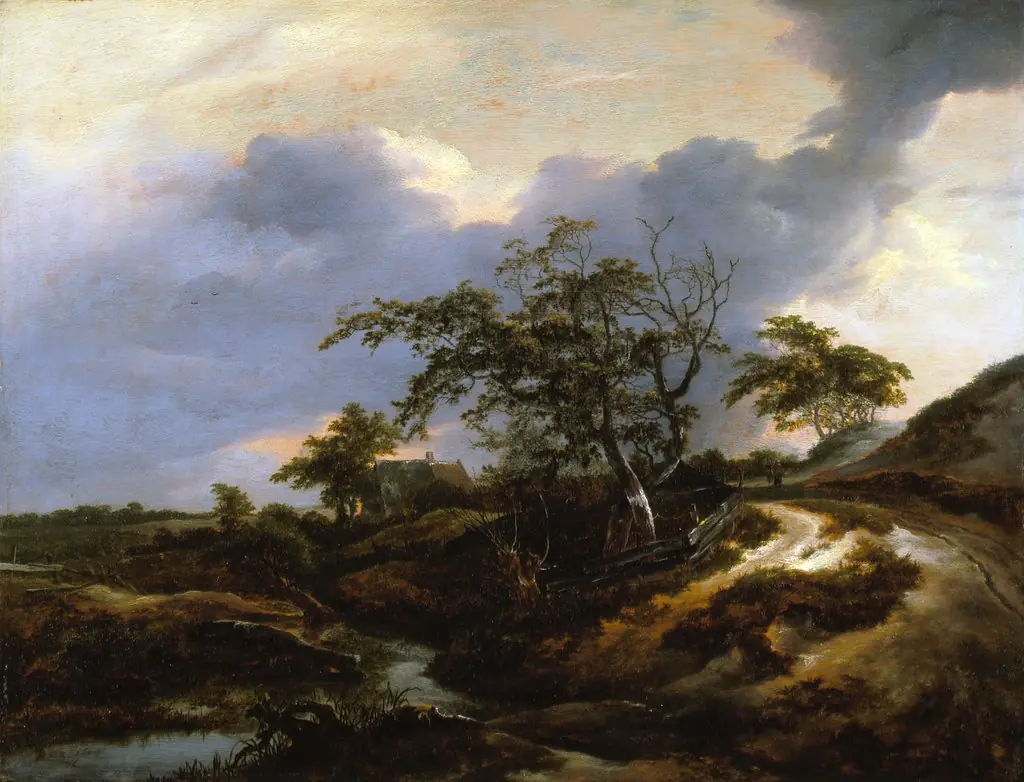 Landscape with Dunes
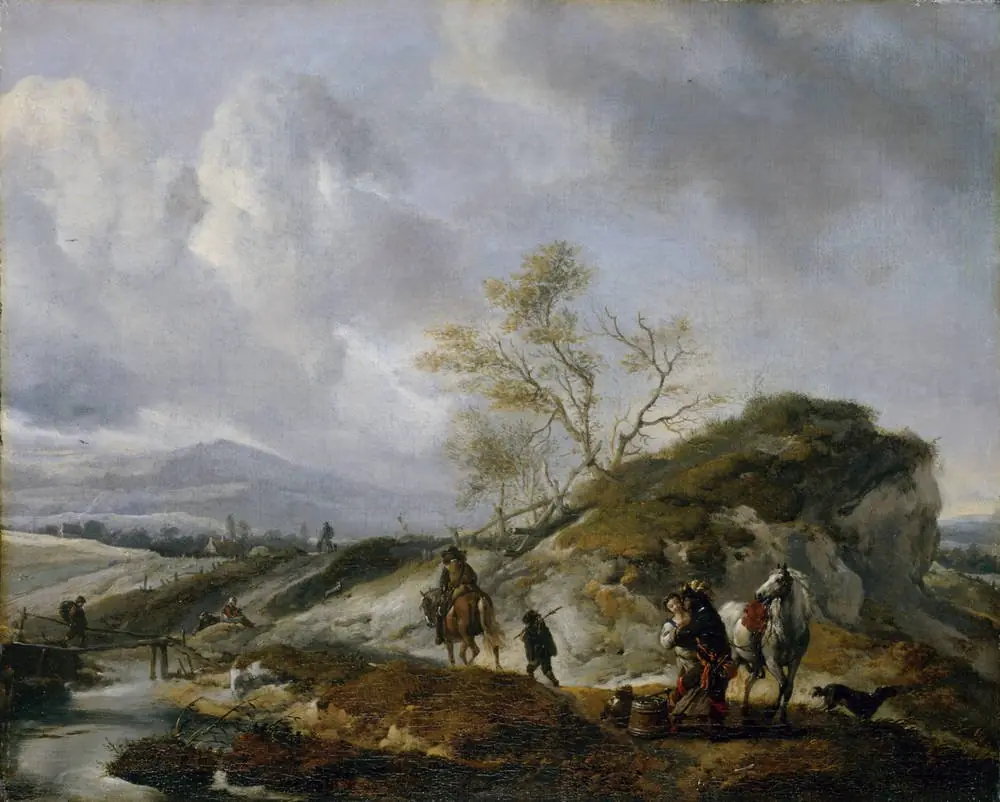 A Cavalier Embraces a Girl
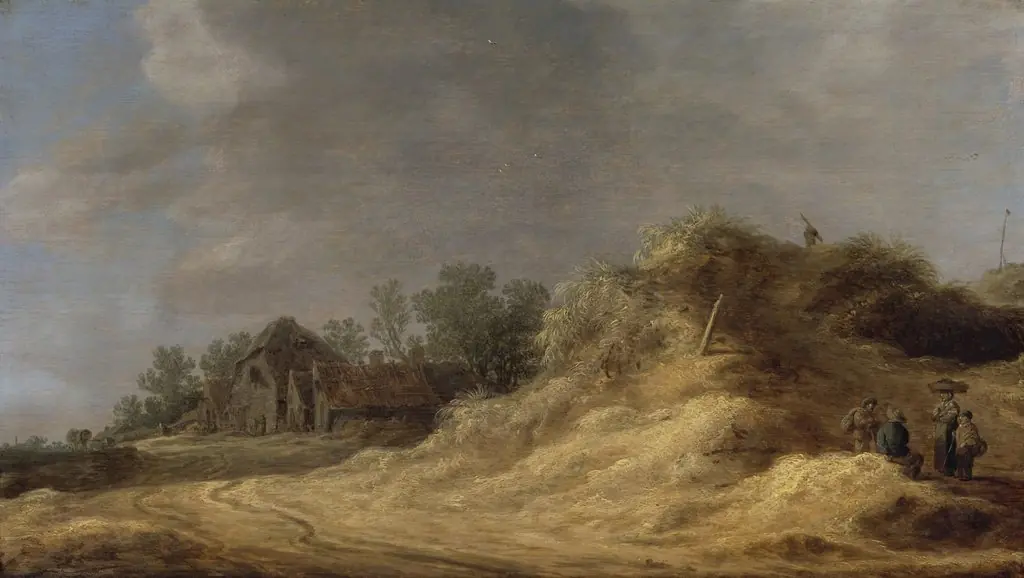 Dunelandscape
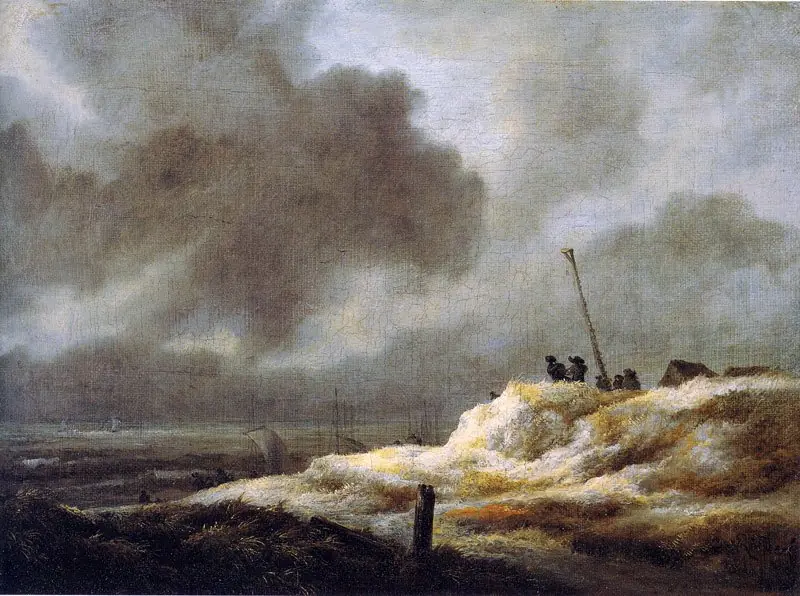 View from the Dunes to the Sea
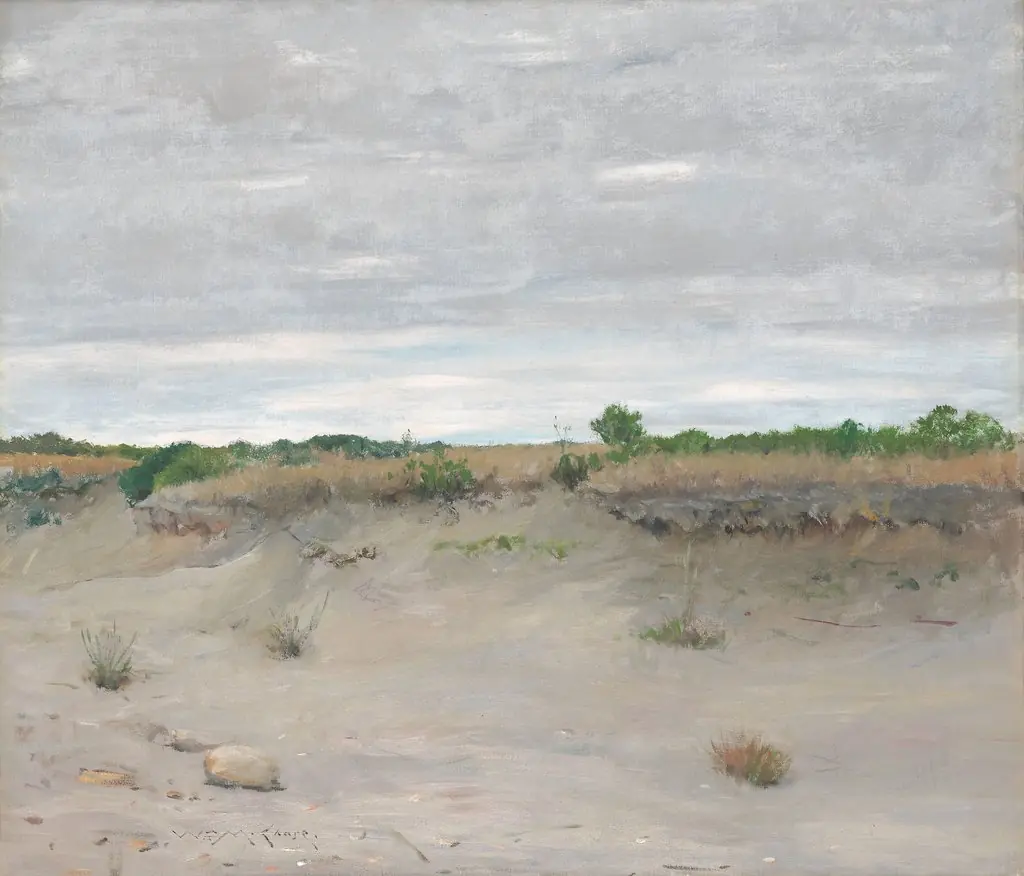 Wind-Swept Sands
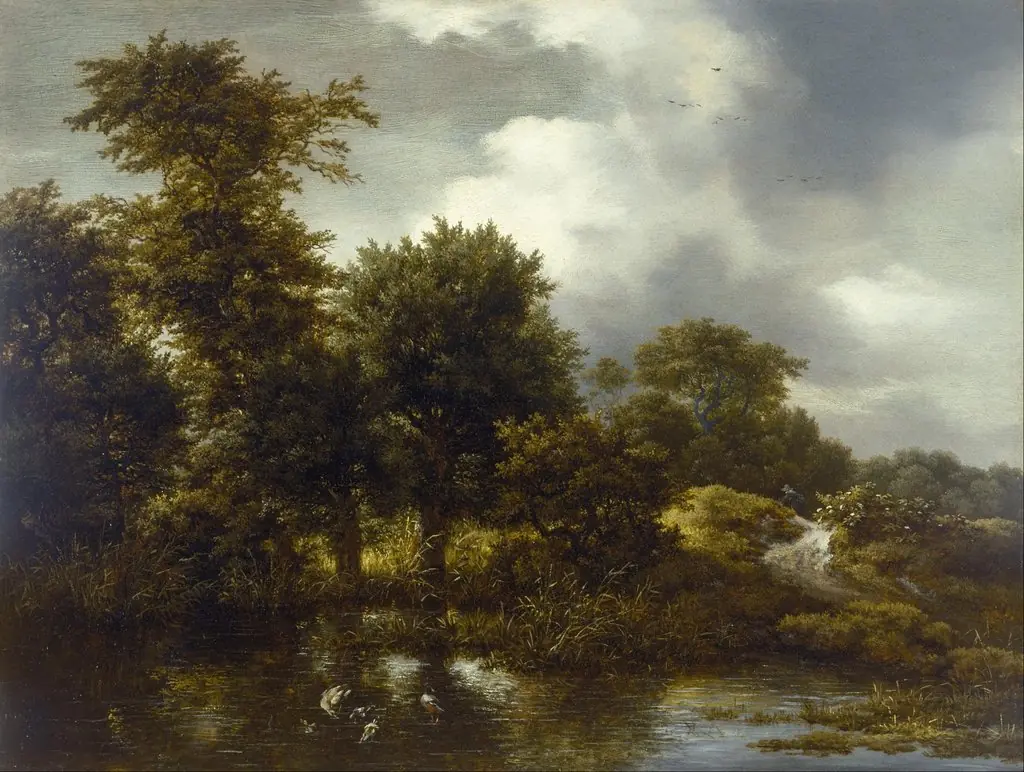 A Wooded Landscape with a Pond
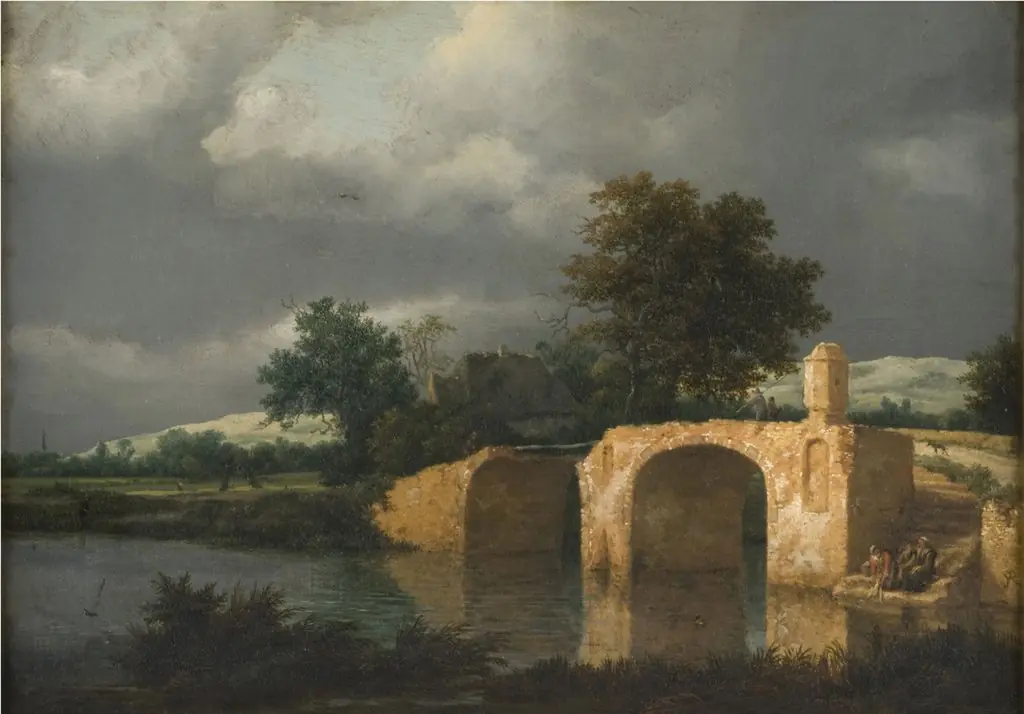 Stone Bridge
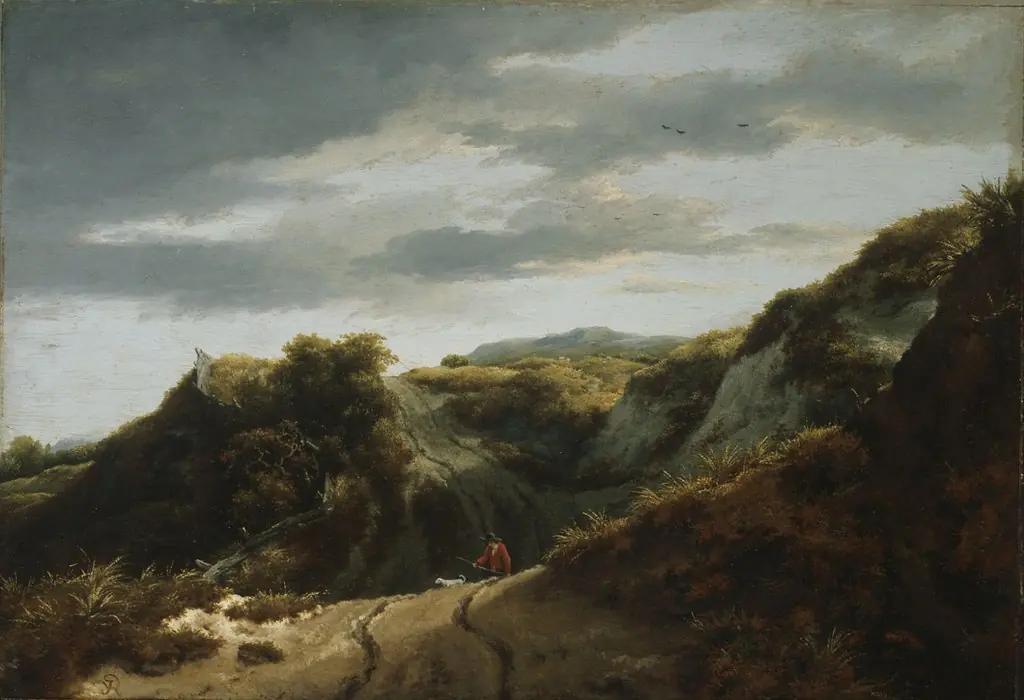 Dunes
Dunes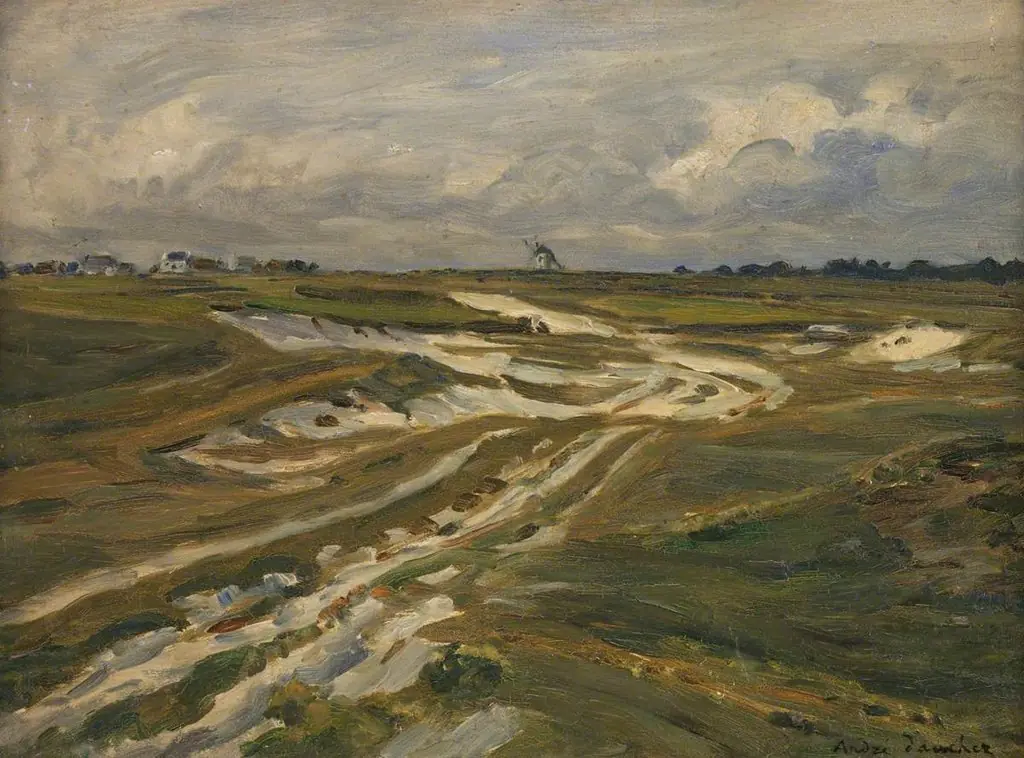 Landscape with Mill
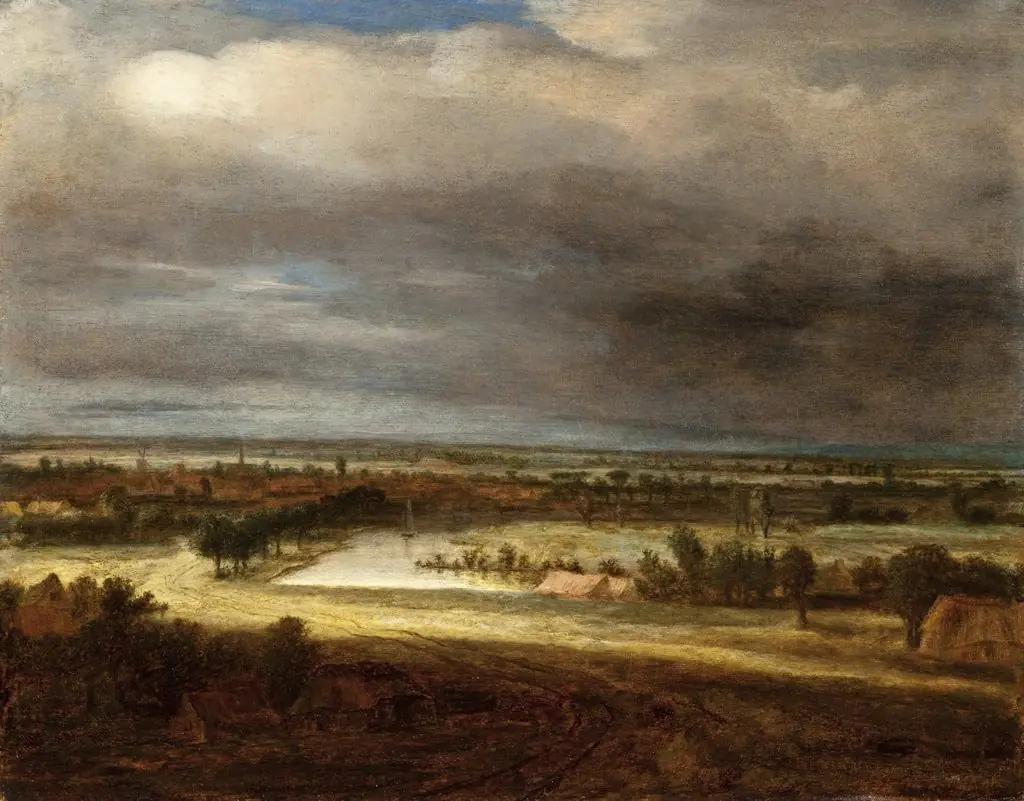 Panoramic Landscape with a Village
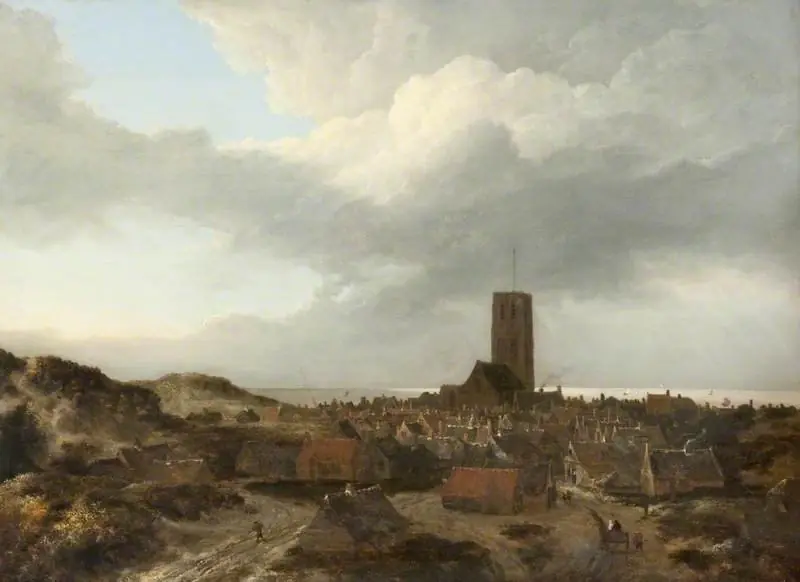 A View of Egmond aan Zee
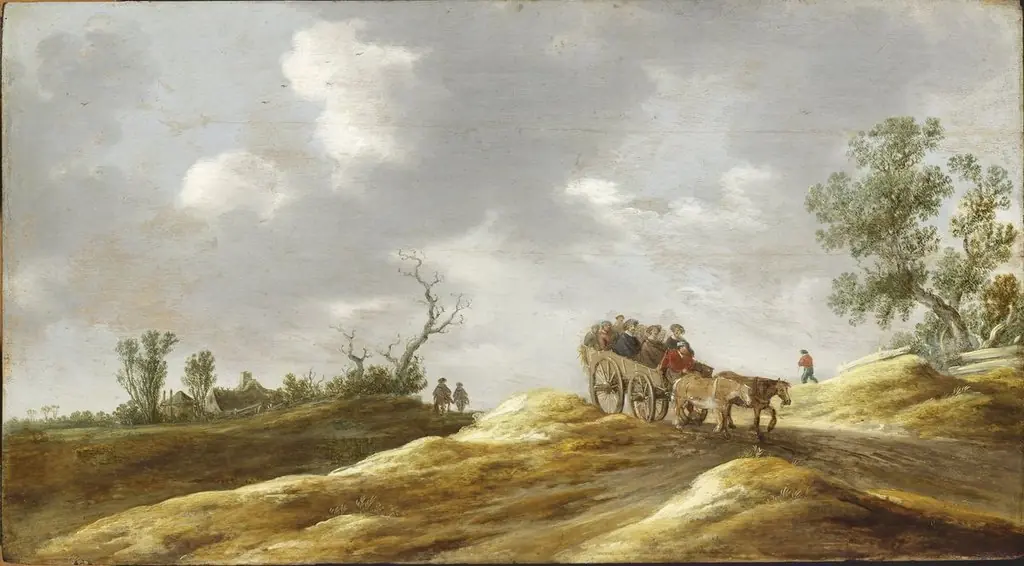 Dune Landscape
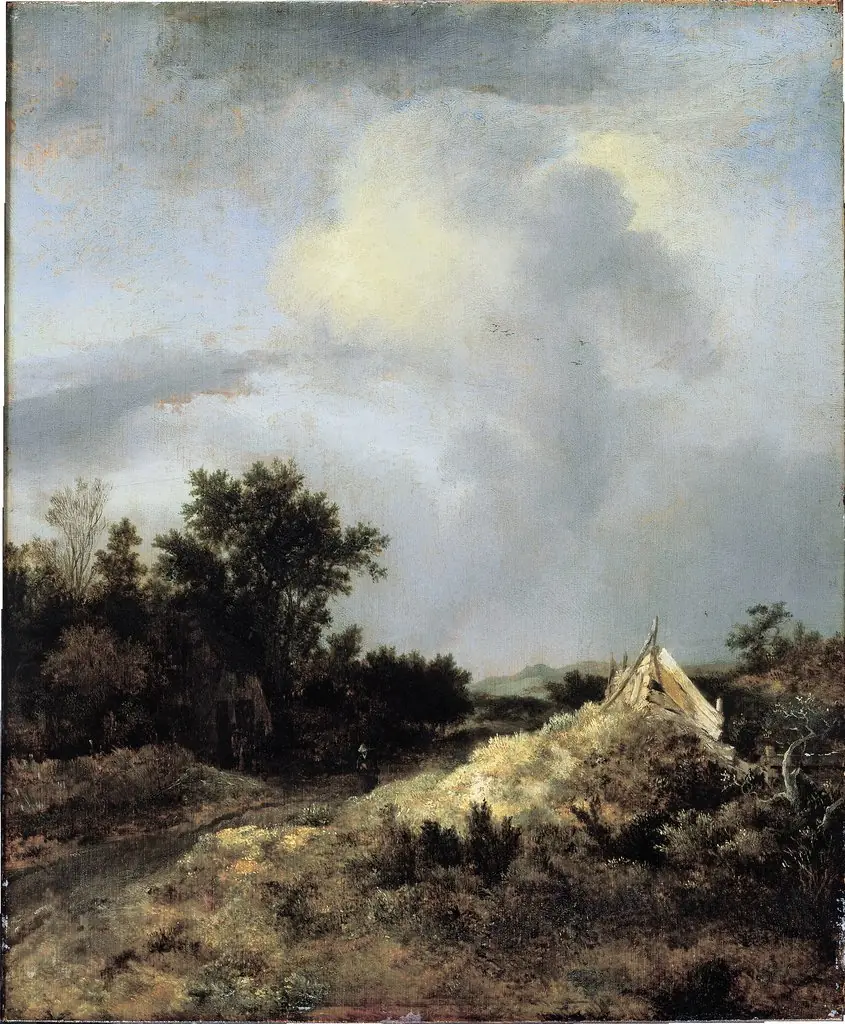 Dune Landscape with Fence, ca. 1647
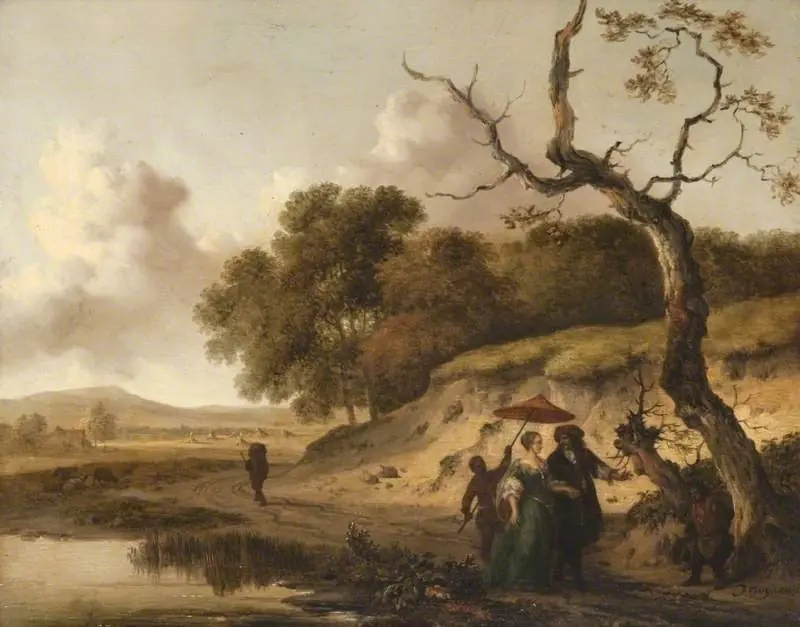 Landscape in Dunes with a Married Couple
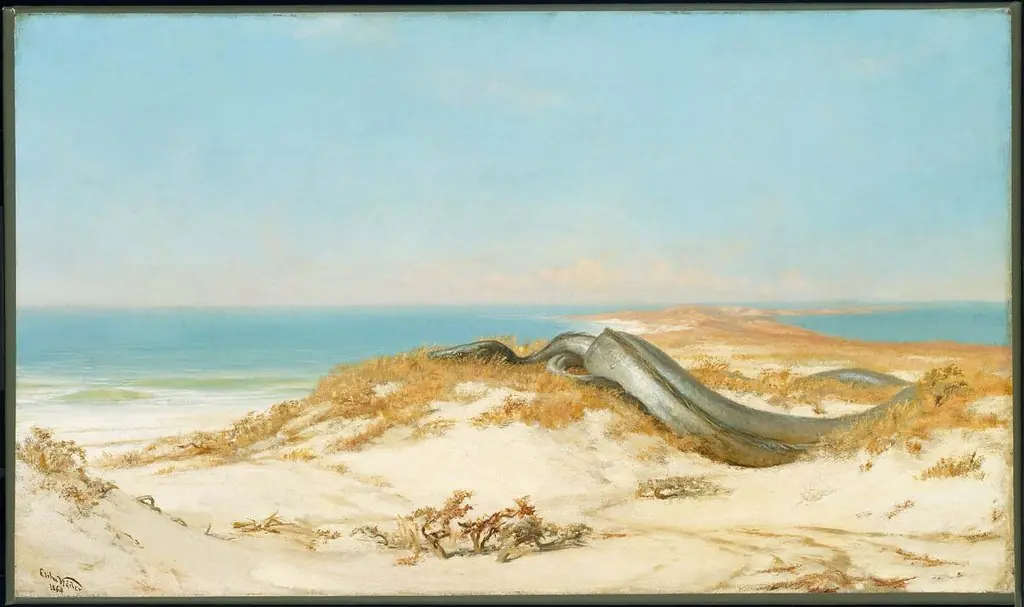 The Lair of the Sea Serpent
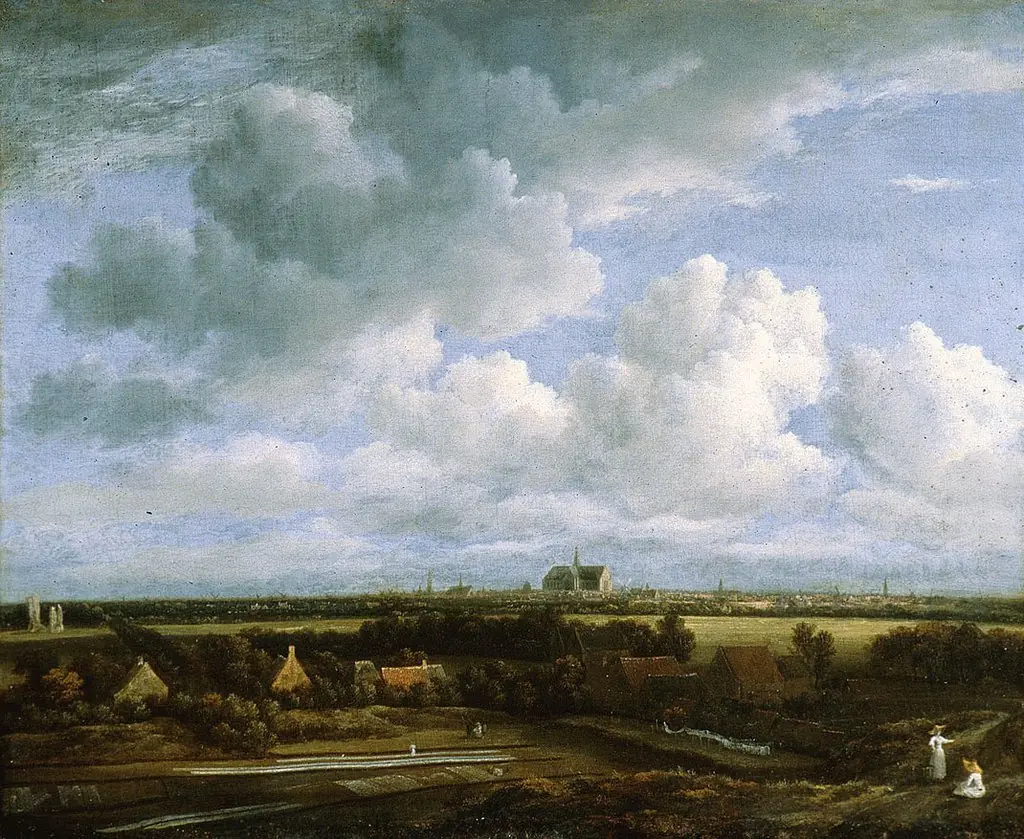 The Bleaching Grounds near Haarlem
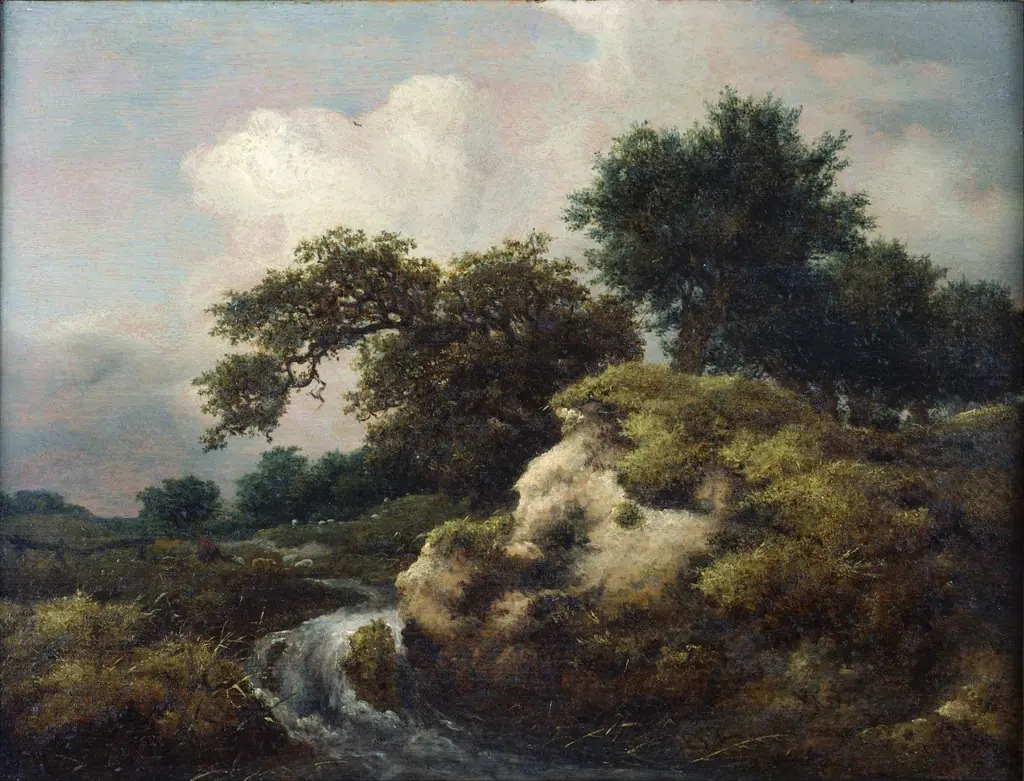 Landscape with Dune and Small Waterfall
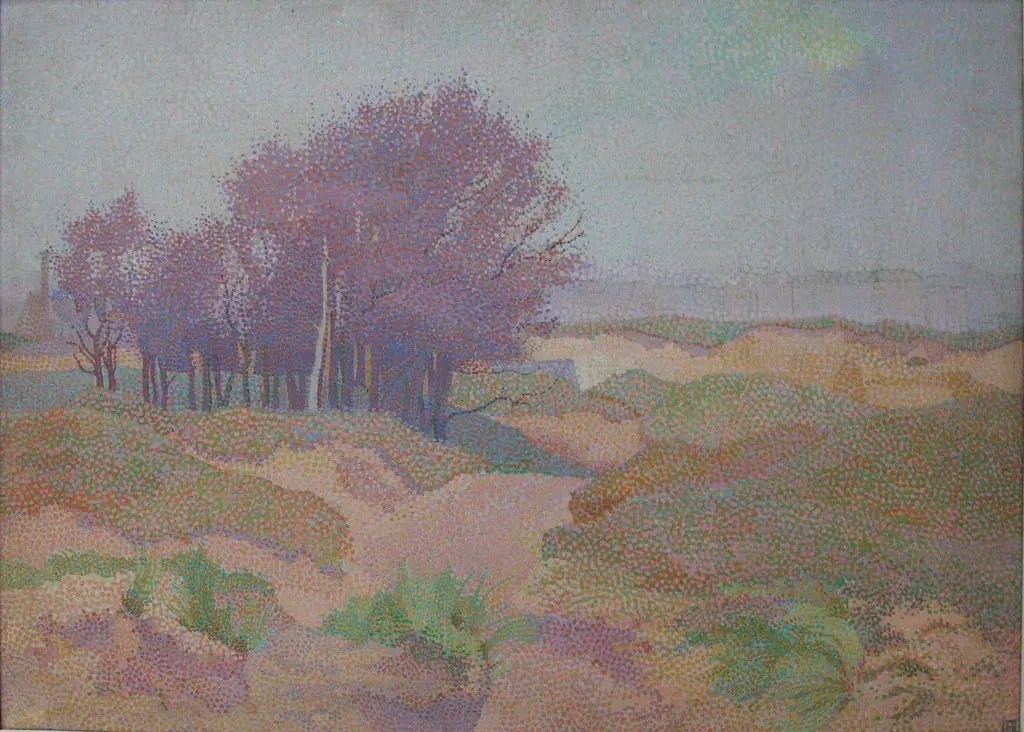 Landscape with Dunes
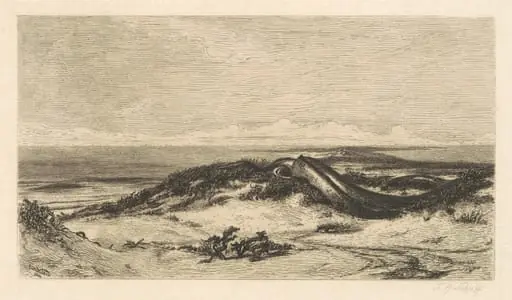 The Sea Serpent
Frequently asked questions
What is Dune?
Dune is a subject in art. A dune is a landform composed of wind- or water-driven sand.
How many Dune works does Artifact World Gallery have?
Artifact World Gallery holds 50 public-domain Dune works, all free to view and download.
Who are the key Dune artists?
Key Dune artists in the collection include Jacob van Ruisdael, Jan Wijnants and Philips Wouwerman.
Where can I see Dune works?
Dune works in the collection are held by Gemäldegalerie Berlin, Statens Museum for Kunst and Rijksmuseum.