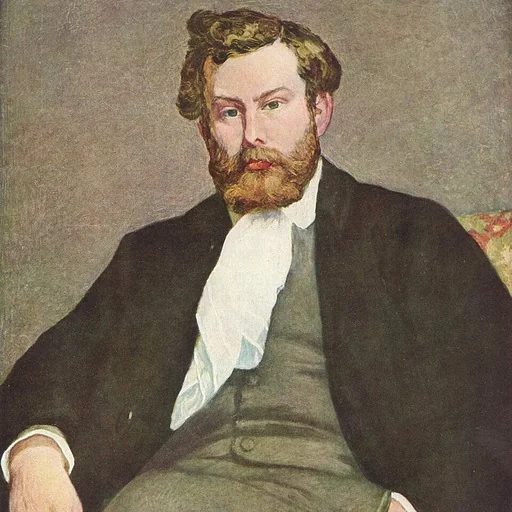
Subject
Grote Kerk
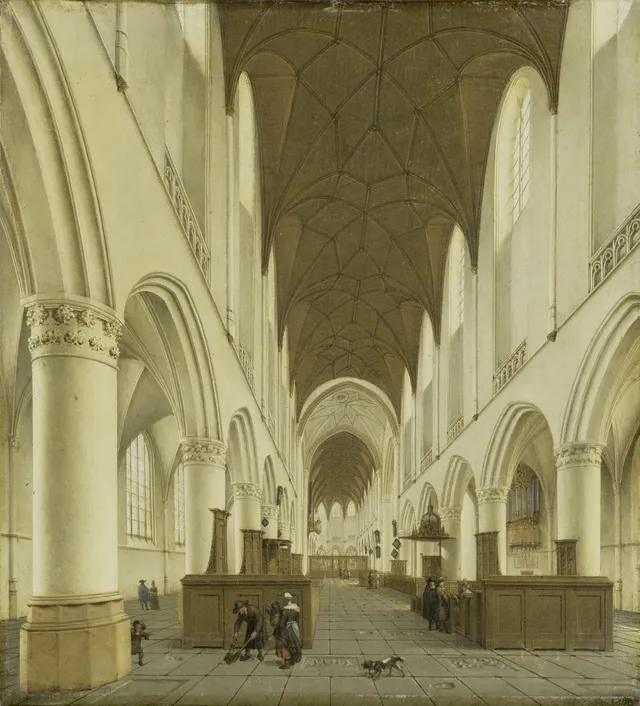
Grote Kerk is a subject in art. The gallery holds 131 works in this subject in art, including works by Alfred Sisley, Jacob van Ruisdael and Jan van Goyen.
church building in Emmen, the Netherlands
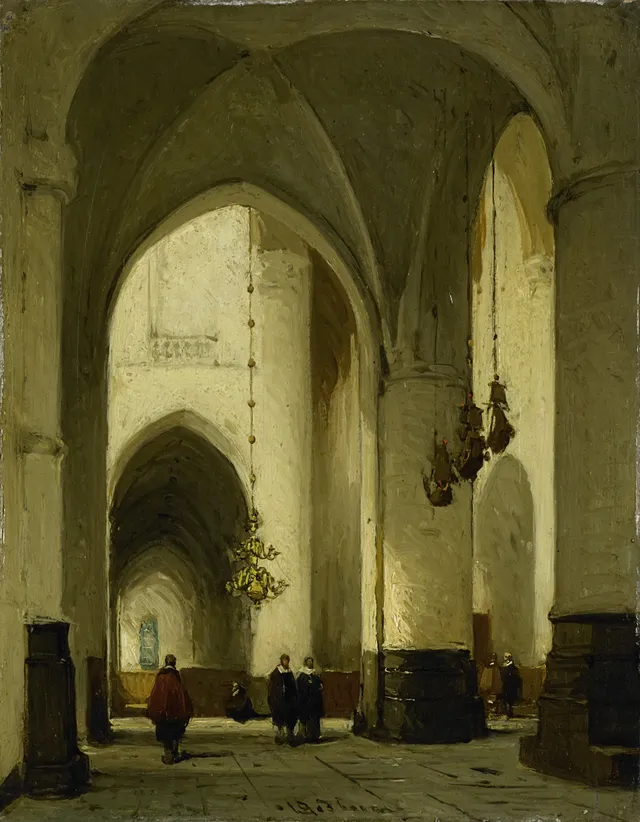
Key artists
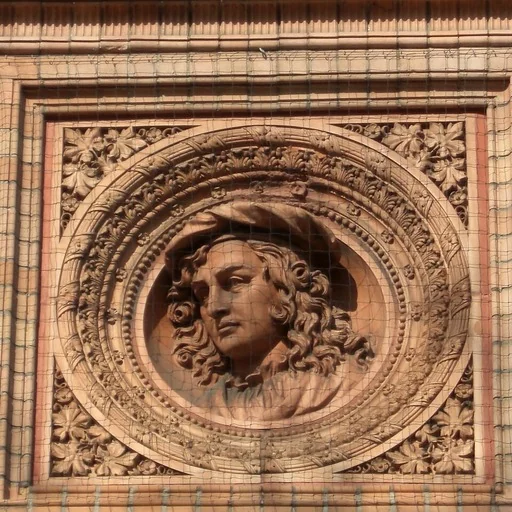

Overview
The Grote Kerk, or Great Church, is a recurring subject in Dutch art, denoting the principal church of a town and serving as a defining landmark in countless paintings, drawings, and prints from the sixteenth through nineteenth centuries. The term applies to multiple structures across the Netherlands, most notably the Grote Kerk in Dordrecht and Saint Bavo's Church in Haarlem, which artists repeatedly depicted as symbols of civic identity. In one significant collection alone, the subject appears in 133 works, ranging from panoramic city views to detailed interior scenes. The motif's persistence reflects the central role of Protestant churches in Dutch urban life, their towers functioning as navigational beacons, markers of local pride, and anchors of compositional structure in landscape and architectural painting.
Iconography & meaning
In Dutch Golden Age painting, the Grote Kerk carried layered significance. Its tower served as a symbol of civic pride and religious authority, asserting the prosperity and independence of the town it dominated. In maritime views, the church spire rising above low-lying buildings functioned as a visual anchor, orienting viewers within the landscape and signaling safe harbor. The unfinished or distinctive spire, as in Dordrecht's Groote Kerk, became a recognizable signature of place. For interior scenes, the vast Protestant church interior allowed artists to explore dramatic light effects, linear perspective, and the social dynamics of post-Reformation worship spaces. The muted tonalities often employed, browns and grays with subtle atmospheric blues, conveyed both the sobriety of Calvinist practice and the particular quality of northern light filtering through tall windows.
Across movements & periods
The treatment of the Grote Kerk evolved considerably across artistic movements. In the seventeenth-century Dutch Golden Age, artists such as Jan van Goyen developed a distinctive approach to the motif, painting the Groote Kerk in Dordrecht over twenty times from varying distances and in different weather conditions. His works emphasize atmospheric effects, the brown tonalities of Dutch landscape painting, and the interplay between architectural mass and mutable skies. The church tower dominates compositions while remaining integrated into bustling riverine activity. Later periods saw continued interest in the subject, though with shifting emphases. Nineteenth-century depictions, including those of the actual Grote Kerk built in Emmen in 1856, reflect renewed attention to historical architecture and national heritage. The Emmen structure, whose Romanesque tower survives from the twelfth or thirteenth century while the body was rebuilt in the mid-nineteenth century, exemplifies how actual church buildings underwent transformation while retaining their significance as painted subjects.
Notable depictions
Jan van Goyen (1596-1656) produced the most sustained series of depictions, with his View of Dordrecht with the Grote Kerk across the Maas standing as a canonical example. In this work, the bold bulk of the church with its unfinished spire dominates the view across the junction of the busy river Maas, while blustery winds animate the maritime foreground. Van Goyen's repeated engagement with this single prospect, varying distance and atmospheric conditions, established a model for topographical painting that influenced subsequent generations. In Haarlem, Saint Bavo's Church attracted numerous interpreters, with interior views capturing the vast scale and distinctive light of the Protestantized Gothic space. The collection's multiple treatments of this interior by various hands suggest its status as a standard challenge for painters of architectural perspective.
Legacy
The Grote Kerk as an artistic subject retains significance as a lens through which to understand Dutch visual culture. The 133 works in this collection testify to the enduring institutional interest in documenting and interpreting these structures. The specific Grote Kerk in Emmen, built in 1856 with its preserved medieval tower recognized as a rijksmonument, continues to embody the layered temporalities that attracted painters, its granietblokken base and renewed spits offering material evidence of historical continuity and renovation. Scholarly literature, including Hans te Winkel's 2017 study De Grote Kerk-gemeente Emmen bekent kleur, indicates ongoing community and academic engagement with these buildings as living heritage. The artistic tradition of depicting principal churches established conventions of civic representation, atmospheric rendering, and architectural observation that informed European landscape painting more broadly, while remaining rooted in the particular conditions of Dutch urban life and Protestant culture.
Works
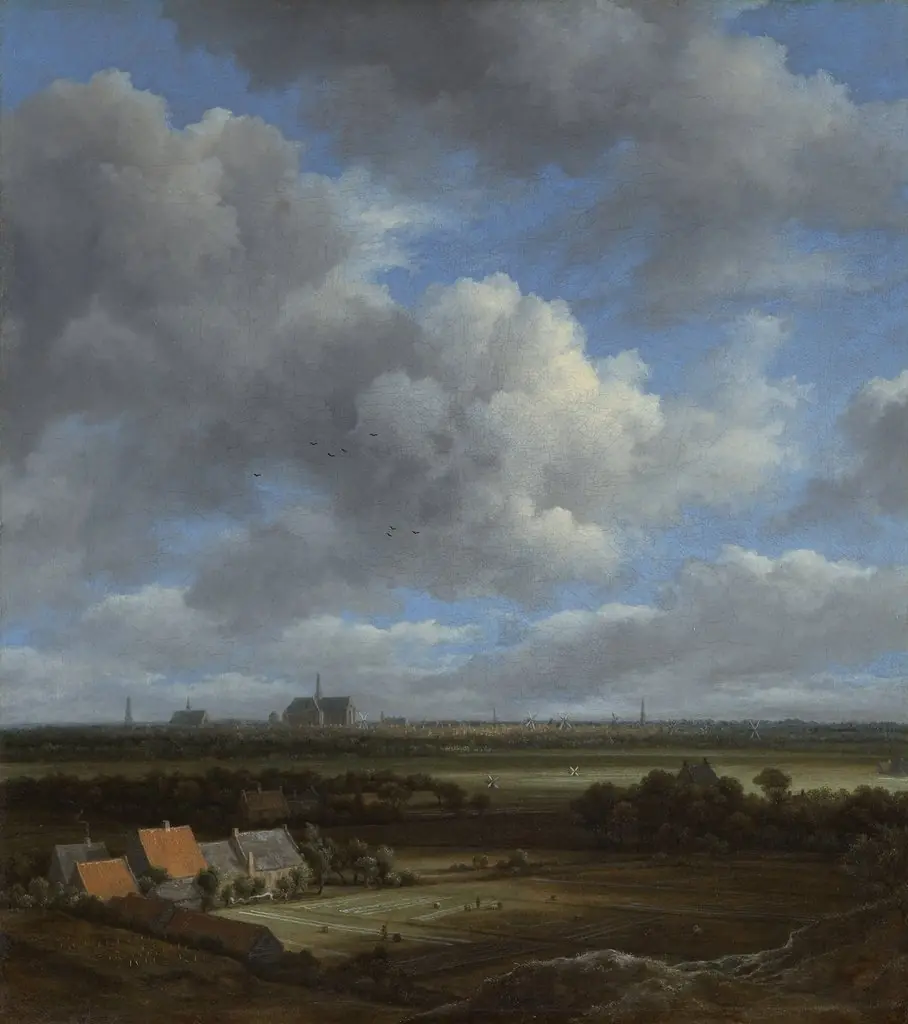 View of Haarlem from the Northwest, with the Bleaching Fields in the Foreground
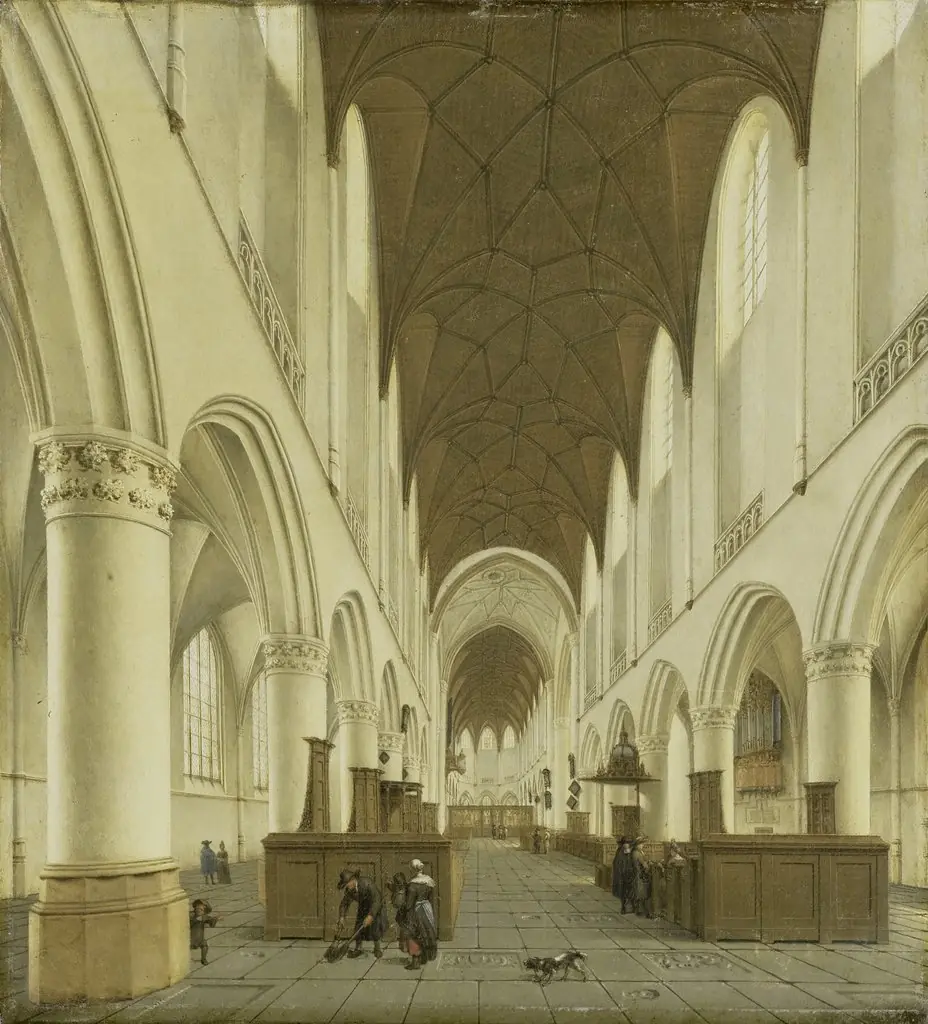 The interior of Saint Bavo's Church in Haarlem
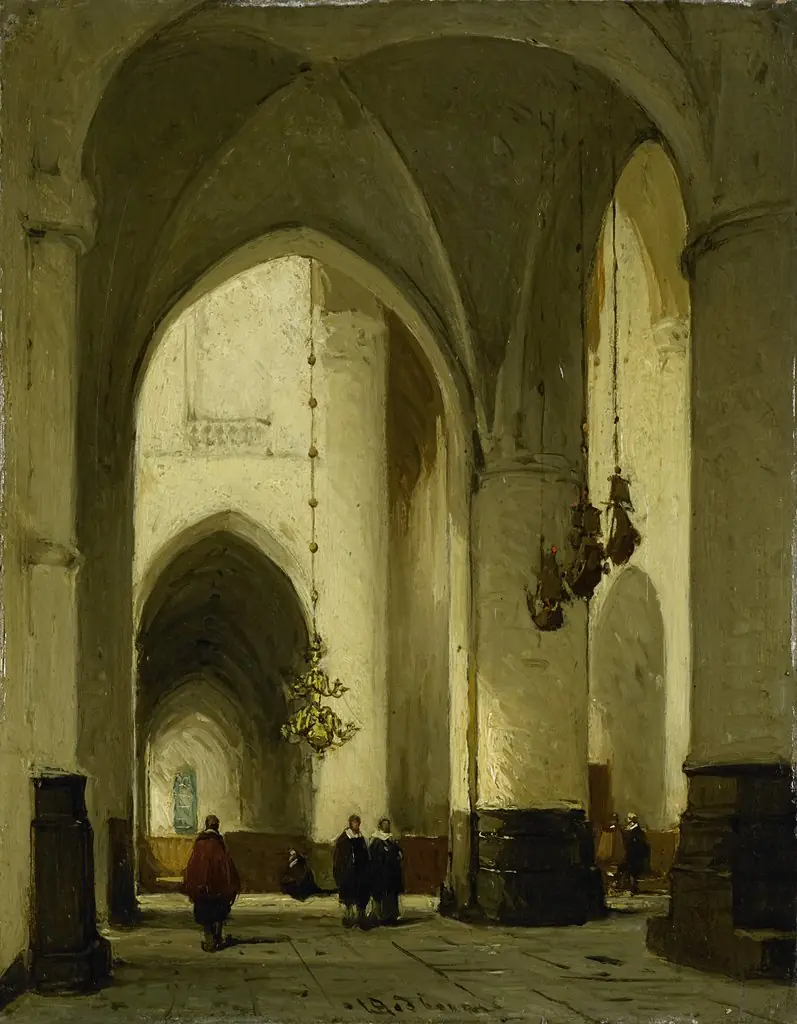 Interior of the Church of St Bavo in Haarlem
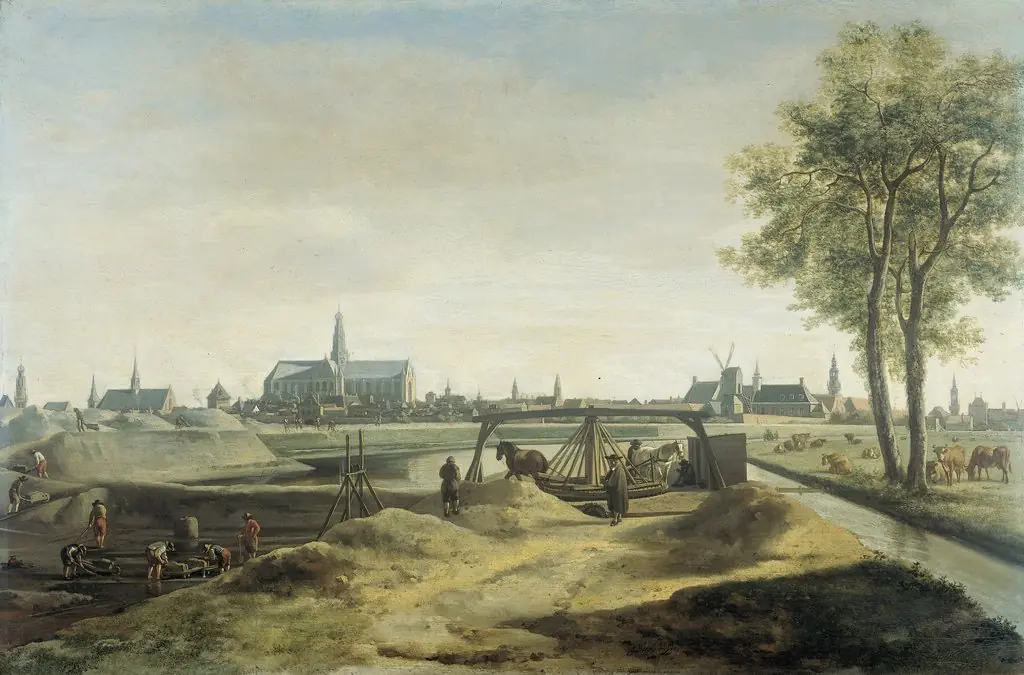 The Nieuwe Gracht at Haarlem, being built with New City Wall
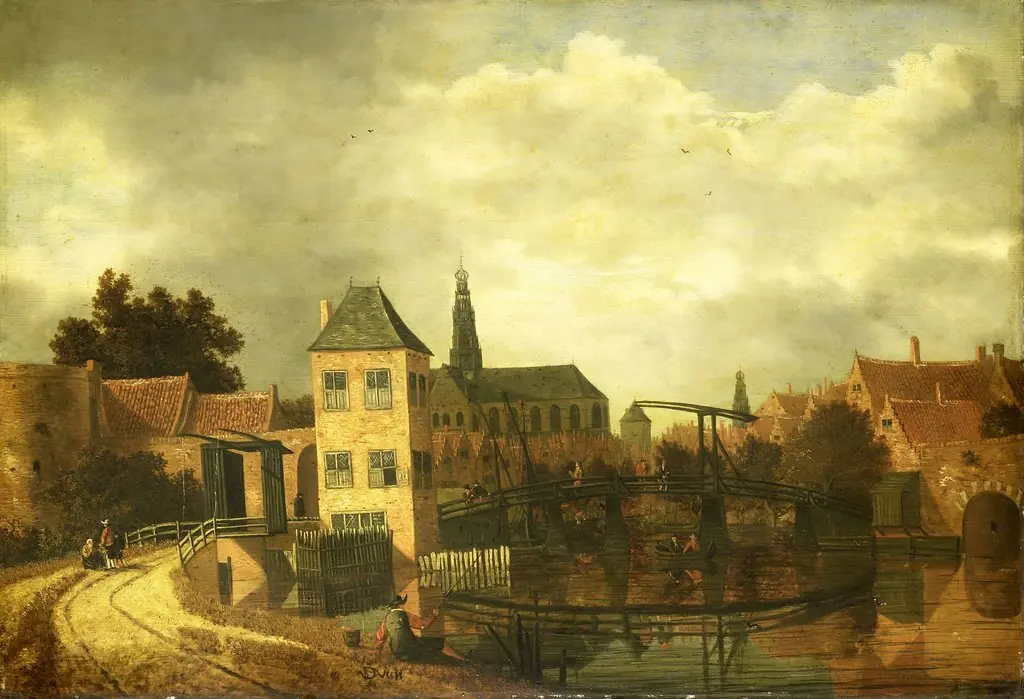 View of Haarlem from across the Spaarne, near the Eendjespoort
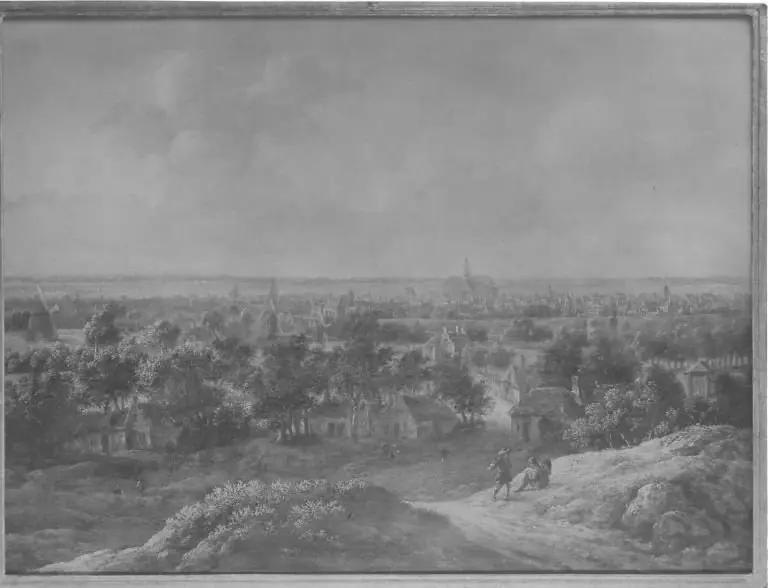 Outskirts of Haarlem
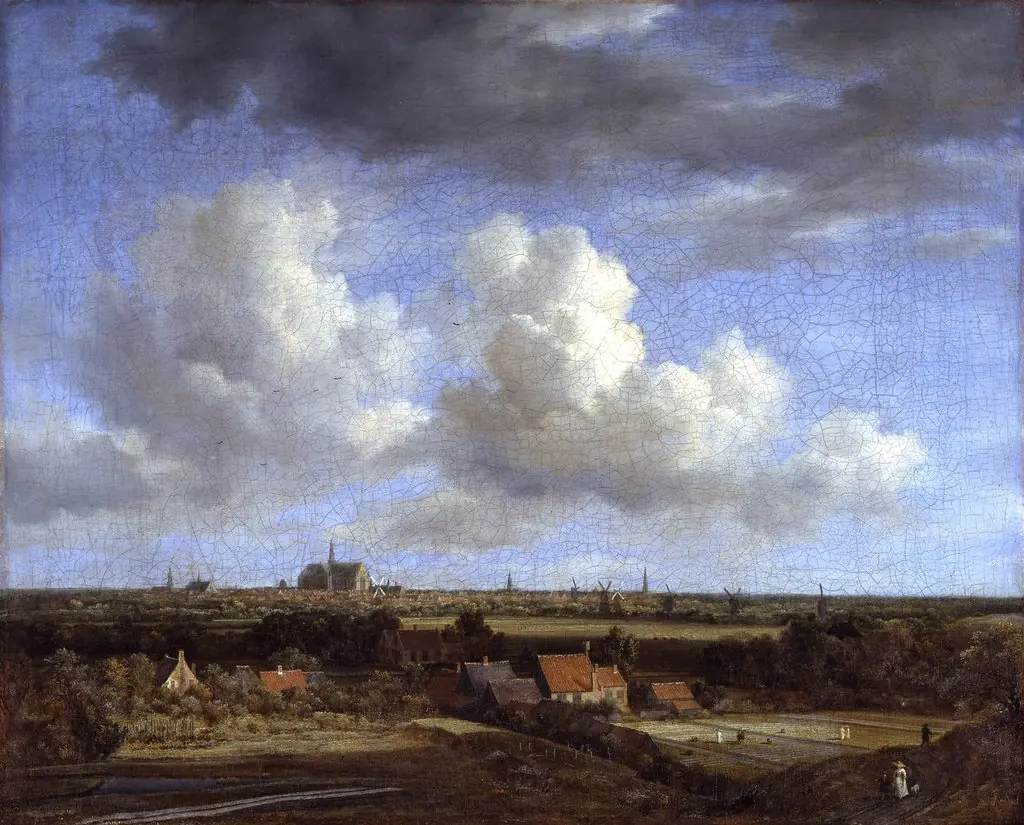 View of Haarlem from the Northwest
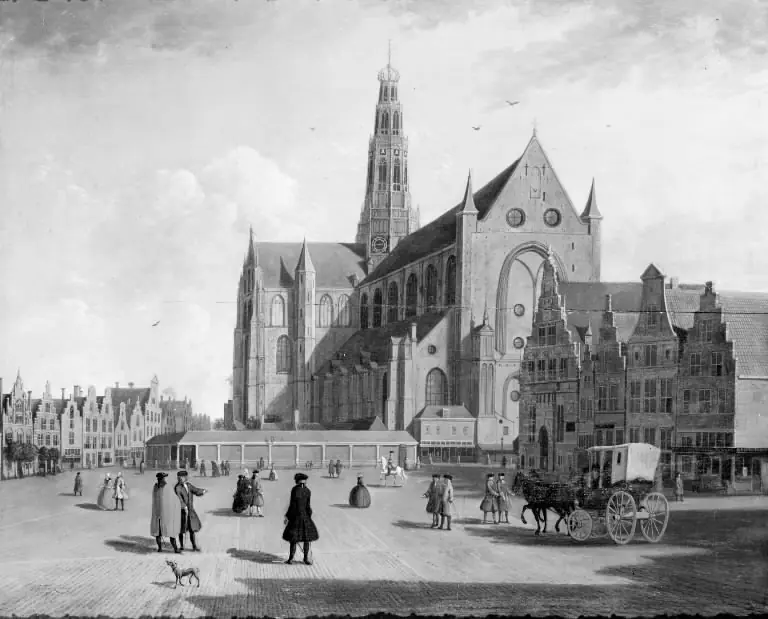 Grootekerk at Haarlem
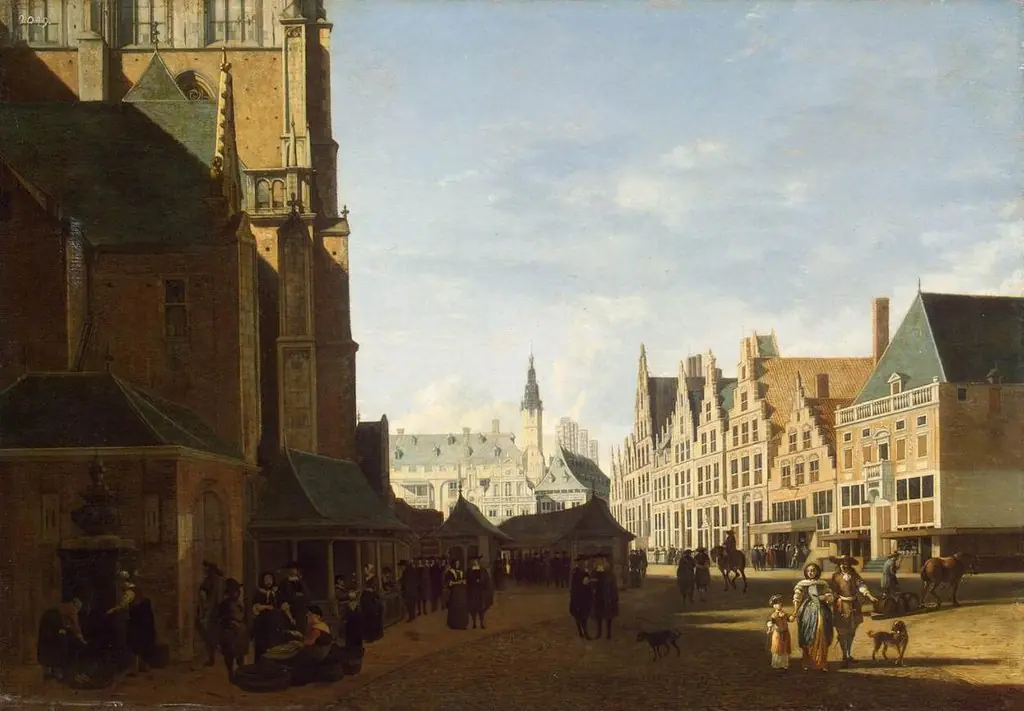 Groote Market in Haarlem
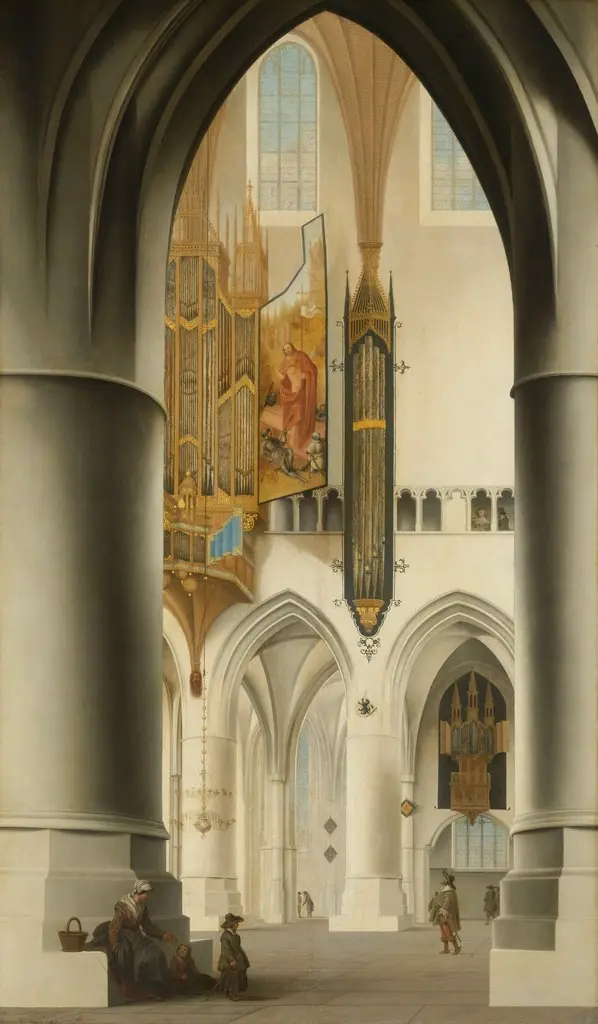 Interior of the Church of St Bavo in Haarlem
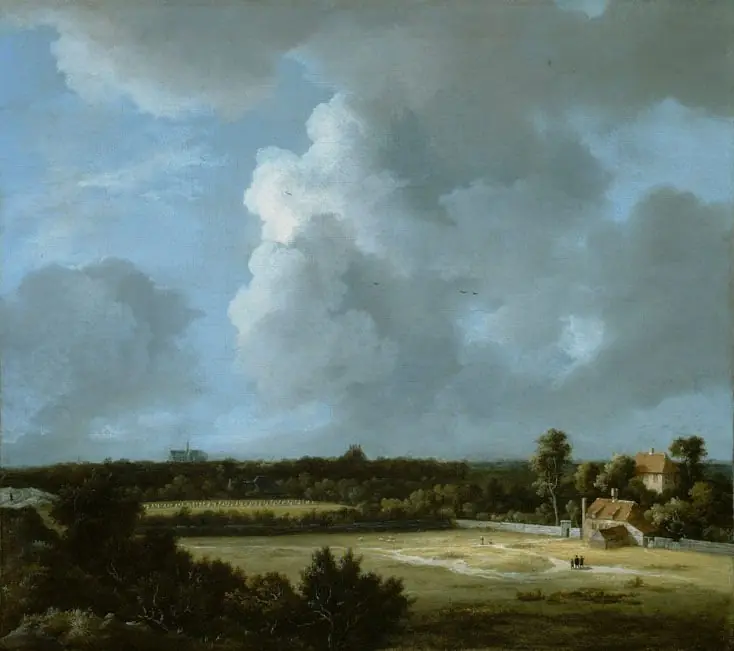 View of Haarlem
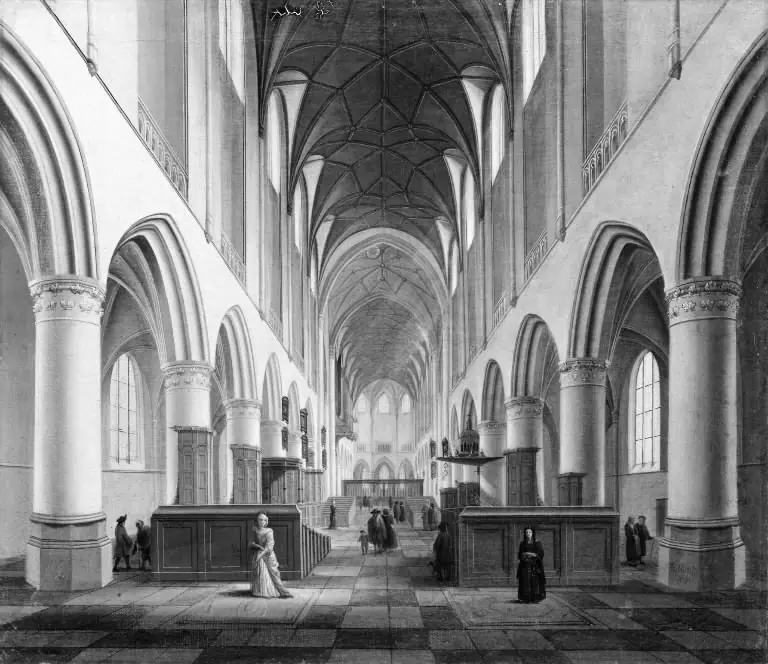 St Bavokerk, Haarlem, Viewed from West to East
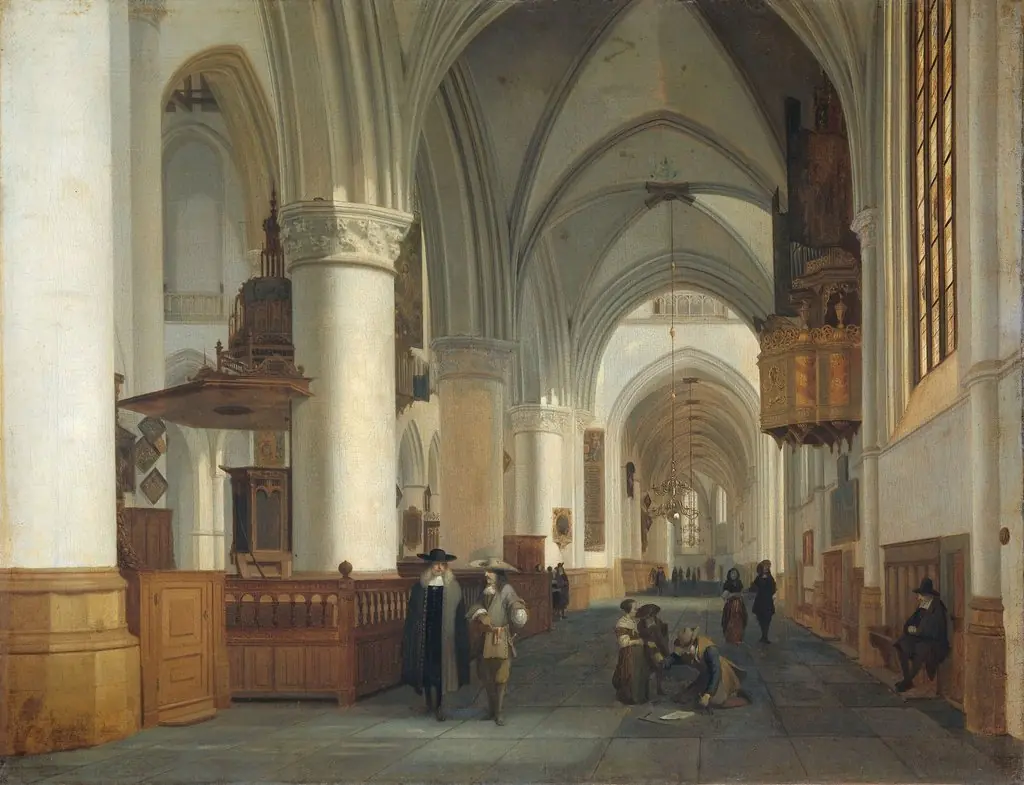 Interior of the church of St. Bavo, Haarlem
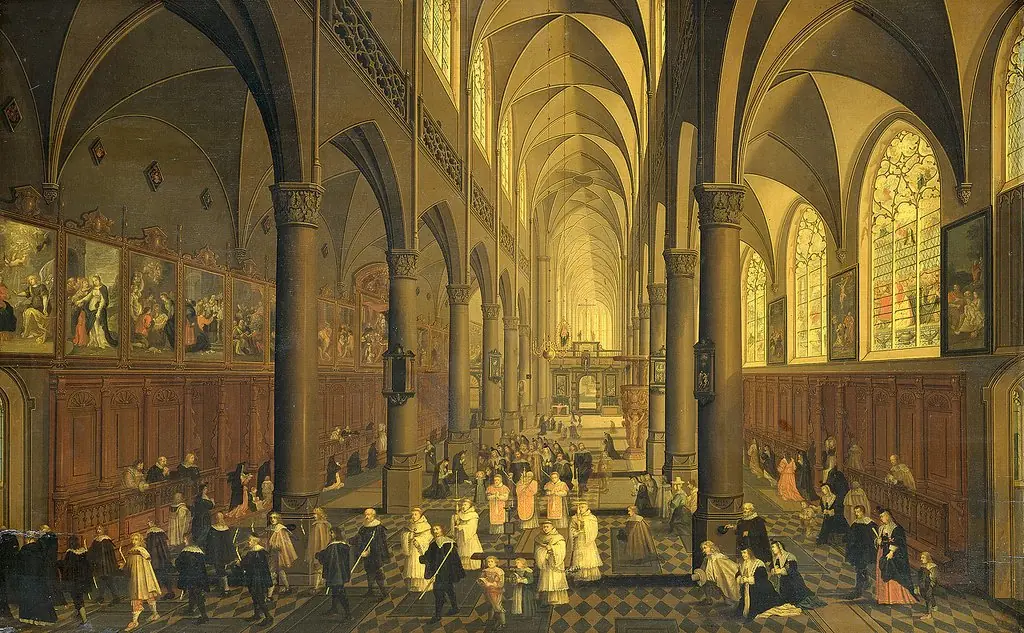 Interior of the Saint Paul's church of Antwerp
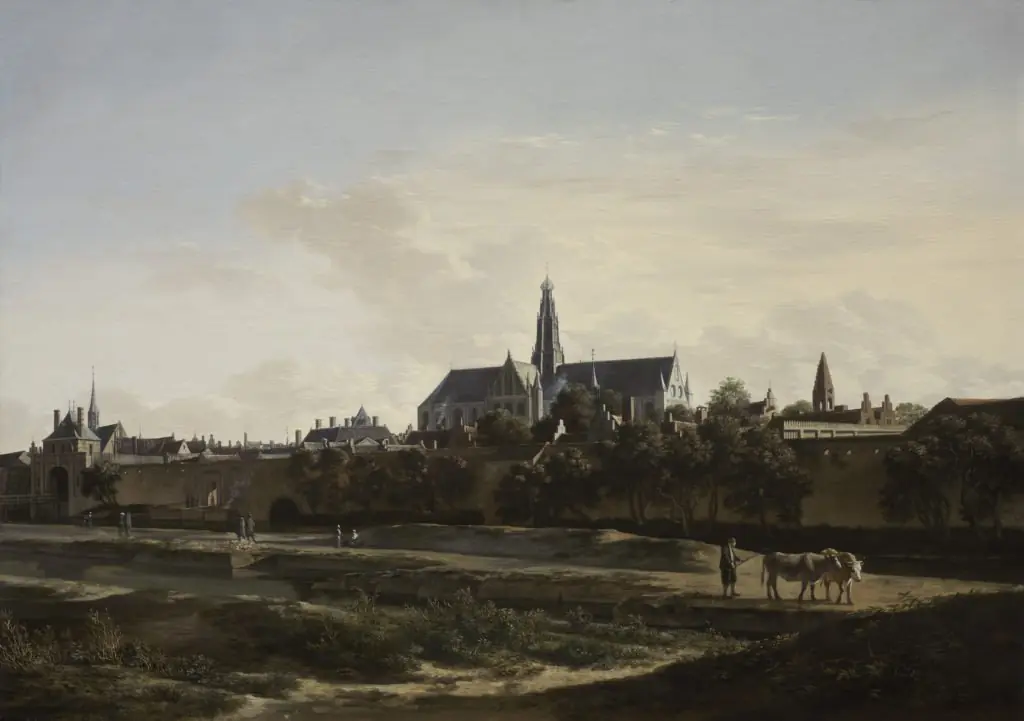 A View of Haarlem
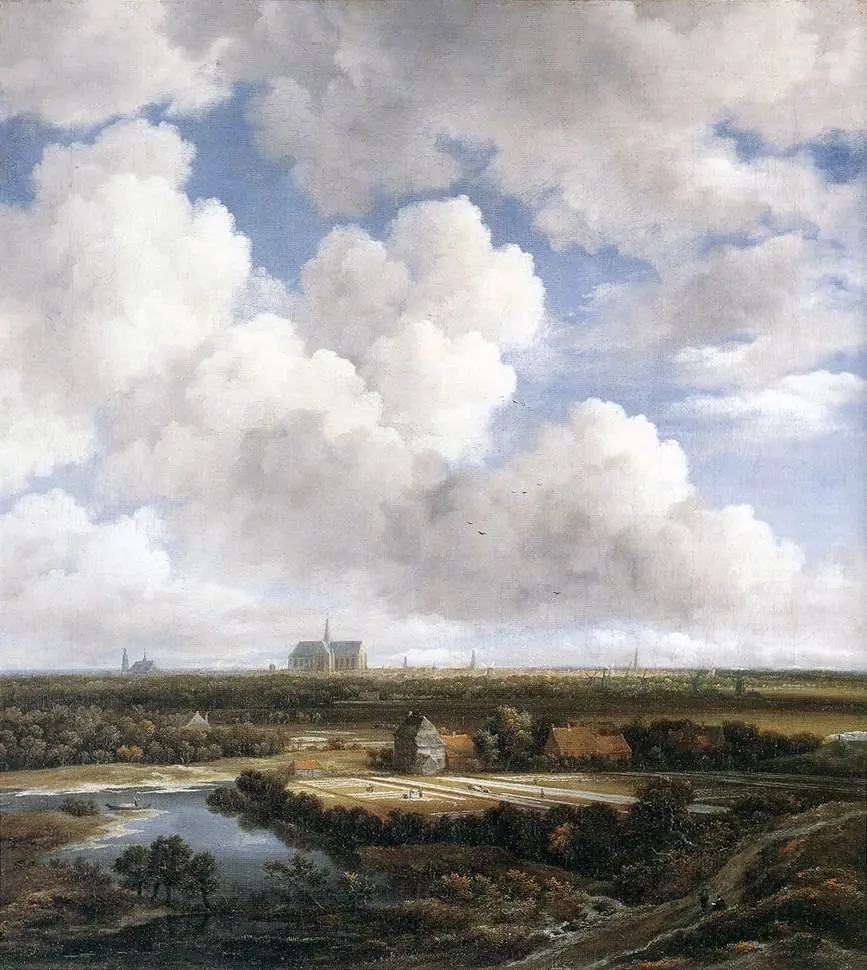 View of Haarlem with Bleaching Fields
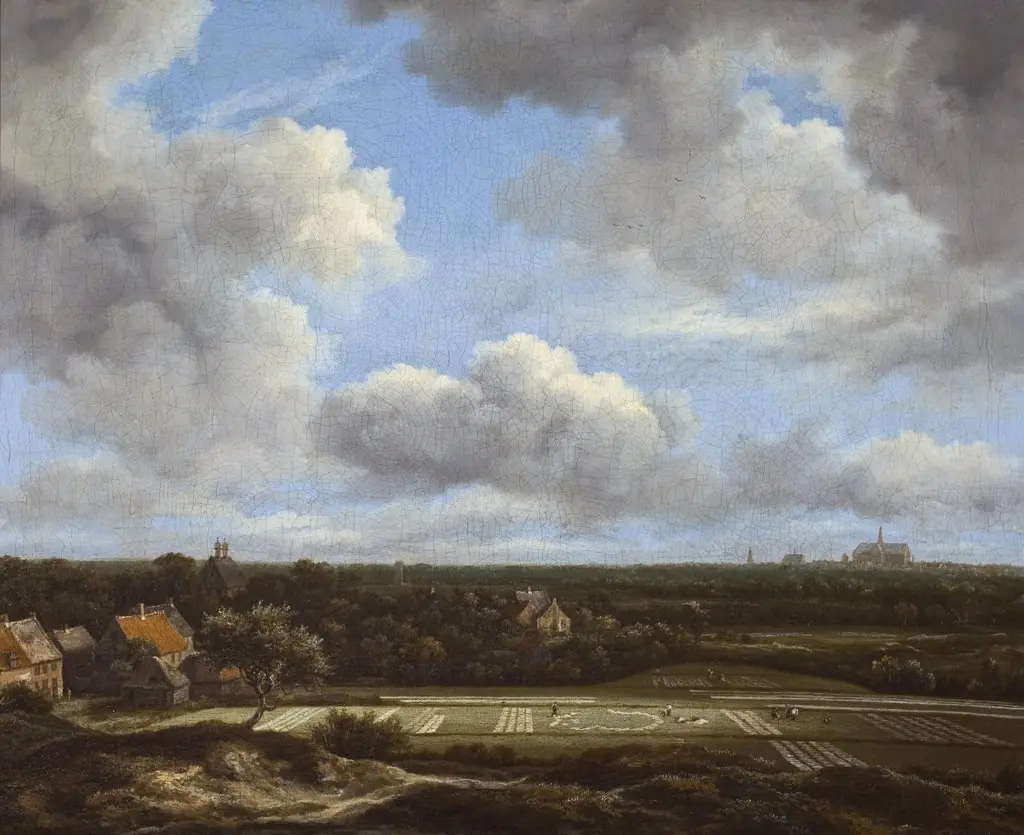 View of the Plain of Haarlem with Bleaching Grounds
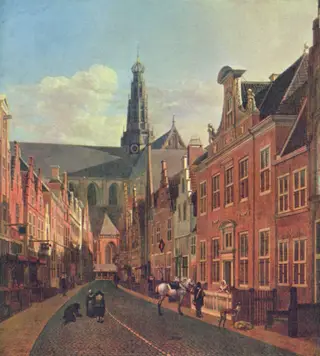 The Jansstraat in Haarlem with the St.-Bavochurch in the background
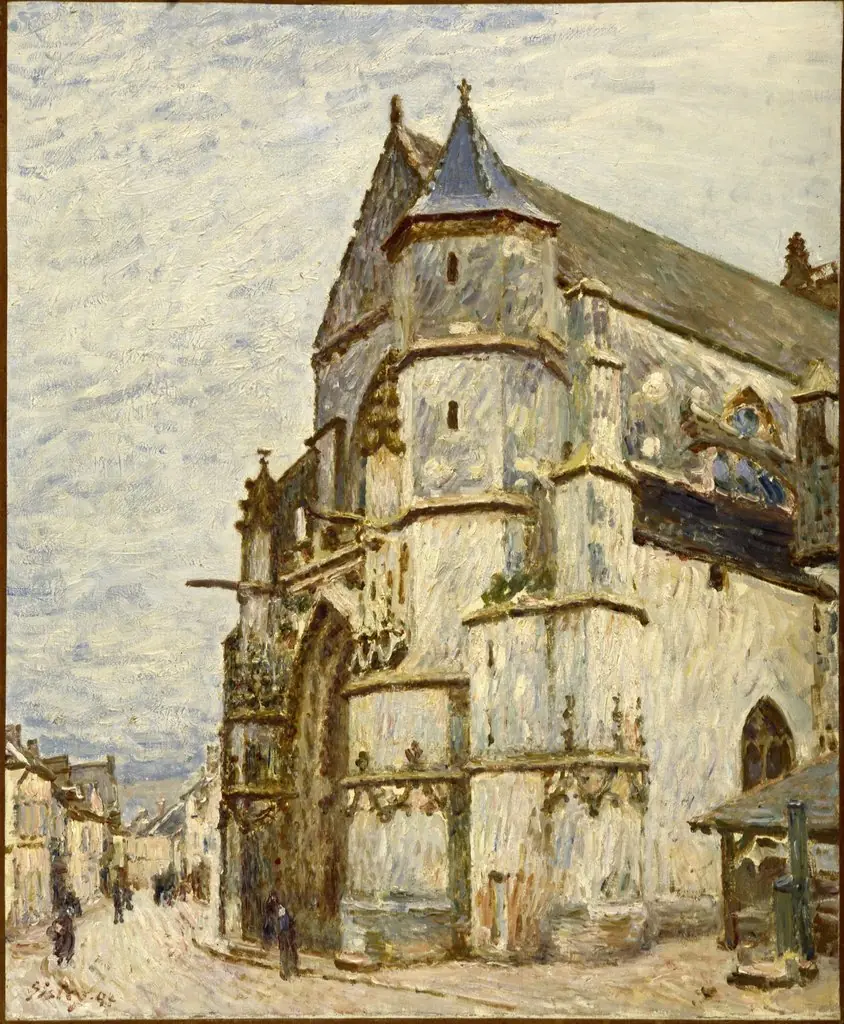 The Church in Moret after the Rain
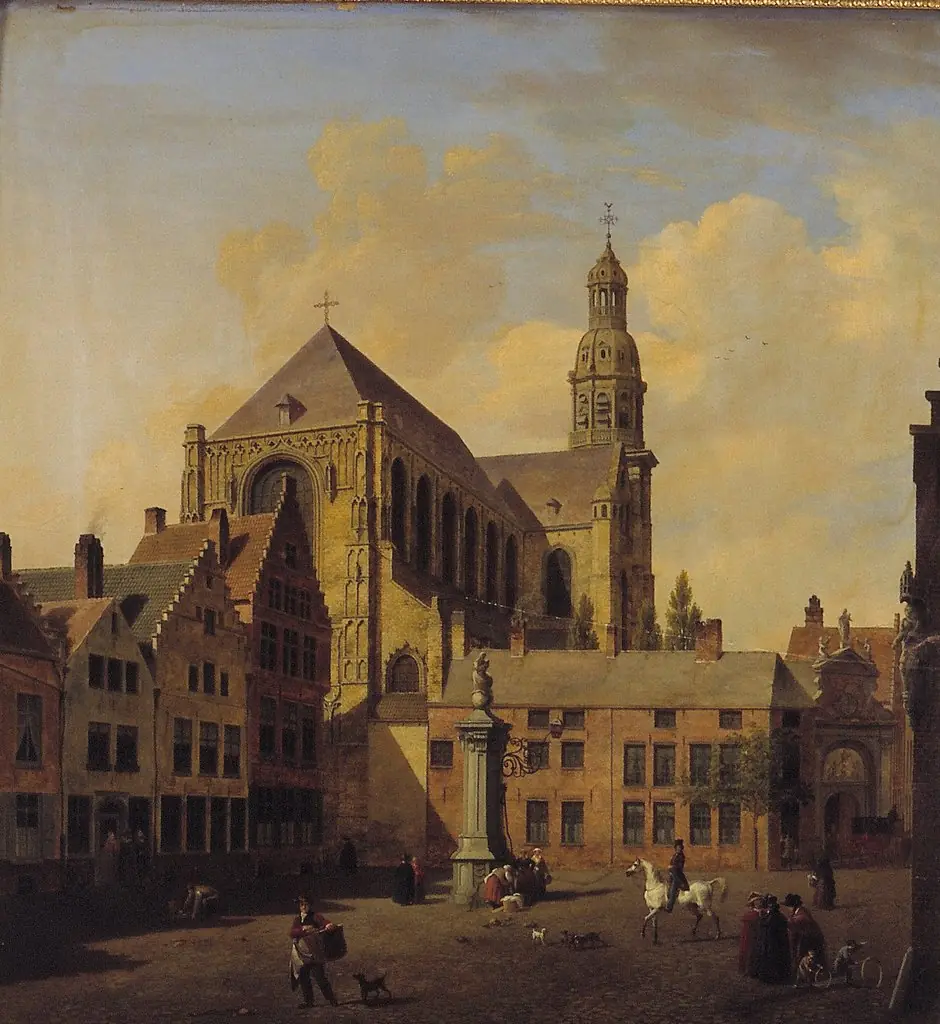 Schapen in een stal, genaamd 'Tehuis'
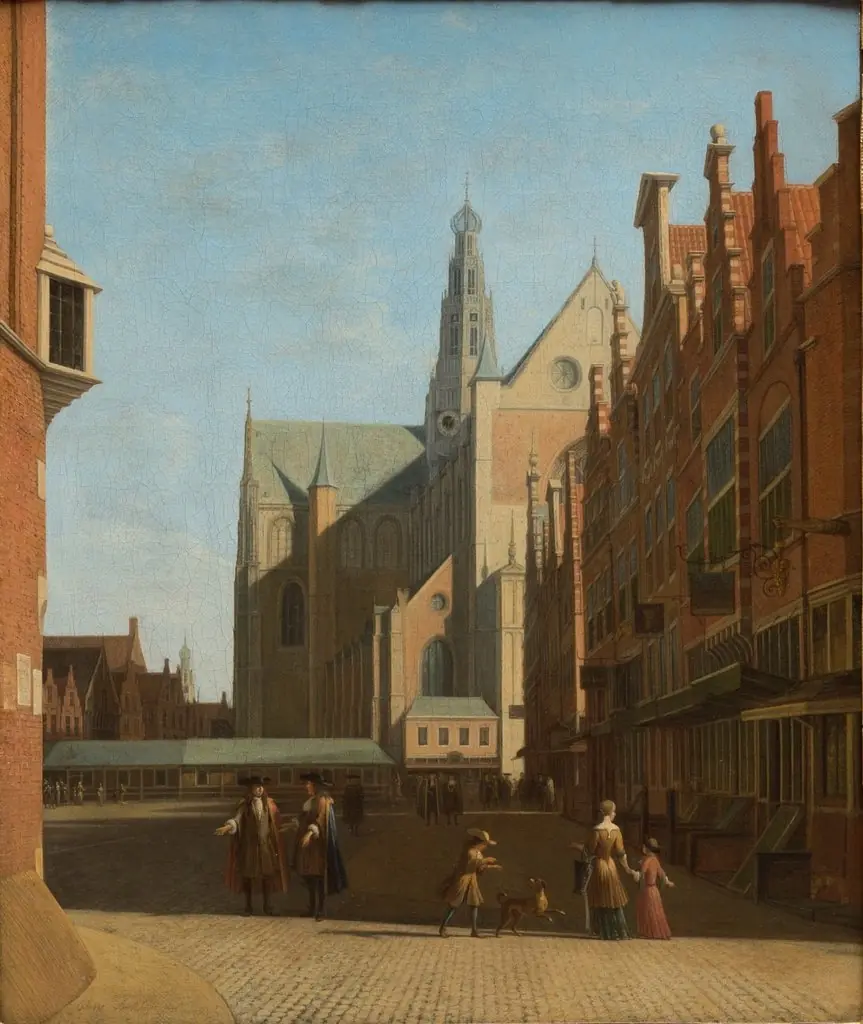 View of the Grote Kerk in Haarlem
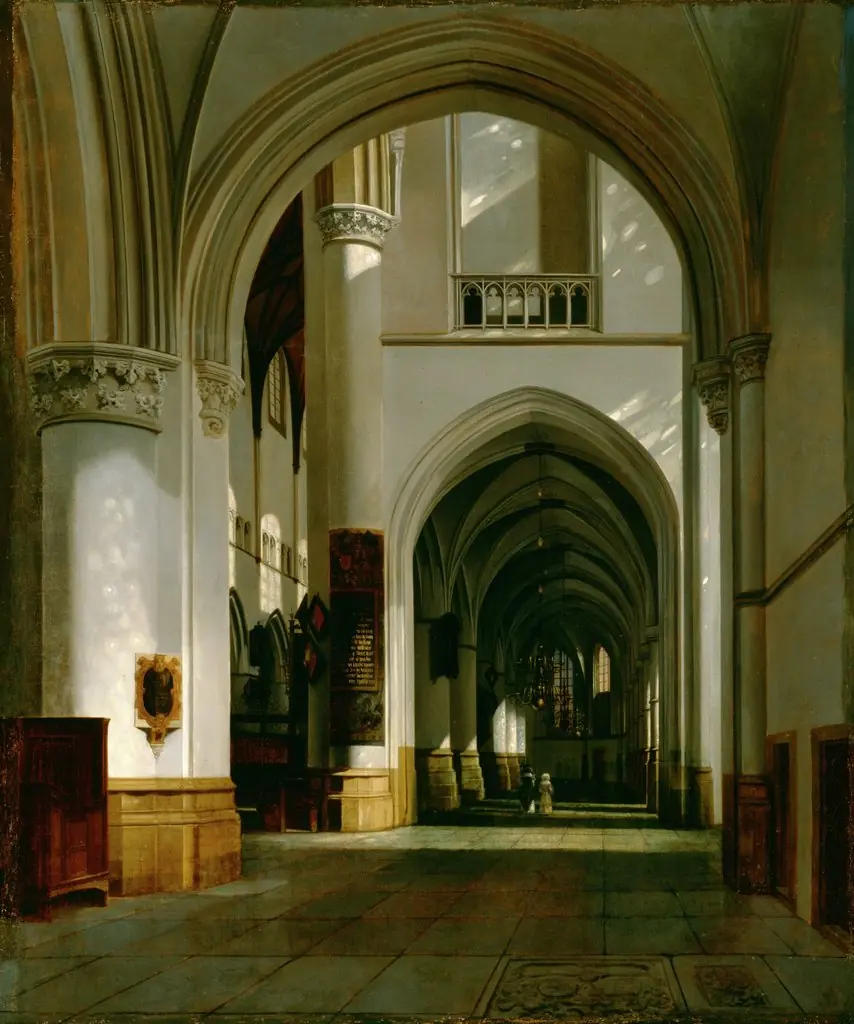 Interior of the Grote Kerk, Haarlem
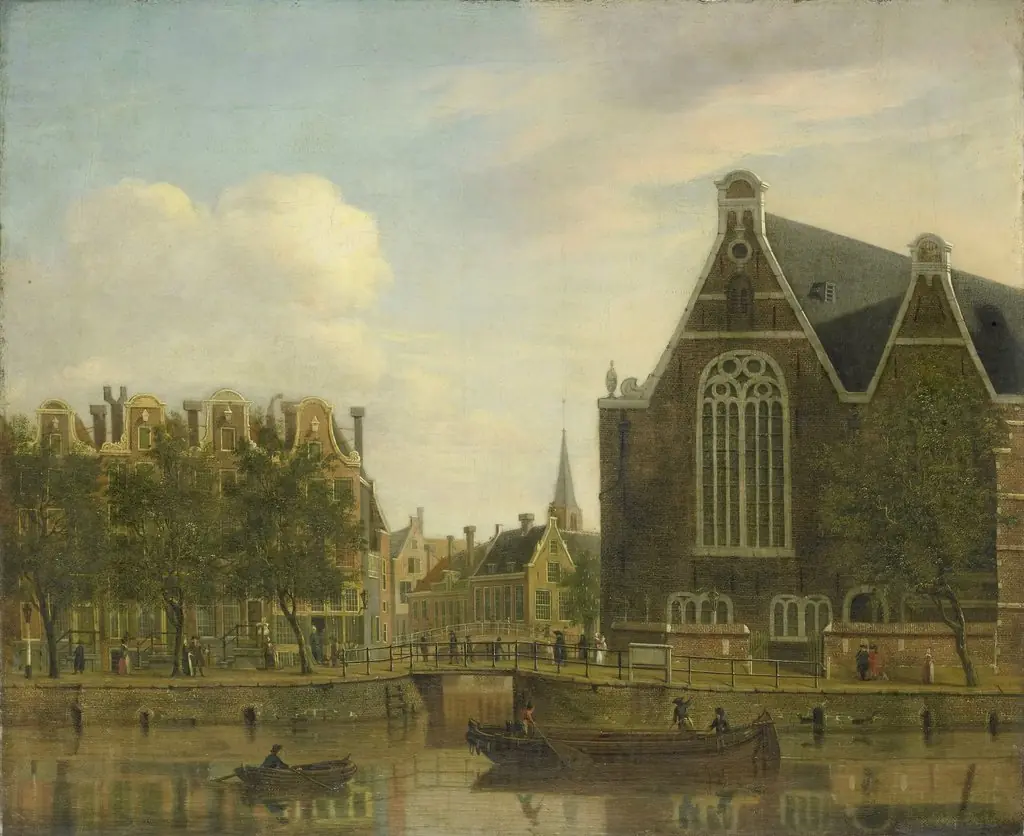 The so-called Boerenverdriet on the Spui, Amsterdam
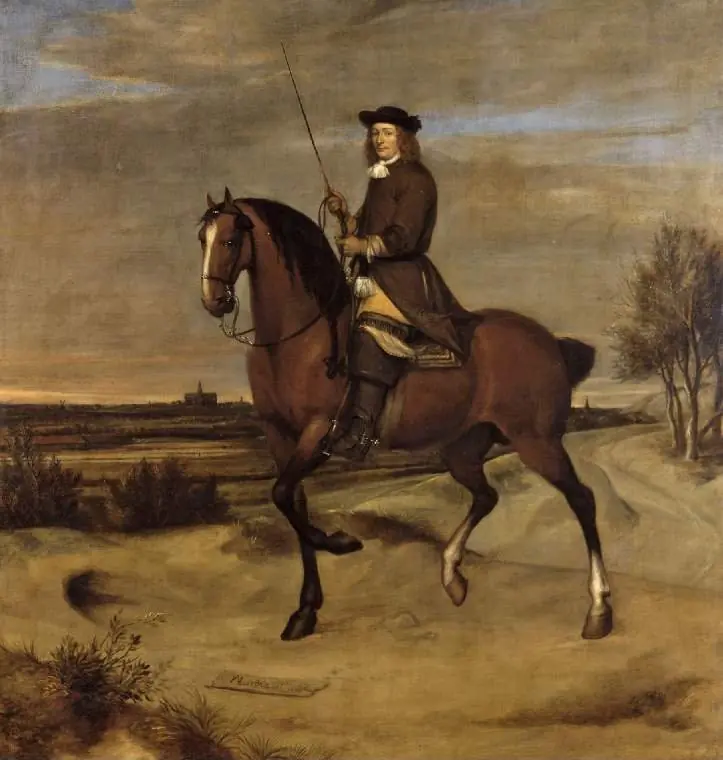 Dirck Decker of Amsterdam
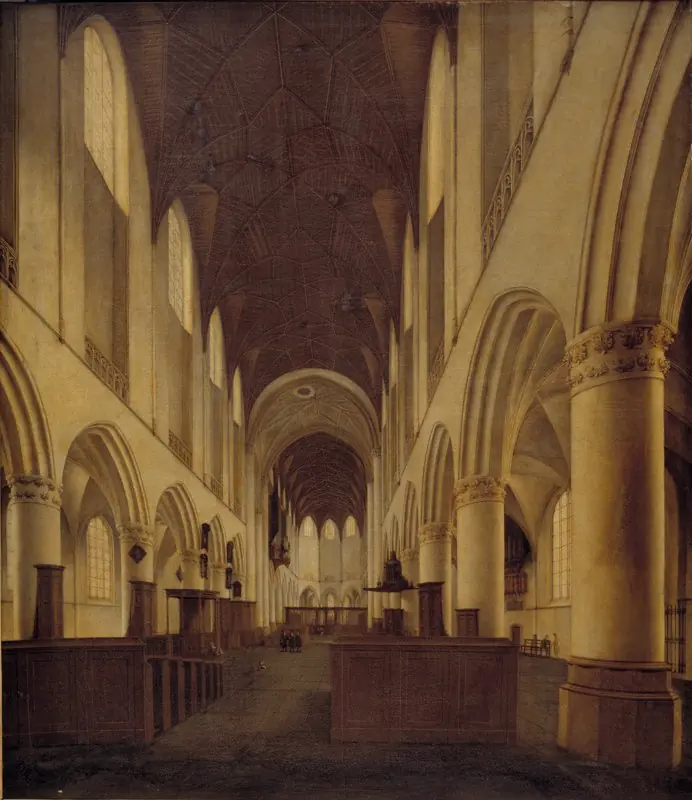 Interior of St Bavo Church in Haarlem. View from the Nave towards the Choir
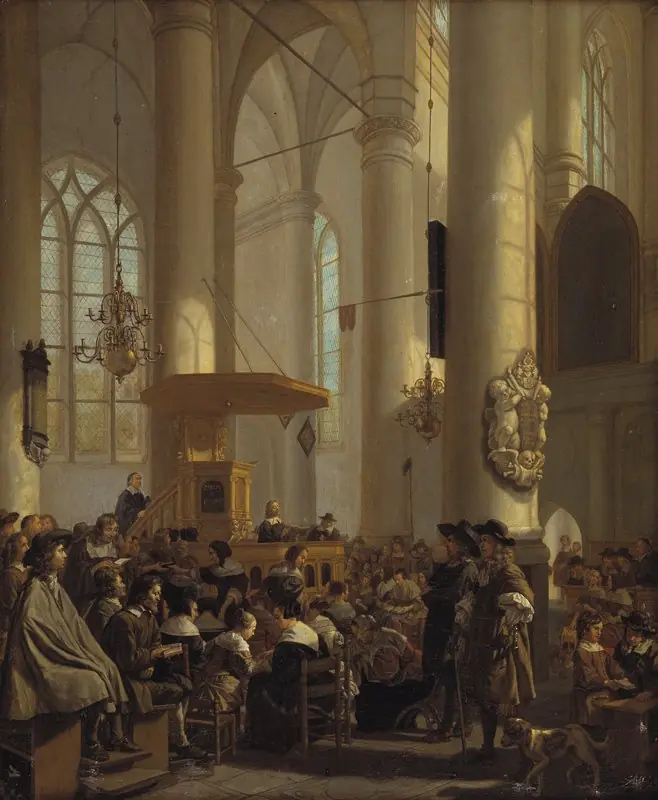 Interior of a Dutch Church
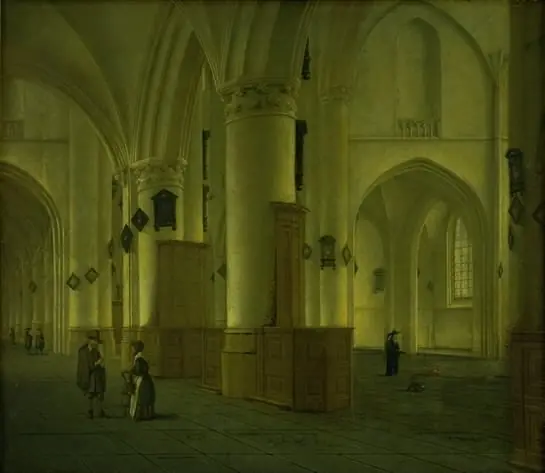 Side-Aisle at St Bavo Church in Haarlem
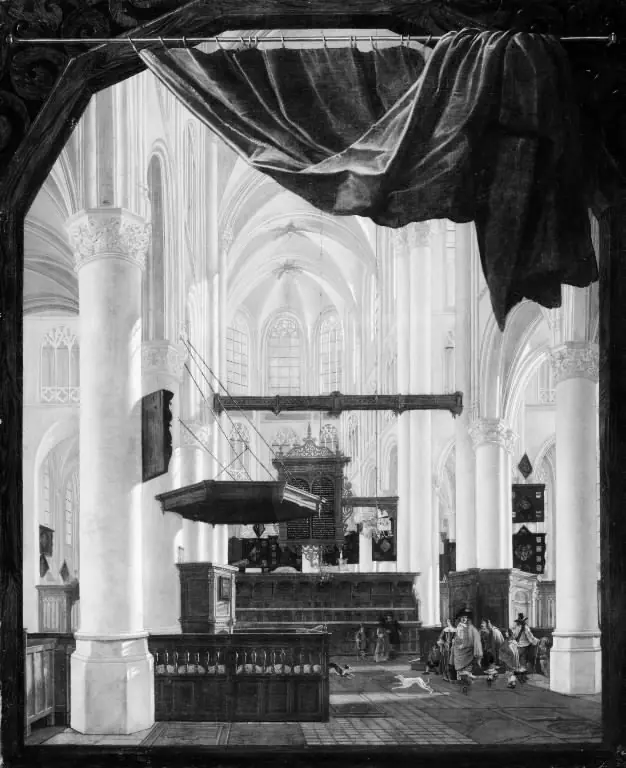 Interior of Sint Gertrudiskerk in Bergen op Zoom
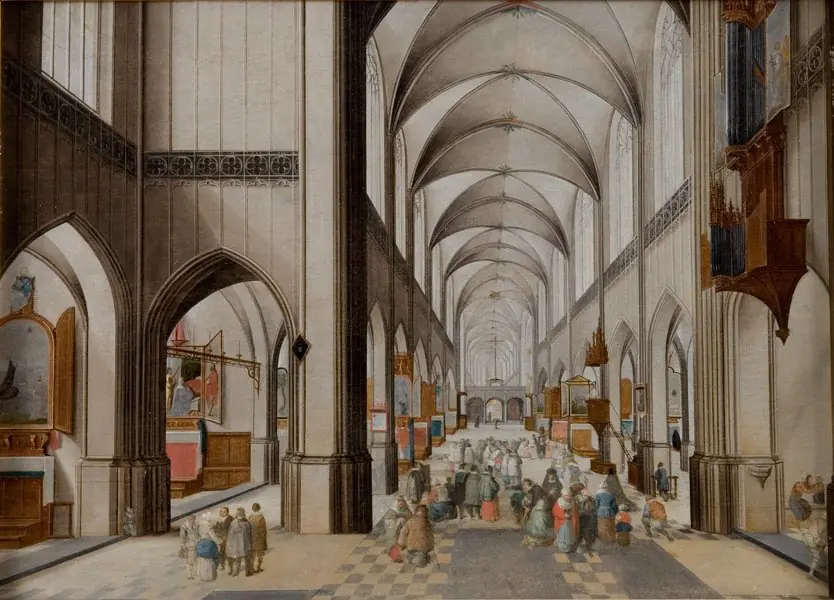 Interior of a Three-Aisled Gothic Church during a Sermon
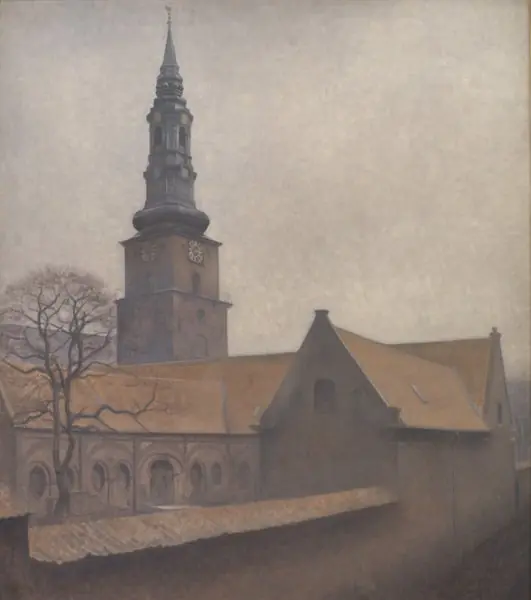 St. Peter's Church, Copenhagen
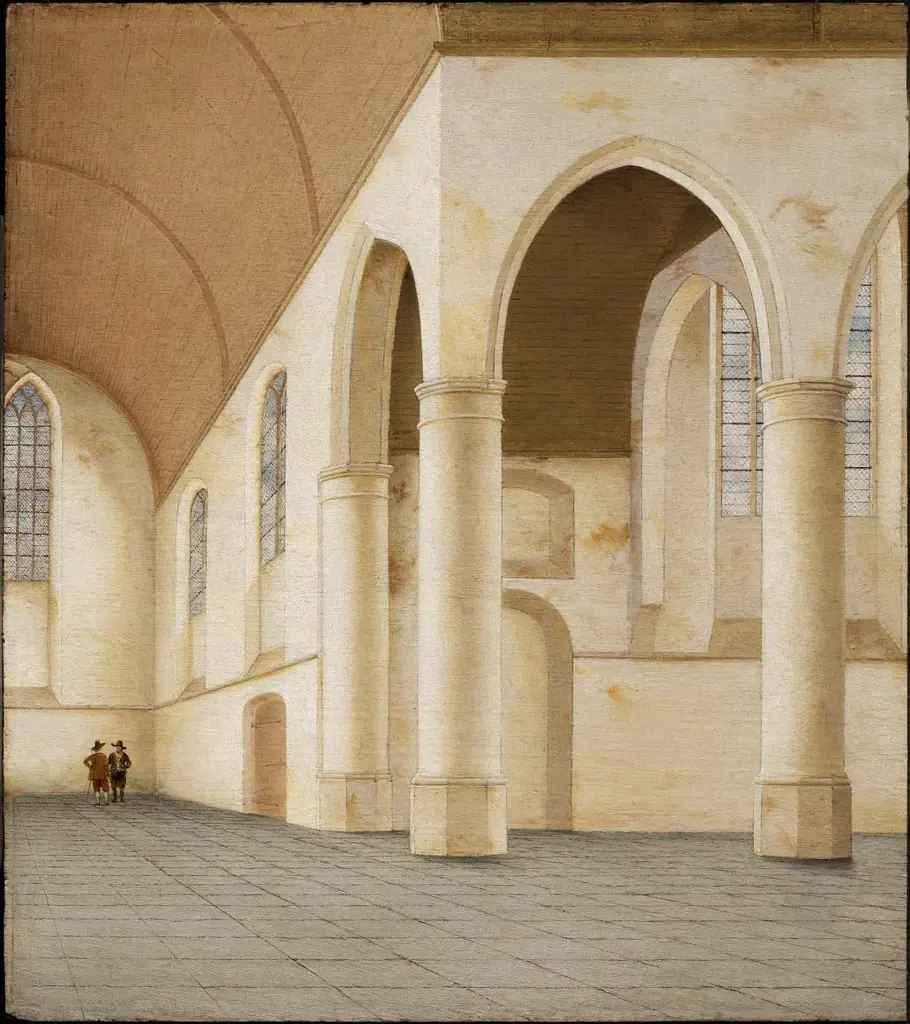 Church of Saint Odulphus, Assendelft
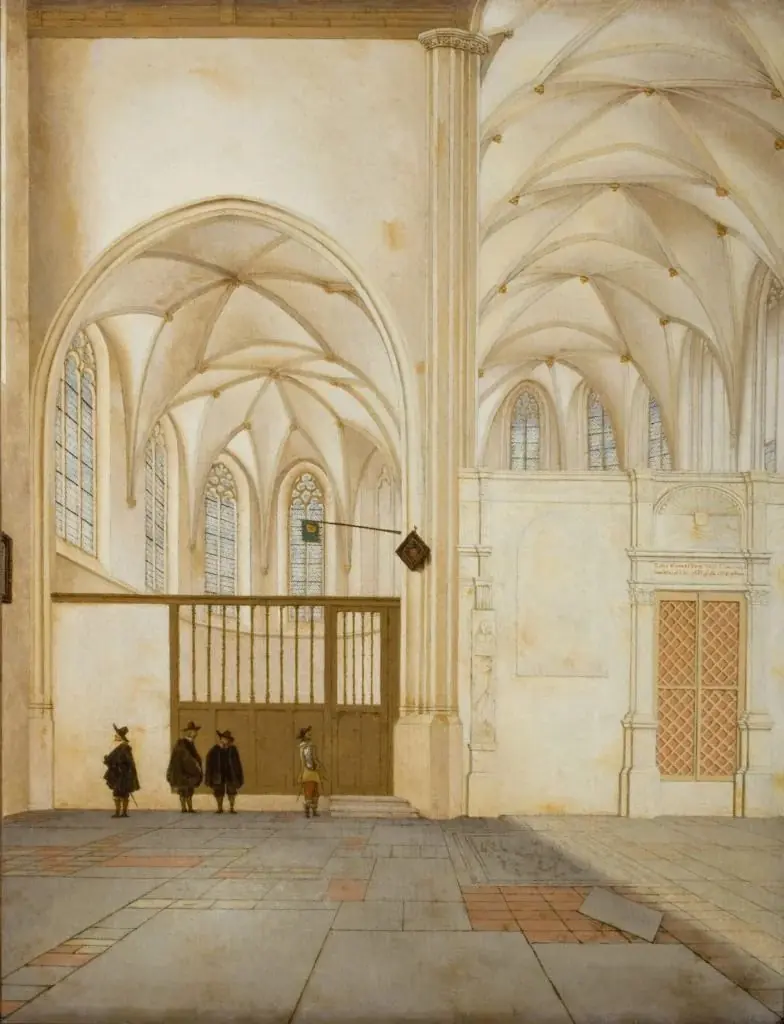 A View of Sint Janskerk, Utrecht
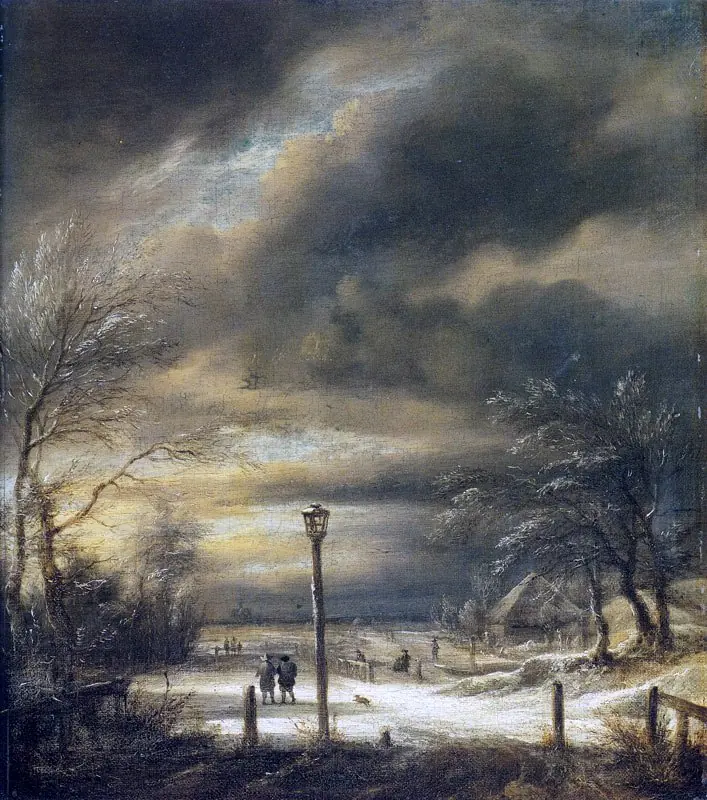 Winter Landscape near Haarlem
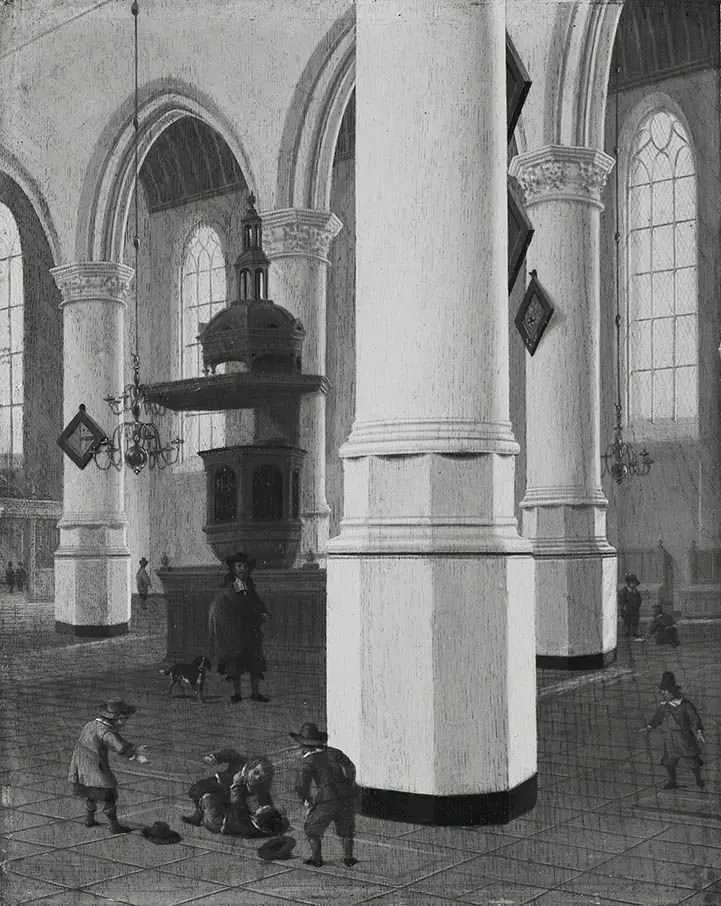 Inneres der Oude Kerk in Delft
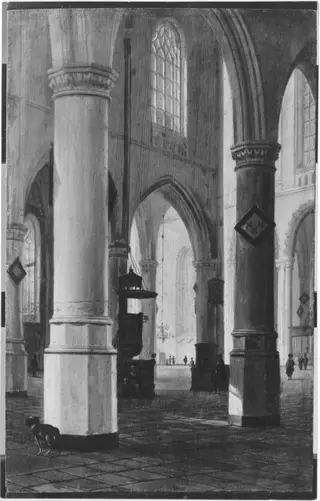 Inneres der Oude Kerk in Delft
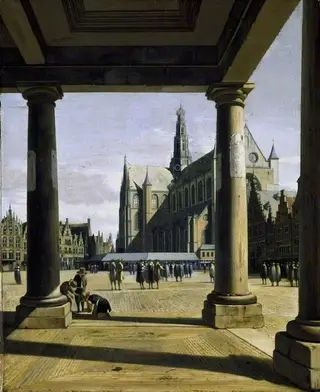 The Groote Kerk at Haarlem
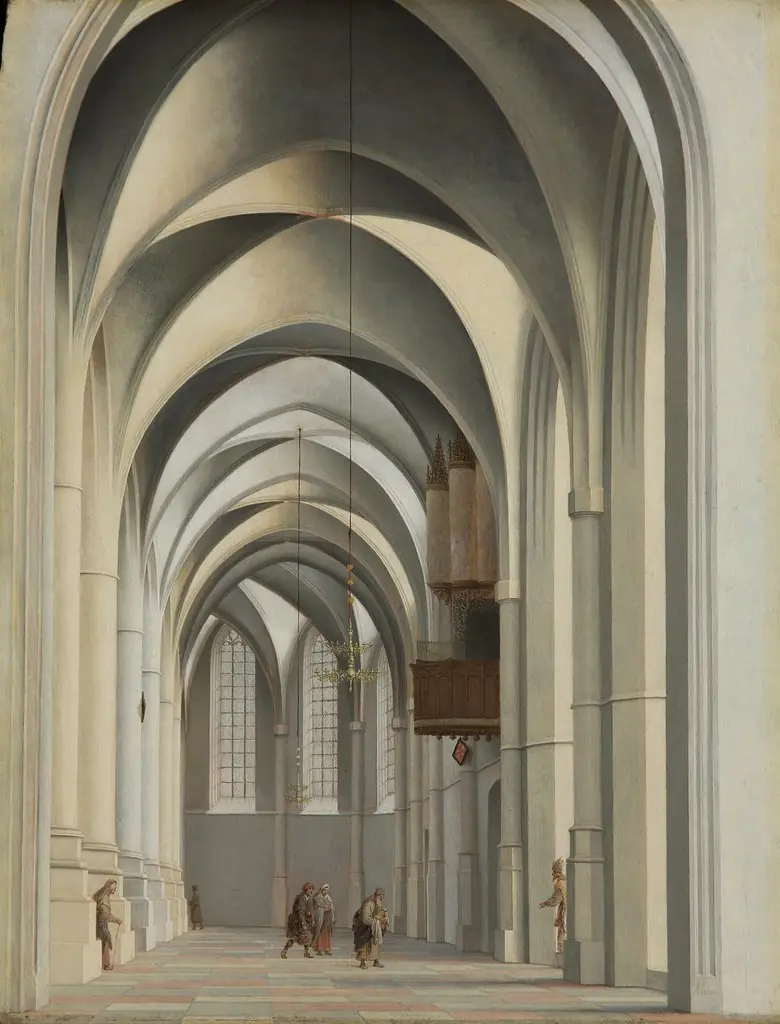 View of the ambulatory of the Grote or St. Bavokerk in Haarlem.
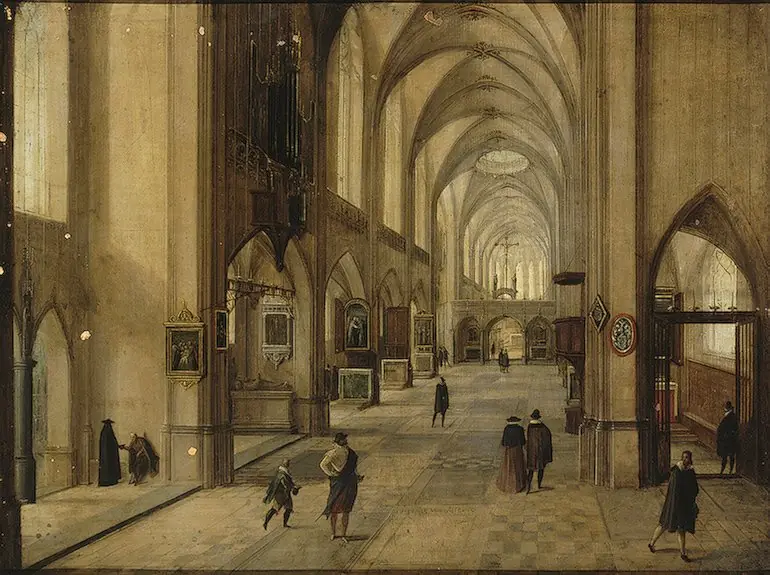 Interior of a Gothic Church
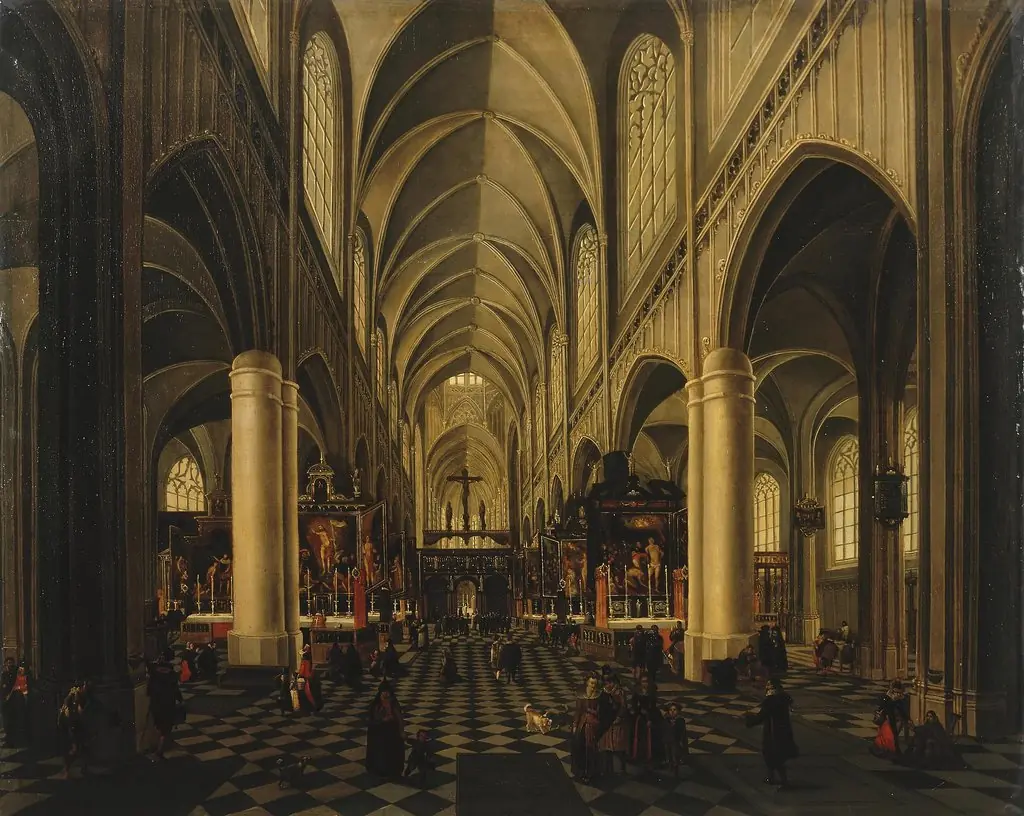 Interior of a Gothic Church
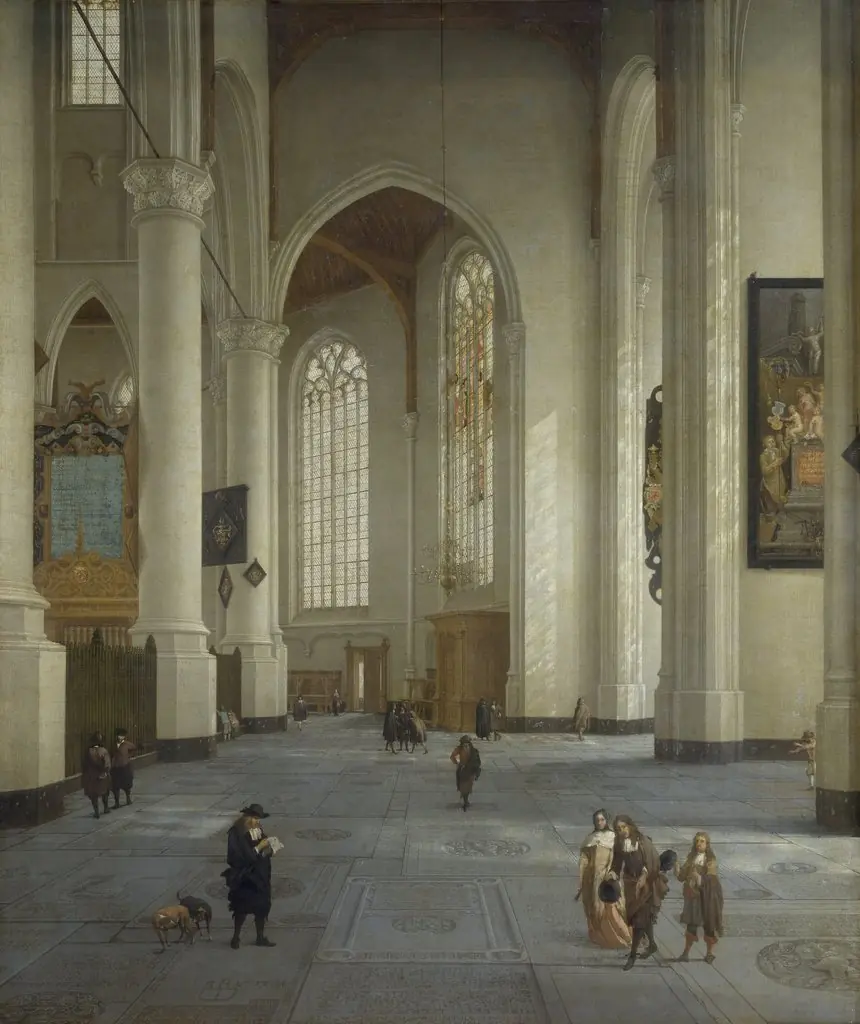 Interior of the St Laurenskerk, Rotterdam
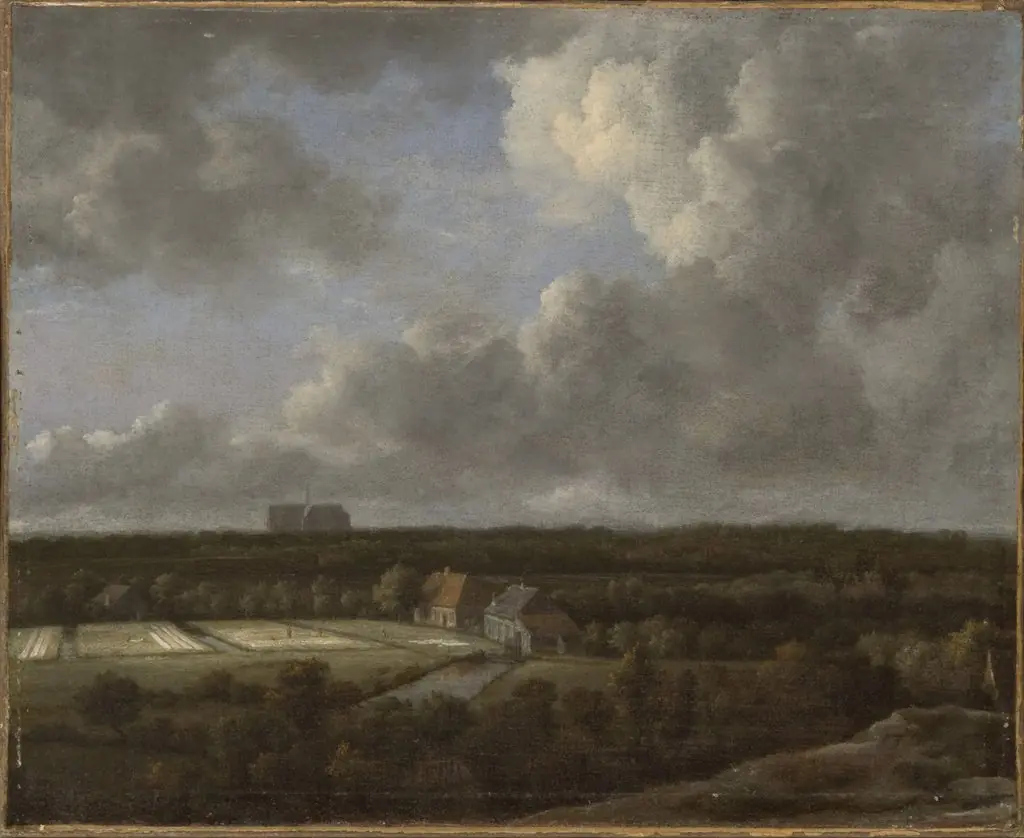 Bleaching Fields to the North-Northeast of Haarlem
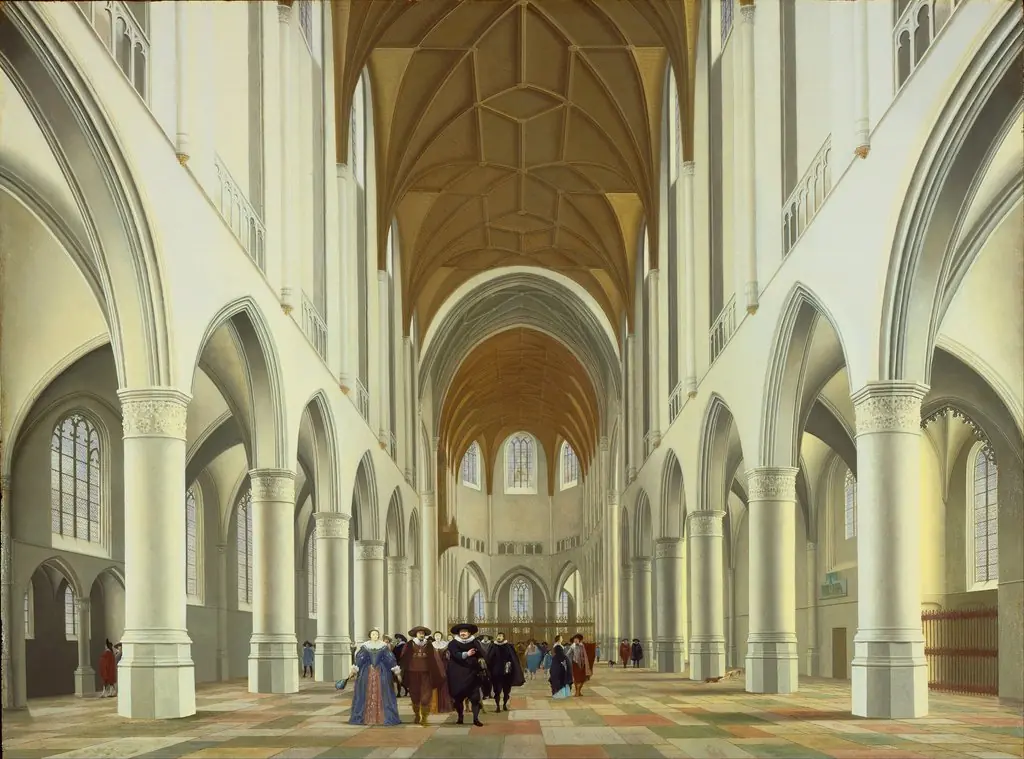 Interior of Saint Bavo, Haarlem
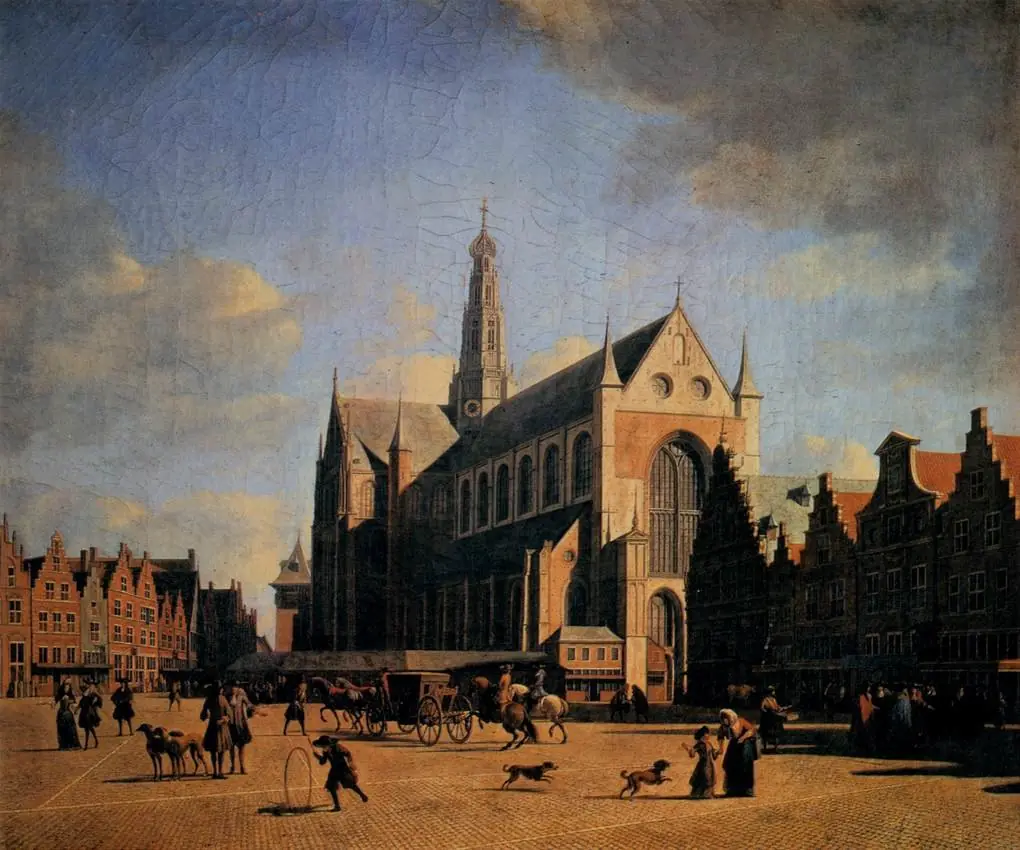 The Great Market (Grote Markt) in Haarlem
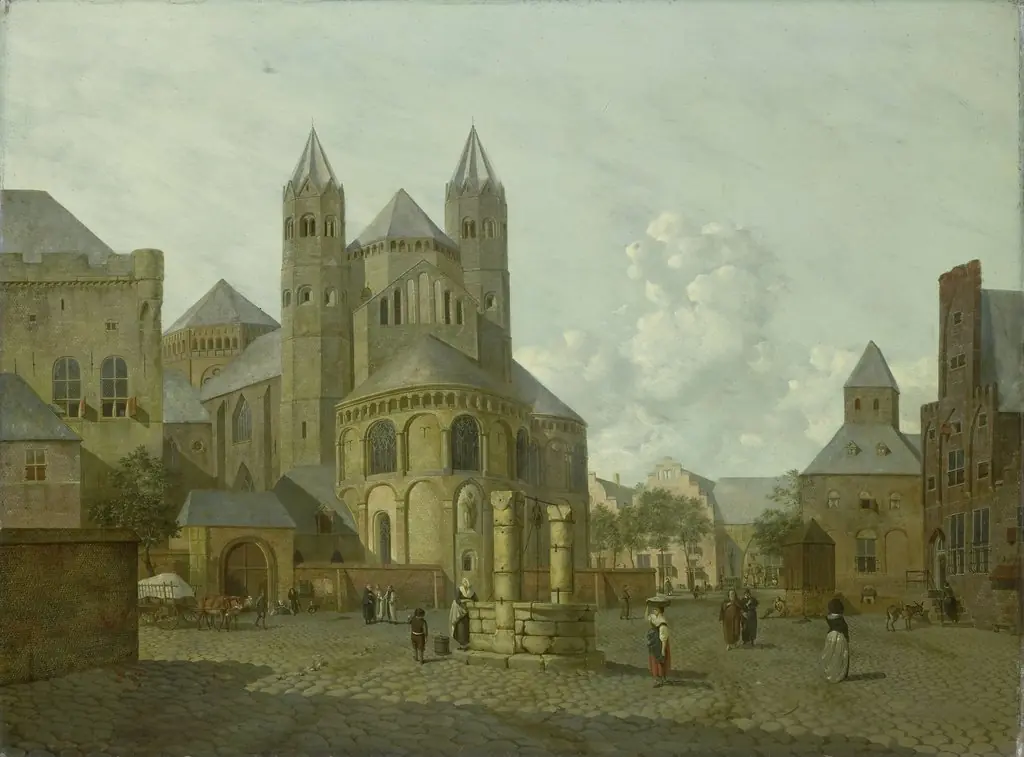 Imaginary Cityscape with Romanesque Church
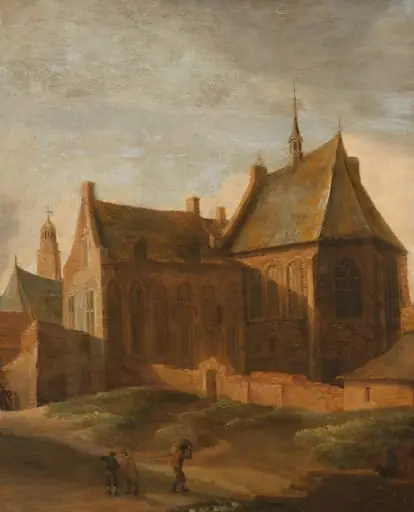 Convent of Saint Agnes in Utrecht
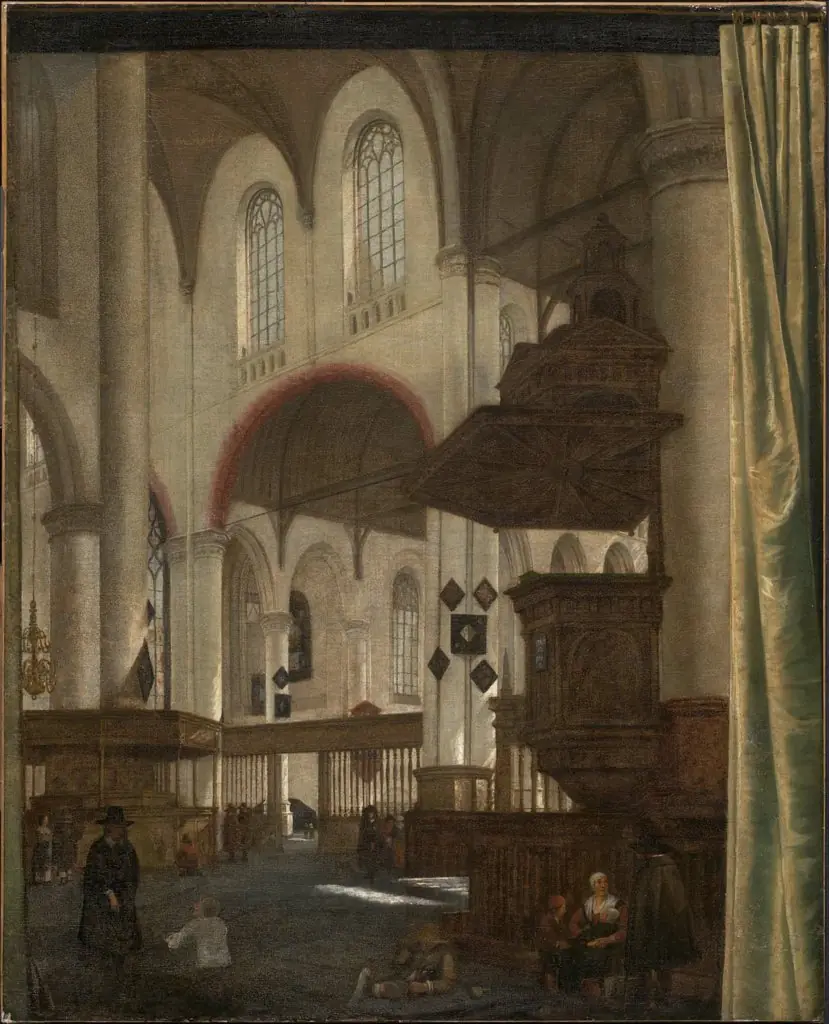 Interior of the Oude Kerk, Delft
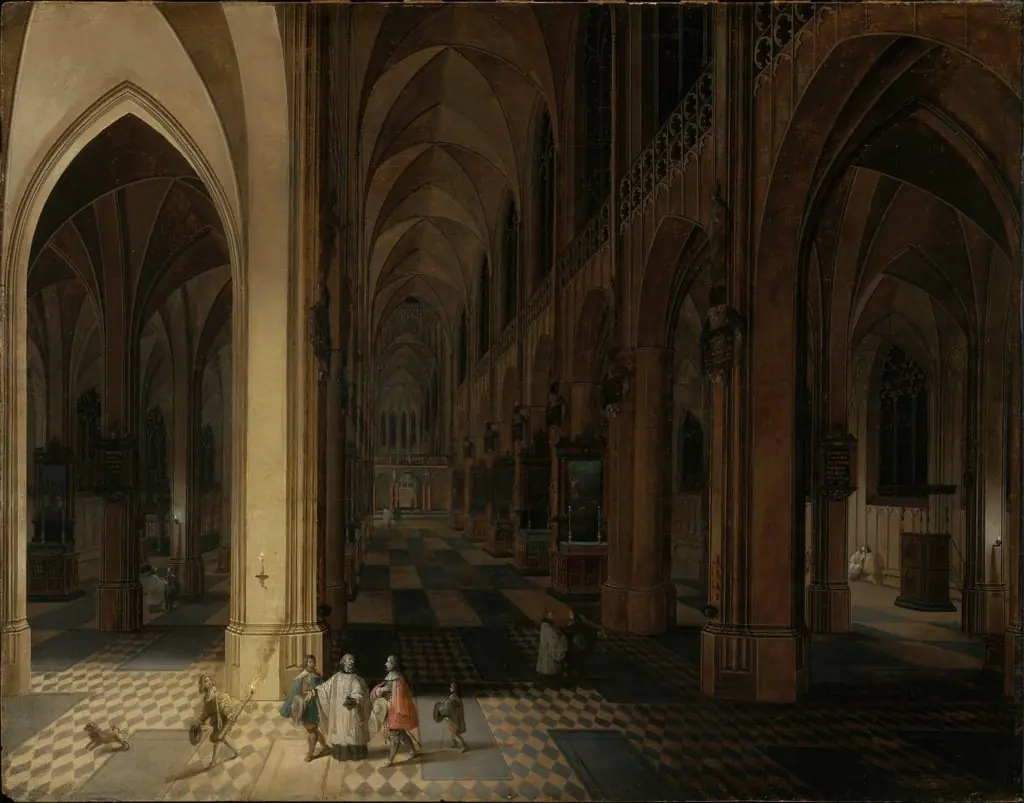 Interior of Antwerp Cathedral at Night
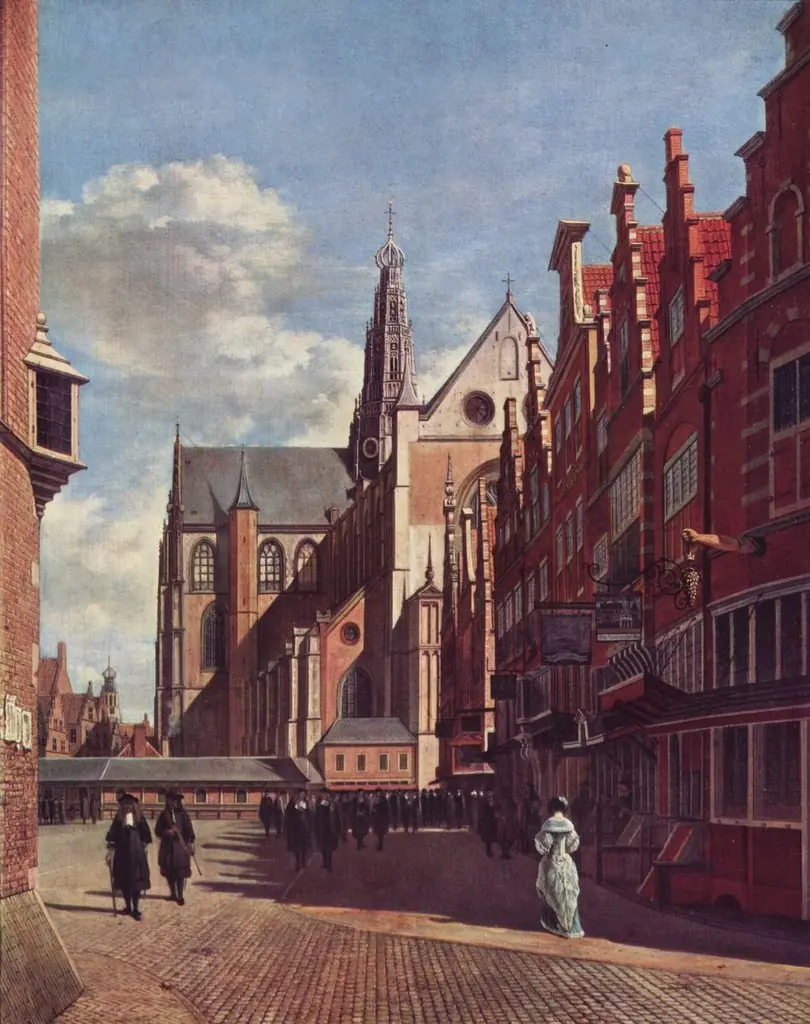 The Grote Kerk at Haarlem, Seen from the City Hall
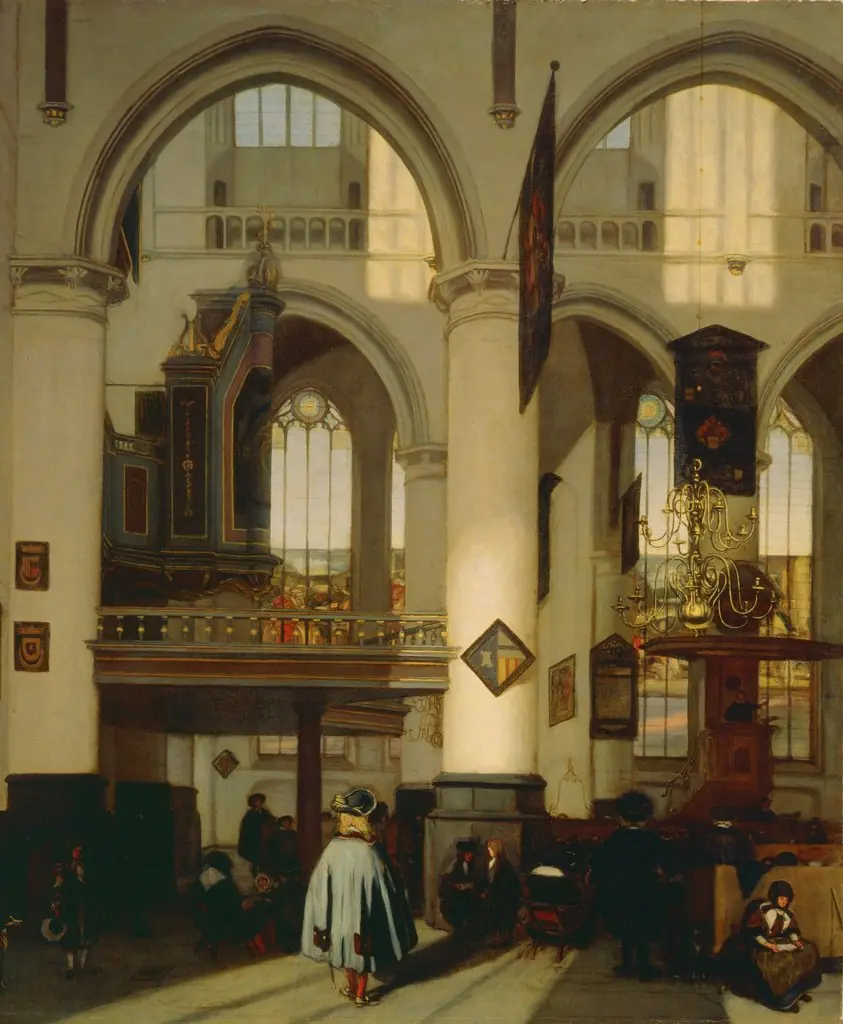 Interior of the Oude Kerk in Amsterdam
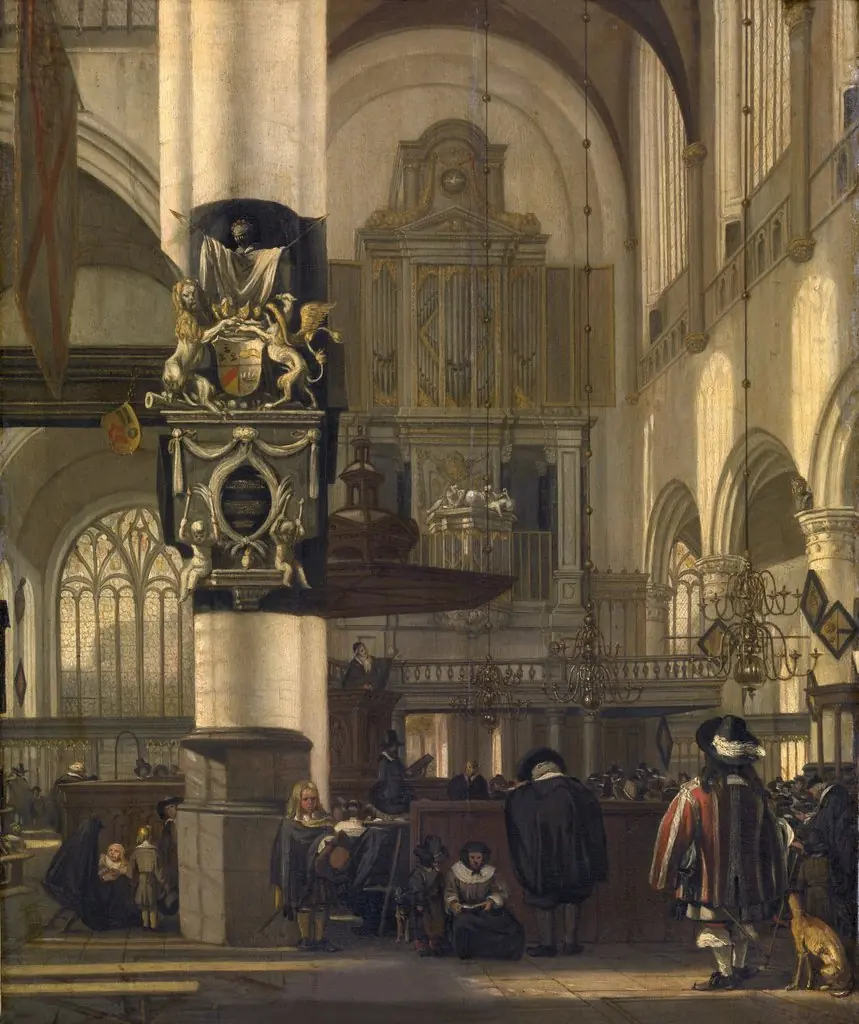 Interior of a protestant church
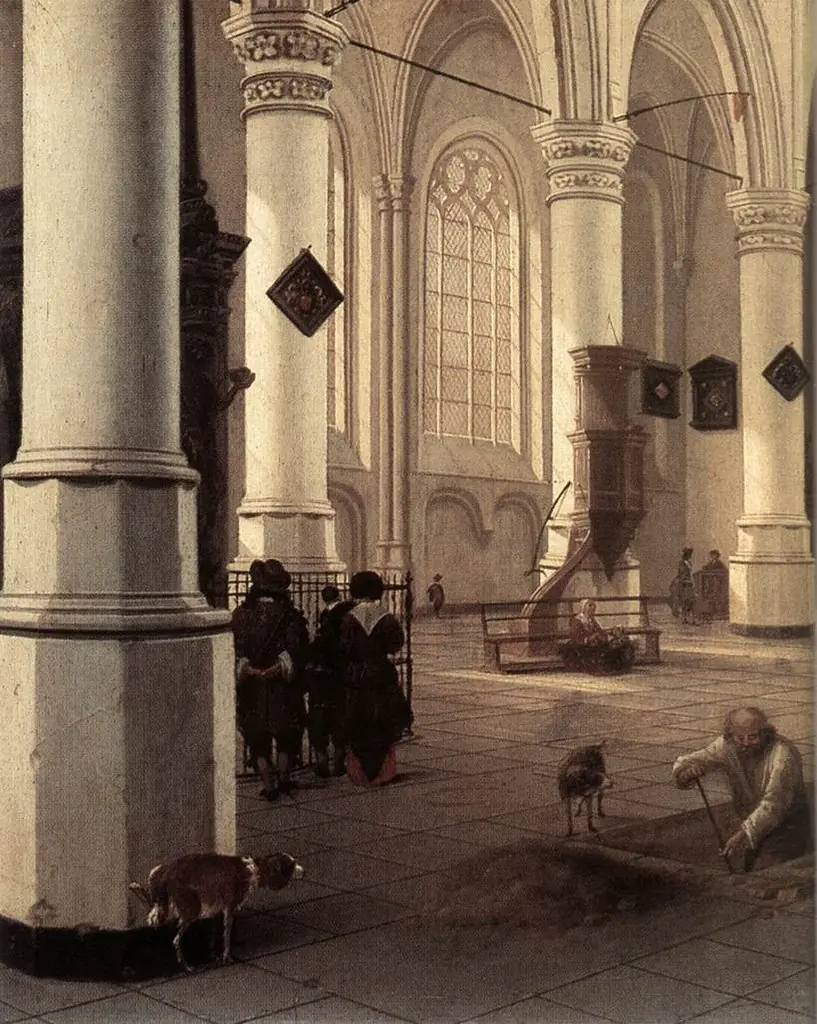 Interior of the New Church of Delft with a man digging a grave
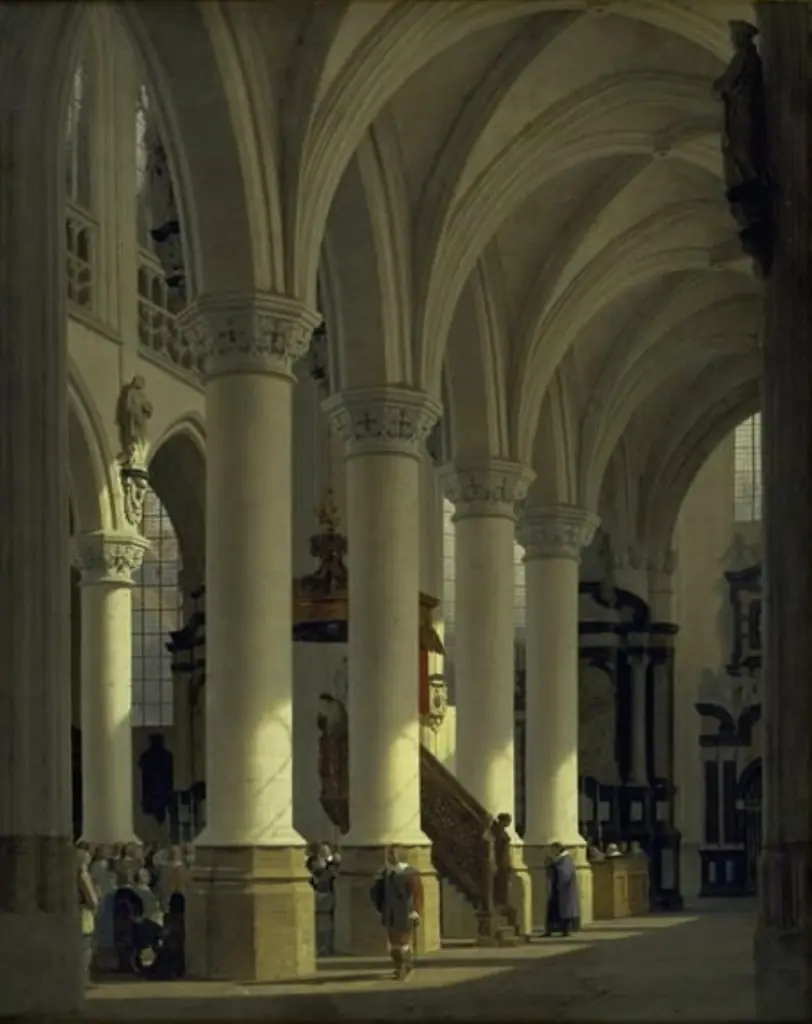 Kirken i St. Sablon i Bruxelles
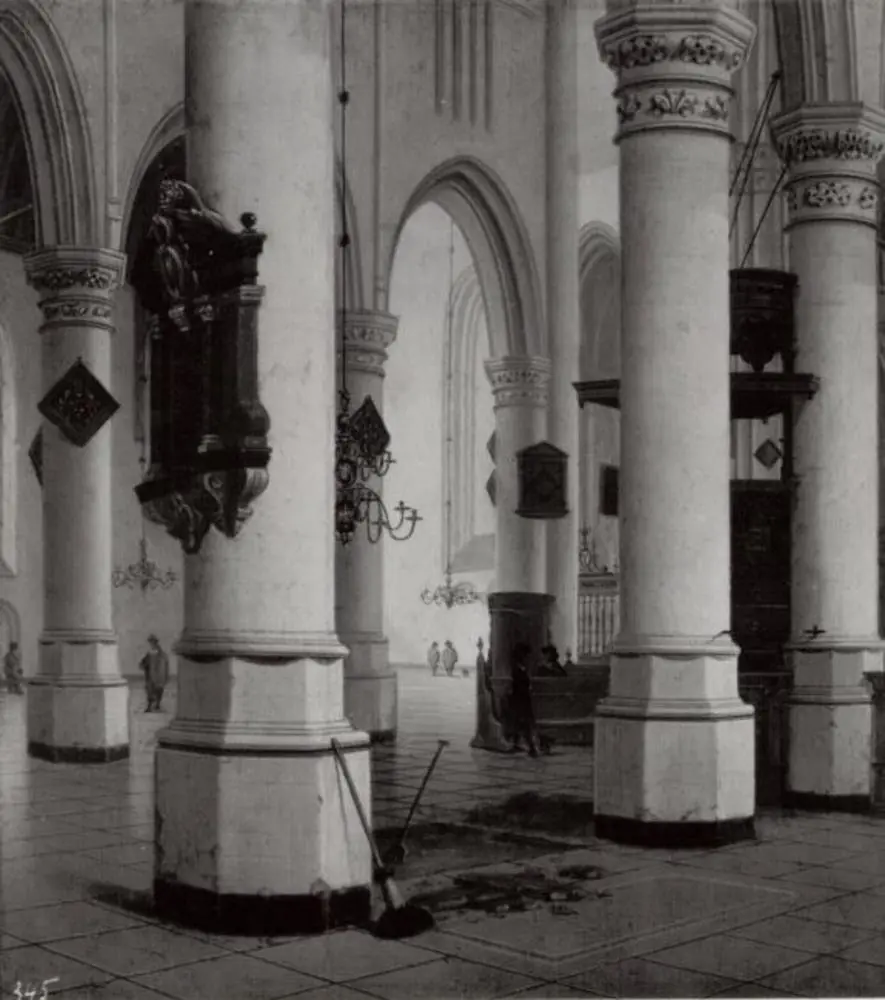 Interior of the new church in Delft
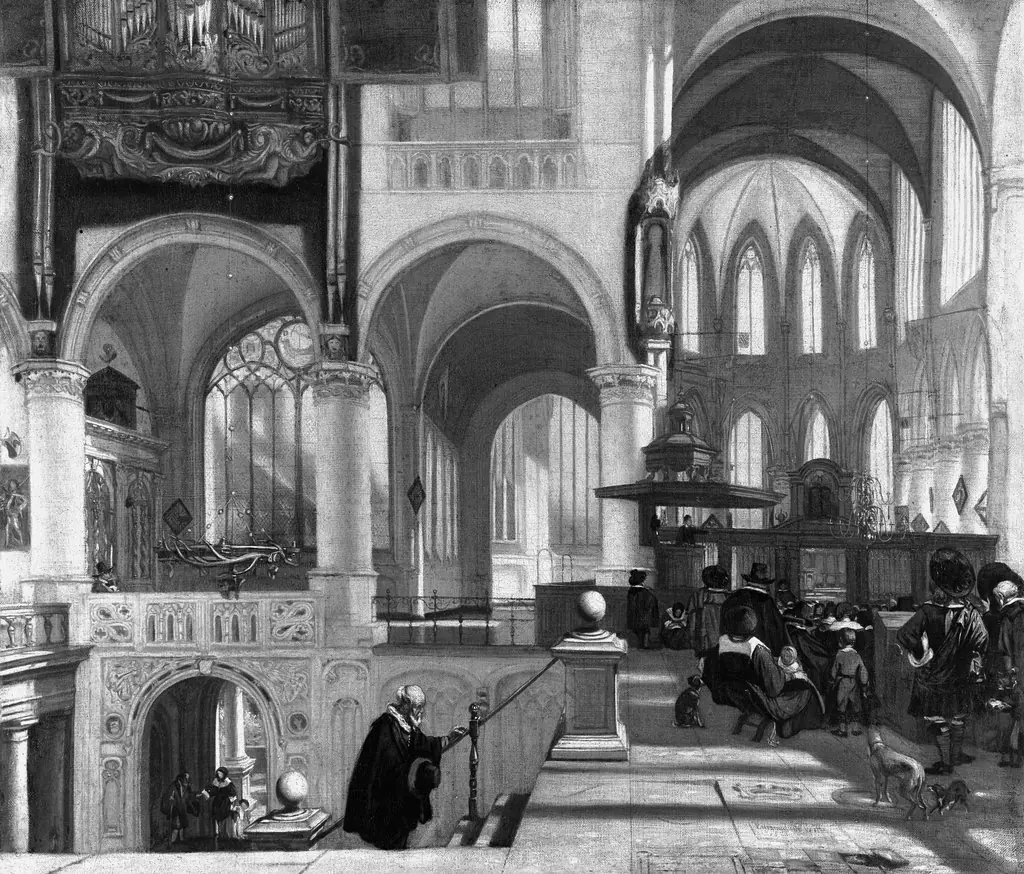 Interior of a Gothic Church
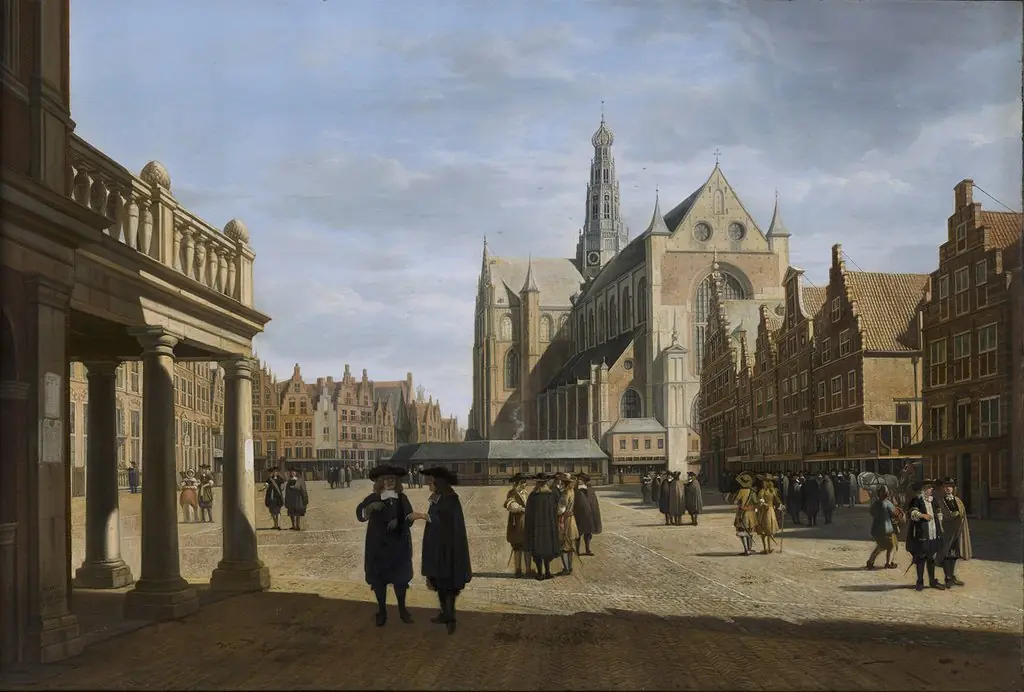 View of the Fish Market in Haarlem from the City Hall
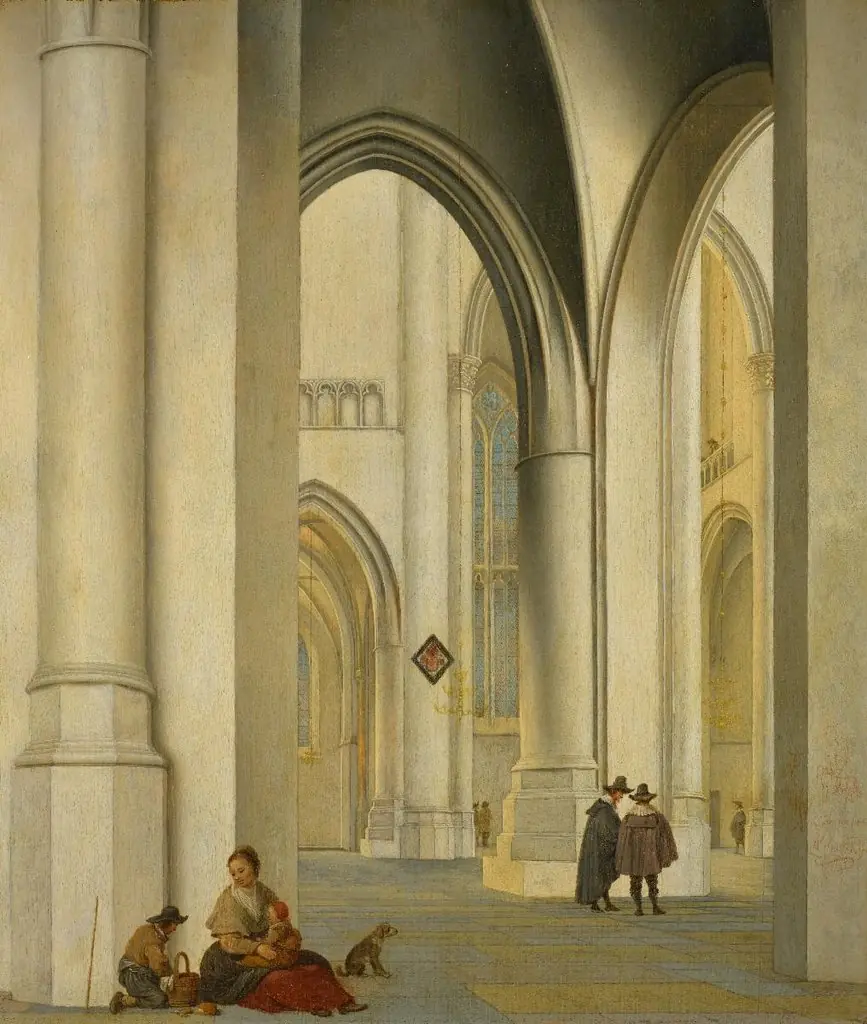 Interior of St. Bavo in Haarlem
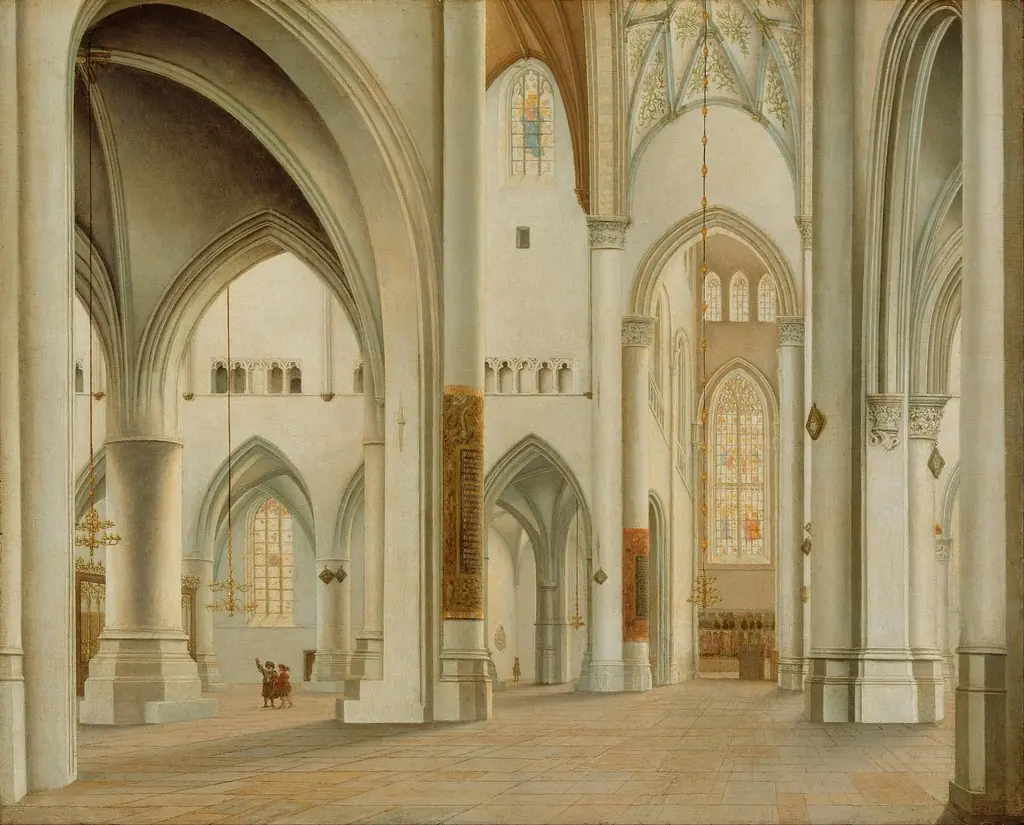 The Interior of St. Bavo, Haarlem
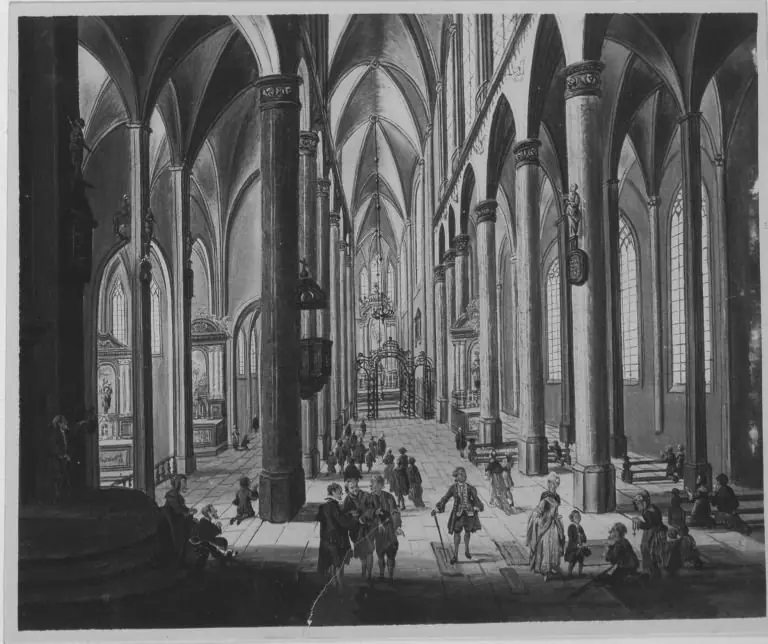 Kircheninneres
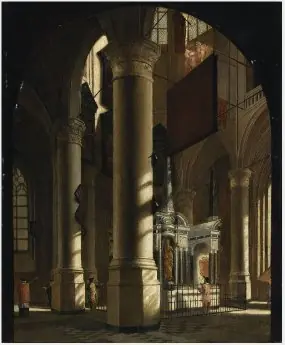 Interior of the Nieuwe Kerk in Delft with the Tomb of William the Silent
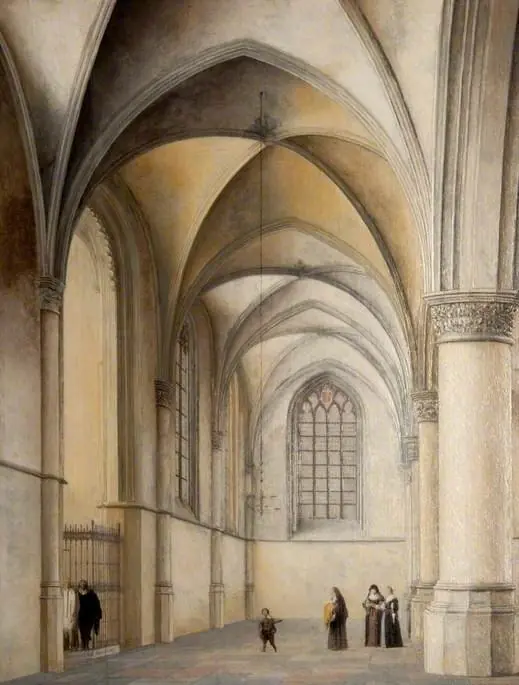 Interior of St. Bavo
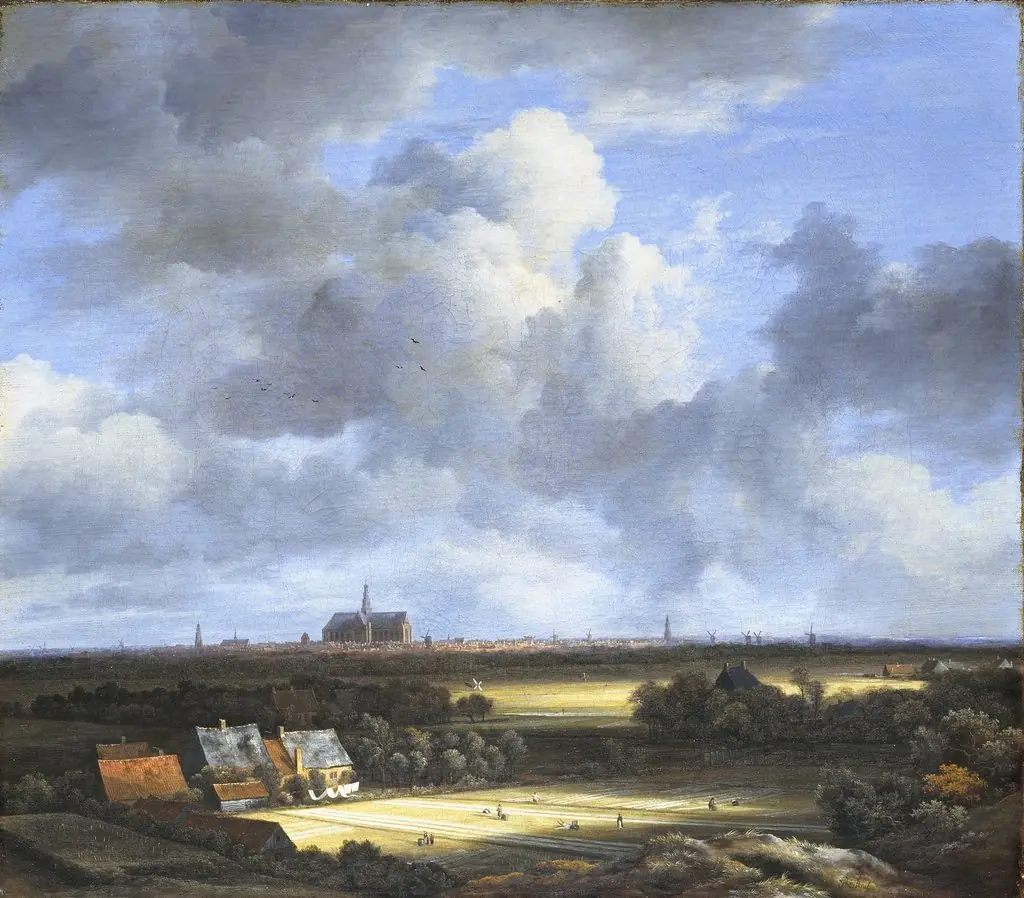 View of bleaching fields and Haarlem
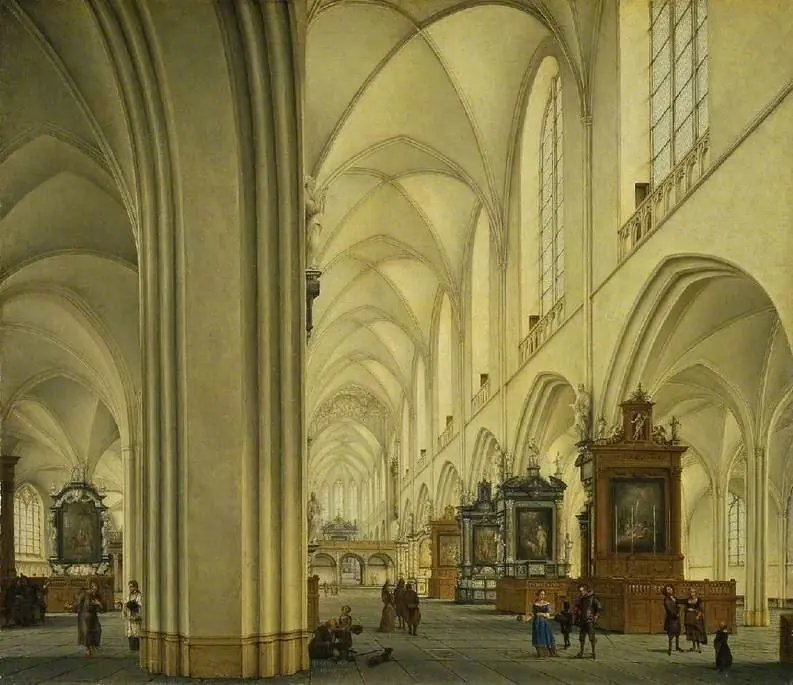 St Bavo, Haarlem
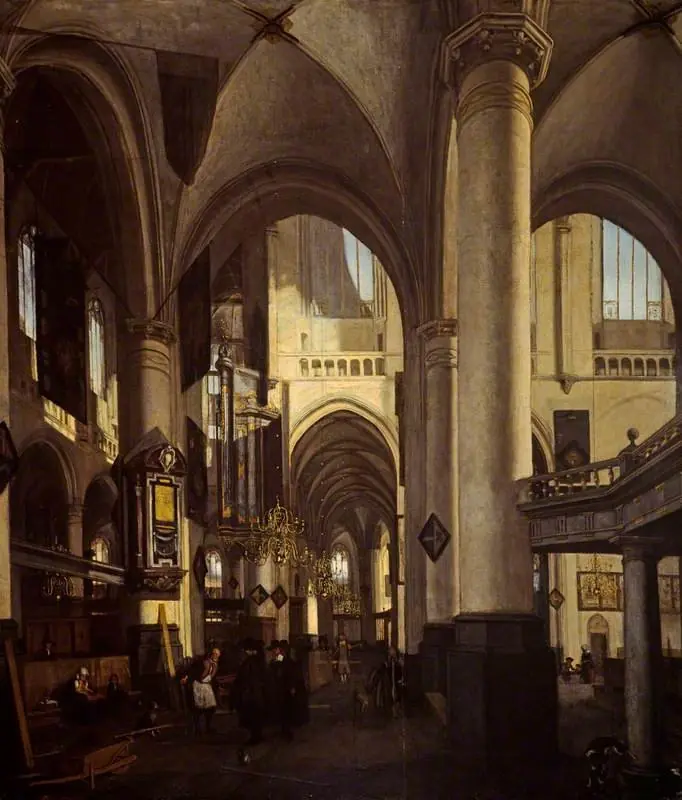 The Interior of a Dutch Church
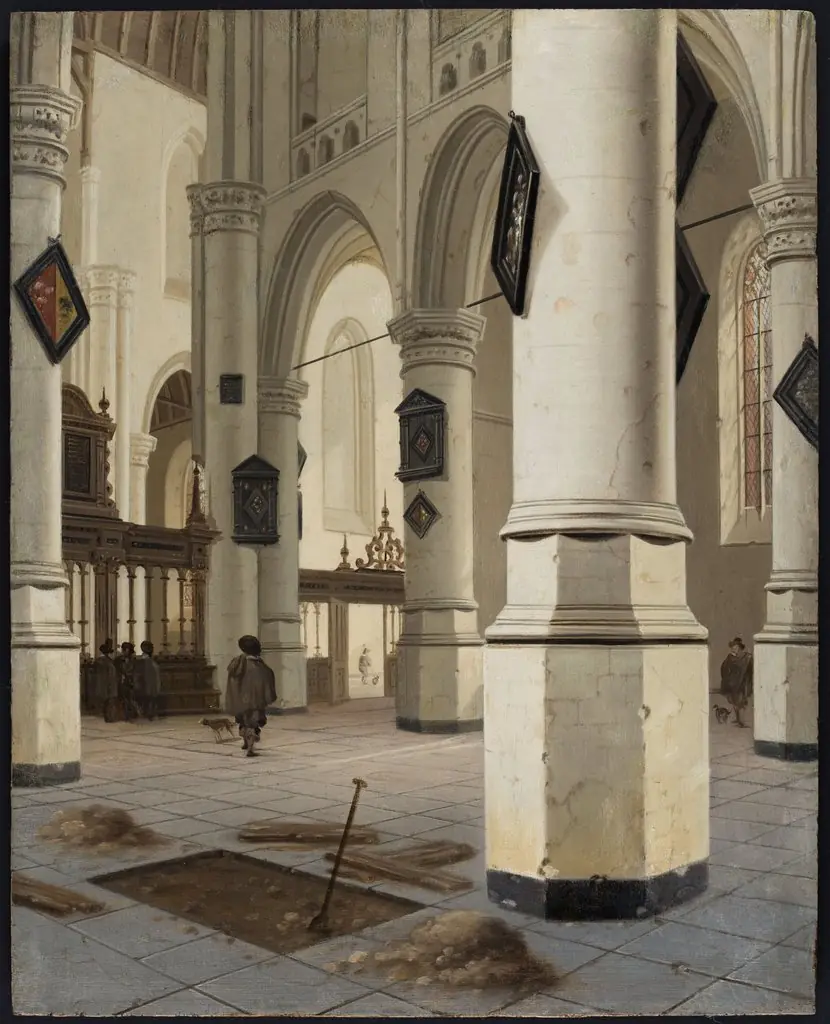 Interior of an old church in Delft
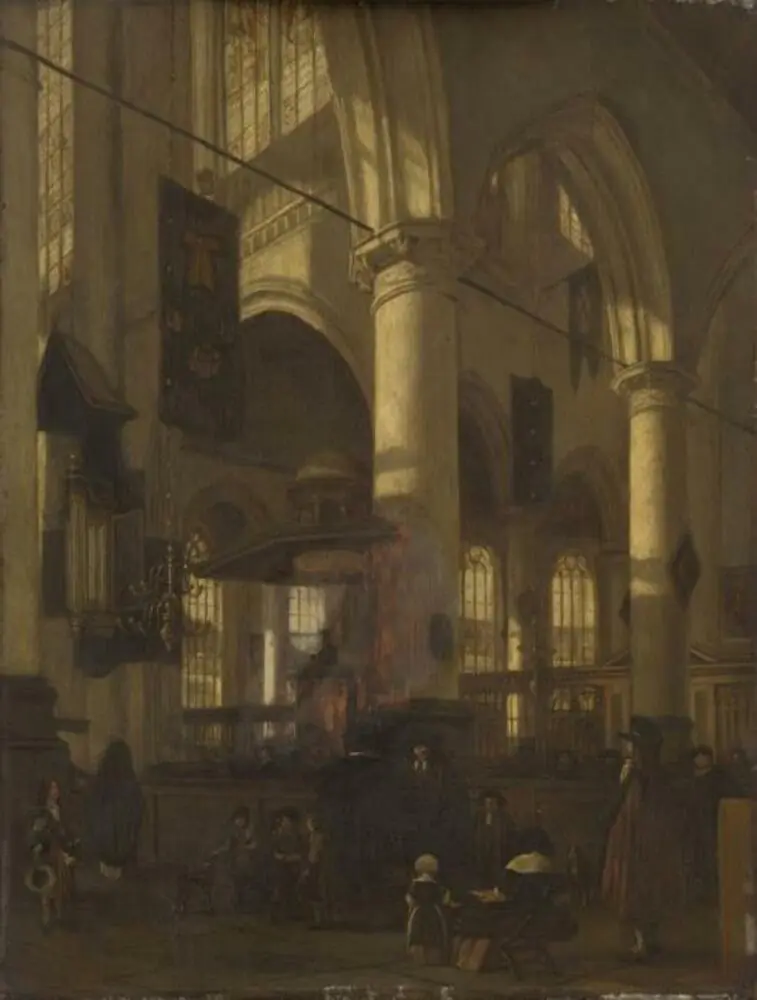 Interior of the Oude Kerk, Delft
 The Nieuwe Kerk in Delft with the Tomb of William the Silent
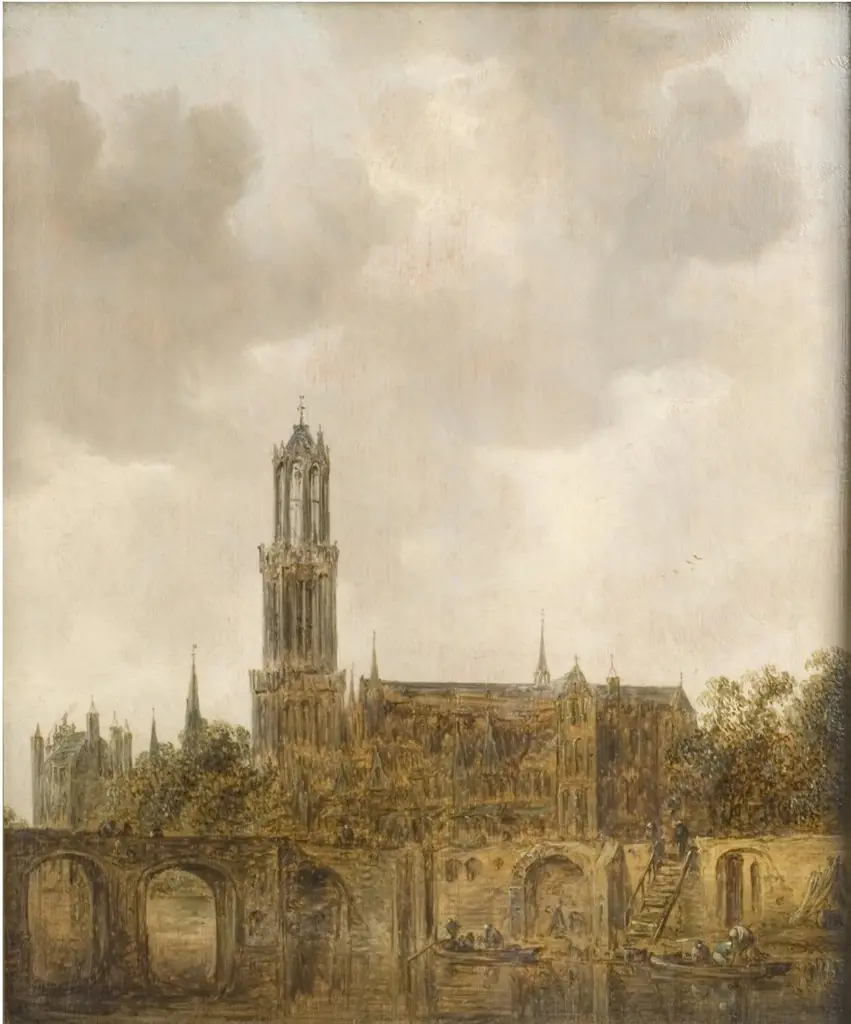 Cathedral of Utrecht
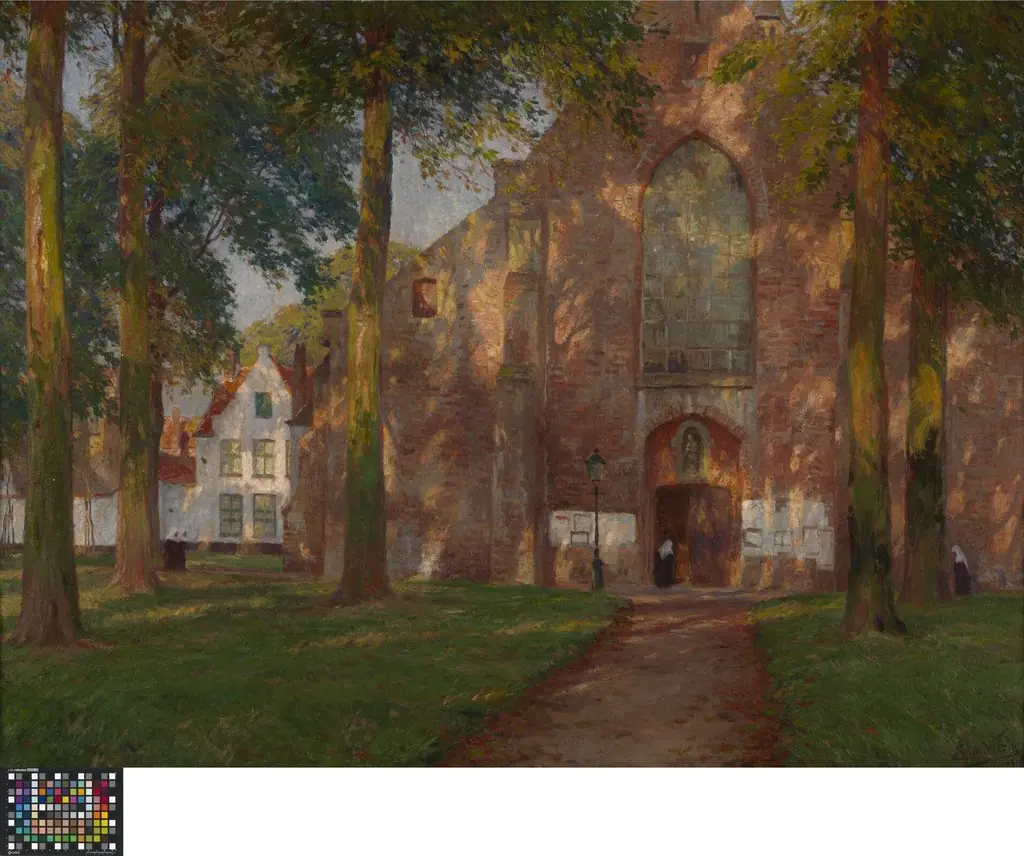 Het begijnhof in Brugge
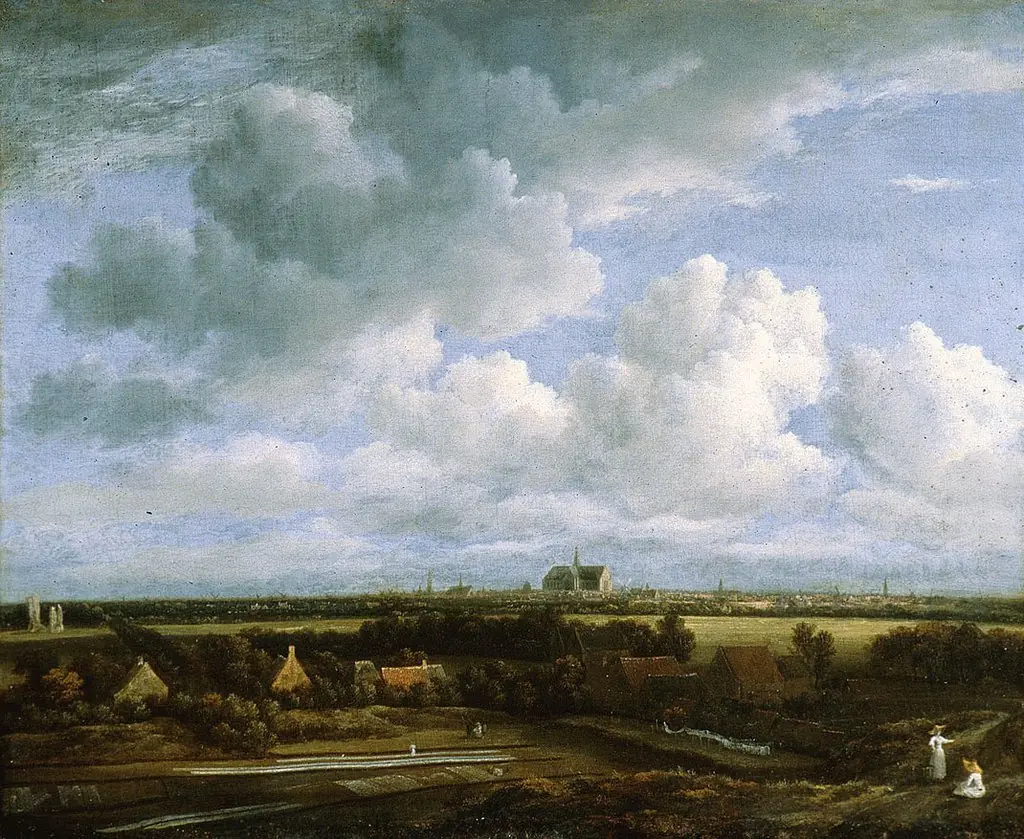 The Bleaching Grounds near Haarlem
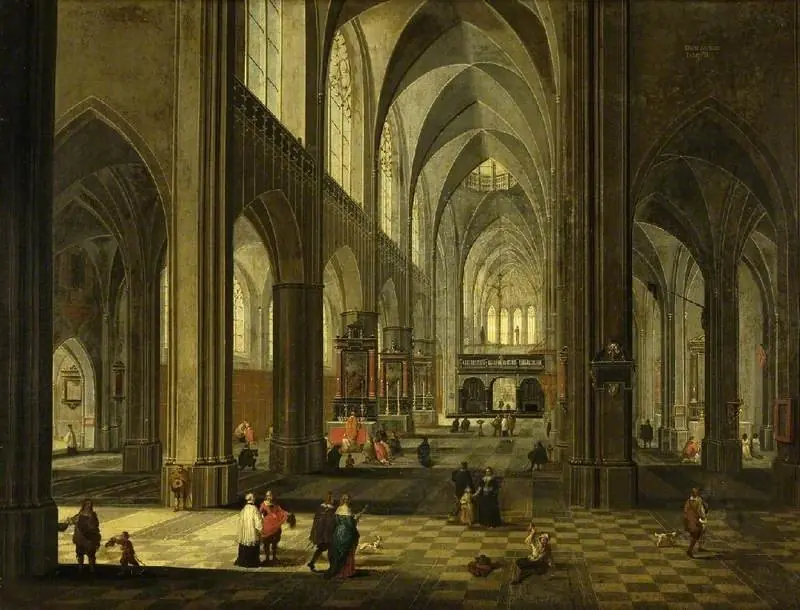 Interior of a gothic church
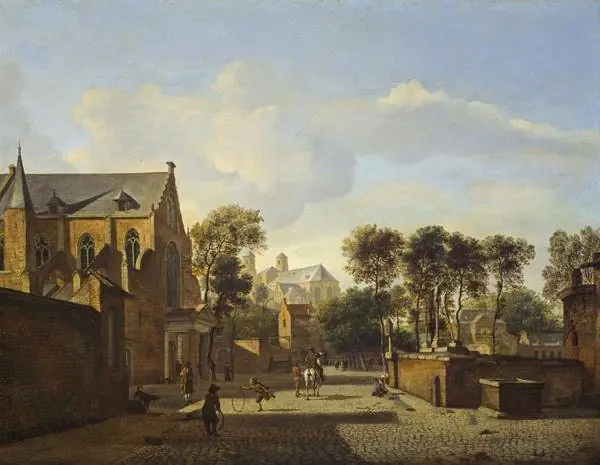 A View in Cologne with the Karthausekirche and St. Panthaleon
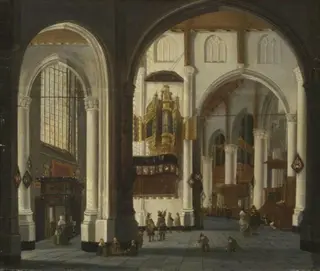 Interior of the St. Laurenskerk, Rotterdam
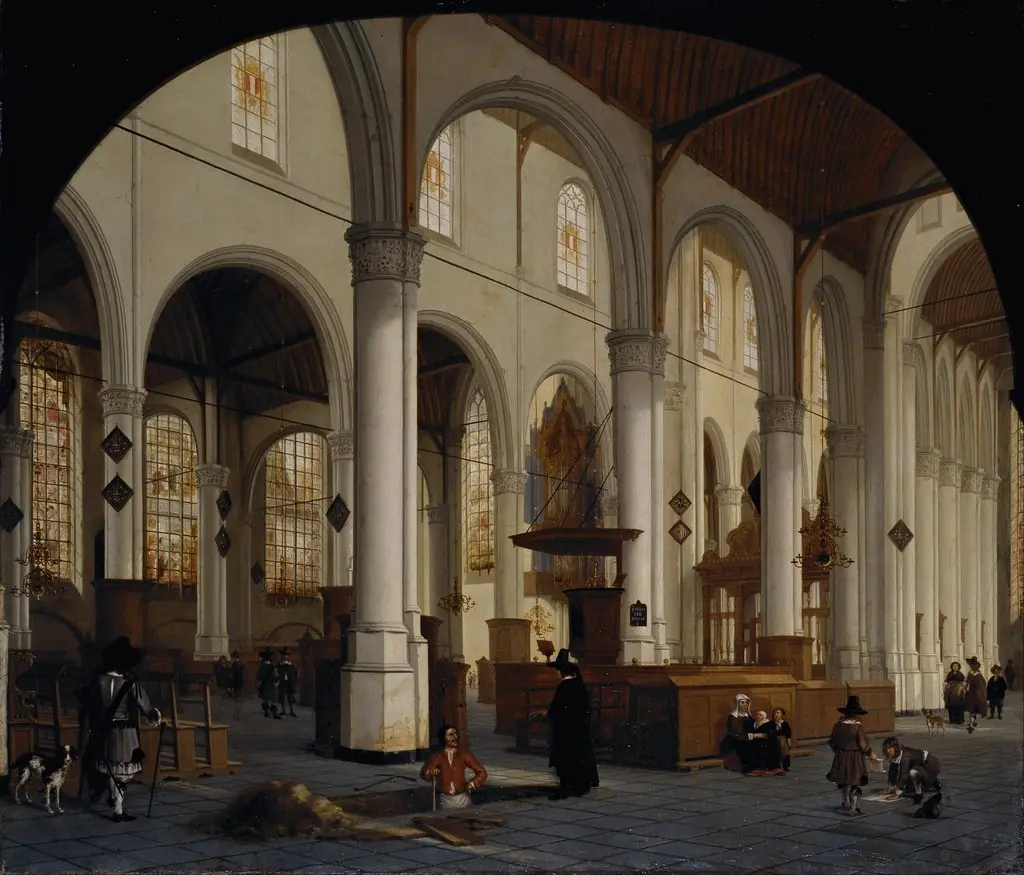 The interior of St Janskerk at Gouda
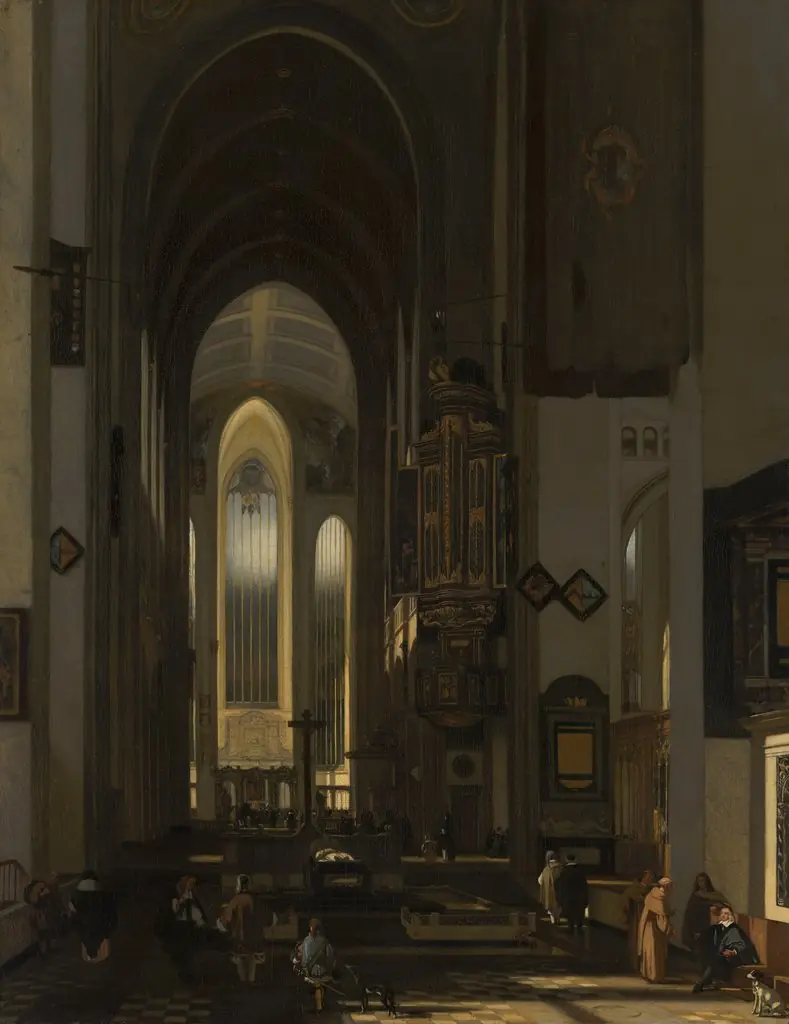 Interior of an Imaginary Catholic Church
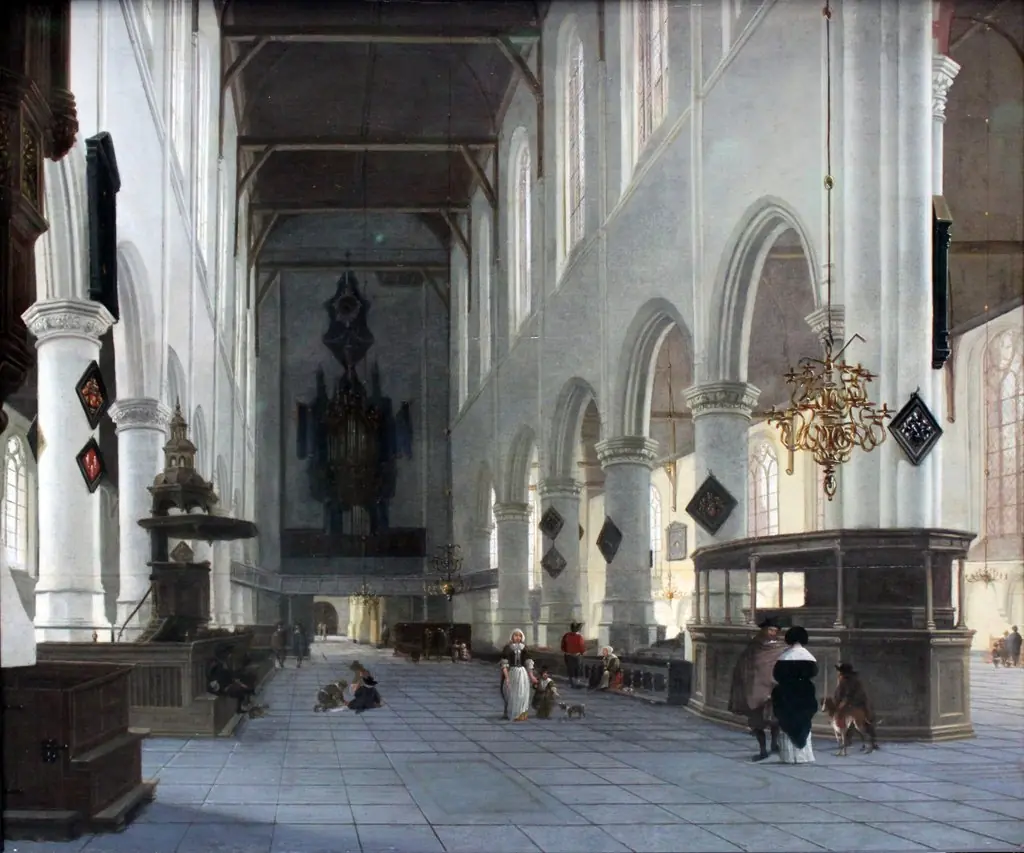 The Interior of the Oude Kerk in Delft
 Interior of Antwerp Cathedral
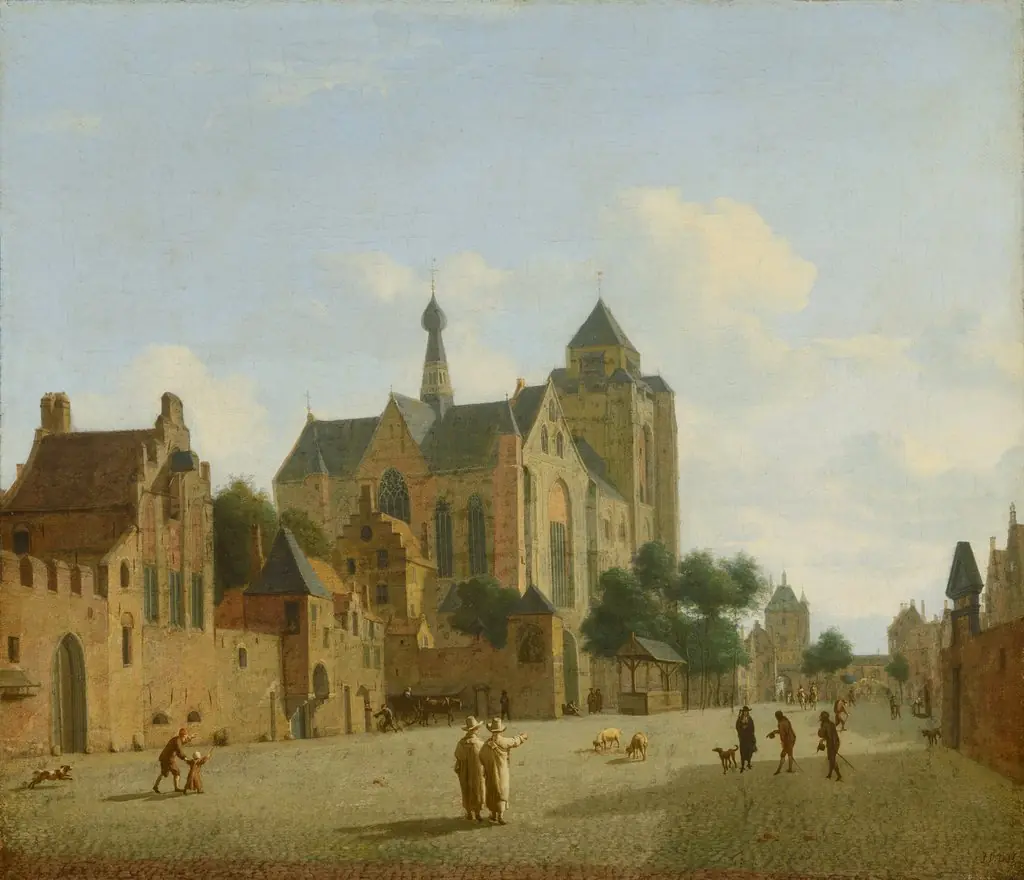 The Church at Veere
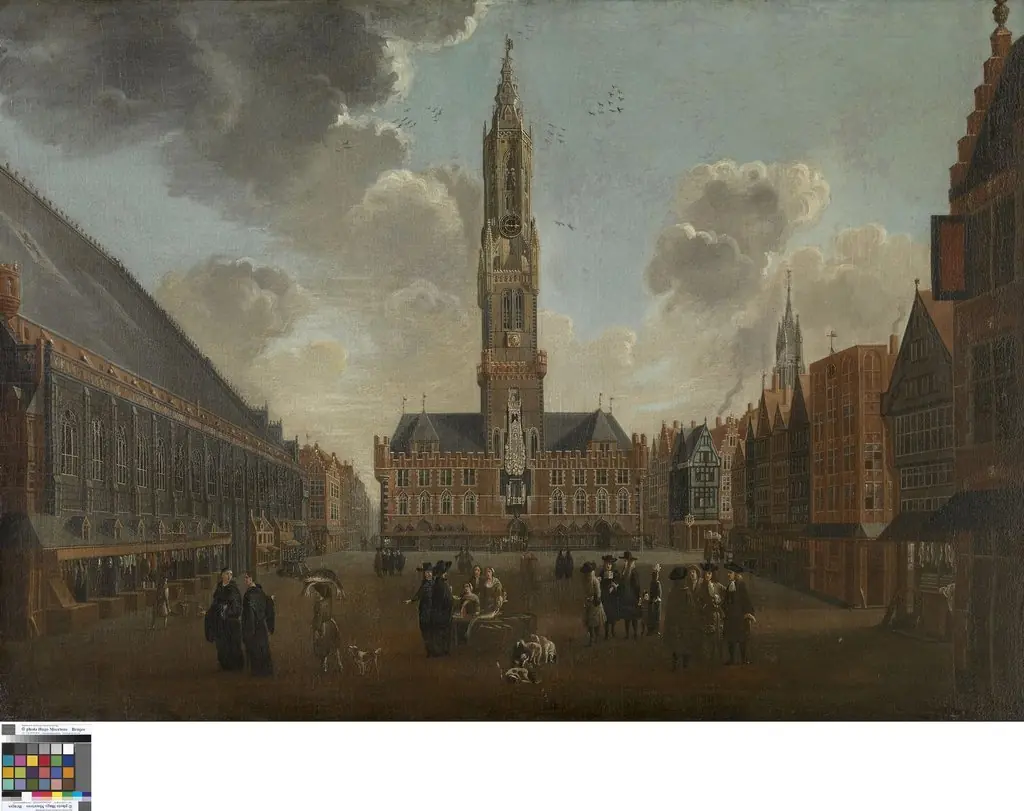 The Market Square in Bruges
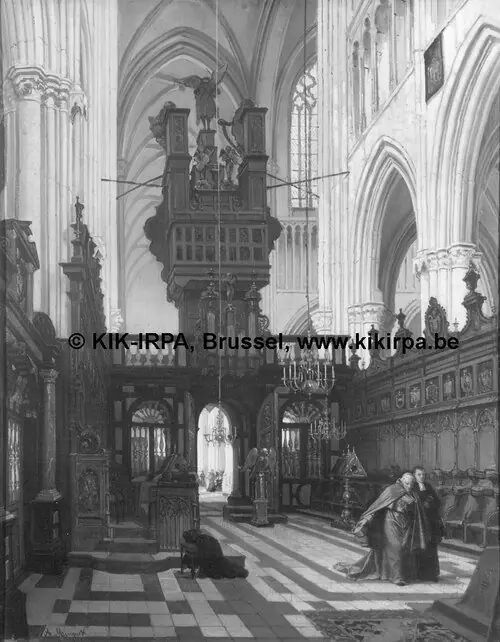 Interior of he Cathedral of Bruges
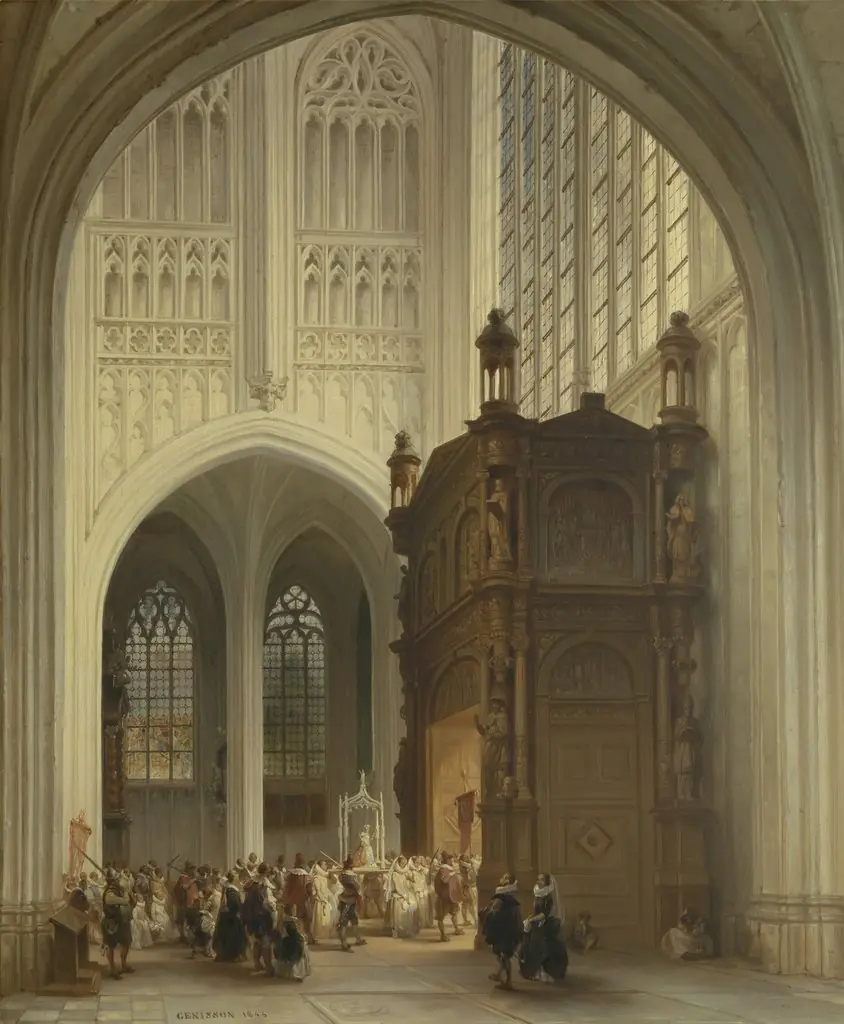 Interior of the Saint Peter’s Church in Louvain
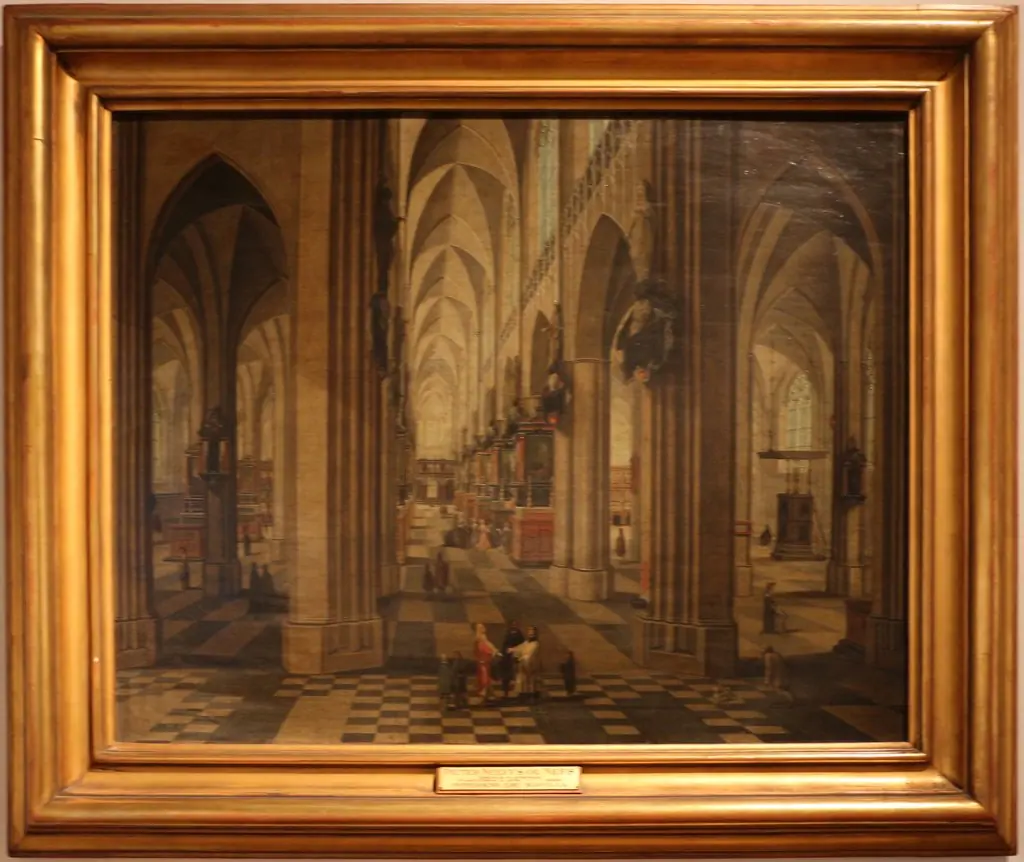 Interior da Catedral de Antuérpia
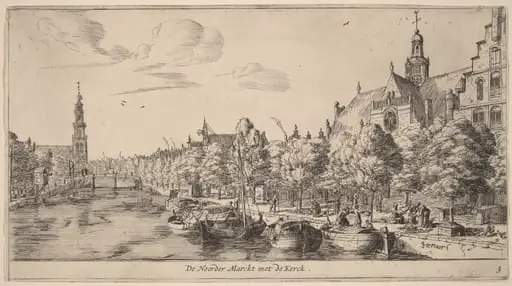 Noordenmarkt with the Noorden Kerk (De Noorder Marckt met de Kerck)
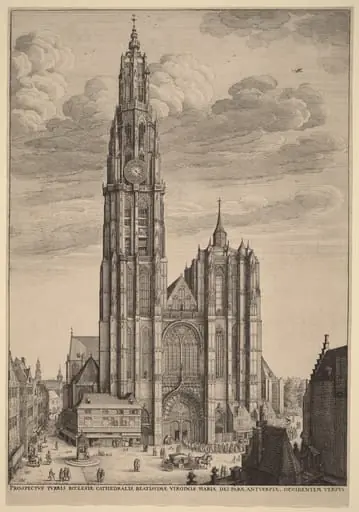 Antwerp Cathedral
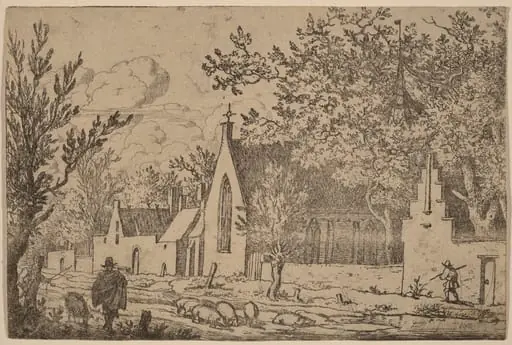 Swine Herd near a Chapel
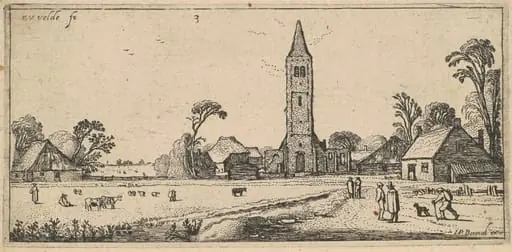 Landscape with a Meadow and a Village Church
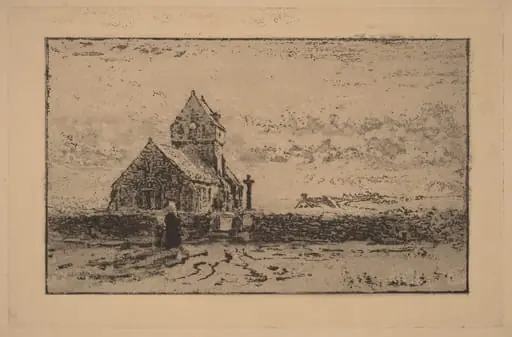 L'Église de Jobourg
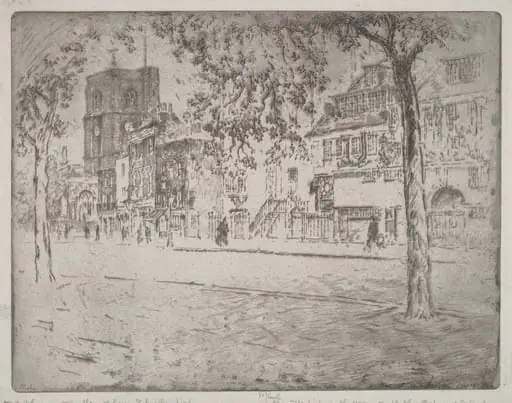 House Where Whistler Died
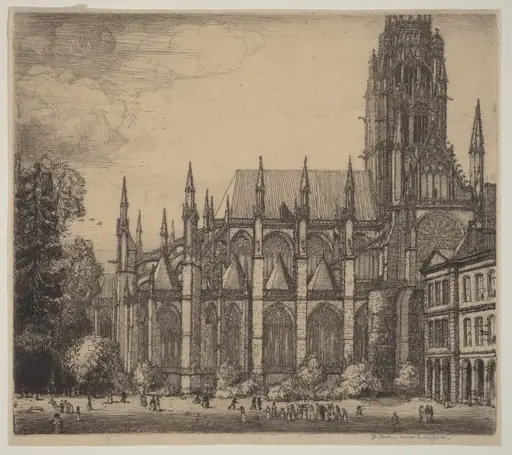 St. Ouen, Rouen
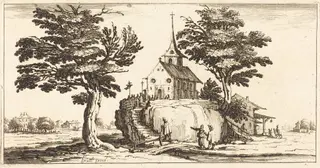 Landscape
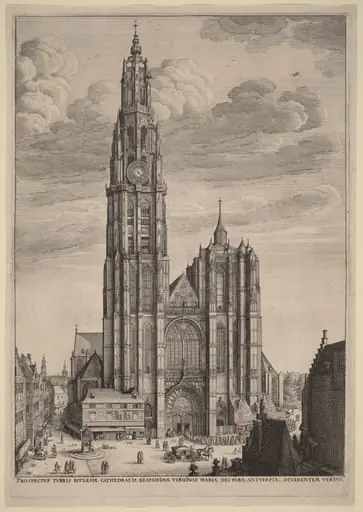 Antwerp Cathedral
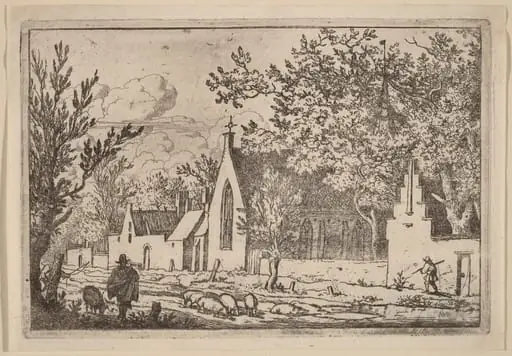 Swine Herd near a Chapel
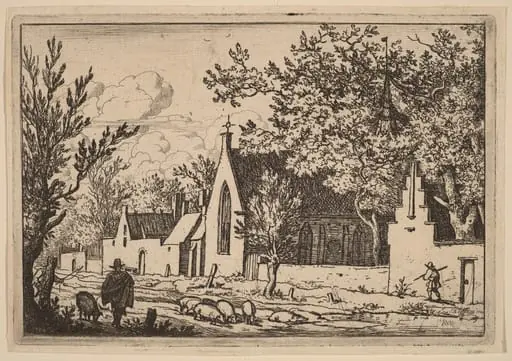 Swine Herd near a Chapel
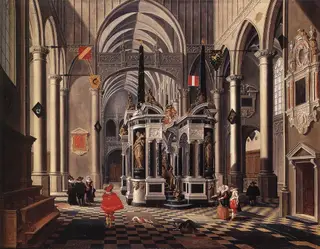 Interior of an Imaginary Church with the Tomb of William the Silent
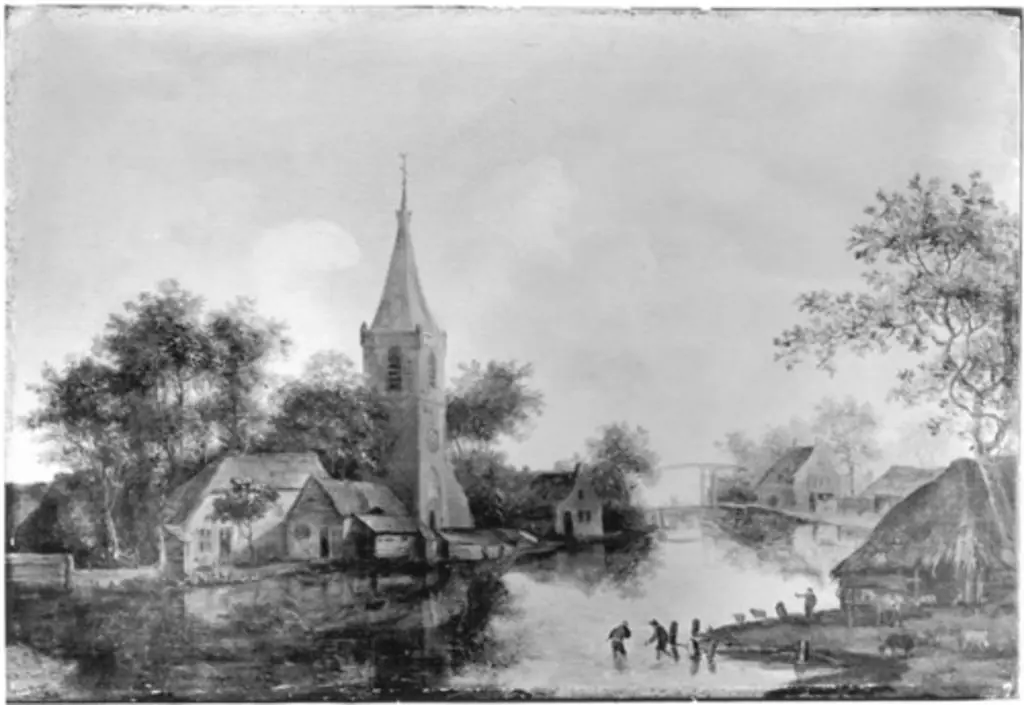 Flusslandschaft mit Kirche und Dorf
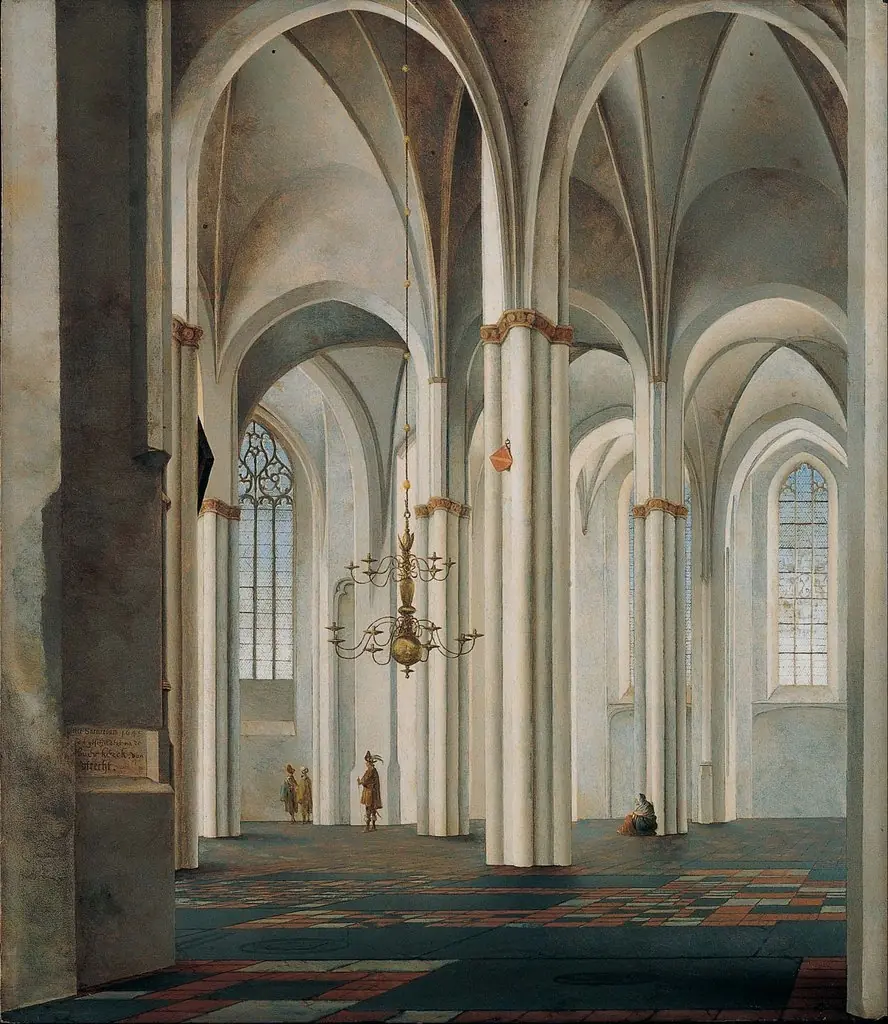 Interior of the Buurkerk, Utrecht
 Untitled
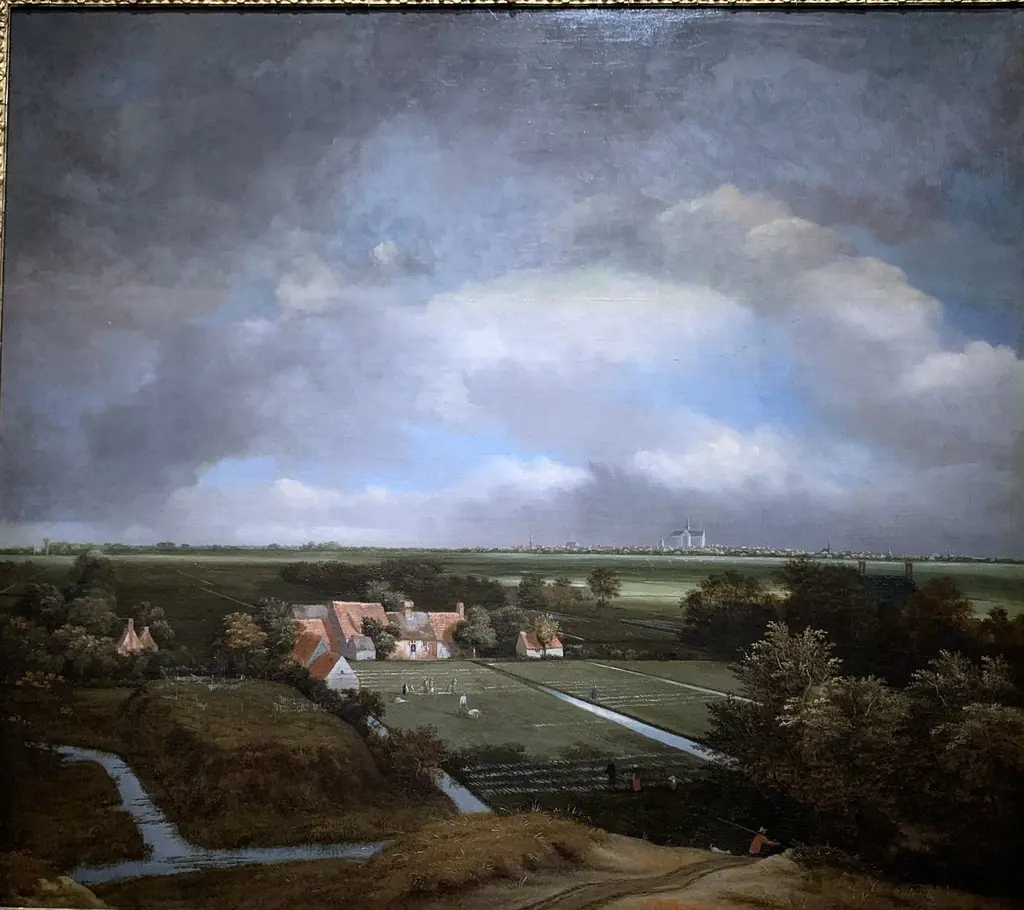 Bleachfields near Haarlem
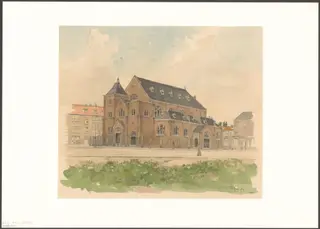 Untitled
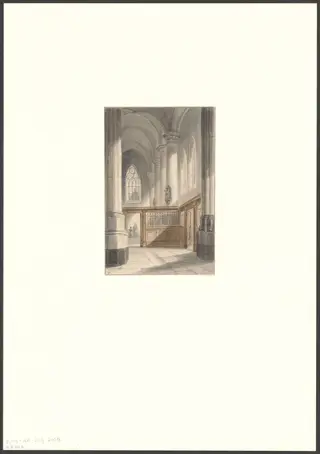 Untitled
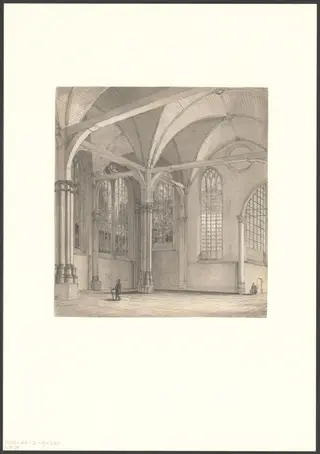 Untitled
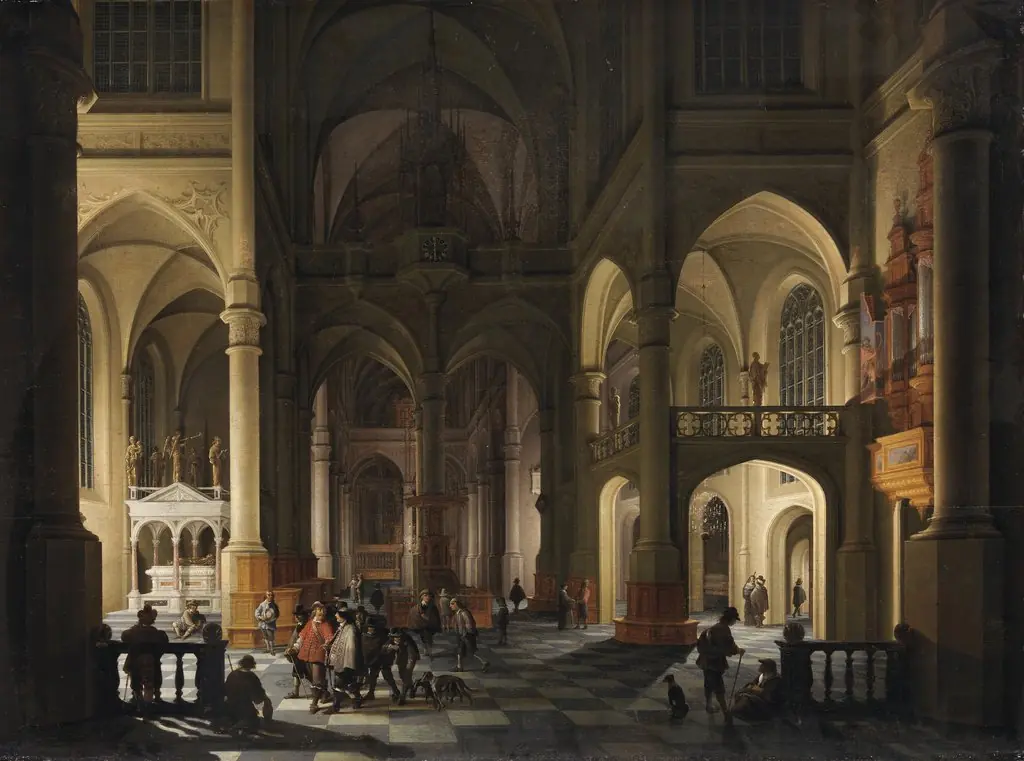 An Interior of a Church
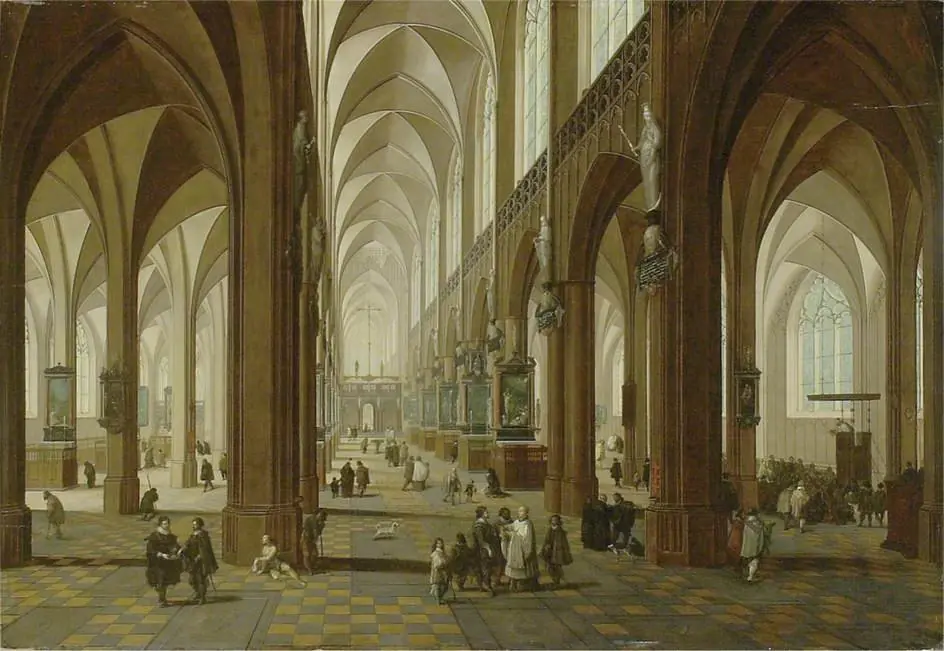 Interior of Antwerp Cathedral
 Preek in de Oude Kerk te Delft
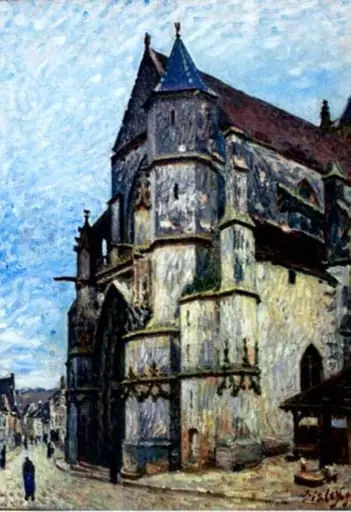 Biserica din Moret, iarna
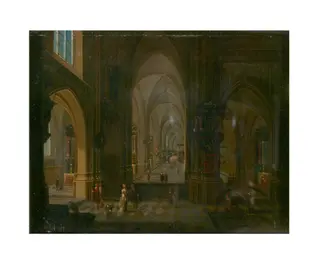 Interior of a Church
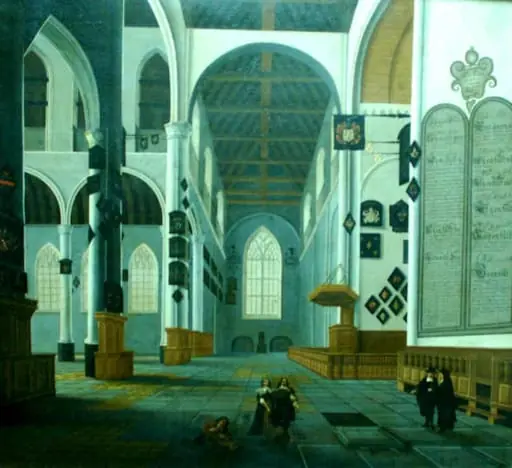 Interior de catedrală
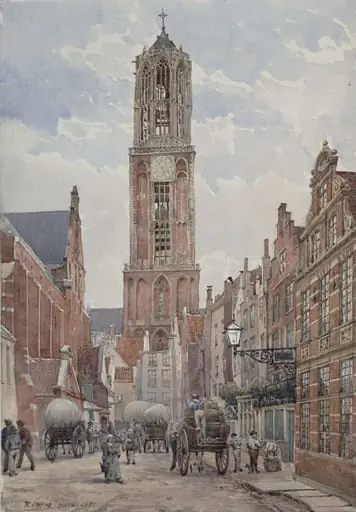 Utrecht: The Cathedral Tower
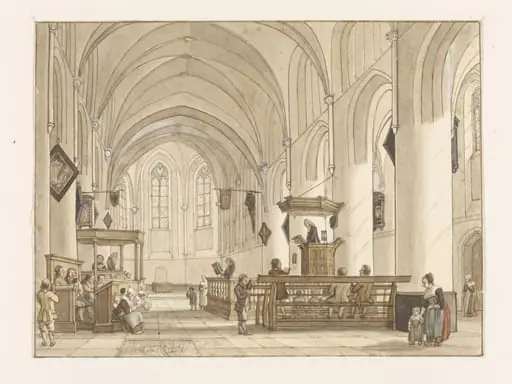 Interior of st-laurentiuskerk, Vierlingsbeek
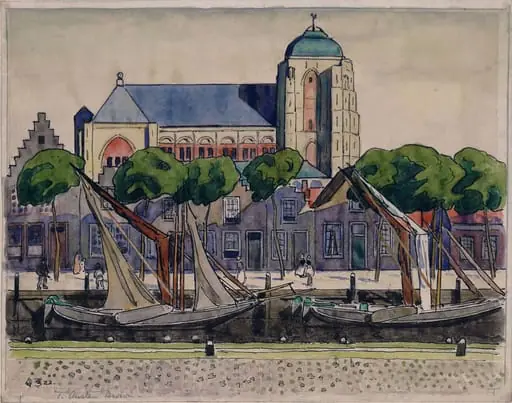 The Church and Harbour at Veere
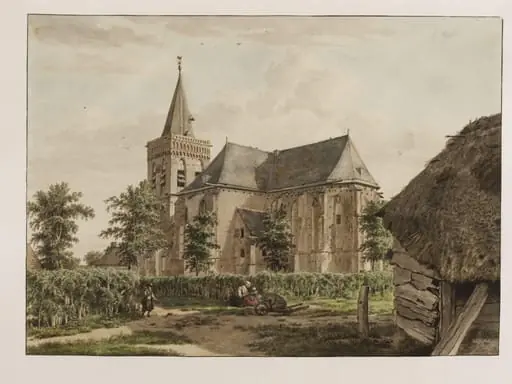 View of the Oude Kerk at Ede in Gelderland
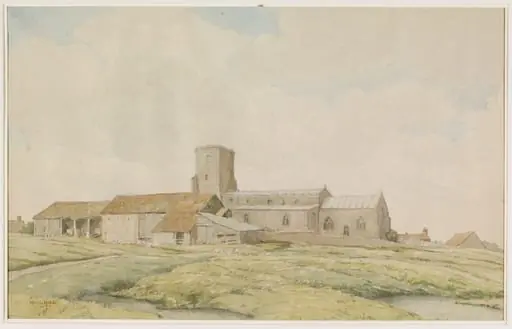 All Saints' Church, Morston
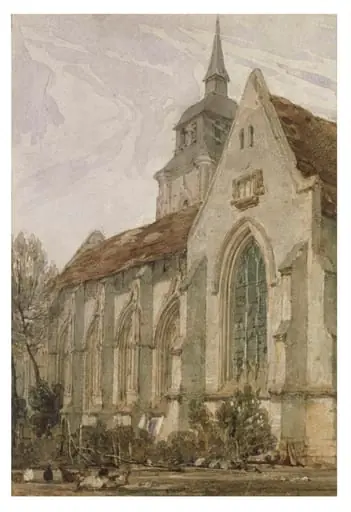 Church in Normandy
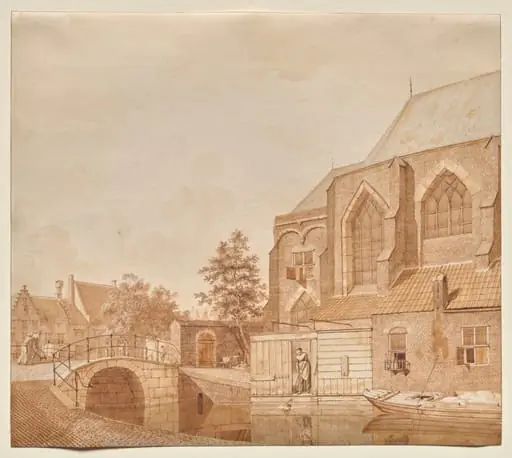 A View of the Nieuwe Kerk, Delft
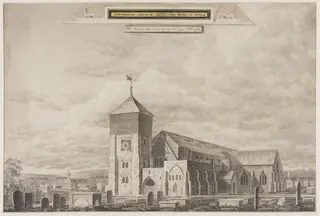 Faversham Church, Kent
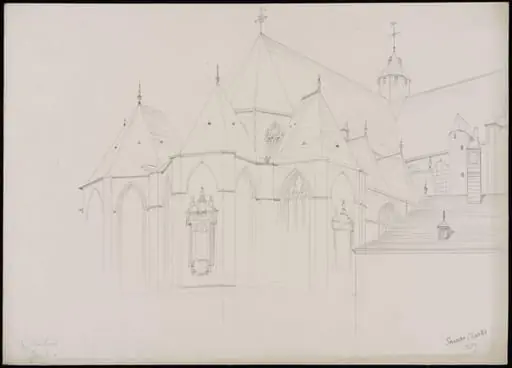 View of the Church of St. Michael, Ghent, from N.E.
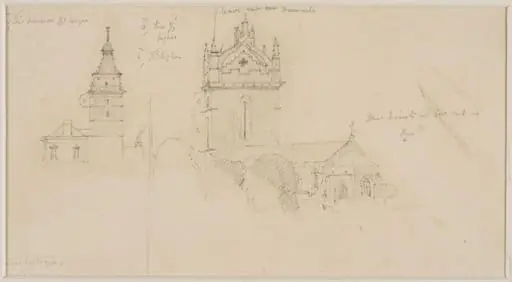 Untitled
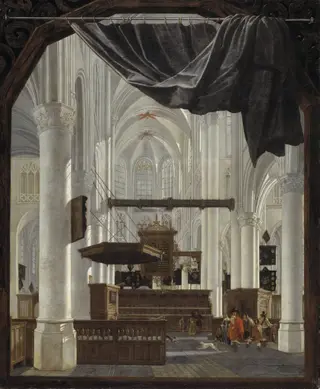 Interior of Sint Gertrudiskerk in Bergen op Zoom
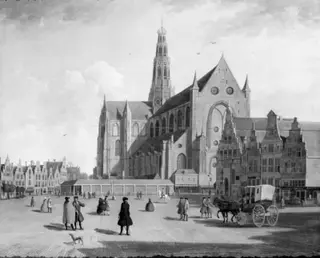 Grootekerk at Haarlem
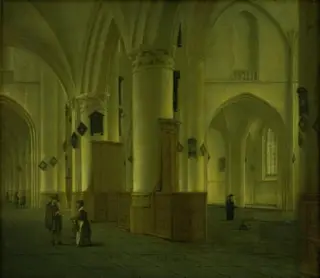 Side-Aisle at St Bavo Church in Haarlem
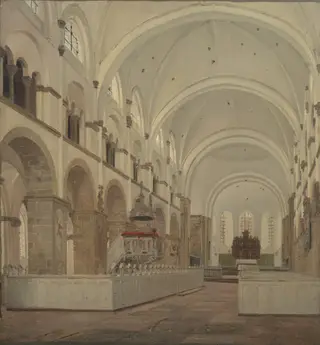 The Interior of Ribe Cathedral
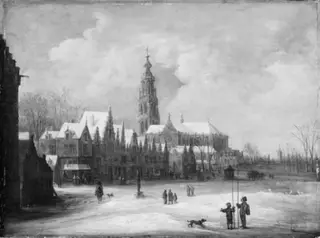 Winter's Day in Breda
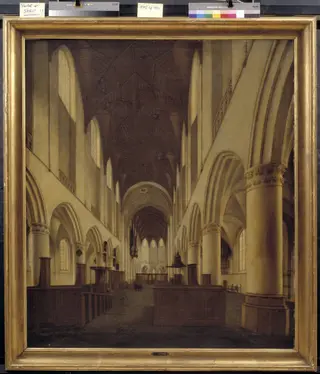 Interior of St Bavo Church in Haarlem. View from the Nave towards the Choir
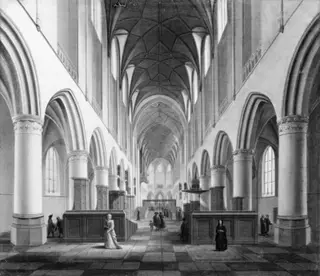 St Bavokerk, Haarlem, Viewed from West to East
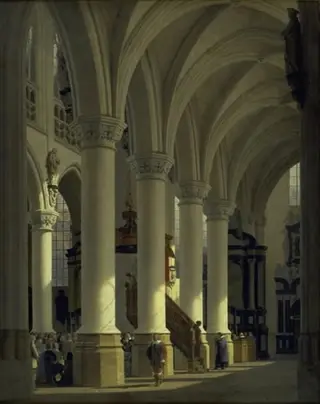 Kirken i St. Sablon i Bruxelles
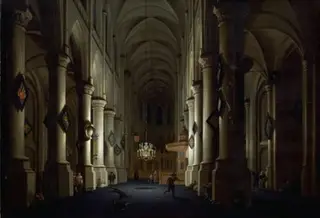 Interior of a Church
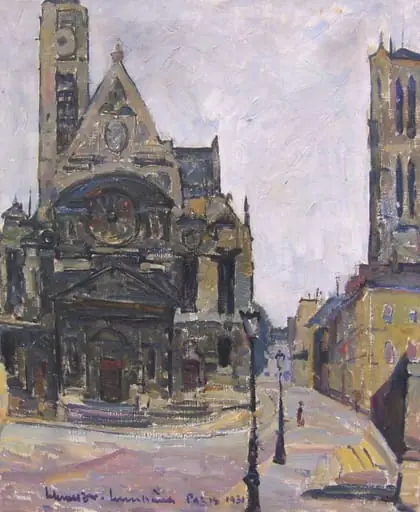 Biserică din Paris
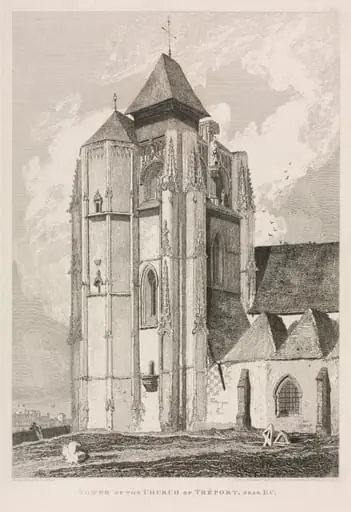 Architectural Antiquities of Normandy (Vol. II), Pl. 66: Tower of the Church of Tréport, near Eu
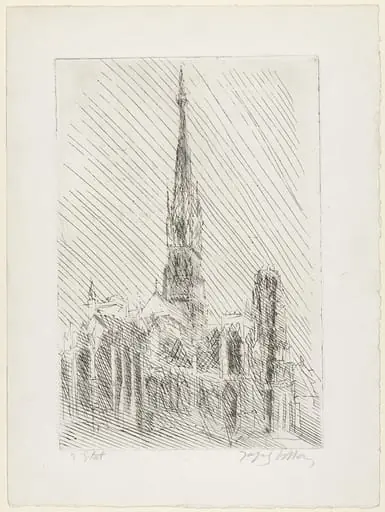 Untitled
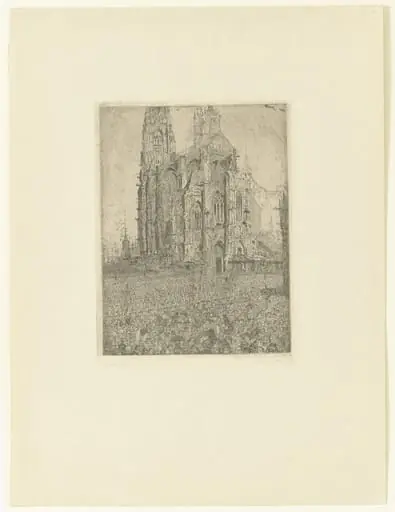 Untitled
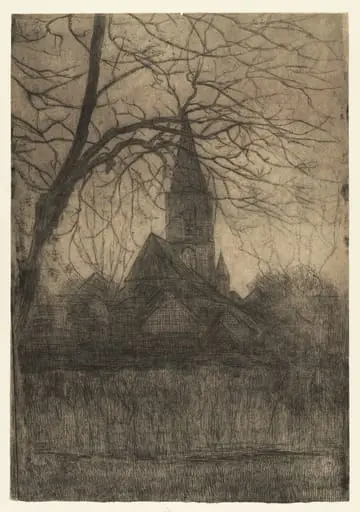 Untitled
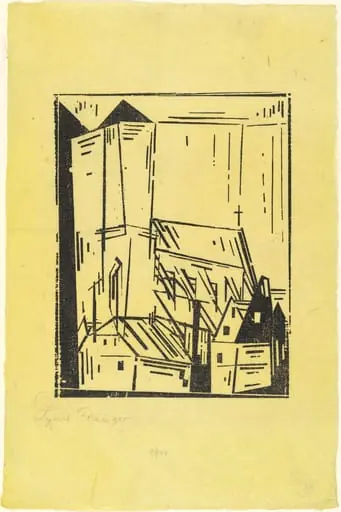 Untitled
Frequently asked questions
What is Grote Kerk?
Grote Kerk is a subject in art. church building in Emmen, the Netherlands
How many Grote Kerk works does Artifact World Gallery have?
Artifact World Gallery holds 131 public-domain Grote Kerk works, all free to view and download.
Who are the key Grote Kerk artists?
Key Grote Kerk artists in the collection include Alfred Sisley, Jacob van Ruisdael and Jan van Goyen.
Where can I see Grote Kerk works?
Grote Kerk works in the collection are held by Statens Museum for Kunst, Rijksmuseum and National Gallery of Art.