Subject
Moustache
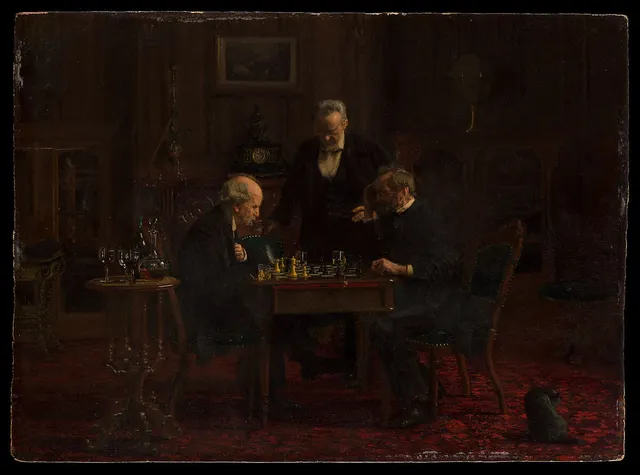
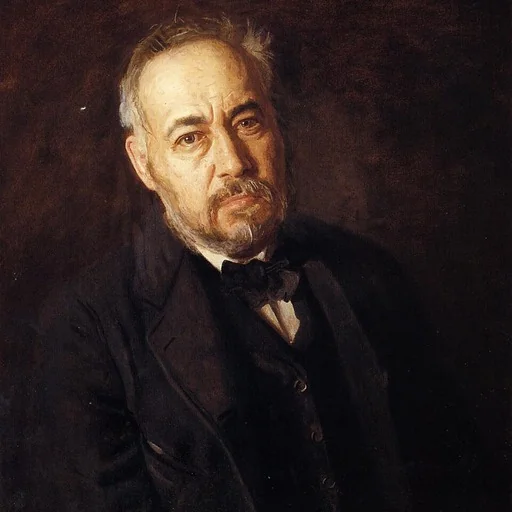
Moustache is a subject in art. The gallery holds 53 works in this subject in art, including works by Thomas Eakins, Paolo Veronese and Edgar Degas.
A moustache (UK: ) or mustache (US: ) is a growth of facial hair grown above the upper lip and under the nose. Moustaches have been grown in various styles throughout history.
Key artists
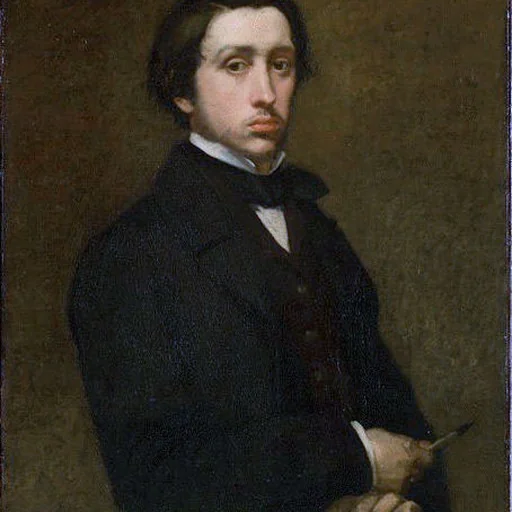
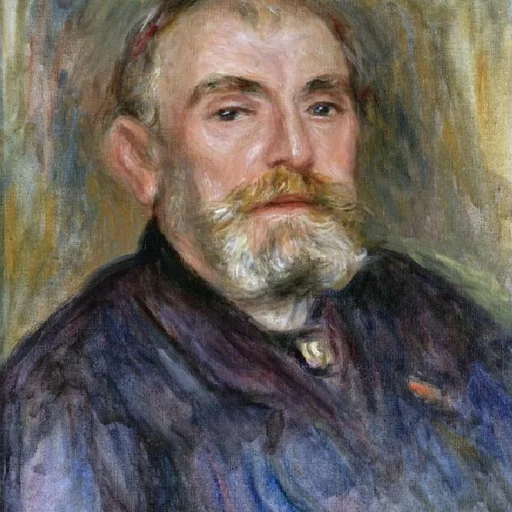
Overview
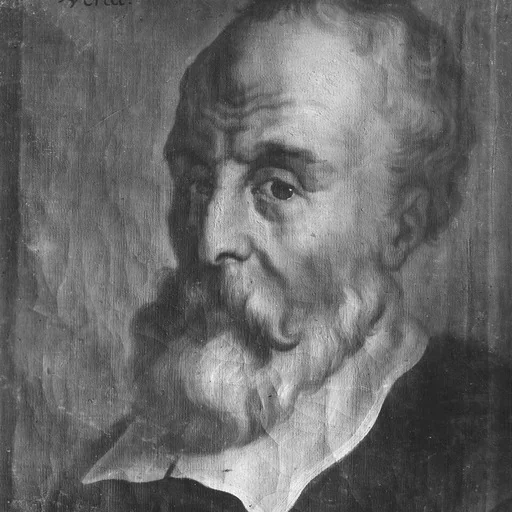
A moustache is facial hair grown specifically above the upper lip and beneath the nose, distinct from beards or other facial hair configurations. As a recurring motif in art, the moustache functions as a powerful signifier of identity, conveying attributes ranging from military authority and virility to eccentricity and villainy. Its depiction in visual art spans millennia, from ancient Egyptian sculpture to contemporary portraiture, with particular concentration in European painting from the Renaissance through the nineteenth century. The moustache's appearance in art is never neutral; it operates as a coded marker of character, social status, and cultural affiliation that artists have exploited for expressive purposes.
Iconography & meaning
The iconography of the moustache carries layered and often contradictory meanings across cultures and periods. In ancient Egypt, moustache depictions signified status, as seen on the statue of Prince Rahotep from c. 2550 BC. Among Iron Age Celts, the moustache distinguished nobility, with Diodorus Siculus recording that nobles shaved their cheeks while allowing the moustache to grow until it covered the mouth. Military contexts have dominated Western moustache symbolism: from 1860 to 1916, British Army regulations mandated moustaches while requiring chins to be shaved, linking the style directly to martial masculinity. Religious meanings vary significantly. In Islam, trimming the moustache is considered sunnah and mustahabb, particularly among Sunni Muslims, while for Yarsan religion followers it serves as a religious symbol. Twentieth-century Arab cultures associated moustaches with political power, contrasting them with beards (Islamic traditionalism) and clean-shaven faces (liberal secularism). The moustache also carries negative iconographic weight: the toothbrush style worn by Charlie Chaplin became irreversibly contaminated by Adolf Hitler's adoption, while Victorian melodrama and early cinema used the English moustache to signal villainy, as with the character Snidely Whiplash. Research has correlated moustache prevalence with marriage market saturation, suggesting the style communicates androgen levels and age.
Across movements & periods
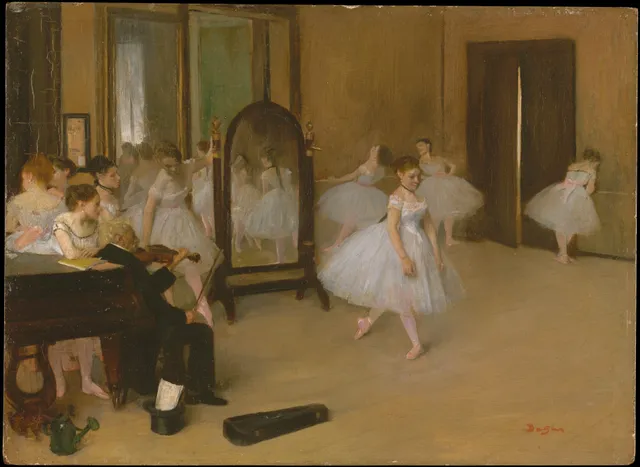
The treatment of the moustache in art has shifted dramatically across movements and cultures. Ancient Egyptian and Scythian representations (c. 2550 BC and 300 BC respectively) established the moustache as a marker of status and ethnic identity. Medieval art preserved this significance, exemplified by the Sutton Hoo helmet's faceplate moustache and the practice among Welsh leaders and English royalty such as Edward of Wales. The Renaissance and Baroque periods saw the moustache become standard in European male portraiture, with Dutch Golden Age works like Syndics of the Drapers' Guild employing it to signify mercantile authority. Nineteenth-century academic and genre painting embraced the moustache during its peak Western popularity in the 1880s and 1890s, coinciding with military virtue ideology. Impressionist works such as The Dancing Class recorded contemporary social types through their facial hair. The twentieth century brought fragmentation: Salvador Dalí's deliberately sculptural moustache became surrealist performance, while Frida Kahlo's self-portraits with moustache and unibrow challenged gender conventions. In popular culture, the Beatles' adoption of moustaches in 1967, prompted by Paul McCartney's lip scar concealment, marked a revival that the Sgt. Pepper's Lonely Hearts Club Band cover immortalized. Non-Western traditions developed independently: Confucian China traditionally left facial hair untouched, while Japanese Ainu ritual incorporated distinctive moustache-related practices misinterpreted by European observers.
Notable depictions
Canonical depictions of the moustache in art and visual culture include several works and figures from this collection. The Portrait of Jan van Nes presents a vice admiral whose moustache communicates naval authority within Dutch maritime tradition. Hugo Reisinger appears as a representative of cultivated bourgeois taste, his moustache marking social position. Beyond the collection, historically significant moustache depictions include: the ancient Egyptian Prince Rahotep statue (c. 2550 BC); the Scythian horseman portrait (300 BC); and the Sutton Hoo helmet faceplate. In modern art, Salvador Dalí's photographically documented moustache, styled to resemble clock hands and claimed as a sensory organ for universal communication, represents the style's apotheosis as artistic persona. Charlie Chaplin's toothbrush moustache, originally adopted to add age without concealing expression, became one of cinema's most recognizable facial features. Friedrich Nietzsche's walrus moustache and Mark Twain's sprawling white literary foliage achieved comparable iconic status. In twentieth-century popular imagery, Tom Selleck's chevron moustache in Magnum, P.I. and Freddie Mercury's 198s stage moustache demonstrated the style's persistent association with masculine performance and virility.
Legacy
The moustache's cultural afterlife extends well beyond its original contexts into contemporary practice and collecting. The invention of the moustache cup by British potter Harvey Adams in the 1870s, with its patented butterfly-shaped interior shelf, represents a material culture response to moustache maintenance; these objects have become collectible Victoriana, with examples now held in institutions such as the Smithsonian (including a souvenir from the 1876 Centennial Exhibition) and revived for cocktail service at establishments like New York's Dead Rabbit Bar. The Moustache Museum, founded through accumulation of nineteenth-century photographic portraits, documents the style's vernacular visual history. Competitive moustache cultivation emerged through events such as the World Beard and Moustache Championships, established categories including Dalí, English, Freestyle, Hungarian, Imperial, and Natural styles. Movember, launched in 1999, repurposed the moustache as a vehicle for men's health awareness fundraising. The moustache cup's decline during World War I, when gas mask seals made facial hair impractical for soldiers, illustrates how technological and military necessity can override fashion. Contemporary resurgences in hipster and avant-garde circles since the mid-2000s, alongside the persistent popularity of moustache transplants in the Middle East through follicular unit extraction procedures, demonstrate the motif's continued capacity for reinvention across global contexts.
Works
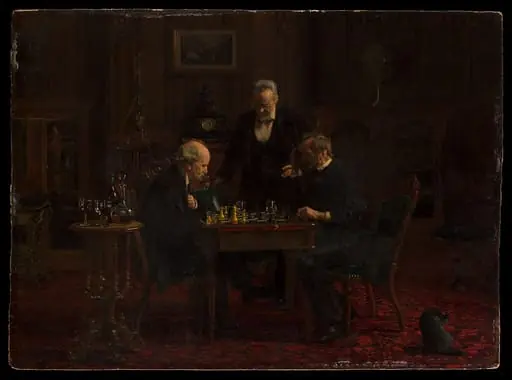 The Chess Players
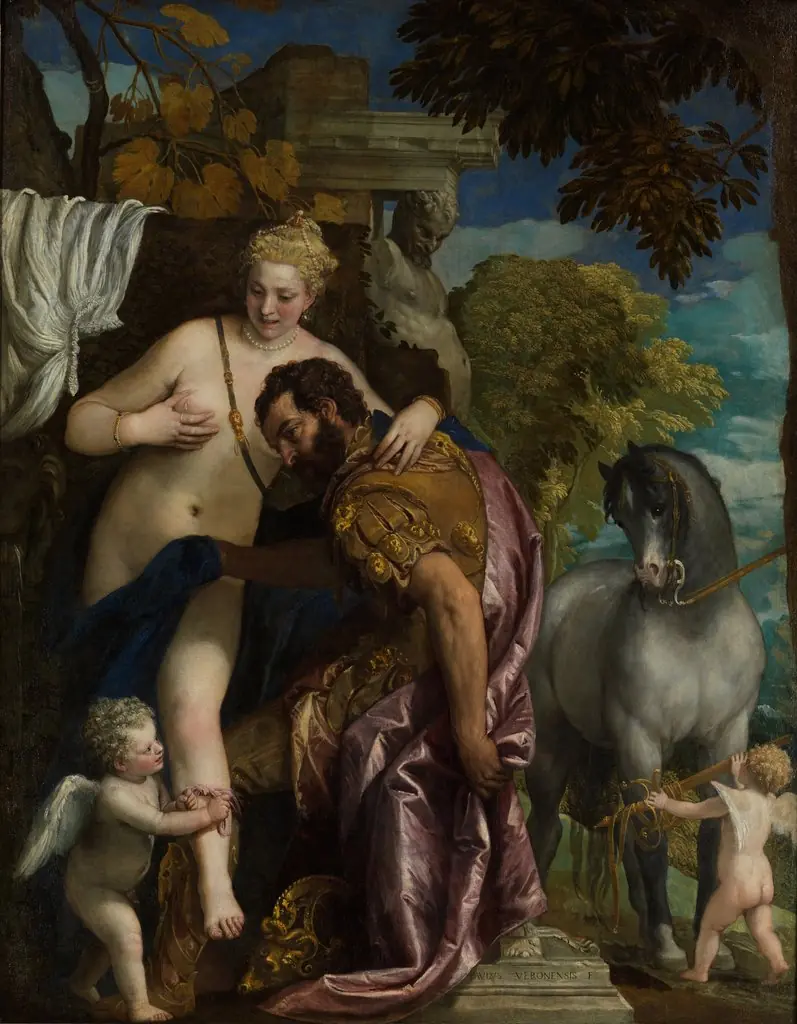 Venus and Mars
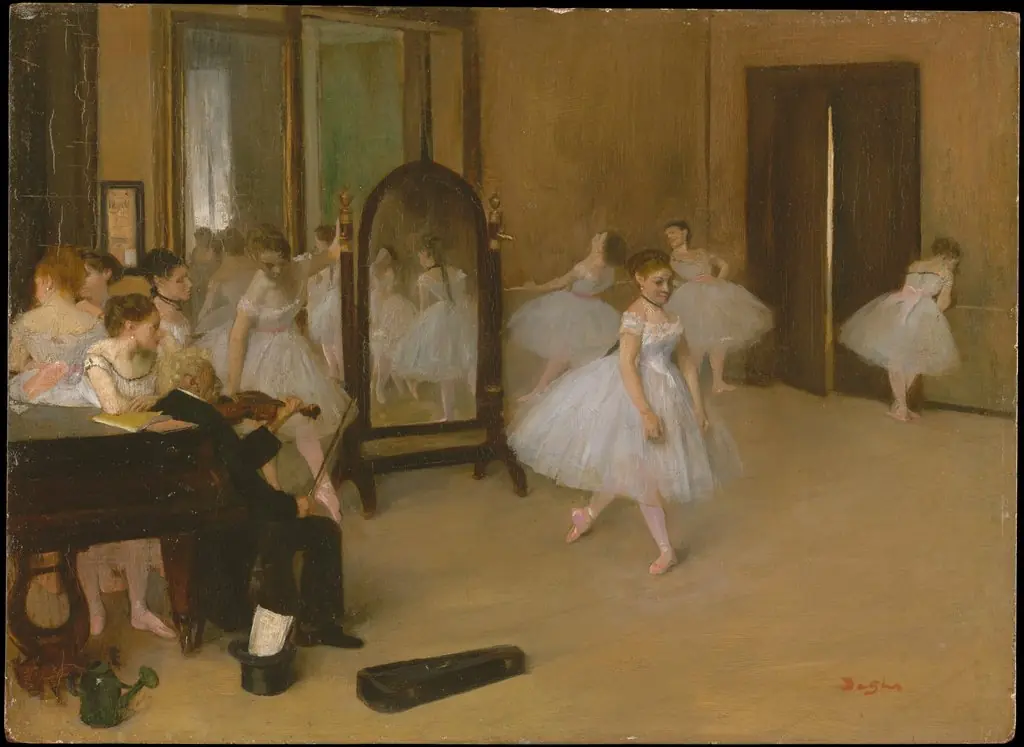 The Dancing Class
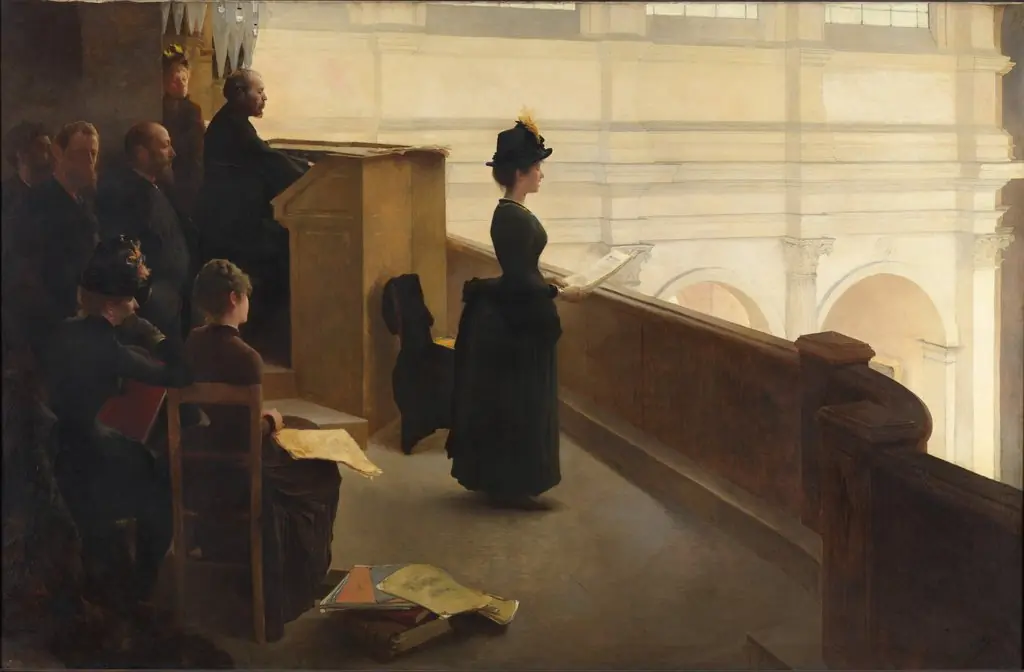 The Organ Rehearsal
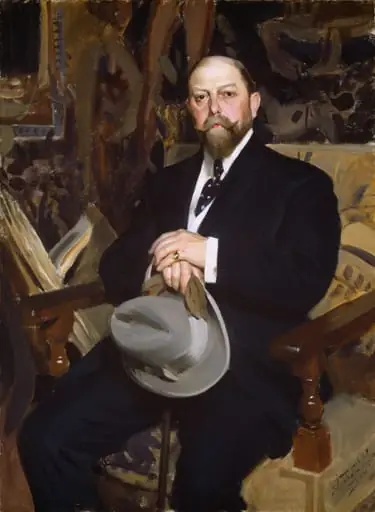 Hugo Reisinger
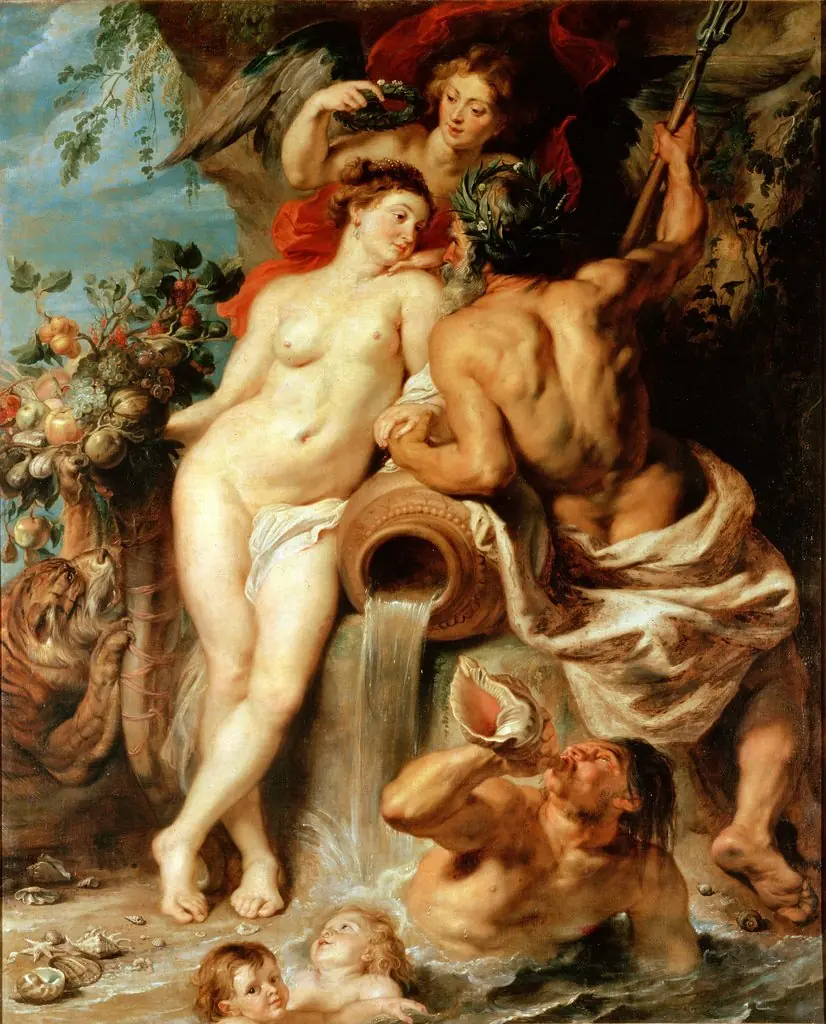 The Union of Earth and Water (Antwerp and the Scheldt)
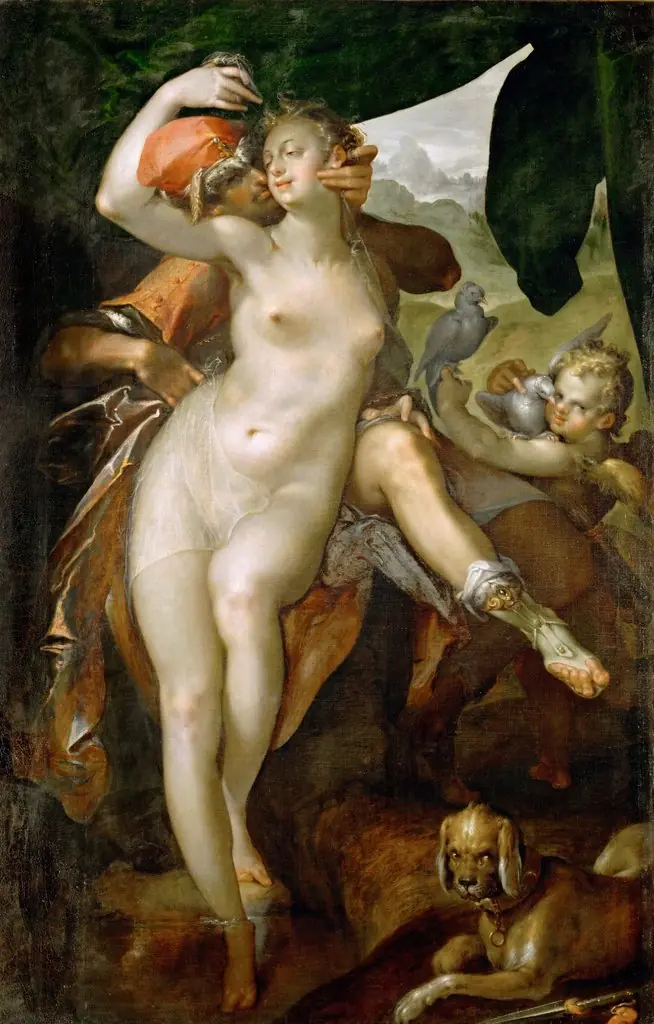 Venus and Adonis
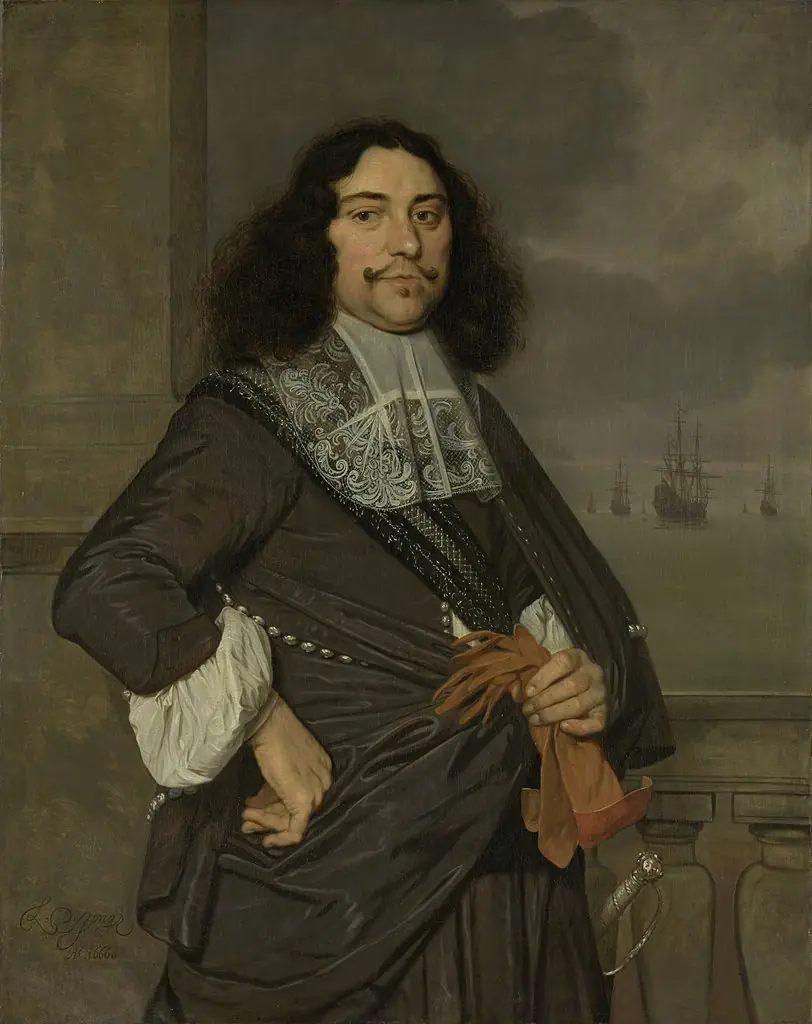 Portrait of Jan van Nes (1631-80). Vice admiral of Holland and West-Friesland
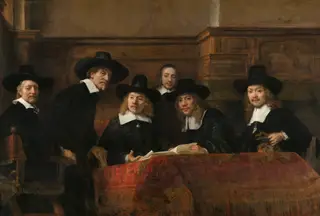 Syndics of the Drapers' Guild
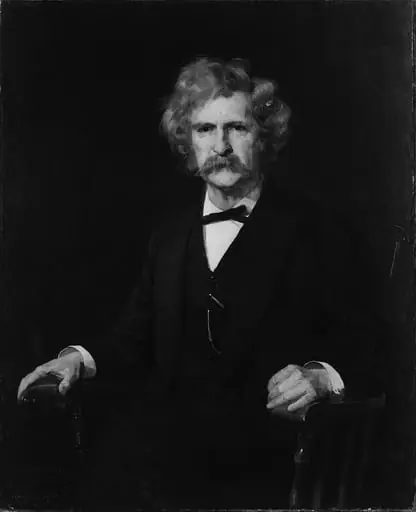 Mark Twain
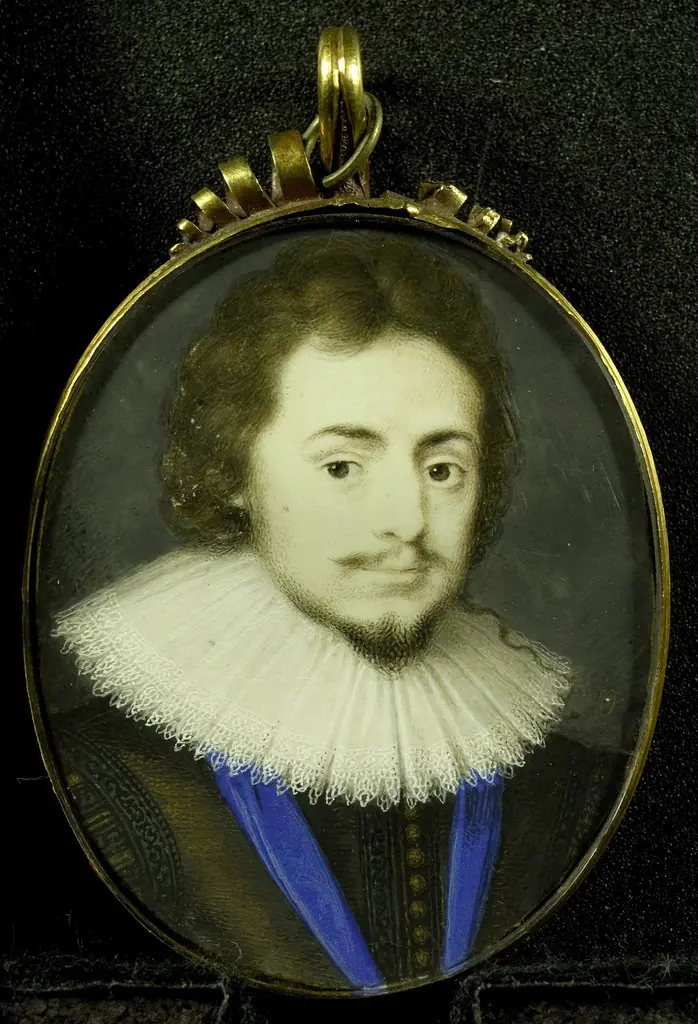 Portrait of Frederick V of the Palatinate
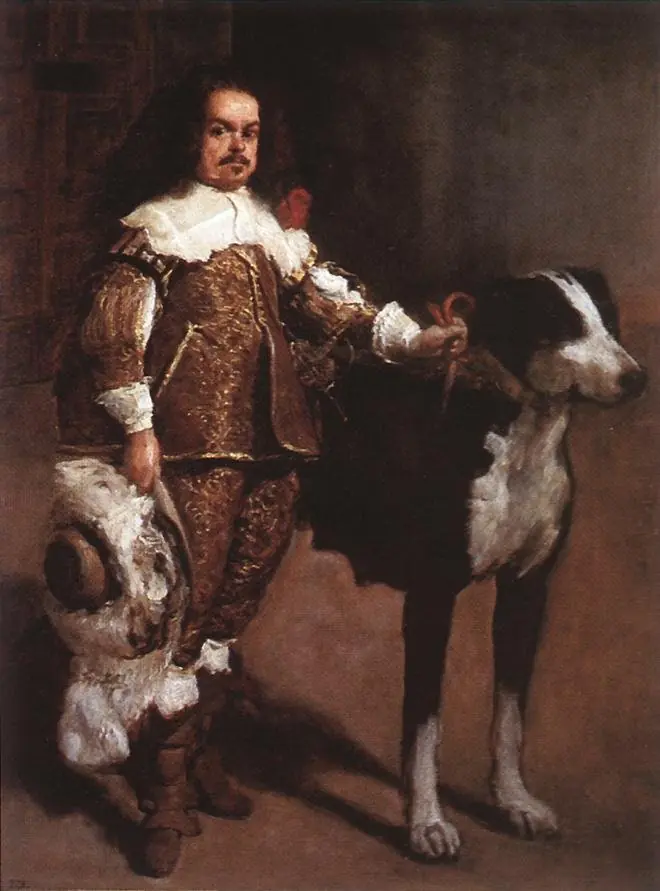 Dwarf with a Dog, formerly denominated Antonio el Inglés
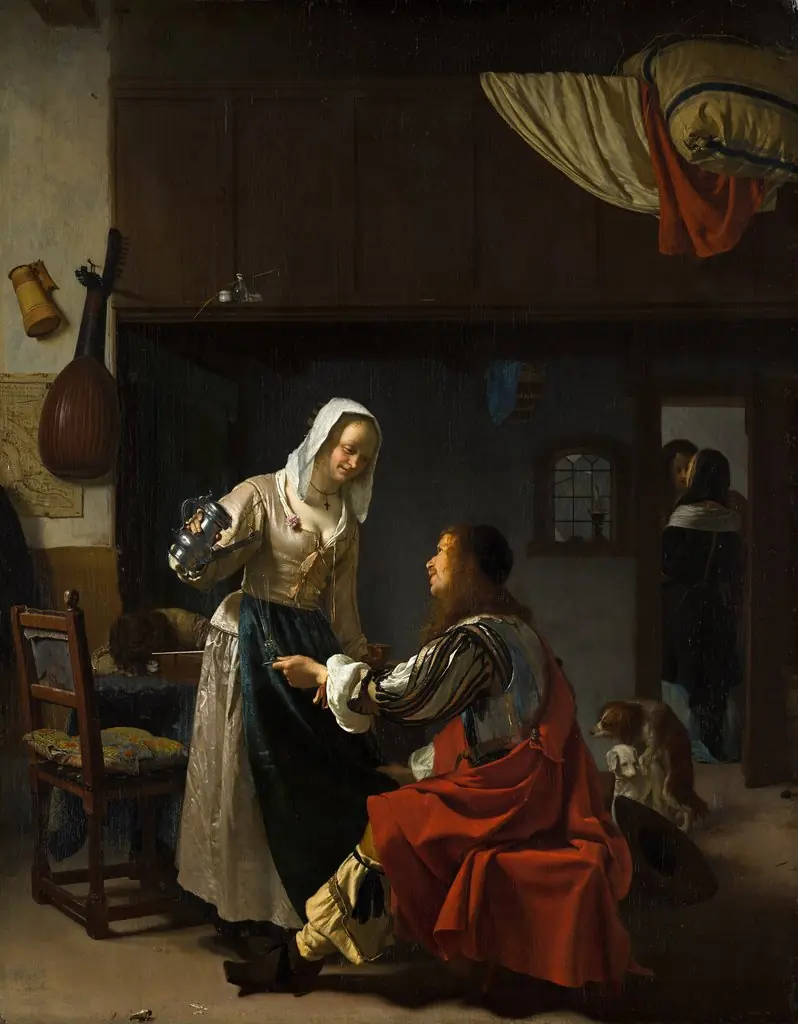 Brothel Scene
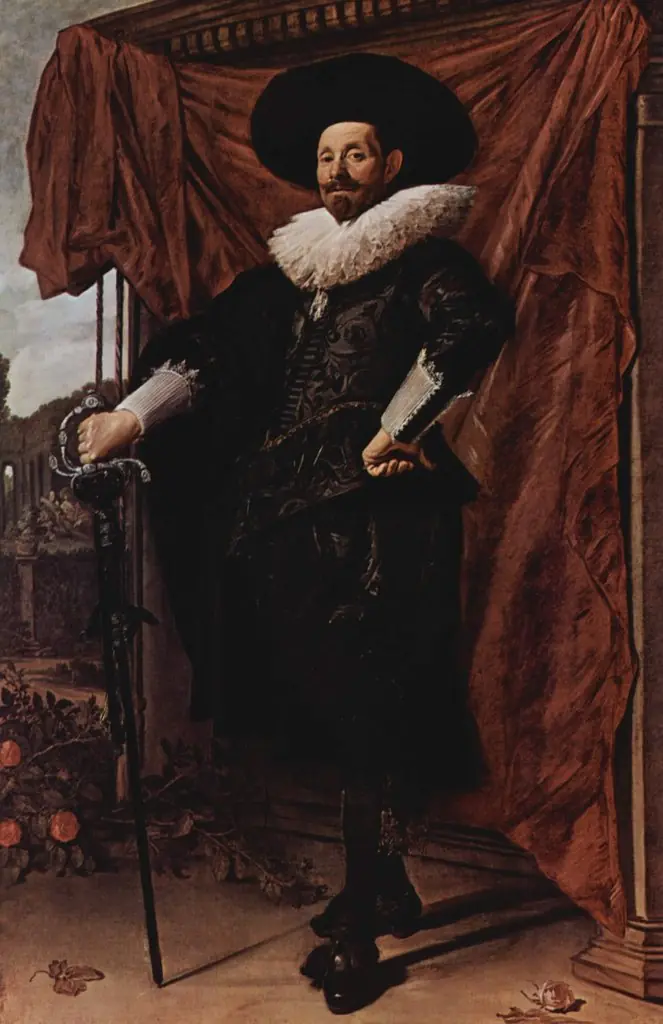 Willem van Heythuysen posing with a sword
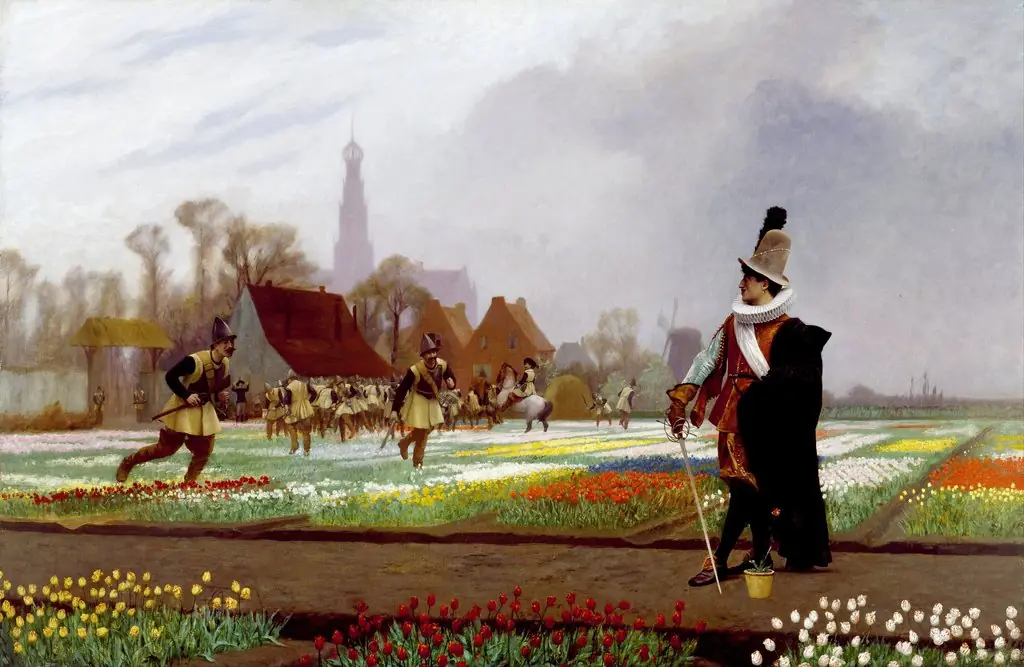 The Tulip Folly
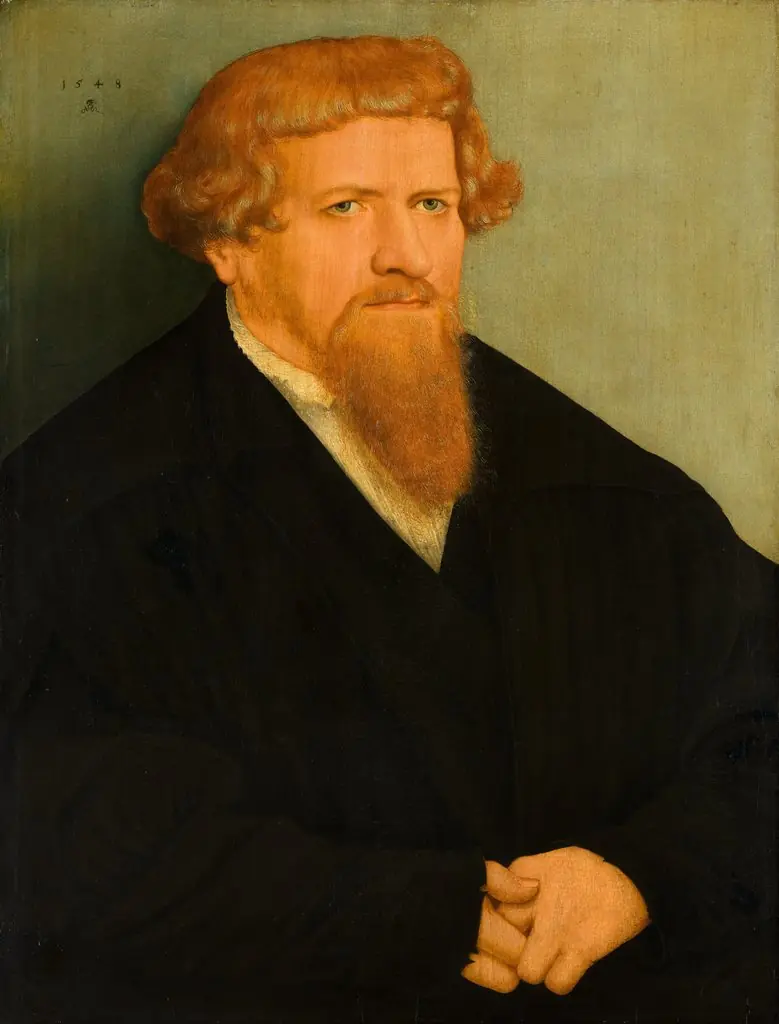 Portrait of a Man with a Red Beard
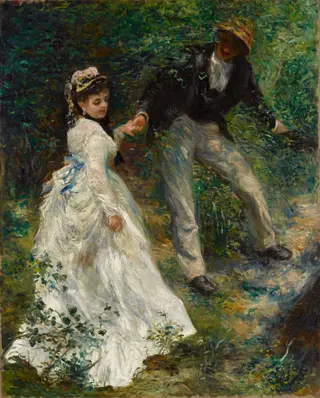 La Promenade
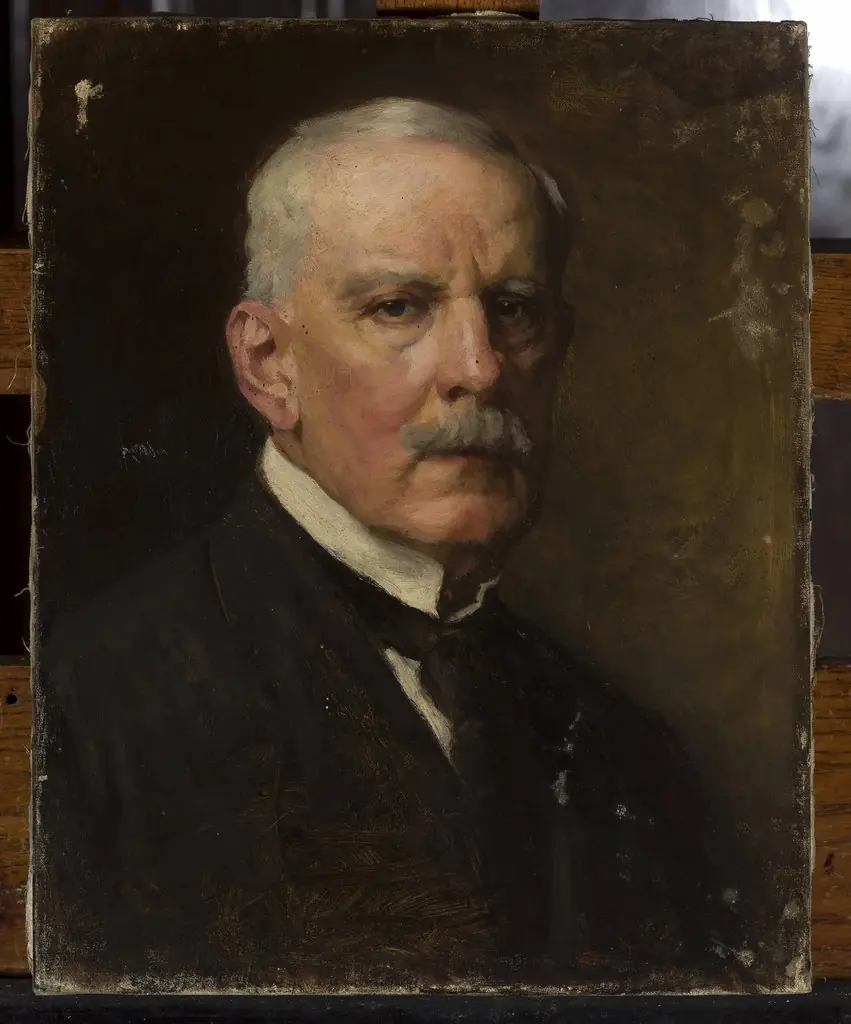 Portrait of an old man
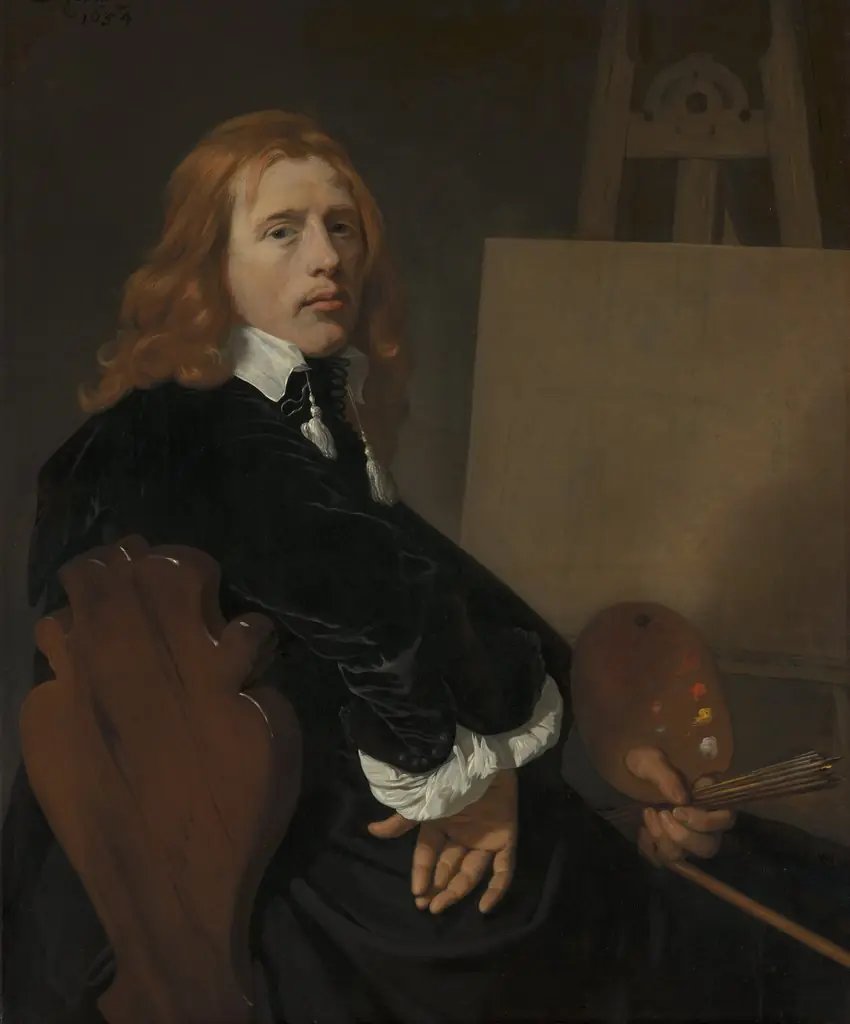 Portrait of Paulus Potter
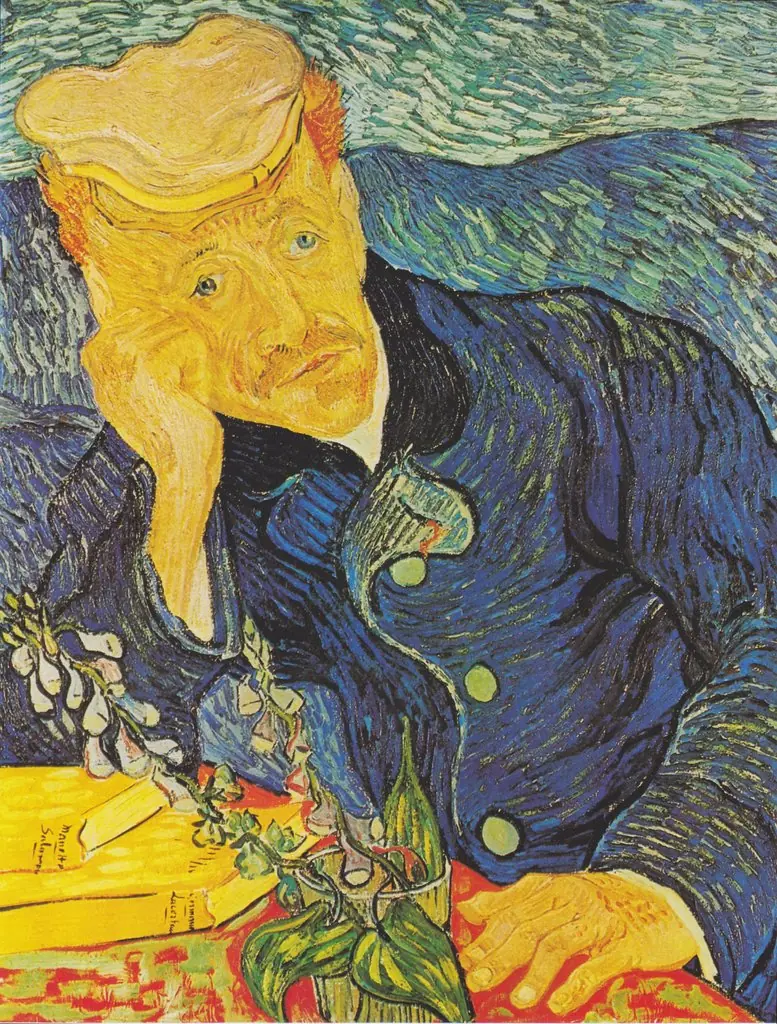 Portrait of Dr. Gachet
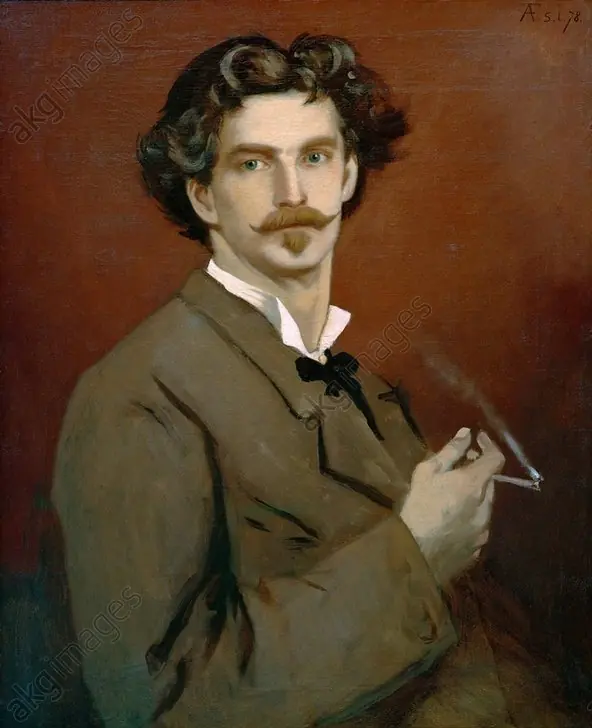 Selfportrait
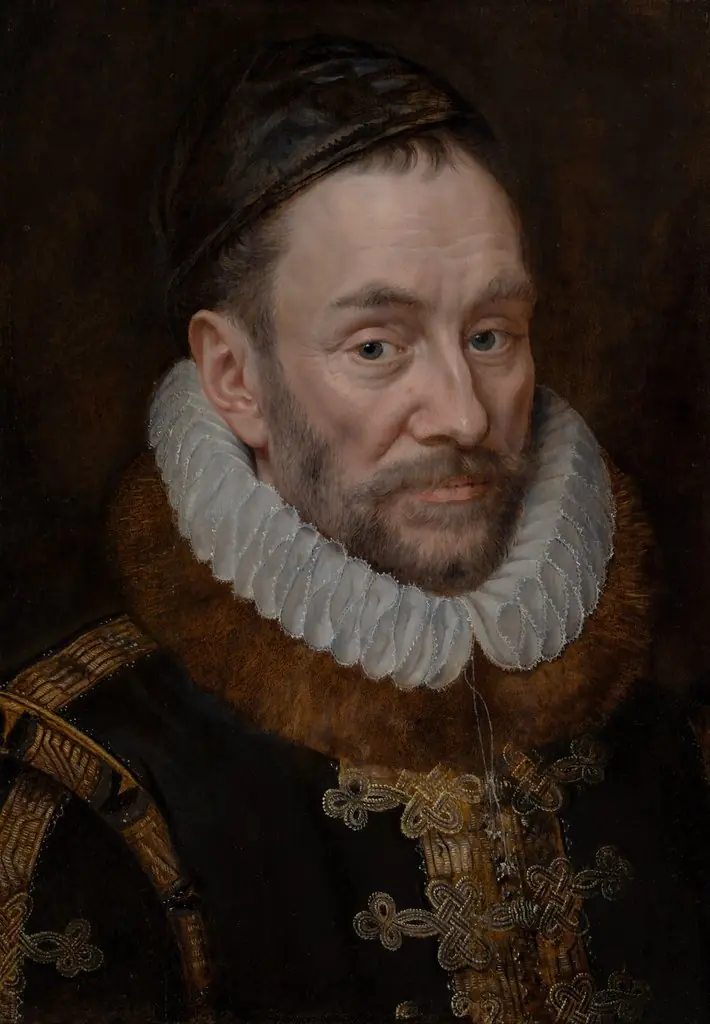 Portrait of William I (1533-1584), Prince of Orange
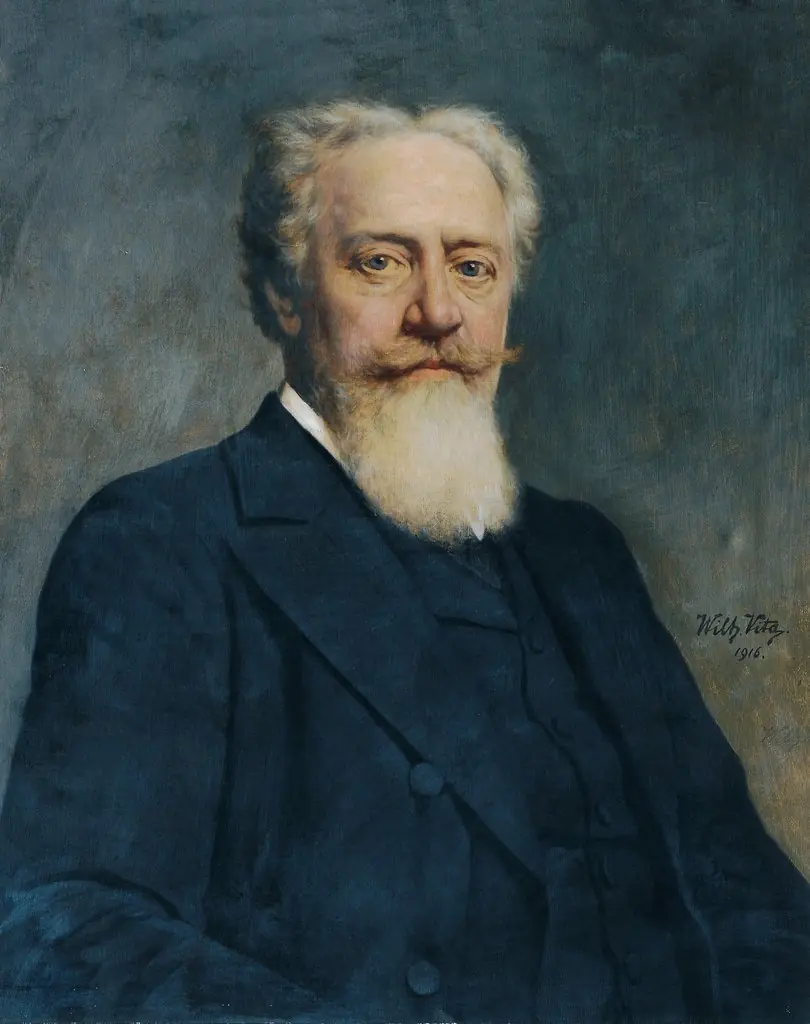 August Schaeffer
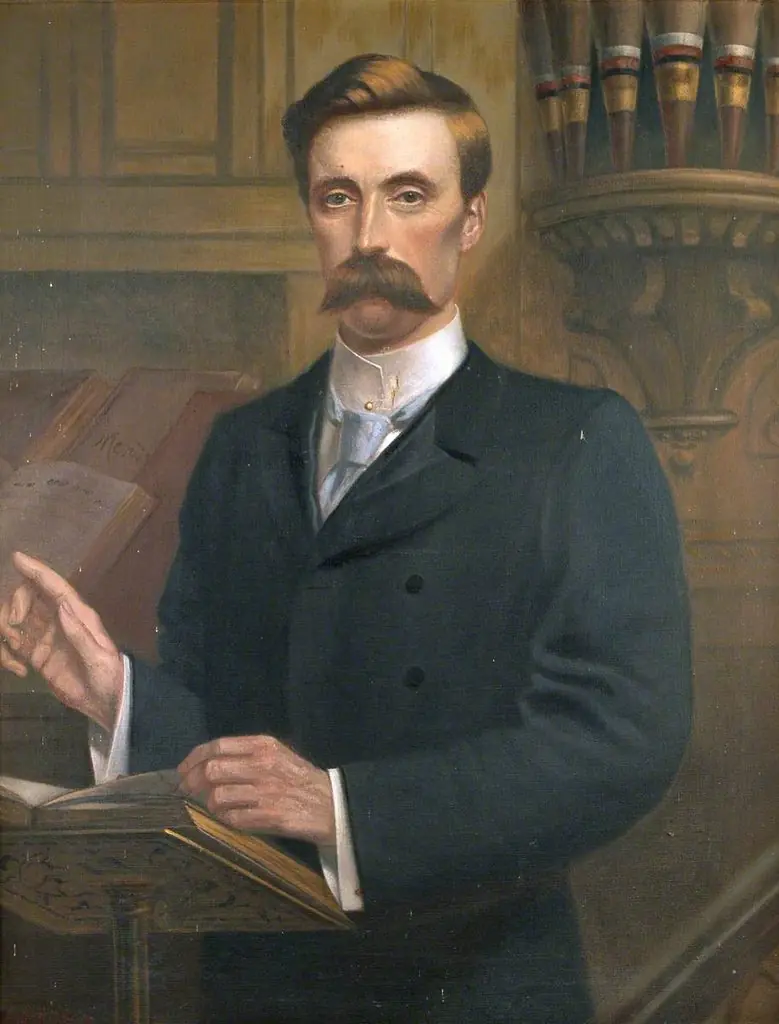 Mr John Thomas Edwards (c.1869–1943)
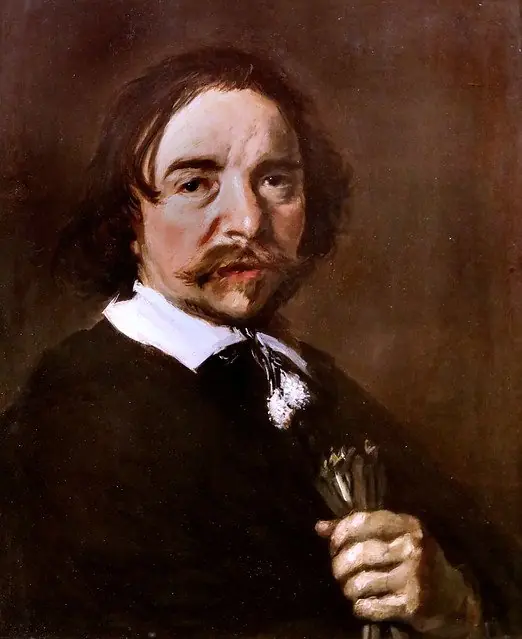 Portrait of a man with a tassle collar holding gloves or flax
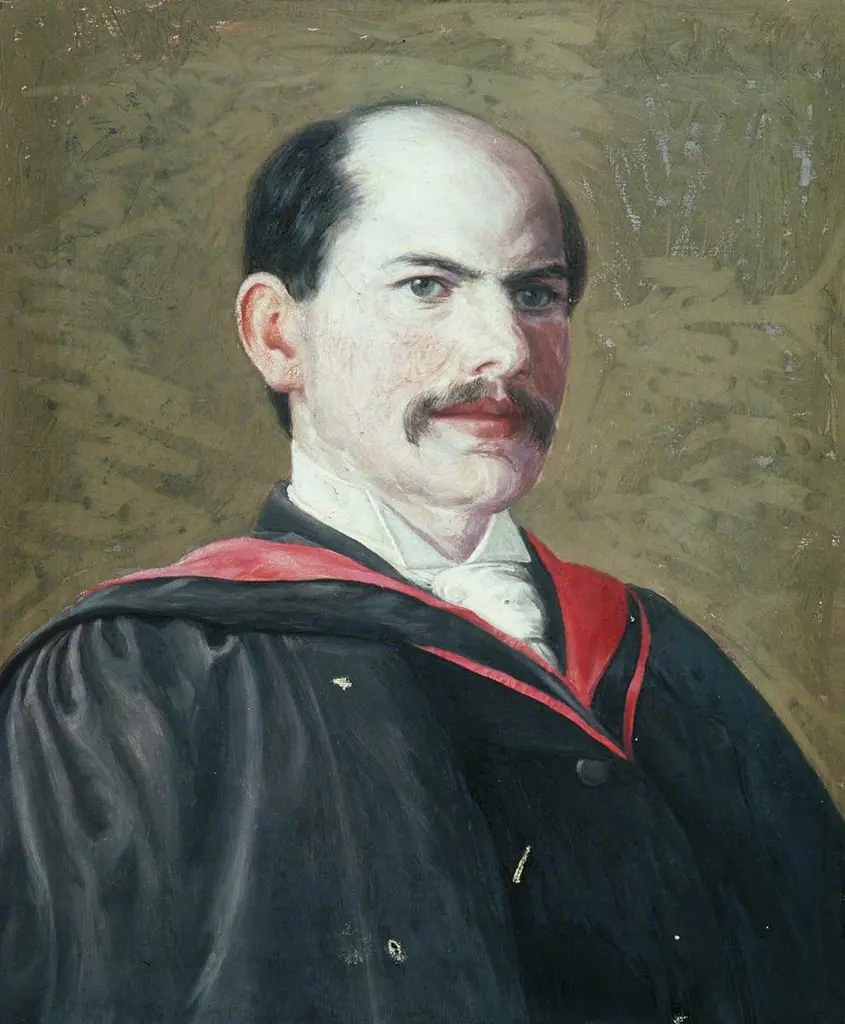 Professor Walter Jenkin Evans (1856–1927), Carmarthen Presbyterian College
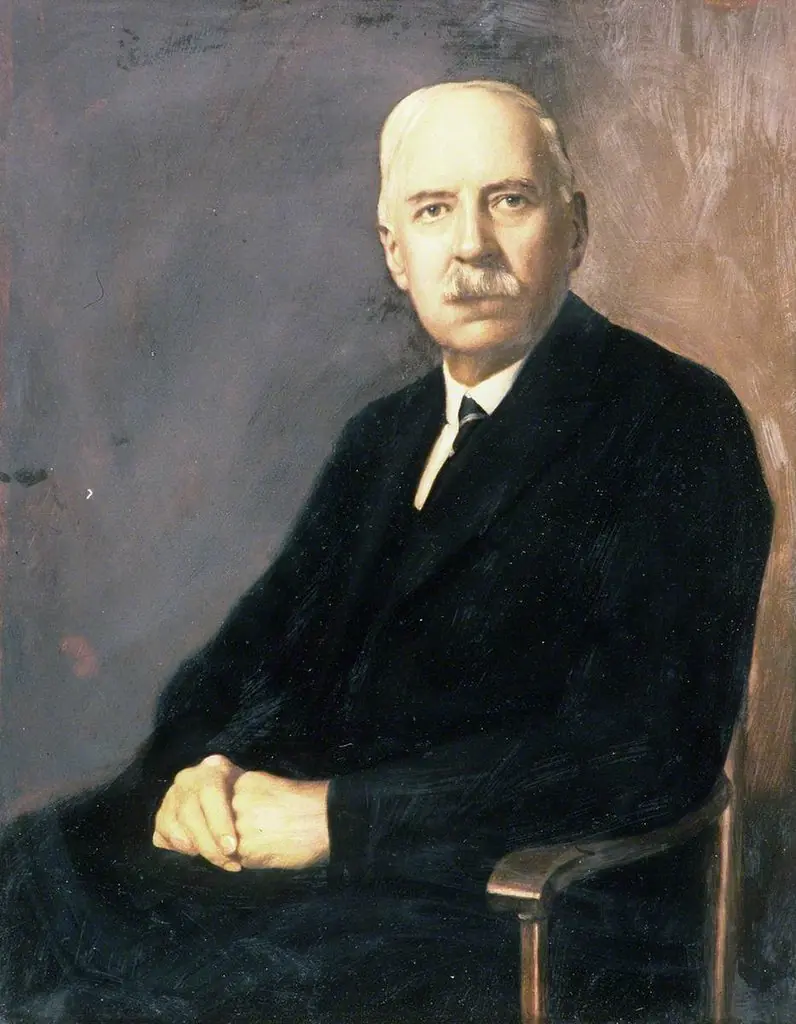 T. Gwynn Jones (1871–1949)
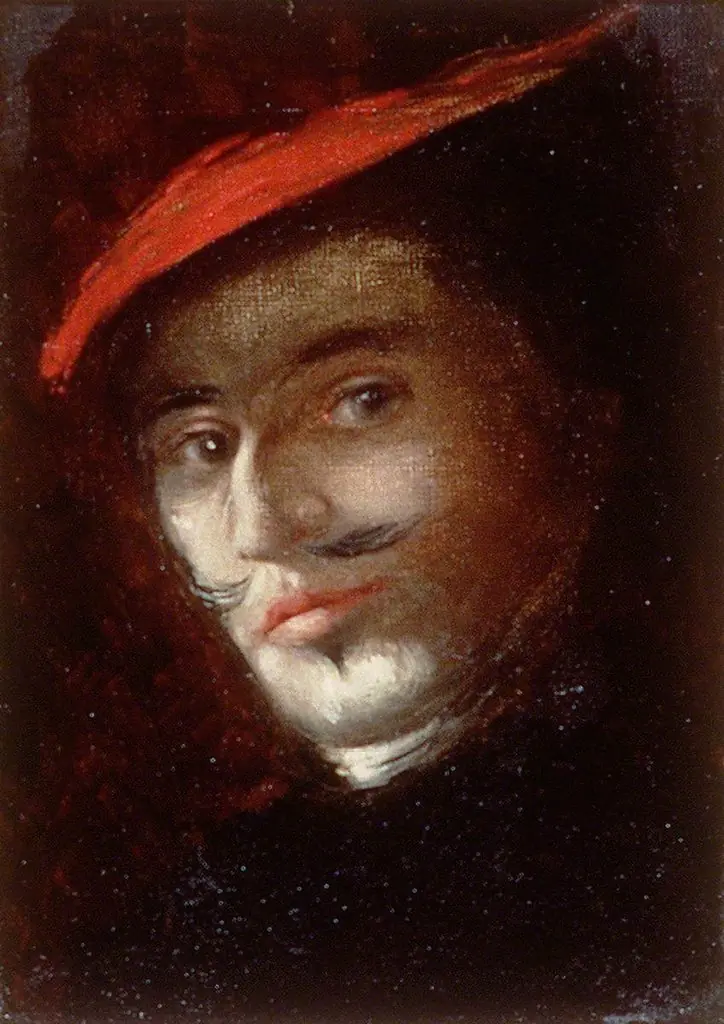 Self Portrait
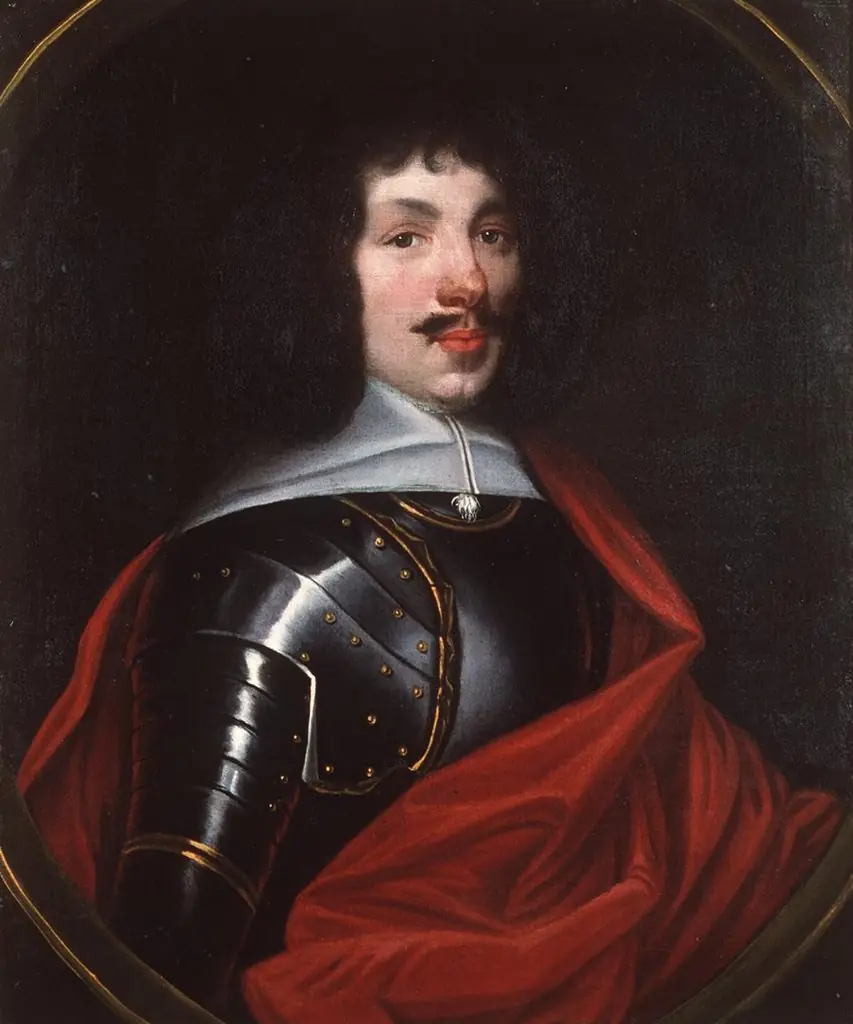 David Lloyd
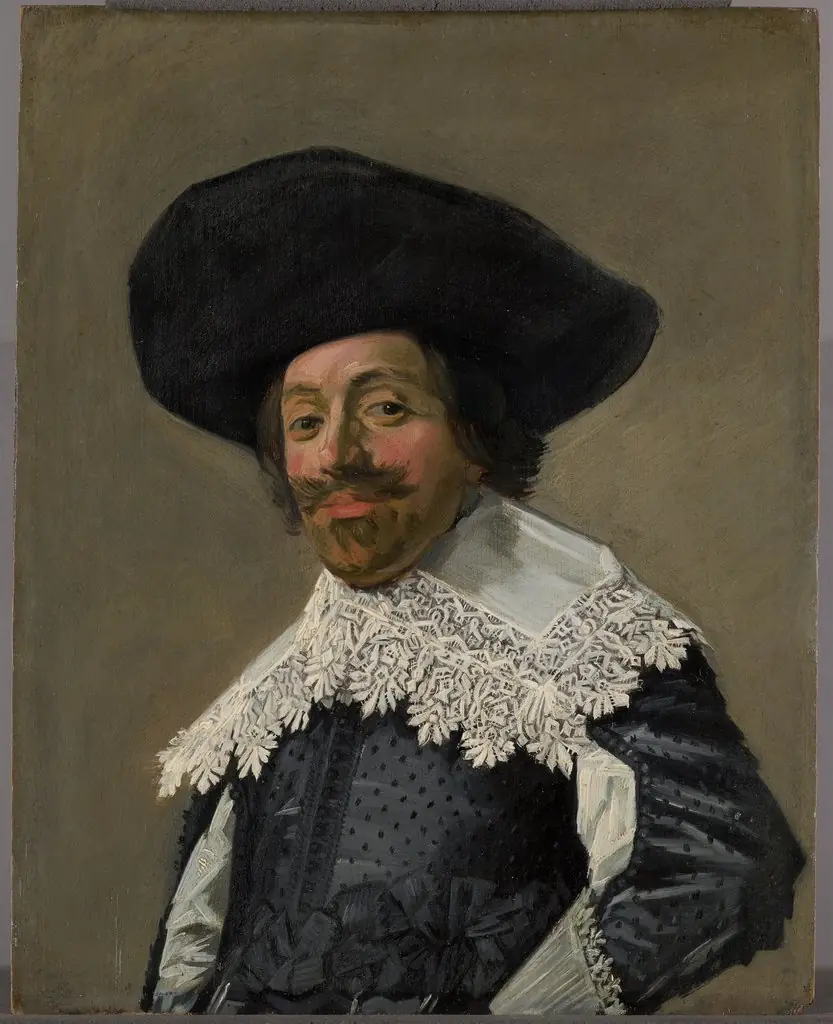 Portrait of a man with a hat
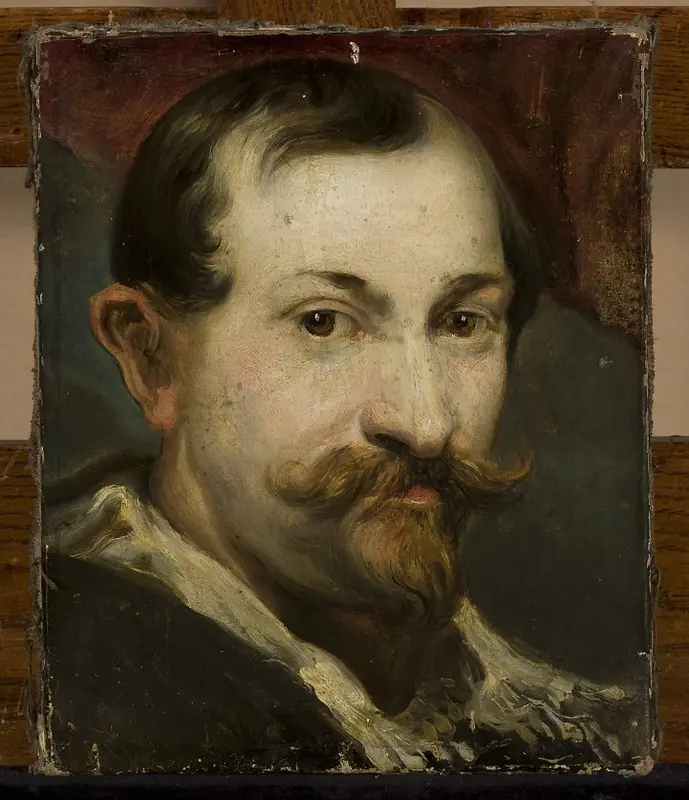 Portrait of Jan Wildens (1585/86–1653), painter
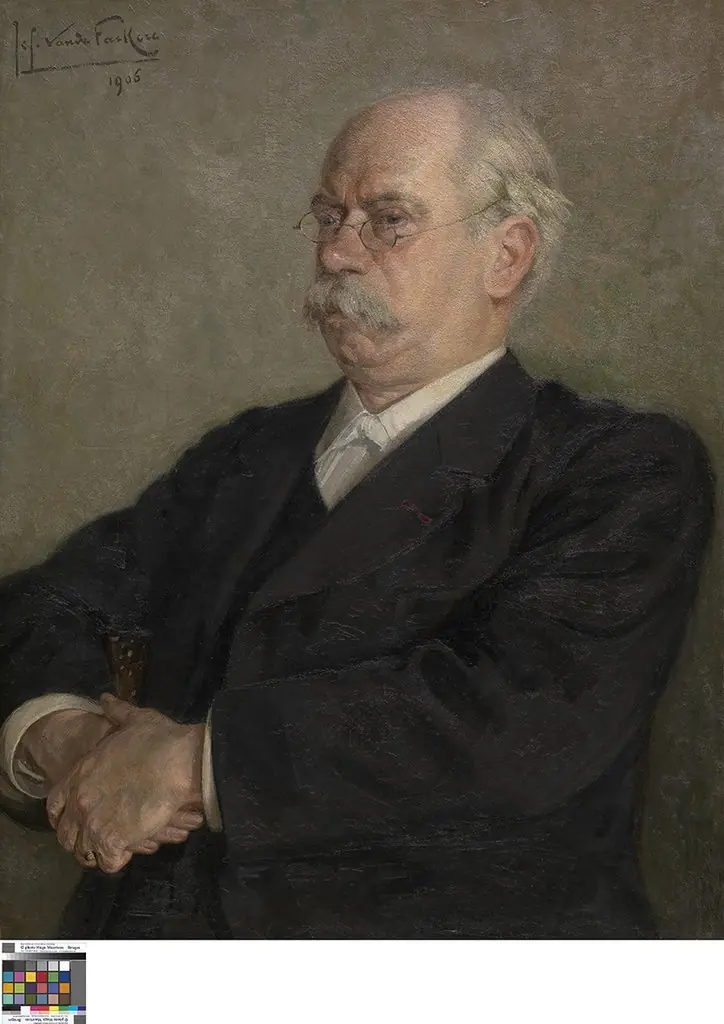 Portrait of Julius Sabbe
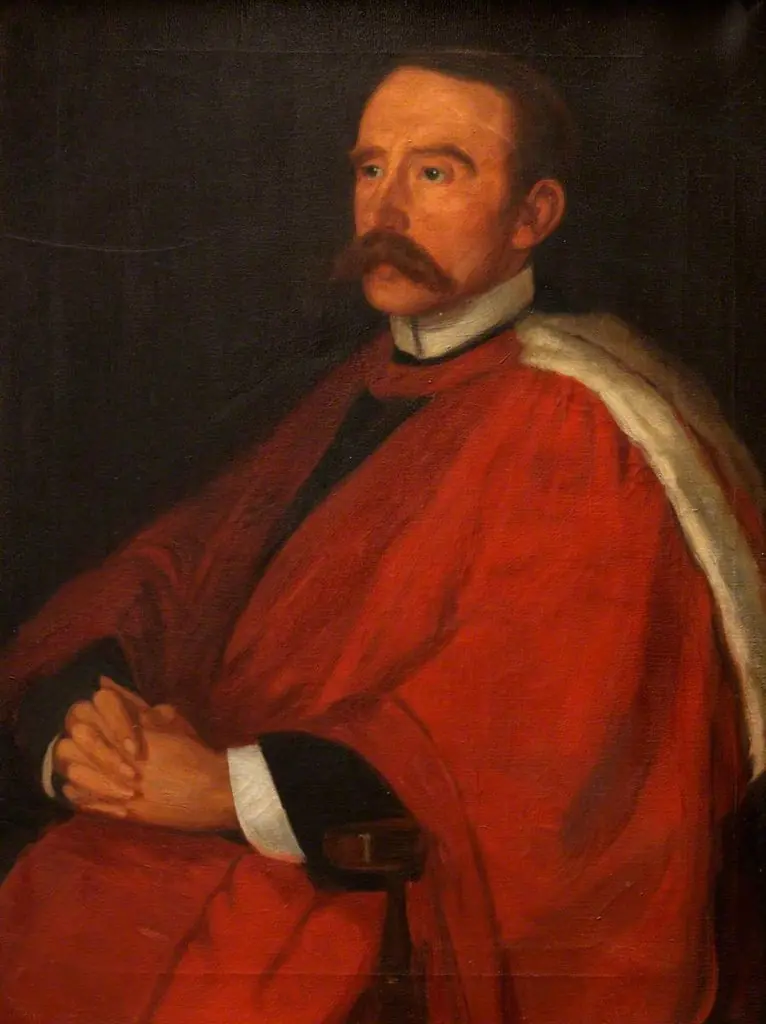 Dr T. F. Roberts (1860–1919), MA, LLD, Principal of University of Wales, Aberystwyth (1892–1919)
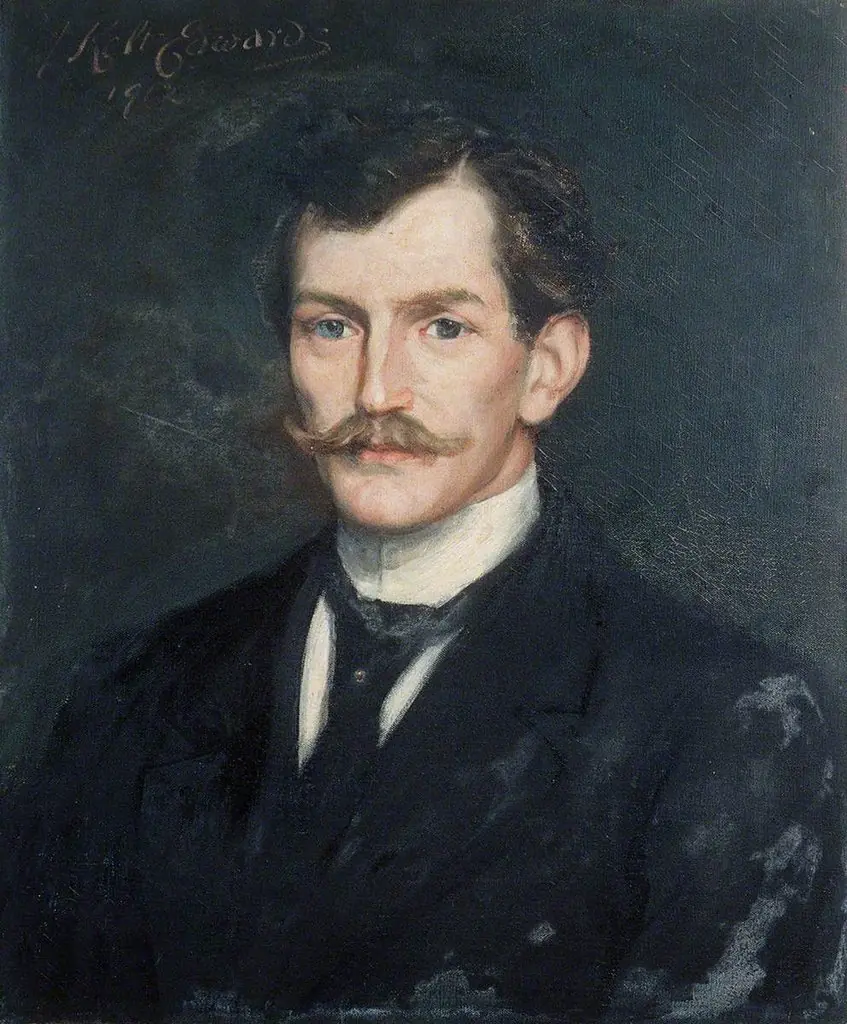 Portrait of a Young Man with a Moustache
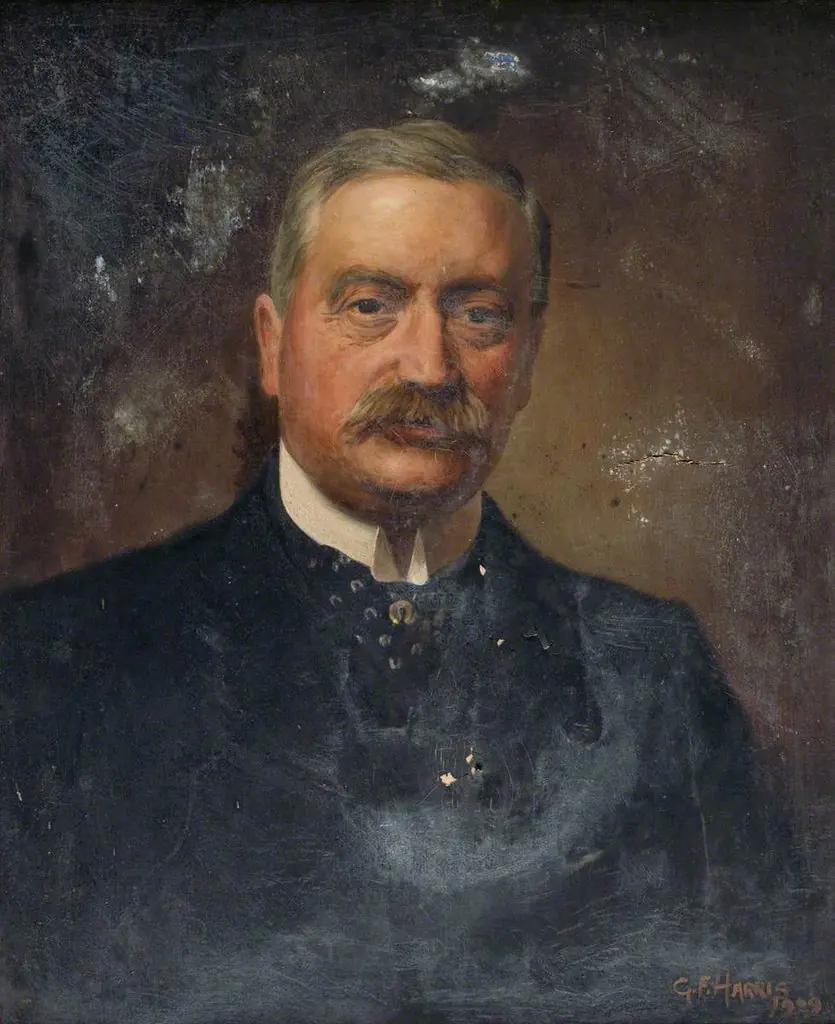 Portrait of an Unknown Gentleman
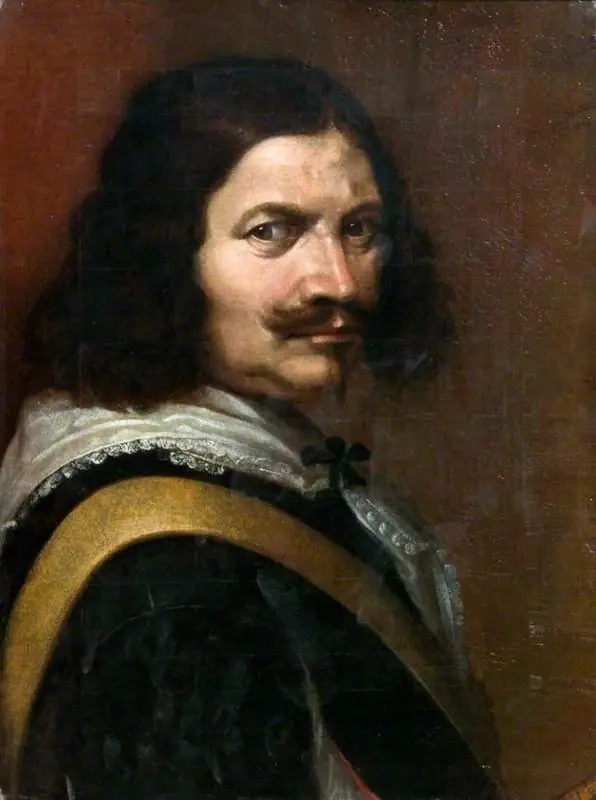 Portrait of an Unknown Man
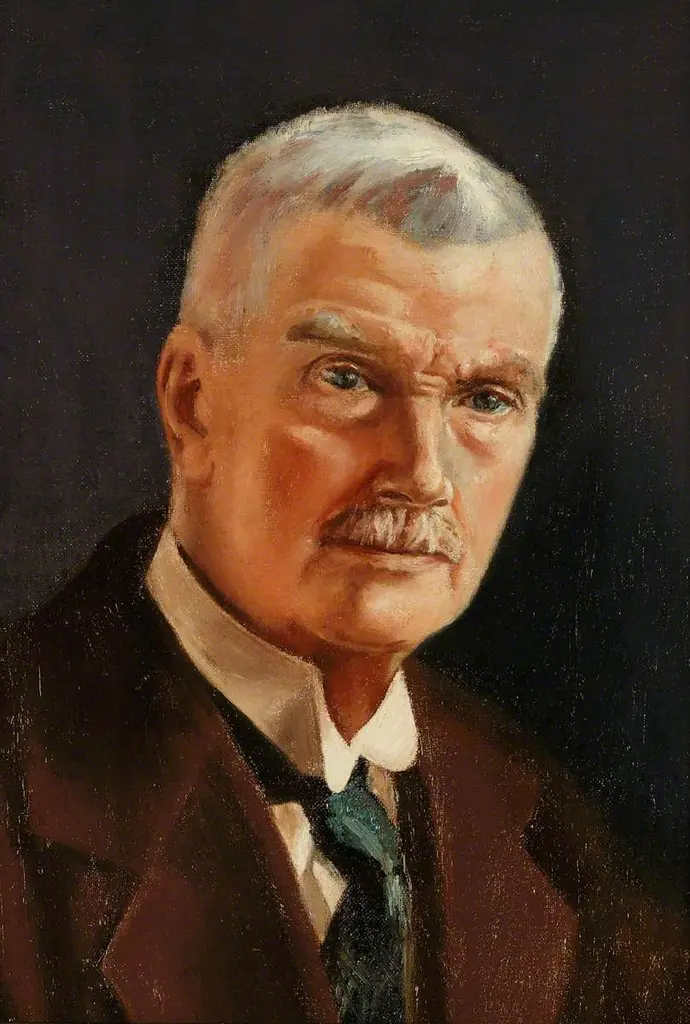 Dr P. J. O'Donnell, KSS, JP
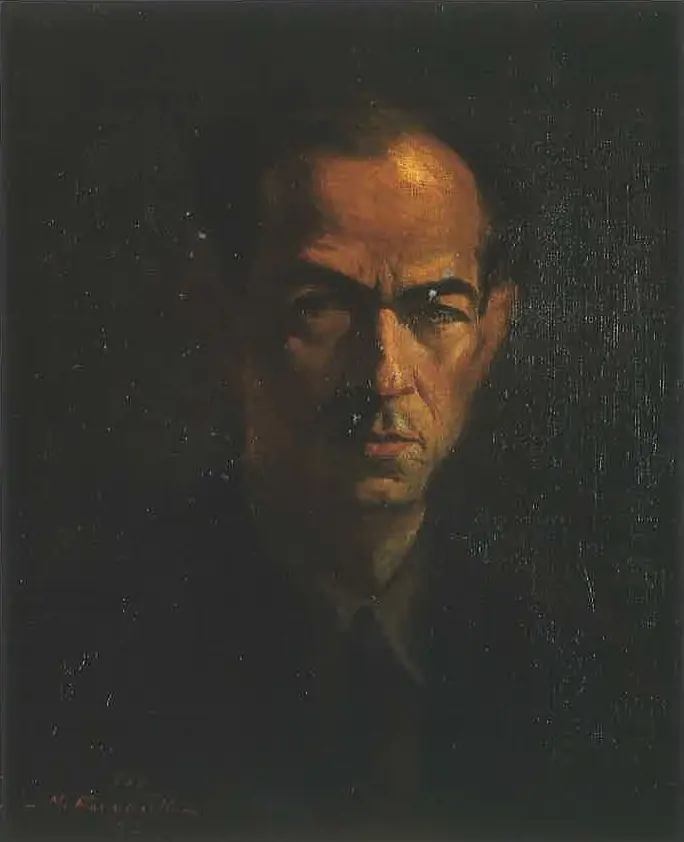 Autoportrait
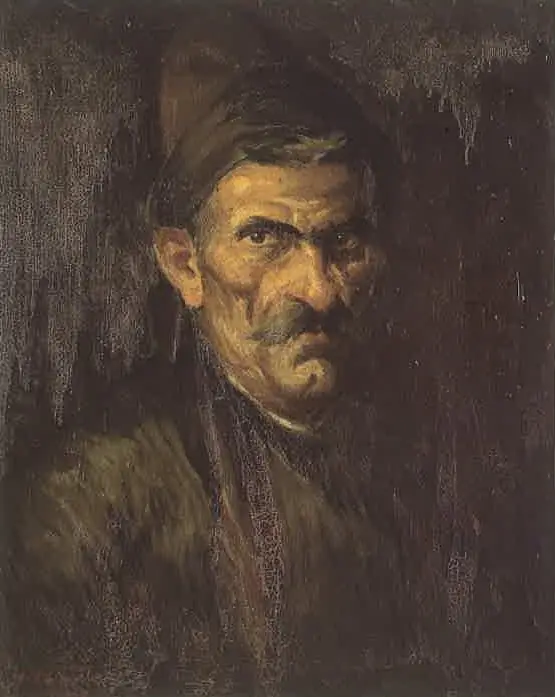 Three Paintings of a Muleteer (3)
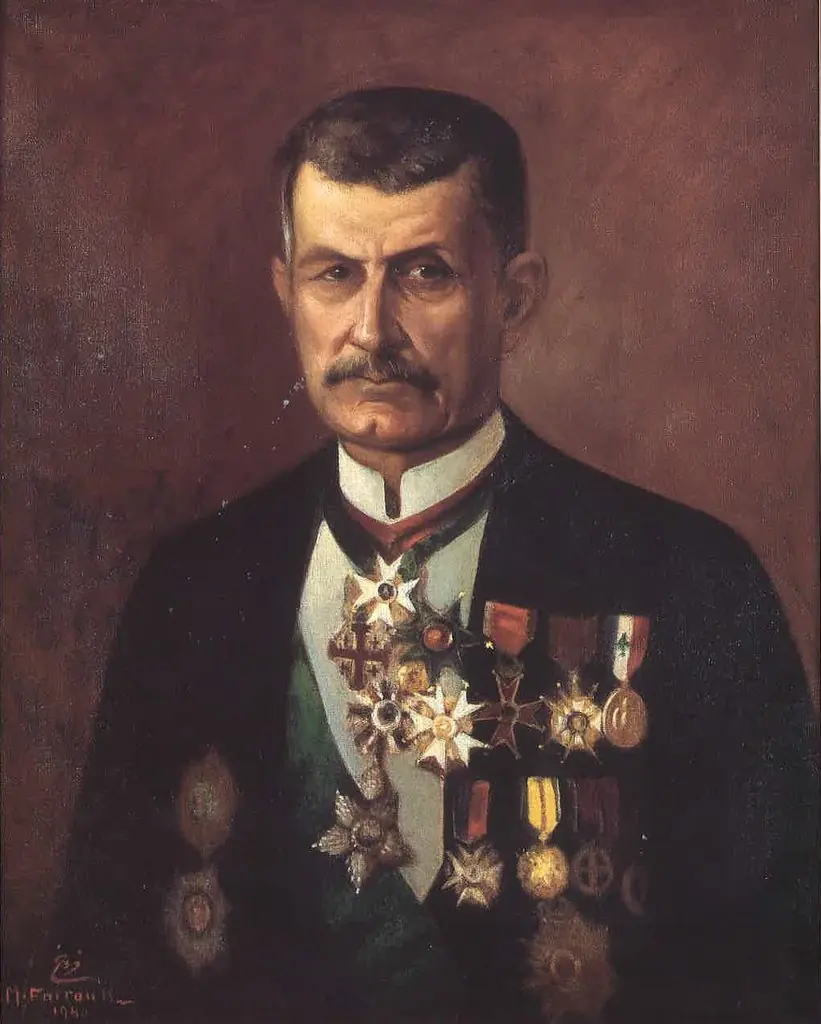 Portrait of Viscount Philippe de Tarrazi (1865 - 1956)
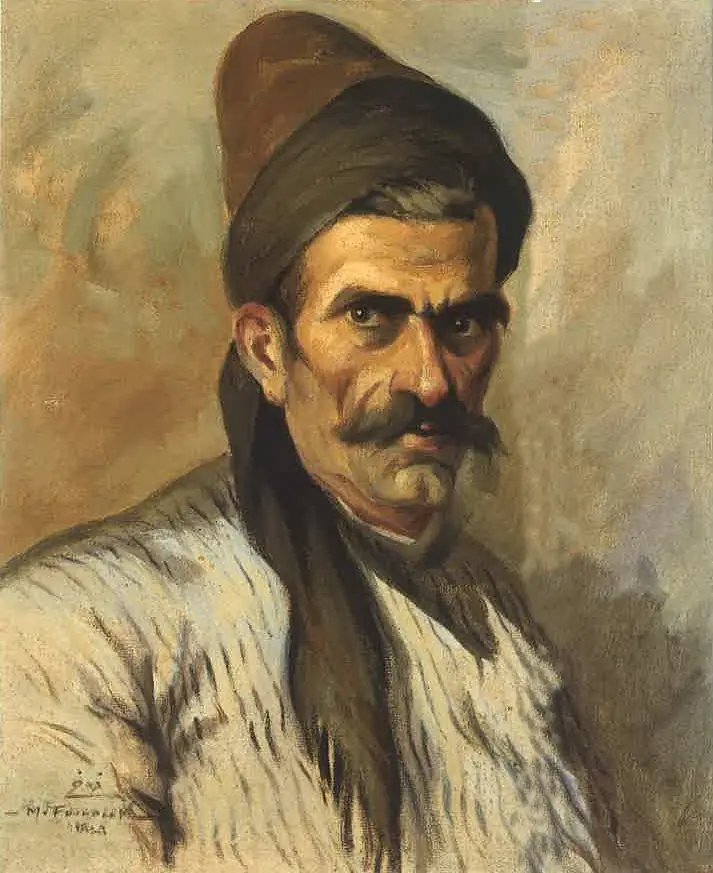 Three Paintings of a Muleteer (2)
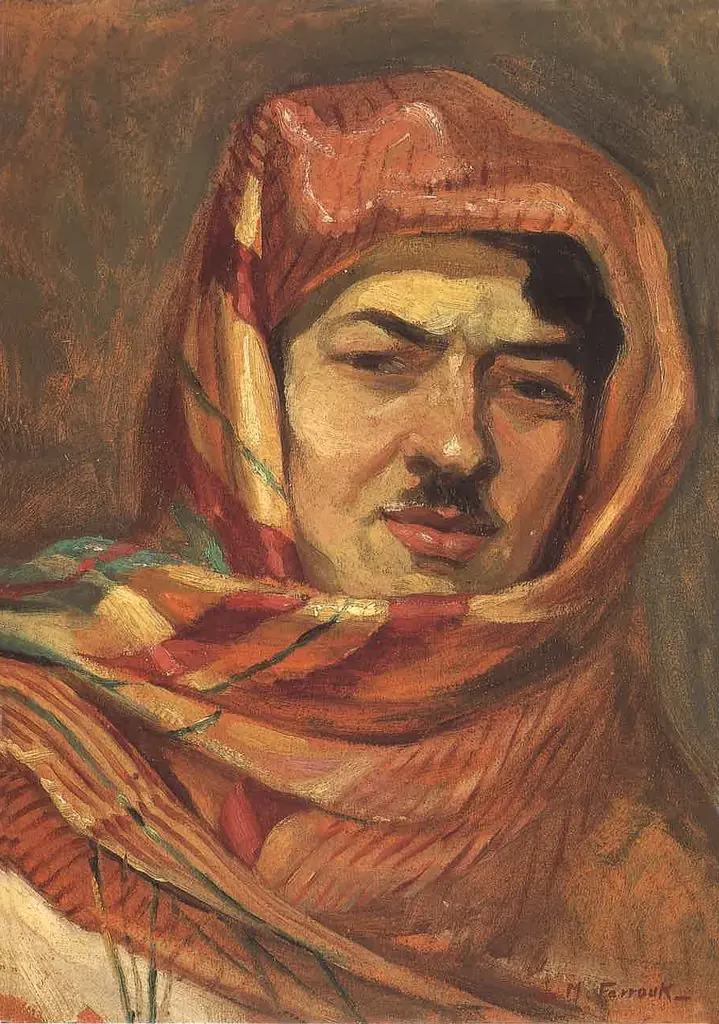 Autoportrait with a Keffiyeh
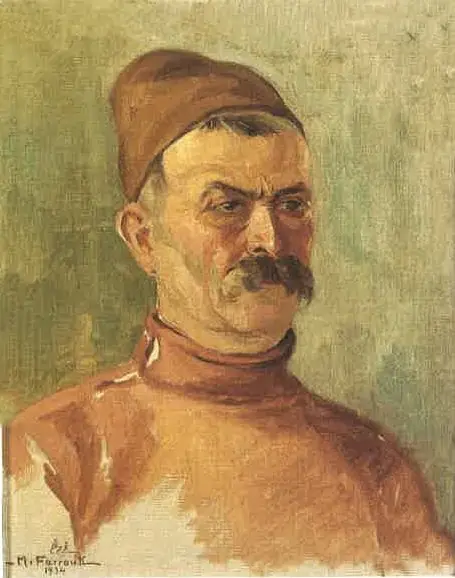 The Oil Seller
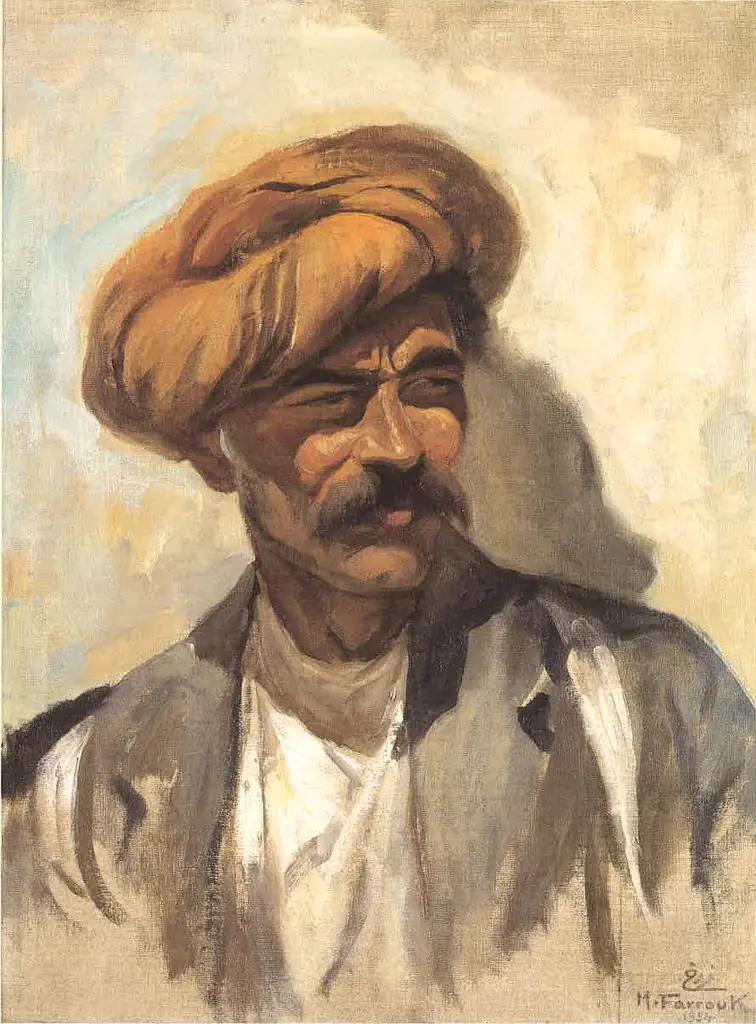 A Kurdish Porter
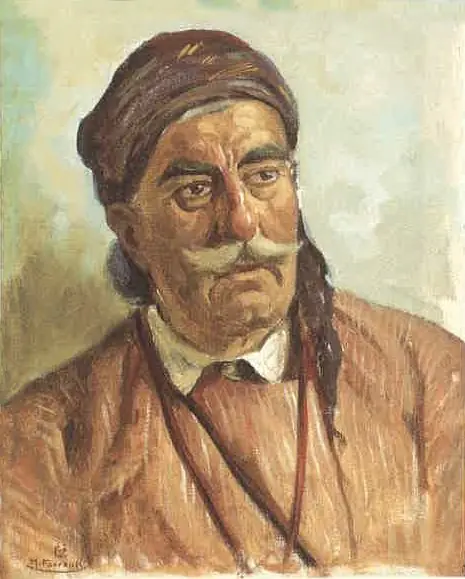 Portrait of a Qawwas
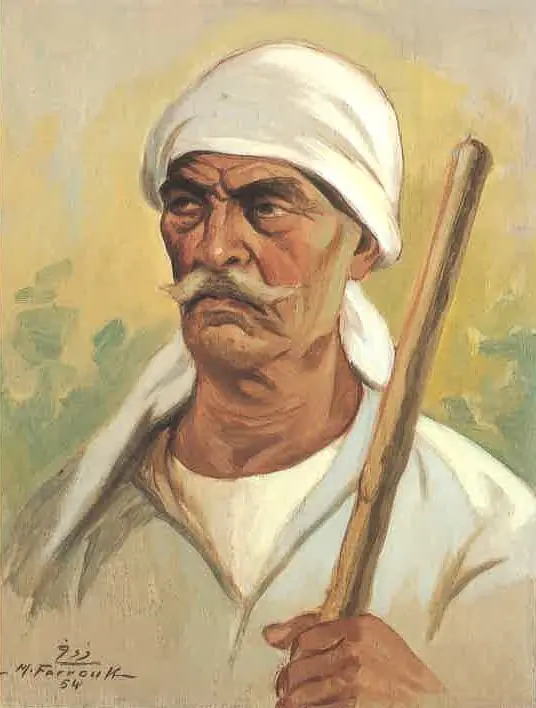 The Village Guard
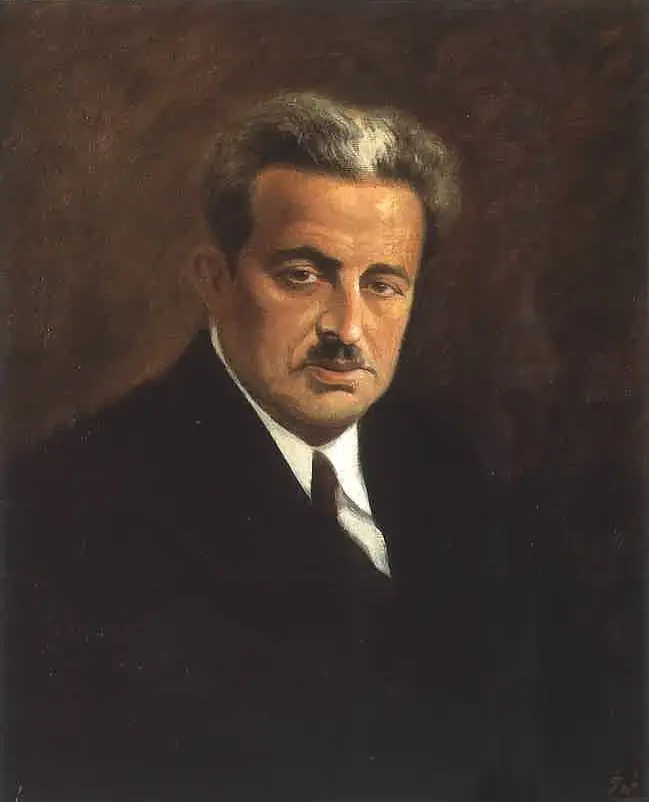 Portrait of Amin Al-Rihani
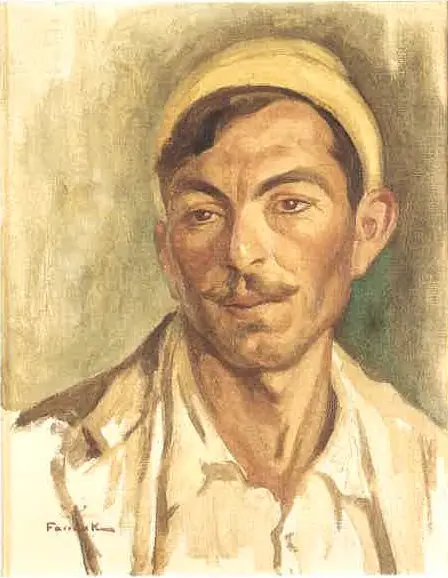 A Kurdish Porter
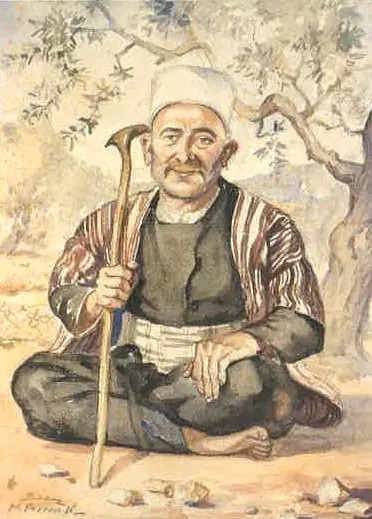 A Druze from the Chouf
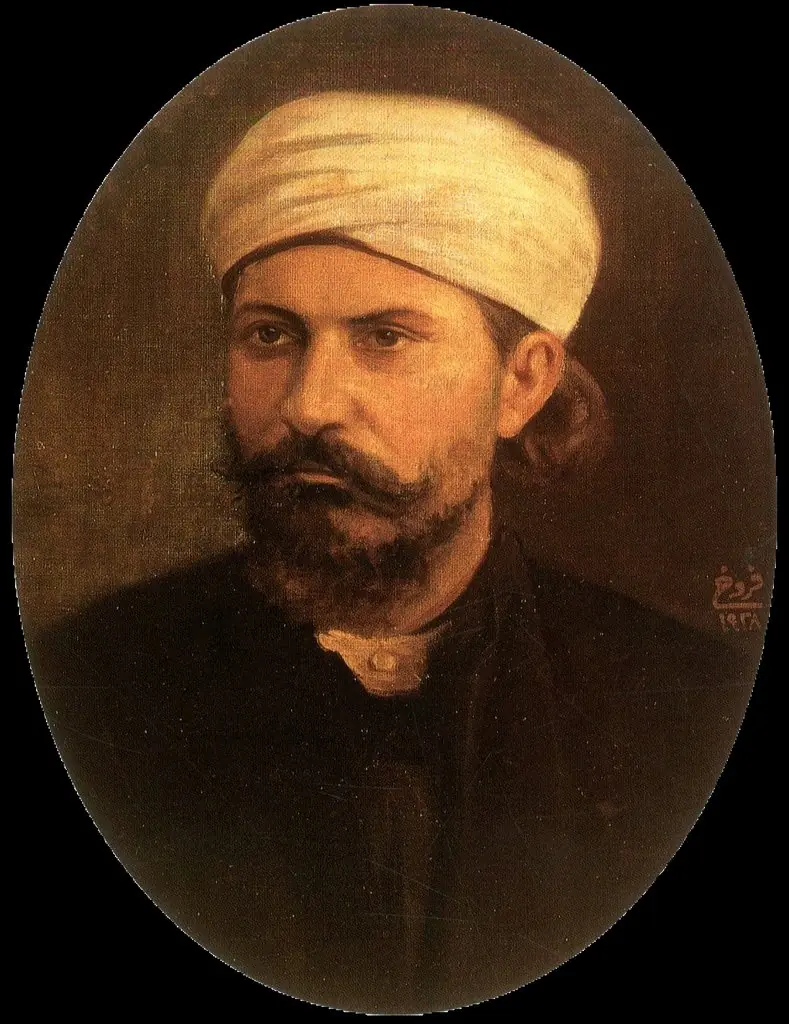 Al-Dāʿīa Jamal Al-Din Al-Afghani
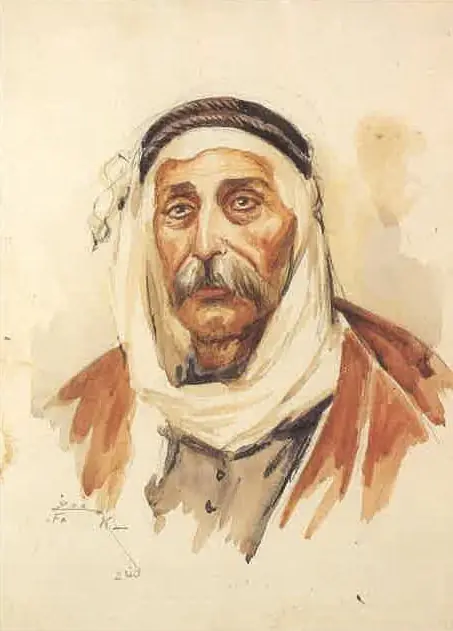 Portrait of Hussein Mahmoud Al-Hajj Darwich
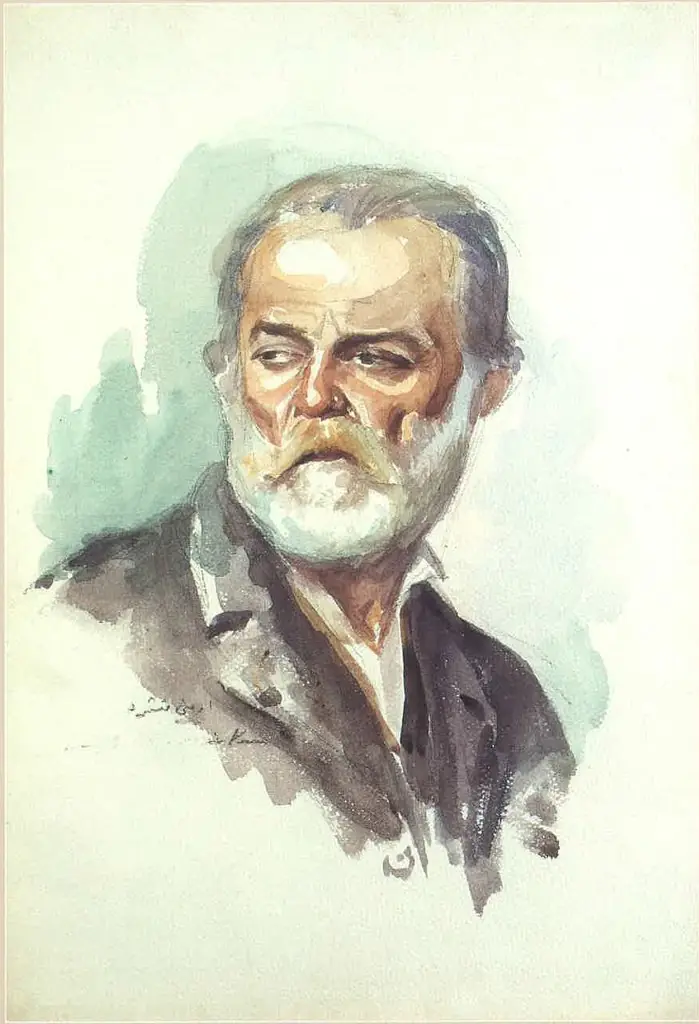 A Displaced Armenian
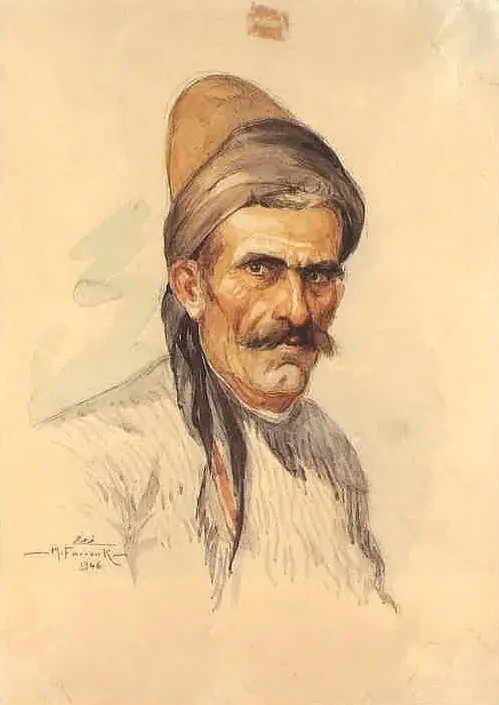 Three Paintings of a Muleteer (1)
Frequently asked questions
What is Moustache?
Moustache is a subject in art. A moustache (UK: ) or mustache (US: ) is a growth of facial hair grown above the upper lip and under the nose.
How many Moustache works does Artifact World Gallery have?
Artifact World Gallery holds 53 public-domain Moustache works, all free to view and download.
Who are the key Moustache artists?
Key Moustache artists in the collection include Thomas Eakins, Paolo Veronese and Edgar Degas.
Where can I see Moustache works?
Moustache works in the collection are held by Sursock Museum, National Library of Wales and Metropolitan Museum of Art.