Subject
Working
Working is a subject in art. The gallery holds 76 works in this subject in art, including works by William Sidney Mount, William P. Chappel and Robert Frederick Blum.
Work—the daily labor of farming, craft, and trade—is one of art's oldest and most democratic subjects, charting a long migration of ordinary toil from the margins of the picture to its monumental center. In medieval and Renaissance Europe it was codified in the "Labours of the Months," calendar cycles pairing each season with its characteristic task: sowing, harvesting, threshing, pruning. Pieter Bruegel the Elder gave this tradition its grandest secular form in his series The Months (1565), commissioned by the Antwerp merchant Nicolaes Jongelinck, in which peasants haul, hunt, and reap across vast panoramic landscapes. The same impulse appears far earlier and far afield in Chinese art, where handscrolls illustrating the ancient agricultural ode "Odes of the State of Bin" (after Li Gonglin) sequence the farming year as a moral emblem of diligence and good governance.
The seventeenth century brought a new sympathy. In France the brothers Le Nain—especially Louis—painted peasant families and laborers with a quiet, psychological realism that granted dignity rather than caricature to the poor, a sensibility that Dutch genre painting carried into scenes of tradesmen and domestic chores. This groundwork prepared the great nineteenth-century reckoning. As the Industrial Revolution swelled an urban proletariat, Realist painters made labor heroic: at the Paris Salons of 1850–51, Gustave Courbet's The Stonebreakers (1849) and Jean-François Millet's The Sower (1850) depicted manual workers on the monumental scale once reserved for kings and saints—Courbet with unflinching plainness, Millet with a near-sacred ennobling of peasant toil.
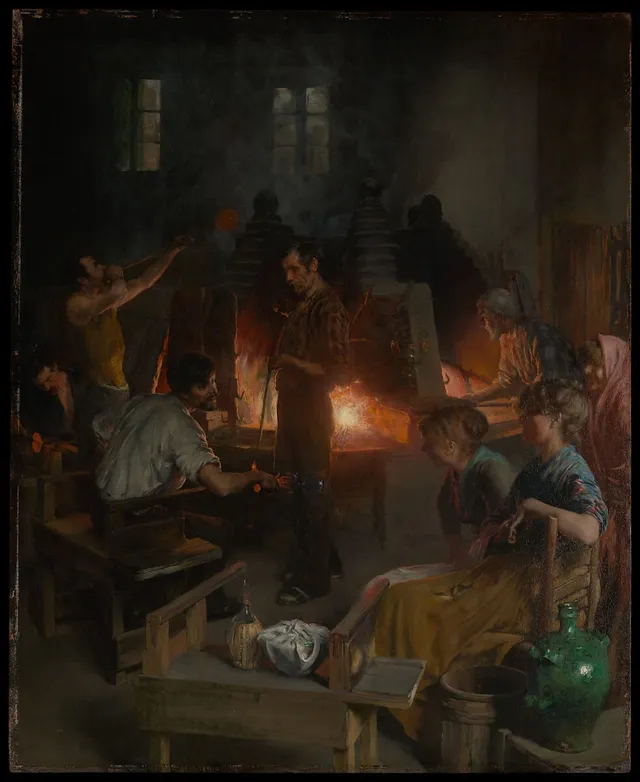
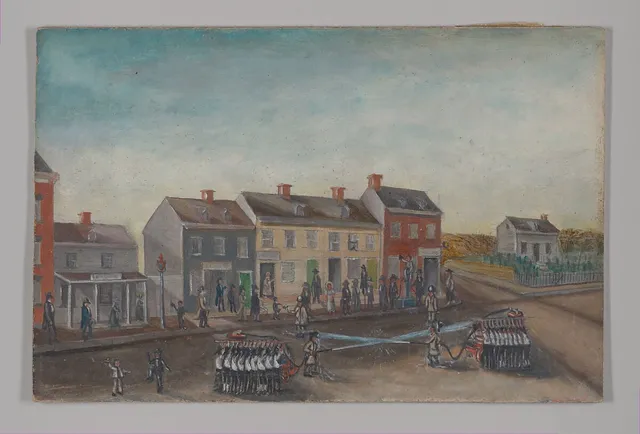
Visually, the genre favors the observed over the ideal: figures bent to their tools, the precise choreography of a task, earthy palettes, and the textures of grain, glass, metal, and cloth. American painters built a distinctive school of this work. William Sidney Mount's Cider Making (1840–41) records the exact steps of pressing hard cider on rural Long Island—a scene whose down-home imagery was knowingly tied to William Henry Harrison's 1840 "log cabin and hard cider" campaign. Charles Frederick Ulrich's Glass Blowers of Murano (1886) honors multigenerational manual craft in a Venetian foundry, while Henry Alexander's In the Laboratory and William P. Chappel's Firemen's Washing Day extend the theme to skilled and civic trades.
This lineage fed directly into the twentieth century. The Ashcan School—Robert Henri, John Sloan, and their circle—insisted on the worthiness of immigrant and working-class life in early-1900s New York, and the Social Realists and Depression-era WPA muralists made the worker a central figure of modern art. Across five centuries the subject has remained a barometer of social conscience, repeatedly asserting that those who labor deserve the attention art once gave only to the powerful.
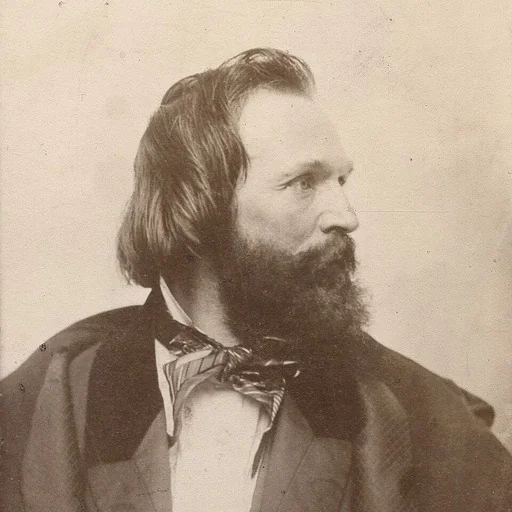
Key artists


Works
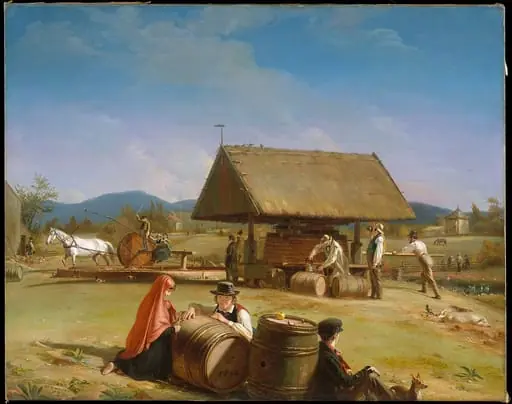 Cider Making
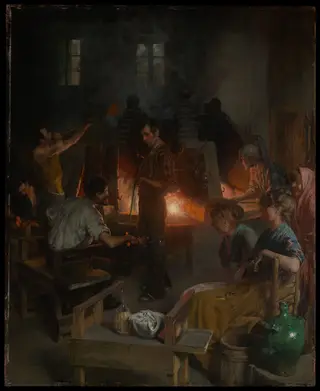 Glass Blowers of Murano
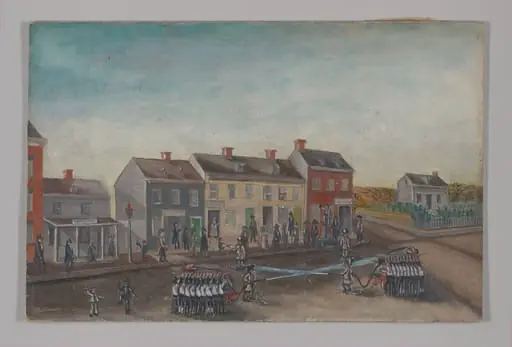 Firemen's Washing Day
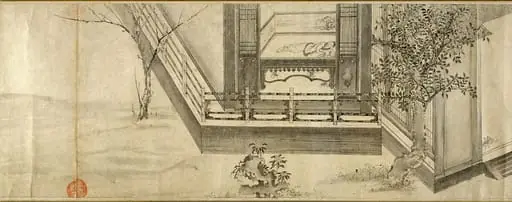 南宋 佚名 傳李公麟 豳風七月圖 卷|Odes of the State of Bin
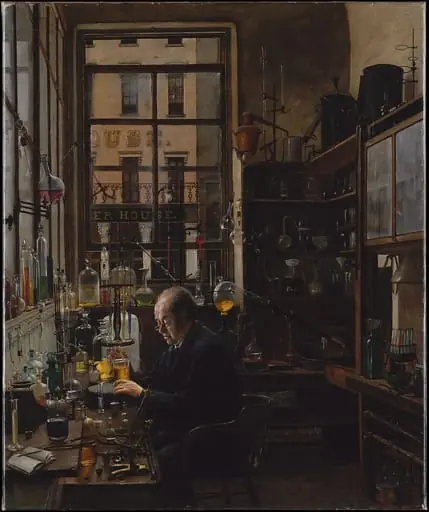 In the Laboratory
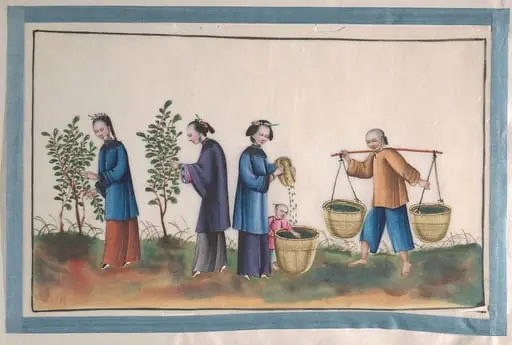 Untitled
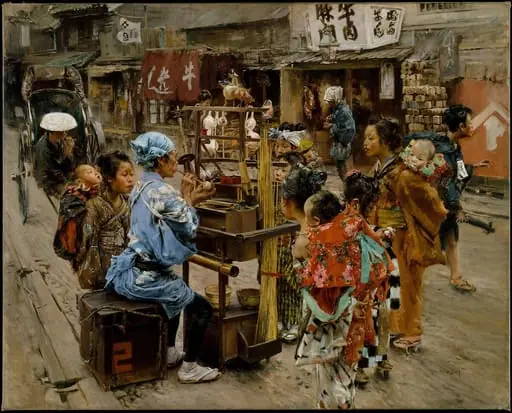 The Ameya
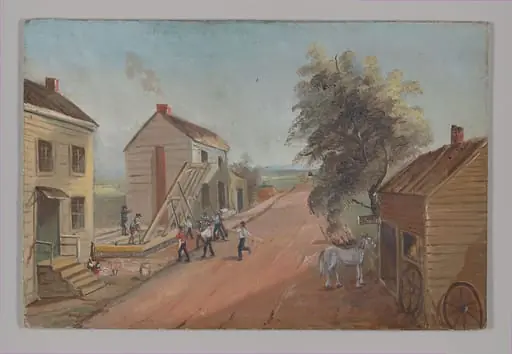 House Raising
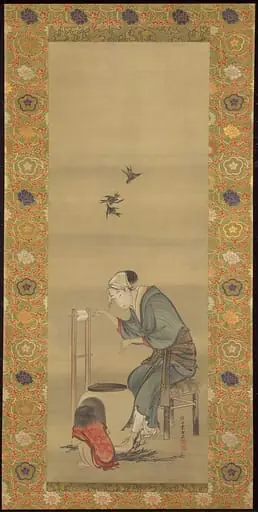 Untitled
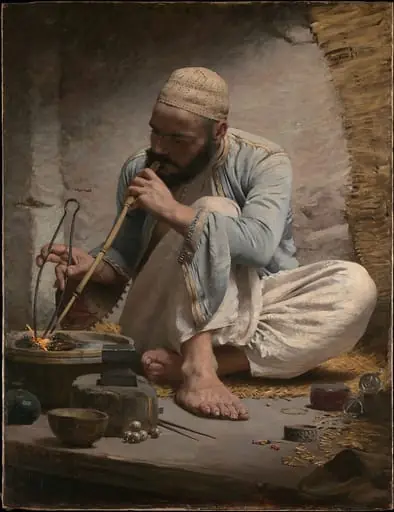 The Arab Jeweler
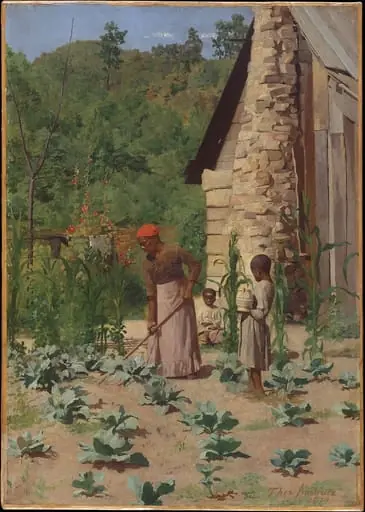 The Way They Live
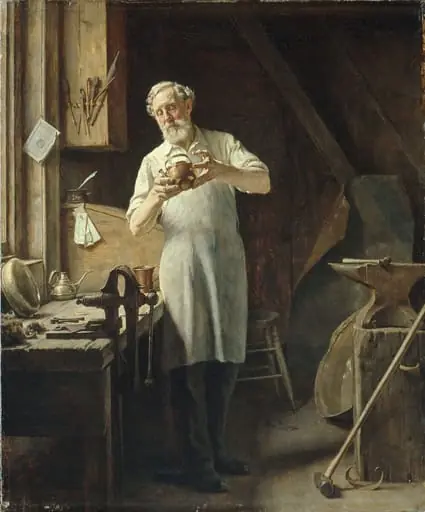 The Coppersmith
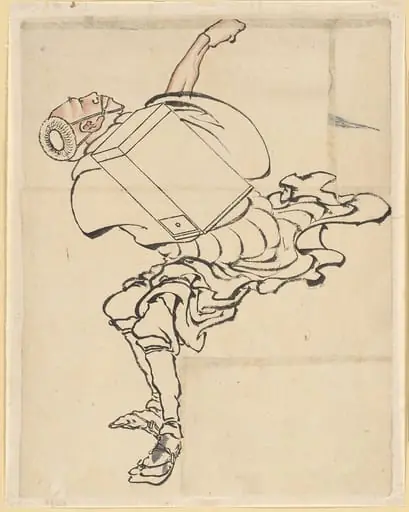 Untitled
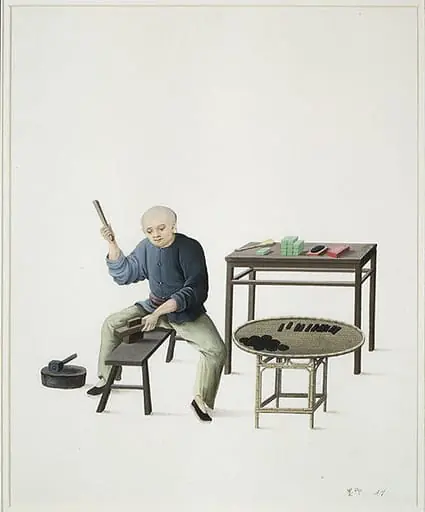 Untitled
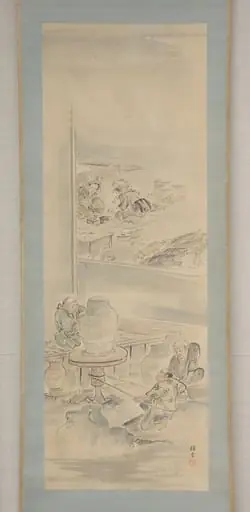 永樂保全筆 「陶造」|Making Ceramics
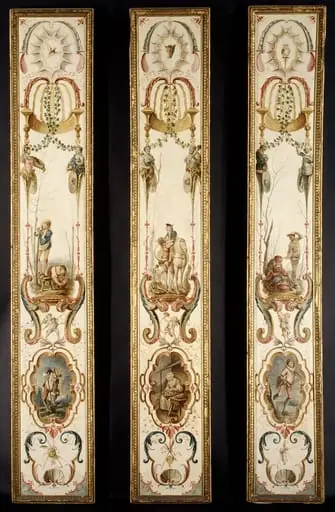 November and December (part of a set illustrating the months of the year)
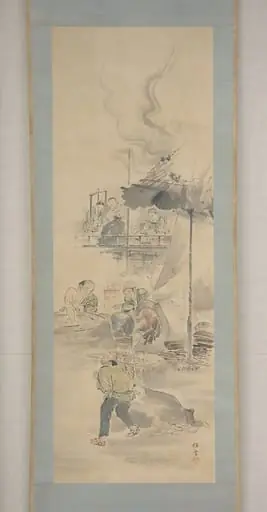 永樂保全筆 「陶造」|Making Ceramics
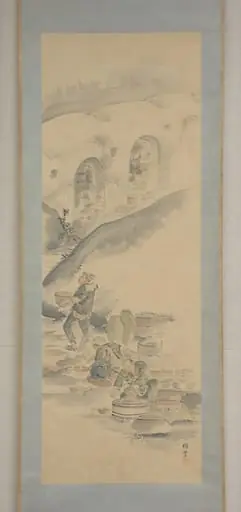 永樂保全筆 「陶造」|Making Ceramics
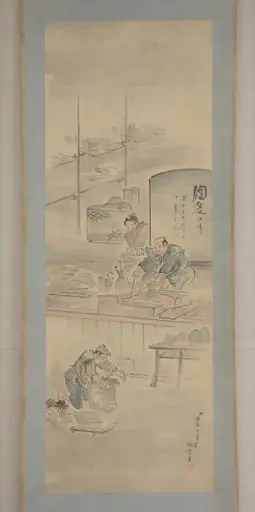 永樂保全筆 「陶造」|Making Ceramics
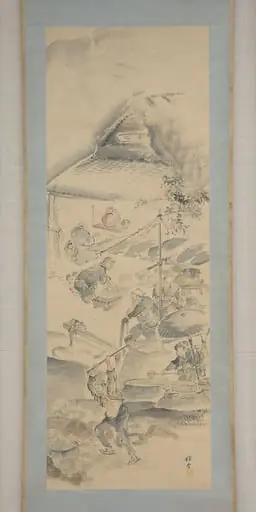 永樂保全筆 「陶造」|Making Ceramics
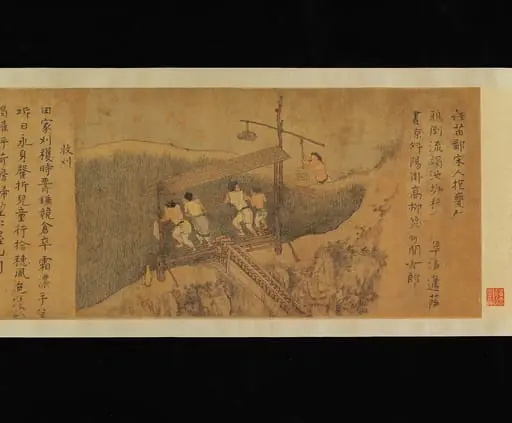 元 忽哥赤 和 佚名 耕稼圖 卷 |Rice Culture, or Sowing and Reaping
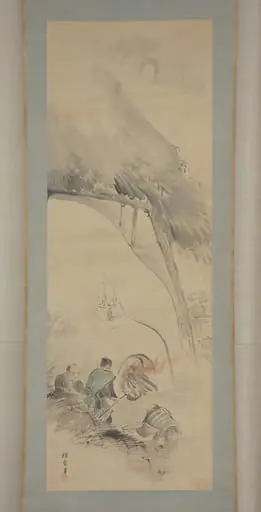 永樂保全筆 「陶造」|Making Ceramics
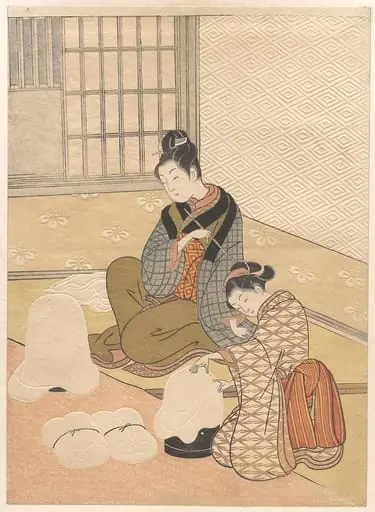 Untitled
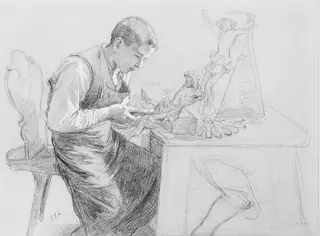 Study of a Boy Carving a Crucifix
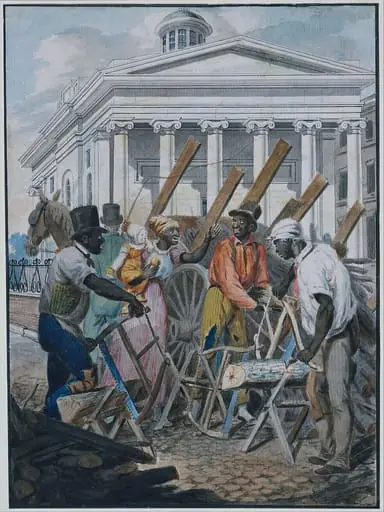 Black Sawyers Working in front of the Bank of Pennsylvania, Philadelphia
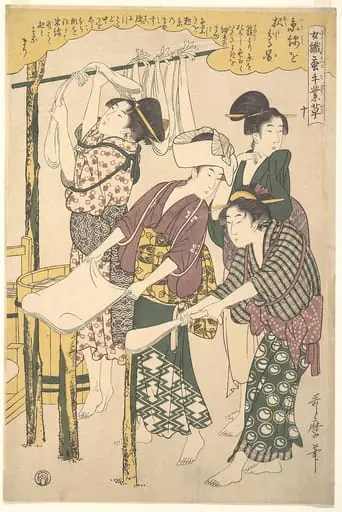 女織蚕手業草 十|The Making of Silk Floss
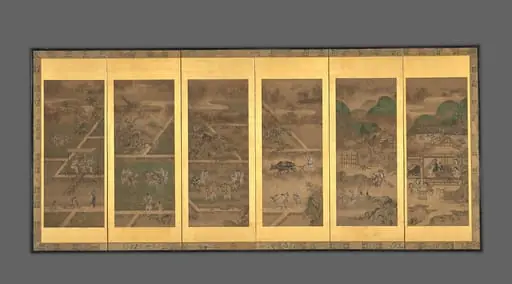 農耕作月次図屏風|Farmers' Lives in the Twelve Months
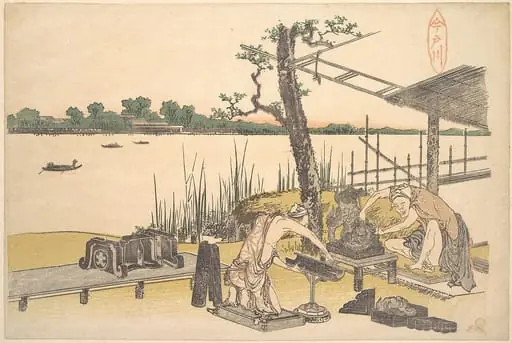 今戸川|Imadogawa
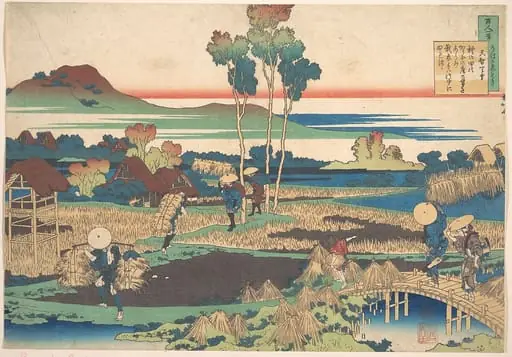 百人一首 うはかゑとき 天智天皇|Poem by Tenchi Tennō, from the series One Hundred Poems Explained by the Nurse (Hyakunin isshu uba ga etoki)
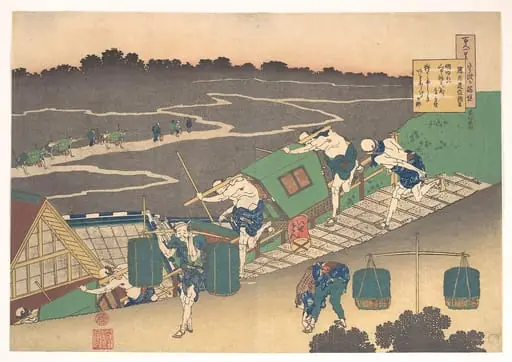 百人一首 宇波か縁説 藤原道信朝臣|Poem by Fujiwara no Michinobu Ason, from the series One Hundred Poems Explained by the Nurse (Hyakunin isshu uba ga etoki)
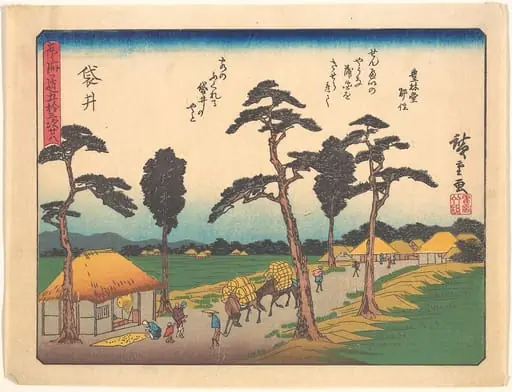 東海道五十三次 袋井|Fukuroi, from the series The Fifty-three Stations of the Tōkaidō Road
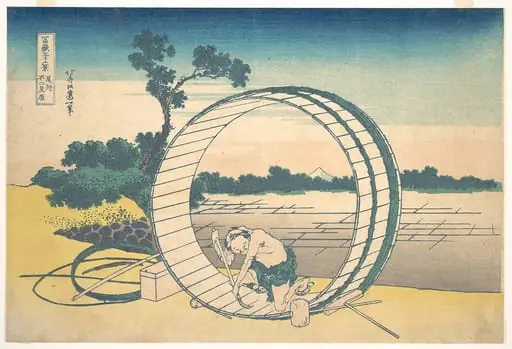 冨嶽三十六景 尾州不二見原|Fujimigahara in Owari Province (Bishū Fujimigahara), from the series Thirty-six Views of Mount Fuji (Fugaku sanjūrokkei)
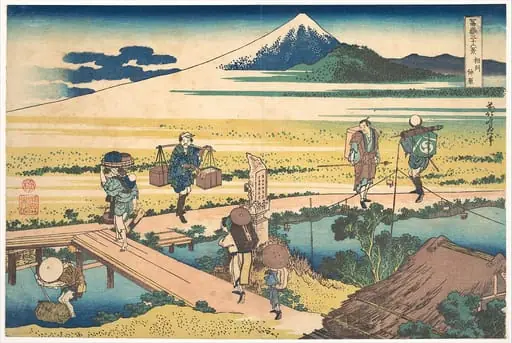 冨嶽三十六景 相州仲原|Nakahara in Sagami Province (Sōshū Nakahara), from the series Thirty-six Views of Mount Fuji (Fugaku sanjūrokkei)
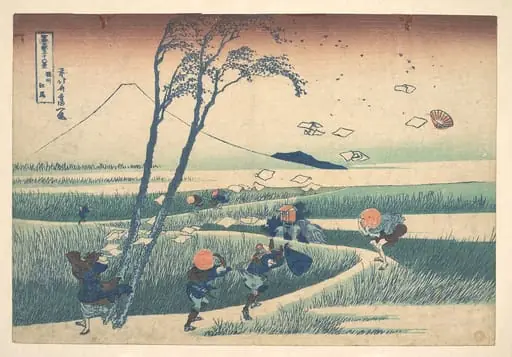 冨嶽三十六景 駿州江尻|Ejiri in Suruga Province (Sunshū Ejiri), from the series Thirty-six Views of Mount Fuji (Fugaku sanjūrokkei)
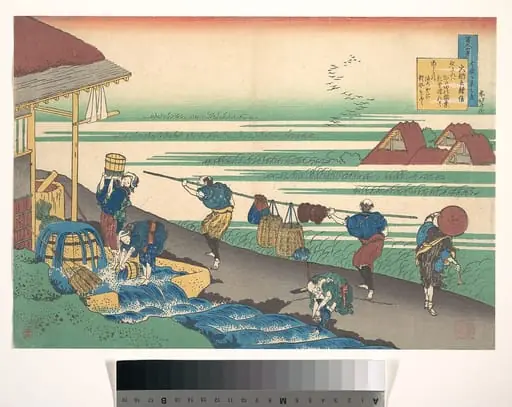 百人一首 うばがゑとき 大納言経信|Poem by Dainagon Tsunenobu (Minamoto no Tsunenobu, Katsura no Dainagon), from the series One Hundred Poems Explained by the Nurse (Hyakunin isshu uba ga etoki)
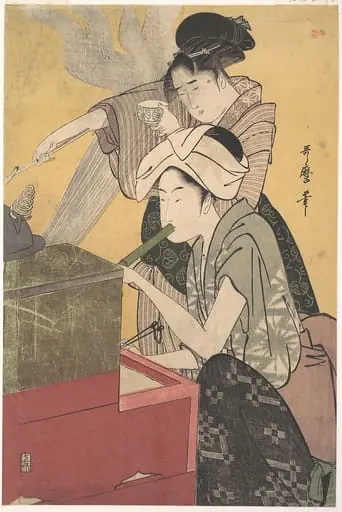 Untitled
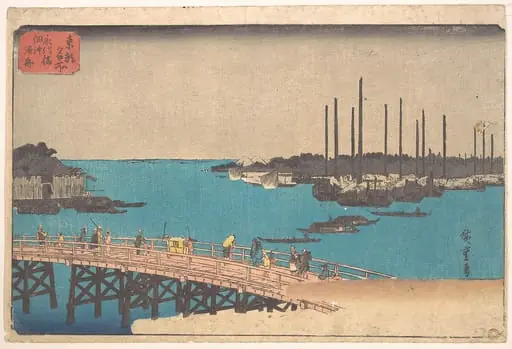 東都名所 永代橋佃沖漁舟|Eitai Bashi Tsukudajima Ryosen
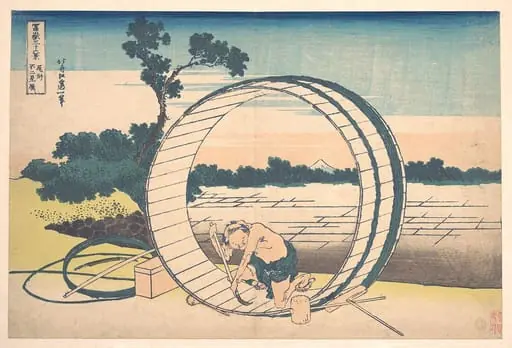 冨嶽三十六景 尾州不二見原|Fujimigahara in Owari Province (Bishū Fujimigahara), from the series Thirty-six Views of Mount Fuji (Fugaku sanjūrokkei)
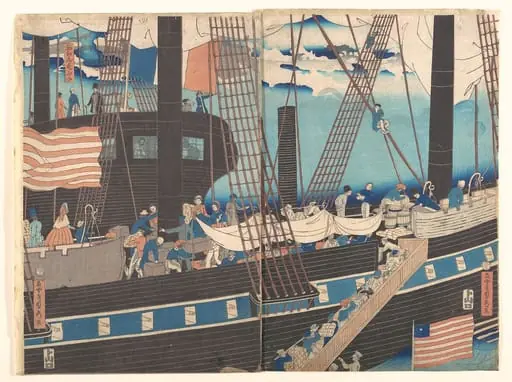 「横浜交易西洋人荷物運送之圖」|“Yokohama Trade: Westerners Loading Cargo”
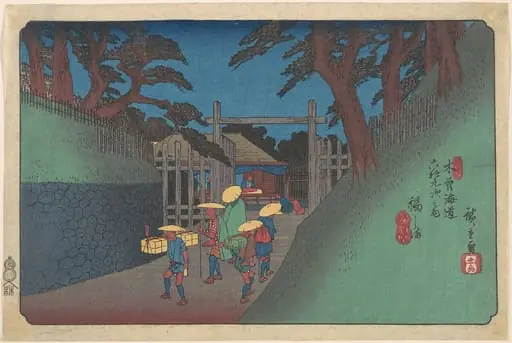 木曽海道六拾九次之内 福しま|Fukushima Station
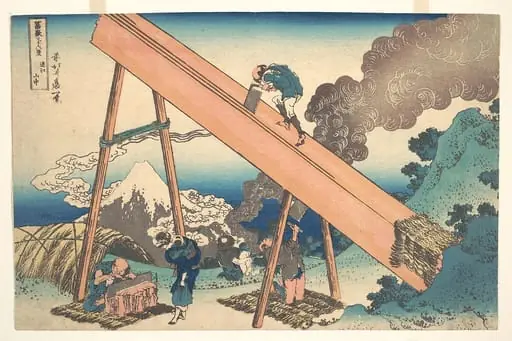 冨嶽三十六景 遠江山中|In the Mountains of Tōtomi Province (Tōtomi sanchū), from the series Thirty-six Views of Mount Fuji (Fugaku sanjūrokkei)
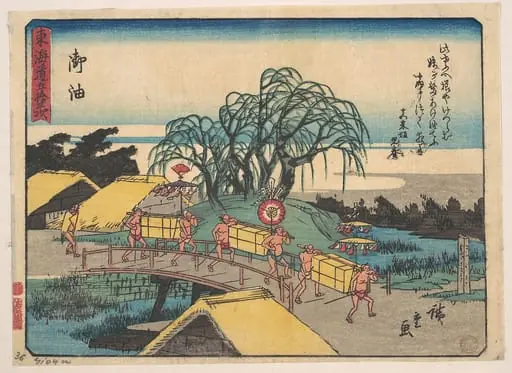 東海道五十三次 御油|Goyu
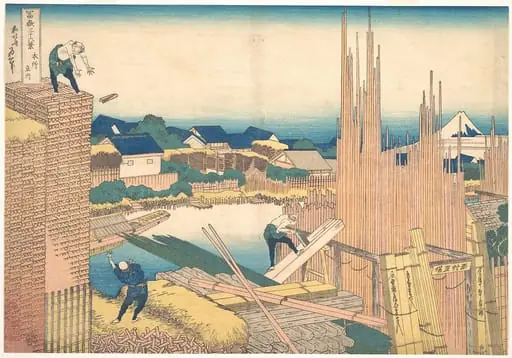 冨嶽三十六景 本所立川|Tatekawa in Honjō (Honjō Tatekawa), from the series Thirty-six Views of Mount Fuji (Fugaku sanjūrokkei)
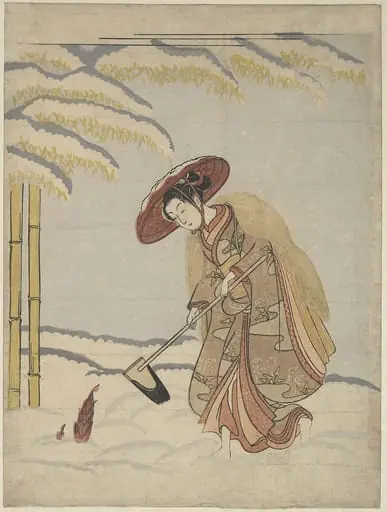 鈴木春信画 雪中に筍を掘る女 見立孟宗|Woman Digging Bamboo Shoots in the Snow, or Parody of Meng Zong (Mōsō), from Twenty-Four Paragons of Filial Piety
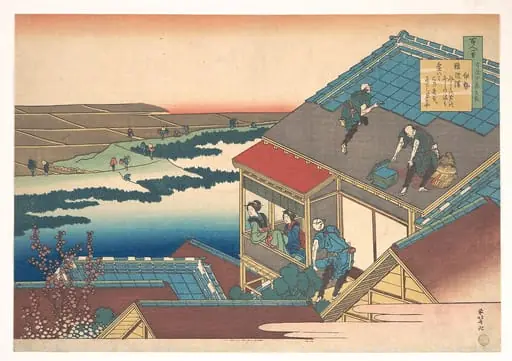 百人一首 うばがゑとき 伊勢|Poem by Ise, from the series One Hundred Poems Explained by the Nurse (Hyakunin isshu uba ga etoki)
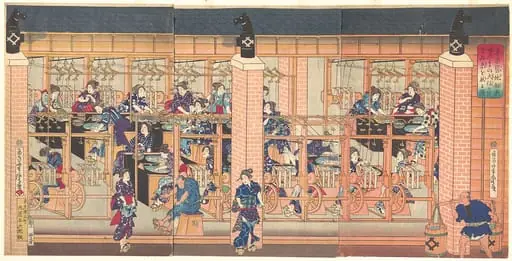 『東京築地舶来ぜんま い大仕かけきぬ糸をとる図』|Imported Silk Reeling Machine at Tsukiji in Tokyo
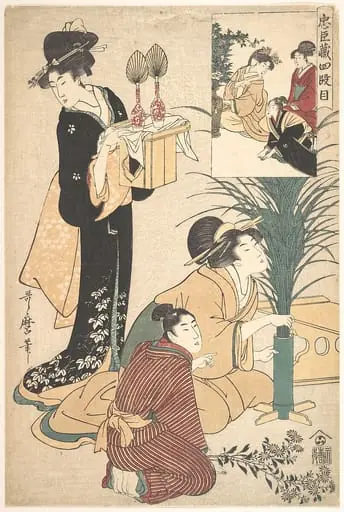 忠臣蔵四段目|A Woman and a Man Arranging Flowers for the Tsukimi (Moon Festival)
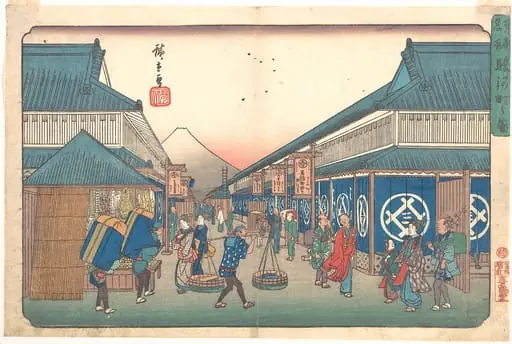 東都名所 駿河町の図|Suruga Street
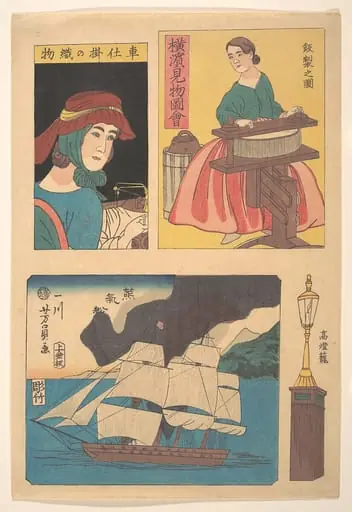 Yokohama kenbutsu zue|Picture of Sights in Yokohama: Woman with a Ringer, Lamp Post, a Steamboat at Full Sail and a Woman with a Sewing Machine
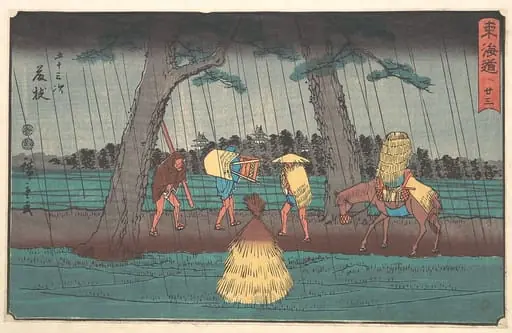 東海道五十三次 藤枝|Fujieda
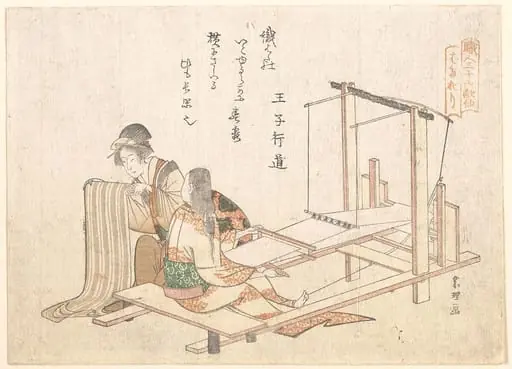 Hata-ori|職人三十六歌仙|The Weaving Factory
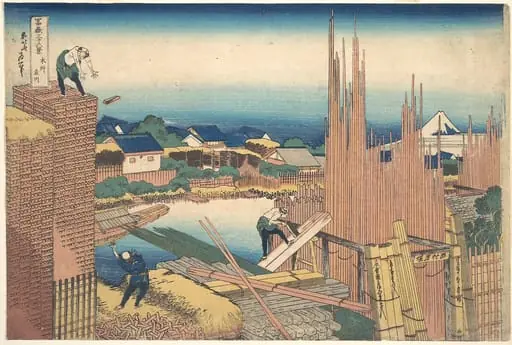 冨嶽三十六景 本所立川|Tatekawa in Honjō (Honjō Tatekawa), from the series Thirty-six Views of Mount Fuji (Fugaku sanjūrokkei)
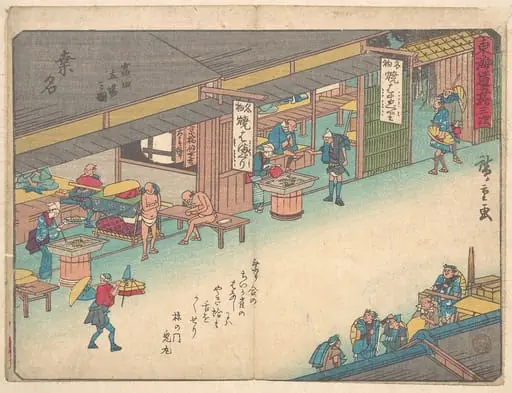 東海道五十三次 桑名|Kuwana
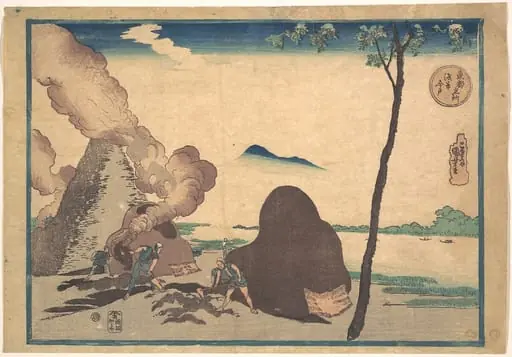 Untitled
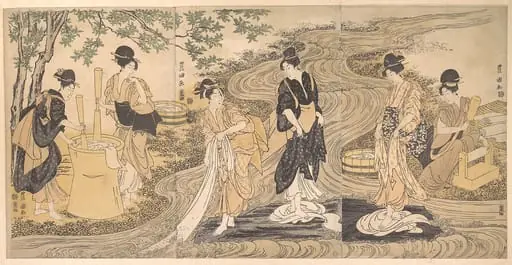 Untitled
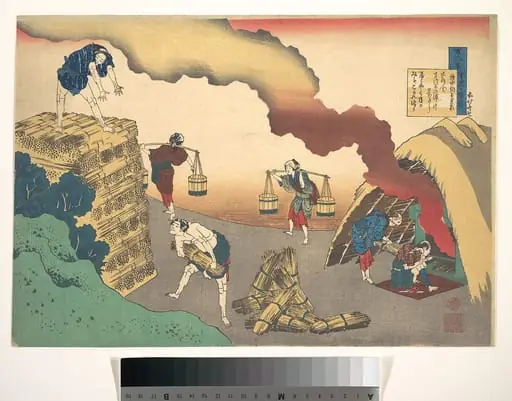 百人一首 宇波か縁説 権中納言定家|Poem by Gon-Chūnagon Sadaie, from the series One Hundred Poems Explained by the Nurse (Hyakunin isshu uba ga etoki)
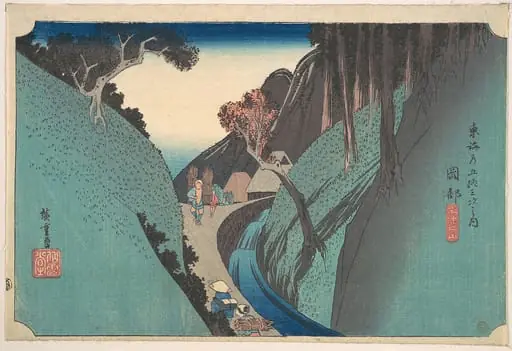 東海道五十三次之内 岡部 宇津の山|Okabe; Utsu no Yama
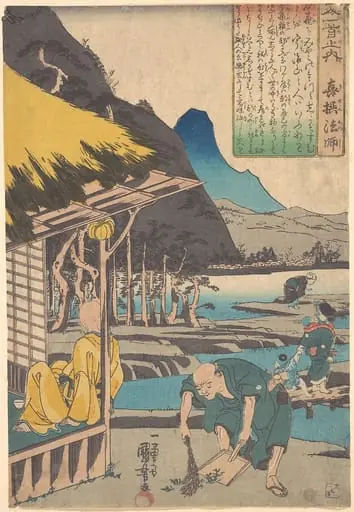 Untitled
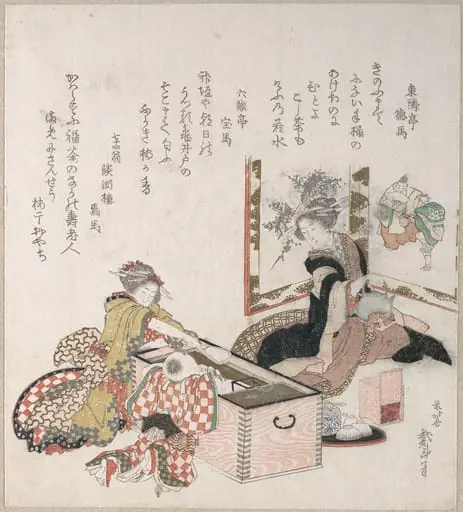 Untitled
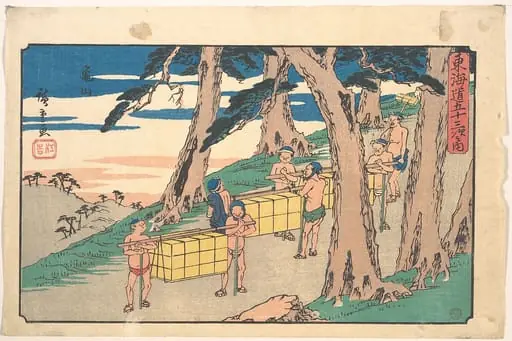 東海道五十三次之内 亀山|Kameyama
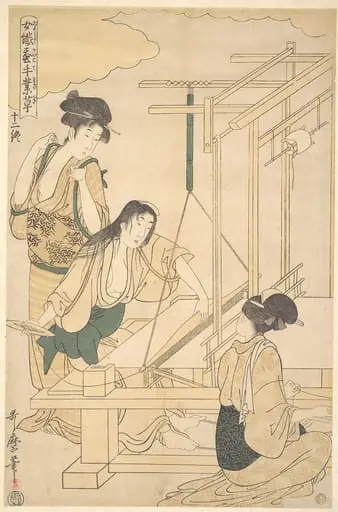 女織蚕手業草 十二終|Women Weaving Silk Cloth
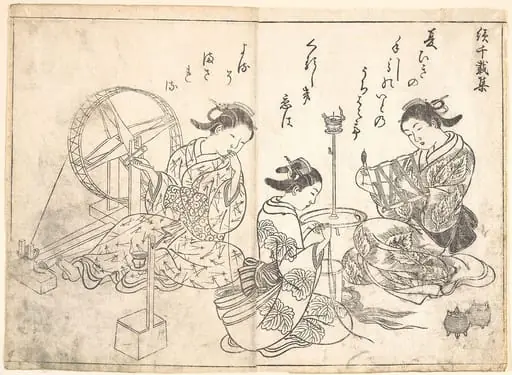 Untitled
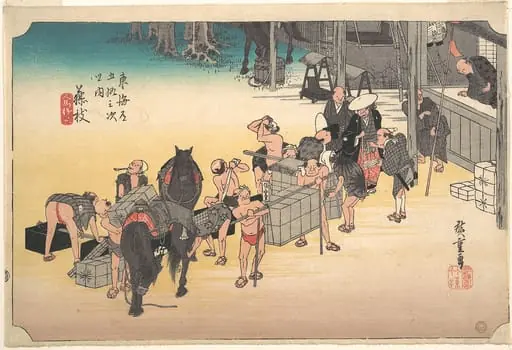 東海道五十三次之内 藤枝 人馬継立|Fujieda; Hito Uma Keitatsu
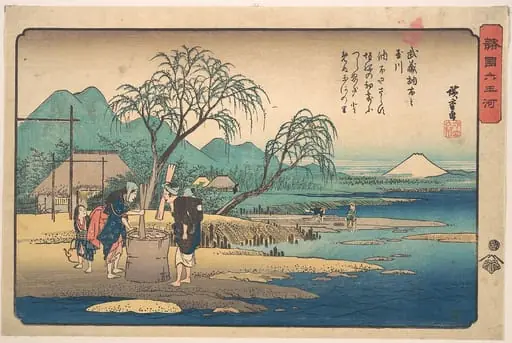 諸国六玉河 武蔵 調布の玉川|Musashi: Chōfu no Tamagawa
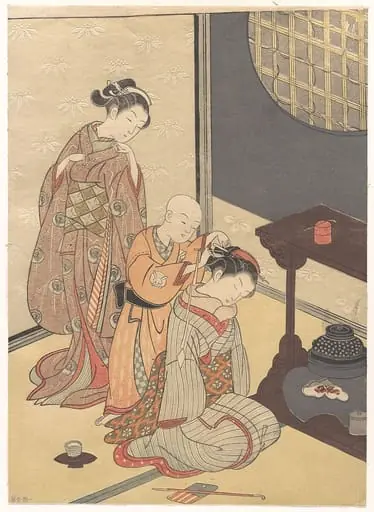 Untitled
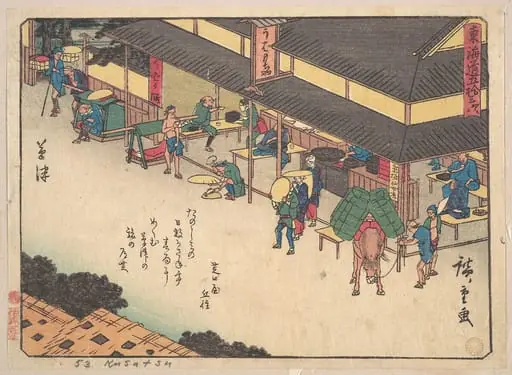 東海道五十三次 草津|Kusatsu
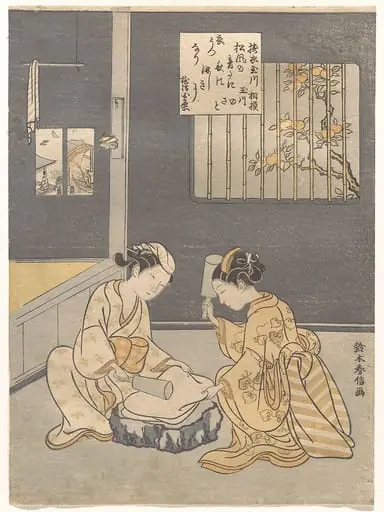 鈴木春信画 六玉川 「壔衣の玉川 摂津の名所」|Kōromō Uchi Tamagawa|The Cloth-Fulling Jewel River, a Famous Place in Settsu Province (Tōi no Tamagawa, Settsu no meisho), from an untitled series of Six Jewel Rivers (Mu Tamagawa)
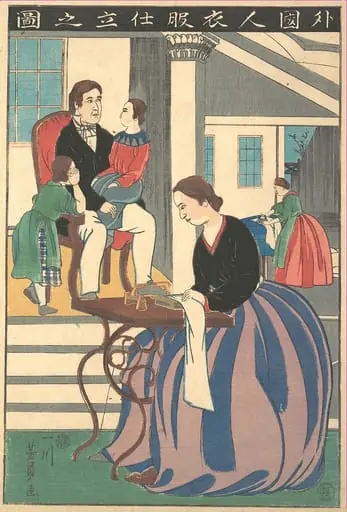 Gaikokujin ifuku shitate no zu|Picture of a Foreigner Making Clothes
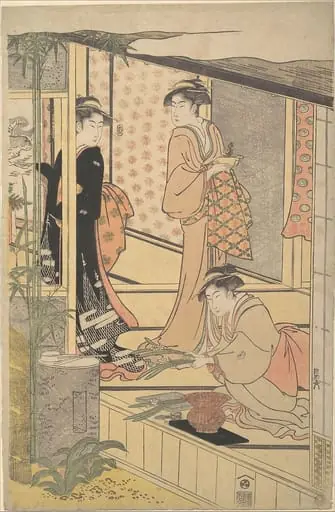 細田栄之画 正月準備|Preparing New Year Decorations
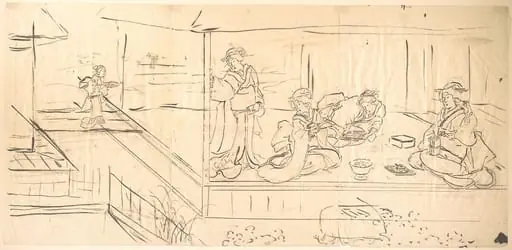 Untitled
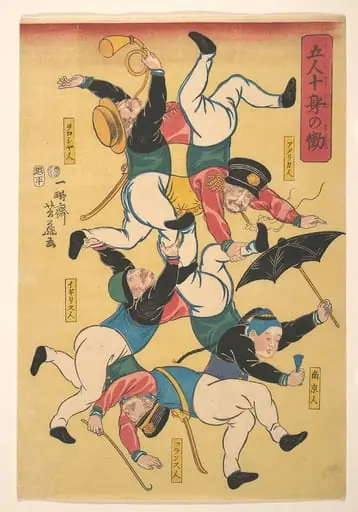 Gojin jūshin no hataraku|Five People Working Like Ten
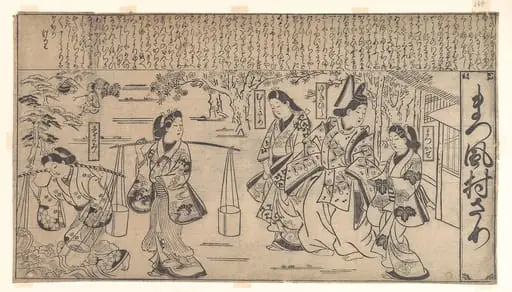 Untitled
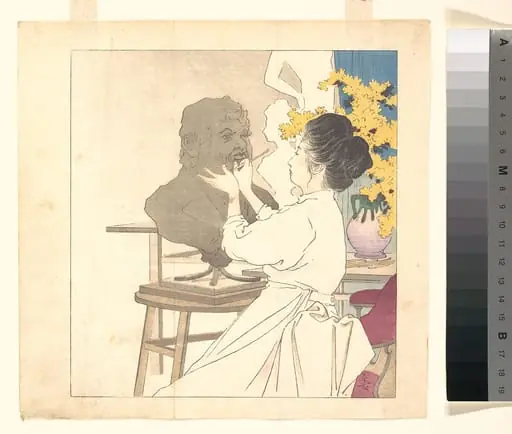 Untitled
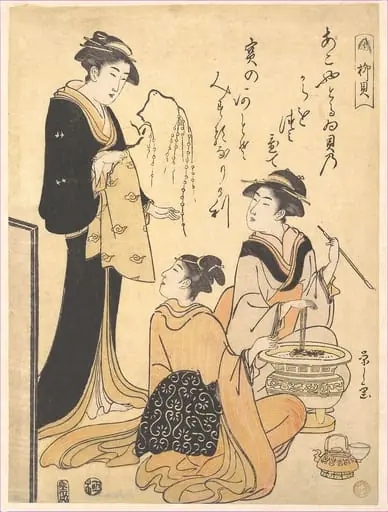 鳥文斎栄之画 「柳貝」|The Willow Shell (Yanagi-kai), from an Untitled Set of Beauty Prints on the Theme of Shells
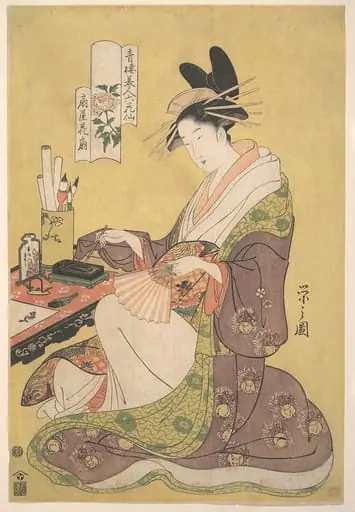 「青楼美人六花仙 扇屋花扇」|The Courtesan Hanaōgi of the Ōgiya Brothel (Ōgiya Hanaōgi), from the series Beauties of the Pleasure Quarters as Six Floral Immortals (Seirō bijin rokkasen)
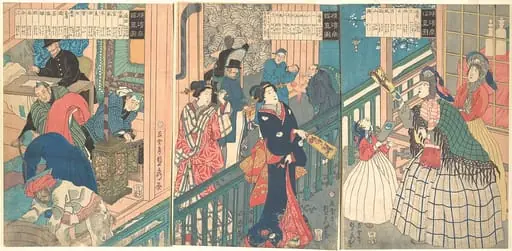 歌川(五雲亭)貞秀画 「横濱商館真圖」|A True View of a Trading House of a Yokohama Merchant
Frequently asked questions
What is Working?
Working is a subject in art. family name
How many Working works does Artifact World Gallery have?
Artifact World Gallery holds 76 public-domain Working works, all free to view and download.
Who are the key Working artists?
Key Working artists in the collection include William Sidney Mount, William P. Chappel and Robert Frederick Blum.
Where can I see Working works?
Working works in the collection are held by Metropolitan Museum of Art.