Artwork
An Allegory of Virtue (unfinished)
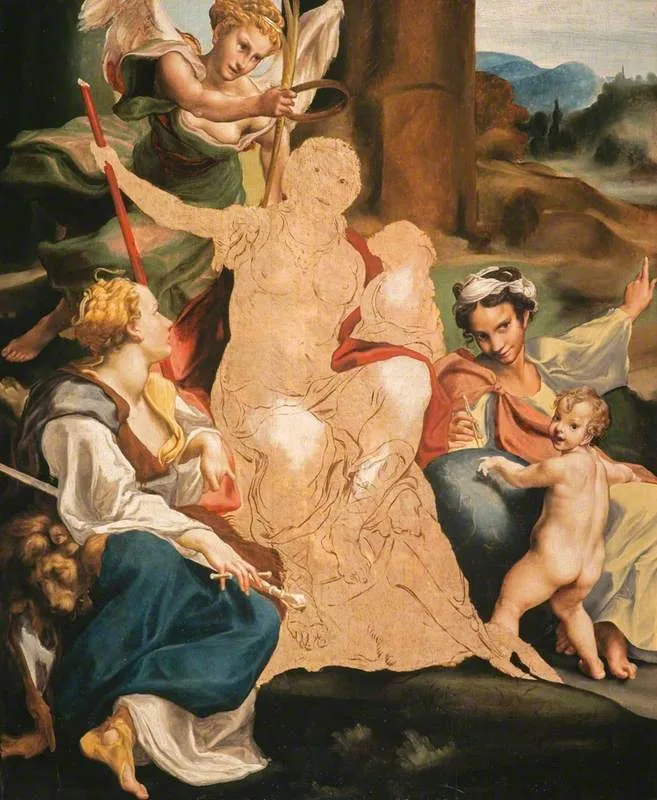
An Allegory of Virtue (unfinished) is an oil painting by the Early Baroque Italian artist Antonio da Correggio. It is held in the collection of the National Galleries Scotland.
About this work
Overview
Areas of the canvas remain in underdrawing or blocked-in color, revealing the artist’s working process and leaving the narrative deliberately ambiguous.
An Allegory of Virtue is an unfinished oil painting attributed to Antonio da Correggio, dated around 1530, not 1555 as sometimes misstated. It resides in the Scottish National Gallery in Edinburgh. The work presents a mythological scene in a naturalistic landscape, with figures rendered in varying stages of completion.
Areas of the canvas remain in underdrawing or blocked-in color, revealing the artist’s working process and leaving the narrative deliberately ambiguous.
Subject & Meaning
The central figure is a female form, likely representing Virtue, surrounded by attendant women and children who may symbolize related virtues or celestial qualities. The composition suggests a celestial or moral ascent, though the absence of clear iconographic markers leaves interpretation open. The grouping implies a transition from earthly to divine realms, with the landscape serving as a symbolic backdrop rather than a literal setting.
Technique & Style
Correggio employs soft modeling and fluid brushwork to suggest volume and motion, even in unfinished passages. Chiaroscuro is used subtly to define forms and guide the viewer’s gaze across the canvas. The handling of light and shadow, combined with loose, expressive strokes in uncompleted areas, reveals his interest in atmospheric depth and dynamic composition over rigid finish.
History & Provenance
The painting entered the Scottish National Gallery’s collection in the 19th century, having passed through private European collections since its creation. Its incomplete state suggests it was abandoned, possibly due to the artist’s death or shifting commissions. No definitive records exist of its original purpose or patron, though its style aligns with Correggio’s later mythological works from the 1520s–30s.
Context
Created during the High Renaissance, the painting reflects Correggio’s engagement with classical themes and humanist ideals, common among Italian artists of the period. Unlike more formal allegories, this work embraces a lyrical, almost intimate tone, blending myth with naturalism. Its unfinished condition offers insight into Renaissance studio practices, where preparatory stages were sometimes preserved as works in their own right.
Legacy
Though never completed, the painting is valued for its expressive energy and the transparency it offers into Correggio’s creative process. It influenced later artists interested in the emotional potential of unfinished forms. Its preservation in a major public collection underscores its role as a document of artistic practice, not merely a finished statement.
Artist & collection
Artist
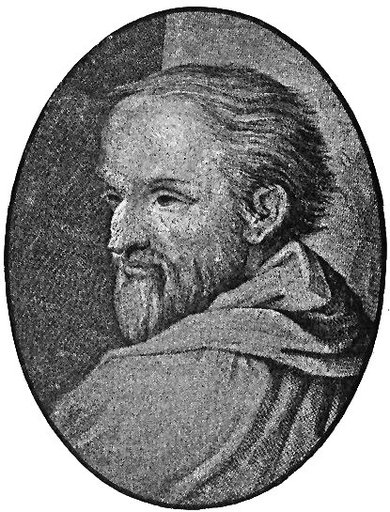
Antonio Allegri da Correggio, usually known as just Correggio, was an Italian Renaissance painter who was the foremost painter of the Parma school of the High Renaissance, who was responsible for some of the most…

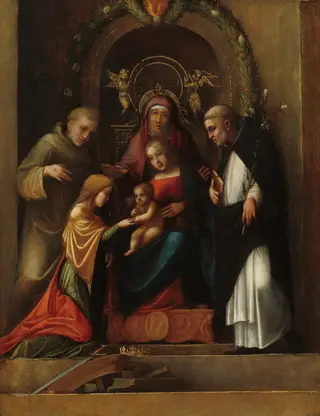
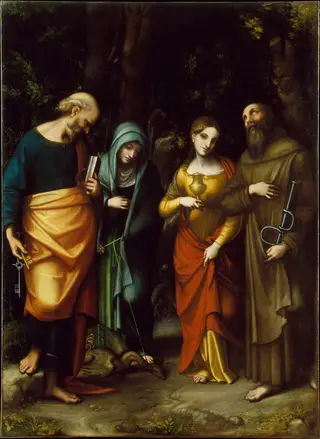
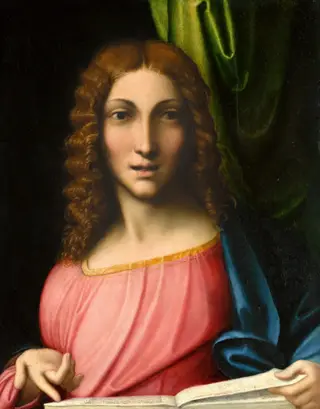
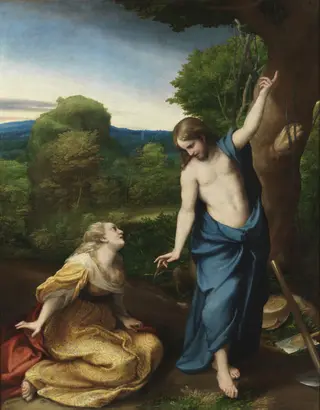
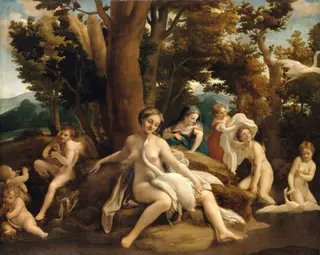
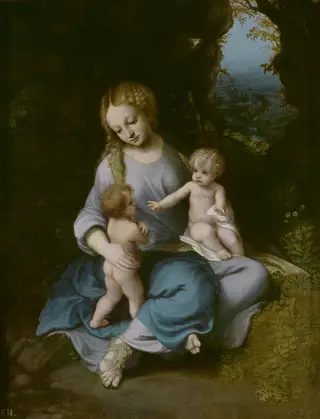
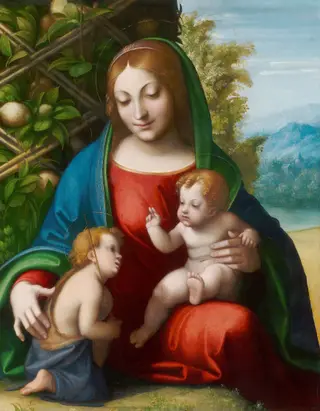
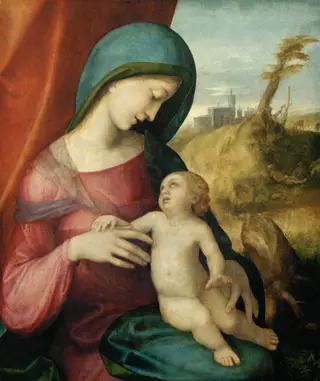
- The Mystic Marriage of Saint Catherine
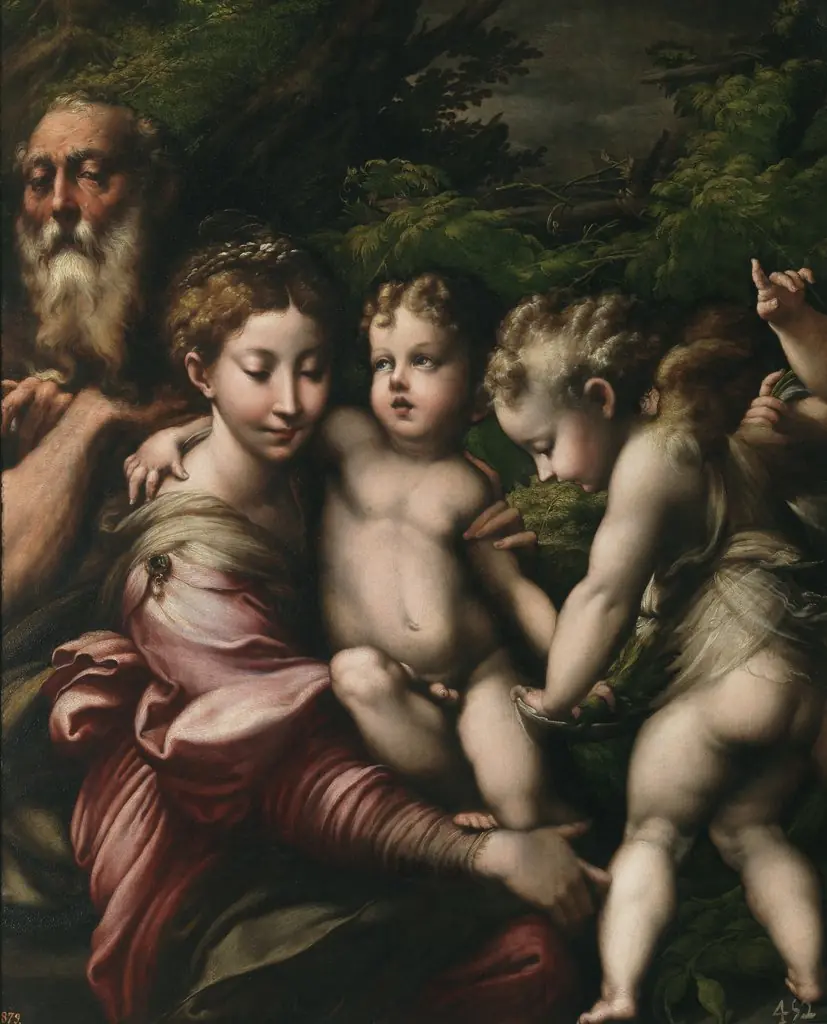 The Holy Family with Angels
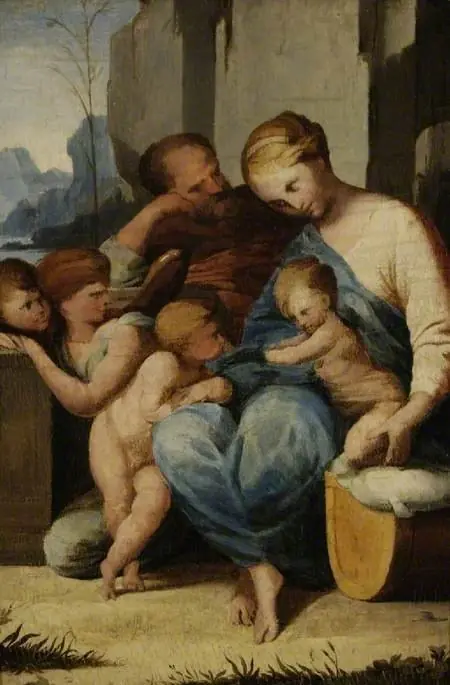 The Holy Family with the infant St John the Baptist and angels
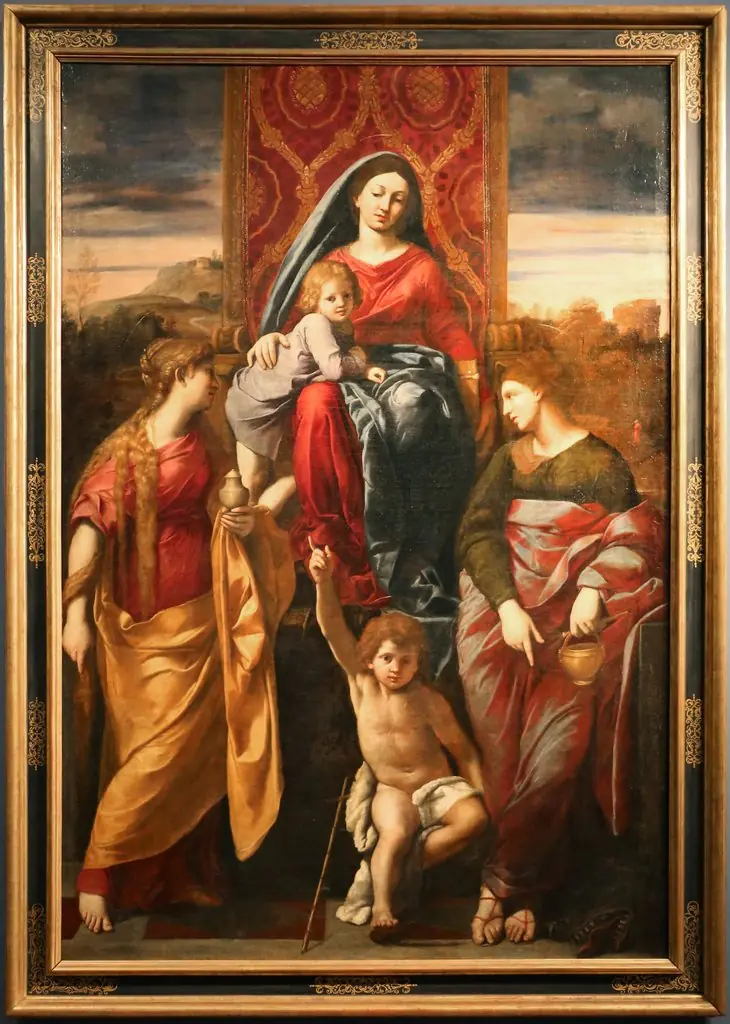 Thronende Maria mit dem Kind und den Heiligen Martha, Magdalena und Johannes dem Täufer
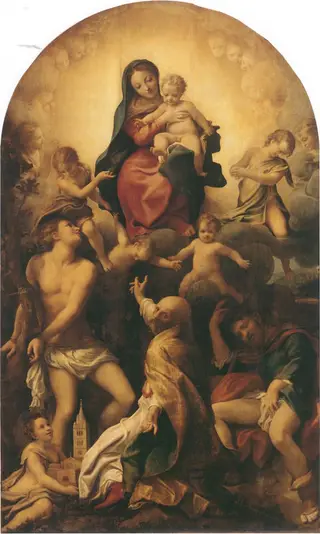 Madonna of Saint Sebastian
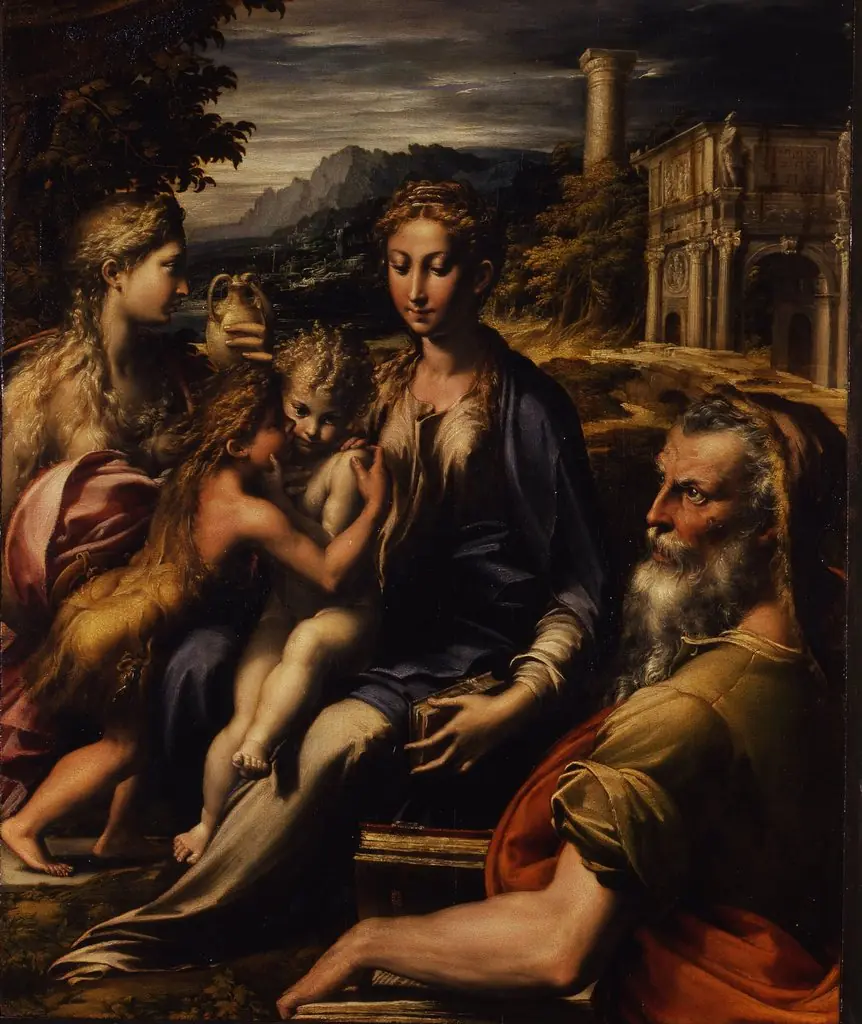 Madonna and Child with Saints
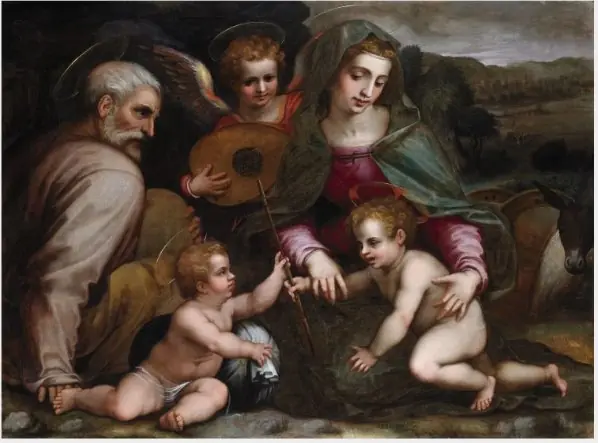 The Holy Family
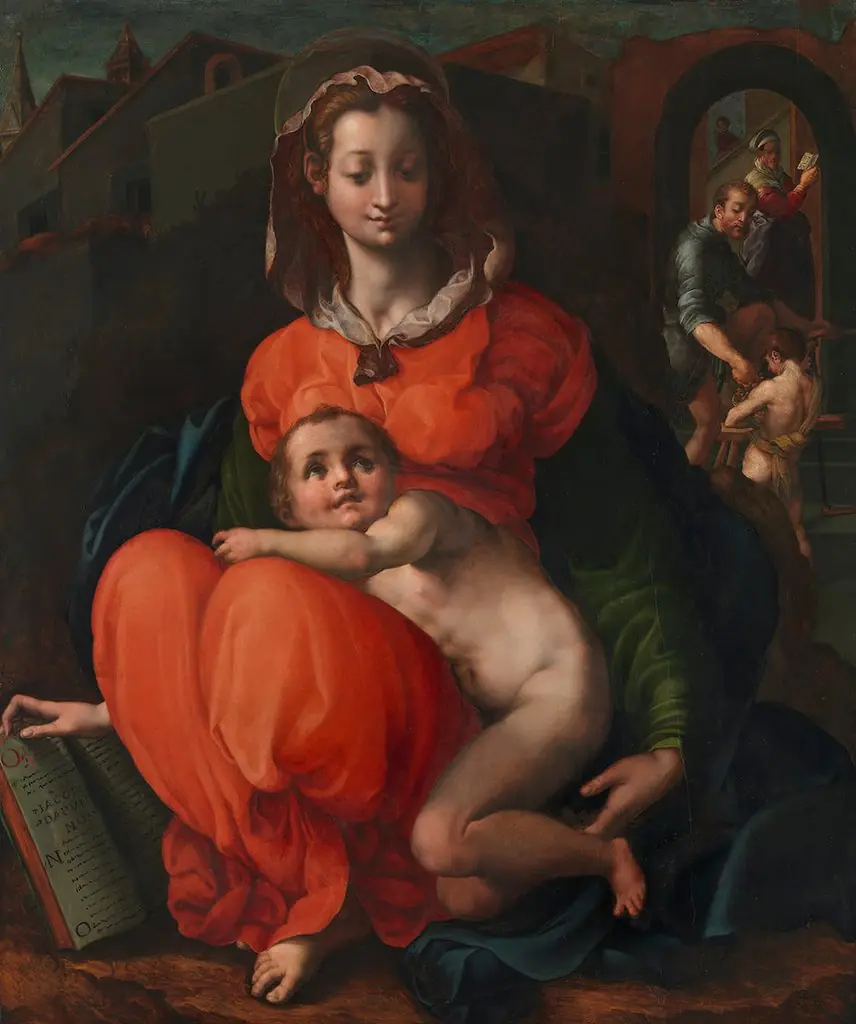 Maria mit dem Kinde (Werkstatt)
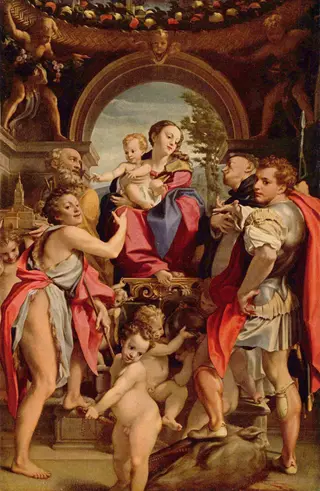 Madonna of Saint George
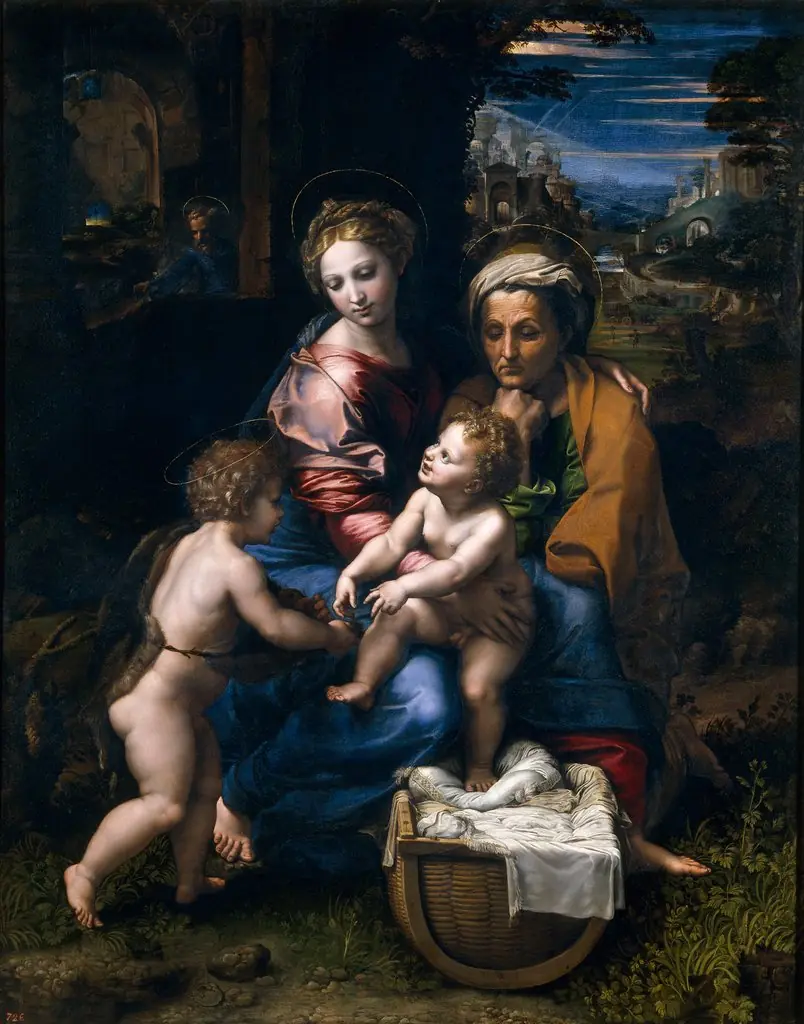 The Holy Family
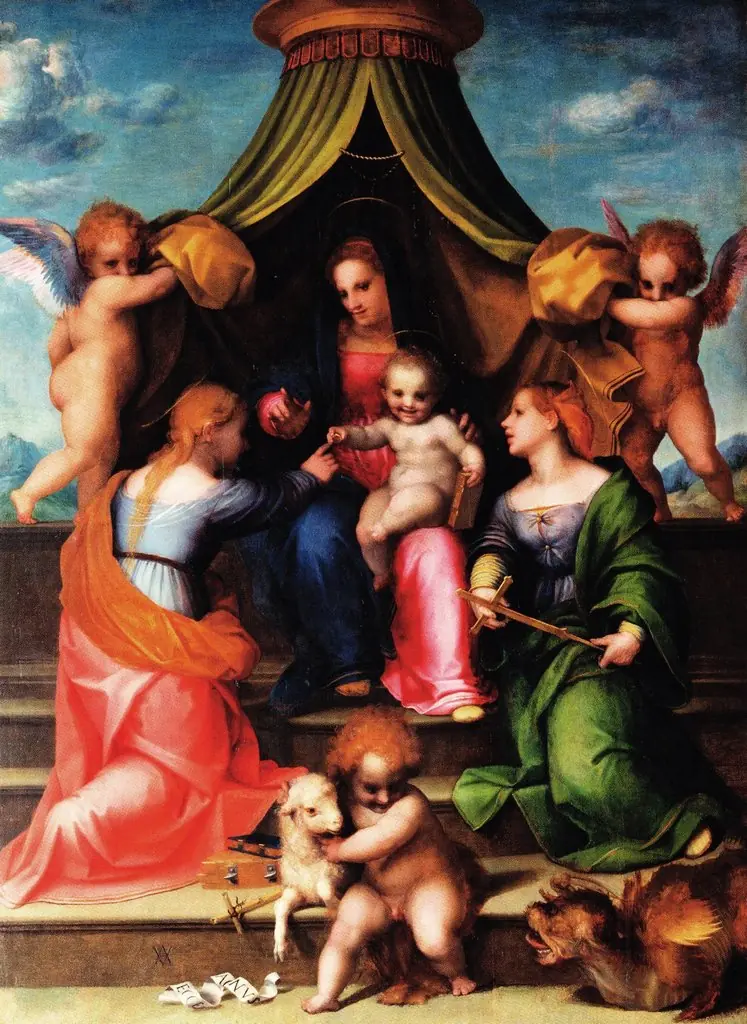 The Mystical Marriage of Saint Catherine
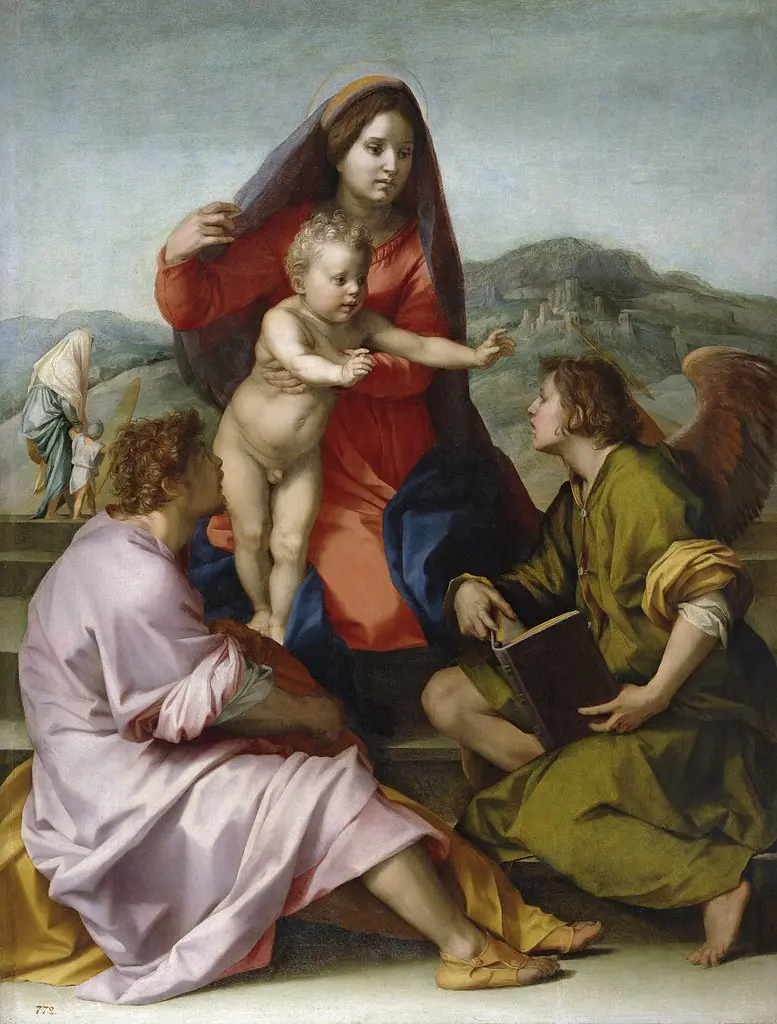 Virgin of the Stairs