Artist
Subject
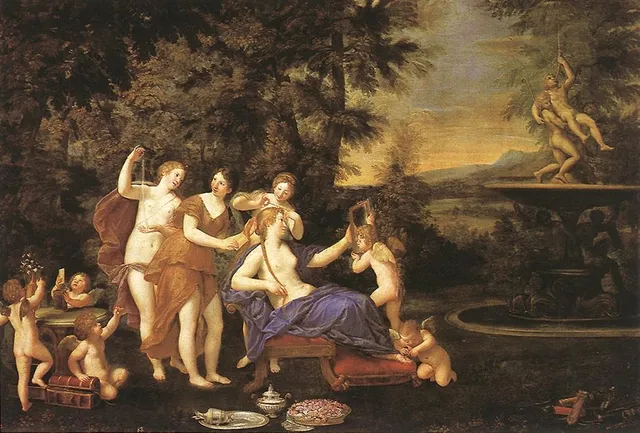
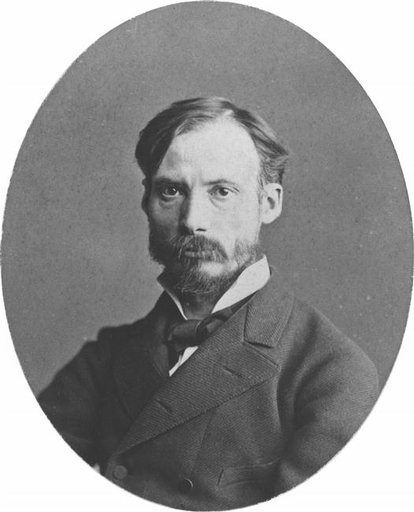
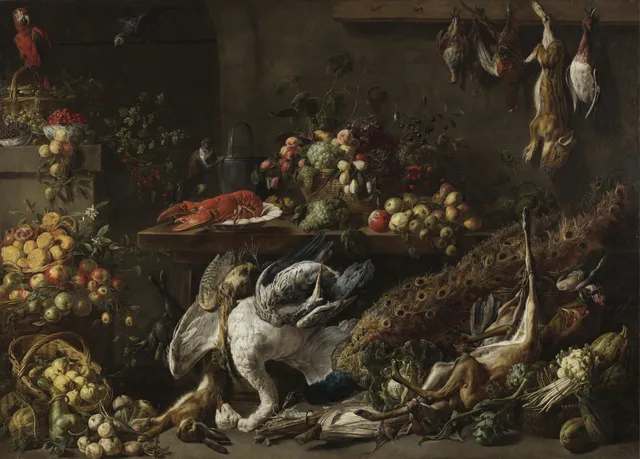
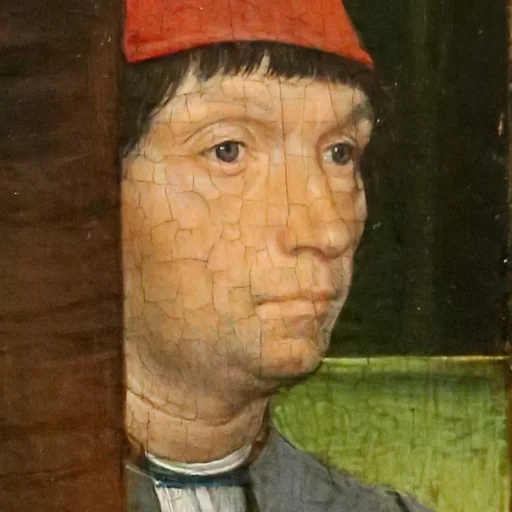
Container is a subject in art. The gallery holds 27 works in this subject in art, including works by Pierre-Auguste Renoir, Hans Memling and David Teniers the Younger.
A container is any receptacle or enclosure for holding an item. Things kept inside a container are protected on several sides by being inside its structure.
Artist
A container is any receptacle or enclosure for holding an item, creating a partially or fully enclosed space that protects contents on several sides by virtue of its structure. In art, the container appears as a recurrent motif across genres and periods, functioning variously as a utilitarian object, a symbolic vessel, or a formal compositional element. The collection in question holds 27 works that depict containers, spanning religious narratives, mythological scenes, genre paintings, still lifes, and allegorical compositions. These range from Teasing a Sleeping Girl and The toilet of Venus to The Triumph of Bacchus and Emblem of Death, demonstrating the motif's extraordinary flexibility. The container's persistence in visual art reflects its fundamental role in human experience, humans having used containers for at least 100,000 years for storage, packaging, and transportation.
The treatment of containers in art evolved in parallel with technological and cultural developments. Early containers in art, like their real-world counterparts, were fashioned from natural materials such as hollow gourds, woven baskets, carved wood, and pottery. The Phoenicians produced early glass bottles by the first millennium BC, later adopted and refined by the Romans, who created fine glass vessels that appeared in domestic and funereal contexts. The standardization of retail containers by the eighteenth century, followed by the industrial innovation of tin canning in 1812 by Donkin and Hall, introduced new metallic forms into the visual repertoire. The development of standardized steel shipping containers in the 1950s and computer-aided design toward the end of the twentieth century further expanded the formal possibilities. In art historical terms, containers shift from symbolic or narrative functions in early modern painting to increasingly autonomous subjects in still-life traditions, and eventually to conceptual treatments in contemporary practice.
Among the 27 works in the collection, several notable depictions exemplify the container's artistic range. The Adoration of the Magi Triptych and Rest during the Flight to Egypt place containers within sacred narrative frameworks. The Triumph of Bacchus exploits the vessel's association with wine and ritual celebration. The toilet of Venus and Teasing a Sleeping Girl deploy containers within intimate, often eroticized domestic spaces. A Larder and Still-Life of Glass, Pottery, and Sweets demonstrate the container's centrality to the still-life tradition, where the French term 'récipient' and its relatives underscore the vessel's receptacle function. The Emblem of Death transforms the container into memento mori. Old Woman by a Fireplace and Bridge over the Madrid Canal show containers integrated into scenes of daily life and urban infrastructure respectively. While specific artists are not identified in the available sources, the breadth of these examples confirms the container's status as a canonical motif across Western art.
The container's legacy in art extends from its prehistoric necessity to its contemporary conceptualization. As humans developed containers for food preservation, a behavior deemed 'totally innovative' and 'of immense importance to the evolving human populations,' these objects became inscribed with cultural meaning. The terminology of containers, whether German 'Behälter,' French 'récipient,' or Italian 'contenitore,' preserves this functional core while allowing for regional and material variation. In modern and contemporary art, the container has inspired investigations of inside versus outside, containment and liberation, and the body as vessel. The standardized shipping container, developed in the 1950s, has become an icon of global trade and, in artistic hands, a module for architectural and sculptural experimentation. The collection's 27 works, spanning from devotional triptychs to still lifes and allegories, testify to the enduring capacity of this humble motif to generate meaning across millennia of image-making.
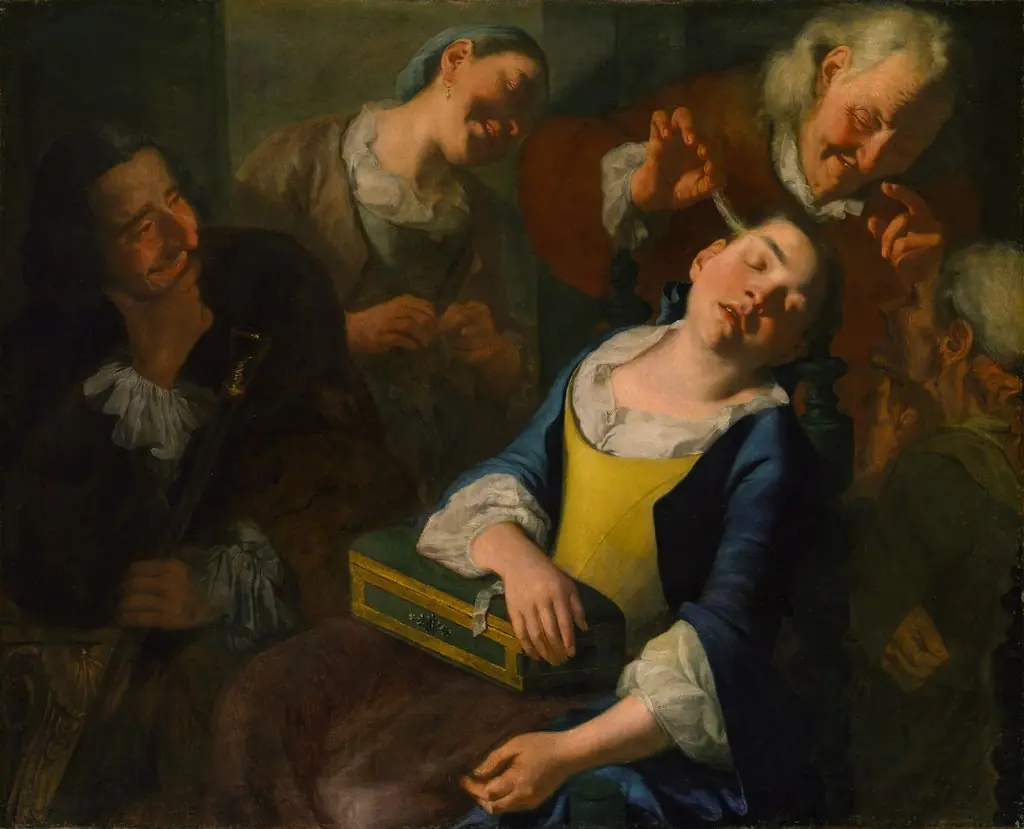 Teasing a Sleeping Girl
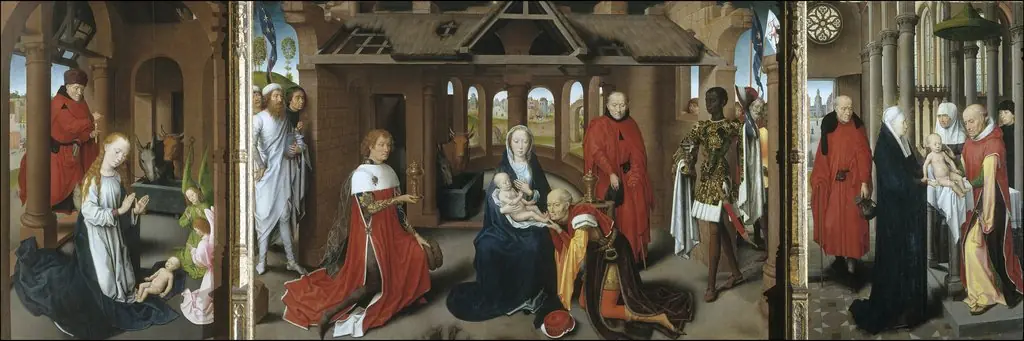 Adoration of the Magi Triptych
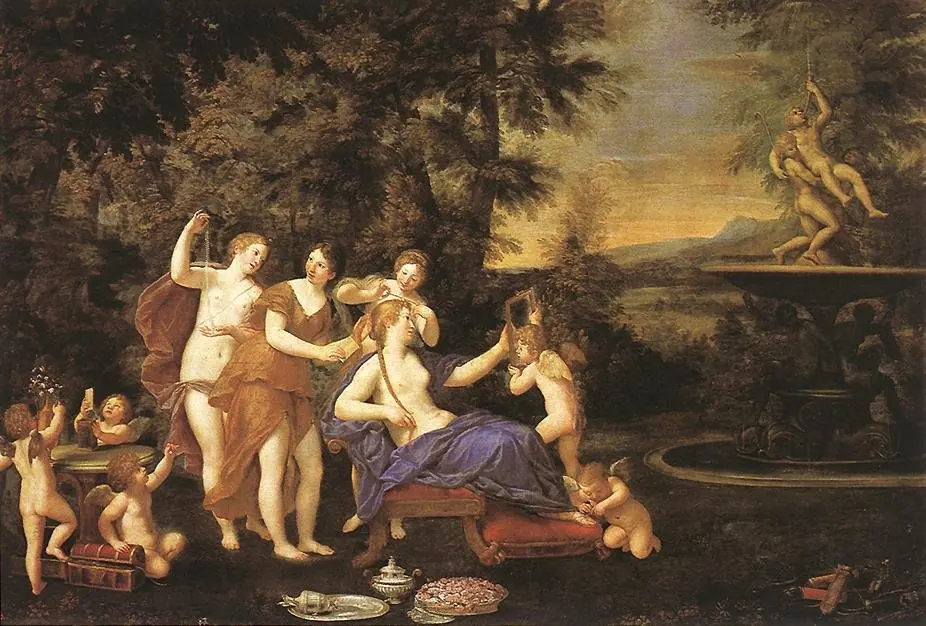 The toilet of Venus
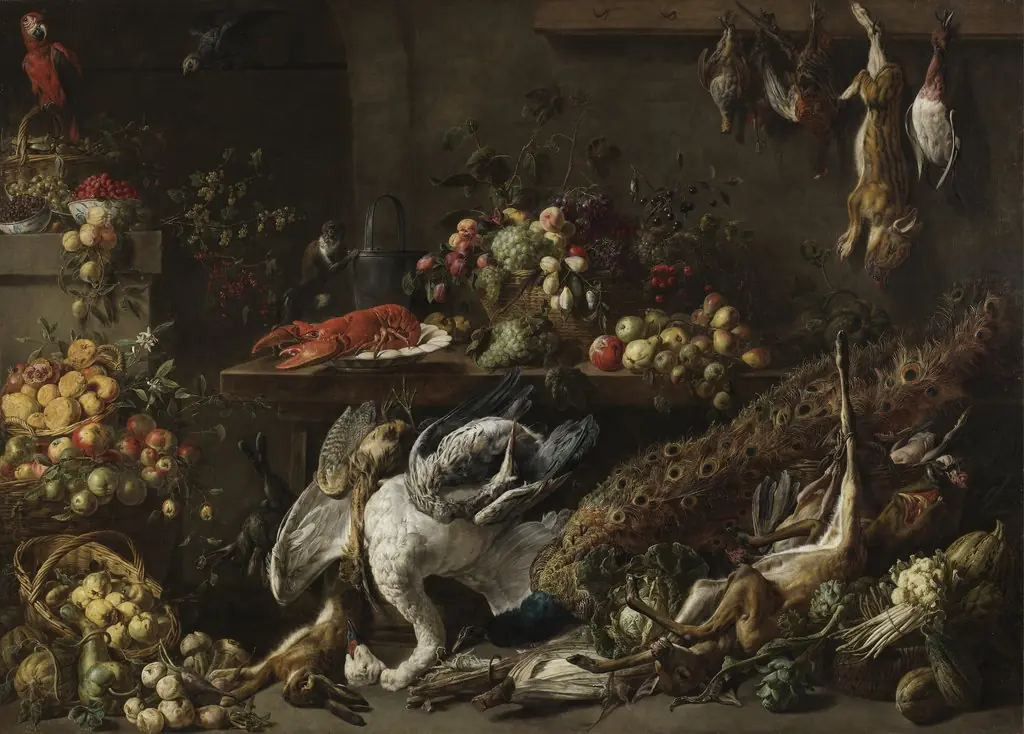 A Larder
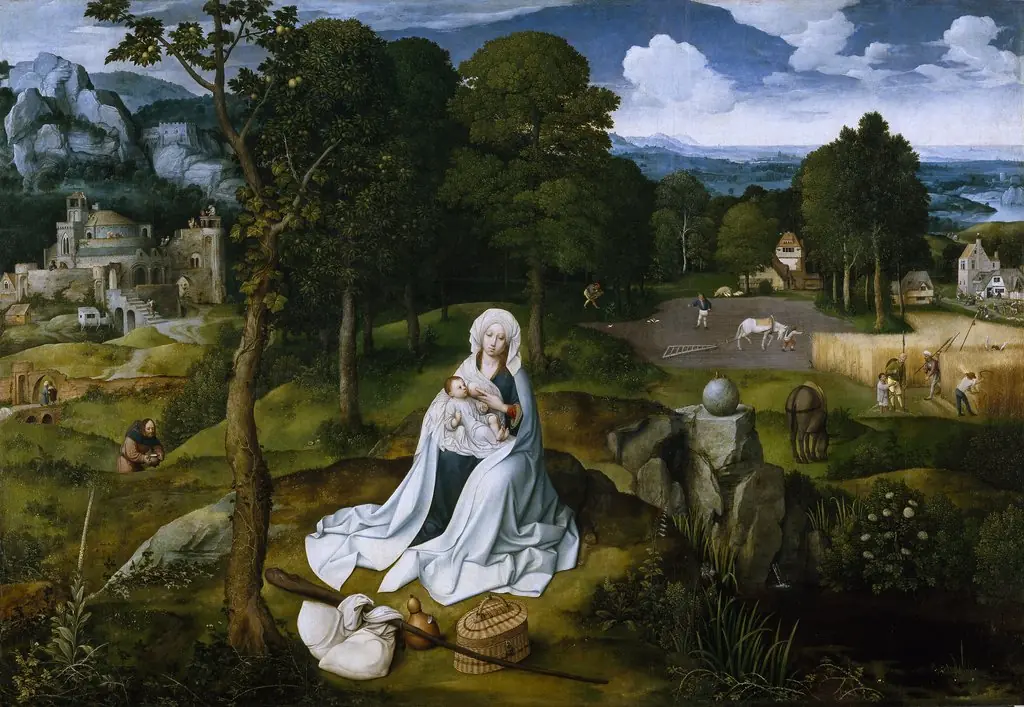 Rest during the Flight to Egypt
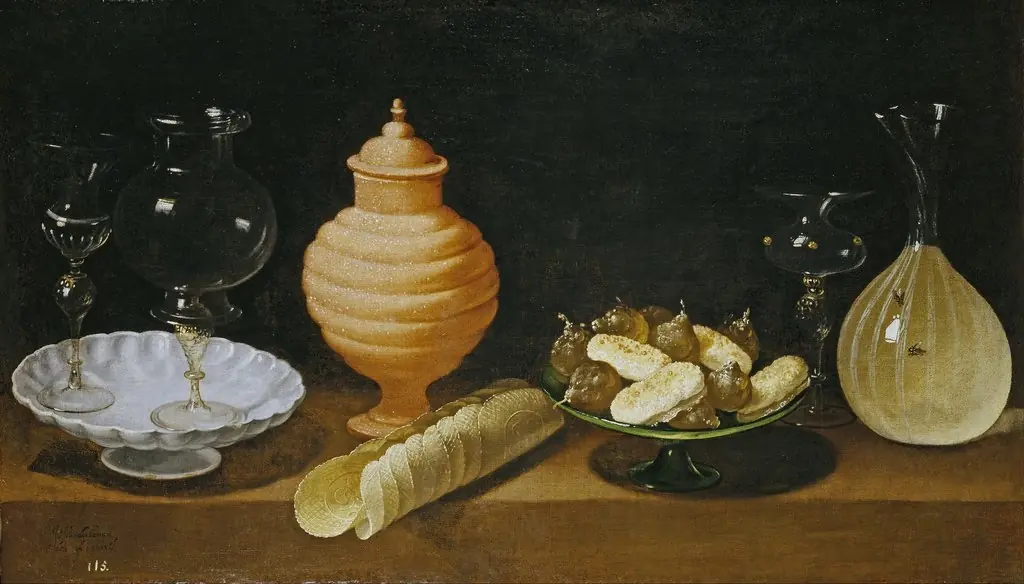 Still-Life of Glass, Pottery, and Sweets
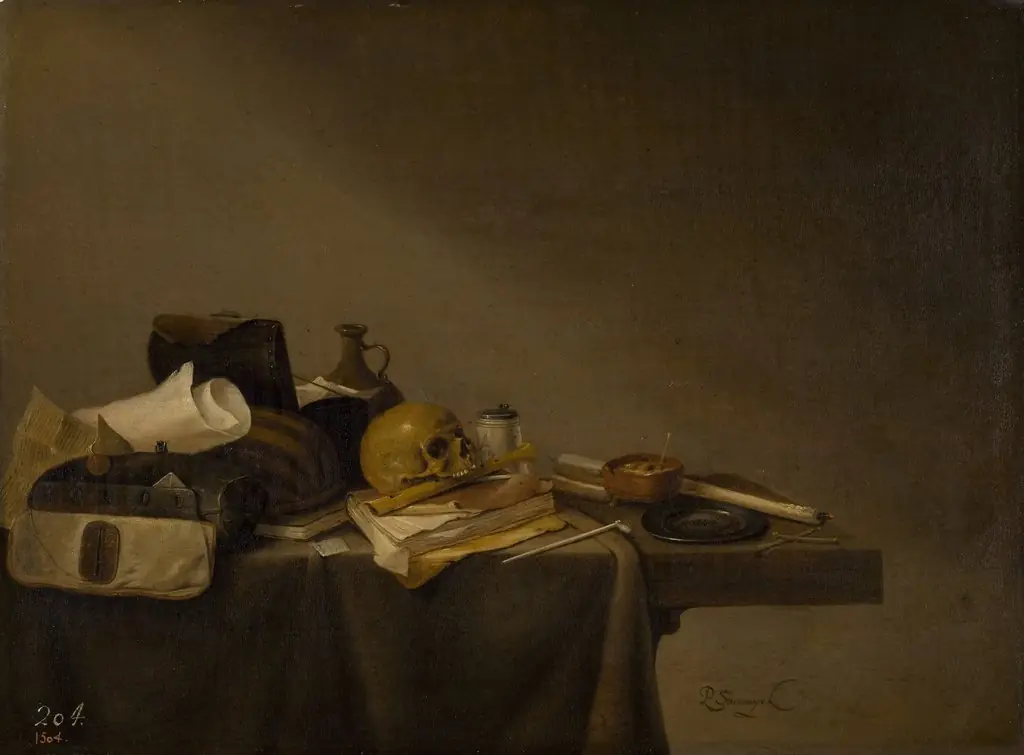 Emblem of Death
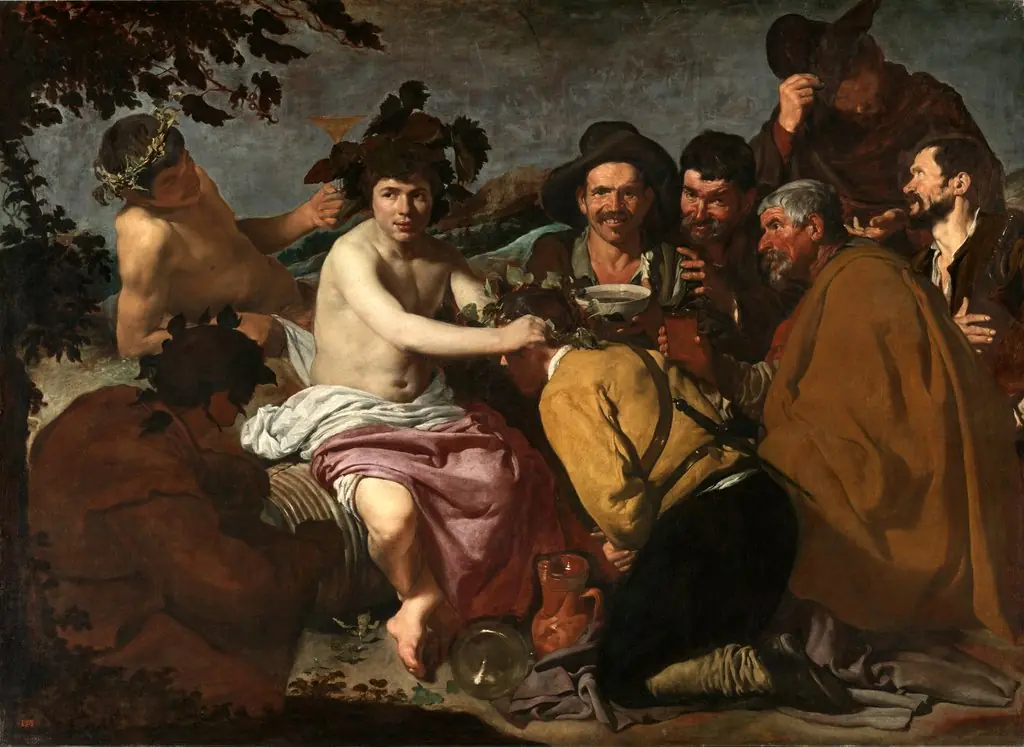 The Triumph of Bacchus
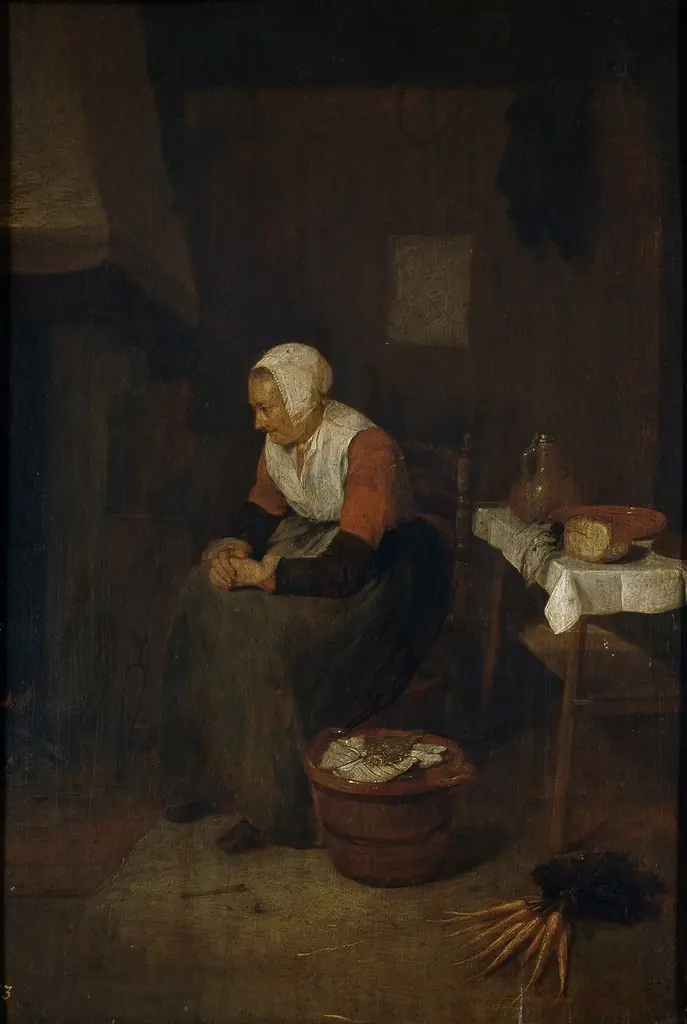 Old Woman by a Fireplace
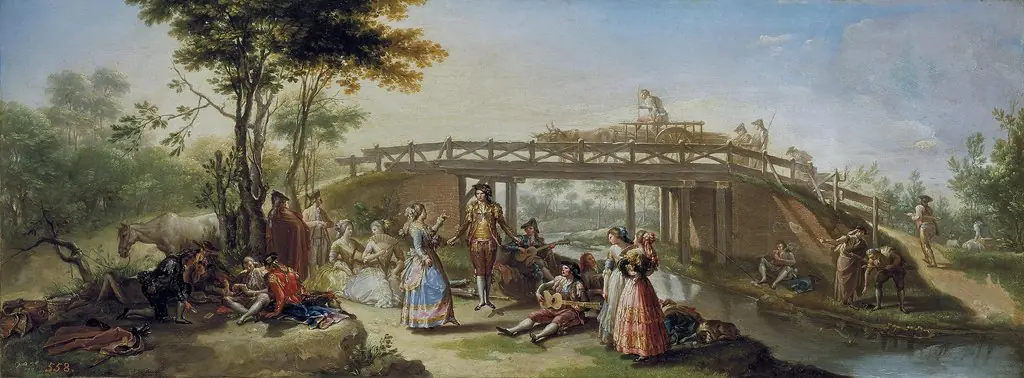 Bridge over the Madrid Canal
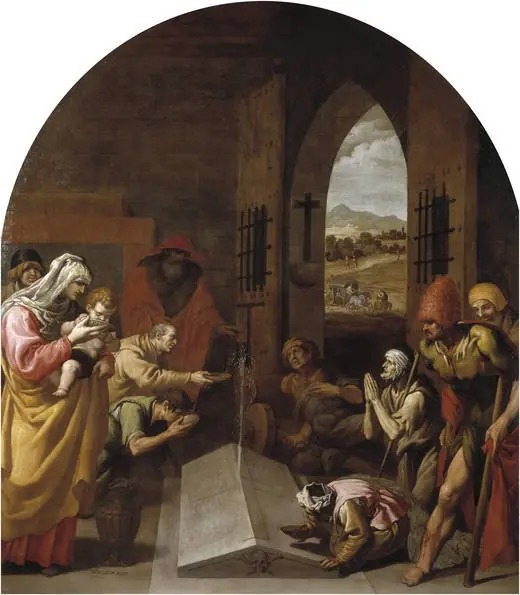 The Miraculous Spring at Saint Bruno’s Tomb
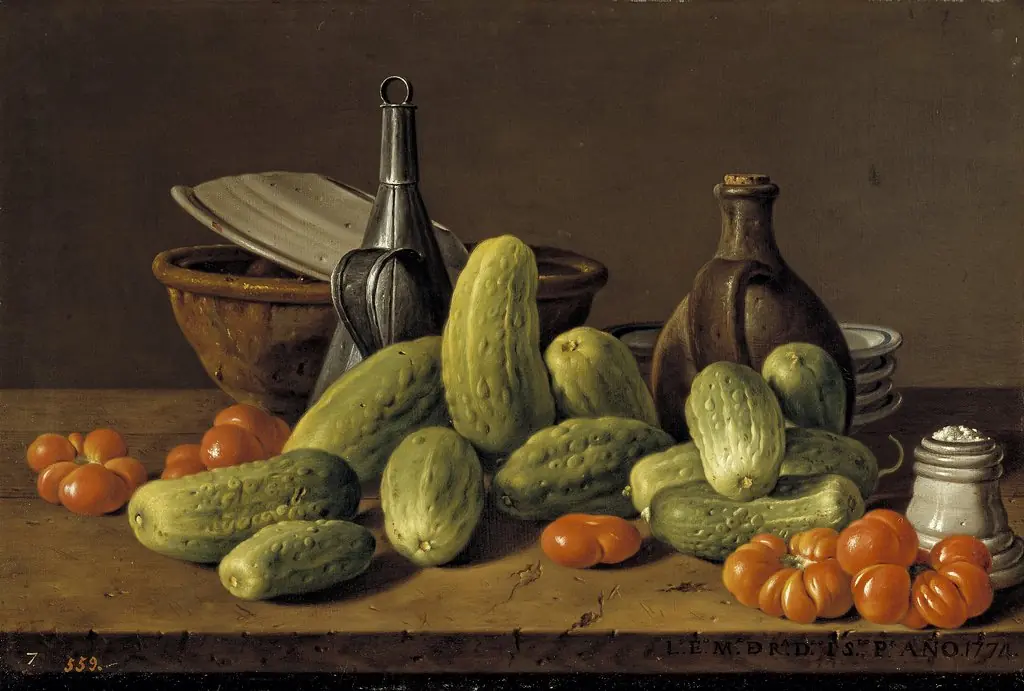 Still Life with Cucumbers Tomatoes and Vessels
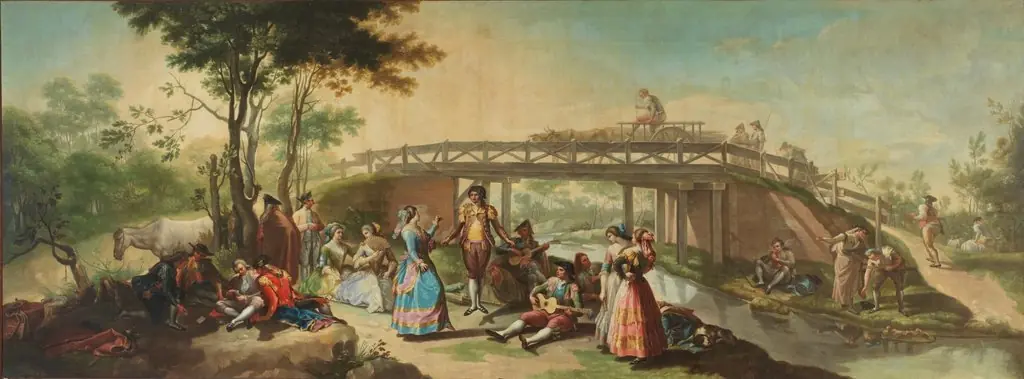 Un baile junto a un puente del canal del Manzanares
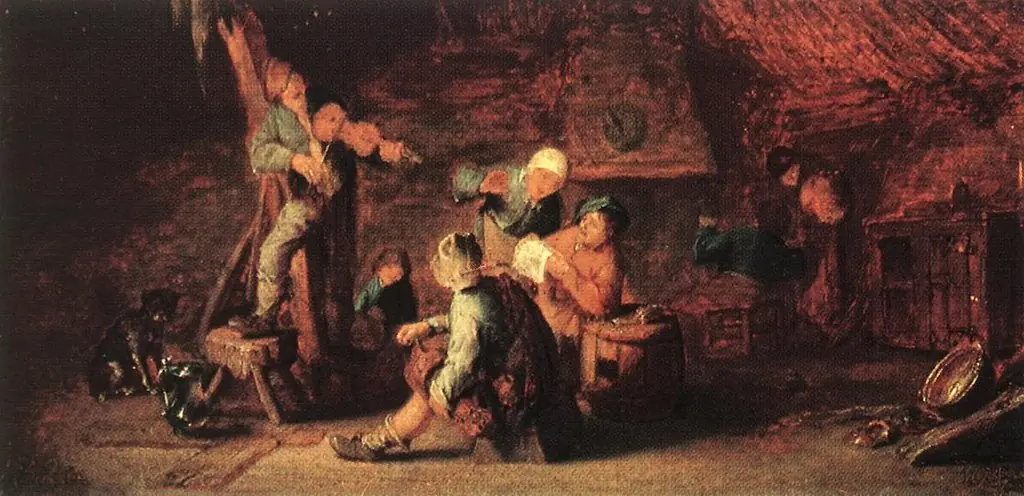 Rustic Concert
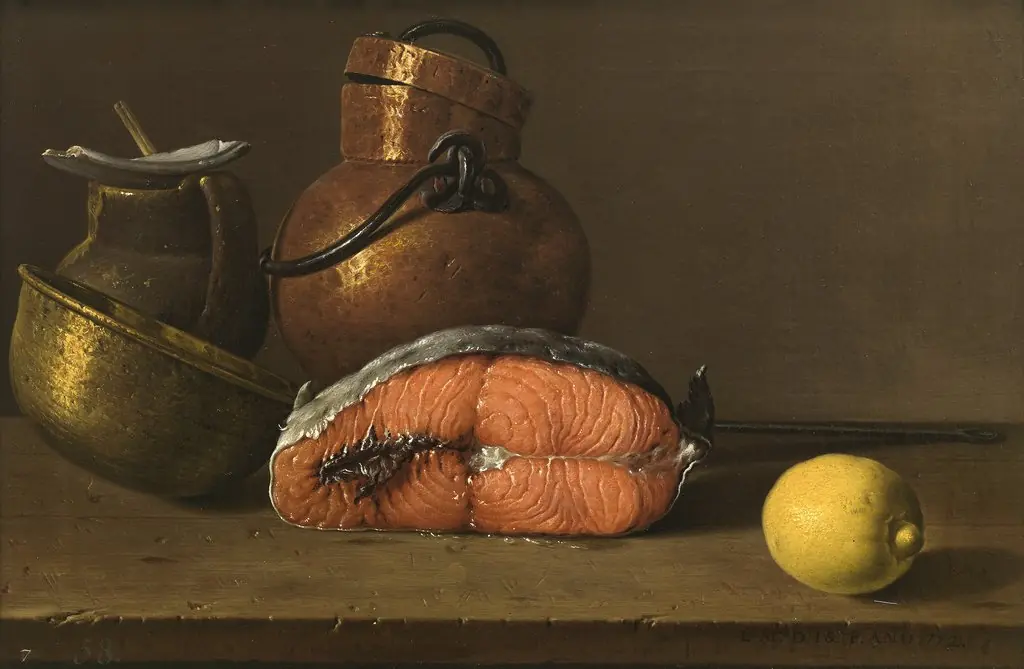 Still-Life
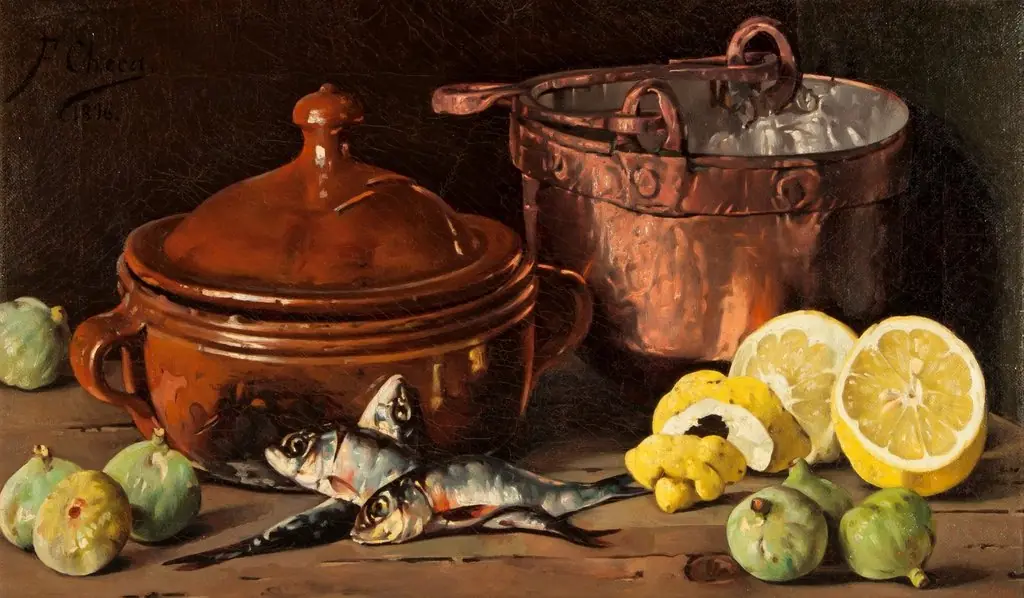 Bodegón
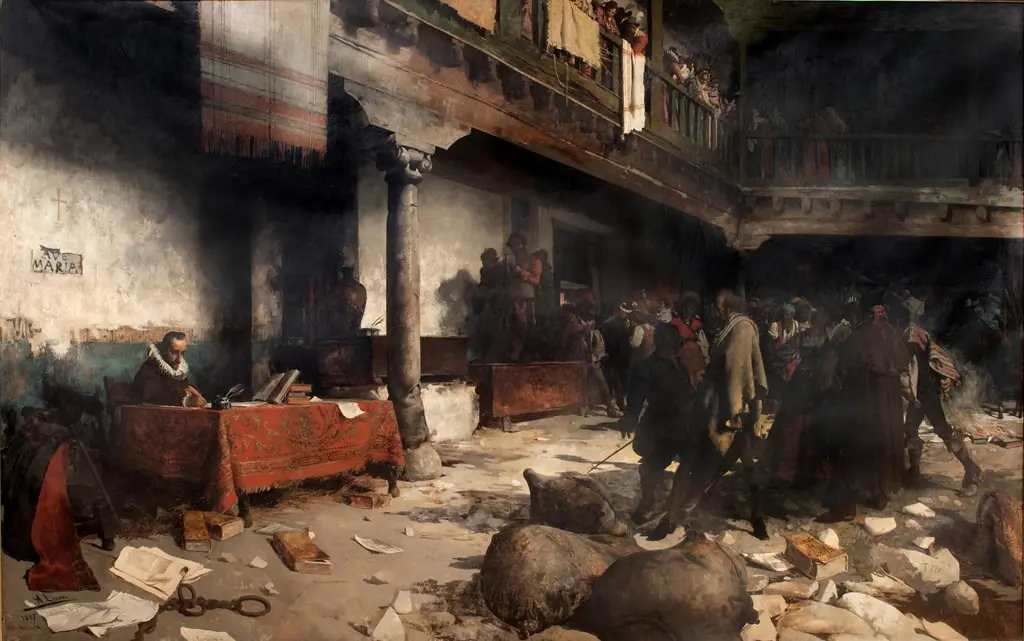 Cervantes y sus modelos
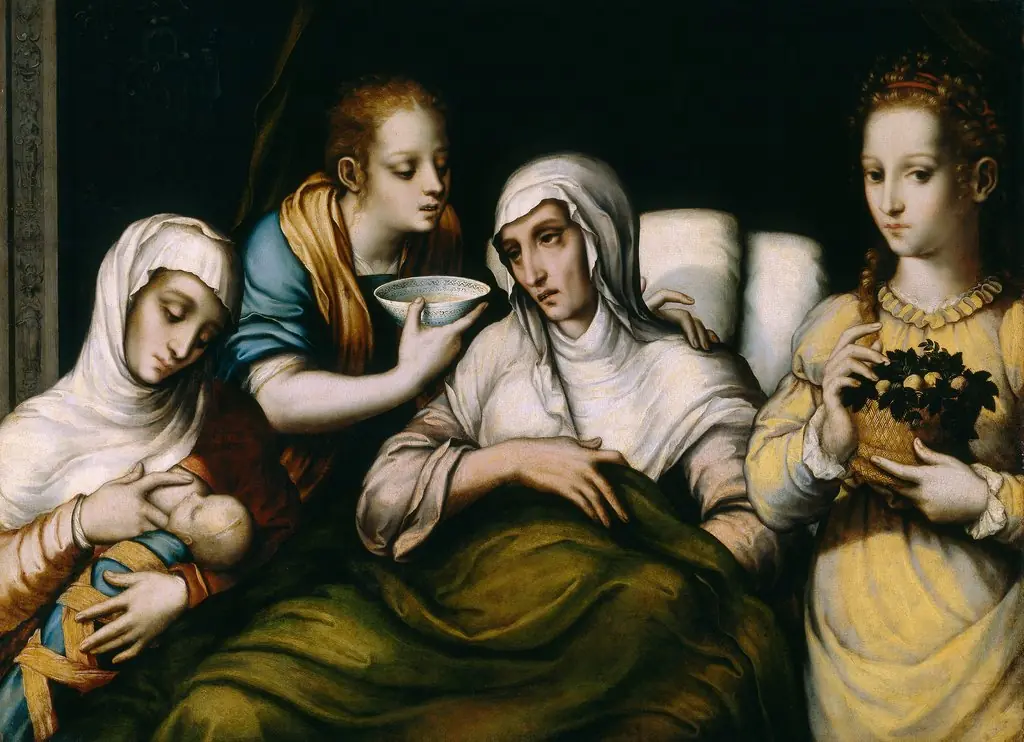 The Birth of the Virgin
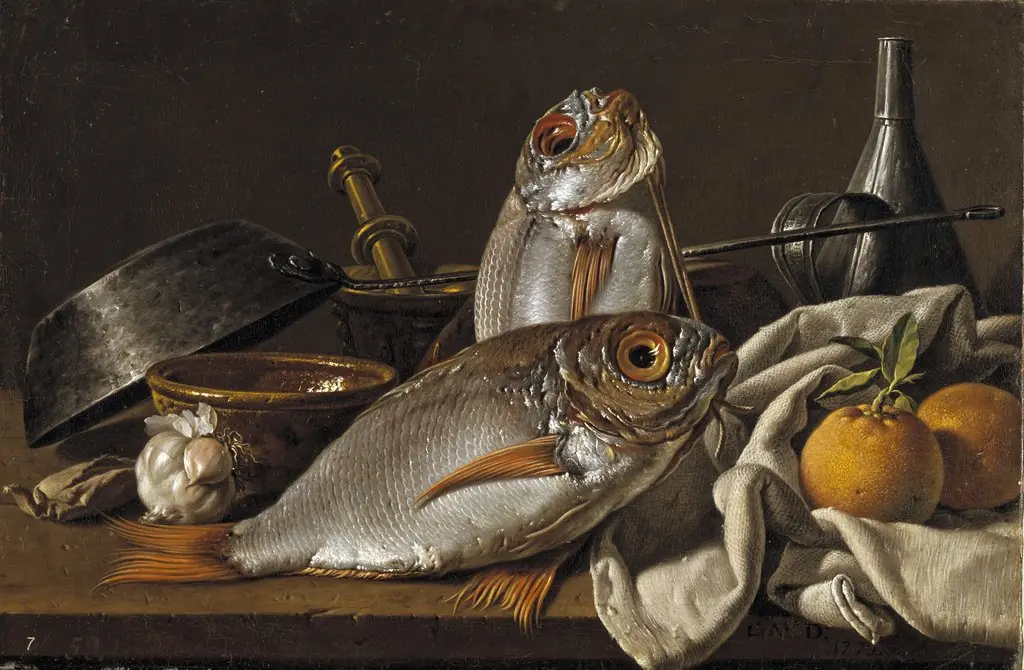 Still Life with Breams, Oranges, Garlic, Condiments, and Kitchen Utensils
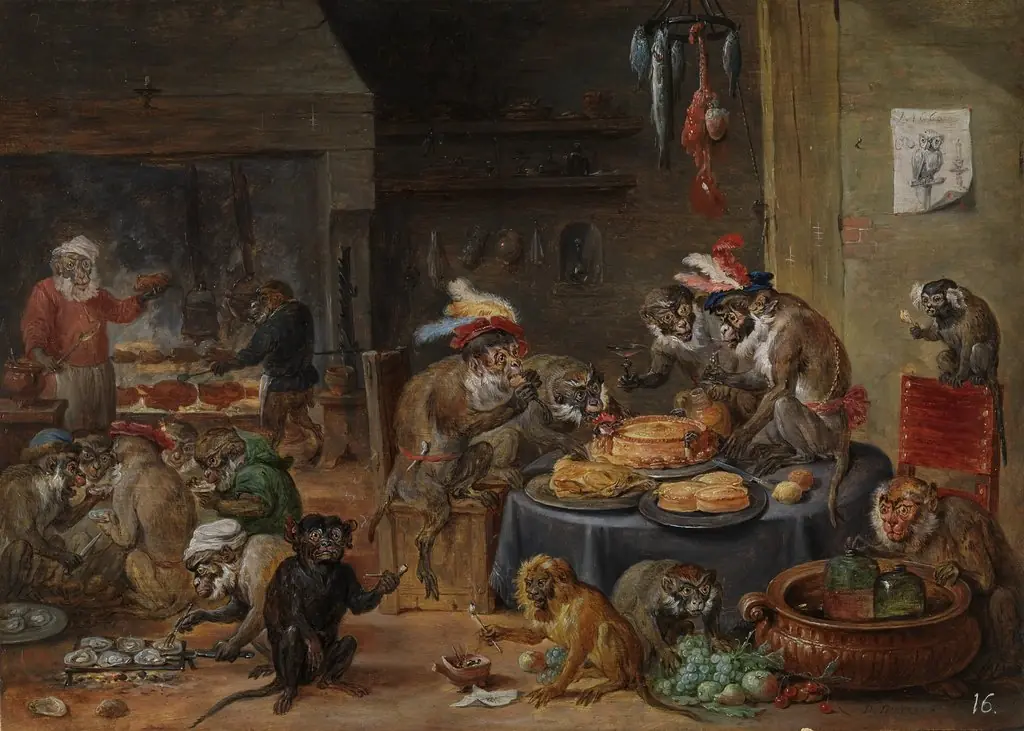 The Monkeys’ Banquet
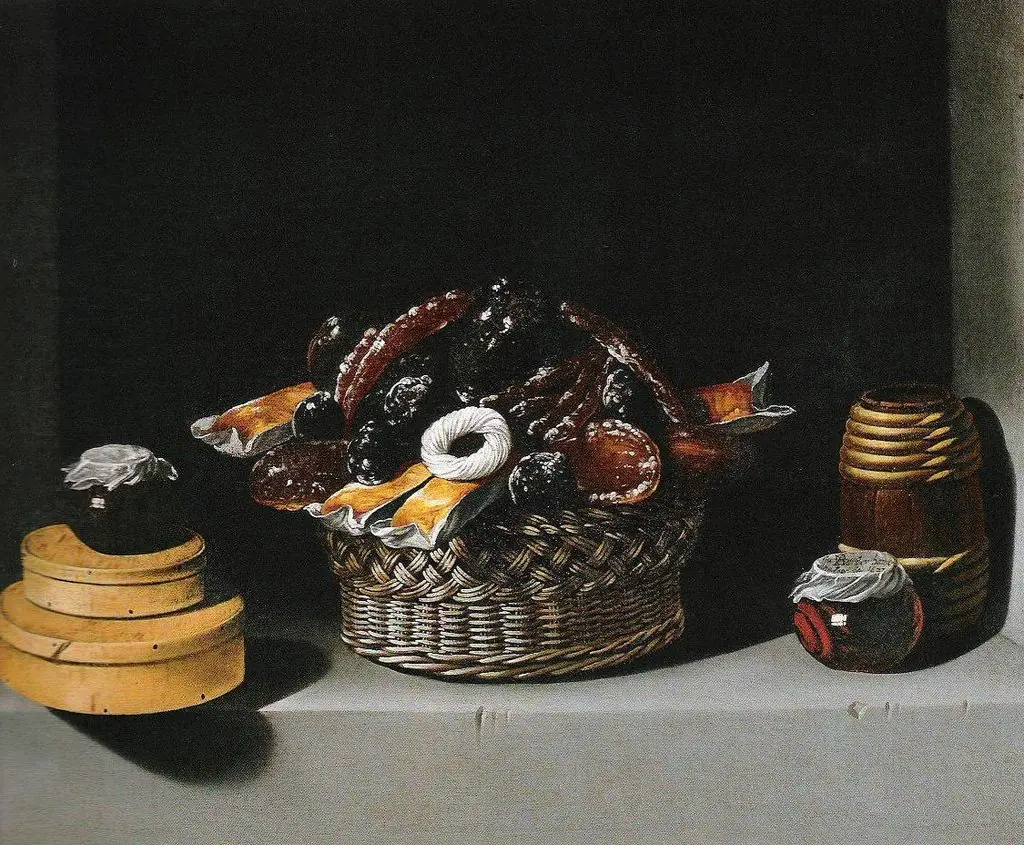 Still-Life with a Basket and Sweetmeats
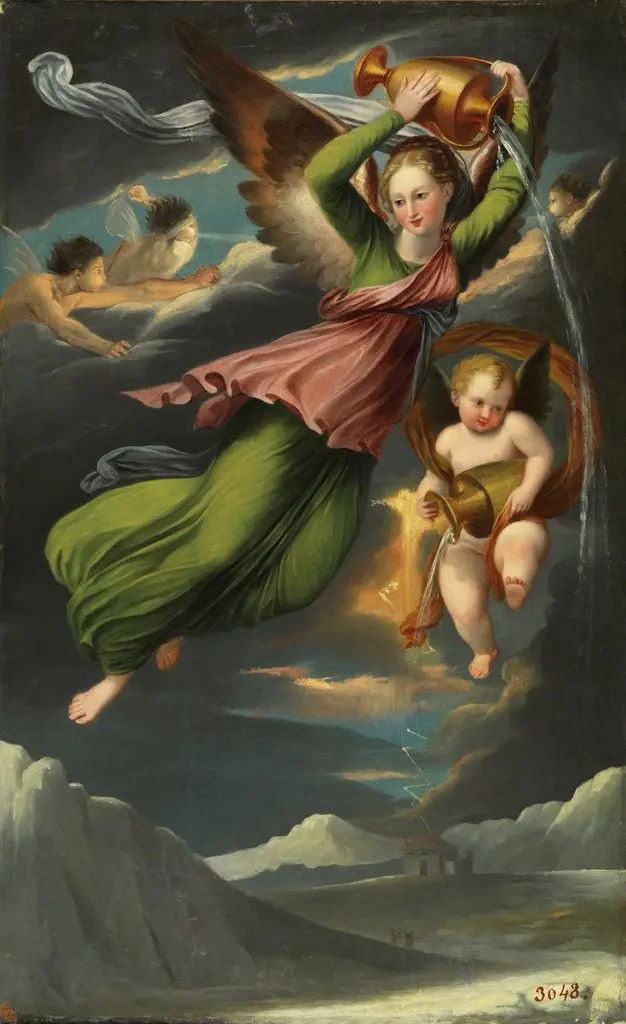 Alegoría del Invierno
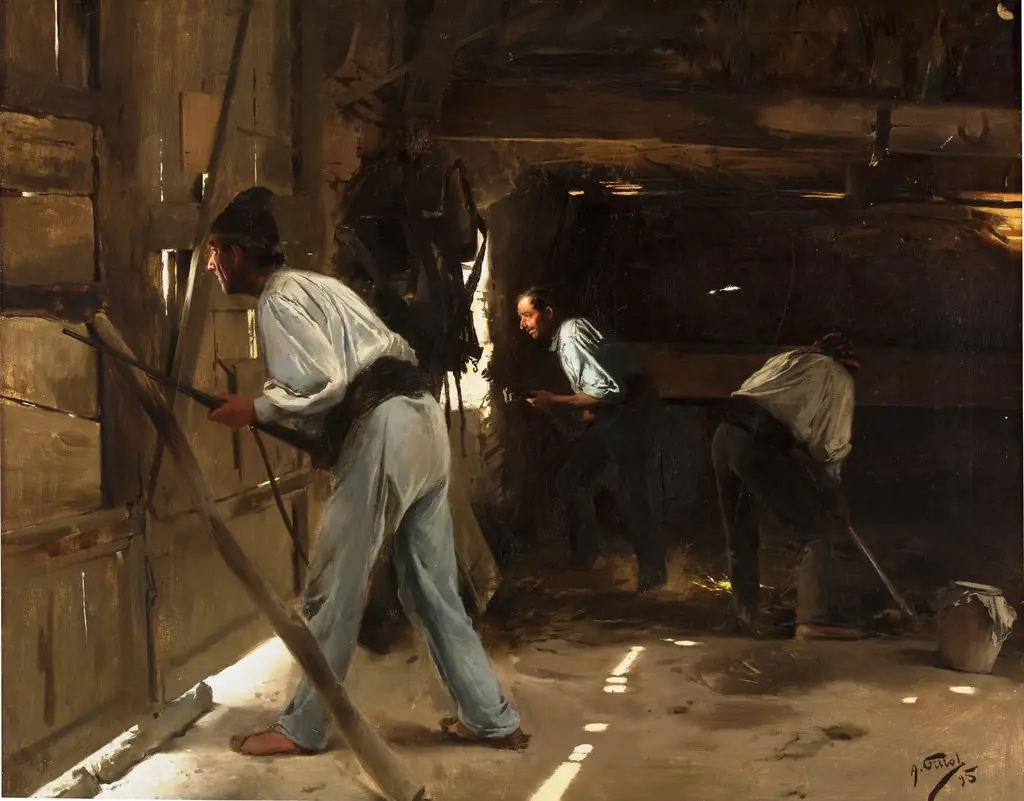 La defensa de la choza
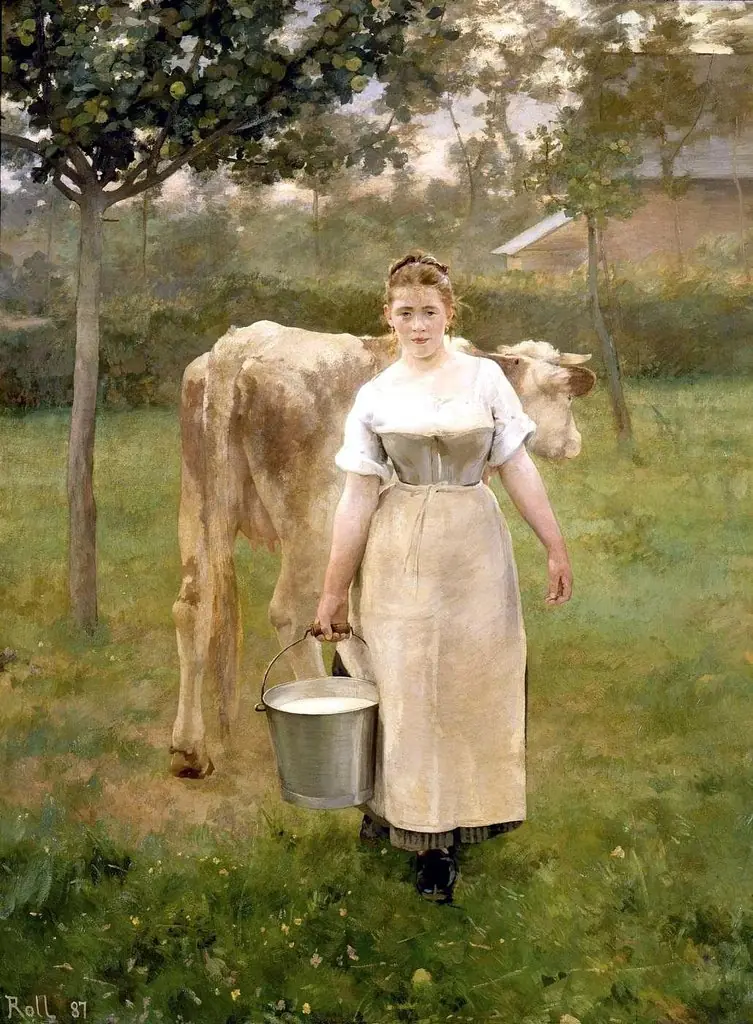 Manda Lamétrie, fermière
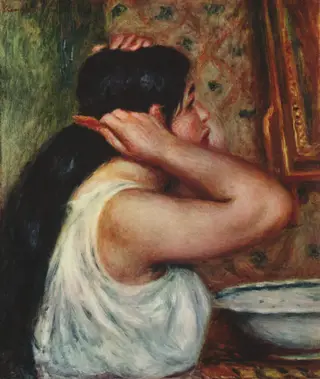 La Toilette
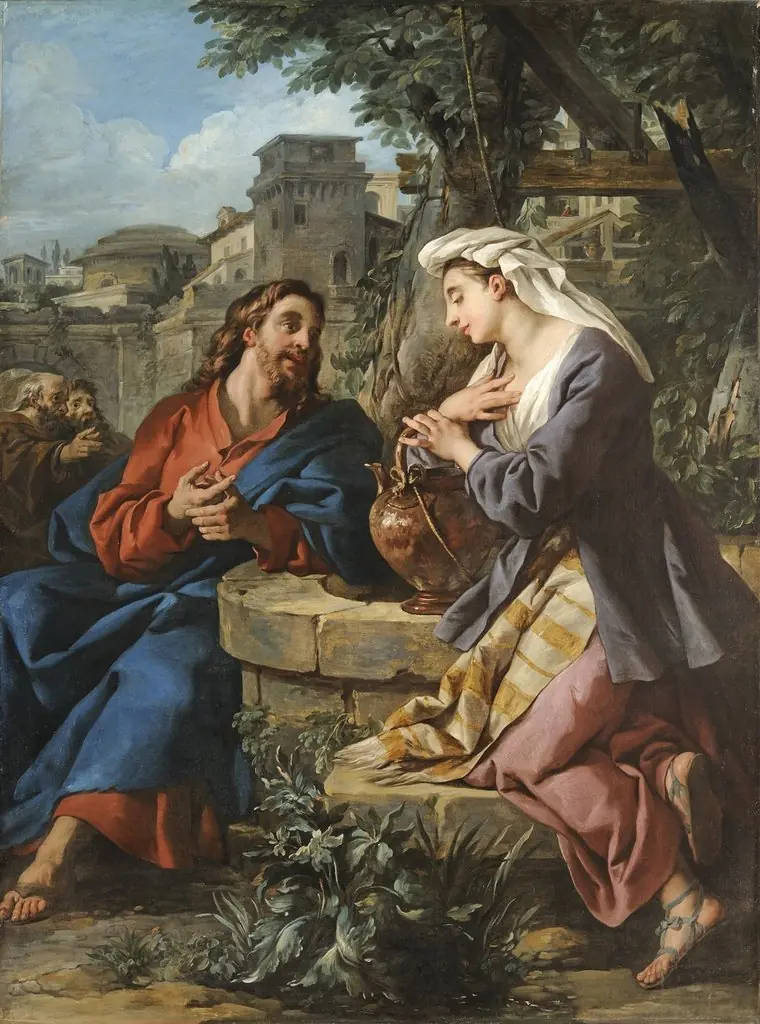 Christ and the Samaritan Woman
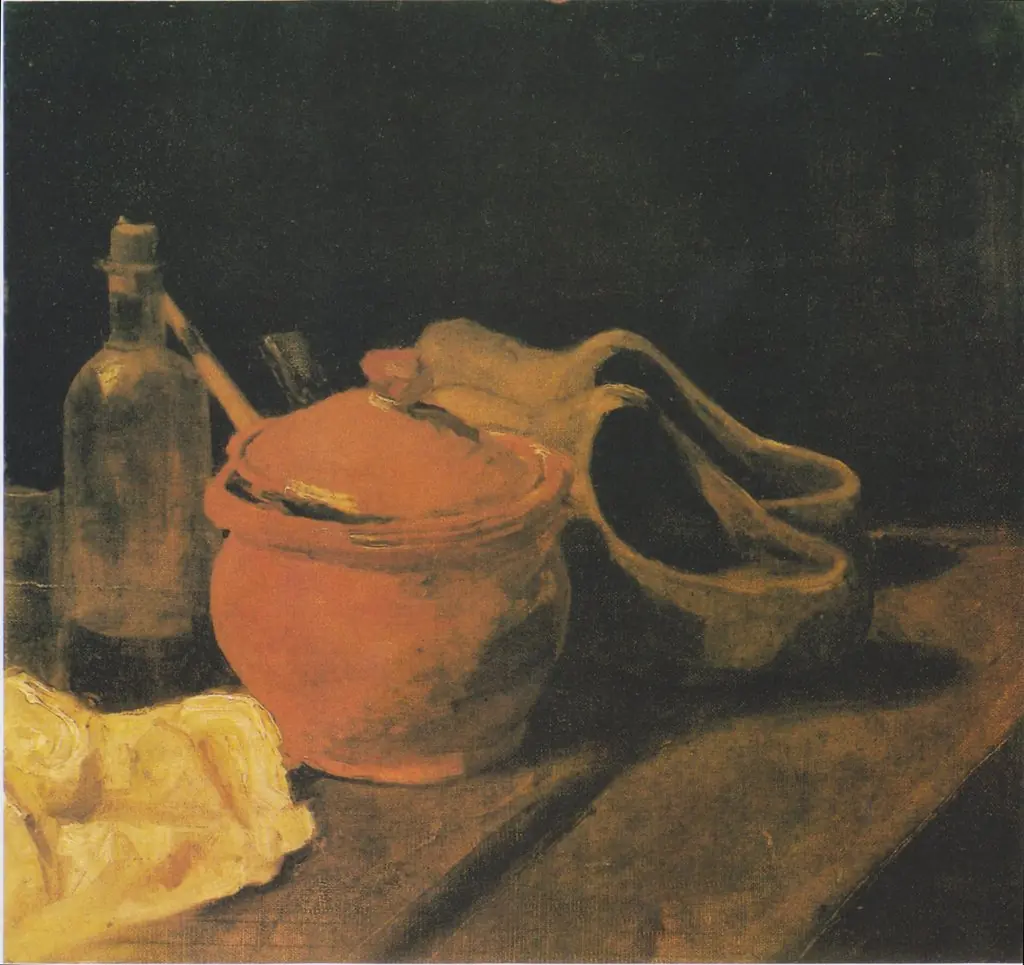 Still Life with Clogs
Container is a subject in art. A container is any receptacle or enclosure for holding an item.
Artifact World Gallery holds 27 public-domain Container works, all free to view and download.
Key Container artists in the collection include Pierre-Auguste Renoir, Hans Memling and David Teniers the Younger.
Container works in the collection are held by Museo del Prado, Musée d'Orsay and Museum of Fine Arts of Lyon.
Your cart is empty
Browse artworks →