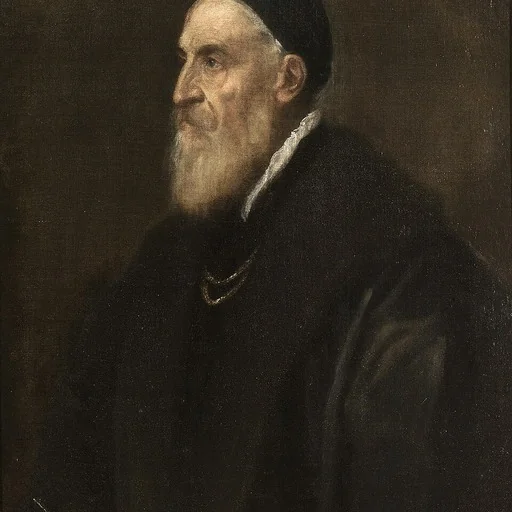
Subject
Human Head
Human Head is a subject in art. The gallery holds 41 works in this subject in art, including works by Titian, Caravaggio and John Singer Sargent.
Among the oldest and most charged subjects in art, the human head has been studied both as the seat of likeness and intellect and as a freestanding object of fascination. Anatomically it sits at the top of the body, supporting the face and housing the brain within the skull—the very features that make it the natural focus of portraiture. From Egyptian funerary masks and Roman veristic busts onward, artists treated the head as the surest index of identity, so that capturing a sitter "from the neck up" became shorthand for capturing the person entire.
Beside formal portraiture grew a parallel tradition of the head studied for its own sake. In the sixteenth-century Low Countries—partly inspired by Leonardo da Vinci's grotesque heads—painters developed the *tronie*, an autonomous study of an anonymous face prized for expression, costume, and light rather than for recording a named individual. Flourishing in Leiden and Haarlem in the 1620s, the genre was raised to high art by Jan Lievens and above all Rembrandt van Rijn, whose etched self-portraits and character heads explored the full spectrum of human feeling. The same investigative impulse later drove Théodore Géricault to paint severed heads and limbs obtained from a Paris morgue while preparing *The Raft of the Medusa* (1818–19).
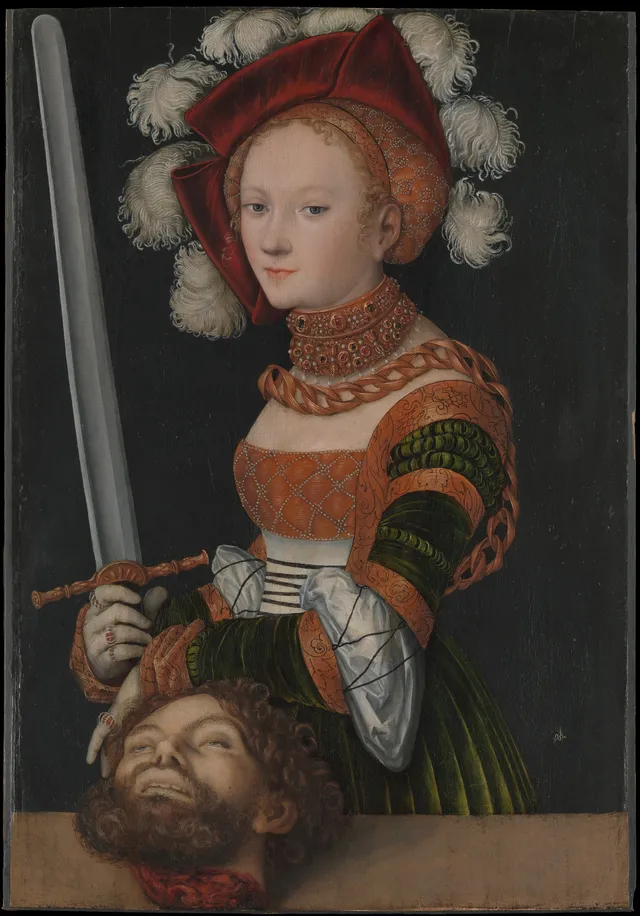
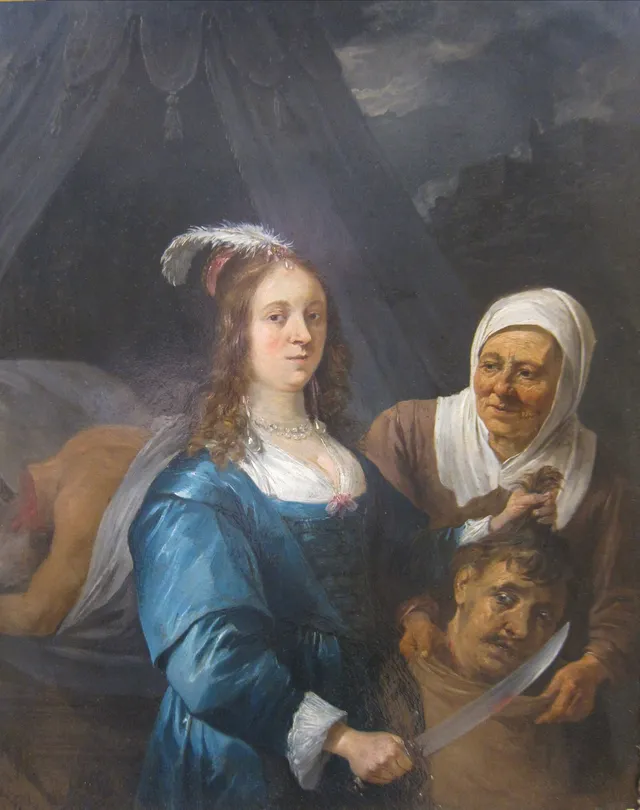
The head detached from the body carries its own ancient iconography of power, sacrifice, and dread. Two biblical narratives dominate Western painting: Judith decapitating the Assyrian general Holofernes, and Salome receiving the head of John the Baptist on a charger—the maidservant at Judith's side conventionally distinguishing one from the other. Lucas Cranach the Elder returned to these motifs obsessively; Caravaggio and Artemisia Gentileschi made the Judith story a stage for visceral drama, while Gustav Klimt's *Judith I* (1901) fused her with Salome into an image of erotic menace.
The theme runs through this collection's holdings—Cranach's, Massimo Stanzione's, and David Teniers the Younger's treatments of *Judith with the Head of Holofernes*, alongside *Salome with the Head of Saint John the Baptist*. By the nineteenth century the Symbolists, led by Gustave Moreau, turned to the singing head of Orpheus and the gaze of Medusa, confirming the head—whole or severed—as one of art's most enduring vessels of meaning.
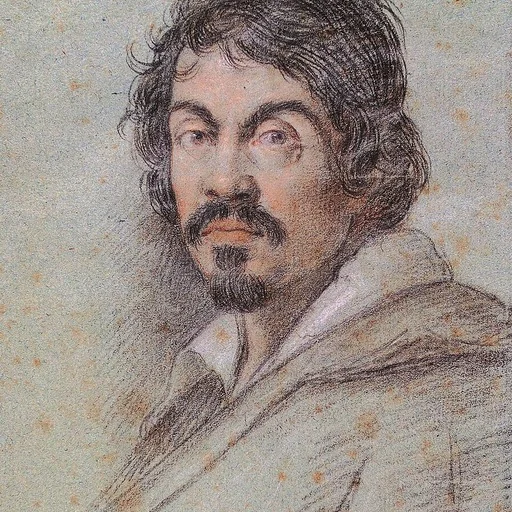
Key artists
Overview
The human head, the upper portion of the human body supported by the skull and enclosing the brain, ranks among the most recurrent and symbolically charged subjects in the history of art. Its prominence derives from its anatomical centrality, housing the sensory organs and the brain itself, and from its cultural significance as the primary locus of individual identity, expression, and intellect. In the collection under discussion, the motif appears in 74 works, ranging from mythological and biblical narratives to independent portrait studies, demonstrating its extraordinary flexibility as an artistic subject.
Iconography & meaning
The human head carries layered meanings across artistic traditions. As the site of the face, it serves as the main distinguishing feature between individuals, with eyes, hair, nose, mouth, and wrinkles enabling recognition and differentiation. This biological predisposition toward facial recognition has made the head a natural focus for portraiture and identity. Beyond the literal, the head functions metonymically: it stands for intelligence, leadership, and spiritual essence. In religious contexts, the severed head becomes a powerful symbol of martyrdom, judgment, or triumph, as seen in depictions of Salome with the head of John the Baptist and Judith with the head of Holofernes. Head coverings and adornments further encode status, religious affiliation, and social role. The head also appears in caricature and science fiction as an indicator of intelligence, with enlarged cranial proportions suggesting superior mental capacity, a convention that persists despite neurobiological evidence that brain size correlates only slightly with intelligence.
Across movements & periods
The treatment of the human head has shifted substantially across artistic movements and cultural contexts. Prehistoric representations, such as the monumental Olmec heads, established the head as a vehicle for power and commemoration on a grand scale. In European art history, the Renaissance and Baroque periods particularly favored the severed head in religious narrative, using it to explore themes of sacrifice, virtue, and violence with heightened naturalism and emotional intensity. The multiple Judith and Salome compositions in the collection reflect this sustained fascination. Later periods saw the head become a site for psychological investigation in portraiture, as well as for formal experimentation in modern and contemporary art, where it could be abstracted, fragmented, or otherwise transformed. Cross-culturally, the head has served as a focus for headhunting practices across the Americas, Europe, Asia, and Oceania, with the preserved head functioning as trophy, spiritual object, or ritual instrument.
Legacy
The human head's persistence as an artistic subject reflects its deep anchoring in both biological necessity and cultural construction. Its continued recurrence in contemporary art, popular media, and digital culture testifies to an enduring capacity to signify identity, consciousness, and power. The specific works in this collection, particularly the repeated treatments of Judith and Salome narratives, have contributed to establishing iconographic conventions that subsequent artists have engaged, subverted, or reimagined. The head's role in facial recognition technology and contemporary debates about surveillance and identity further extends its relevance beyond traditional art historical categories. Meanwhile, anthropological and medical understandings of head development, from the fetal stage, when the head comprises 35 percent of total body length, through to adulthood, when it represents approximately one-seventh, continue to inform how artists and viewers comprehend this most human of subjects.
Works
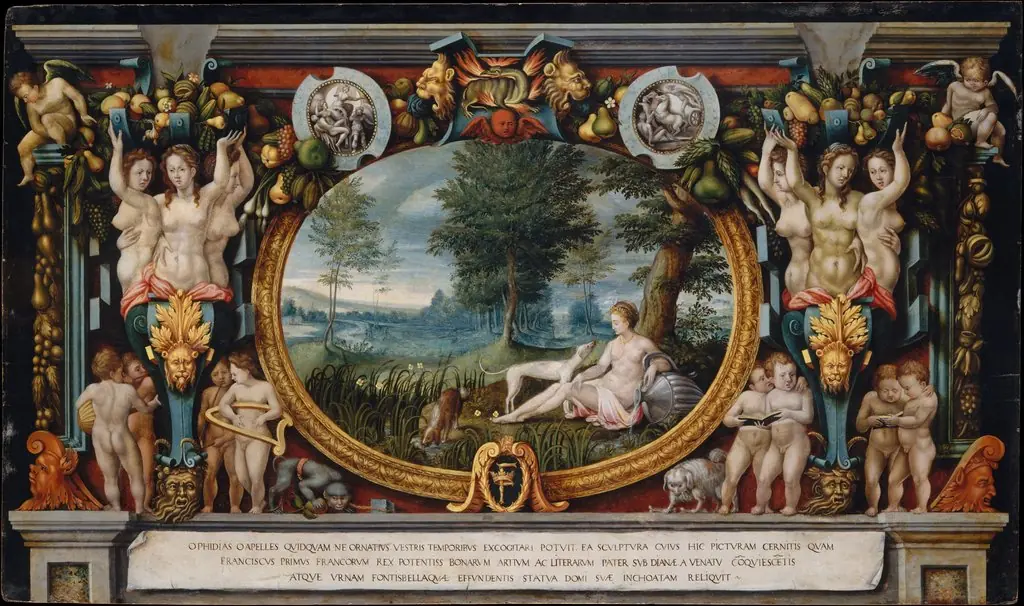 The Nymph of Fontainebleau
 Salome with the Head of Saint John the Baptist
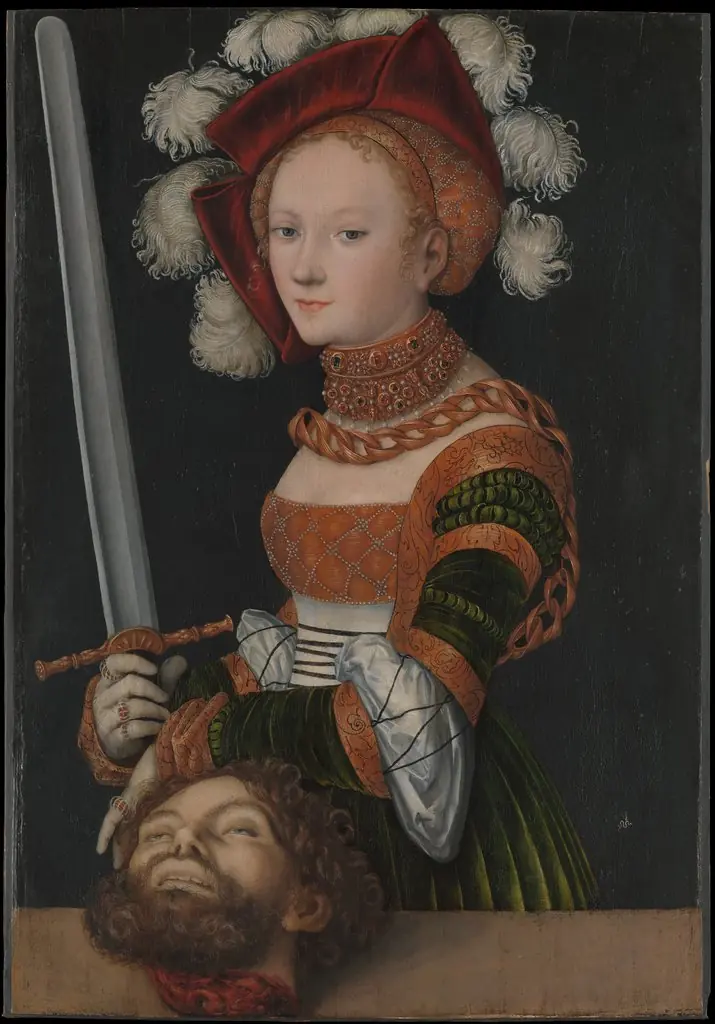 Judith with the Head of Holofernes
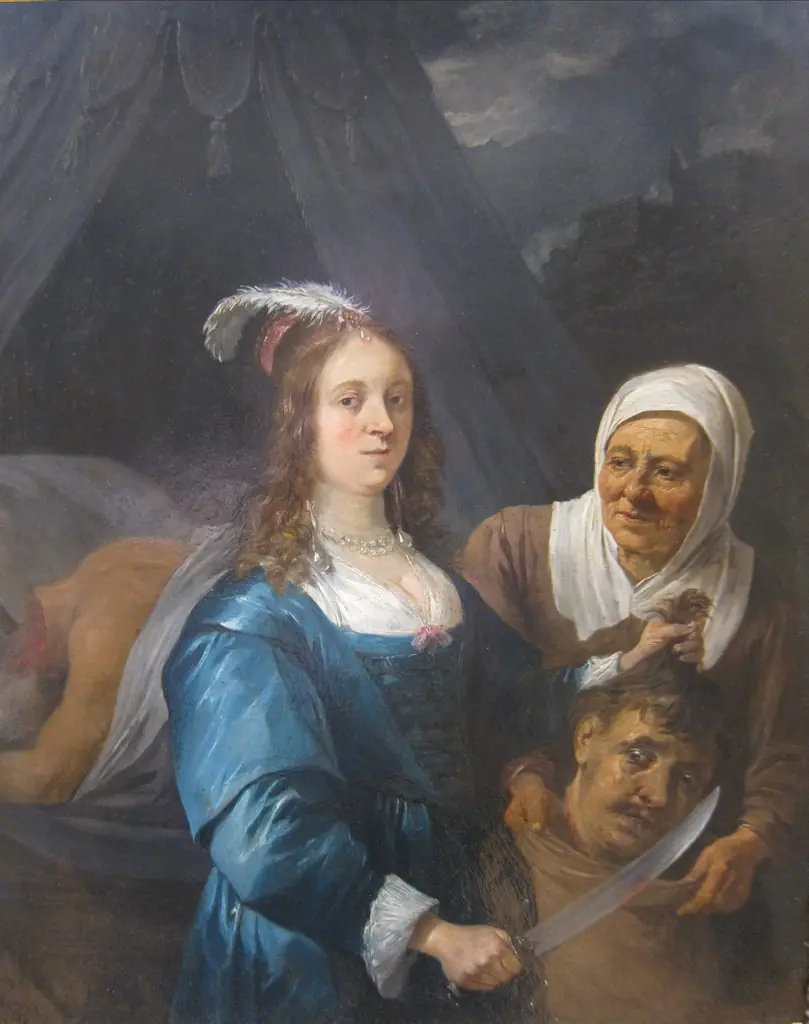 Judith with the Head of Holofernes
 Untitled
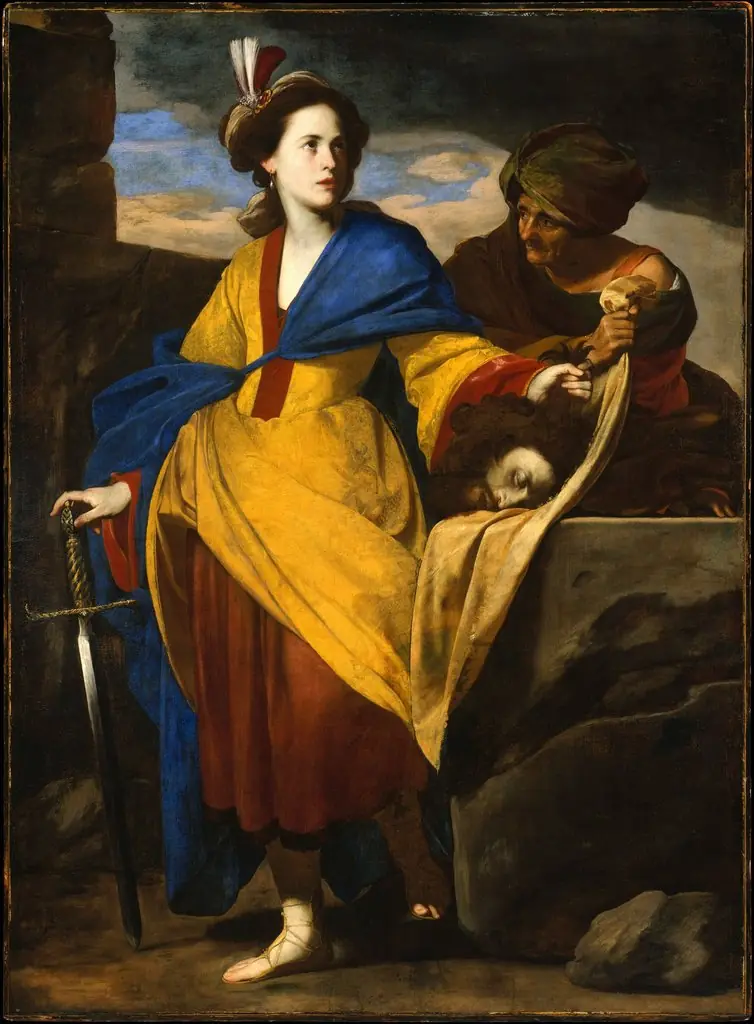 Judith with the Head of Holofernes
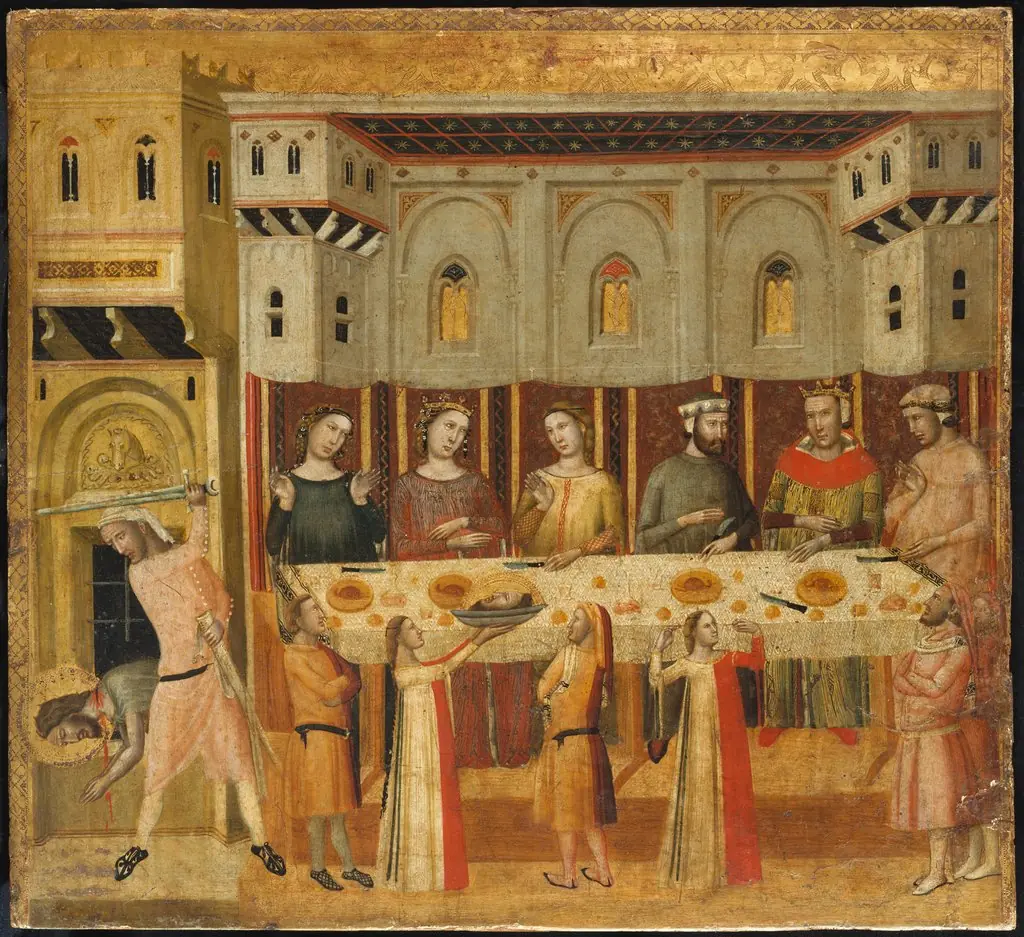 The Feast of Herod and the Beheading of the Baptist
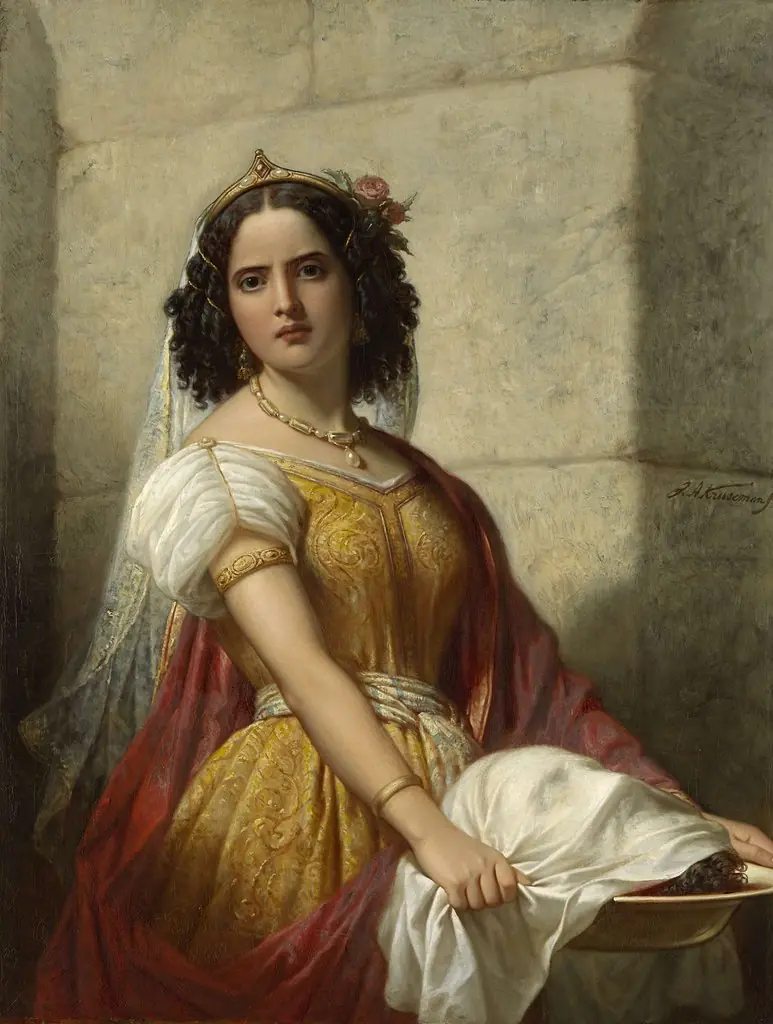 Salome with the Head of John the Baptist
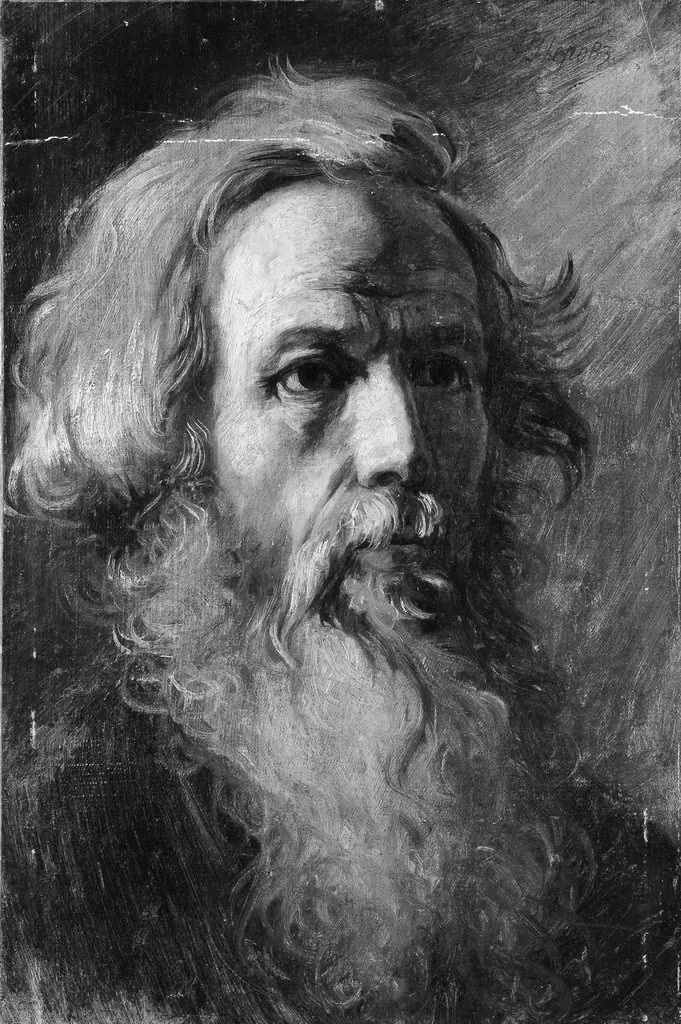 Head of a Man
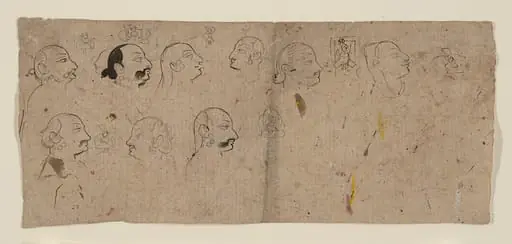 Untitled
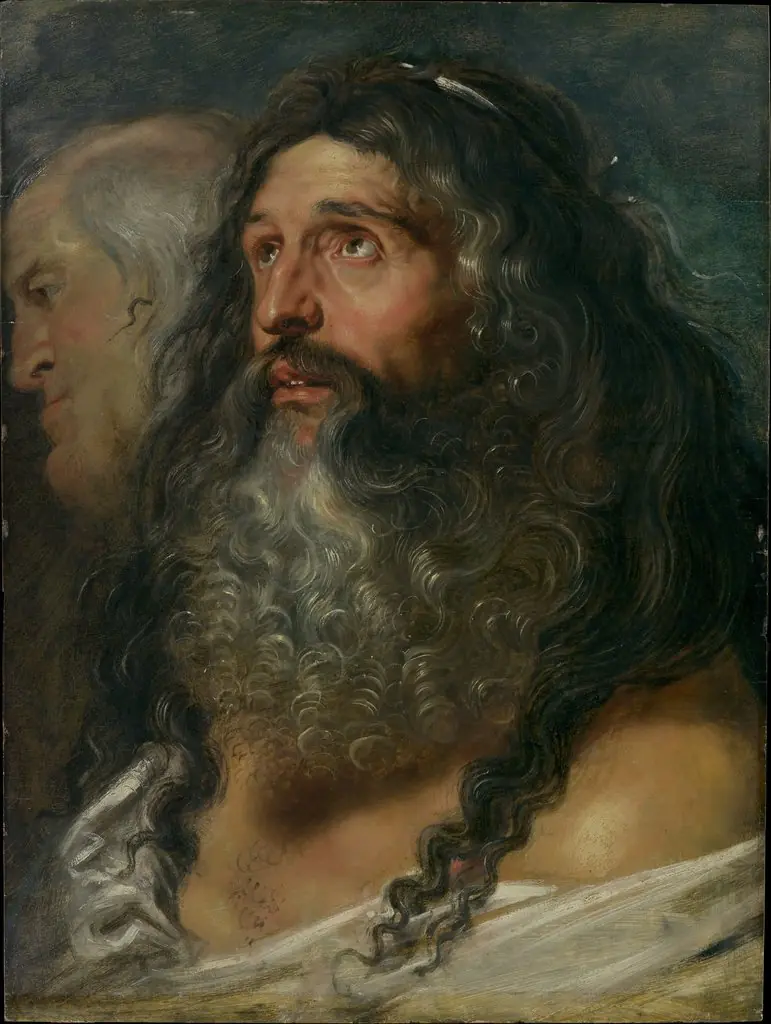 Study of Two Heads
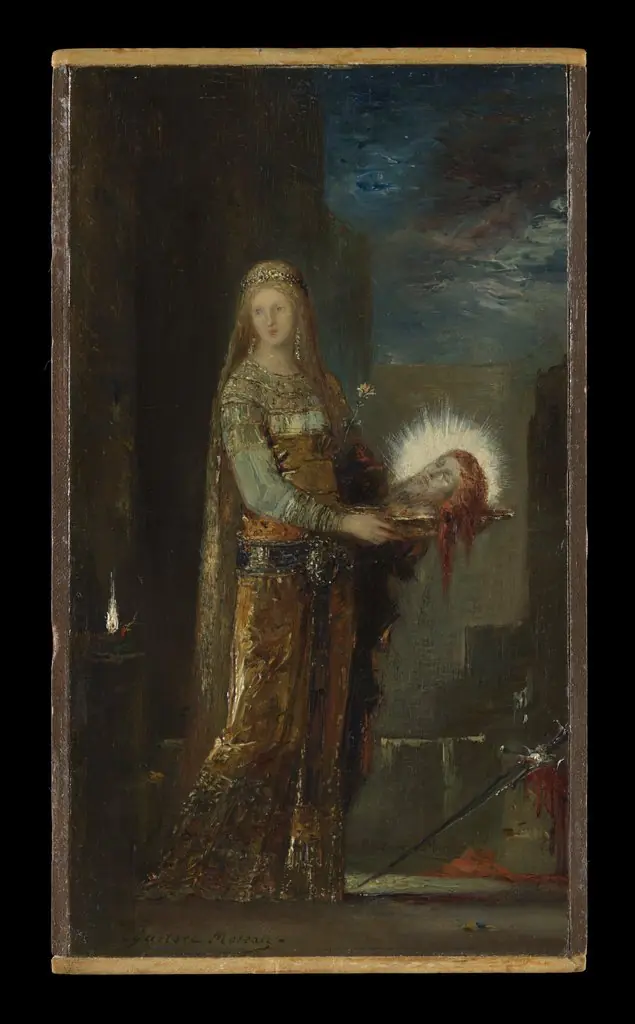 Salome with the Head of John the Baptist
 Untitled
 Panel with the Head of a Bishop
 Head of an Old Woman
 Judith
 Saint Eleuthere or Saint Rustique
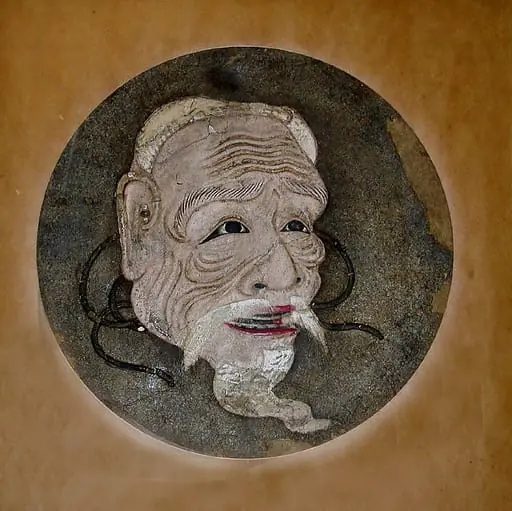 能面図・朝倉尉|Noh Mask of an Old Man (Asakurajō)
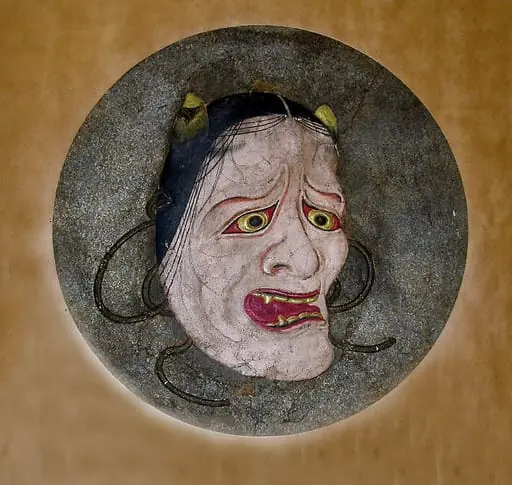 能面図・般若|Noh Mask of a Demoness (Hannya)
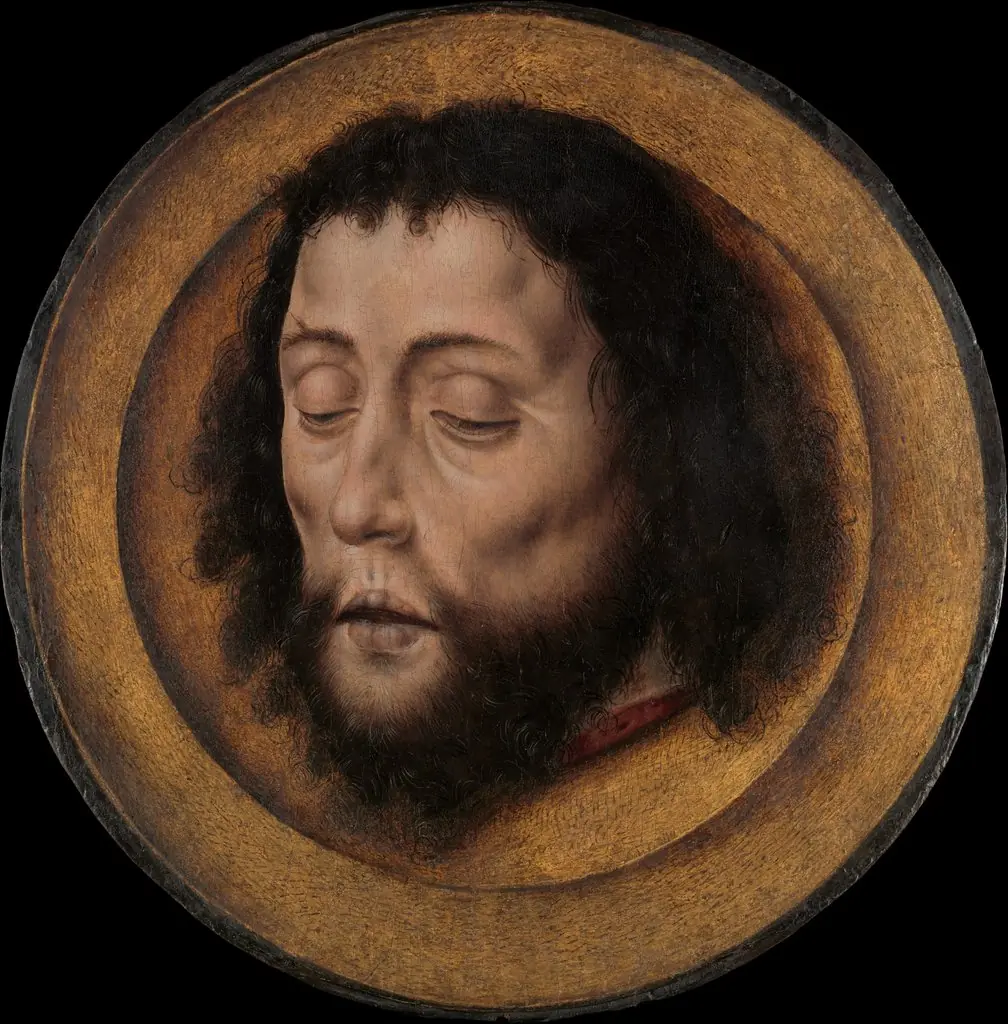 Head of Saint John the Baptist on a Charger
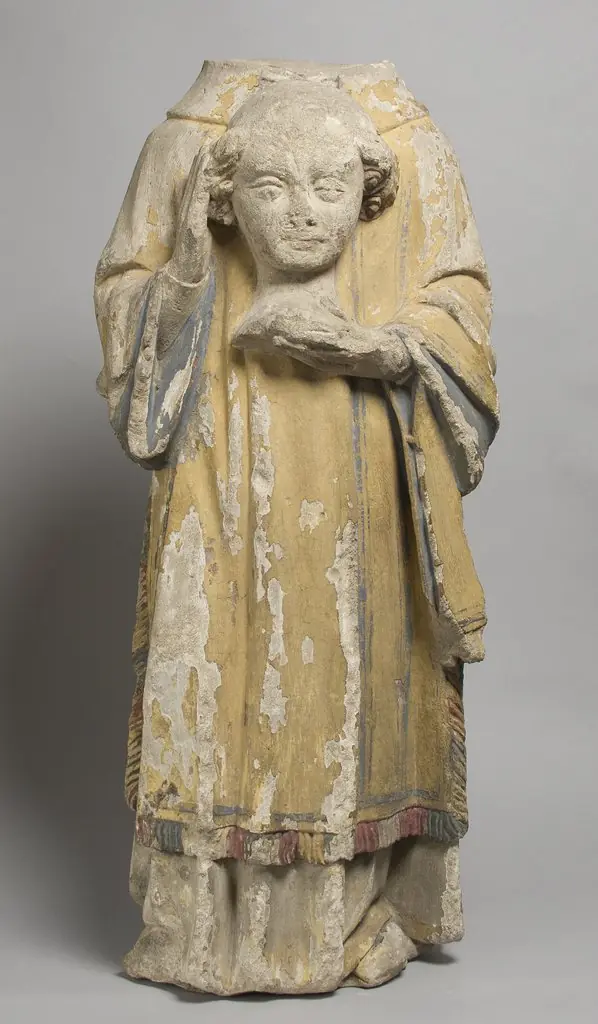 Saint Eleuthere or Saint Rustique
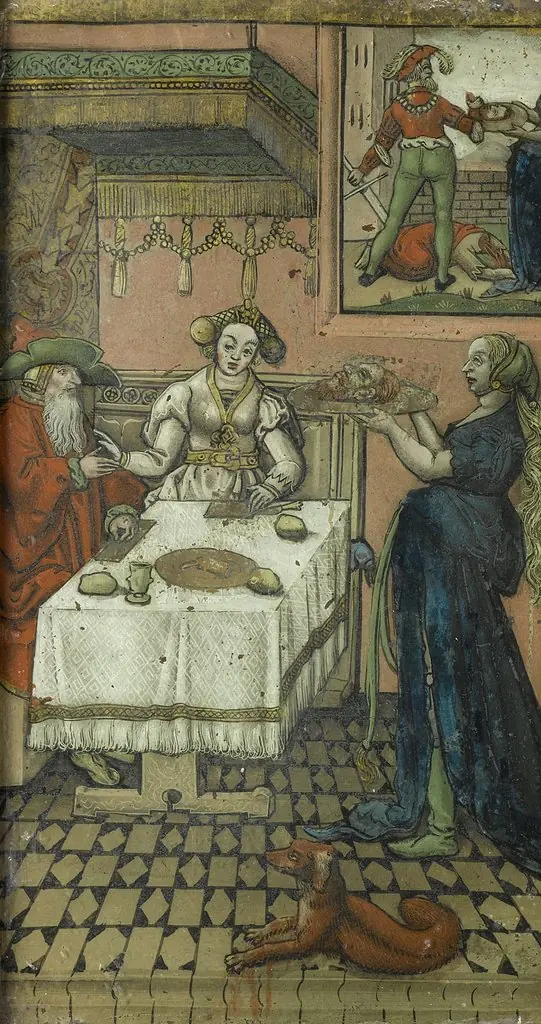 Salome with the head of St John the Baptist
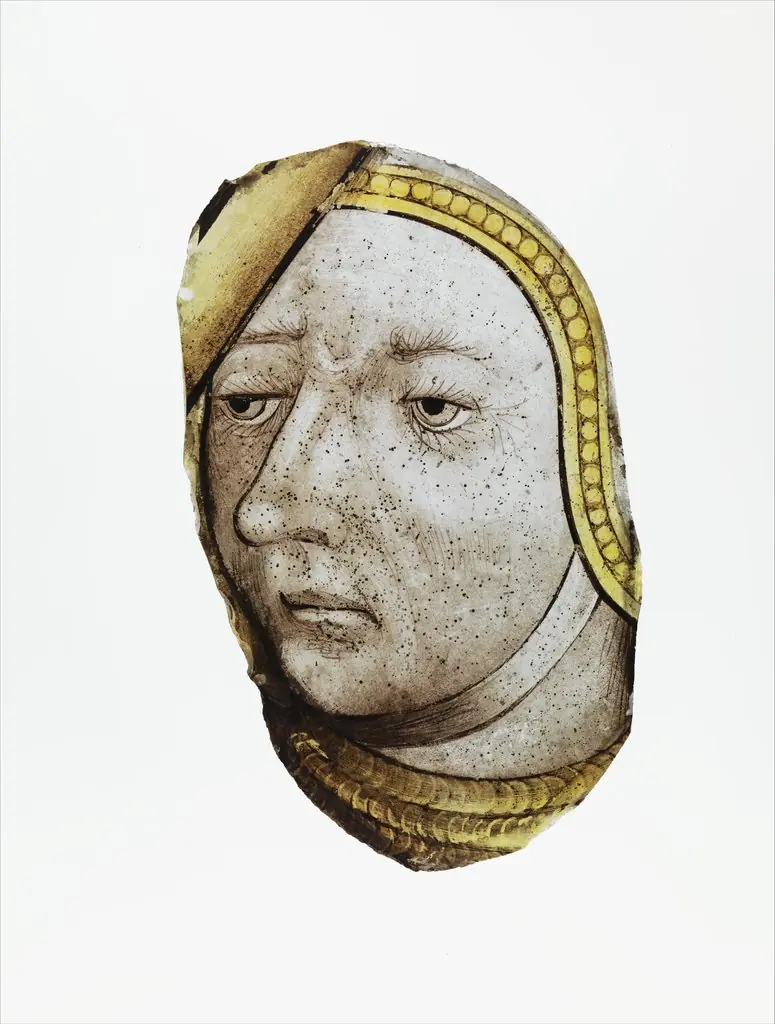 Head of a Woman
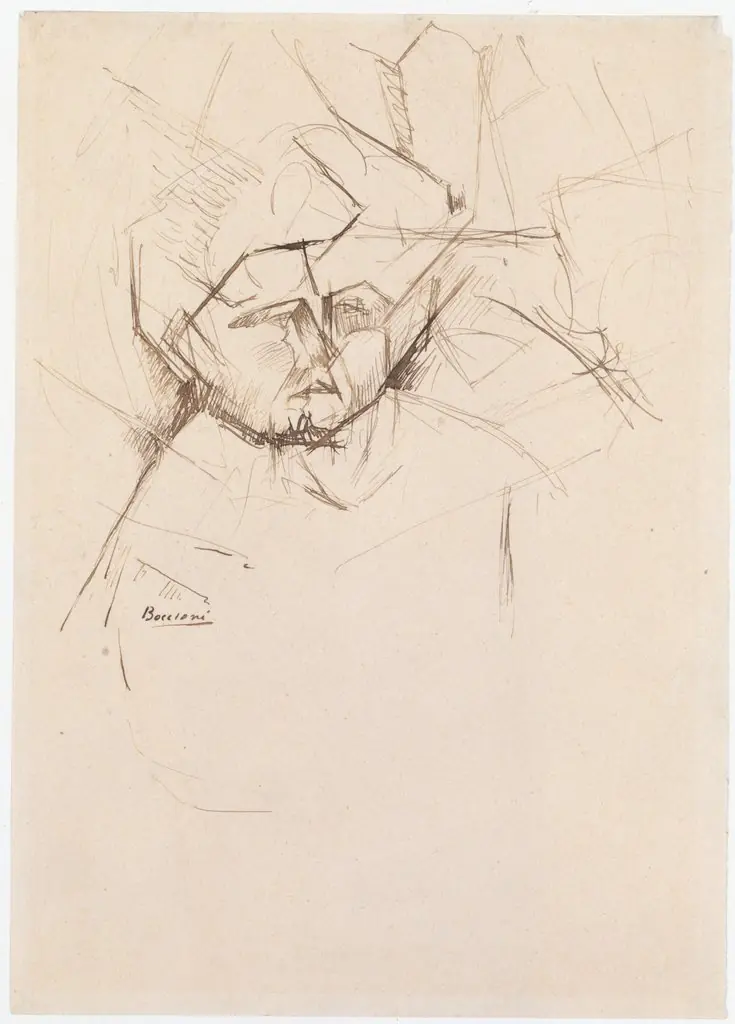 Analytical Study of a Woman's Head Against Buildings
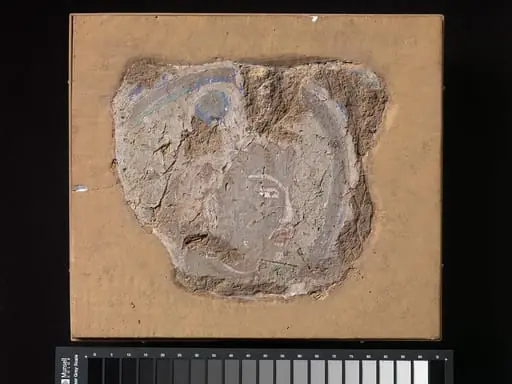 Untitled
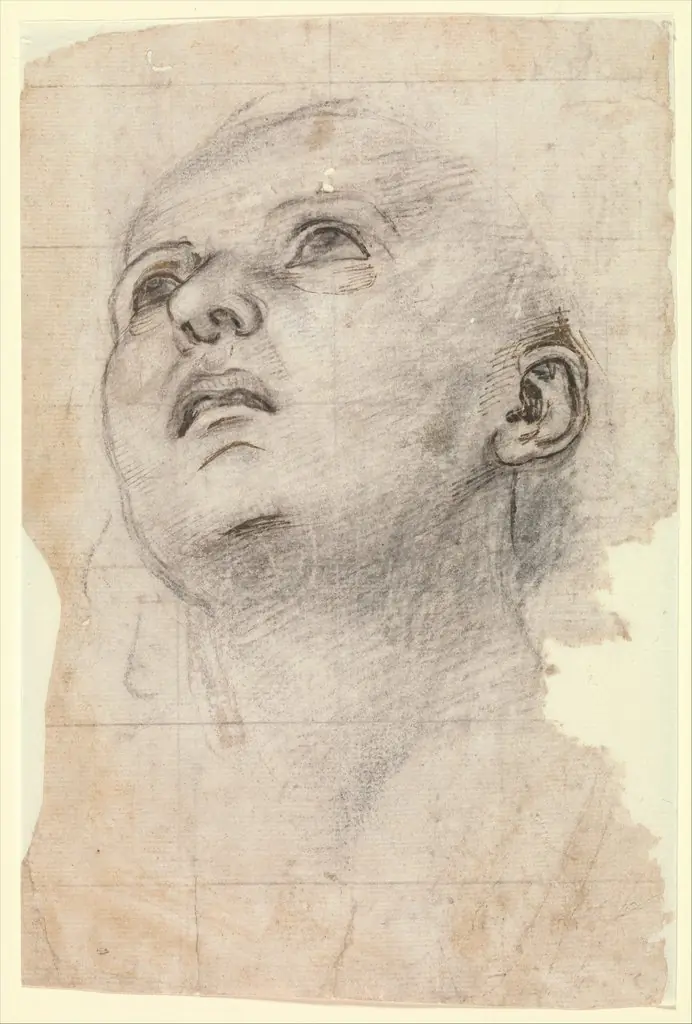 Study of the Head of a Youth Gazing Upward
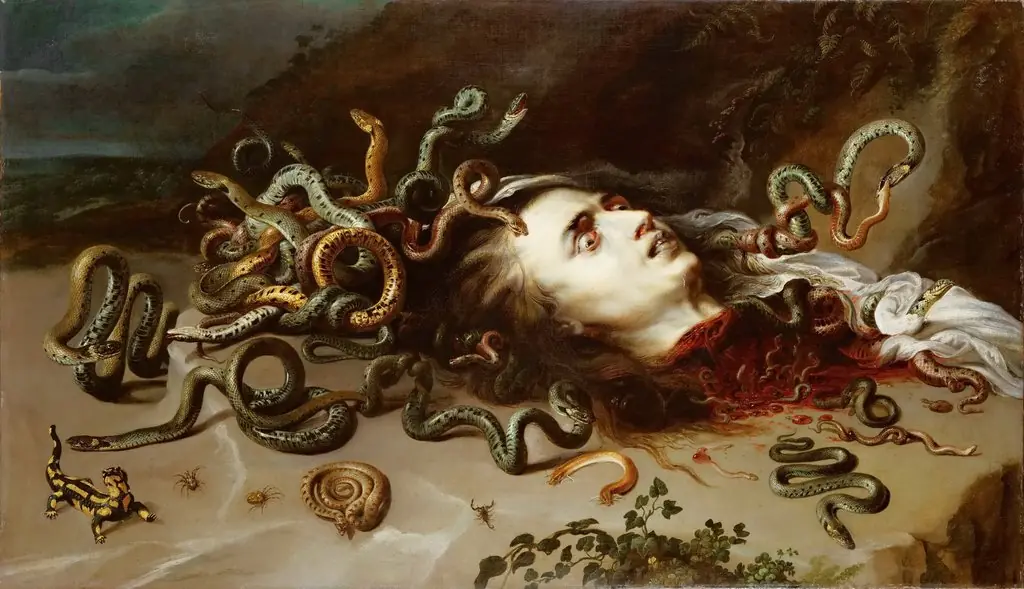 Head of Medusa
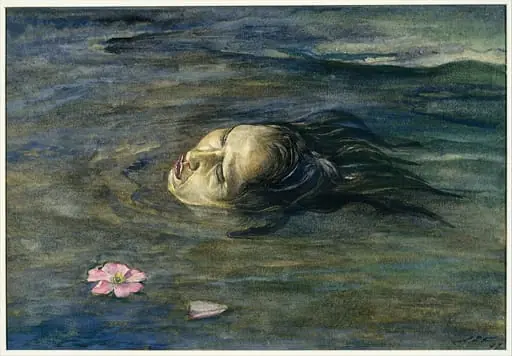 The Strange Thing Little Kiosai Saw in the River
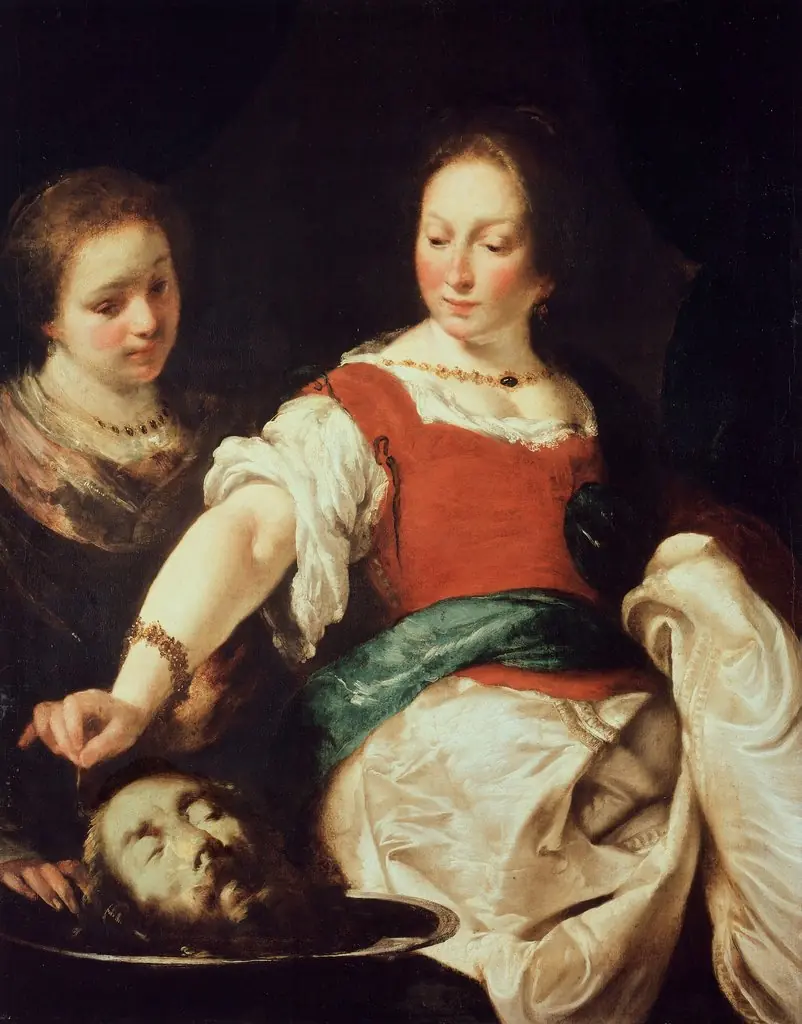 Salome
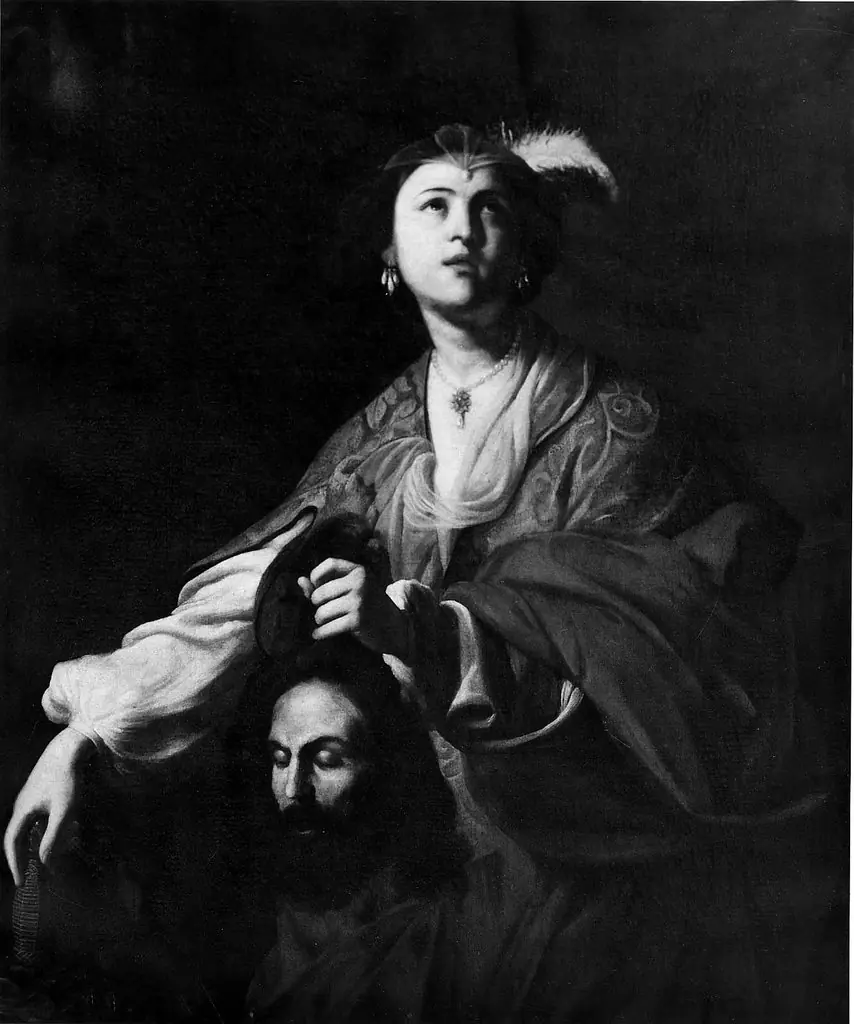 Judith with the Head of Holofernes
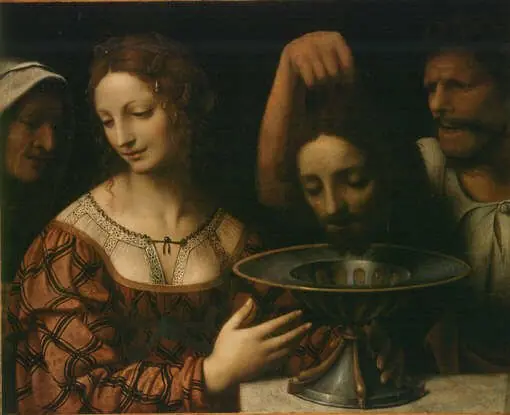 Salome with the head of John the Baptist
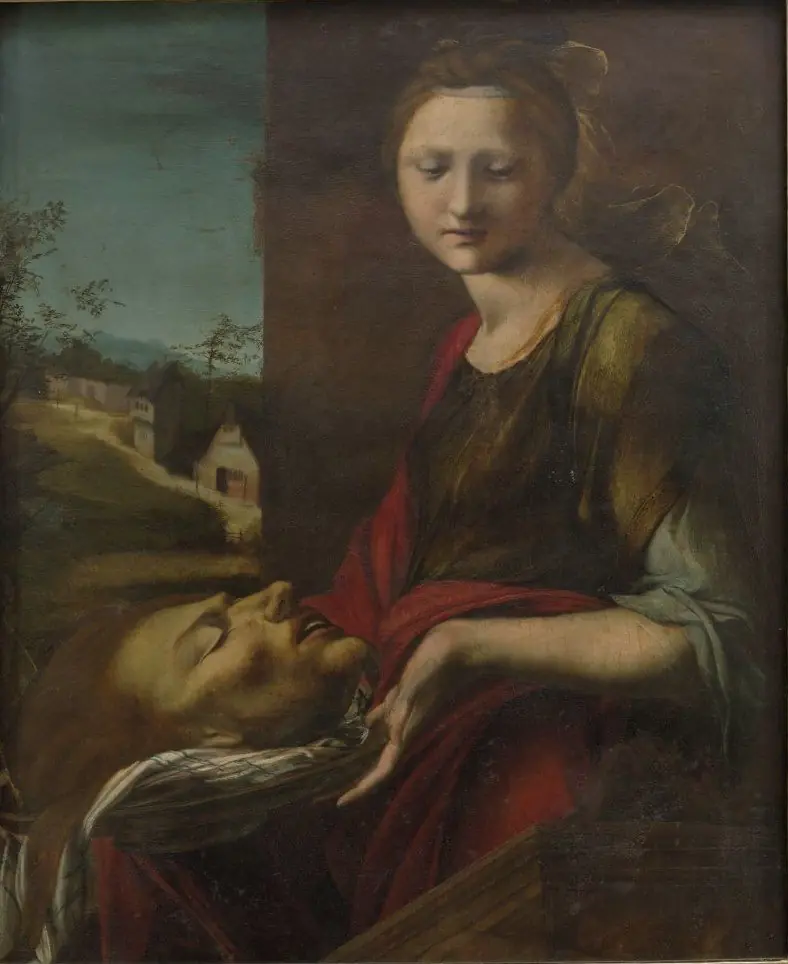 Salome with the head of John the Baptist
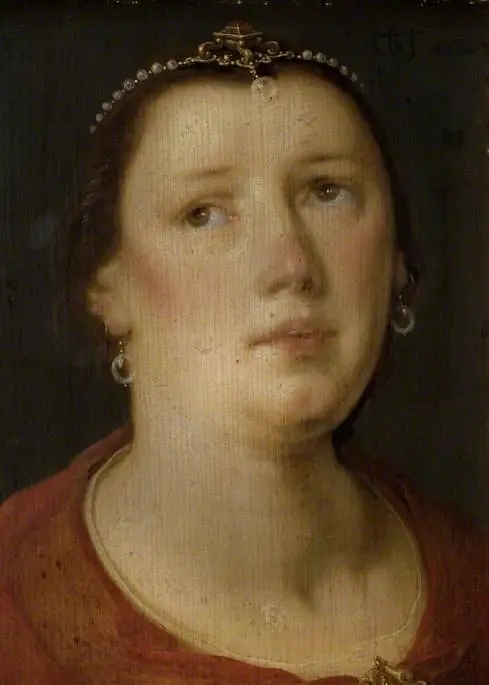 Female head
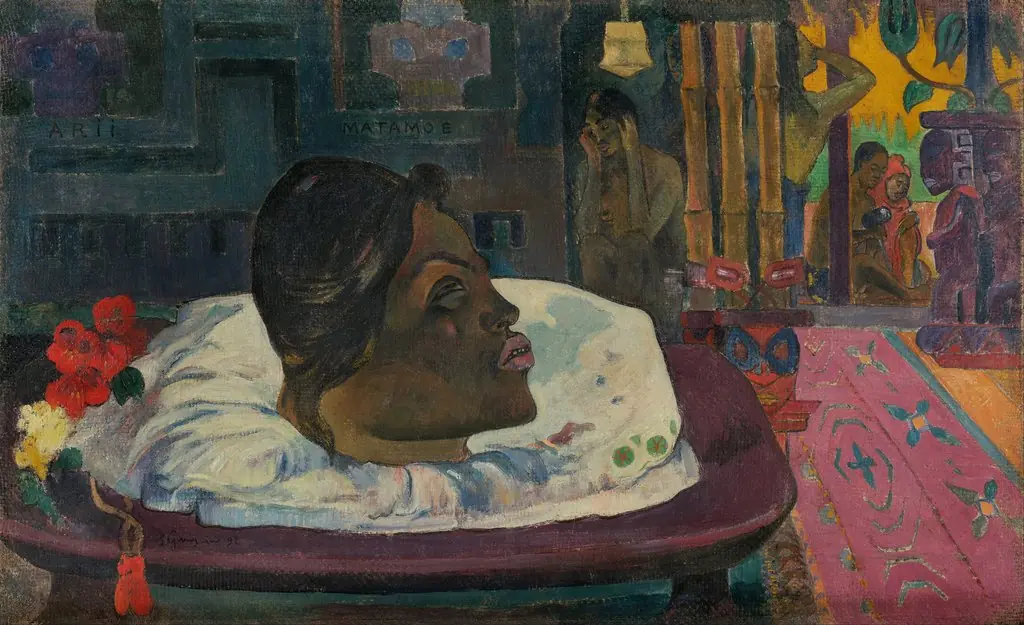 The Royal End
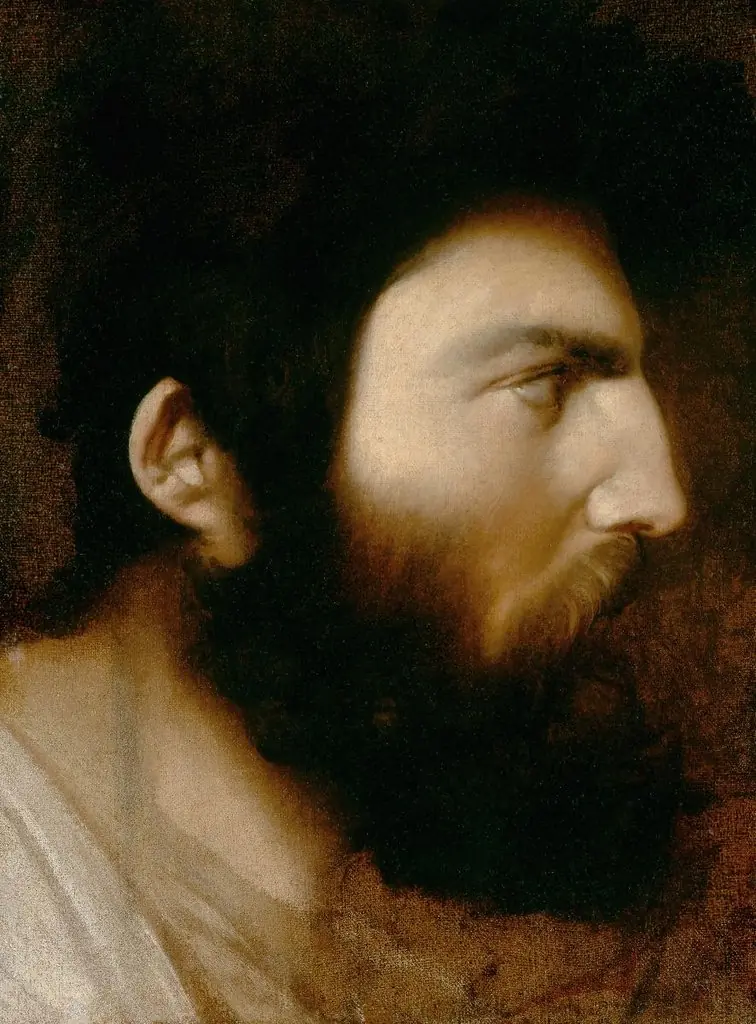 Head of a Bearded Man
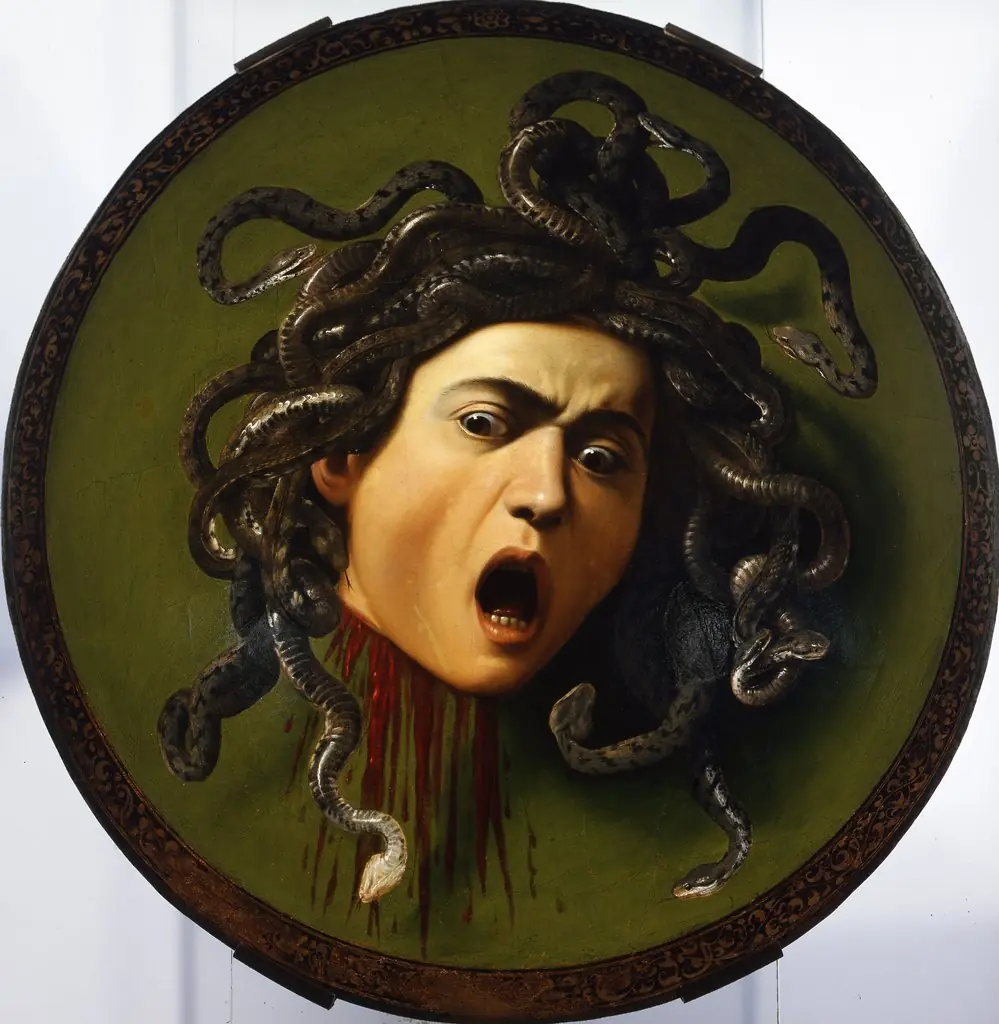 Medusa
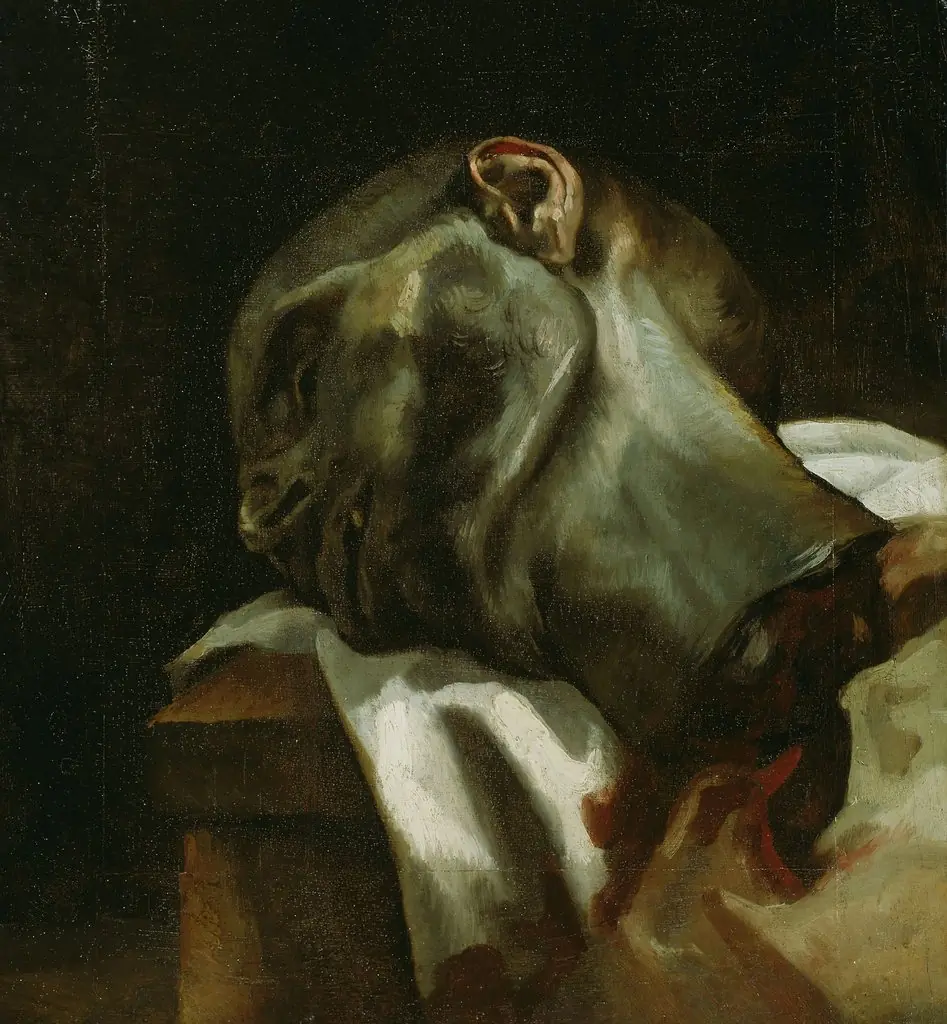 Head of a Guillotined Man
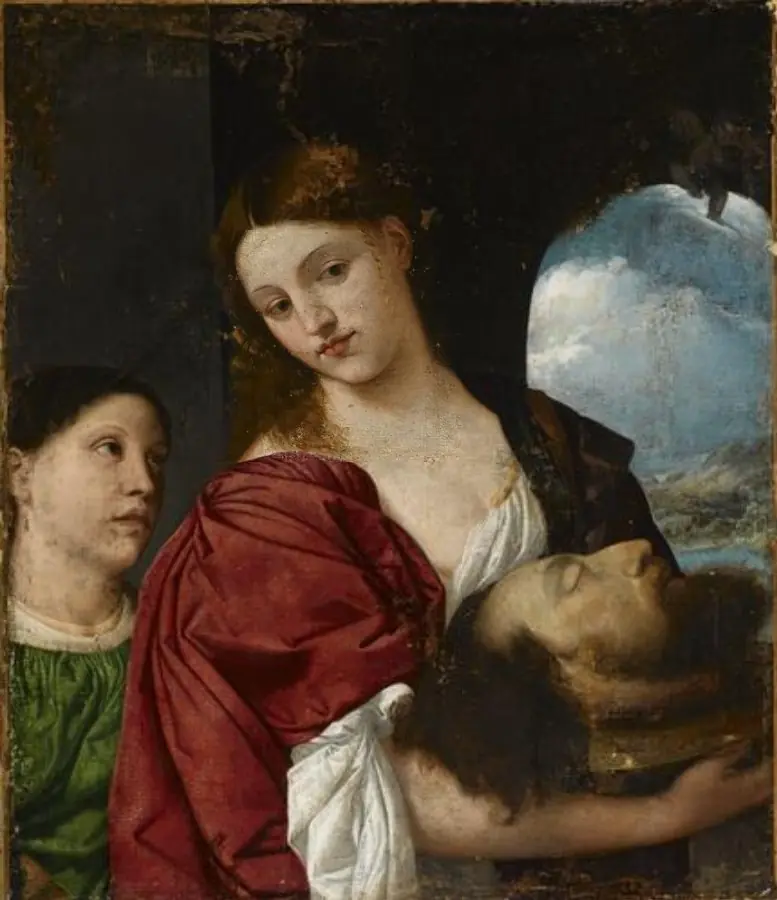 Salome
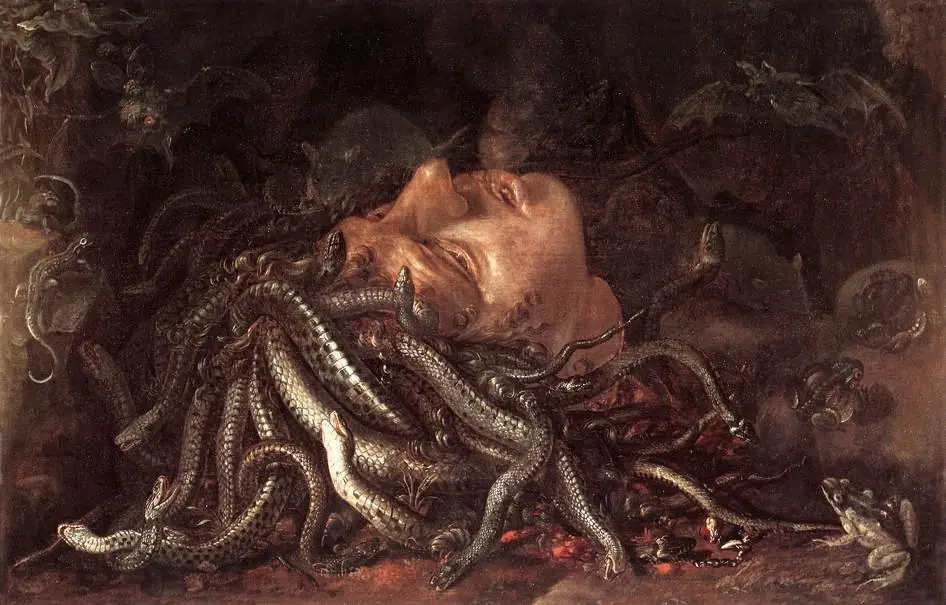 Head of Medusa
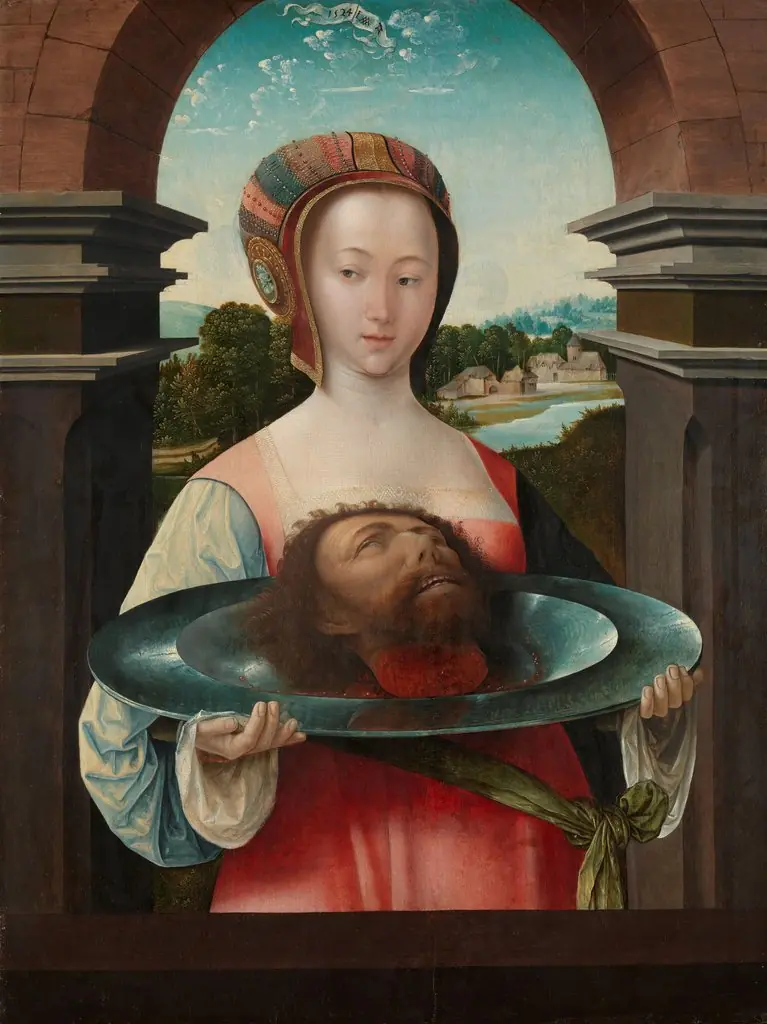 Salome with the Head of John the Baptist
 Perseus
Frequently asked questions
What is Human Head?
Human Head is a subject in art. In human anatomy, the head is at the top of the human body.
How many Human Head works does Artifact World Gallery have?
Artifact World Gallery holds 41 public-domain Human Head works, all free to view and download.
Who are the key Human Head artists?
Key Human Head artists in the collection include Titian, Caravaggio and John Singer Sargent.
Where can I see Human Head works?
Human Head works in the collection are held by Metropolitan Museum of Art, Uffizi Gallery and Rijksmuseum.