Subject
Orpheus
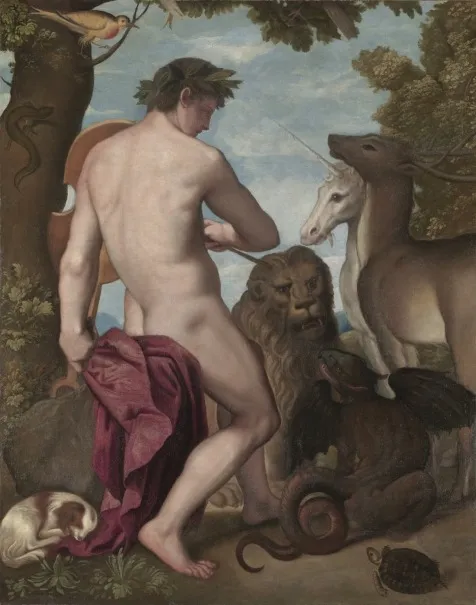
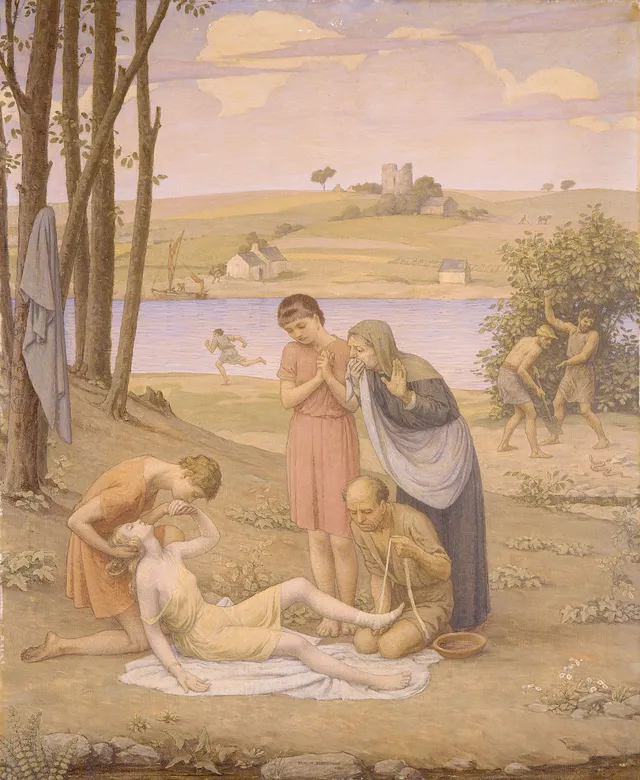
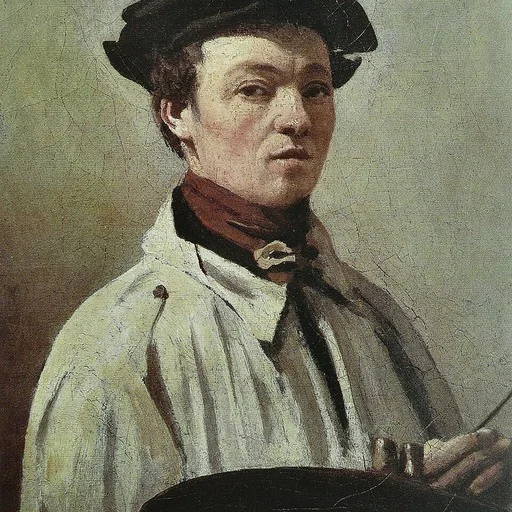
Orpheus is a subject in art. The gallery holds 26 works in this subject in art, including works by Titian, Jean Baptiste Camille Corot and Peter Paul Rubens.
male given name
Key artists
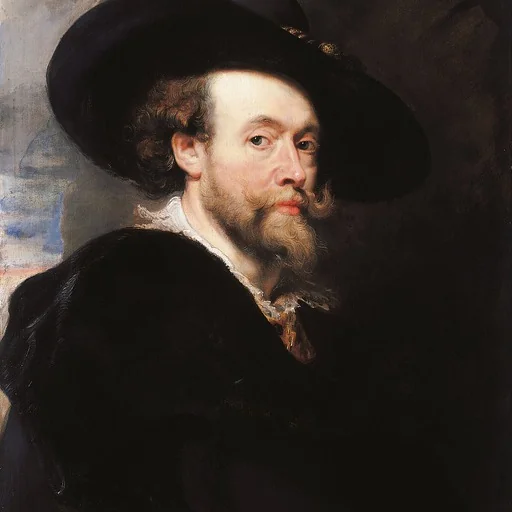
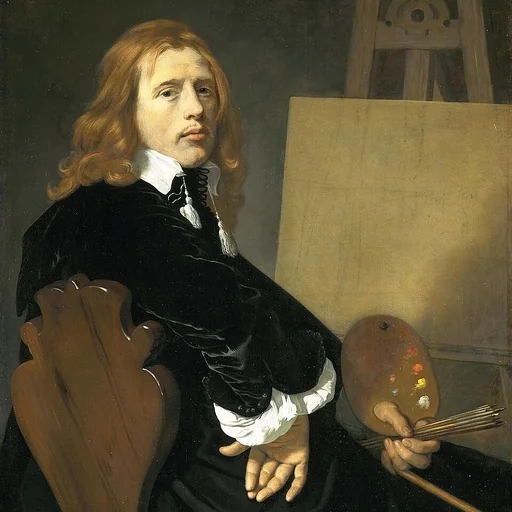
Overview
Orpheus is a figure from Greek mythology renowned as the best known of the mythical musicians, associated with the region of Thrace in northernmost Greece. In art, he recurs as a profound symbol of the power of poetry and music, capable of charming wild beasts and even moving the rulers of the underworld. His narrative arc, defined by his descent to retrieve his beloved wife Eurydice, his tragic loss of her, and his subsequent violent death at the hands of rebuffed Thracian women or Maenads, provides artists with a vehicle to explore themes of love, grief, solitude, and the tension between art and destruction.
Iconography & meaning
The iconography of Orpheus centers on his lyre, the instrument of his divine music, which sometimes appears with turtles whose carapaces were used to make the first lyre according to the myth. He is frequently depicted engrossed in his music, often seated on a rock formation, charming wild animals, or surrounded by Thracian women who hold sickles foreshadowing his fate. The motif carries layered meanings: his music signifies cosmic harmony and the taming of nature, while his severed head, often shown resting on his lyre, represents the survival of poetic inspiration after bodily destruction. The melancholy gaze of figures contemplating his head introduces themes of eternal contemplation and the mystical transcendence of art over mortal violence.
Across movements & periods
The treatment of Orpheus has shifted significantly across art movements. In Classical antiquity, Greek Attic red-figure pottery portrayed him in narrative action, such as seated in Thracian dress while a woman holds a sickle, embedding his story within the physical world and human fate. By the late 19th century, Symbolist artists transformed the myth into a semi-fantastic world of ambiguous charms. Gustave Moreau's approach around 1870 utilized golden chiaroscuro and complex diagonal compositions to create a sensual yet mystic mood, replacing the physical violence of the Maenads with a calm, melancholy scene bathed in a twilight glow, prioritizing psychological and mystical resonance over narrative clarity.
Notable depictions
Notable depictions of Orpheus span from antiquity to modern times. A terracotta bell-krater from circa 440 BCE, attributed to the Painter of London E 497, shows the musician seated and engrossed in his music while a woman holds a sickle, foreshadowing his death. In 1865, Gustave Moreau painted Orpheus, depicting a girl in Oriental finery rescuing the poet's severed head as it rests on his lyre, a work that established his mature Symbolist style. Auguste Rodin modeled Orpheus and Eurydice around 1887, later carved in marble in 1893, capturing the emotional climax of the myth in a sculpture measuring 48 3/4 by 31 1/8 by 25 3/8 inches. In 1985, Barbara Daupert created a hand-crafted book titled Orpheus, utilizing hand set type, etching, lithograph, and screenprint, unbound in a bookbox covered with hand-dyed fabric, measuring 14 by 18 inches.
Legacy
The myth of Orpheus has maintained a profound cultural afterlife, largely due to its adaptability as a symbol of the artist's power and vulnerability. Gustave Moreau's interpretation proved decisive for the Symbolist movement, establishing a visual language where the horrible ordeal of the Maenads is followed by a calm scene mysteriously free of morbidity, absorbed in infinite contemplation. This pivot from narrative violence to mystical reverie influenced subsequent generations of artists who sought to depict the ambiguous, the psychological, and the transcendental. The subject's continued relevance is evidenced by its presence in modern and contemporary formats, such as Daupert's 1985 multimedia bookwork, demonstrating the myth's capacity to inspire experimental forms across centuries.
Works
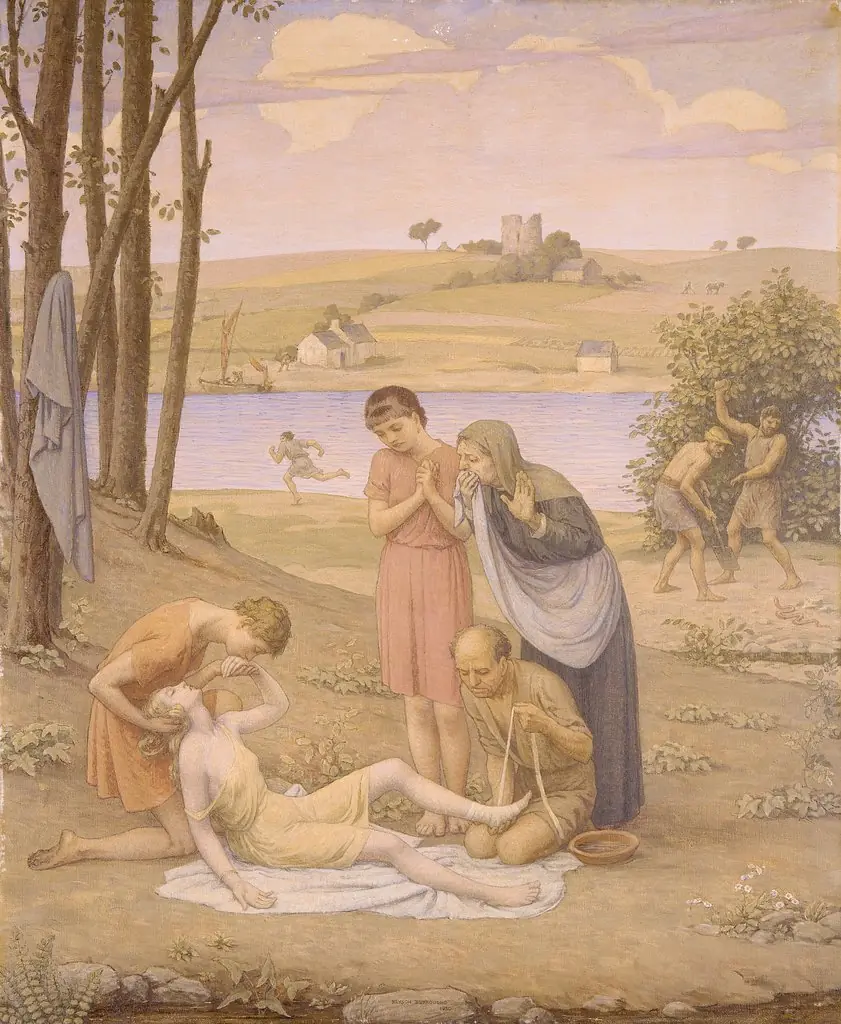 Eurydice Bitten by the Snake
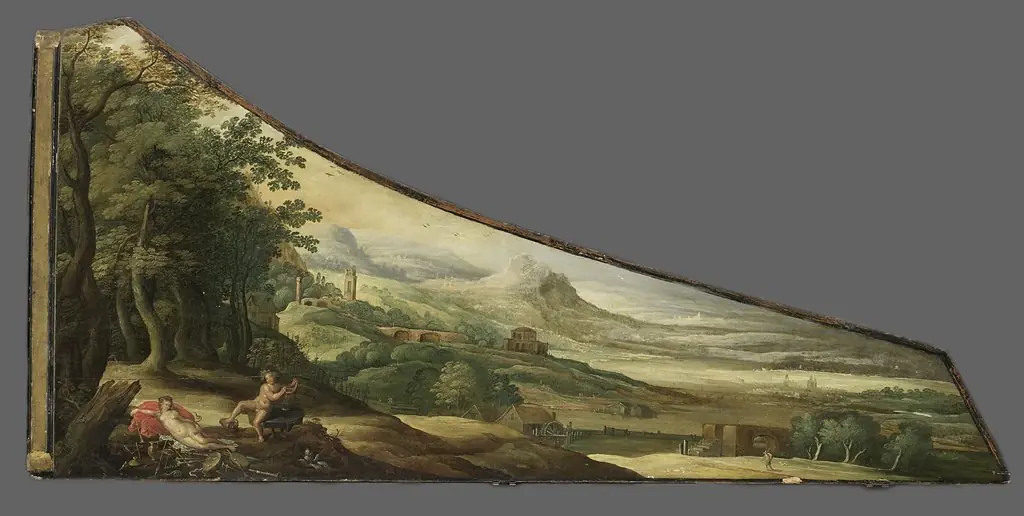 Death of Euridice
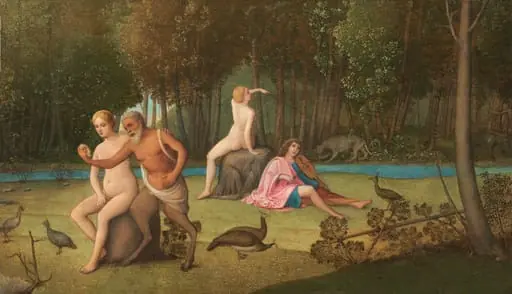 Orpheus
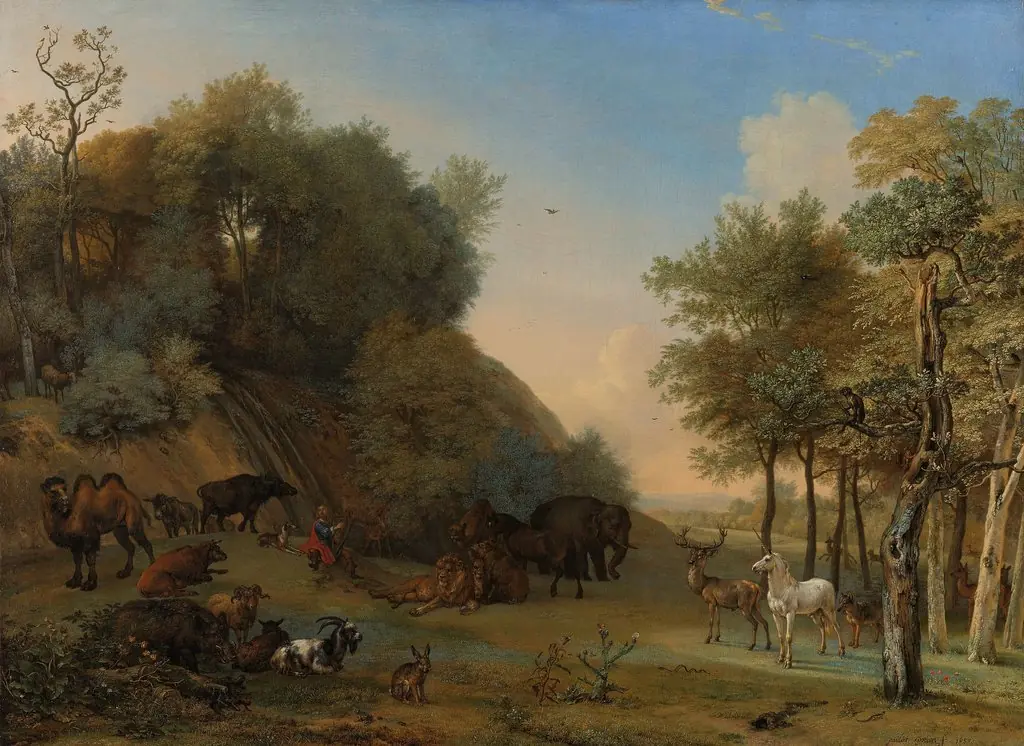 Orpheus and the Animals
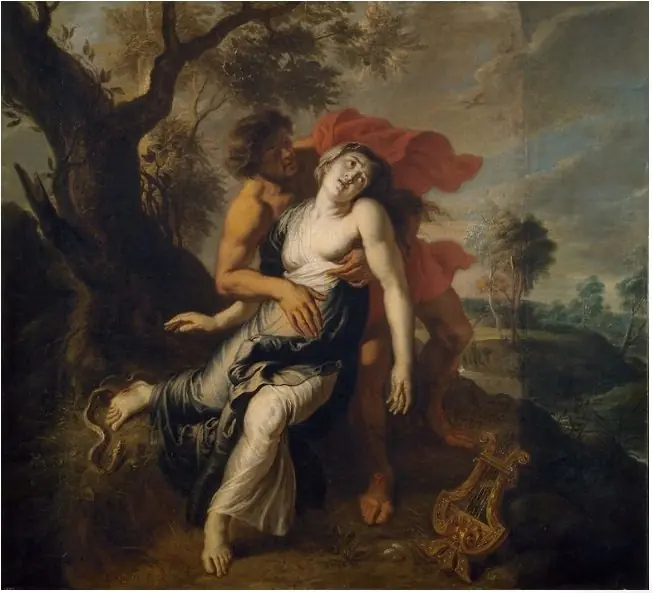 The Death of Eurydice
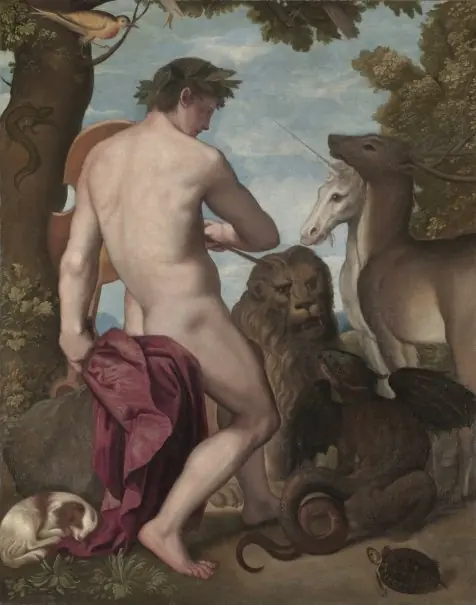 Orpheus Enchanting the Animals
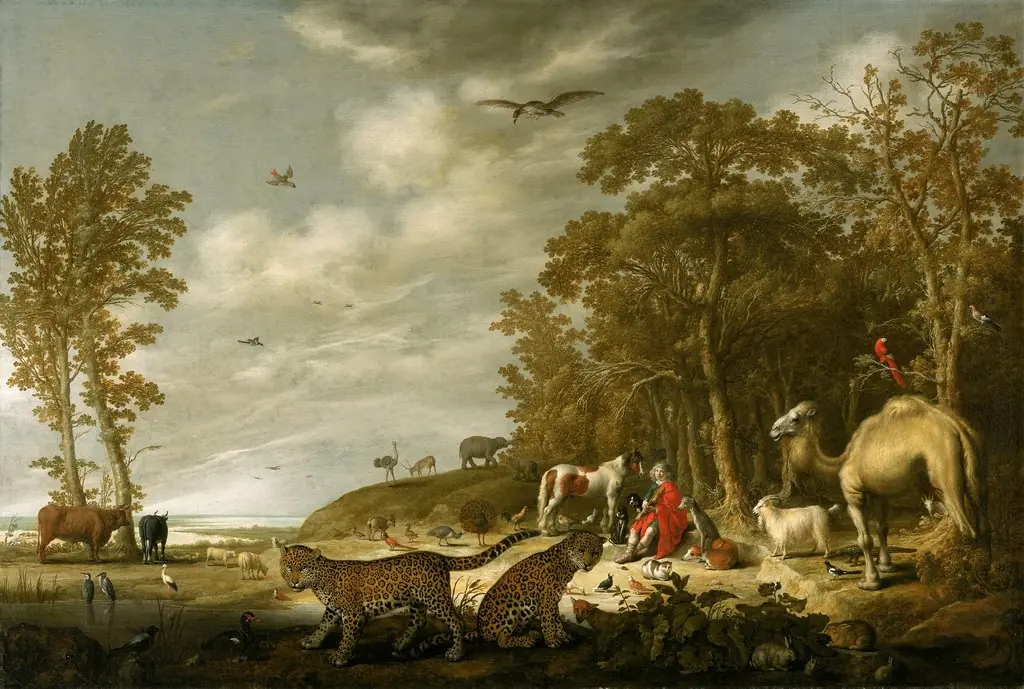 Orpheus Charming the Animals
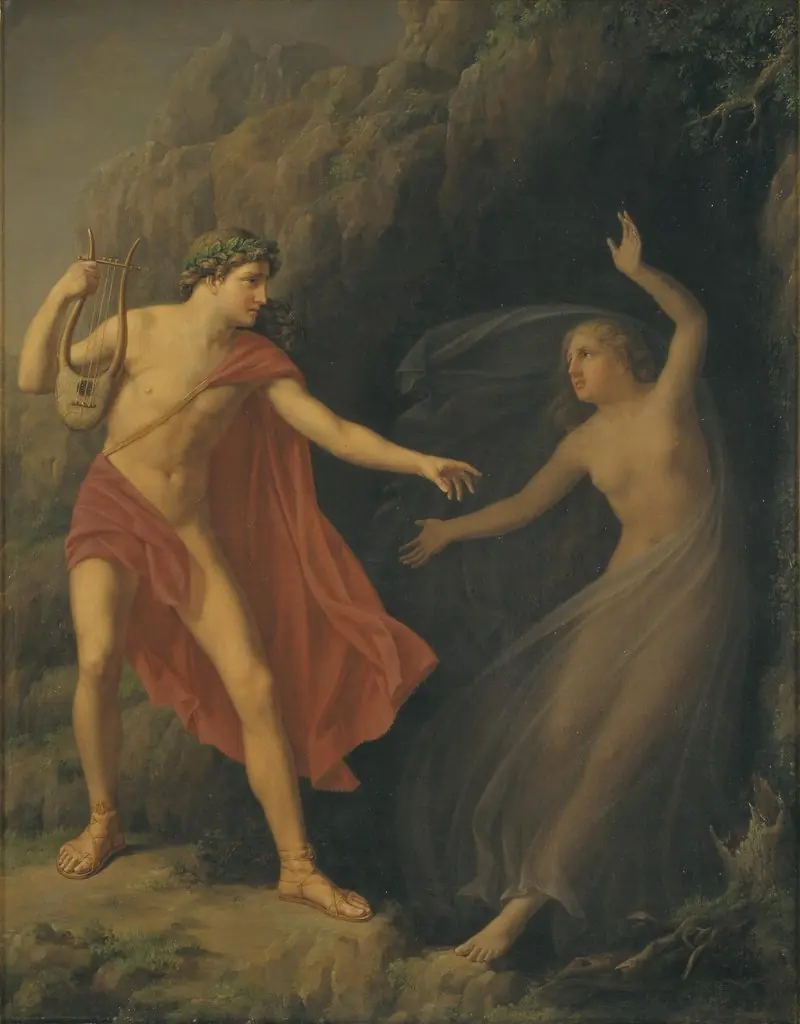 Orpheus and Eurydice
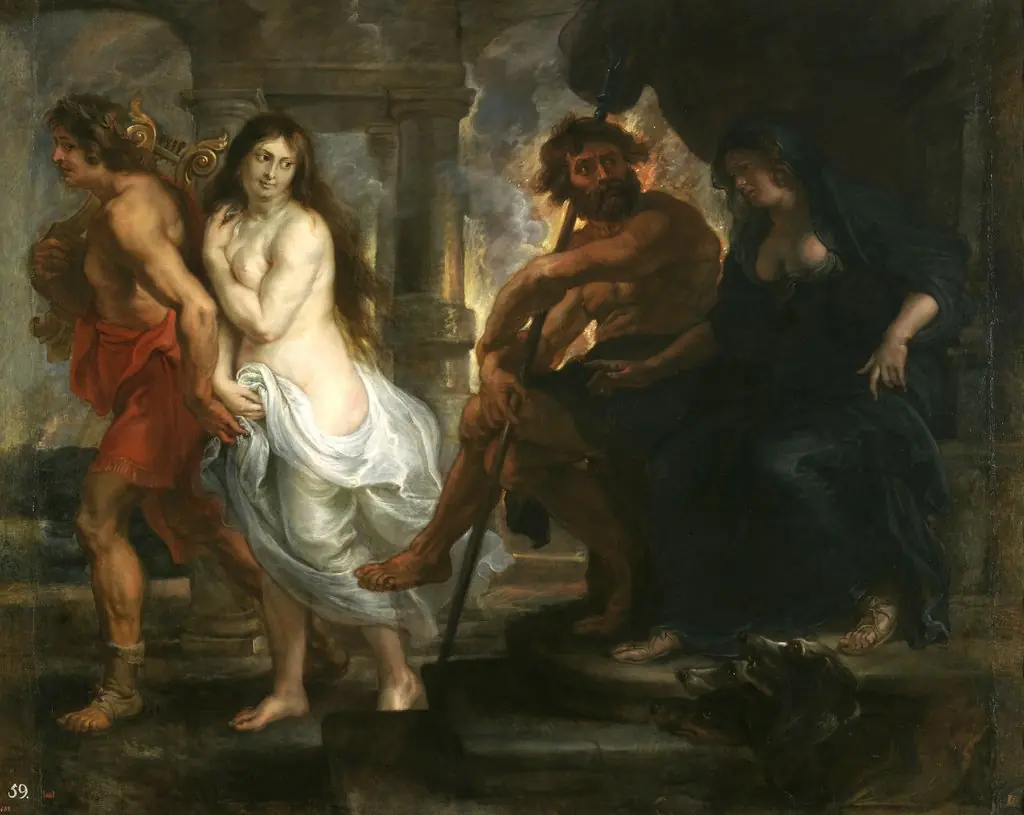 Orpheus and Eurydice
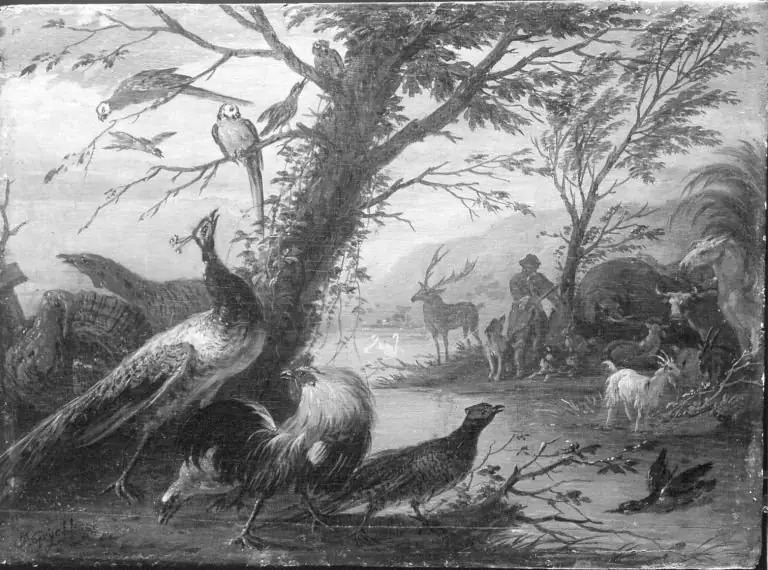 Orpheus bezaubert die Tiere
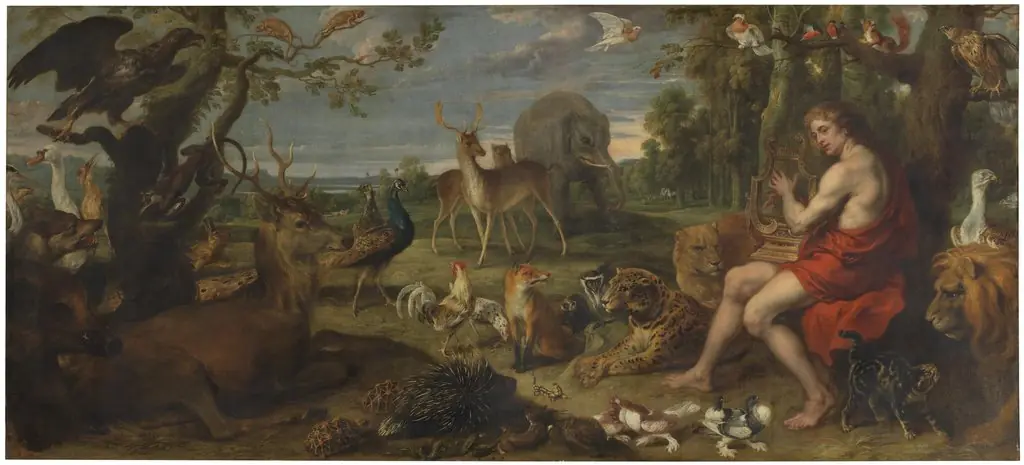 Orpheus and the animals
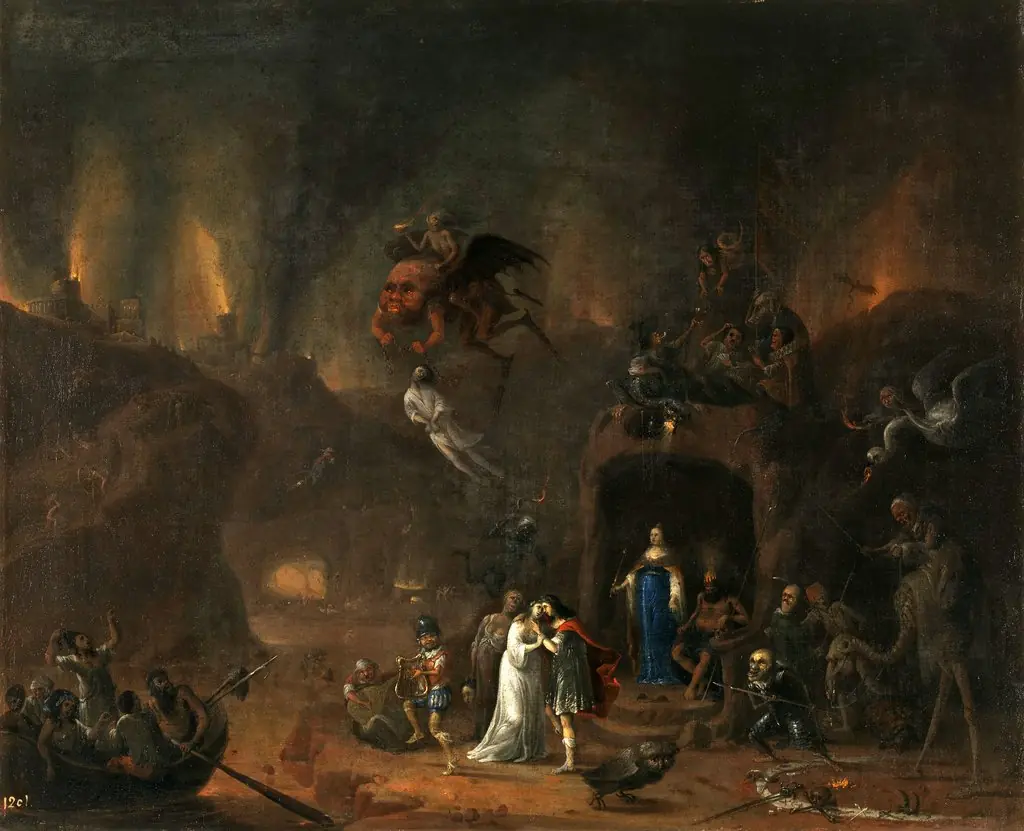 Orpheus and Eurydice in the Underworld
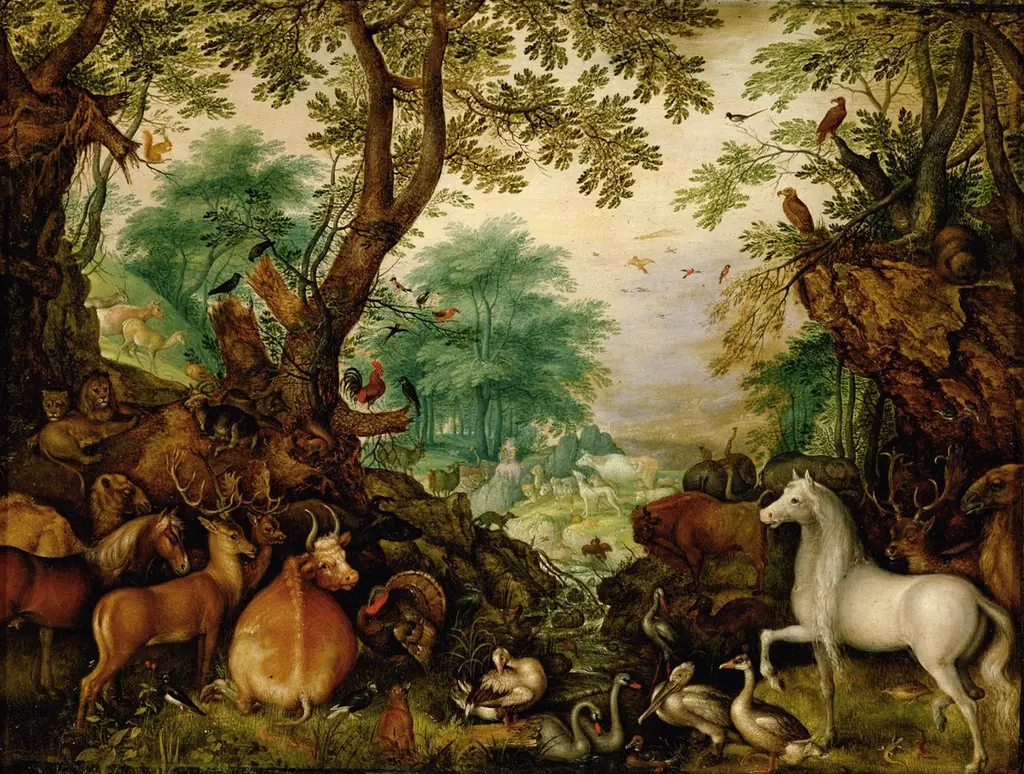 Orpheus unter den Tieren
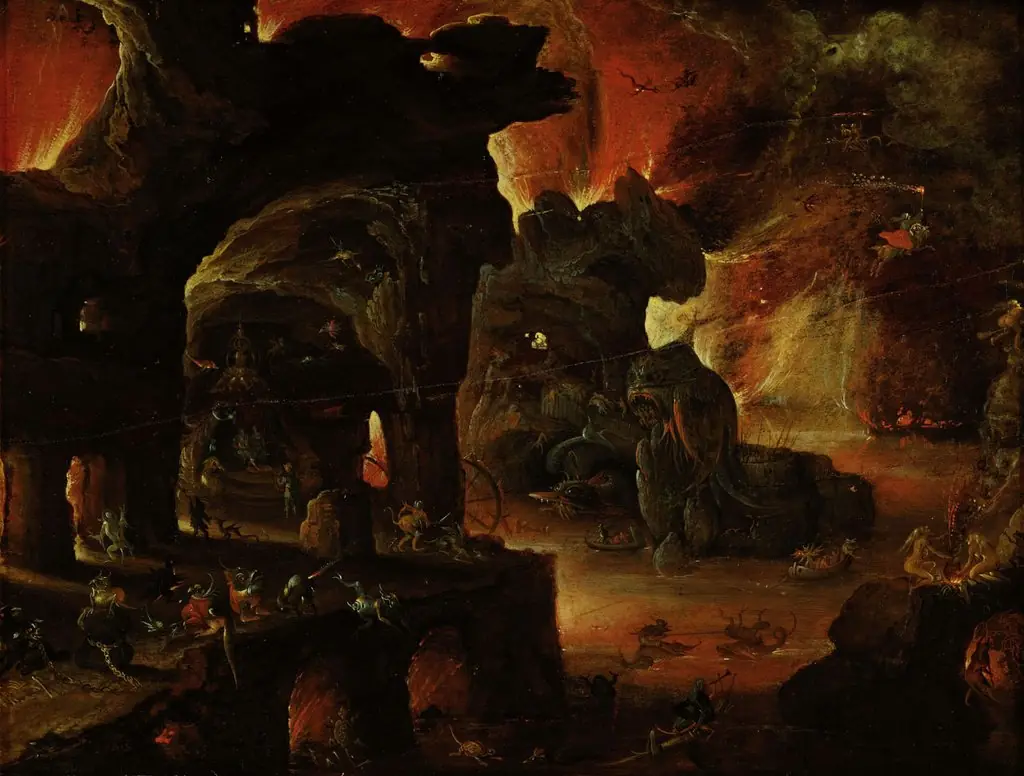 Orpheus in the Underworld
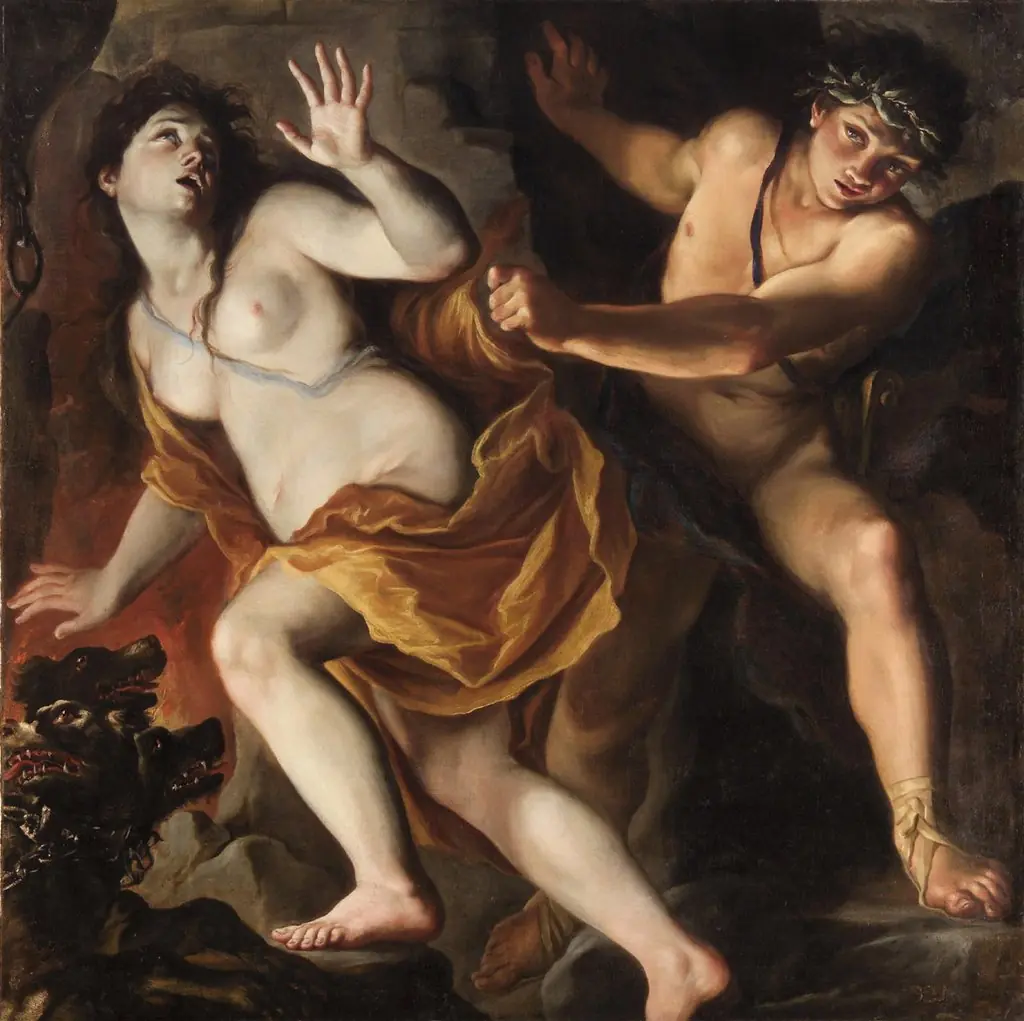 Orpheus and Eurydike
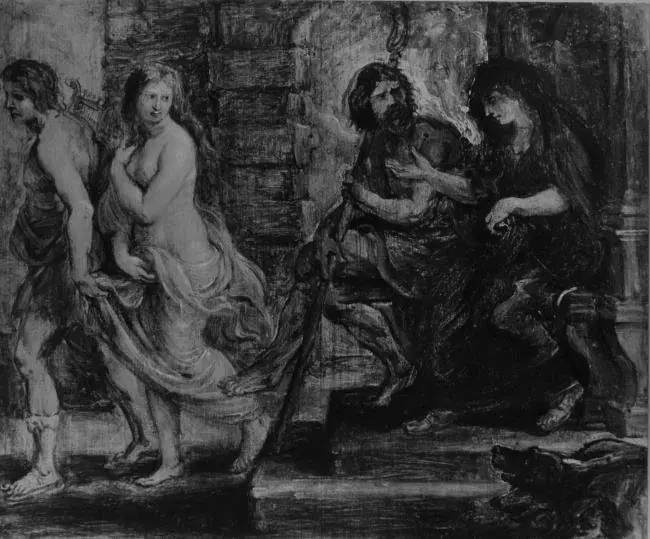 Orpheus leads Eurydice from Hades (Ovid, Metamorphoses, X, 1-39)
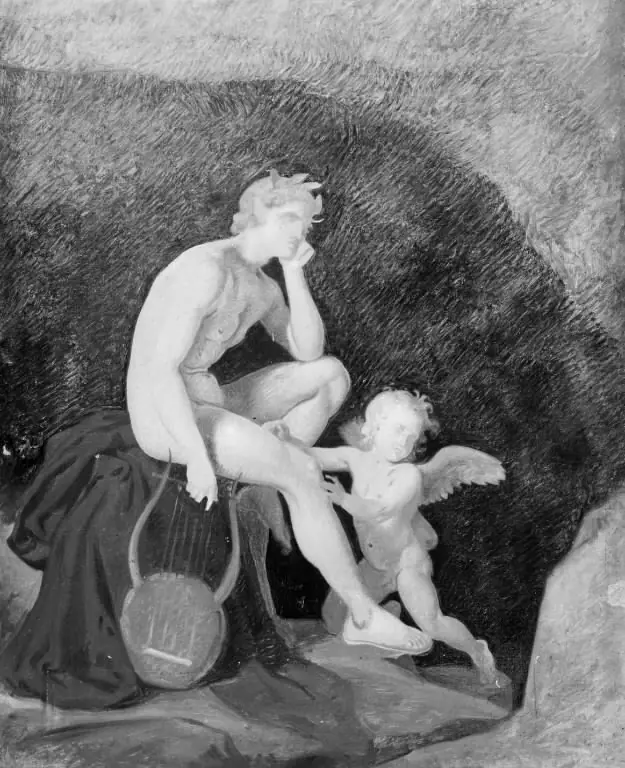 Orfeus opstegen fra Tartaros
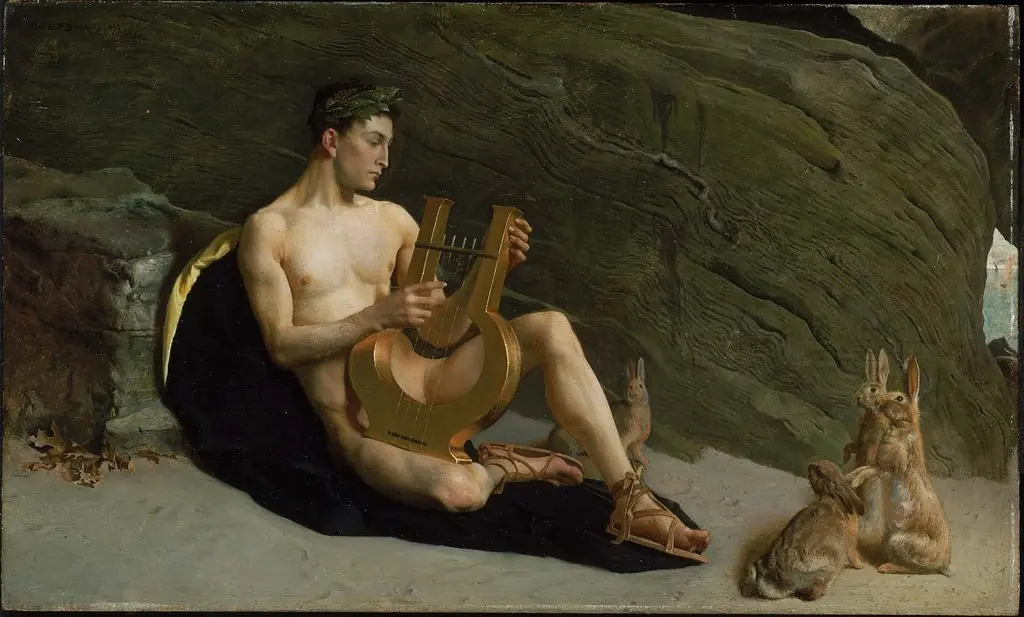 Orpheus
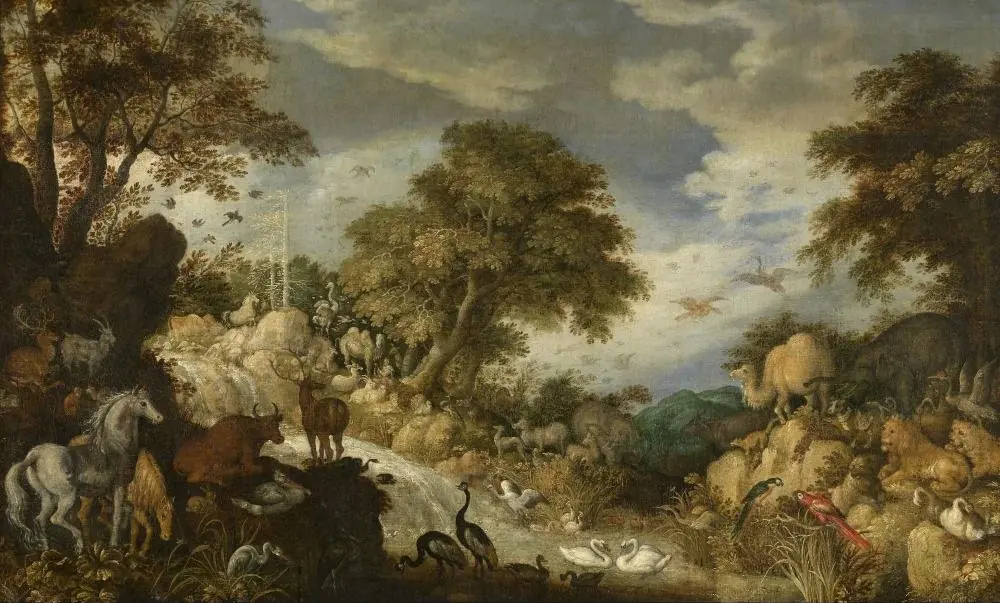 Orpheus and the Animals
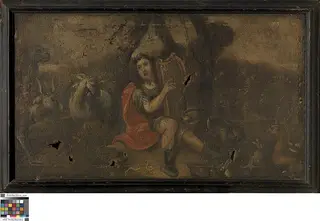 Orpheus
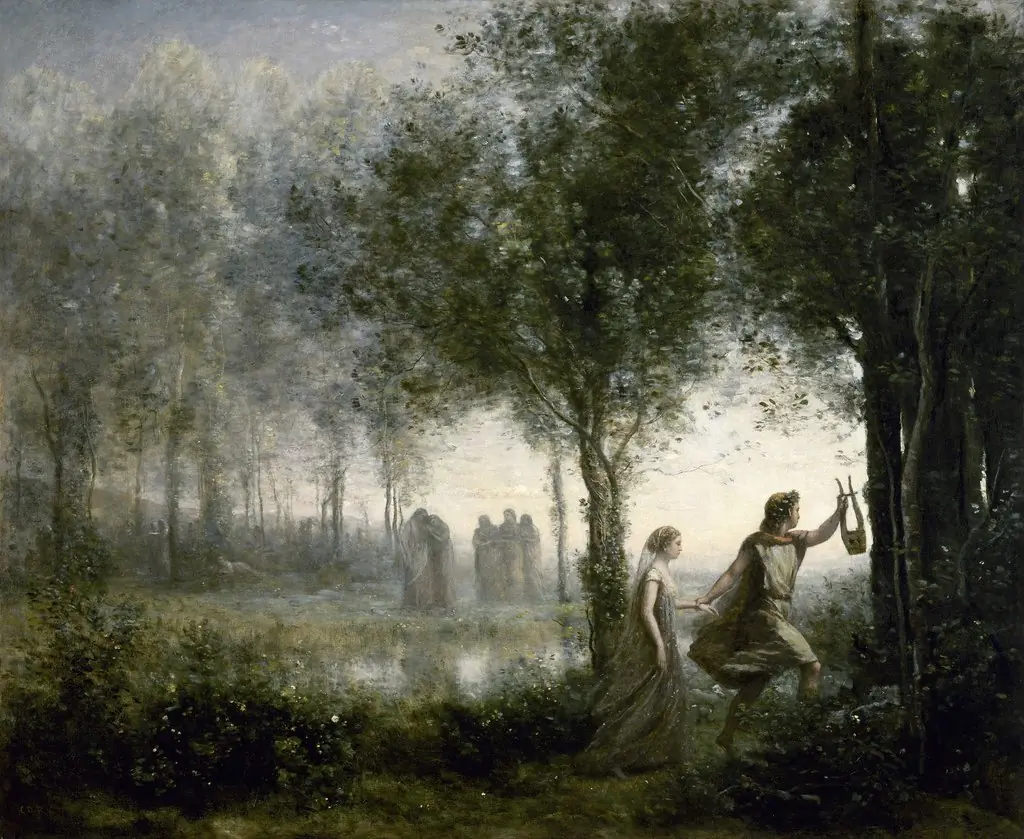 Orpheus Leading Eurydice from the Underworld
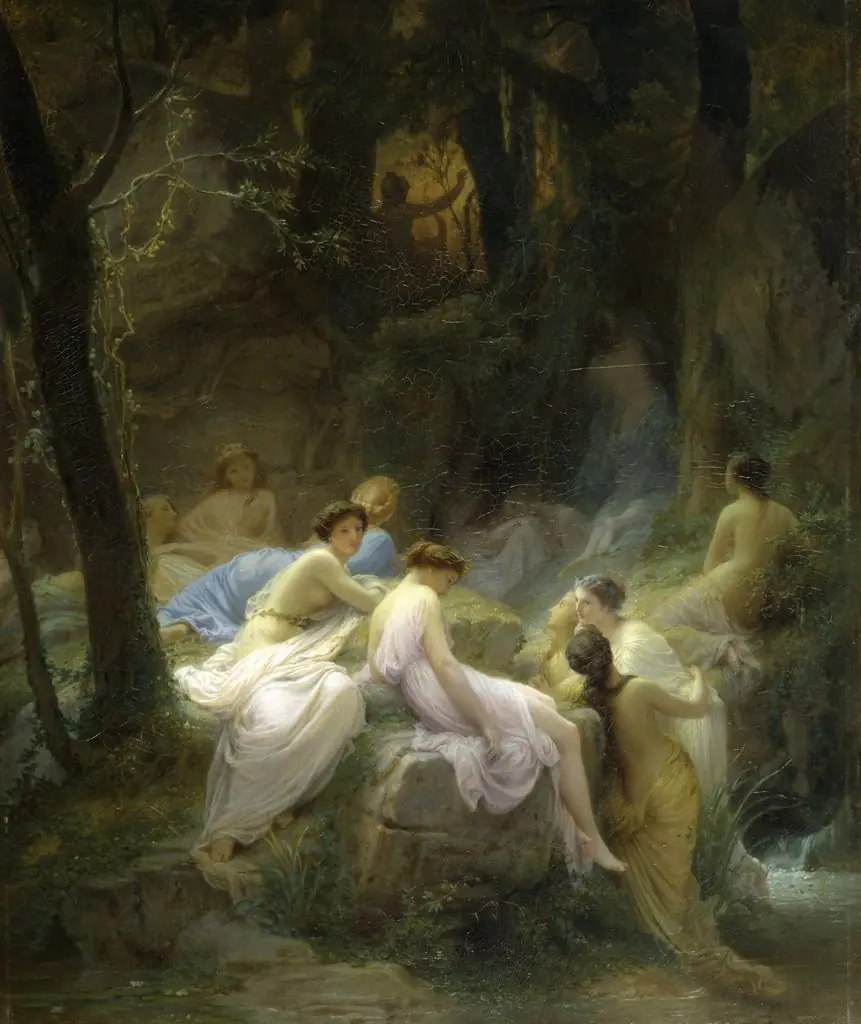 Nymphs Listening to the Songs of Orpheus
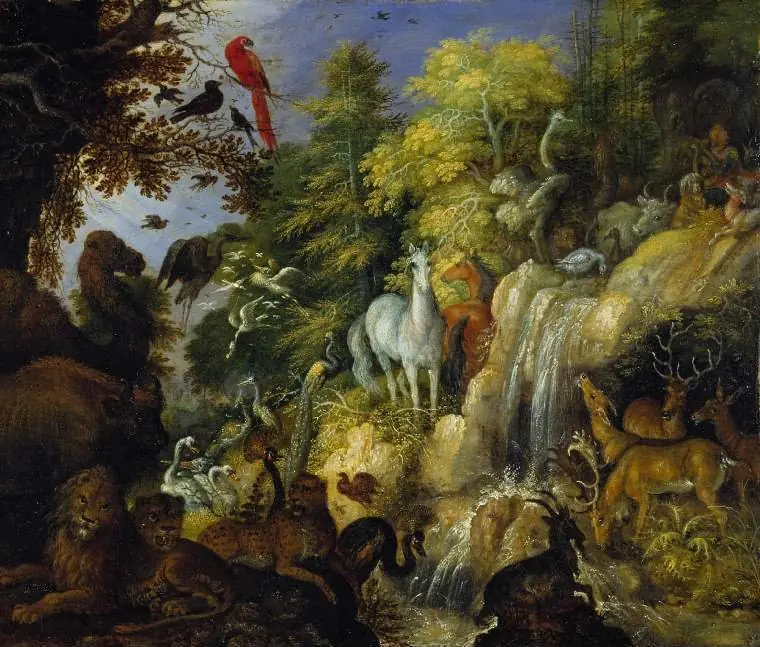 Orpheus with beasts and birds
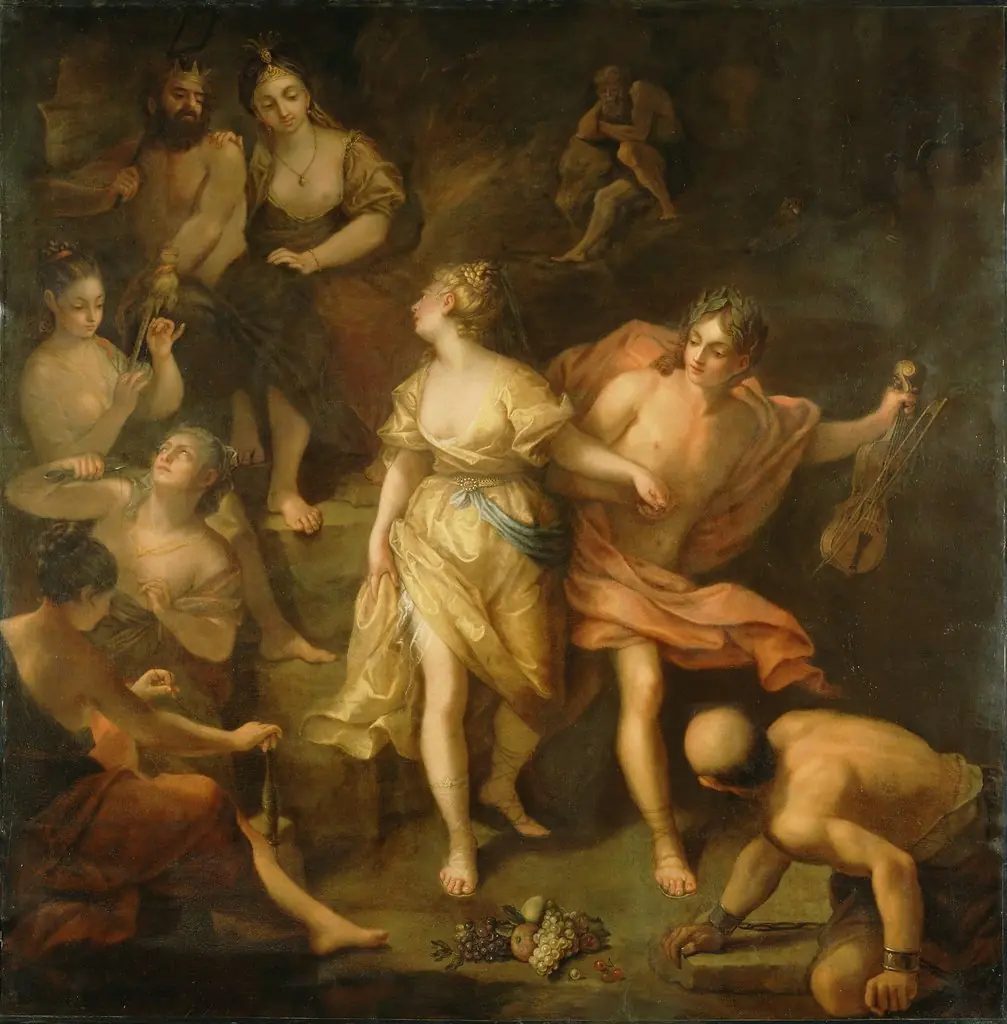 Orpheus and Eurydice
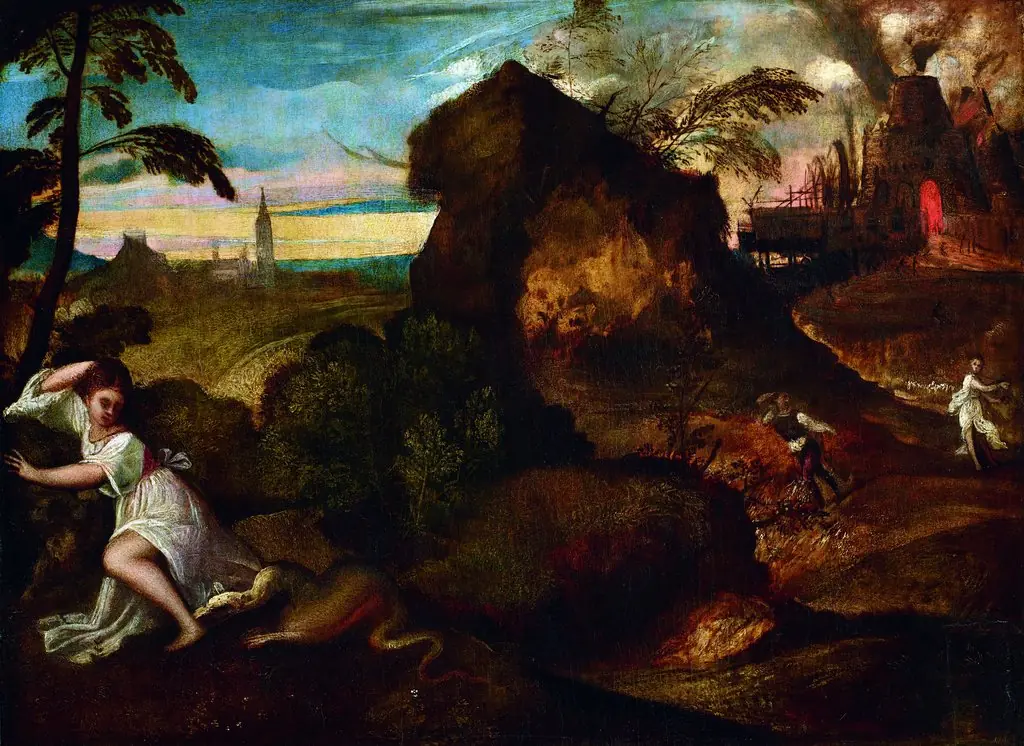 Orpheus and Eurydice
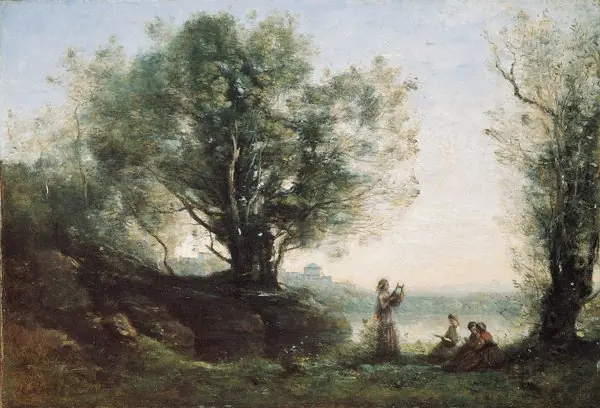 Orpheus Lamenting Eurydice
Frequently asked questions
What is Orpheus?
Orpheus is a subject in art. male given name
How many Orpheus works does Artifact World Gallery have?
Artifact World Gallery holds 26 public-domain Orpheus works, all free to view and download.
Who are the key Orpheus artists?
Key Orpheus artists in the collection include Titian, Jean Baptiste Camille Corot and Peter Paul Rubens.
Where can I see Orpheus works?
Orpheus works in the collection are held by Museo del Prado, Kunsthistorisches Museum and Statens Museum for Kunst.