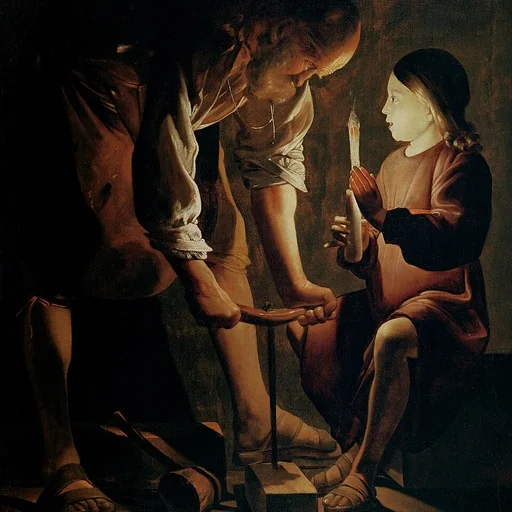
Subject
Playing Card
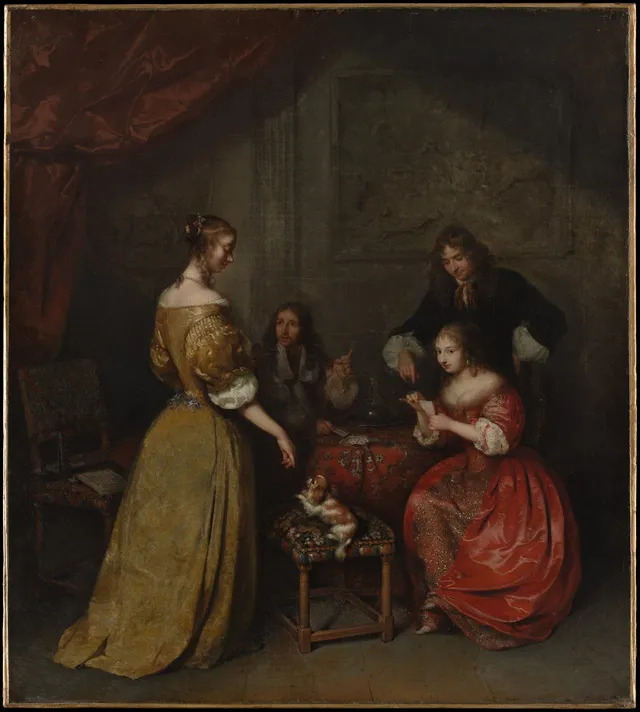
Playing Card is a subject in art. The gallery holds 91 works in this subject in art, including works by Georges de La Tour, John Haberle and Caravaggio.
A playing card is a piece of specially prepared card stock, heavy paper, thin cardboard, plastic-coated paper, cotton-paper blend, or thin plastic that is marked with distinguishing motifs. Often the front (face) and back of each card has a finish to make handling easier.
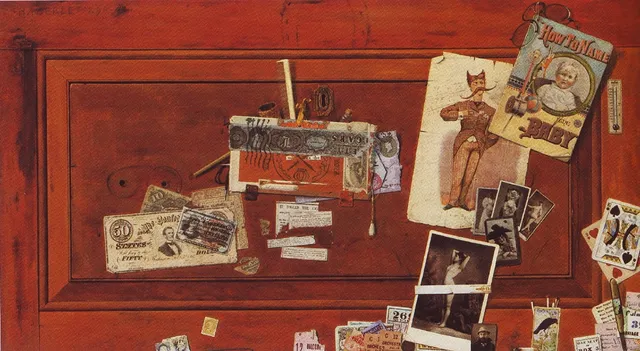
Key artists
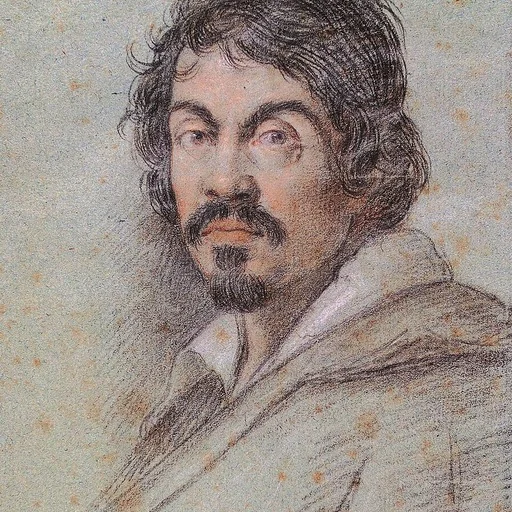
Overview
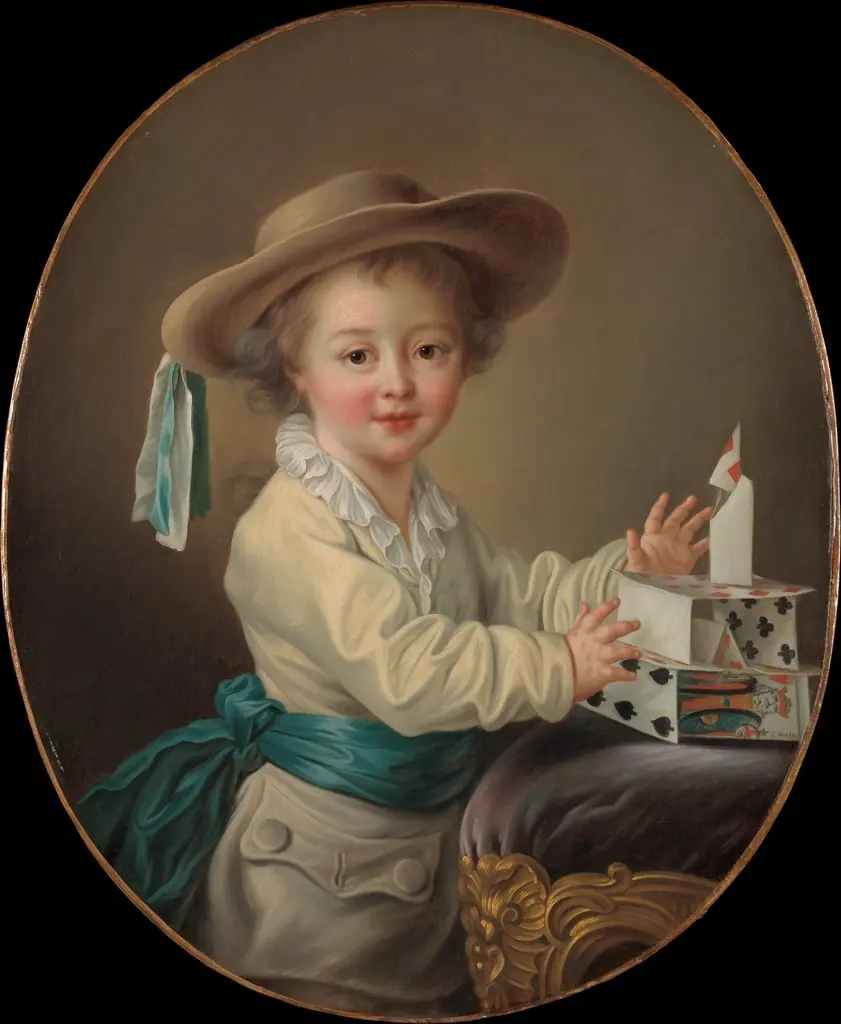
A playing card is a piece of specially prepared card stock, heavy paper, thin cardboard, plastic-coated paper, cotton-paper blend, or thin plastic marked with distinguishing motifs. Typically palm-sized for convenient handling, cards are most commonly used for playing card games, though they also function in magic tricks, cardistry, card throwing, and constructing card houses. The front face of a card displays its value and suit, while the reverse side is usually covered with a uniform pattern to prevent players from seeing through the translucent material or identifying cards by minor scratches. Cards are sold together in a set known as a deck or pack, and they are frequently collected as hobbies, artistic works, or monetary investments. Beyond gaming, playing cards have served as a recurring motif in visual art, representing chance, vice, social interaction, and the transience of life.
Iconography & meaning
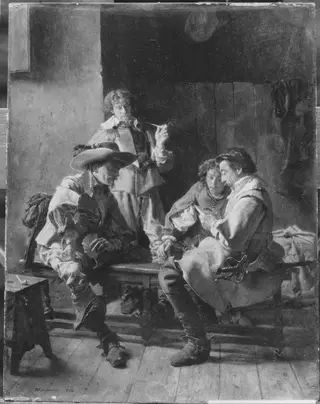
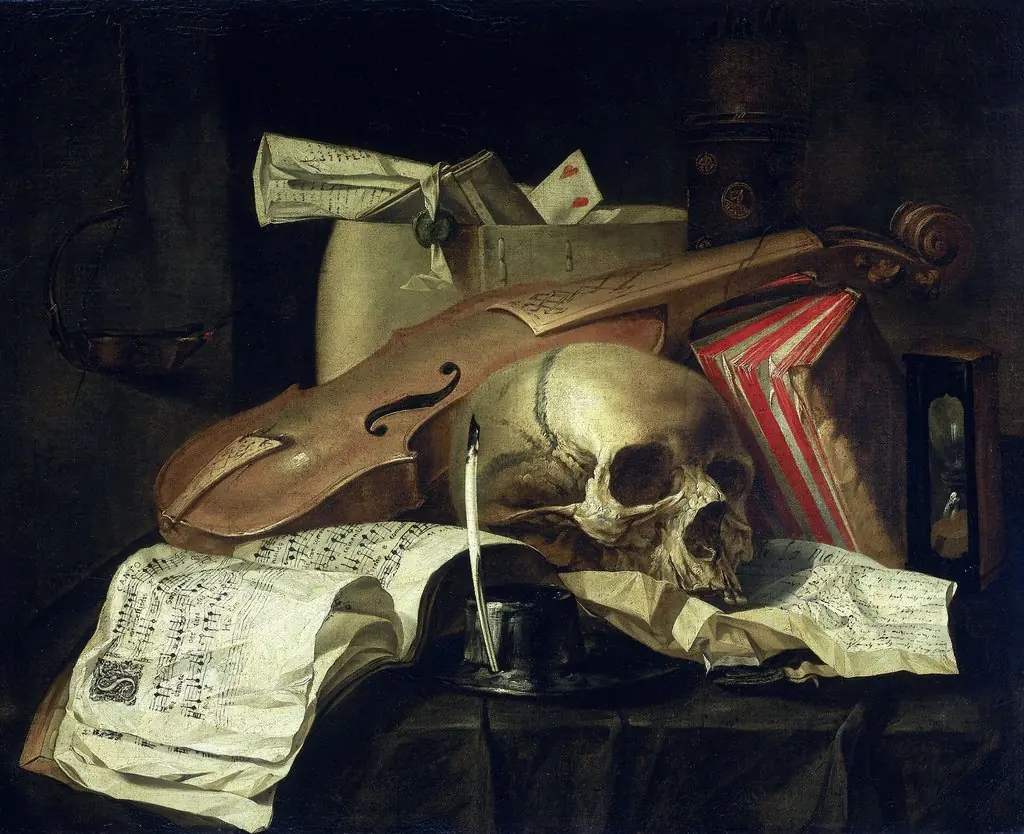
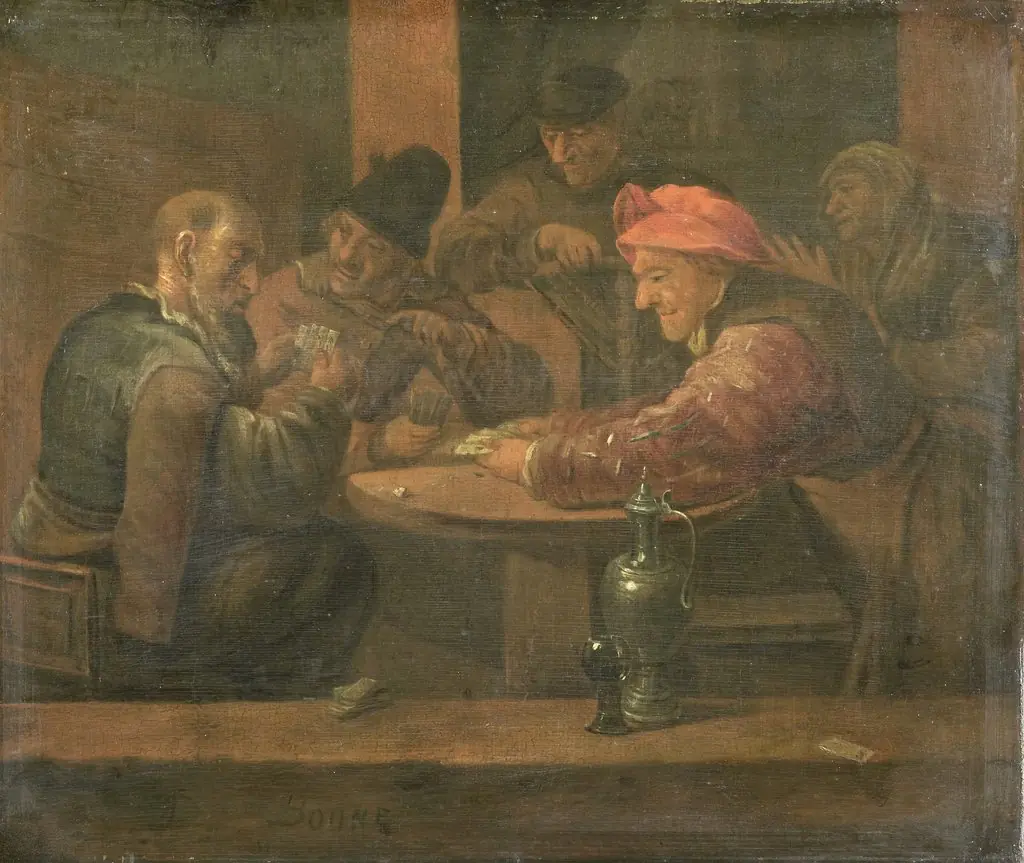
In art, playing cards carry layered symbolism tied to chance, vice, and the imperfection of human knowledge. Because shuffling introduces randomness and the neutral backs conceal information, card games inherently represent imperfect information, a quality that made them a powerful metaphor for life's unpredictability and moral hazard. The motif frequently appears in moralizing contexts, such as vanitas still lifes, where cards signify the futility of earthly pleasures and the transience of life. Genre paintings often use cards to depict ill-matched lovers or rowdy, drunken gamblers, emphasizing the vices of avarice and deception. Conversely, cards can also symbolize structured social communion and quiet concentration, reflecting the dual nature of the object as both a tool of gambling and a framework for orderly interaction.
Across movements & periods
The artistic treatment of playing cards has shifted significantly across periods and cultures. In 17th-century Dutch and French genre painting, cards were synonymous with tavern rowdiness, depicting heightened moments of drama involving drunken gamblers, drink, and money. Post-Impressionism subverted this narrative, replacing rowdy taverns with scenes of stoic, quiet concentration among rural workers. Beyond their depiction in paintings, the physical design of cards evolved regionally. The West standardized the French-suited 52-card deck, while other regions maintained distinct traditions like German, Italian, Spanish, and Swiss suits, as well as tarot decks used for both play and cartomancy. Asian cultures developed entirely different visual systems, such as Japanese hanafuda, Indian ganjifa, and Chinese money-suited cards, which derived their suit structures from currency denominations rather than courtly hierarchies. Modern movements like Dadaism and Surrealism later embraced the playing card as a subversive canvas, disrupting its traditional iconography to challenge rational order.
Notable depictions
Paul Cezanne's series of The Card Players, painted during the early 1890s, stands as a canonical exploration of the motif. Comprising five oil paintings and numerous preparatory studies, the series depicts Provençal peasants immersed in quiet, intense concentration. Cezanne adapted the traditional 17th-century genre motif, stripping away the conventional drama, drink, and money to focus on the structural essentials of the scene and the stoic absorption of his models, who were local farmhands from his family estate. The largest version features five figures on a 134.6 by 180.3 cm canvas, while the final three versions distill the composition to two players. One of the two-player versions, measuring 47.5 by 57 cm, sold in 2011 to the Royal Family of Qatar for an estimated 250 million dollars, setting a record for the highest price paid for a painting at the time. In the 20th and 21st centuries, artists have reinterpreted the motif through contemporary lenses. Alvaro Barrington references Cezanne's working-class players to explore modern urban experiences, while artists like Marina Vargas and Geronimo Araquistain use tarot and Spanish deck iconography to explore identity and colonial history, respectively.
Legacy
The playing card has maintained a vibrant cultural afterlife, transcending its origins as a gaming tool to become a medium for artistic expression, design innovation, and historical documentation. Museums worldwide now house dedicated collections, such as the British Museum, which holds English cards dating to 1680 alongside Lady Charlotte Schreiber's historic bequest, and the Musee Francais de la Carte a Jouer in Issy-les-Moulineaux, which preserves over 9,000 packs. Contemporary designers have elevated the deck into a collectible art form. Figures like Jackson Robinson, who founded Kings Wild Project in 2013, and Paul Carpenter, whose 2012 Tendril deck broke crowdfunding records, produce limited edition runs that sell out rapidly. Custom decks created by renowned fine artists, such as Salvador Dali's 1969 deck and Erte's 1982 La Traviata pack, highlight the card's ongoing status as a sought-after canvas that bridges functional gameplay and high art.
Works
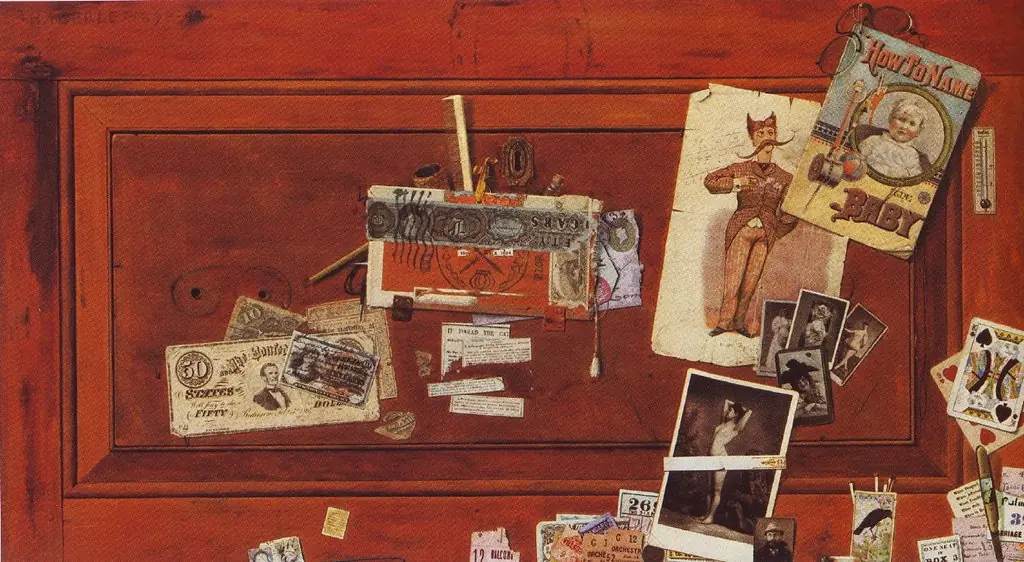 A Bachelor's Drawer
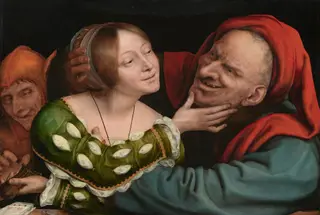 Ill-Matched Lovers
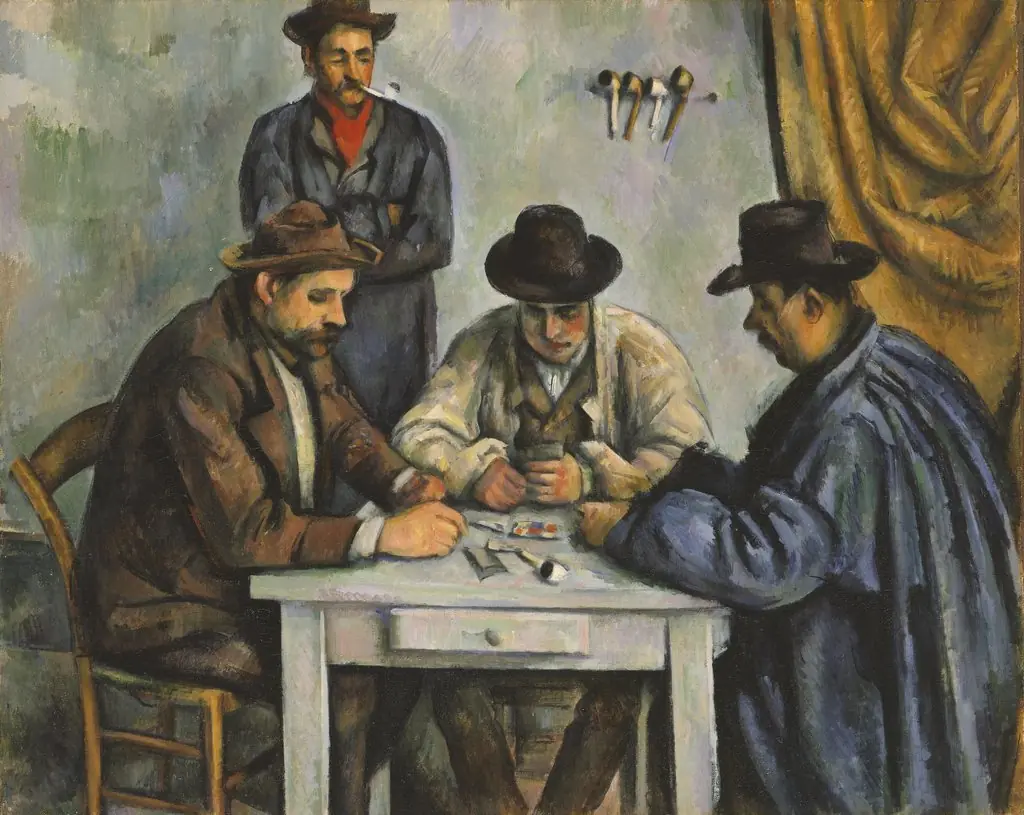 The Card Players
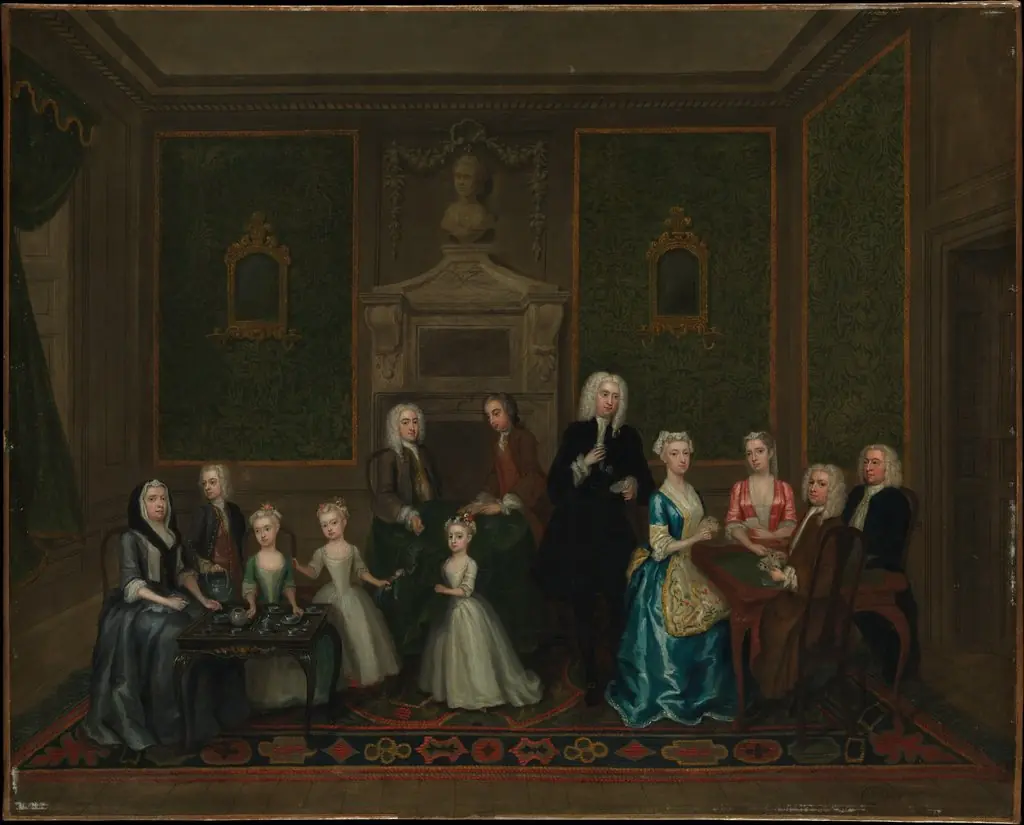 The Strong Family
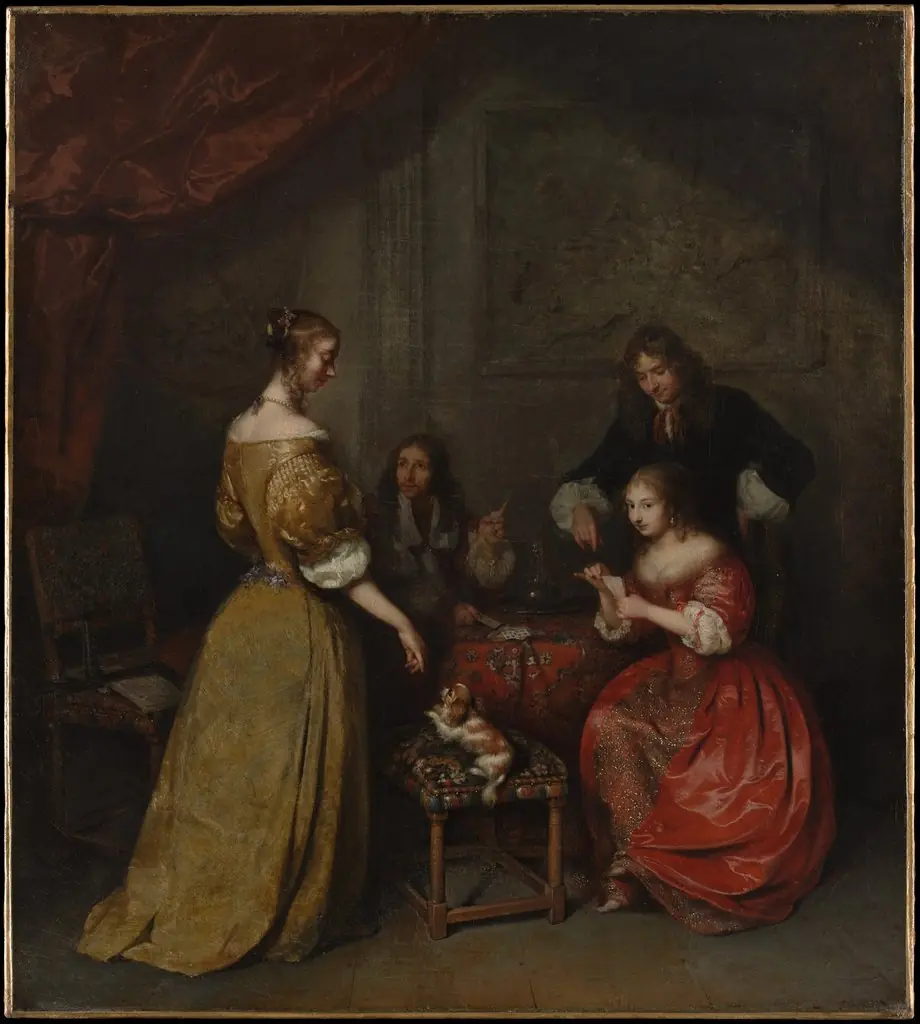 The Card Party
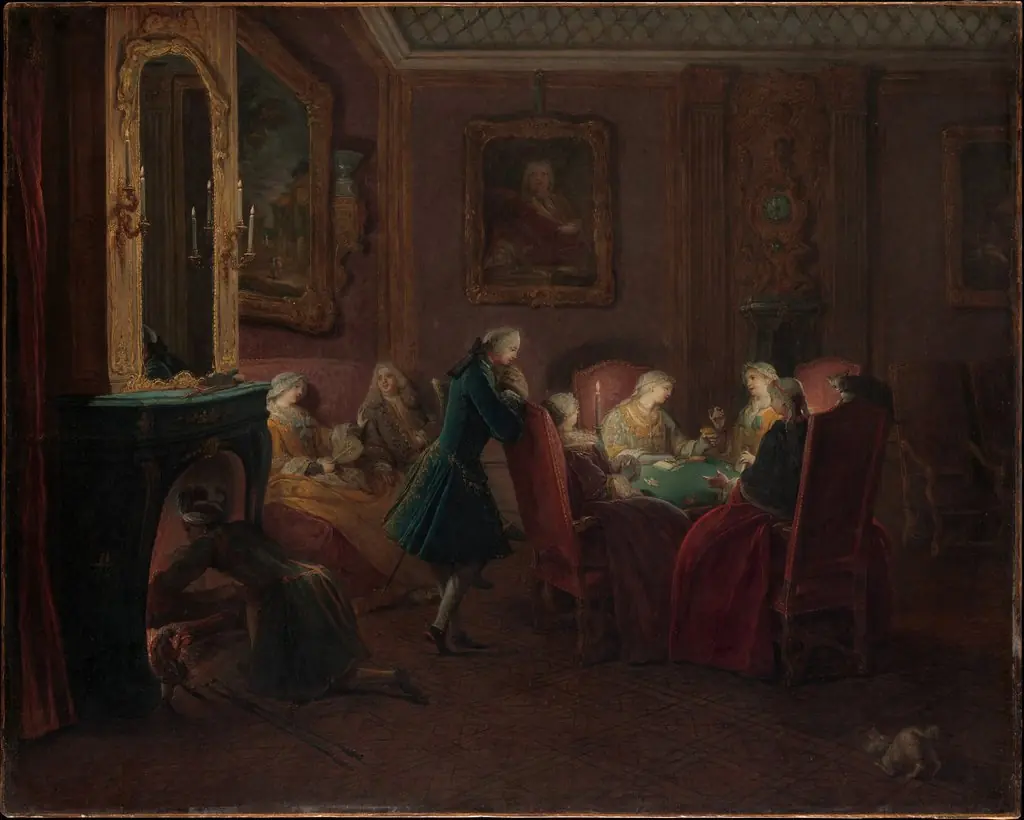 Card Players in a Drawing Room
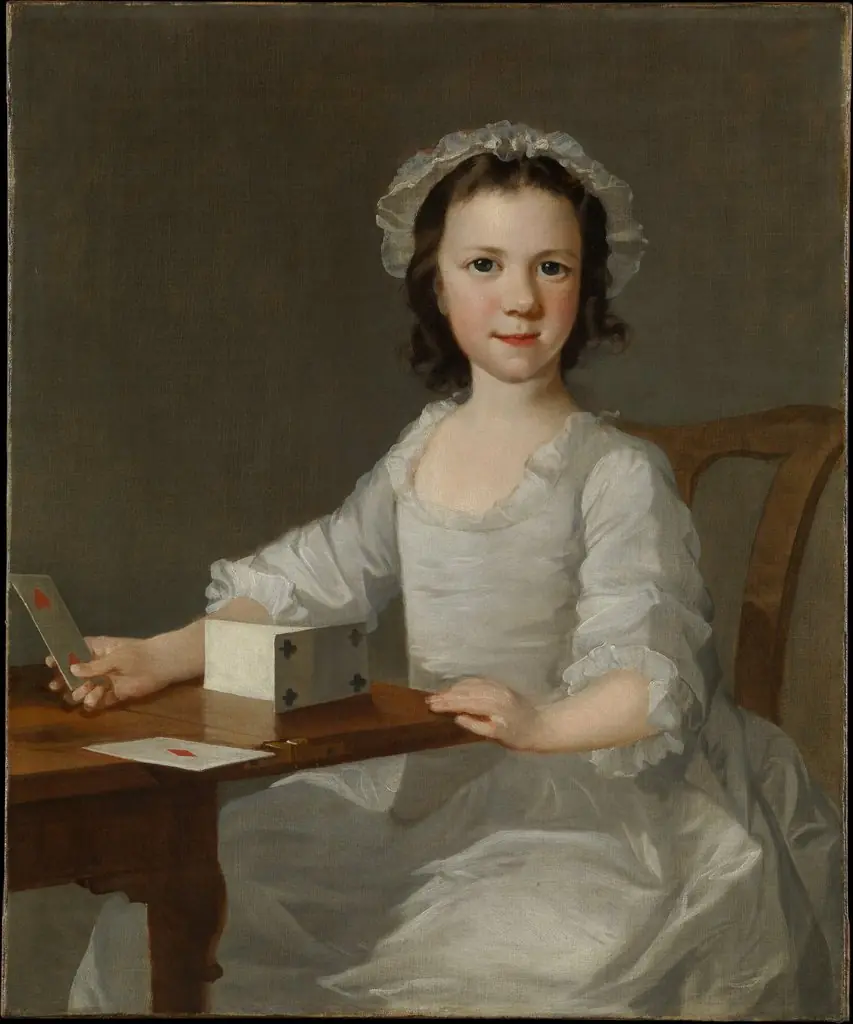 Girl Building a House of Cards
 The Card Players
 Vanitas still life
 Boy with a House of Cards
 Peasants playing cards
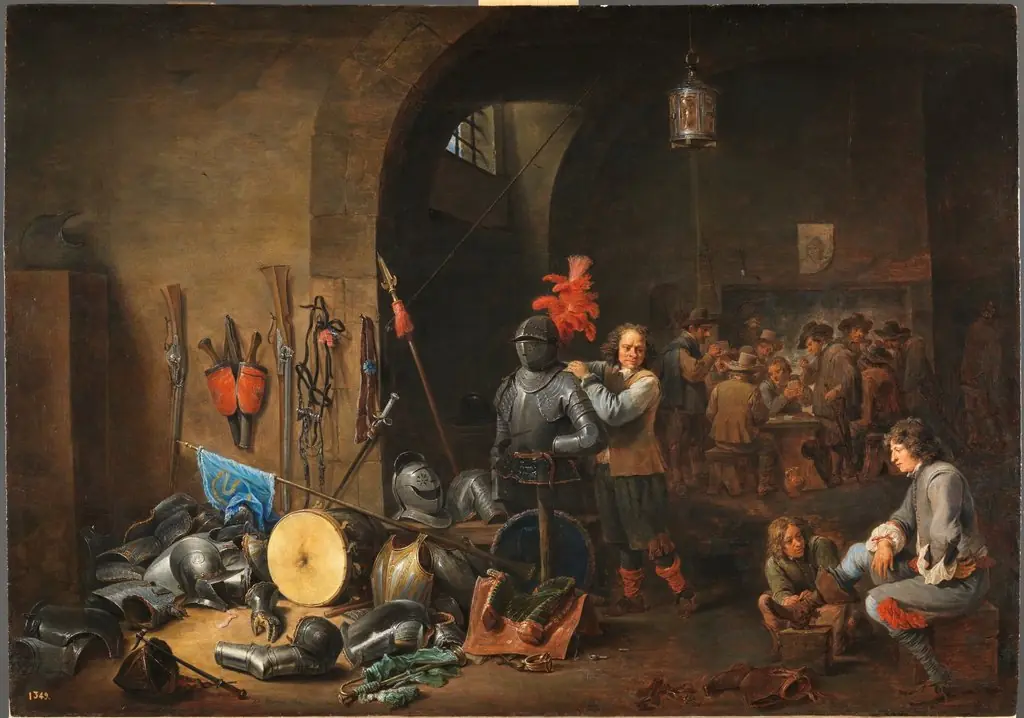 The Bivouac
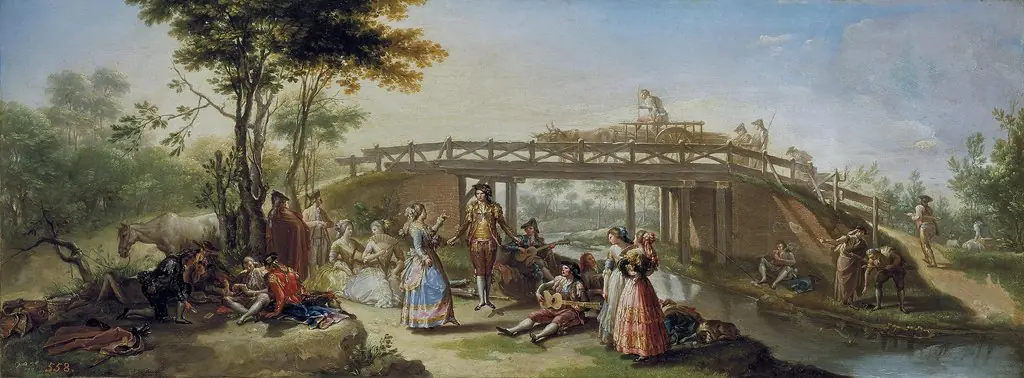 Bridge over the Madrid Canal
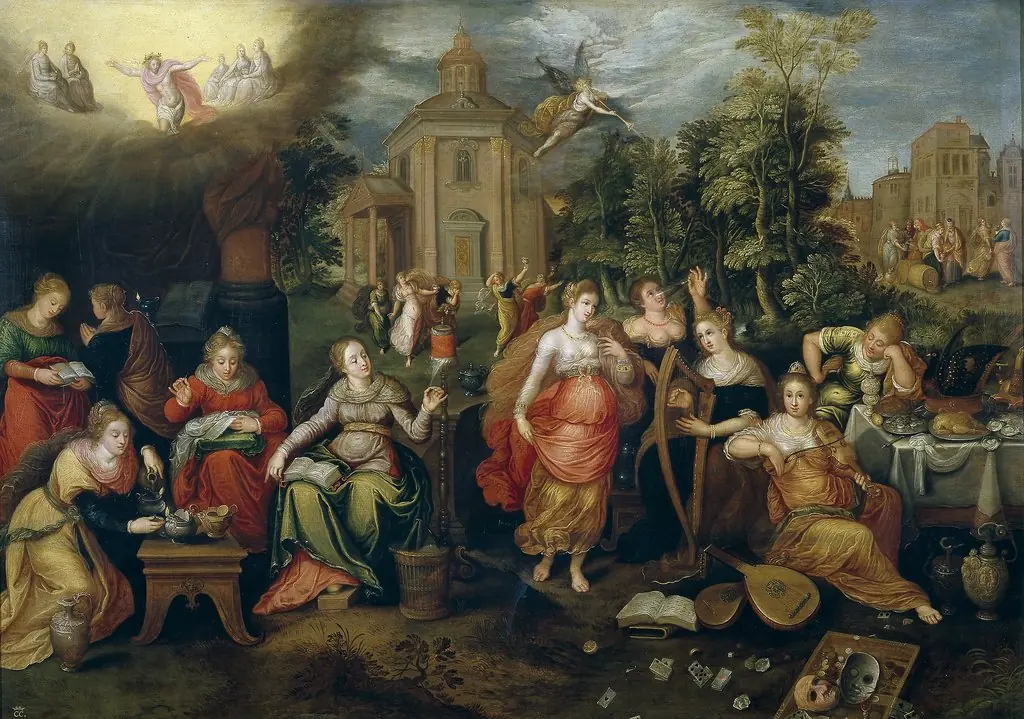 The foolish virgins and the wise virgins
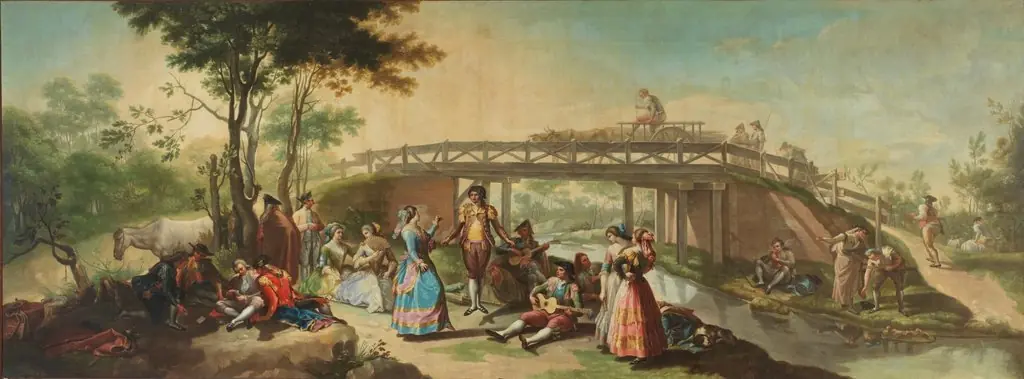 Un baile junto a un puente del canal del Manzanares
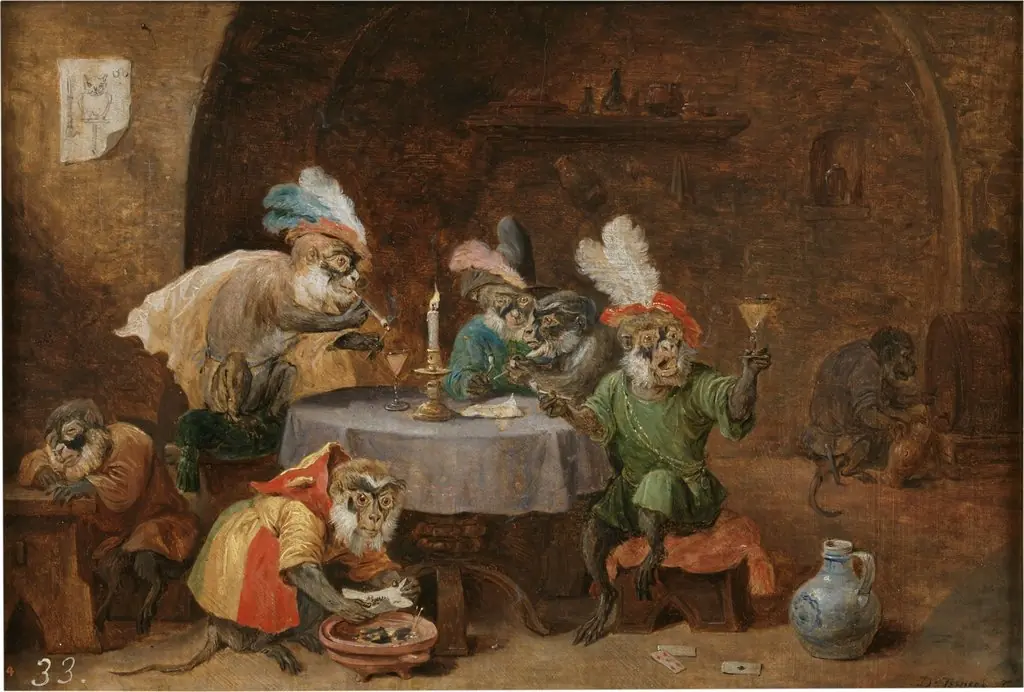 Monkeys smoking and drinking
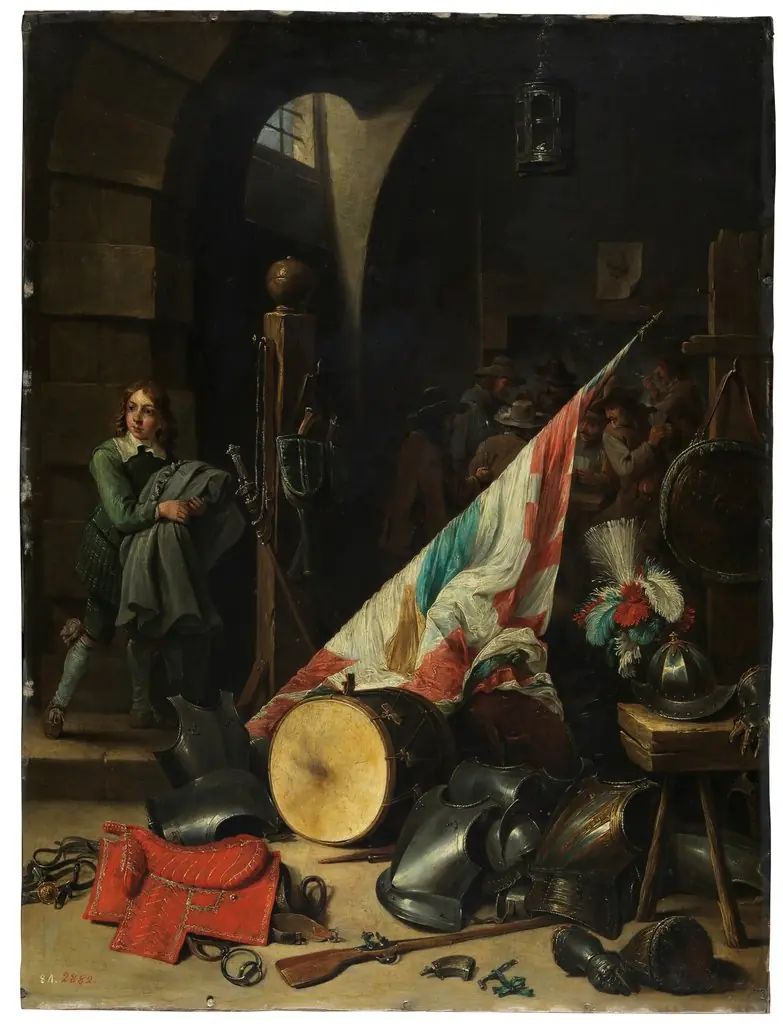 The Guard-Room
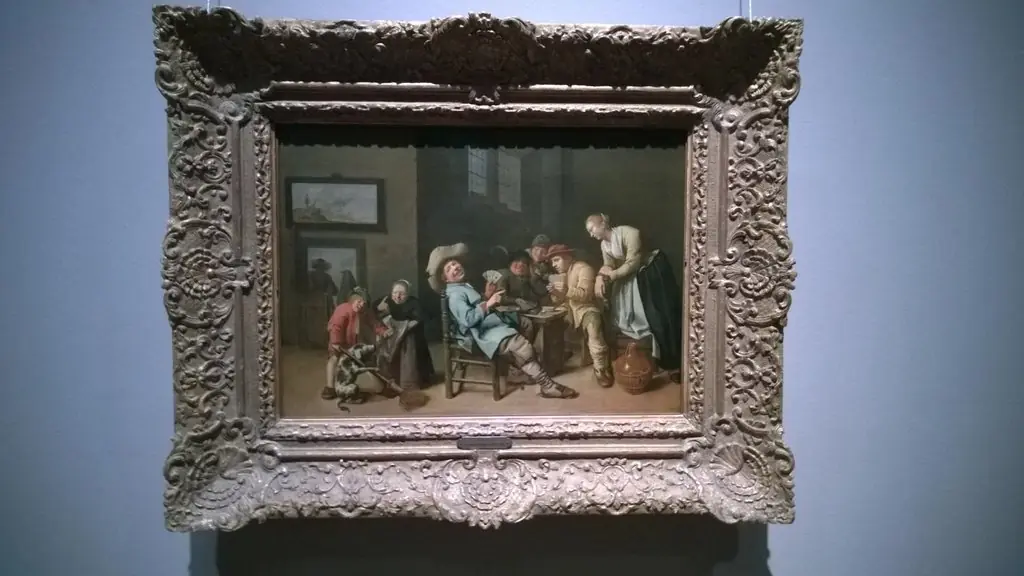 A Clean Sweep
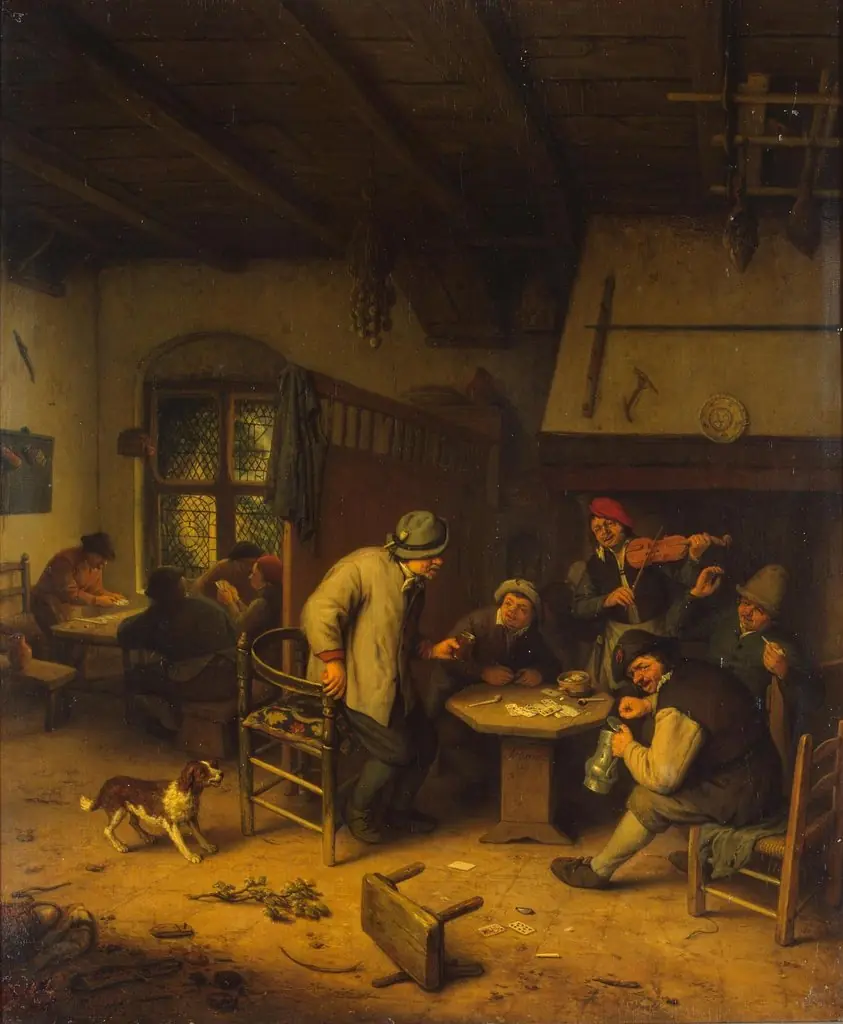 Peasants in a Tavern
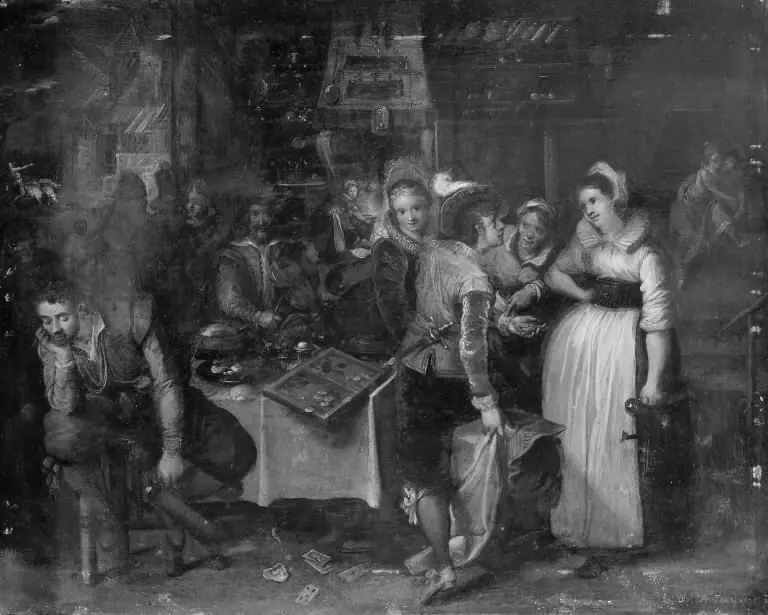 The Prodigal Son
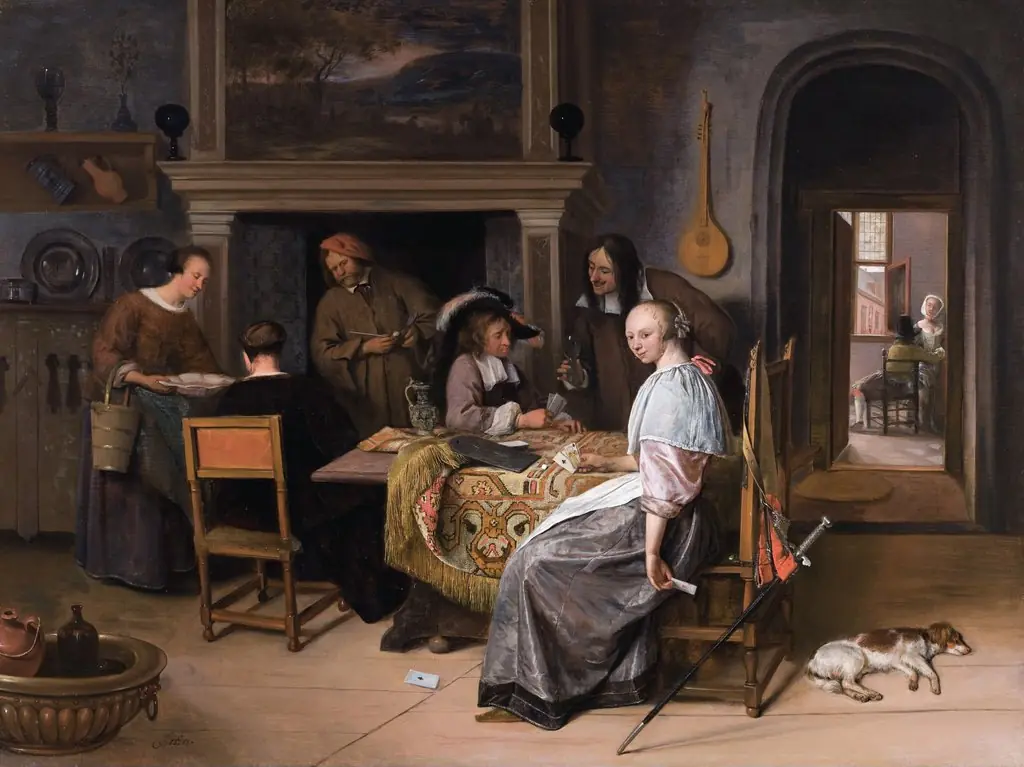 The Card Players in an Interior
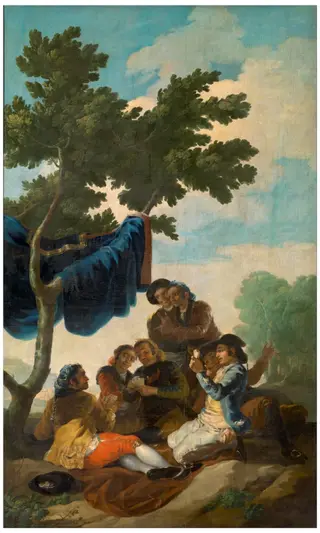 Card Players
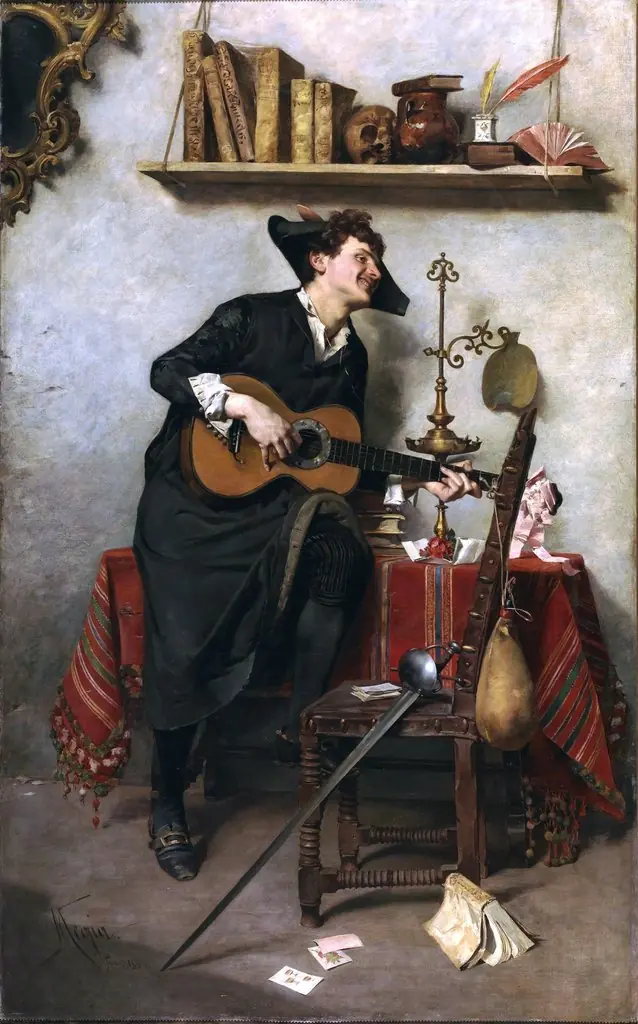 Un estudiante de Salamanca siglo XVIII
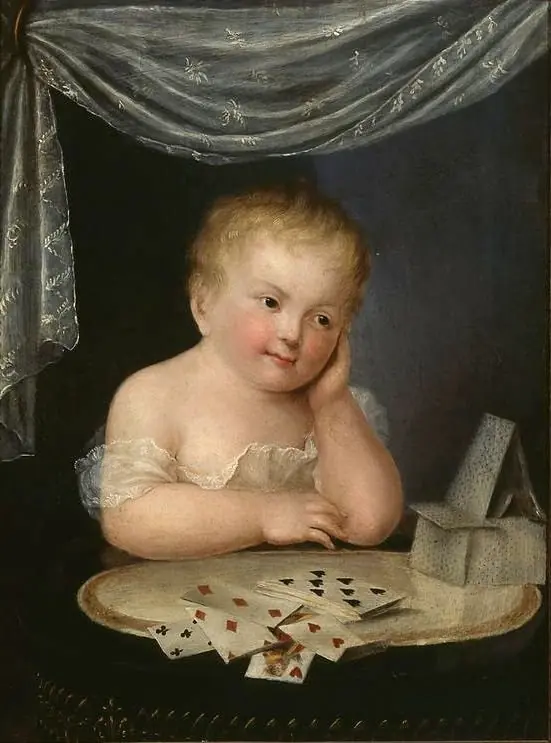 Portrait of Zygmunt Krasiński as a child
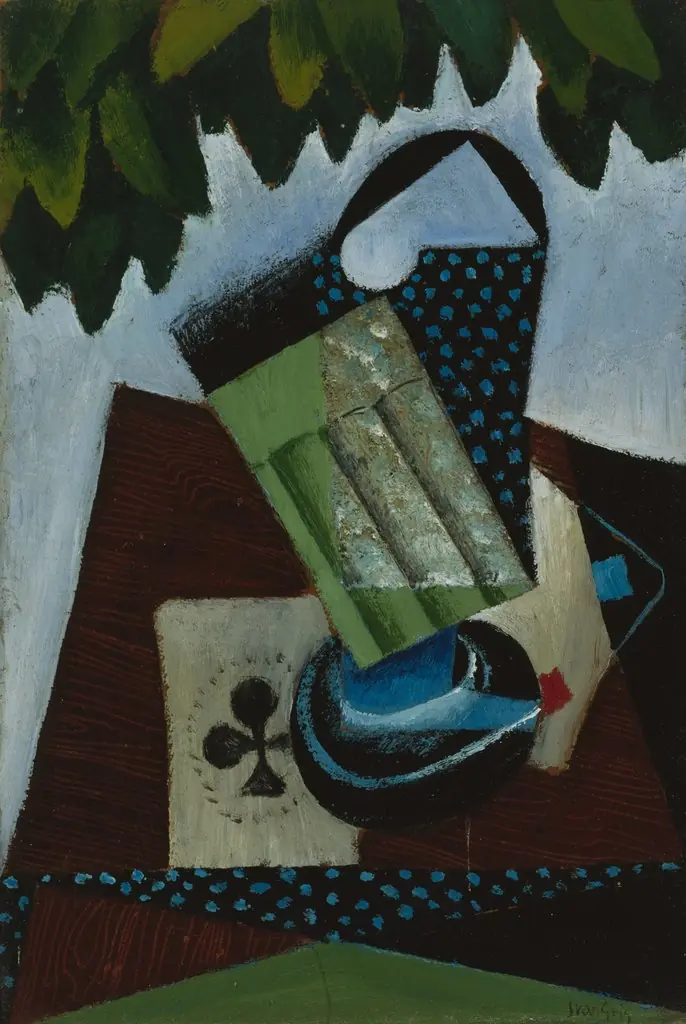 Glass and Playing Cards
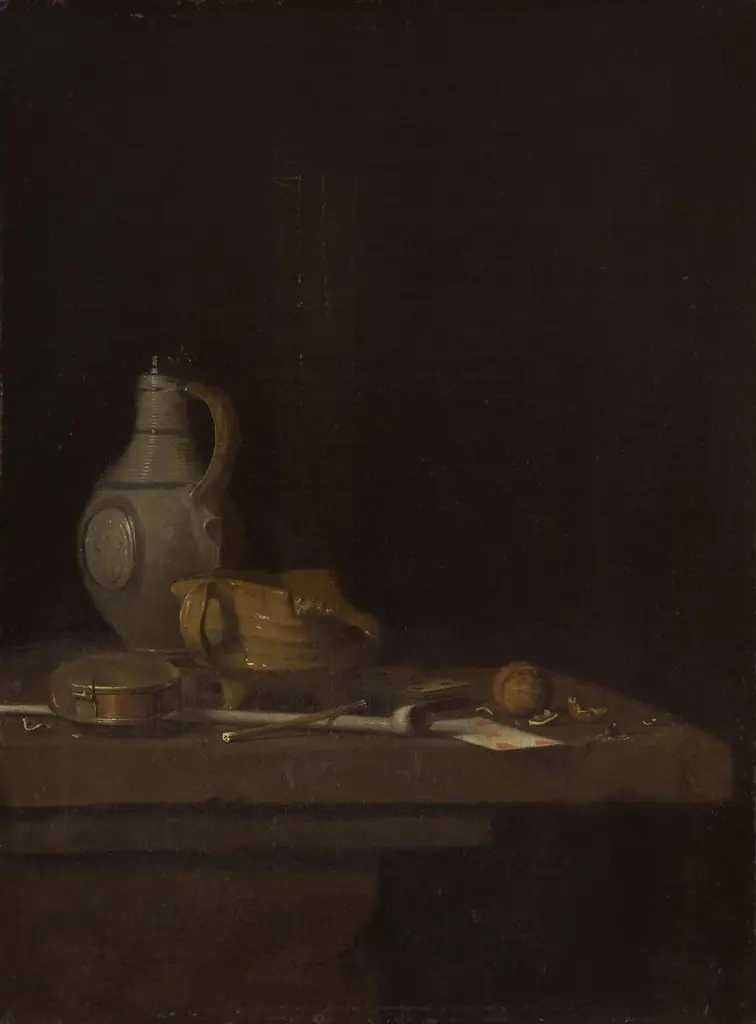 Still Life with a Stoneware Jar and a Brazier
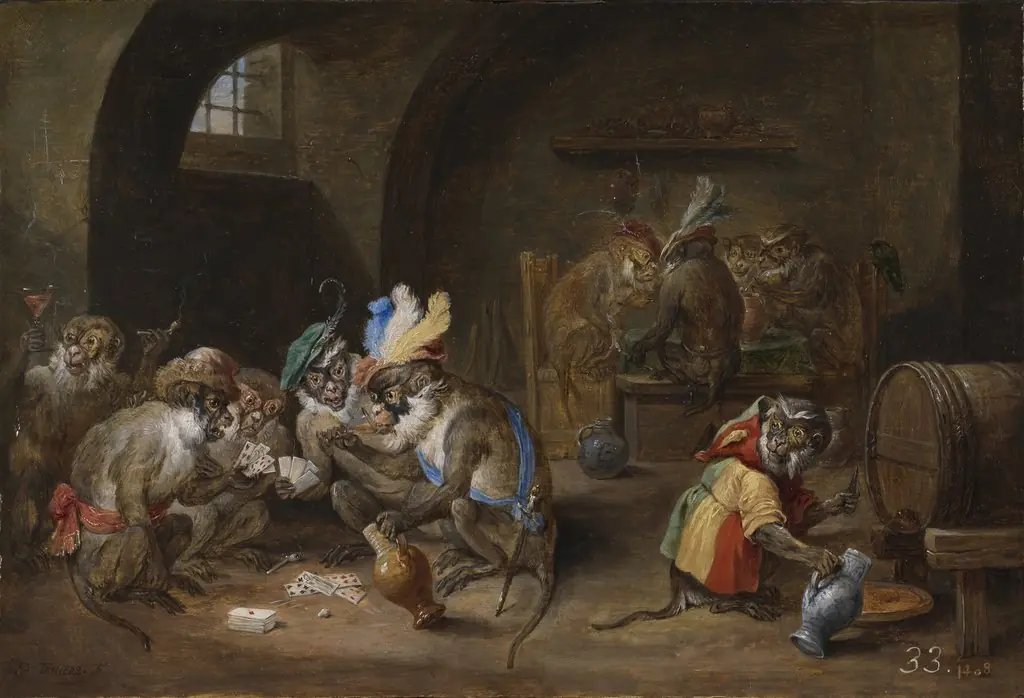 Monkeys in a Tavern
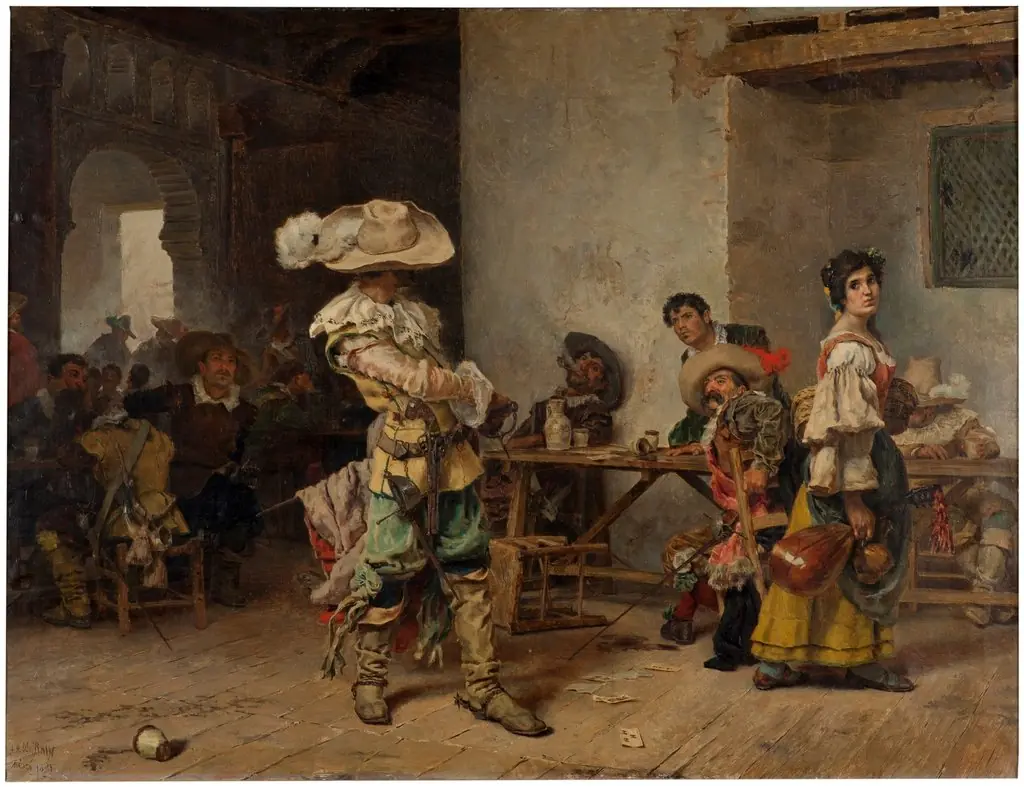 Un fanfarrón
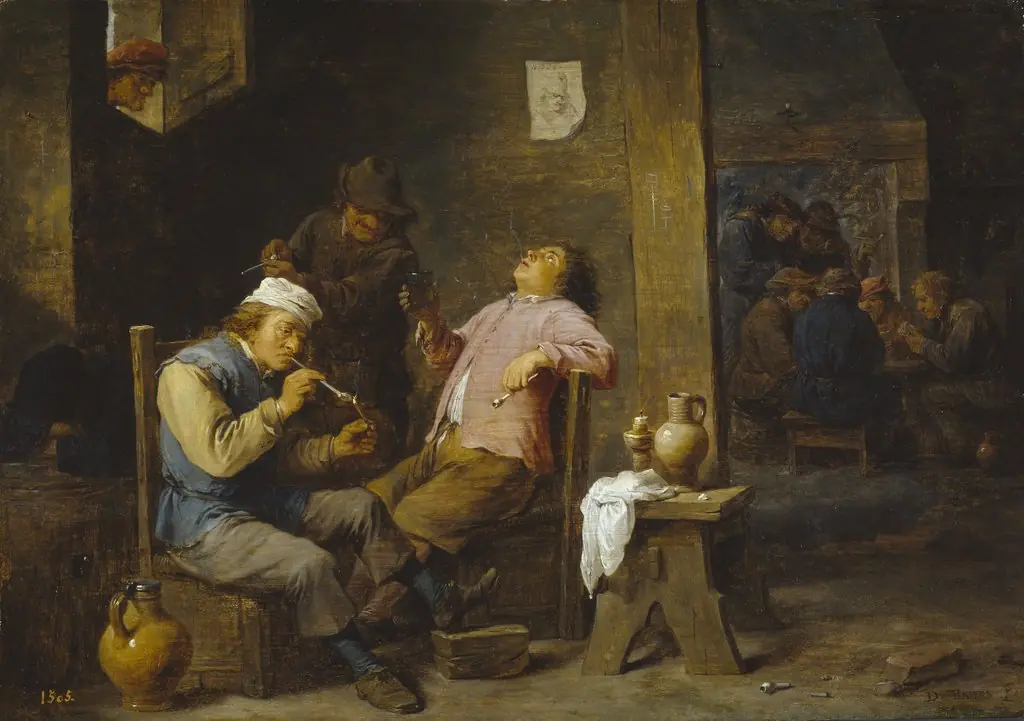 Smokers and Drinkers
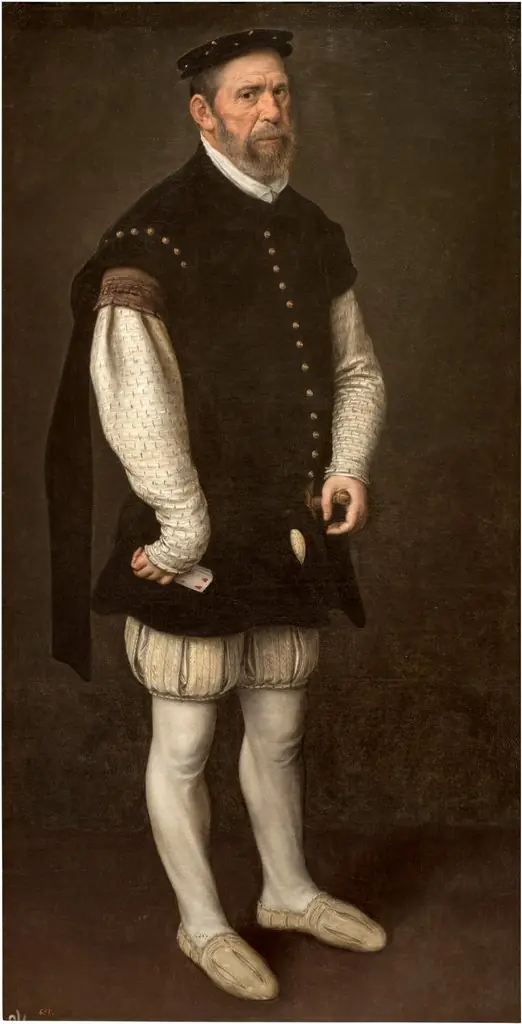 Perejon, the Buffoon of the Count of Benavente and of the Grand Duke of Alba
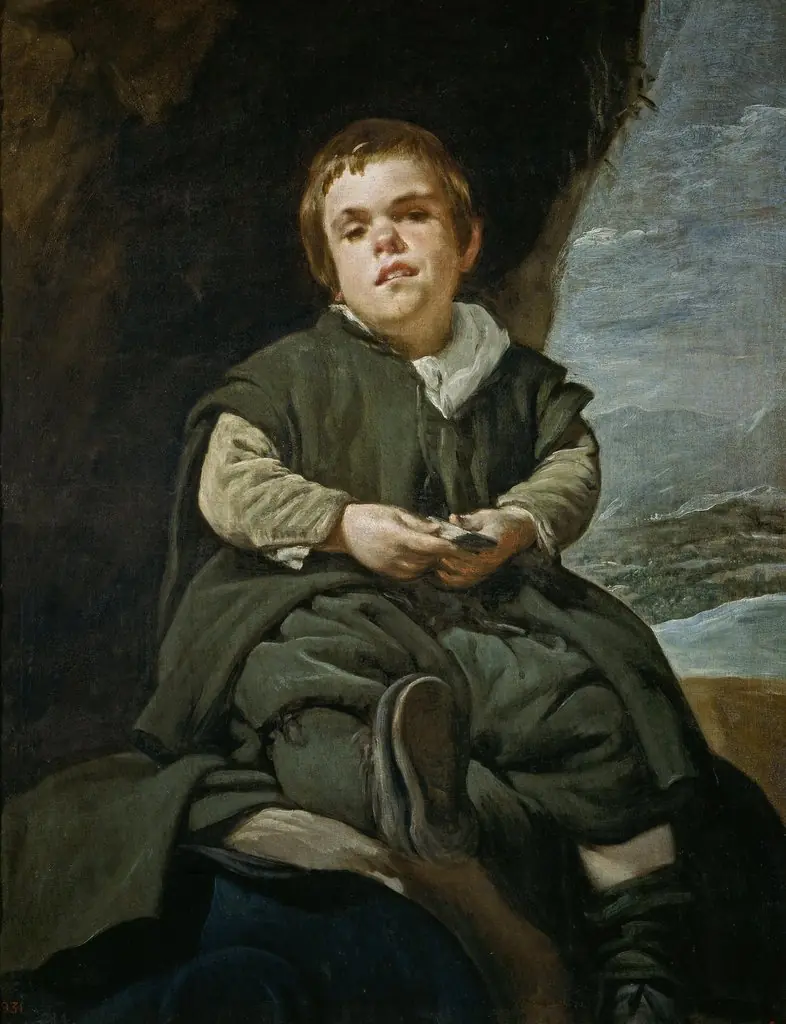 Portrait of Francisco Lezcano
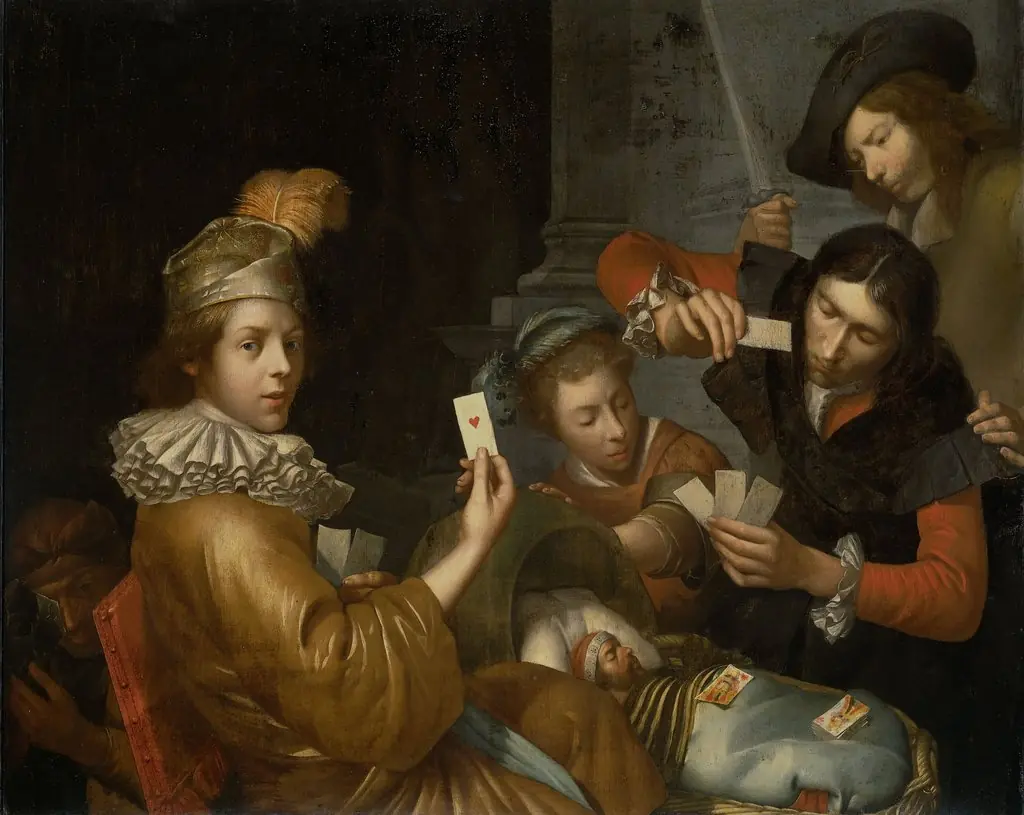 The card game on the cradle: allegory
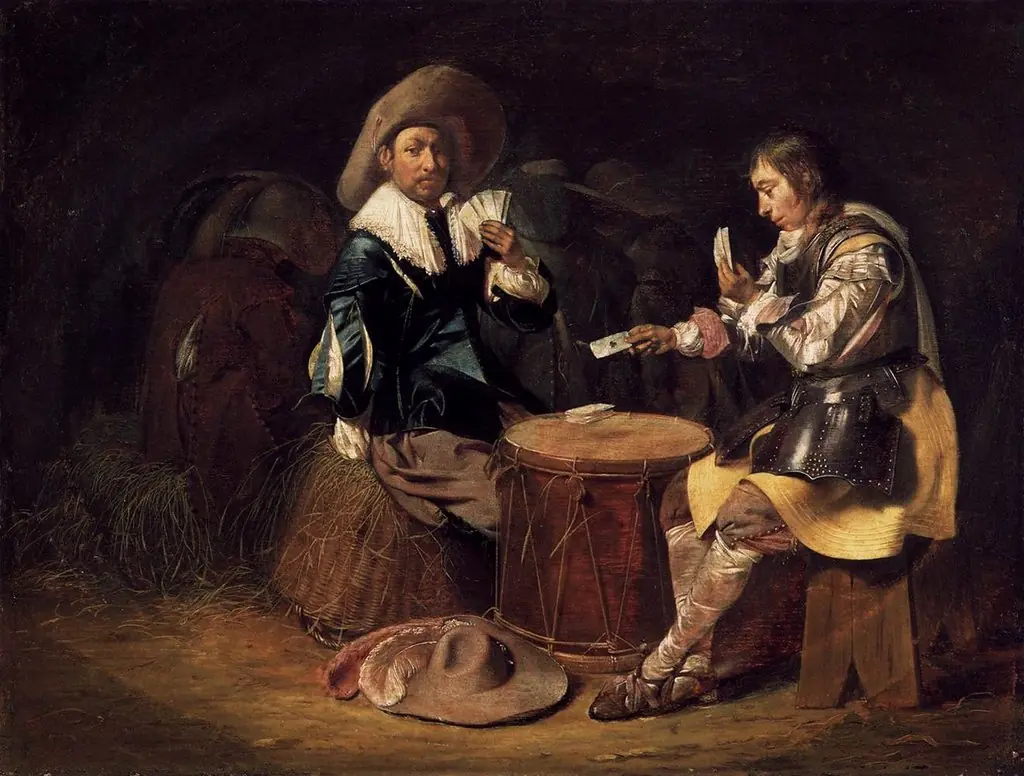 Card-Playing Soldiers
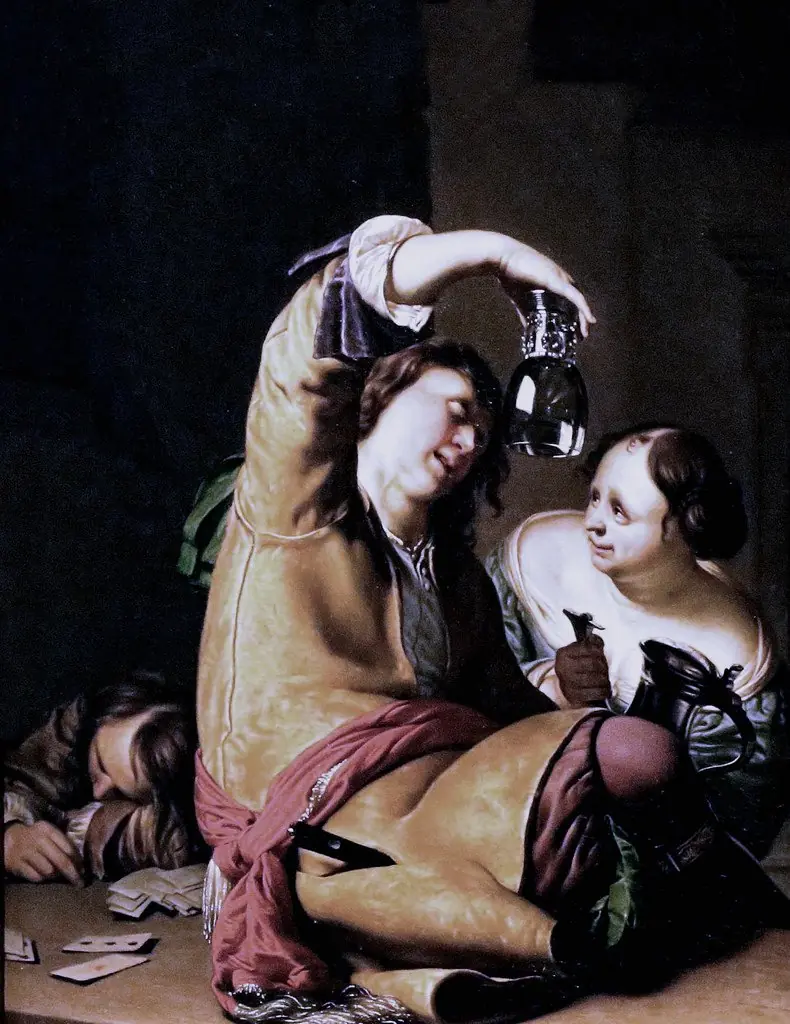 The Empty Glass
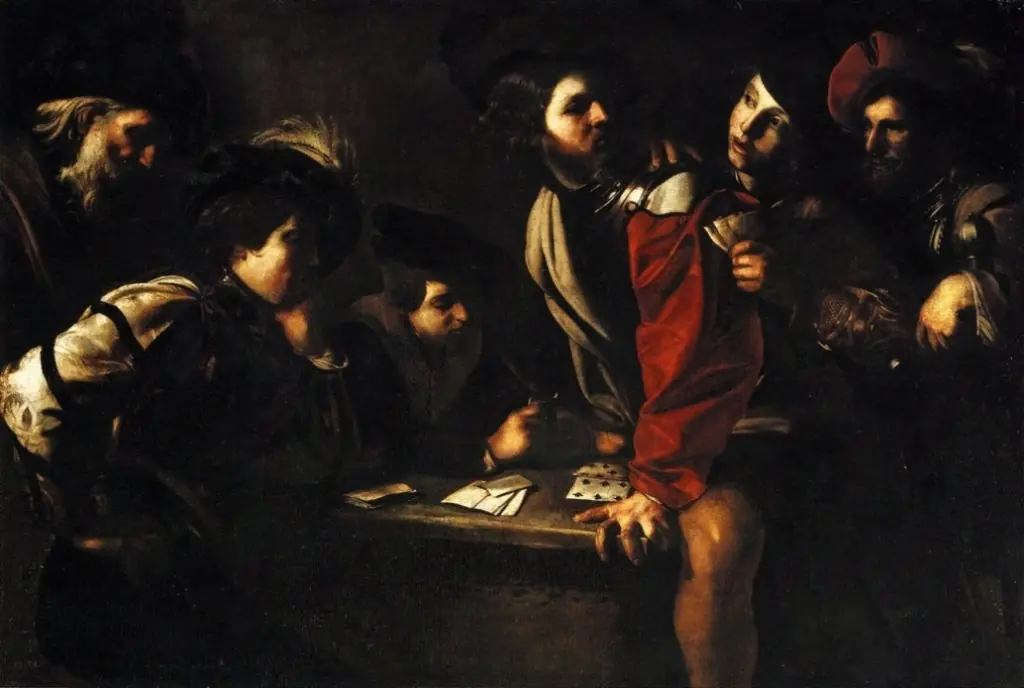 Soldiers playing Cards
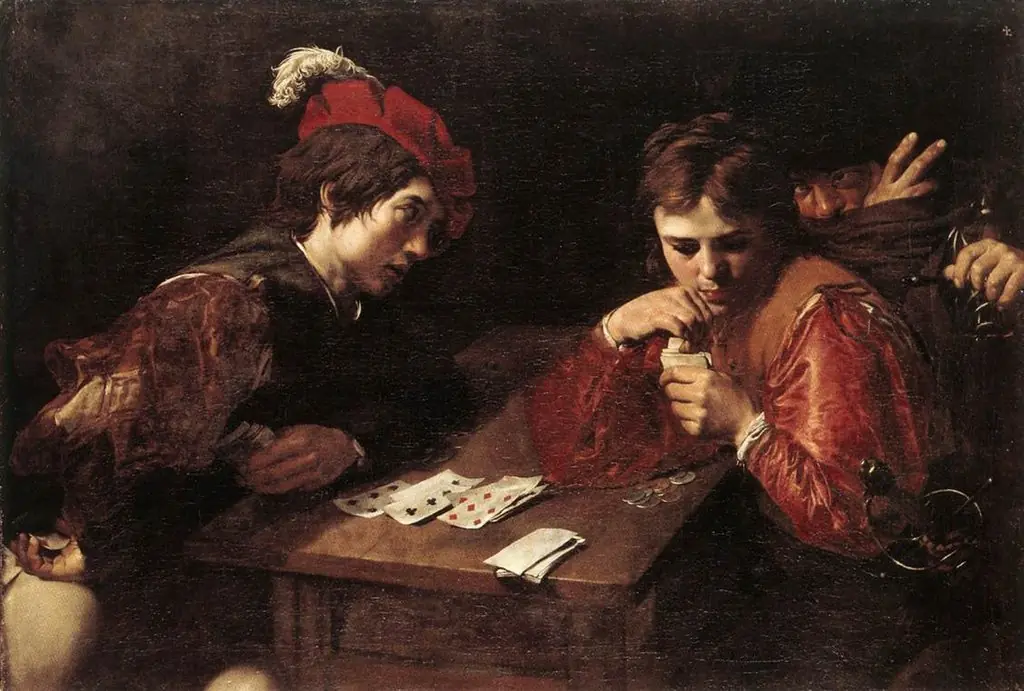 The Cardsharps
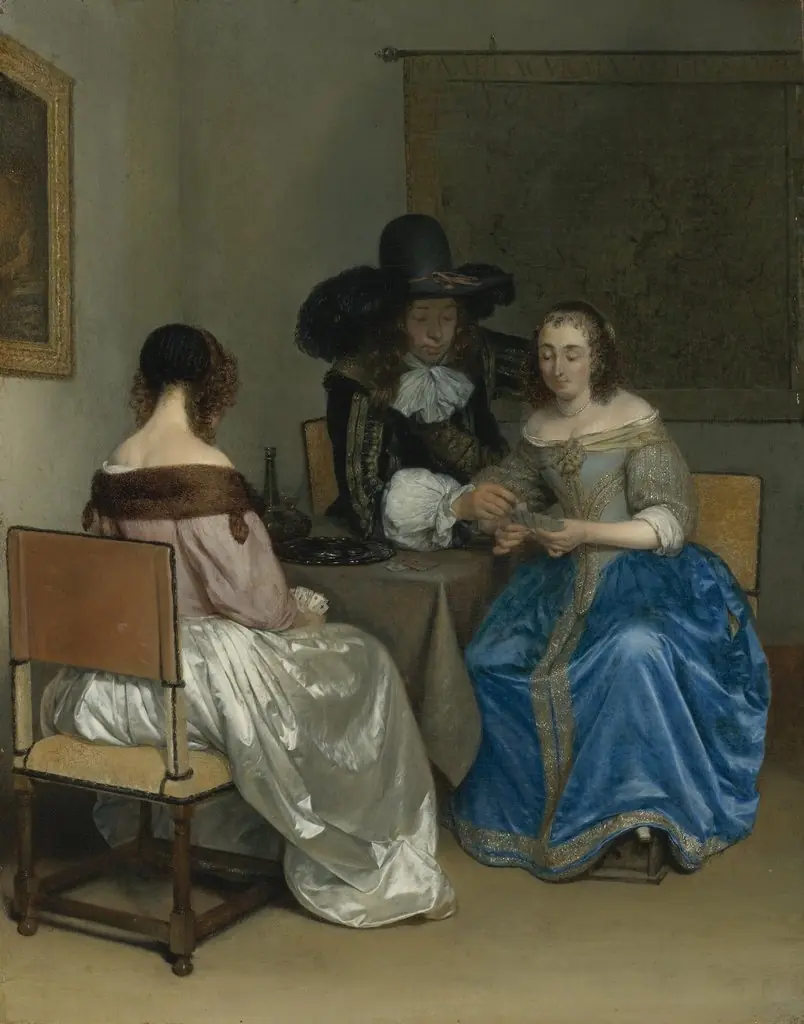 The Card Players
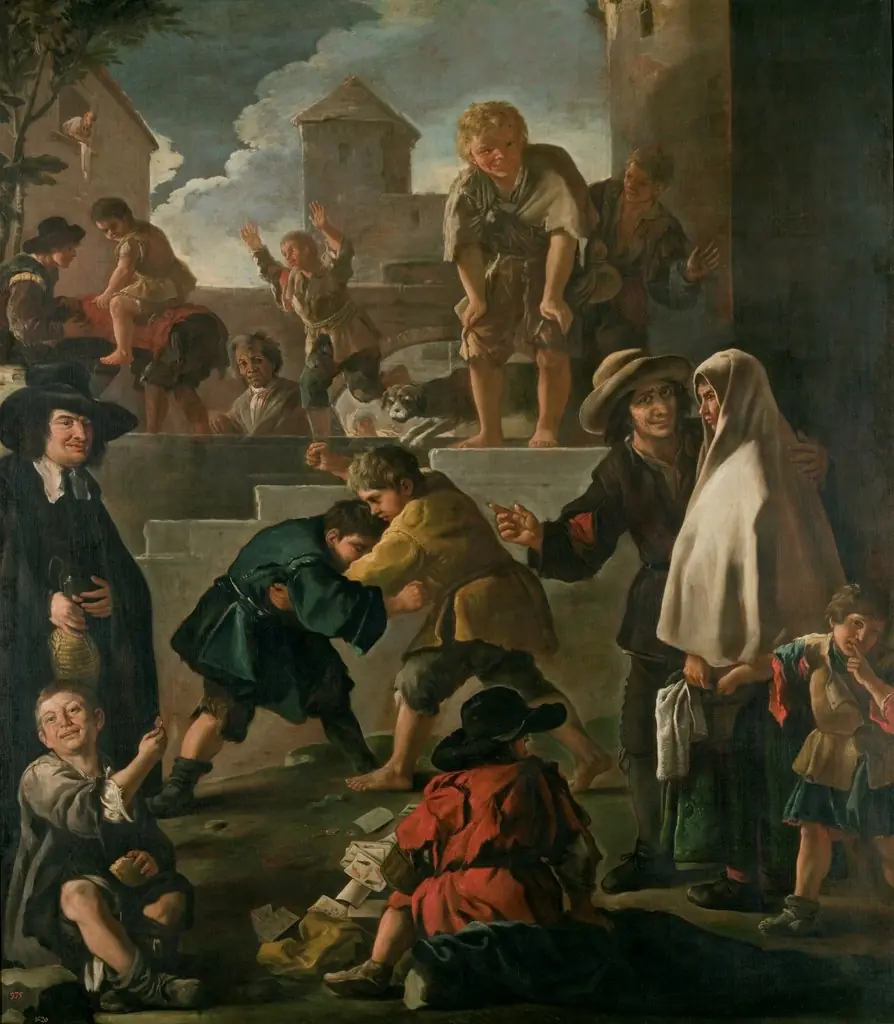 Riña de muchachos
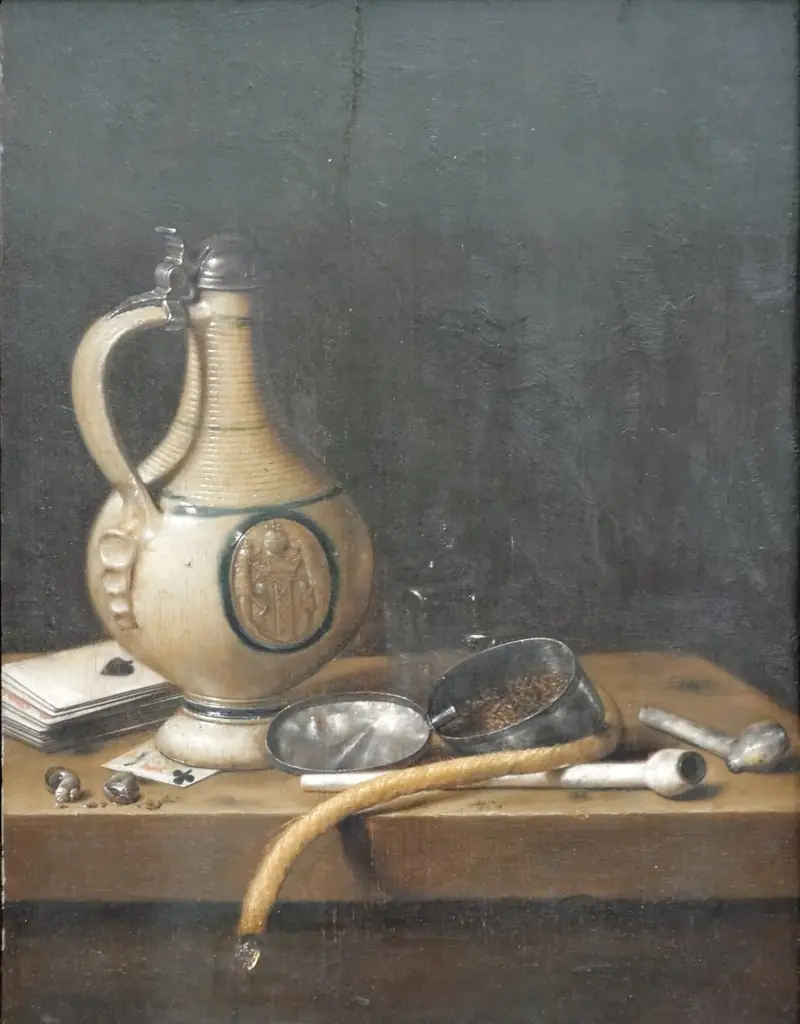 Still Life with Smoking Paraphernalia
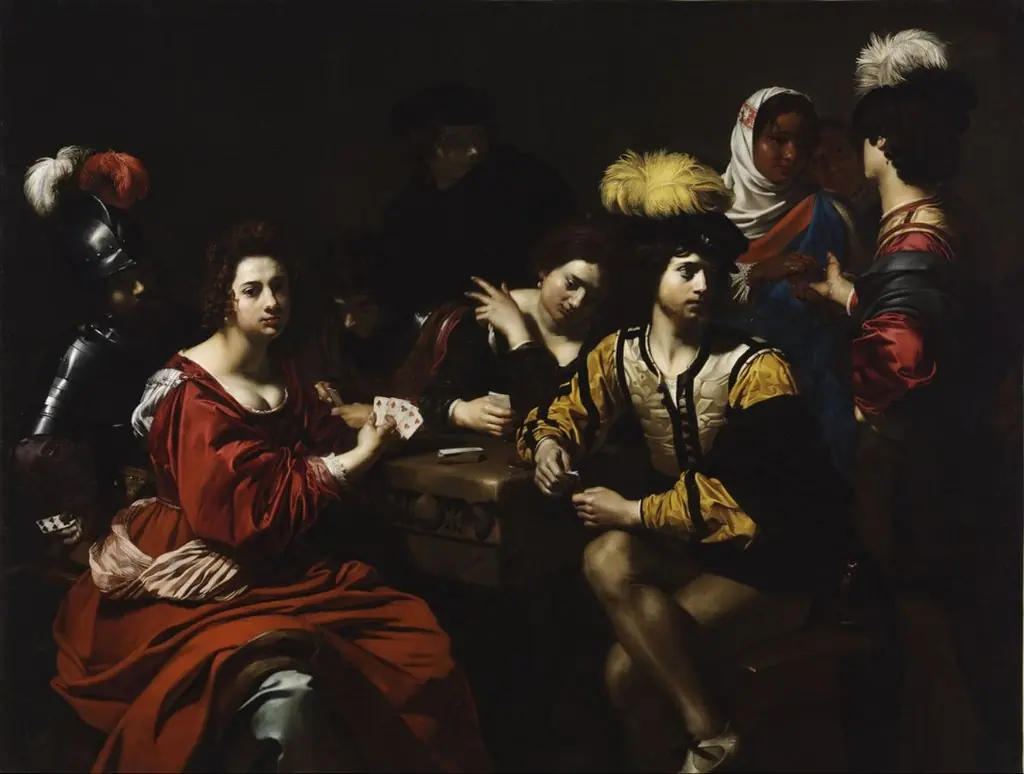 Cardsharps and Fortune Teller
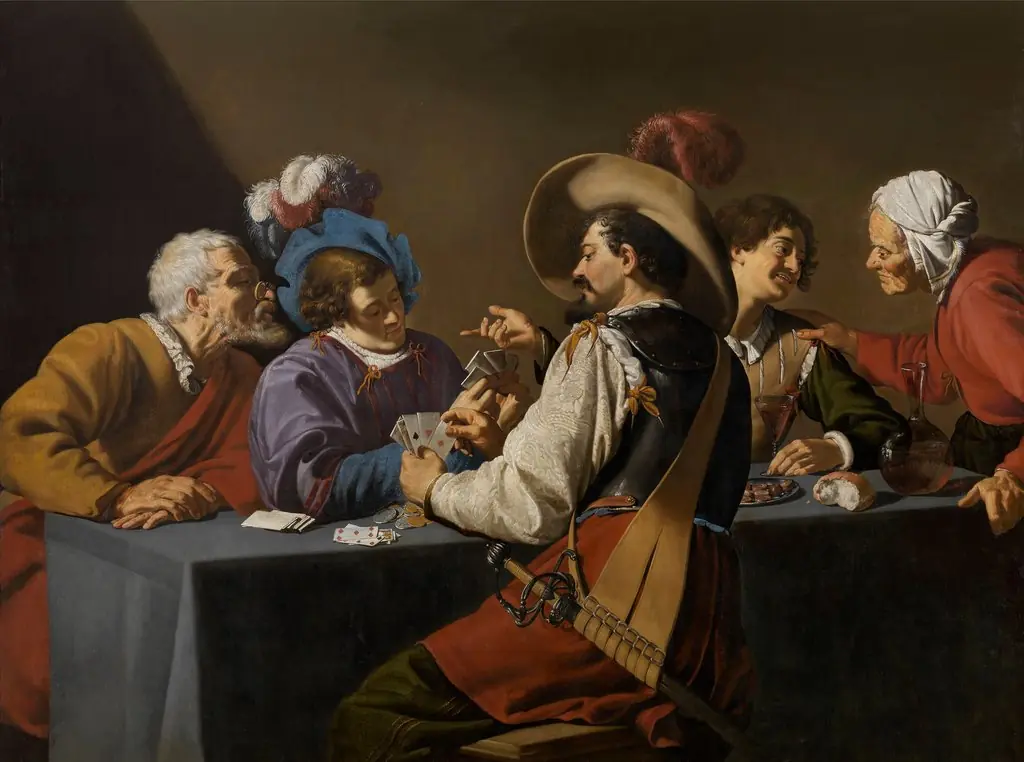 Card Players
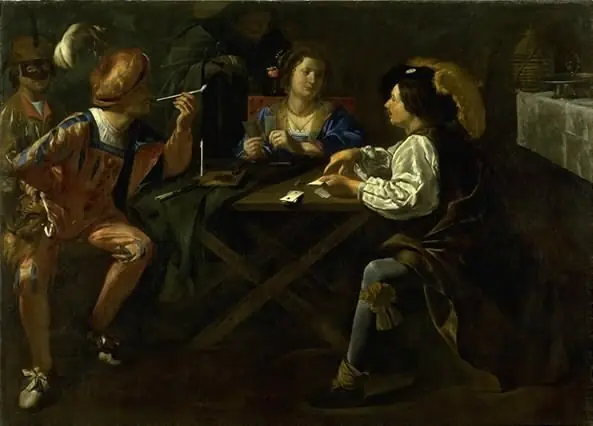 Card Players
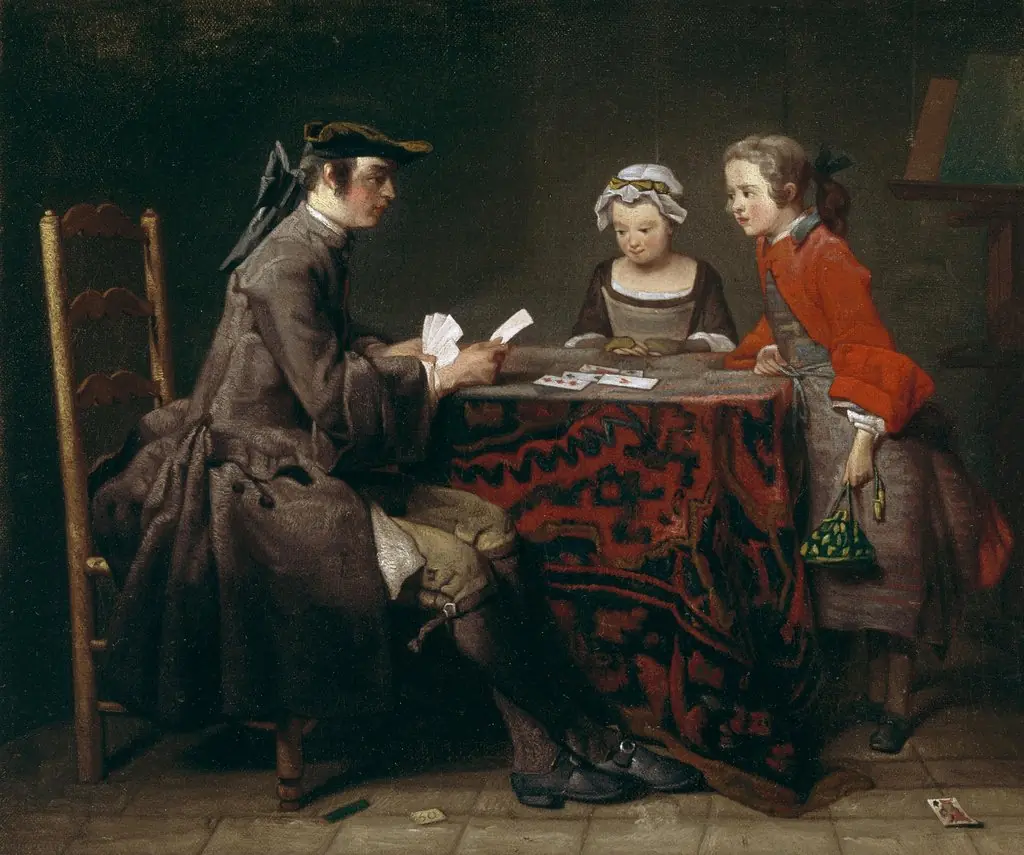 Les Tours de Cartes
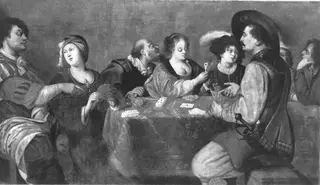 Card players
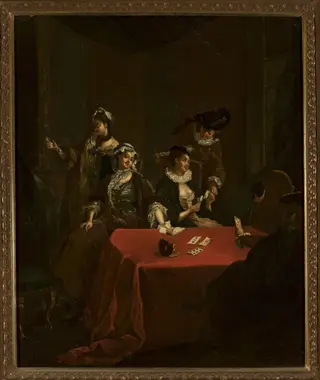 Playing cards
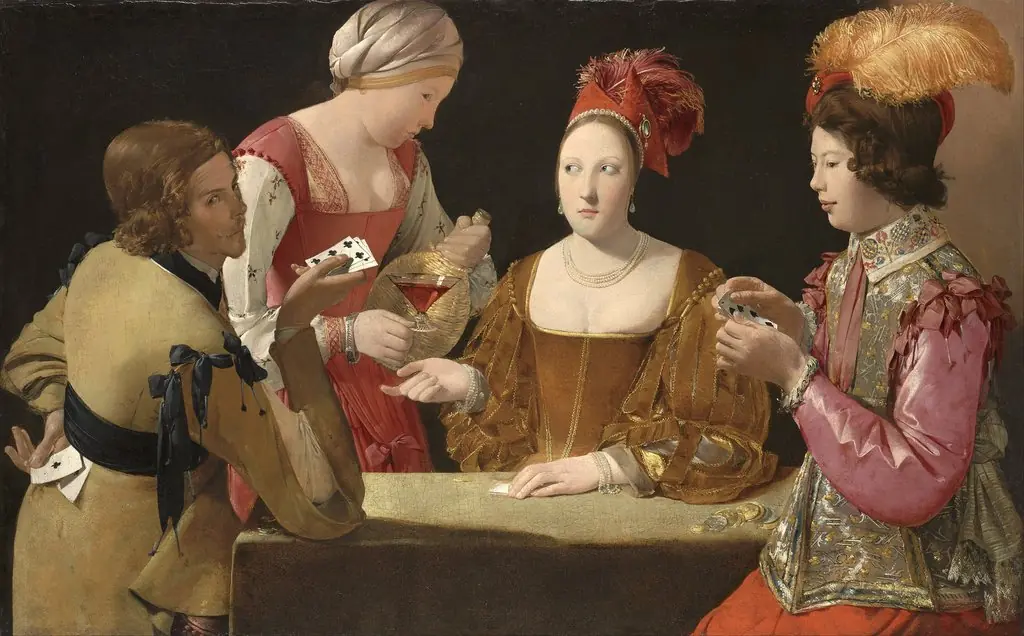 The Cheat with the Ace of Clubs
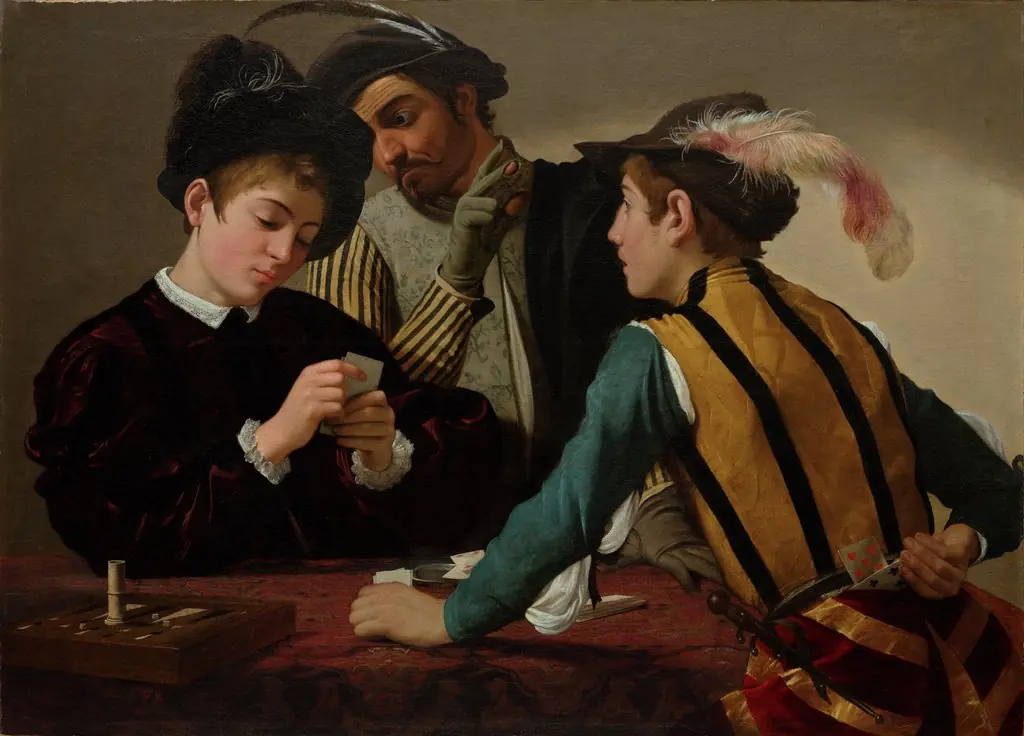 The Cardsharps
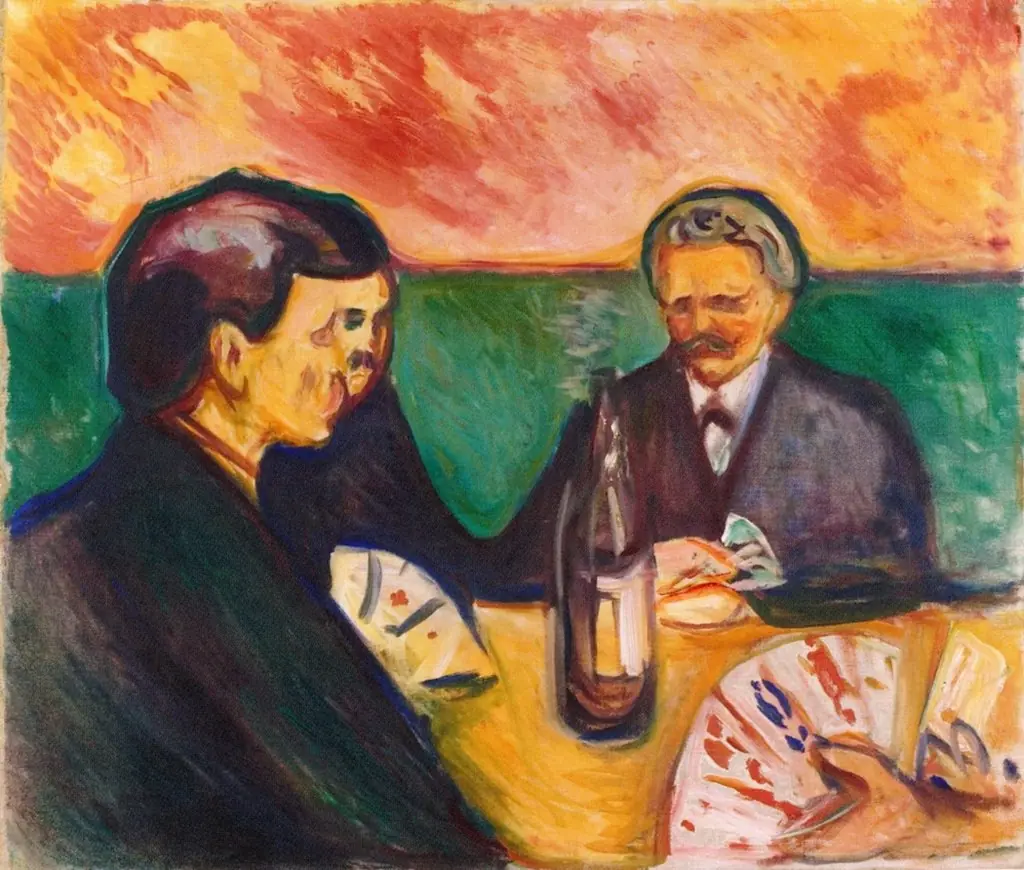 Card Players in Elgersburg
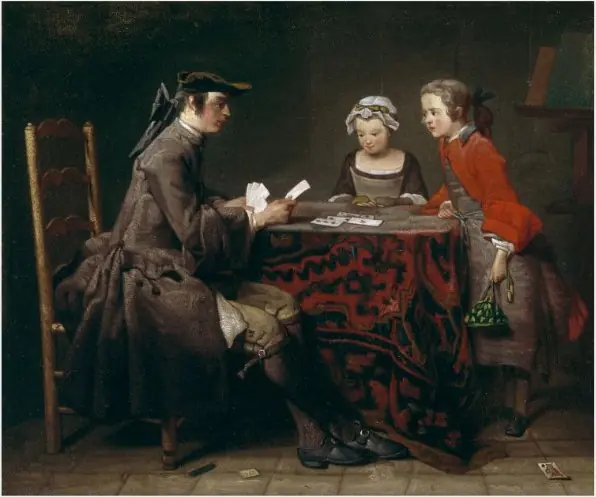 Les Tours de Cartes
 Trompe l'Oeil: A Full House with Chips and a $5 Bill
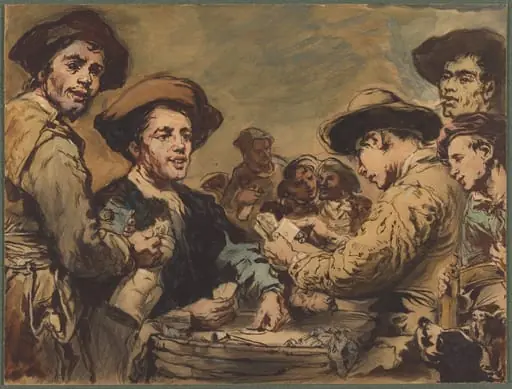 Card Players
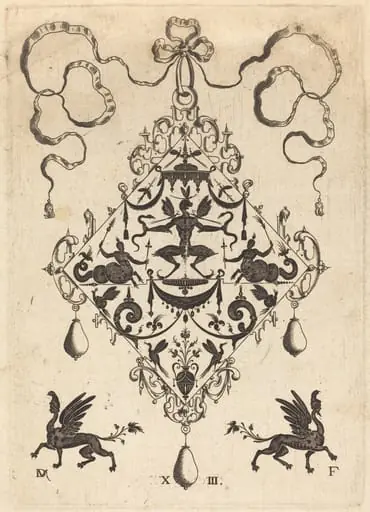 Large Pendant, Winged Fantasy Creature Holding Two Snakes
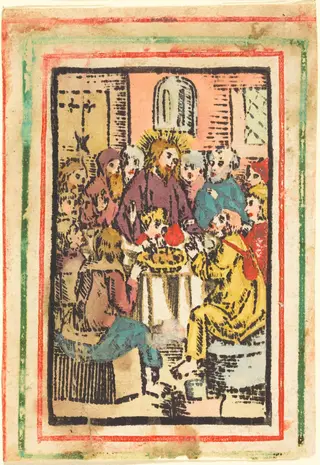 The Last Supper
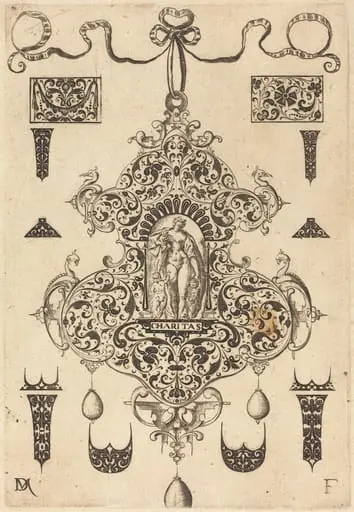 Large Pendant, Charity Standing at Centre
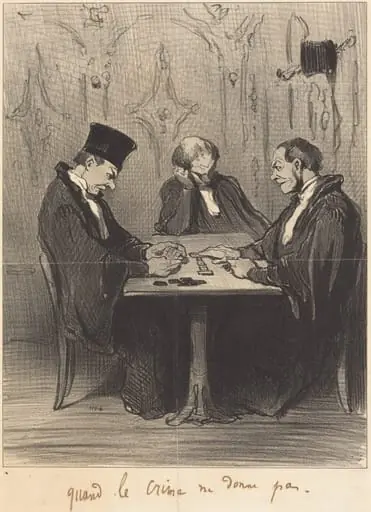 Quand le crime ne donne pas
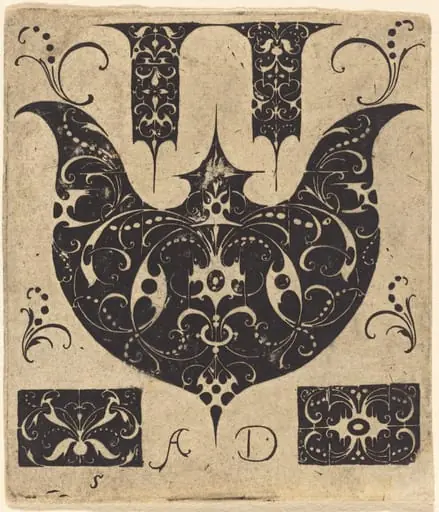 Ornament
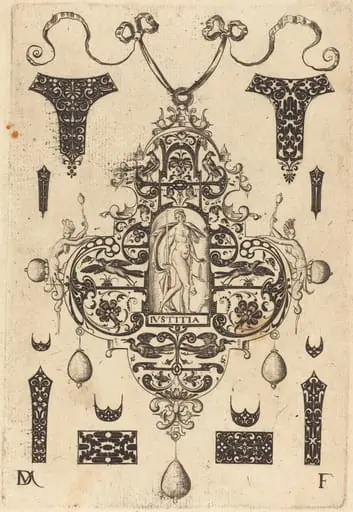 Large Pendant, Justice Standing at Centre
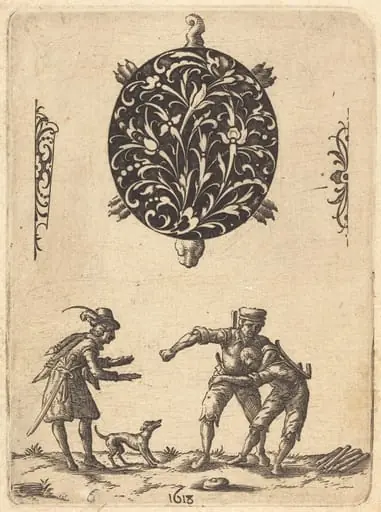 Design for a Turtle-Shaped Pendant
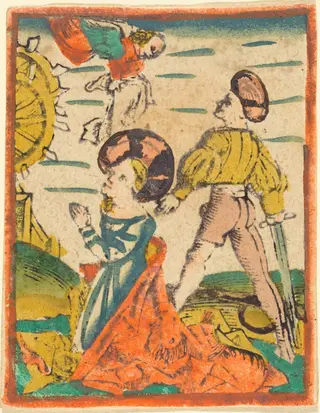 Beheading of Saint Catherine
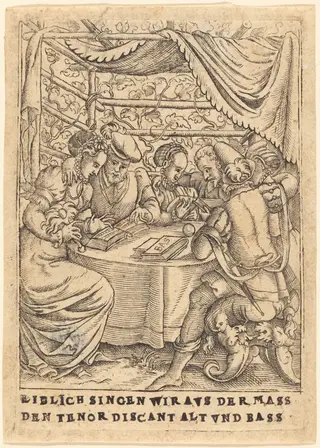 Liblich singen wir avs der Mass den Tenor discant Alt und Bass
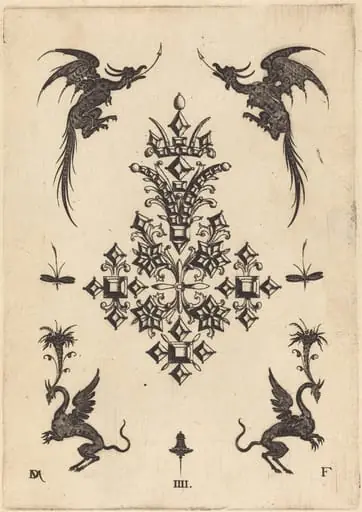 Brooch with Table-Stones, Winged Dragons at Top, and Griffins at Bottom
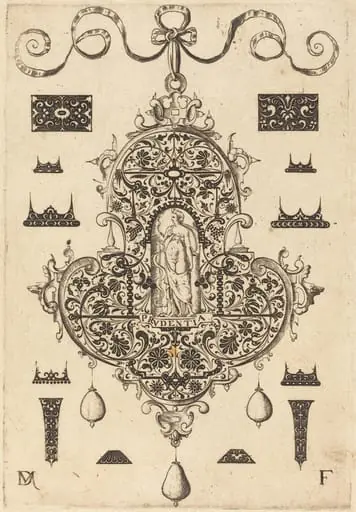 Large Pendant, Prudence Standing at Centre
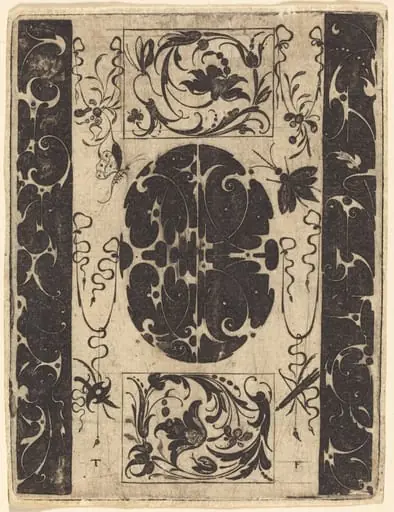 Ornament
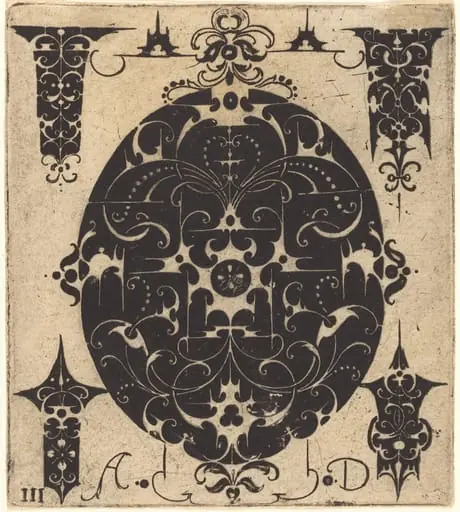 Ornament
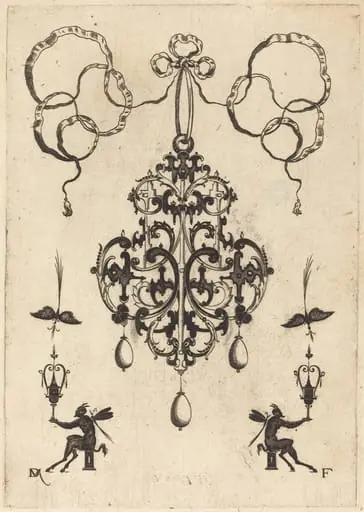 Large Pendant, Lower Left and Right Two Winged "Devils" Sitting on Pedestals
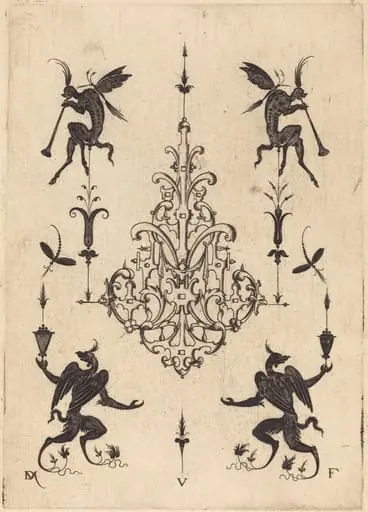 Brooch with Fantasy Creatures Blowing Horns at Top and Winged Griffins at Bottom
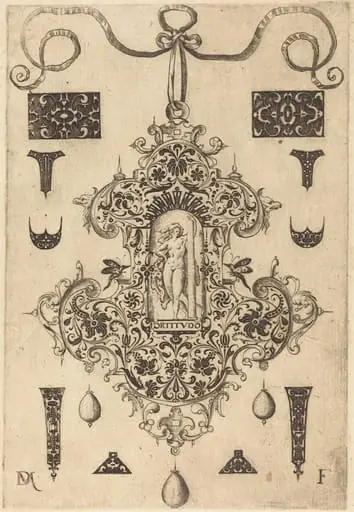 Large Pendant, Strength Standing at Centre
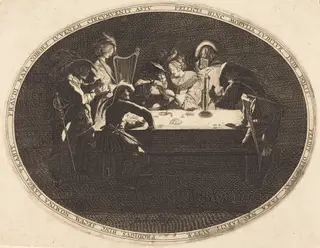 The Card Players
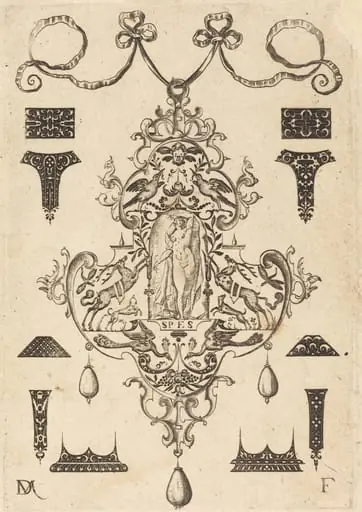 Large Pendant, Hope Standing at Centre
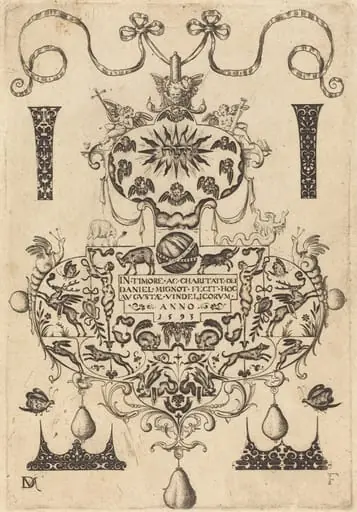 Title Page: Large Pendant
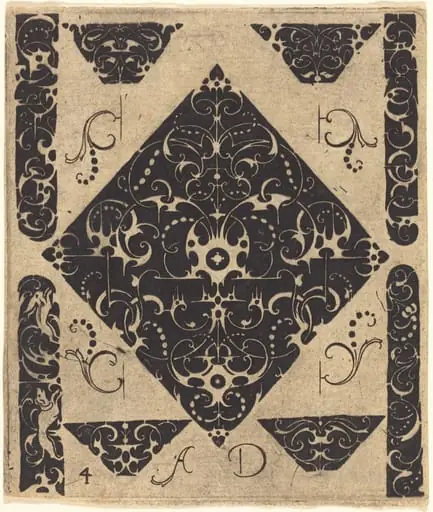 Ornament
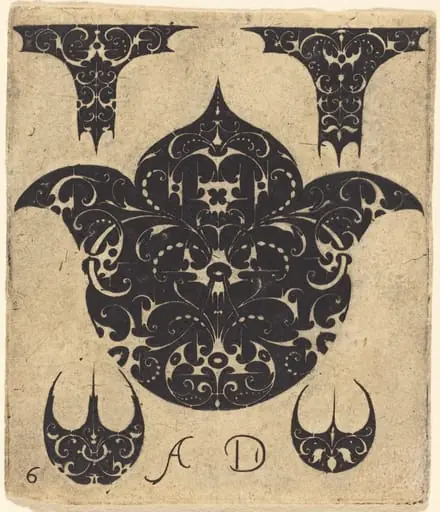 Ornament
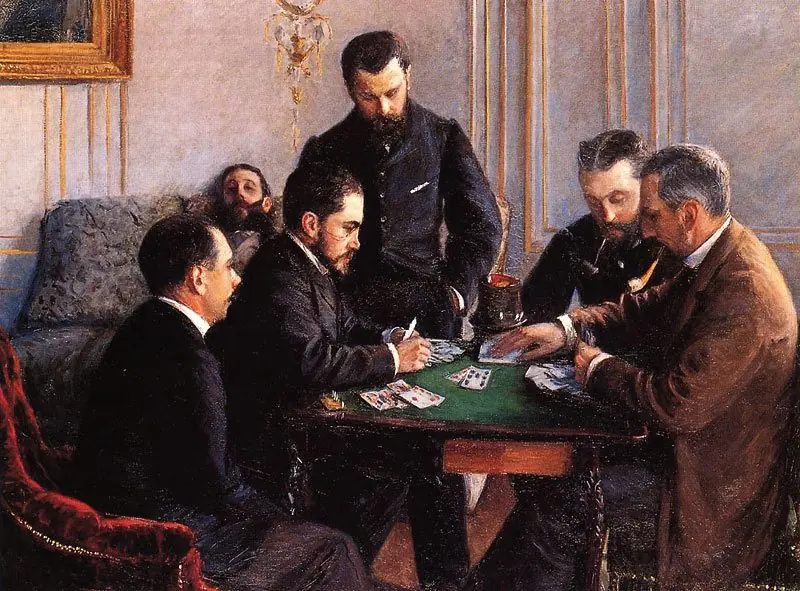 The Bezique Game
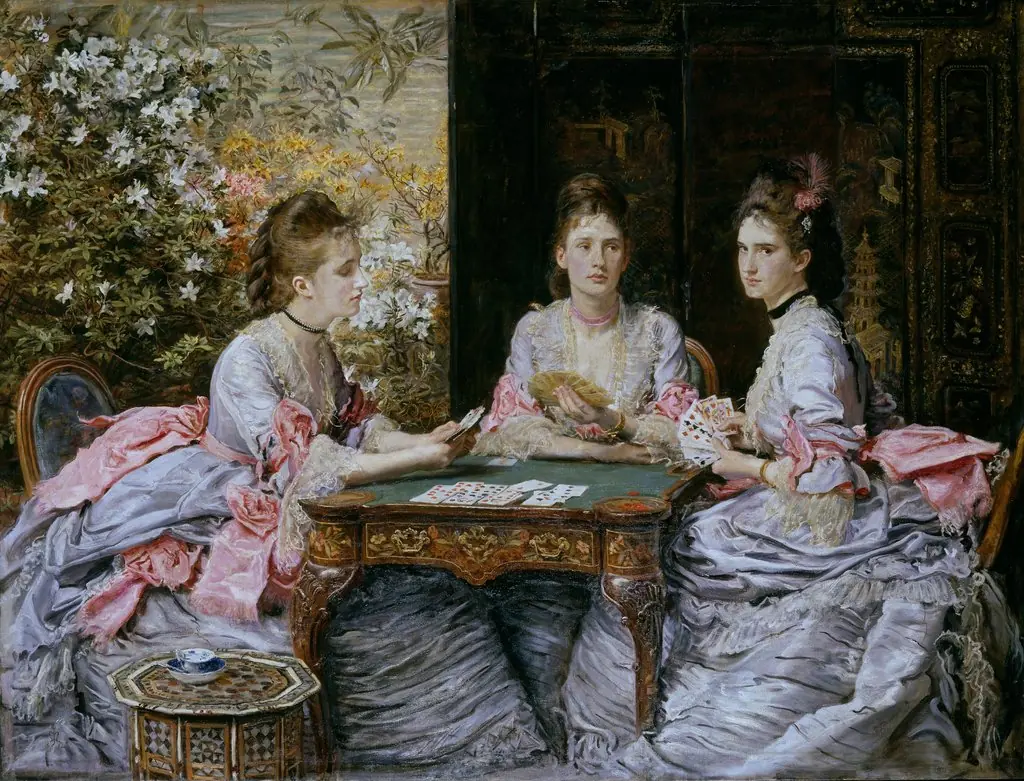 Hearts are Trumps
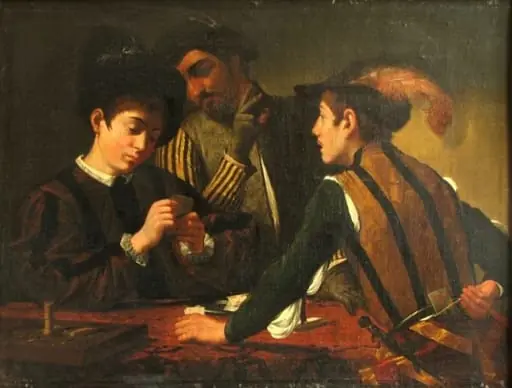 Trișorii
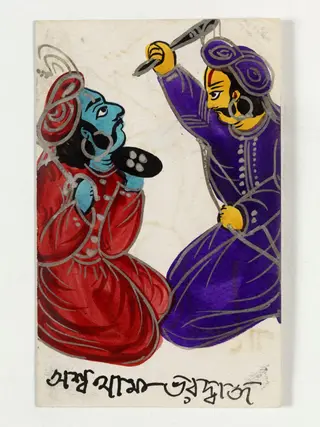 Drona
Drona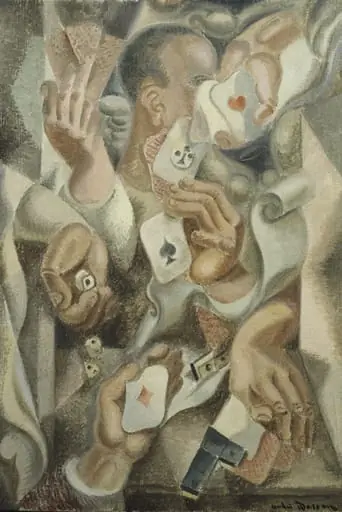 Untitled
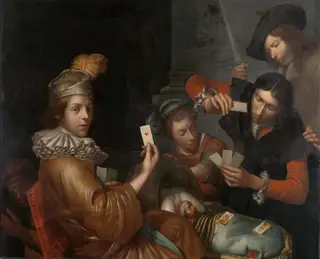 The Card Game on the Cradle: Allegory
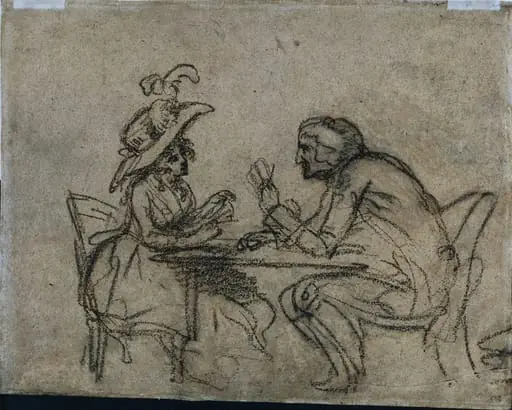 Woman and Man Playing Cards (verso)
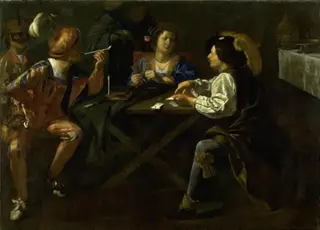 Card Players
 Untitled
 Untitled
 Lame Love
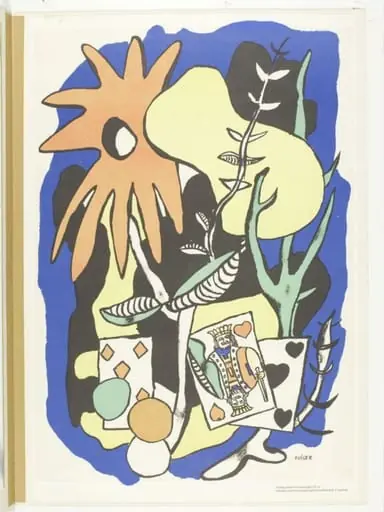 "The King of Hearts" No.25
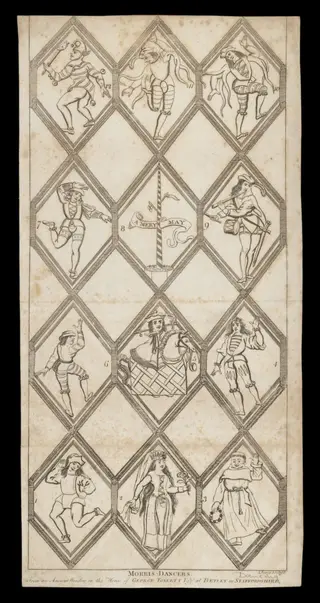 H Beard Print Collection
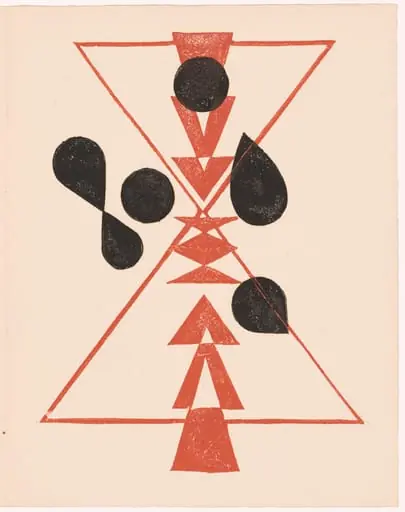 Untitled
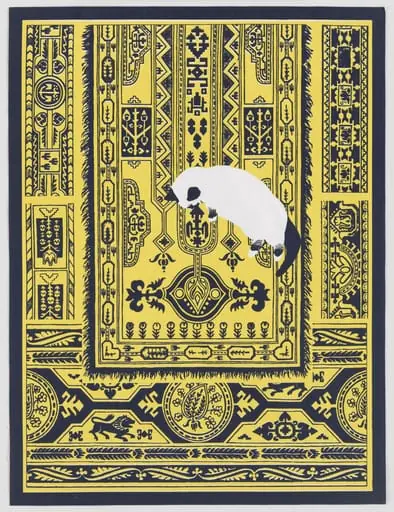 Untitled
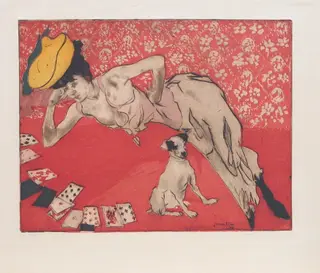 Untitled
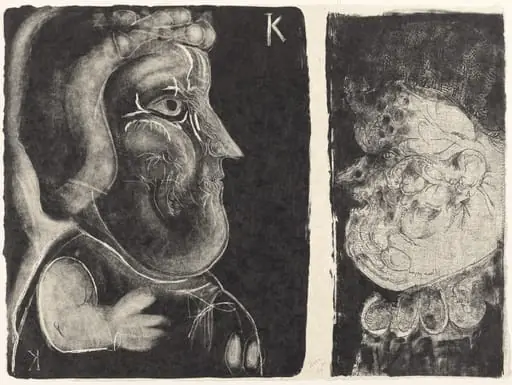 Untitled
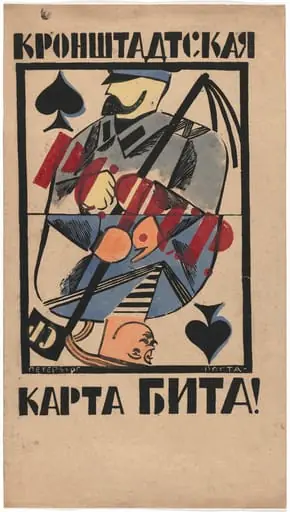 Untitled
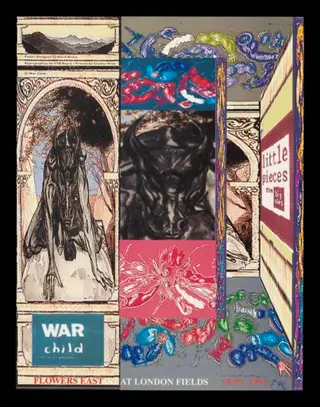 Untitled
Frequently asked questions
What is Playing Card?
Playing Card is a subject in art. A playing card is a piece of specially prepared card stock, heavy paper, thin cardboard, plastic-coated paper, cotton-paper blend, or thin plastic that is marked with distinguishing motifs.
How many Playing Card works does Artifact World Gallery have?
Artifact World Gallery holds 91 public-domain Playing Card works, all free to view and download.
Who are the key Playing Card artists?
Key Playing Card artists in the collection include Georges de La Tour, John Haberle and Caravaggio.
Where can I see Playing Card works?
Playing Card works in the collection are held by National Gallery of Art, Museo del Prado and Museum of Modern Art.