
Subject
Lying
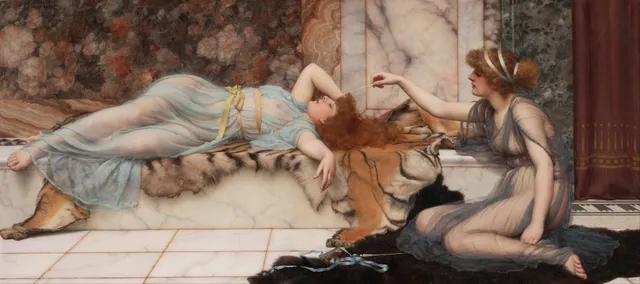
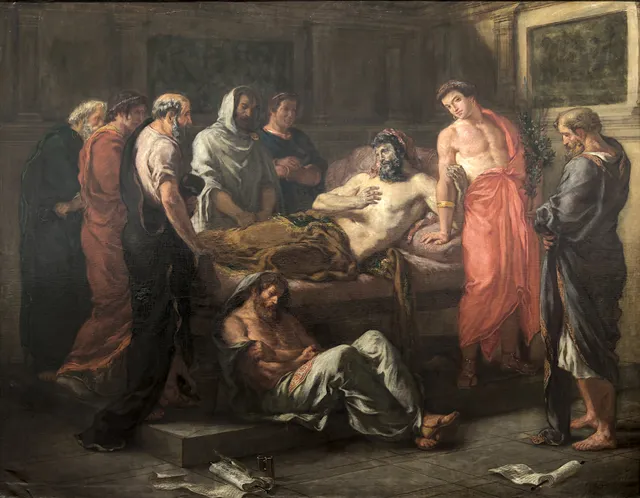
Lying is a subject in art. The gallery holds 28 works in this subject in art, including works by Titian, Paolo Veronese and Jean Baptiste Camille Corot.
Lying – also called recumbency, prostration, or decubitus in medicine (from Latin decumbo 'to lie down') – is a type of human position in which the body is more or less horizontal and supported along its length by the surface underneath. Lying is the most common position while being immobilized (e.g. in bedrest), while sleeping, or while being struck by injury or disease.
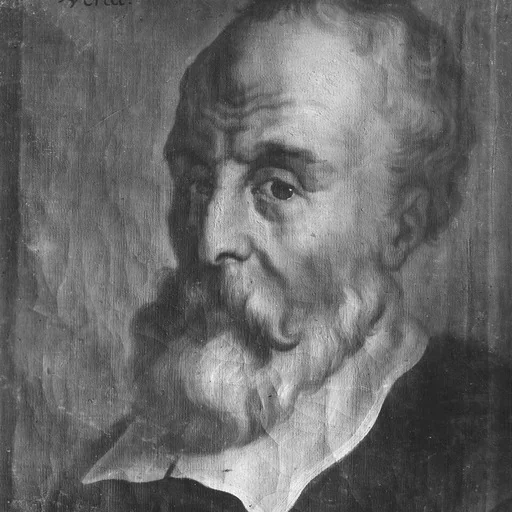
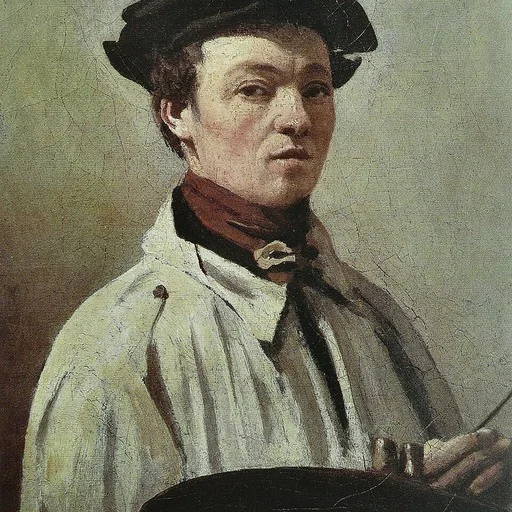
Key artists
Overview
Lying, also termed recumbency, prostration, or decubitus in medical contexts, is a human position in which the body is oriented more or less horizontally and supported along its length by the surface underneath. Derived from the Latin decumbo, meaning to lie down, the position is most commonly associated with states of immobilization such as bedrest, sleep, or the aftermath of injury and disease. In the visual arts, the horizontal orientation of the body provides a foundational compositional structure that artists have utilized across centuries to convey vulnerability, repose, eroticism, or death.
Iconography & meaning
The iconography of lying encompasses a wide spectrum of human conditions, largely defined by the specific variation of the posture. Supine positions, where the body rests on its back with the face upward, often connote vulnerability, sleep, or the passive exposure of the body to the viewer, frequently carrying erotic undertones. Prone positions, with the chest and face downward, suggest prostration, mourning, or defeat. Lateral recumbency, resting on one side, can imply informal repose or, in the case of the fetal position, a return to primal self-protection. The recovery position, a specific lateral posture used for unconscious but breathing individuals, introduces themes of survival and medical intervention. In art, these physical orientations are harnessed to communicate states ranging from divine slumber to mortal incapacitation.
Legacy
The legacy of the lying motif extends beyond fine art into medical and cultural frameworks. Medically, the term decubitus evolved from its Latin root into a formal classification system by the late 17th century, used to specify patient positioning for diagnostics, radiology, and treatment, such as the Trendelenburg position developed to address cardiovascular collapse during the First World War. The term also came to denote the pressure ulcers, or bedsores, resulting from prolonged immobilization. Culturally, the artistic tradition of the reclining figure established a visual vocabulary of exposure and passivity that continues to inform contemporary representations of the body, while the clinical understanding of recumbency underscores the physical realities of prolonged bedrest and human vulnerability.
Works
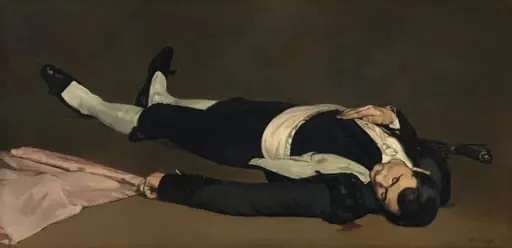 The Dead Toreador
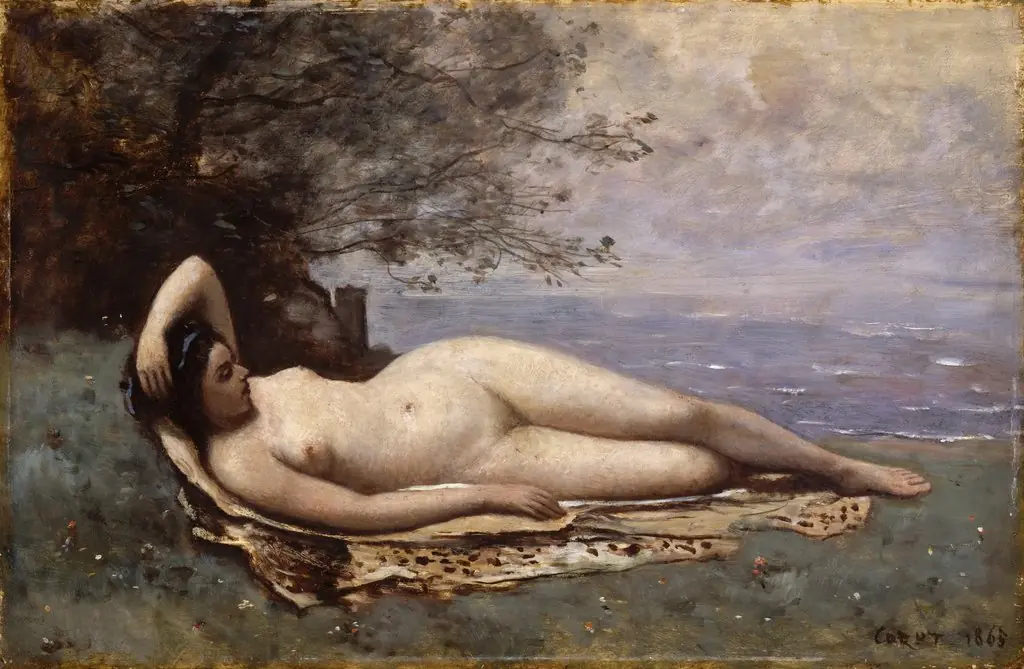 Bacchante by the Sea
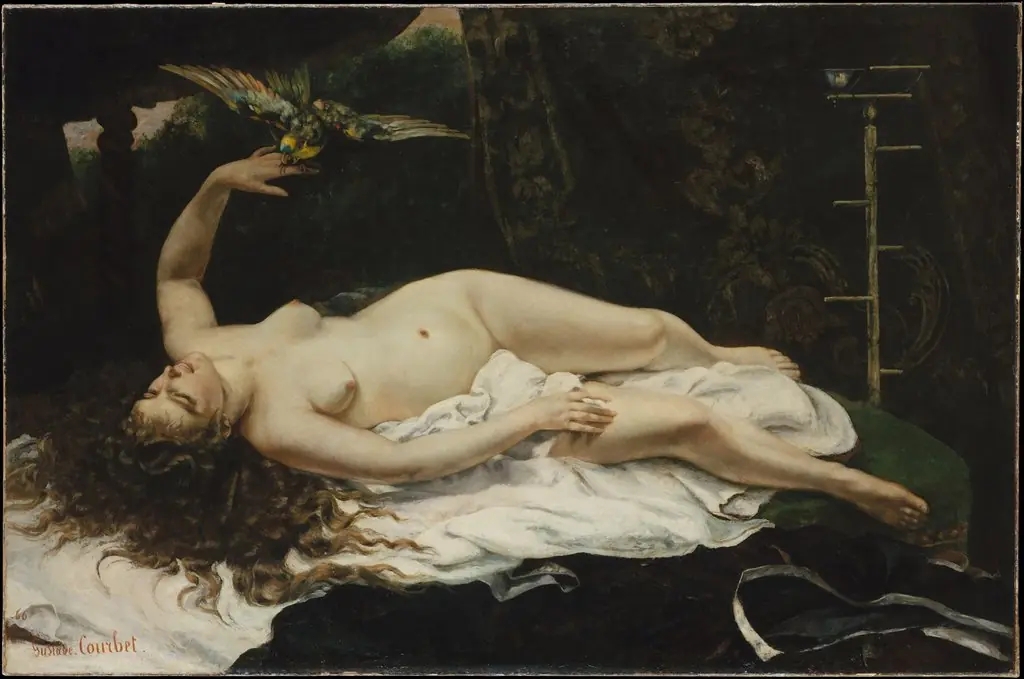 Woman with a Parrot
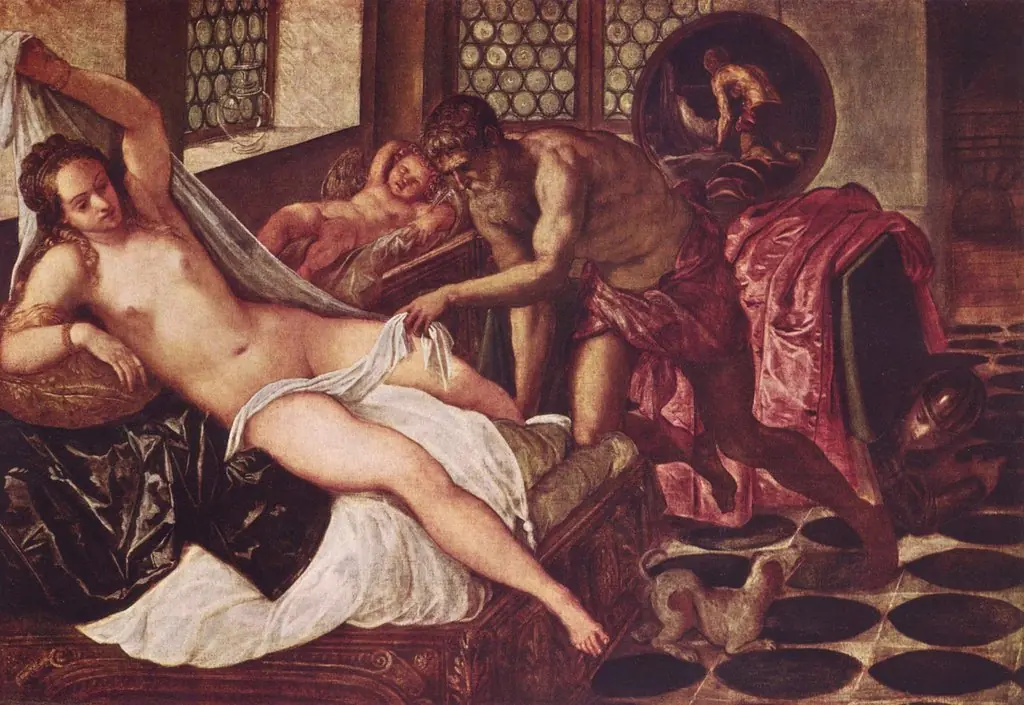 Venus and Mars Surprised by Vulcan
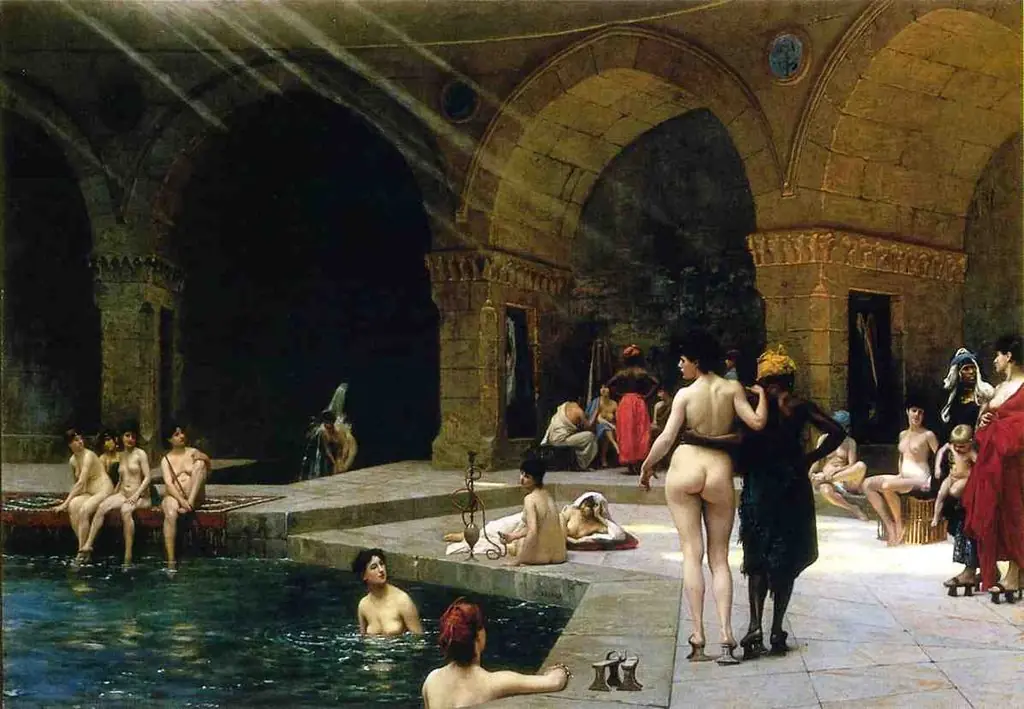 The Great Bath at Bursa
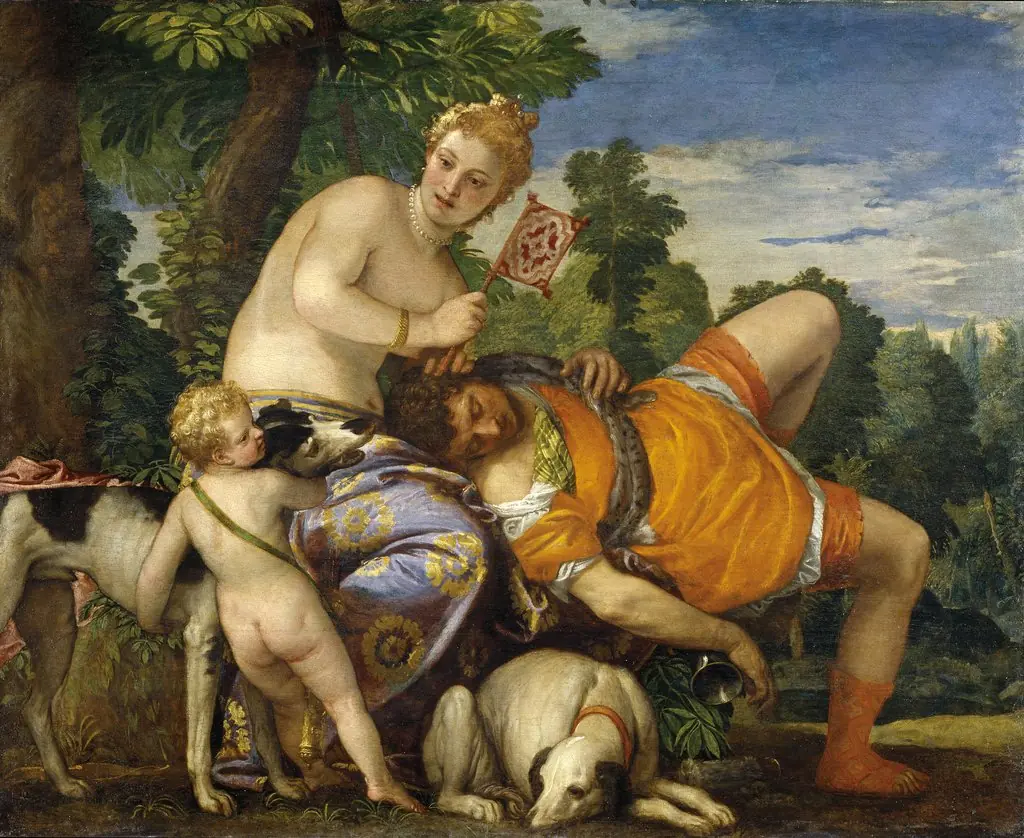 Venus and Adonis
 The Pearl and the Wave
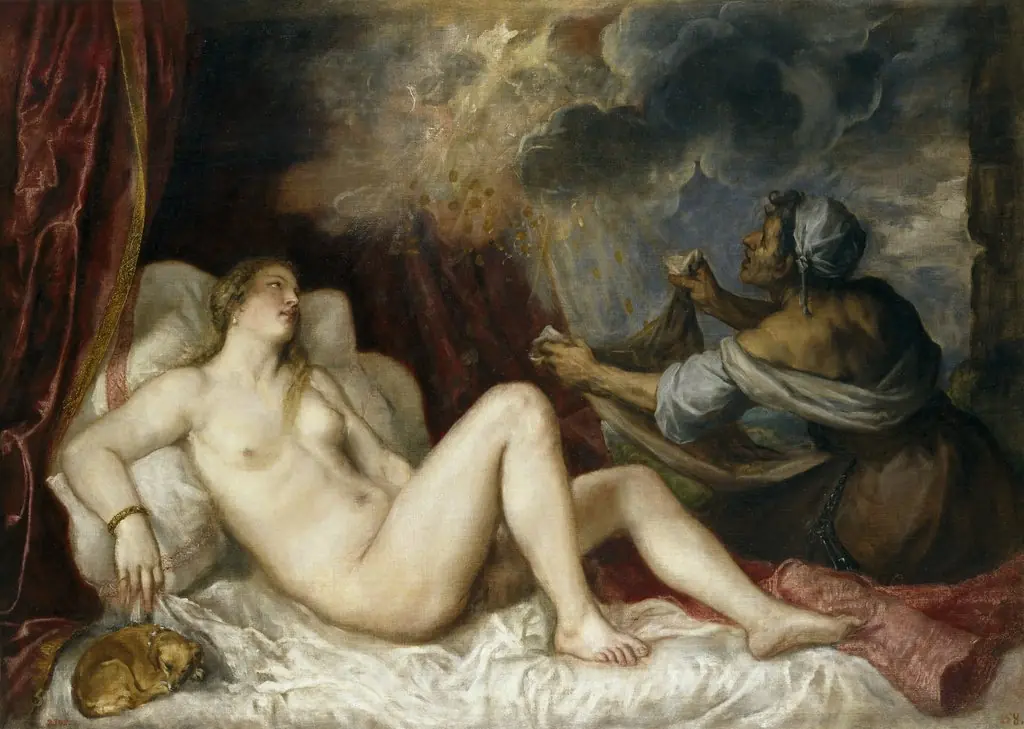 Danaë
Danaë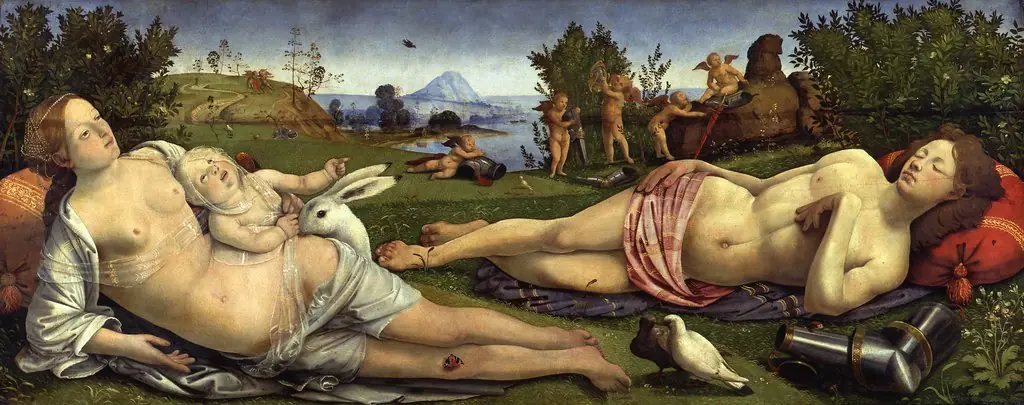 Venus, Mars and Cupid
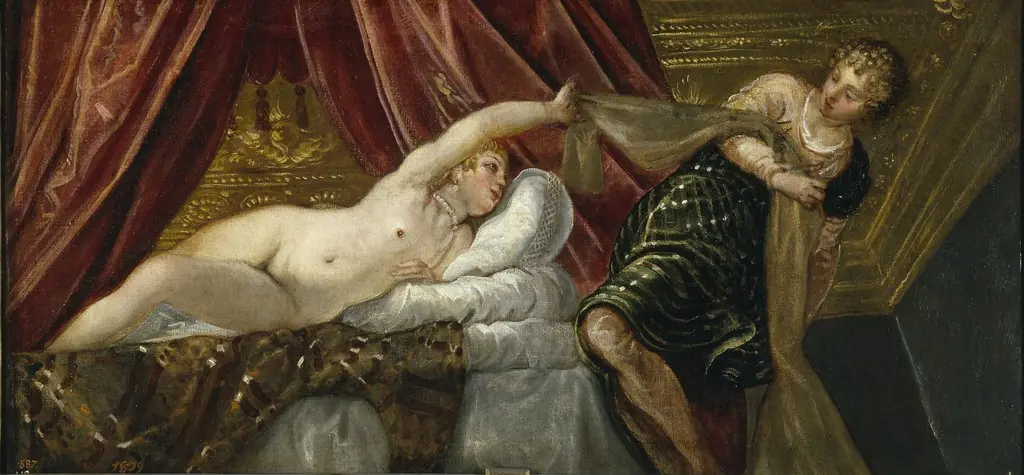 Joseph and Potiphar's Wife
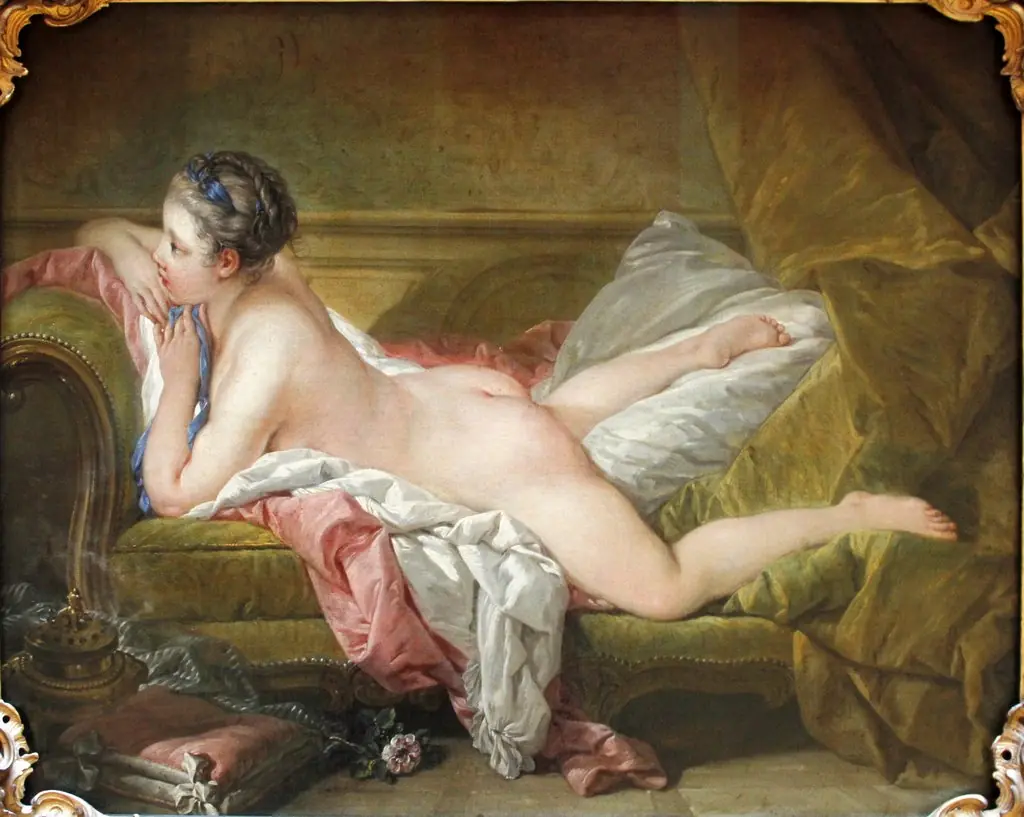 Reclining Girl
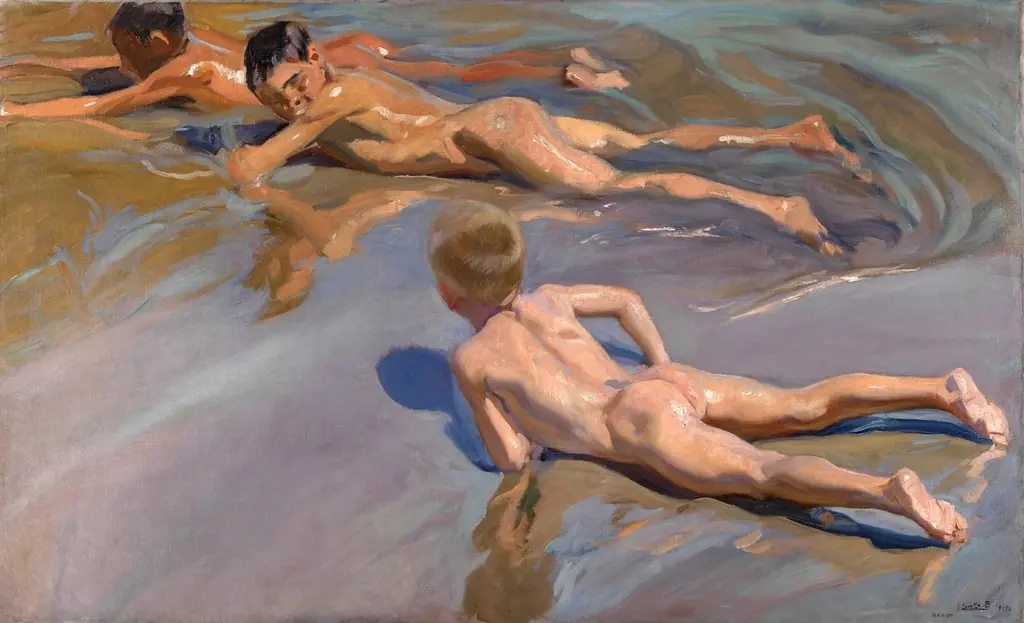 Chicos en la playa
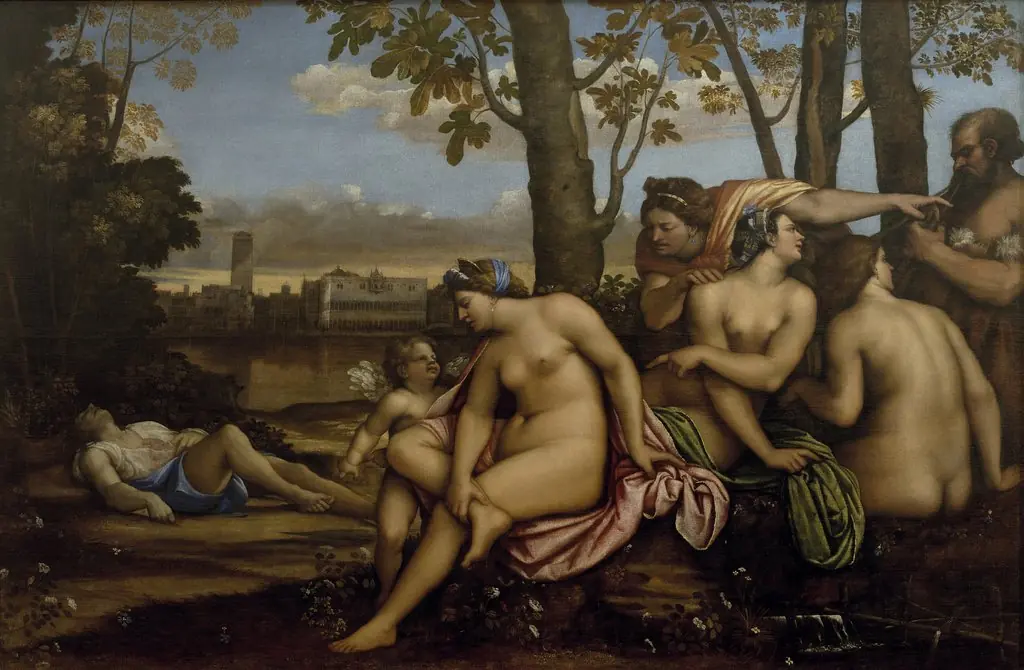 Death of Adonis
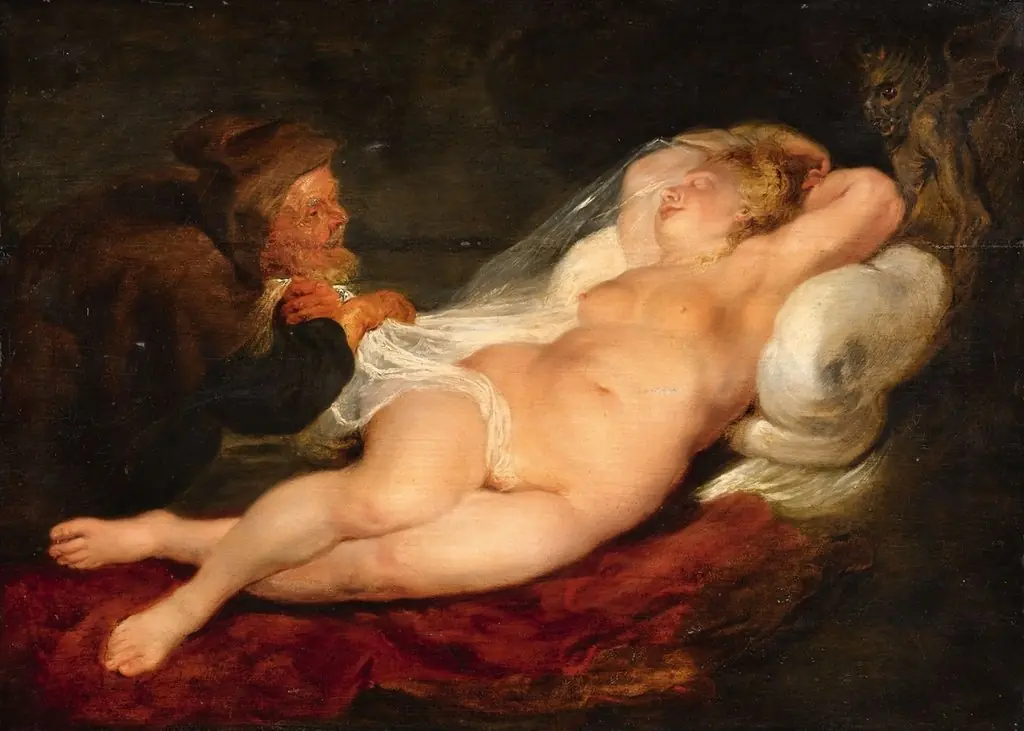 Angelica and the Hermit
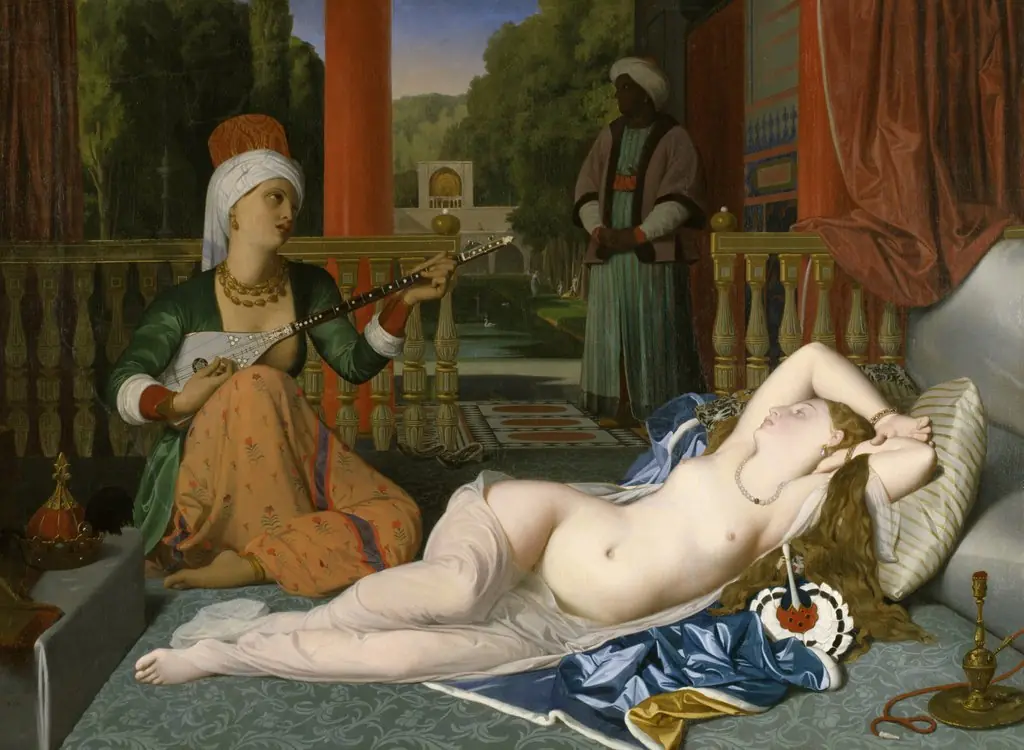 Odalisque with Slave
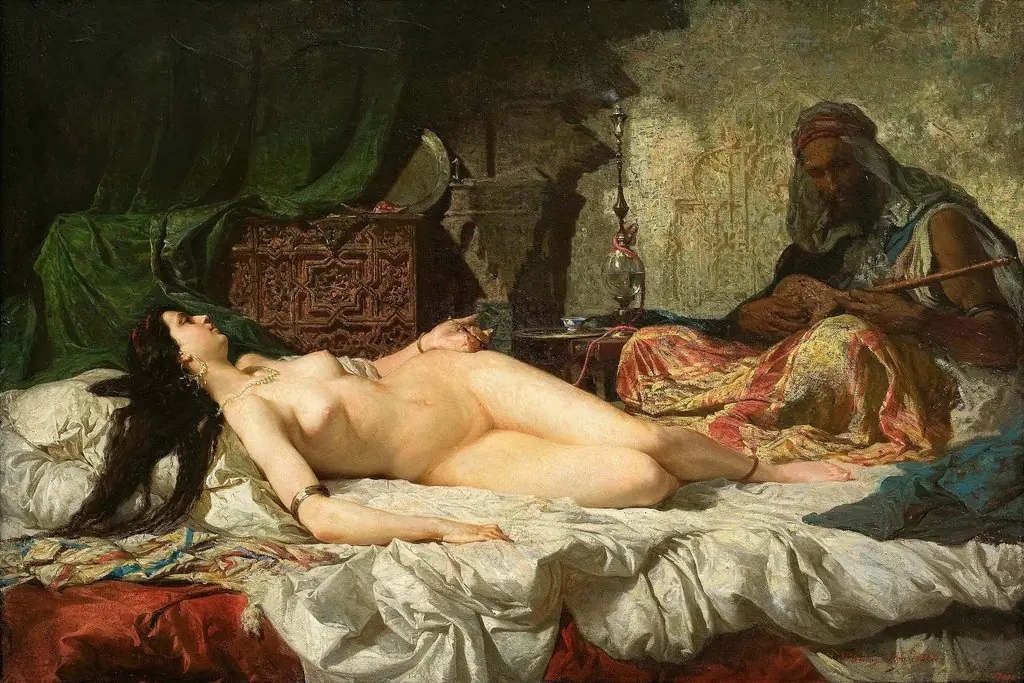 The Odalisque
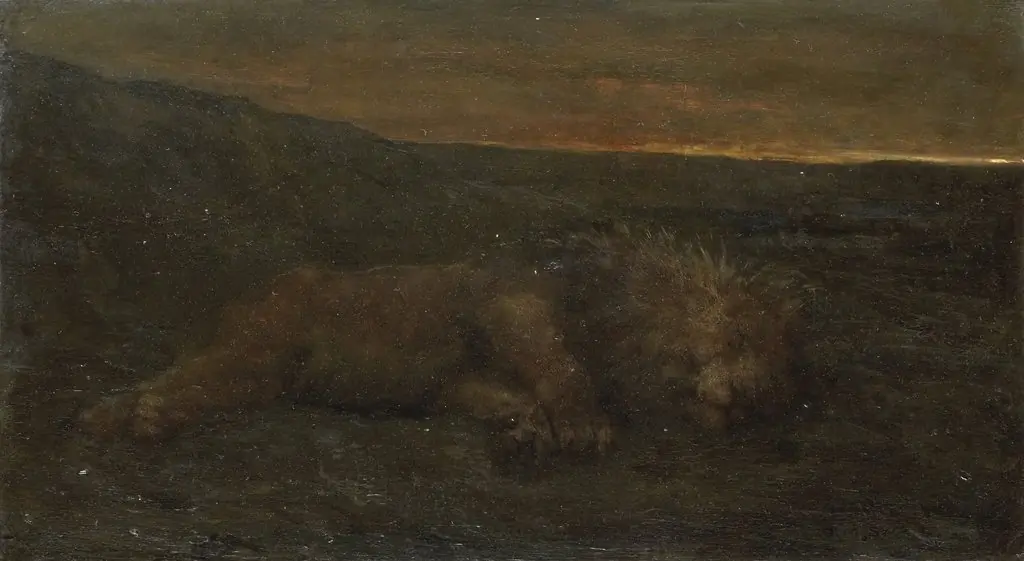 Sleeping lion at night
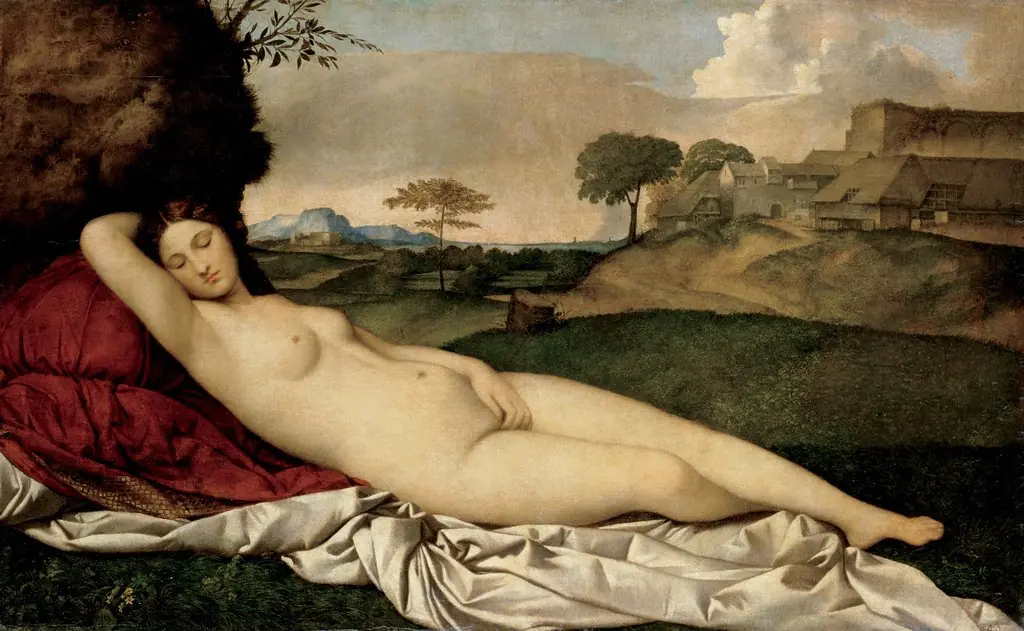 Sleeping Venus
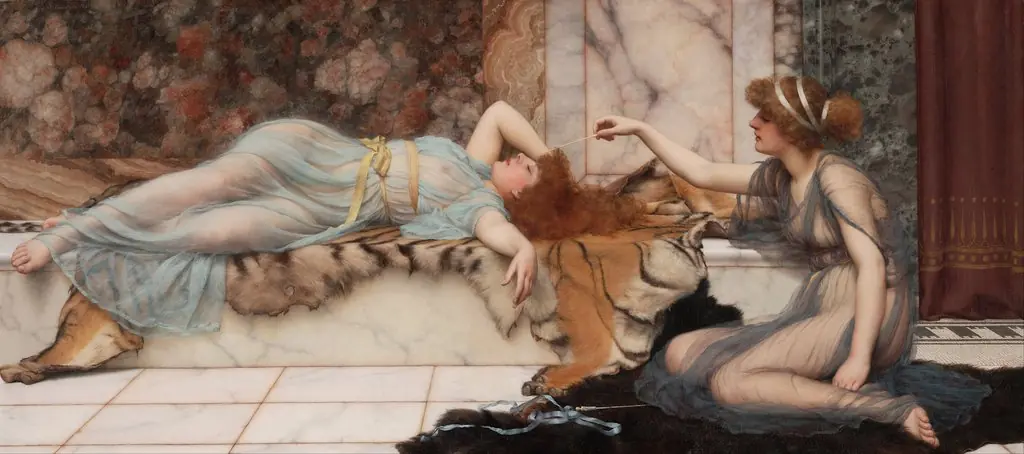 Mischief and Repose
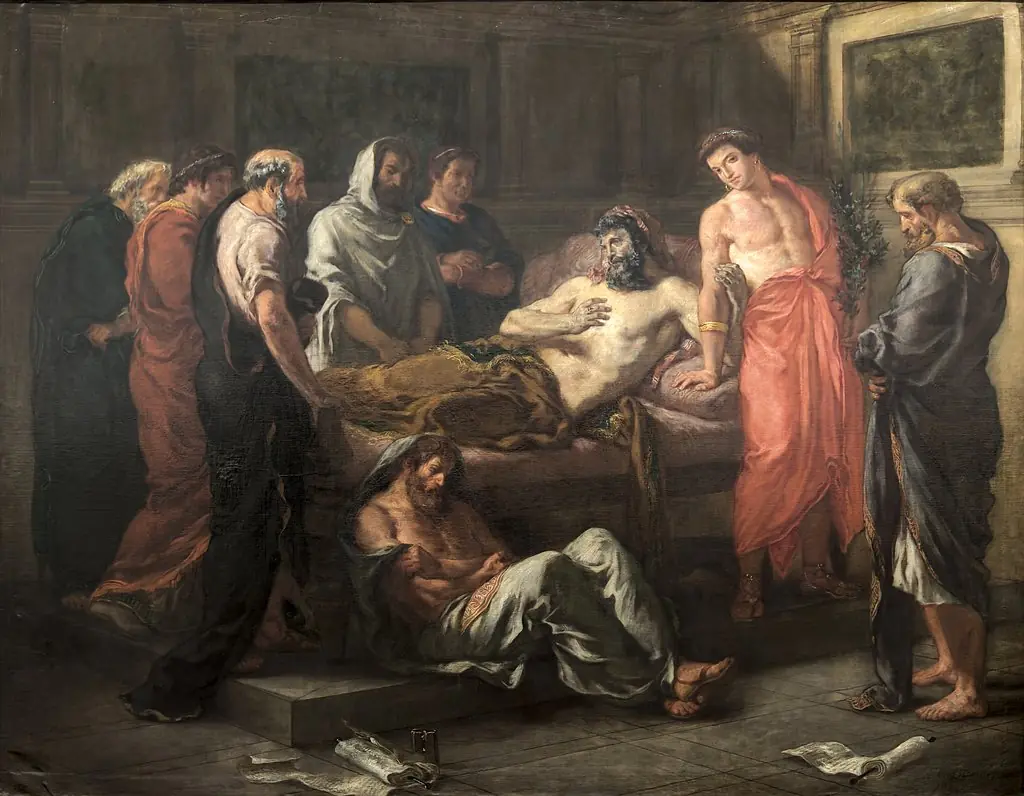 Last Words of the Emperor Marcus Aurelius
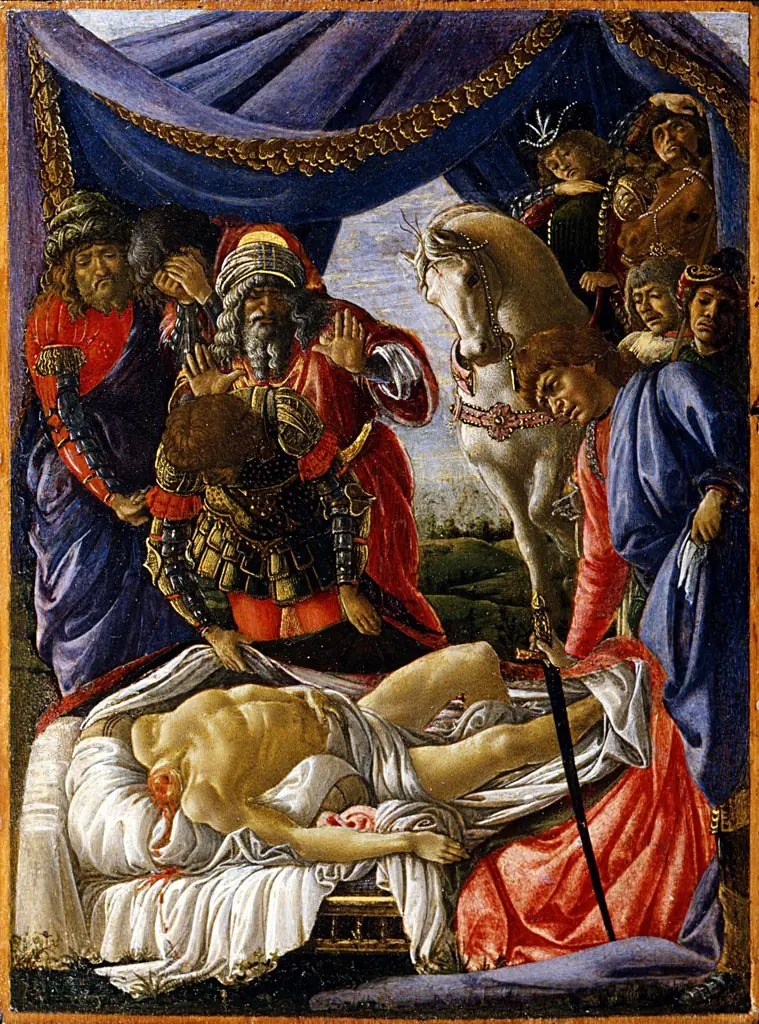 The Discovery of the Body of Holofernes
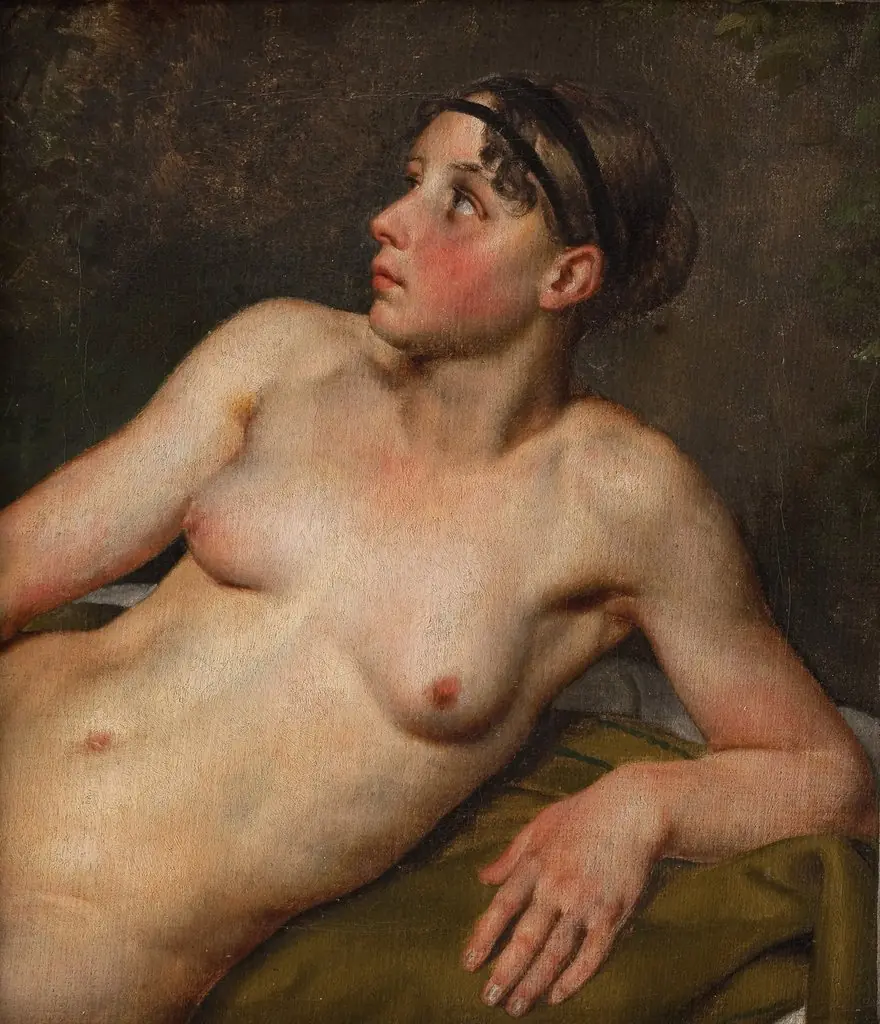 Reclining Female Nude
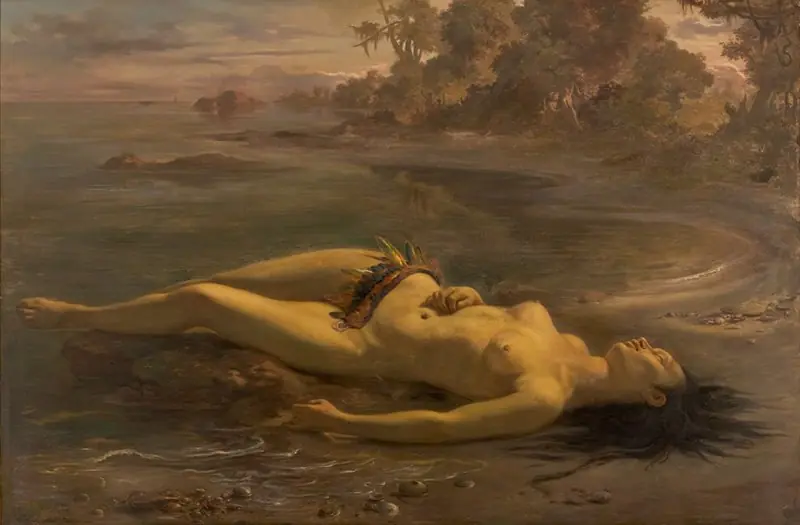 Moema
Moema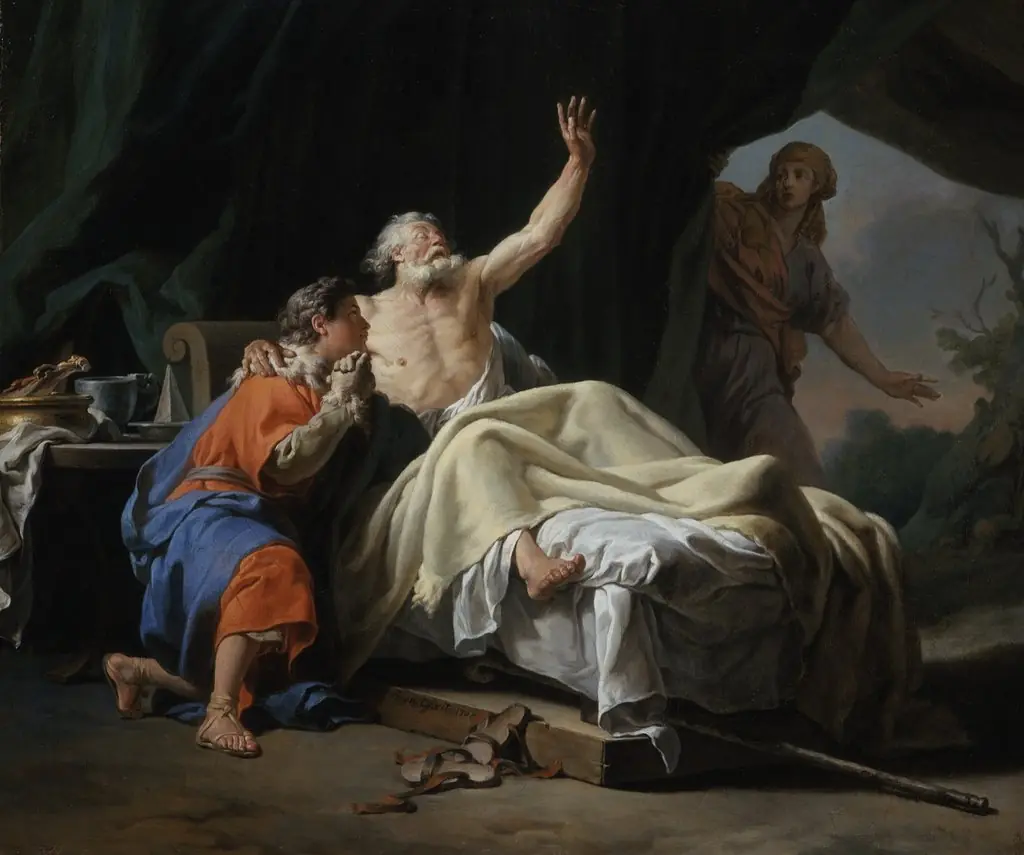 Isaac Blessing Jacob
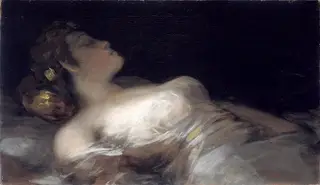 El Sueño
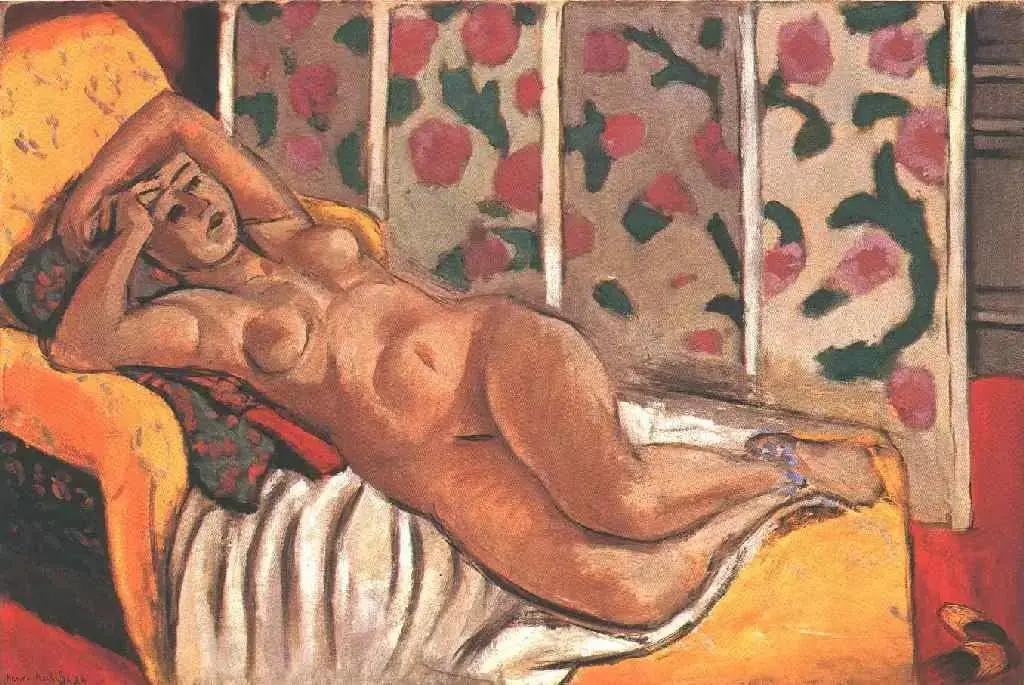 Yellow Odalisque
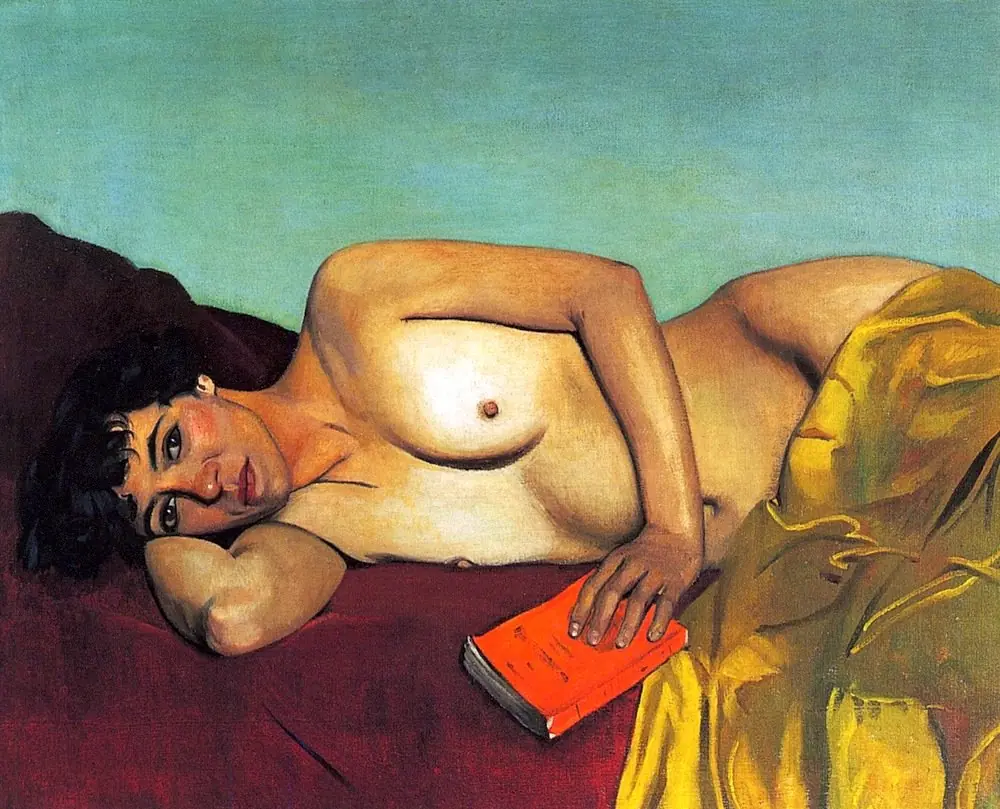 La lecture abandonnée
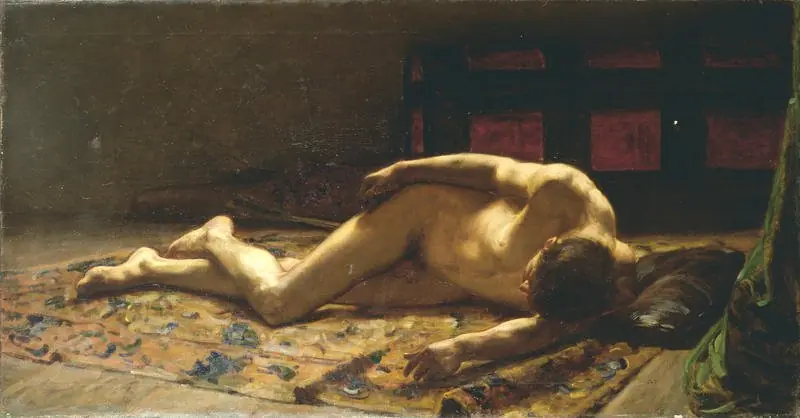 Naked Man Lying on a Rug
Frequently asked questions
What is Lying?
Lying – also called recumbency, prostration, or decubitus in medicine (from Latin decumbo 'to lie down') – is a type of human position in which the body is more or less horizontal and supported along its length by the surface underneath.
How many Lying works does Artifact World Gallery have?
Artifact World Gallery holds 28 public-domain Lying works, all free to view and download.
Who are the key Lying artists?
Key Lying artists in the collection include Titian, Paolo Veronese and Jean Baptiste Camille Corot.
Where can I see Lying works?
Lying works in the collection are held by Museo del Prado, Bavarian State Painting Collections and Uffizi Gallery.