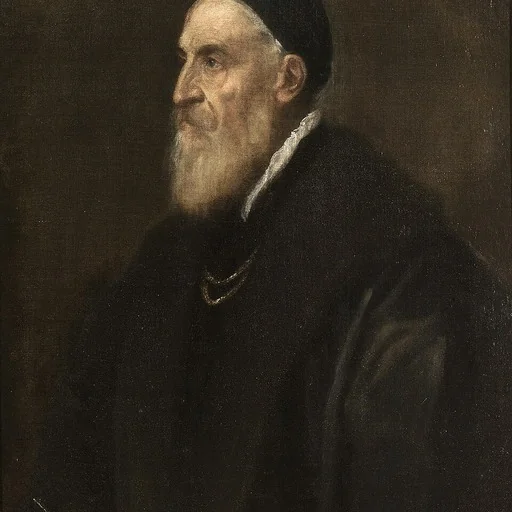
Subject
Decolletage
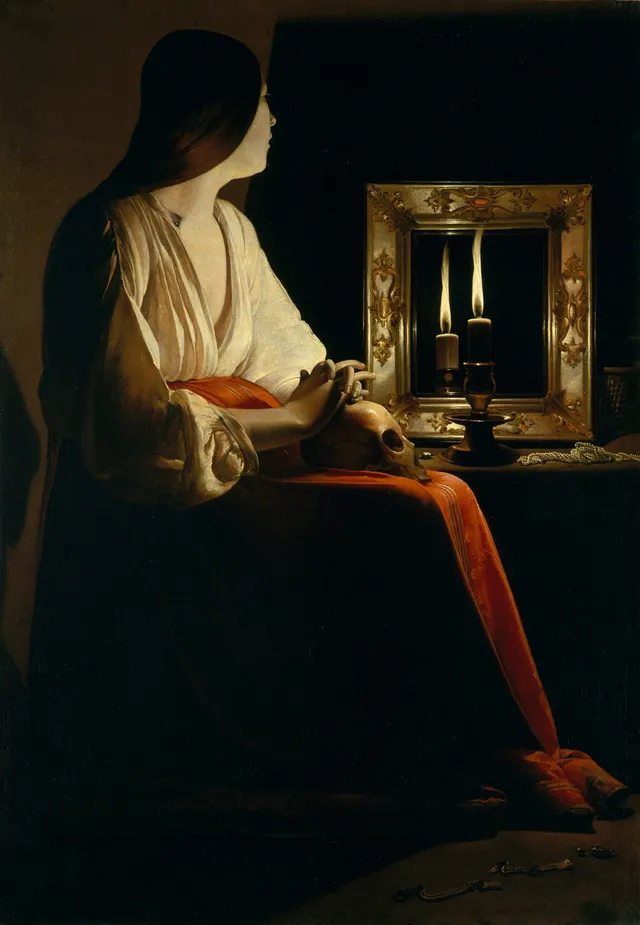
Decolletage is a subject in art. The gallery holds 54 works in this subject in art, including works by Titian, Paolo Veronese and Edgar Degas.
Cleavage, formally the intermammary cleft, is the narrow depression or hollow between the breasts of a woman. The superior portion of cleavage, to a greater or lesser extent, may be fashionably displayed through décolletage – using clothing such as a low-cut neckline to reveal the division.
Key artists
Overview
Decolletage is a fashion and anatomical term referring to the upper part of a woman's torso, comprising the neck, shoulders, back, and chest, which is exposed by a low-cut neckline. Derived from the French word decolleter, meaning to reveal the neck, the term specifically describes garments designed to expose this area, most commonly to reveal or emphasize the intermammary cleft, formally known as cleavage. While decolletage describes the garment opening itself, the term cleavage, coined in its modern anatomical sense in the 1940s by film censor Joseph Breen, has become the more popular parlance for the visible division. In strict historical usage, decolletage is measured as extending about two handbreadths from the base of the neck down, both front and back. The motif recurs throughout art history as a powerful intersection of fashion, anatomy, and cultural norms regarding femininity and the body.
Iconography & meaning
In Western art and culture, decolletage has carried multifaceted symbolism, oscillating between assertions of power, beauty, and eroticism, and signifiers of social status. From the Renaissance onward, the bared breast invoked associations with classical Greek sculpture, lending artistic authority to the display. In aristocratic European circles, decolletage functioned as a status symbol, denoting wealth and social position, while bourgeois women were expected to cover their chests with a fichu, or breast cloth. The exposed neckline has also served as a tool for flirtation, attraction, and political statement, such as within the topfreedom movement. Conversely, the advent of Christianity and Islam imposed modesty, sharply declining the social acceptability of the exposed cleft. In some modern contexts, decolletage is viewed as a sign of femininity and sex appeal, though it can also lead to stigmatization or be deemed inappropriate, becoming a target for voyeuristic photography or sexual harassment.
In the collection
Within the Brooklyn Museum's holdings, the decolletage motif appears across fifty-five works, spanning diverse genres and historical periods. The collection demonstrates how the exposed neckline serves varied narrative and formal functions depending on the subject. It features in secular portraiture, such as Madame David and the controversial Madame X (Virginie Amelie Avegno Gautreau), where the neckline defines modern elegance and social provocation. It appears in scenes of performance and leisure, including The Dancing Class and The Dancer. Furthermore, the motif is central to biblical and historical narratives, such as Bathsheba at her bath, The Penitent Magdalen, Mary Magdalene, Salome, and The Wife of Hasdrubal and Her Children, as well as genre scenes like Two Women at a Window, highlighting its versatility as a visual device.
Across movements & periods
The treatment of decolletage has shifted dramatically across eras and cultures. In antiquity, Minoan snake goddess figurines from 1600 BC wore open dress-fronts, while Greek and Roman women used breastbands to either suppress or enhance the bust. By the mid-Tang dynasty in China, women deliberately modified traditional ruqun gowns to expose their cleavage. In the Christian West, visible cleavage was largely unacceptable until the 14th century, when French fashions began lowering necklines. The 15th century saw deep decollete gowns introduced, famously popularized by Agnes Sorel, and by the 16th century, exposed breasts were common across European classes. Following the French Revolution, decolletage expanded at the front while diminishing at the back. The Victorian era and the 1920s flapper period suppressed the style, favoring high collars and a boyish silhouette, respectively. Cleavage returned vigorously in the 1950s through Hollywood and underwired bras, though by the early 2020s, dramatized cleavage lost popularity, replaced by alternative presentations like sideboob and underboob.
Notable depictions
Several canonical depictions highlight the cultural weight of decolletage. In 1450, Agnes Sorel, mistress to Charles VII of France, sparked a fashion revolution by wearing deep, square decollete gowns that fully bared her breasts, a style also famously depicted in Piero di Cosimo's circa 1480 portrait of Simonetta Vespucci. In 17th-century England, Queen Mary II and Henrietta Maria were painted with fully bared breasts, and architect Inigo Jones designed a masque costume for Henrietta Maria that revealed both breasts. A later pivotal depiction is John Singer Sargent's 1884 portrait of Paris socialite Virginie Amelie Avegno Gautreau, Madame X. The painting provoked scandal over what was considered scandalous cleavage and a fallen shoulder strap, forcing Sargent to rework the strap's position and ultimately leave Paris, underscoring the precarious social boundaries surrounding the motif.
Legacy
The legacy of decolletage extends beyond historical fashion into modern media, censorship, and evolving beauty standards. The 1943 film The Outlaw starring Jane Russell prompted Joseph Breen to coin the term cleavage in its modern sense, a linguistic shift that was formalized in a 1946 Time magazine article. Throughout the mid-20th century, Hollywood celebrities and lingerie manufacturers propelled the fascination with cleavage, replacing corsets with push-up bras. The motif also influenced modern skincare and cosmetic enhancement industries, with women utilizing brassieres, falsies, surgical augmentation, and targeted decolletage firming lotions to embellish the area. By the 21st century, the display of decolletage continued to generate cultural debate, from airline dress code controversies to political figures facing scrutiny, while the aesthetic emphasis gradually shifted away from the intermammary cleft toward alternative exposures of the partially clothed breast.
Works
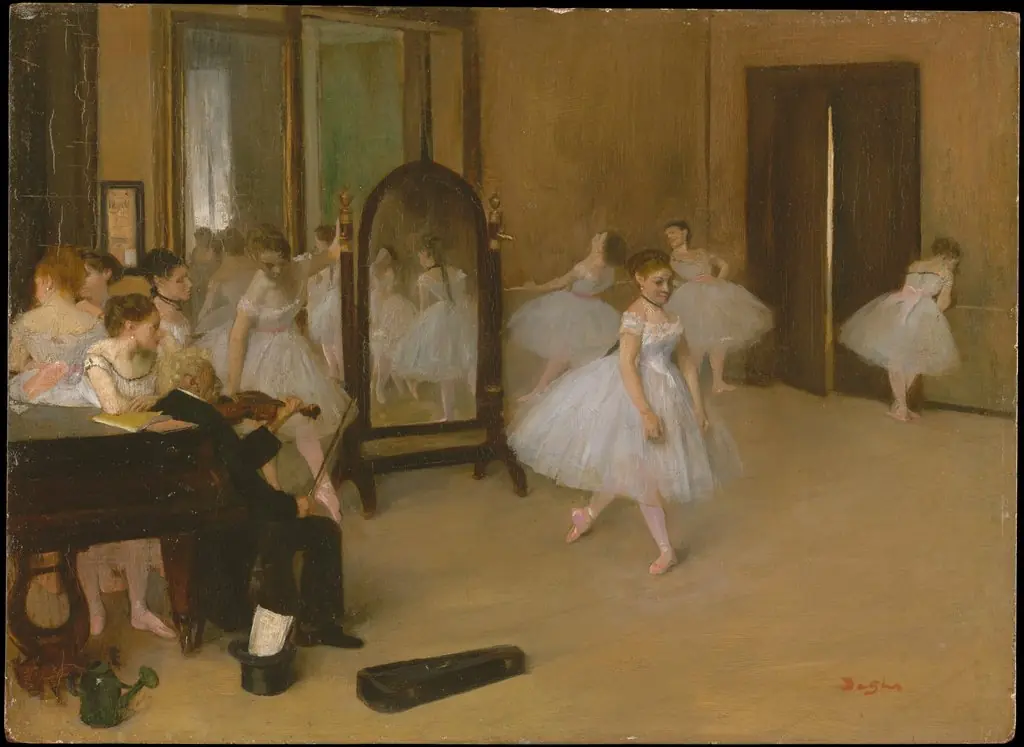 The Dancing Class
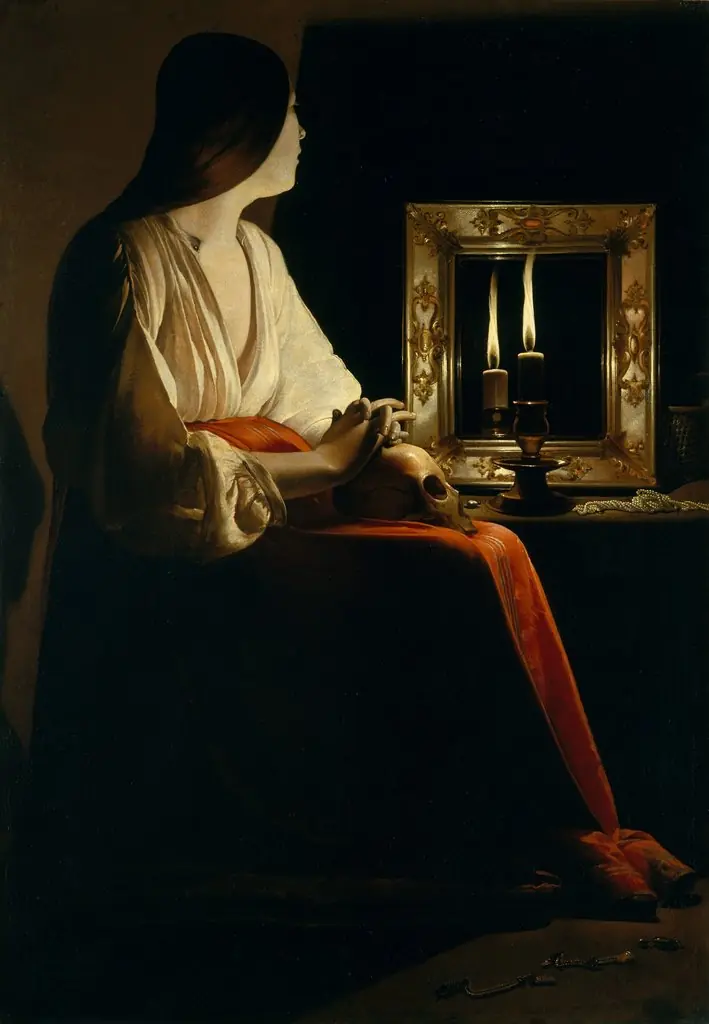 The Penitent Magdalen
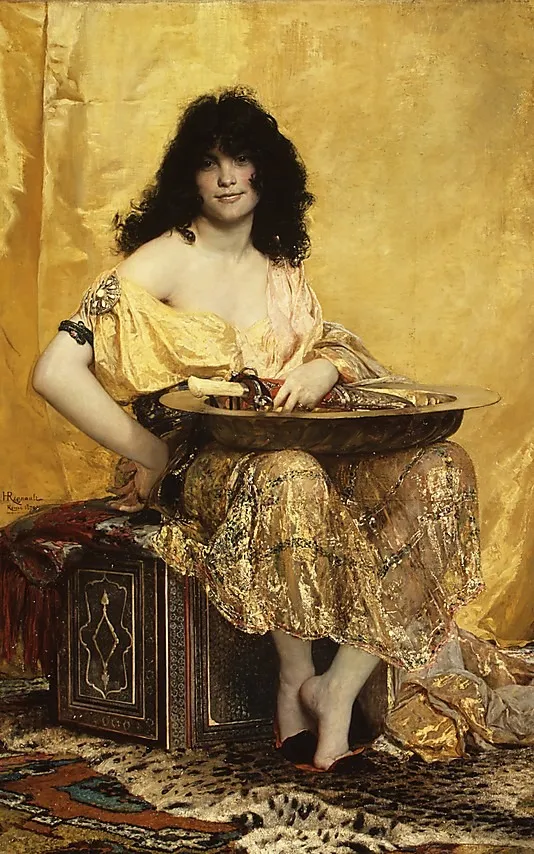
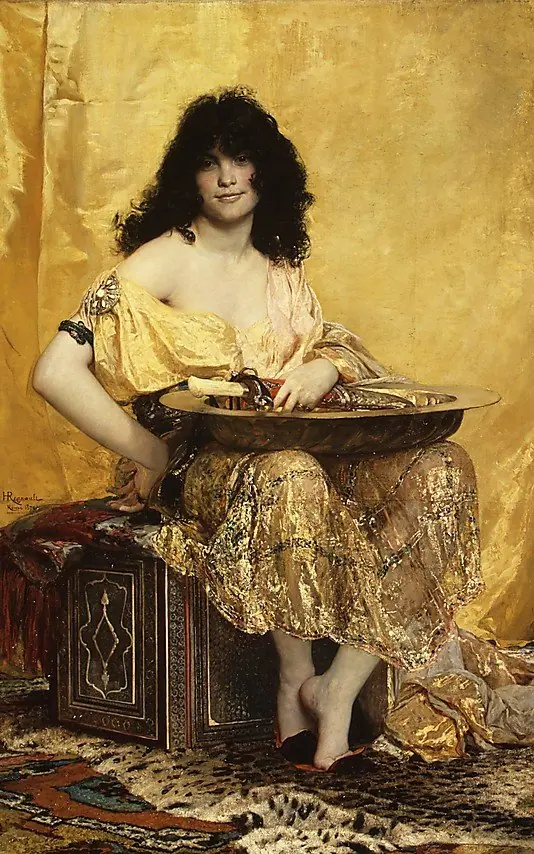 Salome
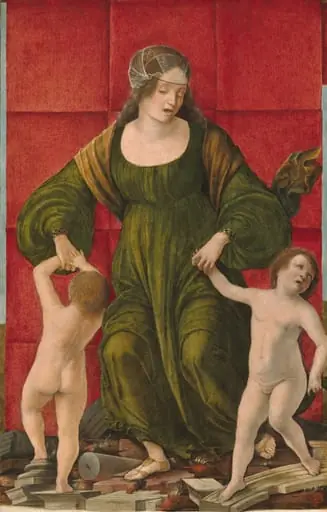 The Wife of Hasdrubal and Her Children
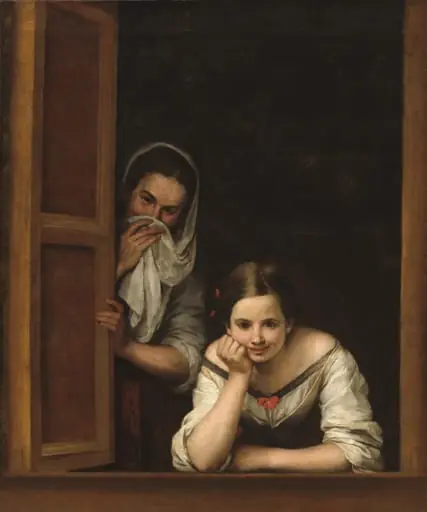 Two Women at a Window
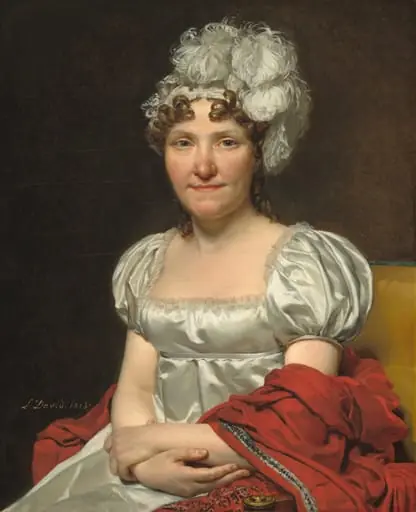 Madame David
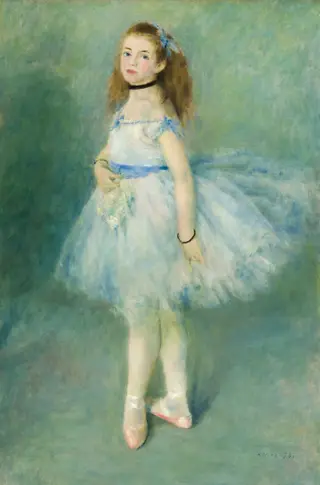 The Dancer
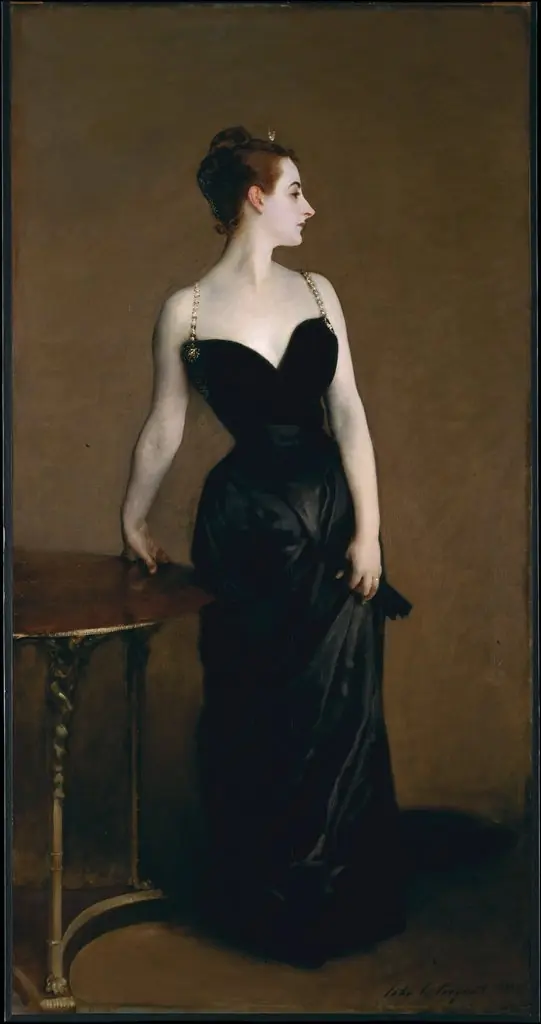 Madame X (Virginie Amélie Avegno Gautreau)
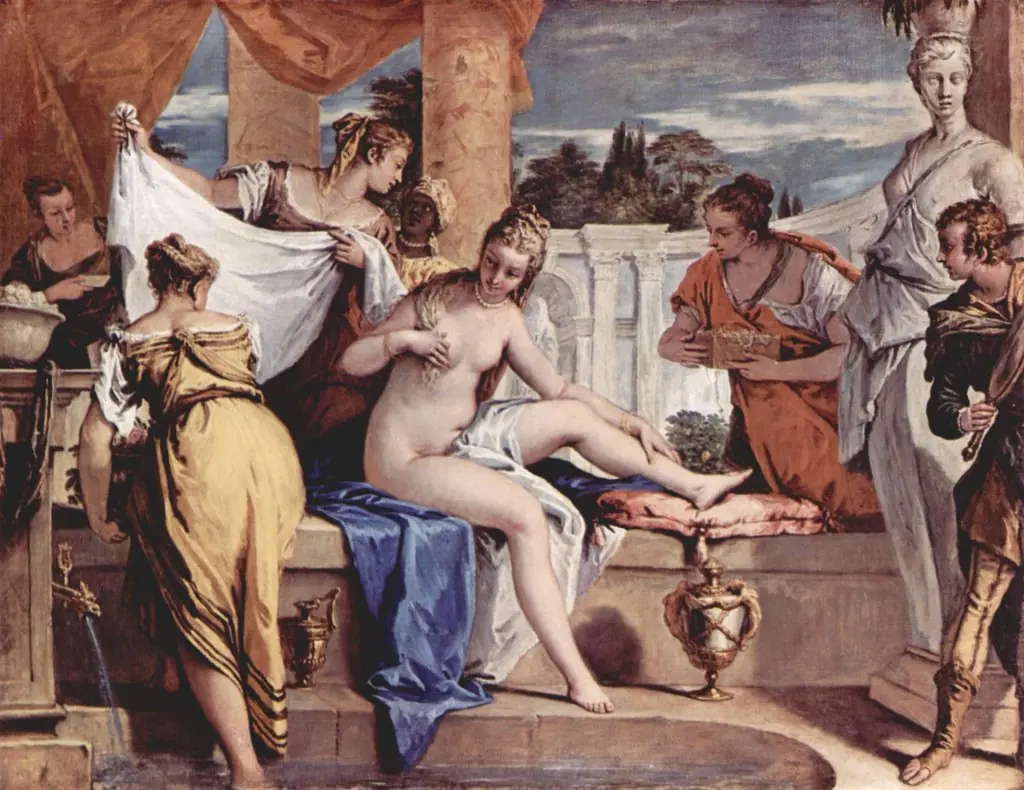 Bathsheba at her bath
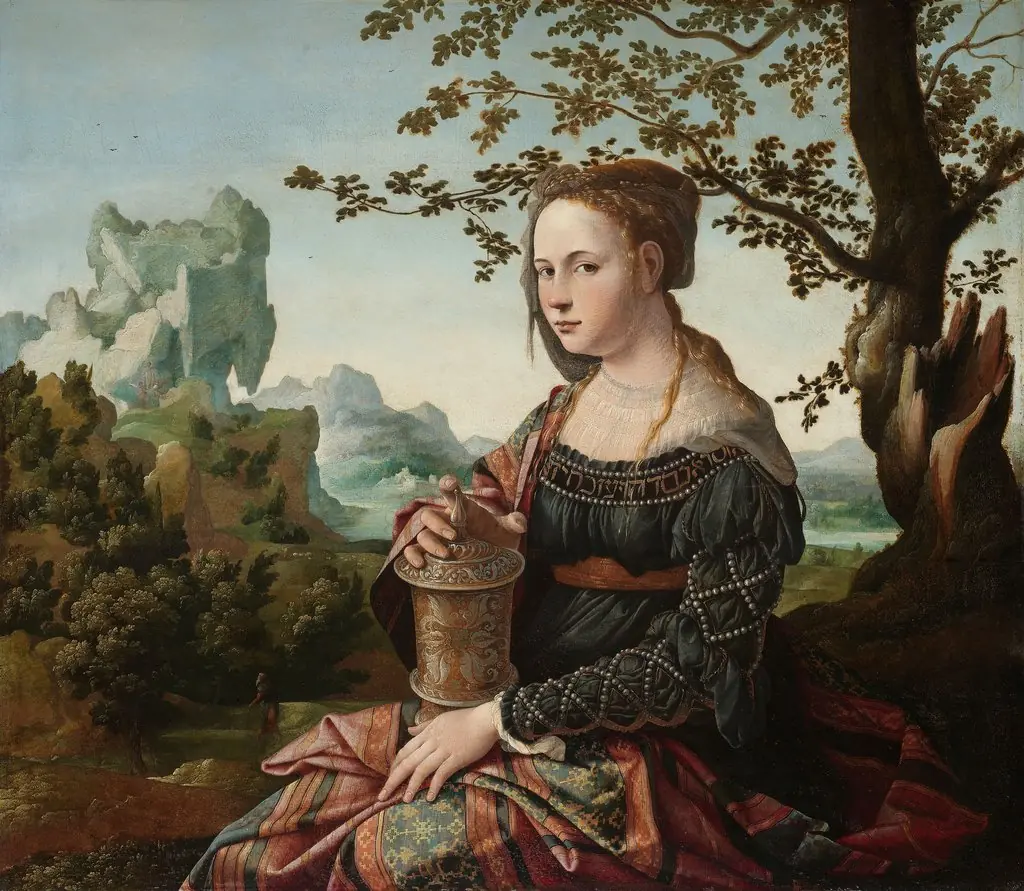 Mary Magdalene
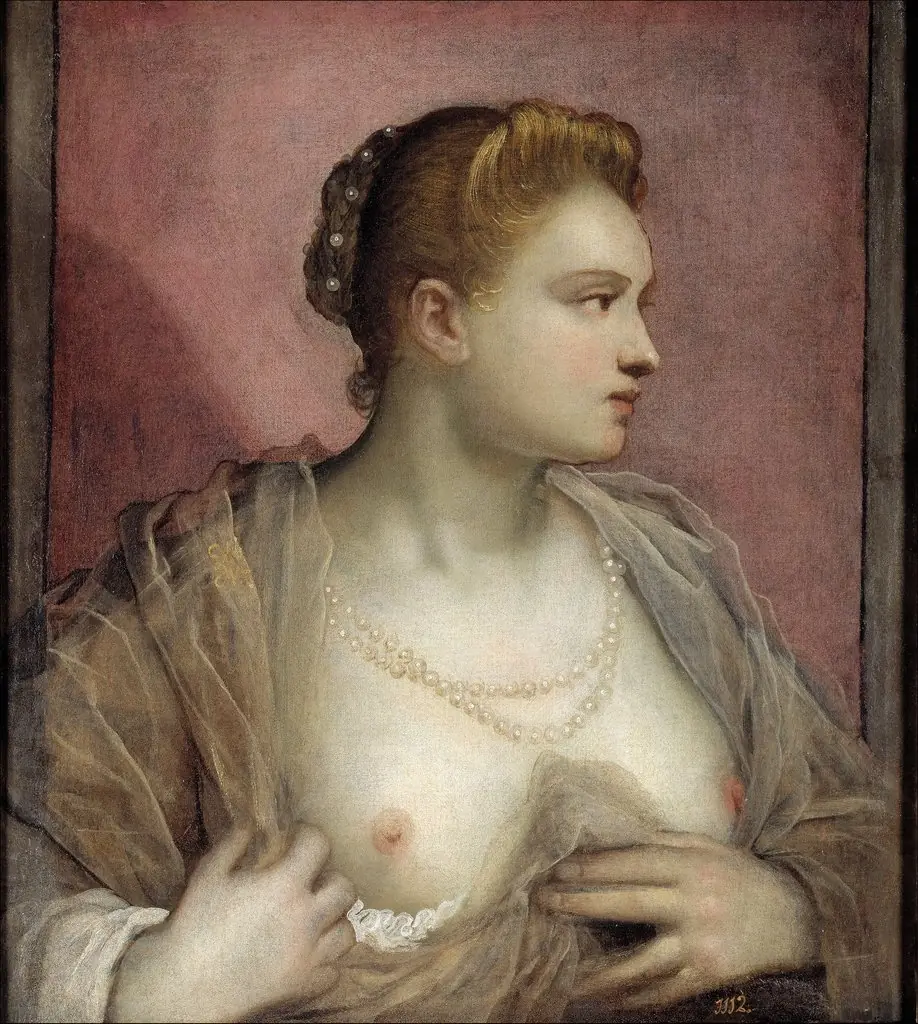 Portrait of a Bare-Breasted Woman
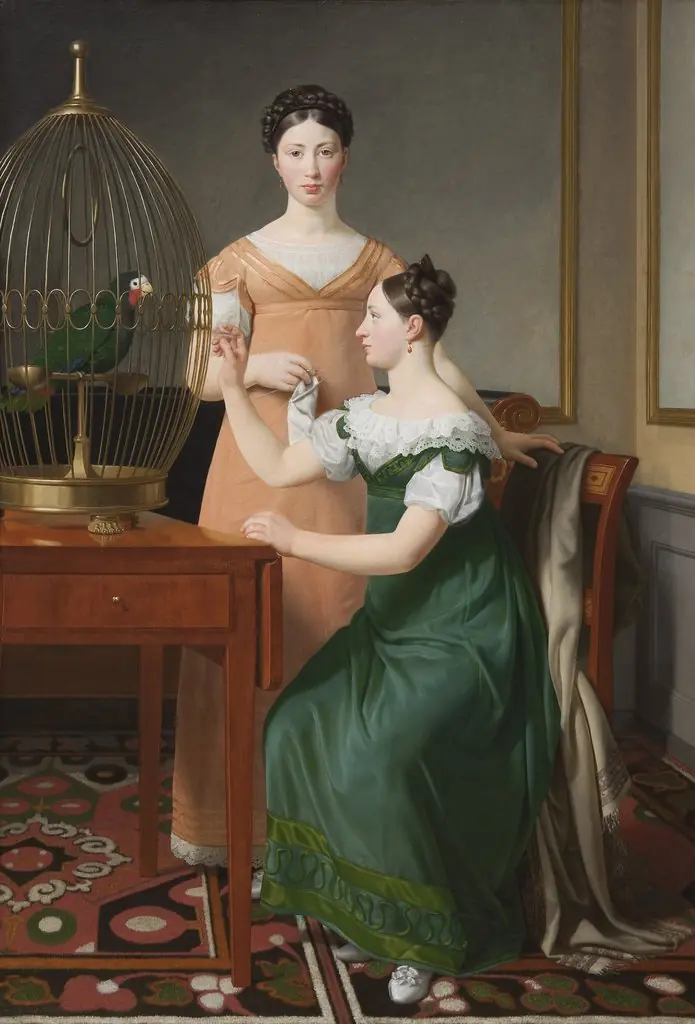 Bella and Hanna. The Eldest Daughters of M. L. Nathanson
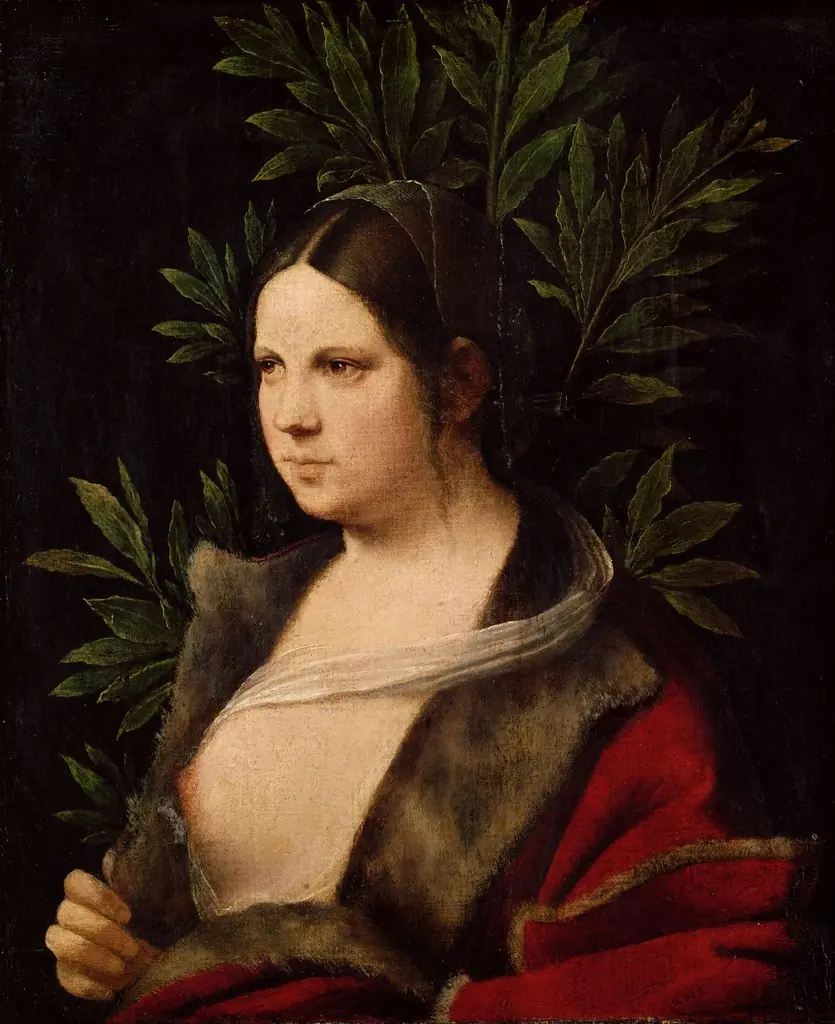 Laura
Laura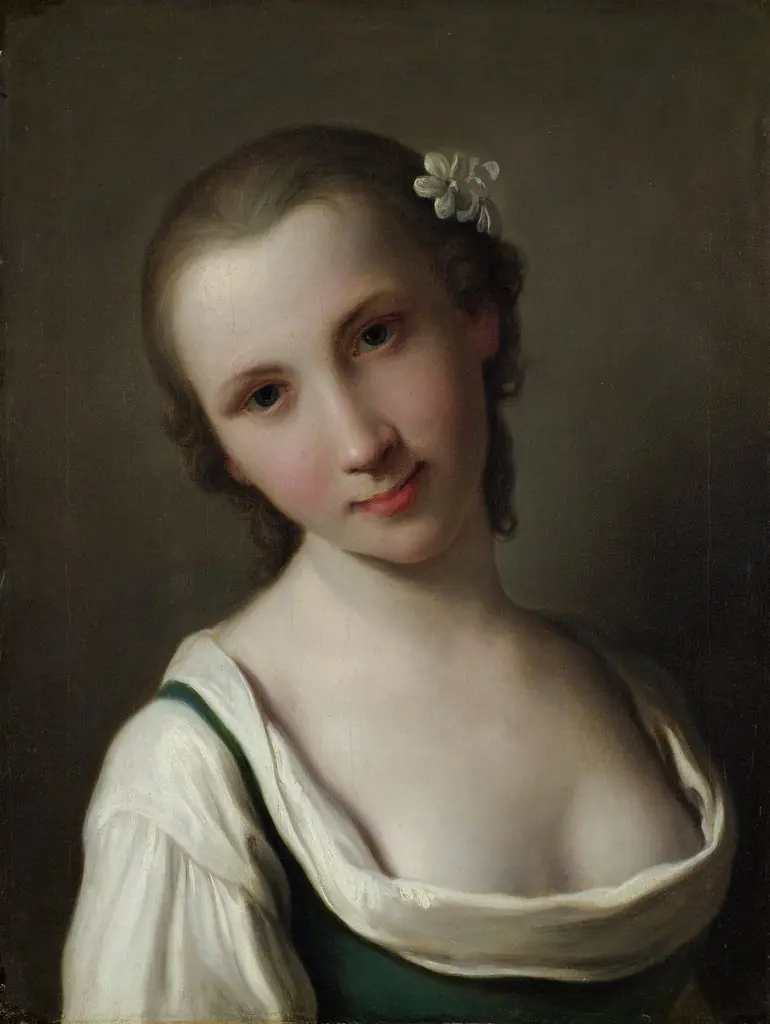 A young Woman
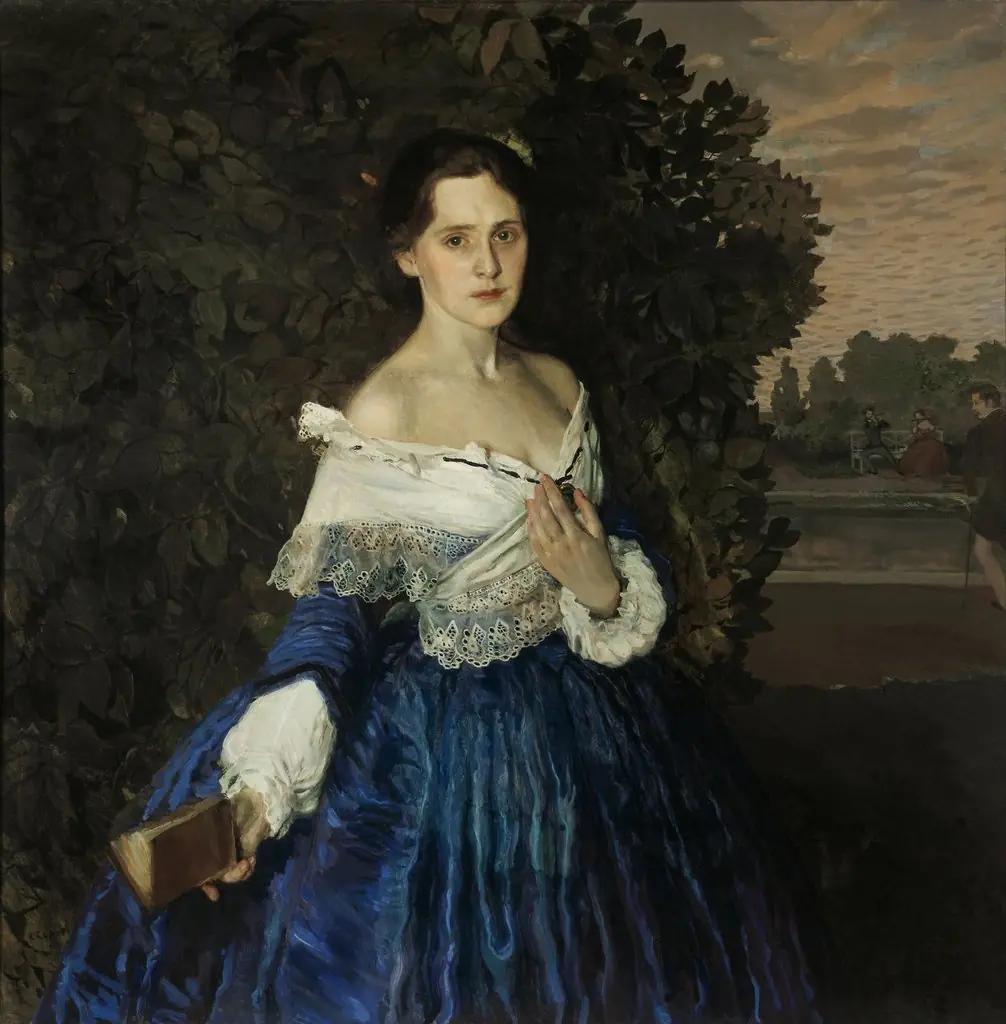 Lady in Blue
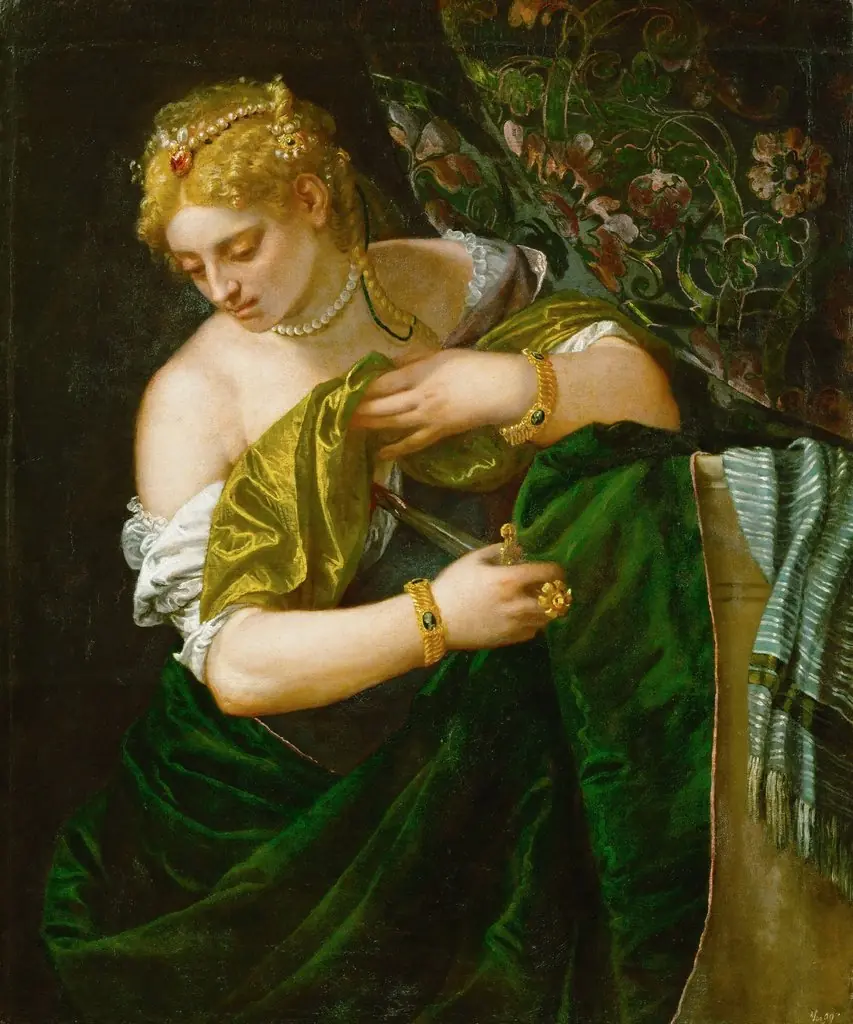 Lucretia
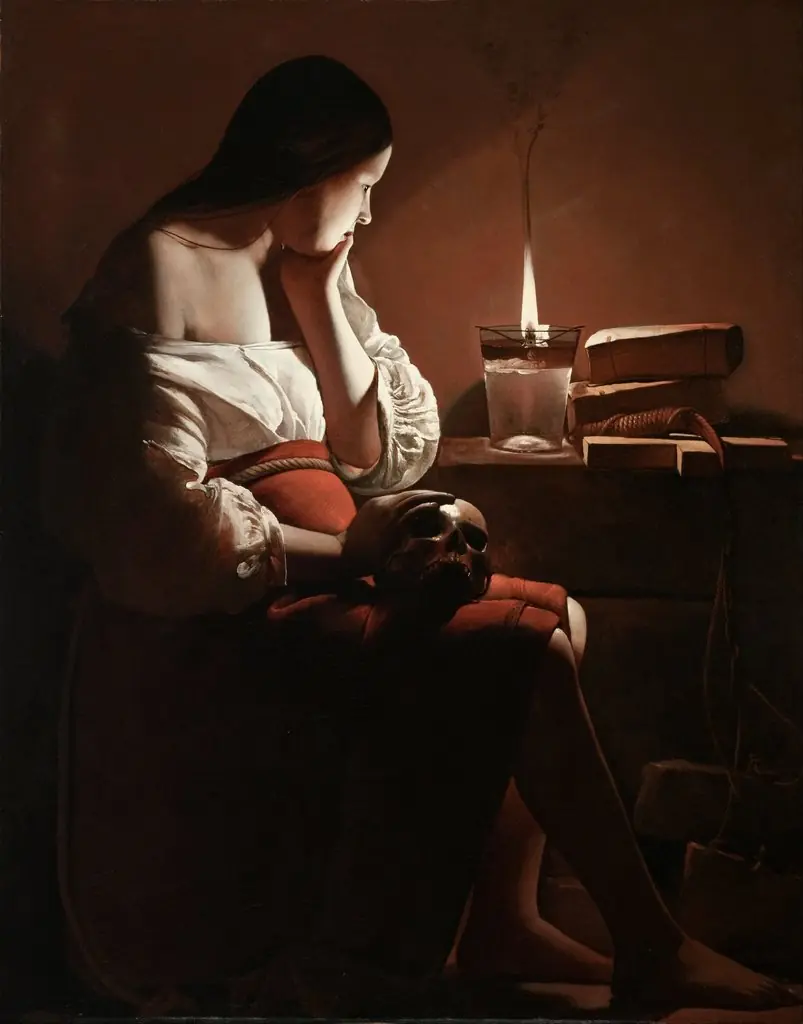 Magdalen with the Smoking Flame
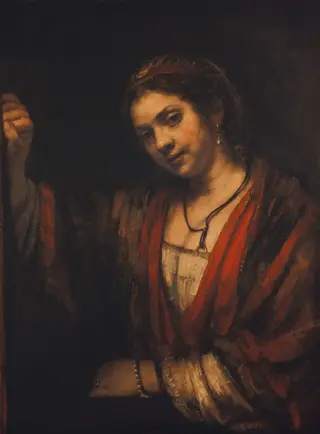 Hendrickje Stoffels by a Door
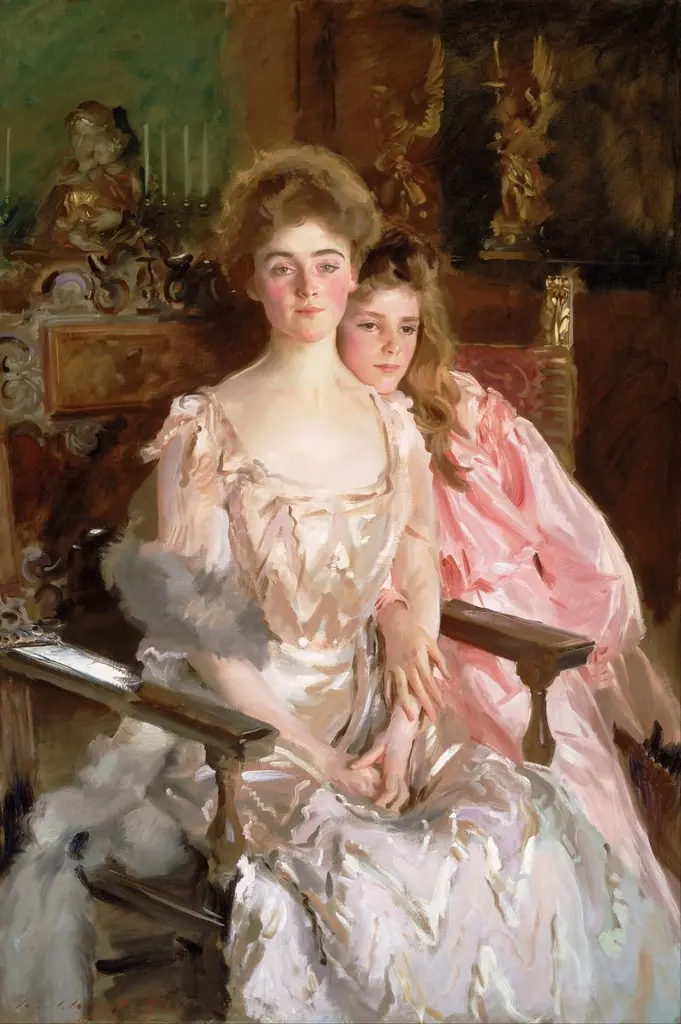 Mrs. Fiske Warren (Gretchen Osgood) and Her Daughter Rachel
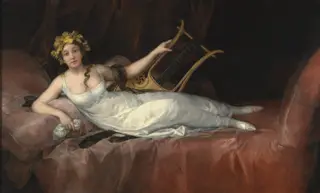 Portrait of the Marchioness of Santa Cruz
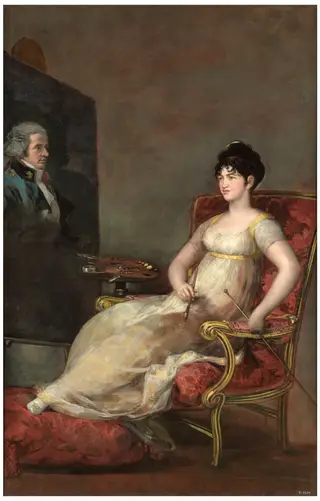 The Marchioness of Villafranca Painting her Husband
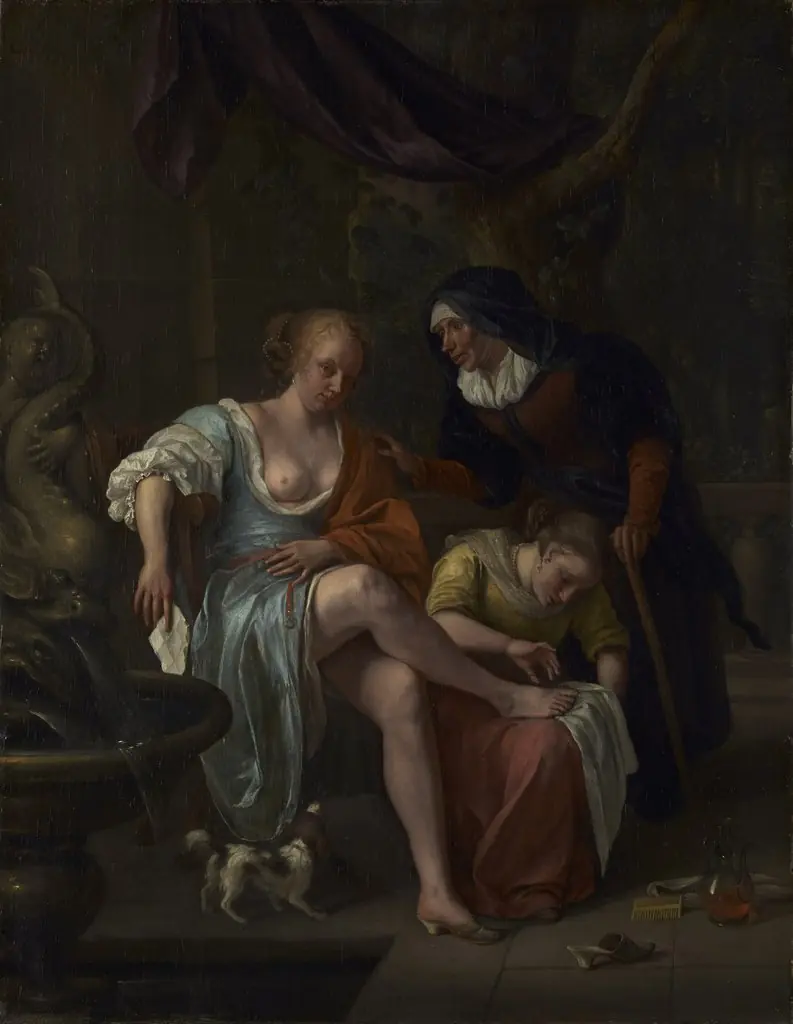 Bathsheba after the Bath
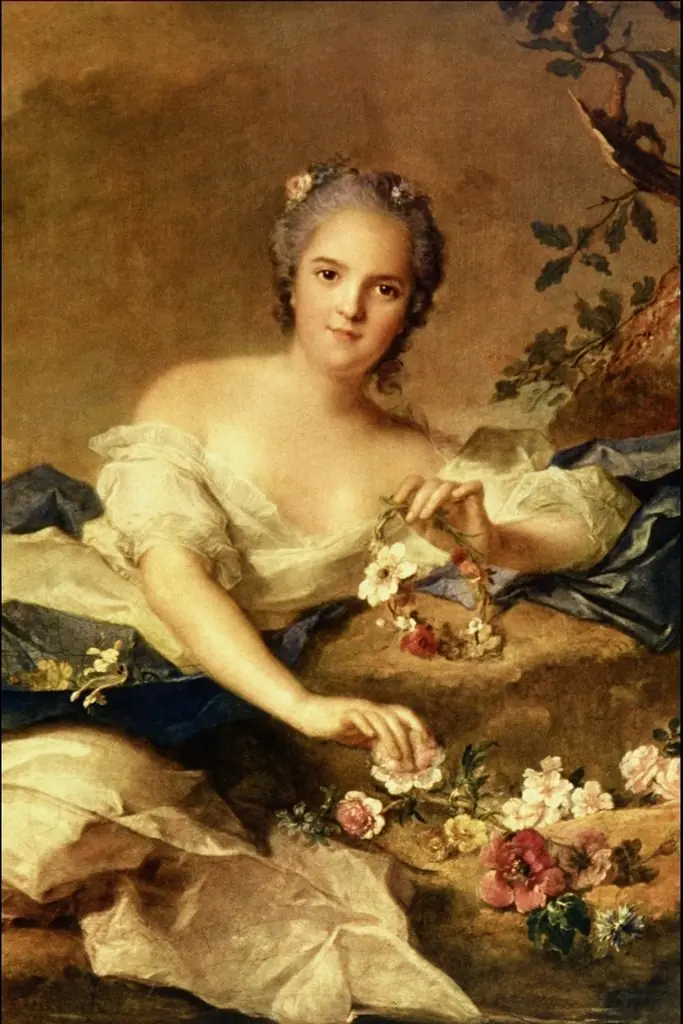 Henriette of France as Flora
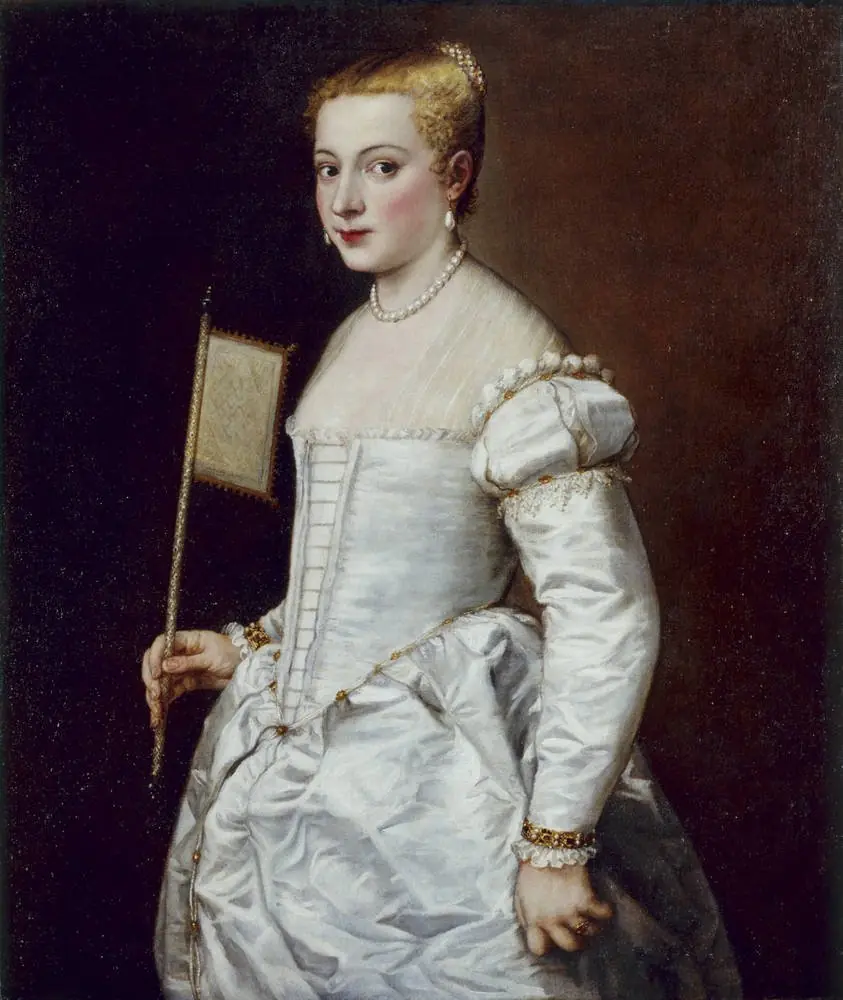 Portrait of a Lady in White
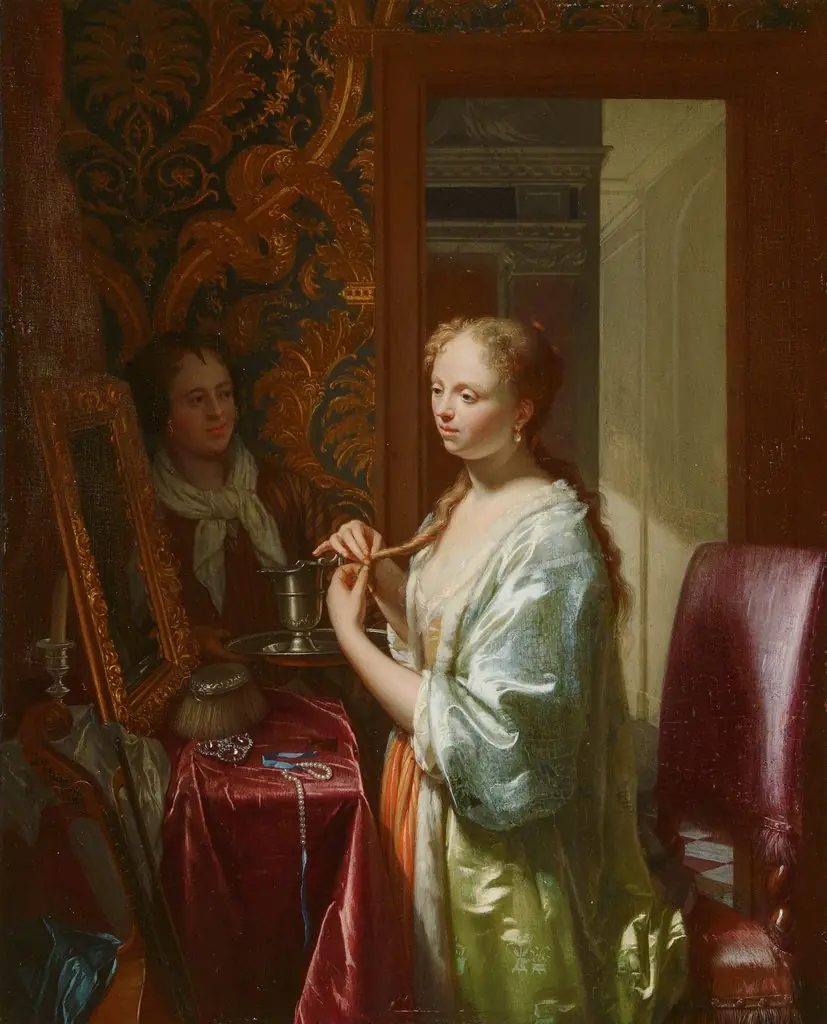 Lady attending to her toilet
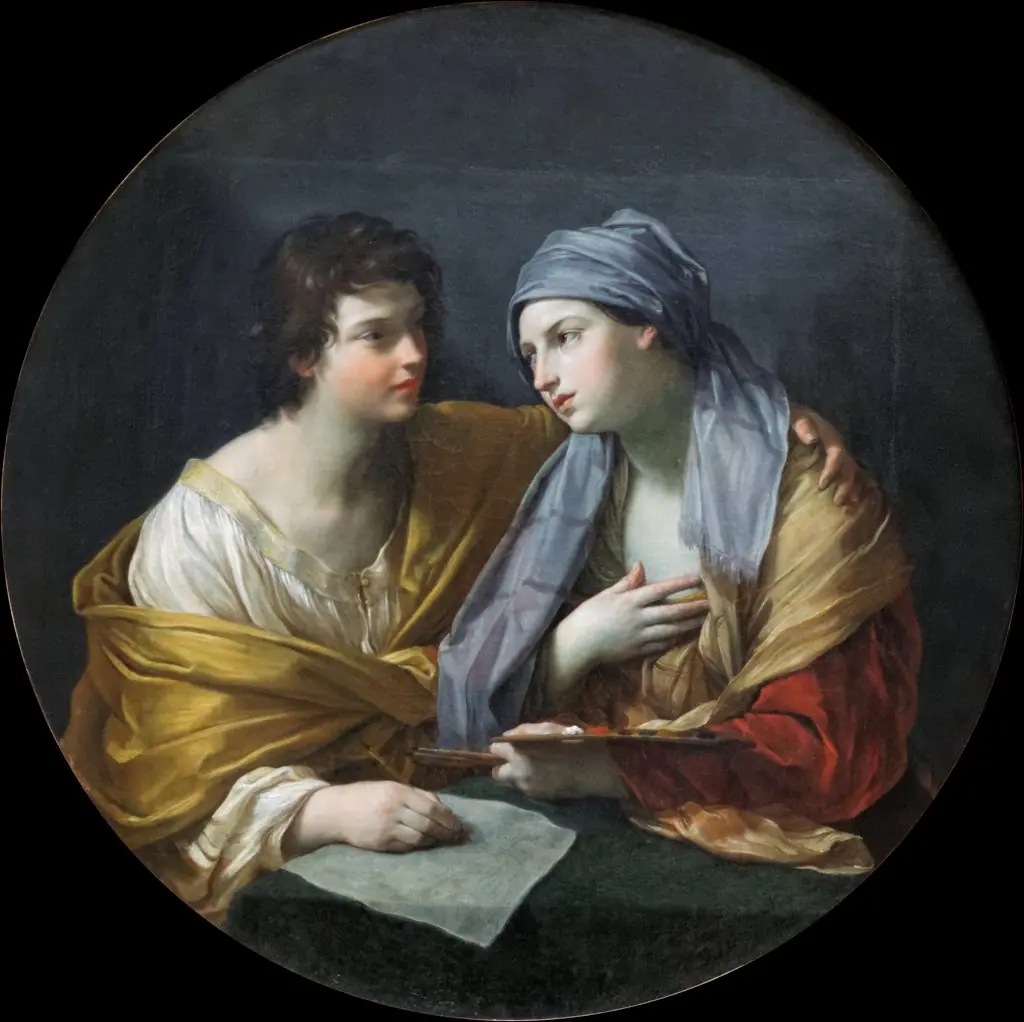 The Union of Drawing and Color
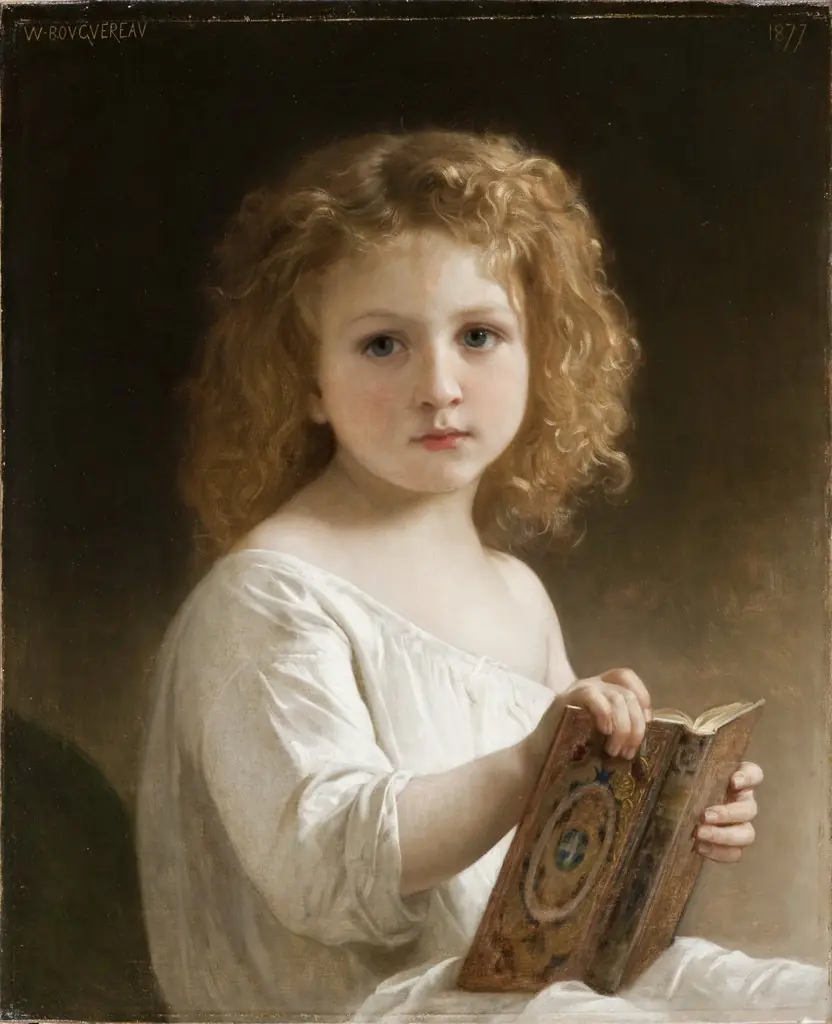 The Story Book
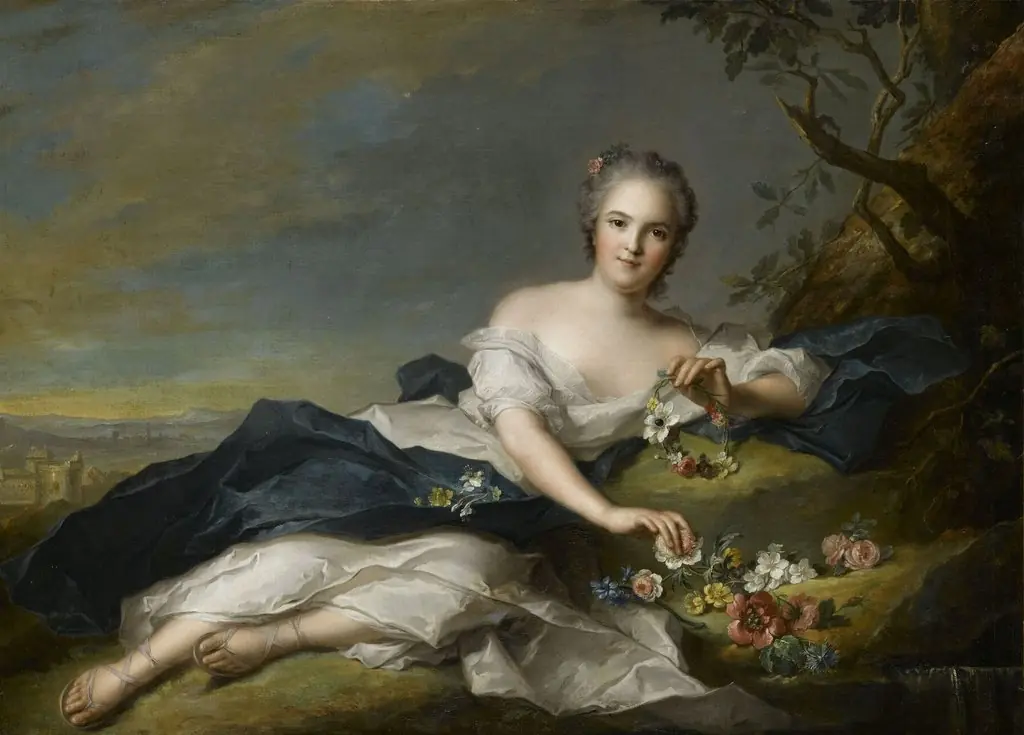 Henriette of France as Flora
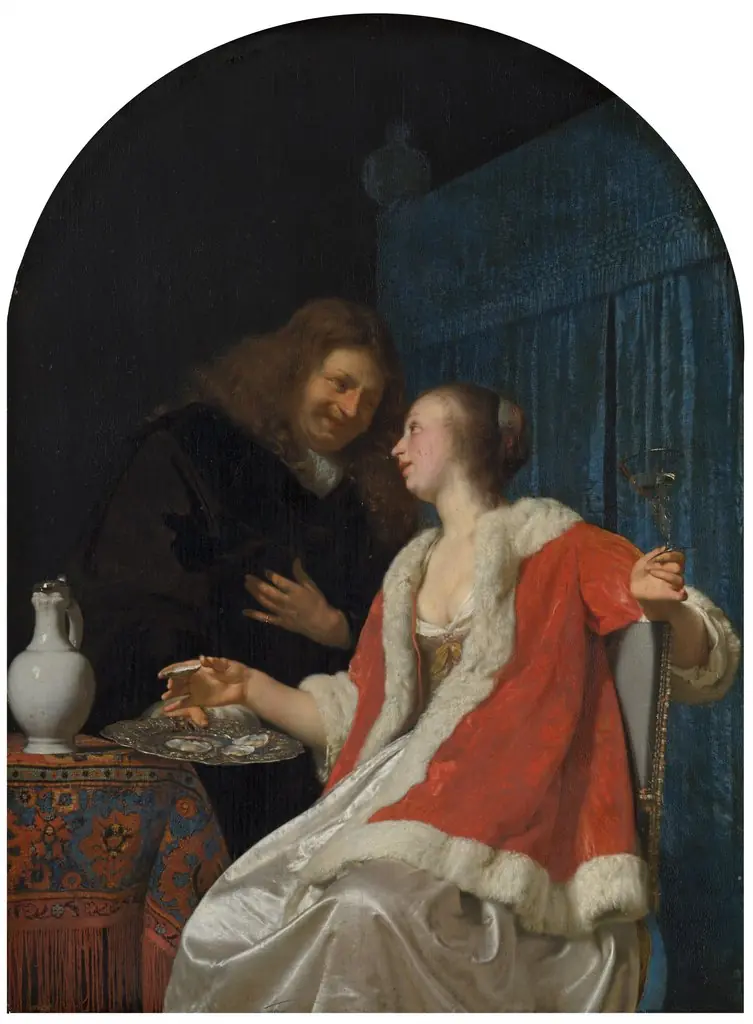 A Meal of Oysters
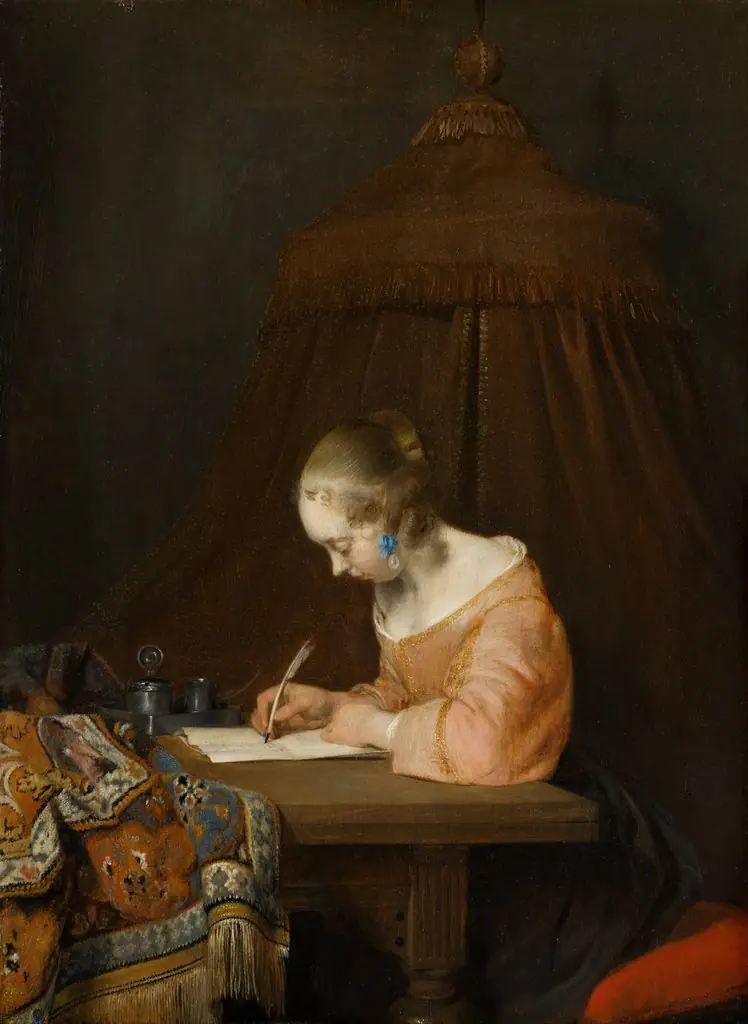 Woman writing a letter
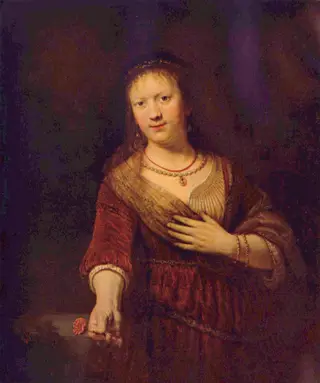 Saskia as Flora
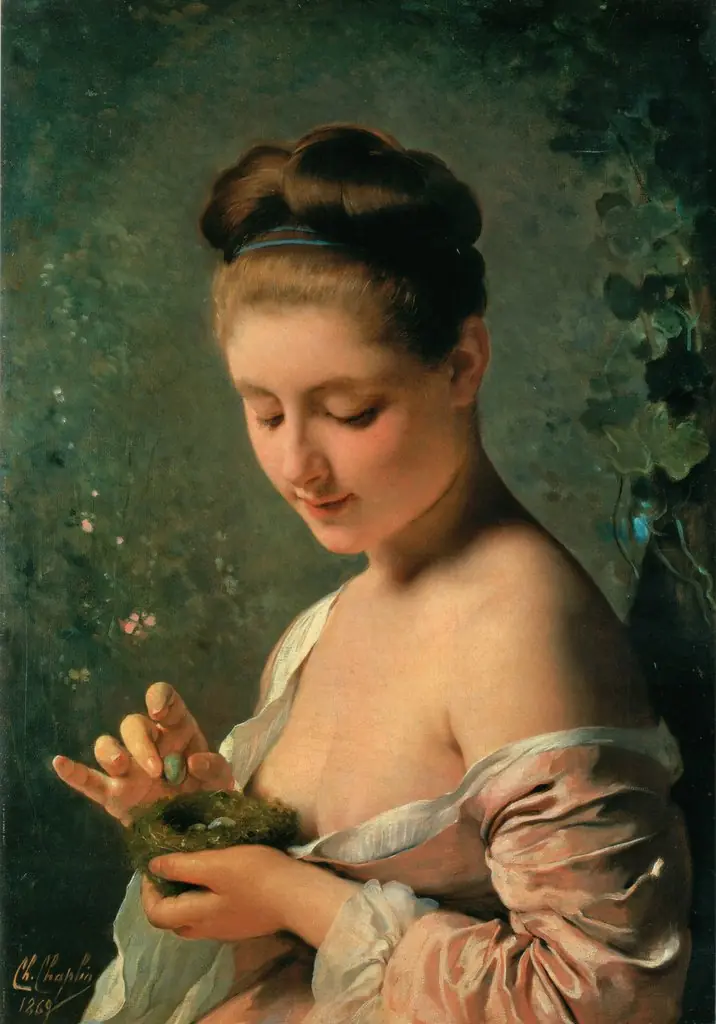 Girl with a Nest
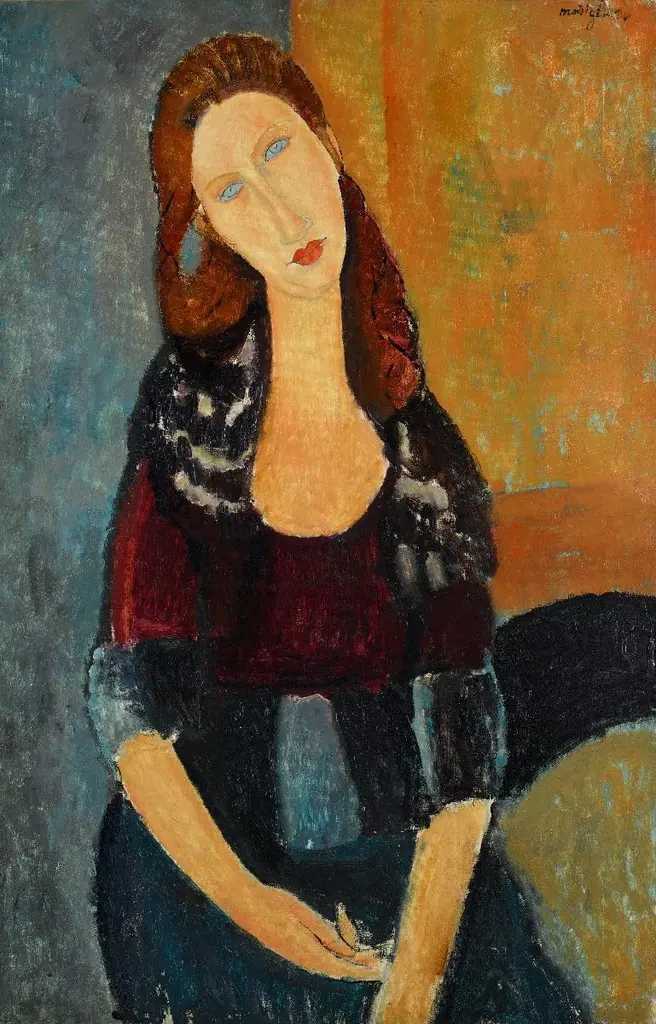 Portrait of Jeanne Hébuterne
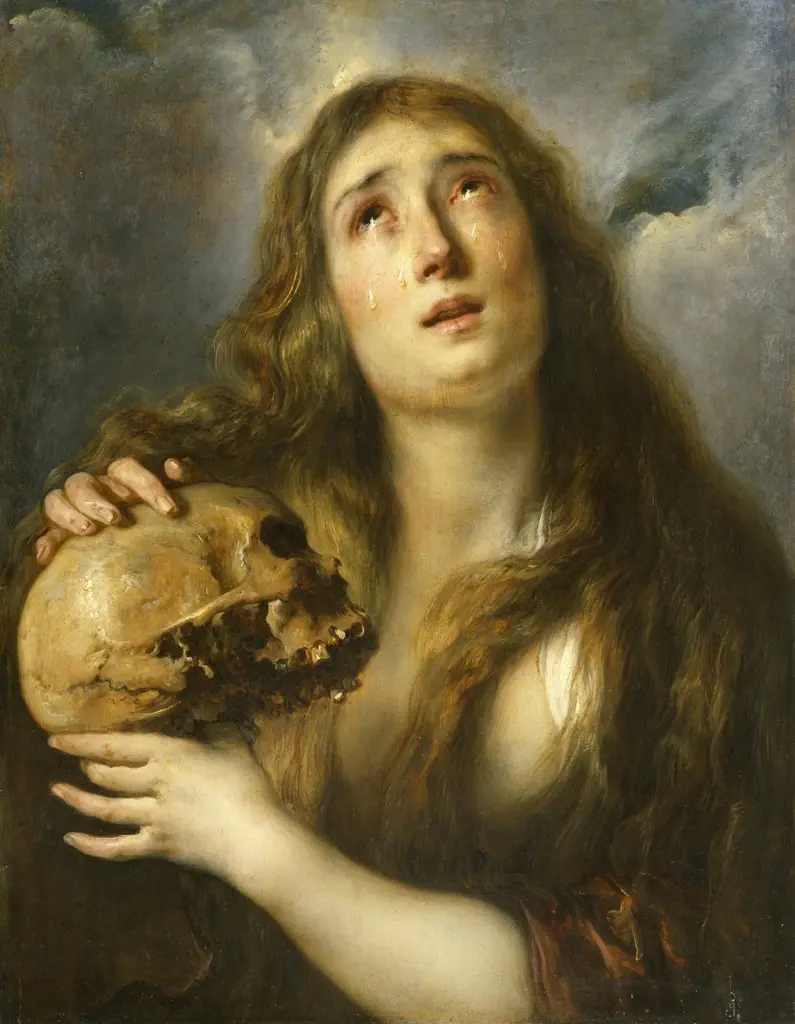 Mary Magdalene
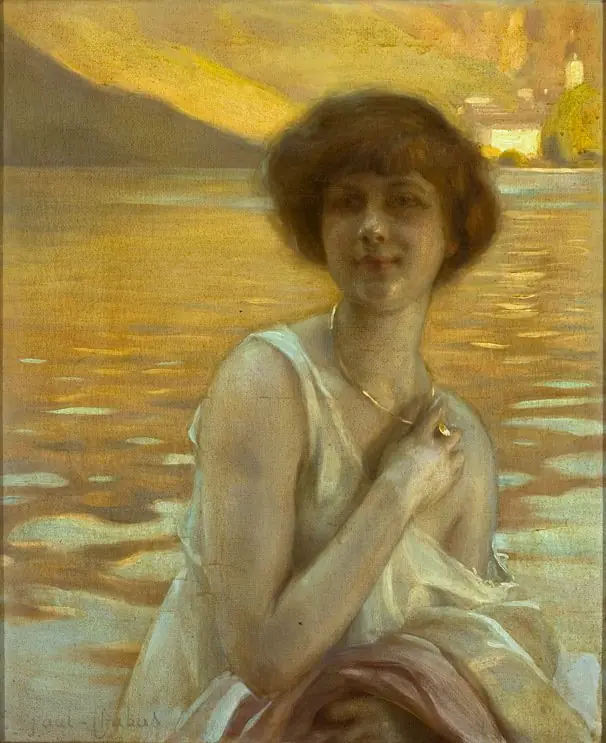 Portrait of a Lady
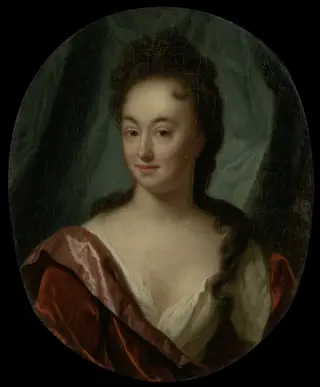 Miss van Gool, lady companion of Clara van Citters
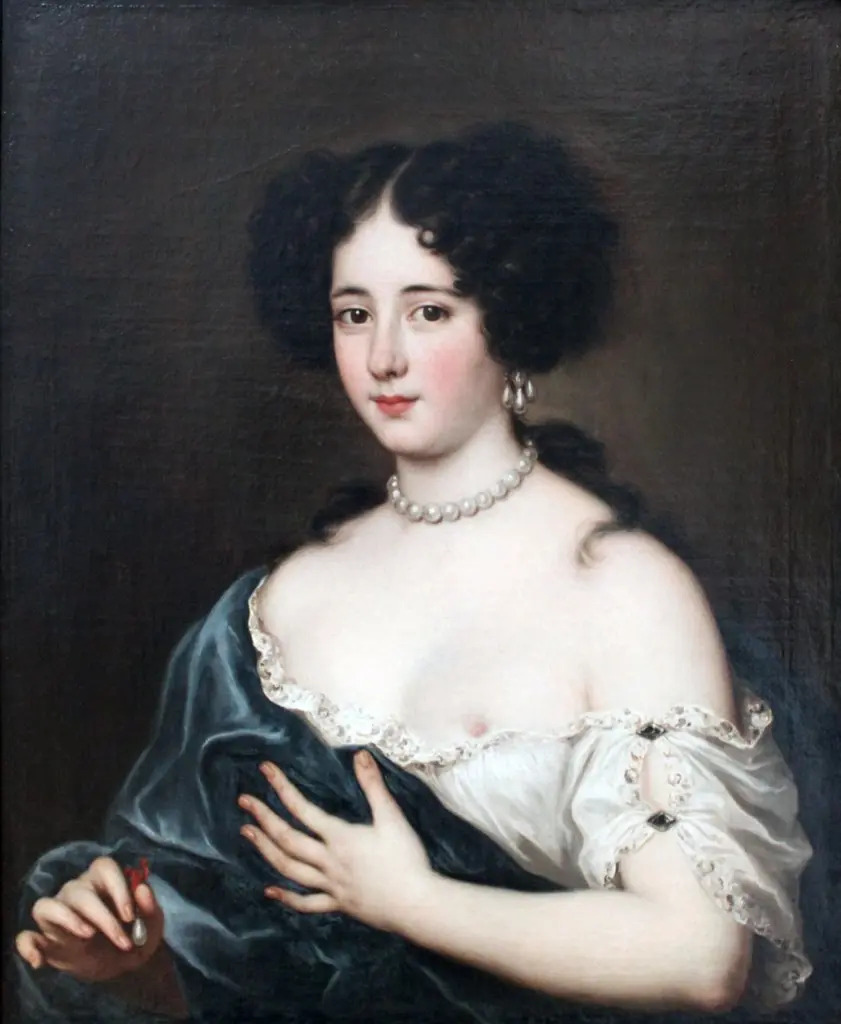 Clelia Cesarini Colonna (1655-1735), Duchess of Sonnino, as Cleopatra
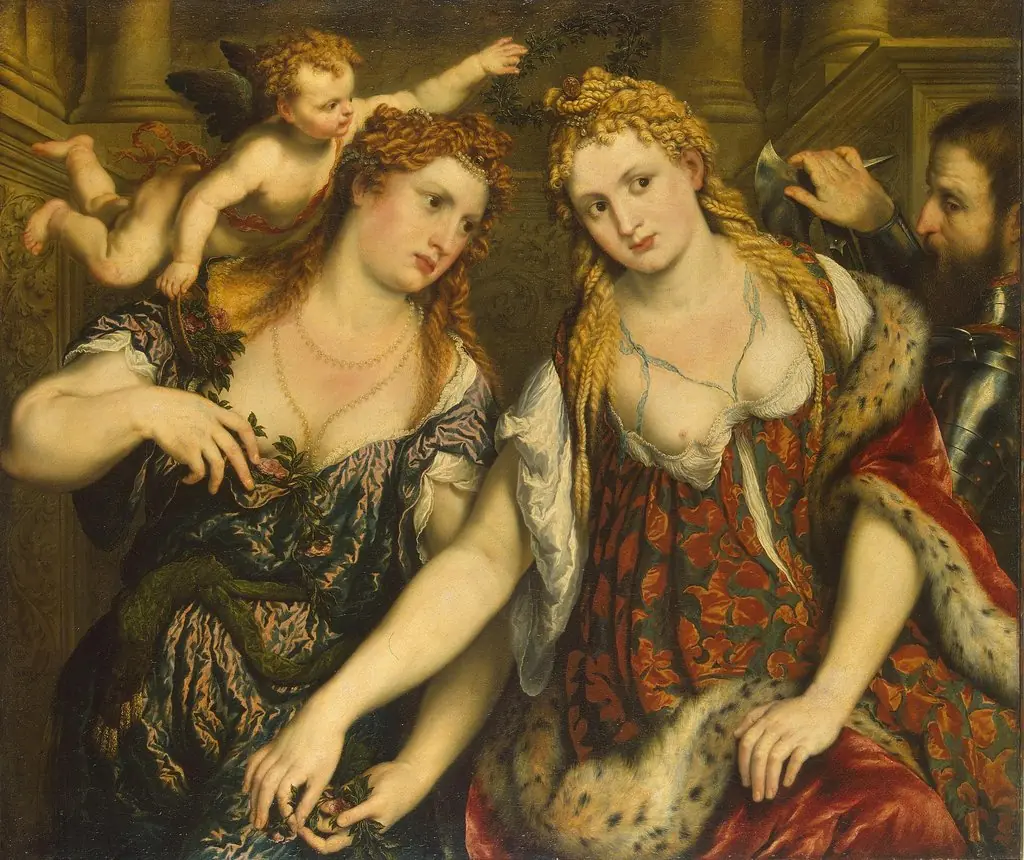 Venus, Flora, Mars and Cupid (Allegory)
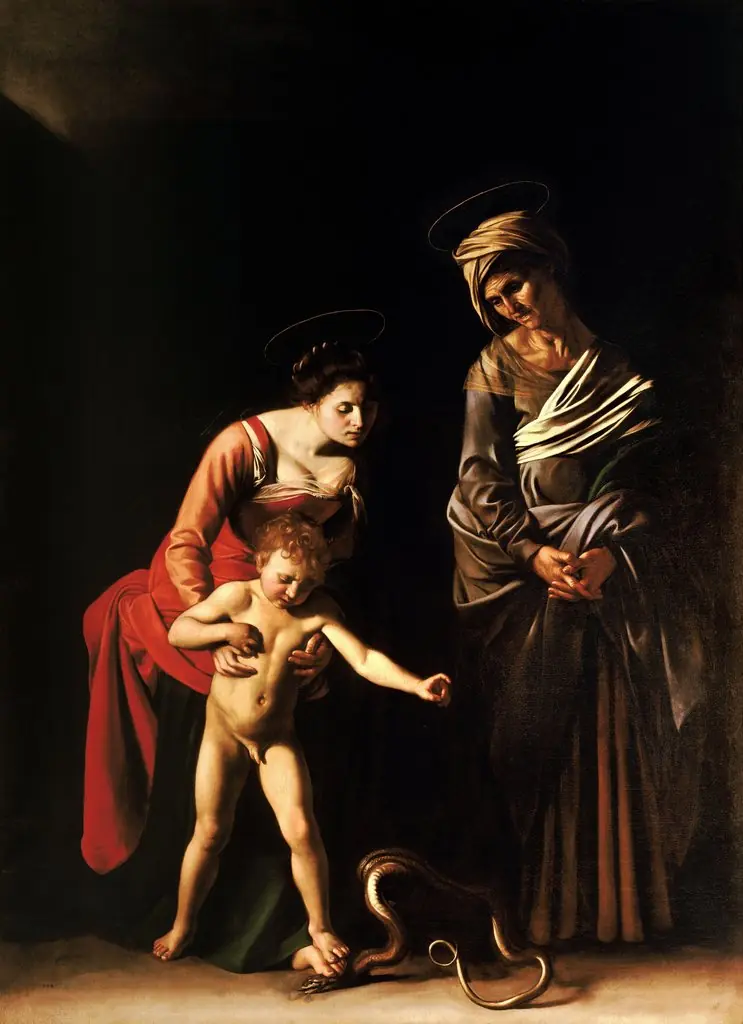 Madonna and Child with Saint Anne
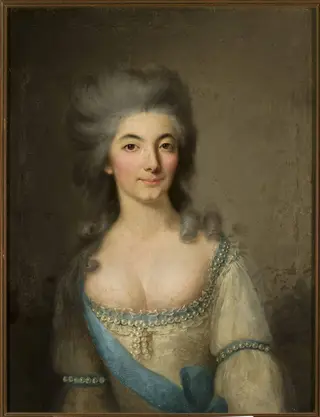 Portrait of a lady in a white dress
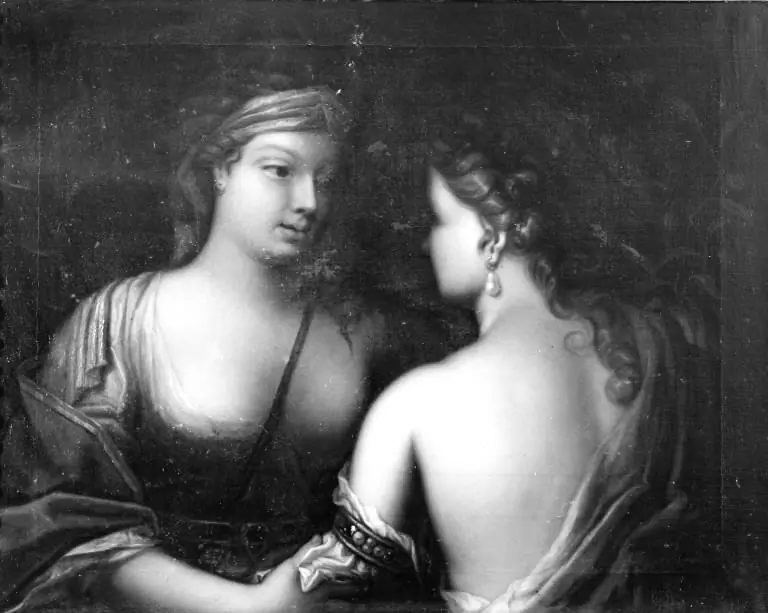 Tvende fruentimmer i halv figur
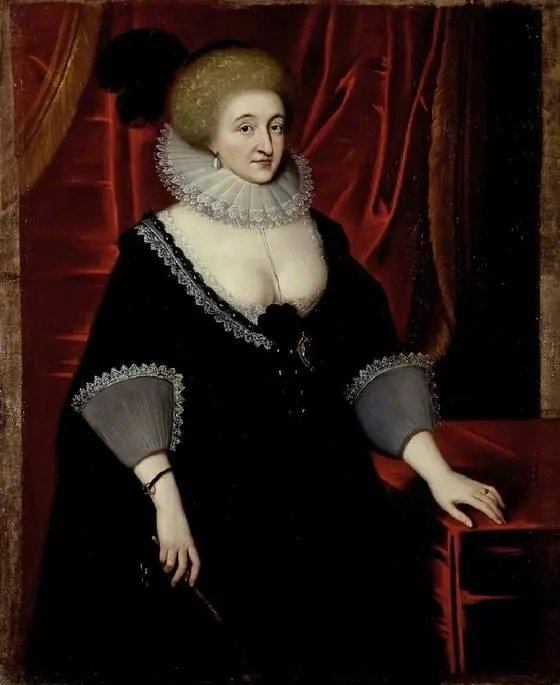 Elizabeth, Countess of Kent
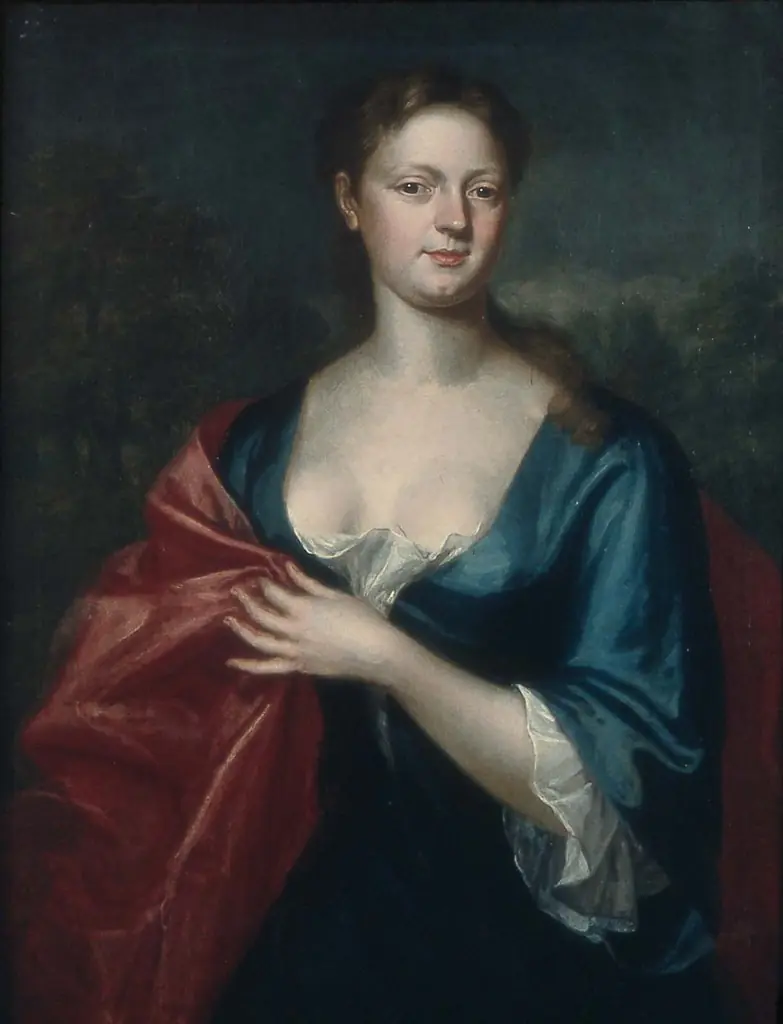 Mrs. William Dudley (Elizabeth Davenport)
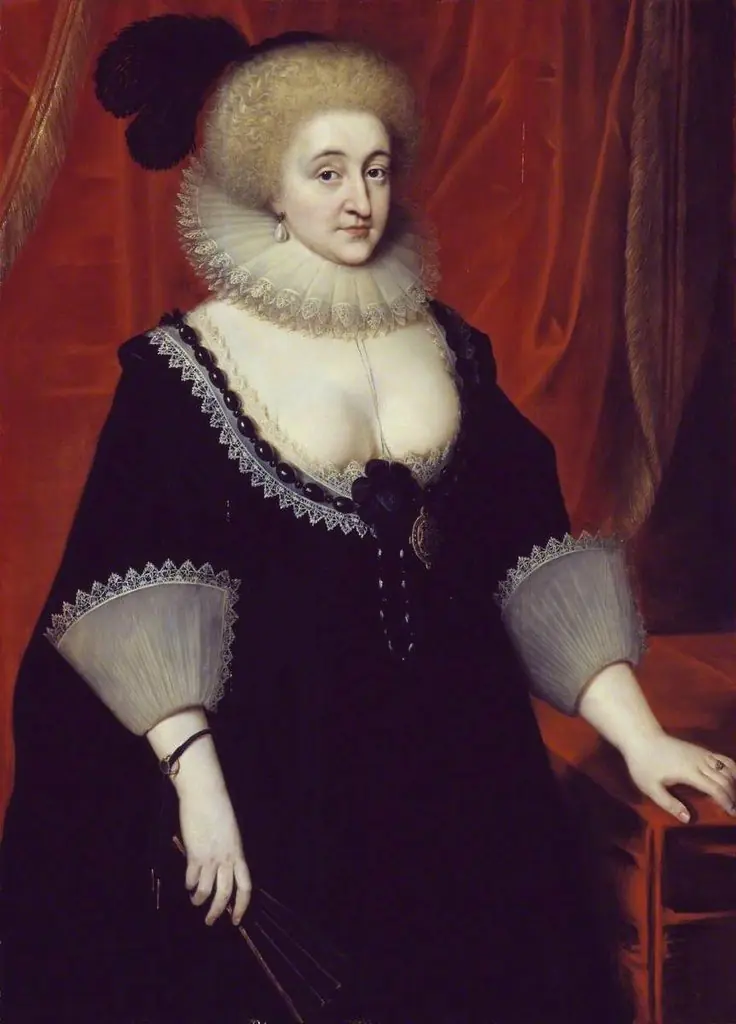 Lady Elizabeth Grey, Countess of Kent
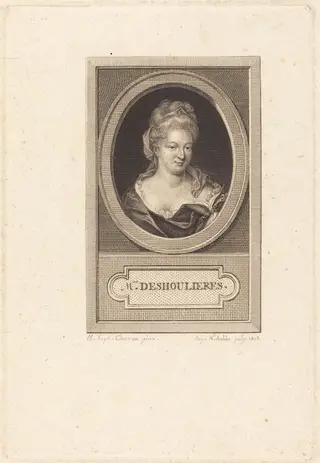 Antoinette du Ligier de La Garde Deshoulieres
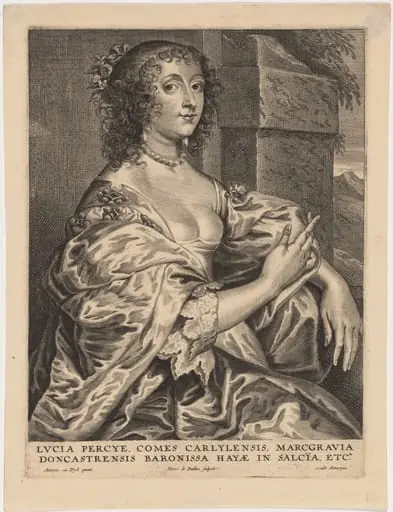 Lucy Percy, Second Wife of James Hay, First Earl of Carlisle
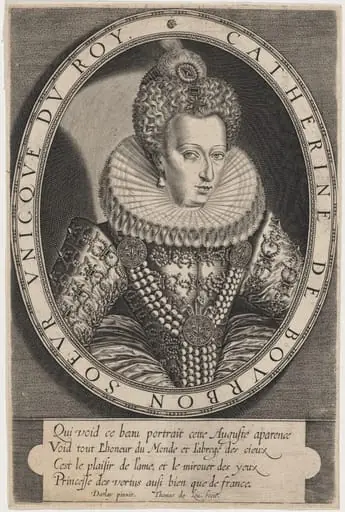 Catherine de Bourbon
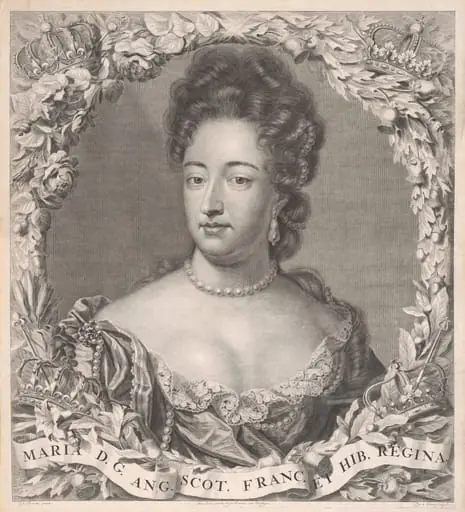 Queen Mary II
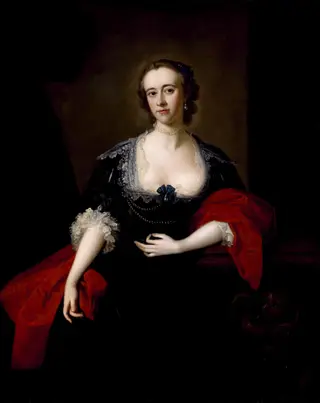 Miss Alicia Macartney
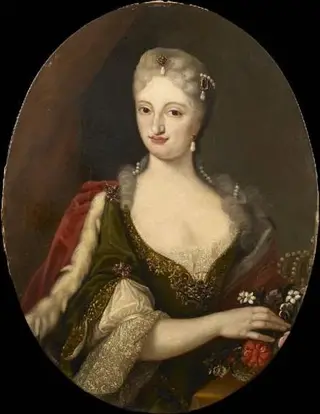 Untitled
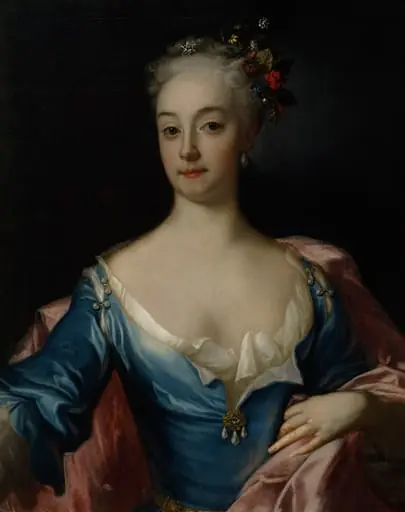 Anna Dorothea Amiga
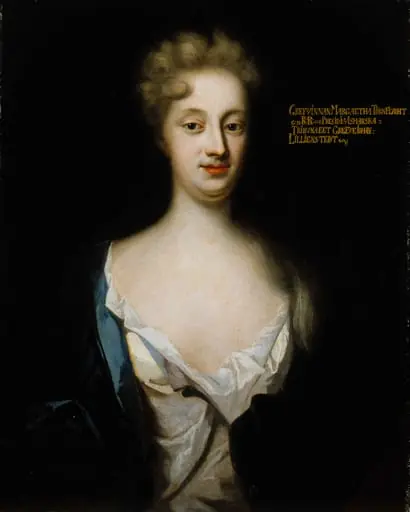 Kreivitär Margareta Lillienstedt
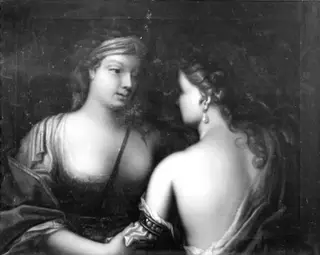 Tvende fruentimmer i halv figur
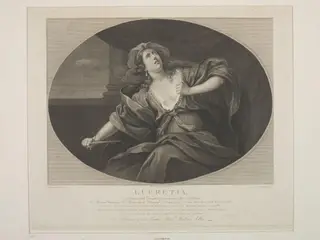 Lucretia
Frequently asked questions
What is Decolletage?
Decolletage is a subject in art. Cleavage, formally the intermammary cleft, is the narrow depression or hollow between the breasts of a woman.
How many Decolletage works does Artifact World Gallery have?
Artifact World Gallery holds 54 public-domain Decolletage works, all free to view and download.
Who are the key Decolletage artists?
Key Decolletage artists in the collection include Titian, Paolo Veronese and Edgar Degas.
Where can I see Decolletage works?
Decolletage works in the collection are held by National Gallery of Art, Metropolitan Museum of Art and Statens Museum for Kunst.