Subject
Gabriel
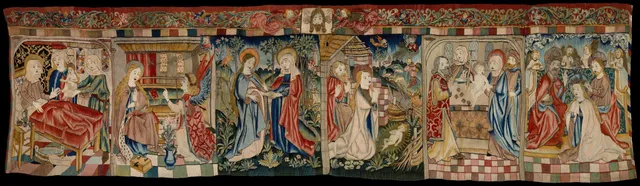
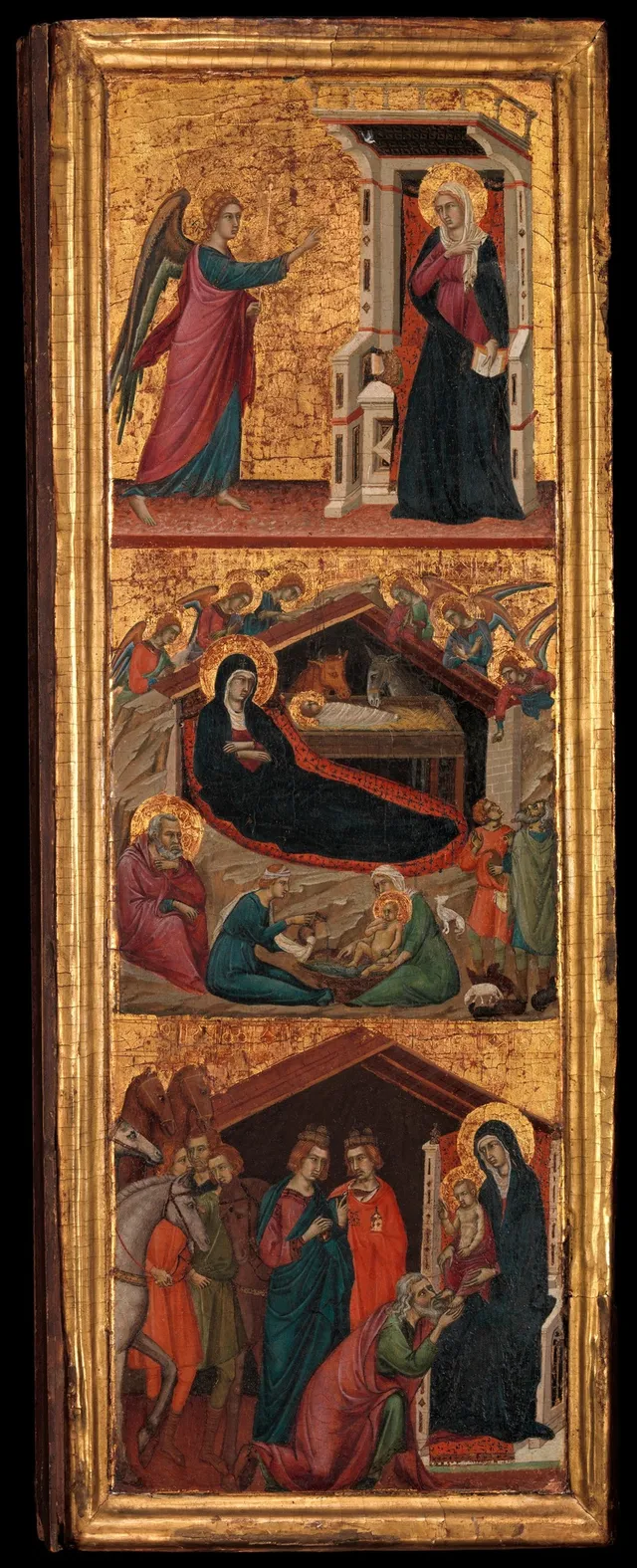
Gabriel is a subject in art. The gallery holds 49 works in this subject in art, including works by Paolo Veronese, Petrus Christus and Hans Memling.
Gabriel is a given name derived from the Hebrew name Gaḇrīʾēl (גַבְרִיאֵל) meaning "God's man".
Key artists
Overview
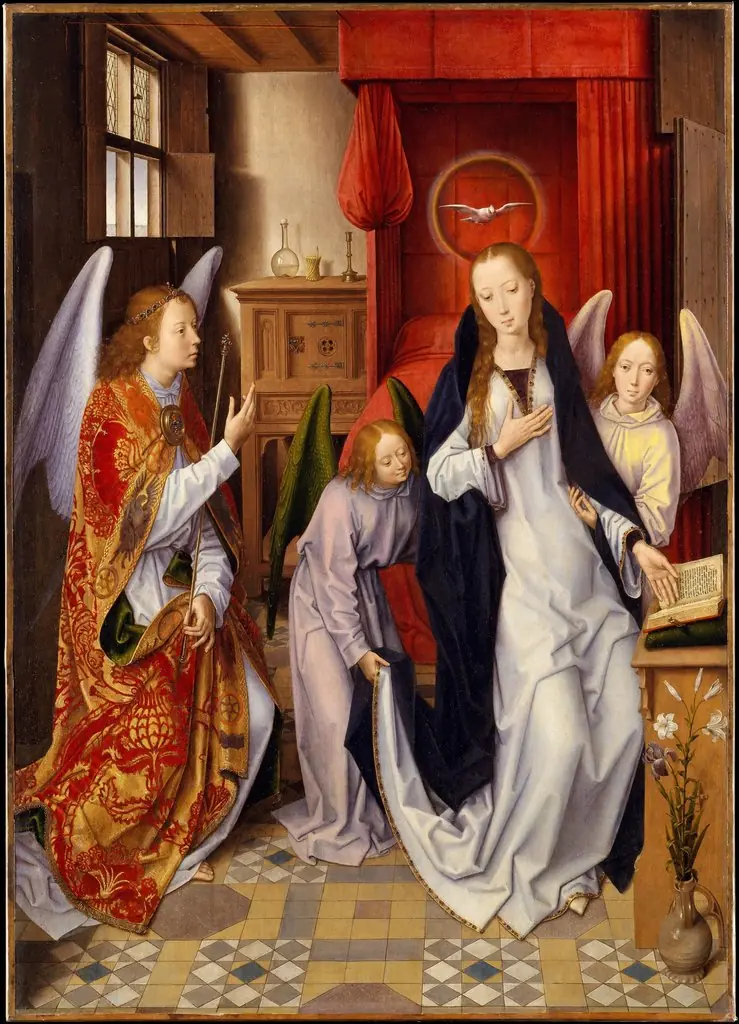
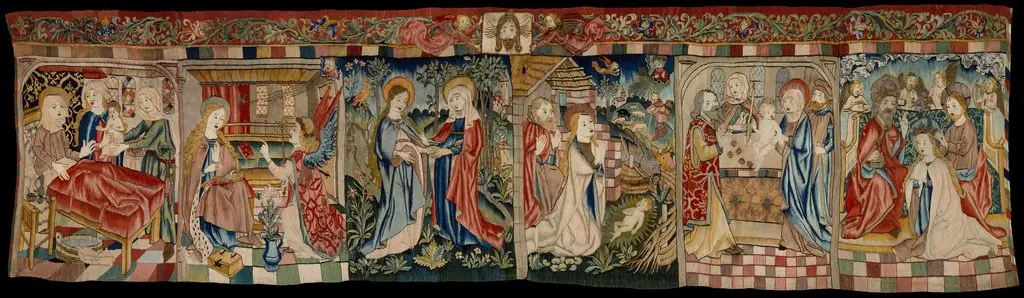
Gabriel is one of the most frequently depicted subjects in Western art, appearing in 52 works in the collection. The name derives from the Hebrew Gaḇrīʾēl (גַבְרִיאֵל), a theophoric compound combining elements meaning "strong man," "warrior," or "strength" with the divine suffix ēl, yielding interpretations such as "God's man," "man of God," or "my strength is God." While Gabriel functions as a common given name across numerous cultures and languages, its artistic significance stems almost entirely from its identity as the name of the archangel Gabriel, a central messenger figure in the Abrahamic religions. In the collection, the subject appears predominantly in scenes of the Annunciation, where Gabriel announces to the Virgin Mary that she will conceive and bear Jesus, as well as in broader cycles of the Life of the Virgin, devotional works, and images of the Trinity.
Iconography & meaning
The iconography of Gabriel is deeply rooted in the angel's biblical roles as divine messenger. In the Book of Daniel, Gabriel interprets visions; in Christian tradition, he appears to Zechariah to announce the birth of John the Baptist and to Mary to announce the Incarnation. These narrative functions translate into consistent visual attributes: Gabriel typically appears as a youthful, often winged figure, frequently bearing a lily as a symbol of Mary's purity or holding a scroll representing the divine message. In Annunciation scenes, he is usually depicted approaching Mary from the left, sometimes with rays of light descending from above to indicate divine presence. The subject carries layered meanings: as herald of the Incarnation, Gabriel embodies the bridge between heaven and earth; as warrior-like figure implied by the etymology of his name, he can also represent spiritual strength. The collection's examples span multiple media and formats, from panel paintings to manuscript illuminations, suggesting the subject's adaptability across devotional contexts. The presence of Gabriel in works such as "The Trinity Adored by All Saints" also indicates his role within larger celestial hierarchies.
Across movements & periods
The treatment of Gabriel evolved significantly across artistic periods, though the provided sources focus primarily on the name's cultural rather than stylistic history. The etymological roots in Hebrew, transmitted through Greek and Latin, established Gabriel as a figure of enduring cross-cultural resonance. In the German-speaking regions, the name Gabriel gained substantial popularity as a given name only from the 1980s onward, reaching 57th place in Germany by 2024 and top-10 status in Switzerland from 2007, with peak rankings of 3rd in 2014 and 2016. In the English-speaking world, the name remained occasional until the late twentieth century, entering the US top-100 in 1976 and the top-50 after 2000. The Spanish-speaking world shows deeper historical usage, with Gabriel ranking in Spain's top-50 and achieving particular prominence in Galicia and Puerto Rico. Brazil represents an exceptional case, where Gabriel ranked as the most popular male name in 2009 and 2010. These demographic patterns suggest that the artistic subject of Gabriel may have experienced renewed patronal interest in regions where the name itself carried heightened cultural currency, though the sources do not specify direct correlations.
Legacy
The legacy of Gabriel as an artistic subject remains intertwined with the broader cultural afterlife of the name itself. As a given name, Gabriel has demonstrated remarkable global persistence and recent resurgence, ranking in top-50 lists across German, English, Spanish, Portuguese, Italian, and other linguistic spheres by the early twenty-first century. This onomastic popularity suggests a continuing cultural receptivity to the figure's associations with strength, divine communication, and messengerhood. In art historical terms, the subject's legacy is preserved and transmitted through institutional collections such as the one described, where repeated depictions of the Annunciation maintain the iconographic tradition for study and contemplation. The figure of Gabriel endures as a touchstone for examining how religious narratives are visualized, how angelic bodies are rendered in human terms, and how the moment of divine announcement has been staged across centuries of artistic production. The collection's holding of 52 works ensures that this legacy remains materially accessible for ongoing research and public engagement.
Works
 Annunciation
 Scenes from the Life of the Virgin
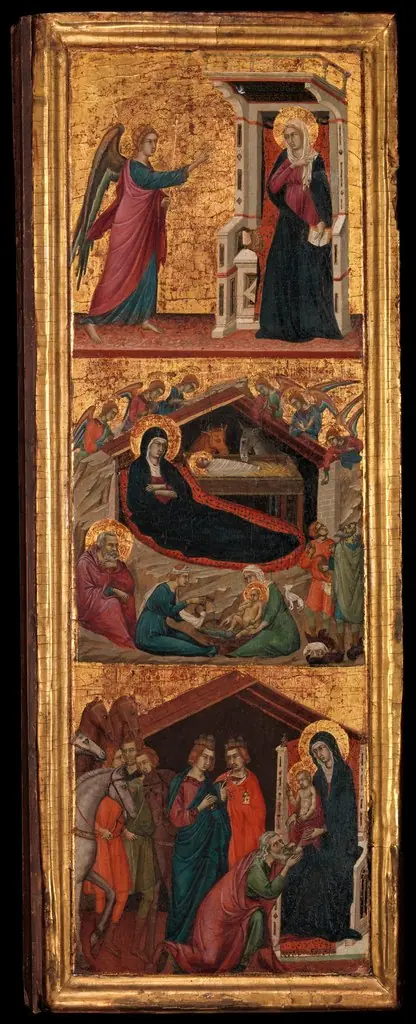 Saints and Scenes from the Life of the Virgin
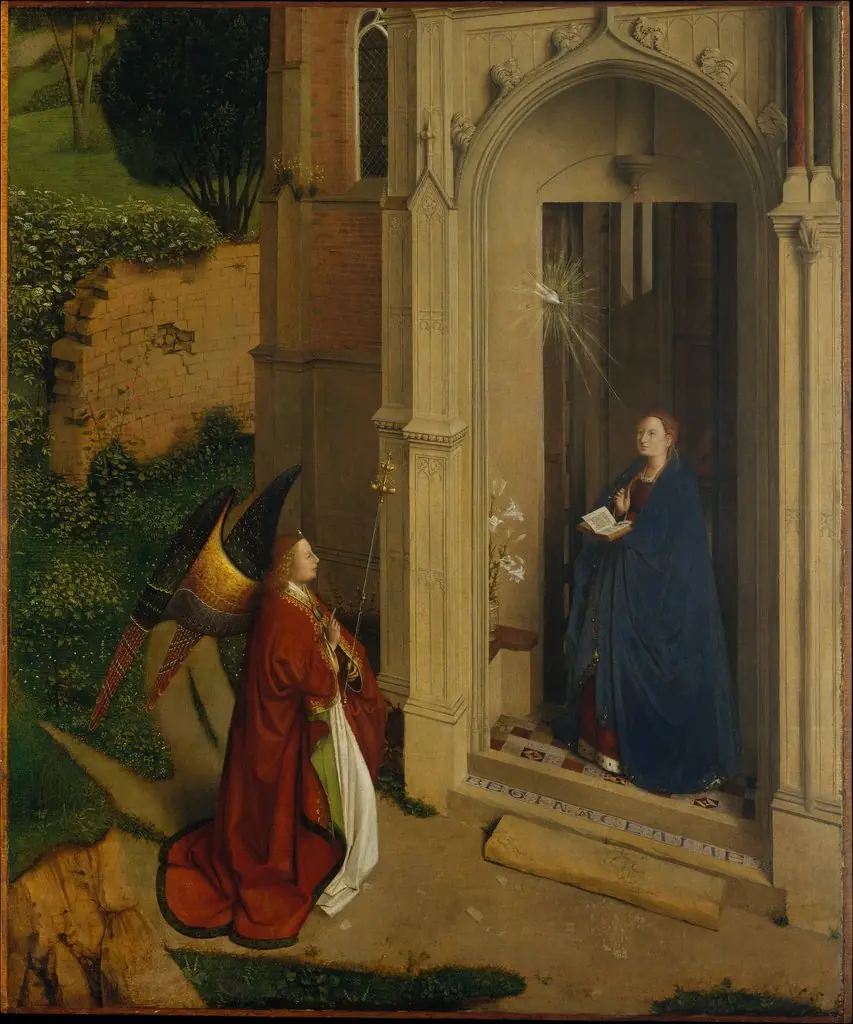 The Annunciation
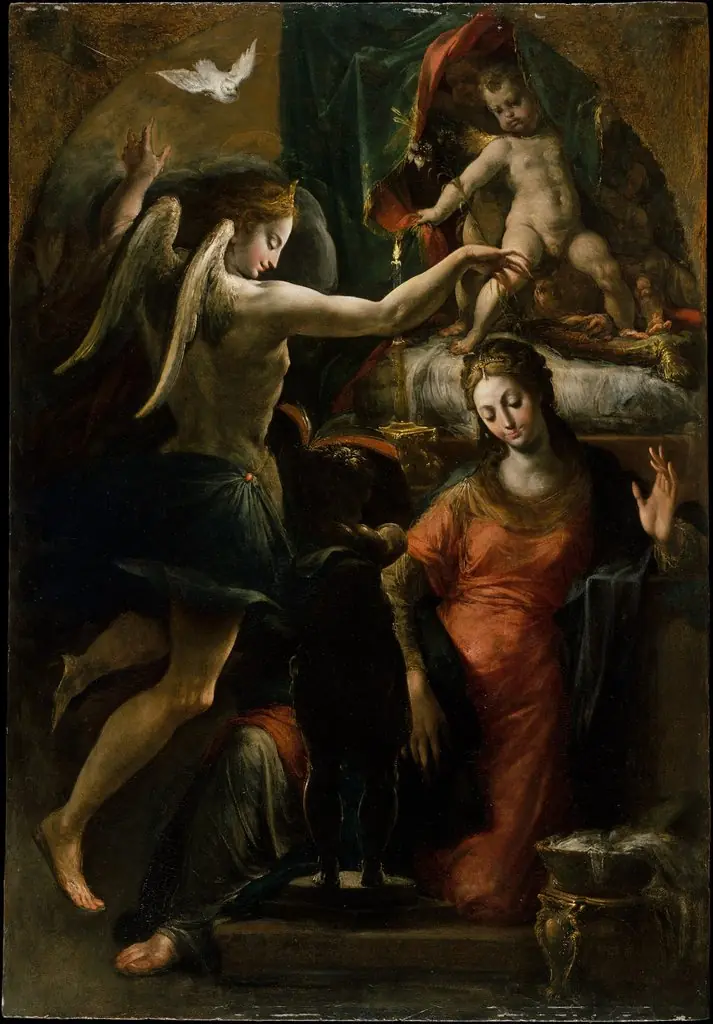 The Annunciation
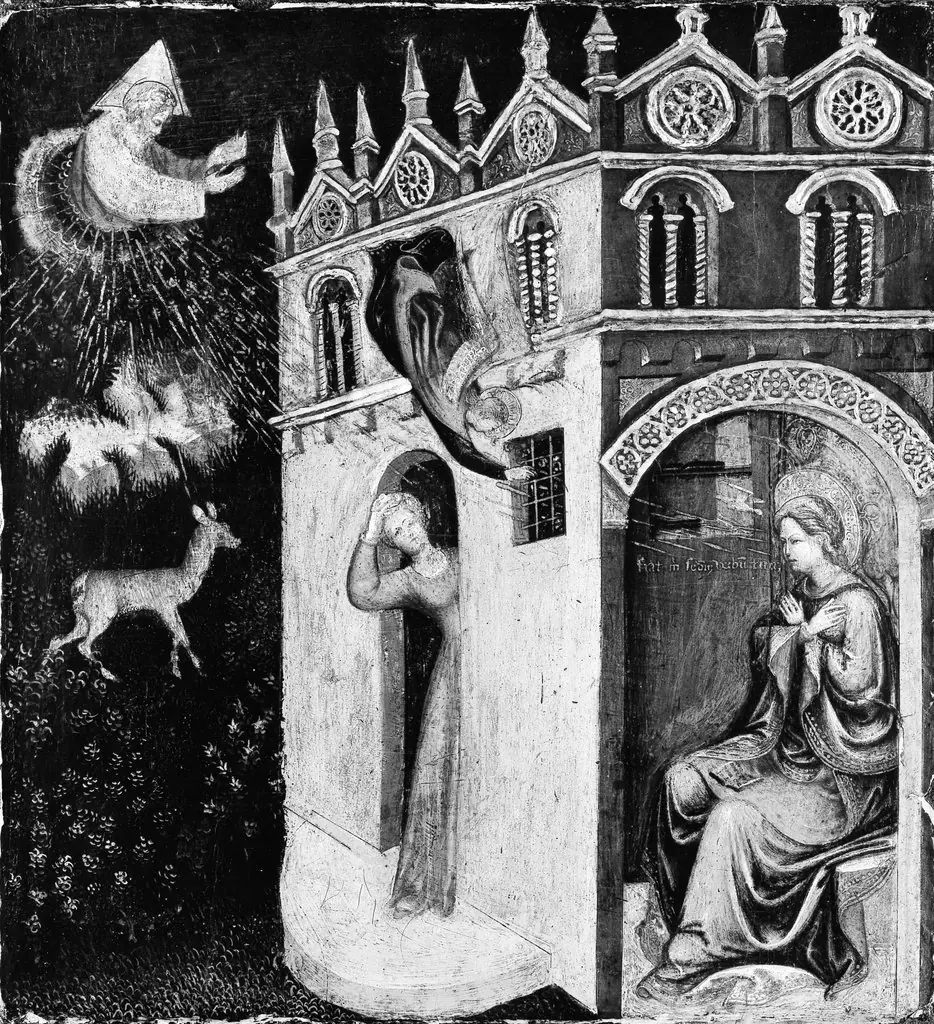 The Annunciation
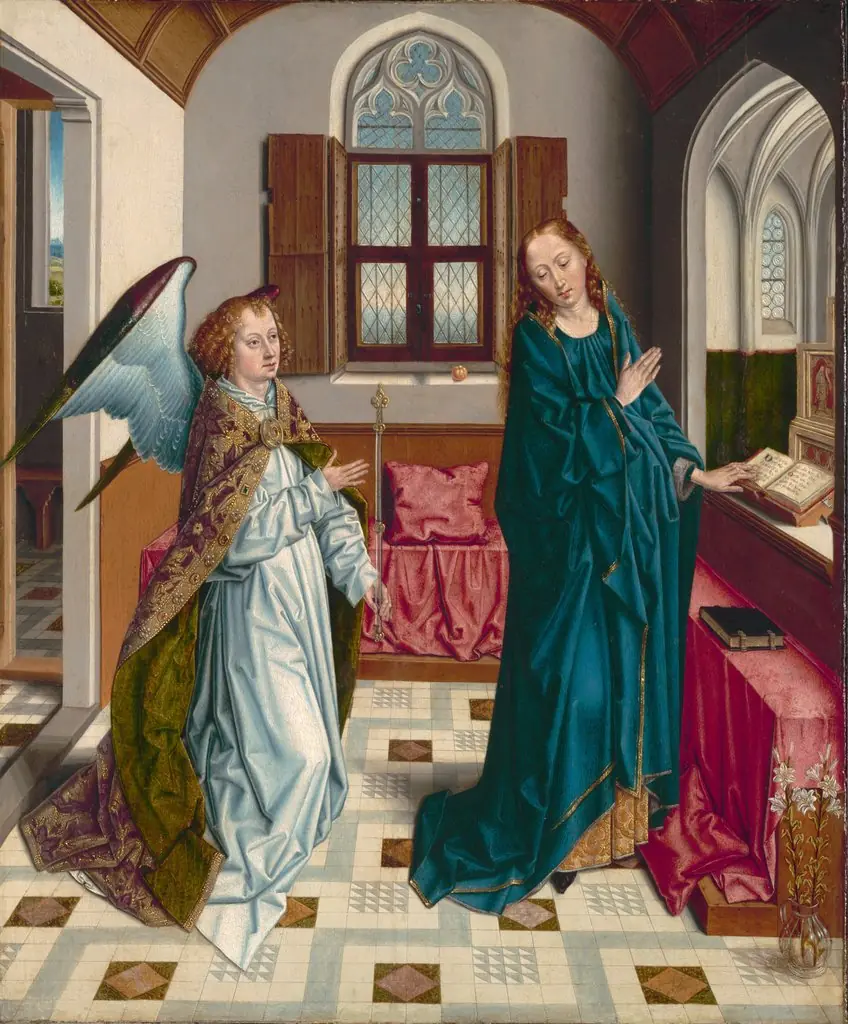 The Annunciation
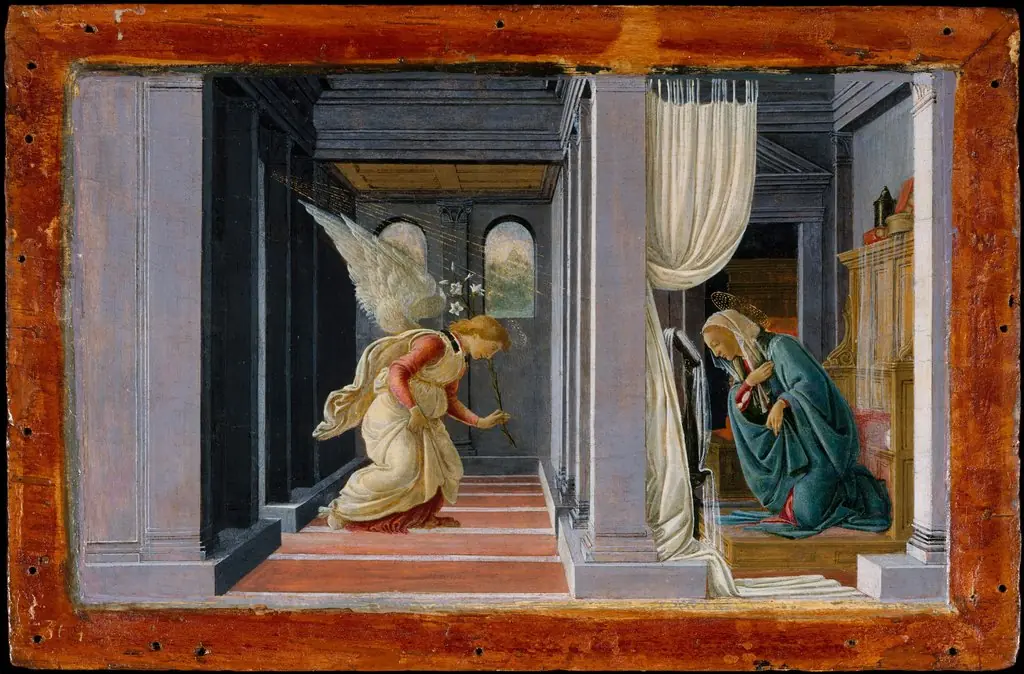 The Annunciation
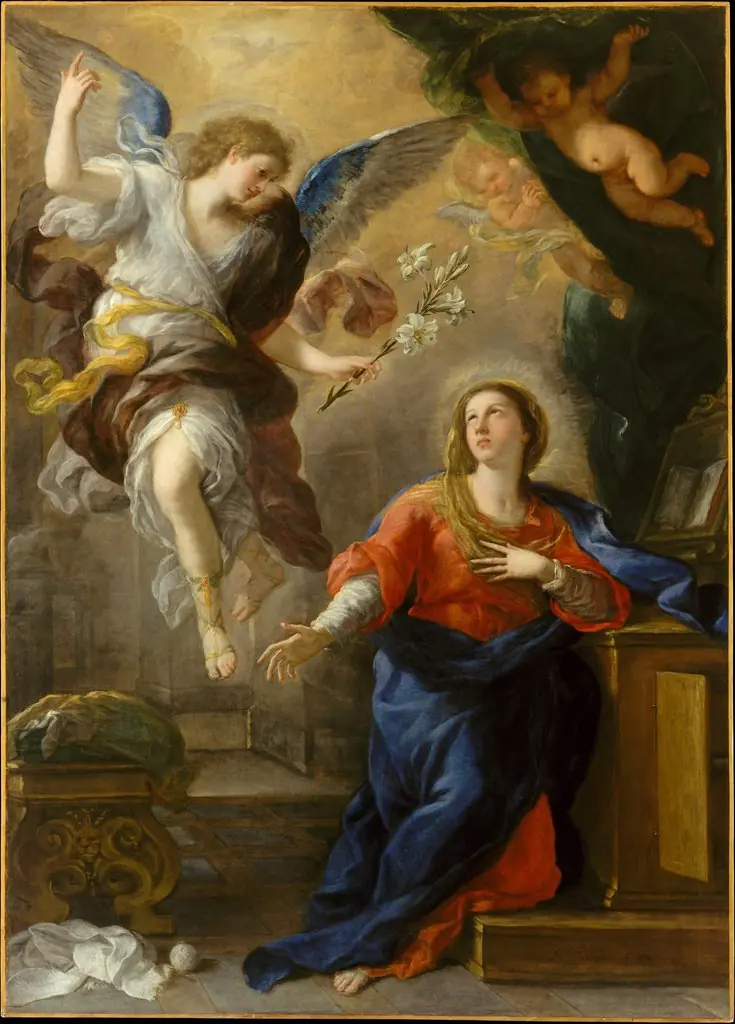 The Annunciation
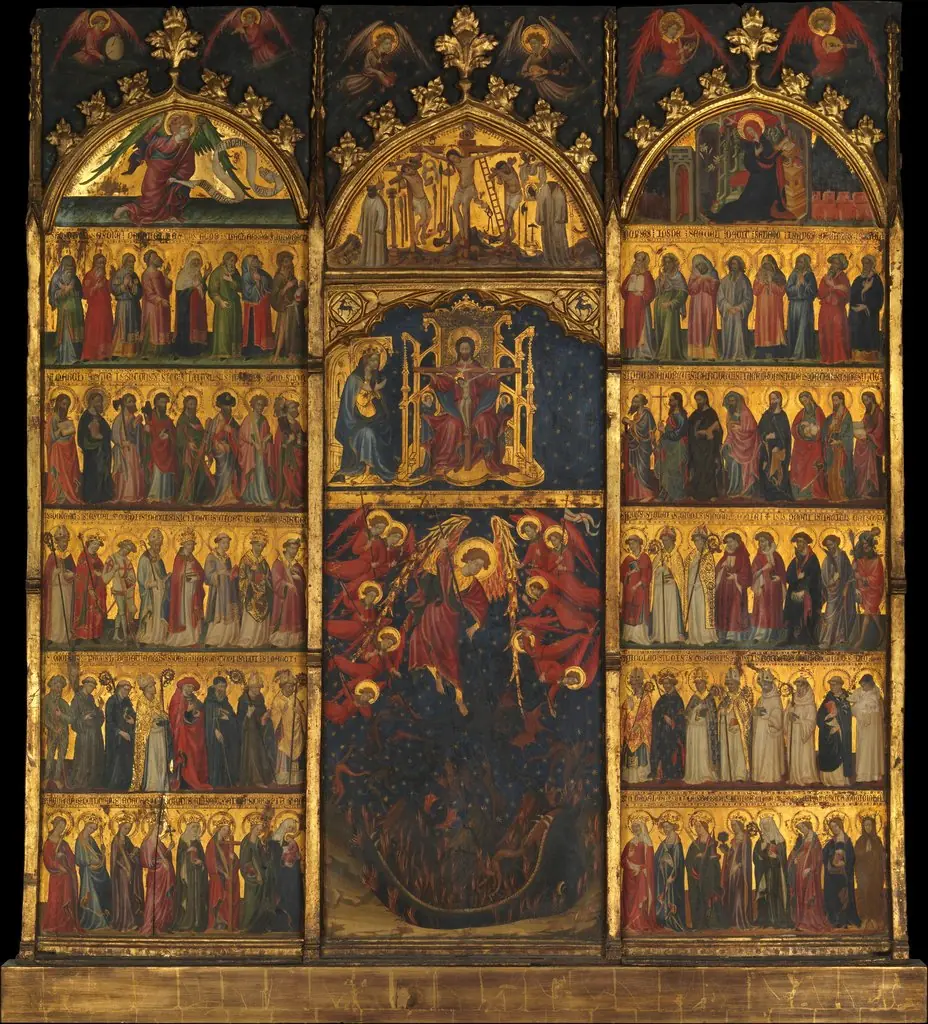 The Trinity Adored by All Saints
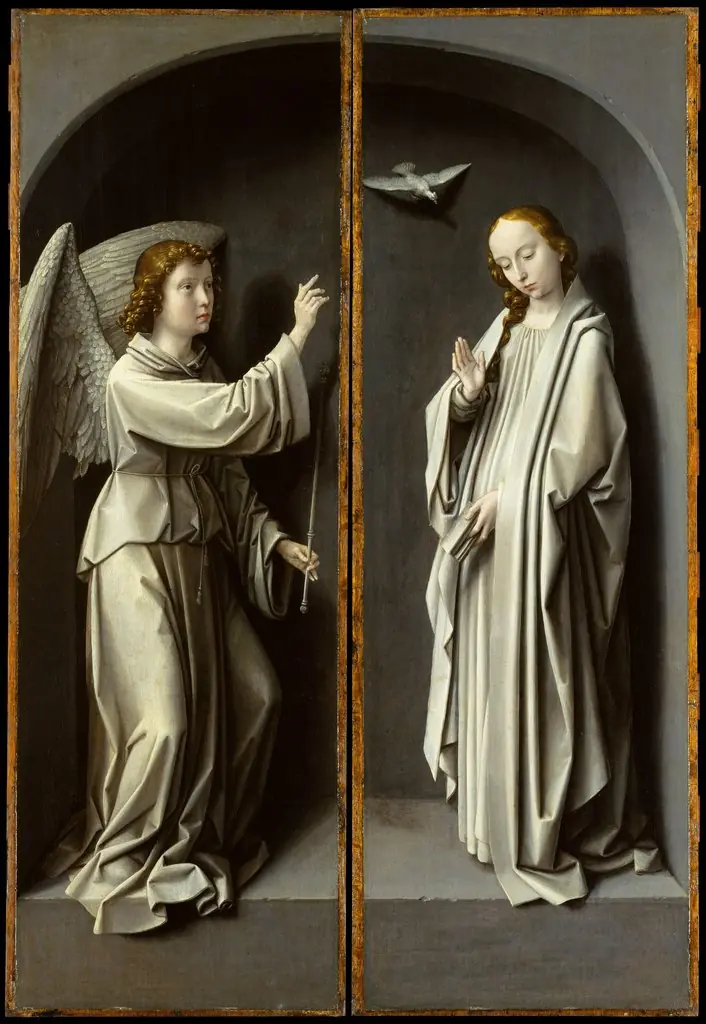 Archangel Gabriel; The Virgin Annunciate
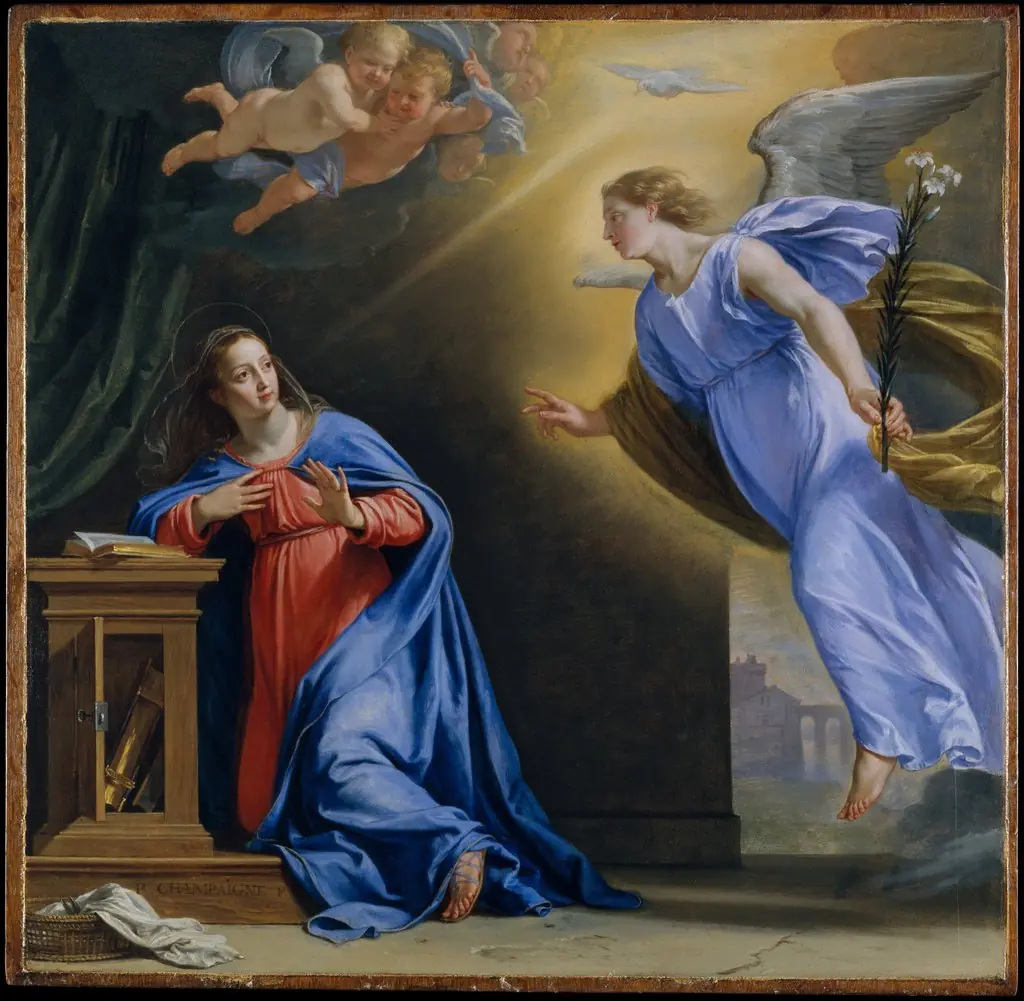 The Annunciation
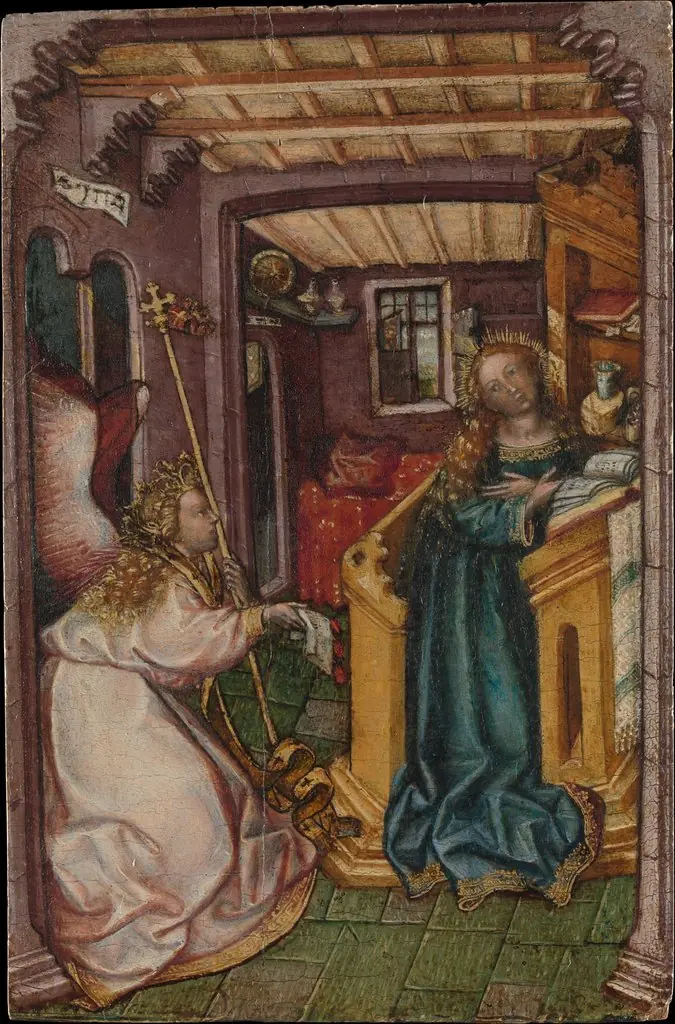 The Annunciation
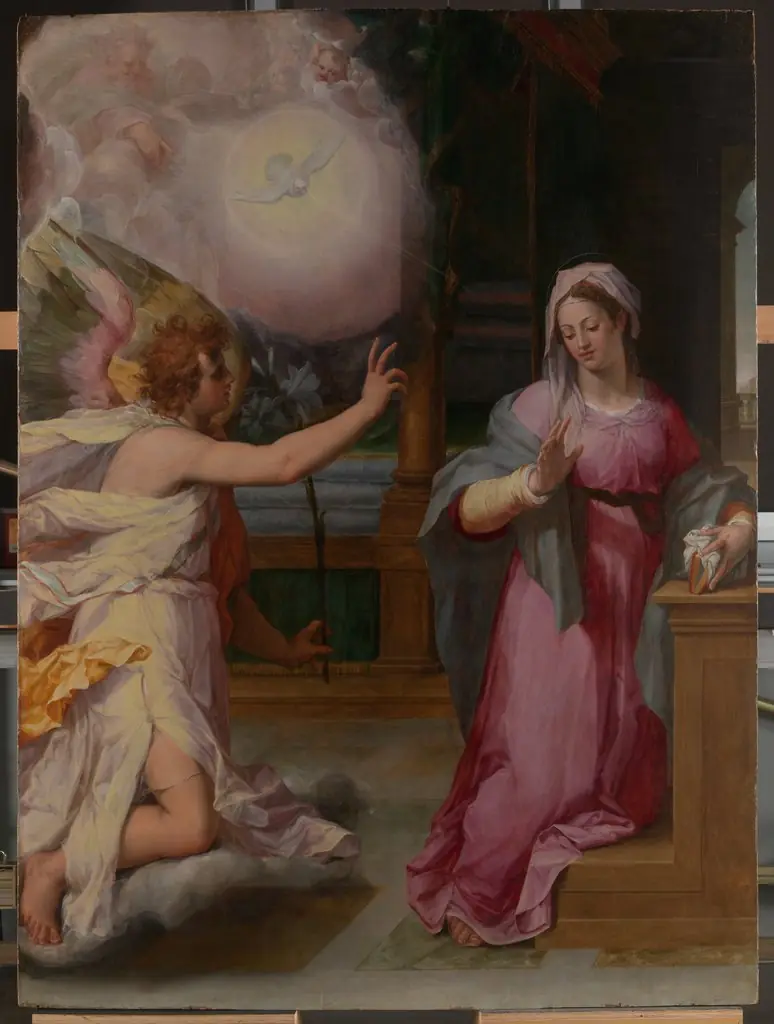 The Annunciation
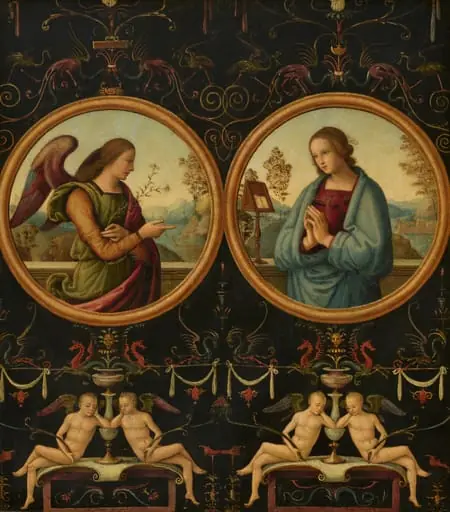 The Annunciation
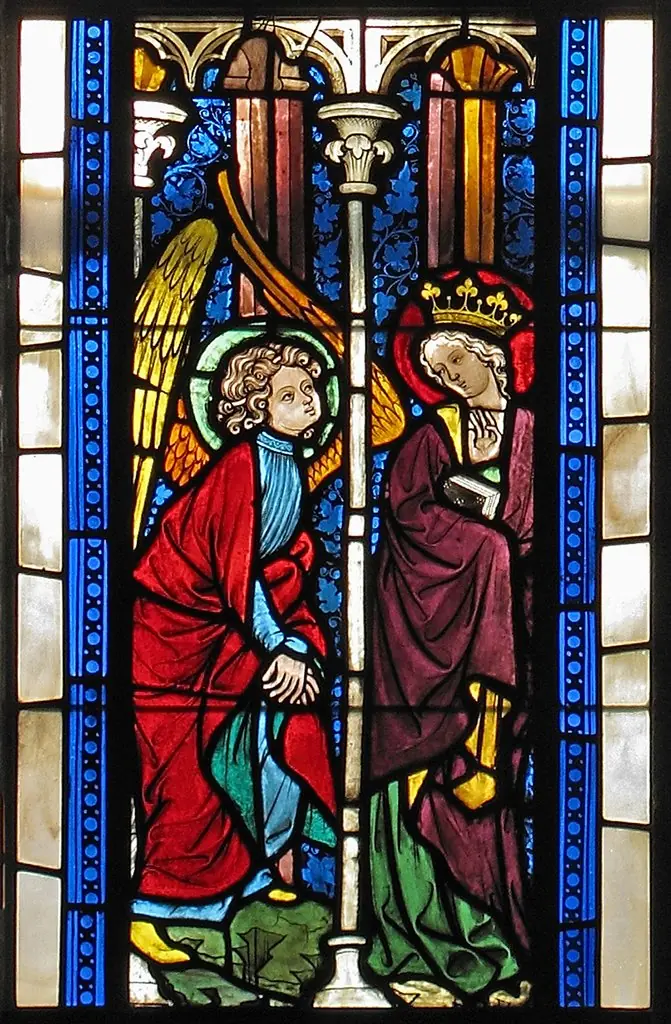 Panel with the Annunciation
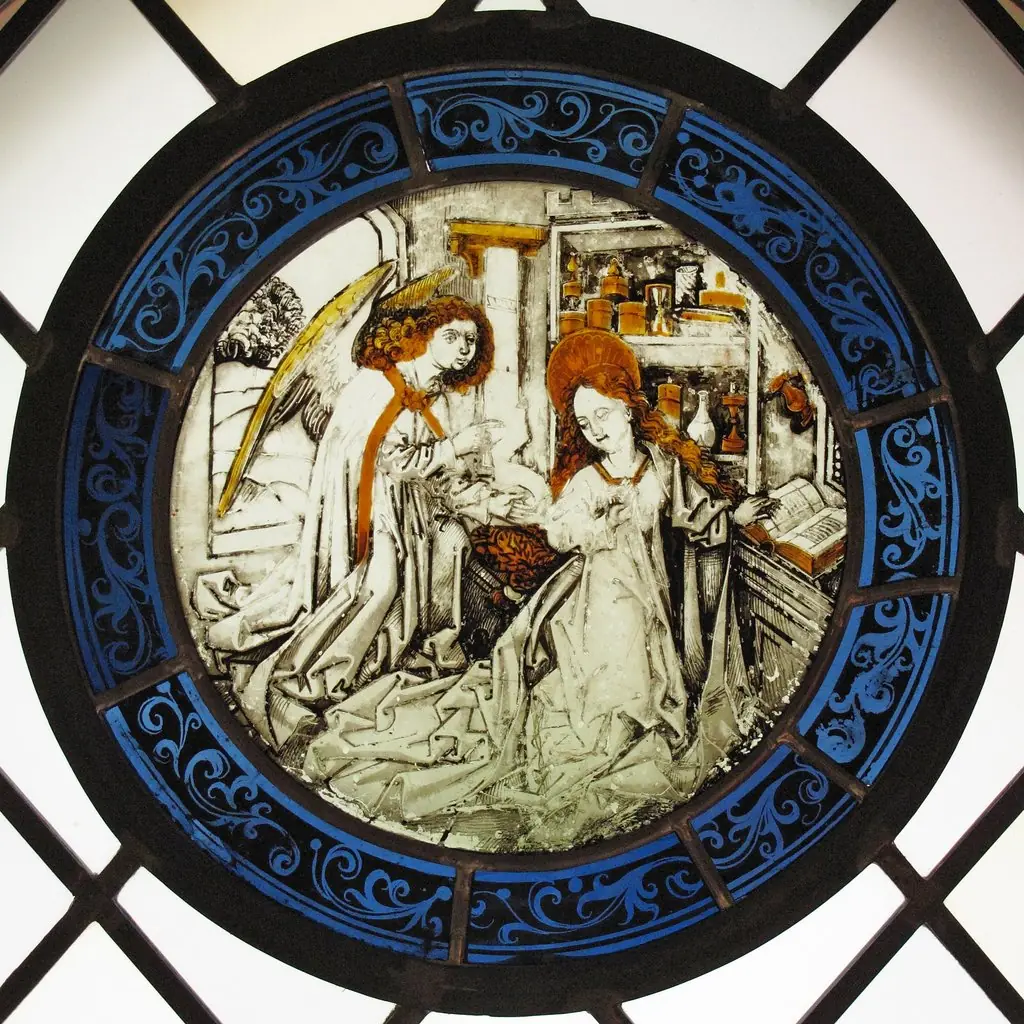 Roundel with the Annunciation
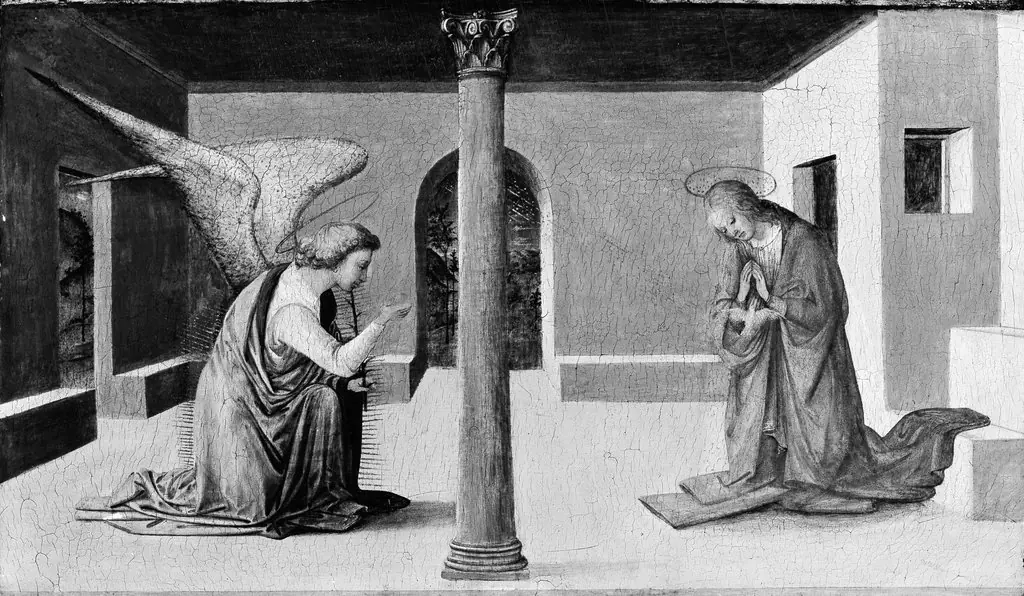 The Annunciation
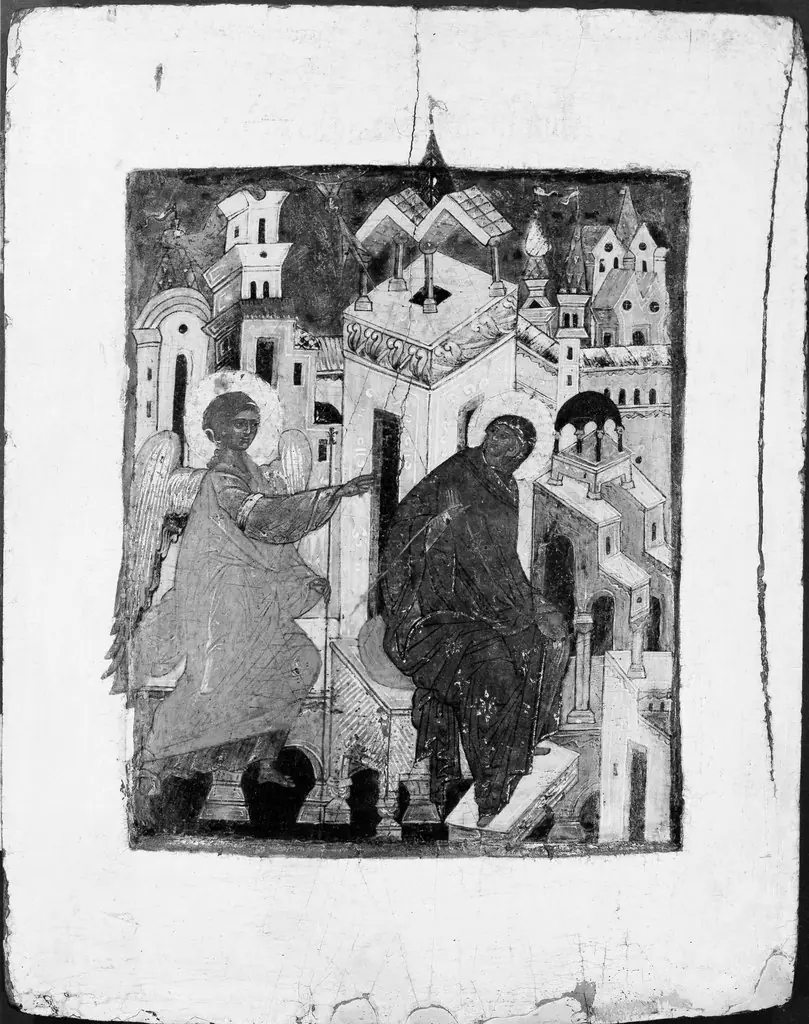 The Annunciation
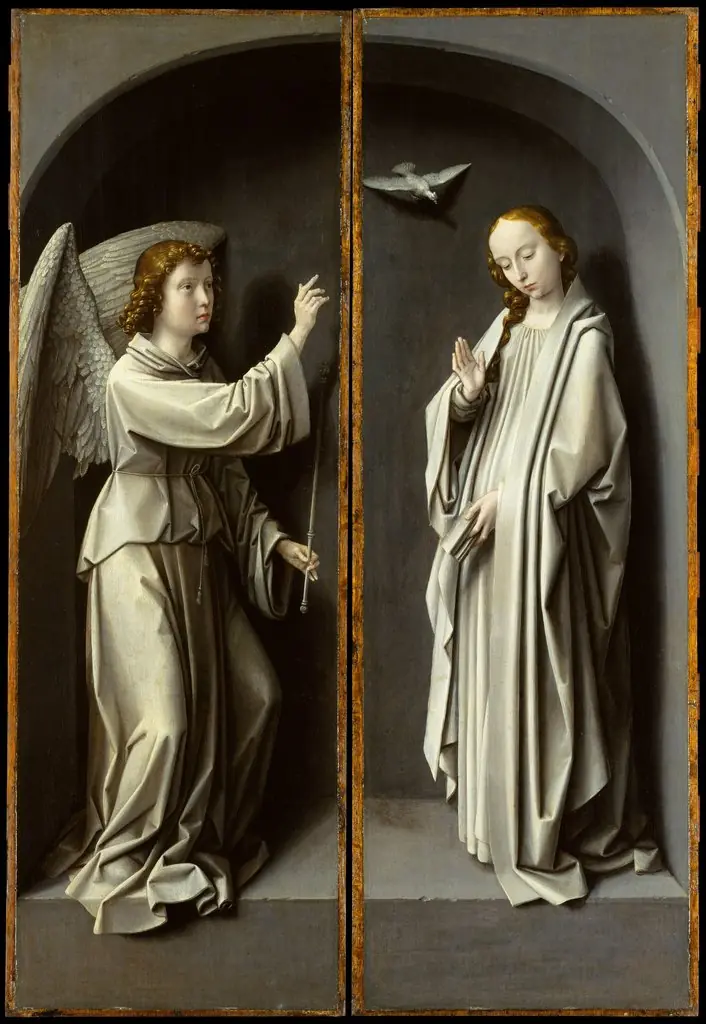 Archangel Gabriel; The Virgin Annunciate
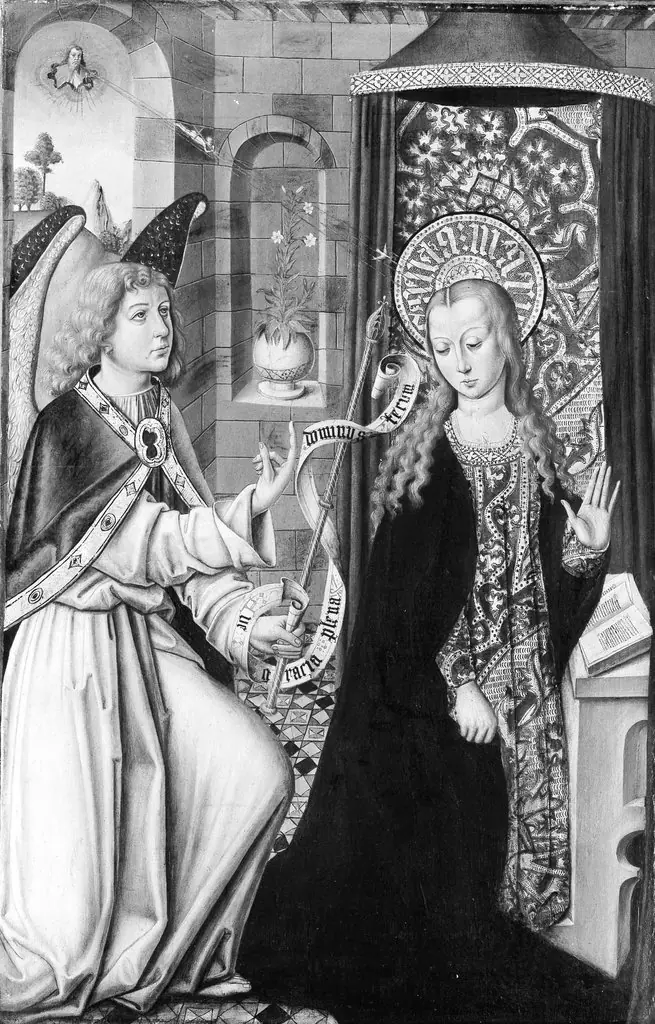 The Annunciation
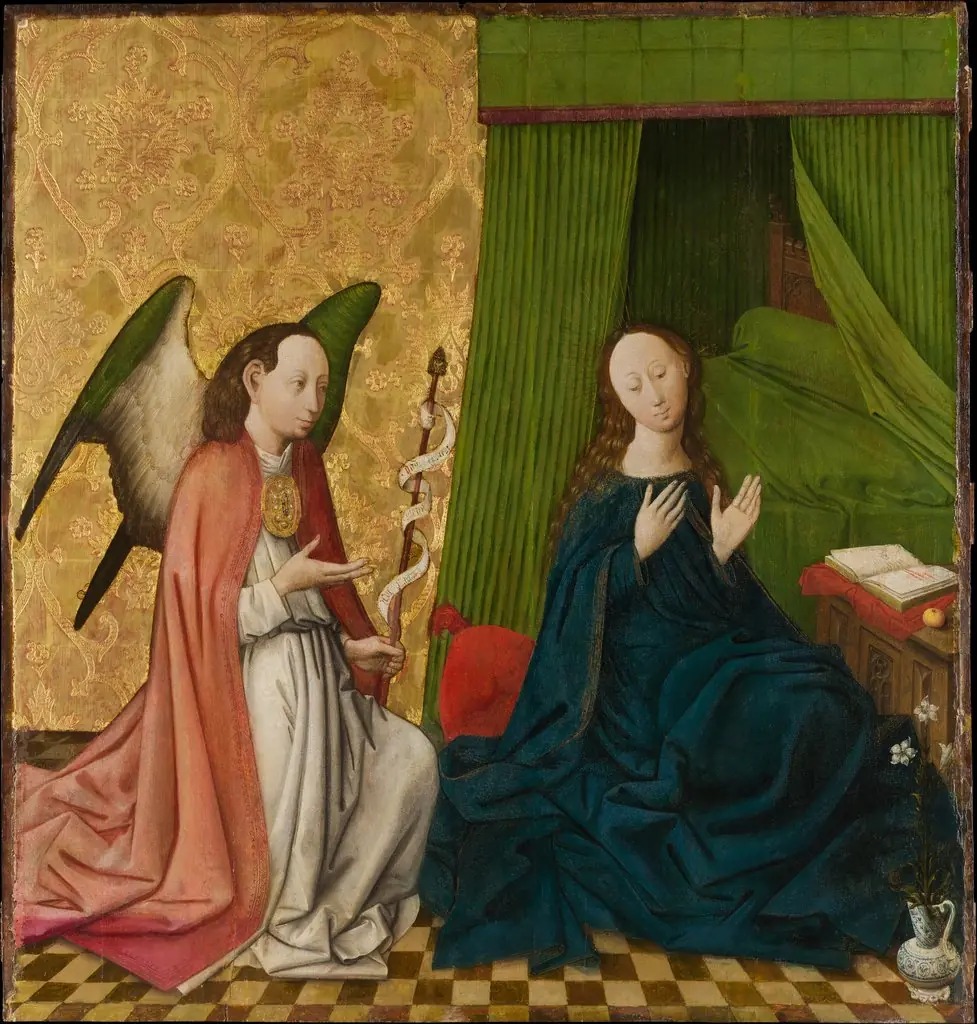 The Annunciation
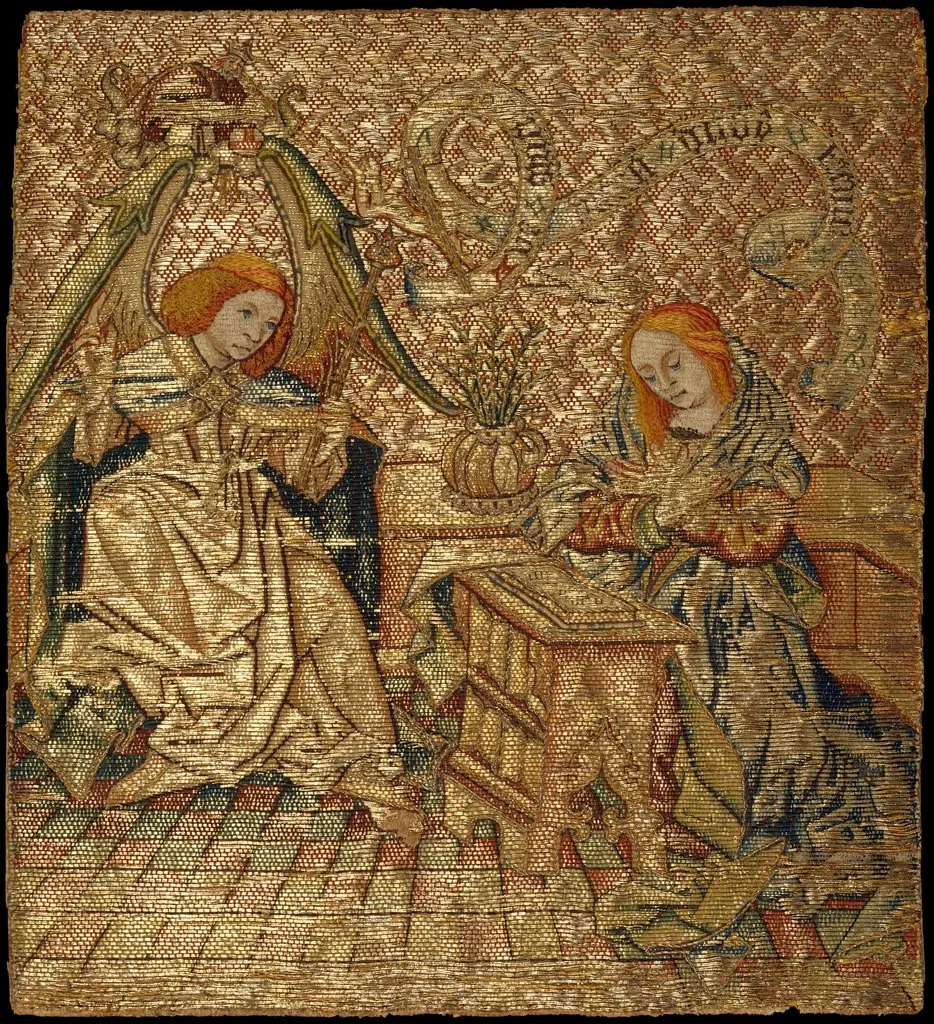 Embroidery with the Annunciation
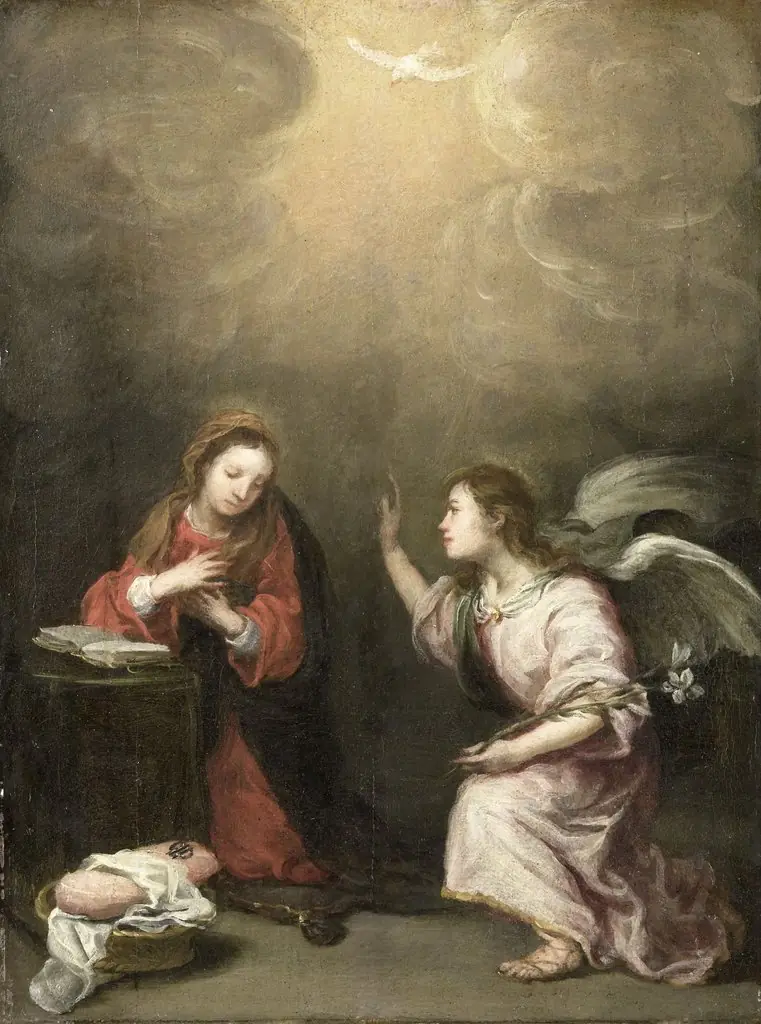 Annunciation to the Virgin
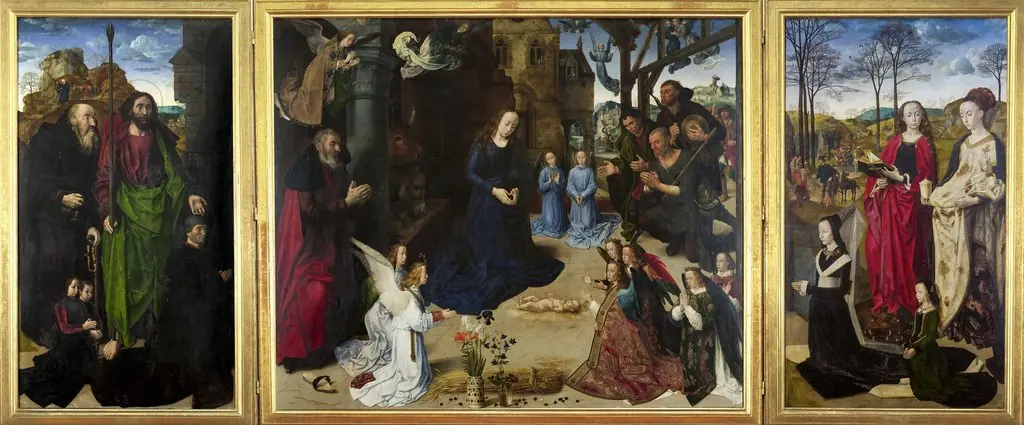 Portinari Triptych
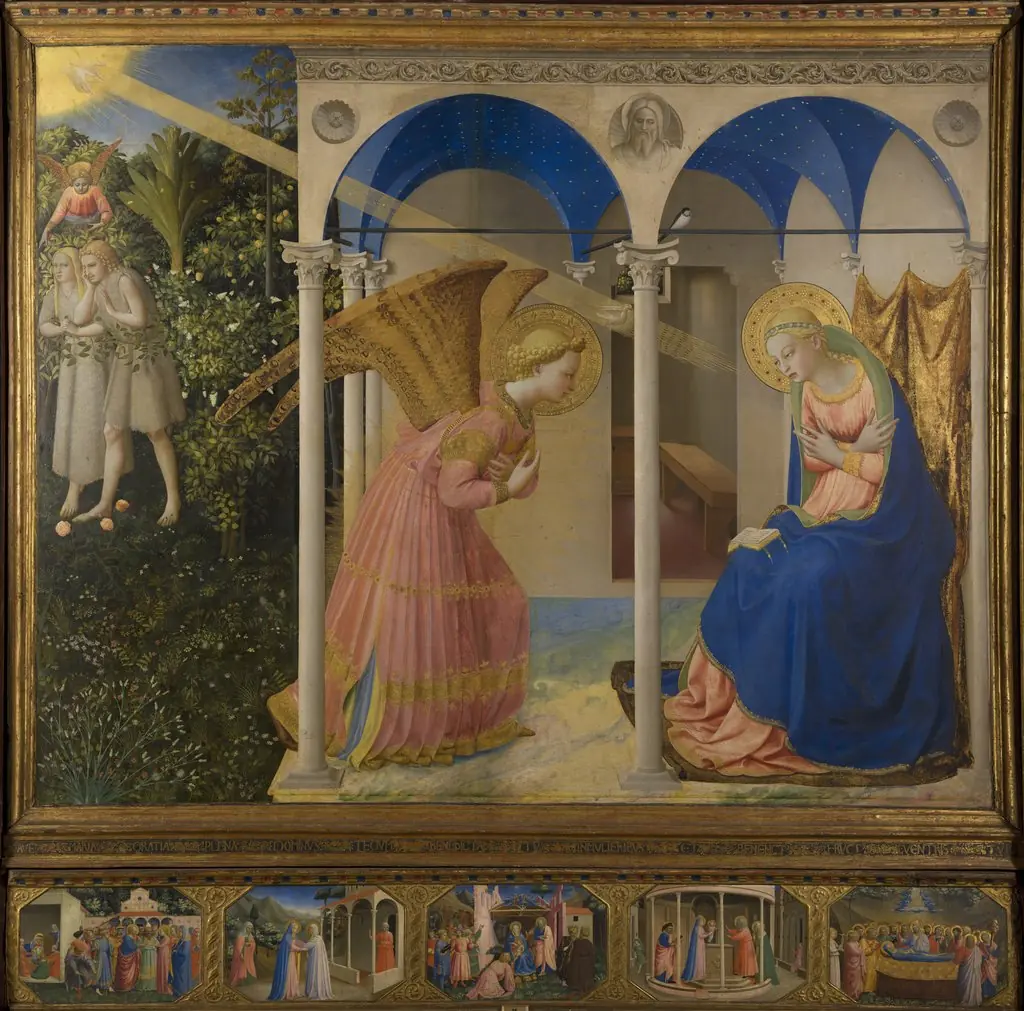 Annunciation
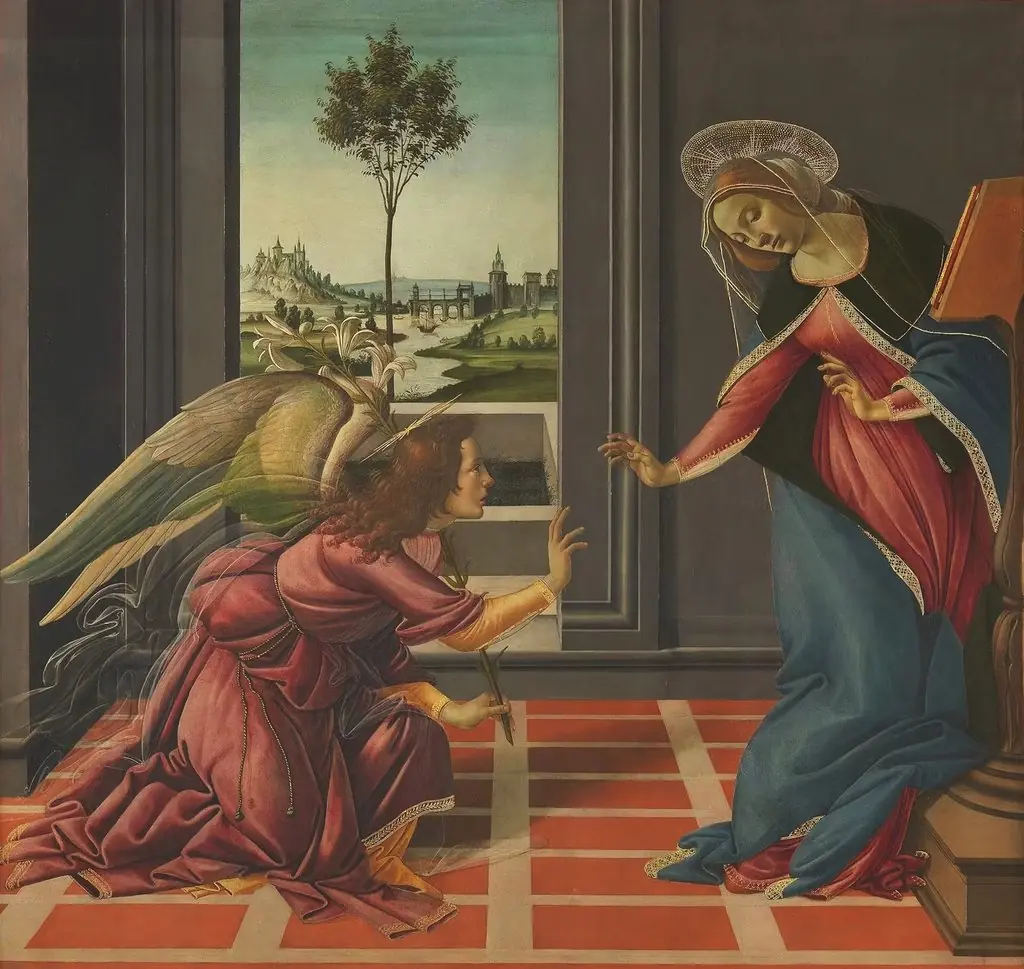 Cestello Annunciation
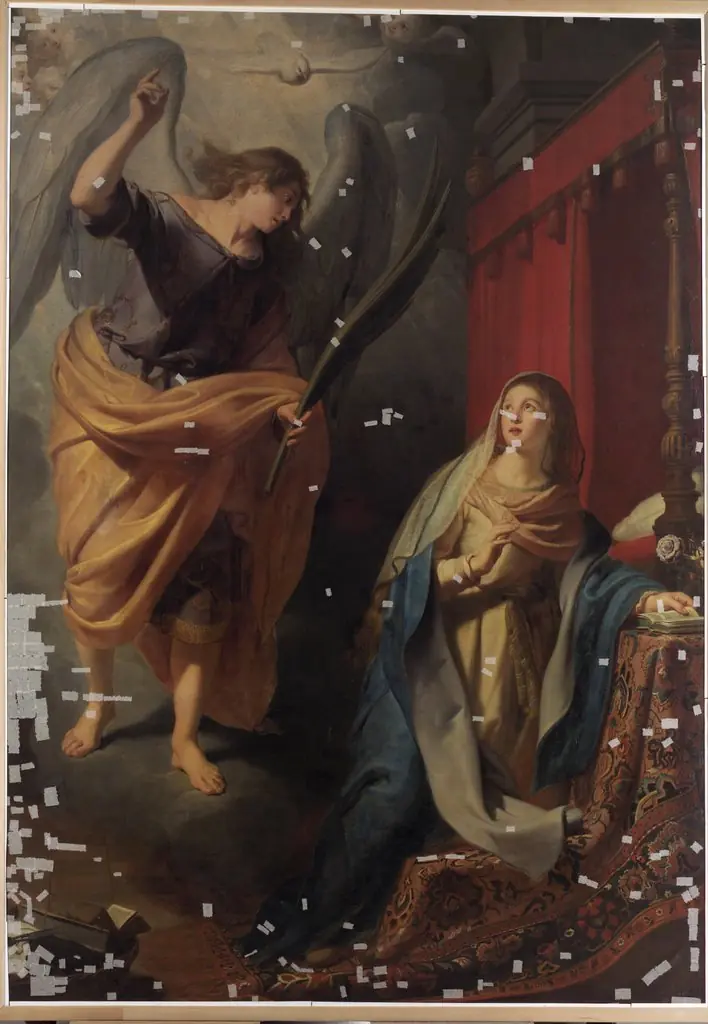 The Annunciation
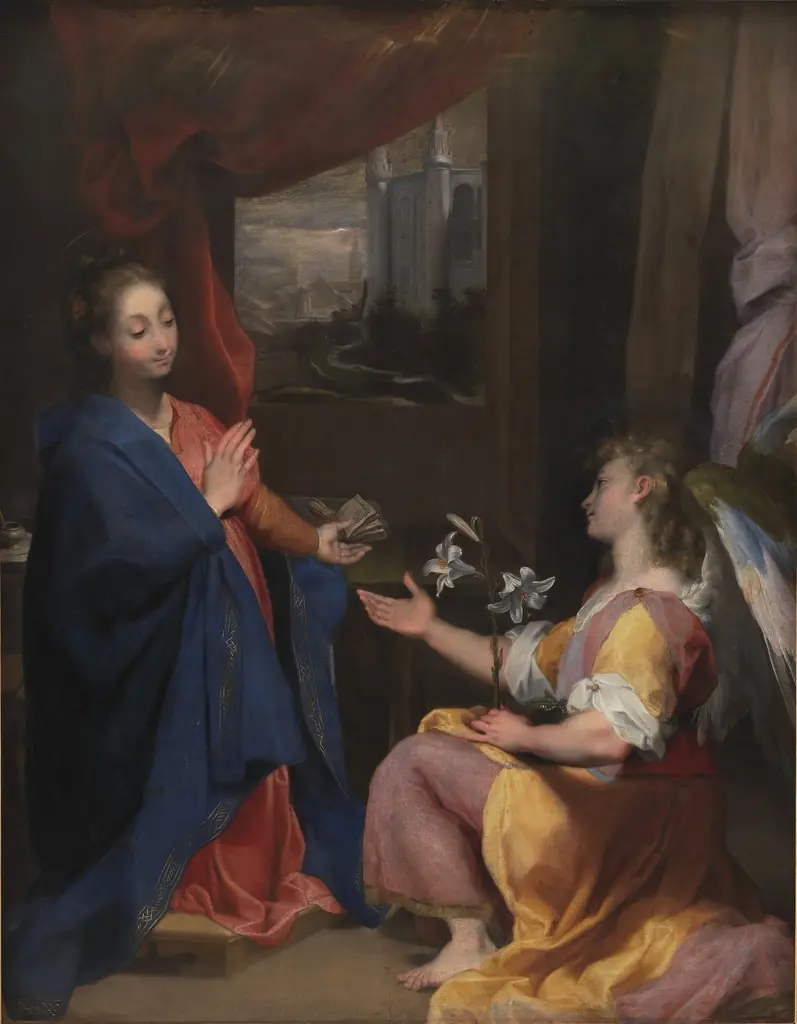 The Annunciation
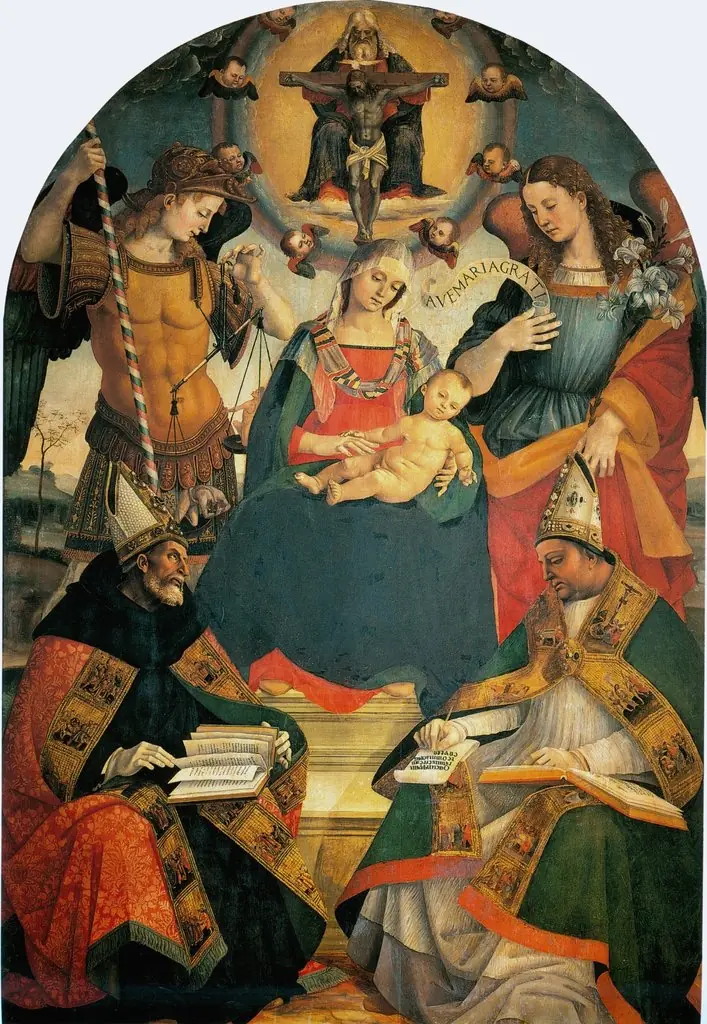 Trinity, the Virgin, and Two Saints
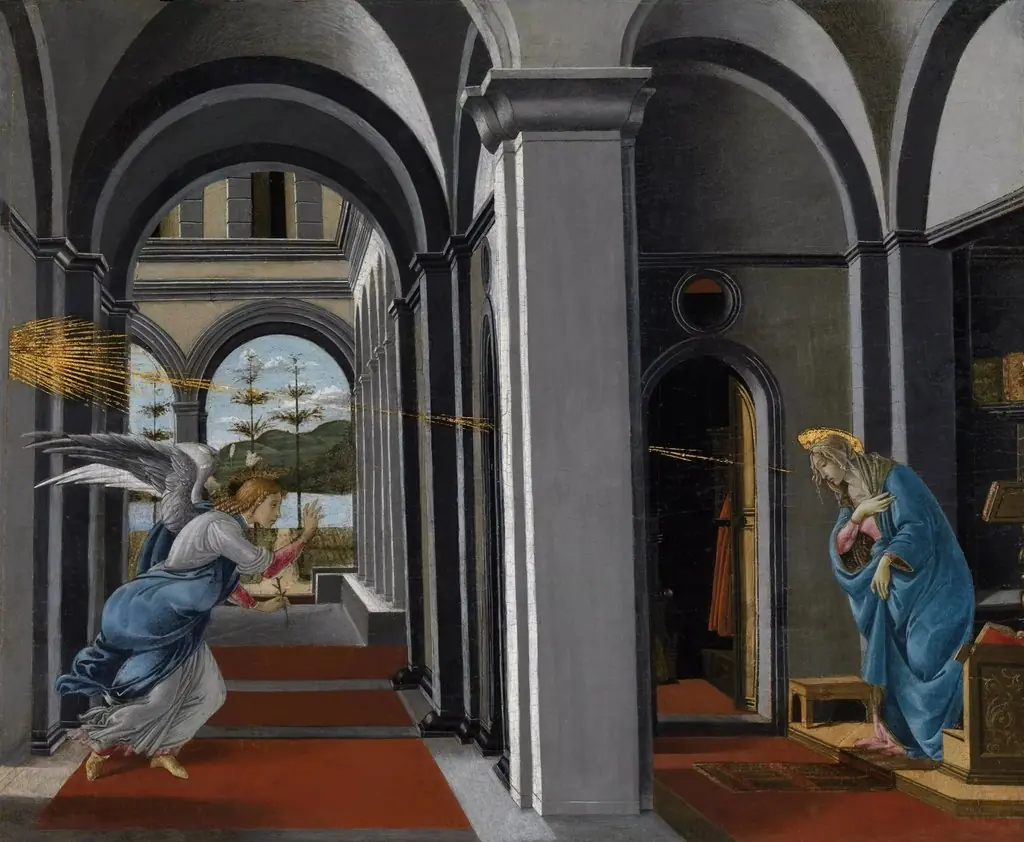 The Annunciation
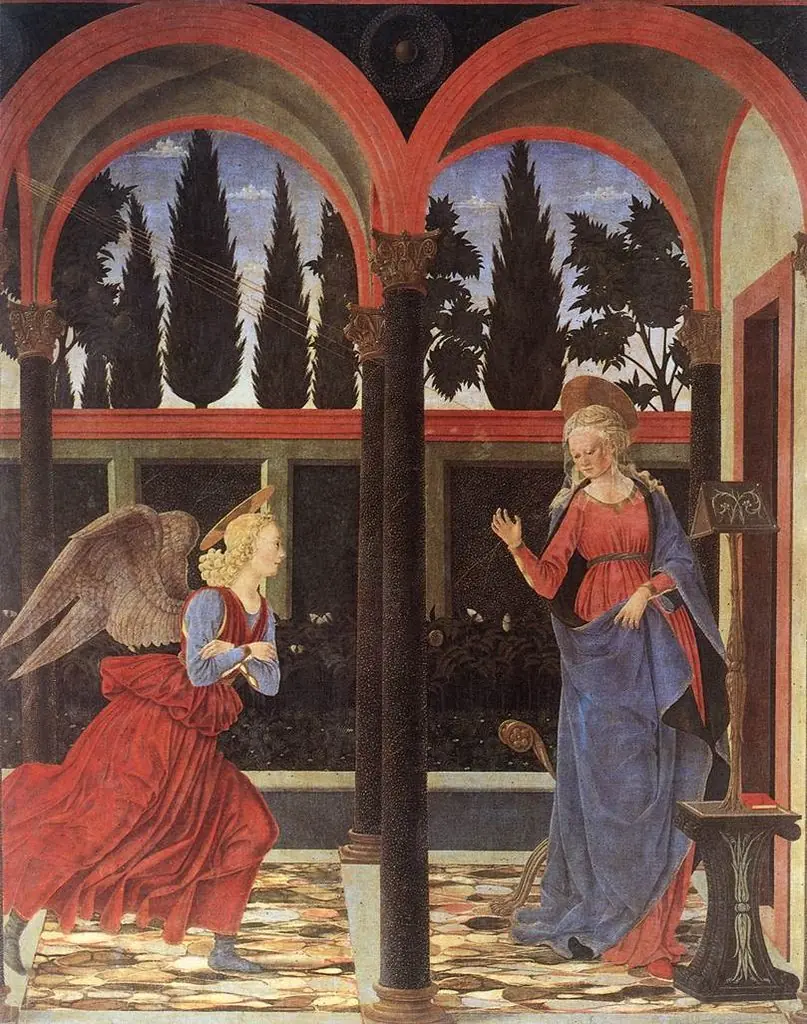 Annunciation
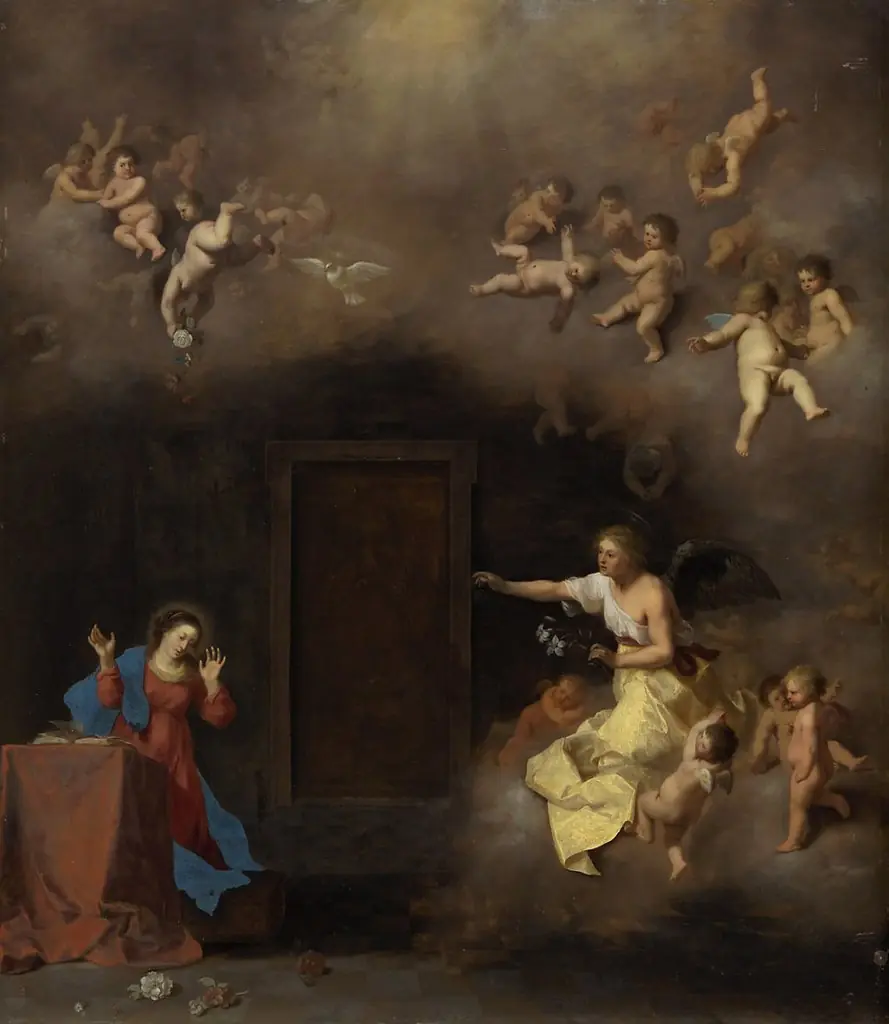 The Annunciation
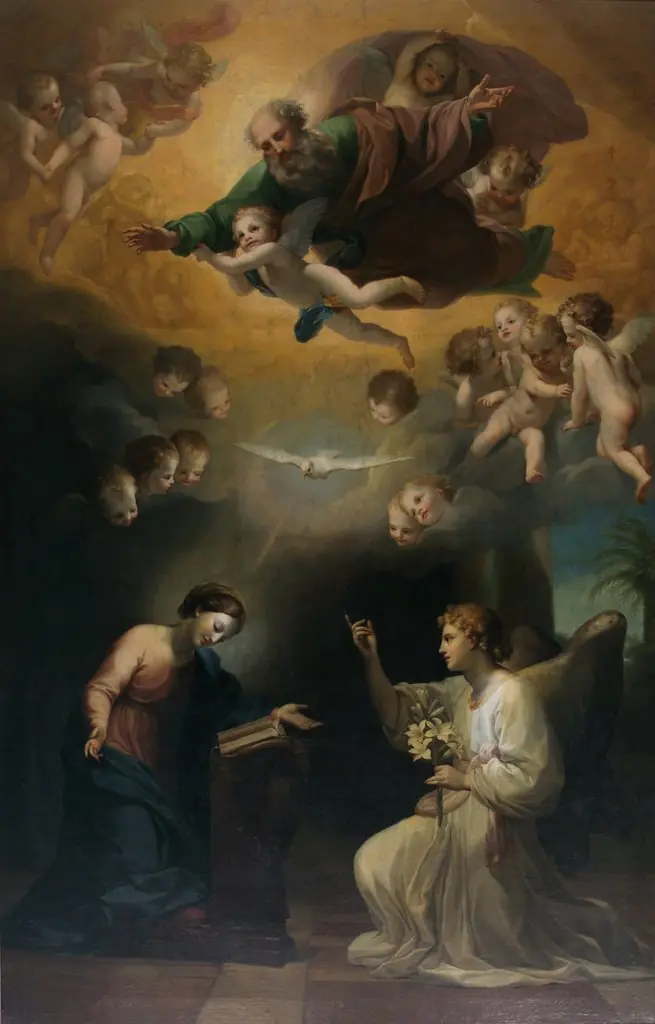 Annunciation to Mary
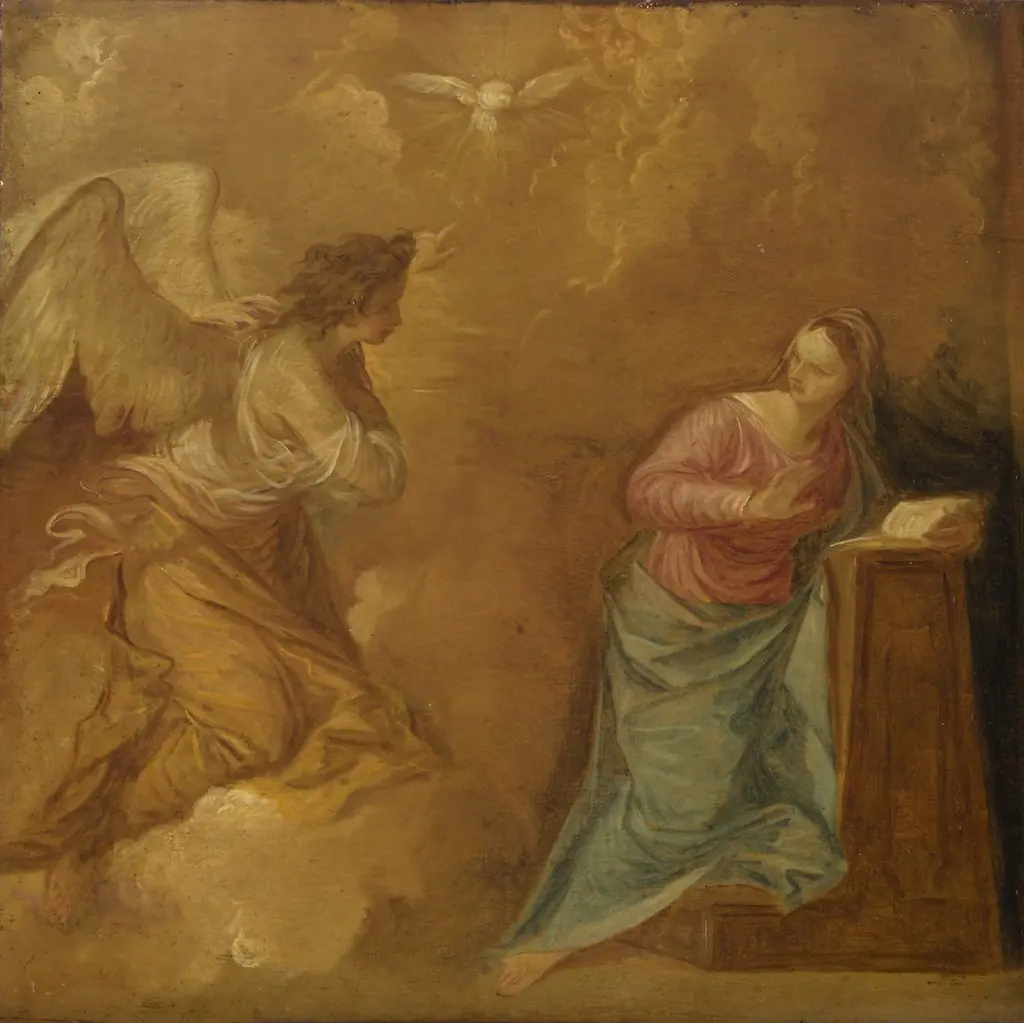 Annunciation to Mary
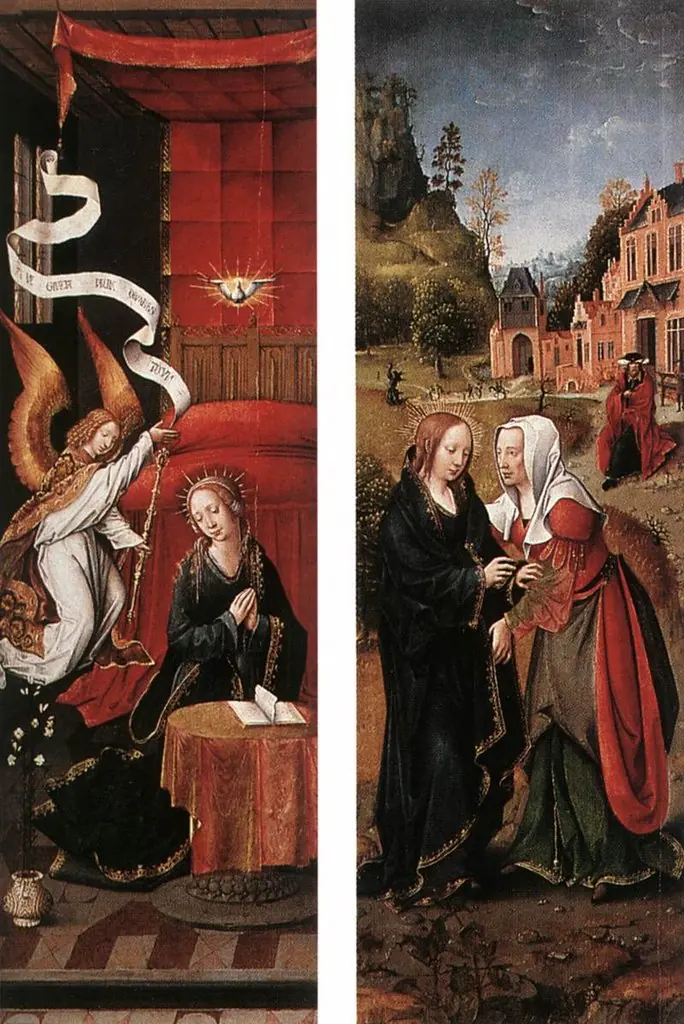 Annunciation and Visitation
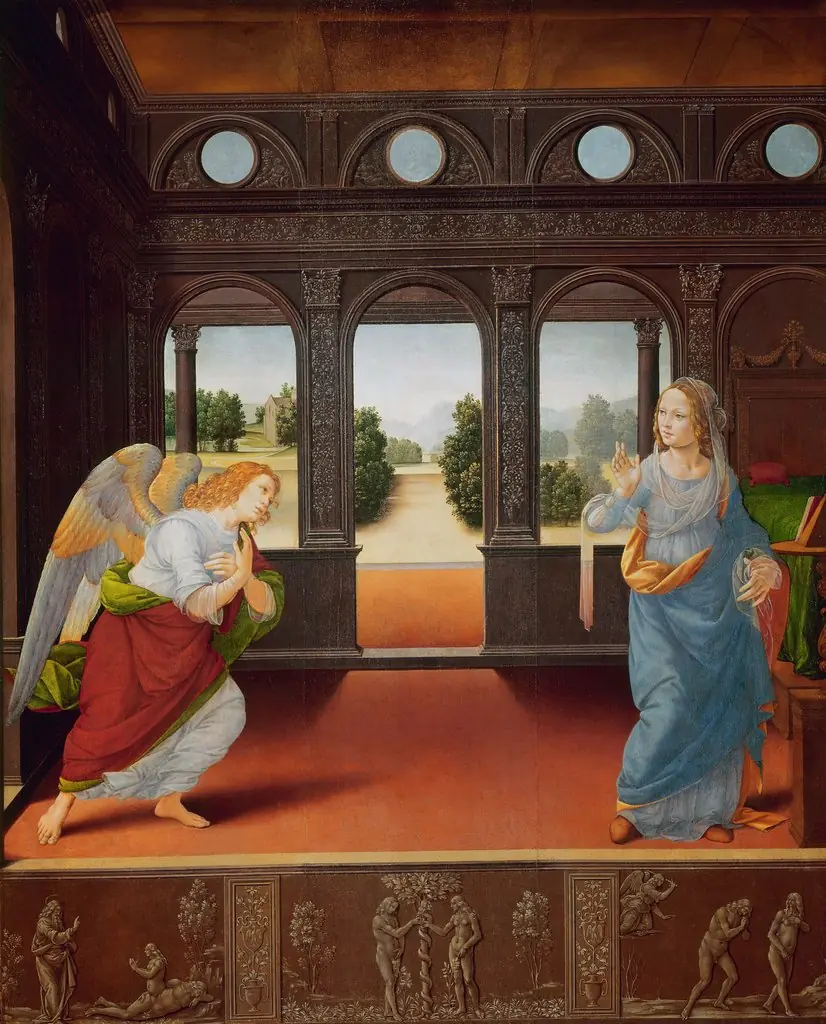 The Annunciation
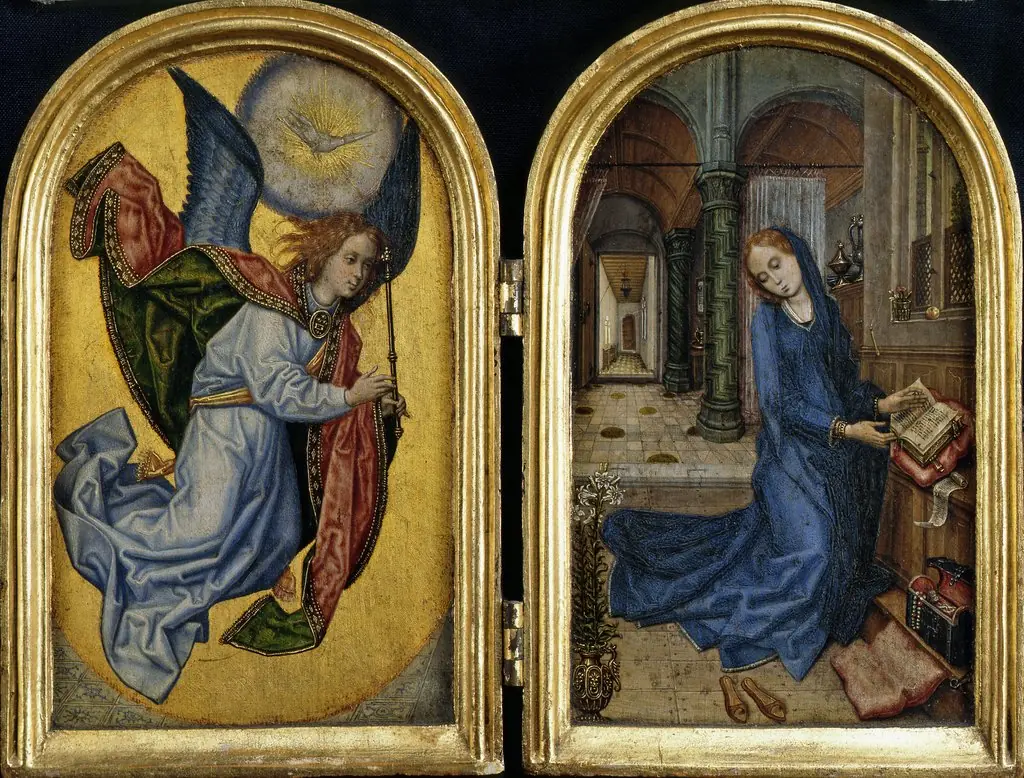 The Annunciation to Mary (Diptych)
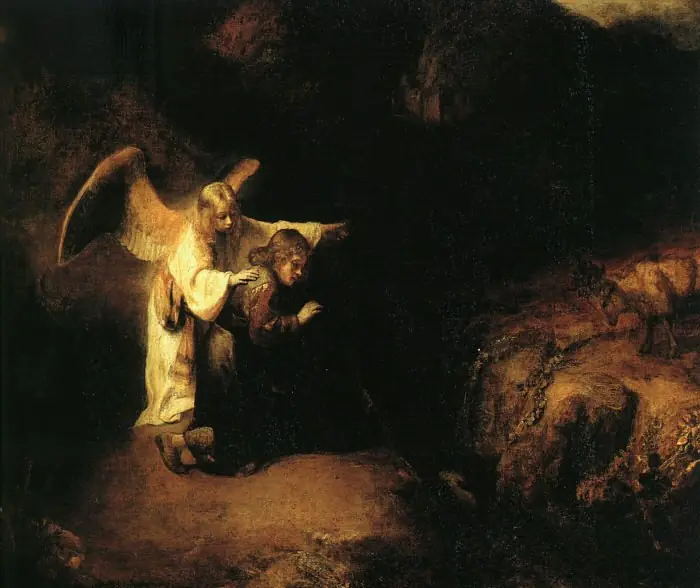 The Vision of Daniel
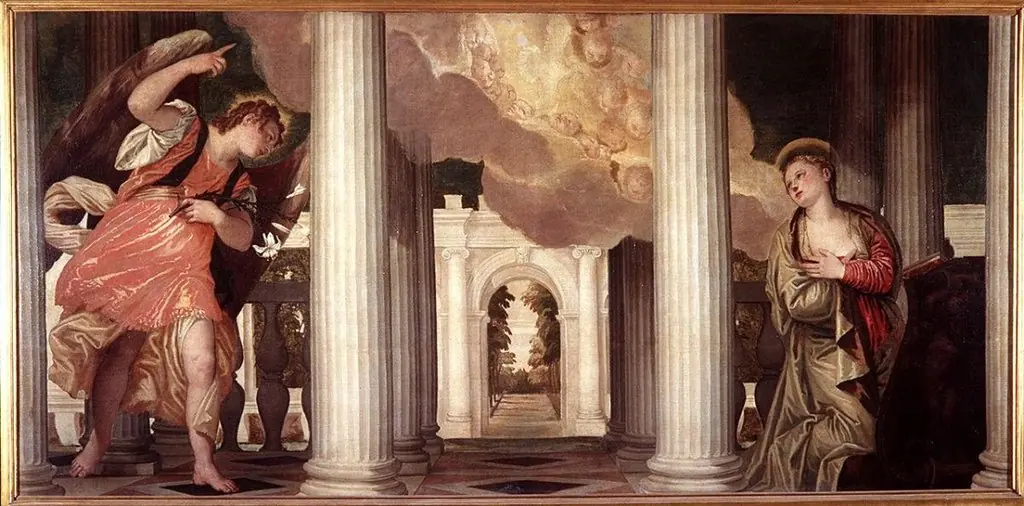 Annunciation
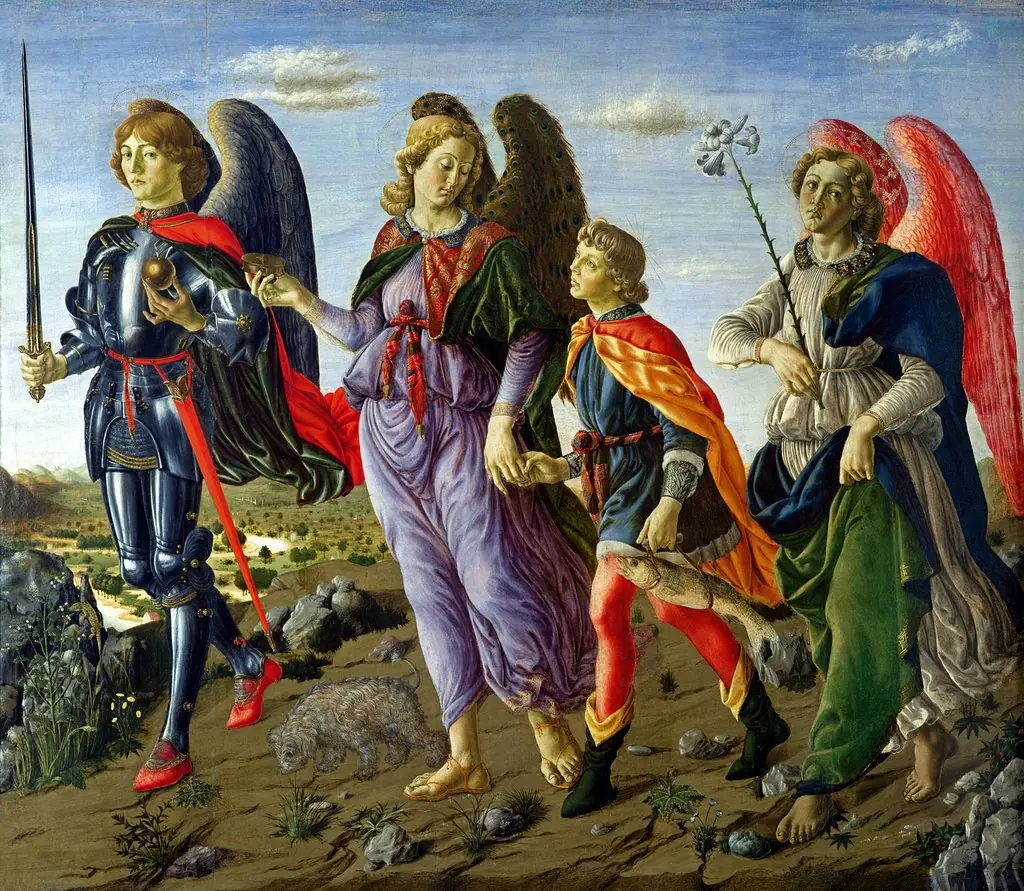 Three Archangels with Tobias
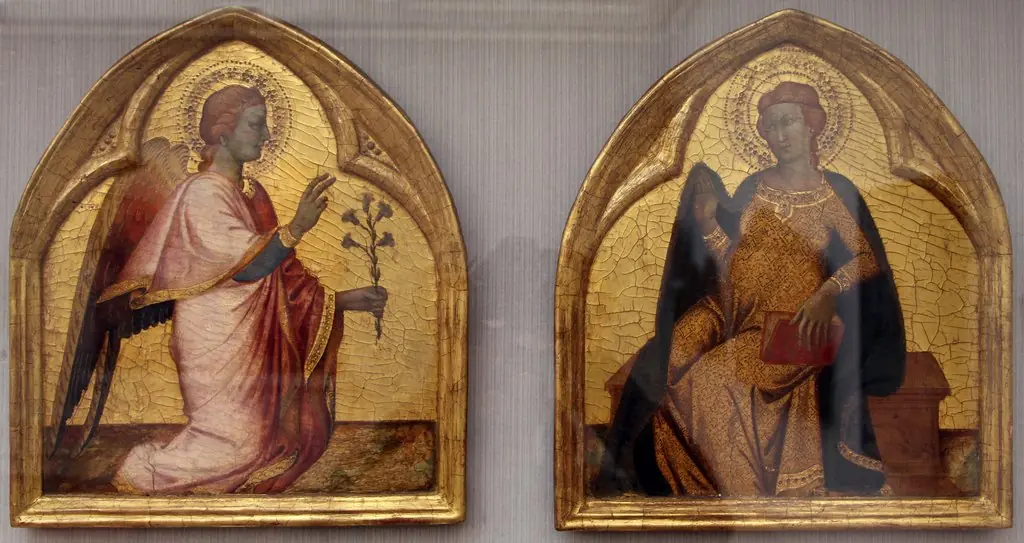 Angel of the Annunciation
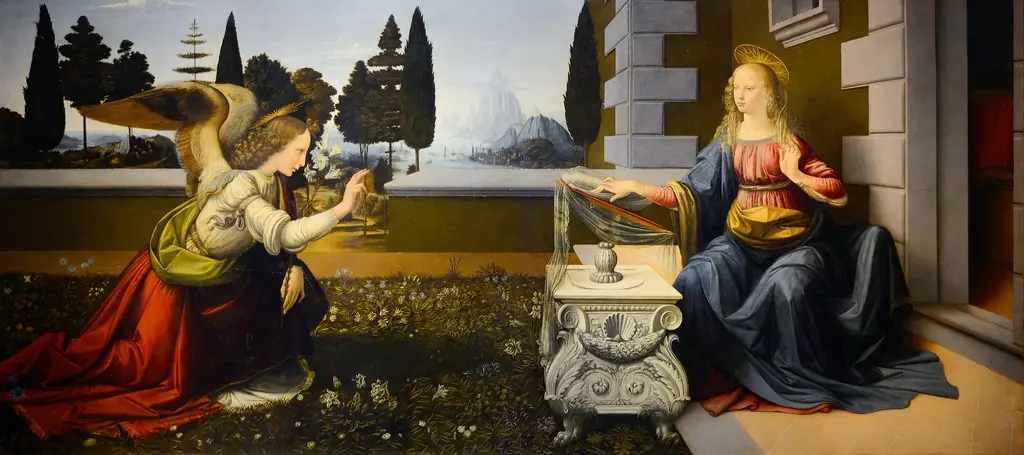 Annunciation
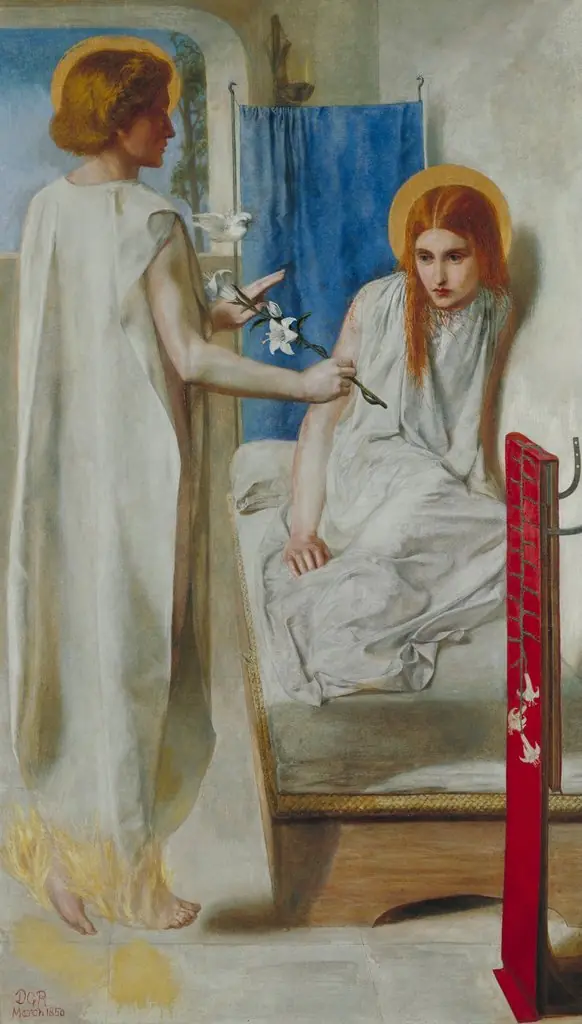 Ecce Ancilla Domini
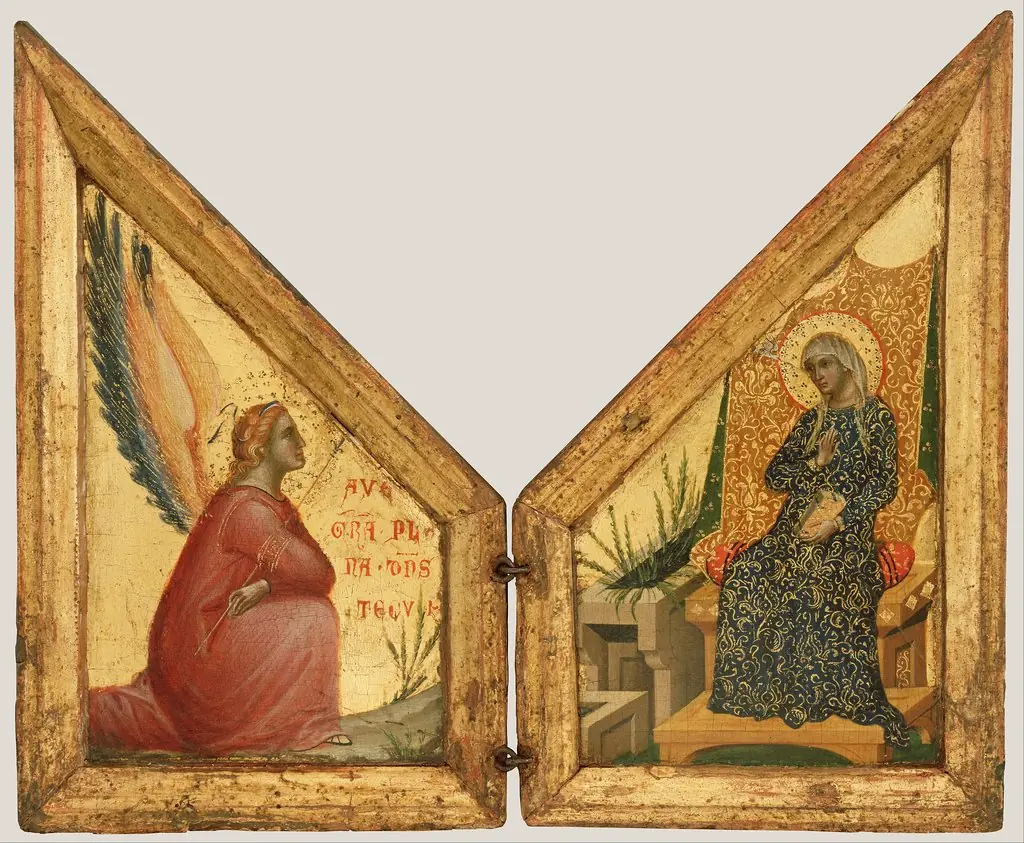 The Annunciation
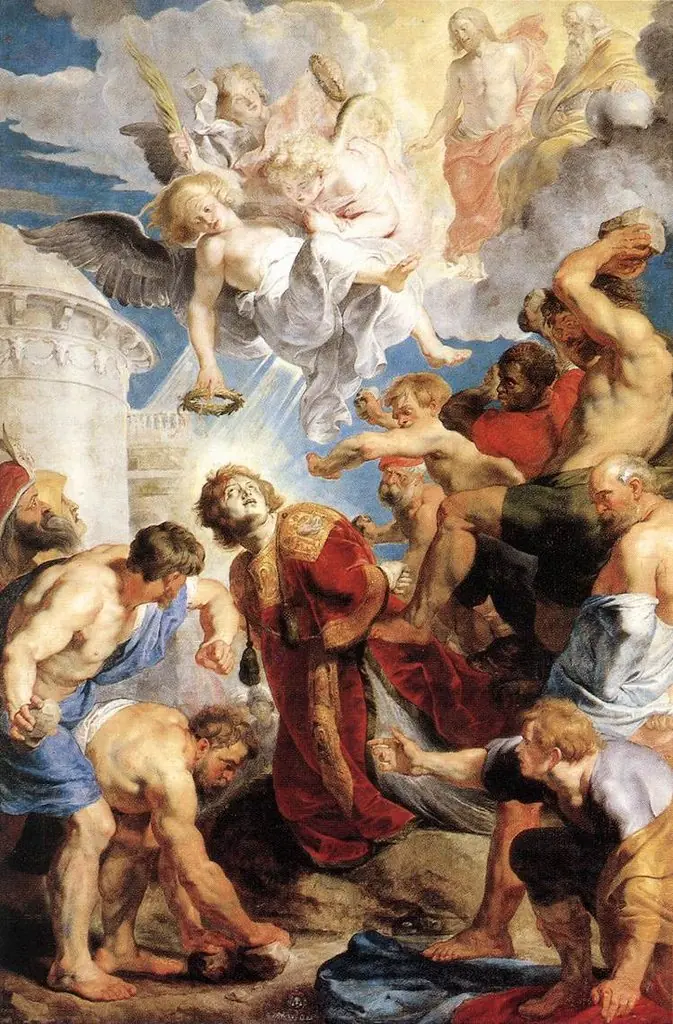 Martyrdom of Saint Stephen (central panel)
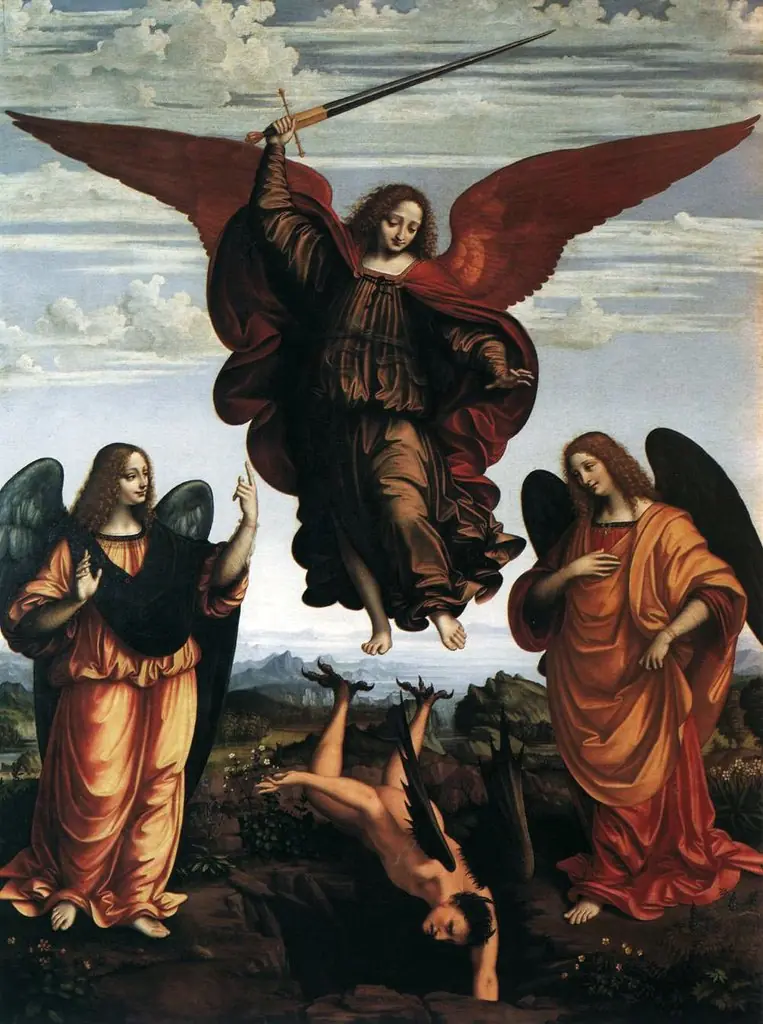 Altarpiece of the three archangels
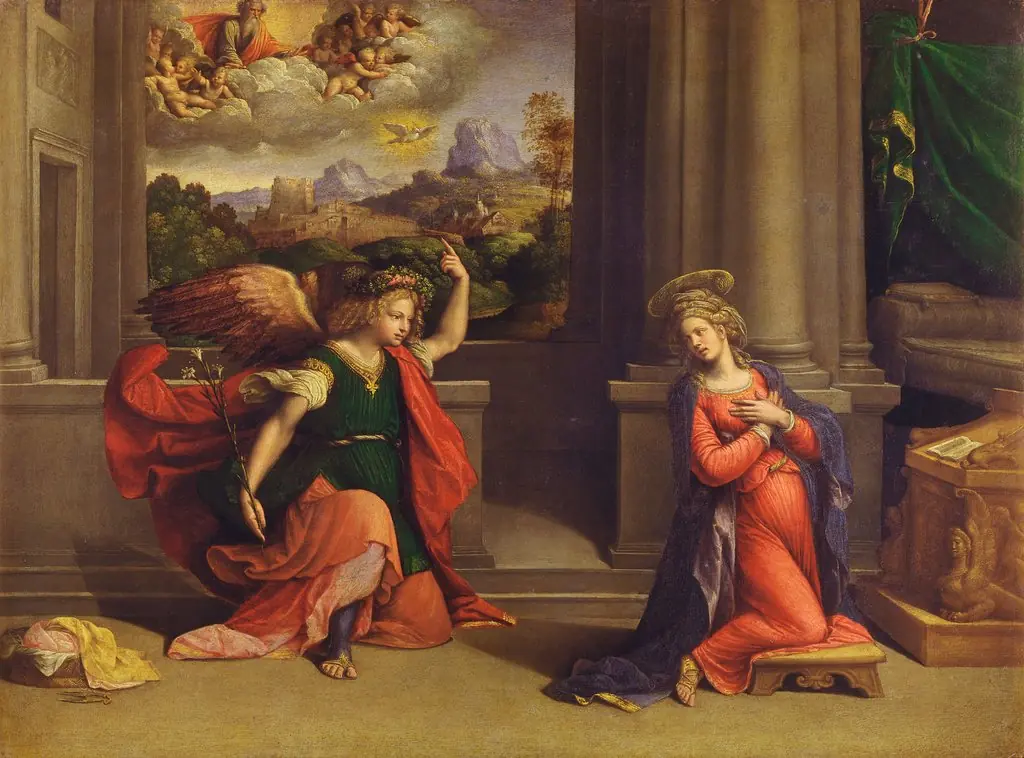 Annunciation
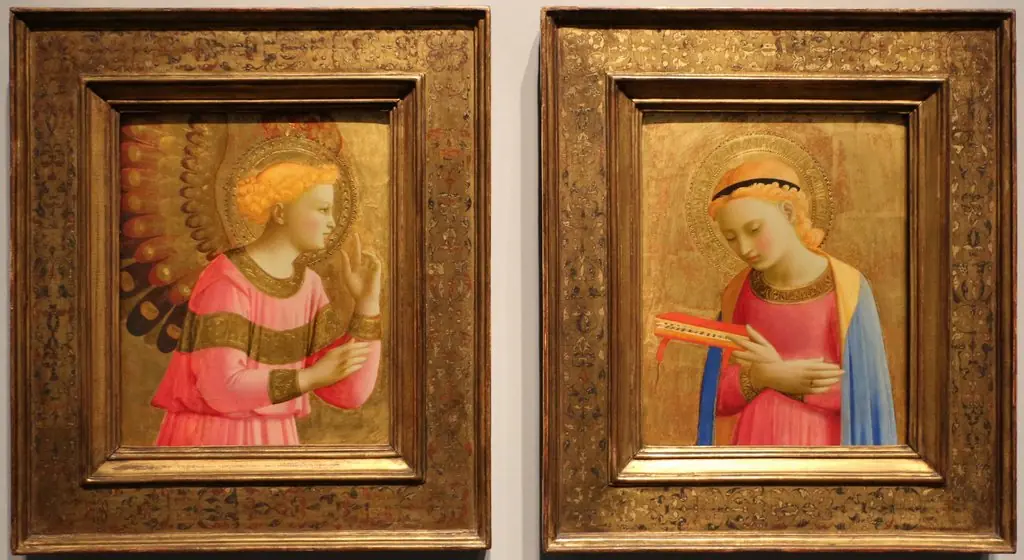 angelo annnunciante e vergine annunciata
Frequently asked questions
What is Gabriel?
Gabriel is a given name derived from the Hebrew name Gaḇrīʾēl (גַבְרִיאֵל) meaning "God's man".
How many Gabriel works does Artifact World Gallery have?
Artifact World Gallery holds 49 public-domain Gabriel works, all free to view and download.
Who are the key Gabriel artists?
Key Gabriel artists in the collection include Paolo Veronese, Petrus Christus and Hans Memling.
Where can I see Gabriel works?
Gabriel works in the collection are held by Metropolitan Museum of Art, Uffizi Gallery and Kunsthistorisches Museum.