Subject
Marine Art
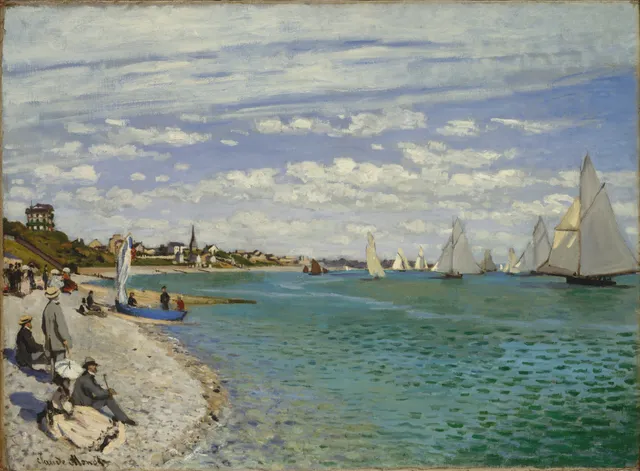
Marine Art is a subject in art. The gallery holds 66 works in this subject in art, including works by Gustave Courbet, Alfred Thompson Bricher and Claude Monet.
Marine art—also called maritime art—is figurative art (painting, drawing, printmaking, and sculpture) that takes the sea as its principal subject or inspiration, encompassing ships and naval battles, harbours and storms, fishing fleets and open horizons. Though seascape imagery reaches back to antiquity, marine painting first crystallized as an independent genre in the seventeenth-century Dutch Republic. A young, prosperous seafaring nation whose wealth depended on command of the oceans and inland waters, the Netherlands produced collectors hungry for images of the element that defined its identity. Pioneers such as Jan Porcellis, Simon de Vlieger, Jan van de Cappelle, Jacob van Ruisdael, and Ludolf Bakhuizen became masters of air, light, and water, rendering coastal atmosphere with unprecedented naturalism between roughly 1600 and 1700.
The genre's defining concerns are technical as much as poetic: the accurate rigging and hull of a specific vessel, the behaviour of wind in sail and wave, the silvery tonal harmonies of a calm, and the drama of a gale or shipwreck. The towering figures of the Dutch tradition were Willem van de Velde the Elder (1611–1693) and his son Willem van de Velde the Younger (1633–1707), the foremost marine painter of his age. In the "Disaster Year" of 1672–73, with the Dutch art market collapsing, the pair emigrated to England, where Charles II paid each £100 a year and gave them a studio in the Queen's House at Greenwich—the Elder "for drawing naval battles," the Younger for colouring them.
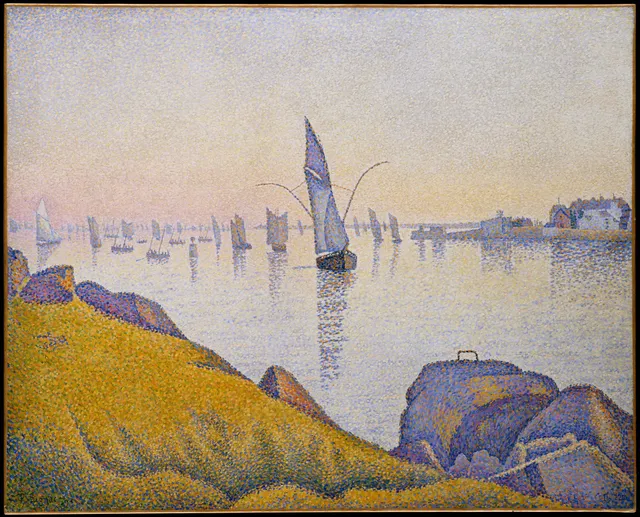
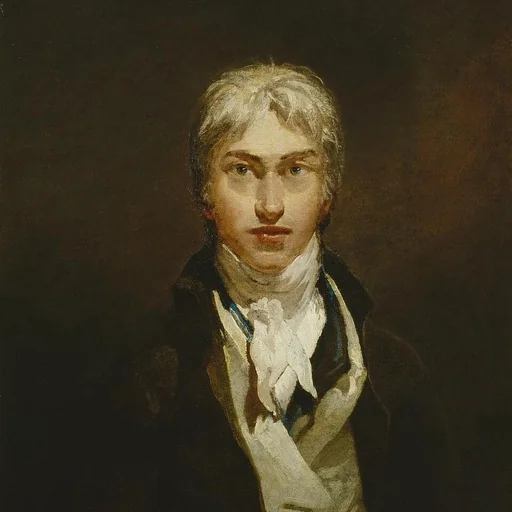
Through the Van de Veldes the genre took root in Britain, where it flourished for over a century until J.M.W. Turner (1775–1851) transformed it, dissolving rigging and water into atmosphere and light in works that pushed seascape toward the sublime. In the nineteenth century the sea became a major theme for American and French painters alike. Winslow Homer brought a stark, physical realism to the Atlantic coast in canvases such as Northeaster, while the Impressionists treated the shore as a laboratory of light—as in Claude Monet's Regatta at Sainte-Adresse and The Manneporte near Étretat. Paul Signac extended this into Neo-Impressionist pointillism with his luminous Evening Calm, Concarneau, Opus 220.
Marine art thus stands at the crossroads of topographical record and pure landscape, of documentary precision and Romantic feeling. Its legacy persists in the seascapes of William Trost Richards and William Hart and in every modern painting that measures human enterprise against the indifference of the sea.
Key artists

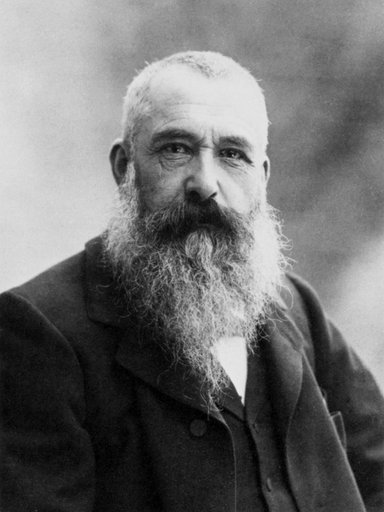
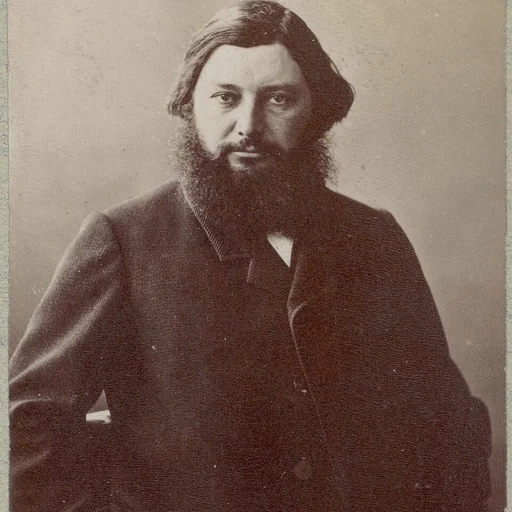
Artist
Overview
Marine art, or maritime art, is a form of figurative art that portrays or draws its primary inspiration from the sea. Encompassing painting, drawing, printmaking, and sculpture, the genre most prominently depicts ships and the ocean, experiencing its greatest prominence from the 17th through the 19th centuries. In practice, the definition is often extended to include shipping on rivers and estuaries, coastal beach scenes, and all art showing boats, largely because subjects viewable from dry land feature heavily in the tradition. While the term maritime art is sometimes reserved strictly for works containing an element of human seafaring, and marine art for pure seascapes without human presence, this distinction is rarely observed in practice. The sea's constant presence in art stems from its fundamental role in human trade, naval power, and daily life, as well as its capacity for dramatic visual expression.
Iconography & meaning
The sea and its vessels have carried layered symbolic meanings throughout art history. In Ancient Egypt, the boat served a dual purpose: practical river barges carried both men and gods, while grave goods included detailed models of boats and their crews to aid the deceased in the afterlife, and the central cult image in temples was typically a small figure of a god carried in a ritual barque. During the Middle Ages, the ship acquired a distinct Christian iconography, functioning as a symbolic image of the Church, often referred to as the Ship of Saint Peter. This is exemplified by Giotto's lost Navicella mosaic above the entrance of Old St. Peter's in Rome. Later, in the Gothic period, the nef, a large goldsmith's work shaped like a ship and used to hold cutlery or spices, became a popular symbol of status among the nobility. In more modern contexts, artists have framed the empty sea as an eternal landscape where the human is merely an invisible spectator.
Across movements & periods
Vessels appeared in art as early as 12,000 BCE in petroglyphs from the Gobustan Reserve in modern Azerbaijan, and from 4,000 BCE in Aegean rock carvings. Ancient Egyptian and Greek art included boats for narrative or religious purposes, with water often indicated by parallel wavy lines, but pure seascapes were absent. During the Middle Ages, marine subjects served narrative needs, such as the 11th-century Bayeux Tapestry showing the Norman Invasion, rather than forming an independent genre. A breakthrough occurred around 1420 in Early Netherlandish painting, with lost miniatures by Jan van Eyck showing a leap in the realistic depiction of sea and weather. In the 16th century, artists like Joachim Patinir developed panoramic landscape views with large water elements, and Pieter Bruegel the Elder painted marine scenes, while Mannerists introduced fantastic storms with giant waves. Marine painting became a distinct, specialized genre during the 17th-century Dutch Golden Age, reflecting the naval power and overseas trade of the Dutch Republic. A crucial shift occurred as artists like Hendrik Cornelisz Vroom moved from an artificial elevated viewpoint to a low horizon, and specialists like Jan Porcellis and Simon de Vlieger emerged. With Romanticism, landscape painters reclaimed the coast from specialists, and pure seascapes without vessels became common for the first time.
Notable depictions
Several canonical works and artists define the trajectory of marine art. The Khufu ship of circa 2,500, a 43.6 meter long cedar vessel, stands as a monumental early three-dimensional representation. In the 15th century, Jan van Eyck's lost miniatures The Prayer on the Shore and Voyage of St Julian & St Martha represented a major advancement in maritime depiction, with Kenneth Clark noting the seashore was completely outside the 15th-century range of responsiveness until Jacob van Ruisdael's beach scenes of the mid-17th century. A follower of Joachim Patinir painted Portuguese Carracks off a Rocky Coast around 1540, now in the National Maritime Museum in Greenwich, which has been labeled the first pure marine painting. Pieter Bruegel the Elder contributed Landscape with the Fall of Icarus, known today through an early copy in the Royal Museums of Fine Arts of Belgium, and his 1560 Naval Battle in the Gulf of Naples in the Galleria Doria Pamphilj. In the Dutch Golden Age, specialists like Salomon van Ruysdael and Albert Cuyp defined river and sunset scenes, while the workshop of Willem van de Velde the Elder and his son led the field in naval representation.
Legacy
The conventions established during the Dutch Golden Age formed a foundational vocabulary for marine art that has largely persisted to the present day. The specialization introduced by 17th-century Dutch career marine painters, who focused heavily on accurate ship portraiture and atmospheric conditions, set technical and compositional standards for centuries. The genre's later evolution was significantly shaped by Romanticism, which broke the specialist monopoly by integrating the sea into broader landscape painting and normalizing the vessel-less seascape. This shift allowed the ocean to be treated as a vehicle for emotional and sublime expression rather than merely a setting for human seafaring or naval victory. The demand for historically accurate naval battle paintings persisted into the 20th century, but the Romantic expansion of the genre ensured that the sea itself remained an enduring subject for independent artistic contemplation.
Works
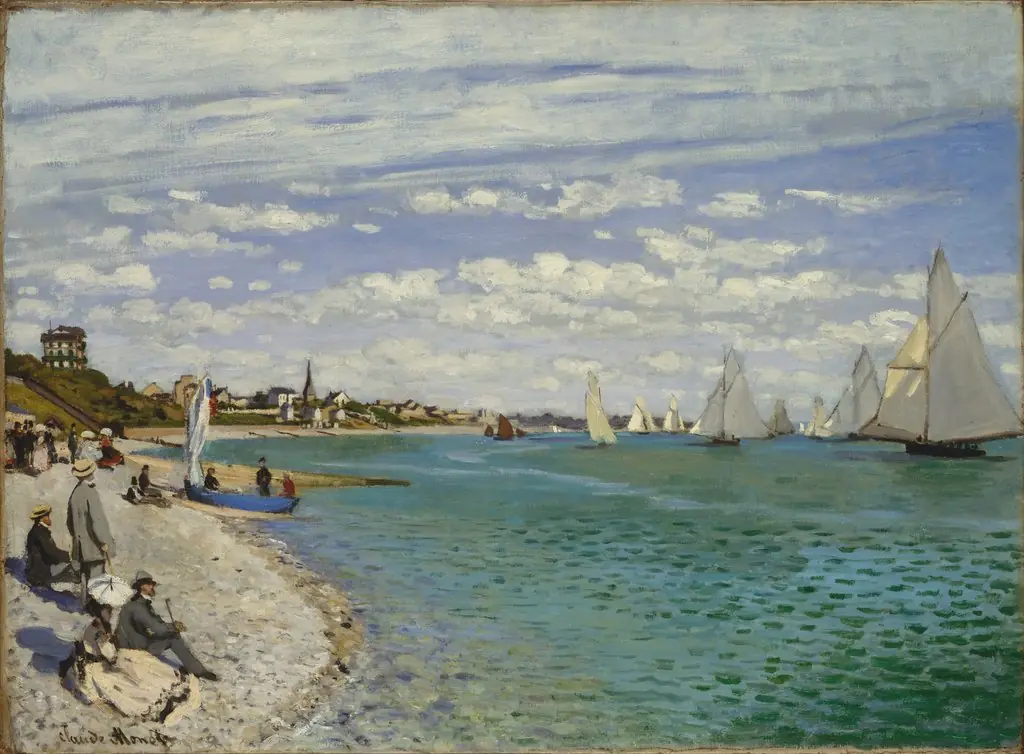 Regatta at Sainte-Adresse
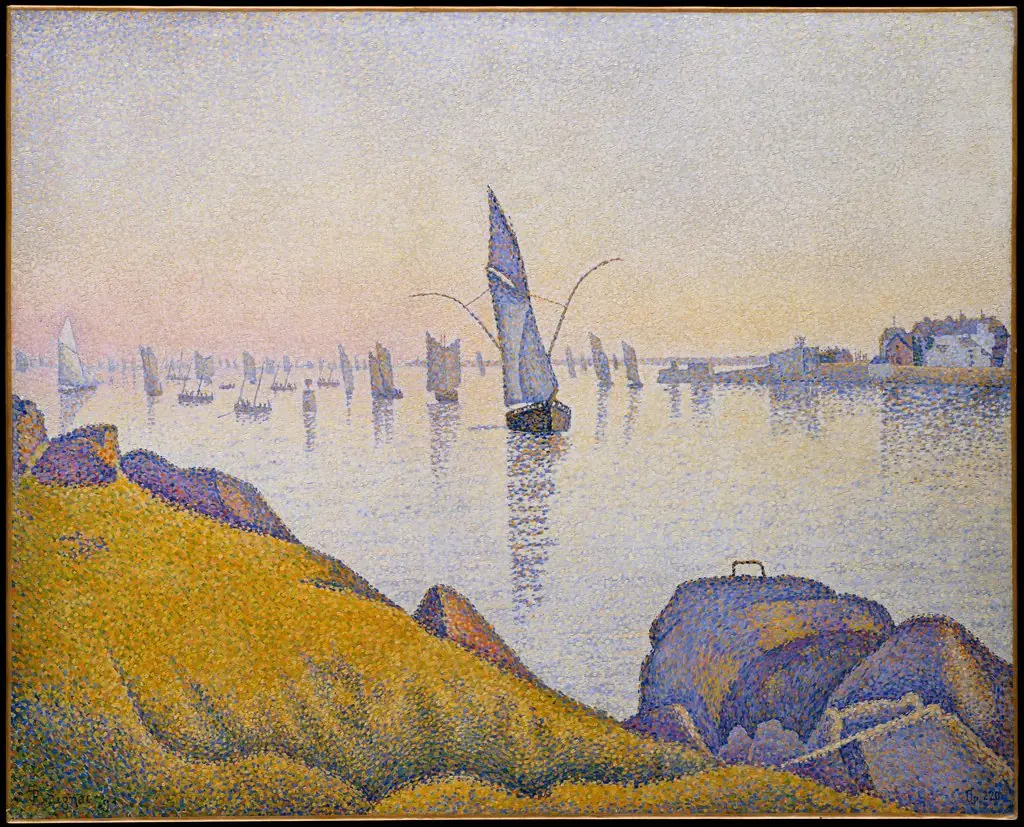 Evening Calm, Concarneau, Opus 220 (Allegro Maestoso)
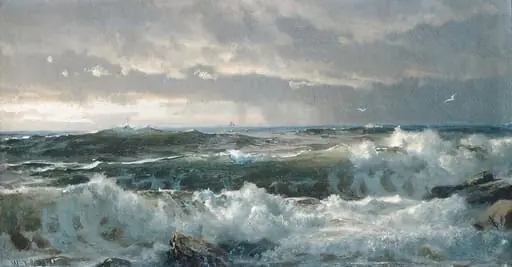 Surf on Rocks
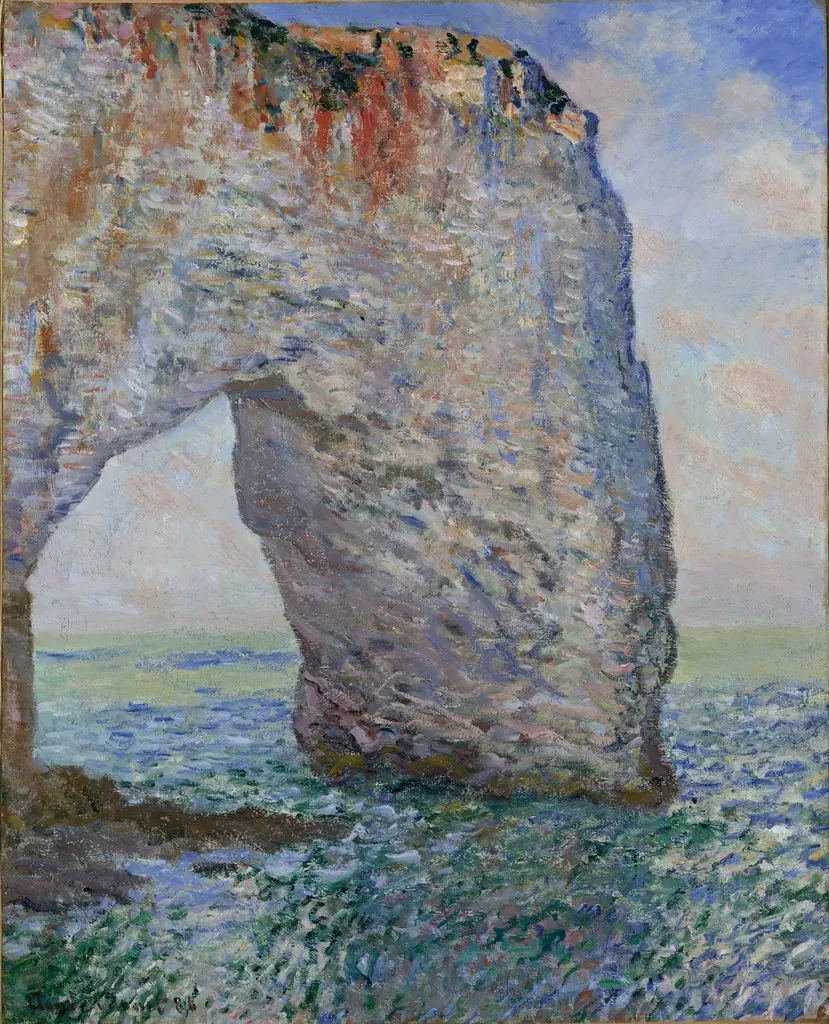 The Manneporte near Étretat
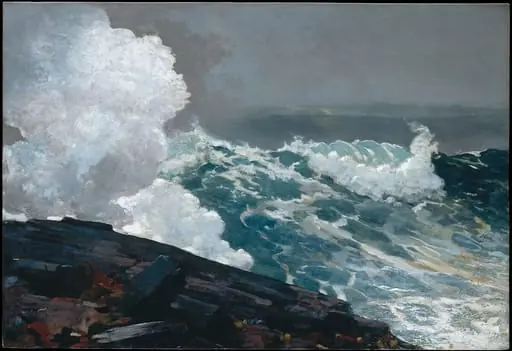 Northeaster
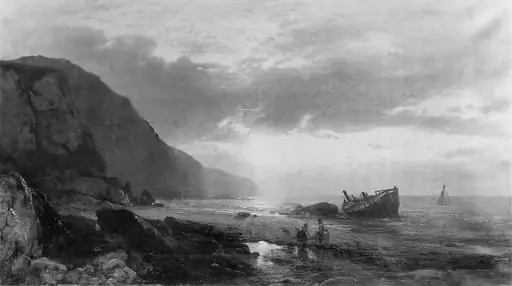 Seashore, Morning
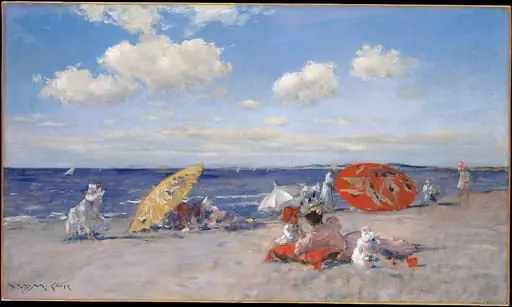 At the Seaside
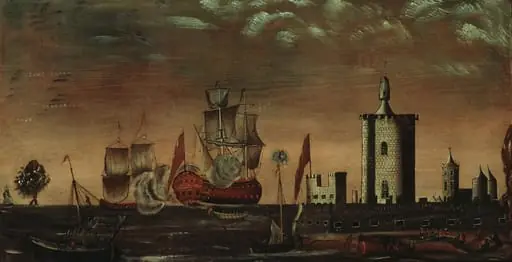 Seascape Fantasy
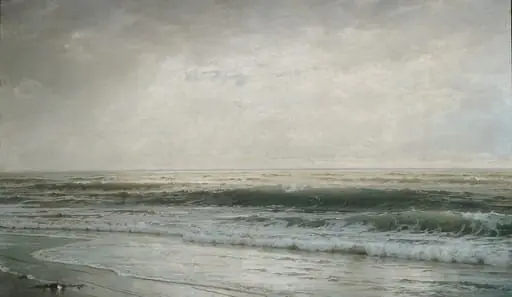 New Jersey Beach
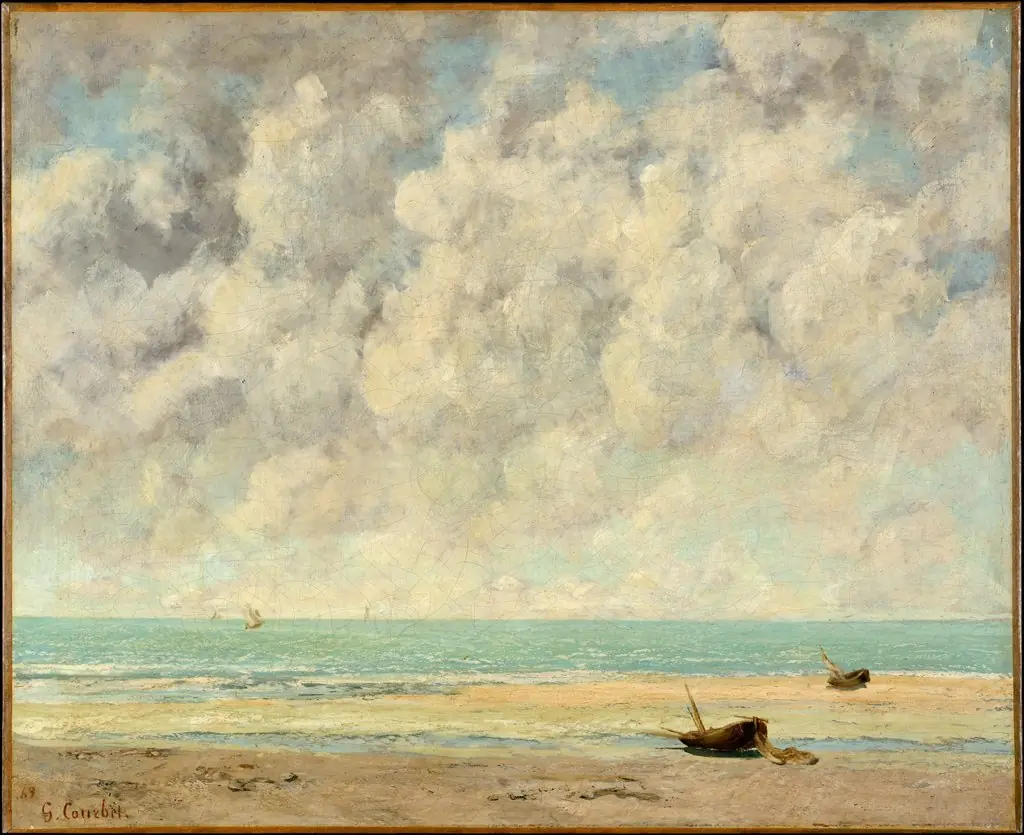 The Calm Sea
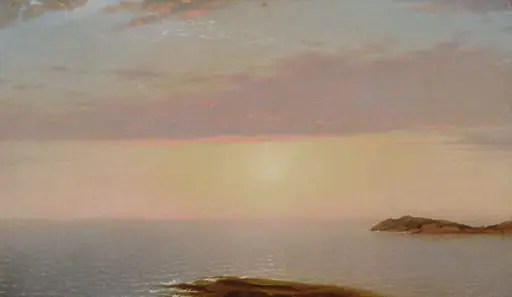 Sunset
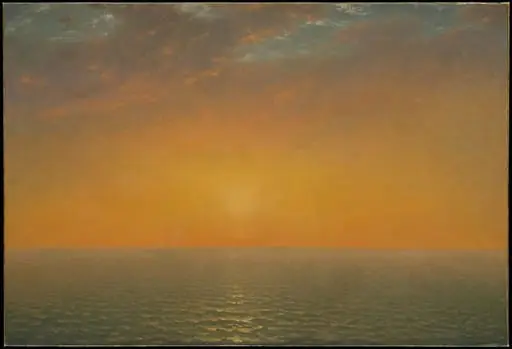 Sunset on the Sea
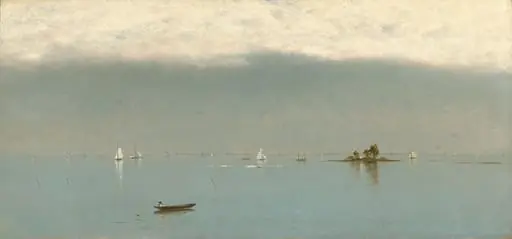 Passing off of the Storm
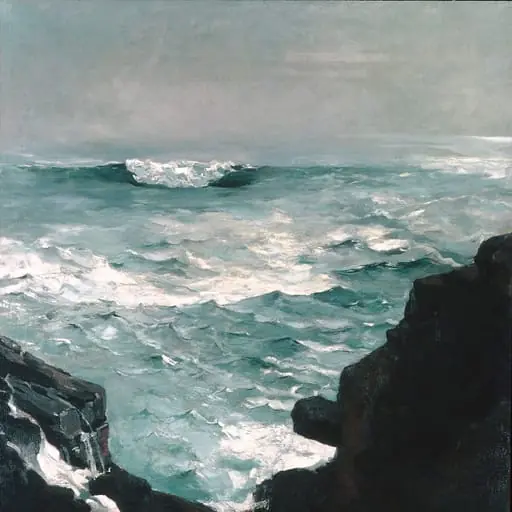 Cannon Rock
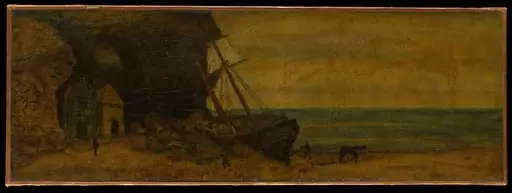 The Smugglers' Cove
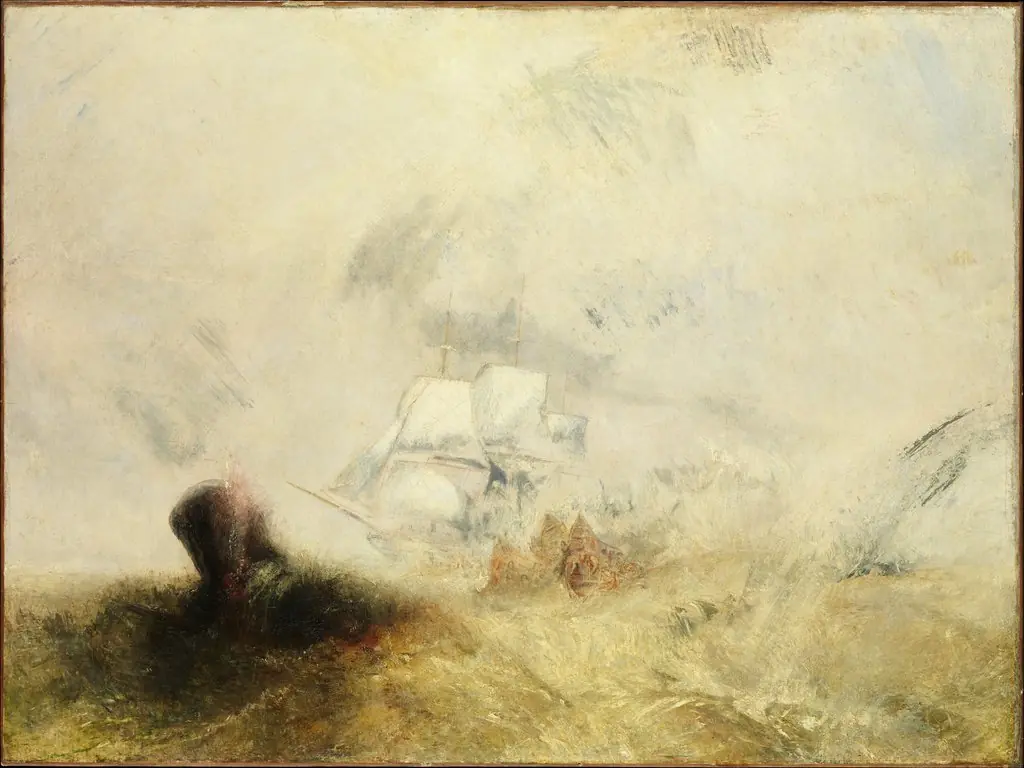 Whalers
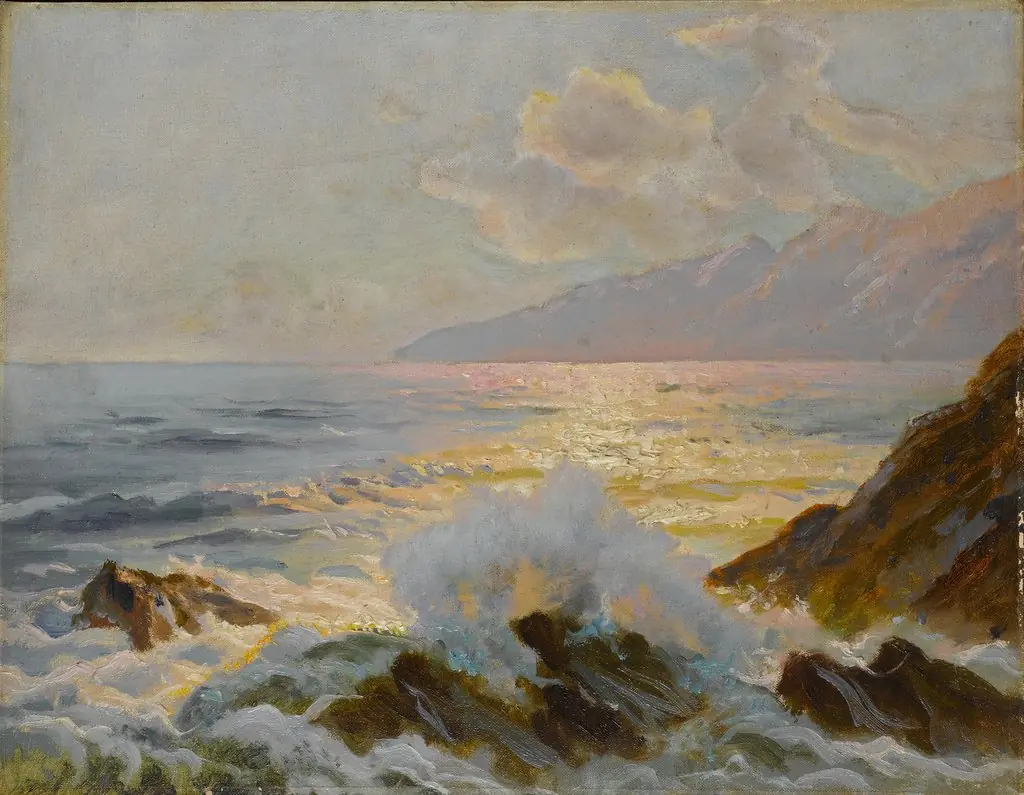 Maine Seascape
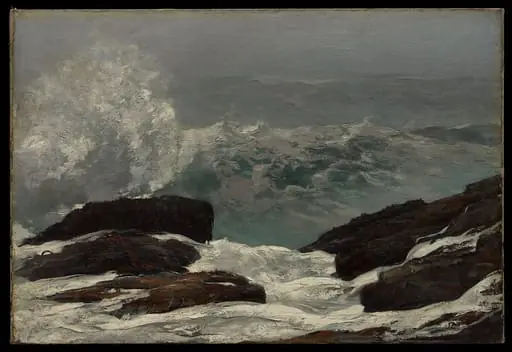 Maine Coast
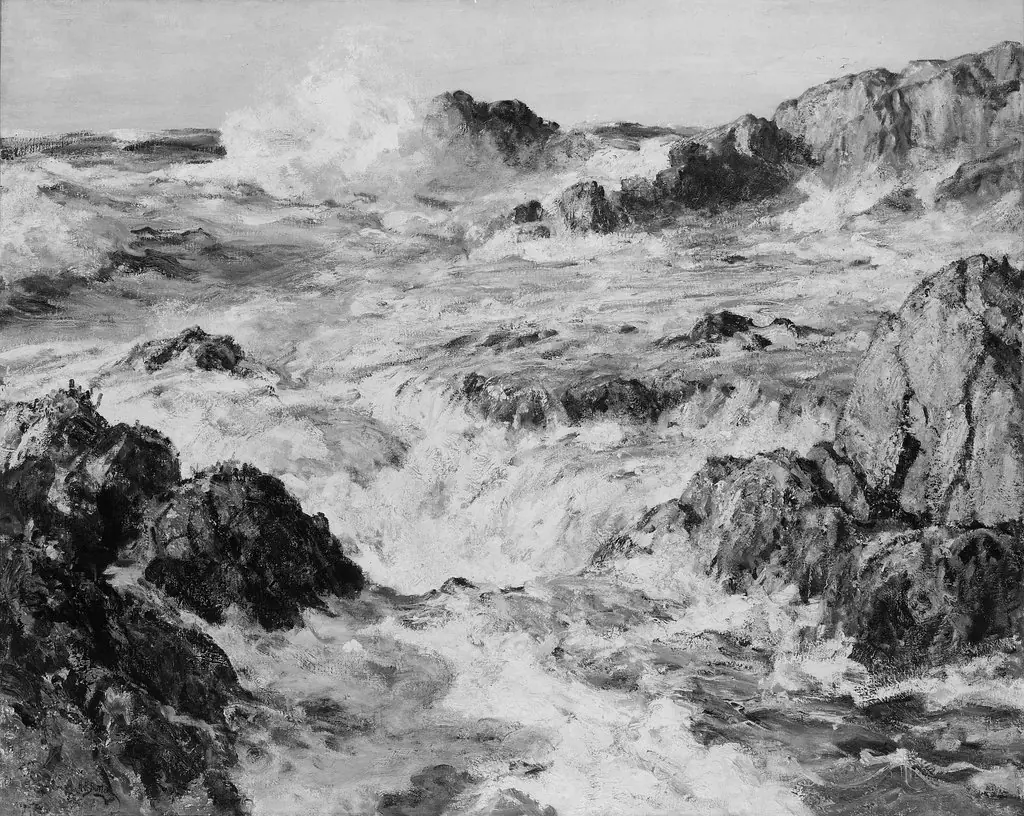 Yankee Point, Monterey
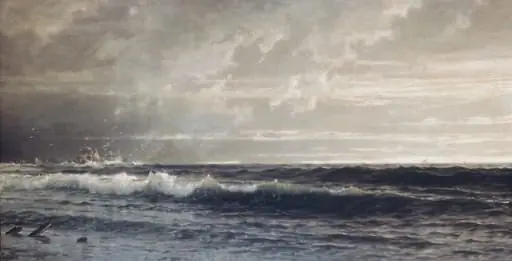 Near Land's End, Cornwall
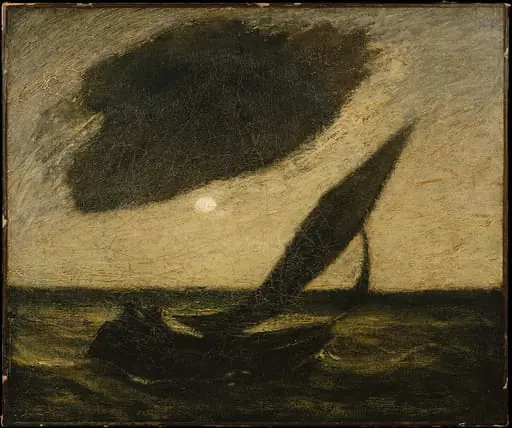 Under a Cloud
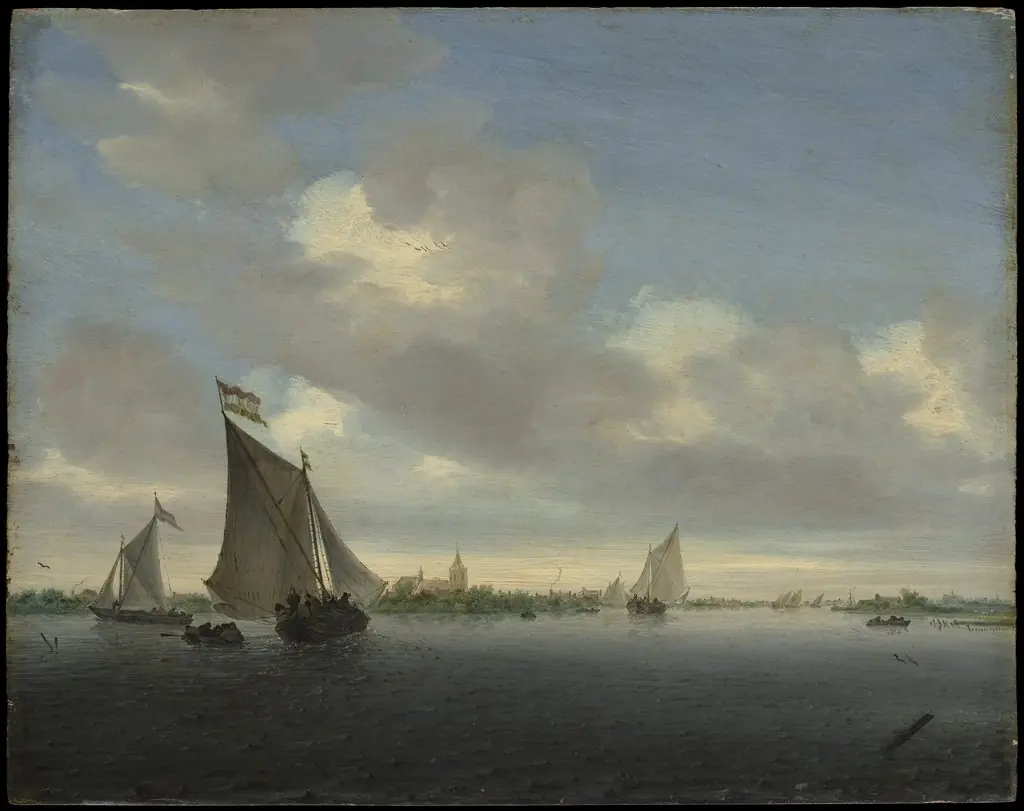 Marine
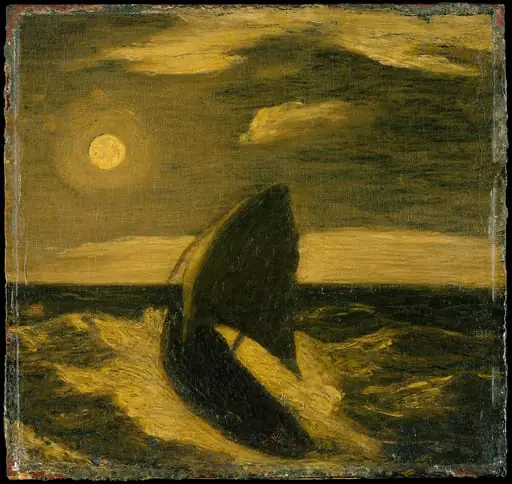 The Toilers of the Sea
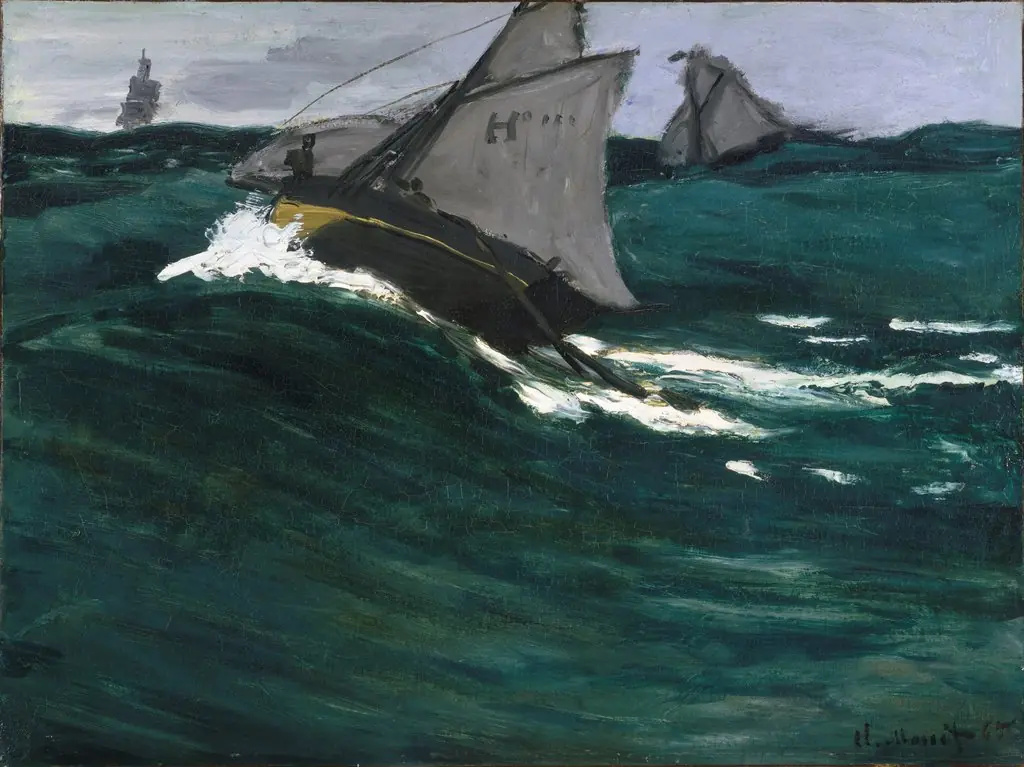 The Green Wave
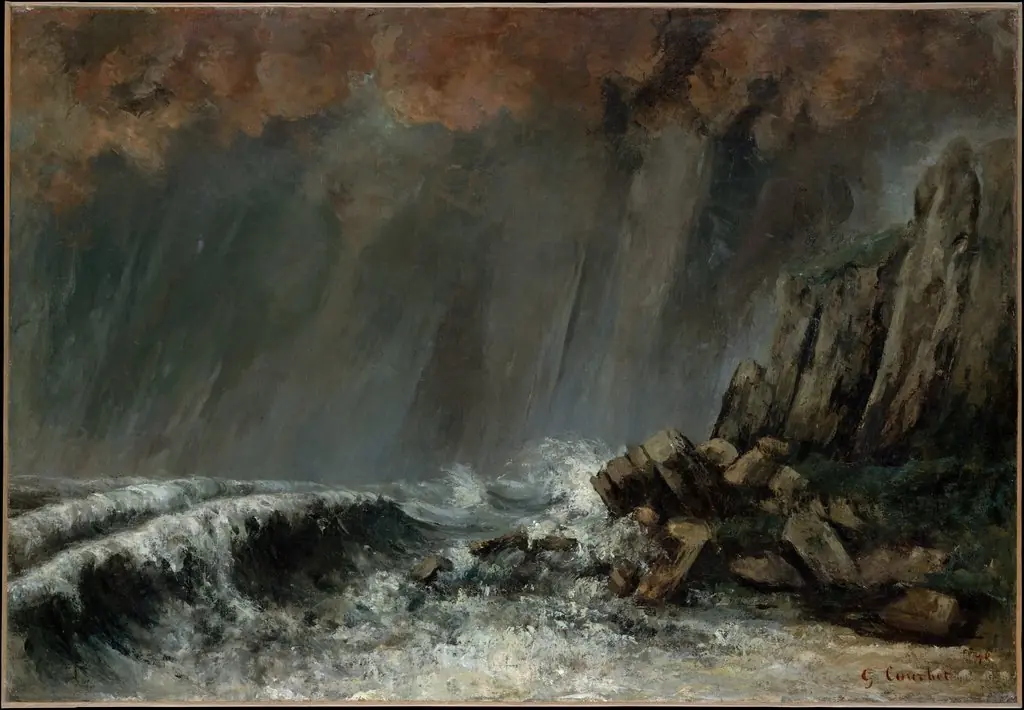 Marine: The Waterspout
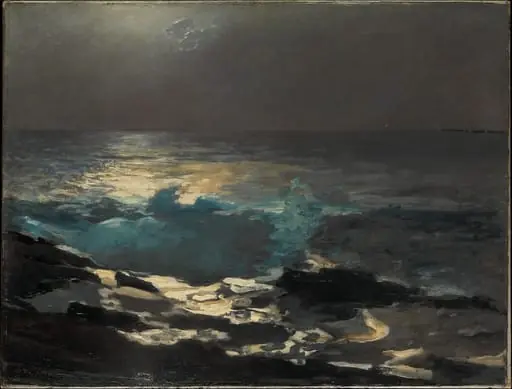 Moonlight, Wood Island Light
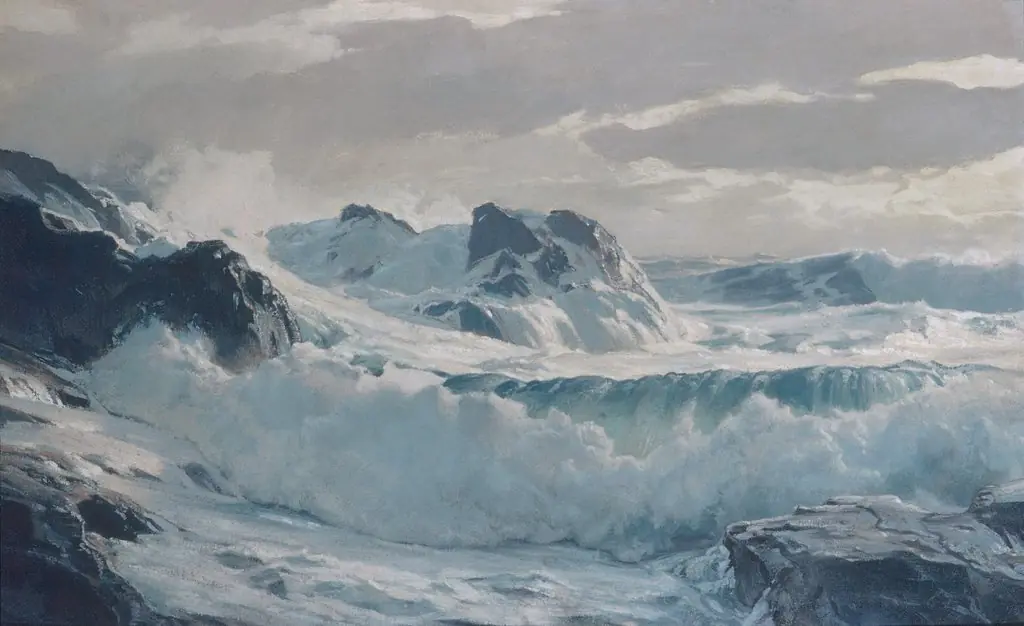 Wild Weather
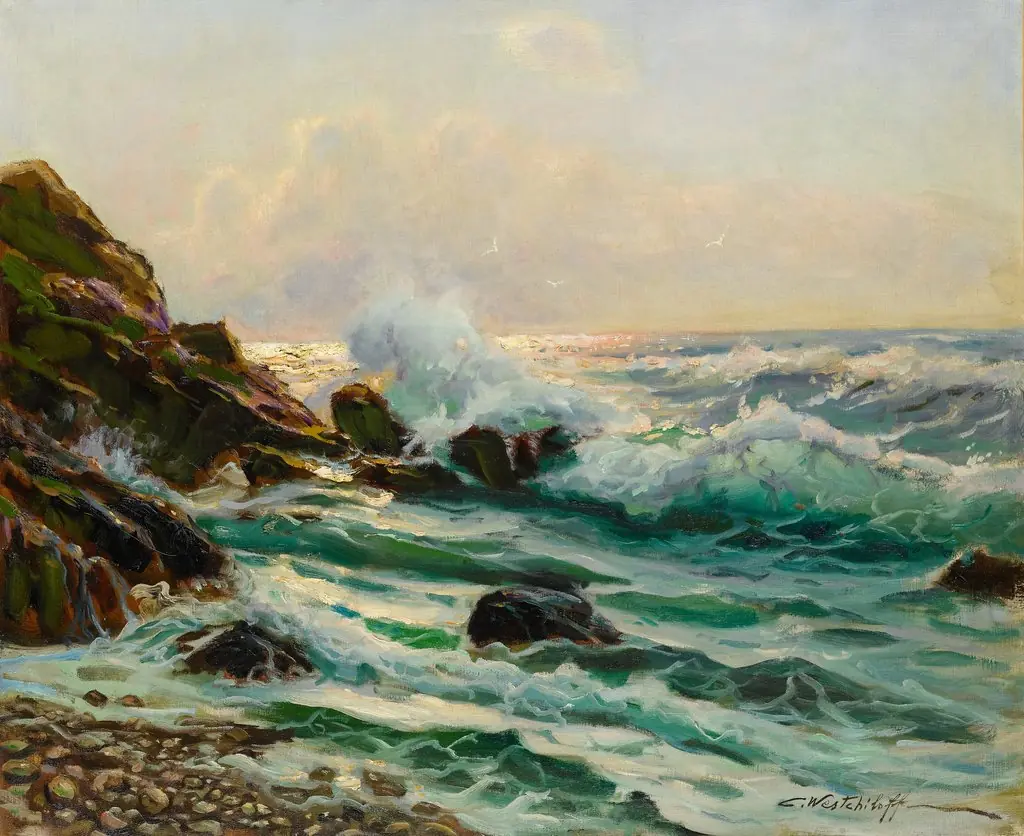 Maine Seascape
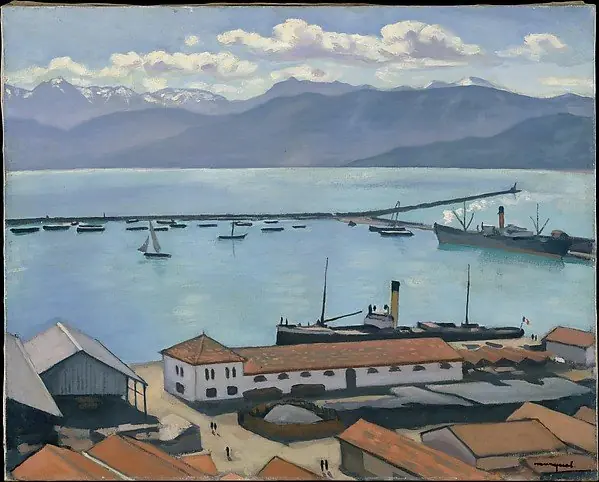 The Port de Bougie, Algiers, in Sunlight
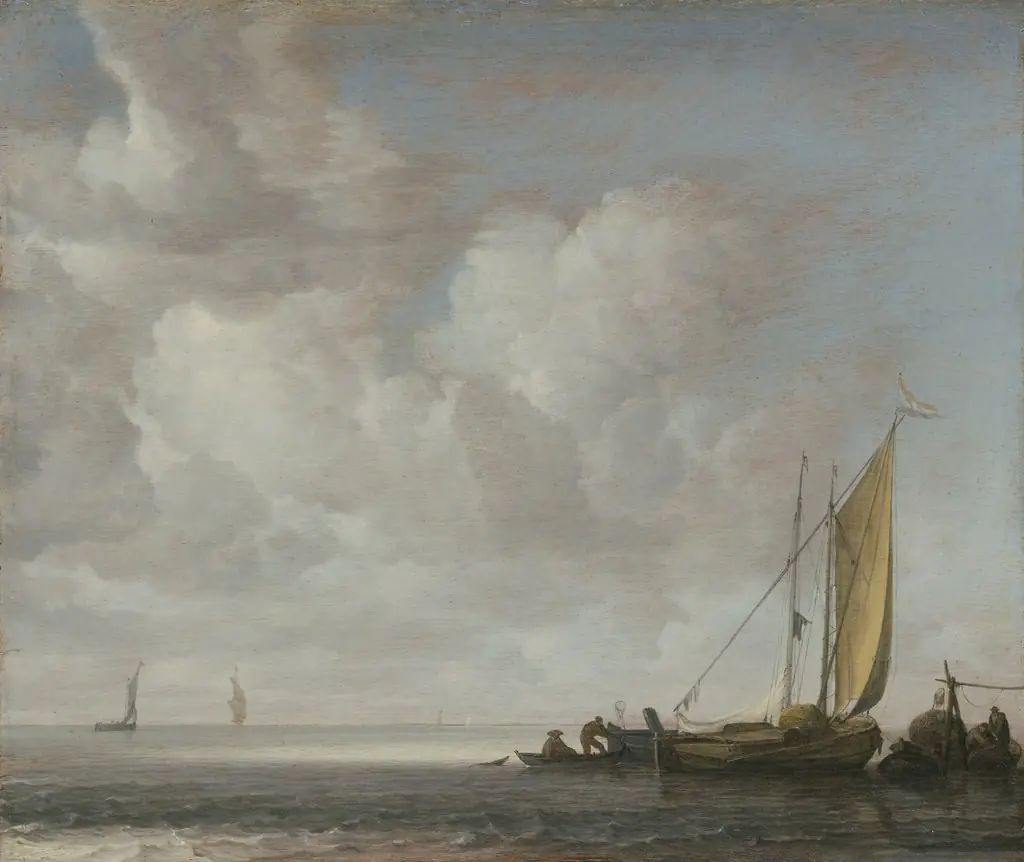 Calm Sea
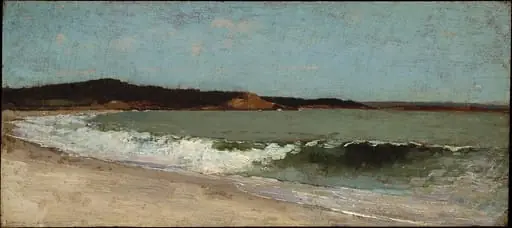 Study for Eagle Head, Manchester, Massachusetts
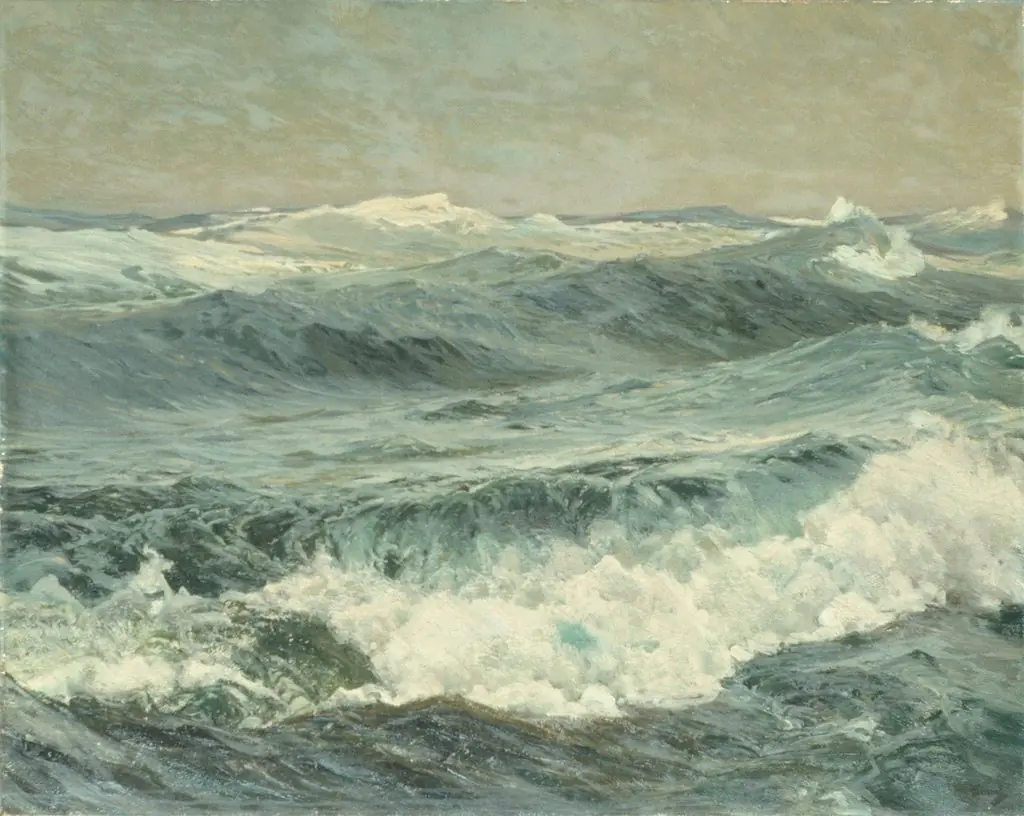 The Roaring Forties
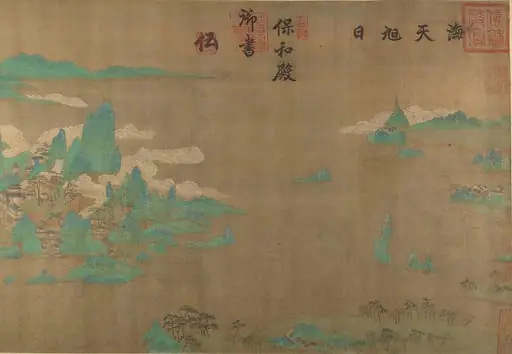 明/清 佚名 海天旭日圖 卷|Sea and Sky at Sunrise
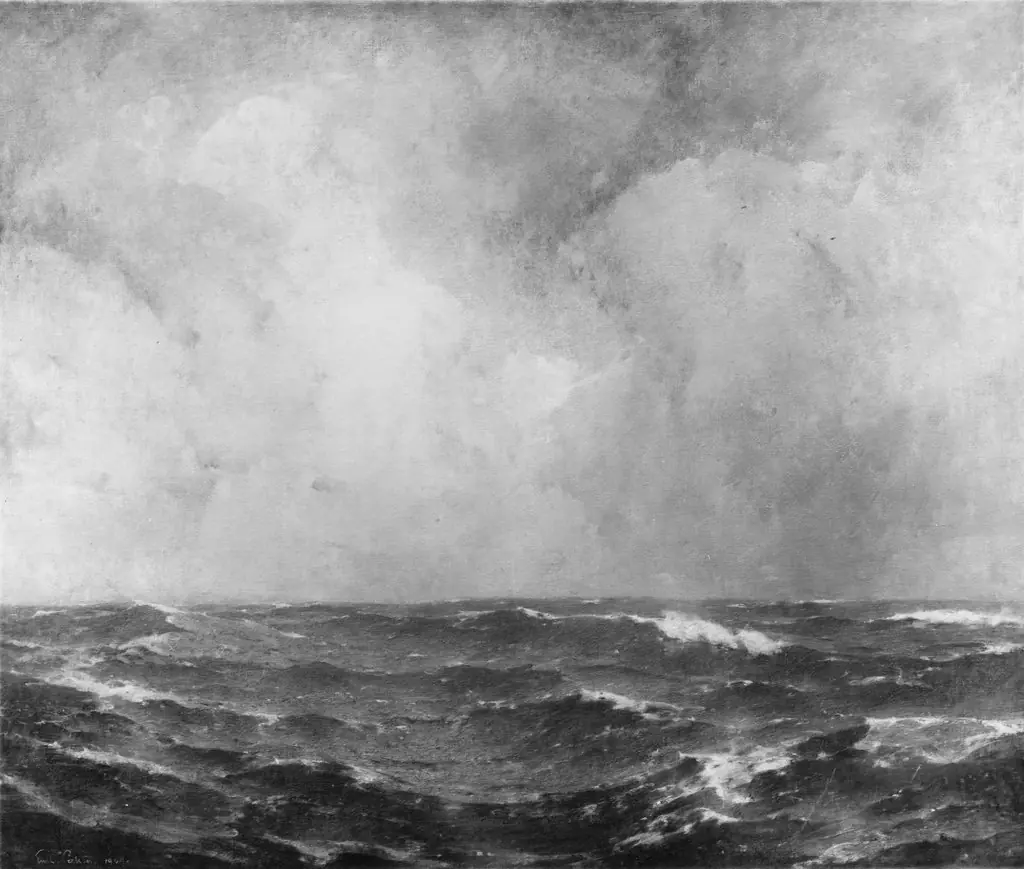 The Open Sea
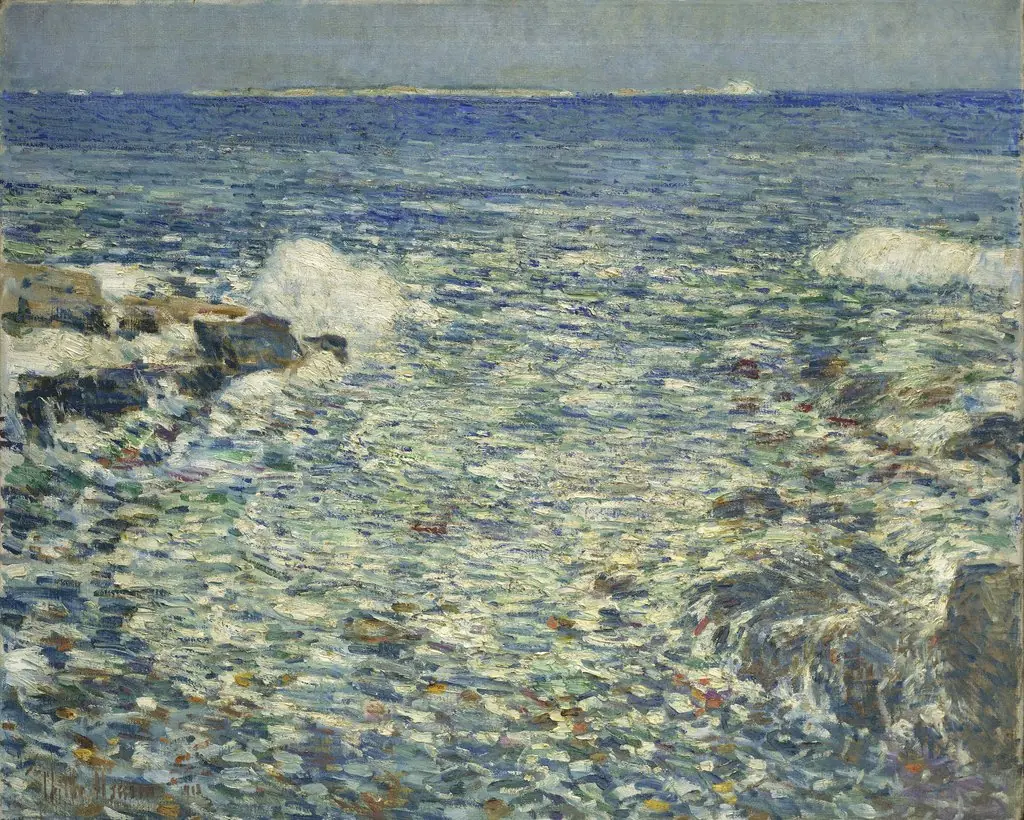 Surf, Isles of Shoals
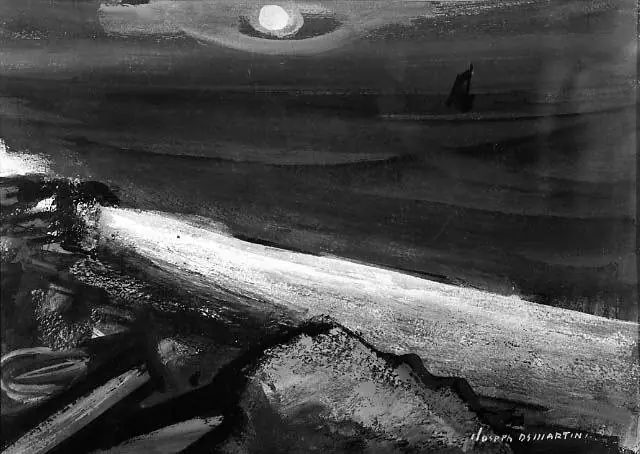 Seascape
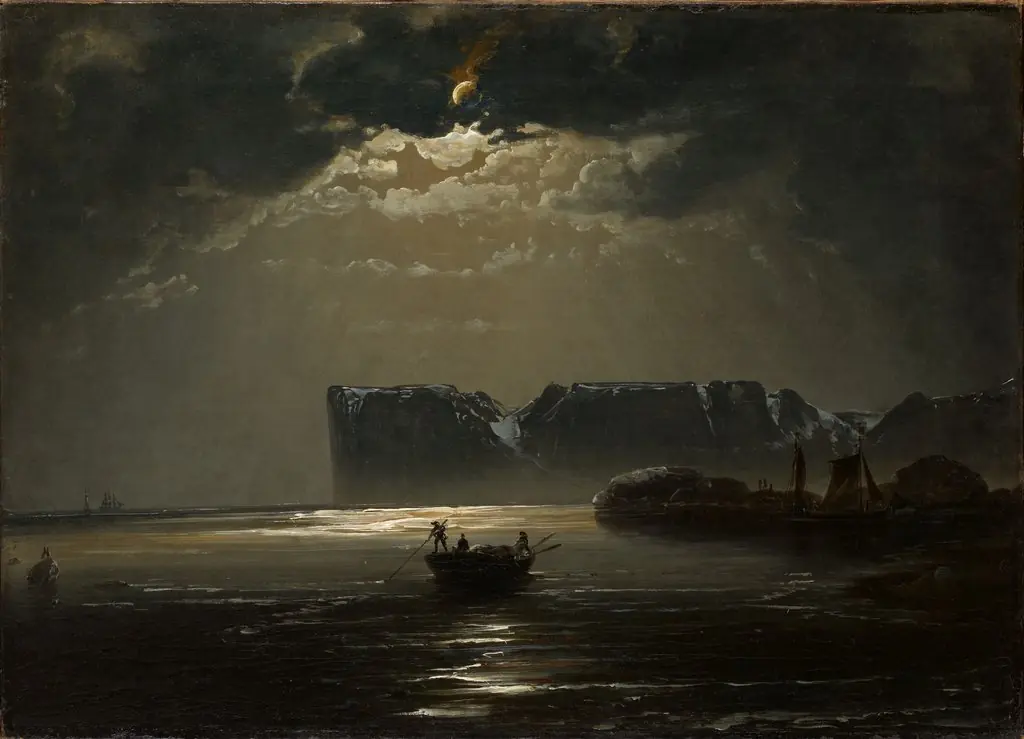 The North Cape by Moonlight
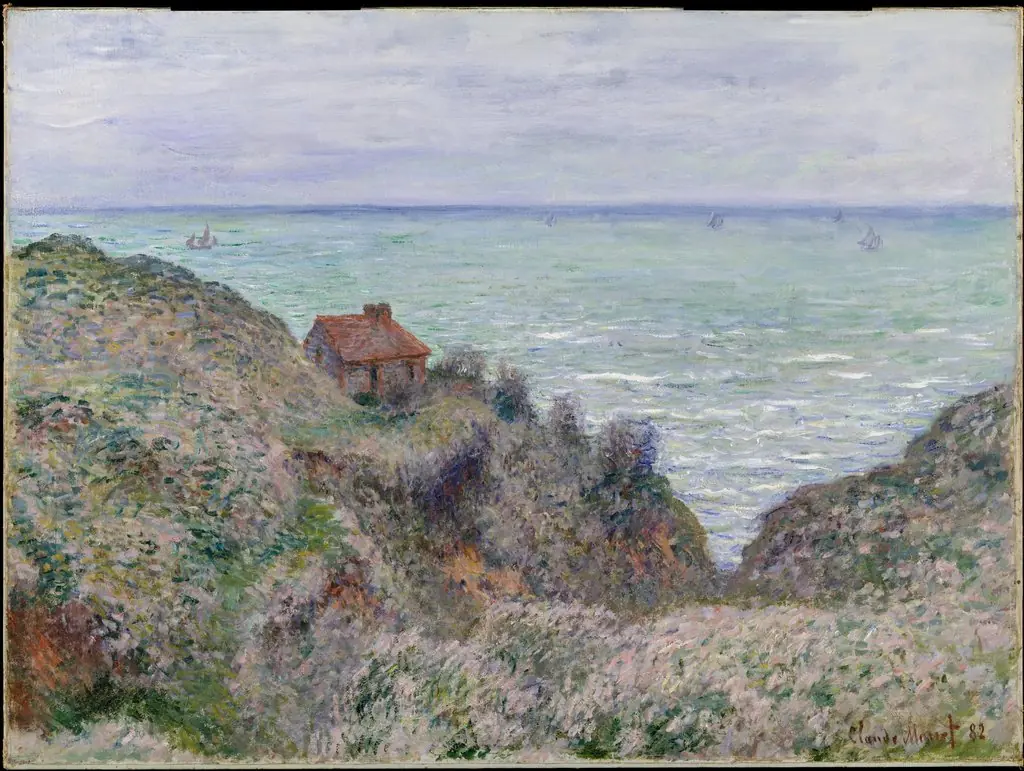 Cabin of the Customs Watch
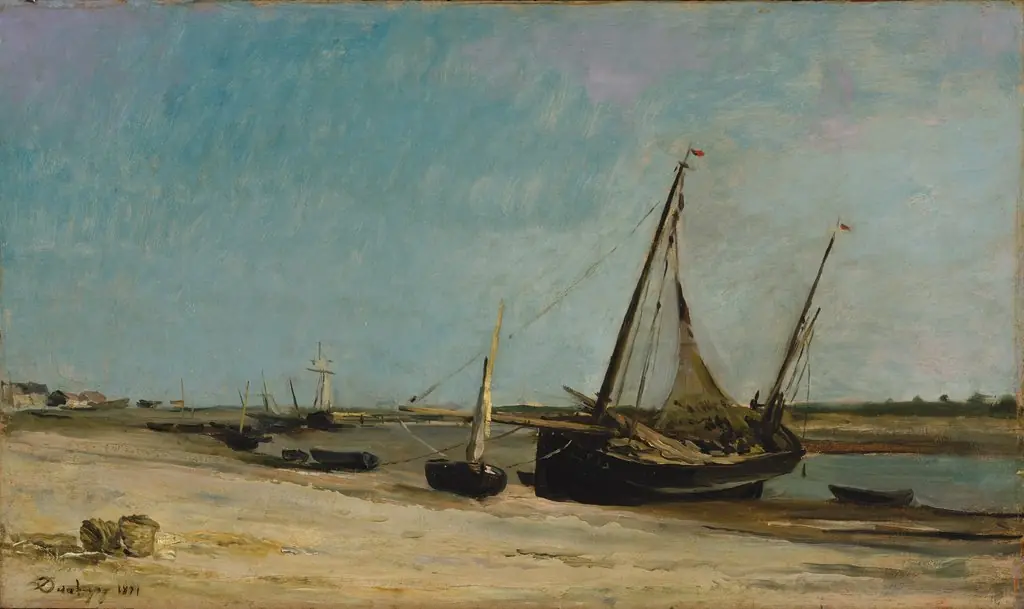 Boats on the Seacoast at Étaples
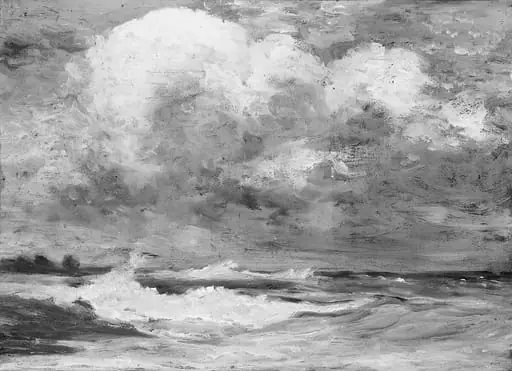 Marine
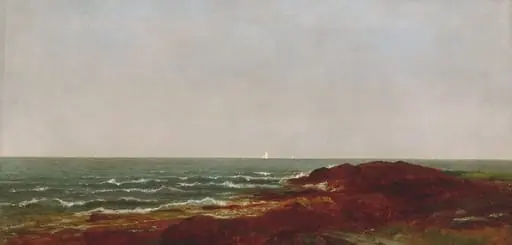 The Sea
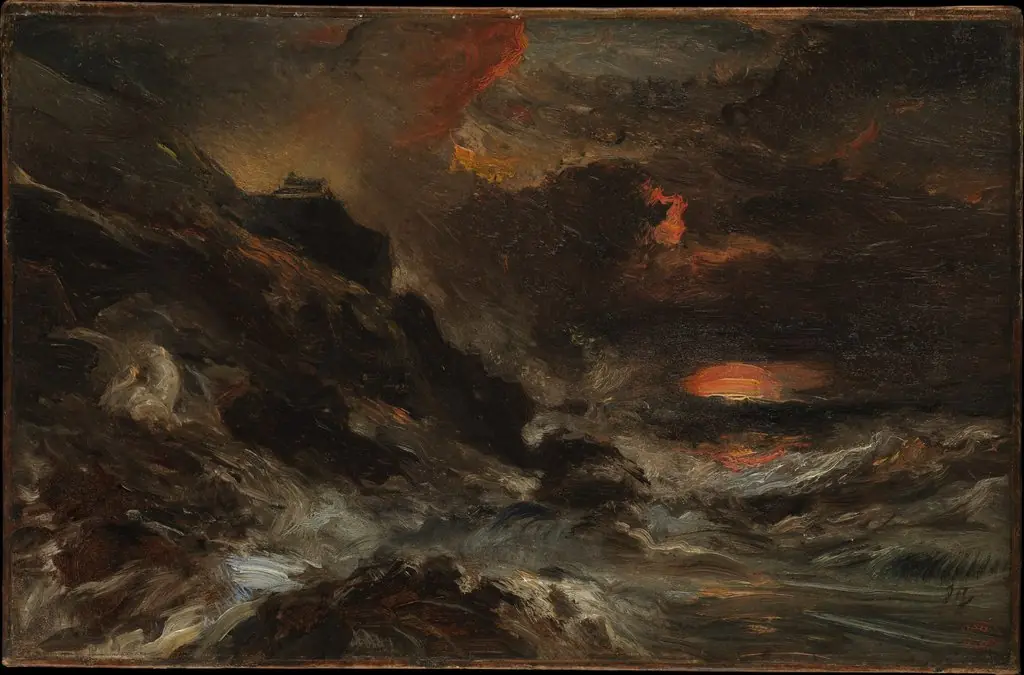 A Storm off the Normandy Coast
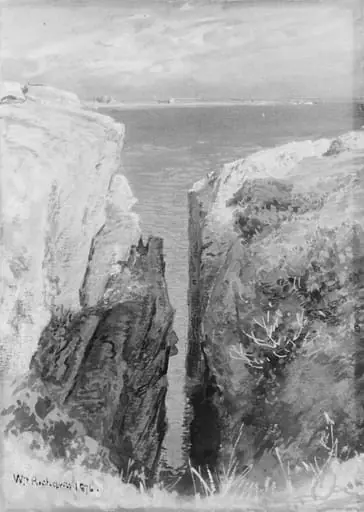 Between the Cliffs, Newport
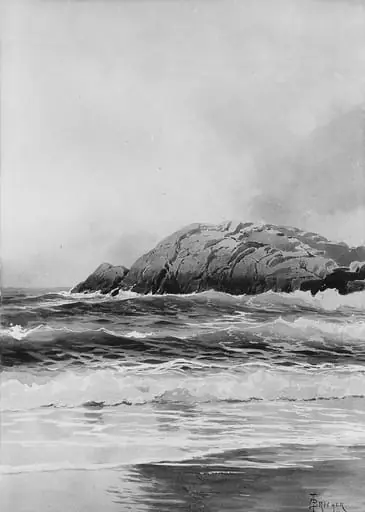 Rocks and Sea
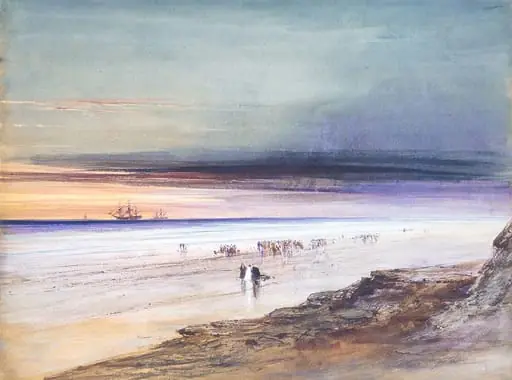 Beach Scene
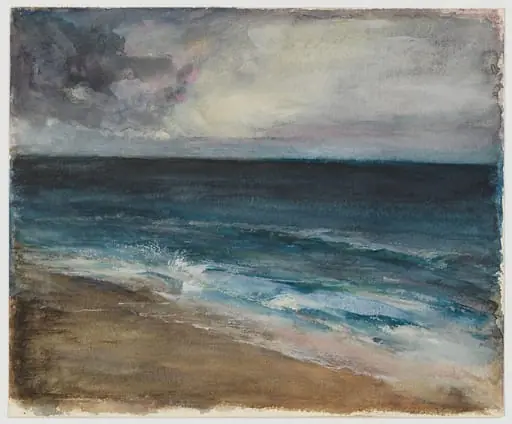 Marine
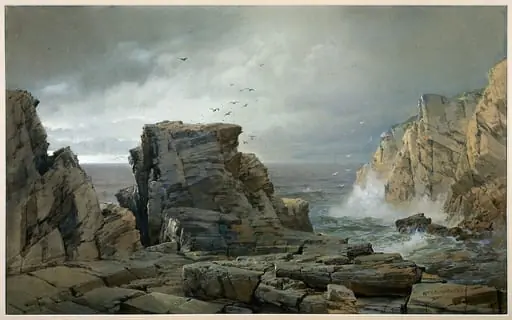 A Rocky Coast
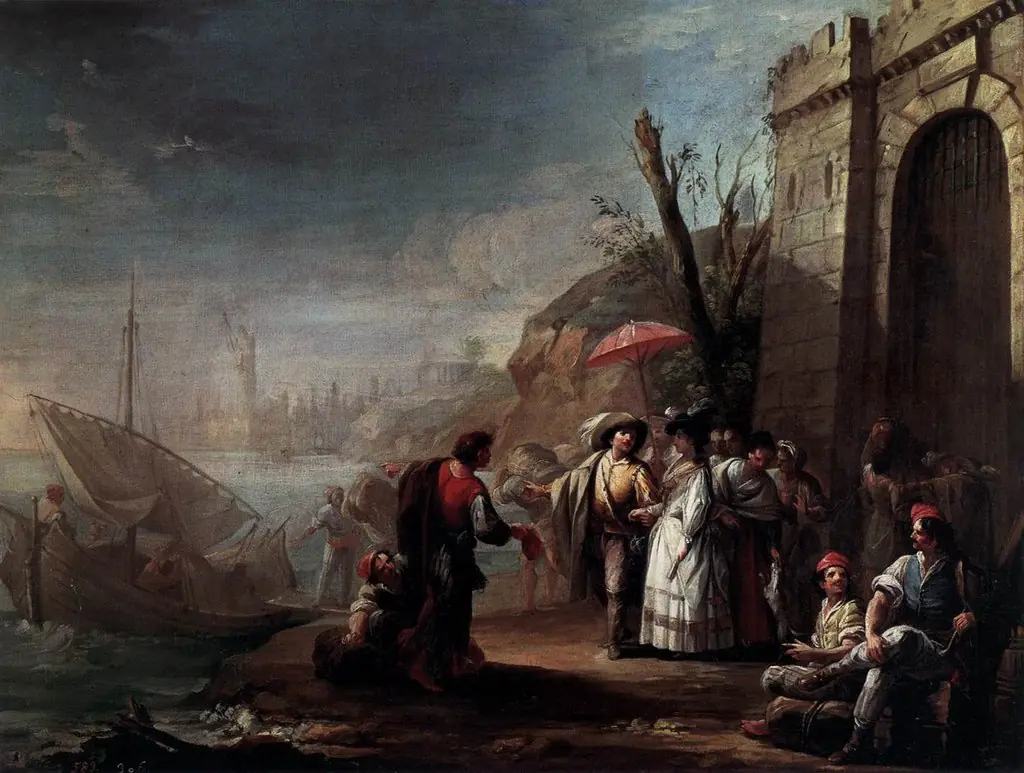 The Embarkation
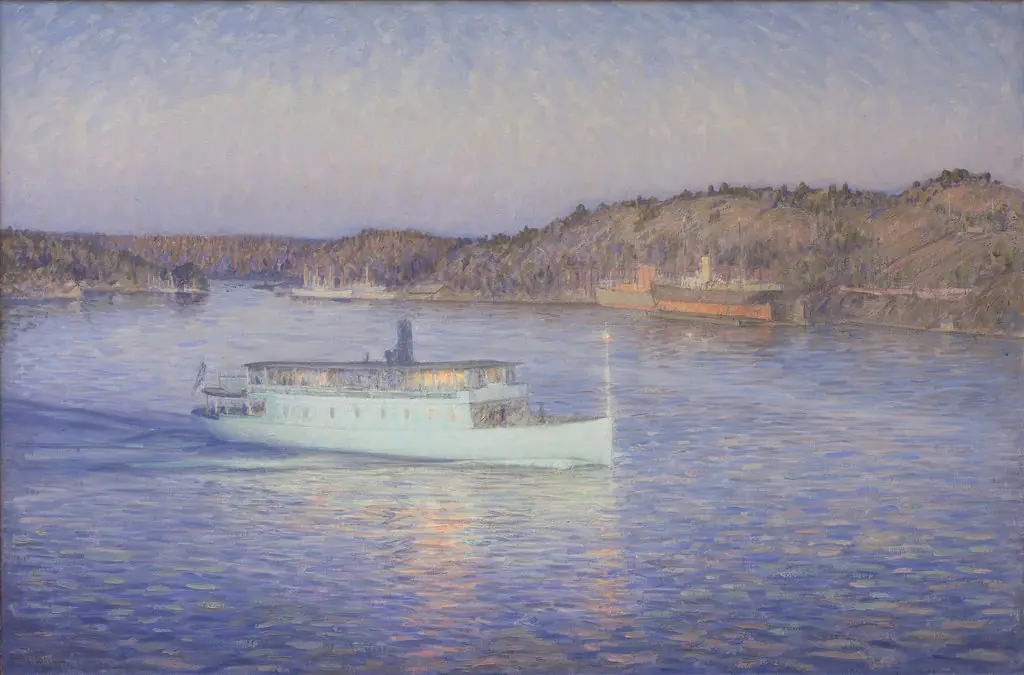 The White Boat
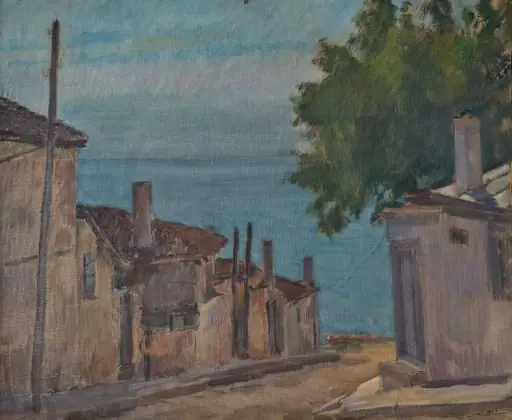 Marină (Balcic)
 Bărci pe plajă
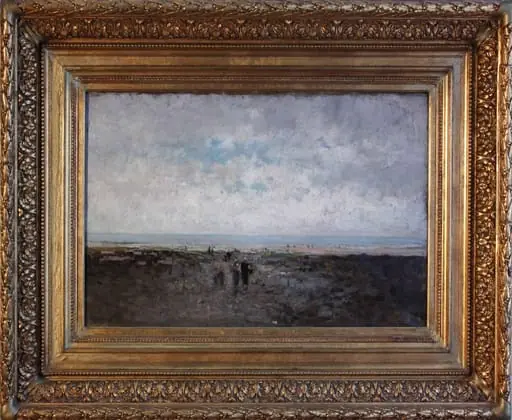 Plajă la ocean
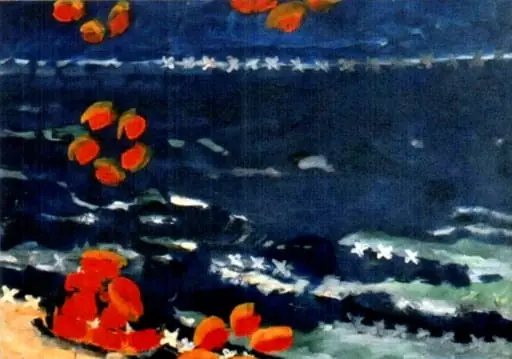 Marină cu fluturi orange
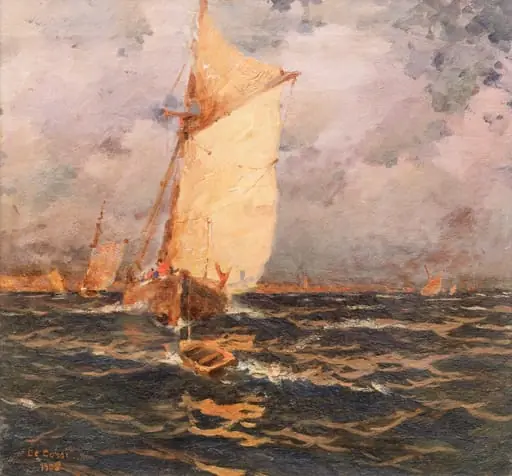 Bărci pe mare (Napoli)
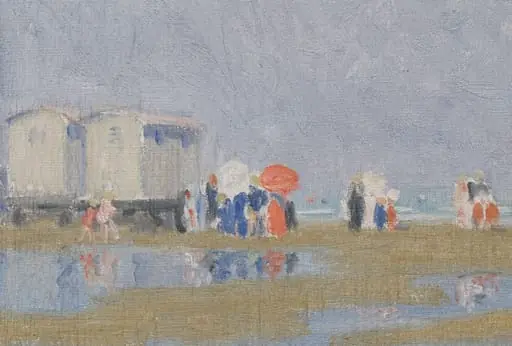 La plajă
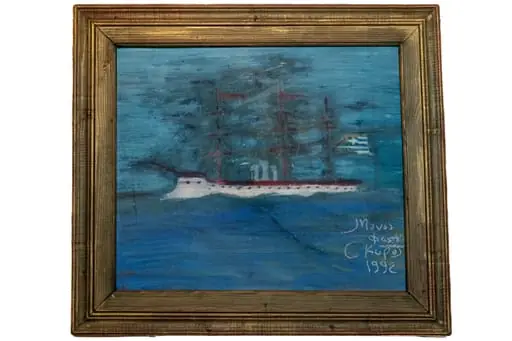 Το ασπρο καράβι
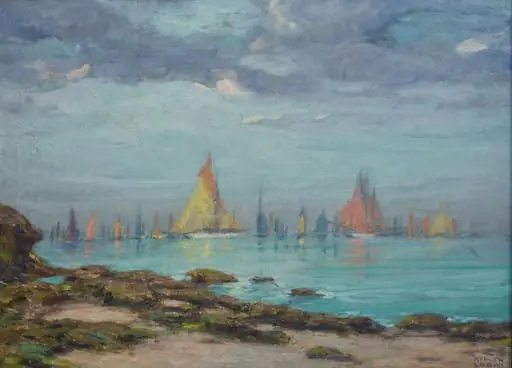 Peisaj cu bărci la Concarneau
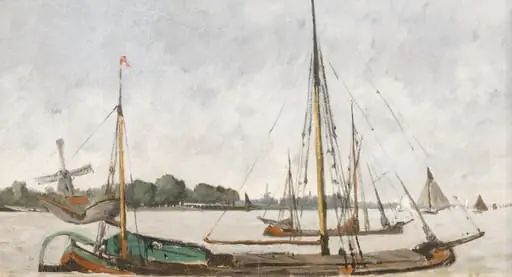 Marină
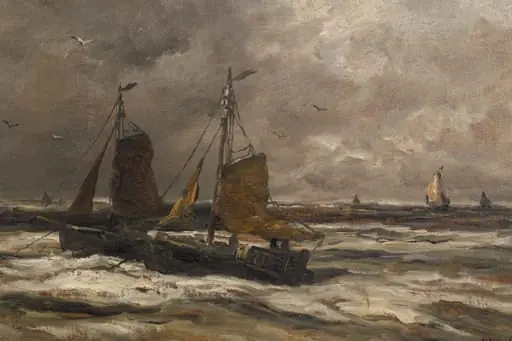 Bărci la Scheveningen
 Port
Port Bărci și pescari
 Marină
 Marină
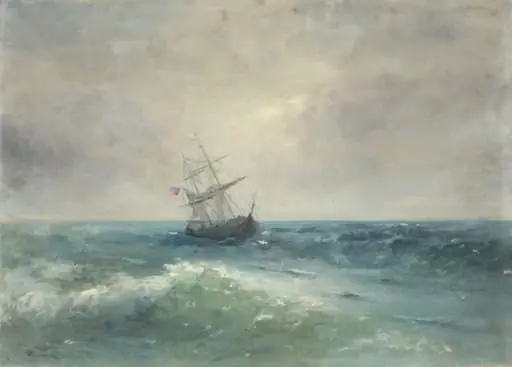 Marină
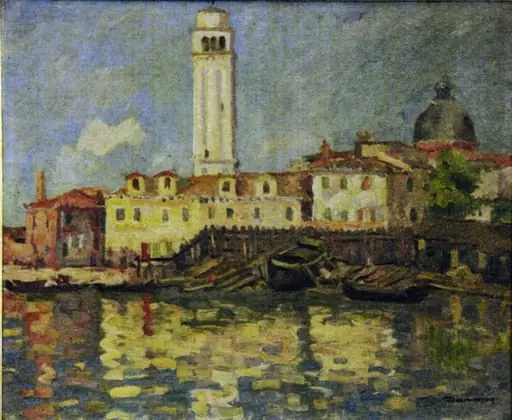 Marină - Oraș la mare
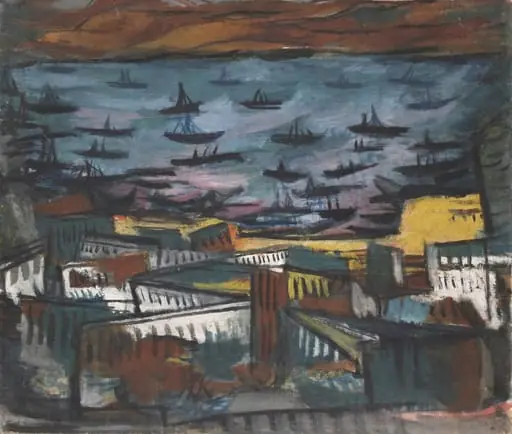 Portul Amalfi
Frequently asked questions
What is Marine Art?
Marine art or maritime art is a form of figurative art (i.e.
How many Marine Art works does Artifact World Gallery have?
Artifact World Gallery holds 66 public-domain Marine Art works, all free to view and download.
Who are the key Marine Art artists?
Key Marine Art artists in the collection include Gustave Courbet, Alfred Thompson Bricher and Claude Monet.
Where can I see Marine Art works?
Marine Art works in the collection are held by Metropolitan Museum of Art, National Museum of Art of Romania and Bucharest Municipality Museum.