
Artist
Subject
Church Building is a subject in art. The gallery holds 166 works in this subject in art, including works by Albert Bierstadt, Thomas Chambers and Jasper Francis Cropsey.
The church building has been a subject of Western art for almost as long as Christianity has had buildings of its own. The earliest identified Christian church is the house church at Dura-Europos, on the Euphrates in present-day Syria, an ordinary dwelling converted for worship between AD 233 and 256; buried under a Roman defensive ramp before the city fell to Persia in 256, it preserved the oldest surviving Christian wall paintings, now at the Yale University Art Gallery. After Constantine legalised the faith in the early fourth century, congregations adopted the Roman basilica—a long, aisled, axial hall—as the template for purpose-built churches, and from that model the great medieval styles evolved.
From the Roman basilica grew the Romanesque of roughly 1000–1150, with its cruciform plans, massive walls, round arches and barrel and groin vaults. In the Île-de-France of the mid-twelfth century this gave way to the Gothic, whose pointed arches, ribbed vaults and flying buttresses carried walls of ever-greater height and dissolved them into stained glass. Late Gothic culminated in the intricate, flame-like tracery of the Flamboyant (fourteenth to sixteenth centuries). These buildings were themselves total works of art, integrating sculpture, glass and painting.
The church as the explicit *subject* of an easel painting flourished in the Protestant Dutch Golden Age. Pieter Jansz. Saenredam (1597–1665) was the first painter to concentrate on topographically accurate, whitewashed interiors—works such as the *Interior of St Bavo's Church in Haarlem* (1636)—built from meticulous on-site construction drawings and devoted to clear geometry and flooding natural light. His near-archaeological detachment contrasts with Emanuel de Witte (c. 1616–1692), who animated the same austere Calvinist spaces with figures, furniture and dramatic chiaroscuro to convey mood and worship.
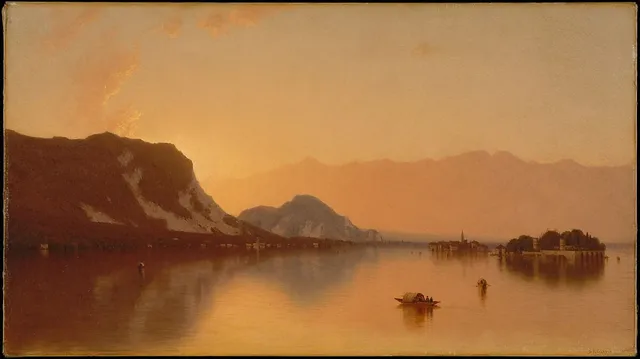
In landscape, the church became a quiet anchor of place: a spire rises over the village in Pieter Bruegel the Elder's *The Harvesters* (1565), and the white meeting-house steeple recurs across the Hudson River School—works in this catalogue such as Jasper Cropsey's *The Valley of Wyoming*, Thomas Chambers's *Lake George and the Village of Caldwell* and Sanford Gifford's luminous Italian and Alpine views. The motif's most radical turn came when Claude Monet painted more than thirty canvases of Rouen Cathedral's façade (1892–1894), dissolving the stone into pure light, colour and atmosphere and pointing the genre toward modern abstraction.
Artist

A church building is a structure dedicated to Christian worship services and activities. The earliest archaeologically identified Christian church is a house church founded between AD 233 and AD 256 at Dura-Europos. The term derives from the Greek kyriakon, meaning the Lord's house, emphasizing the building's dedication to God. In art, the church building recurs as a subject not only for its religious significance but also as a primary marker of human settlement, community identity, and architectural ambition. From clandestine house churches in the Roman Empire to monumental basilicas, the evolution of these structures provides a continuous visual and architectural record of Christian history.
The iconography of the church building extends beyond its function to embody theological and communal symbolism. In traditional Christian architecture, the plan view often forms a Christian cross, with the center aisle and seating creating the vertical beam and the bema and altar forming the horizontal arms. Towers or domes rise above the roof line to direct contemplation toward the divine. Catholic and Orthodox traditions treat the dedicated building as a house of God, consecrated through a rite of dedication and assigned a patron saint or mystery, whereas Protestant theology, following Martin Luther and Heinrich Bullinger, locates holiness in the gathered community rather than the physical structure. This distinction influences artistic representation, where Catholic churches emphasize the sacramental altar and Orthodox churches emphasize the centralized dome, while Protestant spaces focus on the pulpit and preaching hall.
The artistic and architectural treatment of the church building shifted dramatically across periods. Early Christian communities utilized house churches until the Edict of Milan in 313 legalized Christianity, leading to the adaptation of the basilica form. The Romanesque period from 1000 to 1200 emphasized thick masonry walls, barrel vaults, and round arches. From the 12th century, Gothic architecture introduced pointed arches, rib vaults, and flying buttresses, allowing greater height and light, and sparking competitive building campaigns across Europe. The Renaissance revived classical orders and symmetry, while the 17th and 18th centuries saw Baroque and Rococo churches employ theatrical space and integrated decoration in response to the Counter-Reformation. Following the Reformation, Protestant regions favored preaching-oriented halls. The 19th century brought historic revivals, and the 20th century introduced modernist minimalism, new materials, and liturgical reforms that reshaped the spatial relationship between clergy and laity.
Notable architectural depictions and realizations of the church building span from antiquity to modernism. The Dura-Europos church represents the earliest identified structure. Imperial patronage produced the Church of the Holy Sepulchre in Jerusalem around 330 and the Old St. Peter's Basilica in Rome. Byzantine architecture achieved iconic form in the Hagia Sophia in Constantinople and the Basilica of San Vitale in Ravenna. In the United States, notable examples include the Gothic St. Patrick's Cathedral by James Renwick Jr., completed in 1910, and Frank Lloyd Wright's 1908 Unity Temple, which used cast-in-place concrete. E. Fay Jones's Thorncrown Chapel in Arkansas, built from standard lumber, and the 1962 Air Force Academy Cadet Chapel by Walter Netsch exemplify modernist approaches. The Church of One Tree in Santa Rosa, built in 1873 from a single redwood, stands as a unique vernacular construction.
The legacy of the church building encompasses its transformation from a purely cultual site to a cultural and heritage landmark. Beginning in the late 20th century, declining religious attendance prompted the repurposing of church structures, requiring formal secularization or deconsecration depending on the denomination. In Germany, approximately 44,400 Catholic and Protestant church buildings exist as of 2025, with around 90 percent under monument protection, creating significant challenges for adaptive reuse. The patrimonialization of these sites coincides with the rise of mass tourism, shifting the primary function of many churches from worship to cultural visitation. Contemporary architectural practice continues to engage with the church building, balancing the preservation of historic fabric with modern needs for accessibility, sustainability, and flexible liturgical space.
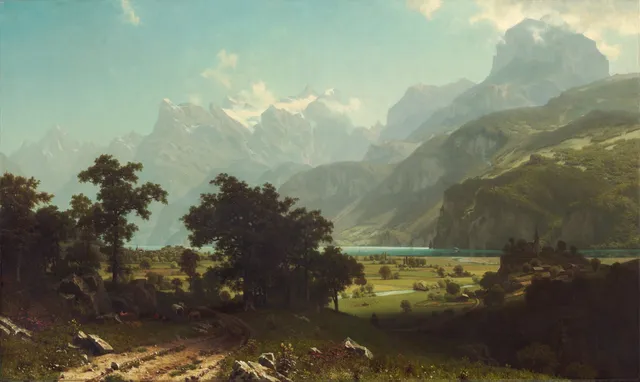
 Lake Lucerne
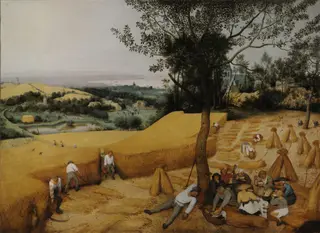 The Harvesters
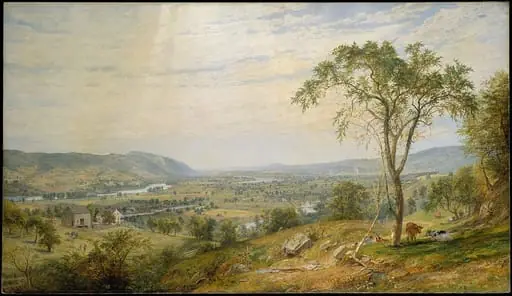 The Valley of Wyoming
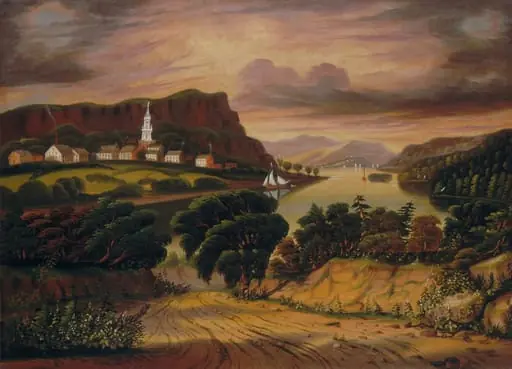 Lake George and the Village of Caldwell
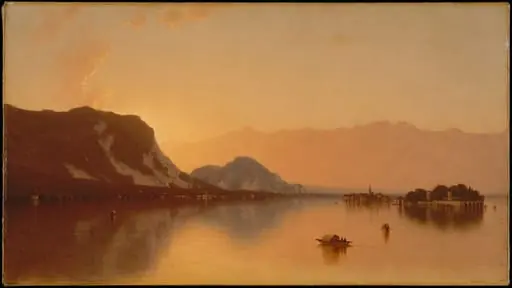 Isola Bella in Lago Maggiore
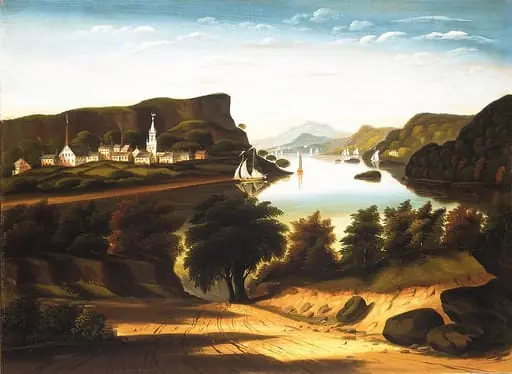 Lake George and the Village of Caldwell
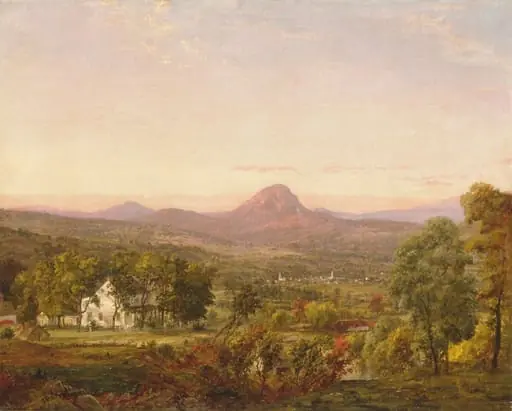 Autumn Landscape, Sugar Loaf Mountain, Orange County, New York
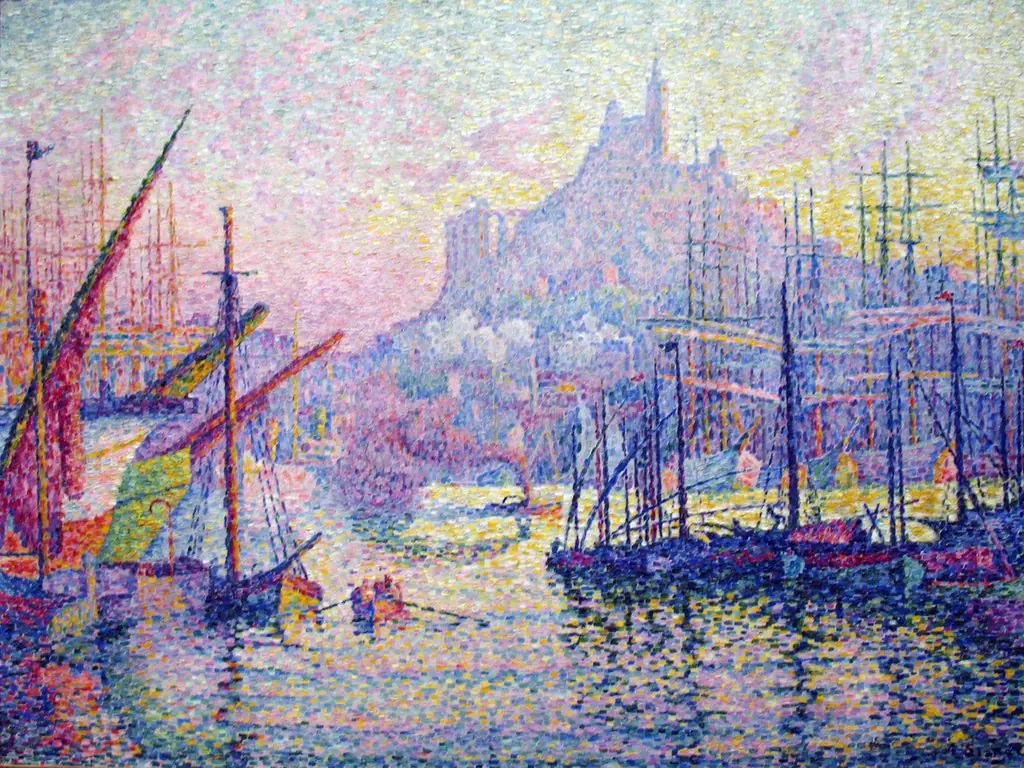 Notre-Dame-de-la-Garde (La Bonne-Mère), Marseilles
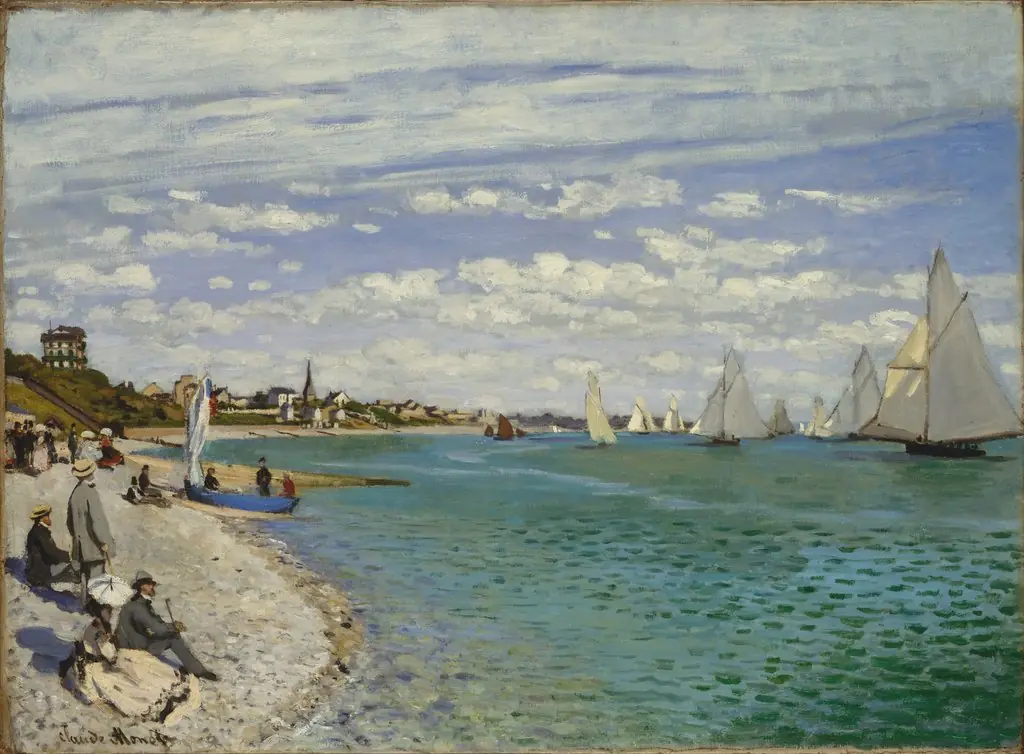 Regatta at Sainte-Adresse
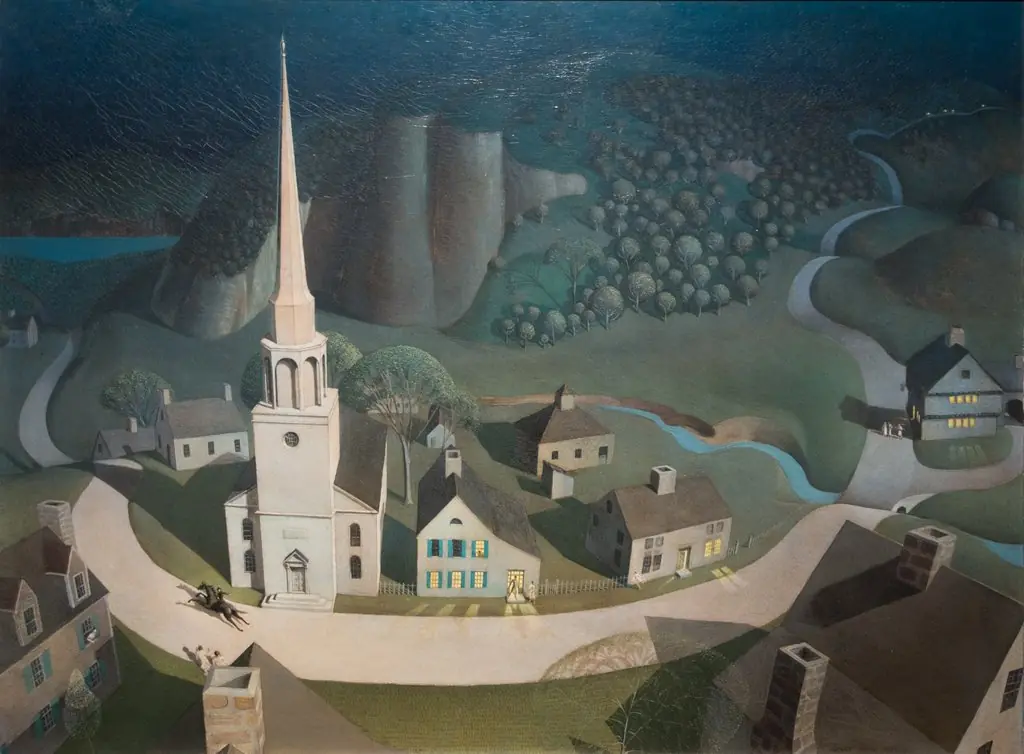 The Midnight Ride of Paul Revere
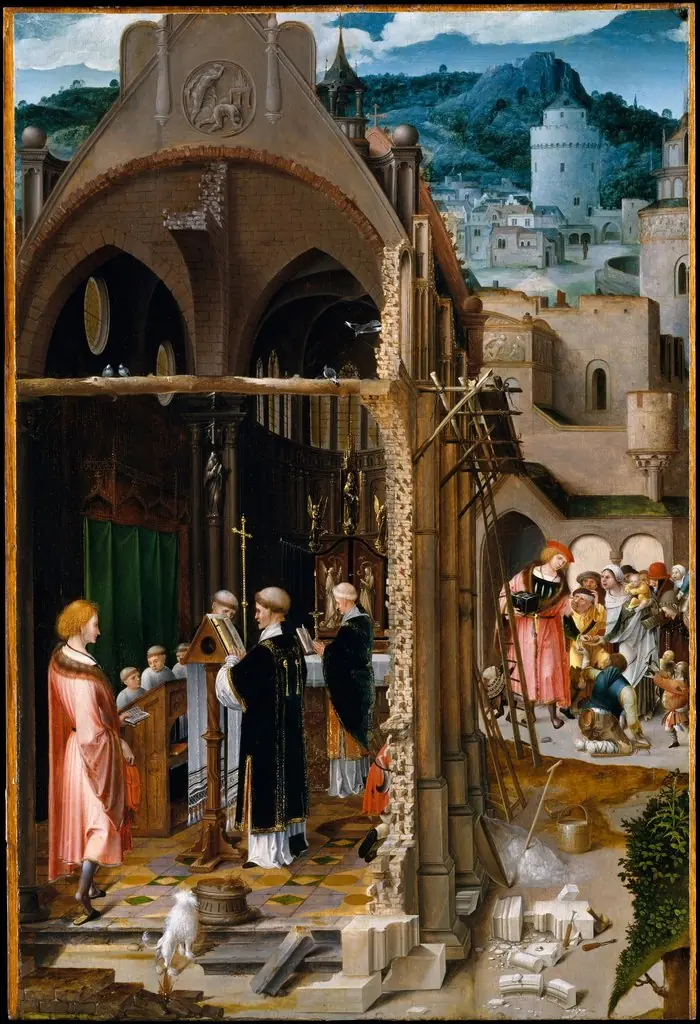 A Sermon on Charity (possibly the Conversion of Saint Anthony)
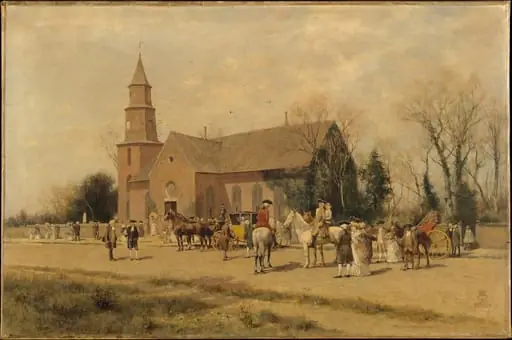 Old Bruton Church, Williamsburg, Virginia, in the Time of Lord Dunmore
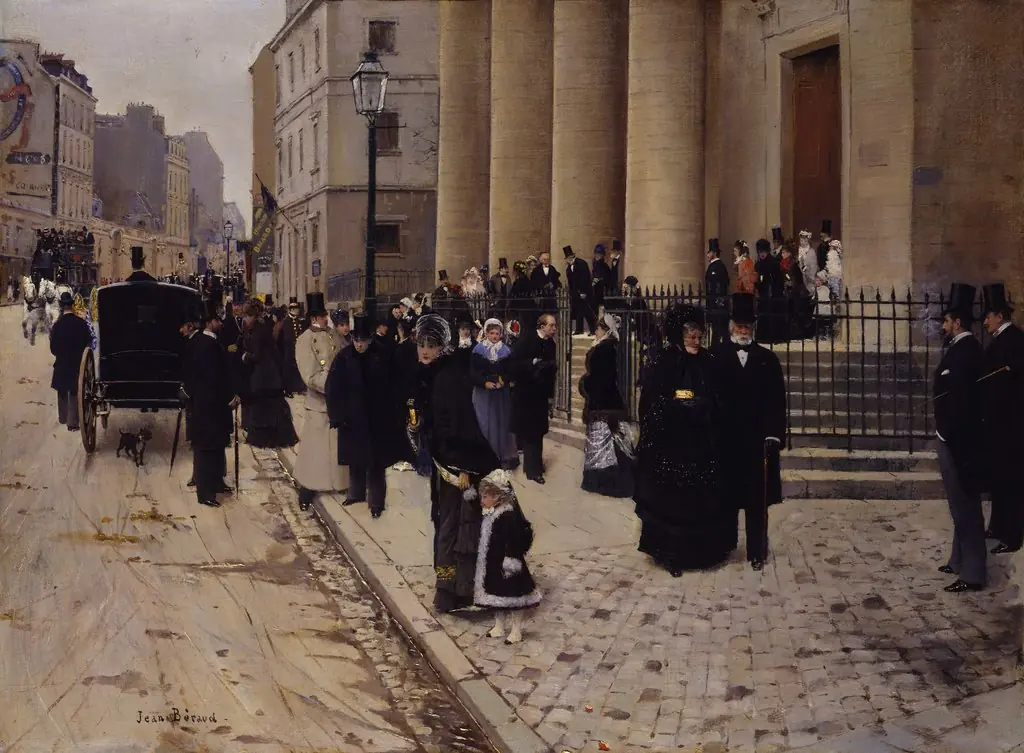 Sunday at the Church of Saint-Philippe-du-Roule, Paris
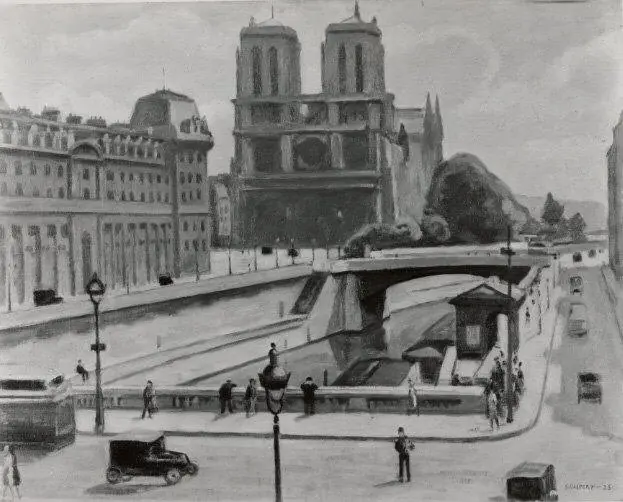 Notre Dame, Paris
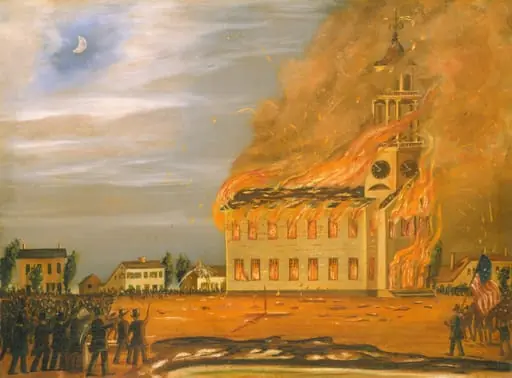 Burning of Old South Church, Bath, Maine
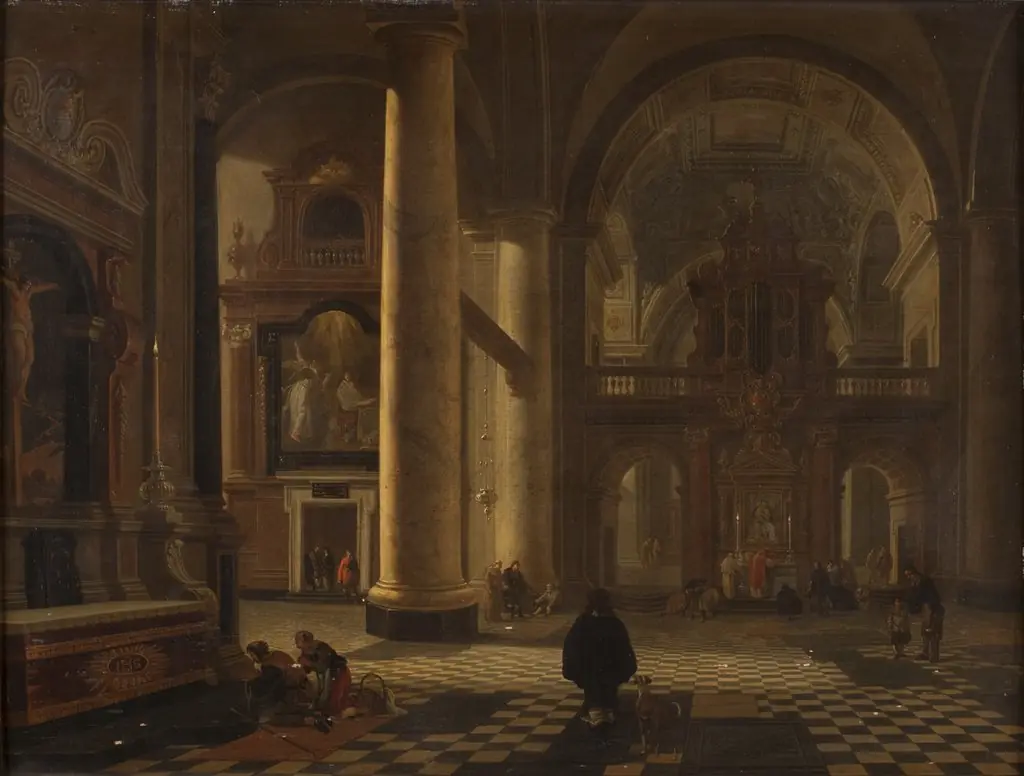 Interior of a Catholic Church
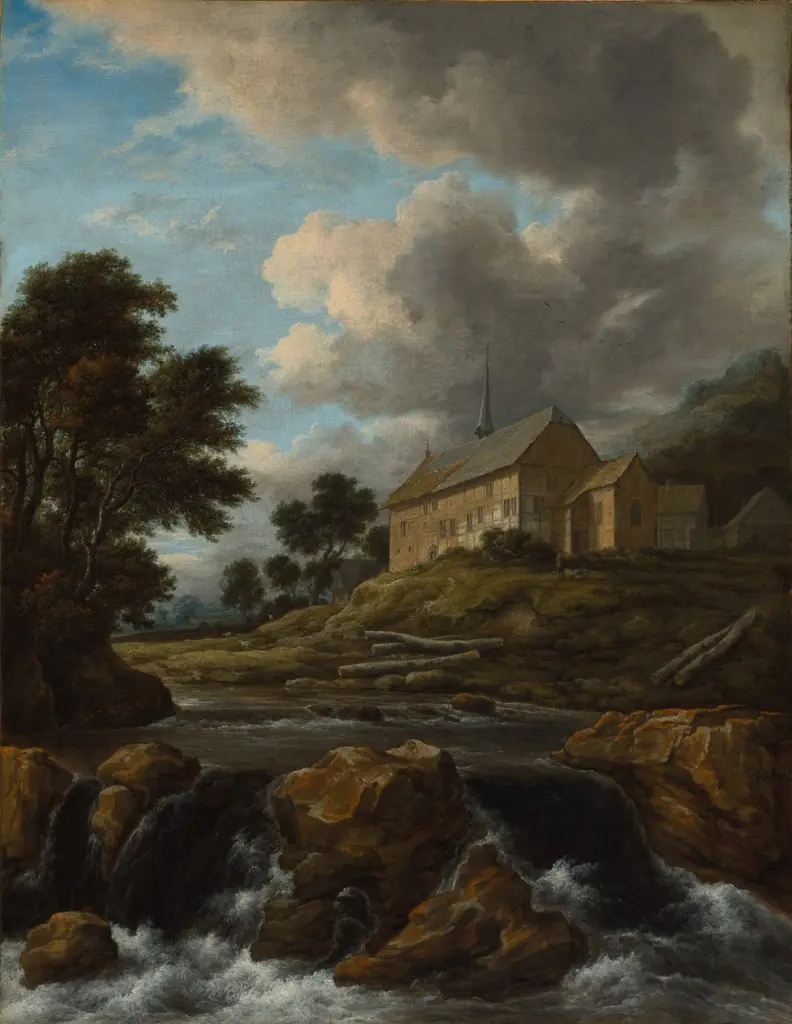 Landscape with a Church by a Torrent
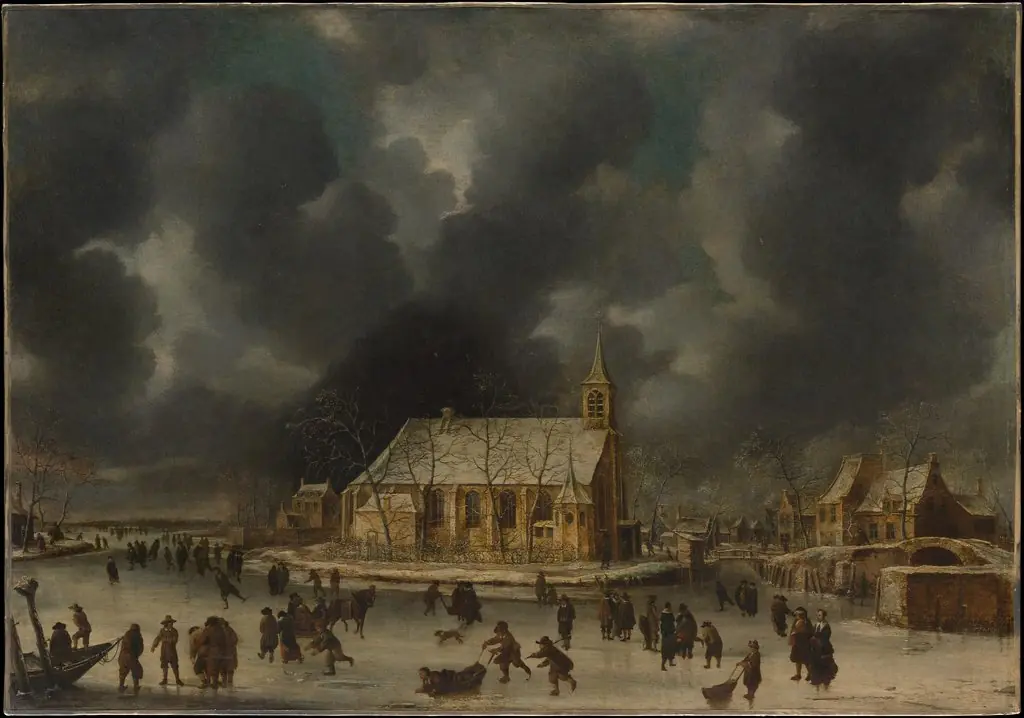 Skating at Sloten, near Amsterdam
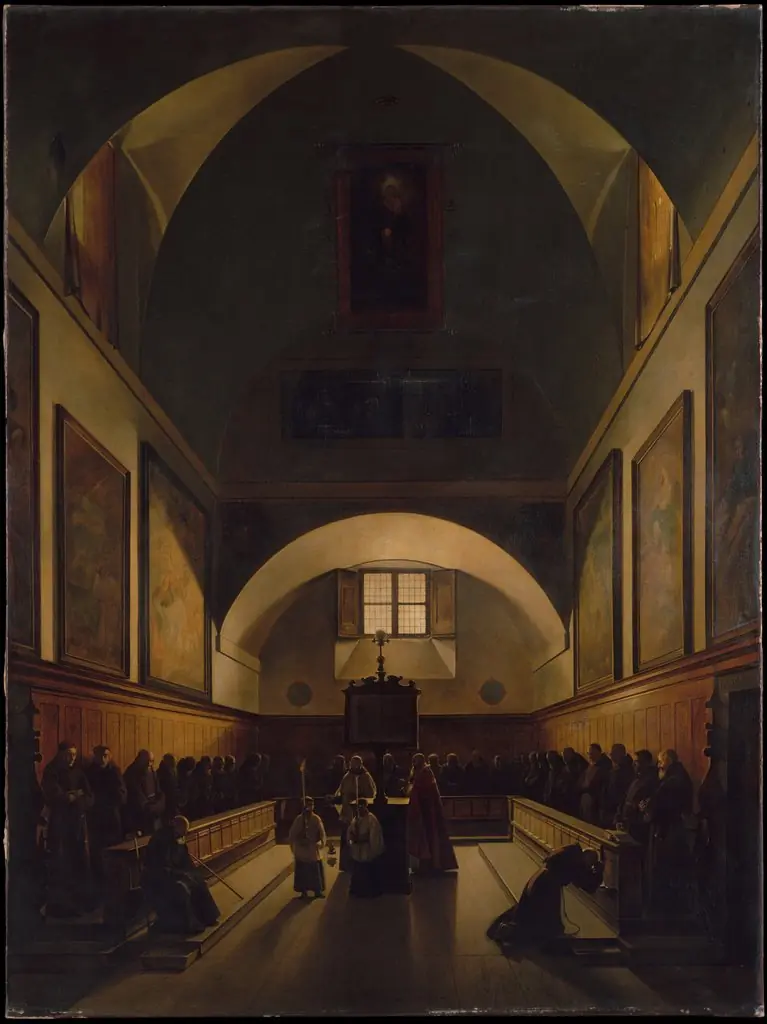 The Choir of the Capuchin Church in Rome
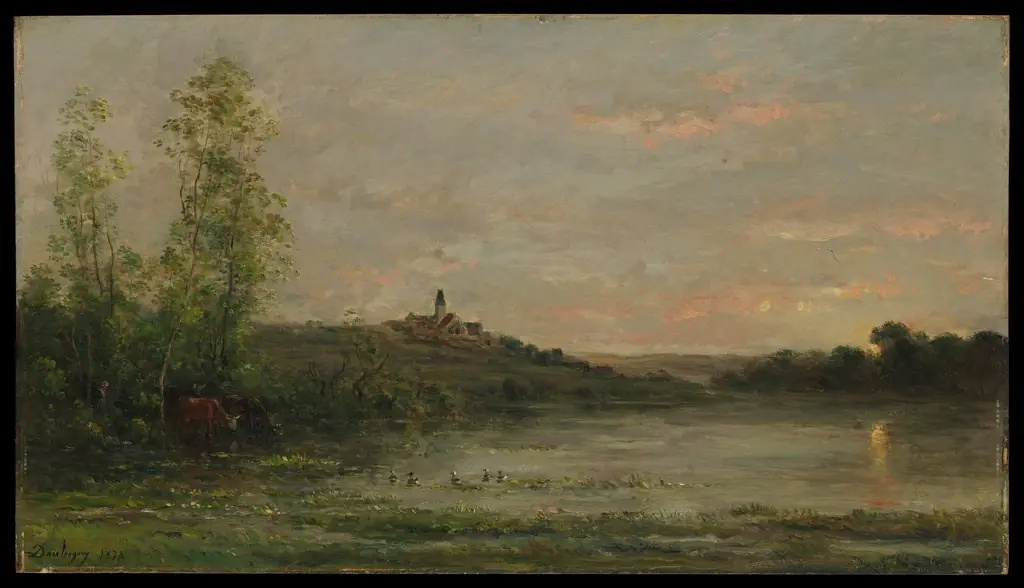 The Seine: Morning
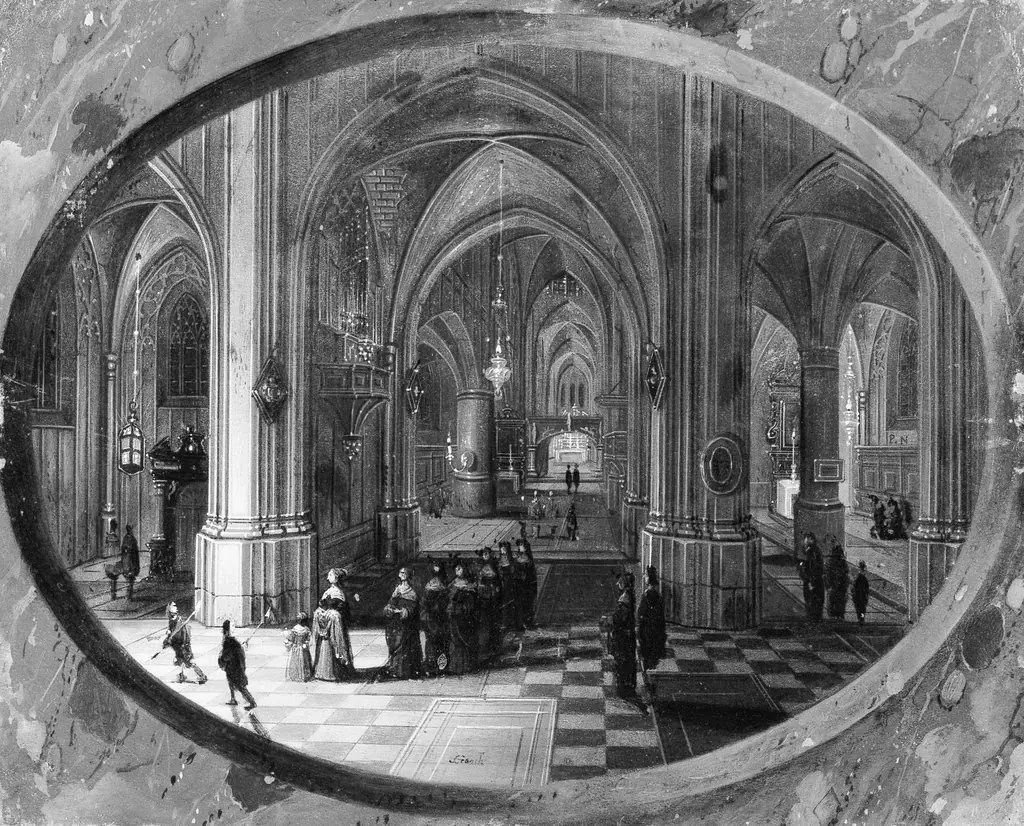 Interior of a Gothic Church at Night
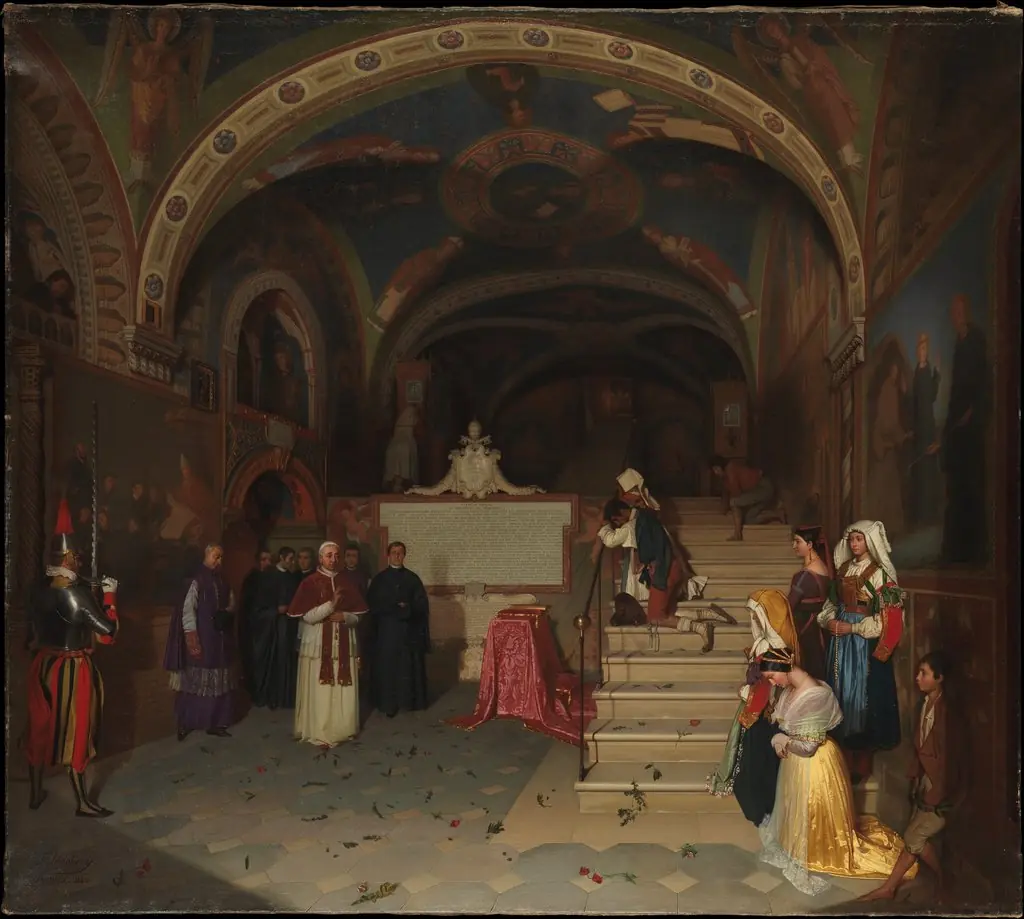 Pope Gregory XVI Visiting the Church of San Benedetto at Subiaco
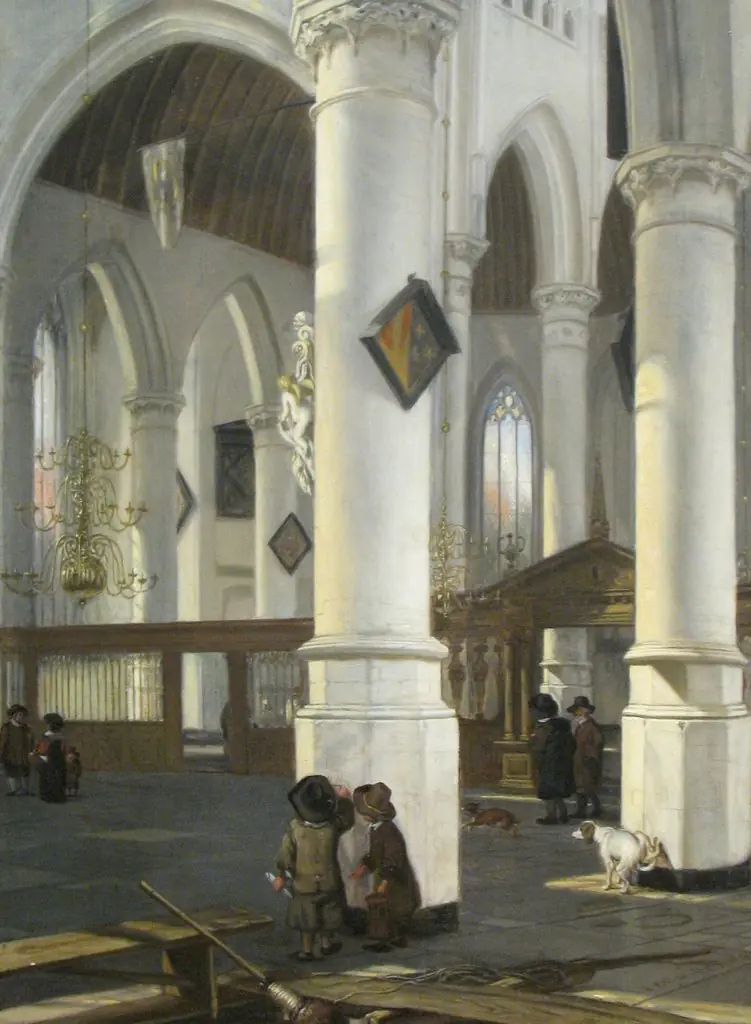 Interior of the Oude Kerk, Delft
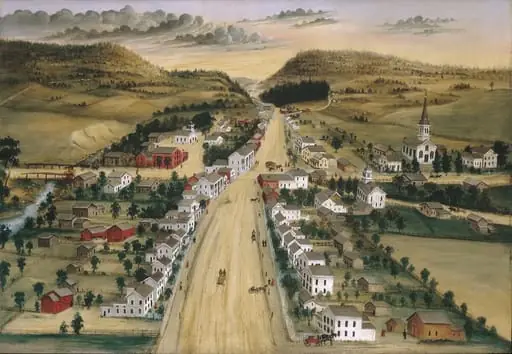 View of Poestenkill, New York
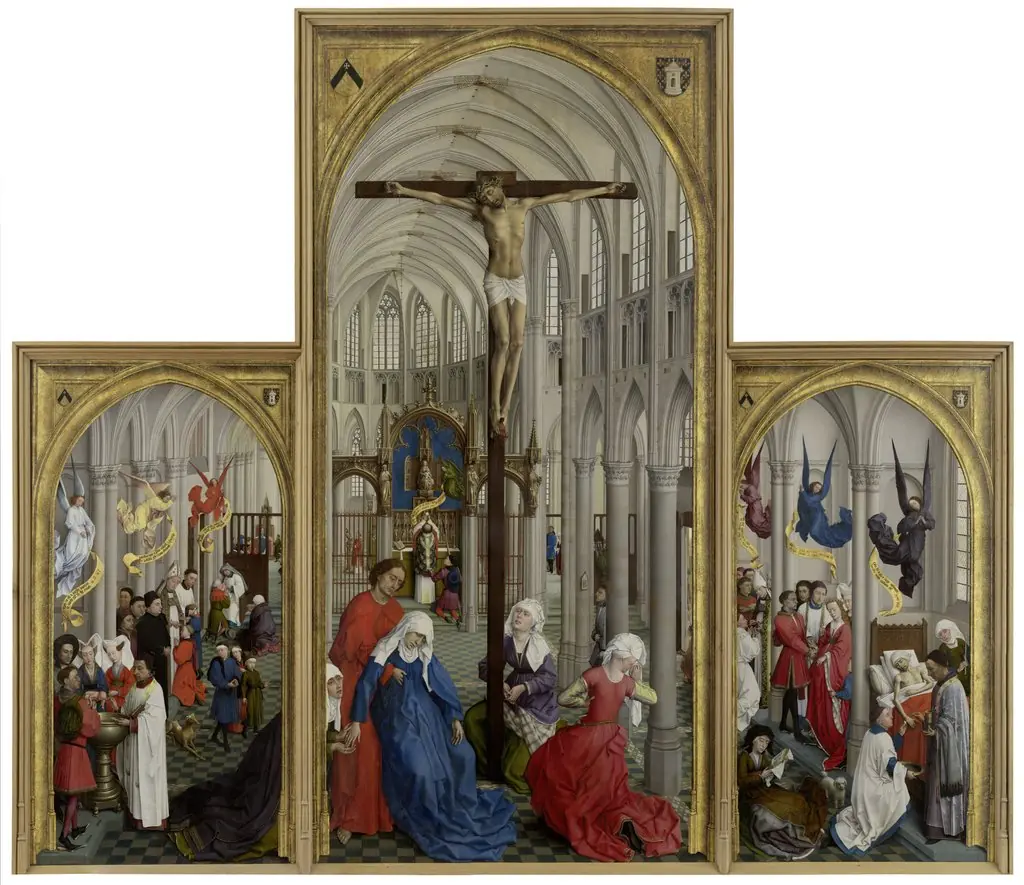 The Seven Sacraments
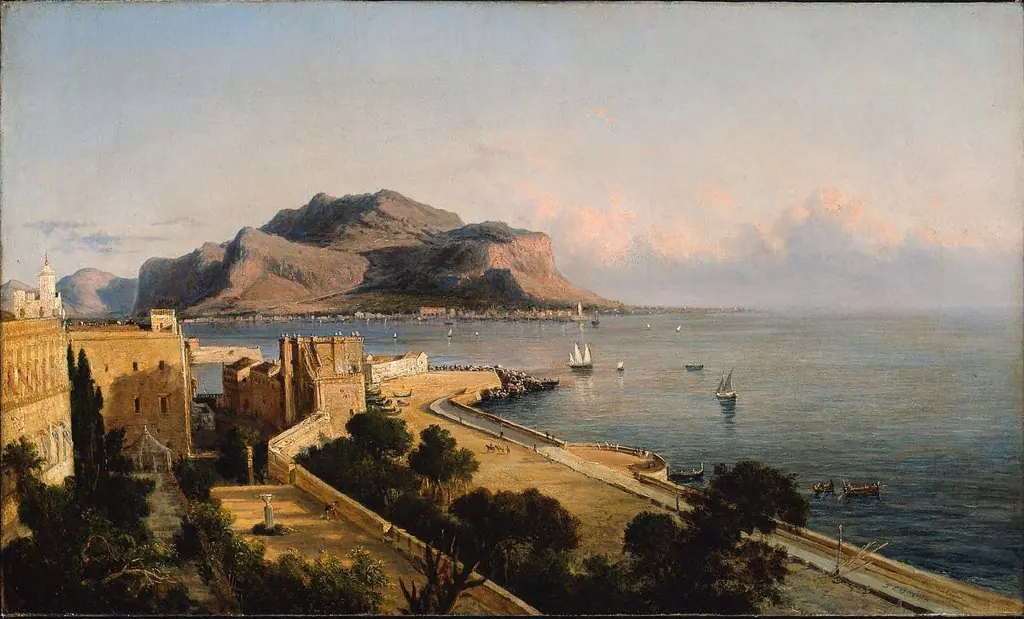 Monte Pellegrino at Palermo, Italy
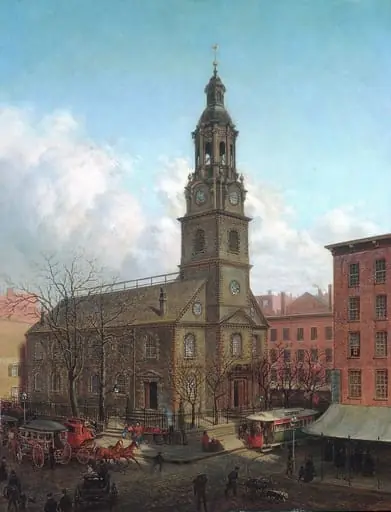 The North Dutch Church, Fulton and William Streets, New York
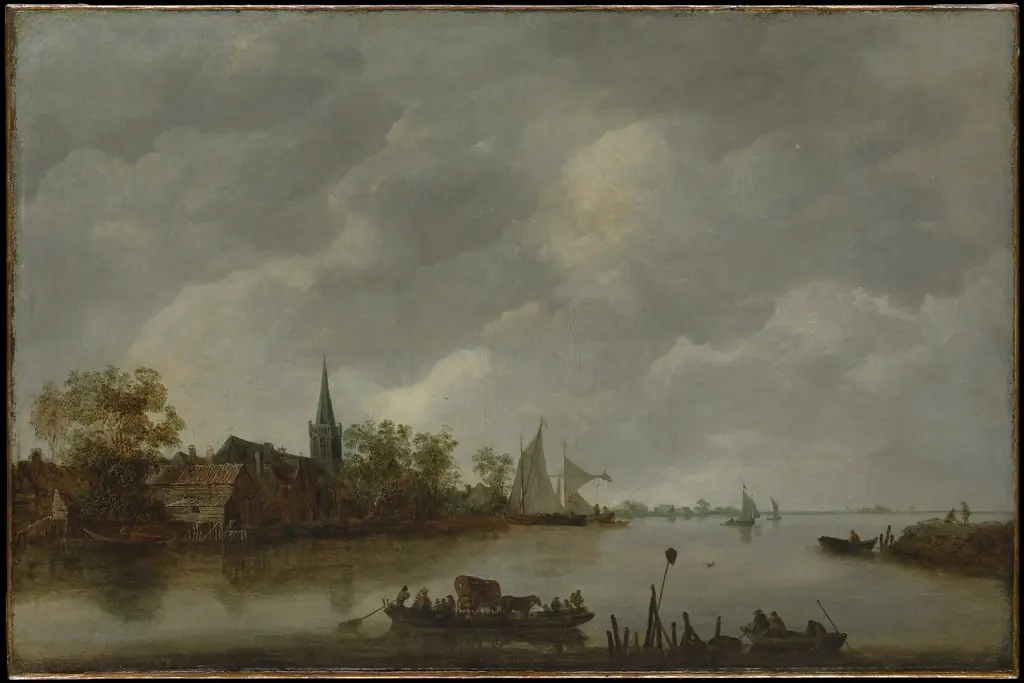 River View with a Village Church
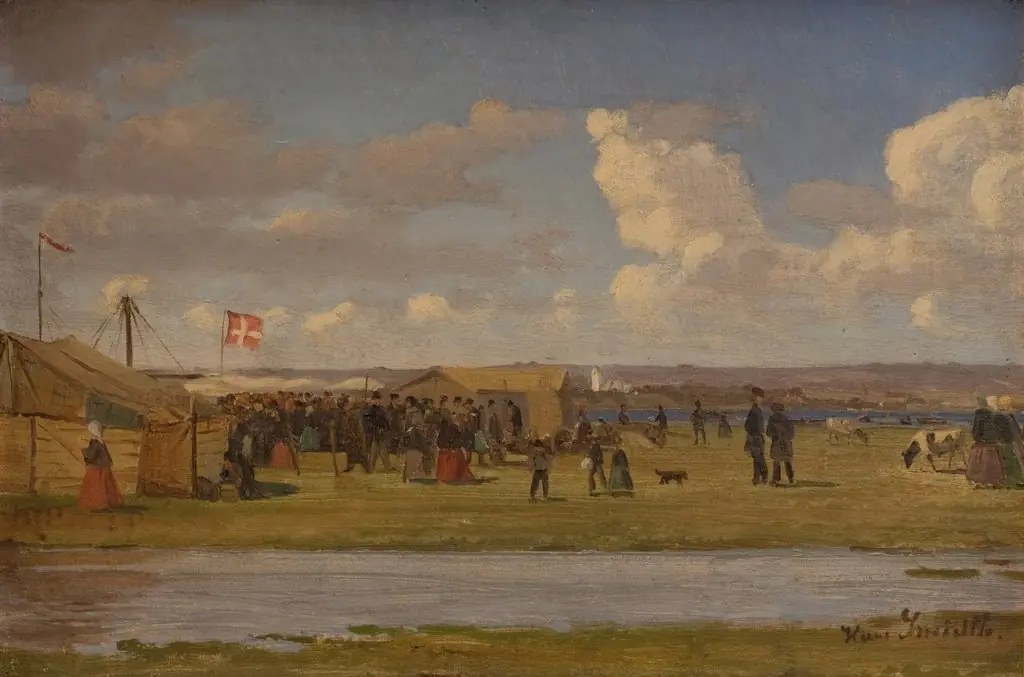 Fur marked
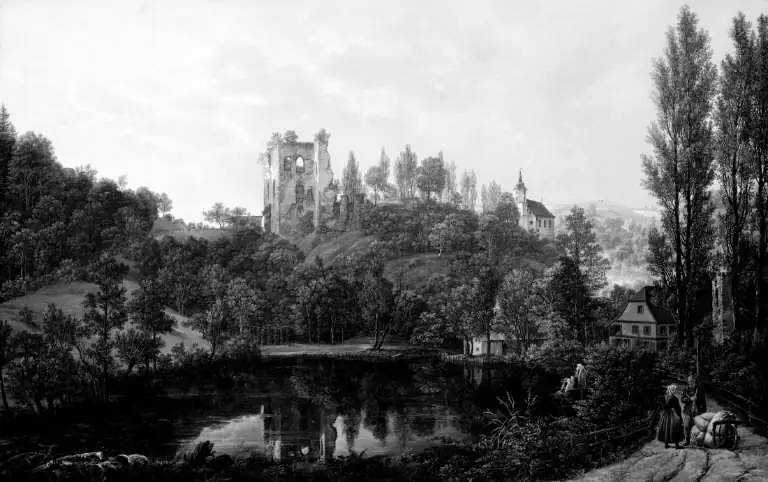 The Castle Ruin at Tharandt
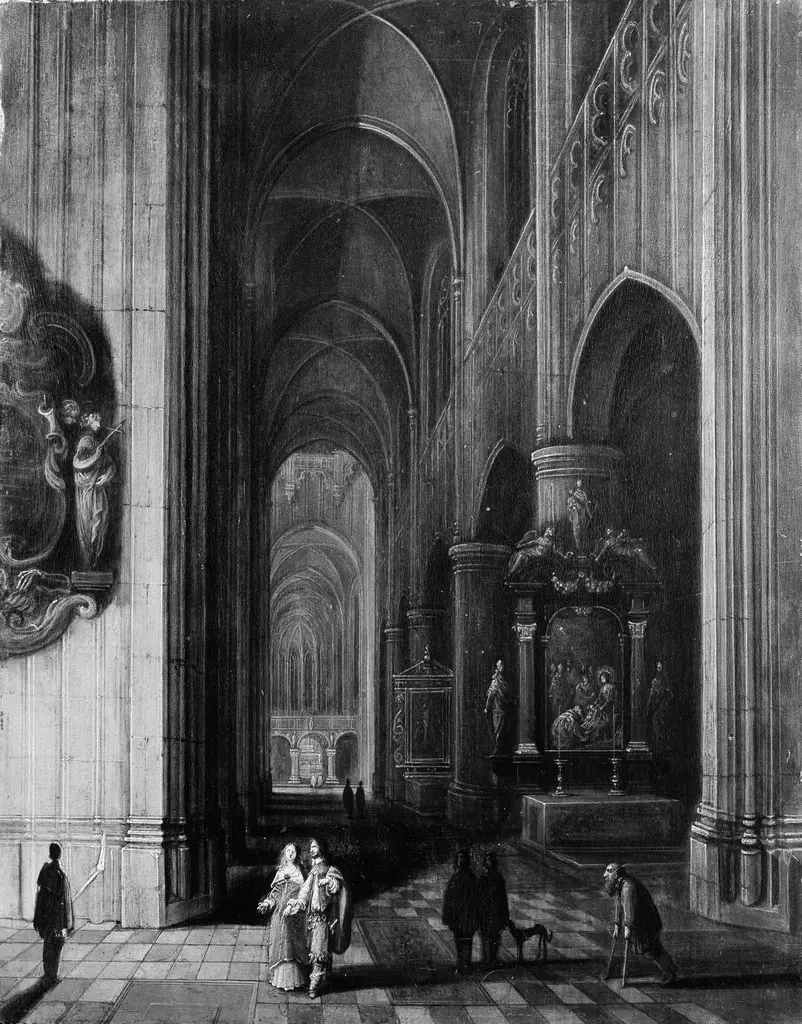 Interior of a Gothic Church at Night
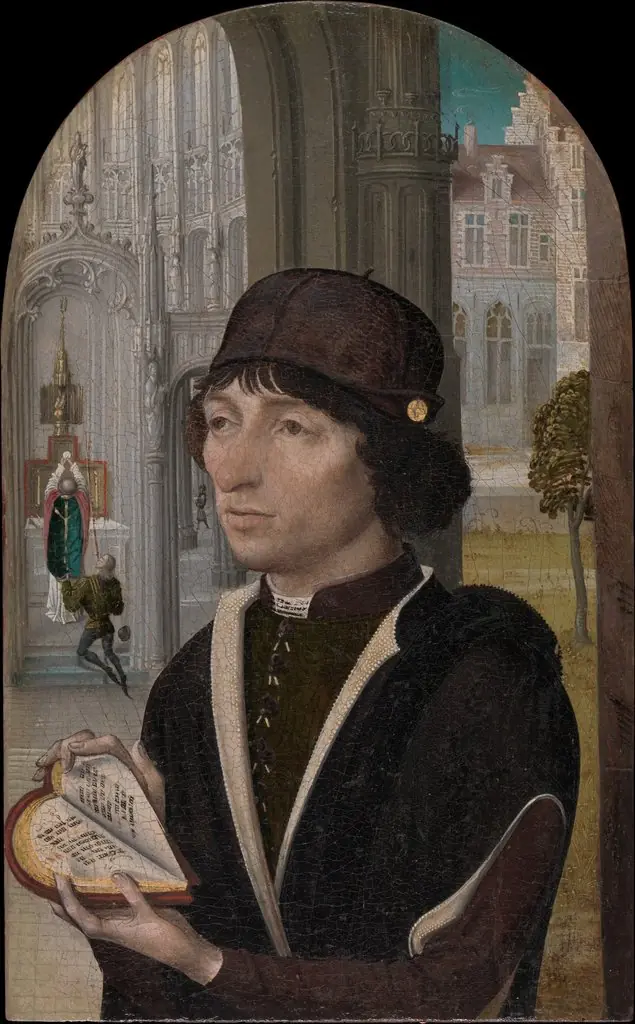 Young Man Holding a Book
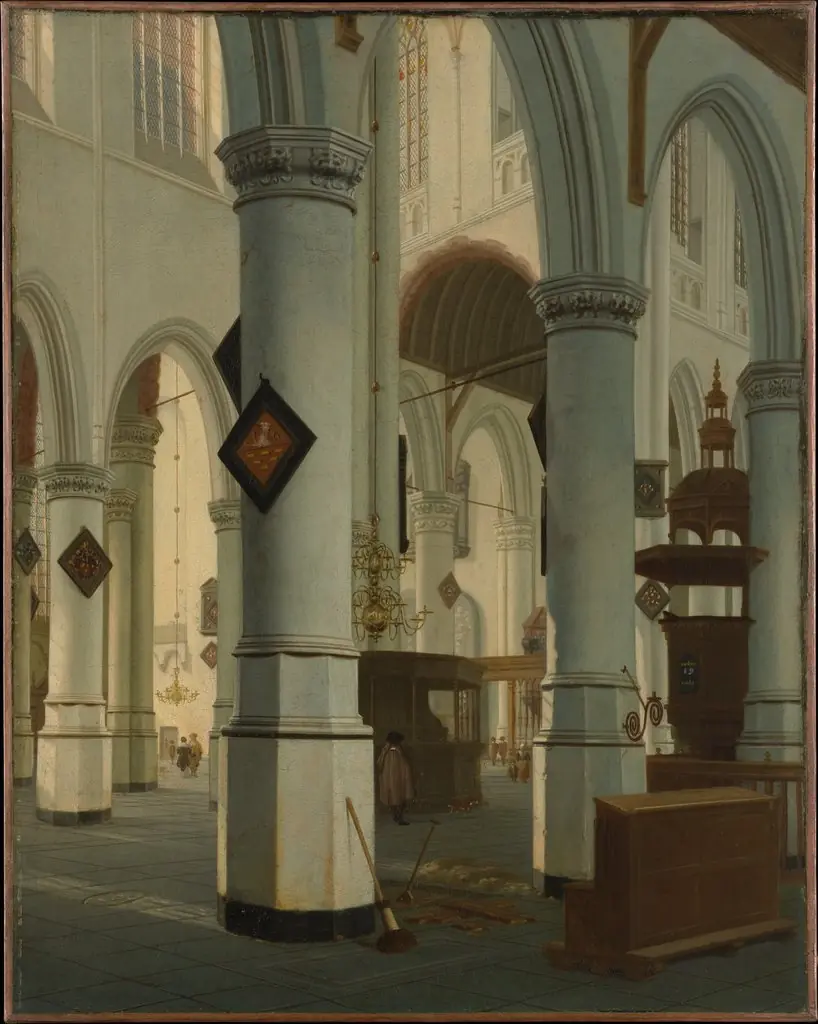 Interior of the Oude Kerk, Delft
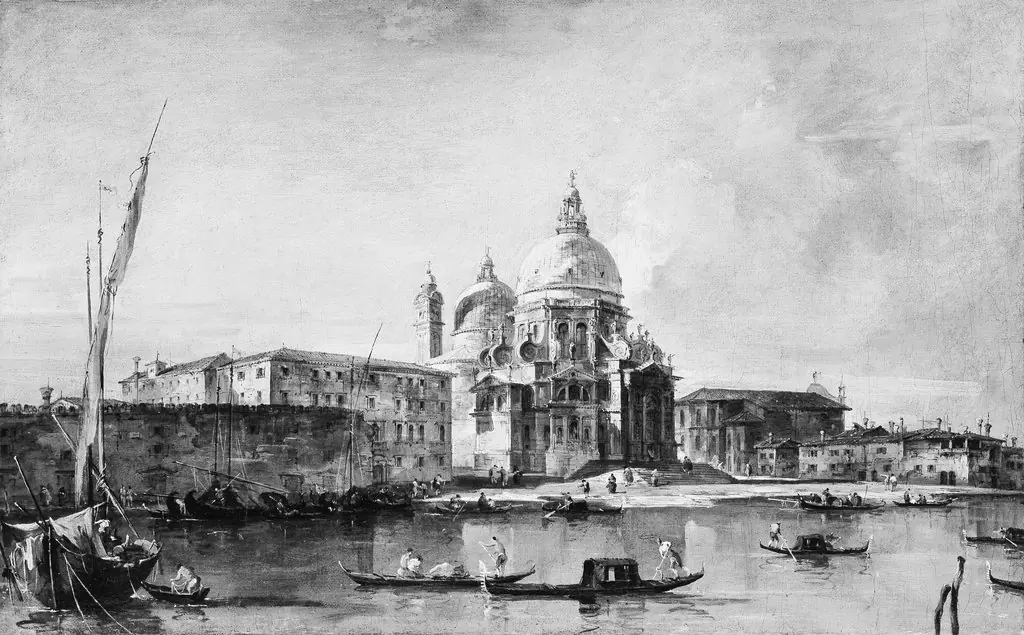 Santa Maria della Salute
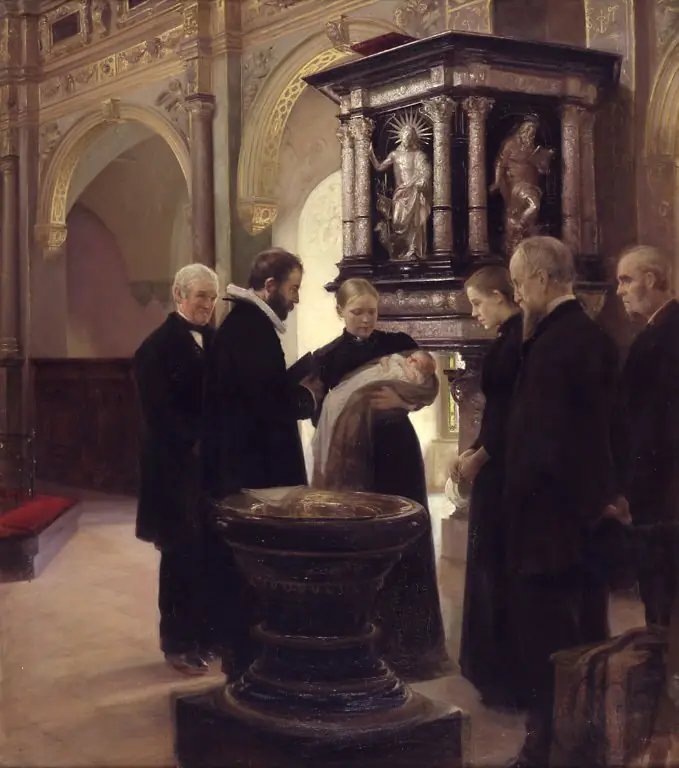 En barnedåb
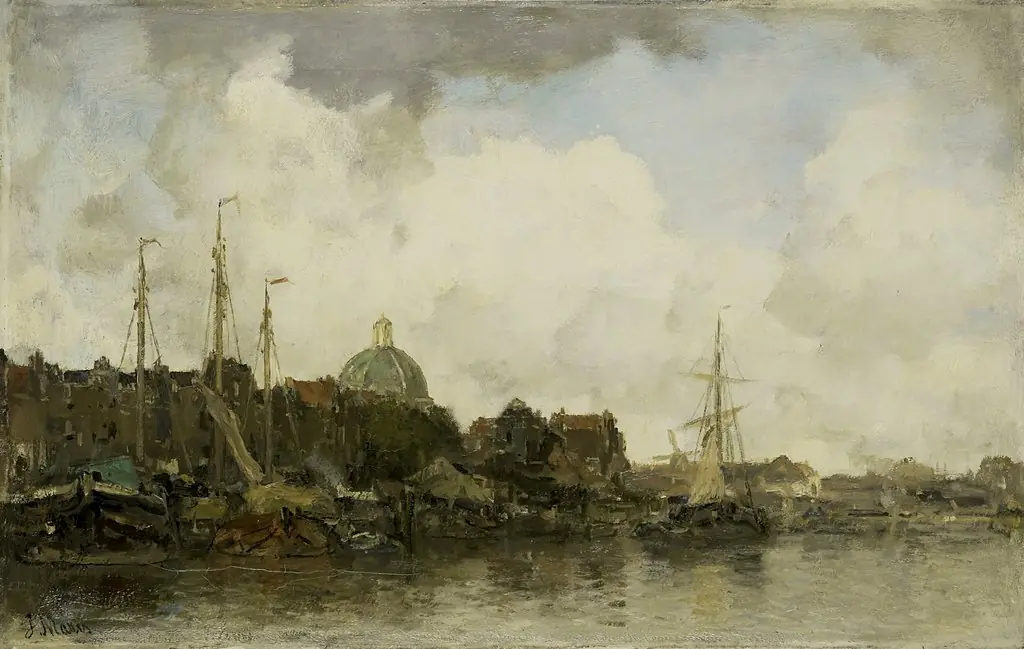 Townscape with a Domed Church
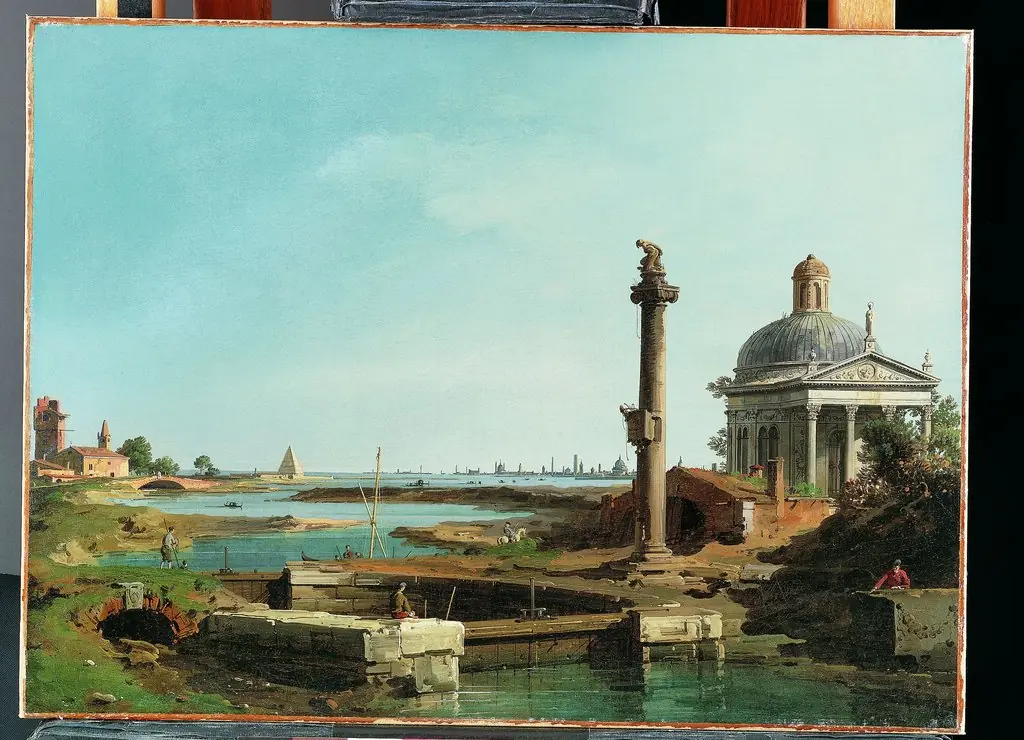 A Lock, a Column, and a Church beside a Lagoon
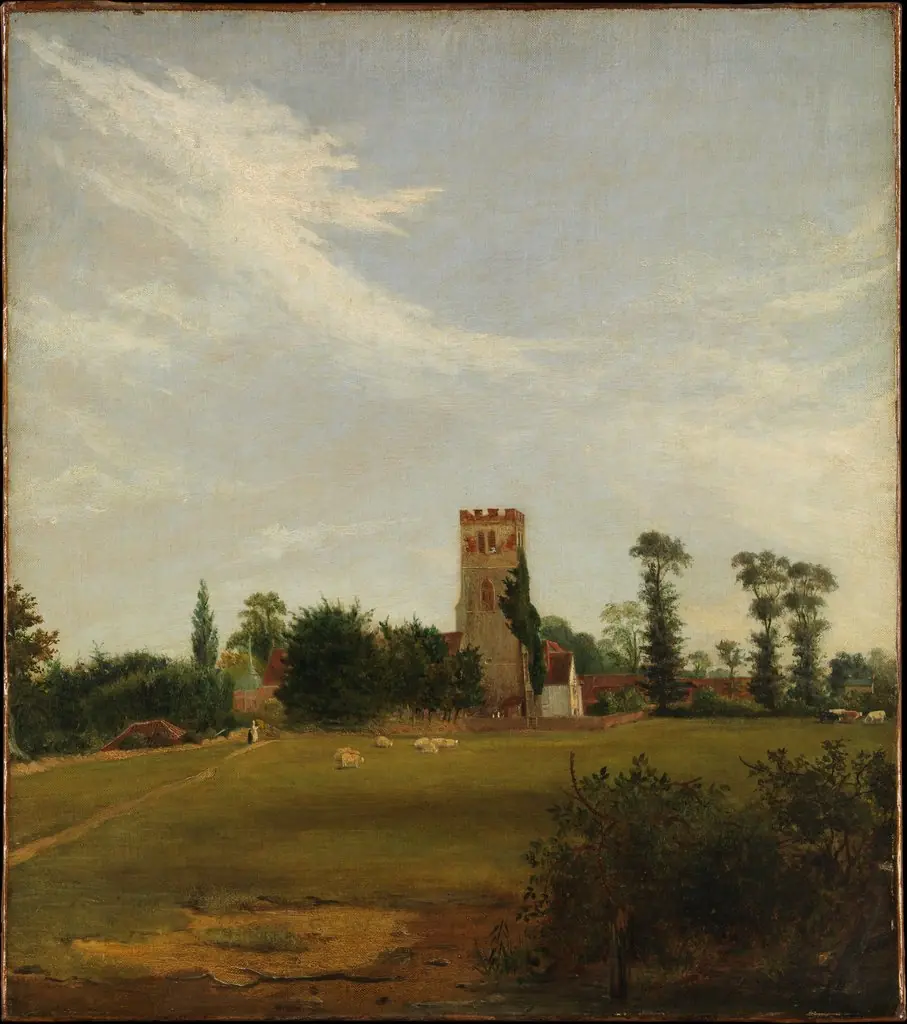 Tottenham Church
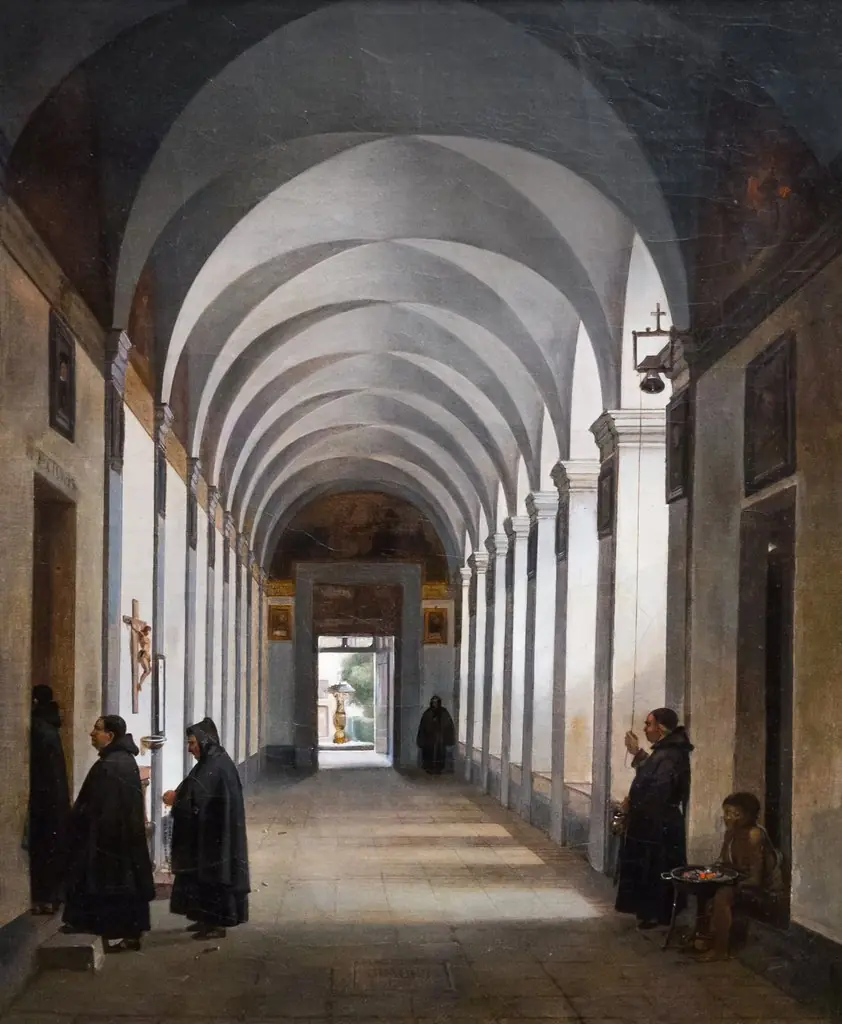 Monks in the Cloister of the Church of Gesù e Maria, Rome
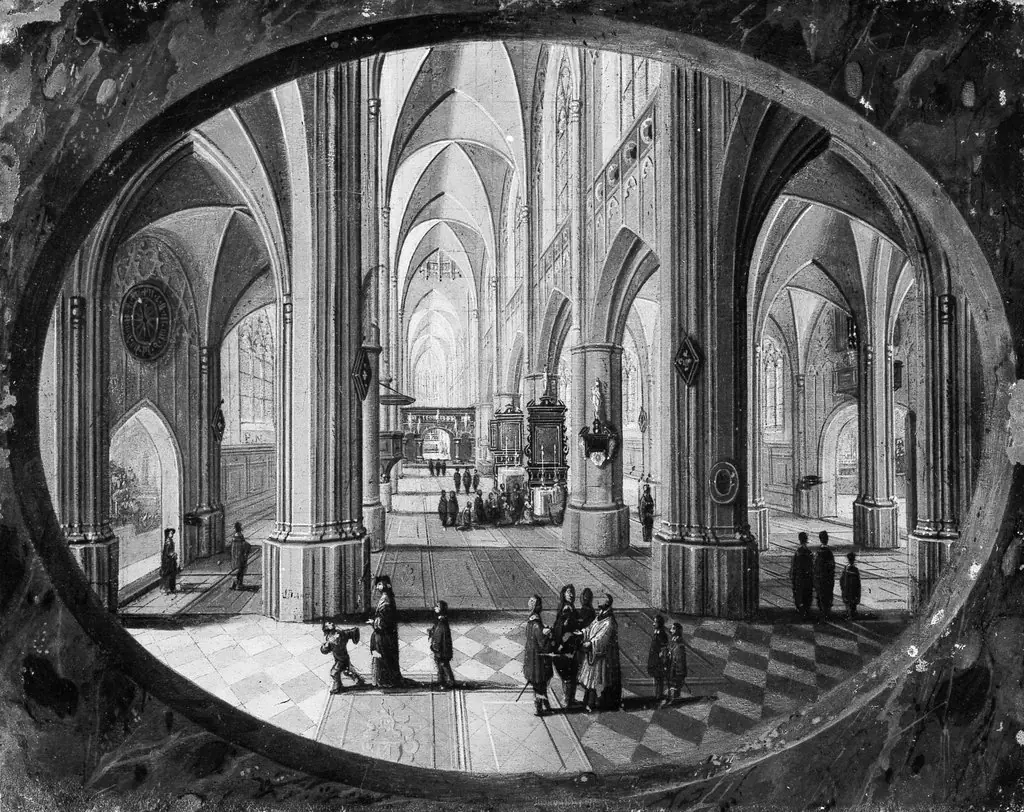 Interior of a Gothic Church by Day
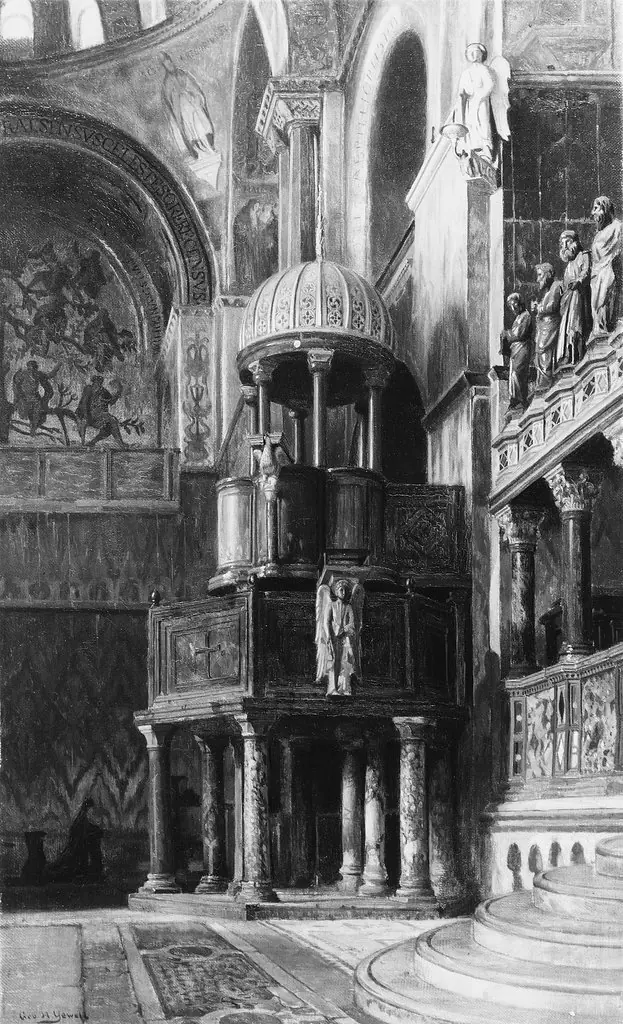 Pulpit in Saint Mark's, Venice
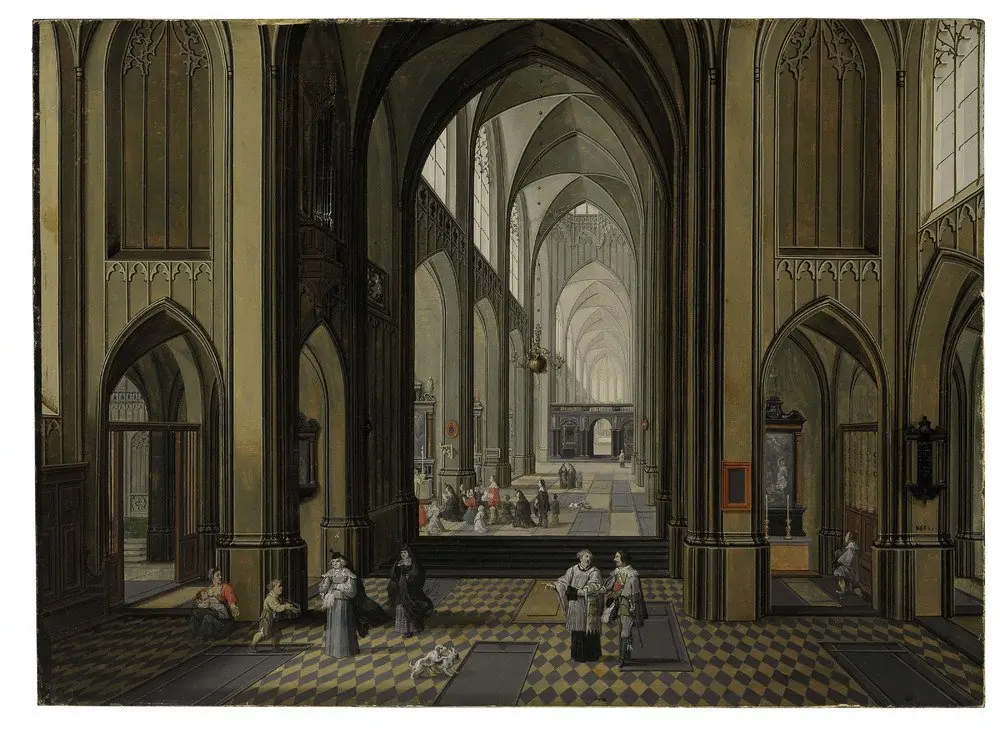 Interior of a Gothic Church
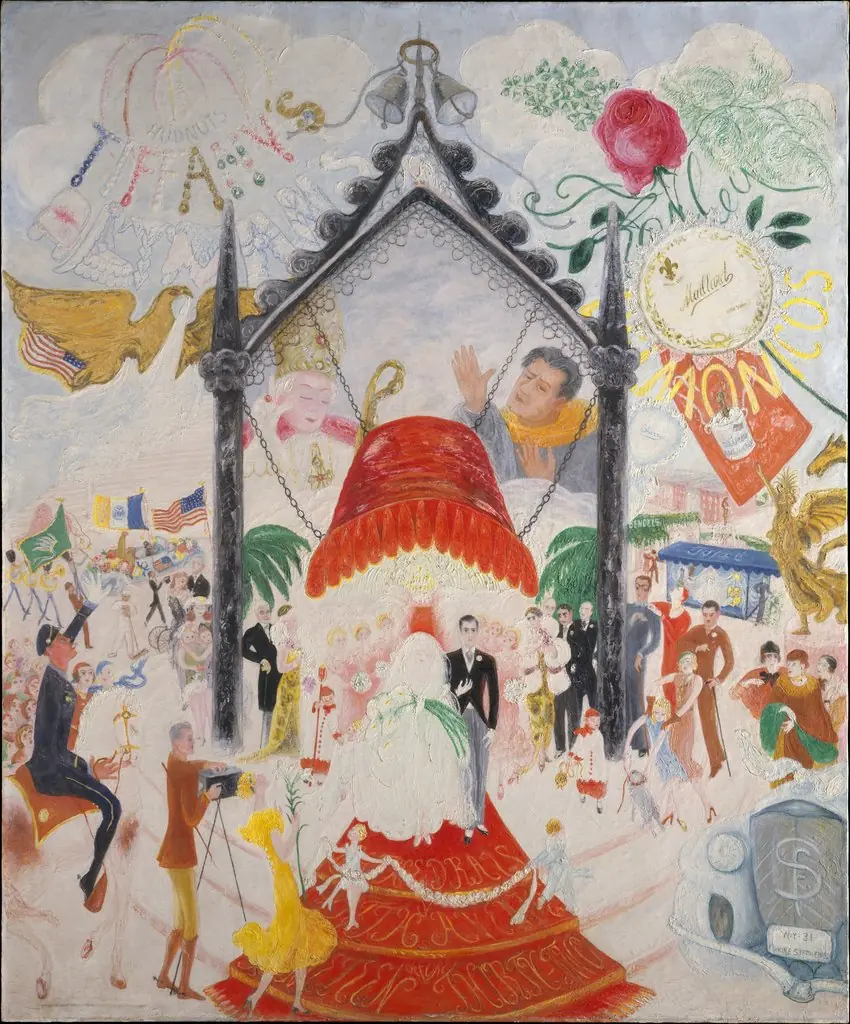 The Cathedrals of Fifth Avenue
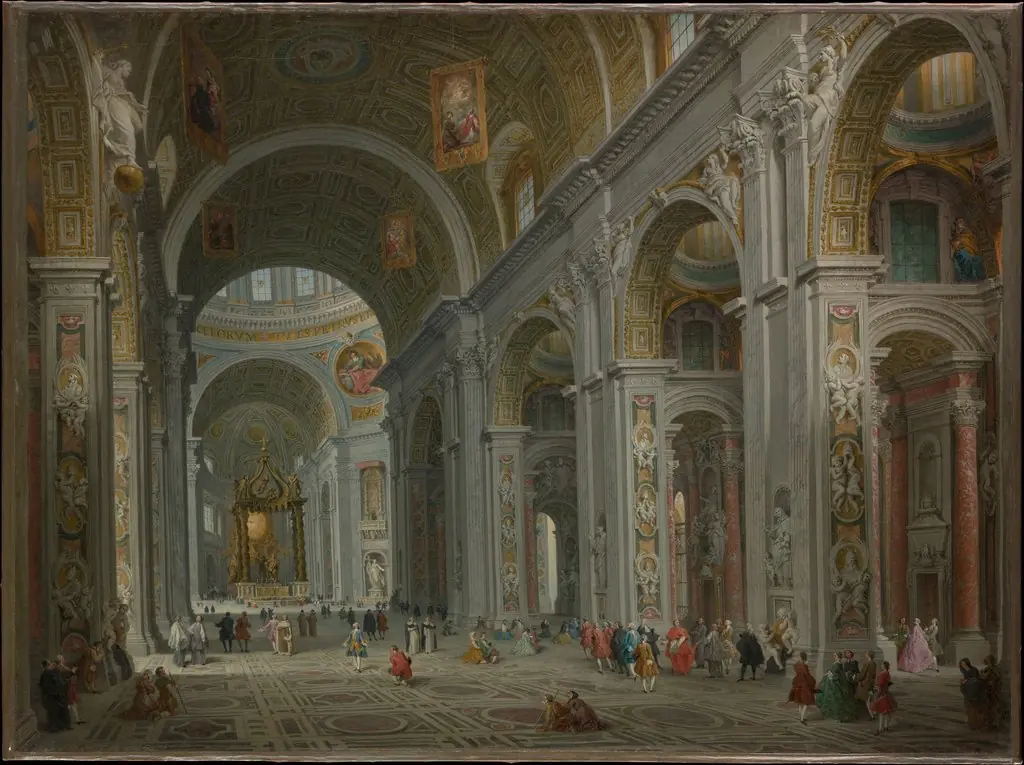 Interior of Saint Peter's, Rome
 Landscape with a Herd
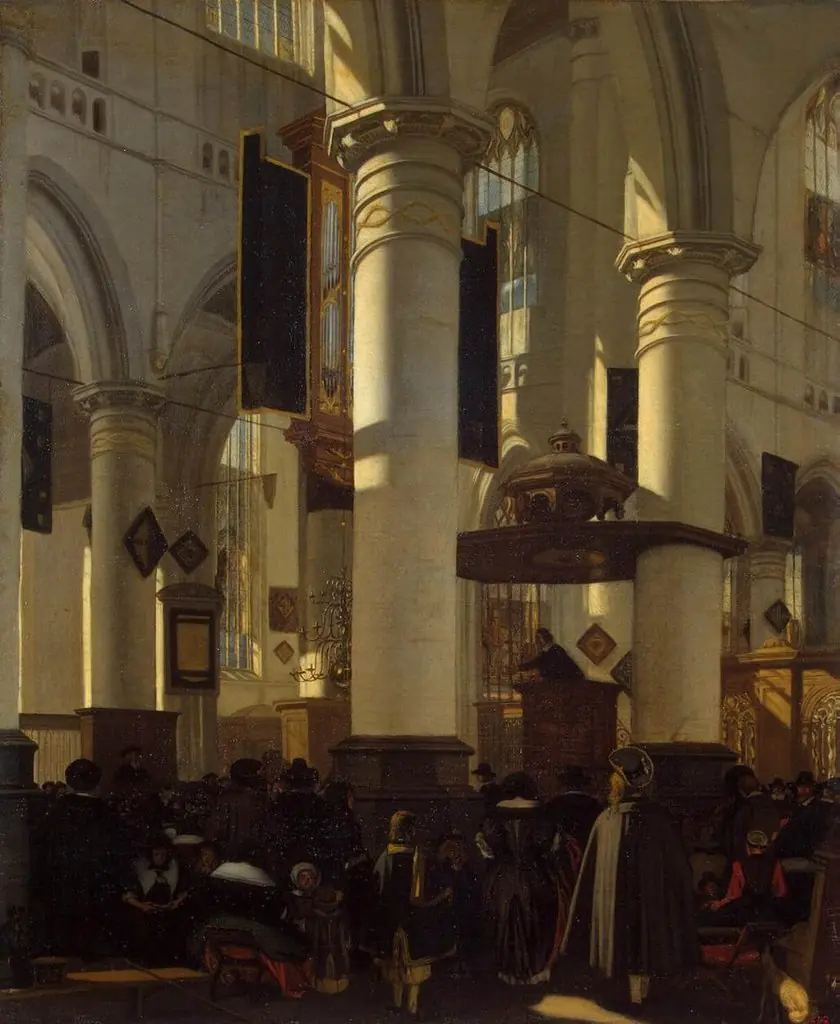 Interior of a Church
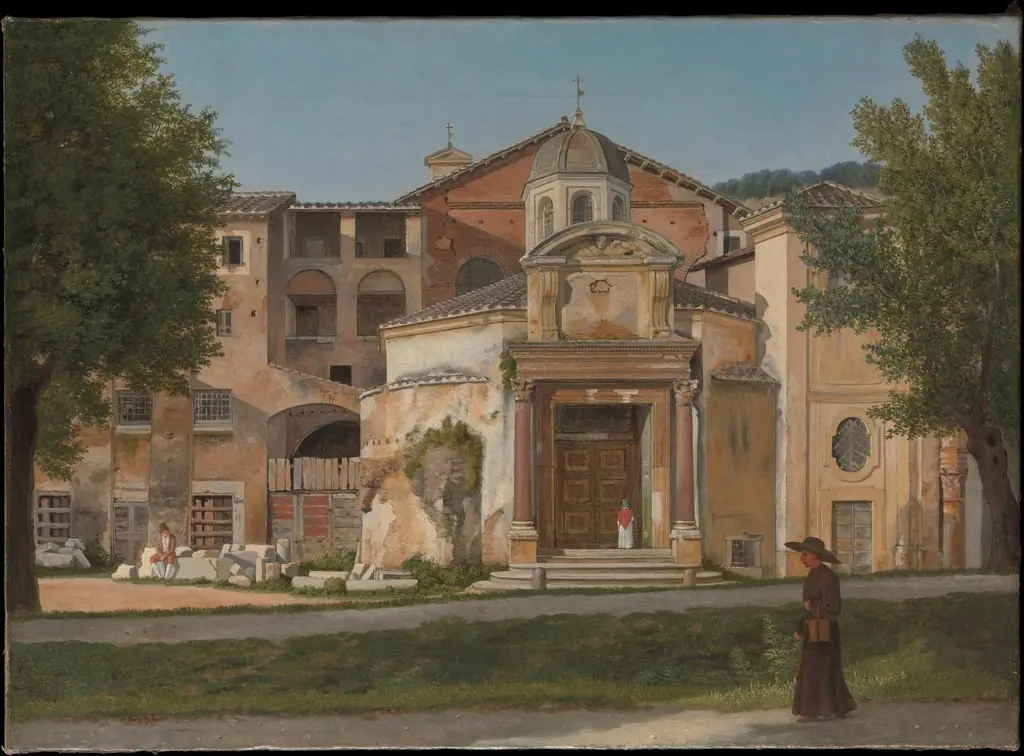 A Section of the Via Sacra, Rome (The Church of Saints Cosmas and Damian)
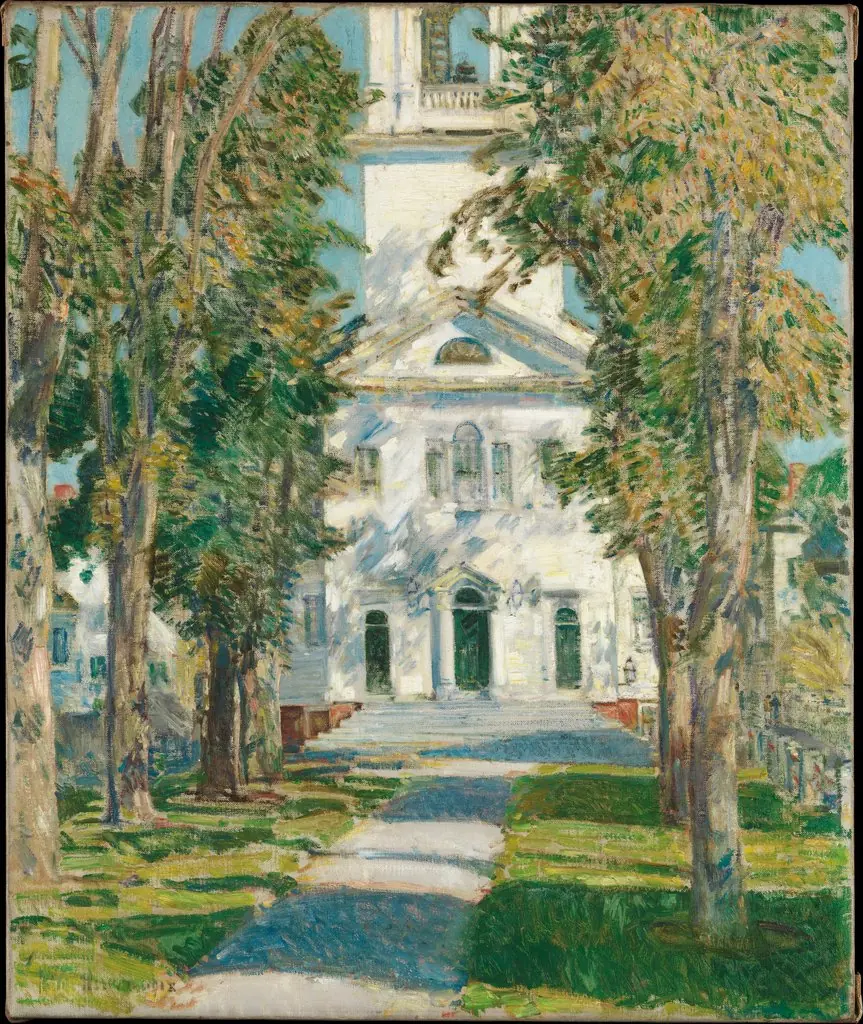 The Church at Gloucester
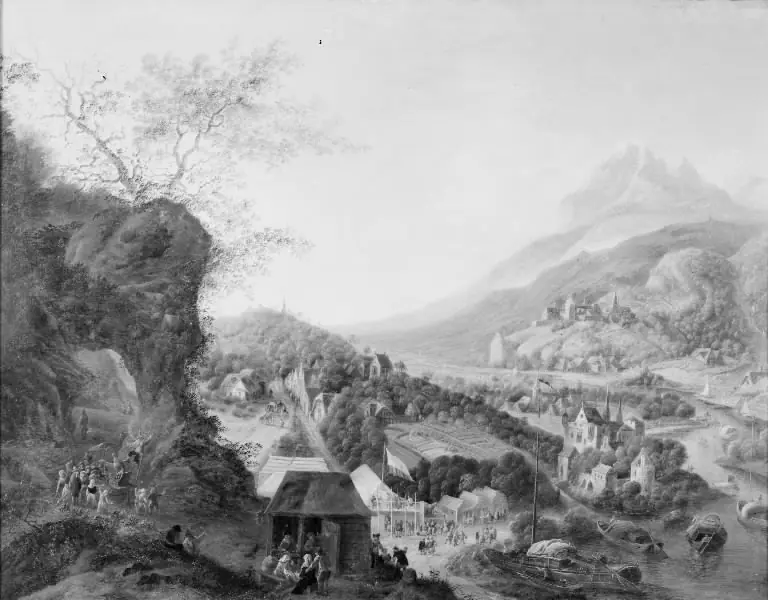 Mountain Scenery with River
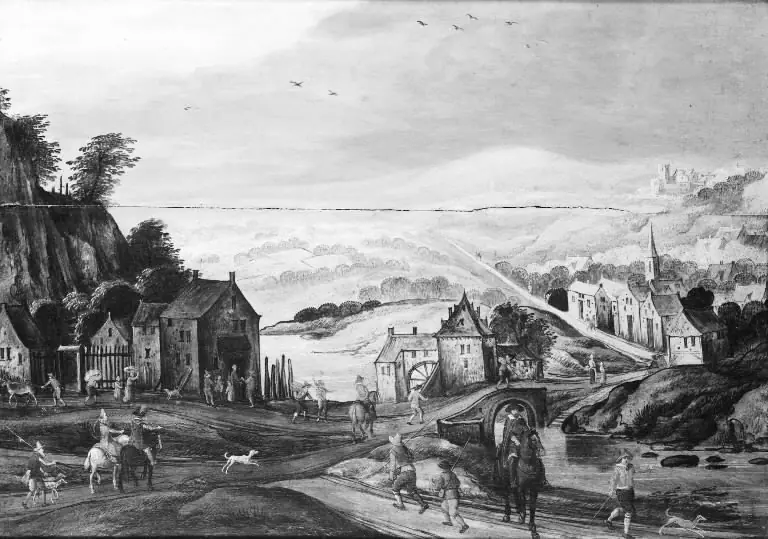 Landscape
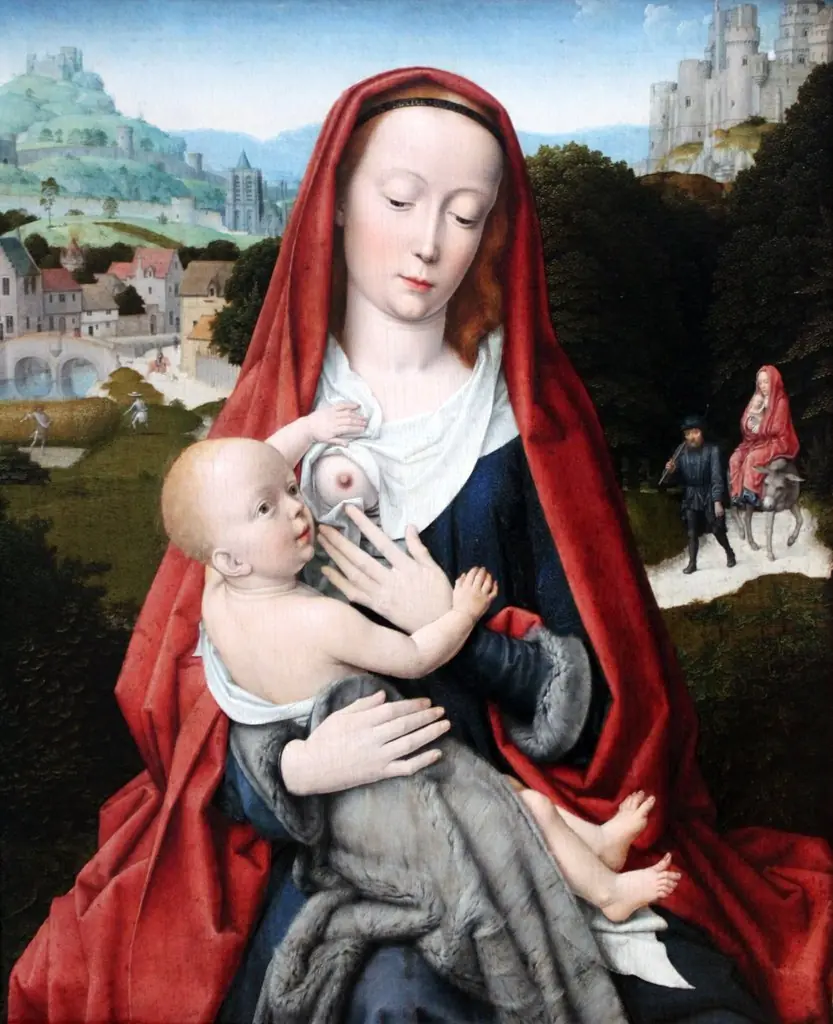 Madonna and Child
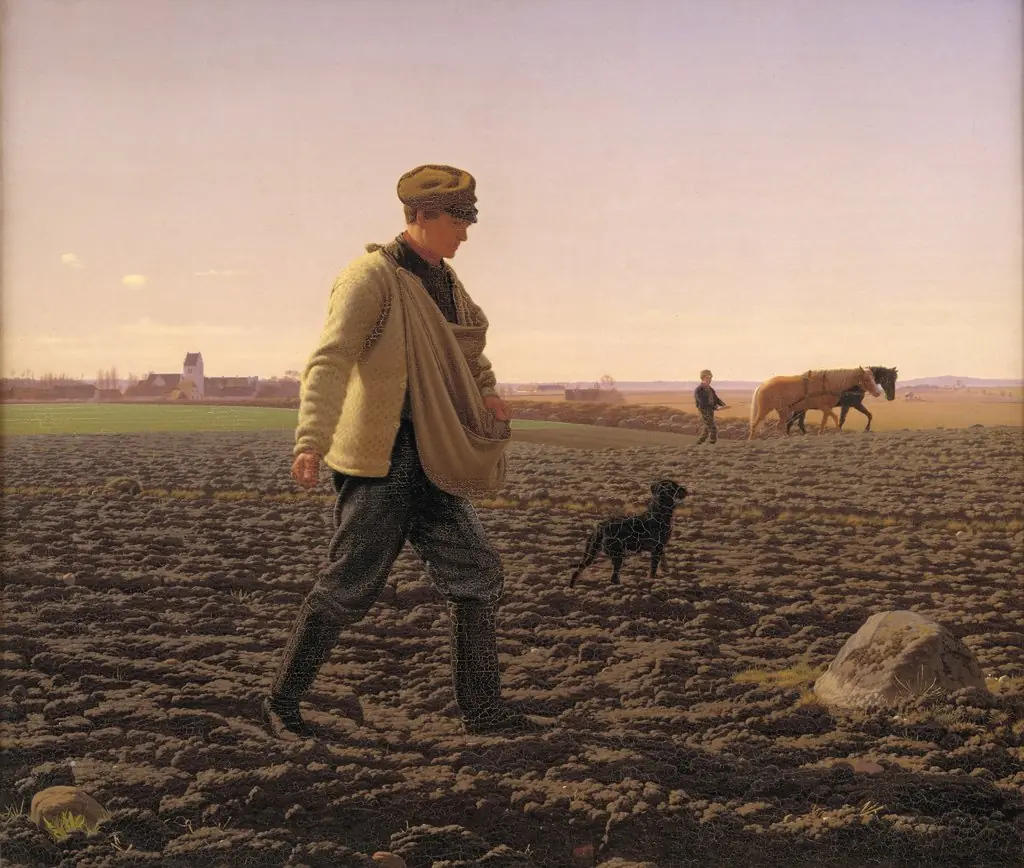 A Sower
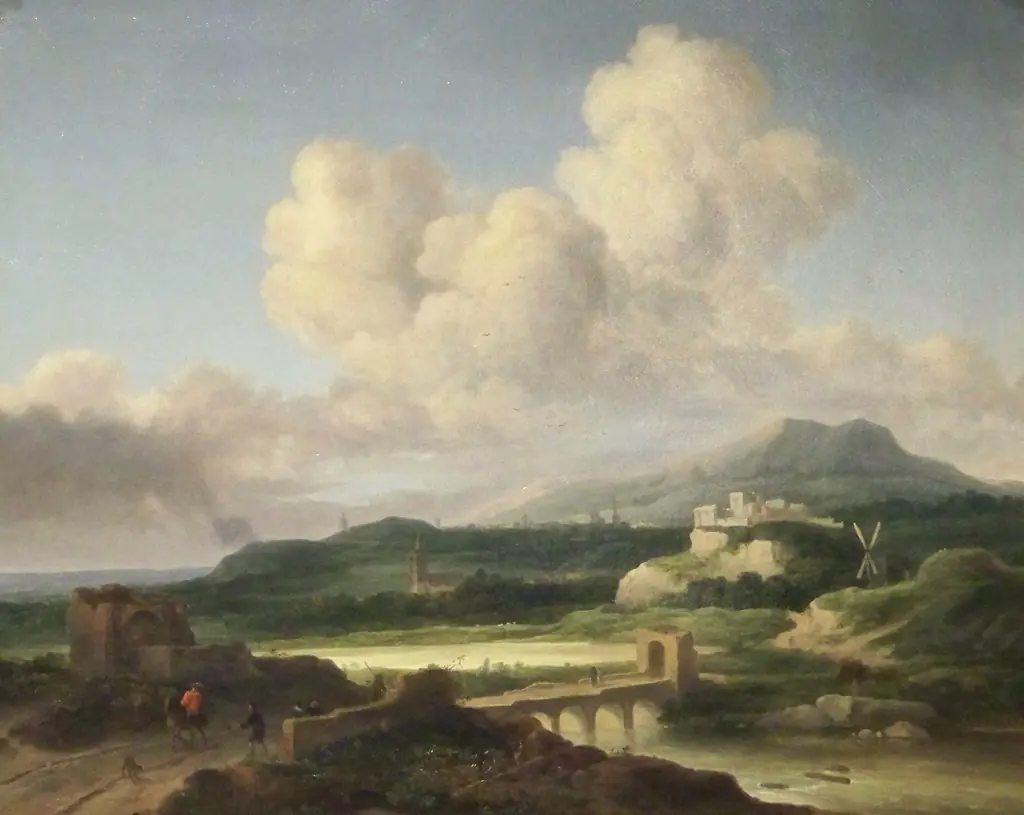 Landscape after Ruisdael
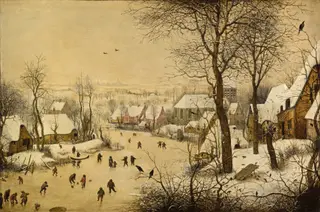 Winter Landscape with a Bird Trap
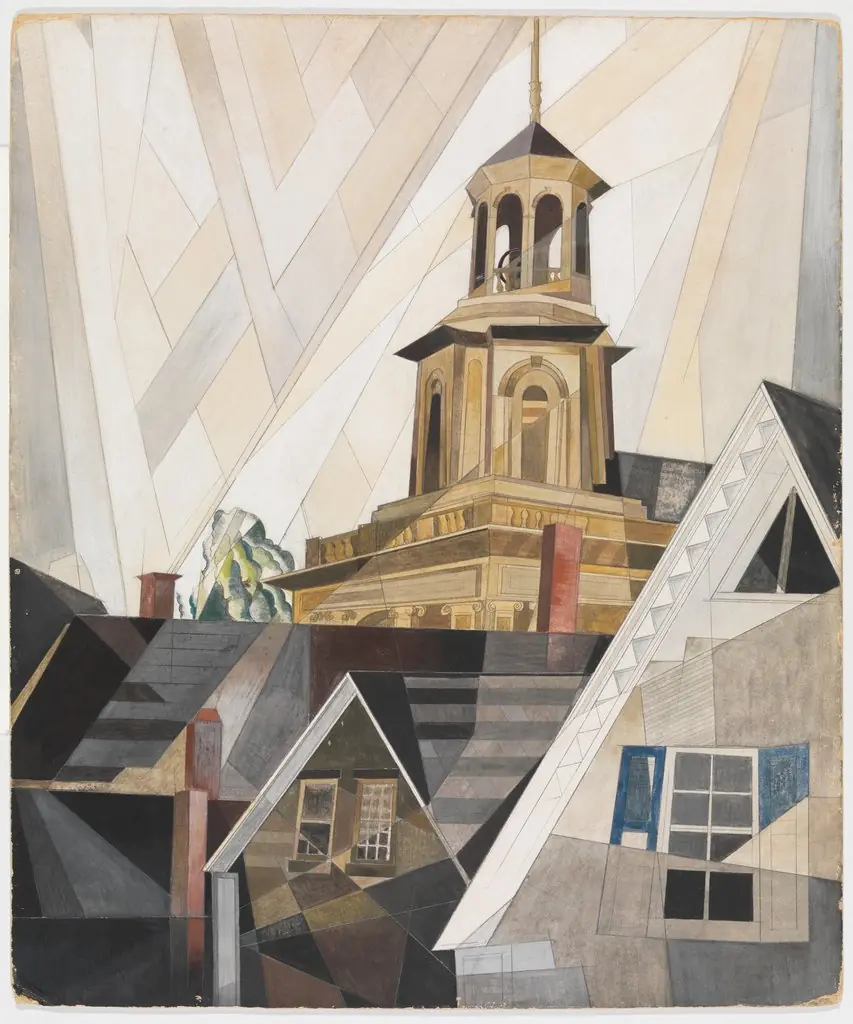 After Sir Christopher Wren
 View of a Fortified City
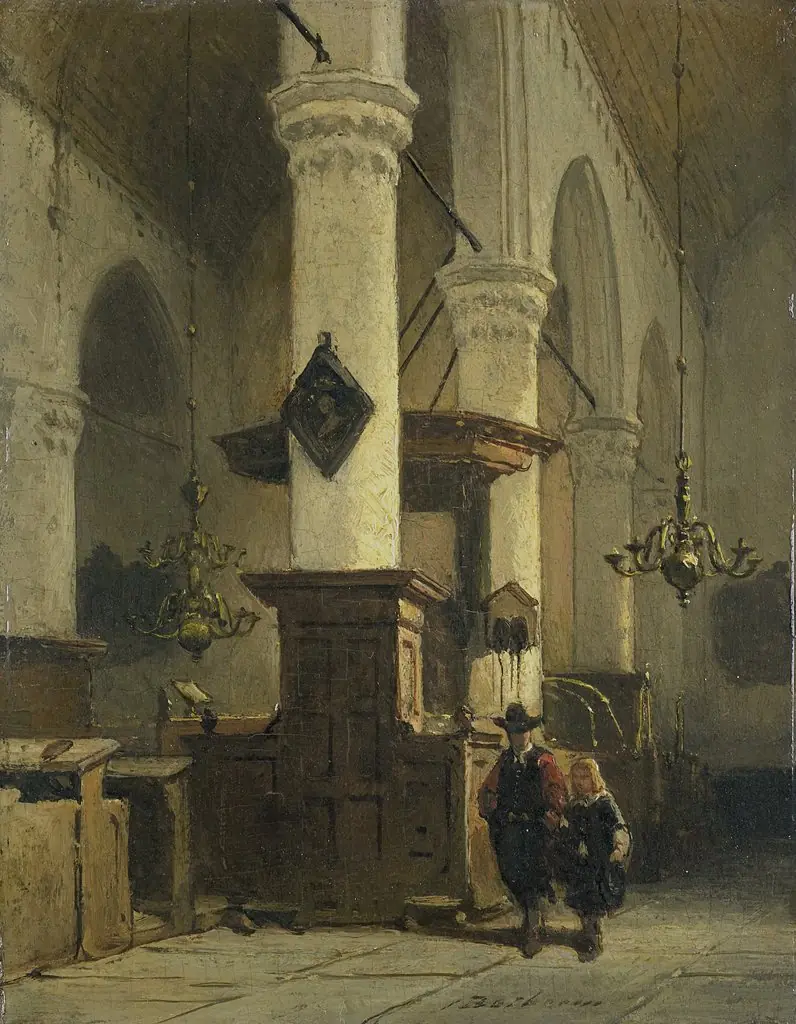 Church Interior
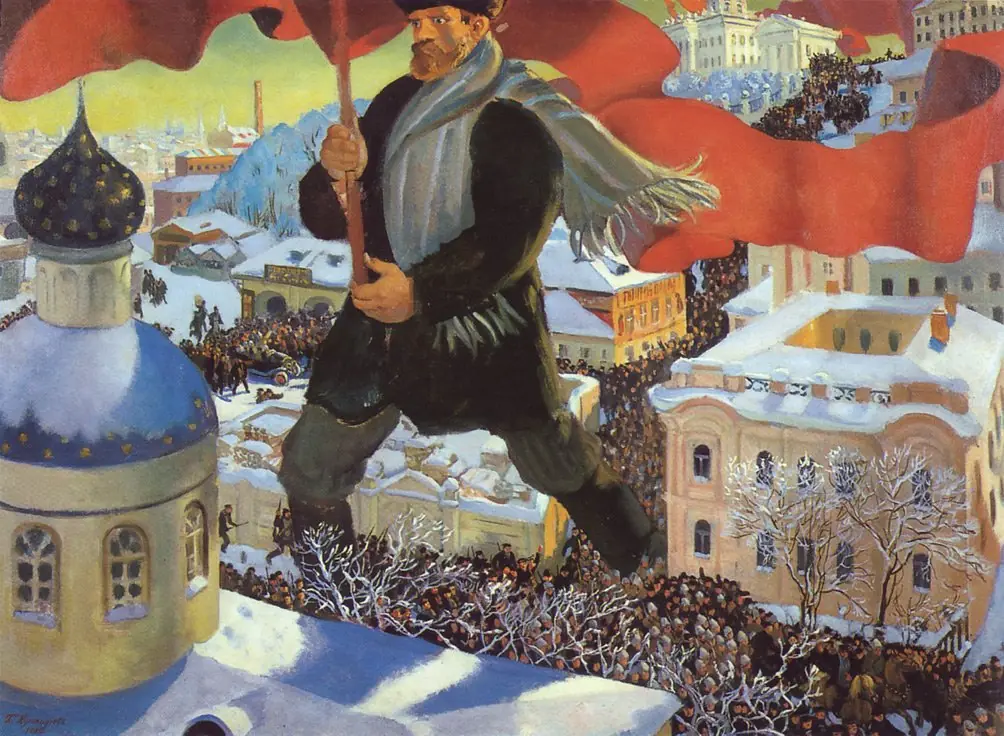 Bolshevik
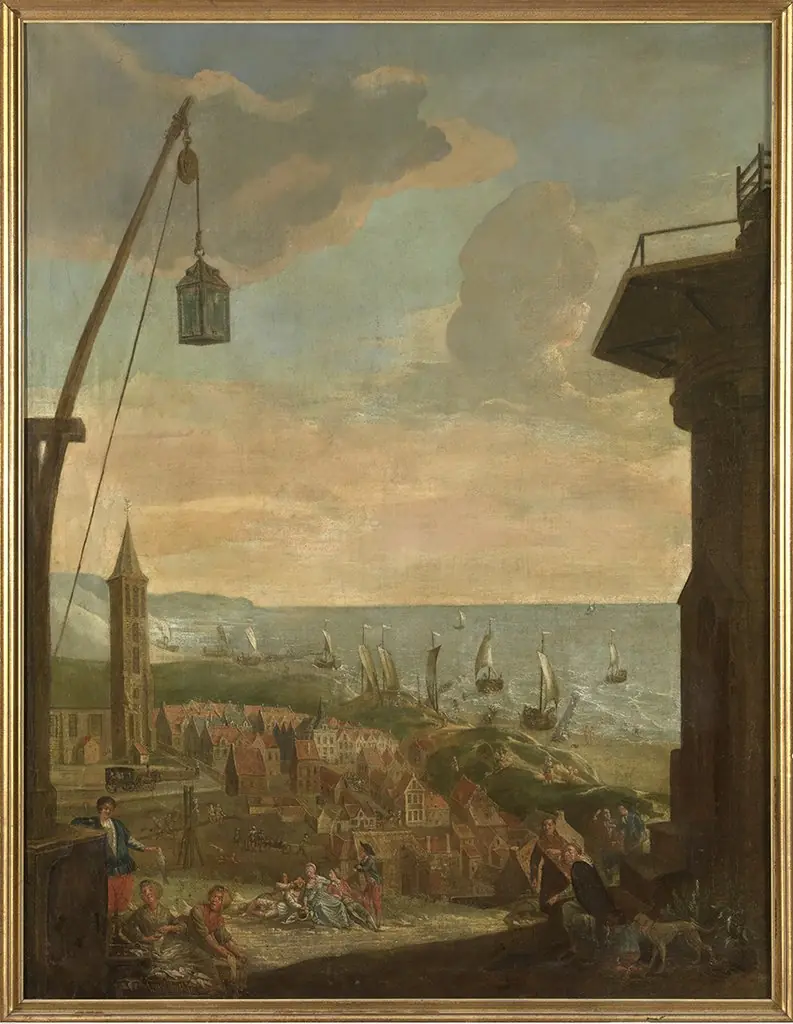 Gezicht op Blankenberghe
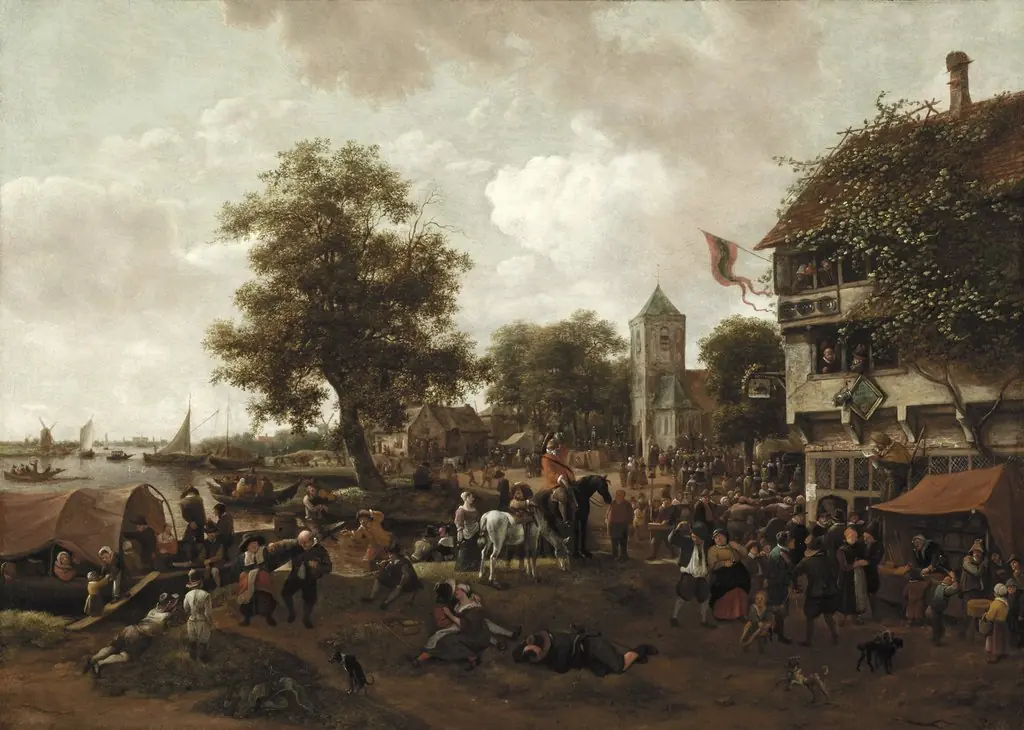 The Fair at Oegstgeest
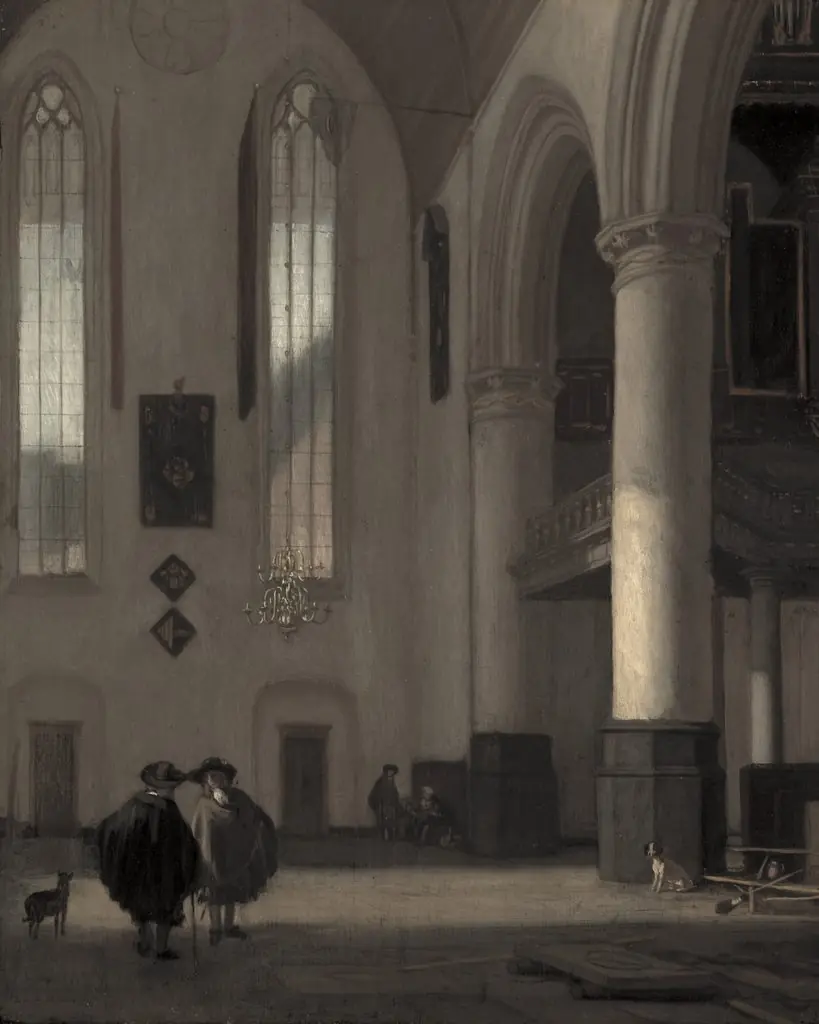 Interior of a Protestant Church
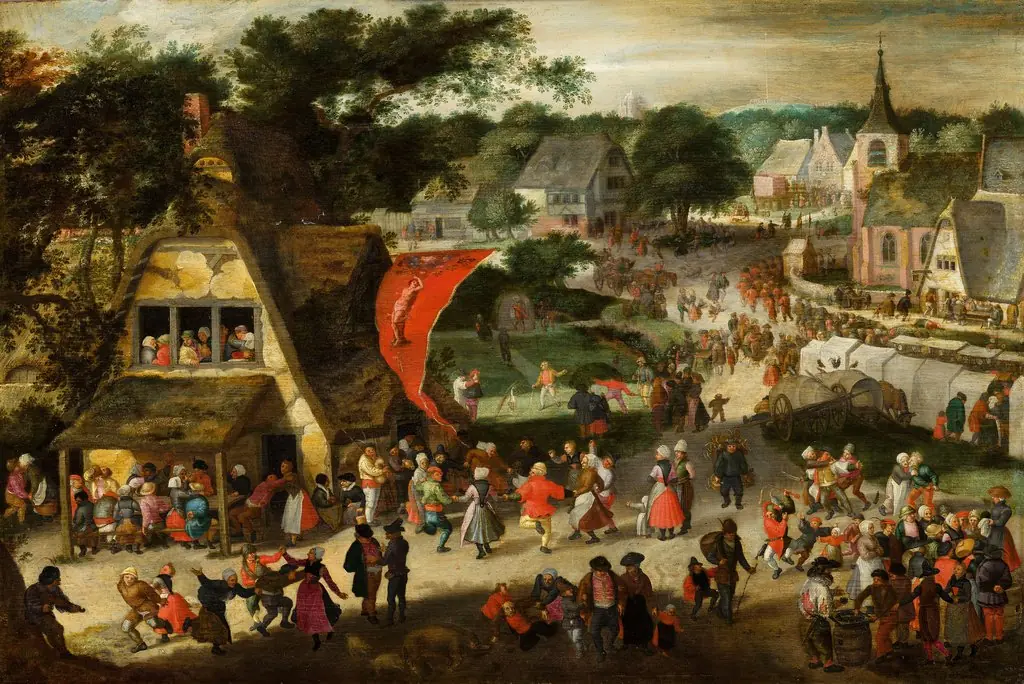 St. Sebastian fair in a Flemish village
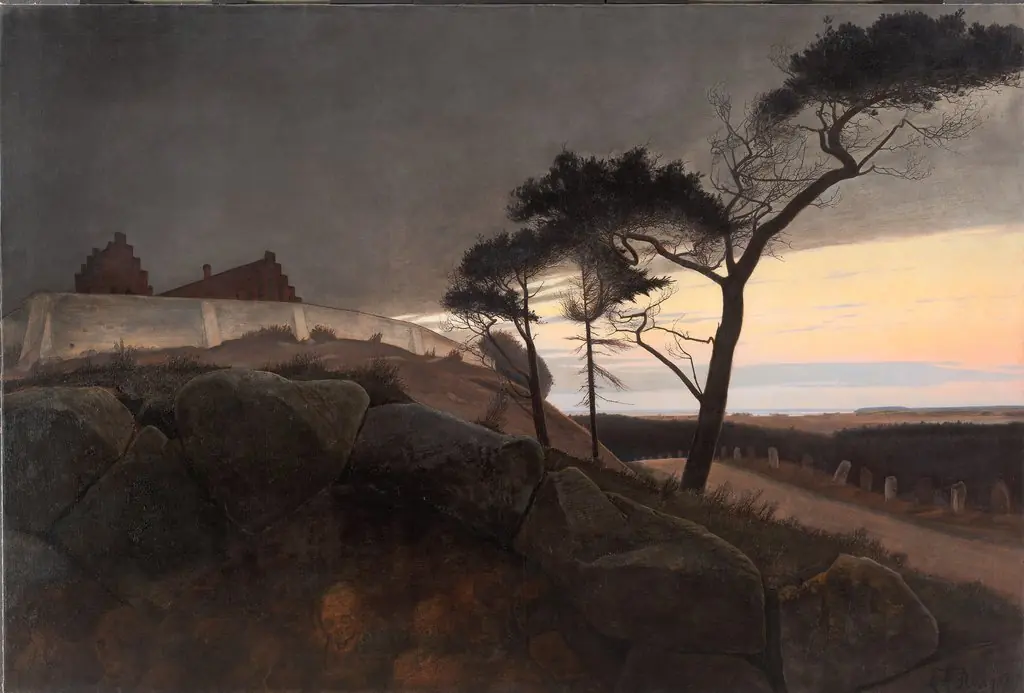 After Sunset
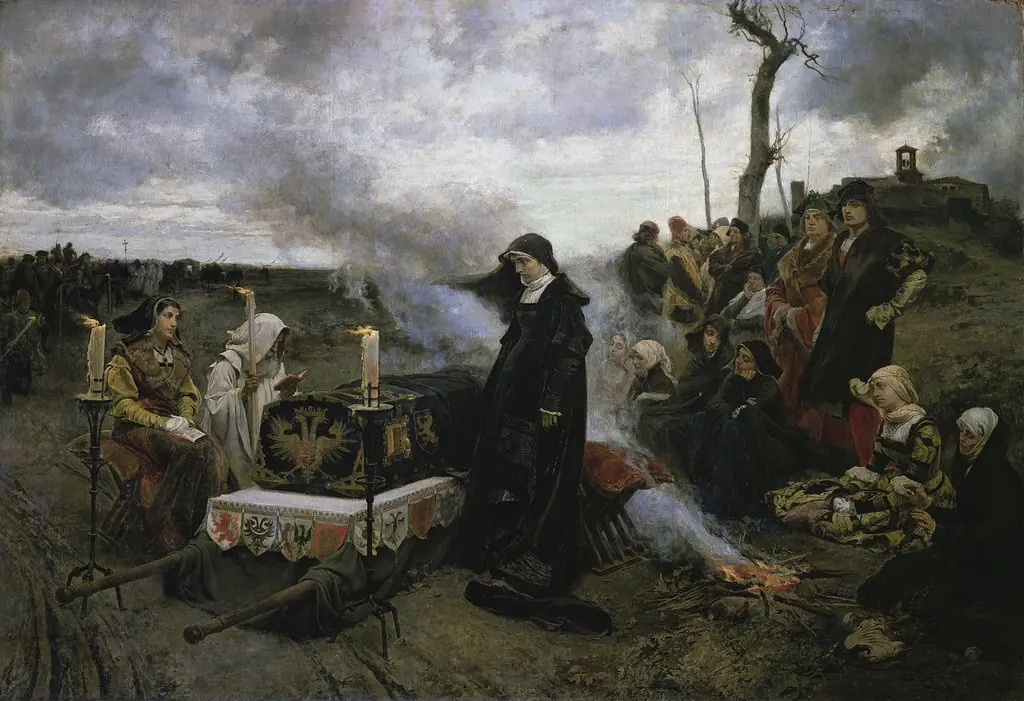 Doña Joanna the Mad
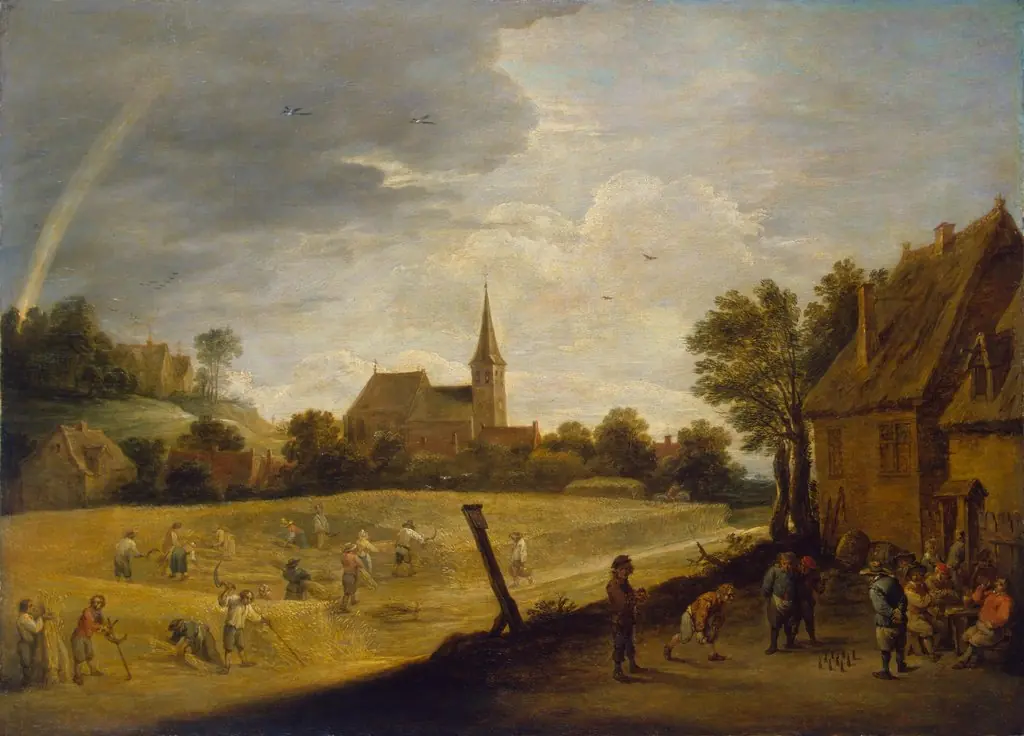 Reaping
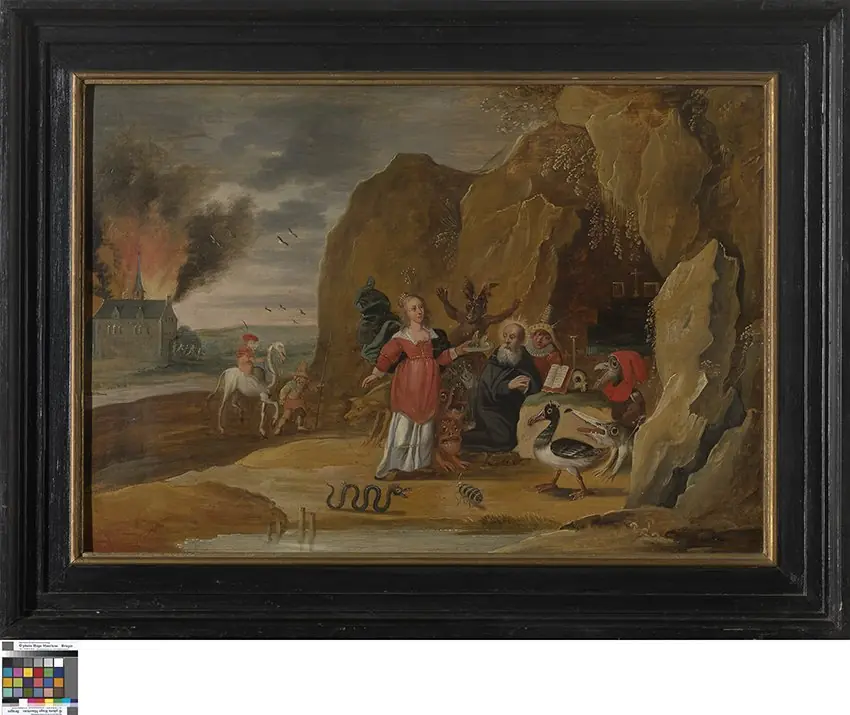 Verzoeking van de heilige Antonius
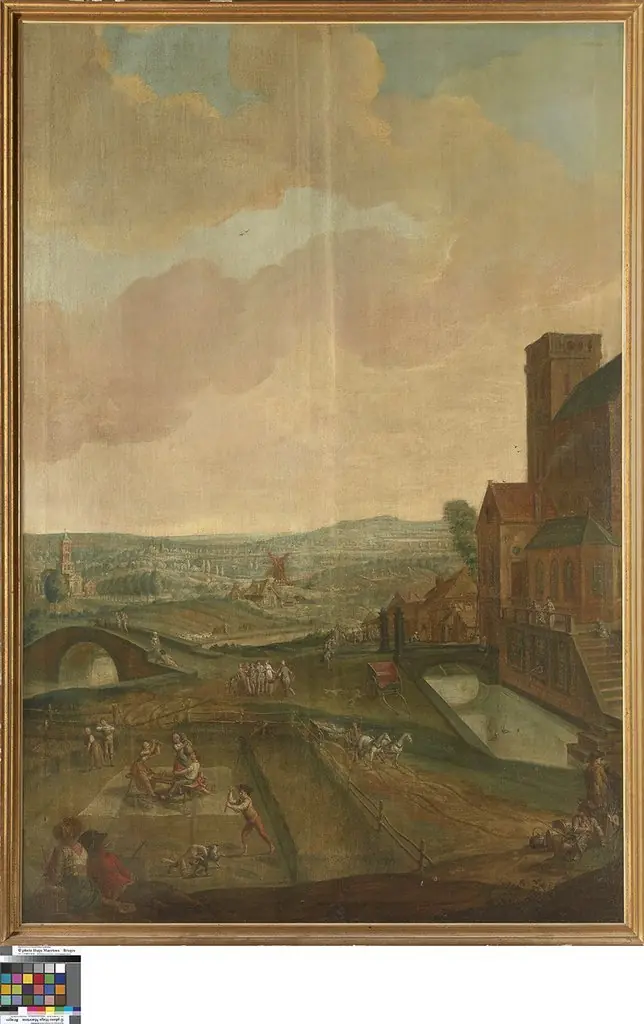 Vlasfeest
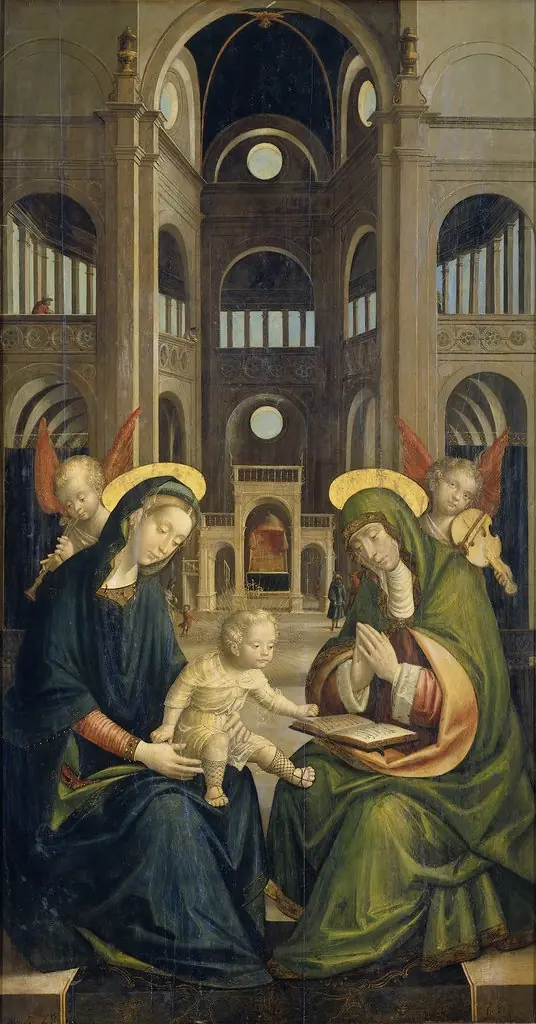 Virgin and Child with Saint Anne (Anna Selbdritt)
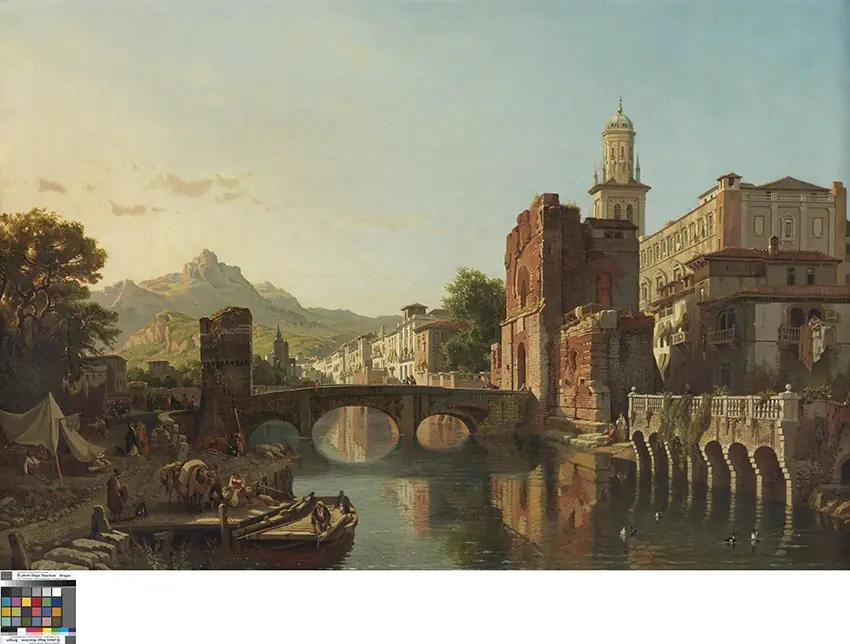 Stadsgezicht in Spanje
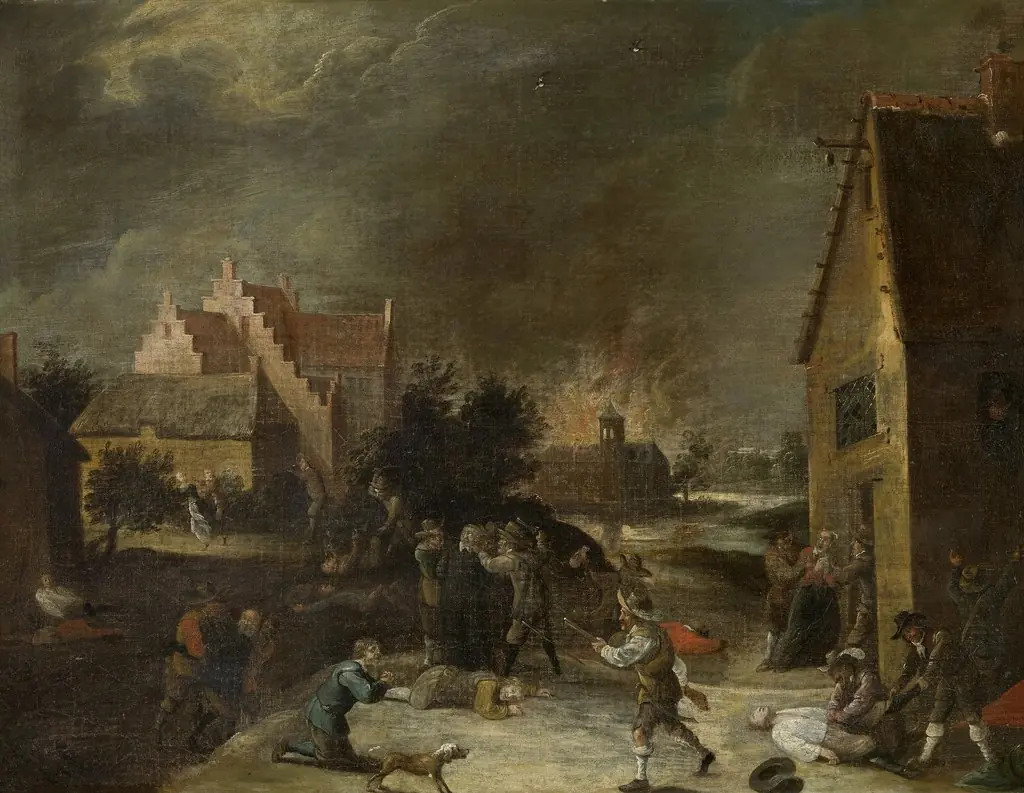 Looting of a village
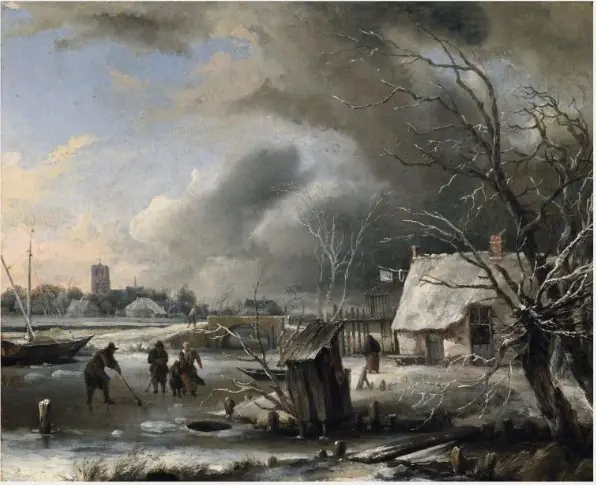 A River Scene in Winter
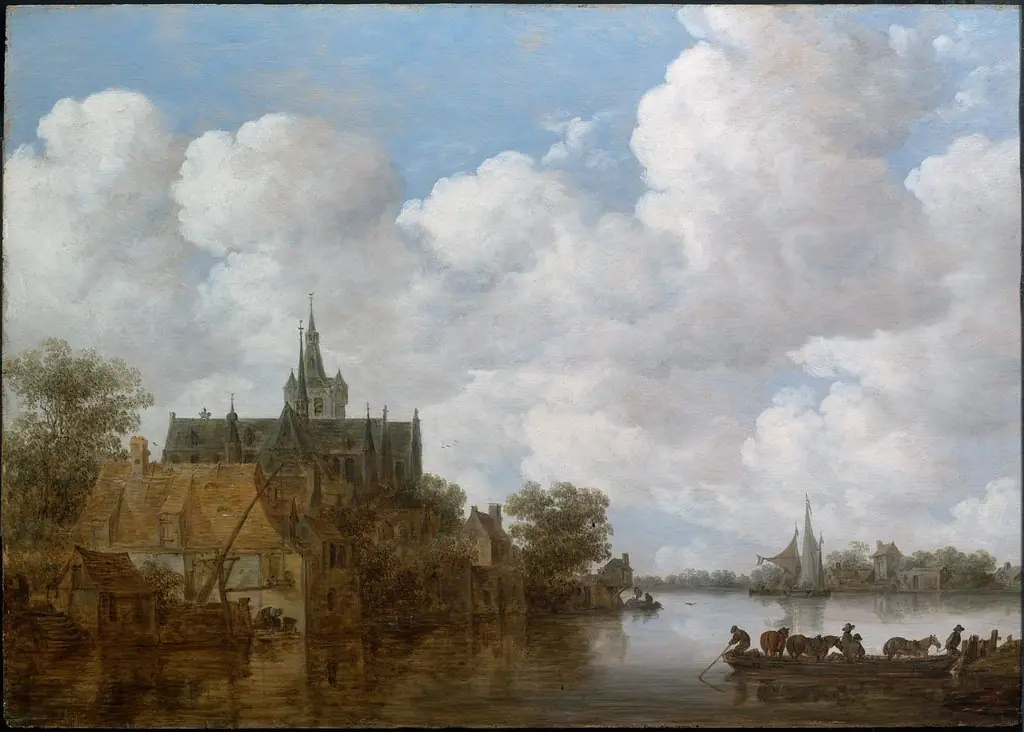 River Landscape with a Ferry and a Church
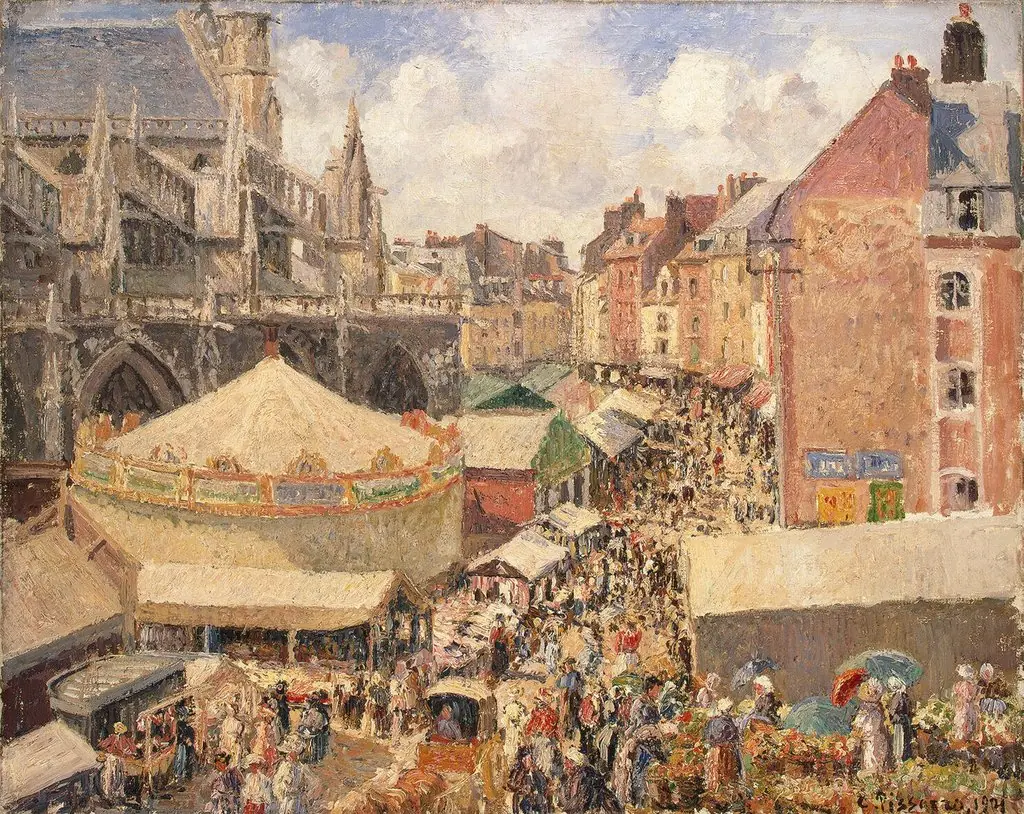 The Town Fair by the Church of Saint-Jacques in Dieppe, Morning, Sunlight
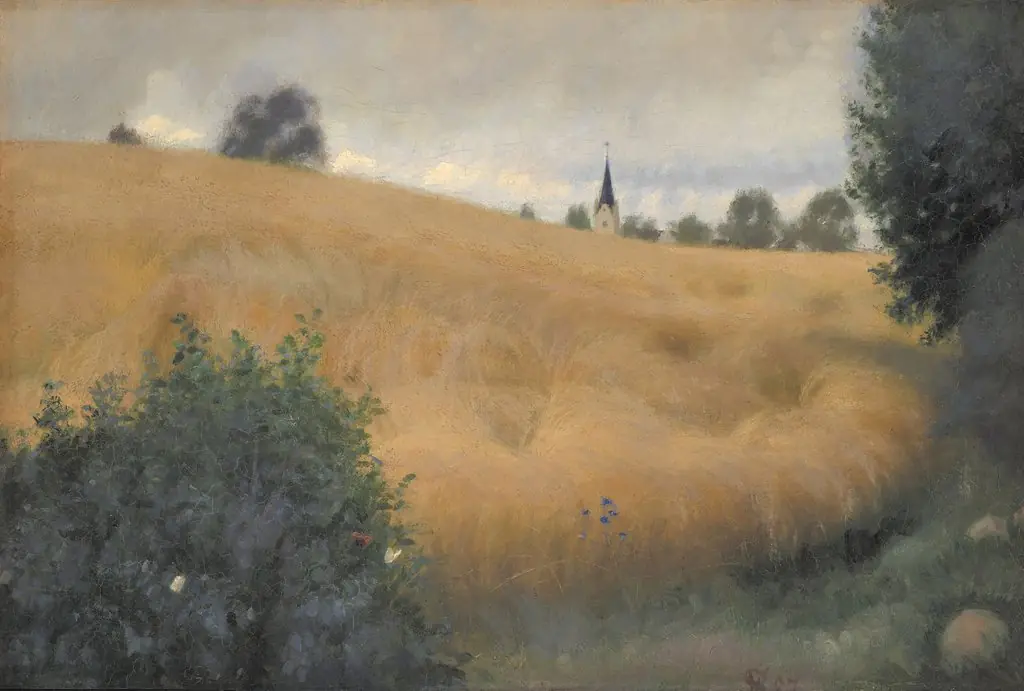 A Rye Field near Svanninge
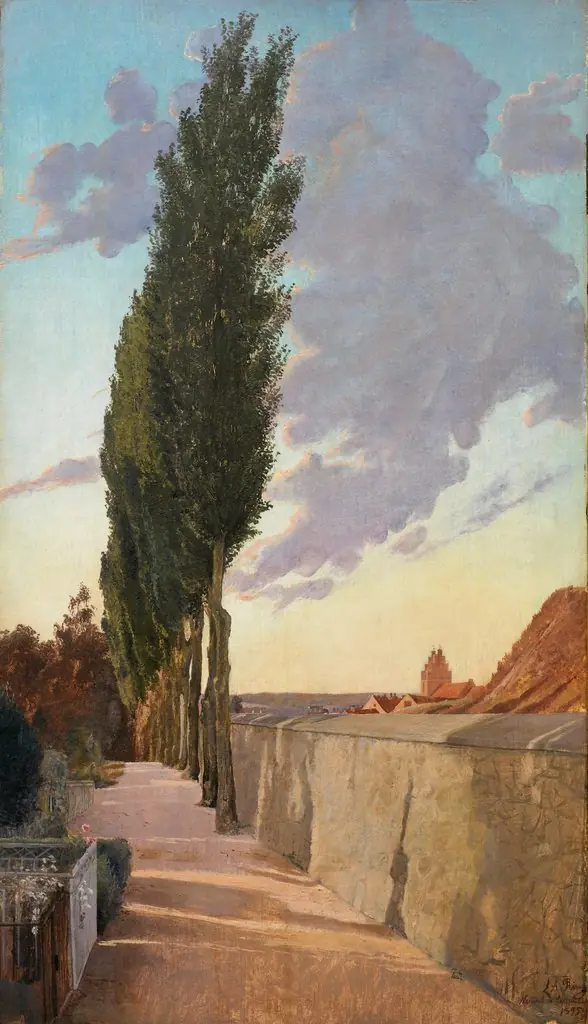 Landscape with Poplars. September Evening
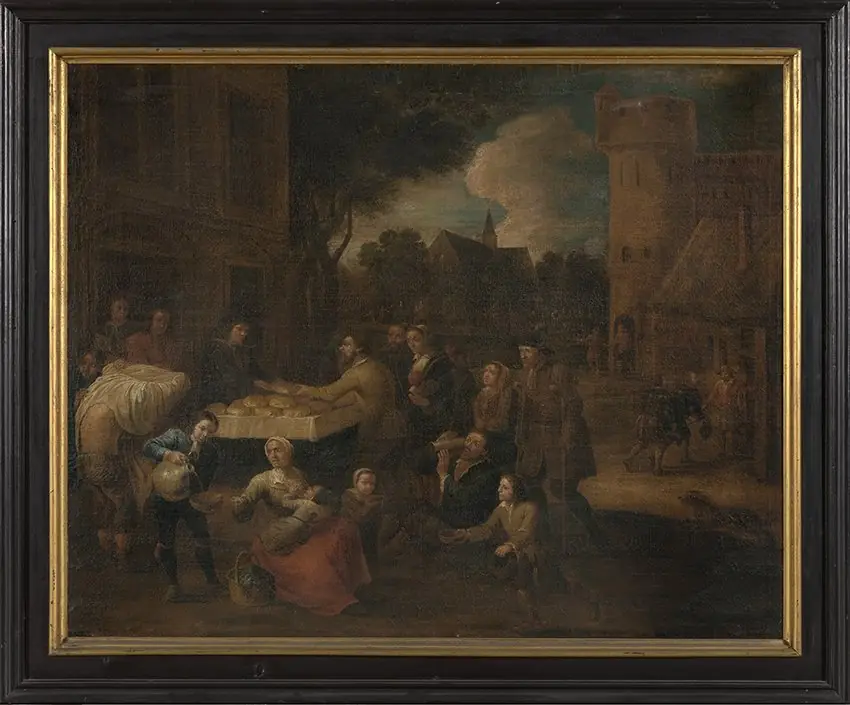 Werken van barmhartigheid
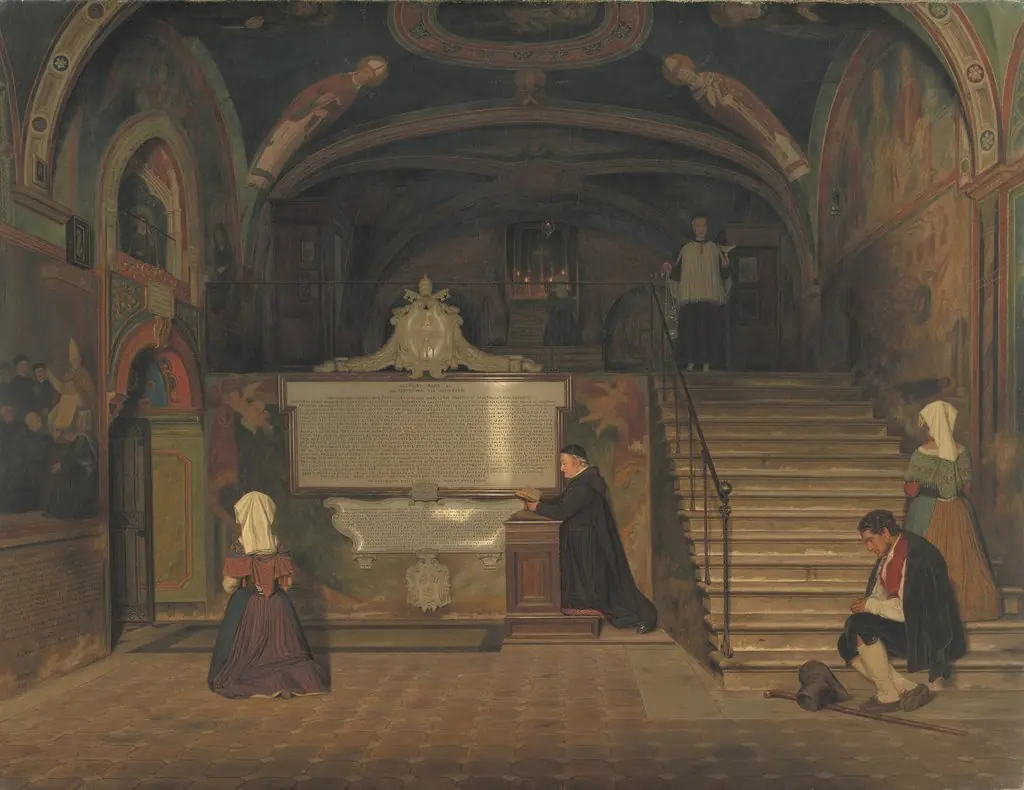 The Crypt in the Monastry of San Benedetto in Subiaco, Italy
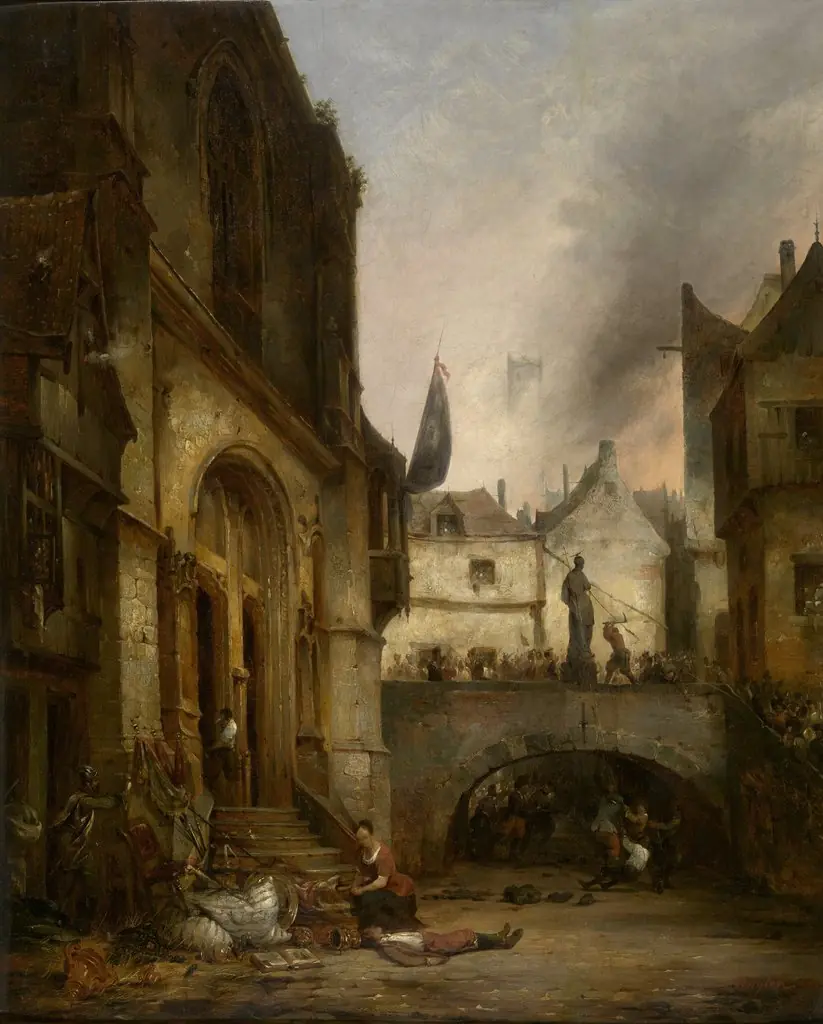 De beeldenstormers
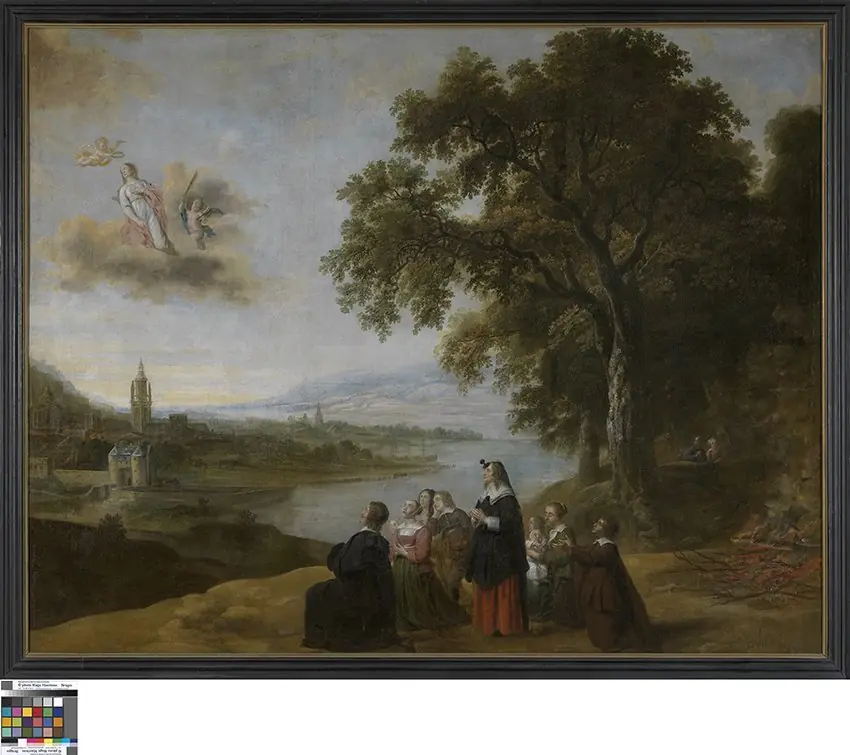 The Invocation of Saint Apollonia
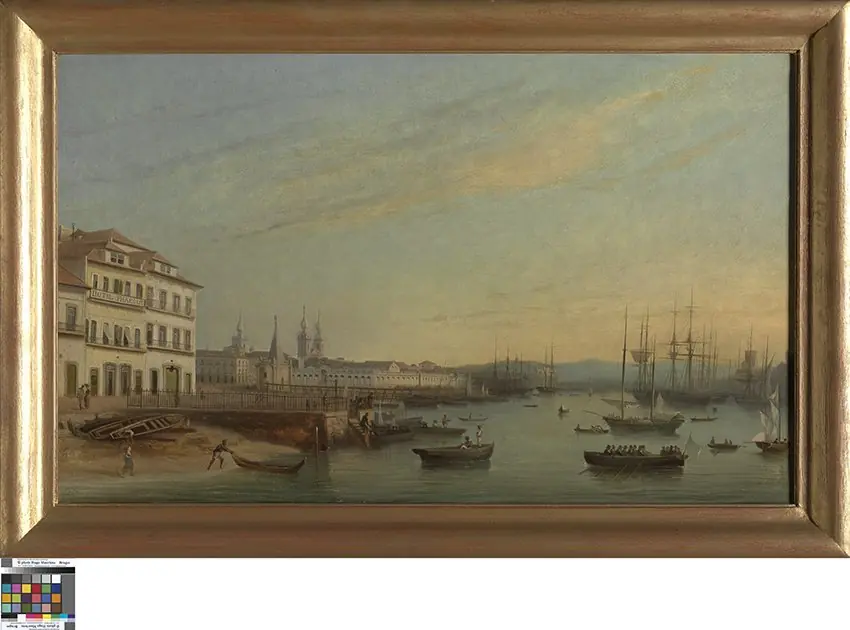 Haven
Haven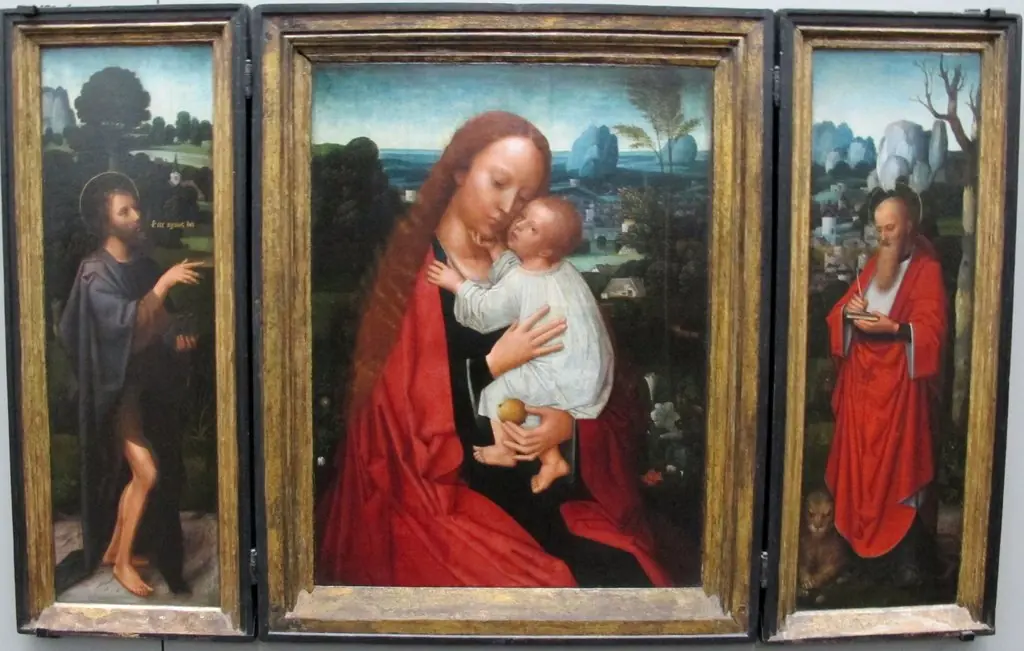 Madonna with John the Baptist and Saint Jerome
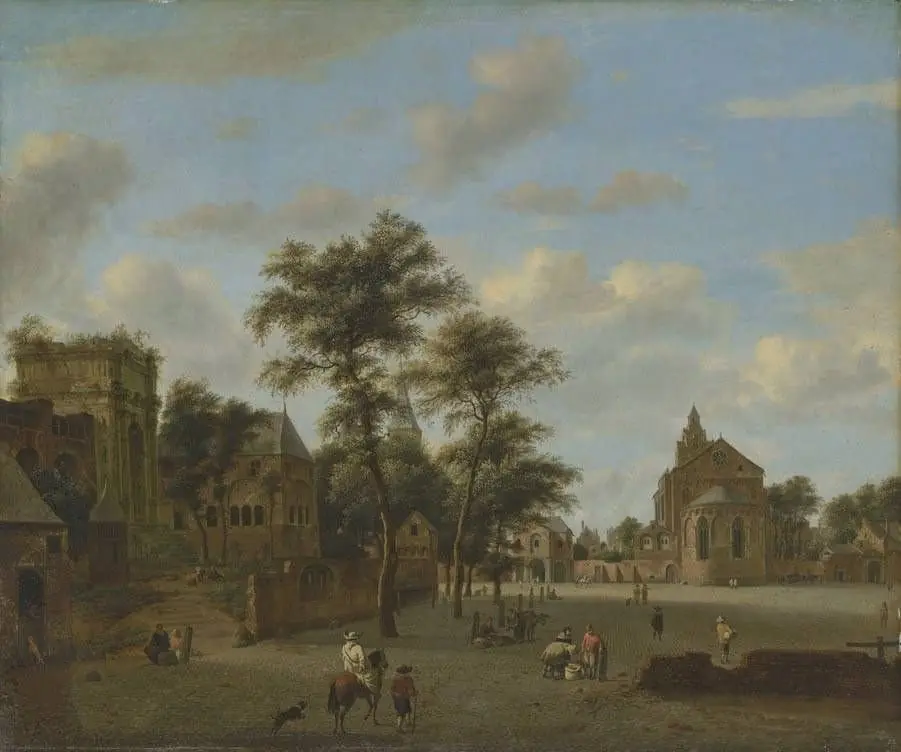 A Square with Four Cologne Churches
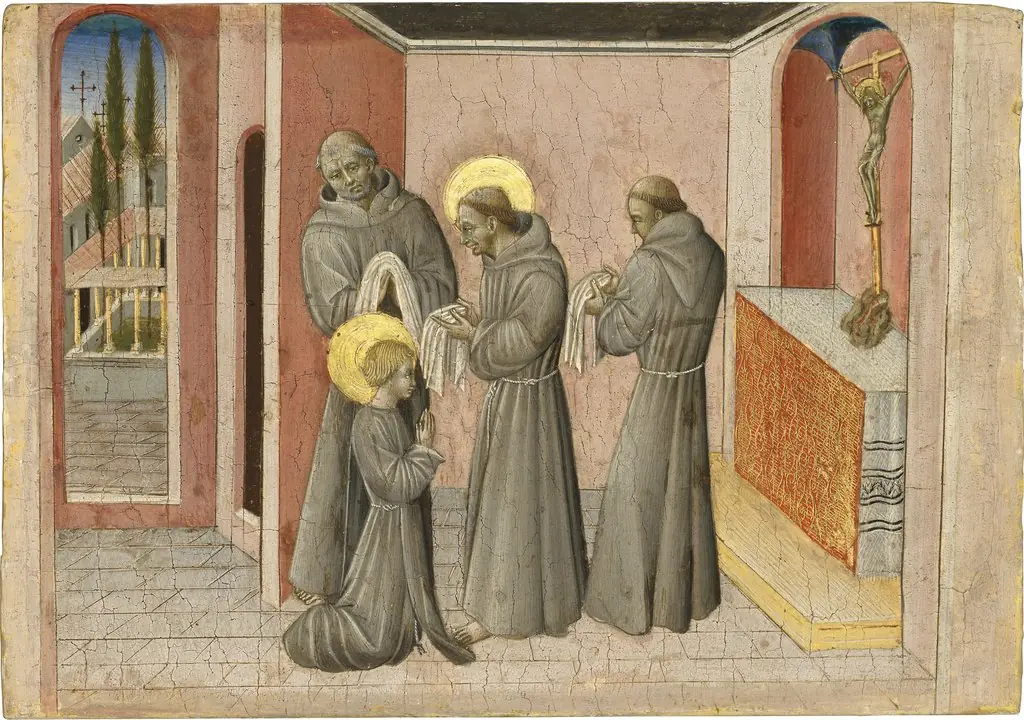 The Investiture of Saint Clare: the Saint receiving the clothes of her Order from Saint Francis
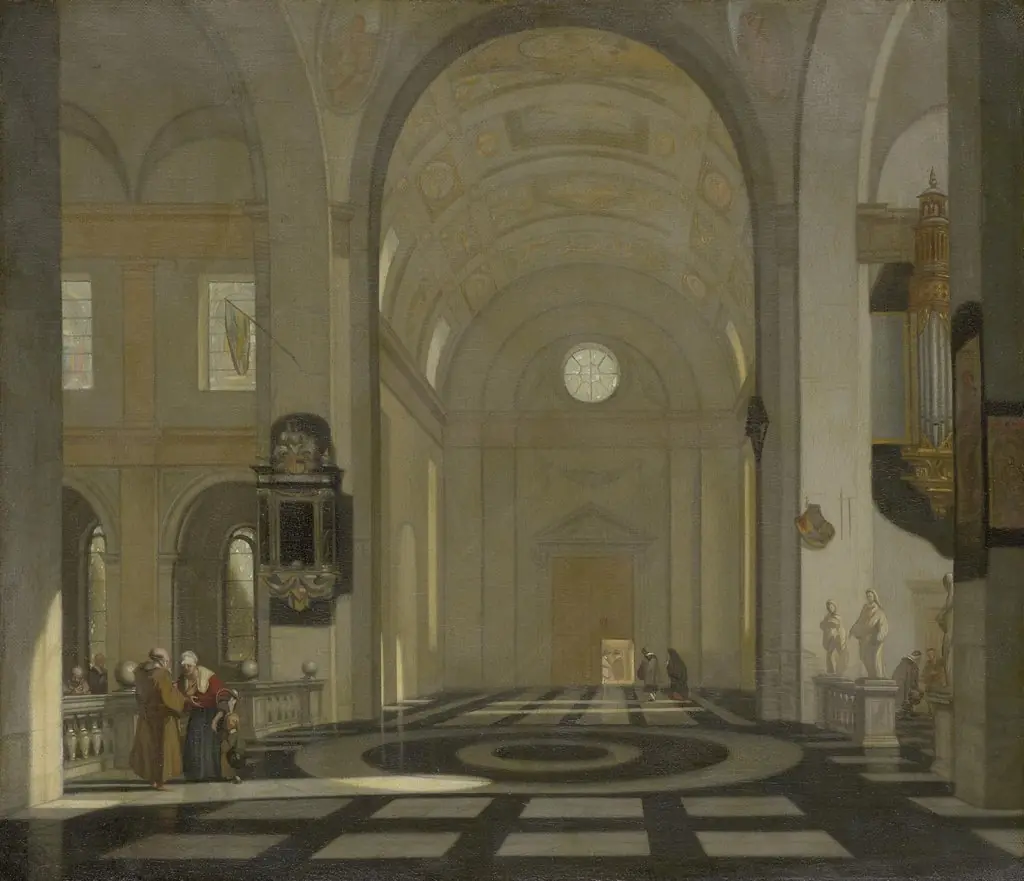 Interior of a Baroque Church
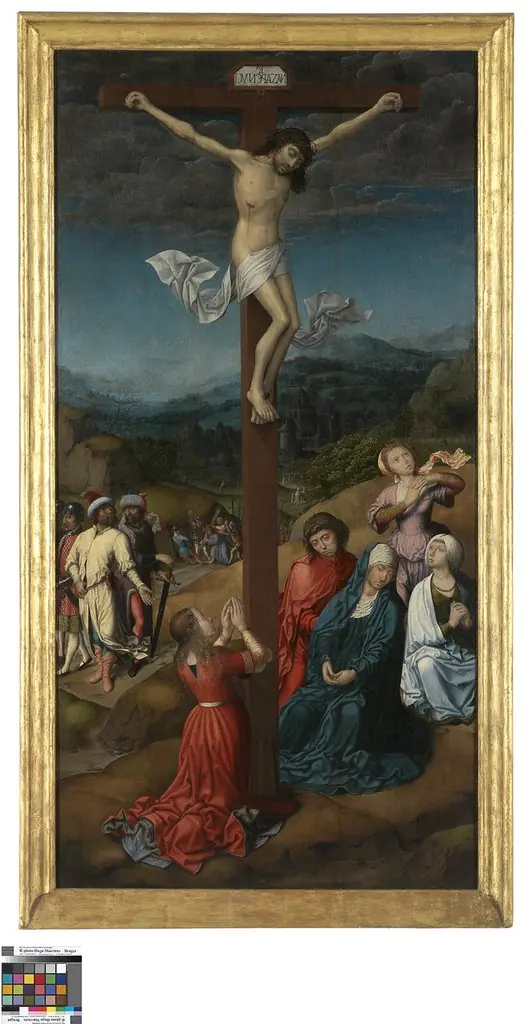 Crucifixion
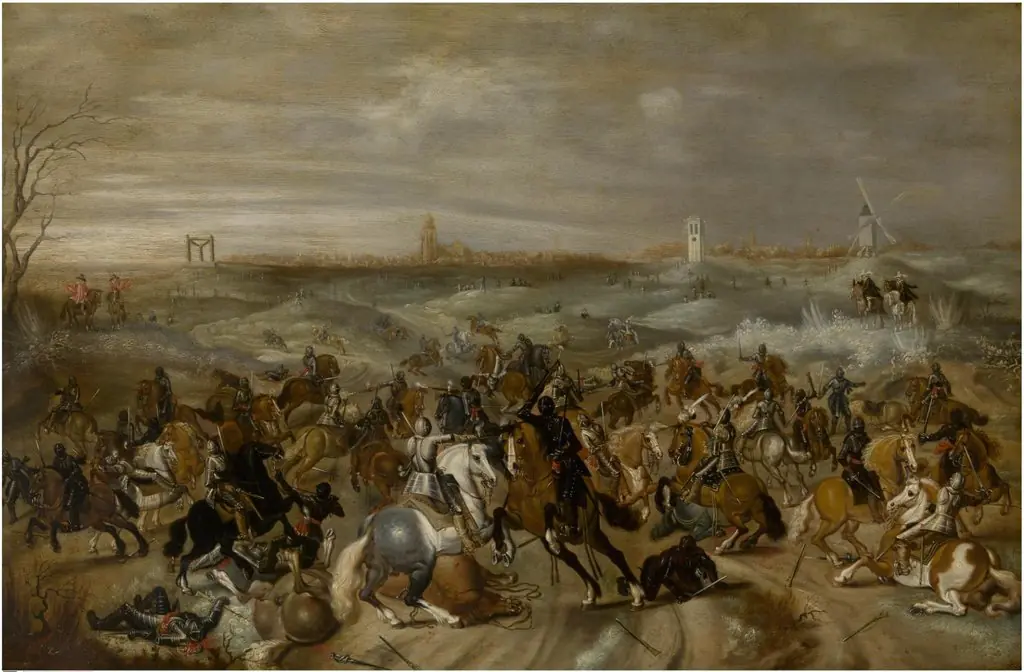 The battle of Leckerbeetje
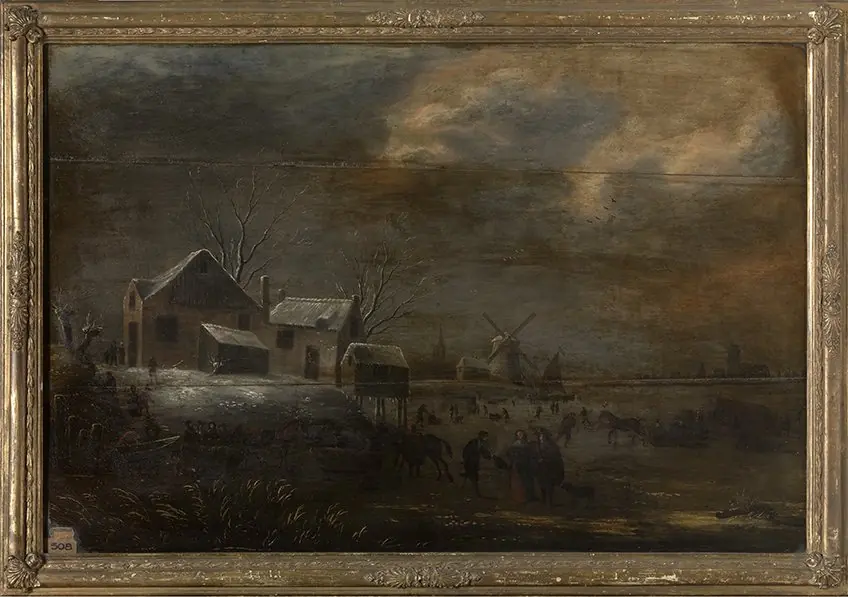 Winterlandschap met ijspret
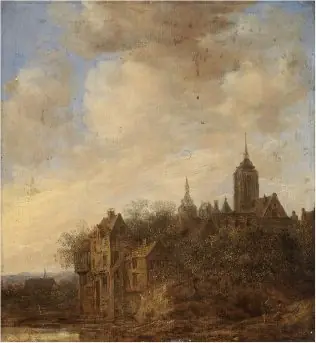 A View of a Town in Holland
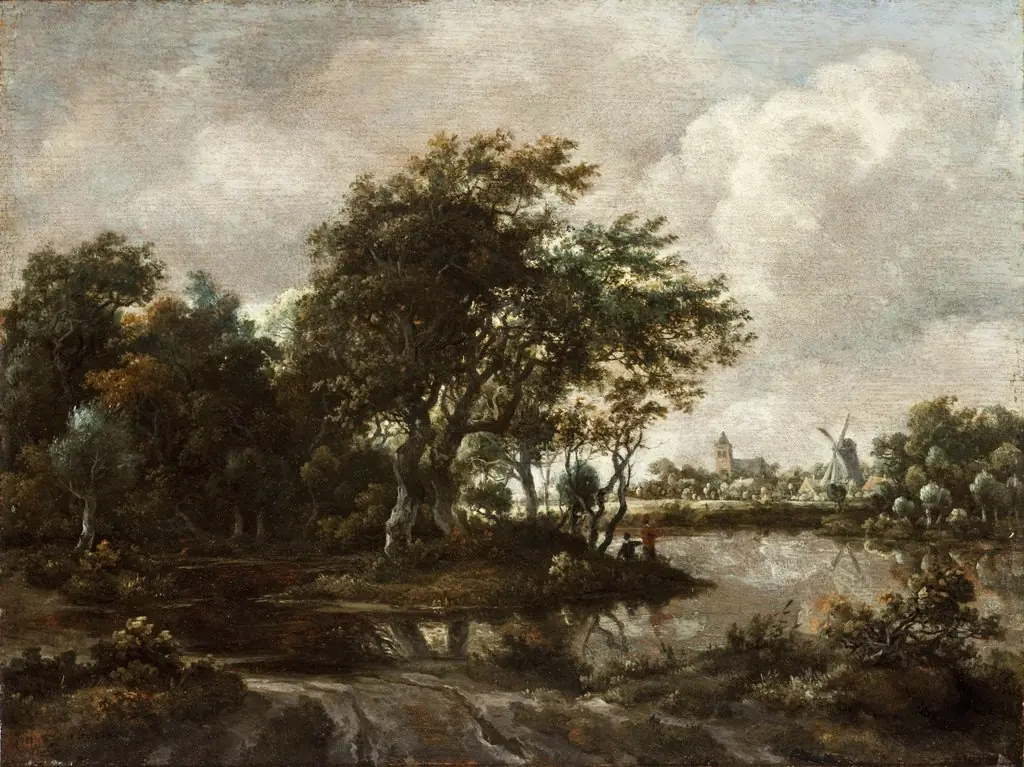 Landscape with Anglers and a Distant Town
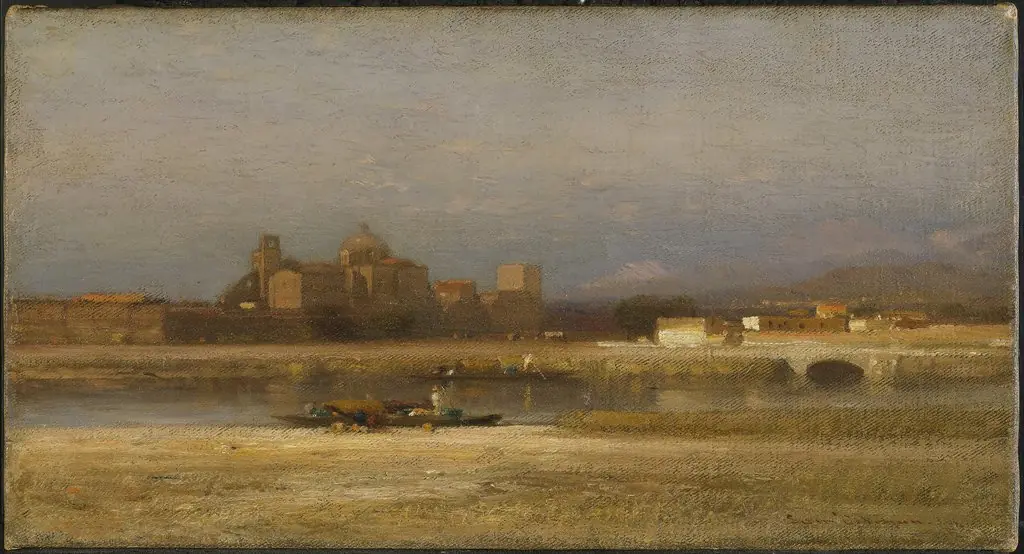 On the Viga, Outskirts of the City of Mexico
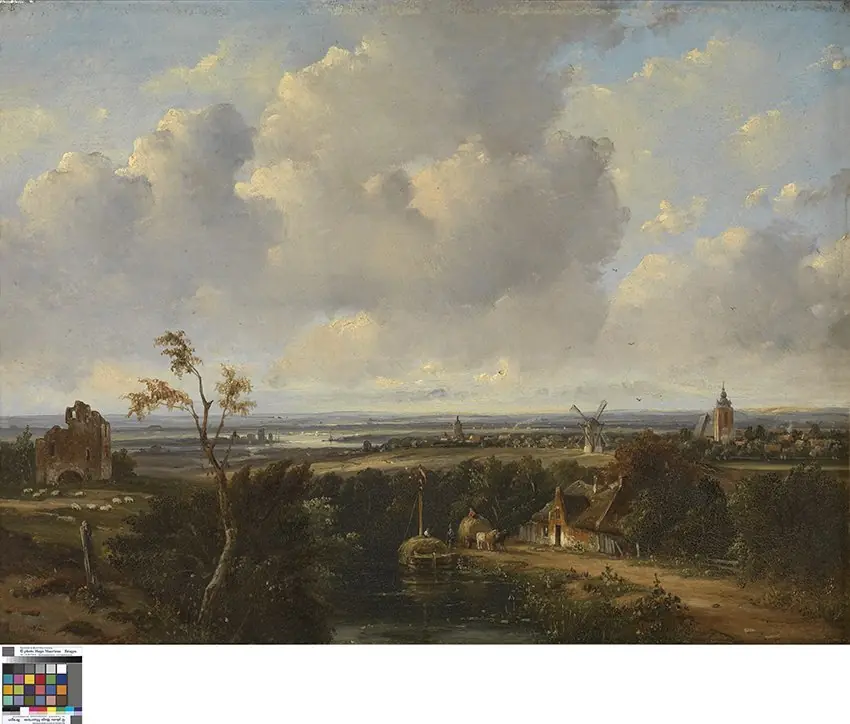 Landschap in Holland
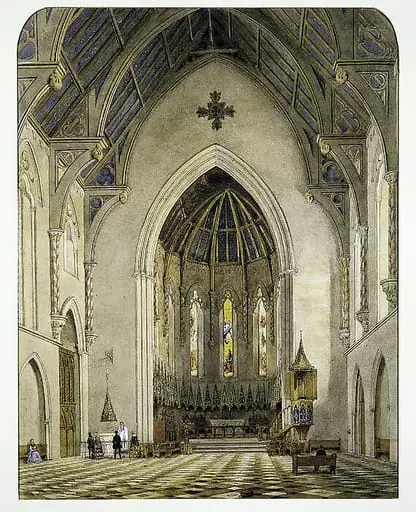 Chancel of Trinity Chapel, New York
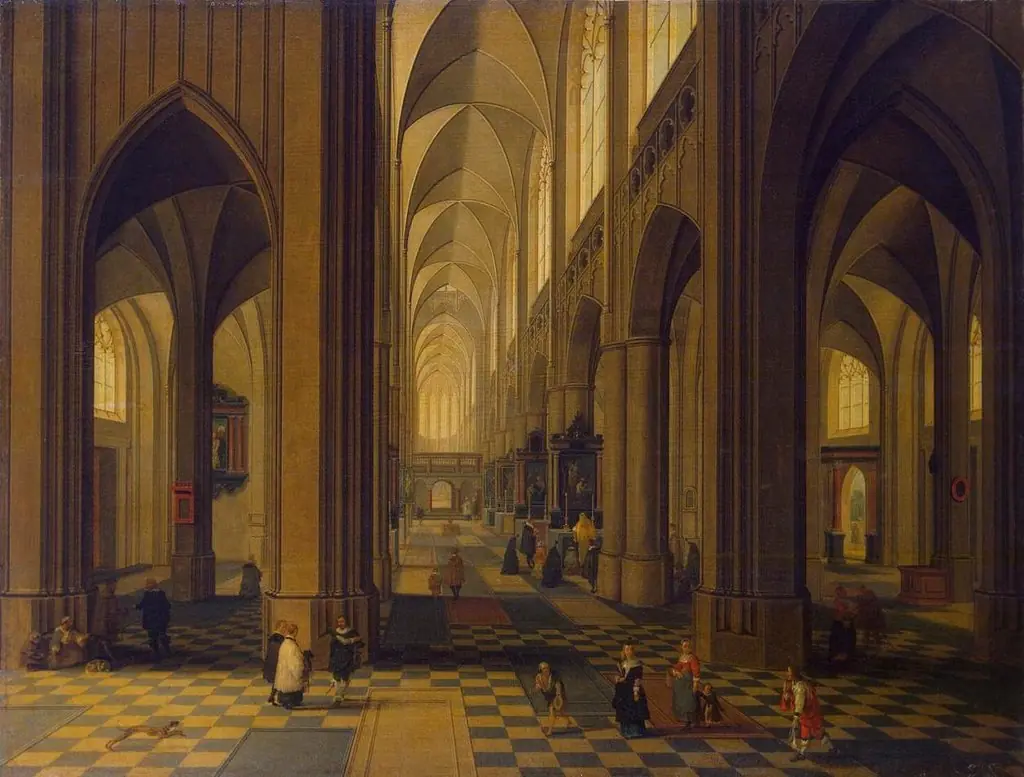 Interior of the Antwerp Cathedral
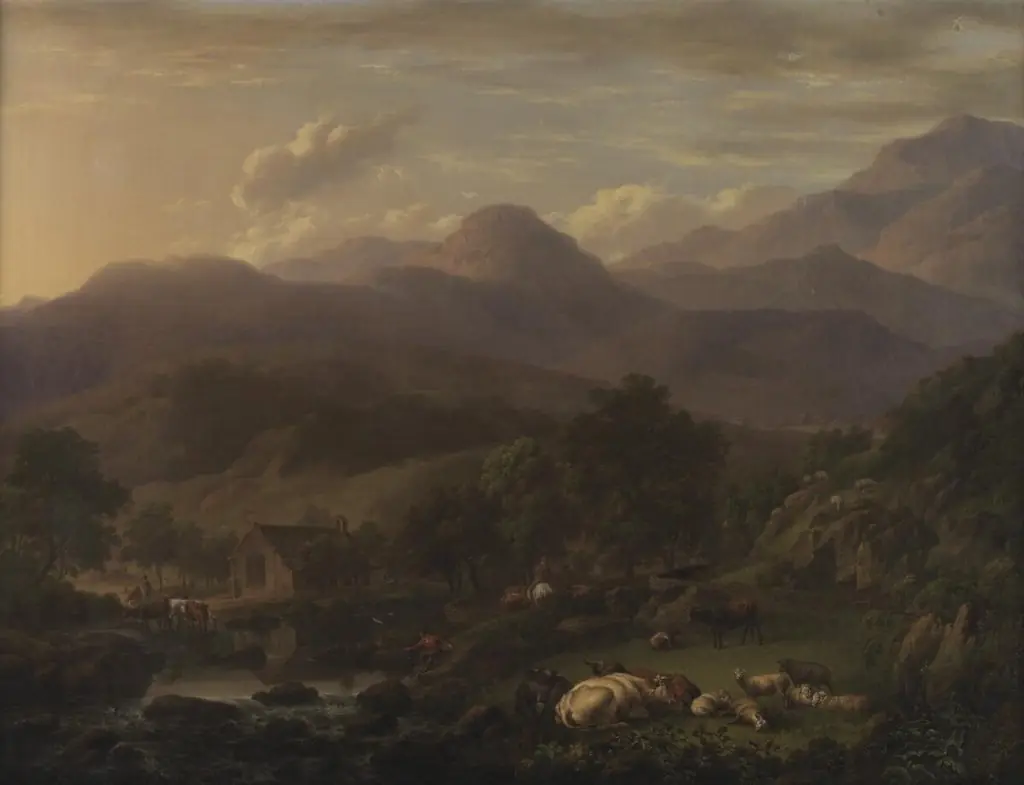 Welsh landscape with animals
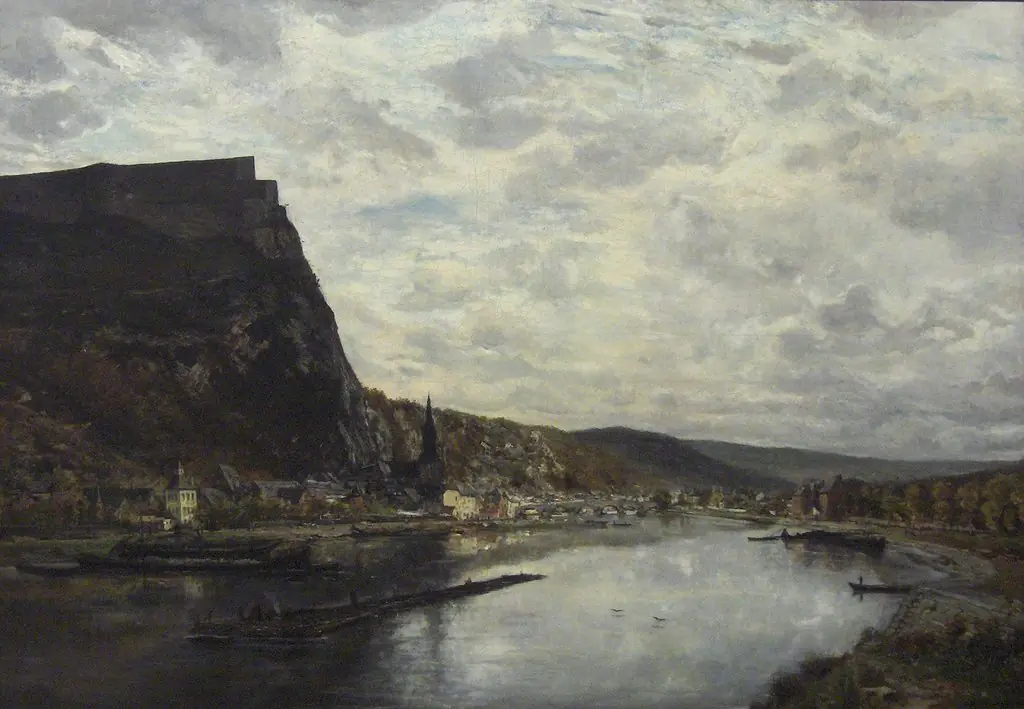 View on Dinant
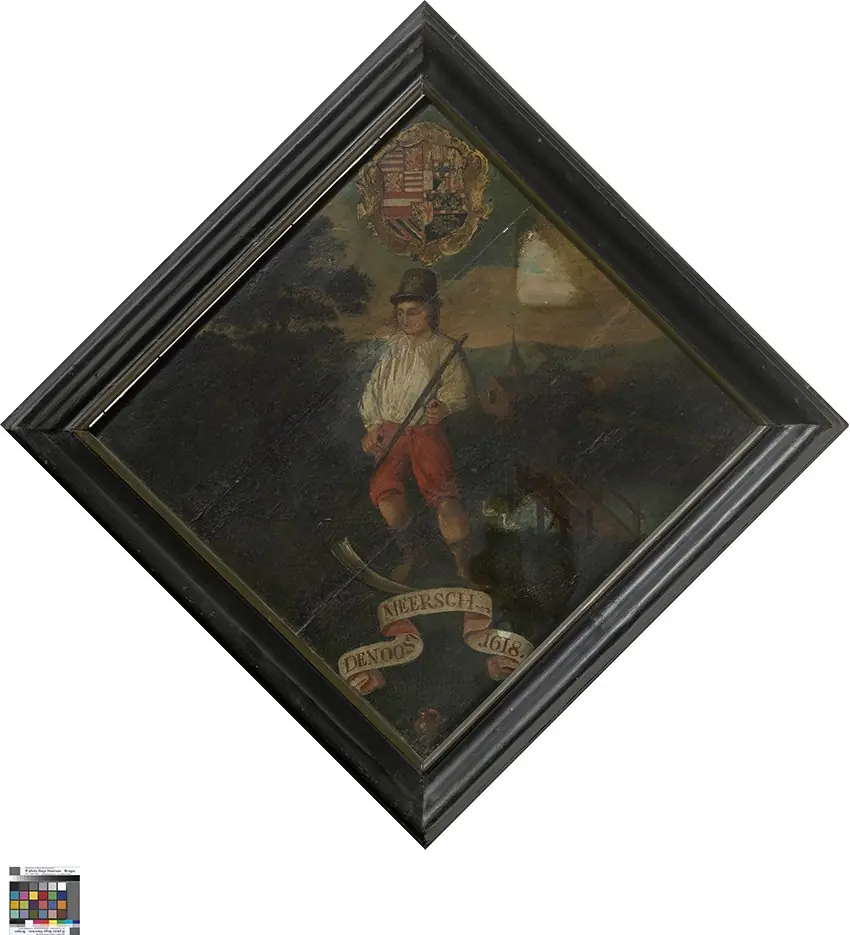 Boer in een landschap
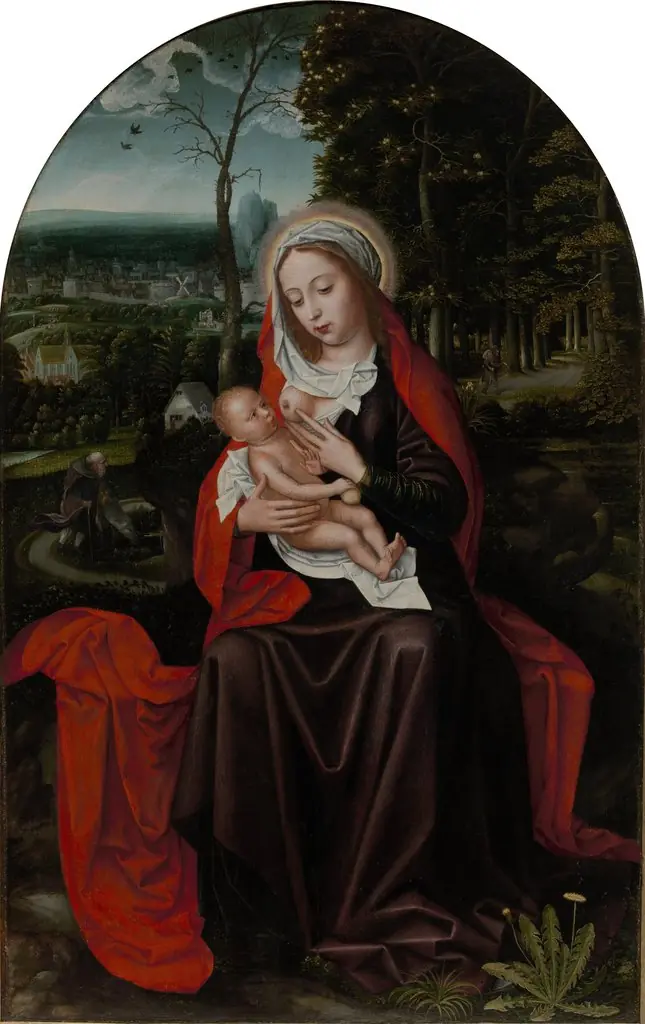 Rest on the flight into Egypt
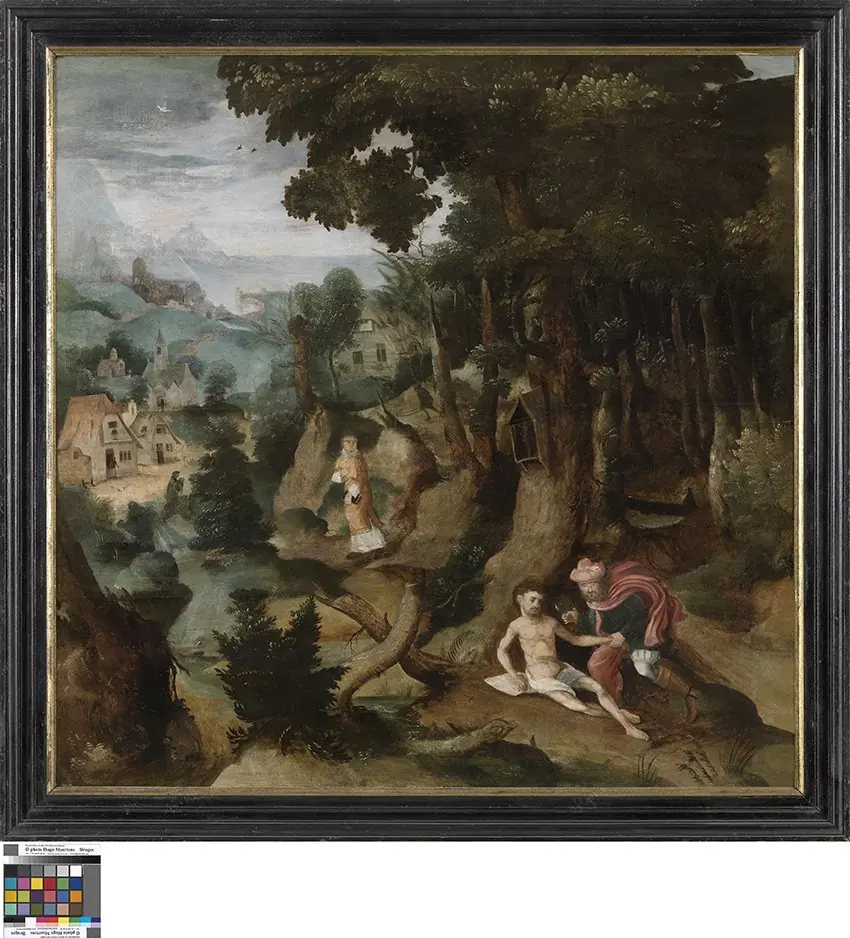 The Good Samaritan
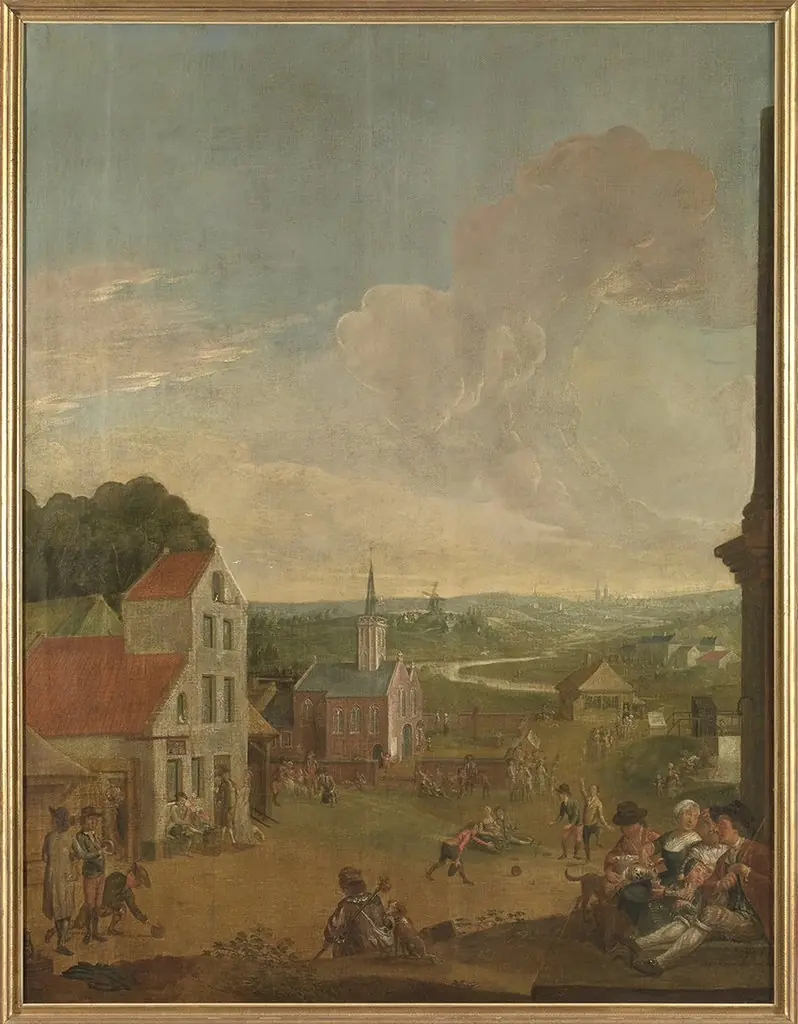 Gezicht op Sint-Michiels
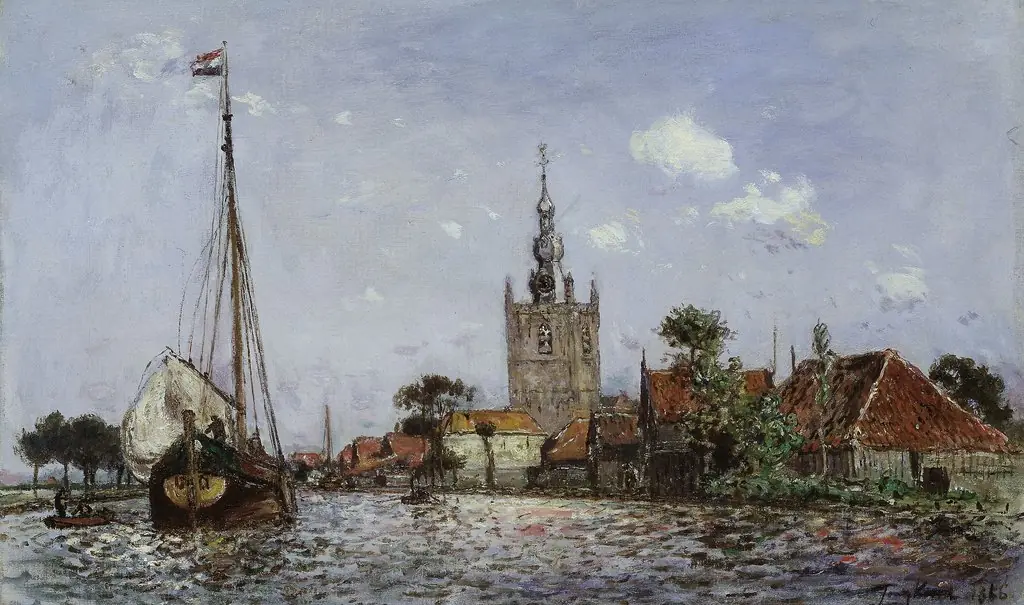 The Church of Overschie
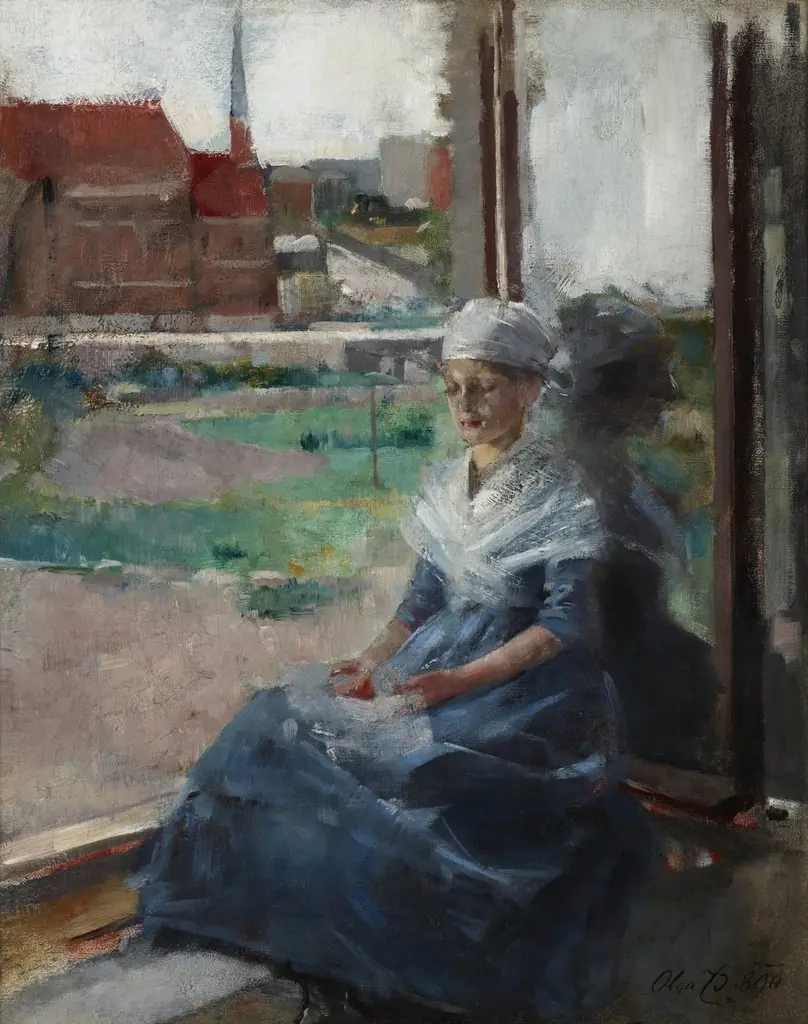 Breton Woman (Version II)
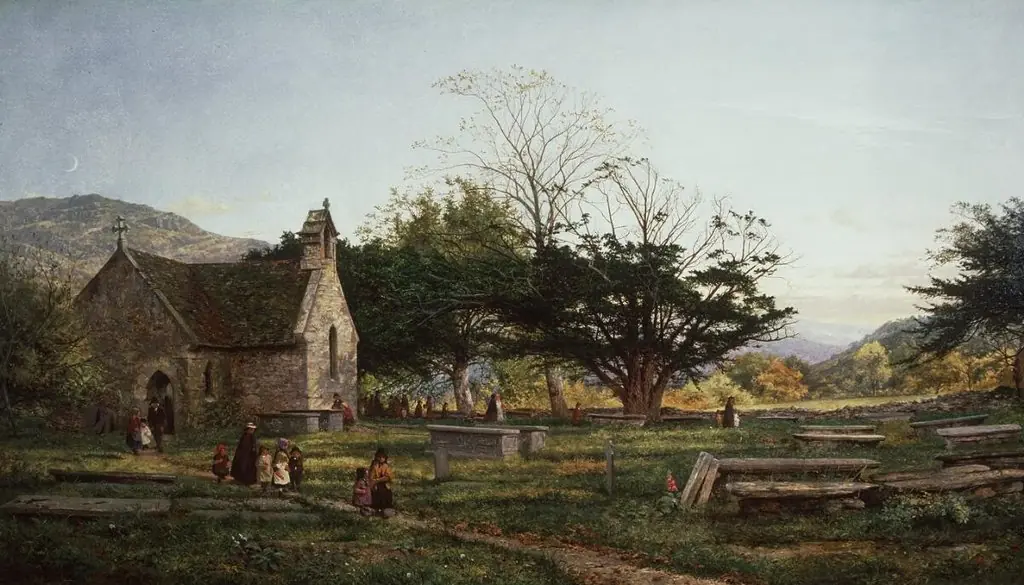 Bettws y Coed Church
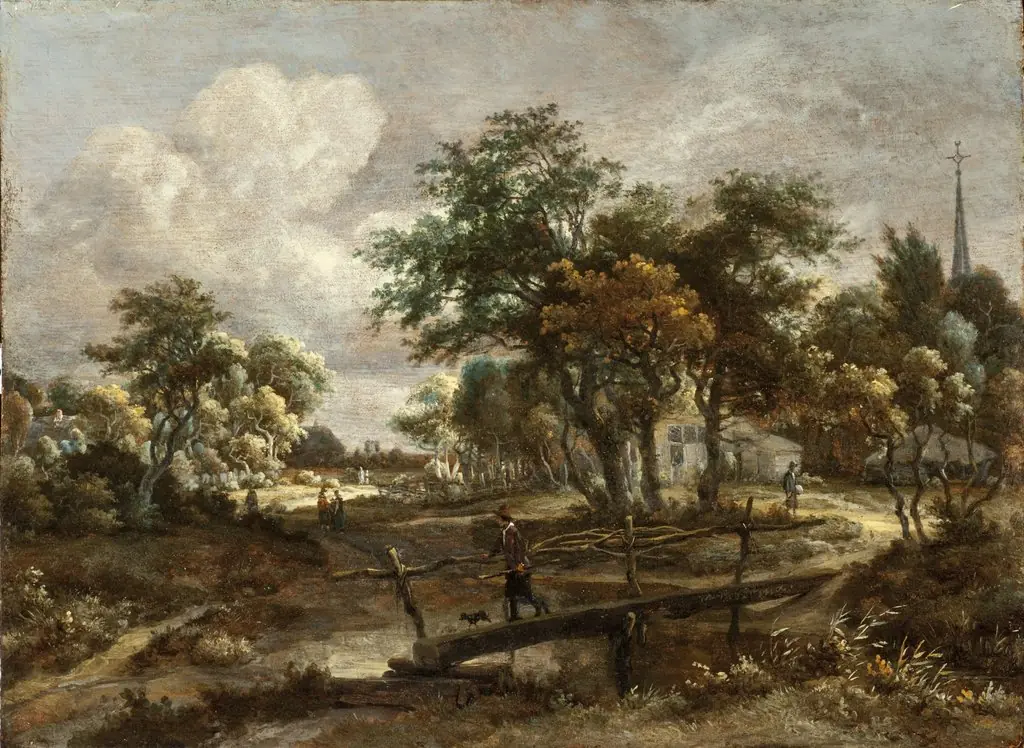 Landscape with a Footbridge
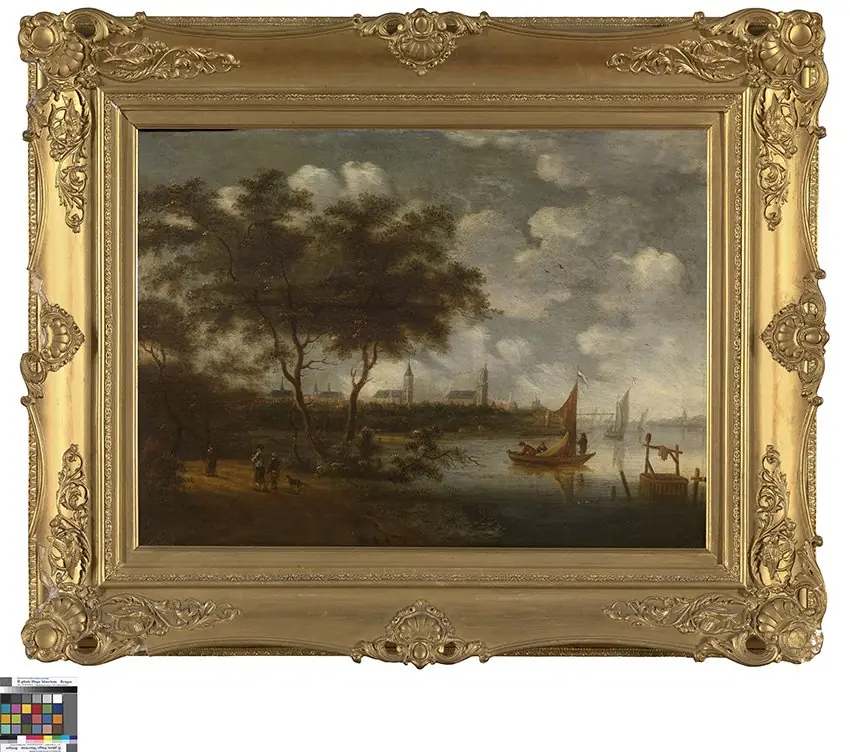 Gezicht op Zwolle en het Zwartwater
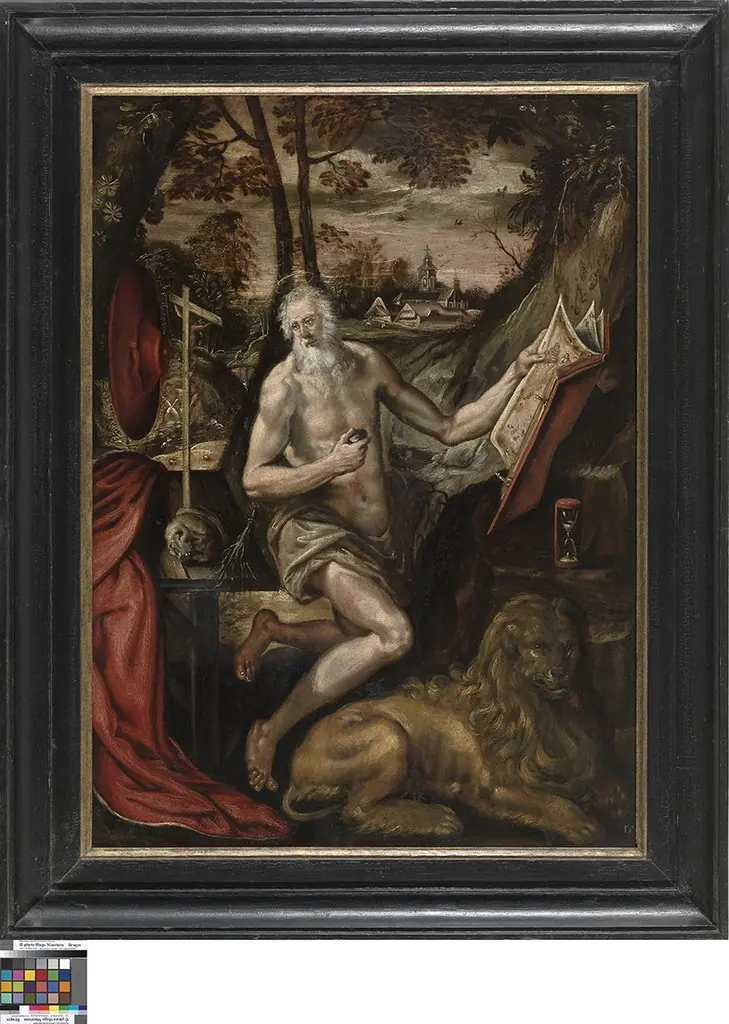 Saint Jerome
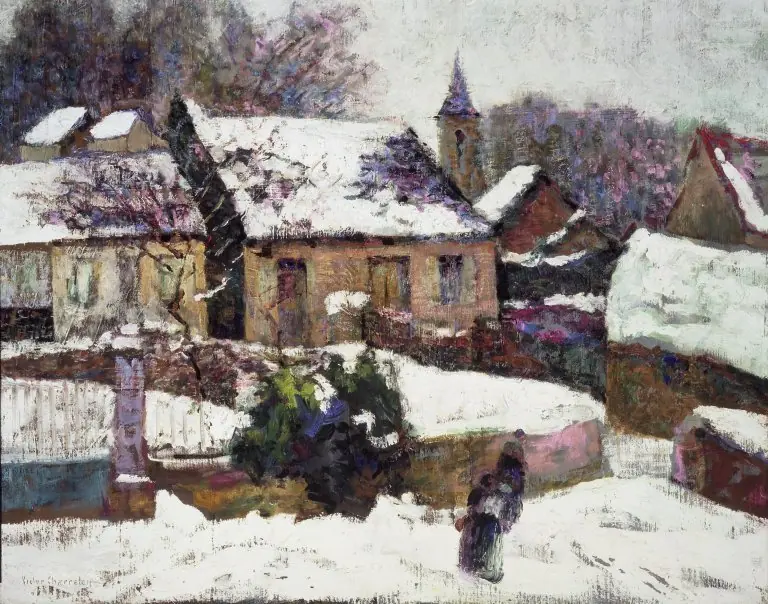 Wet Snow, Auvergne
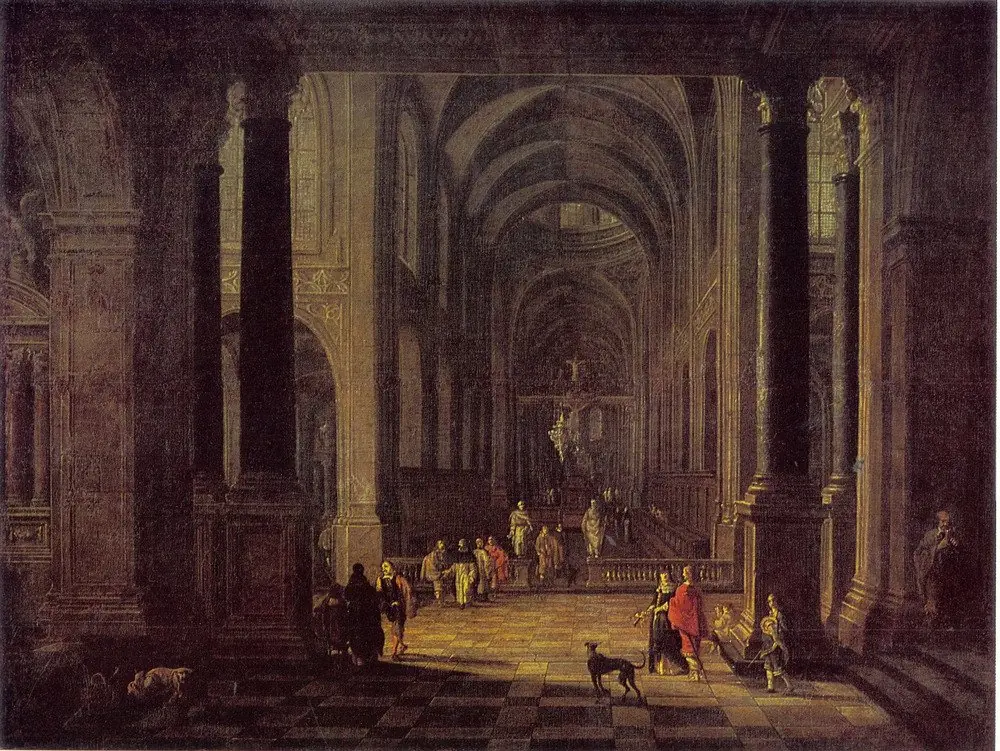 Interior of a Church
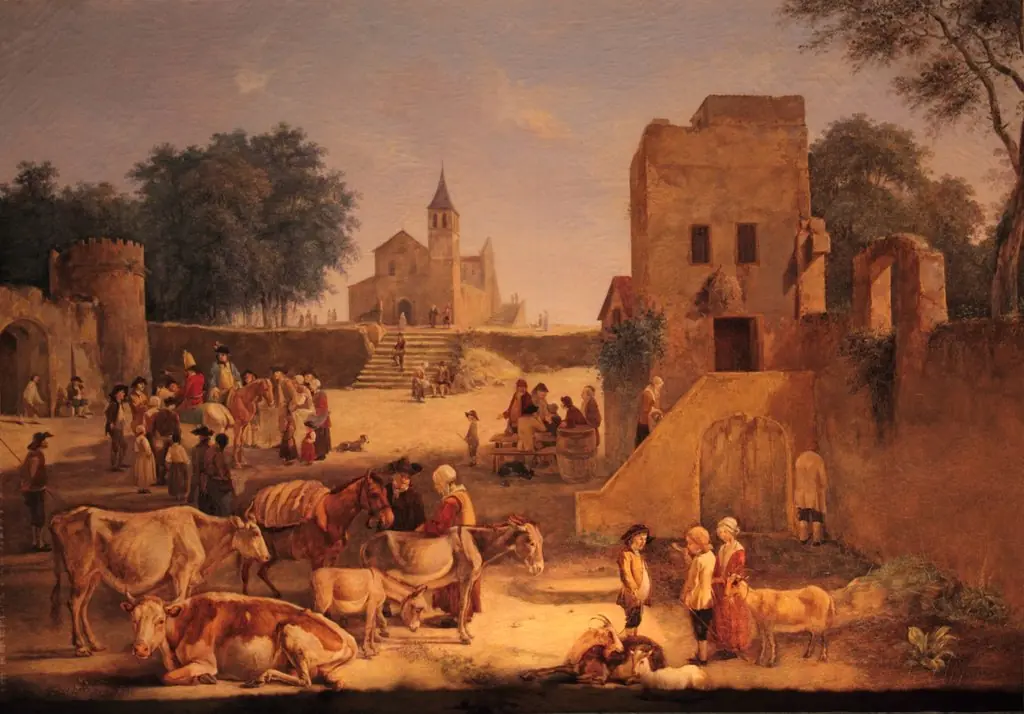 Animal market
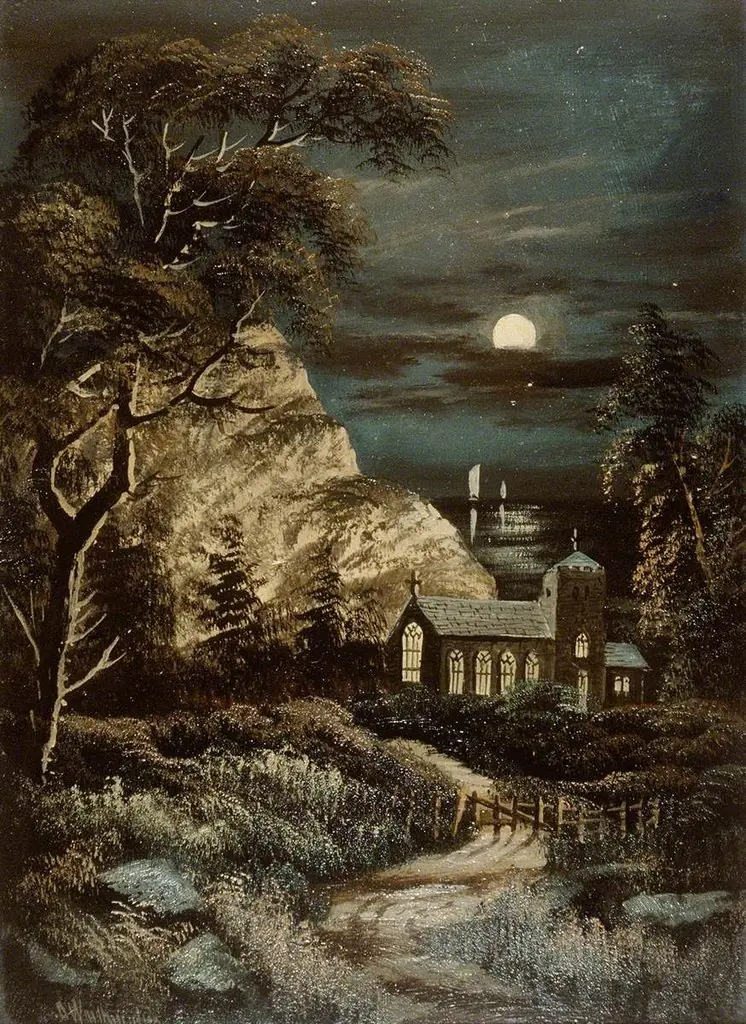 Church by Moonlight
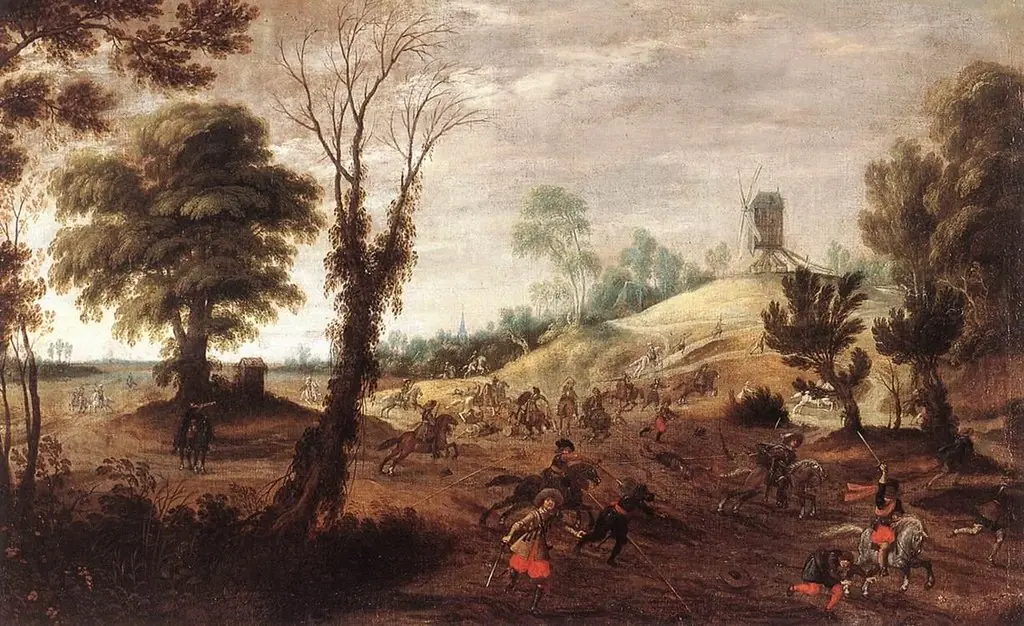 Landschap met ruitergevecht
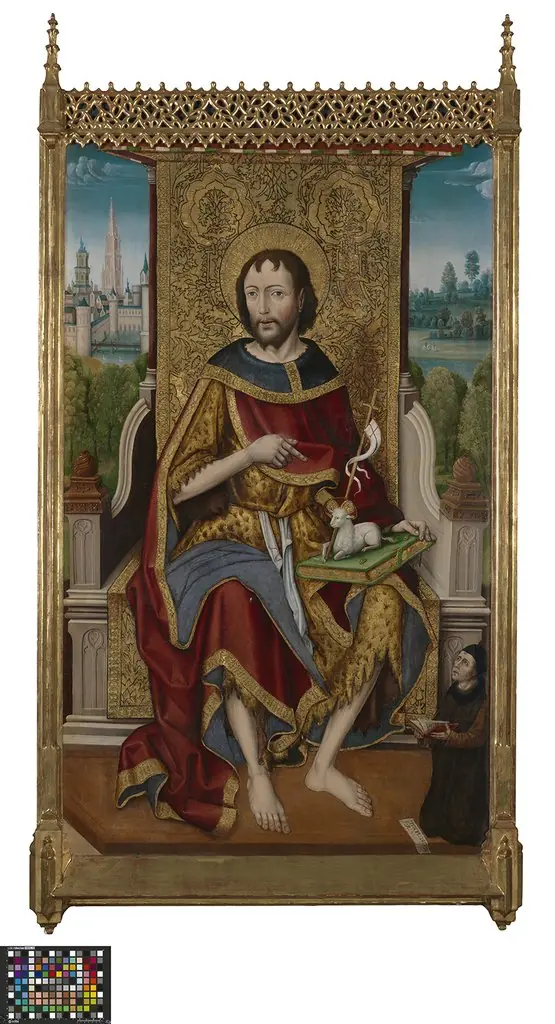 John the Baptist enthroned with the Founder Ivan de la Pena
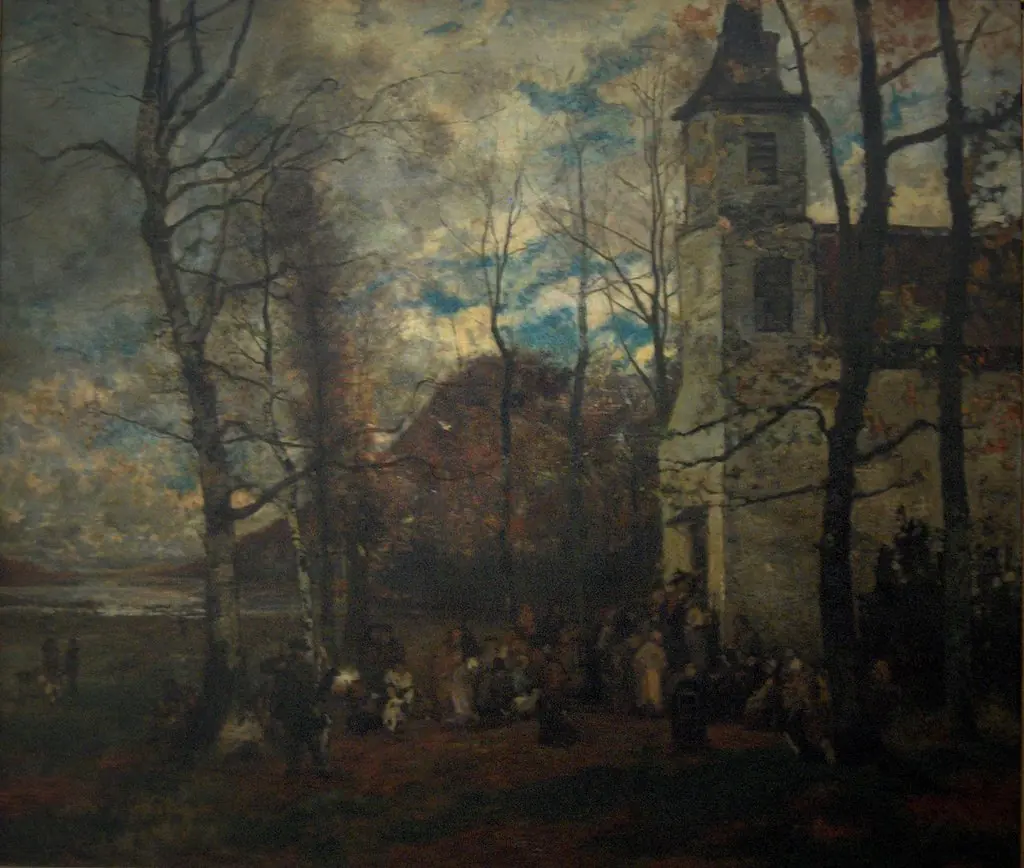 Saint Hubert's mass
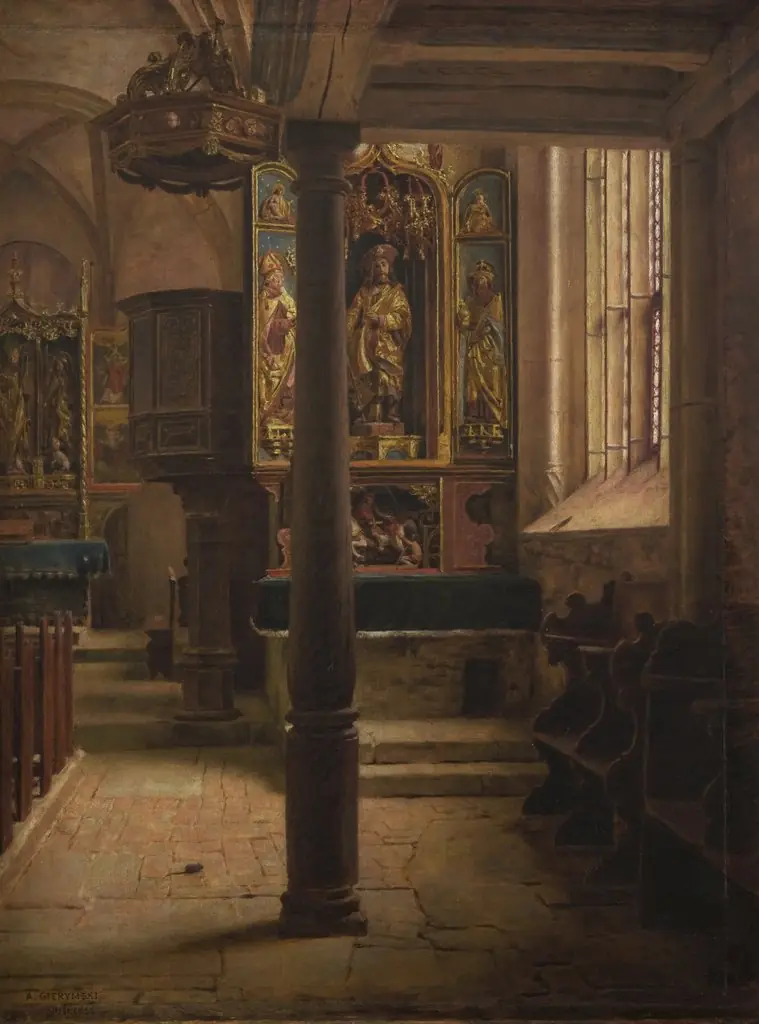 Interior of St Wolfgang's Church in Rothenburg
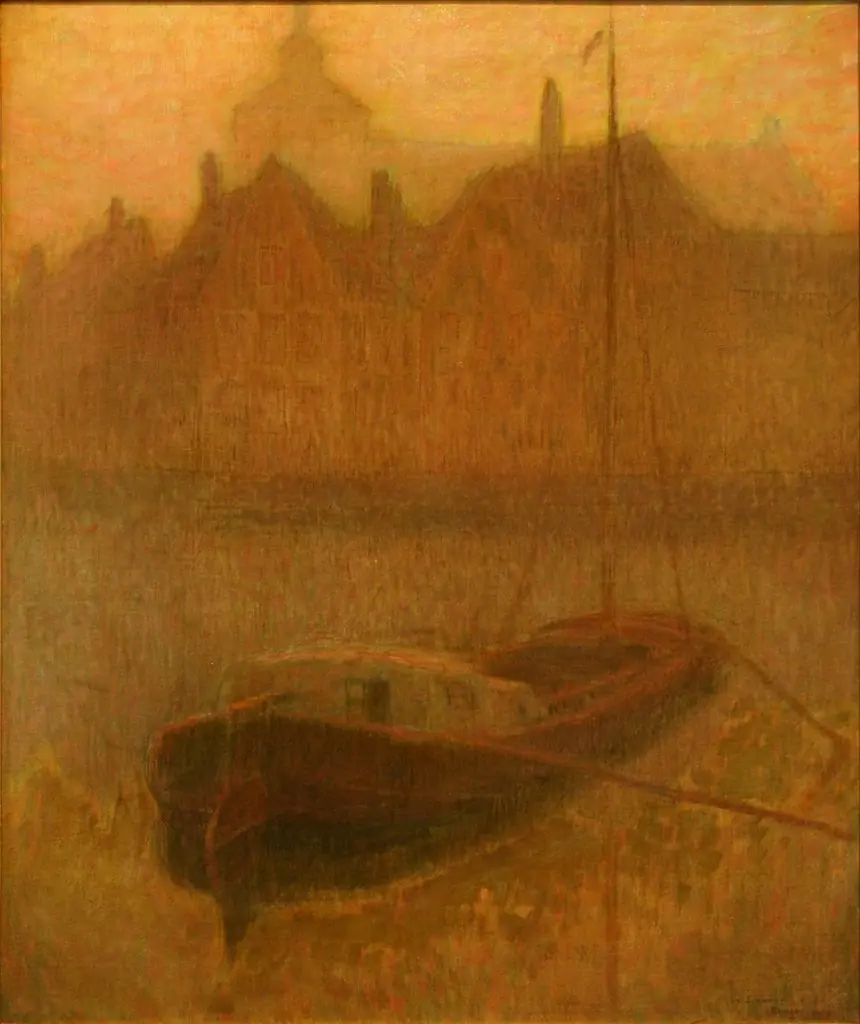 Boat on the Canal (Morning)
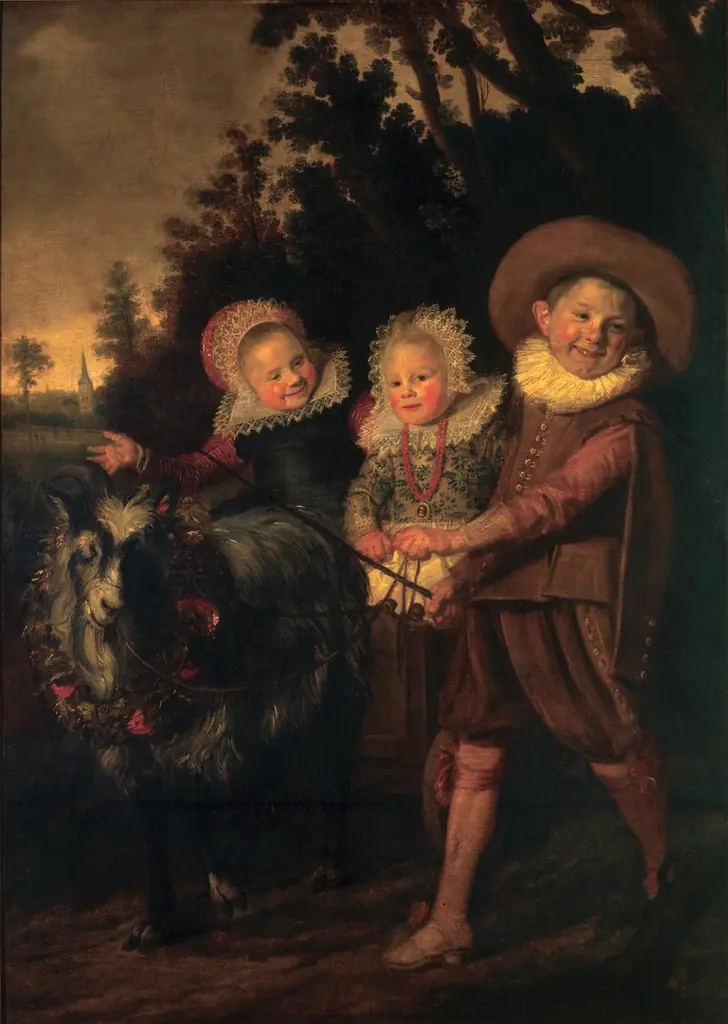 Right half of Gijsbert Claesz. van Campen family portrait
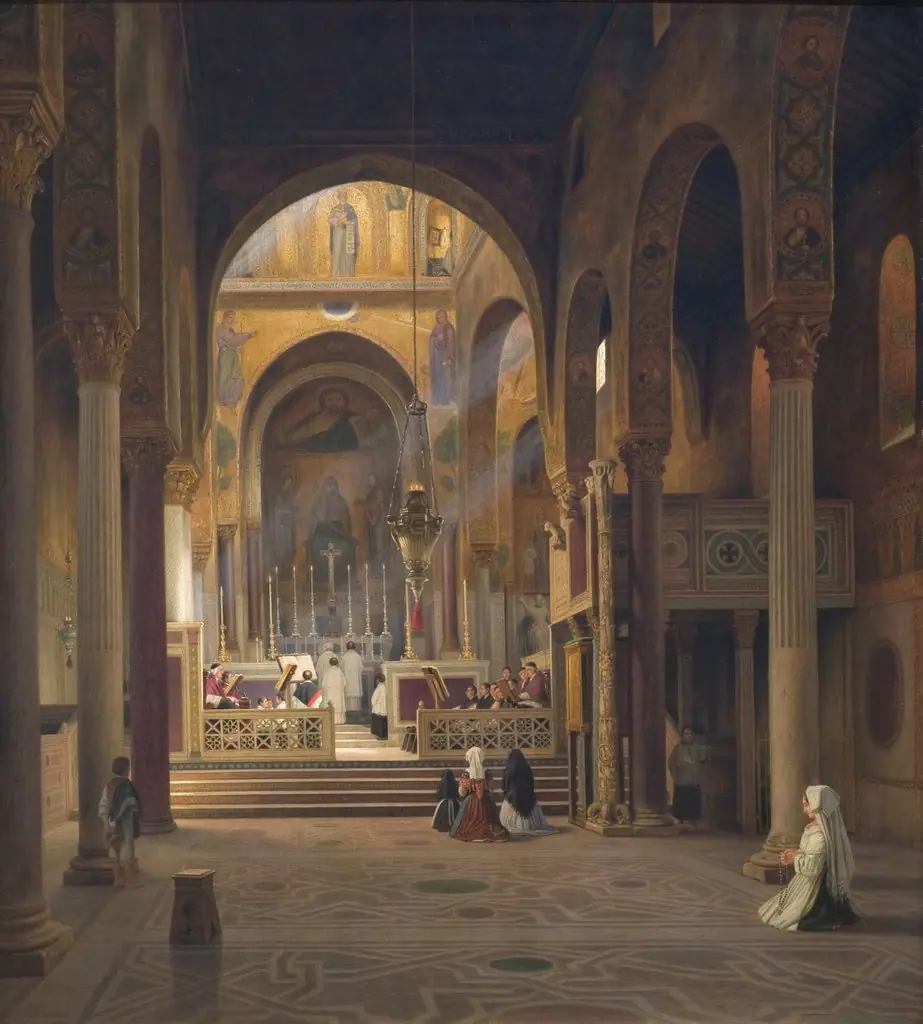 Interior of the Capella Palatina in Palermo, Italy
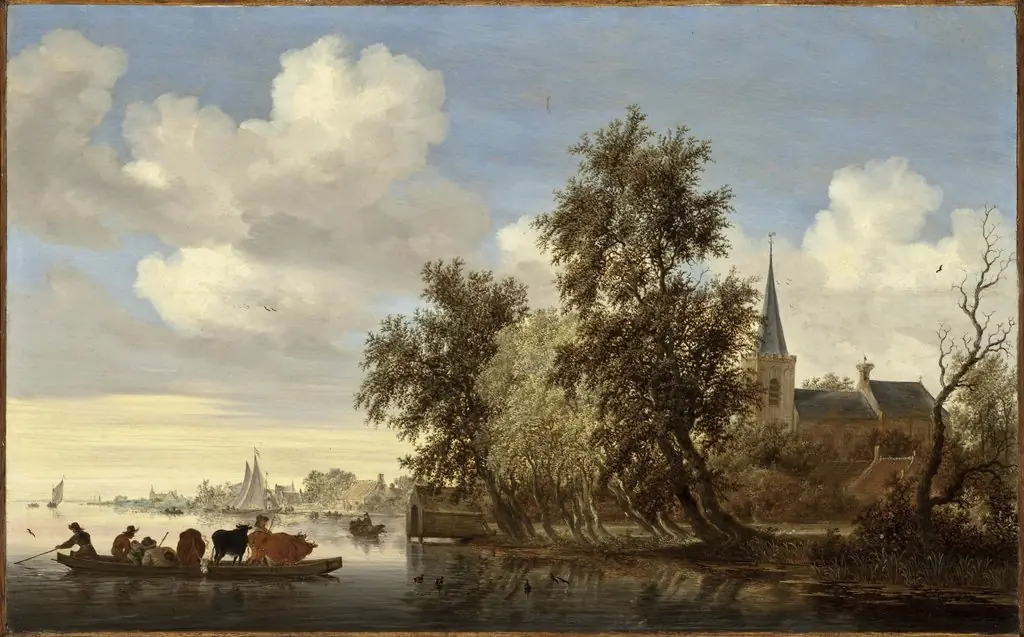 River Landscape with a Ferry
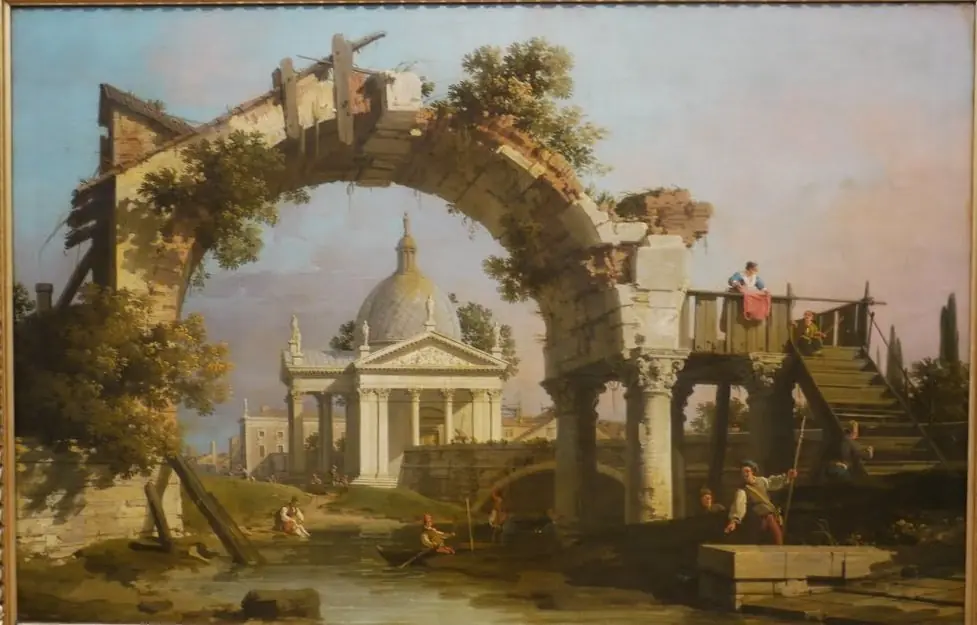 A Domed Church seen through a ruined Arch
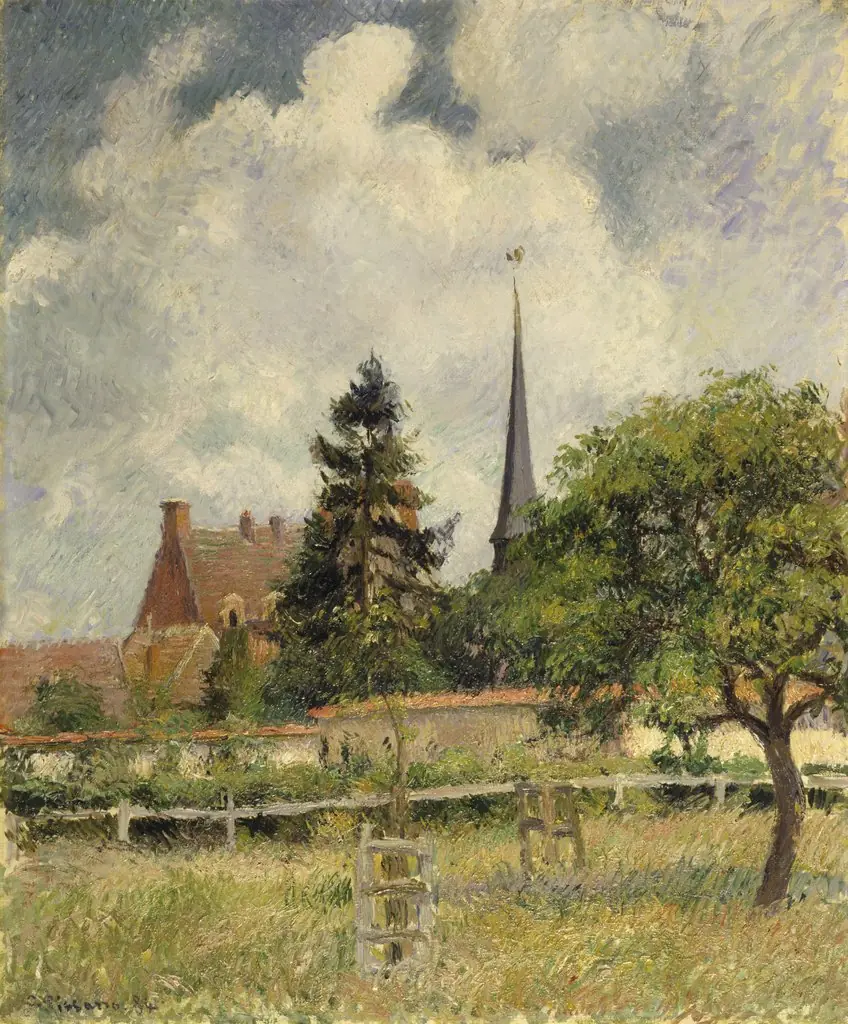 The Church at Eragny
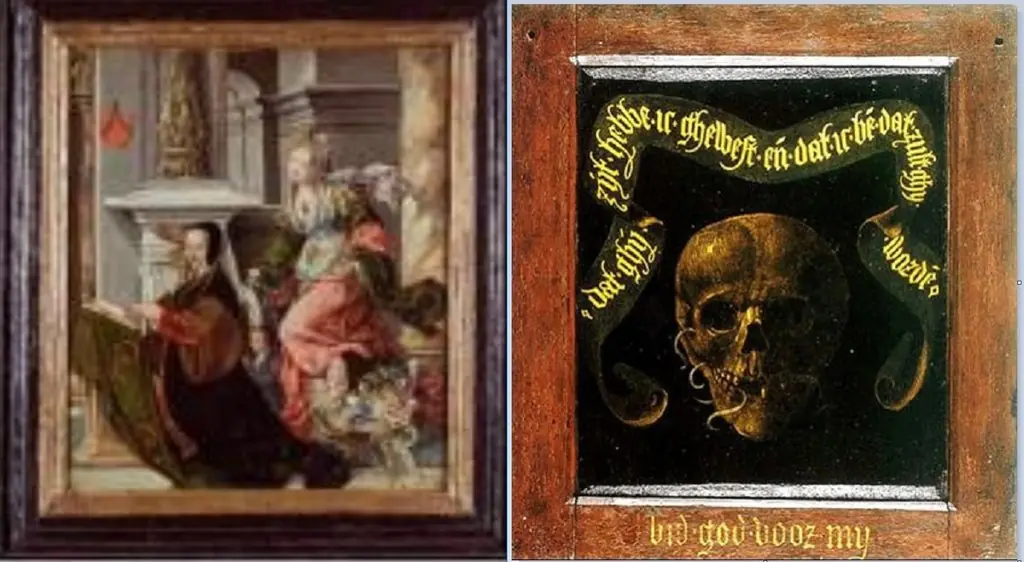 Portrait of Margareta Mettenye with Saint Margaret
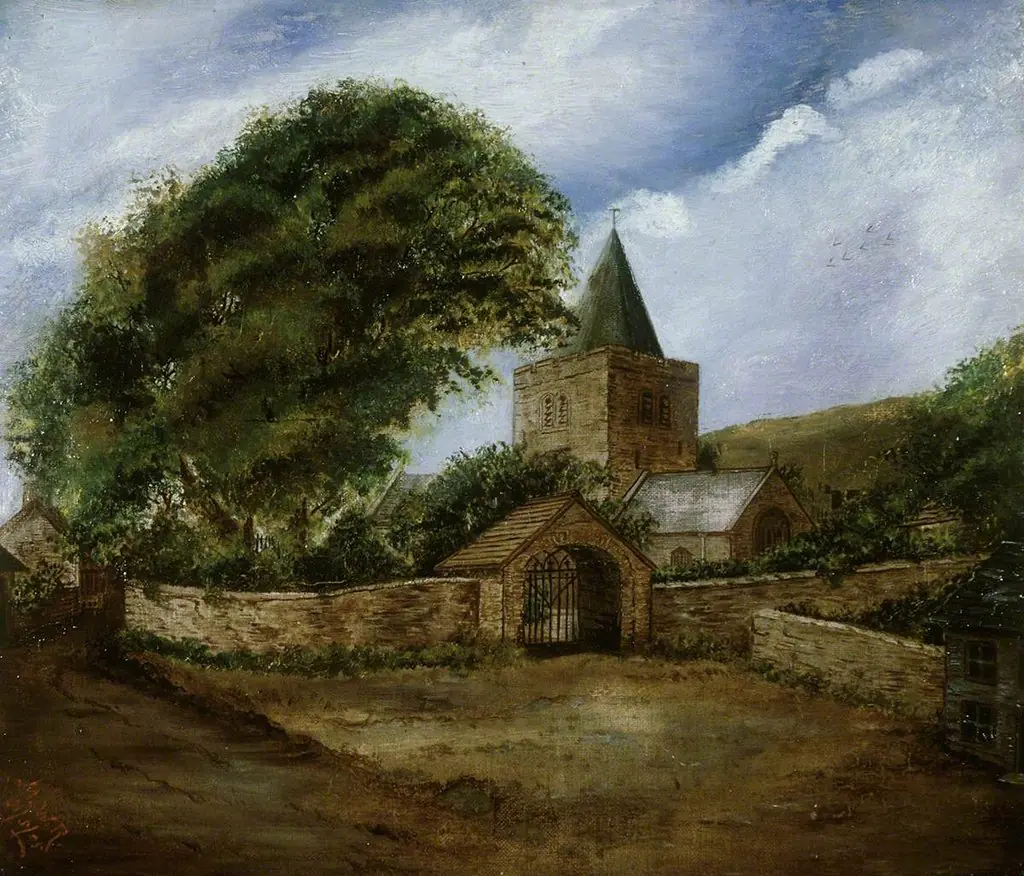 Llanbadarn Fawr Church
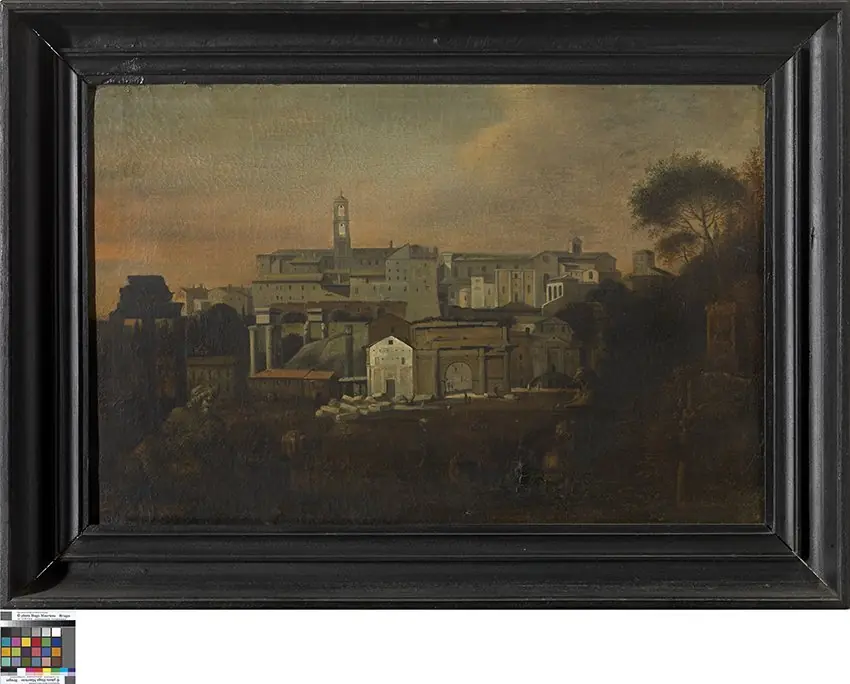 Gezicht op het Forum Romanum
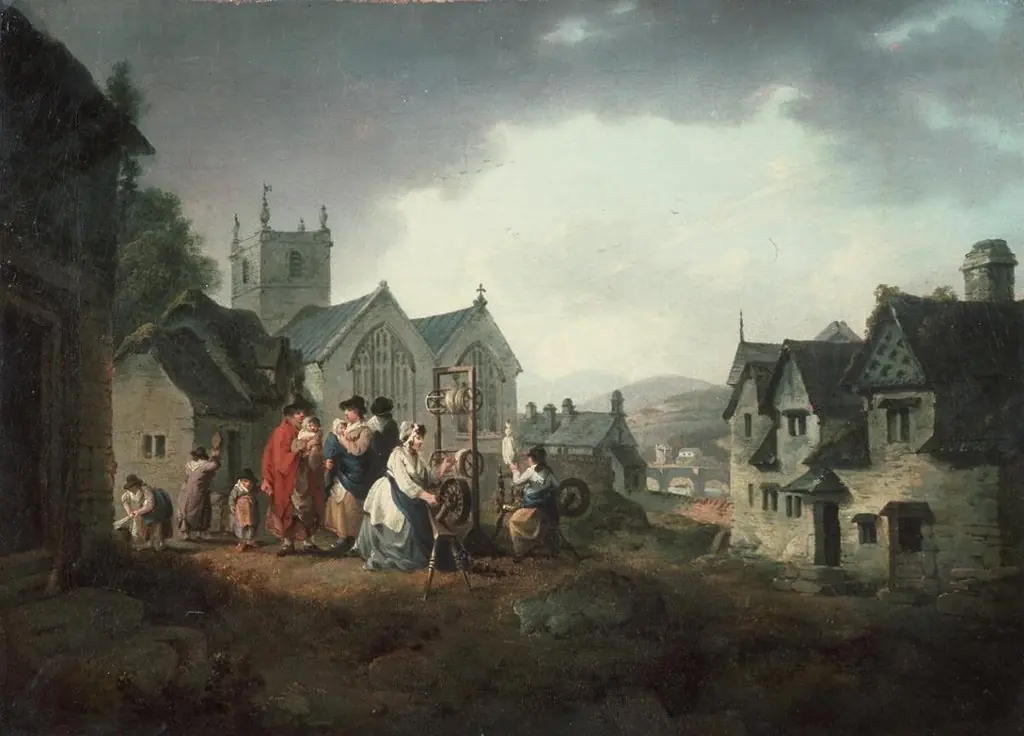 entrance to Llangollen, North Wales
 Saint Mary, Stratford-le-Bow, East London
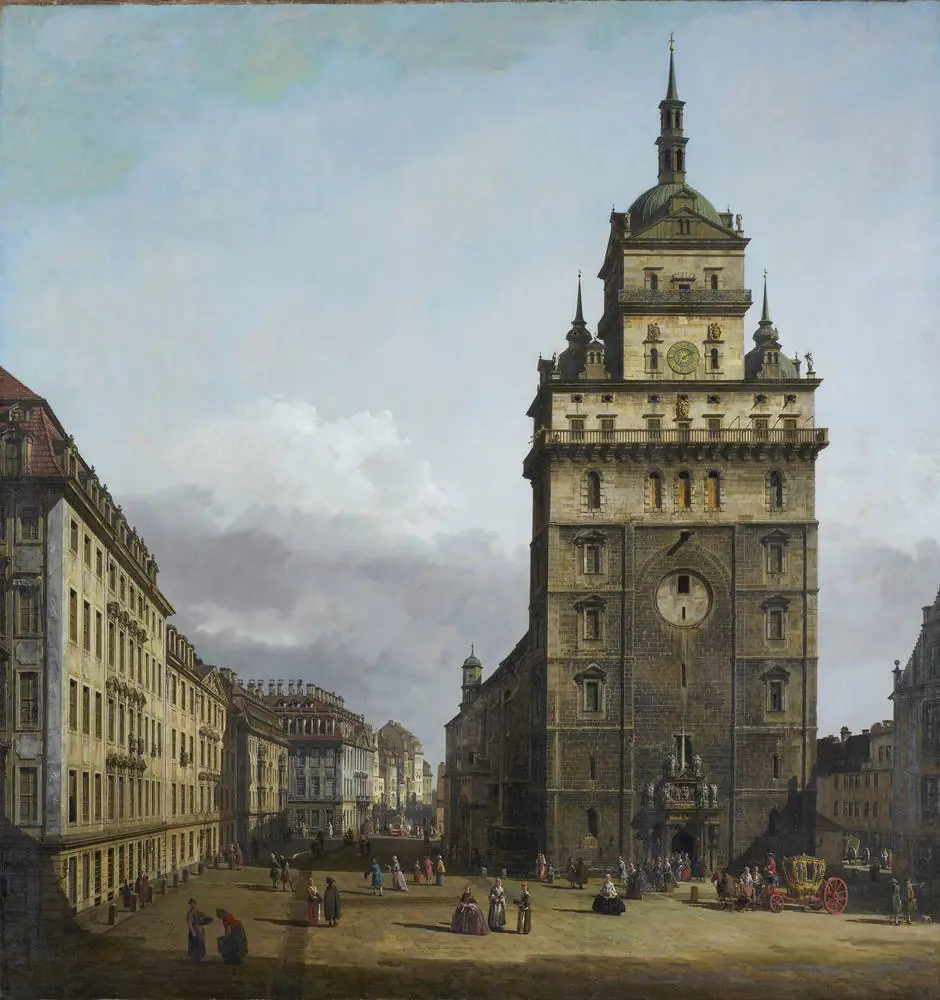 The Kreuzkirche in Dresden
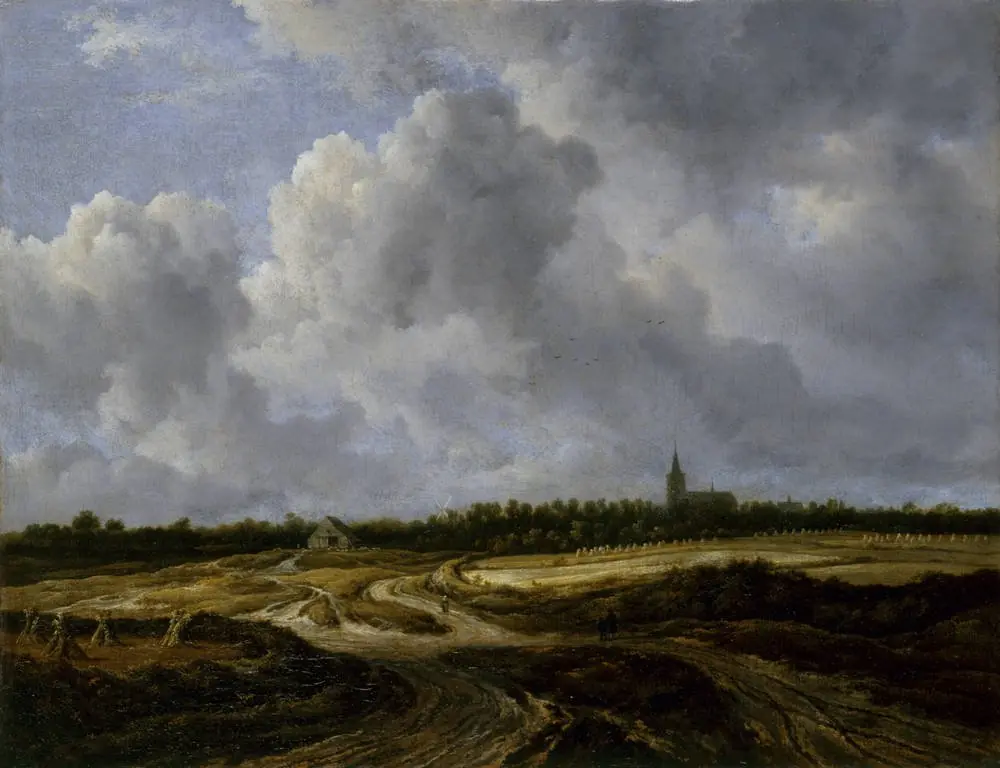 Extensive field landscape with a track and a church in the distance
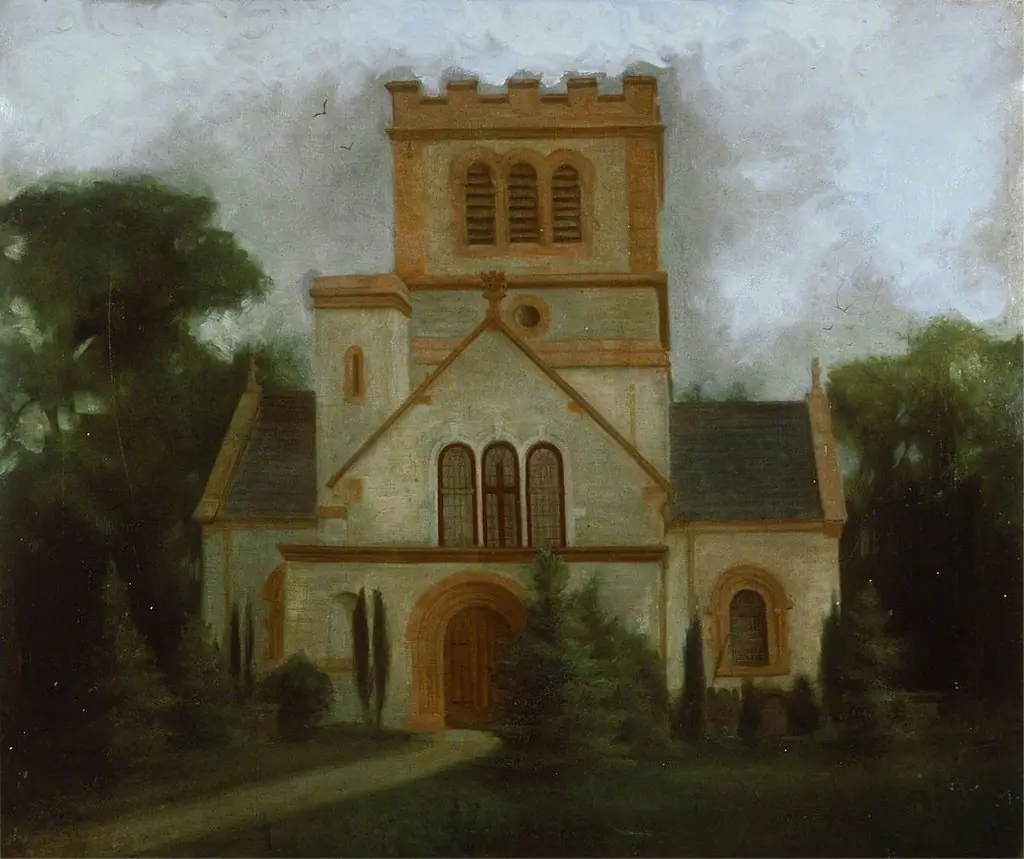 Boduan Church
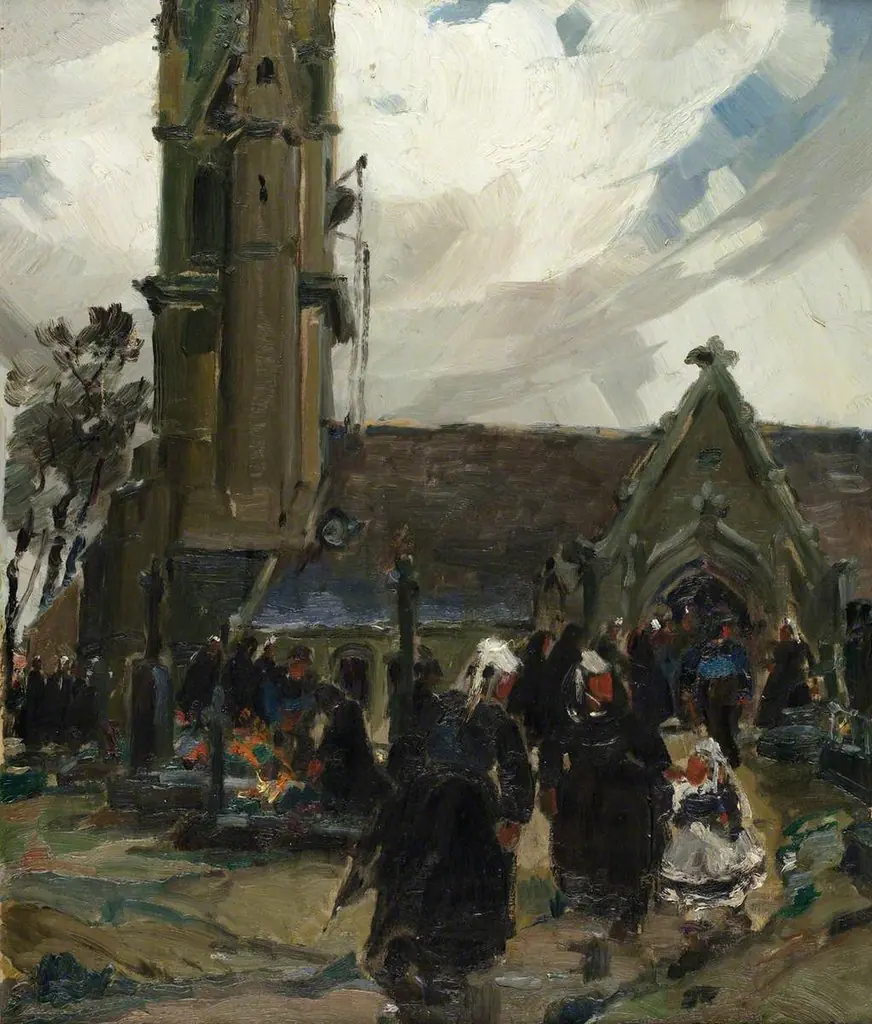 L'église de confort en jour de Toussaint
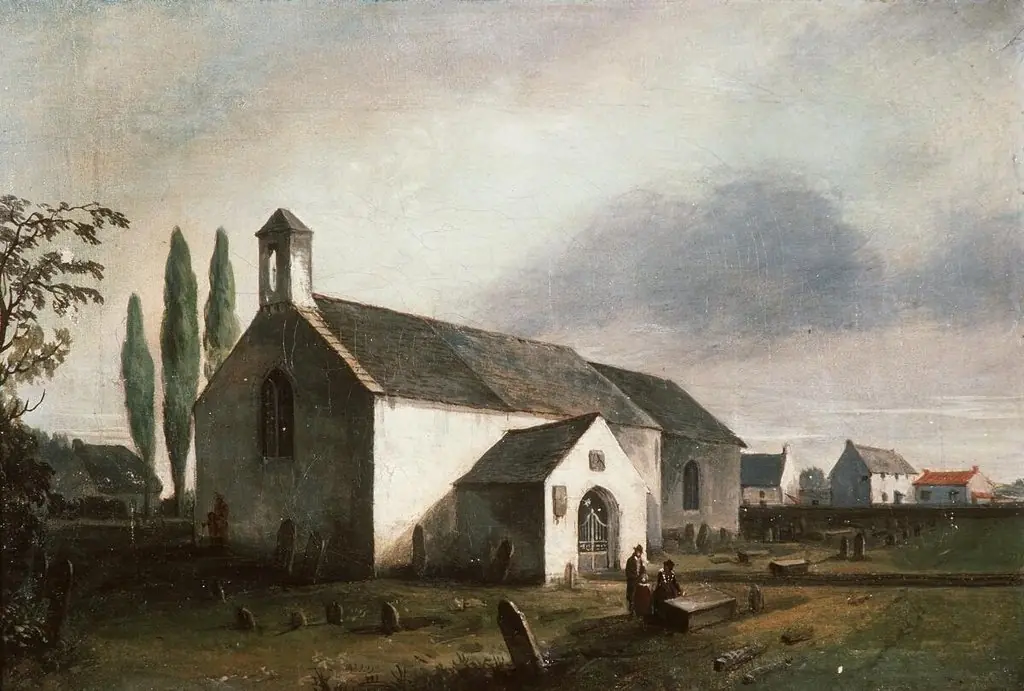 Pembrokeshire church
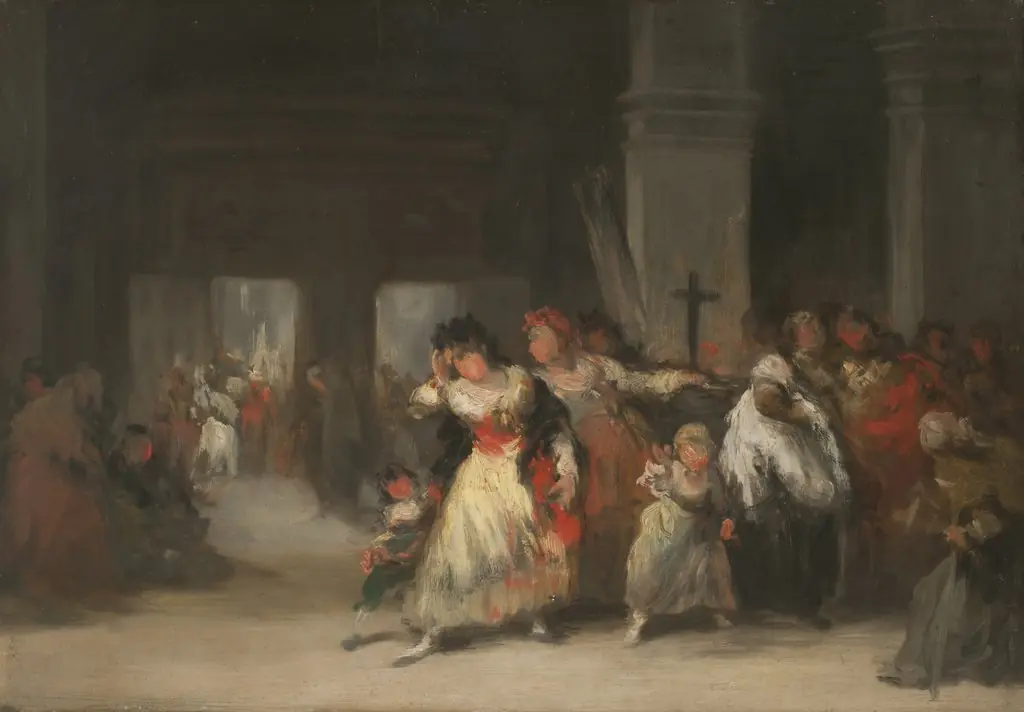 Inside Church
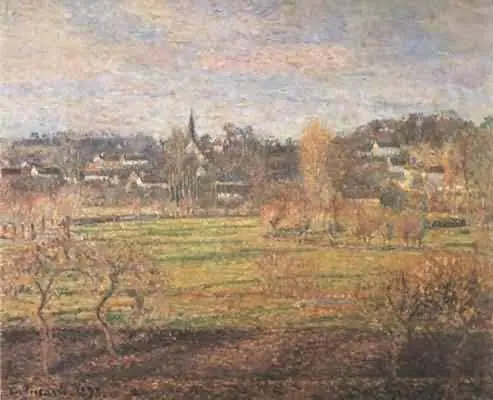 View of Bazincourt, February, Sunrise
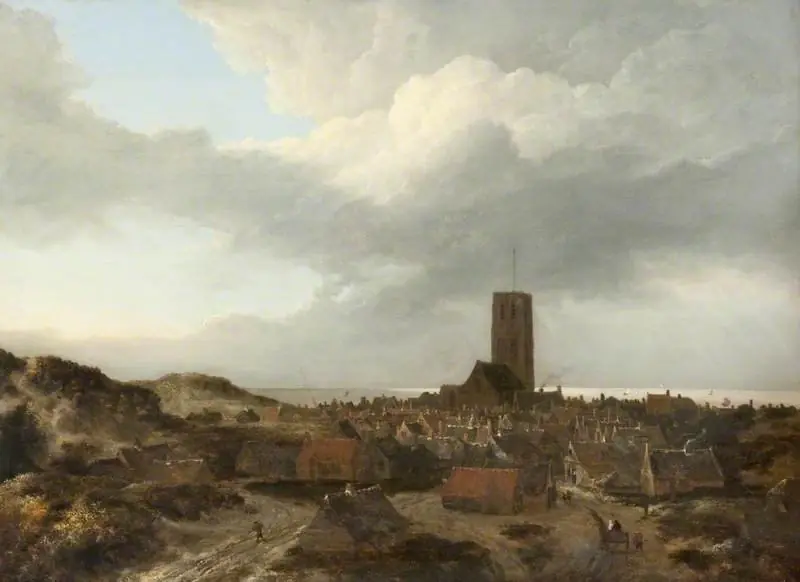 A View of Egmond aan Zee
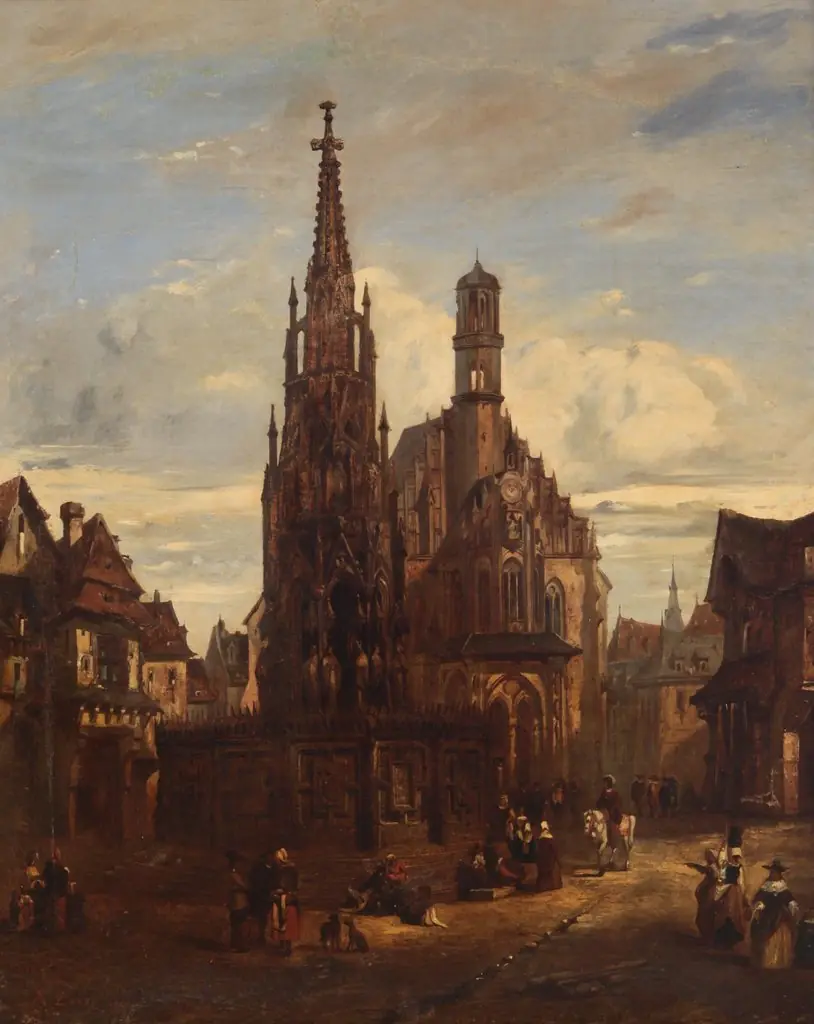 Square in the city of Nuremberg
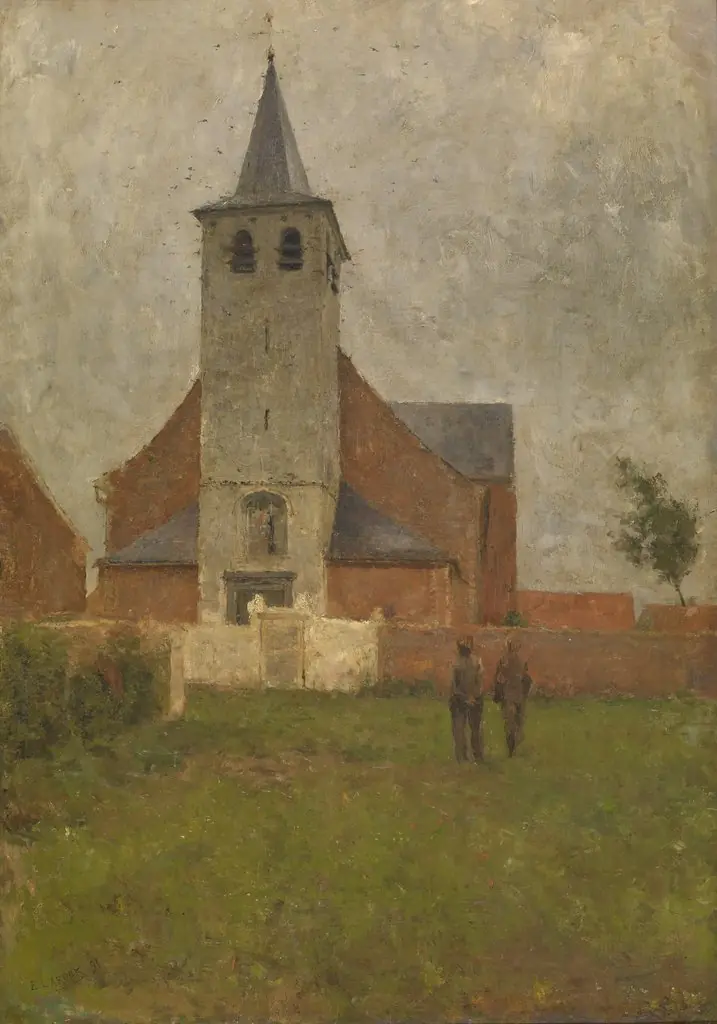 Church at Kapelle-op-den-Bos
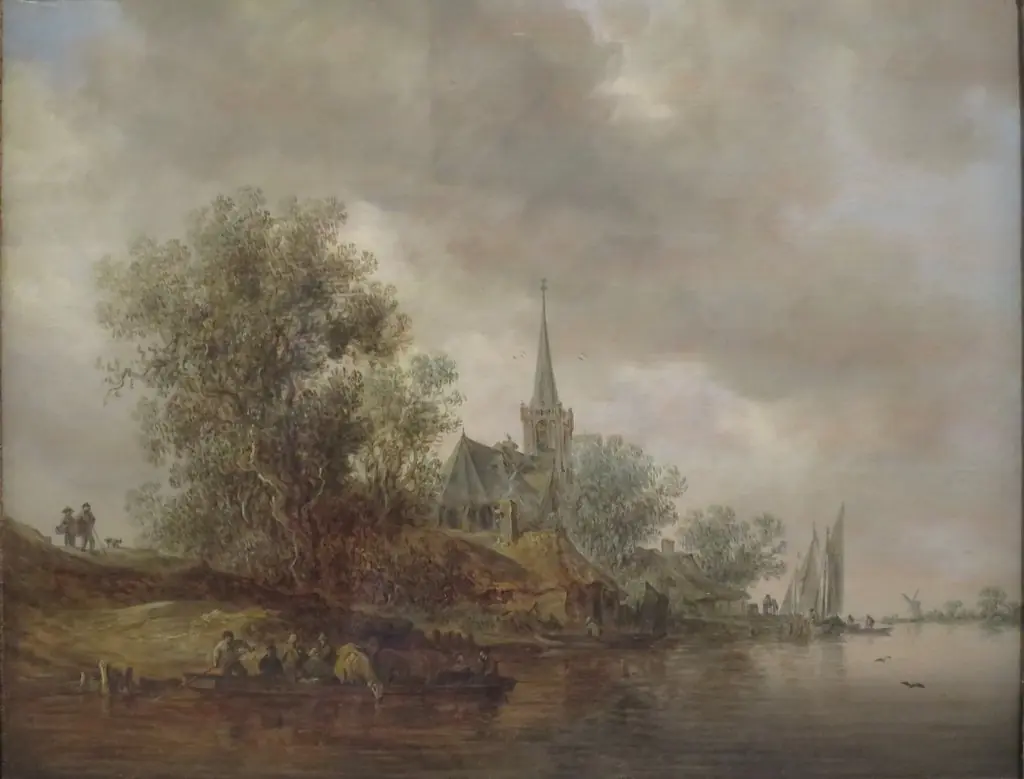 River Landscape with a Village Church
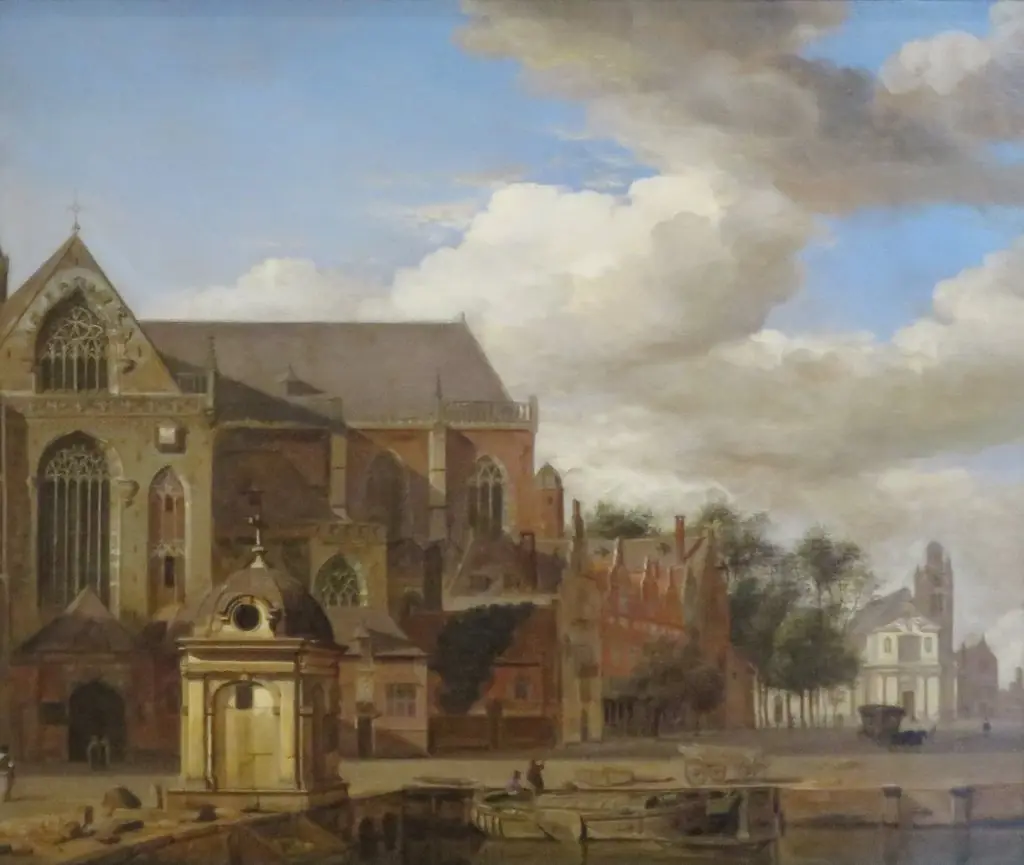 Townscape
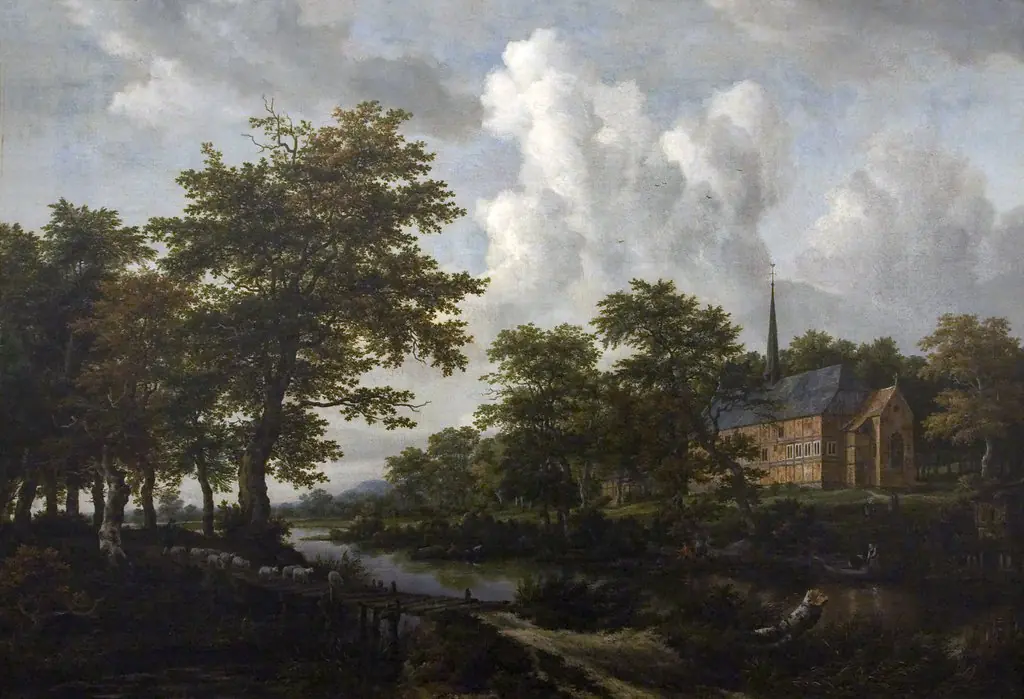 River landscape with church
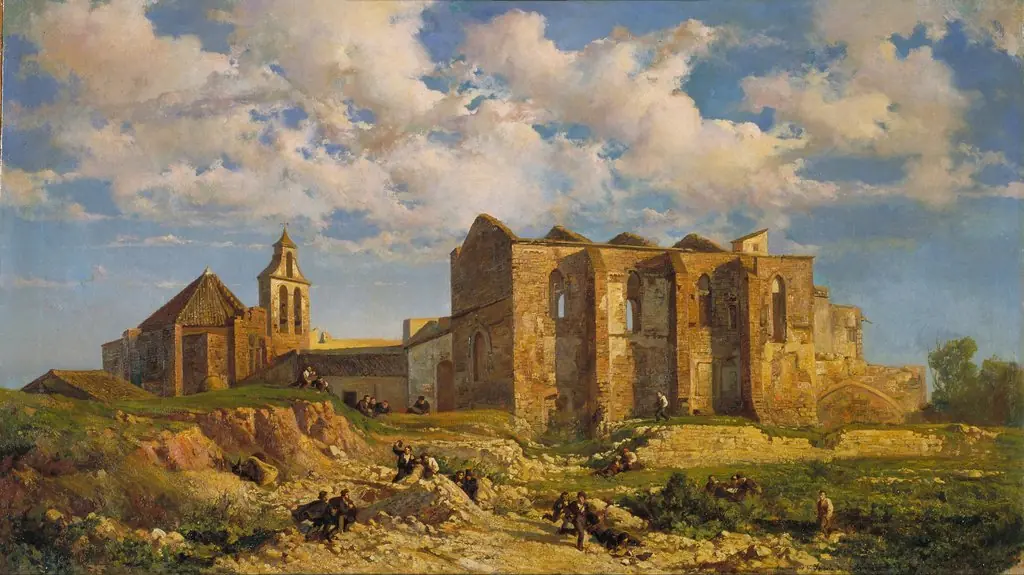 Ruins of the Church of the Holy Sepulchre
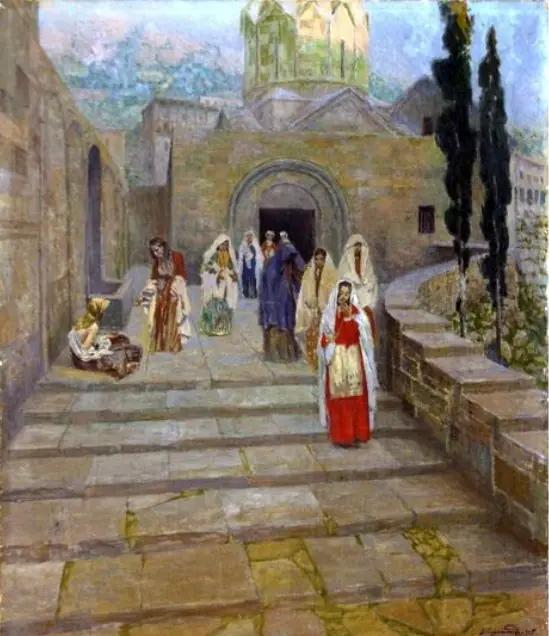 Women Leaving the Church at Ani
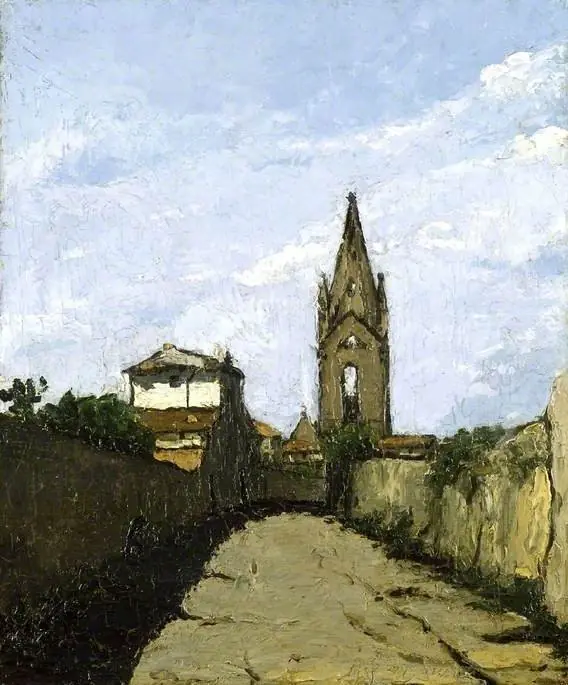 L'eglise du village
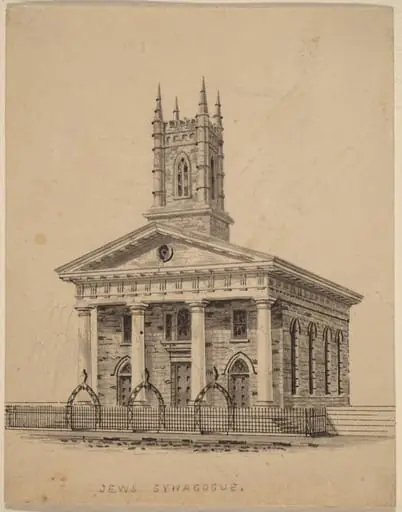 Jewish Synagogue, N.Y.
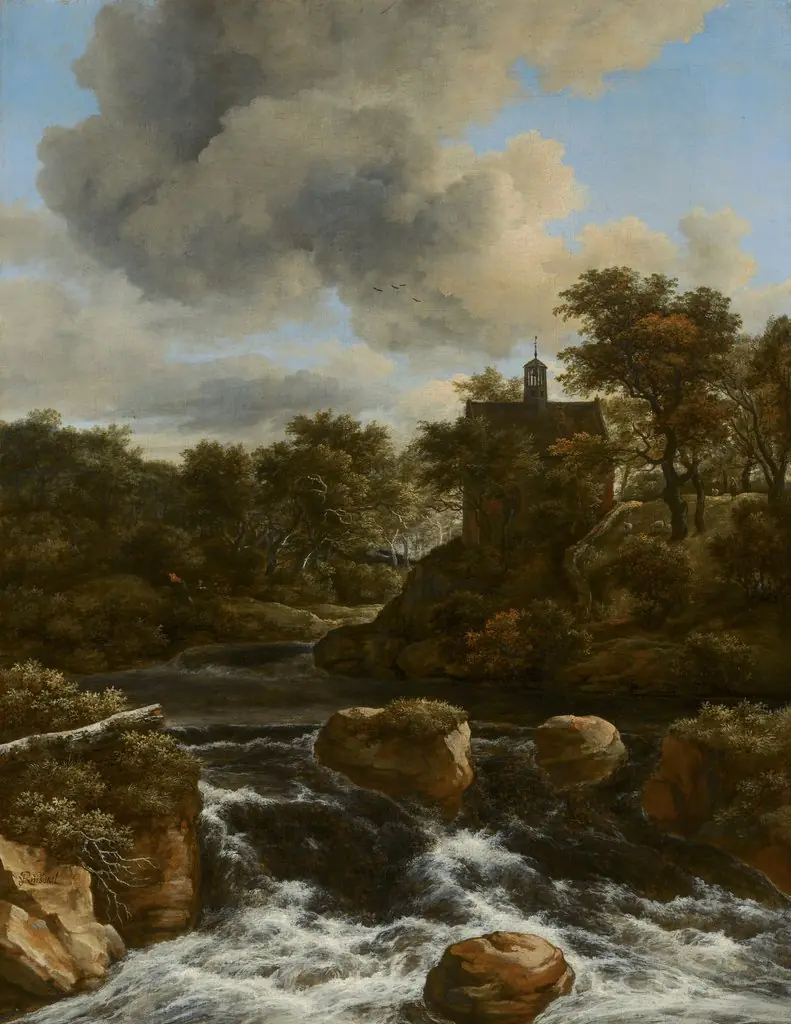 Mountain Landscape with Waterfall
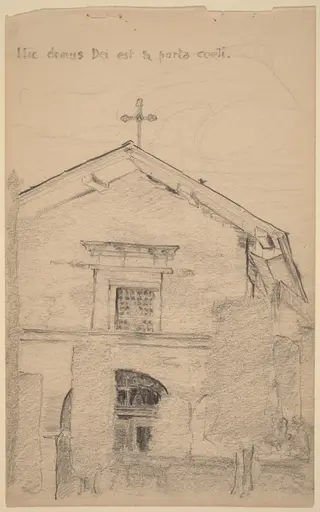 Mission Dolores, San Francisco
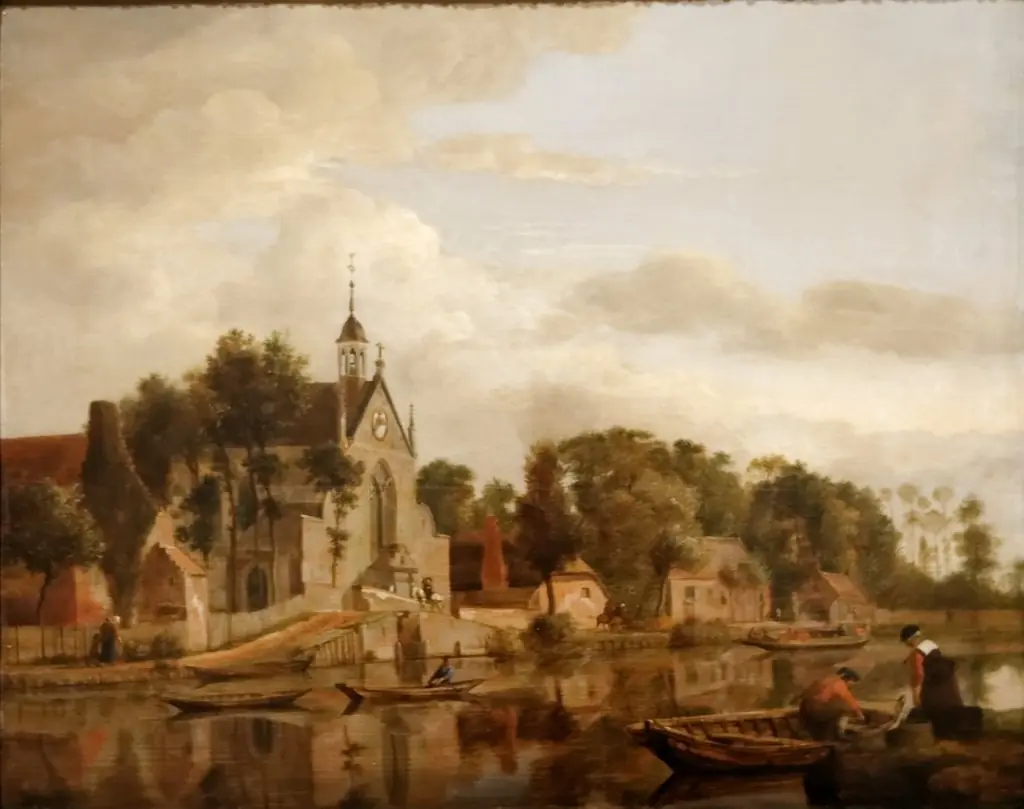 Dutch Landscape
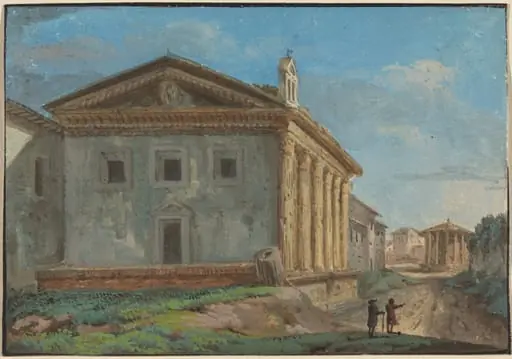 Tempio della Fortuna Virile with the Tempio di Vesta in the Distance
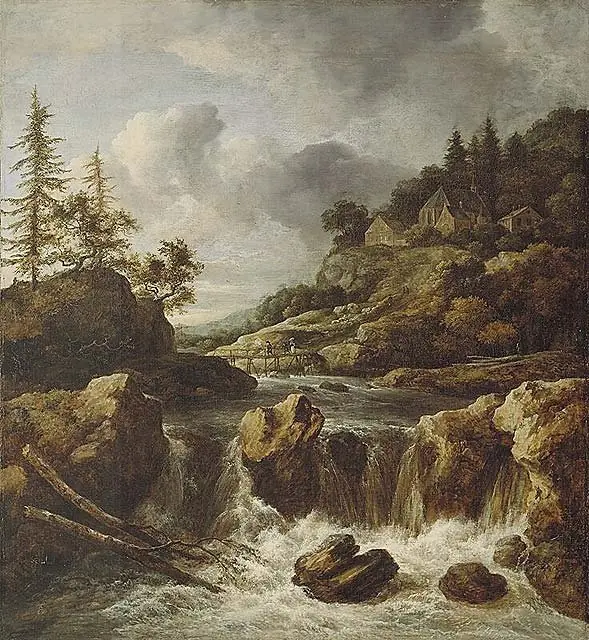 A Waterfall with village, footbridge and pine trees
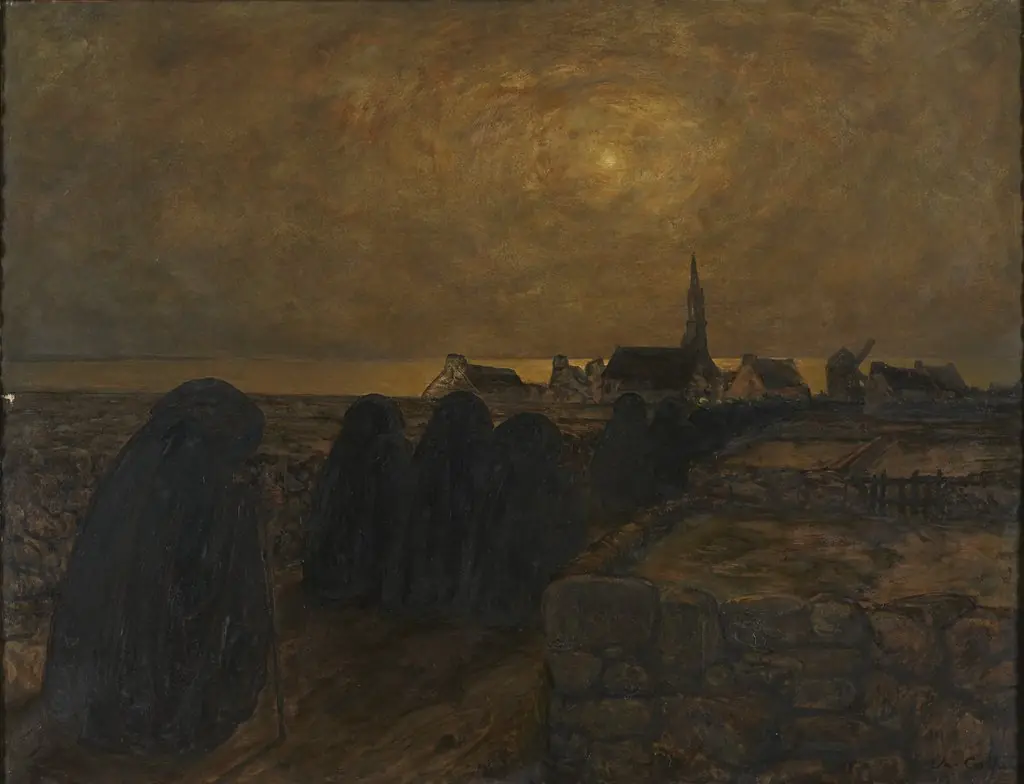 Low Mass
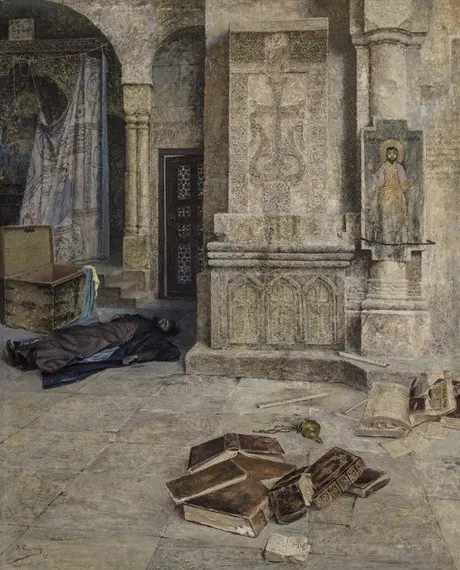 Desecrated Shrine
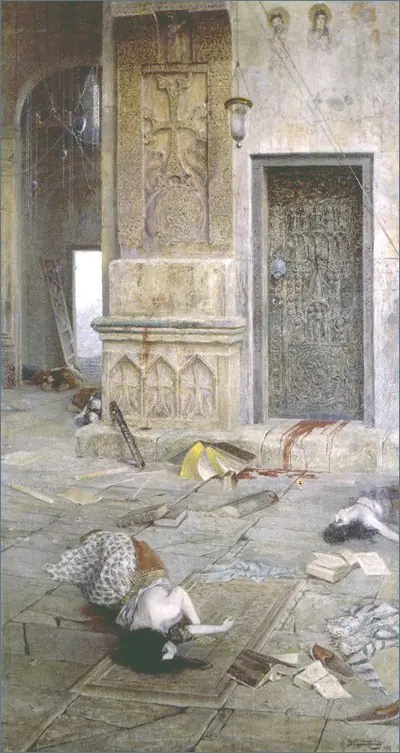 After the Massacre
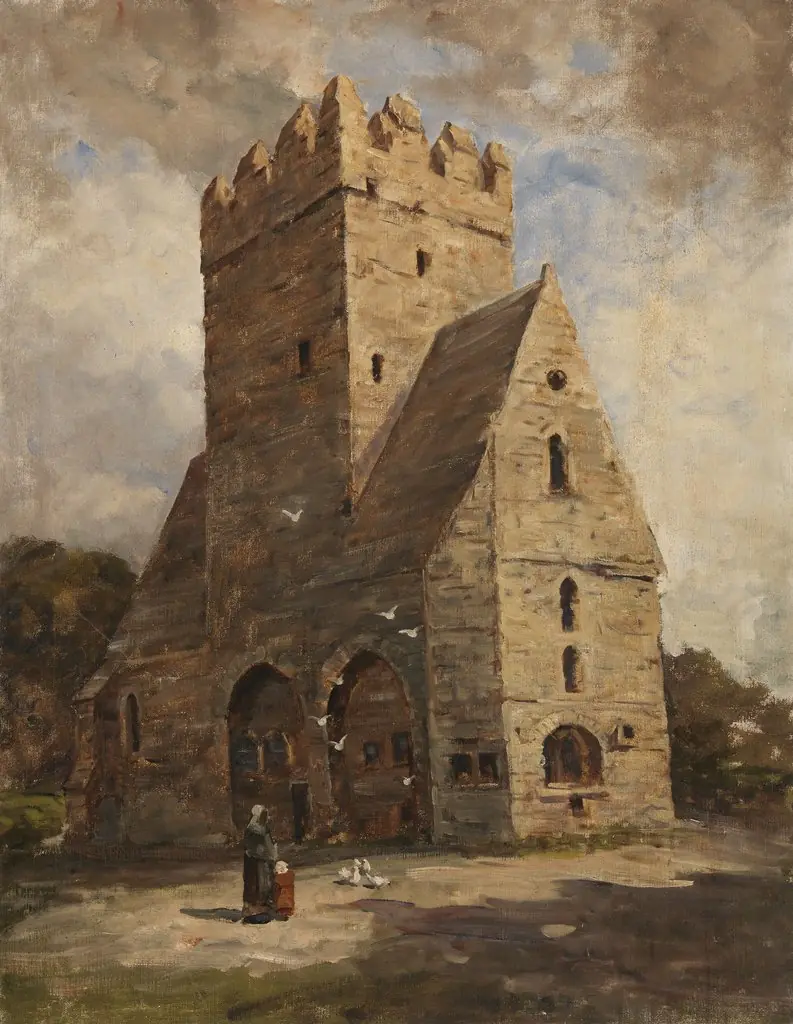 View of Saint Doulough's, Raheny
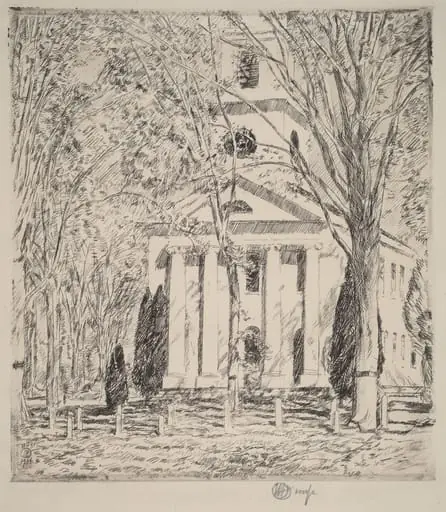 The Church at Old Lyme
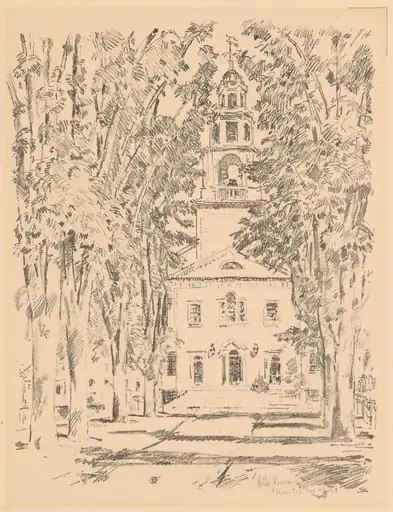 Colonial Church, Gloucester
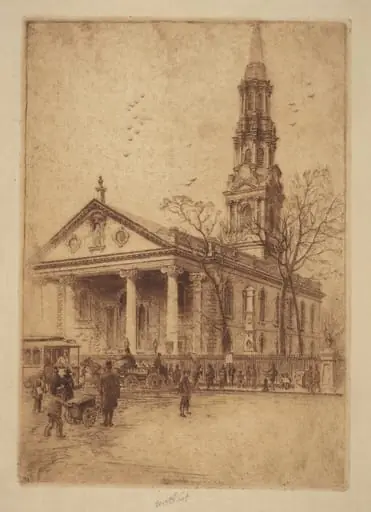 St. Paul's, Broadway, N.Y.
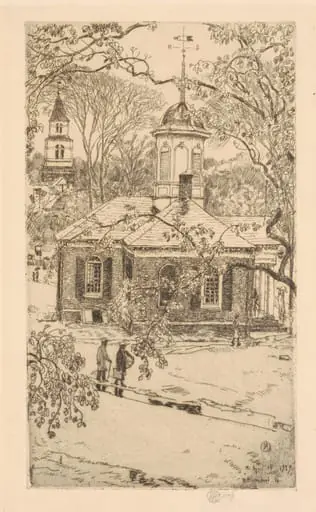 Rainy Day, Williamsburg, Virginia
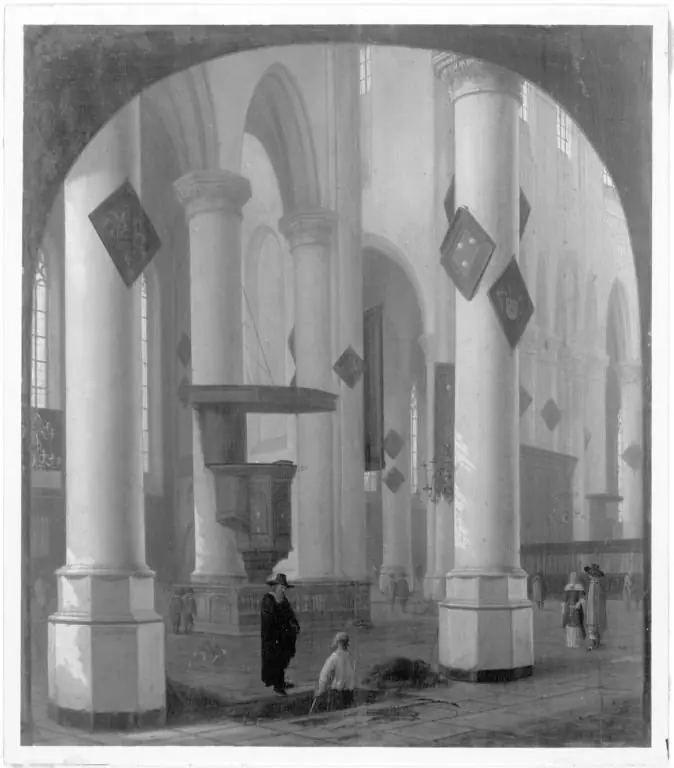 Inneres der Nieuwe Kerk in Delft
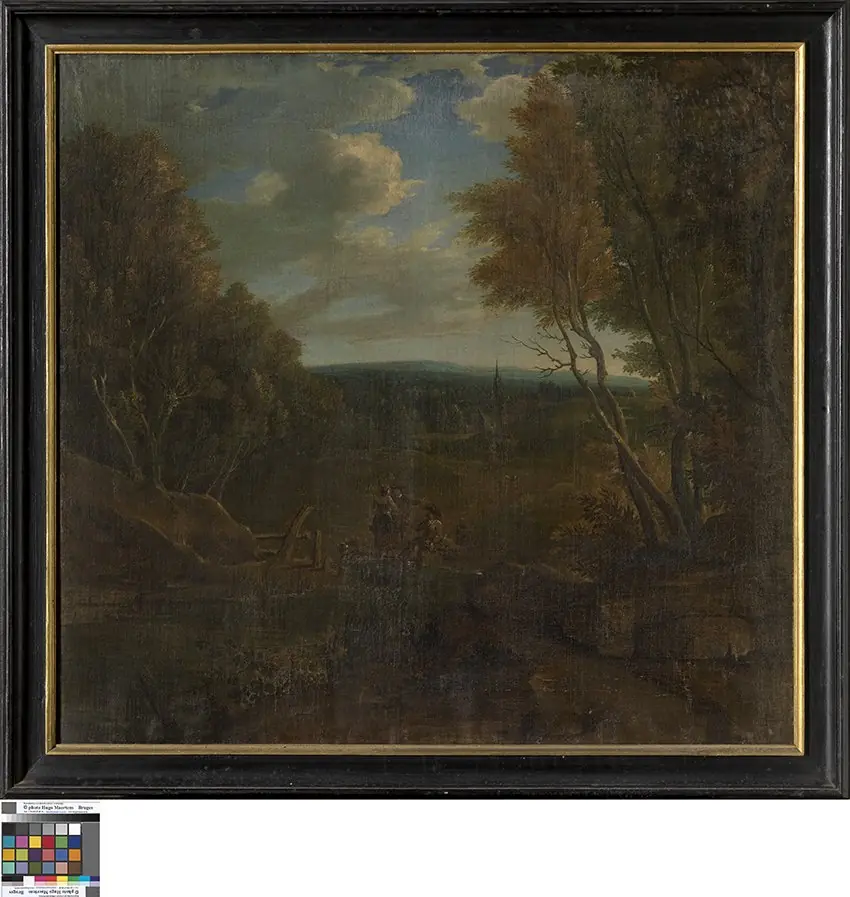 Dorp in een dal
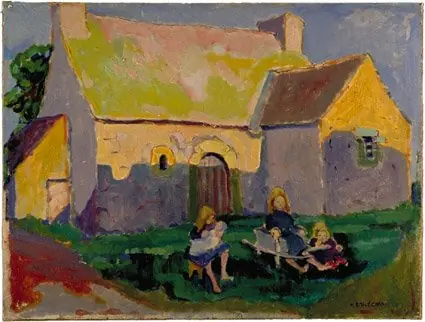 Breton church
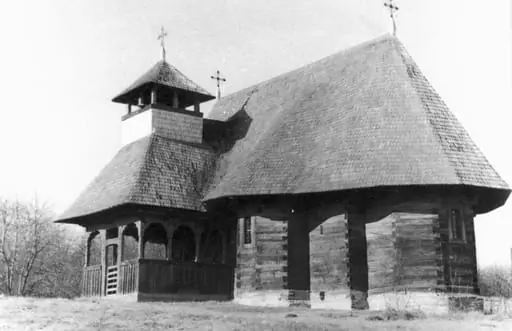 Biserica Răpciuni în Muzeul Satului, București, 1960
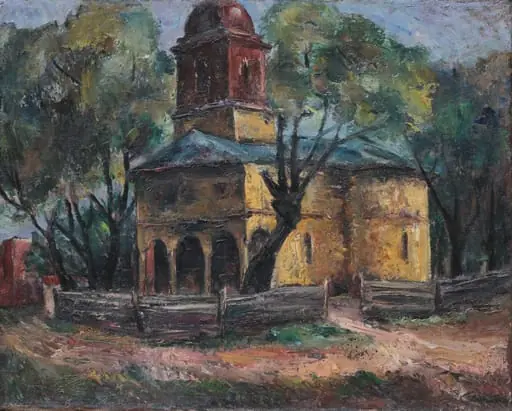 Biserica din Băneasa
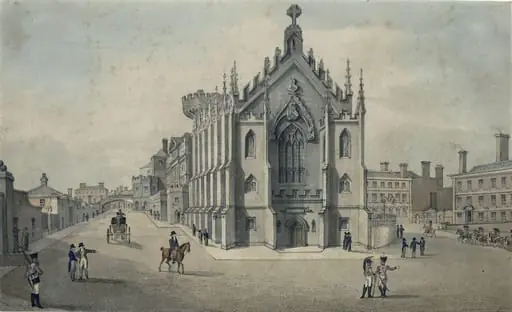 Castle Chapel, Dublin
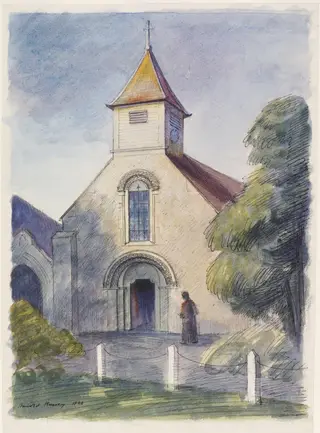 Church near Ladye Place
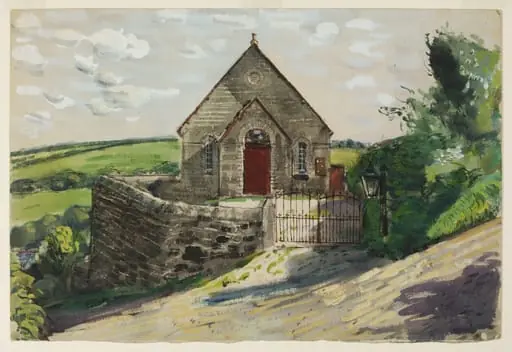 Bible Christian Chapel, Tremodrett, Roche
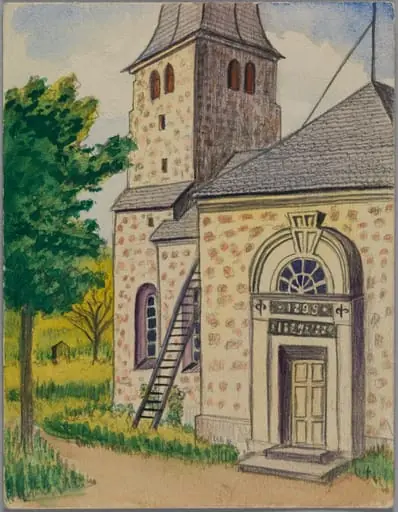 Jomalan kirkko Ahvenanmaalla
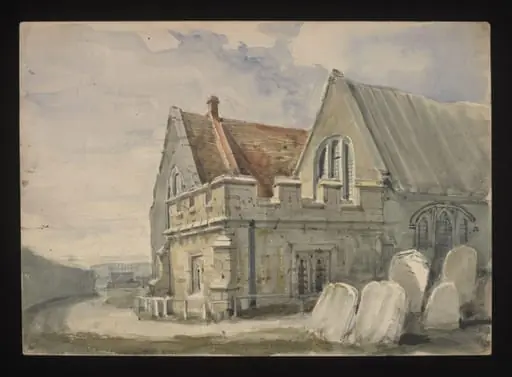 Watercolour drawing by the Grieve family, showing St Peter's Church in Kent
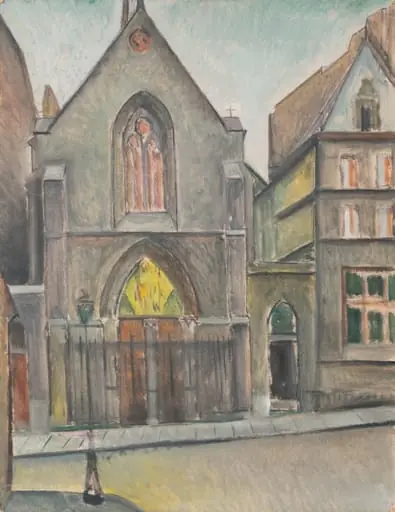 FAȚADA BISERICII ROMÂNEȘTI DIN PARIS
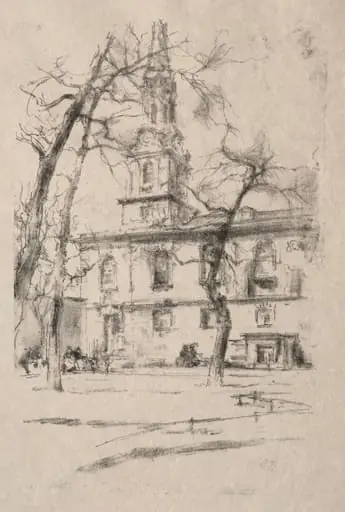 St. Giles-in-the-Fields
Church Building is a subject in art. A church is a building used for Christian worship services and Christian activities.
Artifact World Gallery holds 166 public-domain Church Building works, all free to view and download.
Key Church Building artists in the collection include Albert Bierstadt, Thomas Chambers and Jasper Francis Cropsey.
Church Building works in the collection are held by Metropolitan Museum of Art, Groeningemuseum and Statens Museum for Kunst.
Your cart is empty
Browse artworks →