Subject
Nativity of Jesus
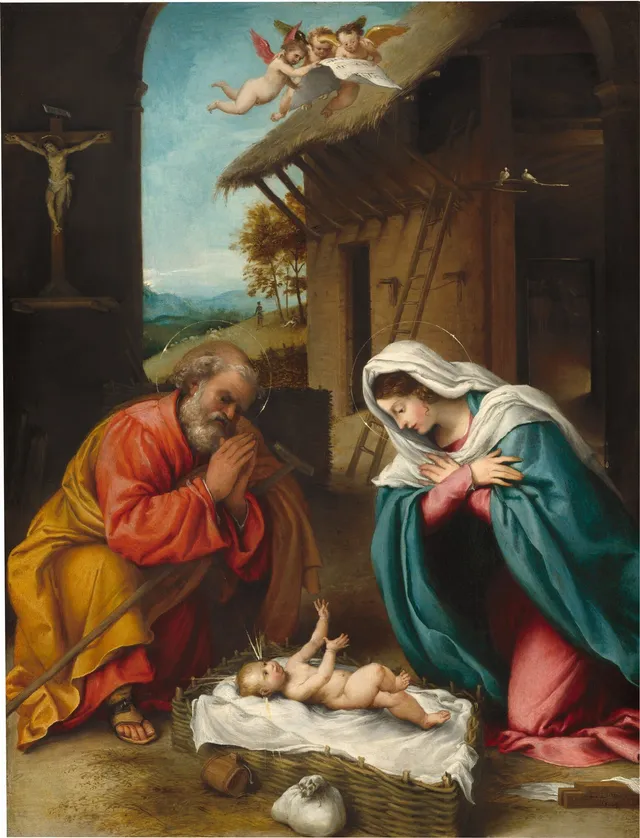
Nativity of Jesus is a subject in art. The gallery holds 90 works in this subject in art, including works by Titian, Lorenzo Lotto and François Boucher.
The Nativity or birth of Jesus is found in the biblical gospels of Matthew and Luke. The two accounts agree that Jesus was born in Bethlehem in Judea, that his mother, Mary, was engaged to a man named Joseph, who was descended from King David and was not his biological father, and that his birth was caused by divine intervention.
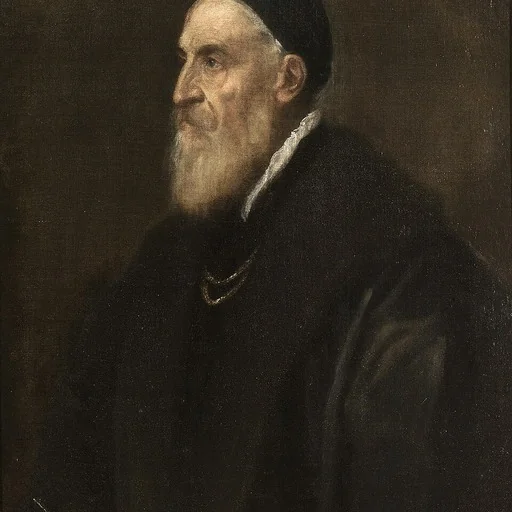
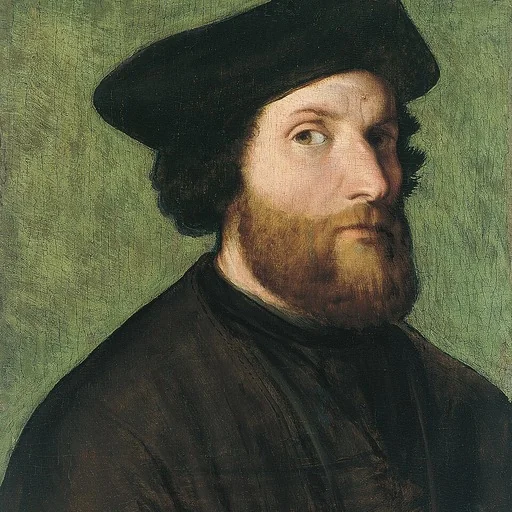
Key artists

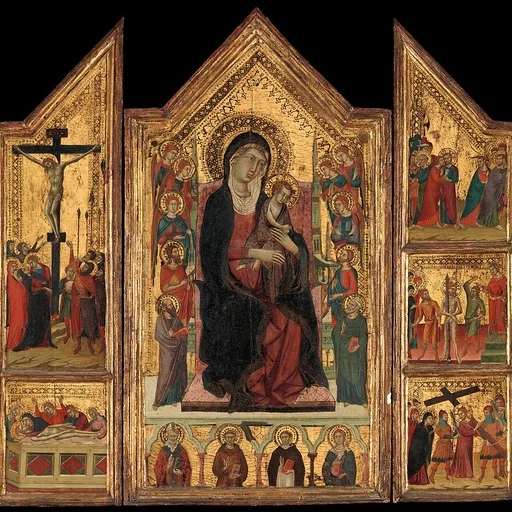
Overview
The Nativity of Jesus, the birth of Jesus of Nazareth in Bethlehem, Judea, is one of the most enduring and widely depicted subjects in Christian art. Rooted in the biblical accounts of the Gospels of Matthew and Luke, the scene has served as a foundational narrative for Christian theology and liturgical practice since the earliest centuries of the faith. The two gospel accounts, while differing in details, concur that Jesus was born in Bethlehem to Mary, betrothed to Joseph of Davidic descent, and that the birth resulted from divine intervention rather than biological paternity. This event, celebrated liturgically as Christmas, became a major focus of artistic production from the 4th century onward, with depictions evolving to reflect changing theological emphases and devotional needs.
Iconography & meaning
The iconography of the Nativity draws selectively from Matthew and Luke, with artists often harmonizing elements that the gospels present separately. From Luke's account come the manger, the swaddled infant, the ox and ass, the shepherds, and the angelic host; from Matthew come the star of Bethlehem, the Magi, and their gifts of gold, frankincense, and myrrh. The setting itself carries symbolic weight: the Greek kataluma, variously interpreted as inn, guest room, or family dwelling, and the phatnêFacet (manger or feeding trough), suggest humble circumstances that artists have rendered with varying degrees of literalism. The juxtaposition of earthly poverty and cosmic significance, the presence of both rustic shepherds and exotic Magi, and the central figure of the Virgin Mary, often shown in contemplative proximity to her child, create a dense field of theological meaning. From the 13th century, artistic emphasis shifted markedly toward the humility and tenderness of the scene, moving away from earlier presentations of Christ as sovereign Lord toward a more intimate, pastoral image that paralleled developments in Christian ministry and devotion.
Across movements & periods
The treatment of the Nativity has undergone significant transformation across periods and cultures, shaped by doctrinal developments, liturgical needs, and artistic conventions. Early Christian representations from the 4th century established the basic iconography, but the 13th century marked a decisive shift toward emotional accessibility and tender human detail, as artists began to emphasize the vulnerability of the infant and the humble circumstances of the birth. This development mirrored broader changes in pastoral theology and lay devotion. In subsequent centuries, regional and stylistic variations proliferated: Italian Renaissance artists explored perspectival space and classical architectural settings, while Northern European painters exploited oil technique to render textures of wood, straw, and flesh with heightened naturalism. The Counter-Reformation saw renewed emphasis on the miraculous and the doctrinally precise, even as Protestant contexts sometimes favored more restrained or didactic presentations. Across these variations, the fundamental structure, derived from the harmonized gospel accounts, remained remarkably stable, even as individual artists brought distinctive interpretations to the familiar scene.
Notable depictions
While the sources do not specify individual masterpieces by name beyond the collection's own holdings, the history of the Nativity in art is inseparable from major monuments of European painting and sculpture. Early Christian examples in Roman catacombs and on sarcophagi established the subject's liturgical centrality. Medieval manuscript illumination, ivory carving, and metalwork transmitted the scene through diverse media and social contexts. The 13th-century shift toward tenderness is associated with the rise of Franciscan spirituality and its emphasis on the humanity of Christ. In the collection itself, works such as The Nativity with Donors andgz Saints Jerome and Leonard exemplify the integration of personal devotion with narrative scene, a format particularly characteristic of late medieval and early modern European practice. The repeated appearance of the subject across independent panels and larger cycles indicates its continued viability as a focus of artistic and devotional attention.
Legacy
The Nativity of Jesus has exerted a profound and continuous influence on Western and global culture, extending far beyond the confines of ecclesiastical art. As the basis for the Christian celebration of Christmas, the scene has been adapted into countless forms of popular and material culture, from domestic crèche displays to theatrical pageants and cinematic representation. The German source notes the harmonization of the biblical accounts into a unified Weihnachtsgeschichte that exists only through later interpretive tradition, a process that has analogues in the artistic tradition. The scholarly recognition that the gospel accounts represent theological rather than simply historical constructions has not diminished the subject's cultural power; rather, it has prompted ongoing negotiation between critical inquiry and devotional practice. In art history, the Nativity remains a touchstone for understanding the relationship between textual exegesis, liturgical function, and visual interpretation, as well as a case study in the persistence and adaptability of religious imagery across periods of radical social and ideological change.
Works
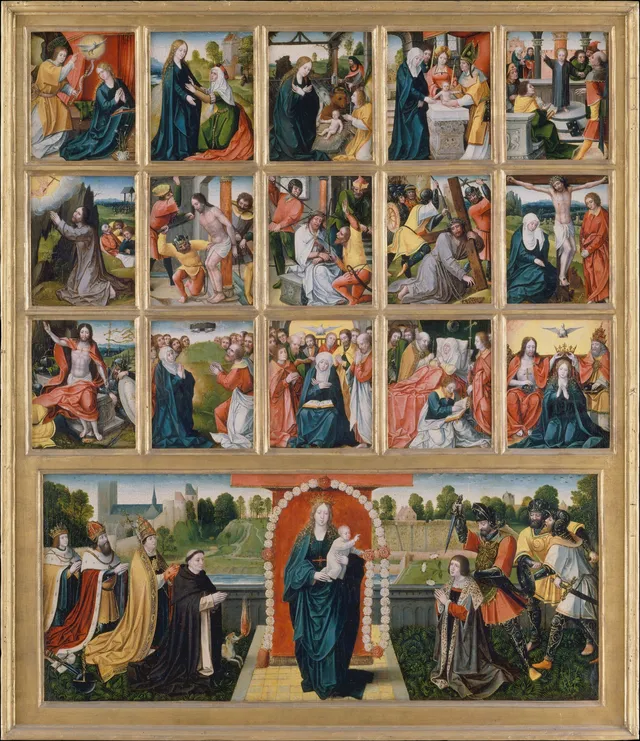
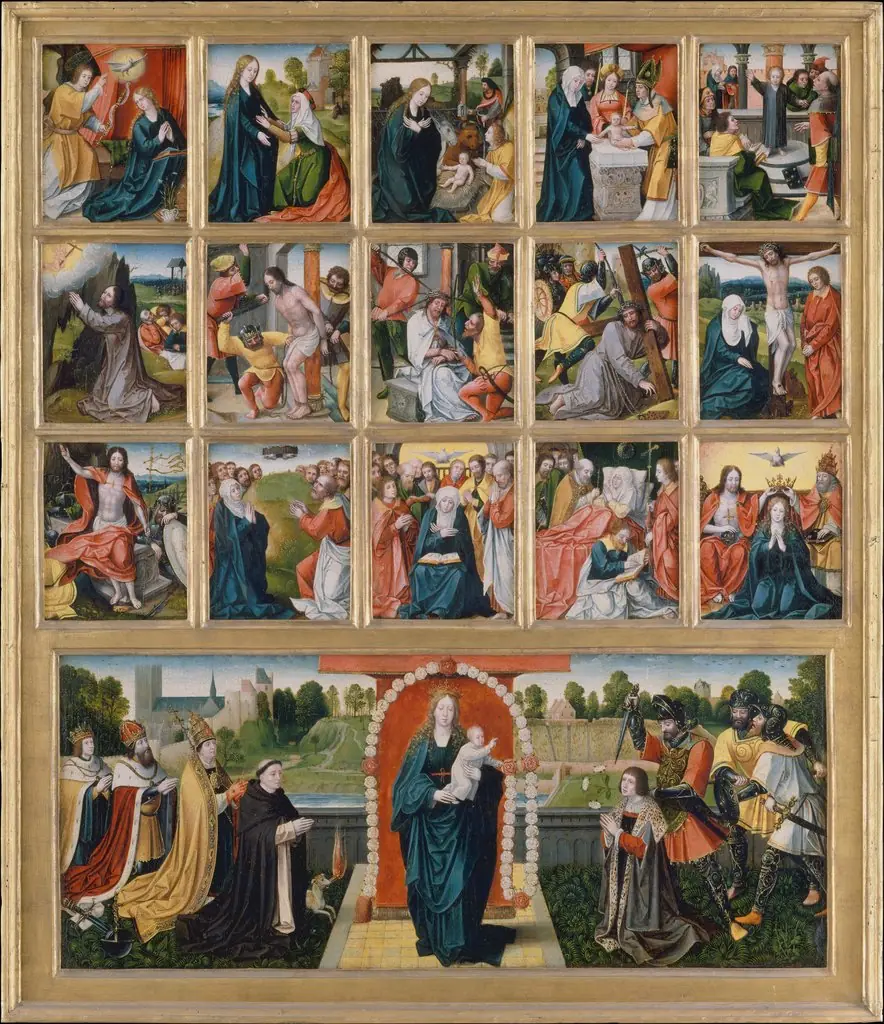 The Fifteen Mysteries and the Virgin of the Rosary
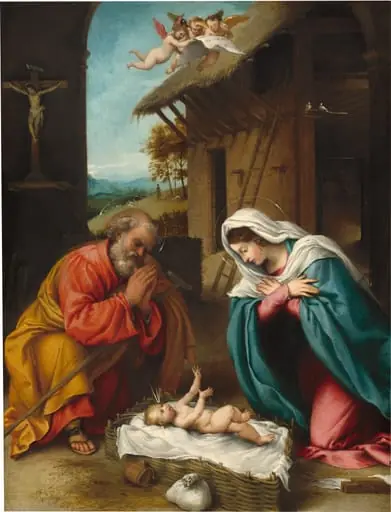 The Nativity
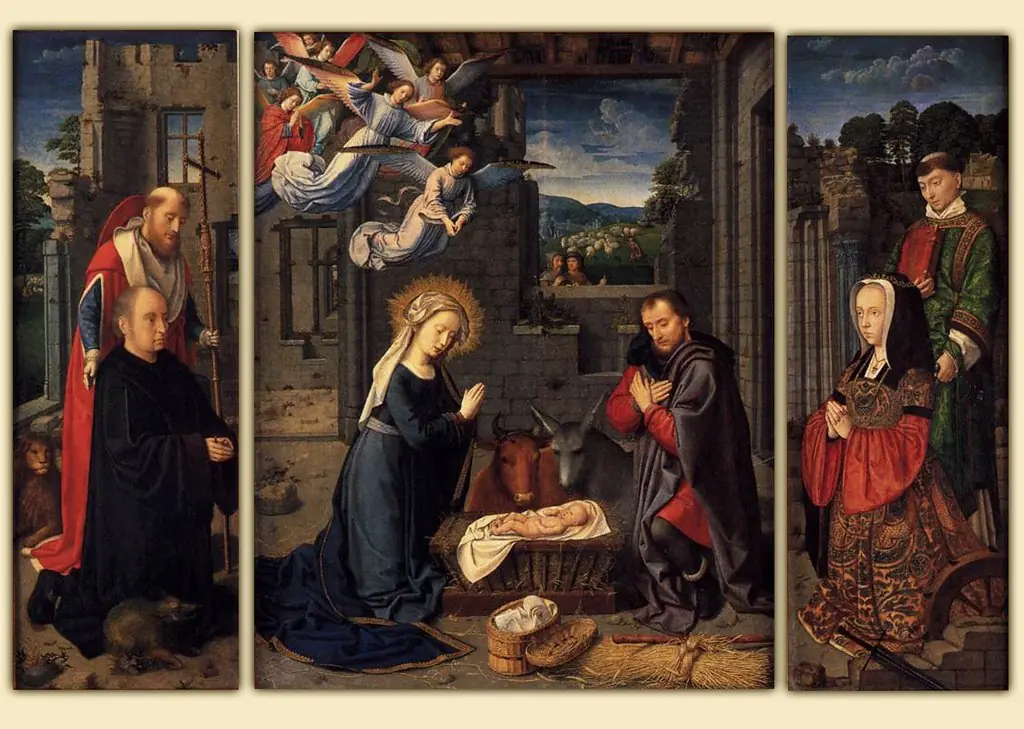 The Nativity with Donors and Saints Jerome and Leonard
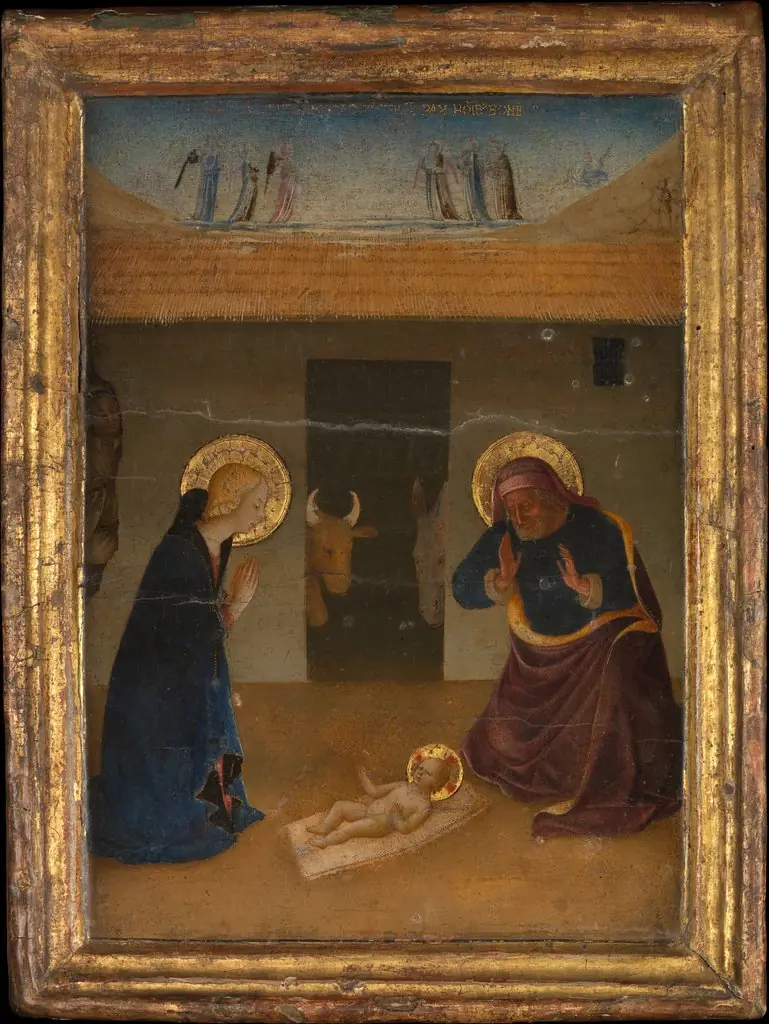 The Nativity
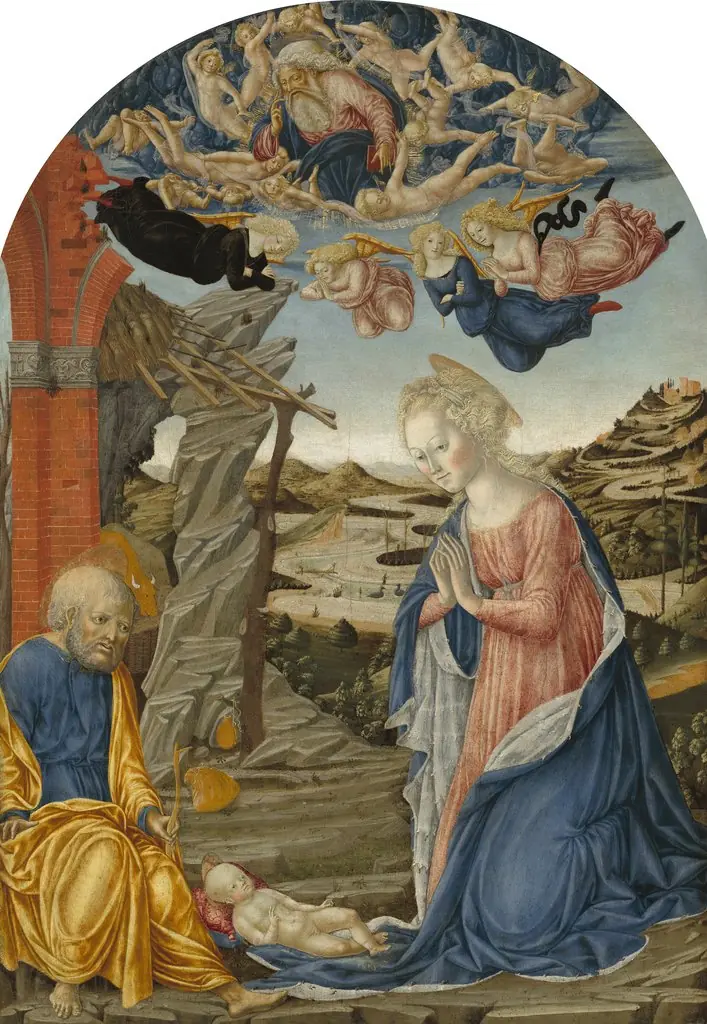 The Nativity
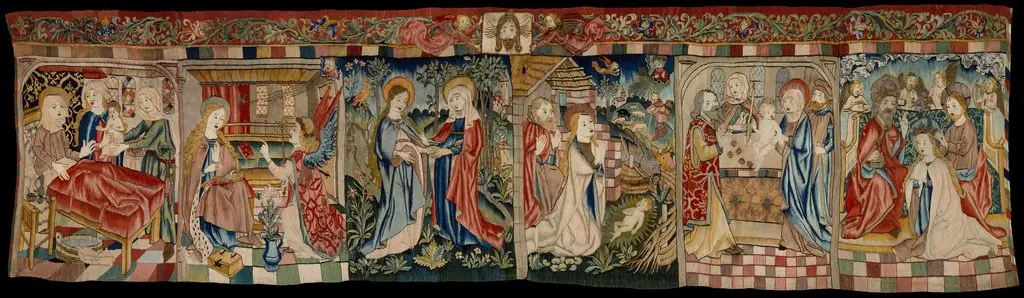 Scenes from the Life of the Virgin
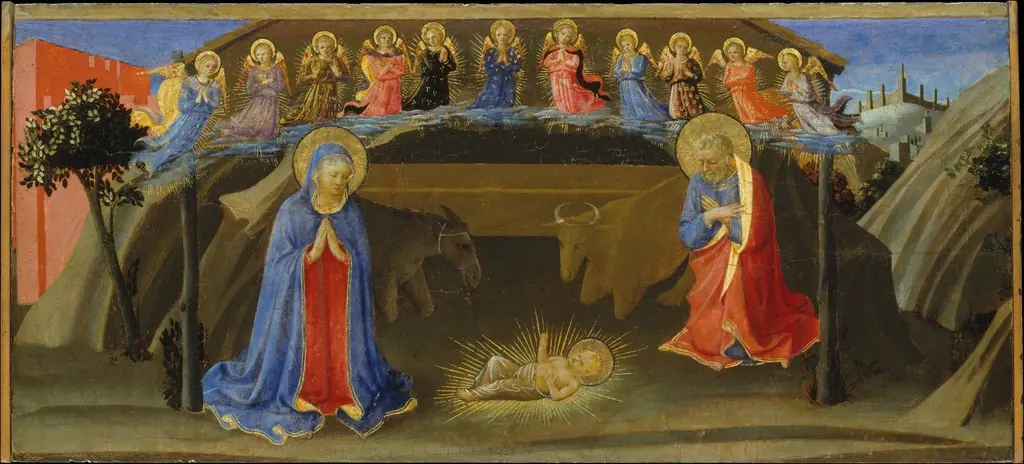 The Nativity
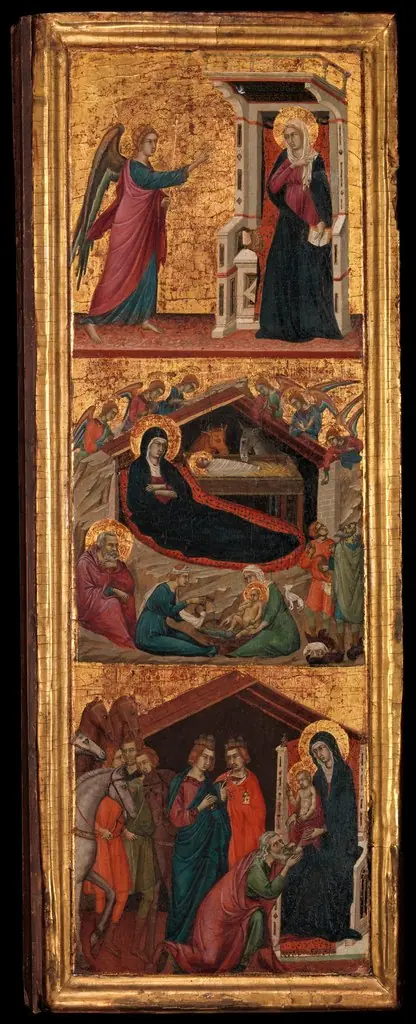 Saints and Scenes from the Life of the Virgin
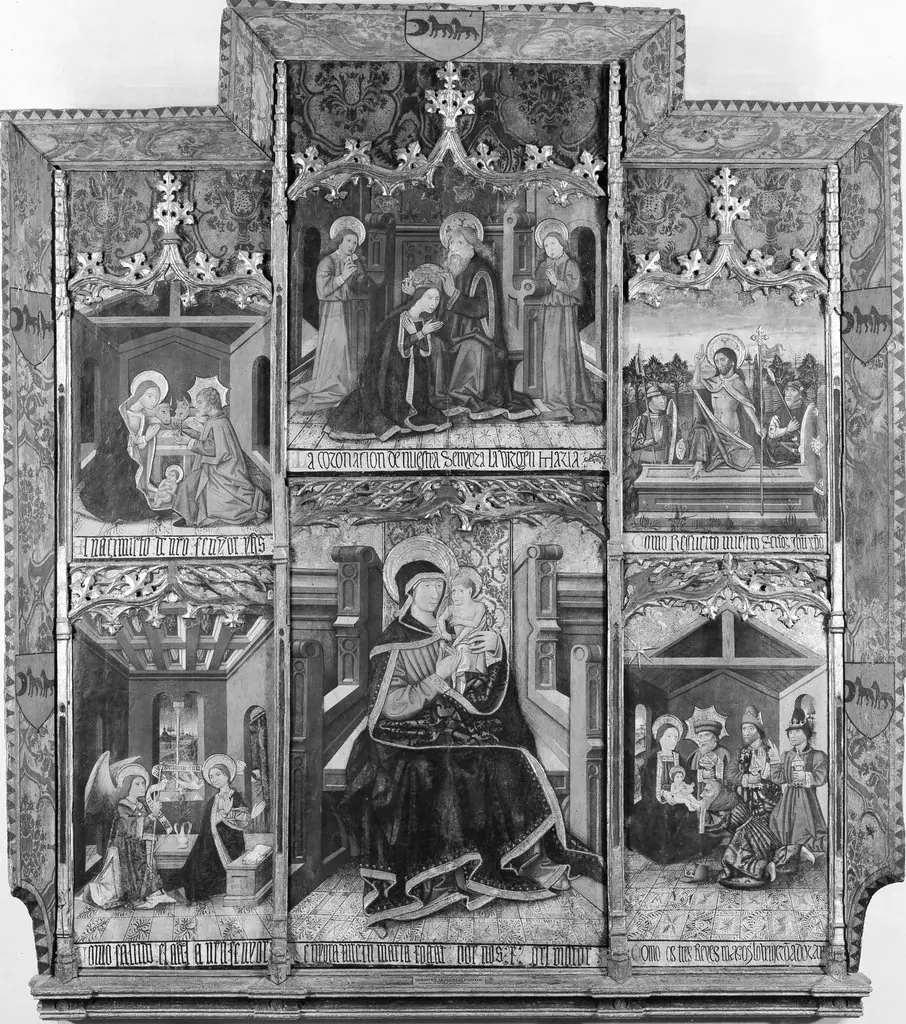 Virgin and Child Enthroned with Scenes from the Life of the Virgin
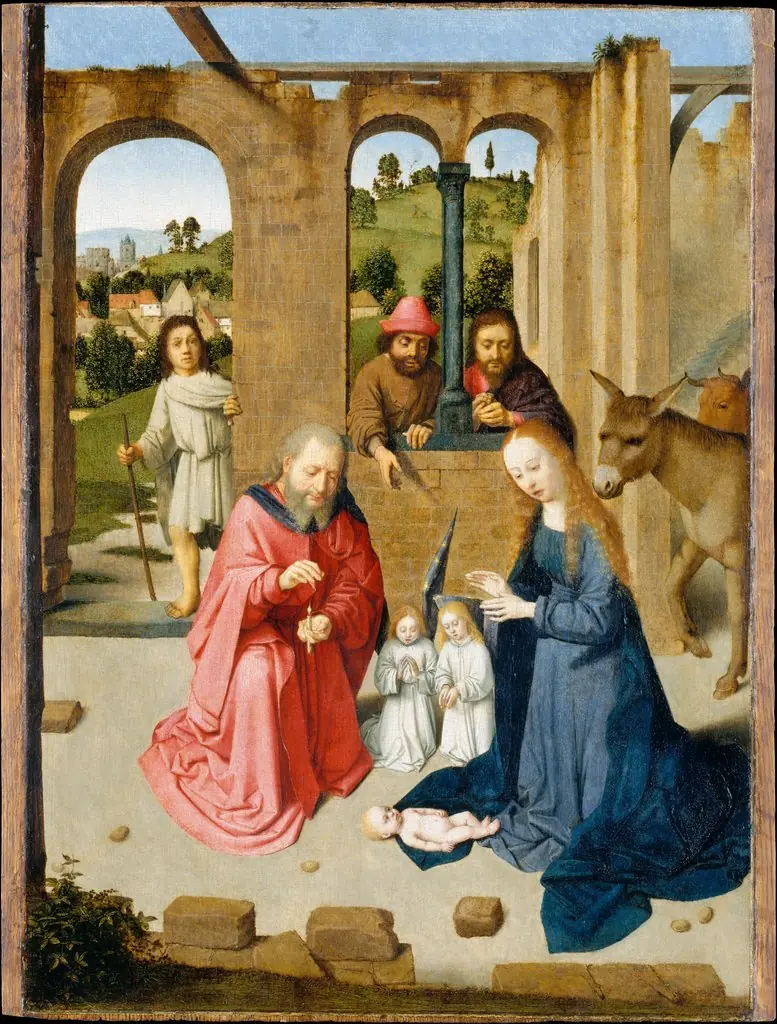 The Nativity
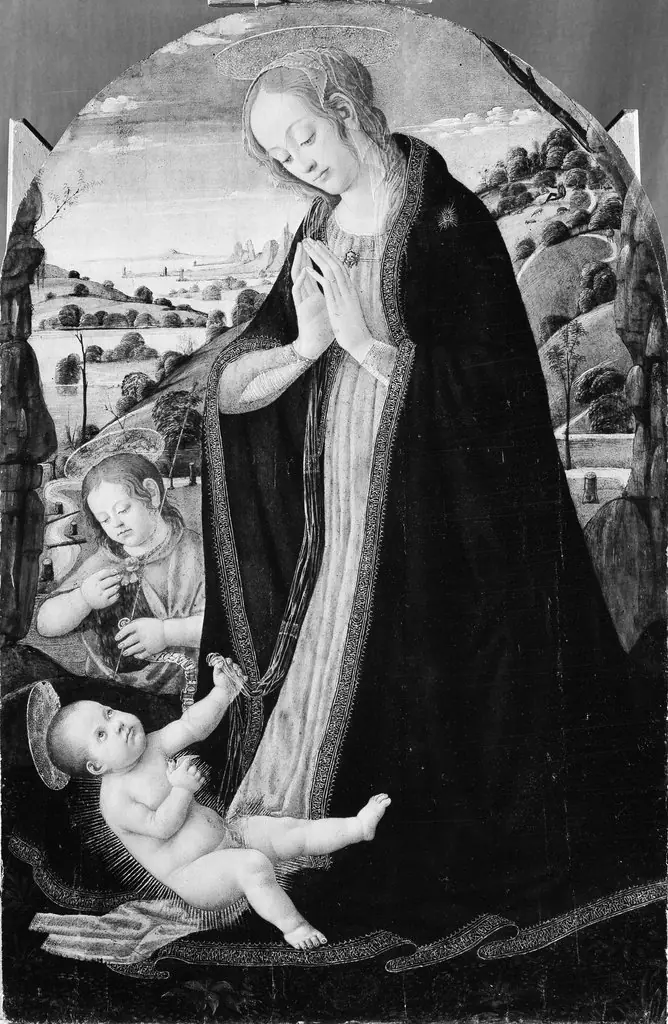 The Nativity
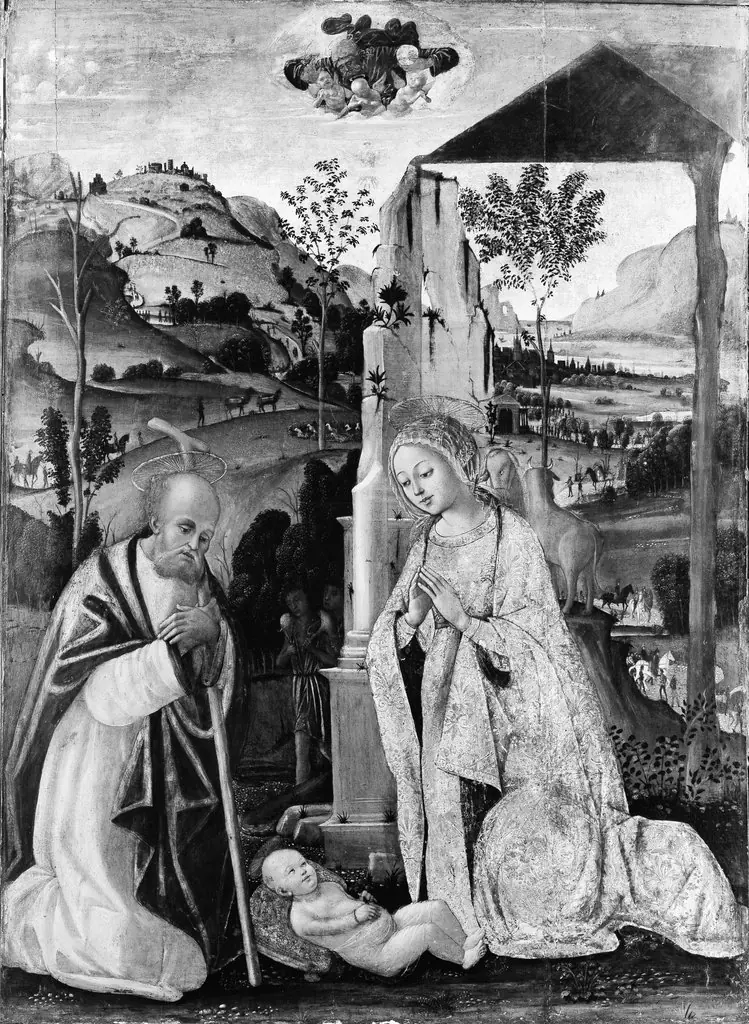 The Nativity
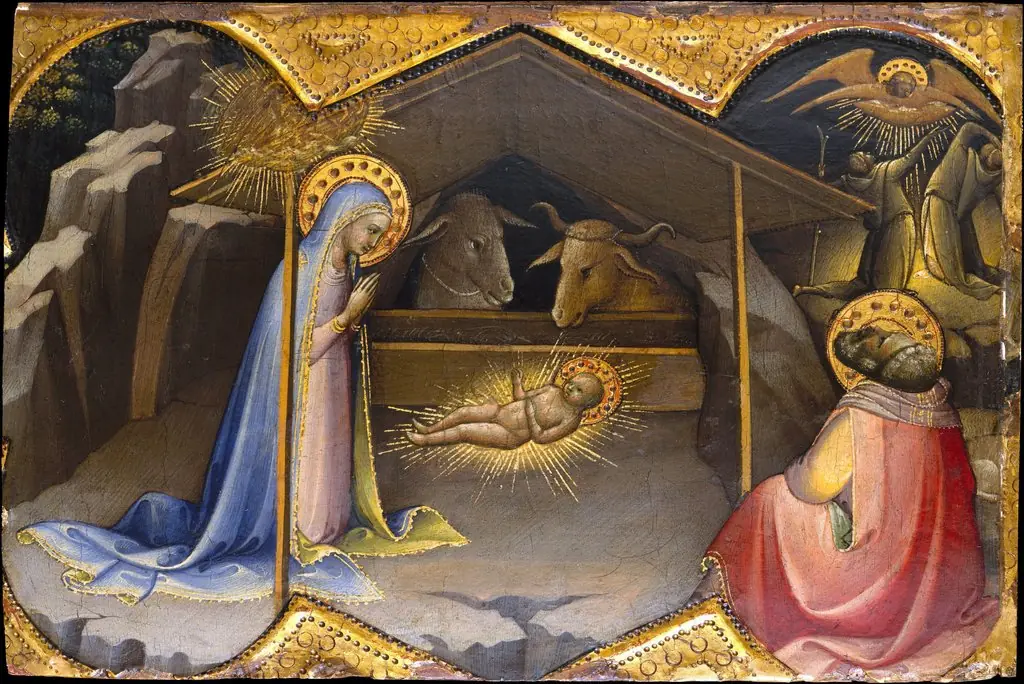 The Nativity
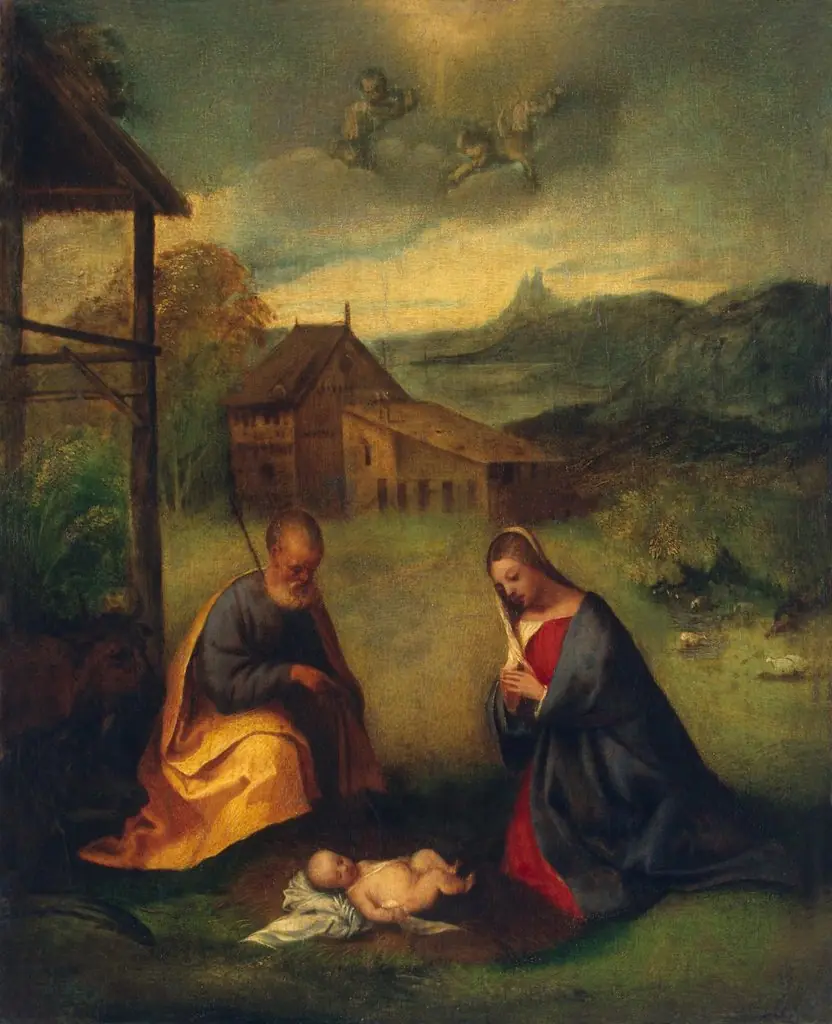 Adoration of the Christ Child
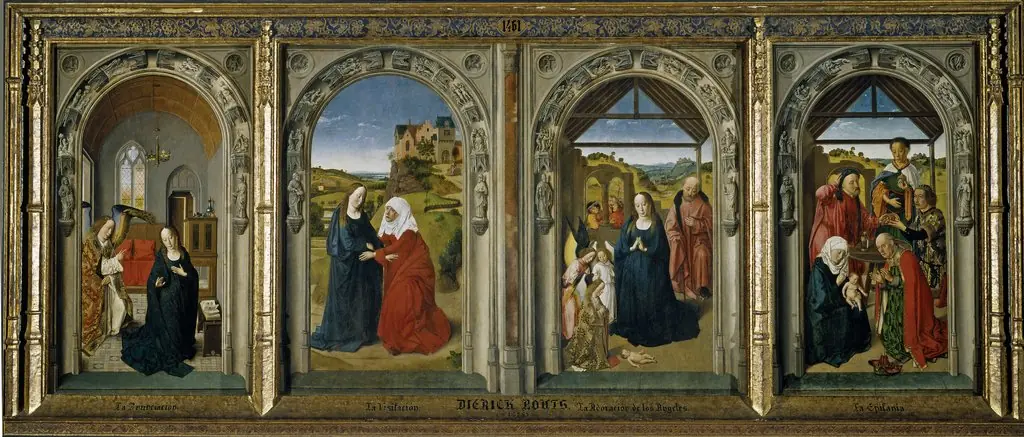 Triptych with Scenes from the Life of the Virgin
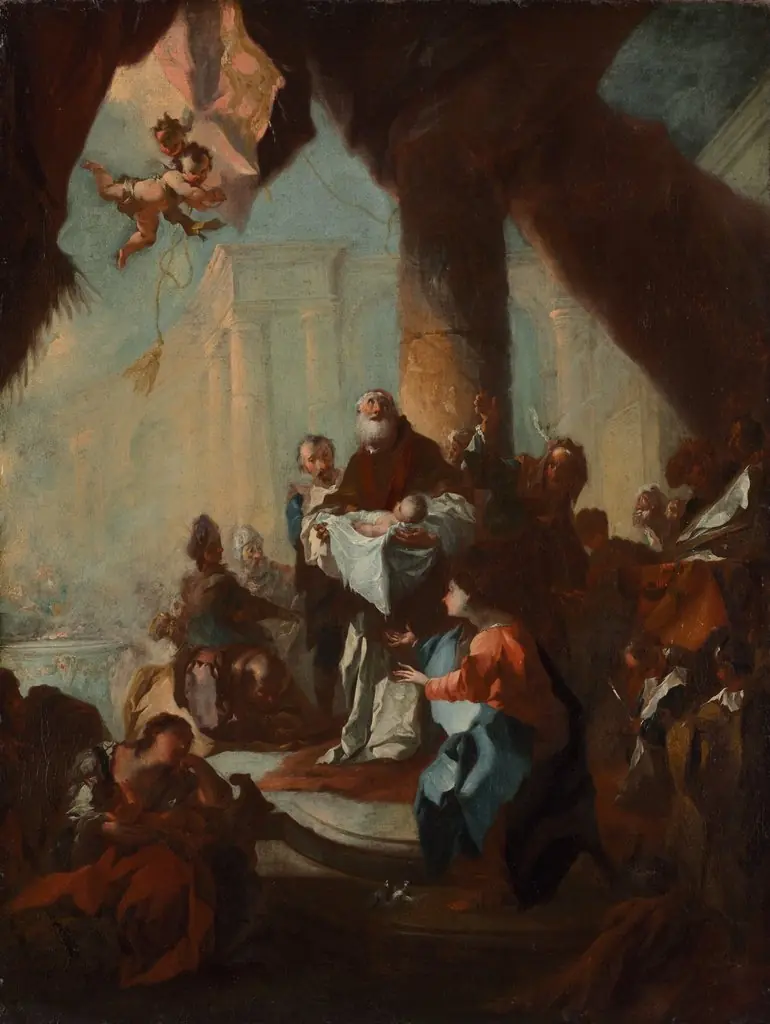 Study for "The Presentation of Christ in the Temple" (for Saint Ulrich, Vienna)
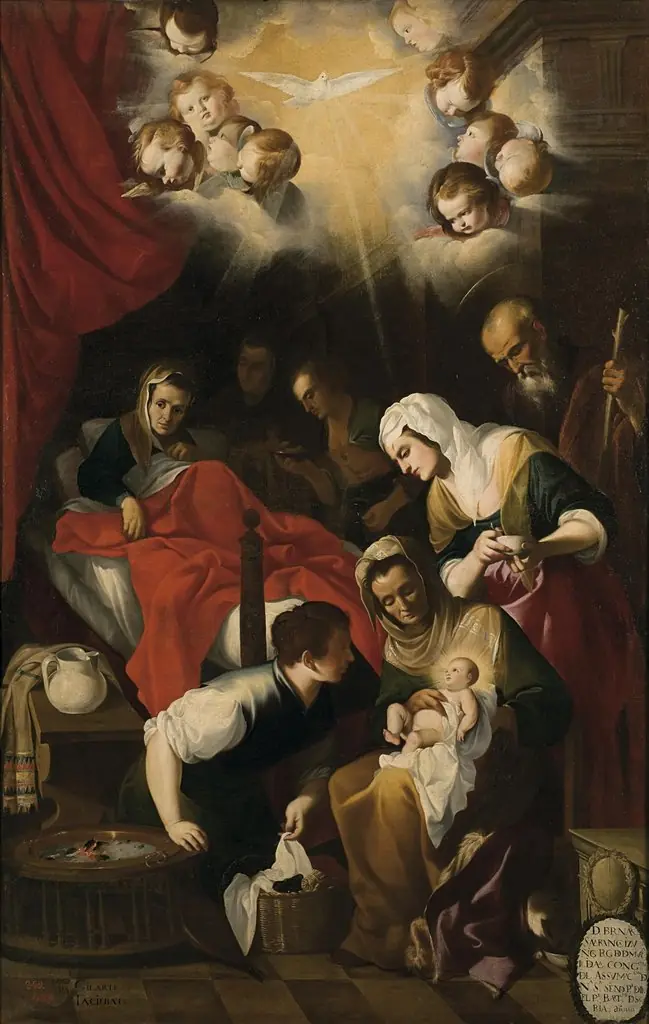 The Birth of the Virgin
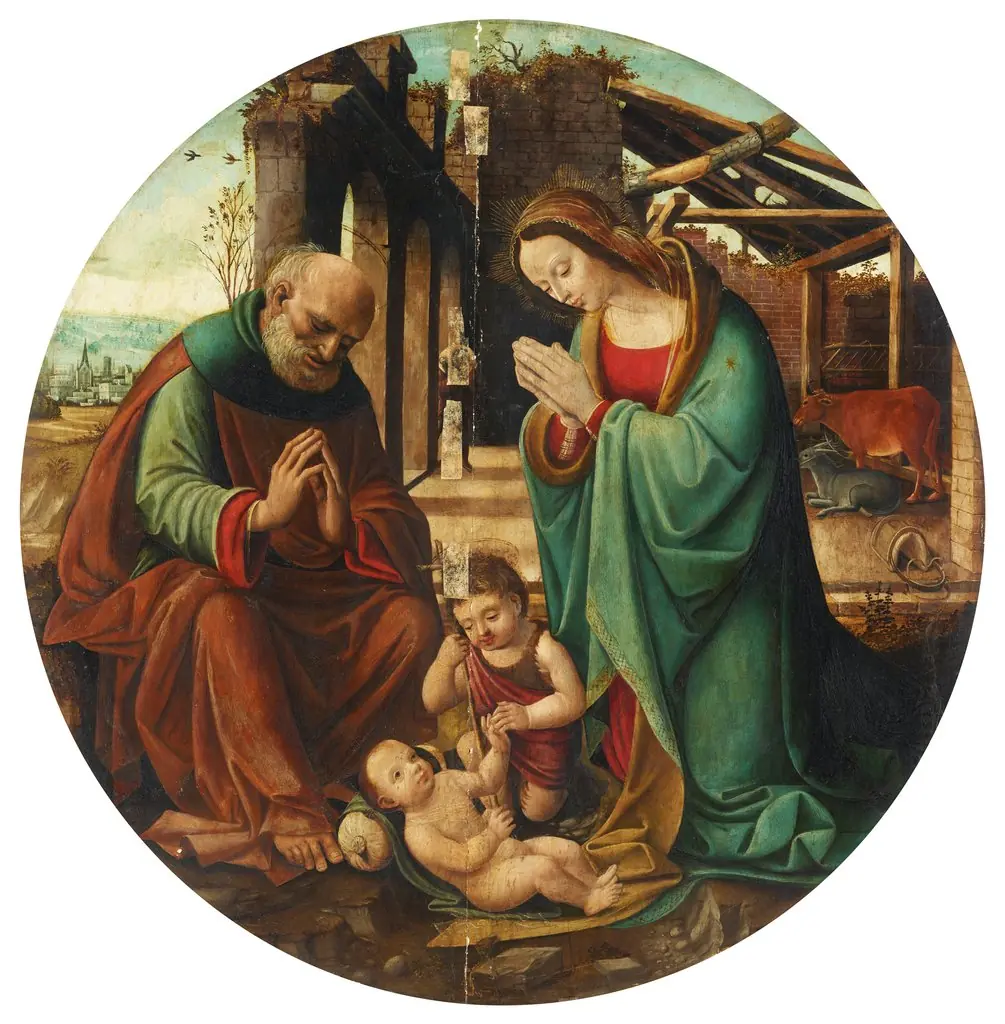 The Holy Family with Young St. John, Adoring the Child
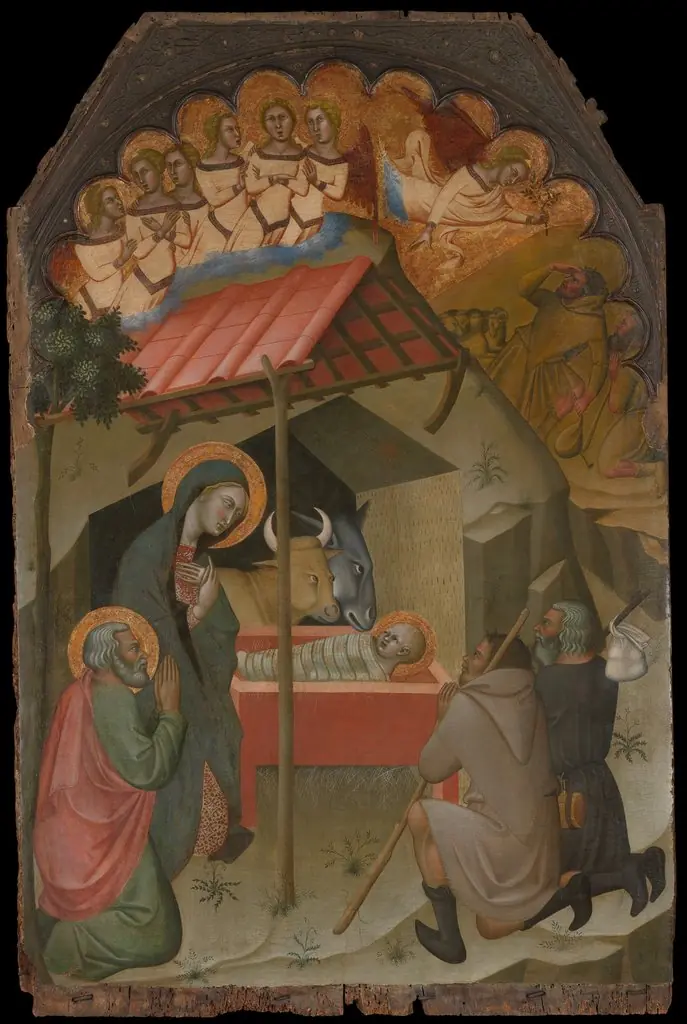 Adoration of the Magi
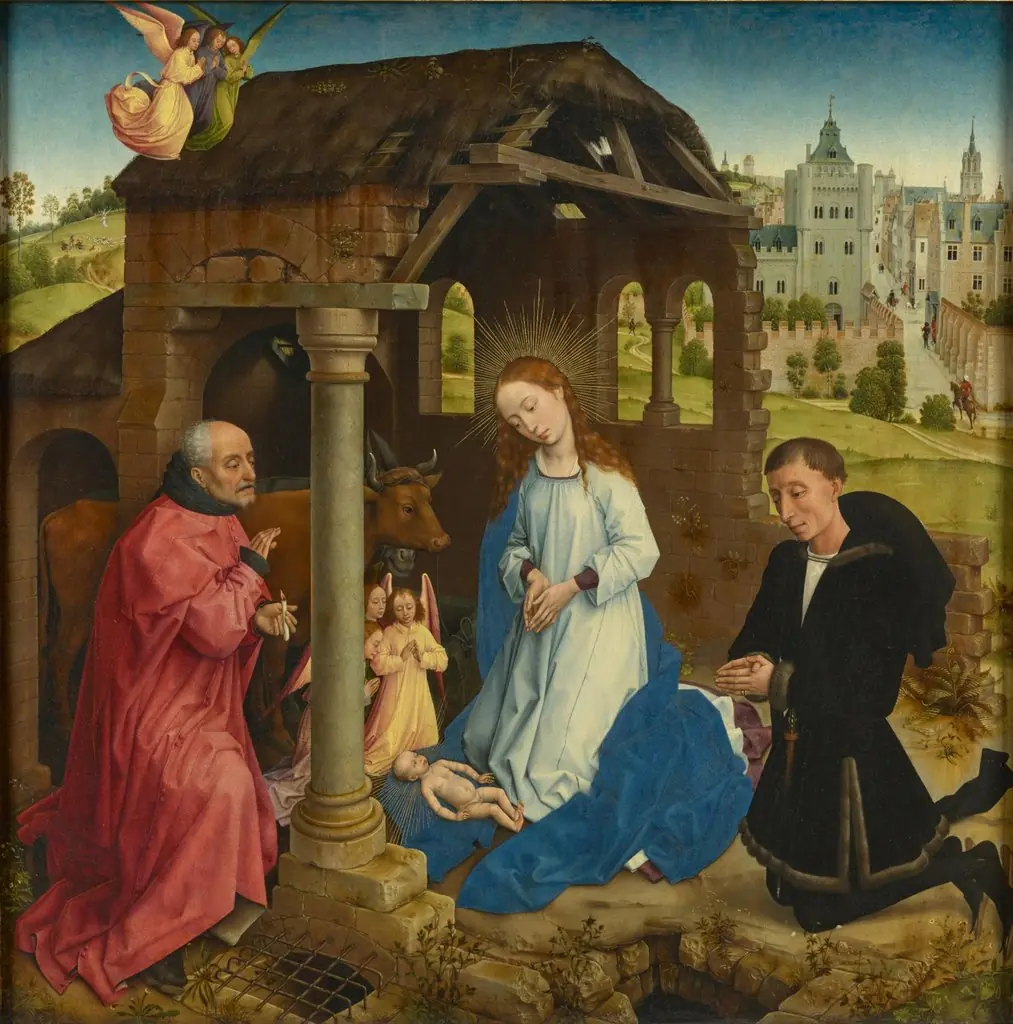 Bladelin Triptych Nativity (central panel)
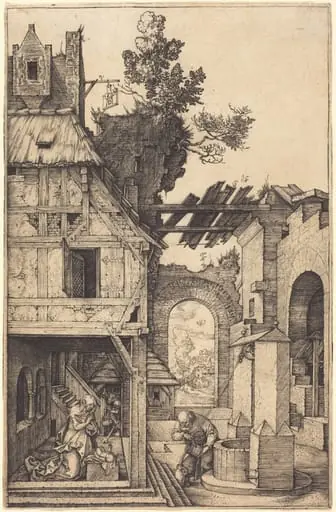 The Nativity
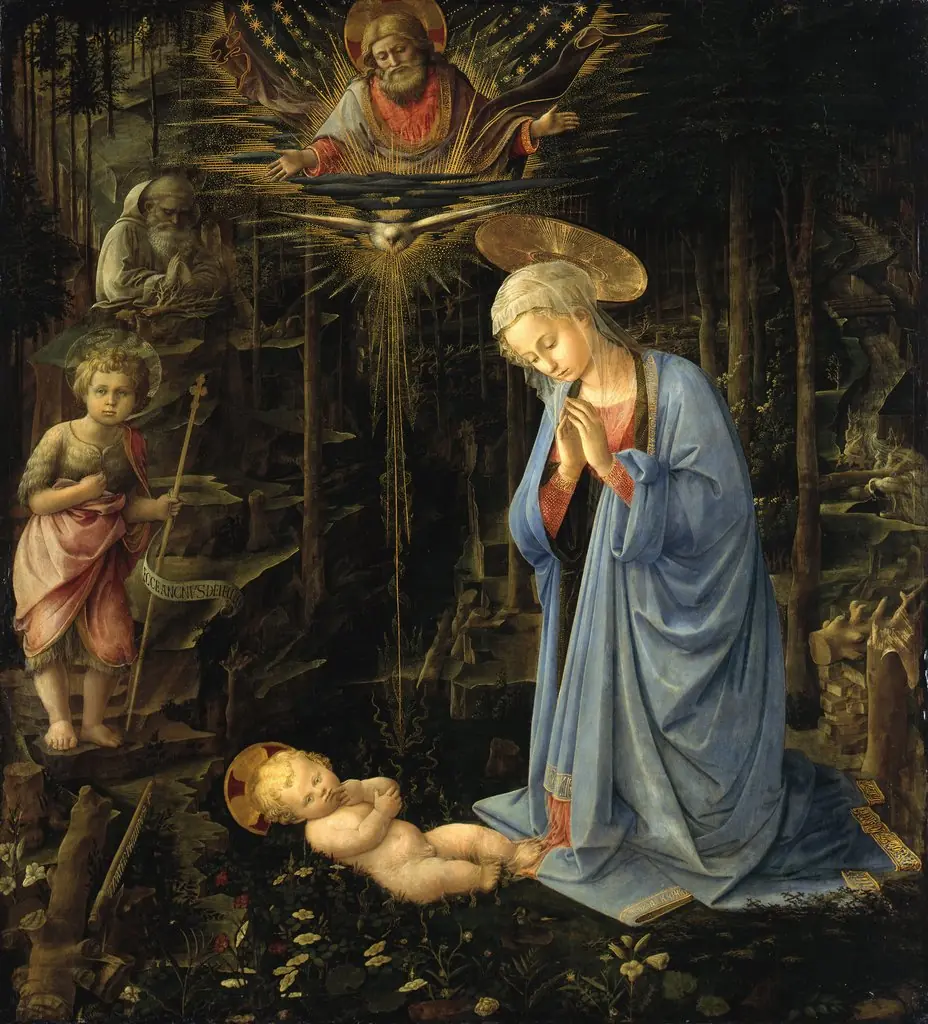 Adoration in the Forest
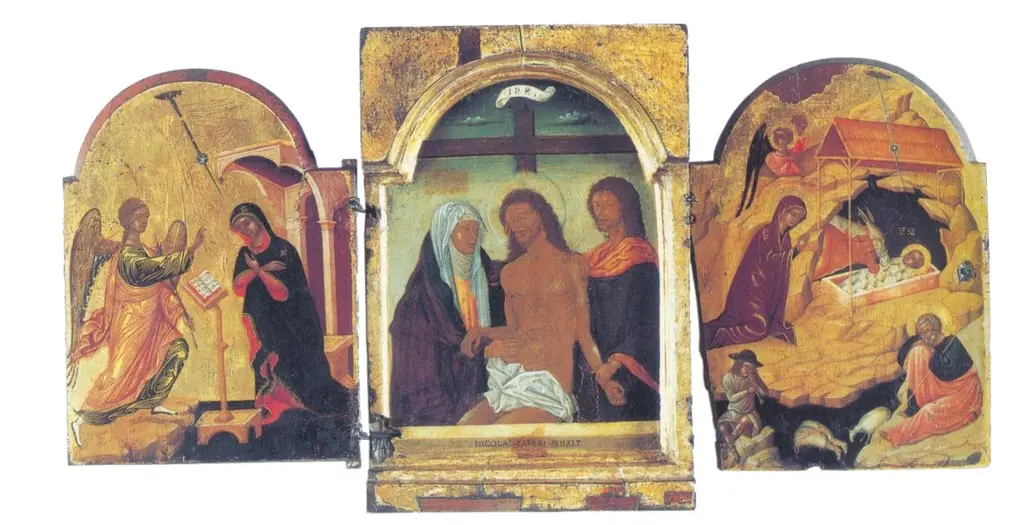 Triptych Pieta (Tzafouris)
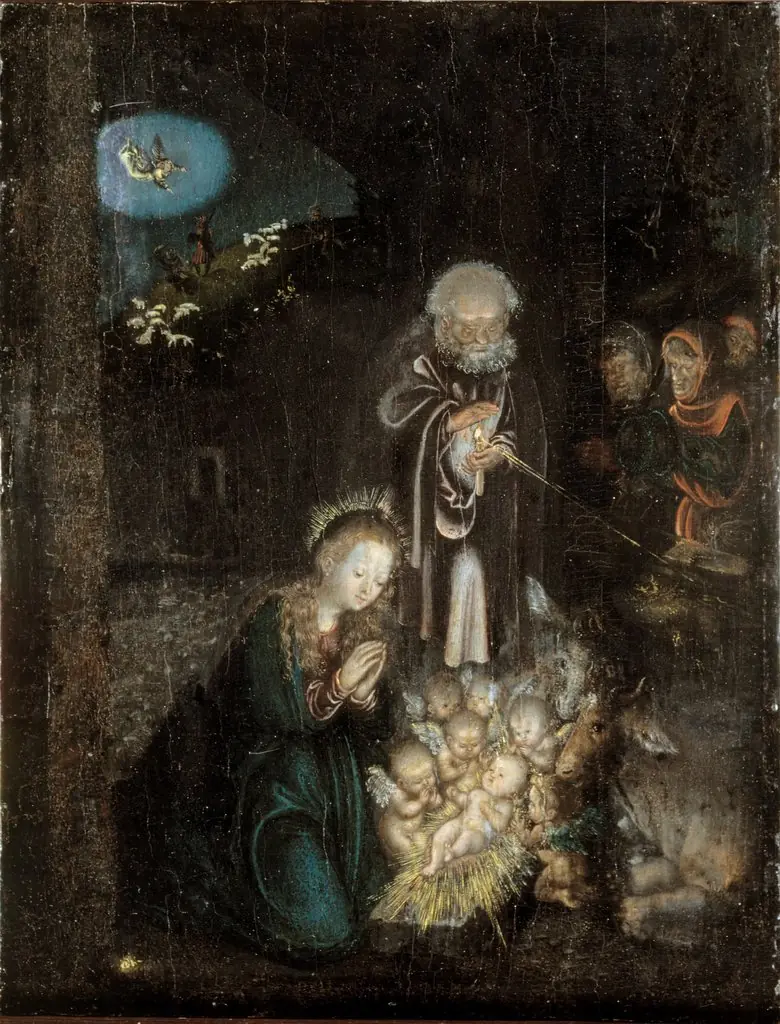 Nativity
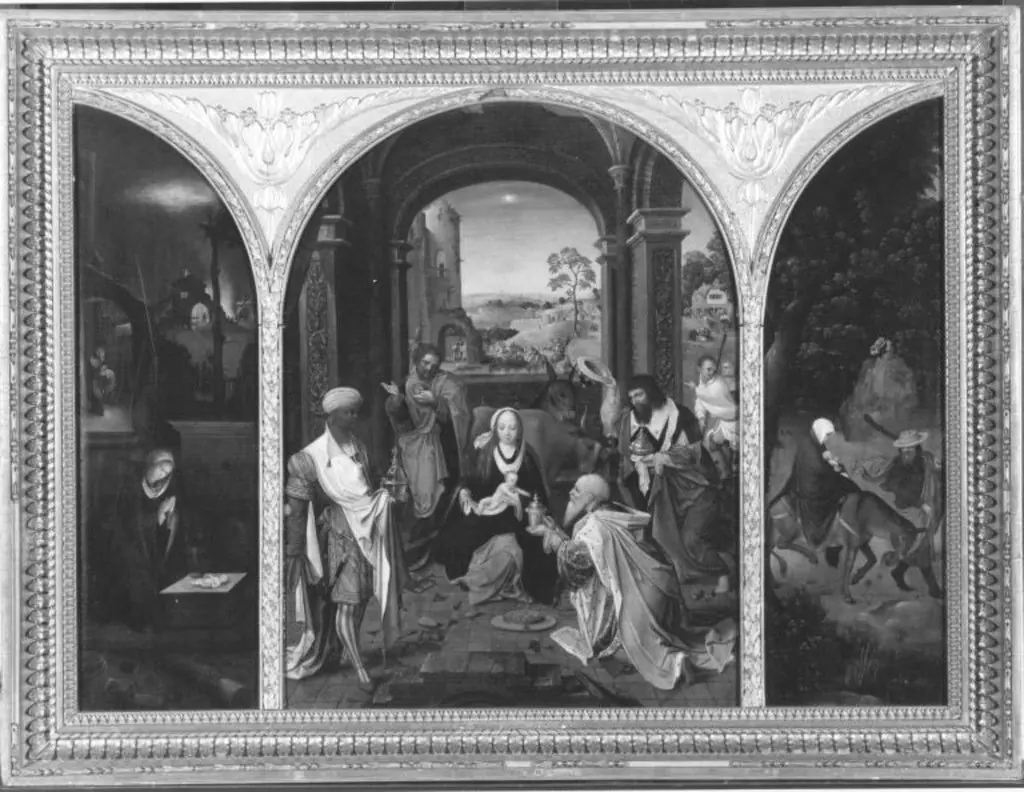 Triptych of the Adoration of the Magi with Nativity and Flight into Egypt on outer wings
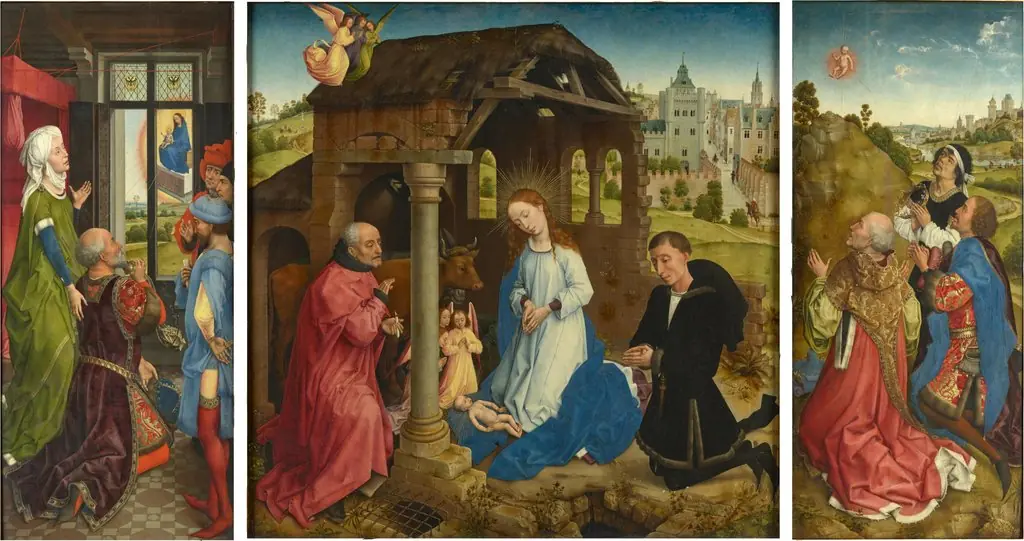 Bladelin Triptych
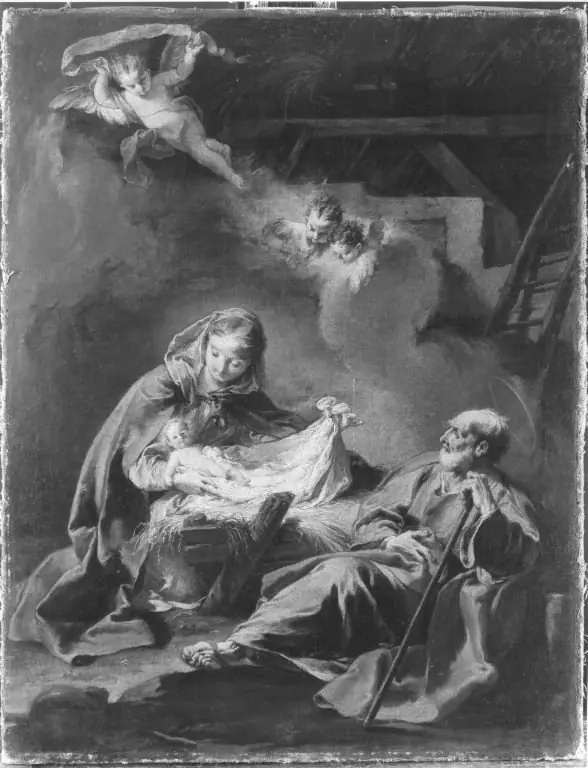 The birth of Christ
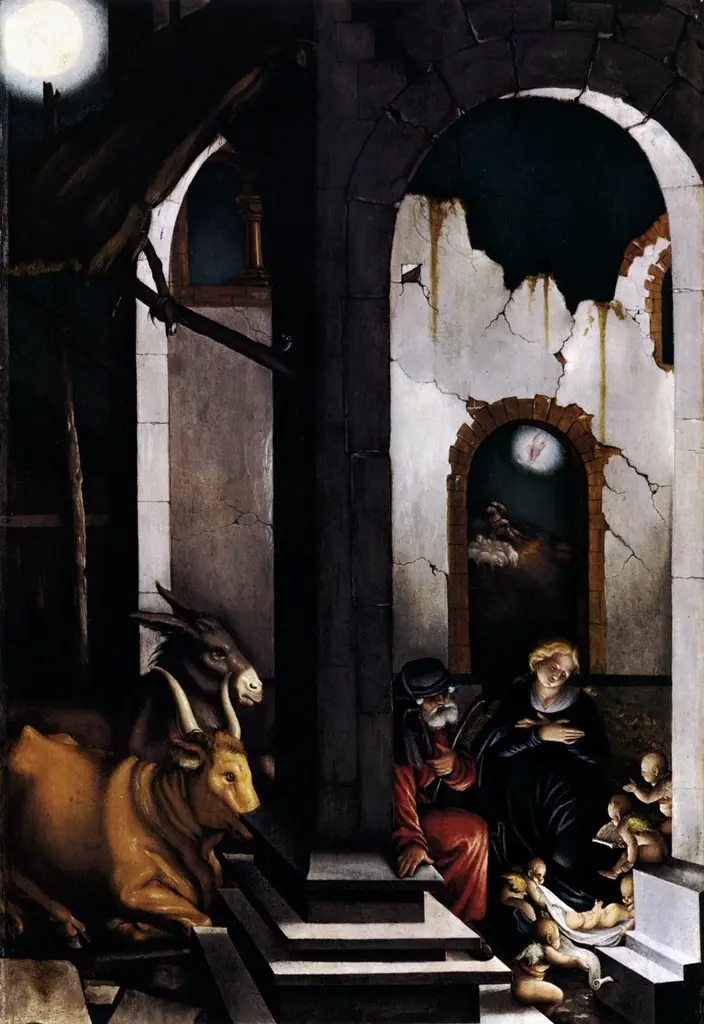 Nativity
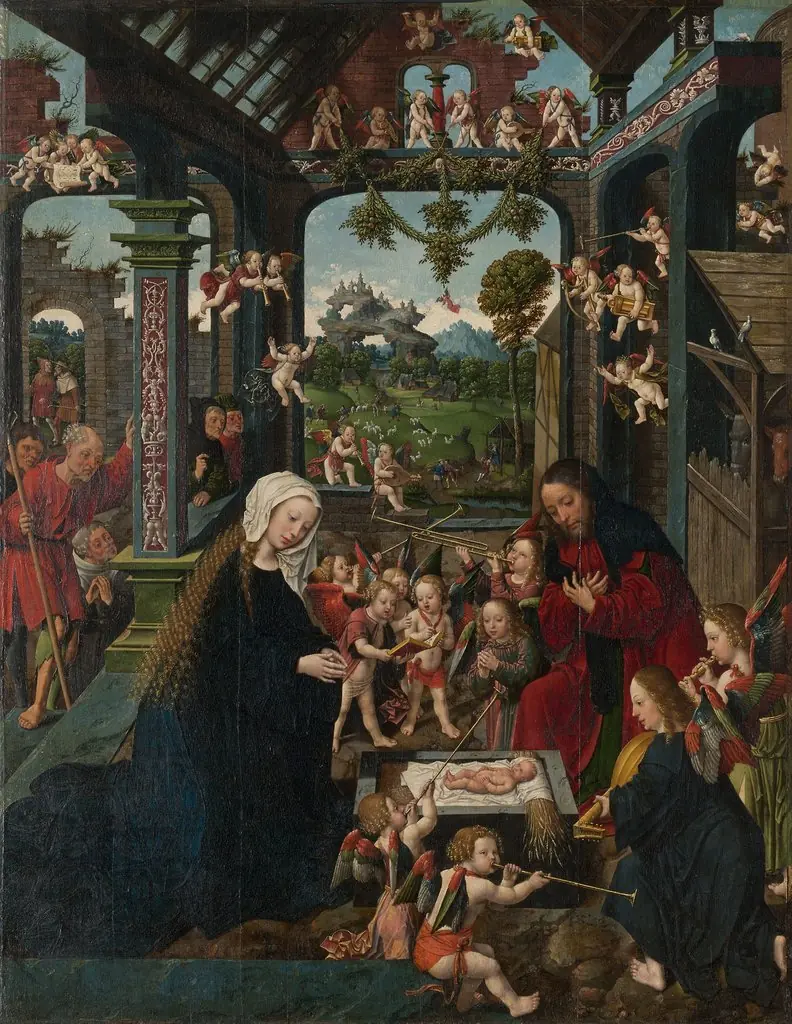 The Adoration of the Christ Child
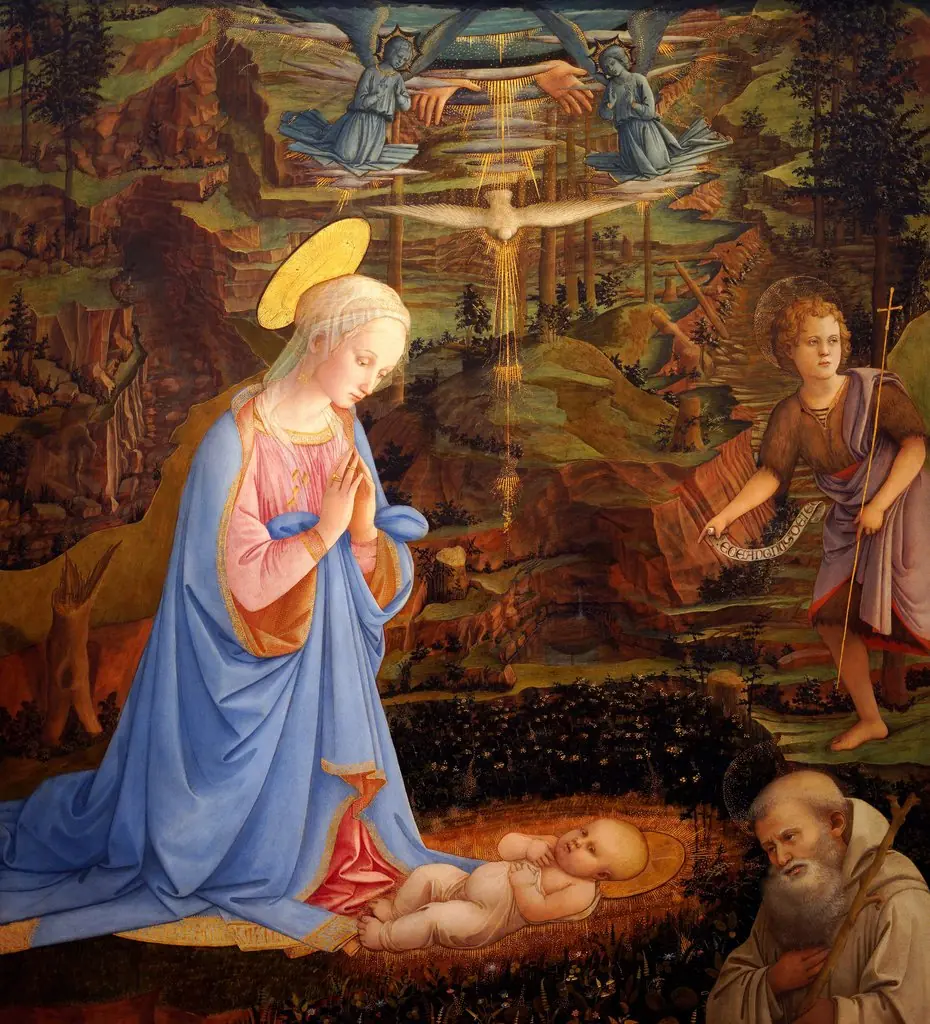 Adoration of Camaldoli
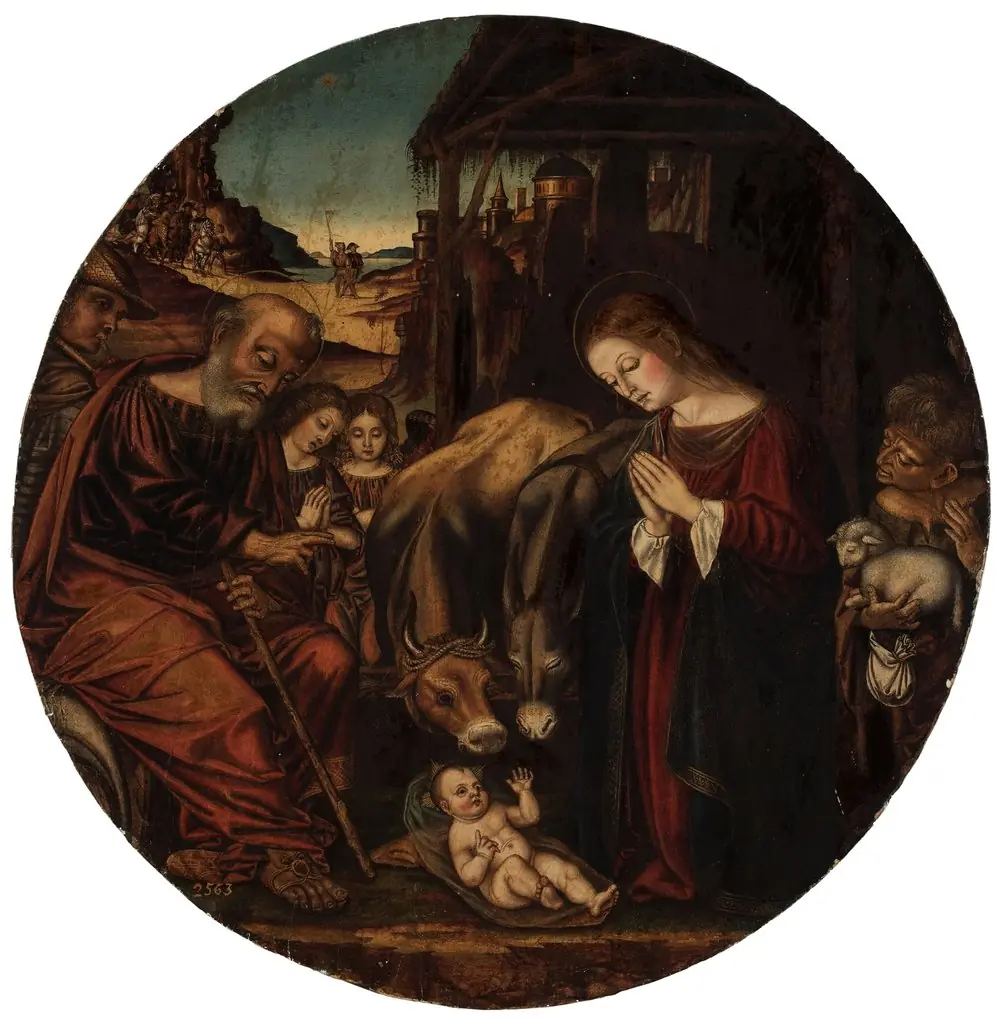 La Natividad
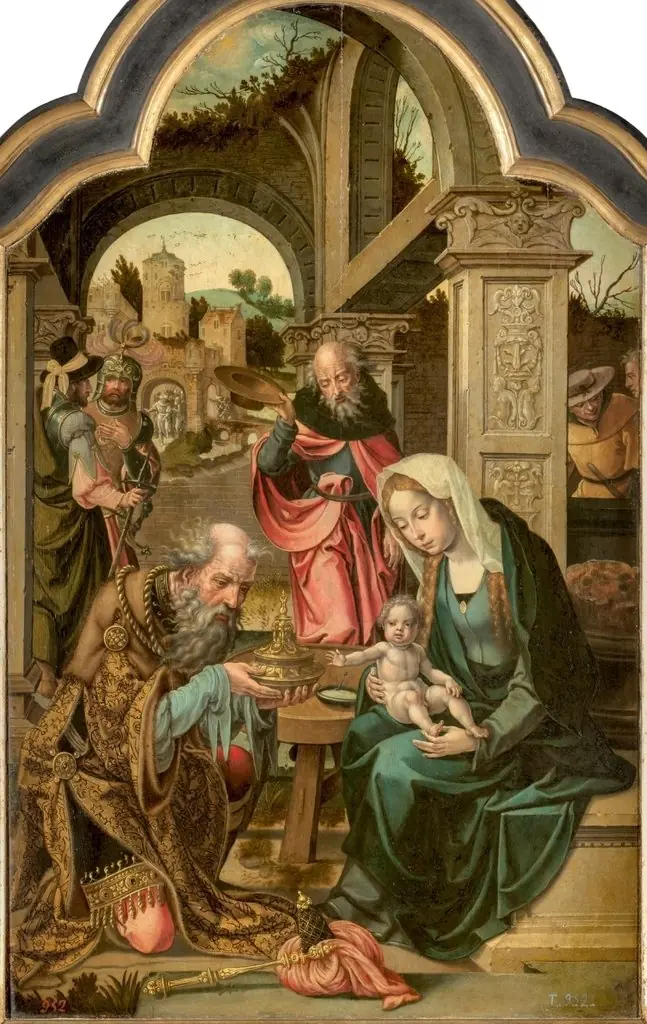 Adoration of the Magi
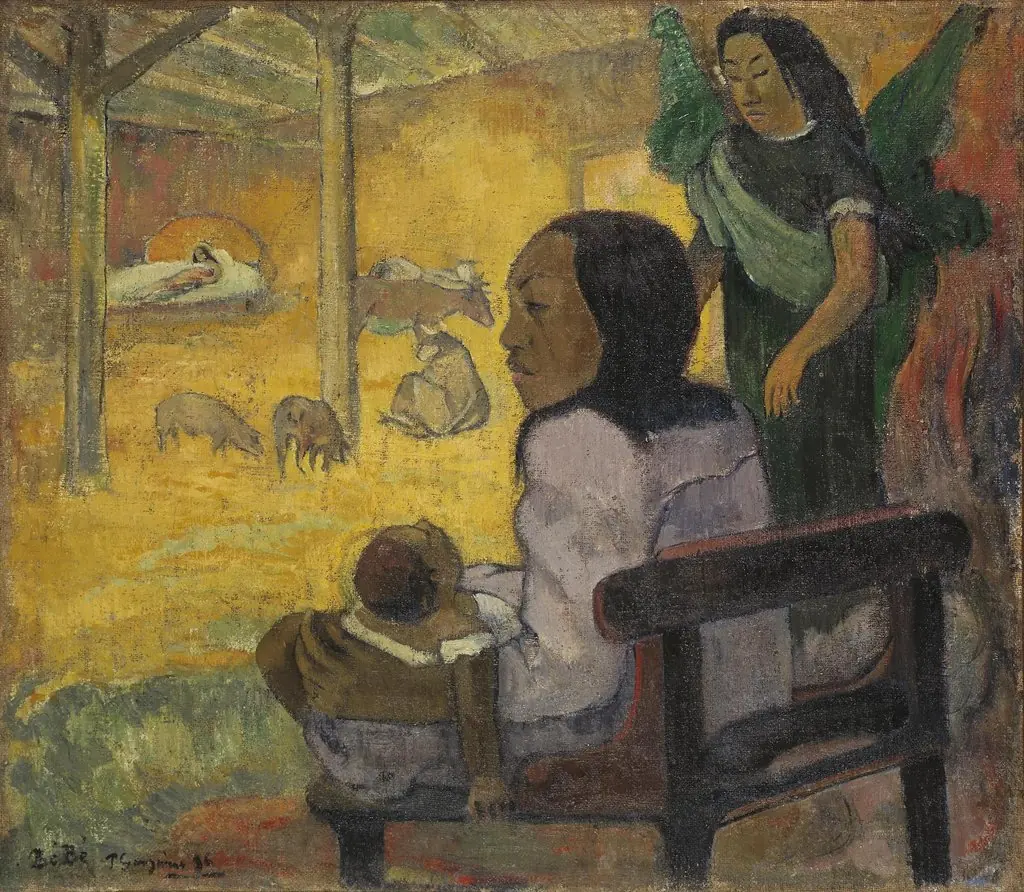 Be Be (The Nativity)
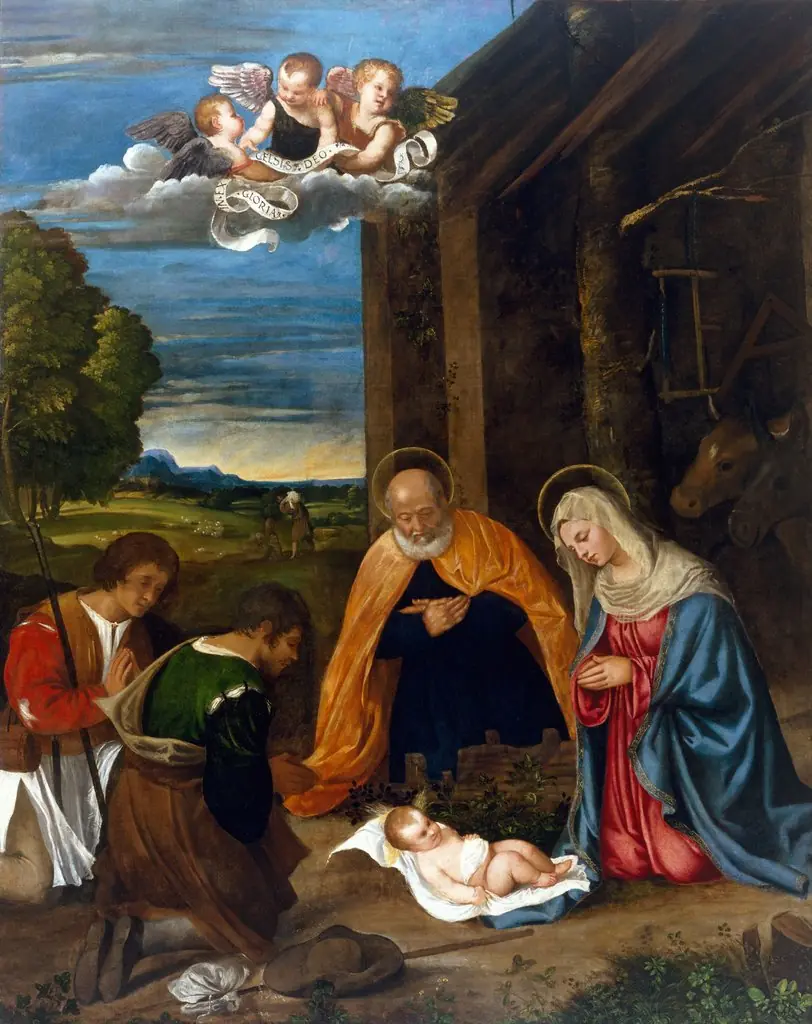 The Nativity with Shepherds
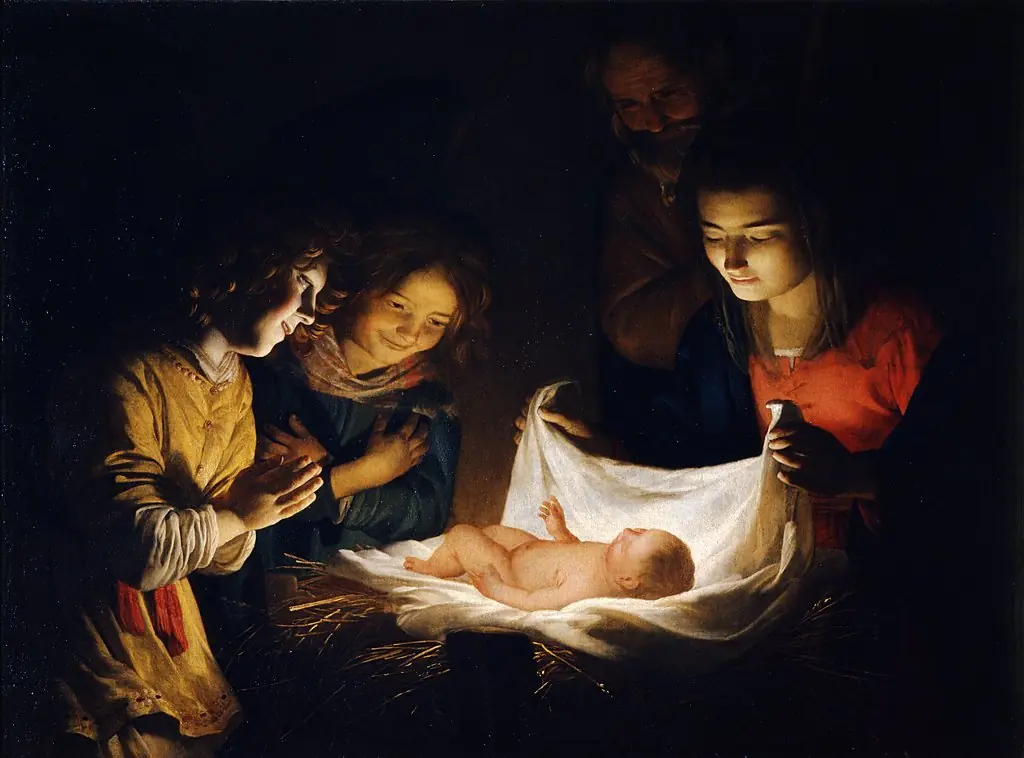 Adoration of the Child
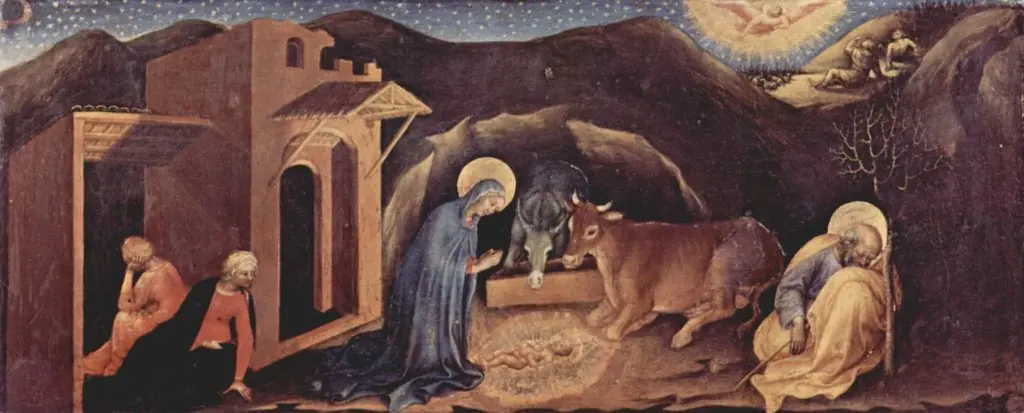 Adoration of the Three Kings - Birth of Christ
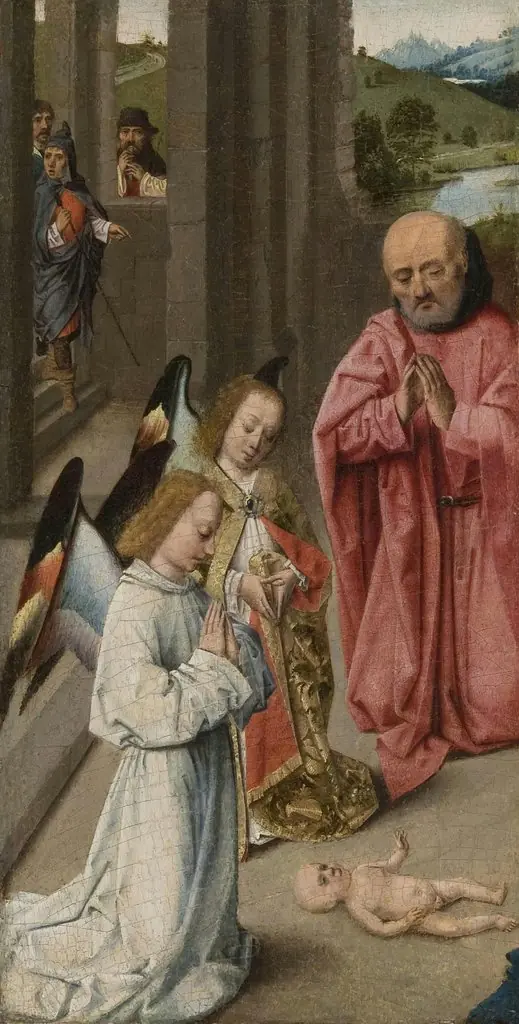 The Nativity
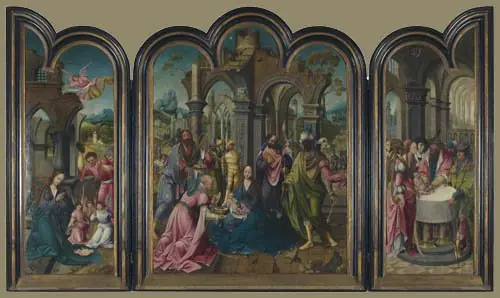 Triptych with adoration by the Magi
![Altarpiece showing scenes from the Infancy of Christ: The Adoration of the Magi [center]; The Annunciation; The Presentation of Christ in the Temple; The Flight into Egypt; The Nativity [clockwise from upper left]](https://artifactworldgallery.com/img/master-of-hoogstraeten--altarpiece-showing-scenes-from-the-infancy-of-christ-the-ado--6a236bfea3373486-w320.webp) Altarpiece showing scenes from the Infancy of Christ: The Adoration of the Magi [center]; The Annunciation; The Presentation of Christ in the Temple; The Flight into Egypt; The Nativity [clockwise from upper left]
Altarpiece showing scenes from the Infancy of Christ: The Adoration of the Magi [center]; The Annunciation; The Presentation of Christ in the Temple; The Flight into Egypt; The Nativity [clockwise from upper left]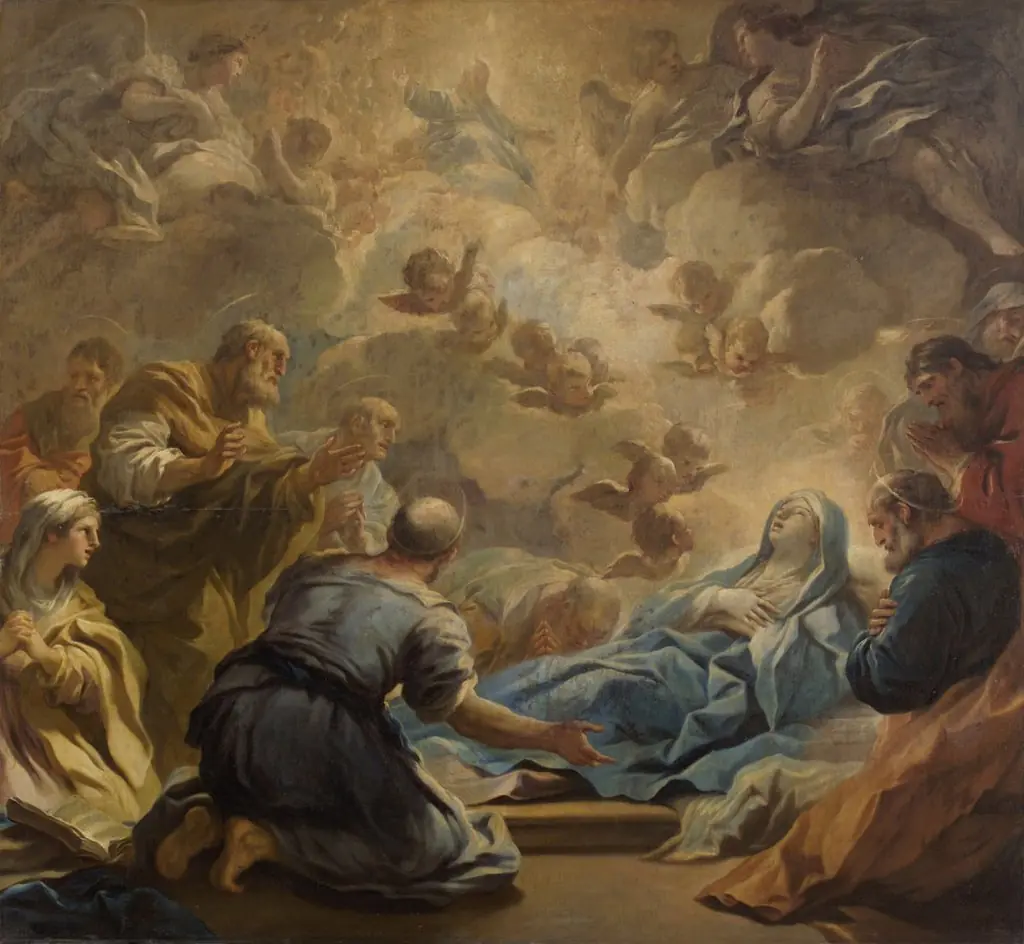 Tod Mariae
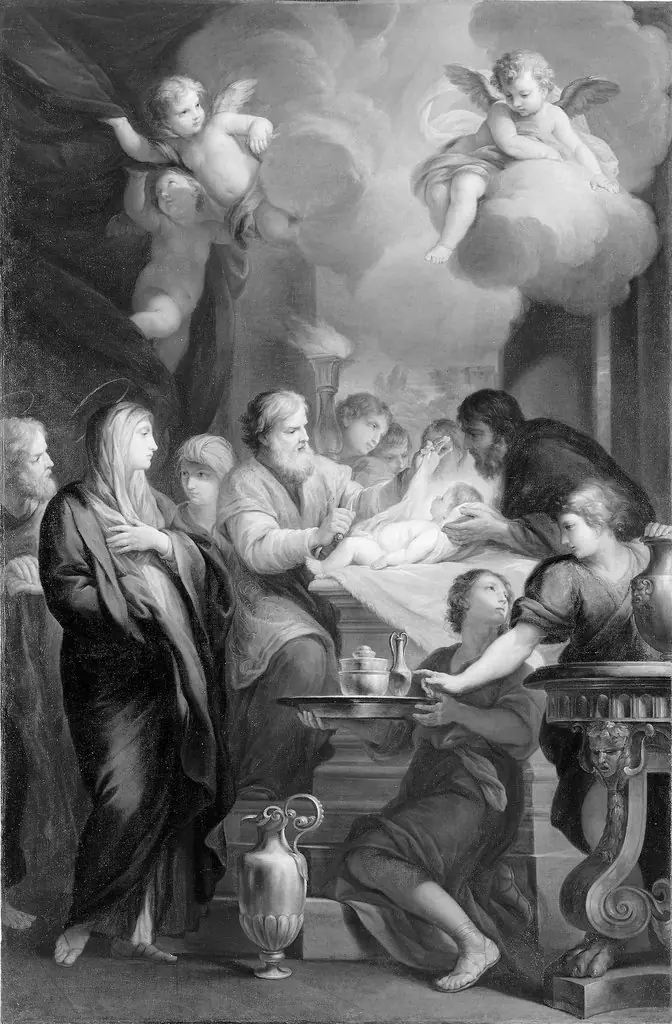 The Circumcision
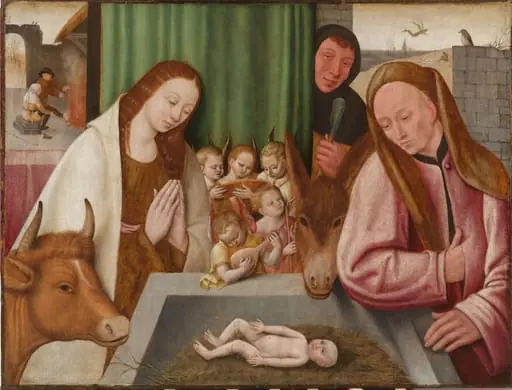 Nativity
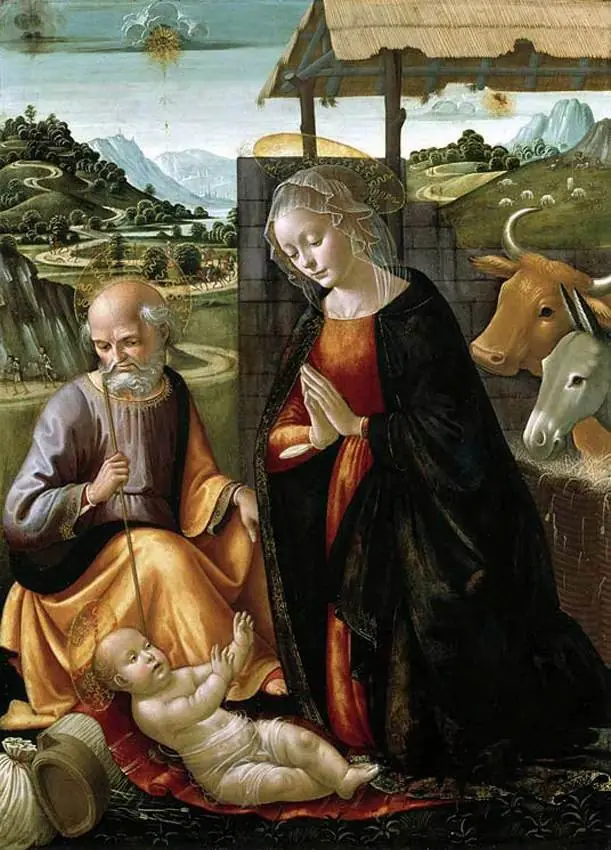 The Nativity
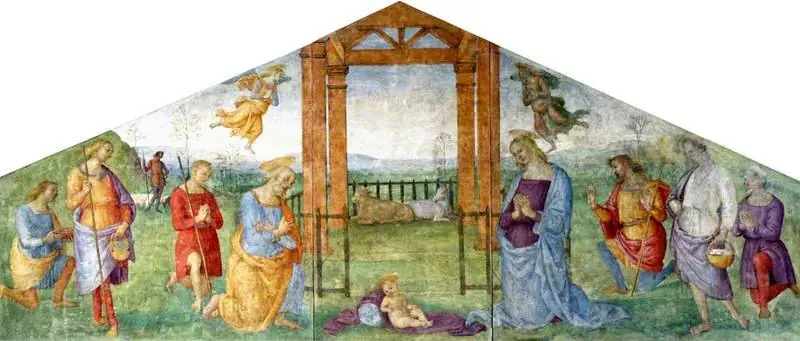 The Nativity: The Virgin, Saint Joseph and the Shepherds Adoring the Infant Christ
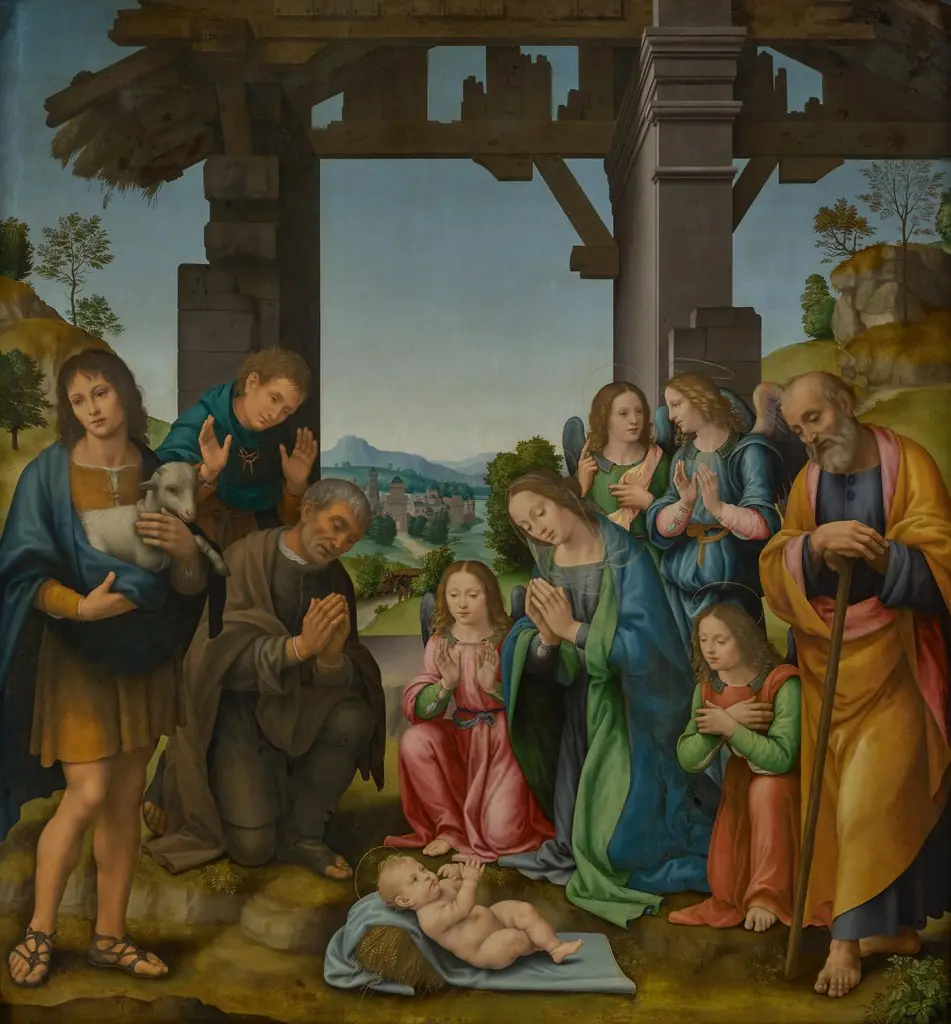 The Worship of the Shepherds
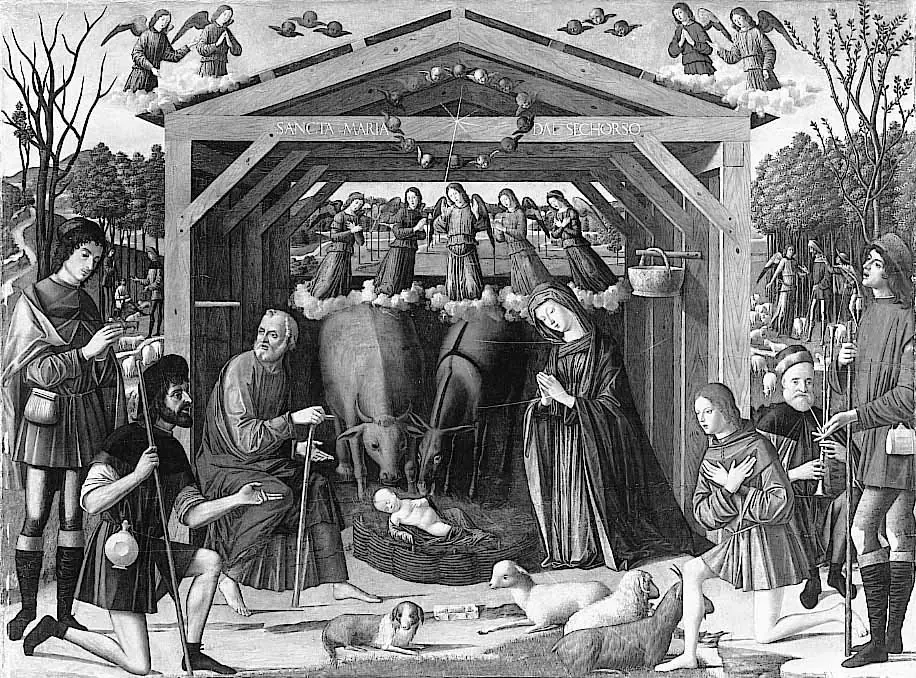 Worship of the Shepherds
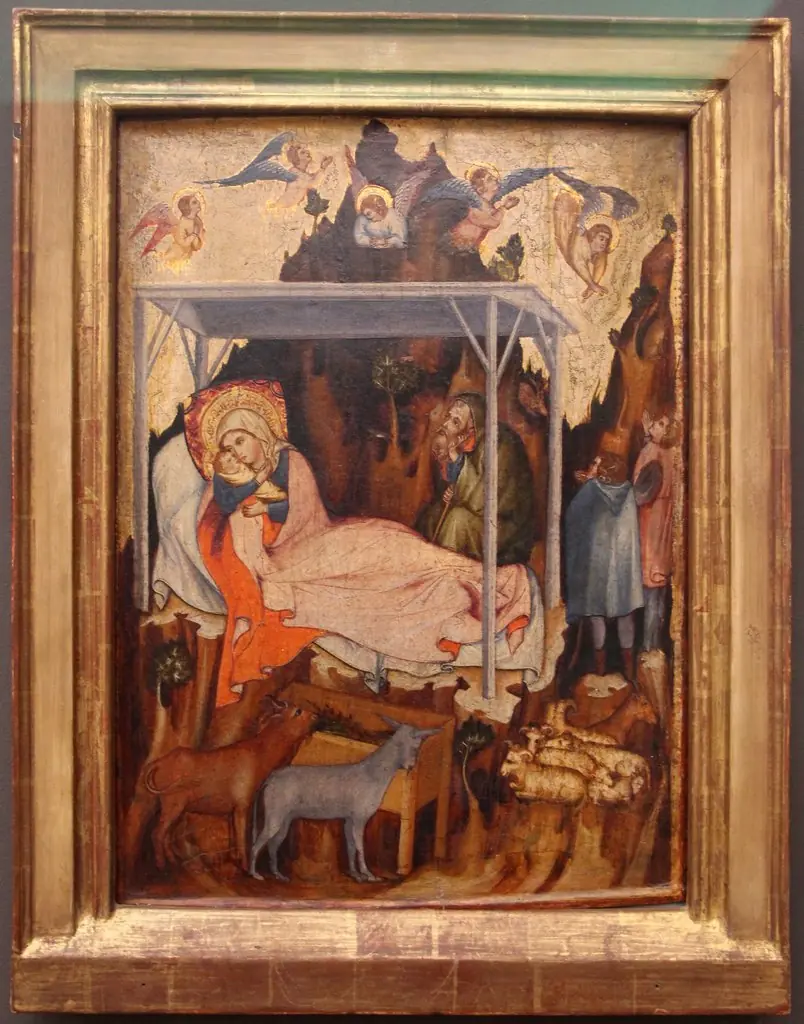 The birth of Christ
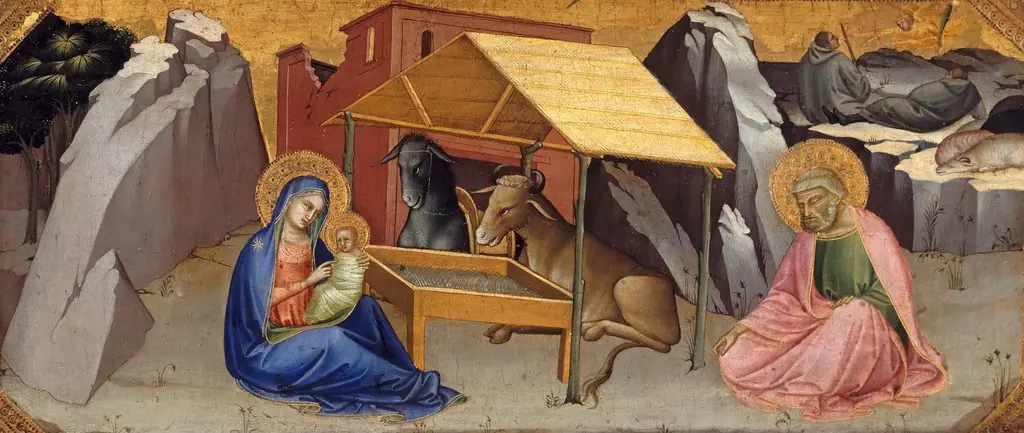 Nativity
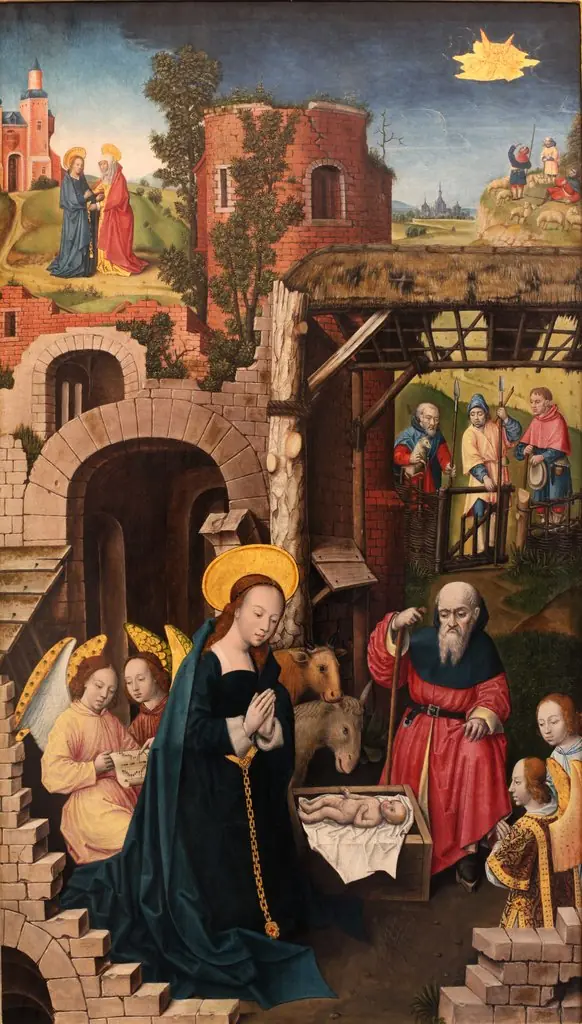 Nativity
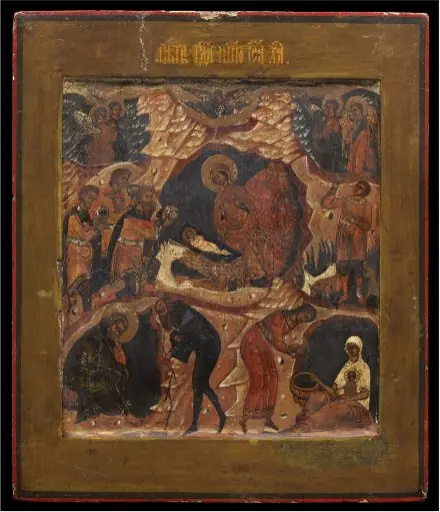 The Birth of Christ
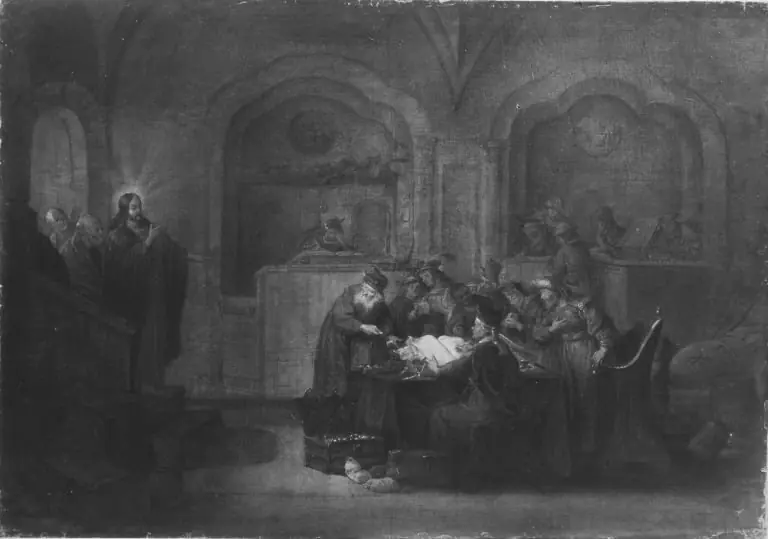 Die Berufung des hl. Matthäus
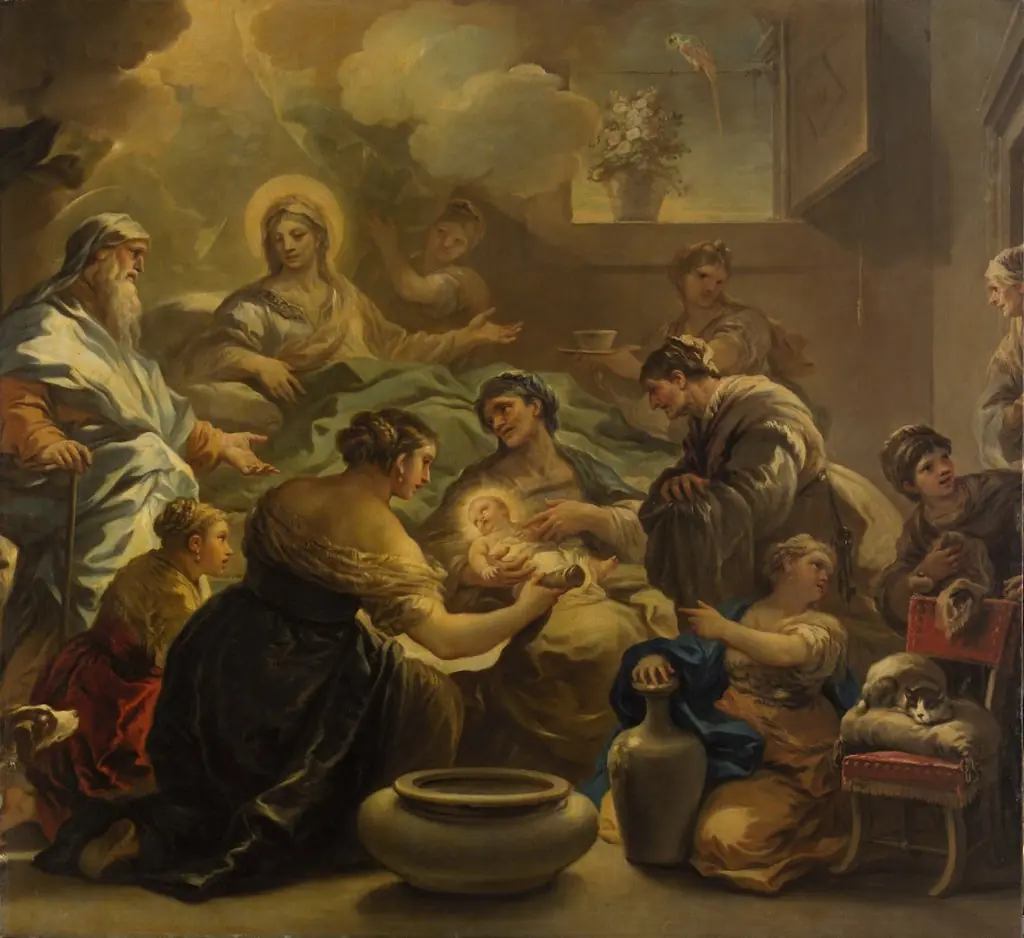 Geburt Mariae
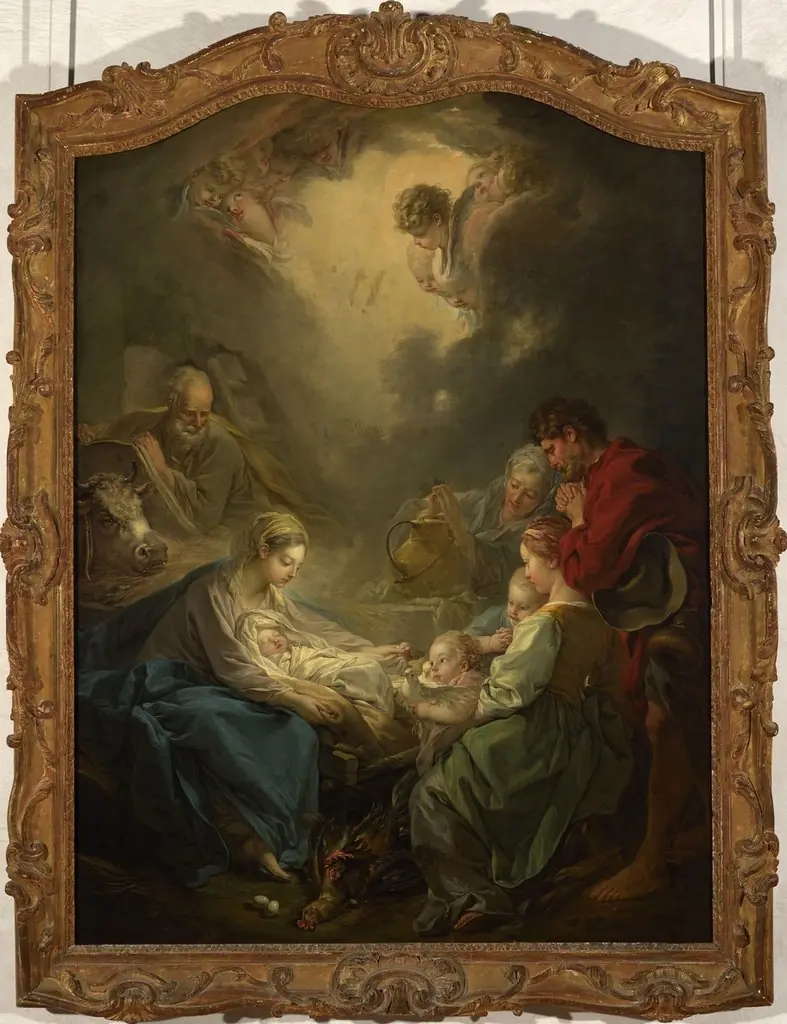 The Light of the World
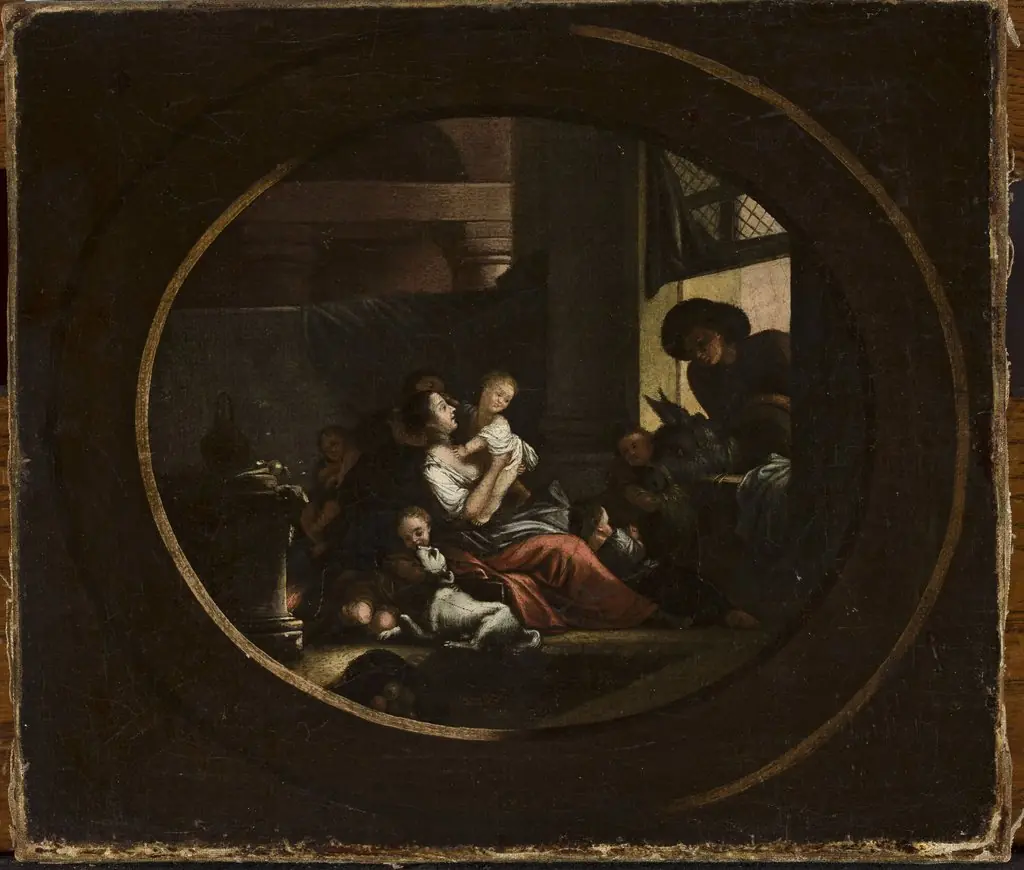 Family scene in an interior
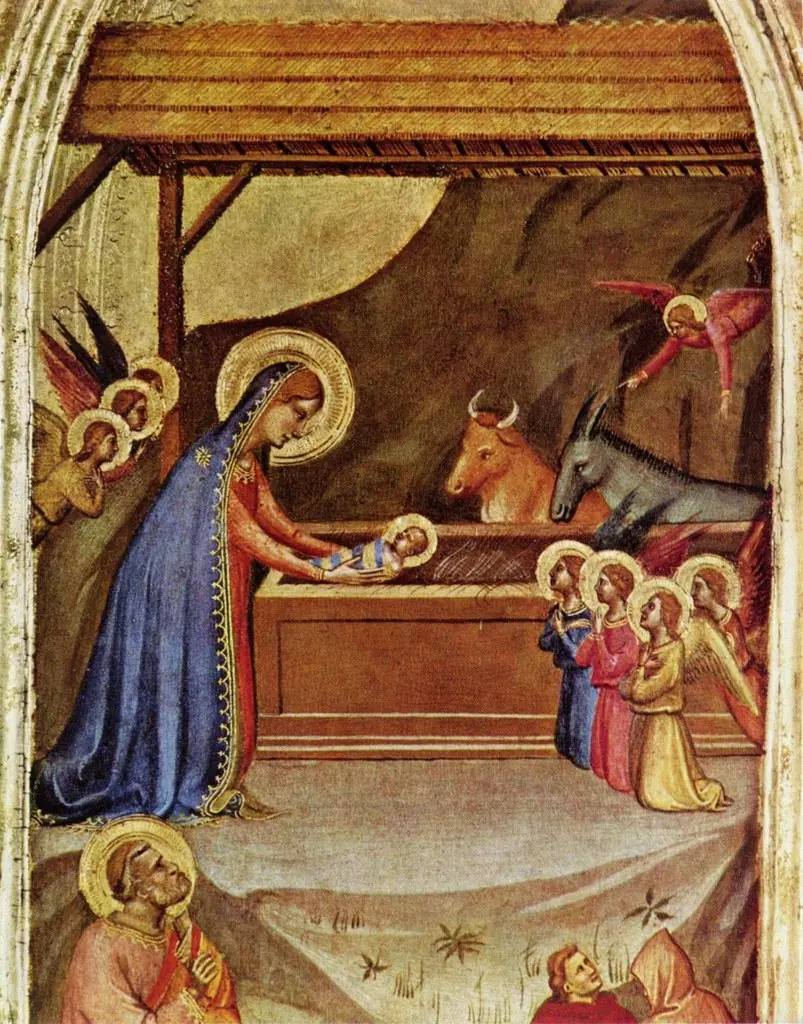 Birth of Christ
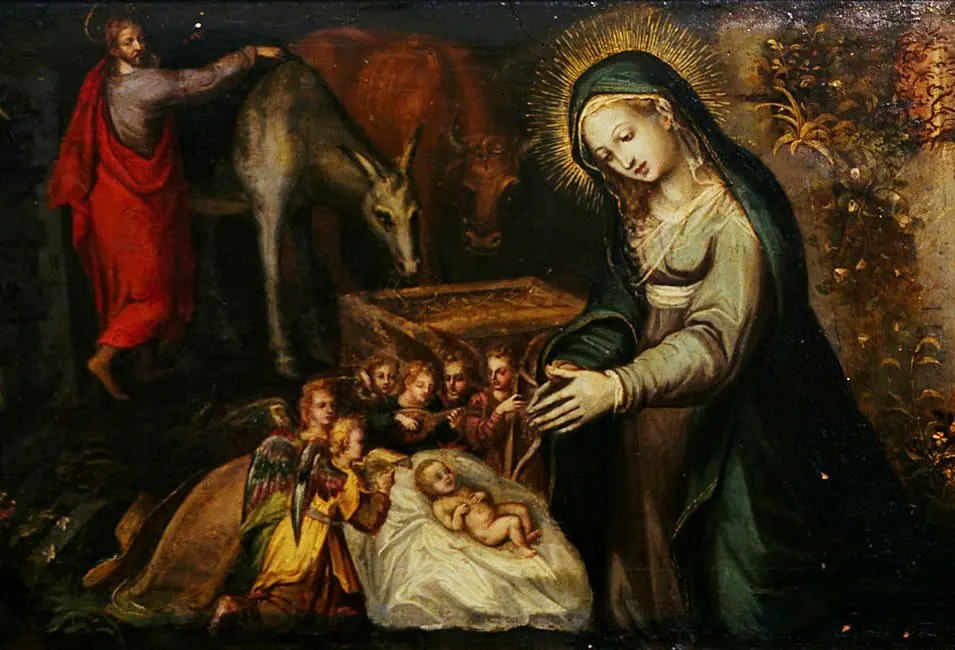 A Natividade
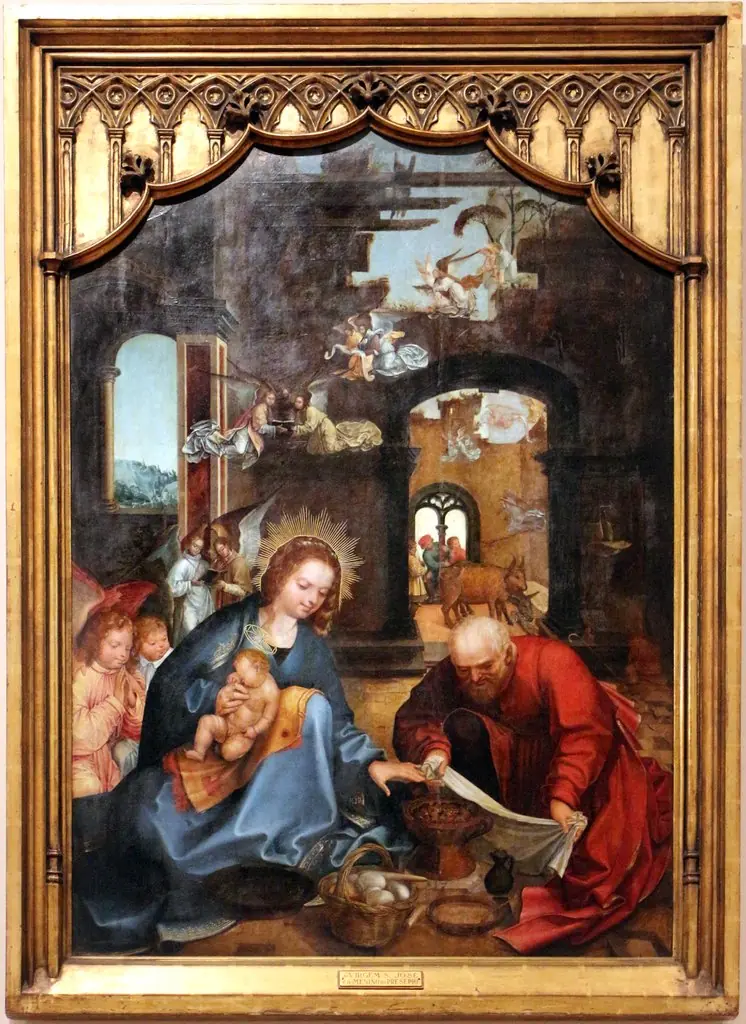 Natividade
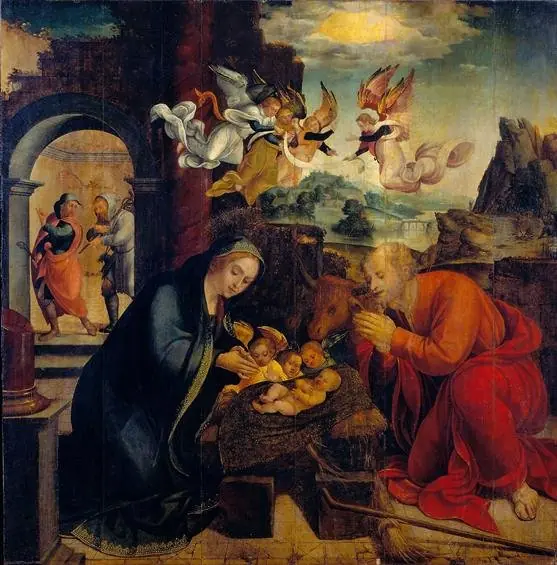 Natividade
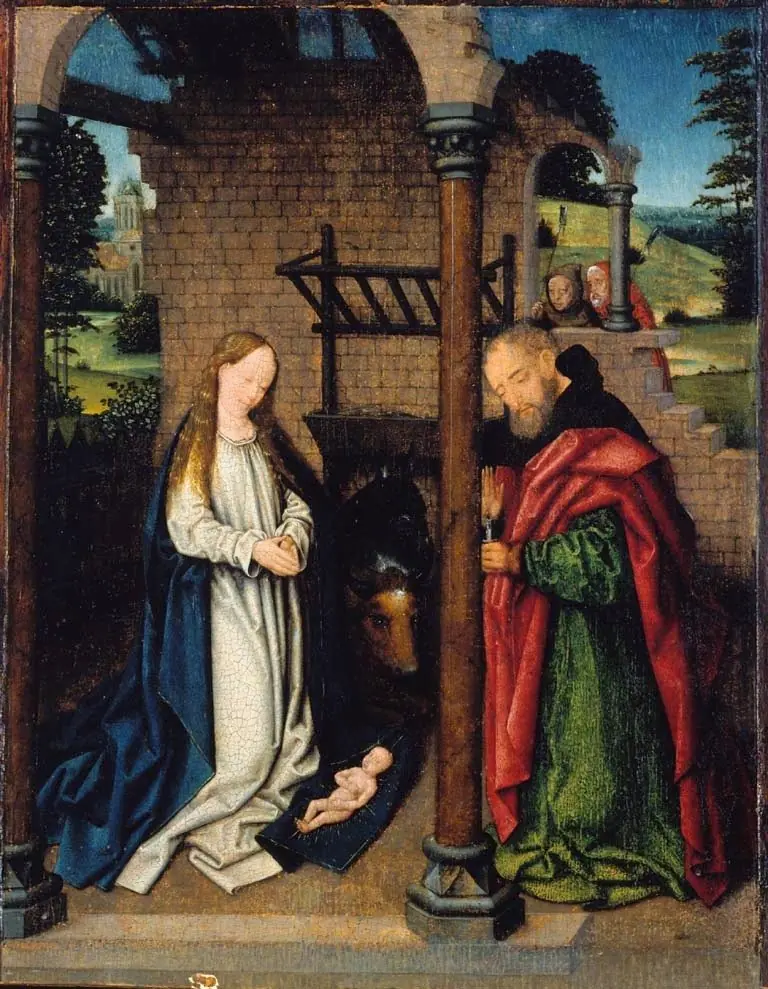 The Nativity
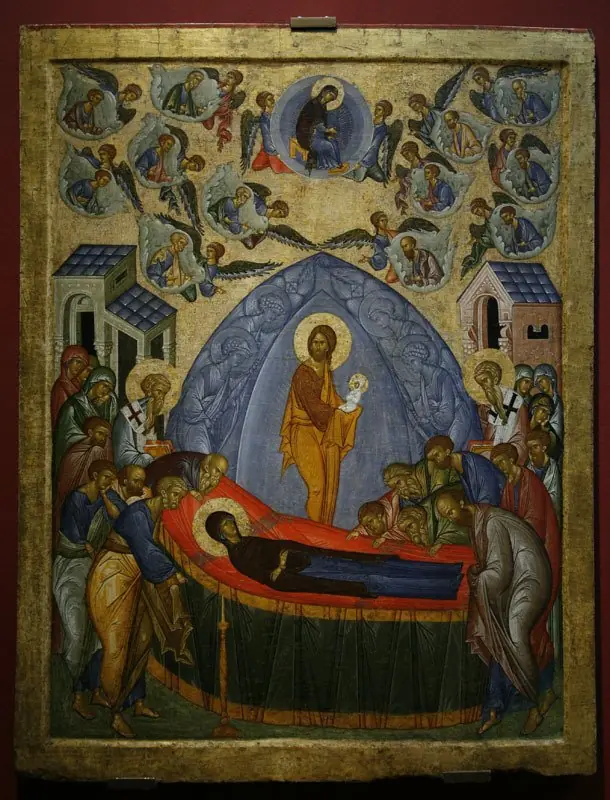 Blue dormition
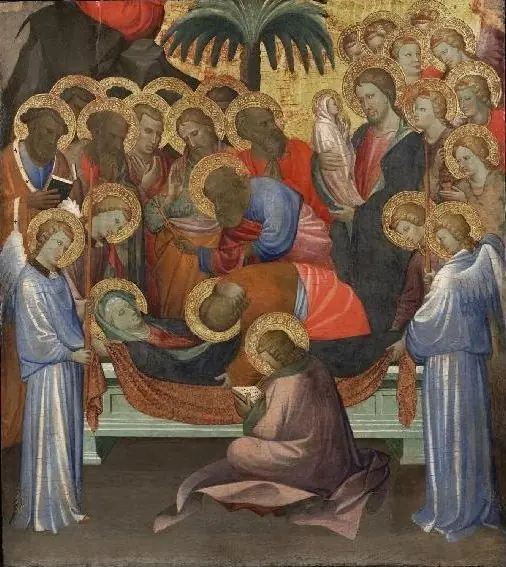 Dormition of the Virgin
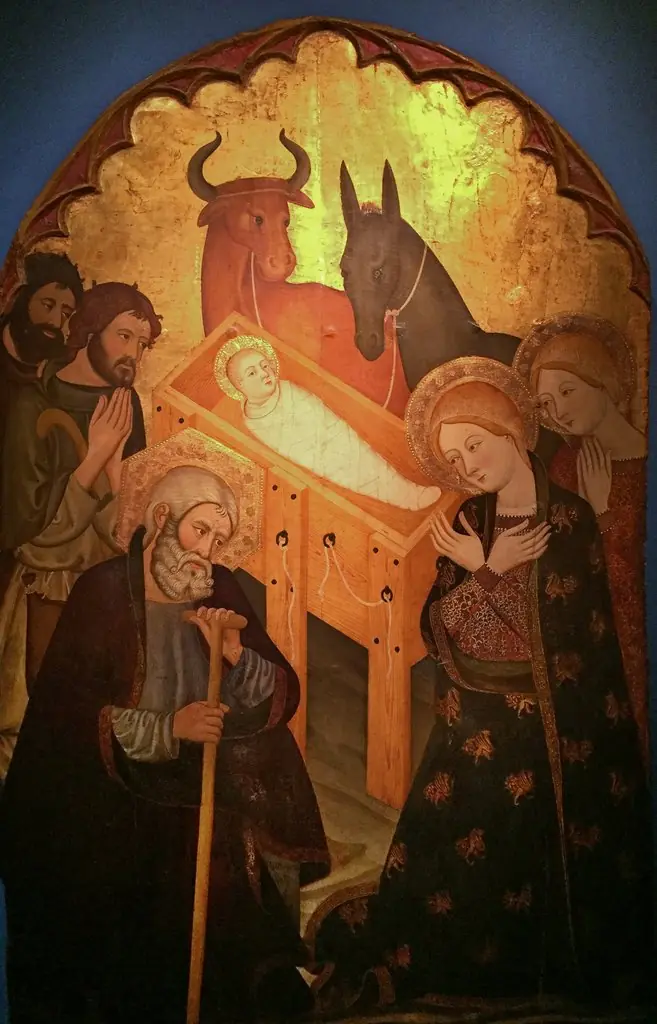 Adoració dels Pastors
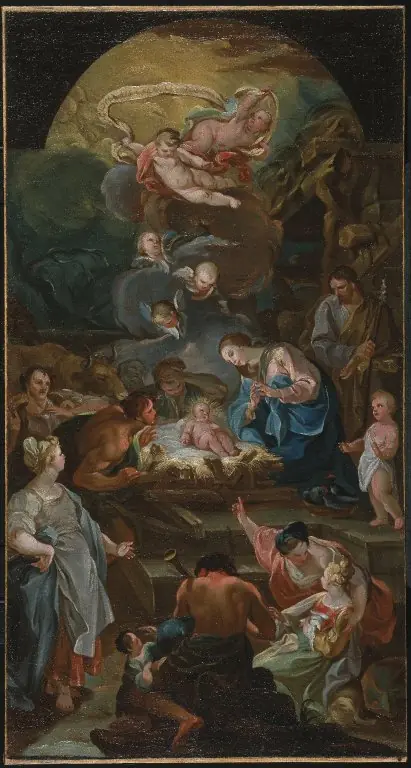 The Adoration of the Shepherds
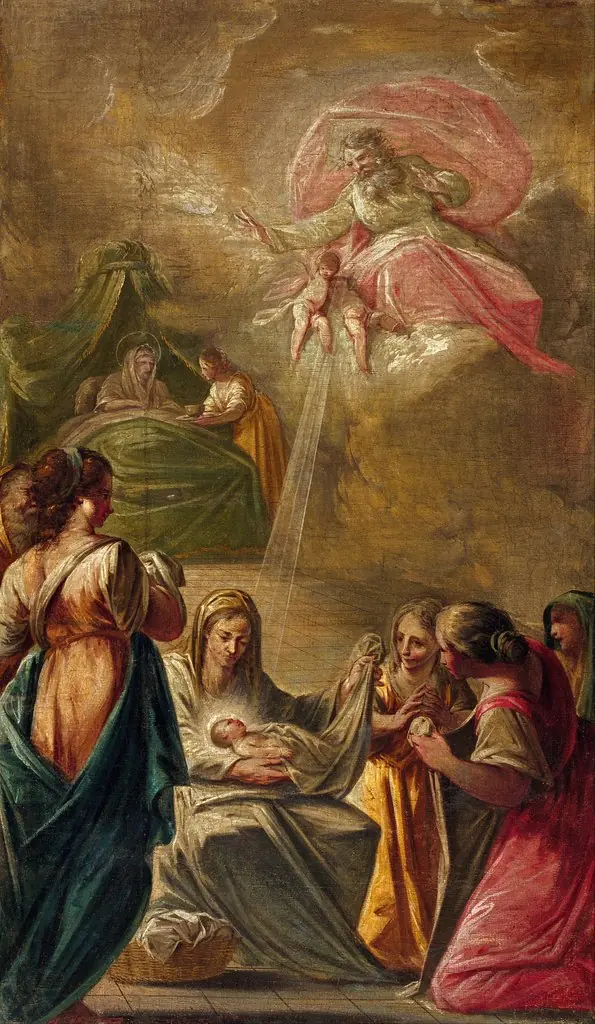 Birth of the Virgin
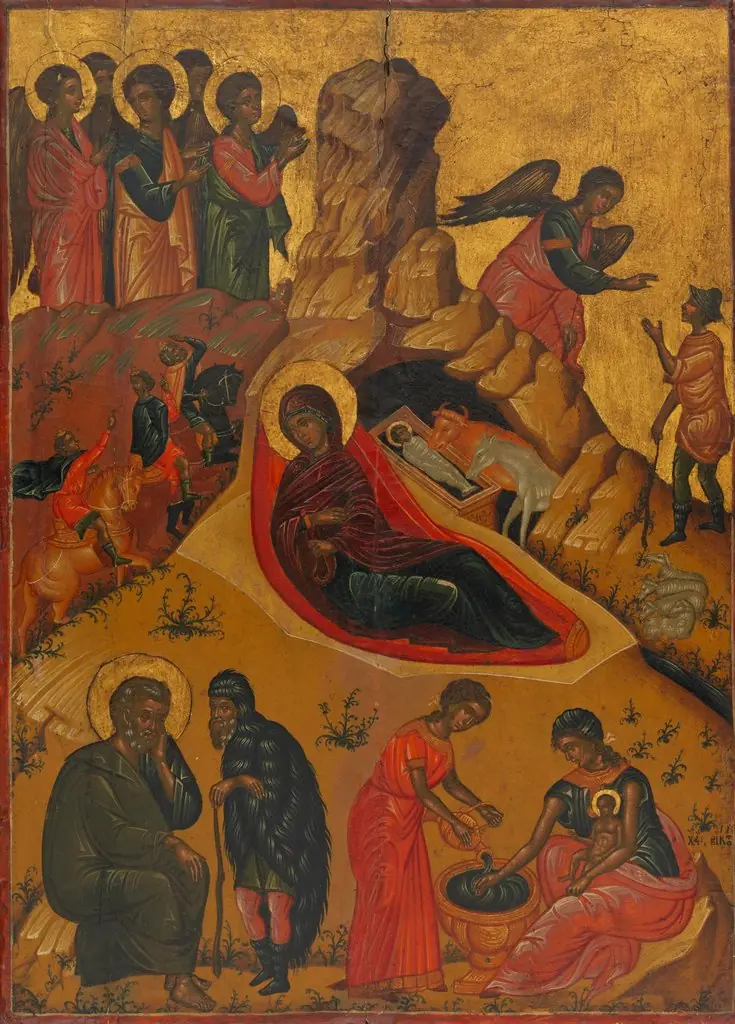 Nativity
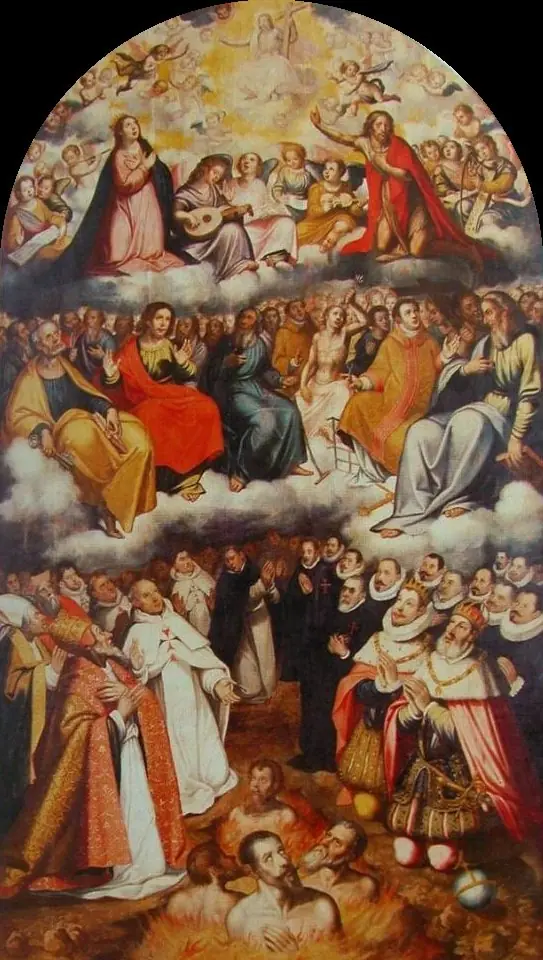 A Adoração da Corte Celestial
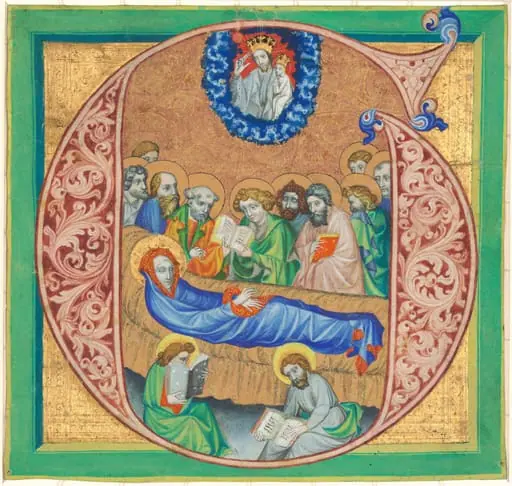 Death of the Virgin
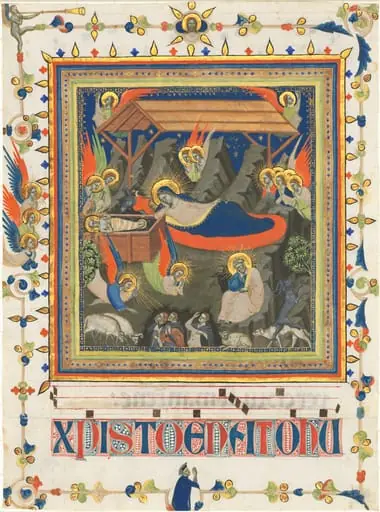 The Nativity with the Annunciation to the Shepherds
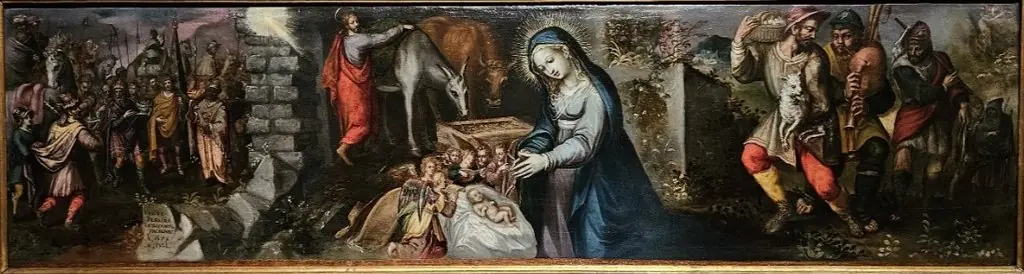 Adoração dos Pastores e dos Magos
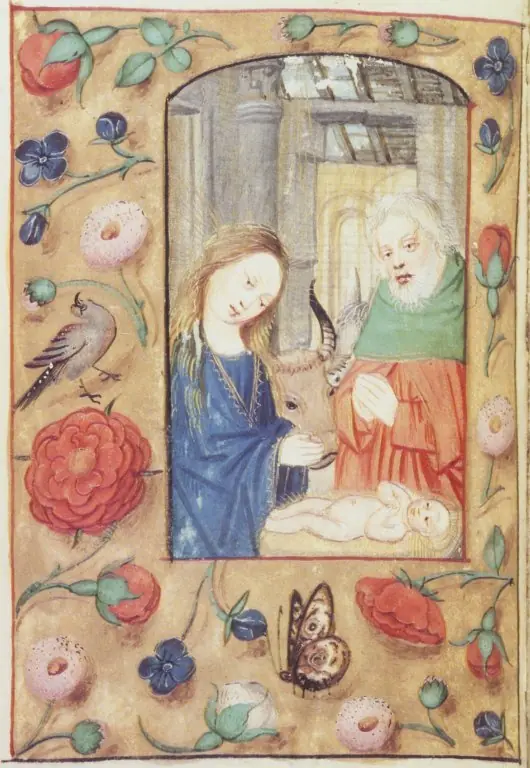 Horae Beatae Mariae Virginis
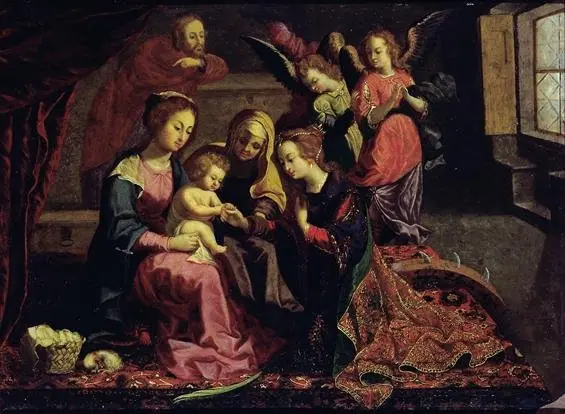 Mystical marriage of Santa Catarina
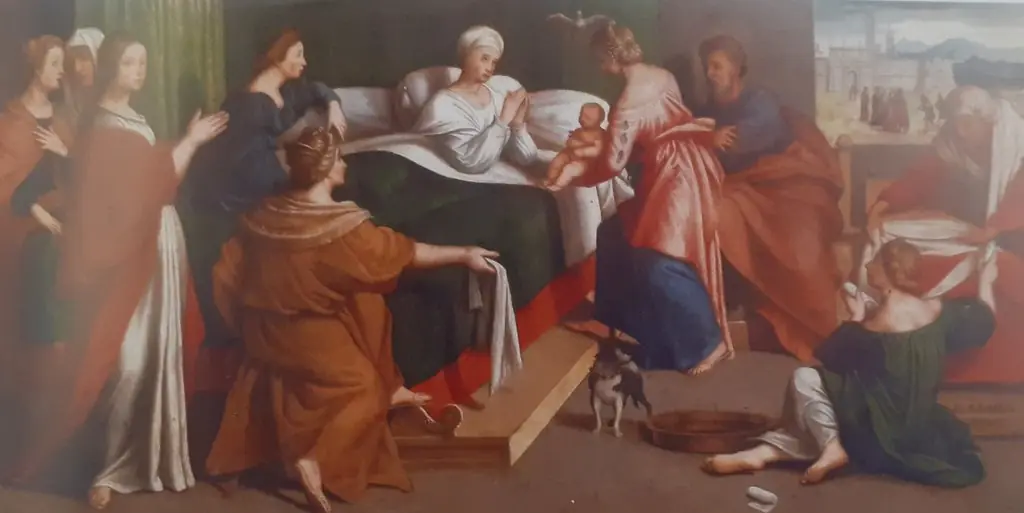 Nascita della Vergine
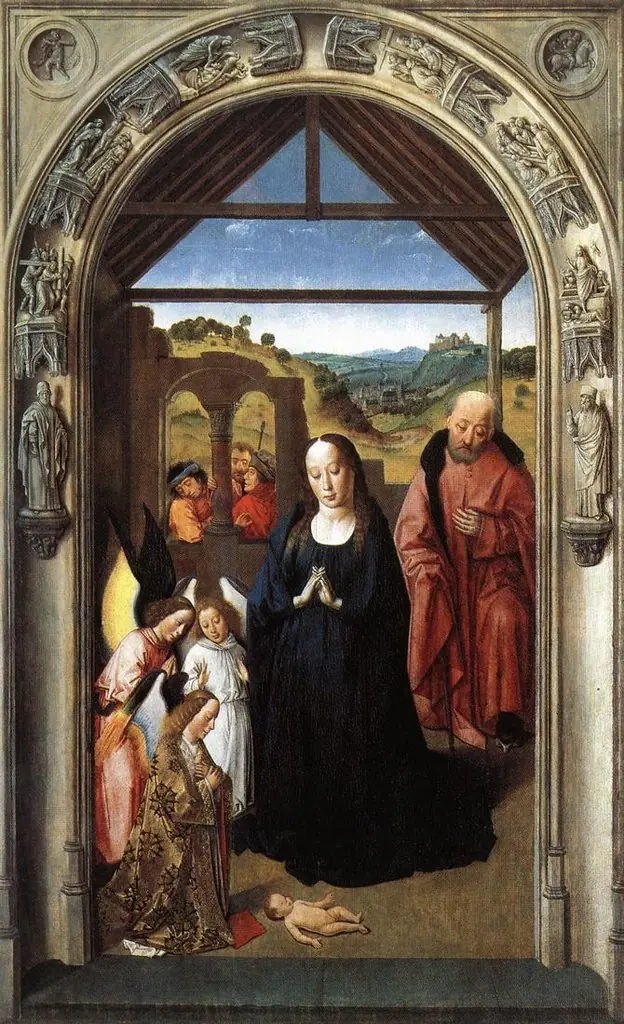 Nativity
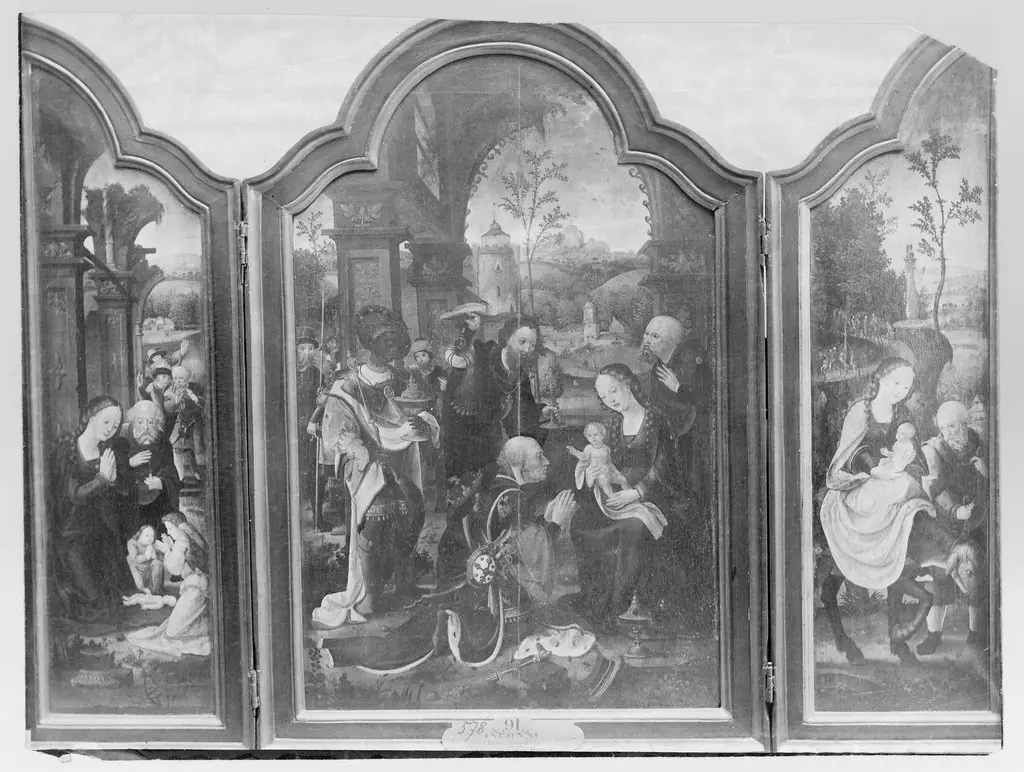 Nativity (left panel), Adoration of the Magi (central panel), Rest on the Flight into Egypt (right panel)
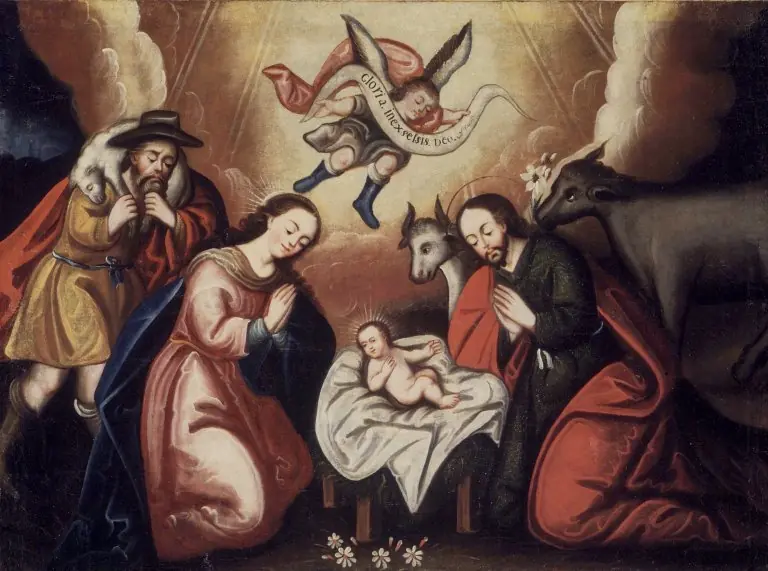 The Nativity
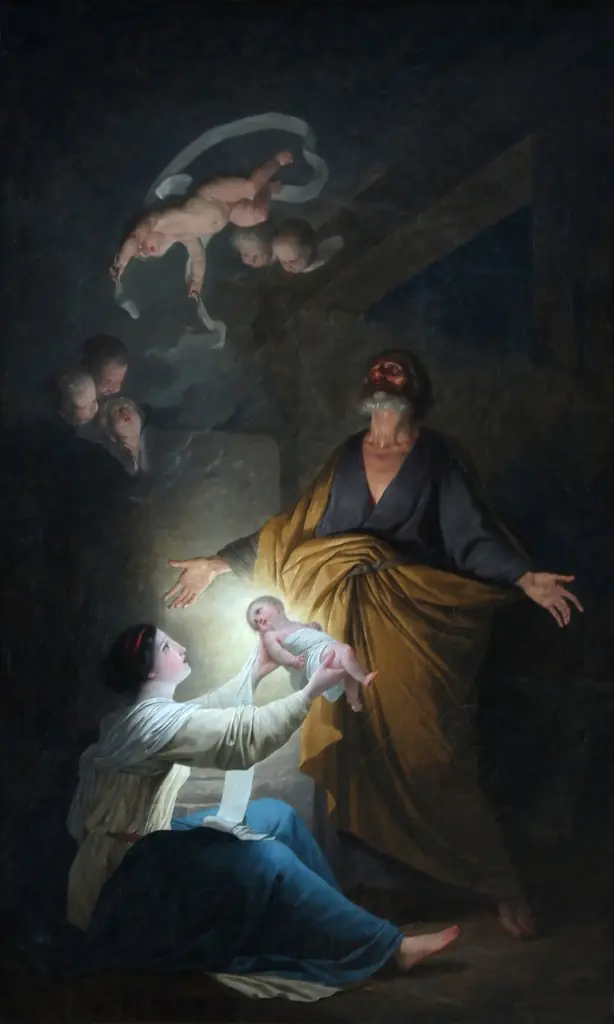 La Sainte Famille ou la Nativité
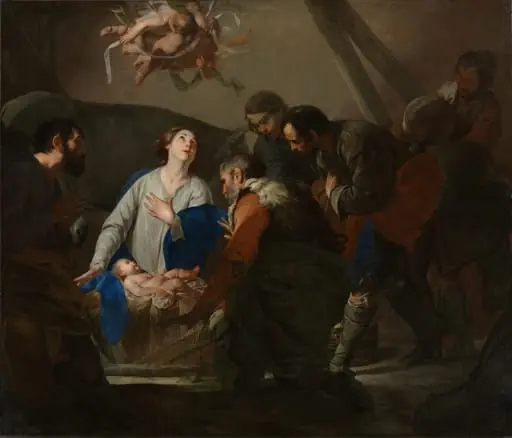 Adoration of the Shepherds
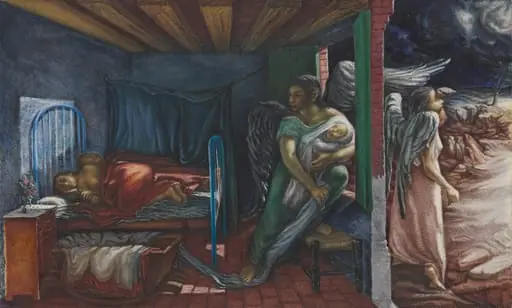 Untitled
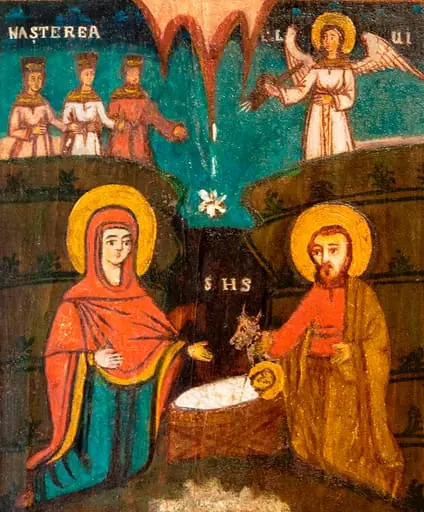 Icoatere
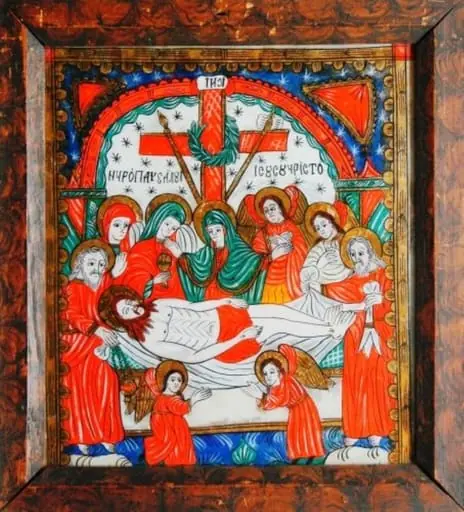 Îngroparea lui Iisus Hristos (Plângerea; Prohodul)
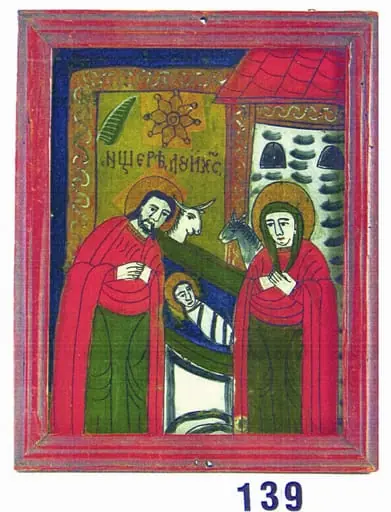 Nașterea mântuitorului Iisus Hristos
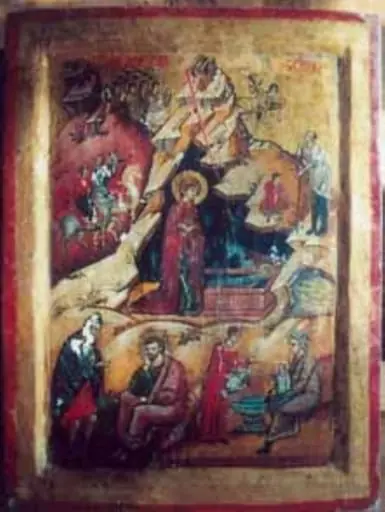 Nașterea Domnului
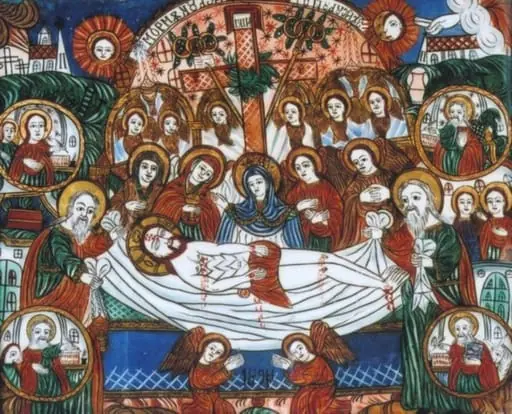 Îngroparea lui Iisus (Prohodul Domnului)
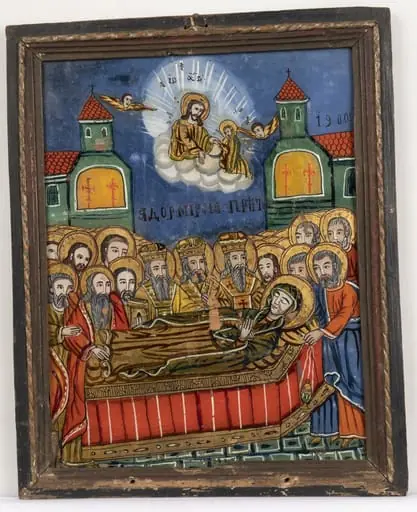 Adormirea Maicii Domnului
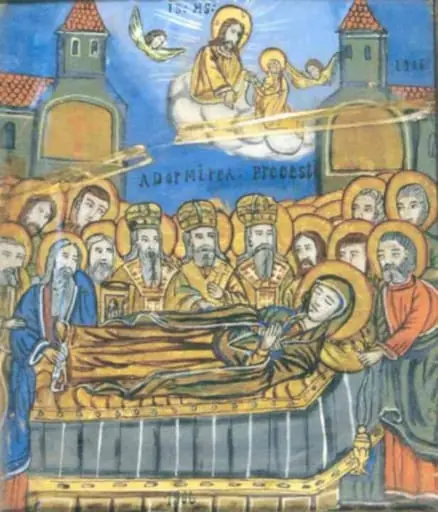 Adormirea Maicii Domnului
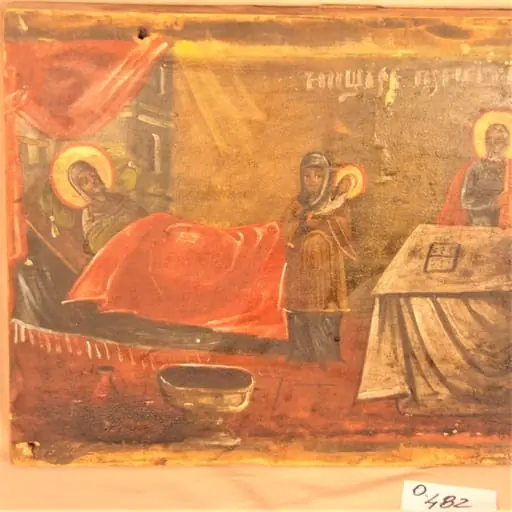 Nașterea Preacinstitei
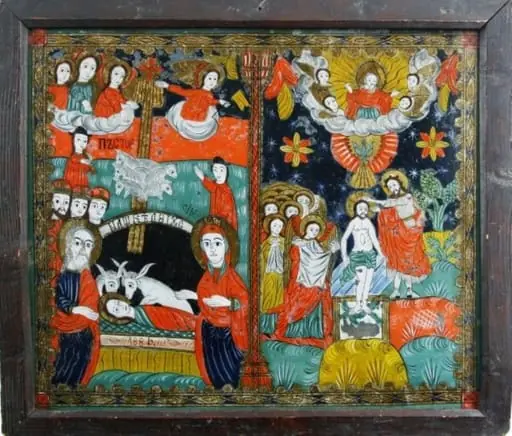 Nașterea lui Iisus Hristos; Botezul lui Iisus Hristos
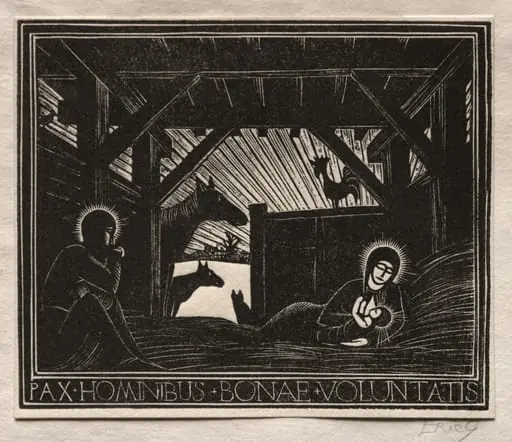 Christmas Gifts: Dawn
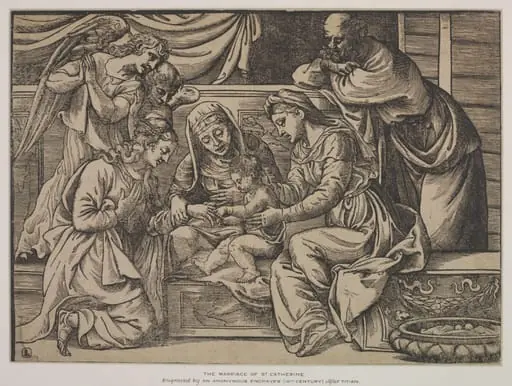 Marriage of St. Catherine
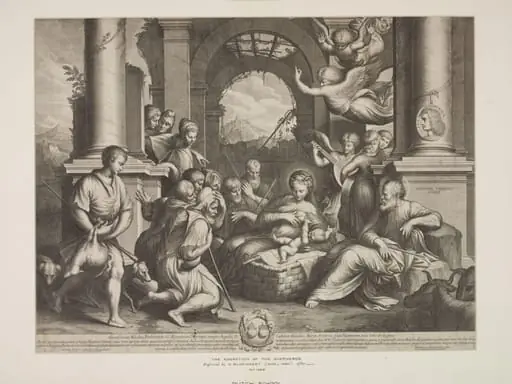 Adoration of the Shepherds
Frequently asked questions
What is Nativity of Jesus?
Nativity of Jesus is a subject in art. The Nativity or birth of Jesus is found in the biblical gospels of Matthew and Luke.
How many Nativity of Jesus works does Artifact World Gallery have?
Artifact World Gallery holds 90 public-domain Nativity of Jesus works, all free to view and download.
Who are the key Nativity of Jesus artists?
Key Nativity of Jesus artists in the collection include Titian, Lorenzo Lotto and François Boucher.
Where can I see Nativity of Jesus works?
Nativity of Jesus works in the collection are held by Metropolitan Museum of Art, Gemäldegalerie Berlin and National Museum of Ancient Art.