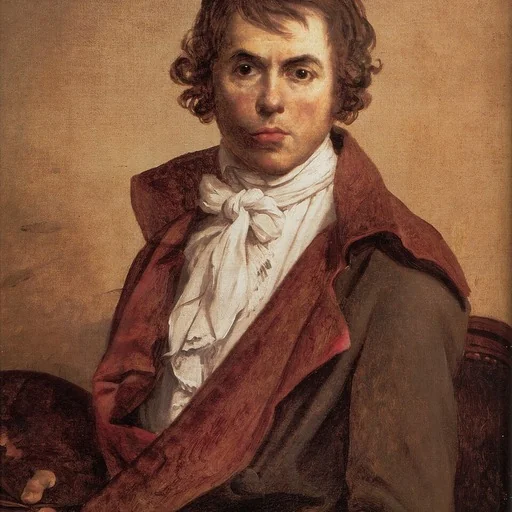
Subject
Paris
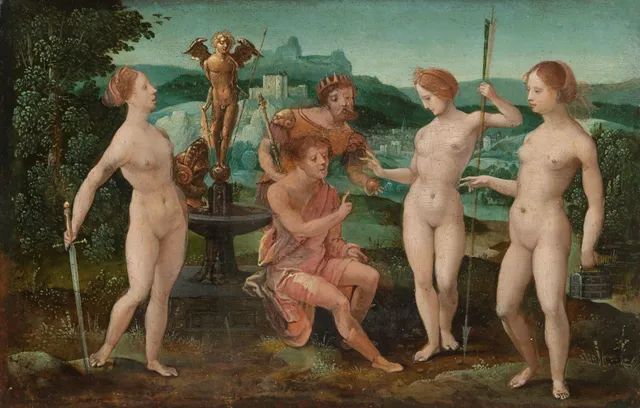
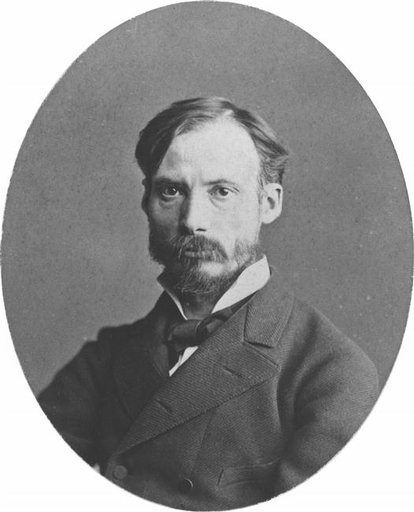
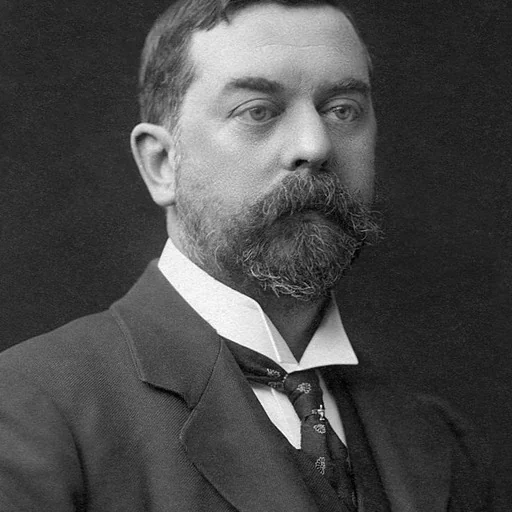
Paris is a subject in art. The gallery holds 51 works in this subject in art, including works by Jacques-Louis David, Alfred Sisley and Pierre-Auguste Renoir.
Paris is the capital and largest city of France, with an estimated city population of 2.04 million in an area of 105.4 km2 (40.7 sq mi), and a metropolitan population of 13.2 million as of January 2026. Located on the river Seine in the centre of the Île-de-France region, it is the largest metropolitan area and fourth-most populous city in the European Union (EU).
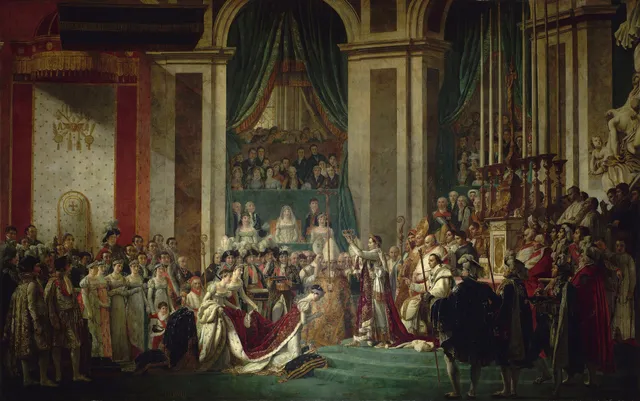
Key artists
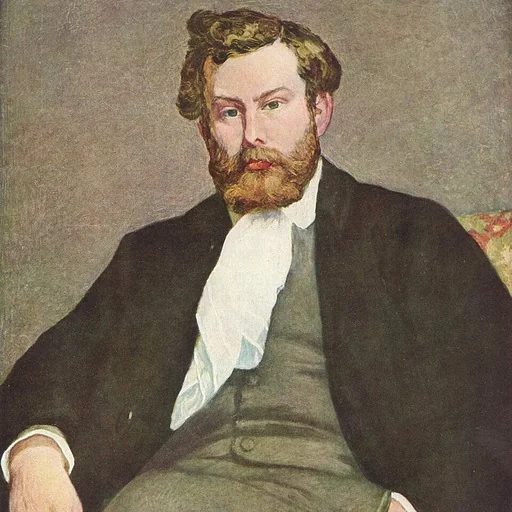
Overview
Paris is the capital and largest city of France, situated on the river Seine in the center of the Île-de-France region. With an estimated city population of 2.04 million within an area of 105.4 km2, and a metropolitan population of 13.2 million as of January 2026, it is the largest metropolitan area and fourth-most populous city in the European Union. Nicknamed the City of Light, partly due to its role in the Age of Enlightenment, Paris has functioned as a major global center of finance, diplomacy, commerce, culture, fashion, and gastronomy since the 17th century. Its origins trace back to a Gallic settlement of the Parisii tribe in the mid-3rd century BC, known to the Romans as Lutetia. Over millennia, it evolved from a Roman outpost into a medieval intellectual hub and eventually into a modern metropolis, serving as a recurring subject and backdrop in visual art due to its profound historical and cultural transformations.
Iconography & meaning
In visual culture, Paris carries layered iconographic meanings rooted in its historical evolution and physical geography. The Seine River, dividing the city into the commercial Right Bank and the intellectual Left Bank, functions as a primary spatial and symbolic divide. The city is visually synonymous with its architectural landmarks, such as Notre-Dame, the Eiffel Tower, and the Arc de Triomphe, which signify its medieval religious roots and modern industrial ambitions. The uniform, cream-colored limestone facades and zinc roofs created during Haussmann's renovation have become definitive visual shorthand for the city, representing 19th-century modernity and the capital of the 19th century. Furthermore, the city's identity as the City of Light evokes both its Enlightenment heritage and its physical illumination, while its status as a center of romance, luxury, and haute couture provides recurring thematic motifs in depictions of modern urban life.
Across movements & periods
The artistic treatment of Paris has shifted dramatically across periods, reflecting its changing urban fabric. In the Roman era, the settlement on the Left Bank followed a grid pattern, but by the Middle Ages, the fortified Île de la Cité dominated visual culture alongside Gothic structures like Notre-Dame and rich abbeys. The Renaissance under Francis I brought a flourishing of art and culture, integrating classical forms. The most radical visual transformation occurred during the Second Empire under Baron Haussmann between 1853 and 1870. Haussmann's renovation demolished dense medieval quarters to create broad boulevards, open squares, and parks like the Bois de Boulogne and Bois de Vincennes. This new landscape birthed the capital of the 19th century, providing Impressionist painters with wide avenues and atmospheric riverbanks to capture light and modern life. By the 20th century, the introduction of the Art Nouveau-decorated Métro and later modernist interventions like the Centre Pompidou added contemporary layers to the city's visual vocabulary.
Notable depictions
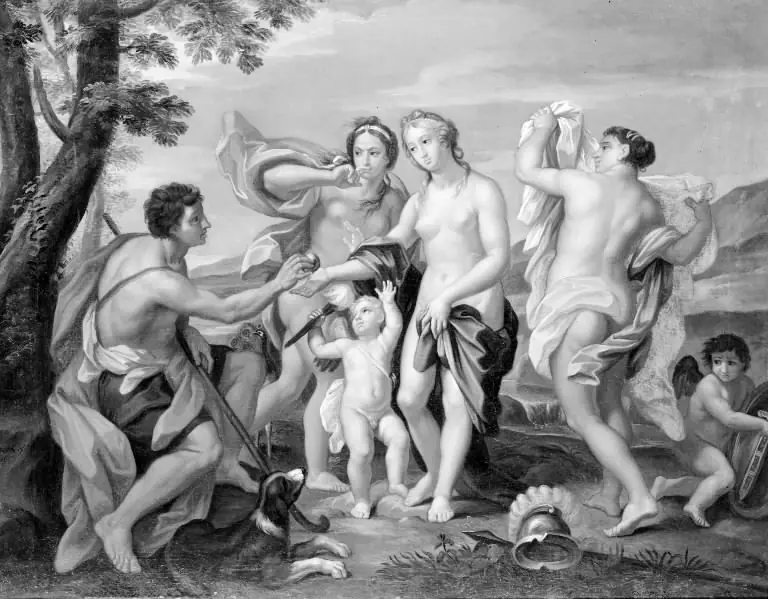
Notable depictions of Paris in the collection include multiple interpretations of The Judgment of Paris, which portray the mythological episode of the Trojan prince, a subject favored by artists for its narrative of beauty and choice. The city's historical grandeur is captured in the Coronation of Emperor Napoleon I and Coronation of the Empress Josephine, a work that utilizes the architectural space of Paris to anchor political authority. Additionally, Five O'Clock Tea represents the intimate, ritualized social customs of the Parisian bourgeoisie. Beyond the collection, the city's museums house the canonical depictions that define its visual history: the Musée d'Orsay, Musée Marmottan Monet, and Musée de l'Orangerie preserve the Impressionist visions of the city's light and leisure, while the Musée National d'Art Moderne and Musée Picasso document its 20th-century avant-garde movements.
Legacy
The legacy of Paris in art and culture is sustained by its continuous reinvention and global influence. The Haussmann architecture, with its distinct limestone facades and continuous balconies, remains the canonical image of the city, a model of urban modernity that influenced city planning worldwide. The banks of the Seine, recognized as a UNESCO World Heritage Site since 1991, preserve the historical layers of the city from the medieval Île de la Cité to the Eiffel Tower. As a center of the avant-garde, Paris attracted global artists throughout the 19th and 20th centuries, cementing its role as a crucible of modern art. Its ongoing status as a global capital of luxury, fashion, and gastronomy ensures its continued representation in contemporary visual culture, while its museums and architectural landmarks draw millions of visitors annually, sustaining its image as a city of both historical depth and modern vitality.
Works
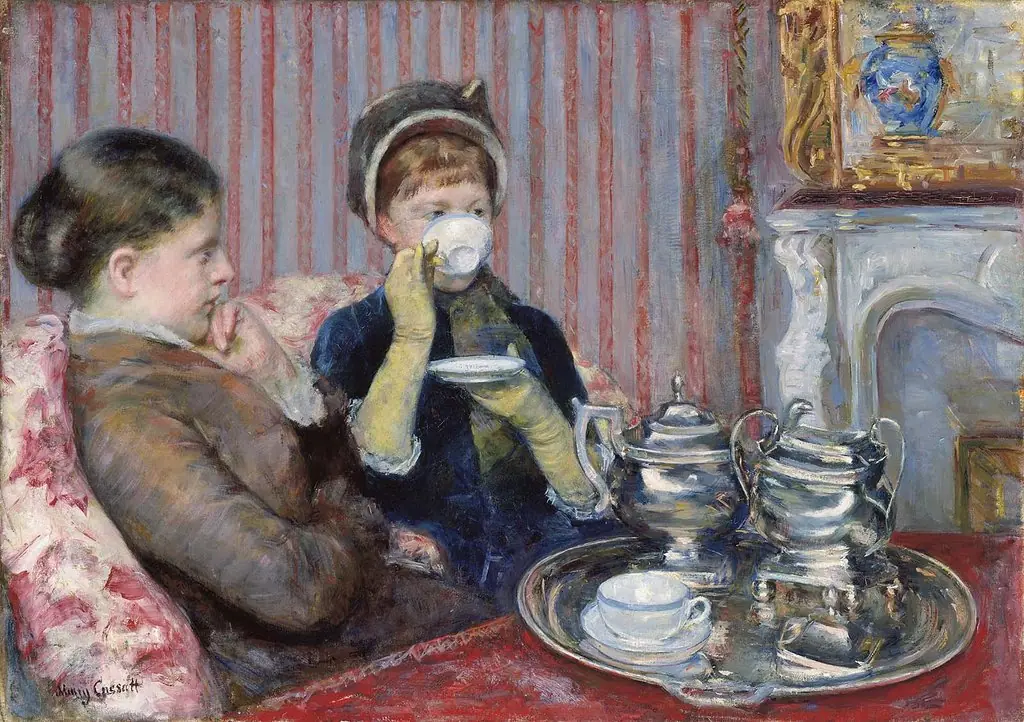 Five O'Clock Tea
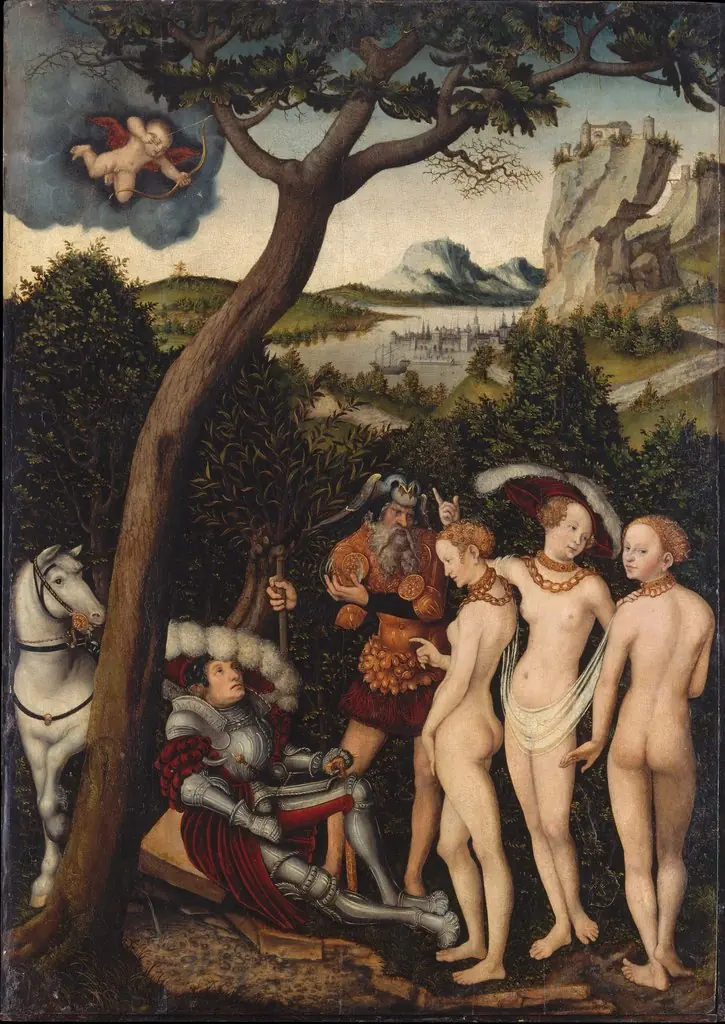 The Judgment of Paris
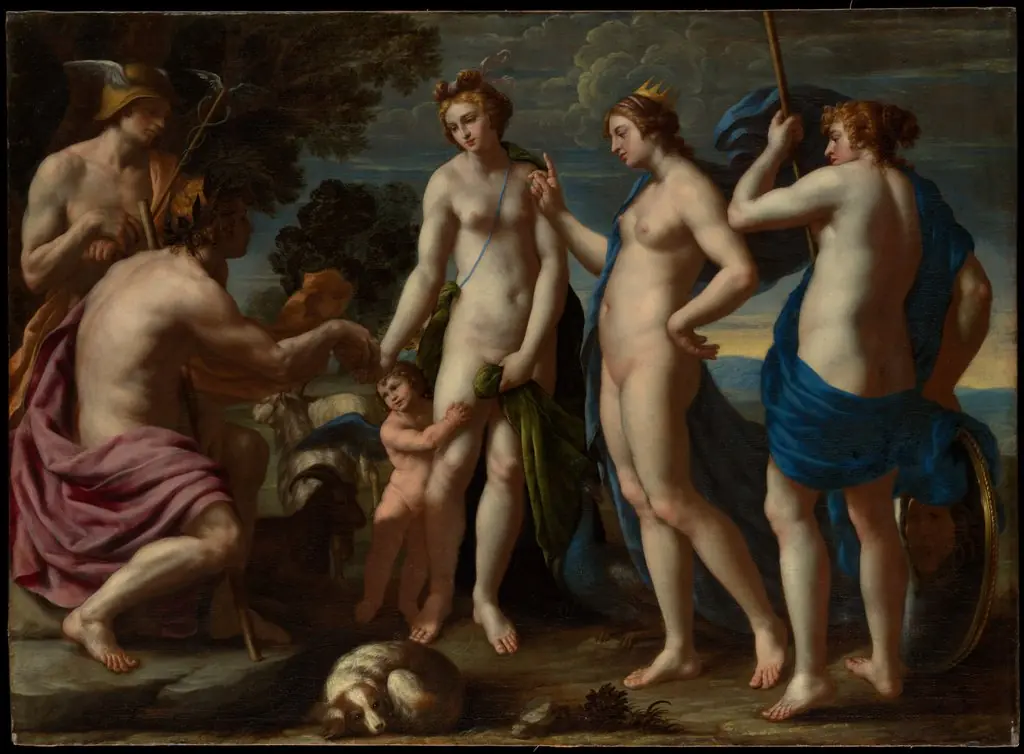 Judgment of Paris
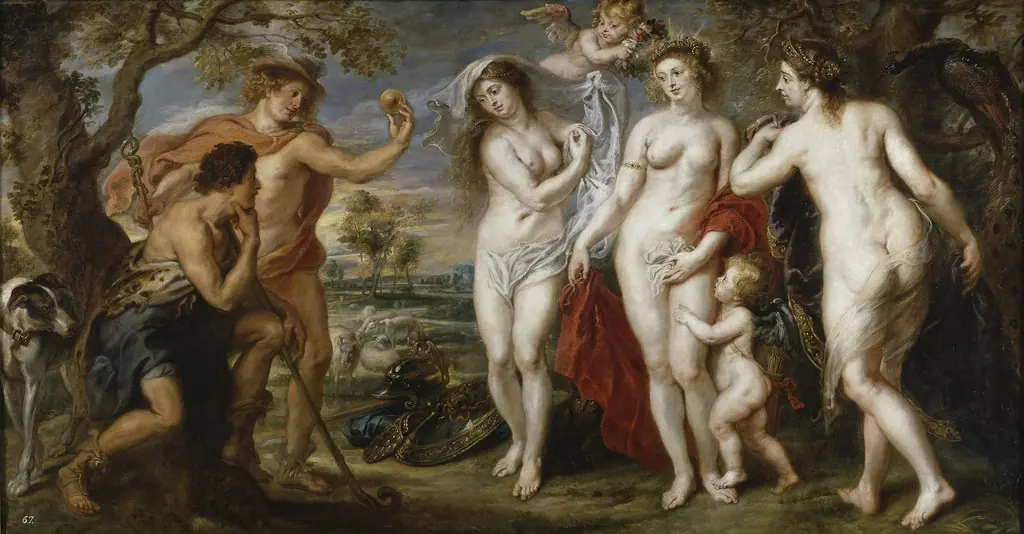 The Judgement of Paris
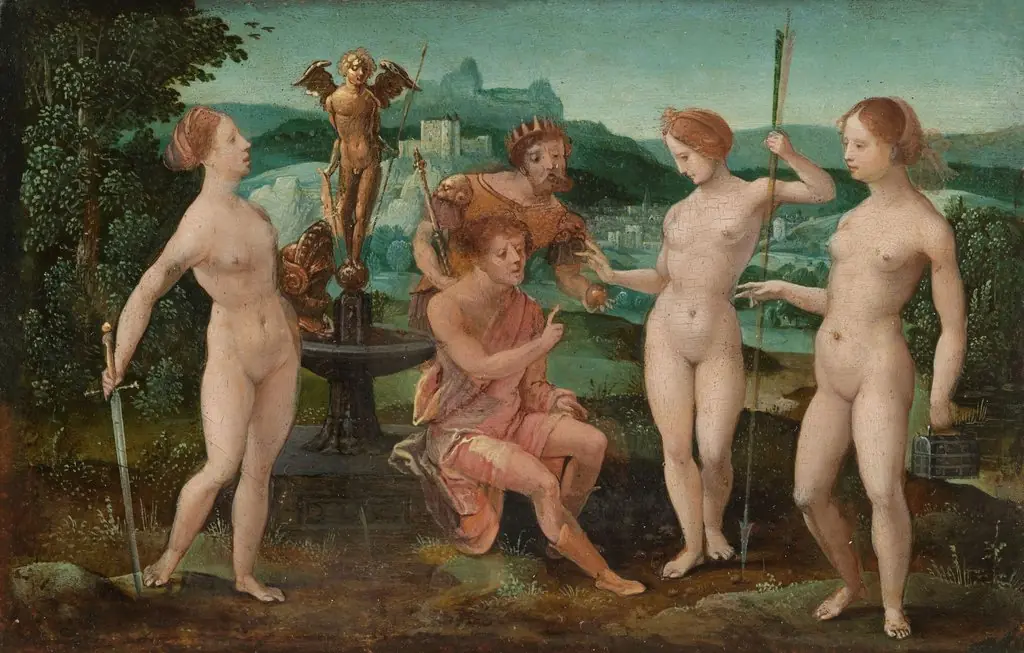 The judgement of Paris
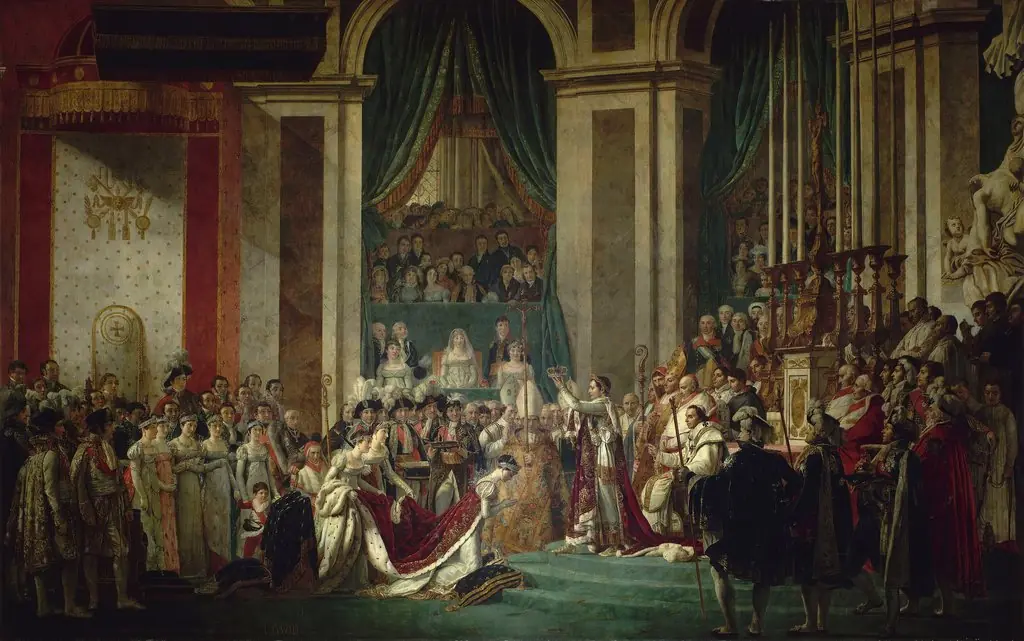 Coronation of Emperor Napoleon I and Coronation of the Empress Josephine
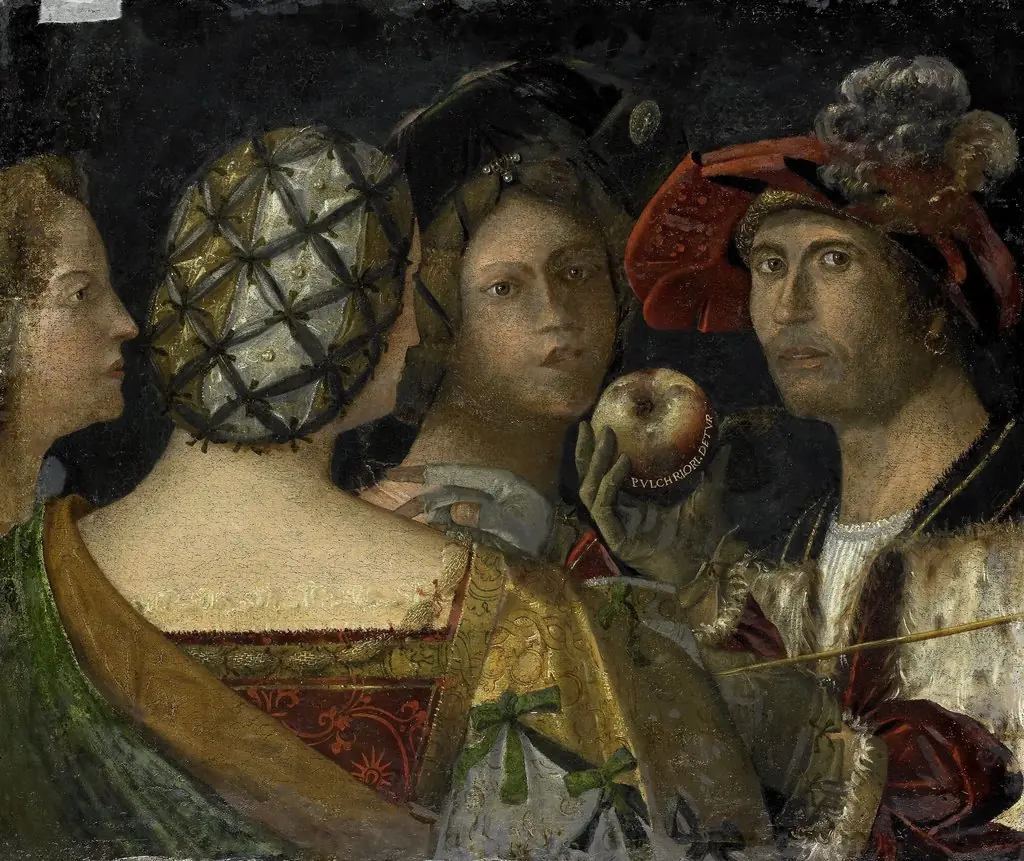 Judgment of Paris
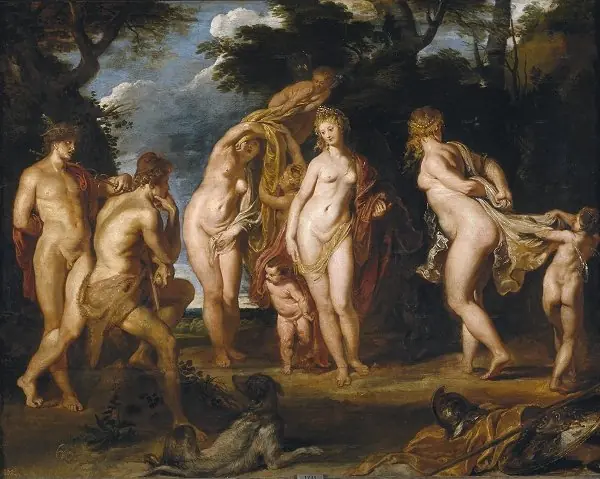 The Judgement of Paris
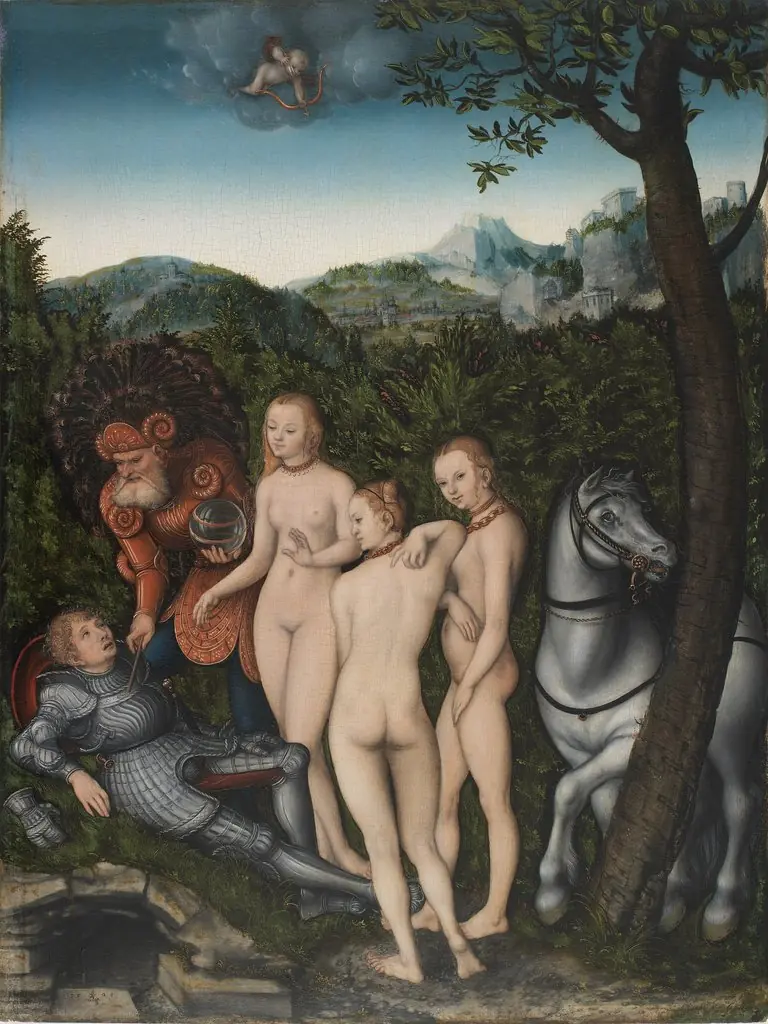 The Judgement of Paris
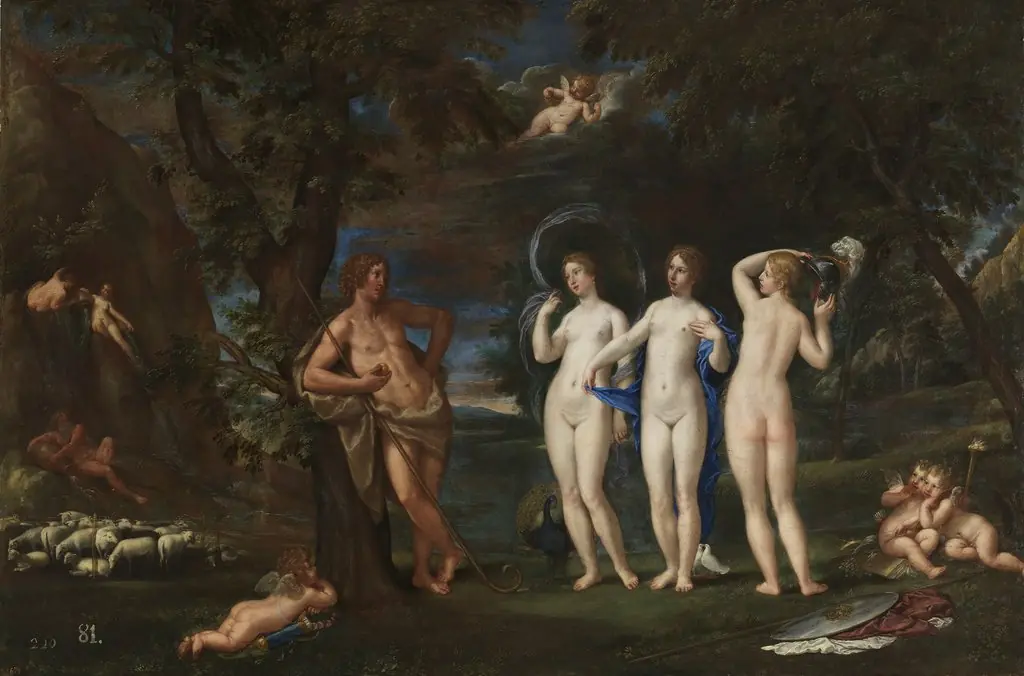 The judgement of Paris
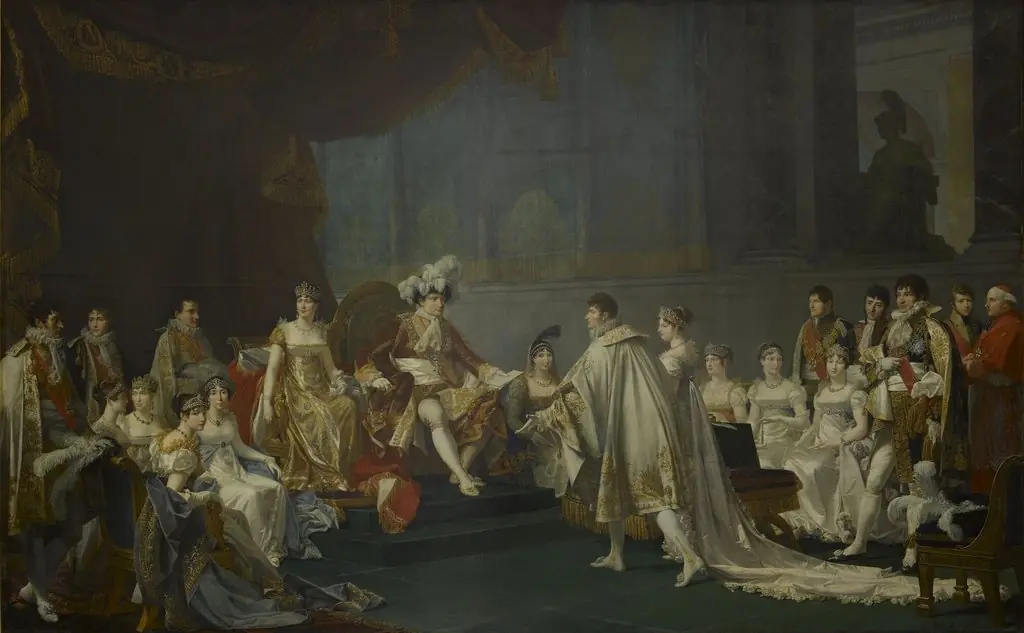 Wedding of Prince Jérôme Bonaparte and Princess Frédérique-Catherine of Wurtemberg, August 22, 1807
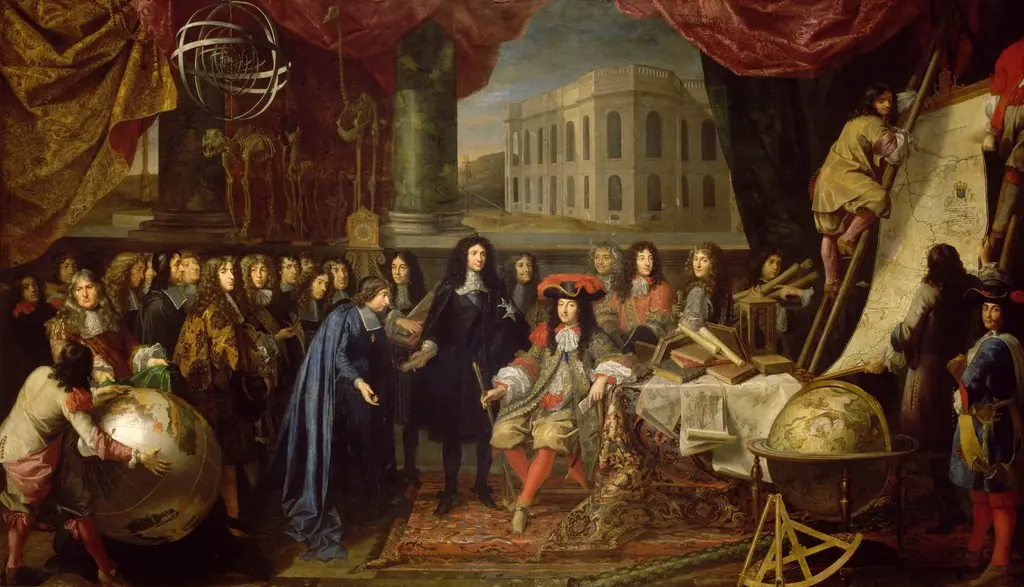 Establishment of the French Academy of Sciences and of Paris Observatory
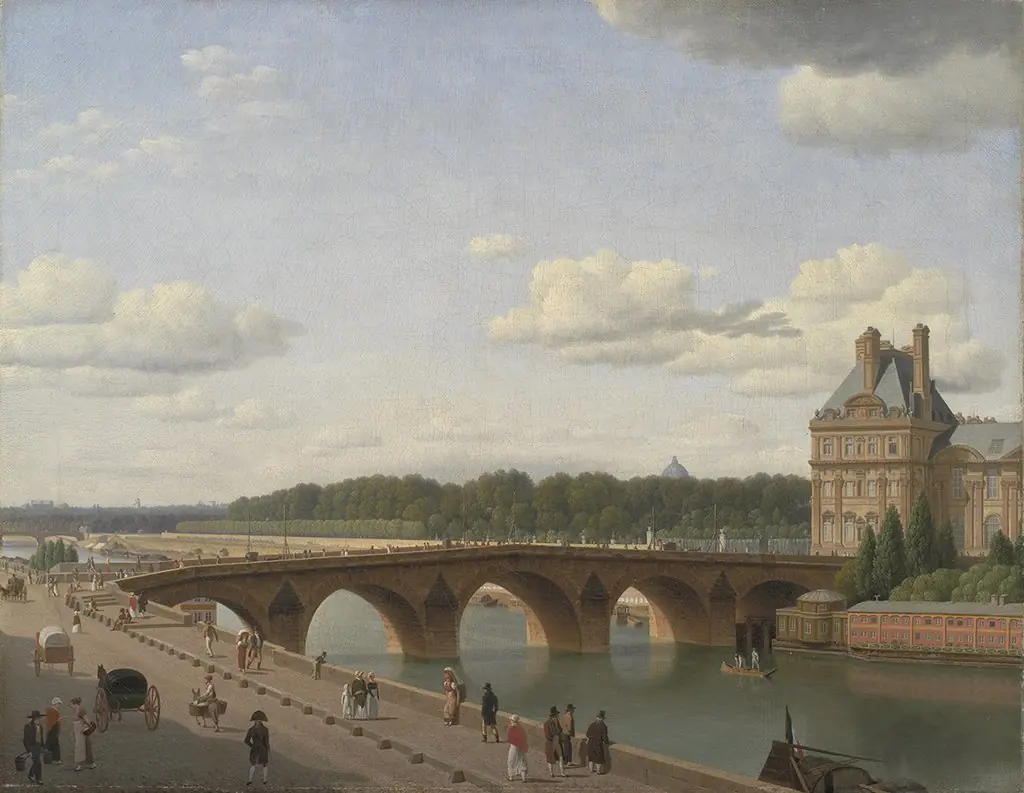 Pont Royal seen from Quai Voltaire
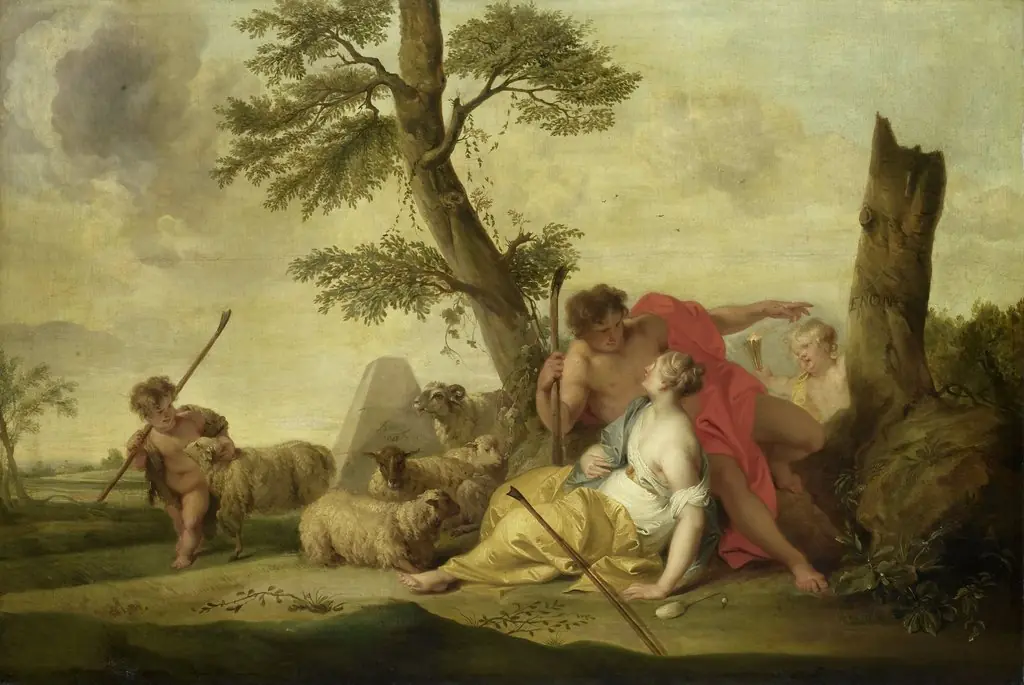 Paris and Oenone
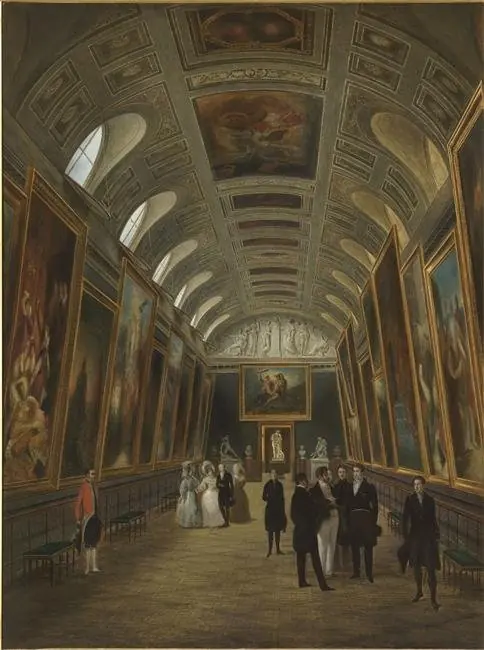 Louis-Philippe visiting the Luxembourg Museum
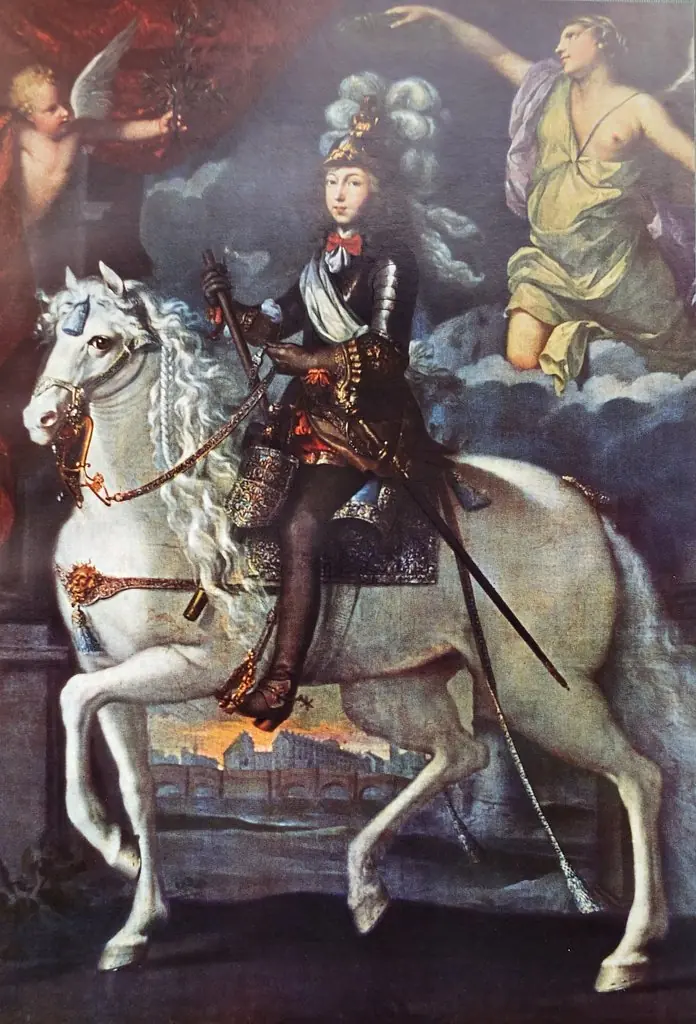 Louis XIV, King of France
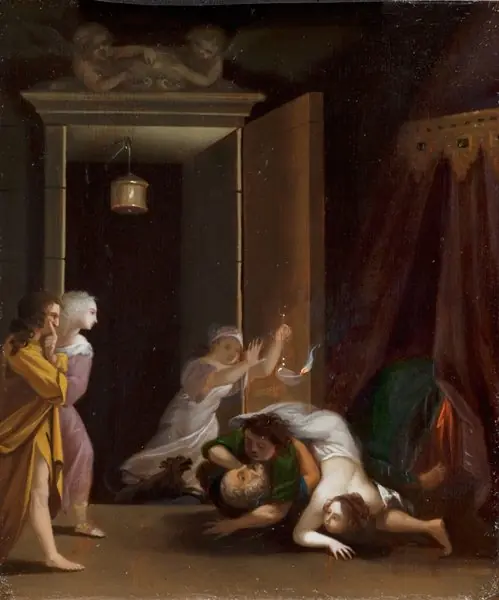 Paris and Helena Surprised by Menelaus
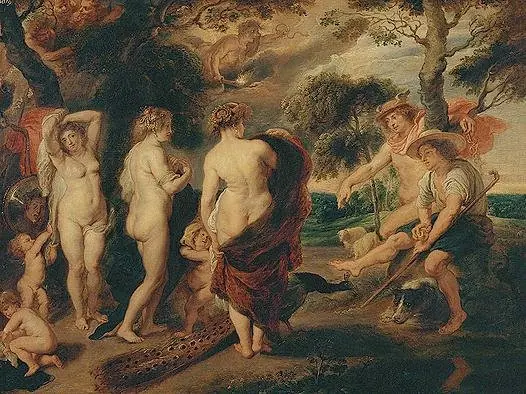 The Judgement of Paris
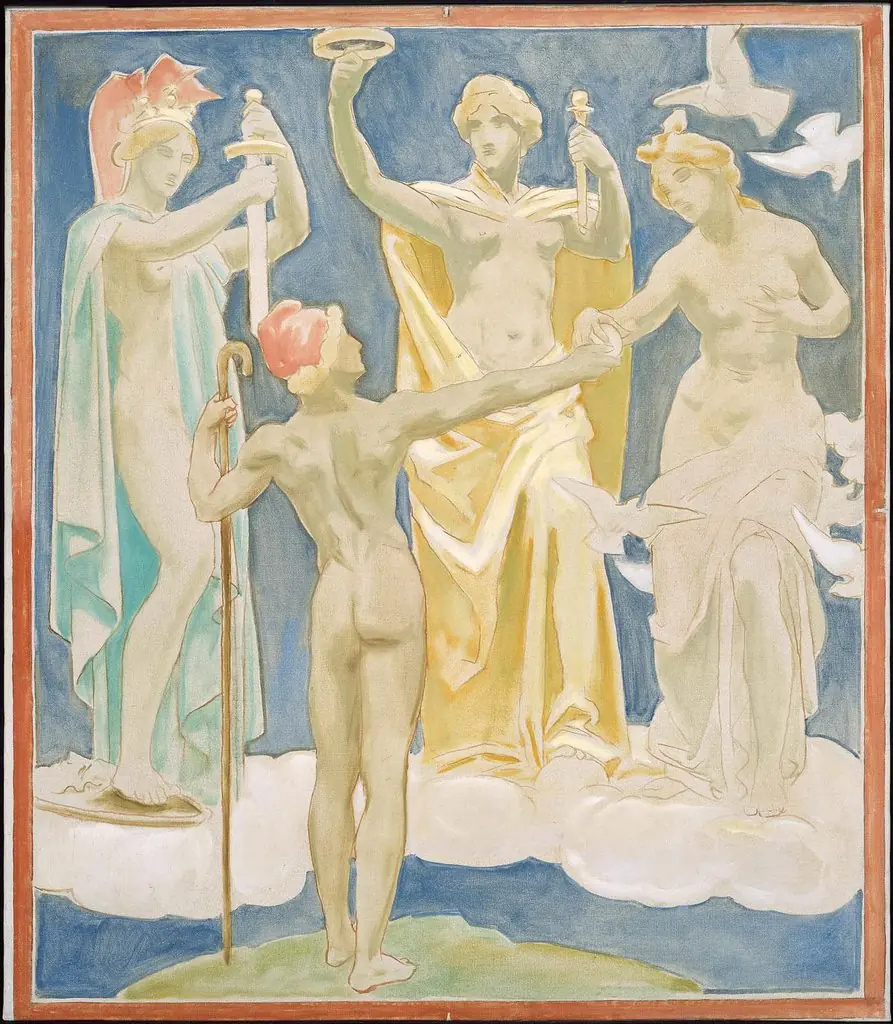 The Judgement of Paris
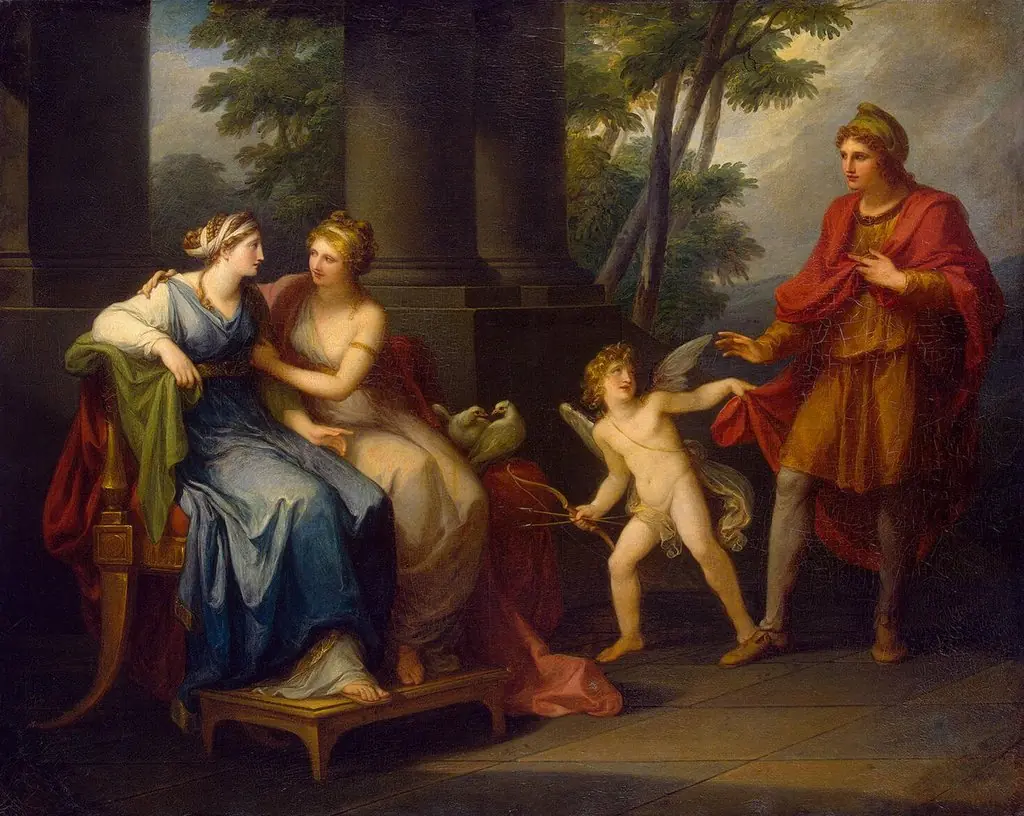 Venus Induces Helen to Fall in Love with Paris
 Paris Giving Venus the Apple
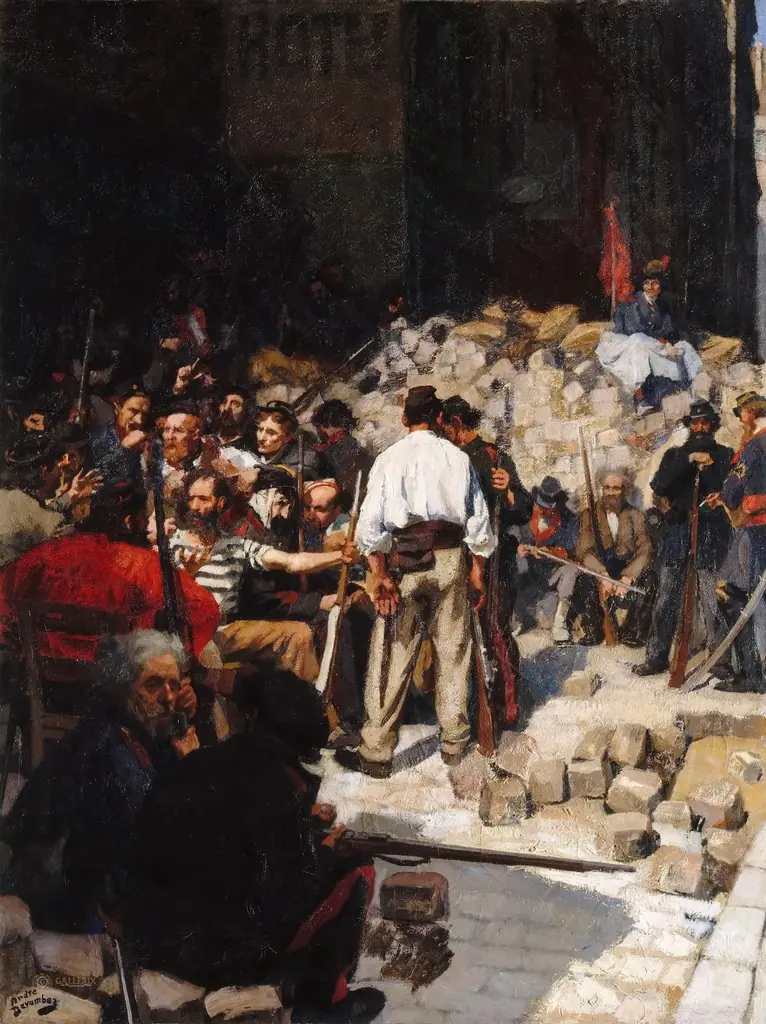 Barricade, the Paris Commune, May 1871
 Paris' dom
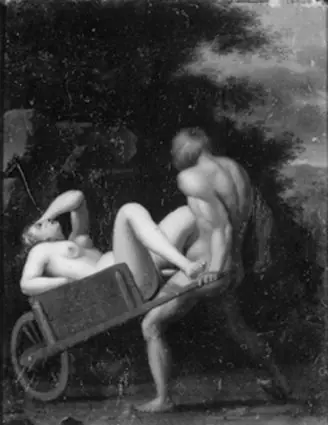 Paris Abducting Helena on His Ship by Night
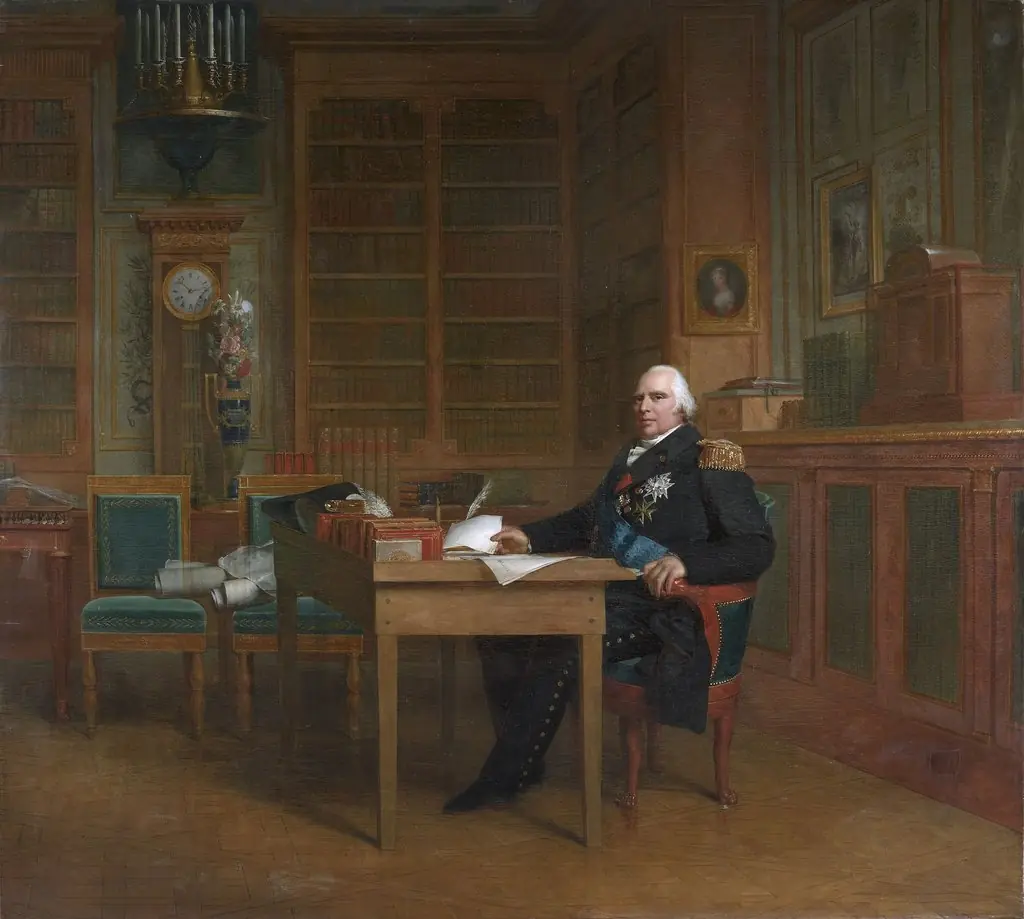 Louis XVIII in his study at the Tuileries
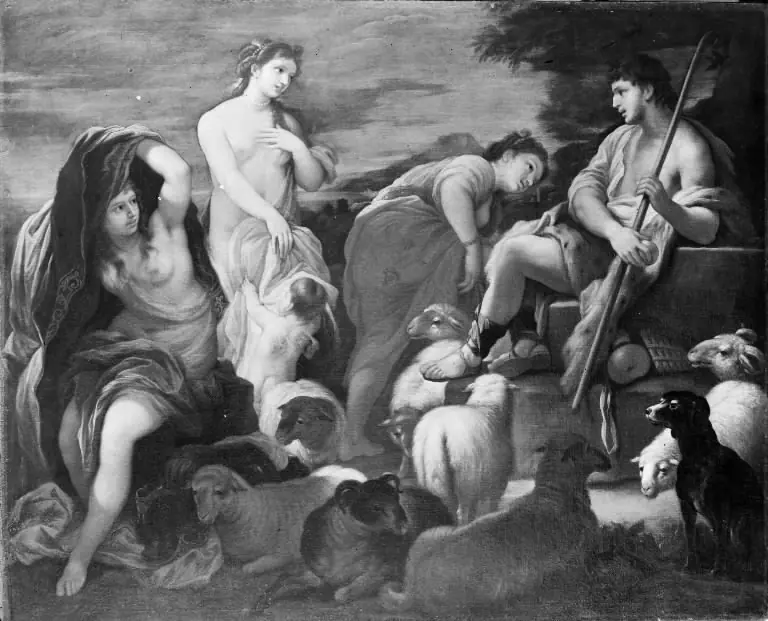 The Judgment of Paris
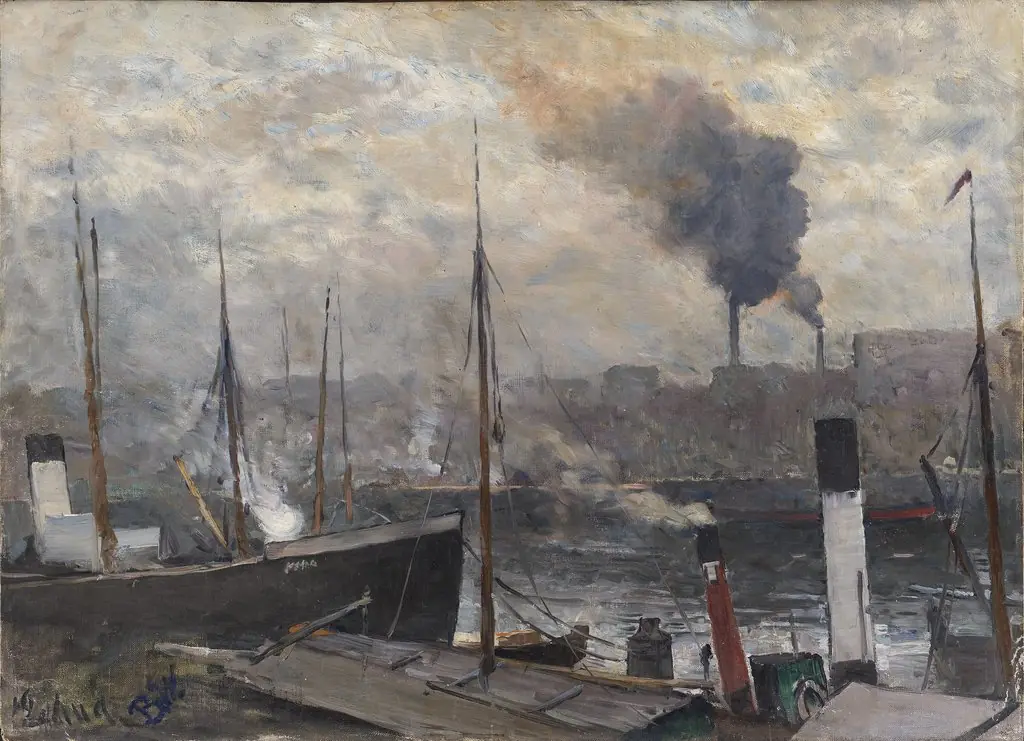 View from a Habour in Paris
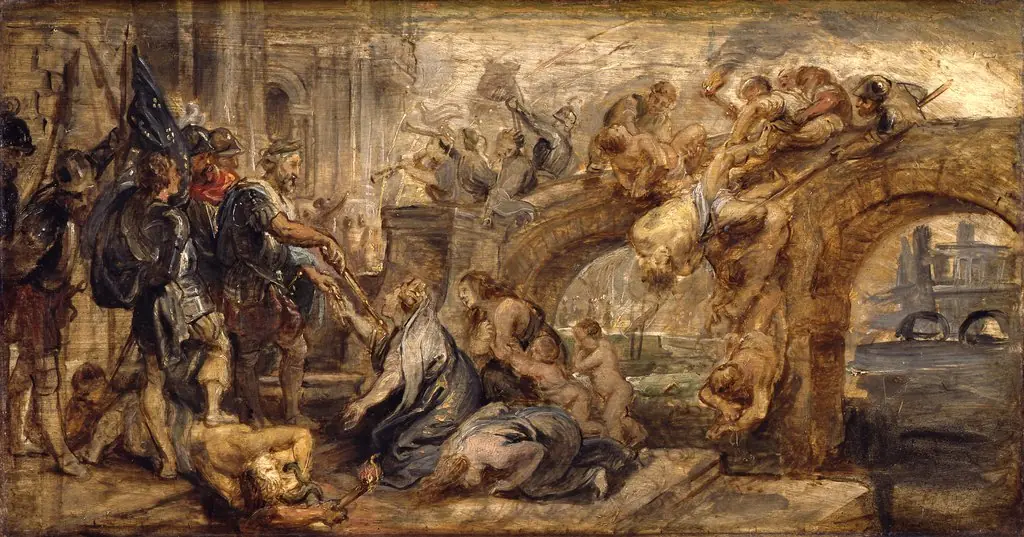 The Entry in Paris by Henry IV
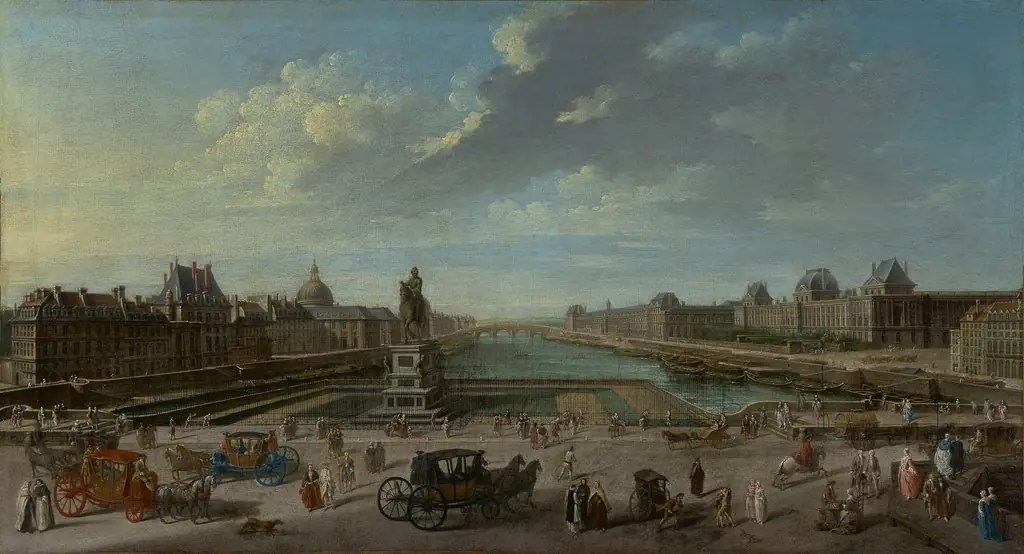 A View of Paris from the Pont Neuf
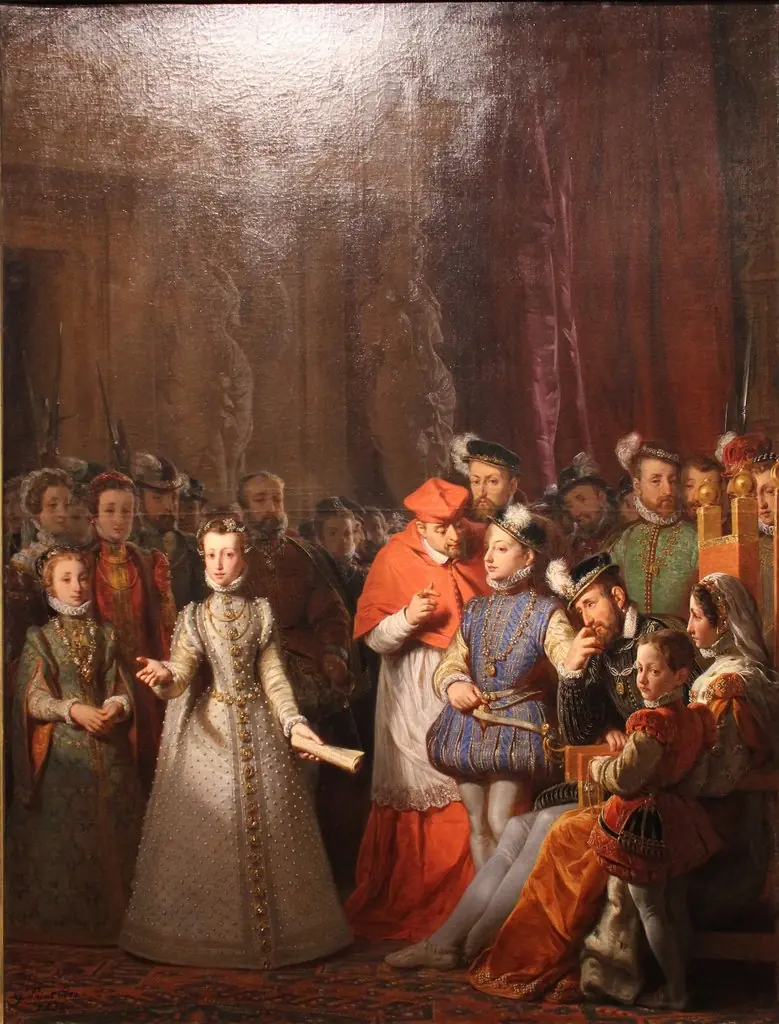 L’Éducation de Marie Stuart à la cour de François II by Gillot Saint-Evre
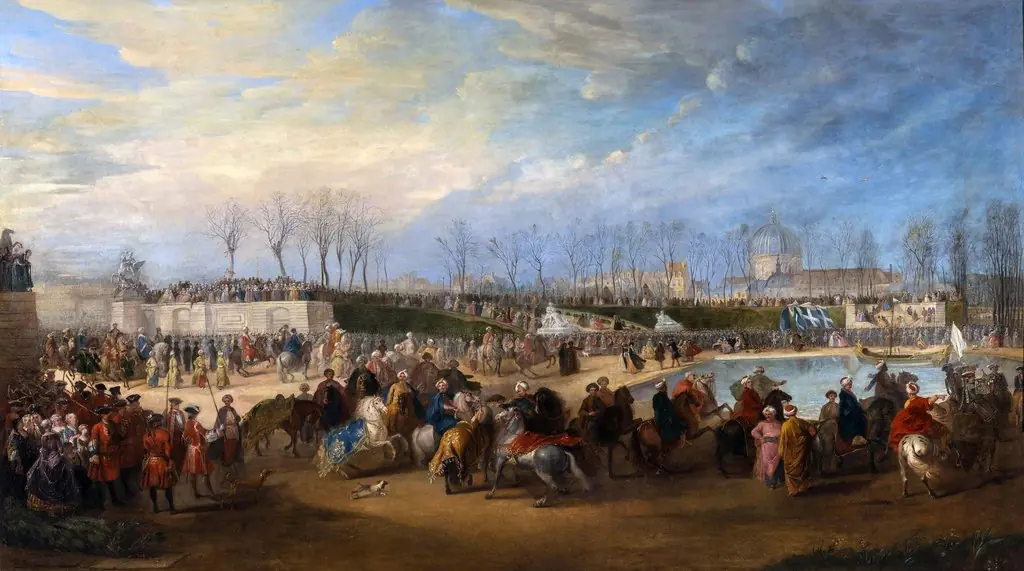 Mehemet Effendi, ambassadeur turc arrive aux Tuileries, 21 mars 1721
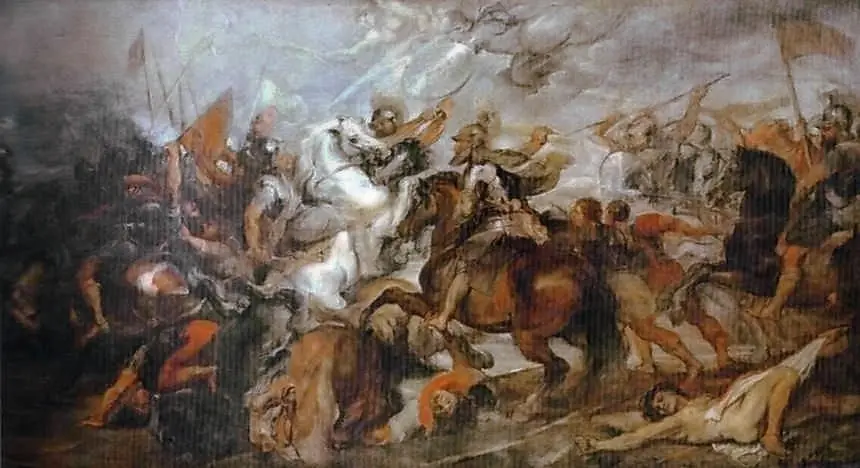 Henry IV at the Battle of Ivry, 14 March 1590
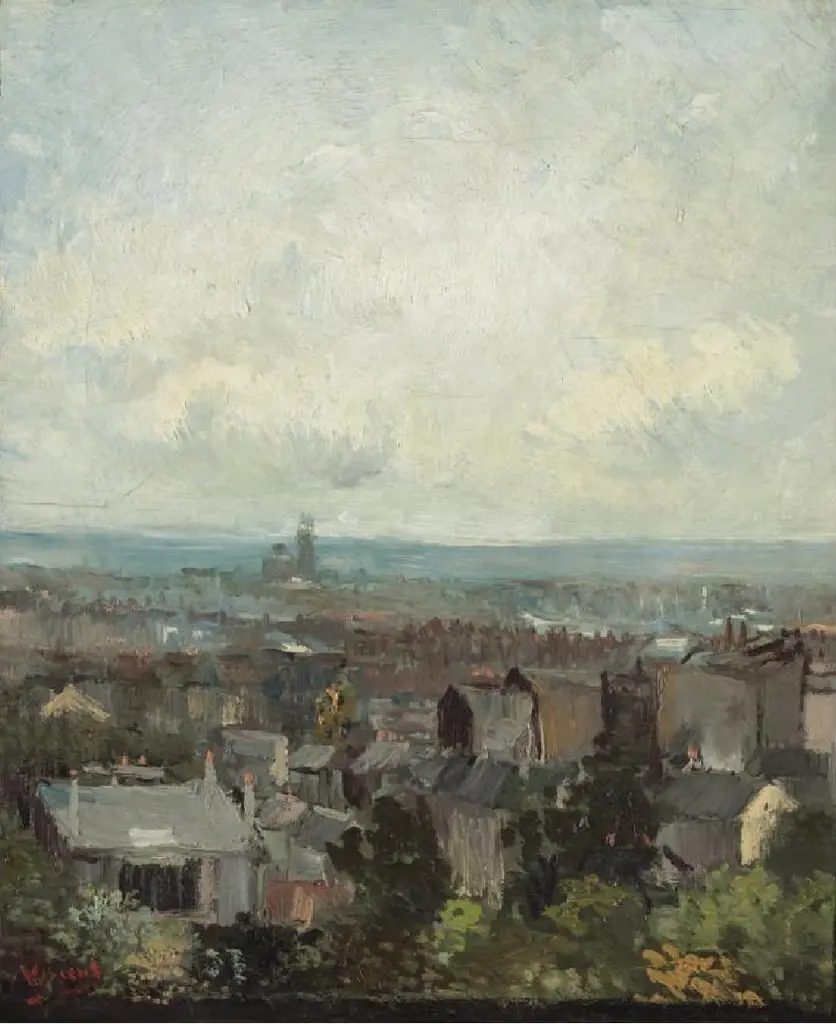 Rooftops in Paris
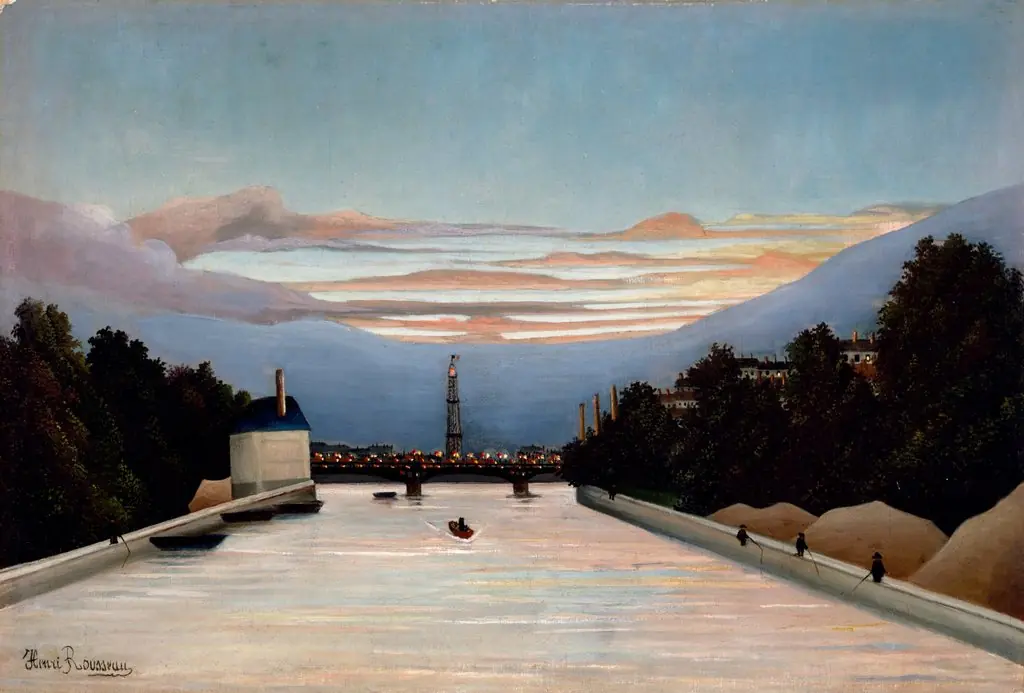 The Eiffel Tower
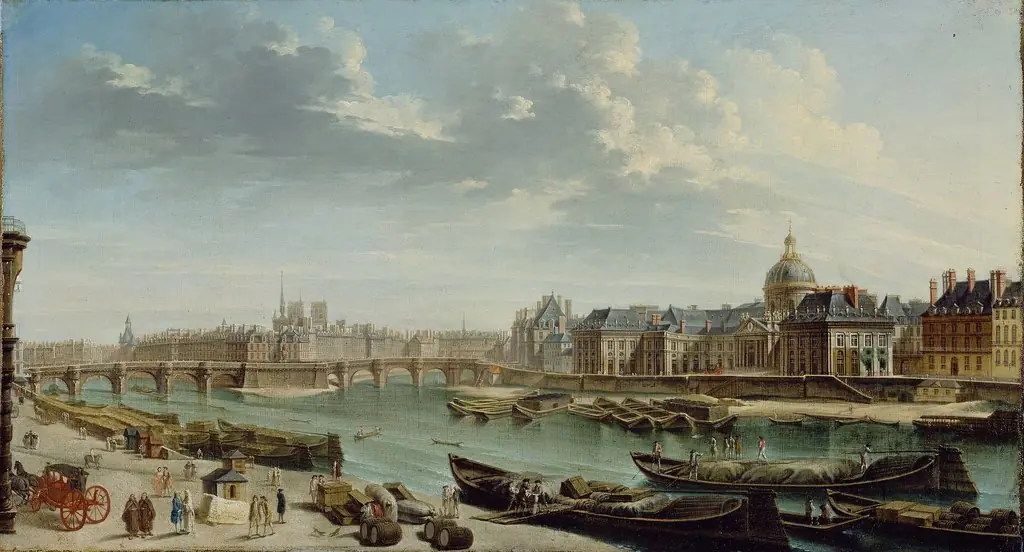 A View of Paris with the Ile de la Cité
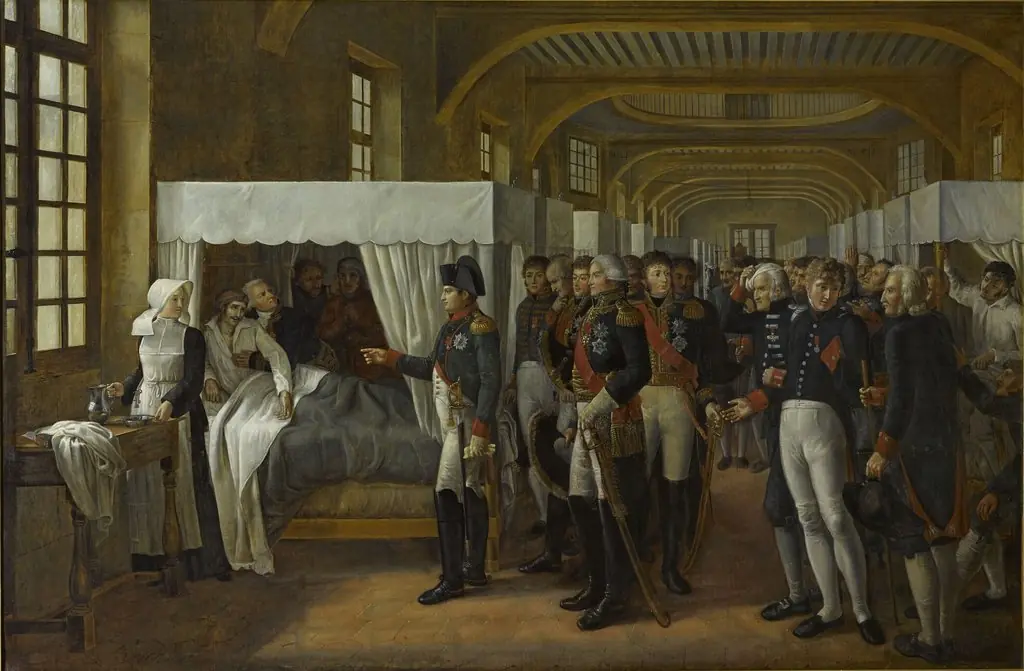 Napoleon I visiting the infirmary at Les Invalides, February 11, 1808
 Paris from Pere Lachaise
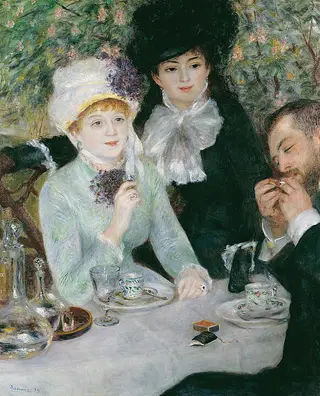 After the Luncheon
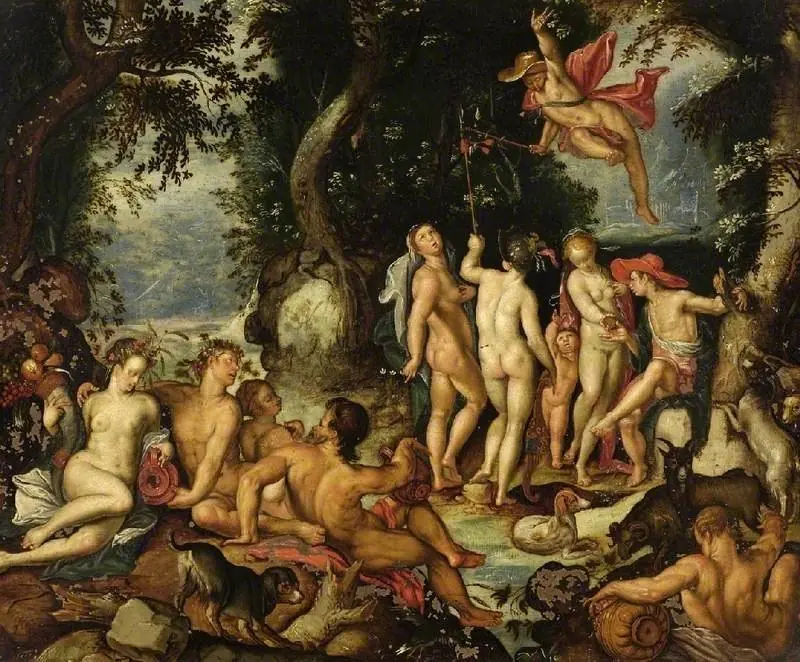 The Judgement of Paris
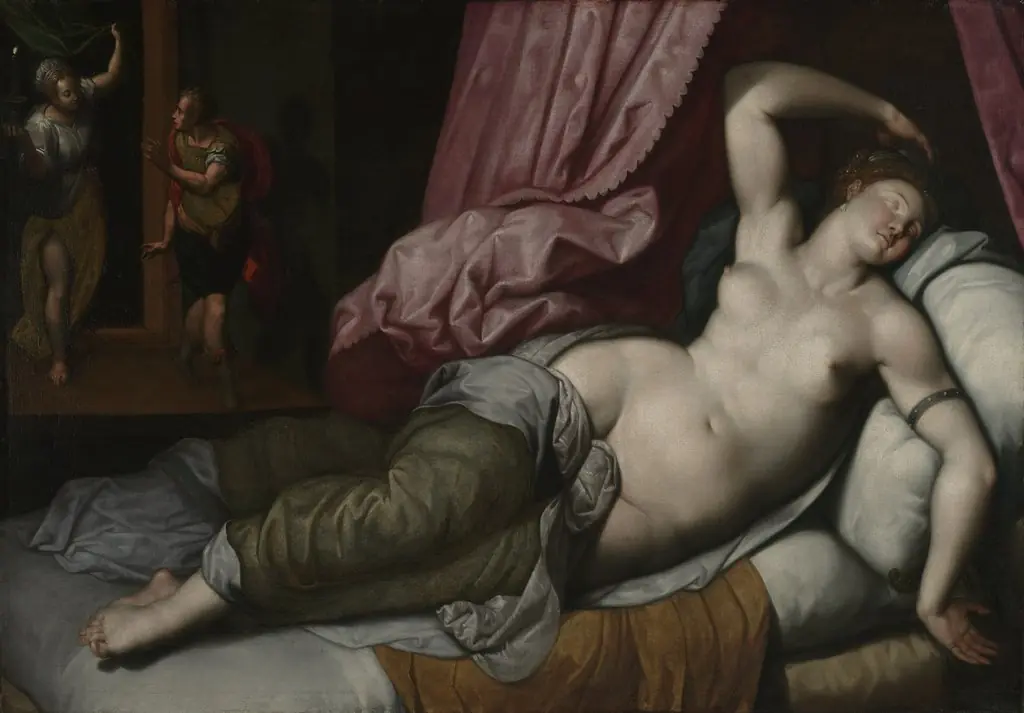 Paris Being Admitted to the Bedchamber of Helen
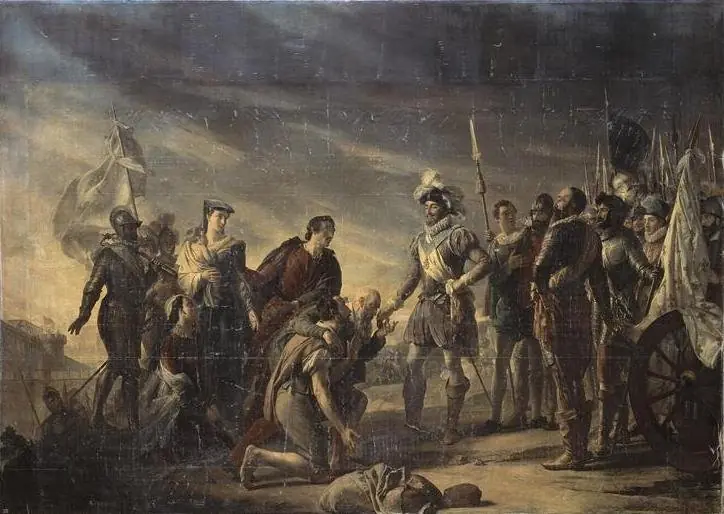 Henri IV devant Paris assiégé, août 1590
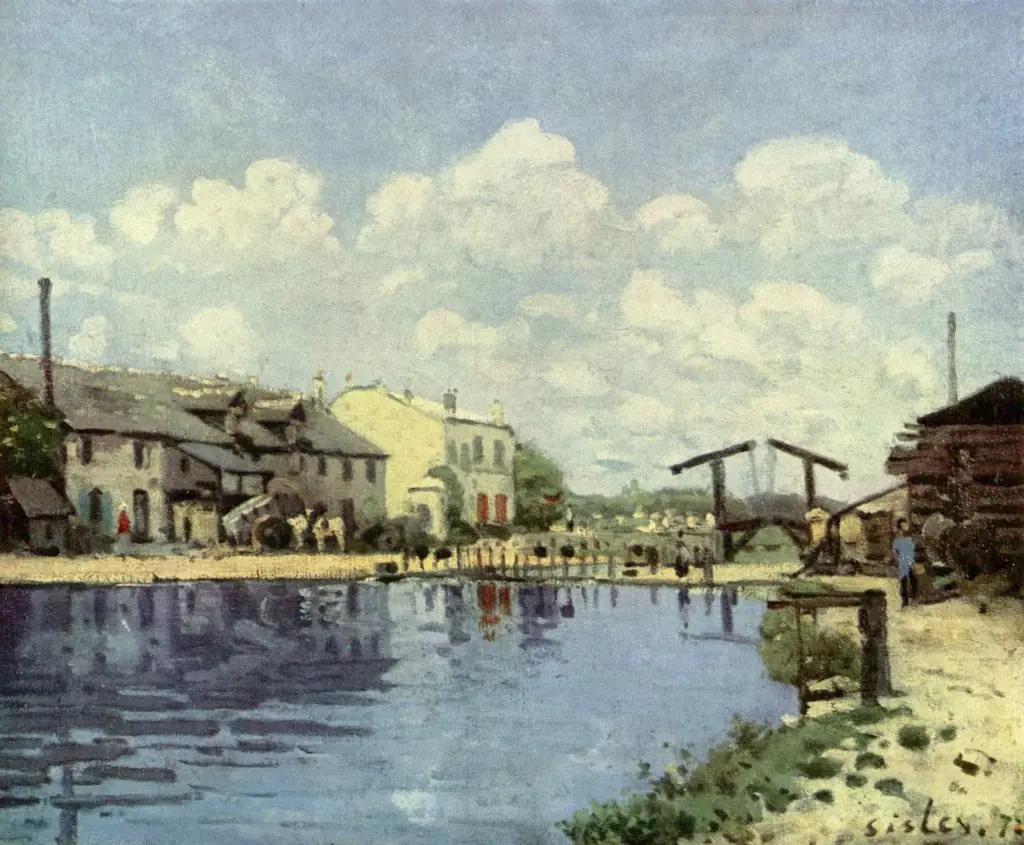 Le Canal Saint-Martin
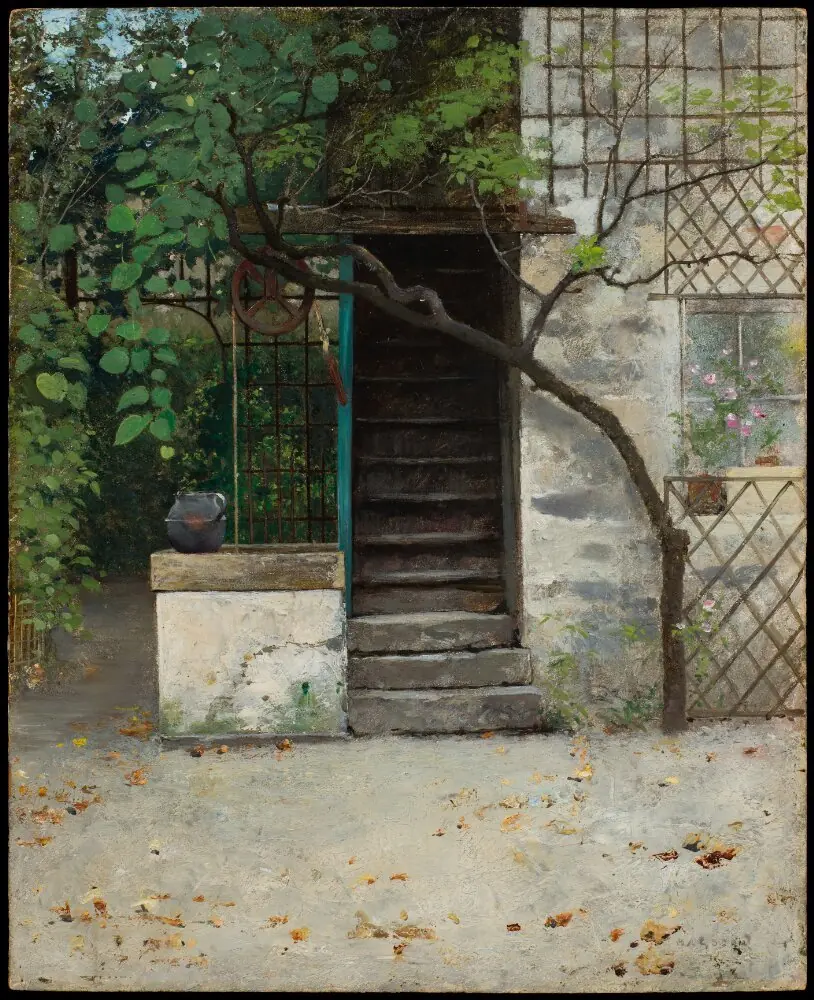 Outside Hugo Birger’s Studio in Paris
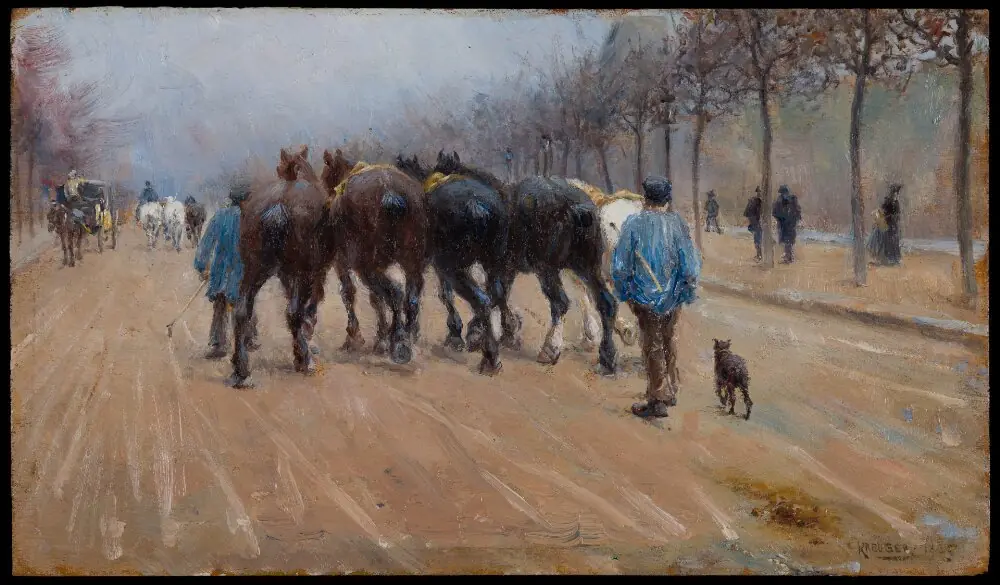 Decommissioned Omnibus Horses on Boulevard d’Enfer, Paris
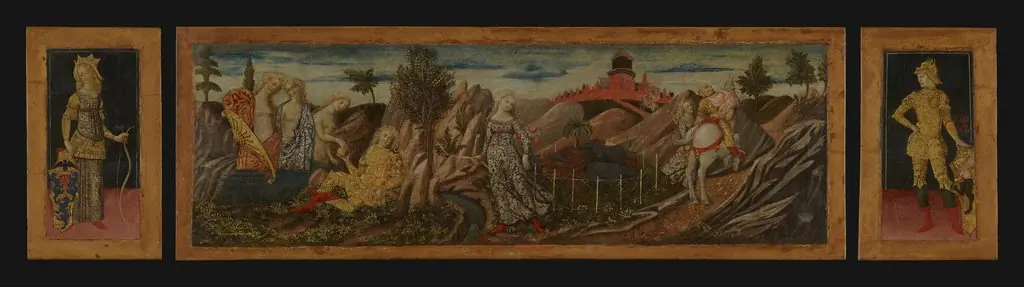 The Story of Oenone and Paris
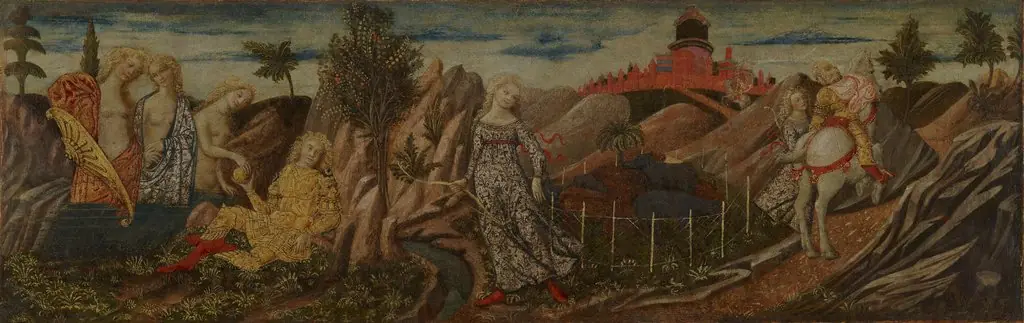 The Story of Oenone and Paris (center panel)
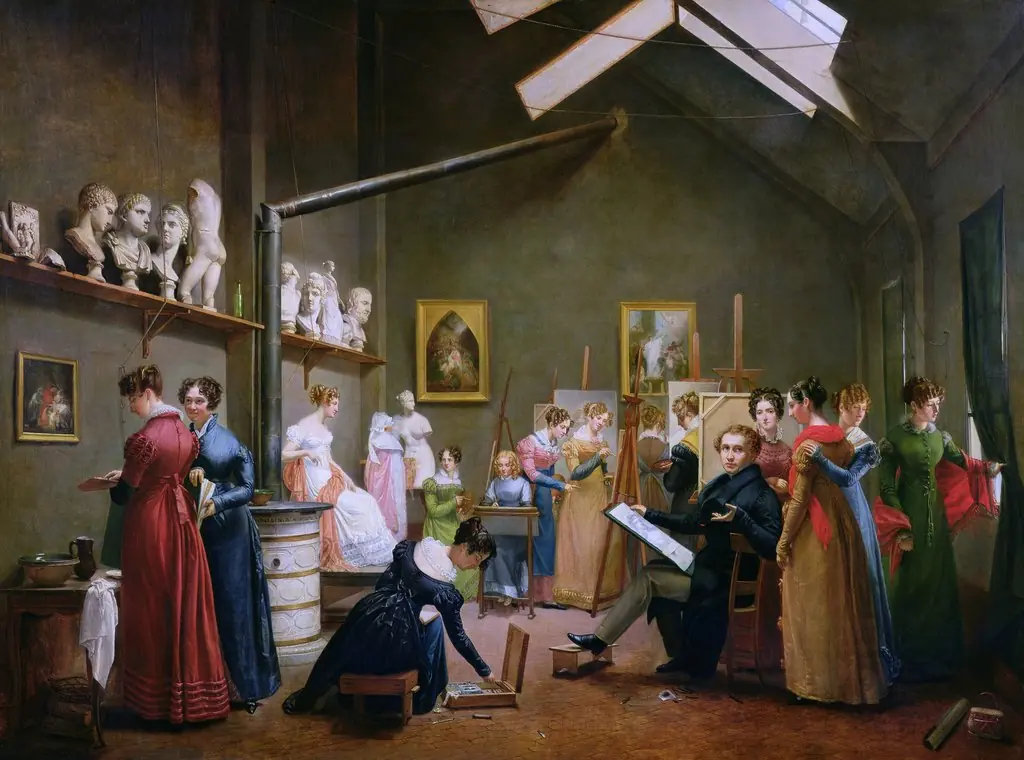 The Studio of Abel de Pujol
 The Pont des Arts, Paris
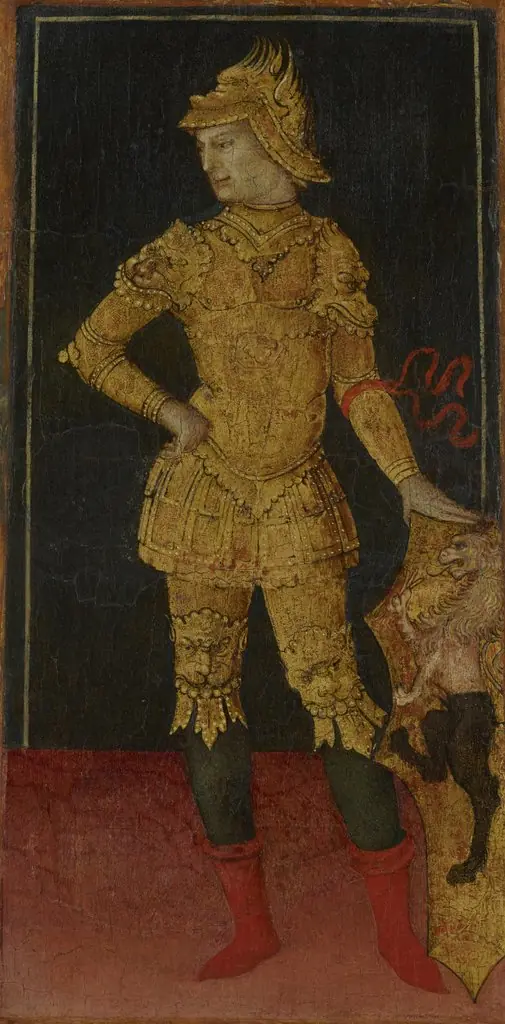 Paris (right end panel)
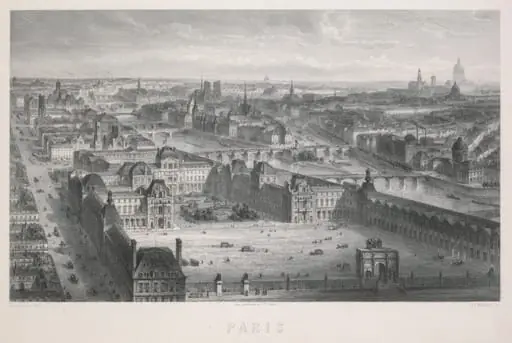 Paris
Paris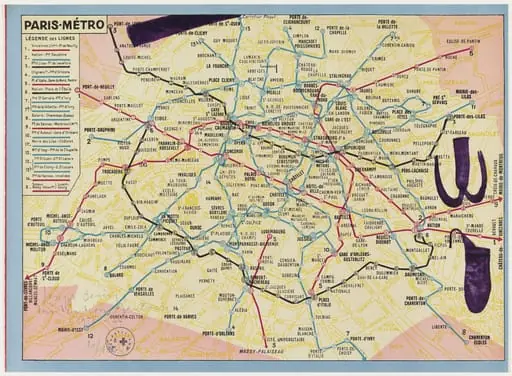 Untitled
Frequently asked questions
What is Paris?
Paris is the capital and largest city of France, with an estimated city population of 2.04 million in an area of 105.4 km2 (40.7 sq mi), and a metropolitan population of 13.2 million as of January 2026.
How many Paris works does Artifact World Gallery have?
Artifact World Gallery holds 51 public-domain Paris works, all free to view and download.
Who are the key Paris artists?
Key Paris artists in the collection include Jacques-Louis David, Alfred Sisley and Pierre-Auguste Renoir.
Where can I see Paris works?
Paris works in the collection are held by Palace of Versailles, Statens Museum for Kunst and J. Paul Getty Museum.