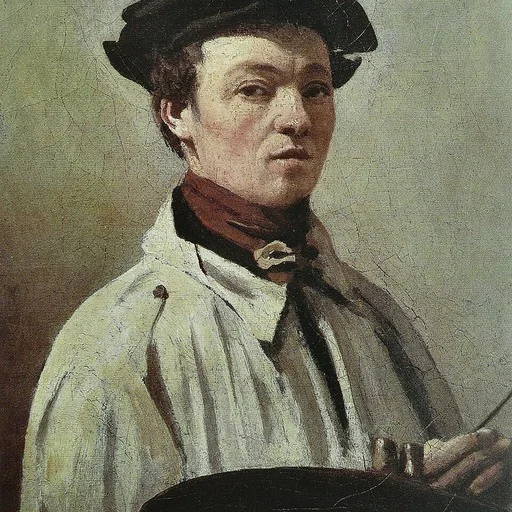
Subject
Seine
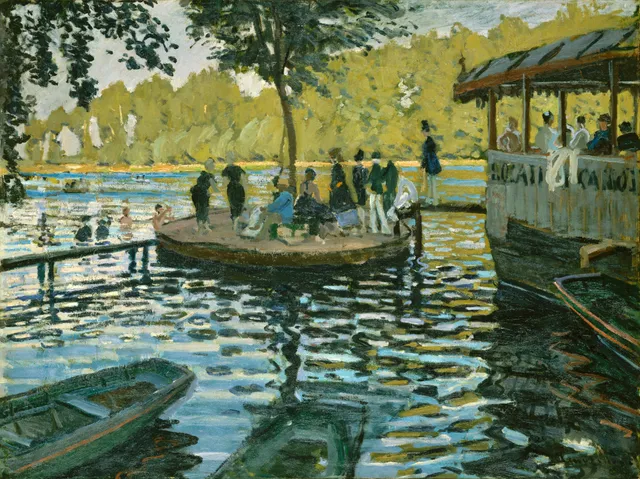
Seine is a subject in art. The gallery holds 164 works in this subject in art, including works by Jean Baptiste Camille Corot, Édouard Manet and Camille Pissarro.
The Seine ( sayn, sen; French: ) is a 777-kilometre-long (483 mi) river in northern France. Its drainage basin is in the Paris Basin (a geological relative lowland) covering most of northern France.
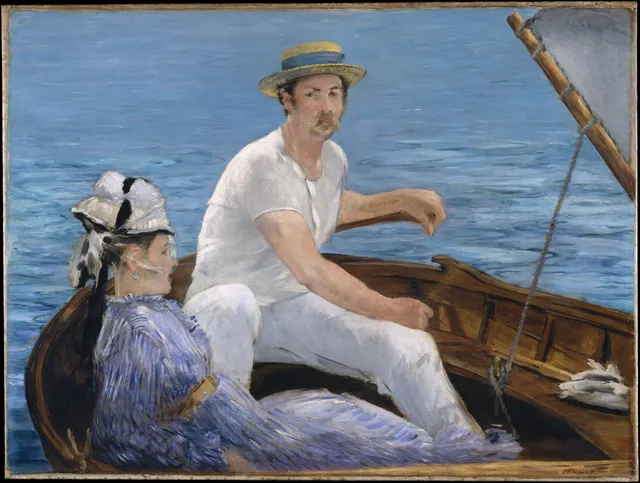
Key artists
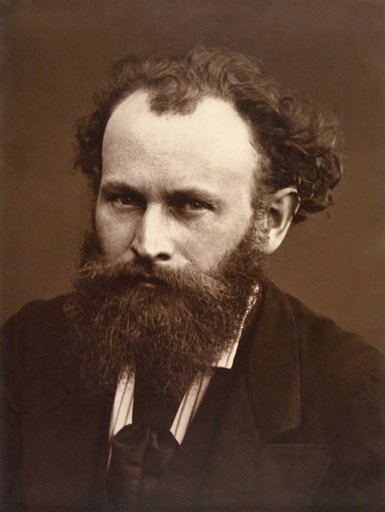

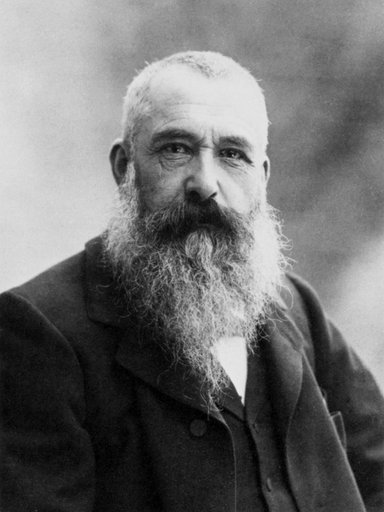
Overview
The Seine is a 777-kilometre-long river in northern France, flowing from the Langres plateau northwest of Dijon through Paris and into the English Channel at Le Havre. Its drainage basin covers most of northern France, an area of roughly 79,000 square kilometres that holds nearly a third of the French population. The river is defined by its slow, navigable flow through the geological lowland of the Paris Basin, passing cities like Troyes and Rouen. Because it bisects Paris and shapes its topography, the Seine has served as a constant subject in art, functioning as both the physical spine of the French capital and a mirror of its shifting modern life.
Iconography & meaning
The river carries ancient symbolic weight, rooted in the Gallo-Roman worship of the deity Sequana, the goddess of the Seine. A temple at the river's source in Source-Seine housed ex-votos and statues dedicated to her healing waters, artifacts now housed in the Dijon archaeological museum. In the 19th century, the city of Paris owned the source and installed an artificial grotto with a statue of a nymph to symbolize the river. In visual art, the Seine's iconography shifts between the mythological and the modern. It serves as a site of leisure and bourgeois recreation, but also as a barometer of atmospheric conditions and urban modernity, reflecting rain, fog, and the changing light over the Paris Basin.
Across movements & periods
The artistic treatment of the Seine has evolved alongside the physical river itself. Before the installation of locks in the 1800s, the river within Paris was much shallower, characterized by a small channel of continuous flow bordered by sandy banks, a topography frequently depicted in earlier illustrations of the city. As engineering tamed the river and raised its depth to a controlled average of 9.5 meters, the visual character of the waterway shifted to a fully inundated channel between built-up stone quays. In the 19th century, the river's slow flow and the reflective surfaces of its wider, deeper channel provided fertile ground for Impressionist studies of light and atmosphere. By the 20th century, the focus shifted to the industrial and commercial arteries of the river, as well as its turbulent relationship with the city during severe flood events, such as the catastrophic inundation of January 1910.
Notable depictions
Among the most canonical depictions of the river are those focusing on its bridges and its leisure destinations. The Pont Neuf, the most famous of the 37 bridges crossing the river in Paris, is a recurring subject that anchors the river to the city's historic core. Upstream and downstream from the capital, sites like La Grenouillère and the Bridge at Villeneuve-la-Garenne became famous through their association with the Impressionists, who gathered at these riverbank locales to paint the interplay of water, light, and modern leisure. The valley near Giverny also provided a major viewpoint for artists capturing the broad meanders of the river from the surrounding hills.
Legacy
The cultural afterlife of the Seine extends far beyond canvas and paint, cementing the river as a global symbol of Paris and French heritage. The banks of the Seine in Paris, with their historical architecture, were inscribed on the UNESCO World Heritage List in 1991. The river's legacy also encompasses its environmental and civic renewal. After a swimming ban was enacted in 1923 due to pollution and river traffic, massive cleanup efforts were undertaken to prepare the waterway for the 2024 Paris Olympics, allowing the triathlon and open-water swimming events to take place in its waters. The river continues to shape the city's infrastructure and crisis management, as seen in the massive relocation of over 100,000 works of art from underground storage rooms during a flood threat in 2003, underscoring the enduring tension between the river and the art it has long inspired.
Works
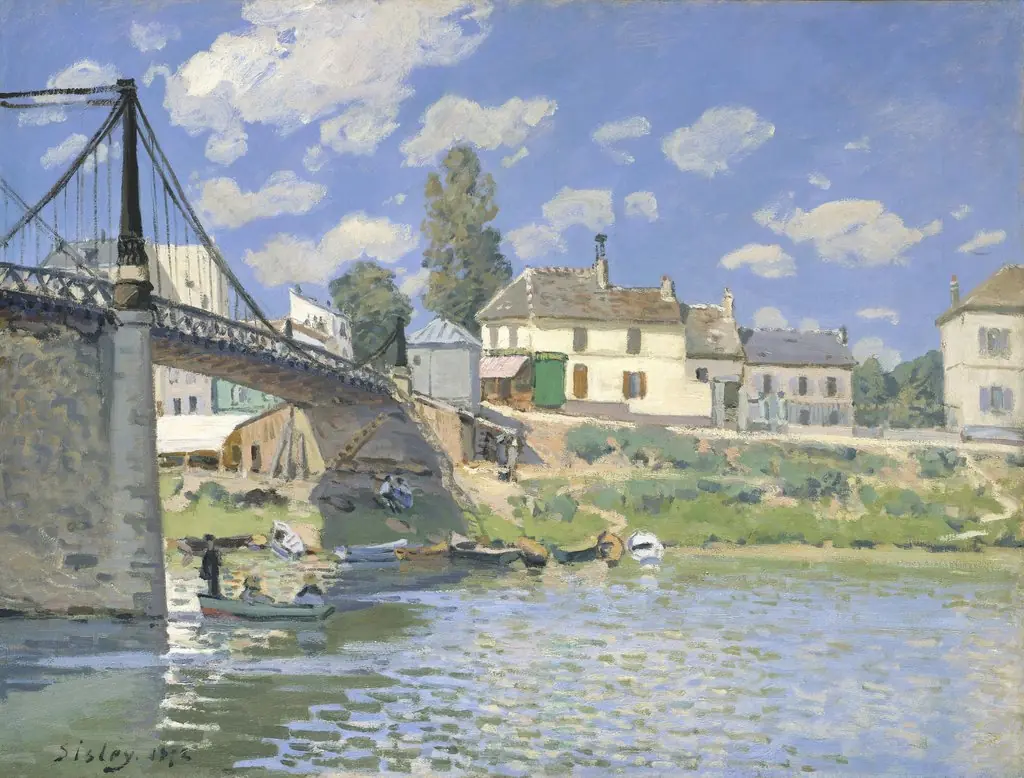 The Bridge at Villeneuve-la-Garenne
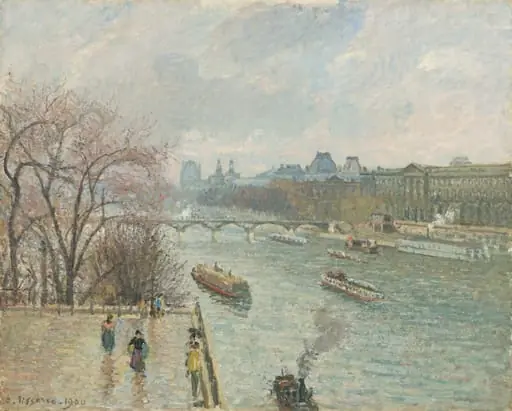 The Louvre, Afternoon, Rainy Weather
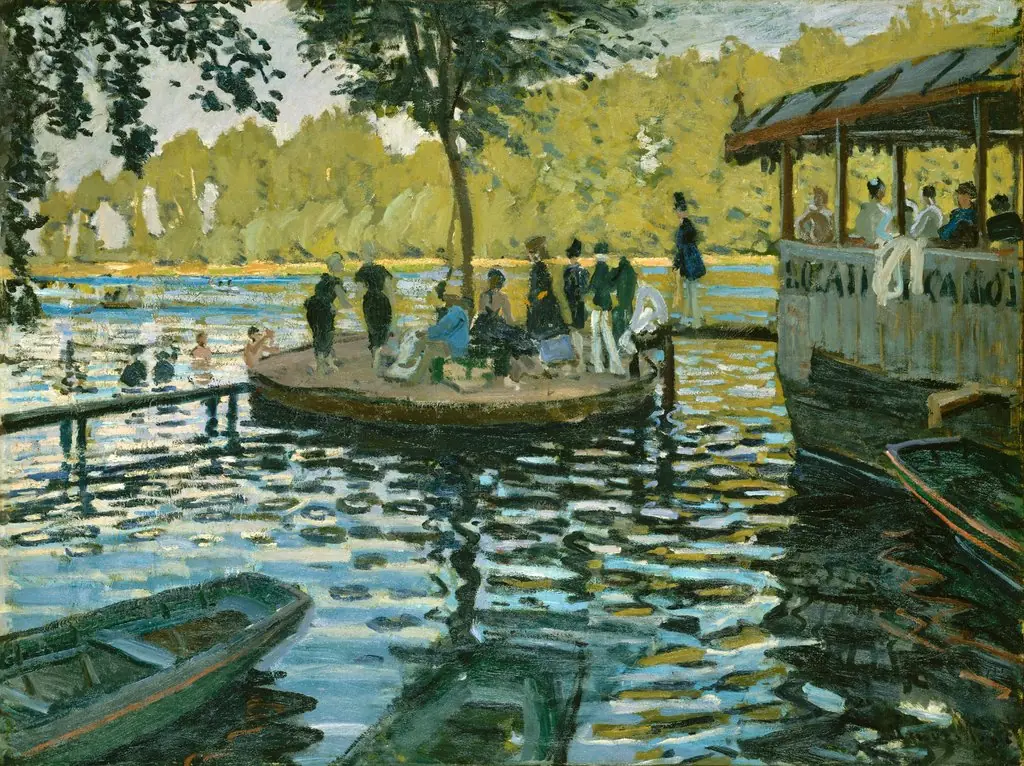 La Grenouillère
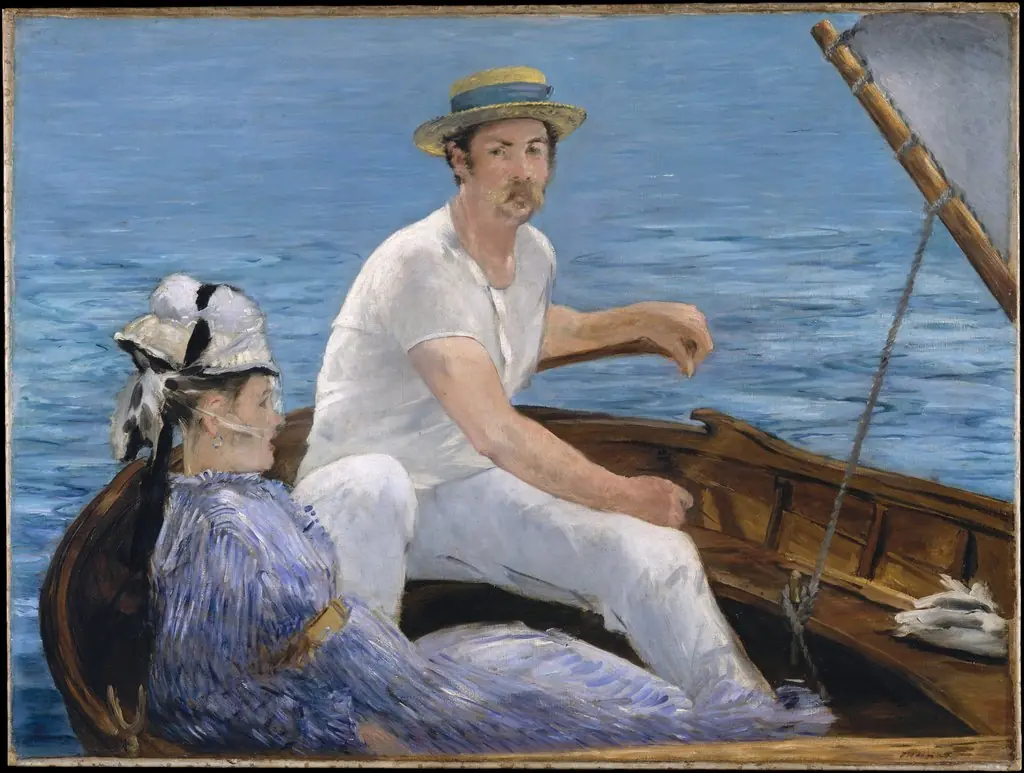 Boating
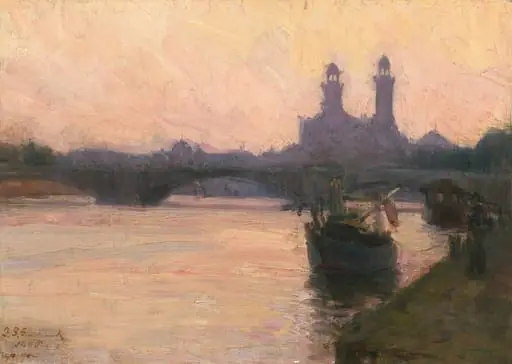 The Seine
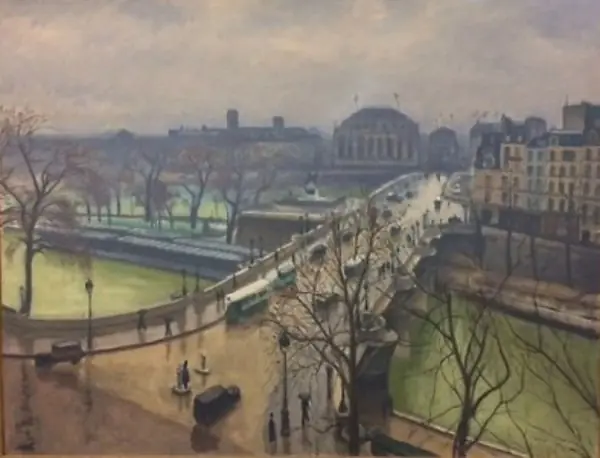 The Pont Neuf, Paris
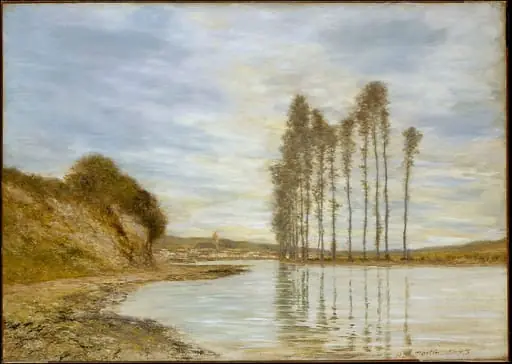 View on the Seine: Harp of the Winds
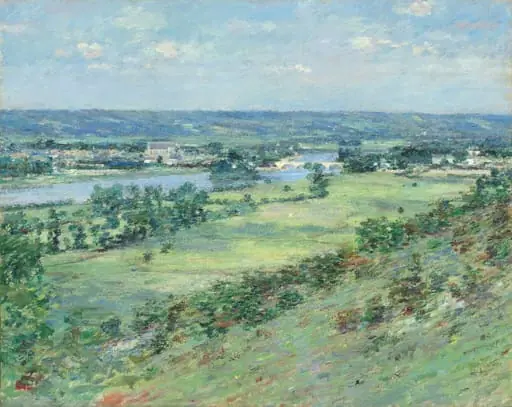 The Valley of the Seine, from the Hills of Giverny
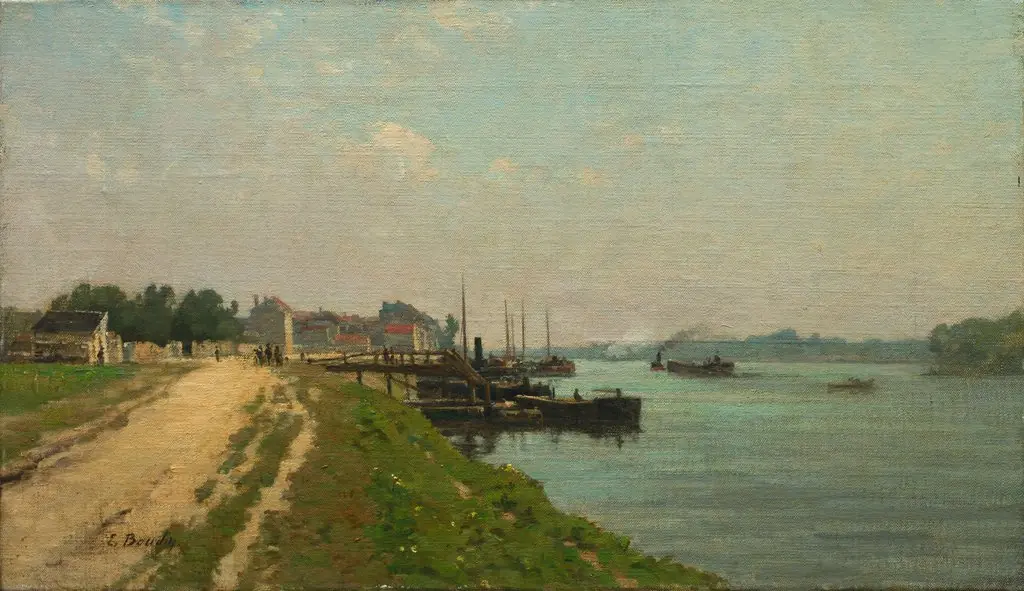 Banks of the Seine
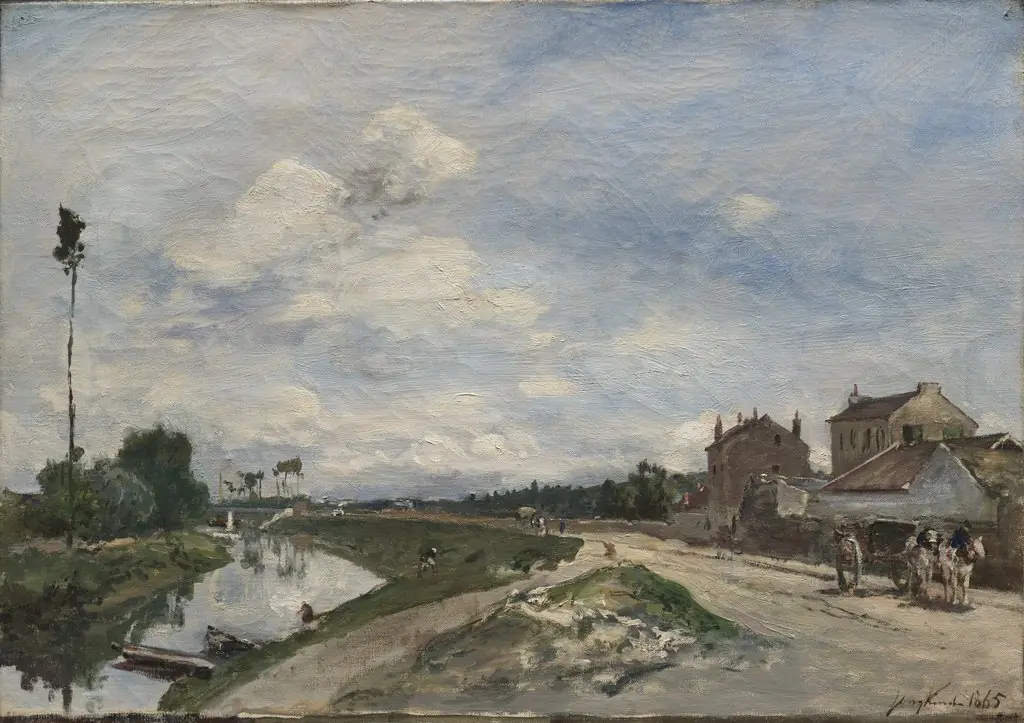 The Seine at Bas-Meudon
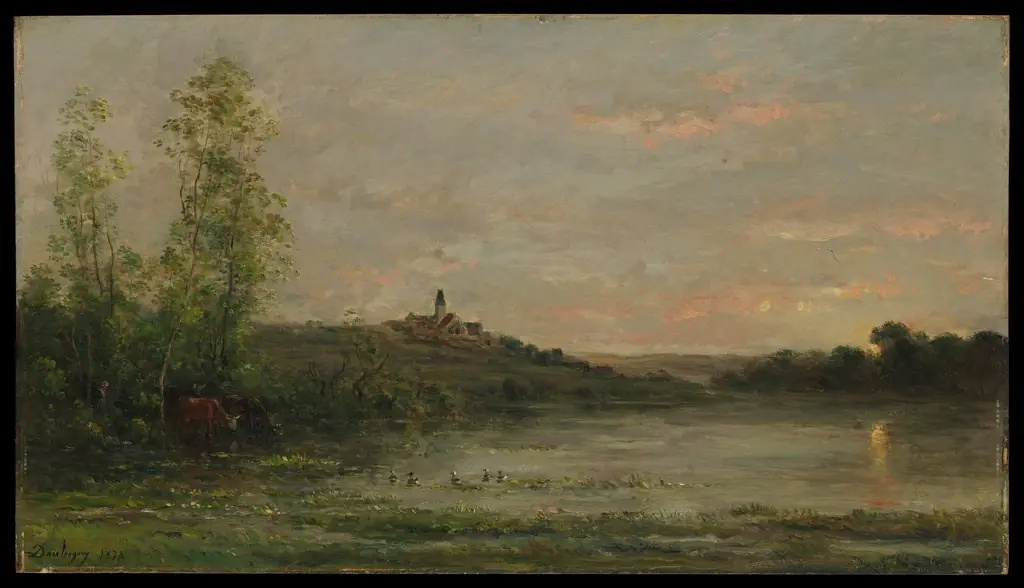 The Seine: Morning
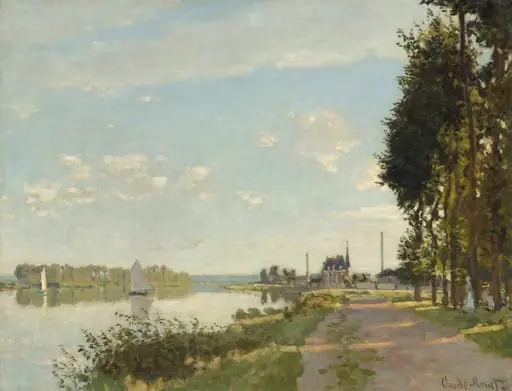 Argenteuil
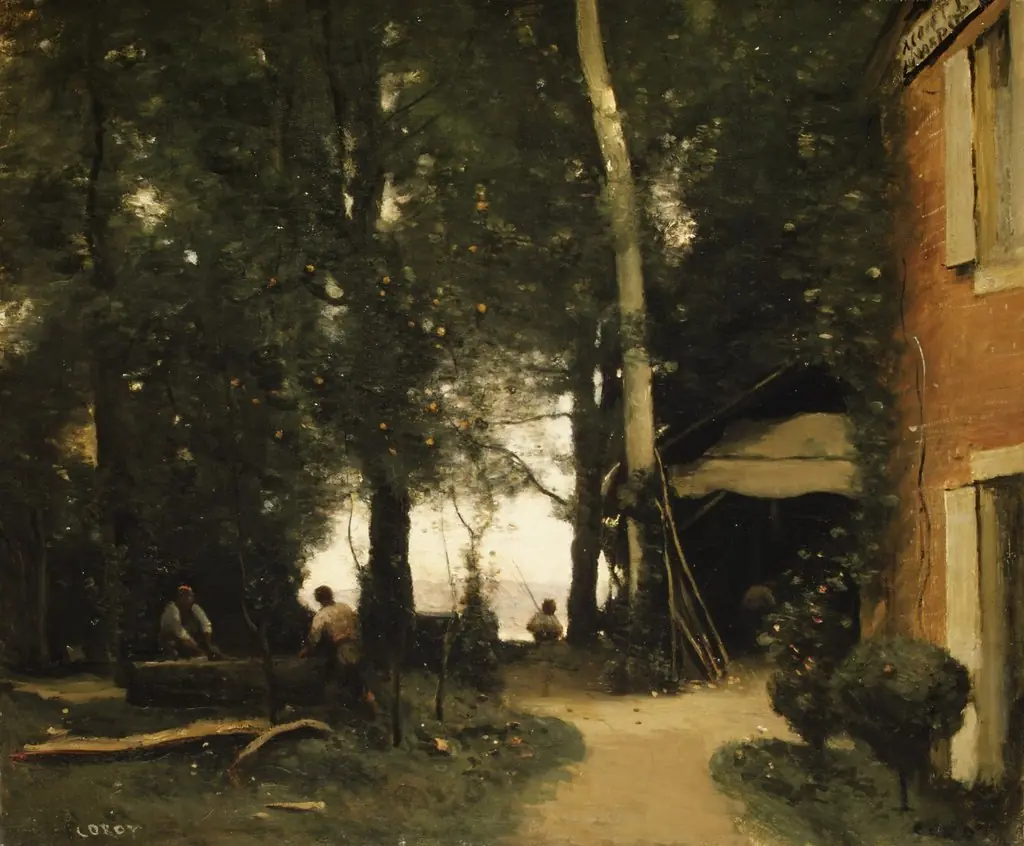 The Banks of the Seine at Conflans
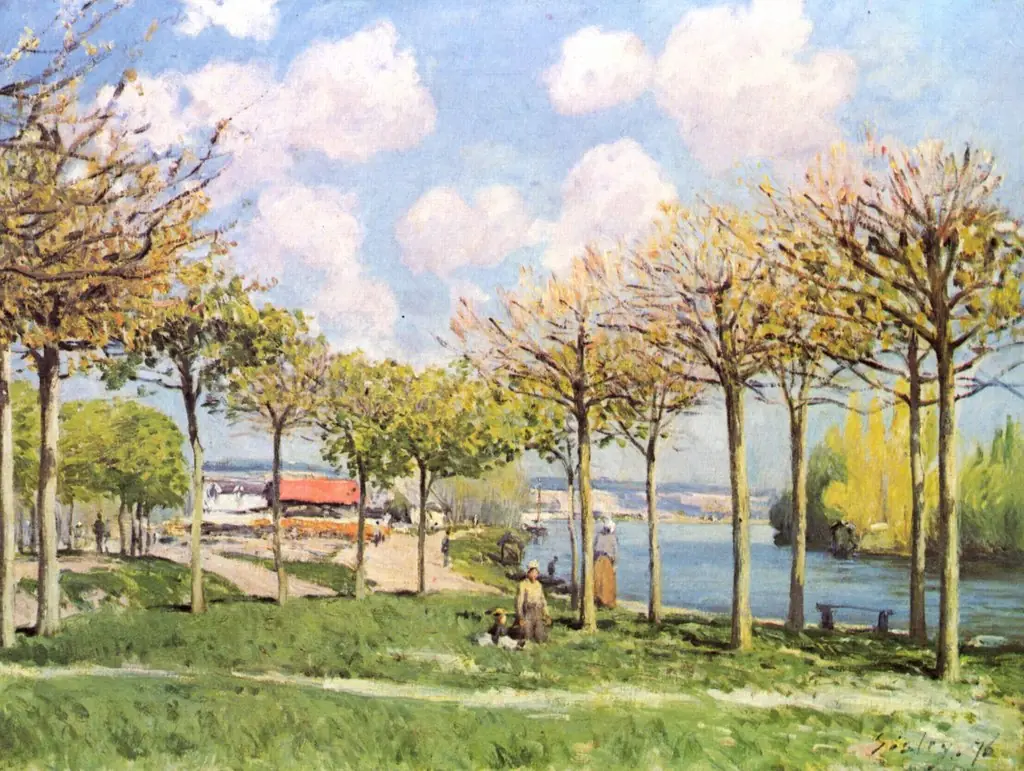 The Seine at Bougival
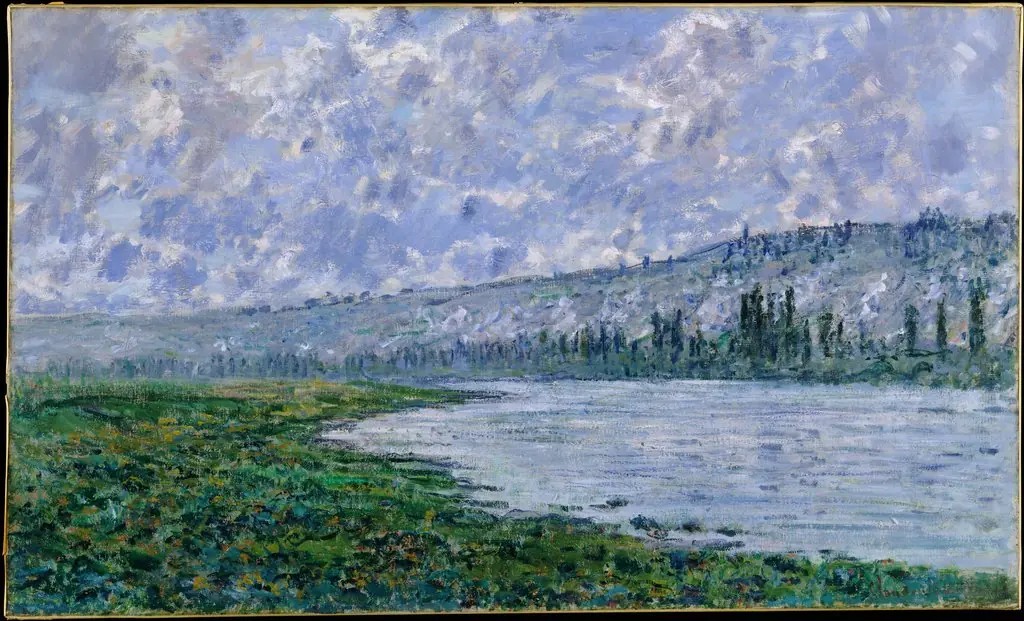 The Seine at Vétheuil
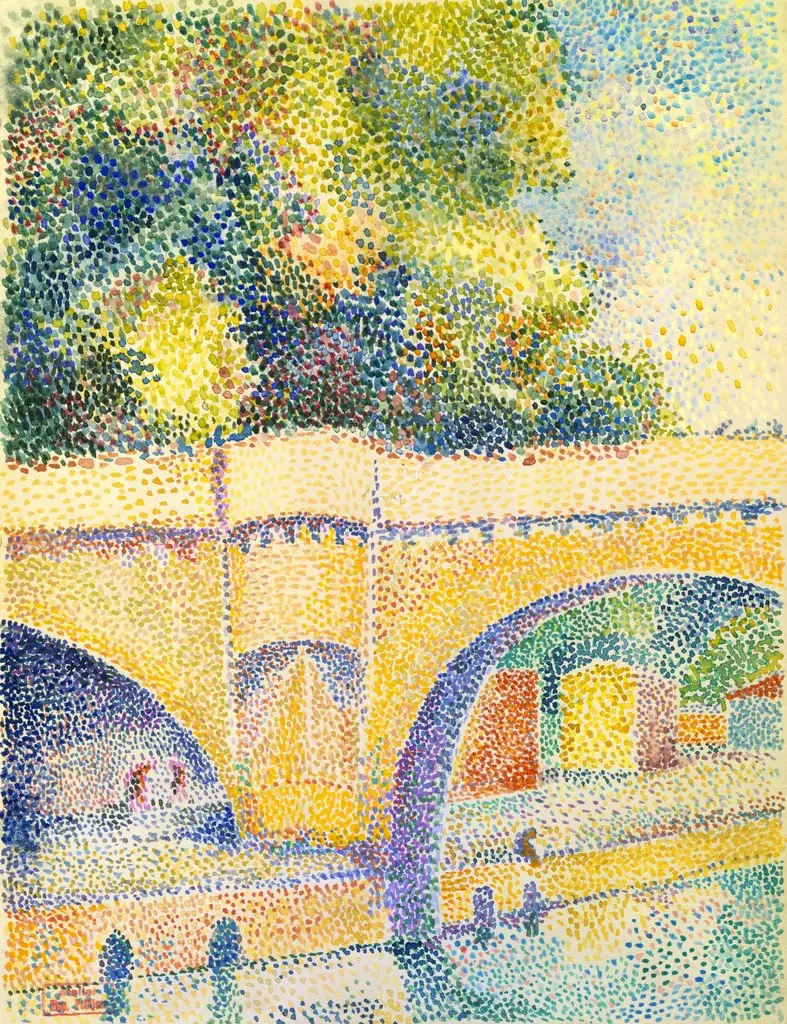 Le Pont Neuf
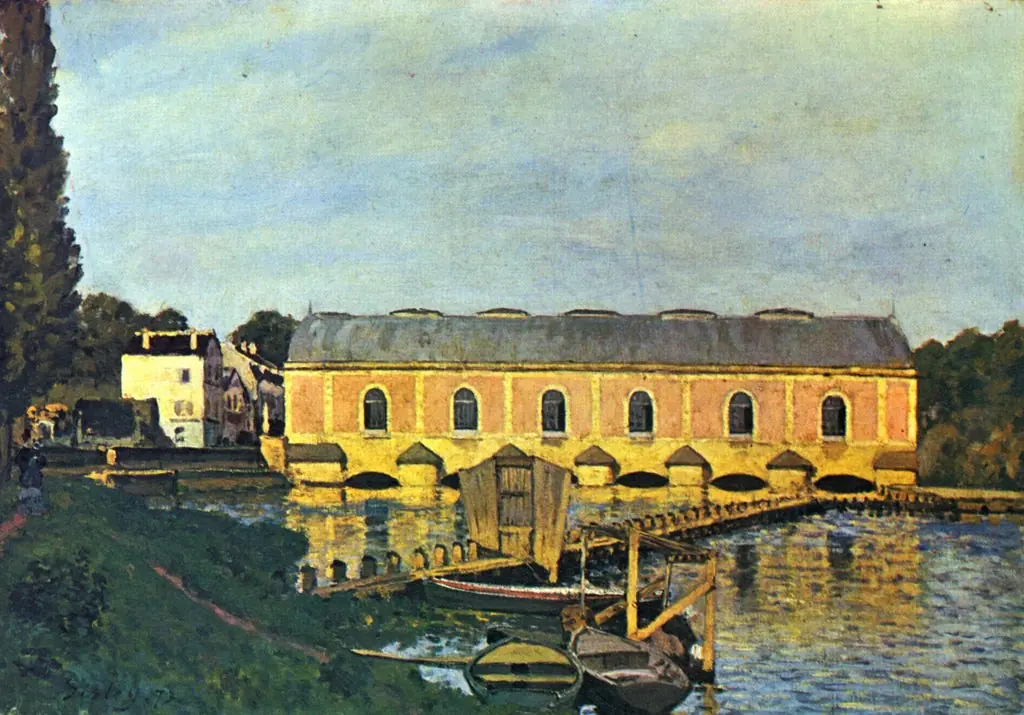 La Machine de Marly
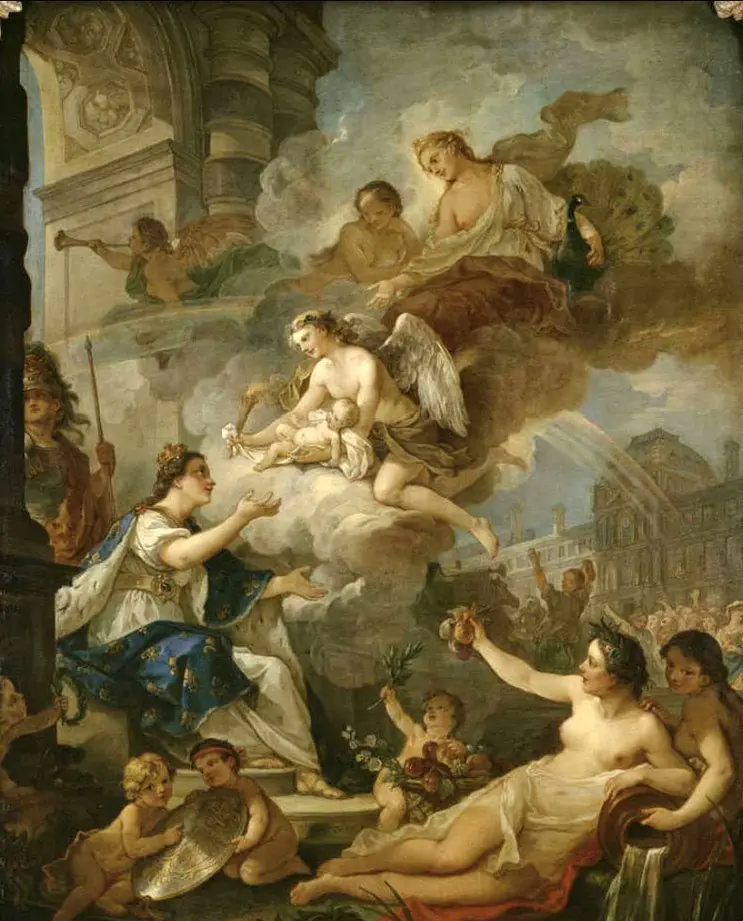 Allegory of the Birth of Marie-Zéphyrine of France, daughter of Louis of France
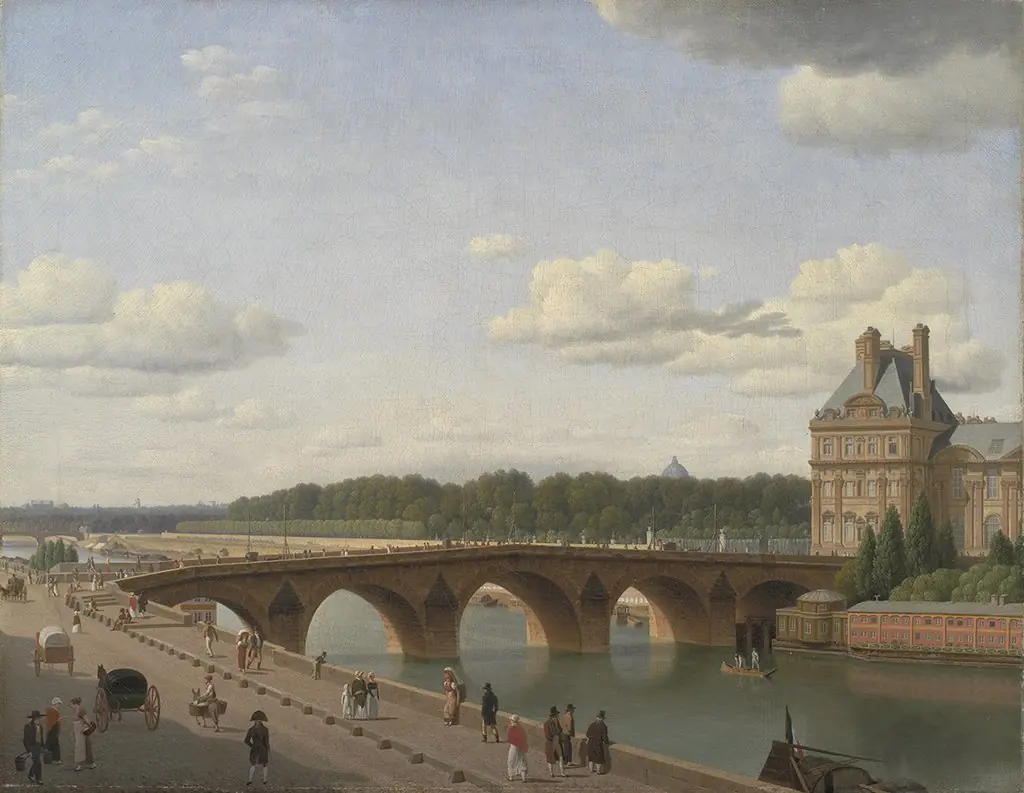 Pont Royal seen from Quai Voltaire
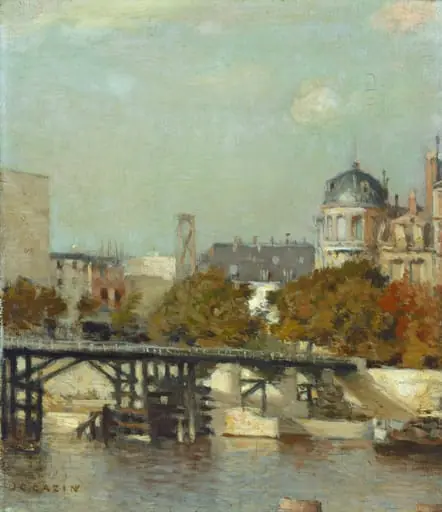 Paris Scene with Bridge
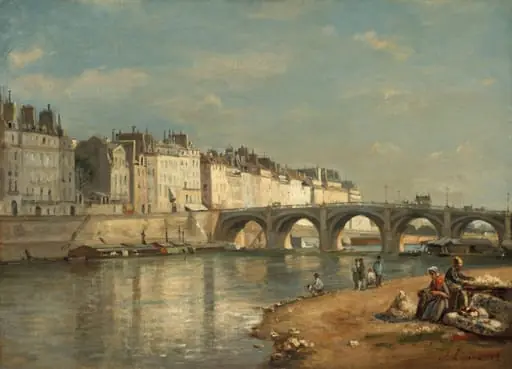 Pont de la Tournelle, Paris
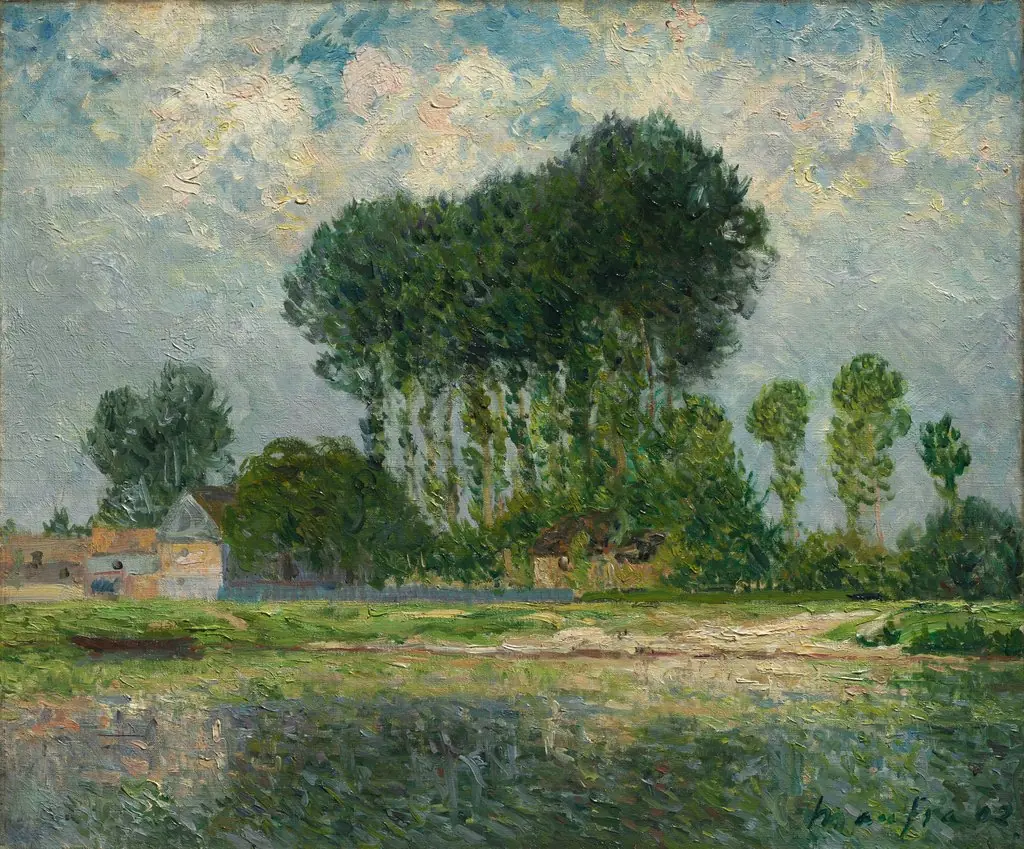 The River
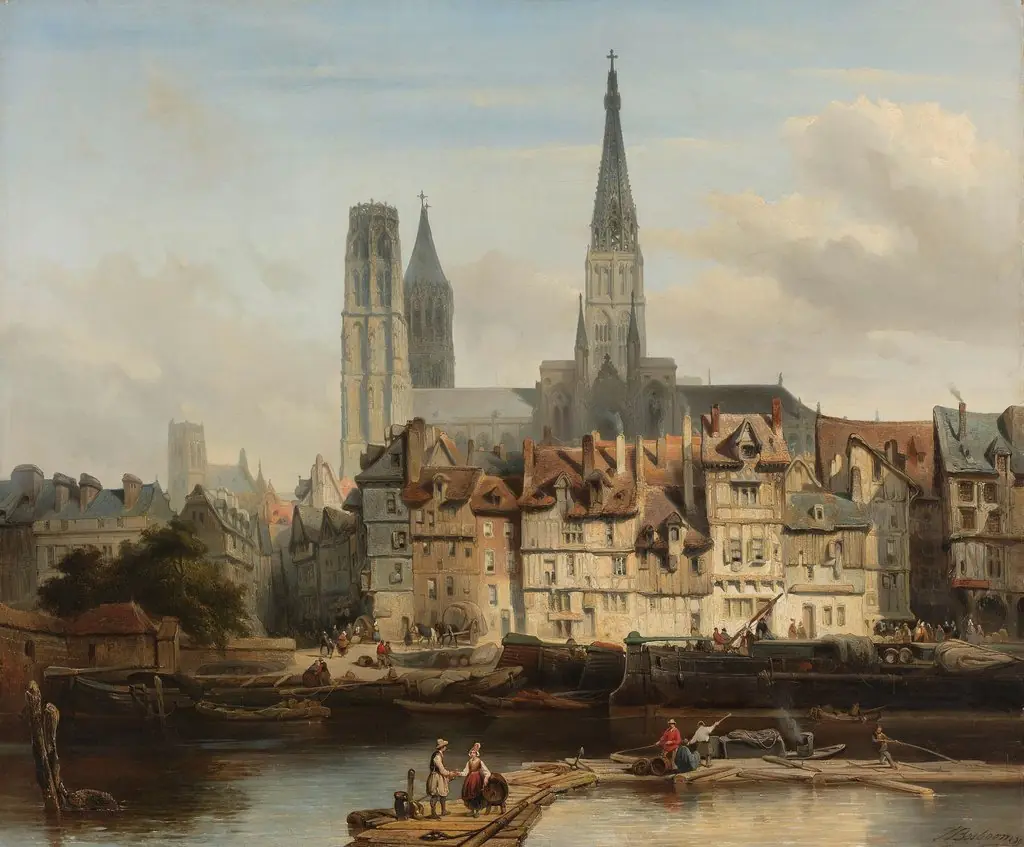 The Quay de Paris in Rouen
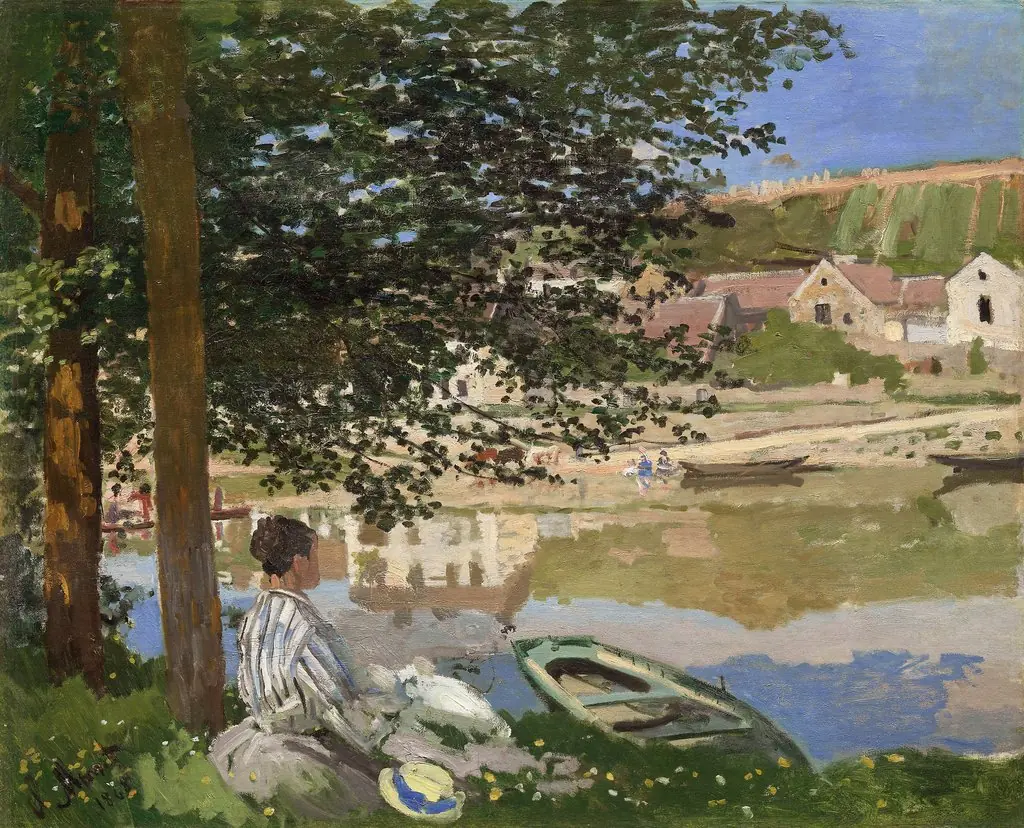 On the Banks of the Seine, Bennecourt
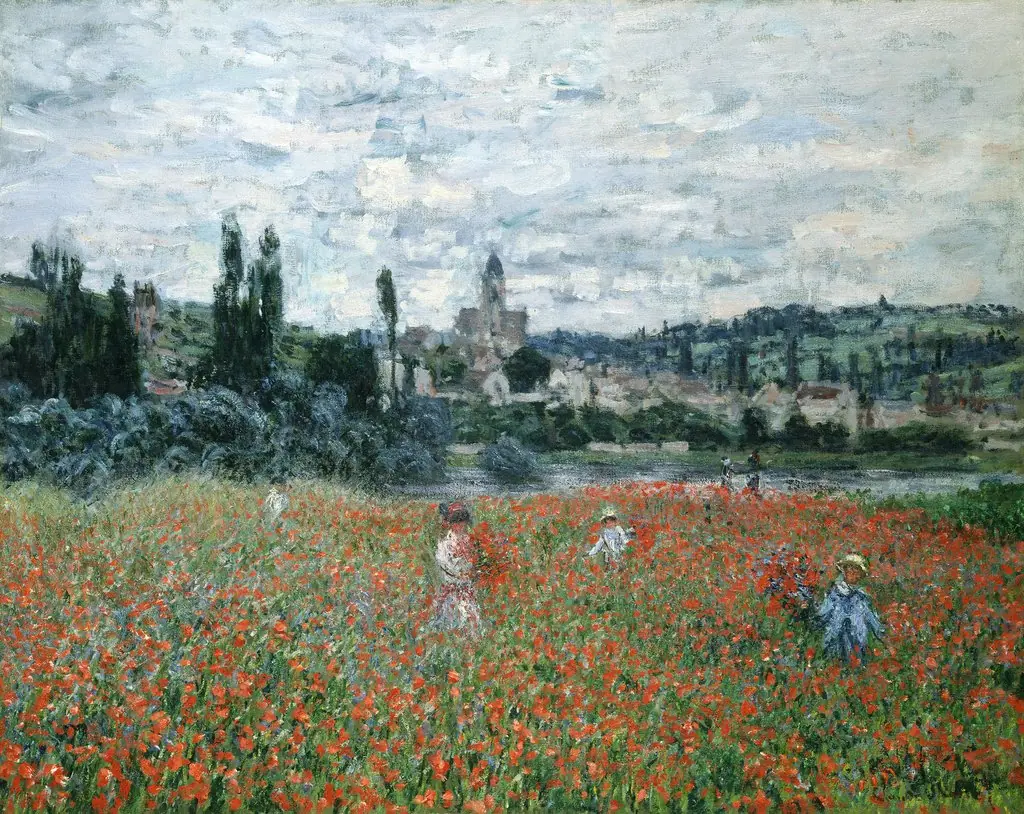 Poppy Field near Vétheuil
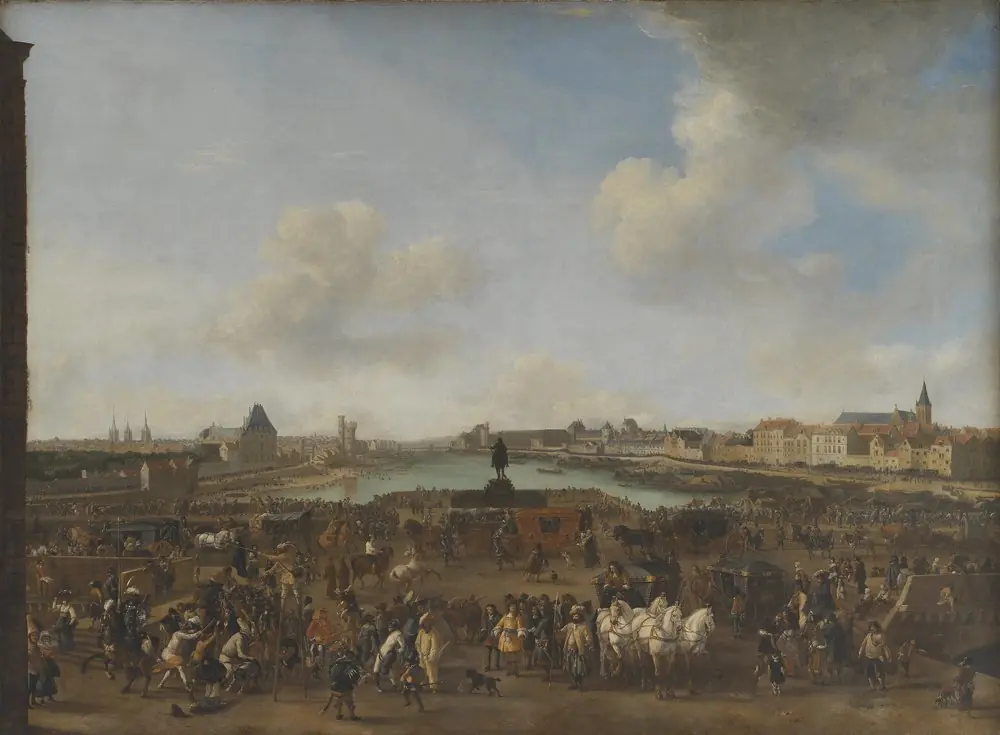 View of Paris seen from the Place Dauphine
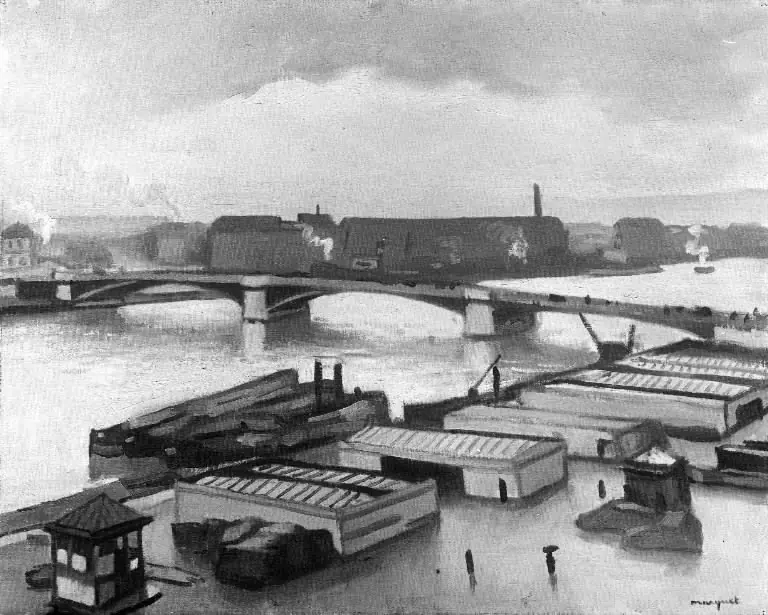 Quai de Paris at Rouen. Rainy Weather
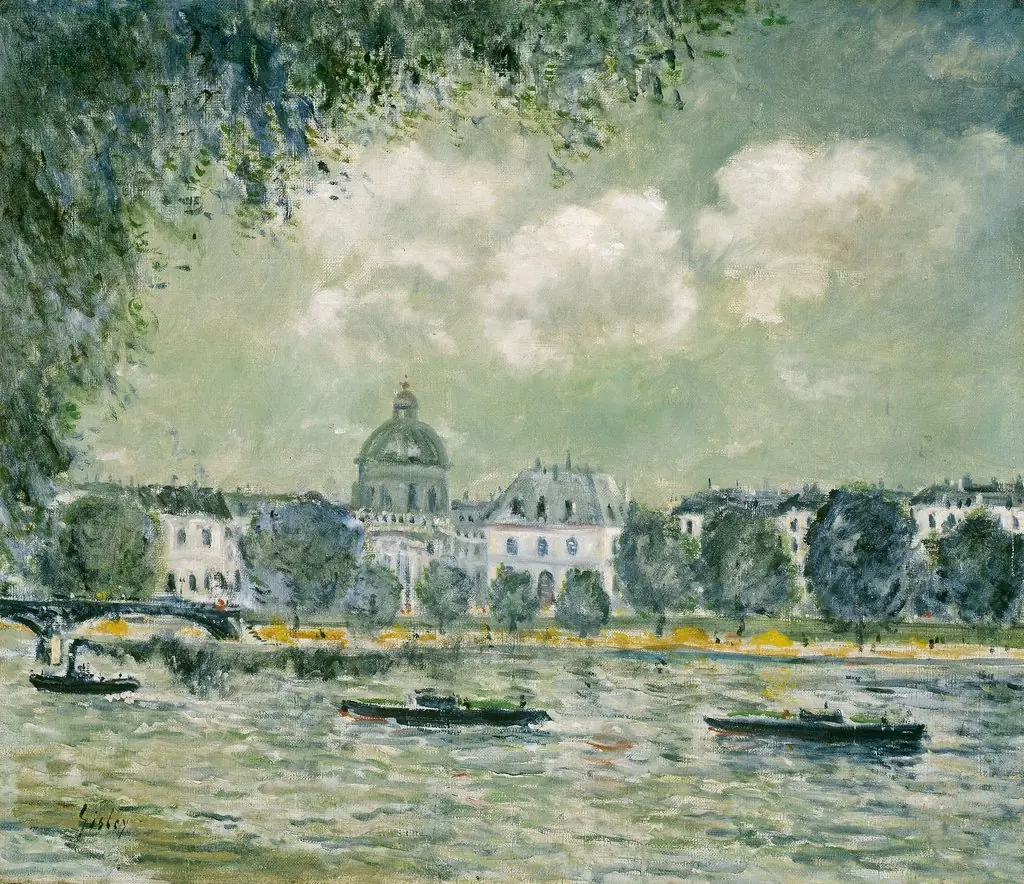 Landscape along the Seine with the Institut de France and the Pont des Arts
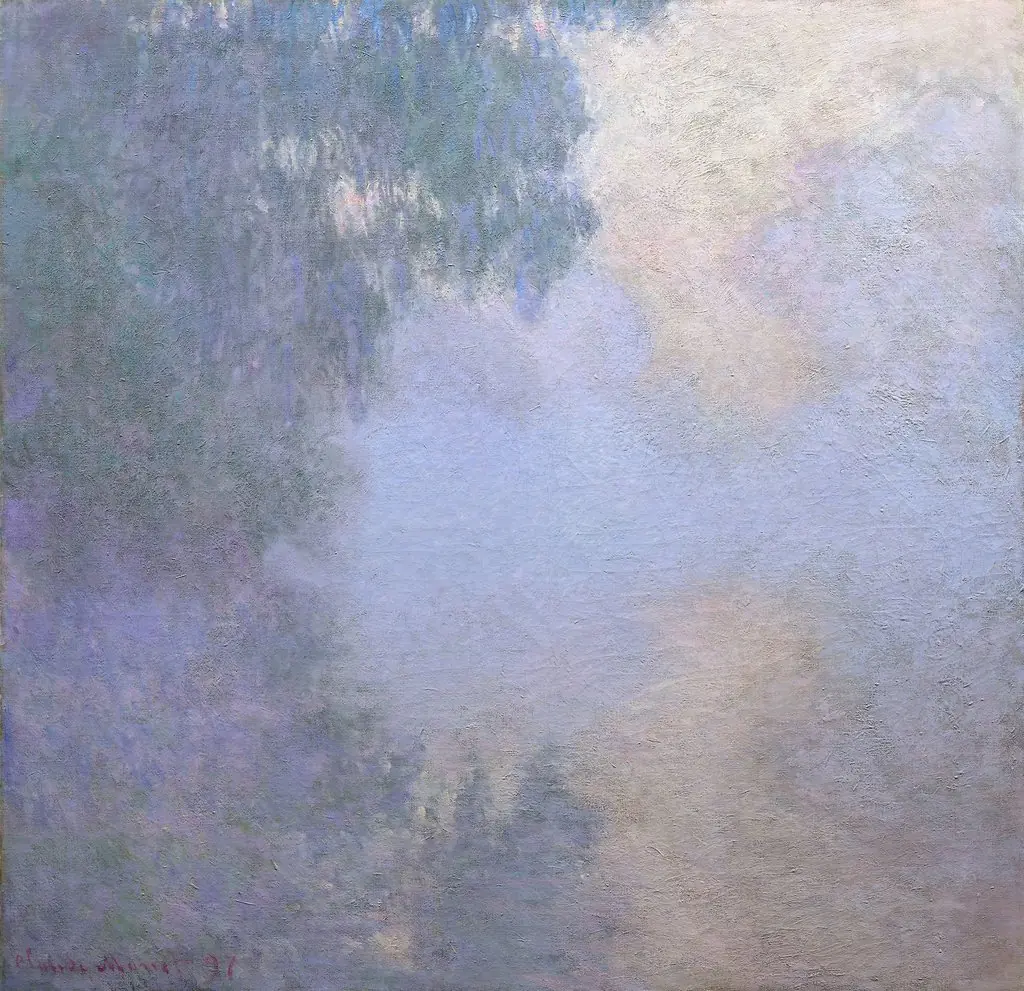 Branch of the Seine near Giverny (Mist), from the series "Mornings on the Seine"
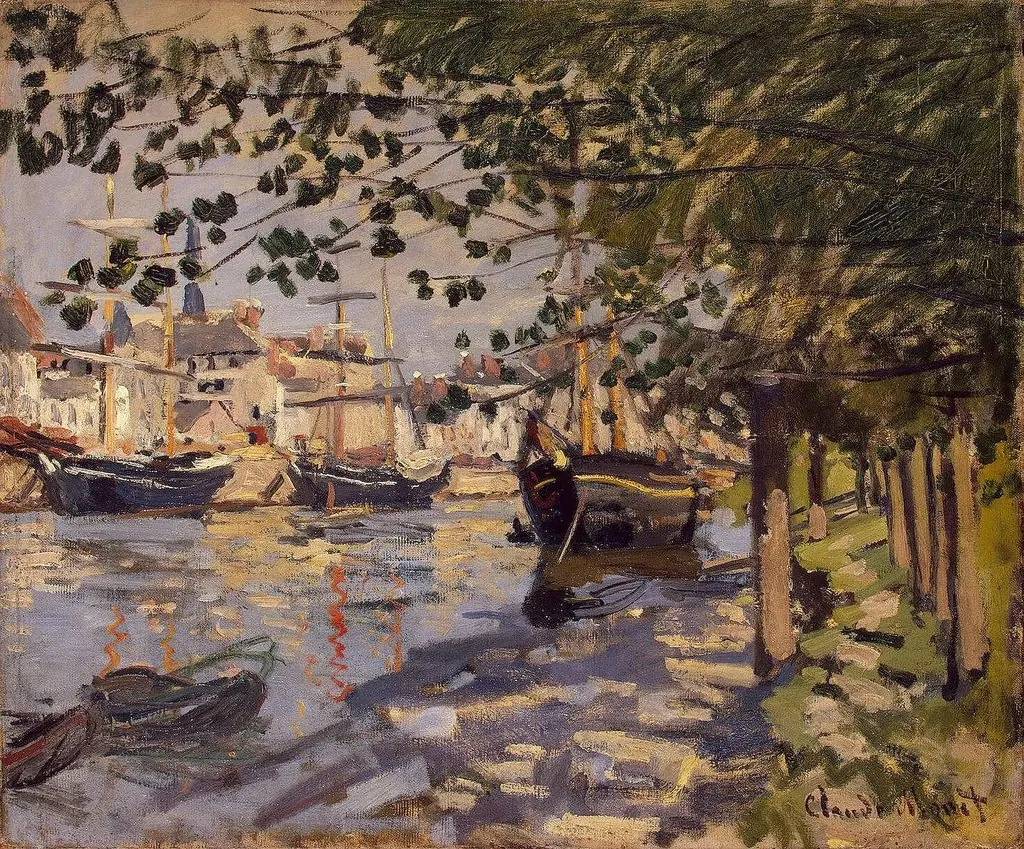 Seine at Rouen
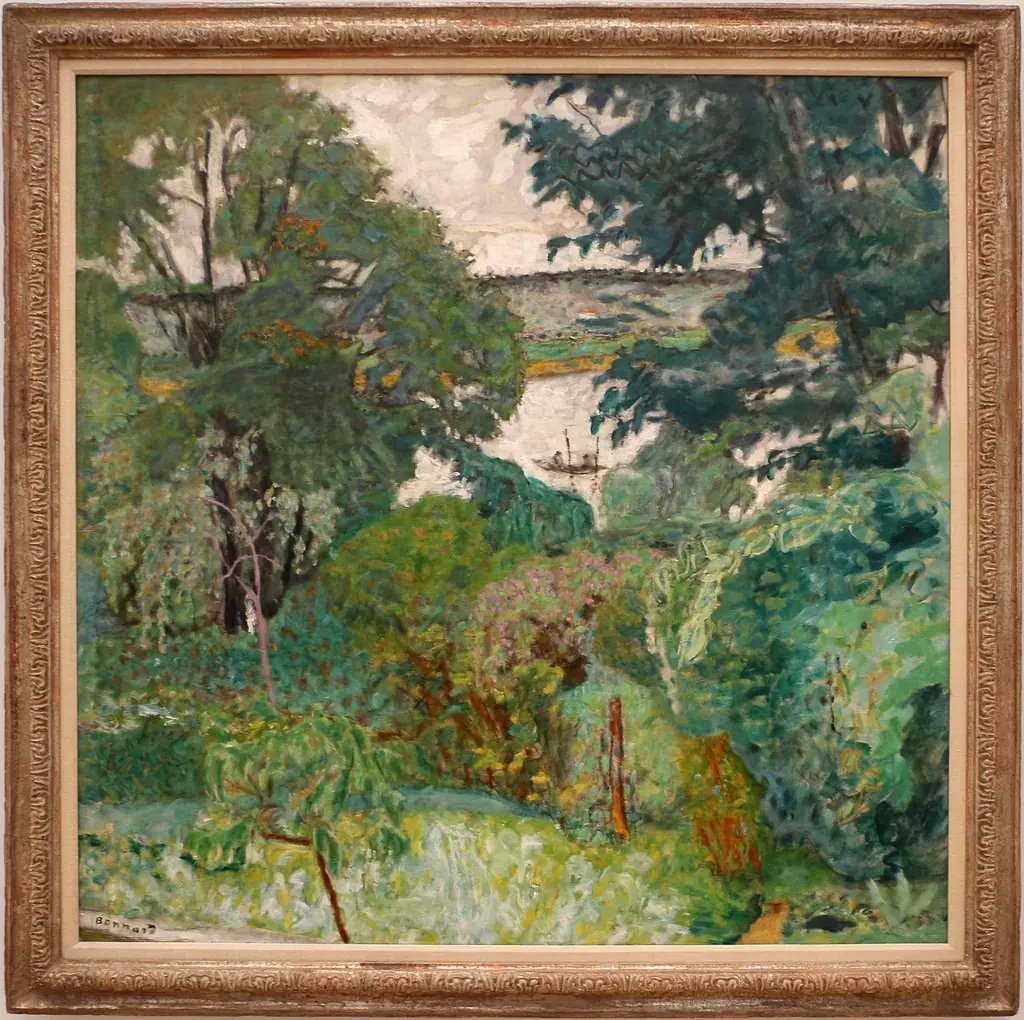 The Seine at Vernonnet
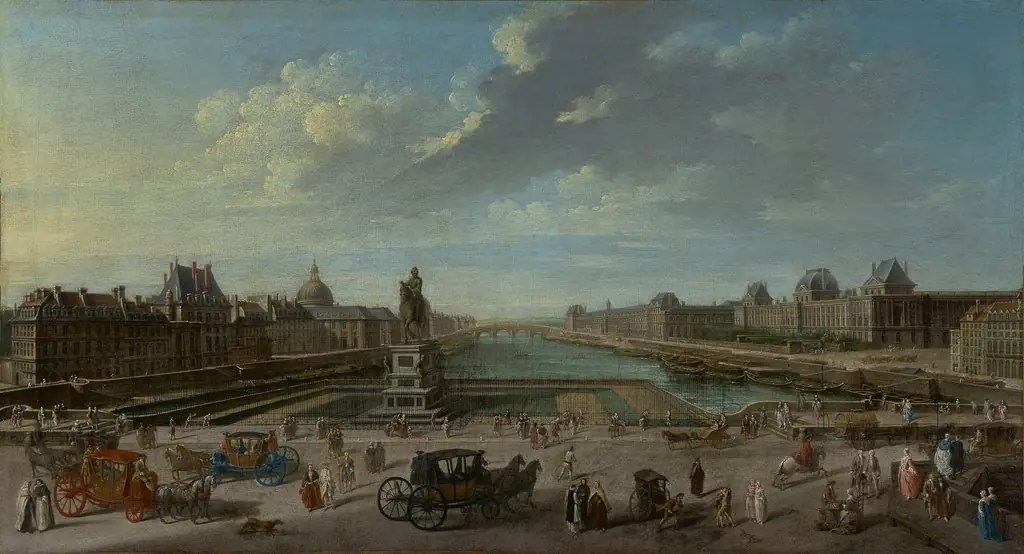 A View of Paris from the Pont Neuf
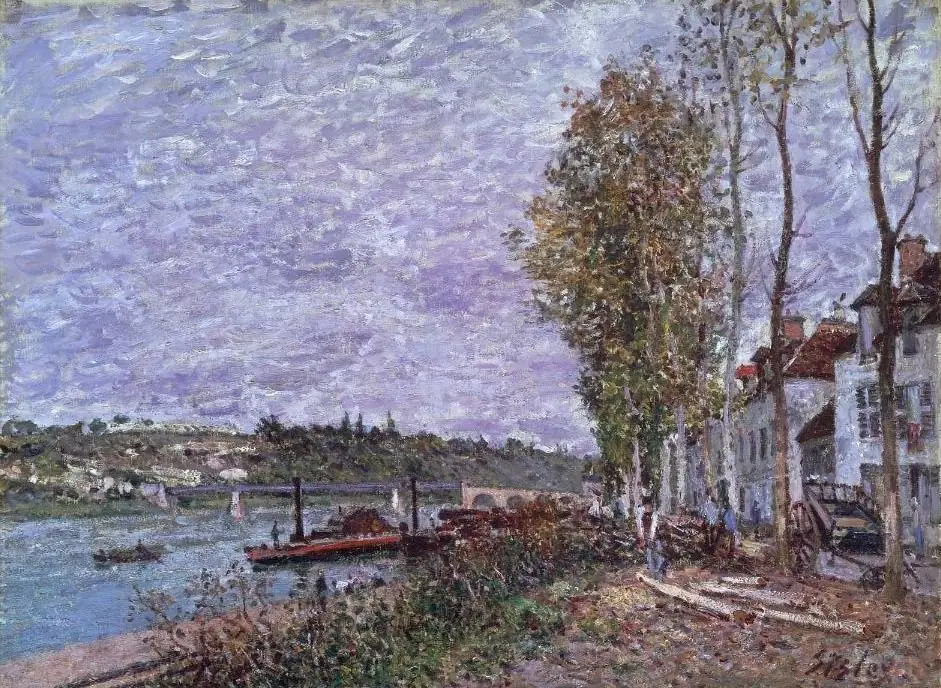 Overcast Day at Saint-Mammès
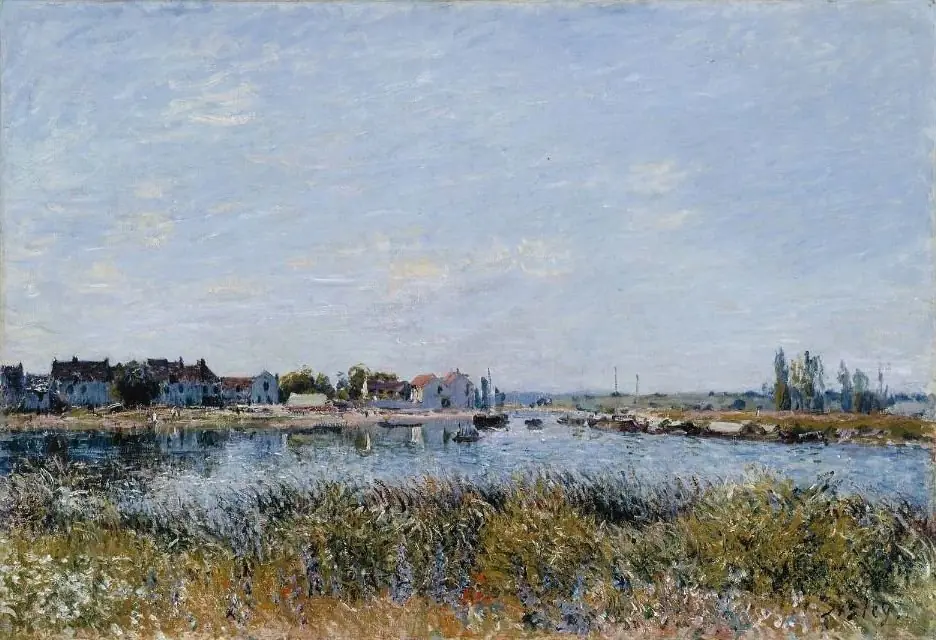 Saint-Mammès, Morning
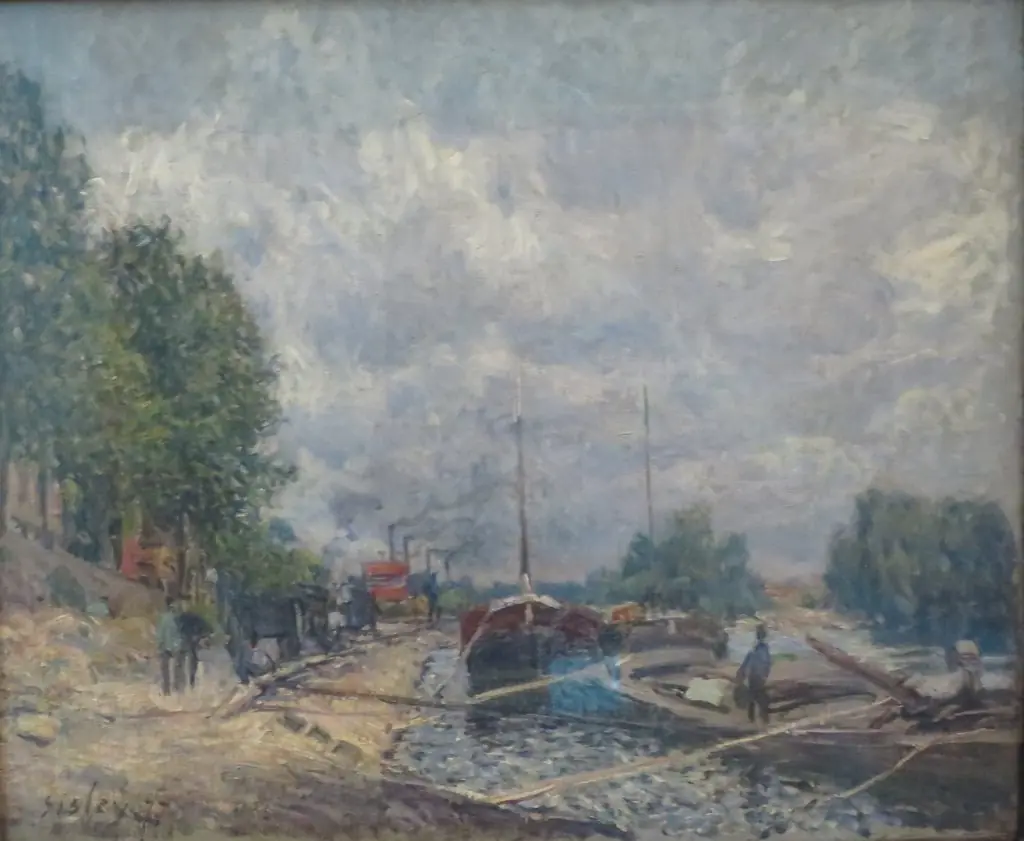 Barges at Billancourt
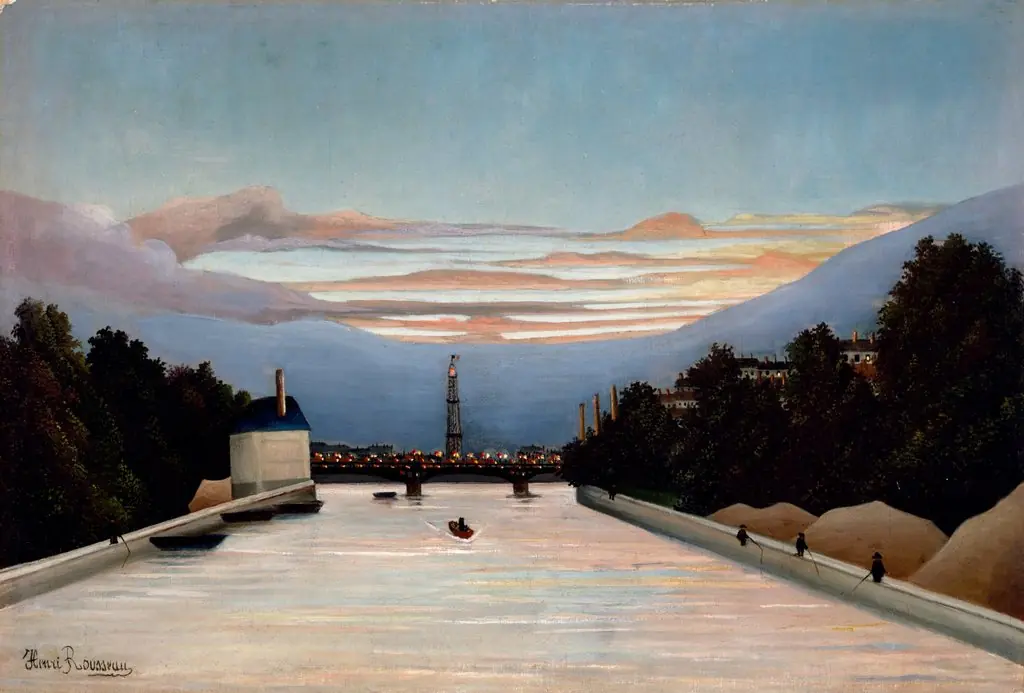 The Eiffel Tower
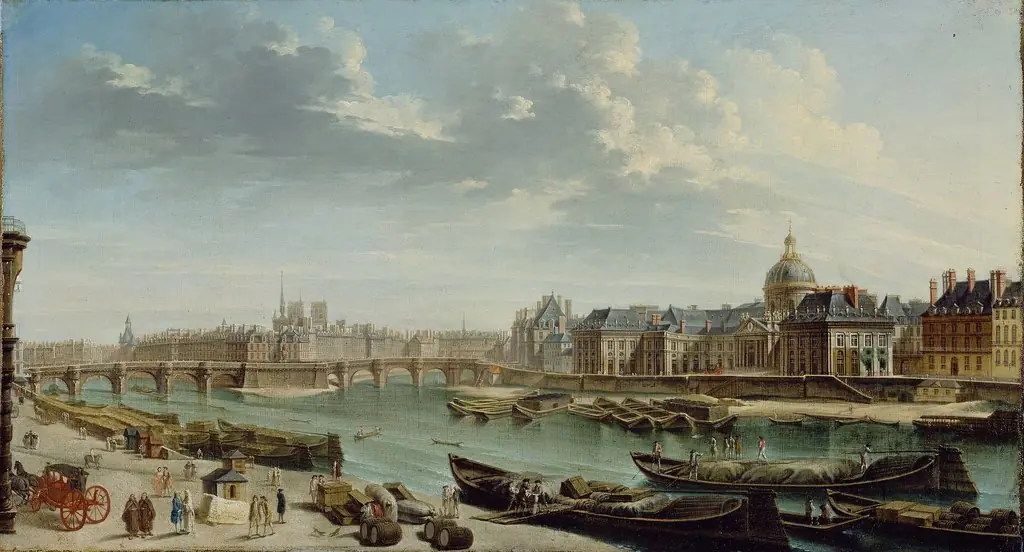 A View of Paris with the Ile de la Cité
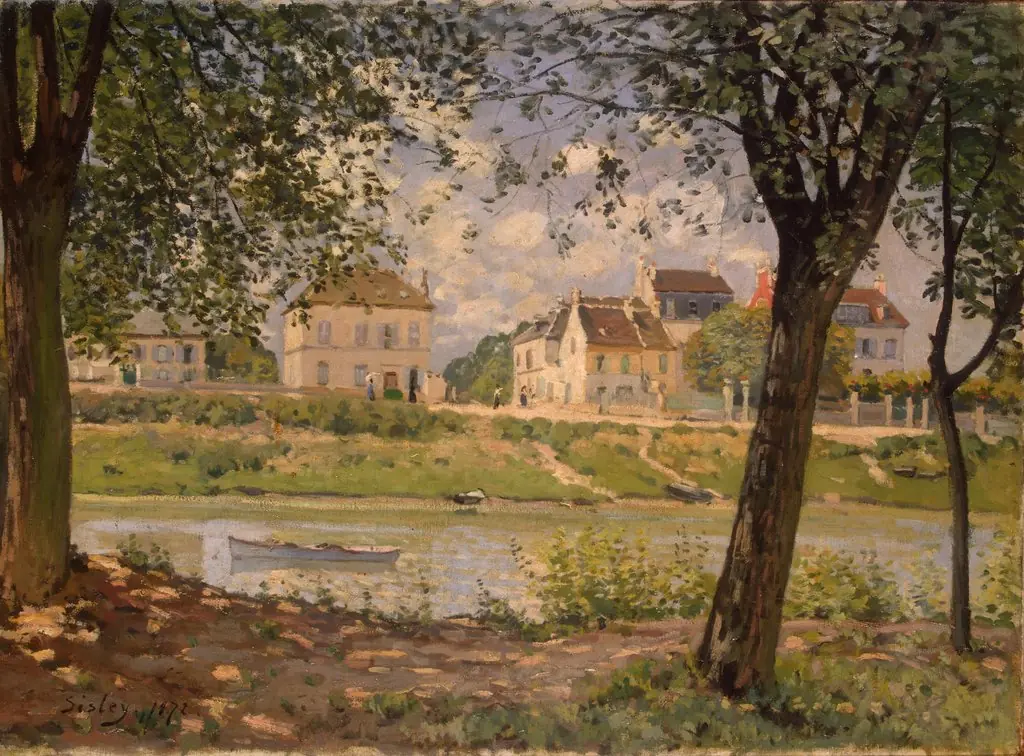 Village on the Banks of the Seine
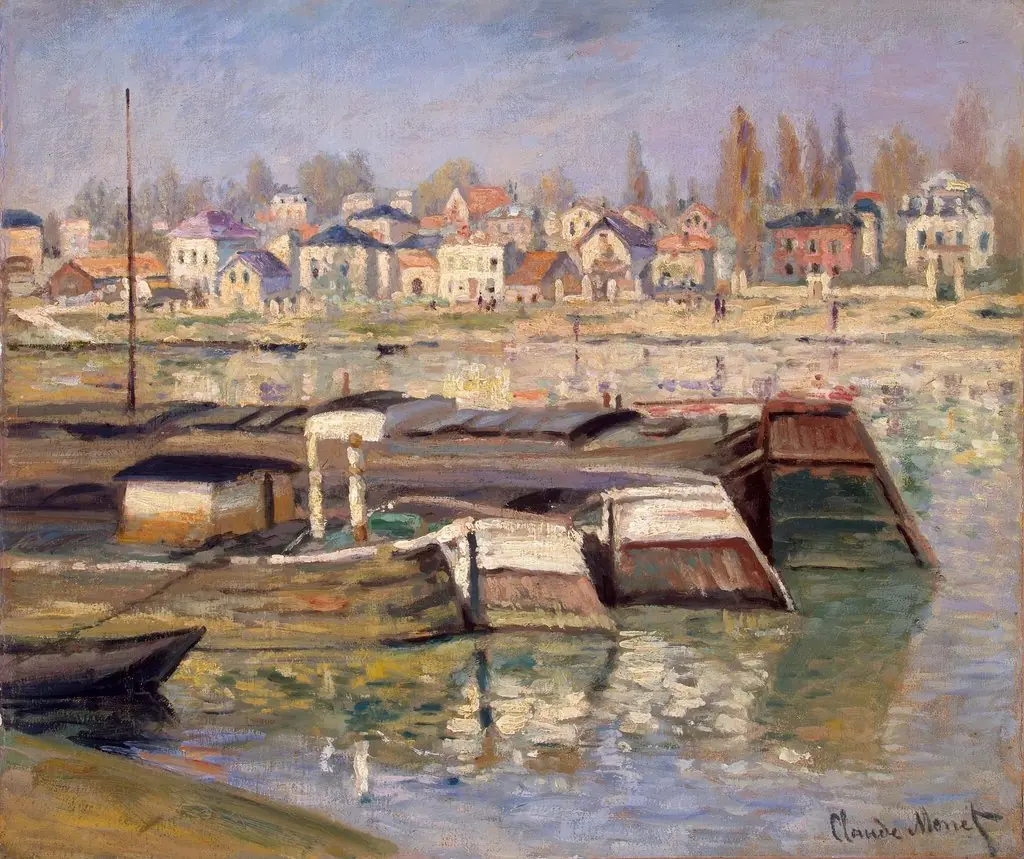 Landscape. Seine at Asnieres
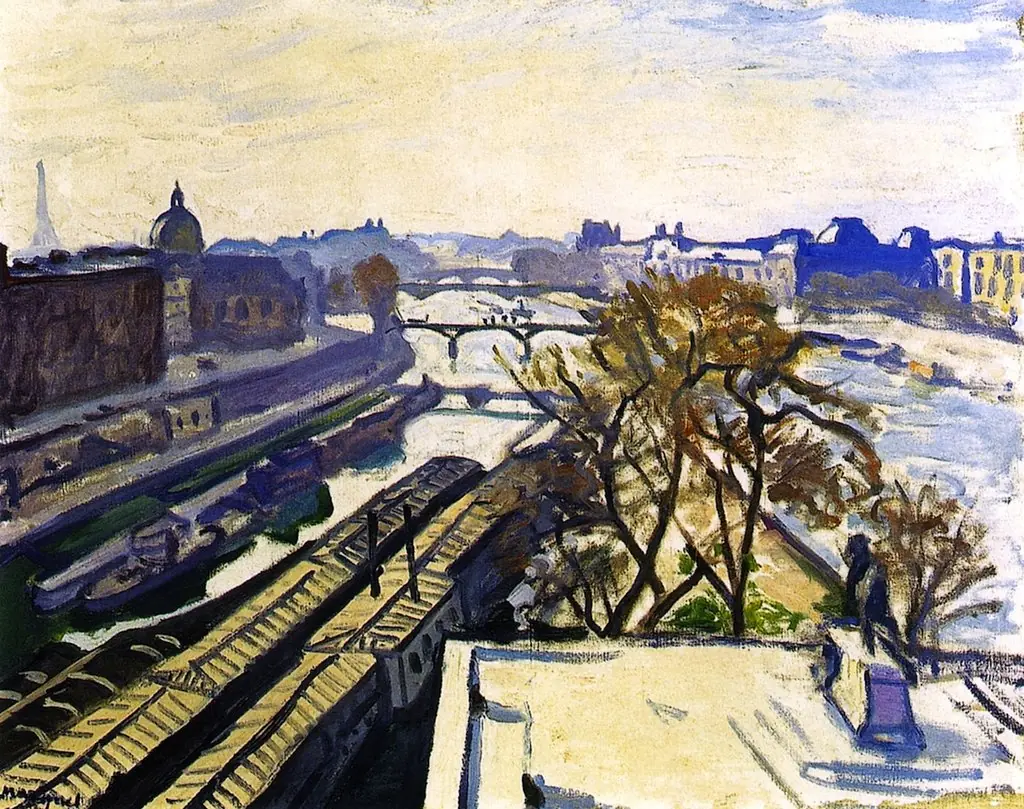 View of the Seine and the Monument to Henry IV
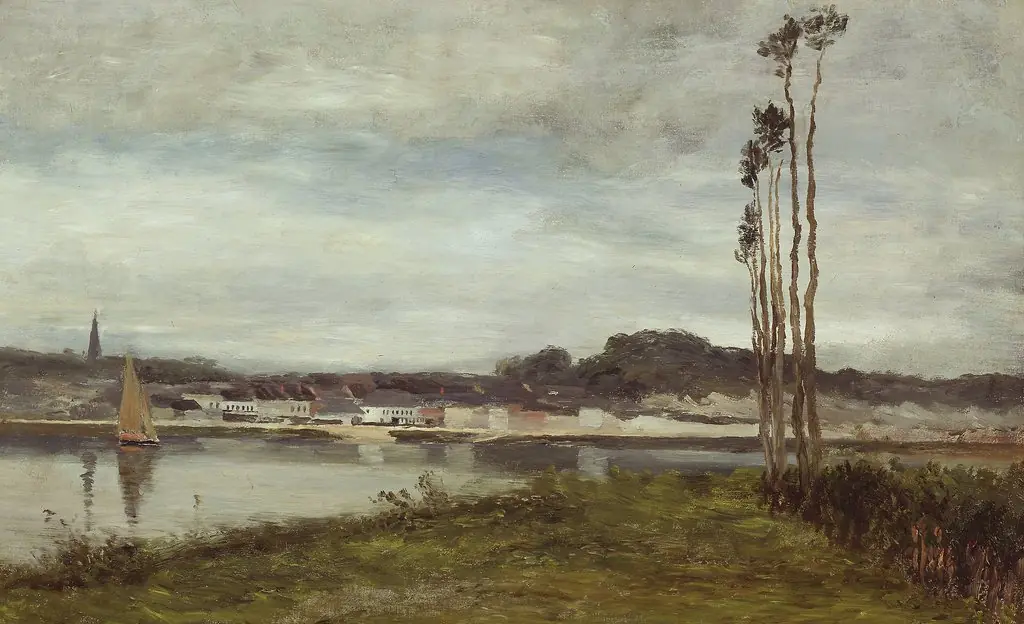 On the Seine
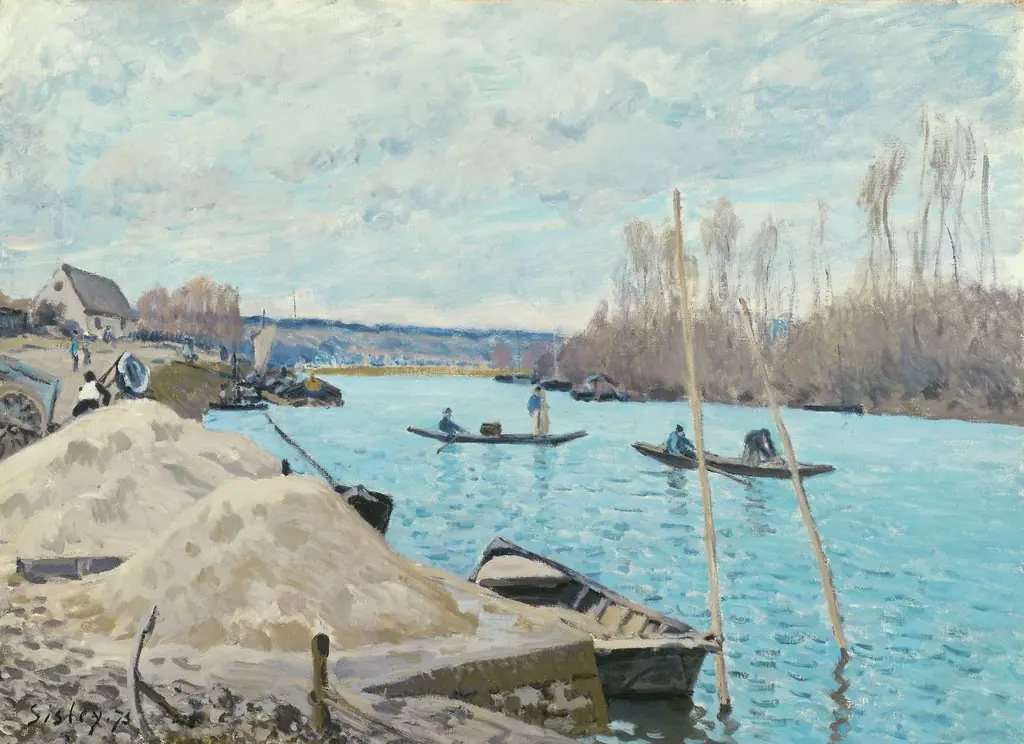 The Seine at Port-Marly, Piles of Sand
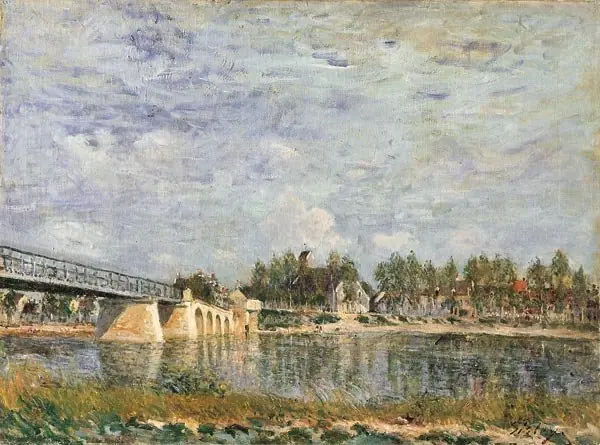 The Bridge at Saint-Mammès
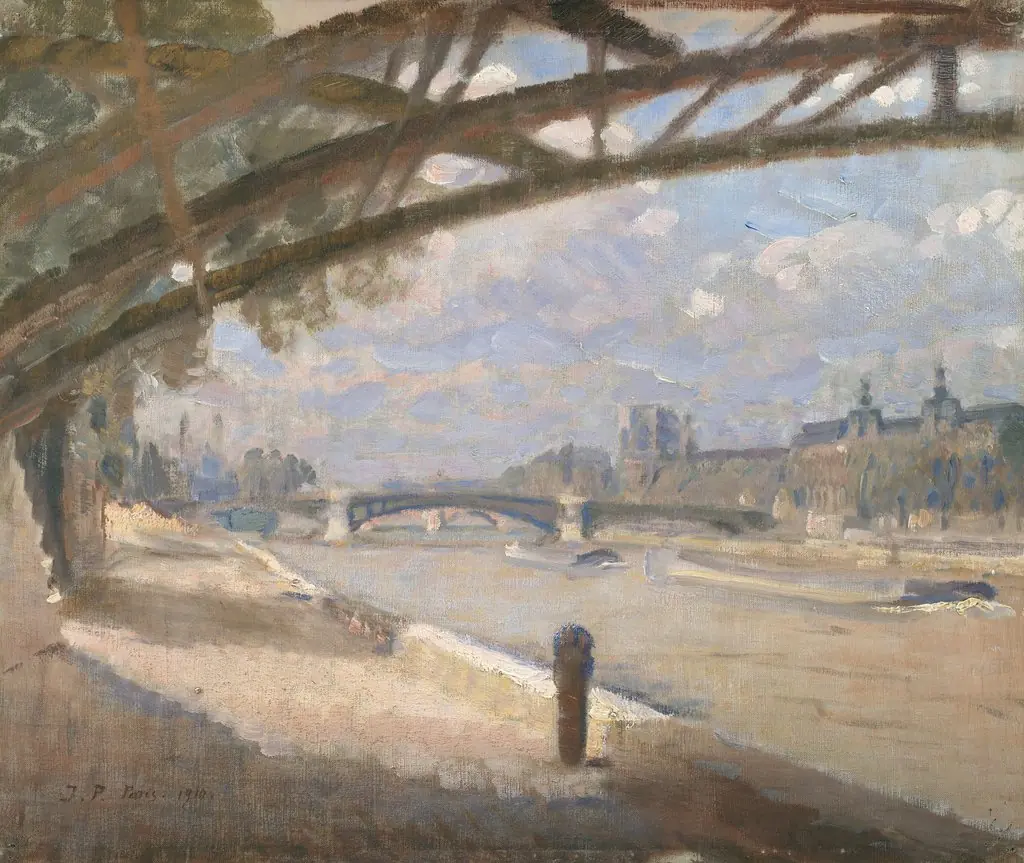 Under the Pont des Arts, Paris. Noon
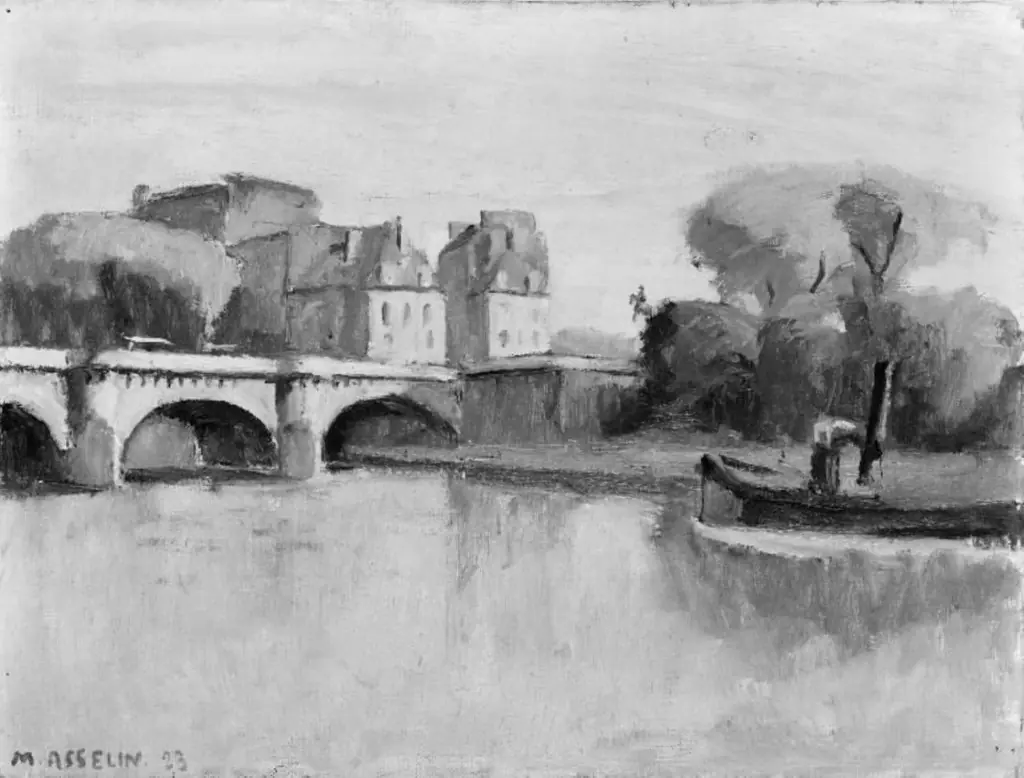 Pont Neuf, Paris
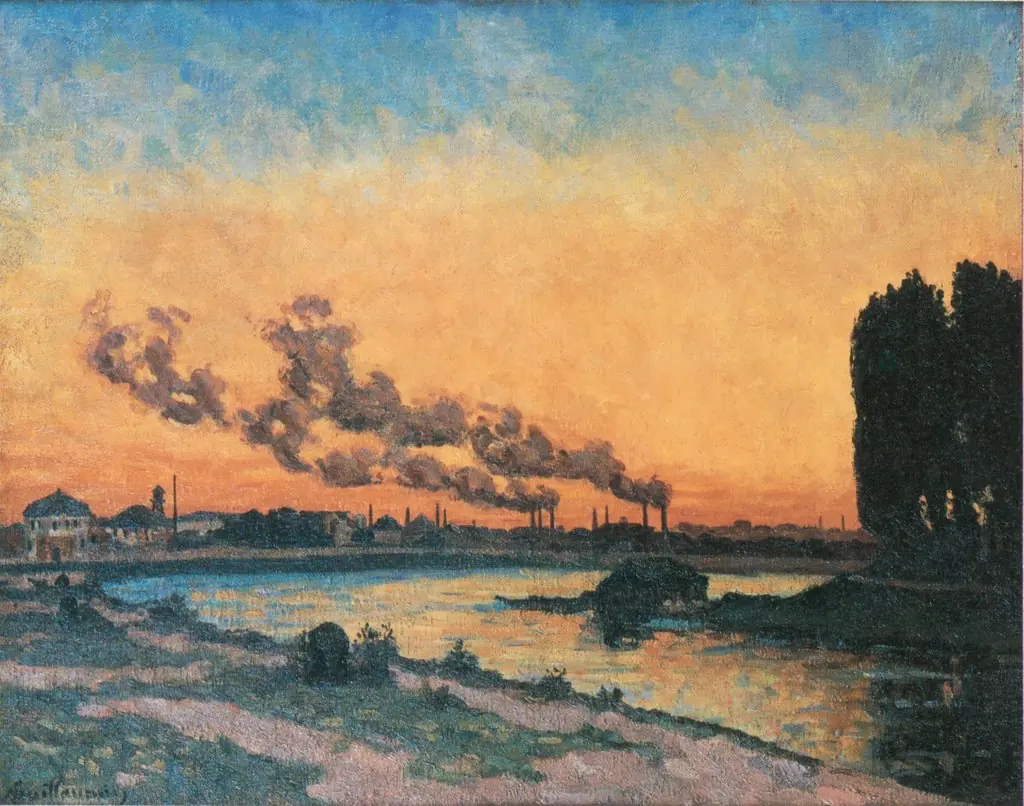 Soleil couchant à Ivry
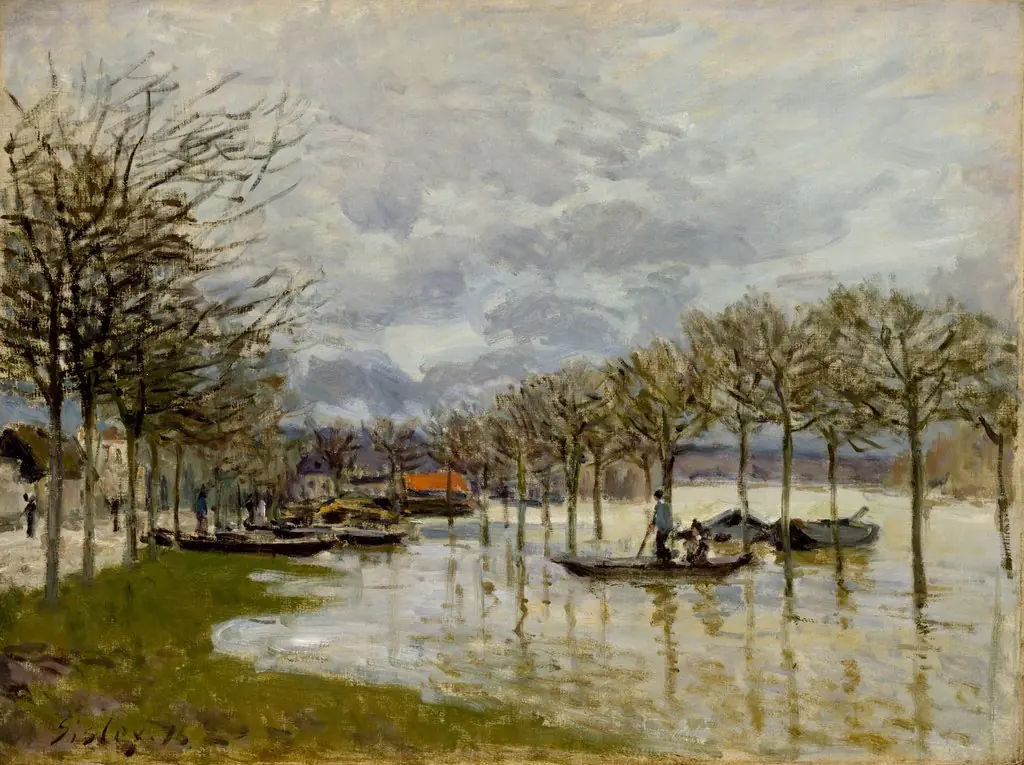 The Flood on the Road to Saint-Germain
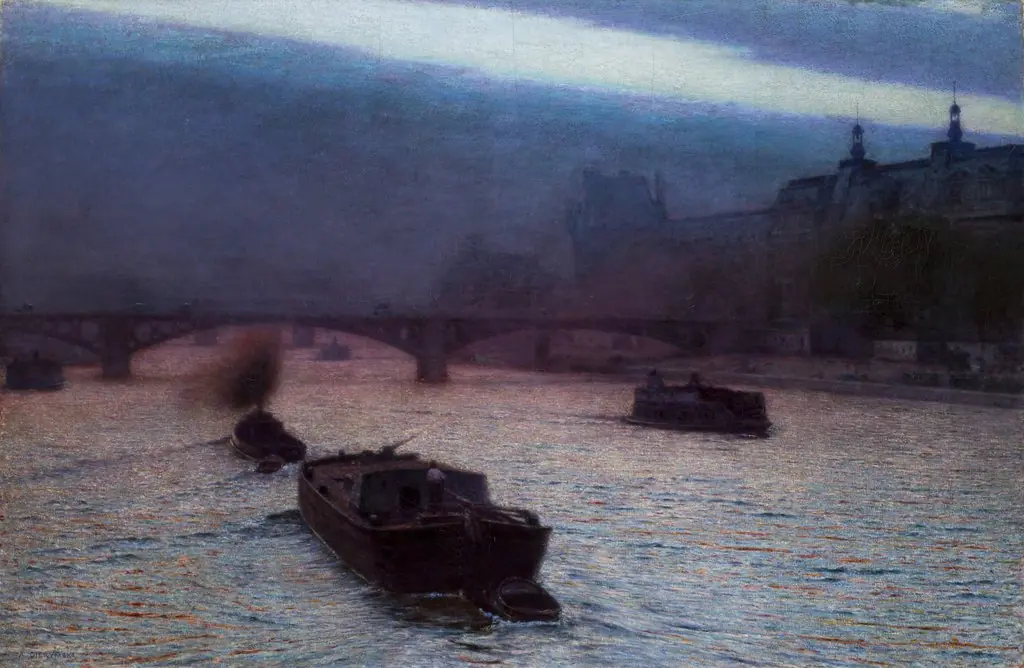 Evening on the Seine
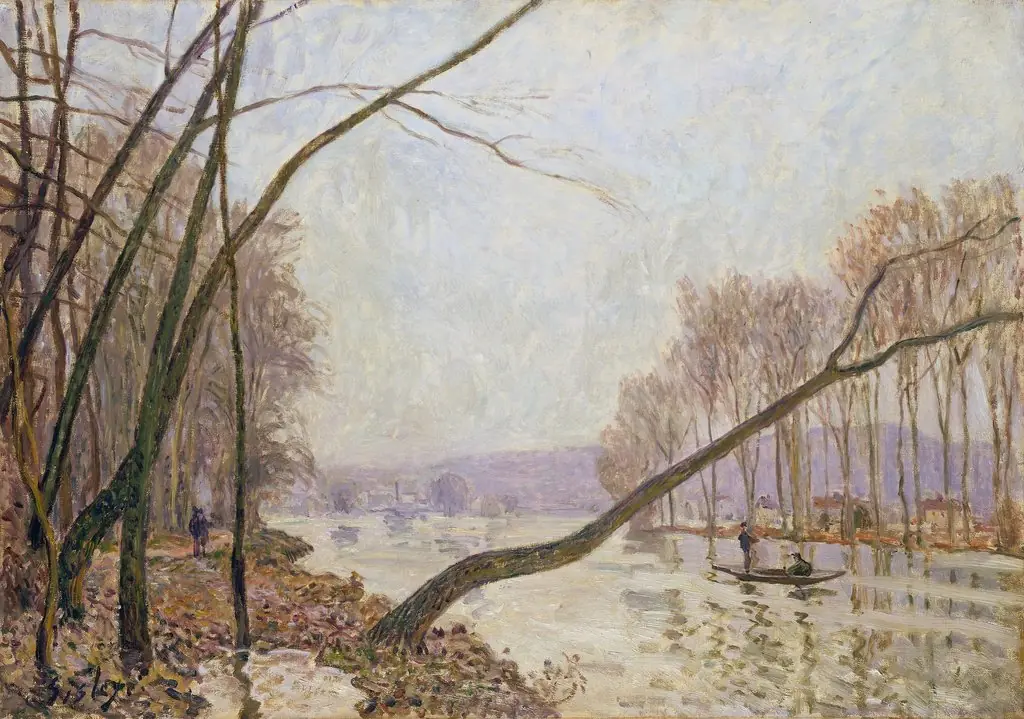 Bank of the Seine in Autumn
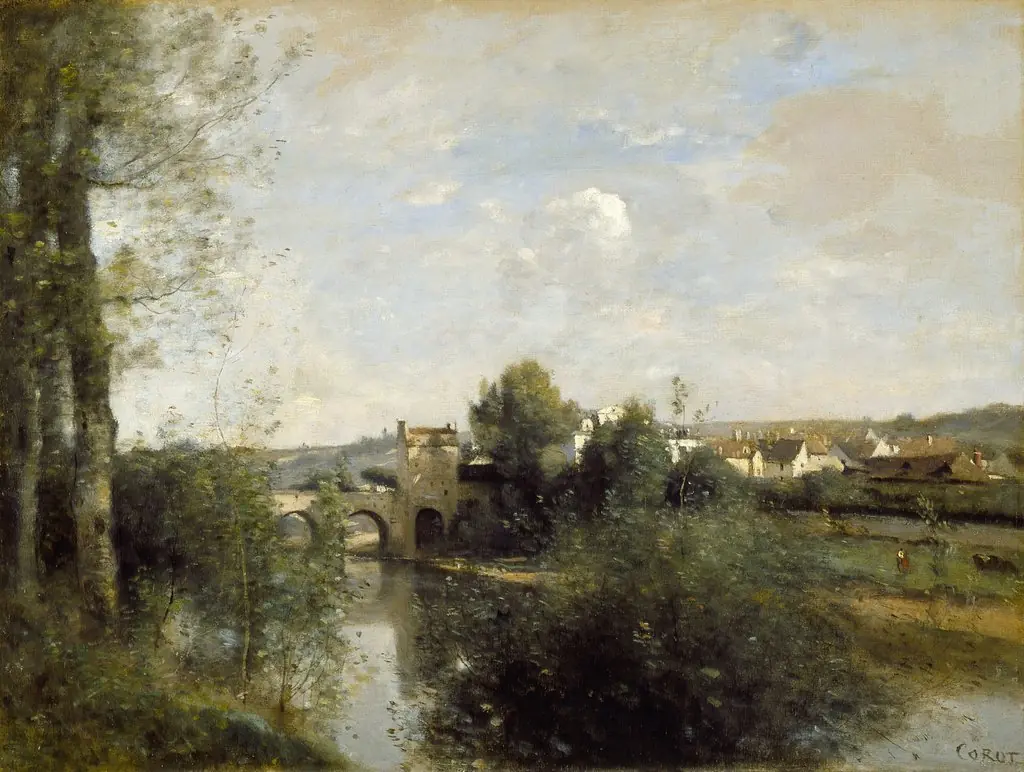 Seine and Old Bridge at Limay
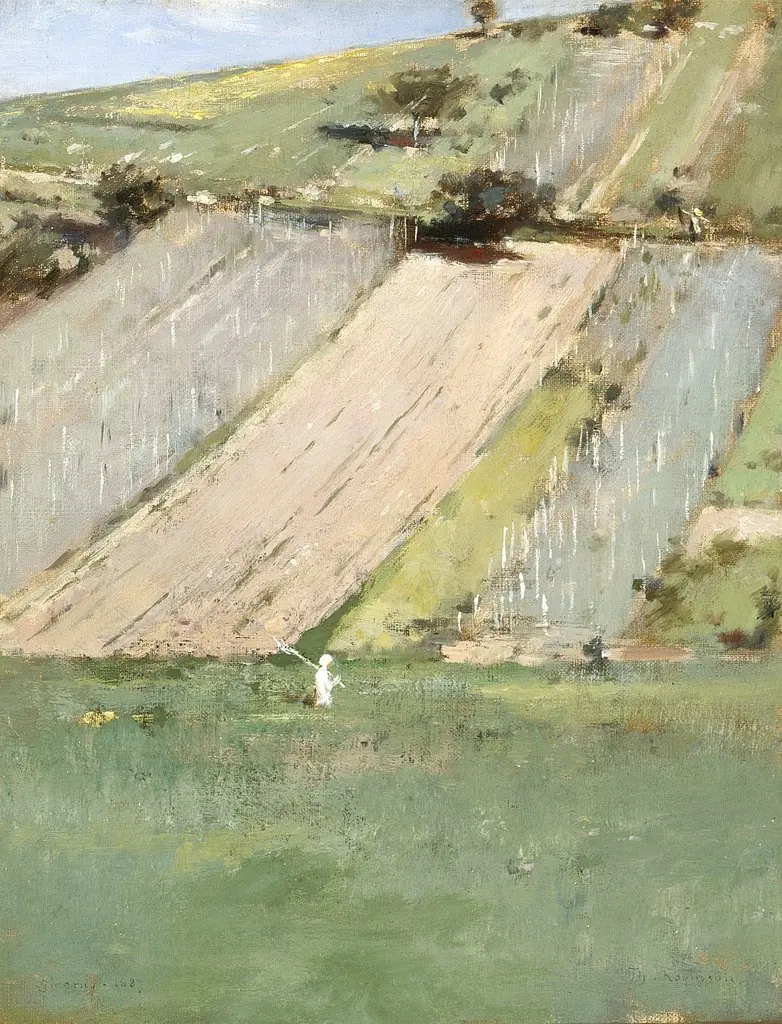 Valley of the Seine, Giverny
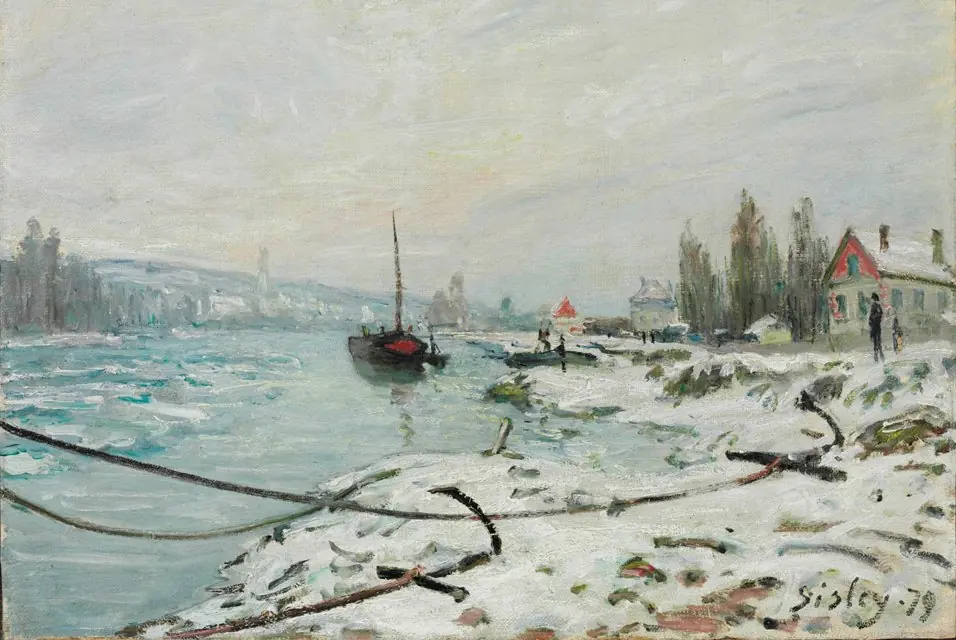 Mooring Lines, the Effect of Snow at Saint-Cloud
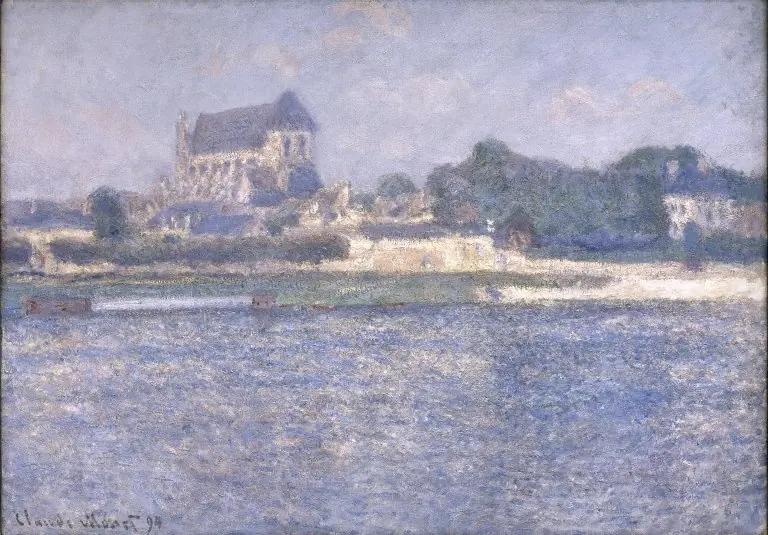 Vernon in the Sun
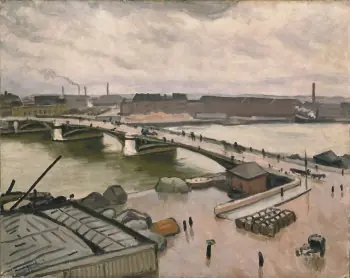 Rouen, quay of Paris
 La Seine au Point du jour (D. 297)
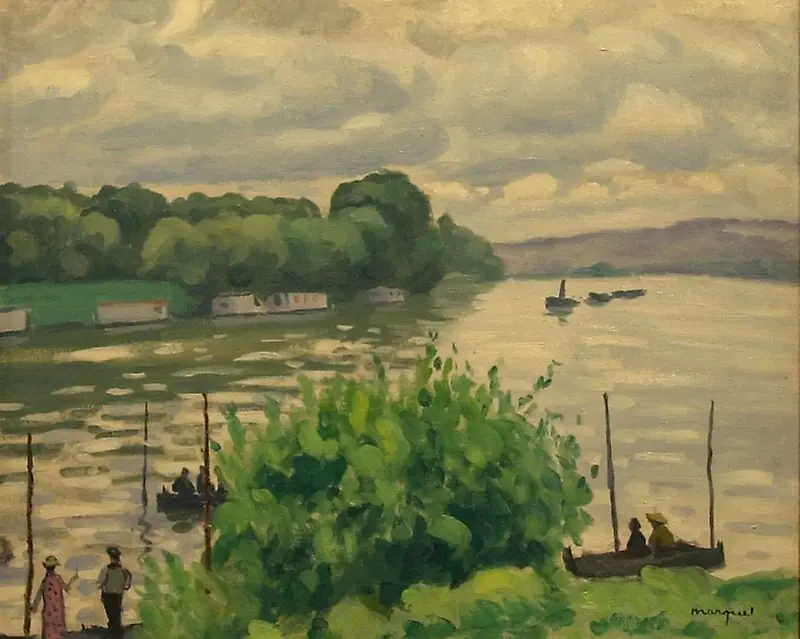 The Seine at Triel
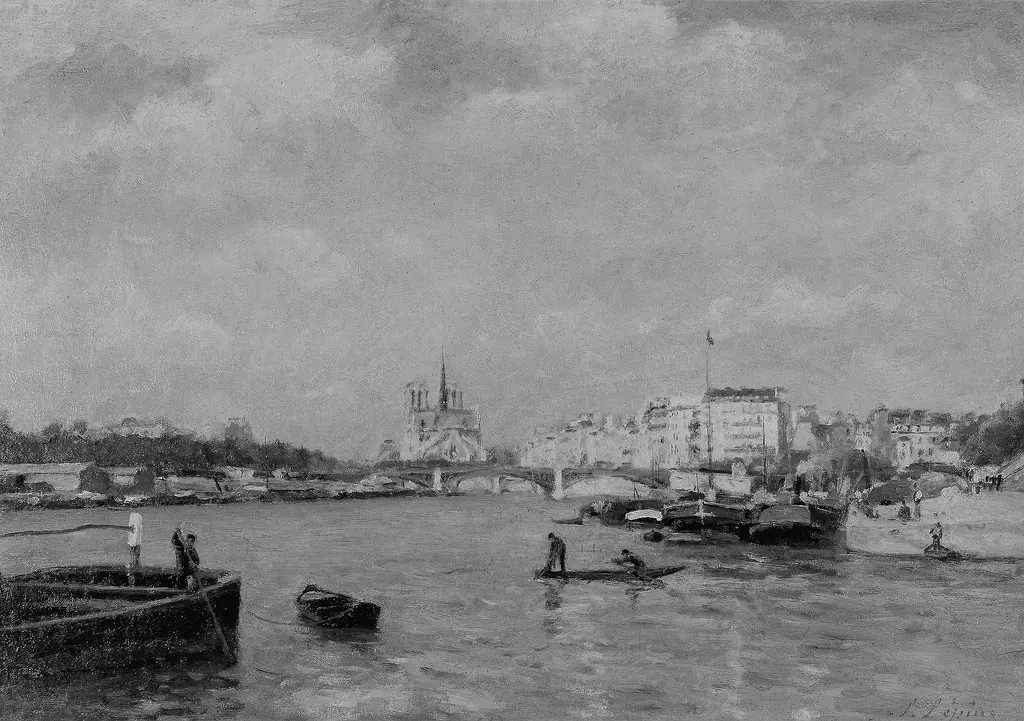 View on the Seine, Paris
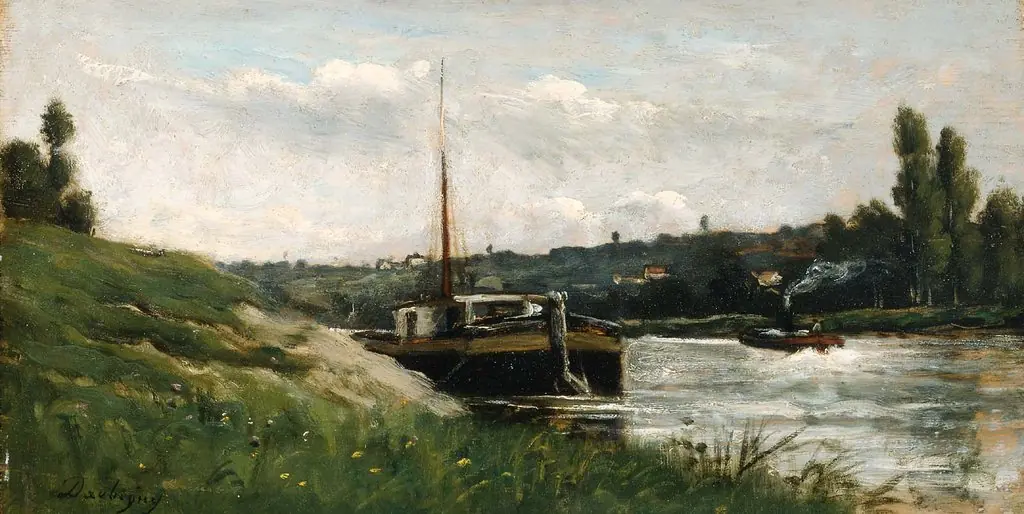 Barge on a River
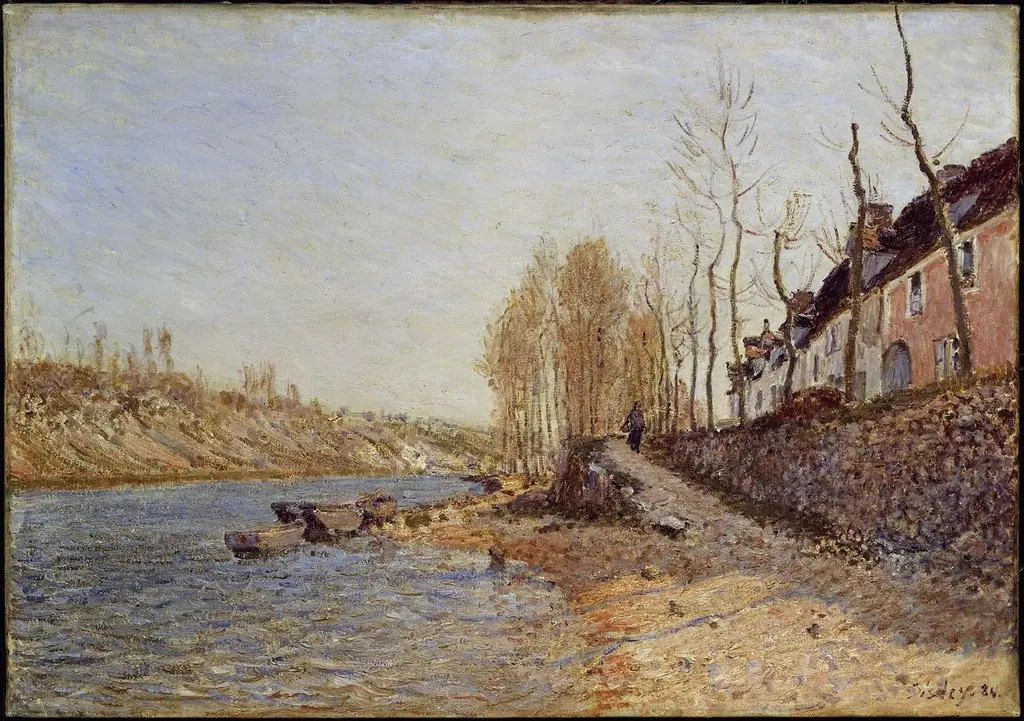 La Croix-Blanche at Saint-Mammès
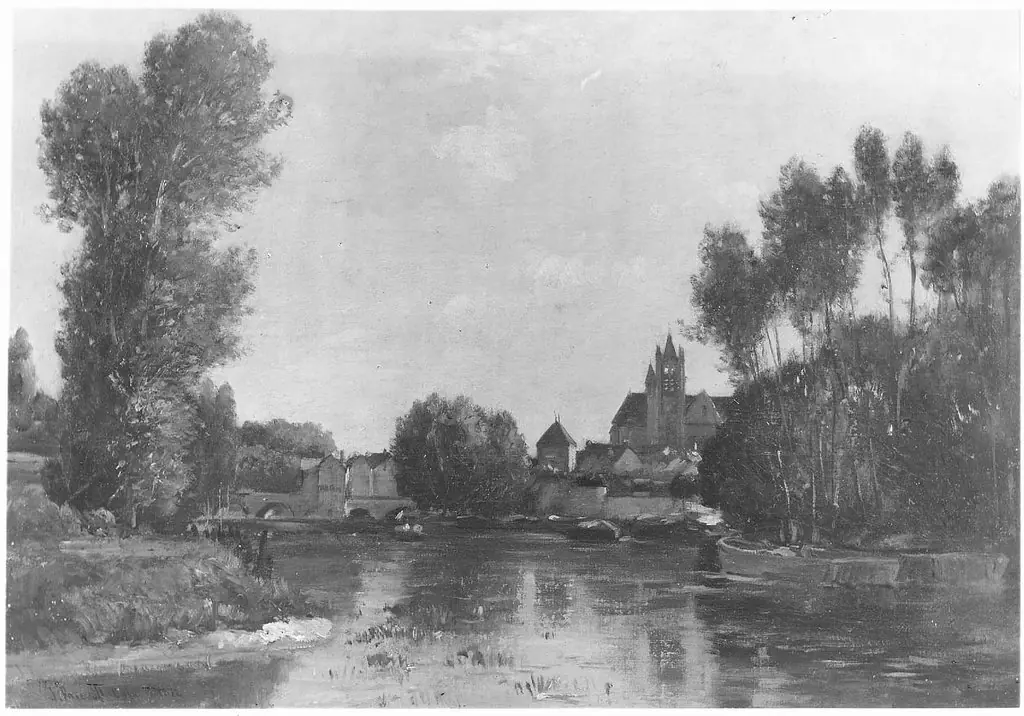 View of Moret, France
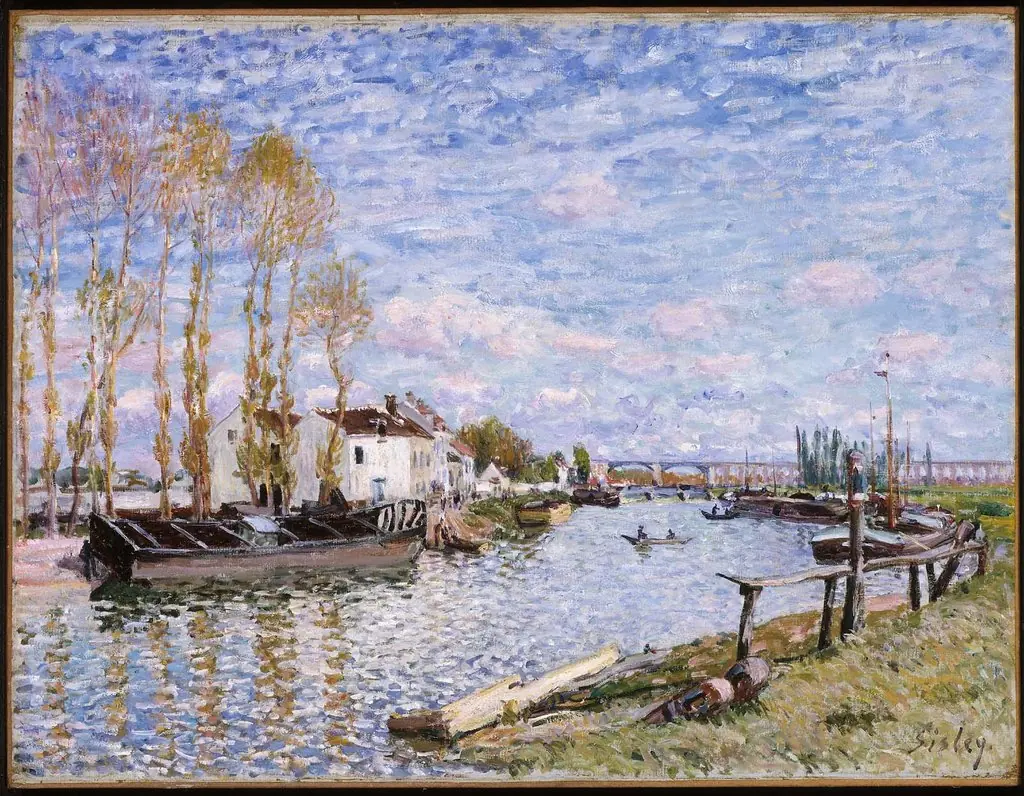 The Loing at Saint-Mammès
 Seine at Grenelle
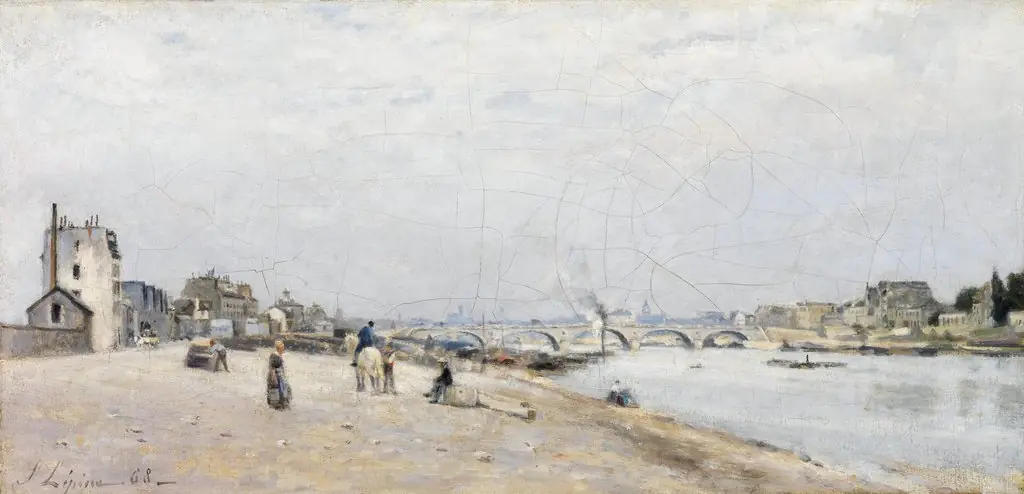 The Seine à Bercy
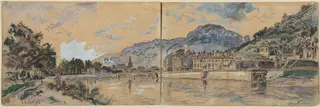 Grenoble
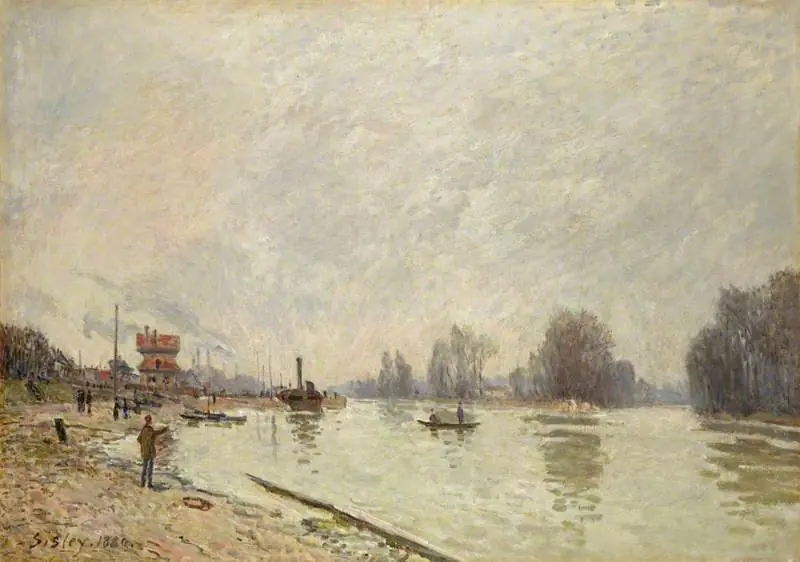 The Seine at Suresnes
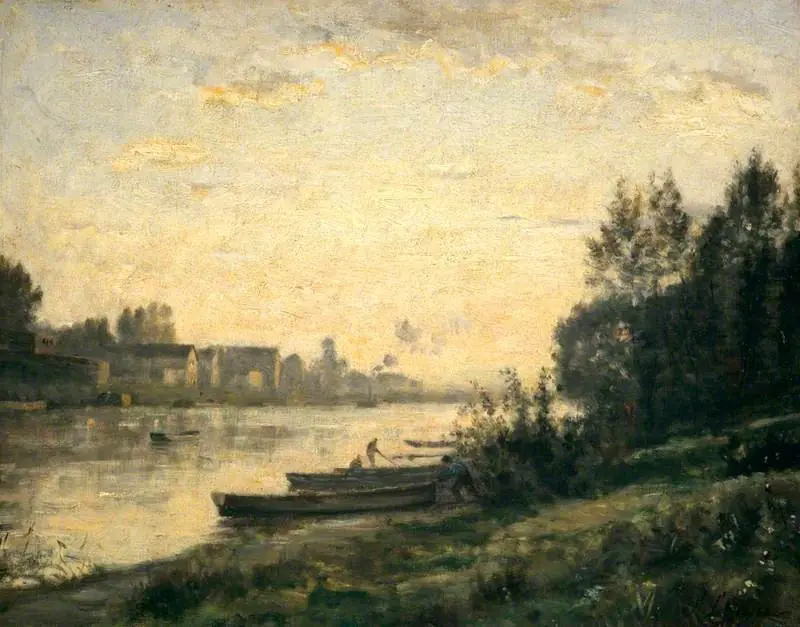 Sunset on a River
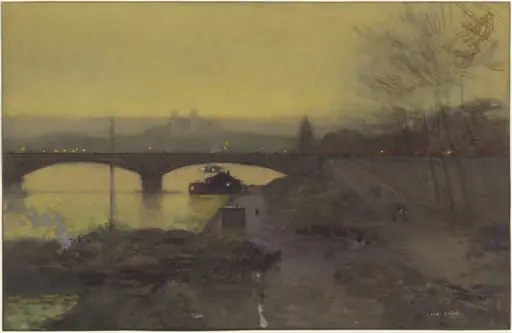 The Pont d'Alma at Twilight
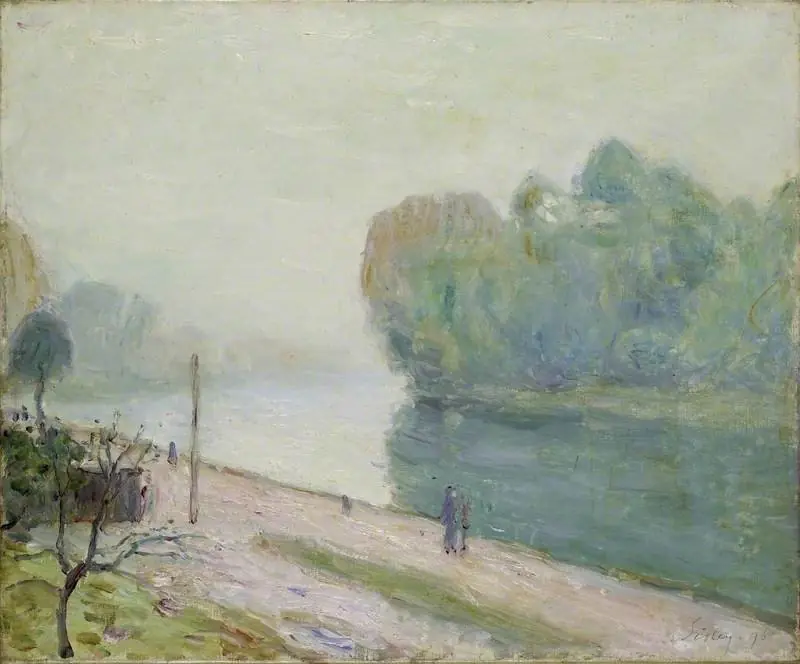 A Bend in the River Loing
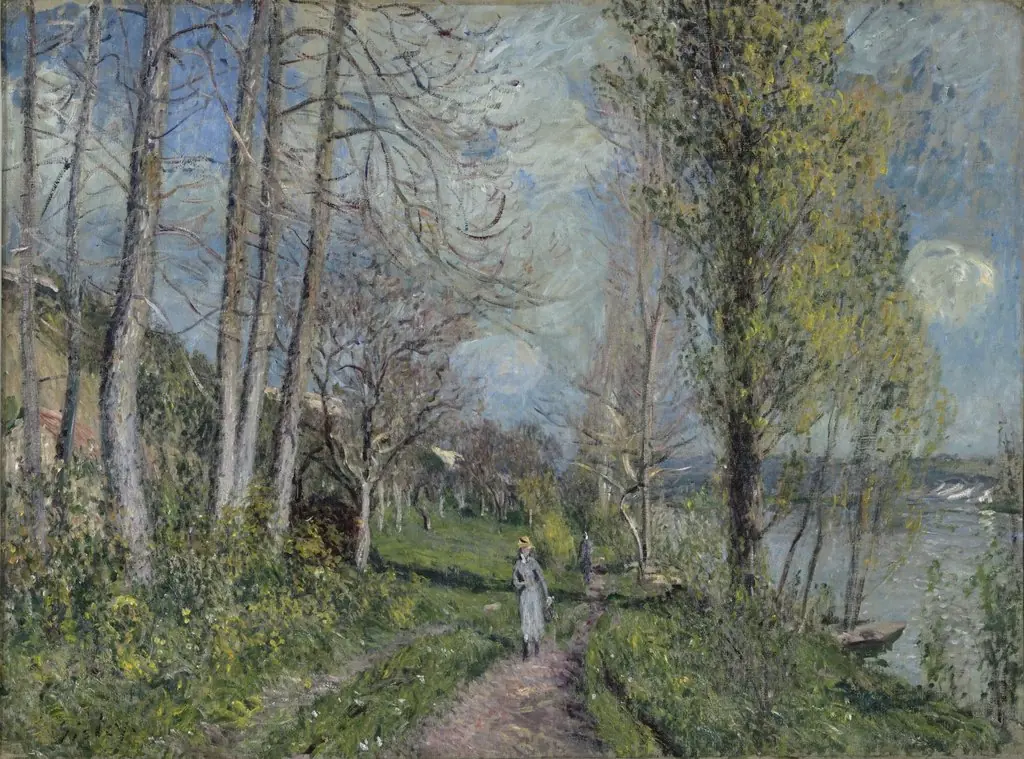 Banks of the Seine at By
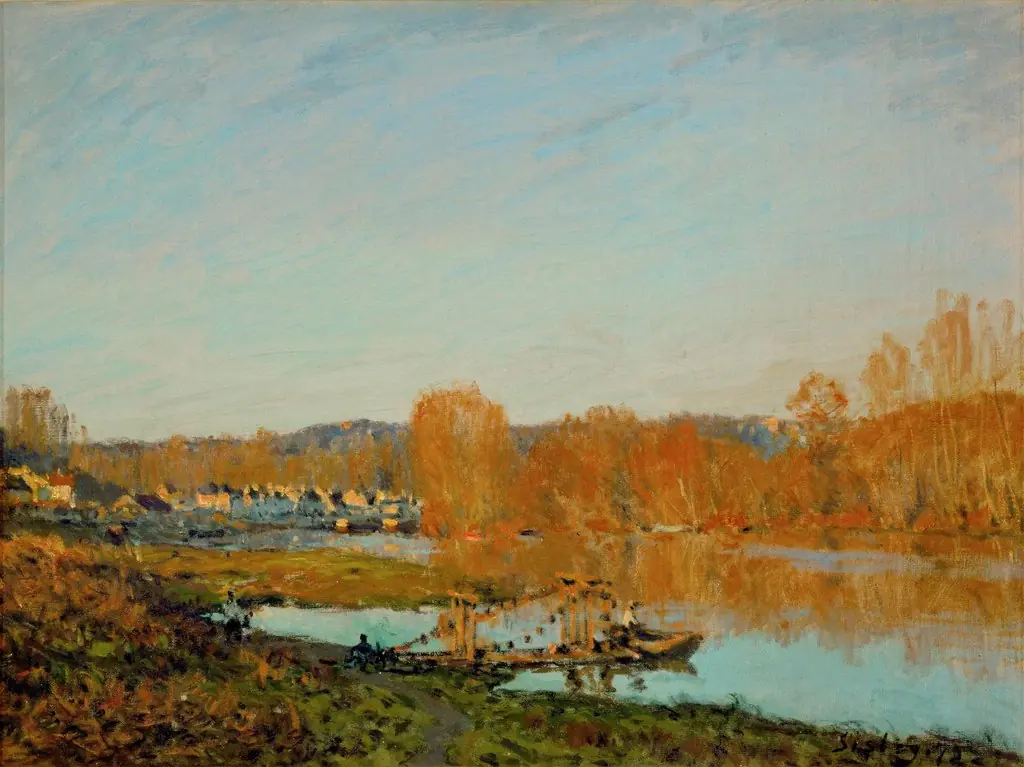 Autumn: Banks of the Seine near Bougival
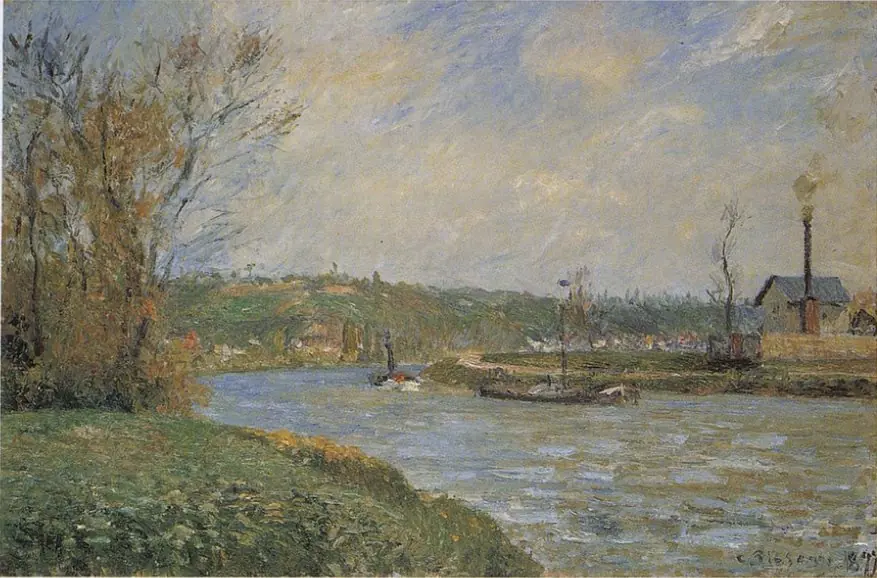 Bords de l'Oise près de Pontoise
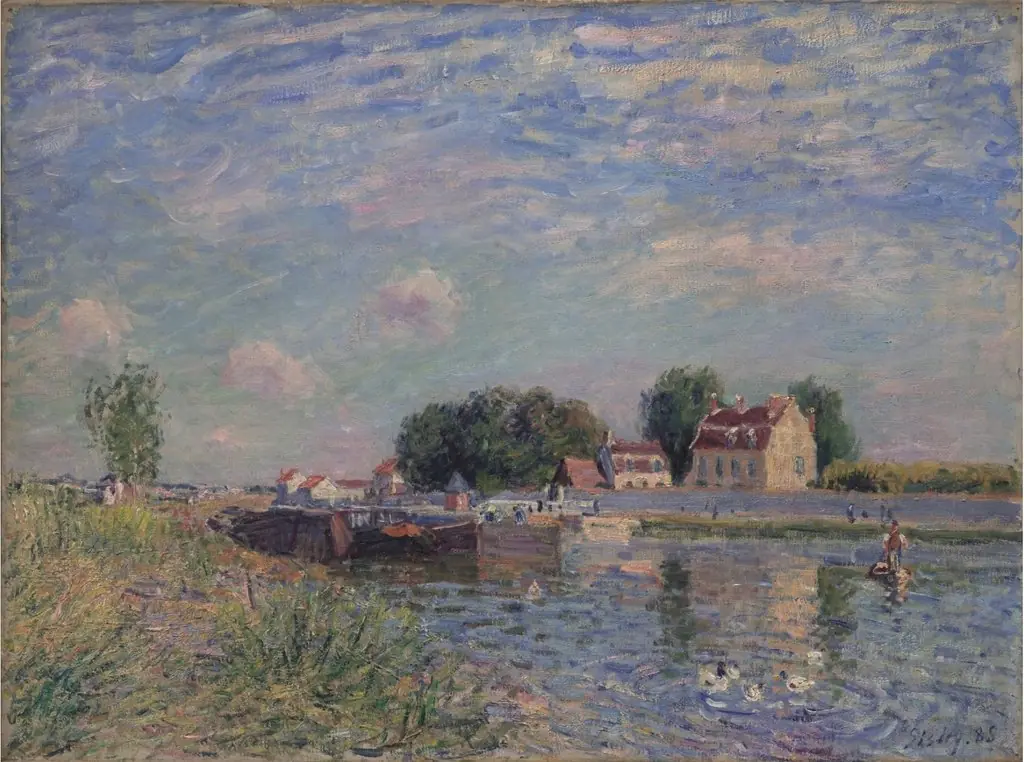 The Canal at Saint-Mammes
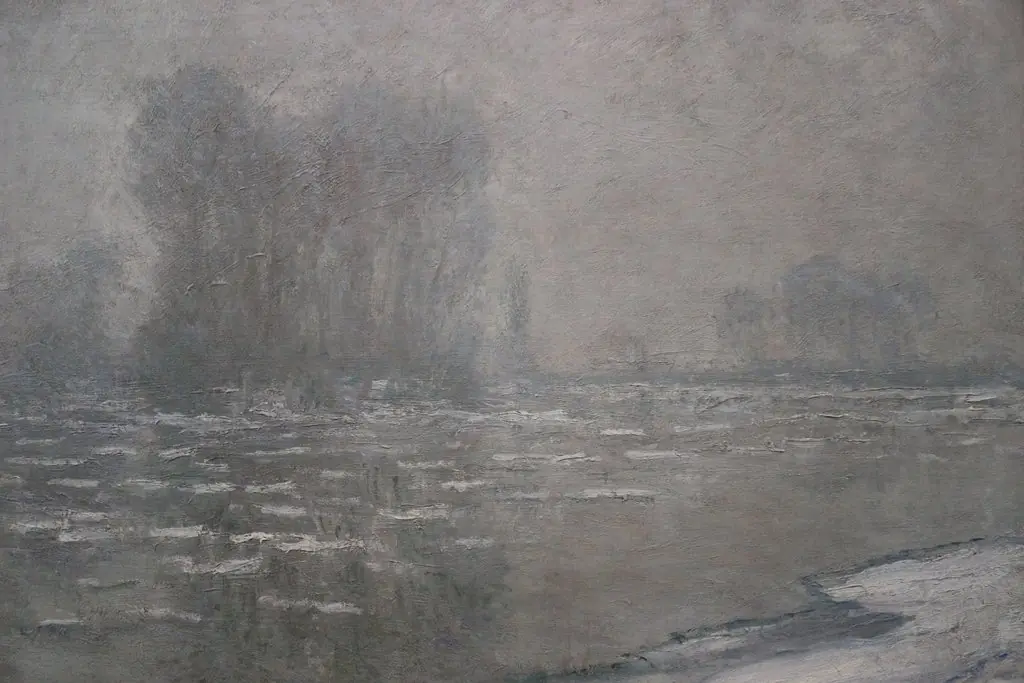 Morning Haze
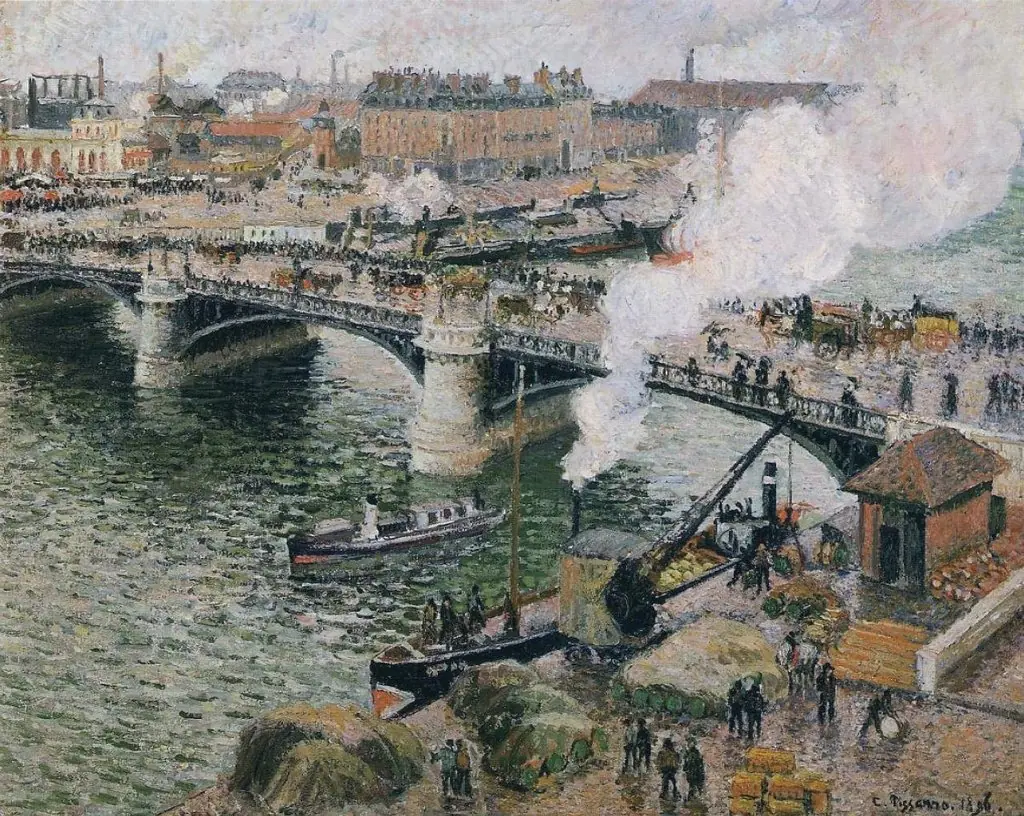 Pont Boieldieu in Rouen, Rainy Weather
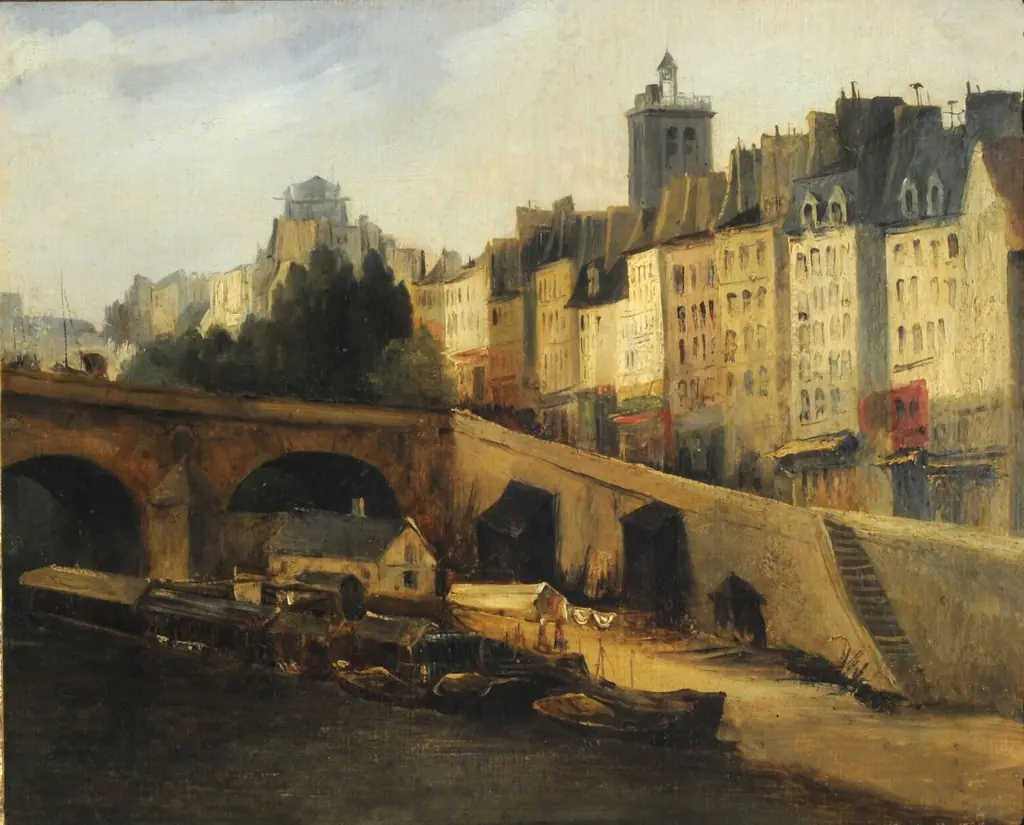 Marie bridge
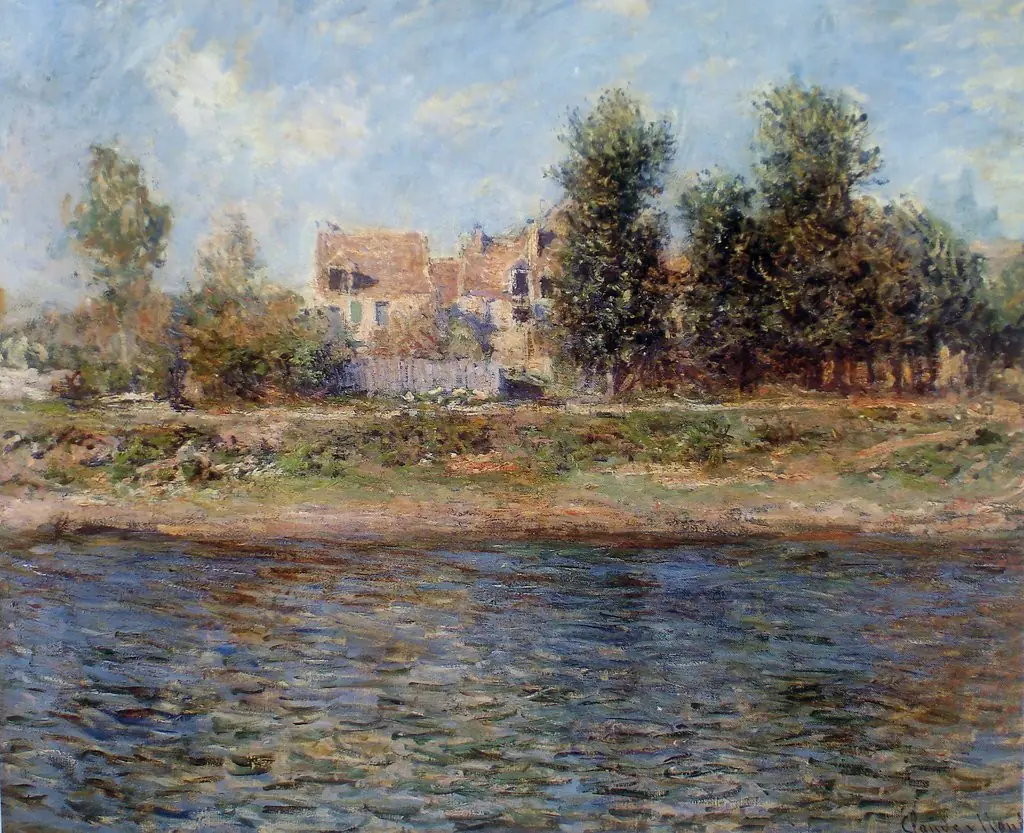 The Bank of the Seine
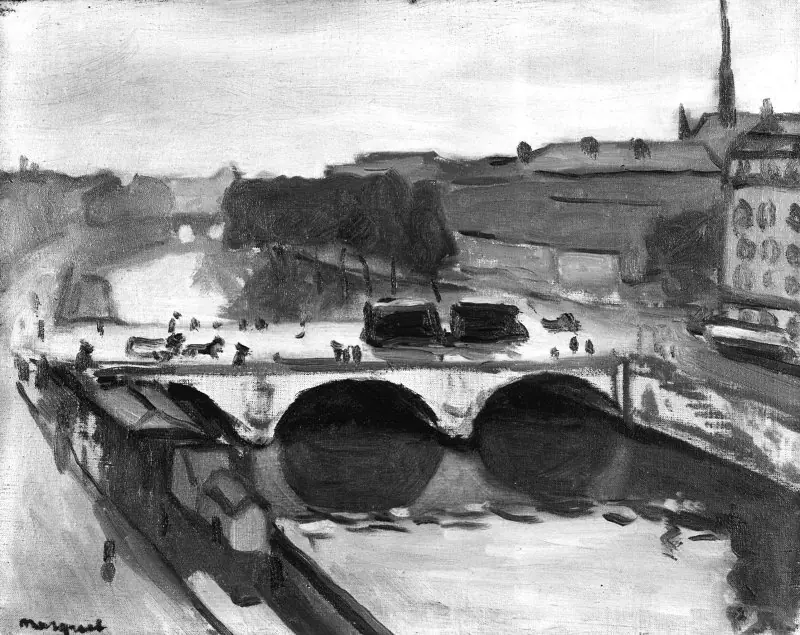 Pont Saint Michel, Paris
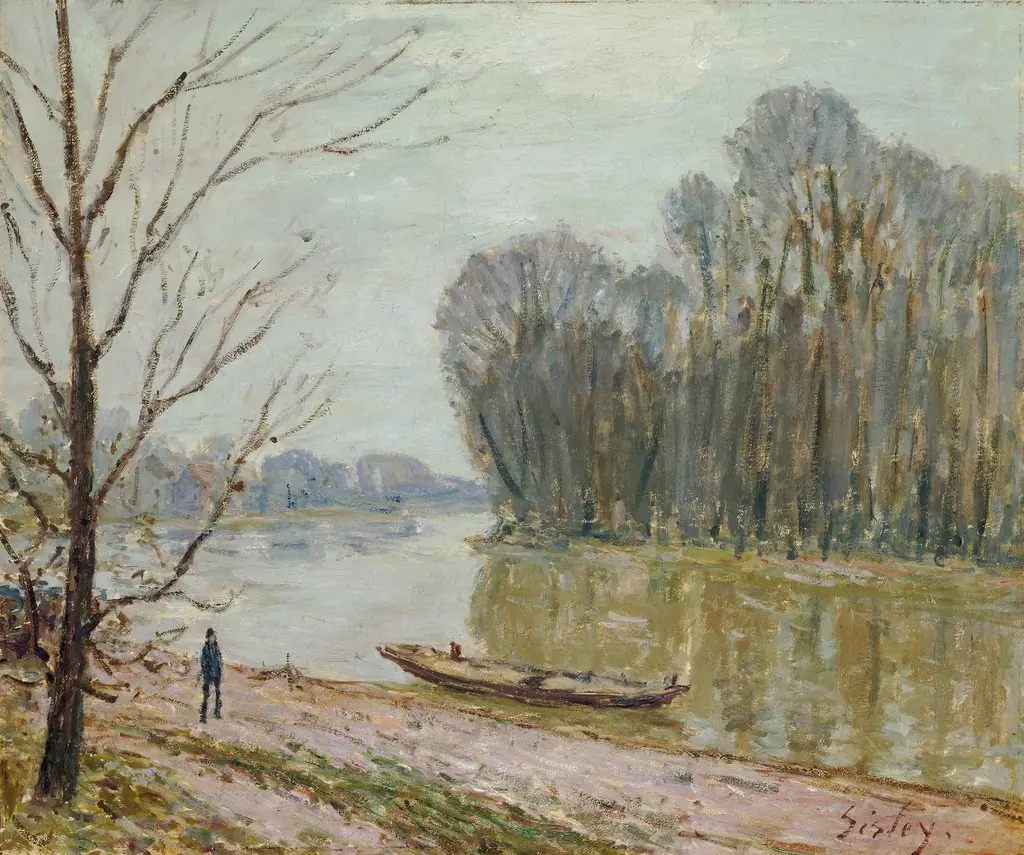 The Loire
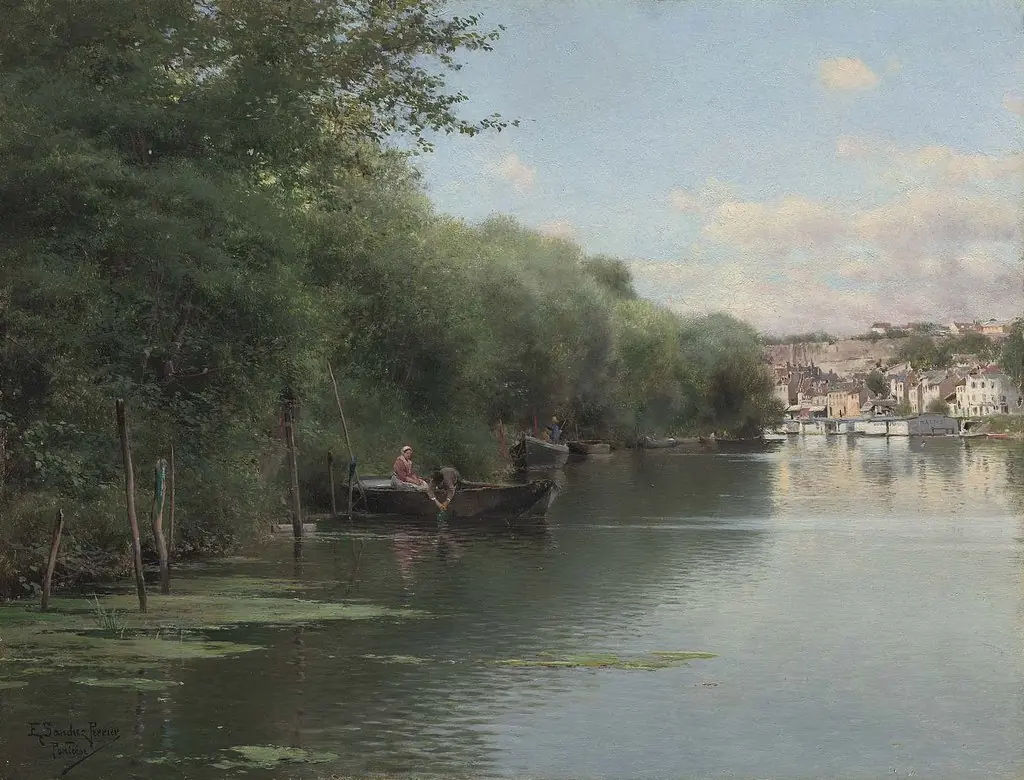 Fishing on the Bank of the Oise, Pontoise
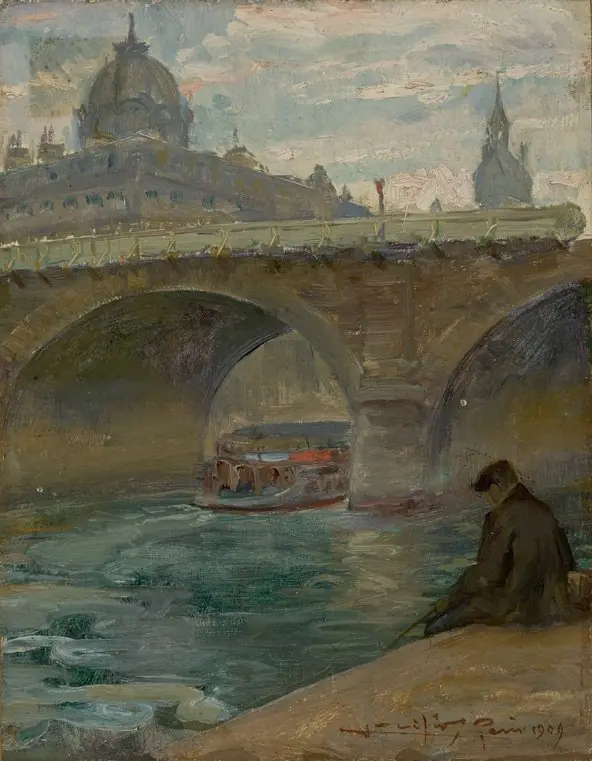 Seine River
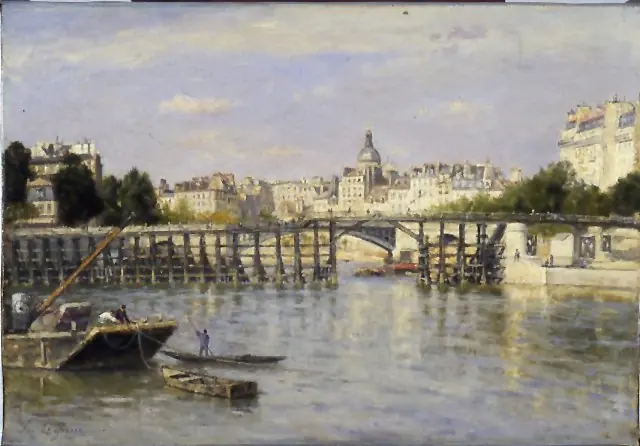 The Estacade Bridge
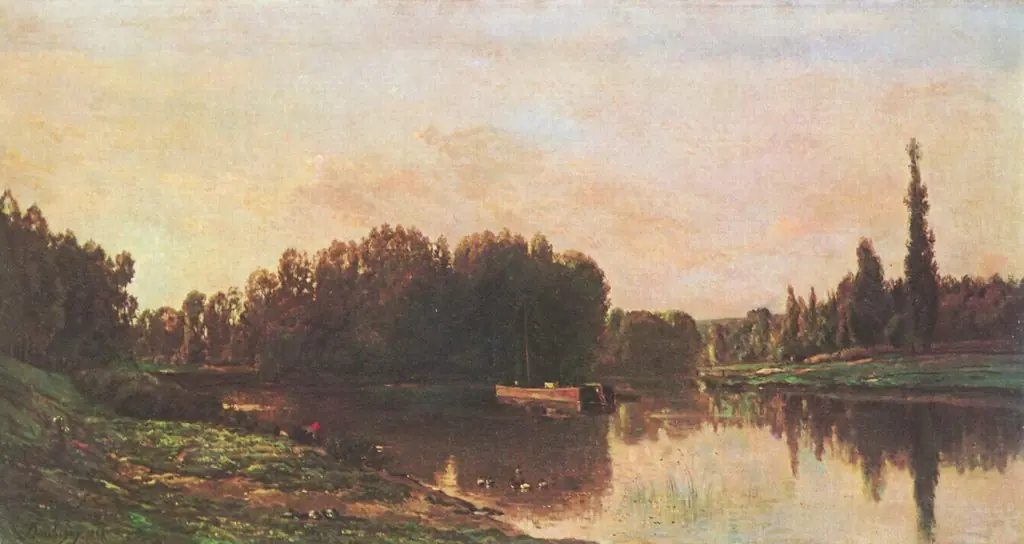 The Confluence of the Rivers Seine and Oise
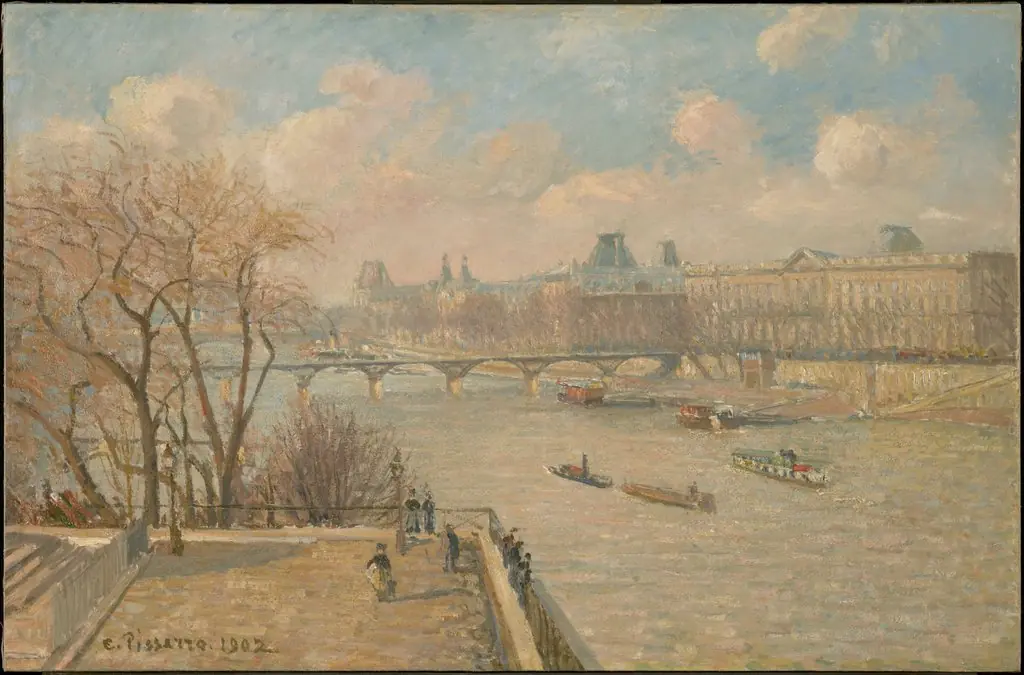 The Louvre from the Pont Neuf
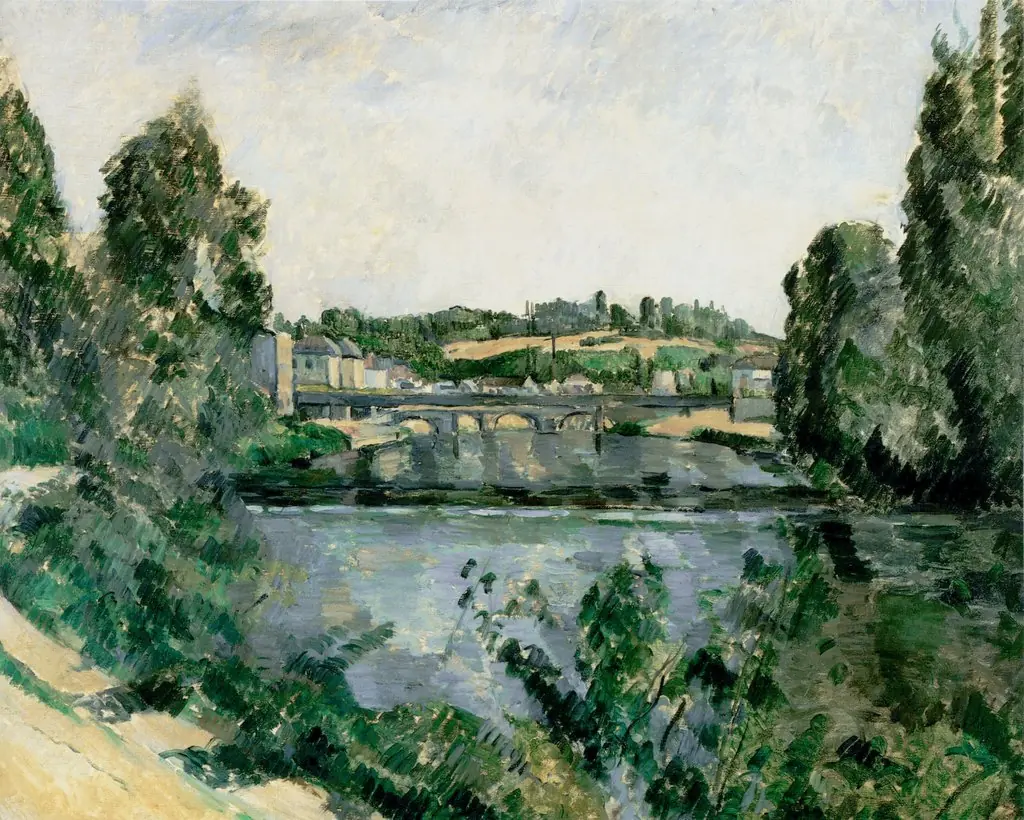 The Bridge and Dam at Pontoise (Le Pont et le déversoir à Pontoise)
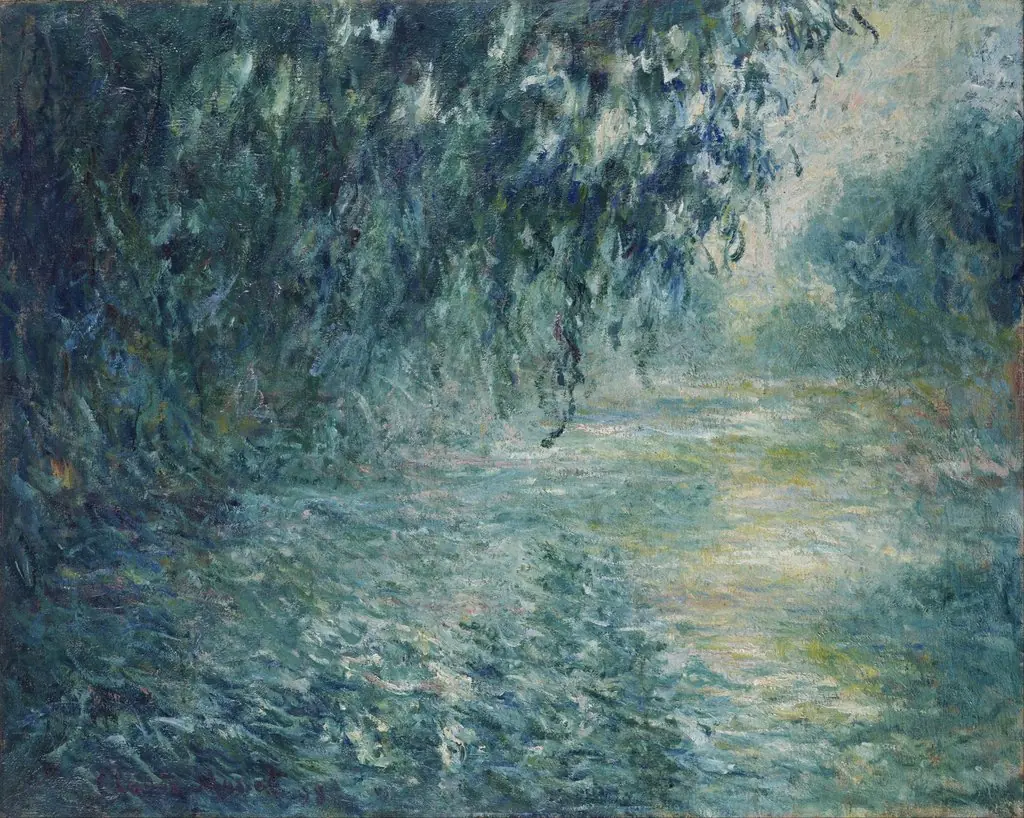 Morning on the Seine
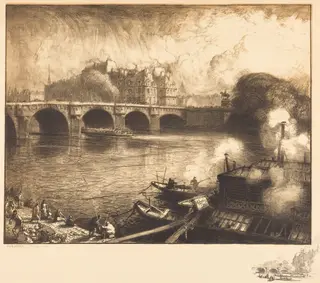 Le Pont Neuf
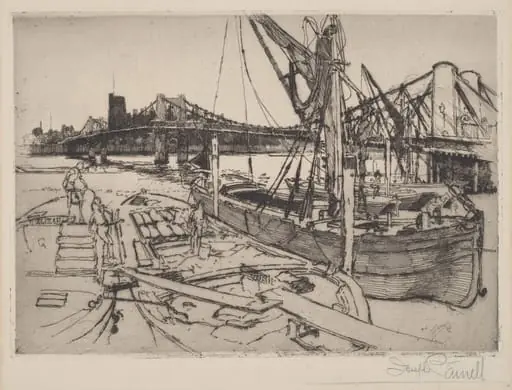 Chelsea, No.II
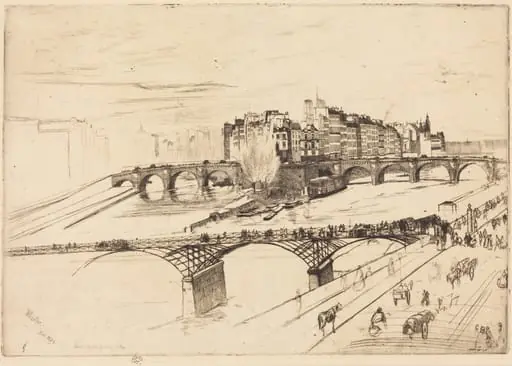 Isle de la Cite, Paris
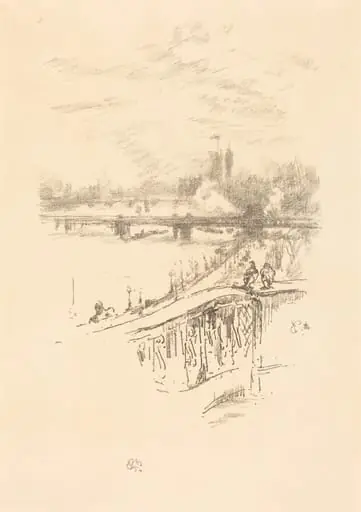 Savoy Pigeons
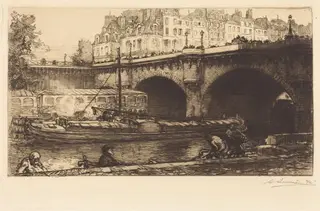 Pont Neuf
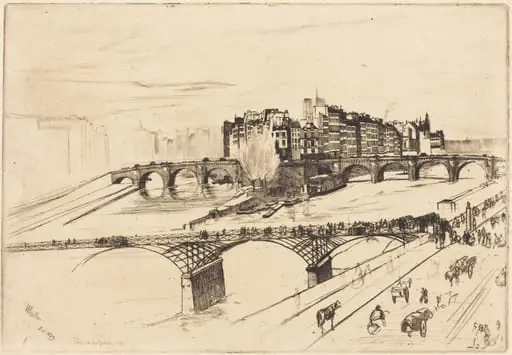 Isle de la Cité, Paris
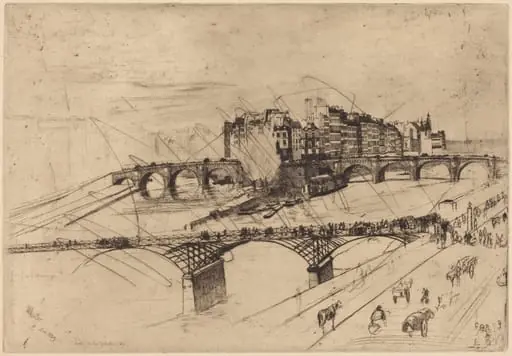 Isle de la Cité, Paris
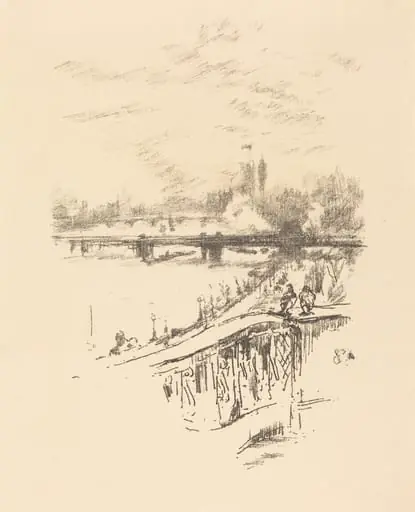 Savoy Pigeons
 The Seine near the Austerlitz Bridge
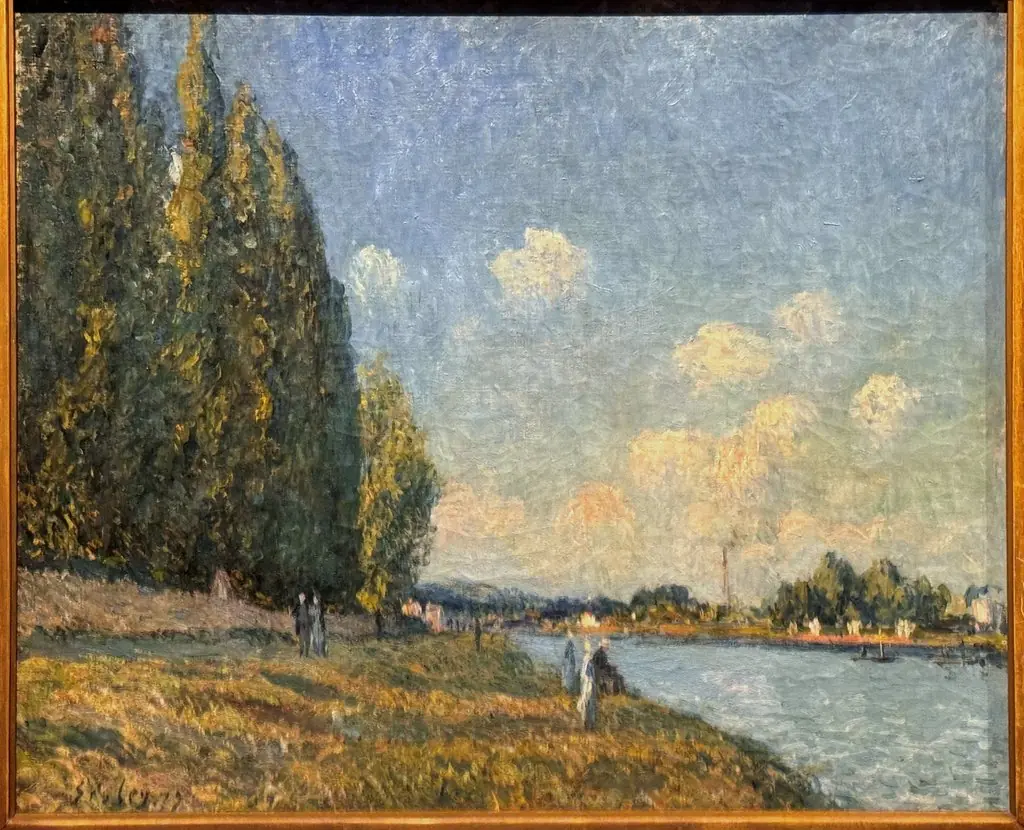 La Seine à Billancourt
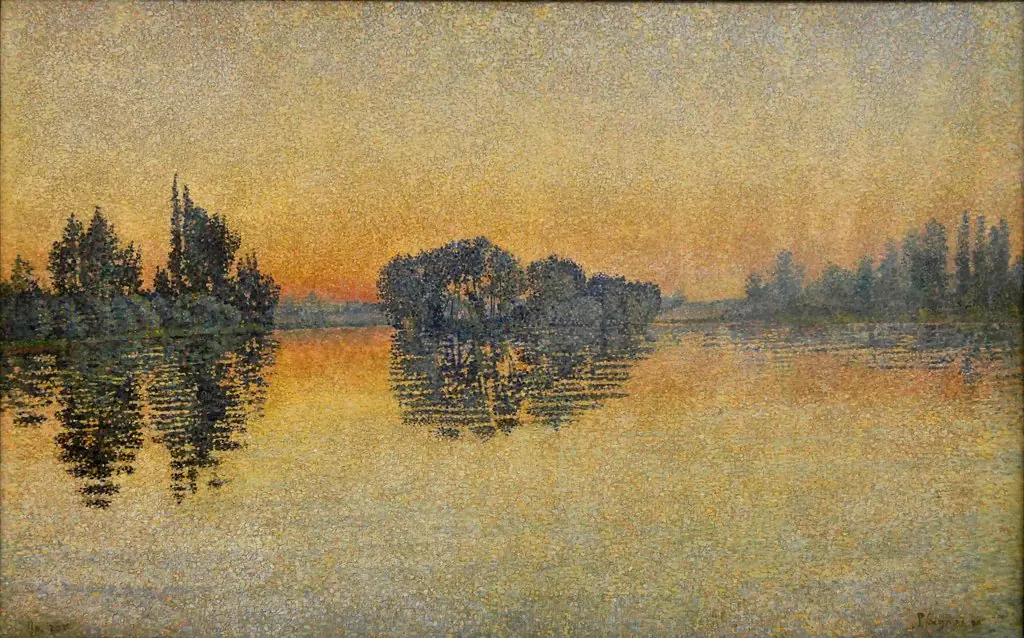 Sunset, Herblay, Opus 206
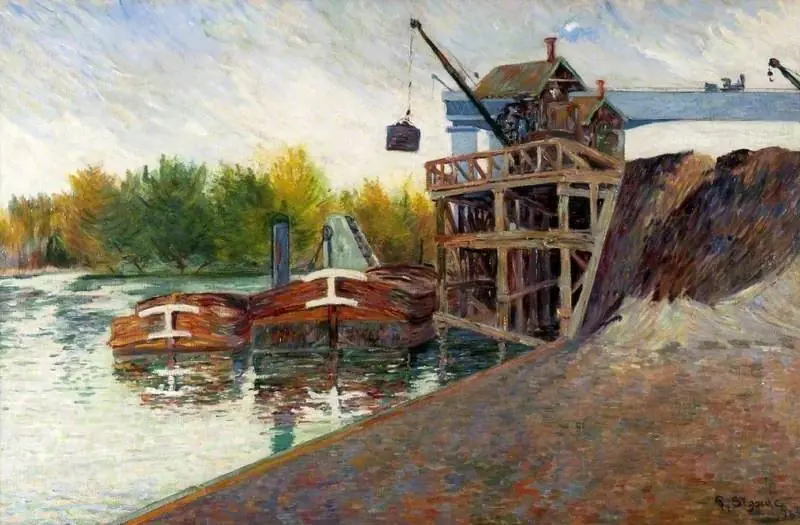 Coal Crane, Clichy
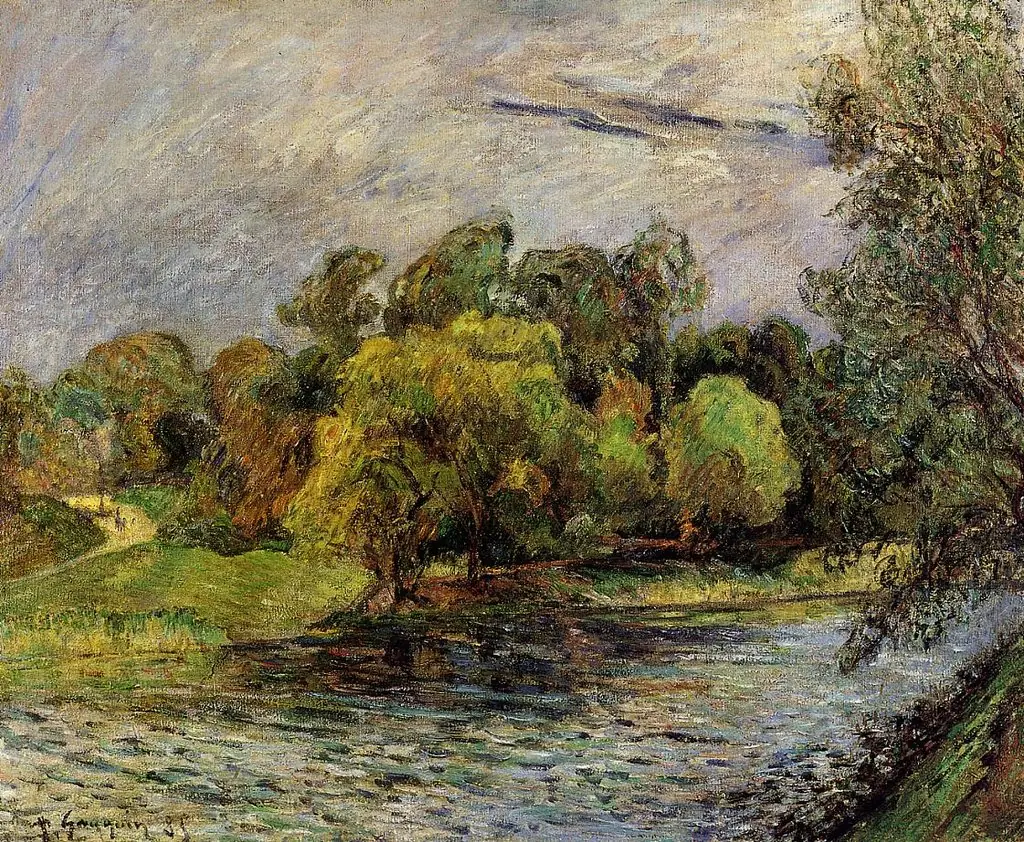 Ostre Anlaeg Park, Copenhagen
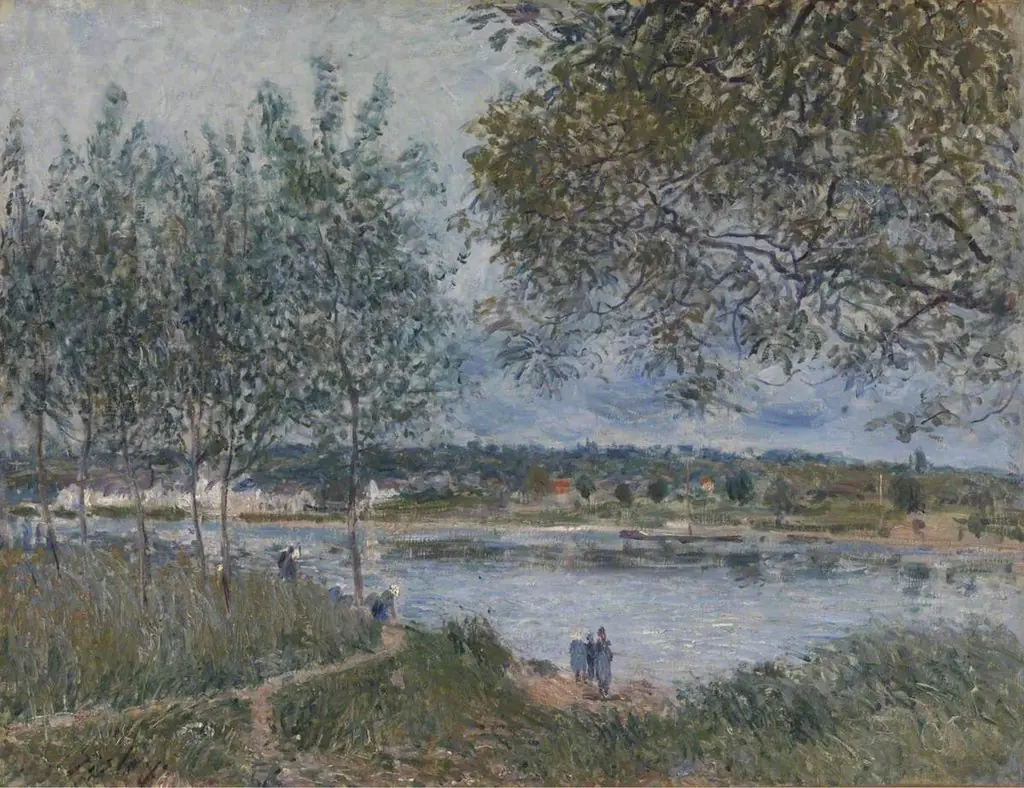 The Path to the Old Ferry at By
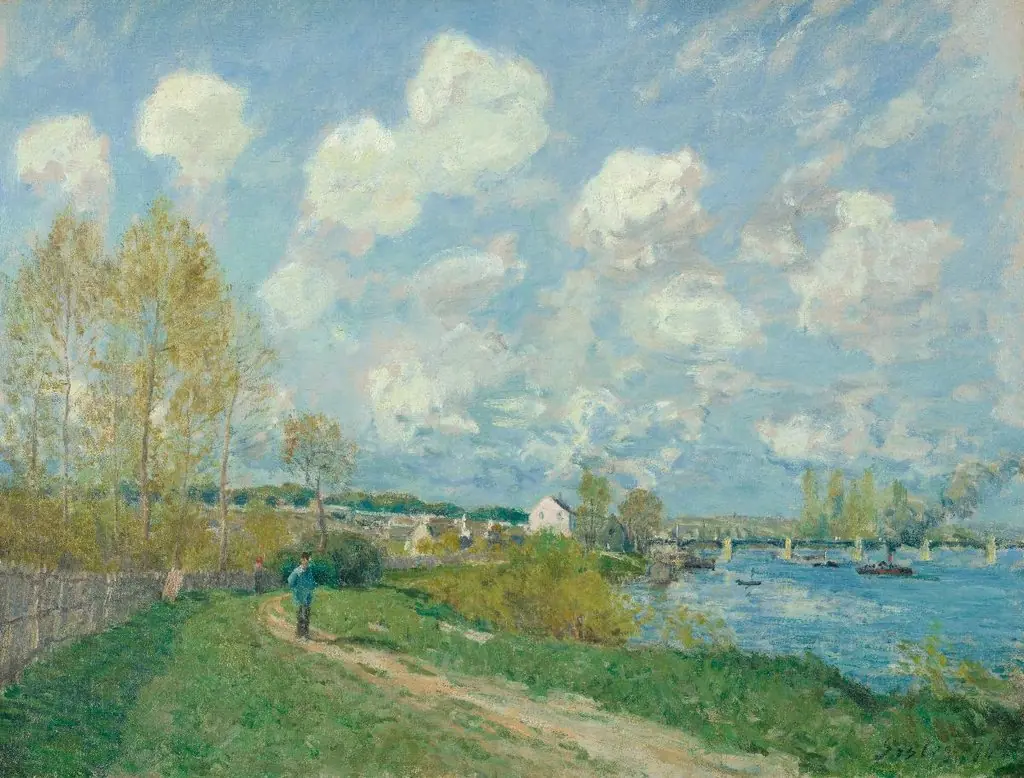 Summer at Bougival
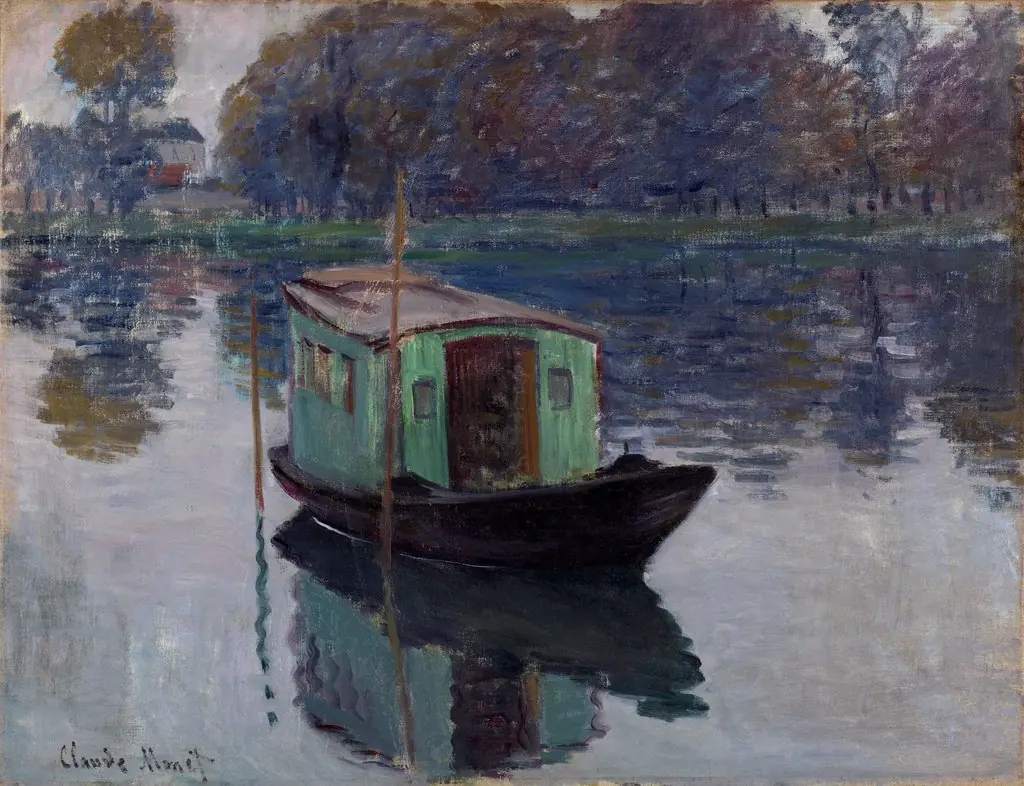 Le bateau-atelier
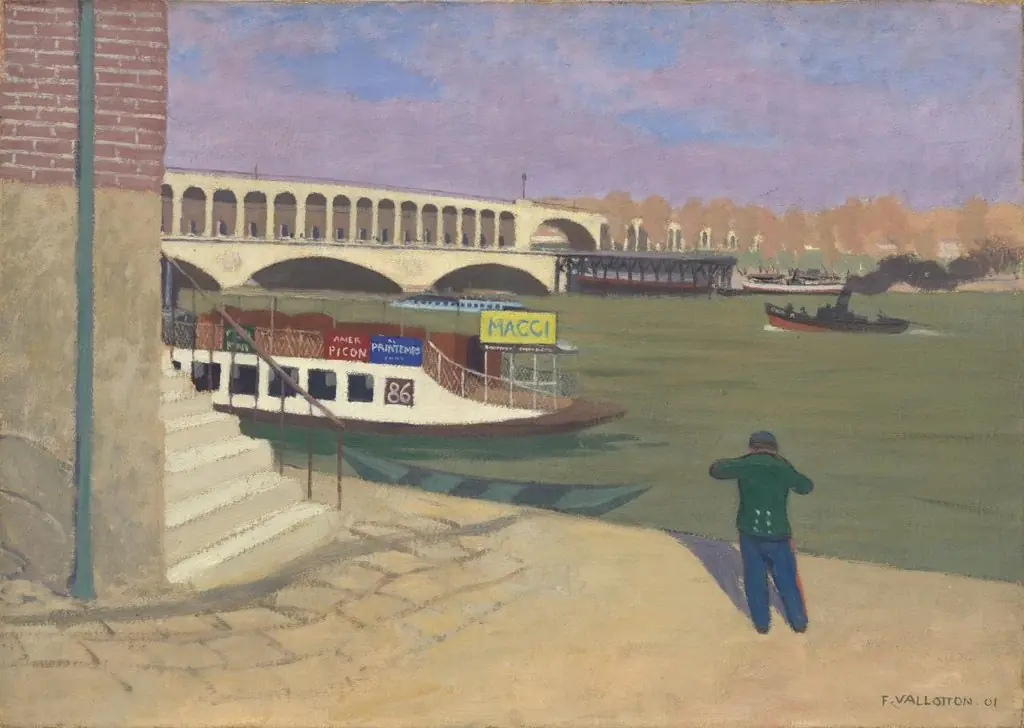 Point du Jour, banks of the Seine
 Chemin de By au bois des Roches-Courtaut, été de la St Martin
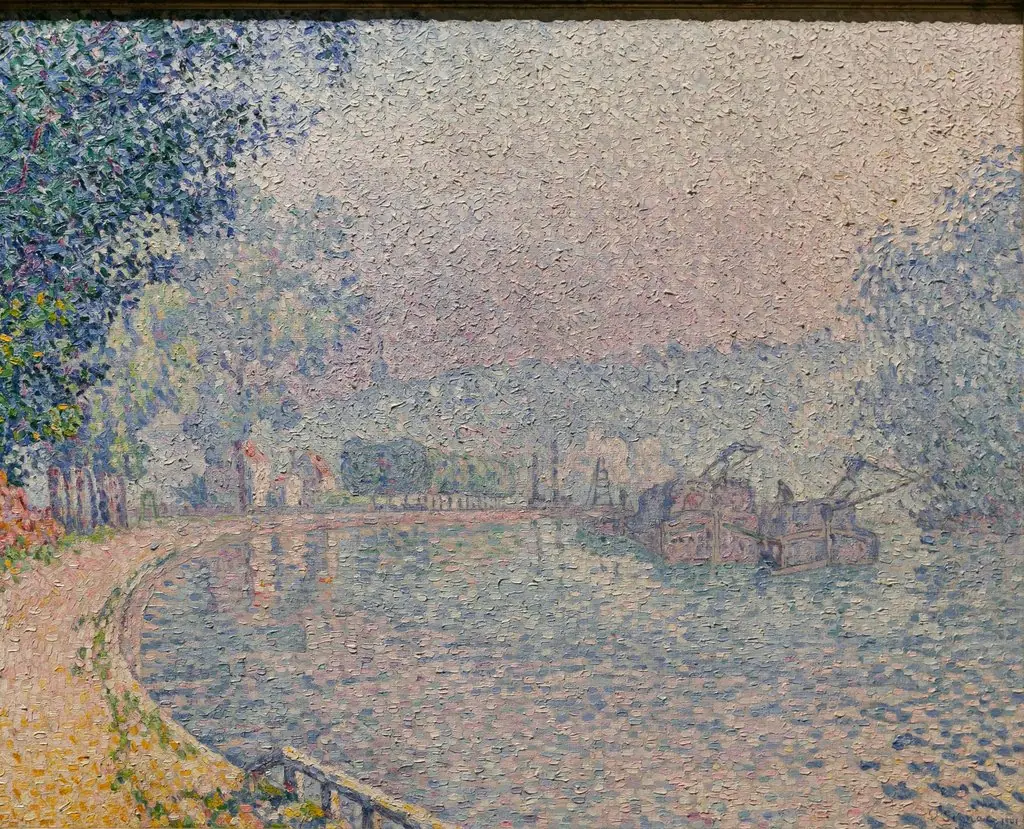 Samois, the riverbank, morning
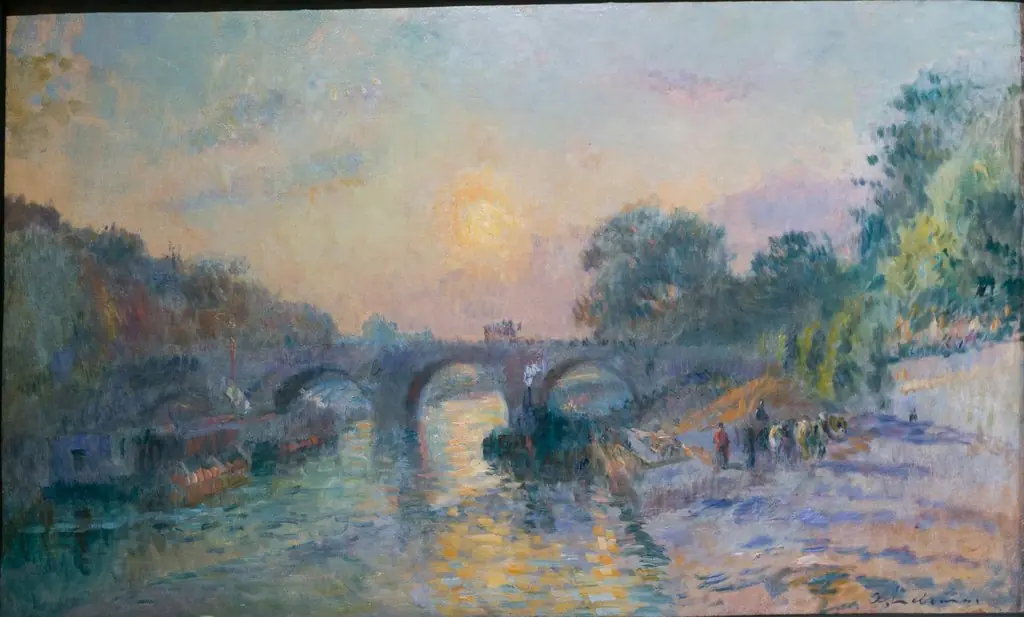 The Pont Marie at Sunset, Paris
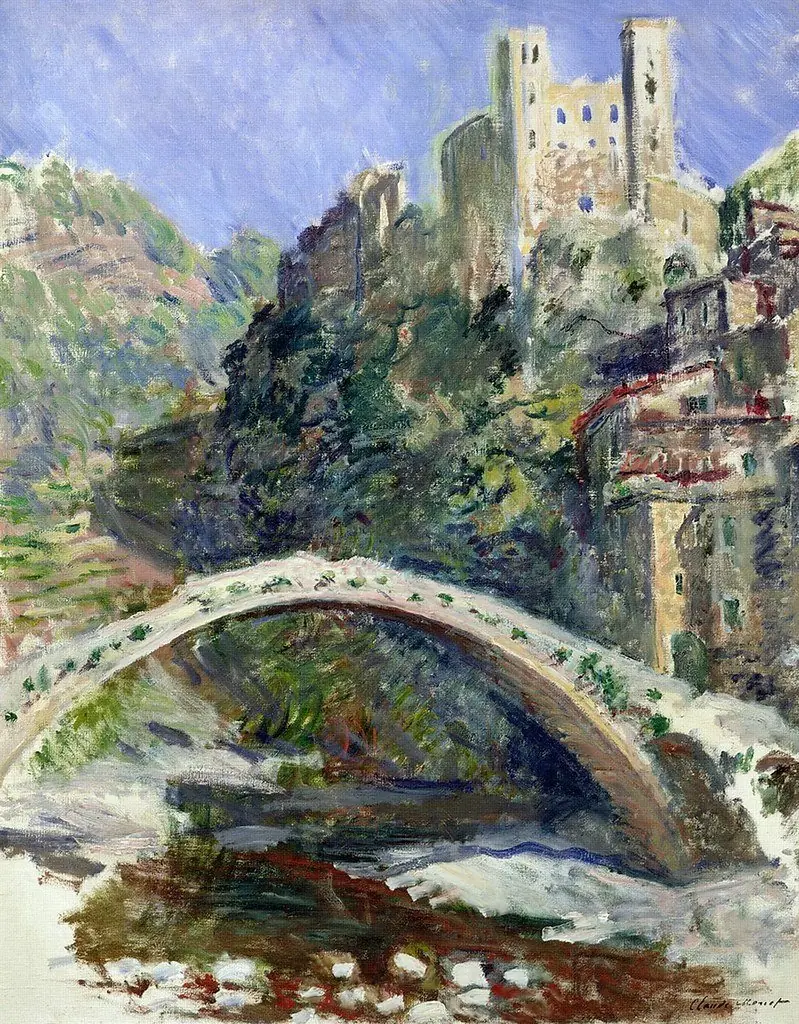 Castle of Dolceacqua
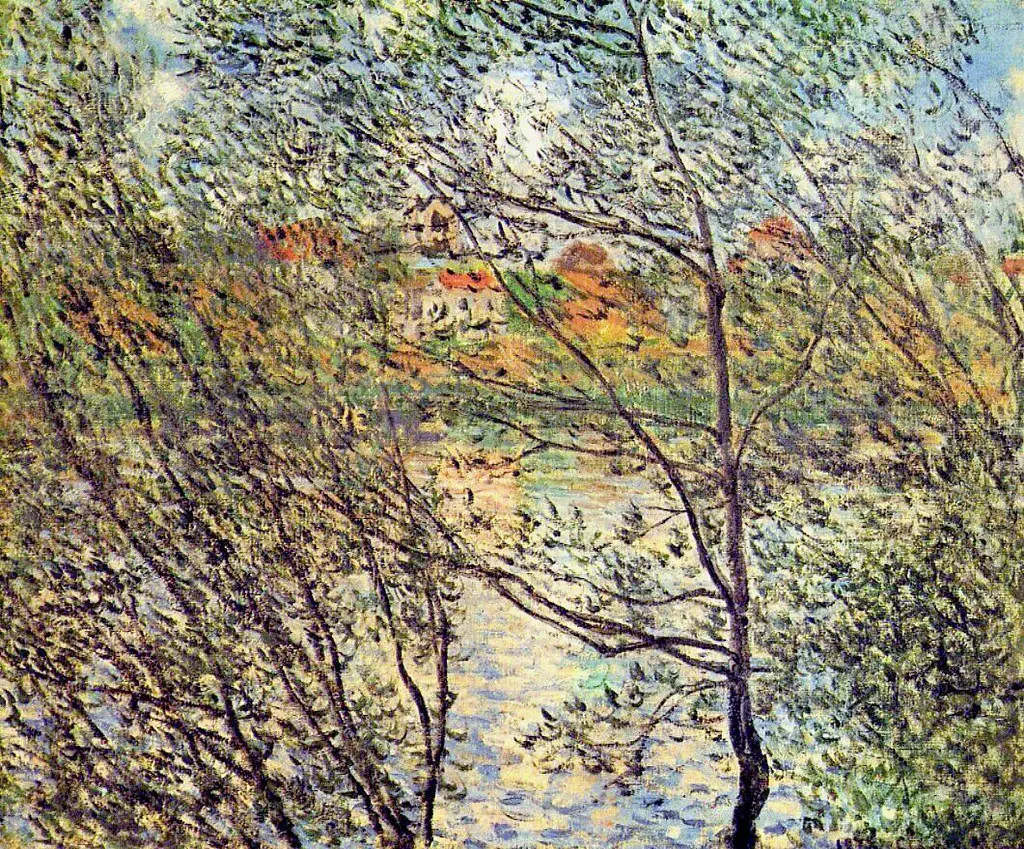 Le printemps à travers les branches
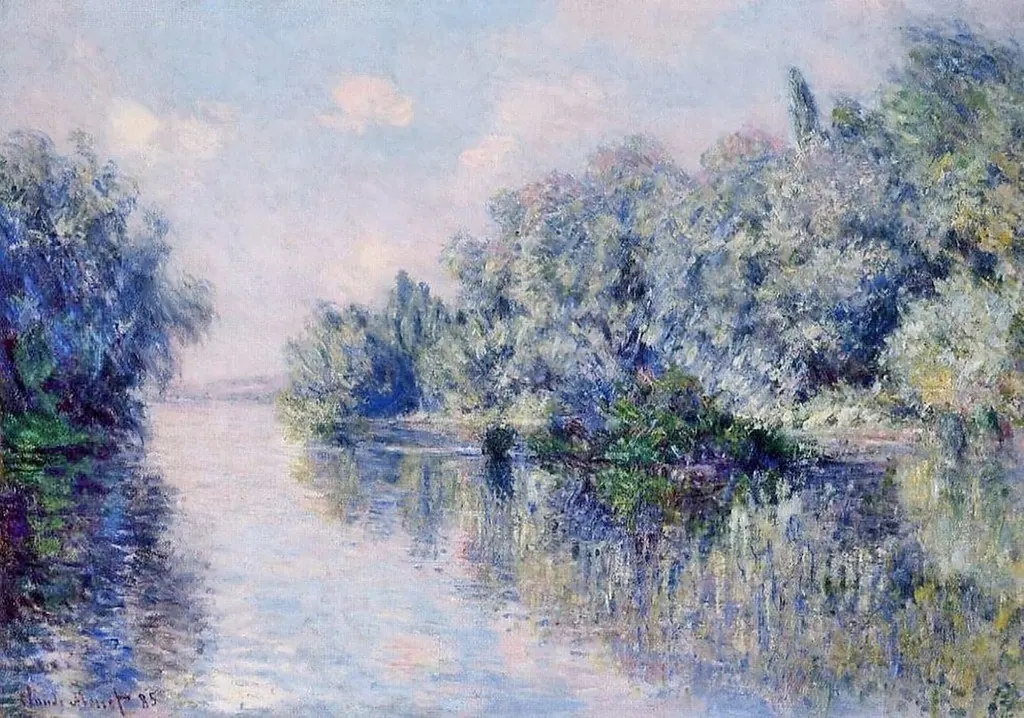 The Seine near Giverny
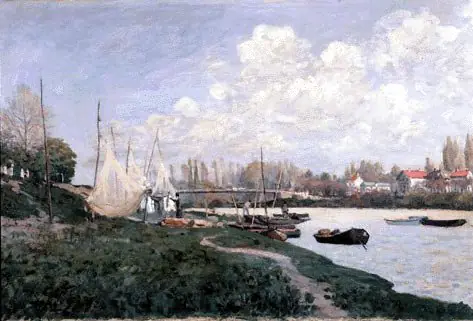 Drying Nets
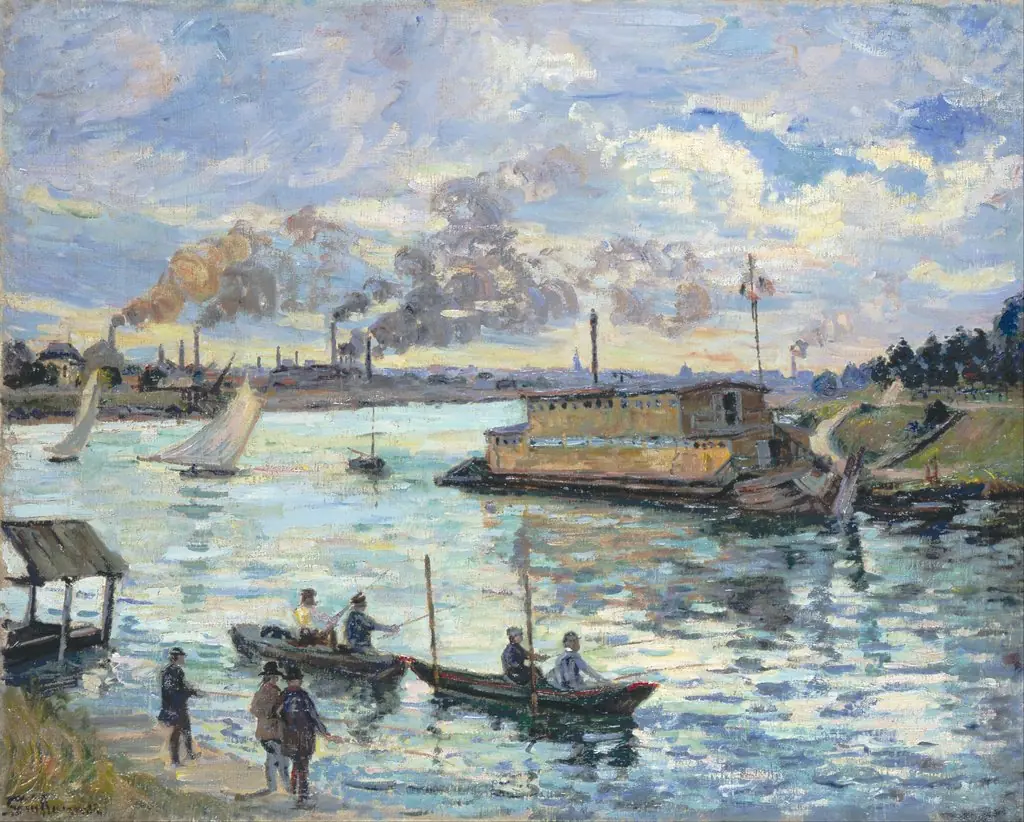 River Scene
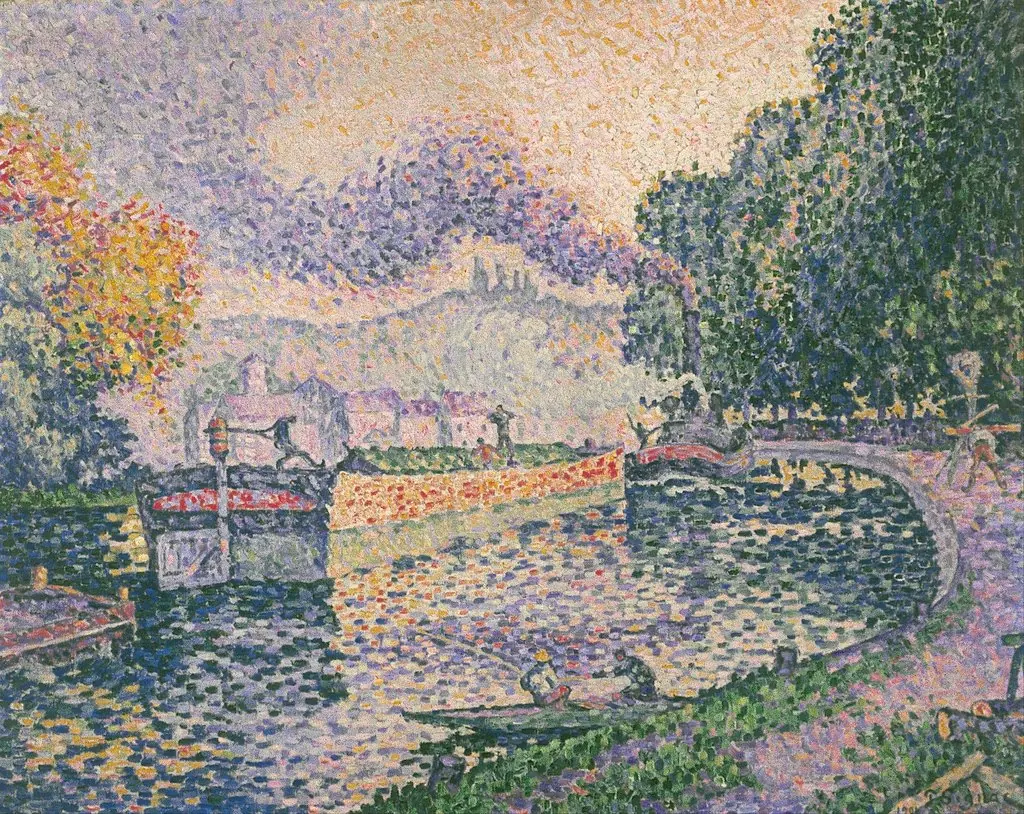 The Tugboat, Canal in Samois
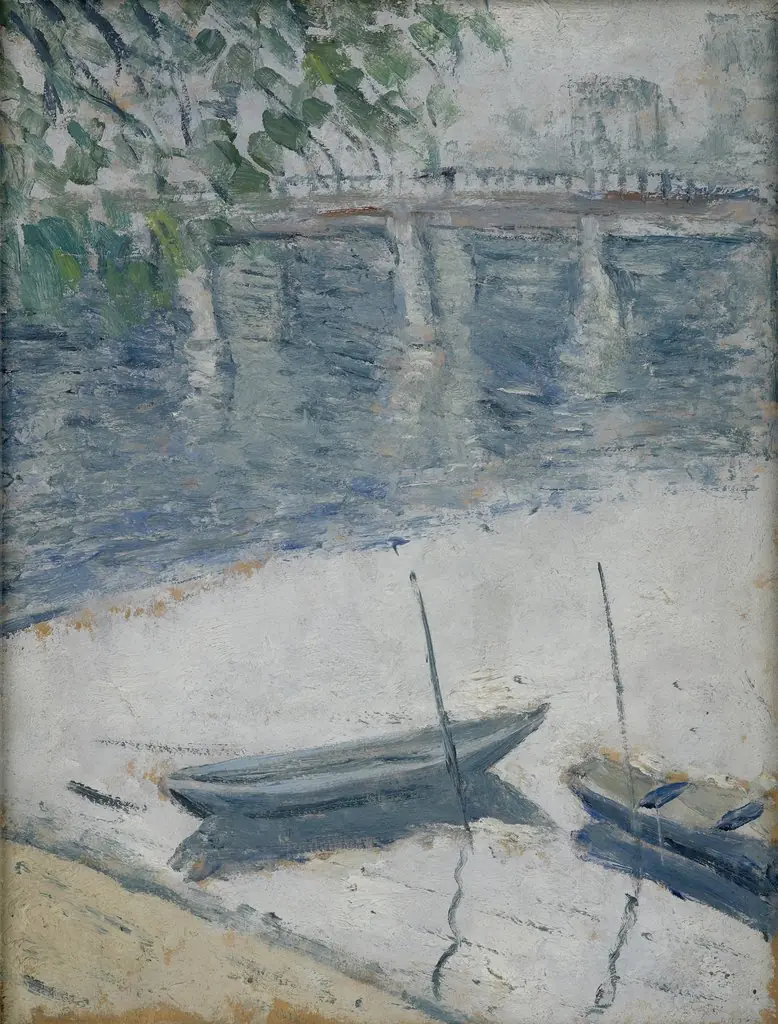 Morning on the Seine
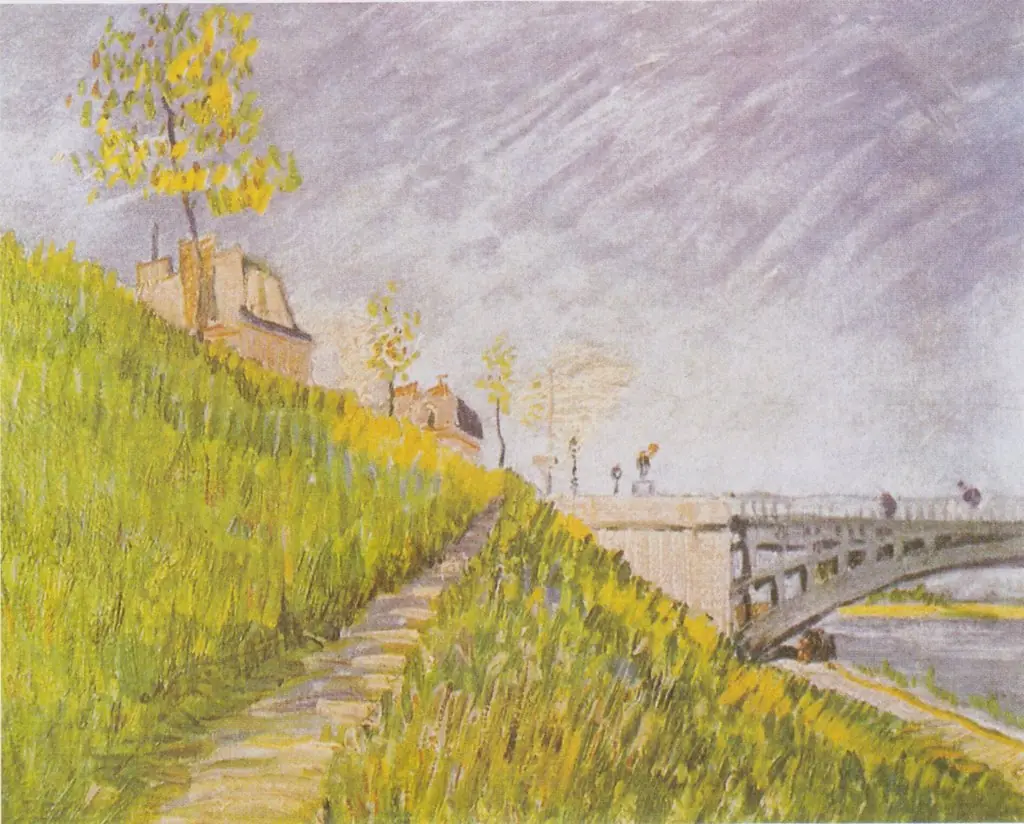 Banks of the Seine with the Pont de Clichy
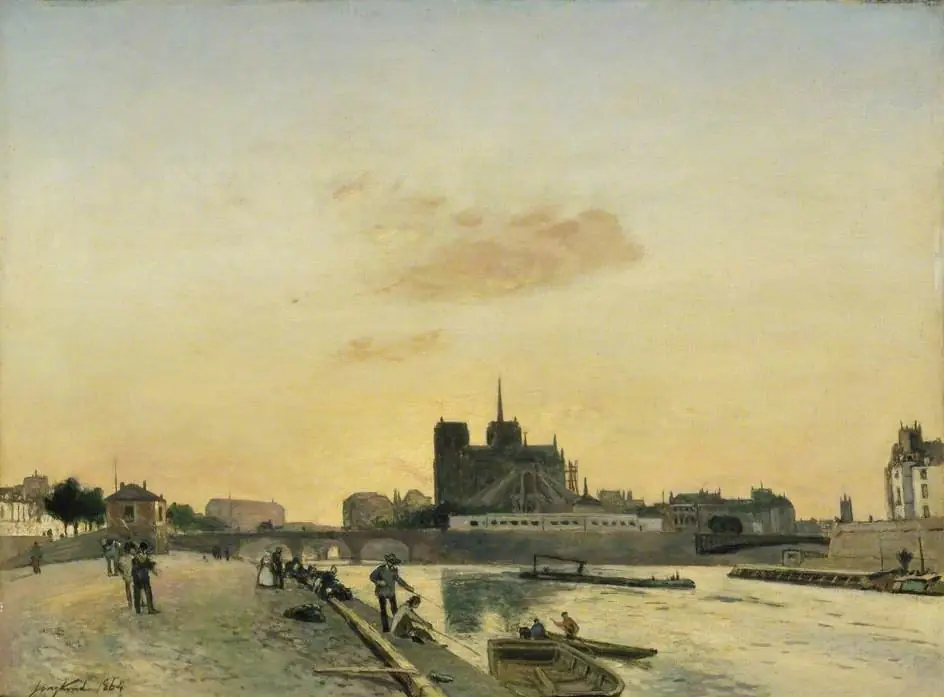 View of Notre-Dame, Paris
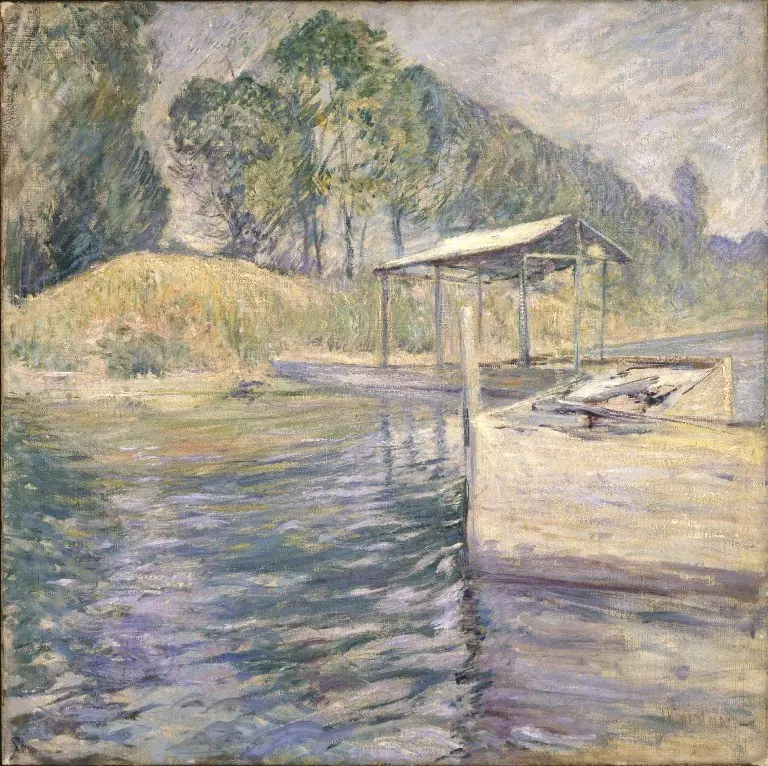 Reflections
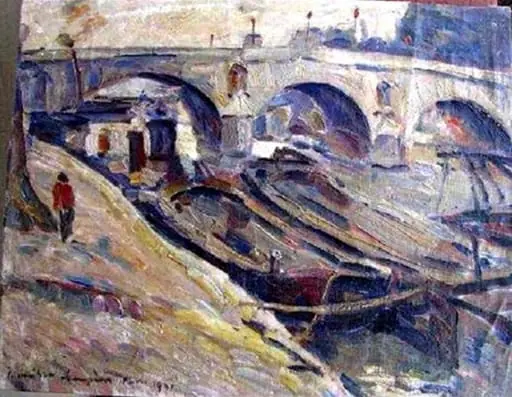 Pe cheiul Senei
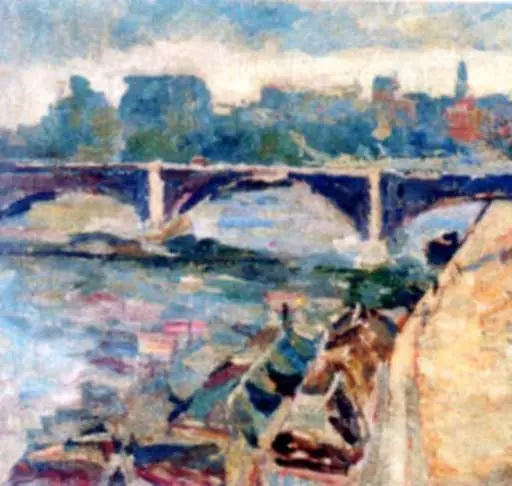 Malul Senei
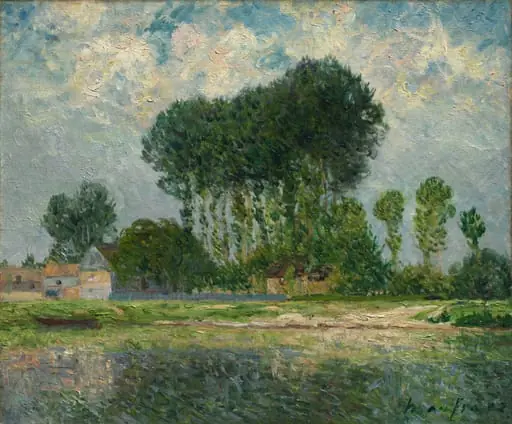 The River
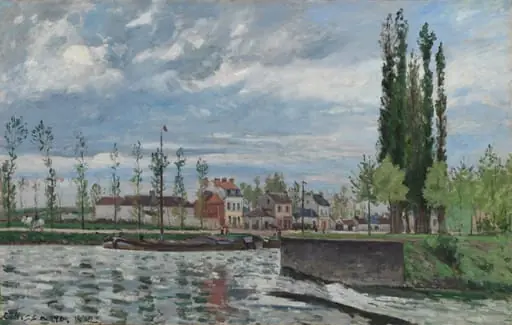 The Lock at Pontoise
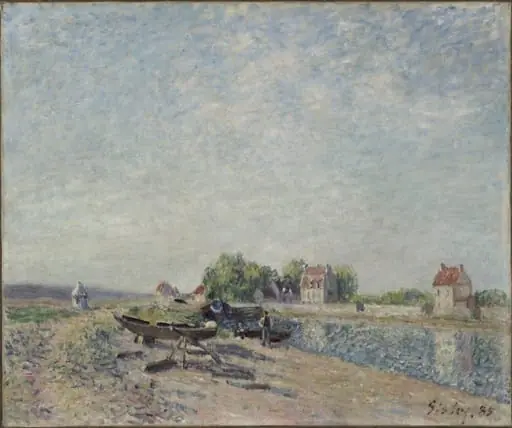 Saint-Mammès, Loing Canal
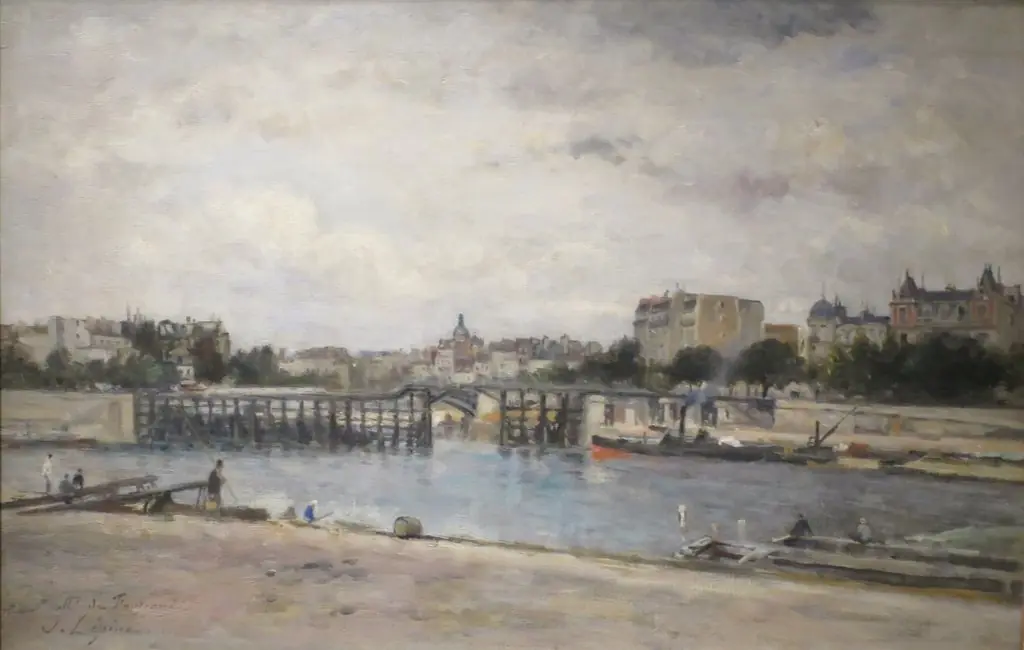 The Pont de l'Estacade, Paris
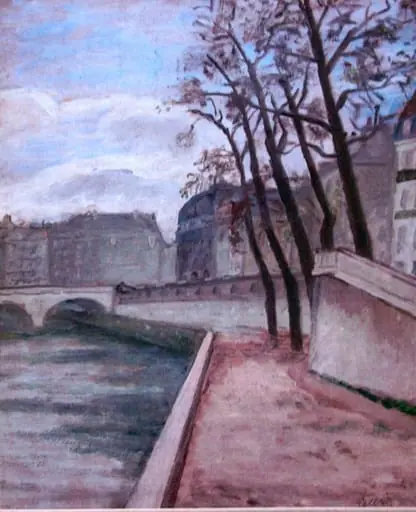 Pod pe Sena
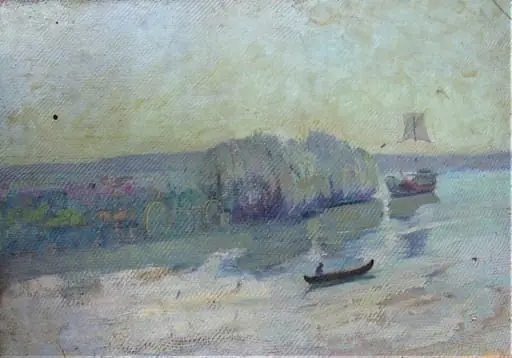 Barcă pe fluviu
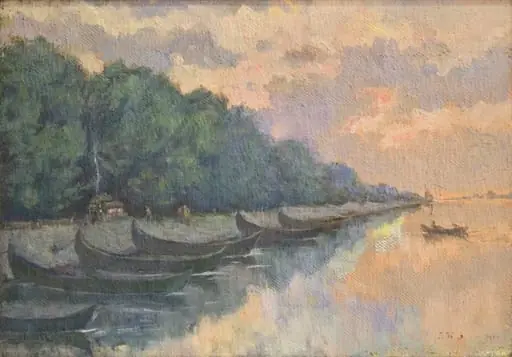 Peisaj dunărean
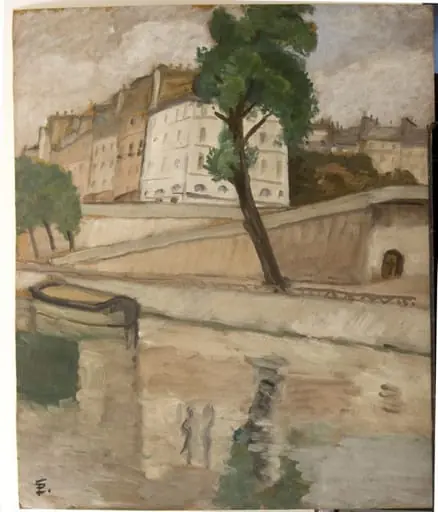 Sena
Sena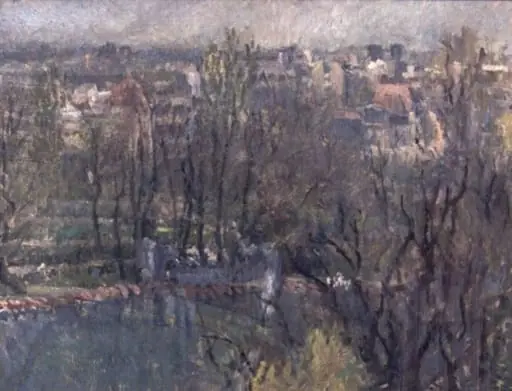 Peisaj din Cișmigiu
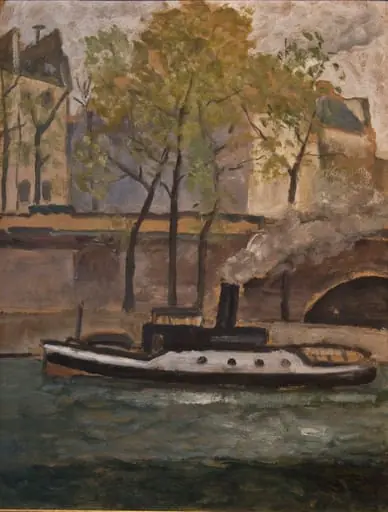 Remorcher pe Sena
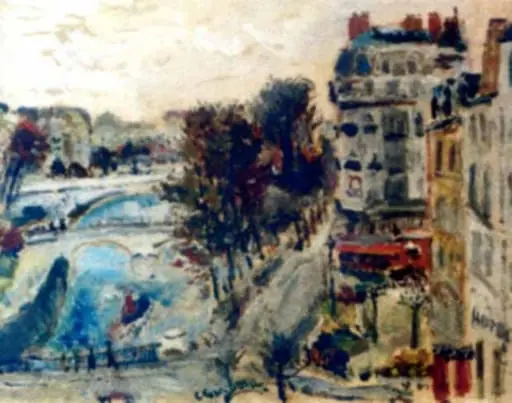 Peisaj din Paris
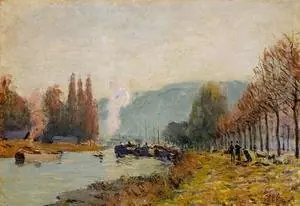 La Seine à Bougival
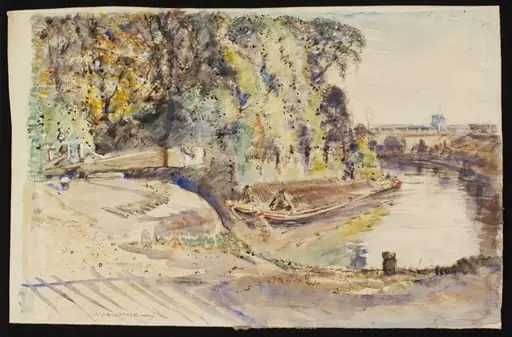 Lock at the junction of the River Brent with the Grand Union Canal
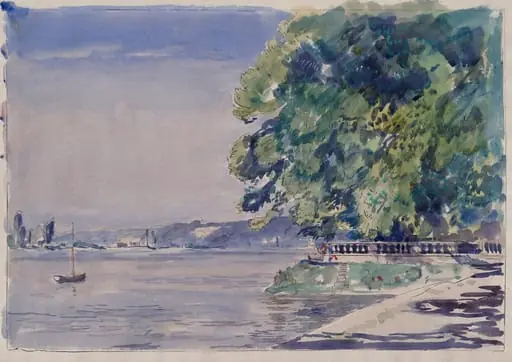 The Seine at Caudebec
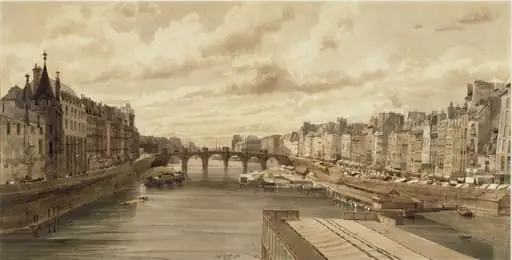 The Pont Neuf, Paris
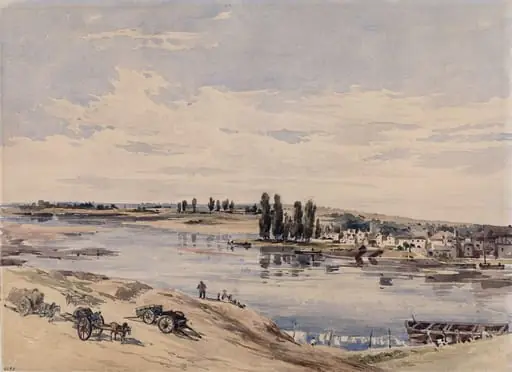 View of the Loire at Amboise
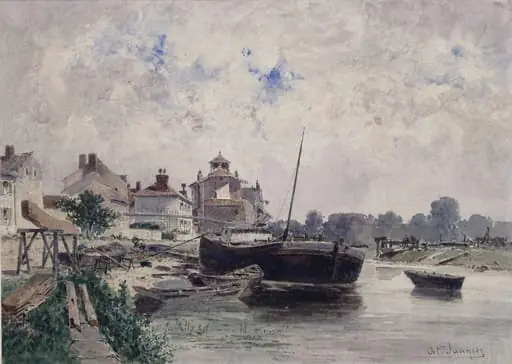 Landscape with river
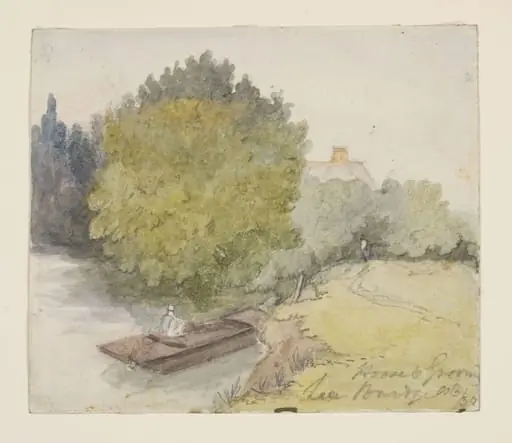 Horse and Groom Fishery, near Lea Bridge
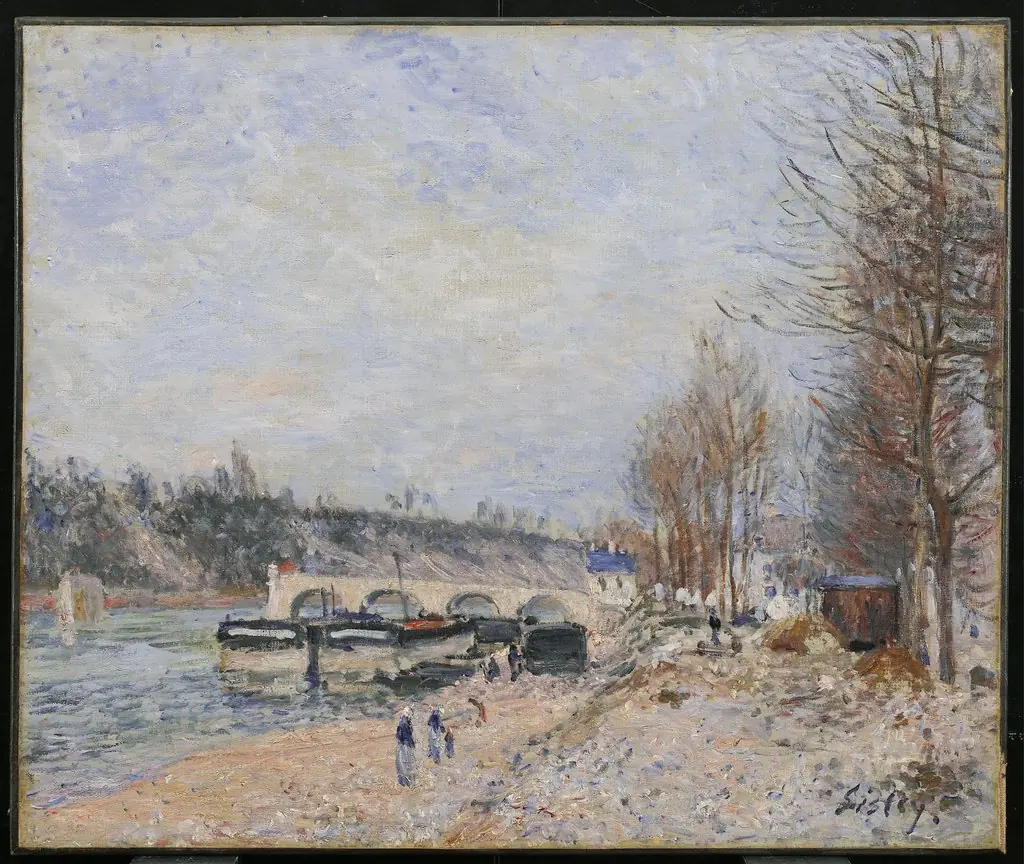 Saint-Mammès, temps gris
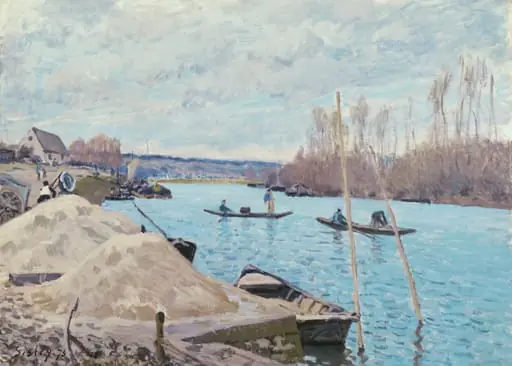 The Seine at Port-Marly, Piles of Sand
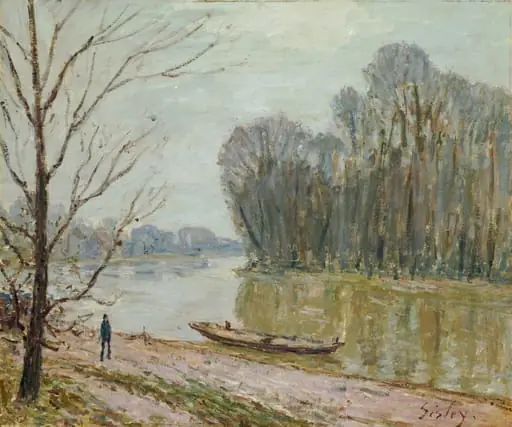 The Loire
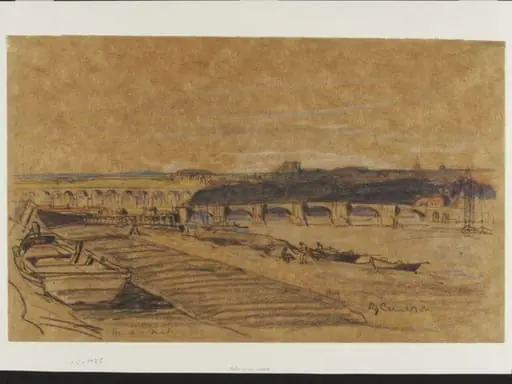 Berwick-Upon-Tweed
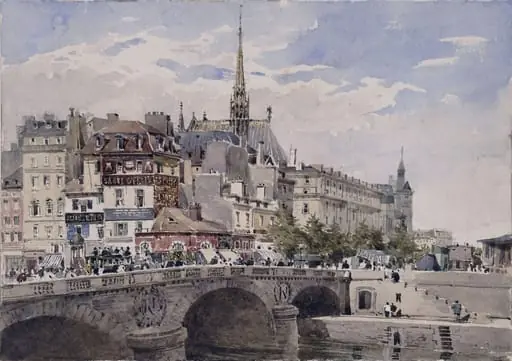 Sainte Chapelle, Palais de Juste, Paris,
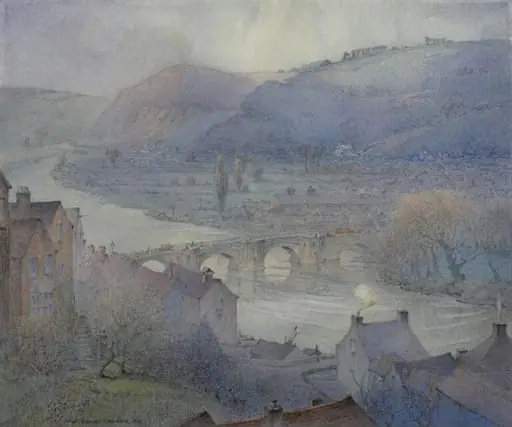 A February Day at Bridgnorth
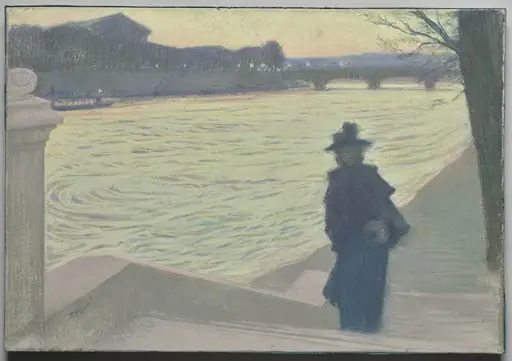 Quais de Seine en nocturne
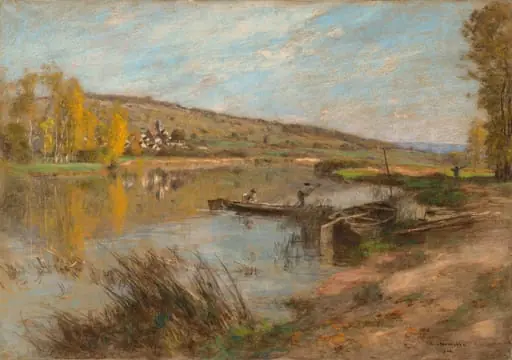 Quai au Sable, Chartèves
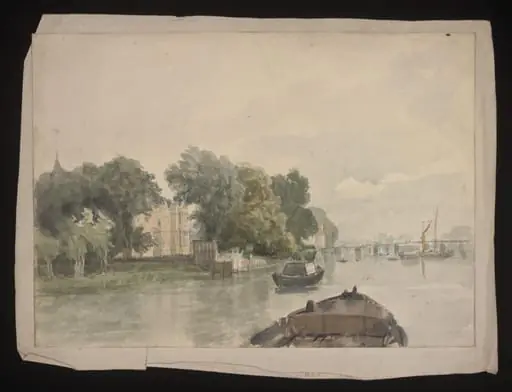 Watercolour drawing by the Grieve family, showing a scene on the River Thames
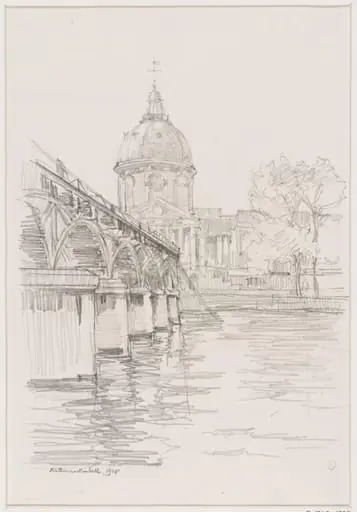 Untitled
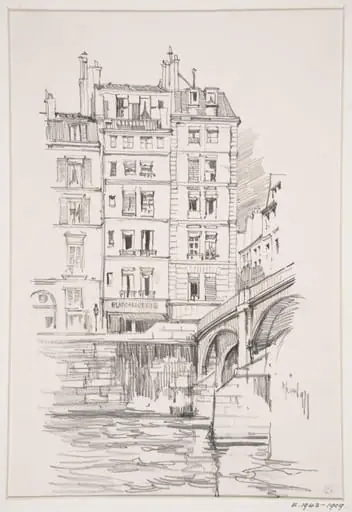 The Pont des Arts and the Institut de France, Paris
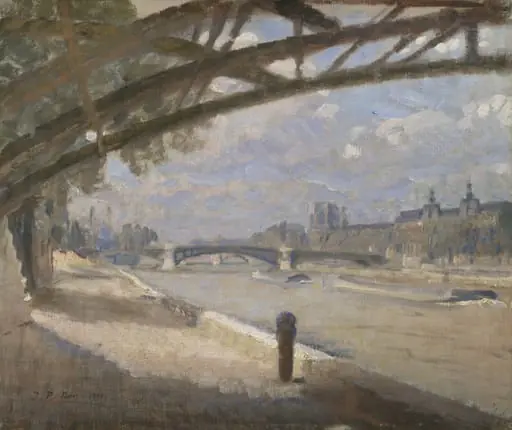 Under the Pont des Arts, Paris. Noon
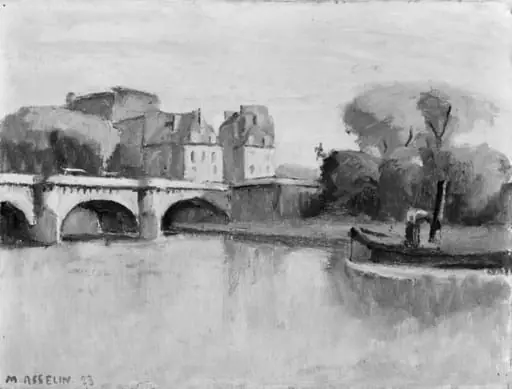 Pont Neuf, Paris
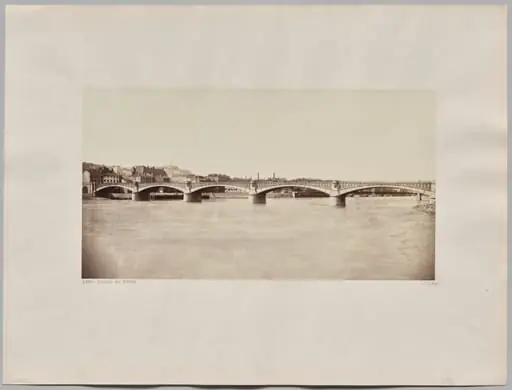 Lyon. Viaduc du Rhône
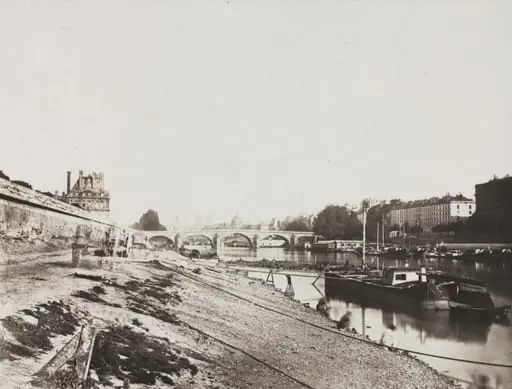 View from the Pont de la Concorde
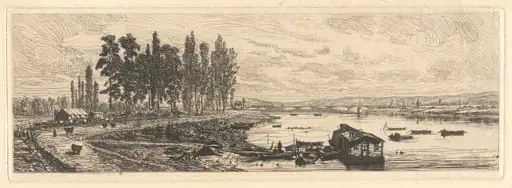 The Banks of the Seine at Bezons
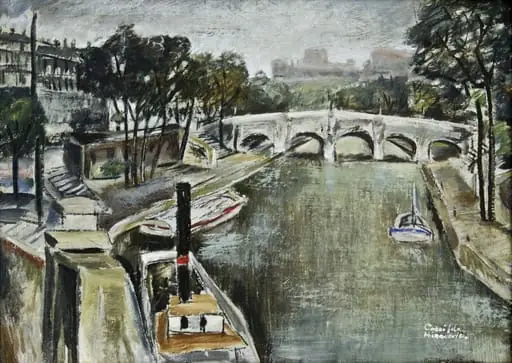 Pod peste Sena
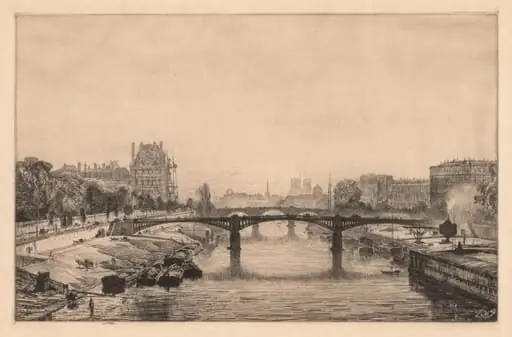 Paris, View from the Concorde Bridge
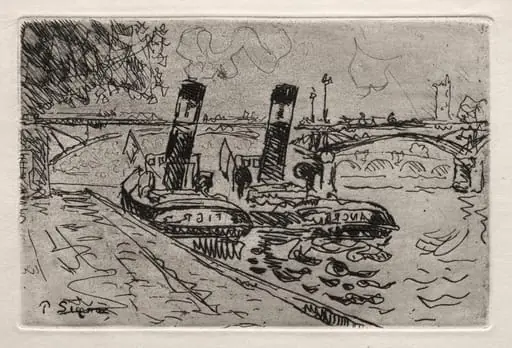 Paris, Le Pont des Arts avec Remorqeurs
 A Selection of Twenty of the Most Picturesque Views in Paris: The Water Works at Marli, and St. Germain en Laye seen in the distance
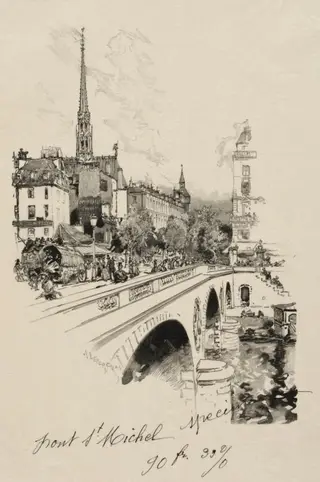 Le Pont Saint-Michel
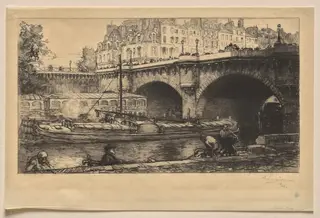 Le Pont Neuf
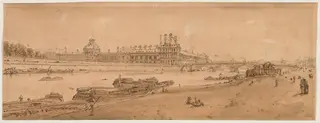 A Selection of Twenty of the Most Picturesque Views in Paris
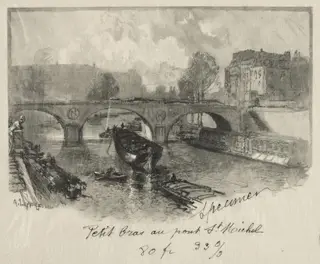 Petit bras au Pont St. Michel
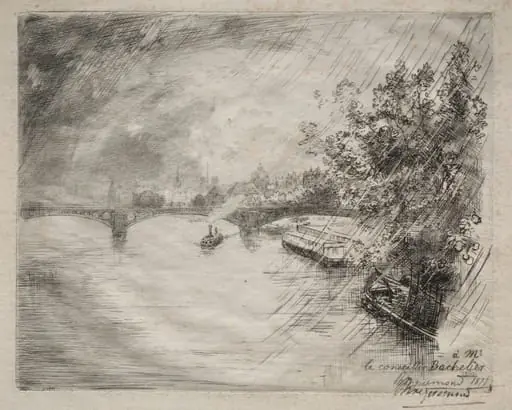 View of the Bridge of Saint-Pères
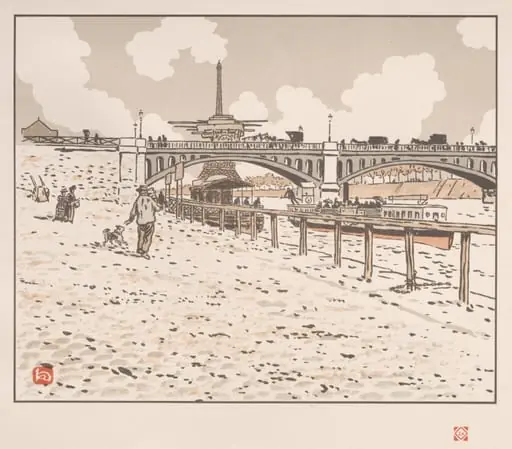 Thirty-Six Views of the Eiffel Tower: From the Grenelle Bridge
 A Selection of Twenty of the Most Picturesque Views in Paris: View of Pont Neuf, and the Mint
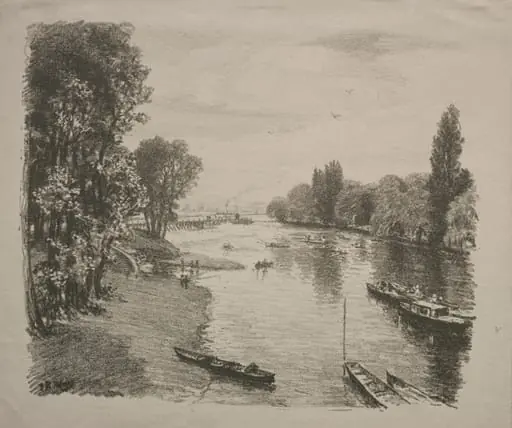 The Thames
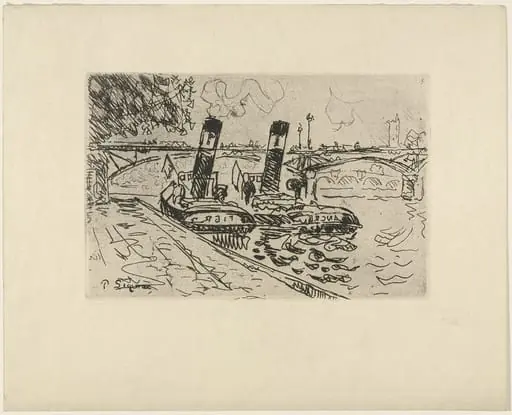 Untitled
Frequently asked questions
What is Seine?
Seine is a subject in art. The Seine ( sayn, sen; French: ) is a 777-kilometre-long (483 mi) river in northern France.
How many Seine works does Artifact World Gallery have?
Artifact World Gallery holds 164 public-domain Seine works, all free to view and download.
Who are the key Seine artists?
Key Seine artists in the collection include Jean Baptiste Camille Corot, Édouard Manet and Camille Pissarro.
Where can I see Seine works?
Seine works in the collection are held by Cleveland Museum of Art, National Gallery of Art and Art Institute of Chicago.