Subject
Grape
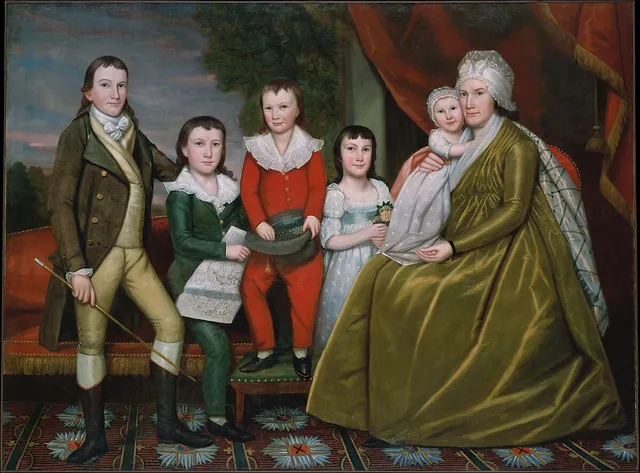
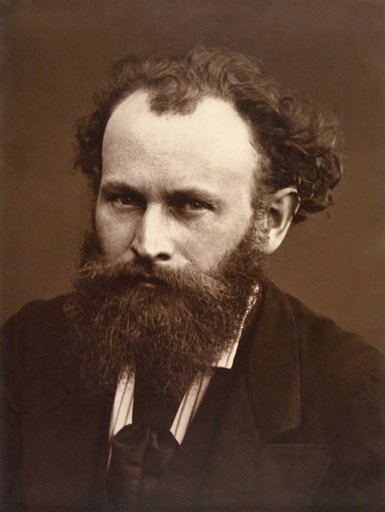
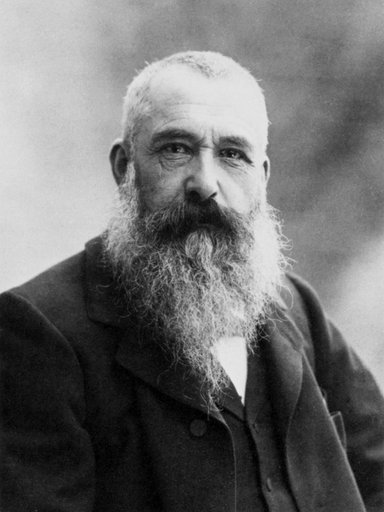
Grape is a subject in art. The gallery holds 162 works in this subject in art, including works by Ralph Earl, Édouard Manet and Claude Monet.
Few motifs travel through Western art as continuously as the grape. Its earliest dense concentration belongs to antiquity and the cult of Dionysus, the Greek god of the vine whom the Romans absorbed as Bacchus and identified with Liber. Greek vases, Praxiteles's Hermes reaching a cluster toward the infant Dionysus, and Roman wall painting all knit grapes, ivy and the wine-press into images of fertility, intoxication and the cycle of cultivation. Pompeian frescoes—Bacchus sheathed in grapes on Vesuvius in the House of the Centenary—and the "xenia" mosaics, which laid baskets of fruit before guests as emblems of a host's bounty, established the grape as both divine attribute and sign of earthly abundance, the twin poles it would occupy ever after.
Christianity reread the same fruit. Drawing on Christ's words in John, "I am the vine; you are the branches," and on the wine of the Last Supper, medieval and Renaissance artists made the grape a Eucharistic emblem of his blood and Passion. It appears, often pressed toward the Christ Child, in domestic devotional scenes such as Joos van Cleve's Holy Family, where ordinary fruit carries sacramental weight. This sacred reading coexisted with a frankly sensual one: Caravaggio's vine-crowned youths, including the grape-laden lutenists of The Musicians (c. 1597), revived the Bacchic body with unsettling realism, the bloom and bruise of the fruit doubling as an emblem of fleeting beauty.
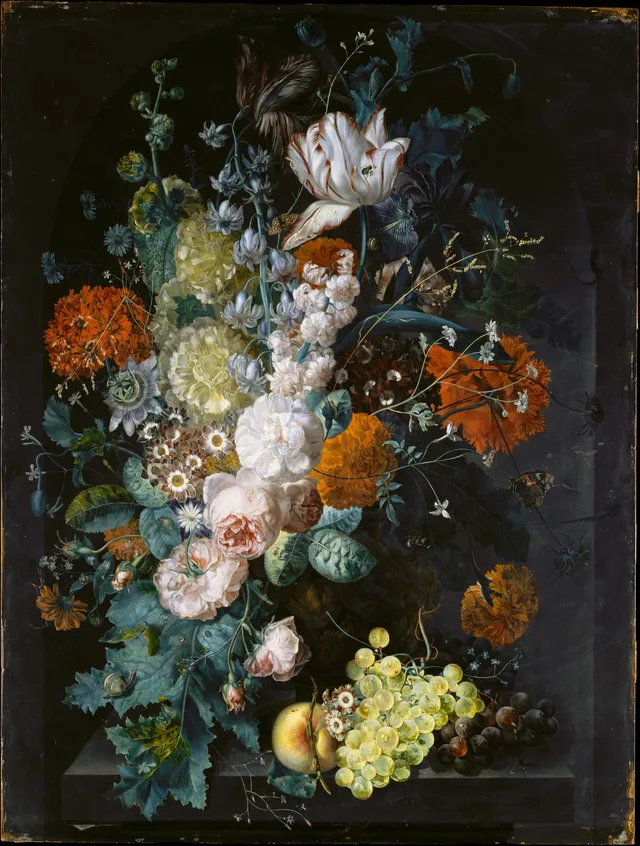
The grape's technical apotheosis came in the seventeenth-century Dutch and Flemish still life, where masters like Jan Davidsz. de Heem made each translucent berry a demonstration of the painter's eye—light caught in the skin, vine leaves curling with botanical precision. In the ostentatious "pronkstilleven" grapes signalled prosperity and Mediterranean trade; in the vanitas they slid toward decay, overripe and worm-eaten, a memento mori that all joy is temporary. The same fruit garlanded mythologies of plenty, as in Hendrik Goltzius's Vertumnus and Pomona, and lent its abundance to flower pieces such as Margaretha Haverman's A Vase of Flowers.
The motif persisted into modernity, where Maurice Denis's Bacchus and Ariadne returned the cluster to its pagan origins under the banner of Symbolism and the Nabis. Across these phases the grape remained a connective thread linking sacred and profane, abundance and mortality—proof that a single fruit could anchor an entire vocabulary of meaning in European painting.
Key artists
Works
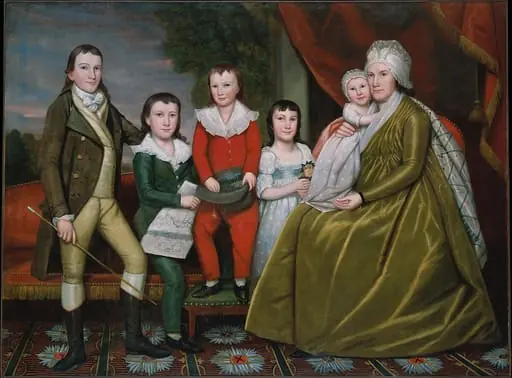 Mrs. Noah Smith and Her Children
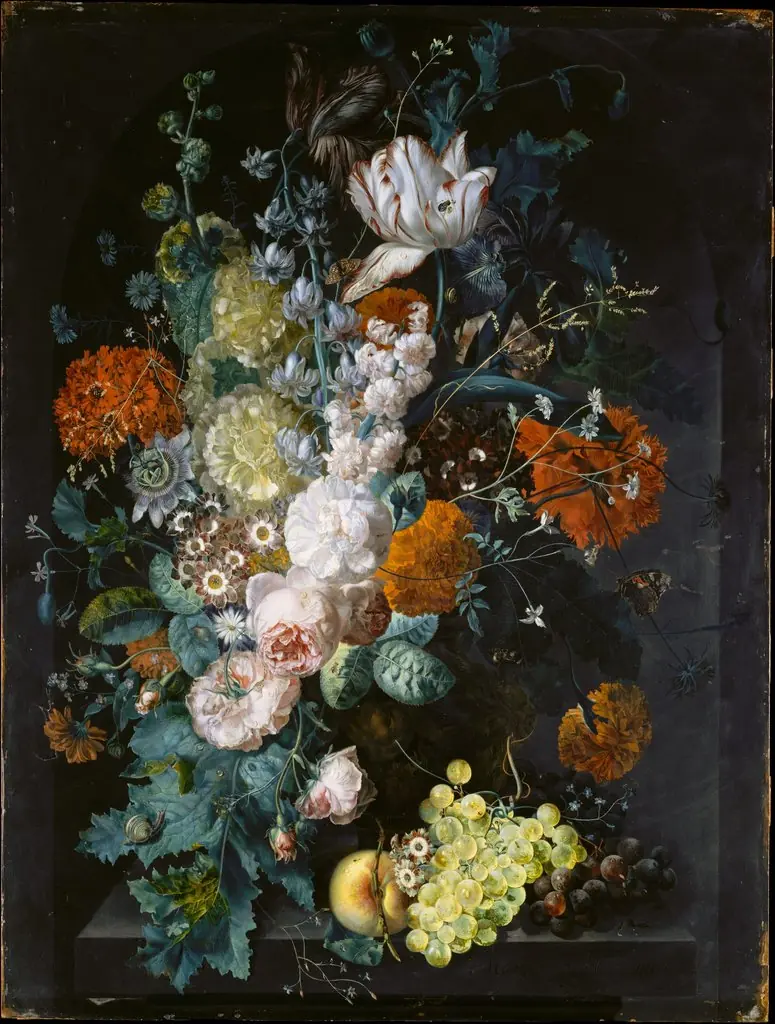 A Vase of Flowers
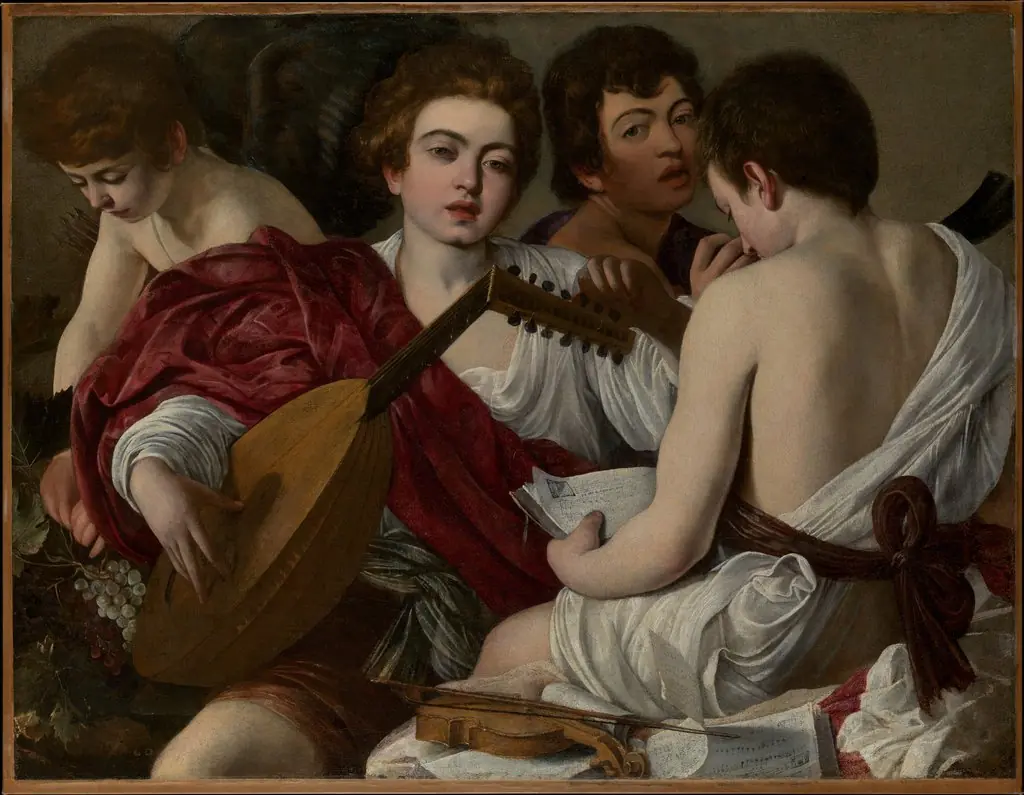 The Musicians
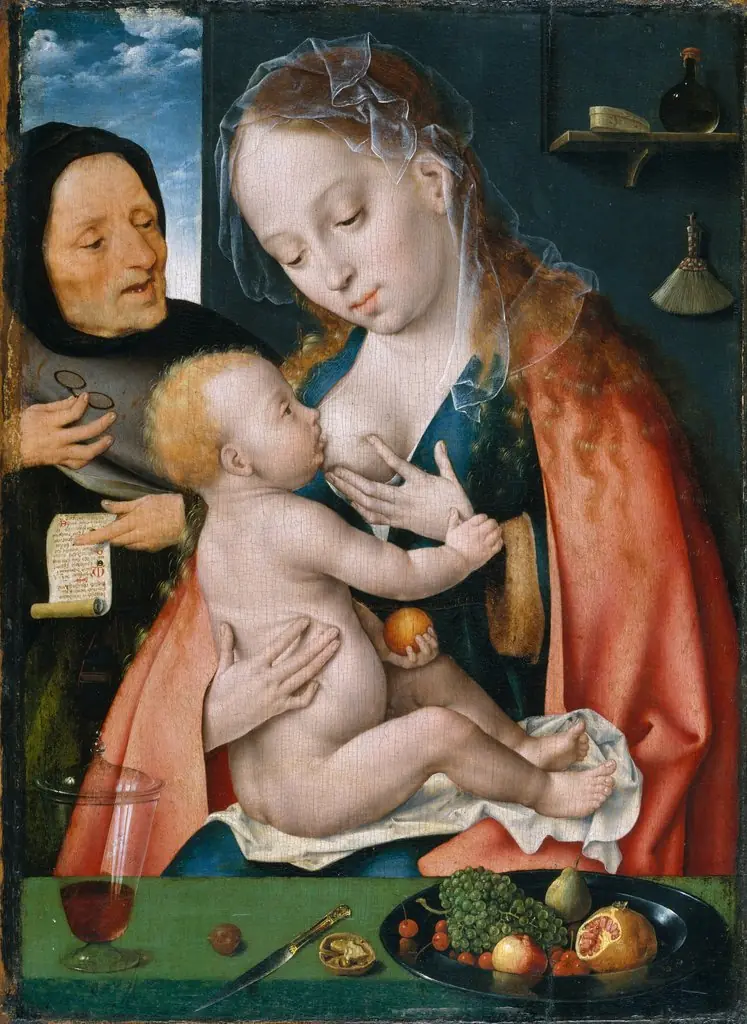 The Holy Family
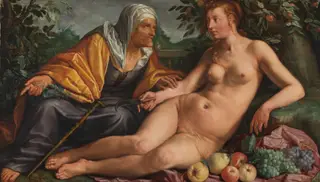 Vertumnus and Pomona
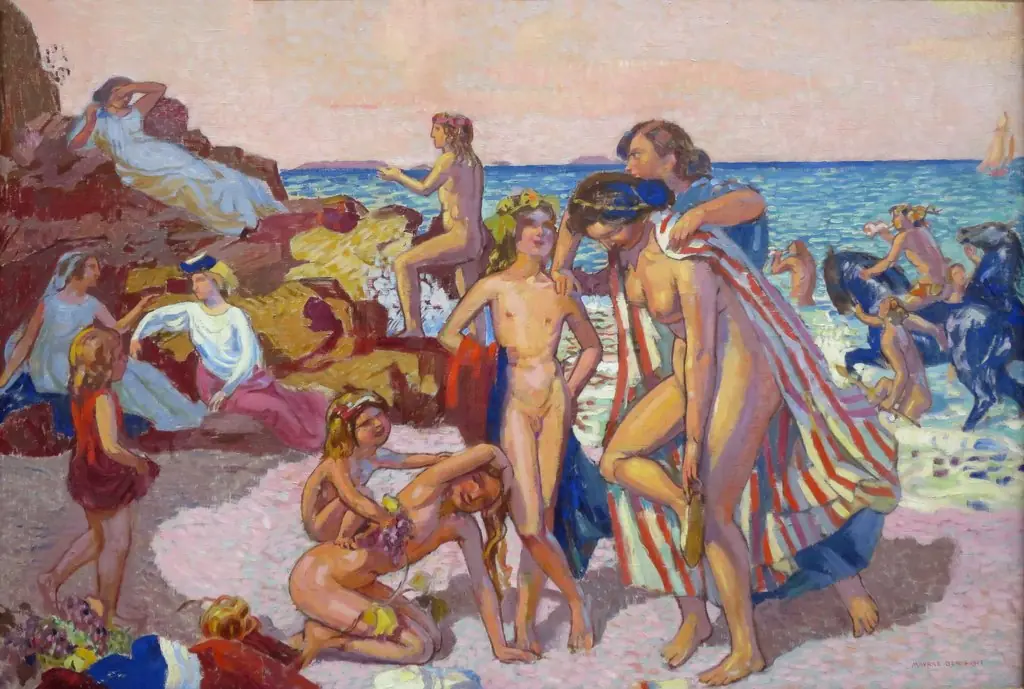 Bacchus and Ariadne
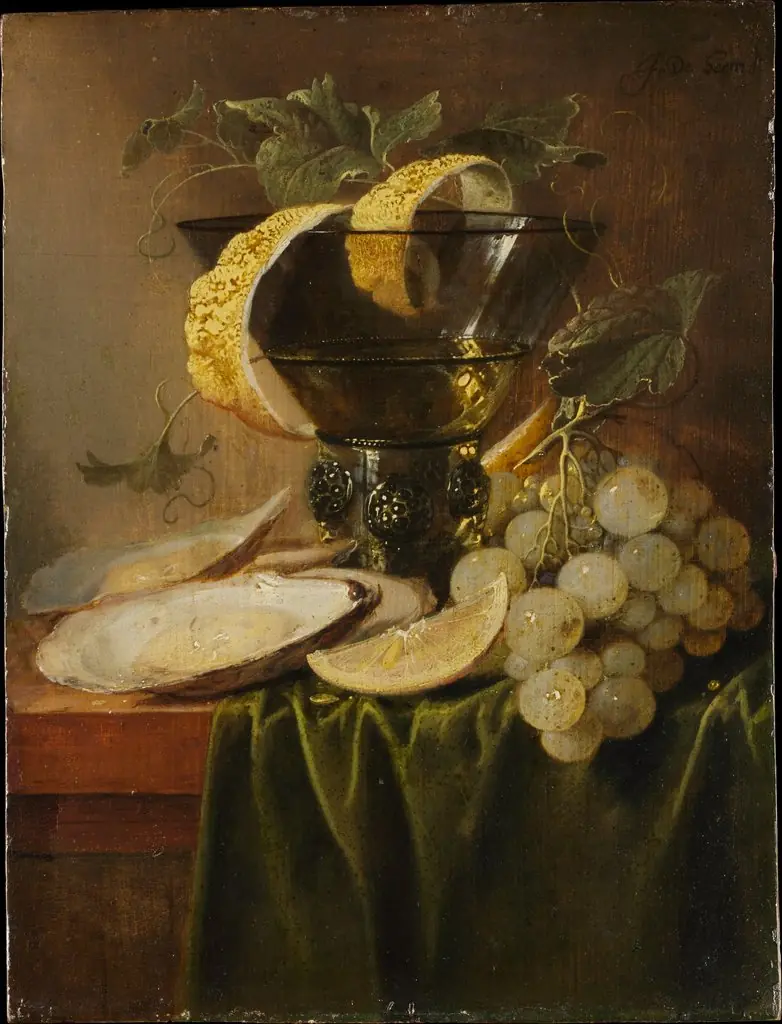 Still Life with a Glass and Oysters
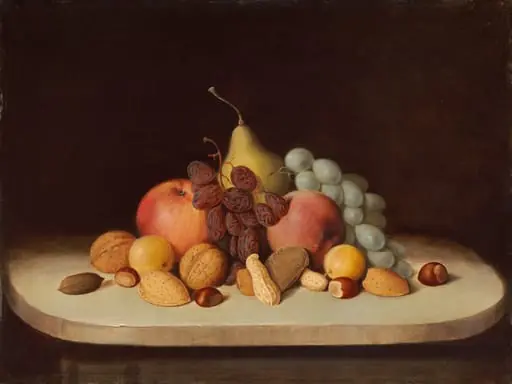 Still Life with Fruit and Nuts
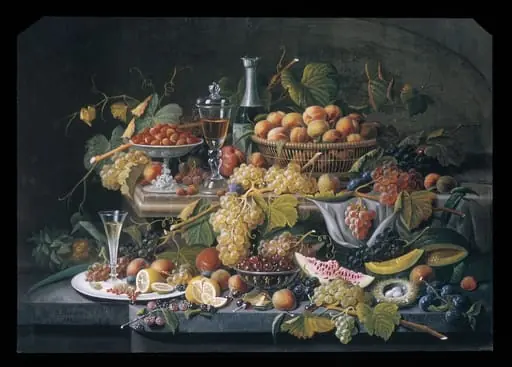 Still Life: Fruit
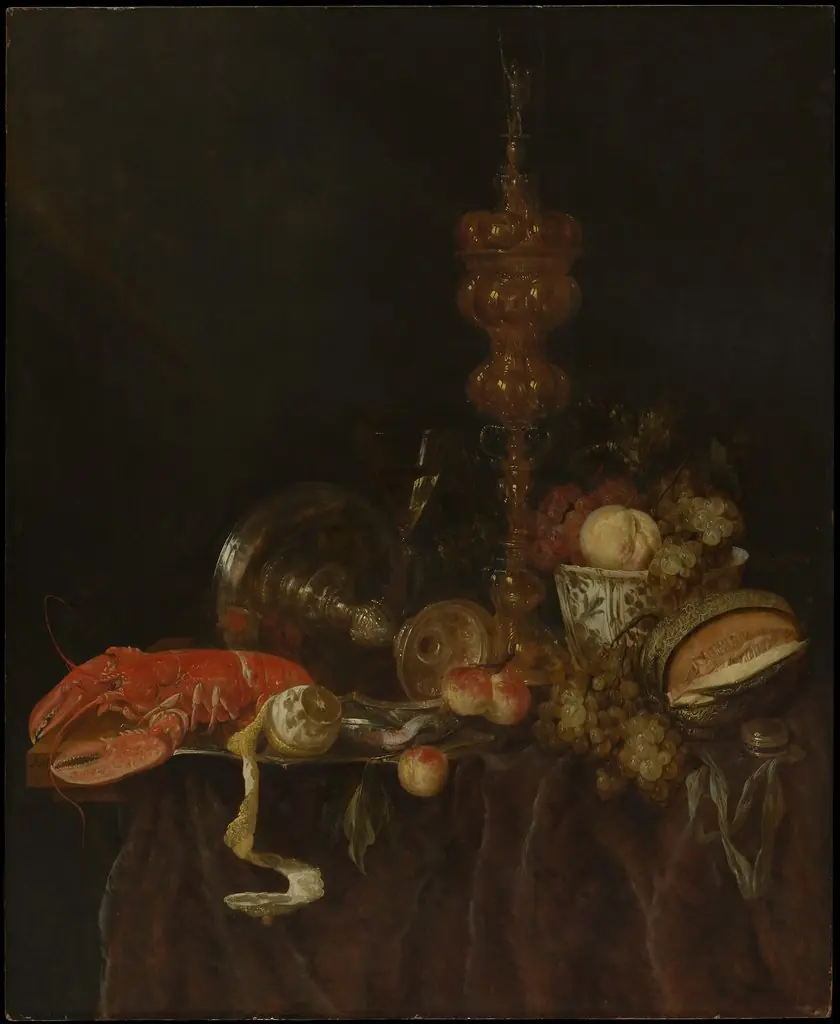 Still Life with Lobster and Fruit
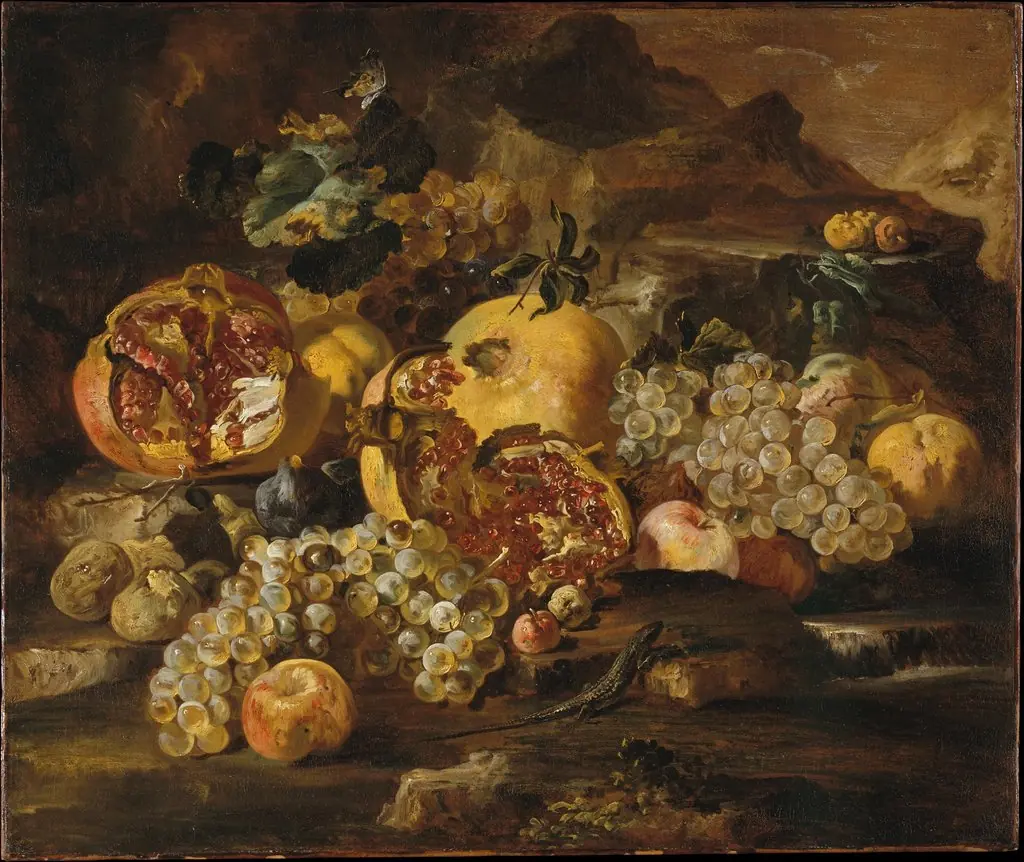 Pomegranates and Other Fruit in a Landscape
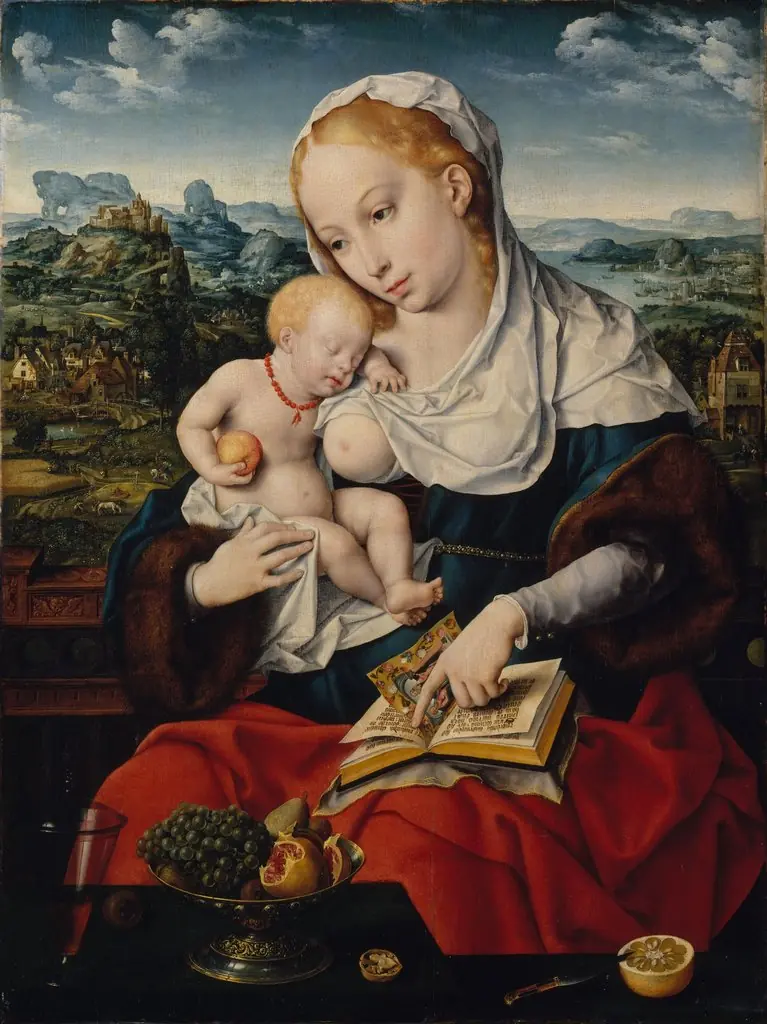 Virgin and Child
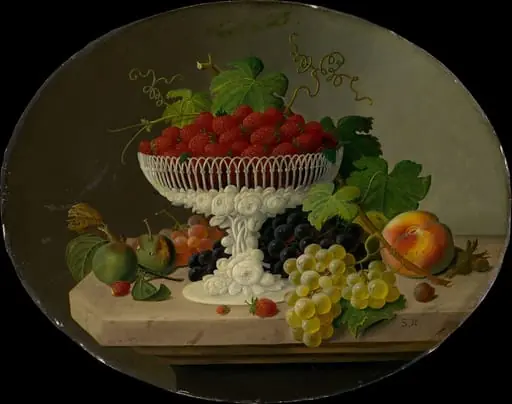 Still Life with Strawberries in a Compote
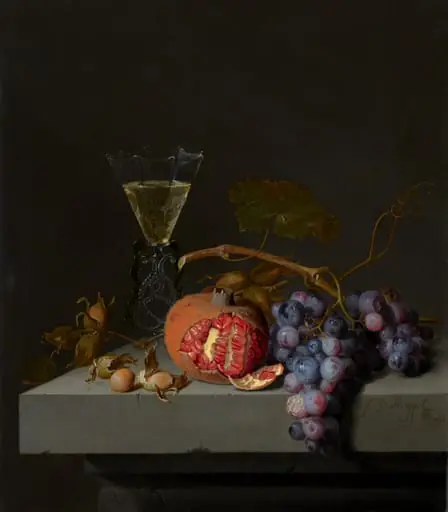 Still Life with Fruit
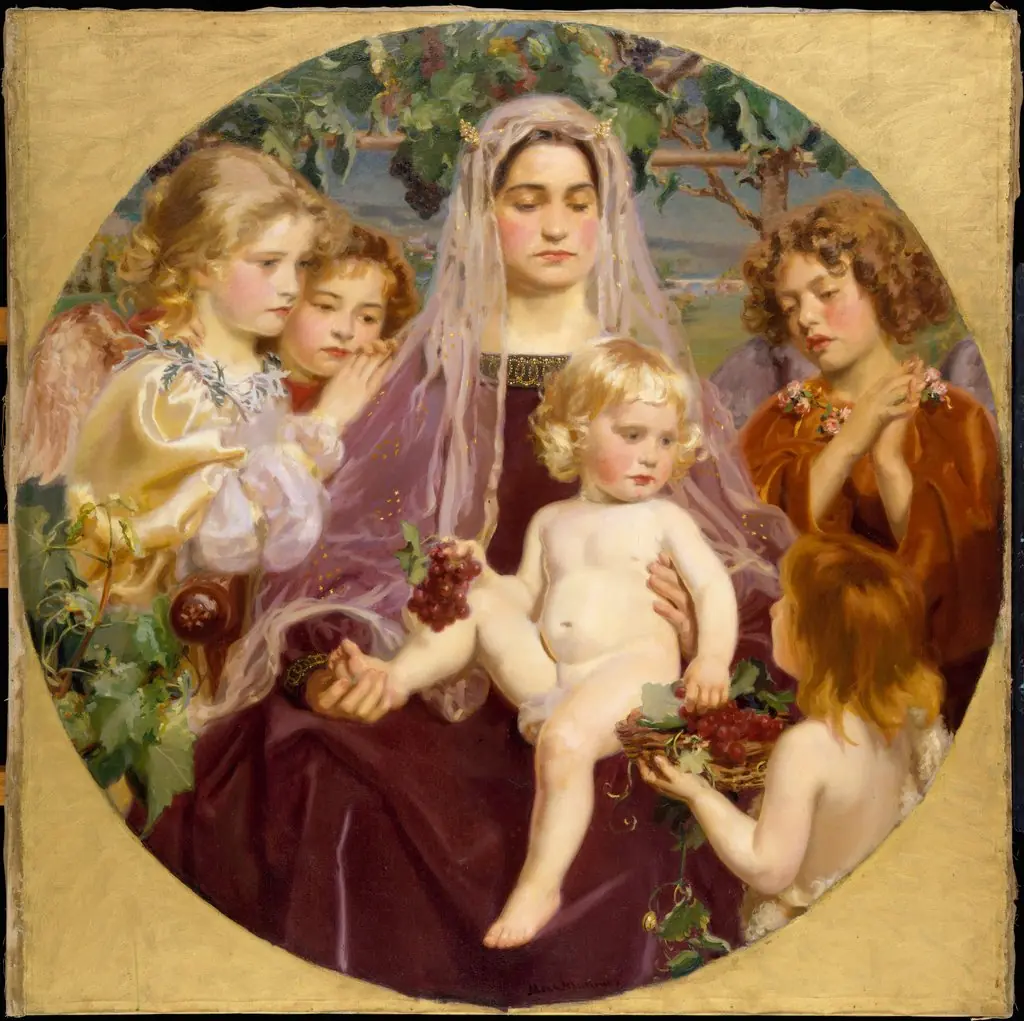 Madonna of Giverny
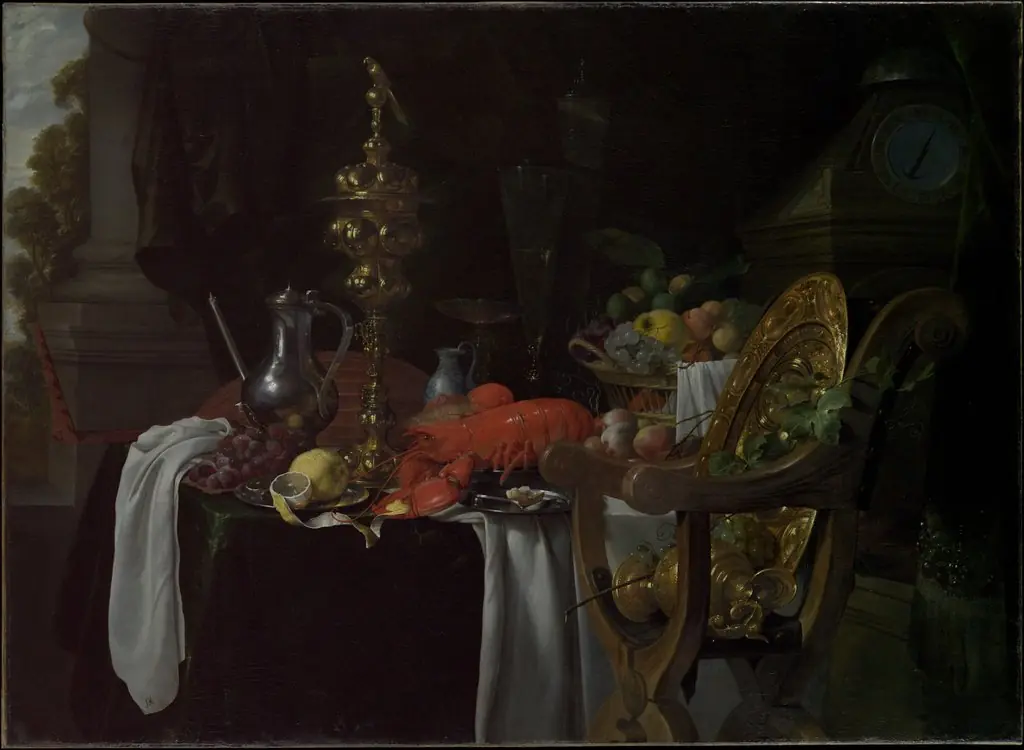 Still Life: A Banqueting Scene
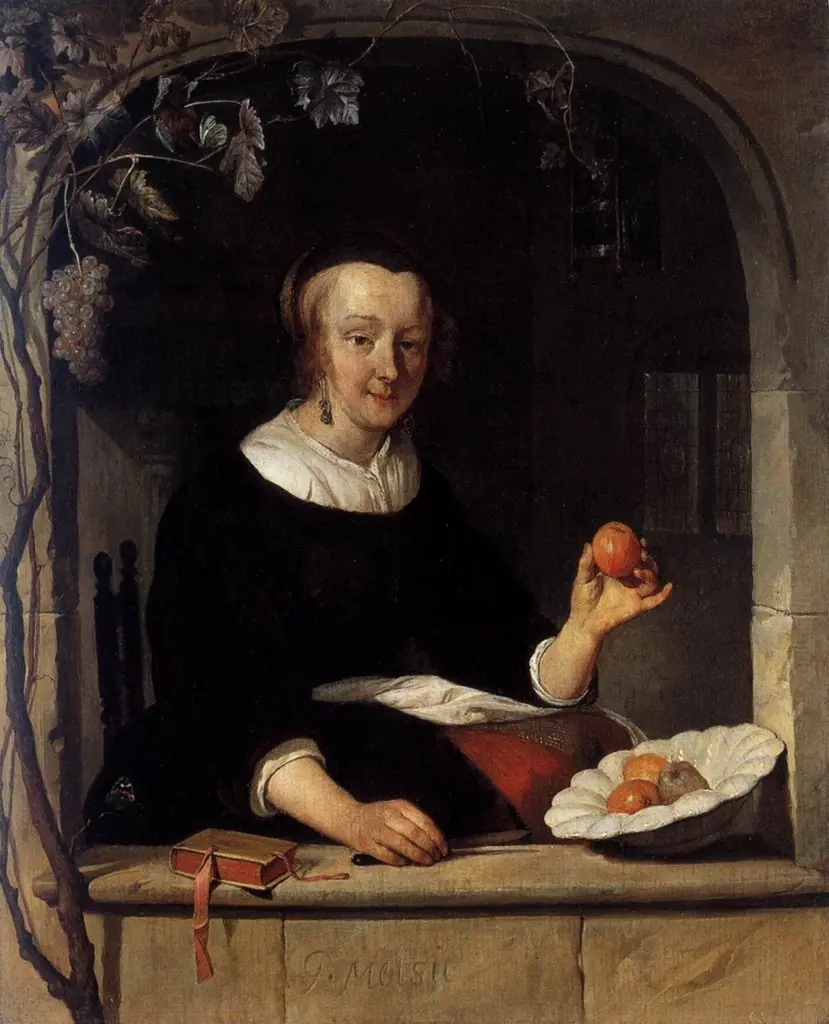 A Woman Seated at a Window
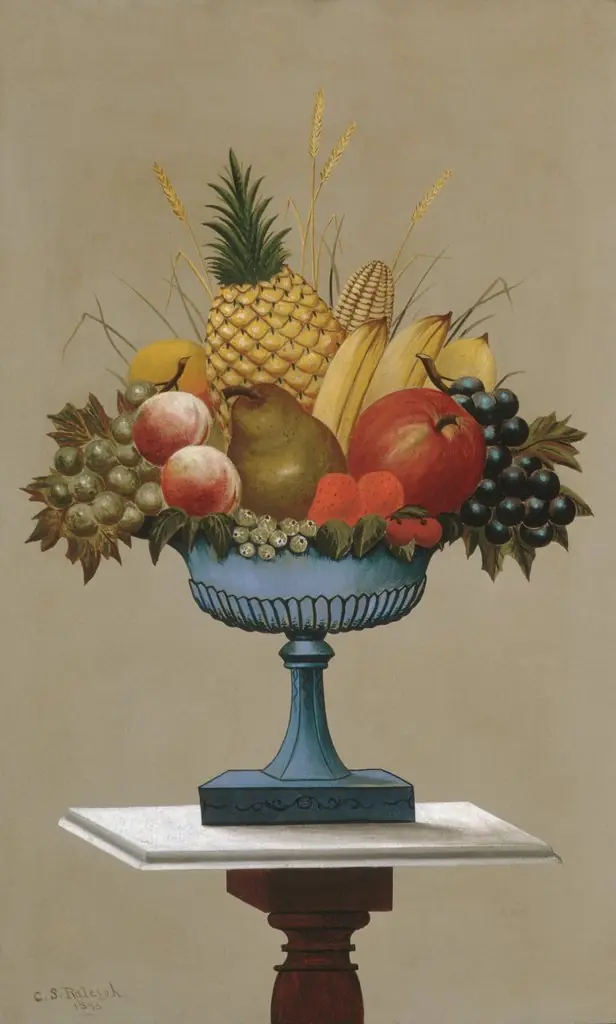 Fruit with Blue-footed Bowl
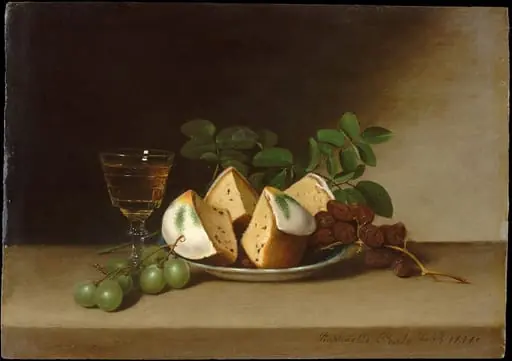 Still Life with Cake
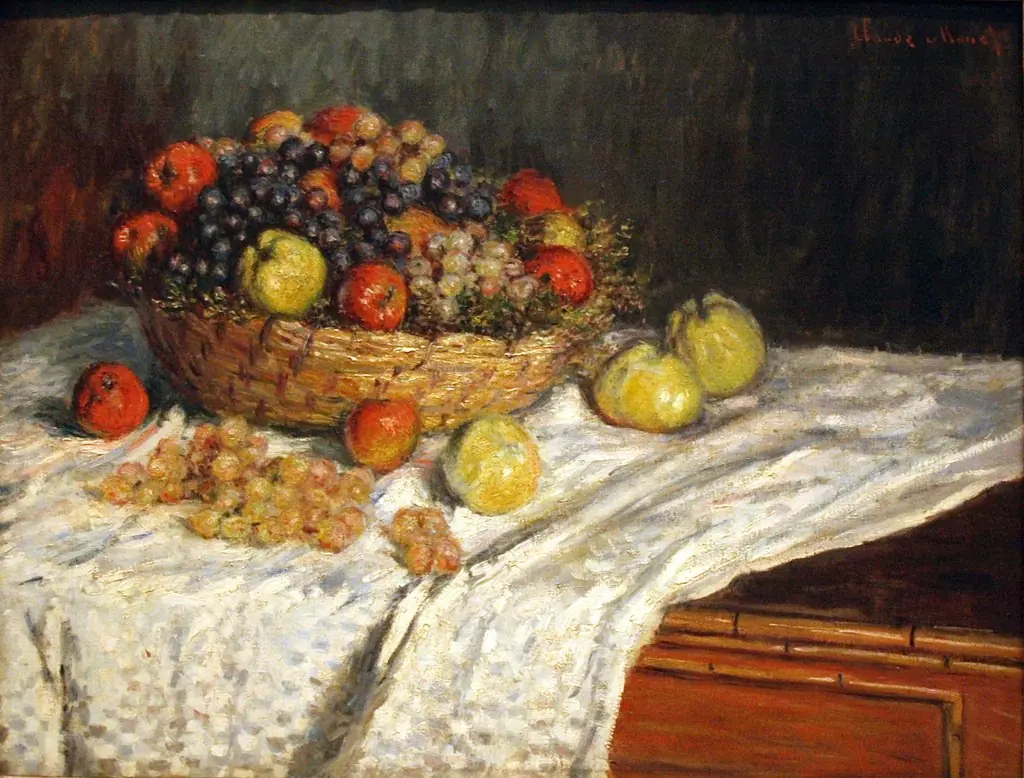 Apples and Grapes
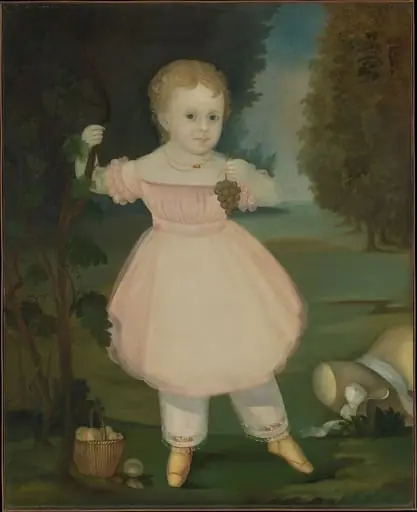 Portrait of a Little Girl Picking Grapes
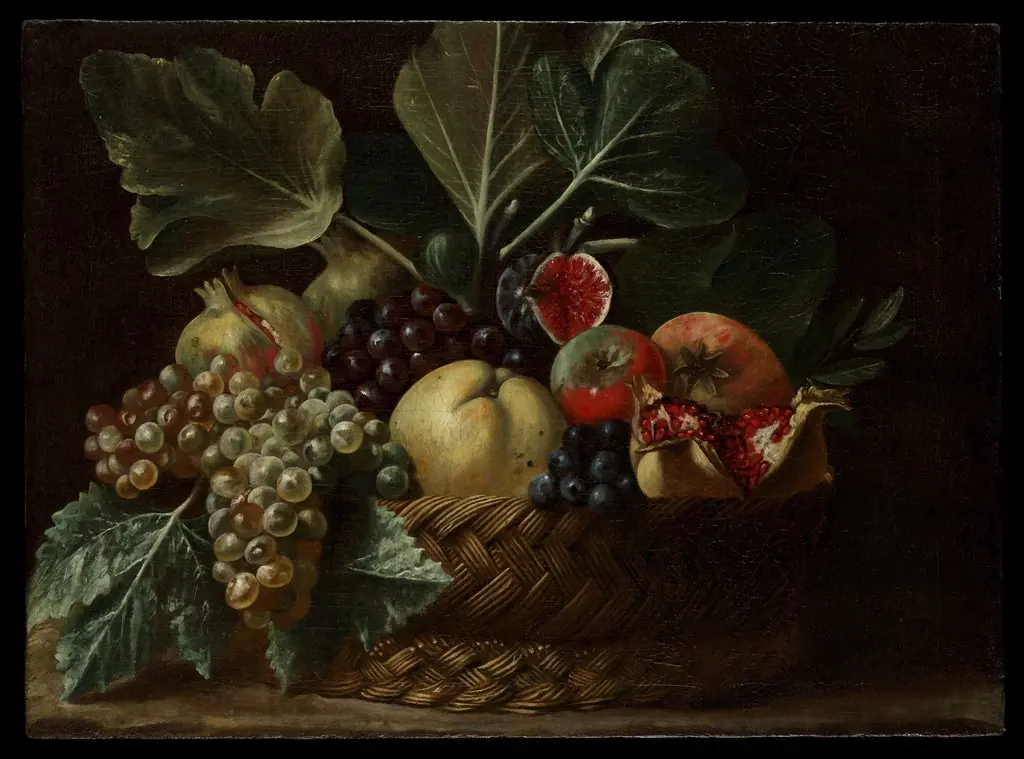 Basket of Fruit
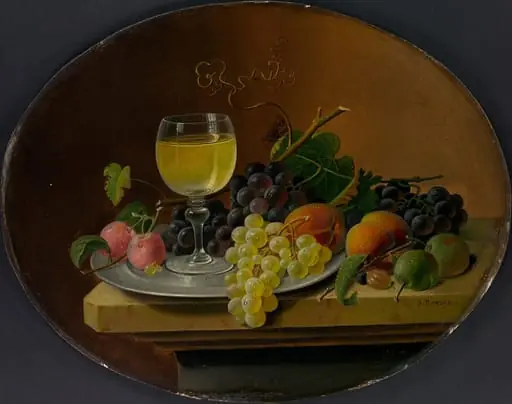 Still Life Fruit and Wine Glass
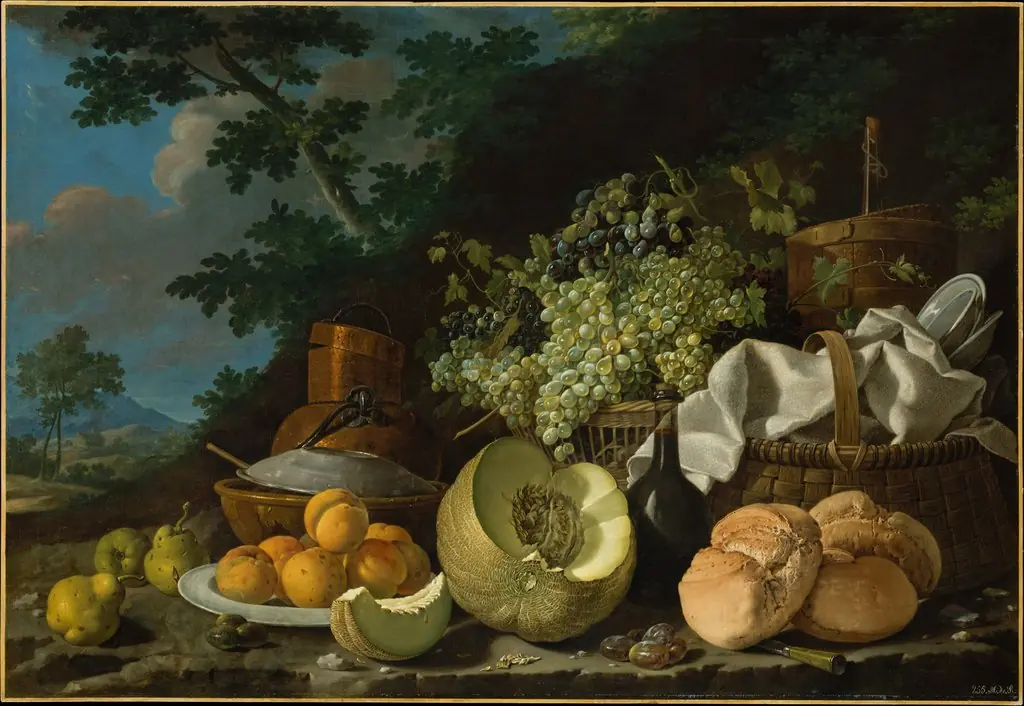 The Afternoon Meal (La Merienda)
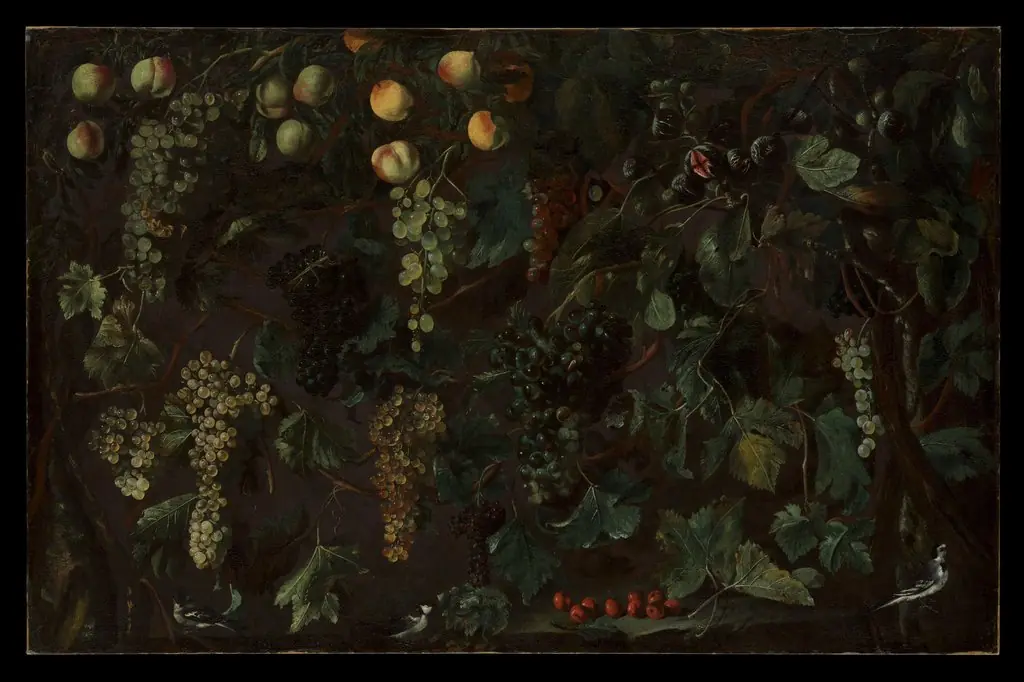 Grape Vines and Fruit, with Three Wagtails
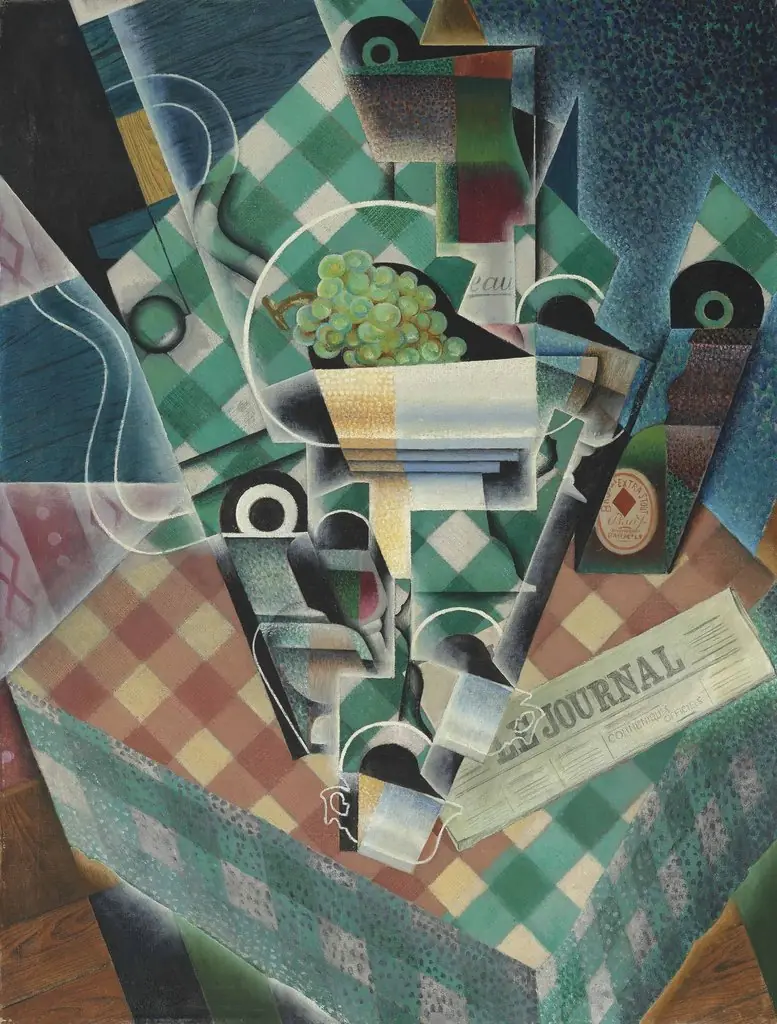 Still Life with Checked Tablecloth
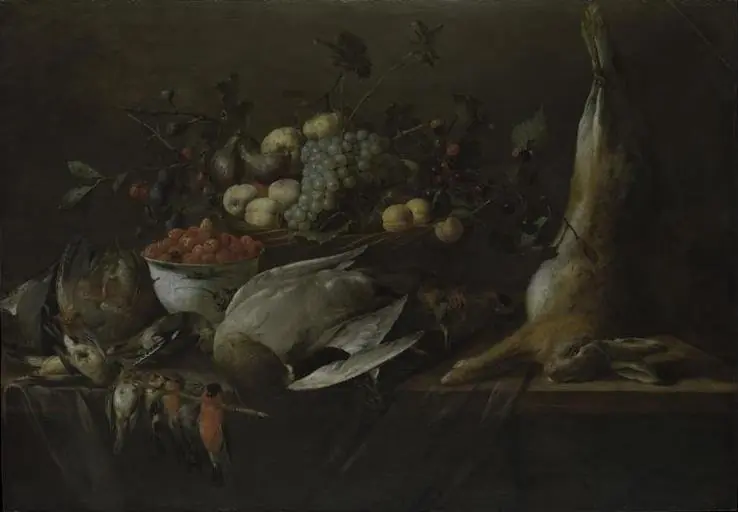 Still Life of Fruit and Game
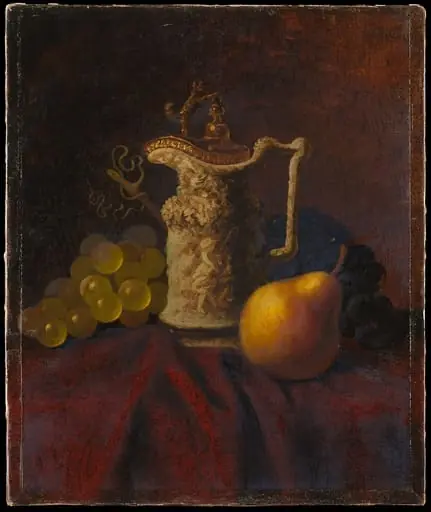 Still Life with Ewer and Fruit
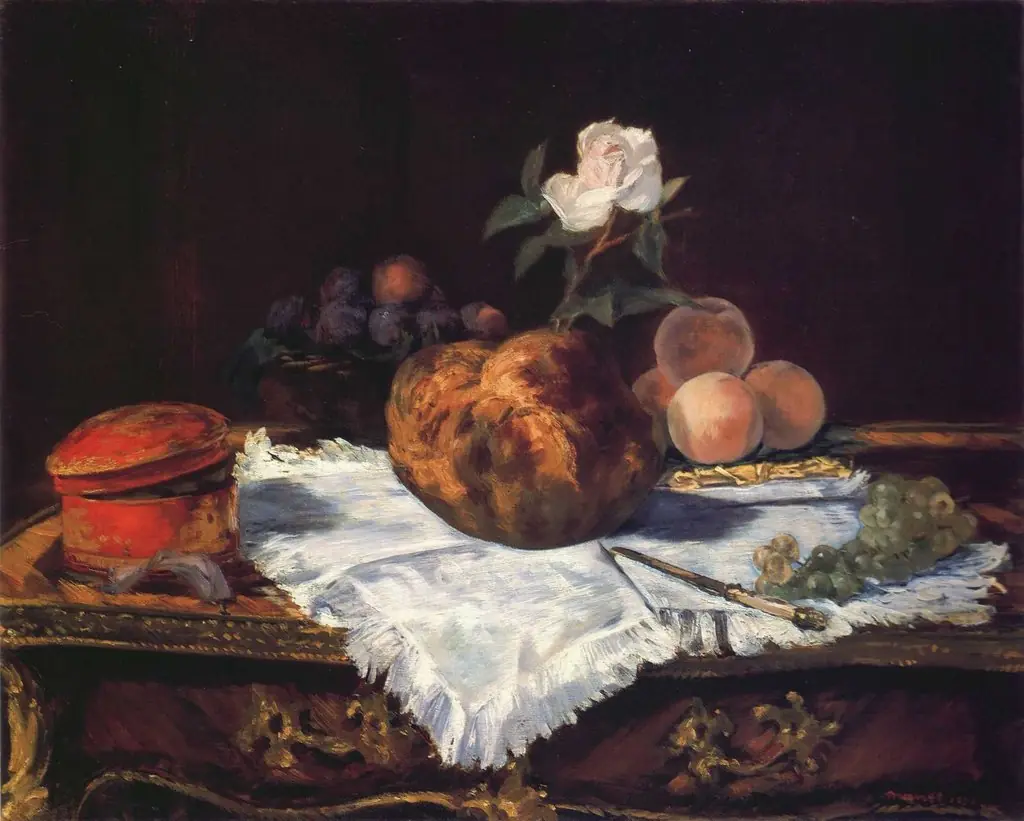 The Brioche
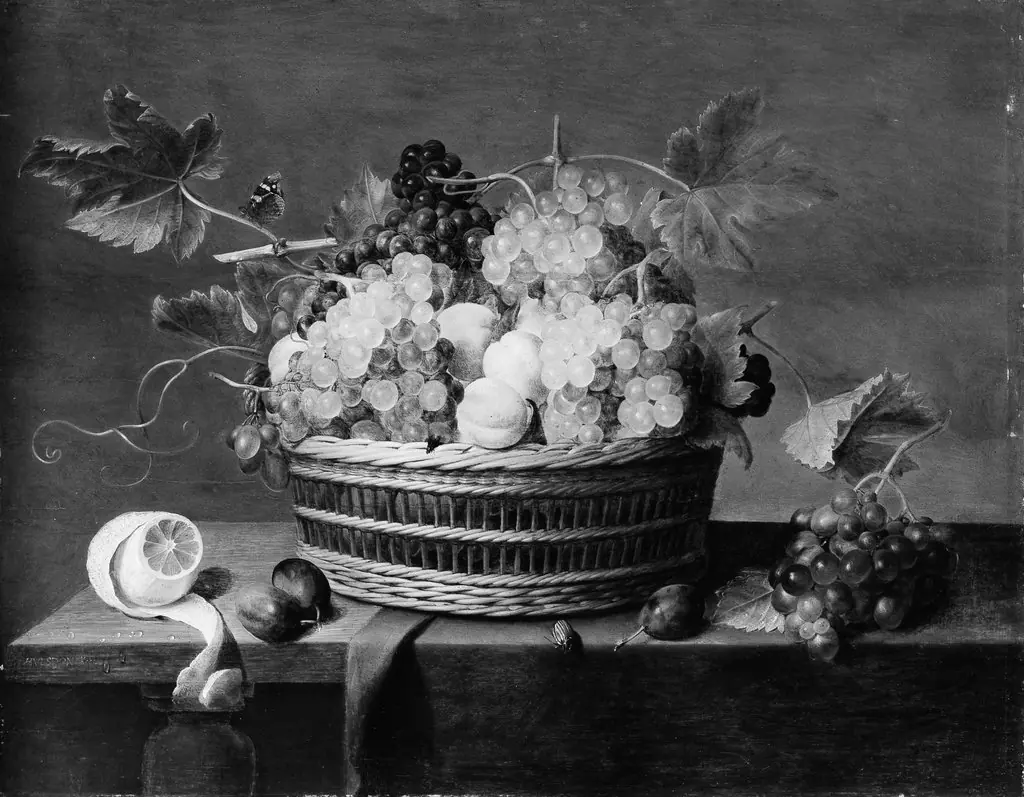 Still Life: A Basket of Grapes and Other Fruit
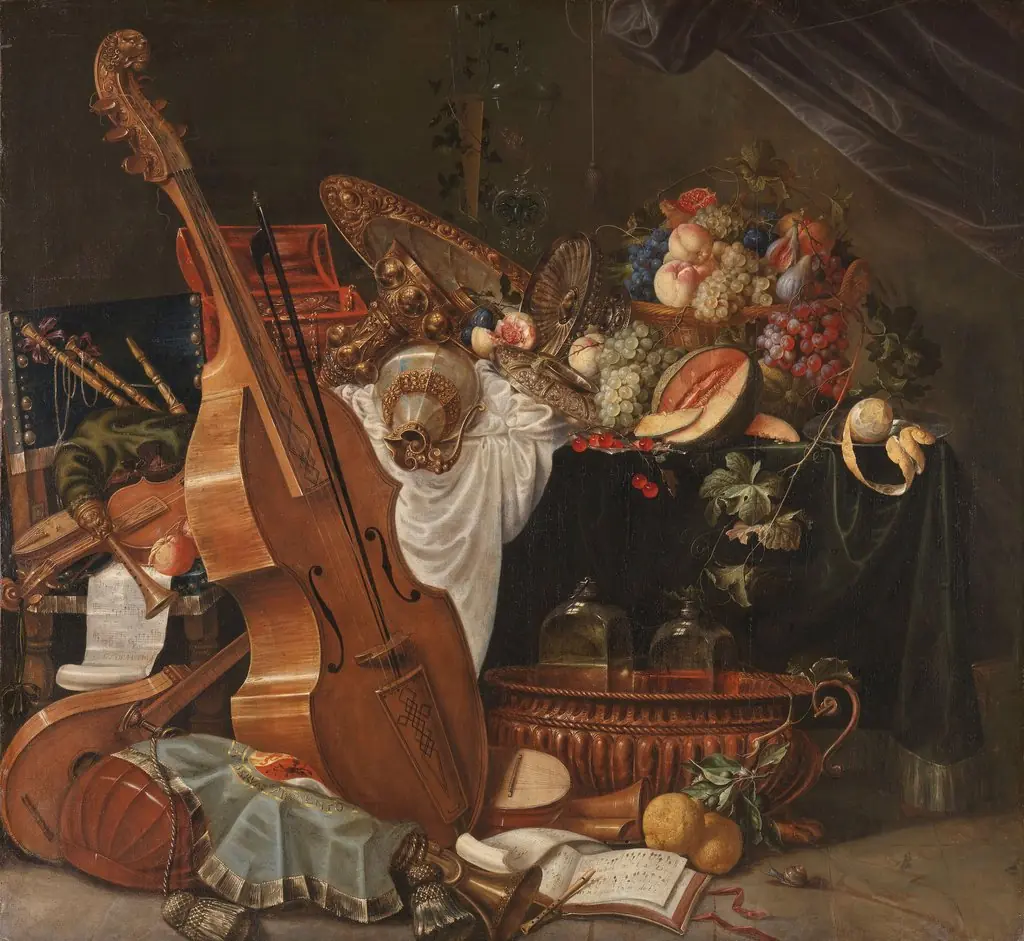 Still life
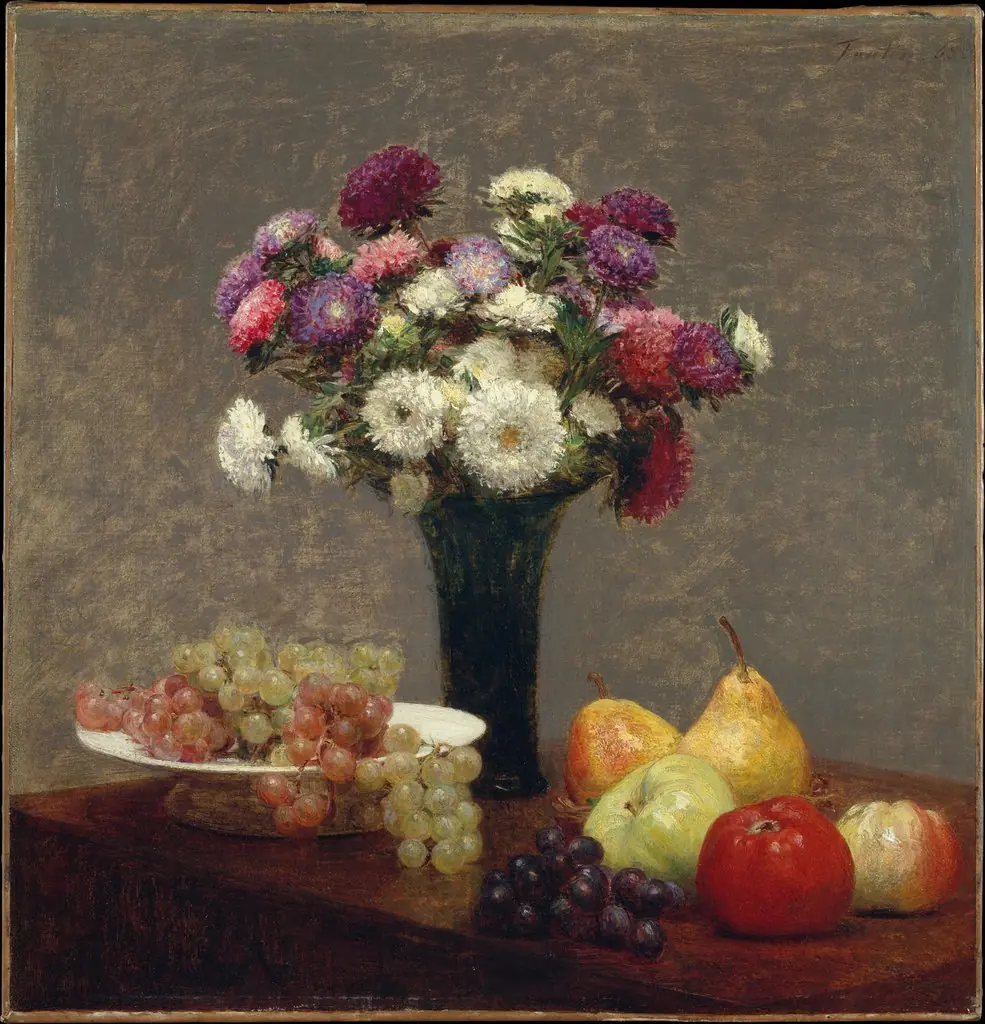 Asters and Fruit on a Table
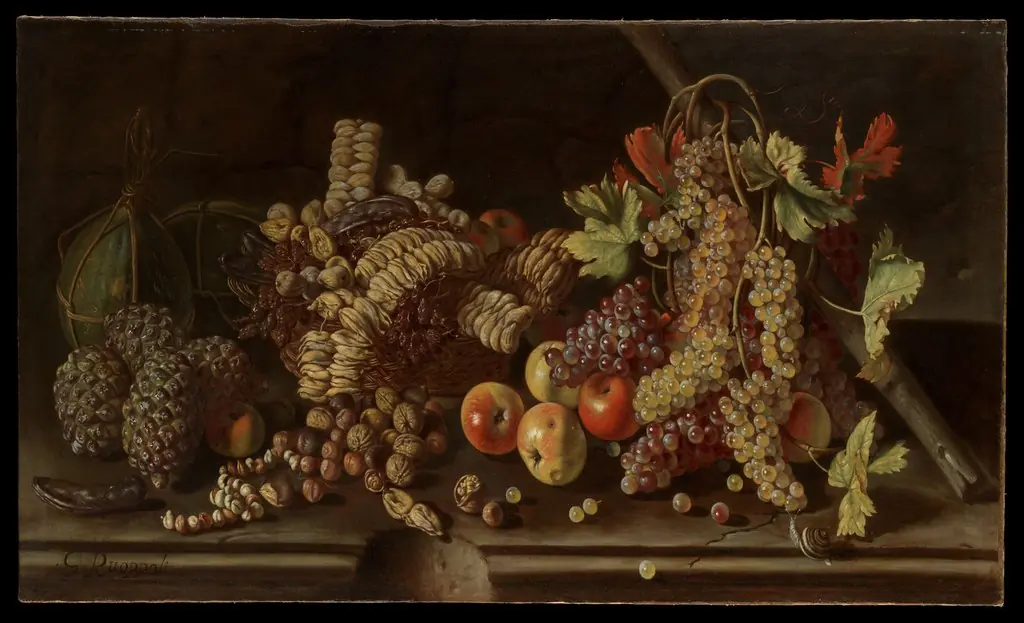 Still Life of Fruit and Nuts
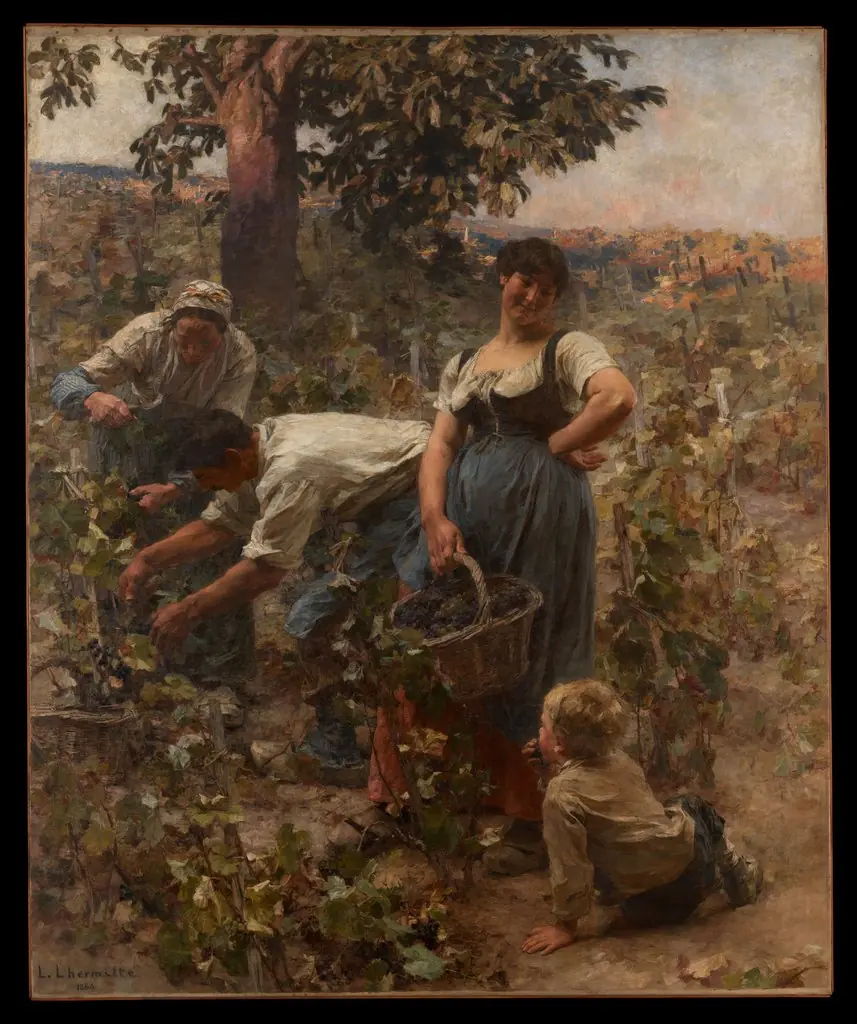 The Grape Harvest
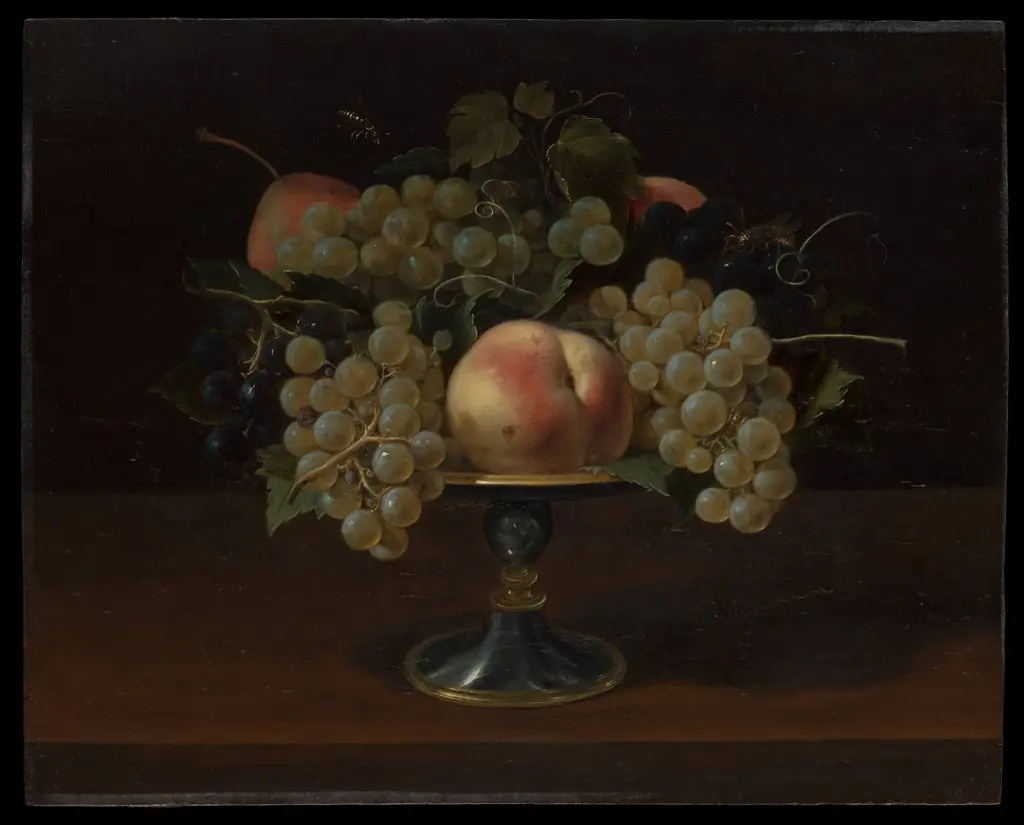 Still Life of Grapes and Peaches
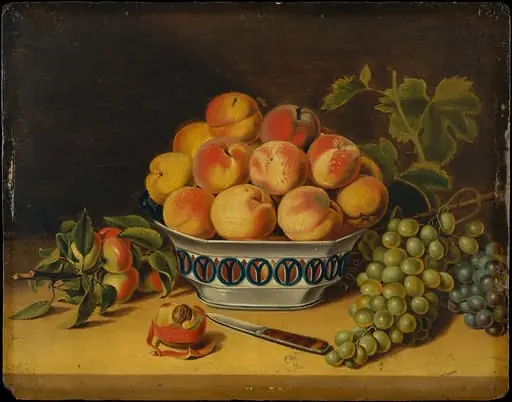 Still Life: Peaches and Grapes
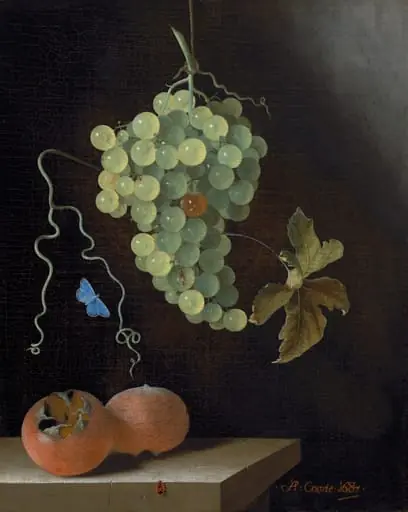 Still Life with a Hanging Bunch of Grapes, Two Medlars, and a Butterfly
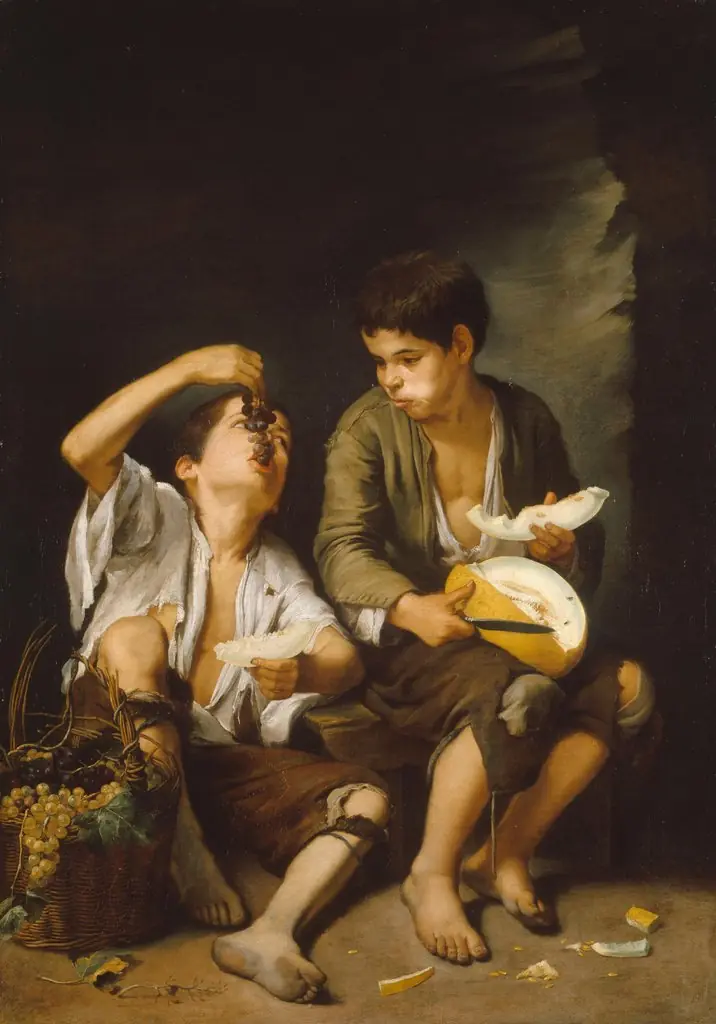 Grape and Melon Eaters
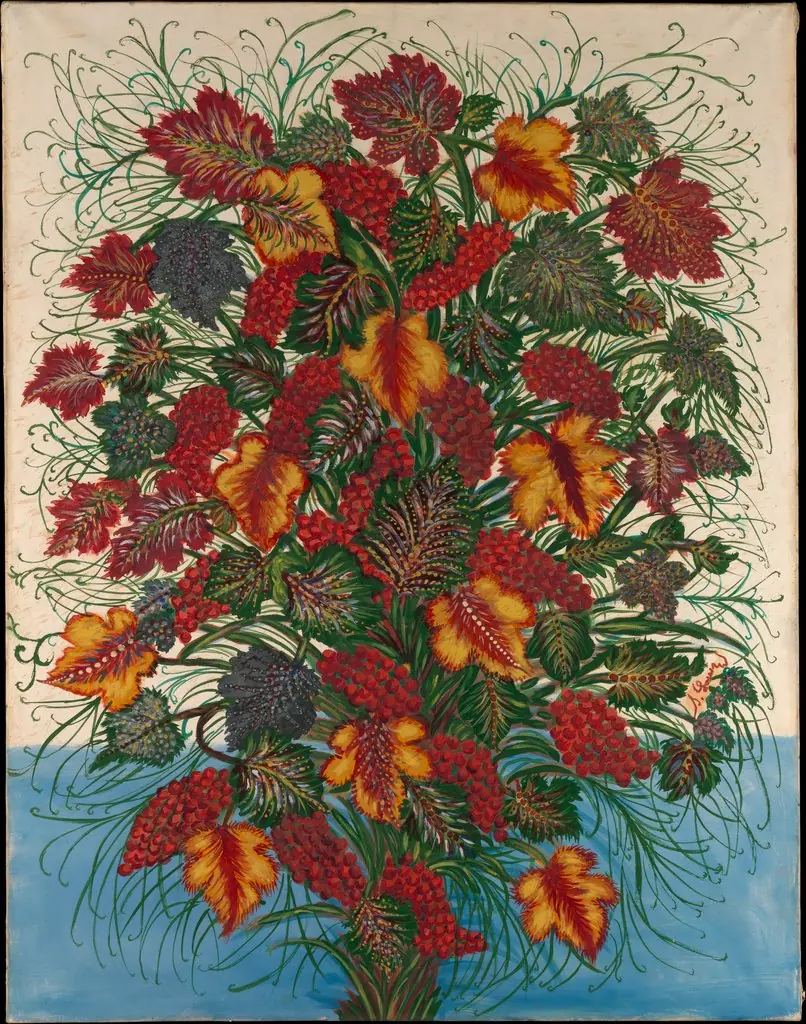 The Large Bouquet
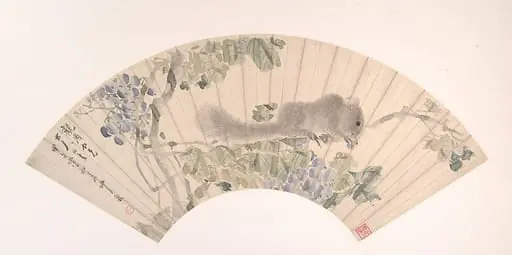 清 沙馥 松鼠葡萄 扇面|Squirrel and Grapes
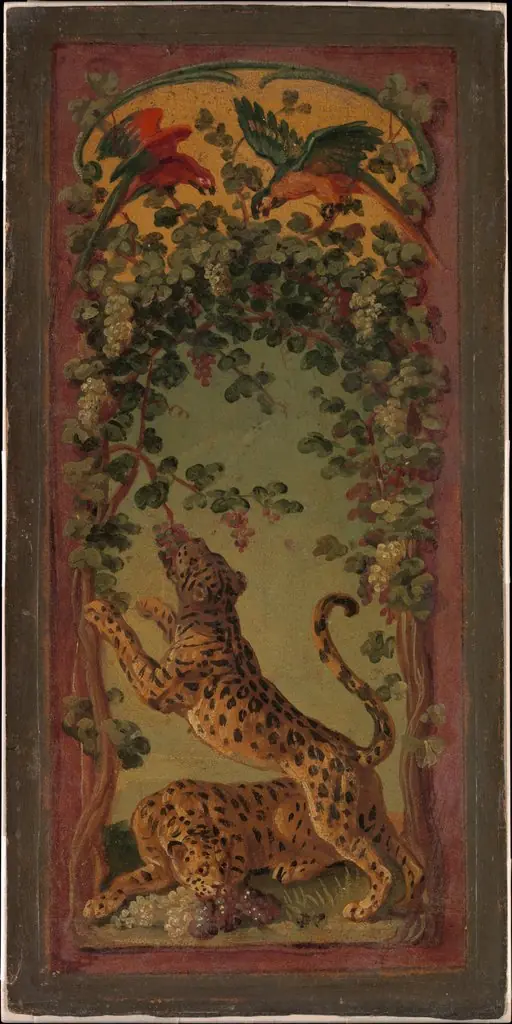 Panthers of Bacchus Eating Grapes
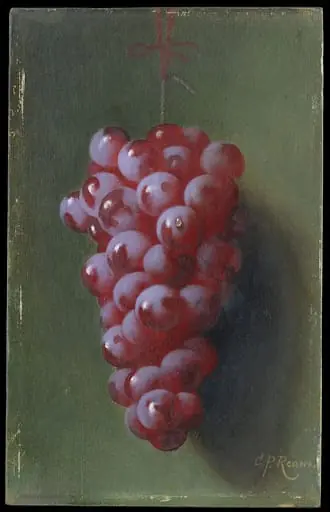 Still Life with Grapes
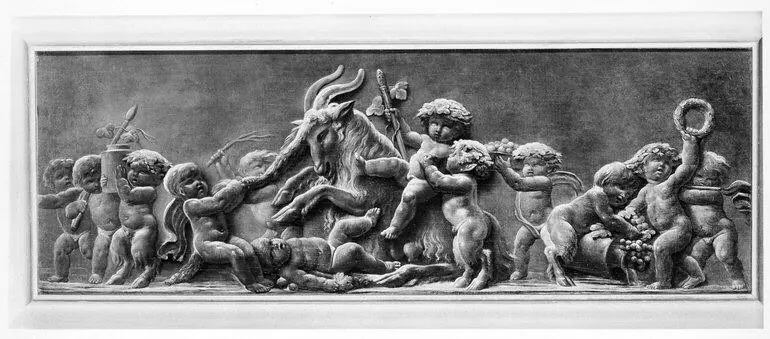 Infant Bacchanal
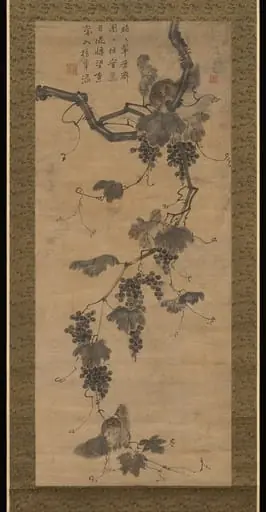 Untitled
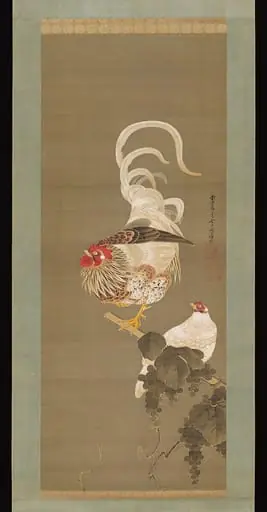 伊藤若沖筆 葡萄双鶏図|Hen and Rooster with Grapevine
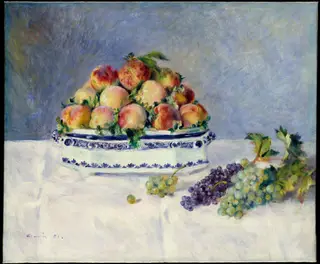 Still Life with Peaches and Grapes
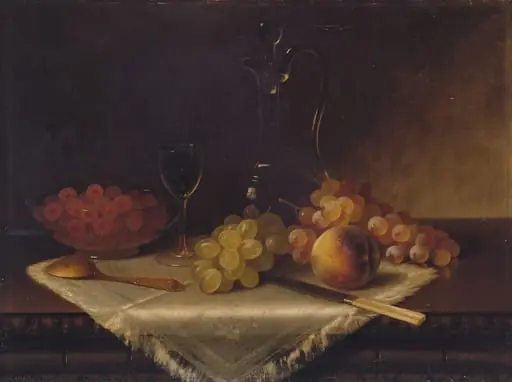 Still Life with Fruit
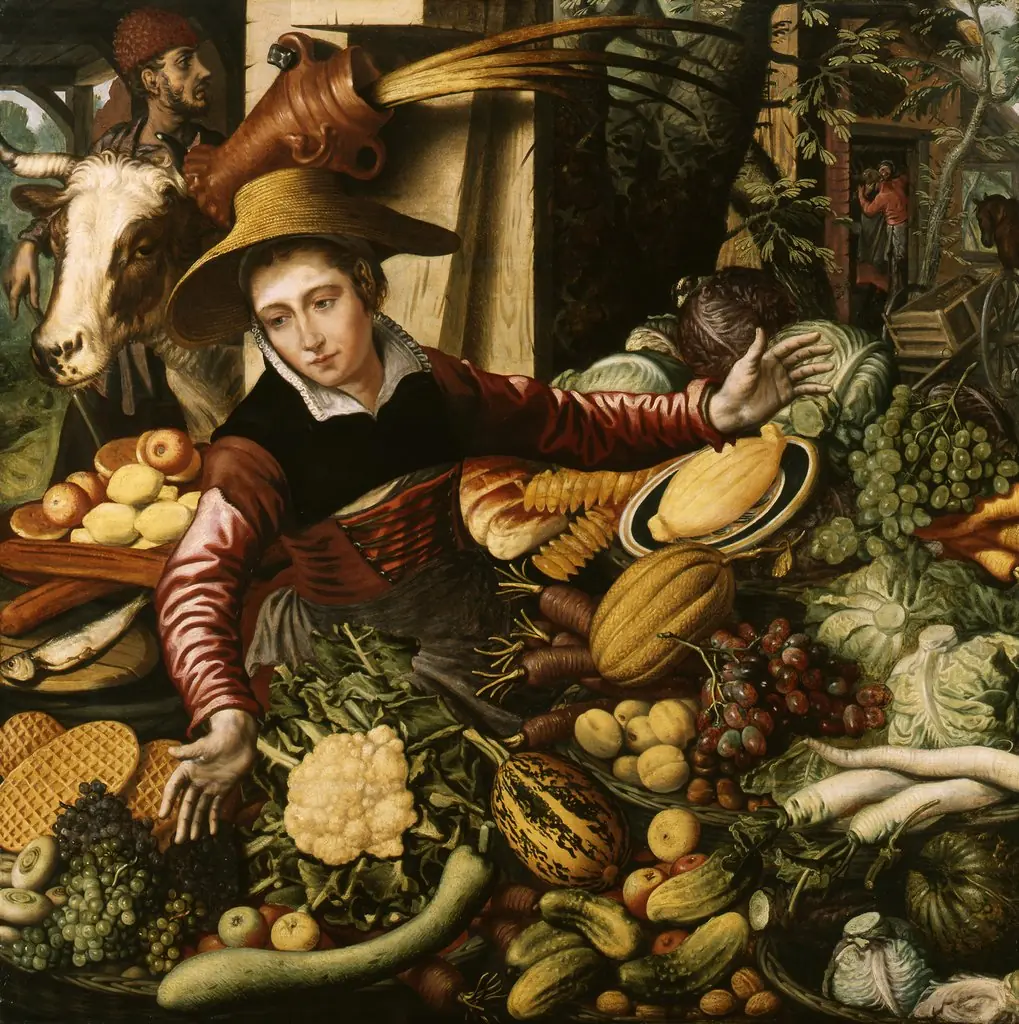 Market Woman at the Vegetable Stall
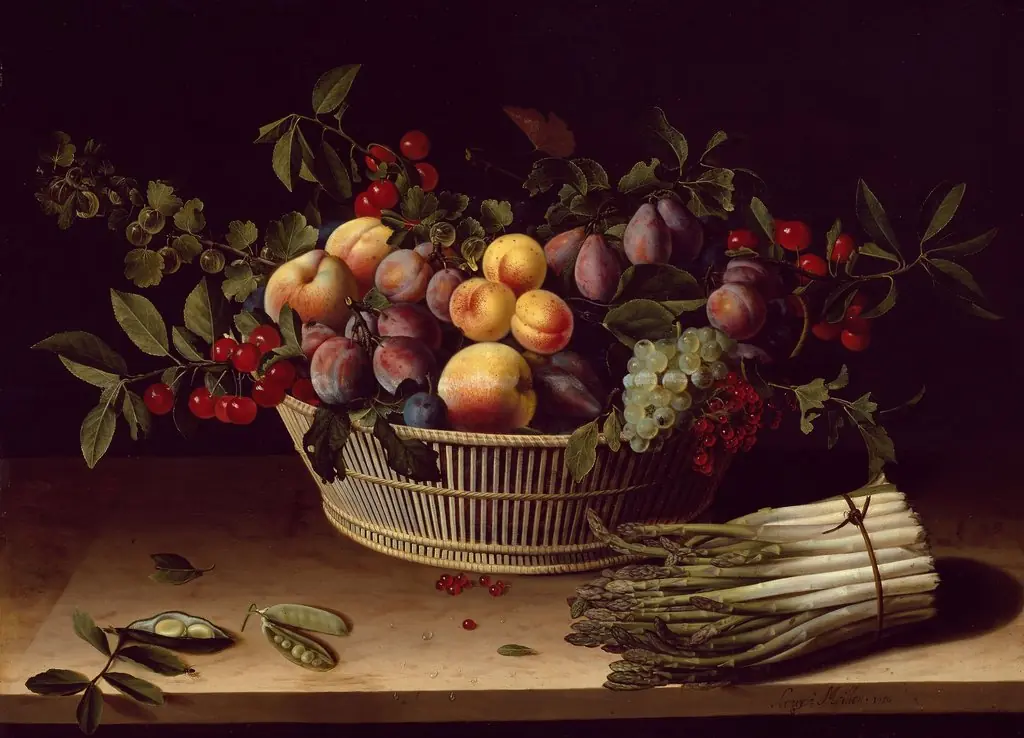 Still Life with a Basket of Fruit and a Bunch of Asparagus
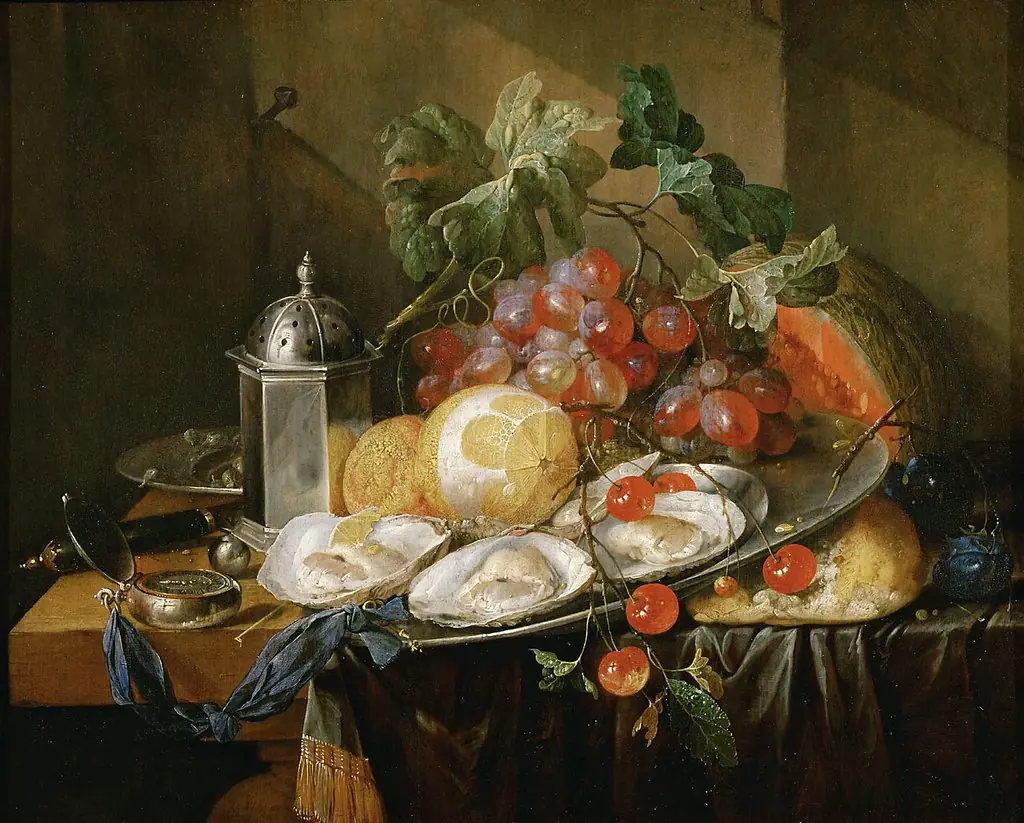 Fruit Still Life with Oysters
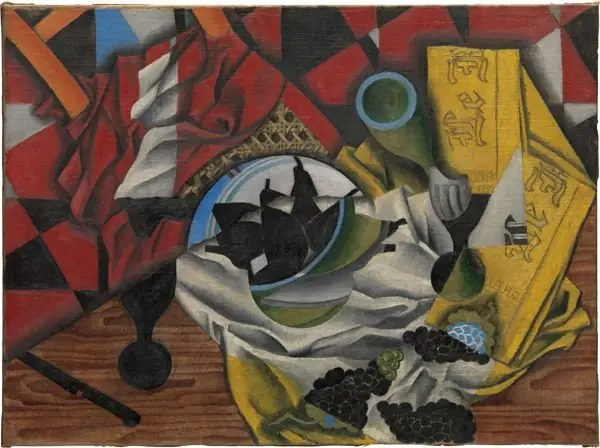 Pears and Grapes on a Table
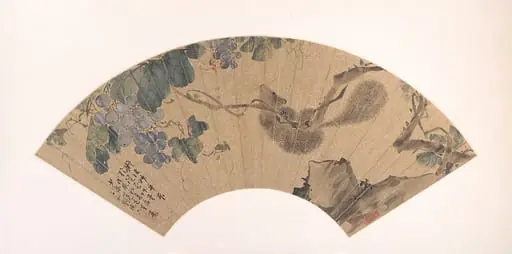 清 劉德六 松鼠葡萄 扇面|Squirrel and Grape
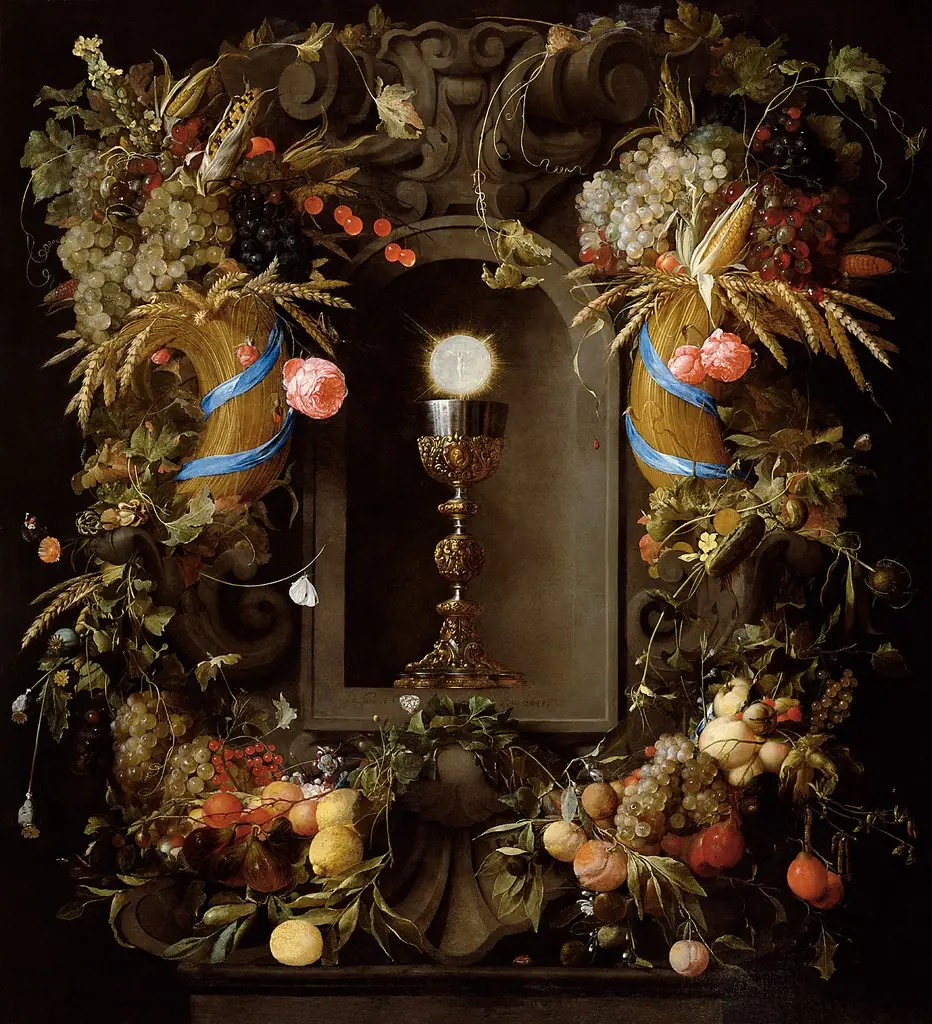 Chalice and Host in a Niche, within a Cartouche of Roses and Fruit
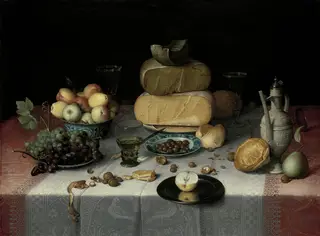 Still Life with Cheese
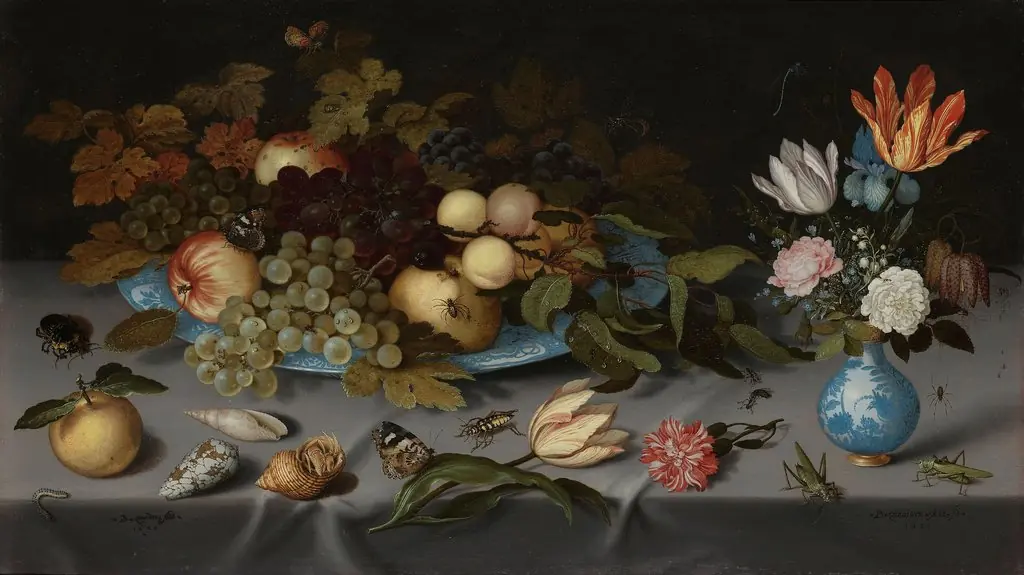 Still Life with Fruits and Flowers
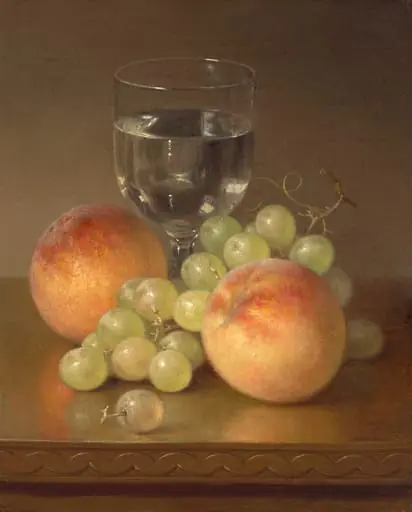 Still Life, Wineglass, Two Peaches
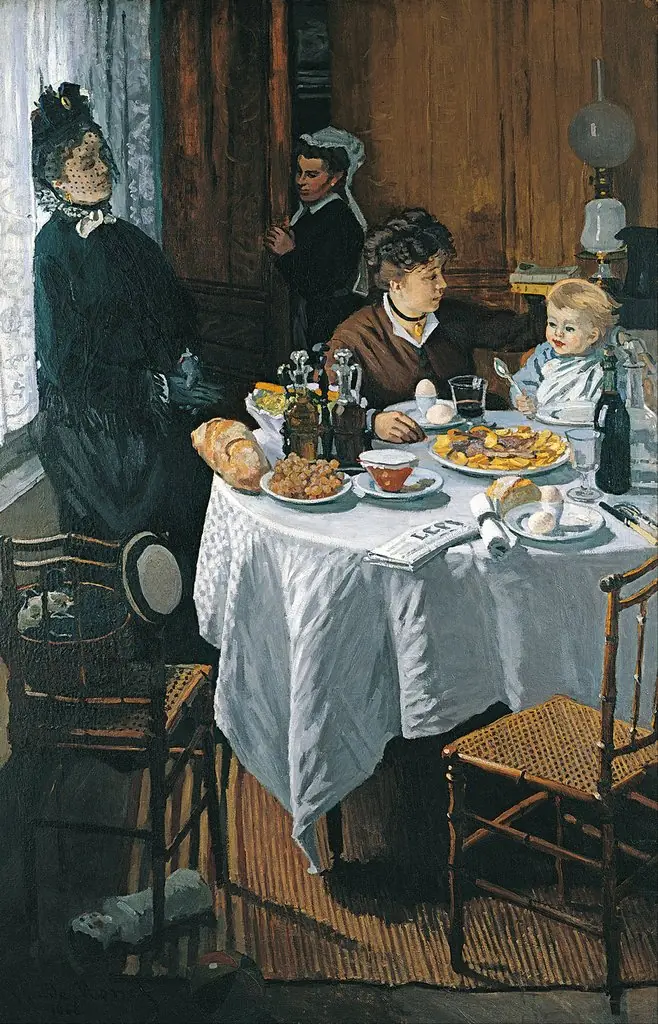 The Luncheon
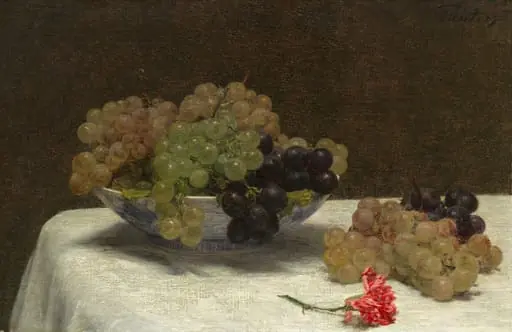 Still Life with Grapes and a Carnation
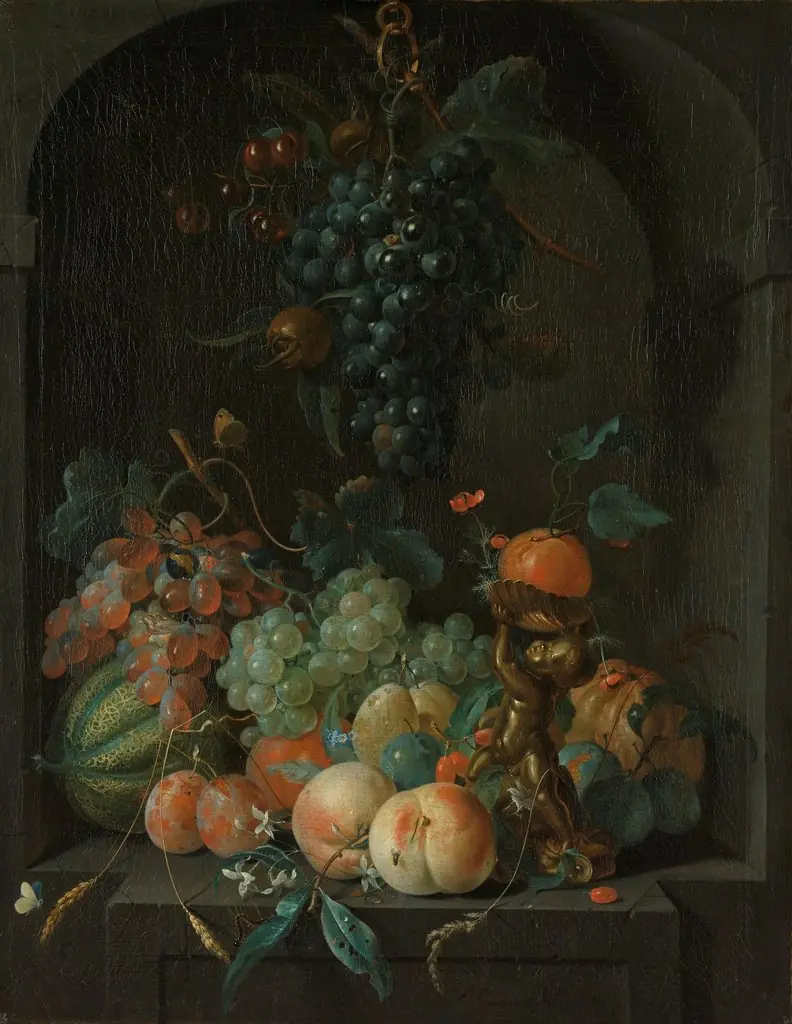 Still Life with Fruit
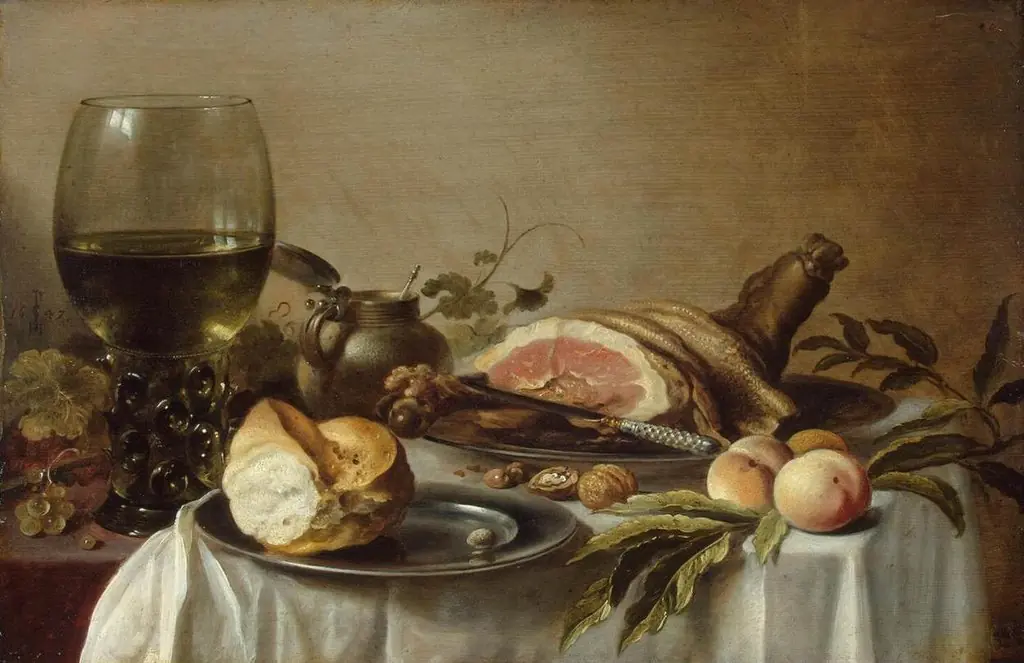 Breakfast with Ham
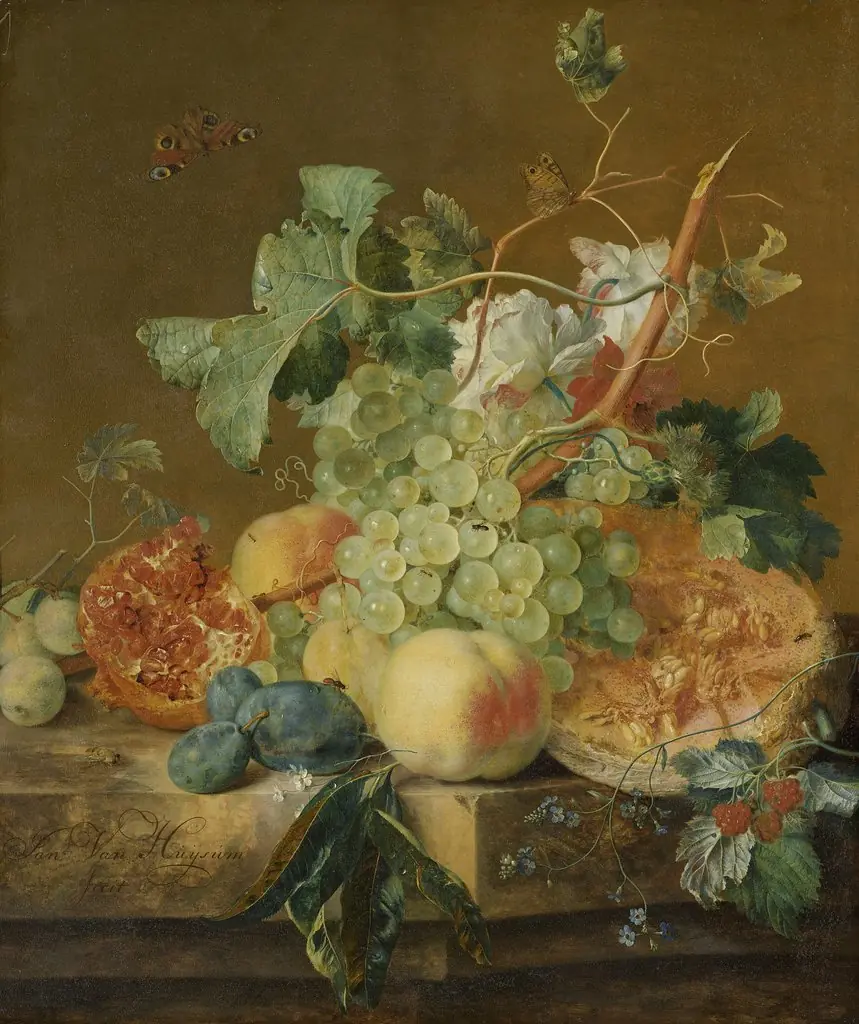 Still Life with Fruit
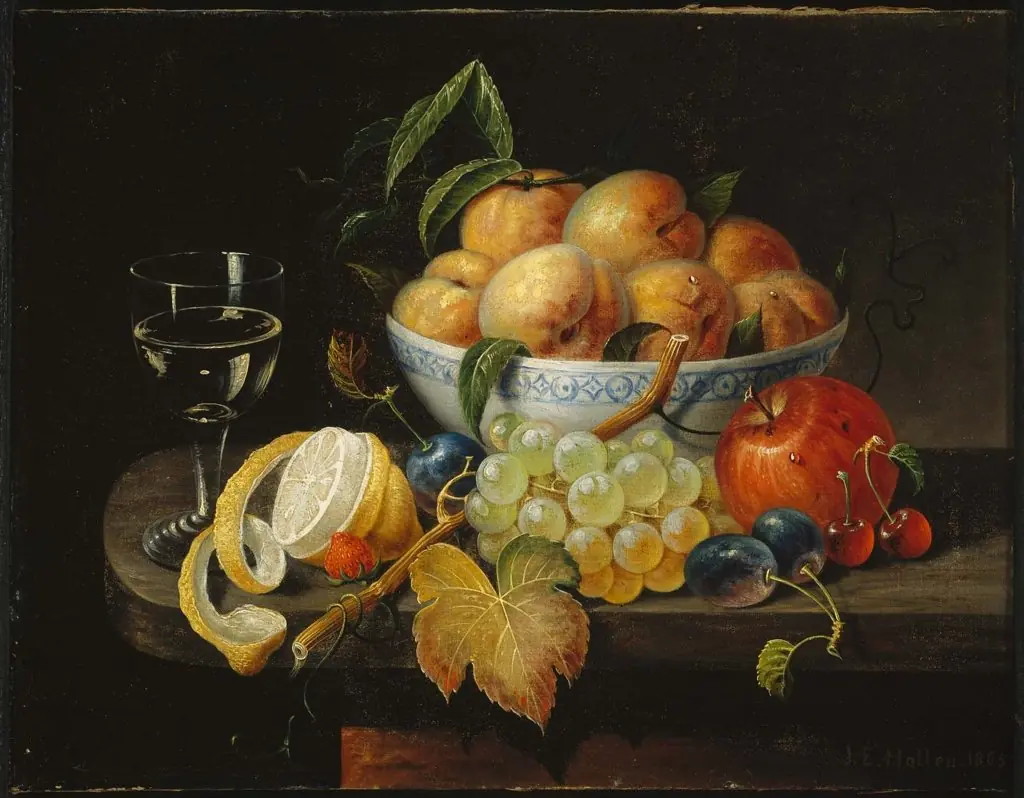 Still Life: Bowl with Fruit and Wine Glass
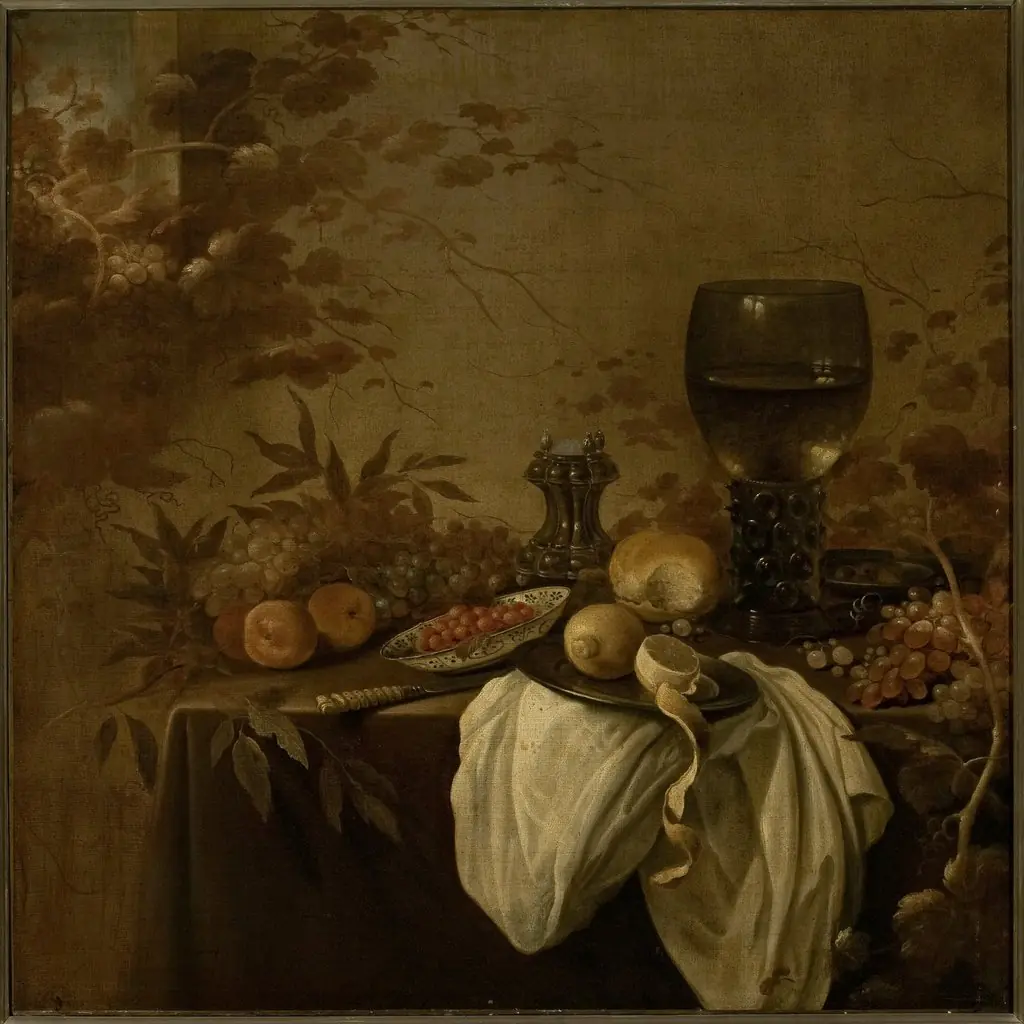 Still life
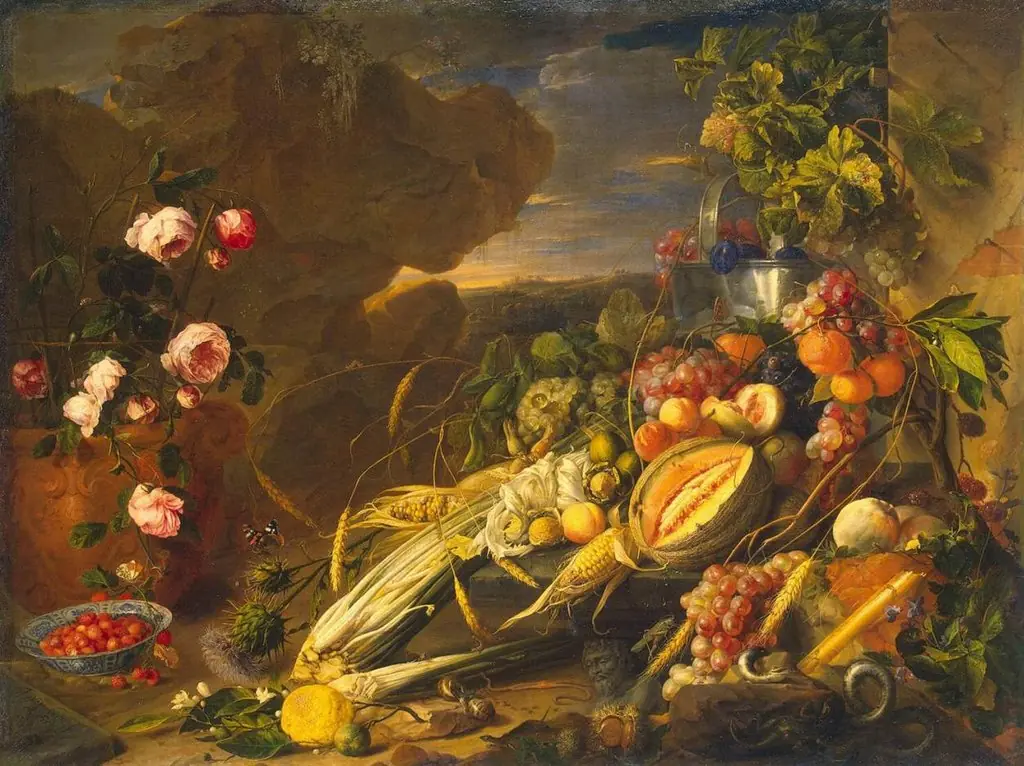 Fruit and a Vase of Flowers
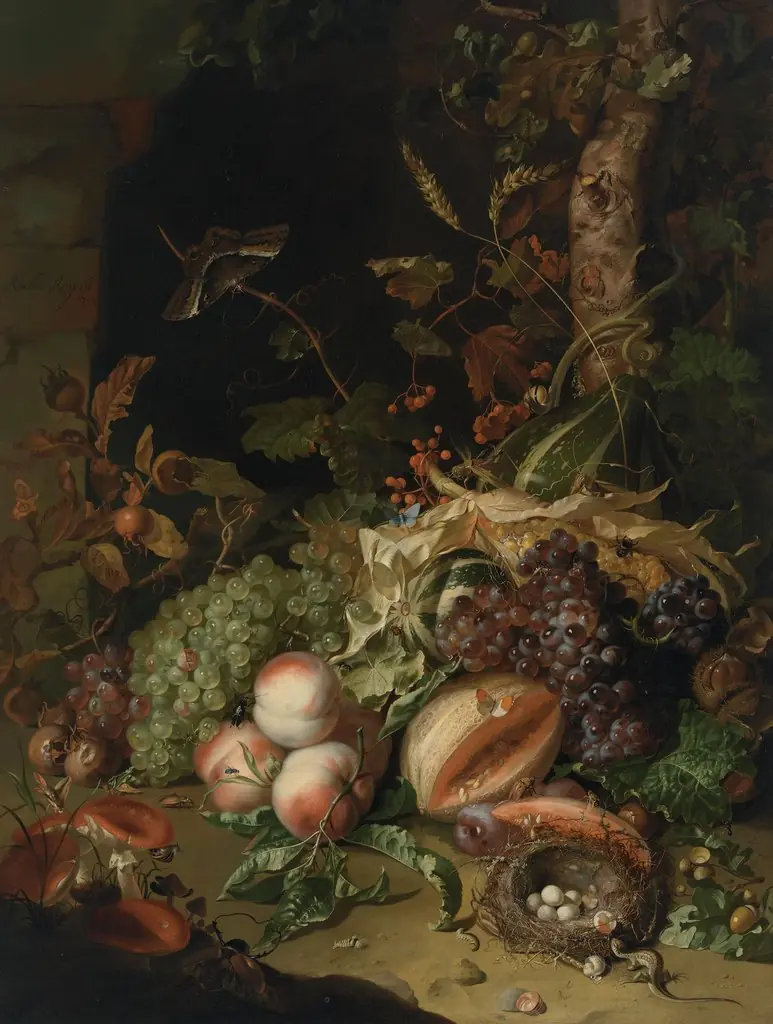 Fruit on a Forest Floor
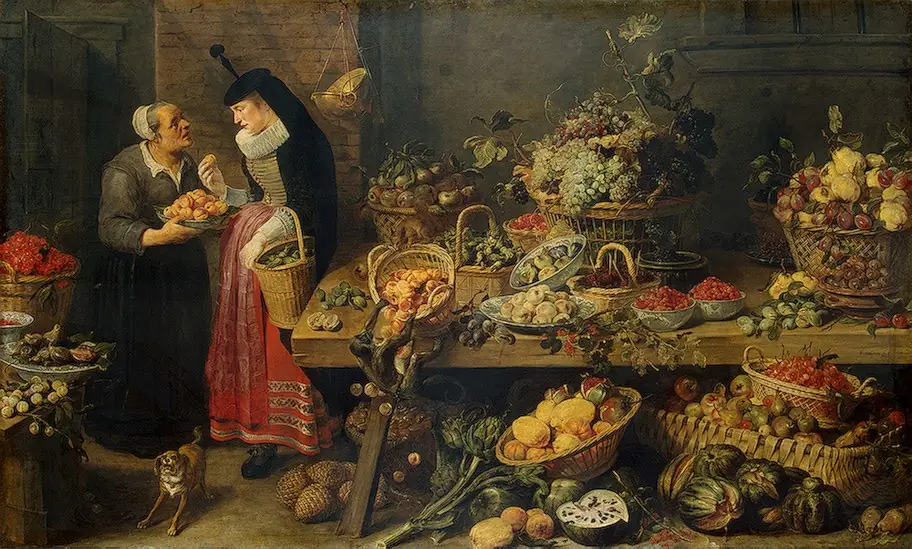 The Fruit Shop
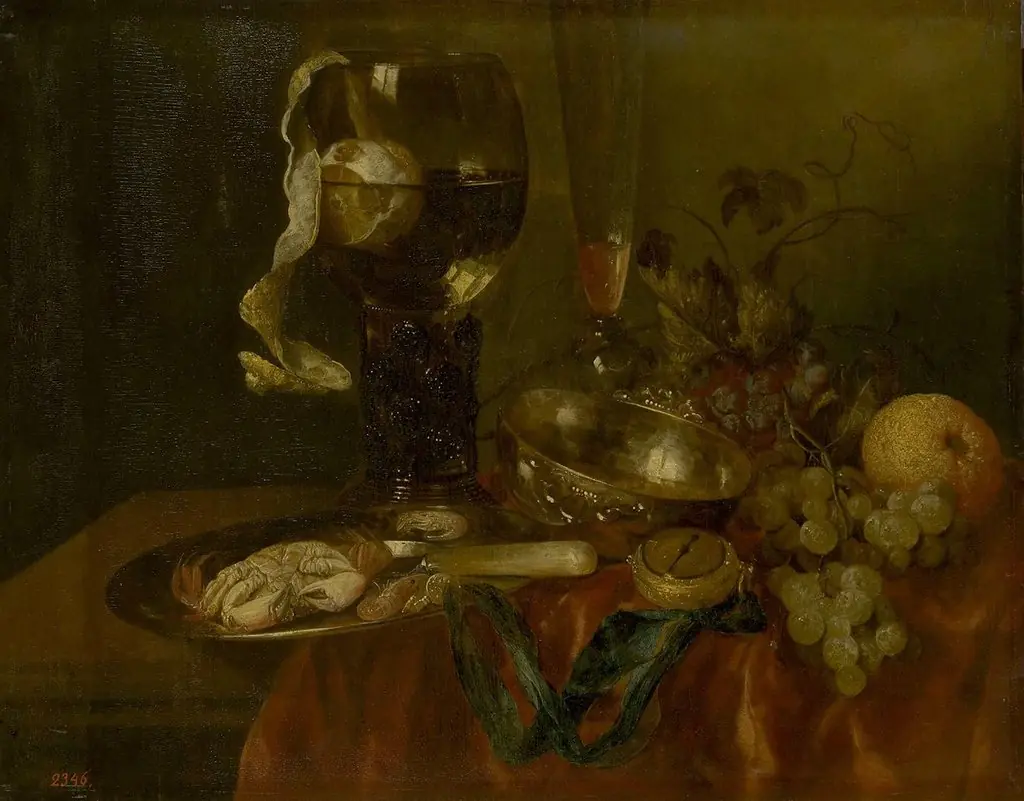 Snack (Still Life with Crab, Fruit and Clock)
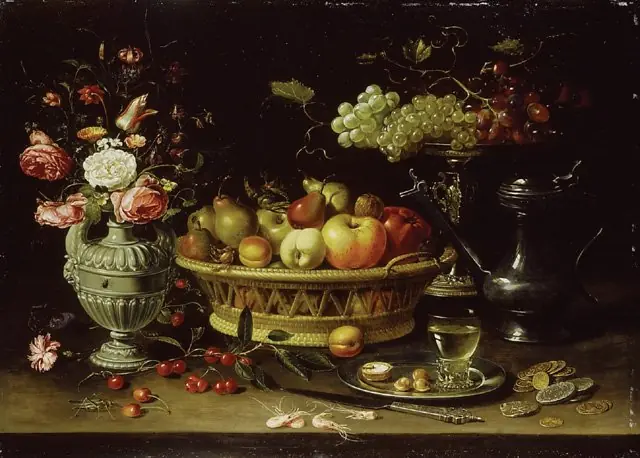 Still life of fruit and flowers
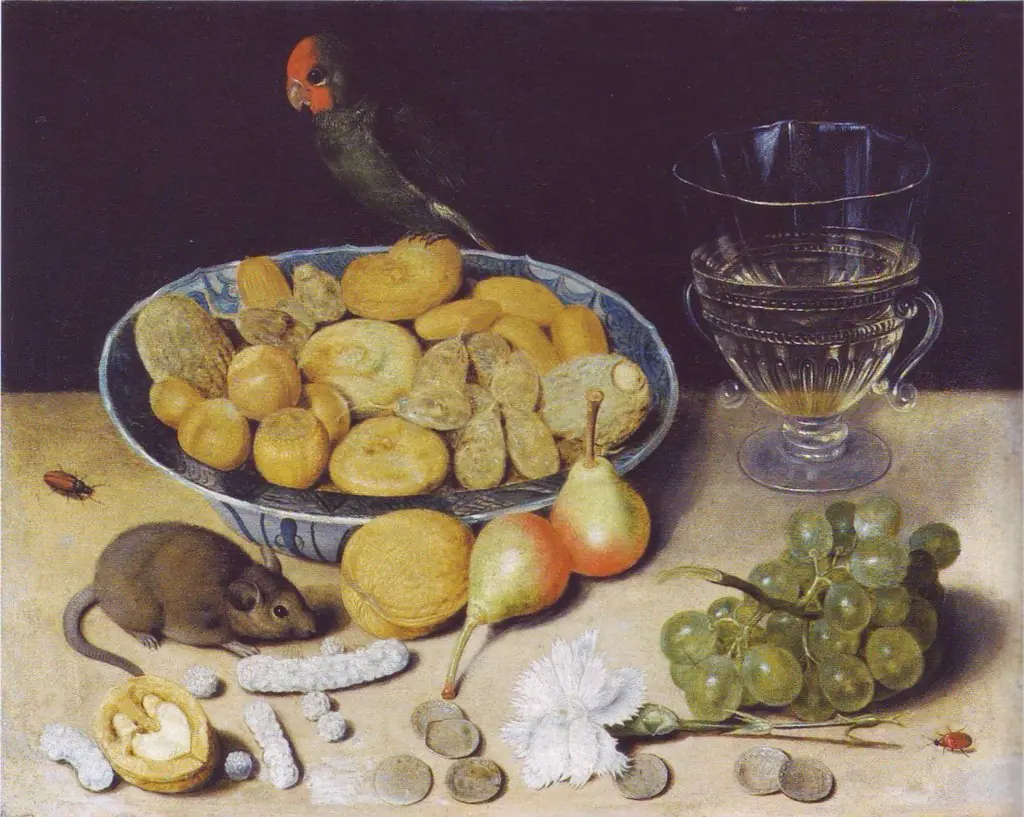 Meal with a Mouse and a Parrot
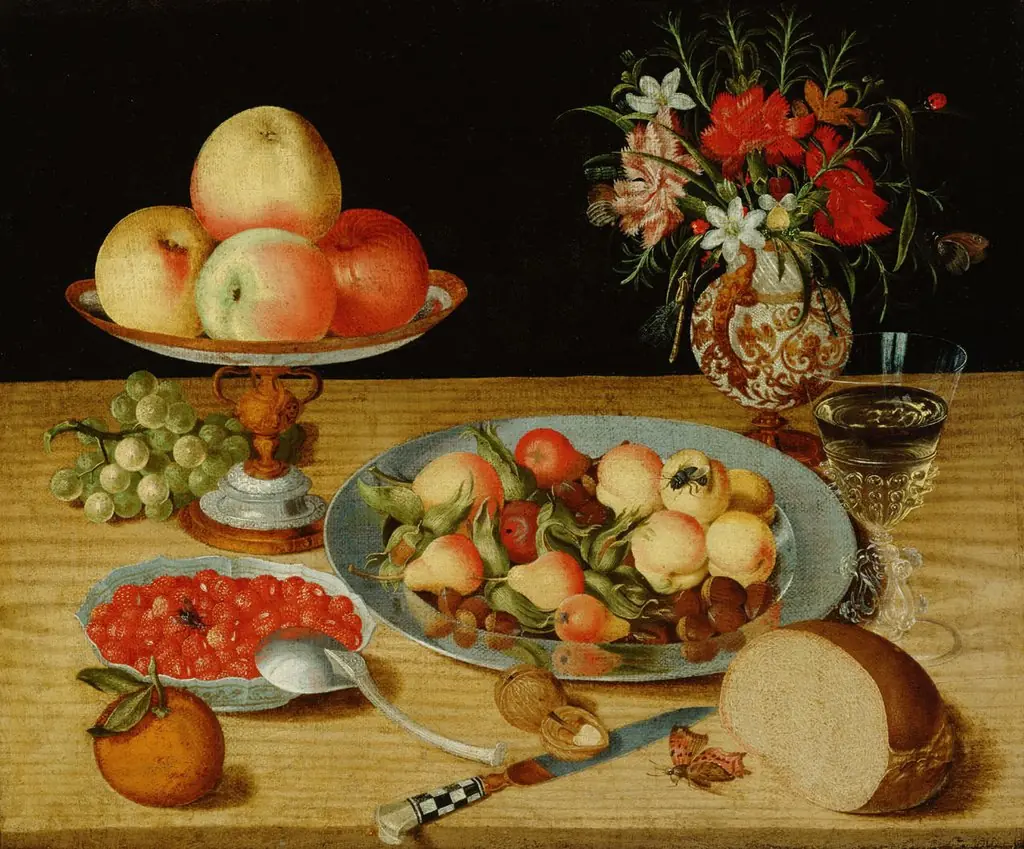 Still life with fruit, wine glass and vase of flowers
 Flowers and Fruit on a Table
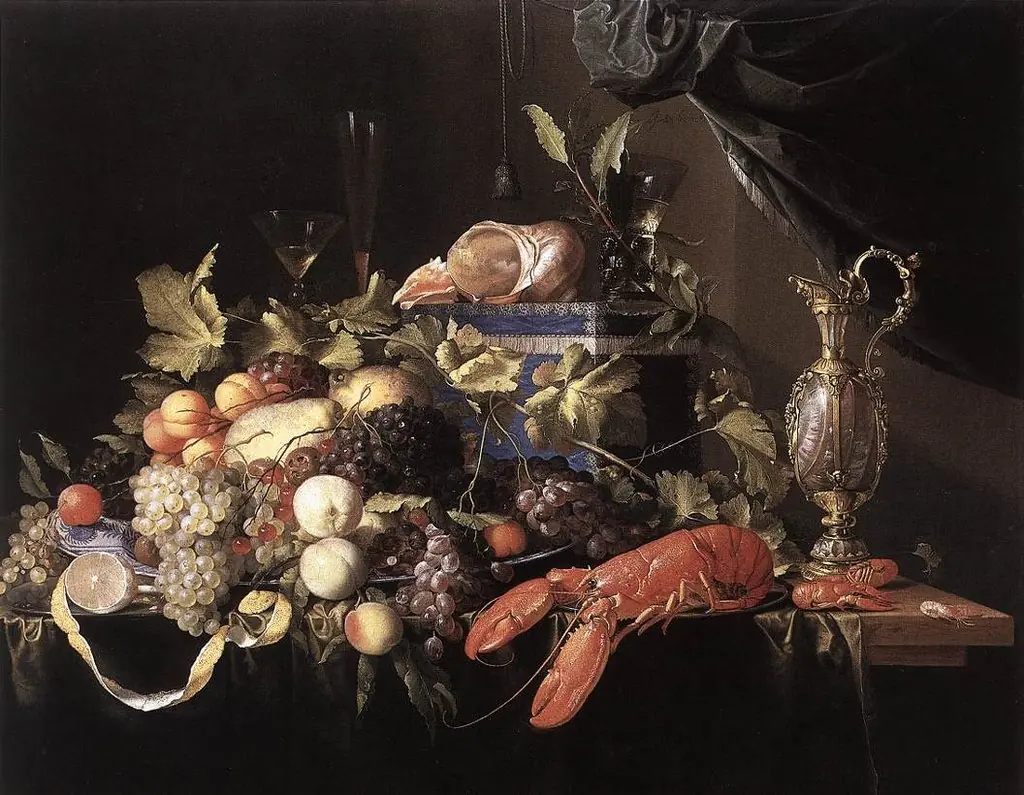 Still Life with Fruit and Lobster
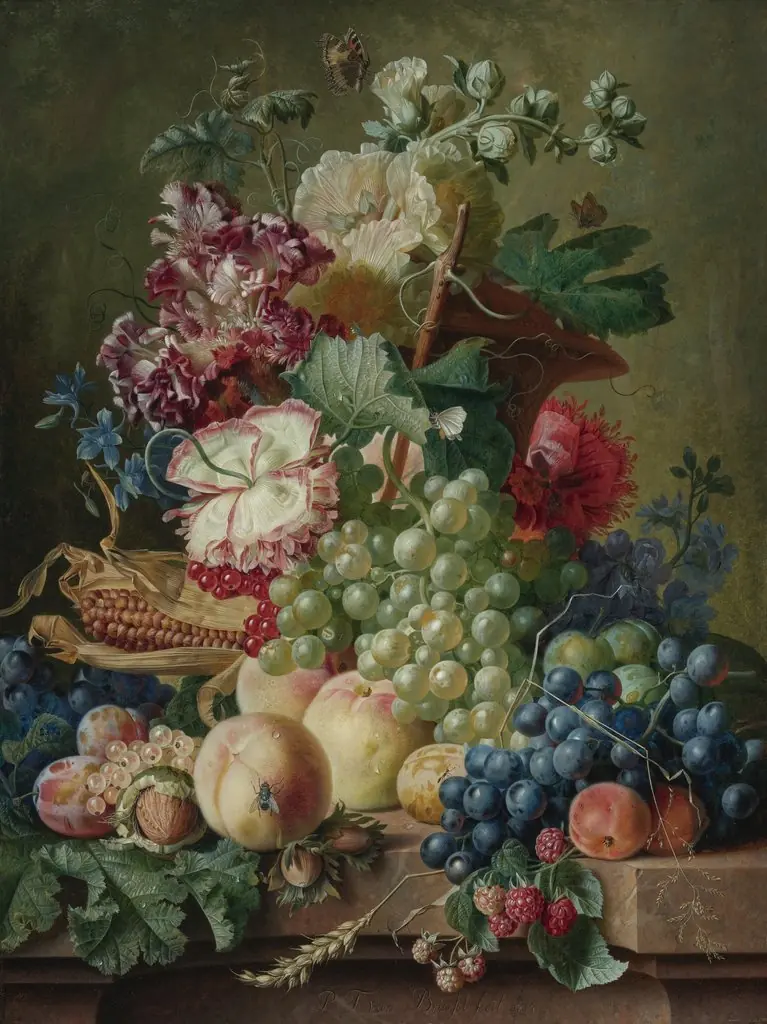 Still life of flowers and fruits on a marble ledge
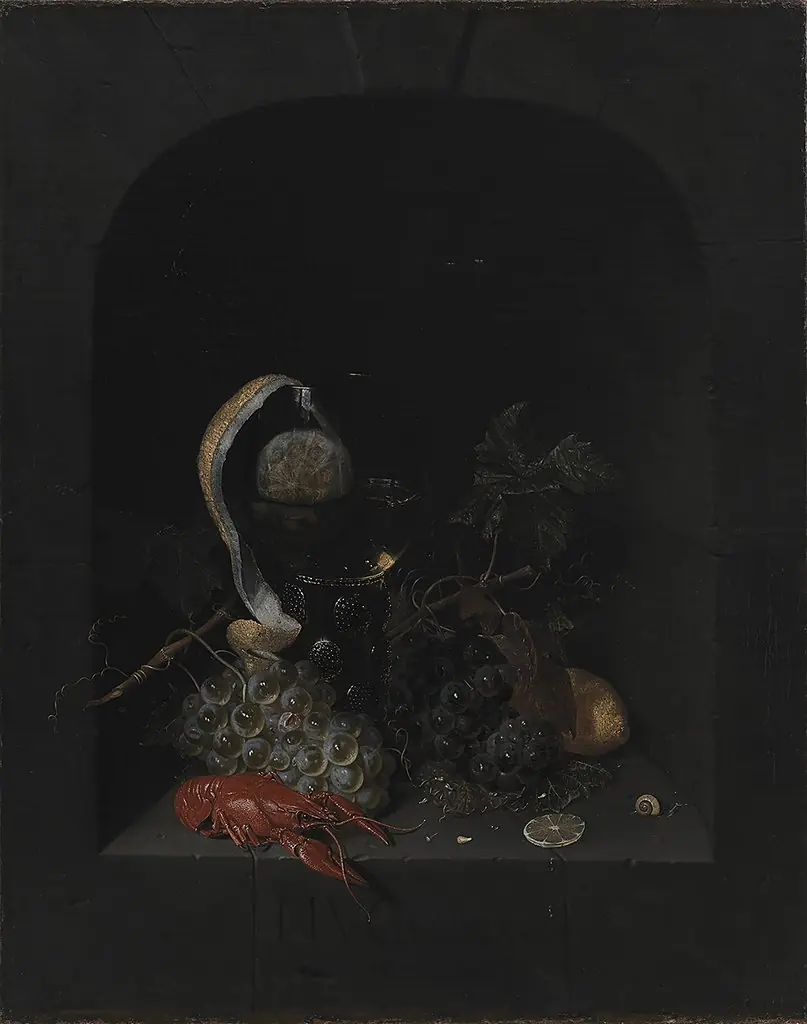 Still Life
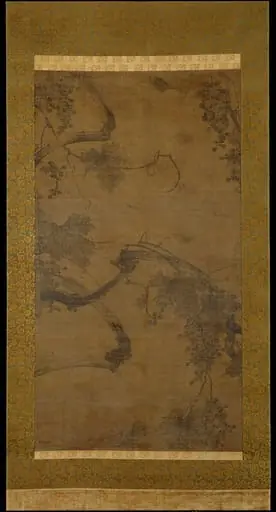 작자미상 포도 조선|作者未詳 墨葡萄圖 朝鮮|Grapevine in the Wind
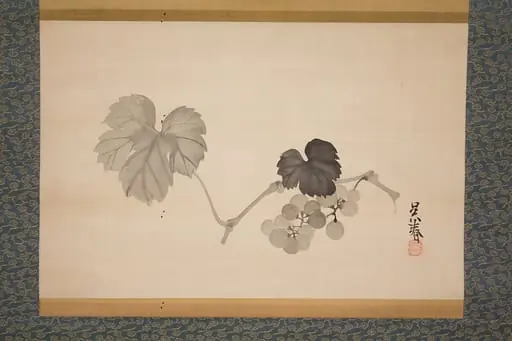 松村呉春筆 葡萄図|Grapevine
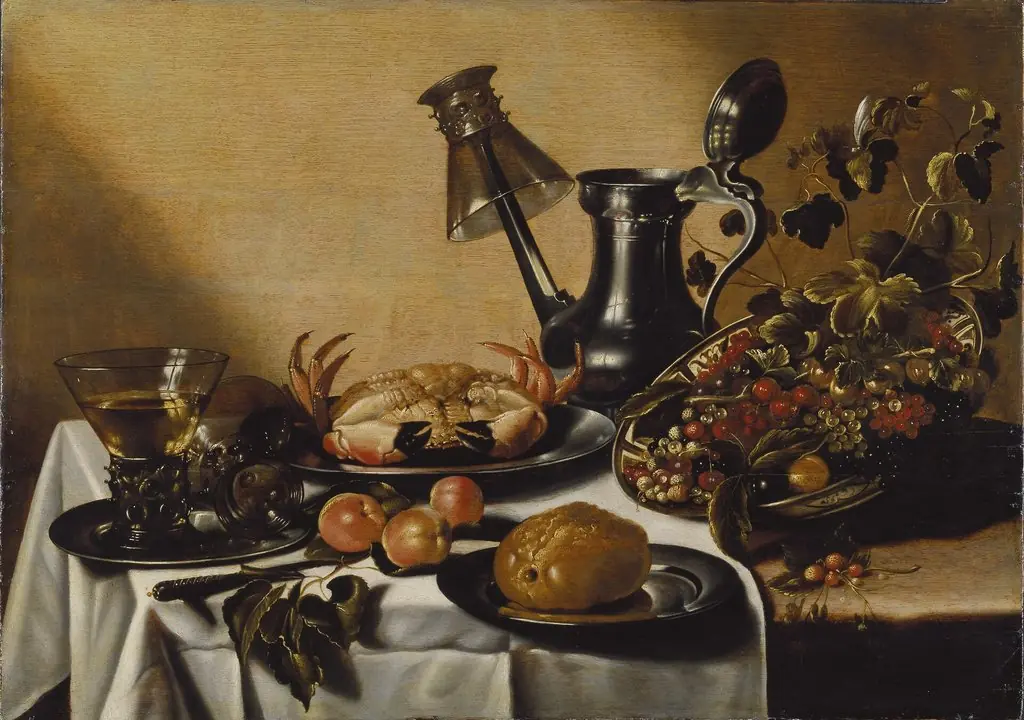 Still Life with Crab and Fruit
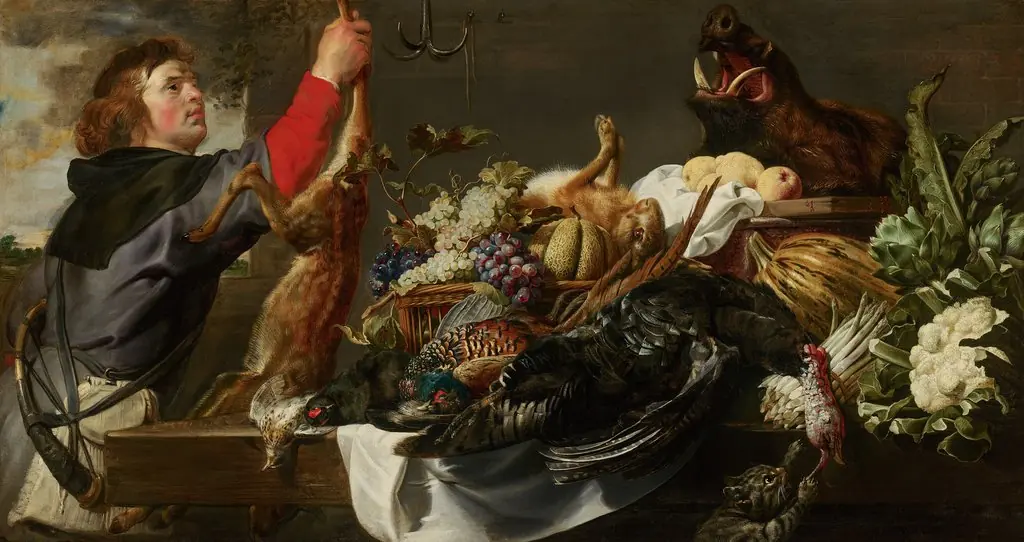 Still Life with Huntsman
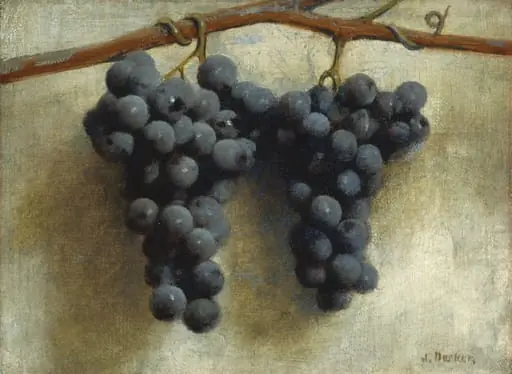 Grapes
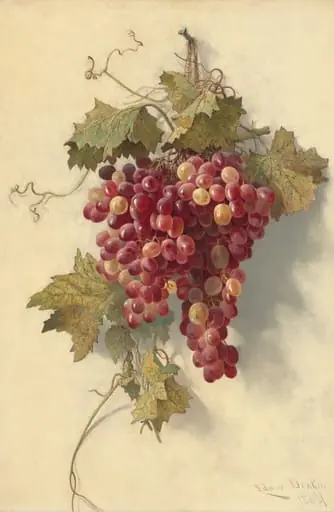 Grapes Against White Wall
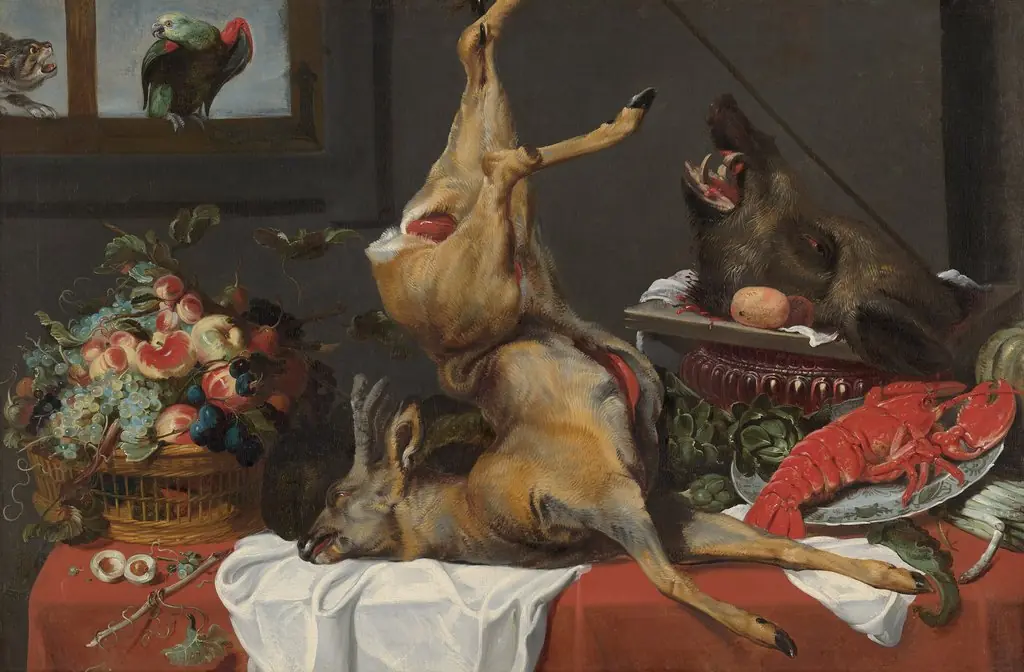 Still Life with a Dead Stag
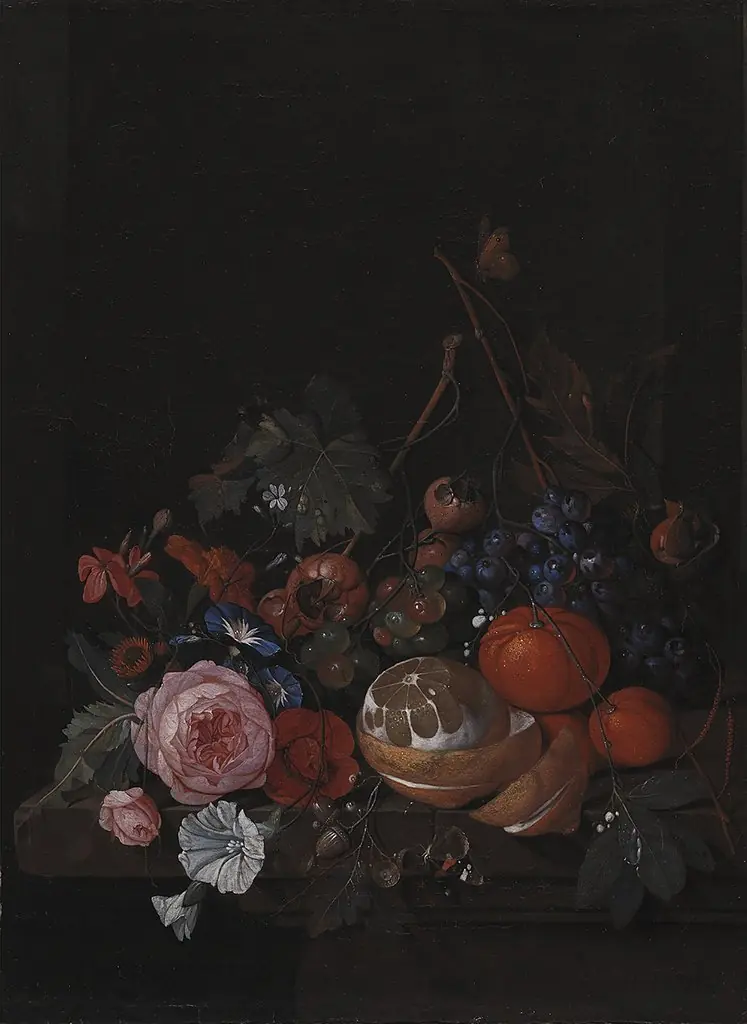 Flowers and Fruit
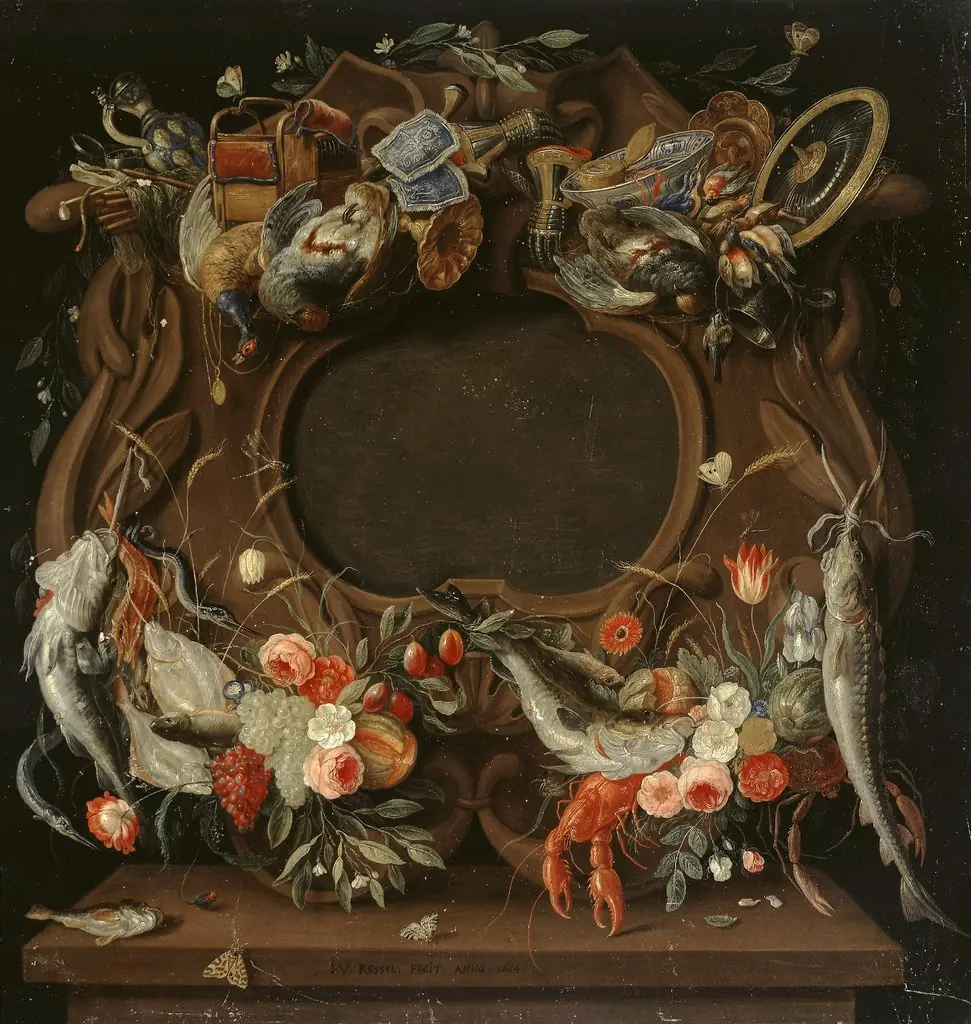 Medallion's Frame with an Allegorical Depiction of the Four Elements
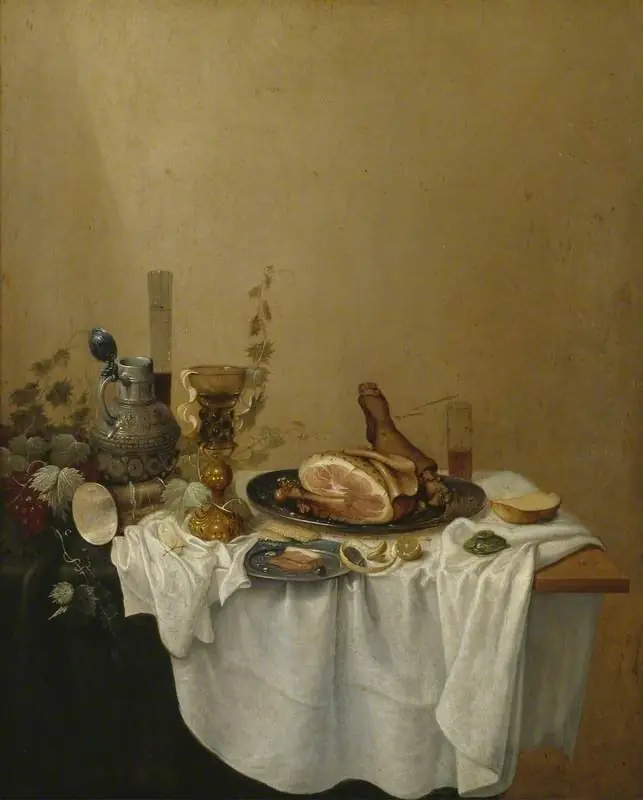 Still life with stoneware jug, bekerschroef, glassware and a leg of ham
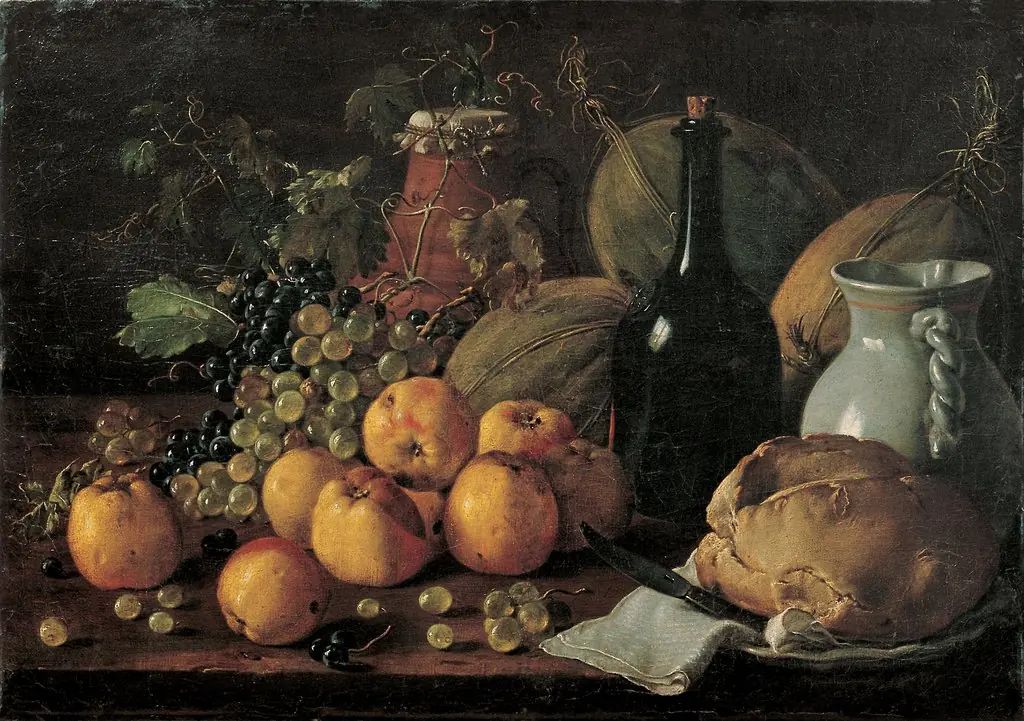 Still Life with Apples, Grapes, Melons, Bread, Jug and Bottle
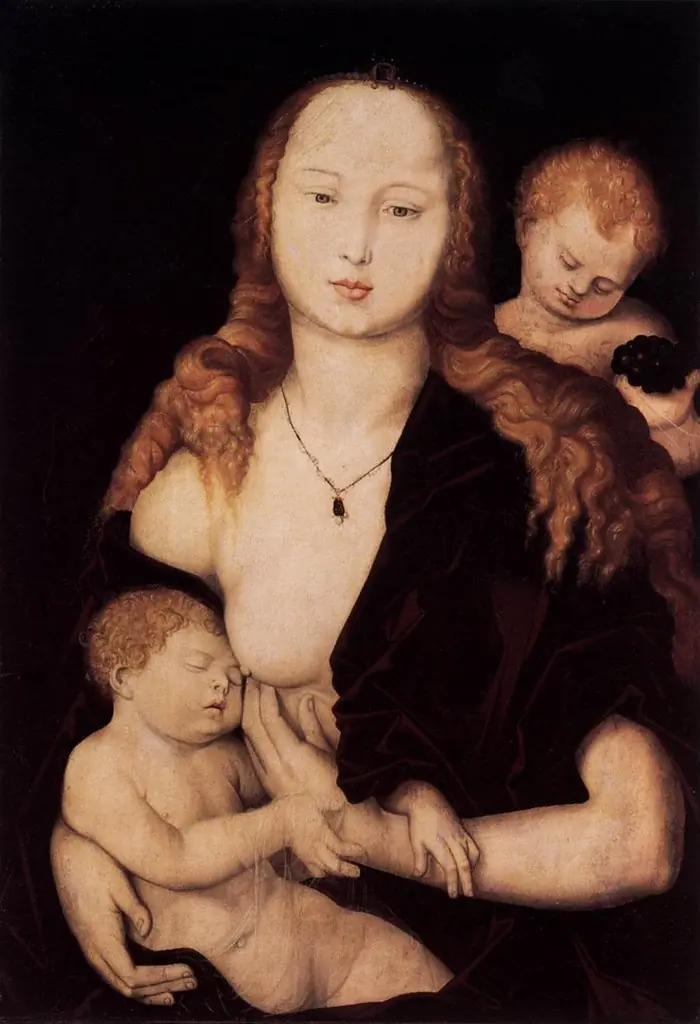 Mary with the Christ-child and an angel
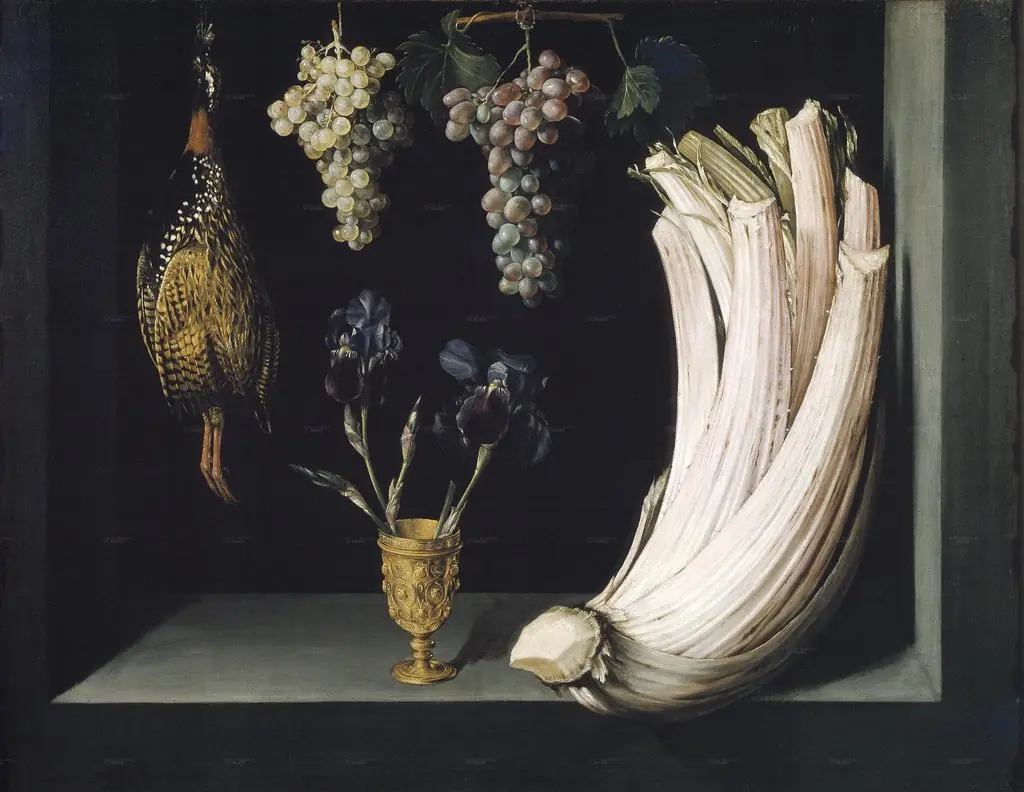 Still Life with Cardoon, Francolin, Grapes and Irises
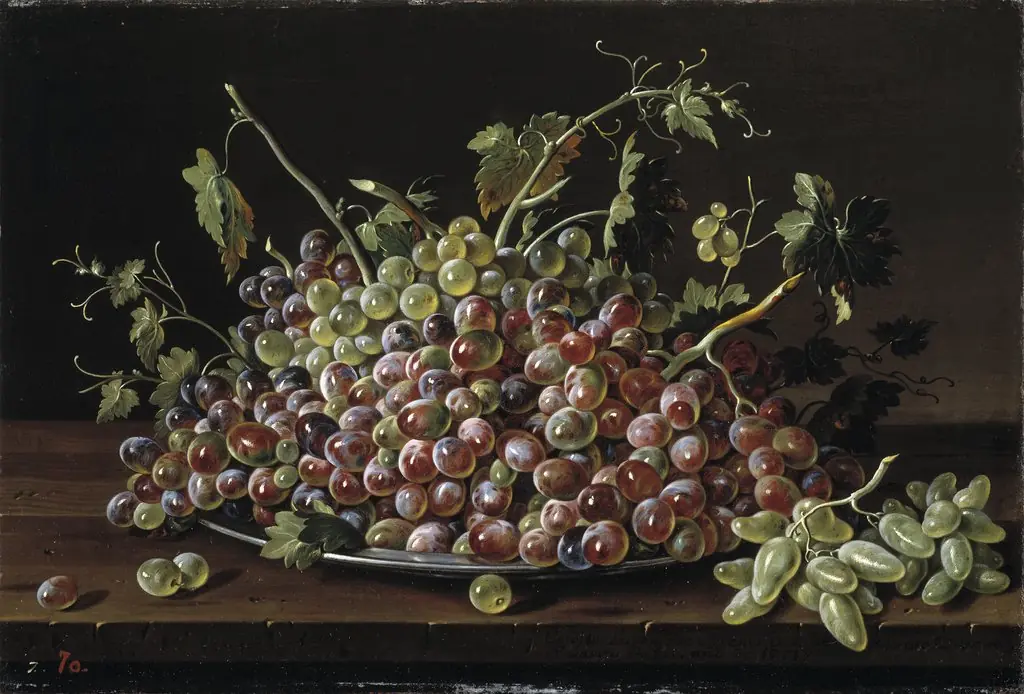 Still Life with Grapes
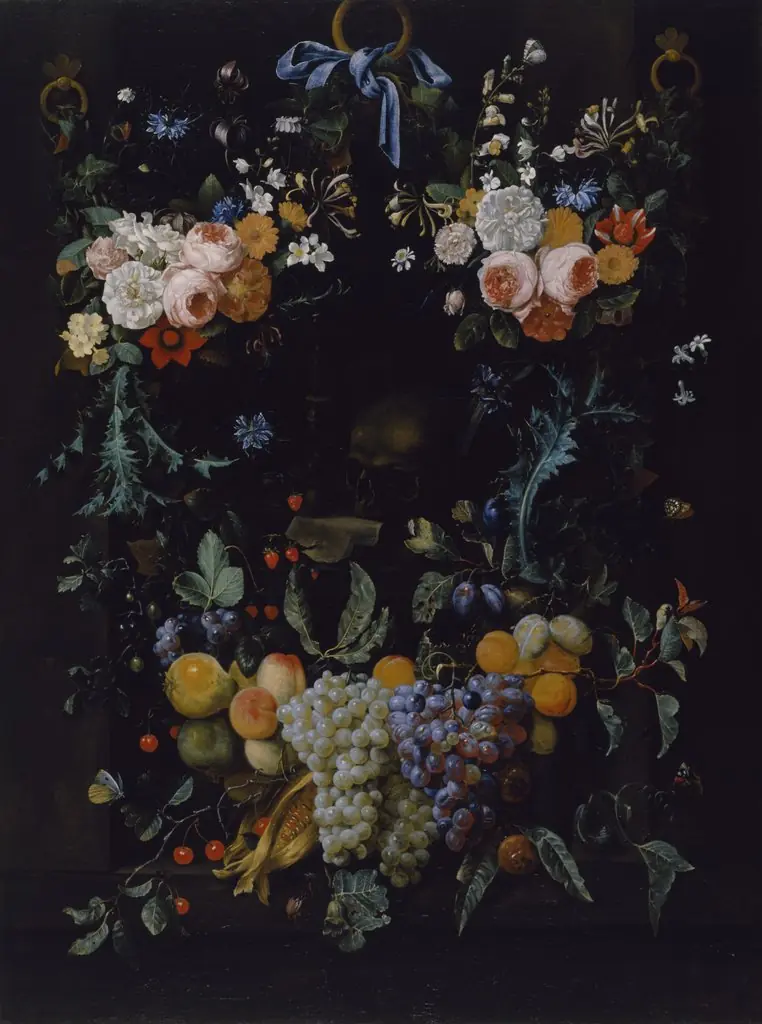 Allegory on Human Life
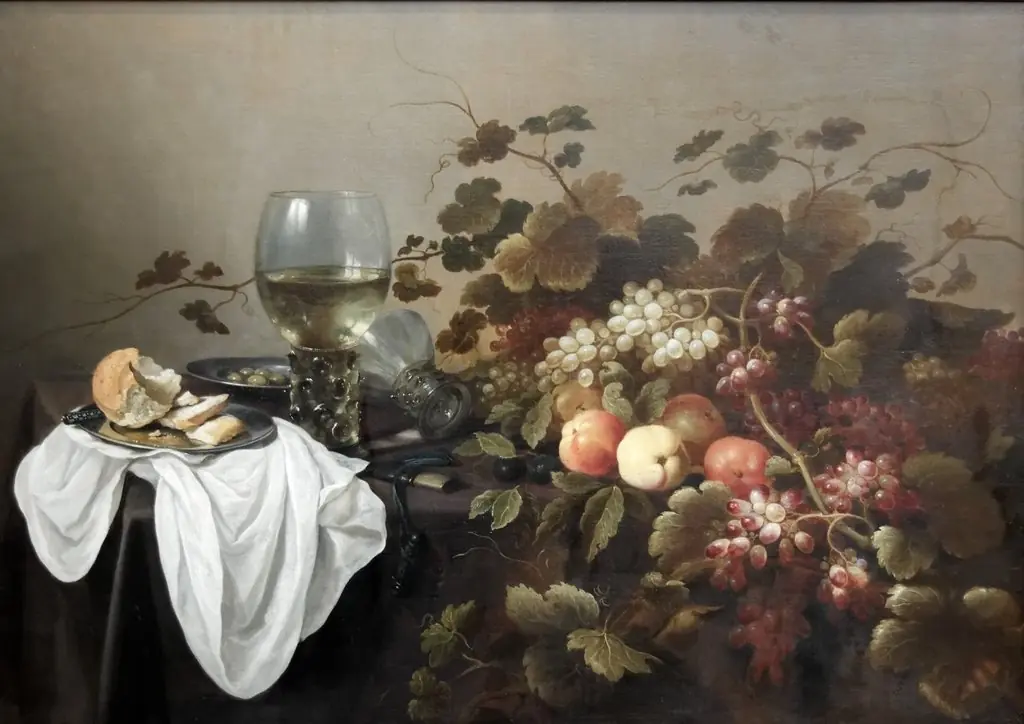 Still life with fruits and Roemer
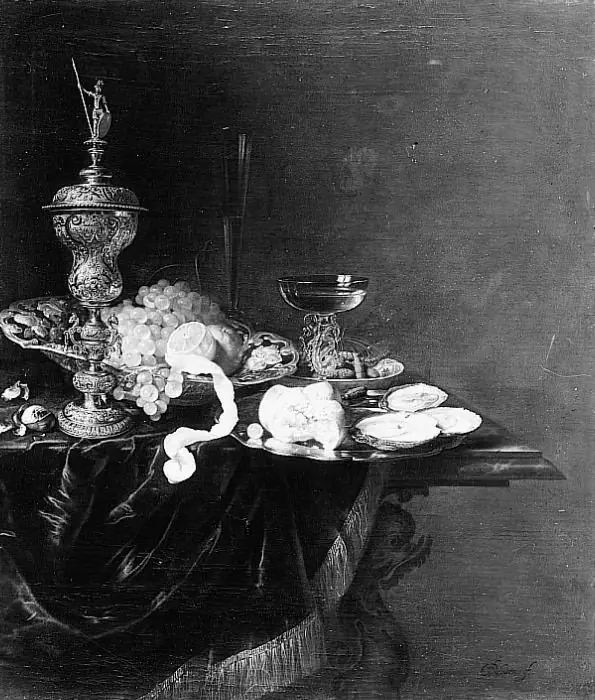 Still life with Akelei covered beaker dish of grapes, lemon and wine glasses
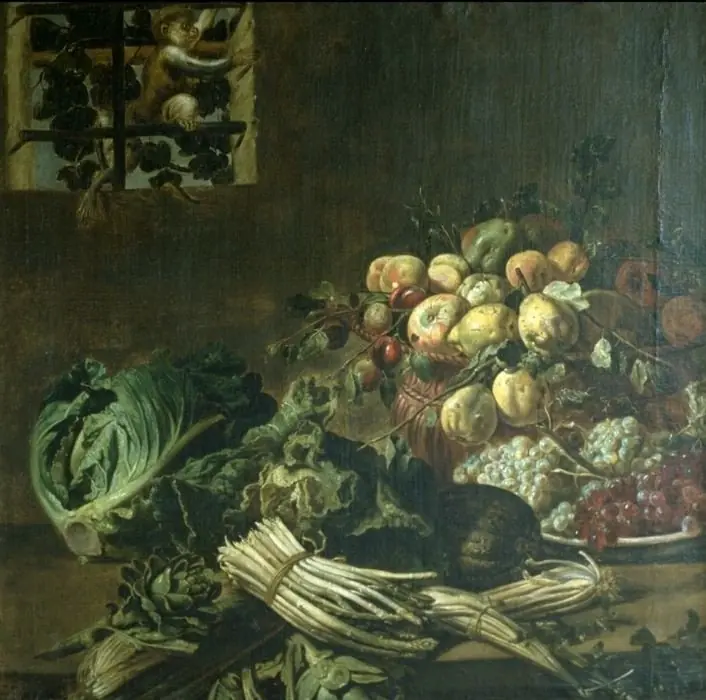 Still Life with Fruit and Vegetables
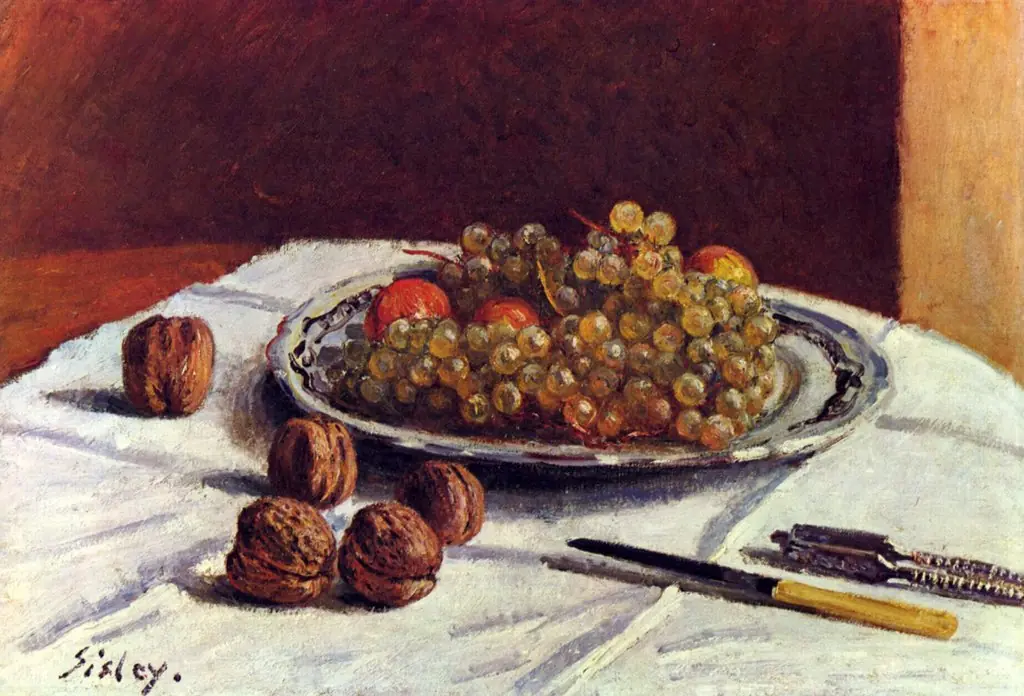 Grapes and Walnuts on a Table
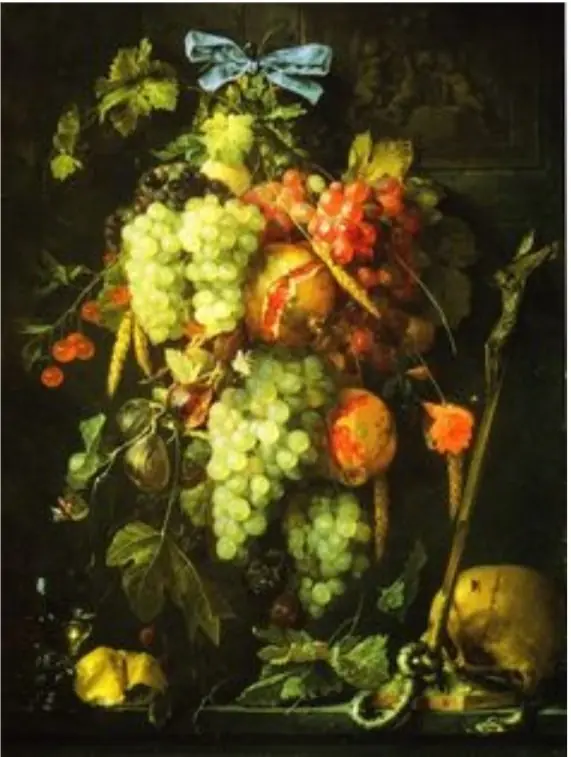 A Vanitas Still Life
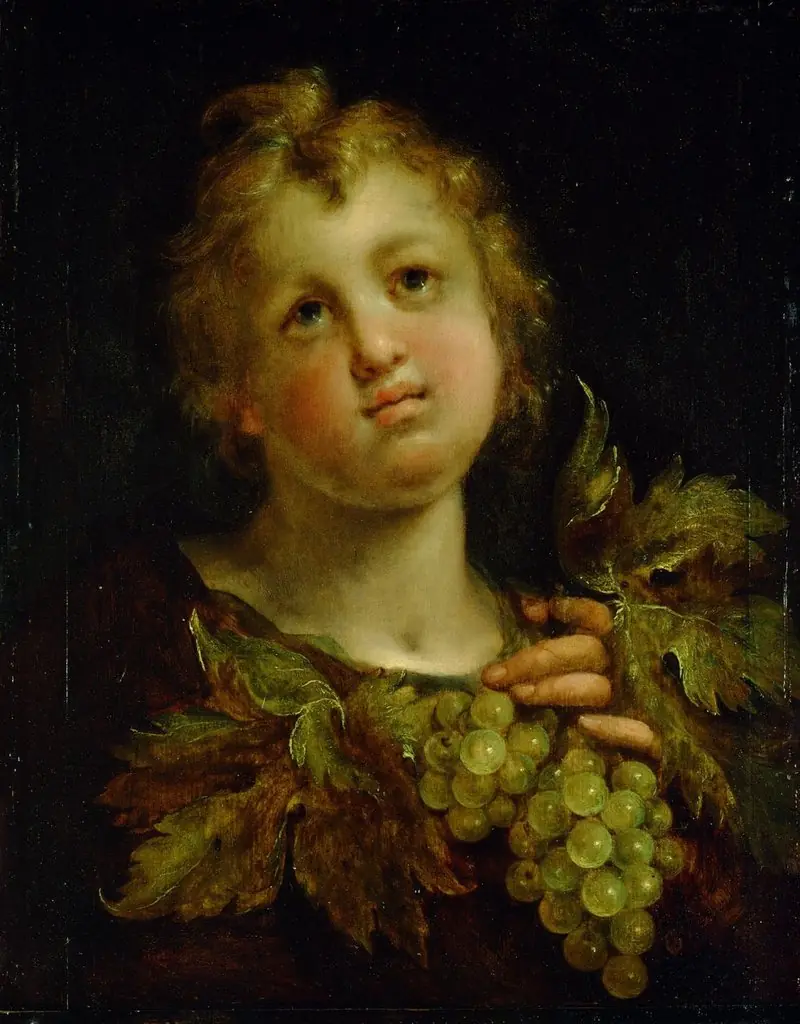 Boy with Grapes
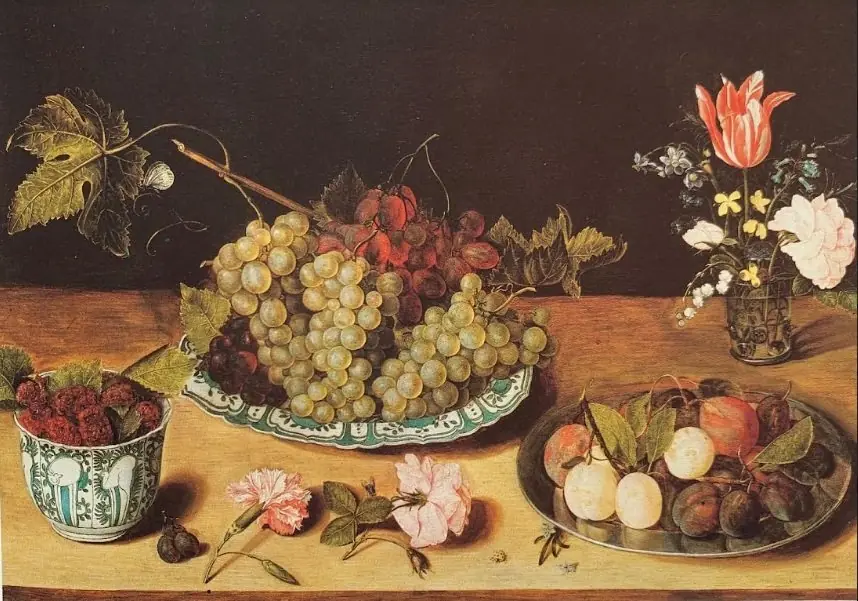 Glass of flowers, plate with grapes, plate with plums and crow cup of black raspberries
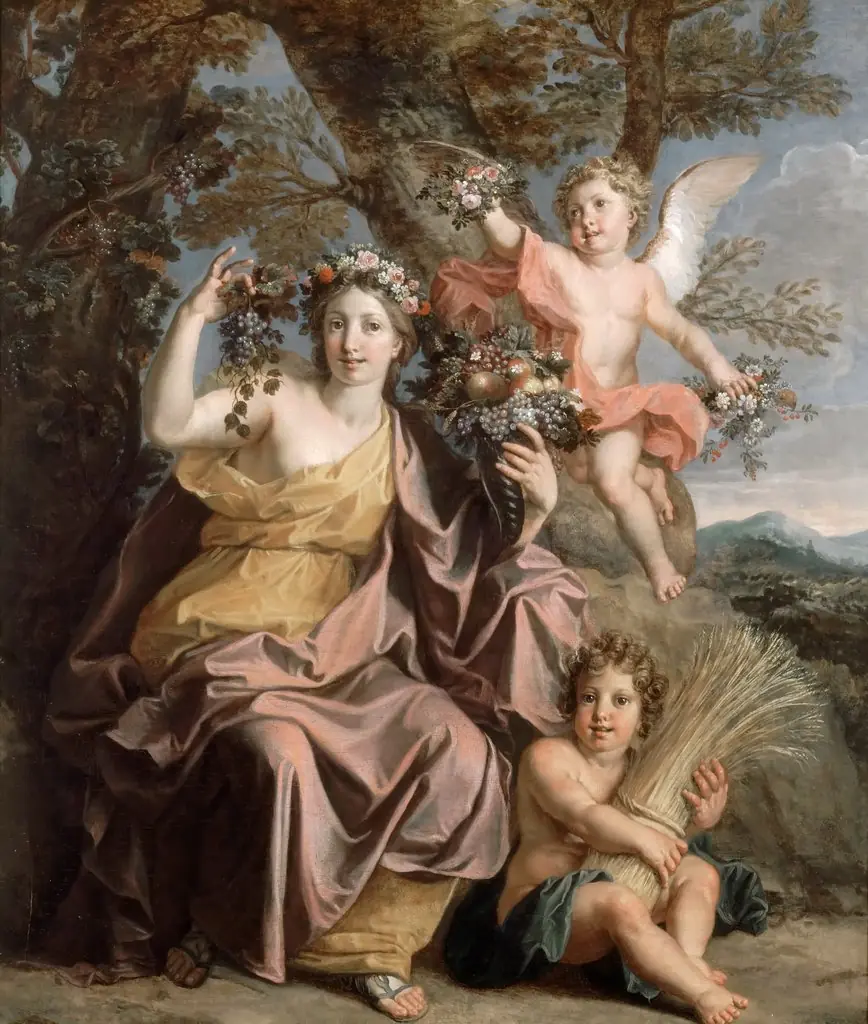 Abundance
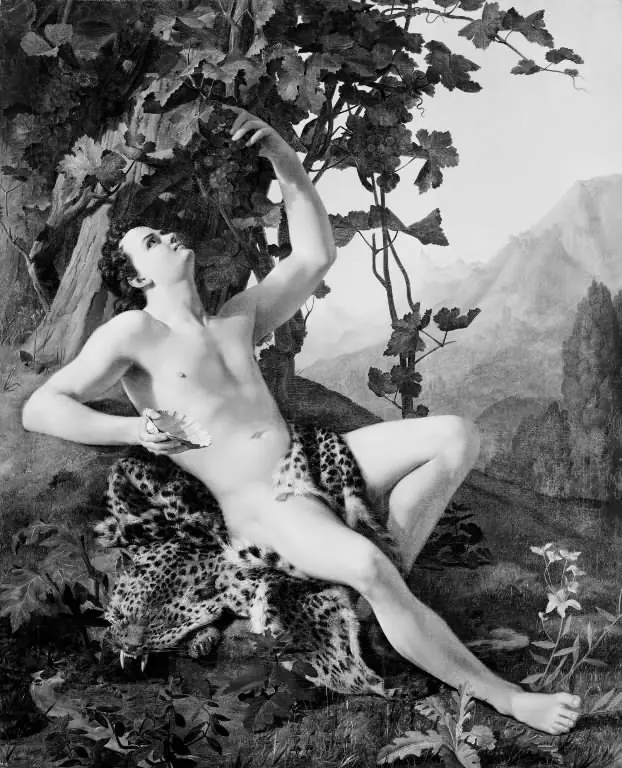 A young faun picking grapes
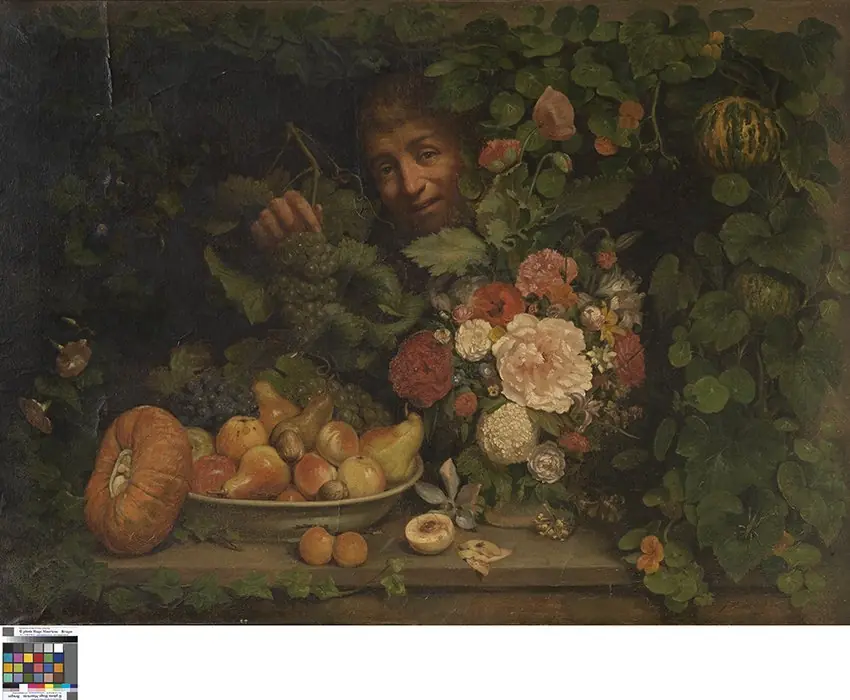 Stilleven met bloemen en fruit
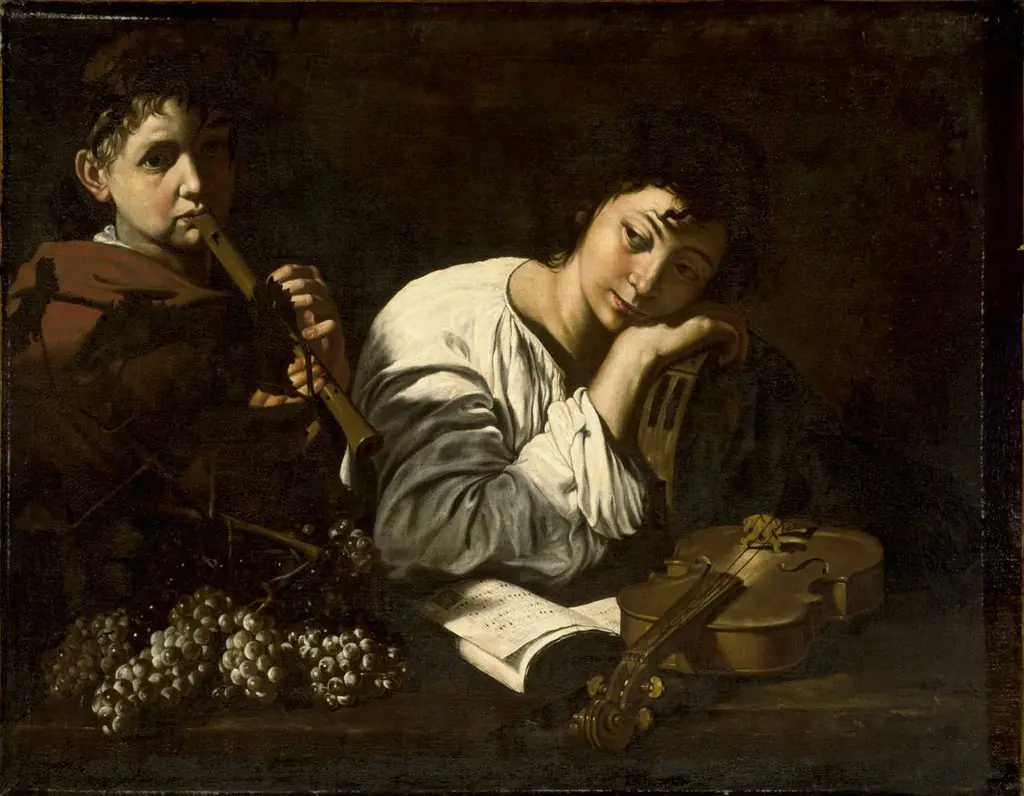 The Lament of Aminta
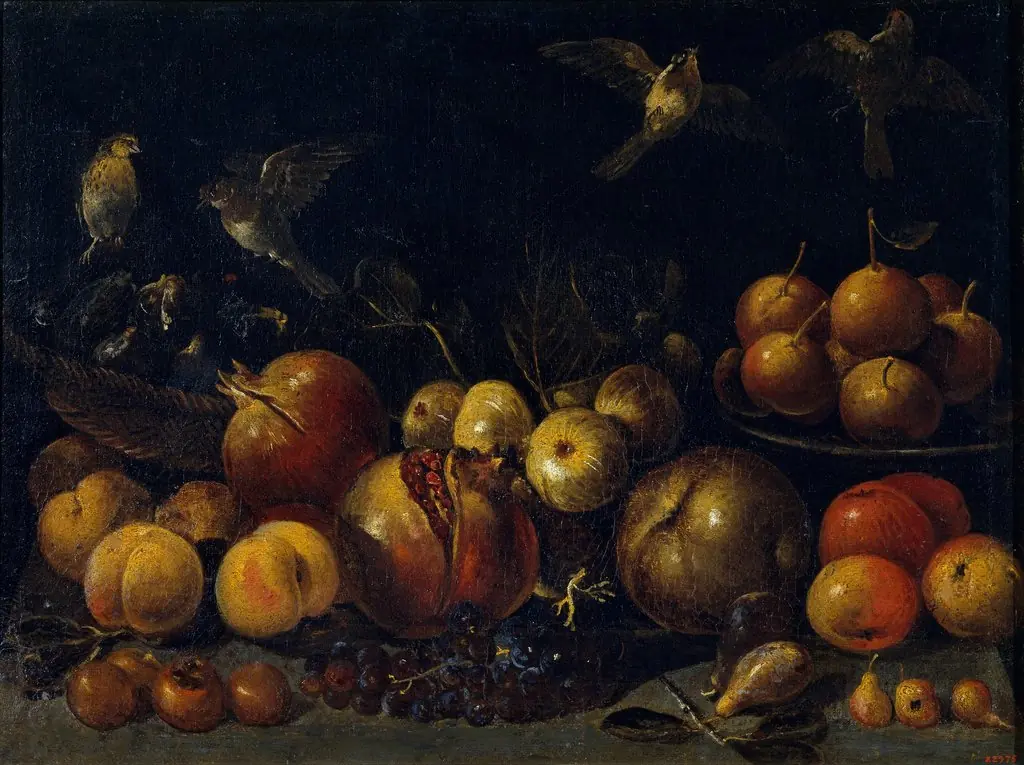 Still Life with Pomegranates, Apples, Pears, Grapes, Figs and Birds
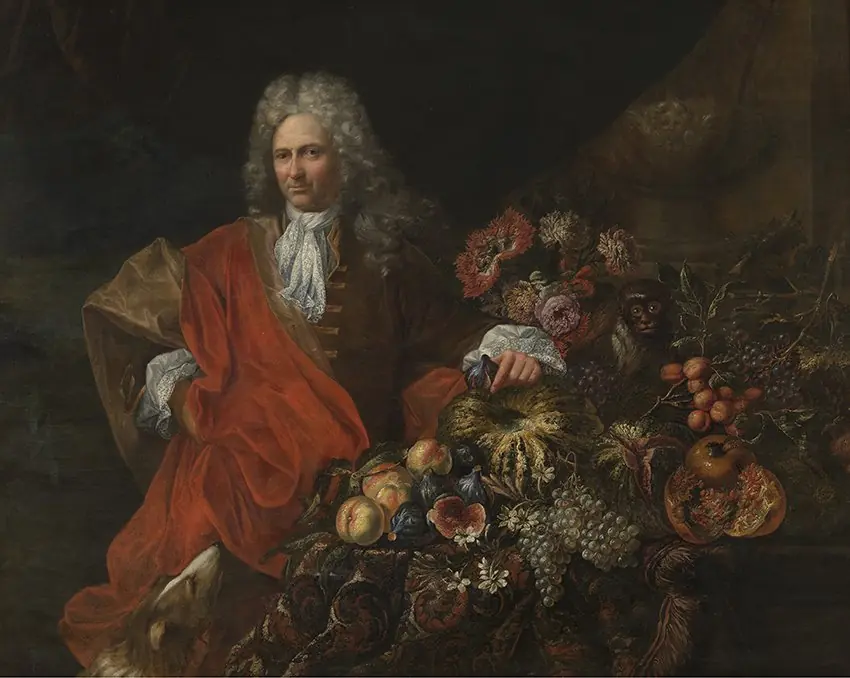 Allegorisch portret van een man
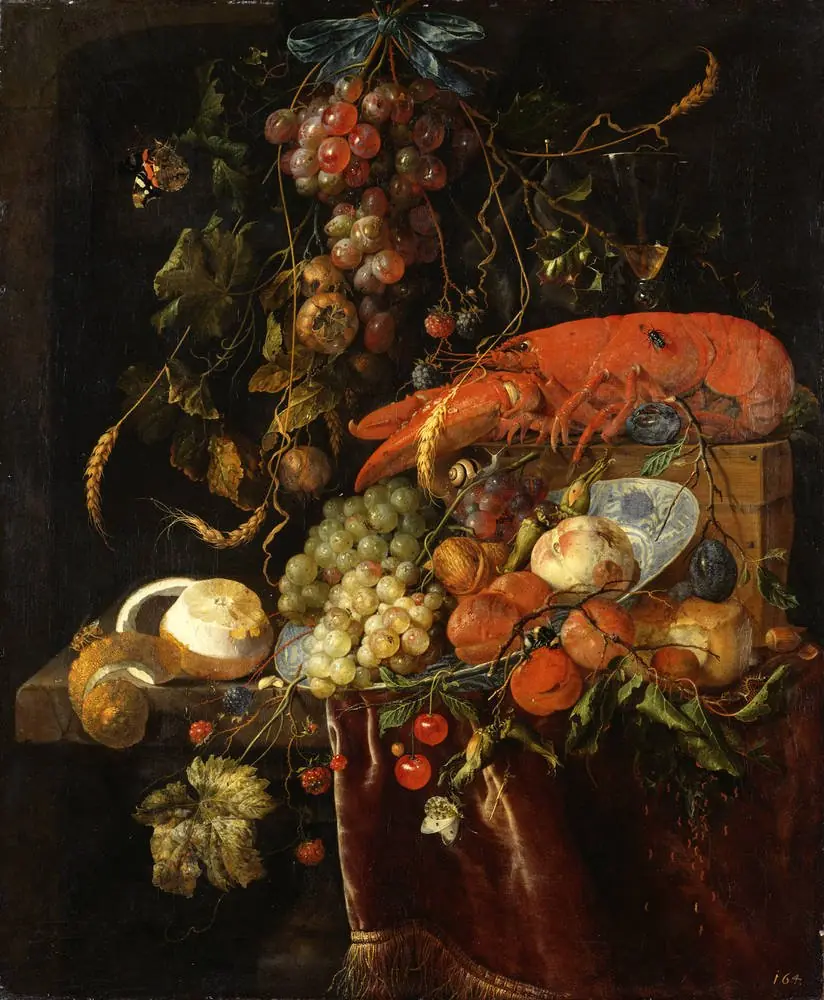 Still Life with a Lobster
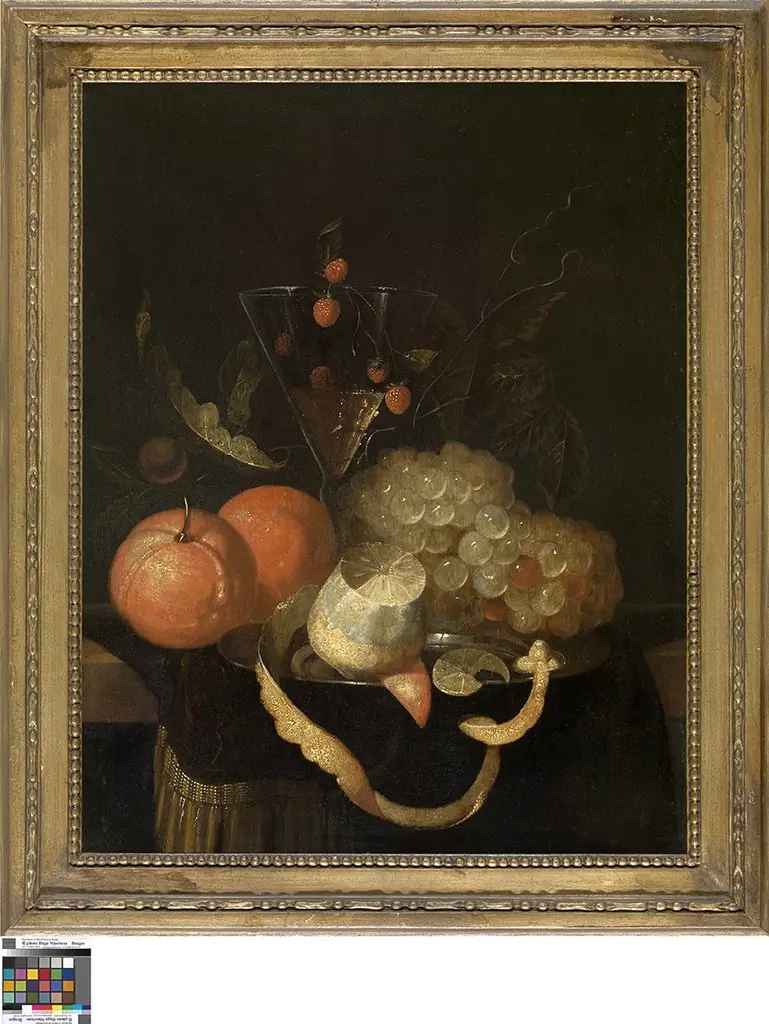 Stilleven met fruit
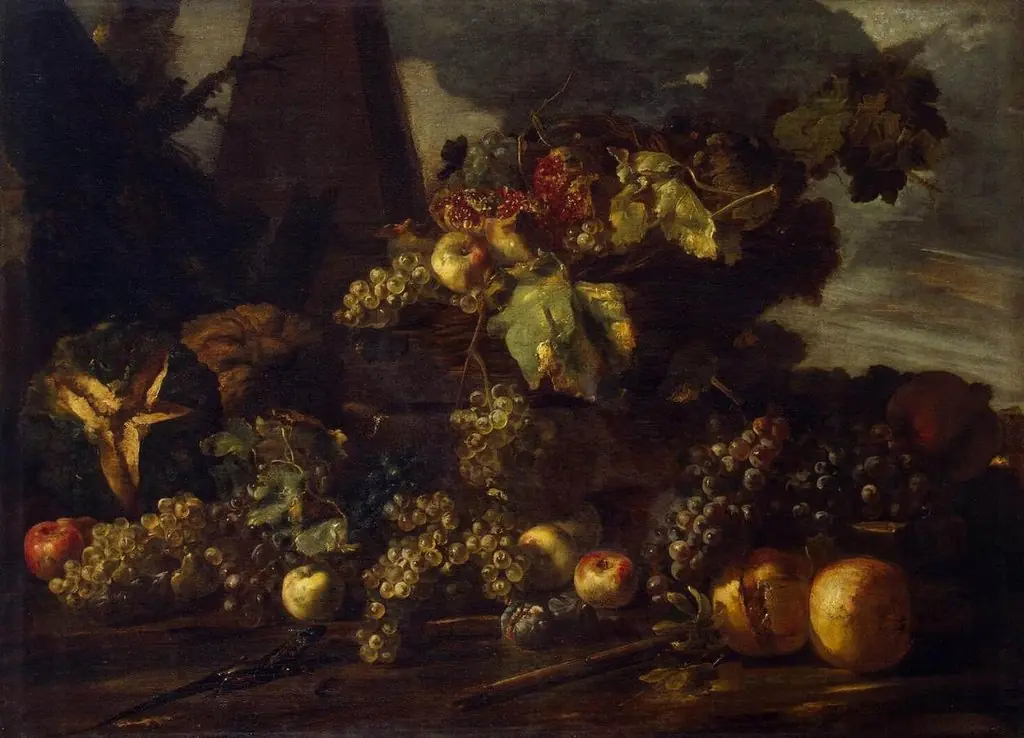 Still Life with Grapes
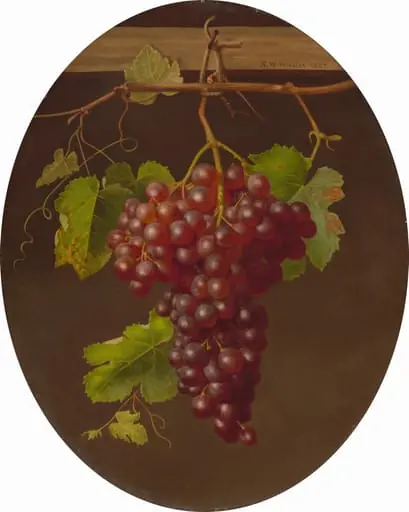 Hanging Bunch of Grapes
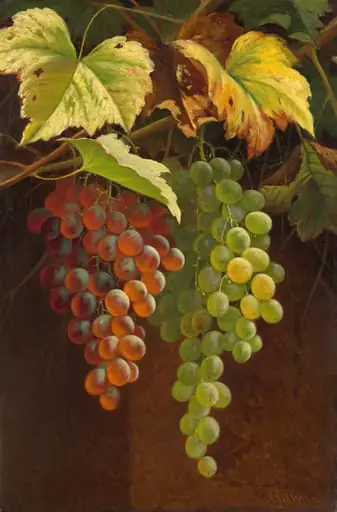 Two Bunches of Grapes
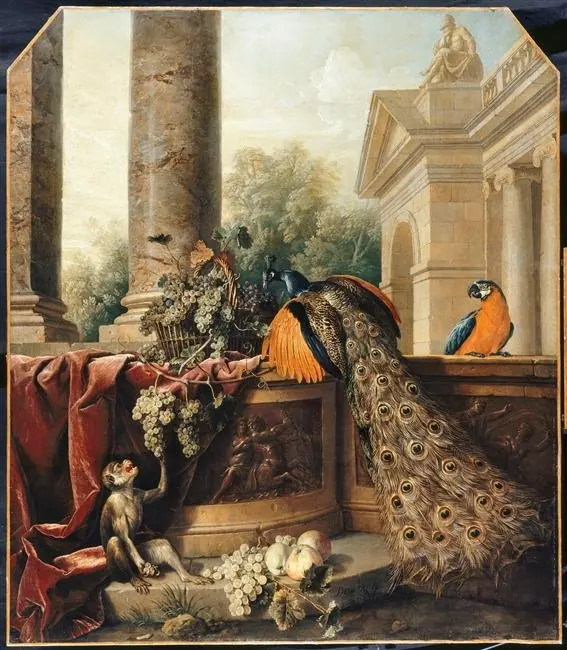 Still Life with a Peacock
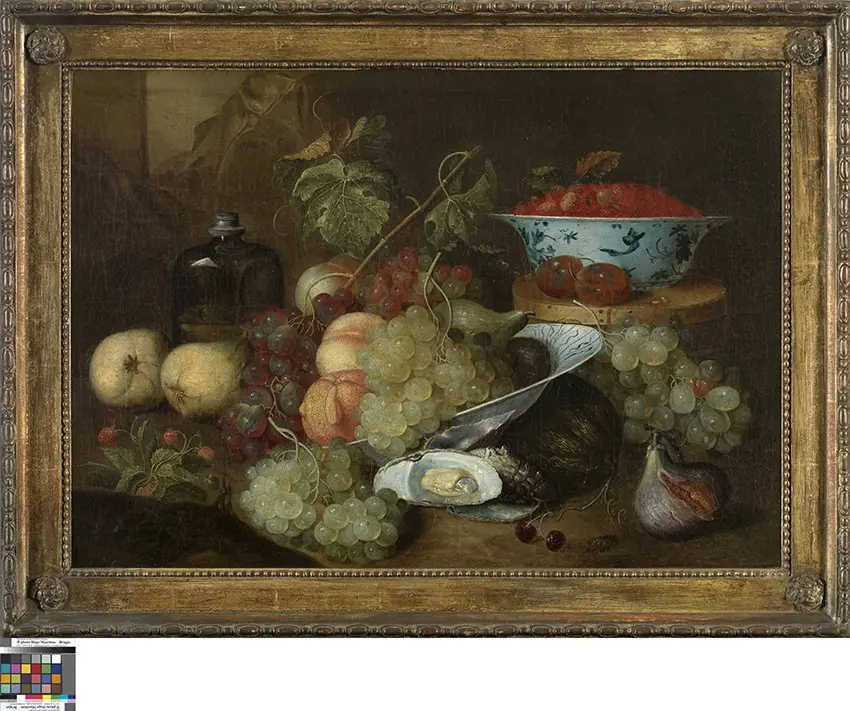 Still Life with Fruit
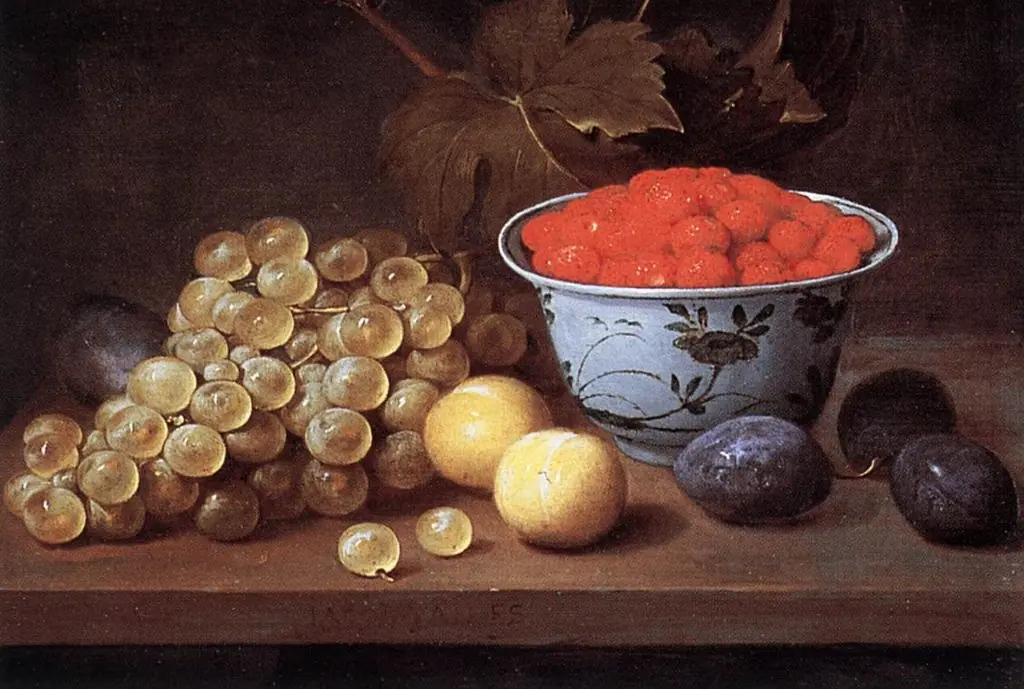 Still Life with Fruit
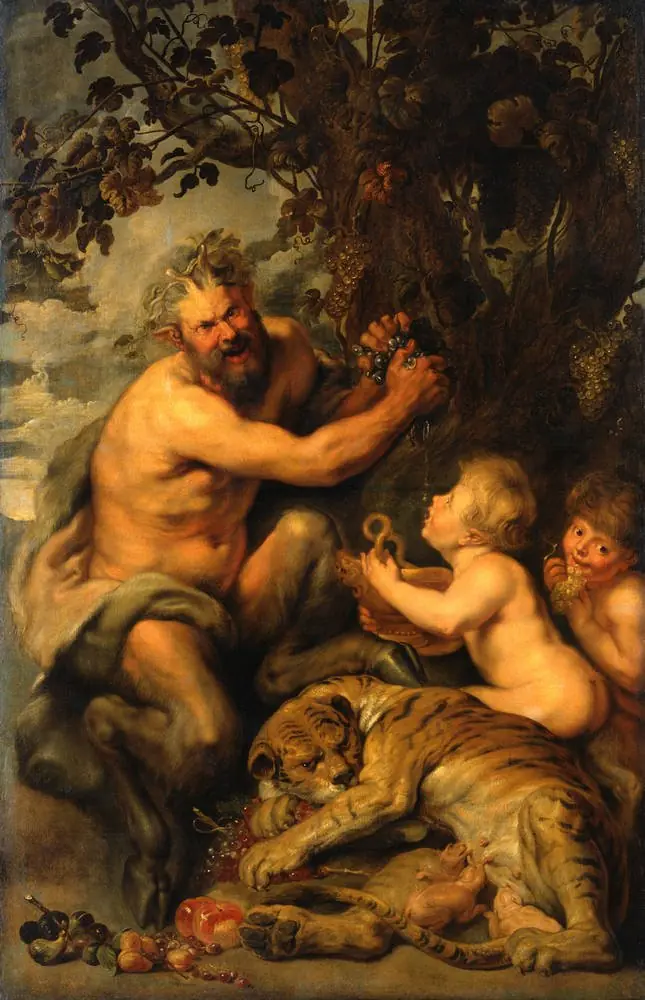 A Satyr pressing Grapes with a Tiger and Two Children
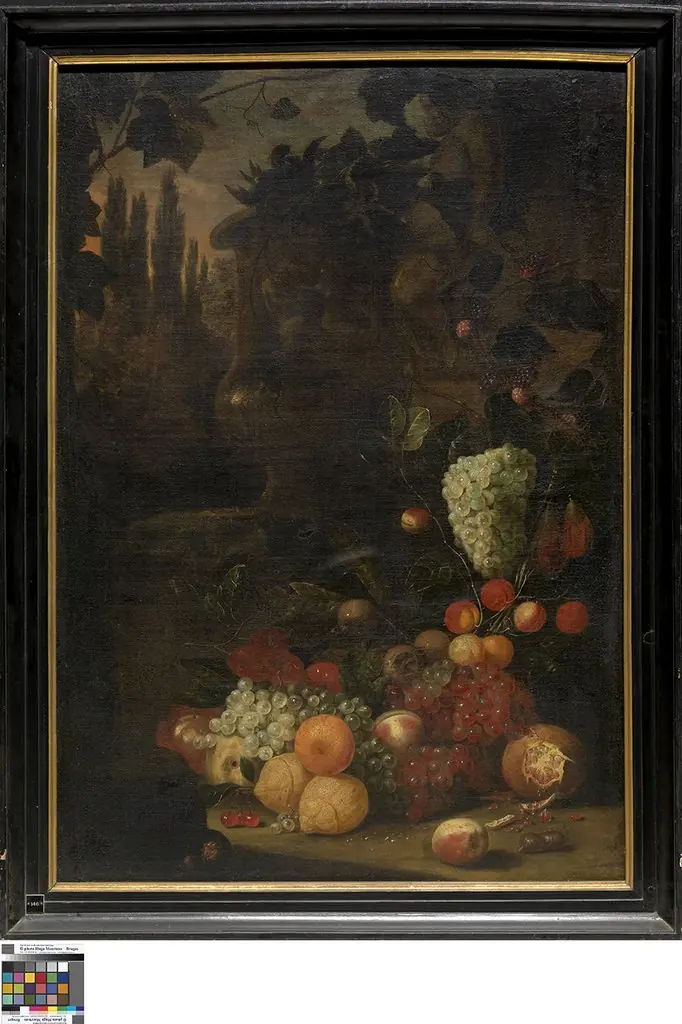 Stilleven met fruit
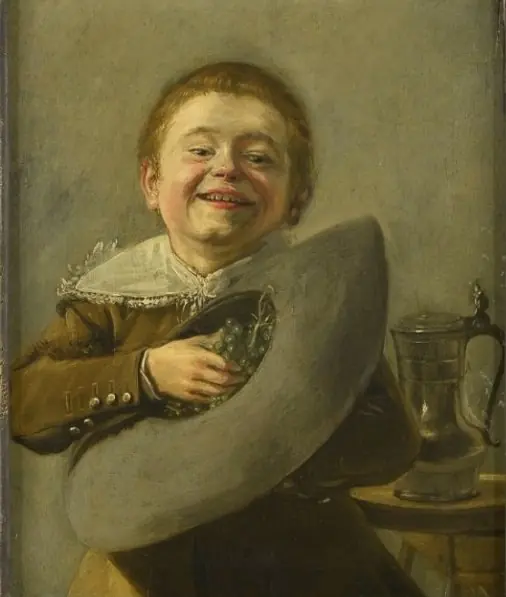 Smiling boy holding grapes in his hat
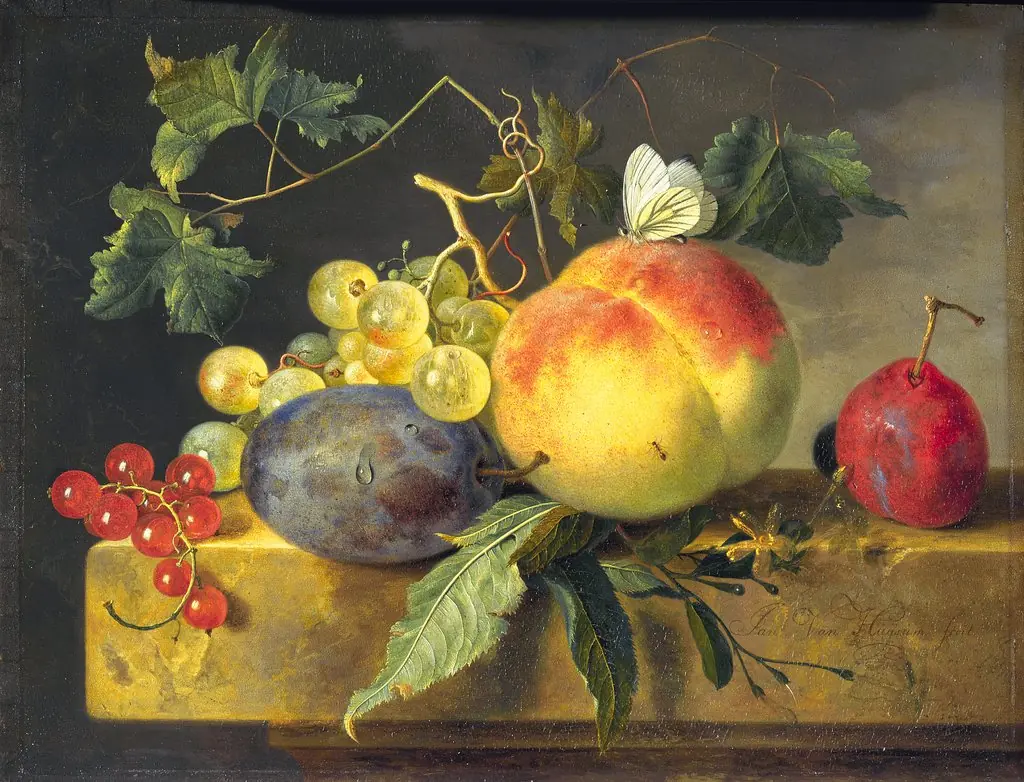 Fruit Still Life
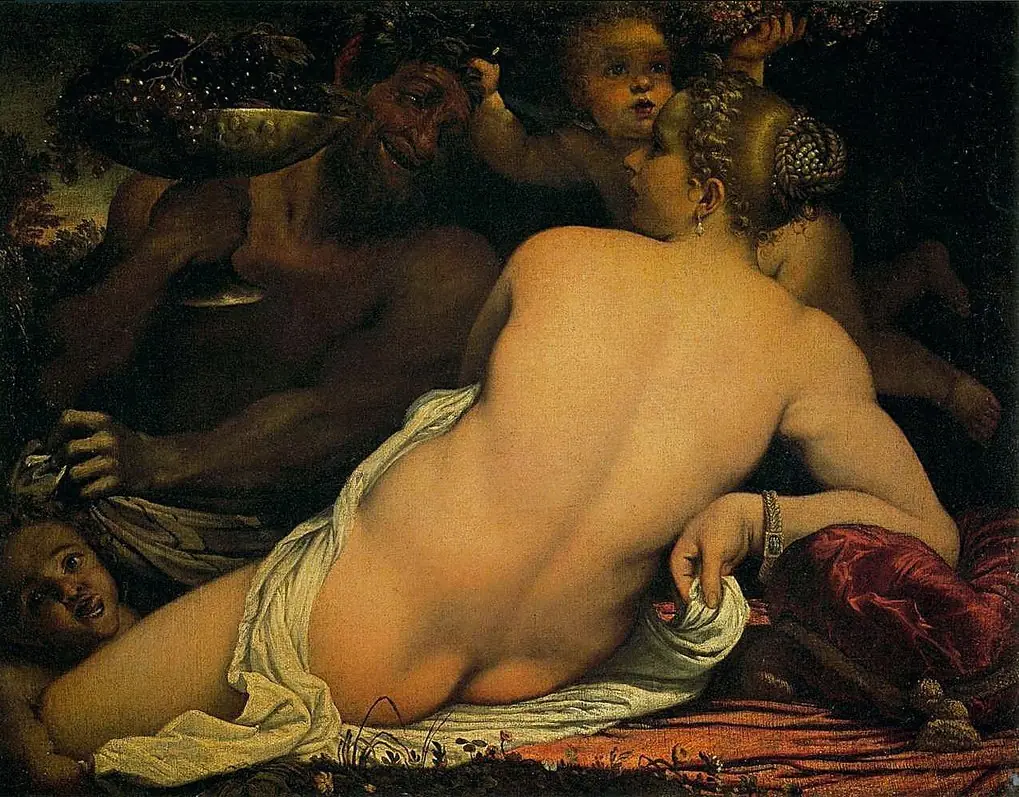 Venus with a Satyr and Cupids
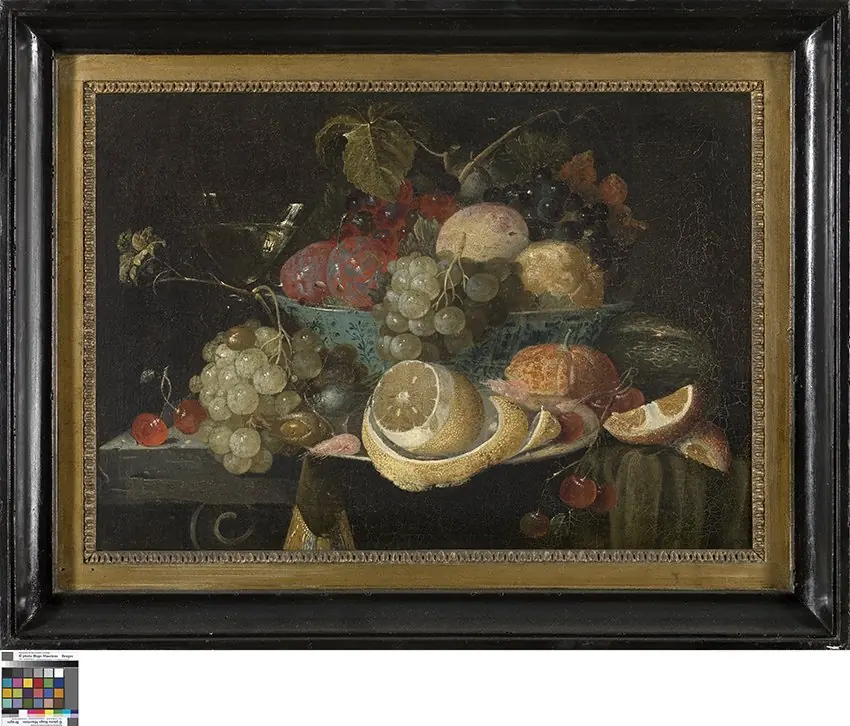 Still Life with Fruit
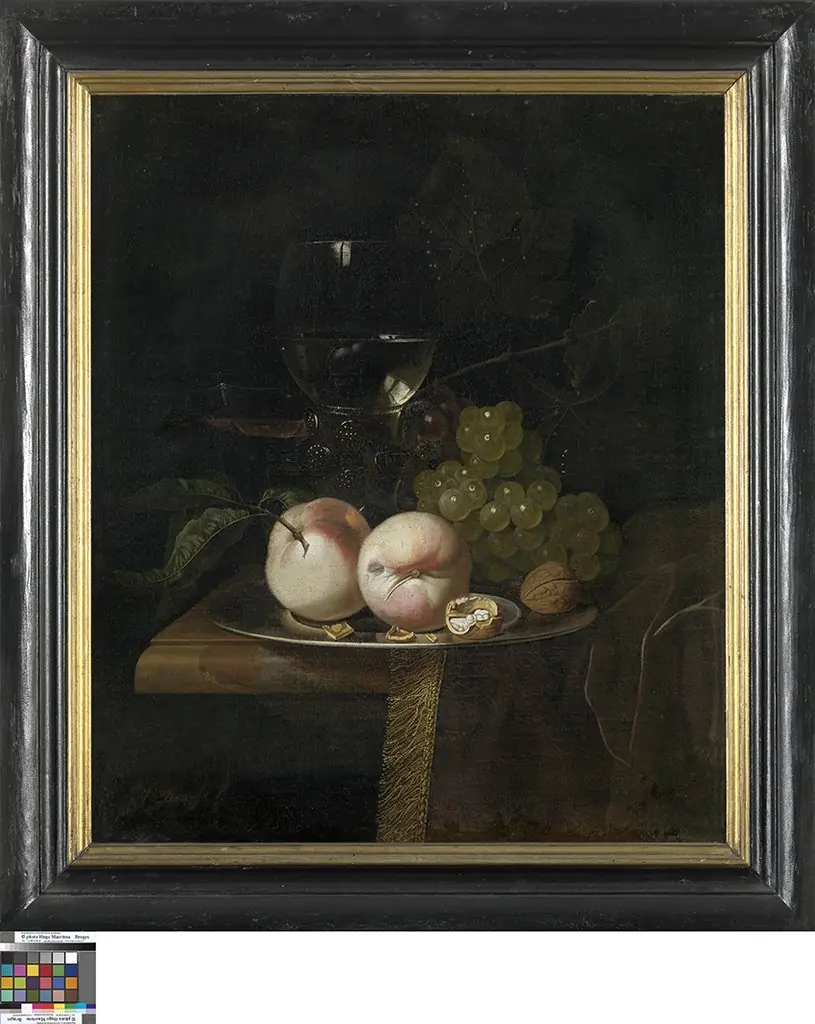 Stilleven met fruit en een wijnglas
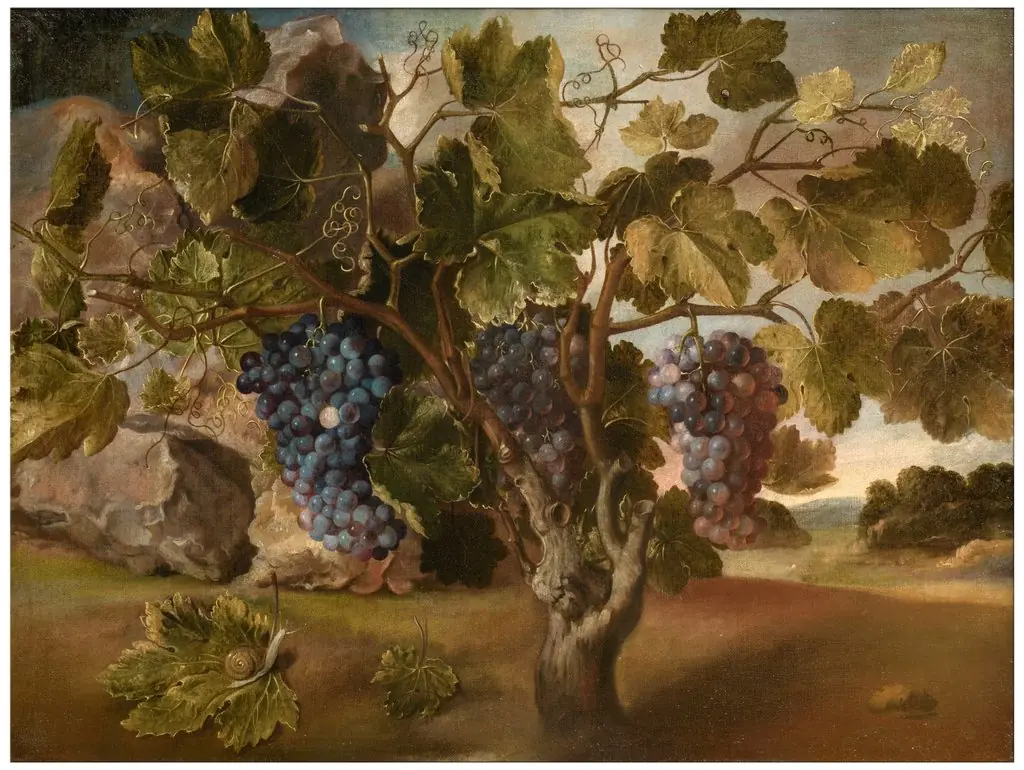 Landscape with a Vine
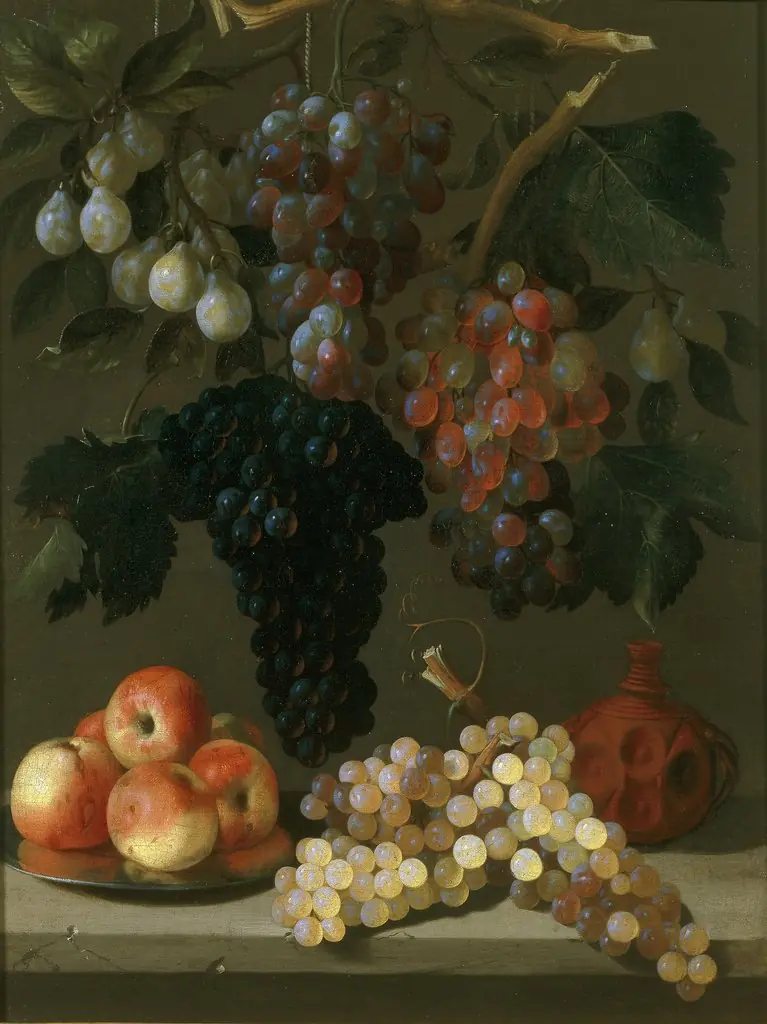 Still Life with Grapes, Apples and Plums
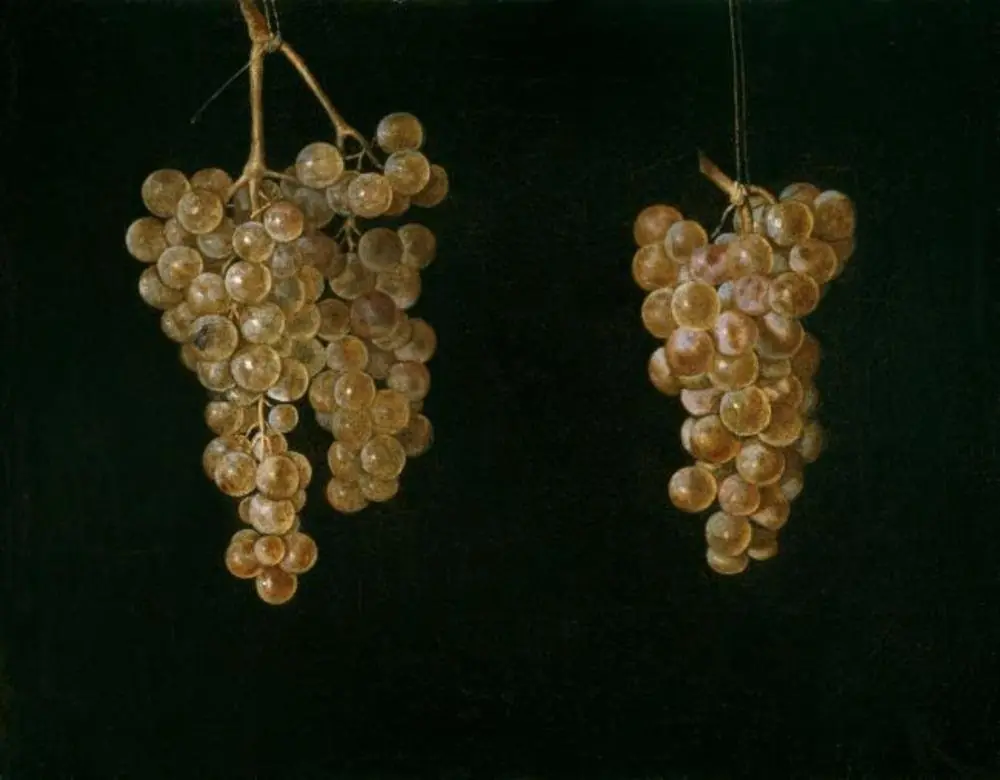 Two Bunches of Grapes with a Fly
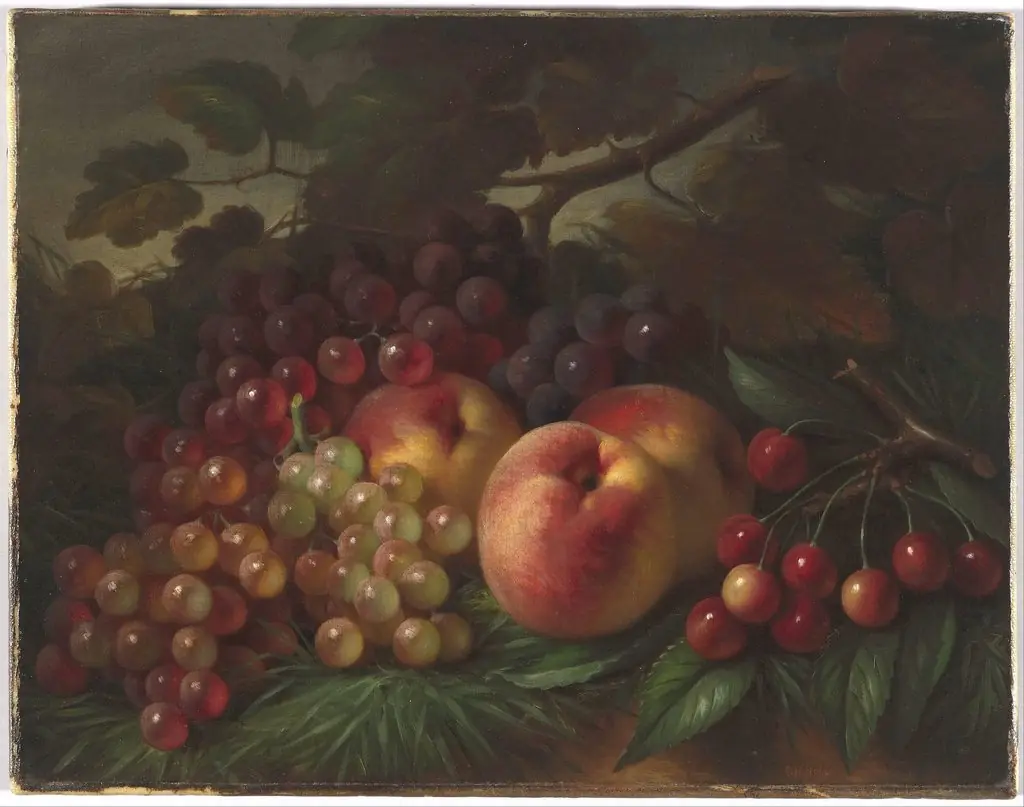 Peaches, Grapes and Cherries
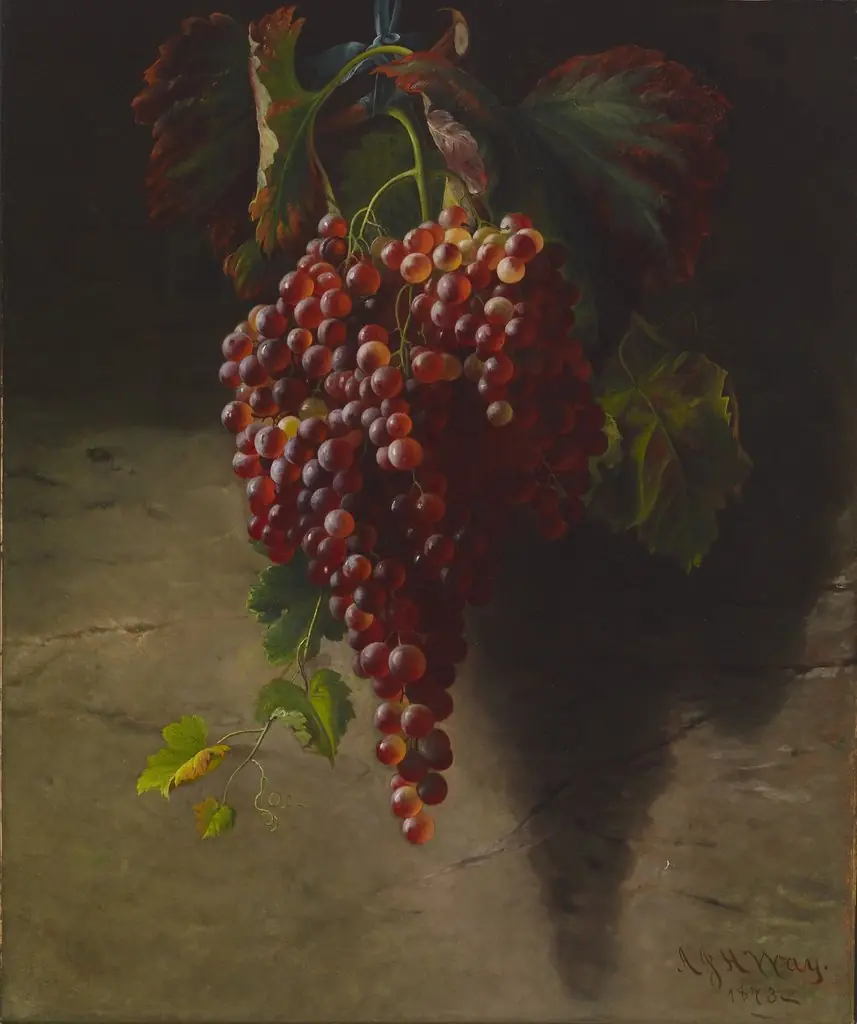 Bunch of Grapes
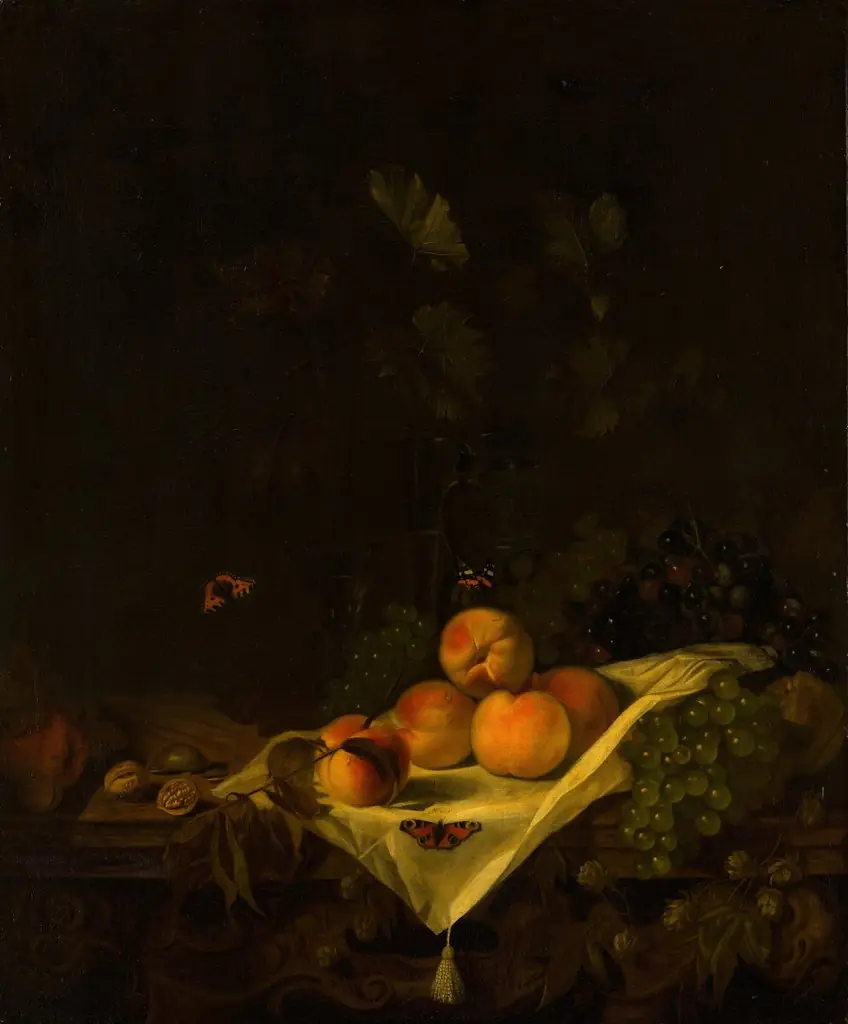 Still life with peaches and grapes
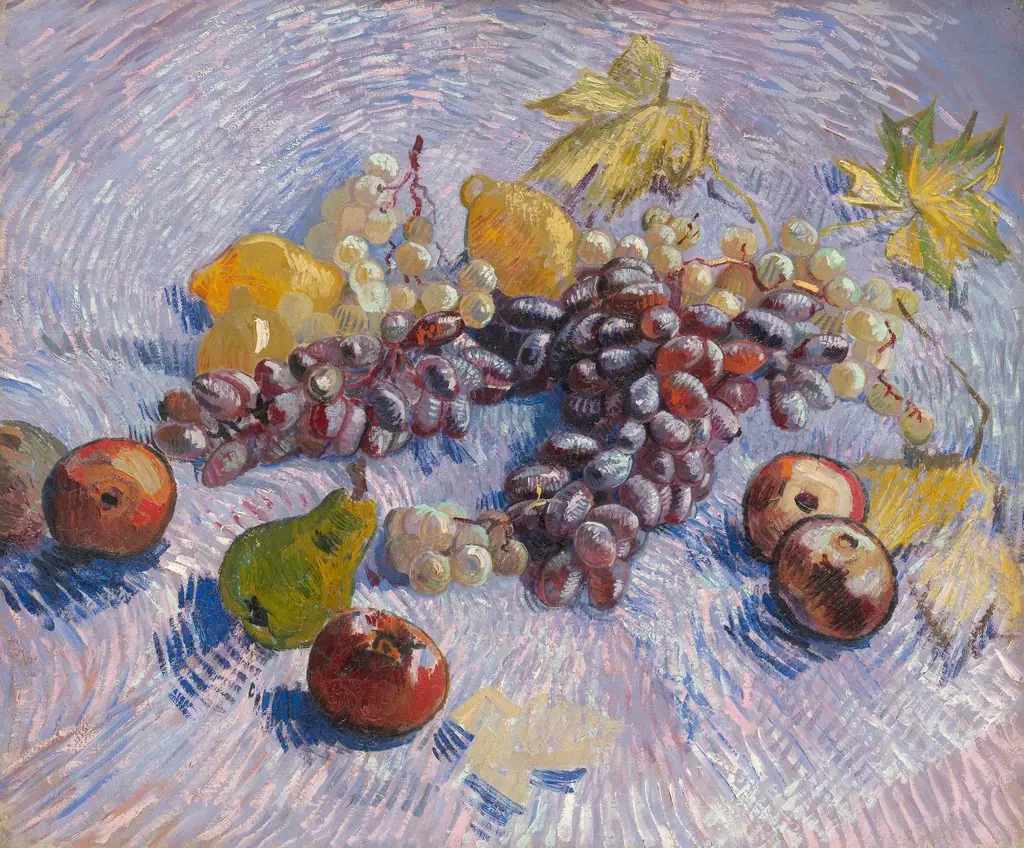 Grapes, Lemons, Pears, and Apples
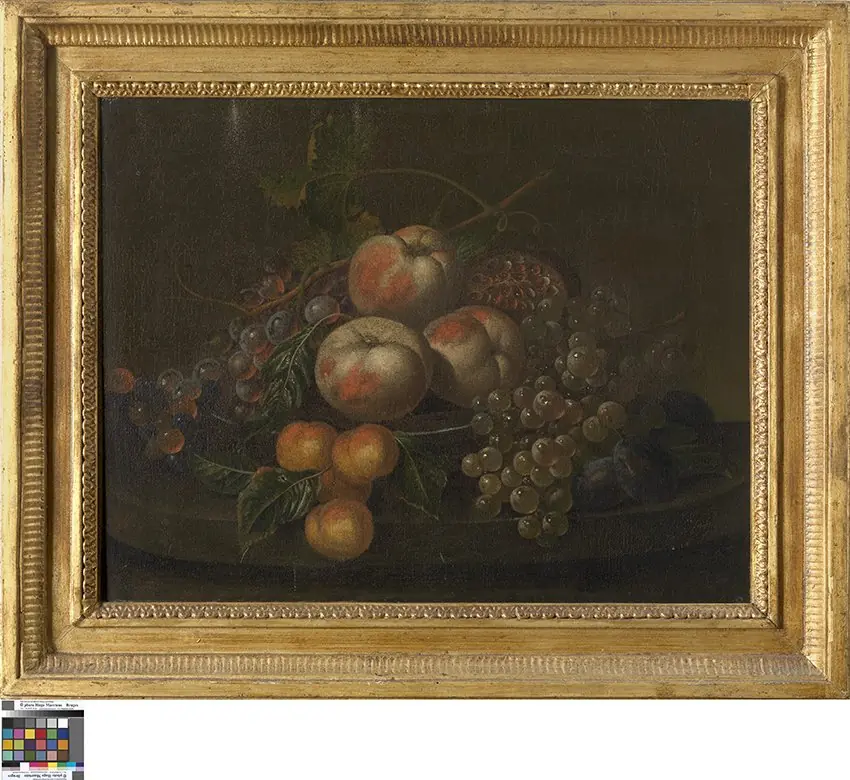 Stilleven met fruit
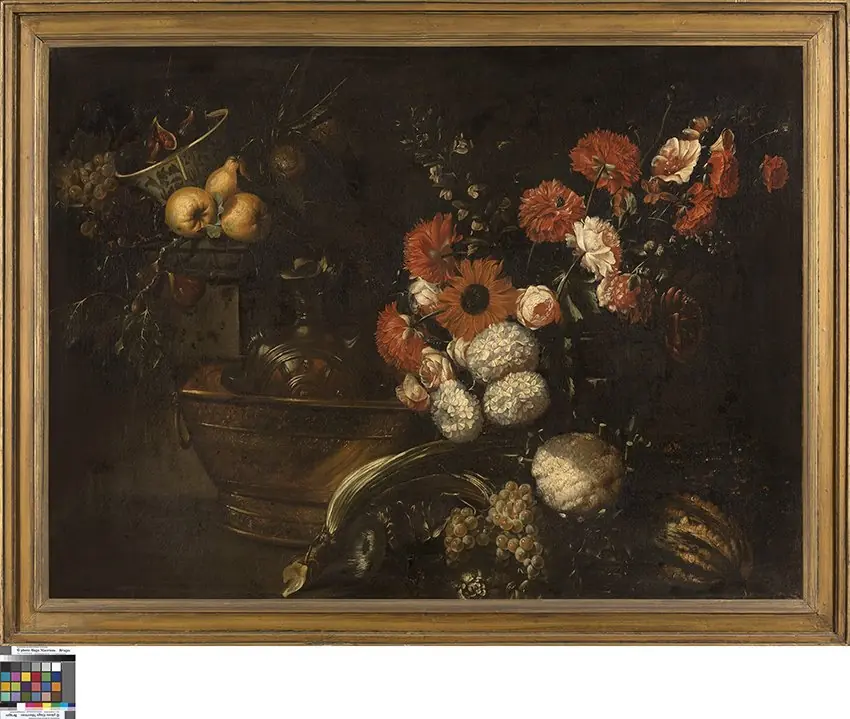 Still life of flowers, fruits, vegetables and ornamental tableware
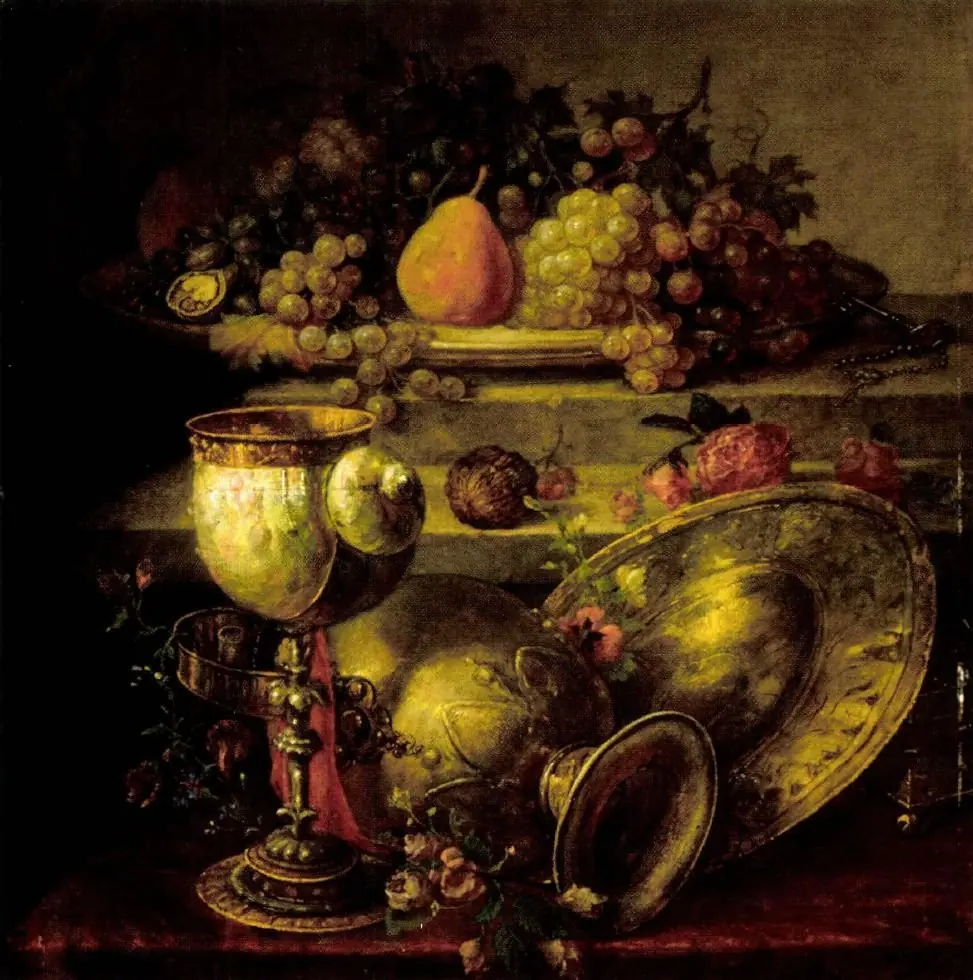 Still Life
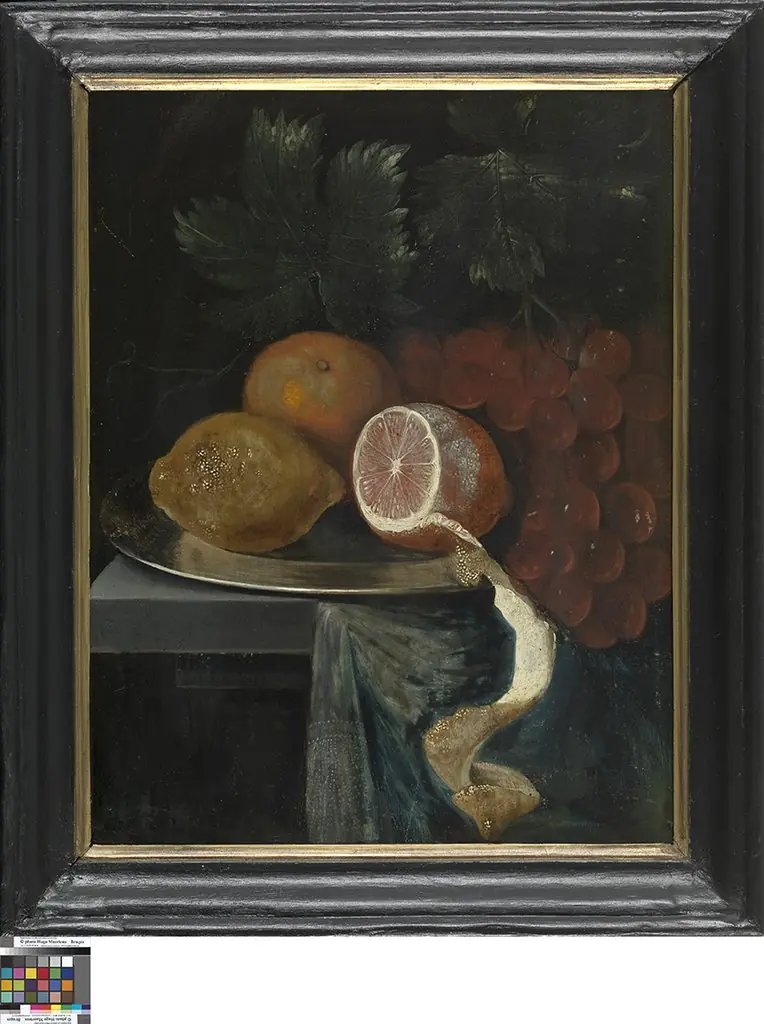 Stilleven met fruit
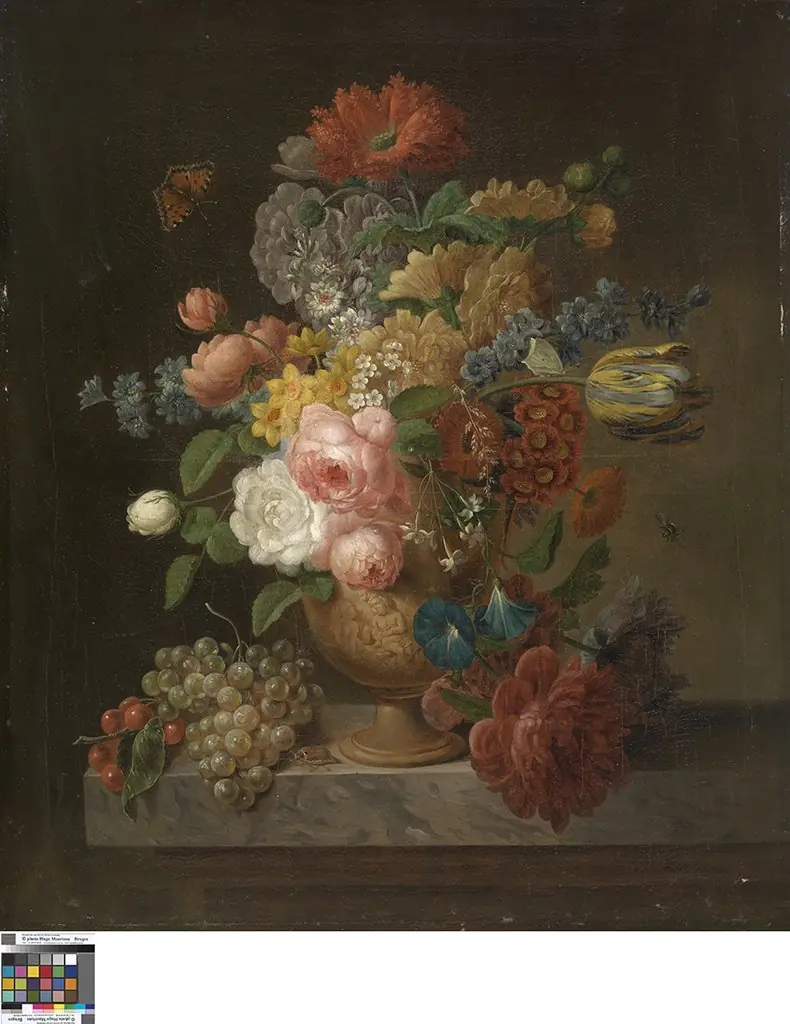 Still Life of Flowers
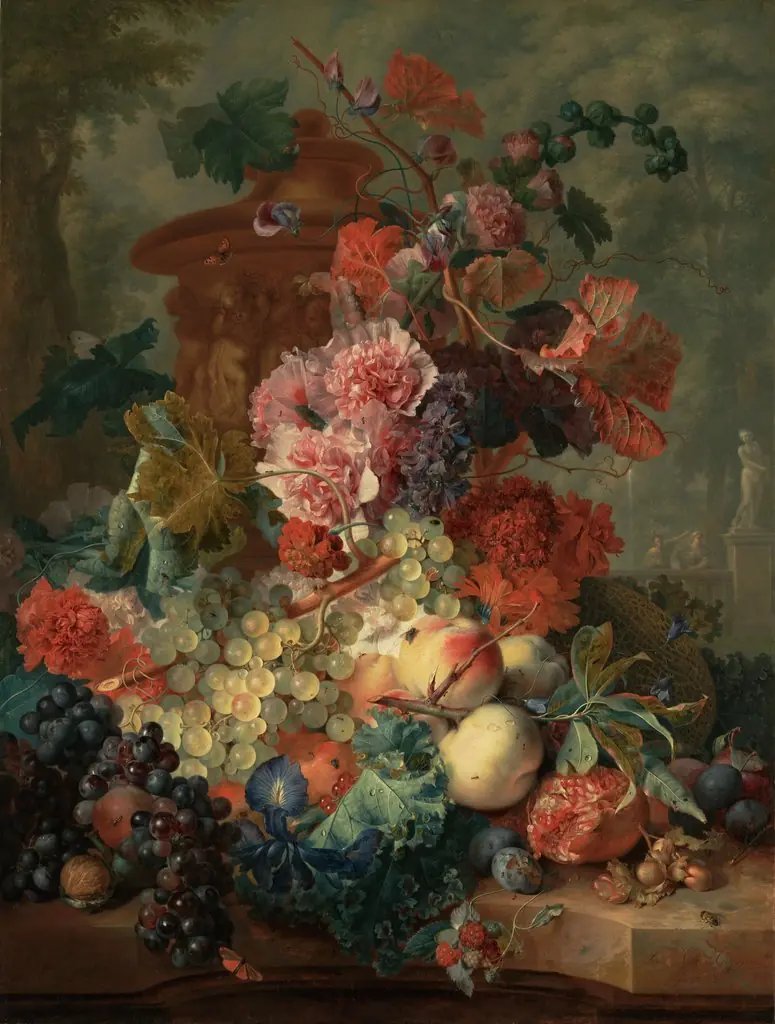 Fruit Piece
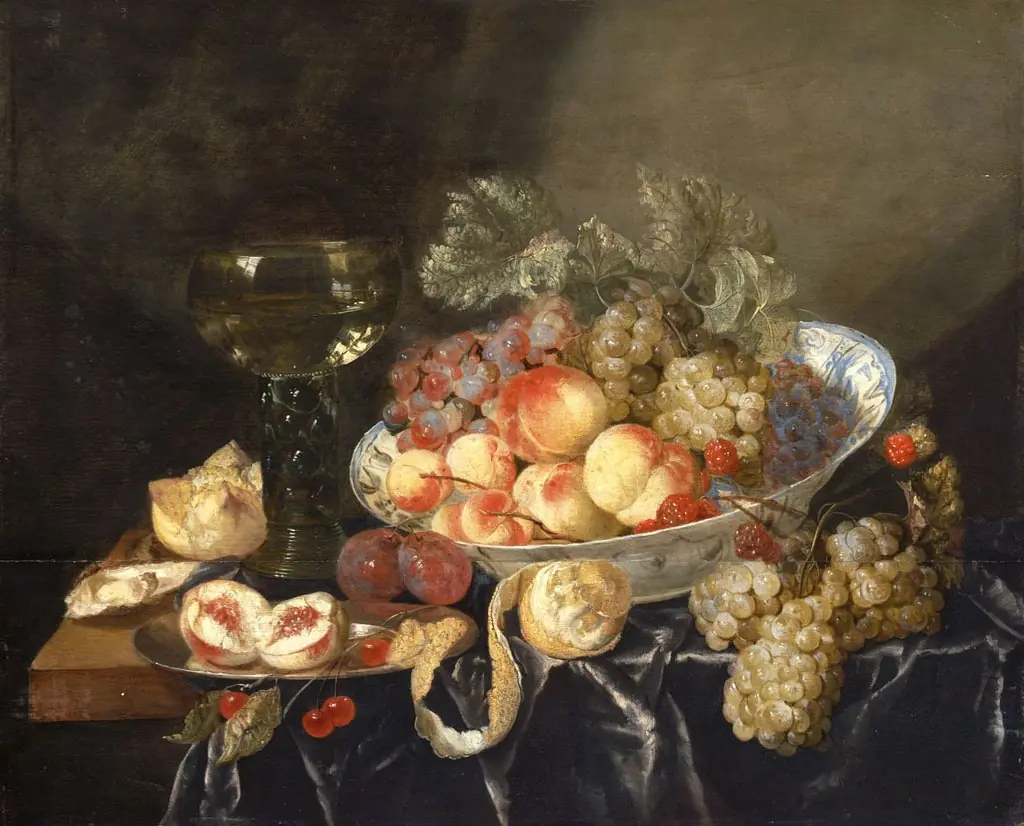 Fruit (Still Life)
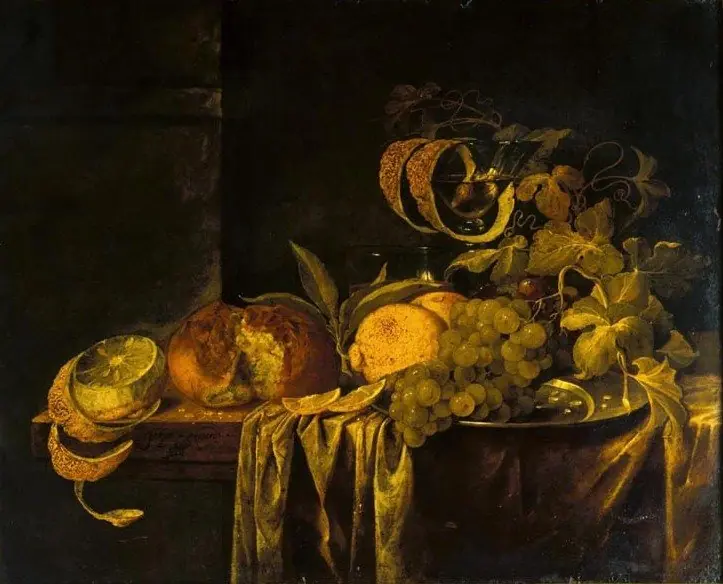 Still life with fruit, bread, and glassware
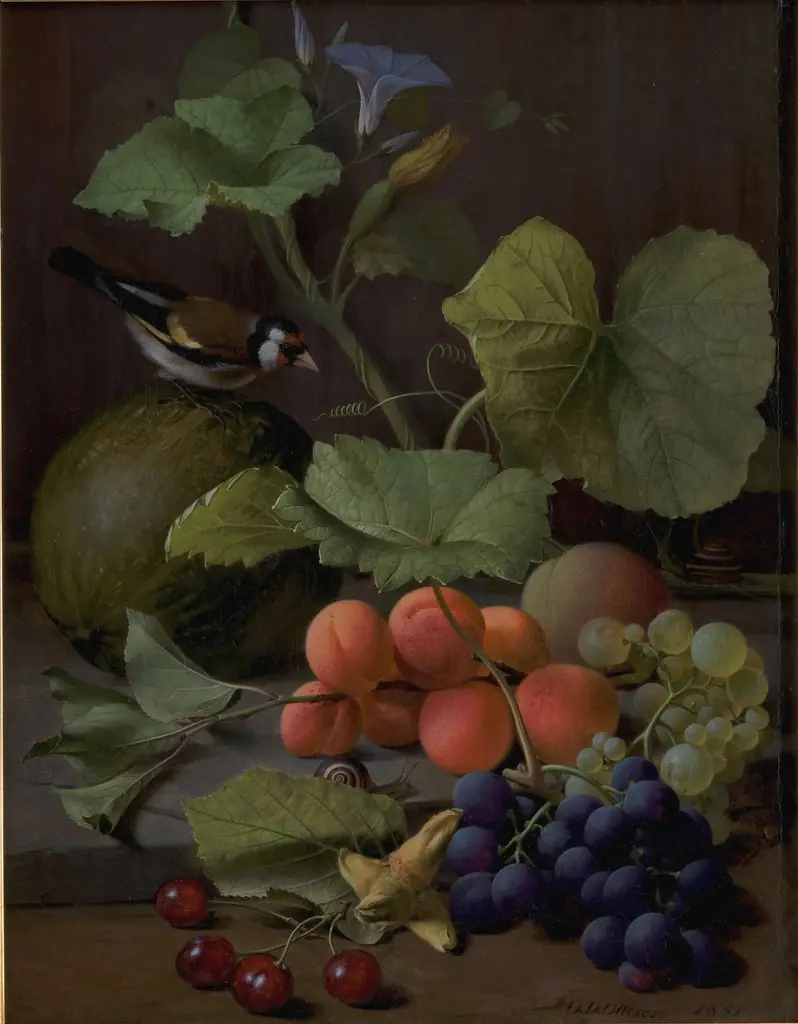 Frugtstykke med en stillids
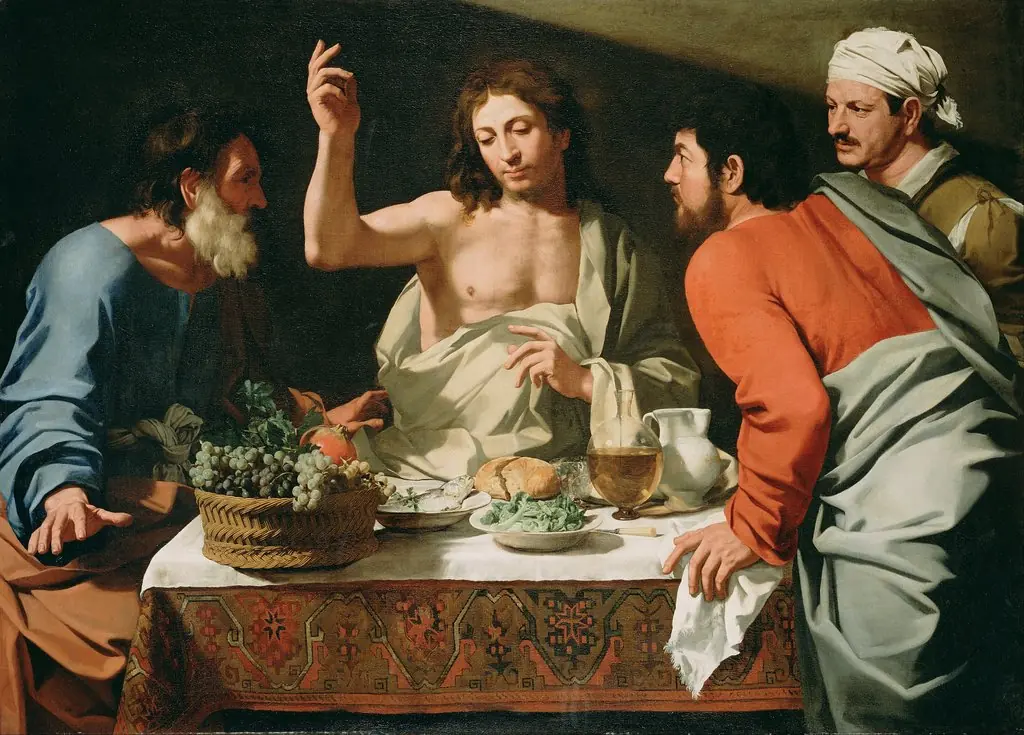 The Supper at Emmaus
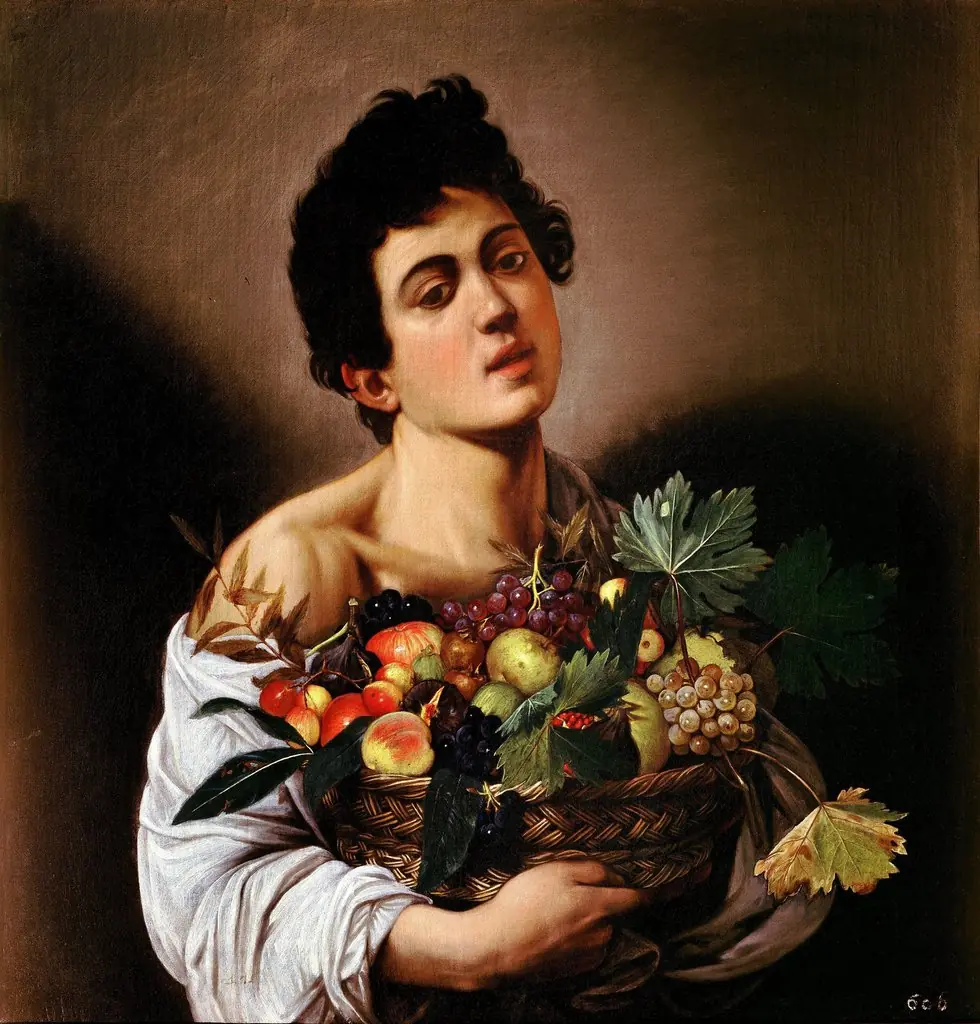 Boy with a Basket of Fruit
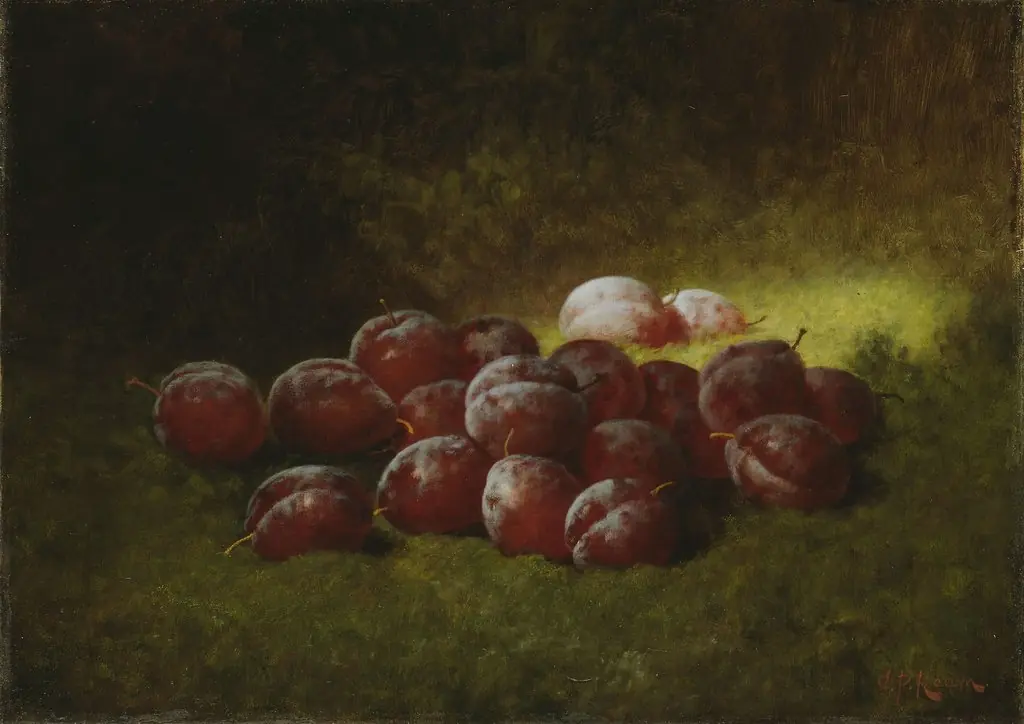 Purple Plums
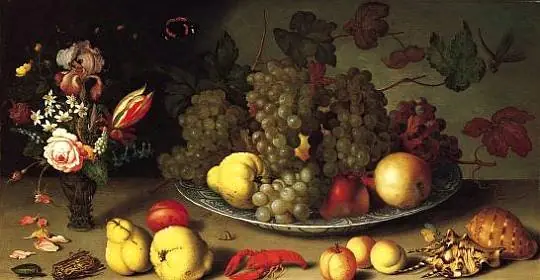 Still Life with Fruits and Flowers
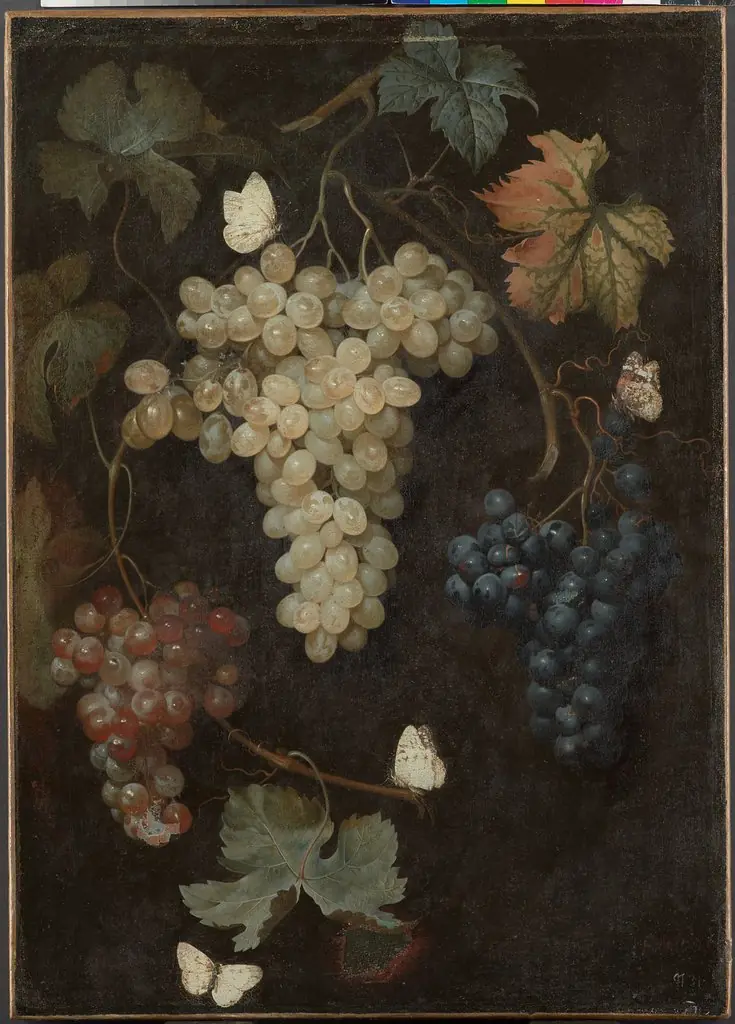 Weintrauben mit drei Trauben und Schmetterlingen
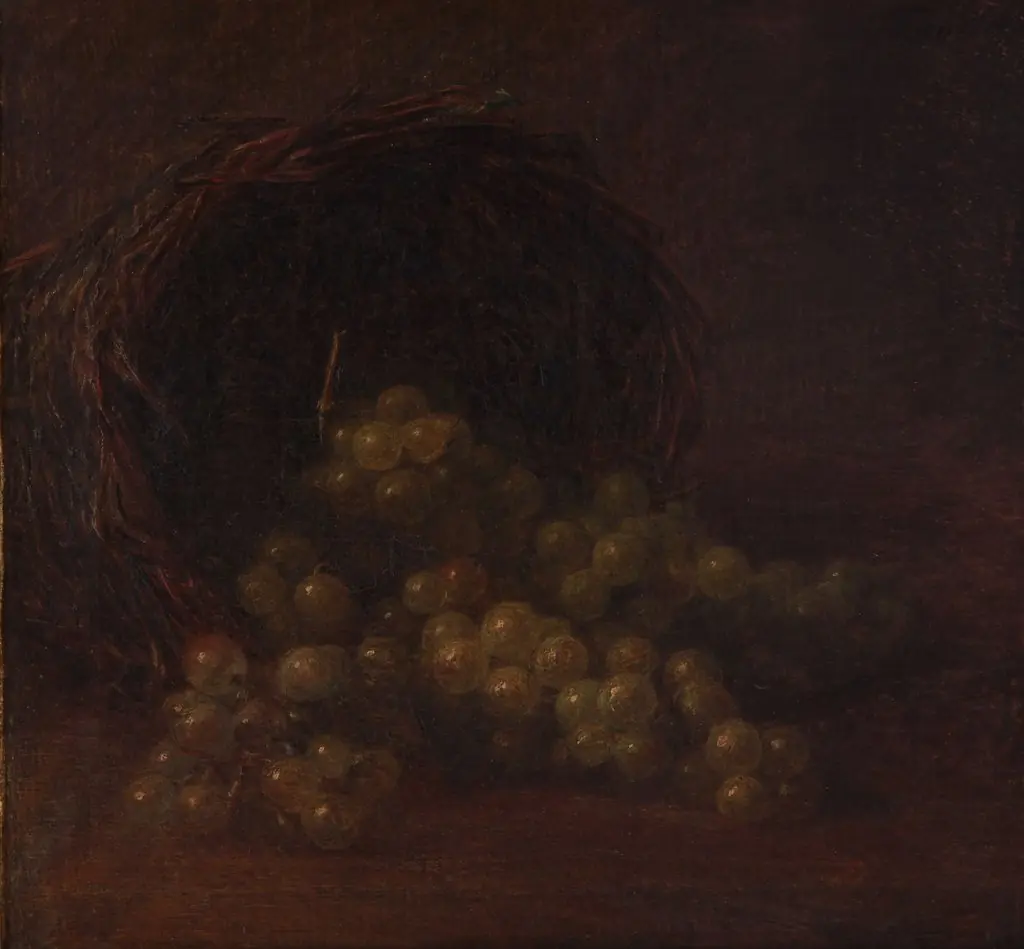 Le panier de raisin (Uvas)
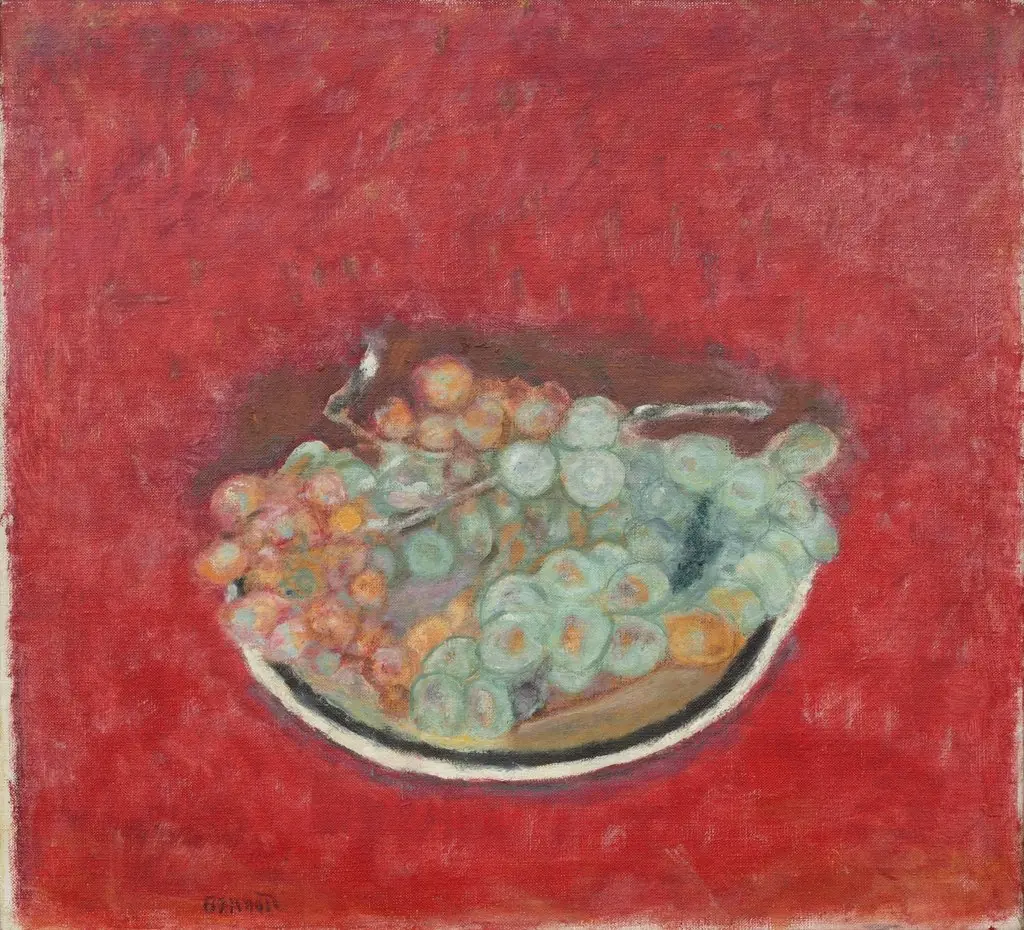 Grapes
 Fruit still life
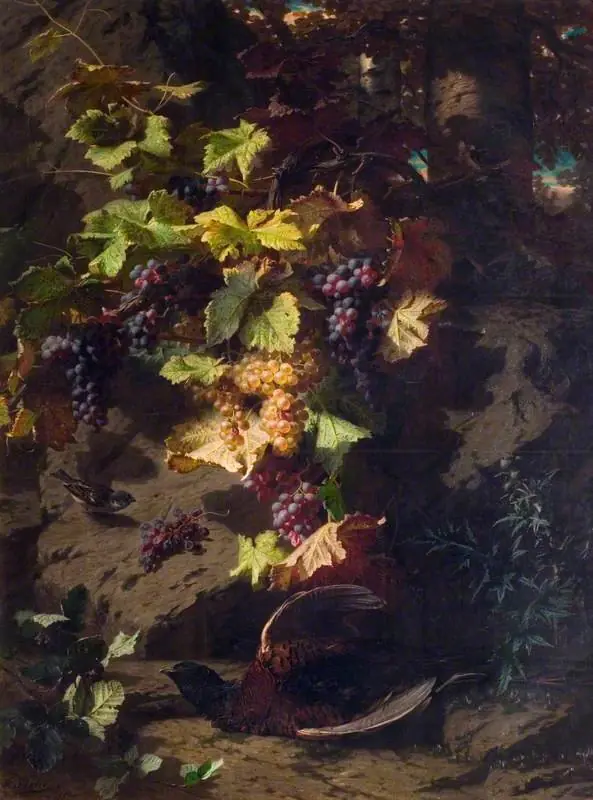 Fruit and Game
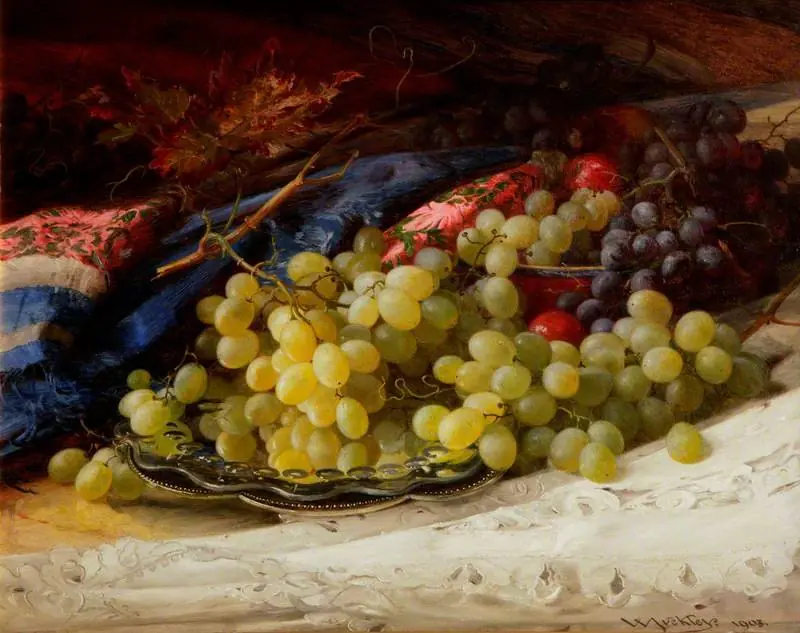 Muscats
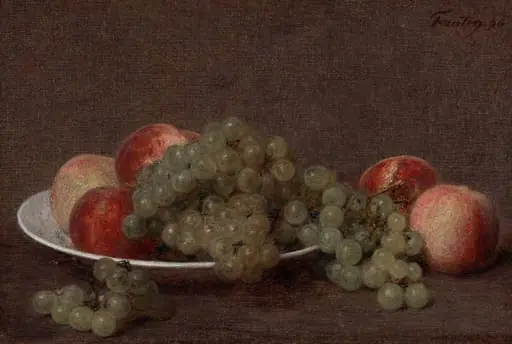 Still Life with Peaches and Grapes
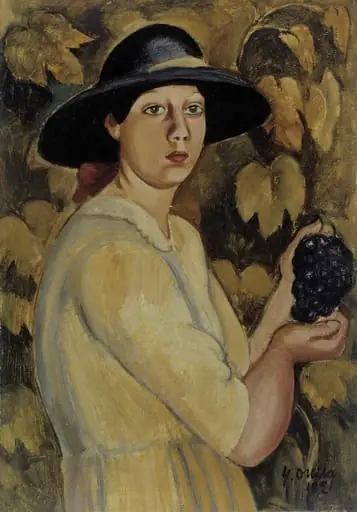 Tyttö ja viinirypäleitä
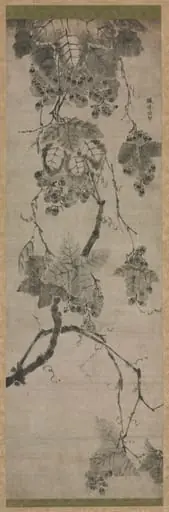 Grapes
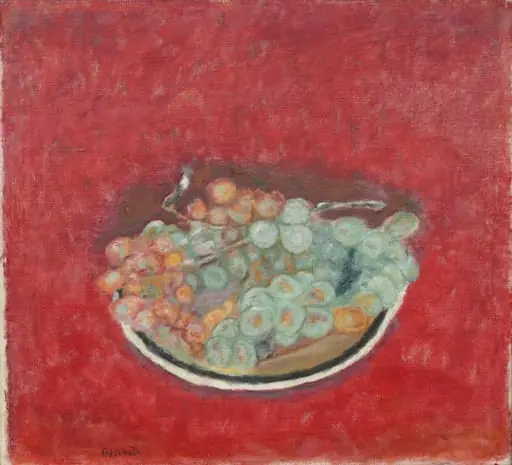 Untitled
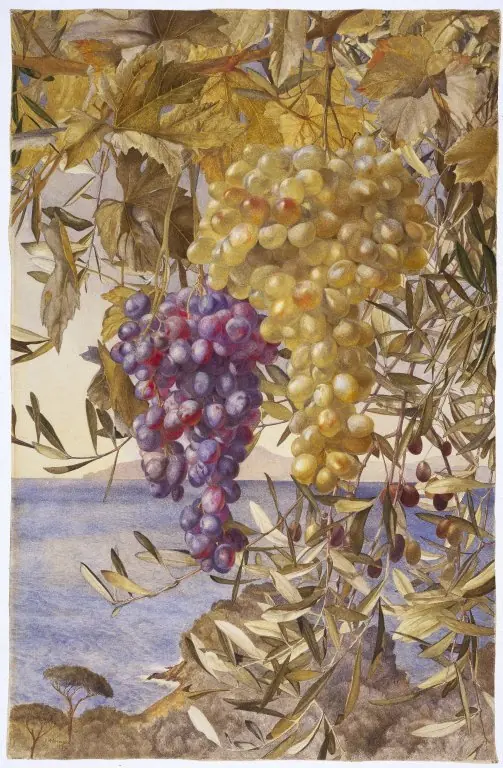 Grapes and Olives
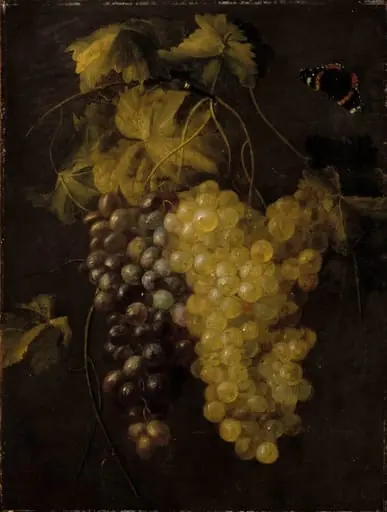 Kaksi rypäleterttua
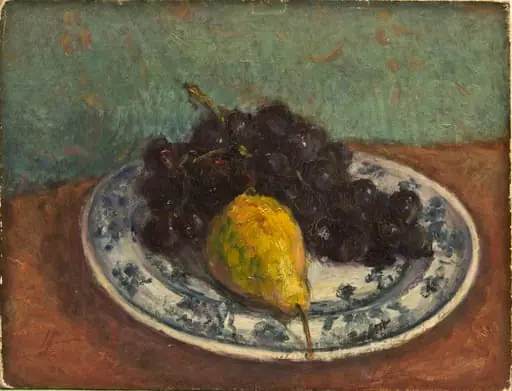 Farfurie cu fructe
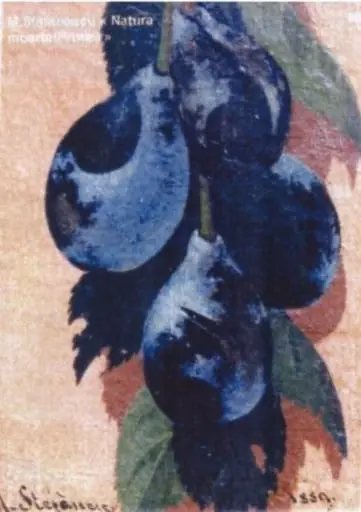 Prune (natură moartă)
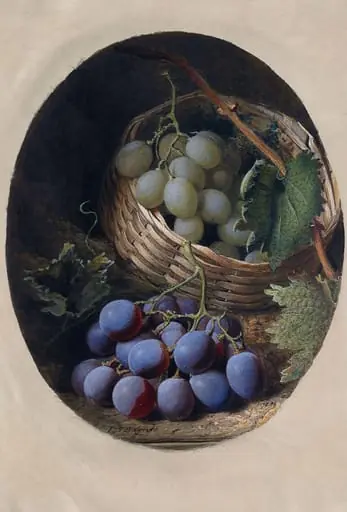 Red and White Grapes
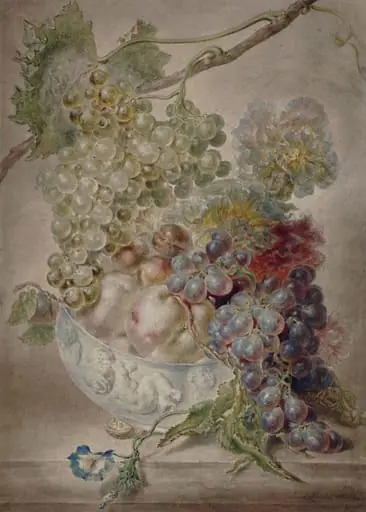 A vase of fruit and a vine branch
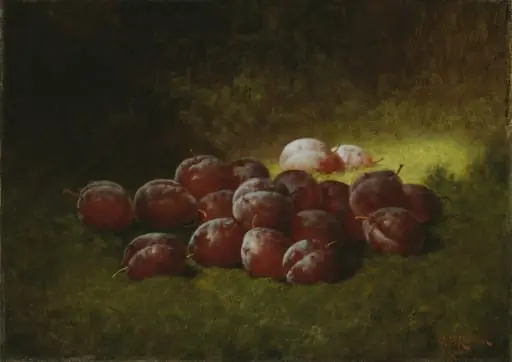 Purple Plums
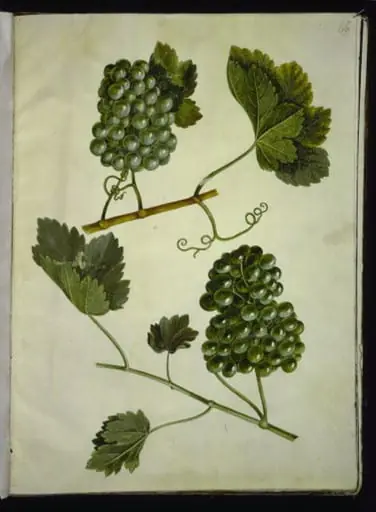 Vitis vinifera (almindelig vin)
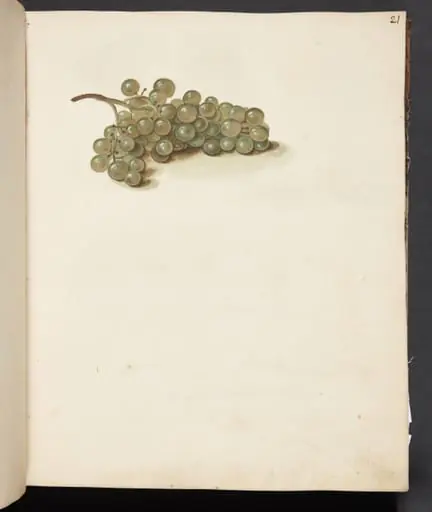 Studie af druer
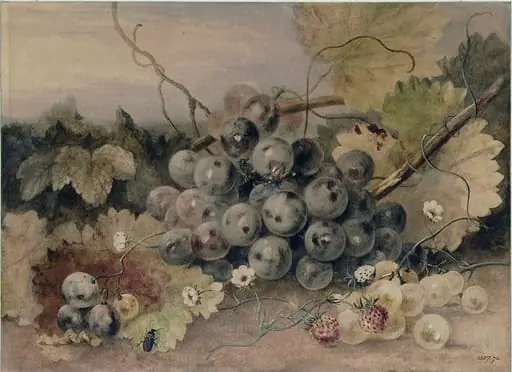 Grapes and Strawberries
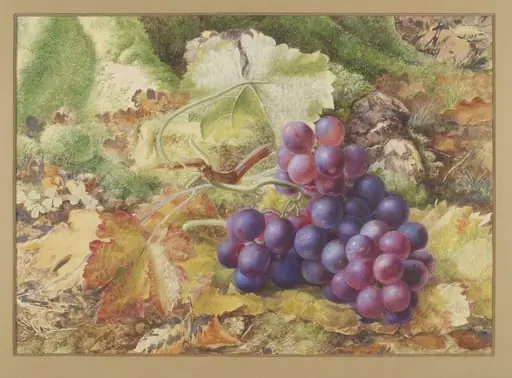 Study of Black Grapes
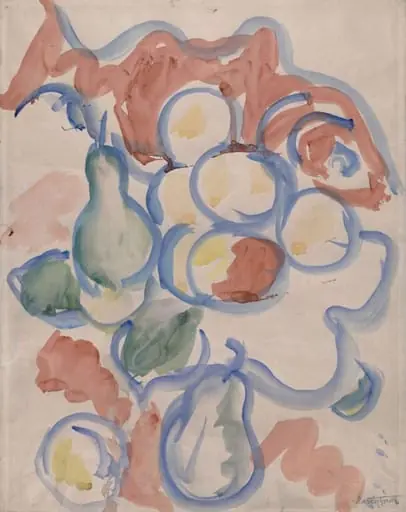 Apples & pears
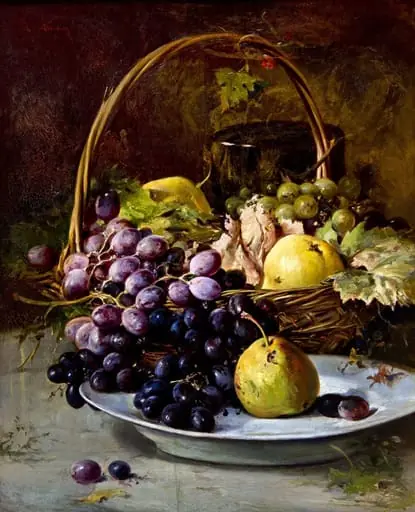 Coș cu fructe
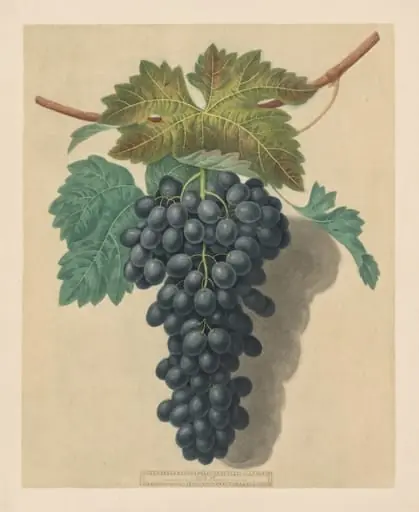 Pomona Britannica: No. 52 - Black Prince Grape
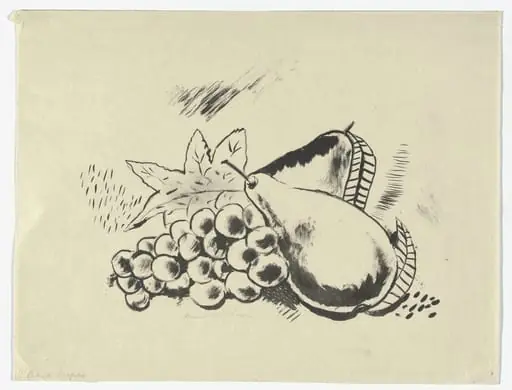 Untitled
Frequently asked questions
What is Grape?
Grape is a subject in art. family name
How many Grape works does Artifact World Gallery have?
Artifact World Gallery holds 162 public-domain Grape works, all free to view and download.
Who are the key Grape artists?
Key Grape artists in the collection include Ralph Earl, Édouard Manet and Claude Monet.
Where can I see Grape works?
Grape works in the collection are held by Metropolitan Museum of Art, Groeningemuseum and National Gallery of Art.