Subject
Seat
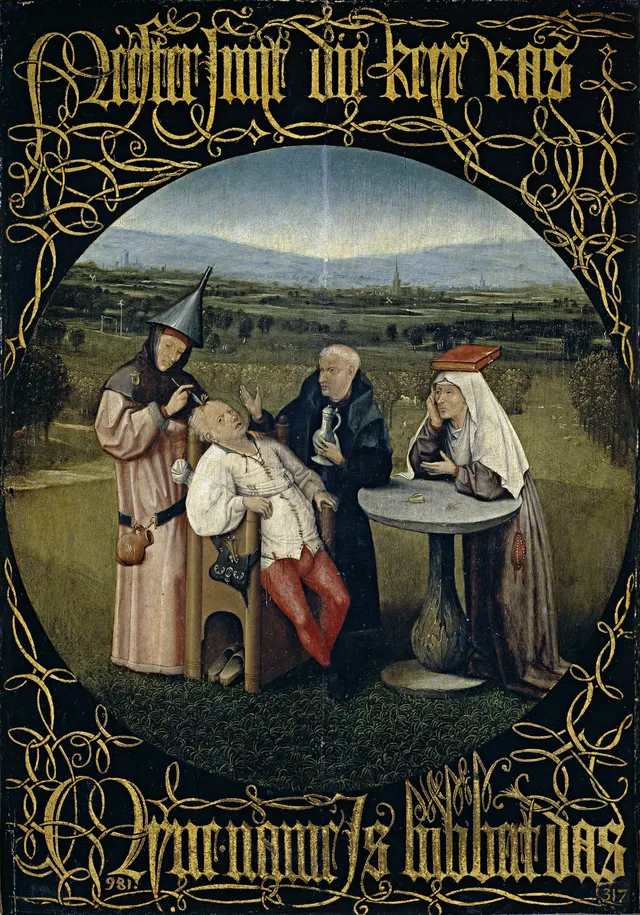
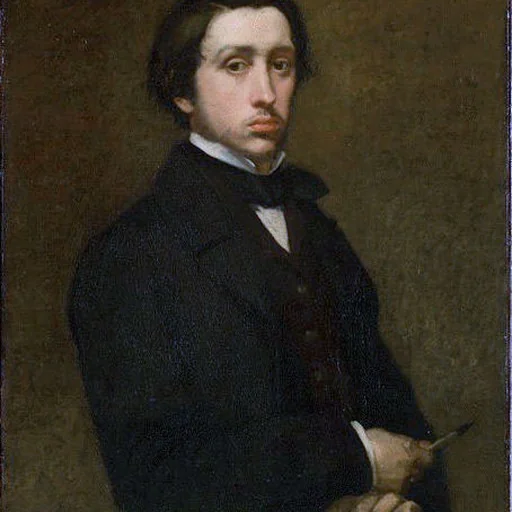
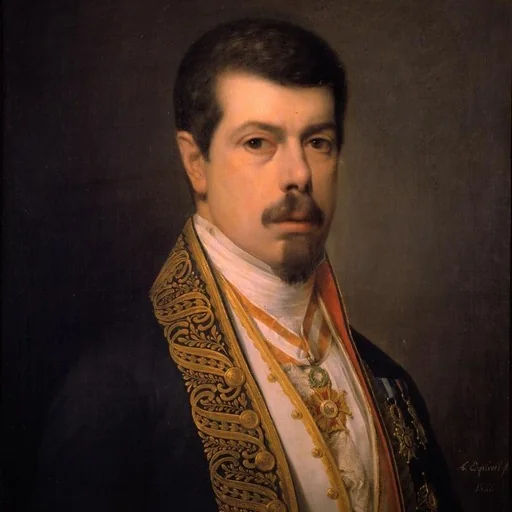
Seat is a subject in art. The gallery holds 66 works in this subject in art, including works by Edgar Degas, Jean Léon Gérôme and Antonio María Esquivel.
Few objects carry as much symbolic weight in art as the seat. Long before it was a subject in its own right, the chair was an emblem of authority: to be raised above others on a throne was to embody power. Ancient cultures grasped this immediately—Egyptian pharaohs were shown enthroned amid emblems of dominion, and the Greeks left an empty throne to signify the unseen presence of Zeus. Early Buddhist reliefs marked the Buddha not by a figure but by a vacant cushioned seat, and Christian art inherited this idea as the Hetoimasia, the "prepared throne" awaiting Christ in glory. From its origins, then, the seat in art oscillated between the literal and the emblematic—furniture and metaphor at once.
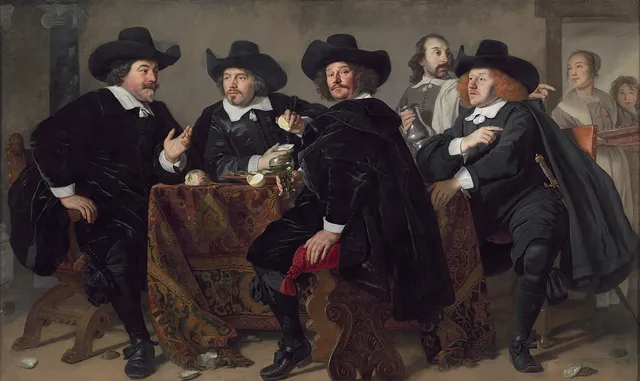
This double charge made the chair indispensable to portraiture. A carved, draped, or lion-footed chair instantly elevated its occupant, while the act of sitting conferred composure and command. The convention flowered in seventeenth-century Holland, where guilds, militias, and charitable regents commissioned group portraits to hang in their halls; Bartholomeus van der Helst's *Four Directors of the Arquebusiers' Guild, Amsterdam* (1655) typifies the seated dignitaries whose chairs and poses register civic standing. Court painting amplified the device—Martin van Meytens's *The Imperial Family in 1756* arranges Habsburg authority around its furniture—while genre and conversation pieces such as Adriaen van Stalbemt's *The Sciences and Arts*, David Teniers the Younger's *Country Feast*, and Antonio María Esquivel's salon scenes used seating to choreograph sociability and rank.
The seat became a subject entirely its own in the hands of Vincent van Gogh. In Arles in late 1888 he conceived a pair of empty chairs as surrogate portraits: his own plain rush-seated chair with pipe and tobacco, painted in daylight, set against Gauguin's elegant armchair with books and a burning candle, painted at night. The two canvases—now in the National Gallery, London, and the Van Gogh Museum—turned humble furniture into a meditation on character, friendship, and impending absence.
That conceptual potential reached its logical extreme with Joseph Kosuth's *One and Three Chairs* (1965), which juxtaposed a real chair, a photograph of it, and a dictionary definition to interrogate how meaning is made. From throne to readymade, the seat endures as one of art's most versatile carriers of presence, power, and absence.
Key artists

Overview
A seat, most commonly realized in furniture as a chair, is a piece of furniture designed for one person to sit upon, typically featuring legs, a flat or slightly angled seat, and a backrest. Constructed from diverse materials including wood, metal, plastic, steel, particle board, lumber, and woven fabric, seats are fundamental objects of domestic and public life. While ubiquitous today, the seat has not always been an ordinary utilitarian object. For centuries, it functioned primarily as an emblem of state and dignity rather than an everyday convenience. The linguistic roots of the chair underscore this authority; the English word derives from the Old French chaiere and Latin cathedra, which trace back to the Greek kathedra, meaning seat or throne. Similarly, the Old High German stuol originally denoted an honor seat or throne. This dual identity as both a practical resting place and a marker of social standing has made the seat a recurring and potent motif in art history.
Iconography & meaning
In art and visual culture, the seat carries profound iconographic weight as a symbol of authority, status, and power. Since antiquity, the height, material richness, and ornamentation of a seat directly correlated to the rank of its occupant. In ancient Egypt, pharaohs sat on thrones of ebony, ivory, or gilded wood, often supported by carvings of beast legs or captive figures, with a footstool to elevate their position above subjects. The average Egyptian family rarely owned chairs, and if they did, only the master of the household sat on one. This association of the seat with power persisted into modern institutions, where the chair remains the emblem of authority in parliamentary settings like the House of Commons, and where committees and academic departments are governed by a chairman or endowed chairs. In Germanic traditions, the word for chair evolved alongside terms for rulers, judges, and ecclesiastical power, such as the Holy See. Even as domestic use broadened, the armchair remained reserved for the head of the household, while simpler benches and stools were designated for other family members or servants.
Across movements & periods
The treatment and social function of the seat have shifted dramatically across historical periods and cultures. In ancient Egypt, seats were carved low to the ground and lavishly decorated for the elite. In classical Greece, the 5th century BC introduced the klismos, a chair with a curved back and legs, which appeared ubiquitously in Greek art for various figures. Rome reserved the curule chair, a backless folding seat with X-shaped legs made of ivory, exclusively for consuls and high officials. In China, early depictions of chairs appear in 6th-century Buddhist murals, though some scholars trace their introduction to the 2nd century under Emperor Han Lingdi. Chairs only became widespread in China by the 12th century. In Europe, the seat remained a rare symbol of privilege through the Middle Ages, when common people used chests, benches, and stools. The Renaissance catalyzed a shift, transforming the chair from a privilege of state into a standard household item for those who could afford it. By the 18th and 19th centuries, the chair became common across broader social classes, and French styles from Louis XIII through Louis XV evolved from heavy, straight-backed forms to lighter, curved rocaille designs. The Industrial Revolution further democratized the seat, allowing factory-manufactured sets to reach mass audiences by the 1830s.
Notable depictions
Notable historical depictions of the seat frequently emphasize its ceremonial and elite status. Ancient Egyptian wall paintings and stone sculptures prominently feature pharaonic thrones, showcasing their role as symbols of absolute power. Greek pottery and sculpture extensively document the klismos, capturing its elegant curvature as a staple of classical domestic life. Roman art memorialized the curule chair as an insignia of consular authority. In the Ashanti Empire, Thomas Edward Bowdich documented chairs engrossed with gold during his 1819 visit to the main palace, highlighting the global reach of the seat as a royal emblem. Later artistic movements also engaged with the form of the seat itself; the 1948 Low Cost Furniture Design exhibition at the Museum of Modern Art in New York featured the prototype for the first single-piece molded plastic chair, presented by Edgar Kaufmann Jr., Robert Lewis, and James Prestini, marking a milestone in modern design. The 1960s modern movement introduced iconic forms like the butterfly chair, bean bags, and the Bofinger chair in 1966.
Legacy
The legacy of the seat extends from its ancient role as a rigid symbol of power to its modern status as a highly engineered, democratized object. The 20th century accelerated technological innovation in seat construction, introducing all-metal folding chairs, molded plywood, and ergonomic designs. The rise of radio and television popularized the recliner, while medical needs led to the commercial availability of stair lifts in the 1930s. Material shortages during the Pacific War shifted manufacturing from natural rubber to artificial plastics like nylon and polyester, enabling mass production of colorful, varied chairs, such as the highly successful Tam Tam stool. The 1973 oil crisis and subsequent rise in petroleum prices curtailed high-end plastic furniture design, though consumer plastic furniture remained popular. Today, the seat continues to evolve with embedded mechanical and motorized technology, resulting in adjustable office chairs and massage seats. Despite these technological transformations, the seat retains its ancient symbolic resonance in language and institutional structures, forever linking the everyday act of sitting to historical concepts of authority and prestige.
Works
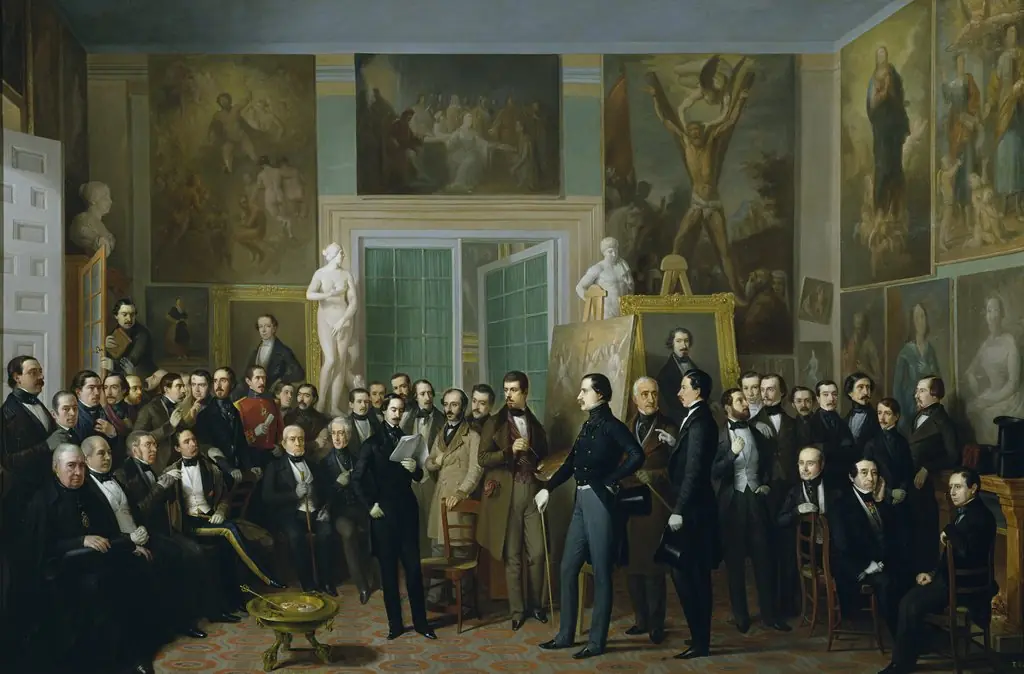 The Contemporary Poets. A Reading of Zorrilla in the Artist's Studio
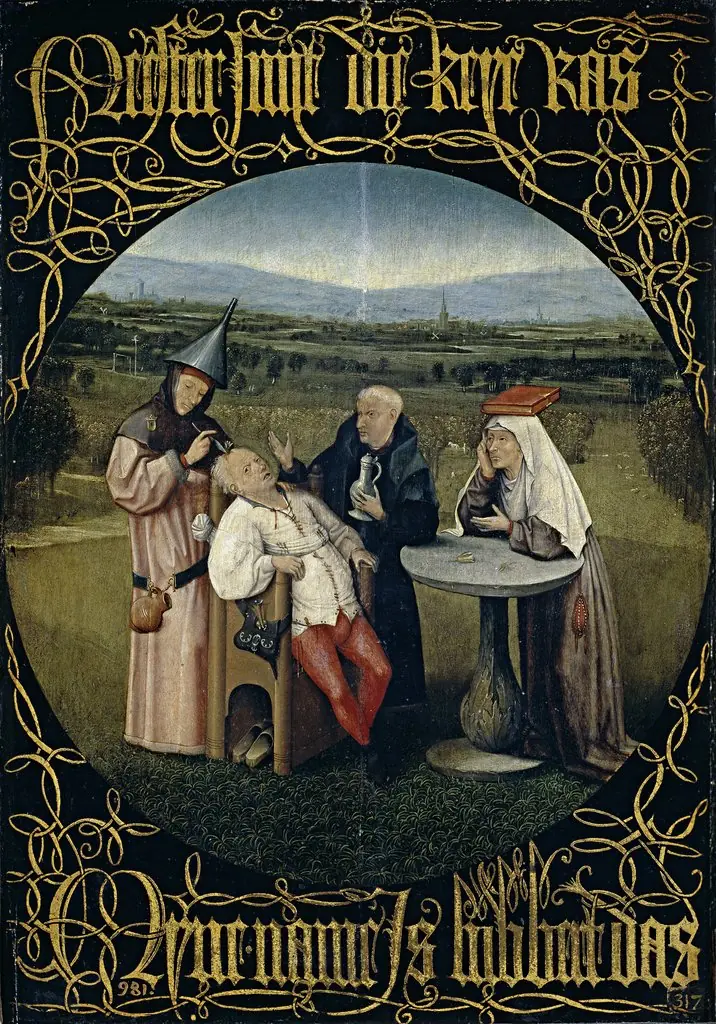 Cutting the Stone
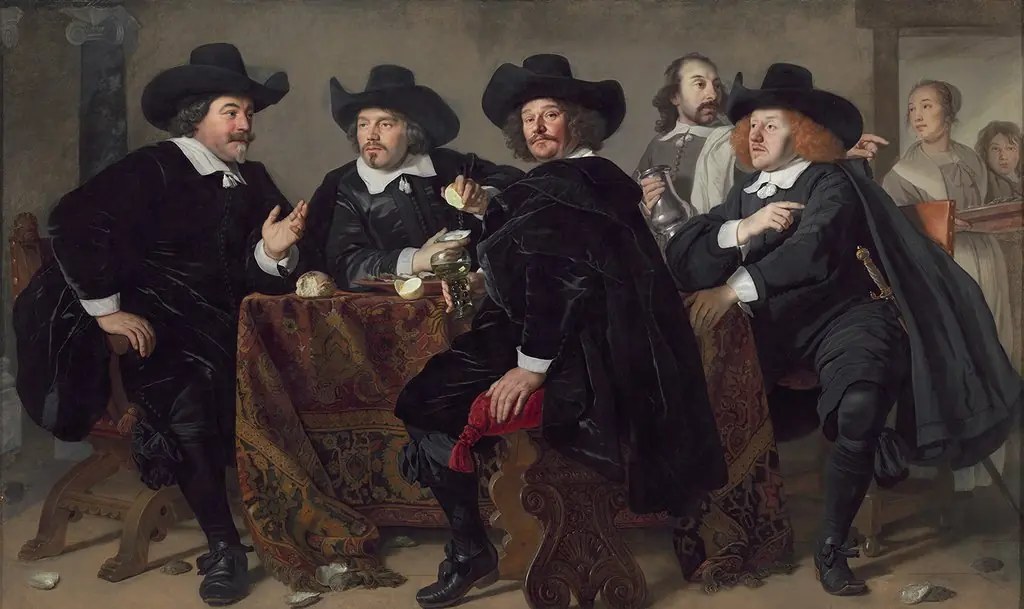 Four directors of the arquebusier's guild, Amsterdam, 1655
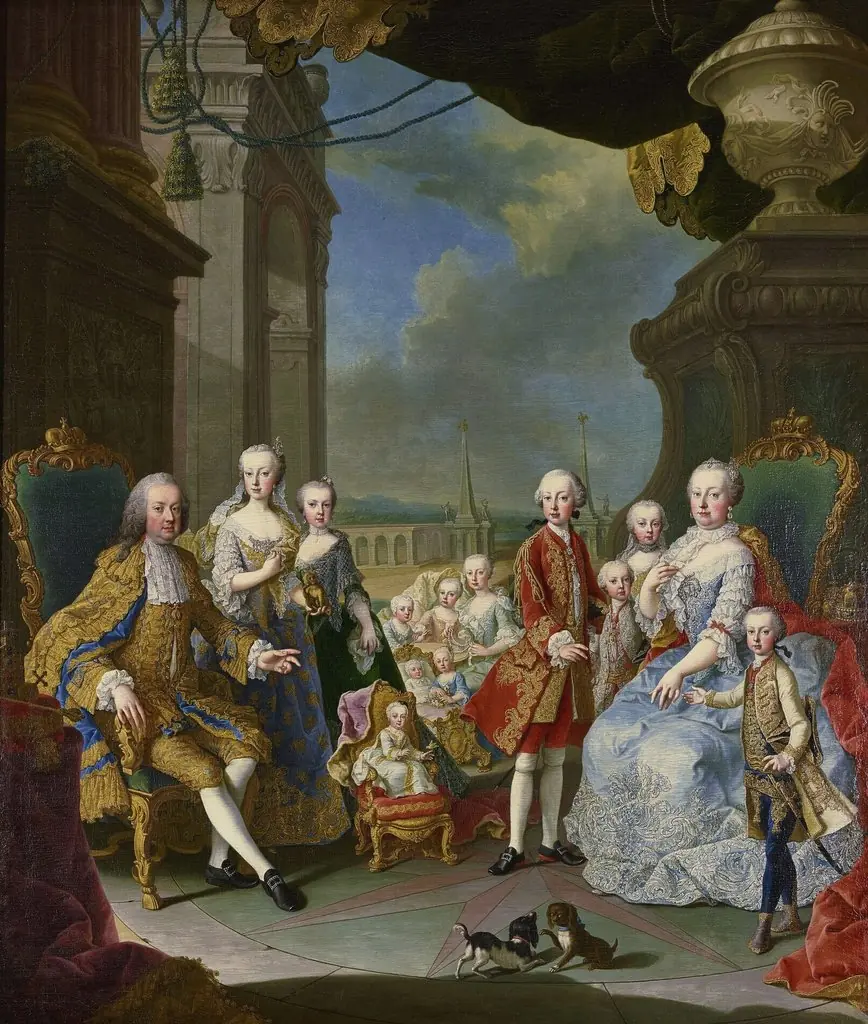 The Imperial family in 1756
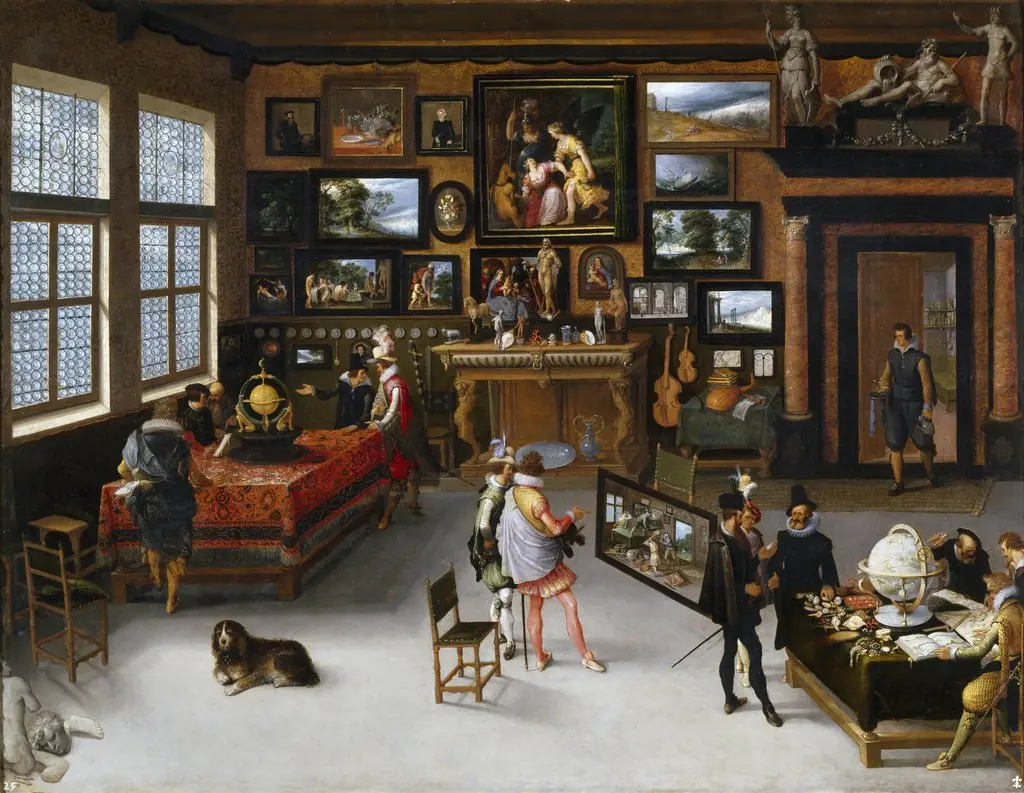 The Sciences and Arts
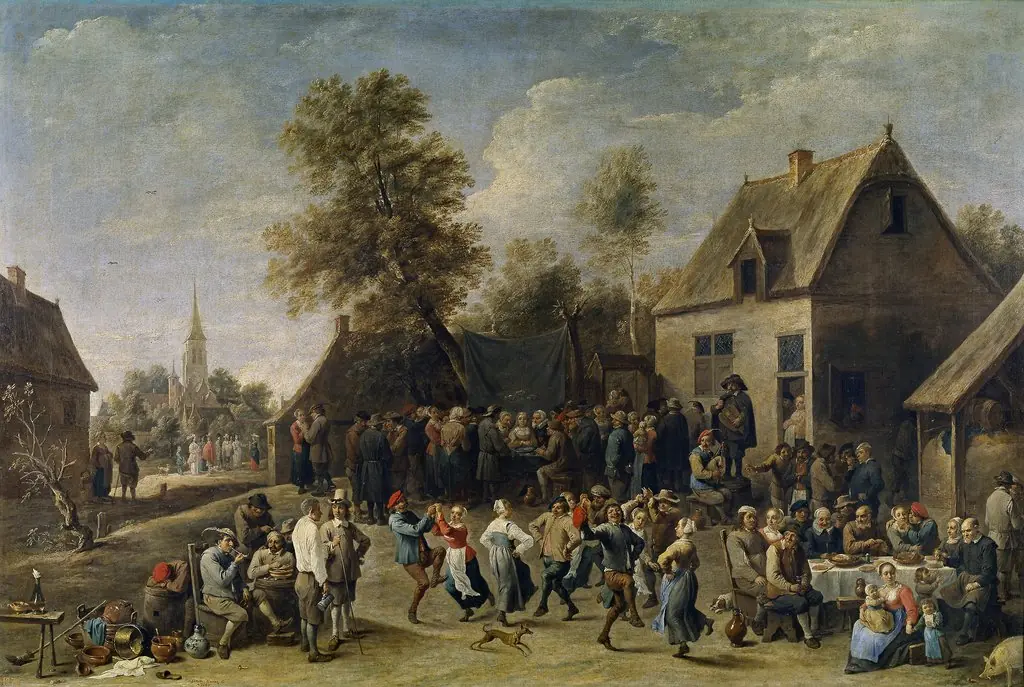 Country Feast
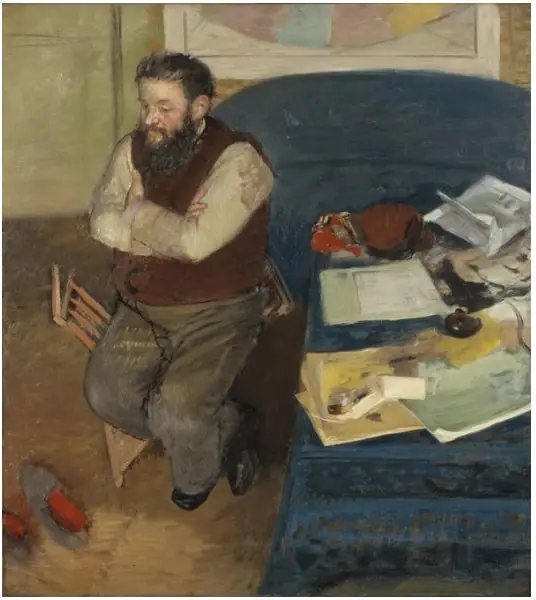 Portrait of Diego Martelli
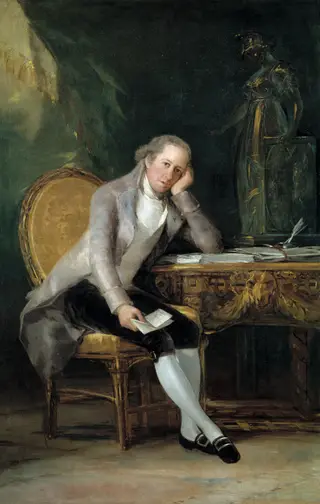 Portrait of Gaspar Melchor de Jovellanos
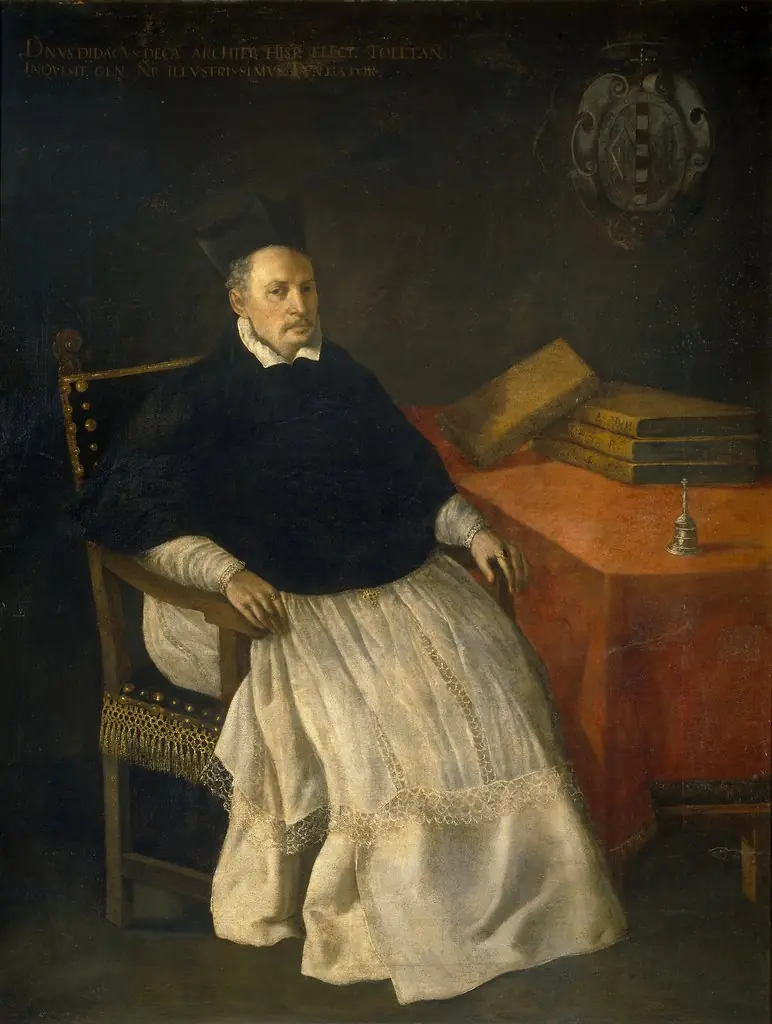 Fray Diego de Deza y Tavera arzobispo de Sevilla
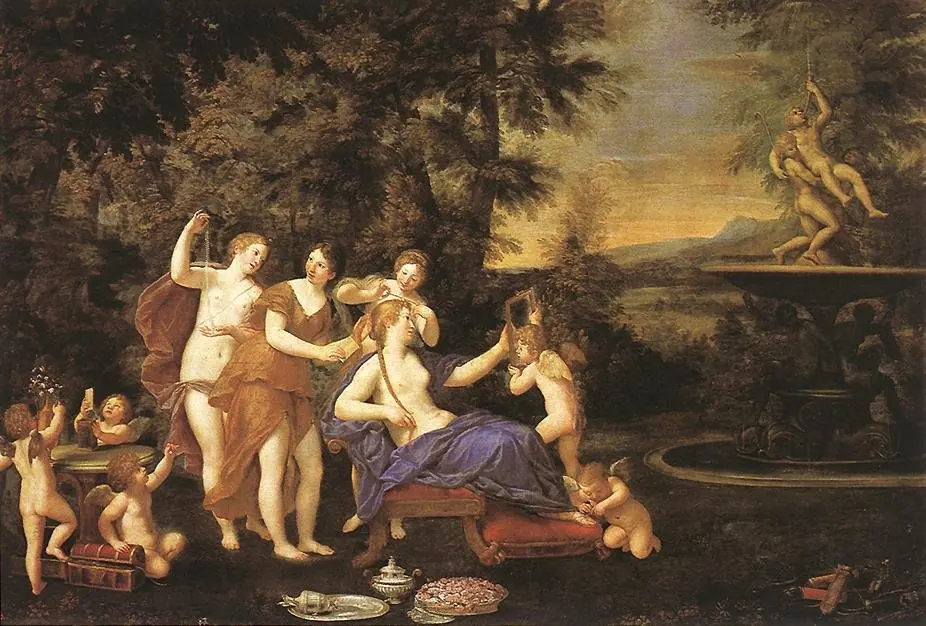 The toilet of Venus
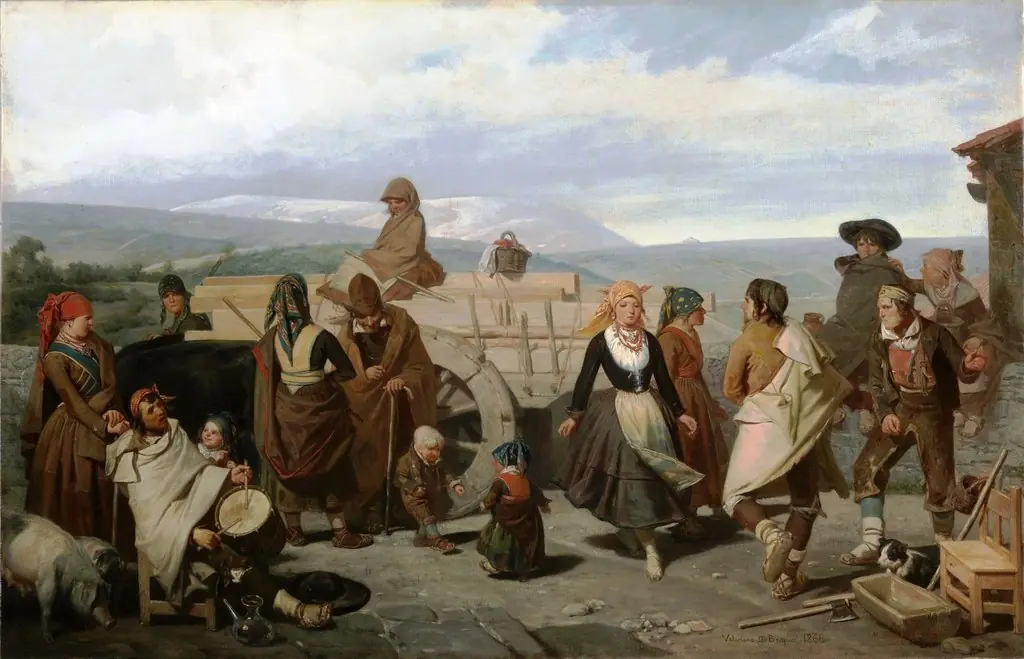 The Dance
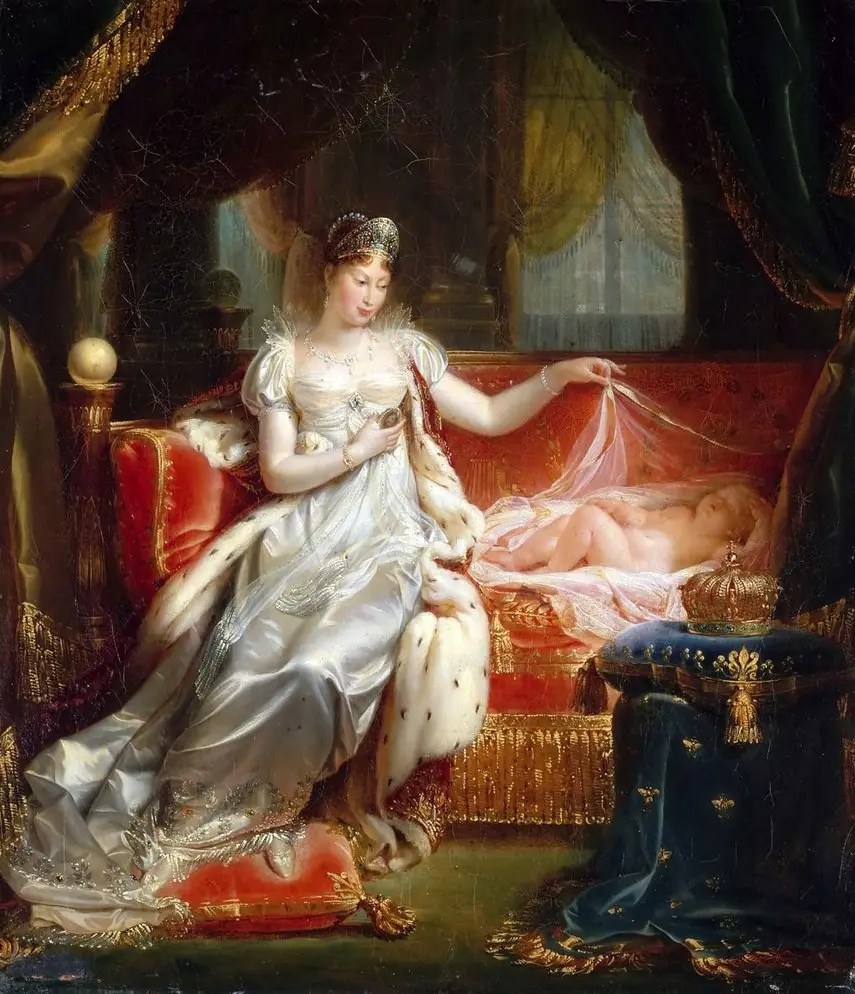 The Empress Marie-Louise watching over the sleep of the King of Rome
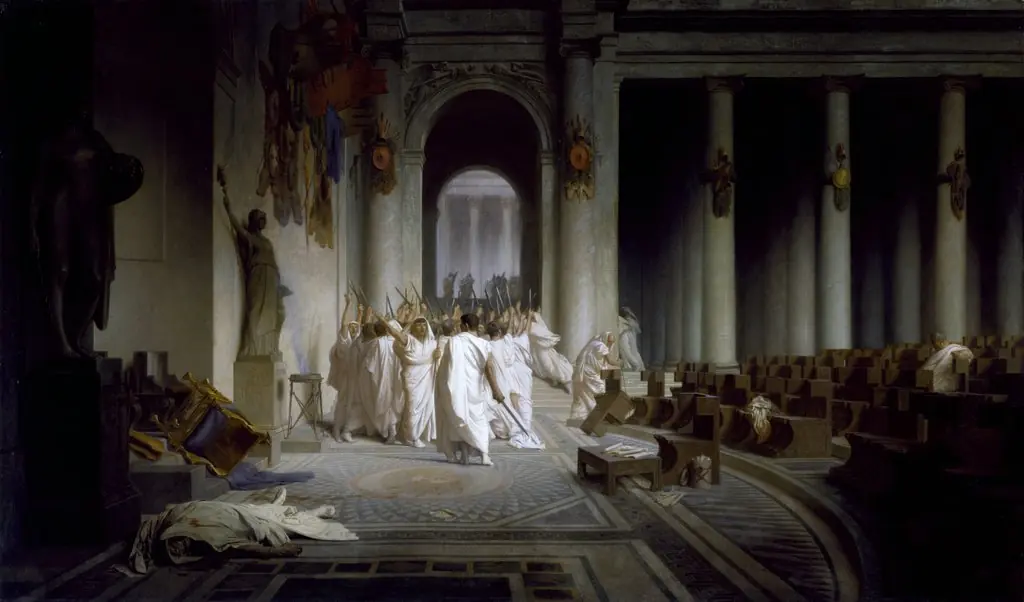 The Death of Caesar
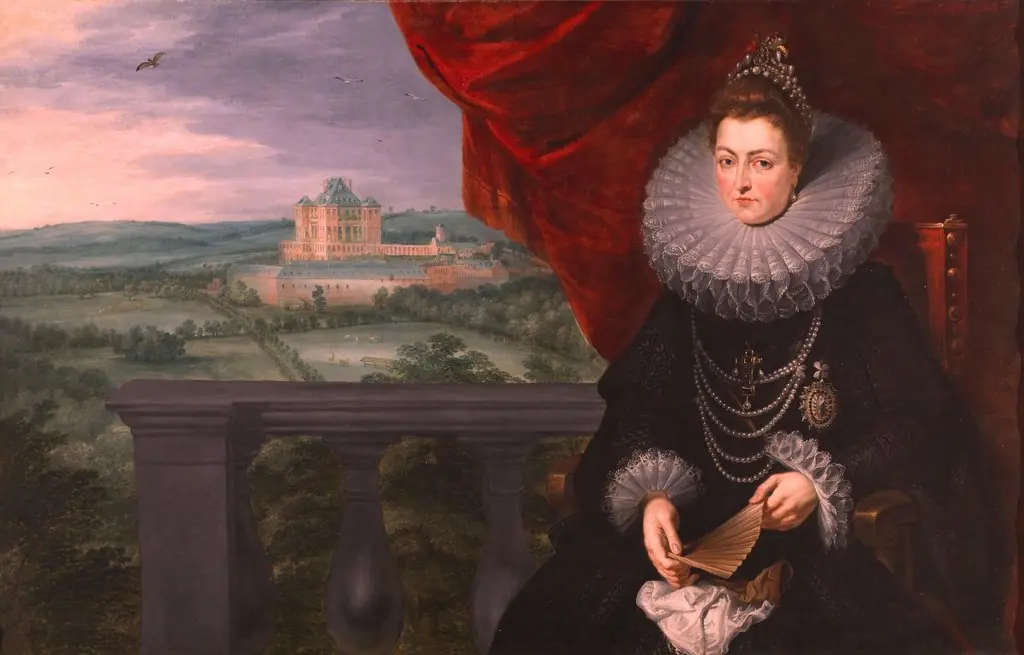 The Infanta Isabel Clara Eugenia
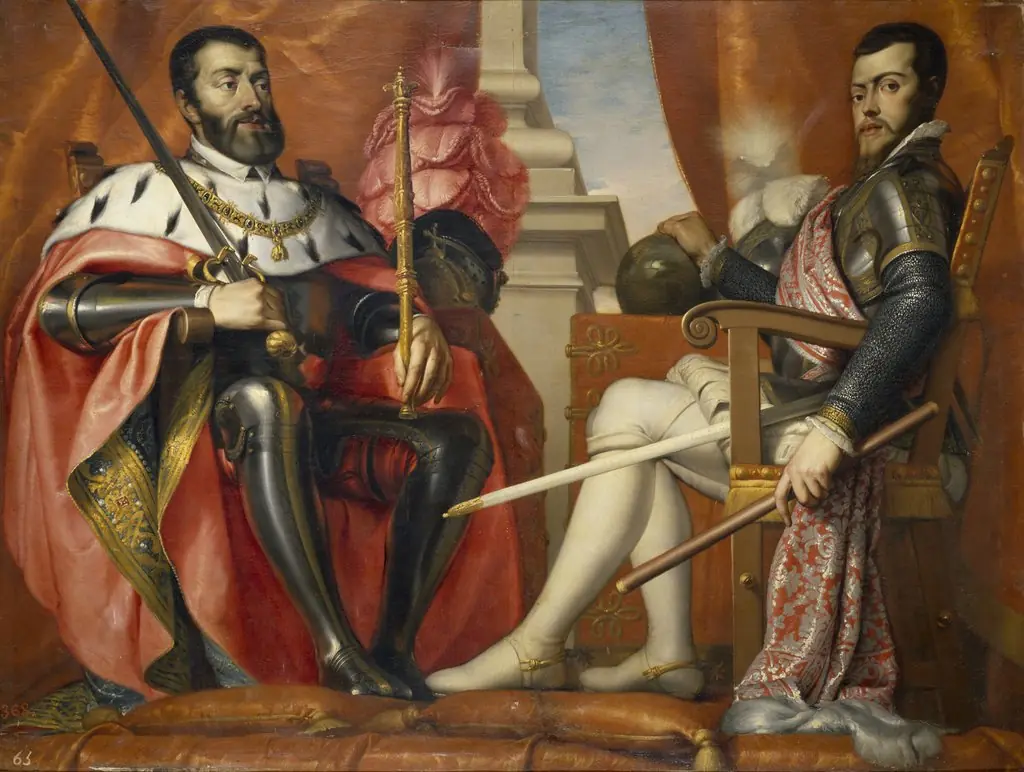 Charles V and Philip II
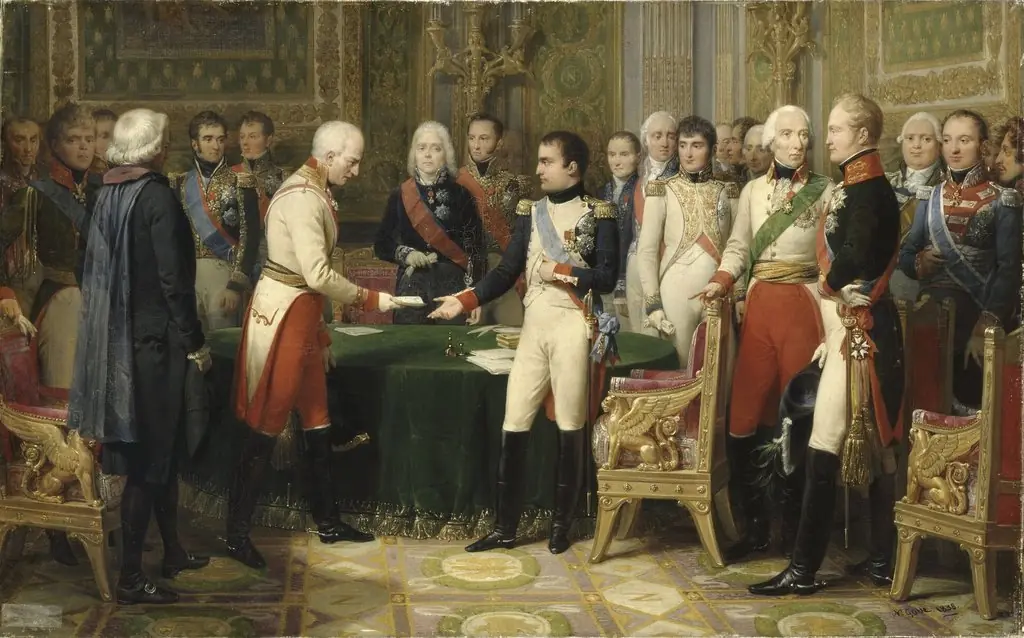 Napoleon I receiving Baron Vincent, the Austrian Ambassador, at Erfurt, 1808
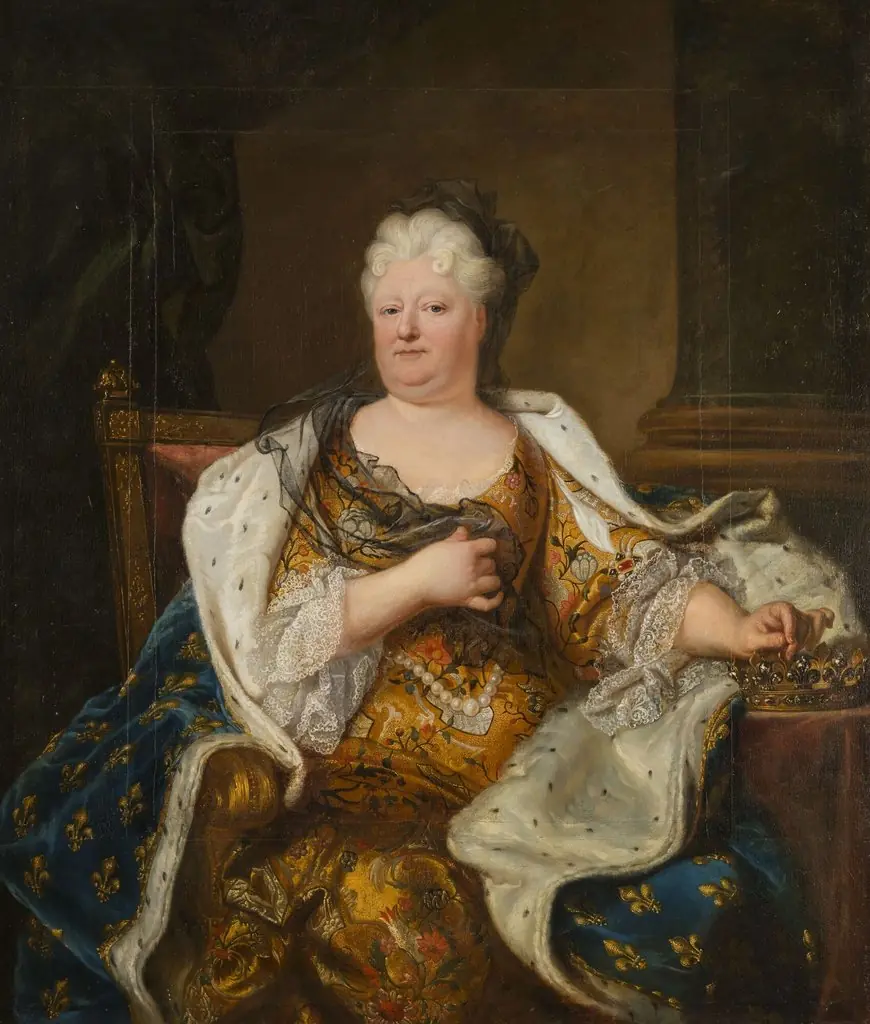 Elizabeth Charlotte, Princess Palatine
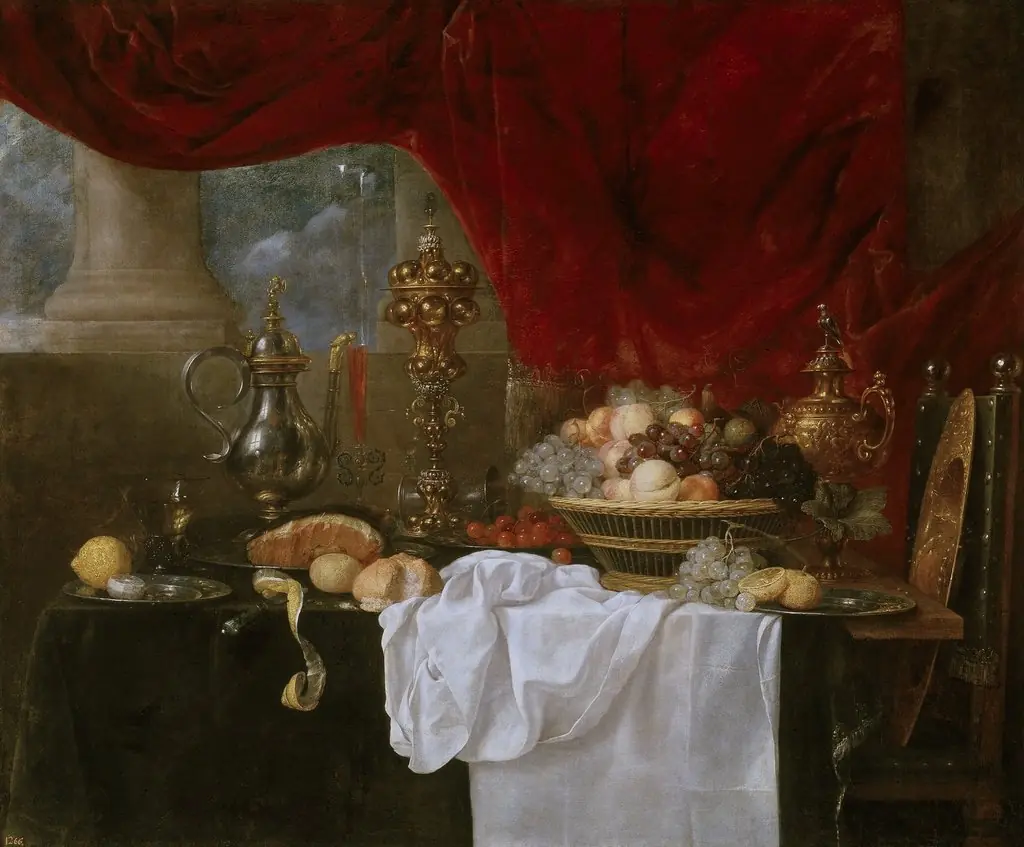 Table
Table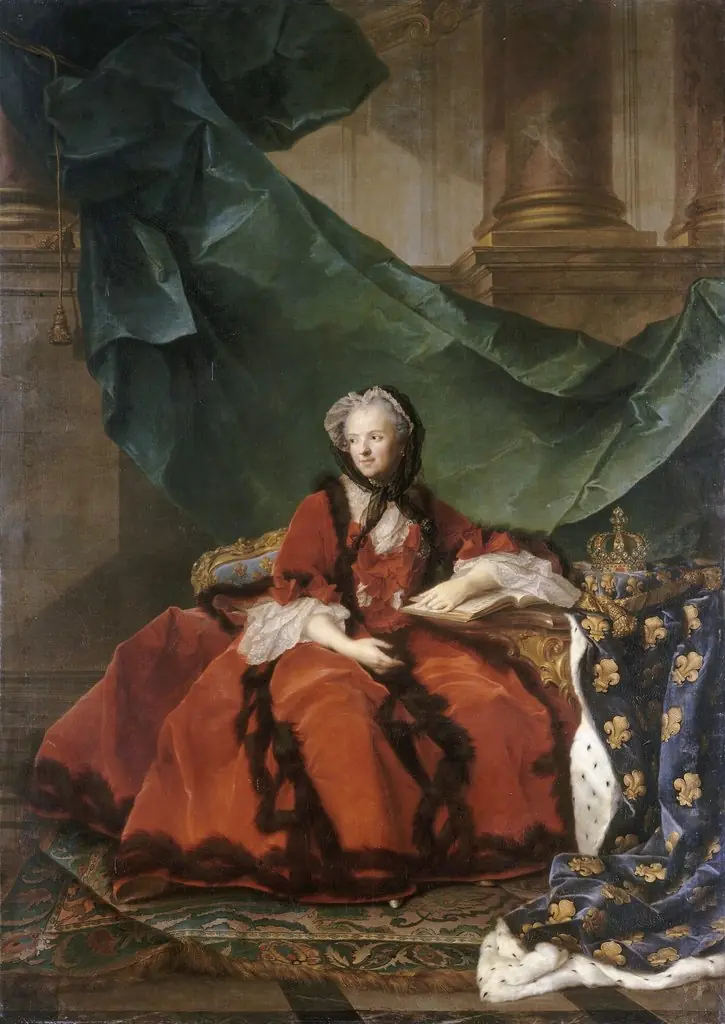 Marie Leszczyńska, Queen of France (1703–1768)
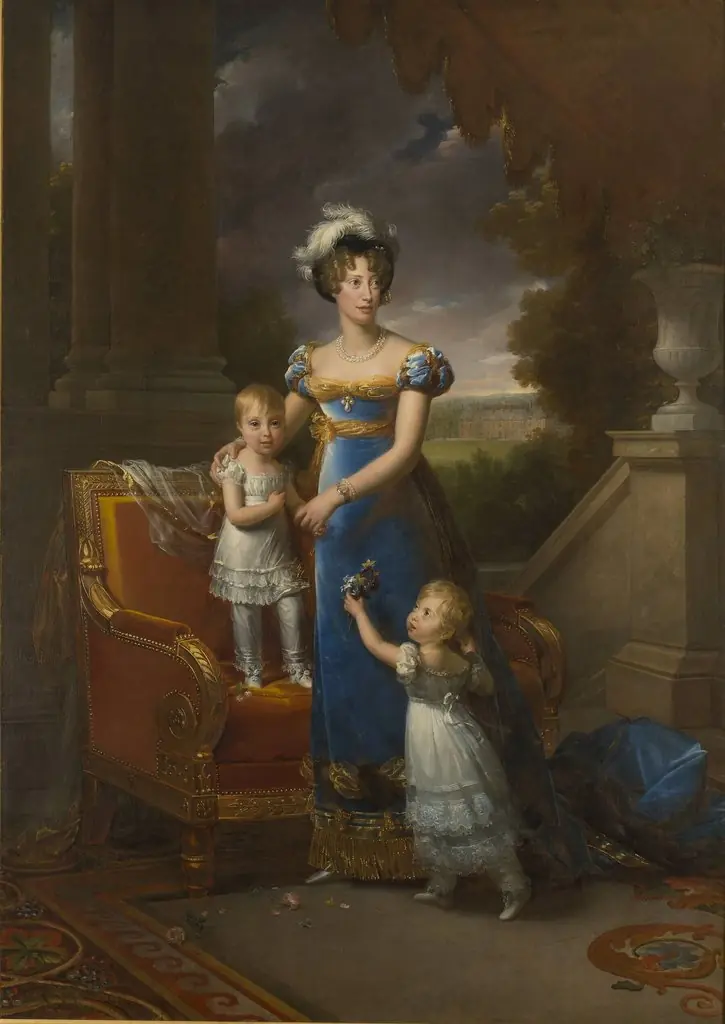 The Duchess of Berry and her Children
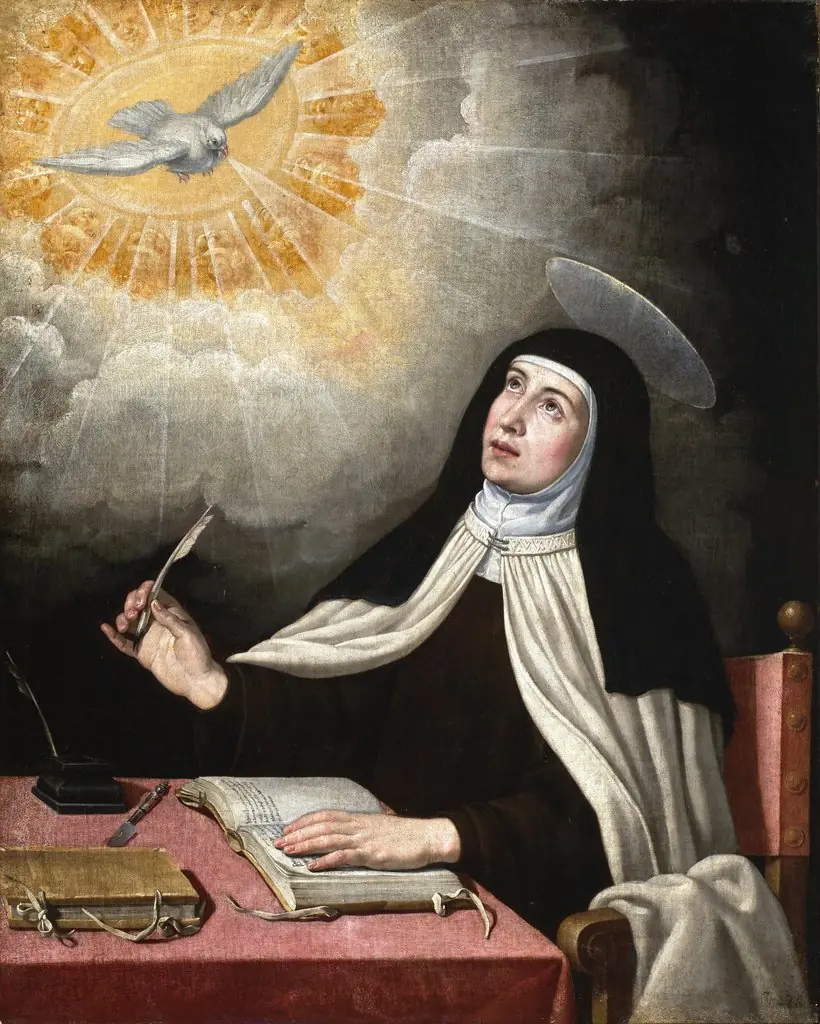 Santa Teresa de Jesús
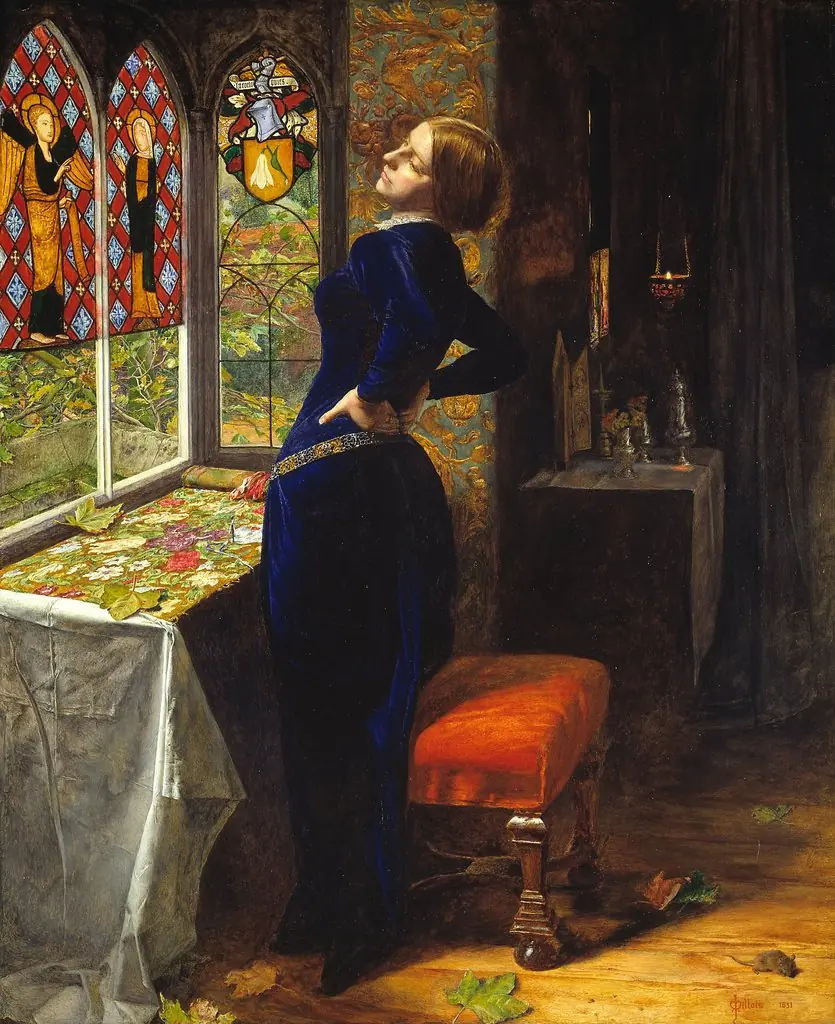 Mariana
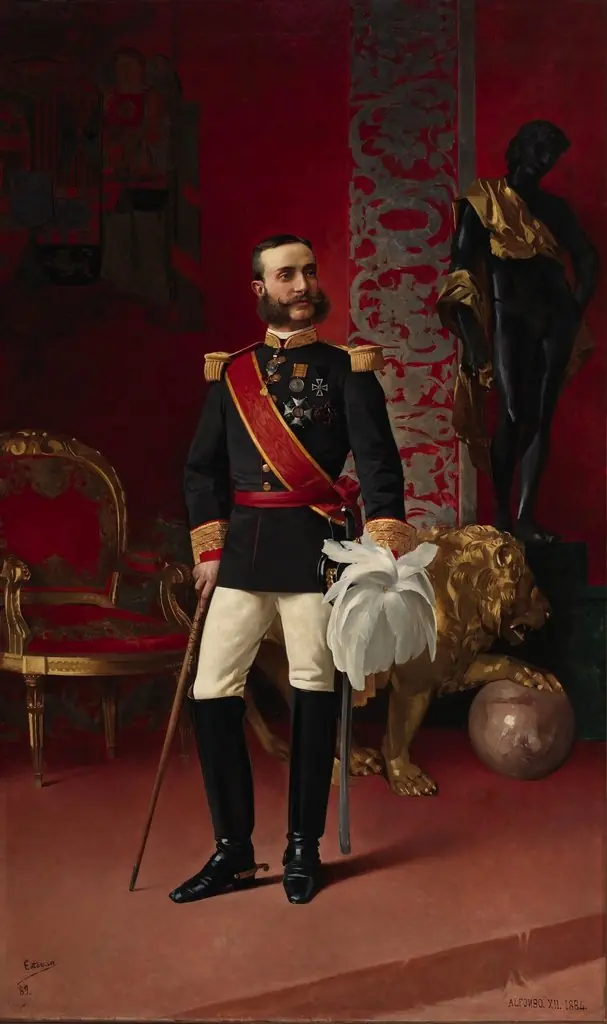 Alfonso XII
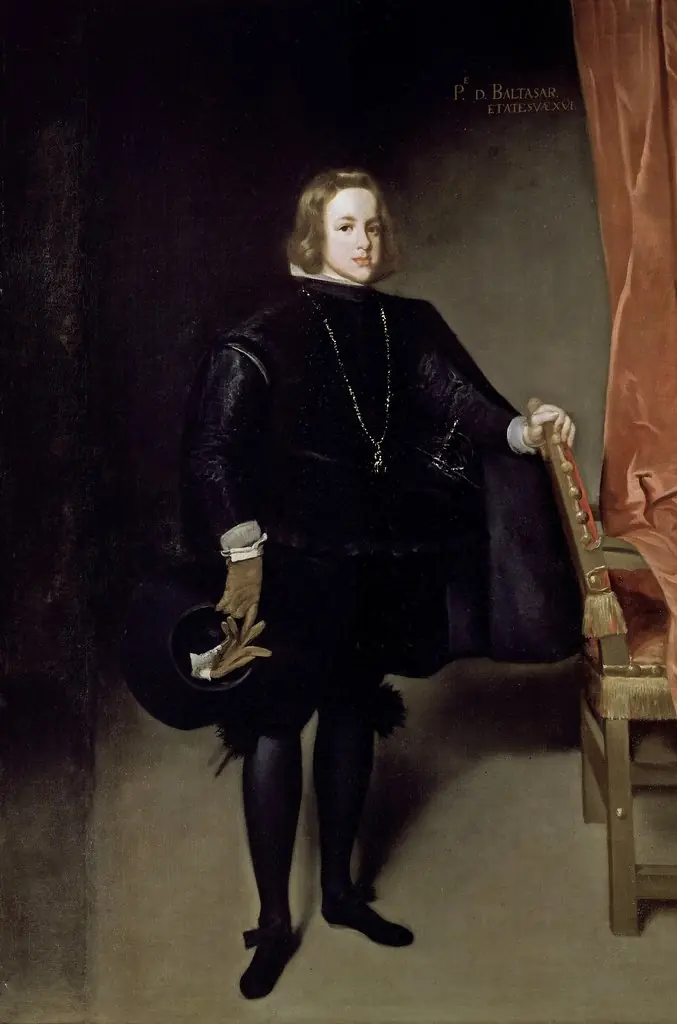 Portrait of Baltasar Carlos of Spain (1629-1646)
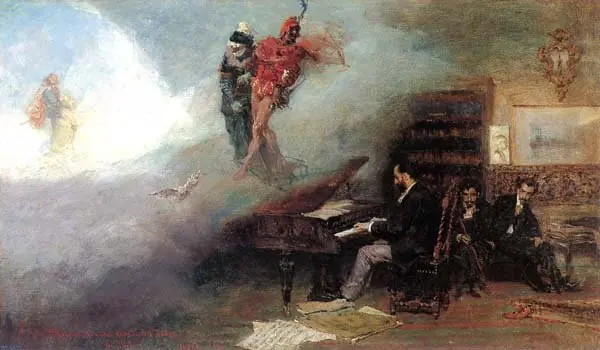 Fantasy on Faust
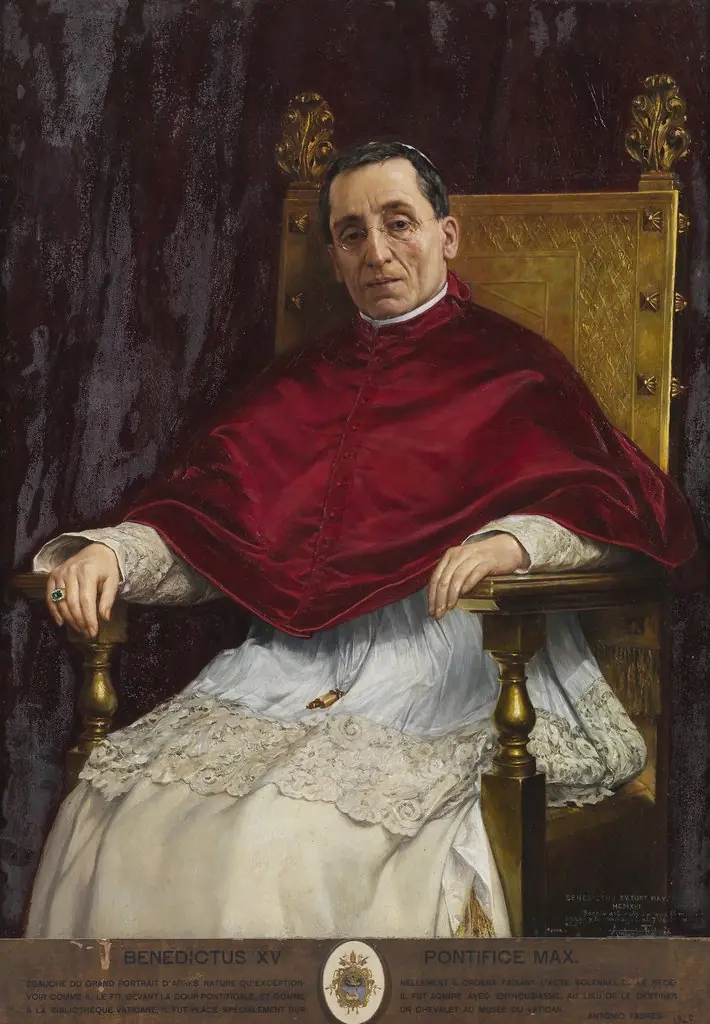 Pope Benedict XV
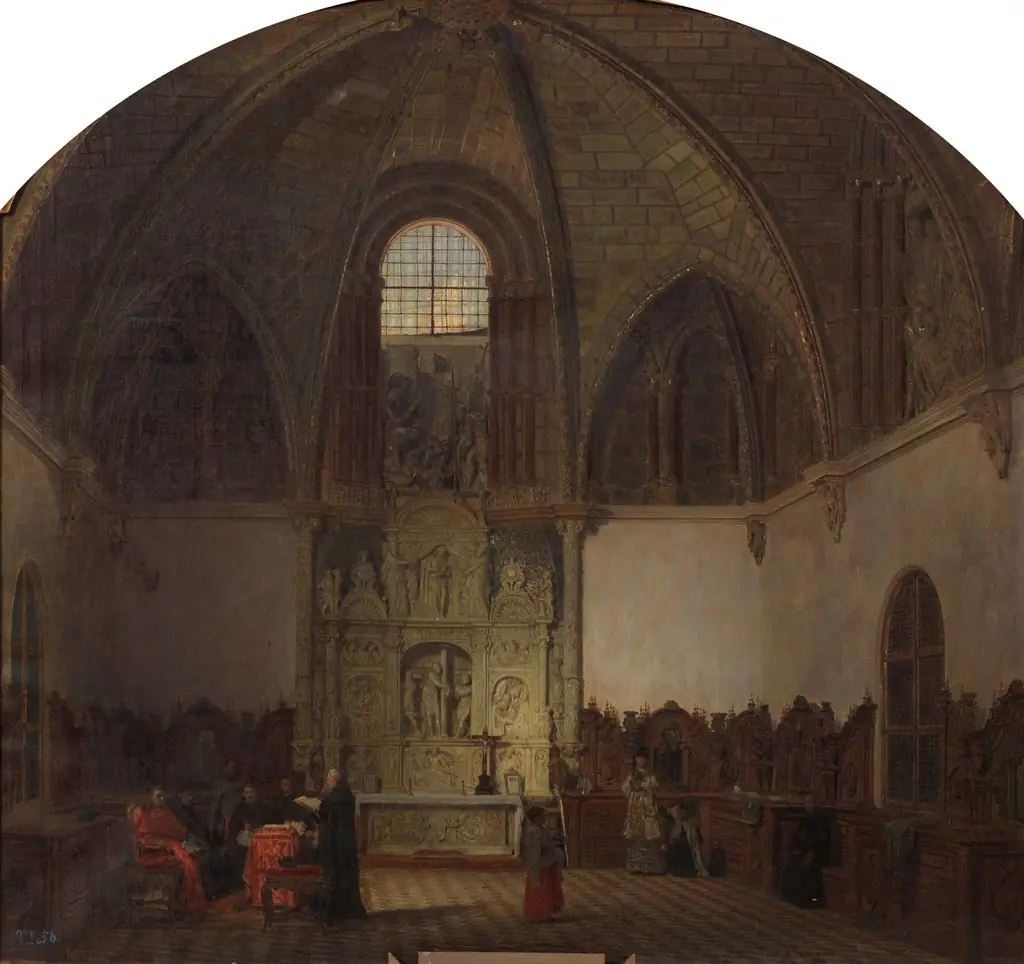 Interior de la capilla de San Bernardo donde se juramentaron los comuneros de Castilla (hoy sacristía mayor de la catedral de Ávila) en ocasión de celebrarse una conferencia por su obispo y cabildo
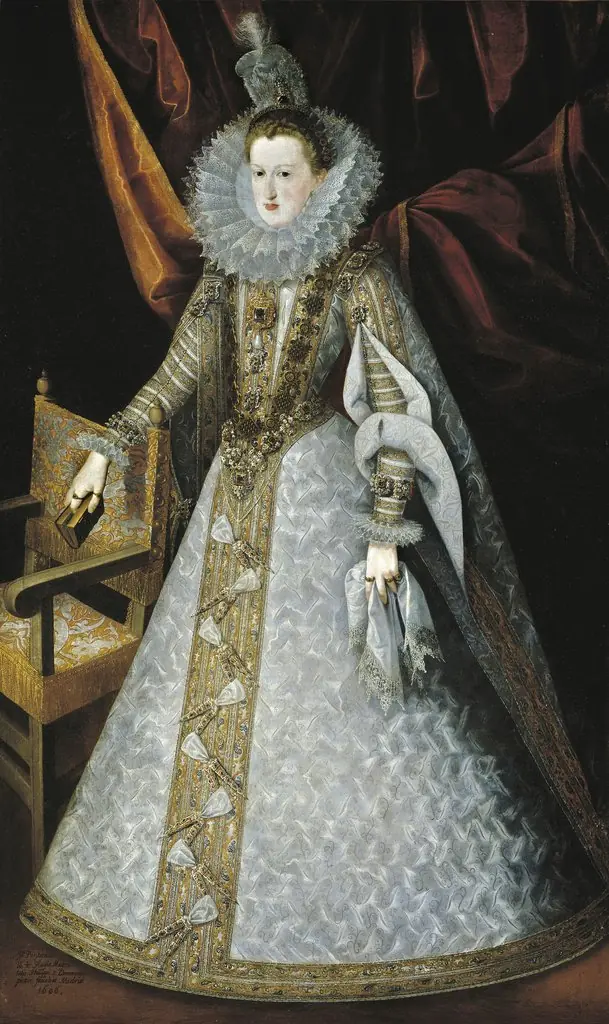 Margaret of Austria
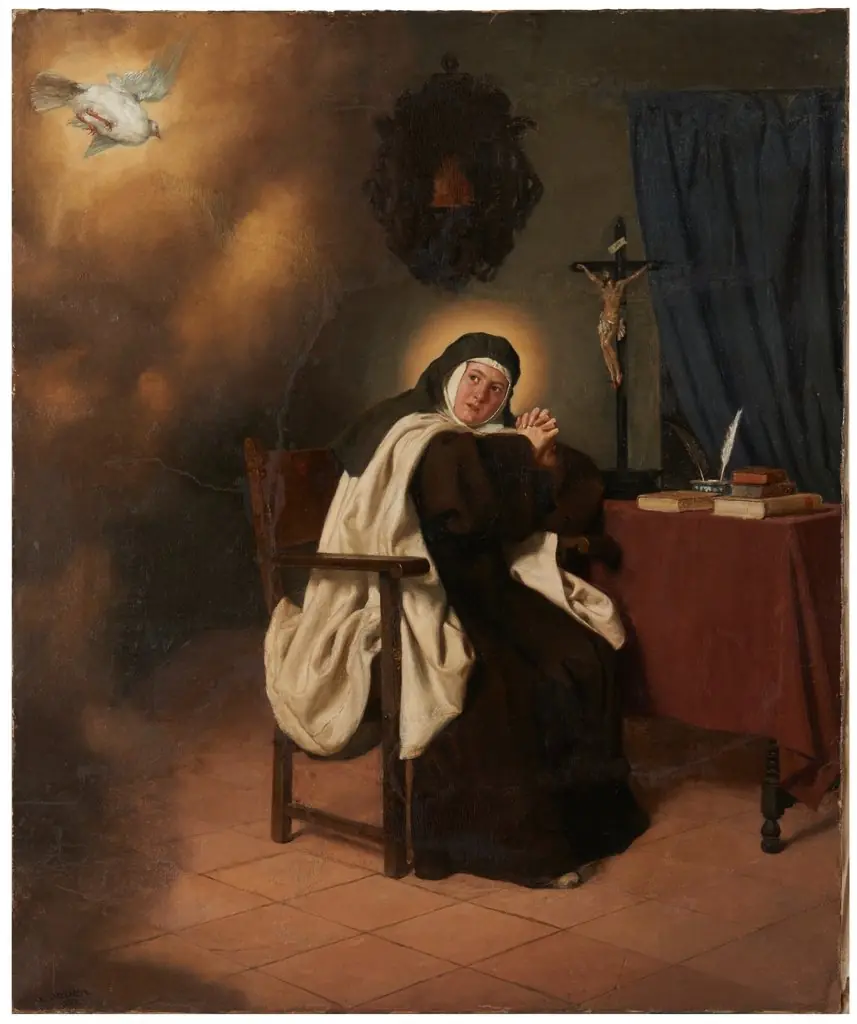 Santa Teresa de Jesús
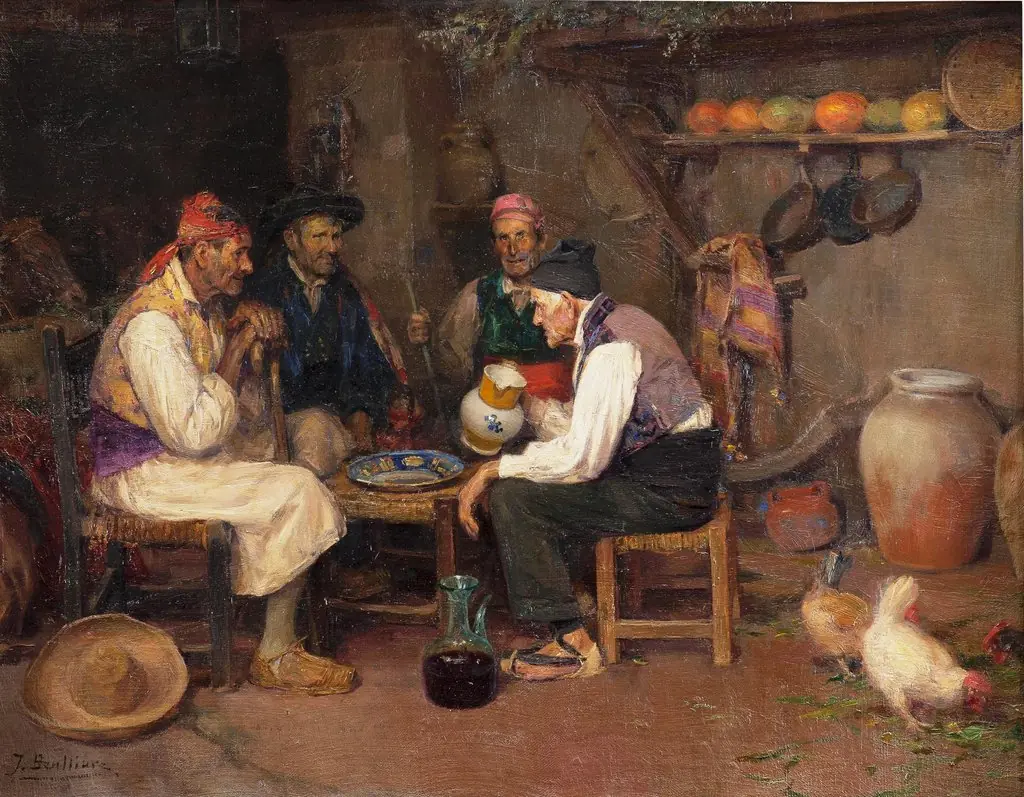 Palique y trago
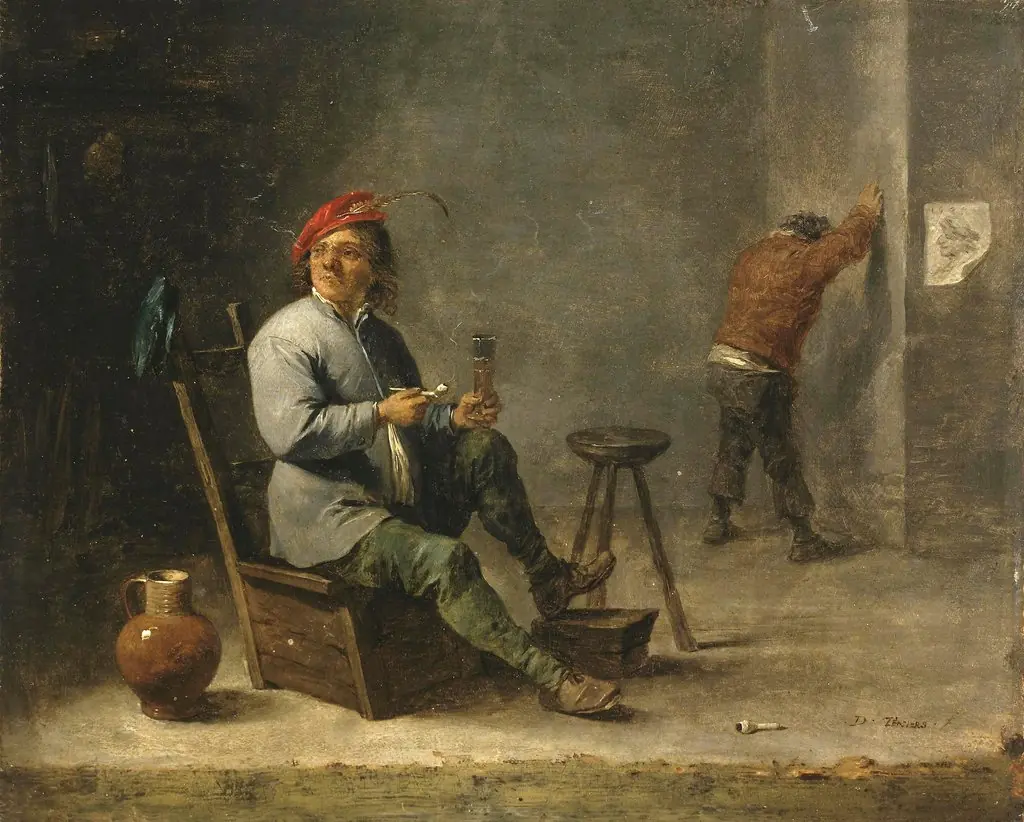 Smoker
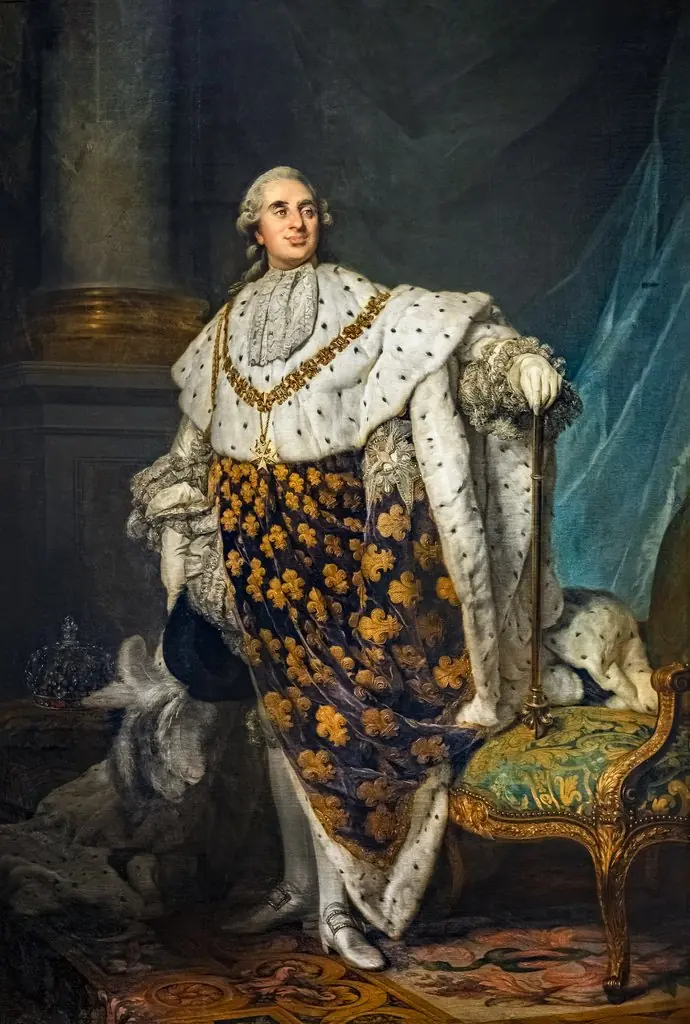 Louis XVI in Coronation Robes
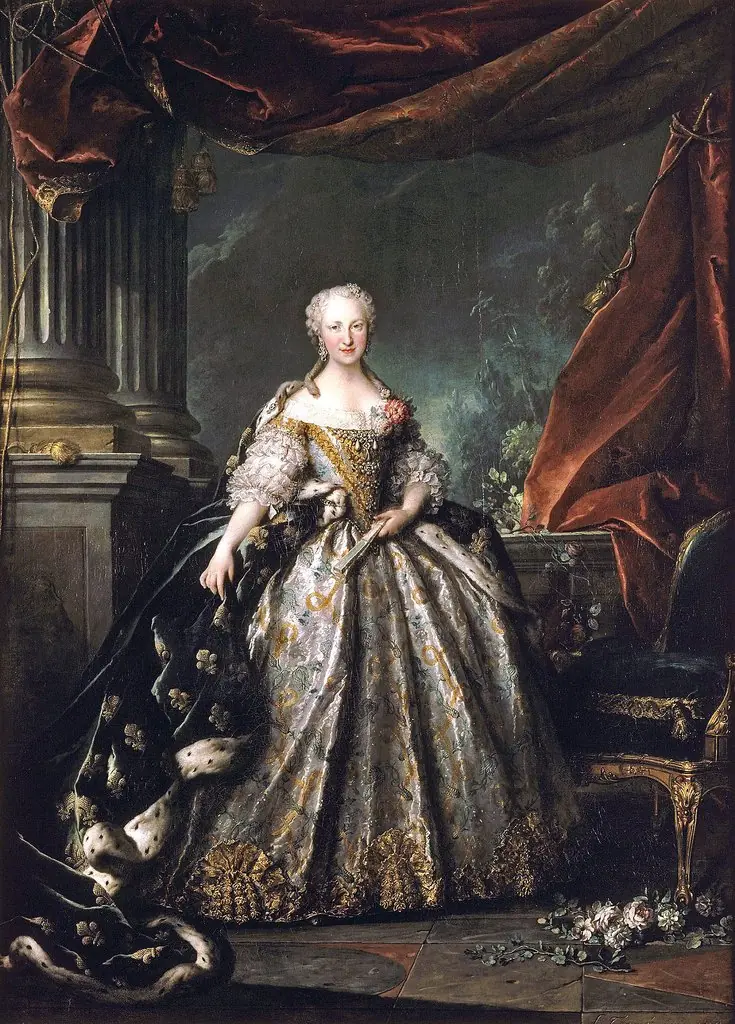 Marie-Thérèse-Raphaëlle, Infanta of Spain, Dauphine of France
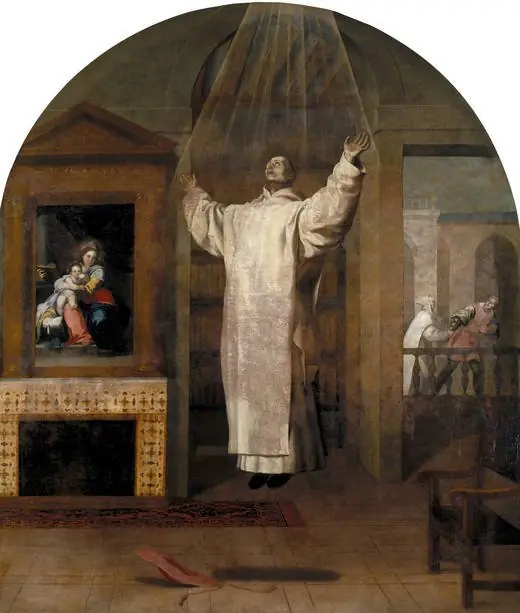 The Extasis of Jean Birelle
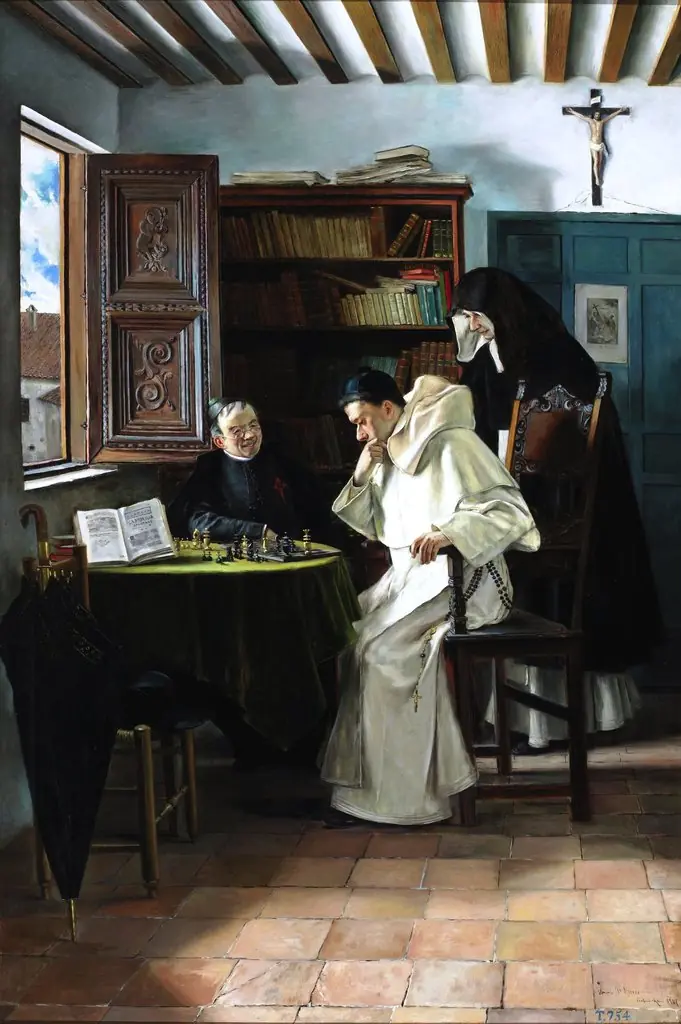 Jaque mate
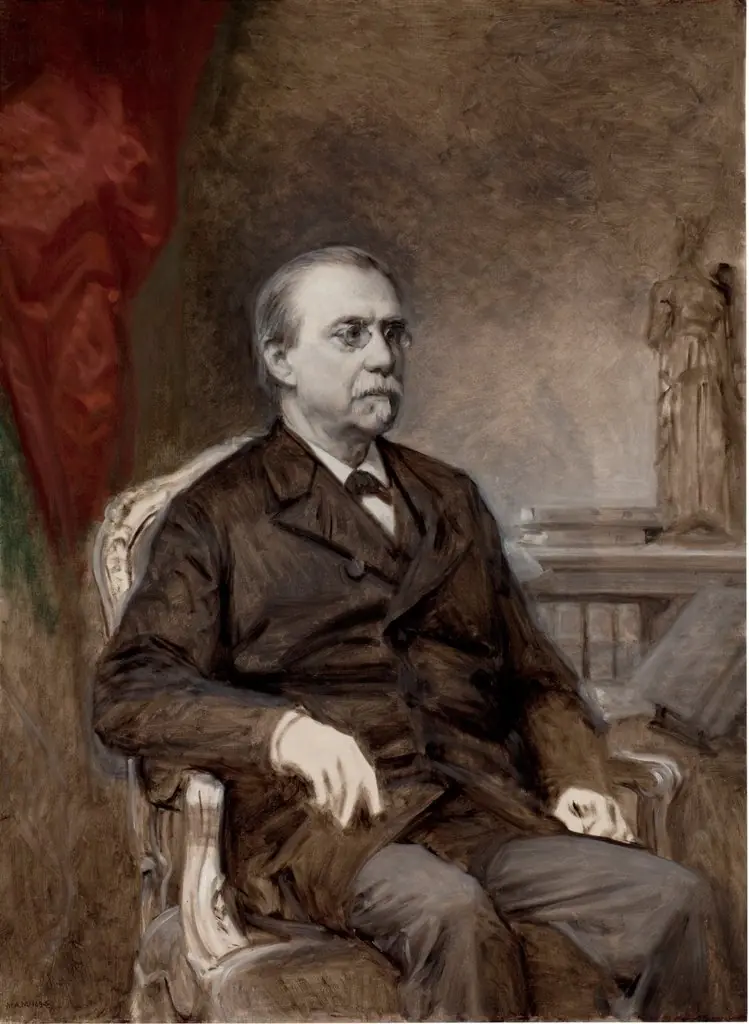 Antonio Cánovas del Castillo
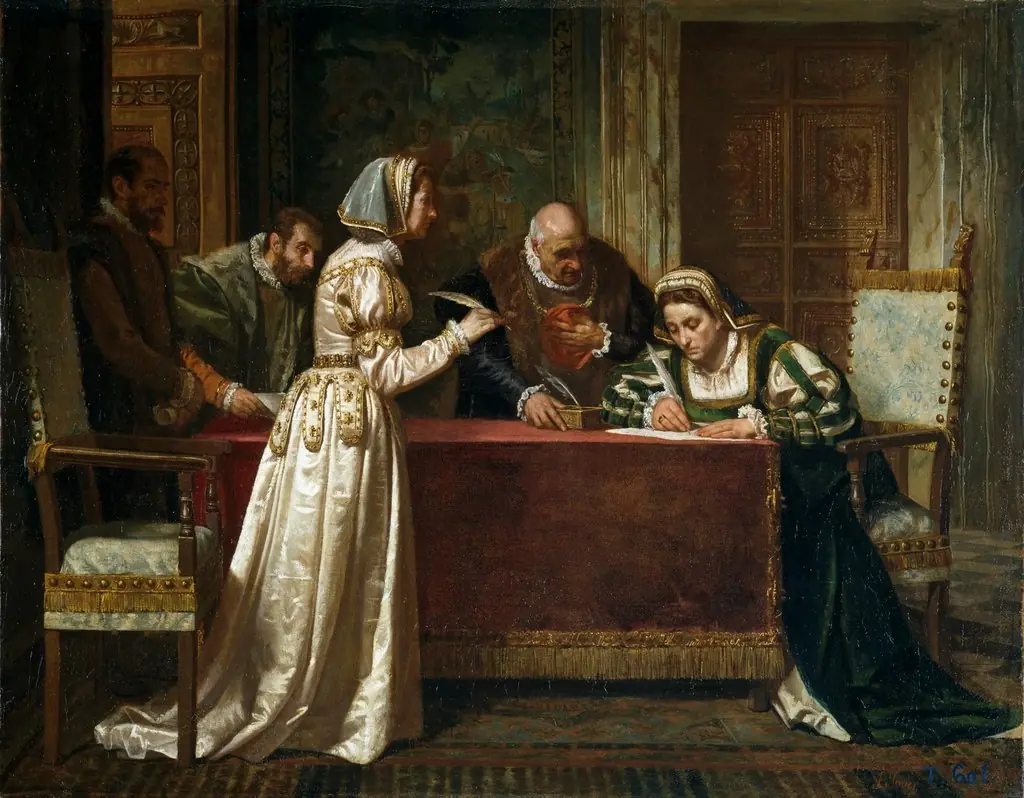 Tratado de Cambray
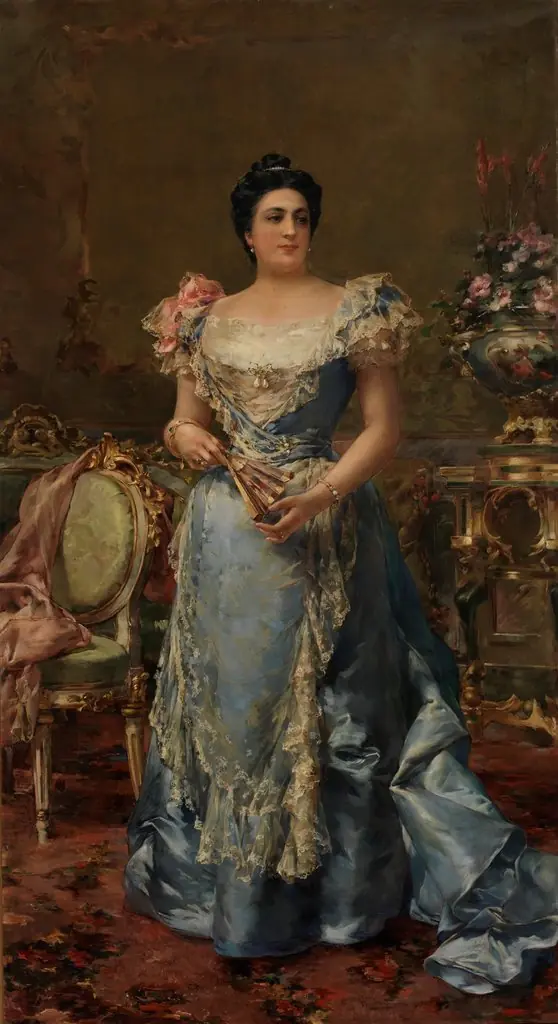 Faustina Peñalver y Fauste marquesa de Amboage
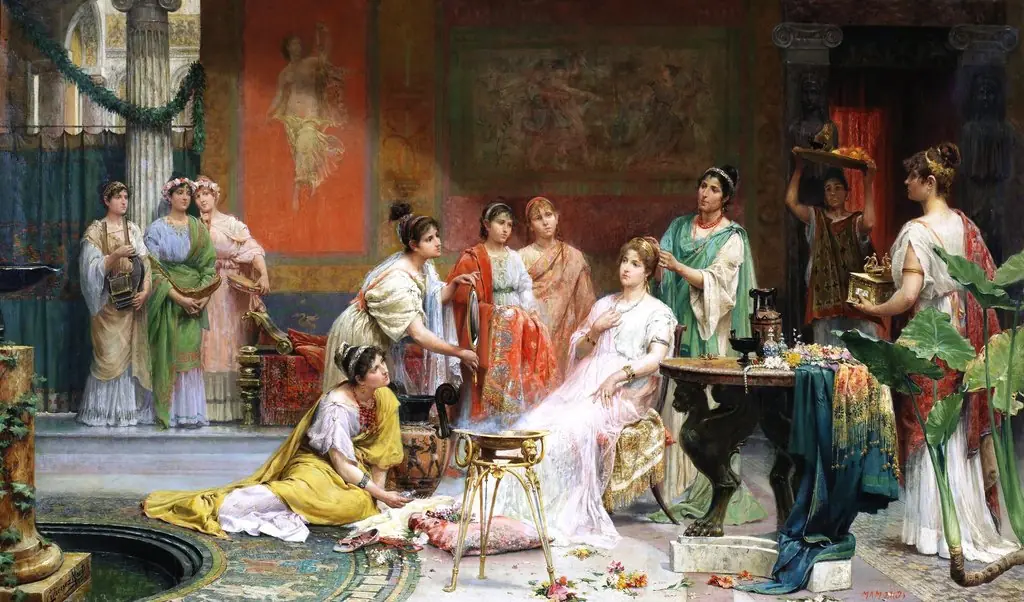 Tocador de una dama romana
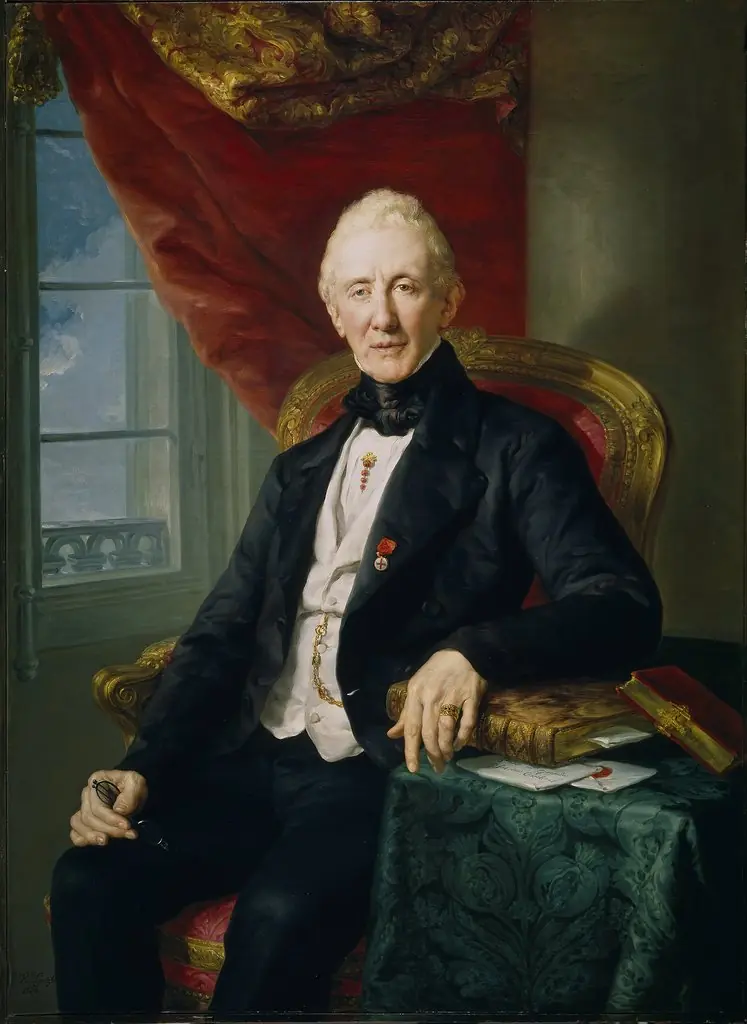 José Gutiérrez de los Ríos
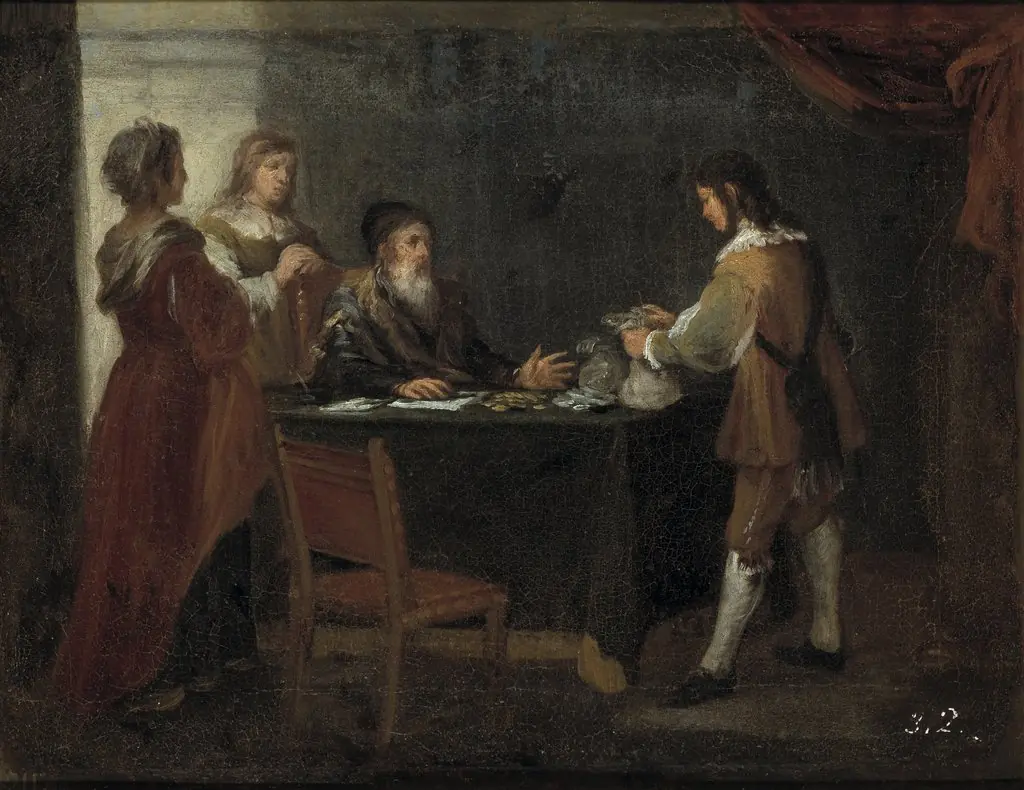 The Prodigal Son receiving his Inheritance
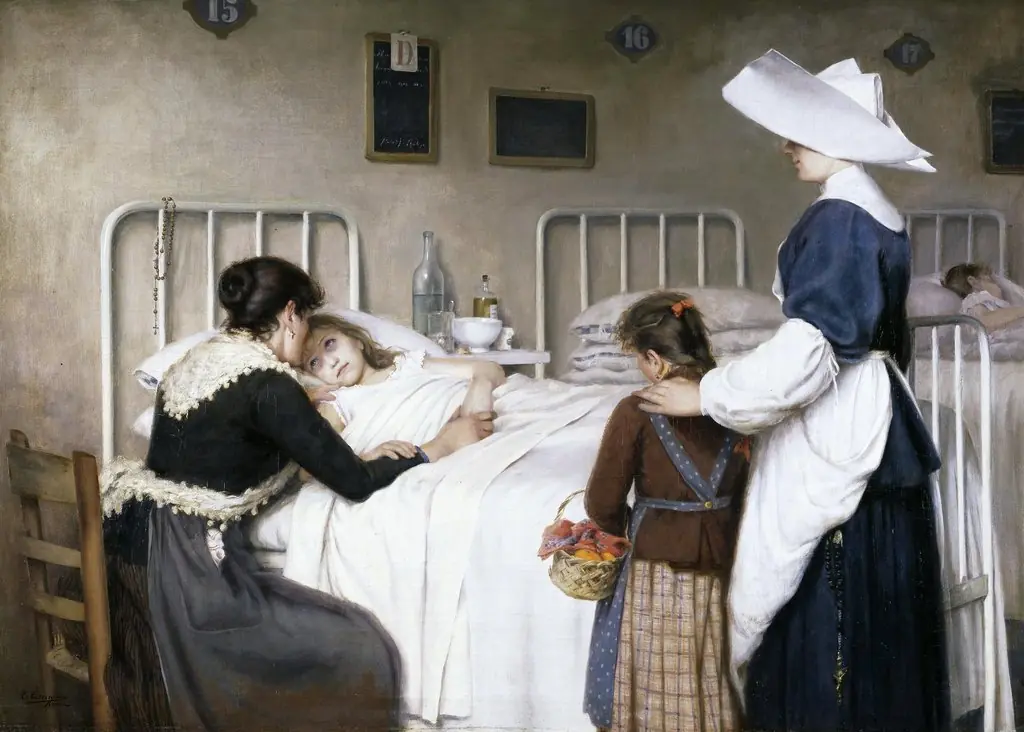 La visita de la madre al hospital
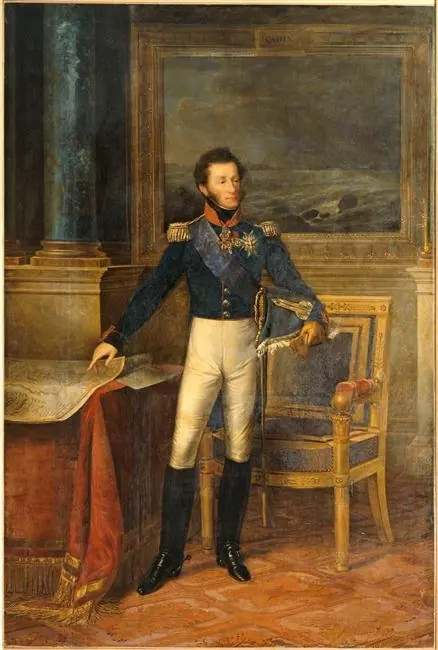 Louis-Antoine d'Artois, Duke of Angoulême (1775-1844)
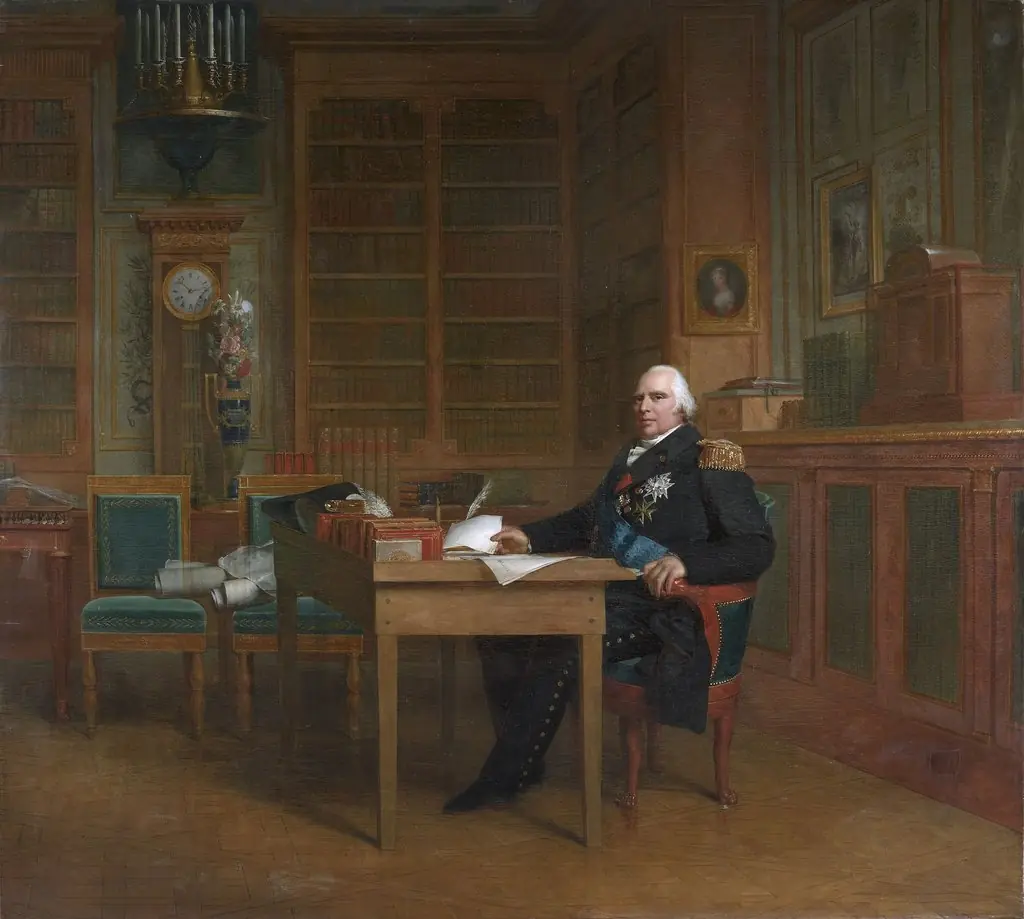 Louis XVIII in his study at the Tuileries
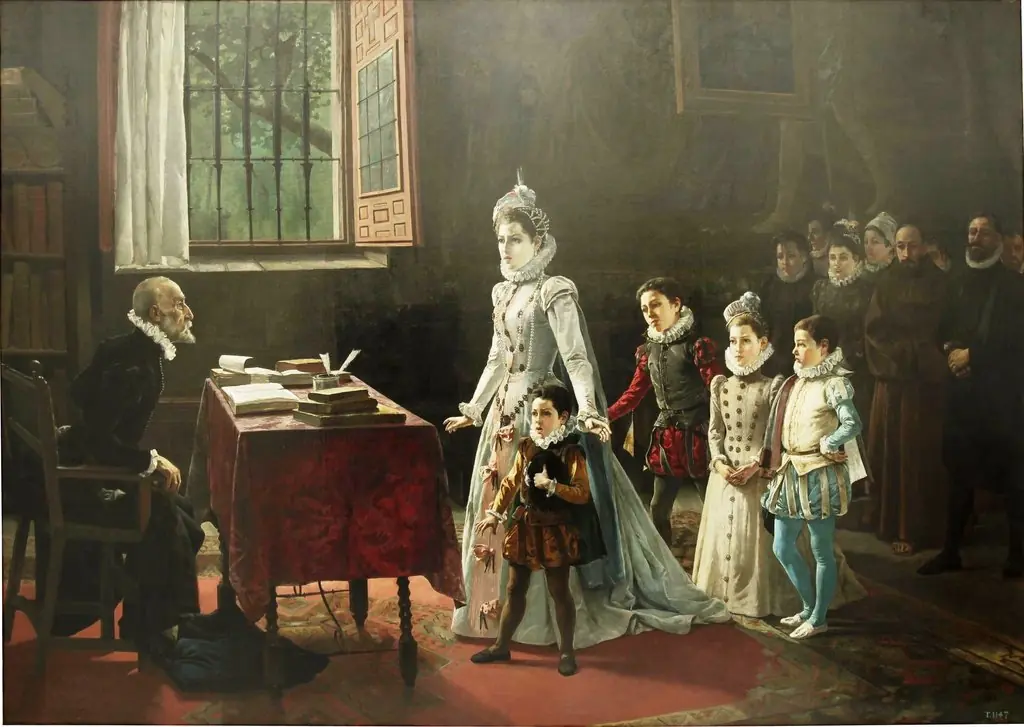 Los hijos de Antonio Pérez ante Rodrigo Vázquez
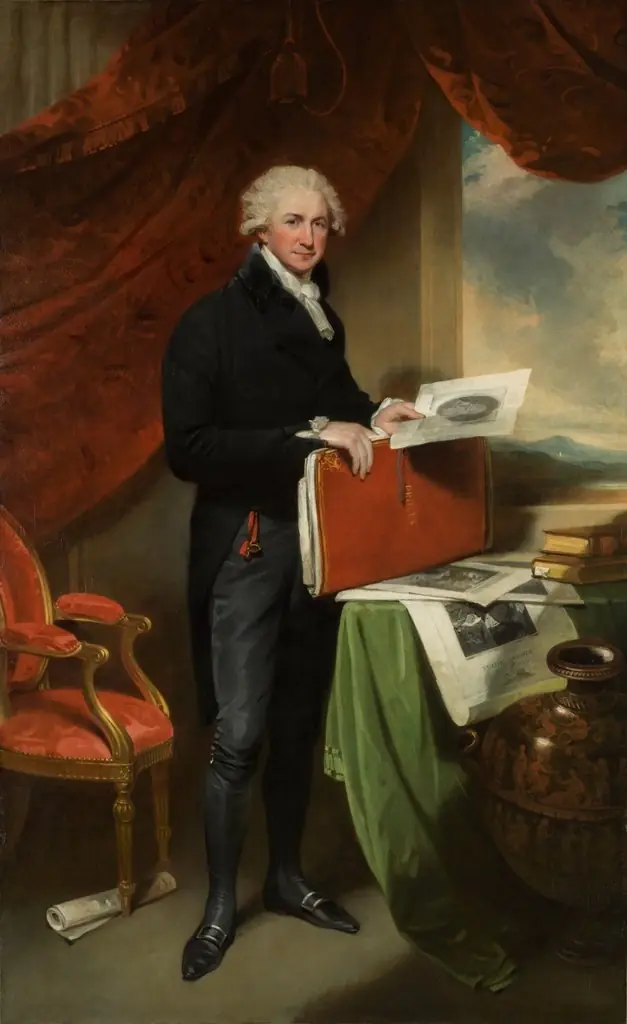 Anthony Morris Storer
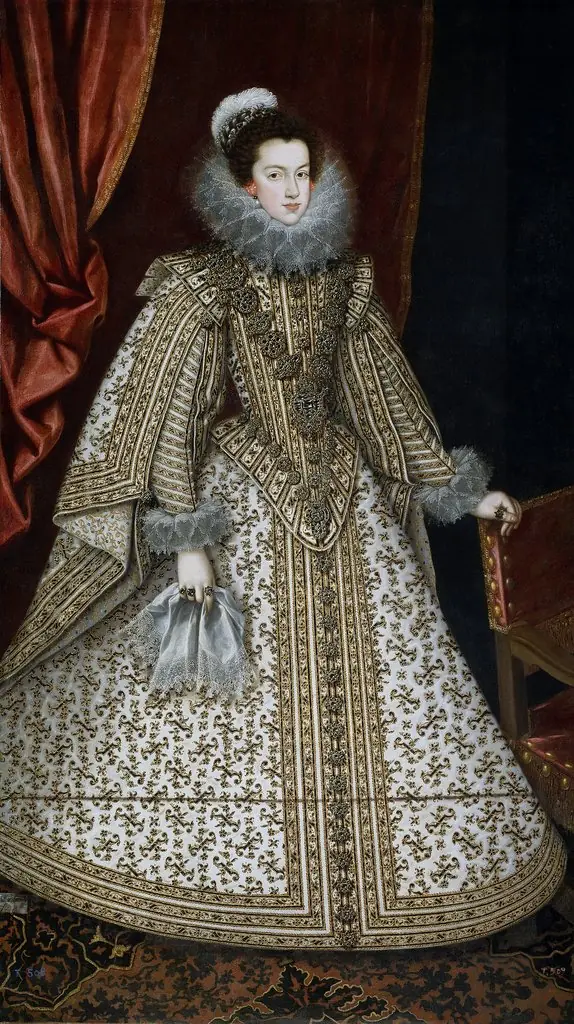 Isabel de Borbón, Wife of Philip IV
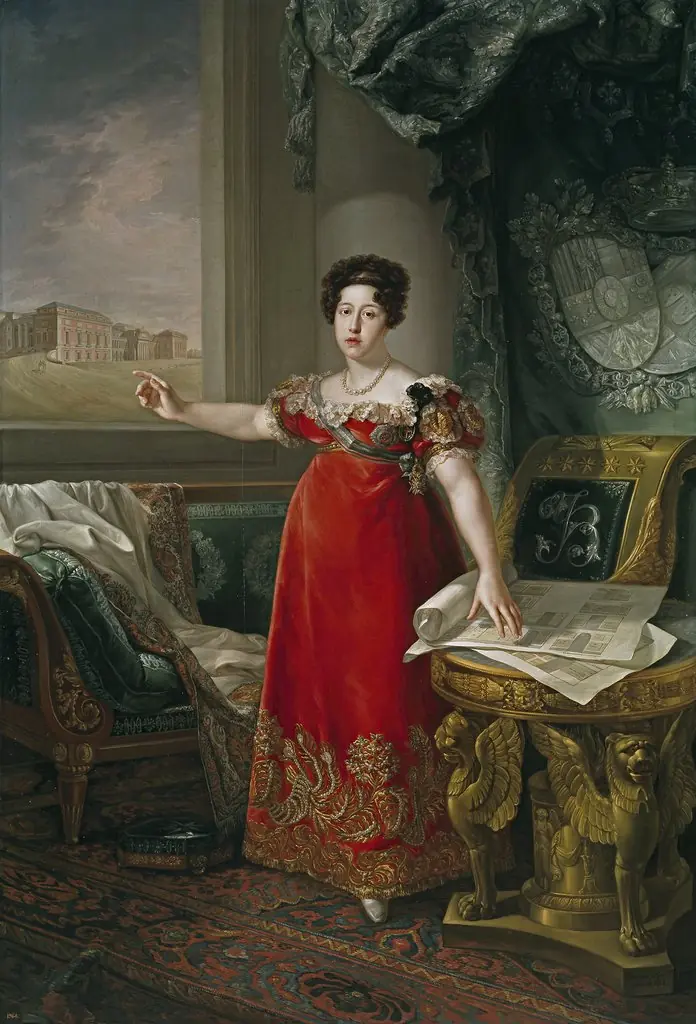 Maria Isabel of Braganza Queen of Spain as Founder of the Museo del Prado
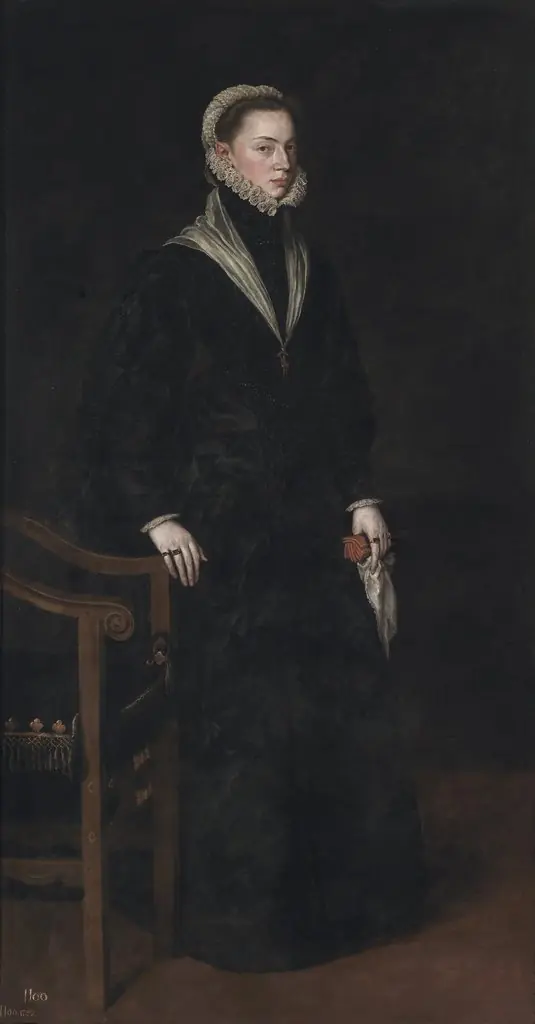 Joanna of Austria
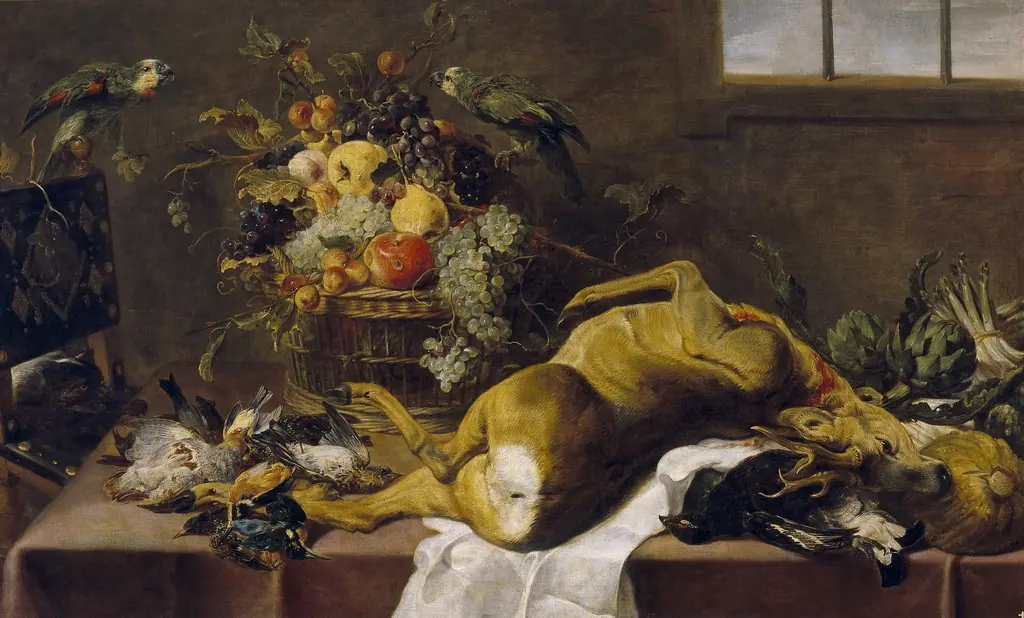 The larder
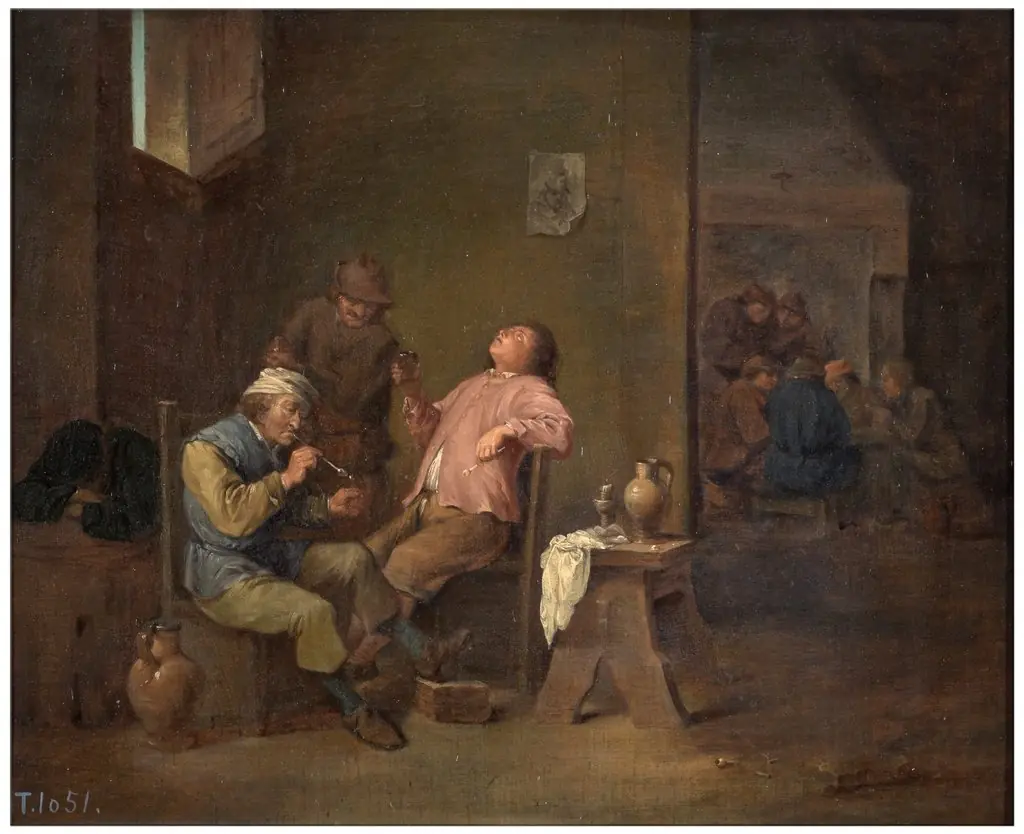 Fumadores
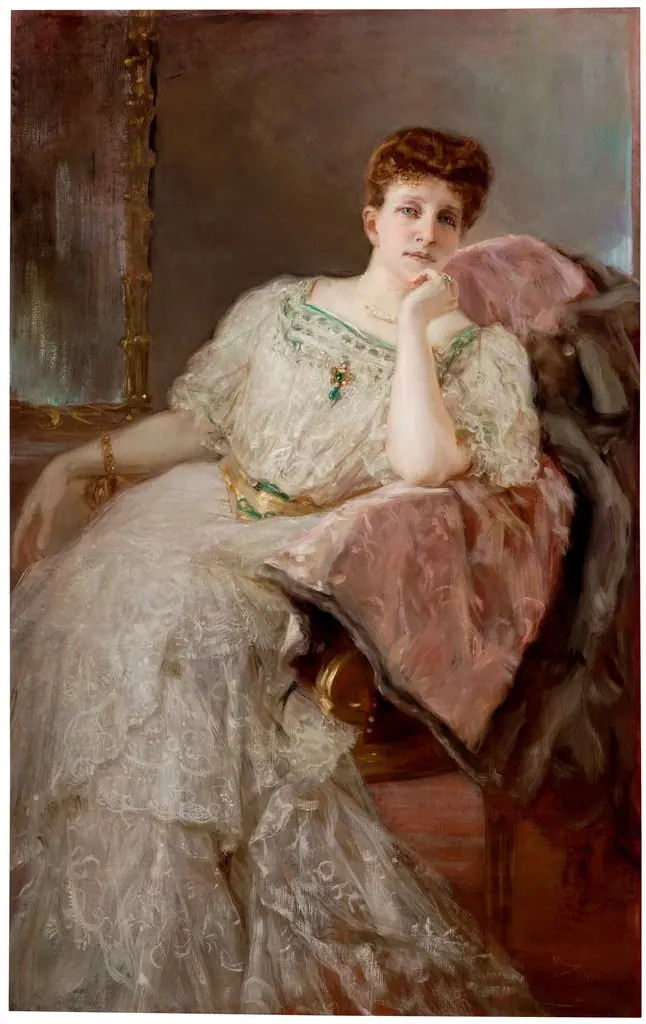 Matilde Noever de Vogel
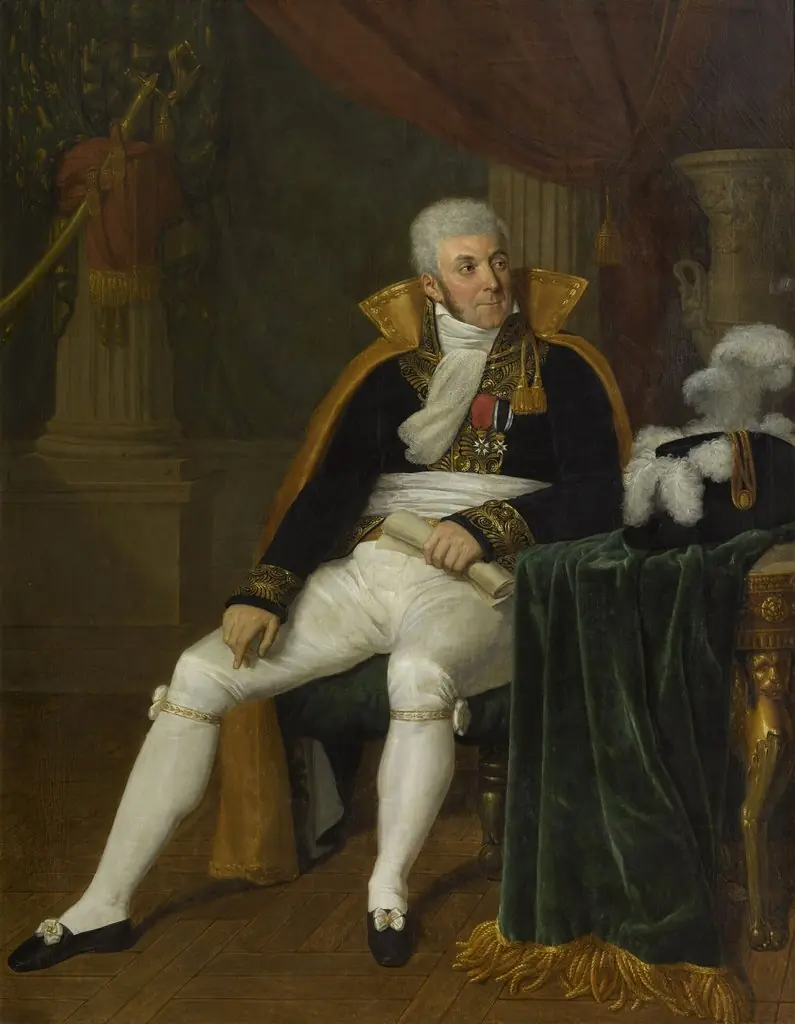 Jérôme, count Soulès, lieutenant-general (1760-1833)
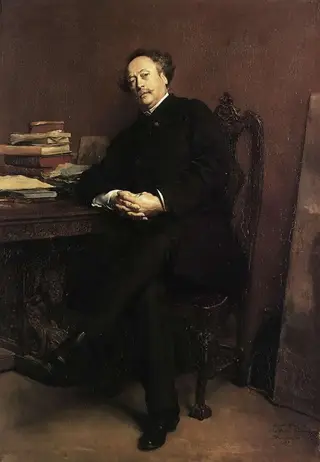 Alexandre Dumas son
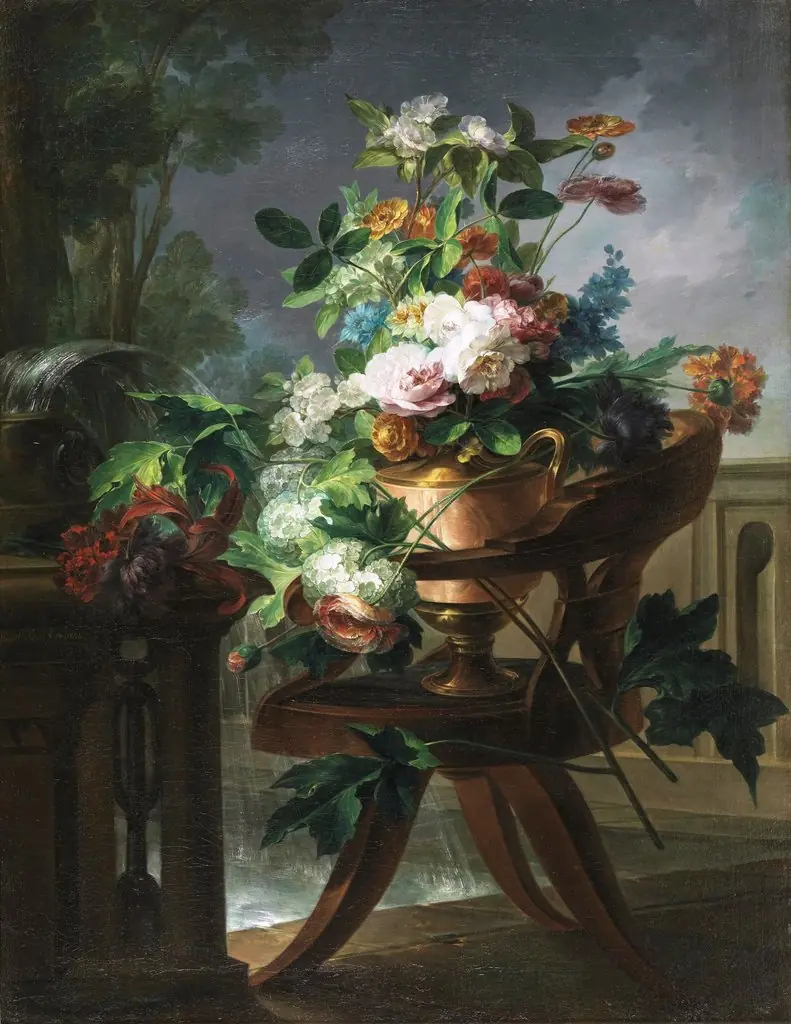 Flower Vase on a Chair
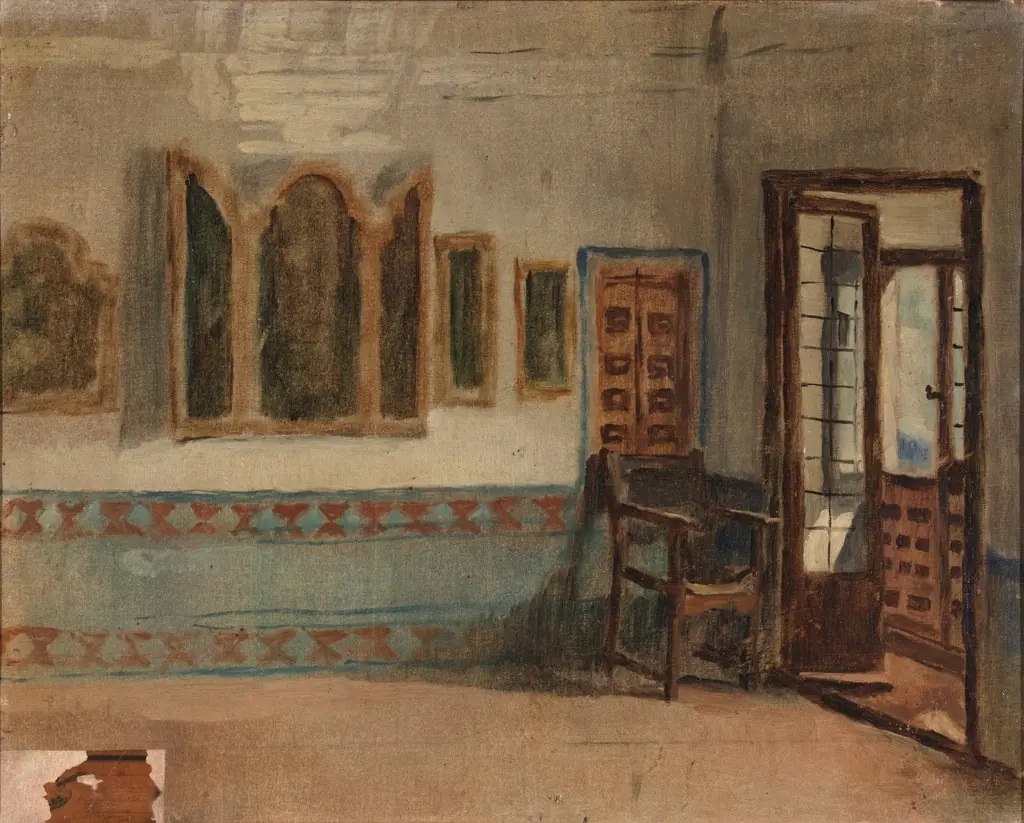 Celda prioral del Monasterio de El Escorial
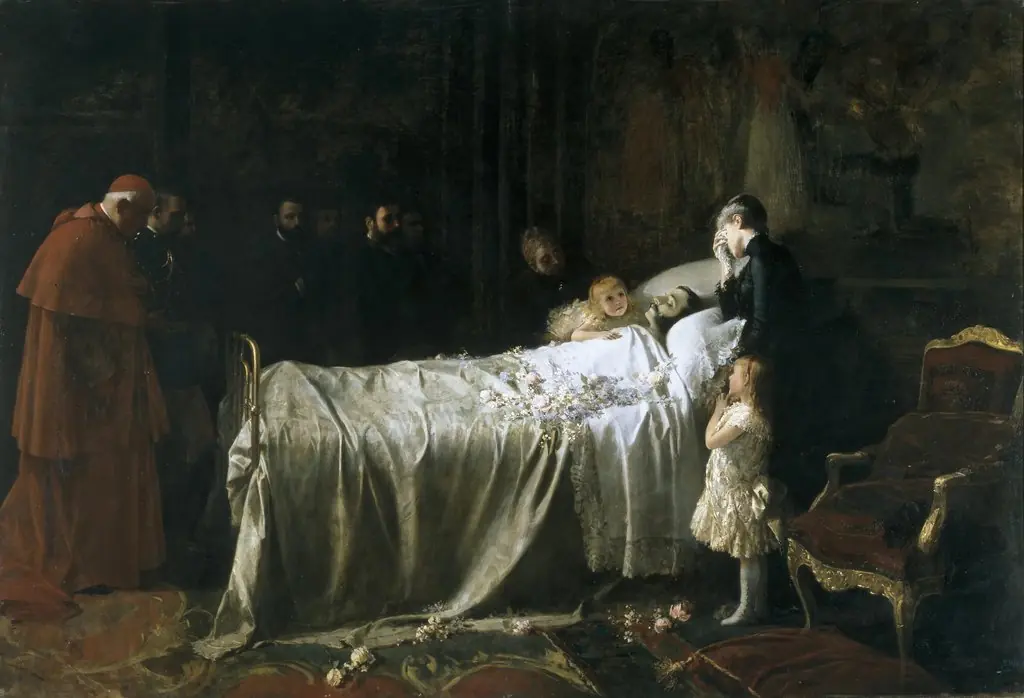 el Último Beso
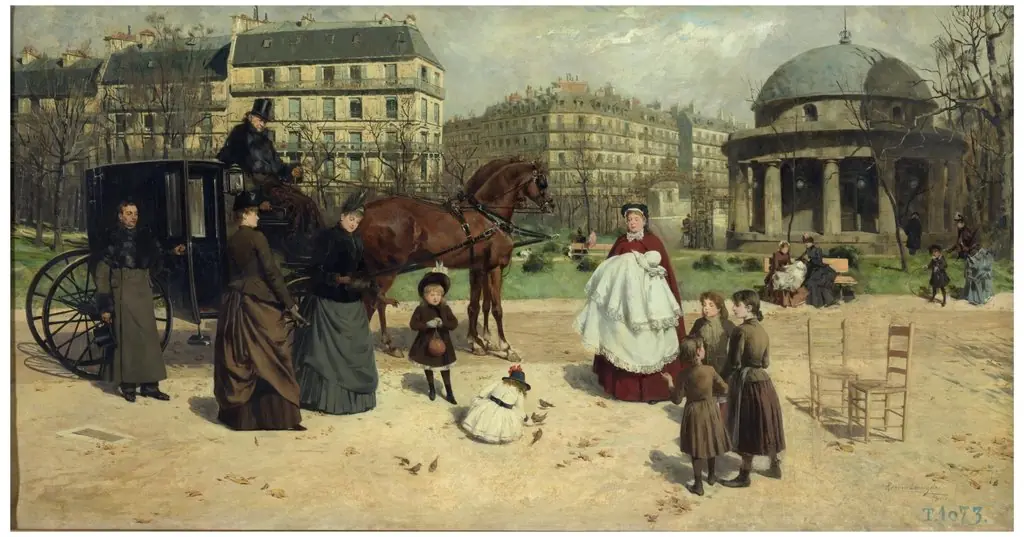 Tomando el sol
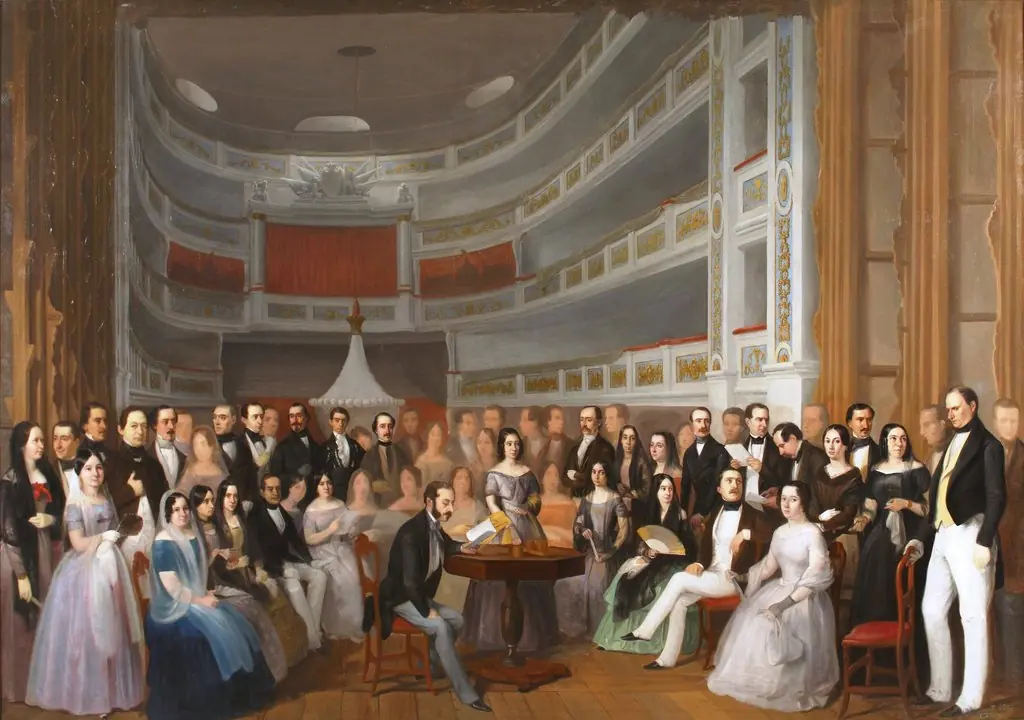 Ventura de la Vega reading a play at the Teatro del Príncipe
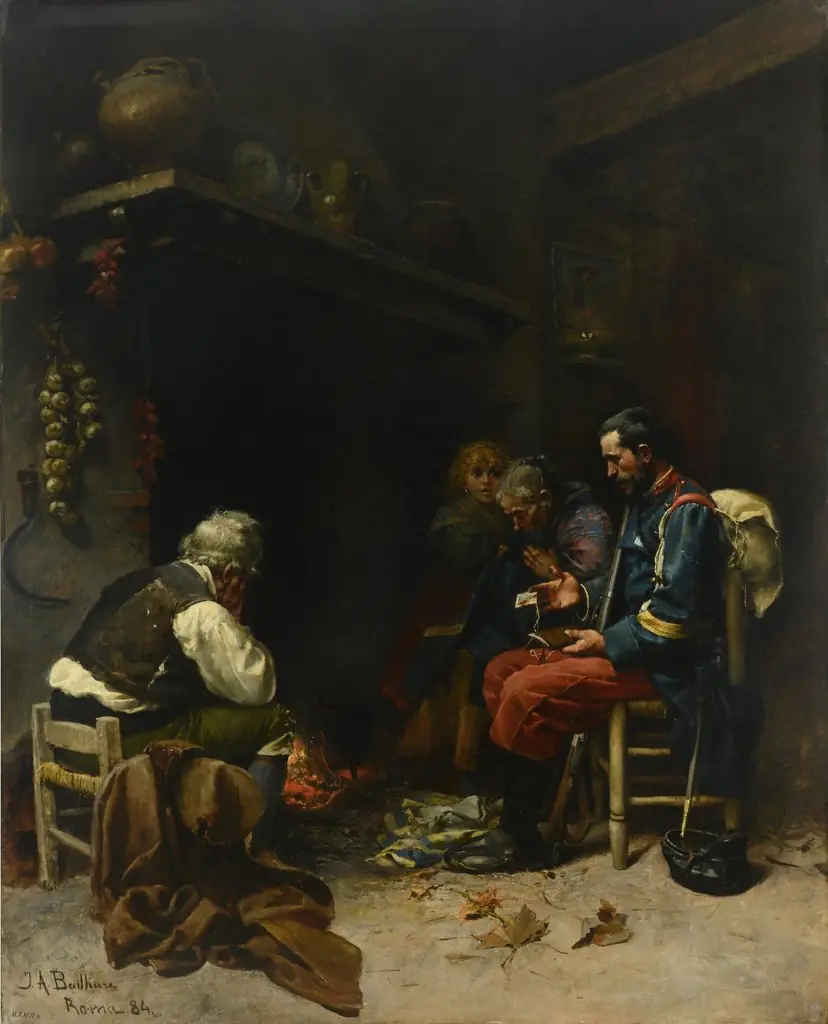 Por la patria
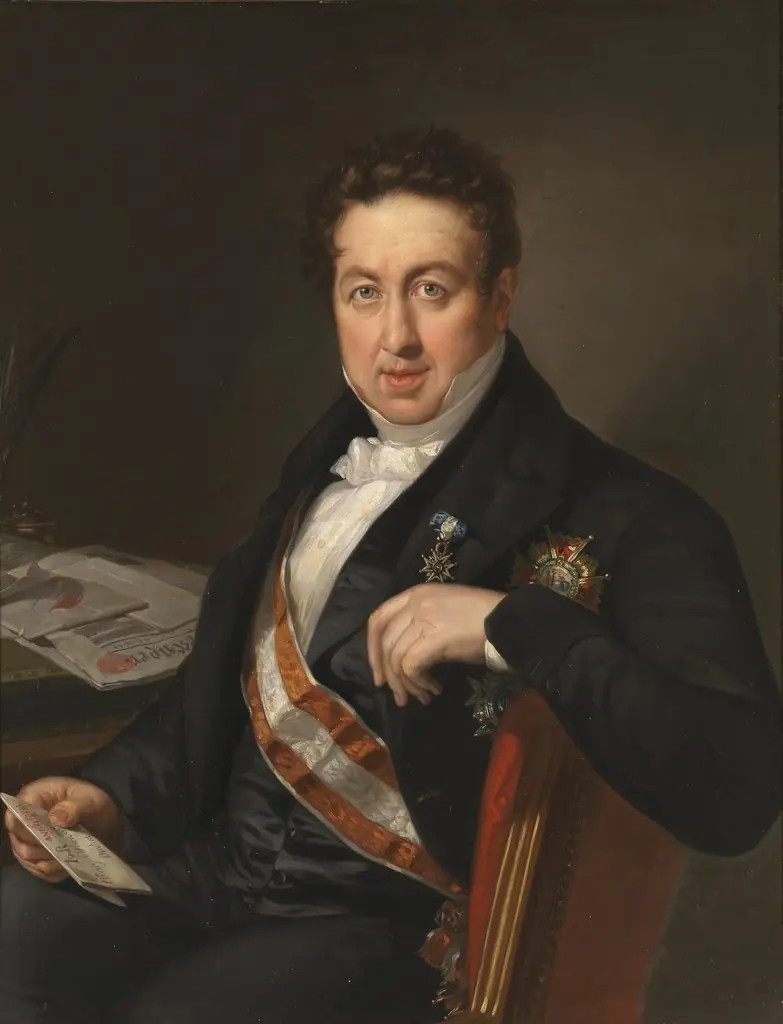 Henry O´Shea
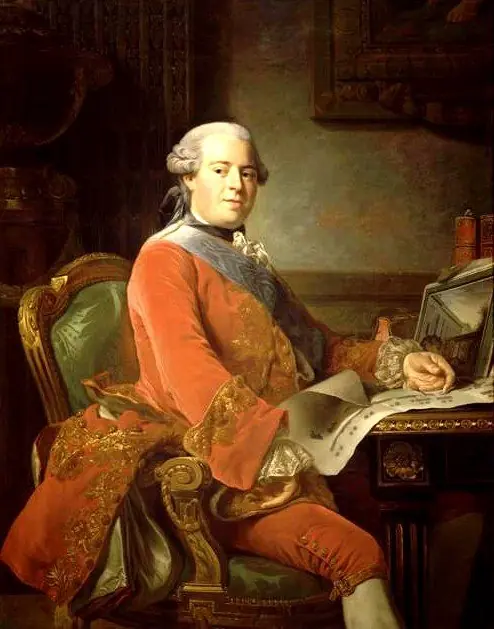 Portrait of Abel-François Poisson, marquis de Marigny
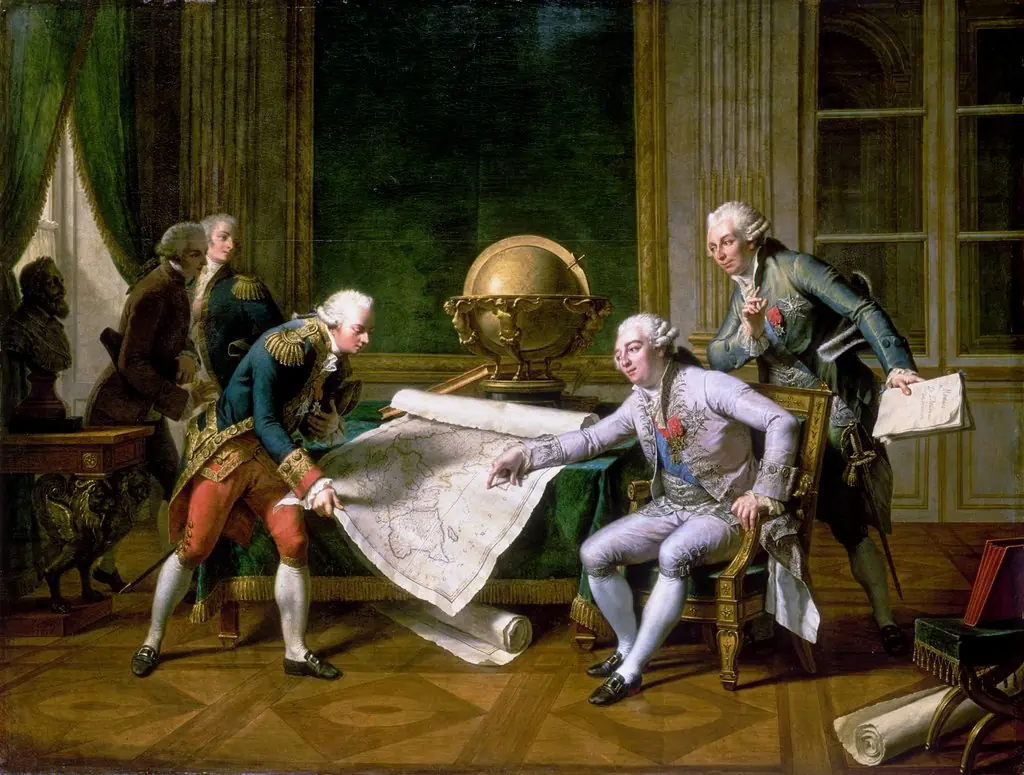 Louis XVI giving his instructions to Lapérouse on 29 June 1785
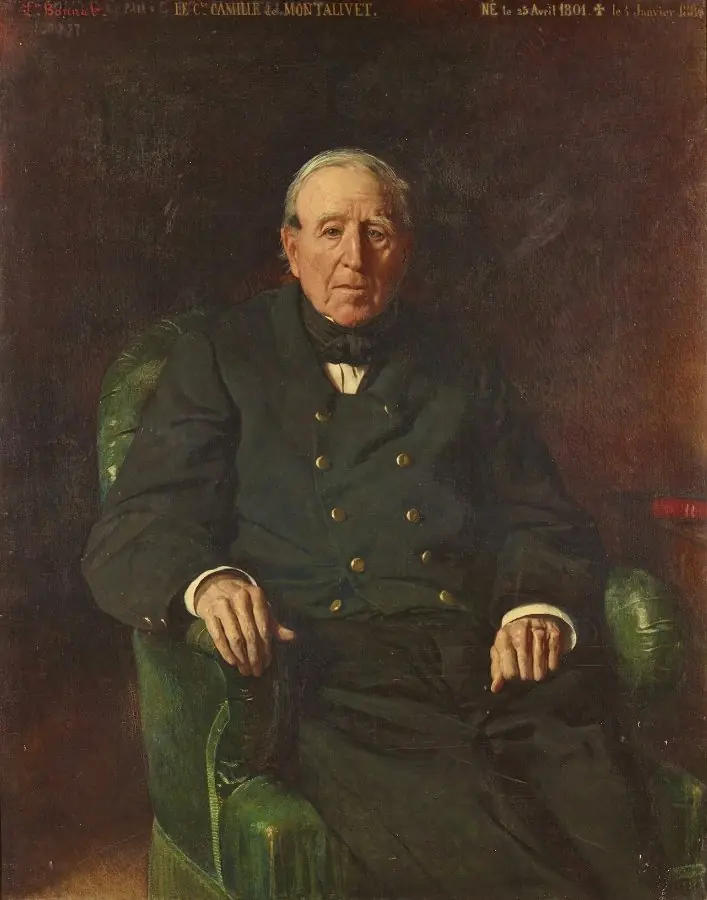 Portrait of the count of Montalivet
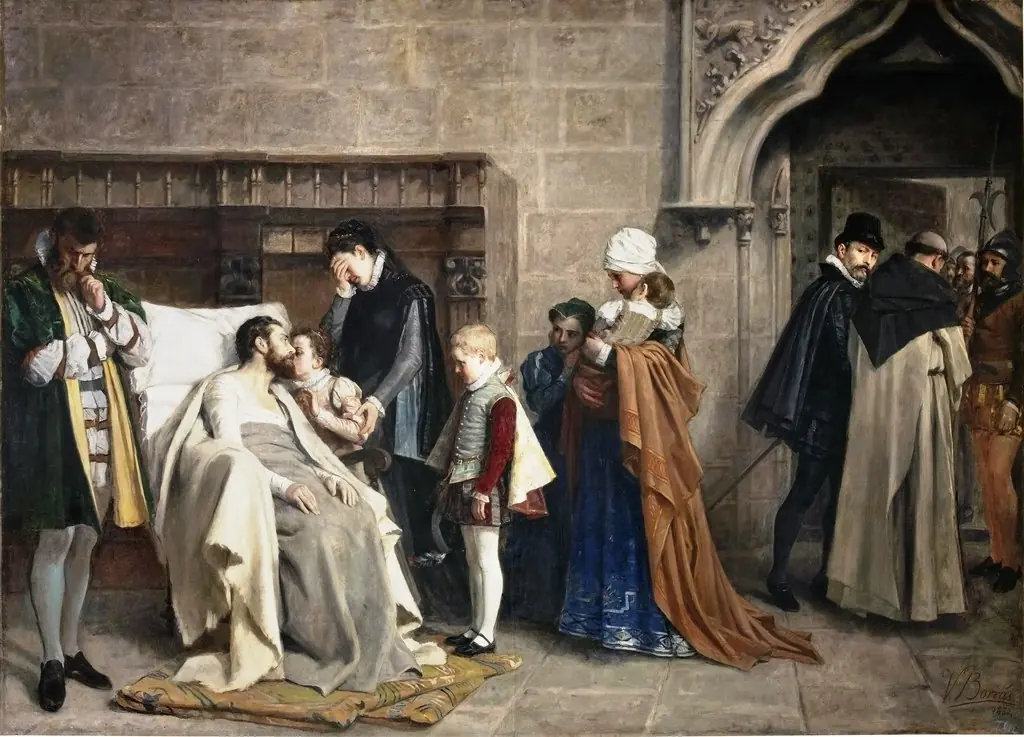 Antonio Pérez recibiendo a su familia después del tormento
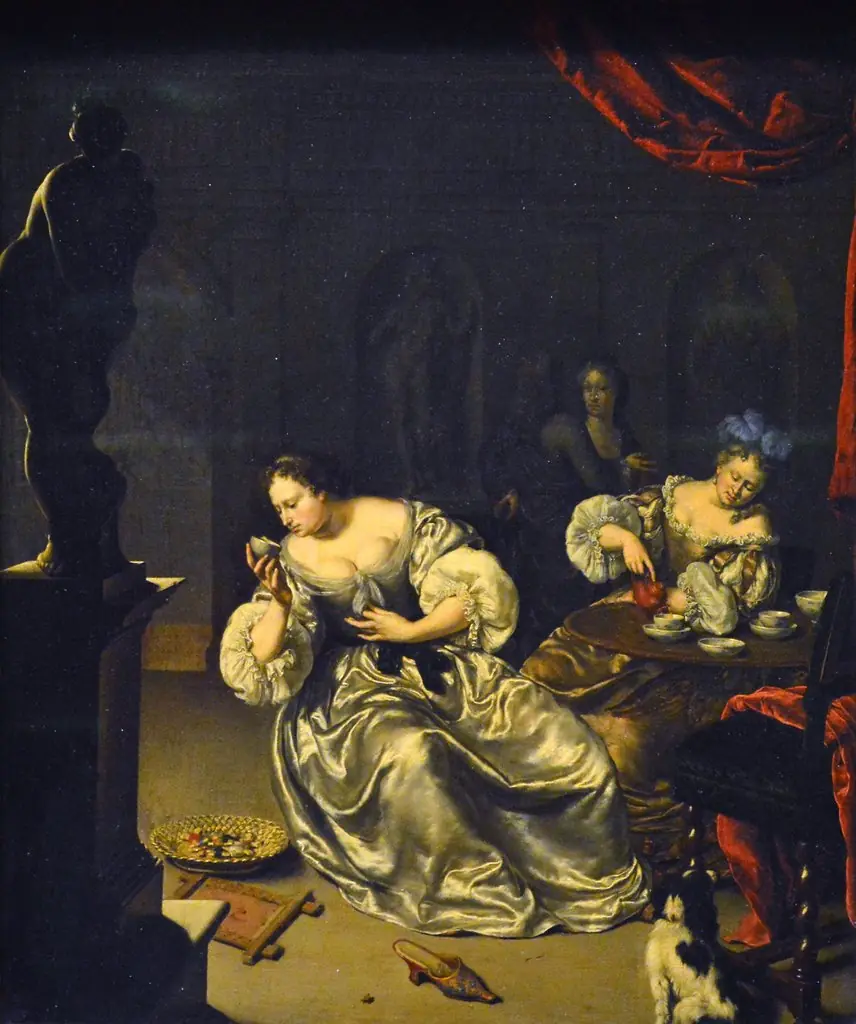 Tea Party
Frequently asked questions
What is Seat?
Seat is a subject in art. A chair (/t͡ʃɛɚ/ ) is a type of seat, typically designed for one person and consisting of one or more legs, a flat or slightly angled seat, and a back-rest.
How many Seat works does Artifact World Gallery have?
Artifact World Gallery holds 66 public-domain Seat works, all free to view and download.
Who are the key Seat artists?
Key Seat artists in the collection include Edgar Degas, Jean Léon Gérôme and Antonio María Esquivel.
Where can I see Seat works?
Seat works in the collection are held by Museo del Prado, Palace of Versailles and Department of Paintings of the Louvre.