Subject
Work
Work is a subject in art. The gallery holds 77 works in this subject in art, including works by Jean Baptiste Camille Corot, Edgar Degas and William Sidney Mount.
Work—the depiction of human labour—is among the oldest sustained themes in Western art, rooted in the agricultural cycle that governed pre-modern life. Medieval illuminators and cathedral sculptors codified it in the "Labours of the Months," pairing each season with its characteristic task: sowing, reaping, pressing grapes, slaughtering swine. These images were as much moral and devotional as documentary, presenting toil as the ordained rhythm of a well-ordered world and a counterpart to the leisure of the nobility.
The theme matured in the Low Countries. Pieter Bruegel the Elder's The Harvesters (1565), one of a six-panel series of the seasons painted for the Antwerp merchant Niclaes Jongelinck, treats peasants harvesting and eating wheat with unidealised naturalism; the Metropolitan Museum calls it a watershed and among the first modern landscapes. In the seventeenth-century Dutch Republic, genre painting elevated humble domestic work to quiet dignity—Nicolaes Maes, following his teacher Rembrandt, bathed a maid in warm light in Young Woman Peeling Apples (c. 1655), lending ordinary chores an almost devotional gravity.
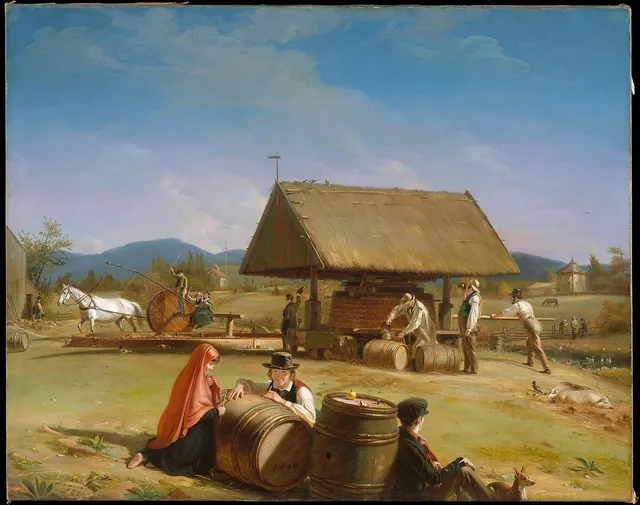
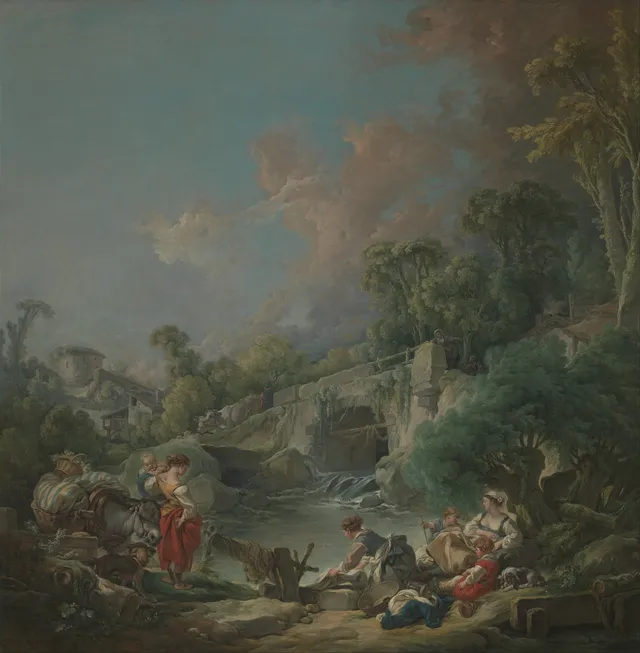
In the eighteenth century the Rococo absorbed labour into pastoral fantasy, as in François Boucher's decorative Washerwomen, where toil becomes graceful idyll. A more documentary impulse surfaced in American genre painting—William Sidney Mount's Cider Making (1840–41) records a Long Island cider mill while carrying coded political meaning. The decisive shift came with French Realism: Gustave Courbet's Stonebreakers and Jean-François Millet's The Gleaners (1857), which showed three poor women gathering leftover grain with monumental seriousness. By treating the rural poor on a scale once reserved for history and myth, these works scandalised bourgeois critics who read in them the spectre of revolution.
Industrialisation pushed the subject into the city and the factory. Gustave Caillebotte's The Floor Scrapers (1875), among the first paintings of the urban proletariat, was rejected by the Salon as vulgar, while Adolph Menzel's The Iron Rolling Mill (1872–75) confronted the machine age directly. Camille Pissarro's Fan Mount: The Cabbage Gatherers and Charles Frederick Ulrich's Glass Blowers of Murano (1886), celebrating multigenerational craft, extend the tradition. Its legacy runs through Van Gogh's peasants to twentieth-century Social Realism and the murals of the WPA, where work became a defining emblem of modern collective life.
Key artists


Works
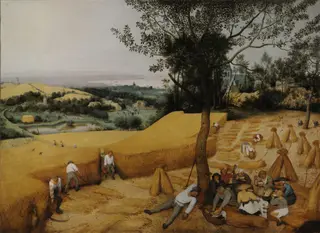 The Harvesters
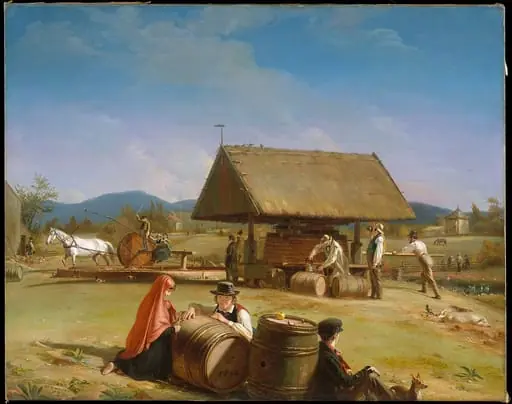 Cider Making
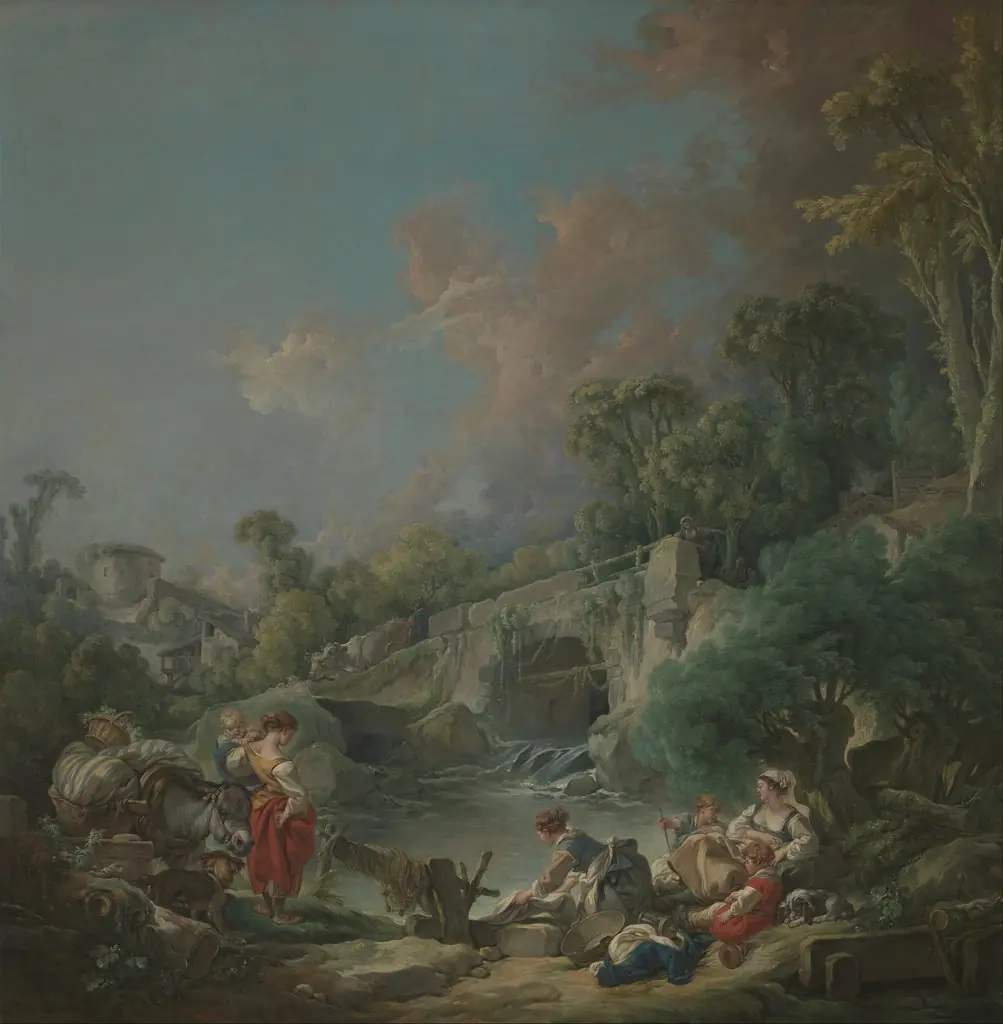 Washerwomen
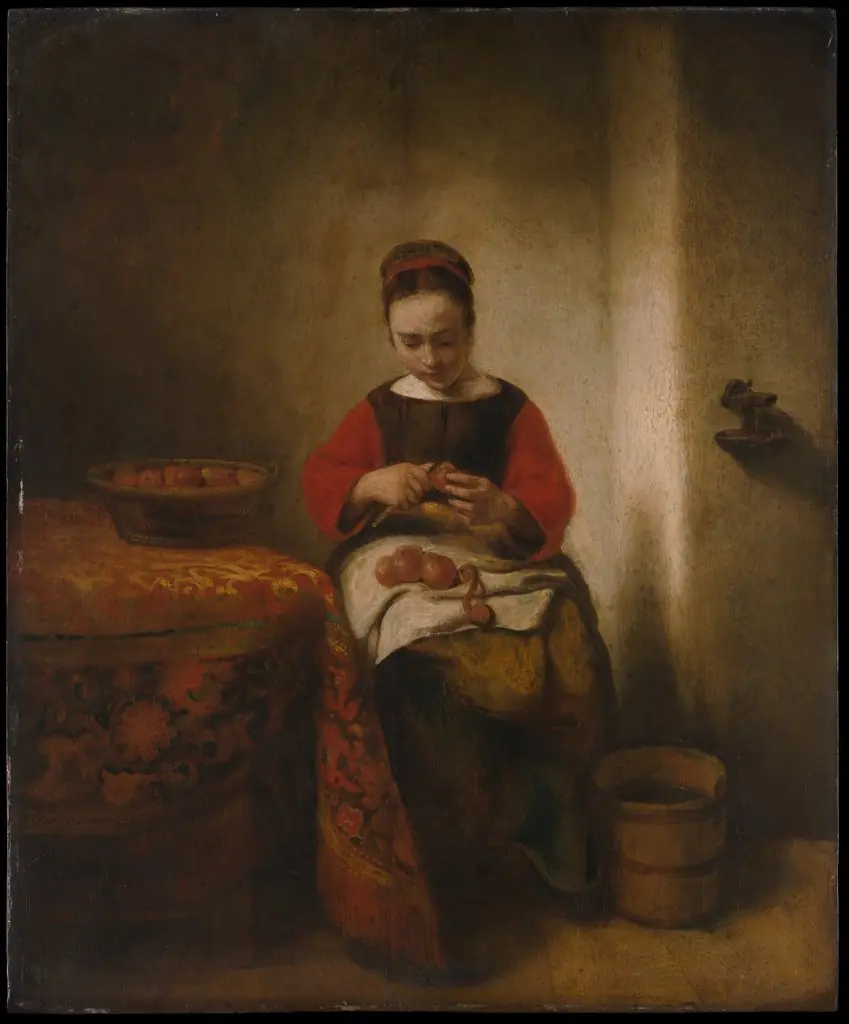 Young Woman Peeling Apples
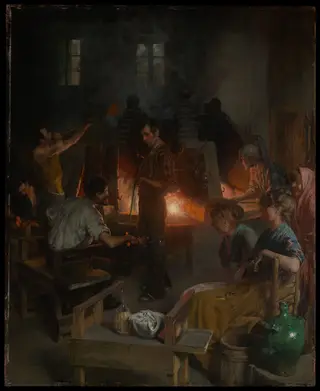 Glass Blowers of Murano
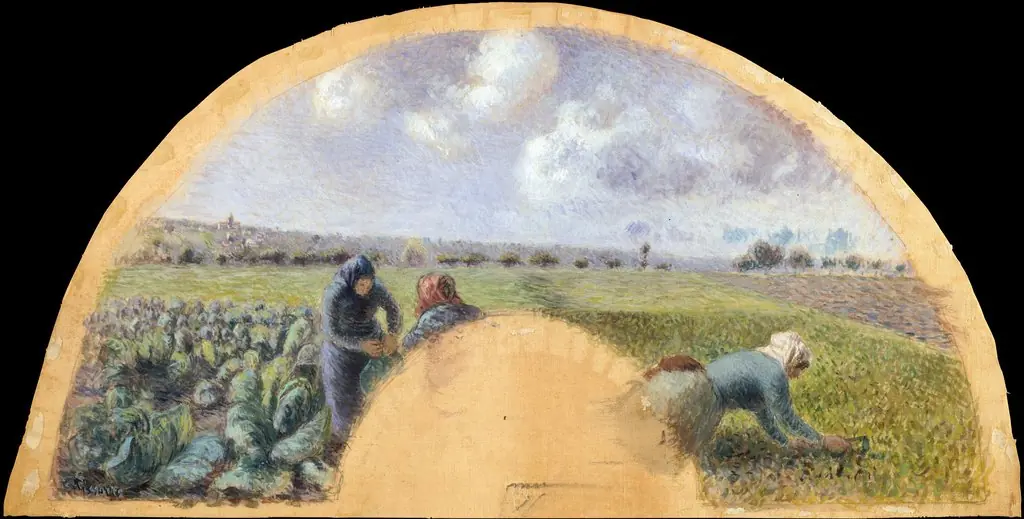 Fan Mount: The Cabbage Gatherers
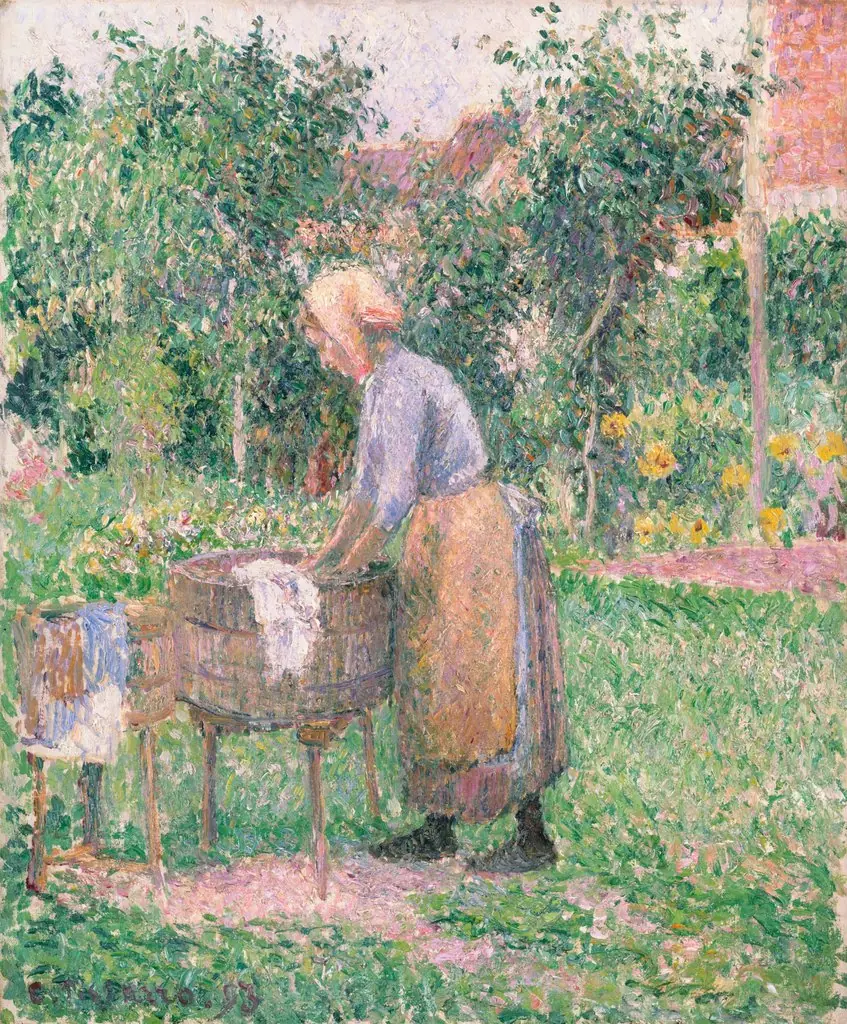 A Washerwoman at Éragny
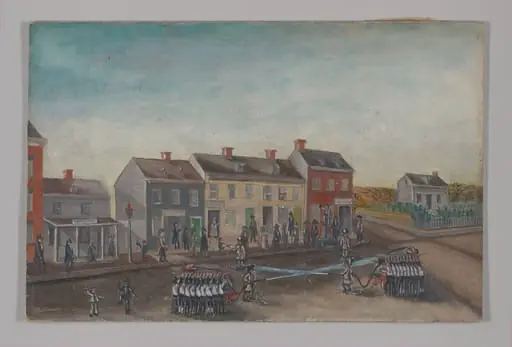 Firemen's Washing Day
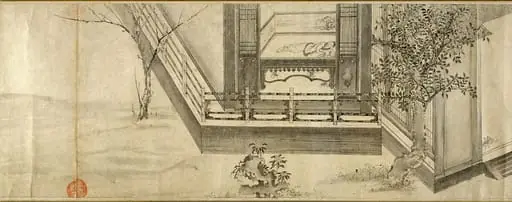 南宋 佚名 傳李公麟 豳風七月圖 卷|Odes of the State of Bin
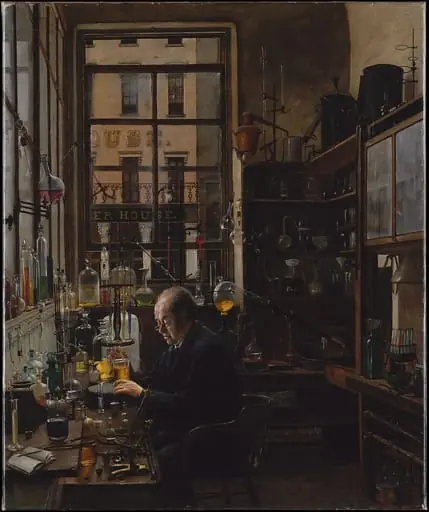 In the Laboratory
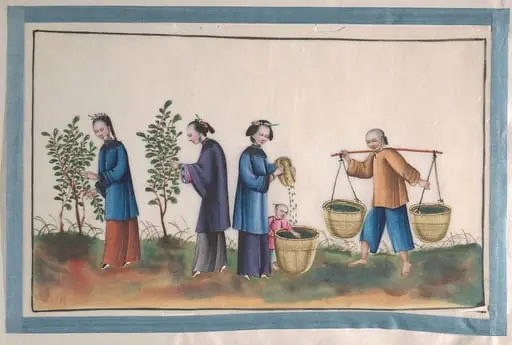 Untitled
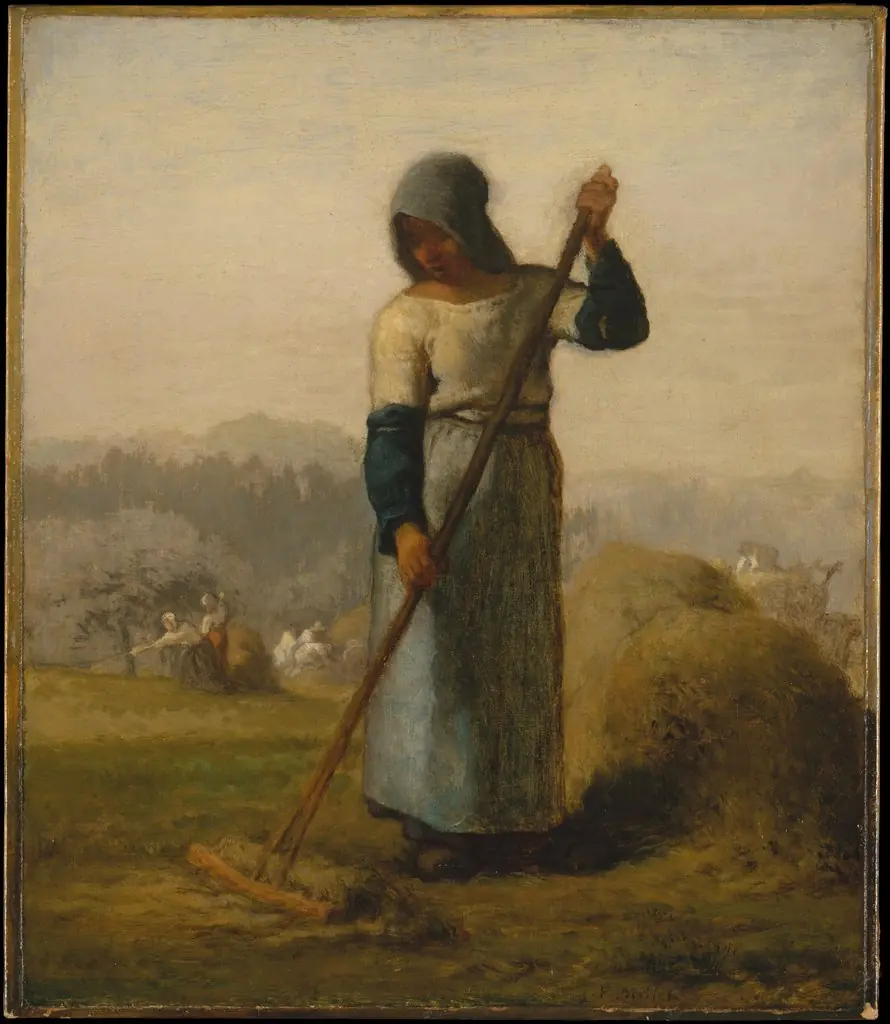 Woman with a Rake
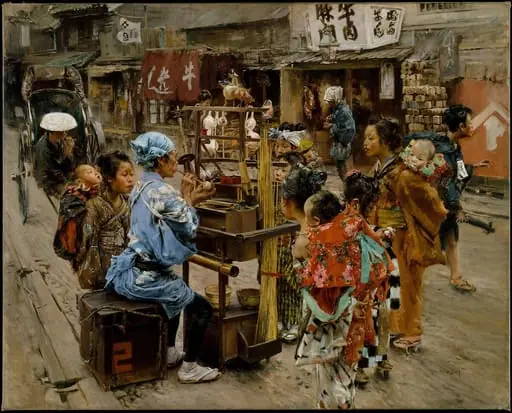 The Ameya
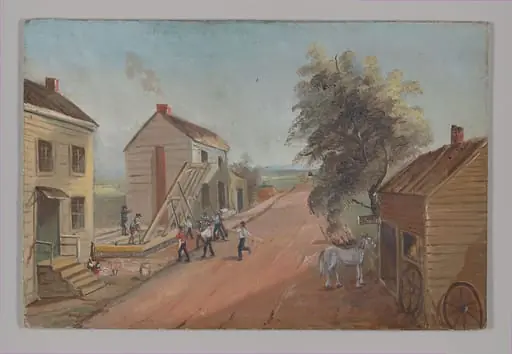 House Raising
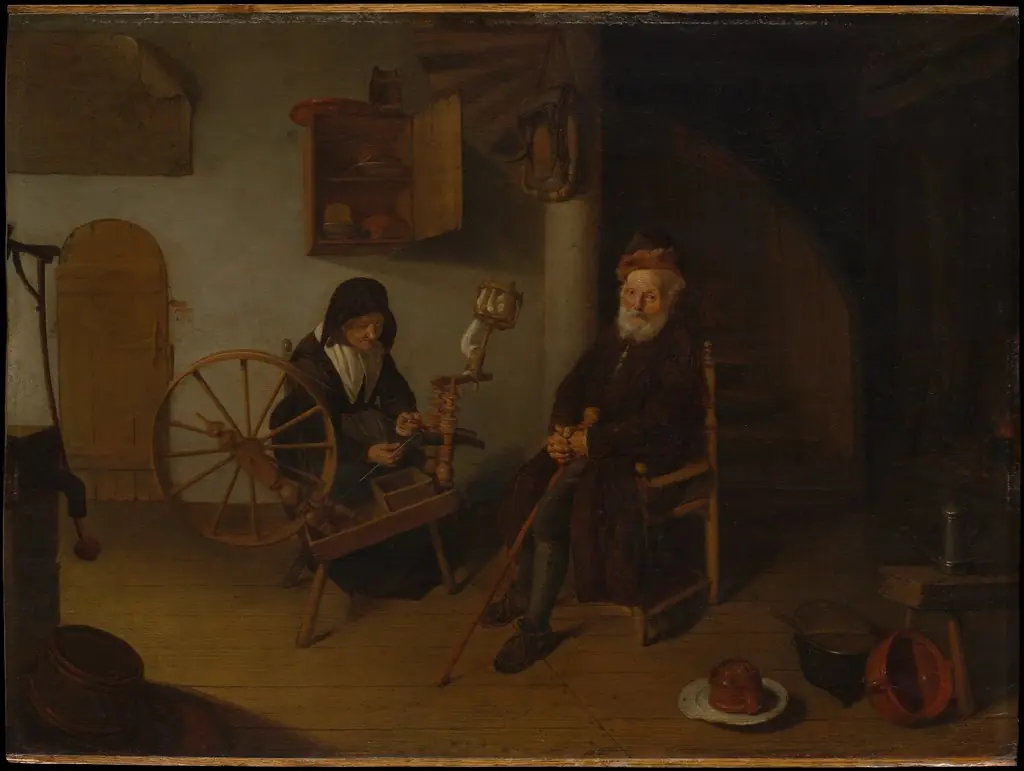 The Spinner
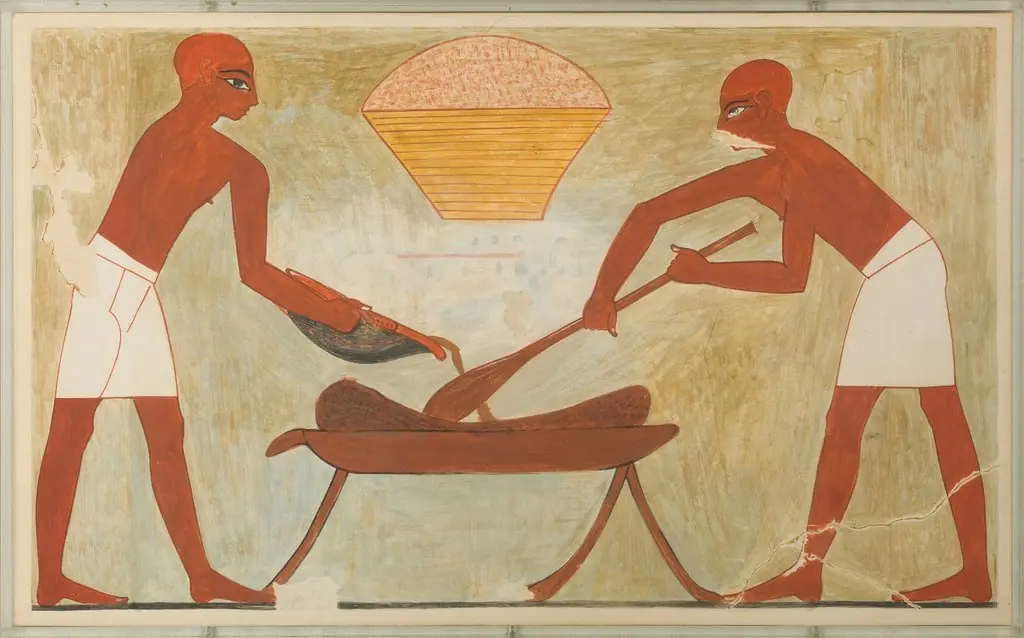 Preparing Dough, Tomb of Rekhmire
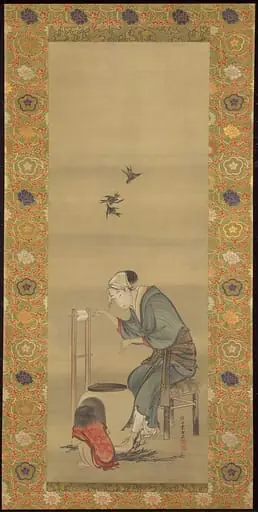 Untitled
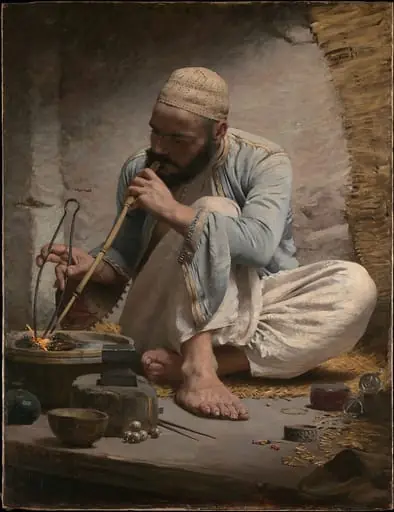 The Arab Jeweler
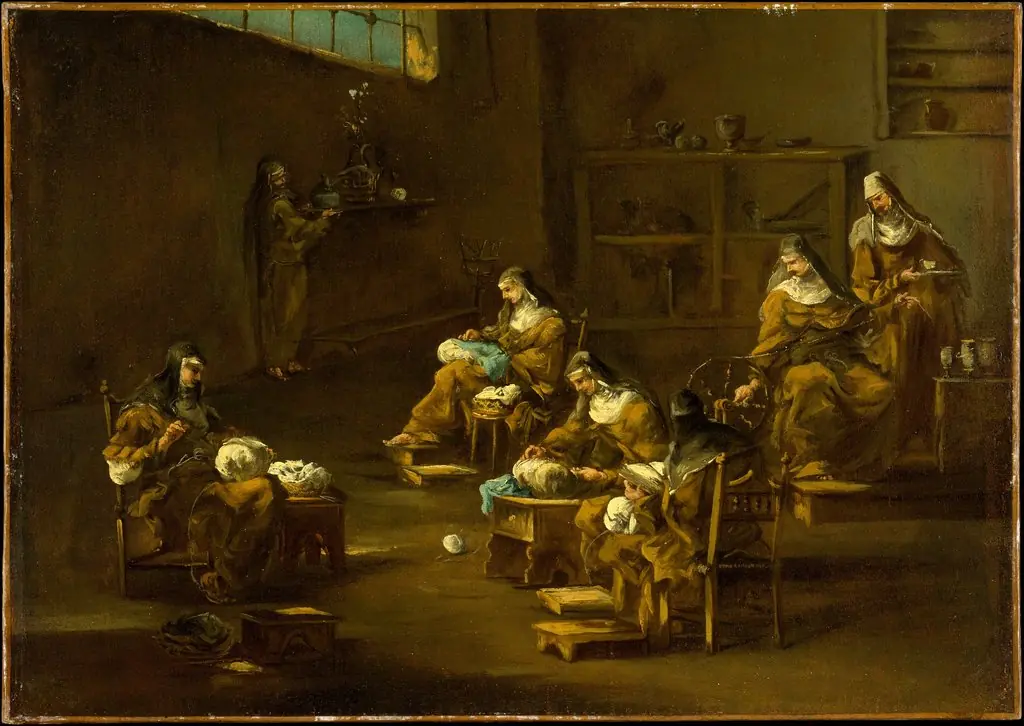 Nuns at Work
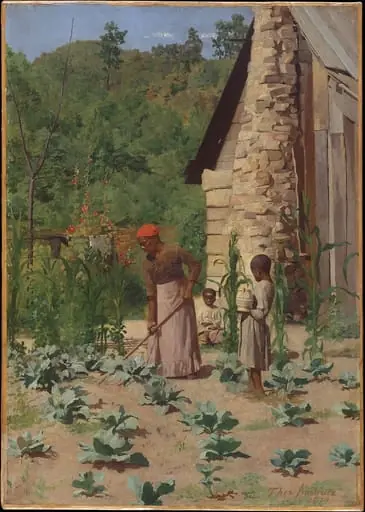 The Way They Live
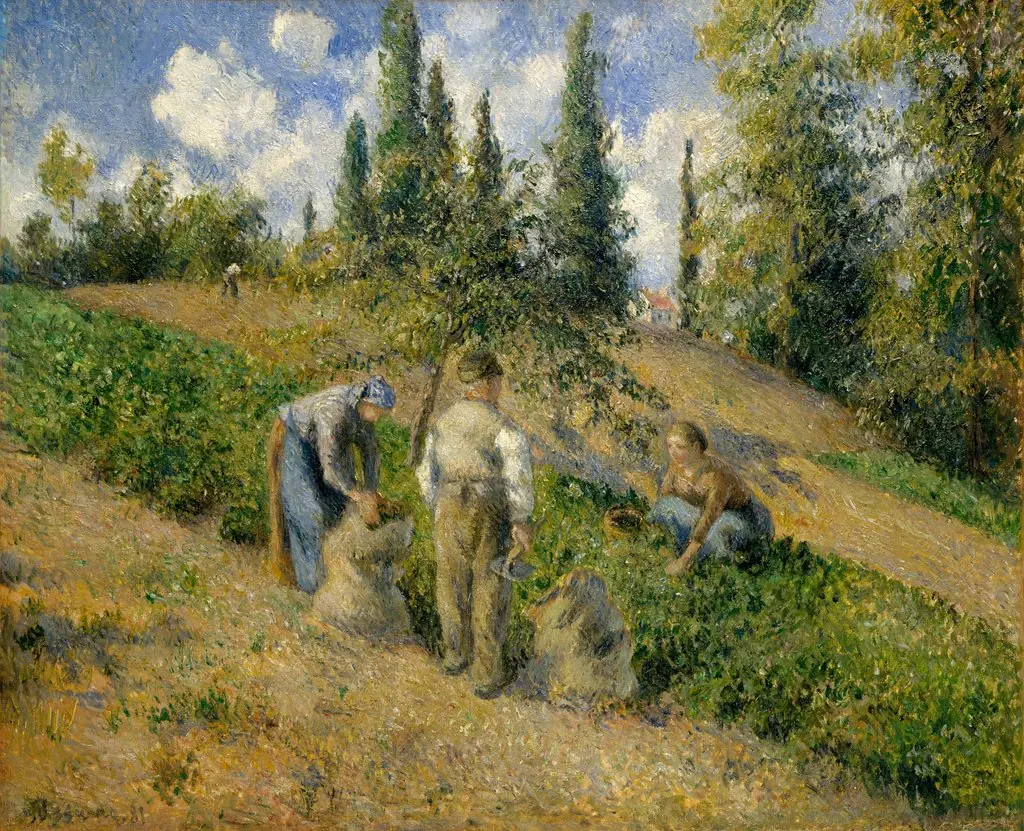 The Harvest, Pontoise (La Récolte, Pontoise)
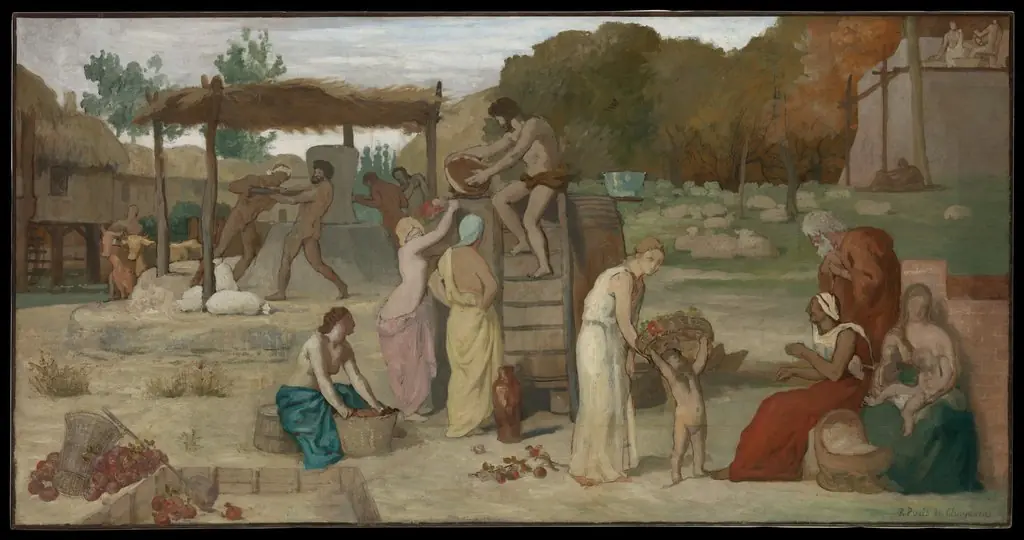 Cider
Cider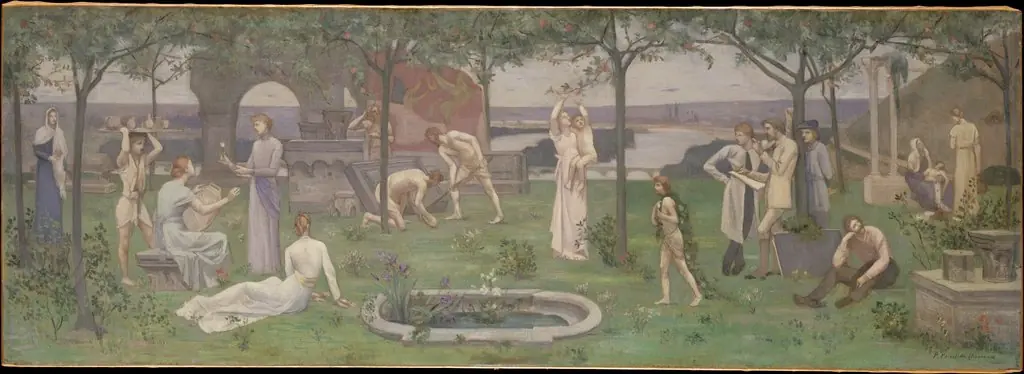 Inter artes et naturam (Between Art and Nature)
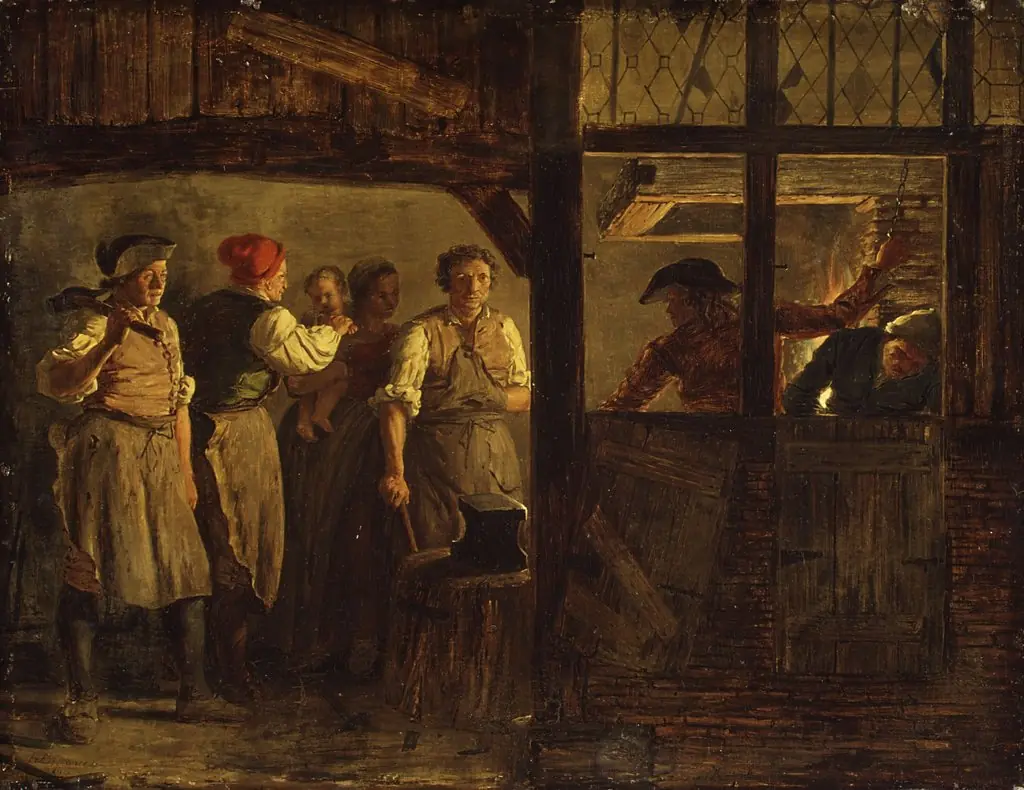 The Forge
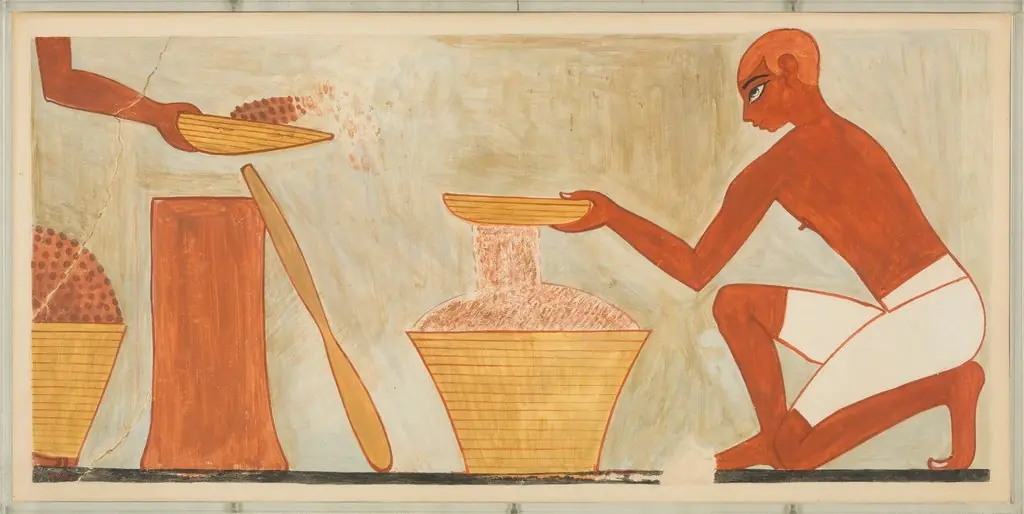 Sifting Meal, Tomb of Rekhmire
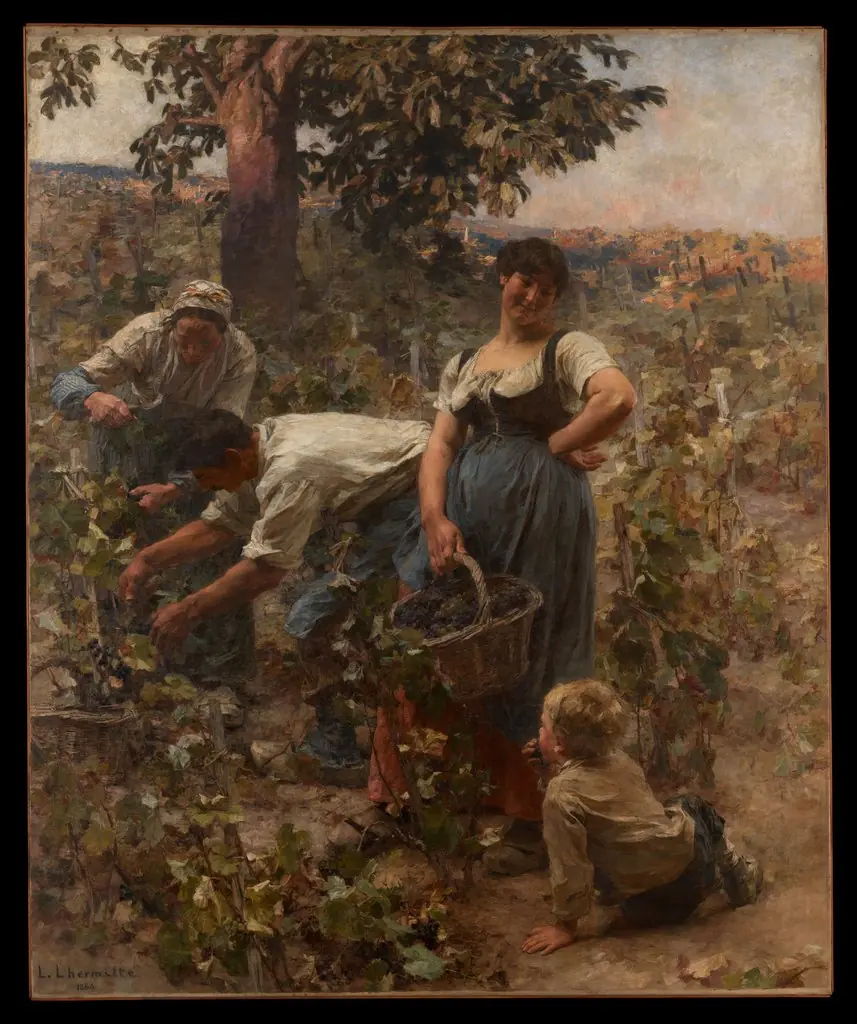 The Grape Harvest
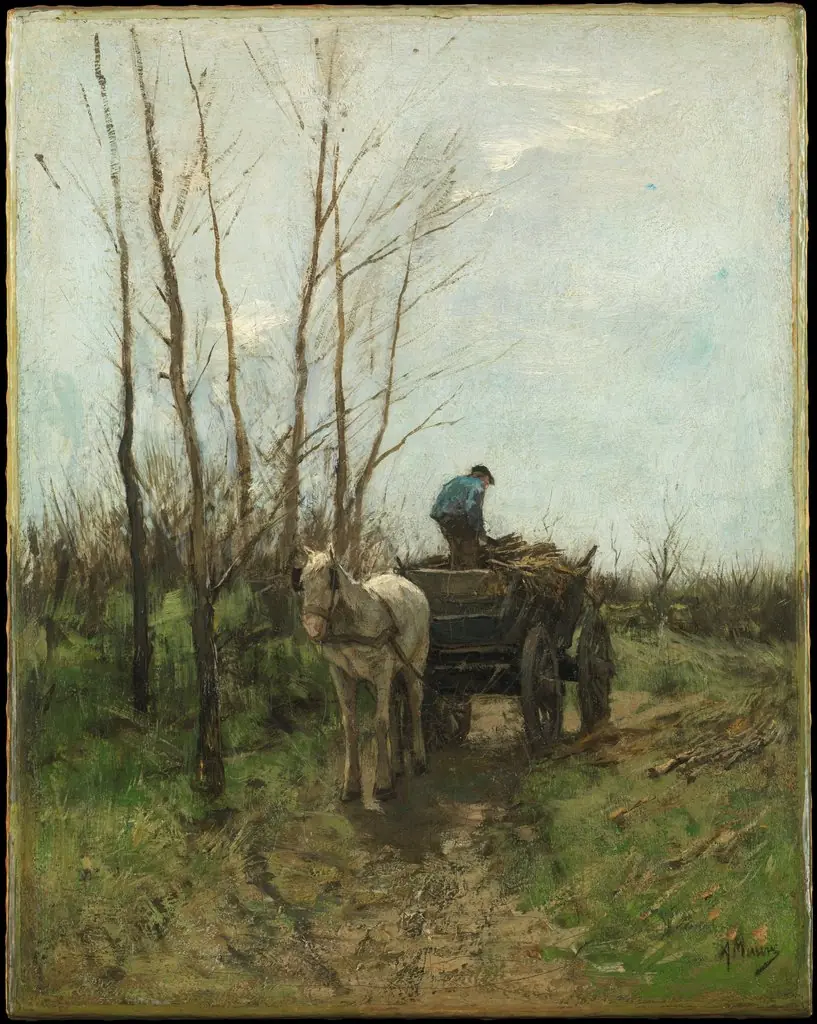 Gathering Wood
 The Sheepfold
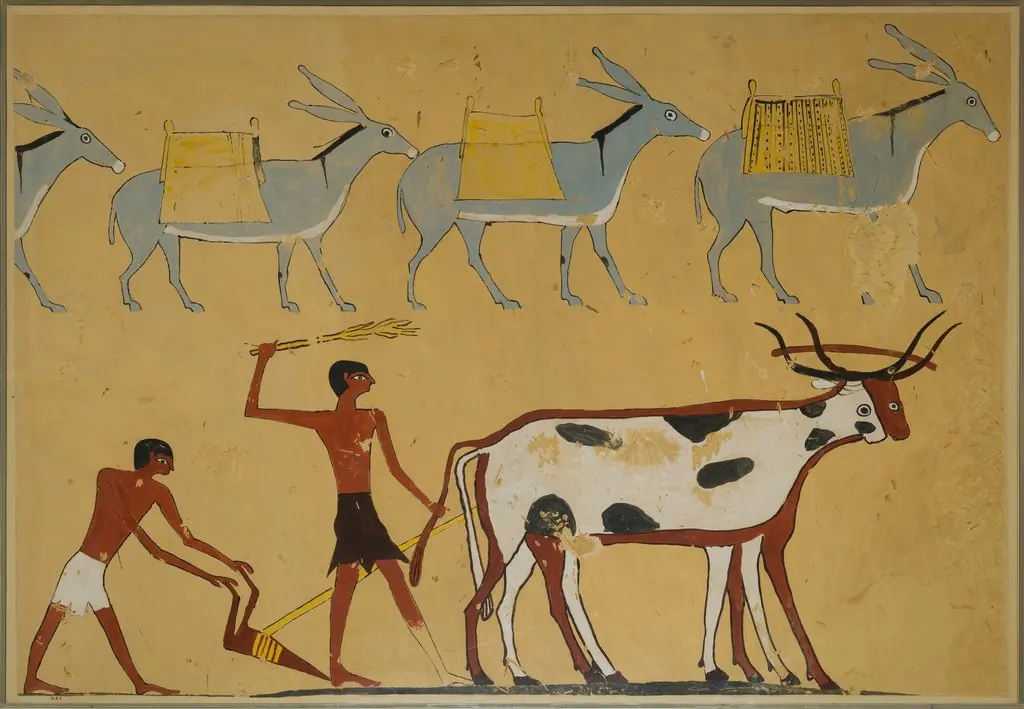 Laden Donkeys and Ploughing, Tomb of Djar
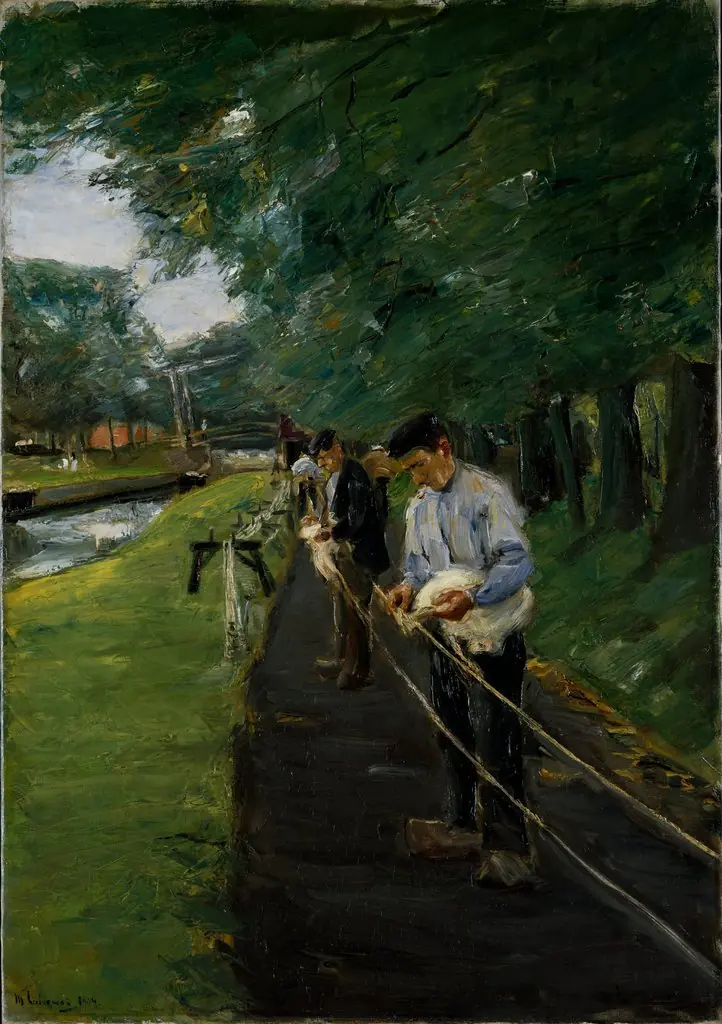 The Ropewalk in Edam
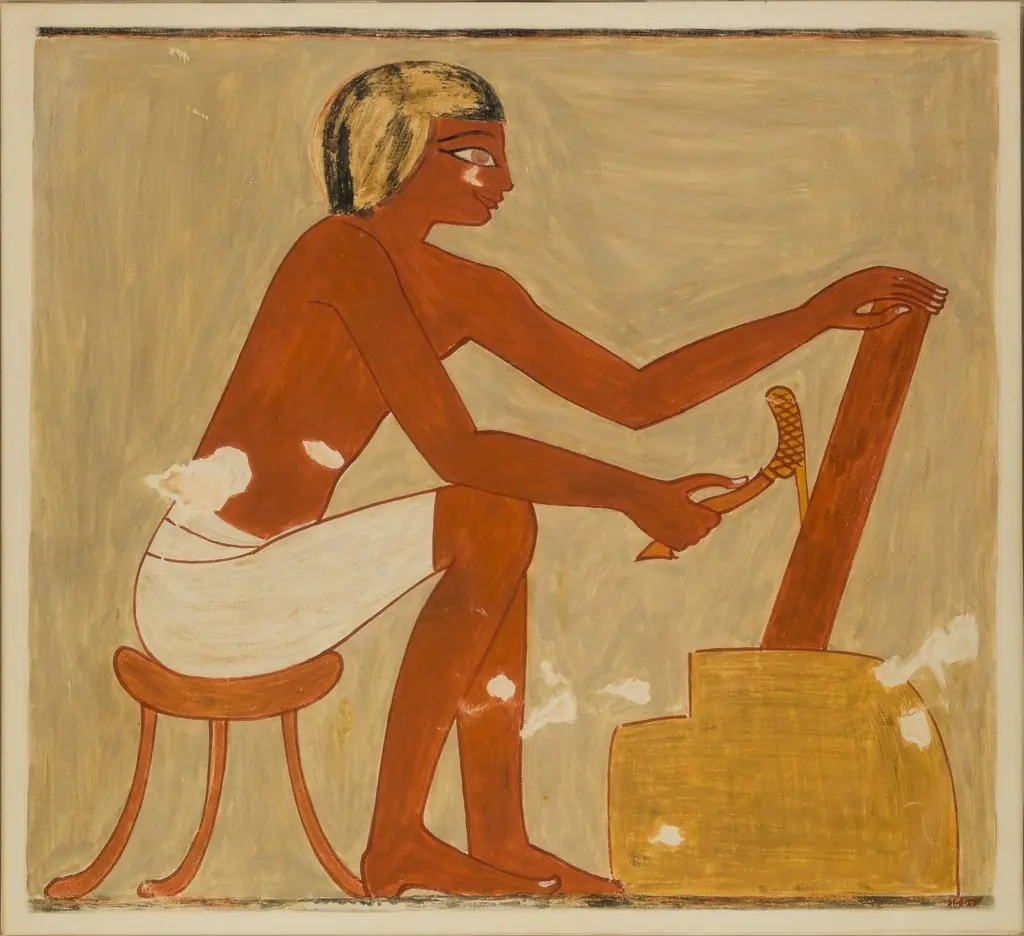 Trimming Wood with an Adze, Tomb of Rekhmire
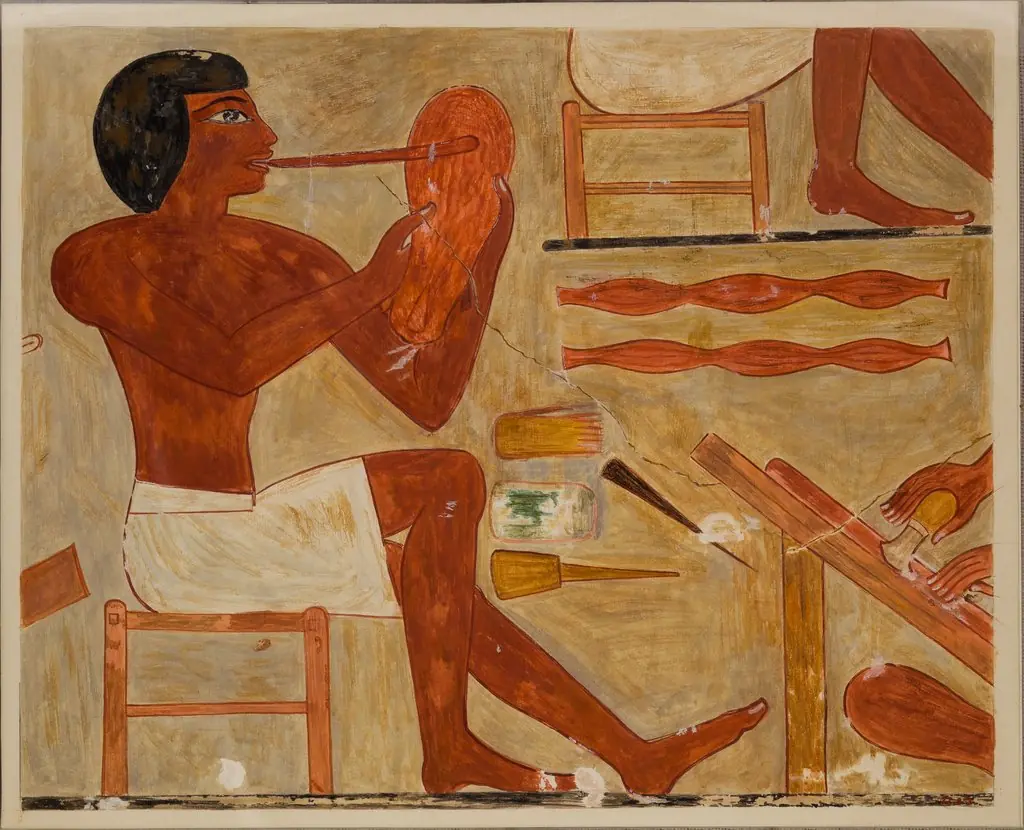 Sandal Maker, Tomb of Rekhmire
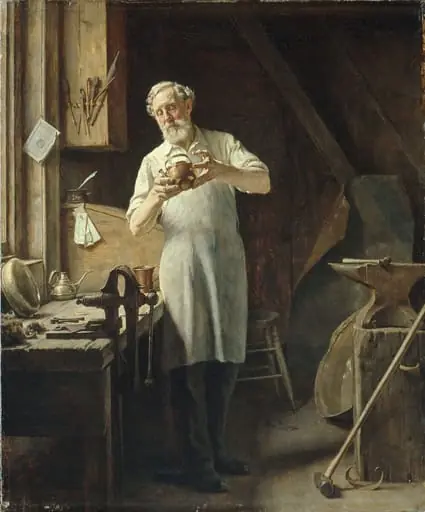 The Coppersmith
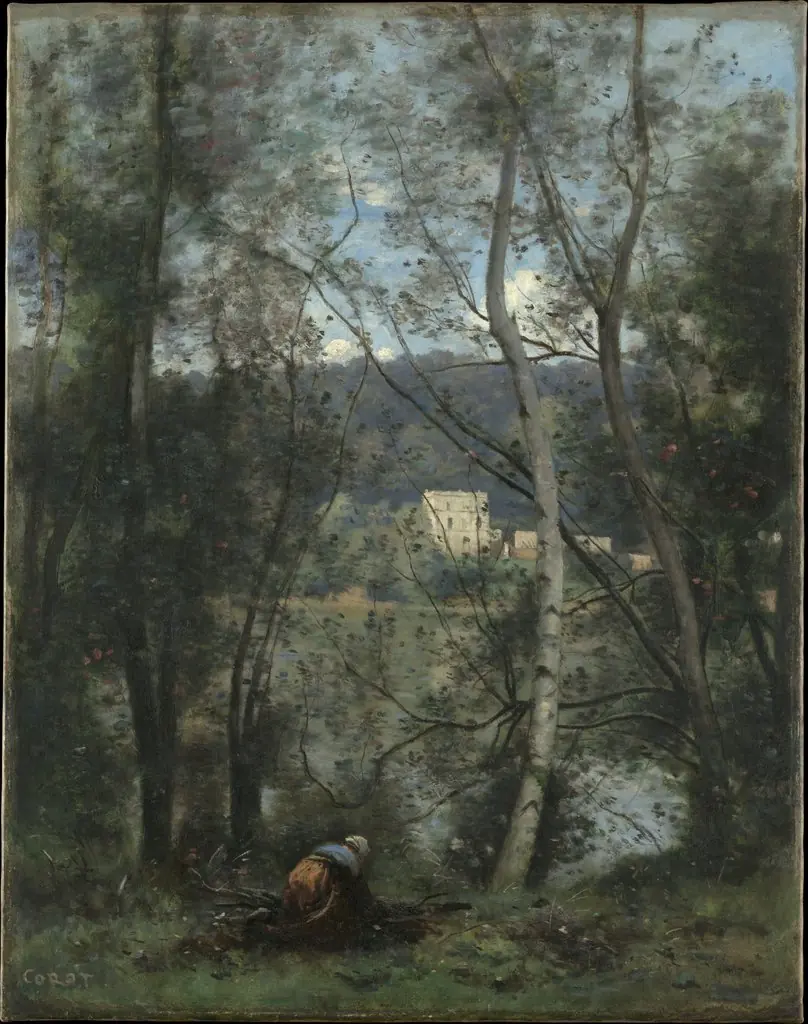 A Woman Gathering Faggots at Ville-d'Avray
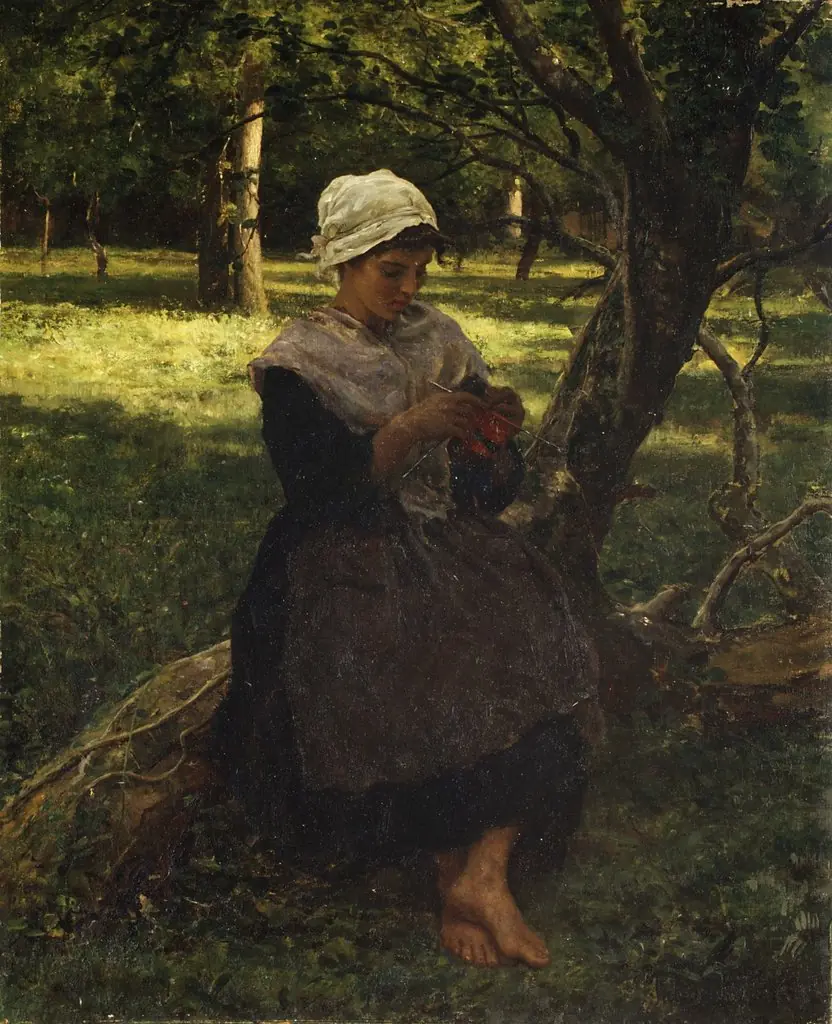 A Peasant Girl Knitting
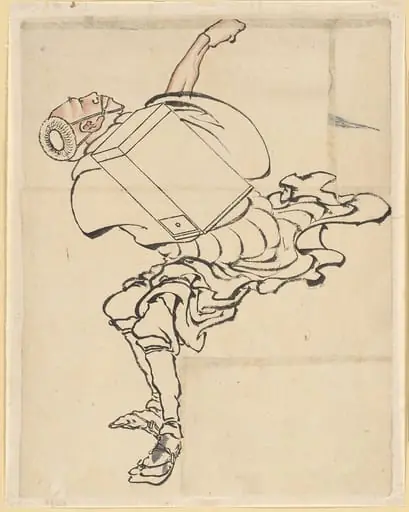 Untitled
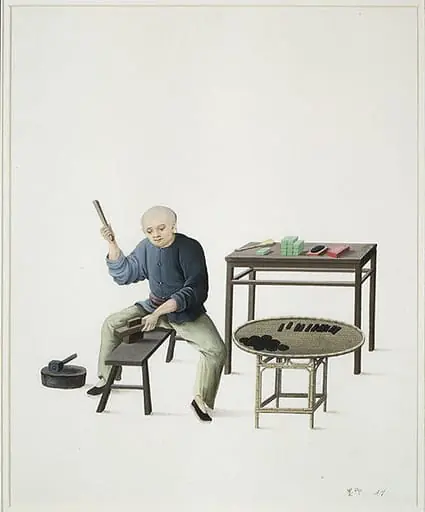 Untitled
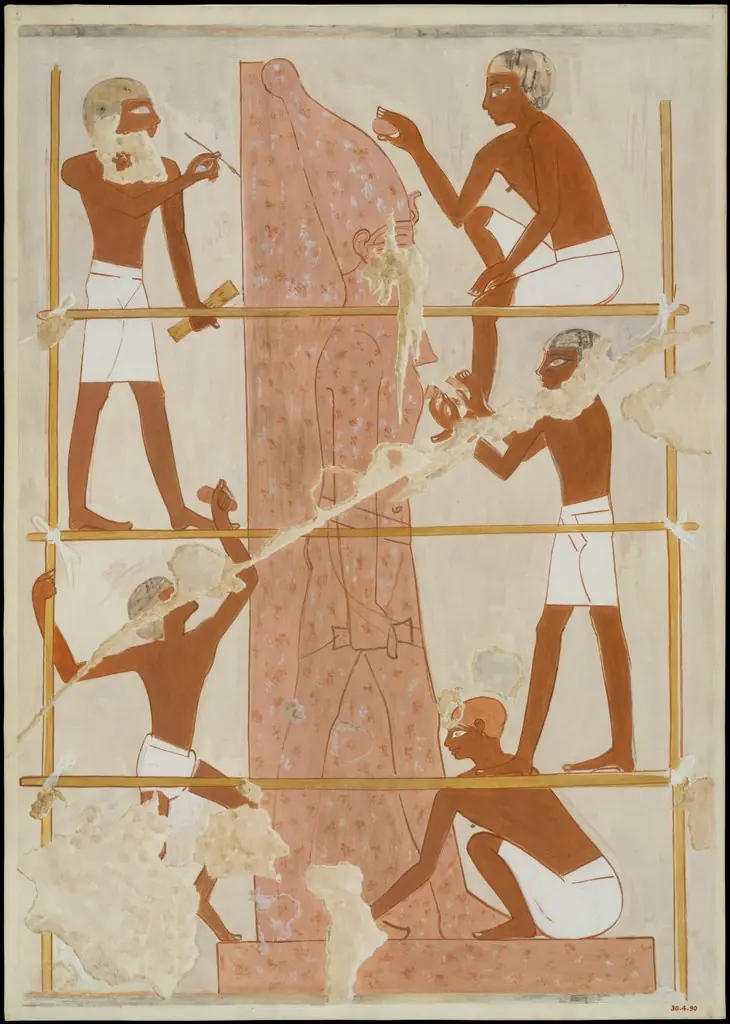 Sculptors at Work, Tomb of Rekhmire
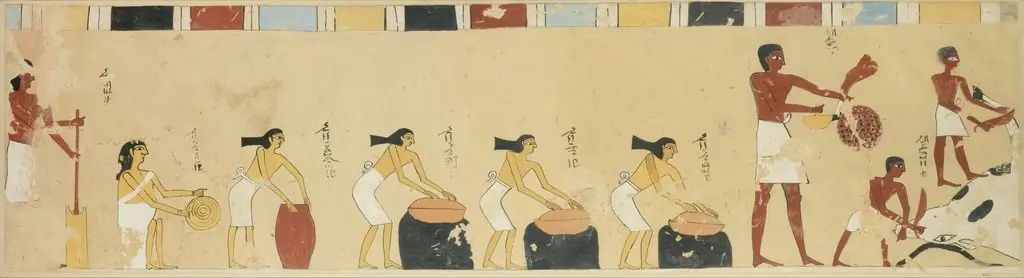 Women Preparing Food, Tomb of Djari
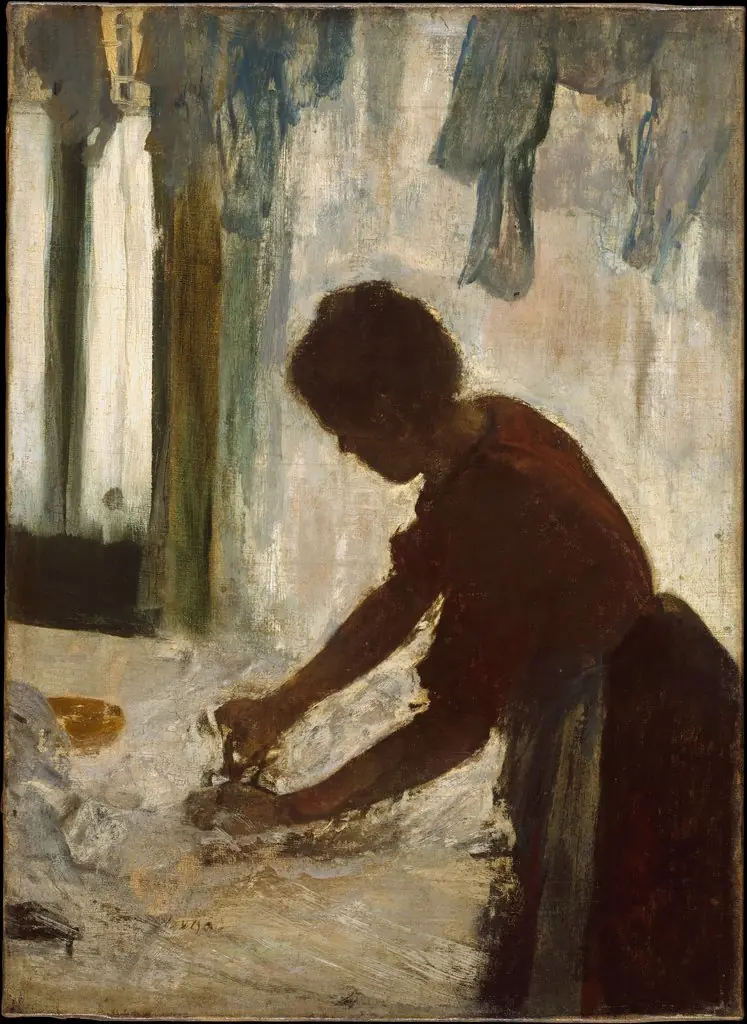 A Woman Ironing
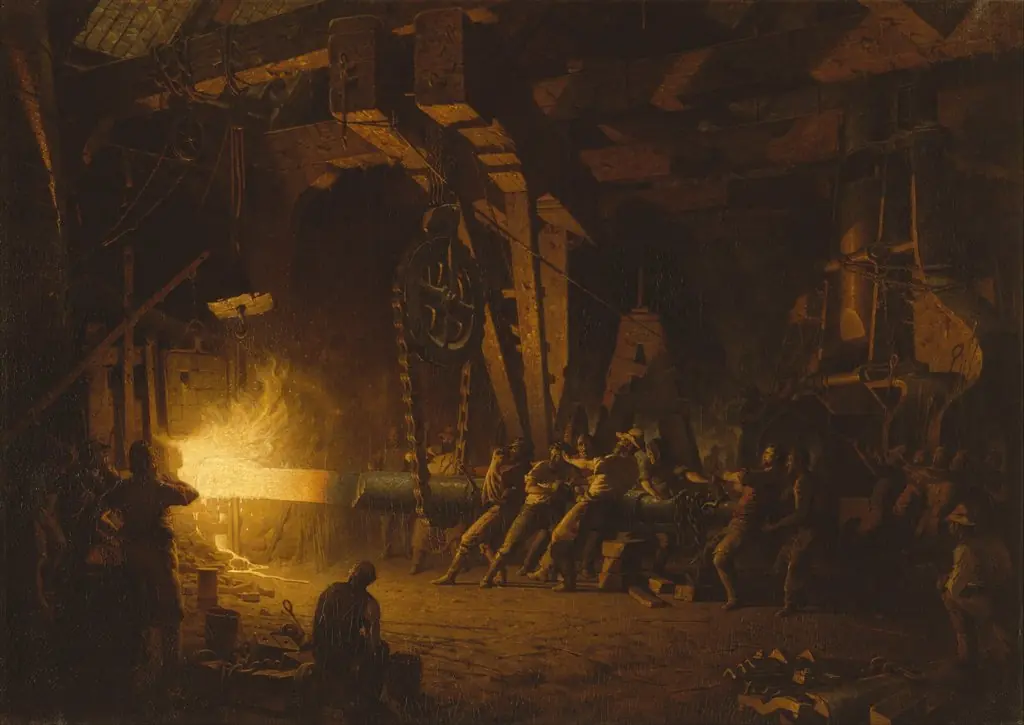 Forging the Shaft
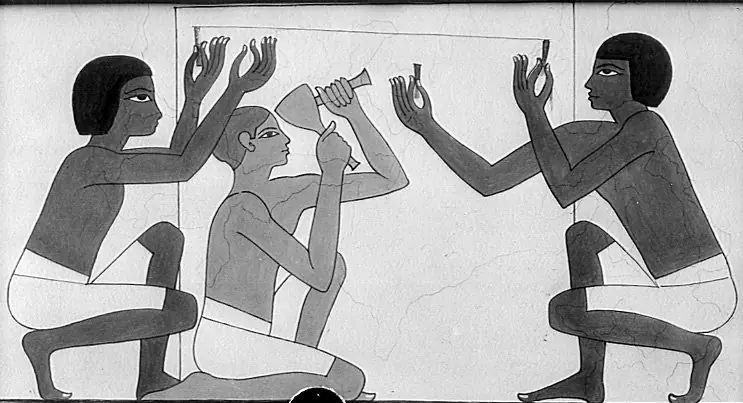 Masons Squaring a Block, Tomb of Rekhmire
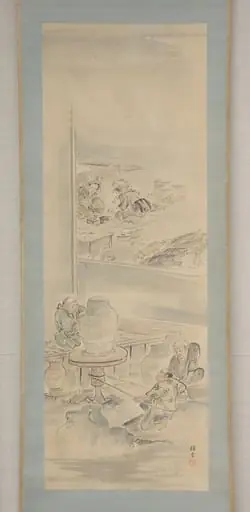 永樂保全筆 「陶造」|Making Ceramics
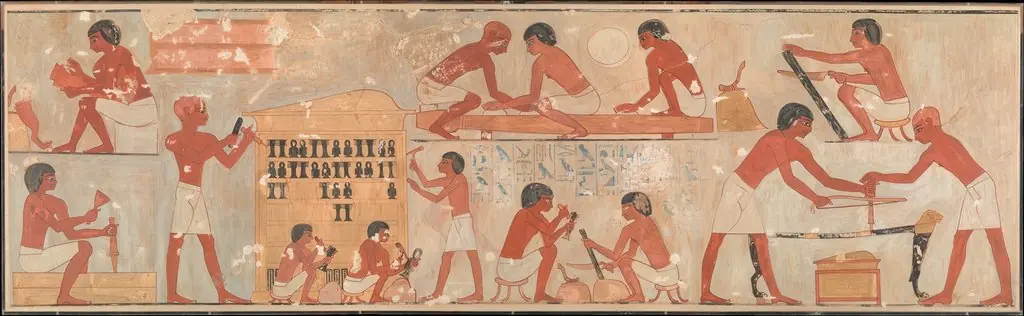 Carpenters at Work, Tomb of Rekhmire
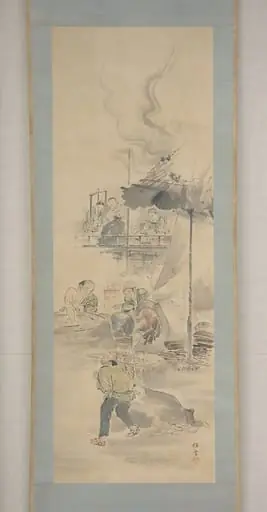 永樂保全筆 「陶造」|Making Ceramics
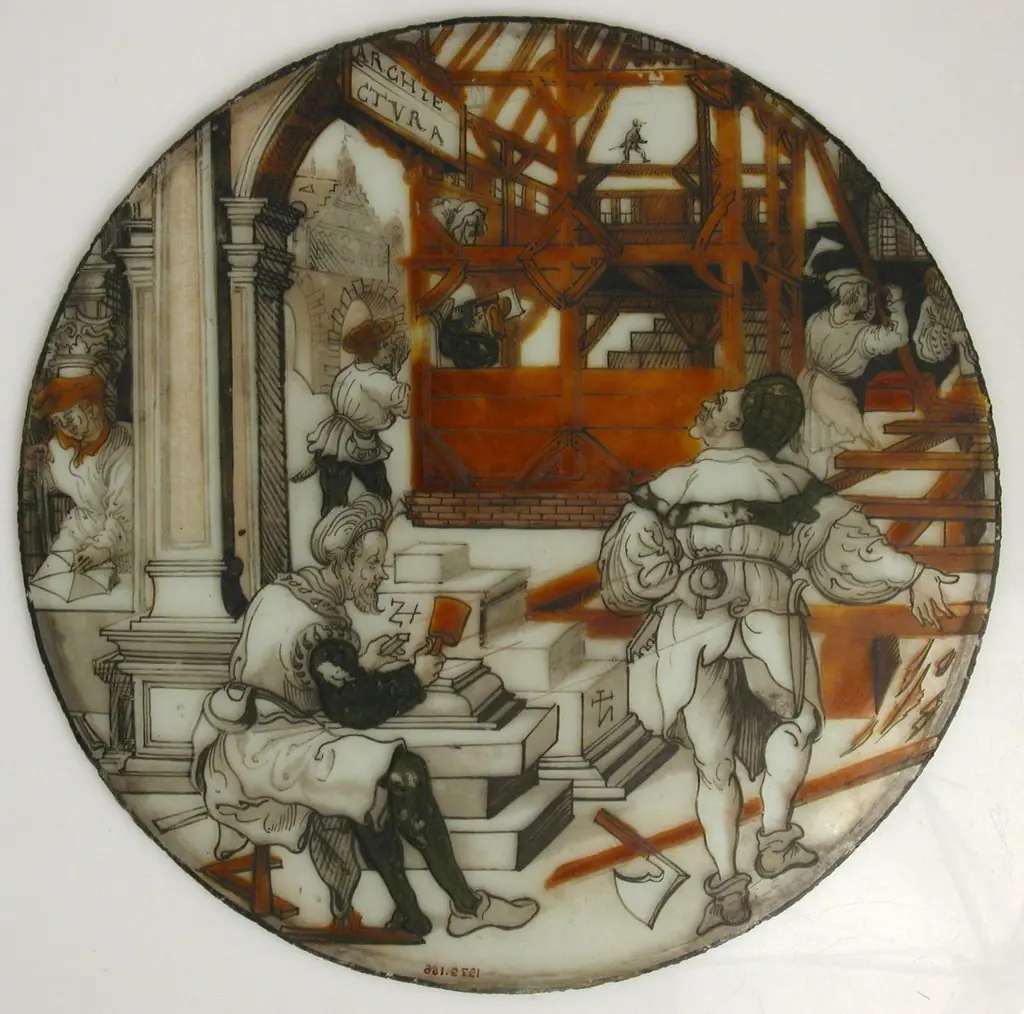 Roundel with Architecture (from a series of The Septem Artes Mechanicae)
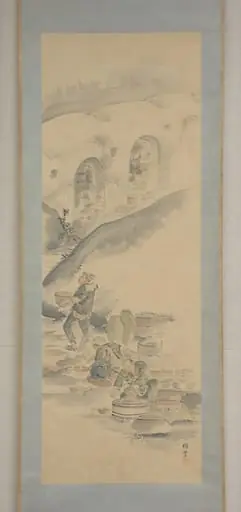 永樂保全筆 「陶造」|Making Ceramics
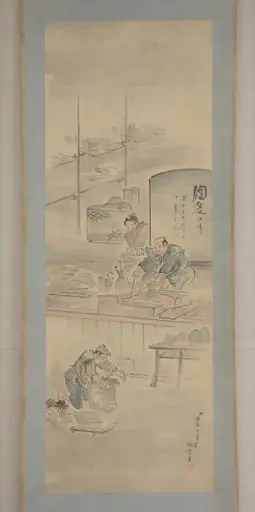 永樂保全筆 「陶造」|Making Ceramics
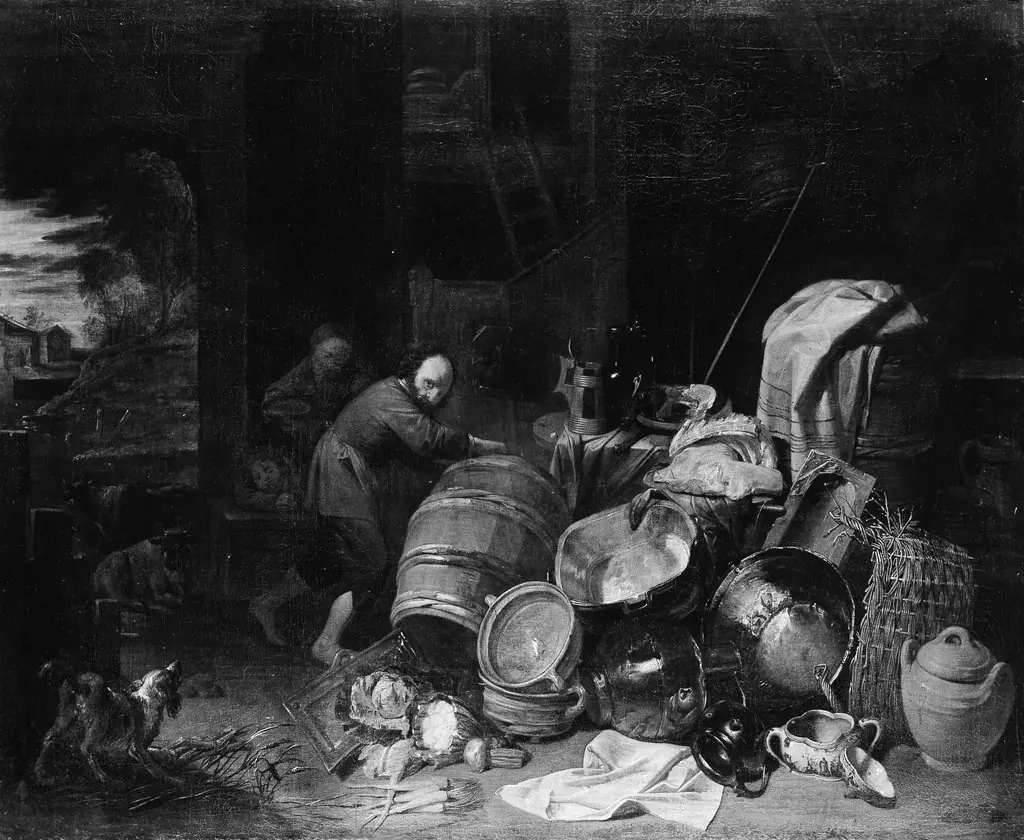 Rustic Interior
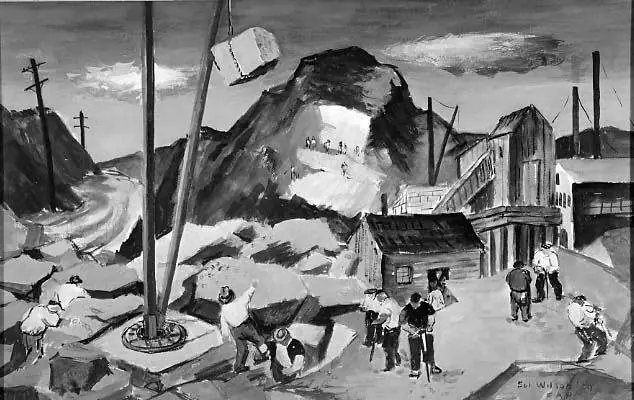 Granite
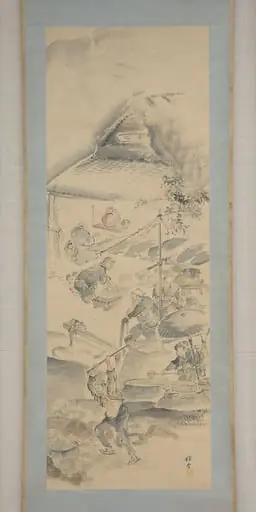 永樂保全筆 「陶造」|Making Ceramics
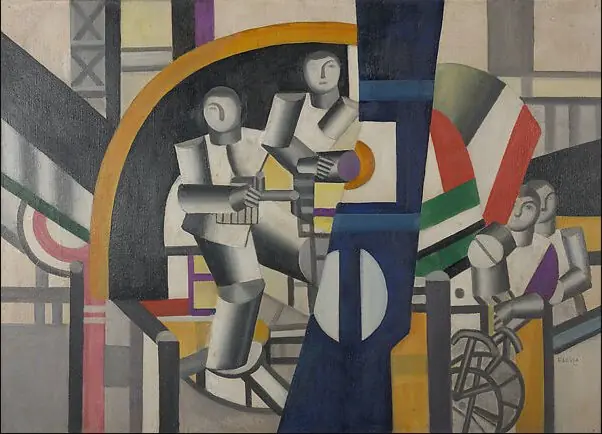 The Builders
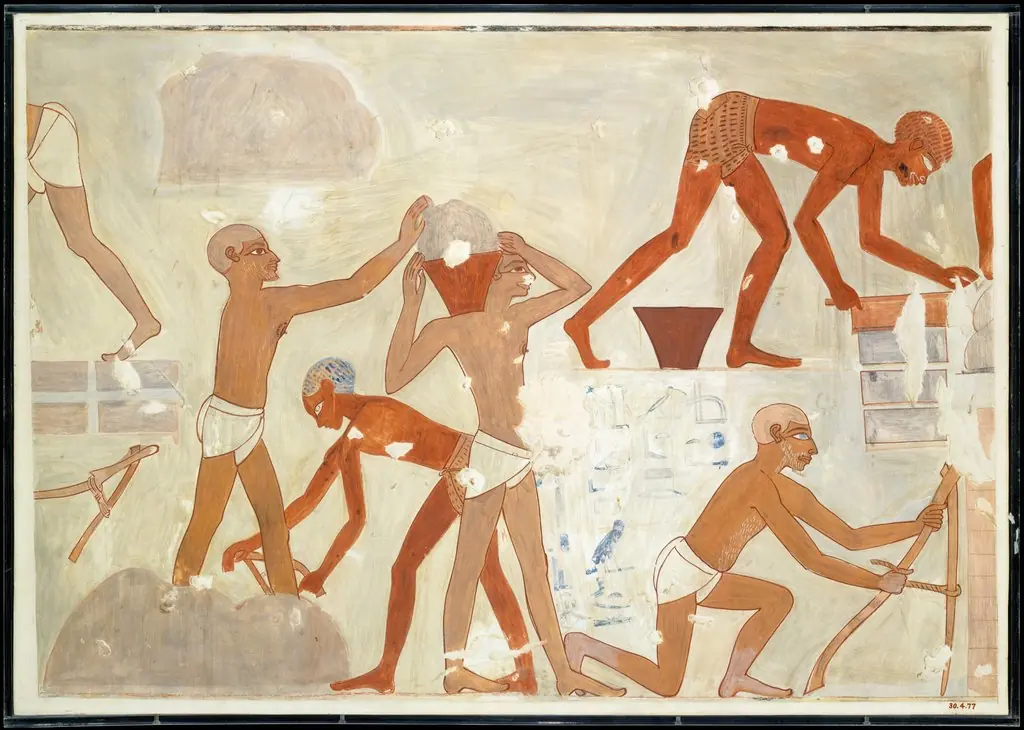 Brickmakers, Tomb of Rekhmire
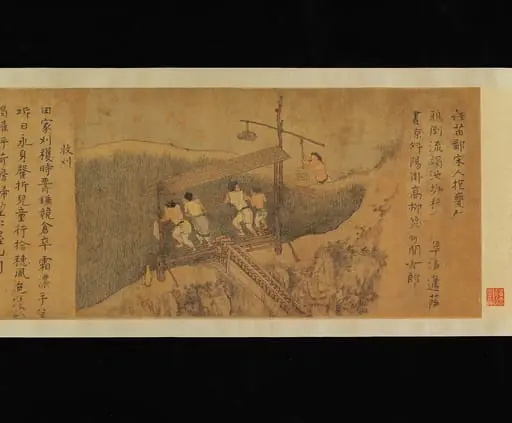 元 忽哥赤 和 佚名 耕稼圖 卷 |Rice Culture, or Sowing and Reaping
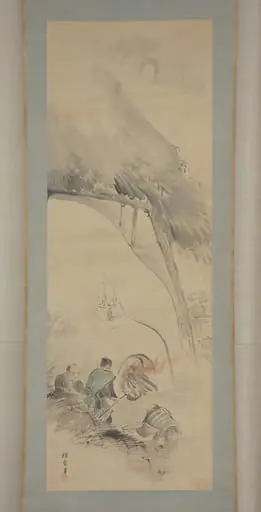 永樂保全筆 「陶造」|Making Ceramics
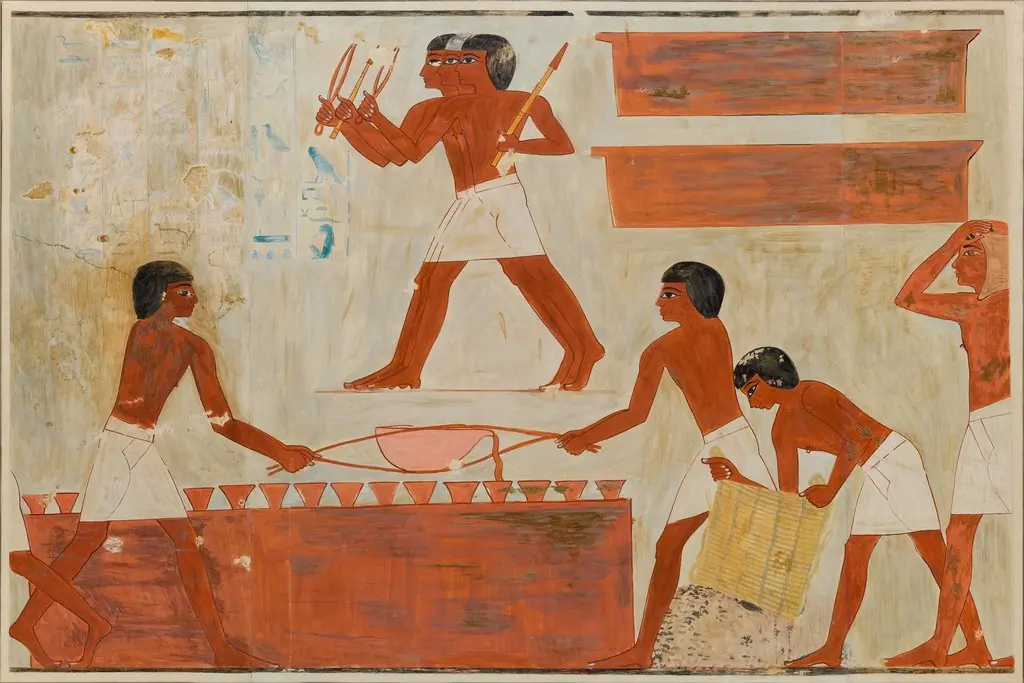 Casting Metal, Tomb of Rekhmire
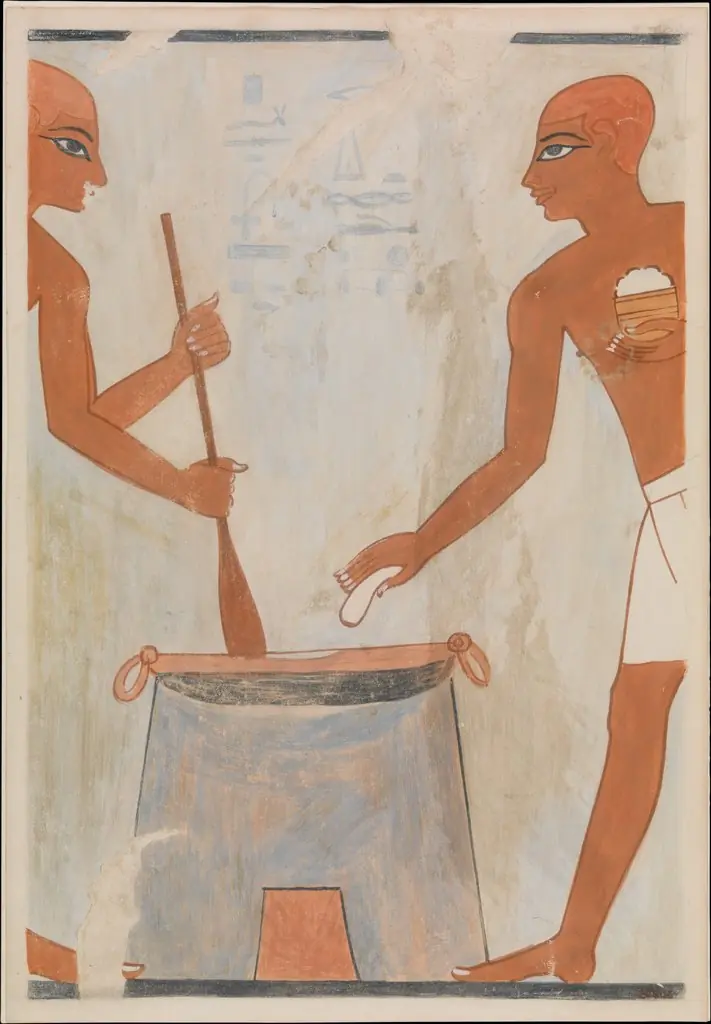 Cooking Cakes with Fat, Tomb of Rekhmire
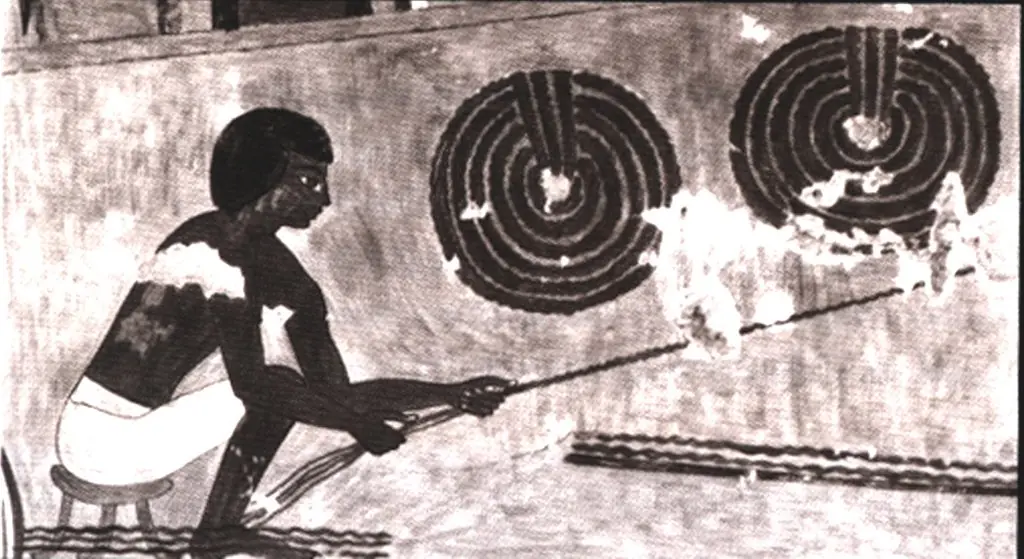 Man Making Leather Rope, Tomb of Rekhmire
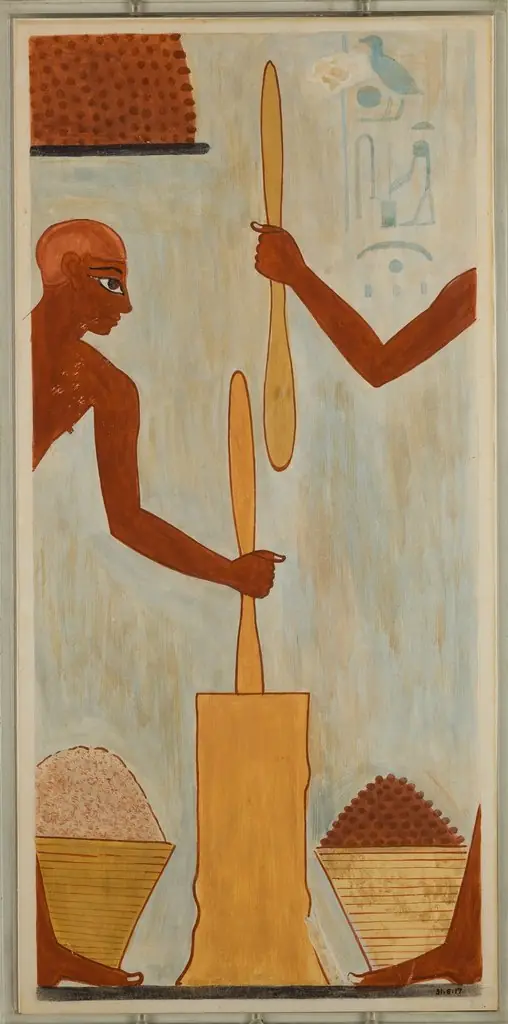 Pounding Meal, Tomb of Rekhmire
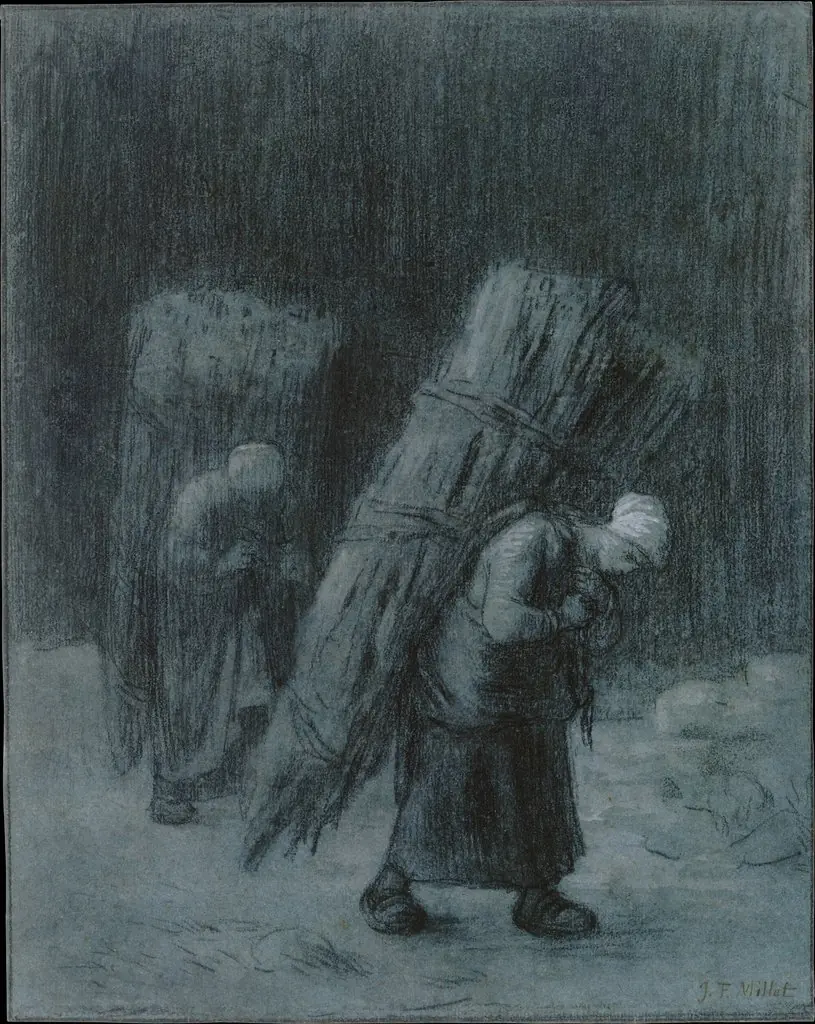 Women Carrying Faggots
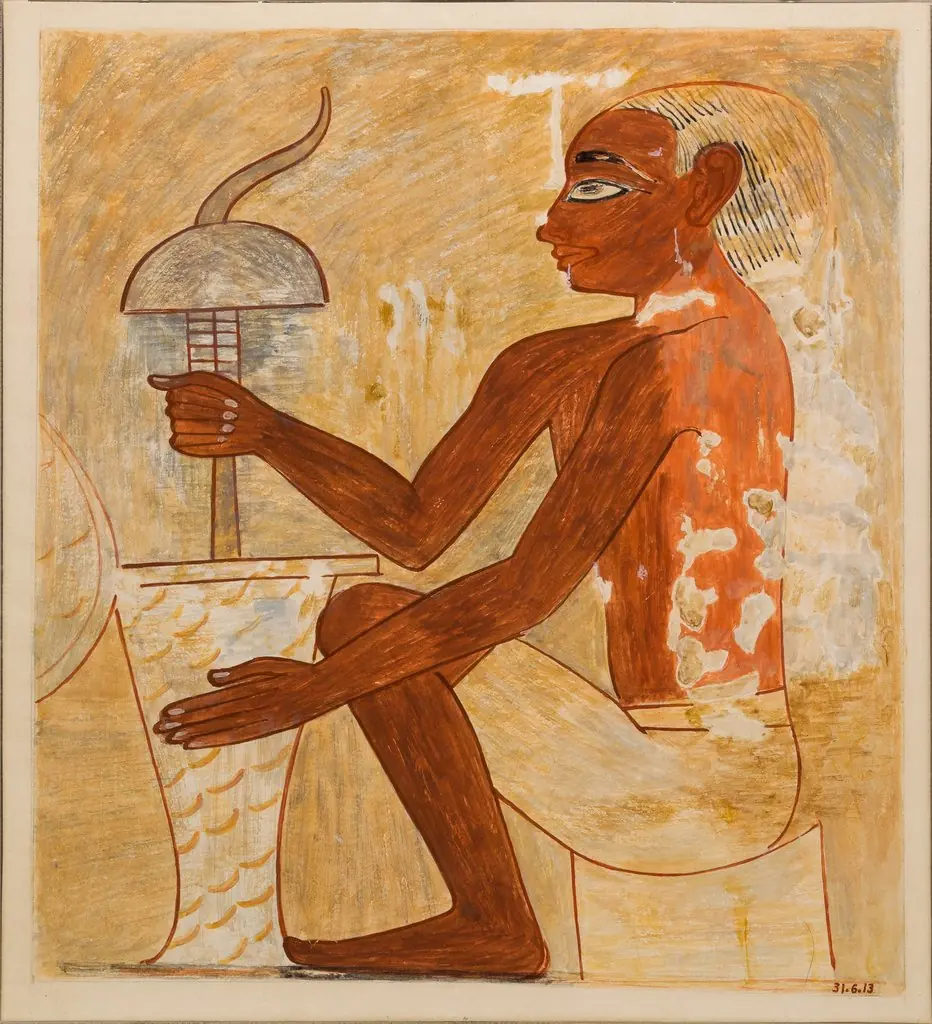 Drilling a Stone Vase, Tomb of Rekhmire
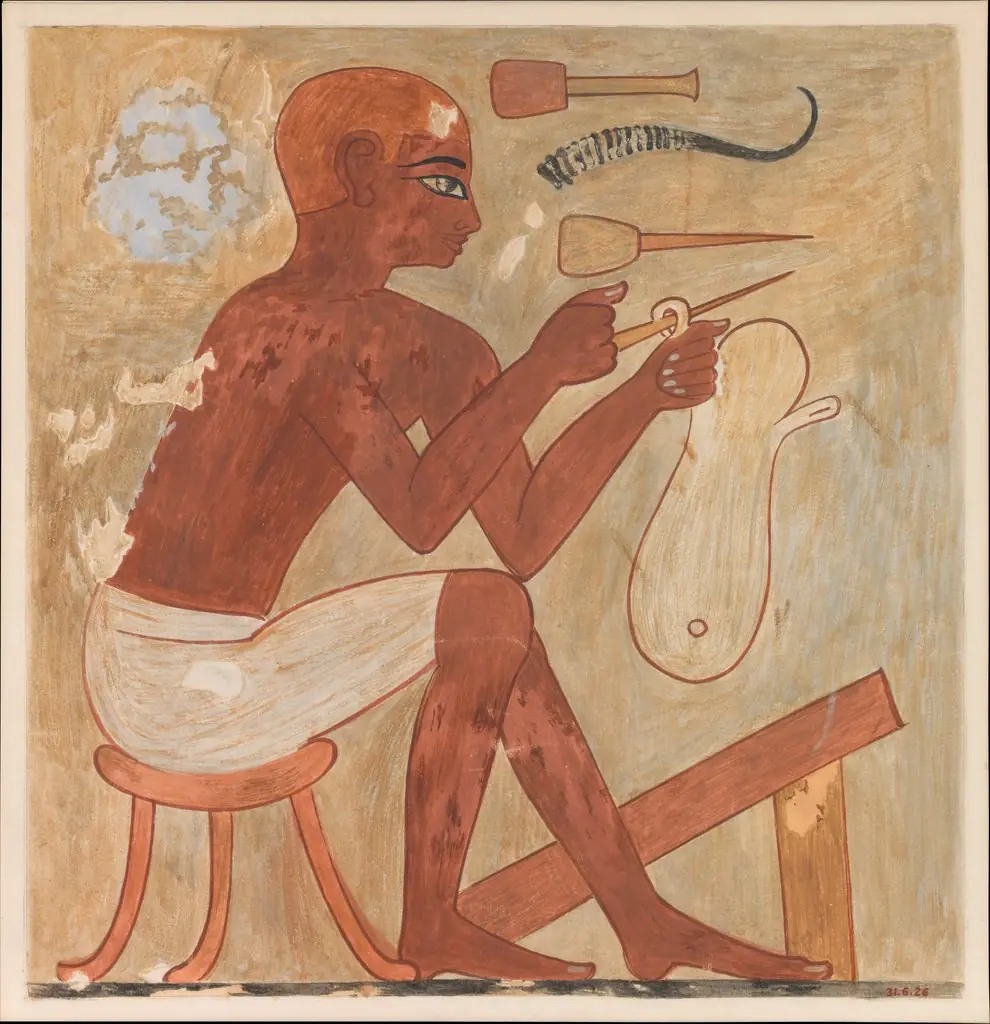 Sandal Maker, Tomb of Rekhmire
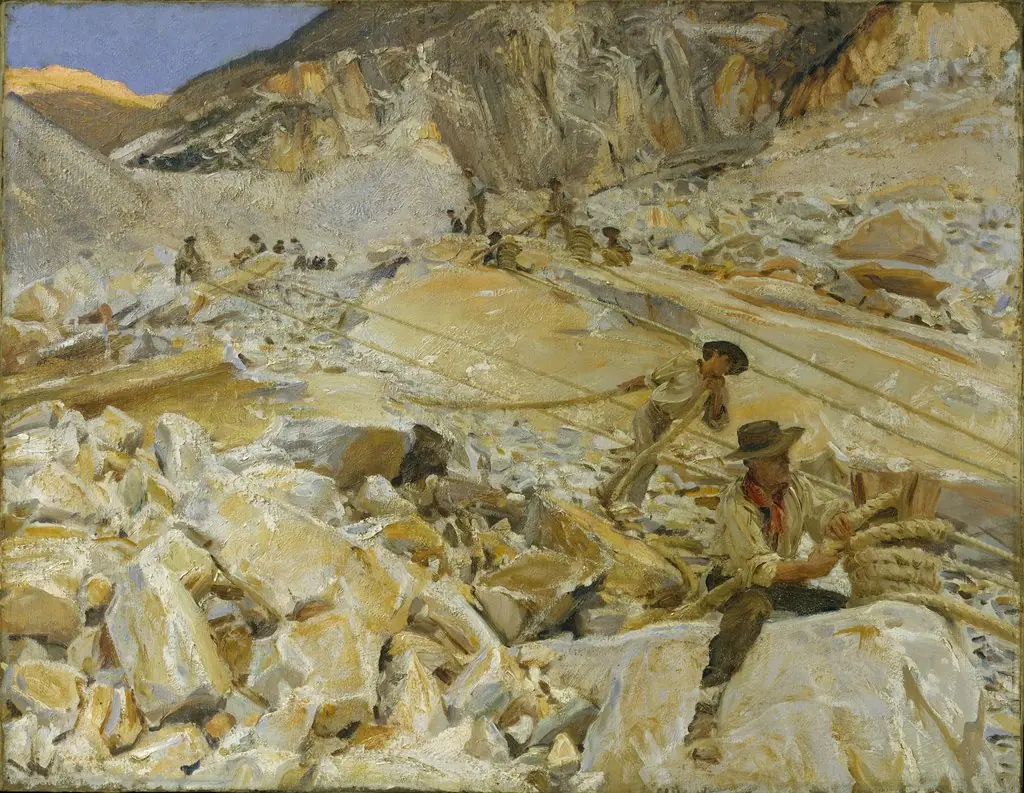 Bringing Down Marble from the Quarries to Carrara
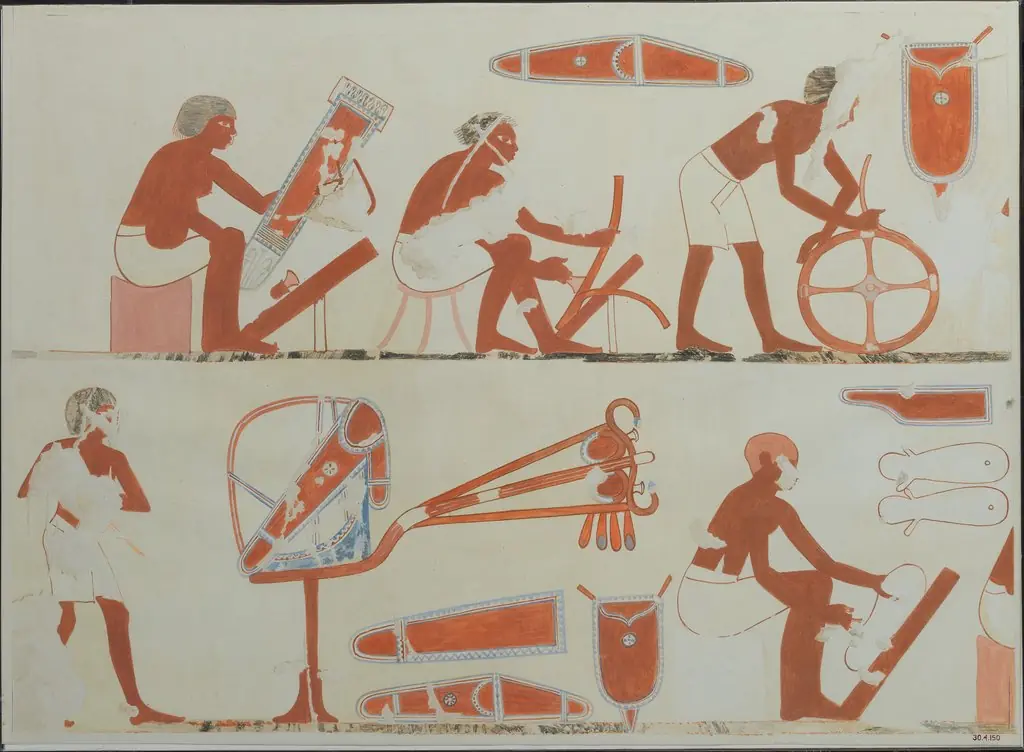 Wood and Leather Craftsmen, Tomb of Hapu
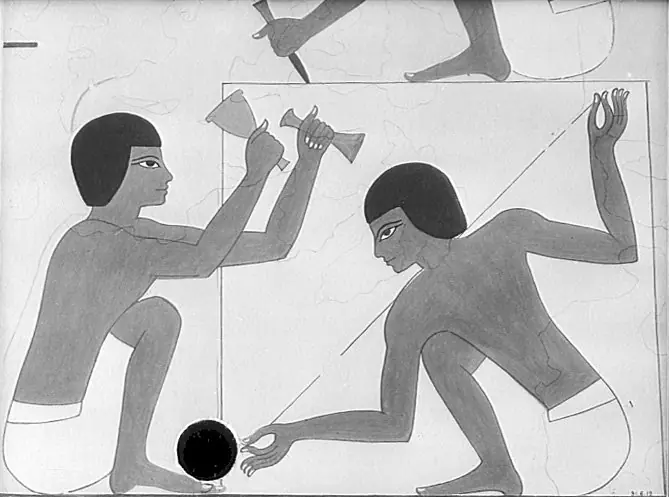 Masons Squaring a Block, Tomb of Rekhmire
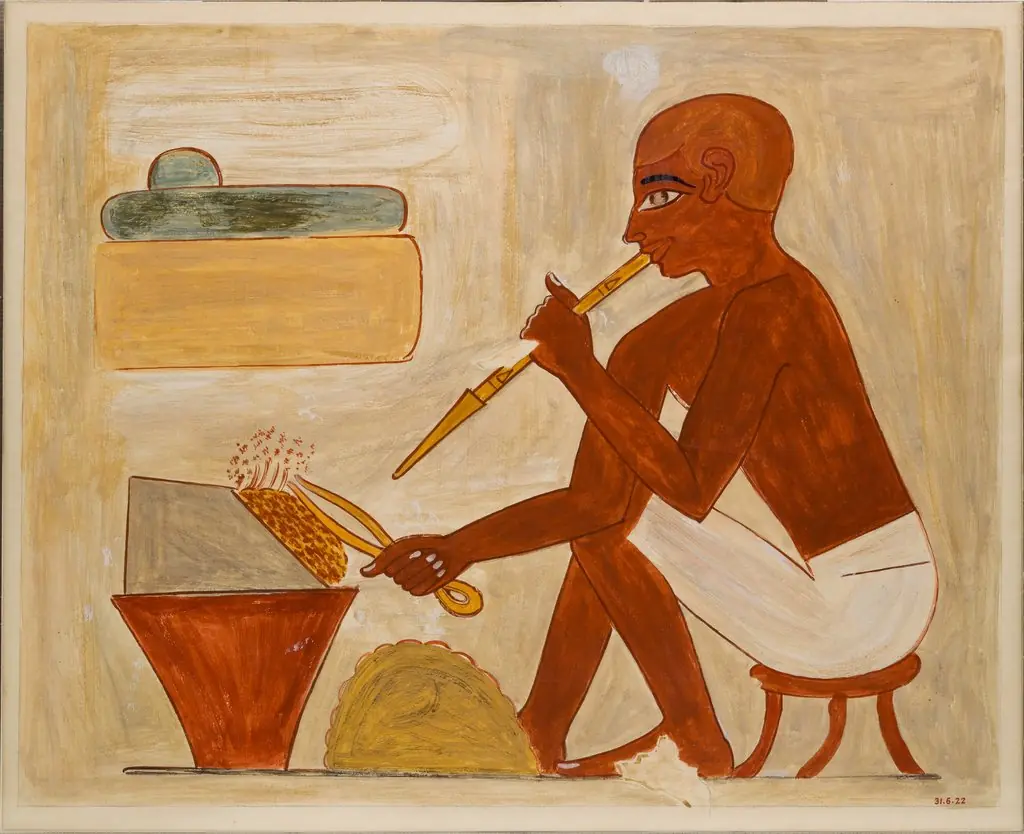 Metal Working, Tomb of Rekhmire
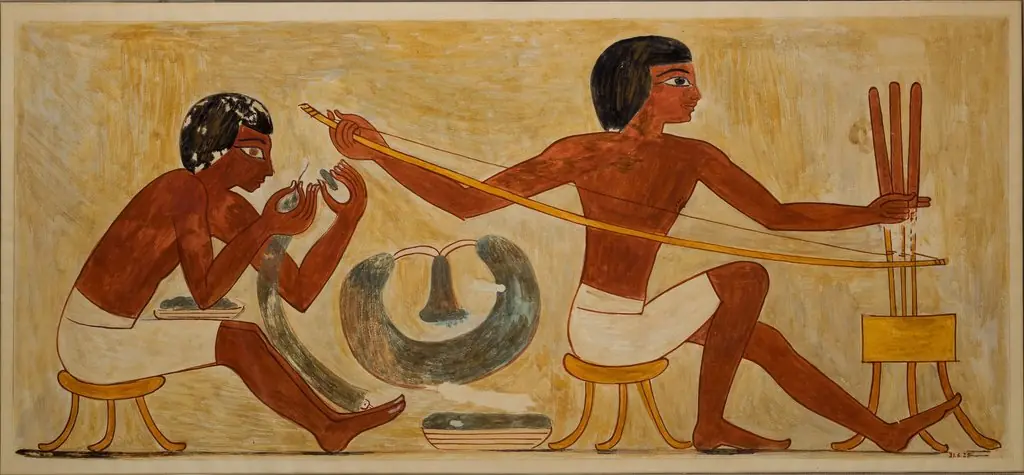 Stringing and Drilling Beads, Tomb of Rekhmire
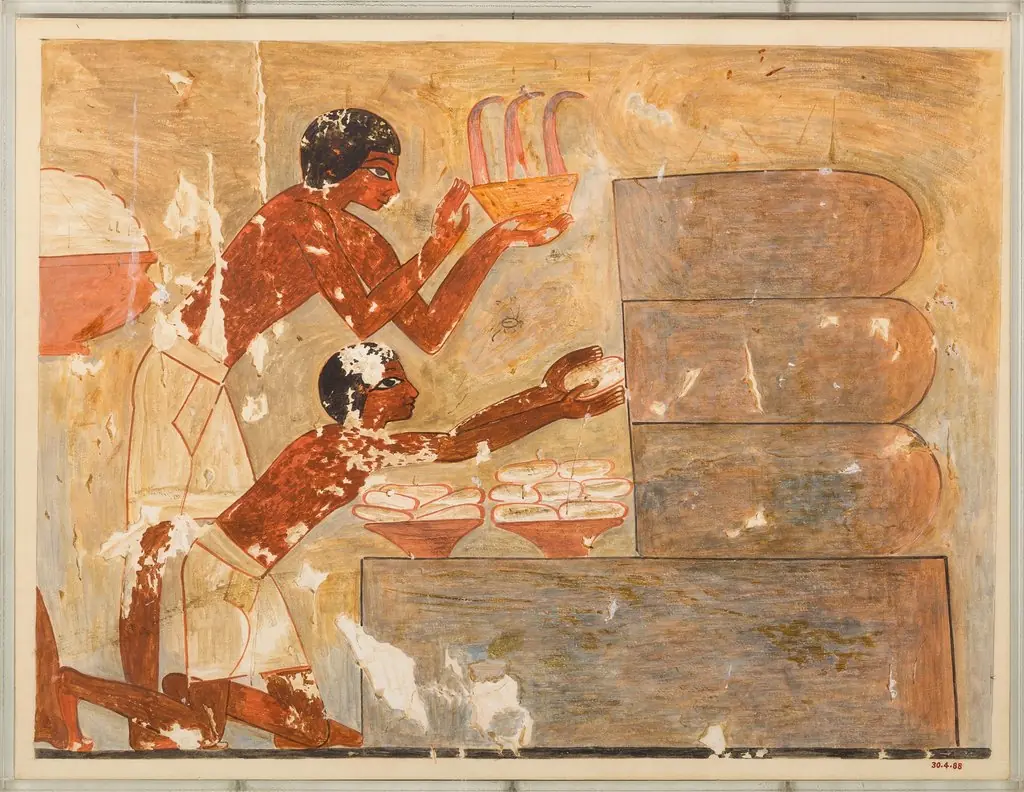 Gathering Honey, Tomb of Rekhmire
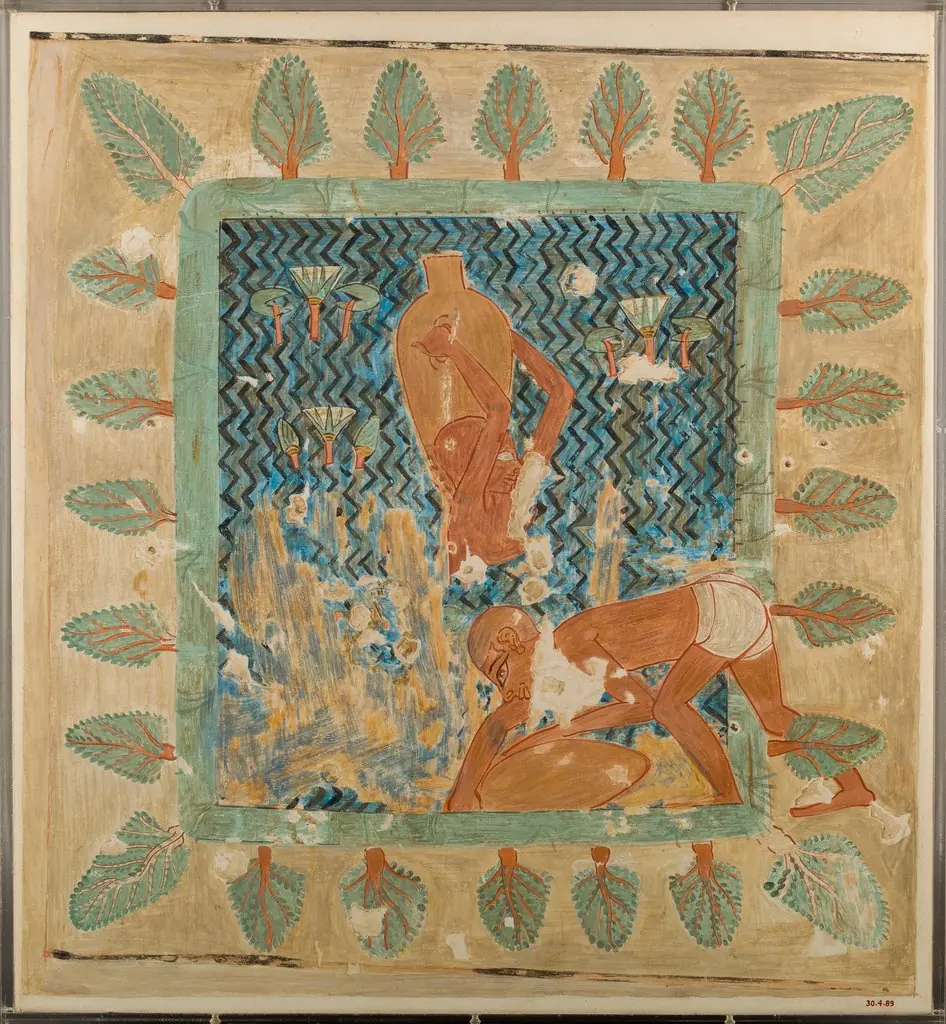 Brickmakers Getting Water from a Pool, Tomb of Rekhmire
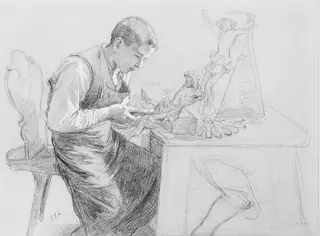 Study of a Boy Carving a Crucifix
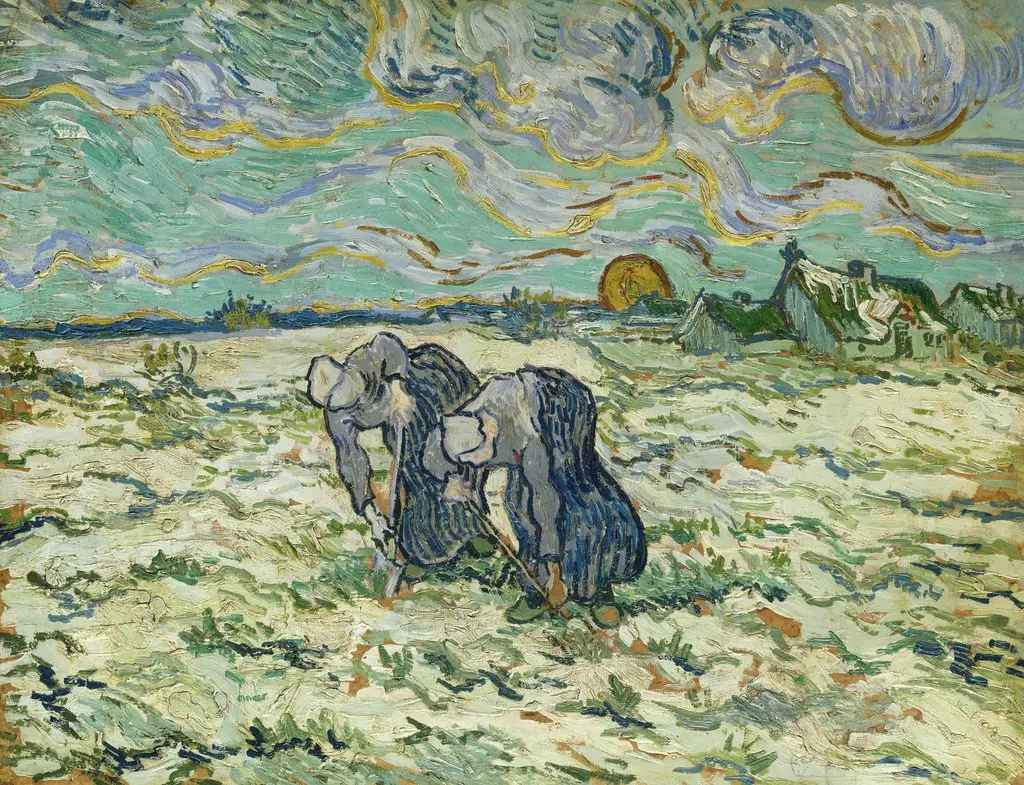 Two Peasant Women Digging in Field with Snow
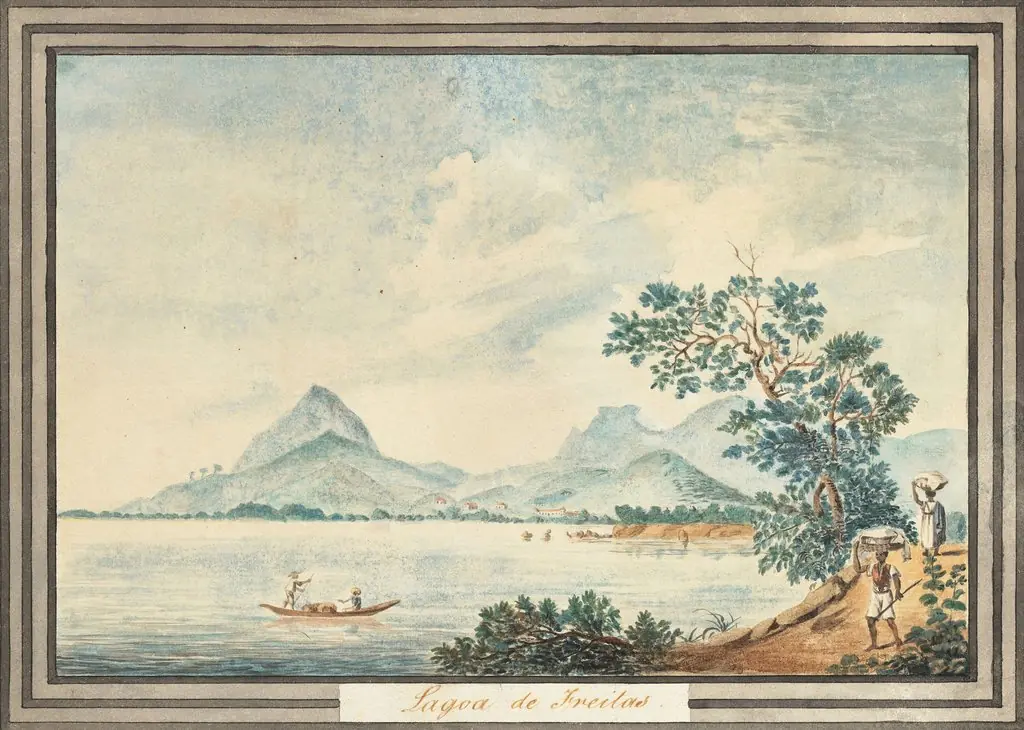 Lagoa de Freitas
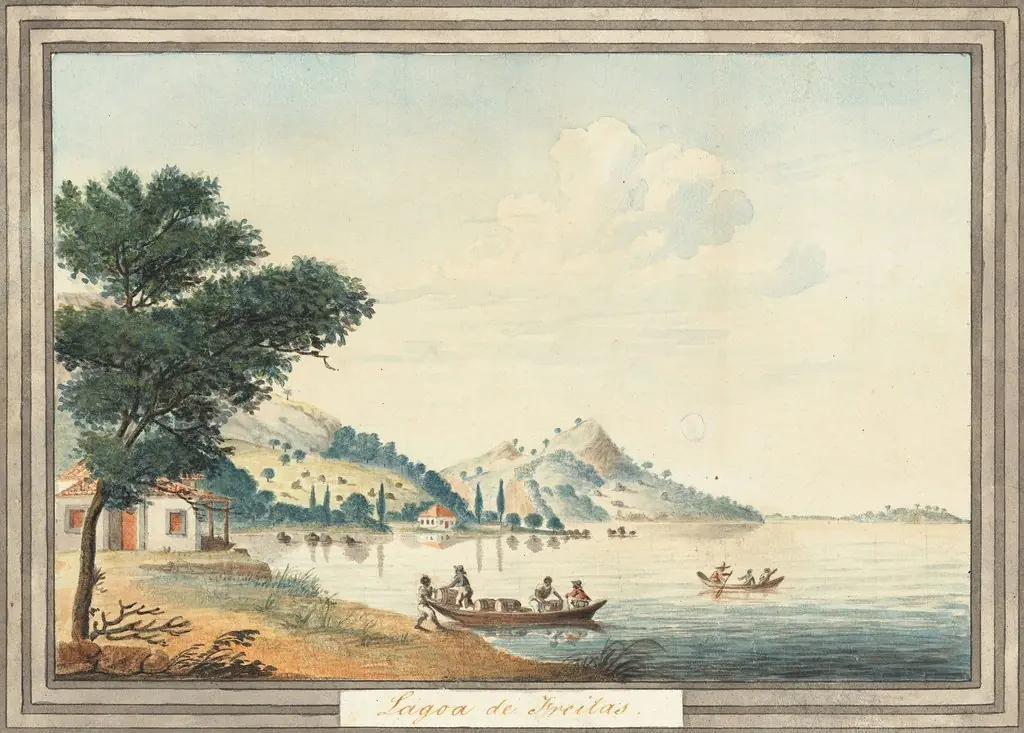 Lagoa de Freitas
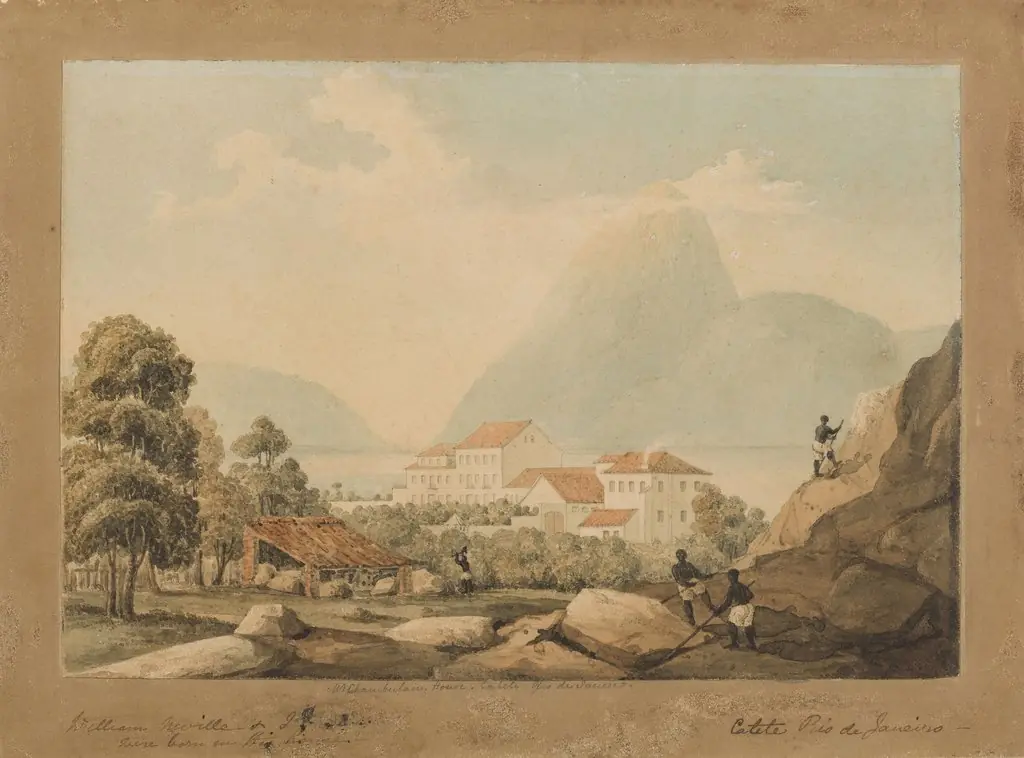 M. Chamberlains House. Catete. Rio de Janeiro
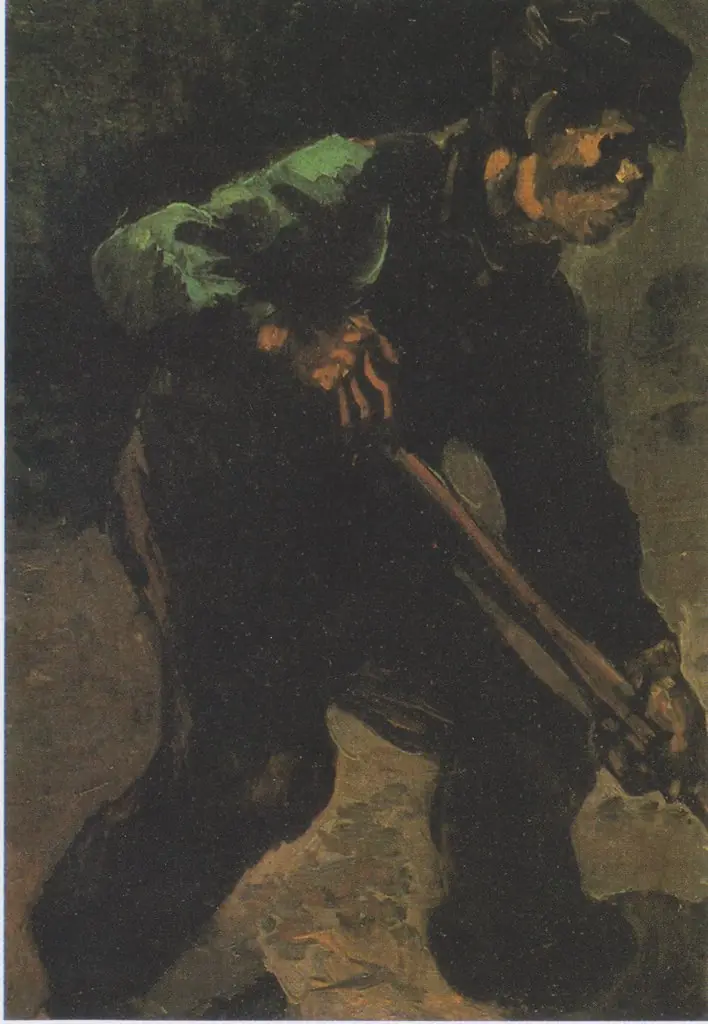 Digger
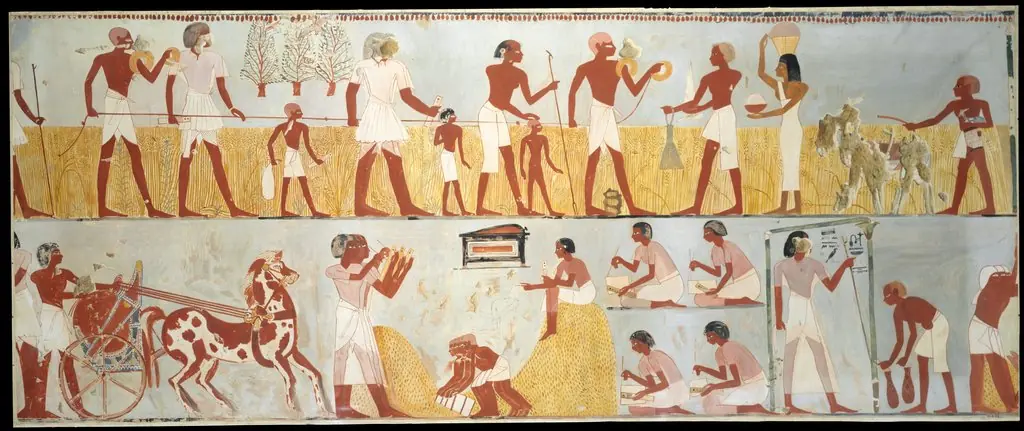 Harvest Scenes, Tomb of Menna
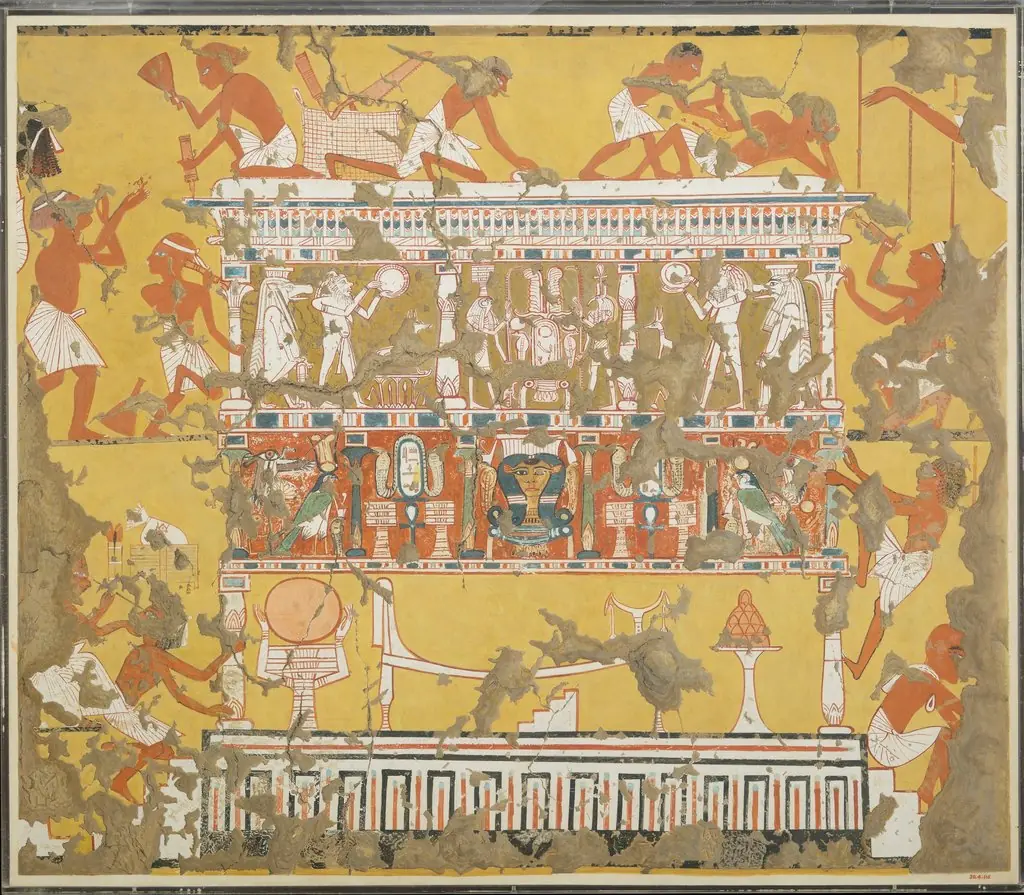 Building a Catafalque, Tomb of Ipuy
Frequently asked questions
What is Work?
Work is a subject in art. A science project is an educational activity for students involving experiments or construction of models in one of the science disciplines.
How many Work works does Artifact World Gallery have?
Artifact World Gallery holds 77 public-domain Work works, all free to view and download.
Who are the key Work artists?
Key Work artists in the collection include Jean Baptiste Camille Corot, Edgar Degas and William Sidney Mount.
Where can I see Work works?
Work works in the collection are held by Metropolitan Museum of Art, Pinacoteca de São Paulo and Foundation E.G. Bührle Collection.