Subject
Sandal
Sandal is a subject in art. The gallery holds 33 works in this subject in art, including works by Titian, Paolo Veronese and Raphael.
Sandal is a neighbourhood in the municipality and district of Tarsus, Mersin Province, Turkey. Its population is 183 (2022).
Key artists


Overview
The sandal is a form of footwear consisting of a sole secured to the foot with straps, serving as both a practical covering and a recurring motif in art. In visual art, the sandal appears across diverse cultural contexts, from classical mythology to biblical narratives, often denoting travel, vulnerability, or divine interaction. As a physical artifact, the sandal possesses a deep archaeological history, with surviving examples demonstrating sophisticated construction techniques that date back over 10,000 years, establishing it as the oldest directly dated footwear in the world.
Across movements & periods
The treatment of the sandal shifts dramatically across periods and cultures, moving from functional artifact to artistic motif. In ancient North America, the Fort Rock style represents the earliest phase, constructed from shredded sagebrush bark using a twining technique from roughly 10,200 to 9,300 years ago. After this period, construction methods shifted to multiple warp and spiral weft styles, which persisted for millennia and were still produced by Klamath and Modoc Tribal members in historical times. In ancient Egypt, sandals from the 11th Dynasty reflected different technological and cultural priorities, utilizing wooden soles and white leather straps for funerary purposes. In later European painting, the physical construction of the sandal became secondary to its narrative and symbolic role in classical and biblical compositions.
Notable depictions
Among the most notable depictions of the sandal as a physical object are the ancient Fort Rock sandals, first recovered in 1938 by anthropologist Luther Cressman from Fort Rock Cave in Oregon beneath a layer of volcanic ash from Mount Mazama. Radiocarbon dating later confirmed fibers from this style to be more than 9,000 years old, with subsequent AMS 14C dating placing them between 10,400 and 9,100 years old. Another canonical depiction is the Sandals of Mesehti, recovered from the tomb of the provincial governor of Asyut during Egypt's 11th Dynasty. Featuring wooden soles and white leather straps supported by vertical poles, they illustrate Egyptian funerary practices. The largest collection of Fort Rock sandals is housed at the University of Oregon Museum of Natural and Cultural History, with additional examples at the Nevada State Museum and the Oregon Historical Society.
Legacy
The legacy of the sandal extends from its ancient origins to ongoing archaeological research and cultural continuity. The dry cave sites of Oregon's Northern Great Basin have preserved thousands of perishable artifacts, allowing modern scholars to trace technological shifts over a 14,000-year span. The persistence of later multiple warp and spiral weft styles for thousands of years mirrors the longevity of other regional basketry types, with ethnographers documenting Klamath and Paiute Indians continuing to make shoes from tule reeds and sagebrush bark, sometimes stuffed with dry grass for insulation. The Fort Rock sandals, frequently heavily worn or caked with mud, suggest they were discarded after use rather than stored, yet their survival has provided some of the earliest evidence for human occupation in North America and continues to inform studies of prehistoric textile innovation.
Works
 Venus and Adonis
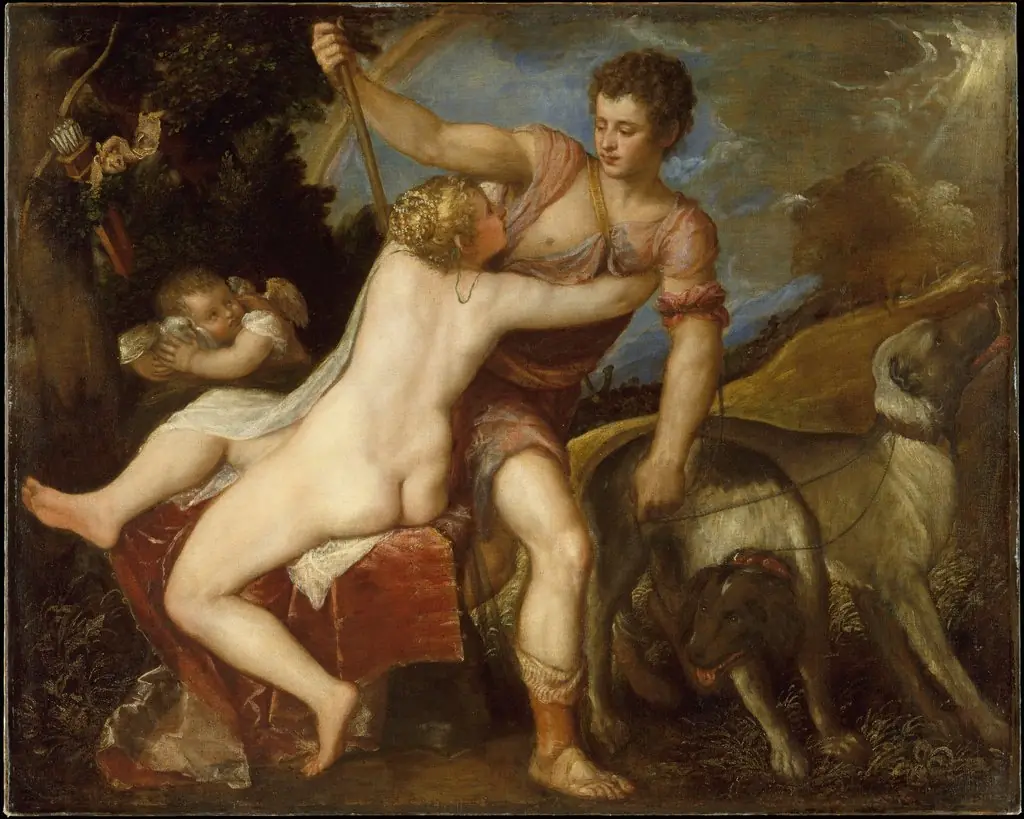 Venus and Adonis
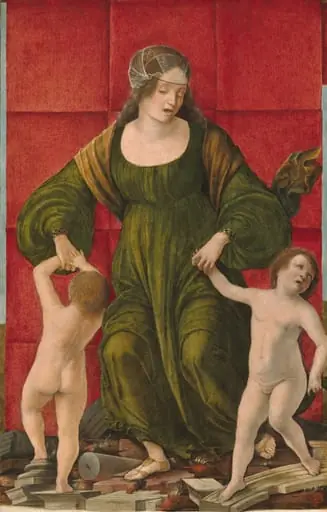 The Wife of Hasdrubal and Her Children
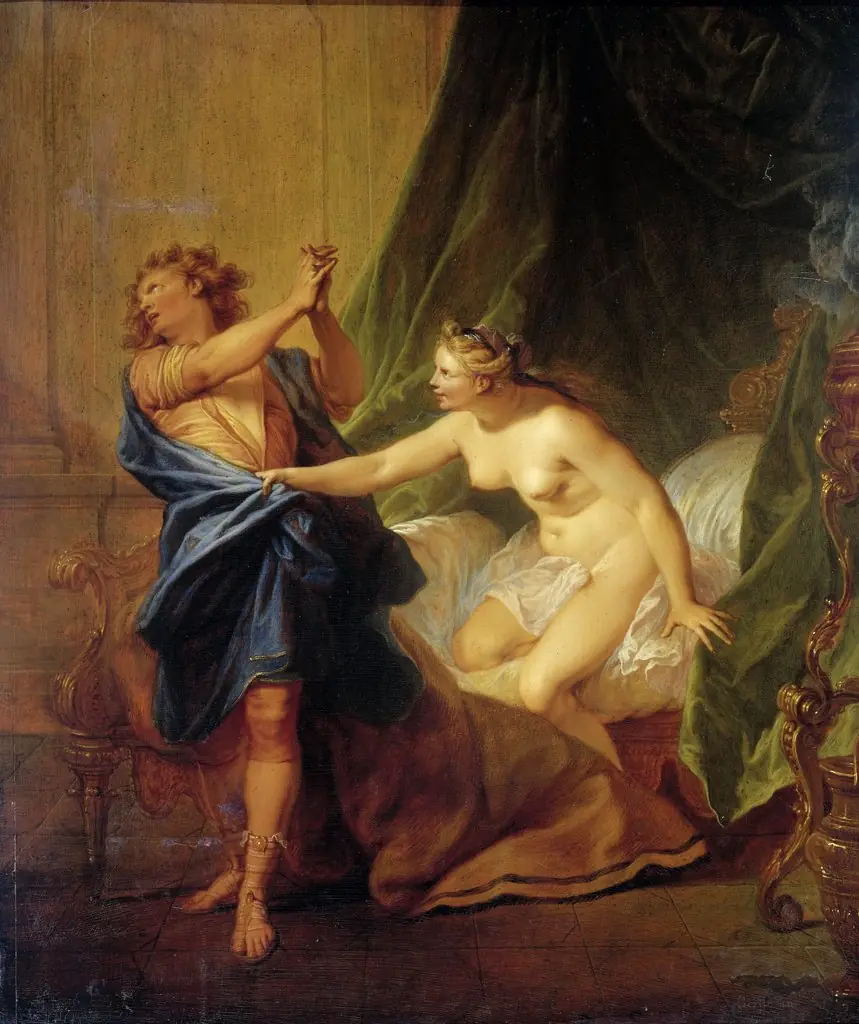 Joseph and Potiphar's Wife
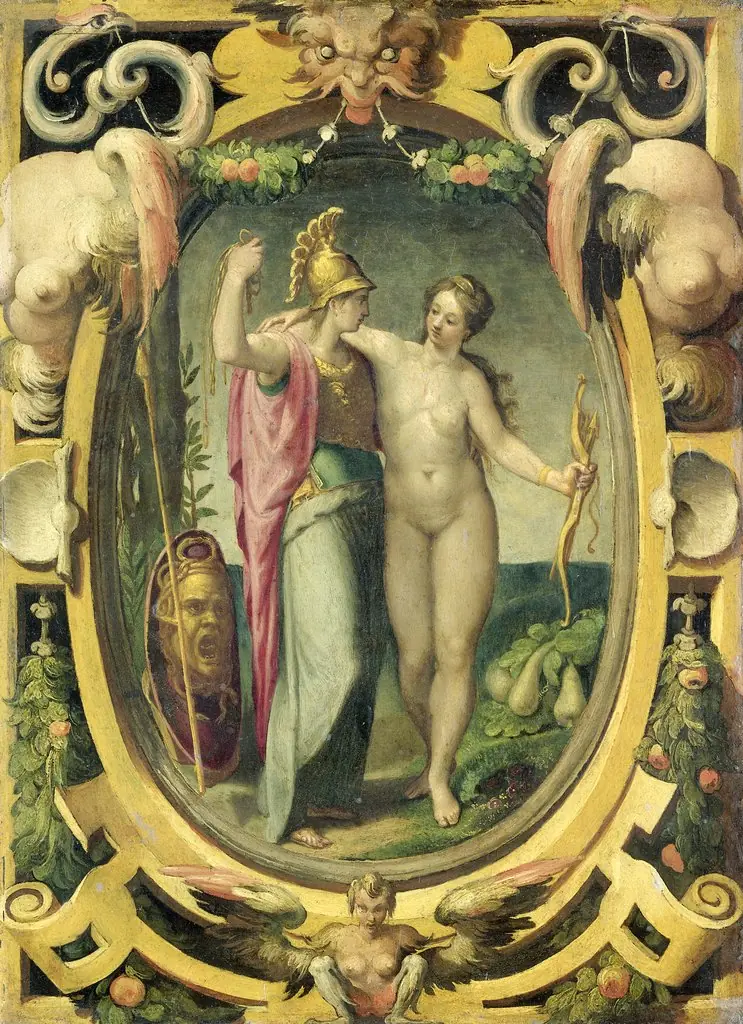 Venus and Minerva
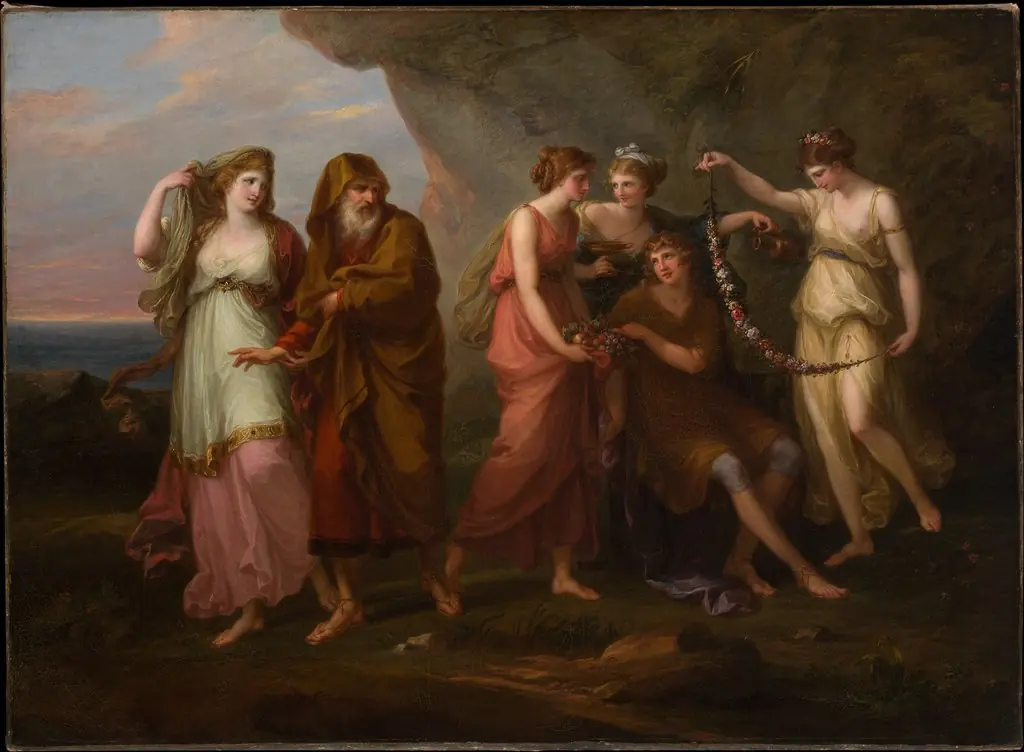 Telemachus and the Nymphs of Calypso
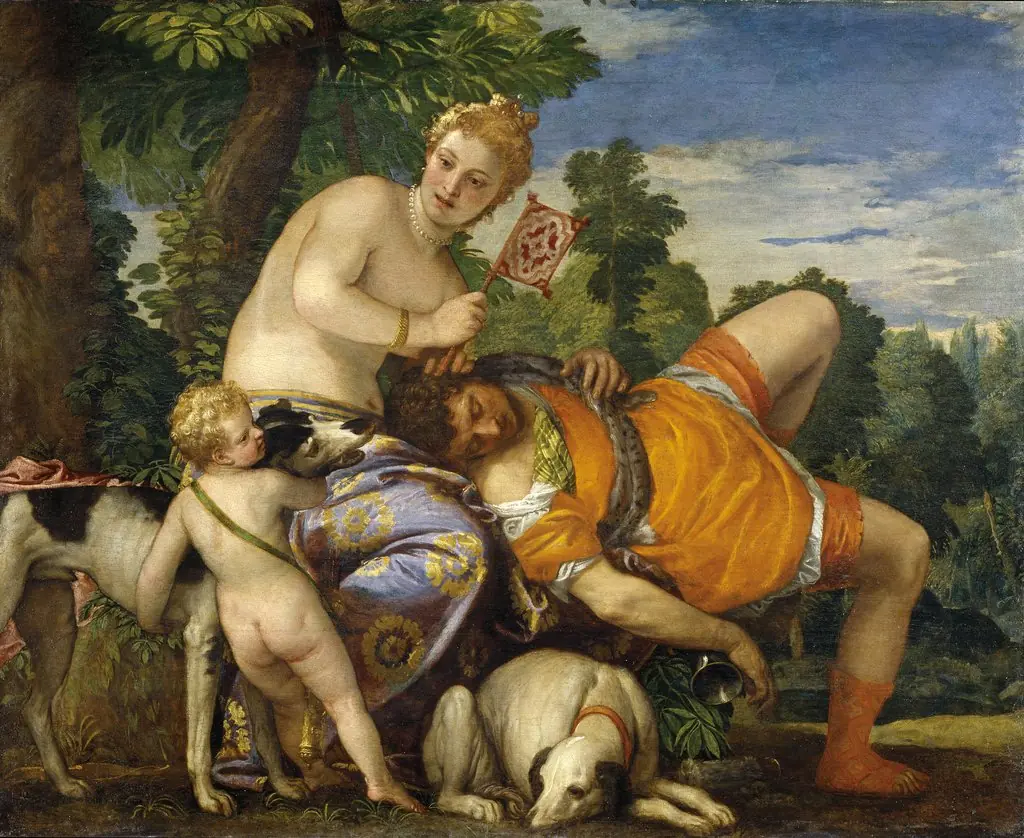 Venus and Adonis
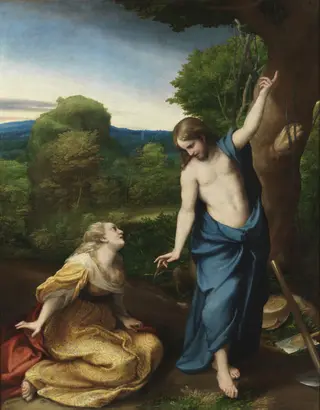 Noli me tangere
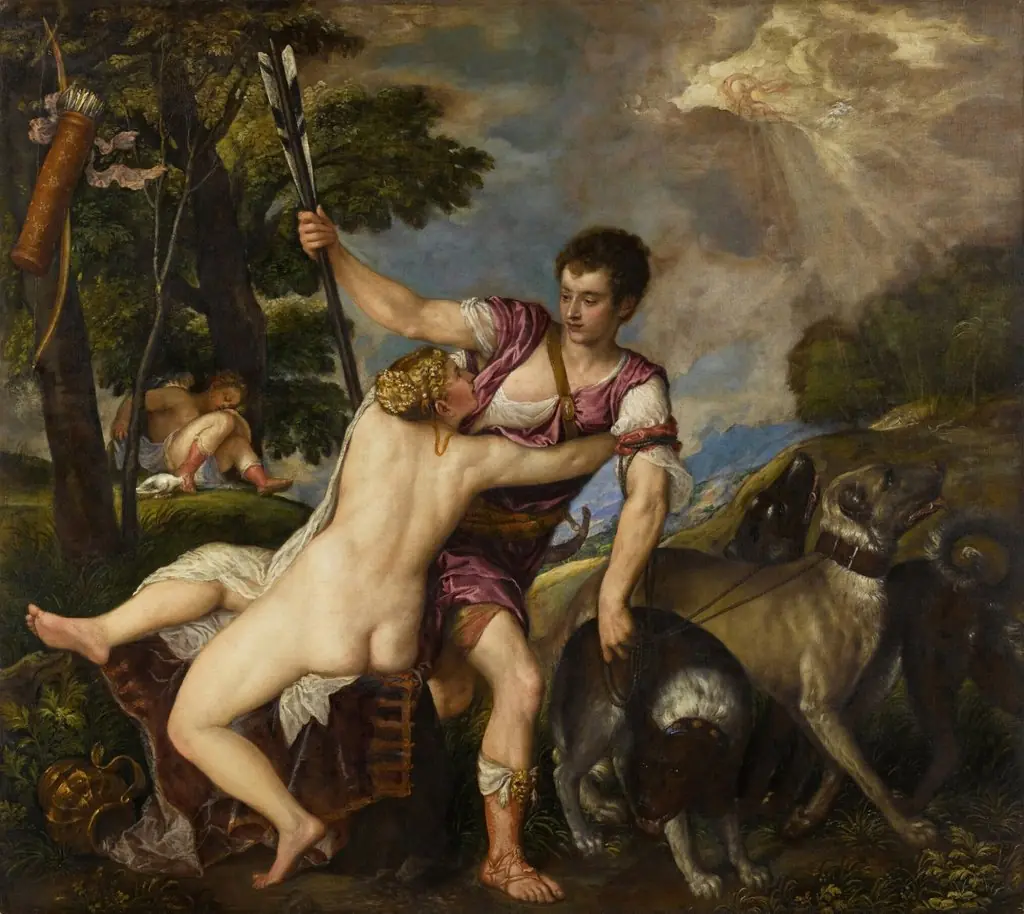 Venus and Adonis
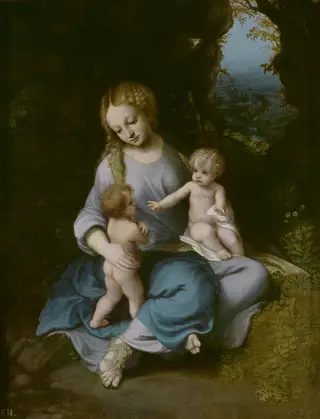 Madonna and Child with the Young Saint John
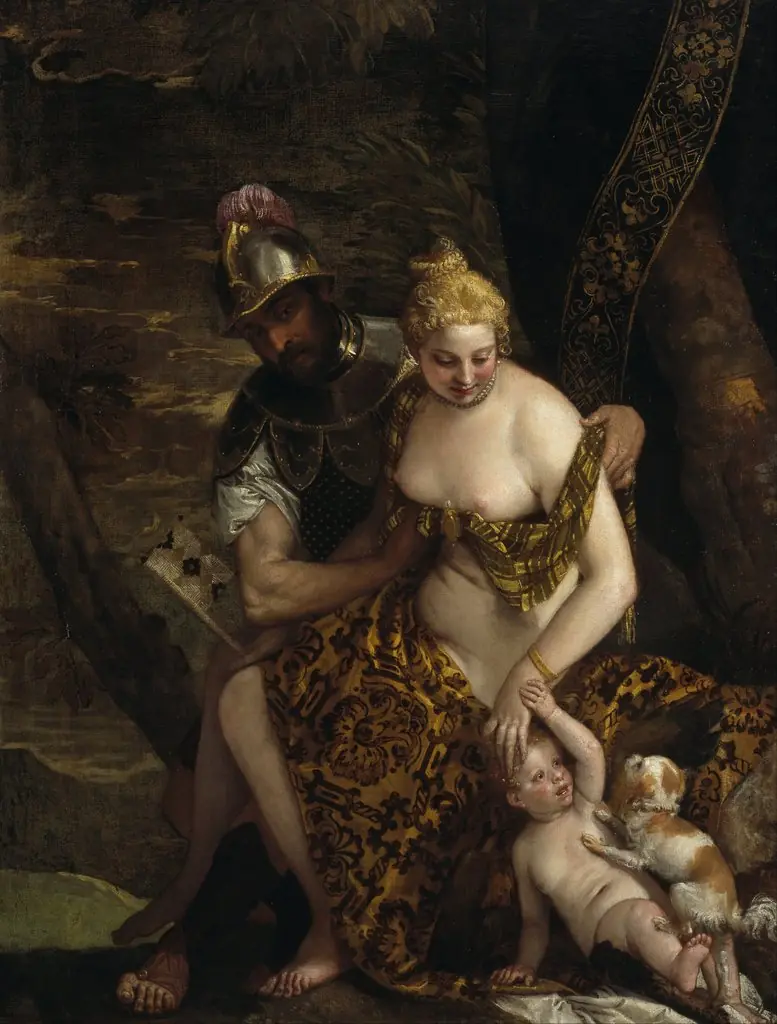 Mars and Venus with Cupid and a Dog
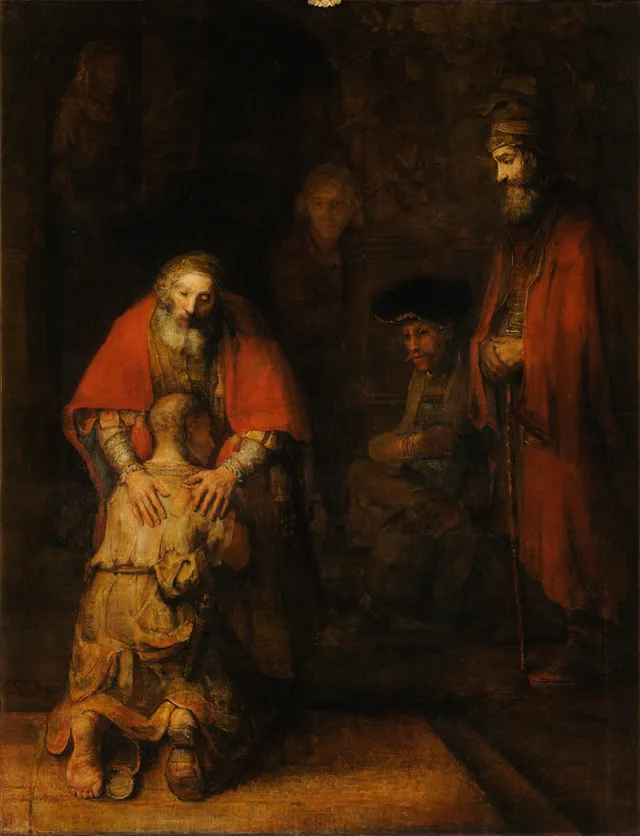
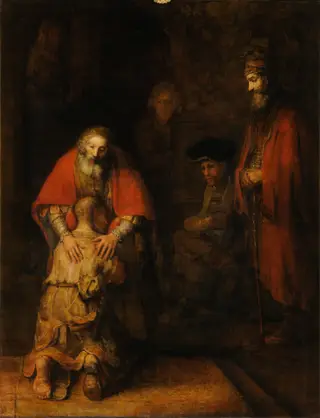 The Return of the Prodigal Son
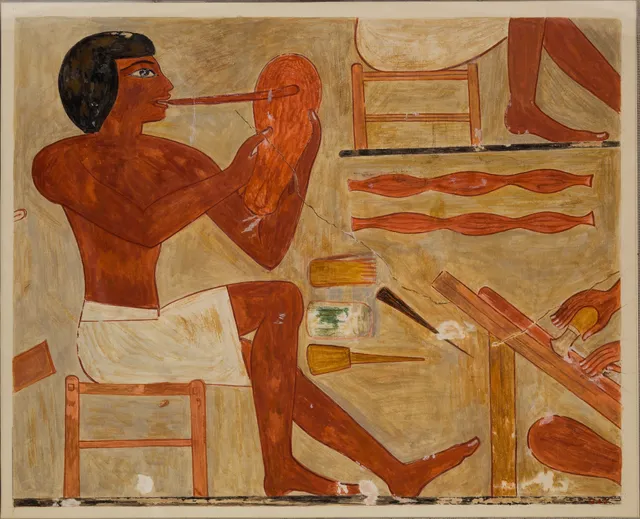
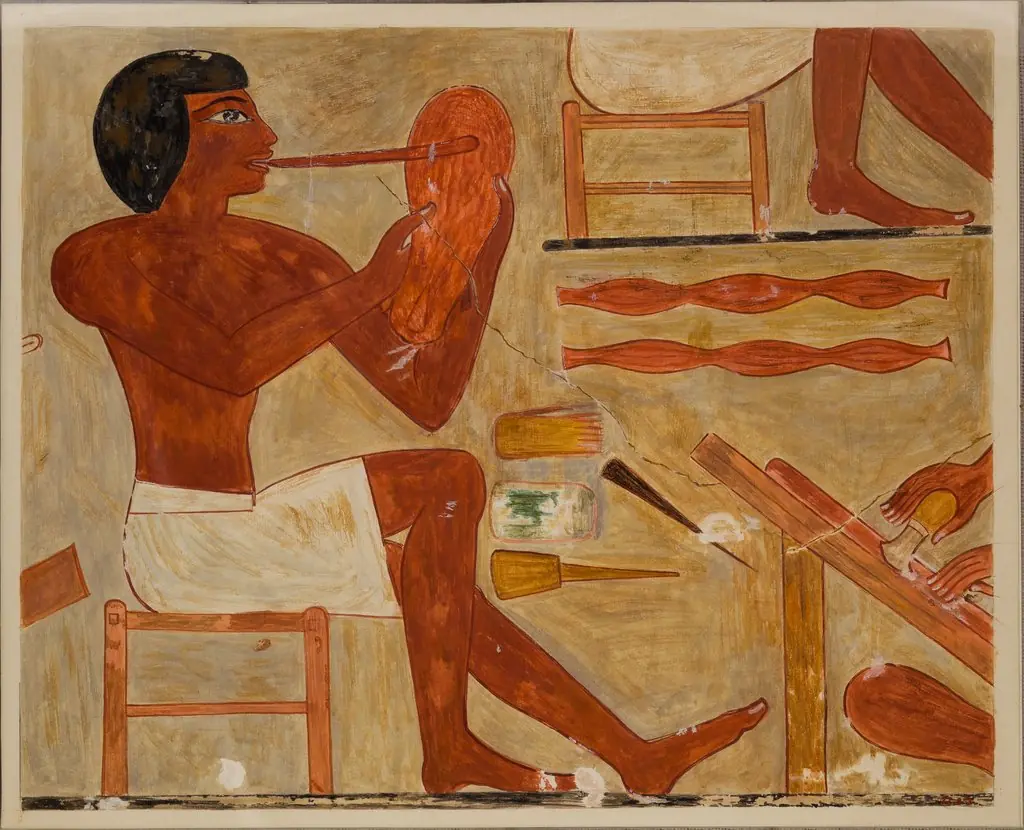 Sandal Maker, Tomb of Rekhmire
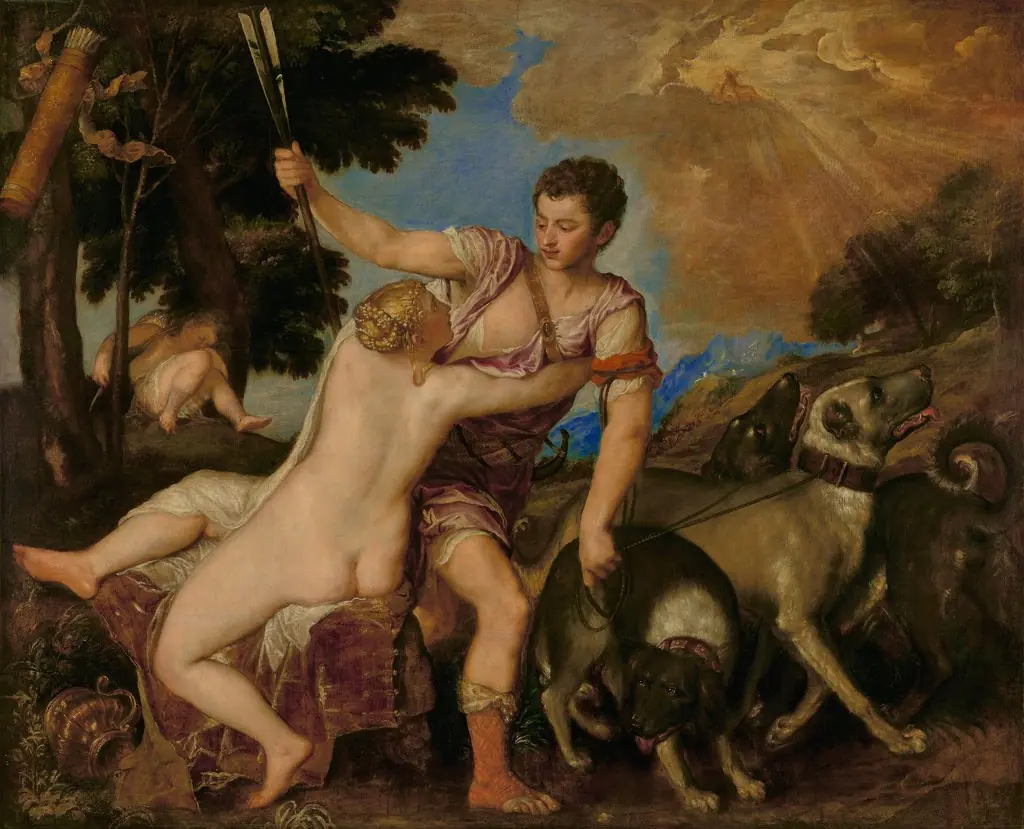 Venus and Adonis
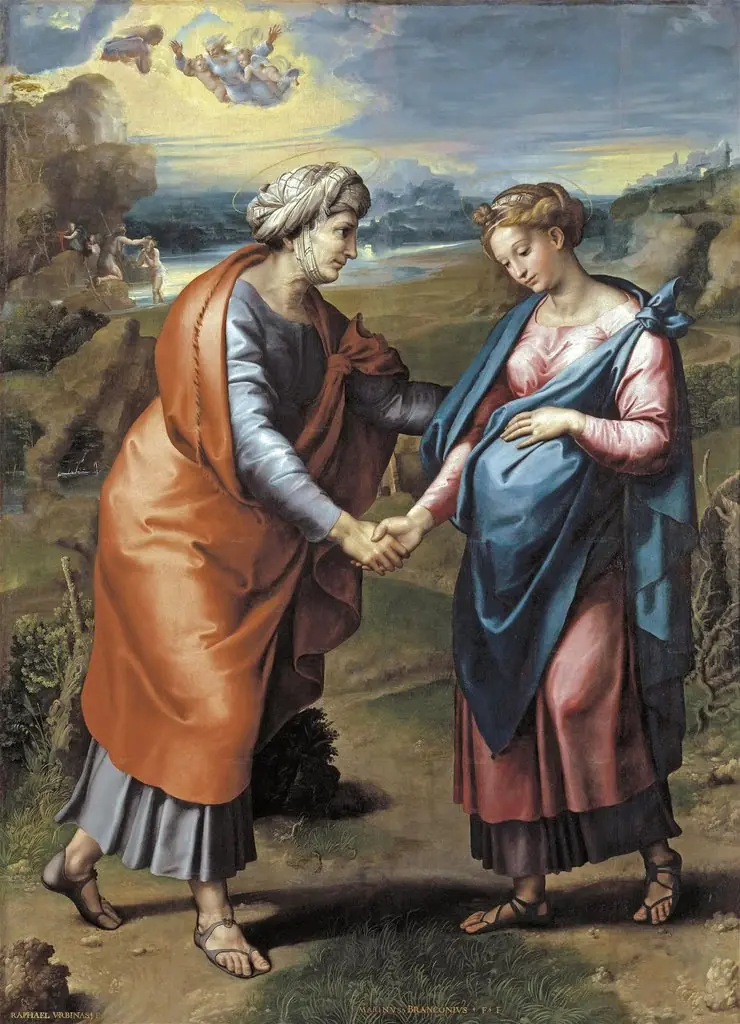 Visitation
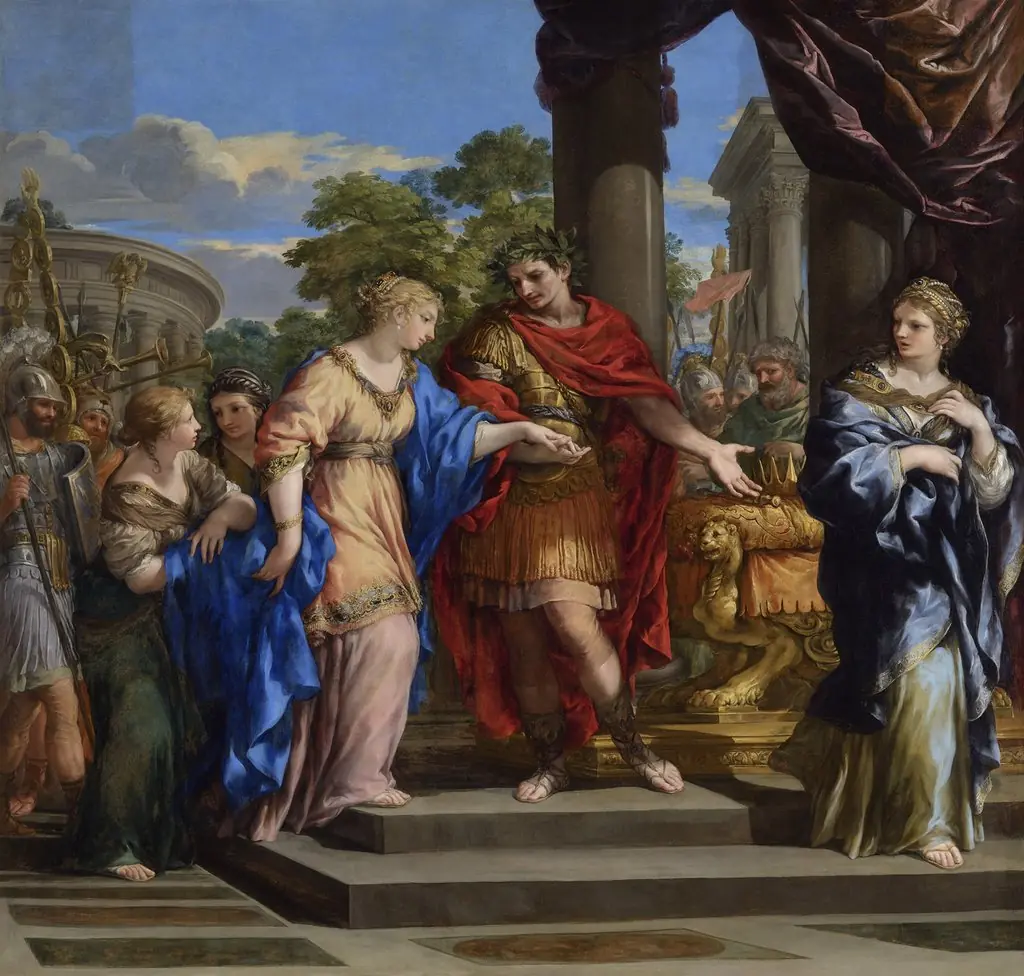 Caesar Giving Cleopatra the Throne of Egypt
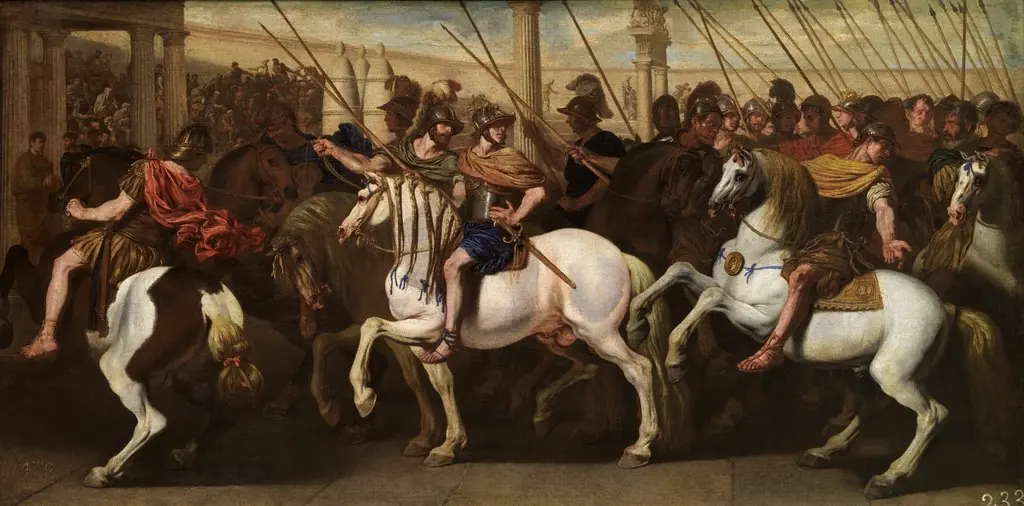 Roman Soldiers in the Circus
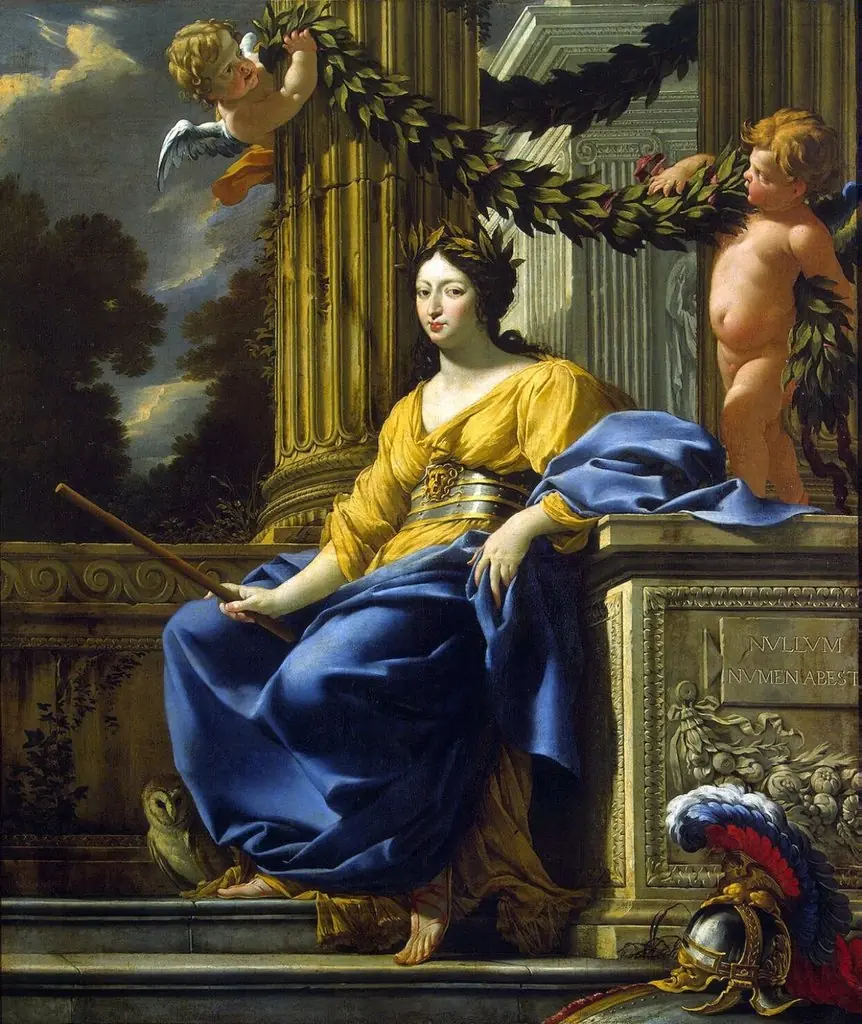 Allegorical Portrait of Anna of Austria as Minerva
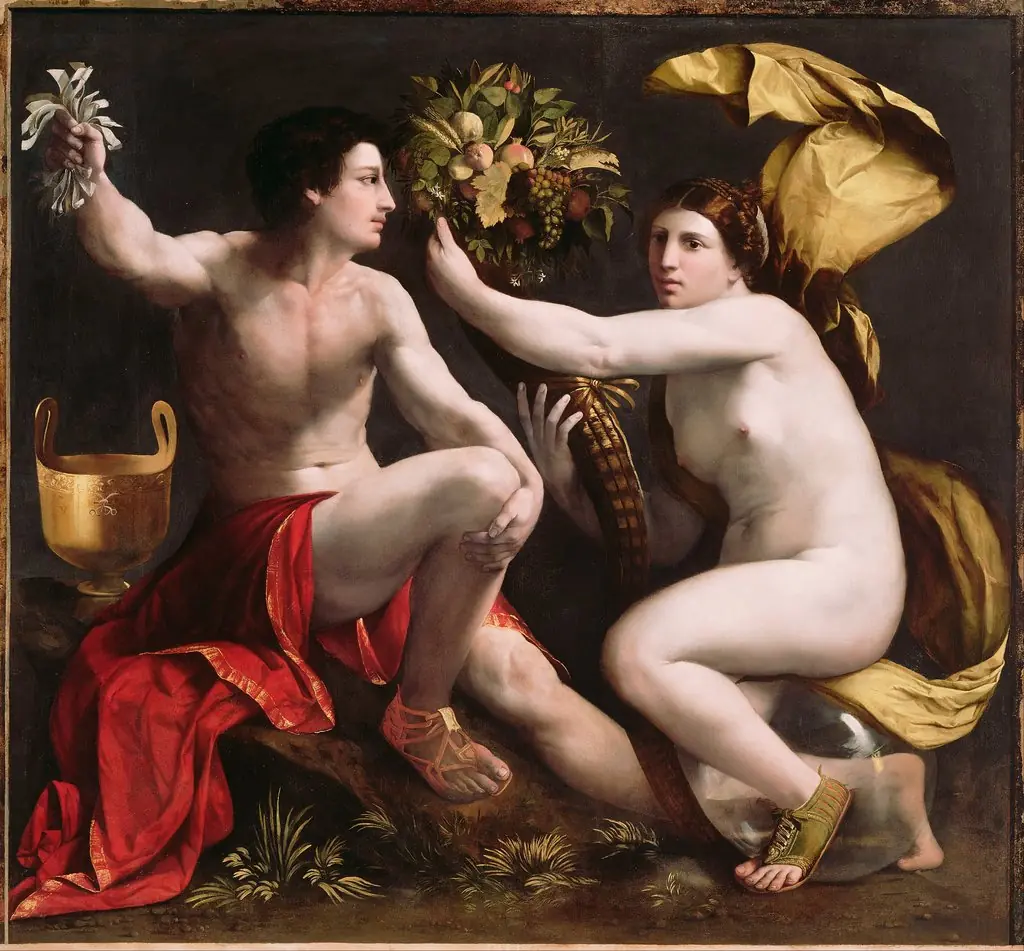 An Allegory of Fortune
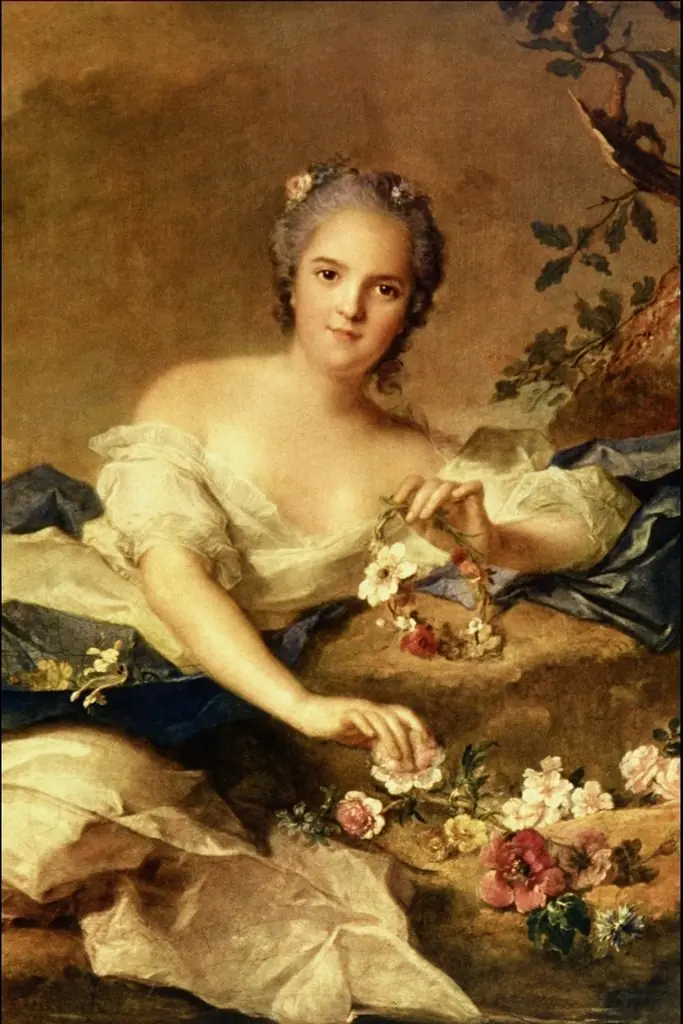 Henriette of France as Flora
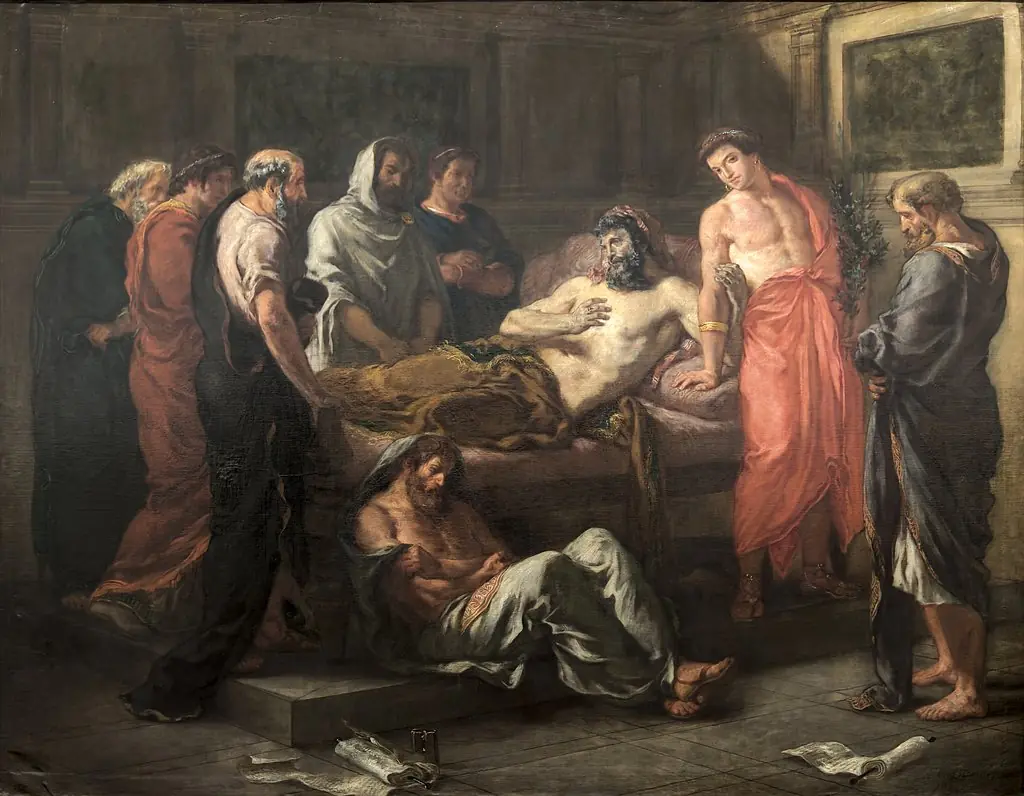 Last Words of the Emperor Marcus Aurelius
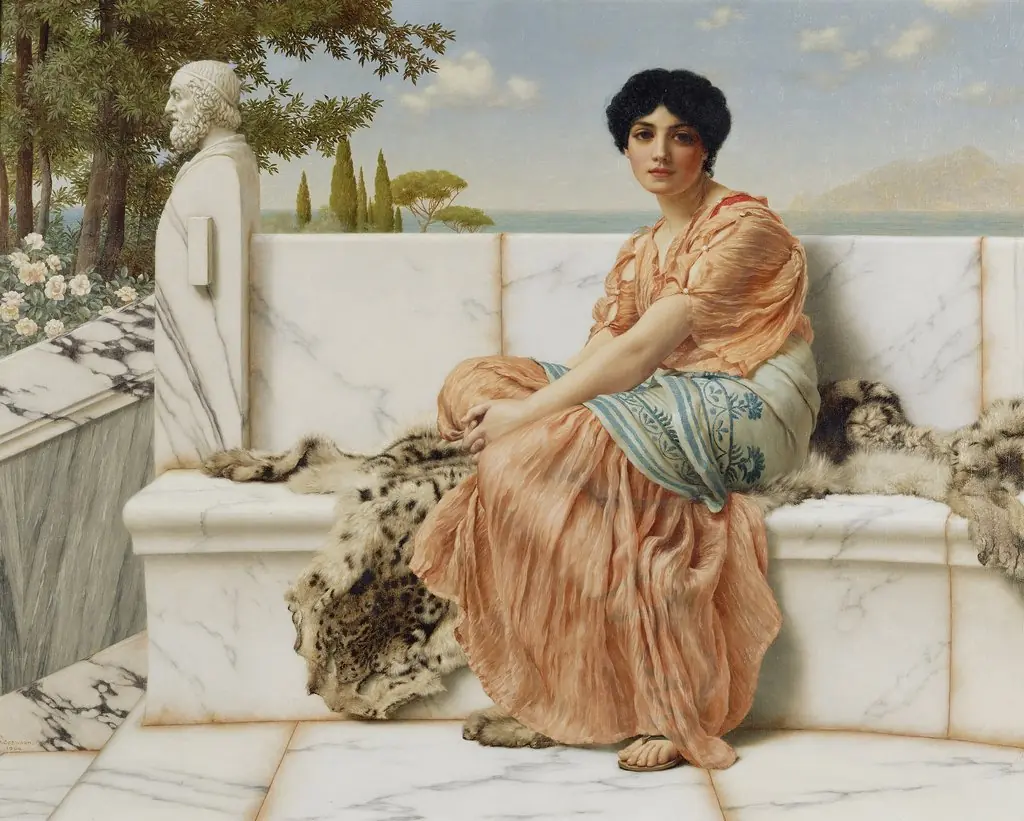 Reverie
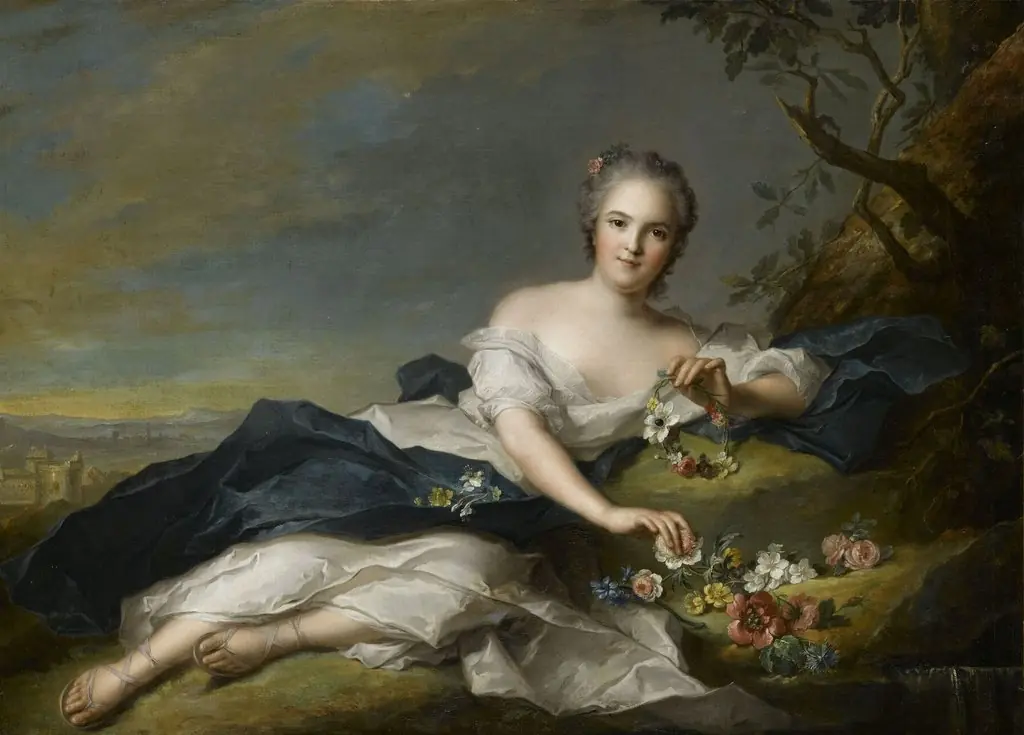 Henriette of France as Flora
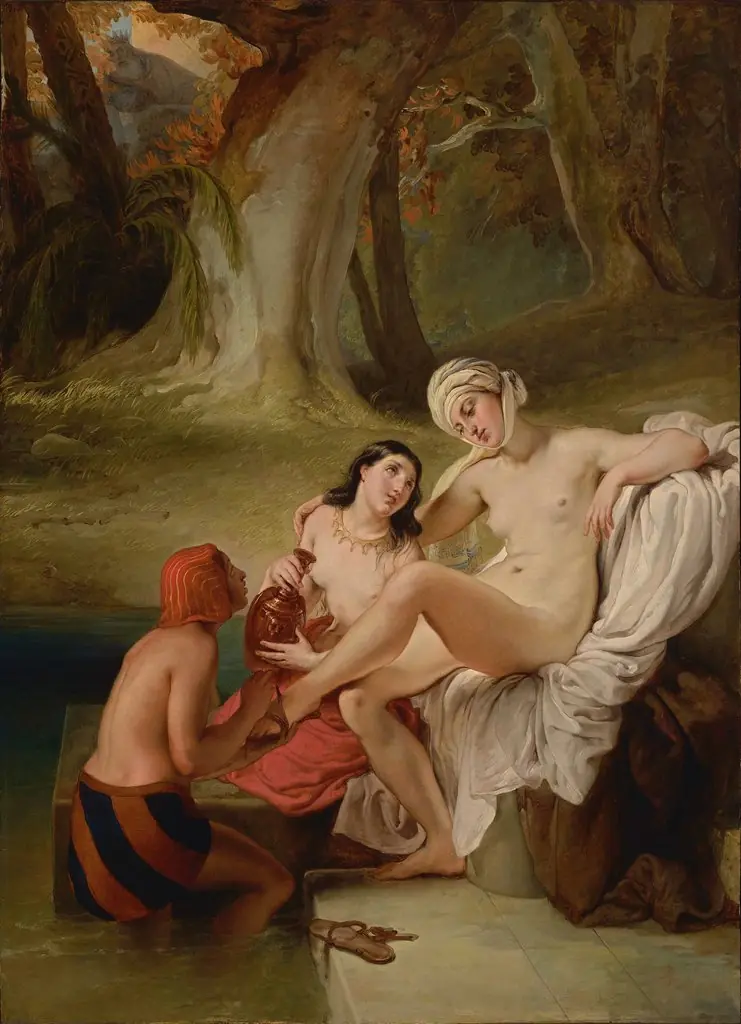 Bathsheba Bathing
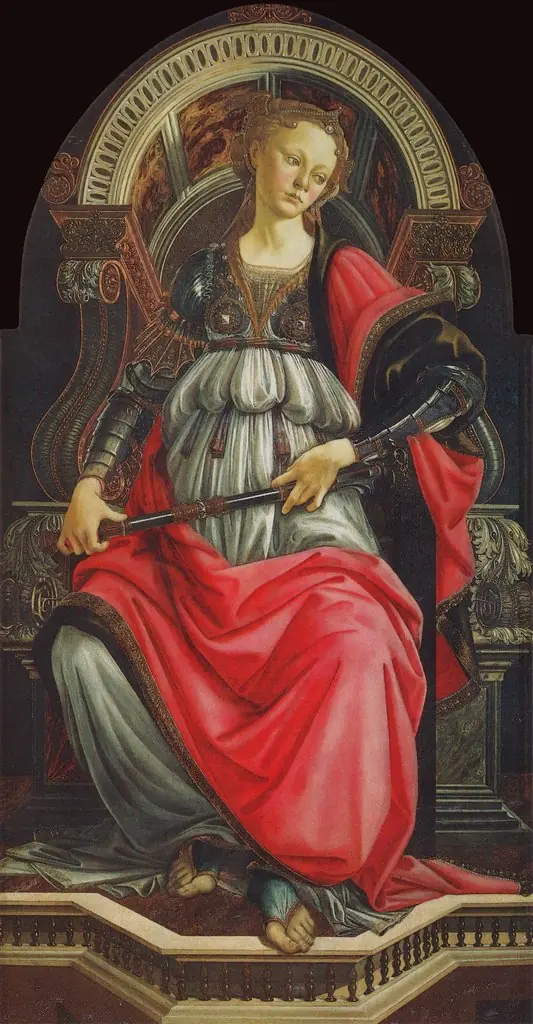 Fortitude
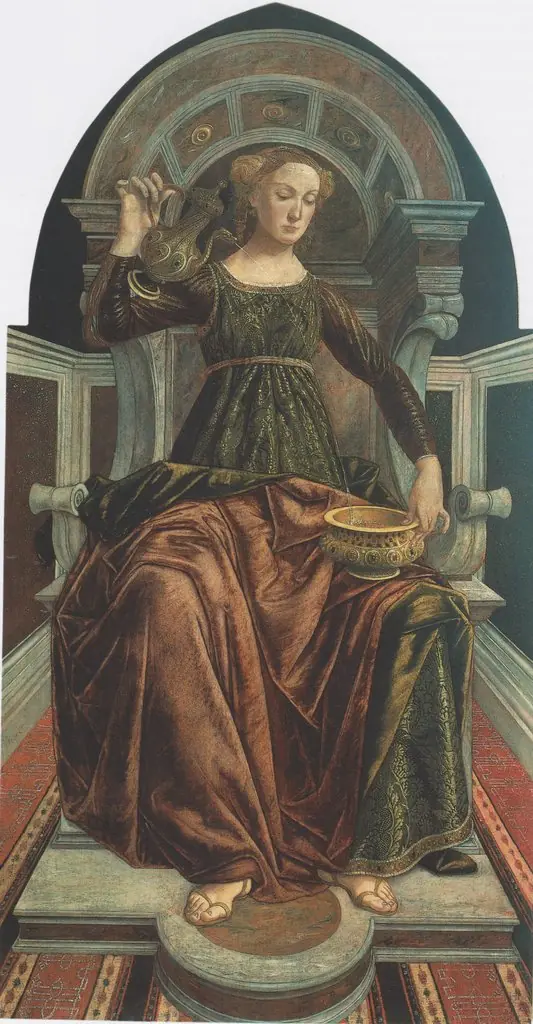 Temperance
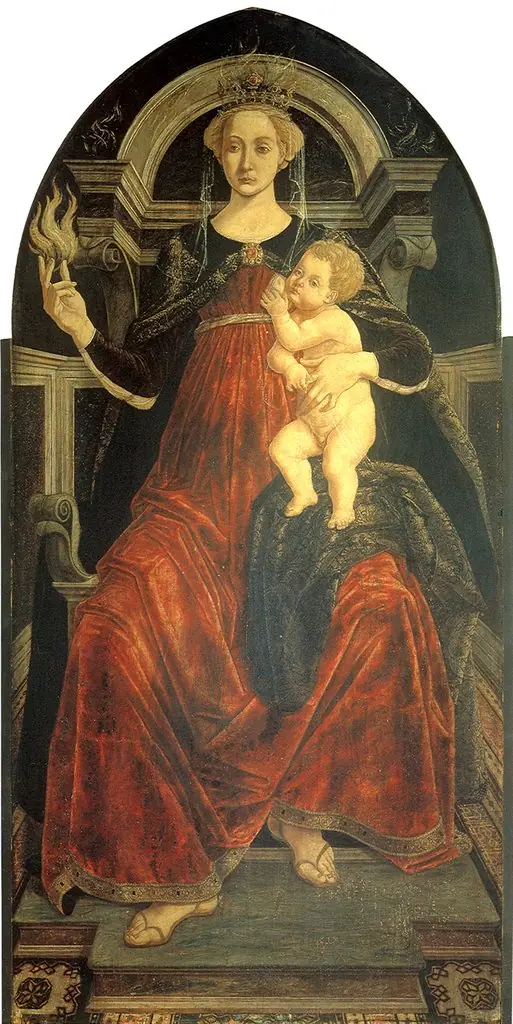 Charity
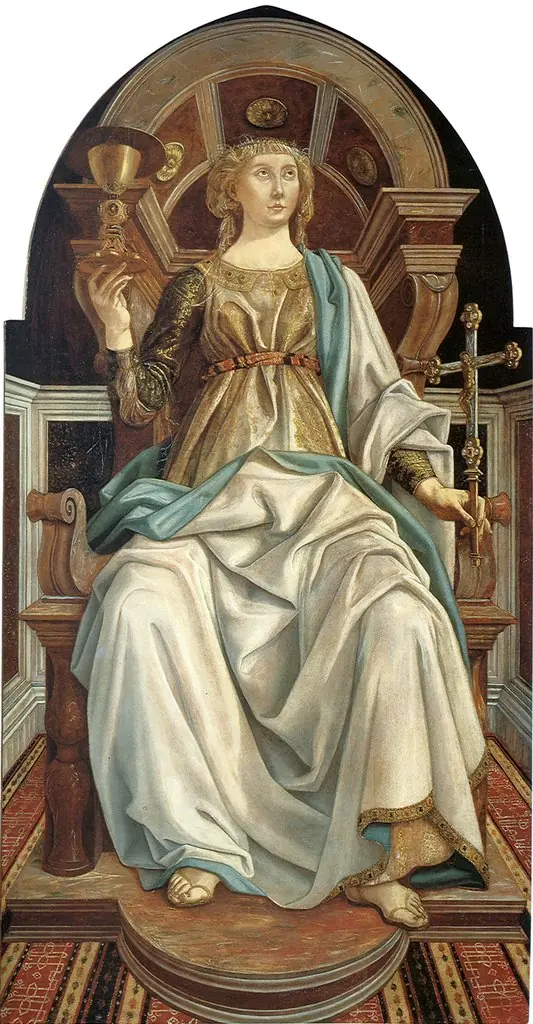 Faith
Faith Isaac Blessing Jacob
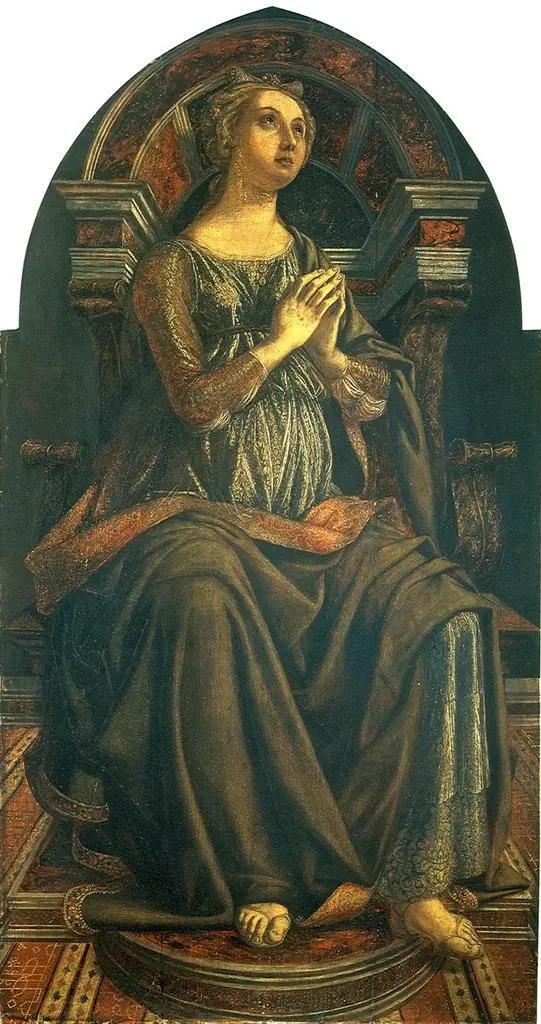 Hope
Hope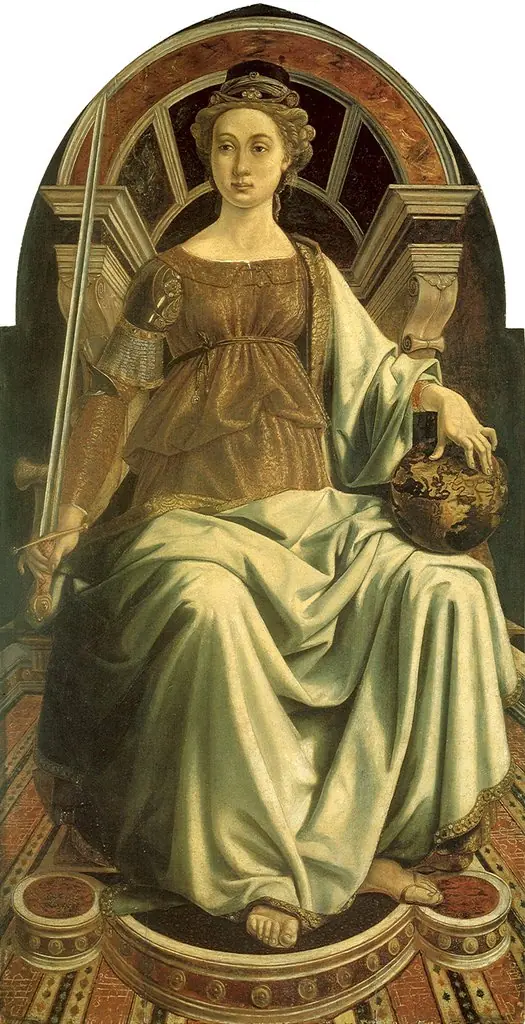 Justice
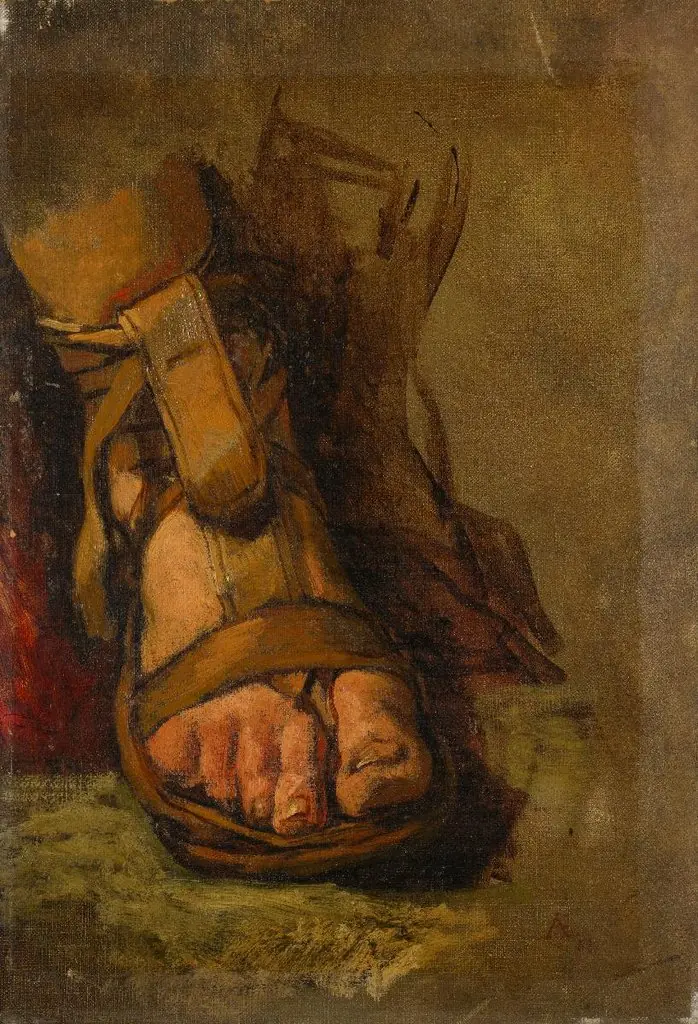 Fuss-Studie
 Untitled
Frequently asked questions
What is Sandal?
Sandal is a neighbourhood in the municipality and district of Tarsus, Mersin Province, Turkey.
How many Sandal works does Artifact World Gallery have?
Artifact World Gallery holds 33 public-domain Sandal works, all free to view and download.
Who are the key Sandal artists?
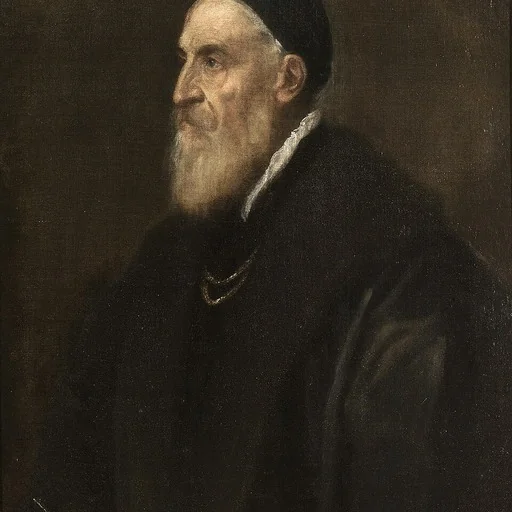
Key Sandal artists in the collection include Titian, Paolo Veronese and Raphael.
Where can I see Sandal works?
Sandal works in the collection are held by Uffizi Gallery, Museo del Prado and J. Paul Getty Museum.