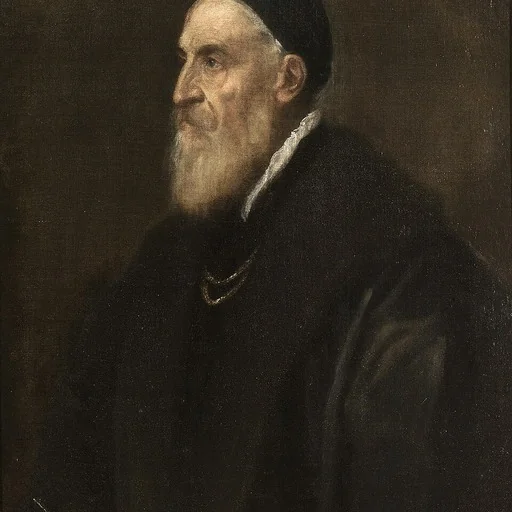
Subject
Heracles
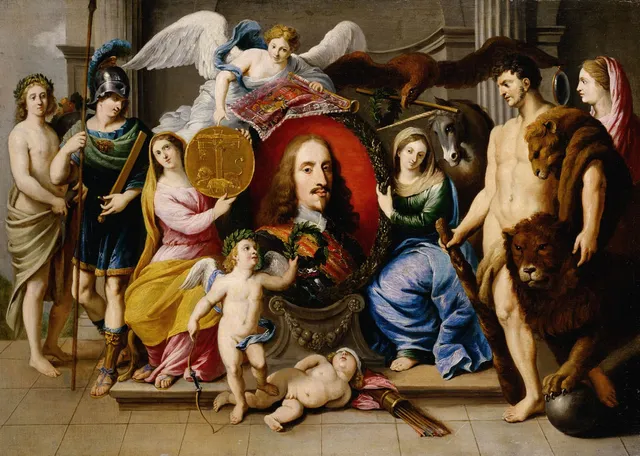
Heracles is a subject in art. The gallery holds 111 works in this subject in art, including works by Titian, Paolo Veronese and Gustave Courbet.
Heracles ( Ancient Greek: Ἡρακλῆς, lit. 'glory/fame of Hera'), born Alcaeus (Ἀλκαῖος, Alkaios) or Alcides (Ἀλκείδης, Alkeidēs), was a divine hero in Greek mythology, the son of Zeus and Alcmene, and the foster son of Amphitryon.
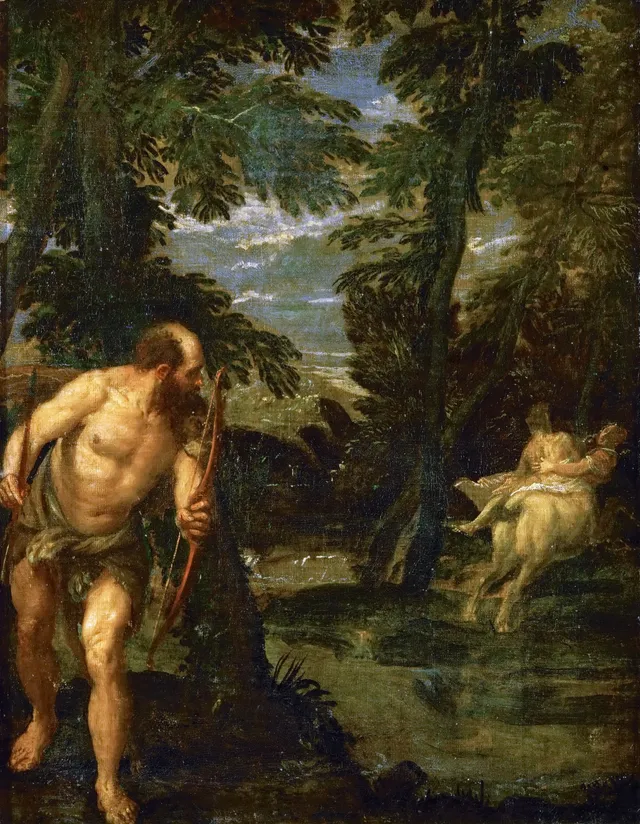
Key artists
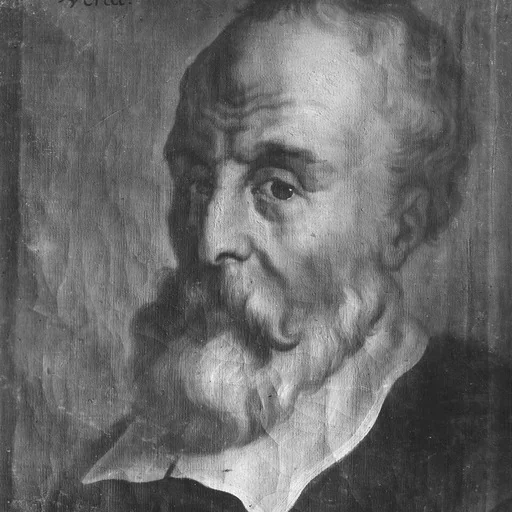
Overview
Heracles, born Alcaeus or Alcides, was a divine hero in Greek mythology, the son of Zeus and Alcmene and foster son of Amphitryon. Renowned as the greatest of the Greek heroes, he served as champion of the Olympian order against chthonic monsters and became the ancestor of the Heracleidae, royal clans that claimed descent from him. His mythology centered on the Twelve Labors, feats that established his fame across the Mediterranean and made him a figure of extraordinary cultural endurance. Unlike other Greek heroes, no tomb was identified as his, reflecting his unique status as both hero and god, what Pindar called heros theos. In Rome and the modern West, he was known as Hercules, with whom Roman emperors including Commodus and Maximian often identified themselves. The core of his myth has been traced to Neolithic hunter culture and shamanistic traditions of the netherworld, though the possibility that the myths originated with real individuals whose deeds became exaggerated has also been proposed.
Iconography & meaning
The attributes of Heracles became instantly recognizable across ancient and later art. His most distinctive attribute was the impenetrable hide of the Nemean Lion, which he wore as armor after strangling the beast with his bare hands, its head serving as his helmet. He carried an olive-wood club and later a bow and quiver, with arrows dipped in the Hydra's poisonous blood. These weapons and the lion skin carried layered meanings: the club represented raw strength, the bow the cunning of the hunter, and the lion skin invincibility. The myth of Heracles at the crossroads, first attested in the Sophist Prodikos's telling, presented him choosing between Virtue and Pleasure, making him an emblem of moral deliberation. His dual nature as hero and god, his suffering and apotheosis, gave artists a rich vocabulary of human struggle and divine transcendence. The milk that spilled from Hera's breast when she cast away the infant Heracles, forming the Milky Way, provided another potent image of his semi-divine origin.
Across movements & periods
The treatment of Heracles evolved significantly across cultures and periods. In Greek art of the Archaic and Classical periods, he appeared as a bearded, muscular figure, often in combat with monsters or in the hero-reliefs that celebrated his apotheosis. The painters during the time of Peisistratos frequently presented Heracles entering Olympus, reflecting his integration into the Olympian pantheon. Hellenistic poets elevated his mythology into high poetic and tragic atmosphere, while Roman art emphasized his identification with imperial power, as emperors from Commodus onward claimed him as an ancestor and model. In the Renaissance and Baroque, artists returned to the full narrative cycle of his labors and to allegorical interpretations, as seen in the collection's Allegory on Archduke Leopold Wilhelm. The Baroque period particularly favored dramatic moments of physical exertion and emotional intensity, while also developing the erotic and domestic episodes such as his submission to Omphale. Across these periods, his figure served variously as model of virtue, exemplar of physical strength, and vehicle for political legitimation.
Notable depictions
Among the canonical depictions represented in the collection, The Origin of the Milky Way stands out for its treatment of the infancy narrative, in which Athena brings the infant Heracles to Hera's breast, or alternatively in which Hera discovers him nursing. The Labors of Hercules would constitute a major narrative cycle, while individual works such as Hercules, Deianira, and Nessus address the tragic conclusion of his mortal life, when the centaur Nessus's blood-soaked tunic poisons him. Hercules at the Crossroads represents the moral allegory that had particular appeal in Renaissance and later art. The game piece with Hercules Slaying the Three-Headed Geryon demonstrates how his iconography penetrated even small-scale decorative and functional objects. The Nude Warrior with a Spear may represent Heracles in one of his martial aspects, while Hercules Separates Mounts Calpe and Abylla refers to his creation of the Pillars of Hercules at the Strait of Gibraltar, a feat that connected him with the limits of the known world.
Legacy
The legacy of Heracles extends far beyond classical antiquity into continuous artistic and cultural reception. His cult persisted through the absorption of local figures and traditions, and he remained constantly invoked as a patron, especially for young men and in military contexts, presiding over gymnasiums and the training of ephebes. The royal house of Macedonia claimed descent from him for purposes of divine protection and political legitimation, a model later adopted by Roman emperors. After the 4th century BCE, he became identified with the Phoenician god Melqart, demonstrating his capacity to bridge cultures. In the modern era, his labors became a standard subject for artistic cycles, his moral choice at the crossroads a philosophical commonplace, and his name and attributes a persistent reference for heroism. The very number of works in the collection, 147, testifies to his enduring hold on the artistic imagination across millennia.
Works
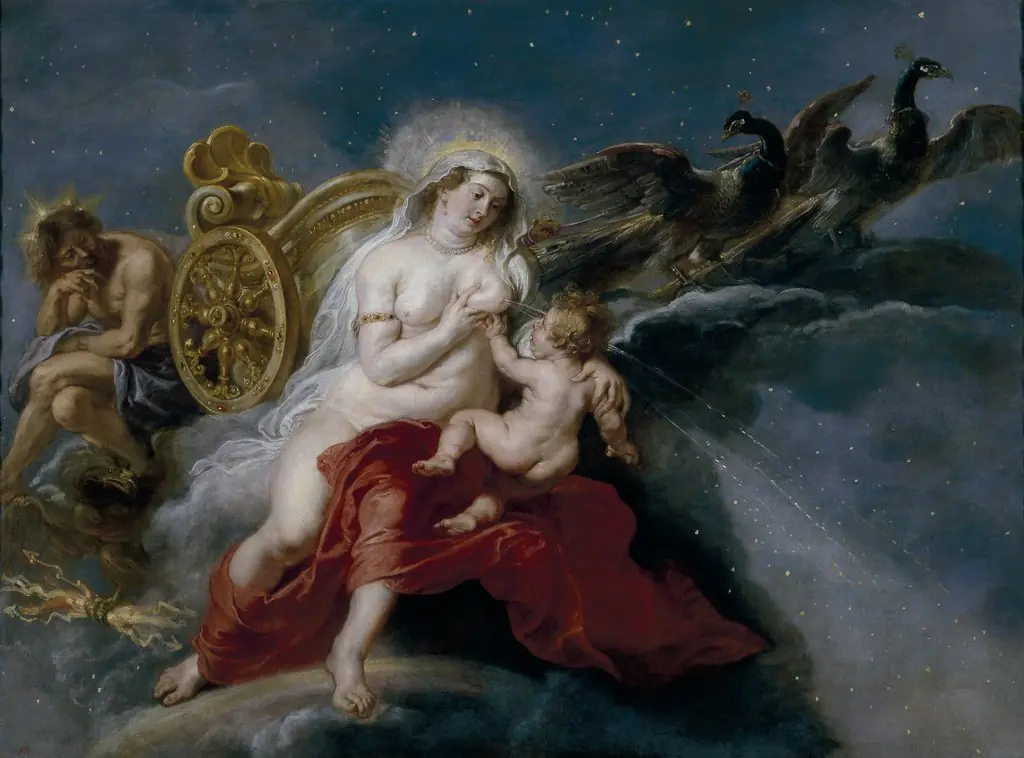 The Origin of the Milky Way
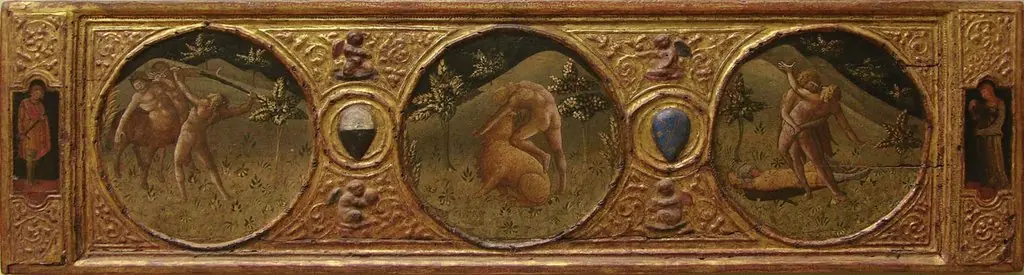 The Labors of Hercules
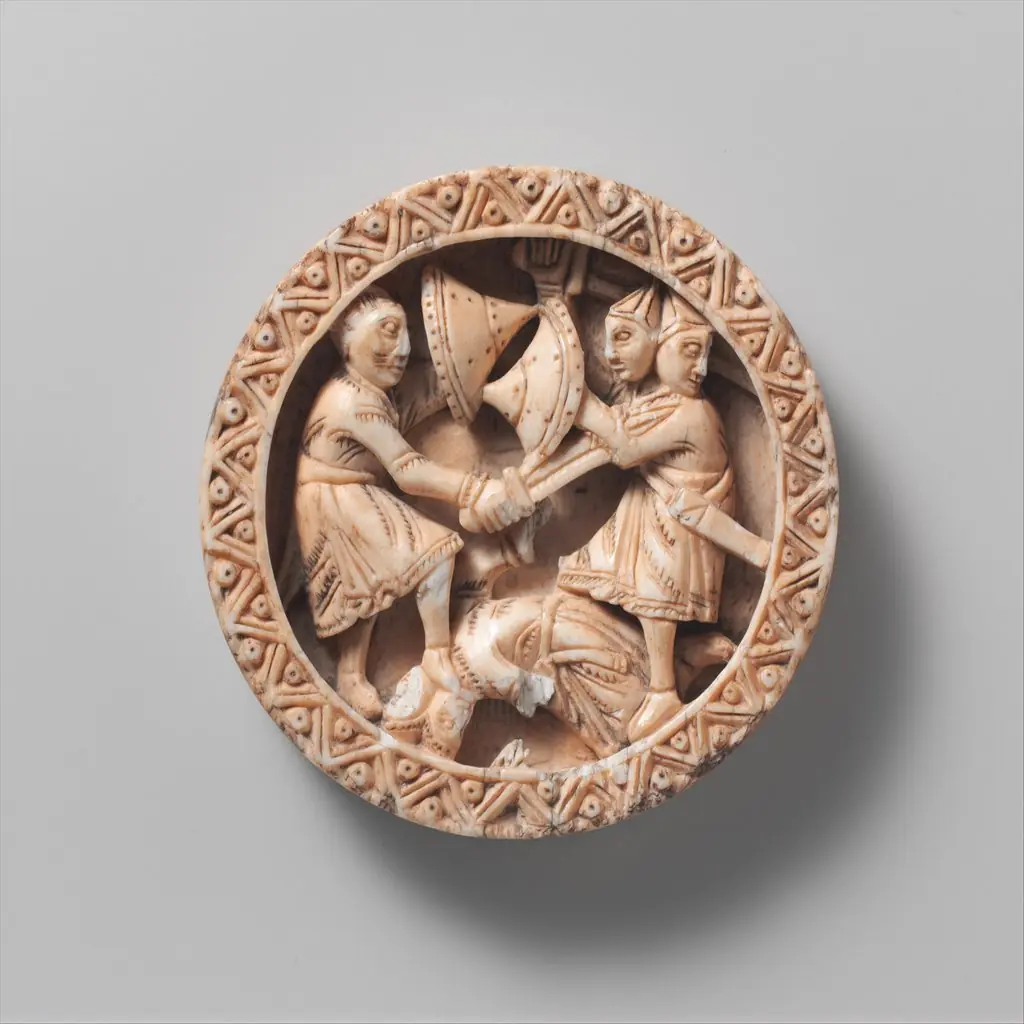 Game Piece with Hercules Slaying the Three-Headed Geryon
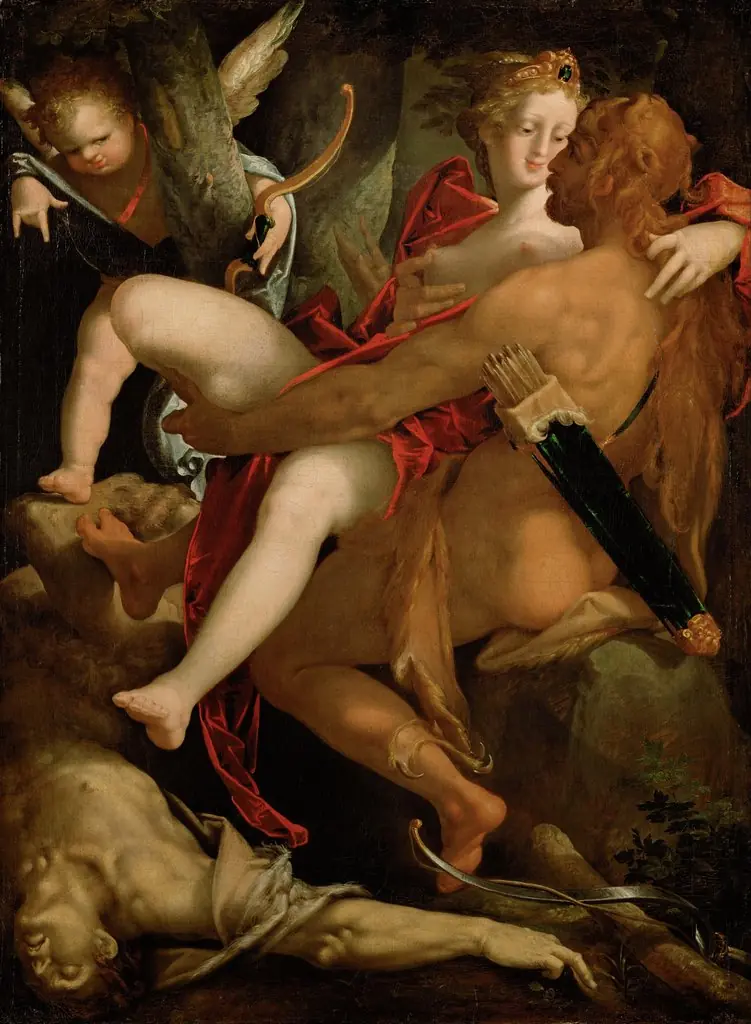 Hercules, Deianira, and Nessus
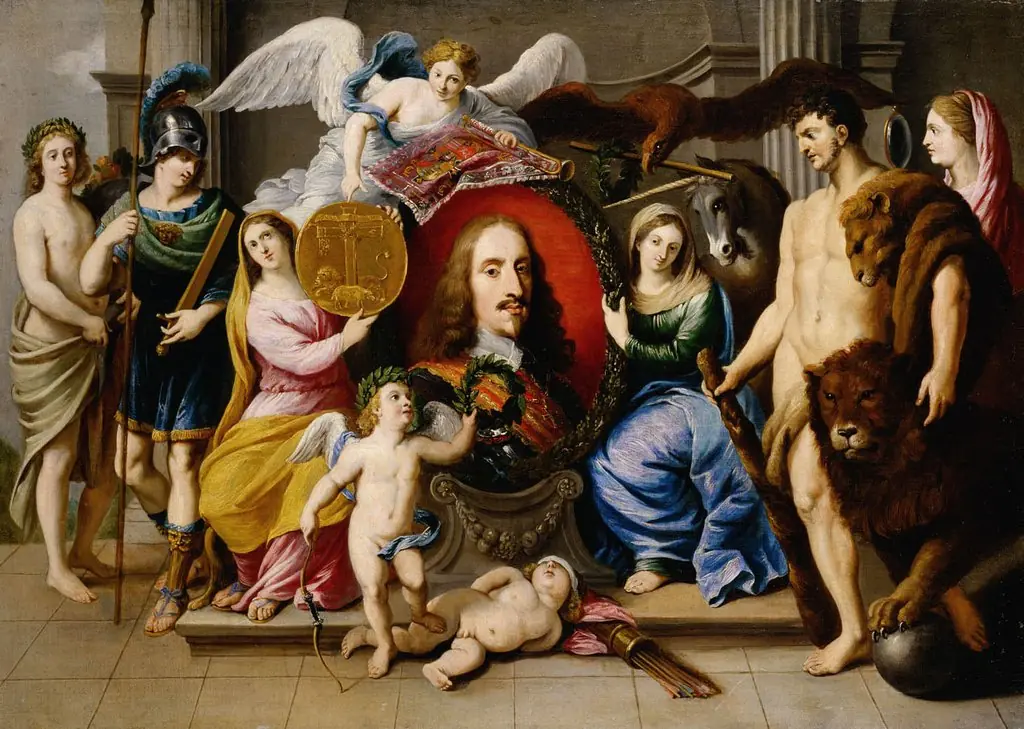 Allegory on Archduke Leopold Wilhelm (1614-1662)
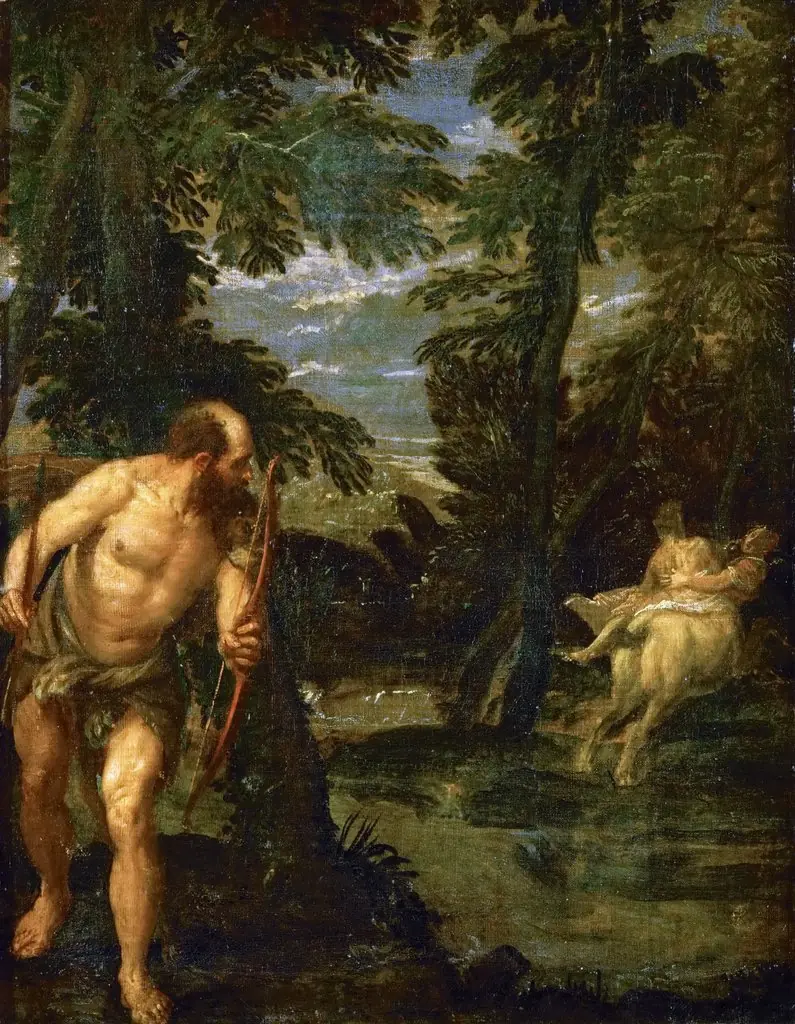 Hercules, Deianira and the Centaur Nessus
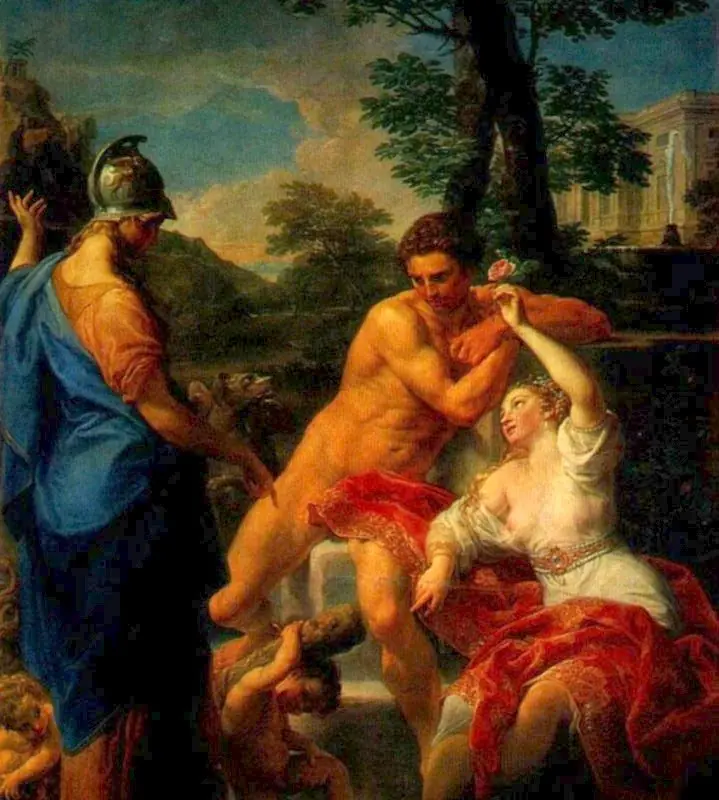 Hercules at the Crossroads
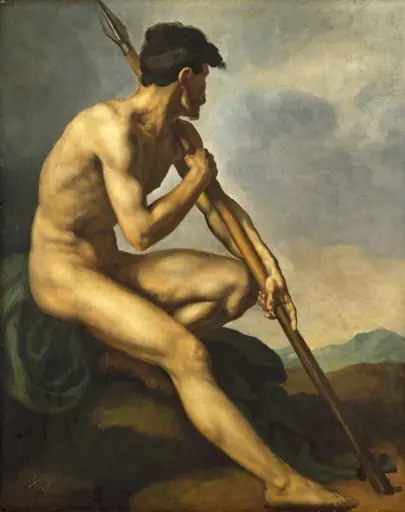 Nude Warrior with a Spear
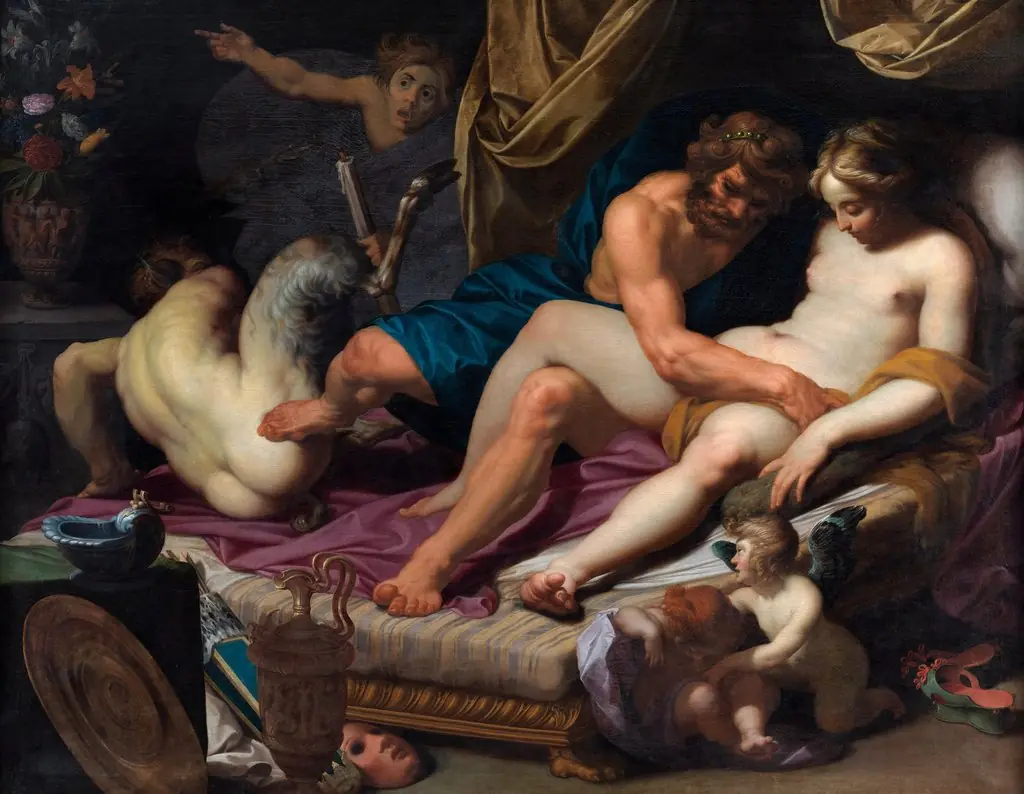 Hercules Kicking Faunus out of Omfale's Bed
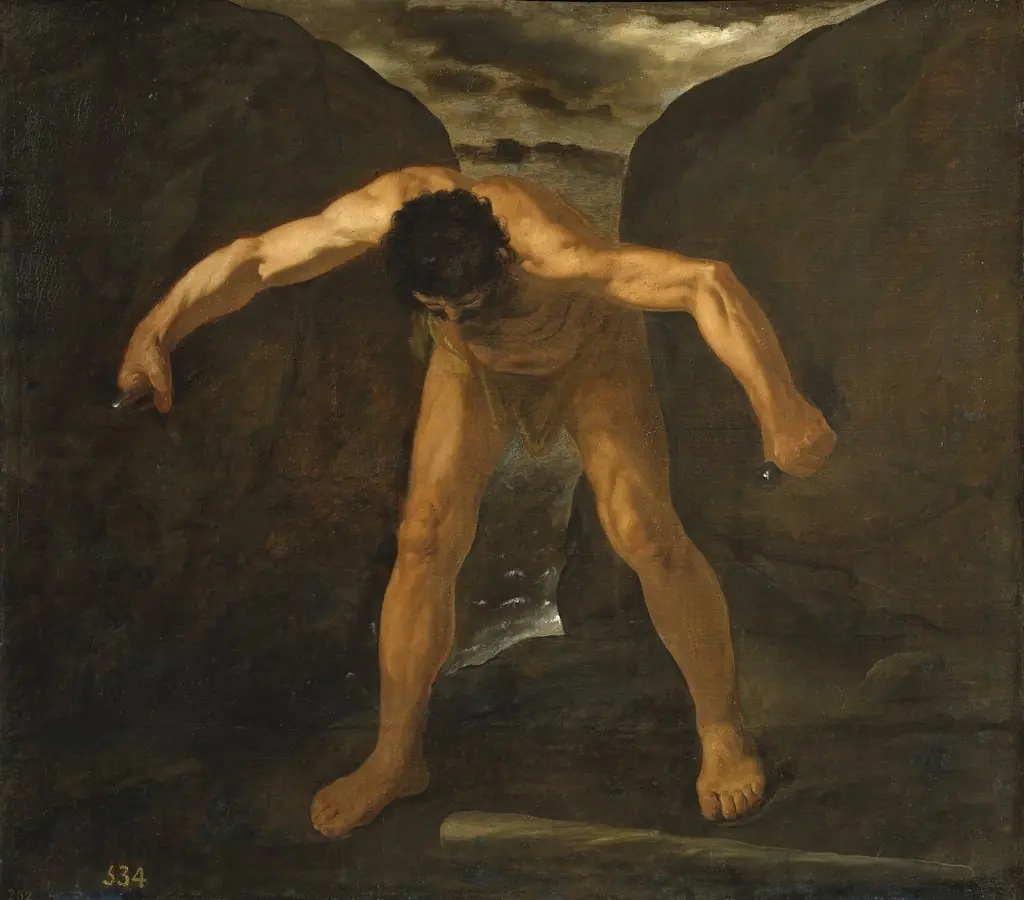 Hercules Separates Mounts Calpe and Abylla
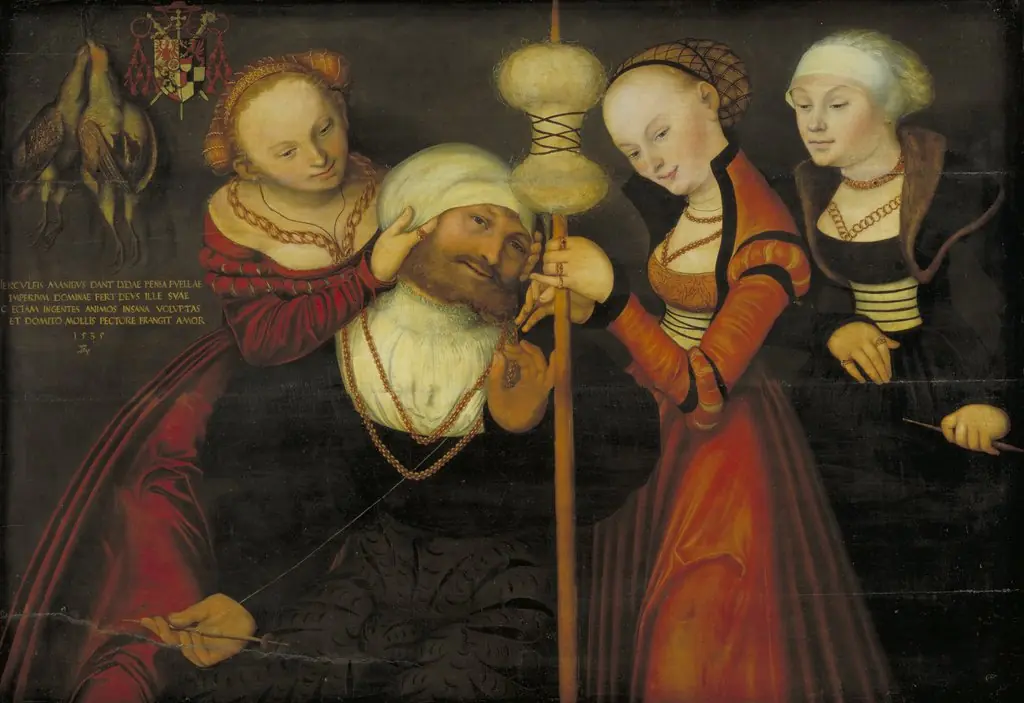 Hercules with Omphale
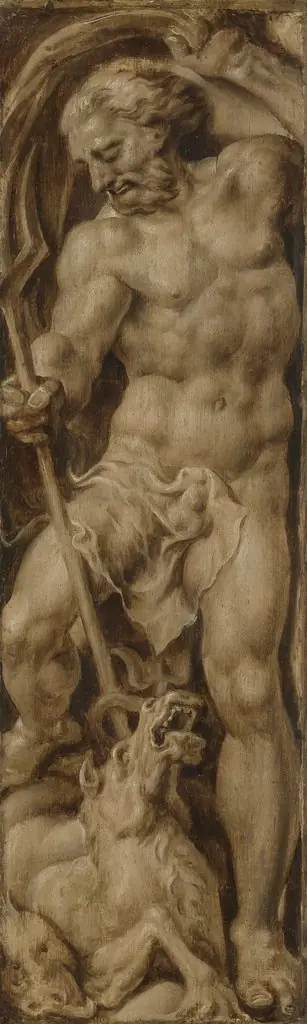 Neptune with a seahorse
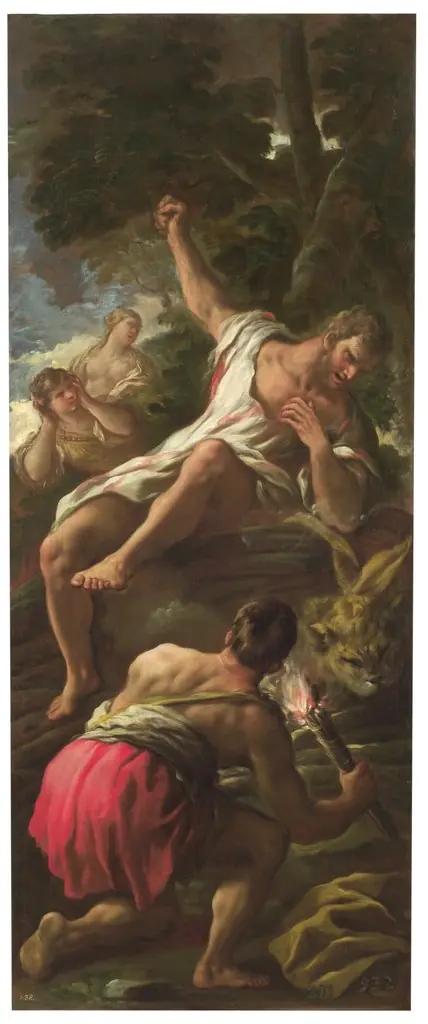 Hércules en la pira
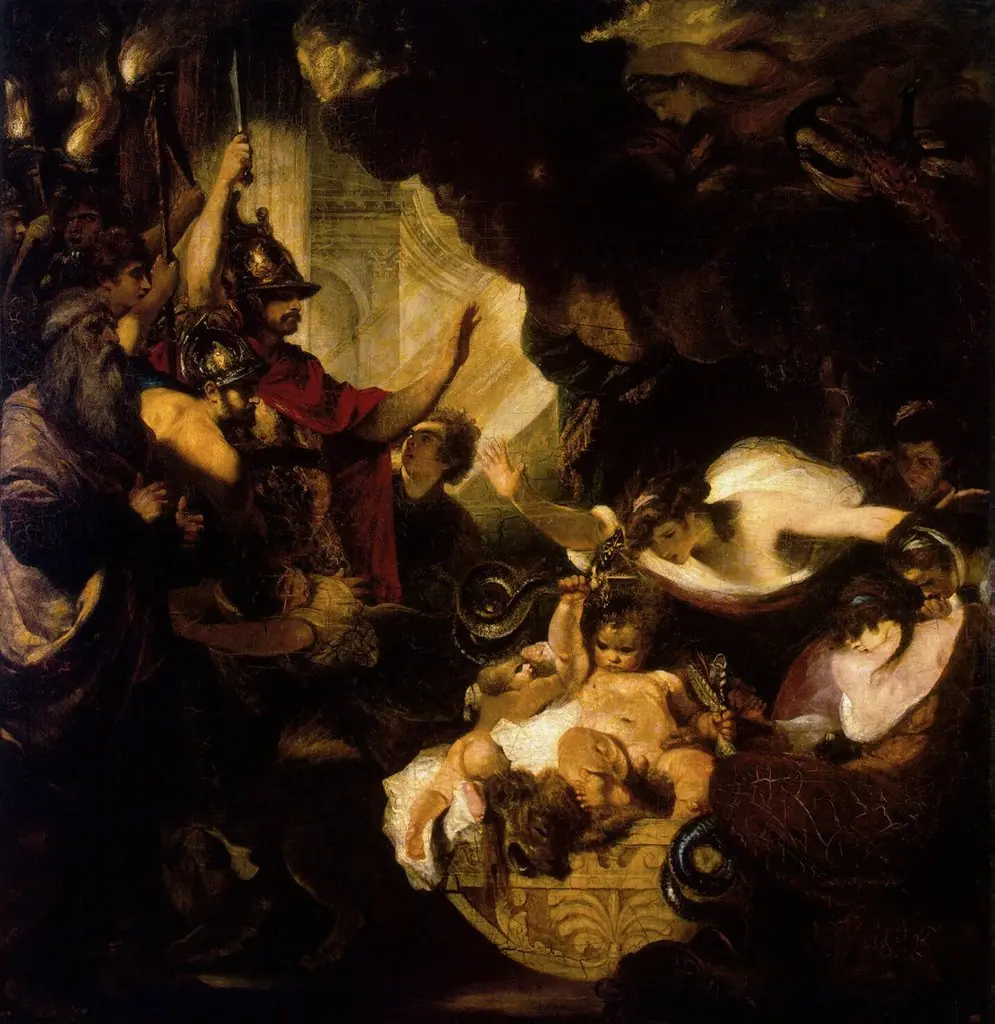 Infant Hercules Strangling the Serpents
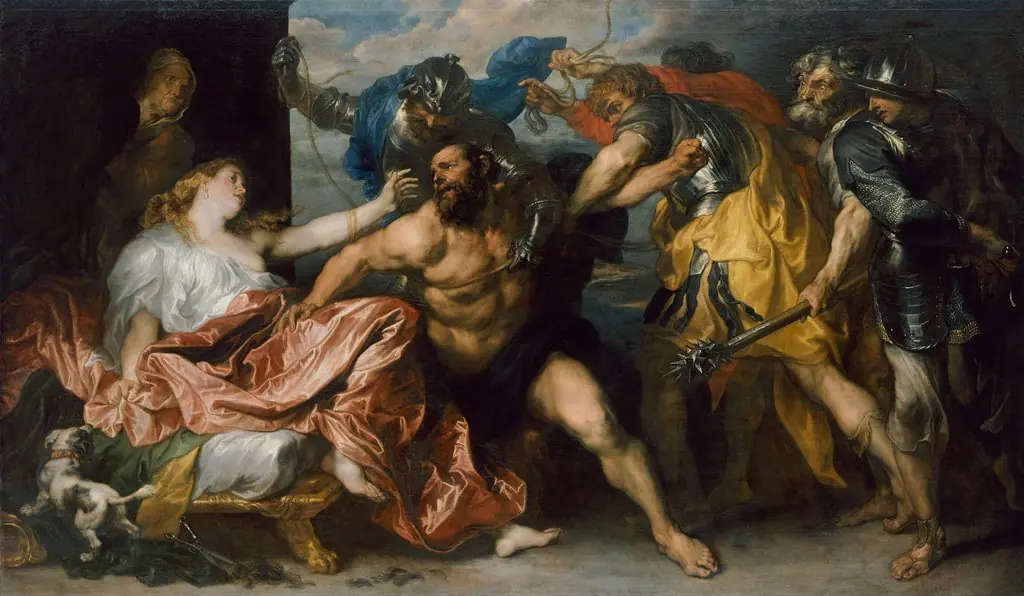 Samson and Delilah
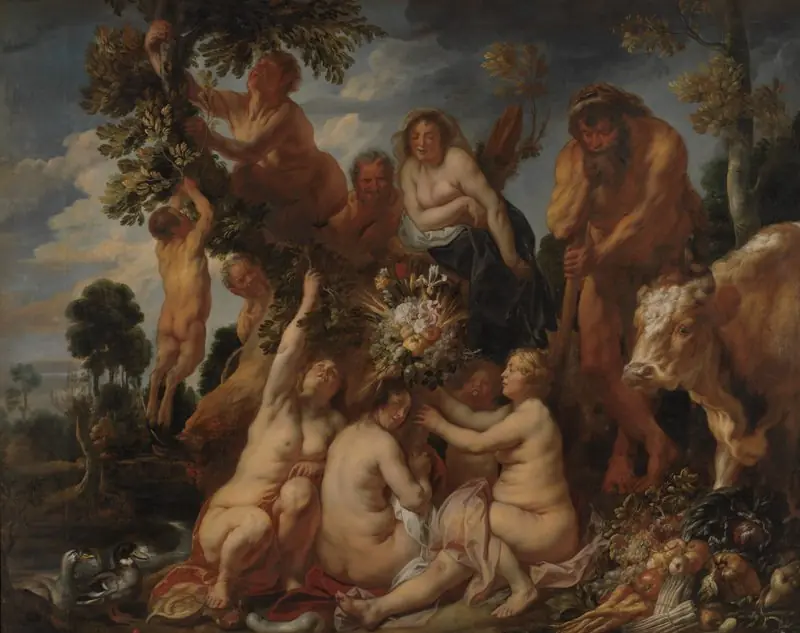 Achelous Defeated by Hercules. The Origin of the Cornucopia. (Allegory of Fruitfulness)
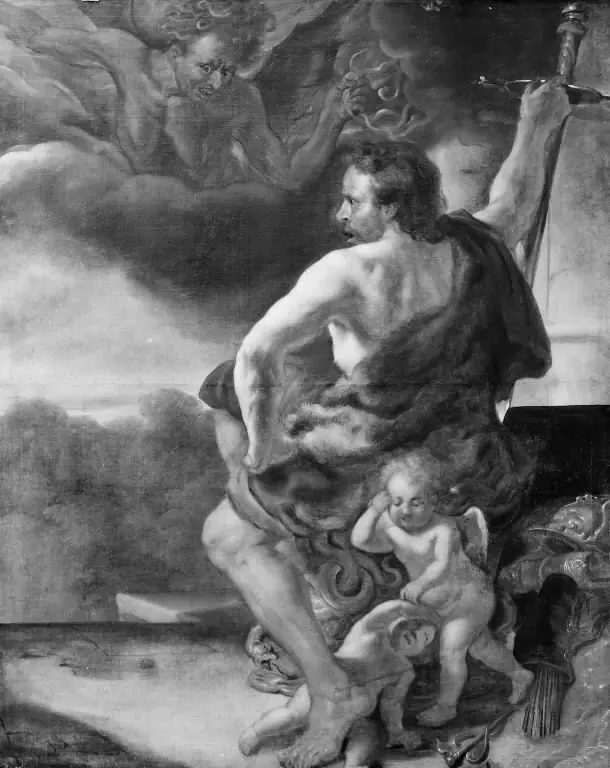 Hercules and Envy
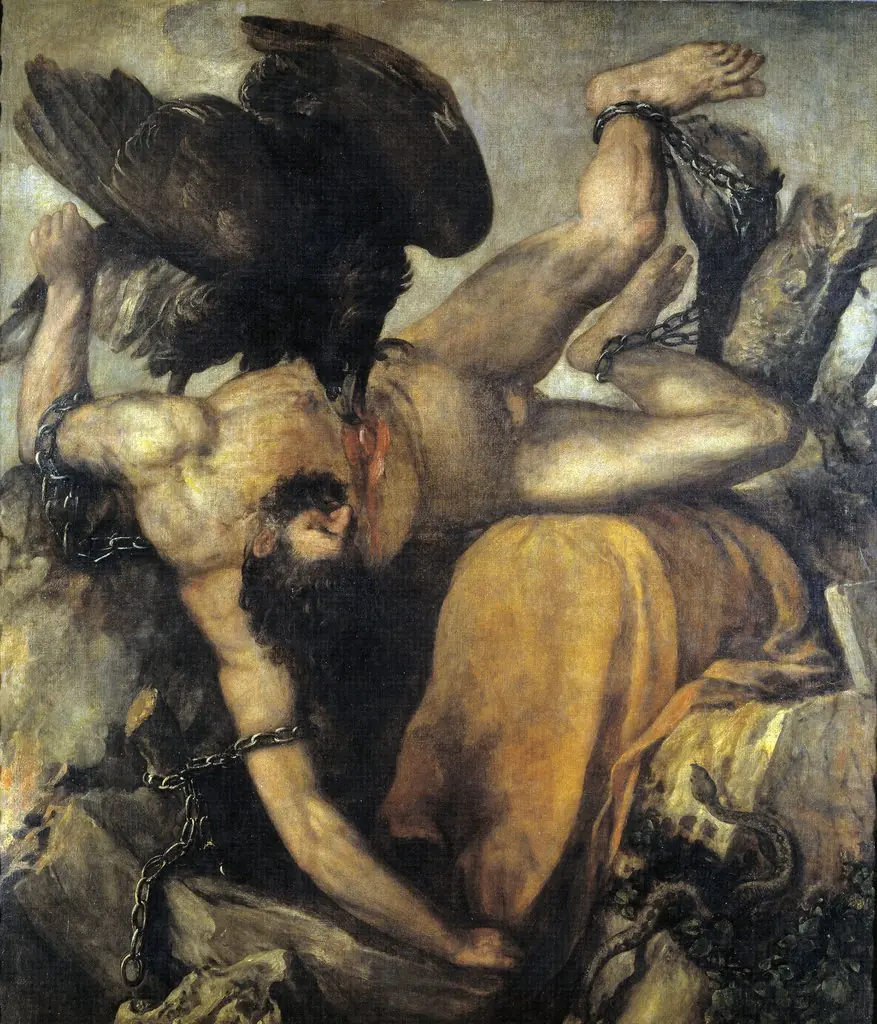 Tityus
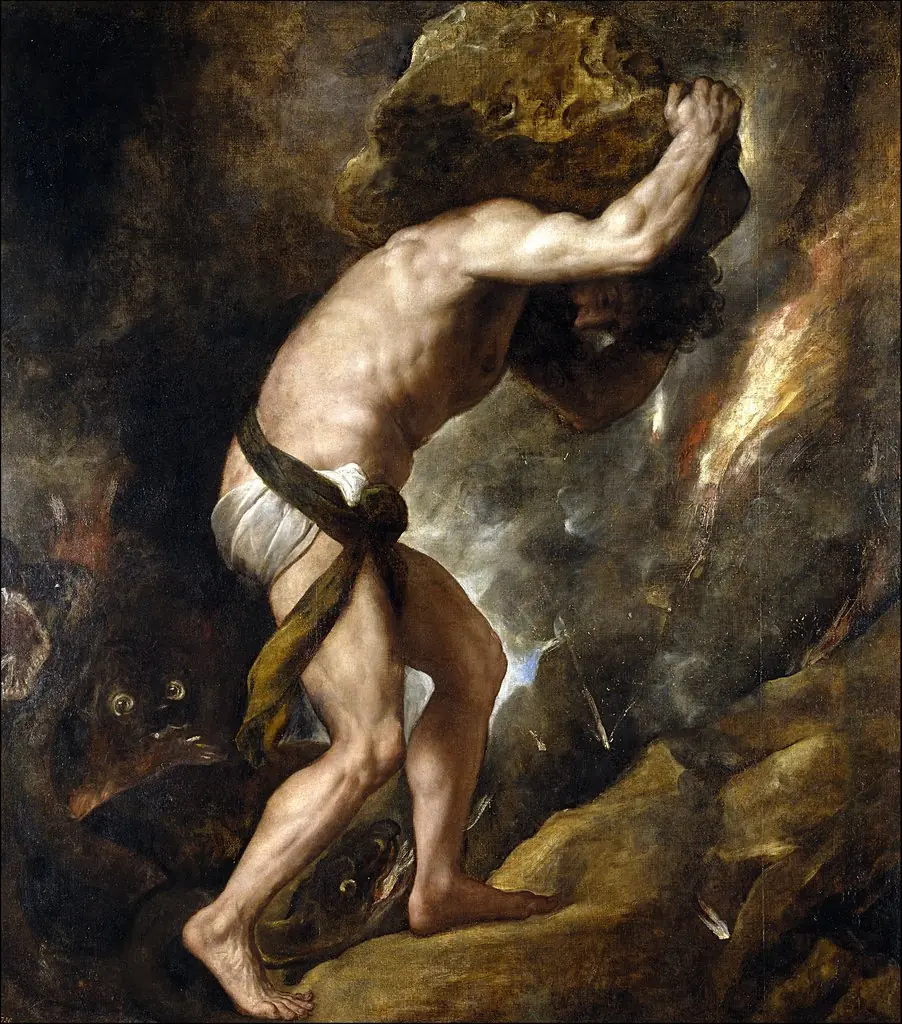 Sisyphus
 Borstbeeld van Jupiter
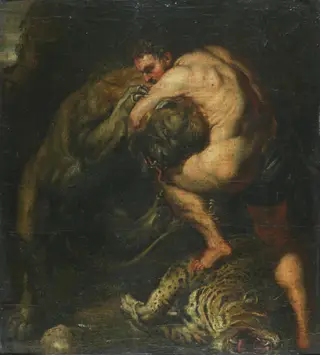 Hercules and the Nemean lion
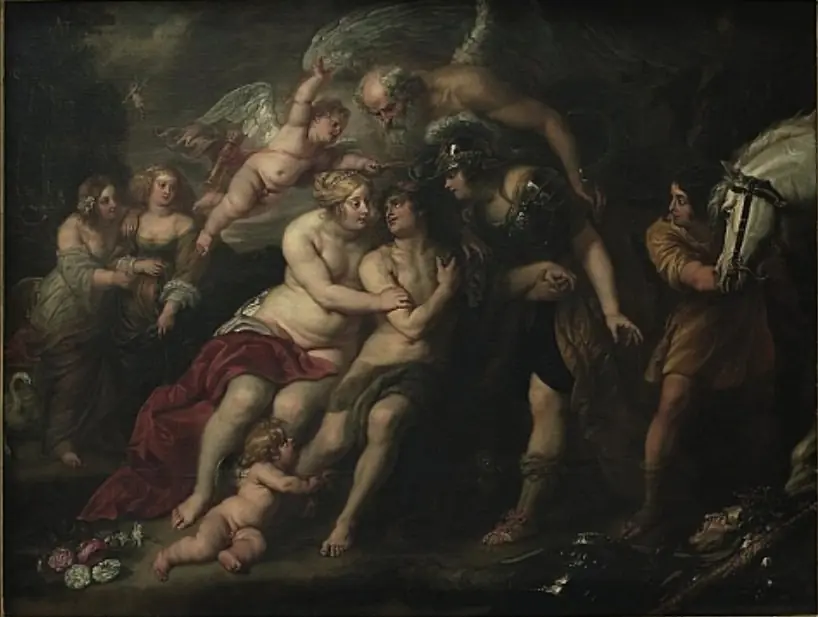 Hercules between Vice and Virtue
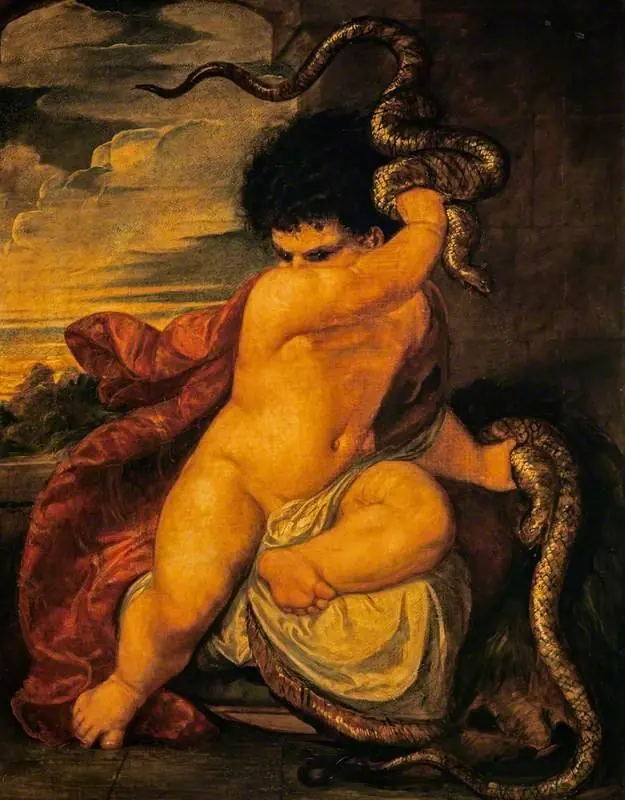 The Infant Hercules
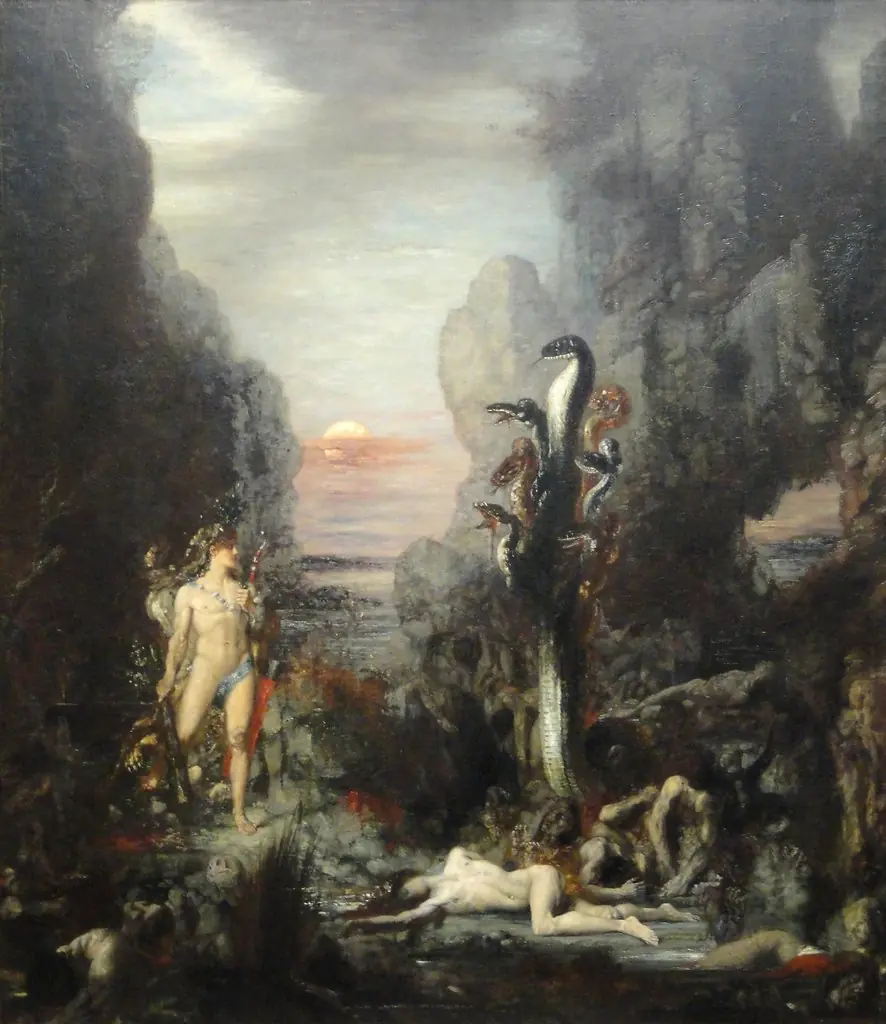 Hercules and the Lernaean Hydra
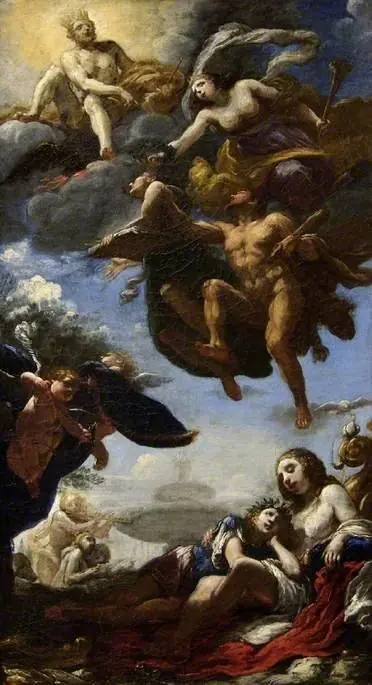 A poet, presented to Jupiter by Hercules, is crowned by Glory, below Venus, Cupid and the poet
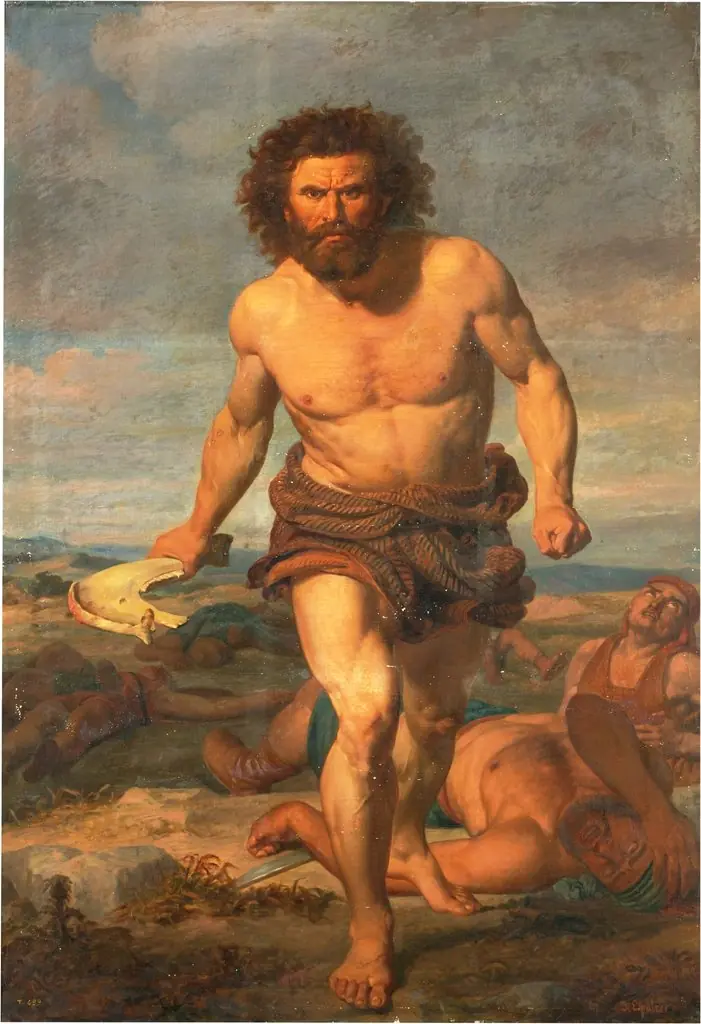 Sansón
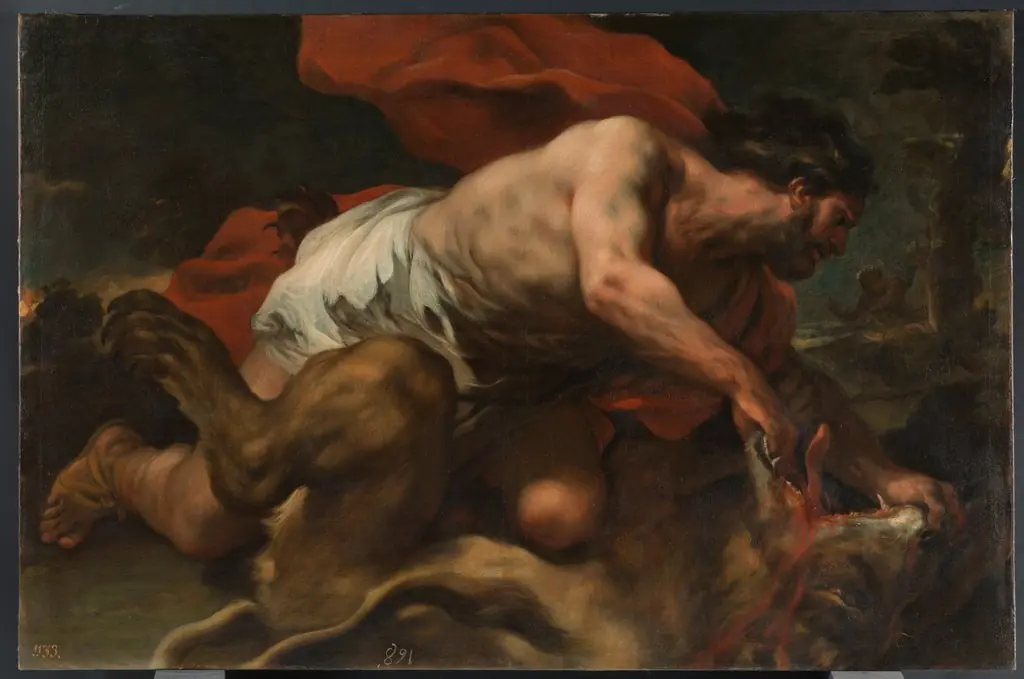 Samson and the Lion
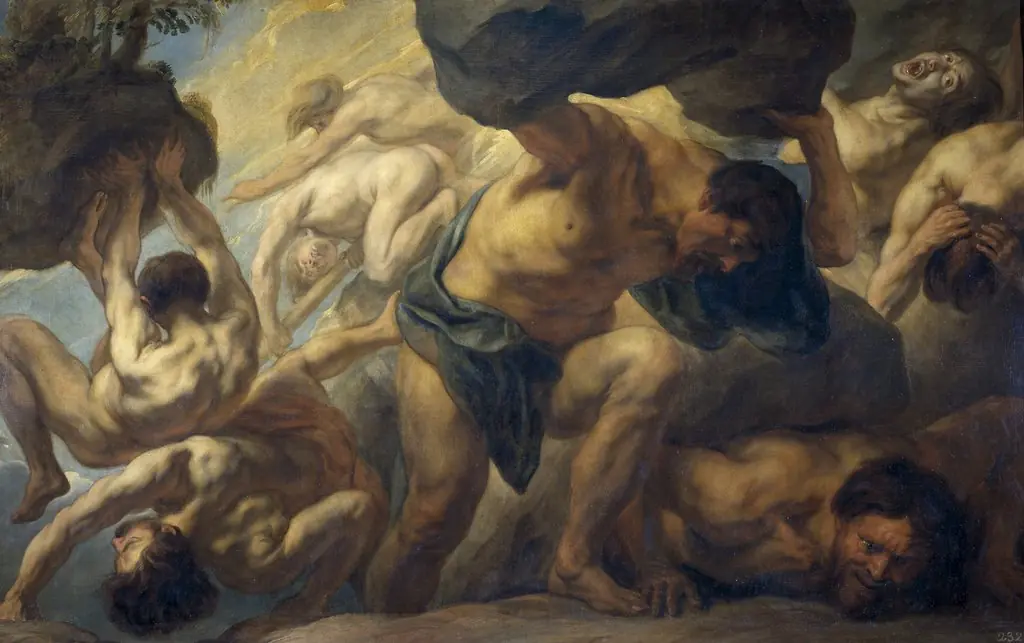 The Fall of the Giants
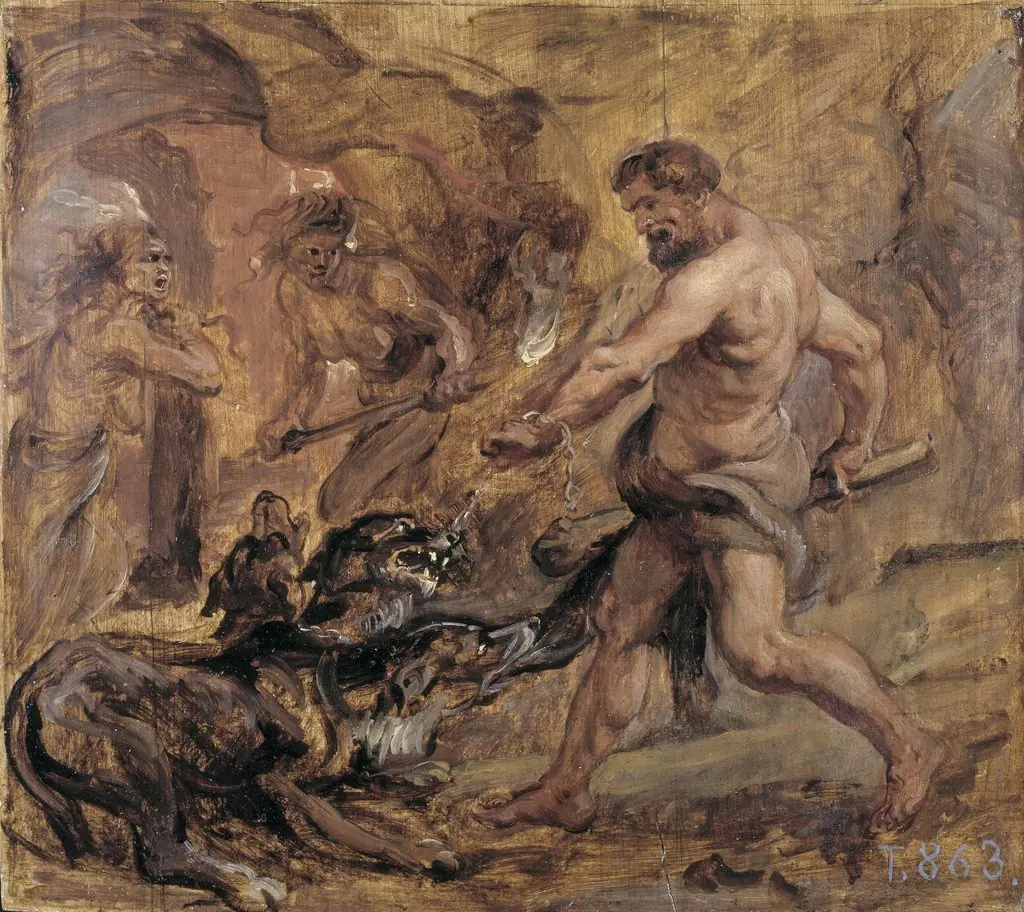 Hercules and Cerberus
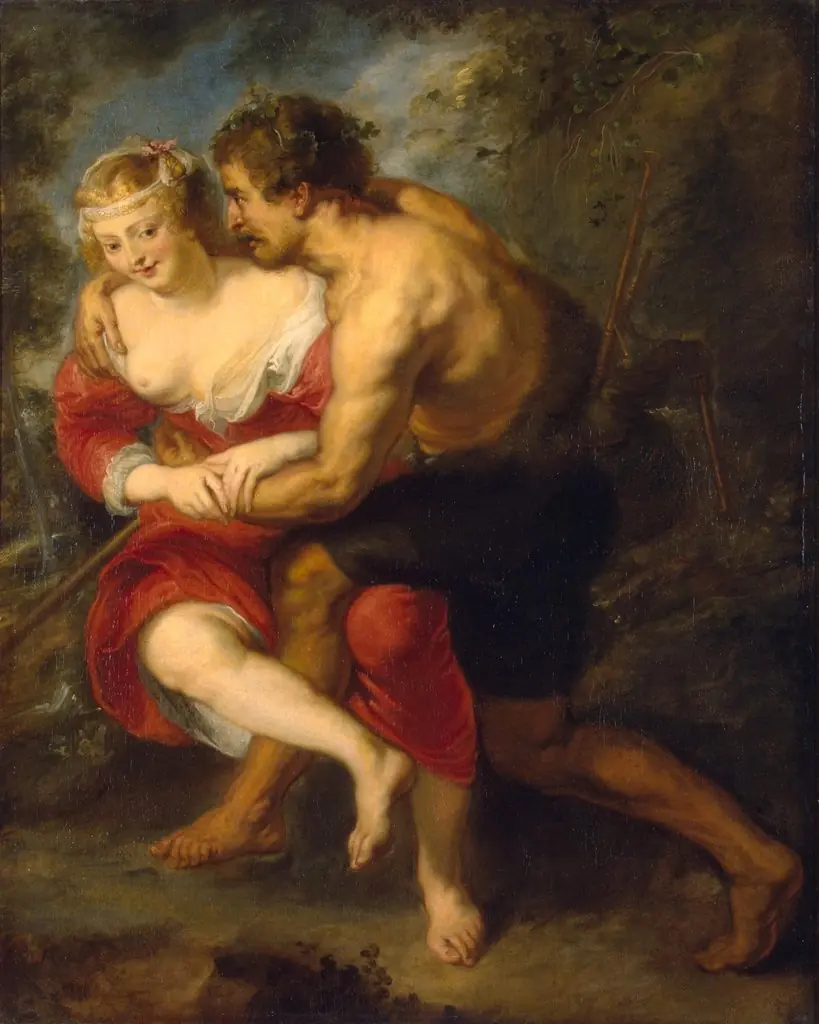 Pastoral Scene
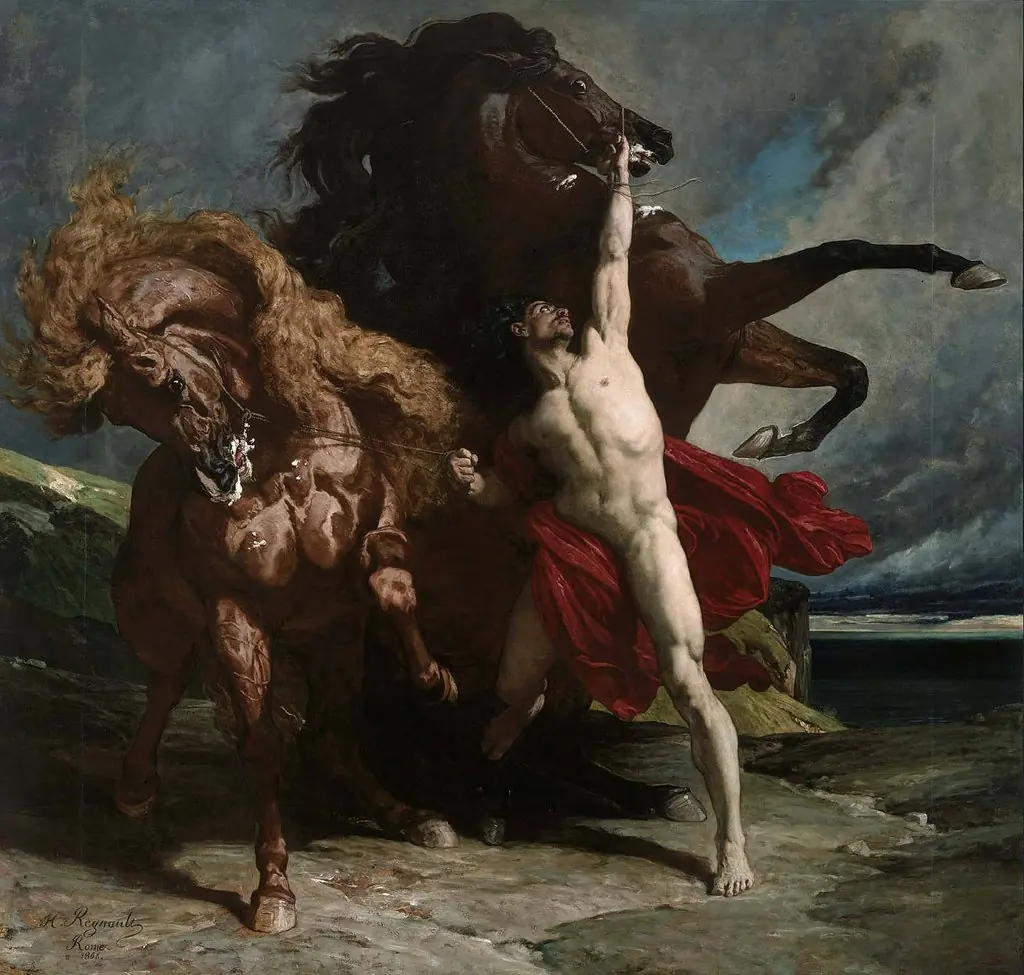 Automedon with the Horses of Achilles
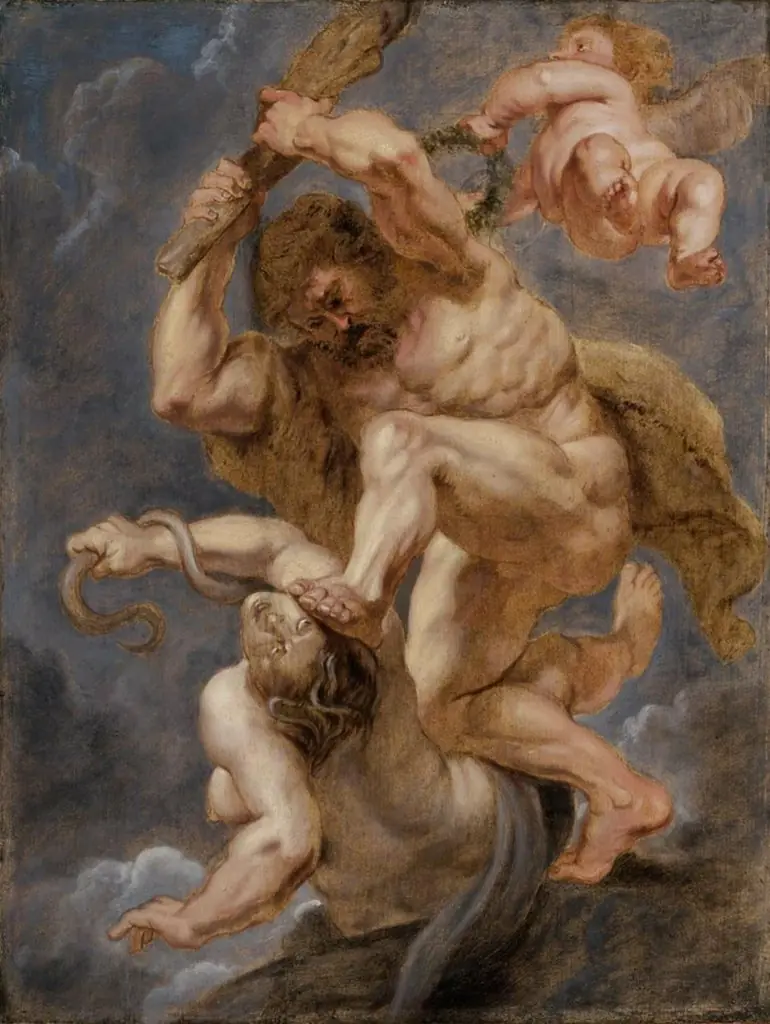 Hercules as Heroic Virtue Overcoming Discord
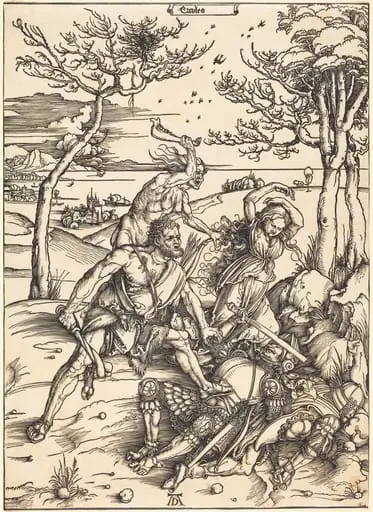 Hercules Conquering Cacus ("Ercules")
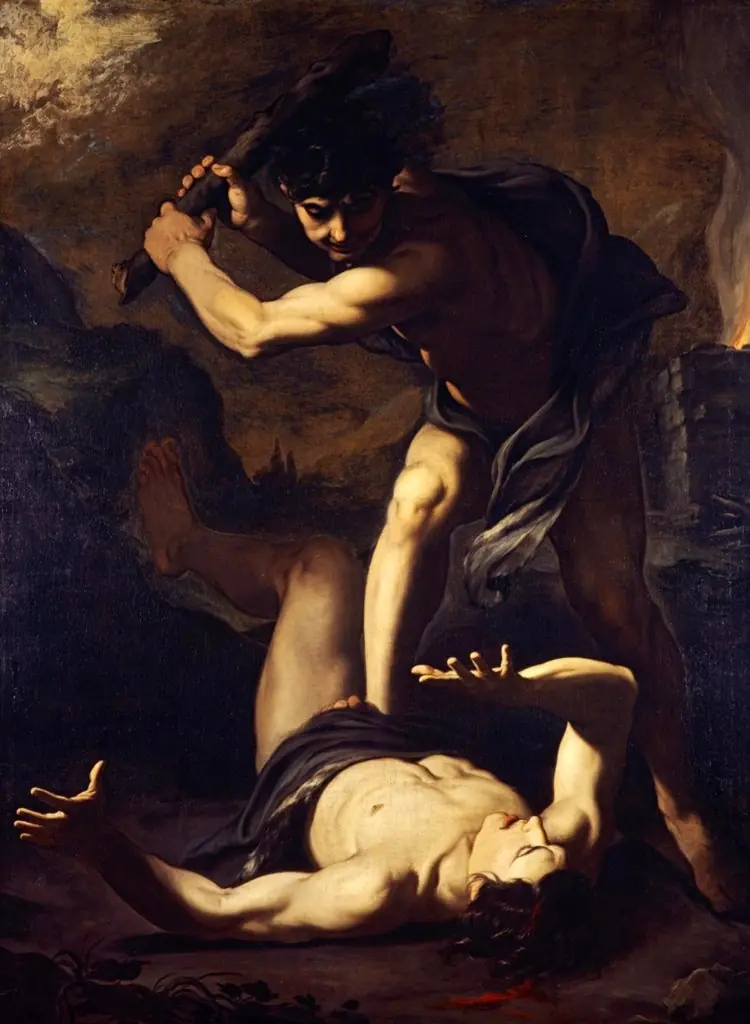 Cain Killing Abel
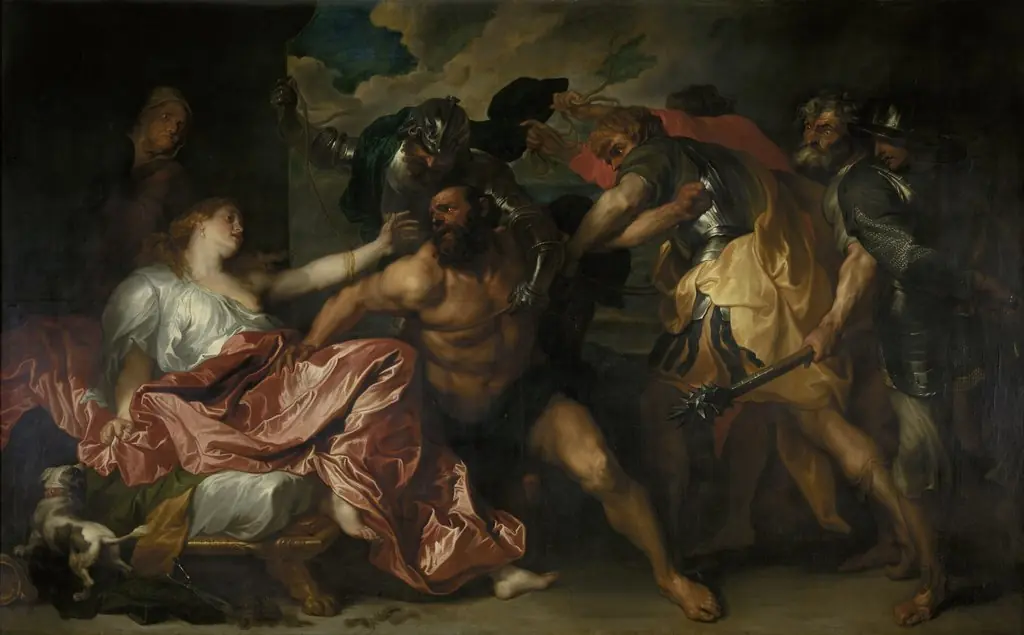 Samson and Delilah
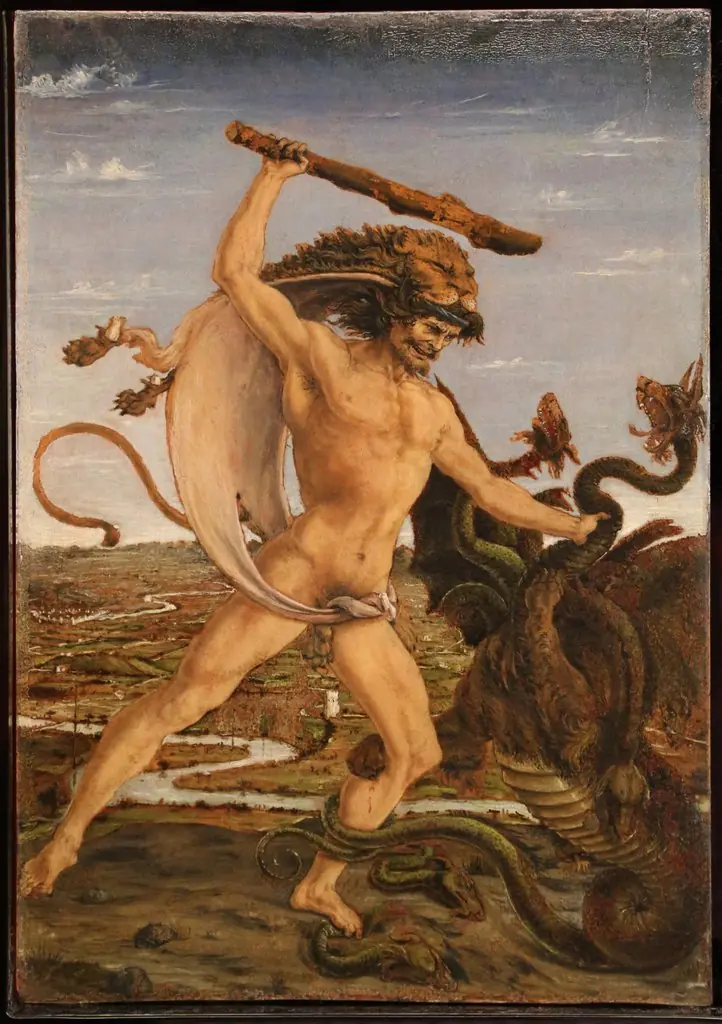 Hercules and the Hydra
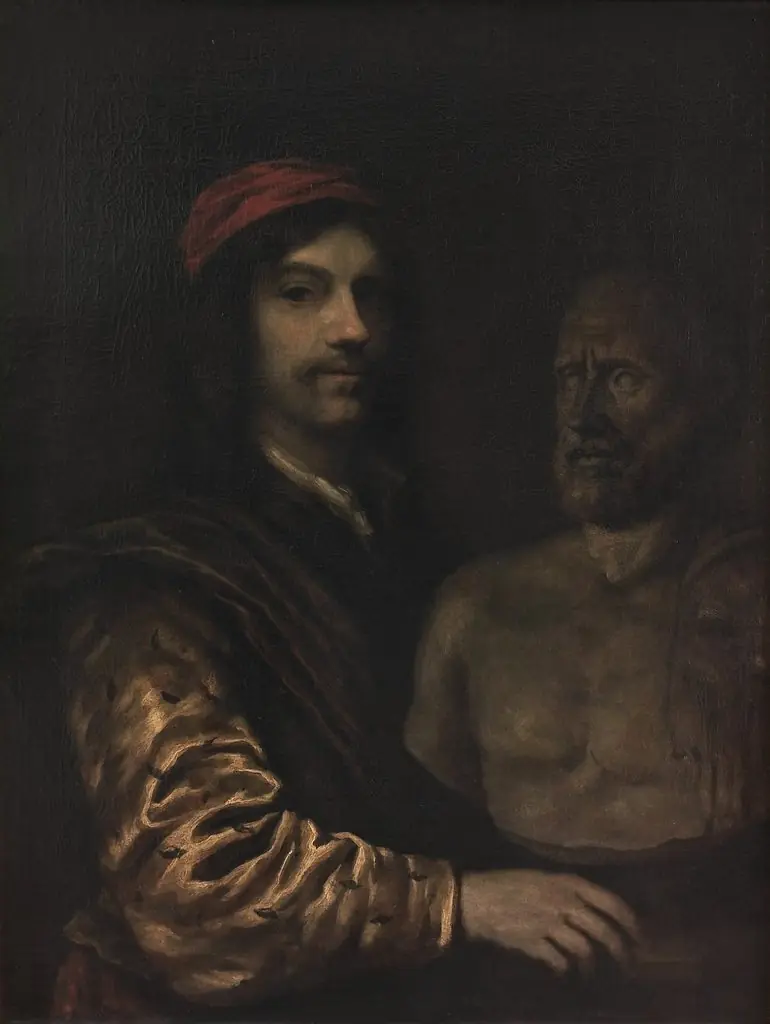 Self-portrait of Philips Koninck (1619-1688)
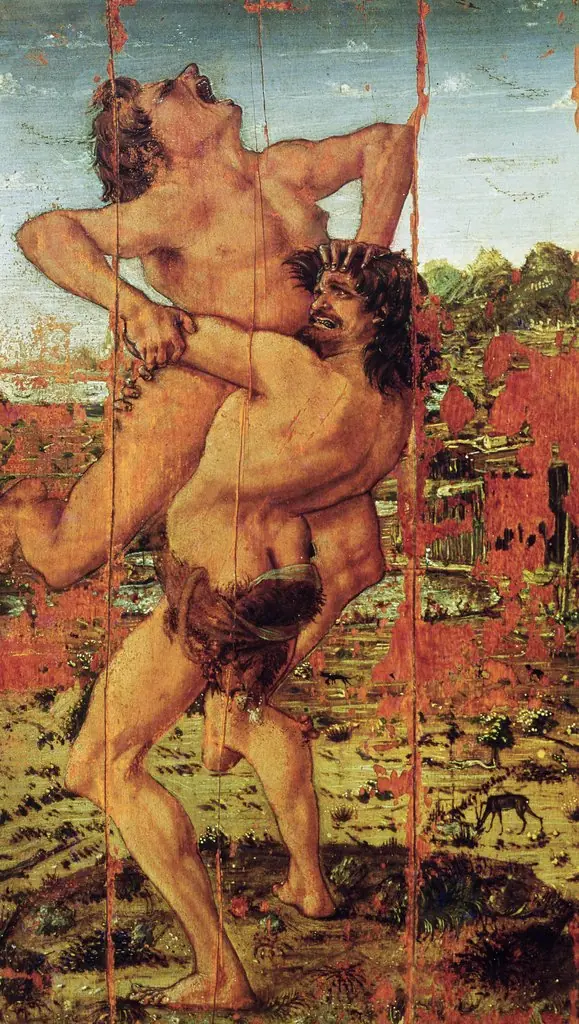 Heracles and Antaeus
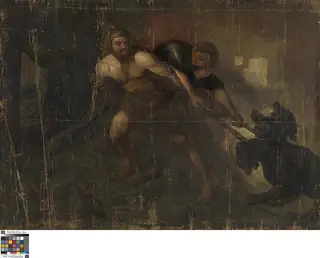 Hercules sleept Cerberus uit de hel
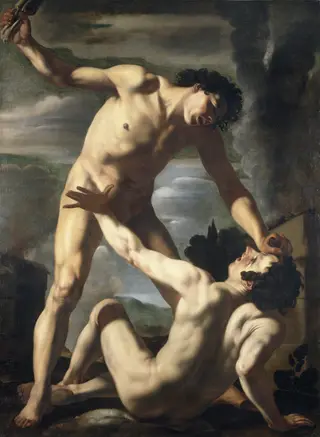 Cain and Abel
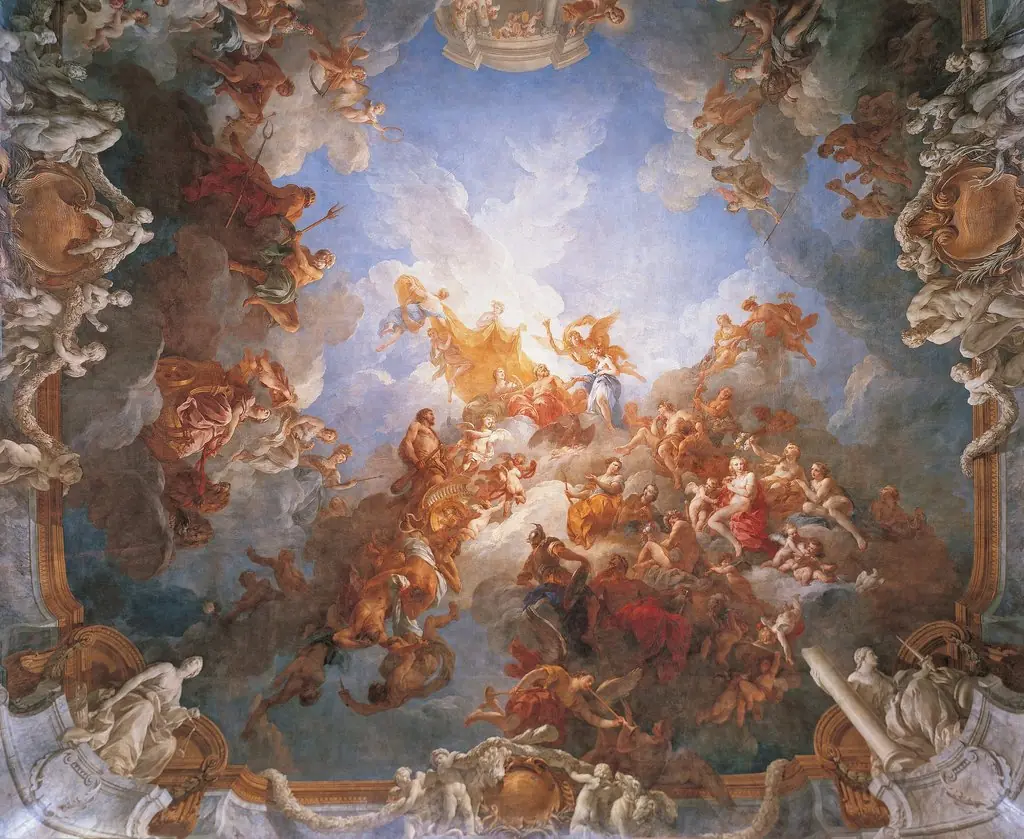 The Apotheosis of Hercules
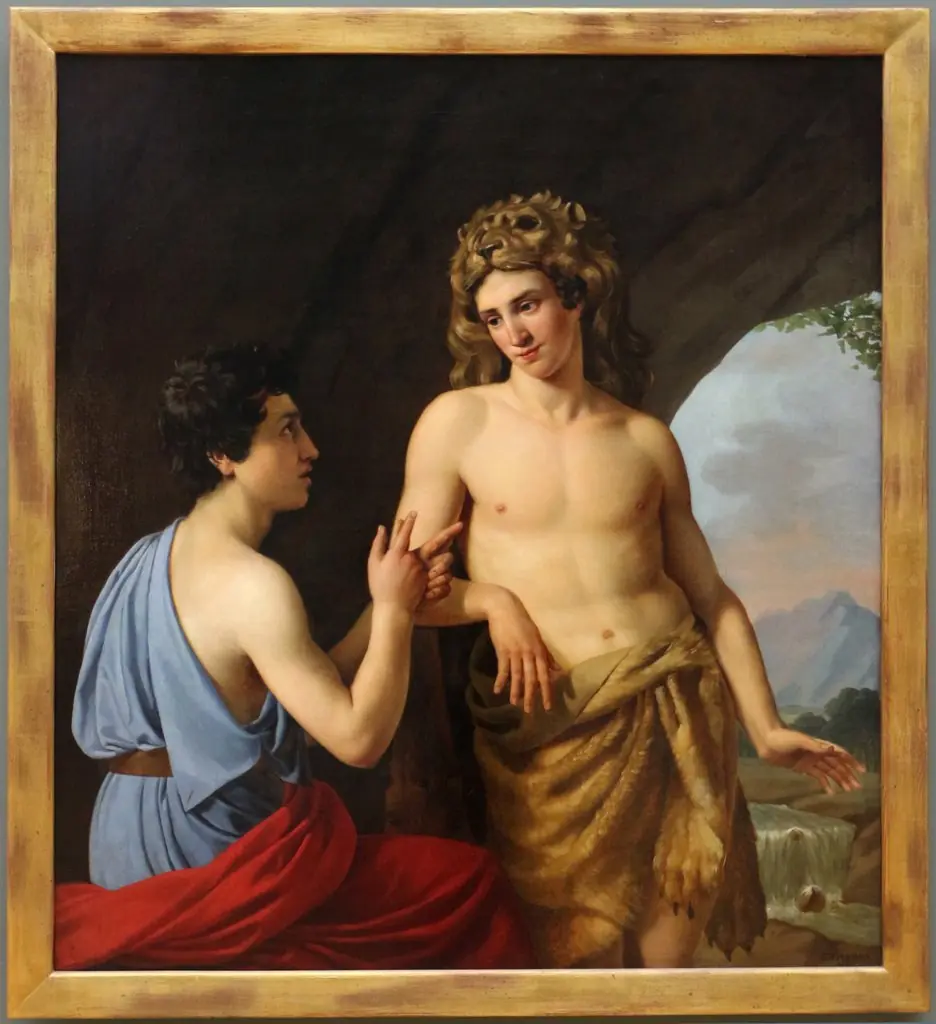 Hercules
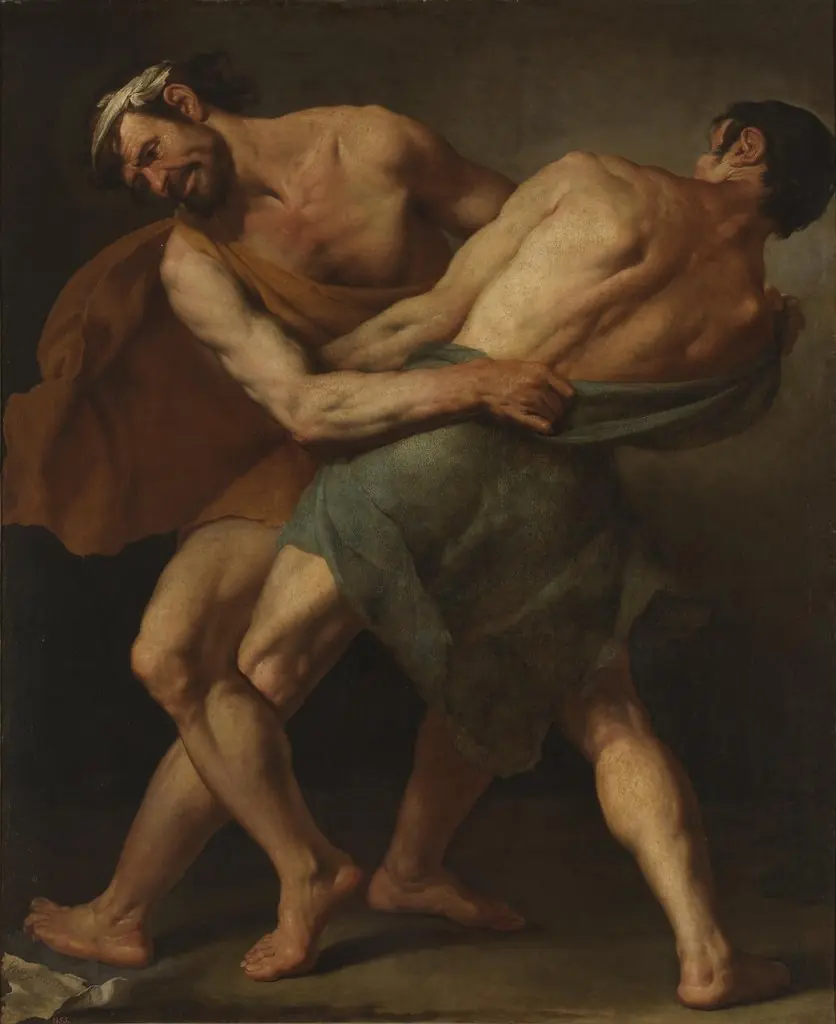 Dos luchadores
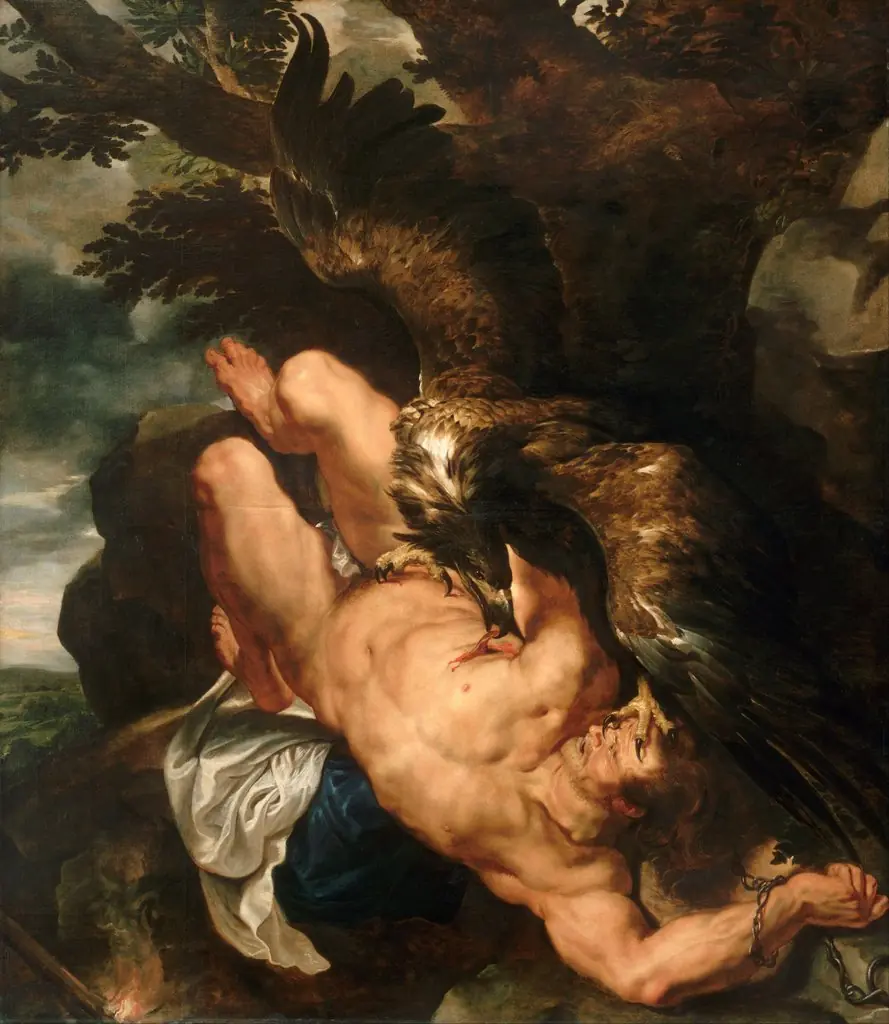 Prometheus Bound
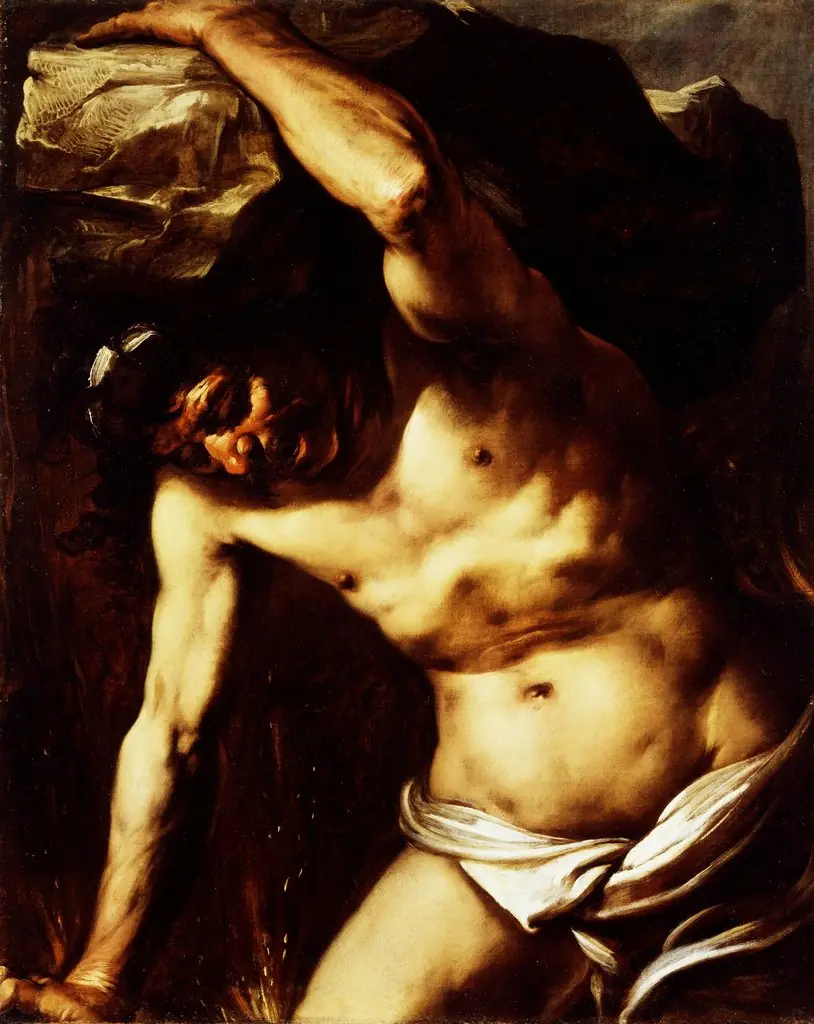 Sisyphus
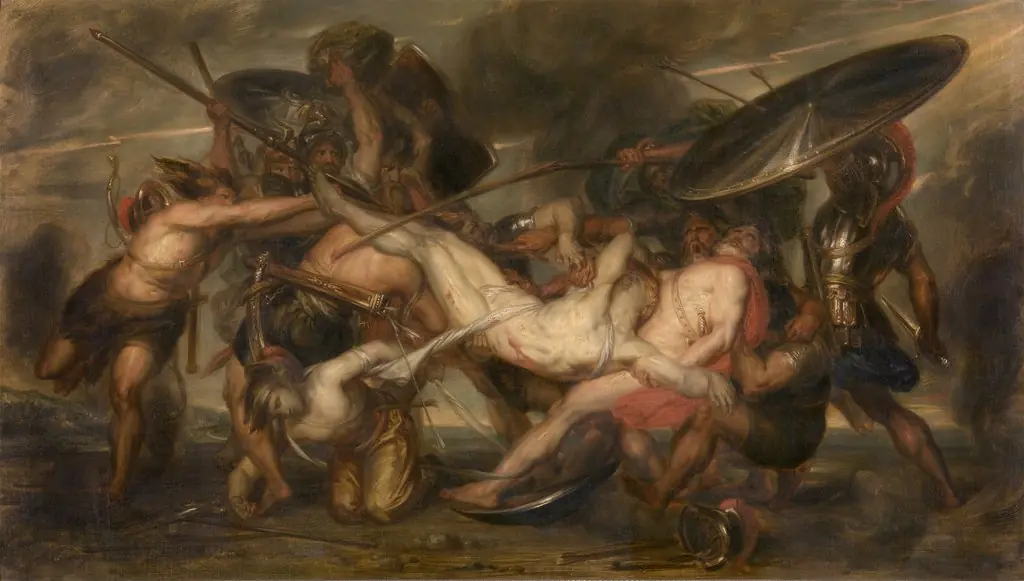 The Greeks and the Trojans Fighting over the Body of Patroclus
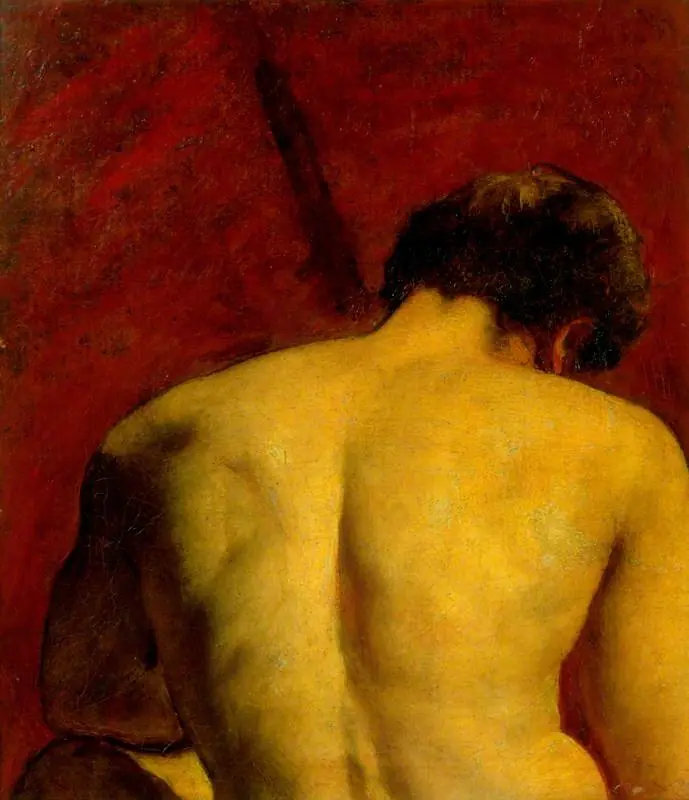 Study of a Nude Male Figure
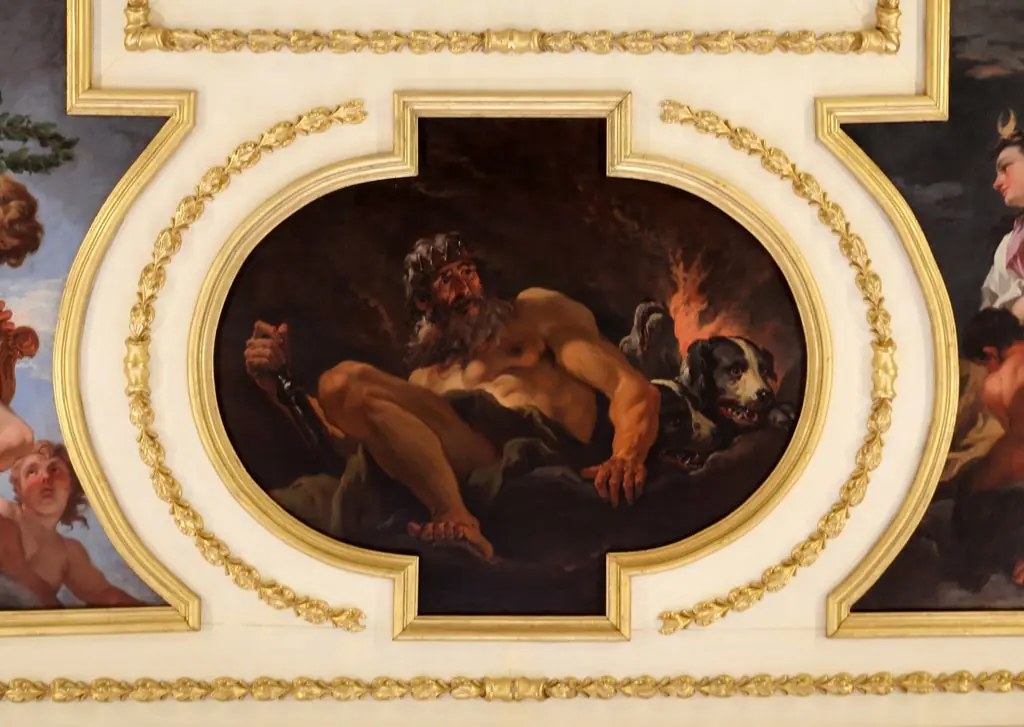 Pluto
Pluto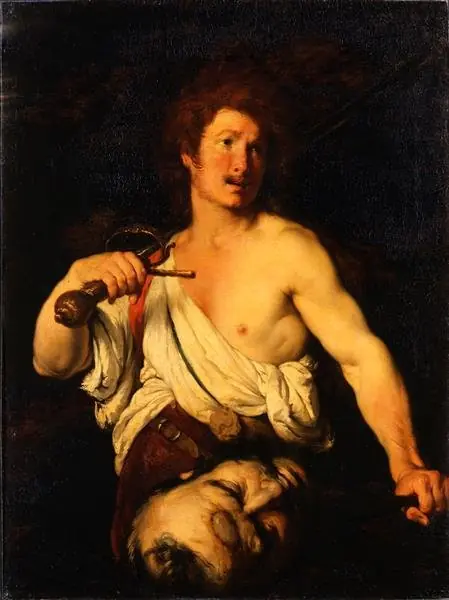 David with the Head of Goliath
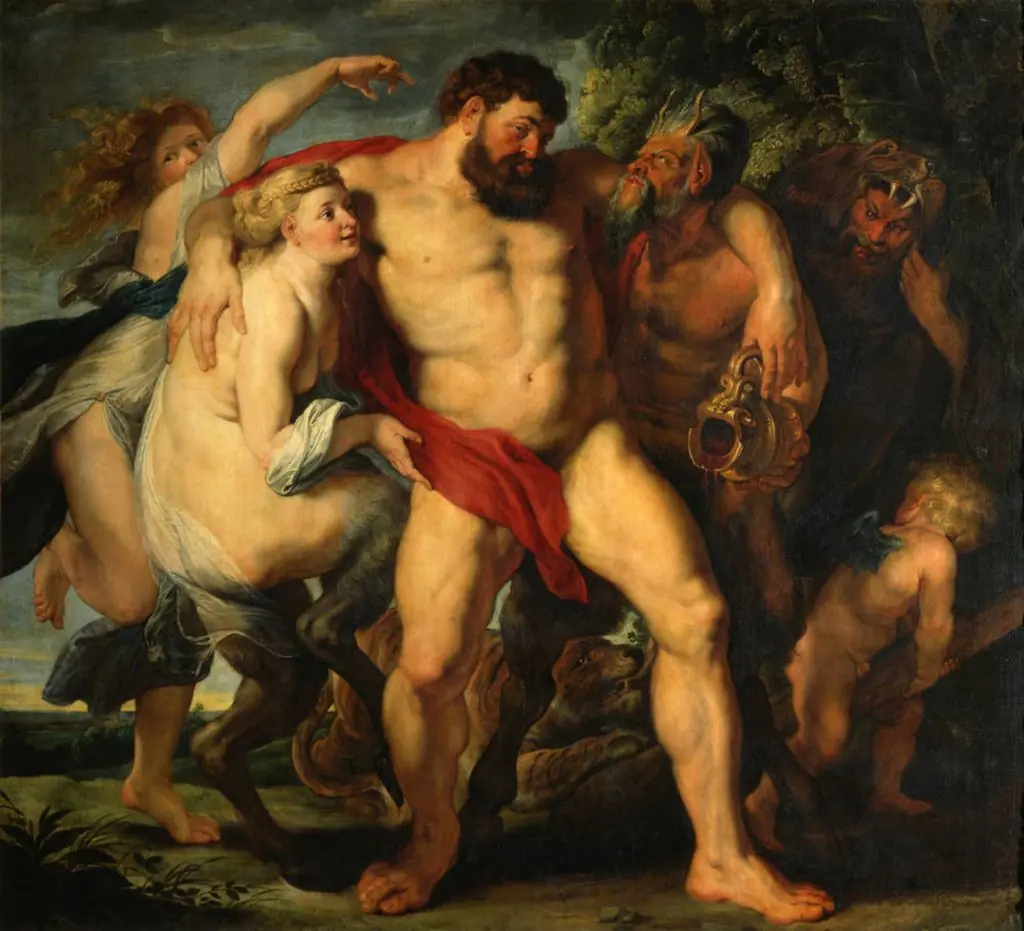 The Drunken Hercules being Led by a Satyr Couple
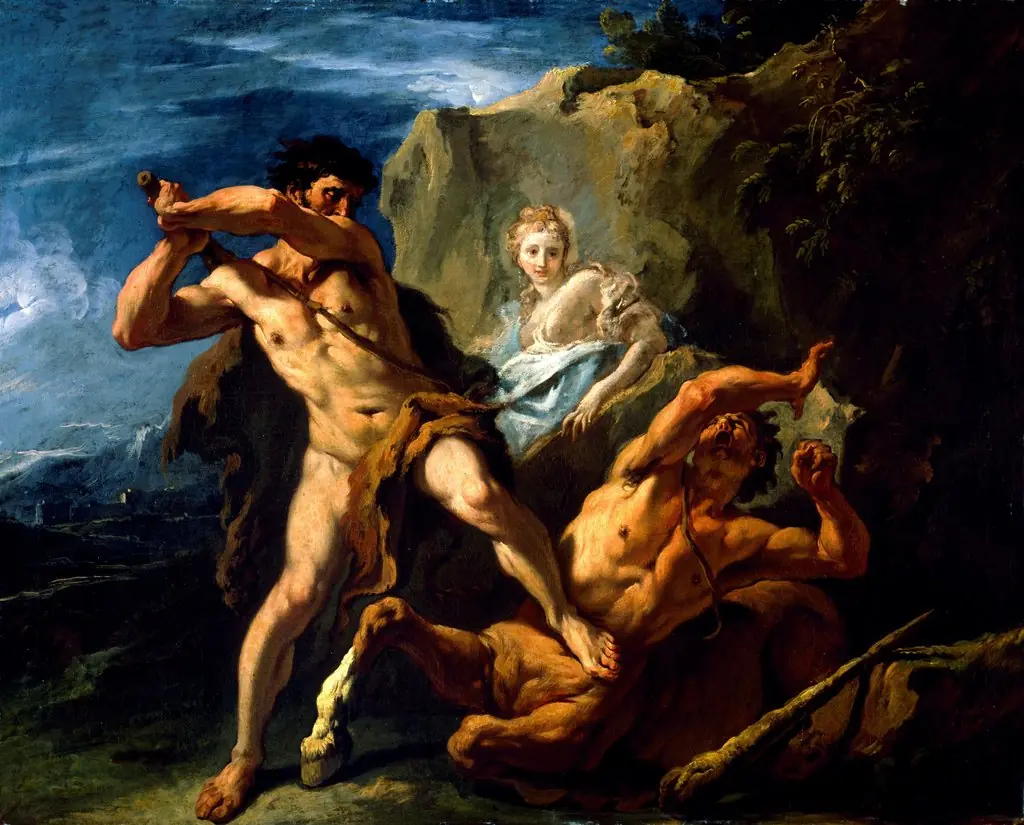 Hercules Killing the Centaur Nessus
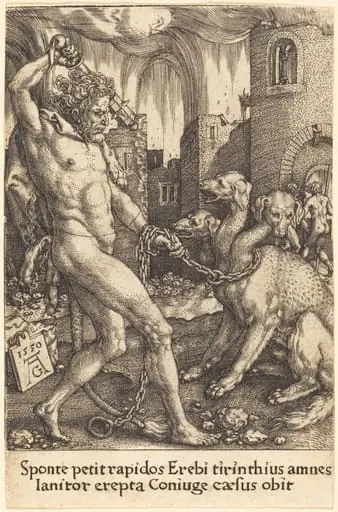 Hercules and Cerberus
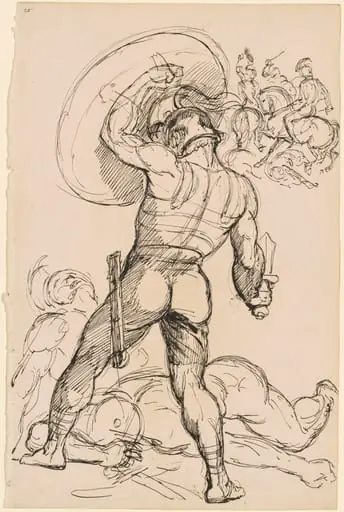 An Ancient Roman Warrior in Battle
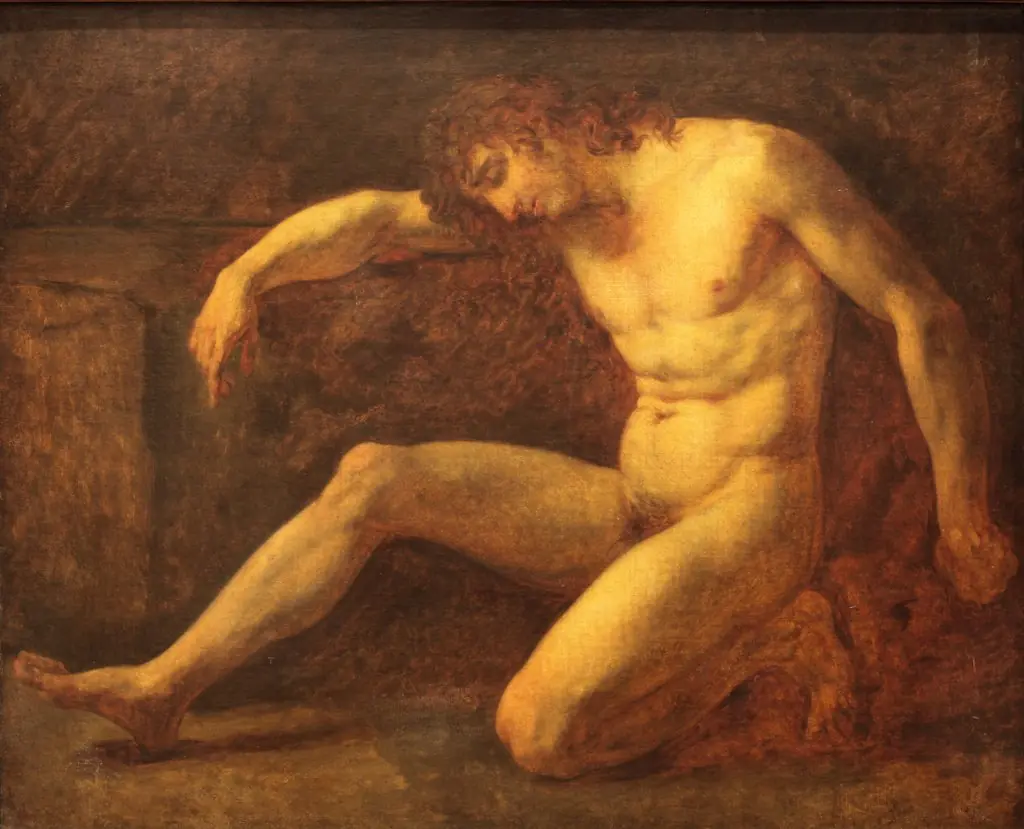 Death of Viala
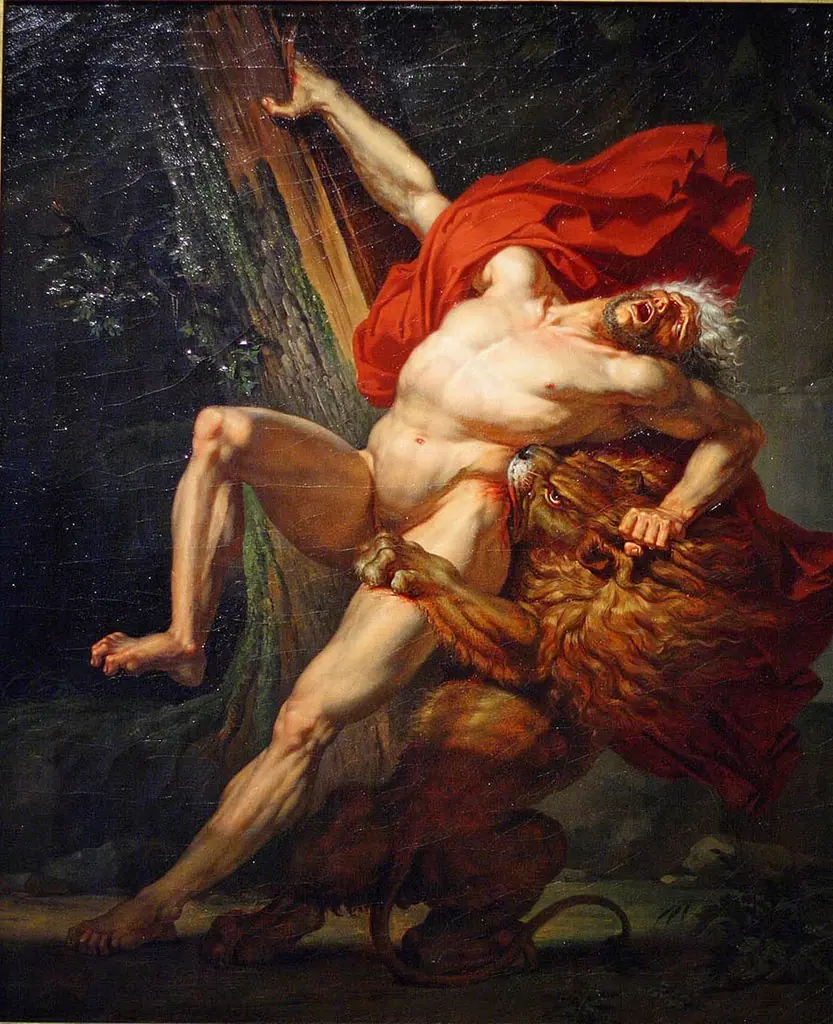 Milo of Croton, Attempting to Test His Strength, Is Caught and Devoured by a Lion
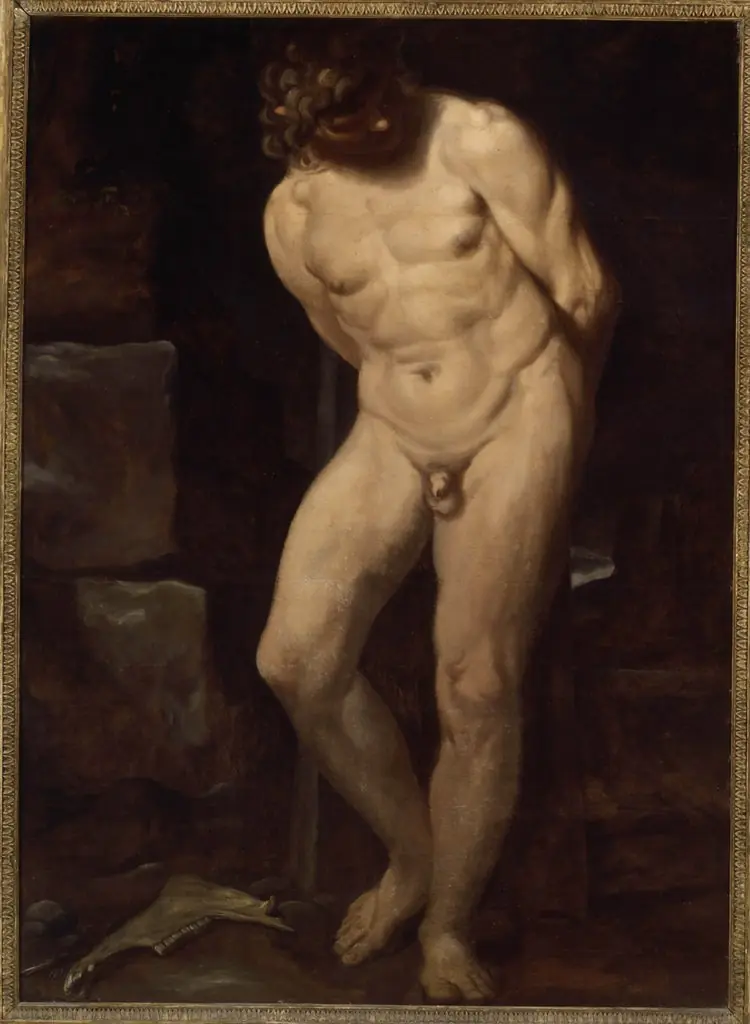 Samson in Chains
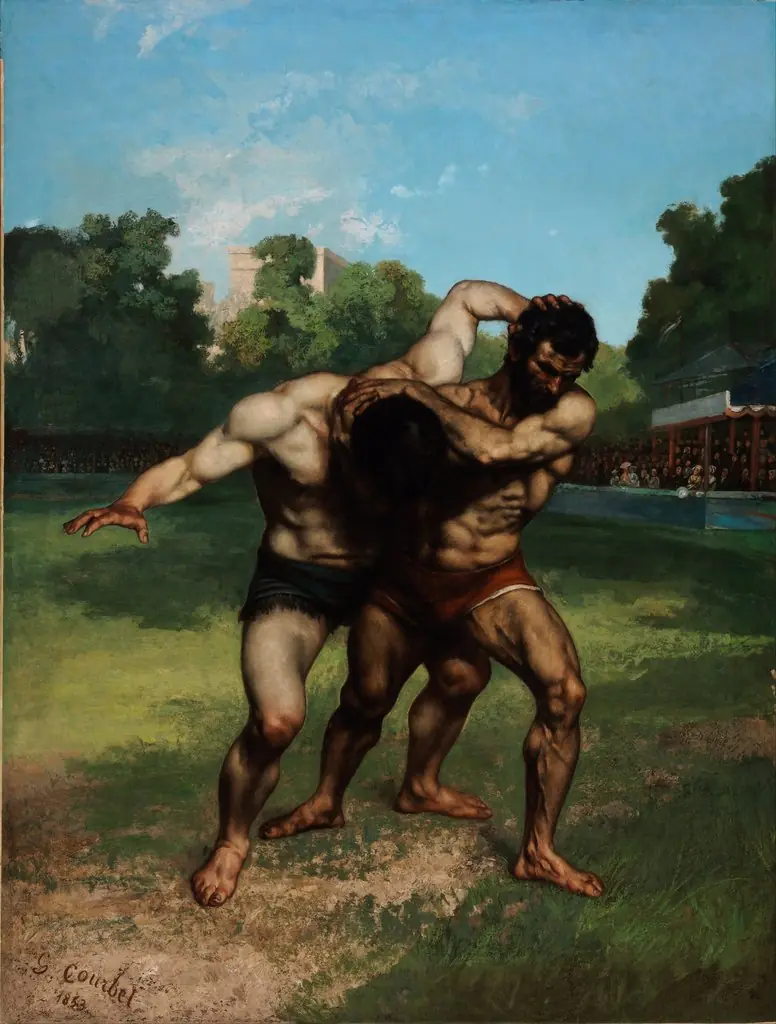 The Wrestlers
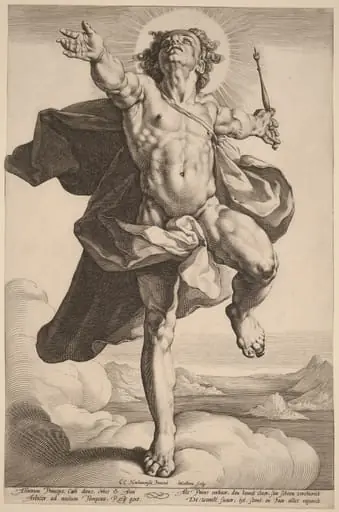 Apollo as Sol
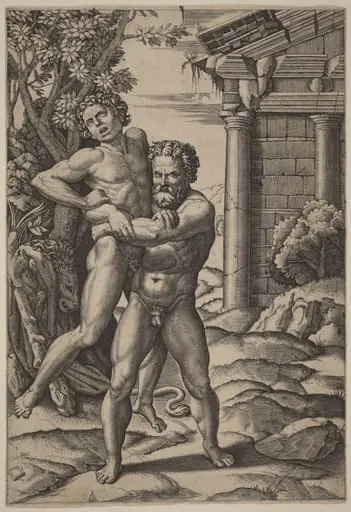 Hercules and Antaeus
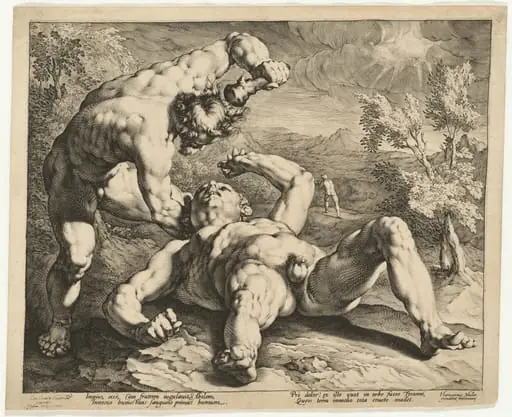 Cain Killing Abel
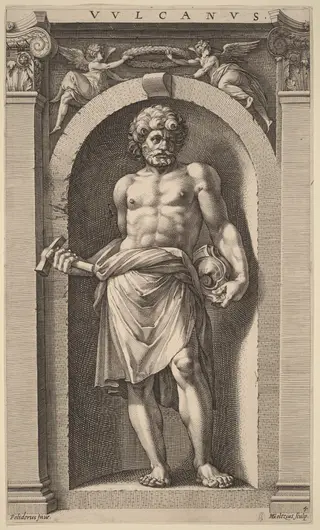 Vulcan
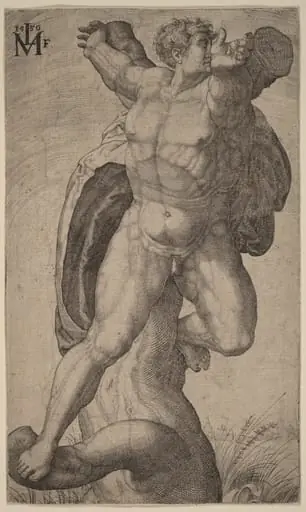 The Crucified Man
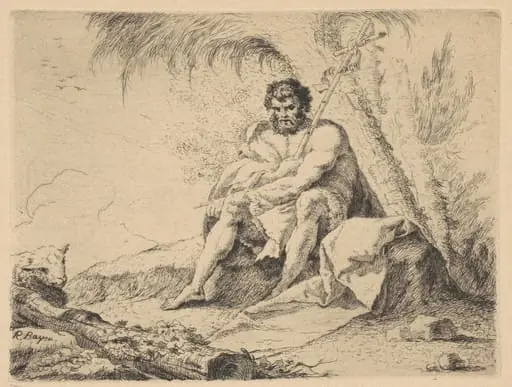 John the Baptist and the Lamb
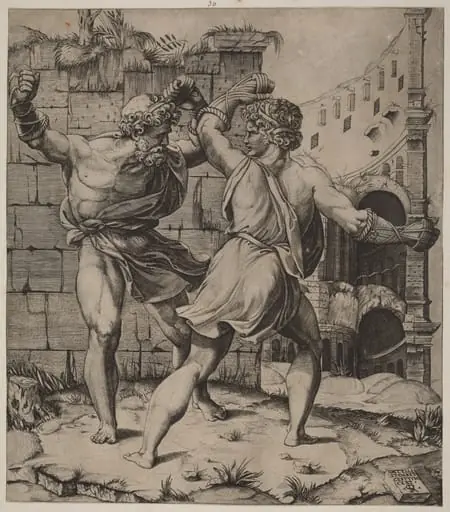 Entellus and Dares
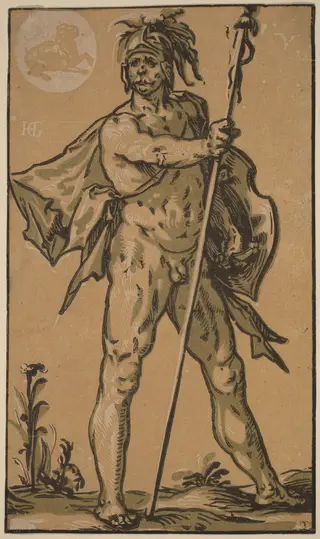 Mars
Mars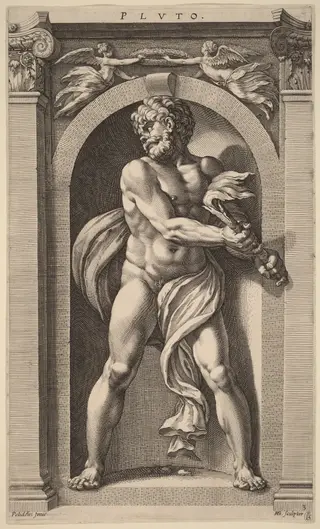 Pluto
Pluto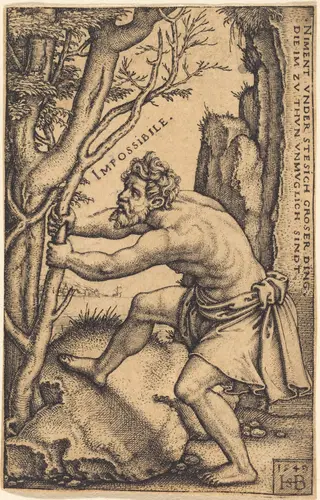 The Impossible
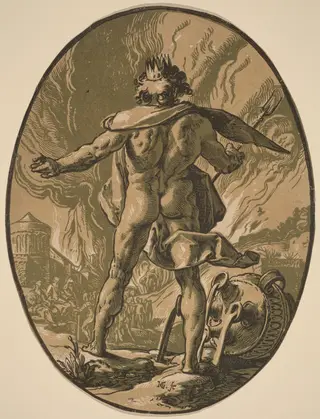 Pluto
Pluto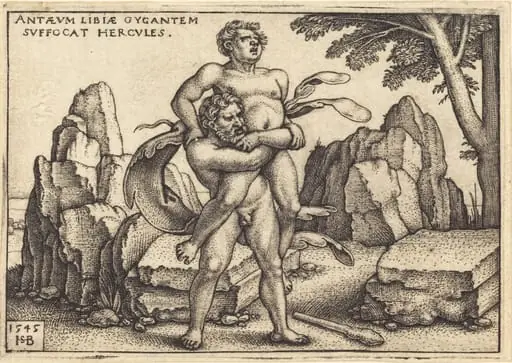 Hercules Killing Antaeus
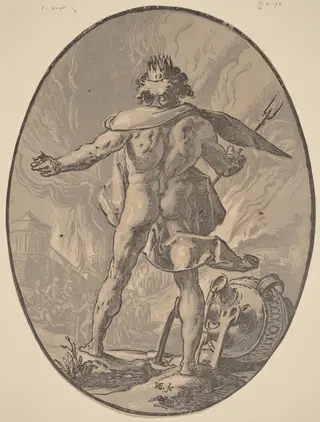 Pluto
Pluto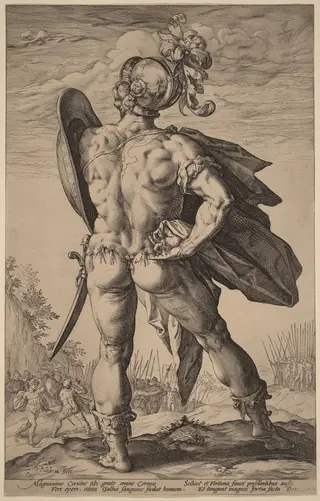 Marcus Valerius Corvus
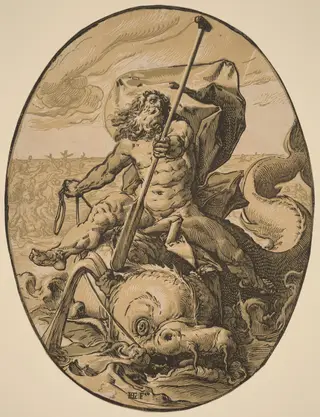 Oceanus
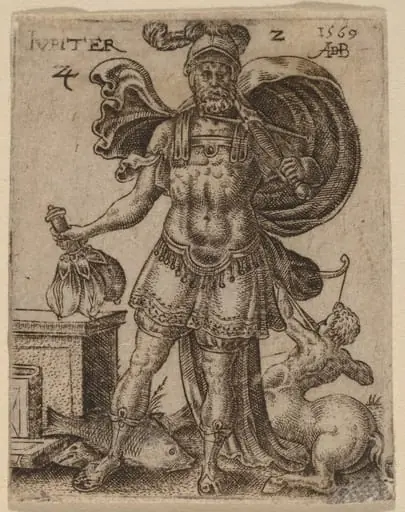 Jupiter
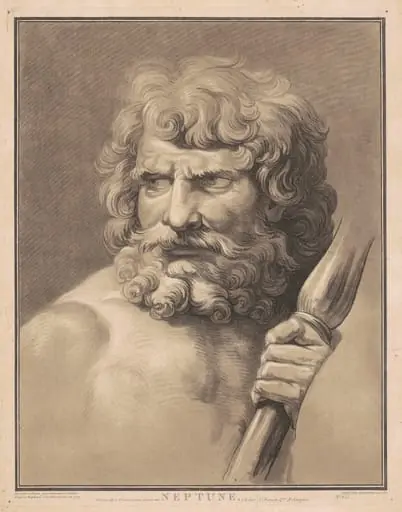 Neptune
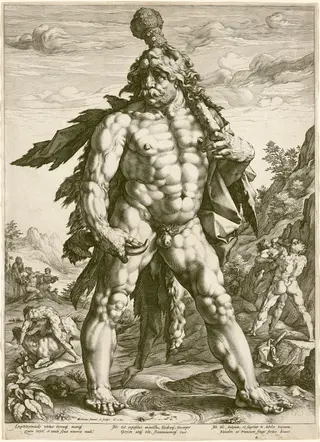 The Great Hercules
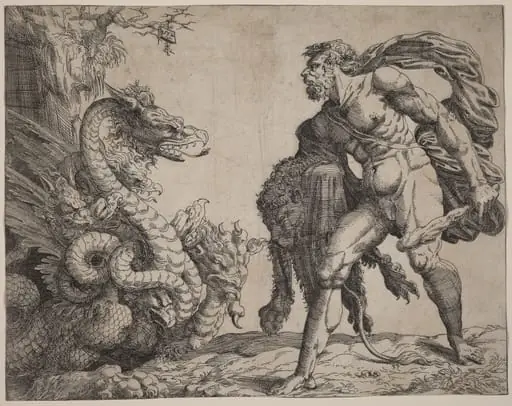 Hercules and the Hydra
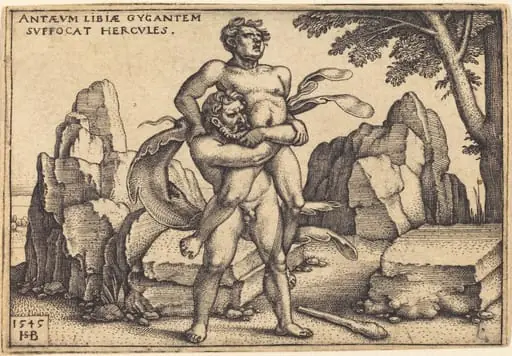 Hercules Killing Antaeus
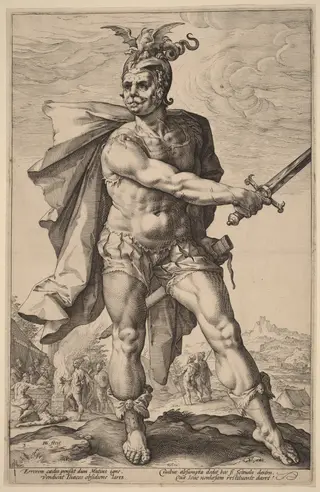 Mucius Scaevola
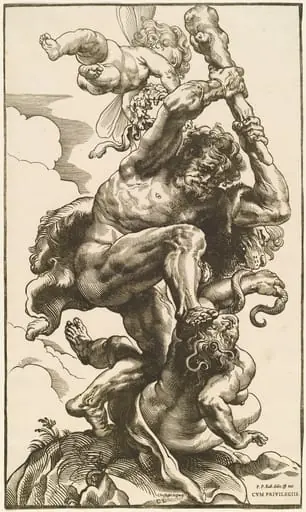 Hercules Fighting the Fury and the Discord
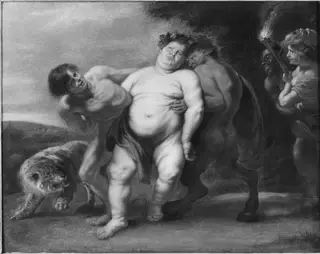 Drunken Silenus
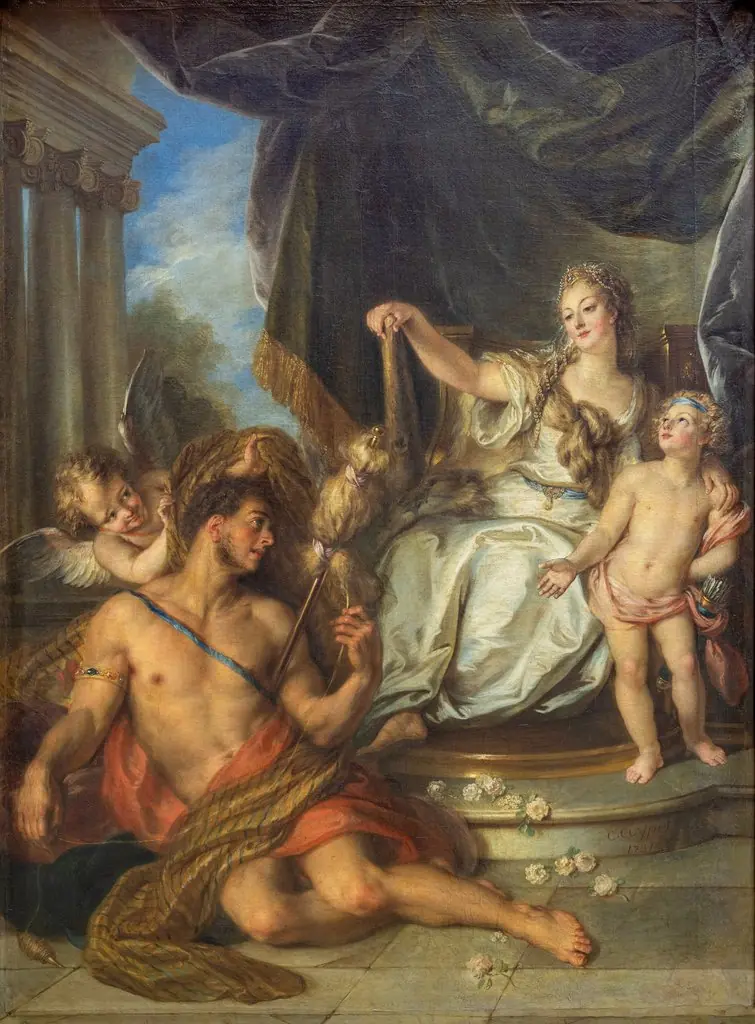 Hercules and Omphale
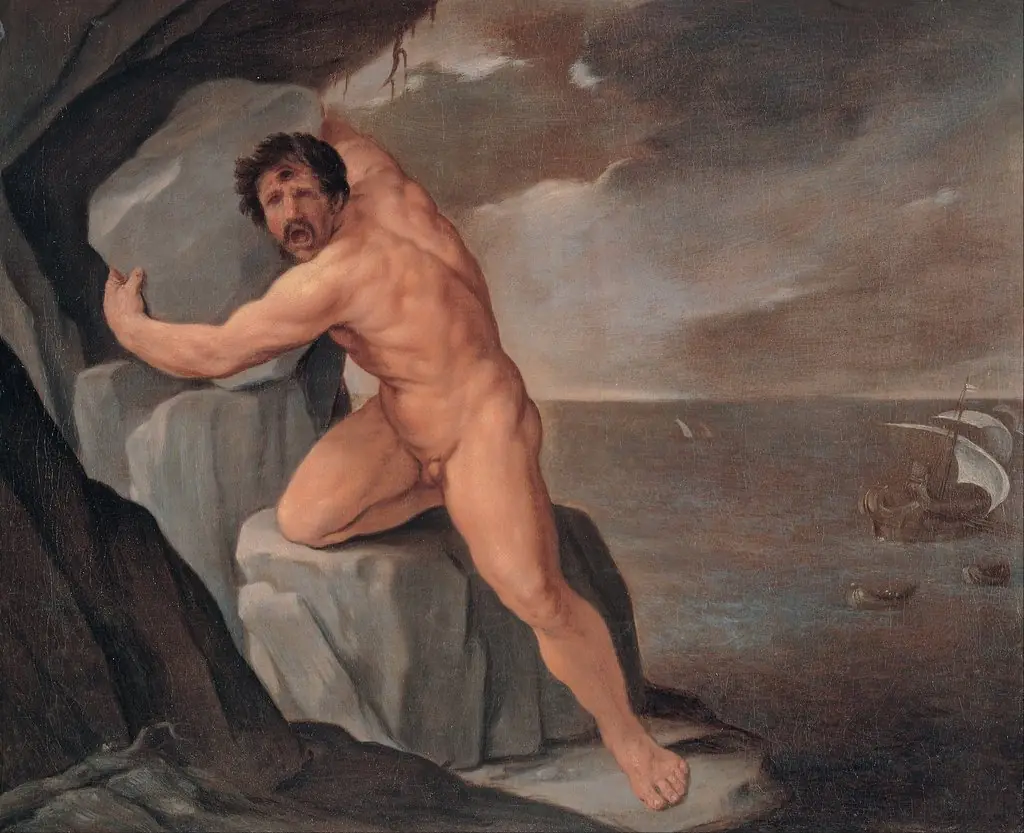 Polyphemus
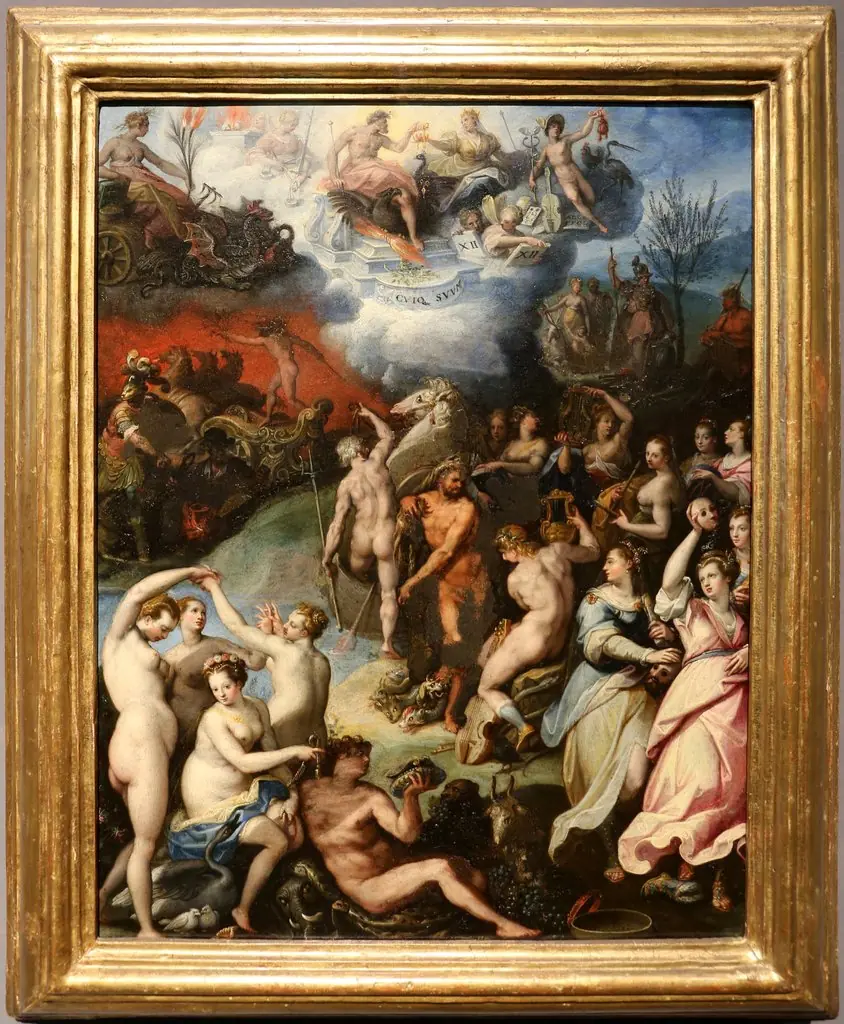 Hercules Musagetes and the gods of Olympus
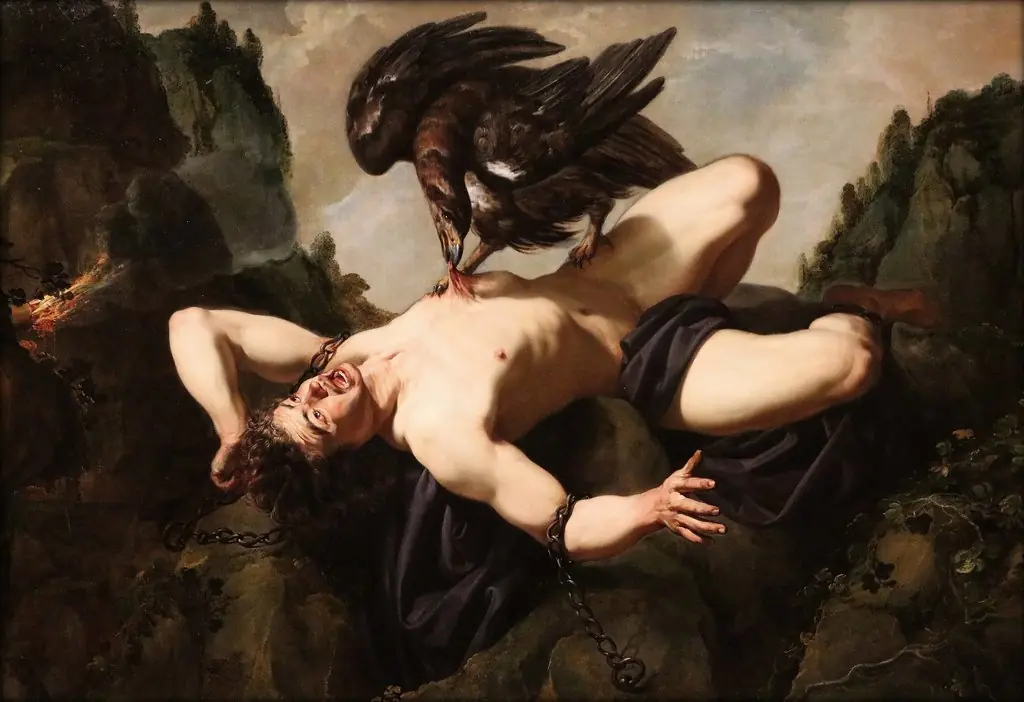 Prometheus
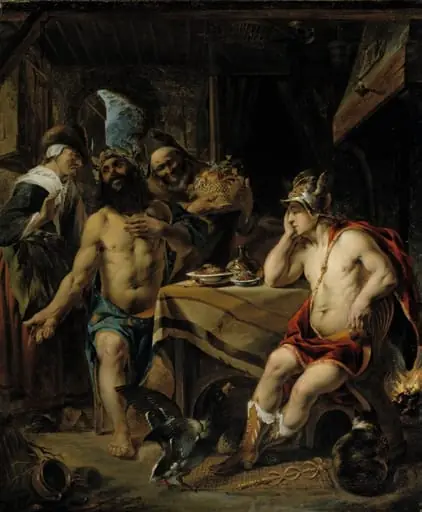 Jupiter ja Merkurius Filemonin ja Bauciin luona
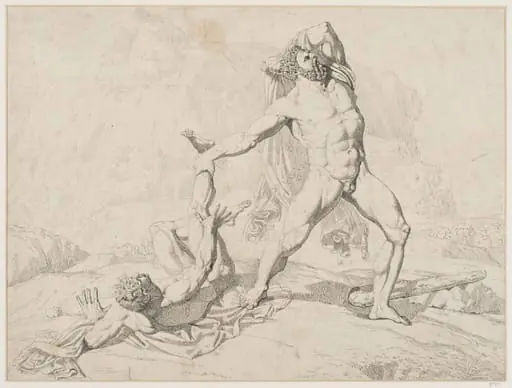 Hercules, in his death throes, hurling Lichas into the sea
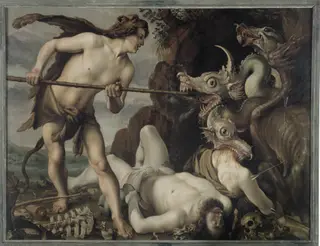 Cadmus Slaying the Dragon
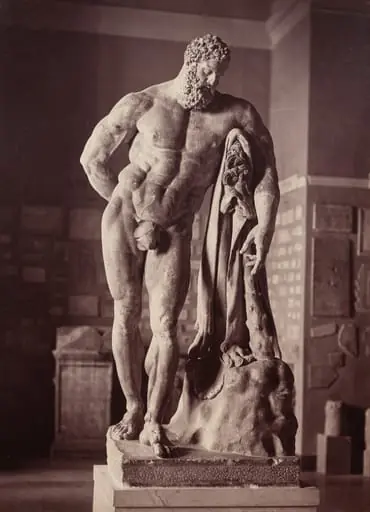 Farnese Hercules, Museum of Naples, Italy
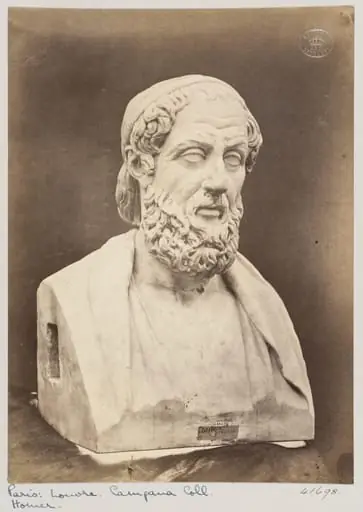 Marble bust of Homer
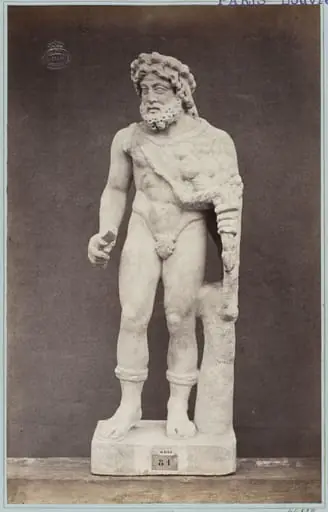 Vertumness statuette in marble
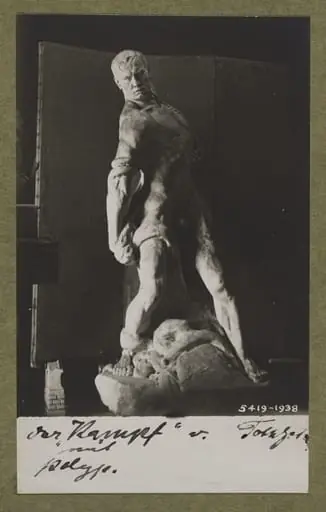 Untitled
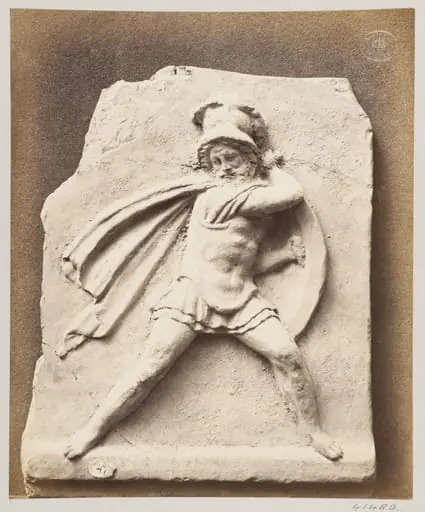 Fighting Warrior, bas-relief in terra cotta
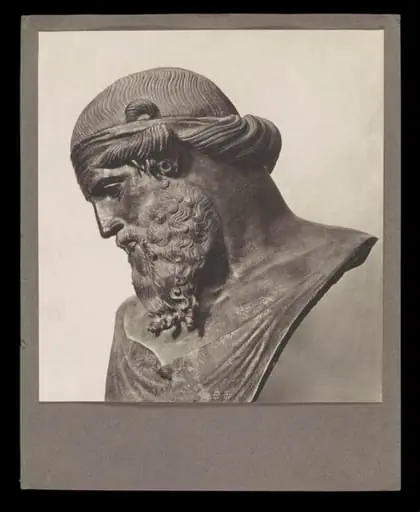 Bust of Dionysus, Platon
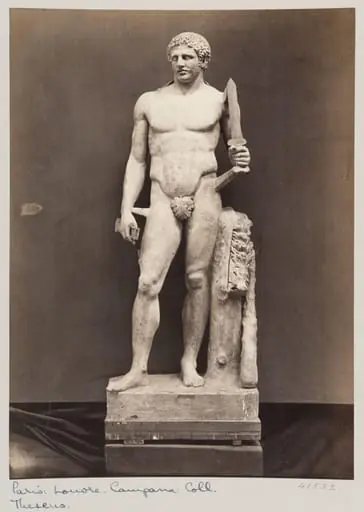 Marble Statue of Theseus
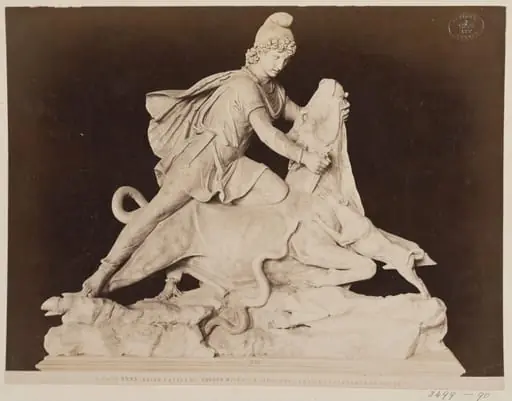 Untitled
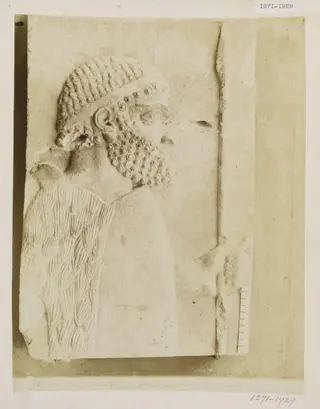 Bas-relief of a warrior, Louvre, Paris
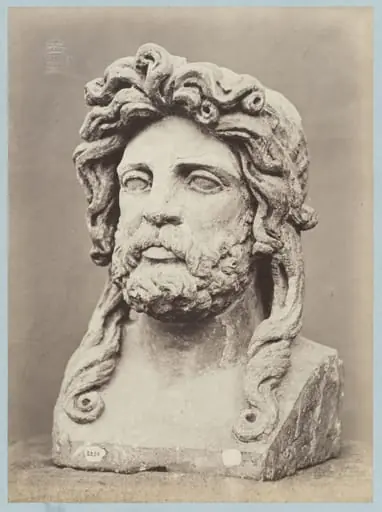 Terra cotta bust of unnamed male
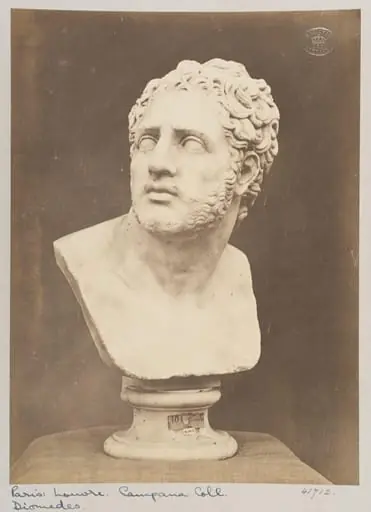 Marble bust of Diomedes
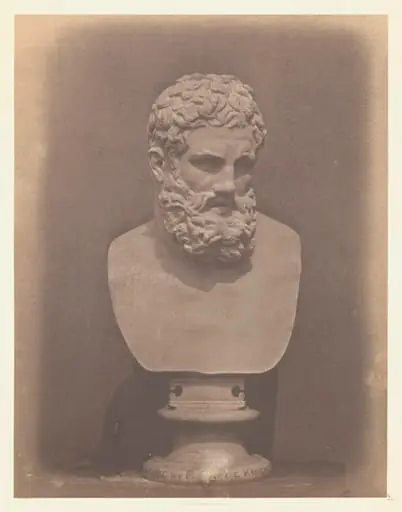 Hercules
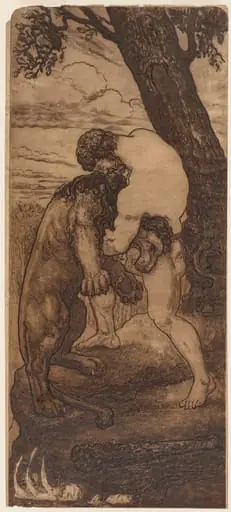 Hercules and the Nemean Lion
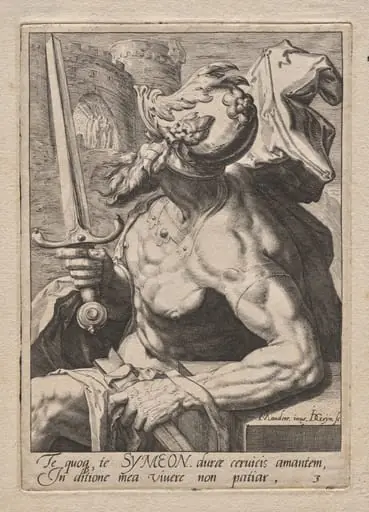 Plate 3: Simeon
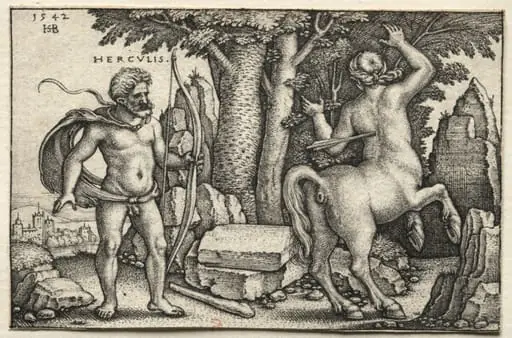 The Labors of Hercules: Hercules Shooting Nessus
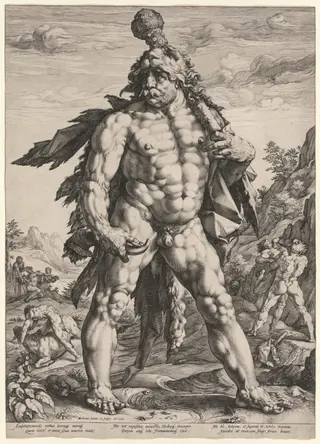 The Great Hercules or 'Knollenman'
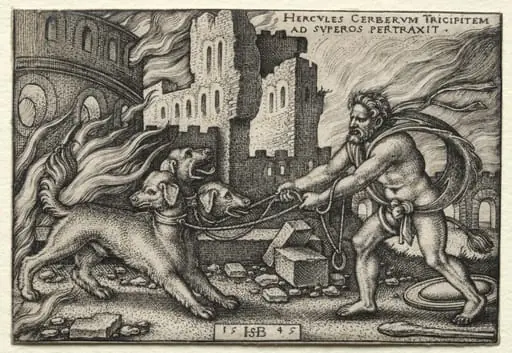 The Labors of Hercules: Hercules Dragging Cerberus from the Underworld
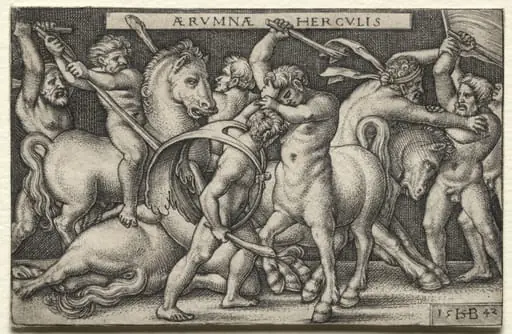 The Labors of Hercules
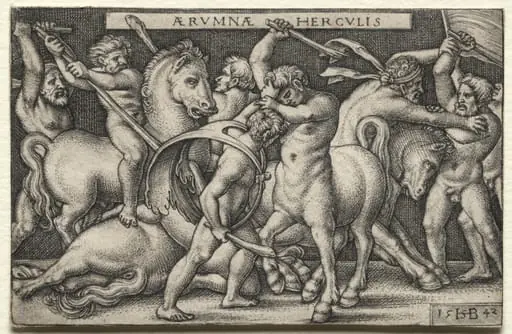 The Labors of Hercules: Hercules Defeating the Centaurs
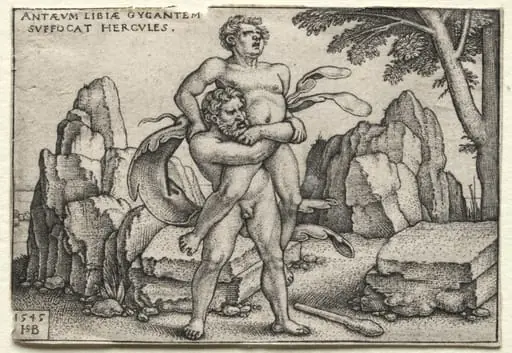 The Labors of Hercules: Hercules Crushing Antaeus
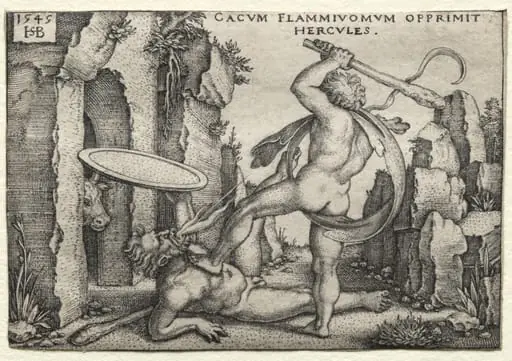 The Labors of Hercules: Hercules Killing the Giant Cacus
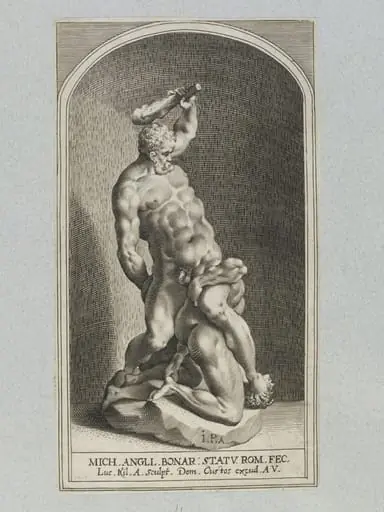 Hercules Killing Cacus
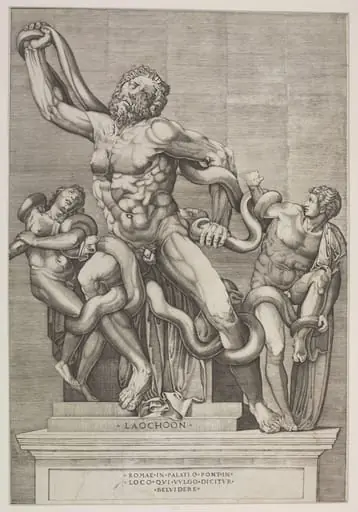 Laocoon and His Sons
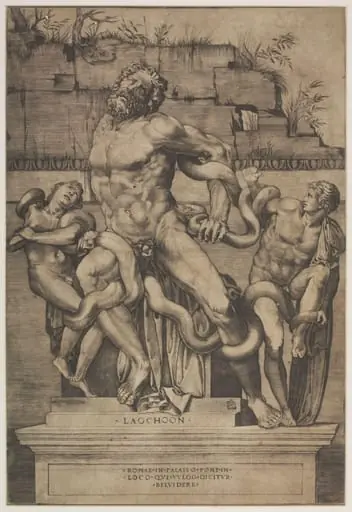 The Laocoon Before Restoration
Frequently asked questions
What is Heracles?
Heracles ( Ancient Greek: Ἡρακλῆς, lit.
How many Heracles works does Artifact World Gallery have?
Artifact World Gallery holds 111 public-domain Heracles works, all free to view and download.
Who are the key Heracles artists?
Key Heracles artists in the collection include Titian, Paolo Veronese and Gustave Courbet.
Where can I see Heracles works?
Heracles works in the collection are held by National Gallery of Art, Victoria and Albert Museum and Cleveland Museum of Art.