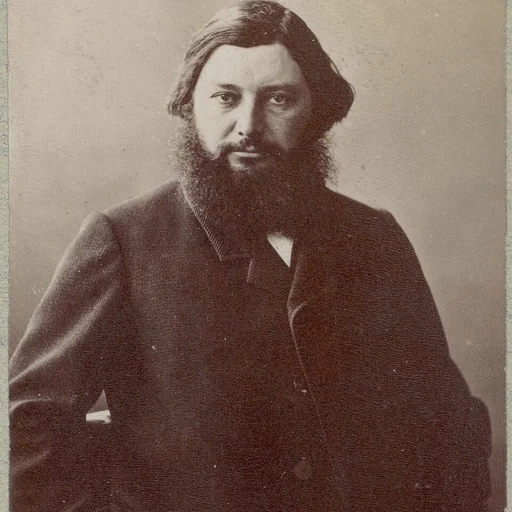
Subject
Red Hair
Red Hair is a subject in art. The gallery holds 41 works in this subject in art, including works by Gustave Courbet, Edgar Degas and Édouard Manet.
Red hair, also known as ginger hair, is a human hair color found in 2–6% of people of Northwestern European ancestry, typically those of Celtic ancestry, and smaller amounts in other populations. It is most common in individuals homozygous for a recessive allele on chromosome 16 that produces an altered version of the MC1R protein.
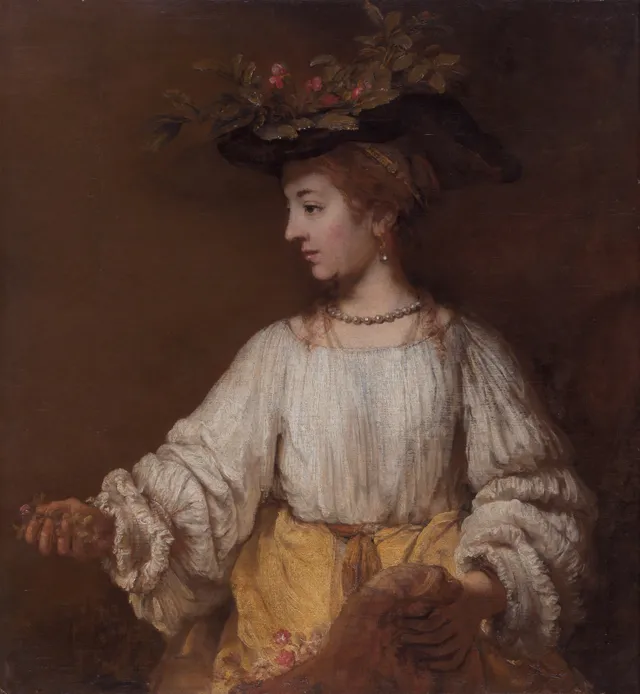
Key artists
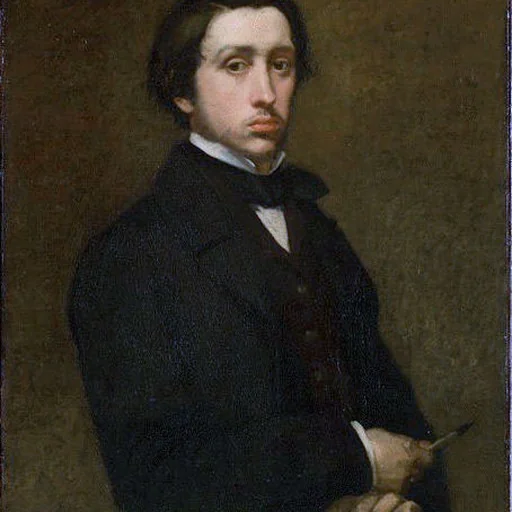
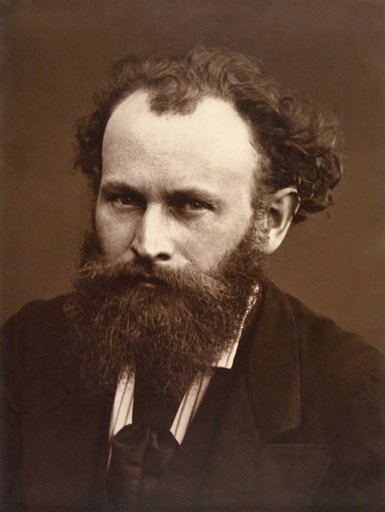

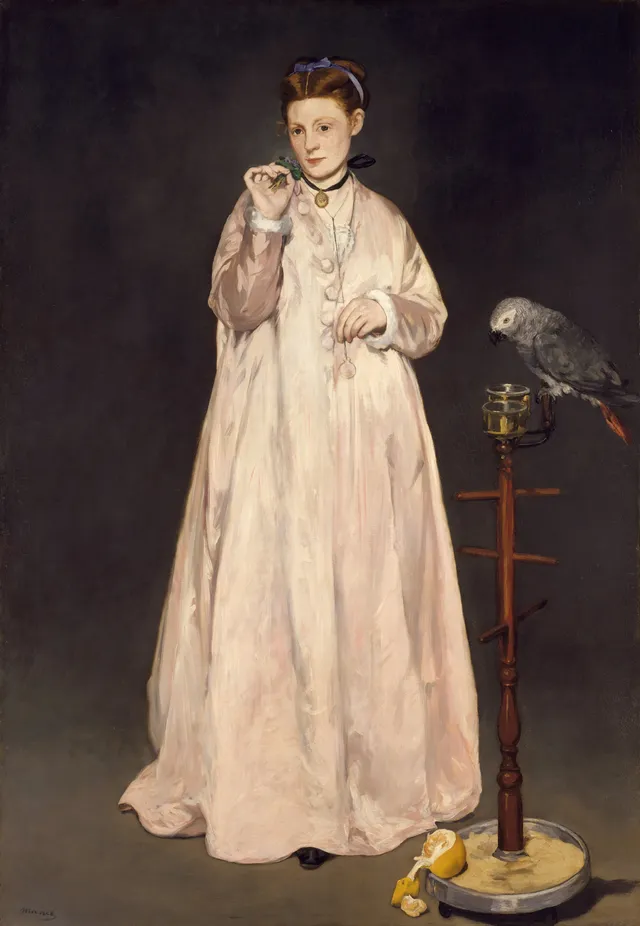
Overview
Red hair is a genetically distinctive human hair color that has recurred in art across centuries, functioning as a powerful visual signifier of identity, morality, and exoticism. Caused by high concentrations of pheomelanin and low eumelanin, most commonly associated with a recessive variant on chromosome 16, the trait occurs in roughly 2-6% of Northwestern European populations and in smaller frequencies worldwide. In visual art, red hair has served as far more than a mere physical descriptor: it has been deployed to mark biblical villains and saints, to signal Celtic or Jewish identity, to denote sensuality or danger, and to showcase technical virtuosity in rendering complex color. The collection holds 42 works featuring red hair, spanning mythological subjects, portraits, and genre scenes that demonstrate the motif's persistent hold on the artistic imagination.
Iconography & meaning
The iconography of red hair in art carries layered and often contradictory meanings. In medieval and Renaissance European art, red hair became a coded marker of moral character. From the twelfth century onward, biblical traitors including Judas and Cain were depicted with red hair to amplify their vileness, a convention that persisted for centuries and extended to theatrical and popular imagery. This negative association intersected with religious prejudice: Judas was traditionally shown as red-haired in Italian and Spanish art, and during the Spanish Inquisition, red hair could serve as evidence of Jewish identity, since the trait was stereotypically linked to Jewish populations in European visual culture before the twentieth century. Yet red hair also carried positive or alluring connotations. In Renaissance Italy, reddish-blond or Titian-red hair was prized as beautiful, giving rise to the term "tizianrot." The color's rarity and visual intensity made it a natural choice for depicting mythological figures associated with passion, divinity, or the exotic. Artists exploited its chromatic range, from deep burgundy and copper to strawberry blond and burnt orange, to create focal points of warmth and luminosity against varied flesh tones and backgrounds. The technical challenge of rendering red hair's interplay with light, and its association with fair, freckled skin sensitive to ultraviolet light, offered painters opportunities to display skill in color modulation and texture.
Across movements & periods
The treatment of red hair in art shifted significantly across movements and periods, reflecting broader changes in aesthetic priorities and cultural attitudes. In medieval Europe, the color's primary function was didactic and moralizing, attached to figures meant to elicit revulsion or caution. The Renaissance complicated this inheritance: while negative associations persisted, Italian artists in particular celebrated reddish tones as beautiful, integrating them into idealized depictions of women and mythological beings. Northern European traditions developed their own inflections, with the high incidence of red hair in Celtic and Germanic populations perhaps informing more naturalistic or regionally specific portrayals. By the nineteenth century, movements such as Impressionism and Post-Impressionism treated red hair with new chromatic freedom, exploiting its optical properties under different light conditions and in modern urban or leisure settings. Works such as The Dancing Class and Young Lady in 1866 suggest this modernizing trajectory, where red hair becomes part of contemporary visual experience rather than primarily symbolic or moral coding. Across these shifts, the basic technical challenge remained constant: red hair's unique pigmentation, its tendency to appear differently in childhood and adulthood, and its interaction with surrounding tones demanded specific painterly solutions.
Legacy
The cultural afterlife of red hair in art extends well beyond the works in the collection. The negative medieval association of red hair with treachery and Jewish identity left traces in European visual culture for centuries, influencing theatrical costume, caricature, and popular imagery through the nineteenth century. The Renaissance rehabilitation of reddish tones as beautiful established a counter-tradition that fed into idealized representations of femininity and divinity. In modern and contemporary art, red hair has retained its power as a visual signifier, though often stripped of earlier moral coding and deployed instead for its formal properties or its capacity to signal individuality and nonconformity. The scientific understanding of red hair's genetic basis, established through research on the MC1R gene and chromosome 16, has not displaced its cultural meanings but has added another dimension to its fascination. Contemporary gatherings such as Redhead Day in the Netherlands, begun in 2005, and similar events in Ireland, the United Kingdom, Brazil, Australia, Italy, and the United States, demonstrate the continuing social and identitarian significance of the trait. In art historical terms, red hair remains a revealing case study in how physical characteristics become charged with meaning, how those meanings shift across cultures and periods, and how artists have exploited both the symbolic and purely visual potential of a genetically rare human trait.
Works
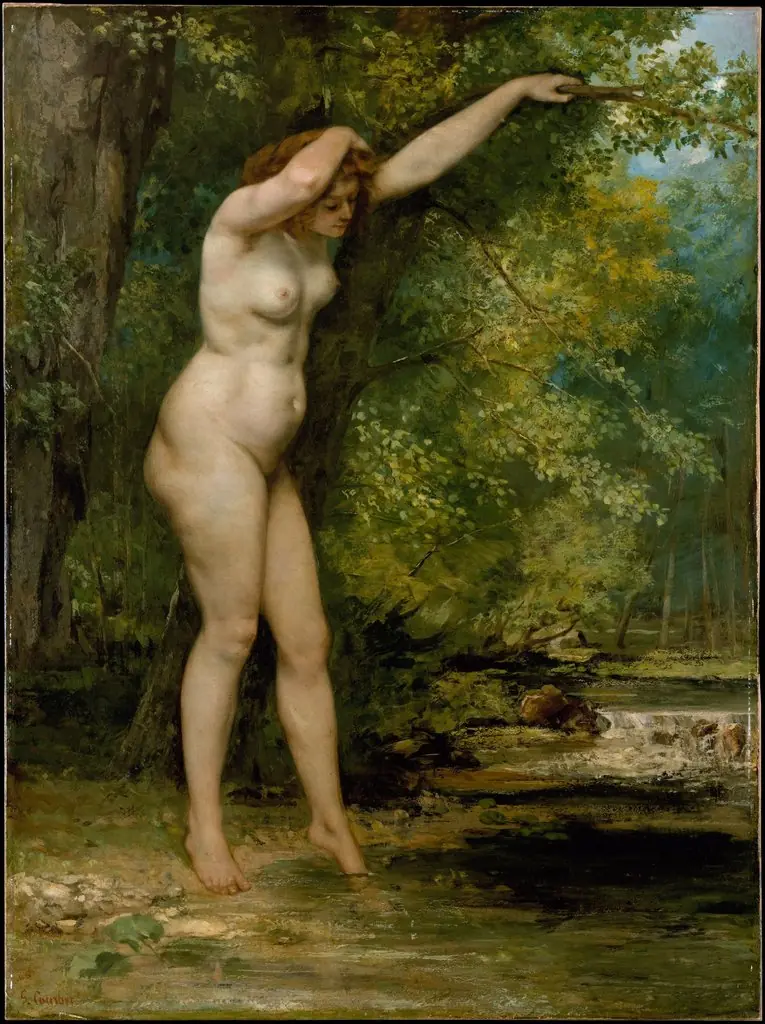 The Young Bather
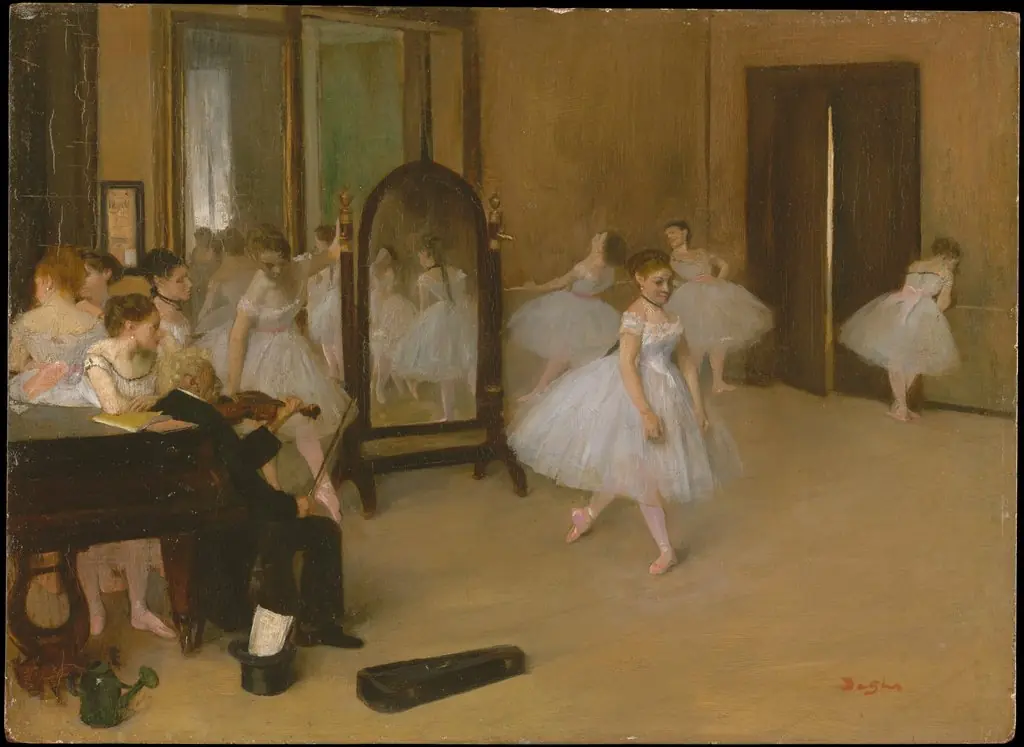 The Dancing Class
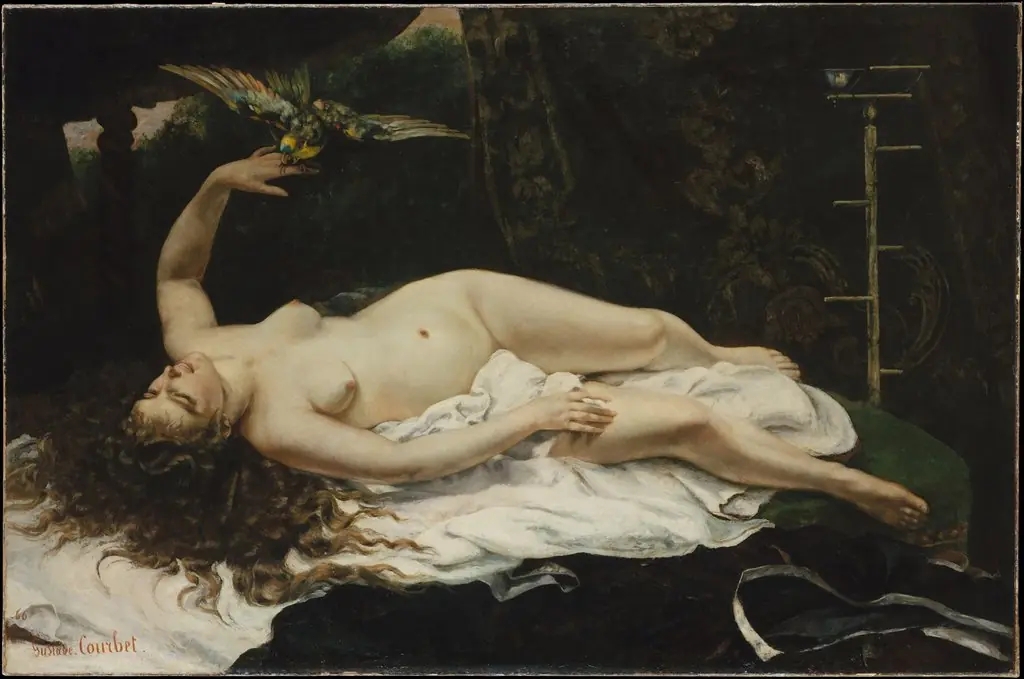 Woman with a Parrot
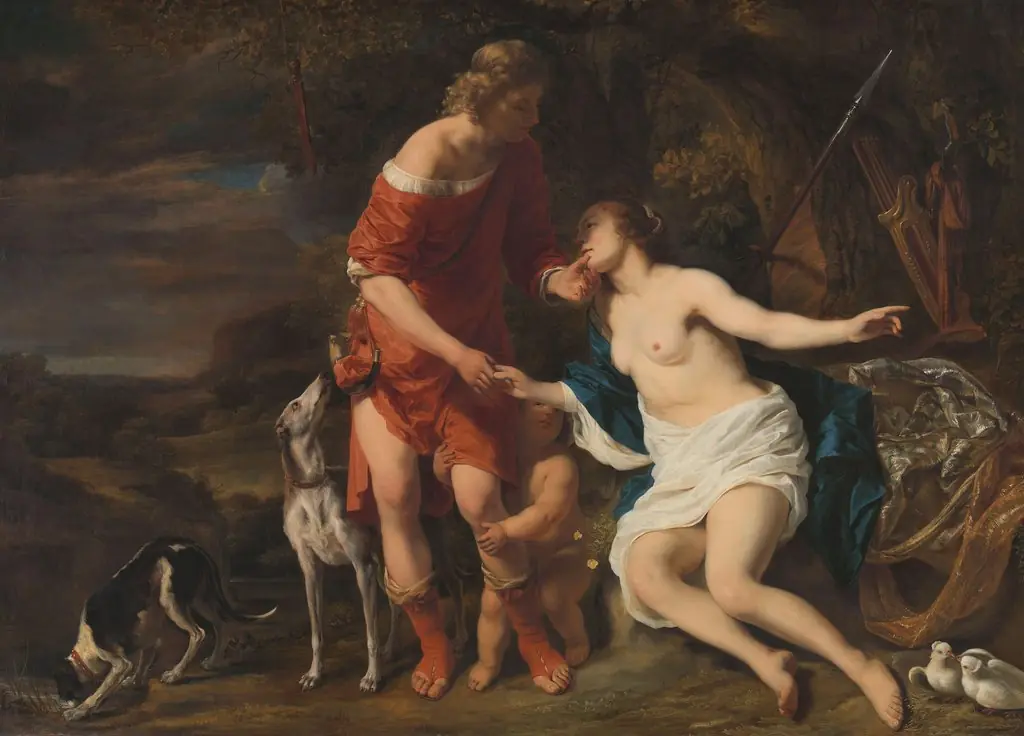 Venus and Adonis
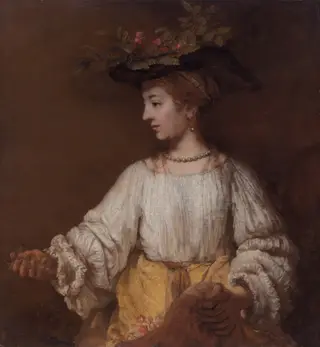 Flora
Flora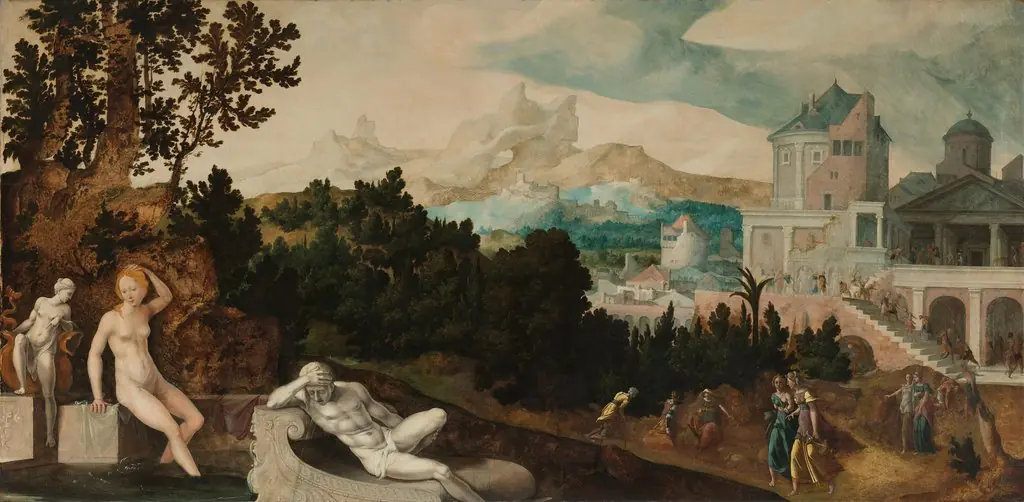 Landscape with Bathsheba
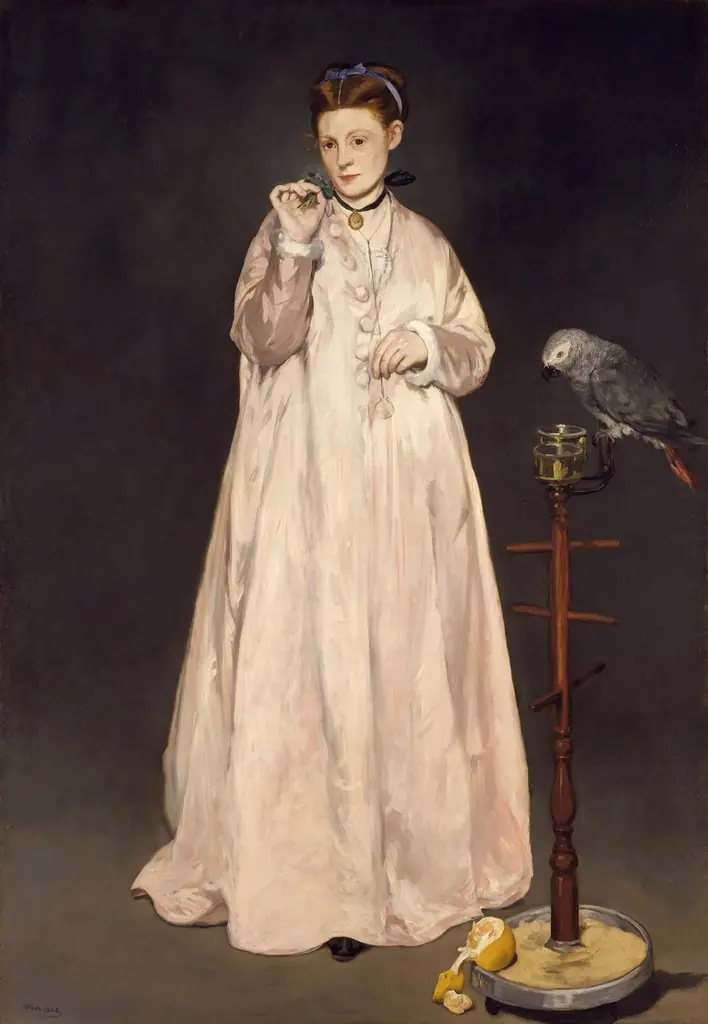 Young Lady in 1866
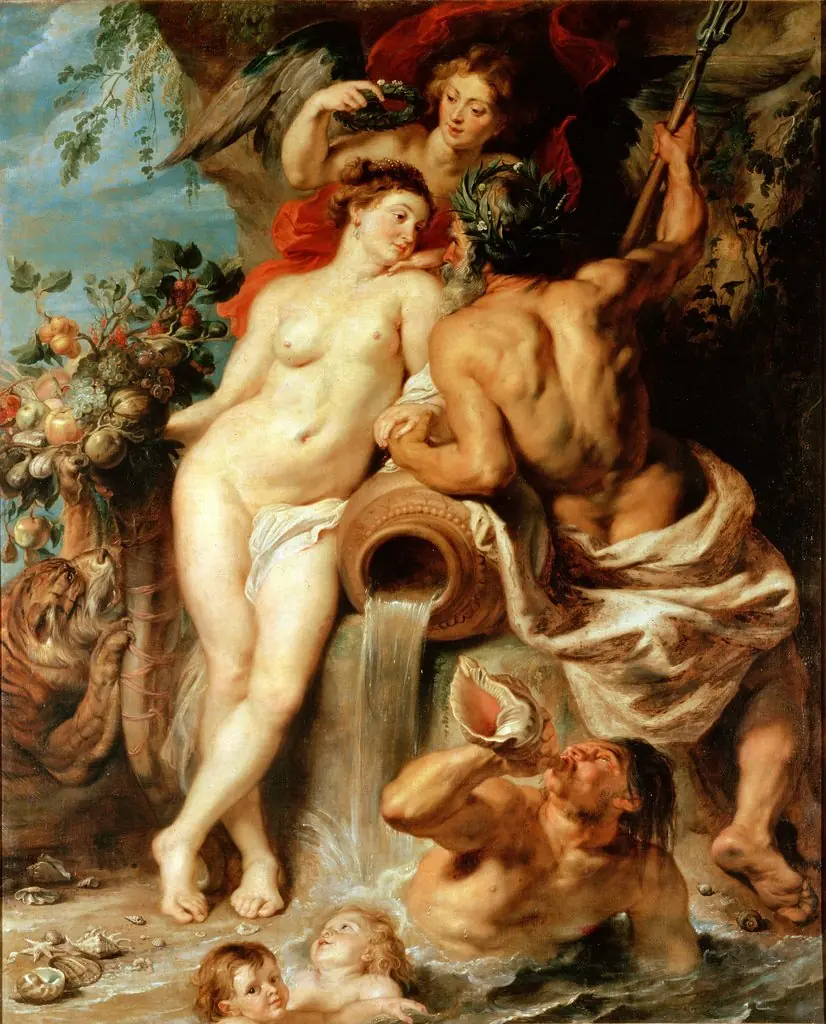 The Union of Earth and Water (Antwerp and the Scheldt)
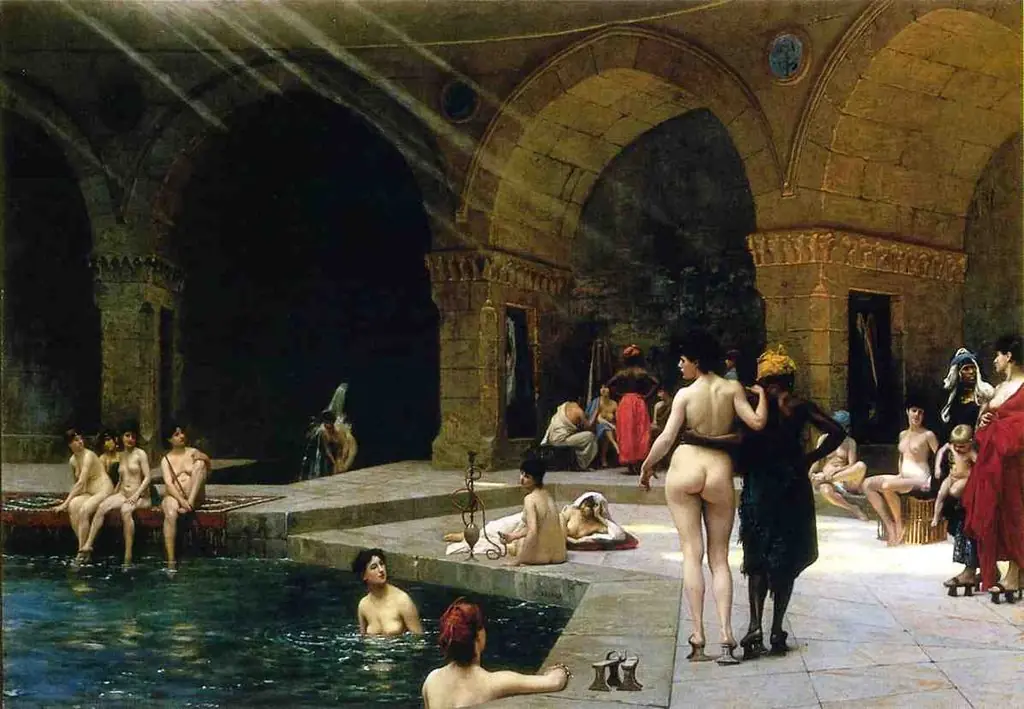 The Great Bath at Bursa
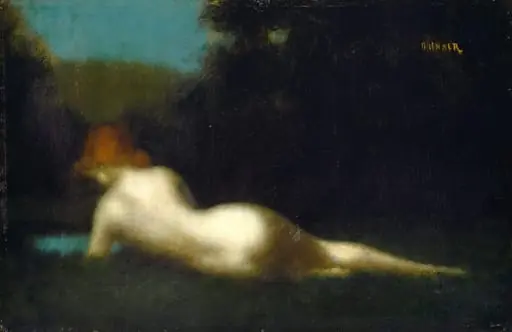 Reclining Nude
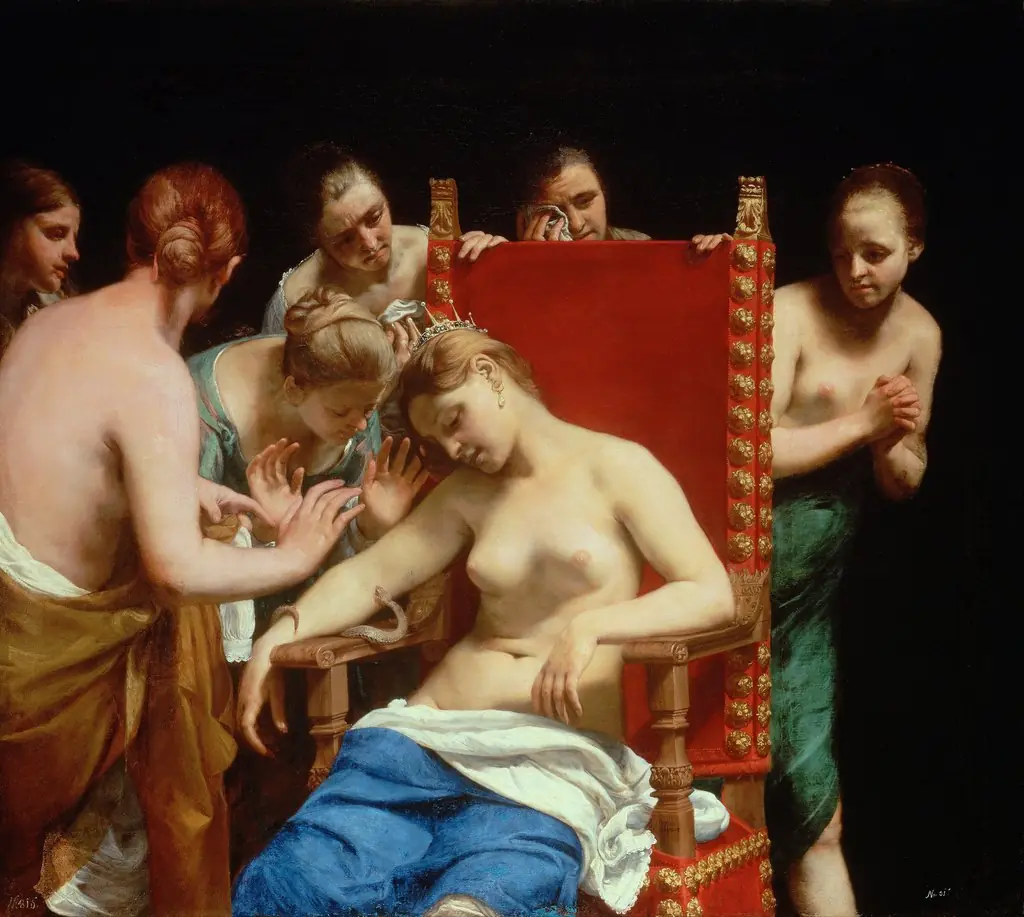 The Death of Cleopatra
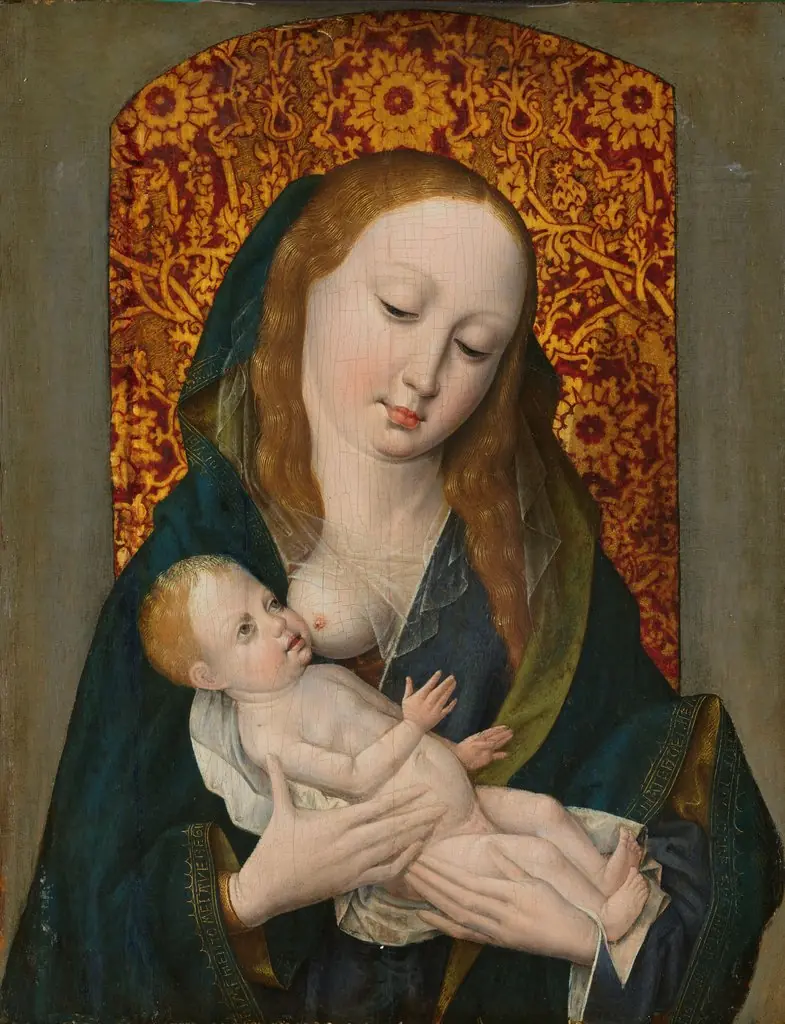 The Virgin and Child
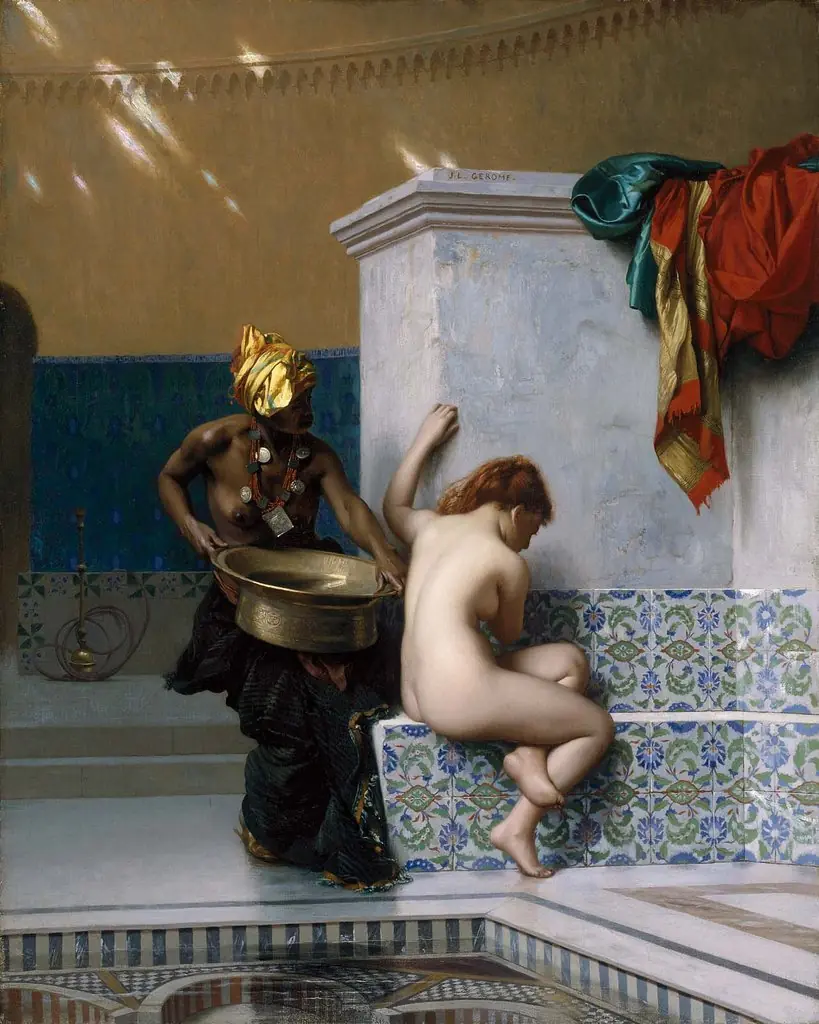 Moorish Bath
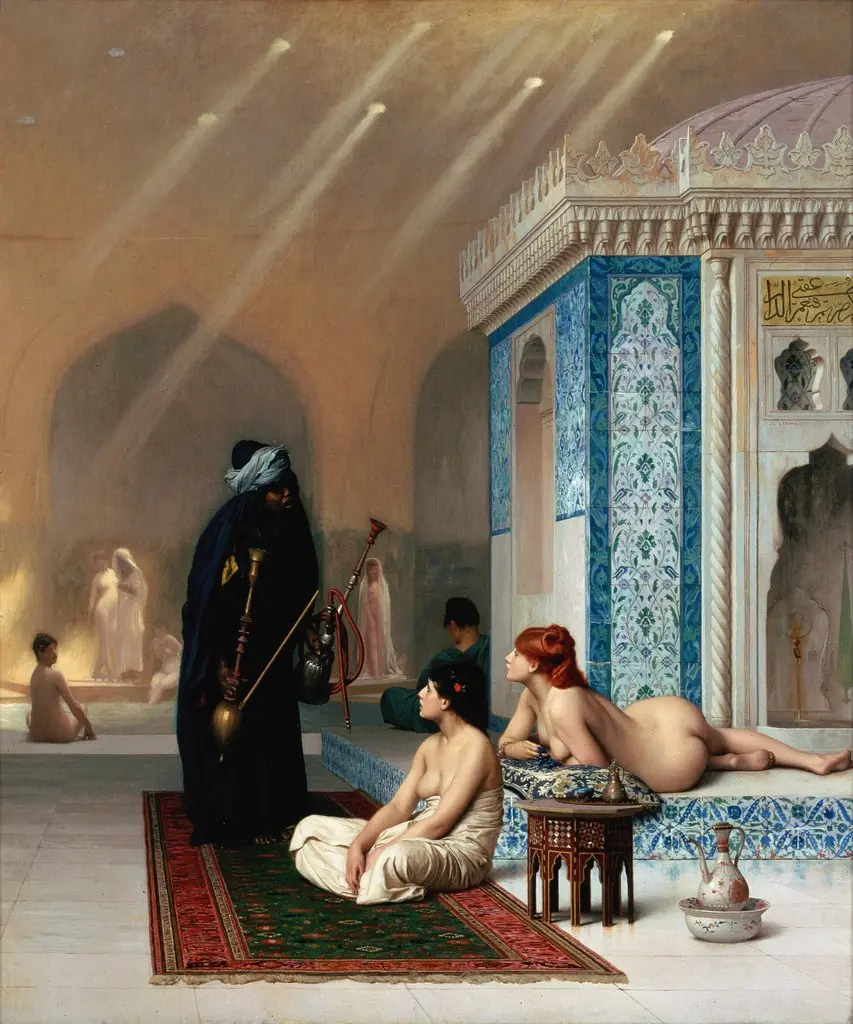 Pool in a Harem
 Judith at the Banquet of Holofernes
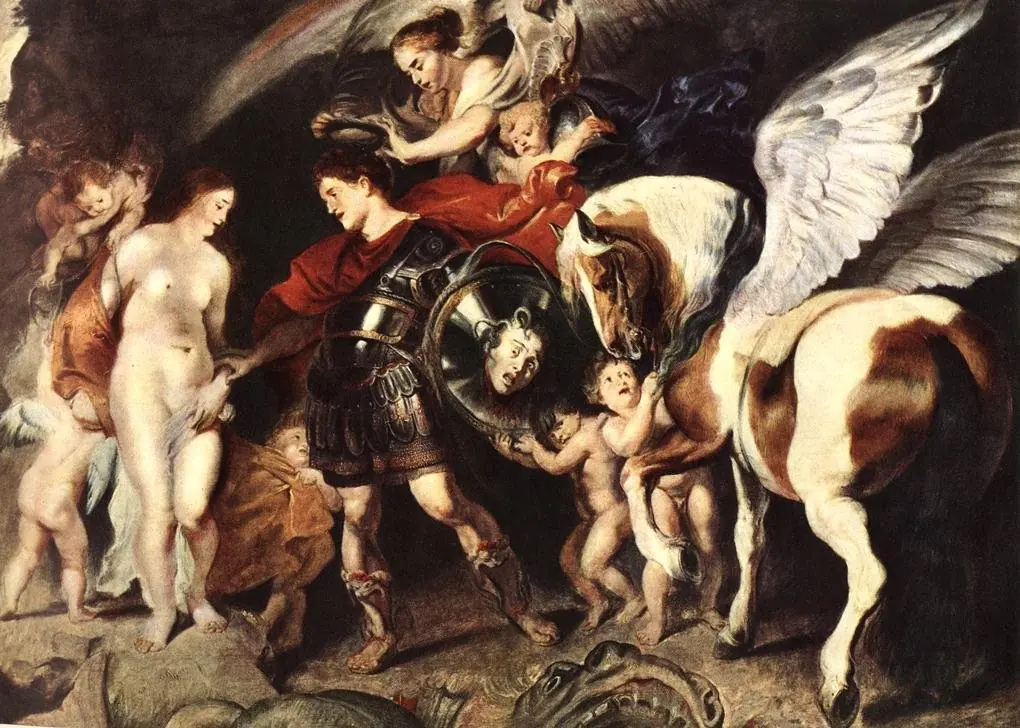 Perseus and Andromeda
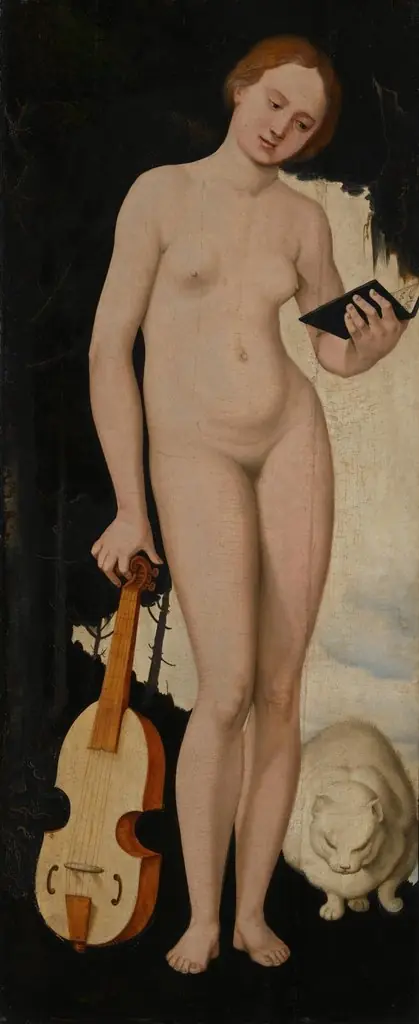 Woman with Cat
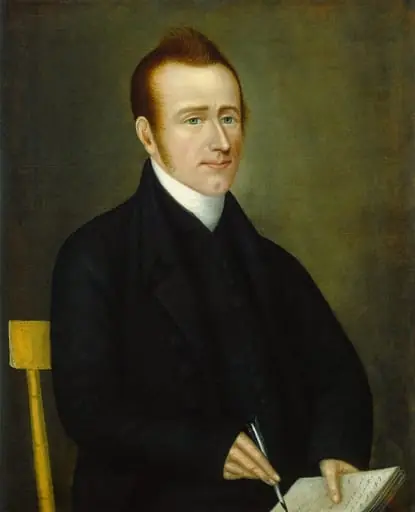 Mr. Baylor
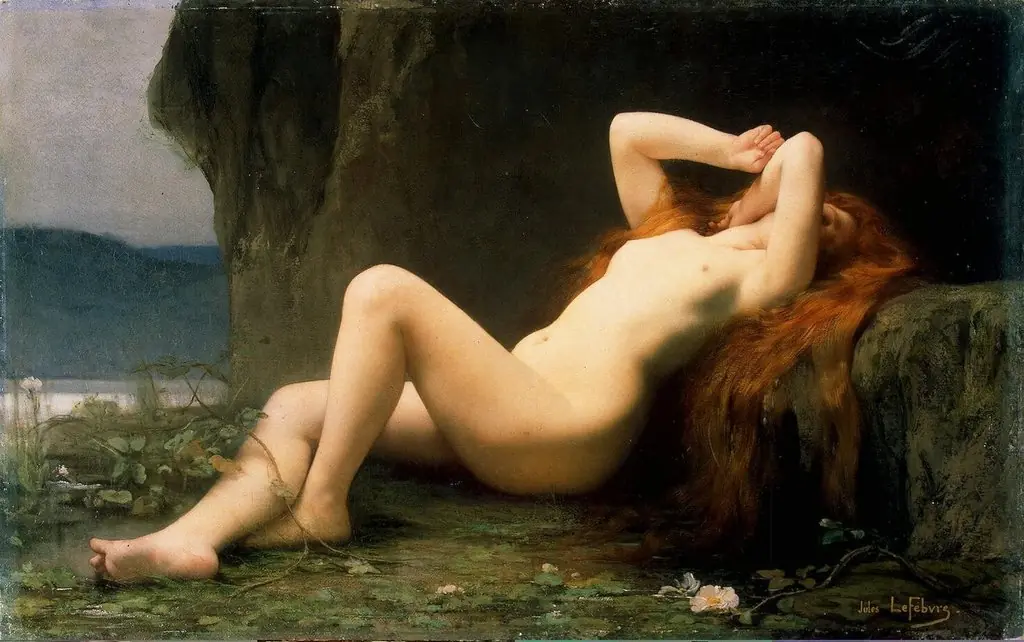 Mary Magdalene in a Grotto
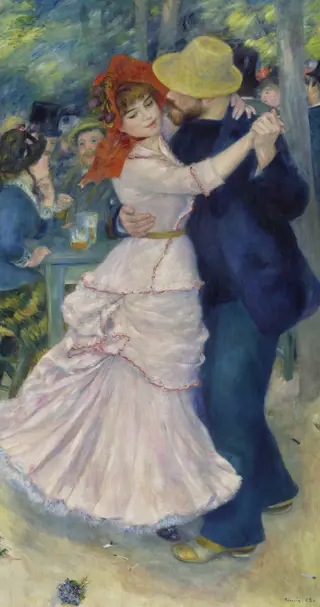 Dance at Bougival
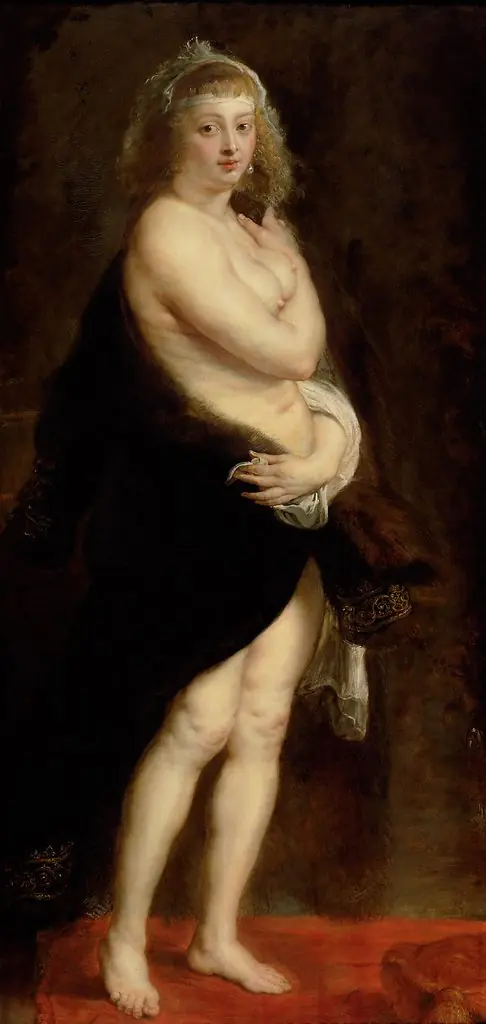 Helena Fourment in a Fur Robe
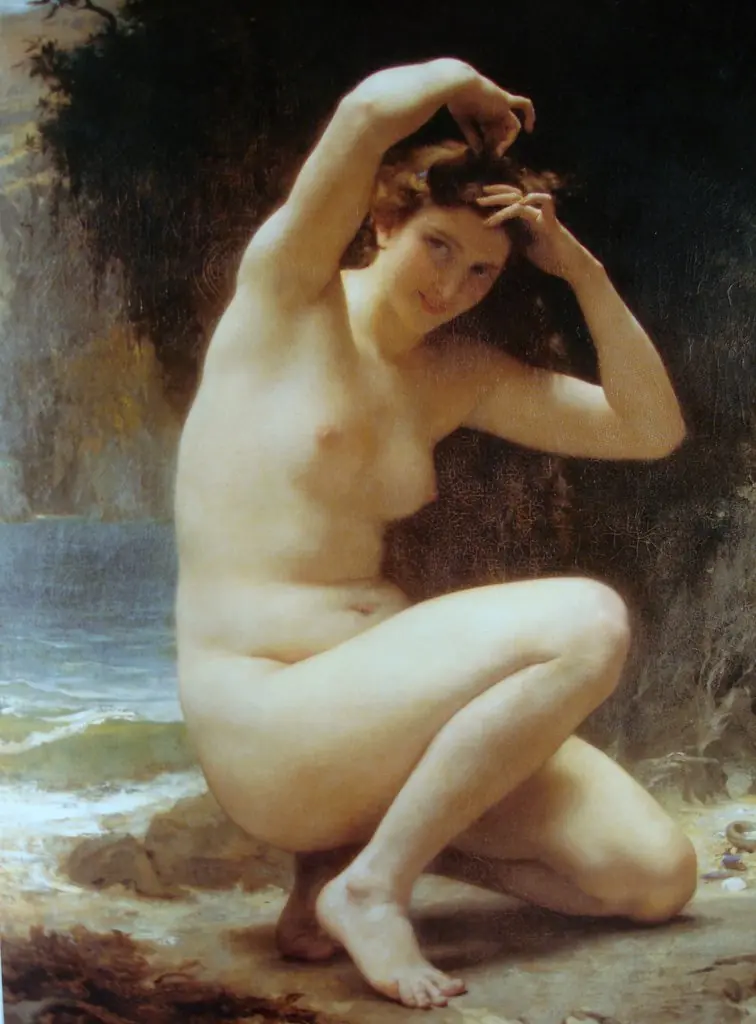 The toilette of Venus
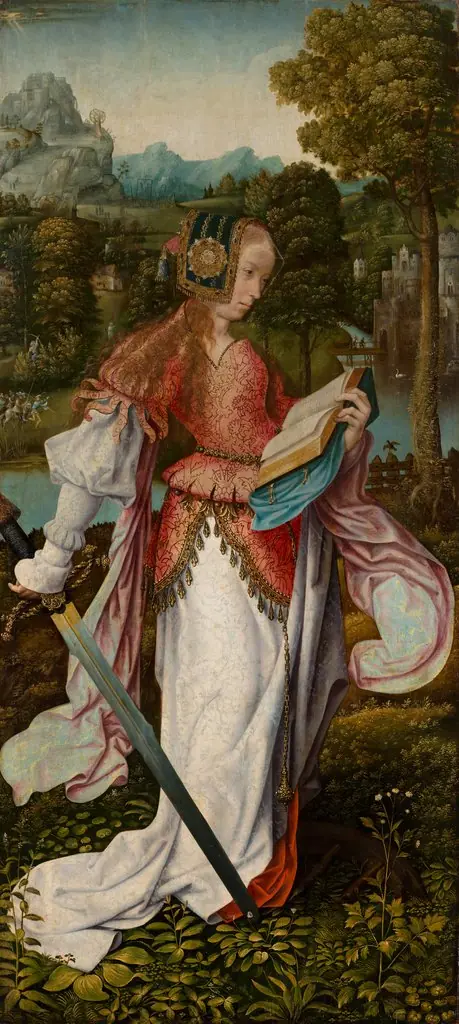 Saint Catherine
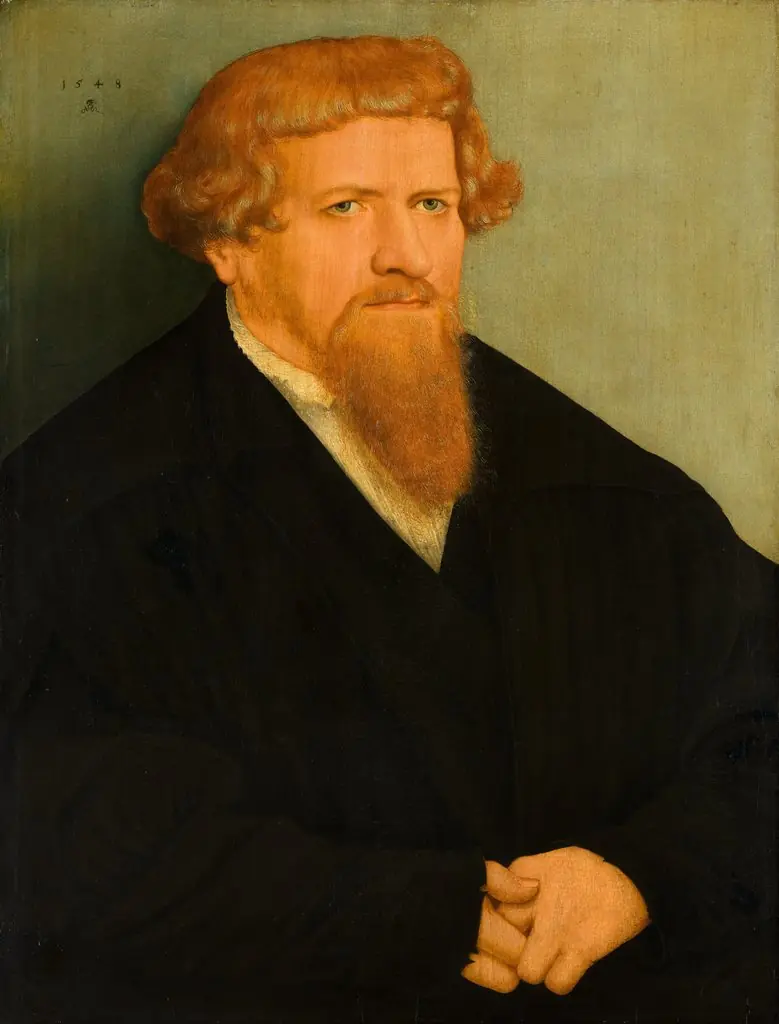 Portrait of a Man with a Red Beard
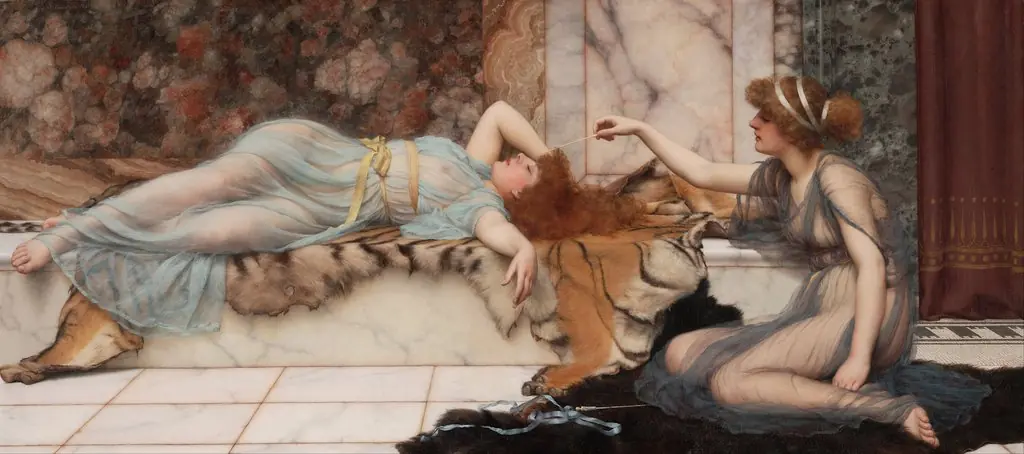 Mischief and Repose
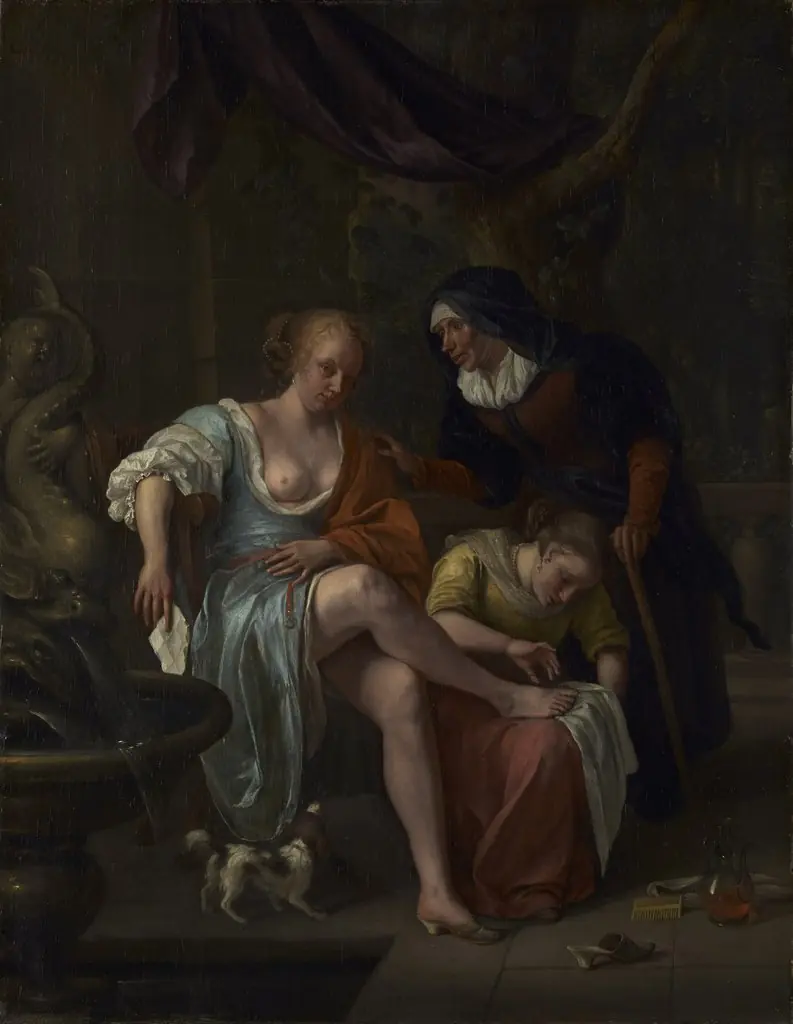 Bathsheba after the Bath
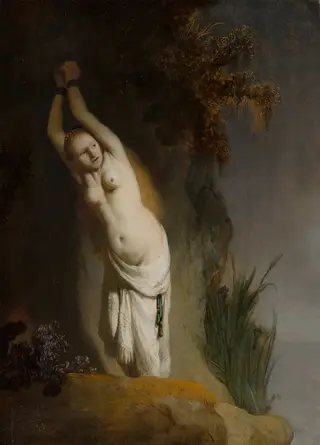 Andromeda Chained to the Rocks
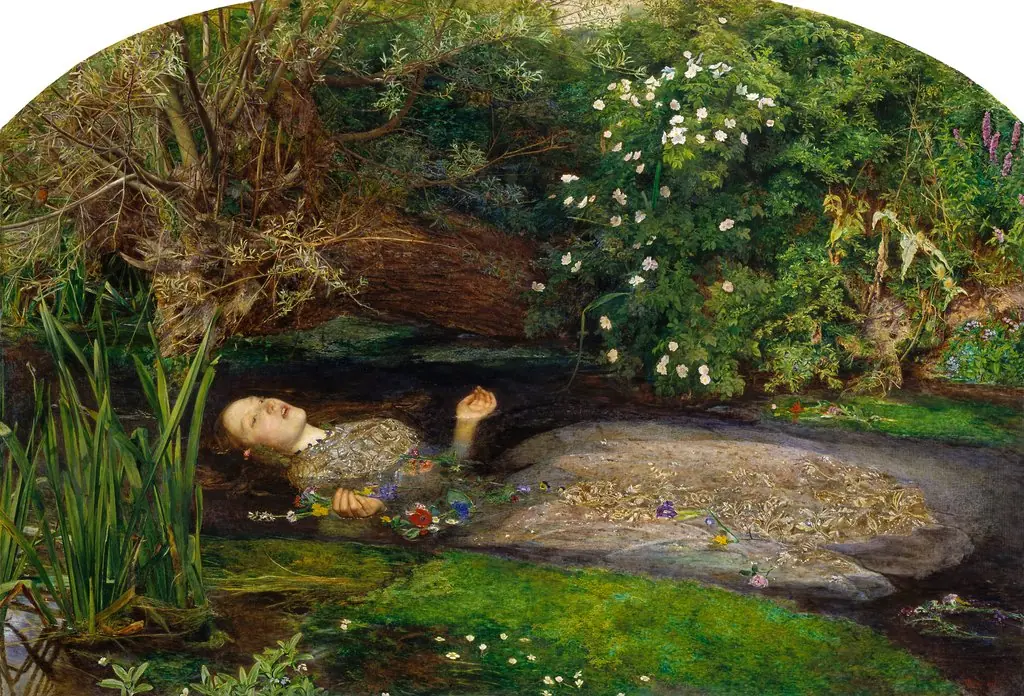 Ophelia
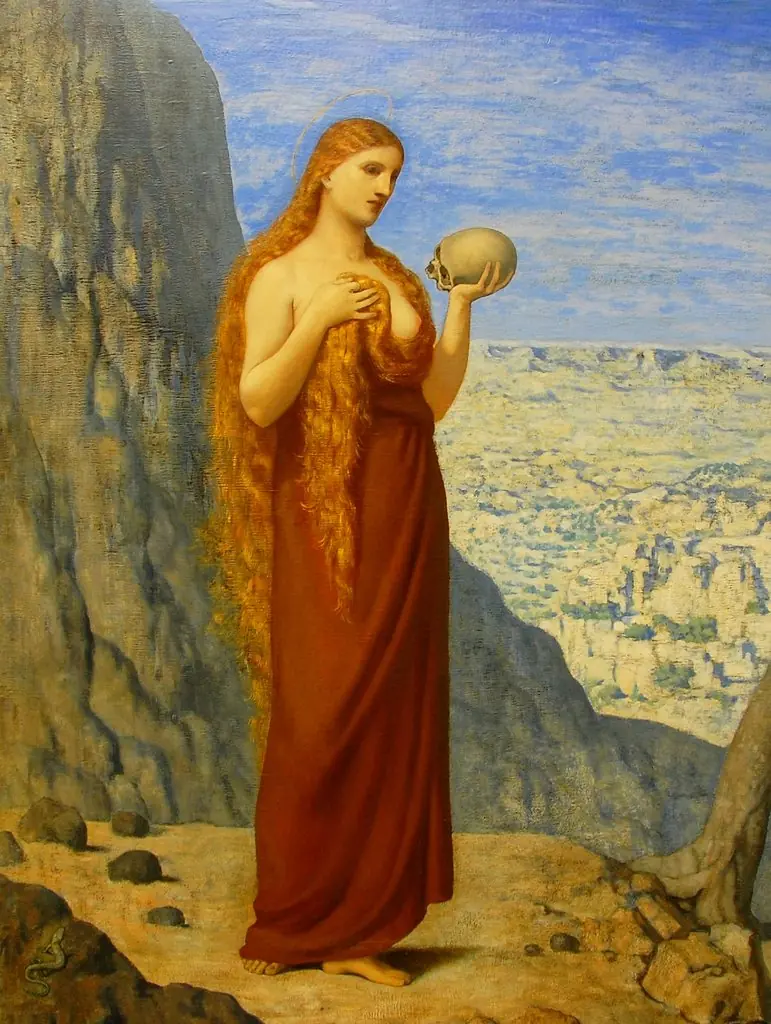 Mary Magdalene in the Desert
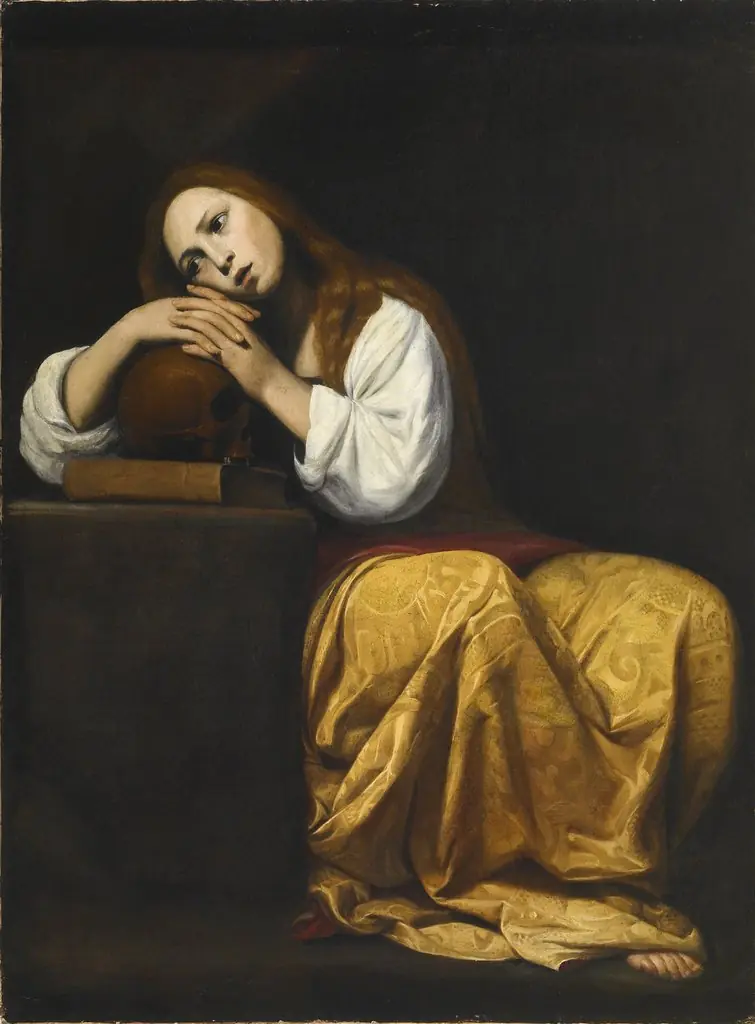 The Penitent Mary Magdalene
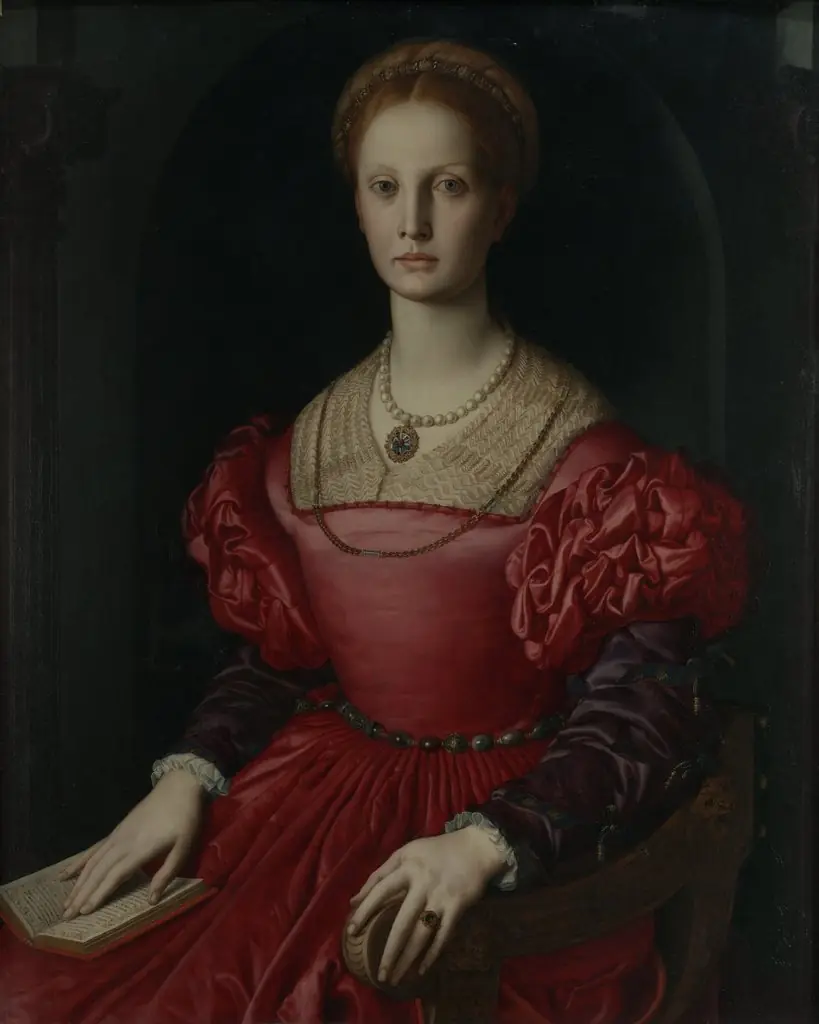 Portrait of Lucrezia Panciatichi
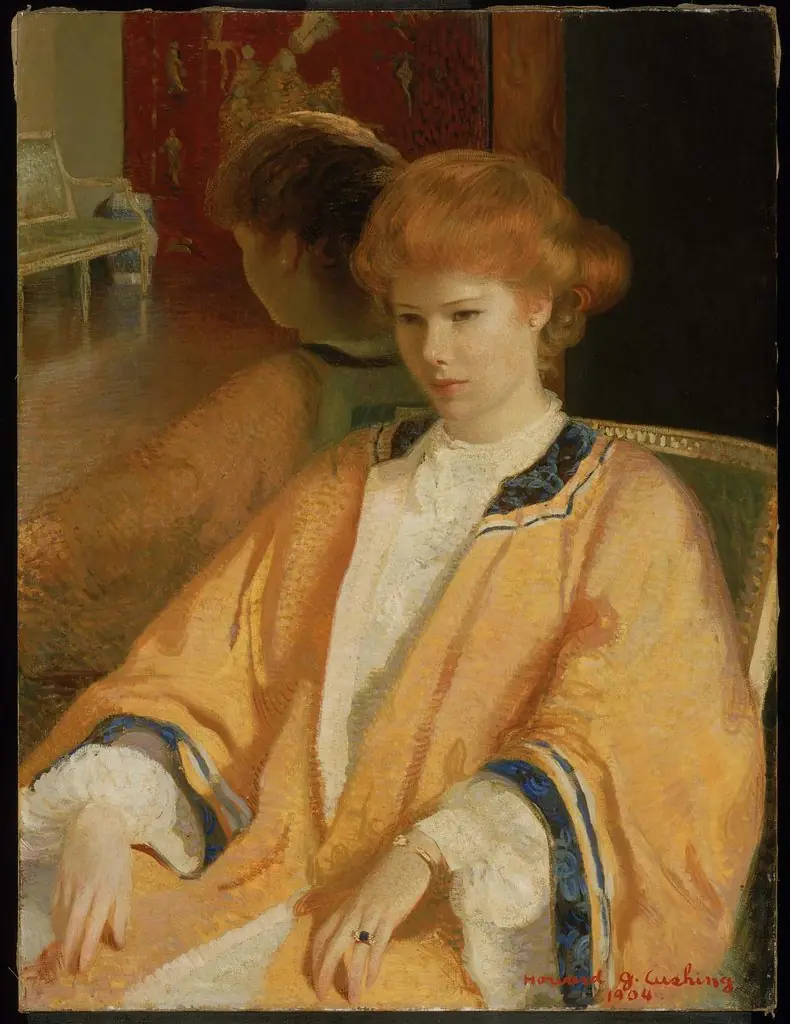 Mrs. Howard Cushing (Ethel Cochrane) (The Mandarin Coat)
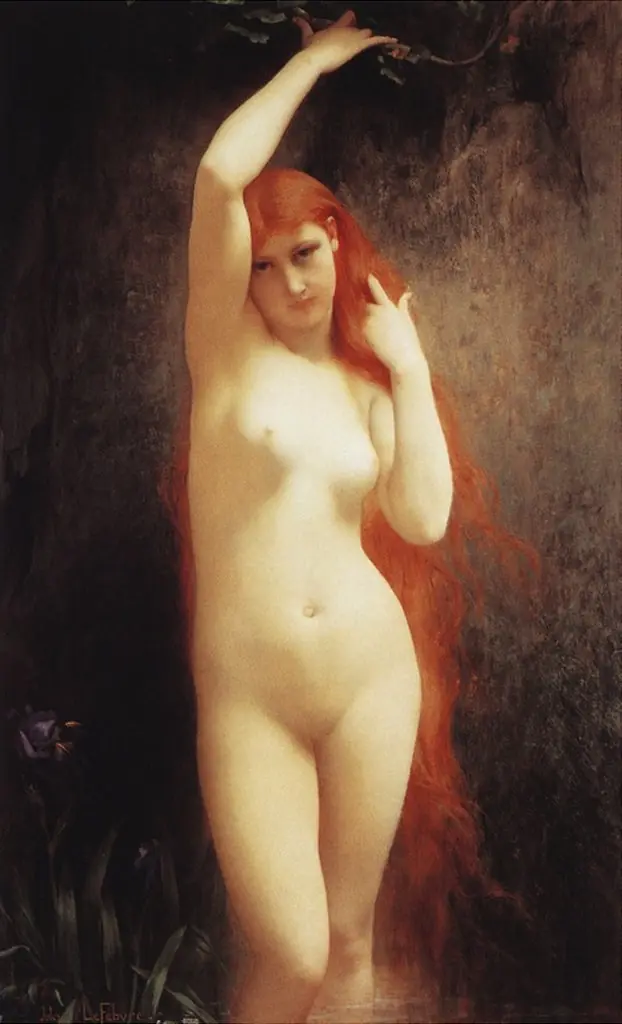 Ondine
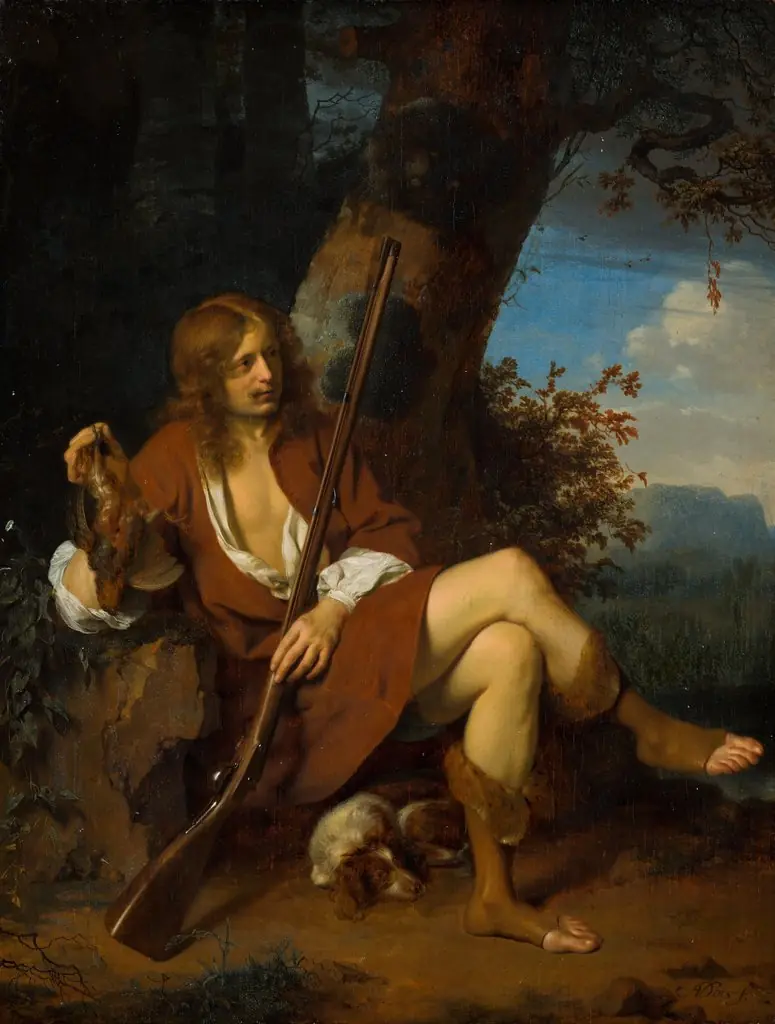 Self-Portrait as a Hunter
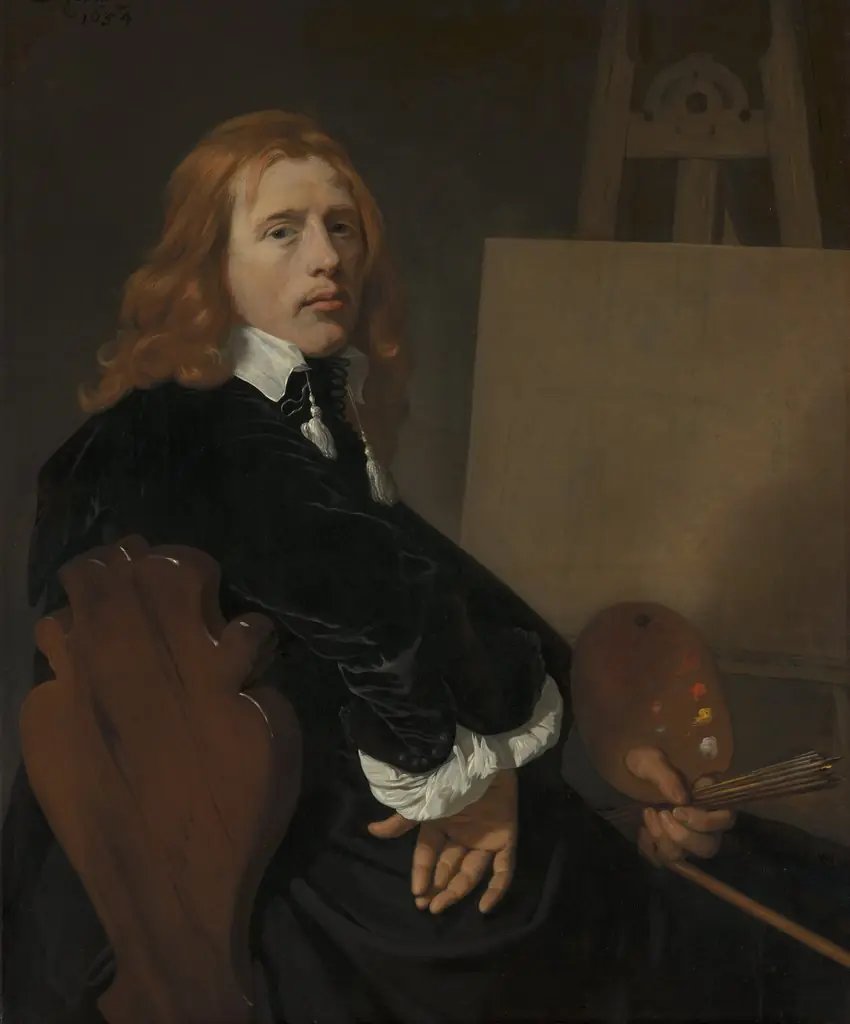 Portrait of Paulus Potter
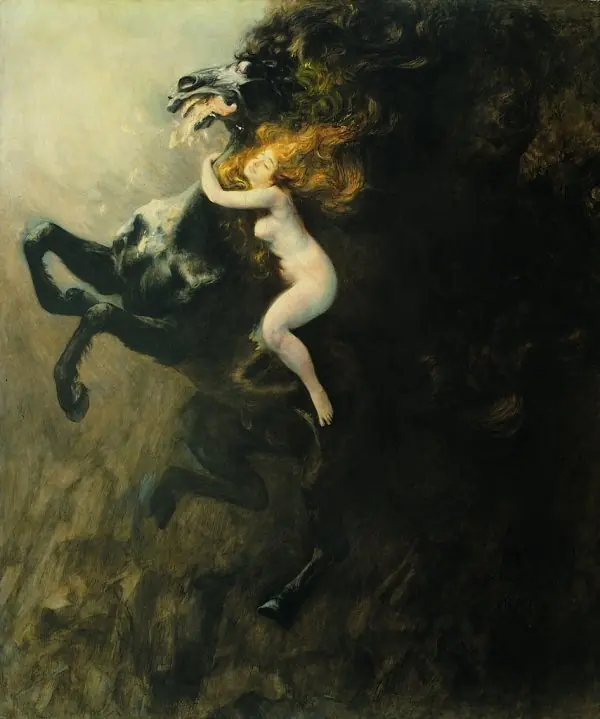 Frenzy of Exultations
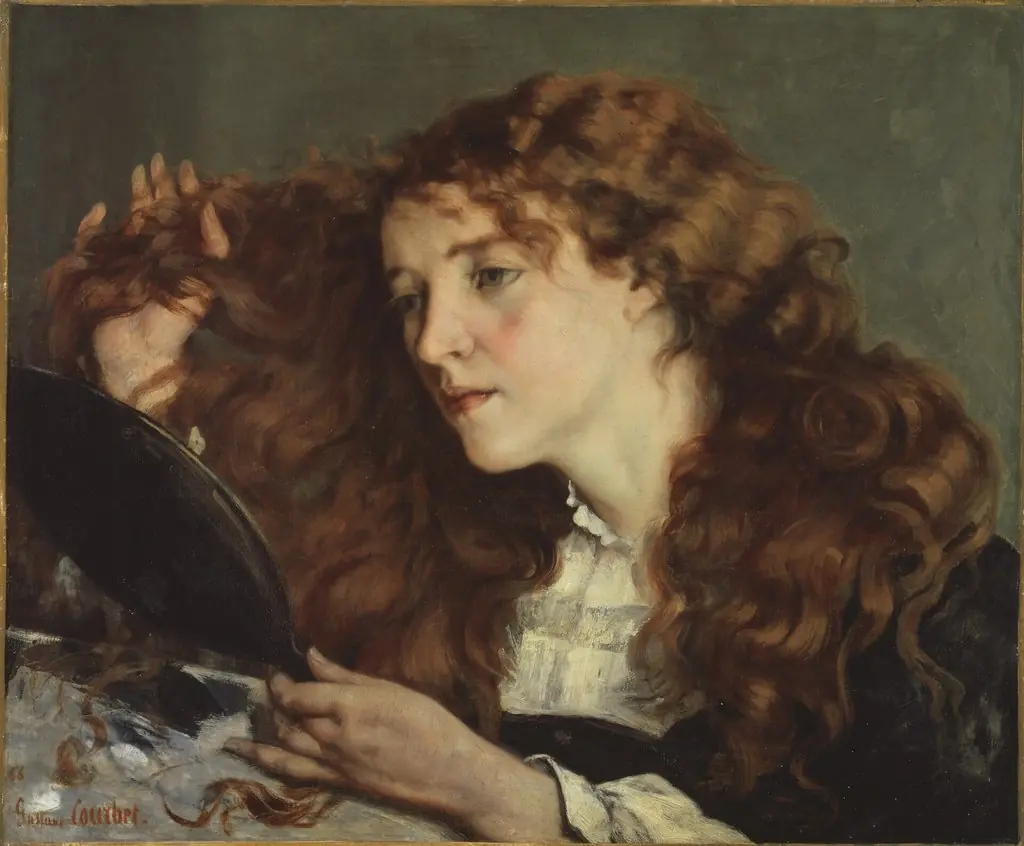 Jo, the Beautiful Irish Girl
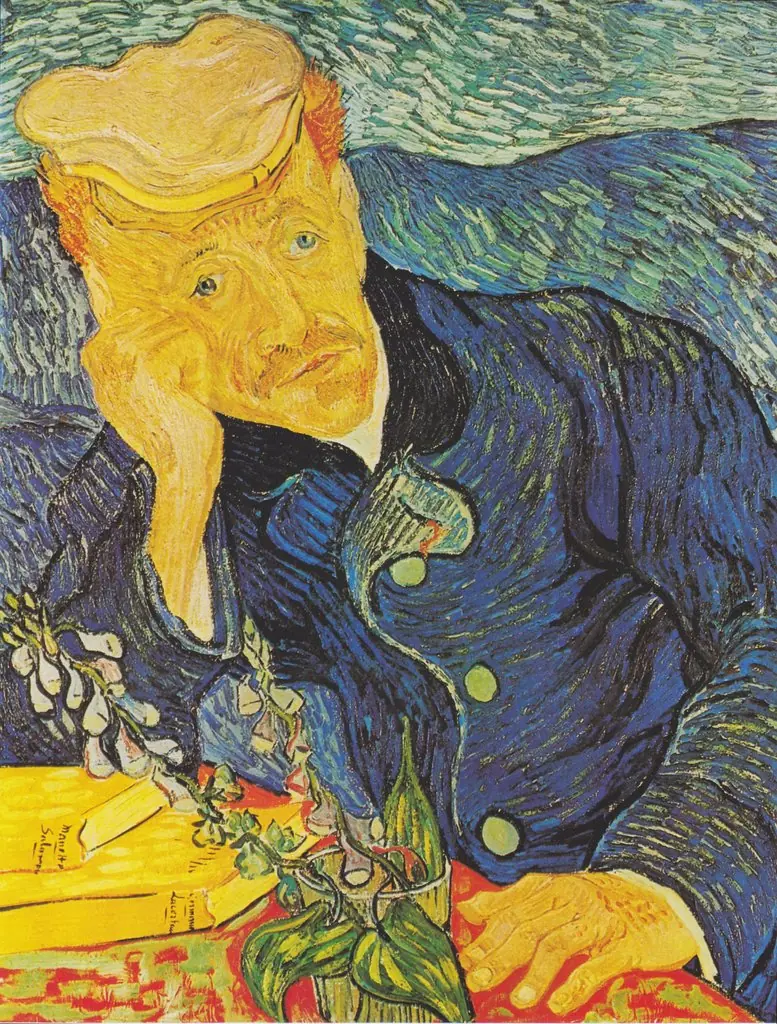 Portrait of Dr. Gachet
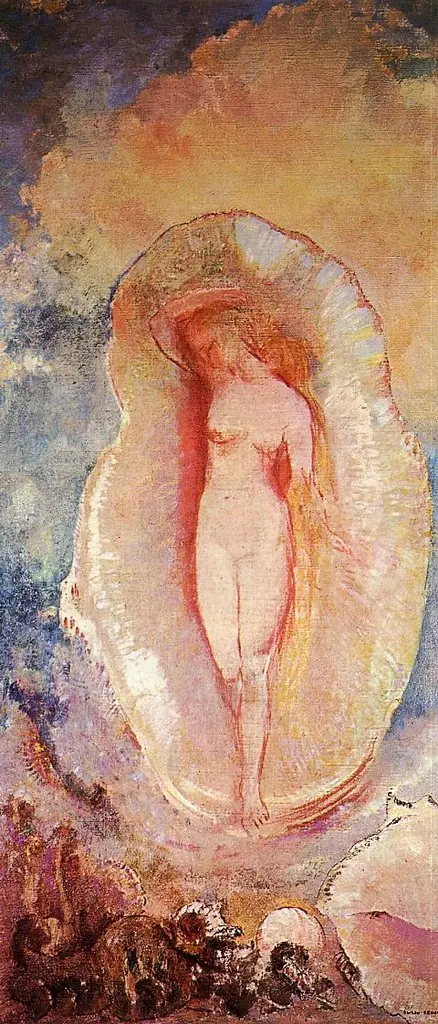 The Birth of Venus
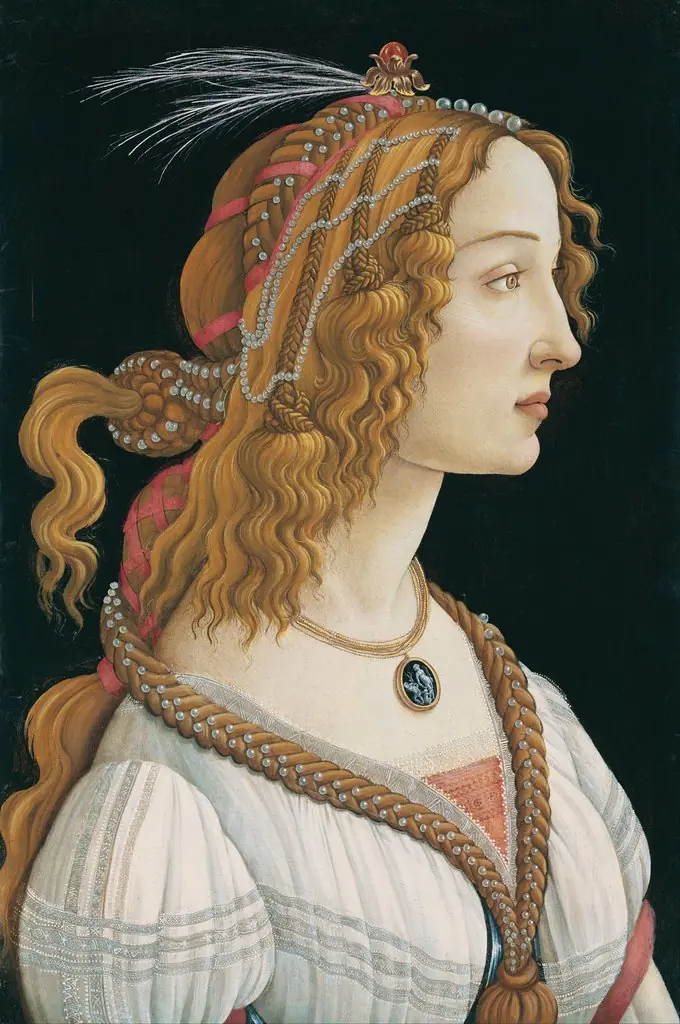 Idealized Portrait of a Lady (Portrait of Simonetta Vespucci as Nymph)
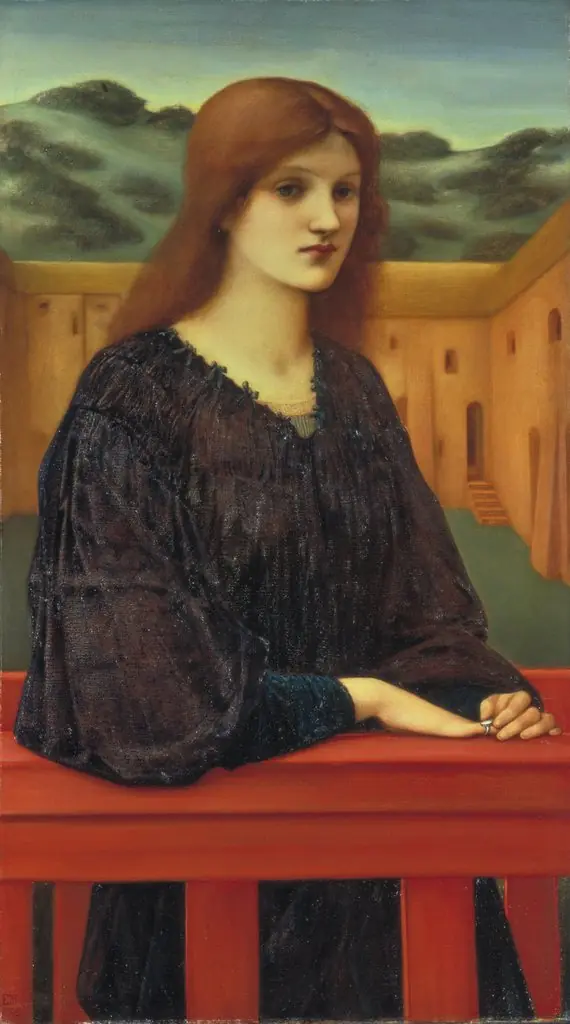 Vespertina Quies
Frequently asked questions
What is Red Hair?
Red hair, also known as ginger hair, is a human hair color found in 2–6% of people of Northwestern European ancestry, typically those of Celtic ancestry, and smaller amounts in other populations.
How many Red Hair works does Artifact World Gallery have?
Artifact World Gallery holds 41 public-domain Red Hair works, all free to view and download.
Who are the key Red Hair artists?
Key Red Hair artists in the collection include Gustave Courbet, Edgar Degas and Édouard Manet.
Where can I see Red Hair works?
Red Hair works in the collection are held by Metropolitan Museum of Art, Hermitage Museum and Rijksmuseum.