
Subject
Shoe

Shoe is a subject in art. The gallery holds 52 works in this subject in art, including works by Thomas Eakins, Edgar Degas and Ralph Earl.
A shoe is an item of footwear normally found in pairs intended to protect and comfort the human foot, usually made in such a way that one is designed to fit the left foot and the other the right foot. Shoes are intended to provide further protection to the vulnerable human foot, though the foot is highly adaptable to various terrains.
Key artists


Overview
A shoe is an item of footwear designed to protect and comfort the human foot. Typically found in pairs, a shoe is constructed to fit the left and right foot individually, providing necessary defense for the vulnerable foot against varied terrains, cold, and moisture. While the form of early footwear was strictly tied to this protective function, shoes have evolved considerably over time to become complex fashion items and indicators of identity. In art, the shoe recurs as a motif because it is a ubiquitous yet highly variable object, capable of conveying practical realities, social status, and cultural belonging.
Iconography & meaning
Beyond their protective purpose, shoes carry deep socio-cultural and symbolic meanings. Historically, footwear has functioned as a strict marker of social hierarchy and group belonging. In ancient Egypt, only pharaohs were permitted sandals of gold or silver, while high officials and priests wore standard sandals and the general populace went barefoot. Similar sumptuary laws governed footwear in ancient Greece, where jewels on sandals were regulated, and in the Roman Empire, which dictated who could wear specific shoe styles. In medieval Europe, the length of the pointed crakow shoe signified class rank, while under the Sun King, red heels were reserved exclusively for the king and high nobility. The possession of shoes also historically divided the wealthy from the poor, particularly in rural areas where going barefoot was a common sign of poverty until well into the twentieth century. For children, owning proper boots was a profound marker of self-worth and social standing. Additionally, many cultures share the tradition of removing shoes before entering a home or place of worship for reasons of hygiene and reverence.
Across movements & periods
The treatment of the shoe across periods reflects its shifting role from purely functional object to complex social symbol. In antiquity, early designs were simple foot bags of leather or plant fiber, designed solely for protection against rocks and cold. Ancient Greeks largely viewed footwear as unaesthetic and self-indulgent, with athletes and warriors frequently going barefoot, though shoes were worn in the theater to increase stature. As civilizations developed, thong sandals emerged in Egypt and spread across the Middle East, crafted from papyrus, palm leaves, and rawhide. In the Americas, indigenous groups wore decorated, soft-soled moccasins suited to dry environments. Over time, the basic sandal prototype evolved into more complex structures with covered insteps, extended shafts for the ankle and leg, and varied heel heights, reflecting the object's transition into a fashion item defined by complex construction and varied materials.
Notable depictions
The oldest known depictions of shoes are not standalone artworks but ancient Egyptian murals dating to 4000 BC, which illustrate the use of thong sandals. Archaeological discoveries also provide notable physical records of early footwear. These include sagebrush bark sandals from Fort Rock Cave in Oregon, dating to approximately 10500 BP, and the world's oldest leather shoe, a cowhide moccasin laced with leather cord, found in the Areni-1 cave complex in Armenia and dating to 3500 BC. The naturally mummified remains of Otzi the Iceman, dating to 3300 BC, provided another significant depiction, featuring shoes with brown bearskin bases, deerskin side panels, and a bark-string net that pulled tight around the foot.
Legacy
The legacy of the shoe is defined by its transformation into a global industry and a persistent symbol of wealth and fashion. Contemporary footwear varies vastly in style, complexity, and cost, ranging from basic sandals to high fashion designs made from expensive materials. The industry is now a 200 billion dollar a year enterprise, though it faces significant environmental challenges, as 90 percent of shoes end up in landfills due to materials that are difficult to separate or recycle. Traditionally crafted from leather, wood, or canvas, modern shoes increasingly rely on rubber, plastics, and petrochemical-derived materials. Specialized footwear, such as steel-toe boots for industrial safety and mountaineering or skiing boots, continues the original legacy of functional protection, while athletic sneakers have transitioned from specialized sport equipment to general use footwear.
Works
 The Chess Players
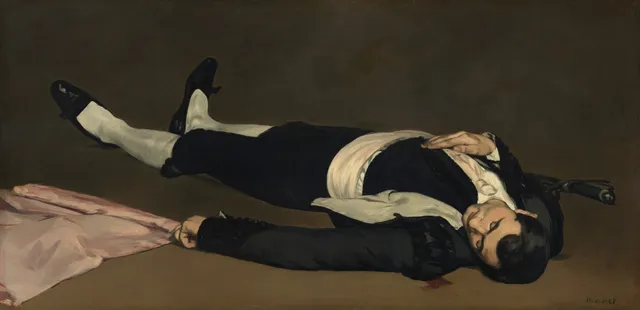
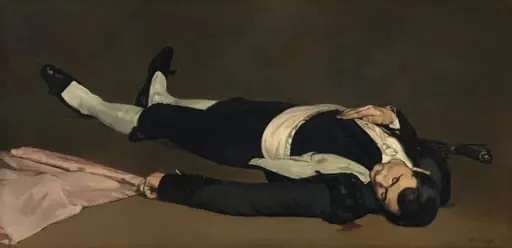 The Dead Toreador
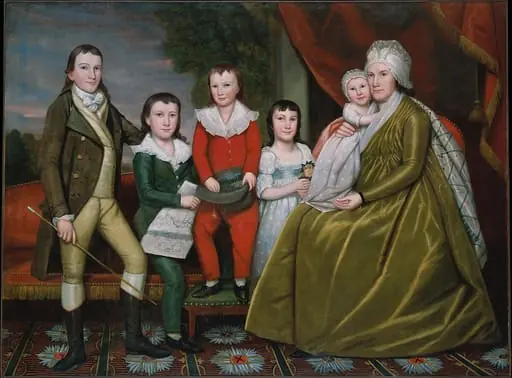 Mrs. Noah Smith and Her Children
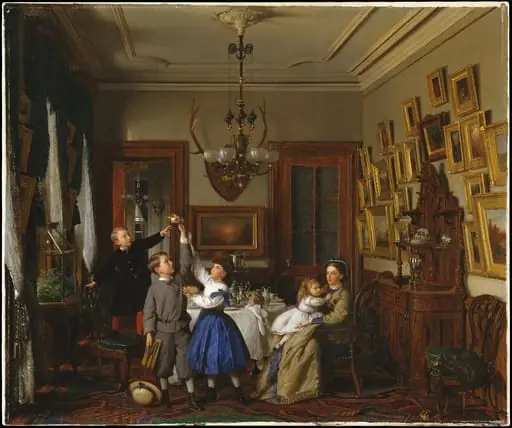 The Contest for the Bouquet: The Family of Robert Gordon in Their New York Dining-Room
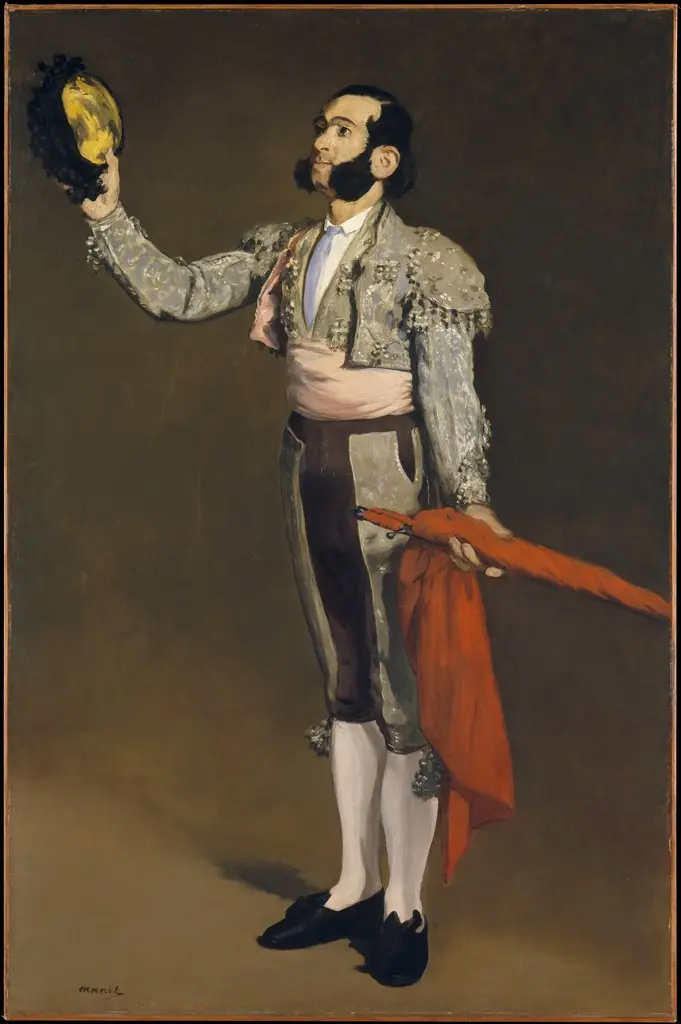 The Matador Saluting
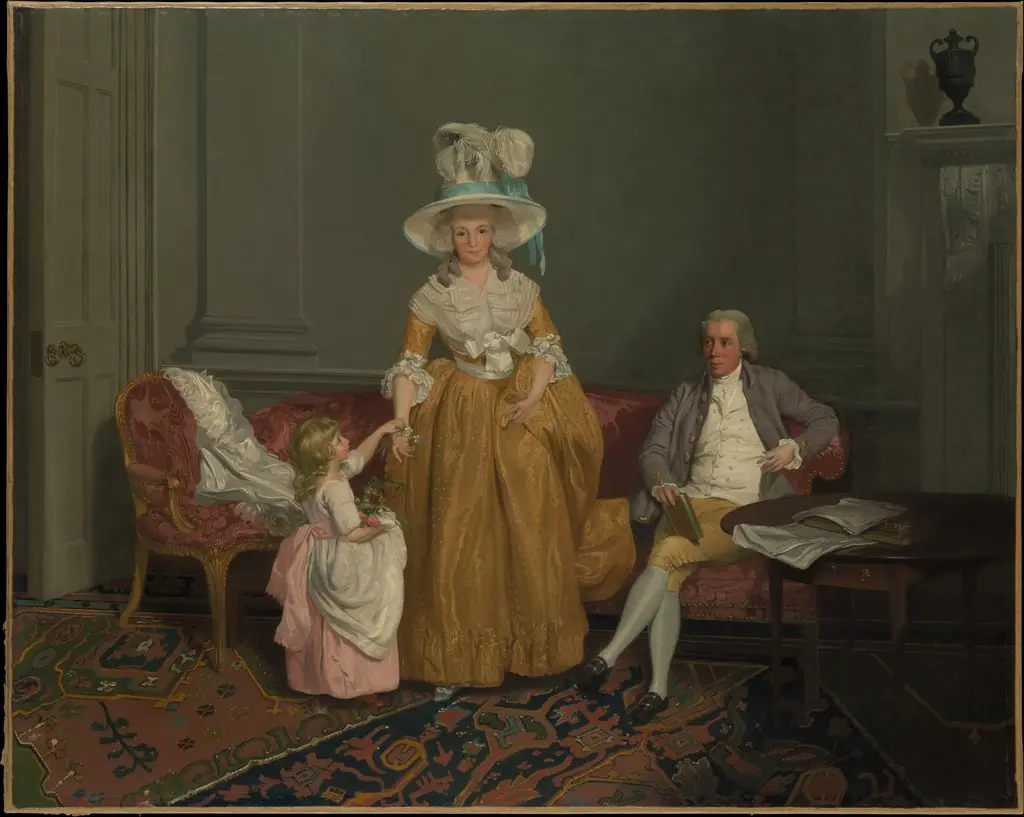 The Saithwaite Family
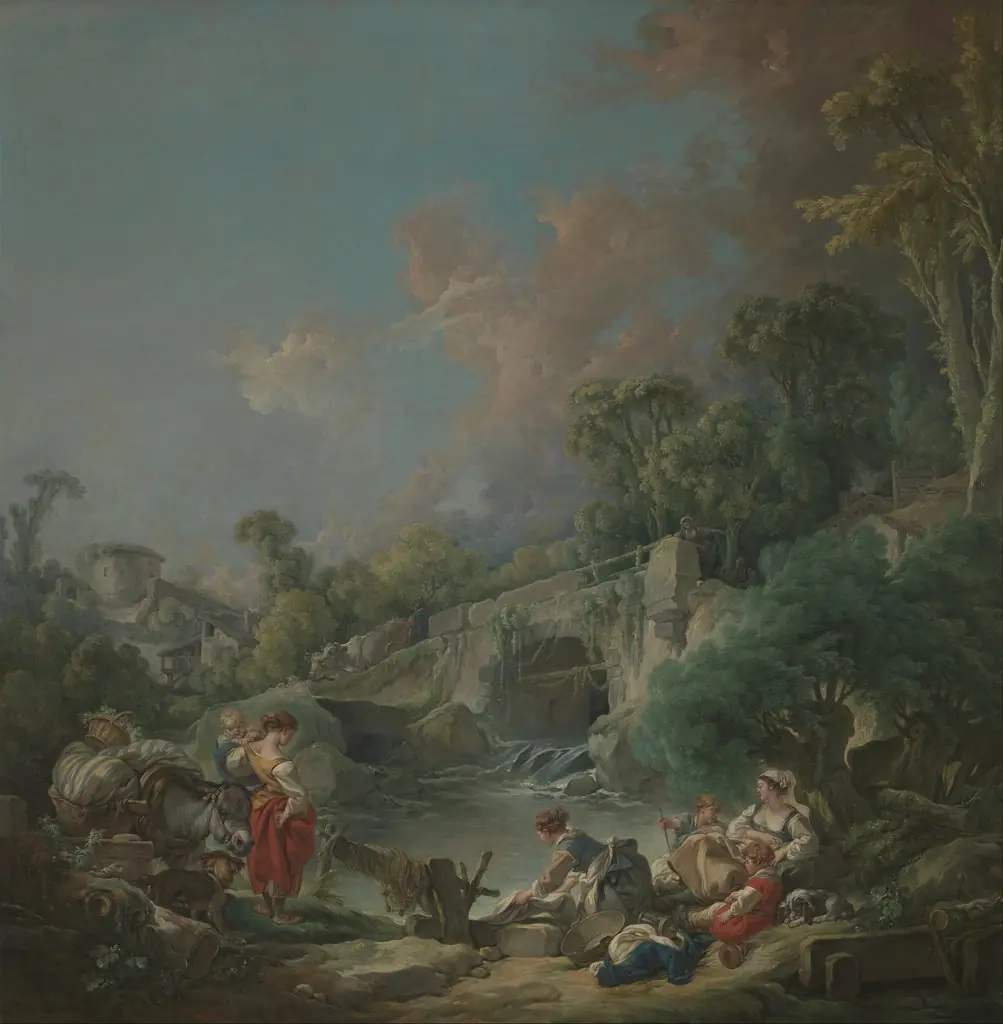 Washerwomen
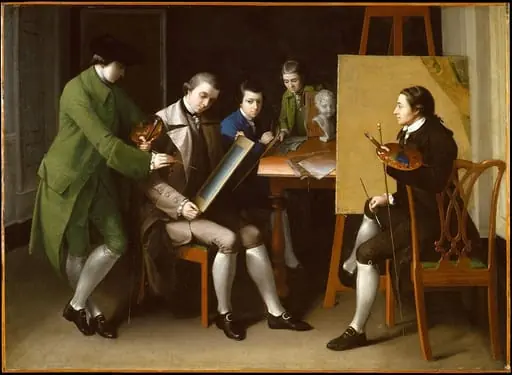 The American School
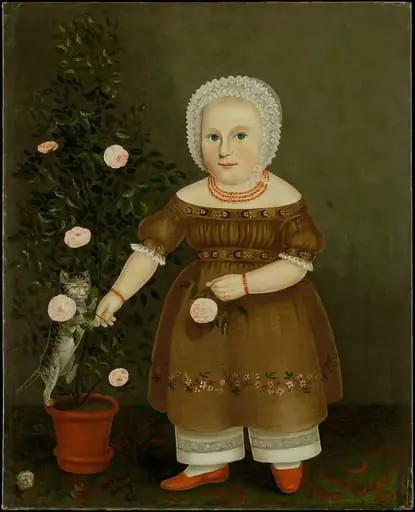 Emma Homan
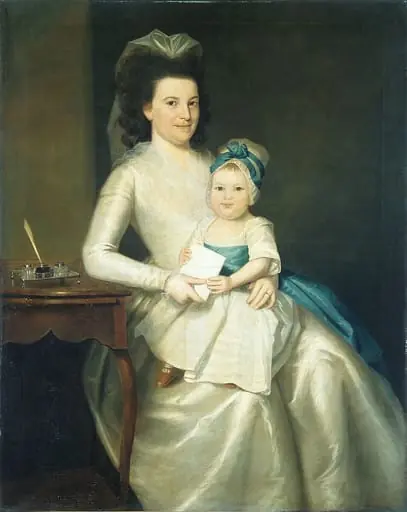 Lady Williams and Child
 Susan Walker Morse (The Muse)
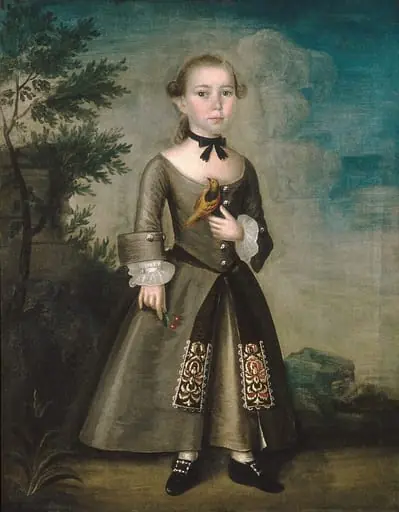 James Badger
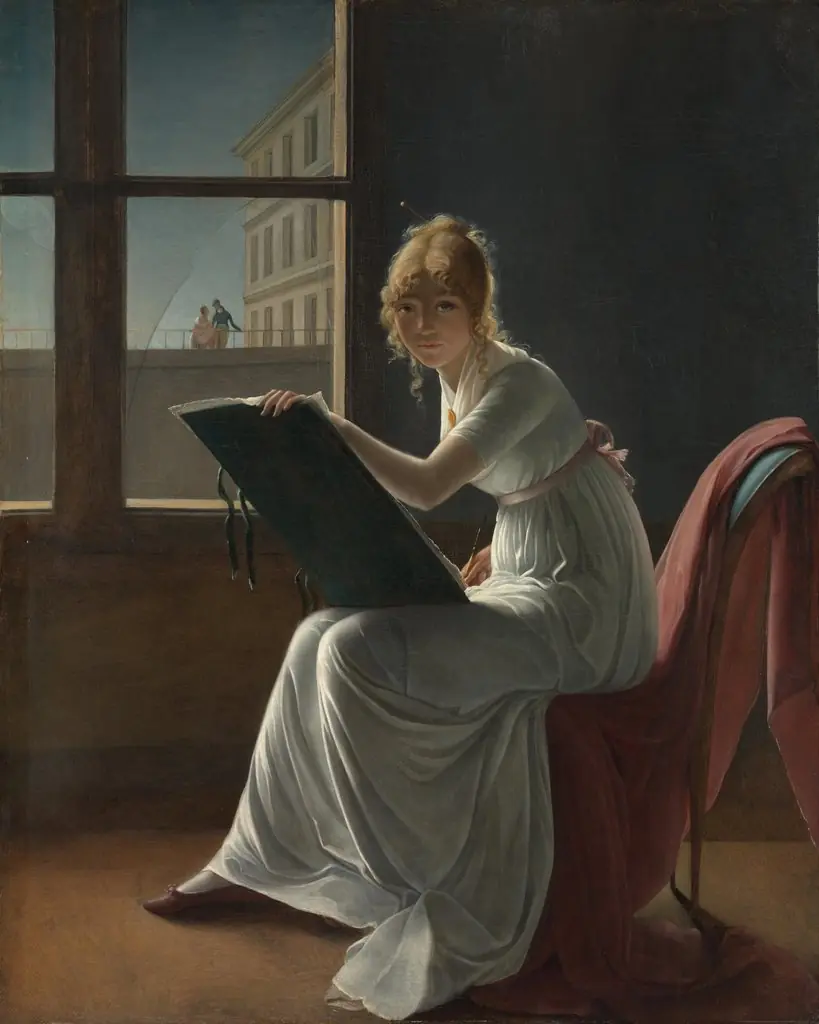 Portrait of Charlotte du Val d'Ognes
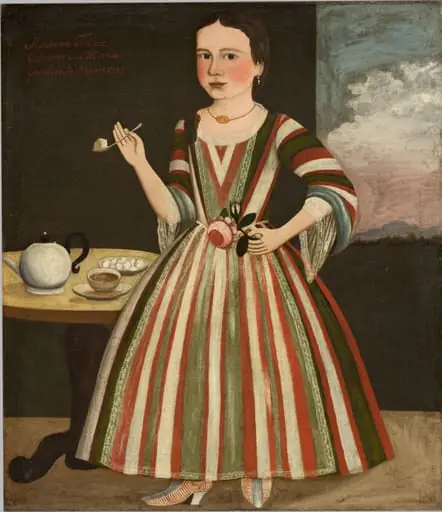 Susanna Truax
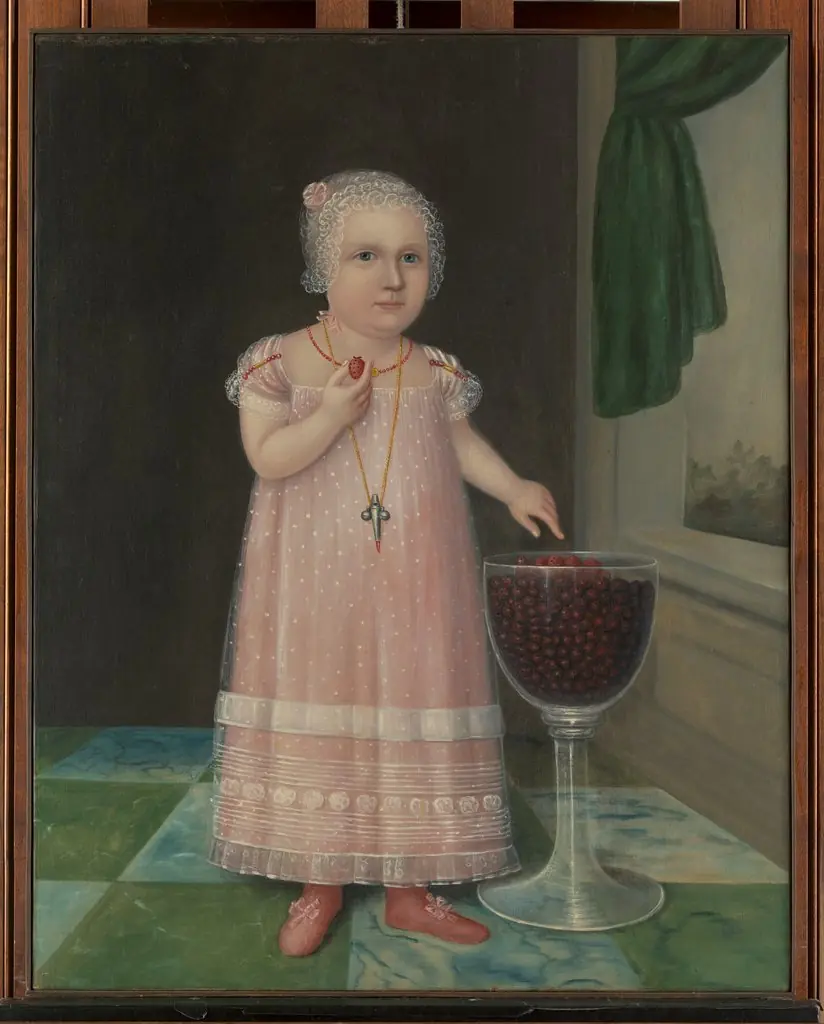 Emma Van Name
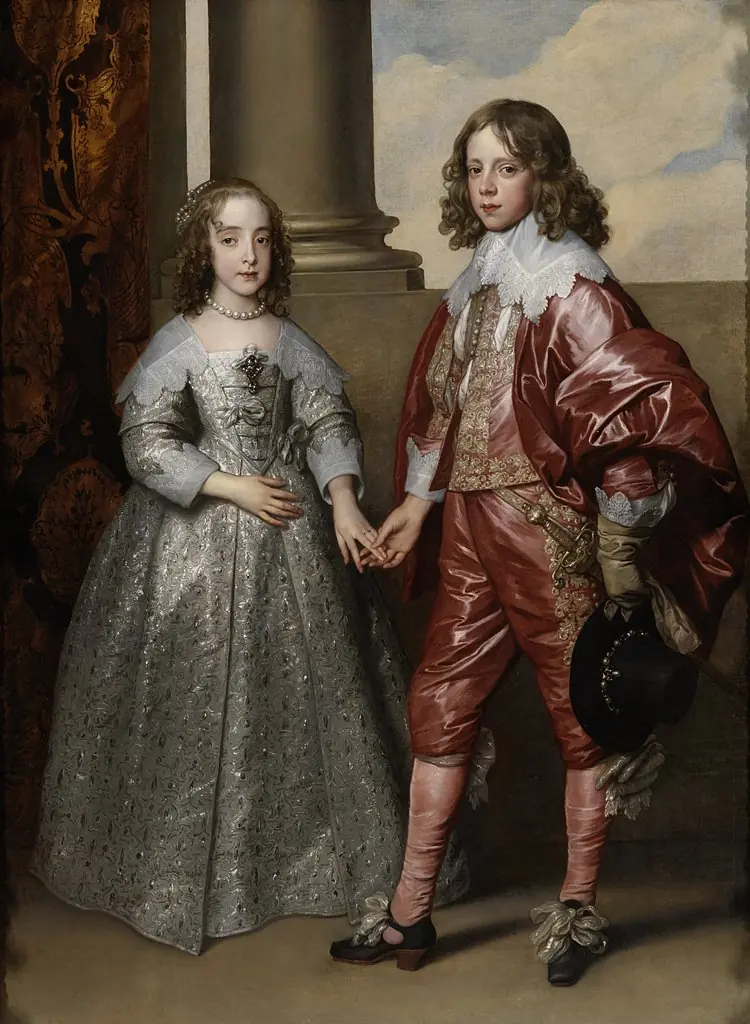 William II, Prince of Orange, and his Bride, Mary Stuart
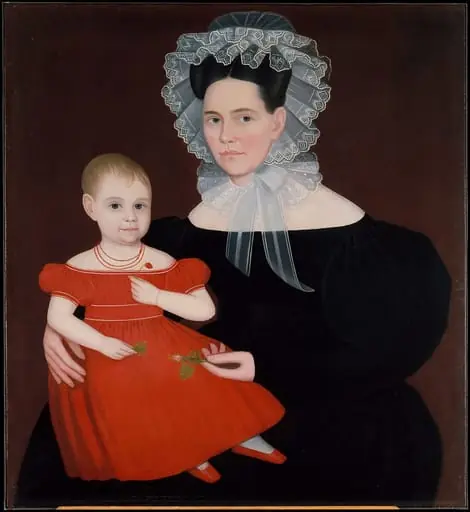 Mrs. Mayer and Daughter
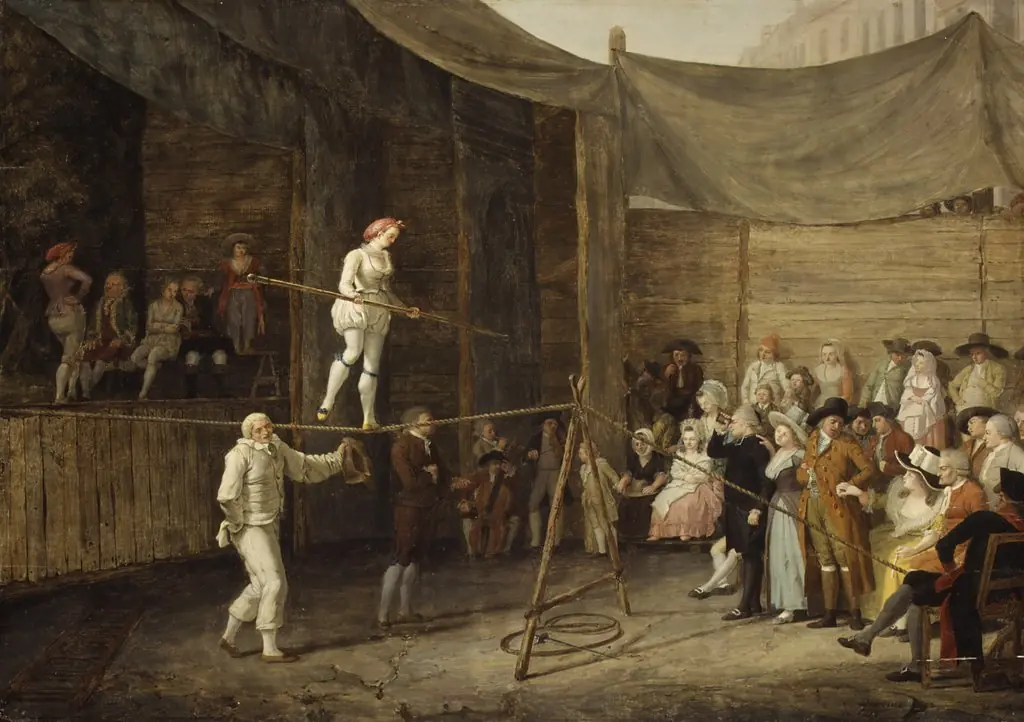 The Rope Dance
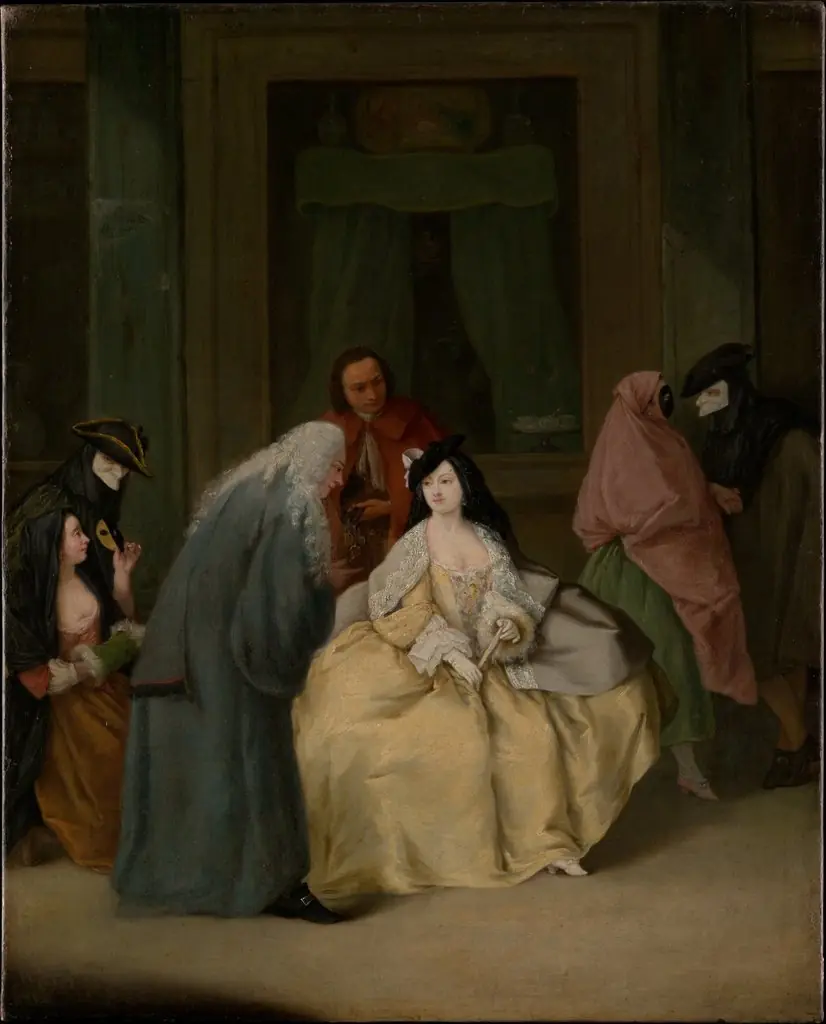 The Meeting
 The Love Letter
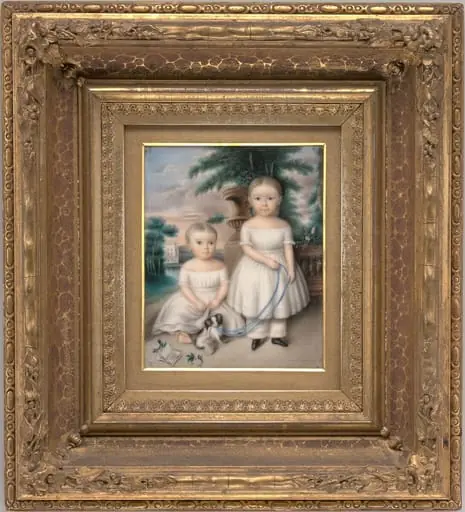 Watson Van Benthuysen II and Thomas Van Benthuysen
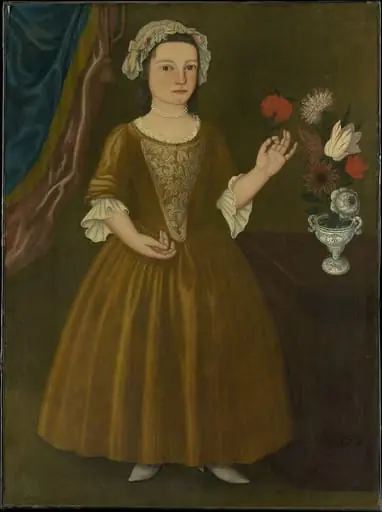 Catherina Elmendorf
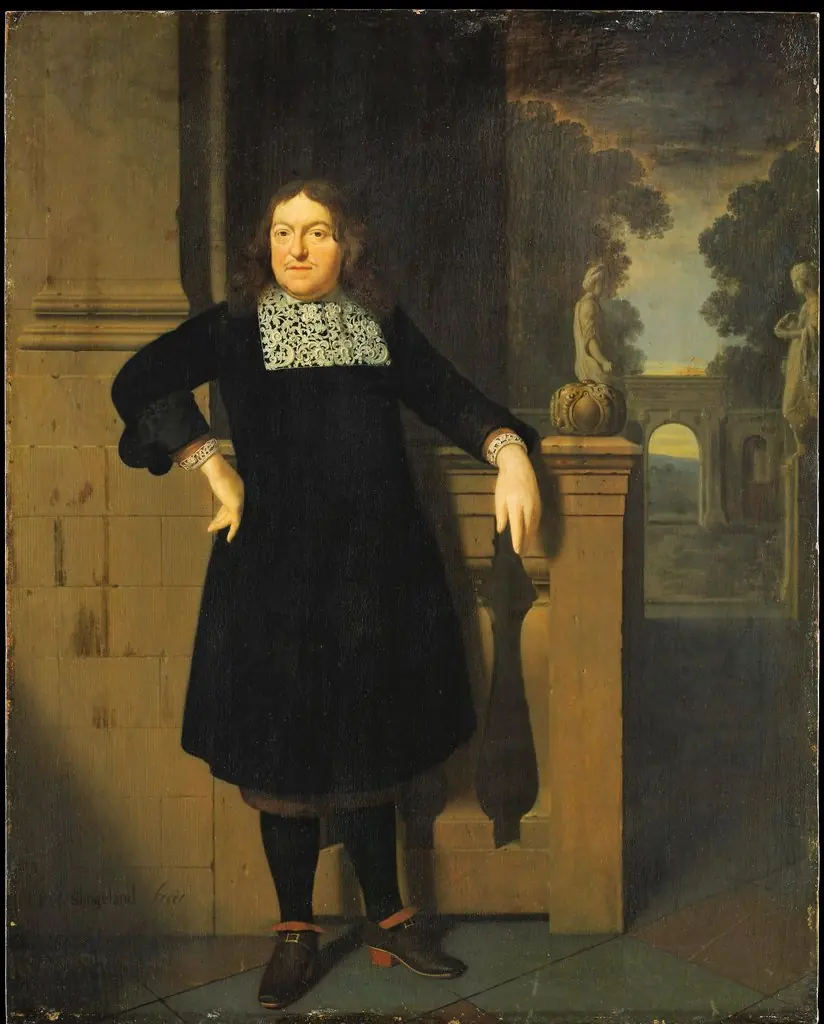 Portrait of Johan Hulshout (1623–1687)
 Mrs. Cephas Thompson (Olivia Leonard)
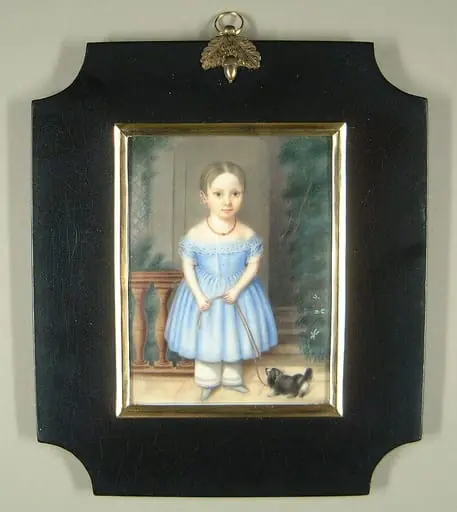 Mary R. Whitlock
 明 佚名 羅漢圖 軸|The Arhat Vajraputra
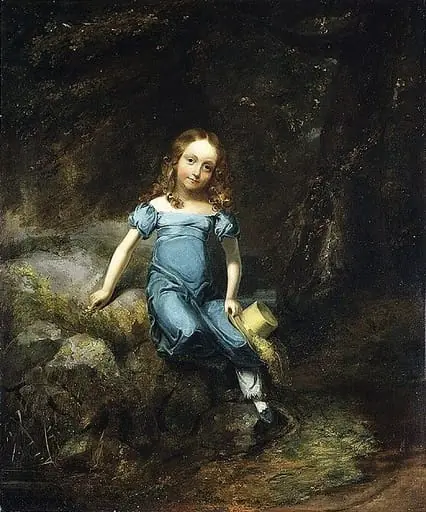 Janet Halleck Drake
 Untitled
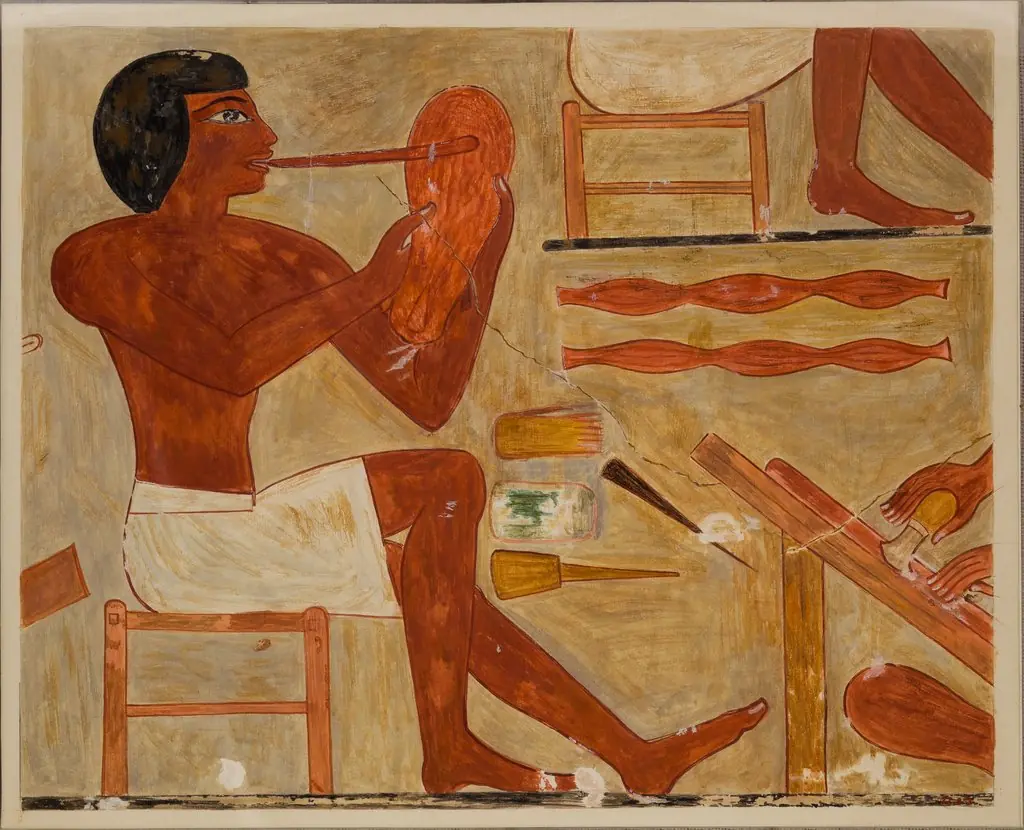 Sandal Maker, Tomb of Rekhmire
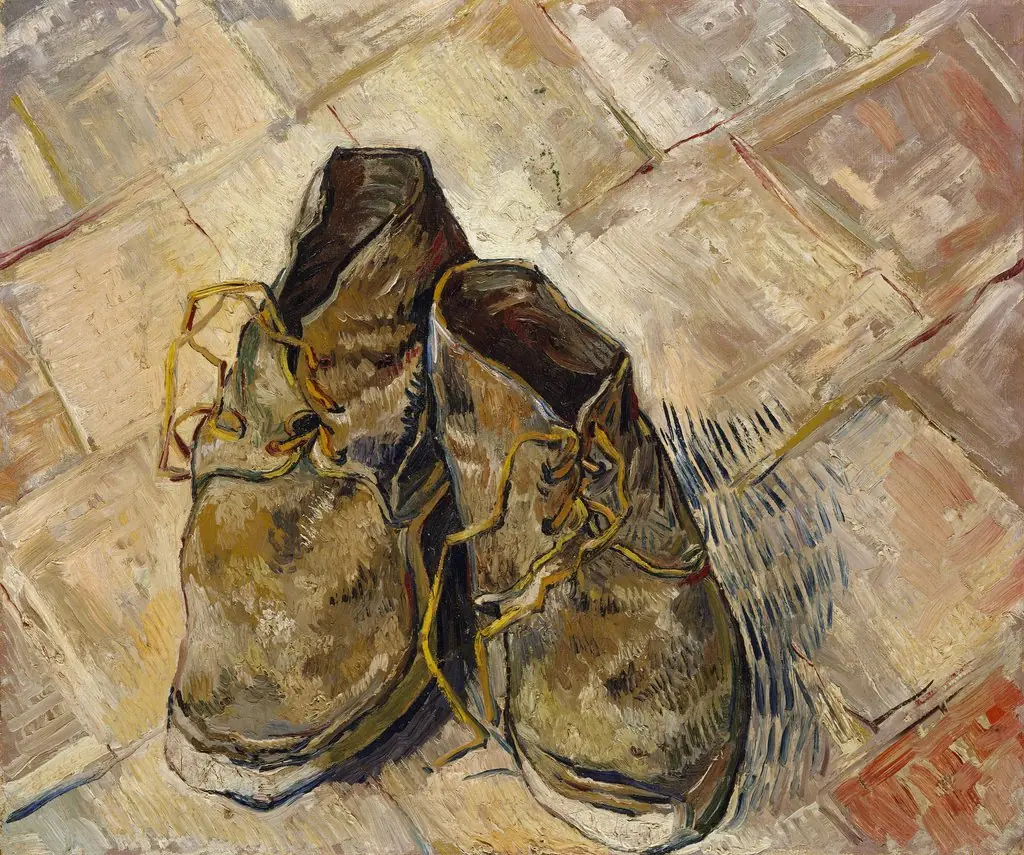 Shoes
Shoes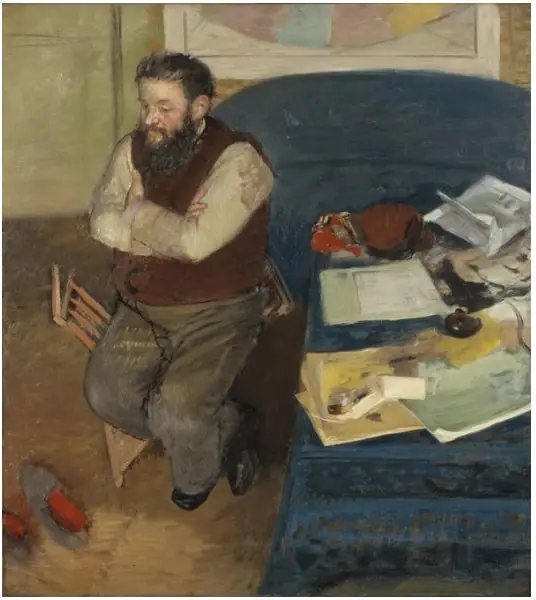 Portrait of Diego Martelli
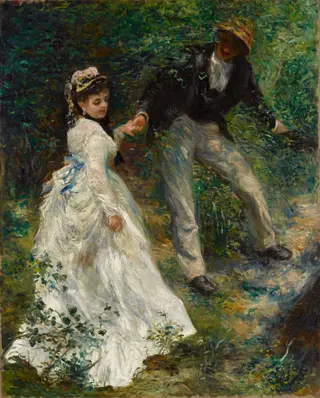 La Promenade
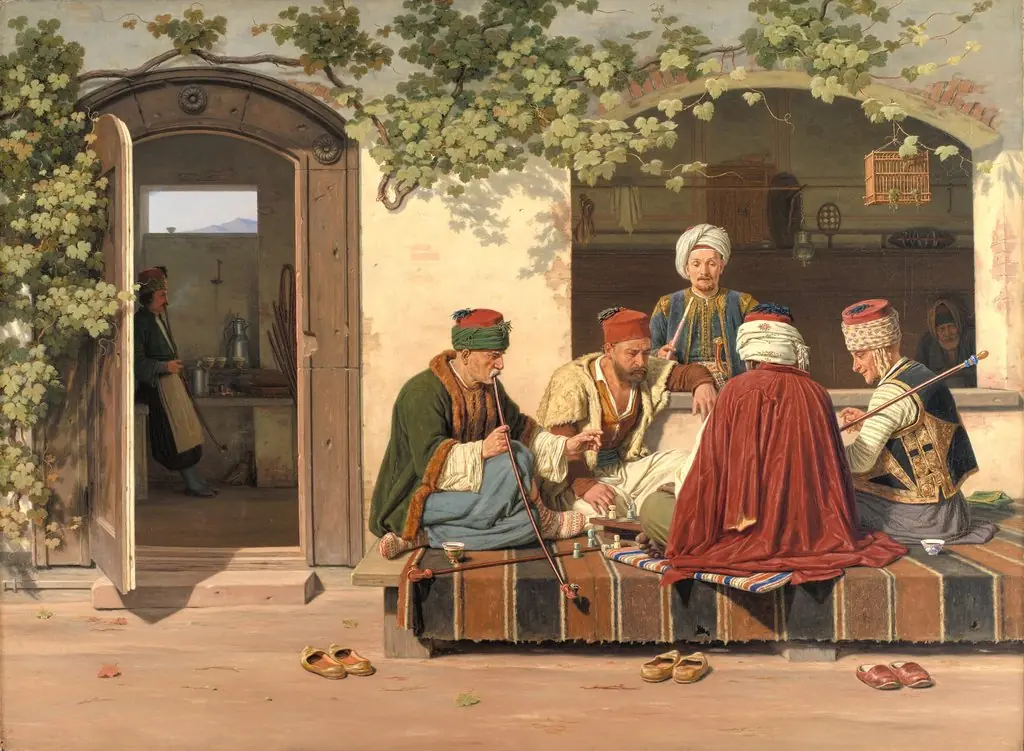 A party of chess players outside a Turkish coffeehouse and barbershop
 Portrait of Louis XIV of France
 Presumed portrait of Mademoiselle de Blois
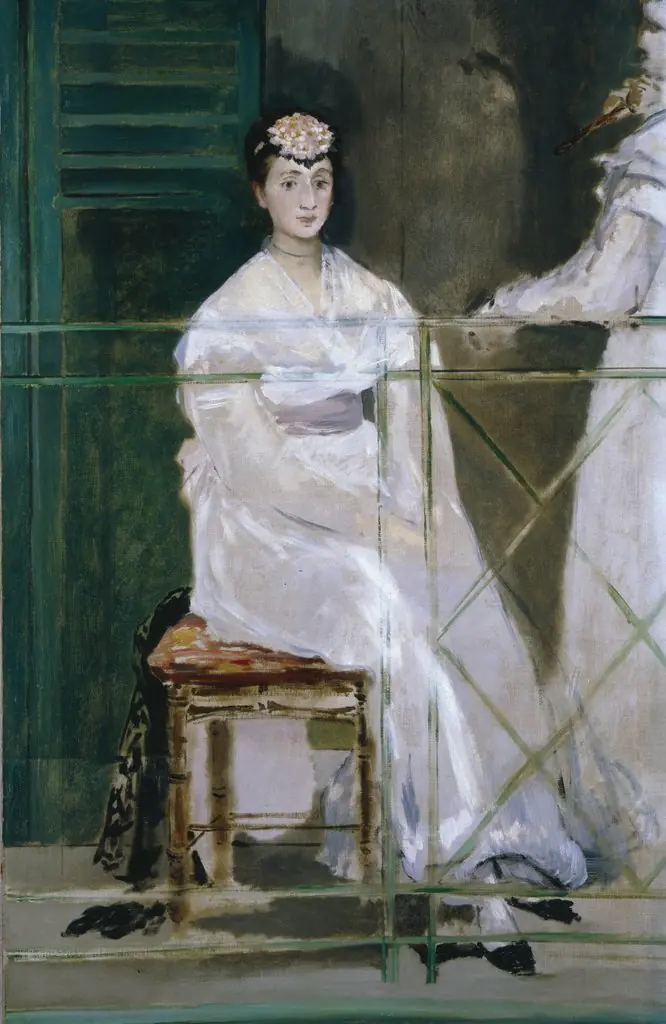 Portrait of Mademoiselle Claus
 Portrait of Louis XV of France
 Pierre-Joseph-François Bosquet, Marshal of France (1810-1861)
 Gabrielle
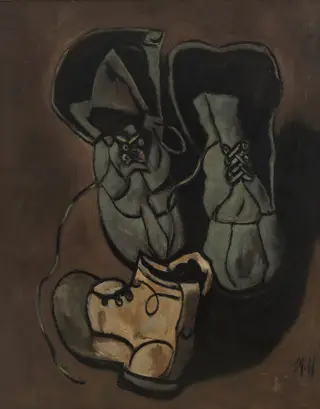 Untitled
 Toe Shoe Mary Jane
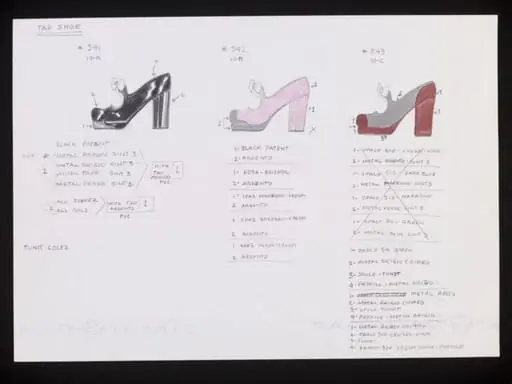 Tap Shoe
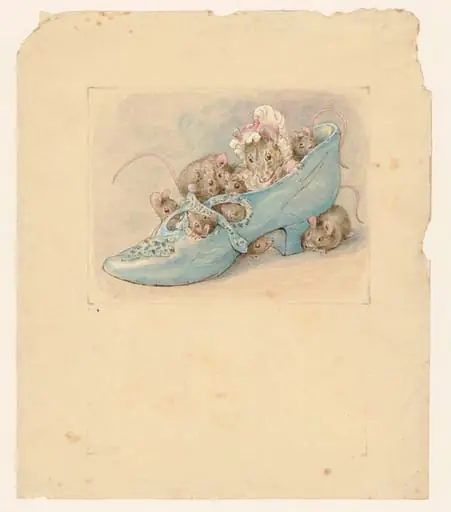 Mice in a shoe
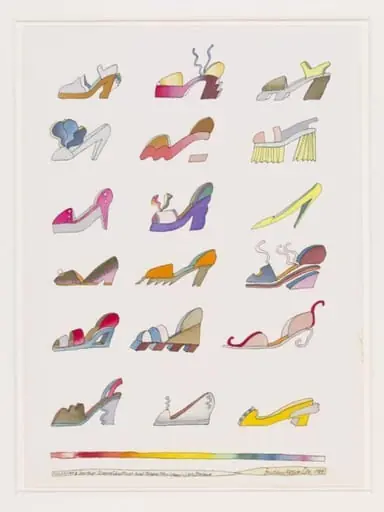 Eighteen Shoes
 Acrobatic
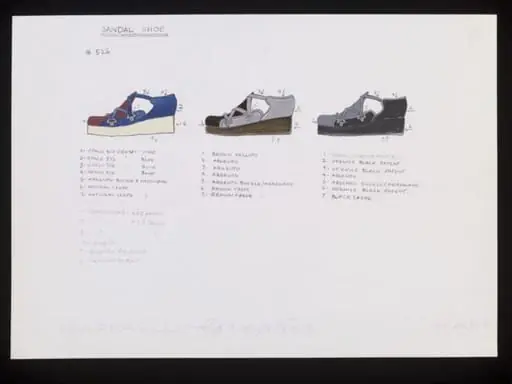 Sandal Shoe
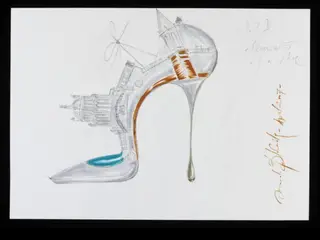 Contribution to V&A's 150th anniversary album
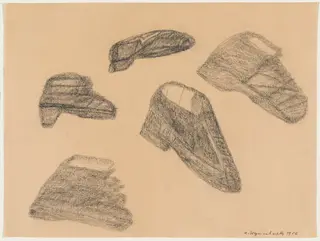 Untitled
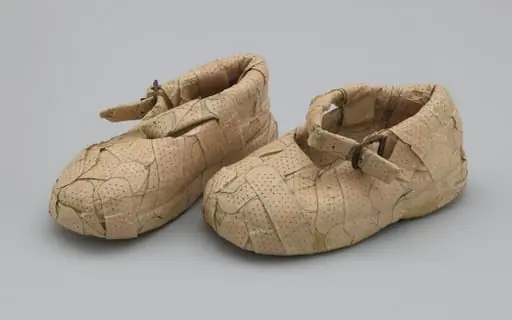 Untitled
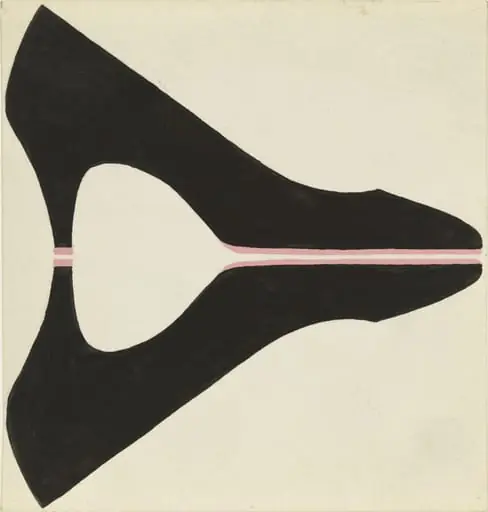 Untitled
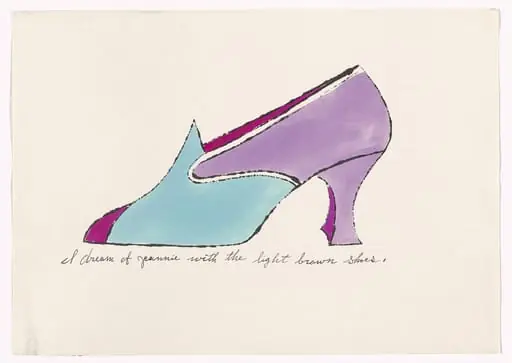 Untitled
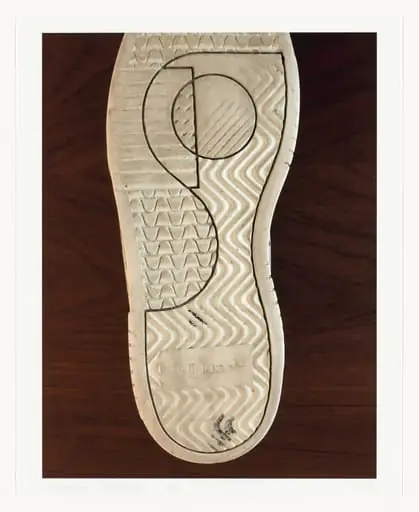 Untitled
Frequently asked questions
What is Shoe?
Shoe is a subject in art. A shoe is an item of footwear normally found in pairs intended to protect and comfort the human foot, usually made in such a way that one is designed to fit the left foot and the other the right foot.
How many Shoe works does Artifact World Gallery have?
Artifact World Gallery holds 52 public-domain Shoe works, all free to view and download.
Who are the key Shoe artists?
Key Shoe artists in the collection include Thomas Eakins, Edgar Degas and Ralph Earl.
Where can I see Shoe works?
Shoe works in the collection are held by Metropolitan Museum of Art, Victoria and Albert Museum and Museum of Modern Art.