Subject
Buttocks
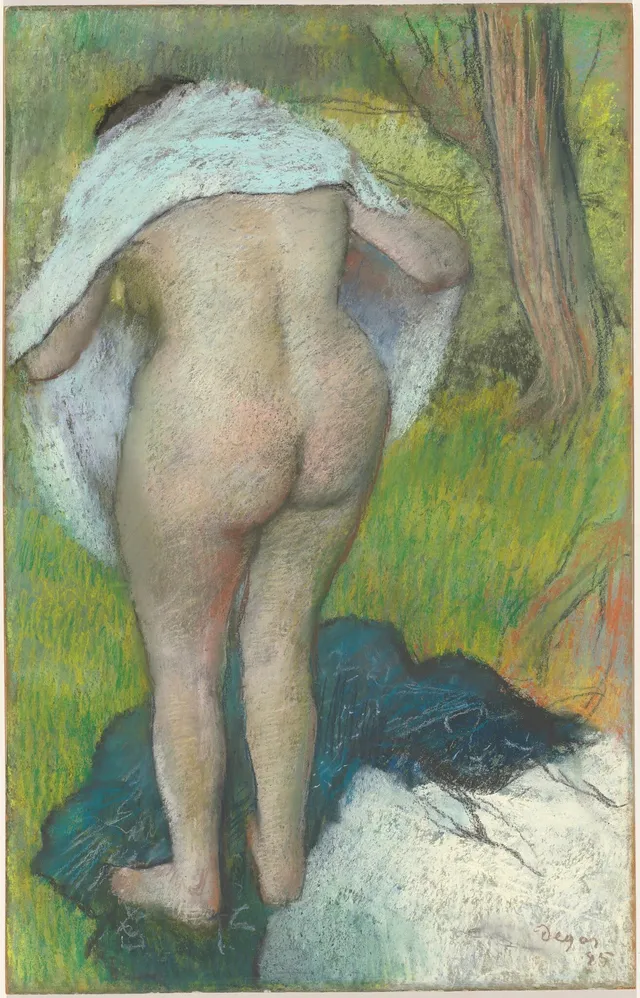
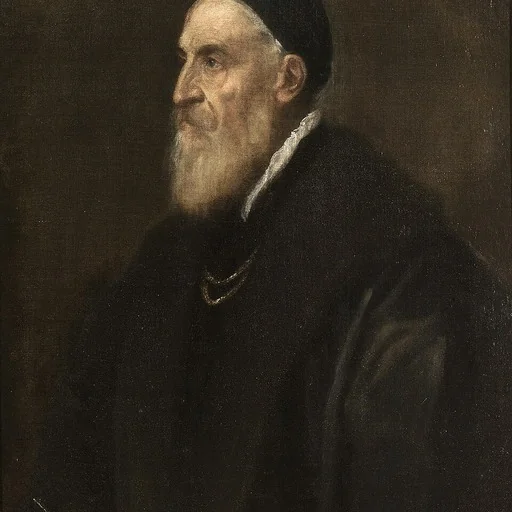
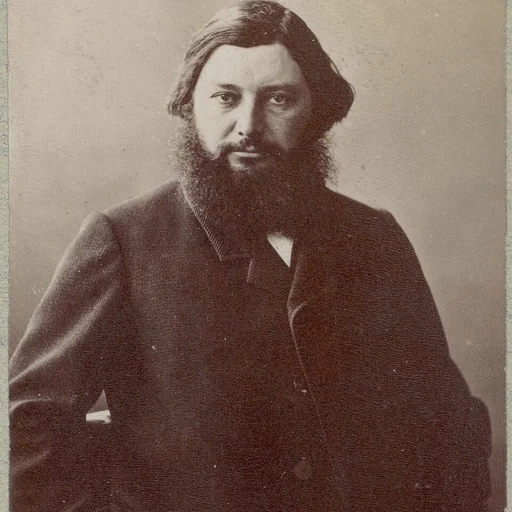
Buttocks is a subject in art. The gallery holds 50 works in this subject in art, including works by Titian, Gustave Courbet and Edgar Degas.
The buttocks (sg.: buttock) are two rounded portions of the exterior anatomy of humans, located on the posterior of the pelvic region. The buttocks are located between the lower back and the perineum.
Key artists
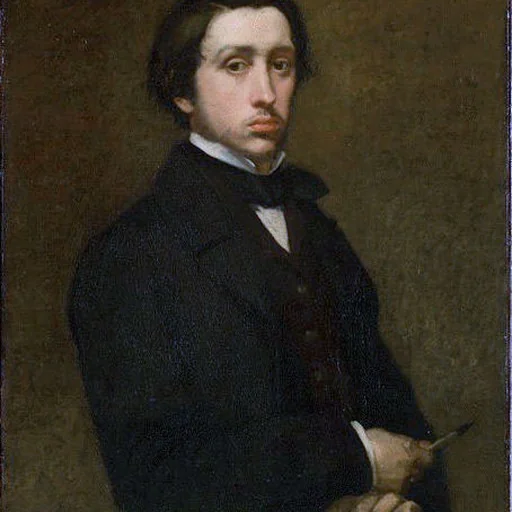

Overview
The buttocks are a recurring motif in art history, appearing in 53 works within this collection alone. Anatomically, they consist of two rounded portions of the posterior pelvic region, located between the lower back and the perineum, formed by the gluteus maximus and gluteus medius muscles overlaid with subcutaneous fat. Their distinctive form results from bipedalism, which causes the postero-superior thigh muscles to take on a characteristic rounded shape not seen in quadrupeds. In artistic representation, the buttocks serve multiple functions: as an anatomical feature of the human figure, as an erotic signifier, as a marker of beauty or ideal proportion, and as an element in narratives of bathing, punishment, or mythological encounter. The motif appears across diverse genres including mythological scenes, bathers, and historical subjects, reflecting both naturalistic observation and cultural symbolism.
Iconography & meaning
The iconography of buttocks in art carries layered meanings. Sexual attraction constitutes a primary symbolic association, with the buttocks functioning as an erotic focal point in many cultures. The French source notes the concept of pygophilia, a strong sexual attraction to buttocks, and the specific type of the Venus Callipyge, a Greek statue depicting the goddess lifting her peplos to admire her own buttocks, with kalos meaning beautiful and puge meaning buttock. This self-regarding pose became a recognized artistic type. The buttocks also bear connotations of shame and intimacy, with many cultures mandating their concealment. Their proximity to the anus introduces associations with impurity or the scatological, complicating their erotic charge. In punitive contexts, the buttocks appear as the target of corporal punishment, a practice referenced across multiple sources. The German source emphasizes this dual nature: intimate and erotically charged yet also considered unclean. In some cultural contexts, buttock exposure serves as a gesture of protest, mockery, or contempt, as in the practice of mooning. The Dutch source notes that euphemisms for buttocks often conflate the anatomical region with the anus itself, indicating how the part stands for the whole in cultural imagination.
Notable depictions
The most clearly specified canonical depiction is the Venus Callipyge, a Greek statue type of Aphrodite viewing her own buttocks over her shoulder, explicitly named in the French source as a recognized artistic category. Within the collection, specific artists are not identified for the listed works, but the titles themselves indicate notable subjects: Venus and Adonis appears multiple times, suggesting either a popular composition reproduced or several treatments of this Ovidian narrative. The Young Bather and The Source evoke the 19th-century bather tradition associated with artists such as Ingres or Courbet, though specific attributions are not provided. The Three Graces as a subject connects to classical and Renaissance traditions of the intertwined female figures, with notable examples by Raphael and Rubens. The Pearl and the Wave suggests an allegorical or mythological marine subject. David and Bathsheba invokes the biblical narrative of voyeurism and its consequences, with the bathing scene providing occasion for display of the body. The Great Bath at Bursa indicates an Orientalist setting, situating the motif within the 19th-century European fascination with Turkish or Middle Eastern bath scenes. Without specific artist attributions in the sources, these works remain notable primarily as instances of the motif within particular genres rather than as attributed masterworks.
Legacy
The legacy of the buttocks as an artistic motif extends into contemporary cultural analysis and scientific study. The French source documents the 1980s anthropometric research by the Société d'anthropologie de Paris, which developed the pygéal index measured with a glutéomètre to quantify buttock protrusion across populations, reflecting continued cultural investment in this body feature. The historical case of Saartjie Baartman, exhibited in London in 1810 due to her steatopygia, represents the exploitative dimension of this cultural fascination. Scholarly literature has emerged specifically addressing this anatomy, including Jean-Luc Hennig's Der Hintern and Brève histoire des fesses, Christiane Blass's Der Po, and Jean-Claude Kaufmann's La guerre des fesses, indicating sustained academic and popular interest. Documentary films from 2010, Les deux font la paire: une histoire de fesses and La face cachée des fesses, attest to continued cultural examination. The German source notes Mozart's six-part canon Leck mich im Arsch as a musical treatment of the region. The Dutch source's mention of rumpology as a pseudo-science based on buttock characteristics indicates how the motif extends even into fringe cultural practices. These varied afterlives demonstrate how the artistic motif of the buttocks connects to broader patterns of body scrutiny, racialized exhibition, aesthetic idealization, and cultural taboo that persist beyond any single period or movement.
Works
 Venus and Adonis
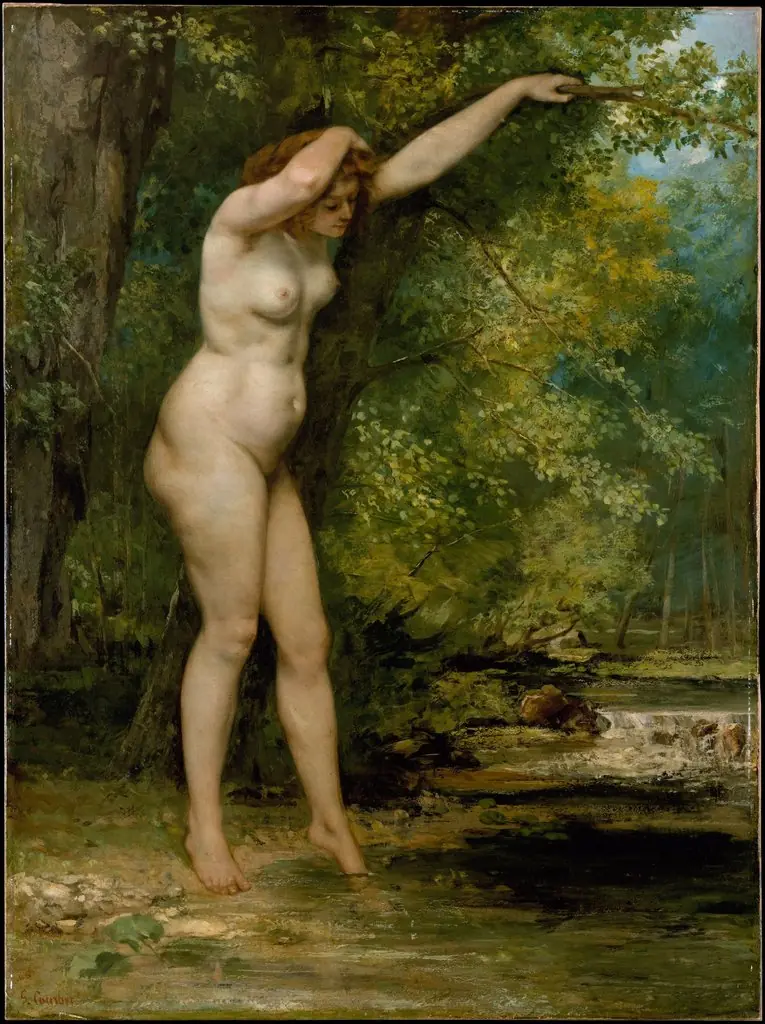 The Young Bather
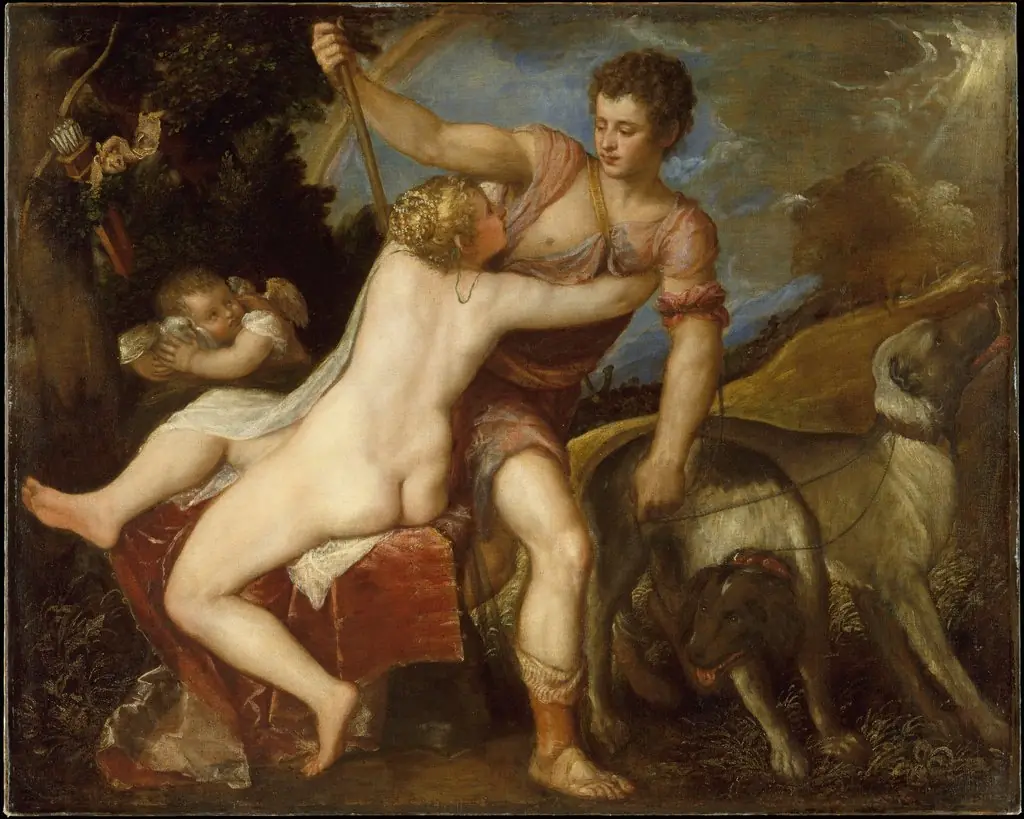 Venus and Adonis
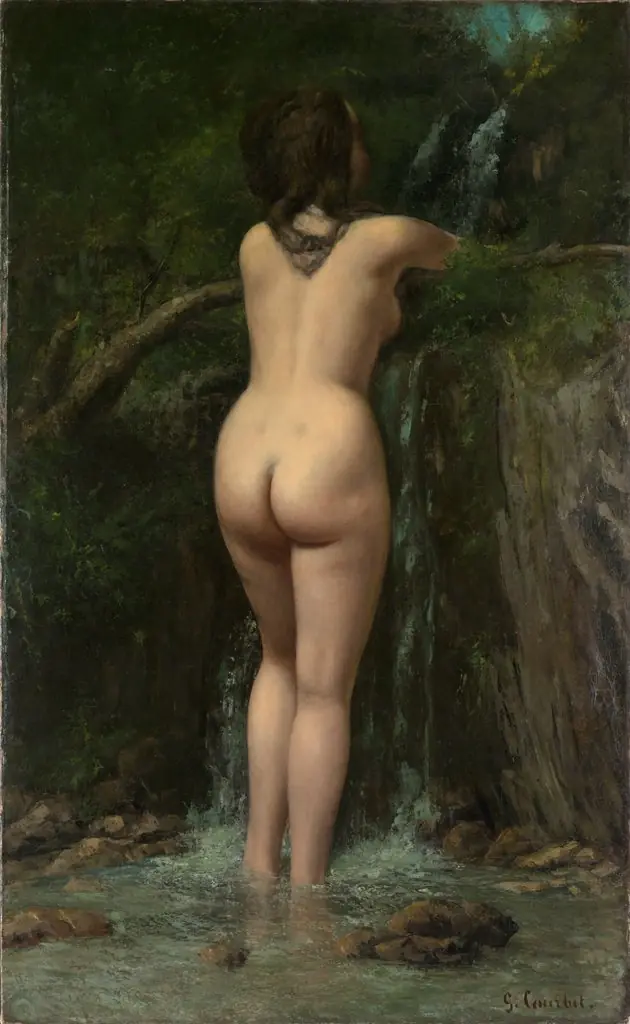 The Source
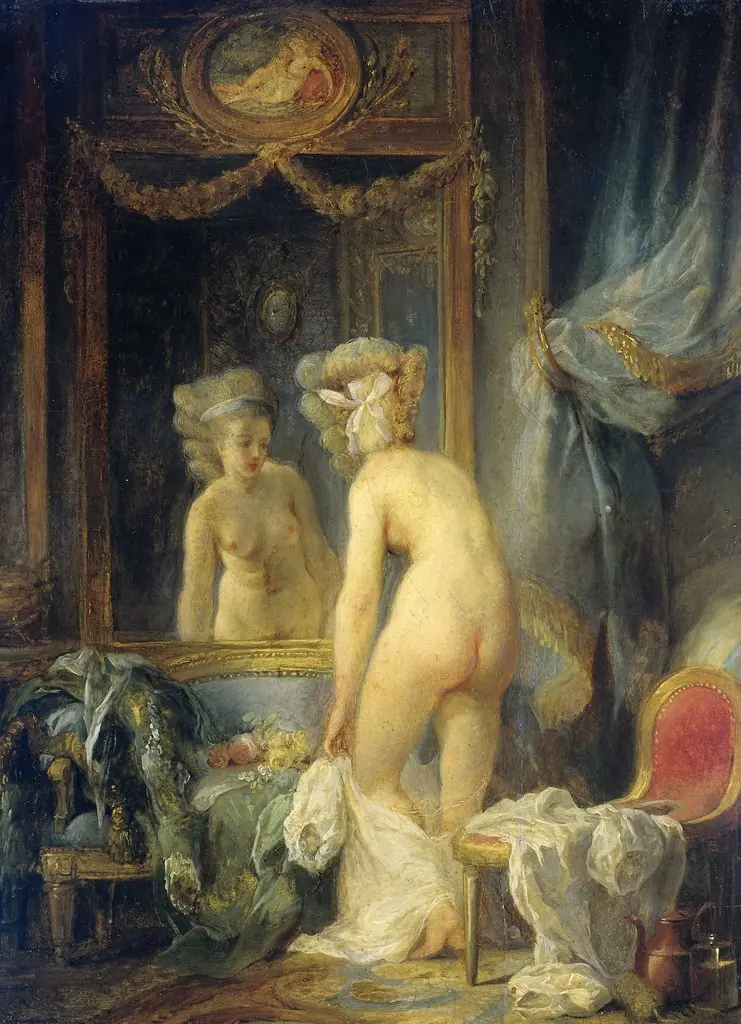 Morning Toilet
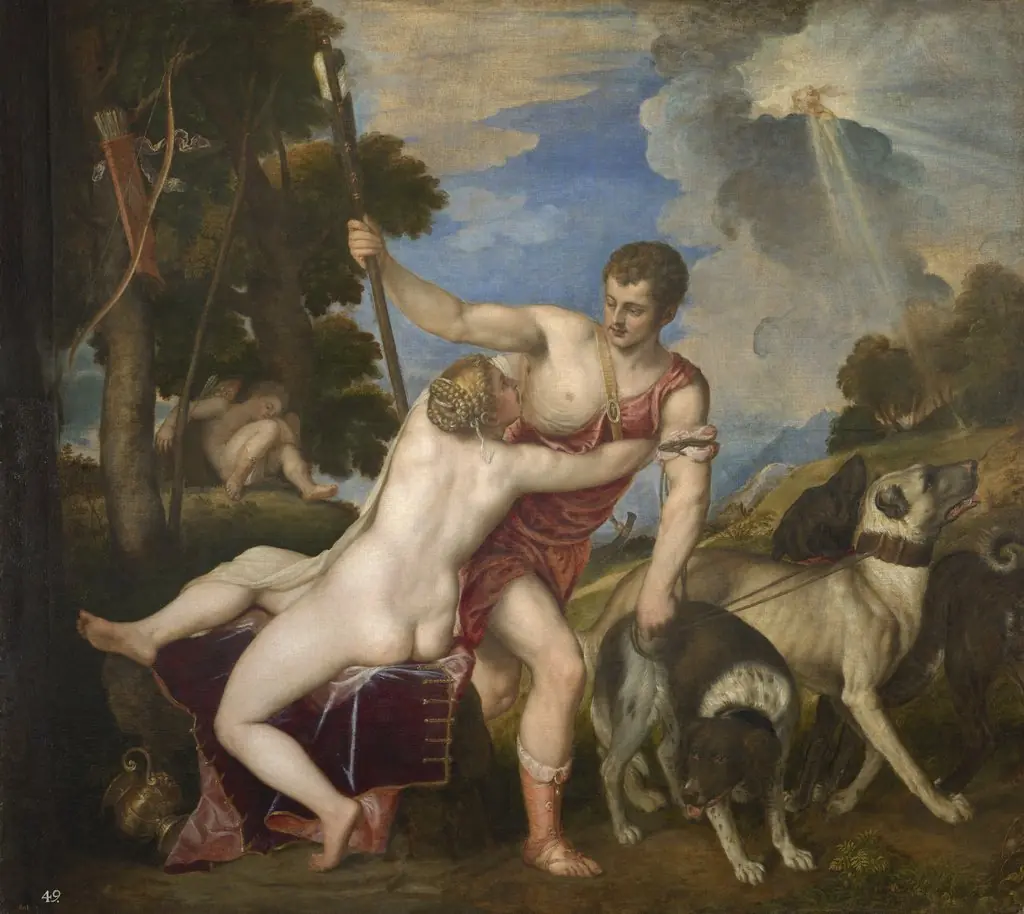 Venus and Adonis
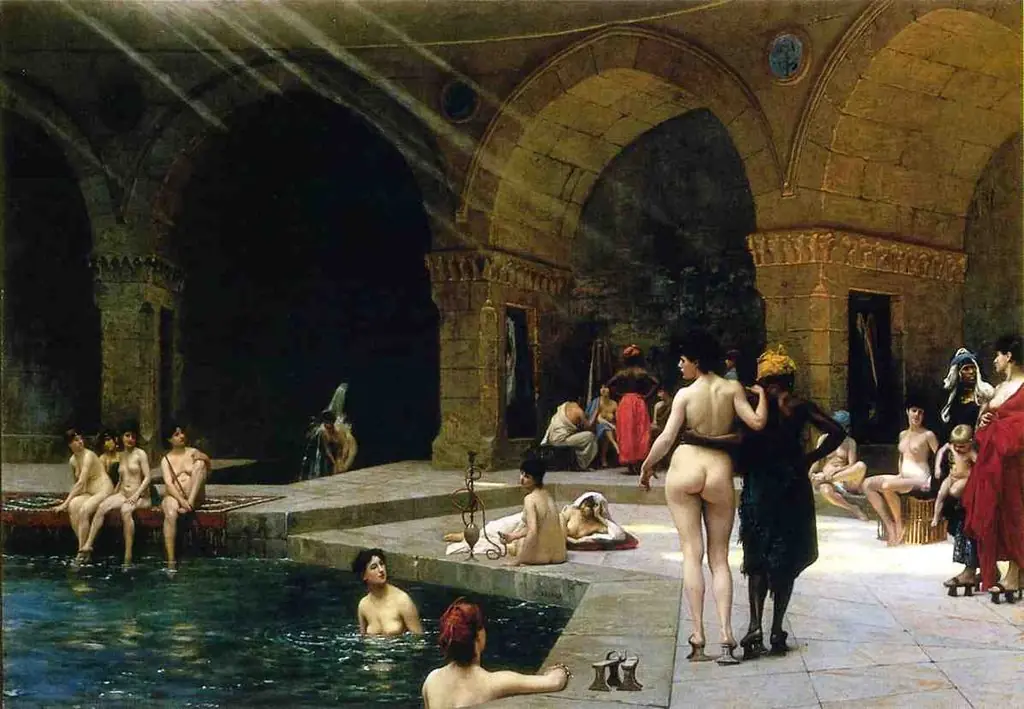 The Great Bath at Bursa
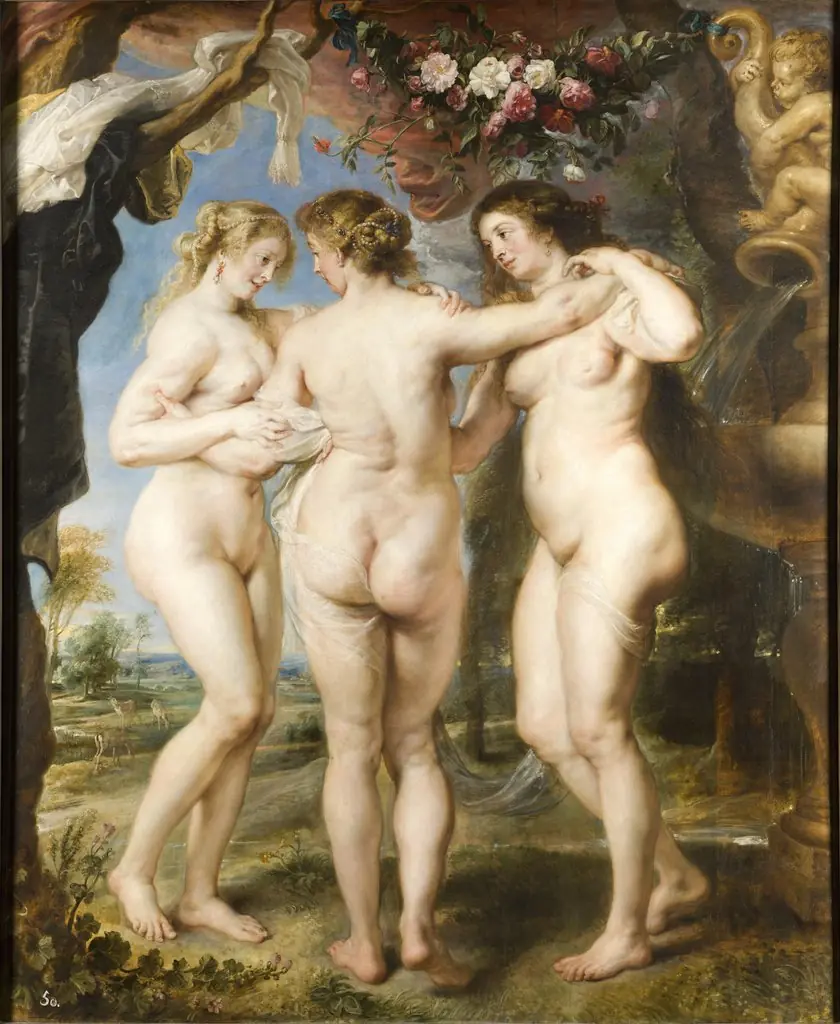 The Three Graces
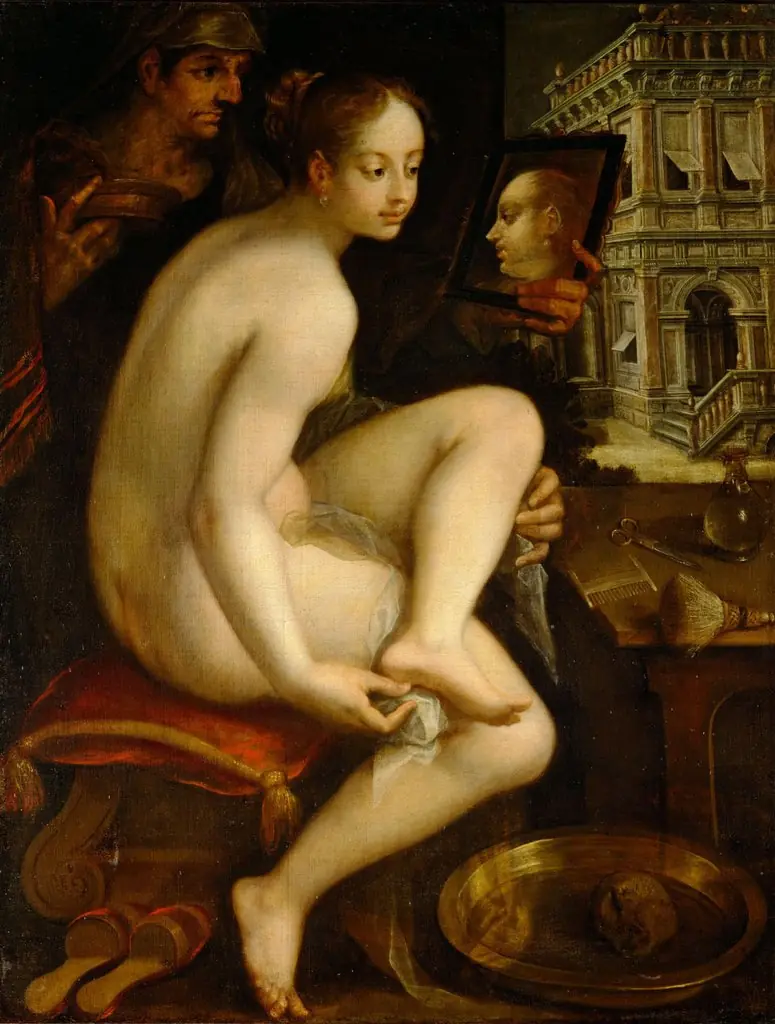 David and Bathsheba
 The Pearl and the Wave
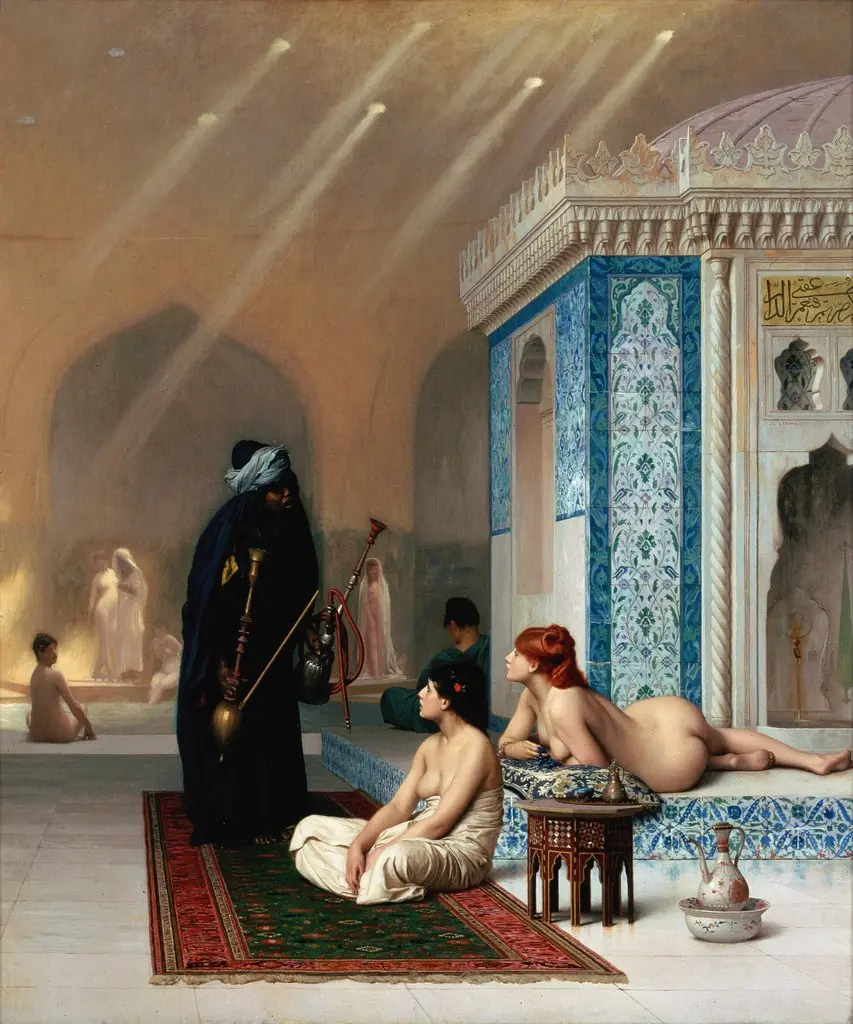 Pool in a Harem
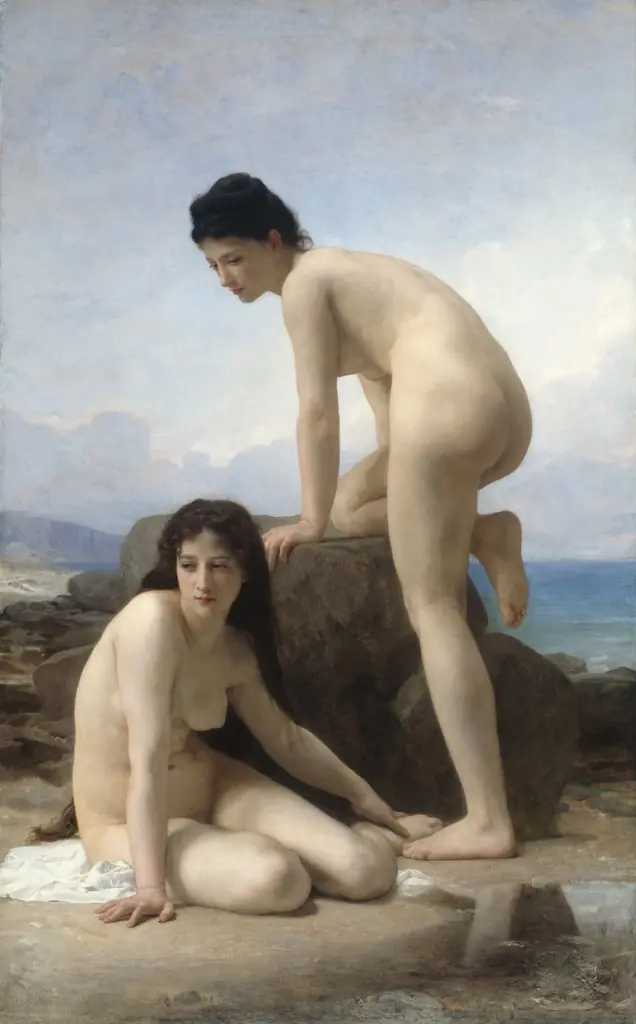 The Two Bathers
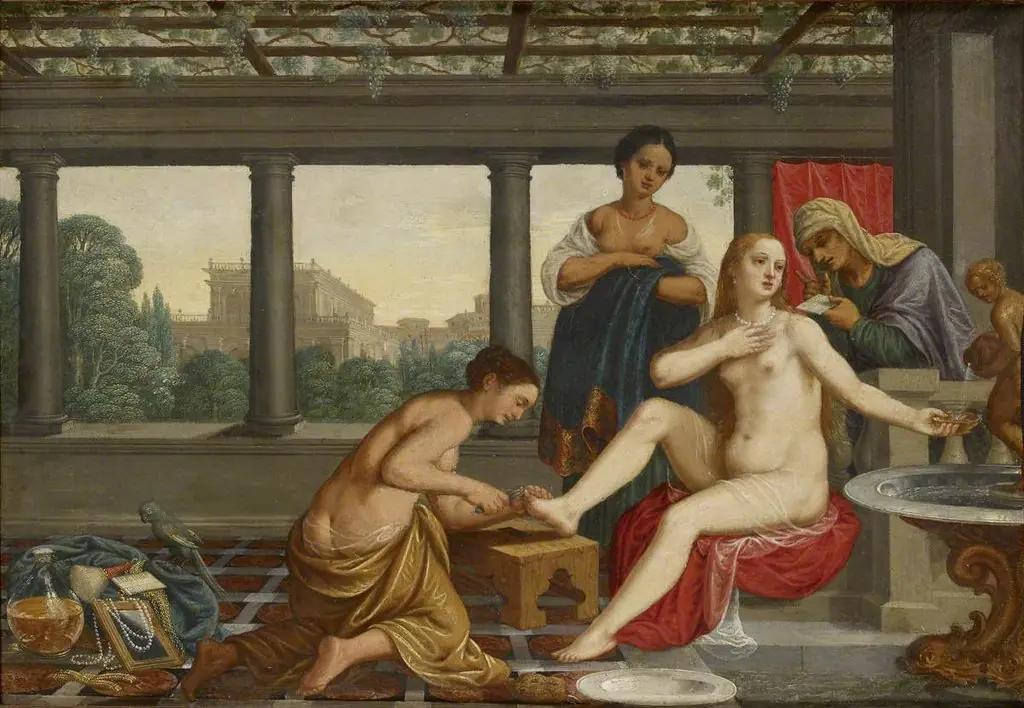 Bathsheba's Bath
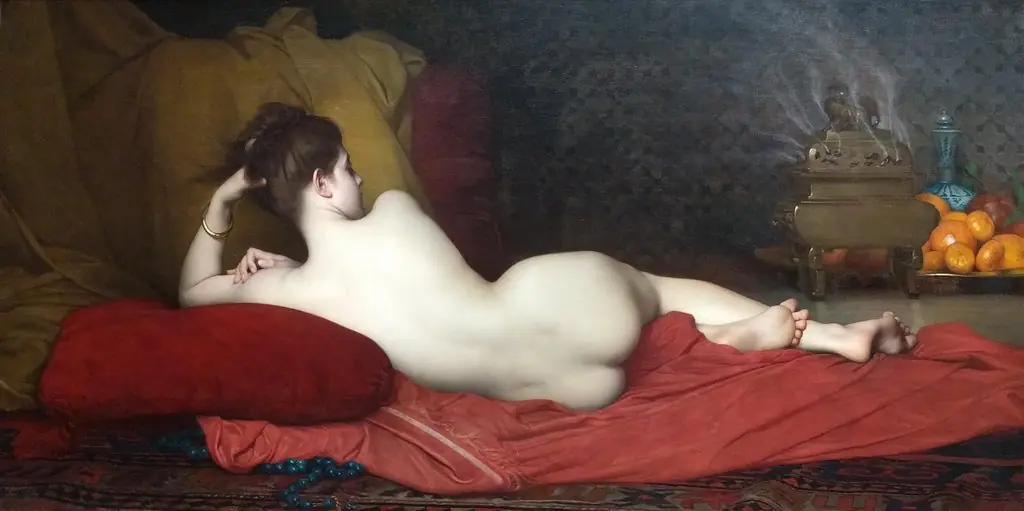 Odalisque
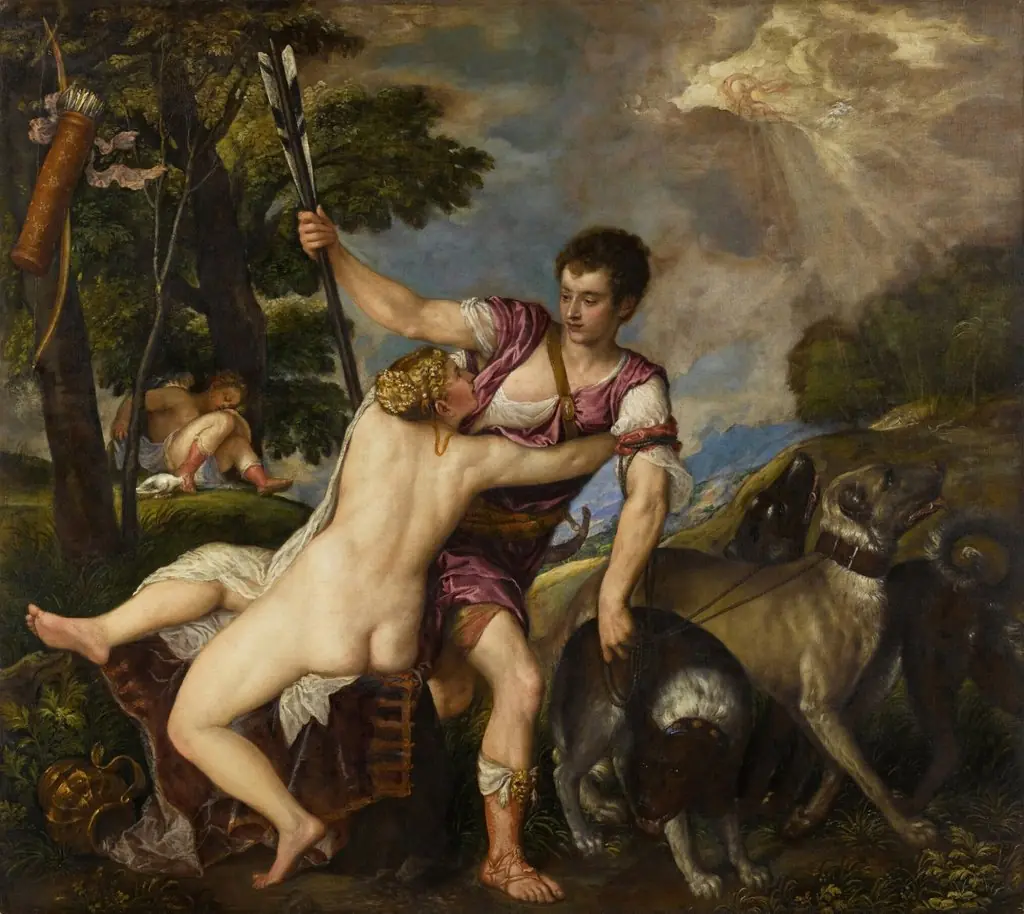 Venus and Adonis
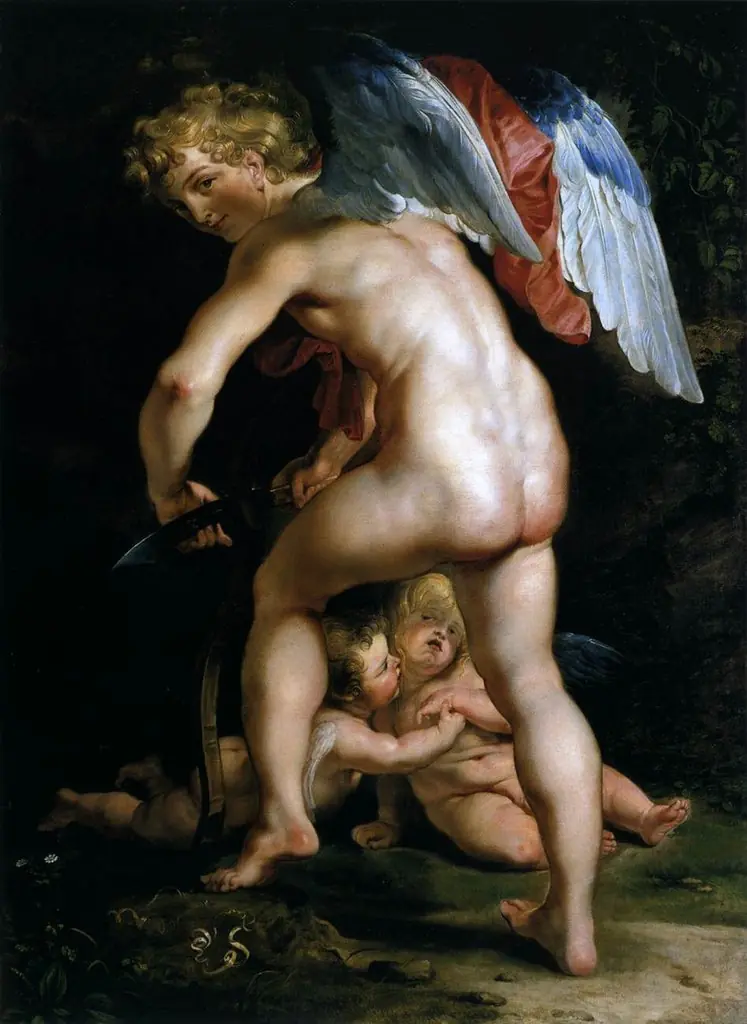 Cupid (Eros) Carves the Bow
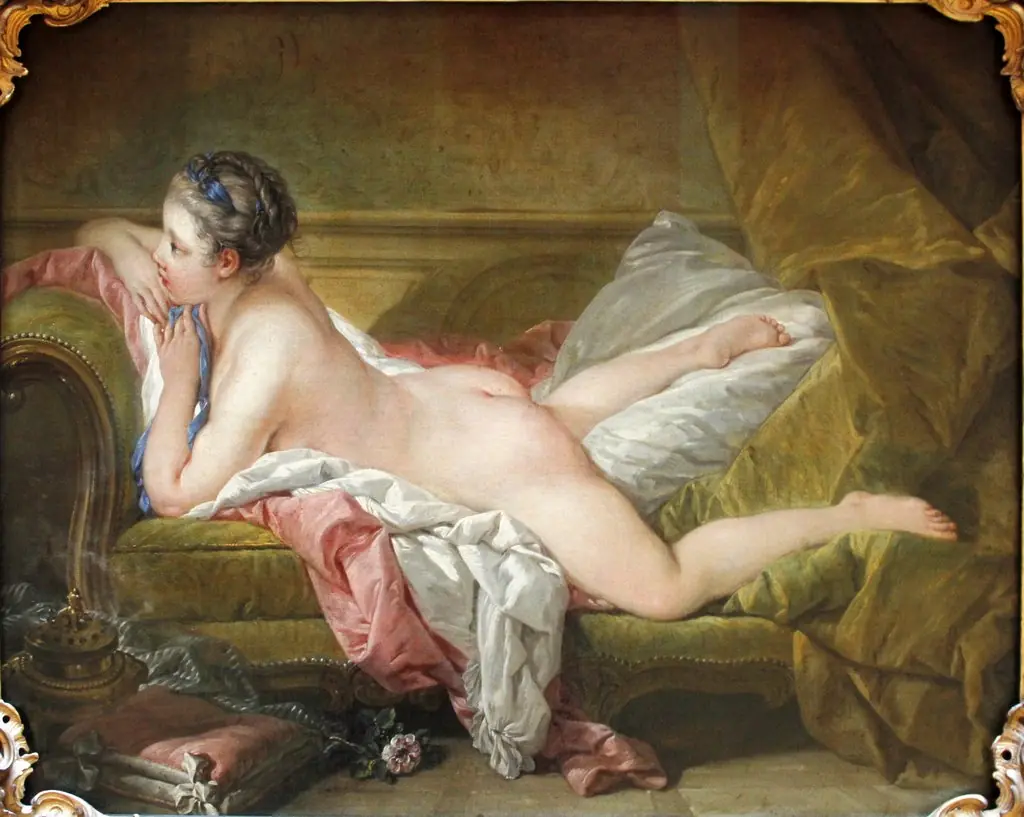 Reclining Girl
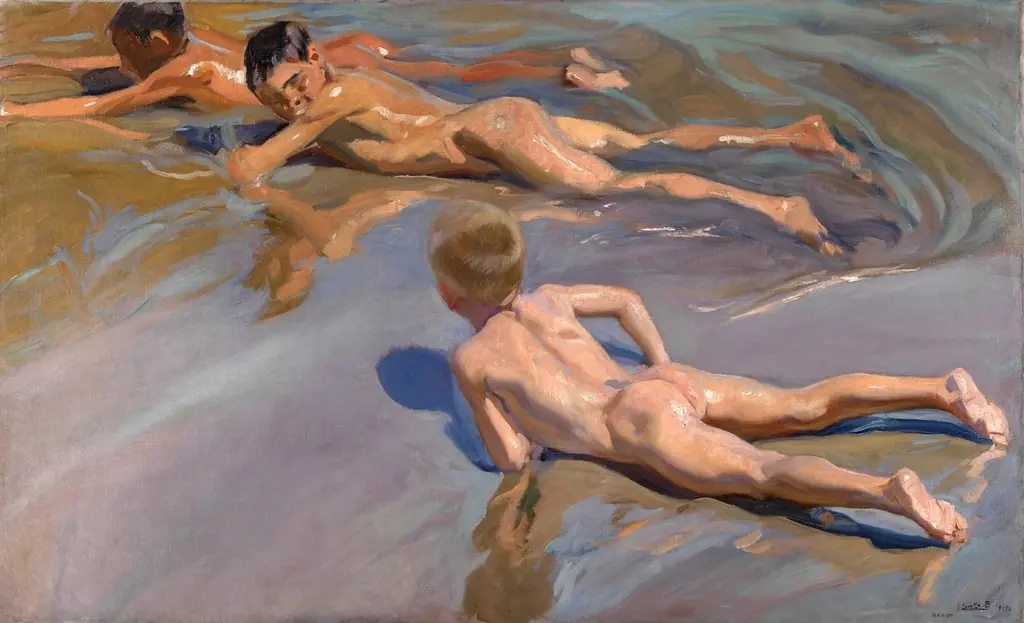 Chicos en la playa
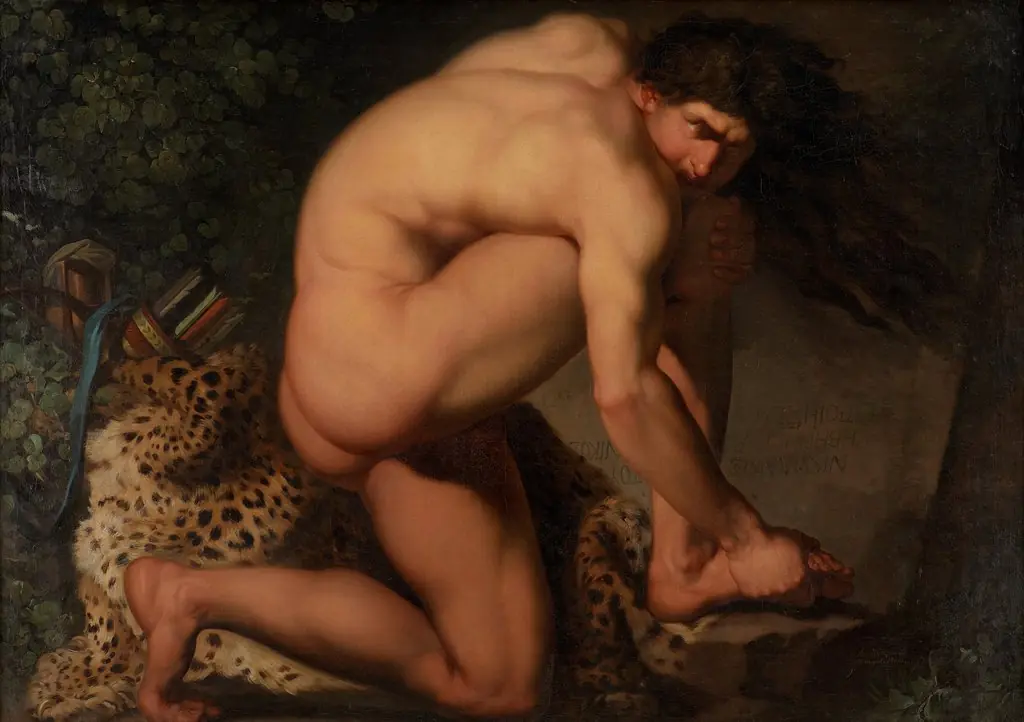 The Wounded Philoctetes
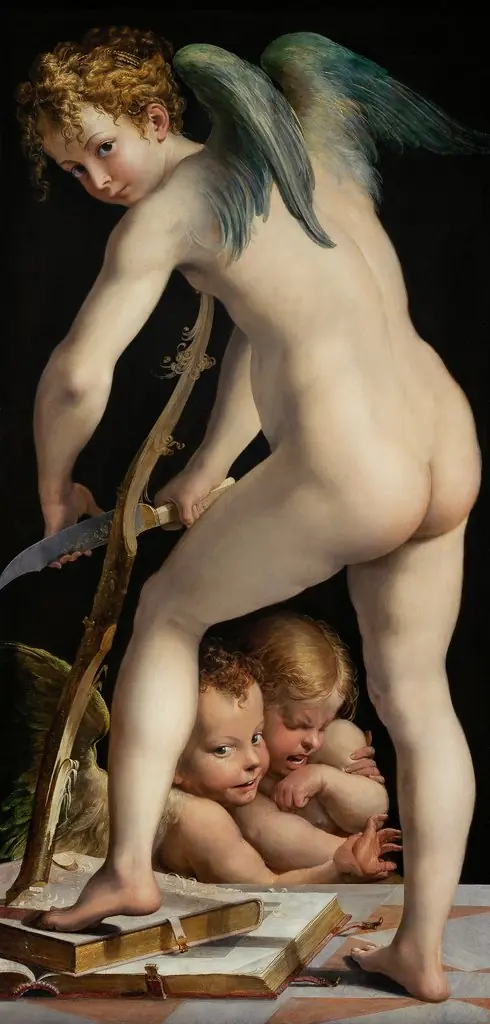 Cupid Making His Arch
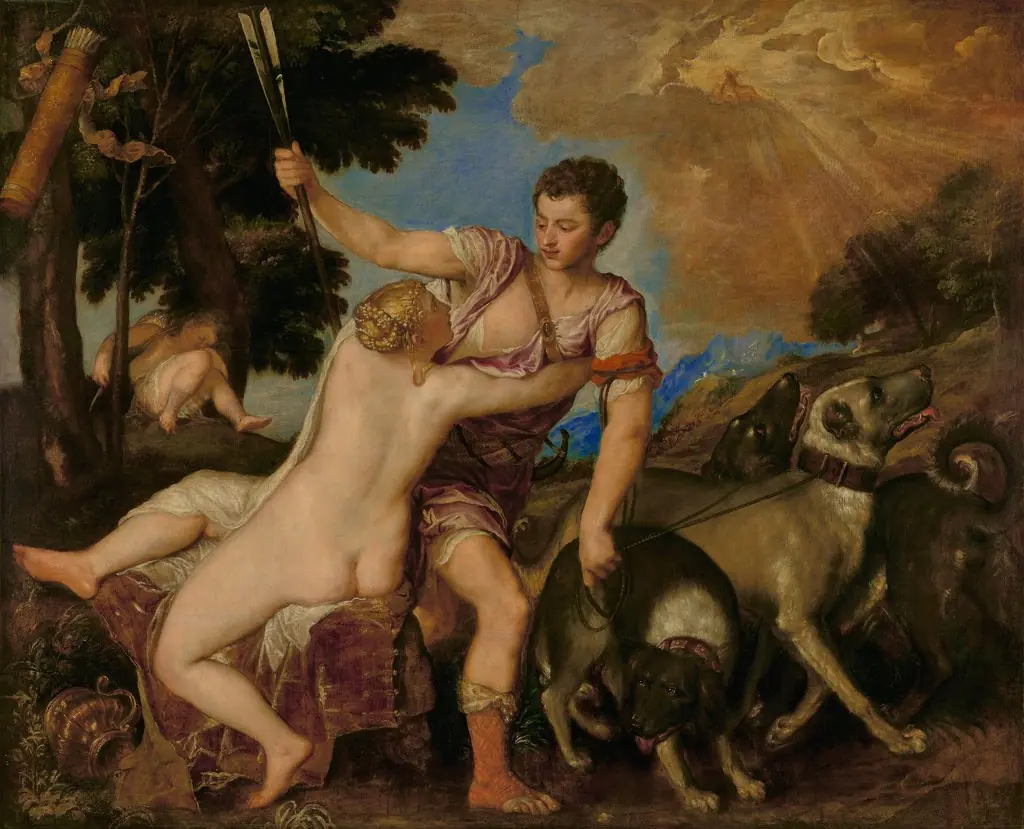 Venus and Adonis
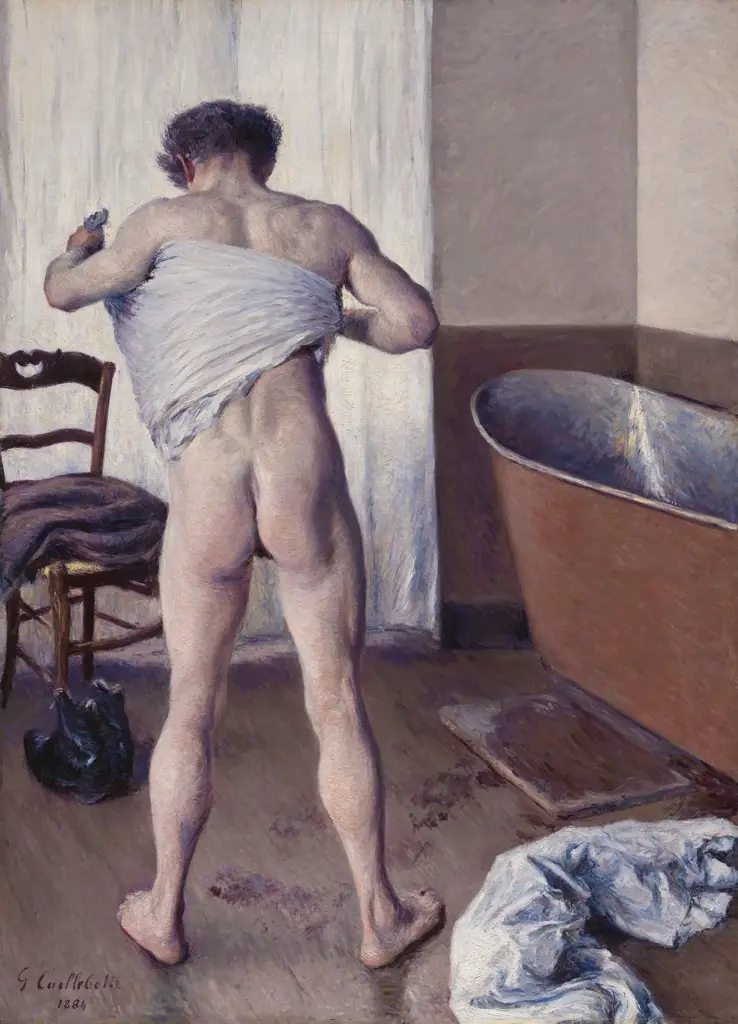 Man at His Bath
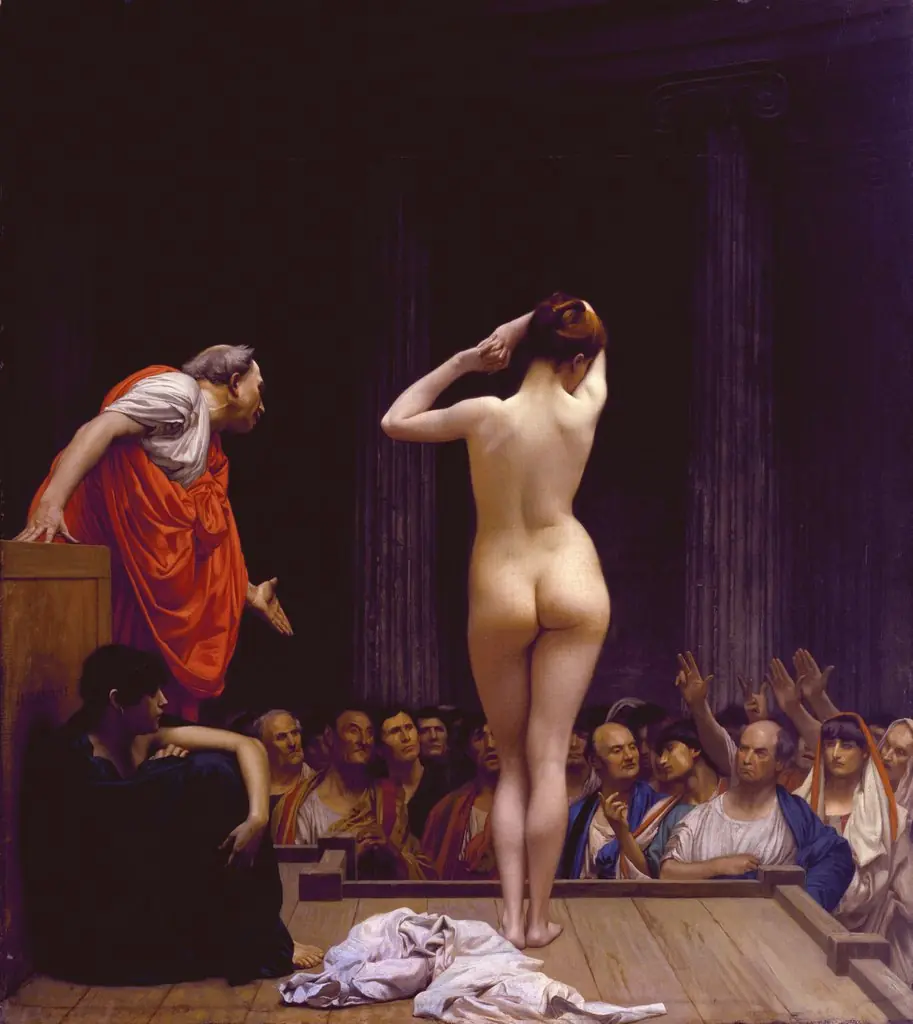 A Roman Slave Market
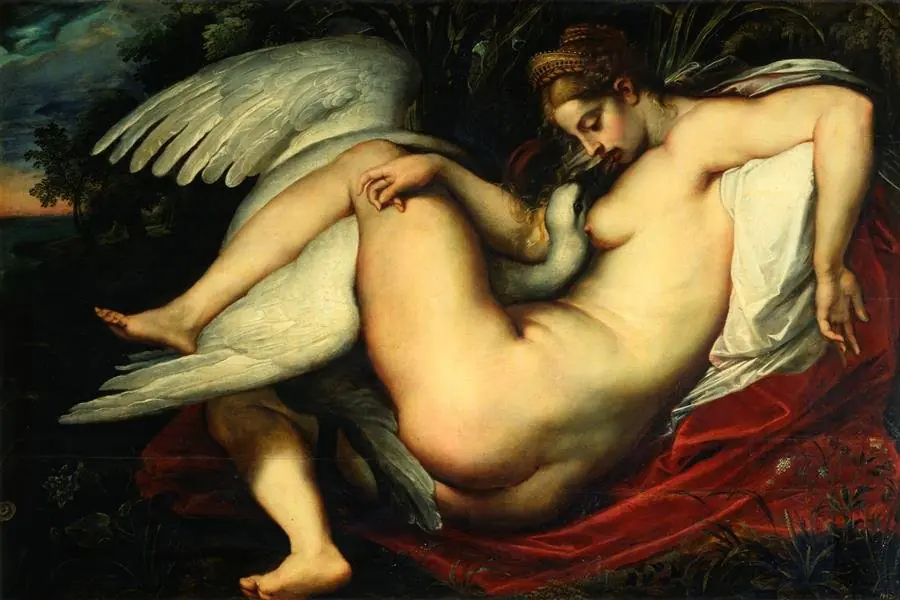 Leda and the swan
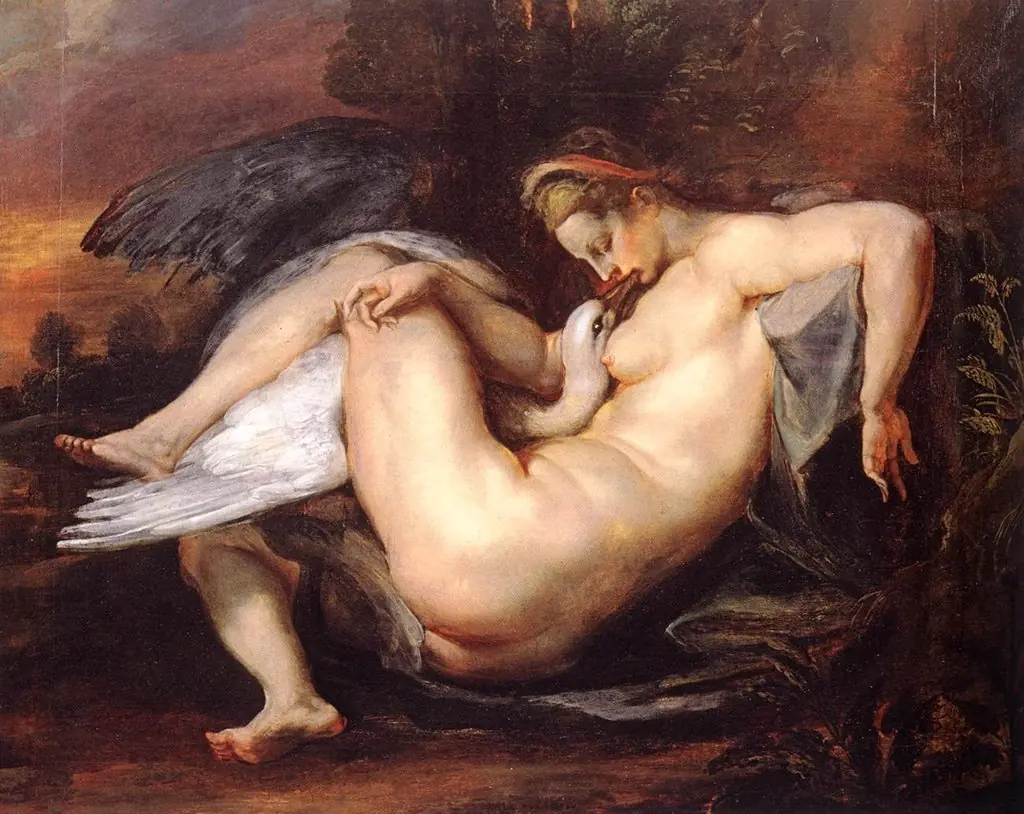 Leda and the Swan
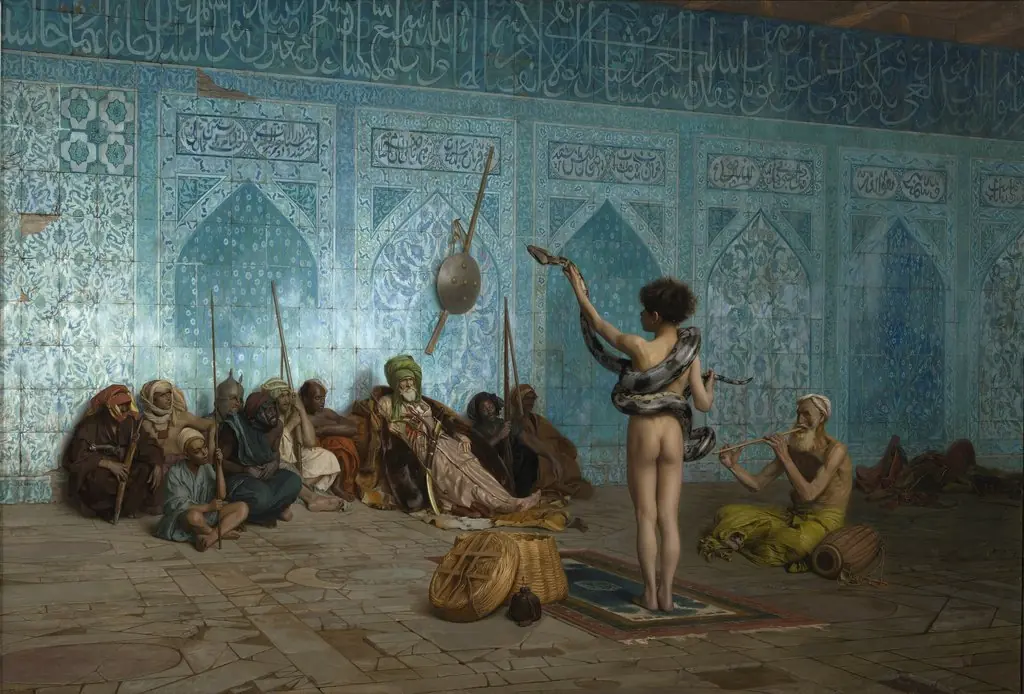 The Snake Charmer
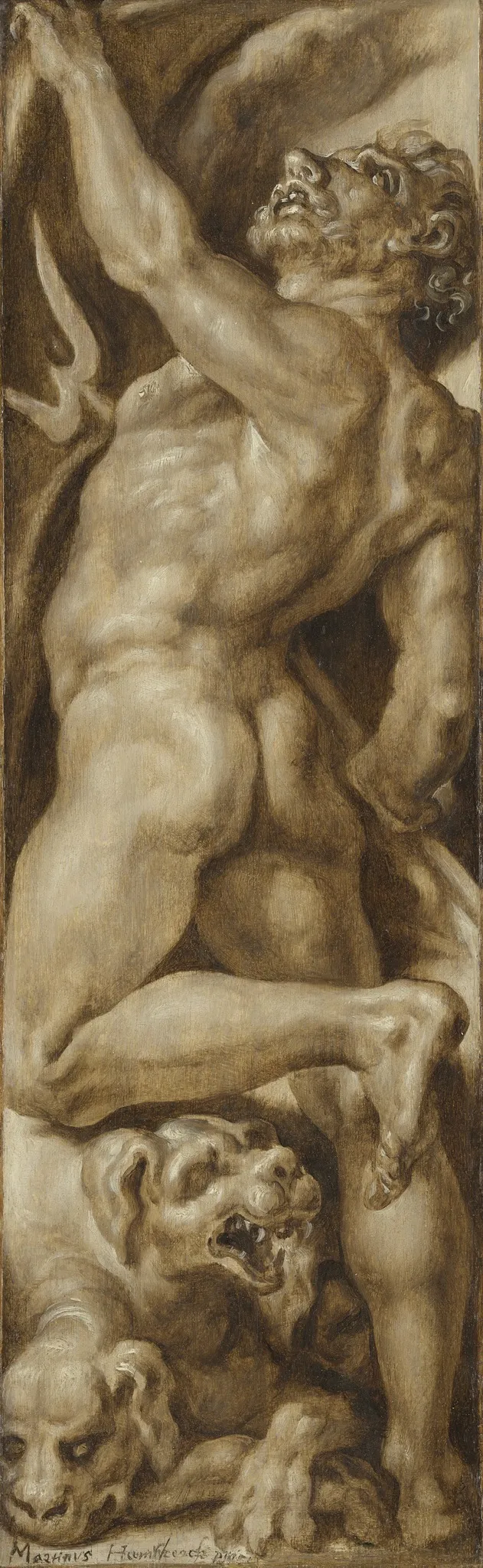
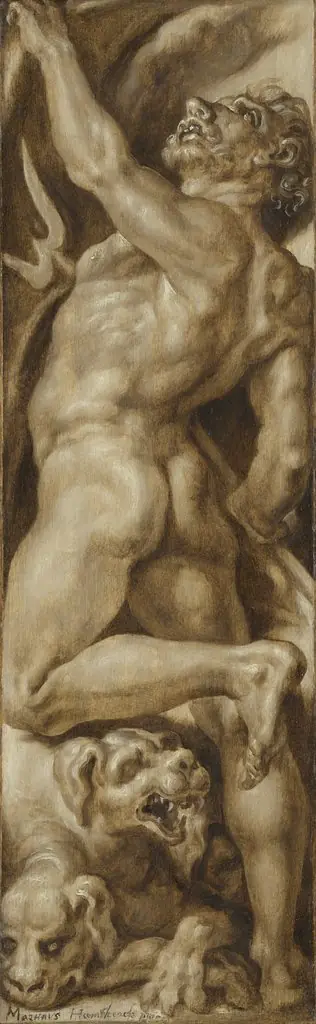 Pluto and Cerberus
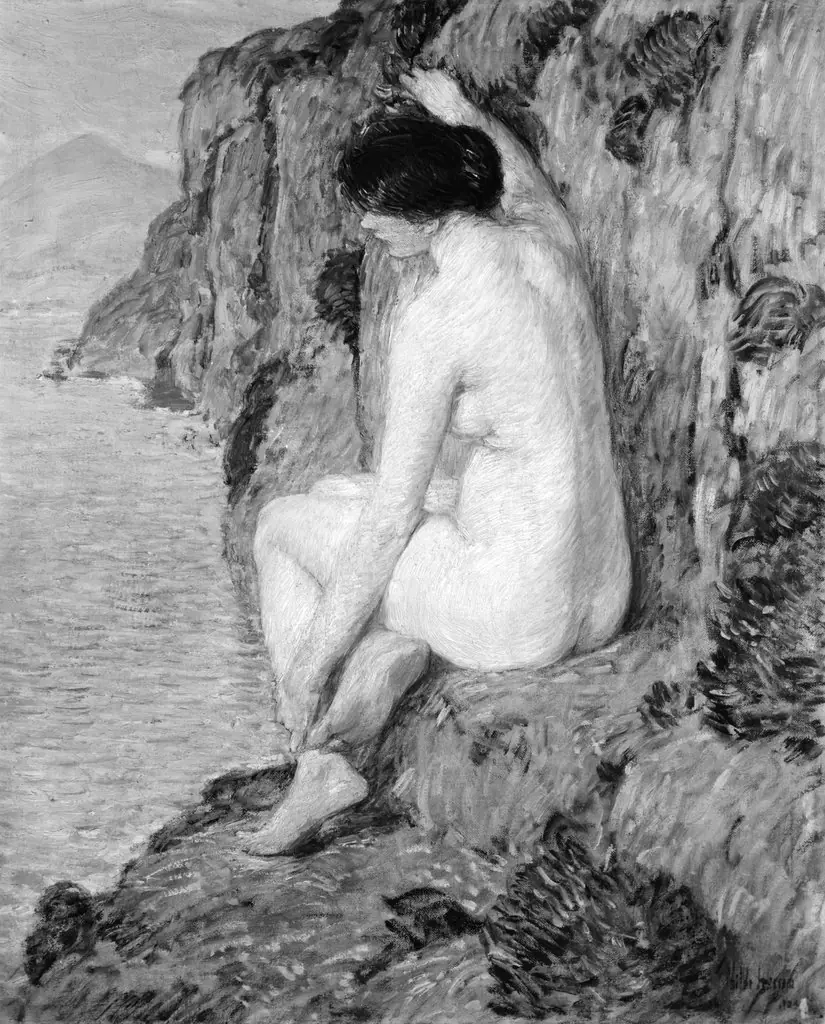 The Lorelei
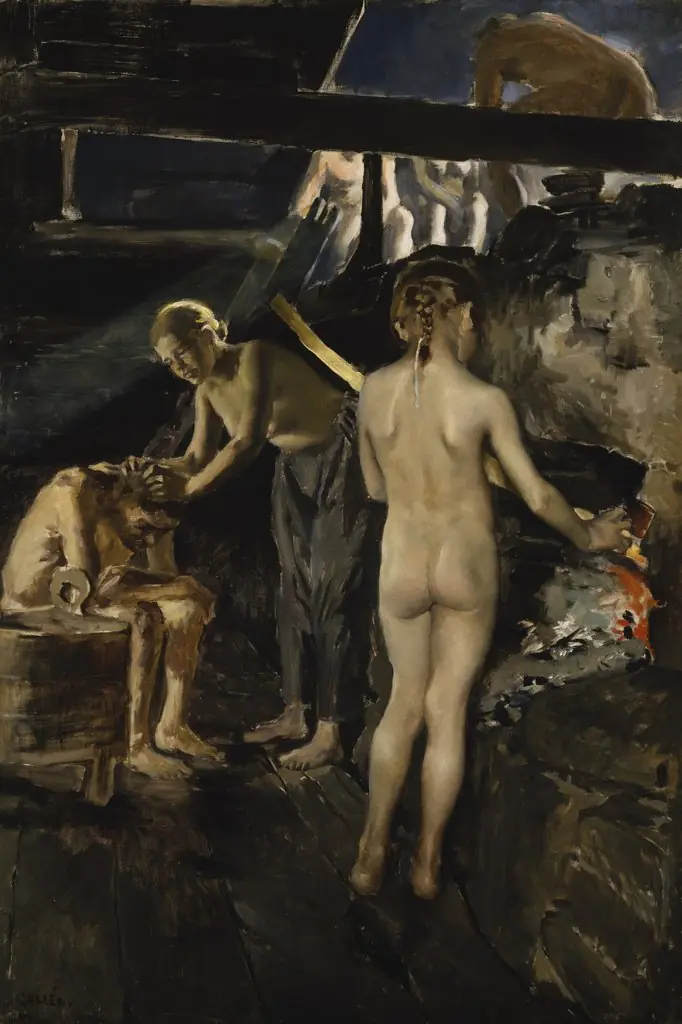 In the Sauna
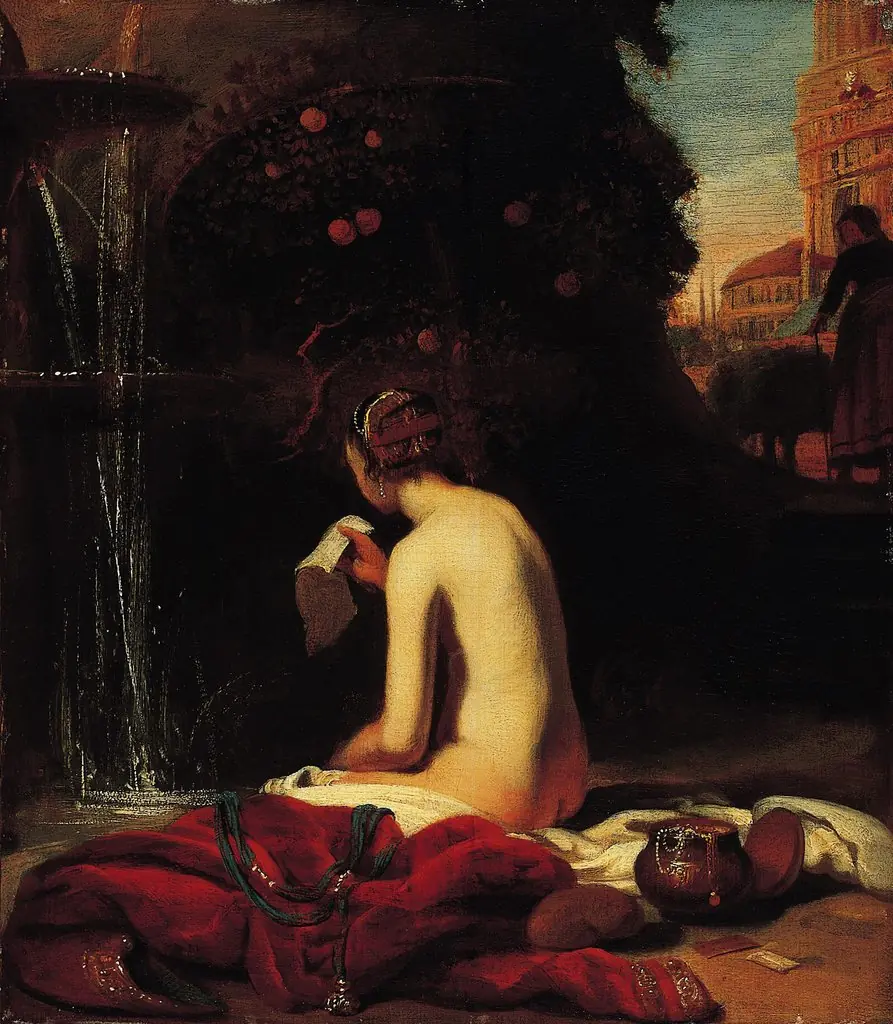 Bathsheba
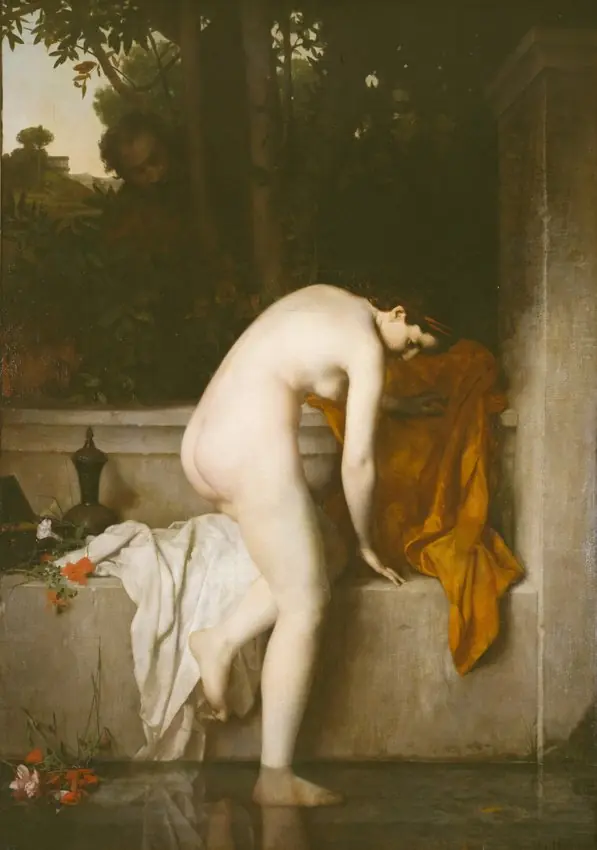 The Chaste Susannah
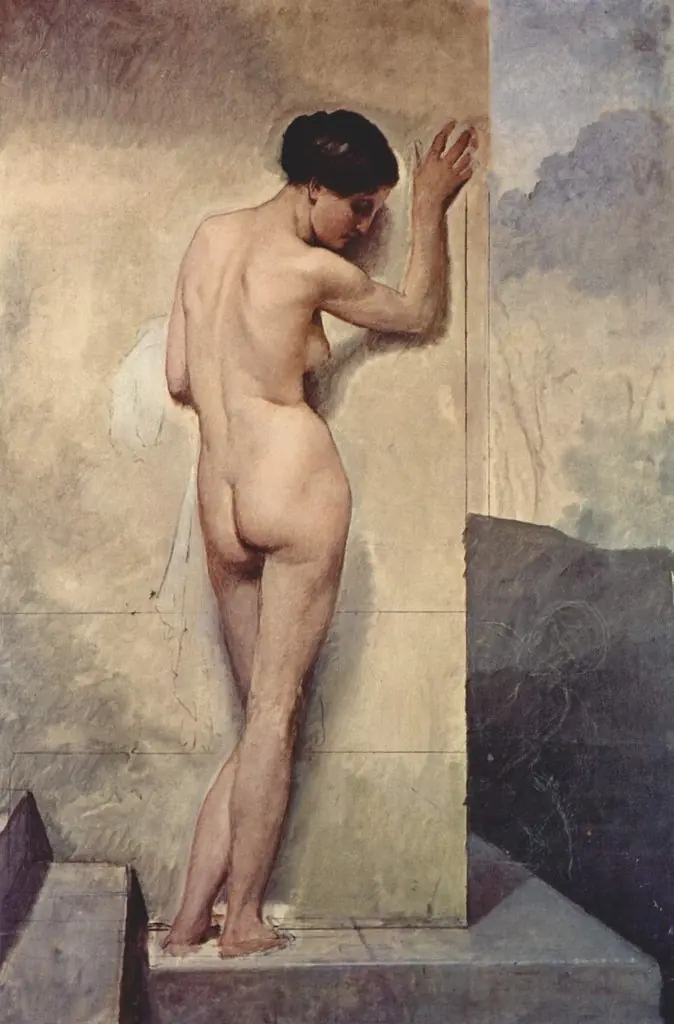 Female Nude
![Two Nude Figures [verso]](https://artifactworldgallery.com/img/luca-signorelli--two-nude-figures-verso--5ebb2bdb5ab5c1db-w320.webp) Two Nude Figures [verso]
Two Nude Figures [verso]![A Man Seen from Behind [verso]](https://artifactworldgallery.com/img/taddeo-zuccaro--a-man-seen-from-behind-verso--697ddd0c2446f11c-w320.webp) A Man Seen from Behind [verso]
A Man Seen from Behind [verso]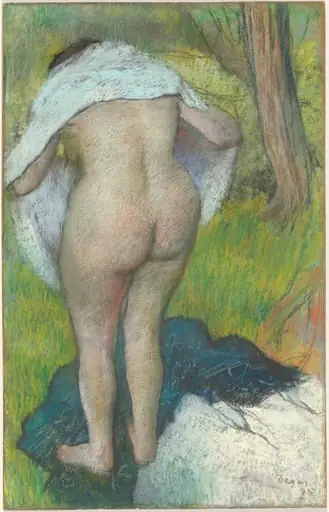 Young Woman Dressing Herself
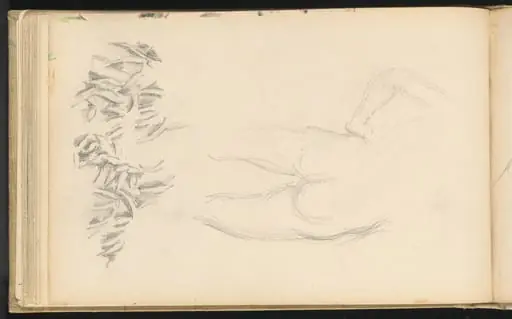 A Nude and Foliage
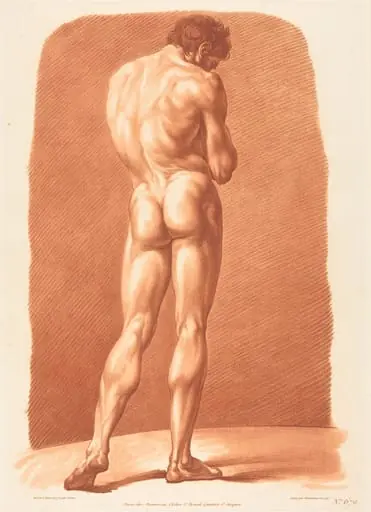 Academy (679)
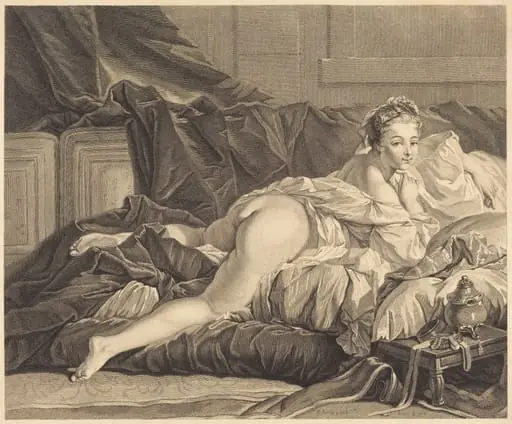 Le reveil
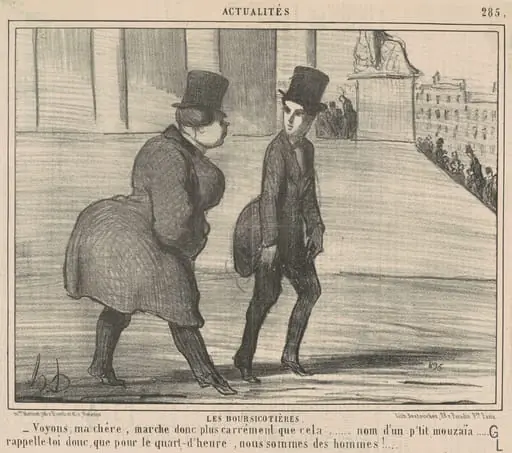 Le boursicotières ... Voyons, ma chère ...
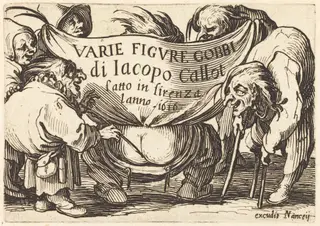 Frontispiece for "Varie Figure Gobbi" (Various Hunchback Figures)
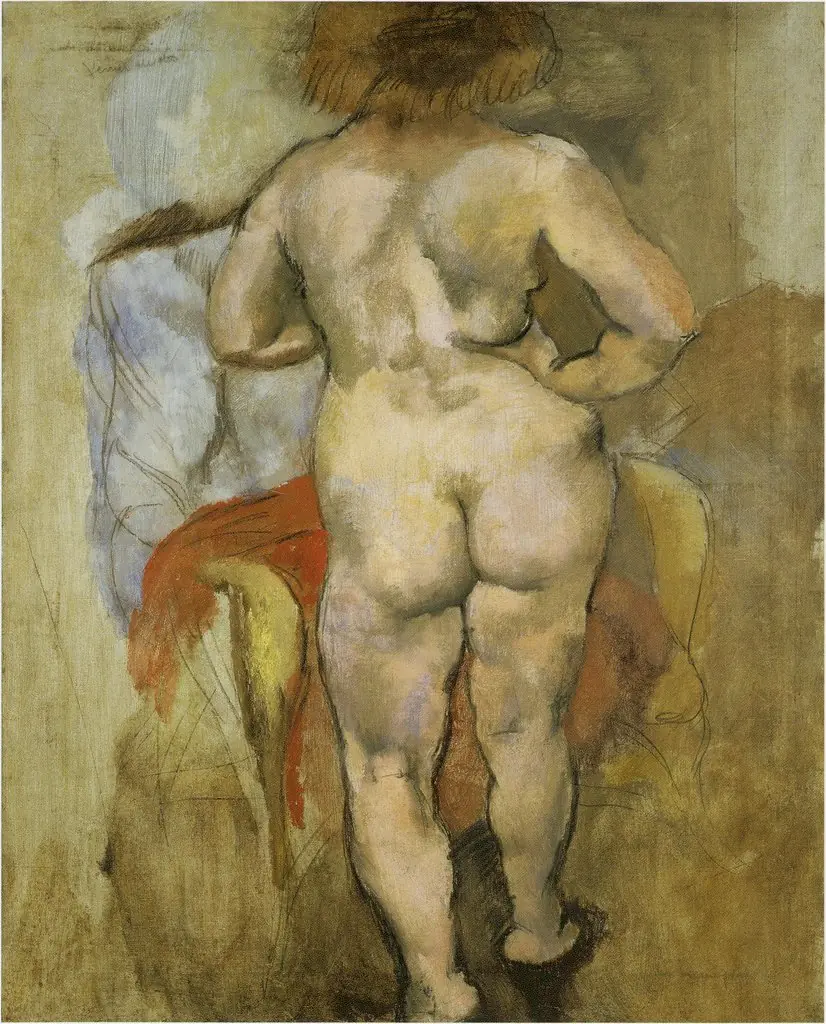 Back View of Venus
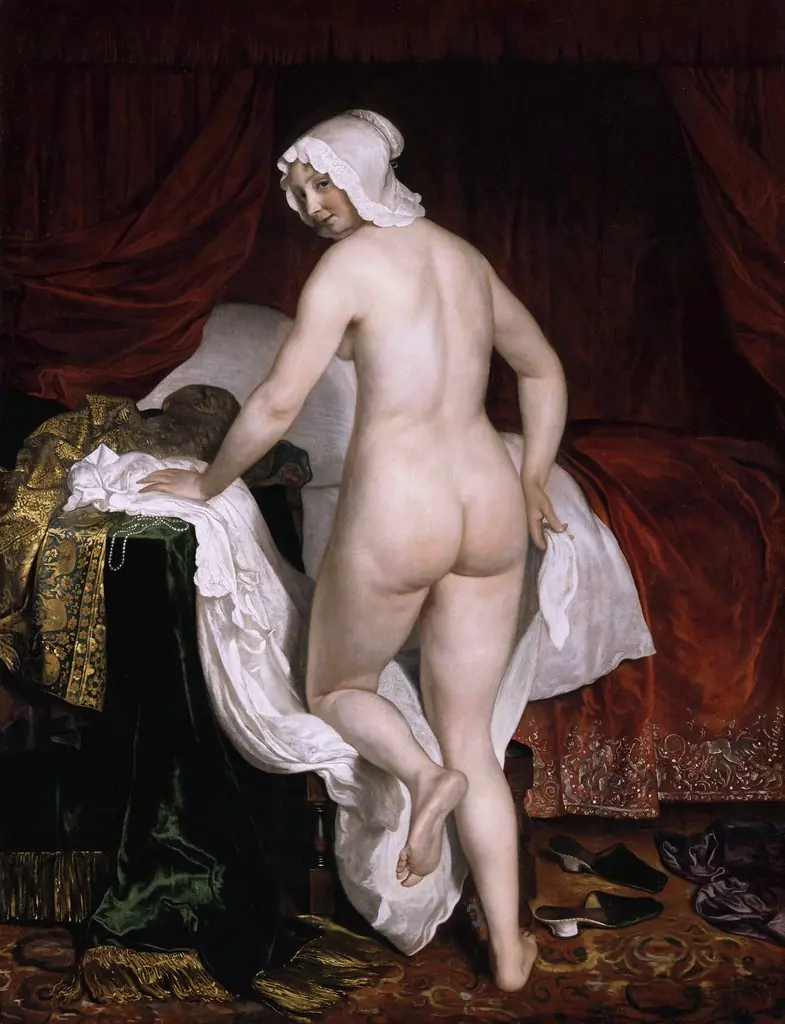 Le Coucher à l'italienne
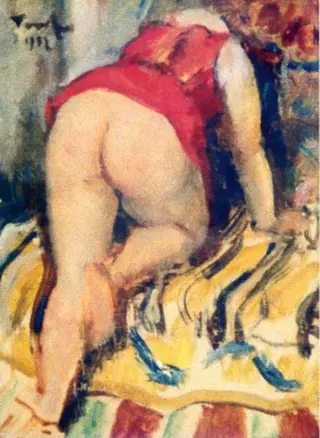 Nud pe canapea văzut din spate
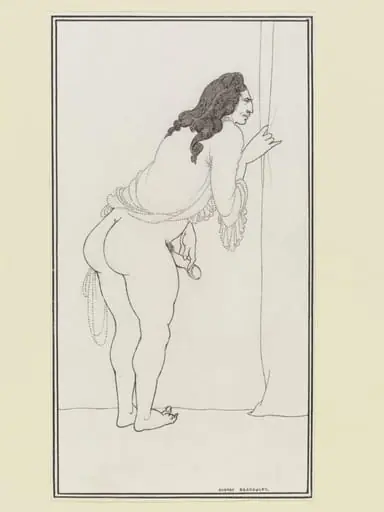 The Impatient Adulterer
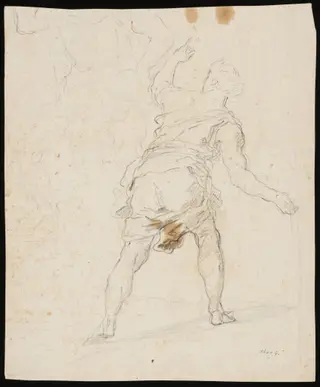 Figure in motion, back view
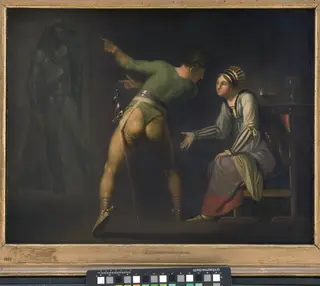 Hamlet and his Mother. Episode from Shakspeare's Hamlet
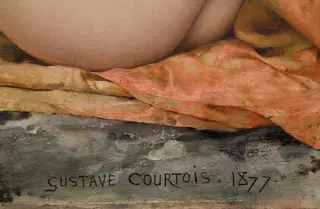 Thais în infern
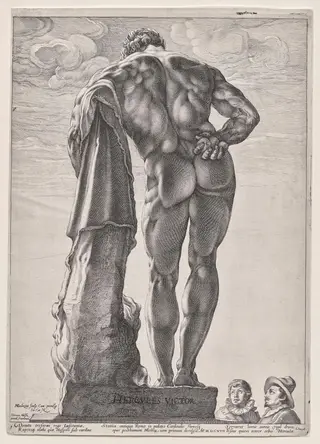 The Farnesian Hercules
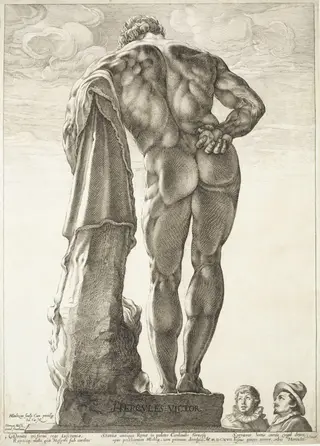 The Farnese Hercules
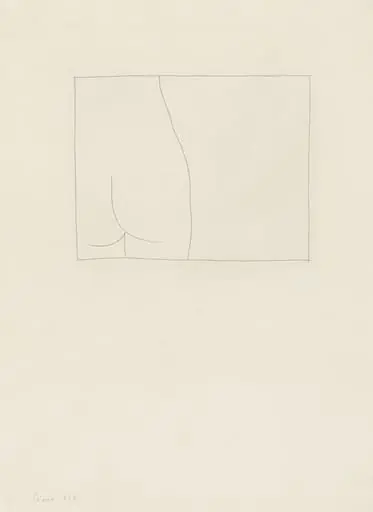 Untitled
Frequently asked questions
What is Buttocks?
Buttocks is a subject in art. The buttocks (sg.: buttock) are two rounded portions of the exterior anatomy of humans, located on the posterior of the pelvic region.
How many Buttocks works does Artifact World Gallery have?
Artifact World Gallery holds 50 public-domain Buttocks works, all free to view and download.
Who are the key Buttocks artists?
Key Buttocks artists in the collection include Titian, Gustave Courbet and Edgar Degas.
Where can I see Buttocks works?
Buttocks works in the collection are held by National Gallery of Art, Museo del Prado and Victoria and Albert Museum.