Subject
Lamentation of Christ
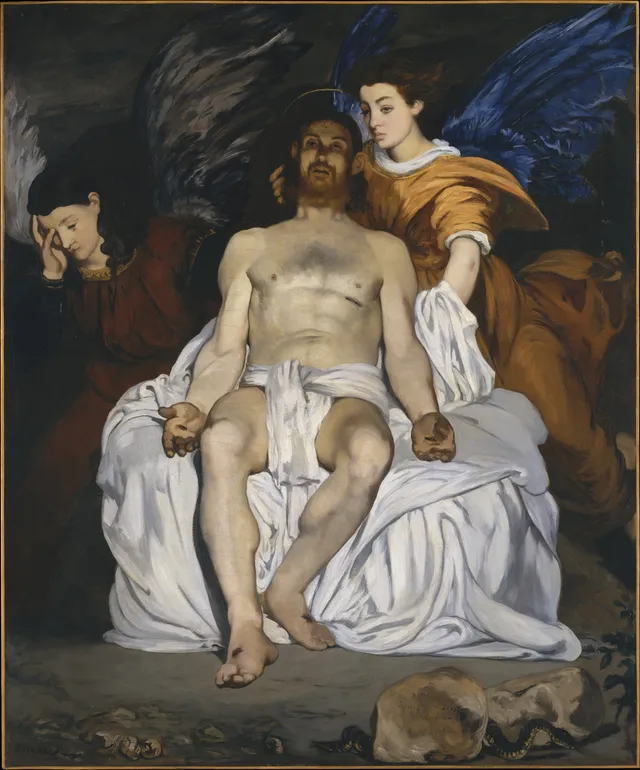
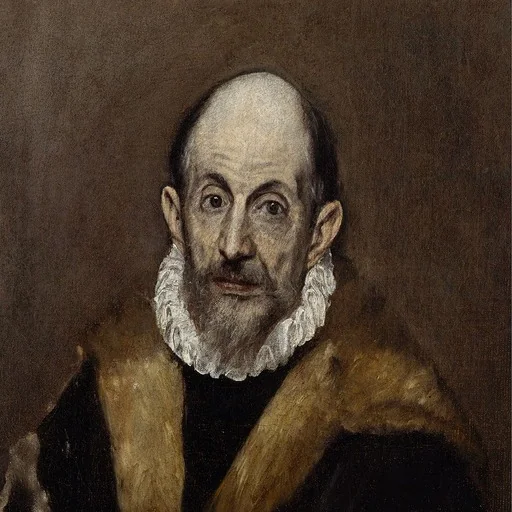
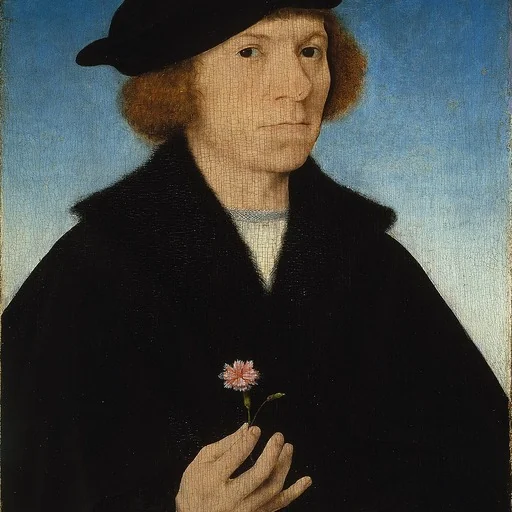
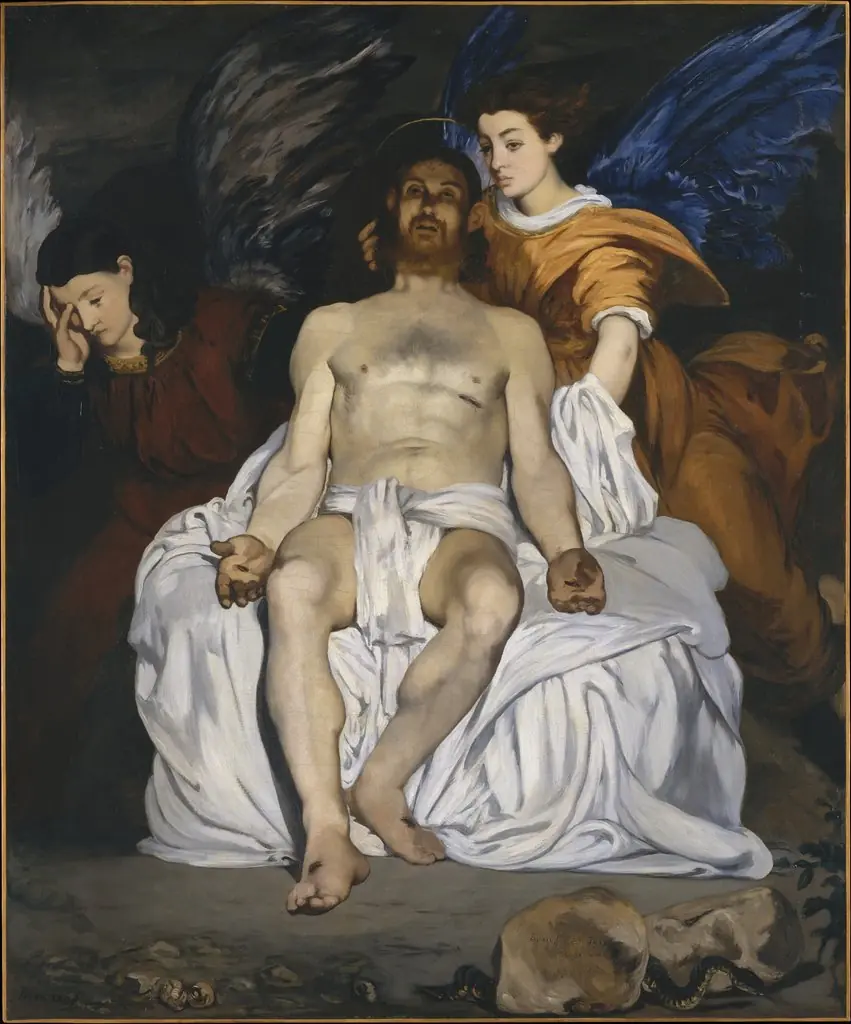
Lamentation of Christ is a subject in art. The gallery holds 200 works in this subject in art, including works by Paolo Veronese, Édouard Manet and El Greco.
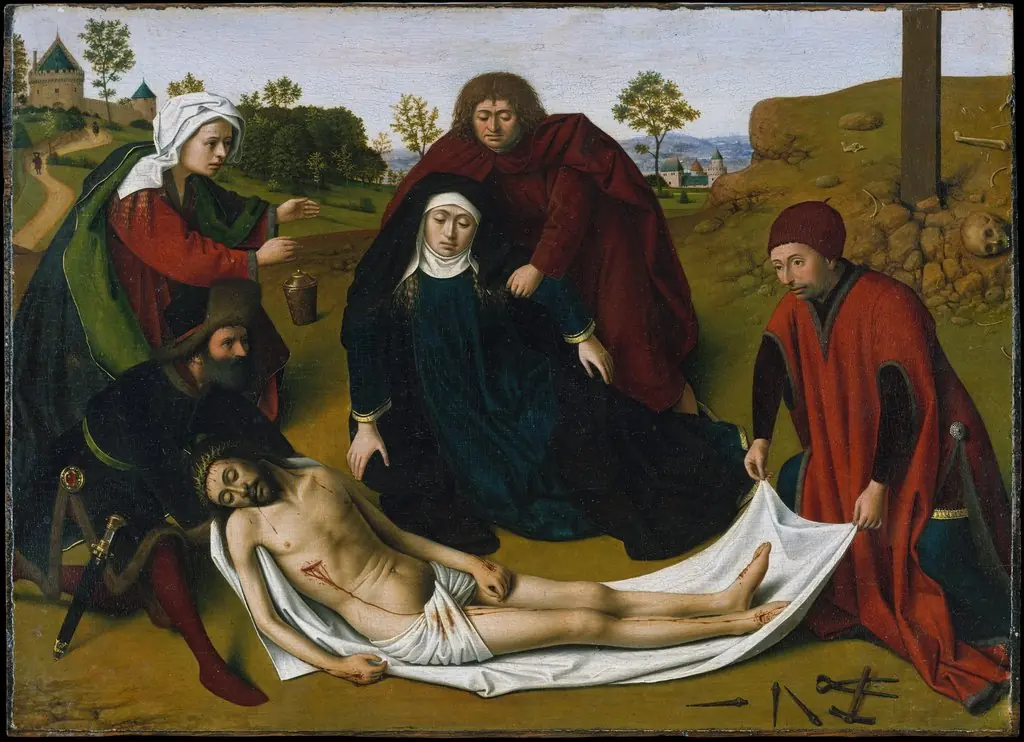
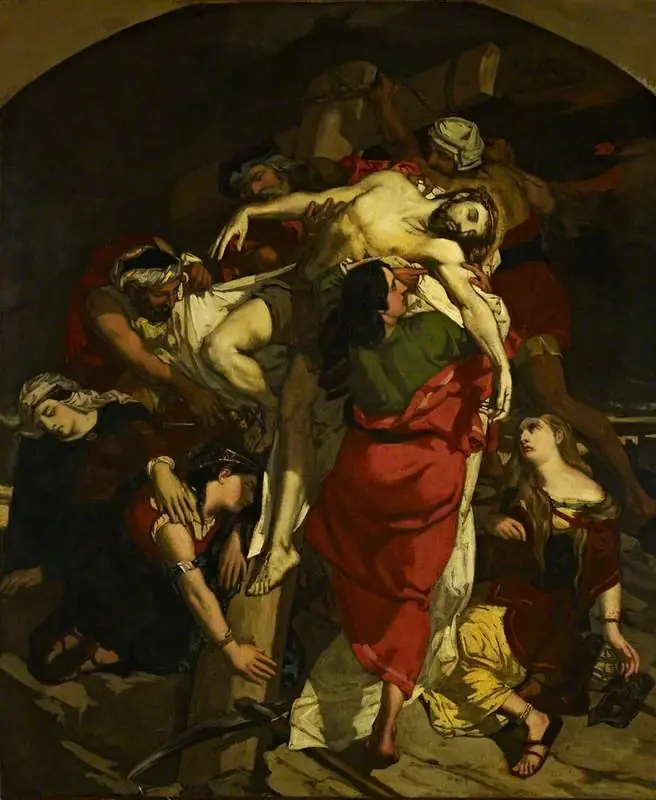
The Lamentation of Christ is a very common subject in Christian art from the High Middle Ages to the Baroque. After Jesus was crucified, his body was removed from the cross and his friends mourned over his body.
Key artists
Overview
The Lamentation of Christ is a major subject in Christian art depicting the mourning of Christ's body after the Crucifixion and before the Entombment. Although not described in the canonical Gospels, the scene emerged from apocryphal traditions and medieval mystical writings, particularly those attributed to Pseudo-Bonaventura, to become one of the most frequently treated episodes in European art from the High Middle Ages through the Baroque. The subject occupies the interval between the Deposition from the Cross and the Entombment, showing Christ's followers gathered around his corpse in grief. In the collection under discussion, the Lamentation appears in 362 works, testament to its enduring devotional and artistic importance. The motif serves as the thirteenth Station of the Cross and one of the Seven Sorrows of the Virgin, embedding it deeply in Catholic devotional practice.
Iconography & meaning
The core iconography of the Lamentation centers on the dead Christ surrounded by mourners, with the Virgin Mary given ever-increasing prominence as the scene developed. The standard ensemble typically includes seven figures: the Virgin Mary, John the Apostle, Joseph of Arimathea, Nicodemus, Mary Magdalene, and the sisters Mary Cleophas and Salome. In early Byzantine formulations of the 11th century, Christ's body lies flat on the ground or on a slab, usually in profile across the center of the composition. Over time, the upper torso was raised by Mary or other figures, eventually reaching near-vertical positions seen frontally, or draped across Mary's lap. Mary Magdalene typically clasps Christ's feet, while Joseph of Arimathea appears as a bearded, often richly dressed older man. The German term Beweinungsgruppe denotes sculptural groups of multiple mourners. The scene's meaning shifted across its history from narrative episode to increasingly focused devotional image concentrating on Mary's grief, a trajectory that culminated in the Pietà, where only mother and son appear. The setting varies: early Byzantine examples sometimes place the scene at the mouth of the tomb, while Western Gothic art relocated it to the foot of the still-visible cross, retaining the landscape even when the cross itself became less prominent. In 15th-century Early Netherlandish painting, the three crosses often appear in the background at a short distance.
In the collection
Within this collection, the Lamentation of Christ appears across 362 works, making it one of the most extensively represented subjects. The works span multiple media and formats, including panel paintings, frescoes, sculptures, and triptychs. Example works listed in the collection include multiple entries simply titled The Lamentation, as well as The Dead Christ with Angels and Madonna and Child Enthroned. The breadth of this holding suggests the subject's function across diverse devotional and liturgical contexts, from altarpieces to private prayer. The collection encompasses works ranging from the medieval period through the Renaissance and into later periods, reflecting the subject's continuous artistic production. Among the specific works with dedicated entries are pieces by Giotto, Dirk Bouts, Rogier van der Weyden, Sandro Botticelli, Andrea Mantegna, Petrus Christus, Perugino, Albrecht Dürer, and Gerard David, indicating substantial depth in major European artistic traditions.
Across movements & periods
The Lamentation developed differently across regions and periods. In Byzantine art, the scene first emerged in the 11th century, initially as part of the broader interval between Deposition and Entombment. The related image of the Epitaphios, showing Christ laid out on a bier, became particularly important in Byzantine tradition with special liturgical cloth icons. The scene did not appear north of the Alps until the 14th century, after which it became extraordinarily popular in Northern Europe, with Northern versions further developing Mary's centrality. Italian Trecento artists like Giotto established large-scale narrative compositions, as in the Arena Chapel frescoes of 1304-1306. The 15th-century Early Netherlandish painters refined emotional intensity and detailed landscape settings. By the Renaissance, the subject became increasingly a separate devotional image with less narrative emphasis. The 16th century saw continued production across Europe, with Ambrosius Benson's Lamentation triptych stolen from Nájera in 1913 and later sold at Sotheby's in 2008 for 1.46 million euros to an anonymous buyer. The Baroque period maintained the subject's popularity before it gradually receded in importance. Throughout, museums and scholars have not always maintained consistent distinctions between the Lamentation and closely related subjects such as the Deposition, the Anointing, and the Entombment.
Notable depictions
Numerous canonical depictions define the subject's artistic history. Giotto's fresco in the Scrovegni Chapel, painted 1304-1306, includes ten additional female figures without halos, expanding the traditional mourners' ensemble. Rogier van der Weyden's Lamentation of the 1460s, now in the Mauritshuis, exemplifies Early Netherlandish emotional intensity. Petrus Christus's Lamentation of 1455-1460 in the Musées royaux des Beaux-Arts de Belgique and Hugo van der Goes's Vienna diptych of circa 1479 demonstrate the subject's treatment in panel painting. Andrea Mantegna's Lamentation over the Dead Christ, circa 1483 in the Pinacoteca di Brera, Milan, employs dramatic foreshortening, though scholars classify it as essentially an Lamentation. Sandro Botticelli produced multiple versions, including the Lamentation over the Dead Christ with Saints and another Lamentation over the Dead Christ. Perugino's Lamentation over the Dead Christ of 1495 in the Galleria Palatina, Florence, represents the High Renaissance treatment. Albrecht Dürer created two significant versions: circa 1498 in Nuremberg and circa 1500 in Munich. Gérard David's Lamentation of circa 1520 in the National Gallery, London, and Quentin Massys's 1511 panel continue the tradition. Later notable examples include Correggio's Lamentation of circa 1524 in Parma, Veronese's circa 1547 version in Verona, and Rubens's 1614 Lamentation in Vienna.
Legacy
The Lamentation of Christ left a profound legacy in Western art and culture. Its evolution from narrative episode to focused devotional image paralleled broader shifts in European religious practice, particularly the growth of Marian devotion and the cult of the Passion. The subject's logical endpoint, the Pietà, became one of the most recognizable images in Christian art, most famously in Michelangelo's Vatican sculpture. The Lamentation's role as the thirteenth Station of the Cross ensured its continued liturgical relevance. The subject also generated scholarly and museological challenges: the frequent ambiguity between the Lamentation and related scenes has led to inconsistent nomenclature, with the Mantegna painting serving as a prime example of categorical difficulty. The theft and subsequent market history of Ambrosius Benson's triptych illustrate the subject's continued value in the art market. The 362 works in this collection alone demonstrate the motif's sustained capacity to engage artists and patrons across centuries. From its 11th-century Byzantine origins through its medieval flourishing, Renaissance refinement, and Baroque reinterpretation, the Lamentation remained a vehicle for exploring human grief, divine sacrifice, and the theological paradox of the Incarnate God's death.
Works
 The Lamentation
 The Dead Christ with Angels
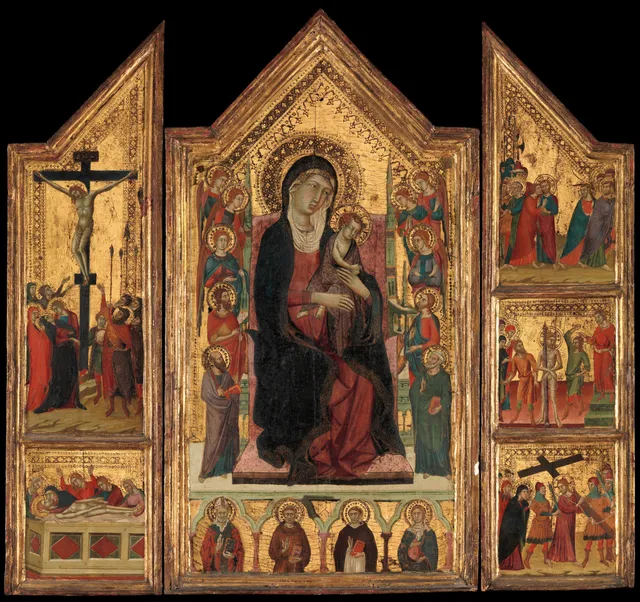
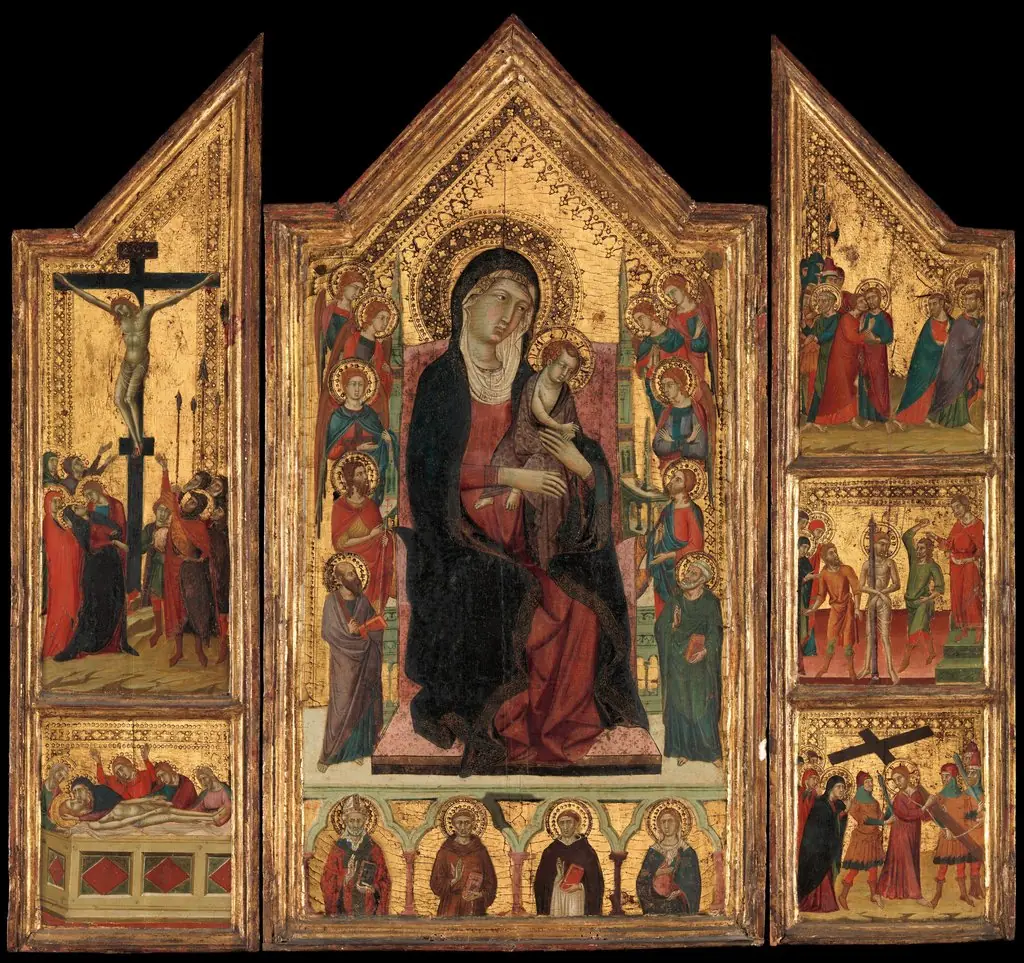 Madonna and Child Enthroned
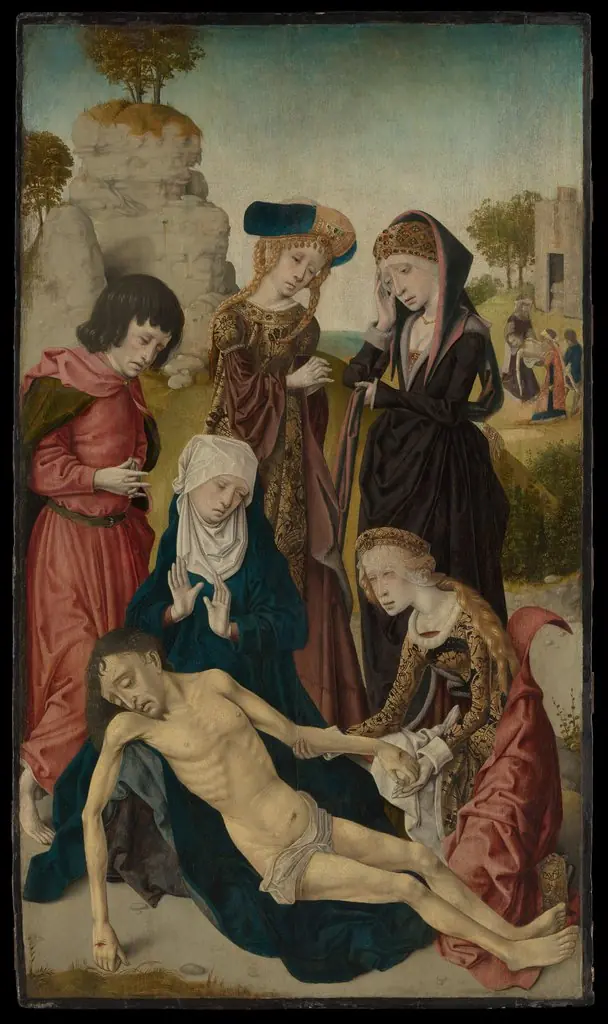 The Lamentation
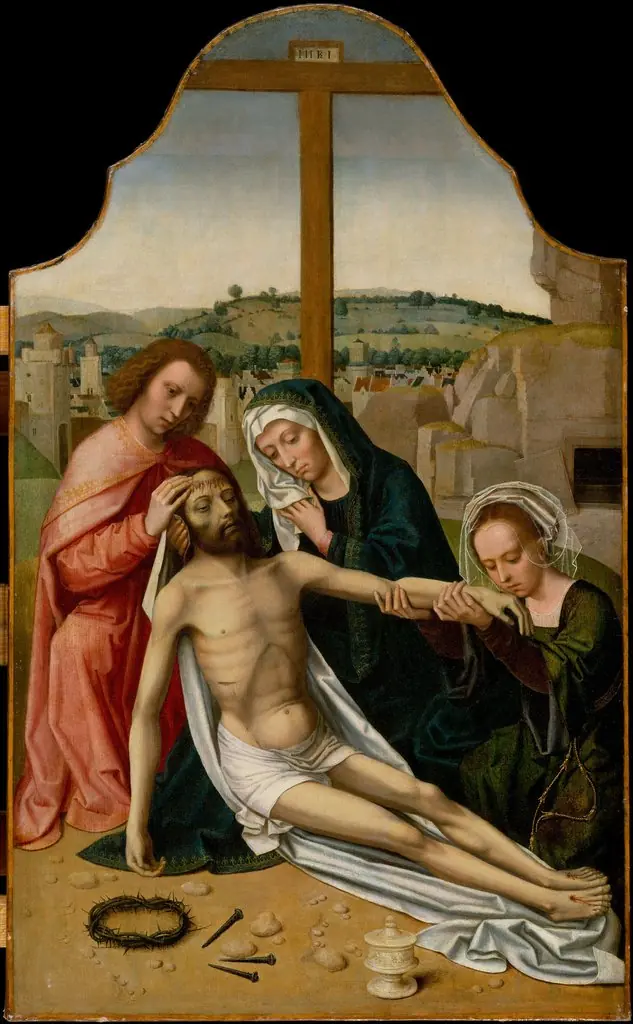 The Lamentation
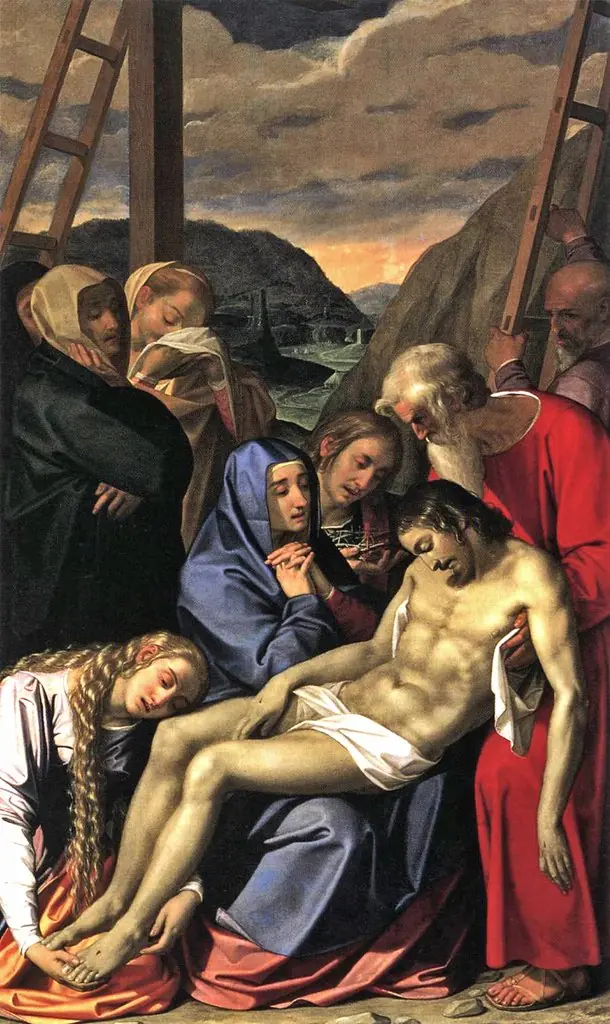 The Lamentation
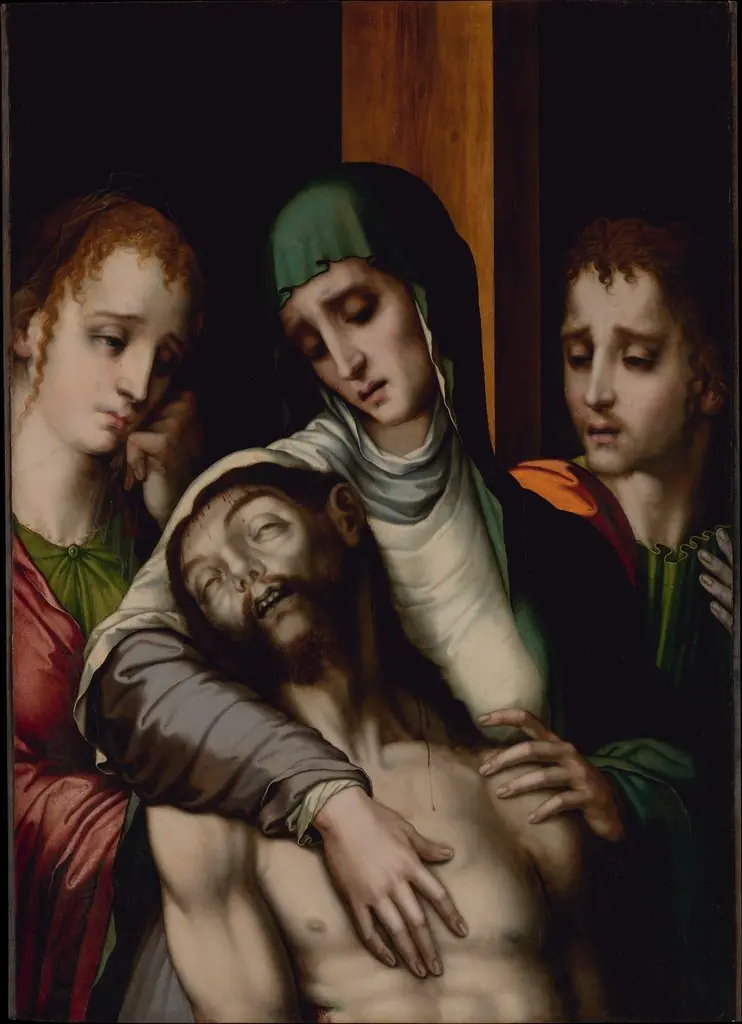 The Lamentation
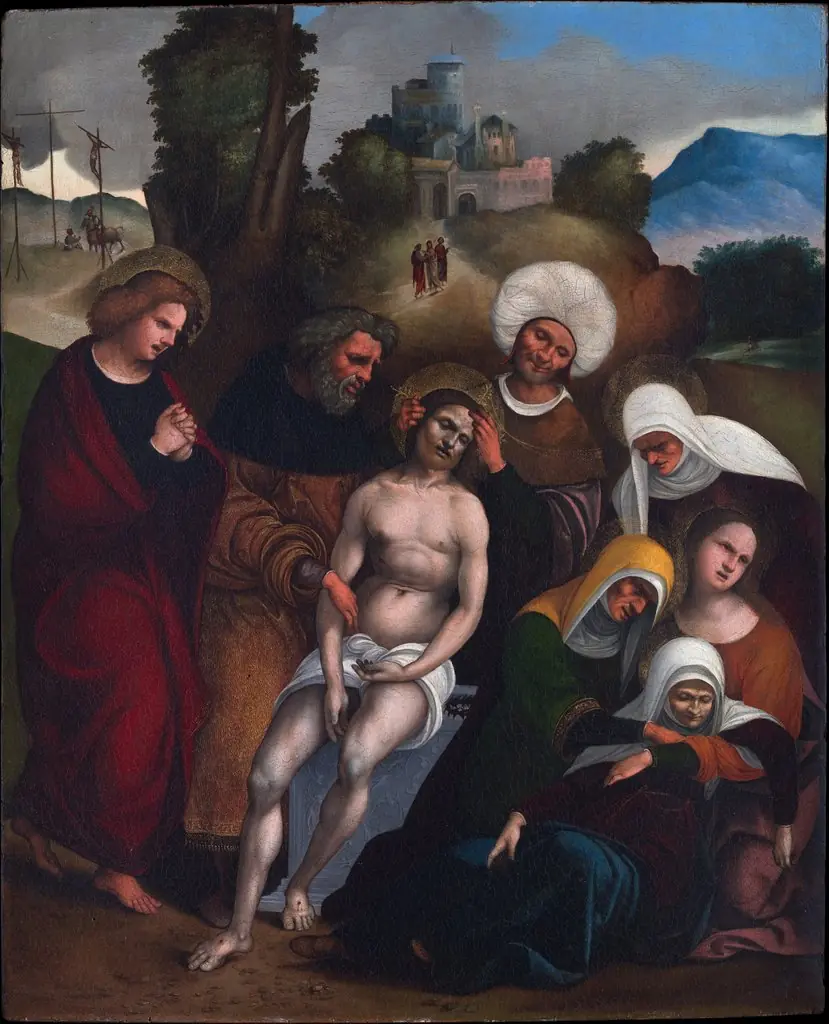 The Lamentation
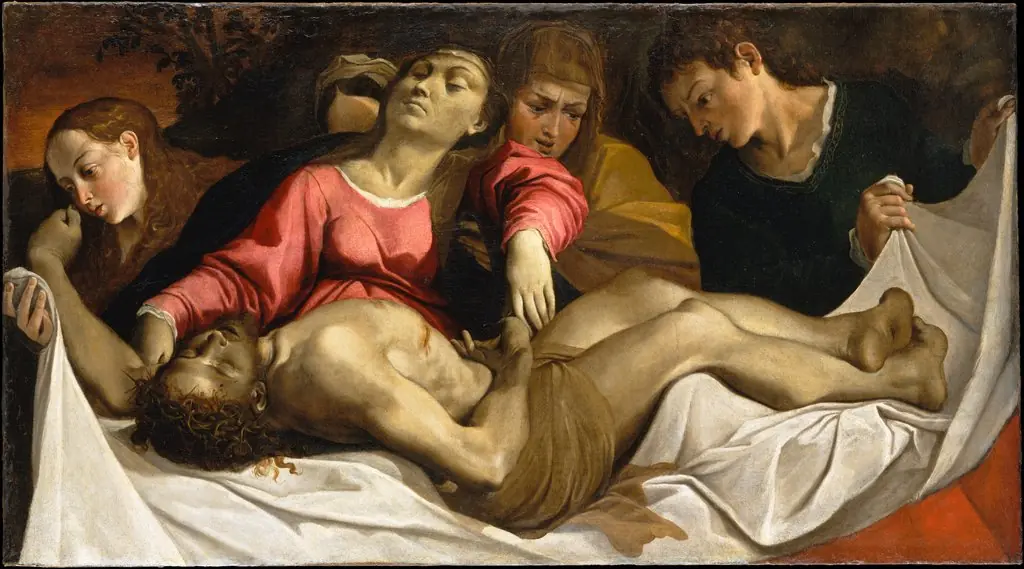 The Lamentation
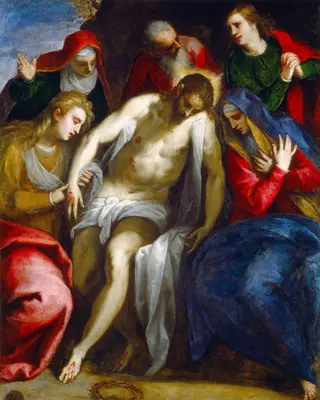 Lamentation
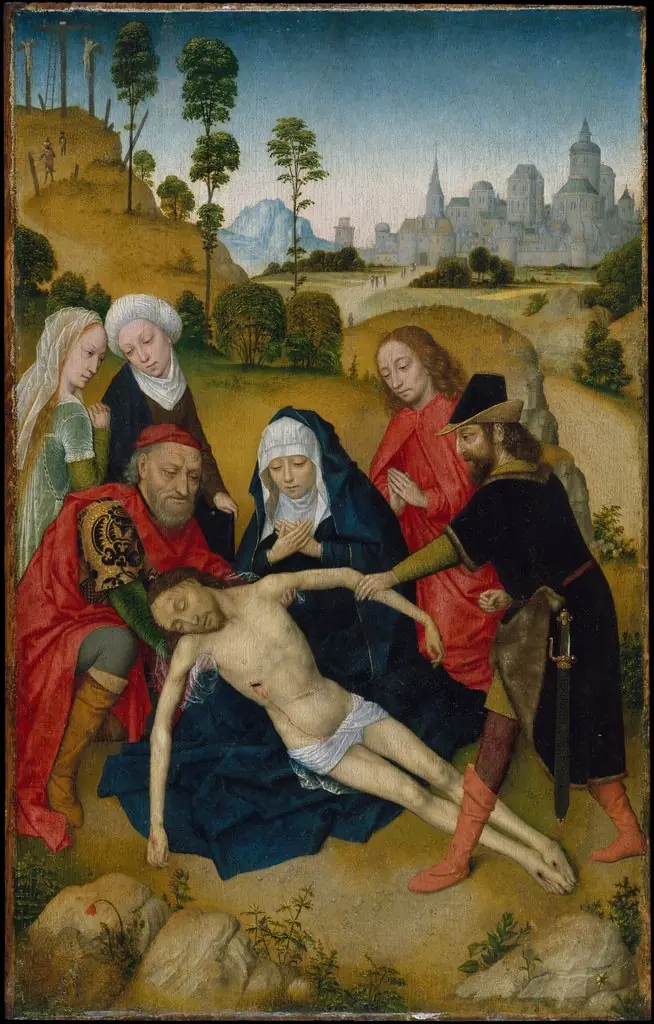 The Lamentation of Christ
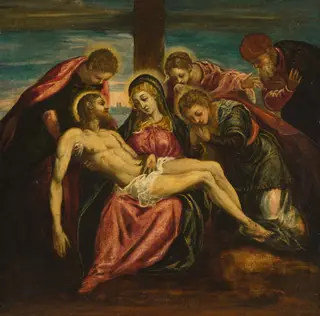 Lamentation
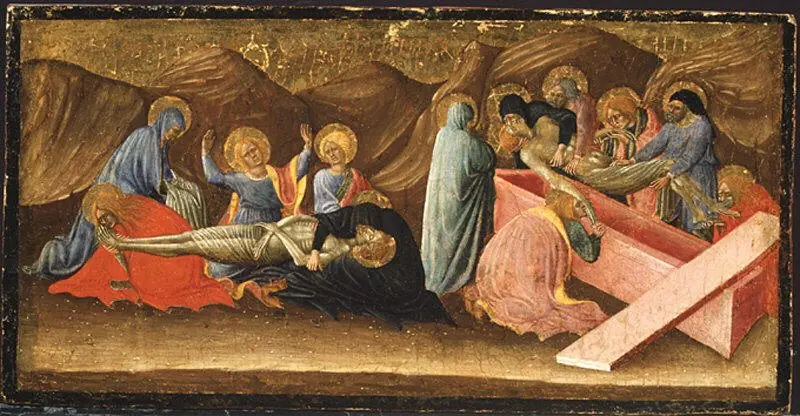 The Lamentation and the Entombment
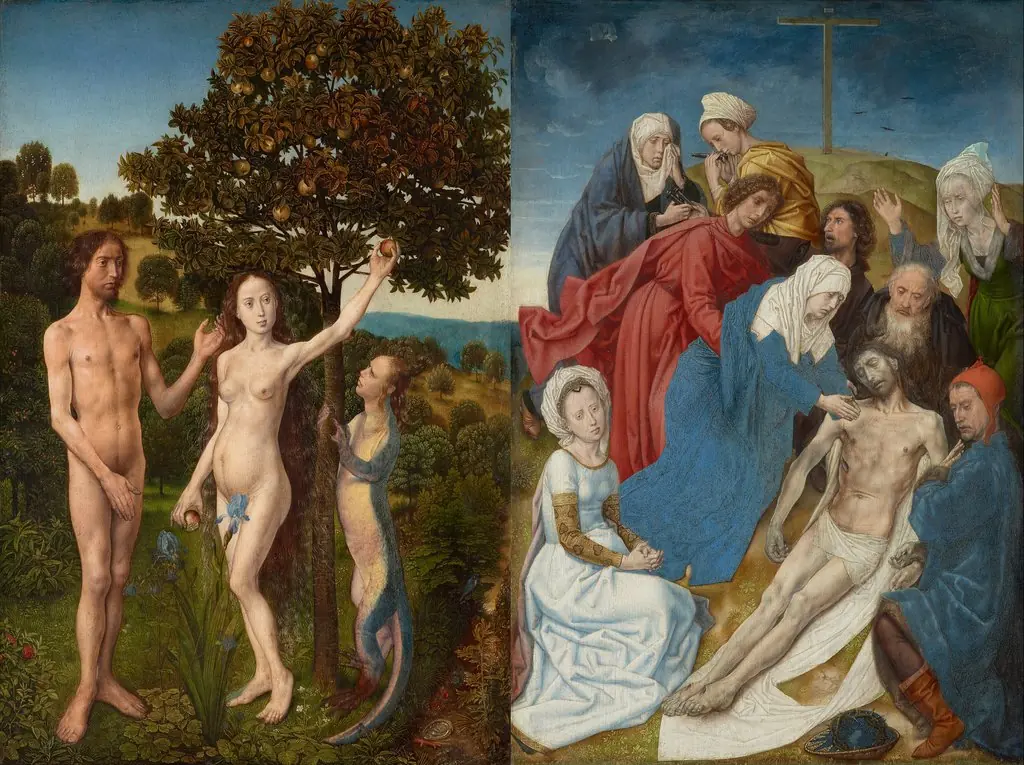 Vienna Diptych
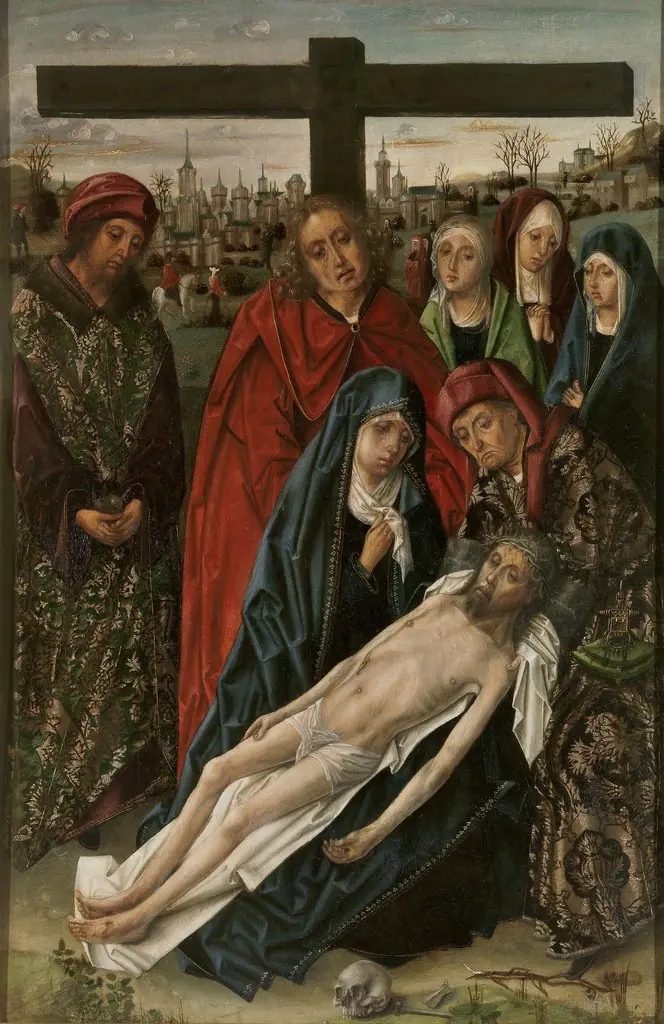 The Lamentation
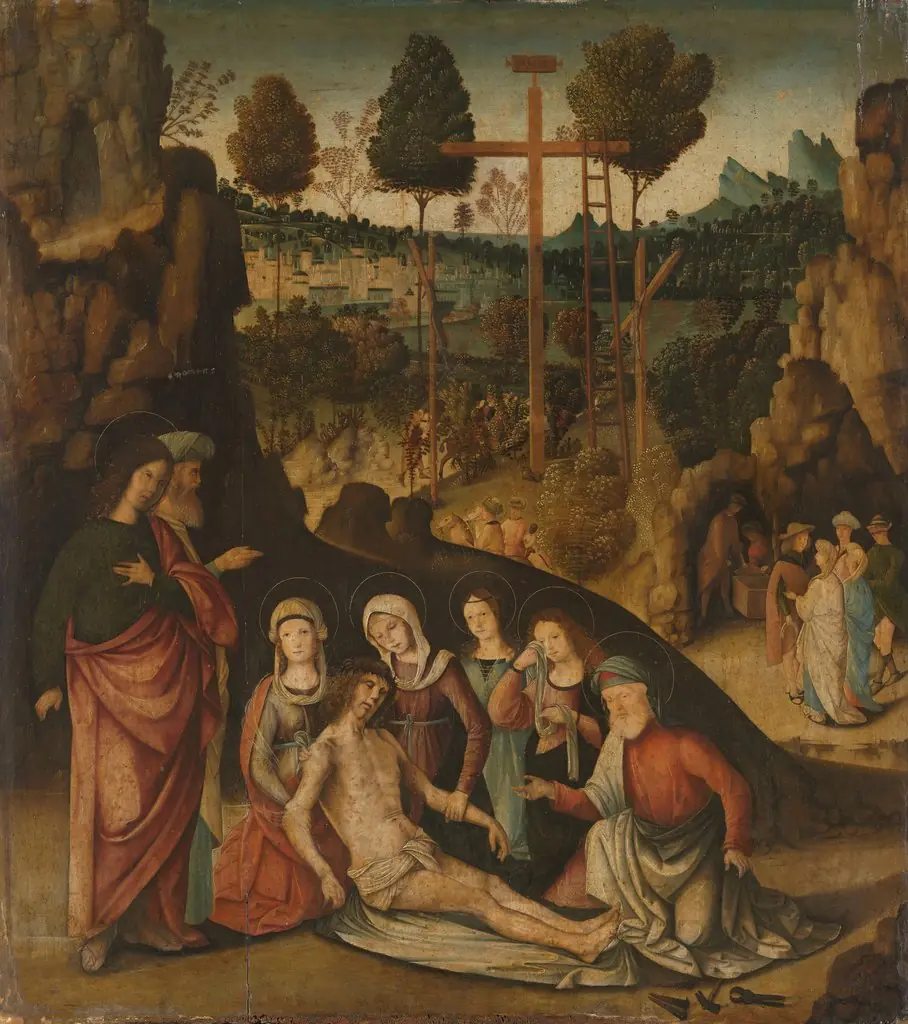 Lamentation of Christ
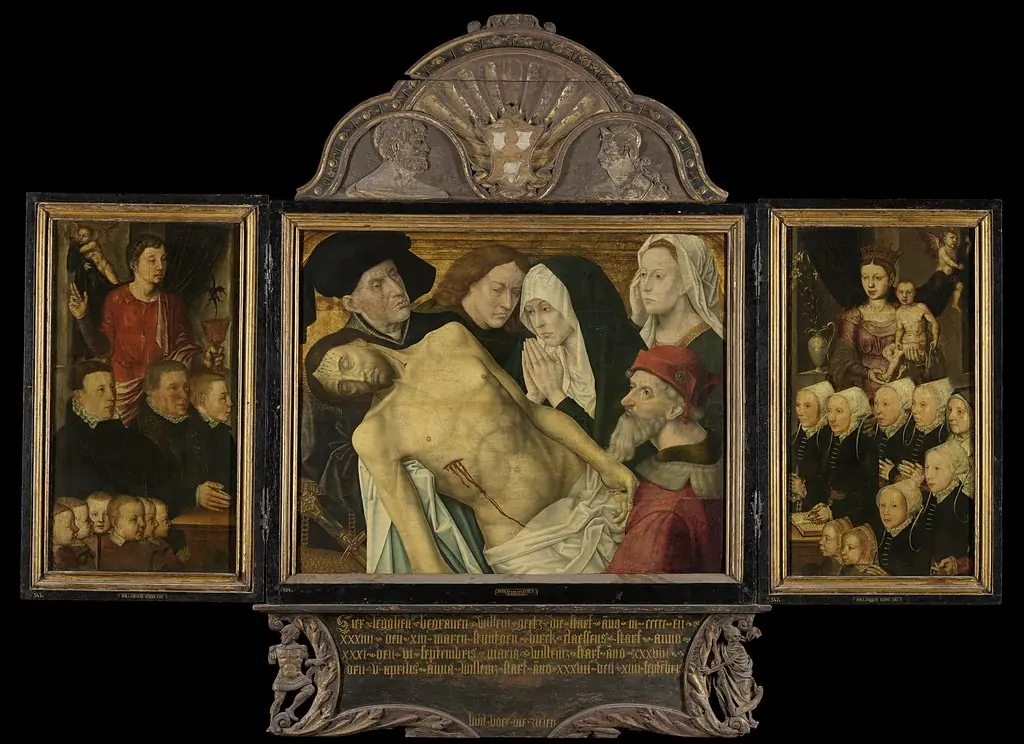 Memorial Triptych with Lamentation
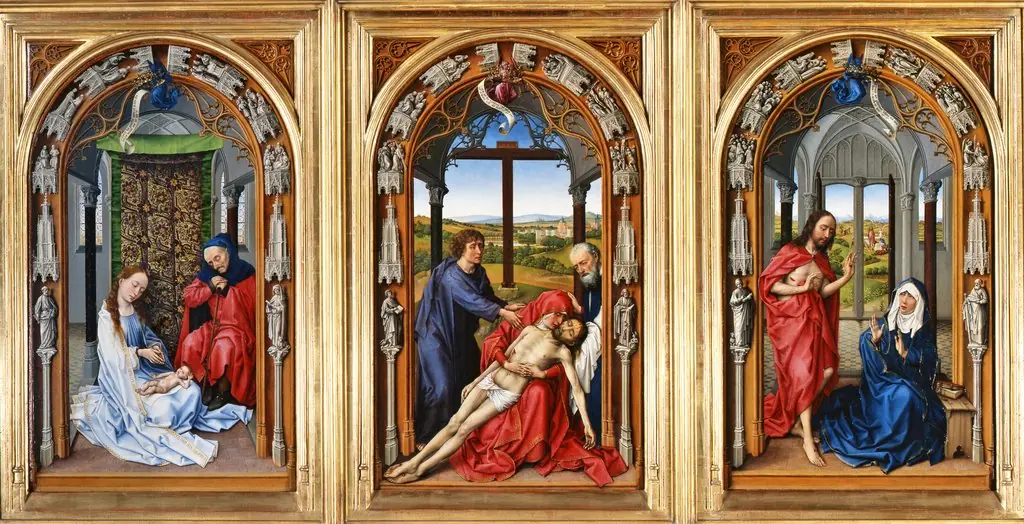 Miraflores Altarpiece
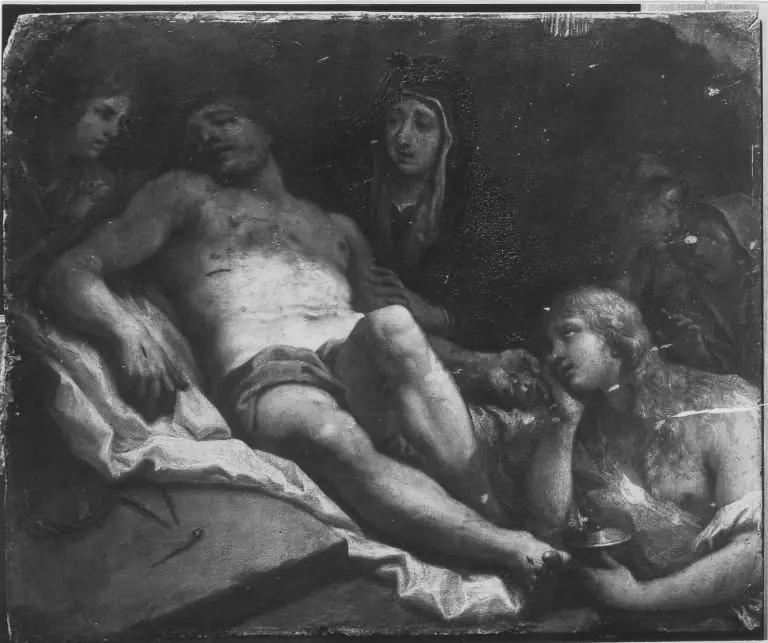 Beweinung Christi
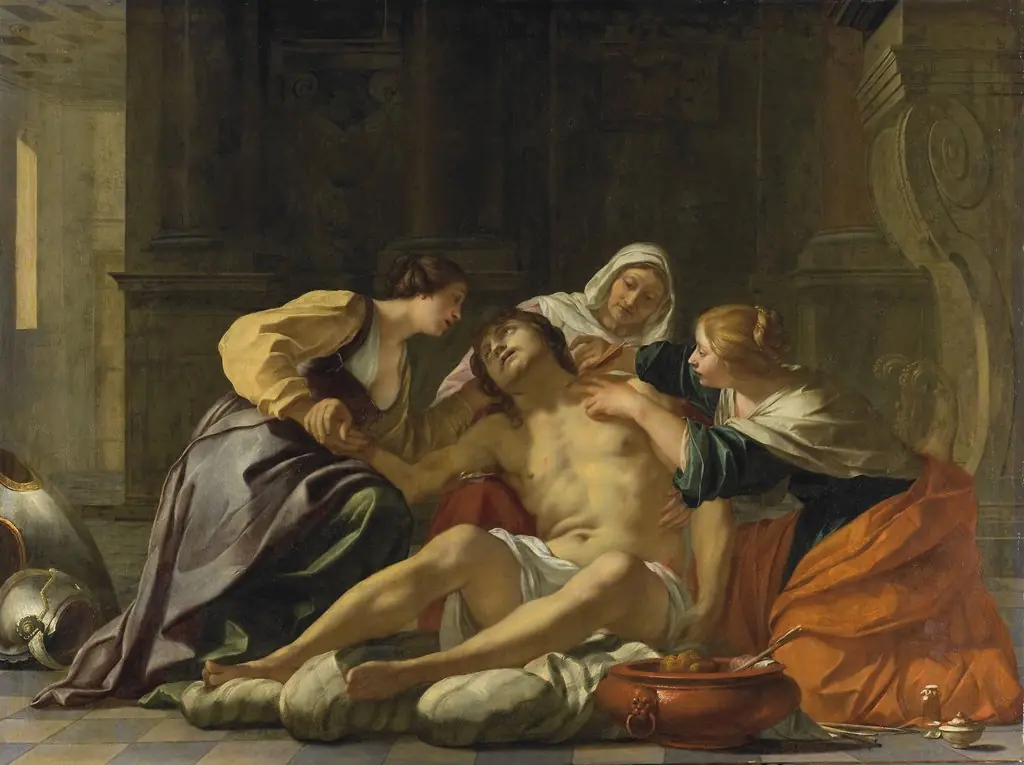 St Sebastian Nursed by Irene and her Helpers
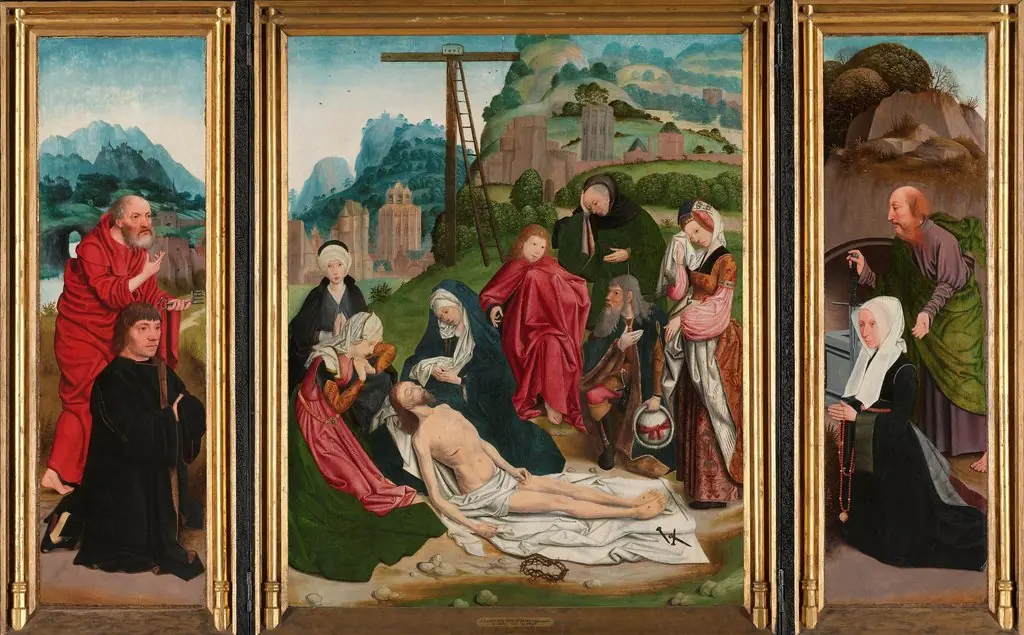 Triptych with the Lamentation (centre panel), the donor with St Peter (inner left wing), the donor’s wife with St Paul (inner right wing) and the donors’ coats of arms (outer wings)
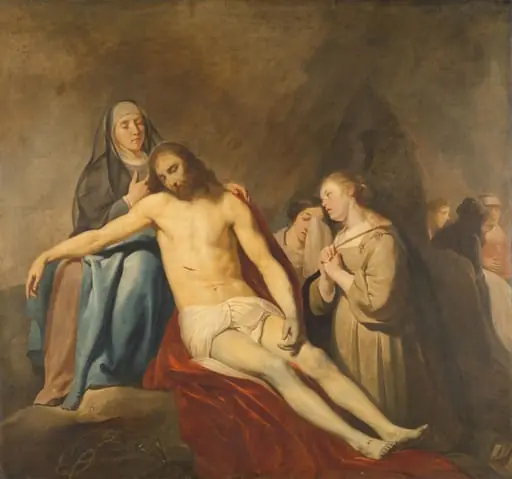 The Lamentation
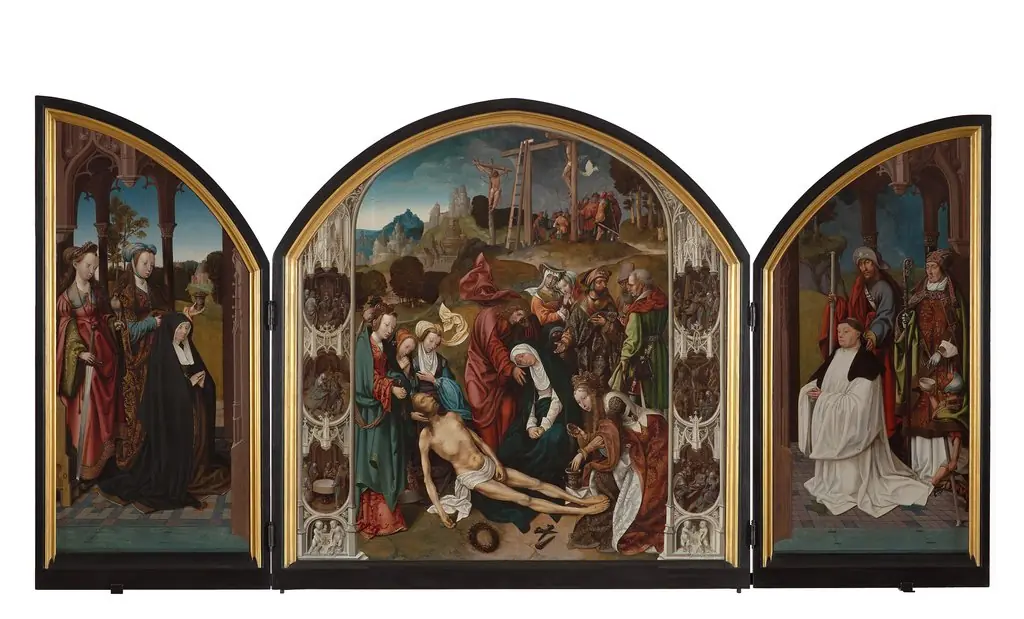 Ss Cecilia,Mary Magdalene with donatrix,lamentation flanked by other six Sorrows of Mary, Ss James Great,Martin of Tours an Augustine monk
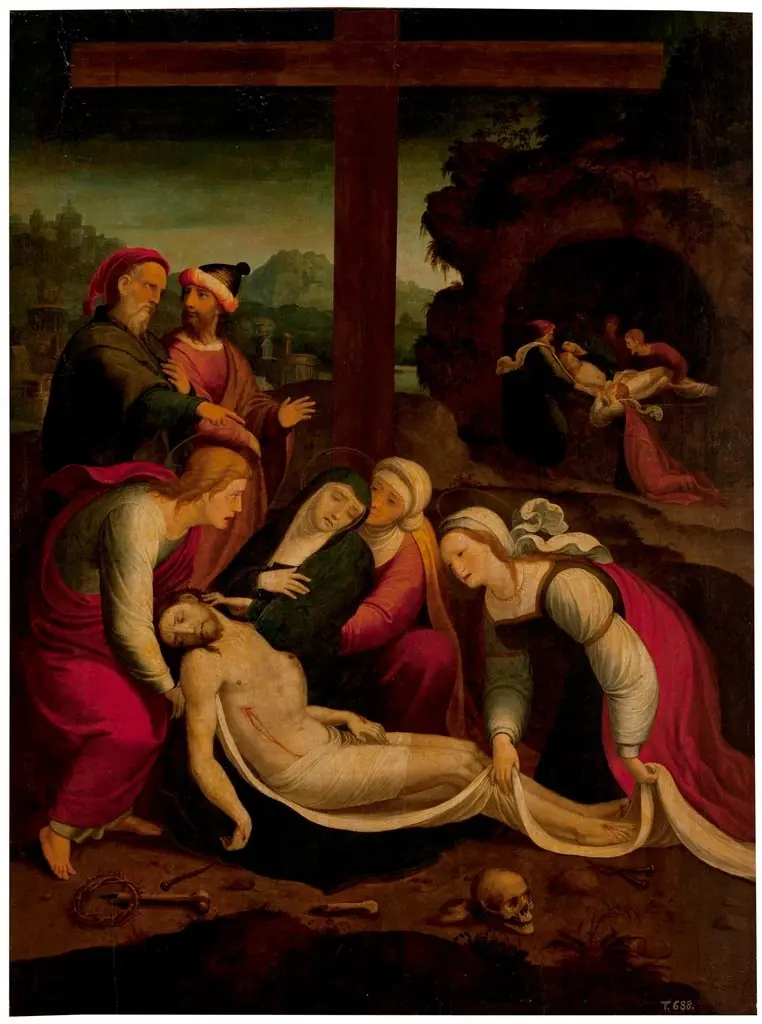 Lamentación ante Cristo muerto
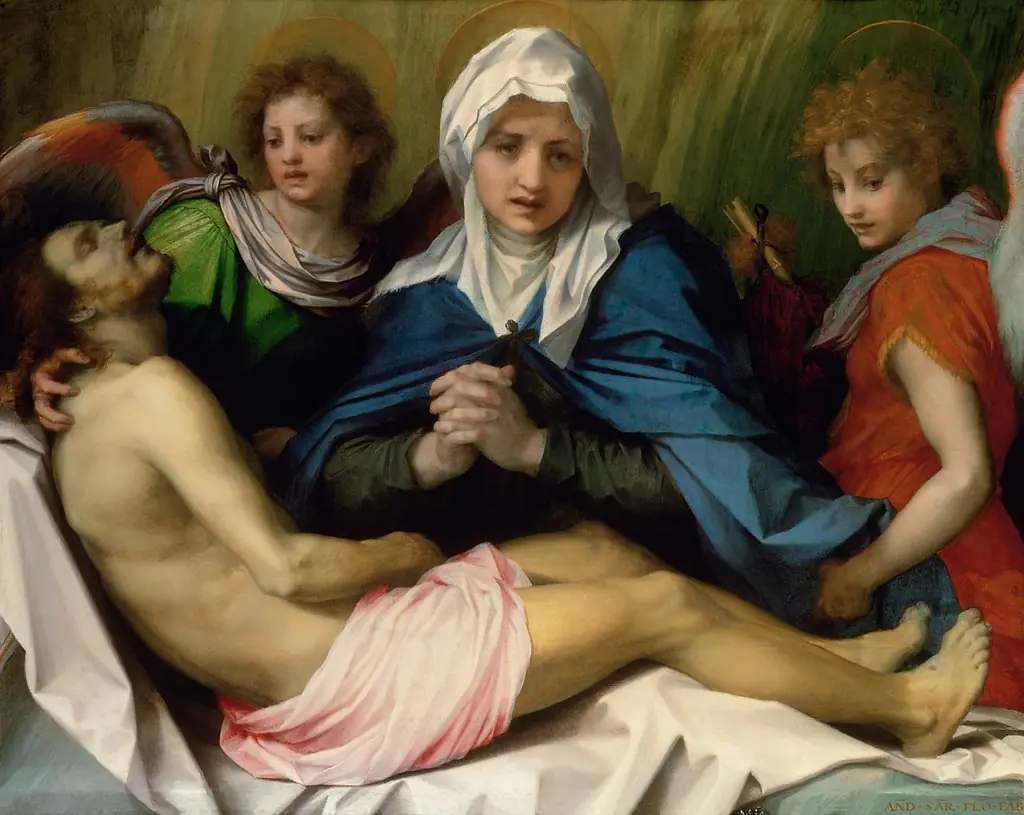 Lamentation of Christ
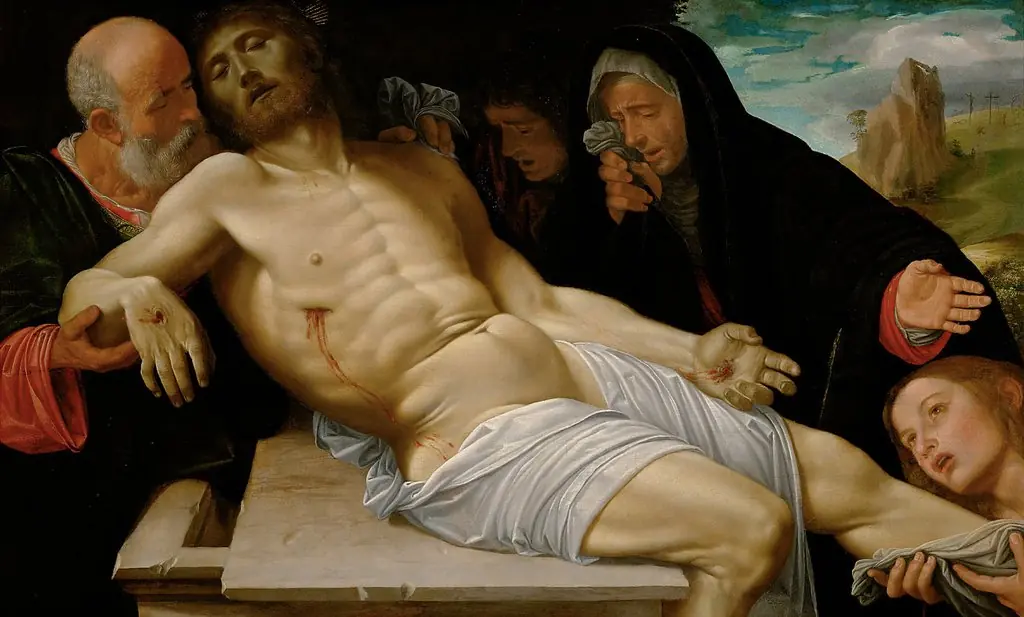 Lamentation
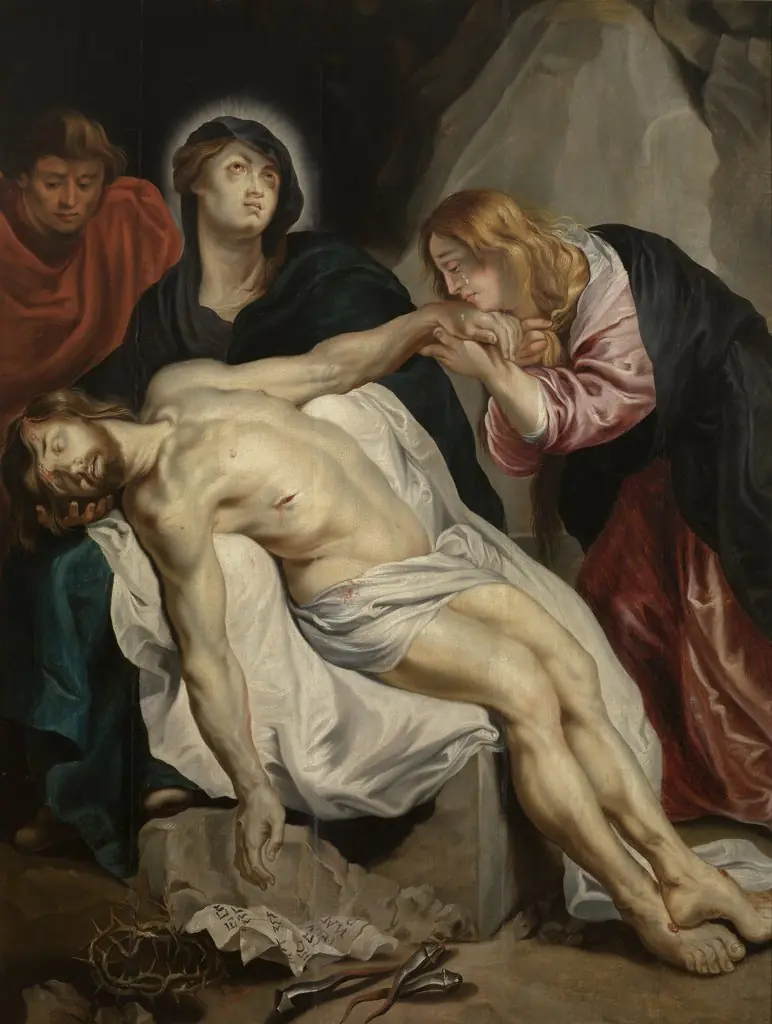 The Lamentation over the Dead Christ
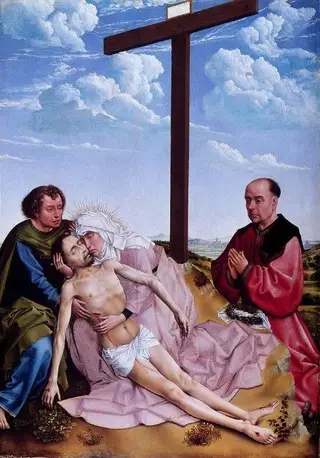 Lamentation of Christ
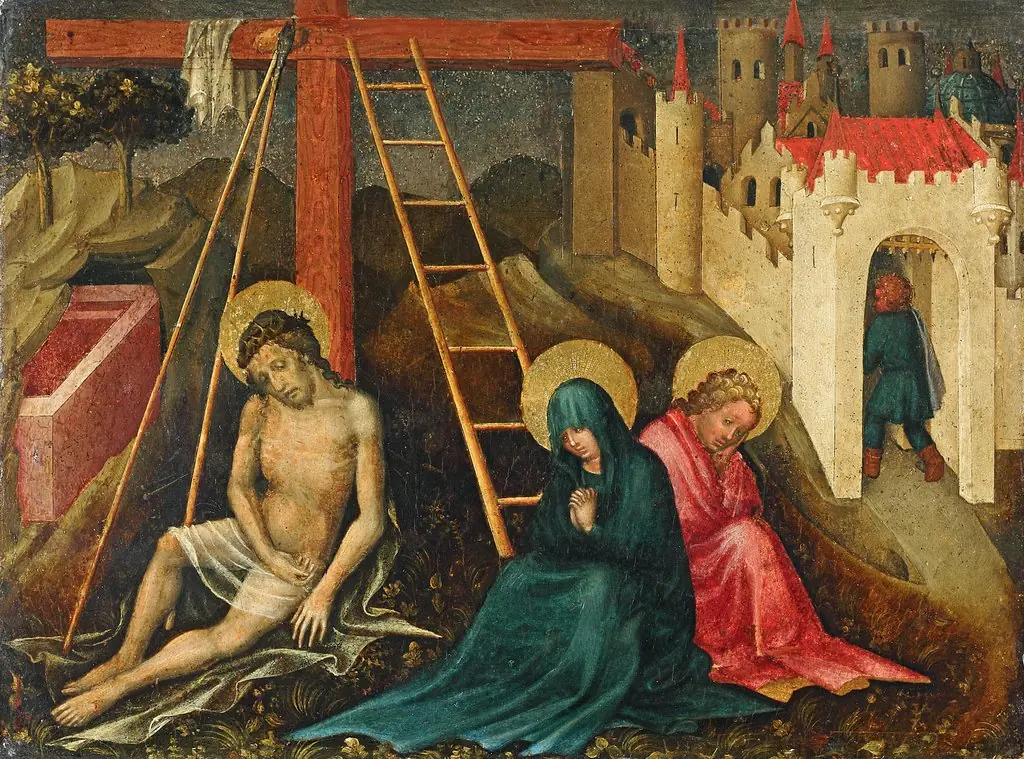 Lamentation with Mary and John
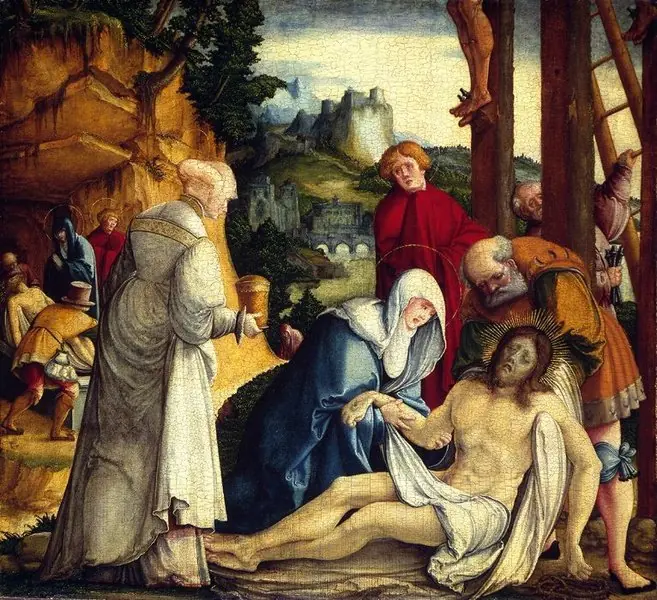 Beweinung Christi und seine Grablegung
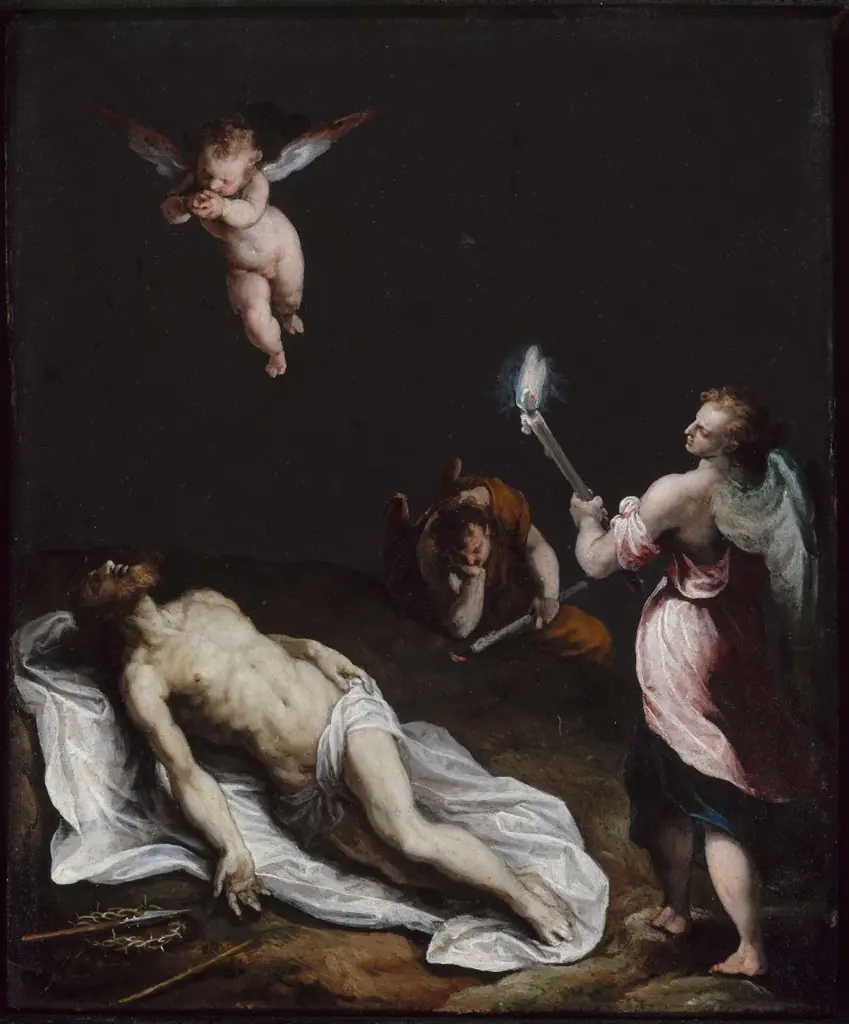 Dead Christ Mourned by Angels
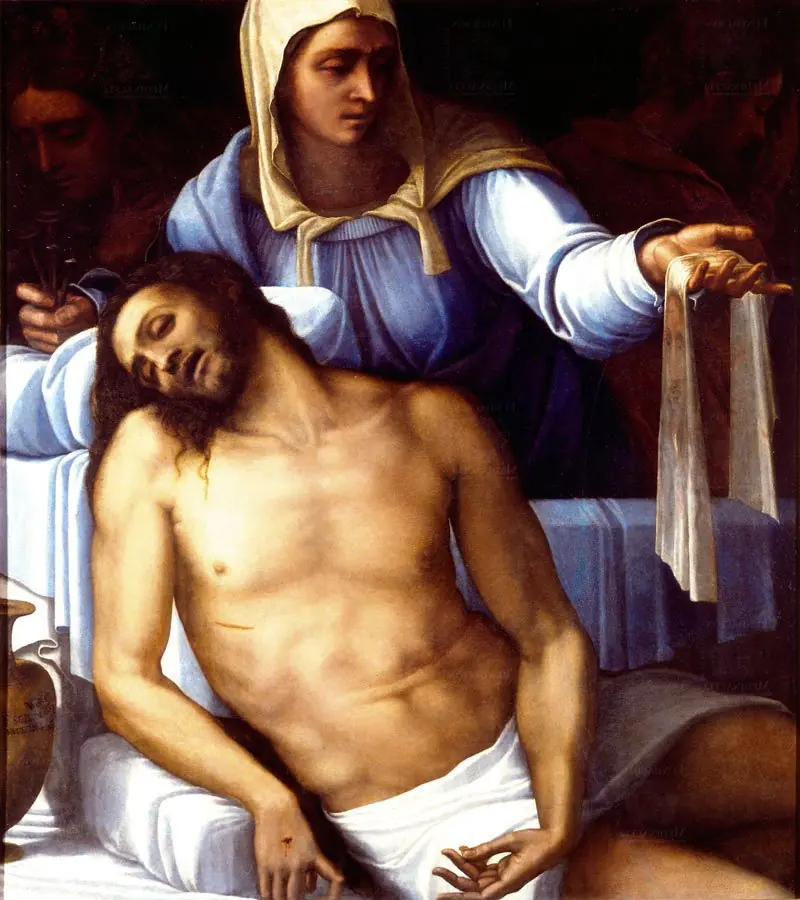 Pieta
Pieta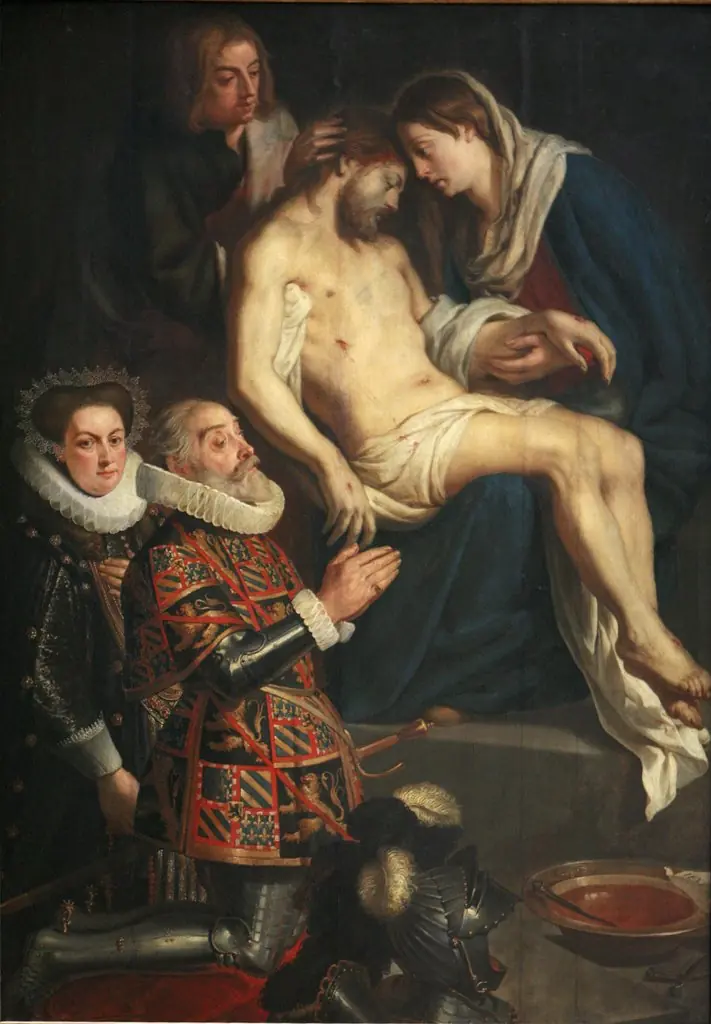 Pieta with portraits of Henry van Dongelberghe and wife
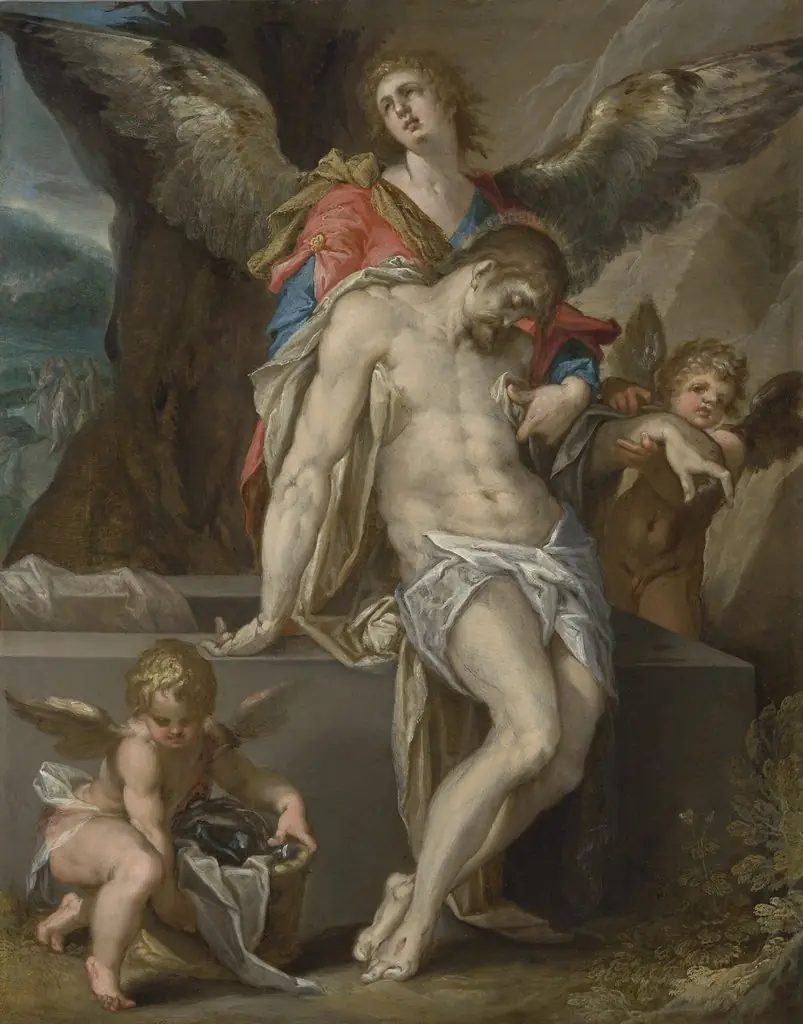 The Body of Christ Supported by Angels
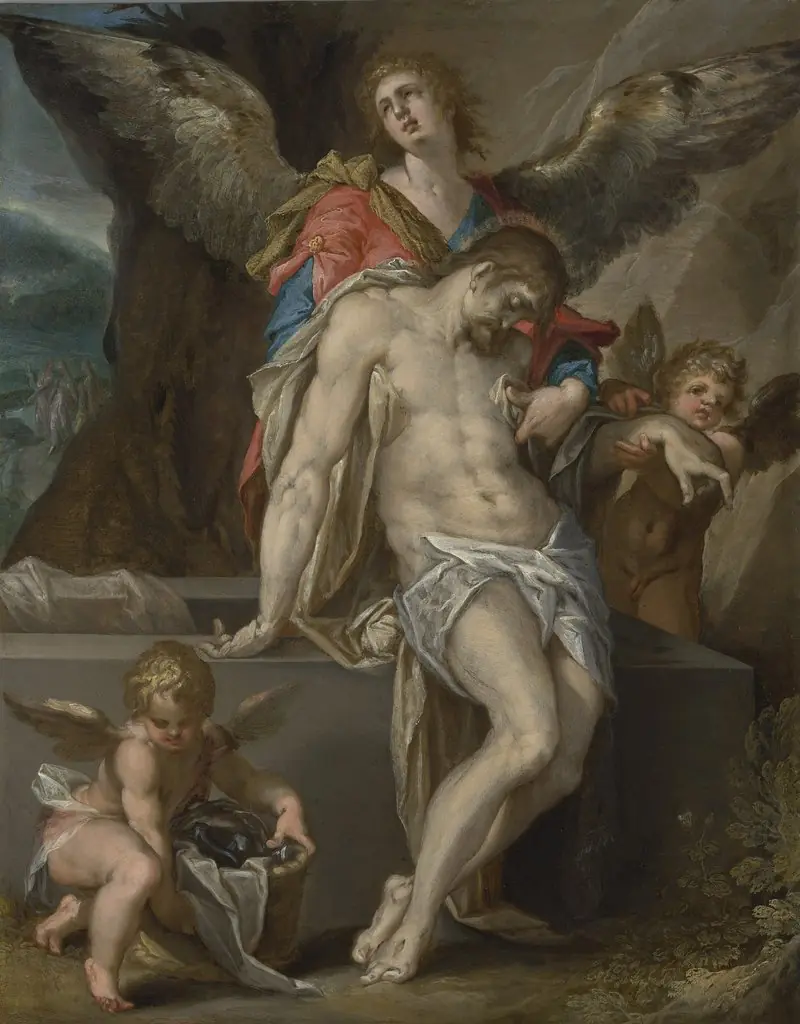 Engelen dragen het lichaam van Christus (Engelenpietà)
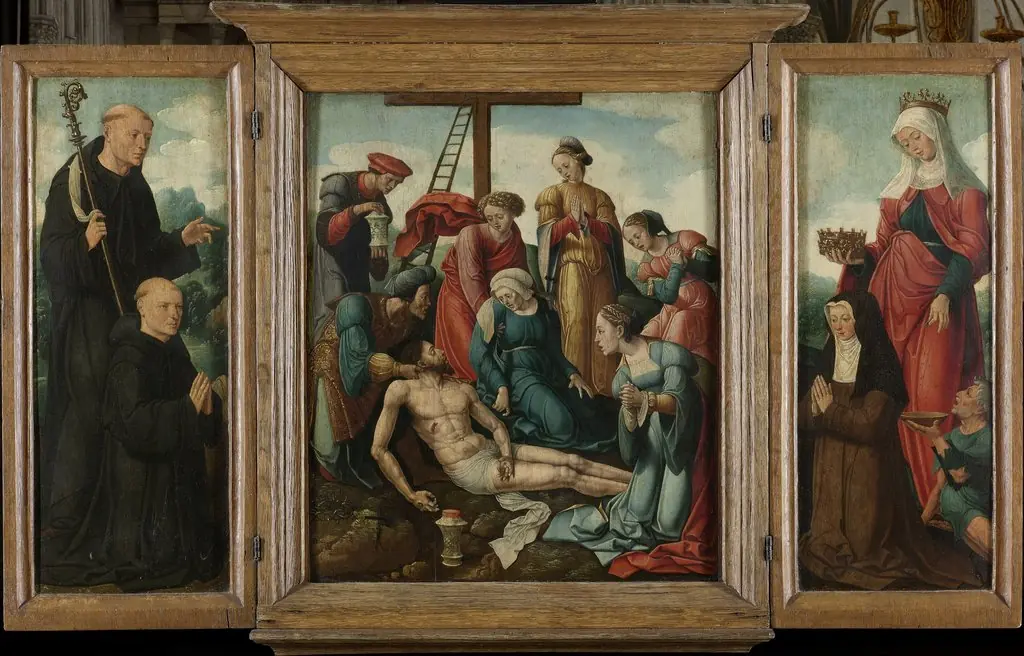 Triptych with the Lamentation of Christ (centre panel), the donor with St Benedict (inner left wing) and the donatrix with St Elizabeth of Thuringia (inner right wing)
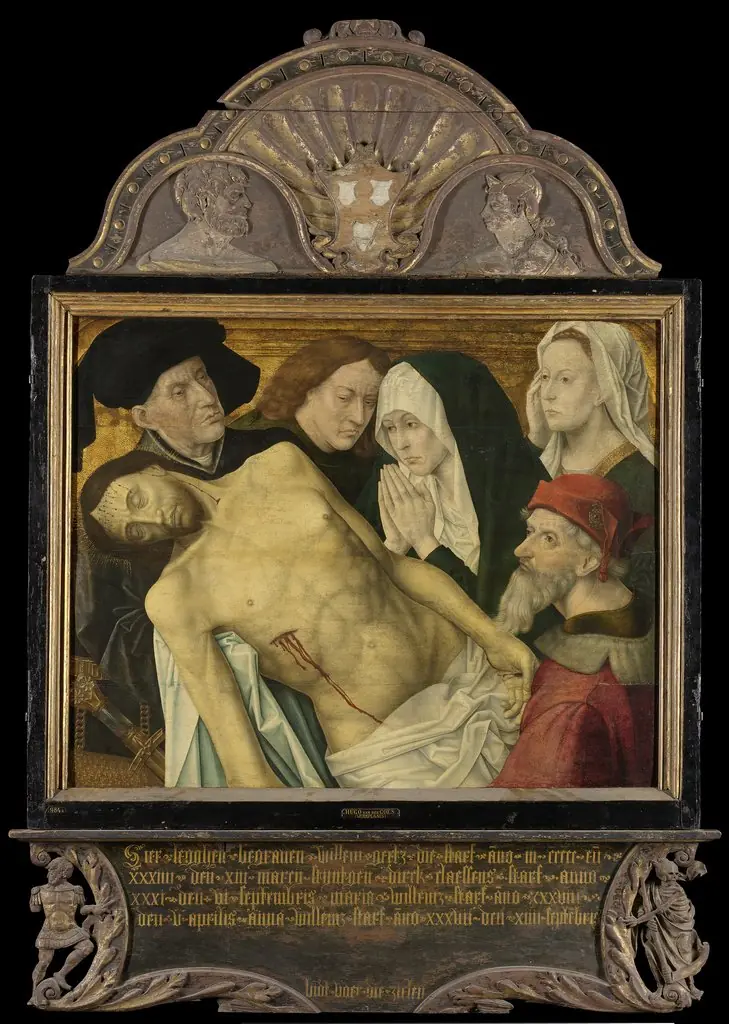 Central panel of a Memorial Triptych, formerly called the Gertz Memorial Triptych, with the Lamentation
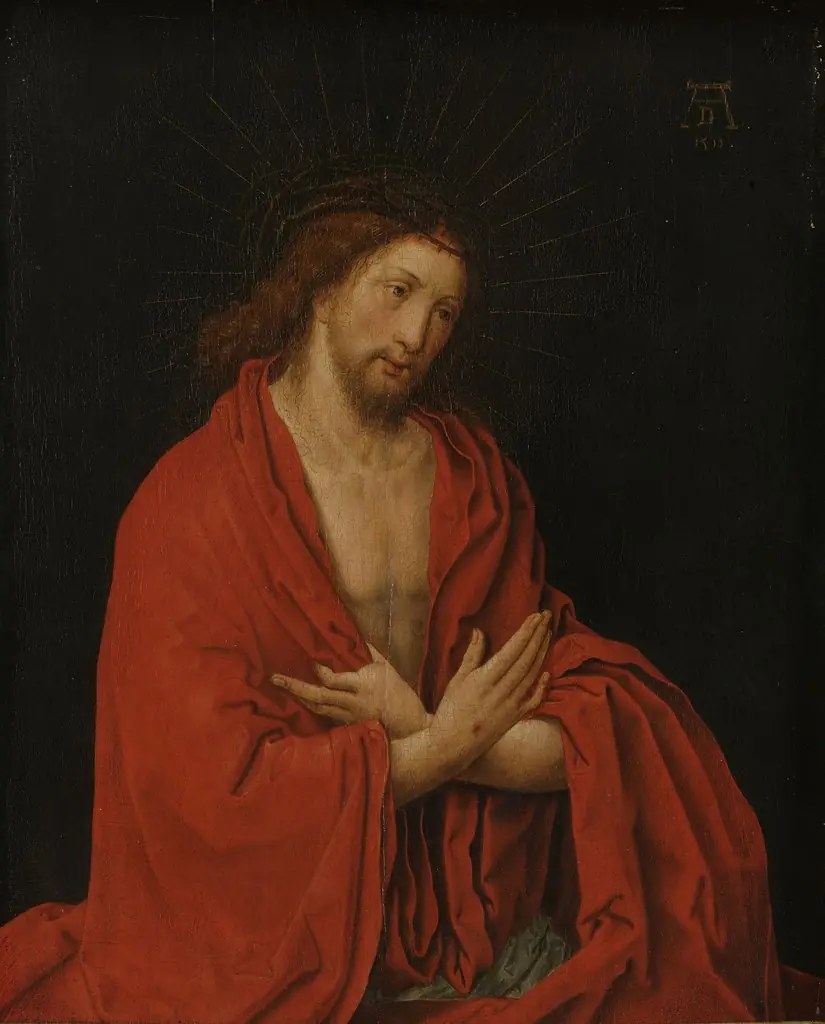 Inner left wing of a diptych with Christ as the Man of Sorrows
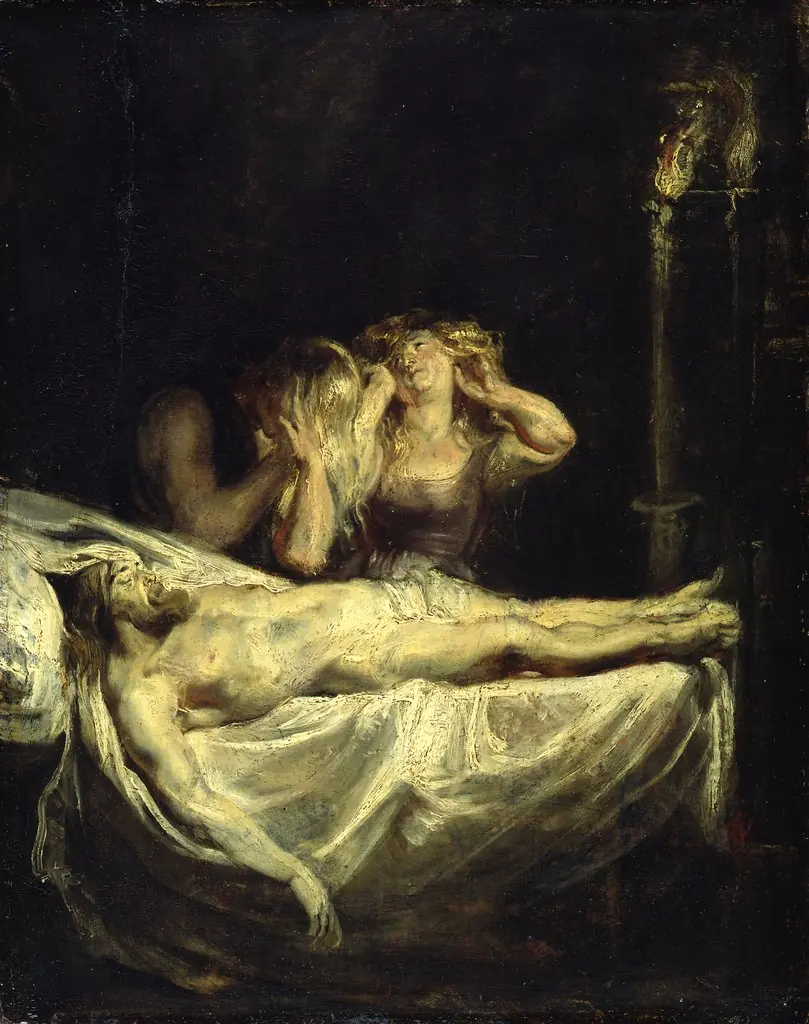 Lamentation
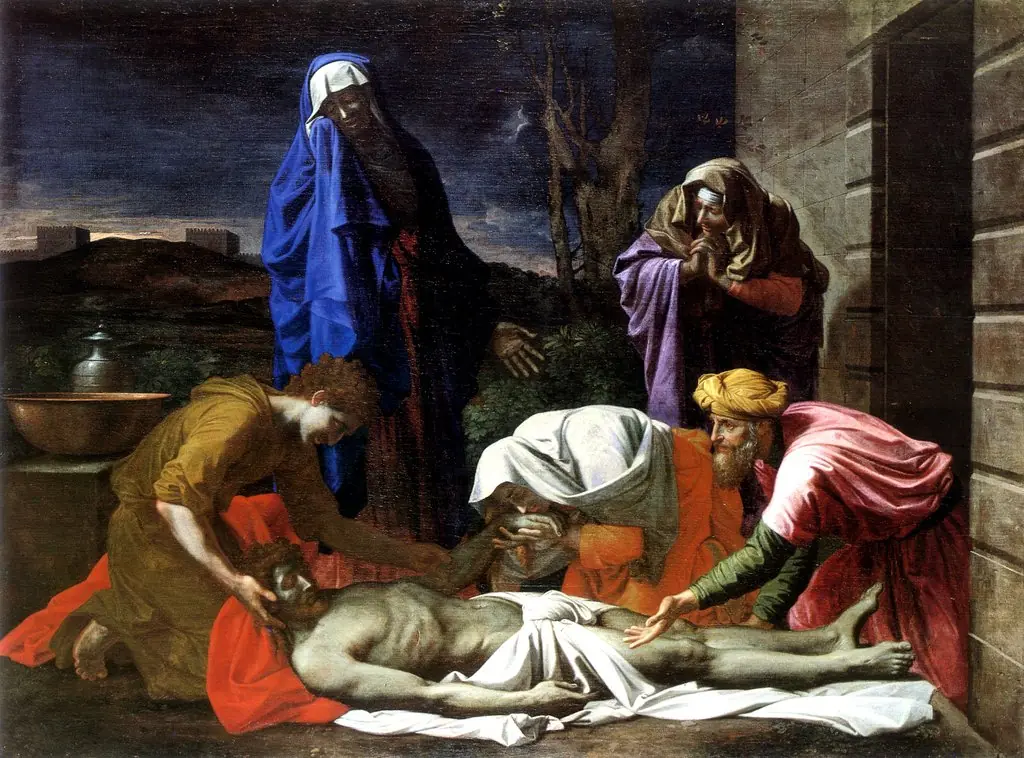 The lamentation over the dead Christ
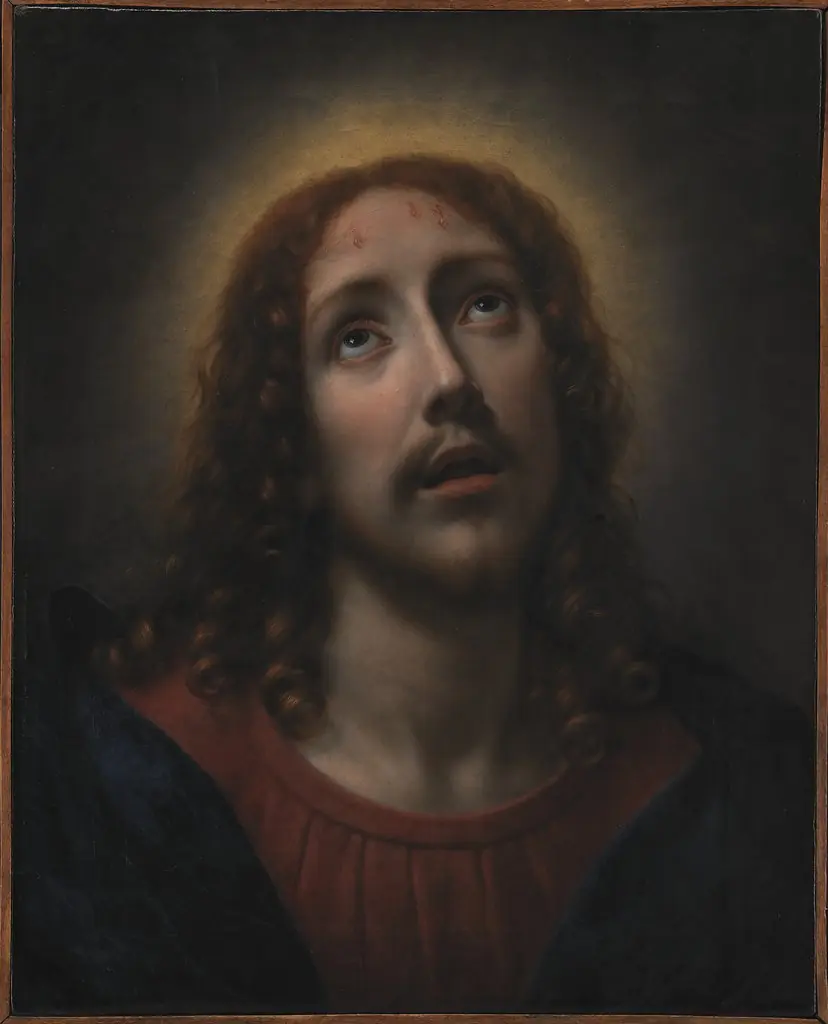 Christ's Agony in the Garden of Gethsemane
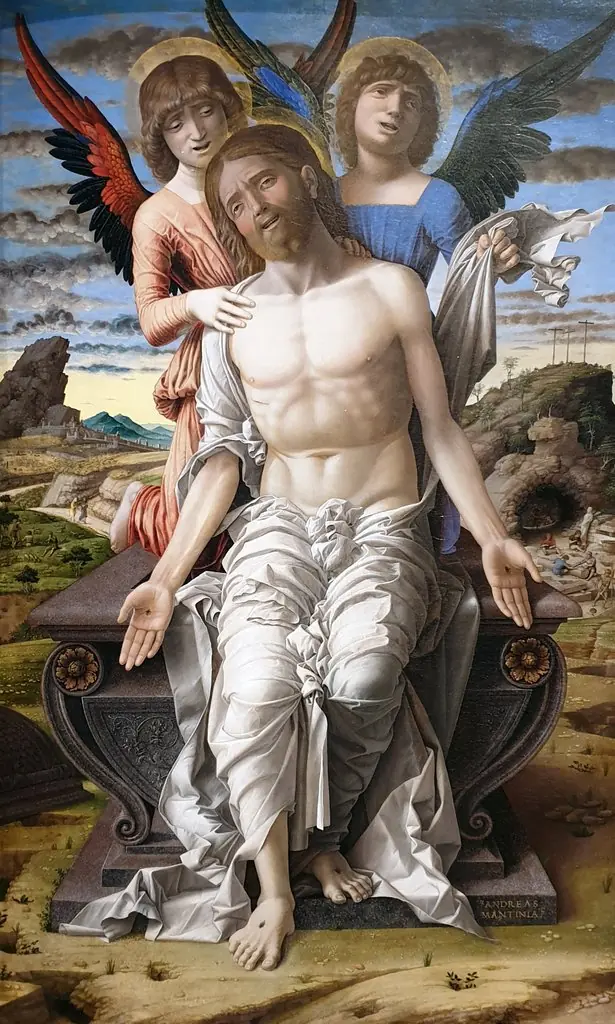 Christ as the Man of Sorrows
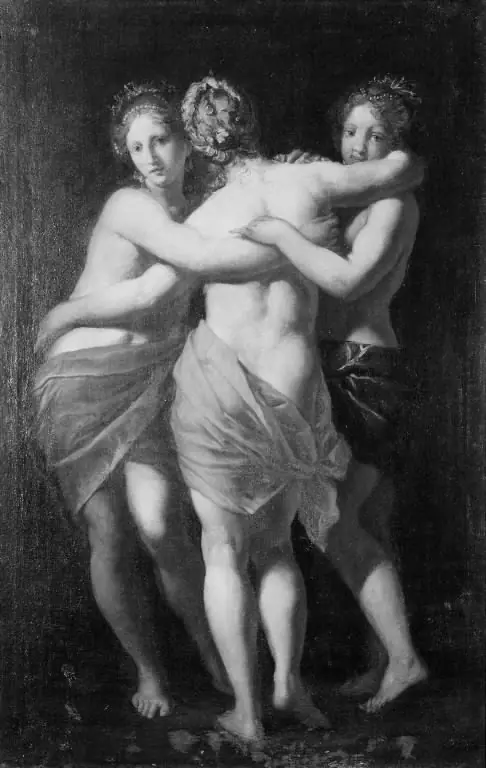 The Three Graces
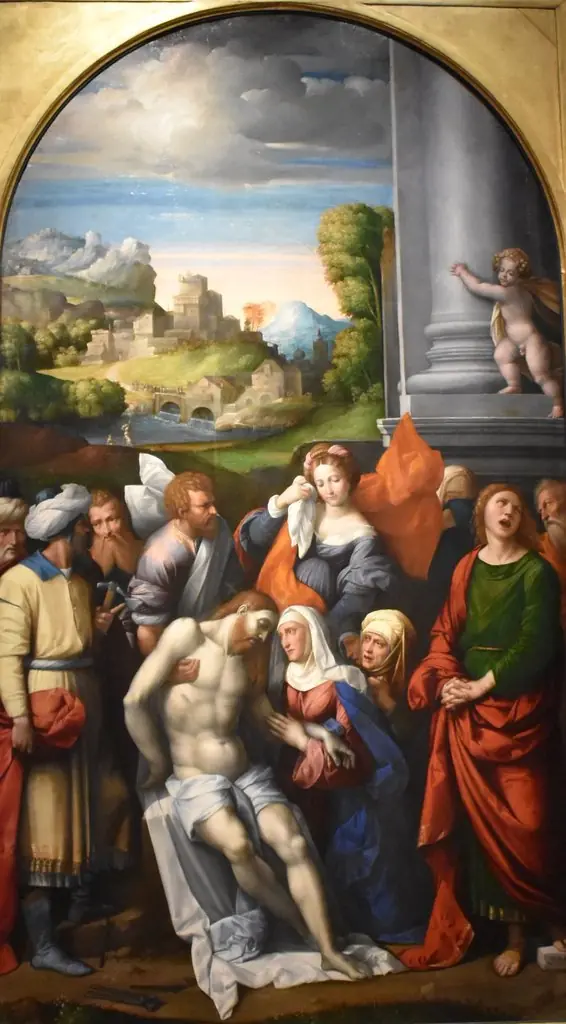 Lamentation over the Dead Christ
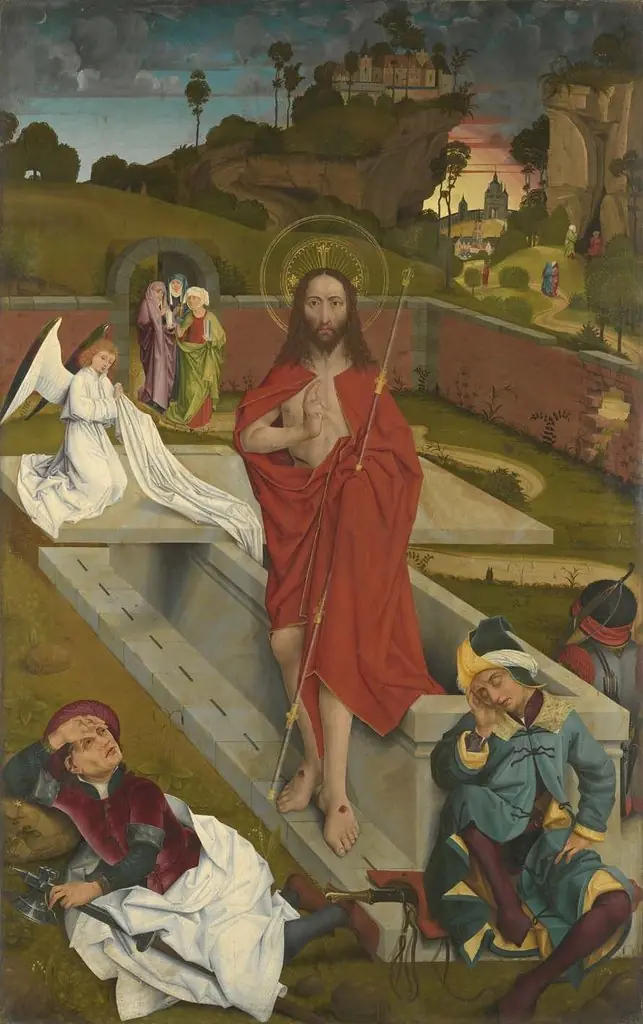 Hofer Altar: Auferstehung Christi (Rückseite: Apostel Bartholomäus und Jakobus)
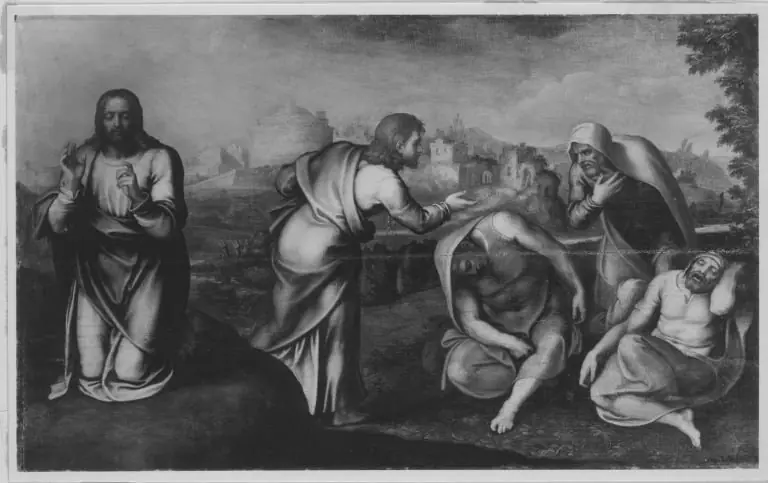 Christus am Ölberg (Kopie nach)
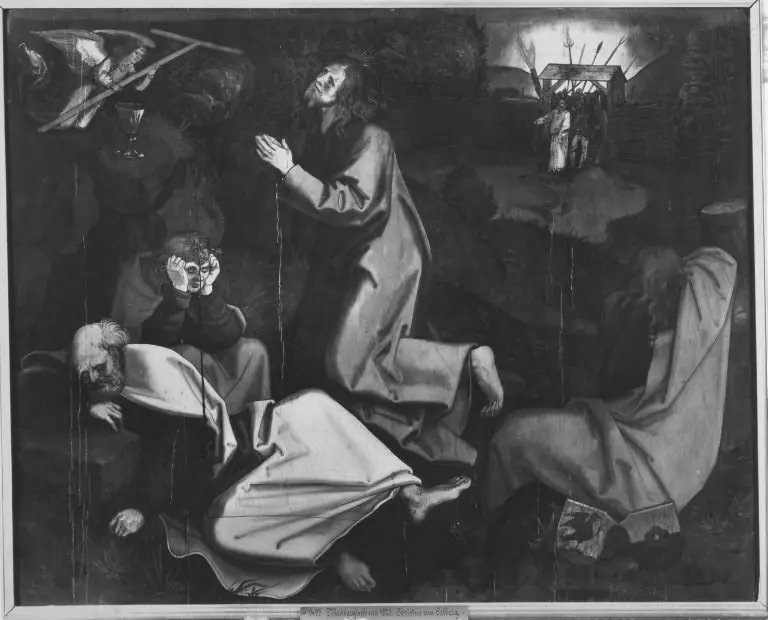 Christus am Ölberg
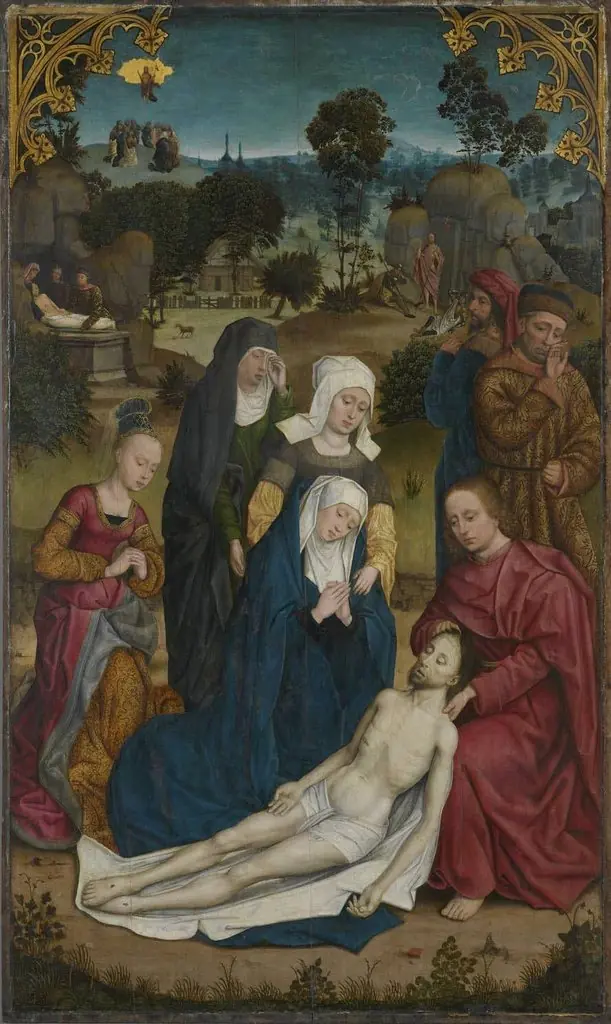 Crucifixion Altar: lamentation of Christ (outer part: fragment of an Angel, an Apostle and founders)
 Verspottung Christi
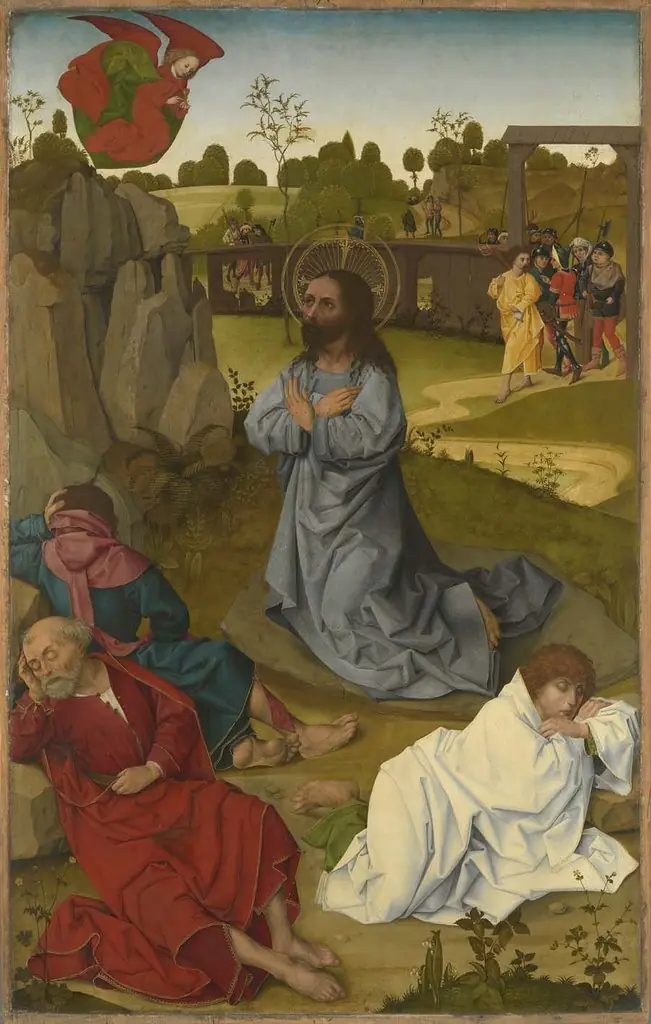 Hofer Altar: Christus am Ölberg (Rückseite: Erzengel Michael mit dem Drachen)
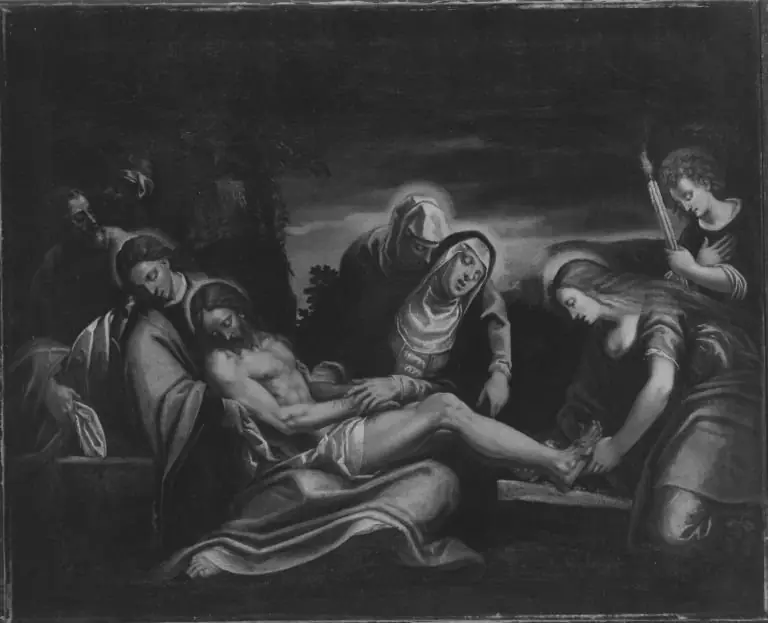 Die Beweinung Christi (?)
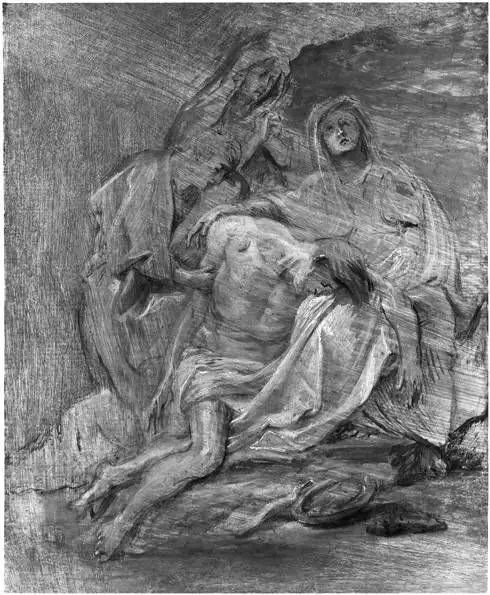 Beweinung Christi (Skizze)
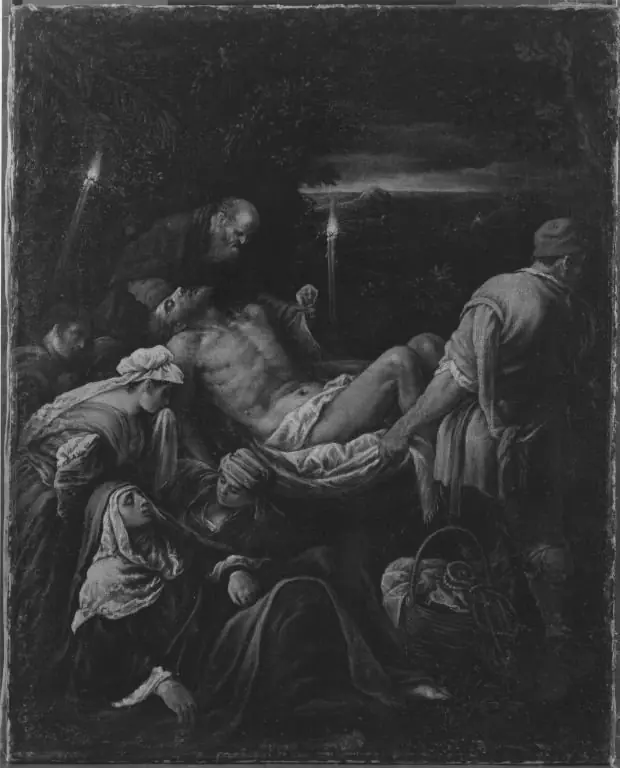 Grablegung Christi (Werkstattkopie)
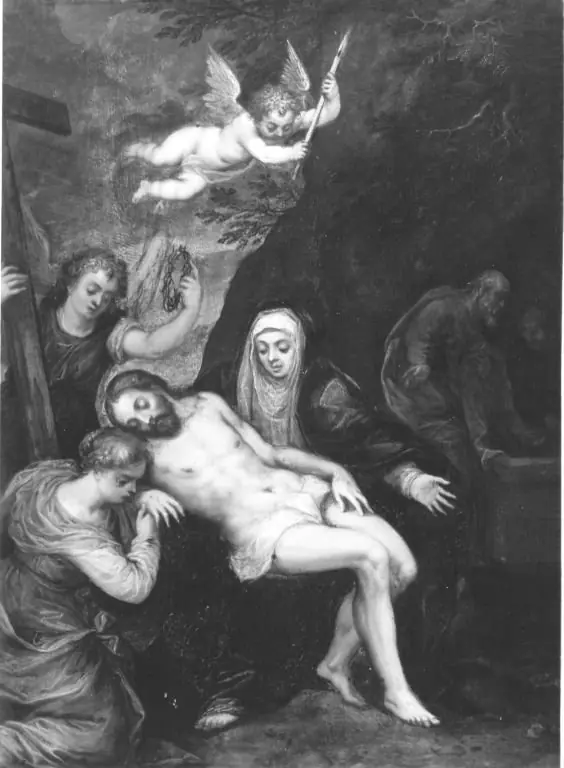 Beweinung Christi (zugeschrieben)
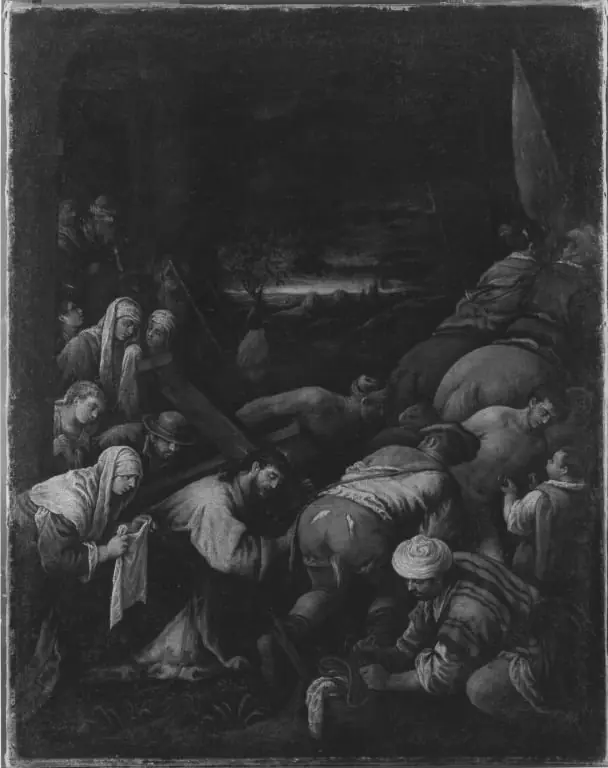 Kreuztragung Christi (Werkstattkopie)
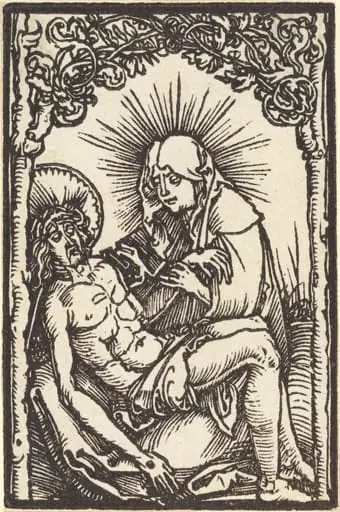 The Lamentation
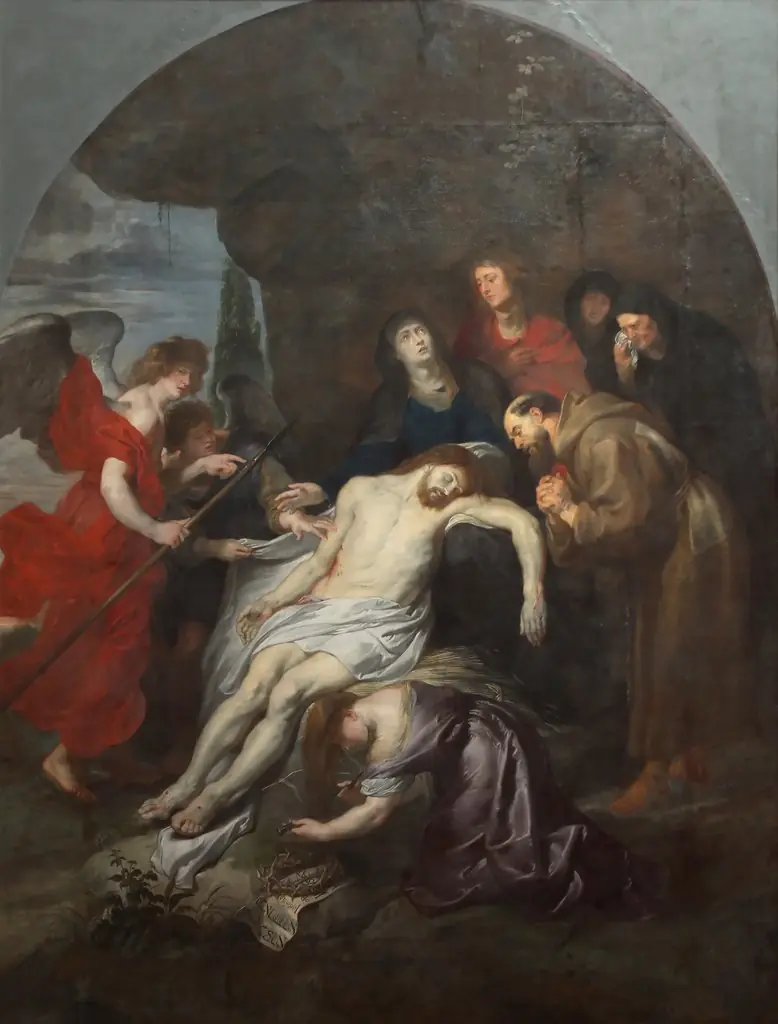 The lamentation of Christ with Saint Francis, 1617-1620
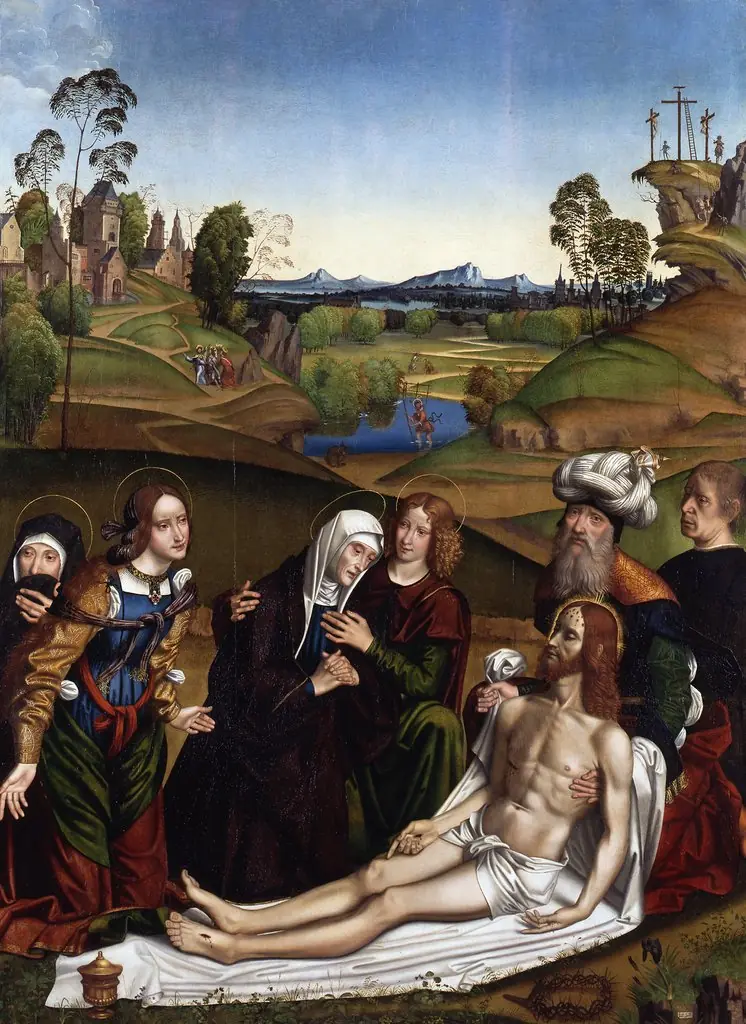 The Lamentation of Christ with a Donor
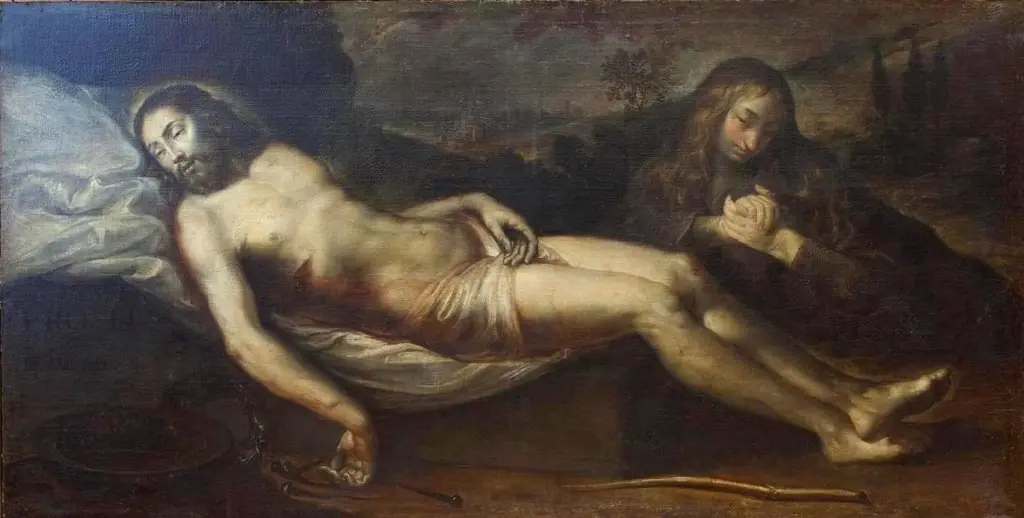 Cristo yacente
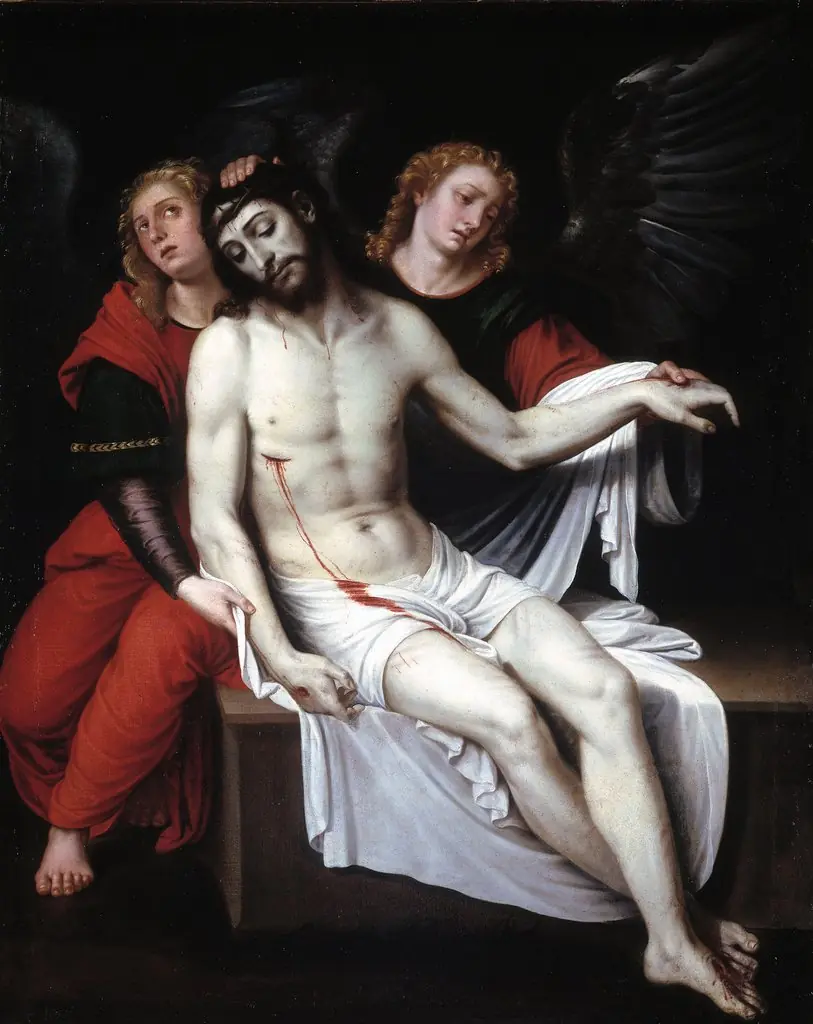 Cristo muerto sostenido por dos ángeles
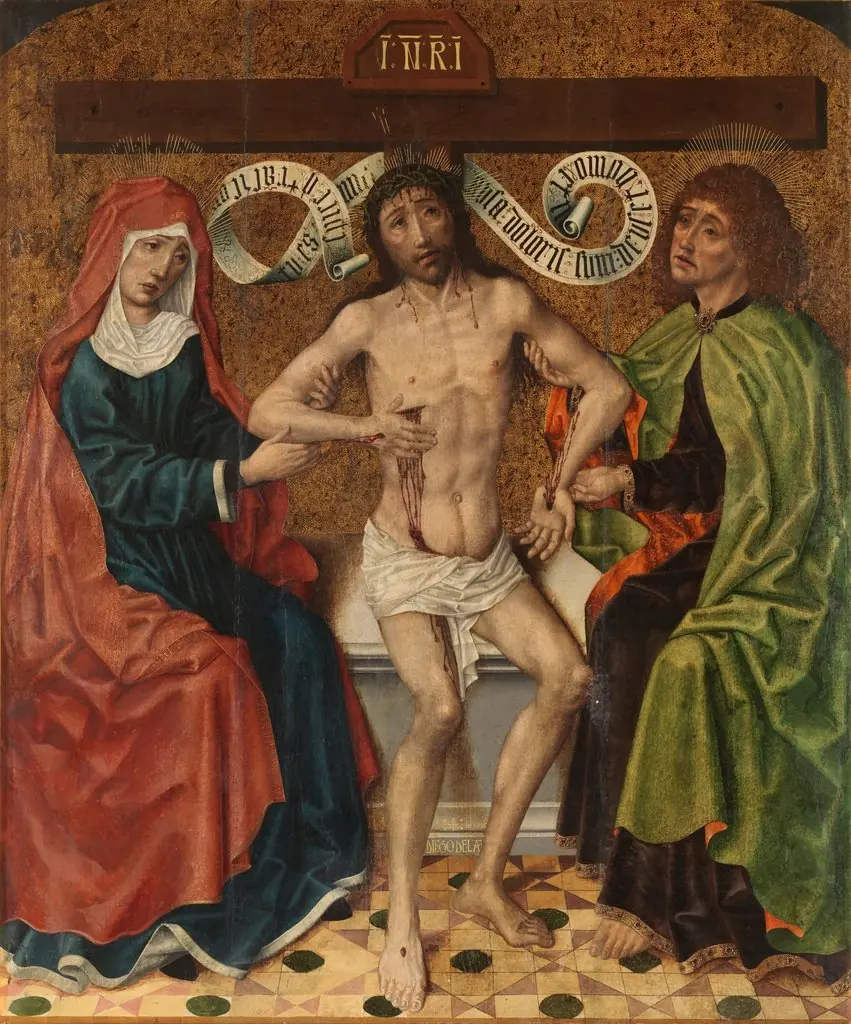 Christ between the Virgin and Saint John
 Lamentation of Christ with Saints
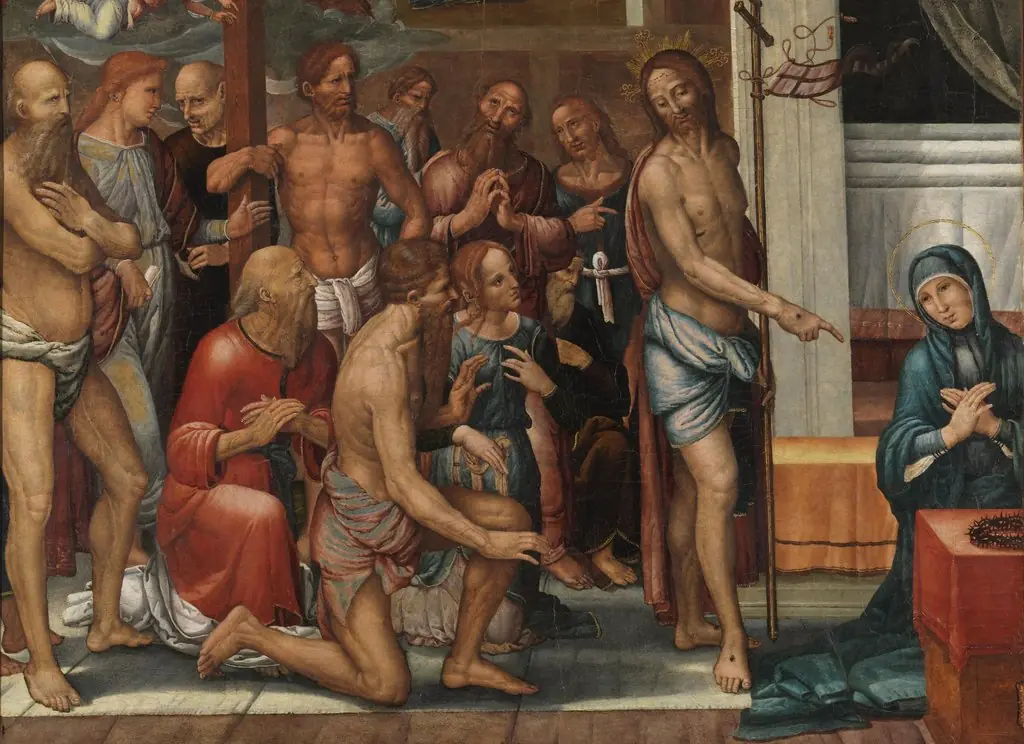 Christ presents the Redeemed from Limbo to the Virgin
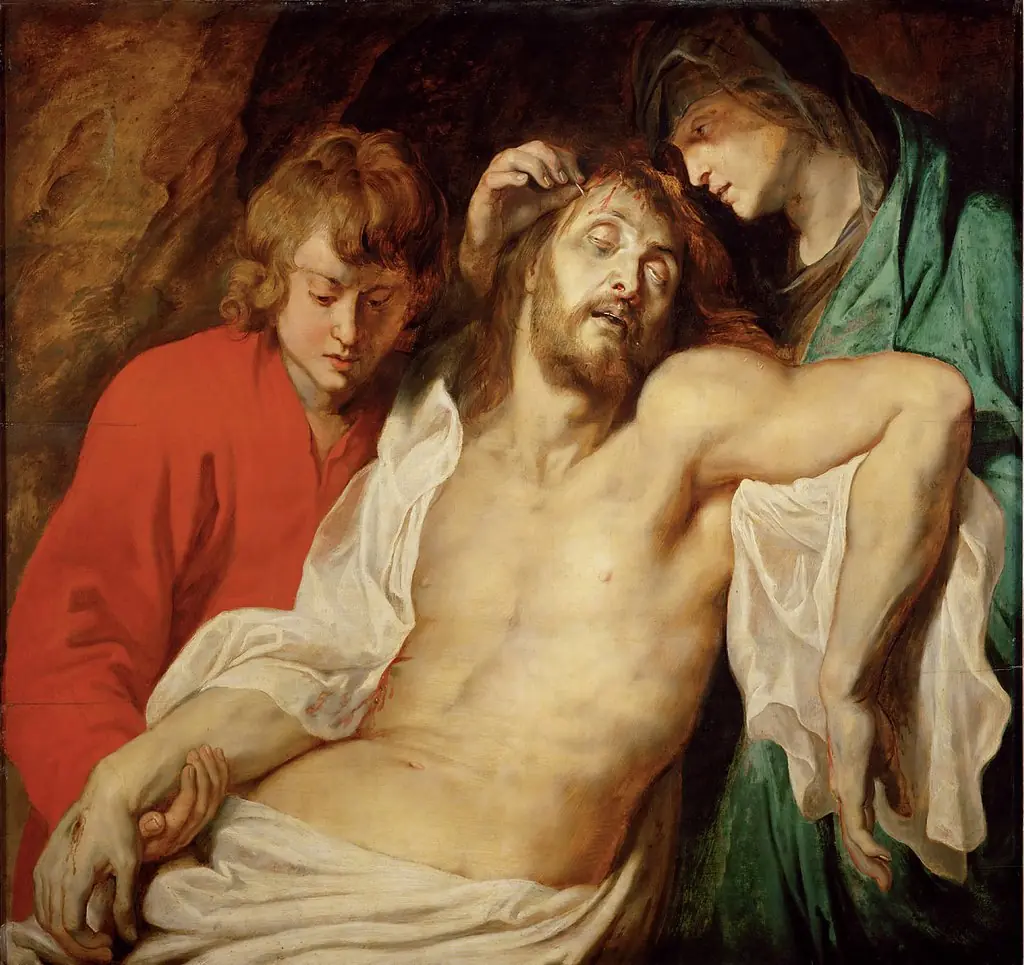 Lamentation of Christ by Mary and John
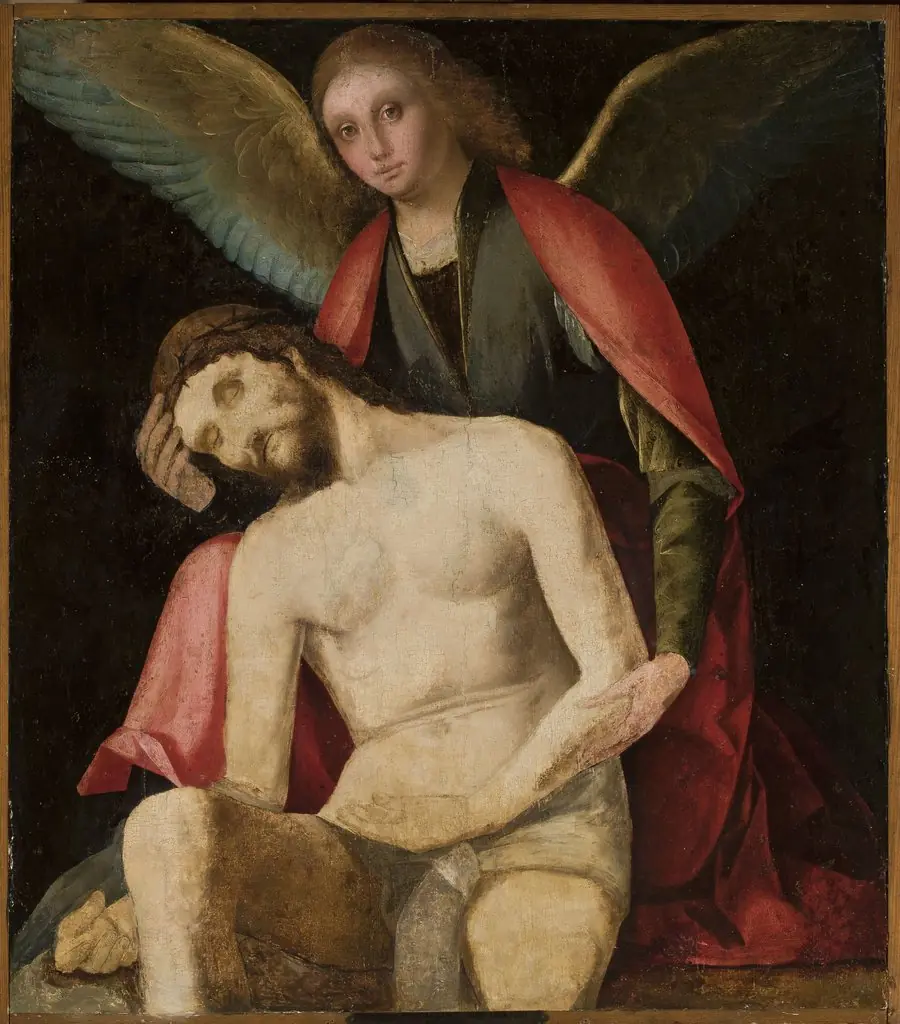 Angel Pieta
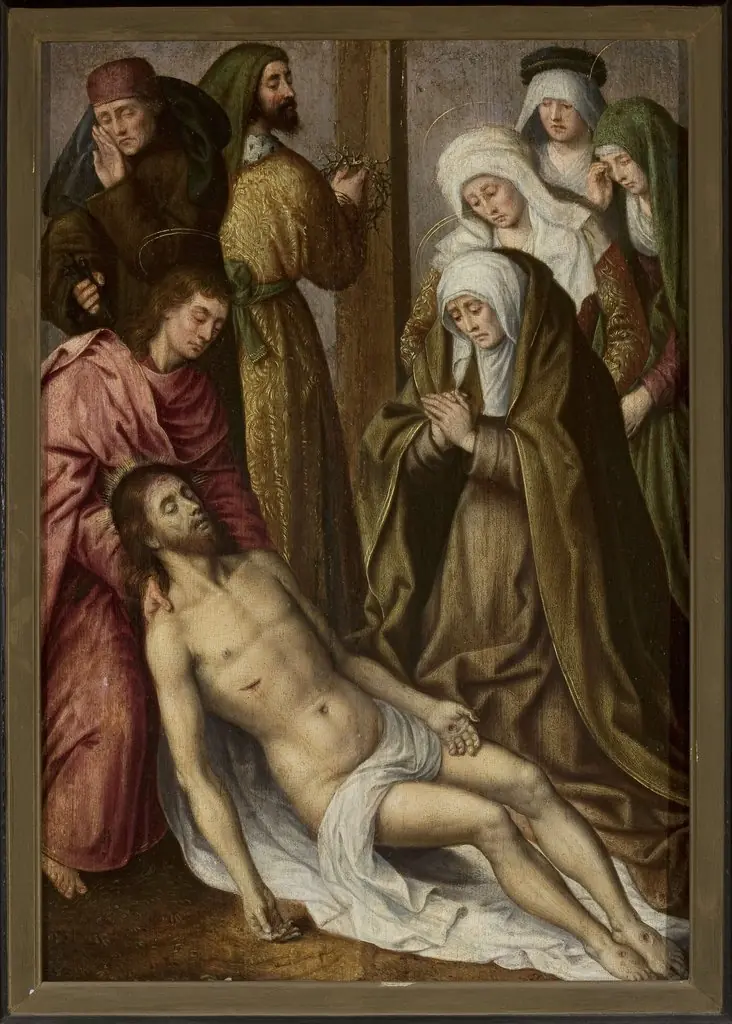 Mourning of Christ (Matthew 27:59–61; Mark 15:46–47; Luke 23:53–56; John 19:38–42)
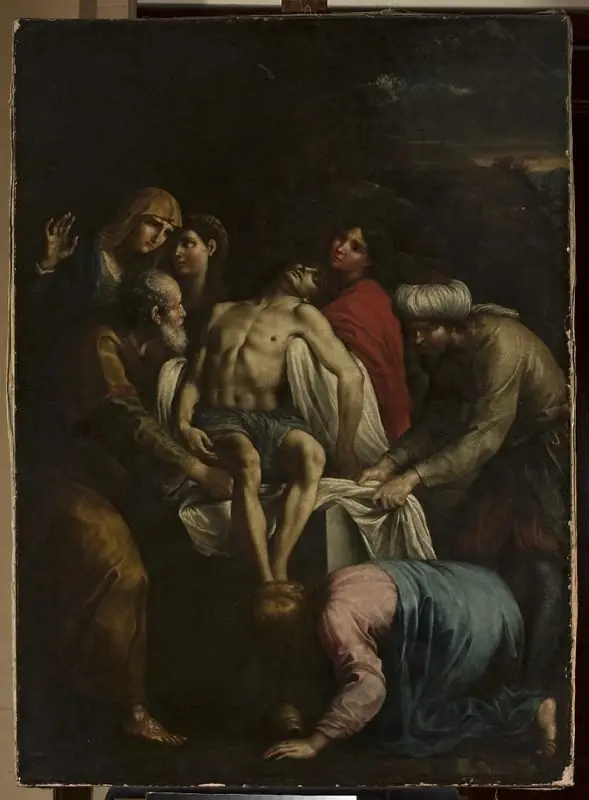 Entombment of Christ
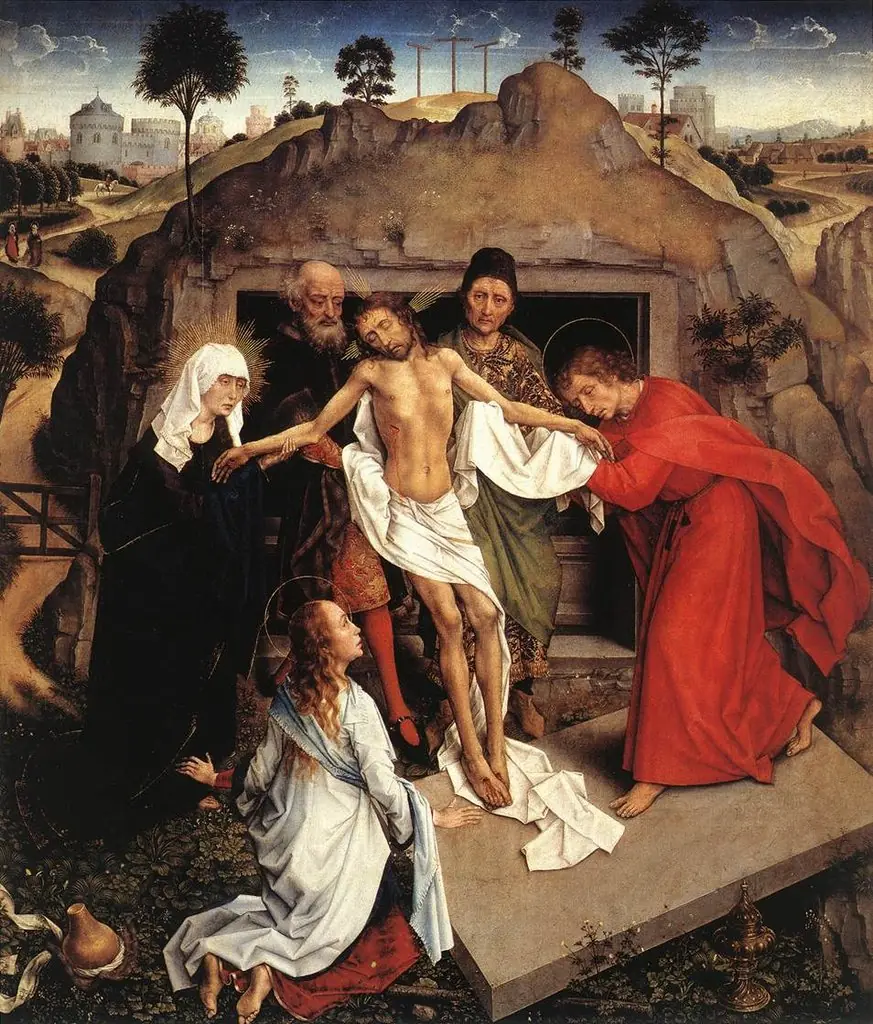 Lamentation of Christ
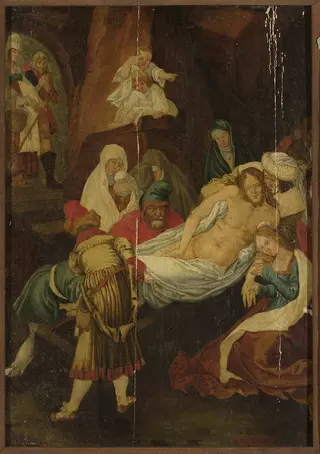 Entombment of Christ (Matthew 27:59–61; Mark 15:46–47; Luke 23:53–56; John 19:38–42)
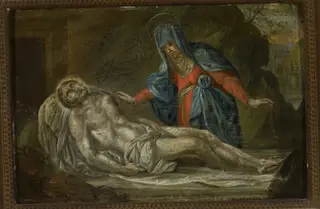 Mourning
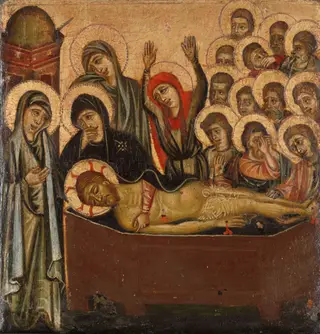 Grablege Christi
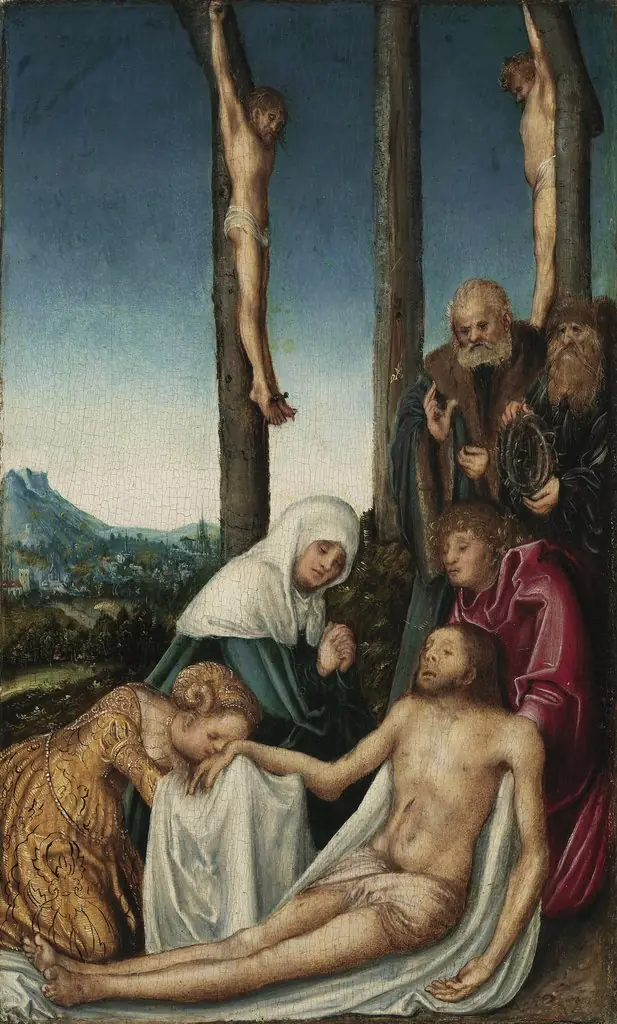 The Lamentation with the Two Thieves Crucified
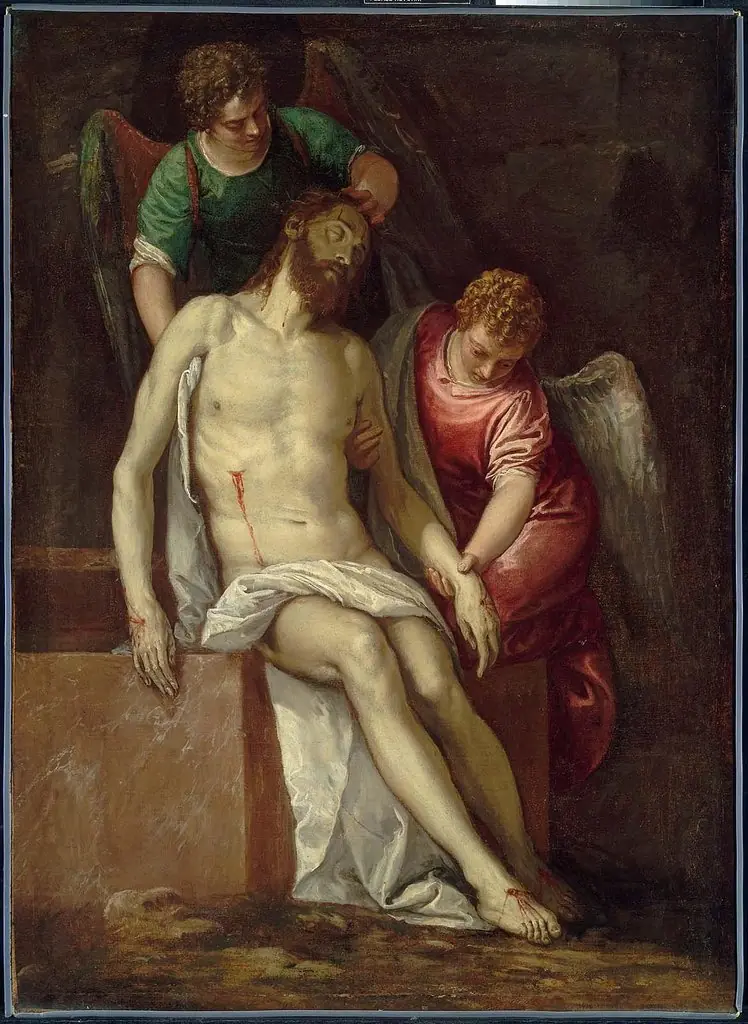 The Dead Christ Supported by Angels
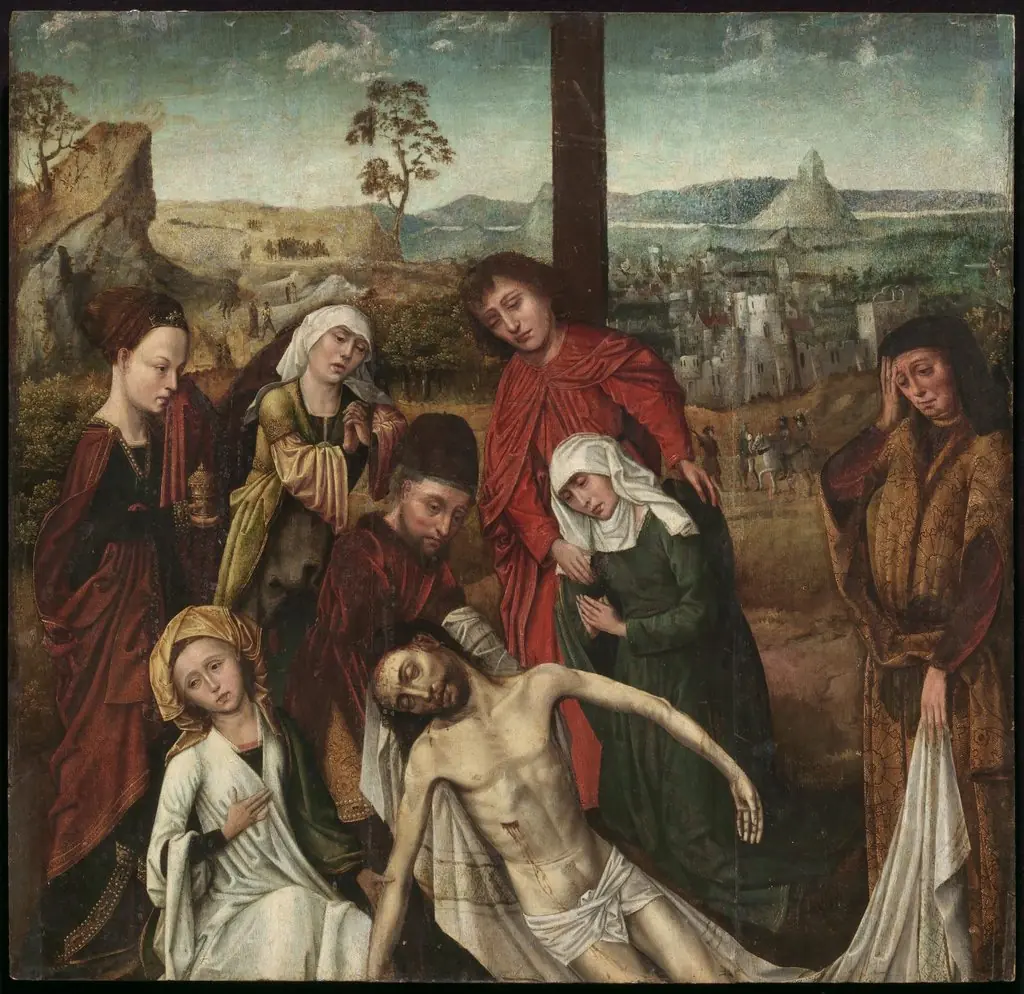 The Deposition of Christ
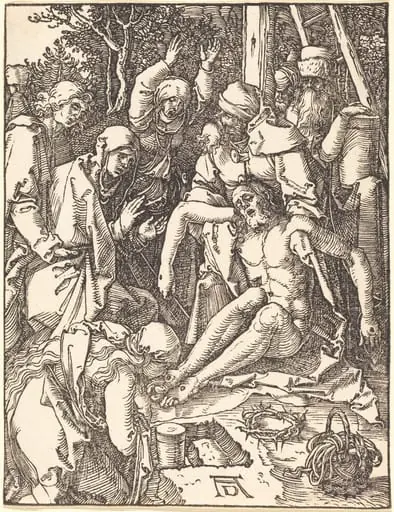 The Lamentation
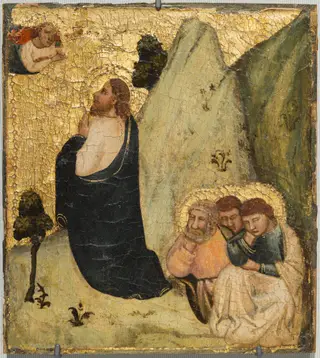 The Agony in the Garden
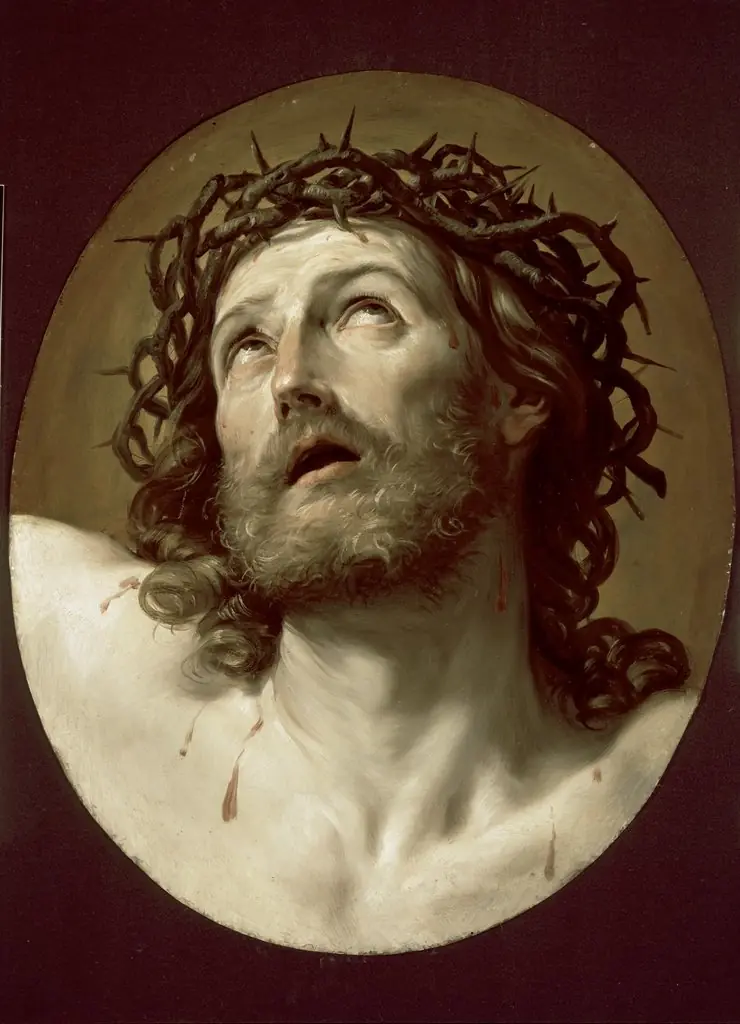 Head of Christ Crowned with Thorns
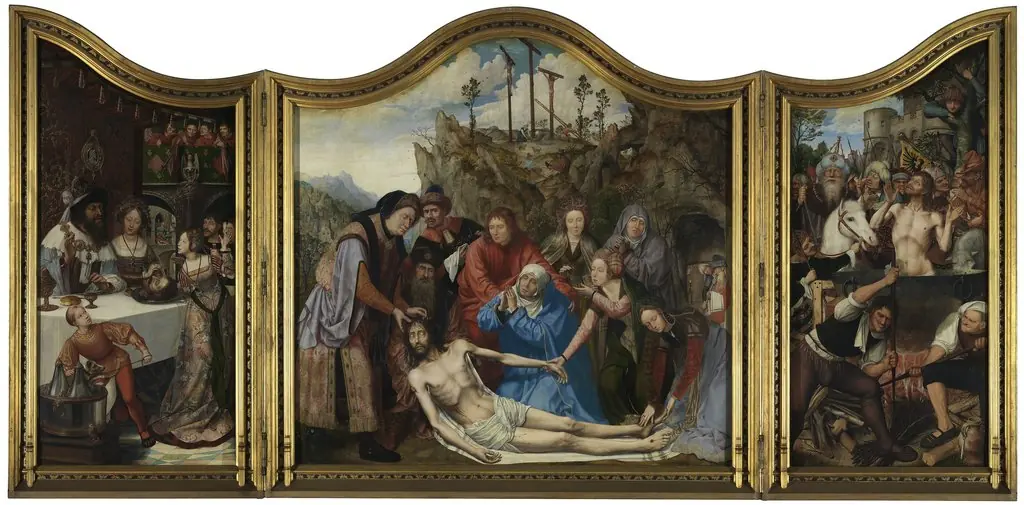 Altarpiece of the Guild of the Joiners
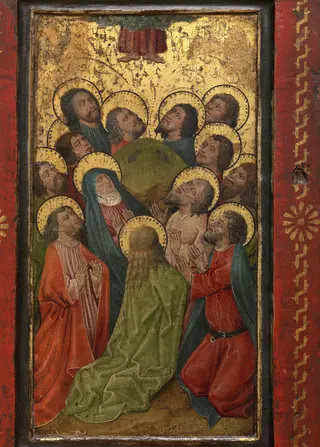 The Ascension
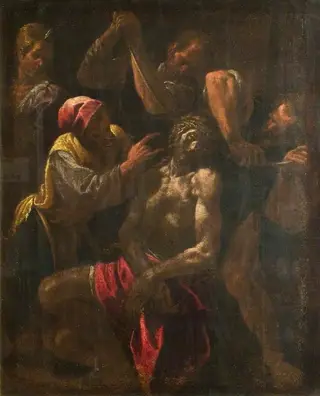 Christ Crowned with Thorns
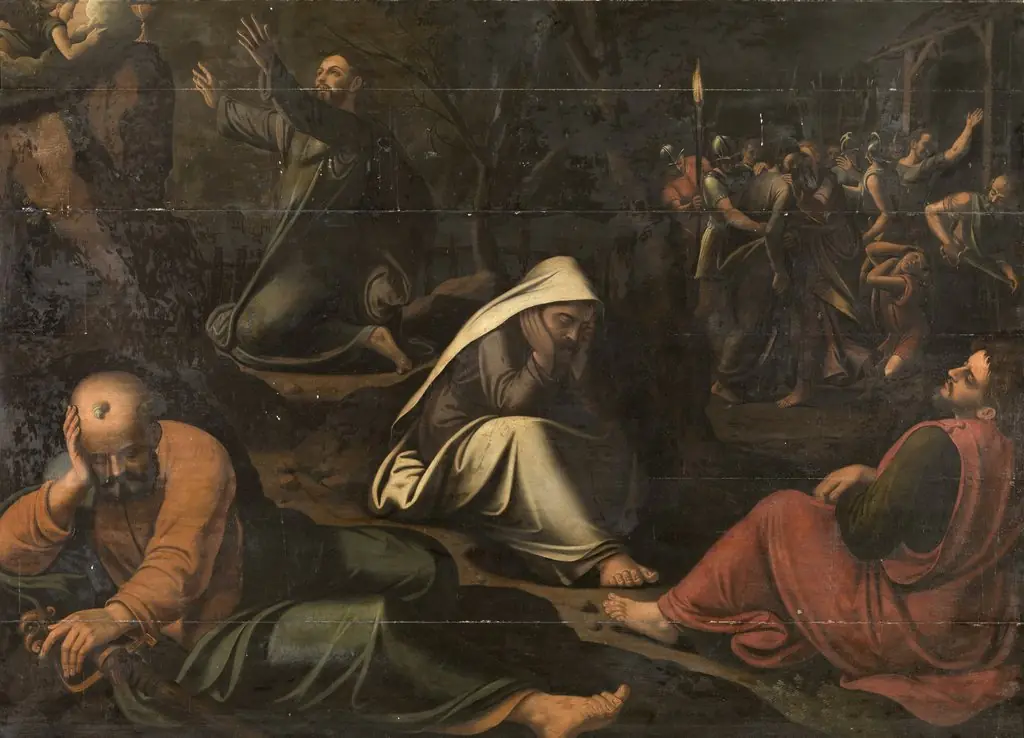 Christ in the Garden of Gethsemane
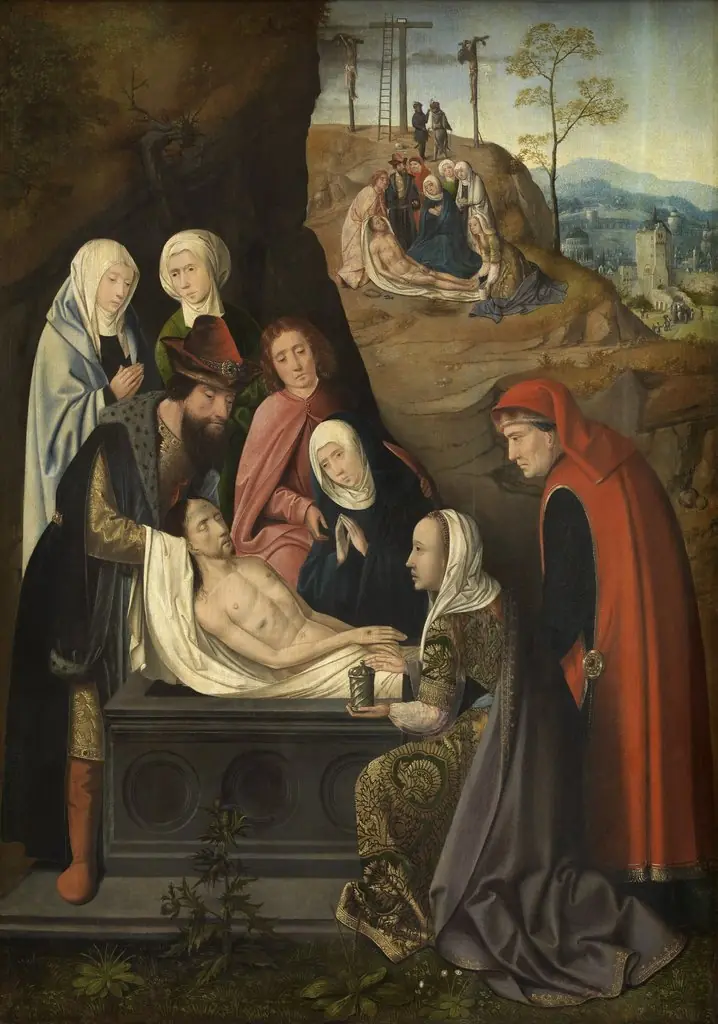 Entombment and the Lamentaion over the dead Christ
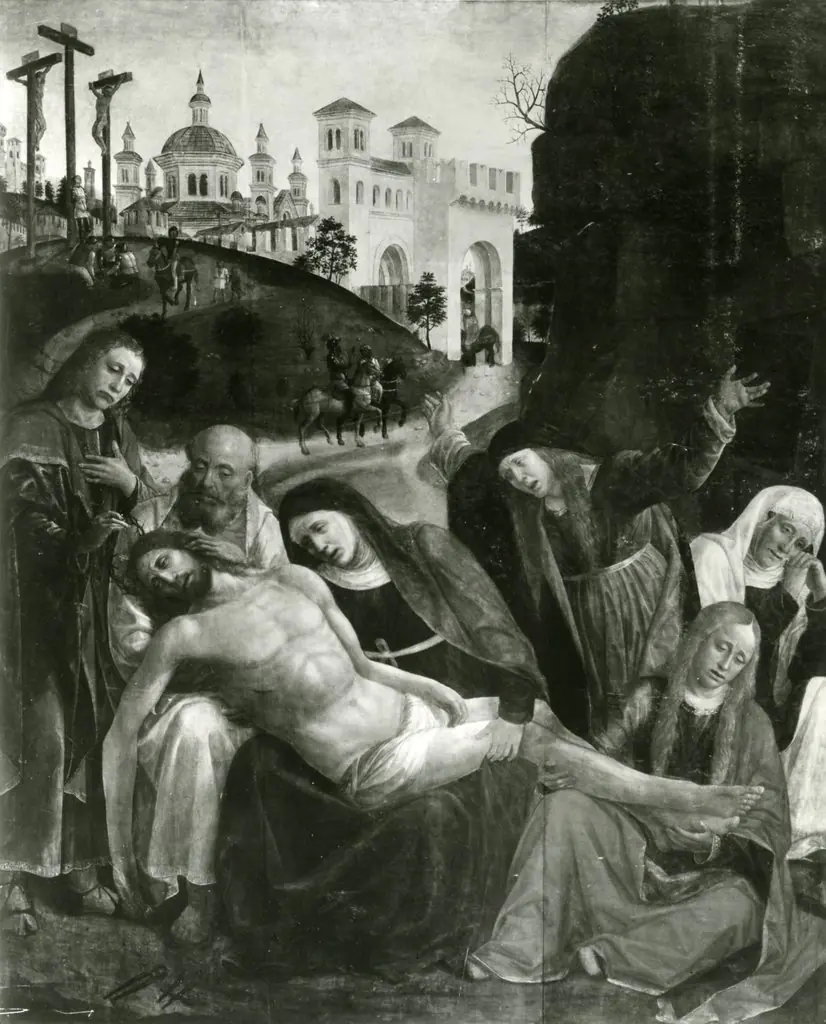 Lamentation
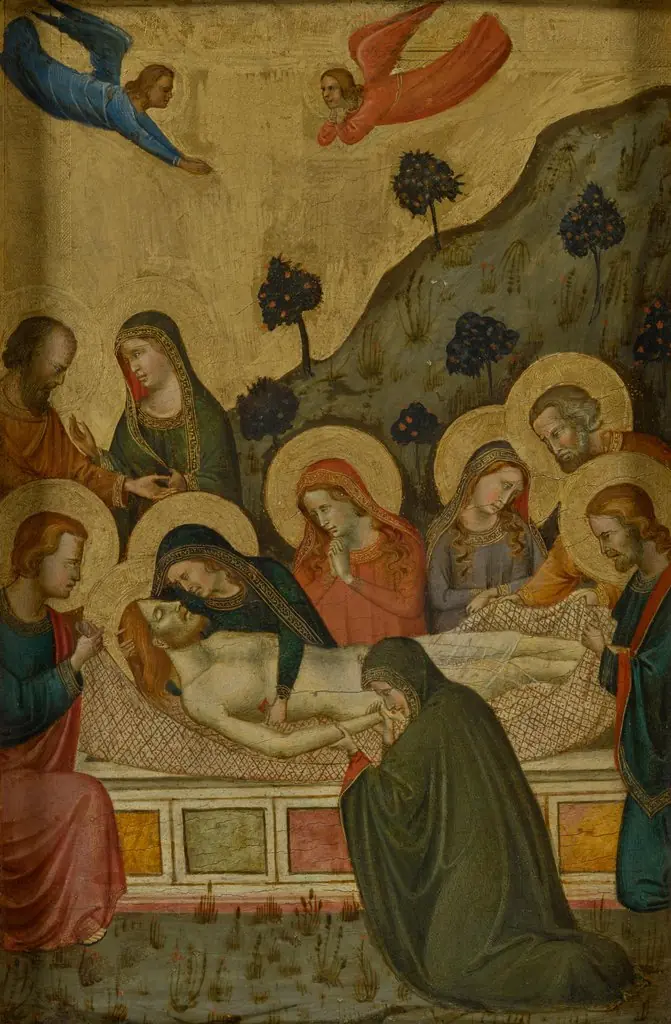 Entombment
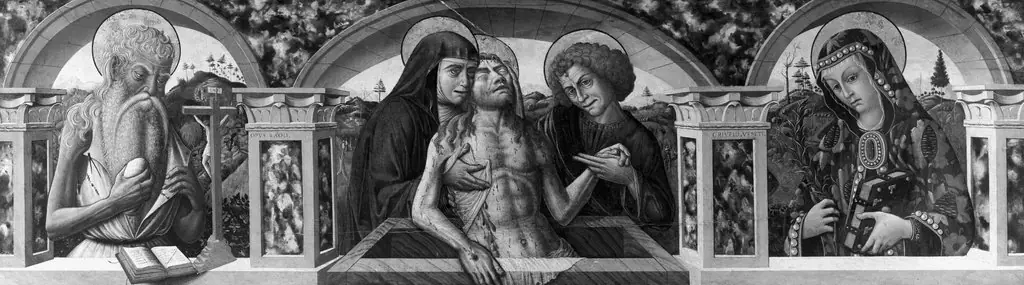 Christ in the grave with saints
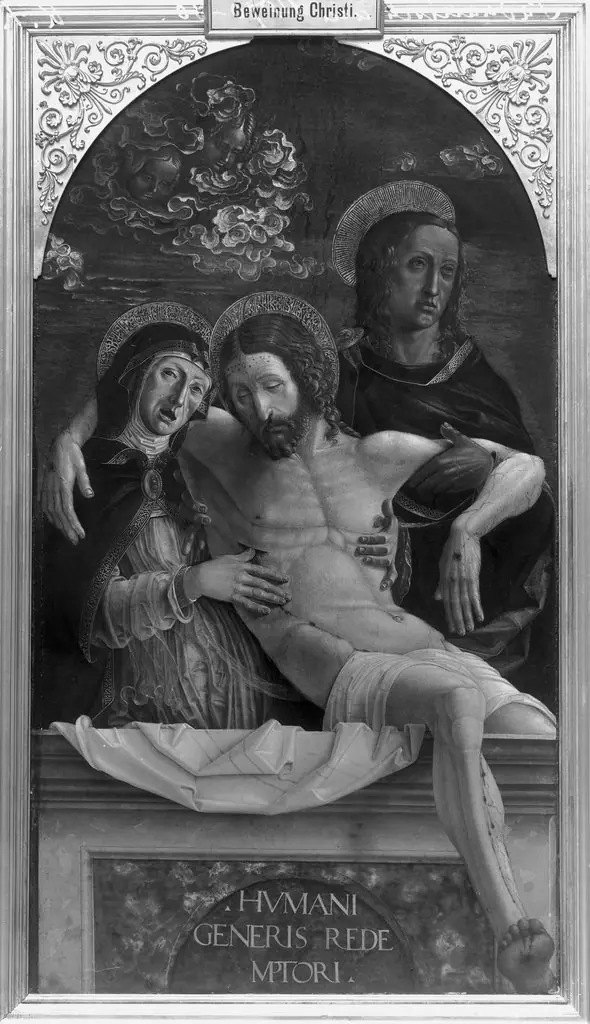 Lamentation of Christ
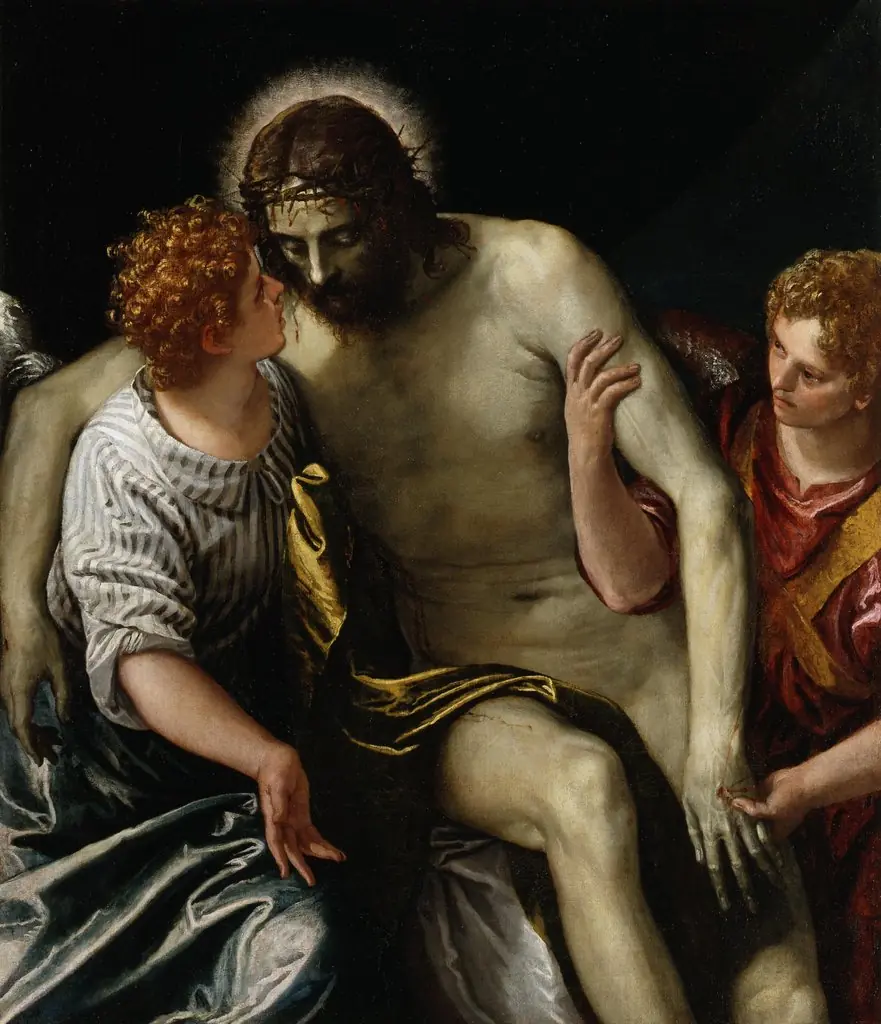 Dead Christ Supported by Two Angels
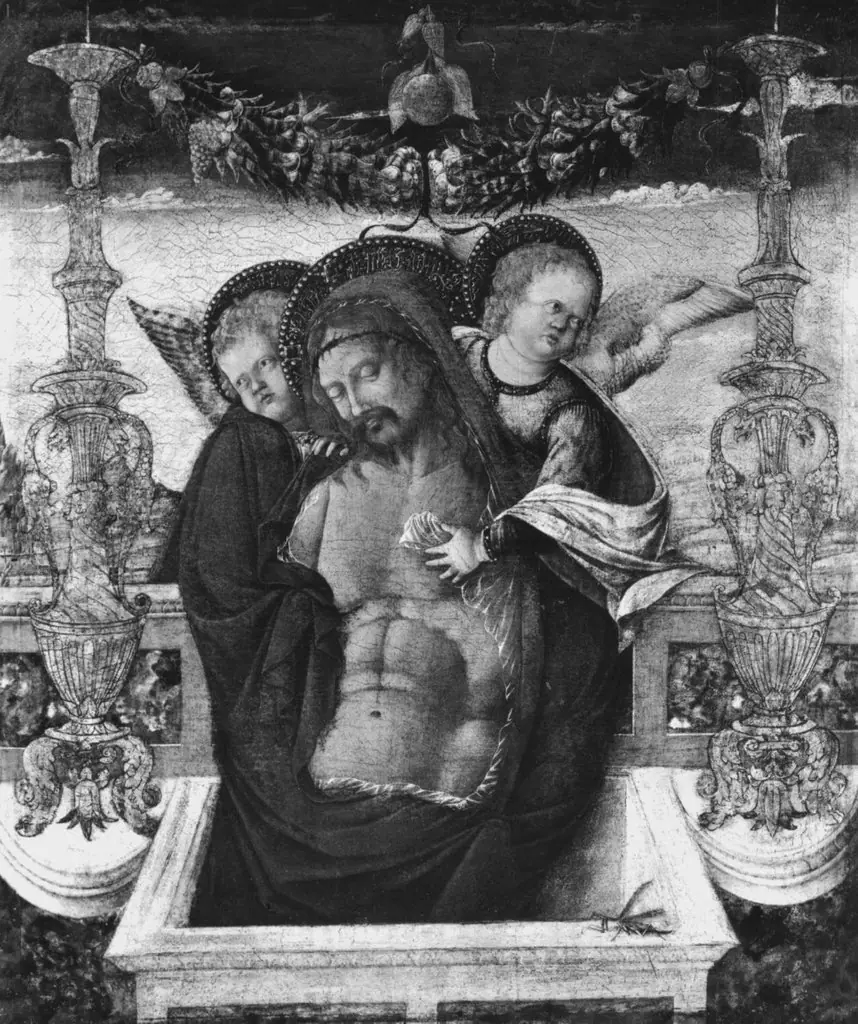 The dead Christ supported by two angels
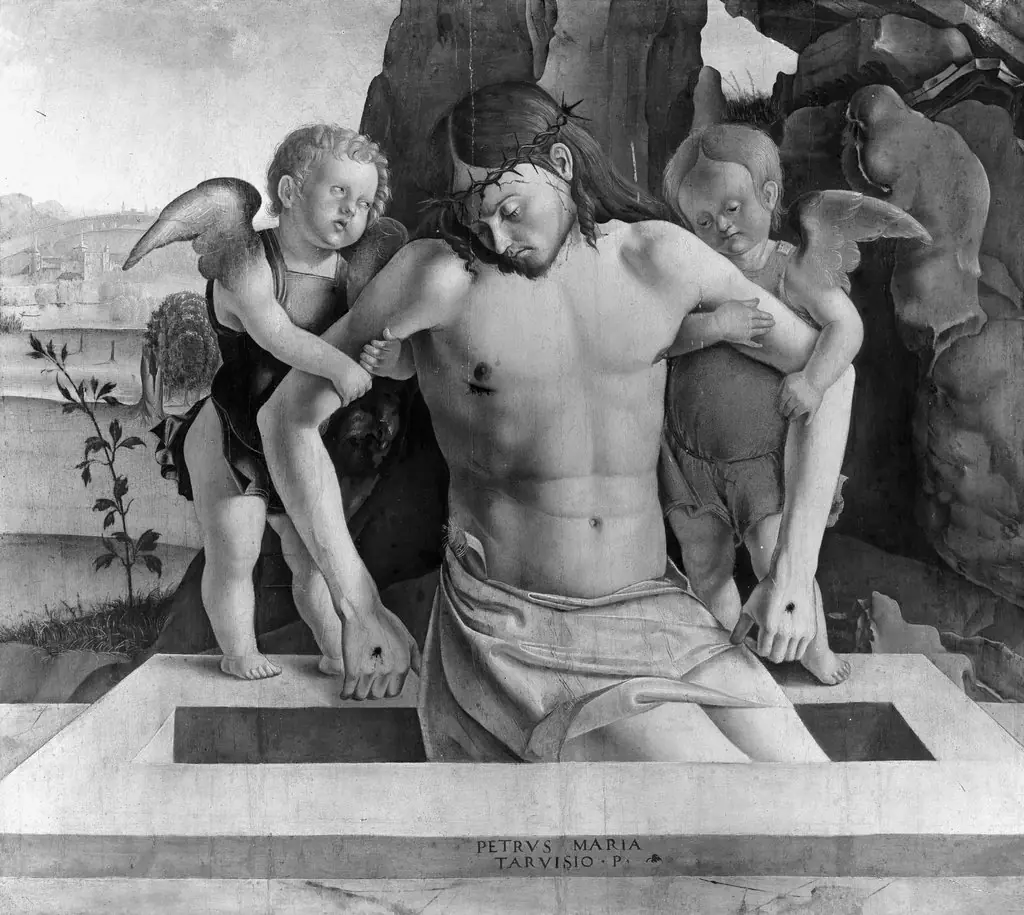 The dead Christ supported by two angels
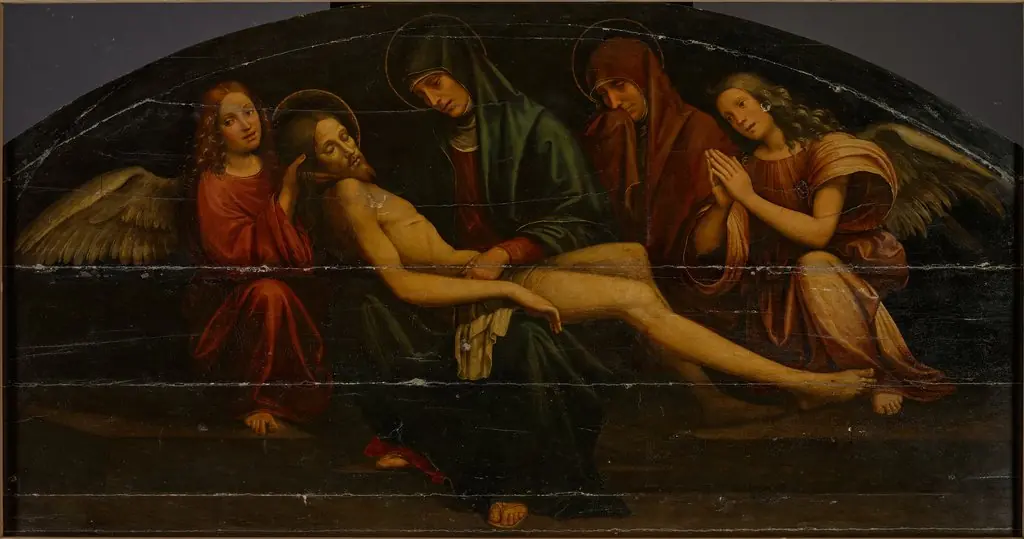 The Lamentation of Christ
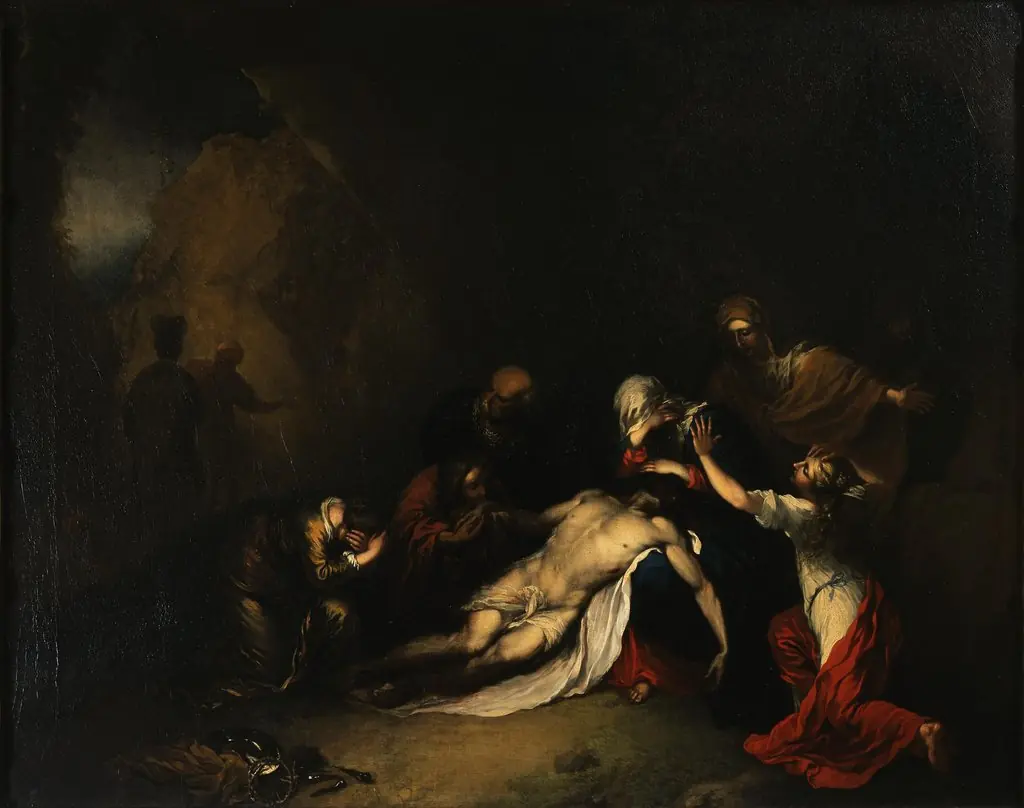 Lamentation of Christ
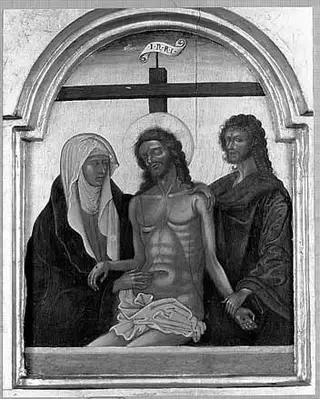 Lamentation of Christ
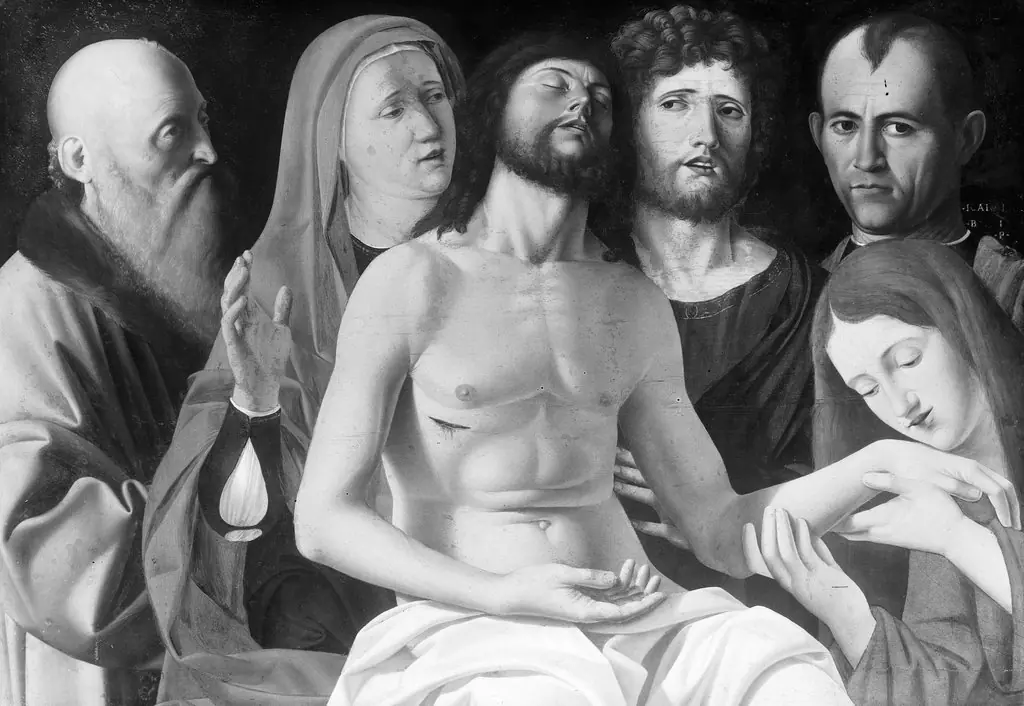 Lamentation of Christ
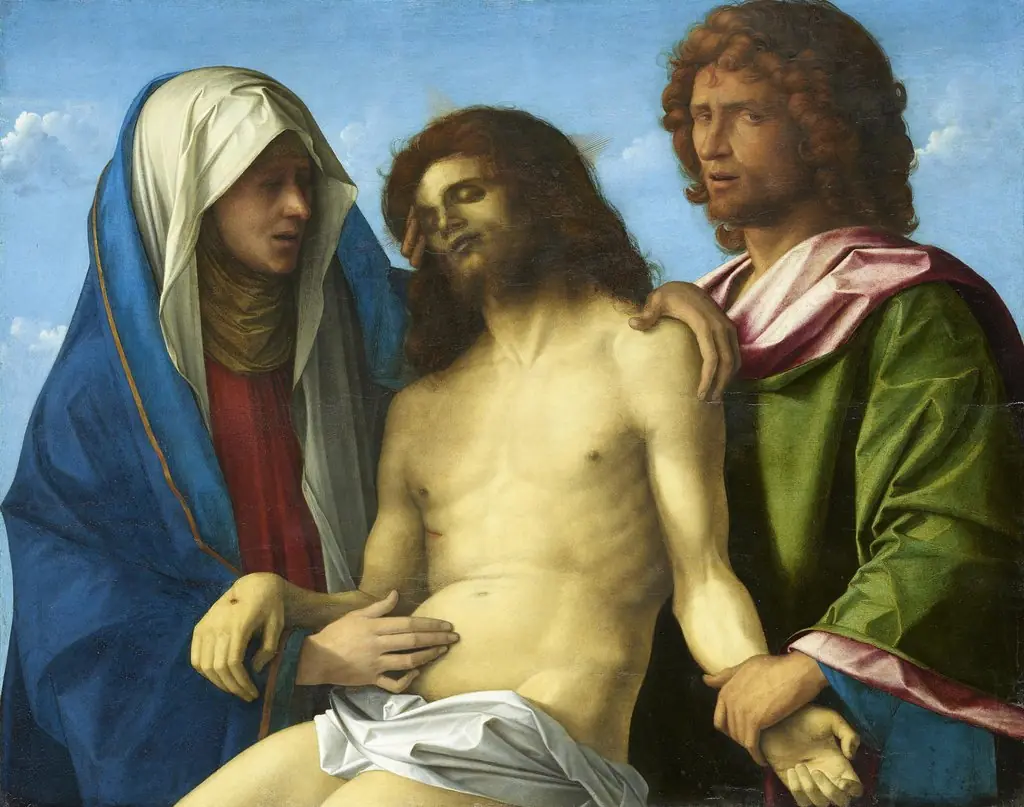 The Lamentation: The corpse of Christ held by Mary and St. John
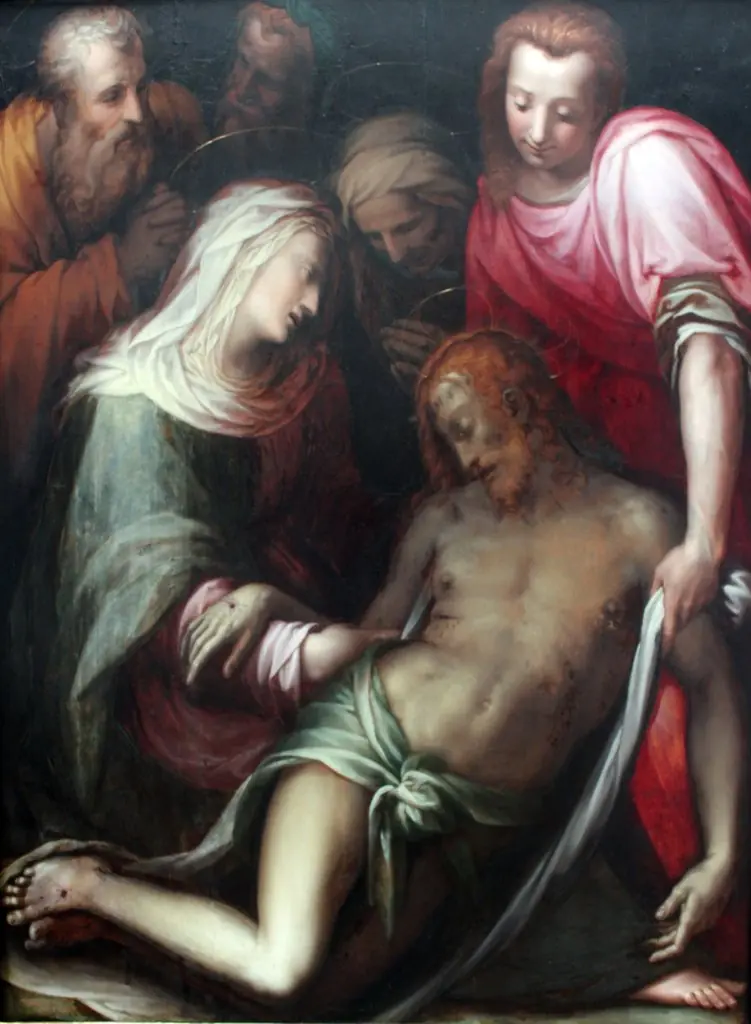 The Descent from the Cross
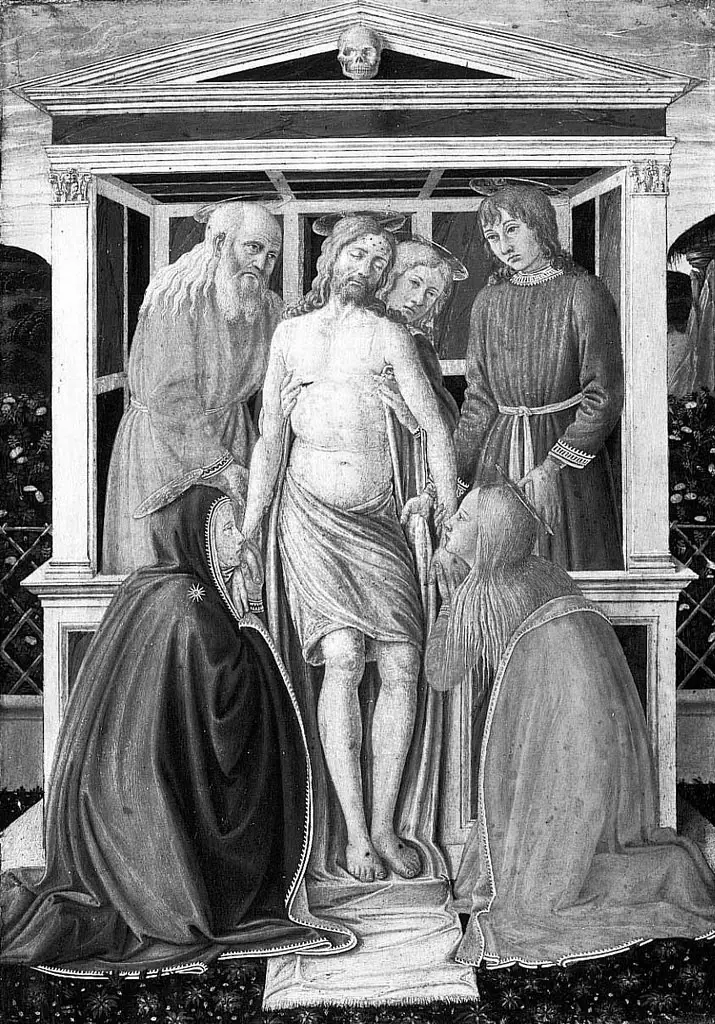 The Domination of Christ
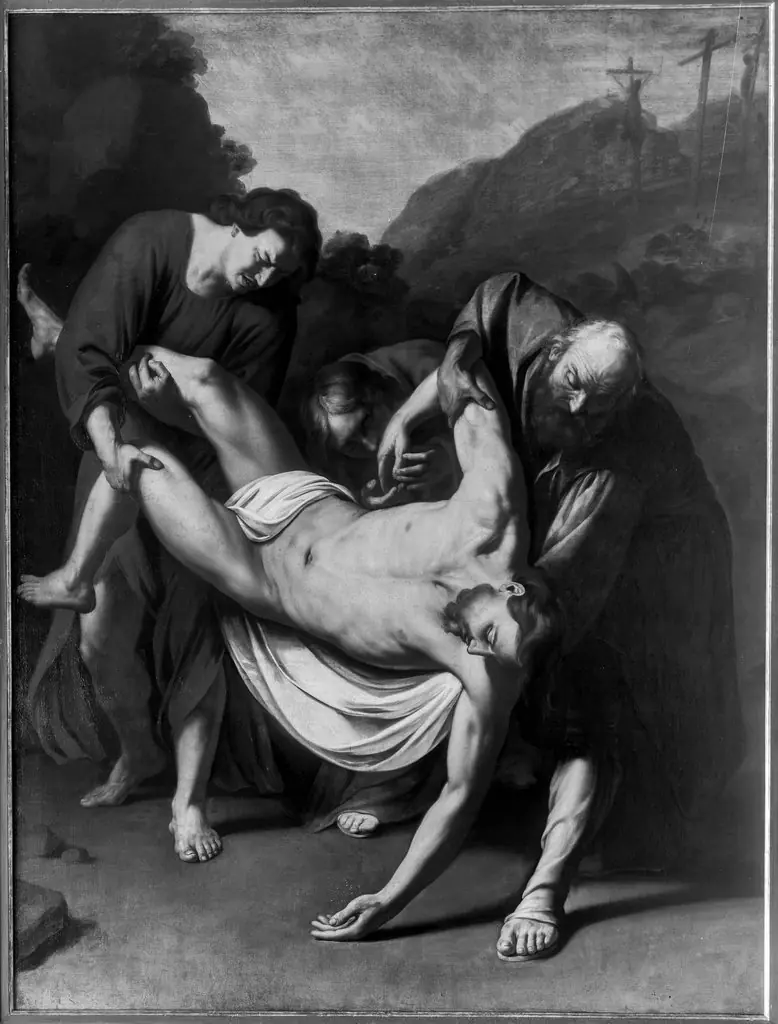 Entombment of Christ
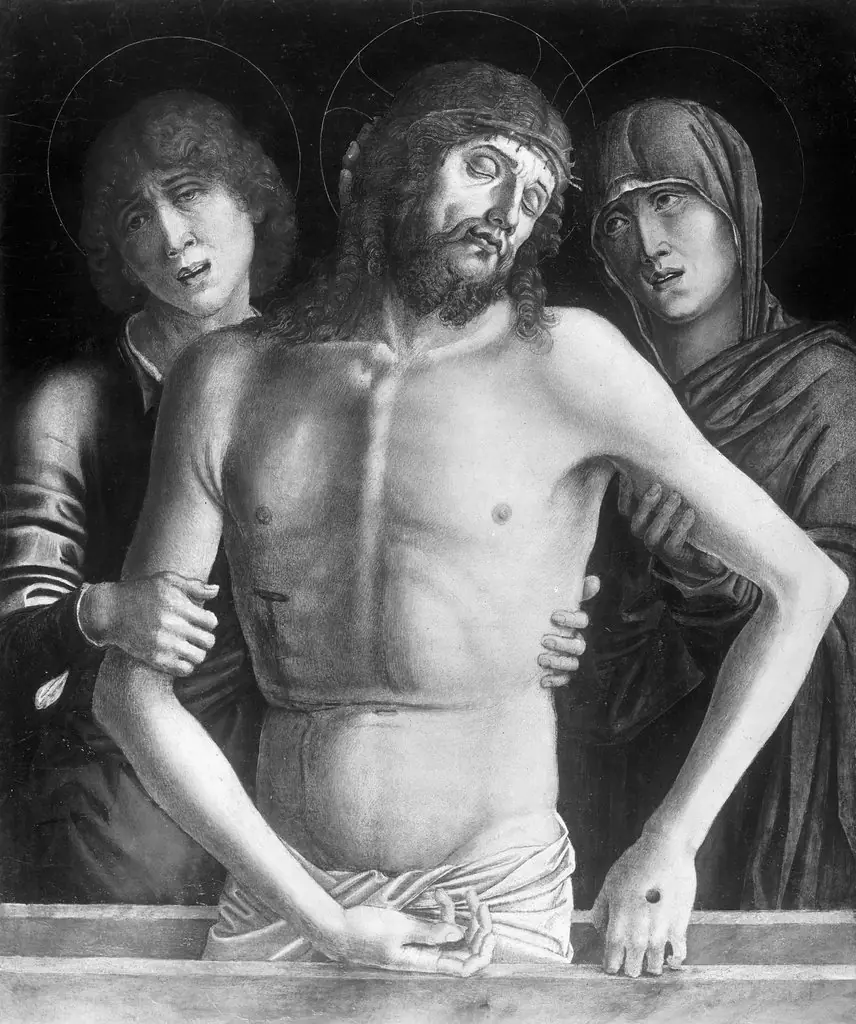 Lamentation of Christ
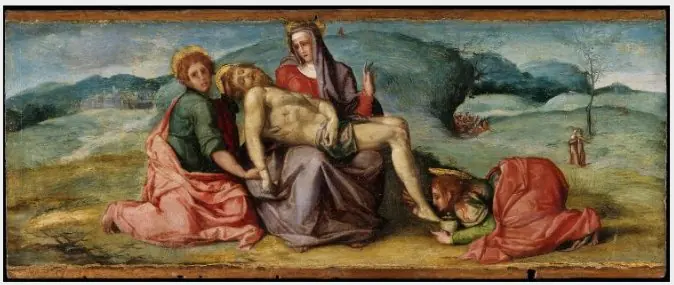 Set of three panels: The Pietà, Saint Apollonia and Saint Peter
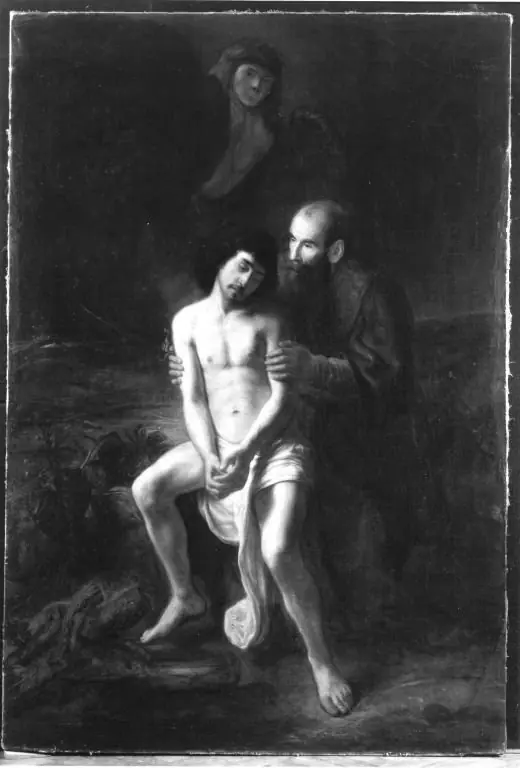 Abraham im Begriff, seinen Sohn Isaak zu opfern
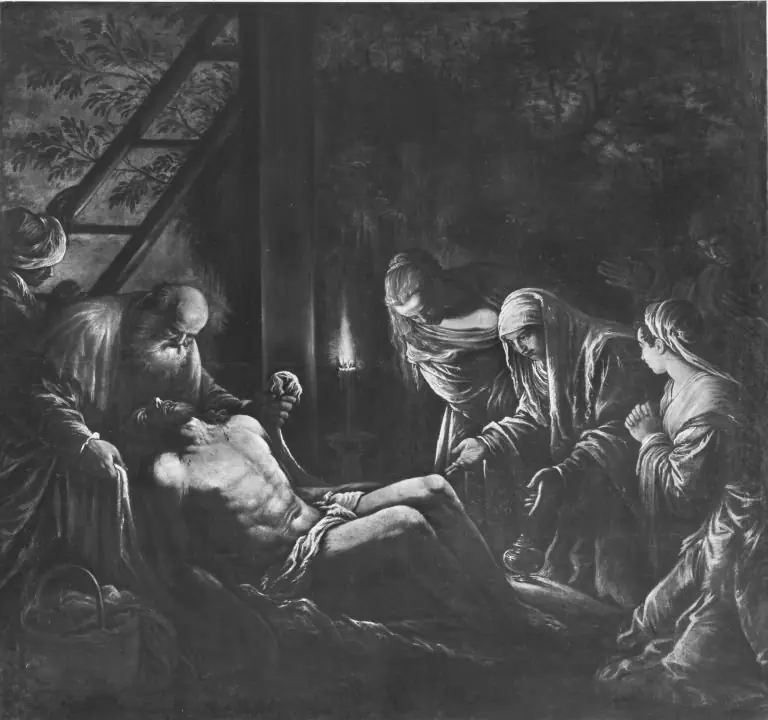 Beweinung Christi (Werkstatt)
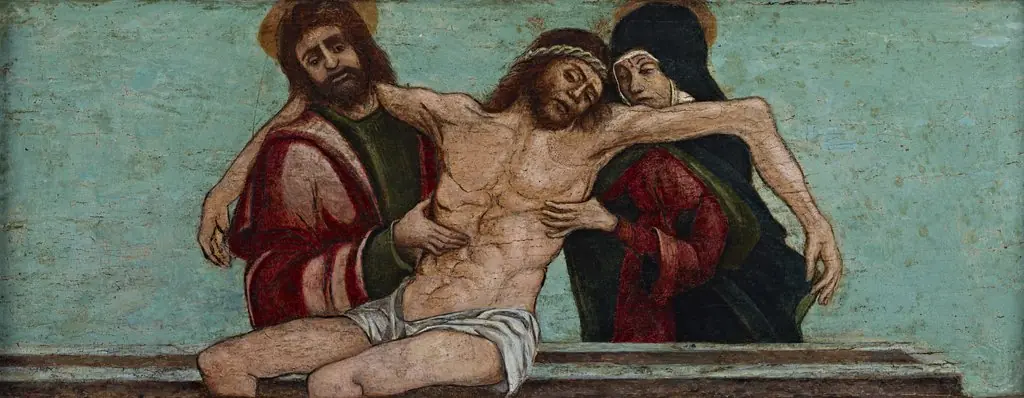 Pietà with Saint John the Evangelist
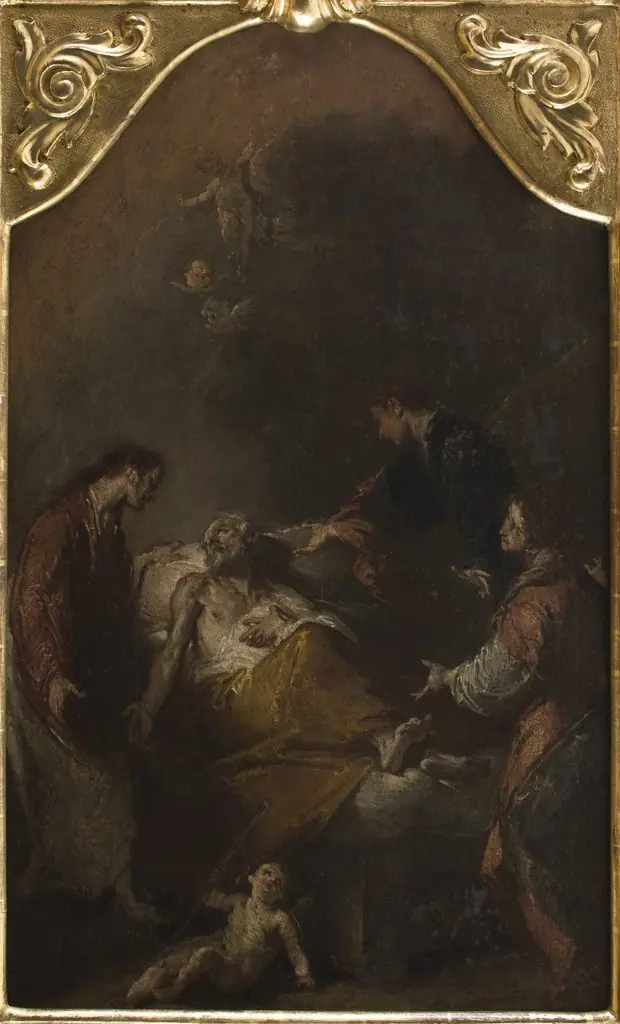 Death of Saint Joseph
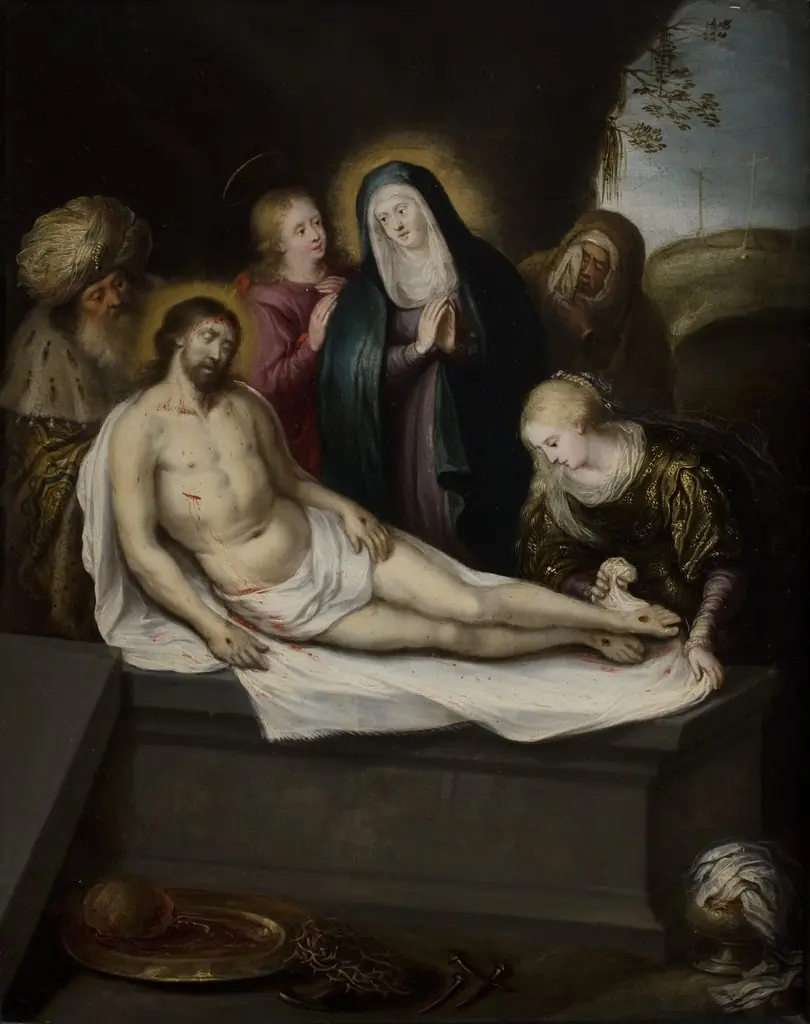 Lamentation of Christ
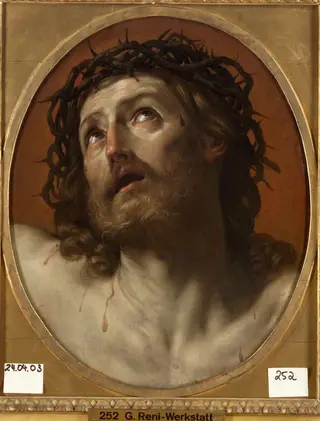 Christus mit Dornenkrone
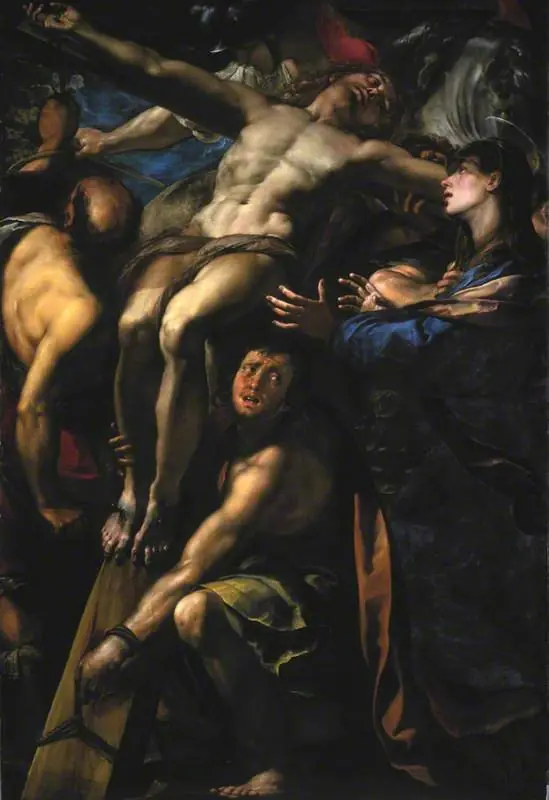 The Raising of the Cross
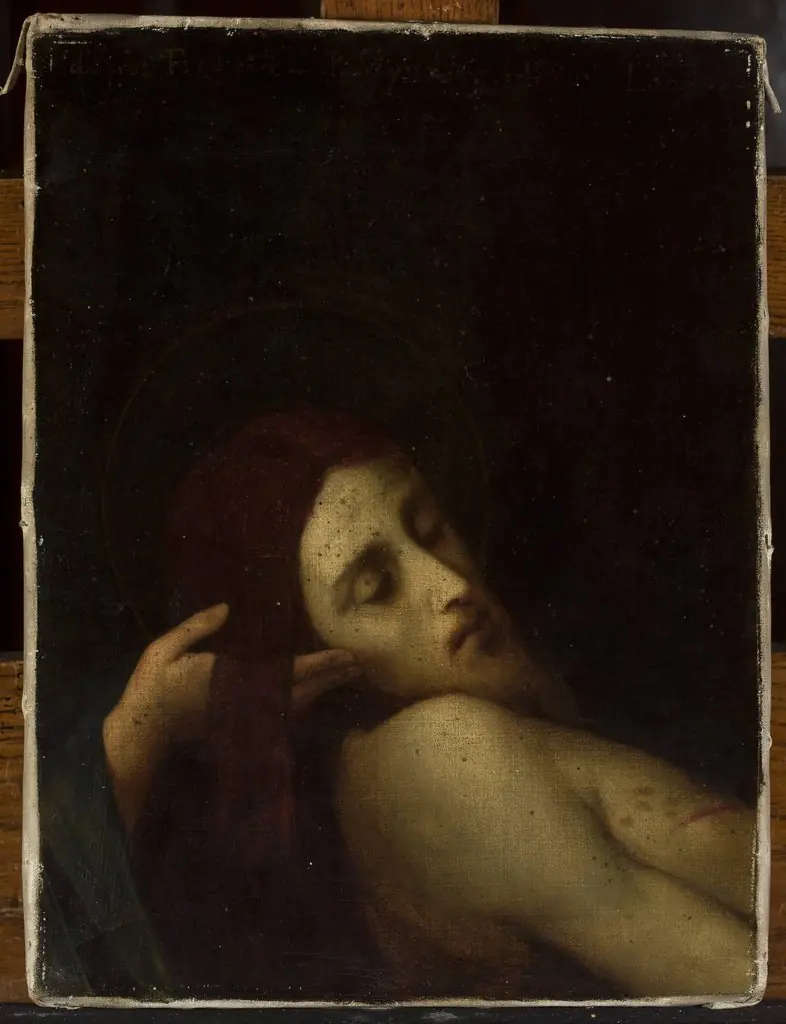 Head of Christ – Pieta fragment
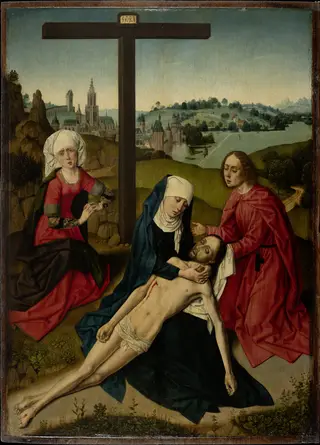 The Lamentation
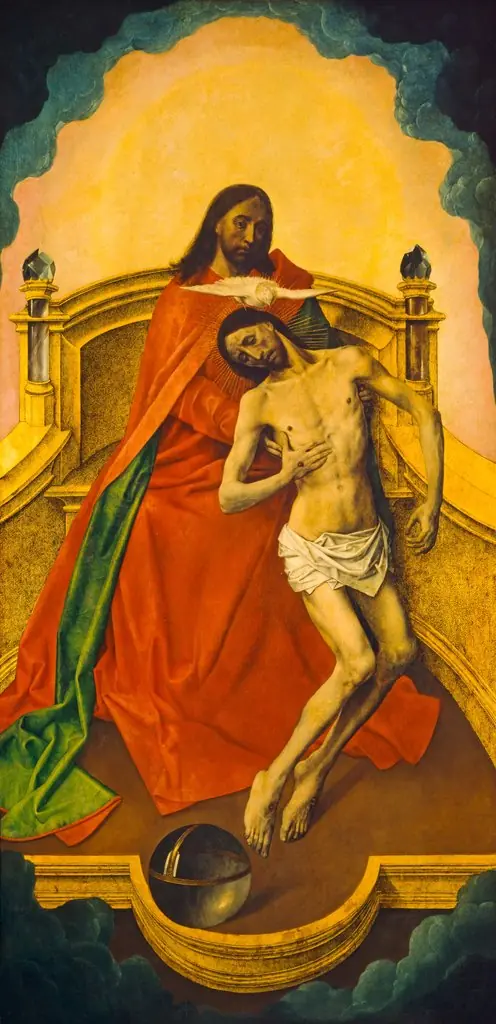 Trinity
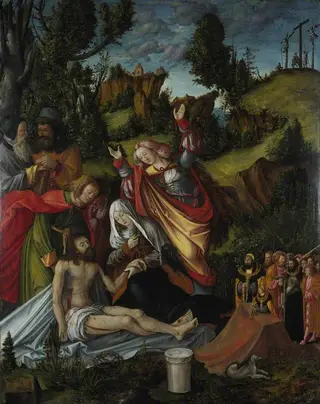 The Lamentation of Christ with a Group of Donors
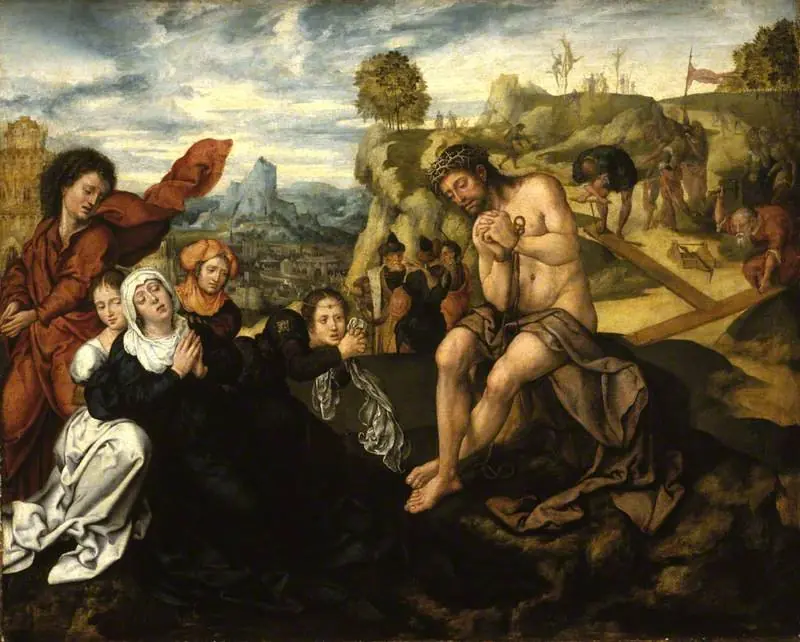 Before the Crucifixion
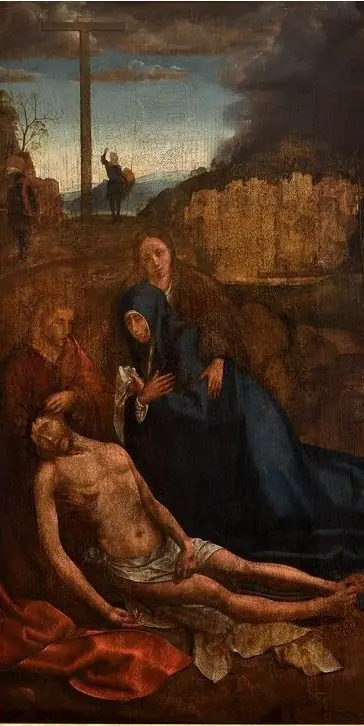 Lamentation of Christ
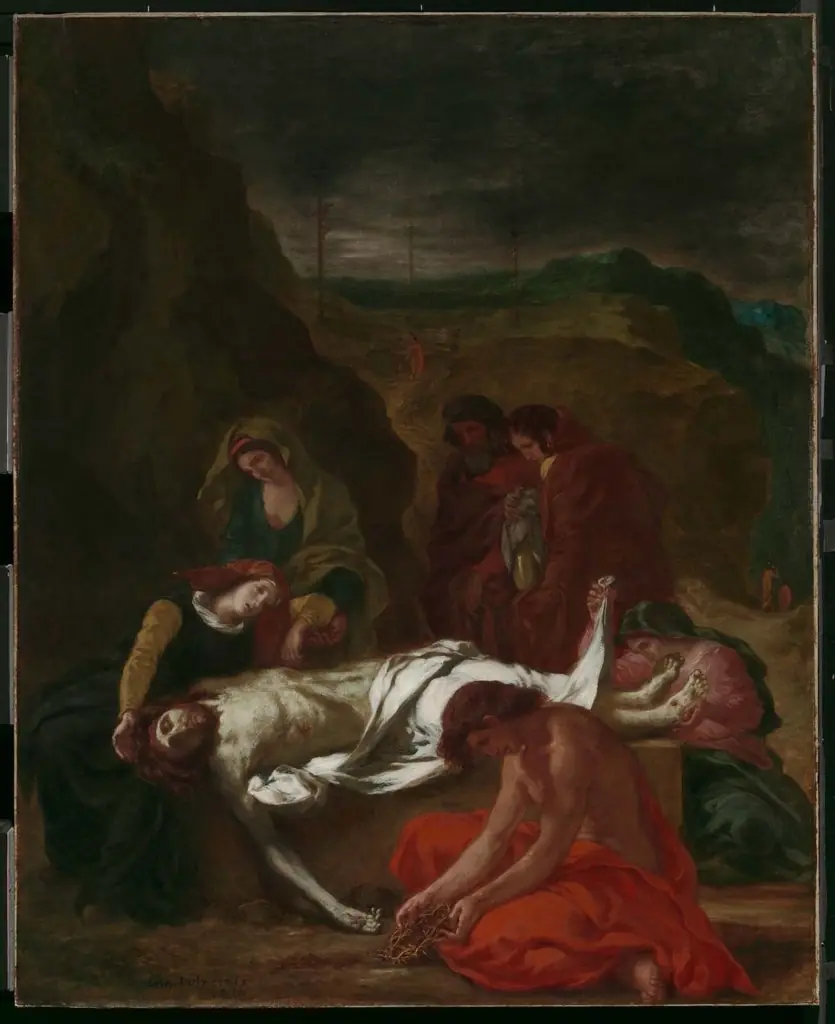 The Lamentation (Christ at the Tomb)
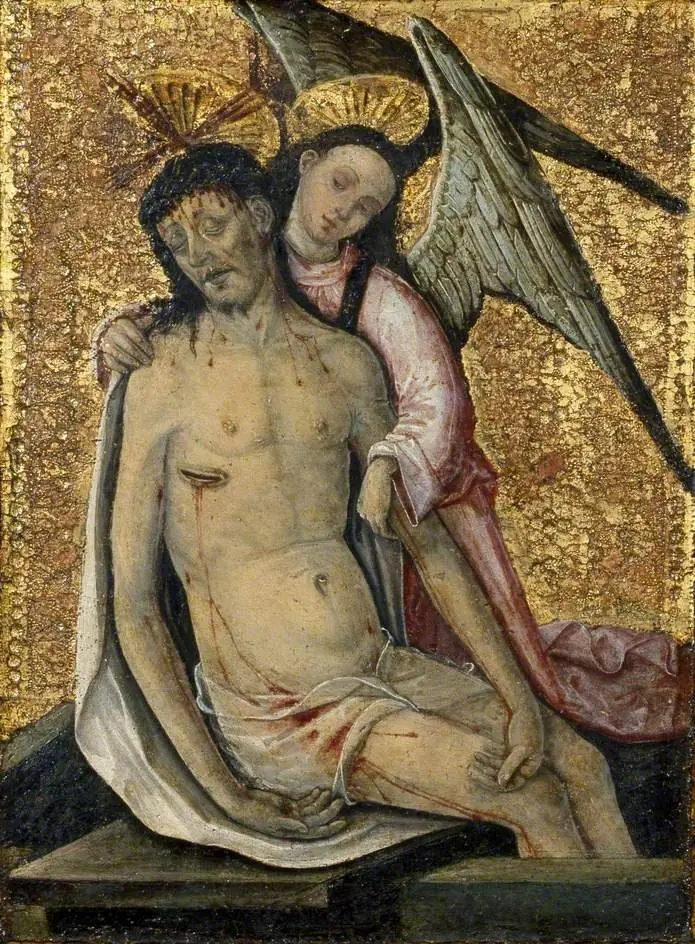 The Dead Christ supported by an Angel
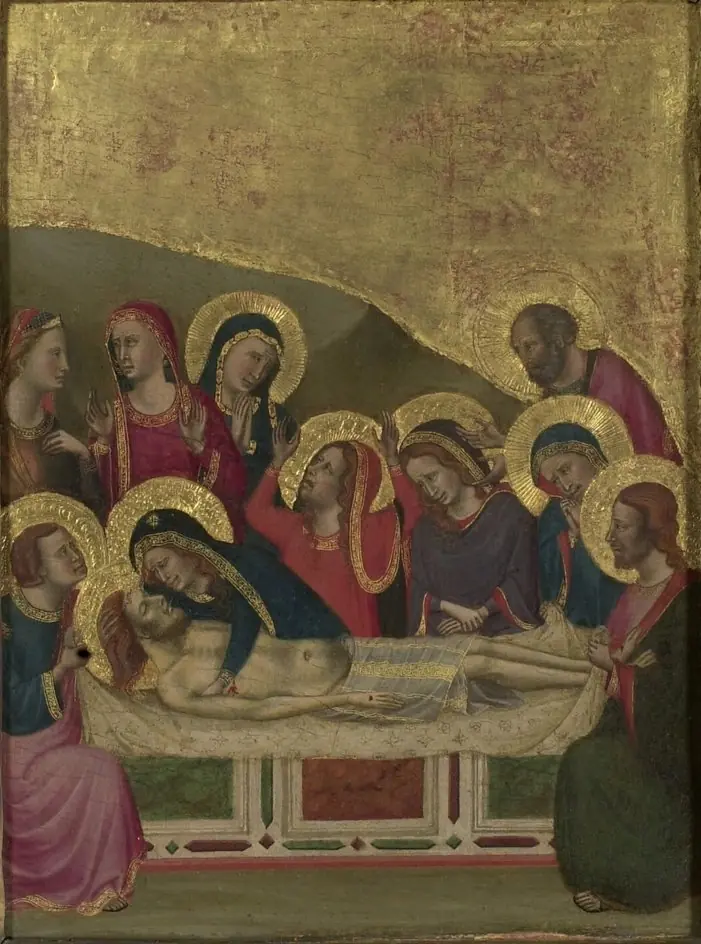 The Entombment
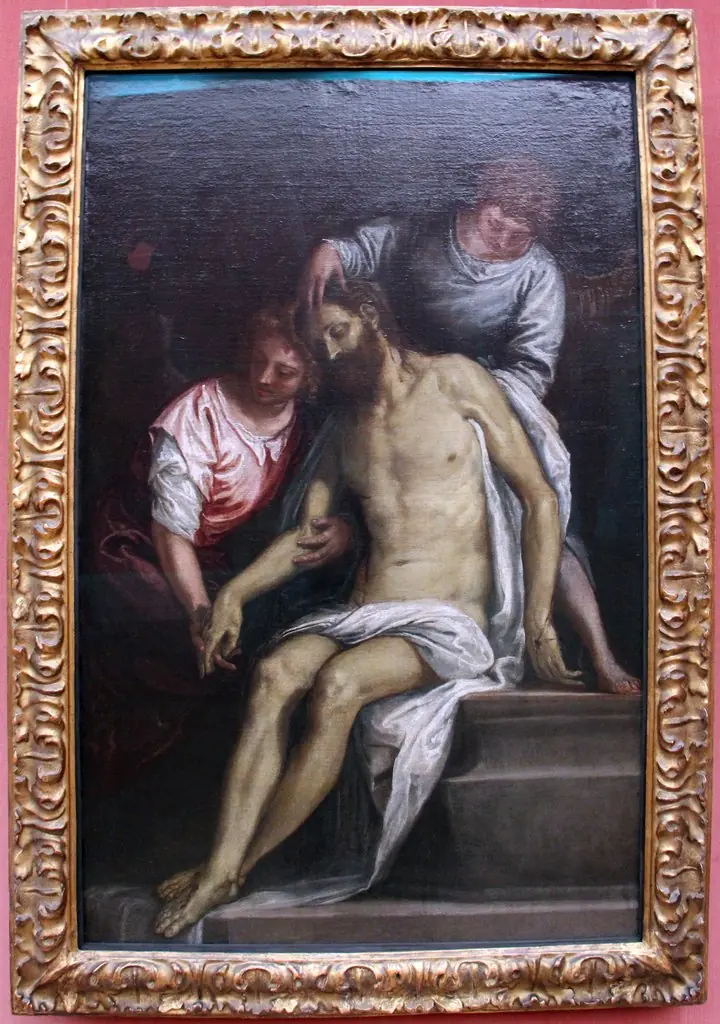 Der tote Christus im Grabe, von zwei trauernden Engeln gestützt
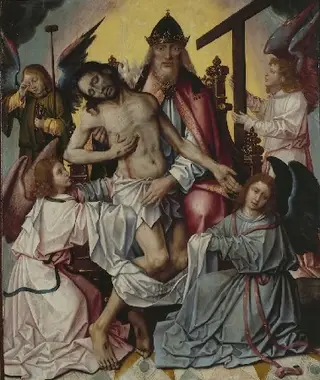 The Trinity with angels with the Arma Christi
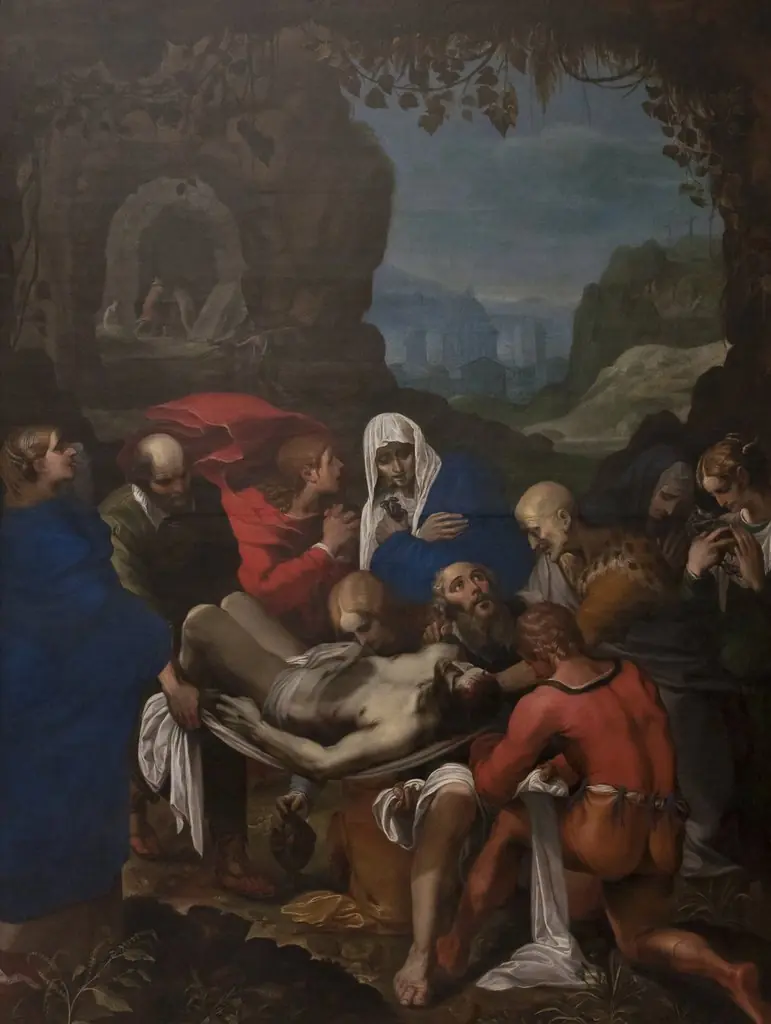 The entombment
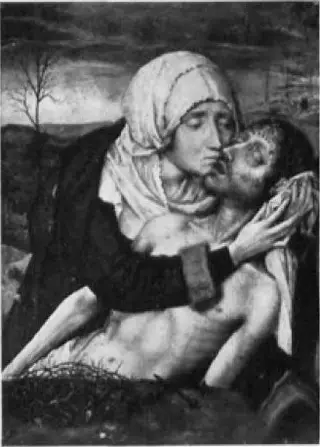 De bewening van Christus door Maria
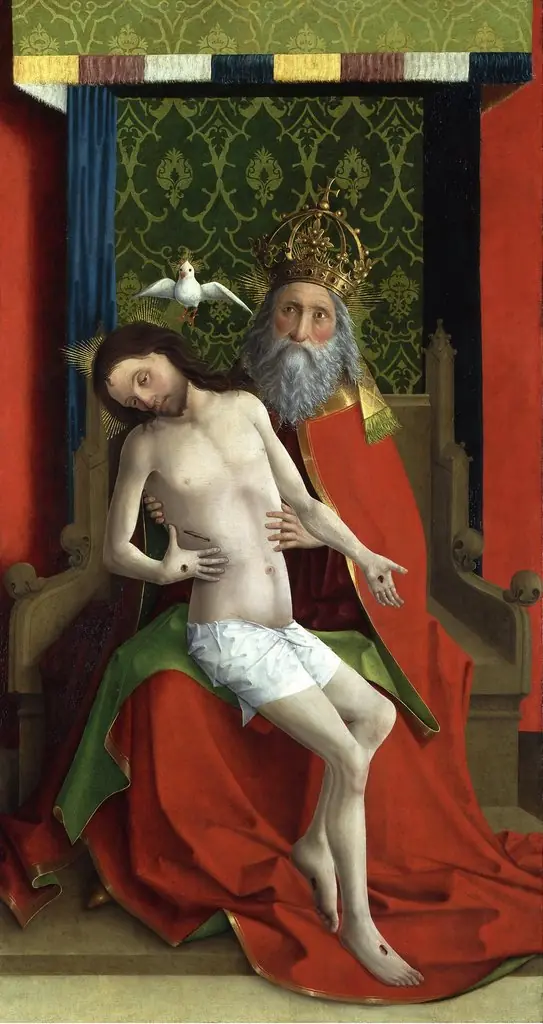 Darmstadt Altarpiece: The Throne of Grace
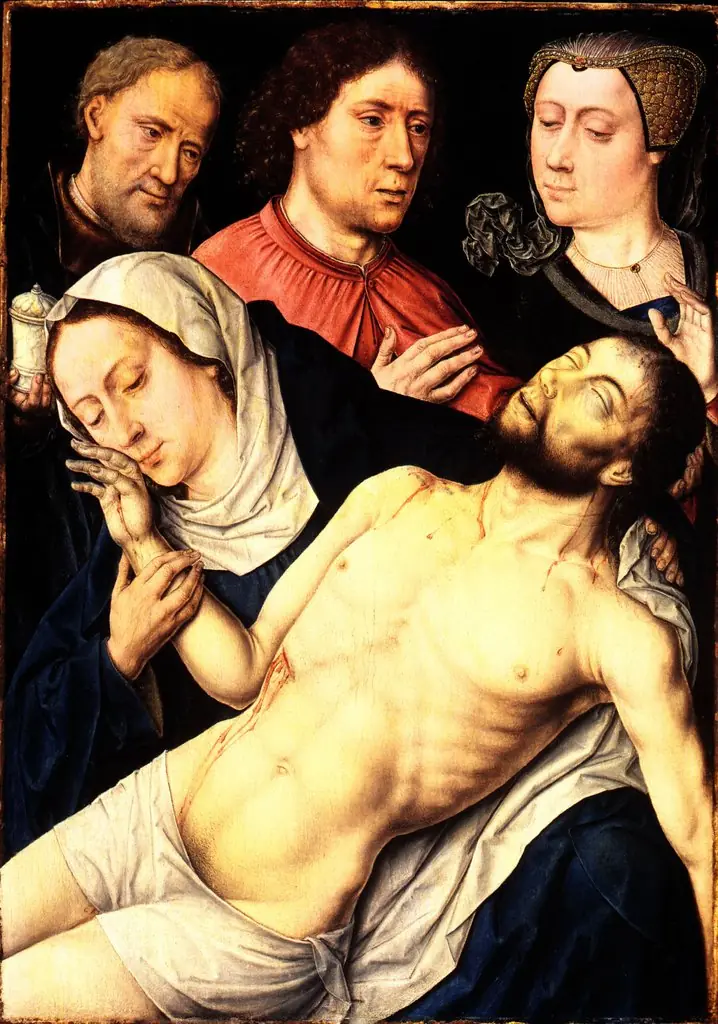 Lamentation
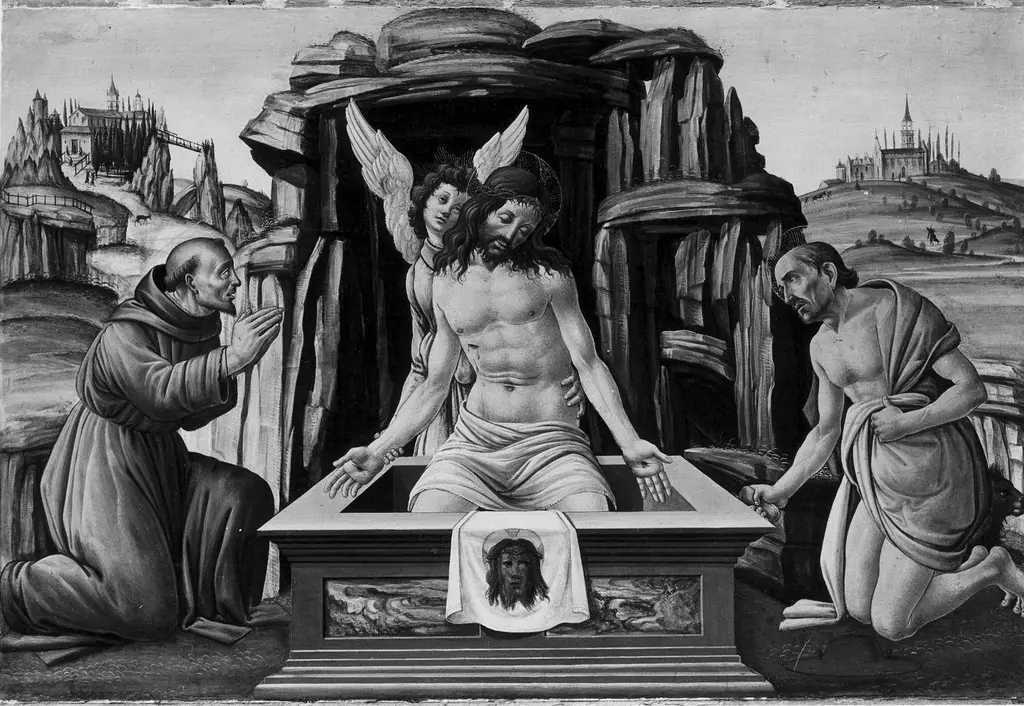 Christ in the tomb
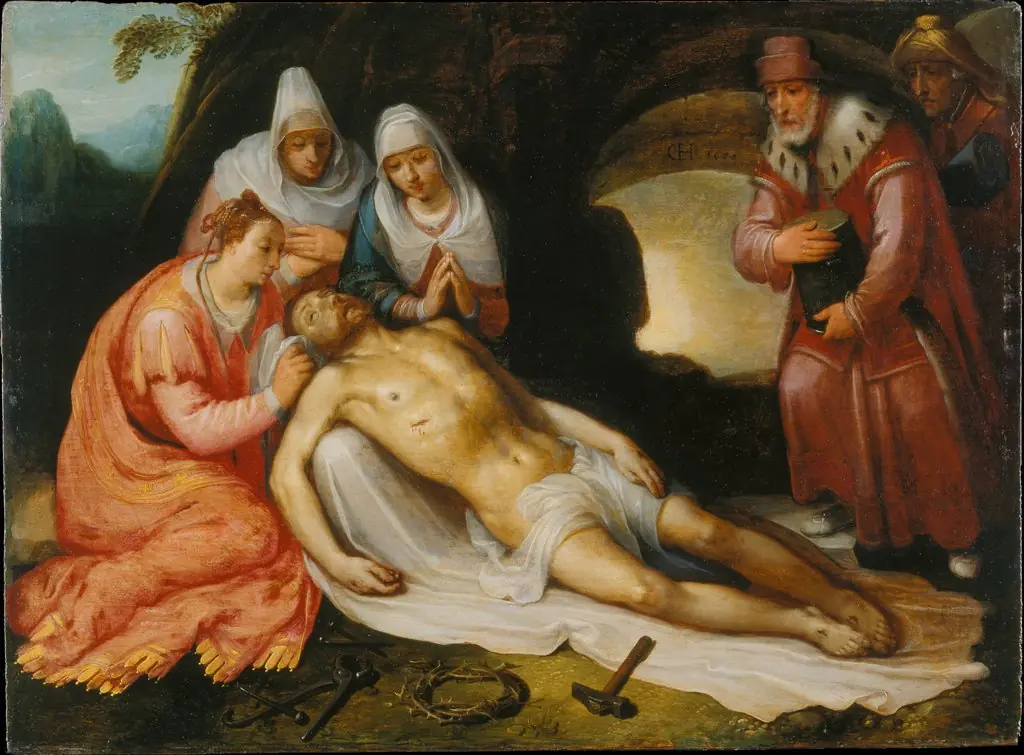 The Lamentation
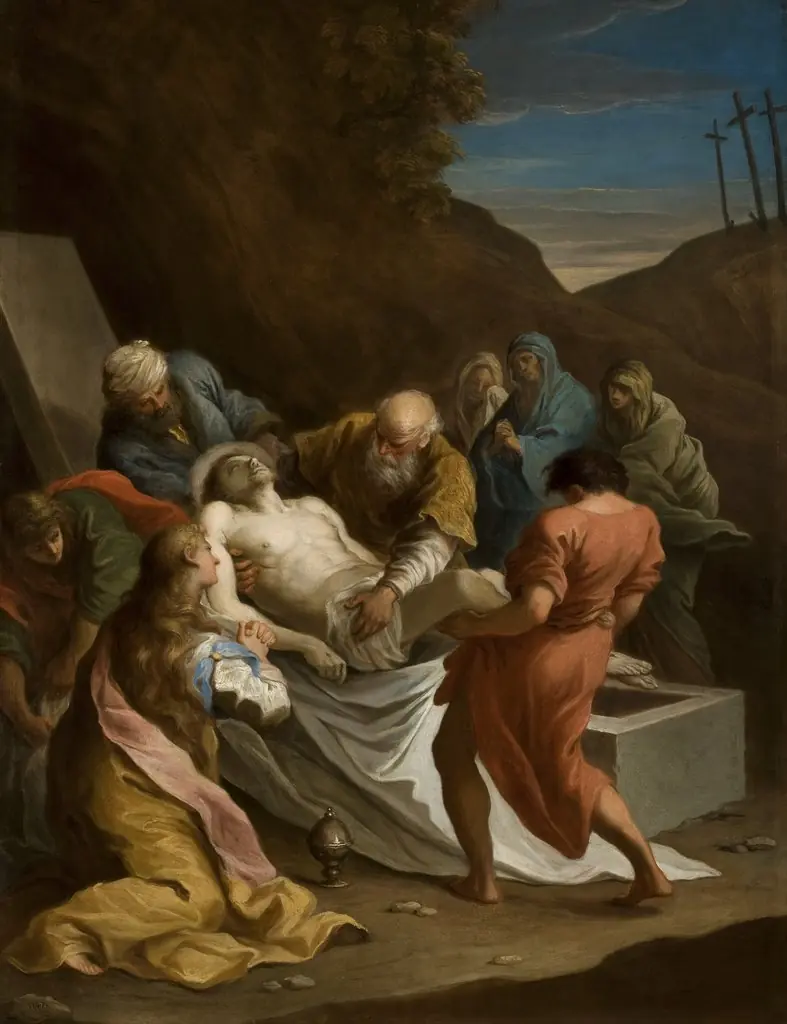 The Entombment
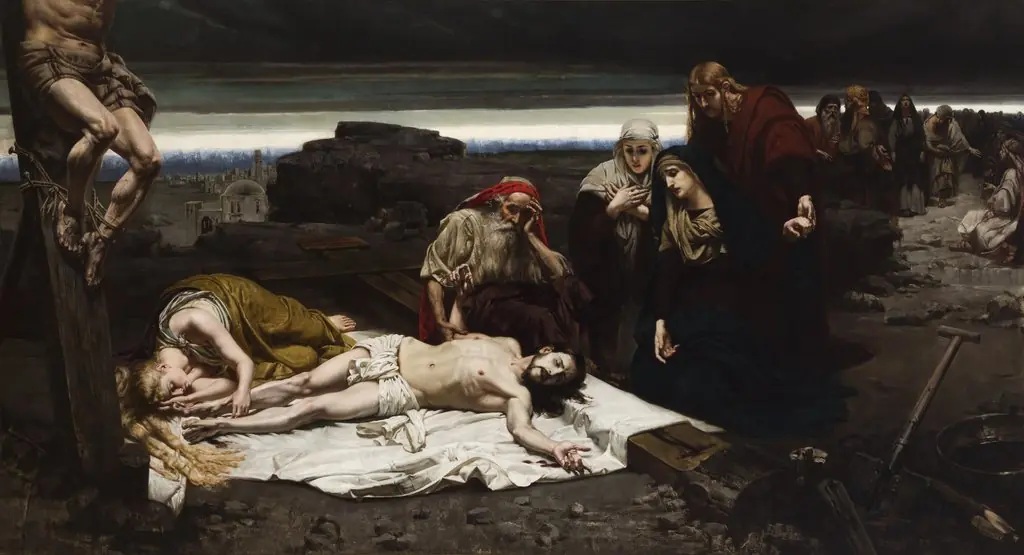 Decent from the Cross
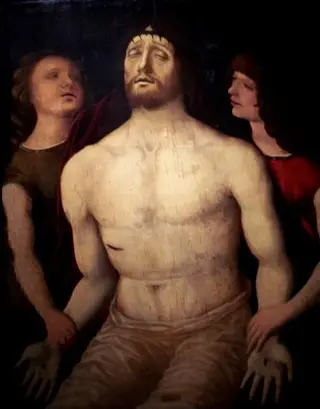 Pietà
Pietà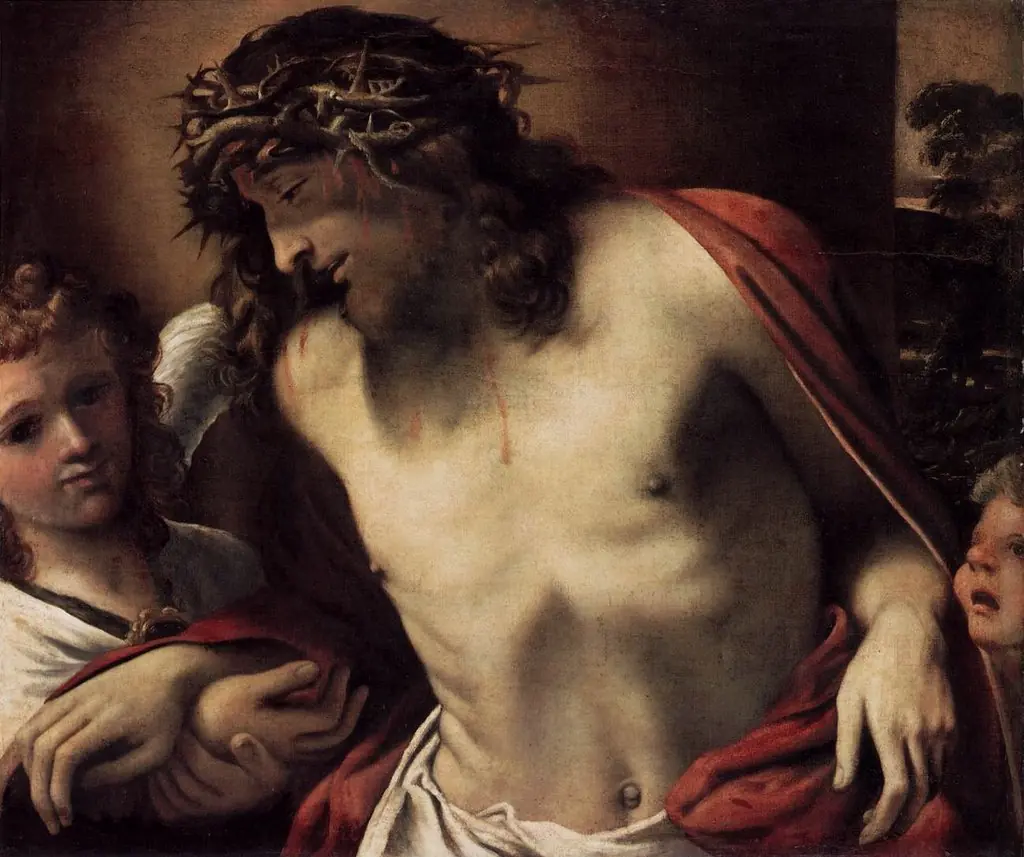 Christ wearing the Crown of Thorns, supported by Angels
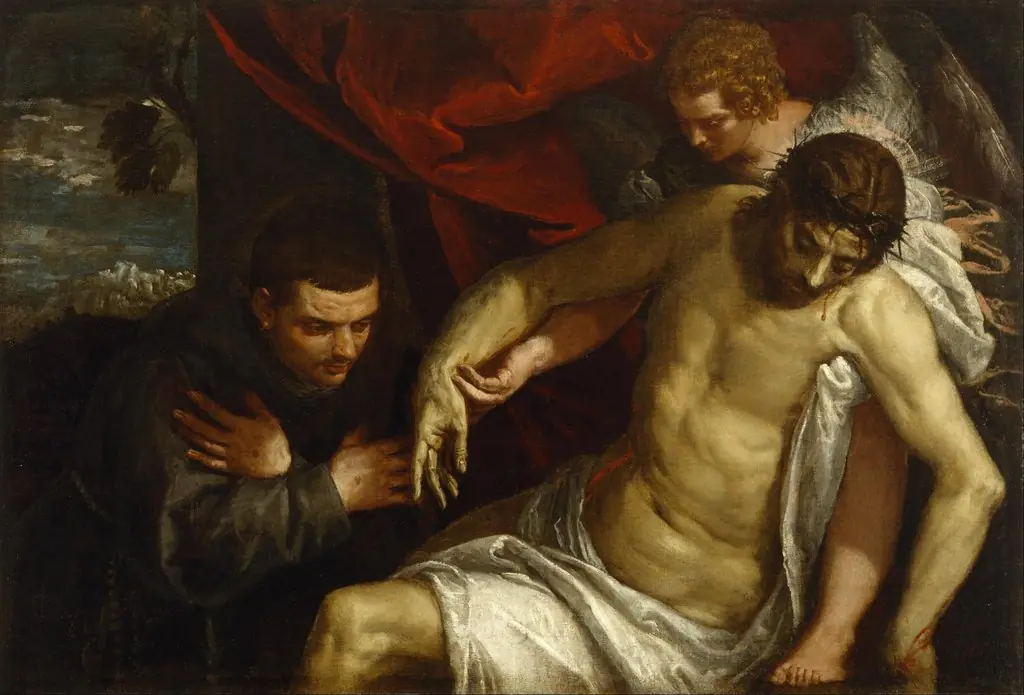 The Dead Christ Supported by an Angel and Adored by a Franciscan
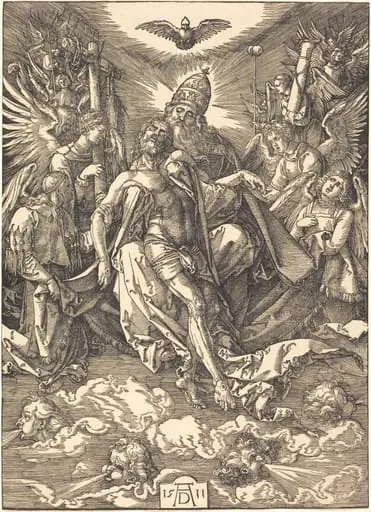 The Trinity
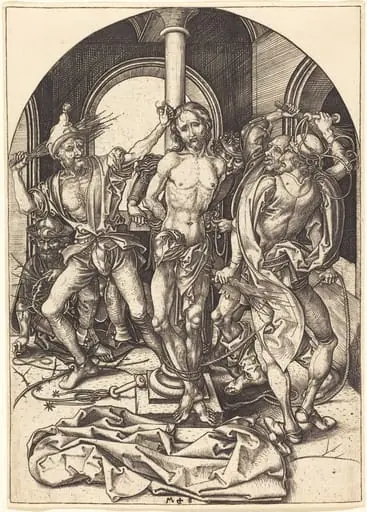 The Flagellation
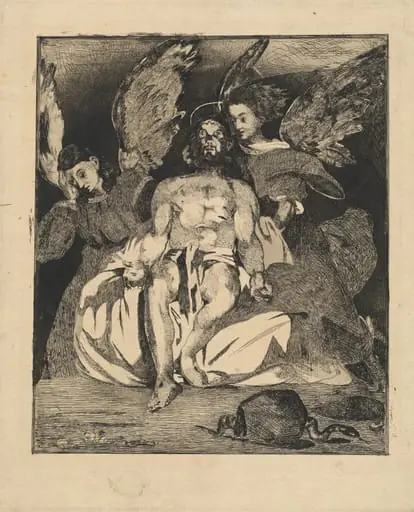 Dead Christ with Angels (Christ aux anges)
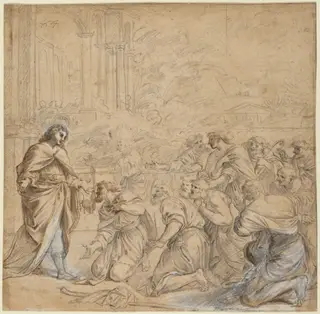 Joseph Revealing Himself to His Brothers in Egypt
 The Last Supper
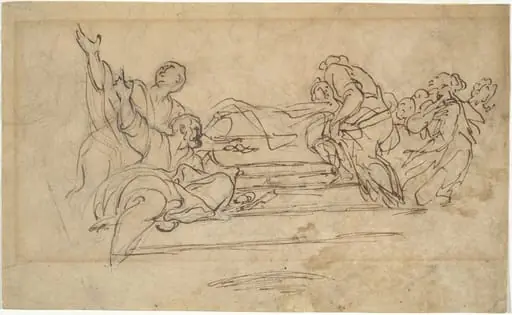 Figures on Steps (Studies for an Assumption of the Virgin)
 A Study for 'The Descent from the Cross'
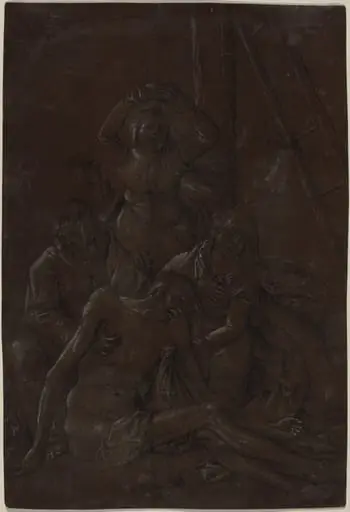 The Lamentation
 Sketches with a Hooded Figure (Virgil and Beatrice?)
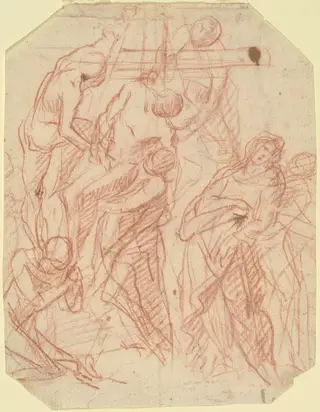 The Descent from the Cross (recto)
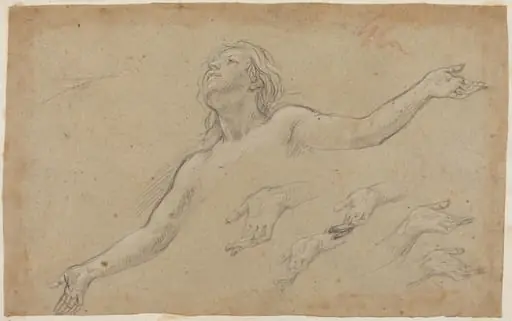 Ascension of the Magdalene
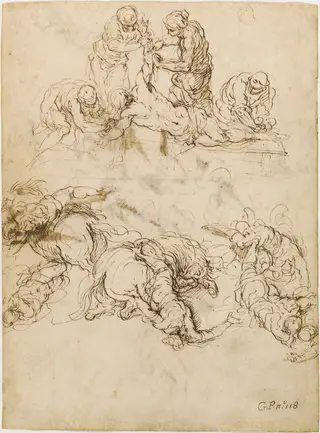 The Martyrdom of Saint Bartholomew; The Conversion of Saint Paul
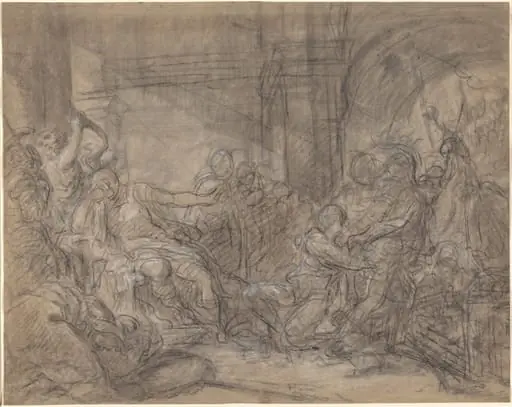 Brutus Condemning His Sons to Death
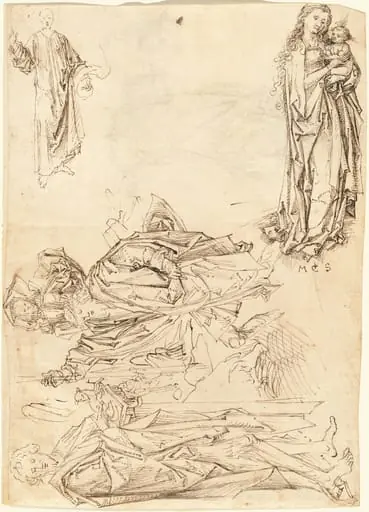 Saint Christopher, Saint John the Baptist, the Virgin and Child, and Christ Blessing (recto)
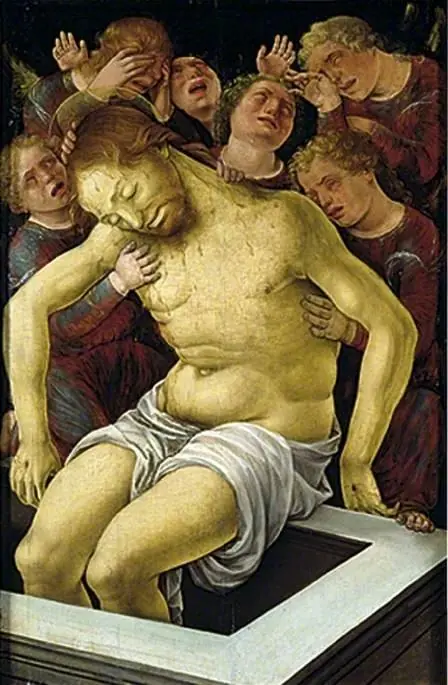 The dead Christ supported by mourning angels
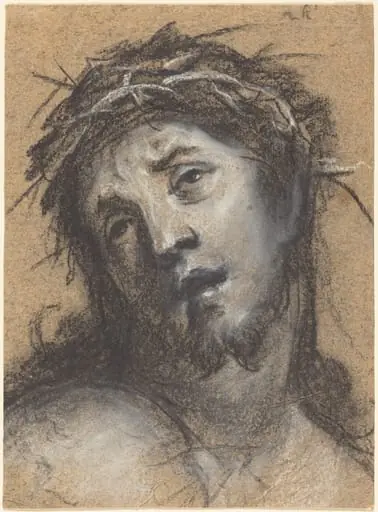 Head of Christ
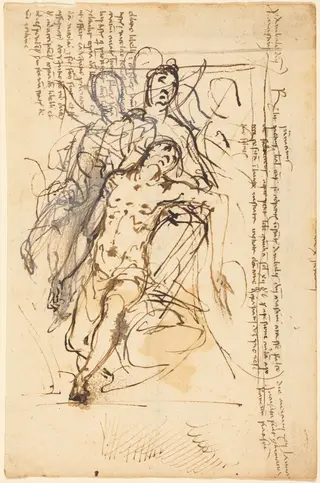 The Pietà
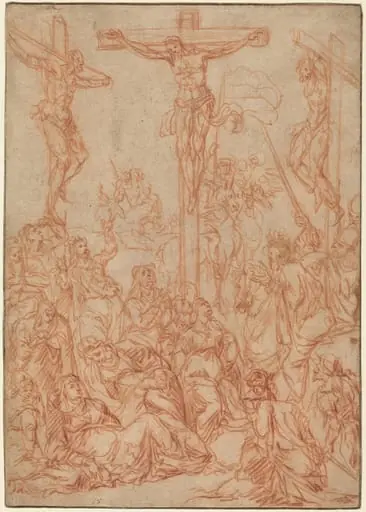 The Crucifixion
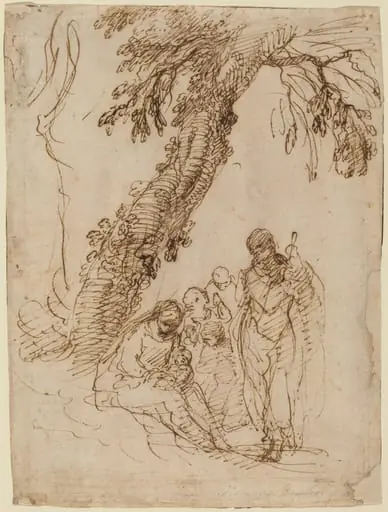 The Holy Family under a Tree
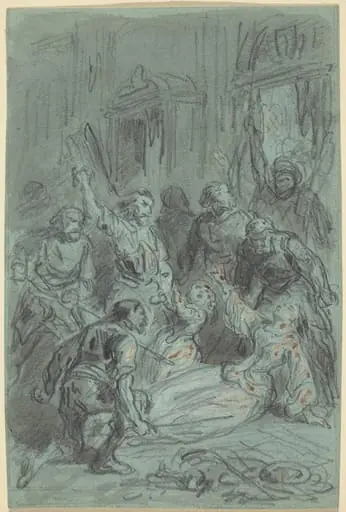 A Dramatic Scene with a Fainting Woman
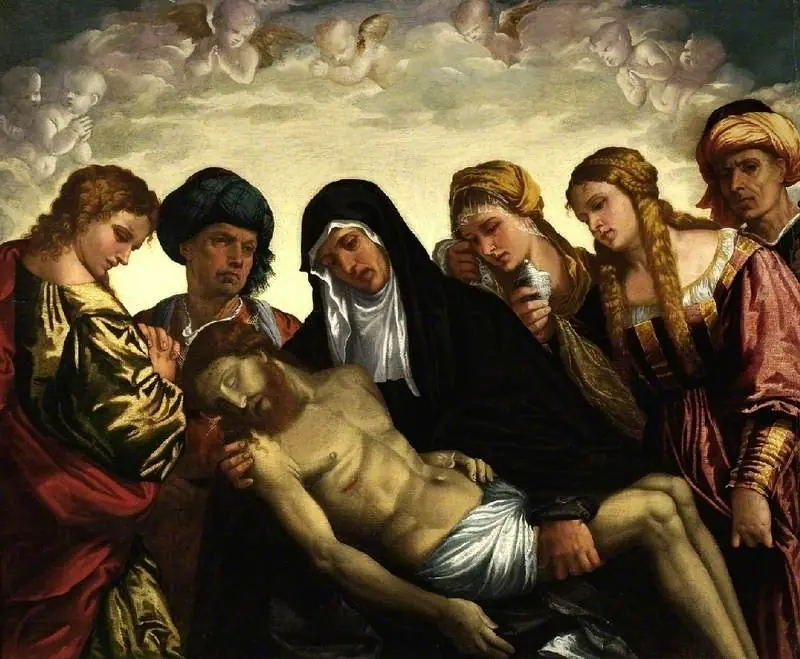 Lamentation over The Dead Christ
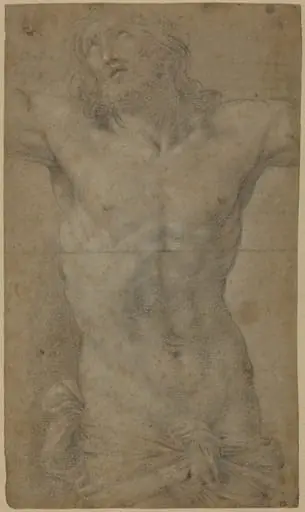 Torso of Christ on the Cross
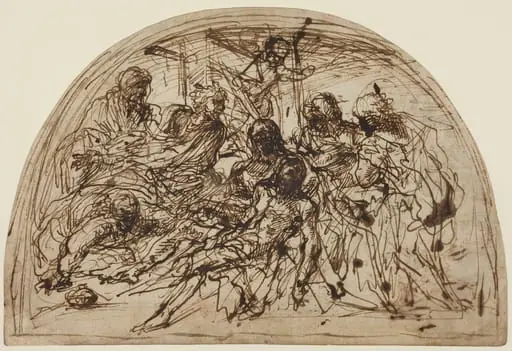 The Lamentation with Saints
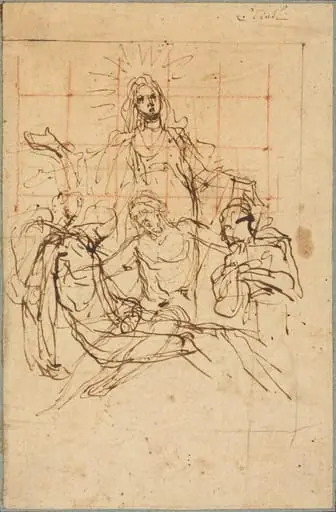 The Pietà (recto)
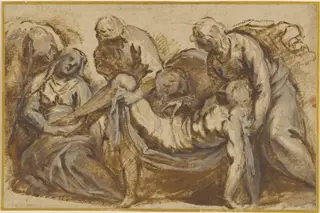 Christ Carried to the Tomb
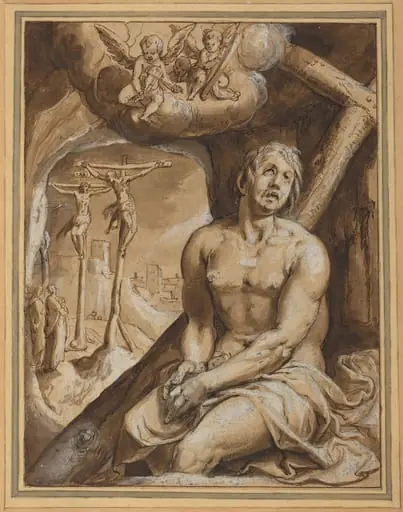 The Good Thief
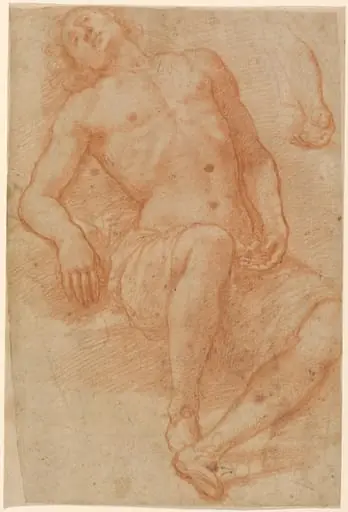 A Male Nude, Half Reclining
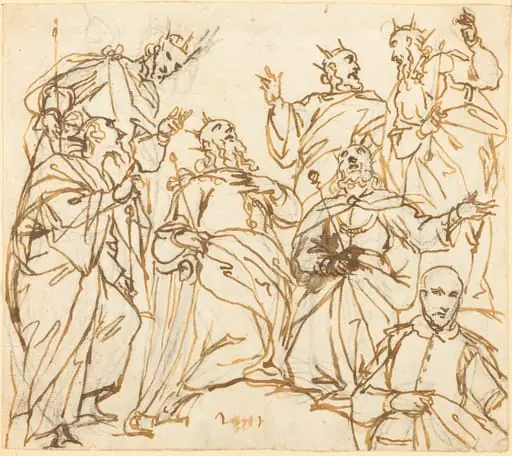 David and the Patriarchs with a Donor
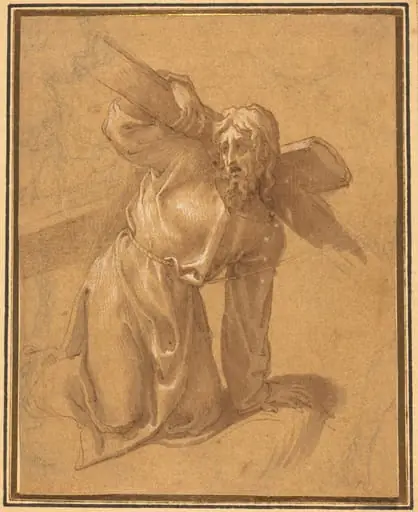 Christ Falling under the Cross
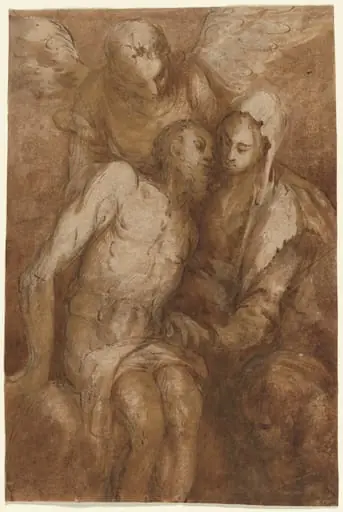 Pietà
Pietà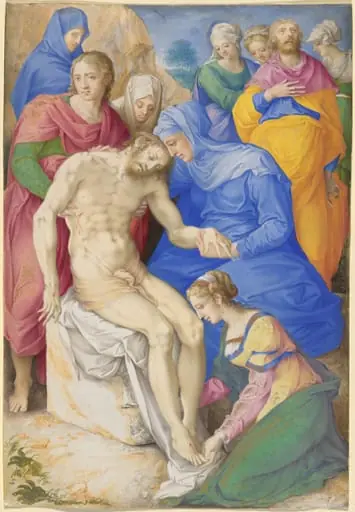 The Lamentation
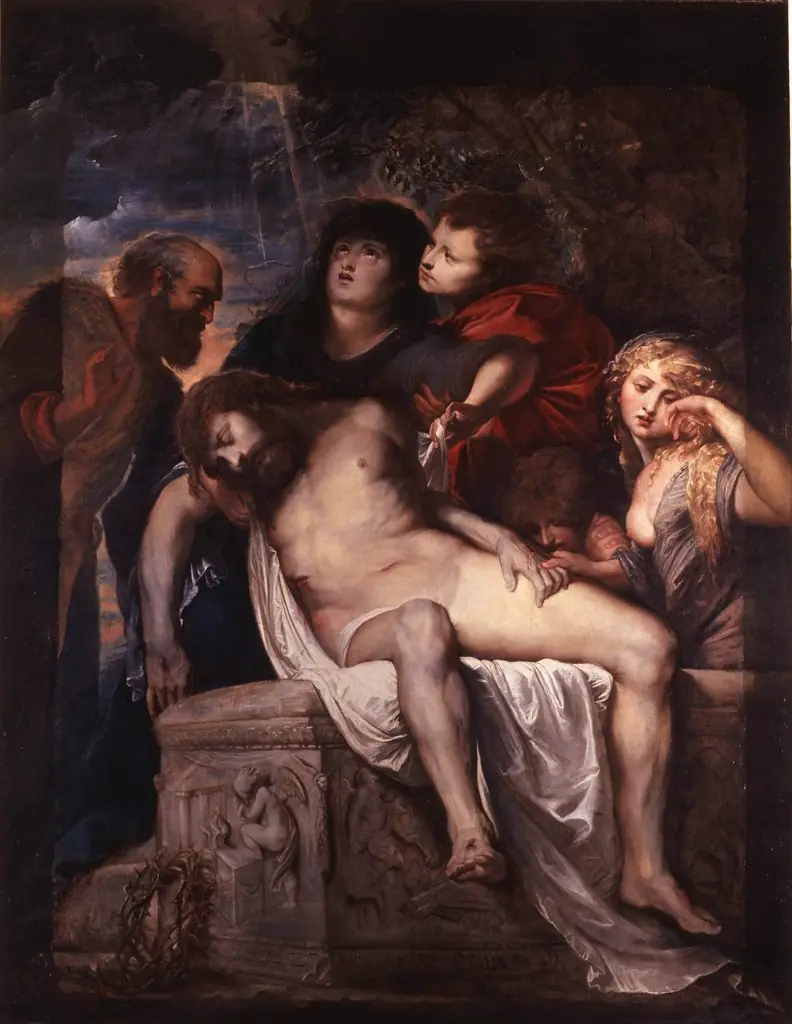 The Deposition
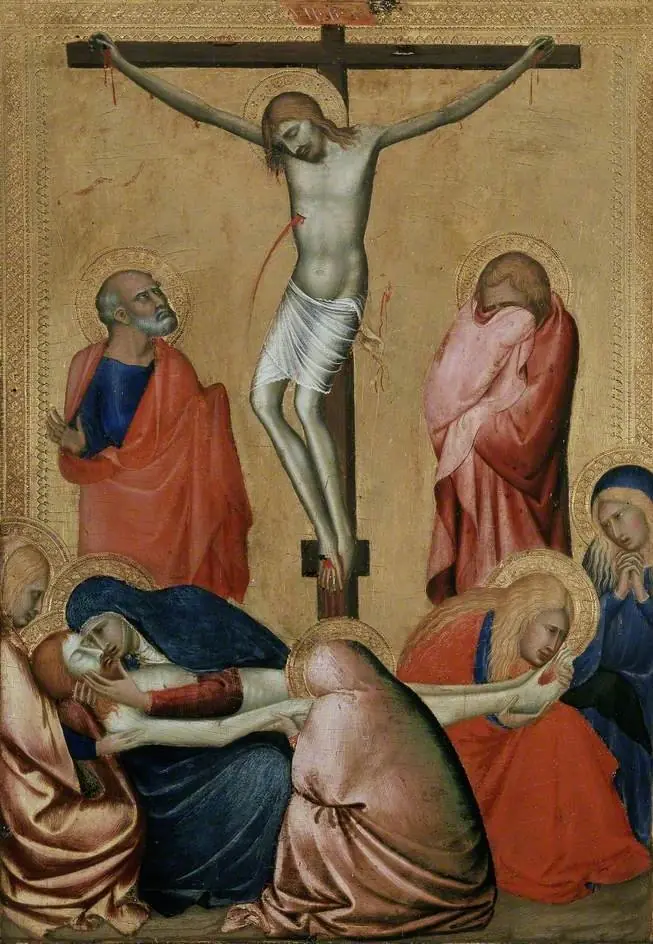 The Crucifixion and Lamentation
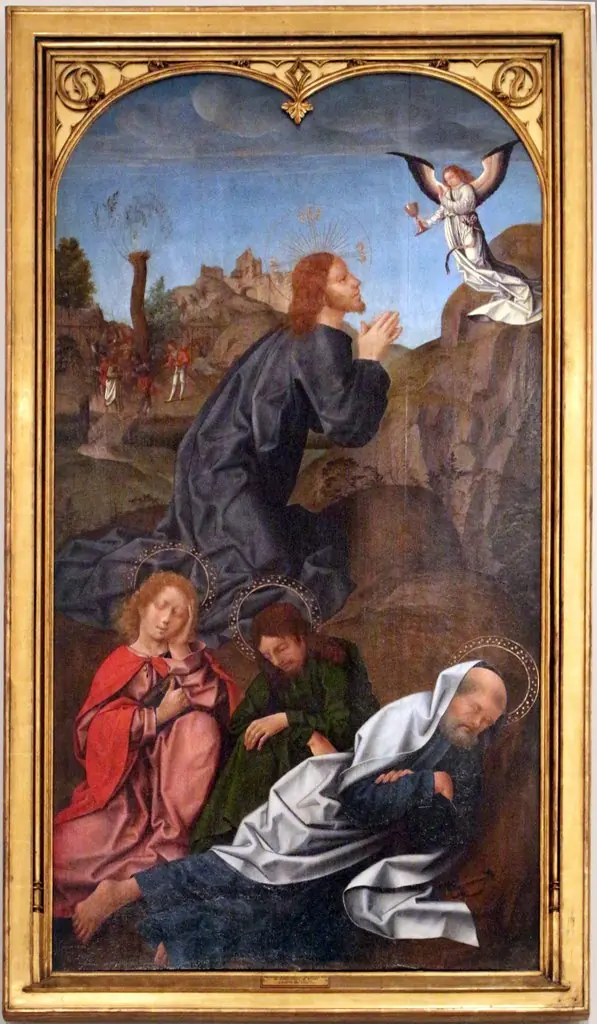 Cristo no Horto
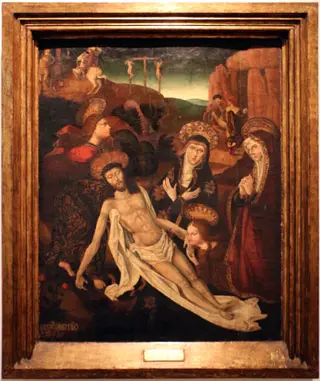 compianto
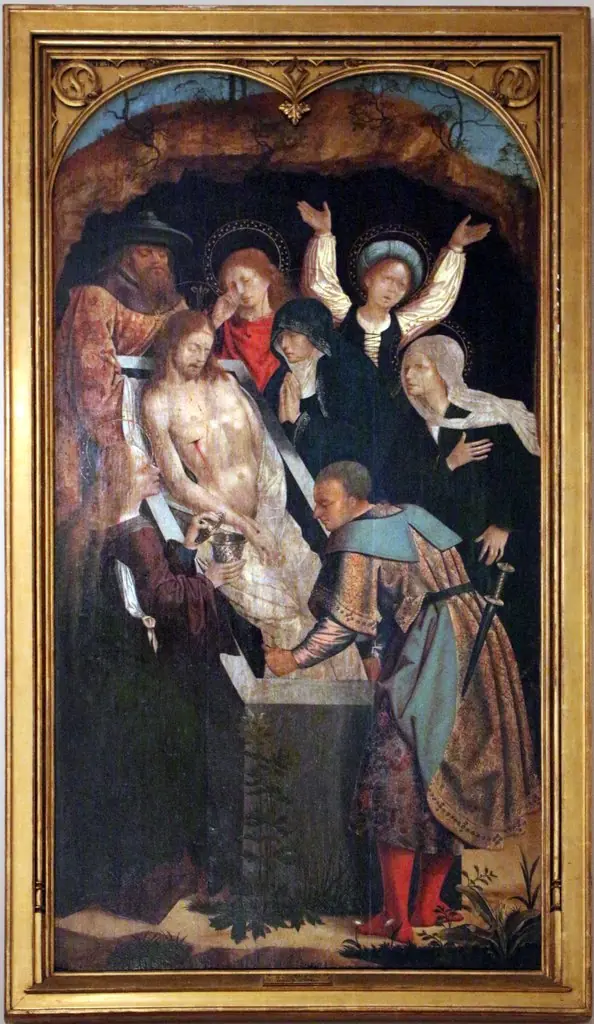 Deposição de Cristo no Túmulo
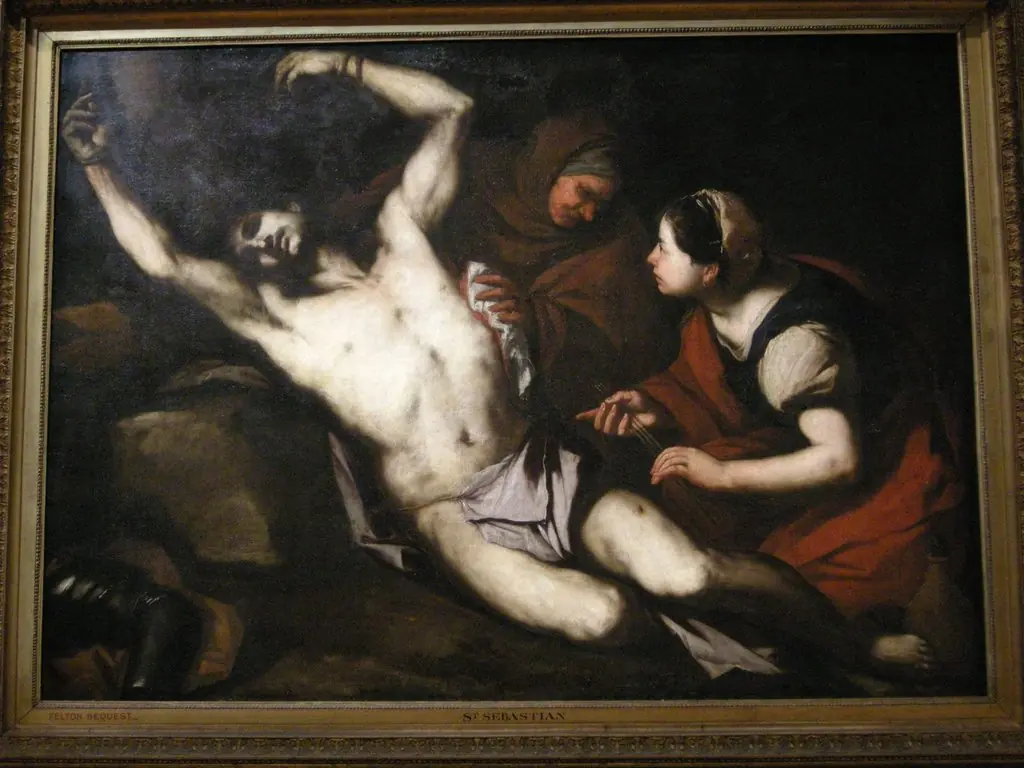 St Sebastian being cured by Irene
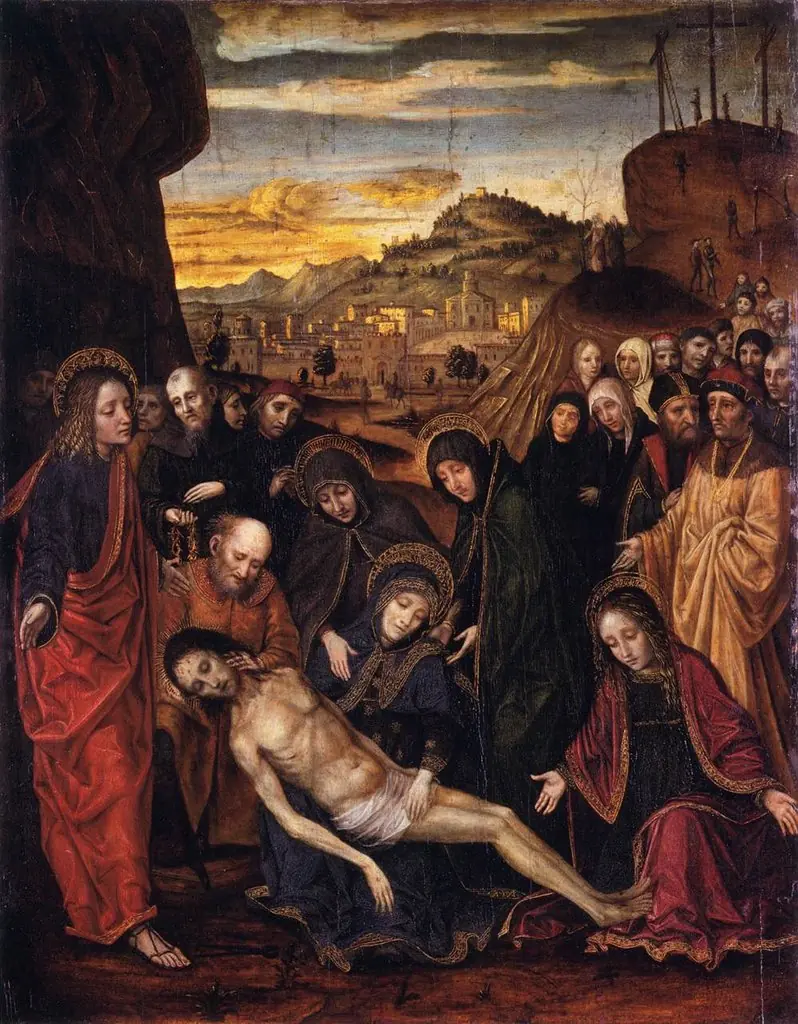 The lamentation over the dead Christ
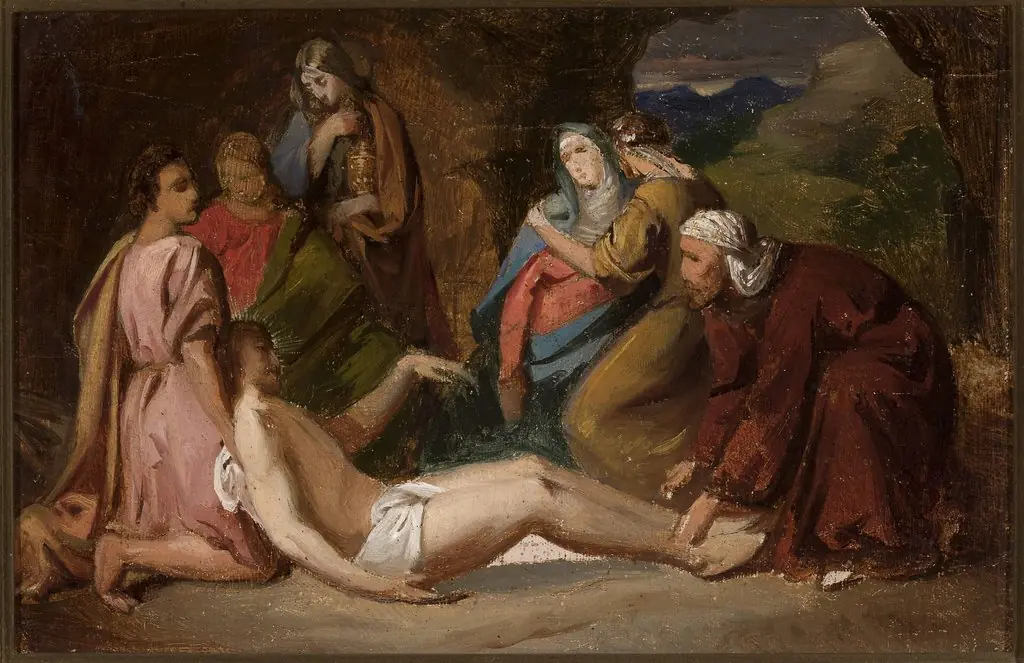 Entombment of Christ, sketch for a painting
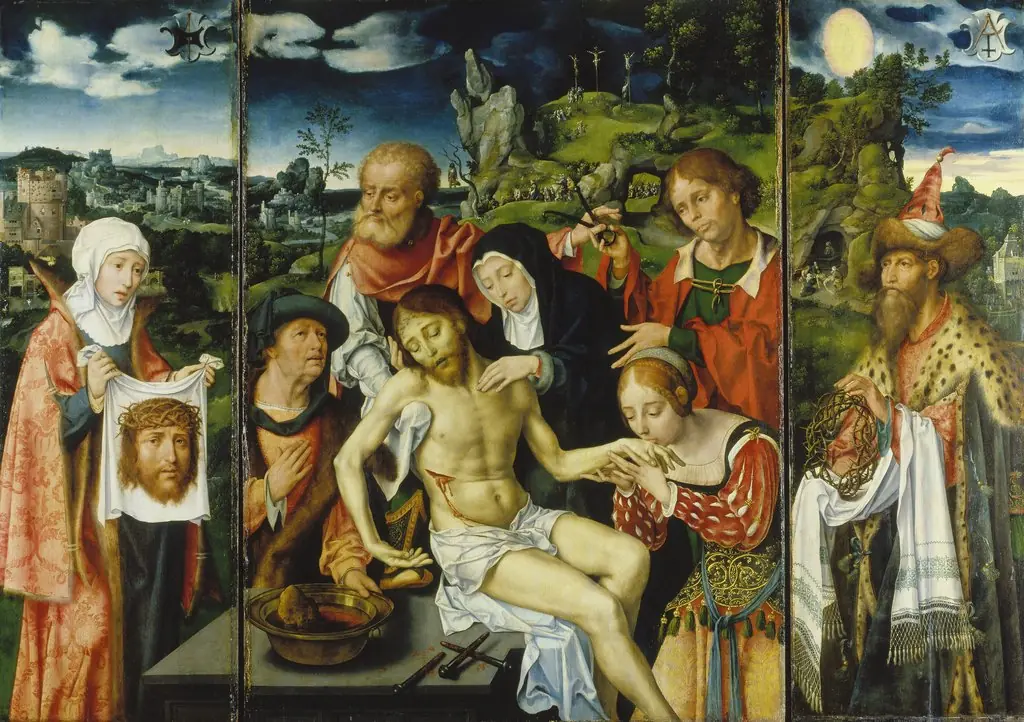 Triptych with the Lamentation of Christ
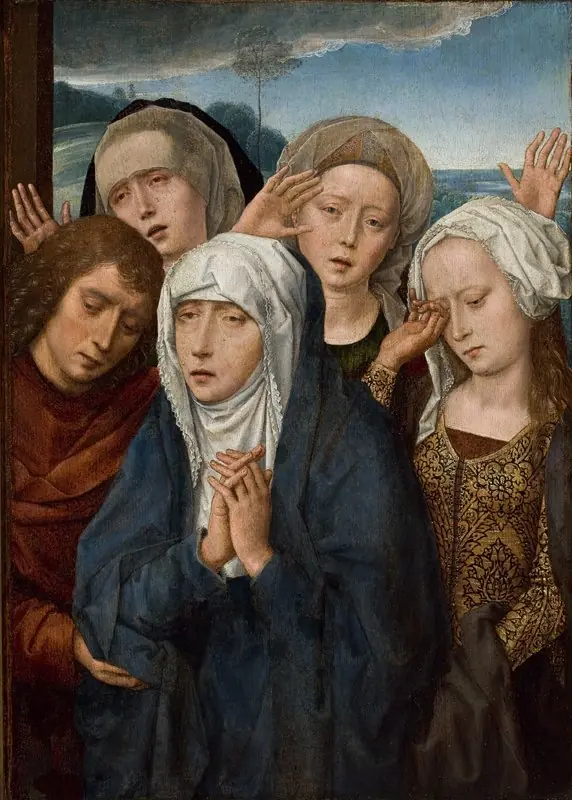 The Mourning Virgin with Saint John and the Pious Women from Galilee
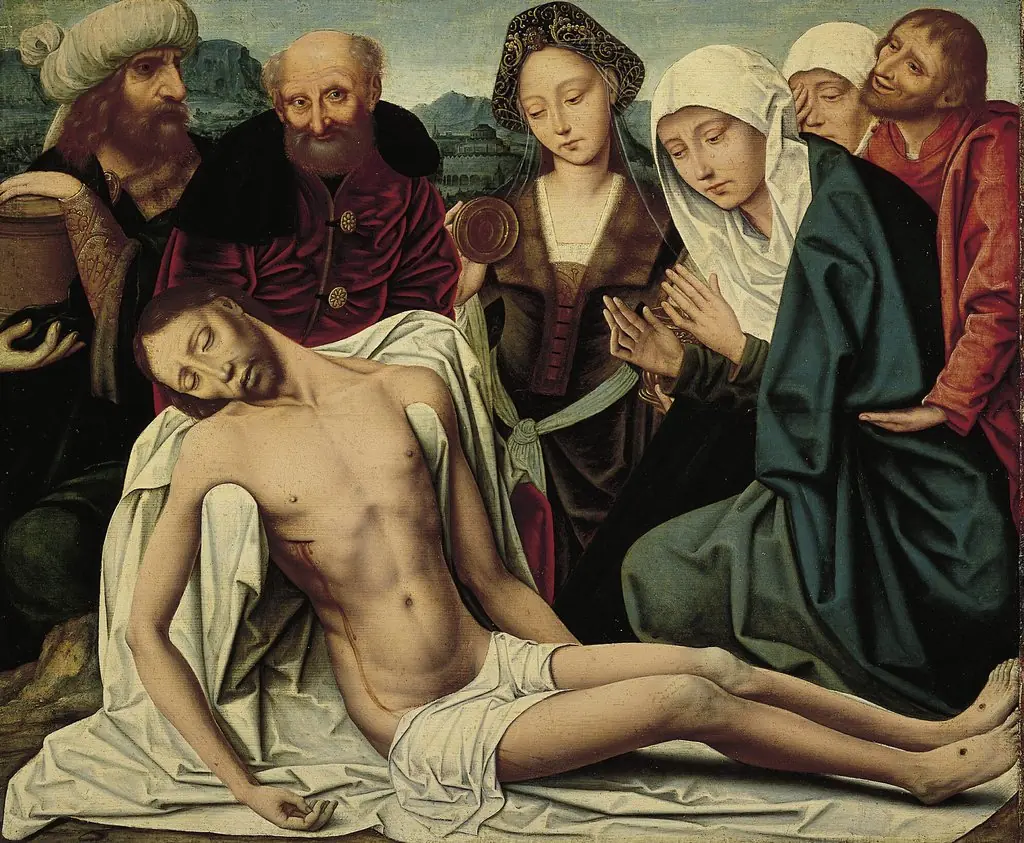 The Lamentation of Christ
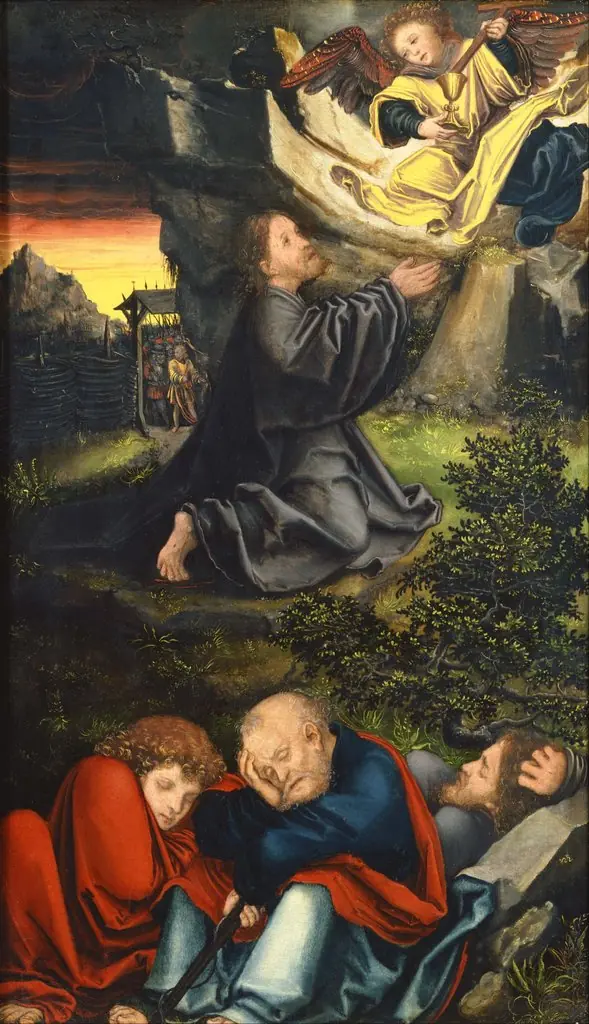 The Garden of Gethsemane
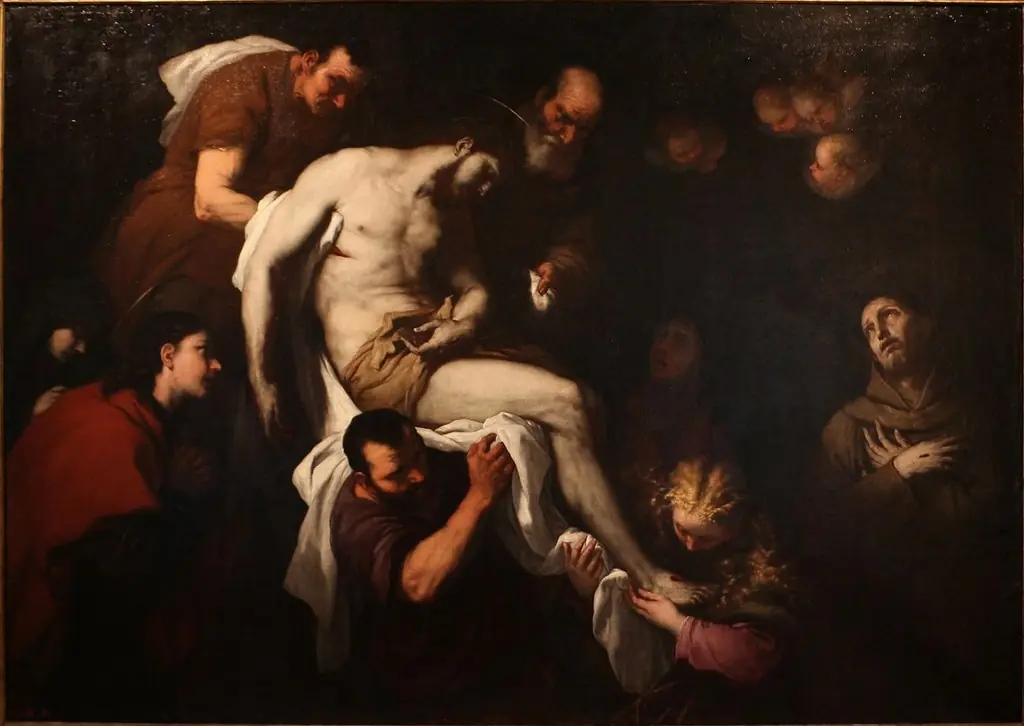 Vision of Saint Francis
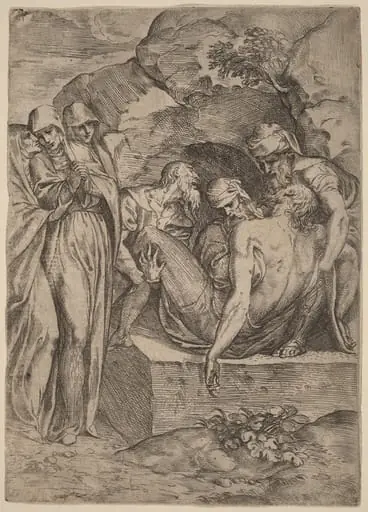 The Entombment
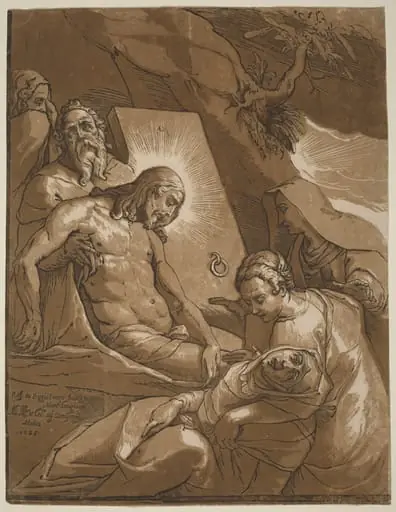 The Entombment
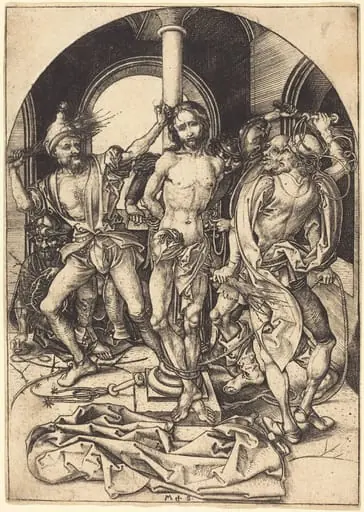 The Flagellation
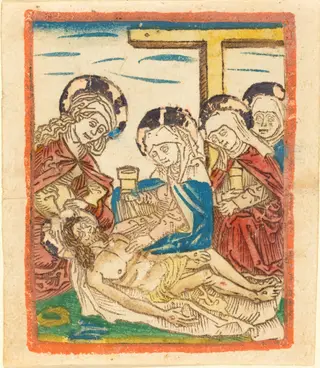 The Lamentation
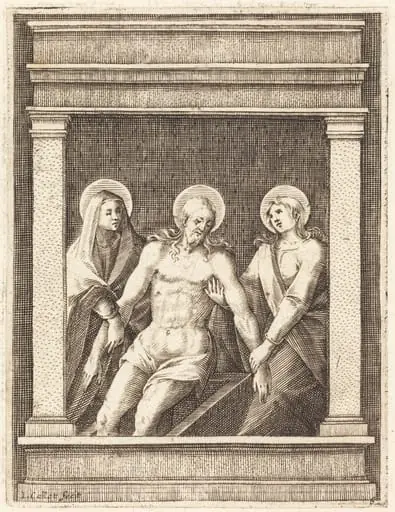 Lamentation
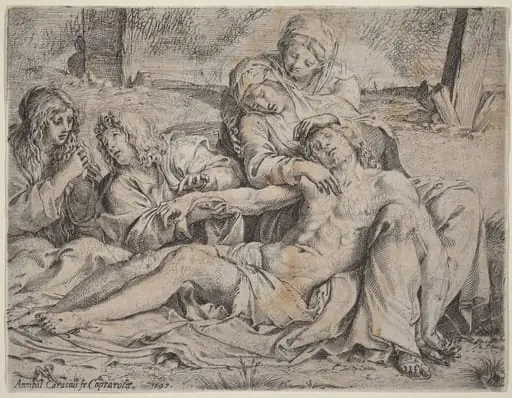 Pieta (the "Christ of Caprarola")
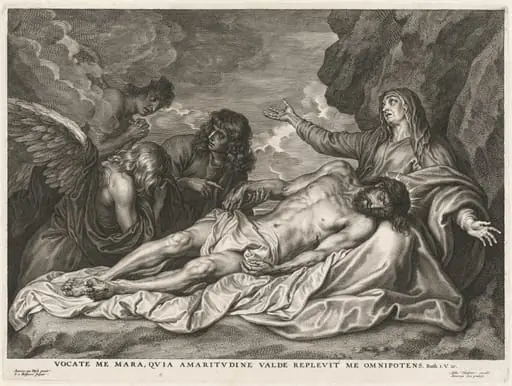 Virgin Supporting the Dead Christ
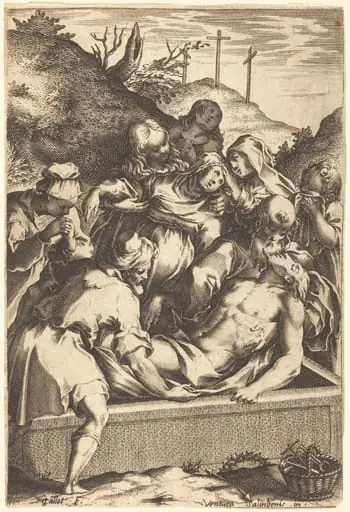 The Entombment
 La Ronde
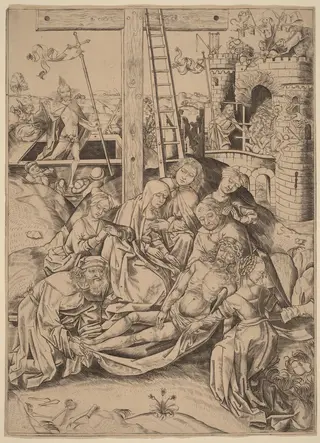 The Lamentation
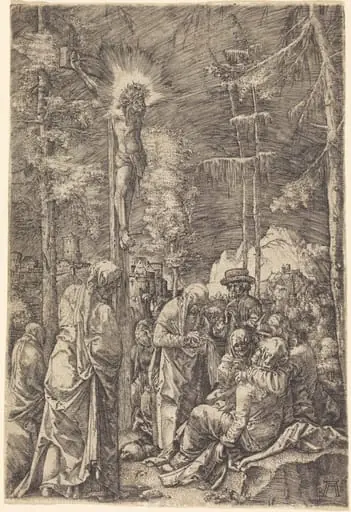 The Large Crucifixion
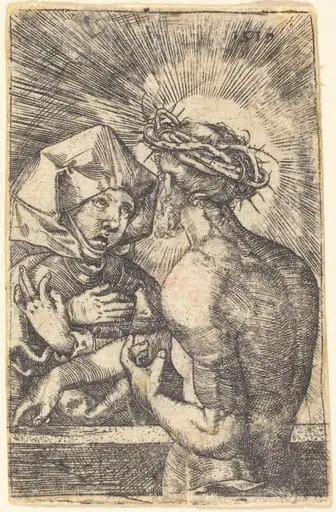 Christ Crowned with Thorns Speaking with His Mother
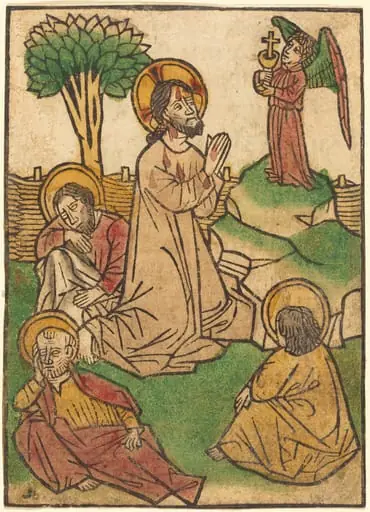 The Agony in the Garden
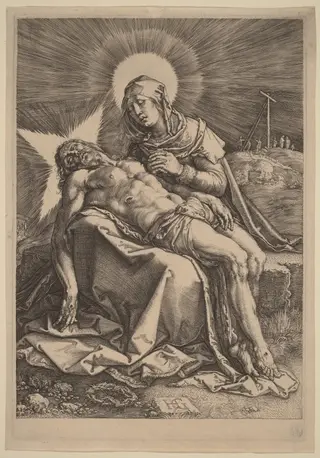 Pietà (The Sorrowing Virgin with the Dead Christ in Her Lap)
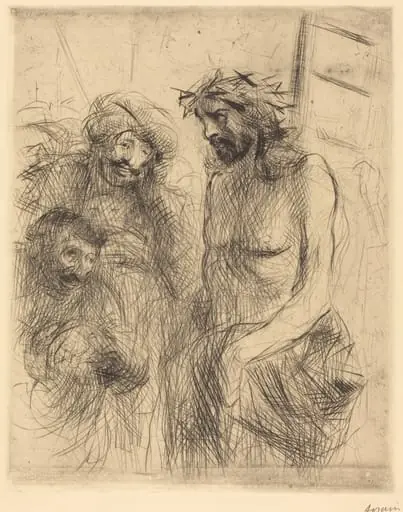 Le Christ aux outrages (The Mocking of Christ)
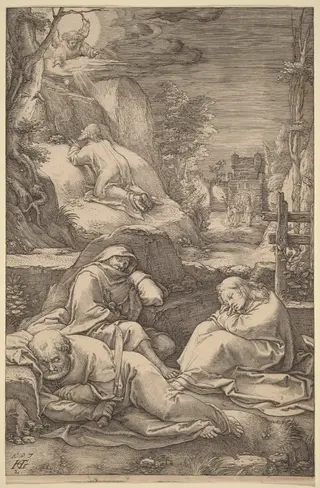 Christ on the Mount of Olives
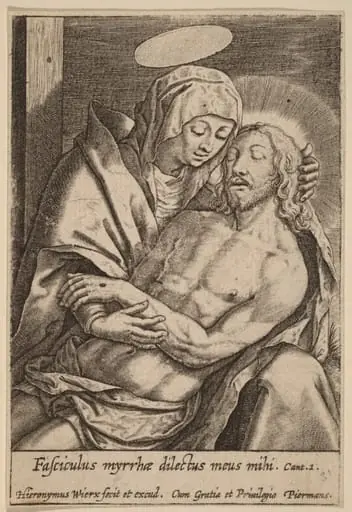 Fasciculus myrrhae dilectus meus mihi
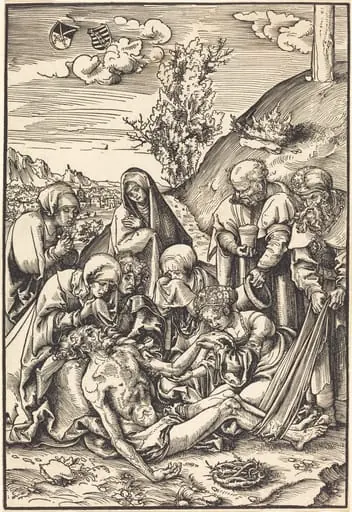 The Lamentation
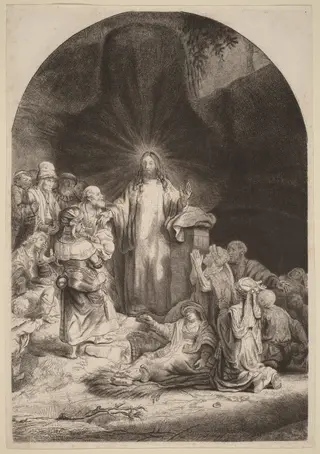 Christ Preaching and Healing (Fragment from the Hundred Guilder Print)
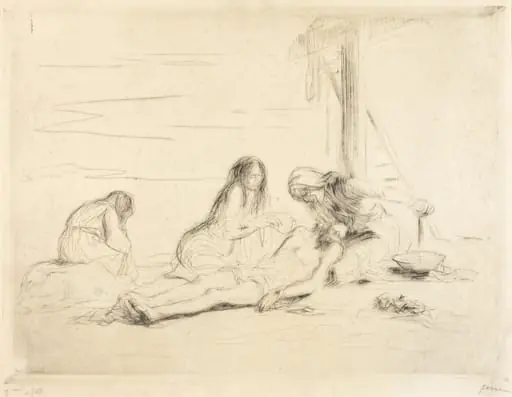 Pietà (1ère planche) (Pietà) (first plate)
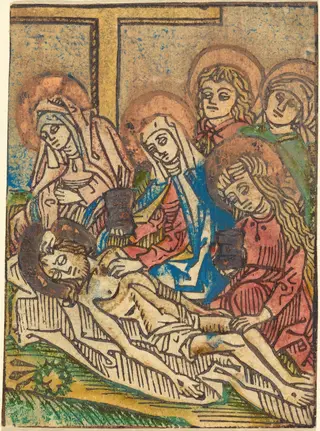 The Embalming of Christ
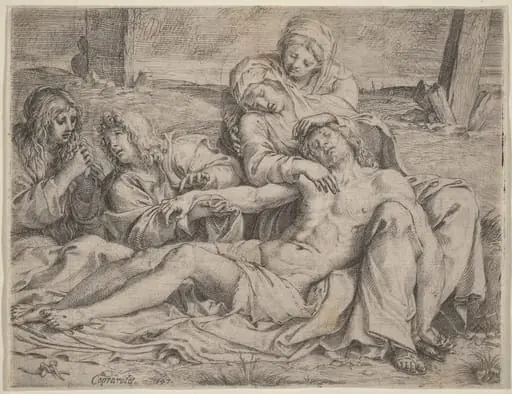 Pietà (the "Christ of Caprarola")
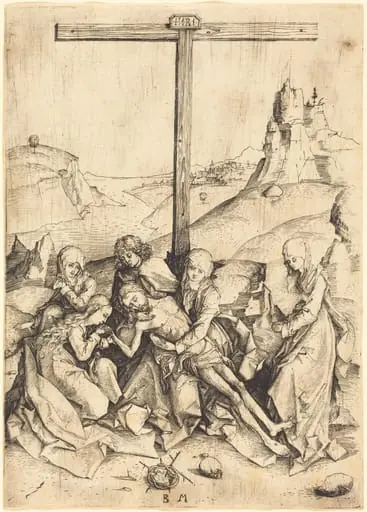 The Lamentation
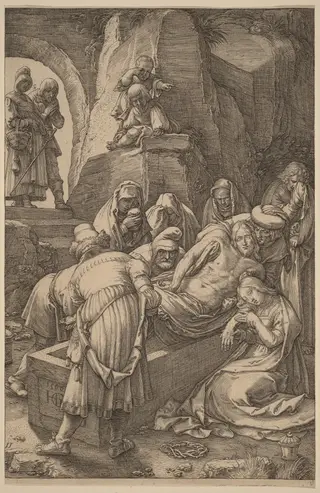 Burial of Christ
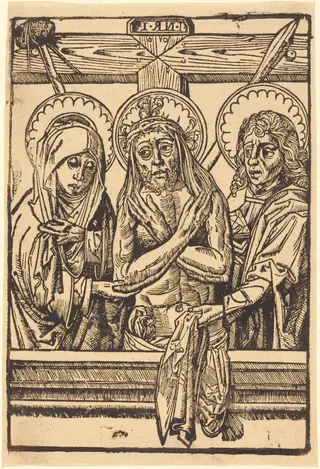 Christ between Maria and John
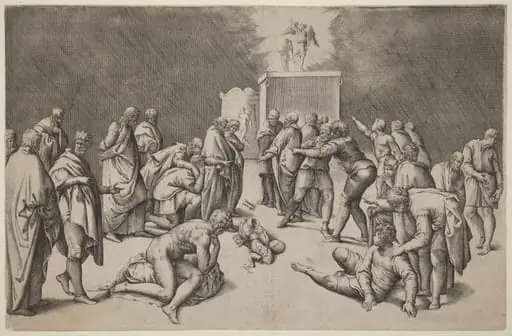 The Ark of the Lord in the Temple of Dagon
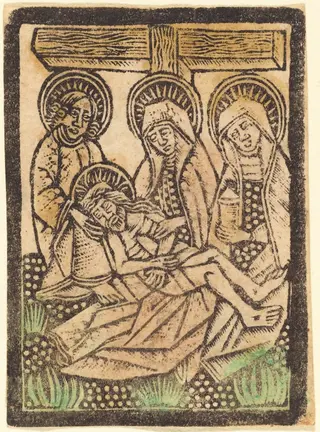 The Pietà
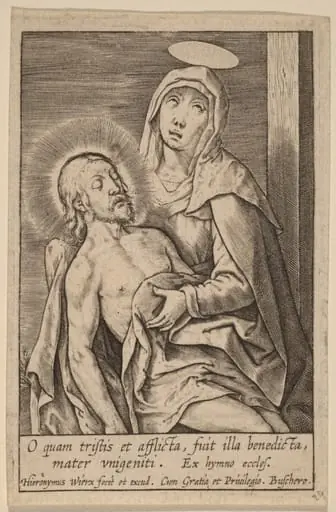 O quam tristis et afflicta ...
Frequently asked questions
What is Lamentation of Christ?
Lamentation of Christ is a subject in art. The Lamentation of Christ is a very common subject in Christian art from the High Middle Ages to the Baroque.
How many Lamentation of Christ works does Artifact World Gallery have?
Artifact World Gallery holds 200 public-domain Lamentation of Christ works, all free to view and download.
Who are the key Lamentation of Christ artists?
Key Lamentation of Christ artists in the collection include Paolo Veronese, Édouard Manet and El Greco.
Where can I see Lamentation of Christ works?
Lamentation of Christ works in the collection are held by National Gallery of Art, Cleveland Museum of Art and Gemäldegalerie Berlin.