
Subject
Sailing Ship
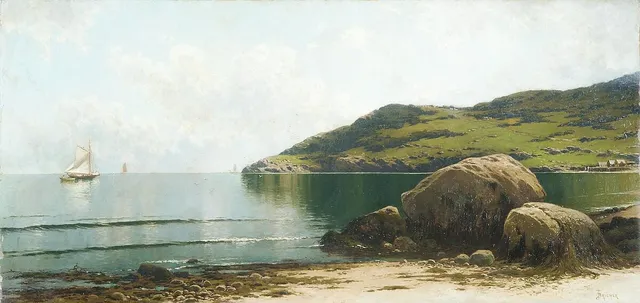
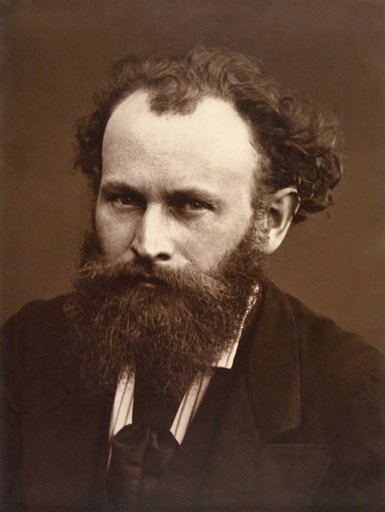
Sailing Ship is a subject in art. The gallery holds 113 works in this subject in art, including works by Gustave Courbet, Édouard Manet and Thomas Chambers.
The sailing ship—a wind-driven, masted vessel rigged with either square sails or fore-and-aft sails—has been one of the most enduring subjects in Western art, bound up with humanity's dependence on the sea for trade, war, exploration, and migration. Ships appear in medieval manuscripts and Renaissance panels (Botticelli among the early painters of seafaring scenes), but marine painting did not crystallize into an independent genre until the seventeenth-century Dutch Republic, whose wealth rested on shipping. Cargo carriers, fishing boats, and the warships of the Dutch fleet became fit subjects for civic and private pride, and painters such as Hendrick Vroom and the father-and-son Willem van de Velde the Elder (1610/11–1693) and the Younger (1633–1707) made them their life's work, often sailing out to observe battles and weather firsthand.
The genre's defining demand is technical truth: rigging, hull, and sail plan rendered accurately enough that a sailor could name the vessel, set against the painterly challenge of water, cloud, and shifting light. The van de Veldes pioneered the meticulous monochrome "pen painting" (penschilderij) while also introducing atmospheric effects and dramatic weather. Compositions typically use low horizons, raking light, and carefully observed sea states—from glassy calms to gales—to convey both documentary precision and mood.
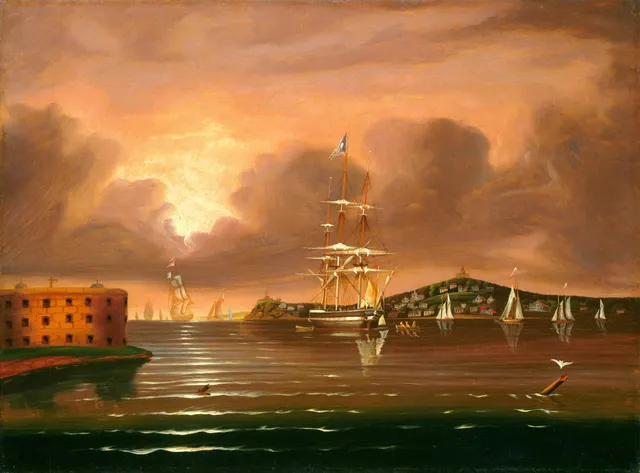
Dutch practice migrated to Britain when the van de Veldes entered the service of Charles II by 1674, seeding a tradition that, in step with British naval supremacy, culminated in J.M.W. Turner, who dissolved ship and sea into pure light and sensation. In Romantic Russia, Ivan Aivazovsky made the storm-tossed vessel a vehicle of the sublime, most famously in The Ninth Wave (1850). In America, the genre ranged from luminist seascapes by Alfred Thompson Bricher to the vivid, patterned folk marines of Thomas Chambers (1808–1869) and the precise steamship and sailing-vessel "portraits" James Bard made of New York Harbor and the Hudson.
Our collection reflects this American current: Chambers is represented by New York Harbor with Pilot Boat "George Washington," Threatening Sky, Bay of New York, Packet Ship Passing Castle Williams, and the naval scene The Constitution and the Guerriere, alongside Bricher's Marine Landscape and Gustave Courbet's The Woman in the Waves. Together they trace marine art's reach from ship portraiture to the Romantic drama of wind and water.
Key artists

Overview
A sailing ship is a sea-going vessel propelled by sails mounted on masts that harness wind power. The motif of the sailing ship recurs throughout art history because these vessels were, for millennia, the principal means of long-distance transport, commerce, warfare, and exploration. Their forms range from ancient Egyptian river craft with single square sails to the massive multi-masted ships of the European Age of Sail, and from Austronesian catamarans with crab-claw sails to Chinese junks with watertight compartments. The sailing ship embodies humanity's relationship with natural forces, technological ambition, and the perils and possibilities of the open water, making it an enduring subject for artists across cultures and centuries.
Iconography & meaning
In art, the sailing ship carries layered meanings that shift with context. As a symbol, it frequently represents national power and naval might, particularly in depictions of warships and fleet reviews where flags, gun decks, and rigid formations convey military and political authority. The ship also embodies commerce and economic vitality, especially in Dutch Golden Age marine painting where merchant vessels dominate harbors and coastal waters. Religious and mythological narratives employ ships as vessels of faith or sacrifice, as seen in depictions of legends like that of Hippo, thrown from a ship as an offering to Poseidon. The juxtaposition of human engineering against natural forces, particularly in storm scenes, produces themes of mortality, hubris, and the sublime. Turner's works exploit this tension, contrasting the elegant sailing ship with steam technology to comment on progress and loss. Calm waters and becalmed vessels, by contrast, evoke peace, prosperity, and the social rituals of maritime communities.
Across movements & periods
The treatment of the sailing ship in art evolved significantly across periods. In medieval European art, the coca or caravel appeared as a recognizable type in paintings, reflecting its ubiquity in trade between Northern and Southern Europe. The Dutch Golden Age of the 17th century marked a high point for marine painting, with specialists like Willem van de Velde the Younger producing precise depictions of ships, battles, and harbor life that served as both artistic achievements and records of maritime power. Jan van de Cappelle captured water's reflective properties and ceremonial fleet gatherings, while Cornelis Claesz. van Wieringen painted narrative works with detailed ships and surprising anecdotal elements. Romanticism brought heightened emotional and atmospheric treatment, with J.M.W. Turner's works emphasizing light, weather, and technological transition. The 19th century saw American artists such as James E. Buttersworth documenting clipper ships like the Flying Cloud with documentary precision, while Fitz Hugh Lane's luminist works celebrated calm coastal commerce. Later maritime art continued to balance documentary and expressive aims, with museums now preserving this heritage through collections of paintings, ship models, and historic vessels.
Notable depictions
Several depictions of sailing ships have achieved particular distinction. Rembrandt's The Storm on the Sea of Galilee (1633), oil on canvas measuring 160 x 128 cm, blends biblical narrative with seascape in a dramatic composition that was stolen from the Isabella Stewart Gardner Museum in 1990 and remains missing. Jan van de Cappelle's The Home Fleet Saluting the State Barge (1650), oil on panel at 64 x 92.5 cm in the Rijksmuseum, Amsterdam, captures ceremonial maritime display with exceptional clarity of water reflection. J.M.W. Turner's The Fighting Temeraire Tugged to her last Berth to be Broken Up (1839) poignantly contrasts the obsolete sailing warship with a steam tugboat, commenting on technological obsolescence. His Snow Storm - Steam-Boat off a Harbour's Mouth (1842) extends this theme of nature's power over human craft. George Philip Reinagle's A First Rate Man-of-War Driven Onto a Reef of Rocks, Floundering in a Gale (1836) emphasizes the destructive force of the sea rather than the ship itself. Louis Phillipe Crepin's Battle of Trafalgar (1805), at 90.93 x 80.78 cm in the National Maritime Museum, Greenwich, documents close-quarters naval combat with historical precision. Thomas Buttersworth's Nelson's Inshore Blockading Squadron at Cadiz (1797), at 63.5 x 99 cm in the National Maritime Museum, London, commemorates British naval operations. Fitz Hugh Lane's Becalmed off Halfway Rock (1860) offers a rare tranquil vision of ships at anchor. James E. Buttersworth produced multiple paintings of the American clipper Flying Cloud in the late 1850s and circa 1855, including works showing the vessel off the Needles, Isle of Wight and emerging from a hurricane.
Legacy
The sailing ship's afterlife in culture extends far beyond its functional obsolescence. Maritime museums worldwide preserve and interpret this heritage: the National Maritime Museum in Greenwich holds over 2.5 million objects including extensive ship model collections begun in the early 19th century; the Maritime Museum of San Diego maintains the Star of India, the world's oldest active sailing ship from 1863; and the San Francisco Maritime National Historical Park preserves six historic ships representing the transition from sail to steam. These institutions, along with others in Lisbon, Rotterdam, Sydney, and elsewhere, demonstrate how the sailing ship remains central to public understanding of maritime history. In art, the sailing ship continues to symbolize both historical achievement and nostalgic loss, its image reproduced and reinterpreted in museum exhibitions, educational programs, and popular culture. The vessel that once dominated global trade and warfare now serves primarily as training ship, recreation craft, and cultural icon, its form preserved in the 'brown fleet' of traditional sailing vessels and in the rigorous documentation of maritime artists across six centuries.
Works
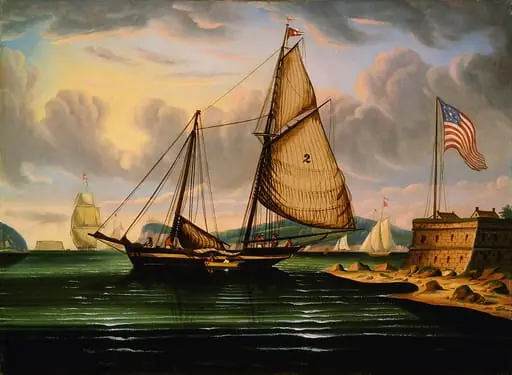 New York Harbor with Pilot Boat "George Washington"
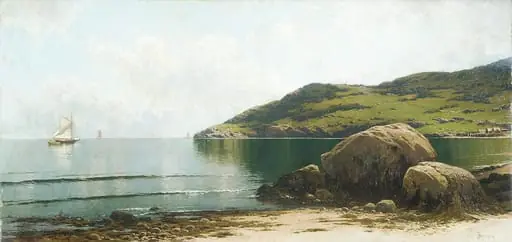 Marine Landscape
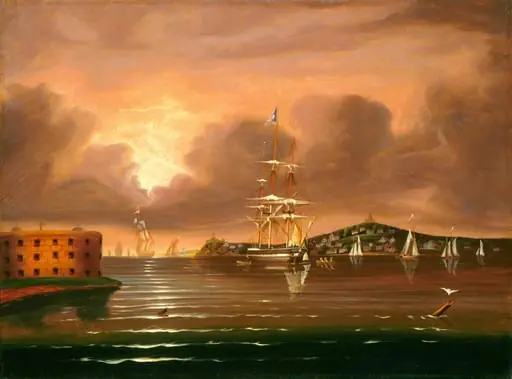 Threatening Sky, Bay of New York
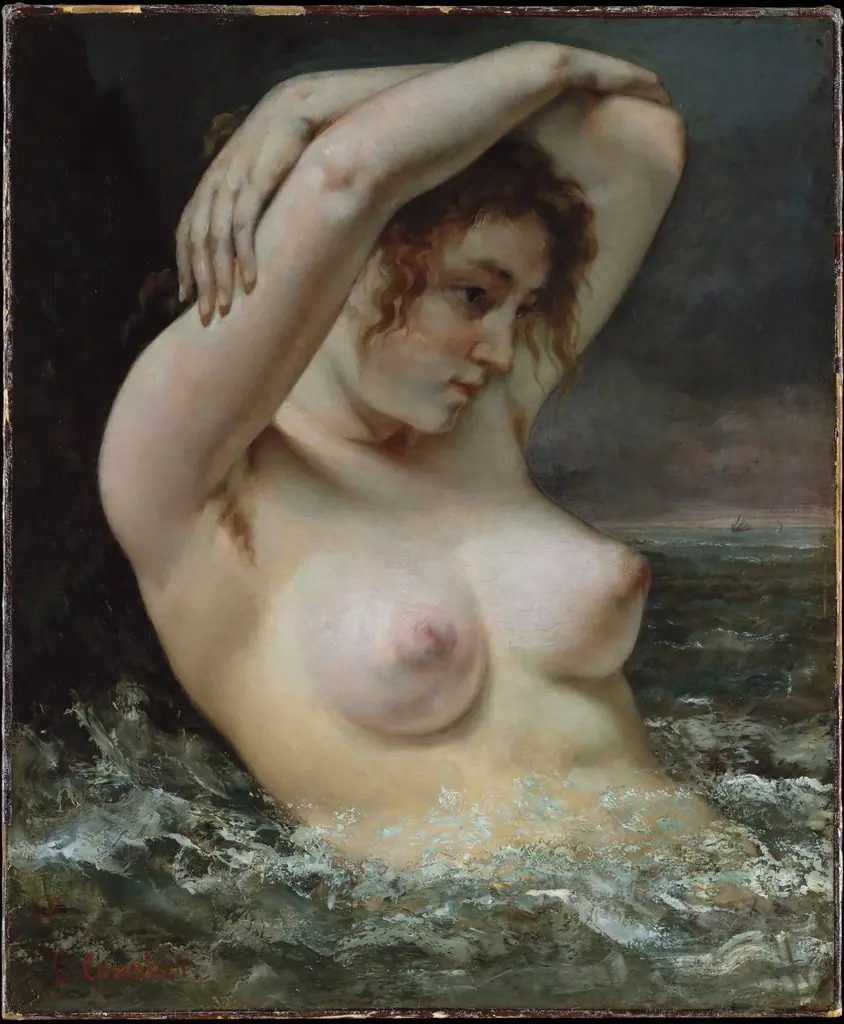 The Woman in the Waves
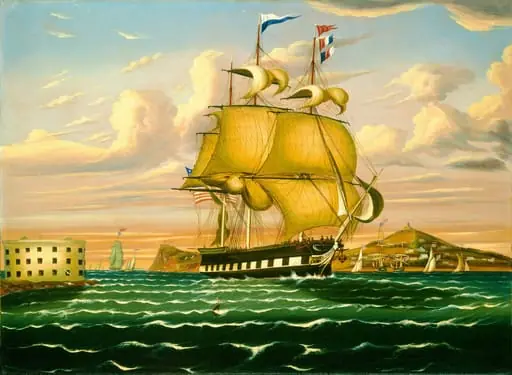 Packet Ship Passing Castle Williams, New York Harbor
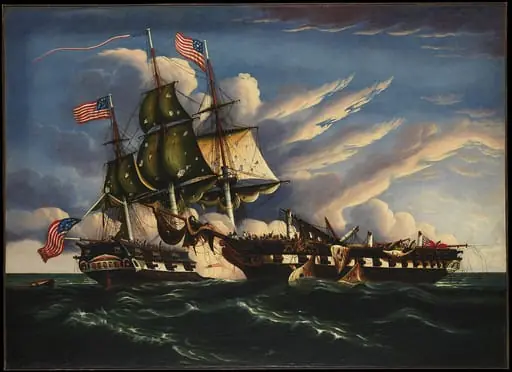 The Constitution and the Guerriere
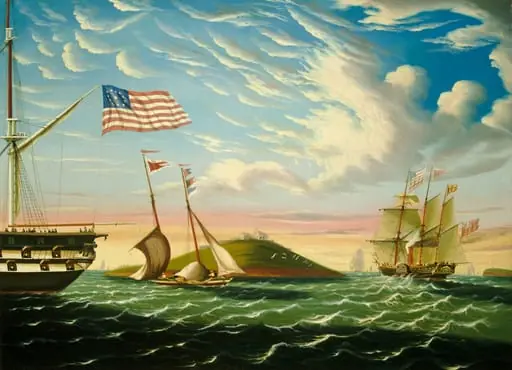 Boston Harbor
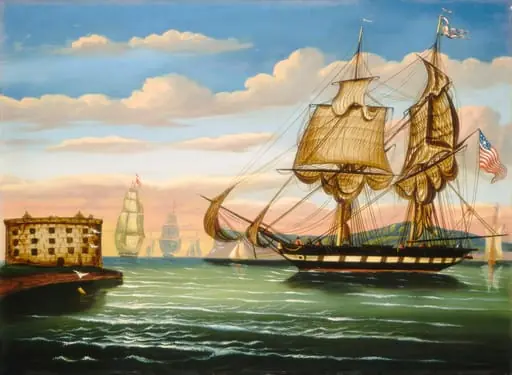 Bay of New York, Sunset
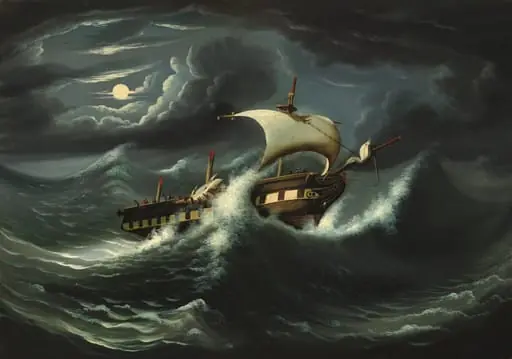 Storm-Tossed Frigate
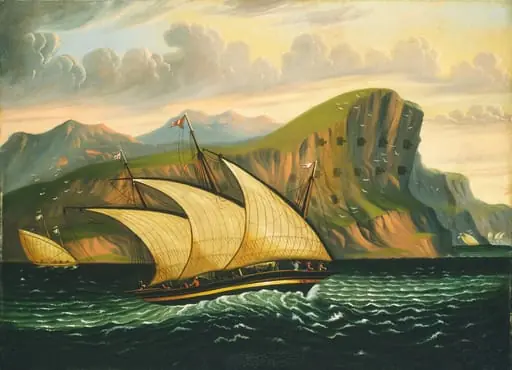 Felucca off Gibraltar
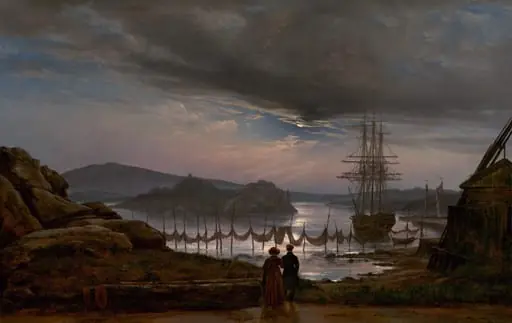 View from Vaekero near Christiania
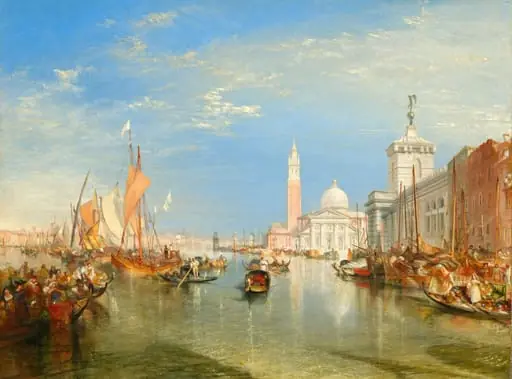 Venice: The Dogana and San Giorgio Maggiore
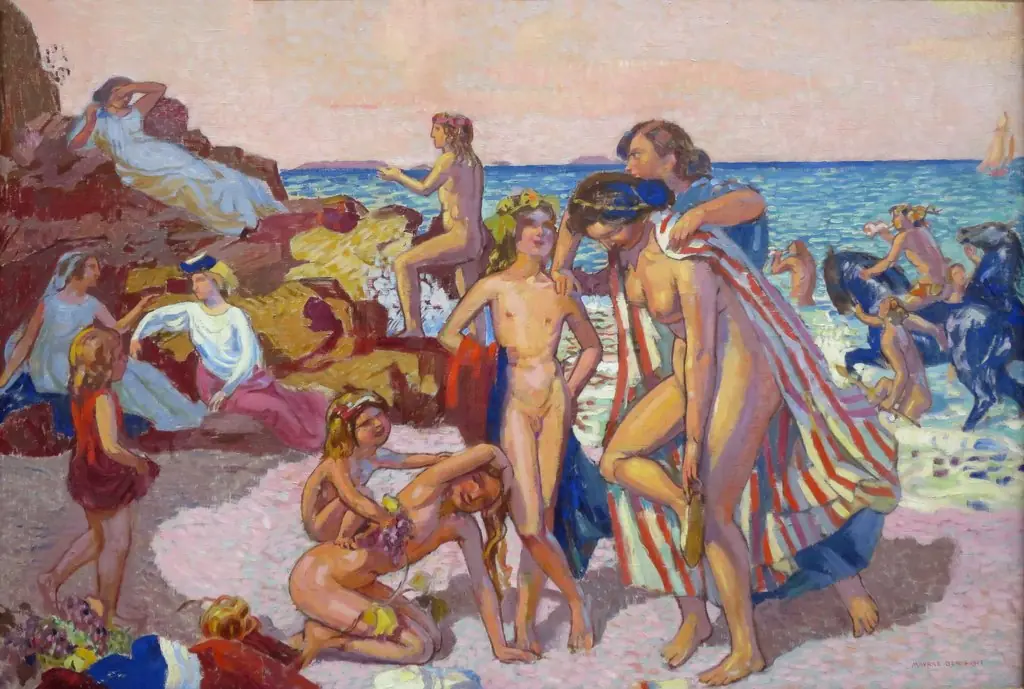 Bacchus and Ariadne
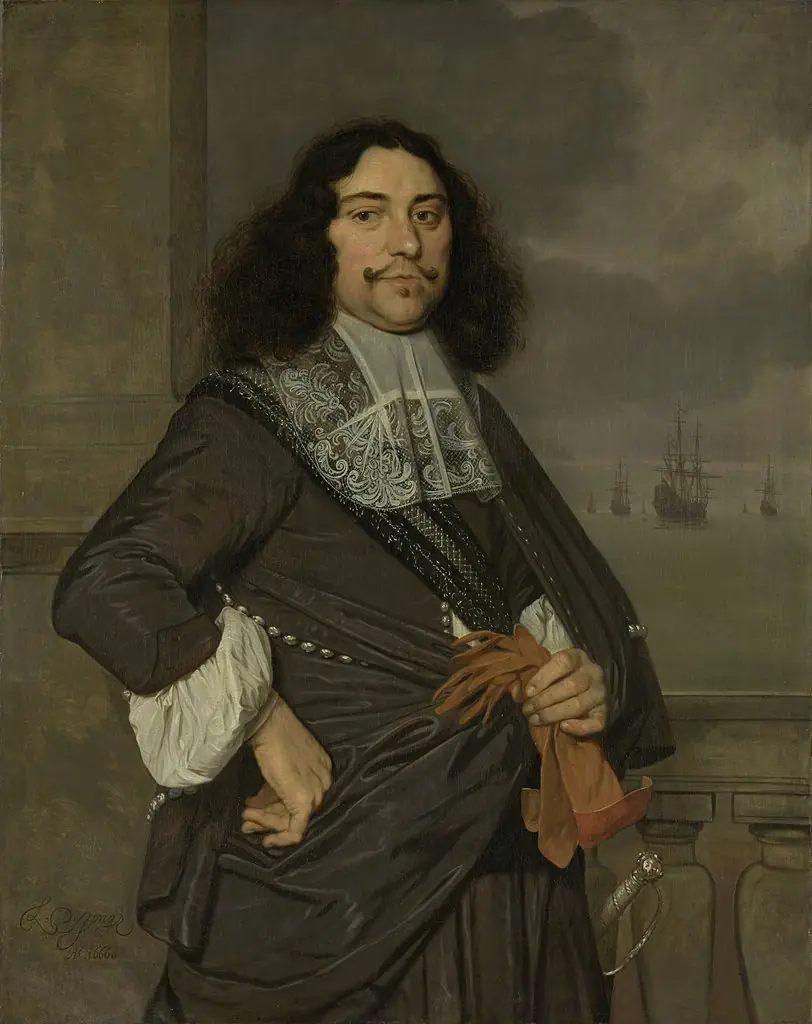 Portrait of Jan van Nes (1631-80). Vice admiral of Holland and West-Friesland
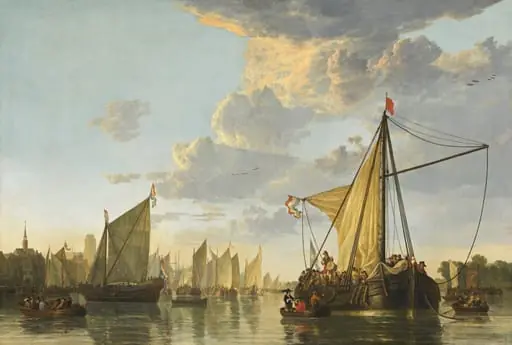 The Maas at Dordrecht
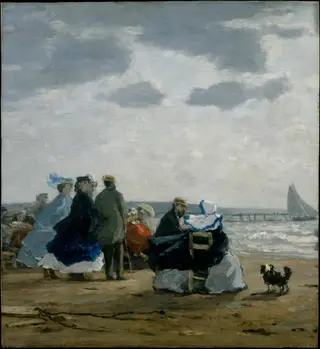 On the Beach, Dieppe
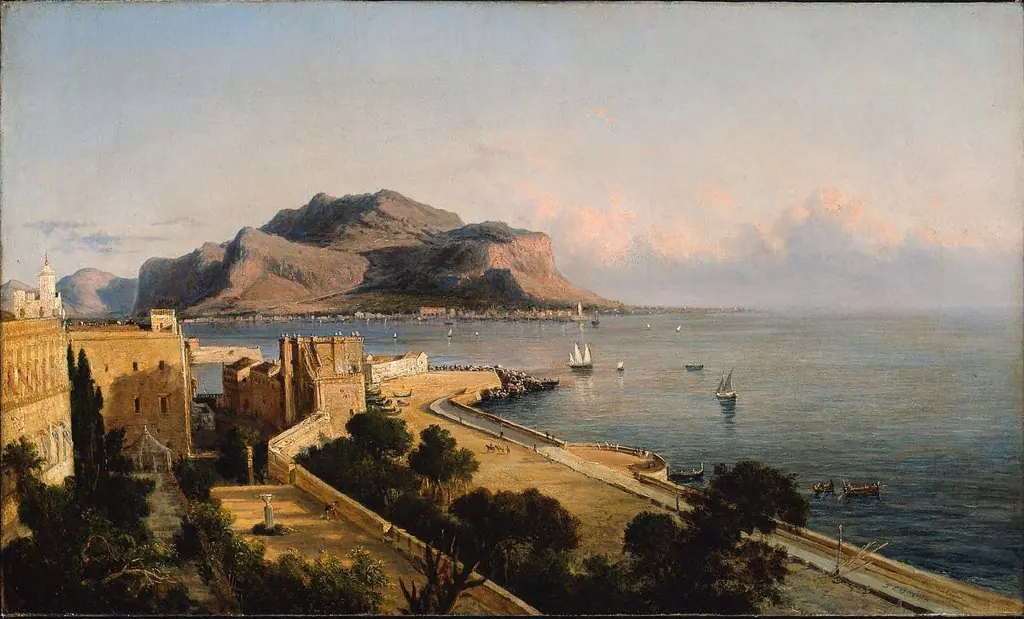 Monte Pellegrino at Palermo, Italy
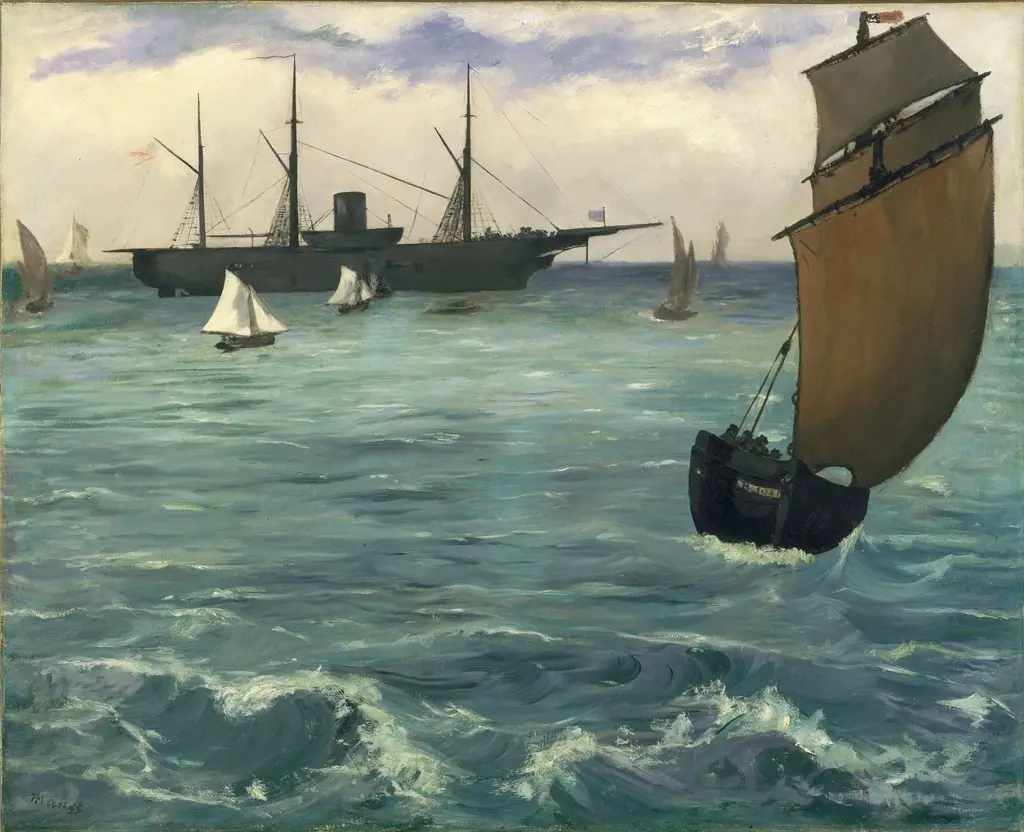 The Kearsarge at Boulogne
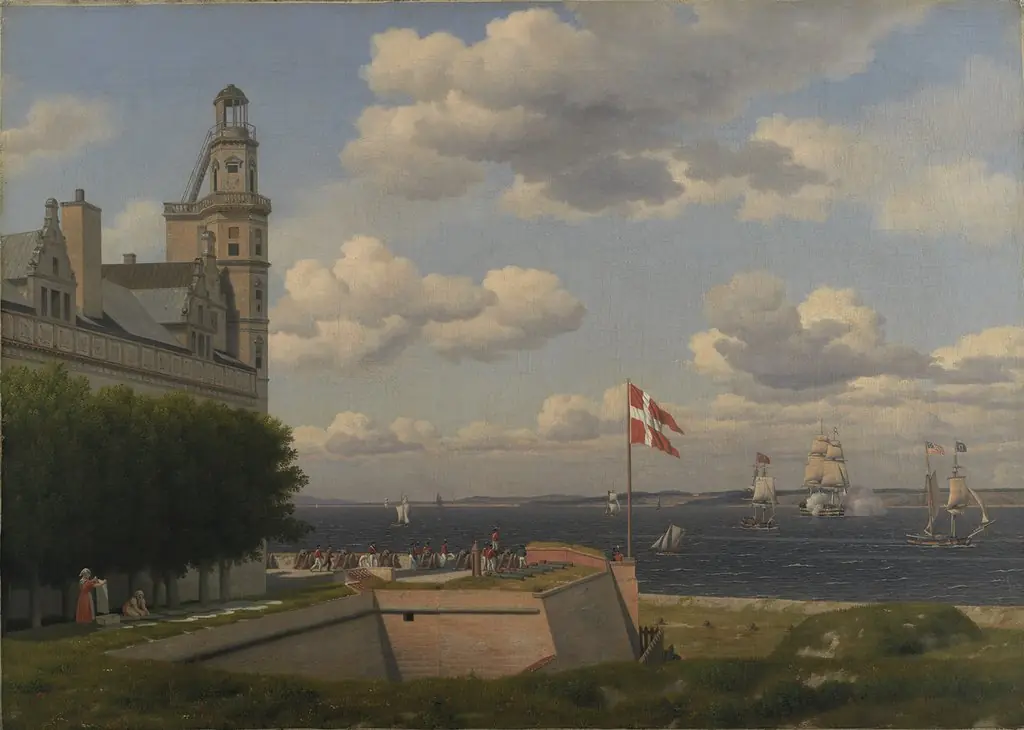 A View towards the Swedish Coast from the Ramparts of Kronborg Castle
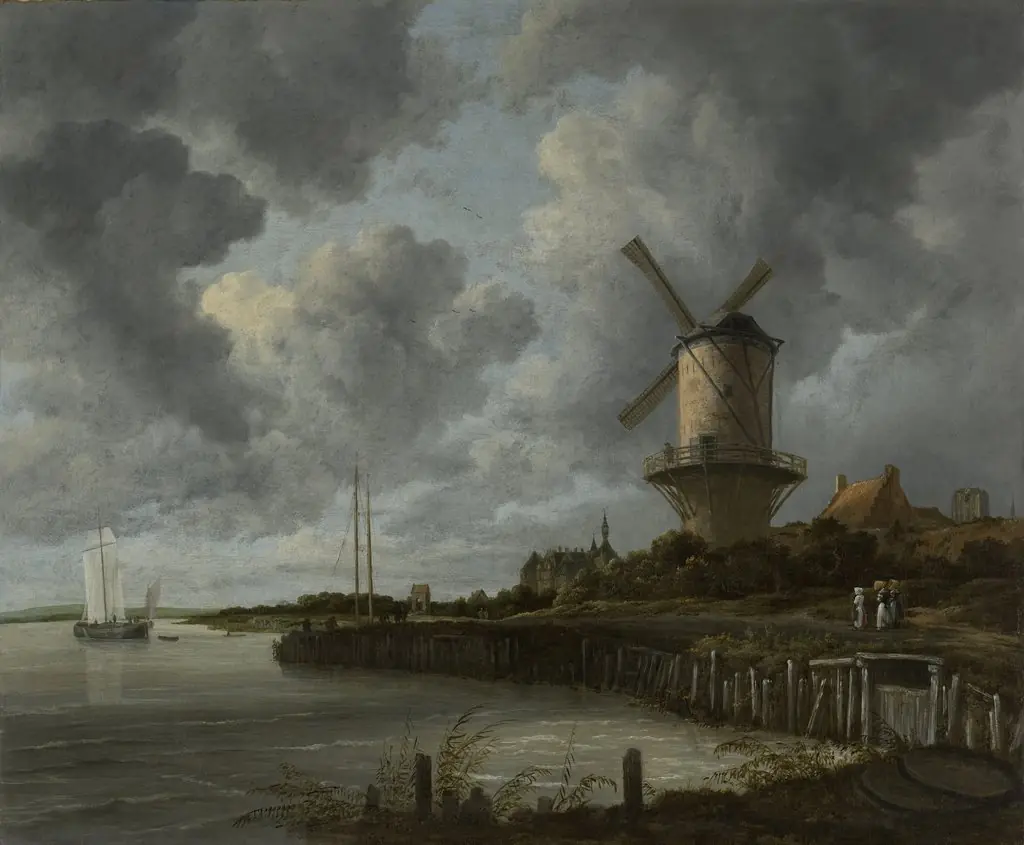 The Windmill at Wijk bij Duurstede
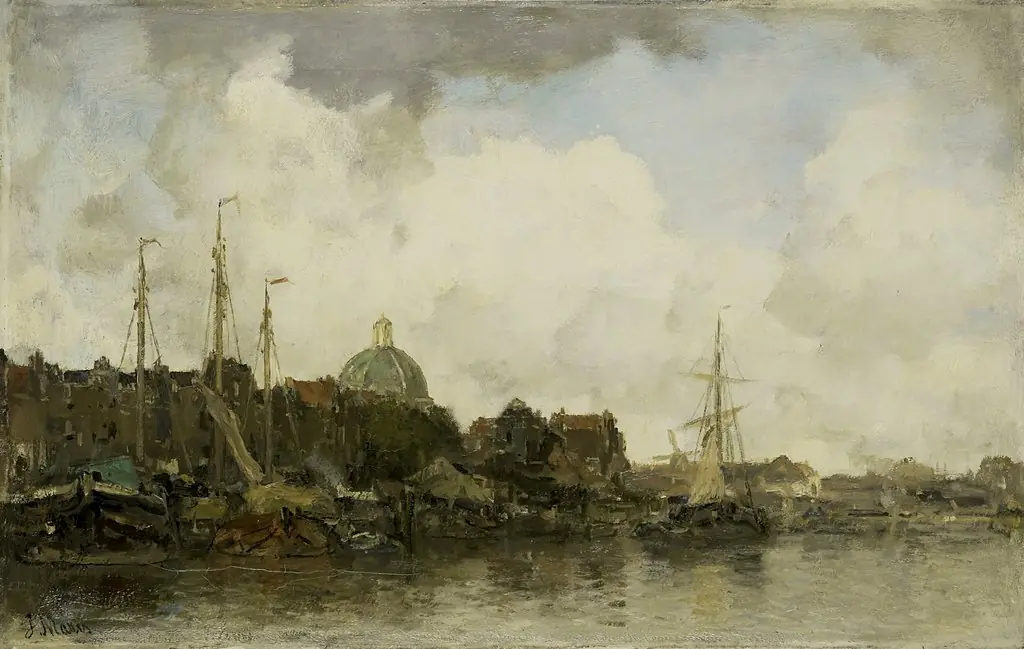 Townscape with a Domed Church
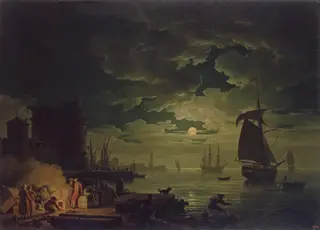 Entrance to the Port of Palermo by Moonlight
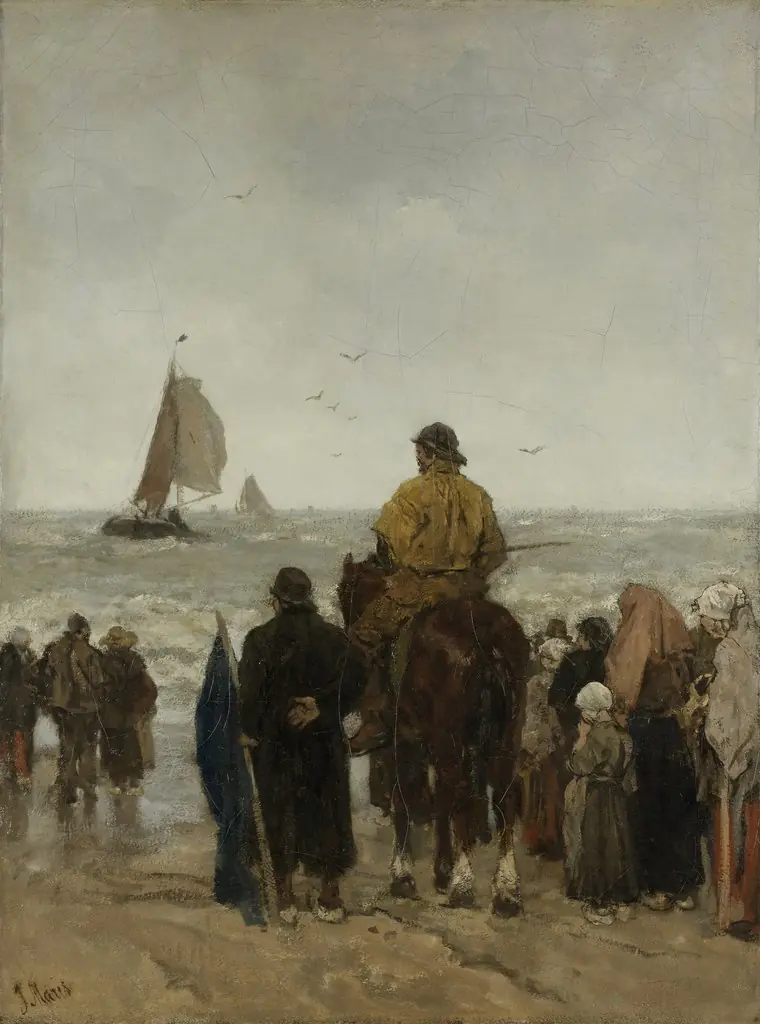 Arrival of the Boats
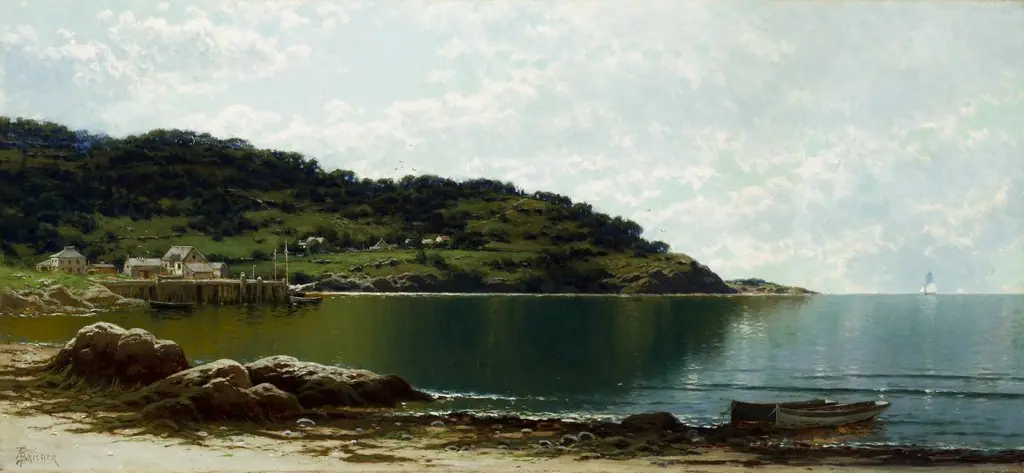 Along the Maine Coast
 The Judgement of Midas. The Musical Contest between Apollo and Marsyas
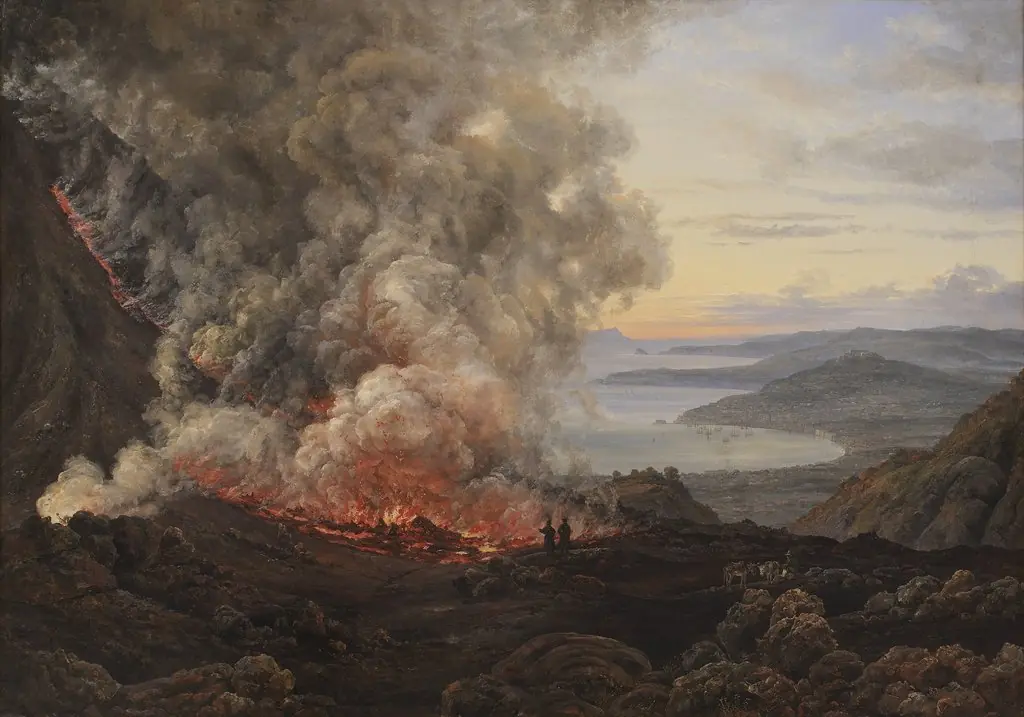 Eruption of the Volcano Vesuvius, 1820
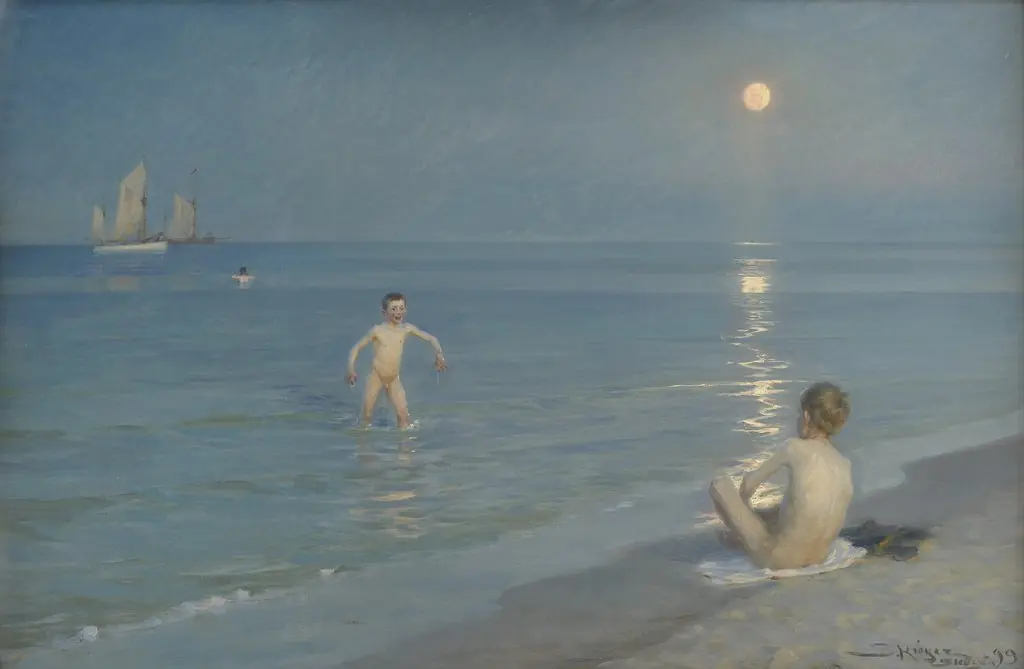 Boys Bathing at Skagen. Summer Evening
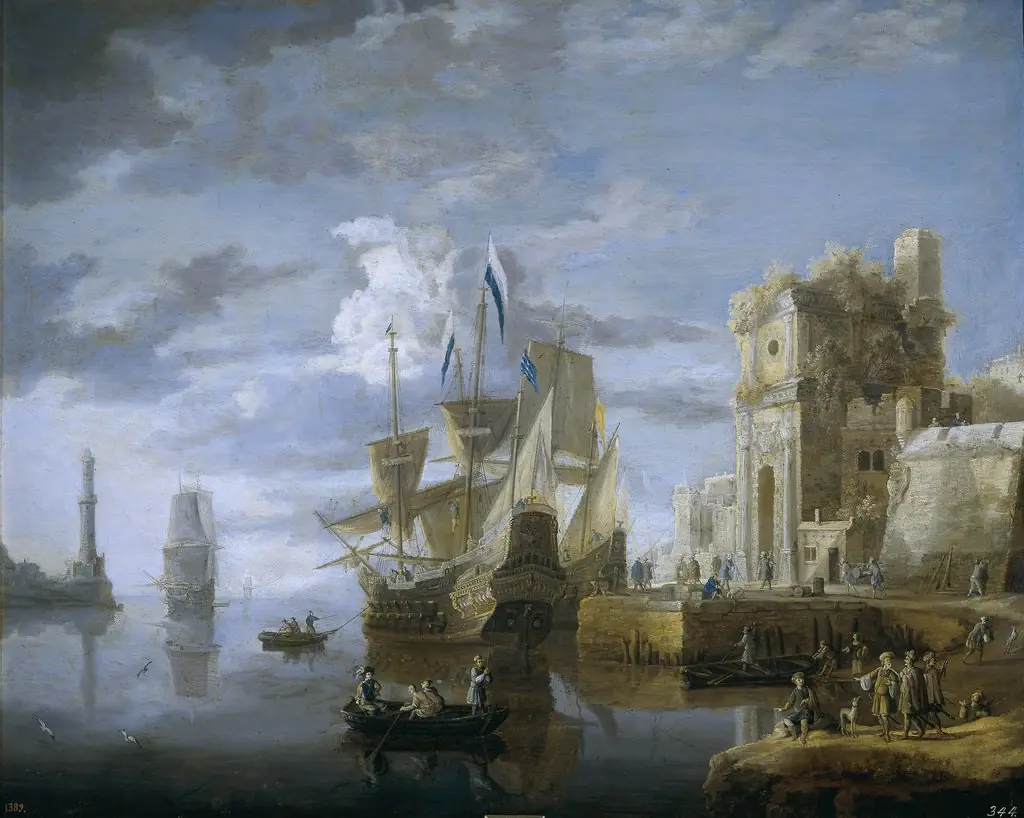 Port by the Sea
 Death and the Miser (outer doors); St. Nicolas with donor and St. Godelieve with donor (inner doors)
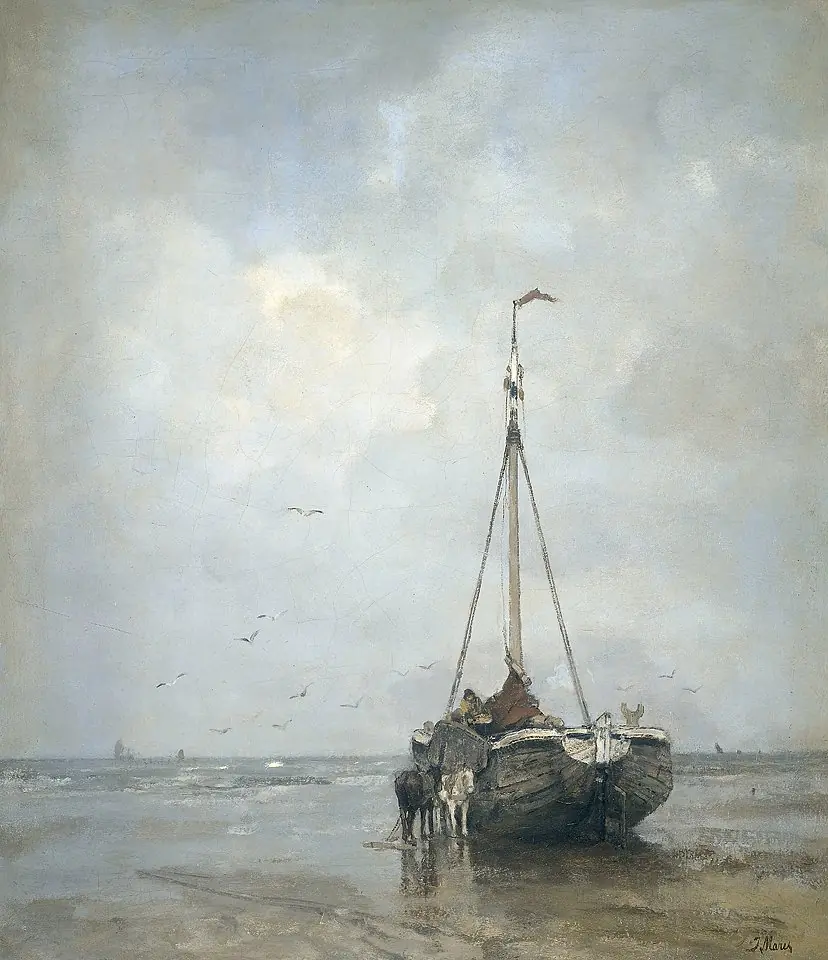 Bluff-bowed Fishing Boat on the Beach at Scheveningen
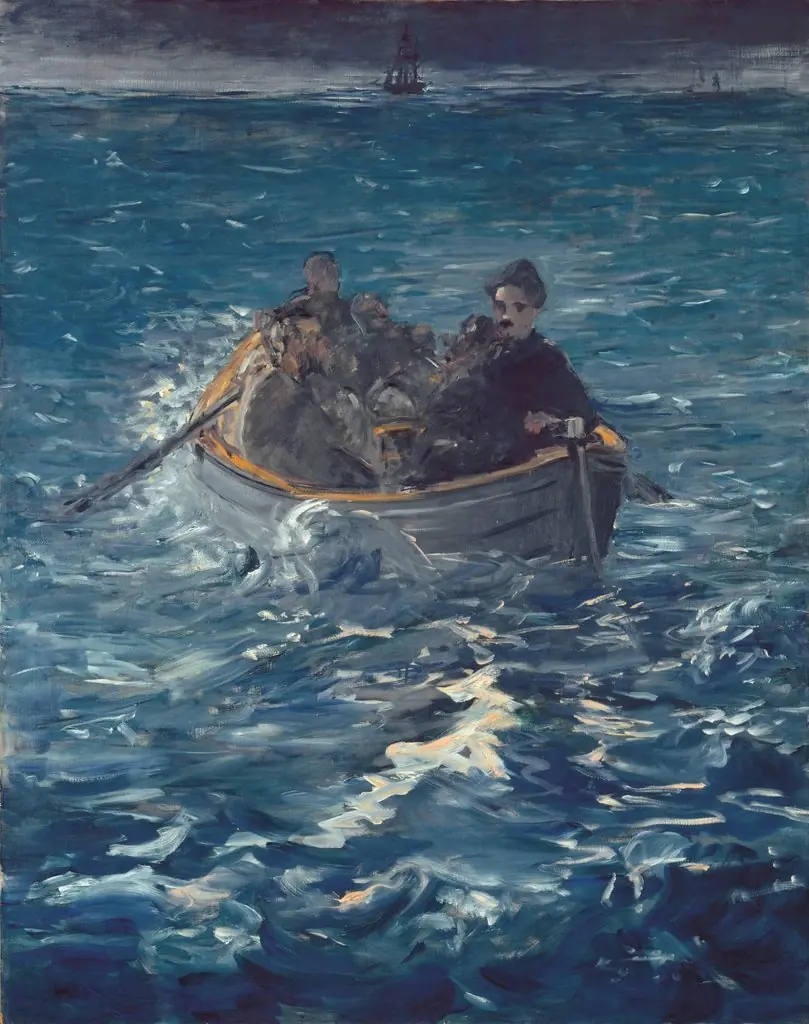 Rochefort's Escape
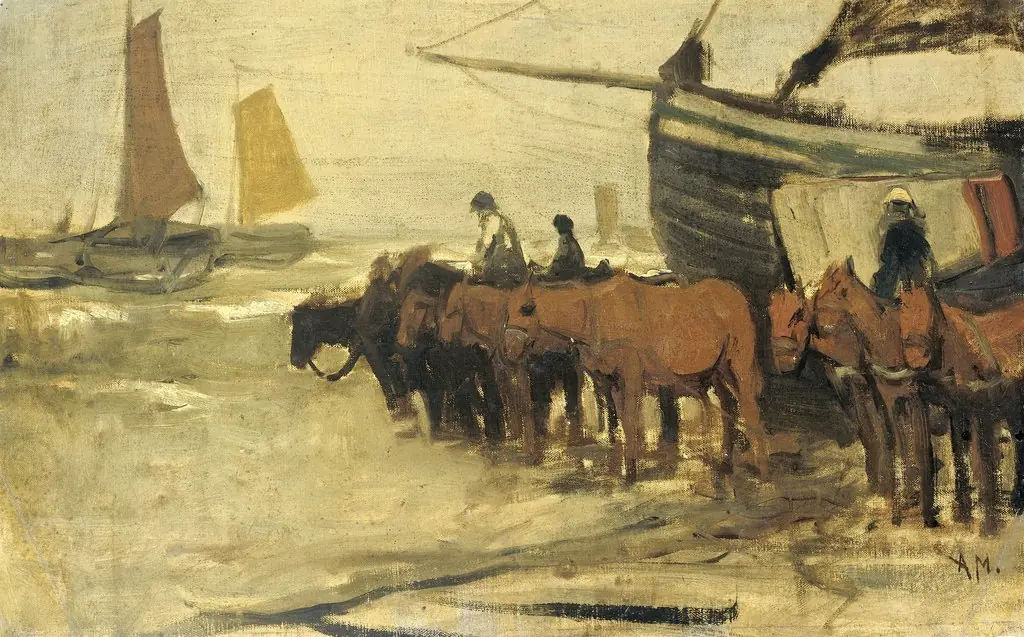 Launching a fishing boat (type 'Pink') in the sea
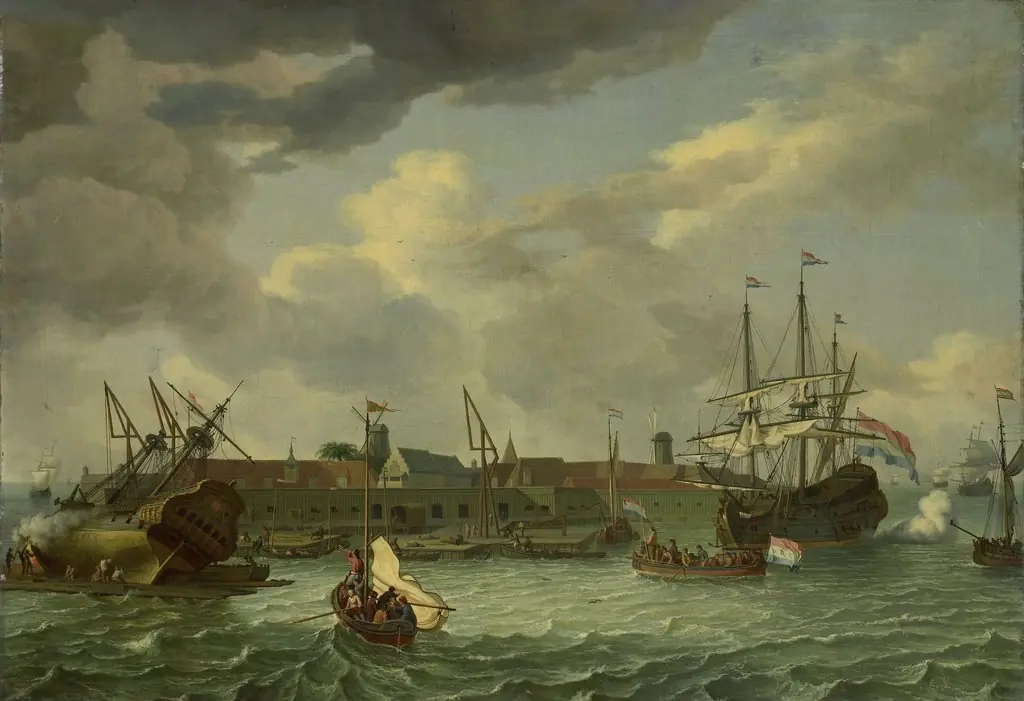 Onrust Island near Batavia
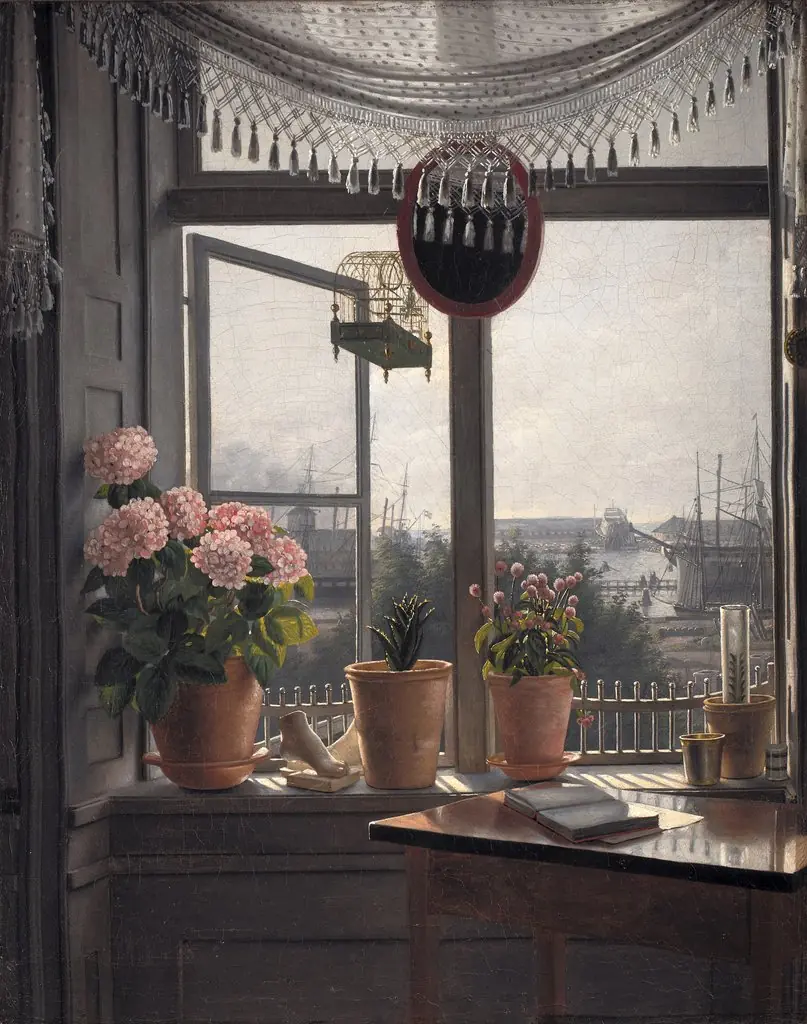 View from the Artist's Window
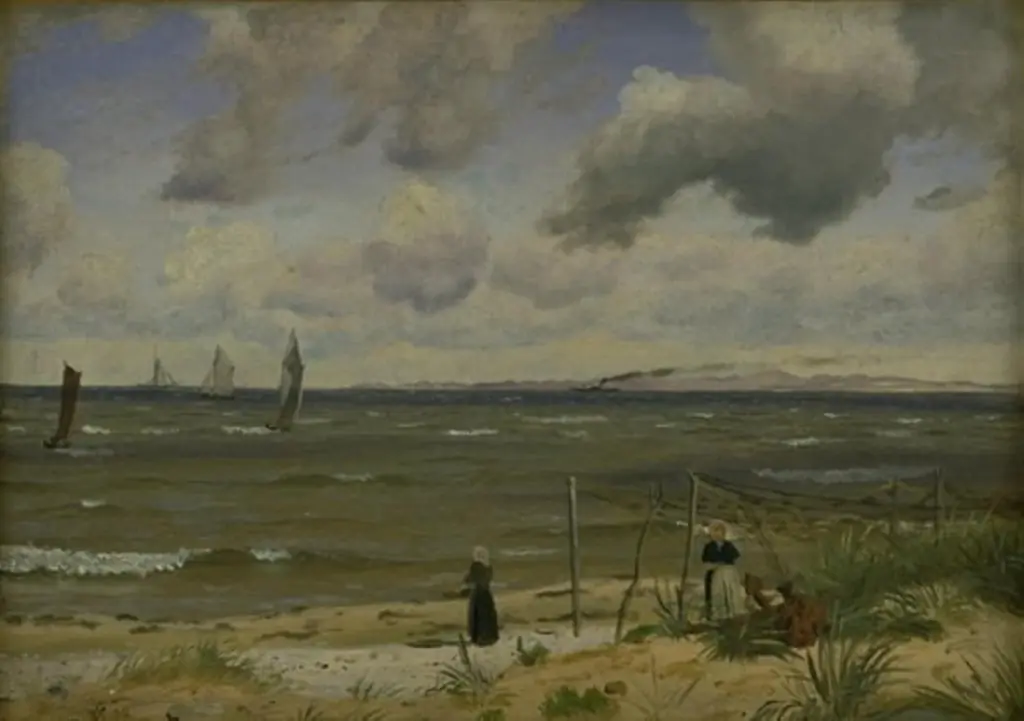 Hornbæk Strand in the North of Sealand
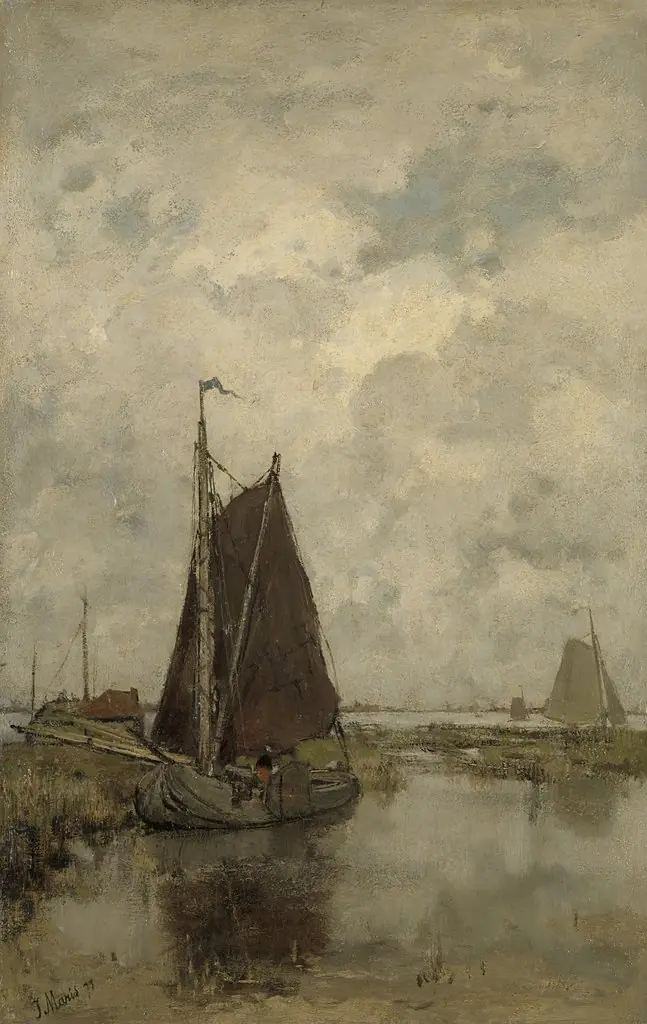 Ships in Dull Weather
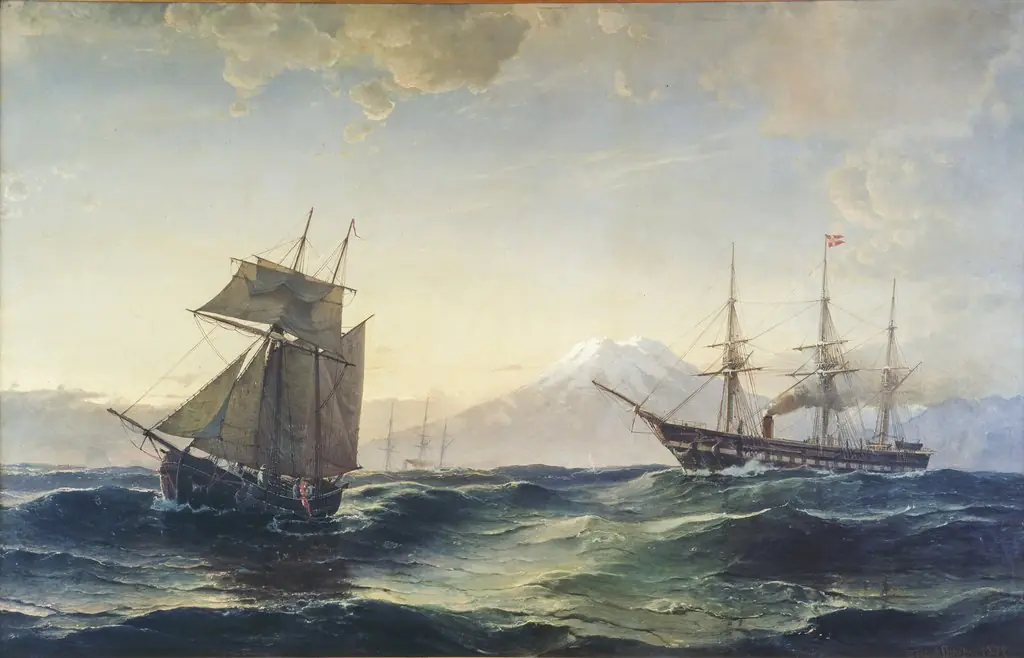 Ships off the Coast of Iceland
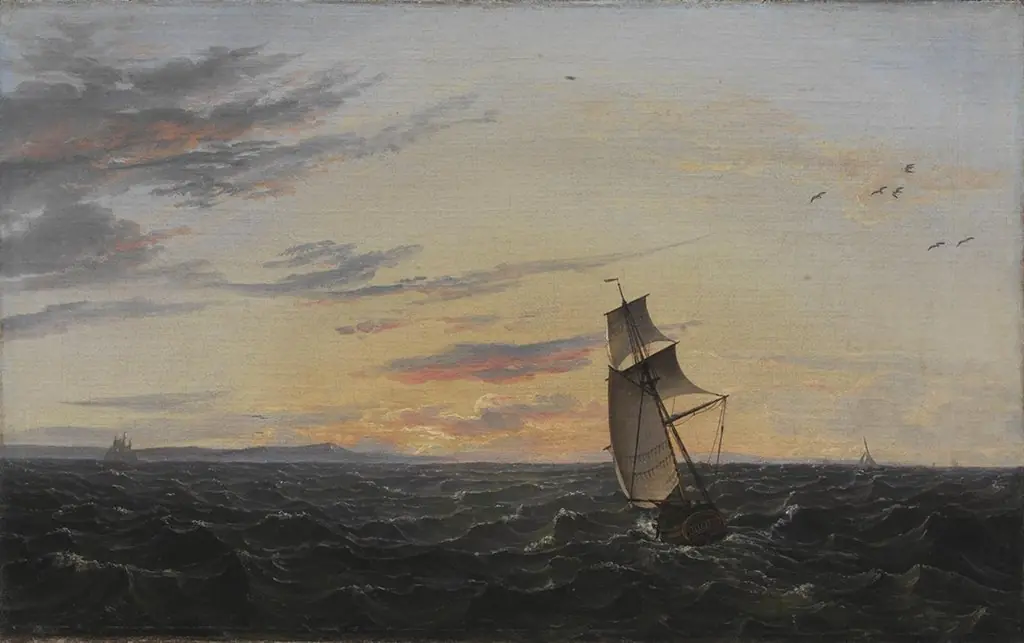 A Seascape. The coast of the Island of Rügen in Evening Light
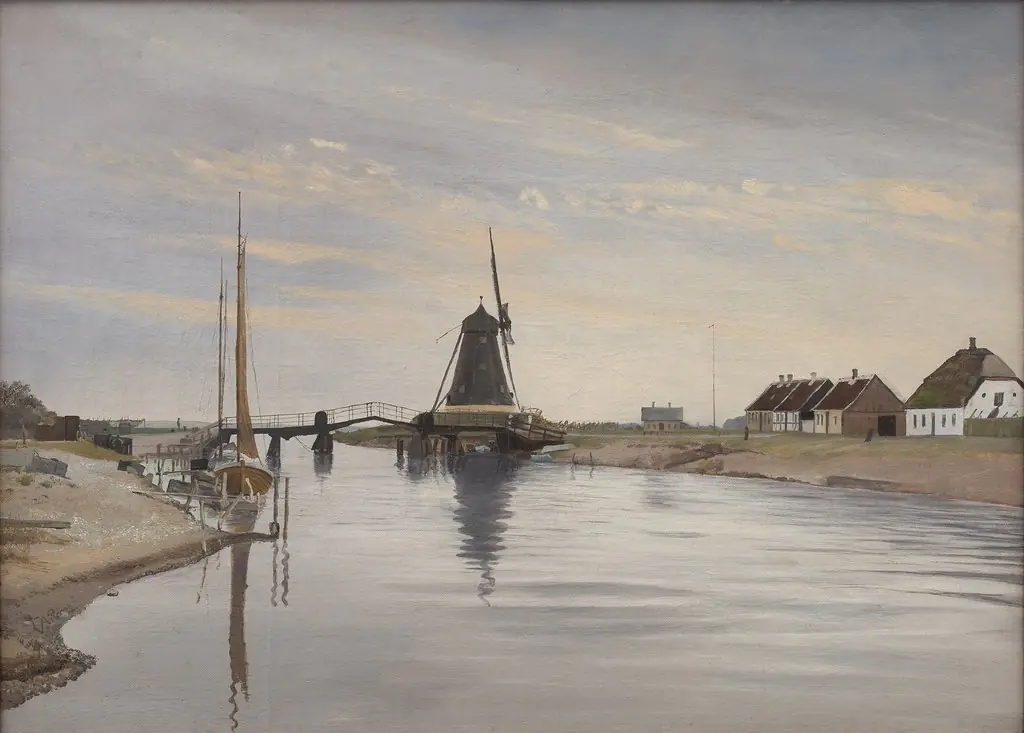 Susåen. The Bridge and the Mill at Karrebæksminde
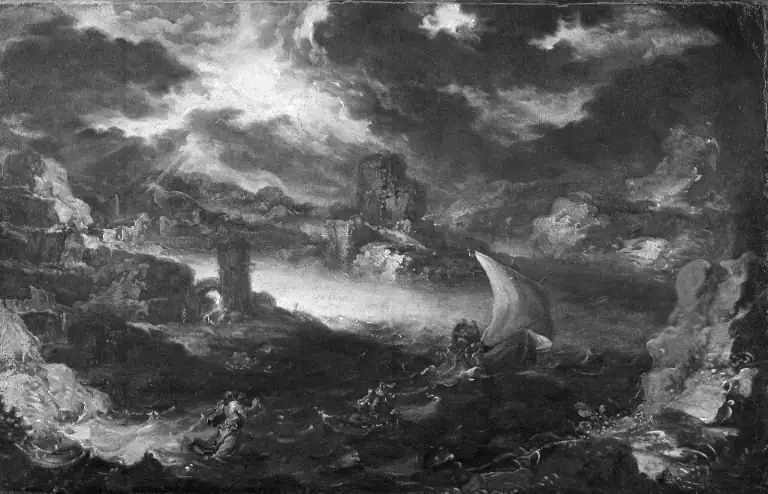 Christ on the Sea of Galilee
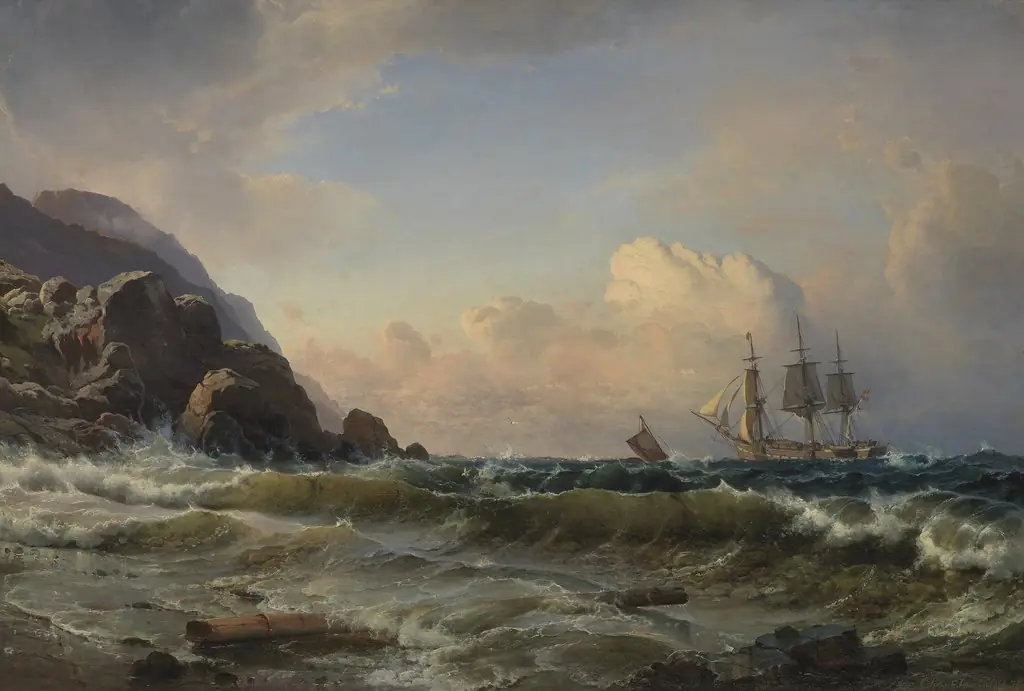 A Norwegian Coastline
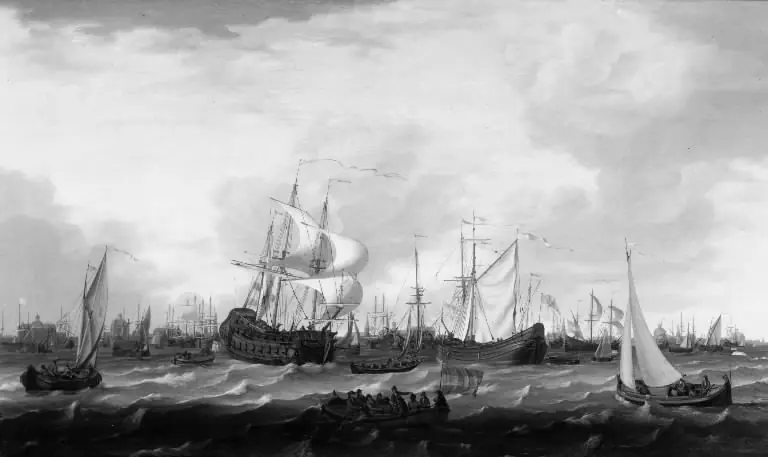 Ships on the Sea off Amsterdam
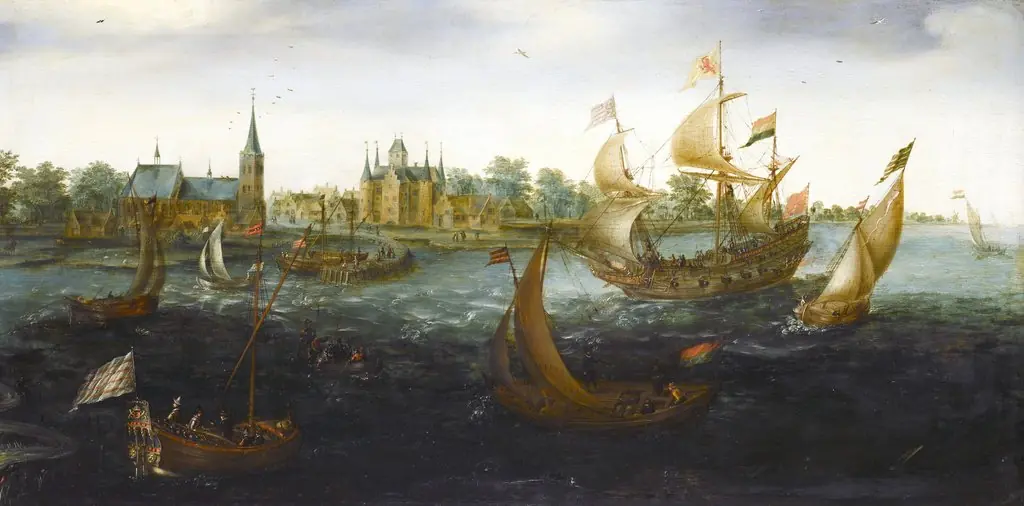 Ships off IJselmonde
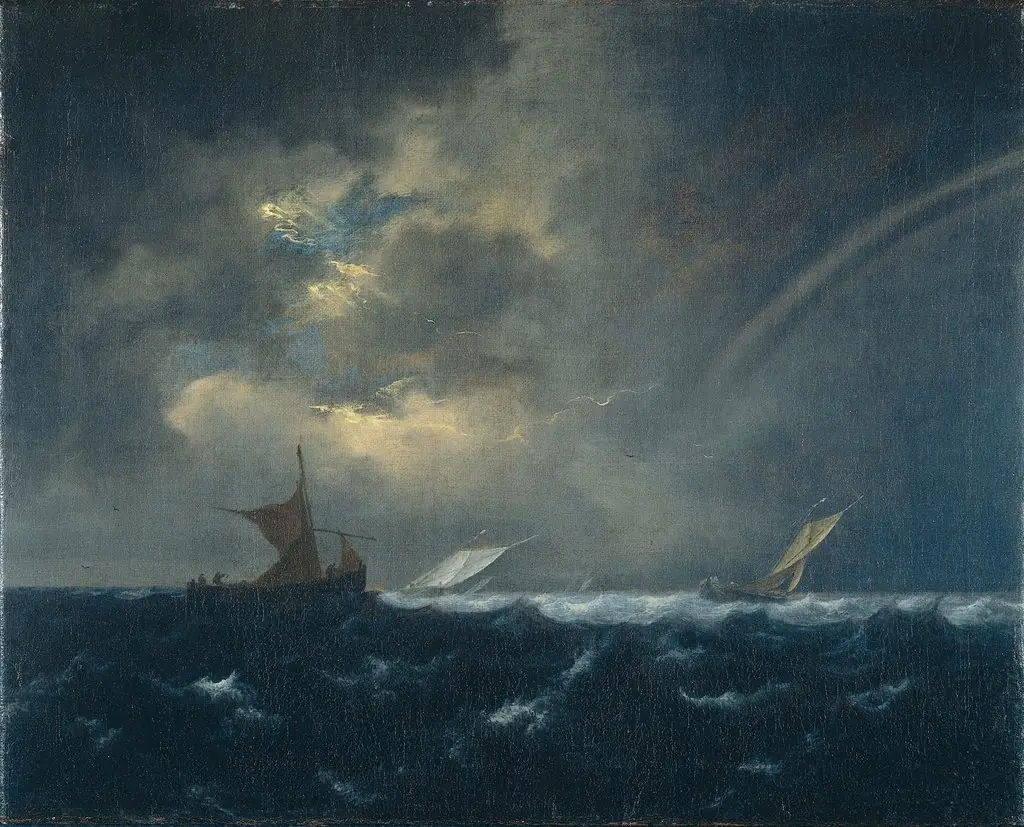 Ships in Stormy Seas
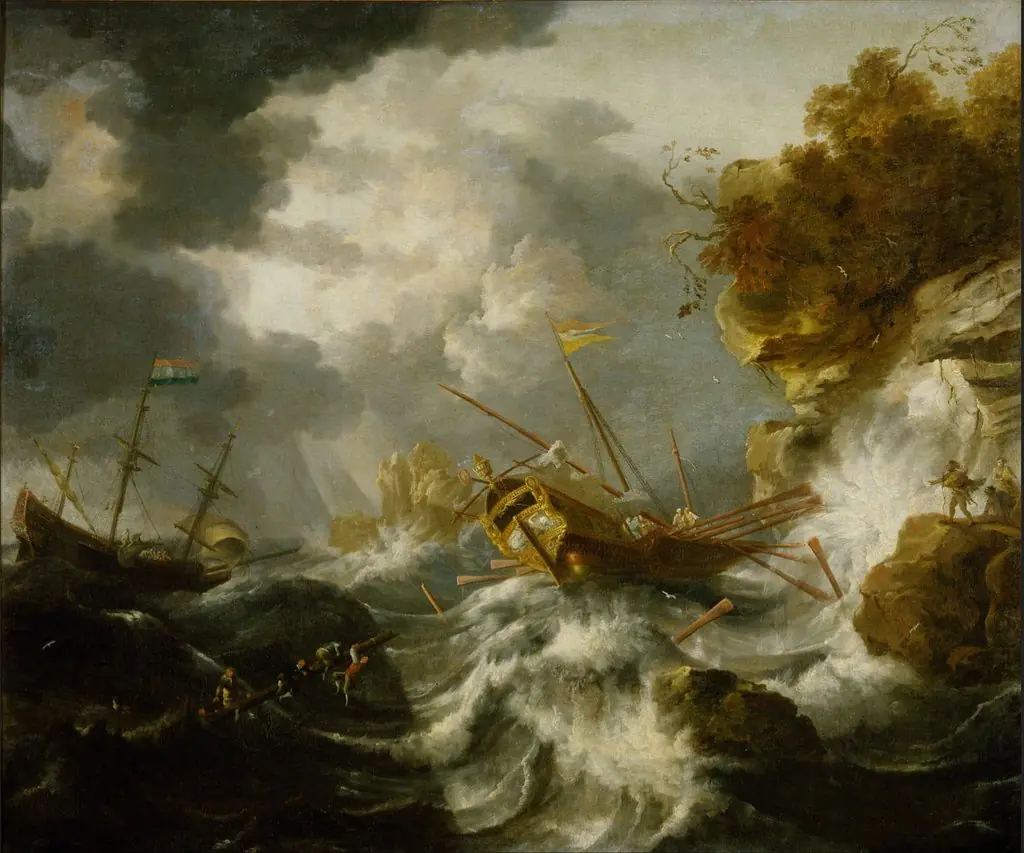 Ships in Trouble near the Coast
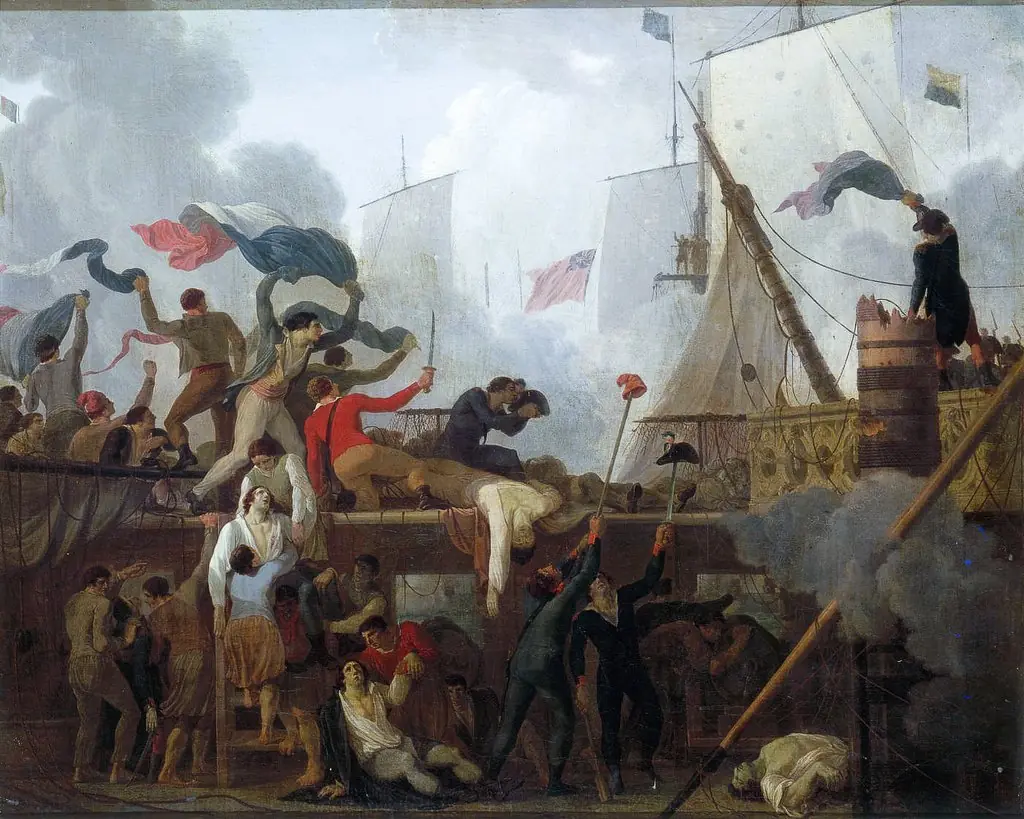 Héroïsme des marins du vaisseau Le Vengeur commandés par le capitaine Renaudin
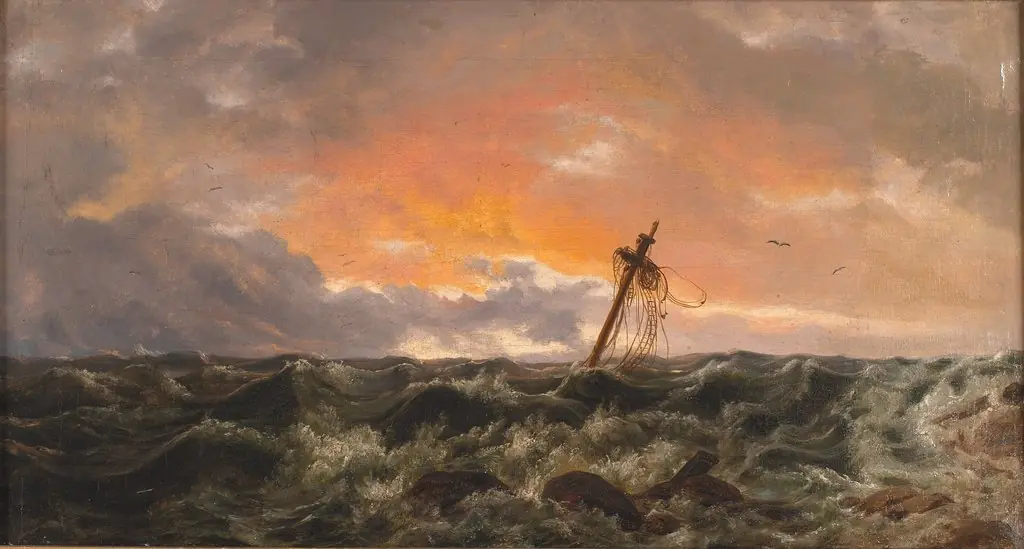 Seascape with a Wreck
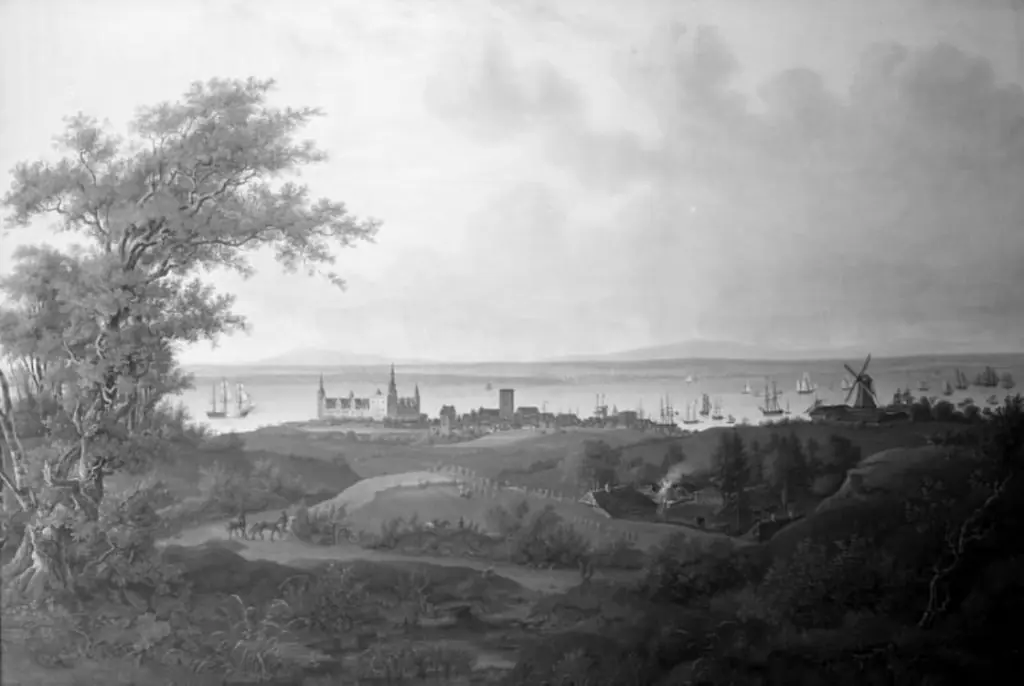 Udsigt over Kronborg, Helsingør og Sundet
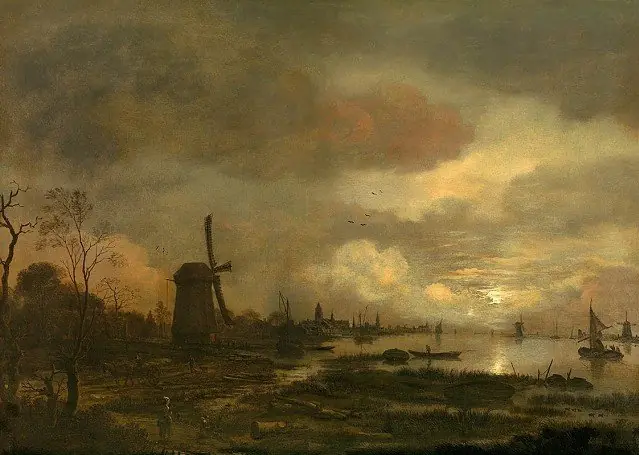 Landscape by moonlight
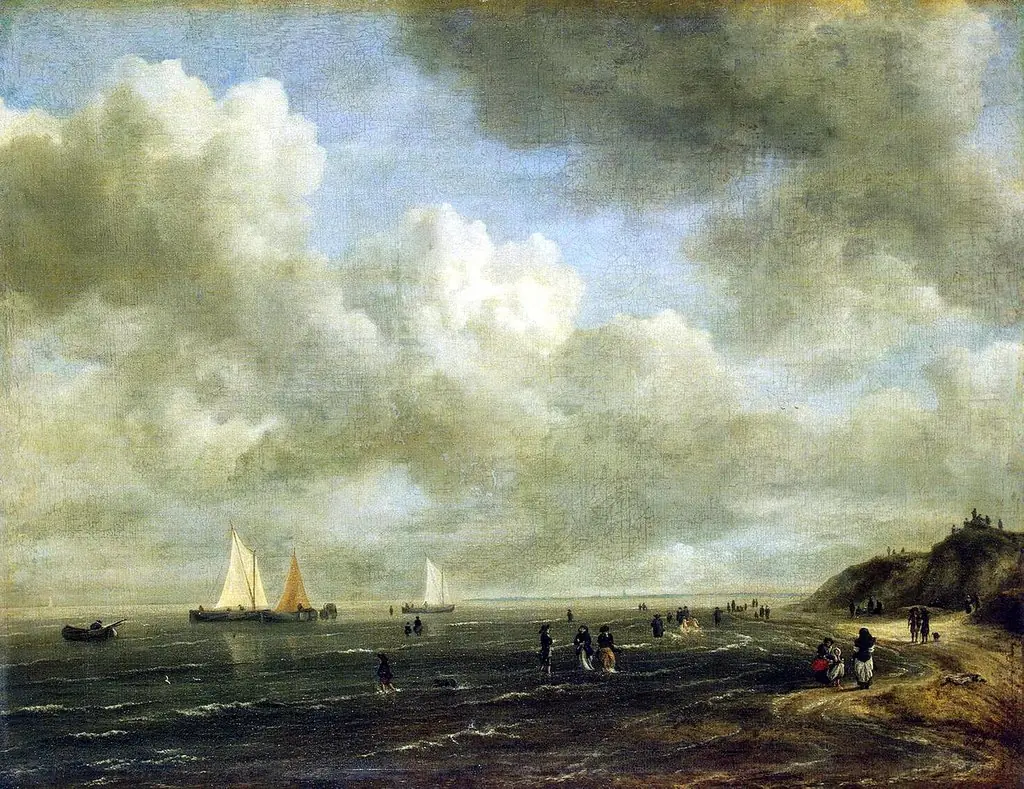 Seashore
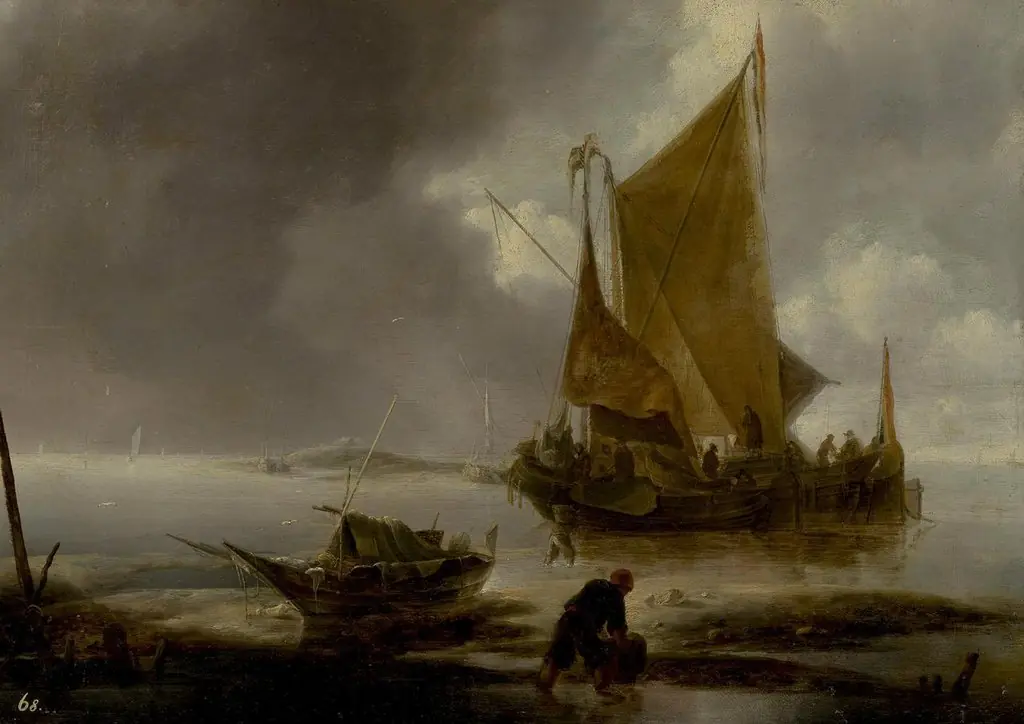 Seascape
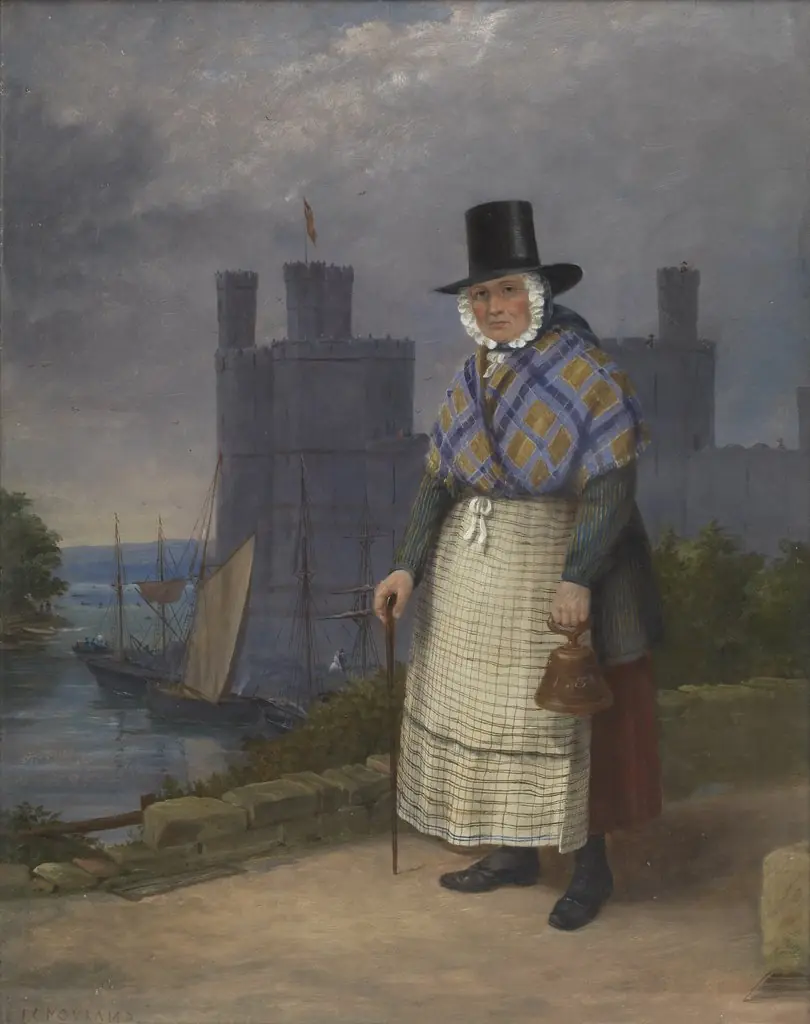 Bellringer of Caernarvon in costume of trade
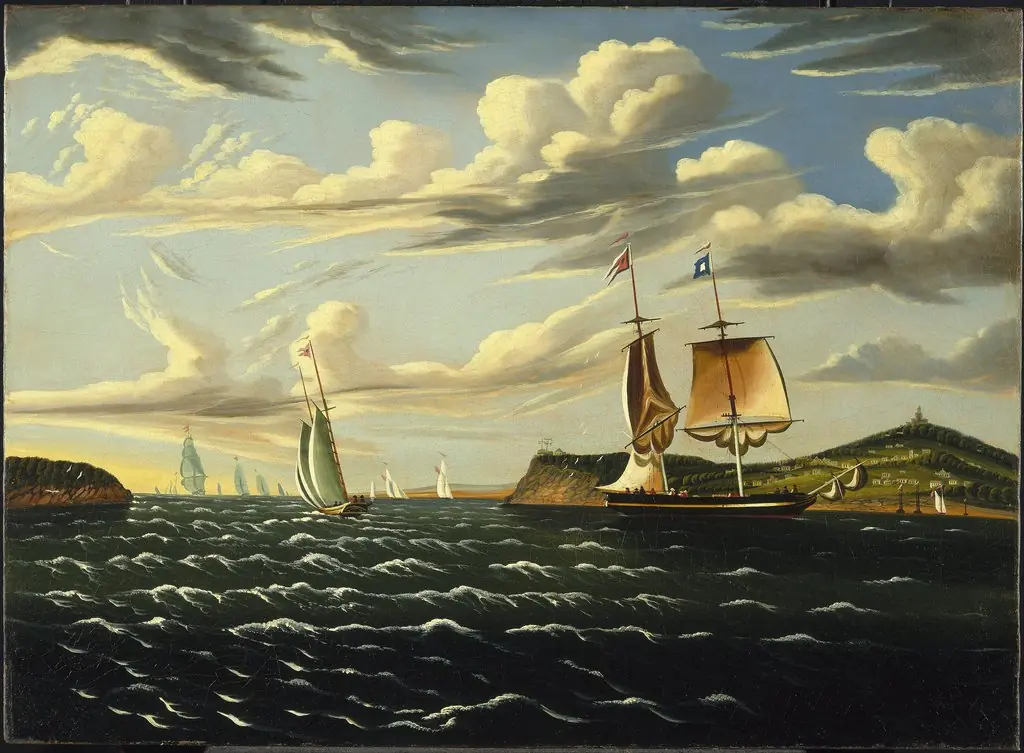 Staten Island and the Narrows
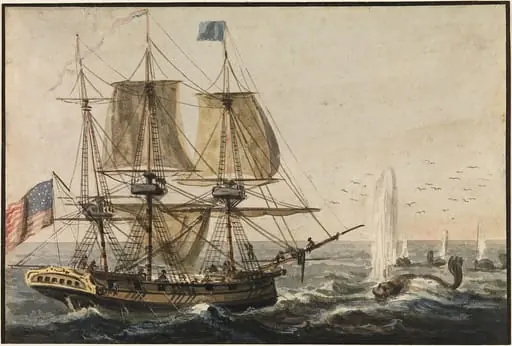 Replenishing the Ship's Larder with Codfish off the Newfoundland Coast
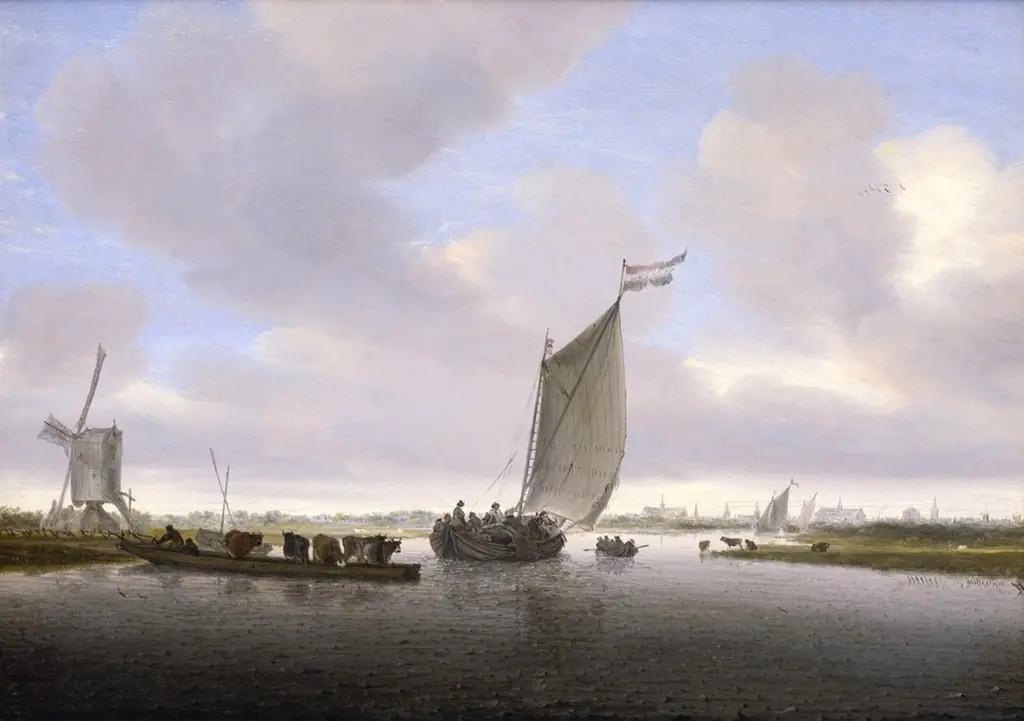 River landscape with a sailing boat and a ferry with cattle, the city of Leiden beyond
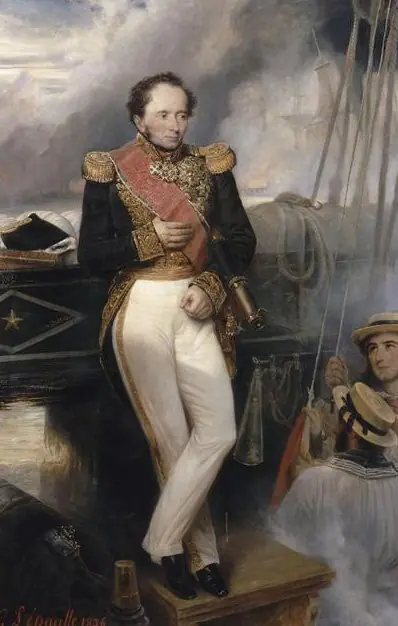 Henri Gauthier, count of Rigny, vice-admiral (1783-1835)
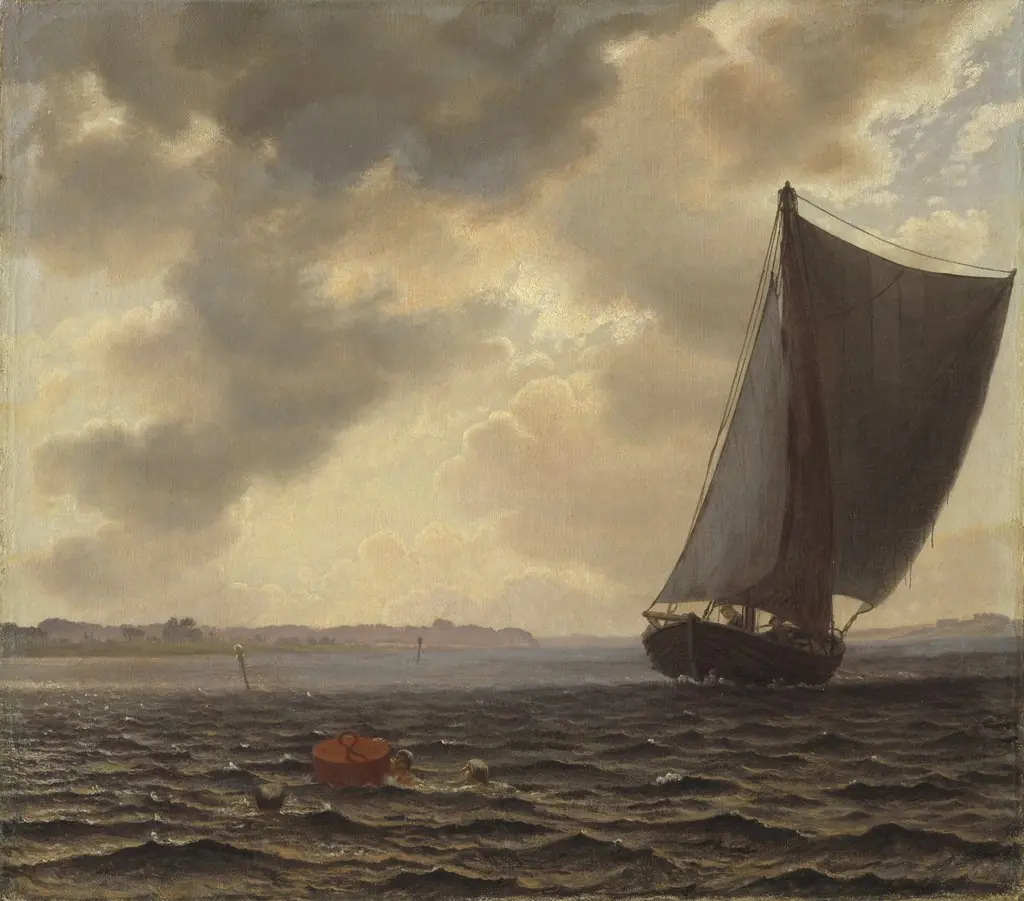 Sailing Boats in Guldborg Sound
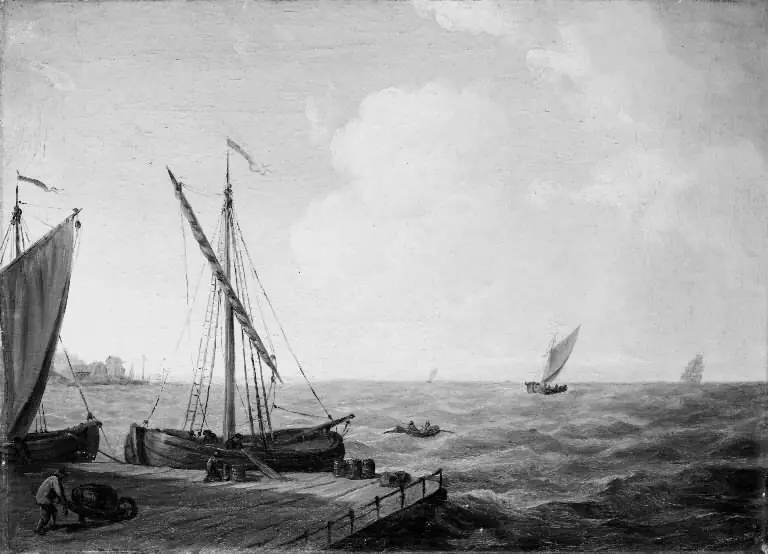 Marine. Udsigt over Øresund
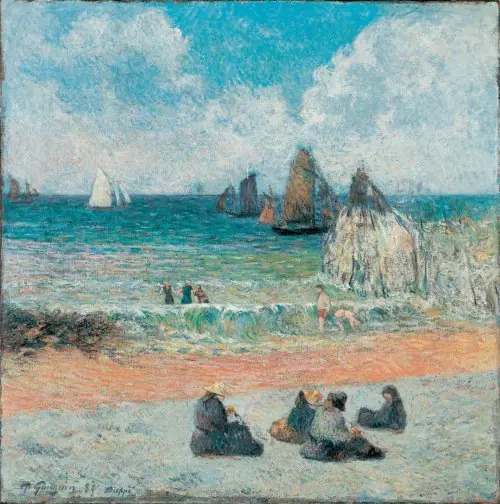 Coast at Dieppe
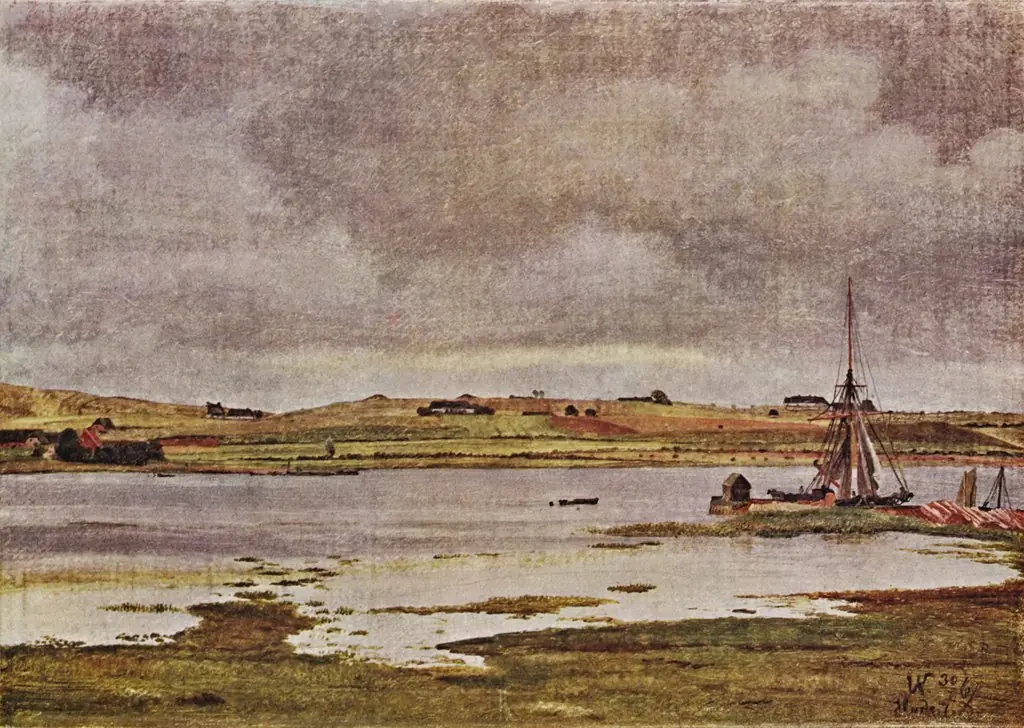 The Fiord at Hadsund, Jutland. Cloudy Weather
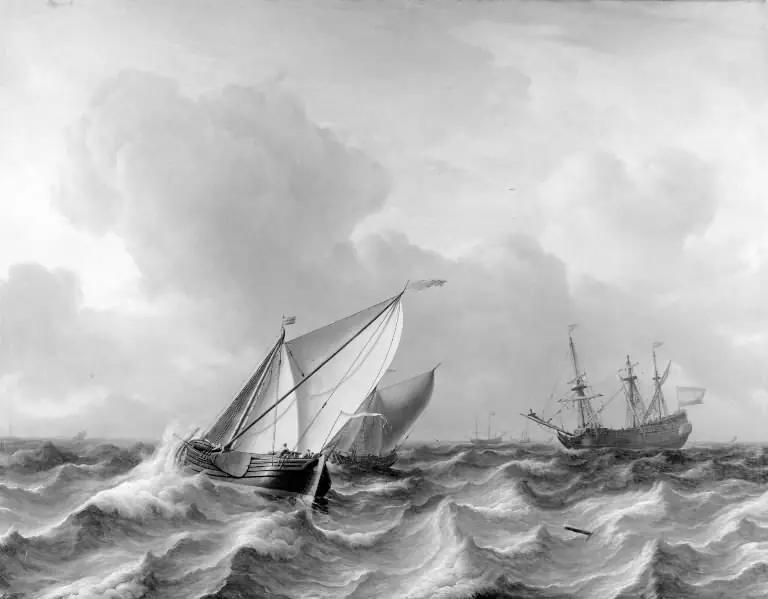 The Sea in Motion
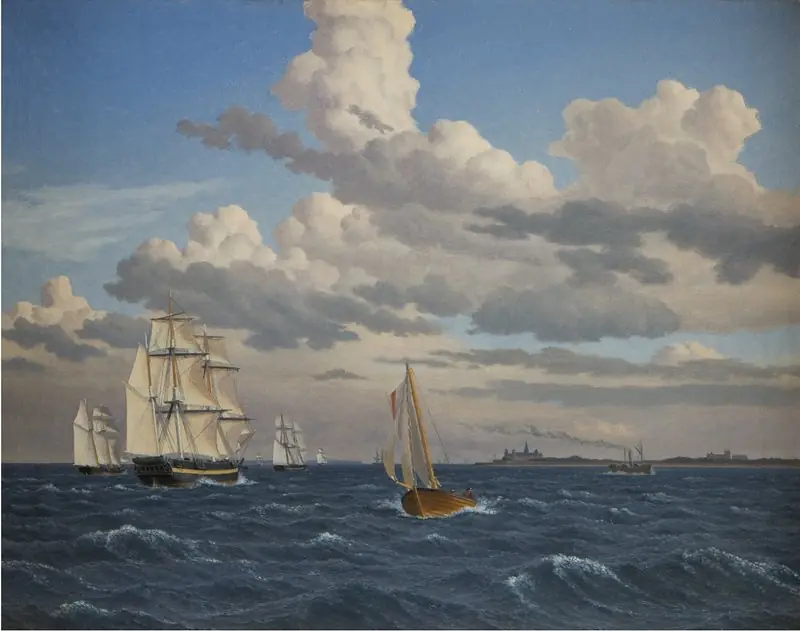 Ships in the Sound North of Kronborg Castle, Elsinore
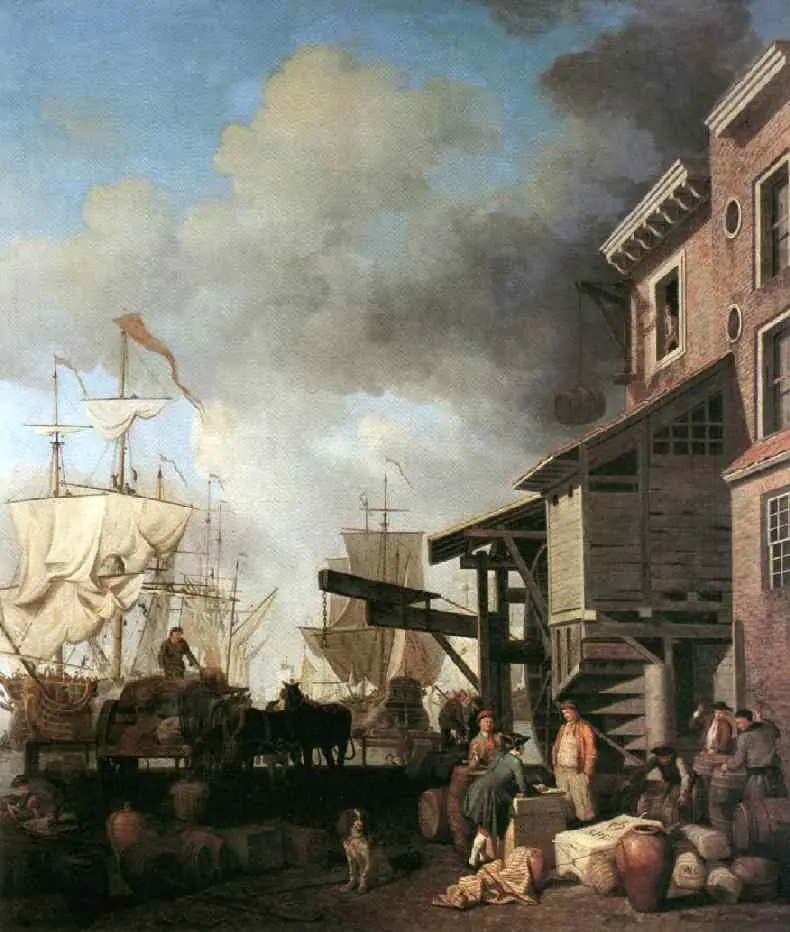 A Thames Wharf
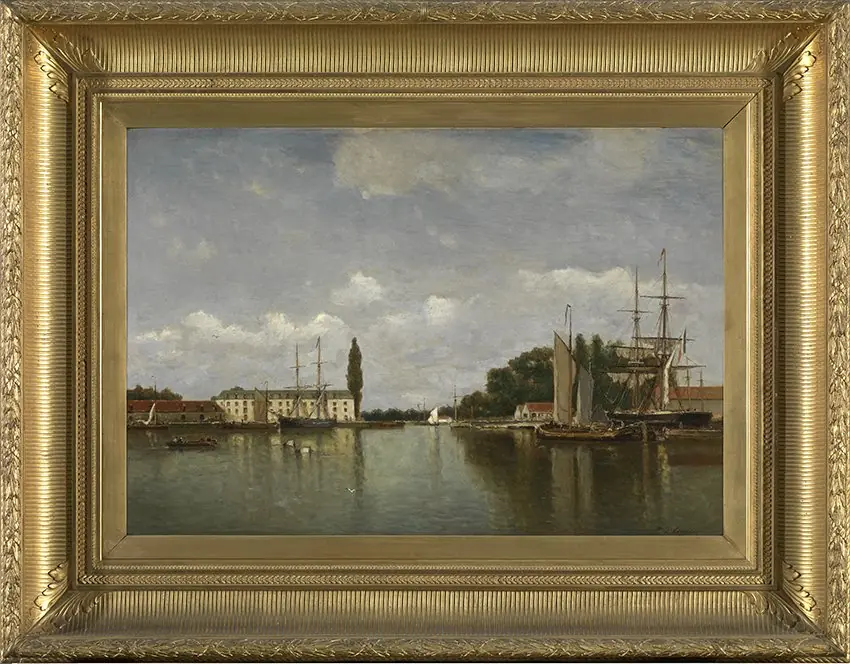 De Handelskom in Brugge
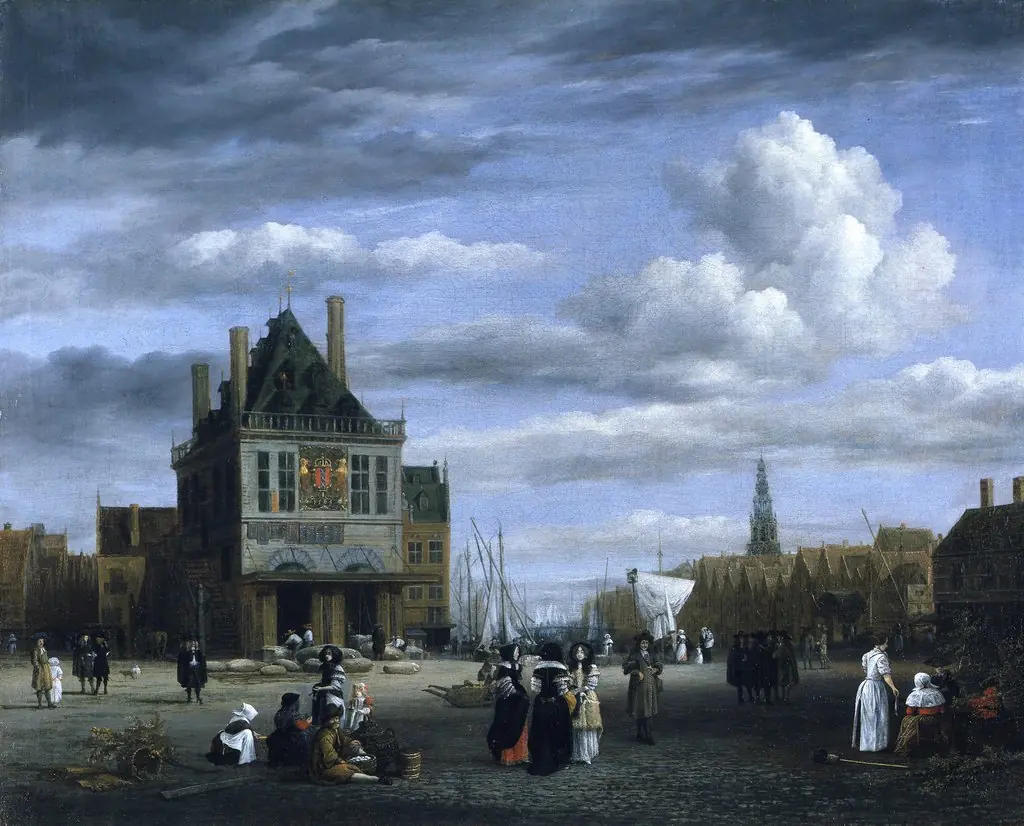 The Dam Square in Amsterdam with the Weigh House
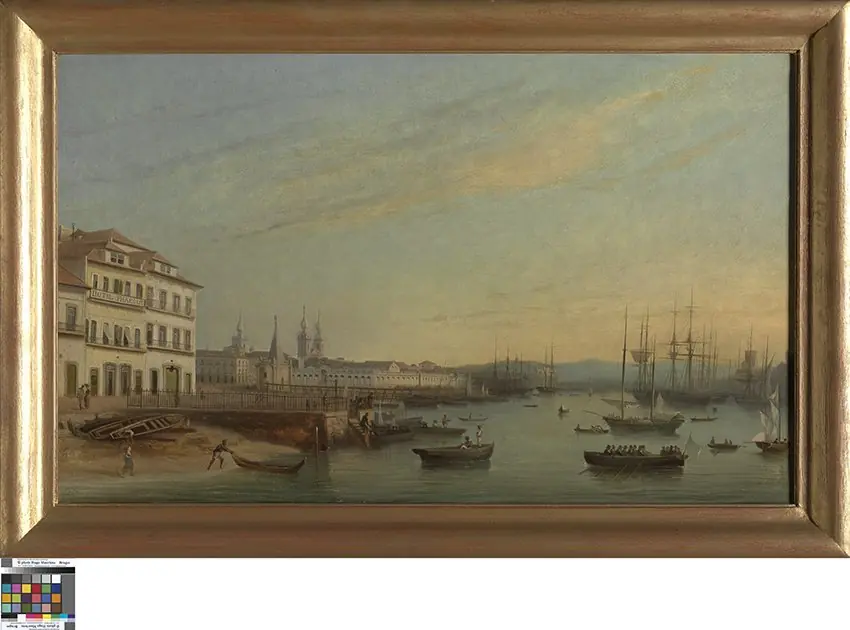 Haven
Haven Winter Landscape
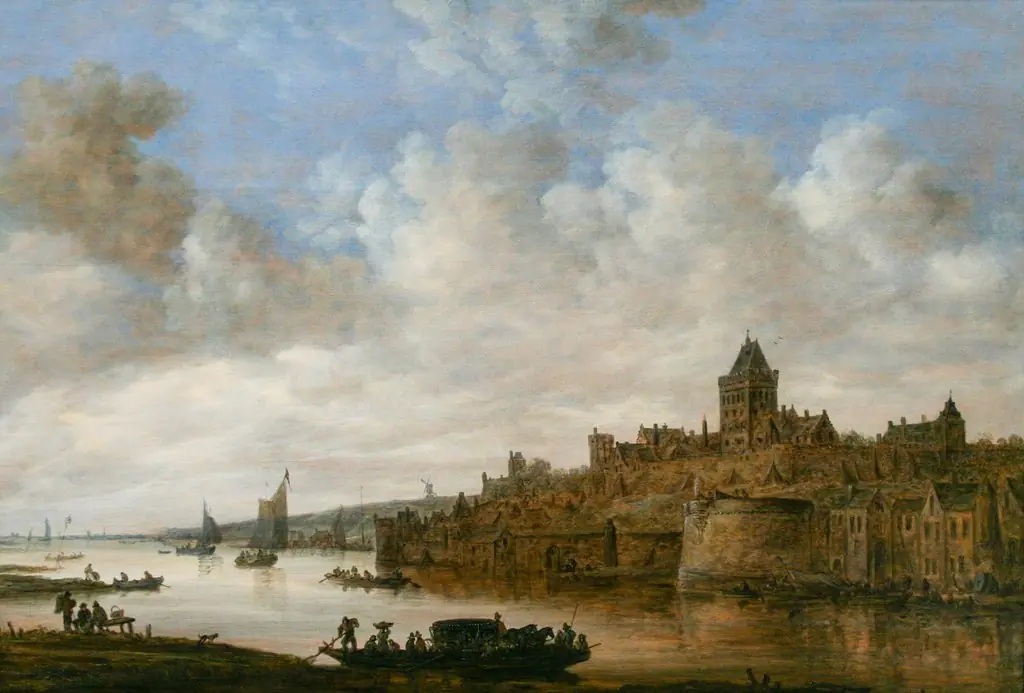 View of Nijmegen
 Meeresbucht bei untergehender Sonne
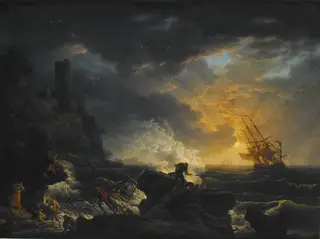 Shipwreck
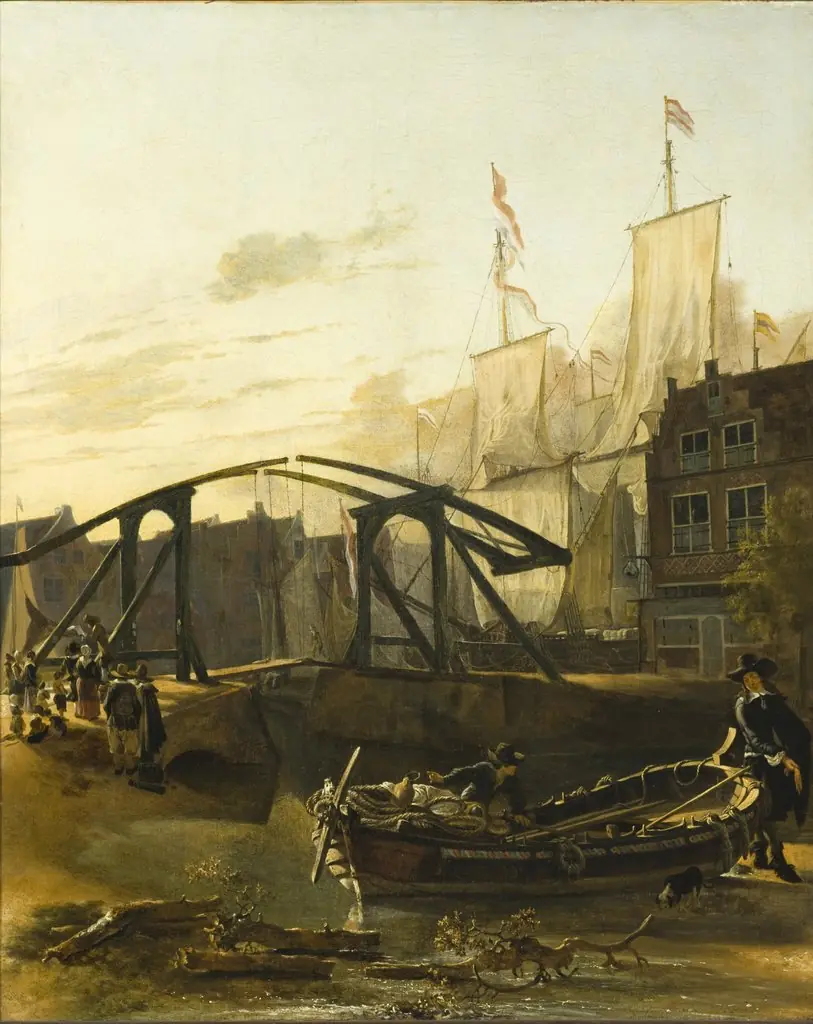 View of a Harbor in Schiedam
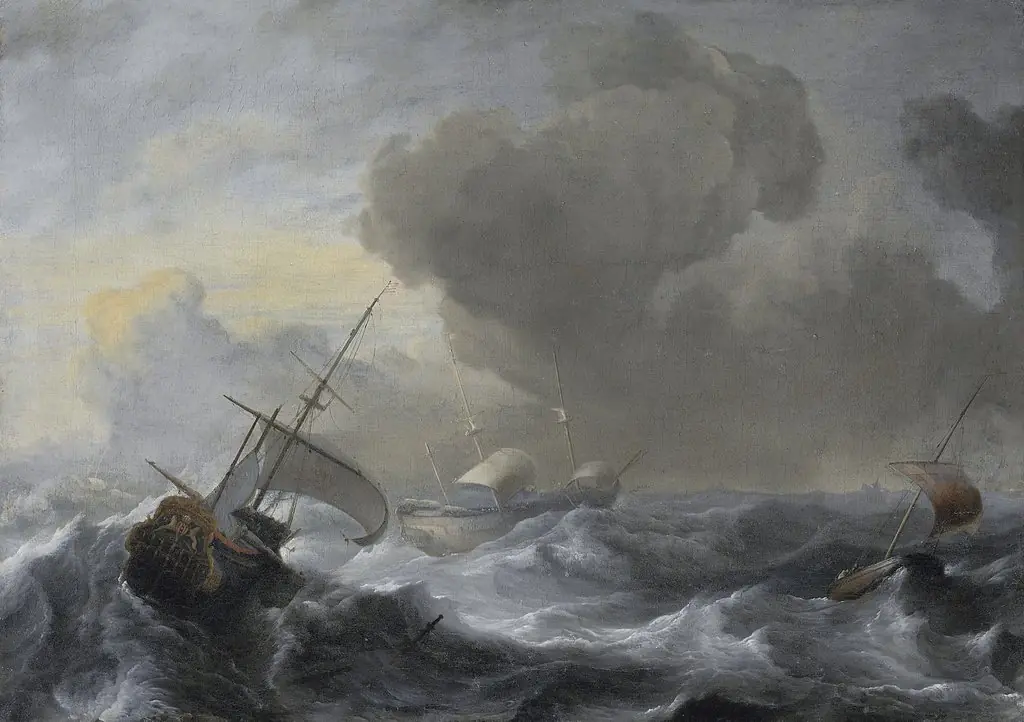 A threemaster with the Amsterdam coat-of-arms, with other vessels, in a storm
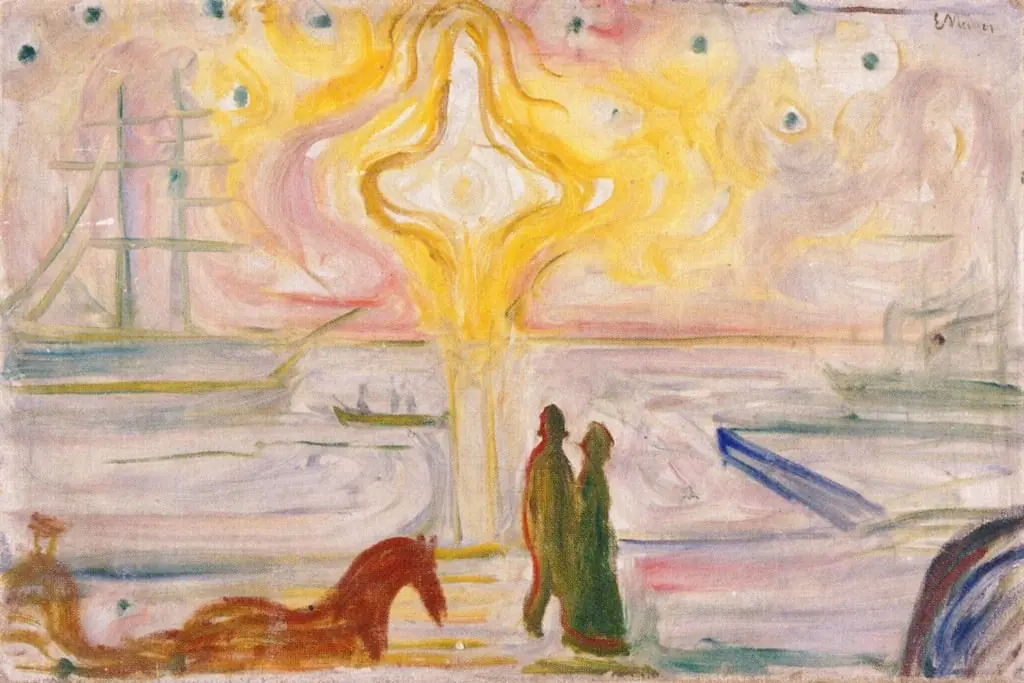 Sunrise in the Harbour
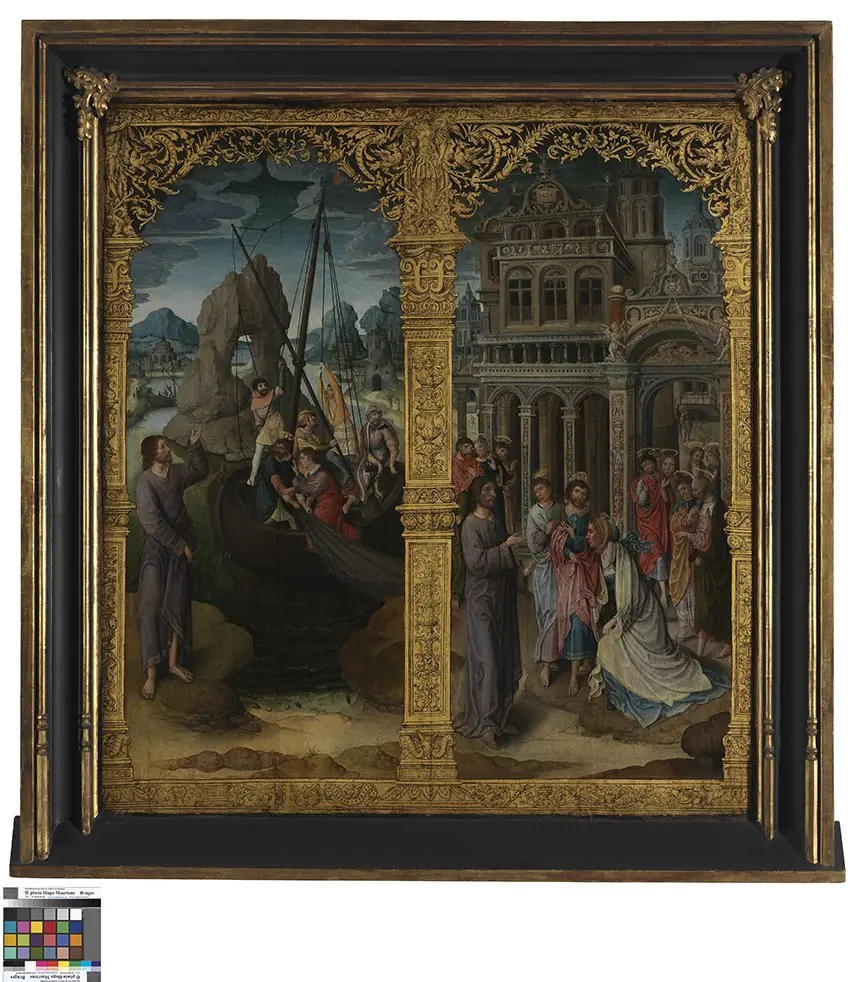 The Calling of James and John
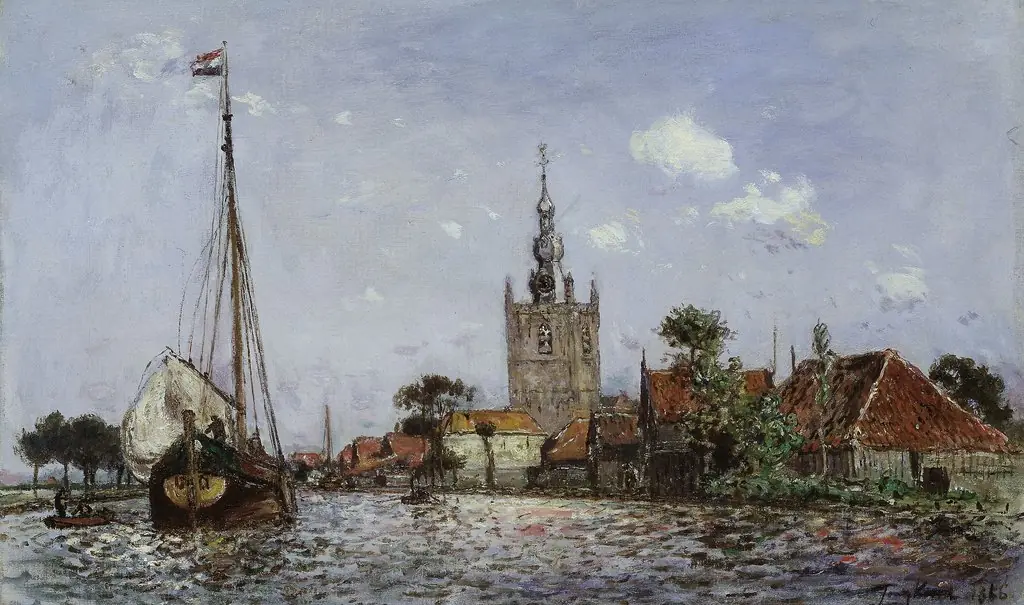 The Church of Overschie
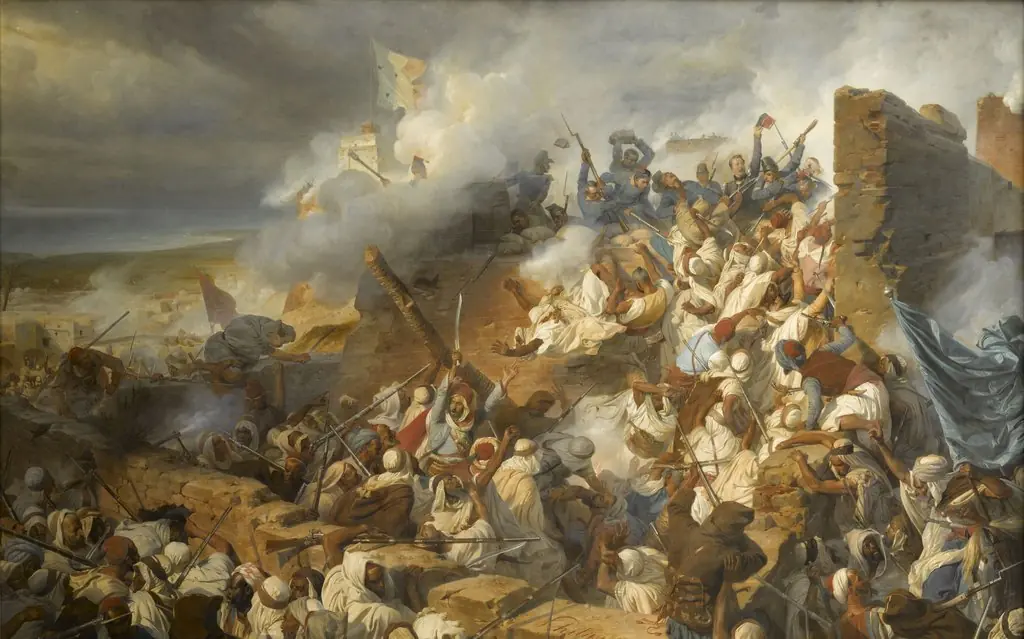 Defense of Mazagran, February 2 to 6, 1840
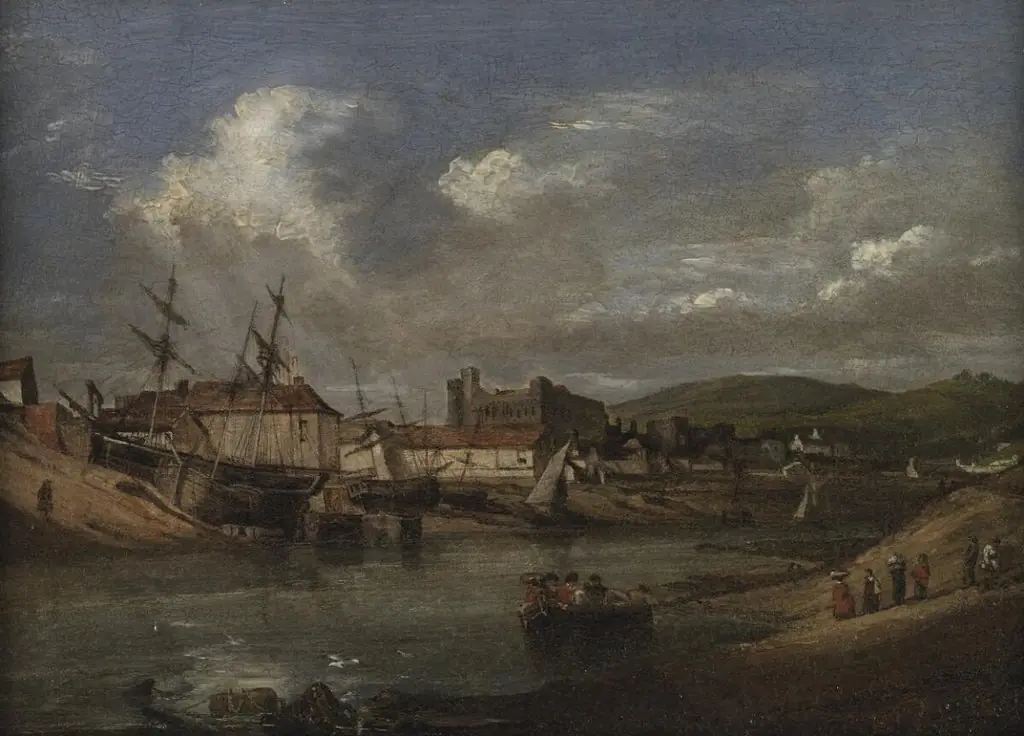 Swansea ferry
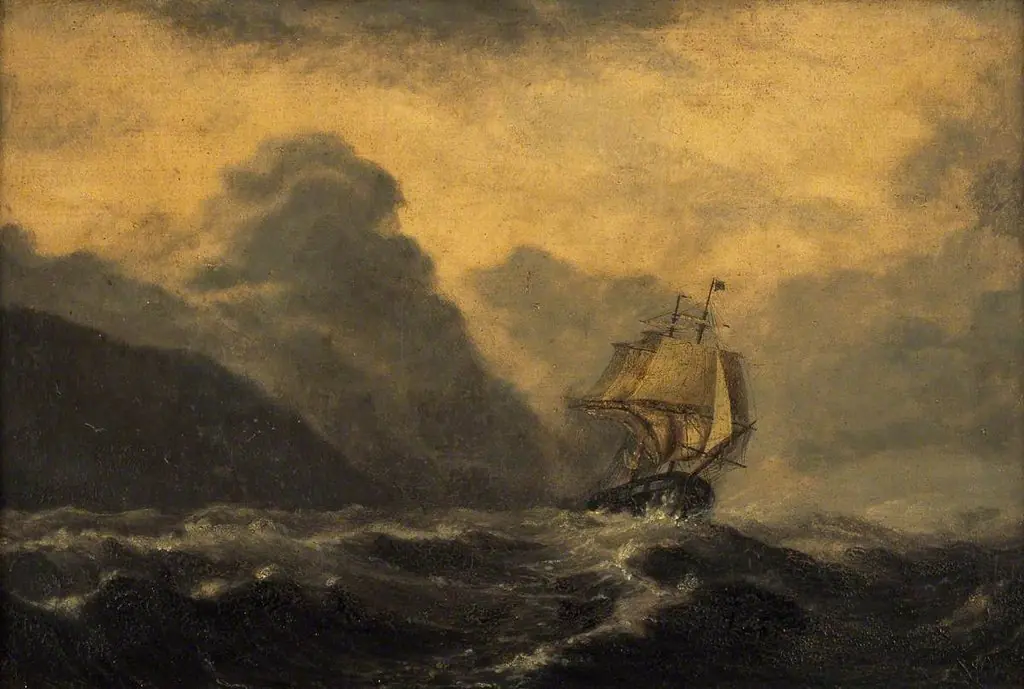 Ship off Carmel Head
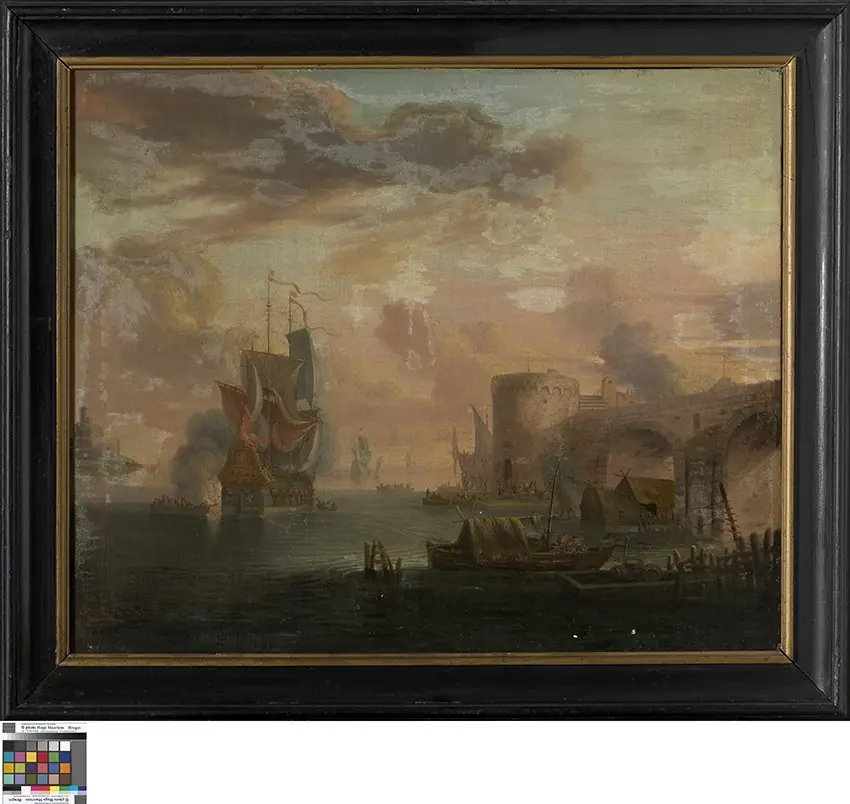 Havengezicht
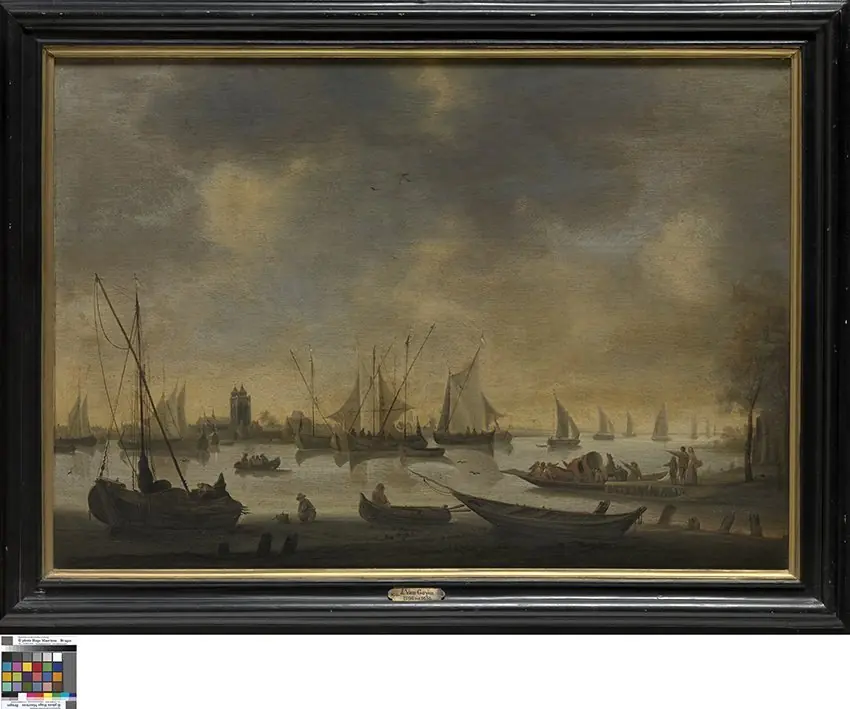 Rivierlandschap
 Portrait of Catharina Claesdr. Gaeff alias Lambertsdr. Opsy (1619-1698)
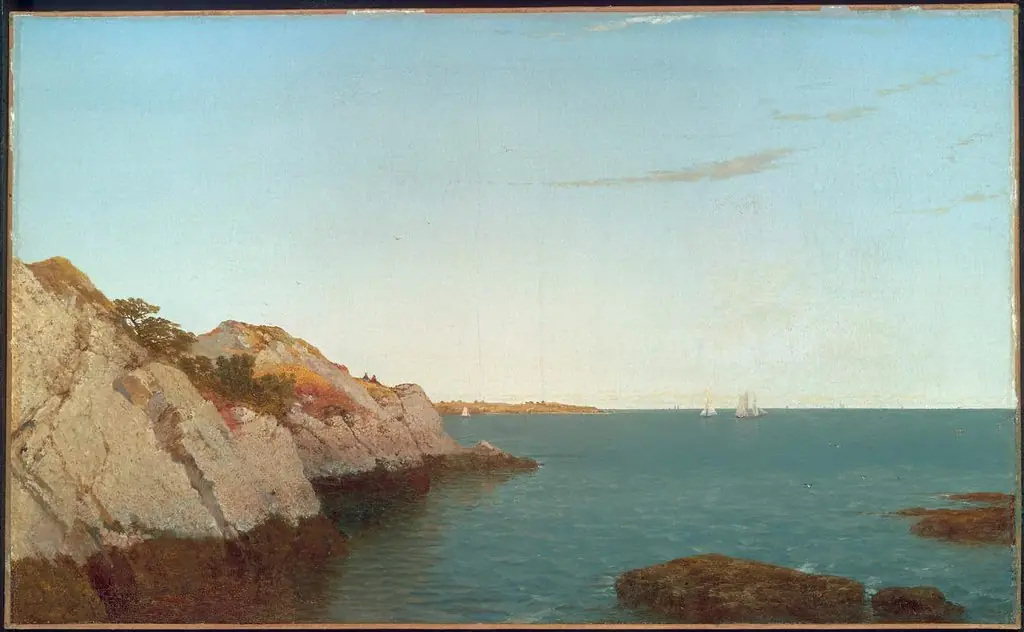 Smith's Point, Beverly, Massachusetts
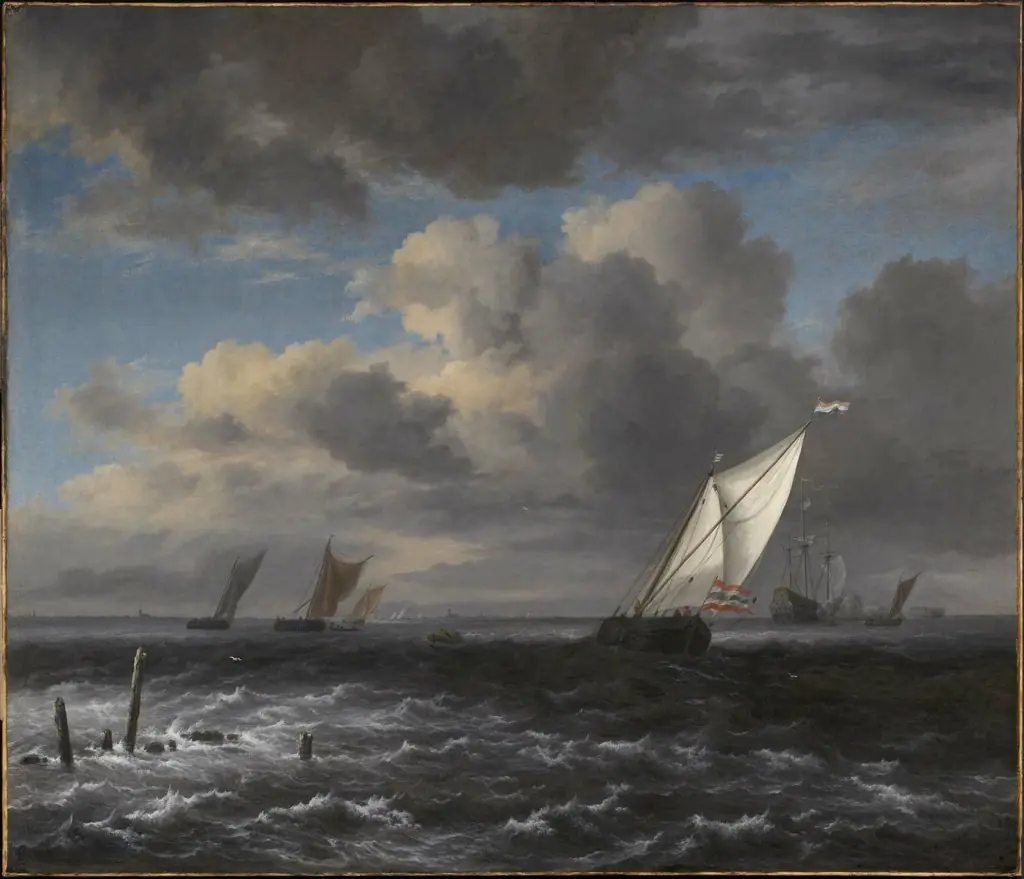 Rough Sea
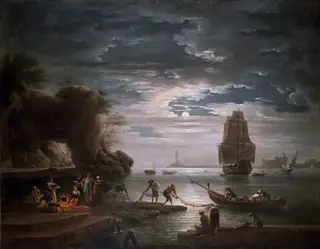 The Night
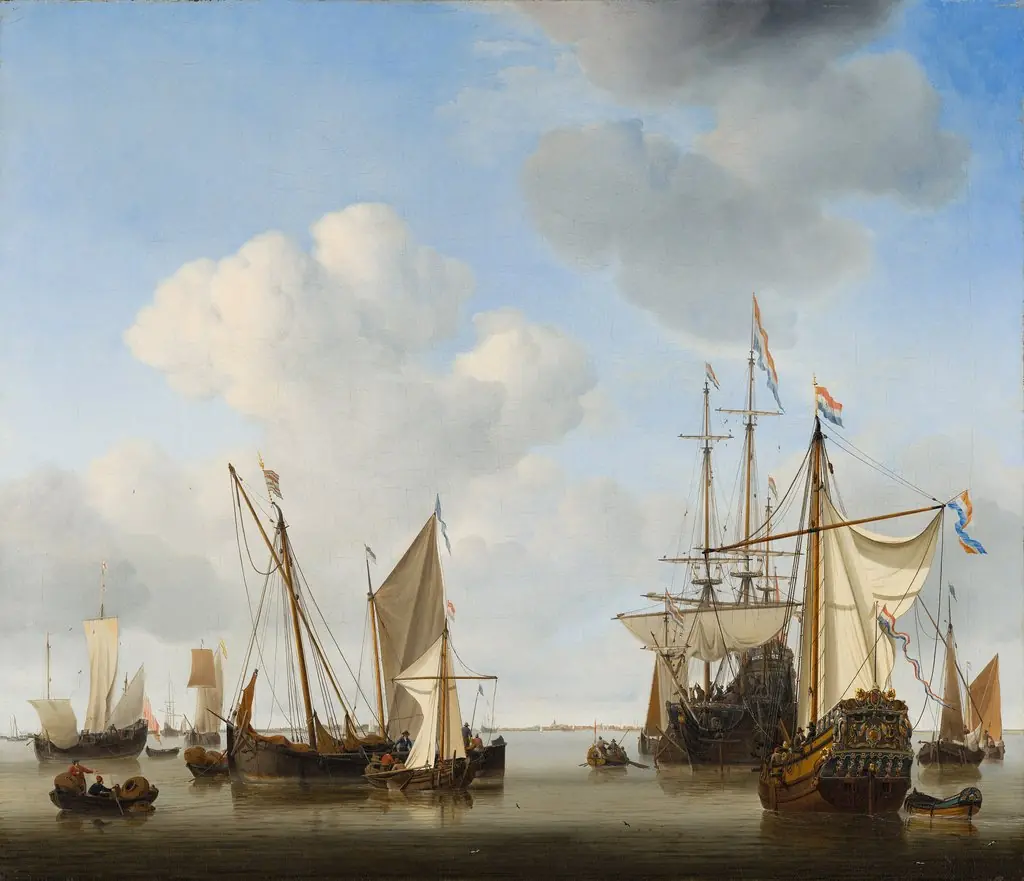 Ships on a Calm Sea
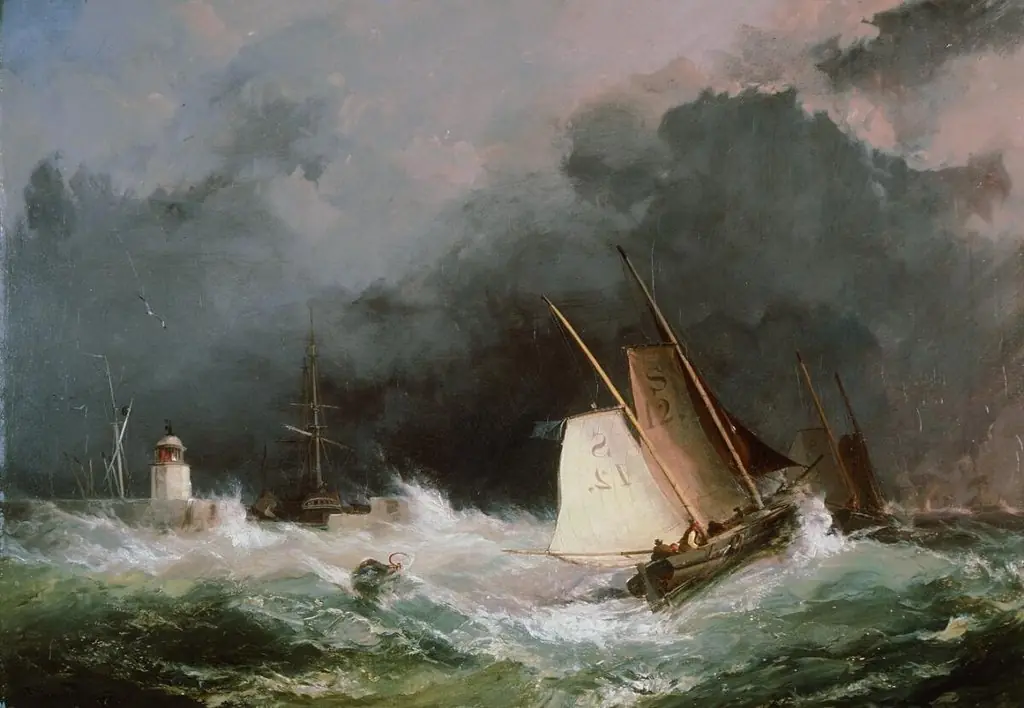 Pilot boats heading out of Swansea
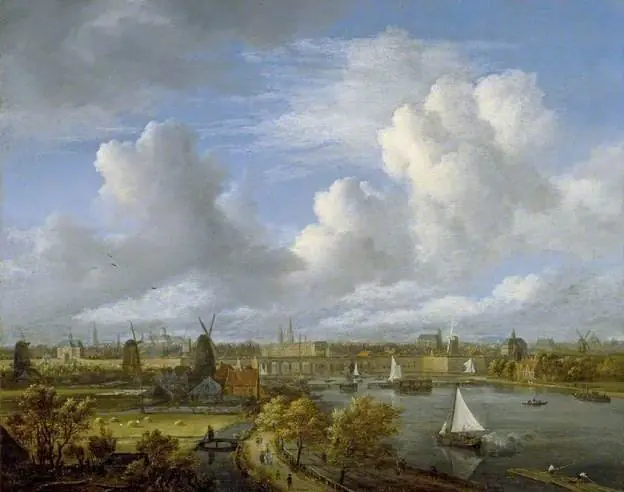 View on the Amstel Looking towards Amsterdam
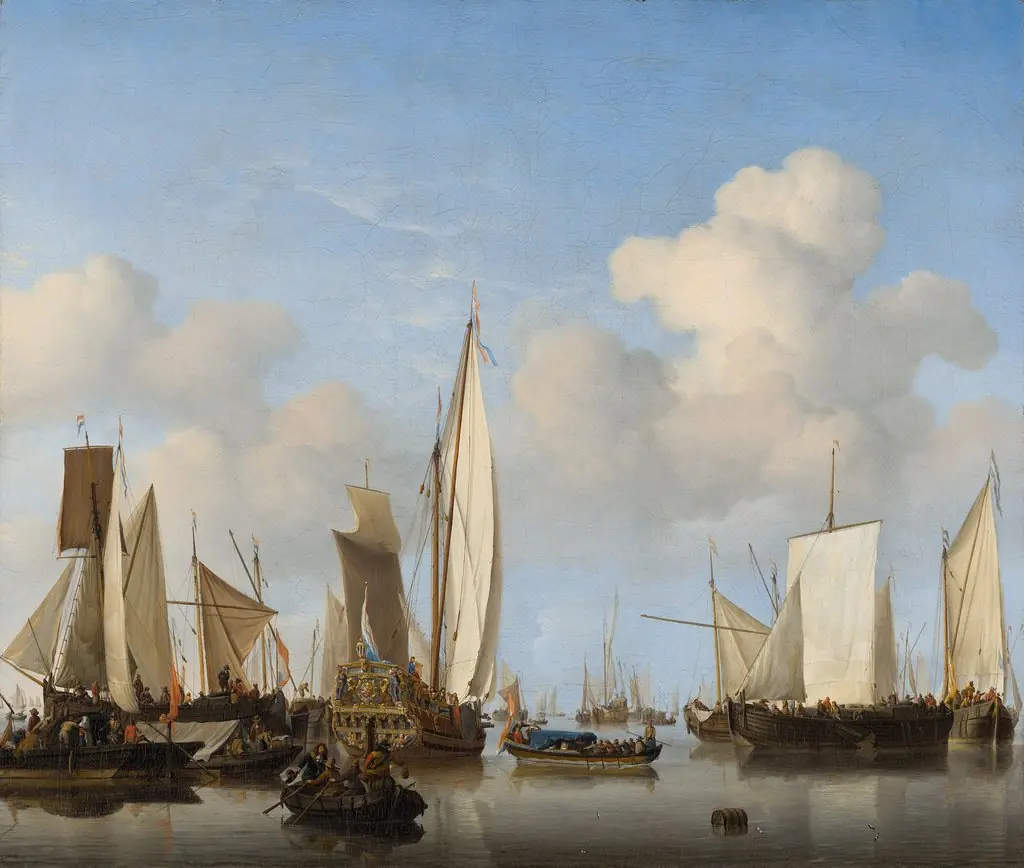 Ships in the Roads
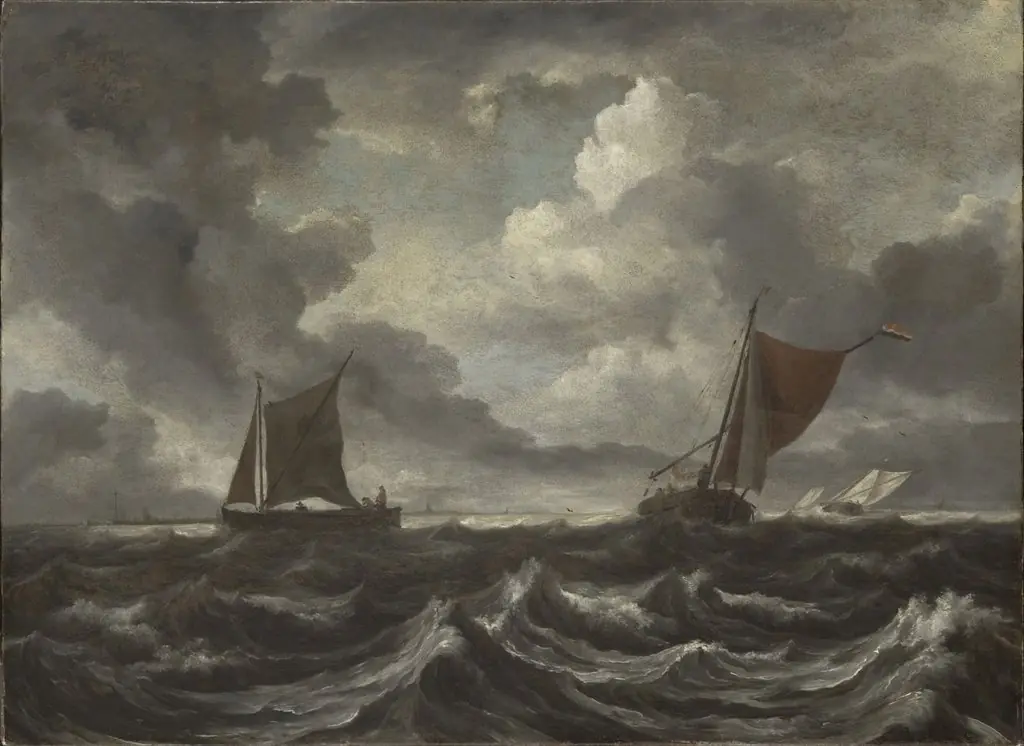 Boats on a Stormy Sea
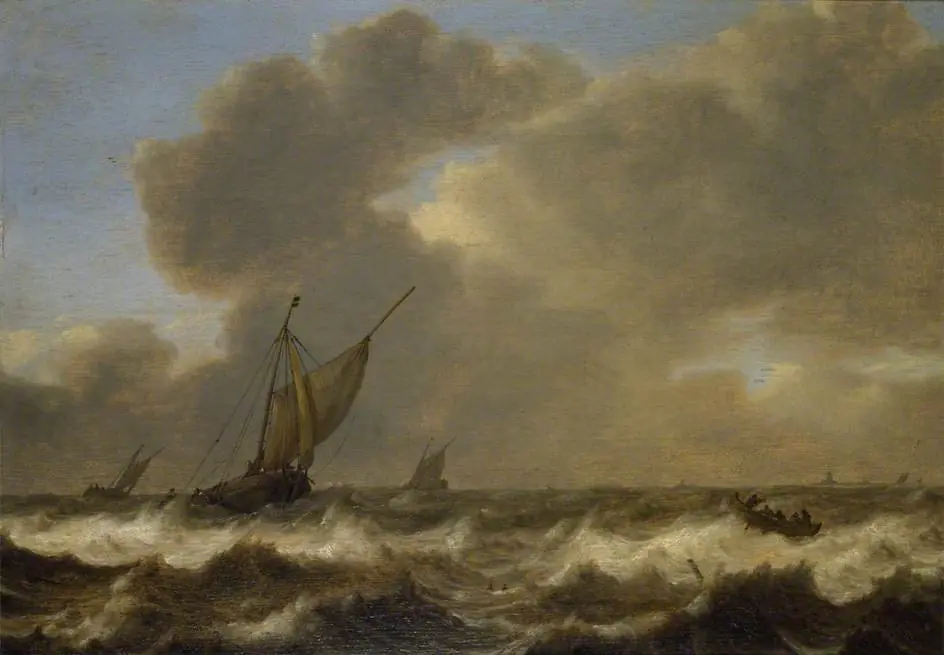 Three Damloopers in a Fresh Breeze
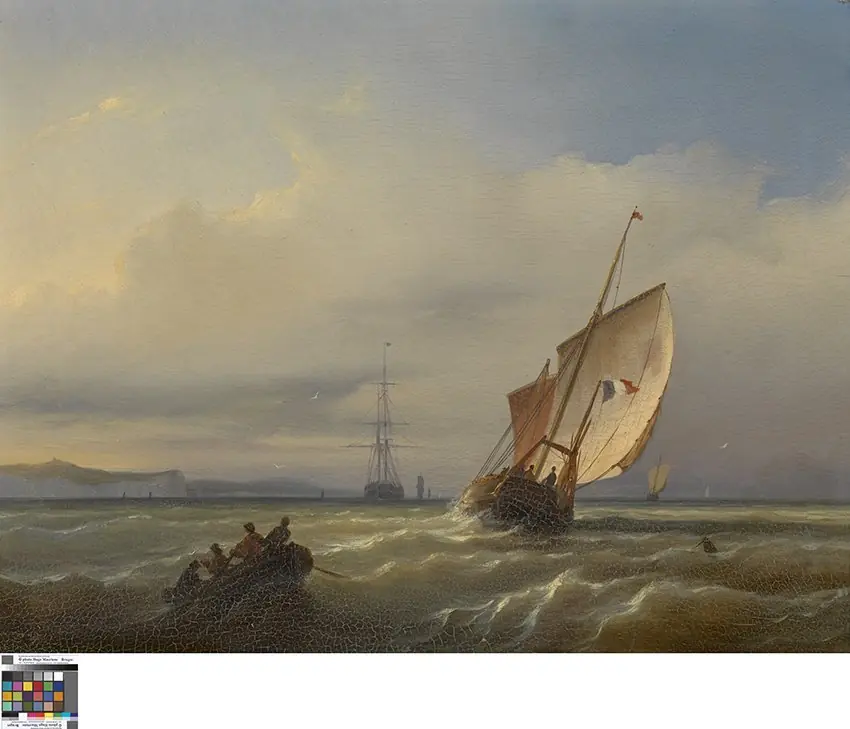 Woelige zee
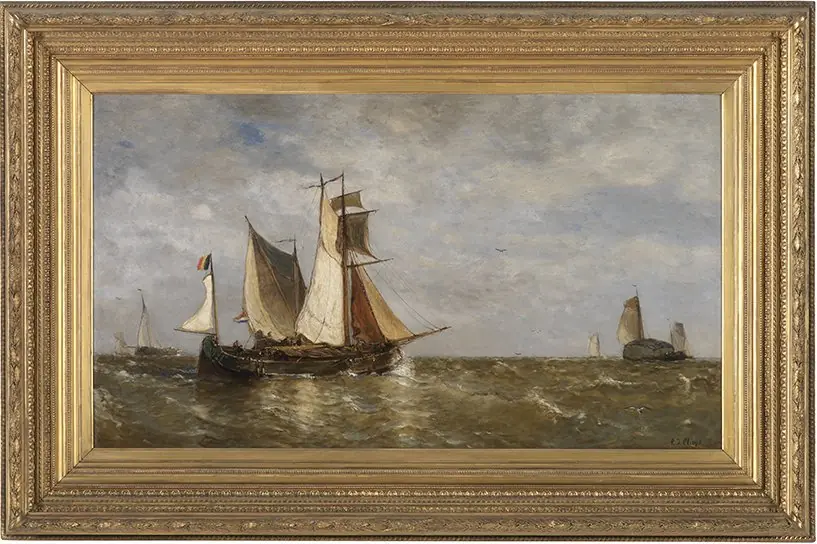 Scheldemonding
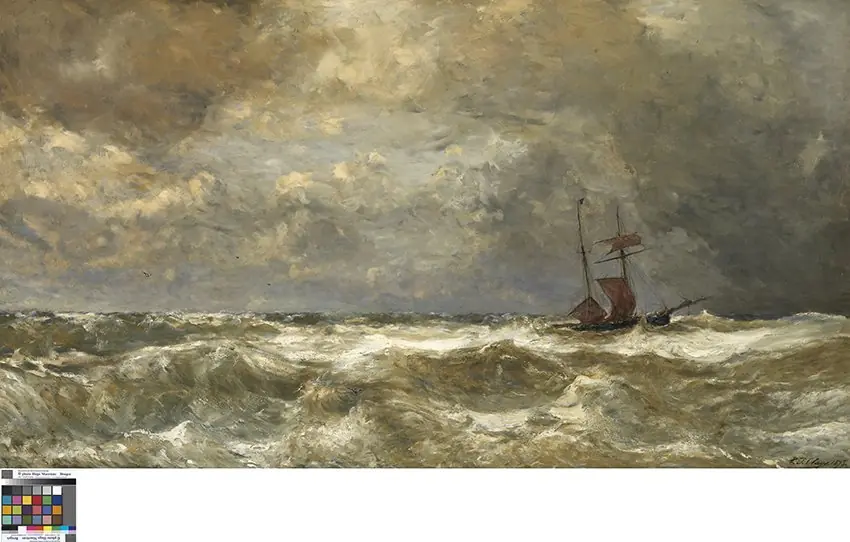 Woelige zee
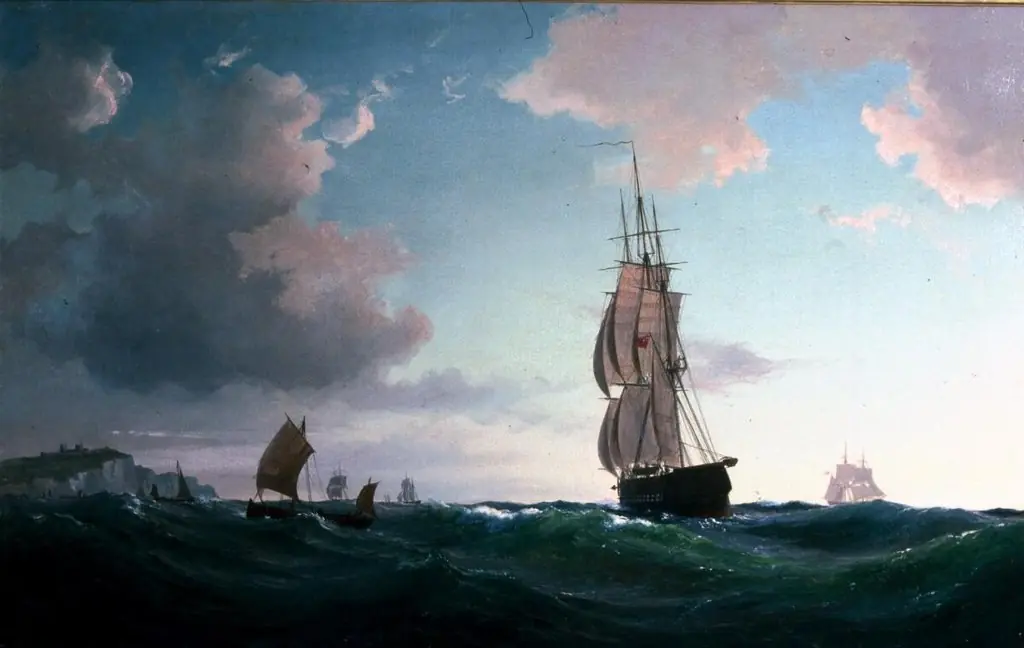 Dover Castle
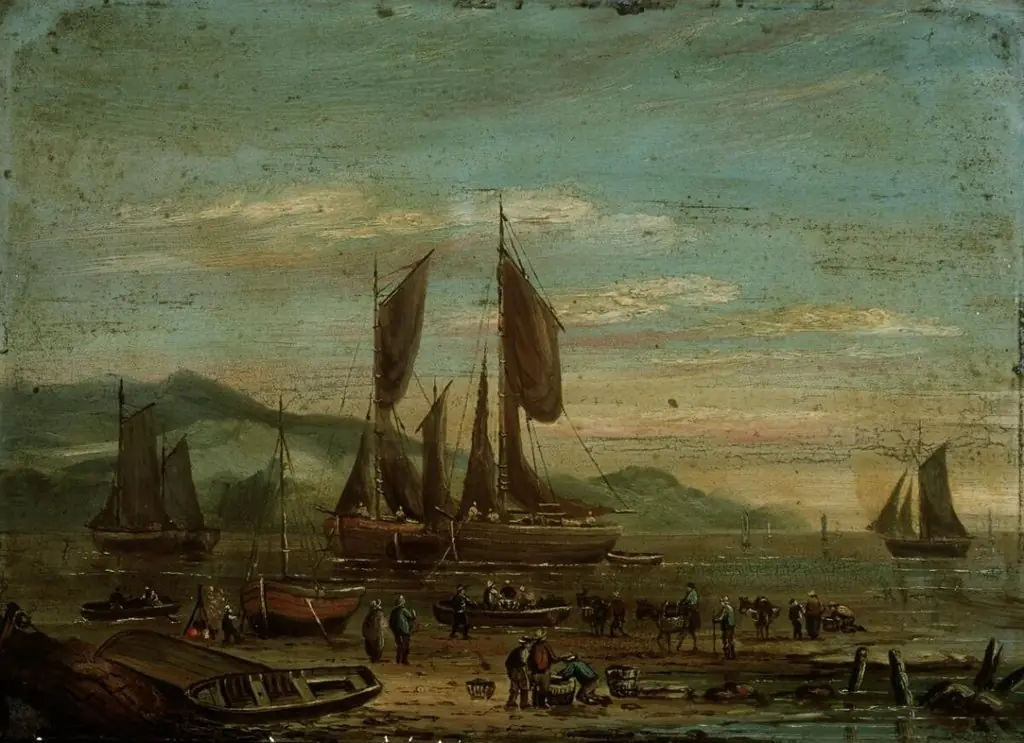 Coastal scene with shipping
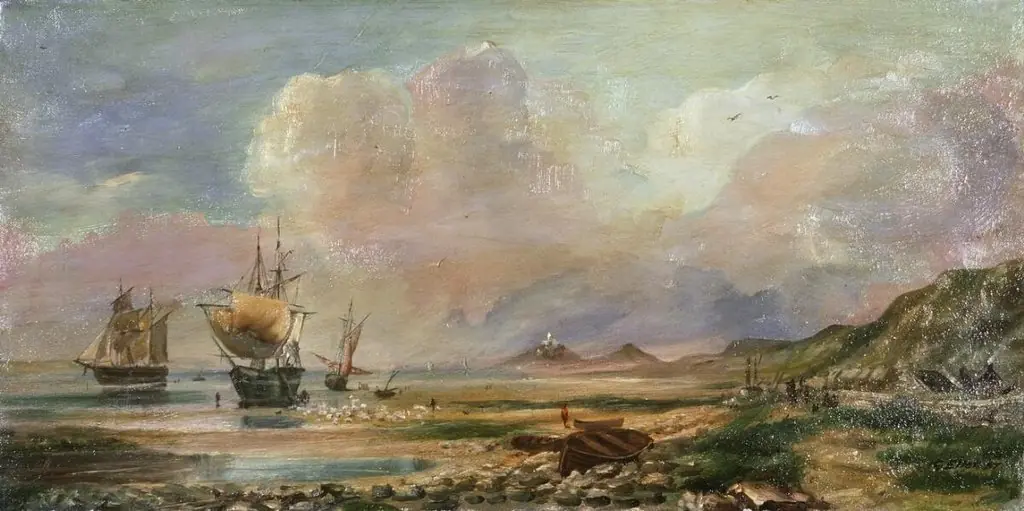 Coastal scene
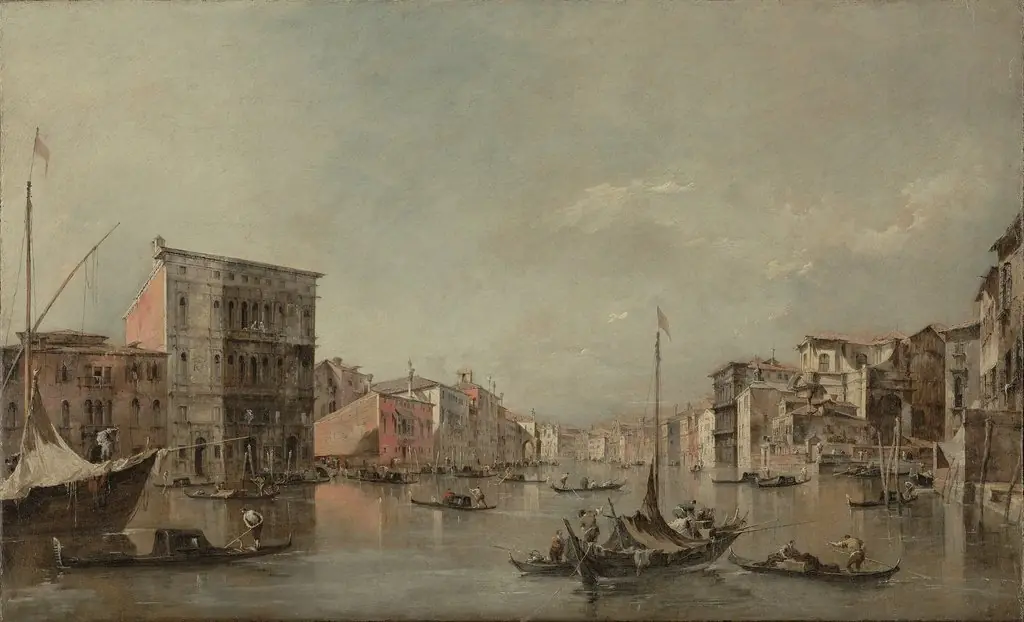 The Grand Canal in Venice with Palazzo Bembo
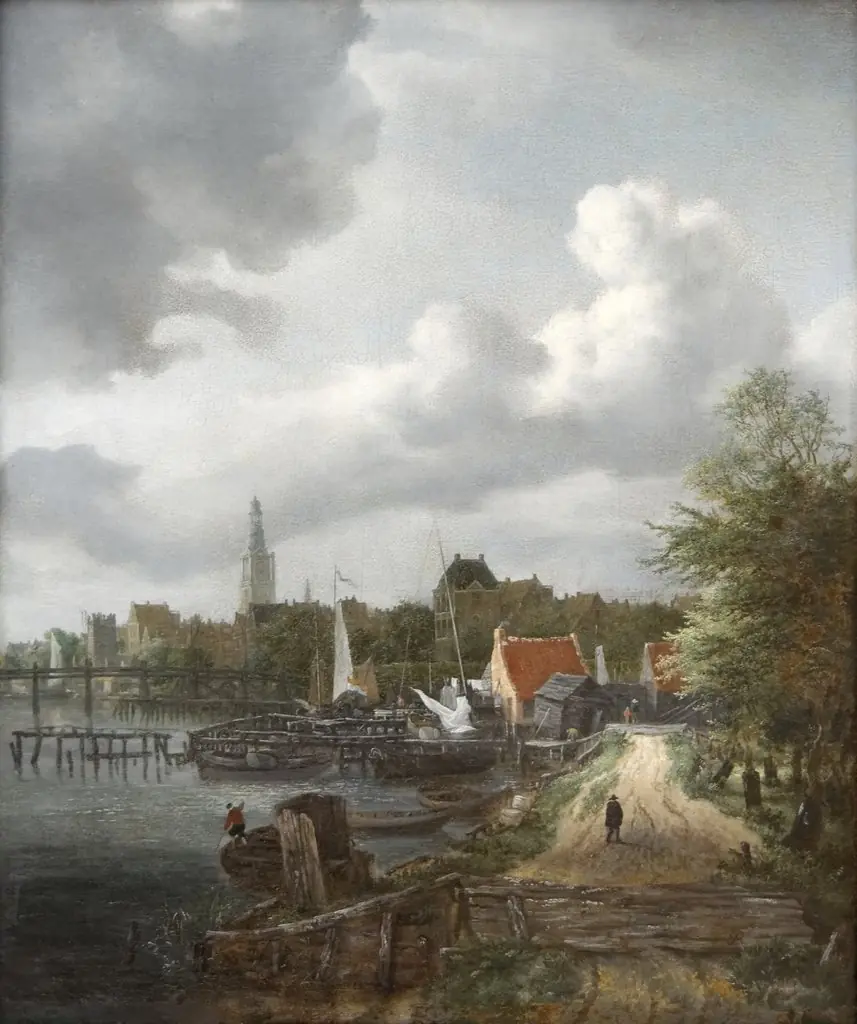 View of Binnen-Amstel in Amsterdam
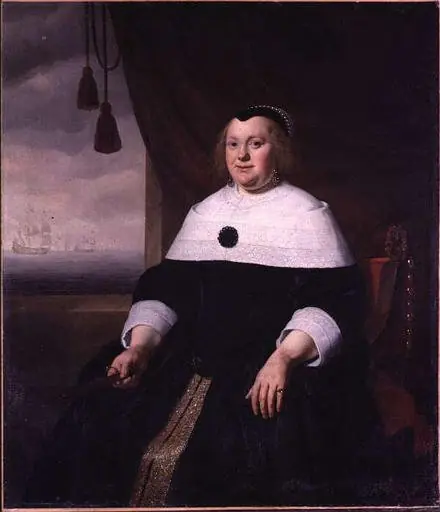 Portrait of Maria Smit, wife of Gideon de Wildt
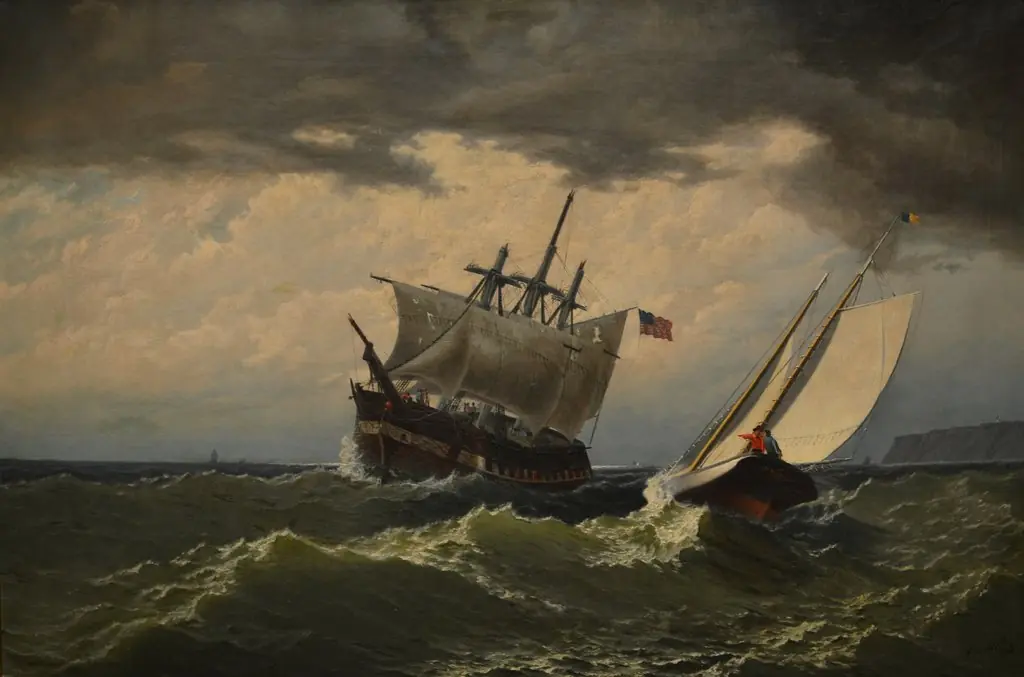 After the Storm
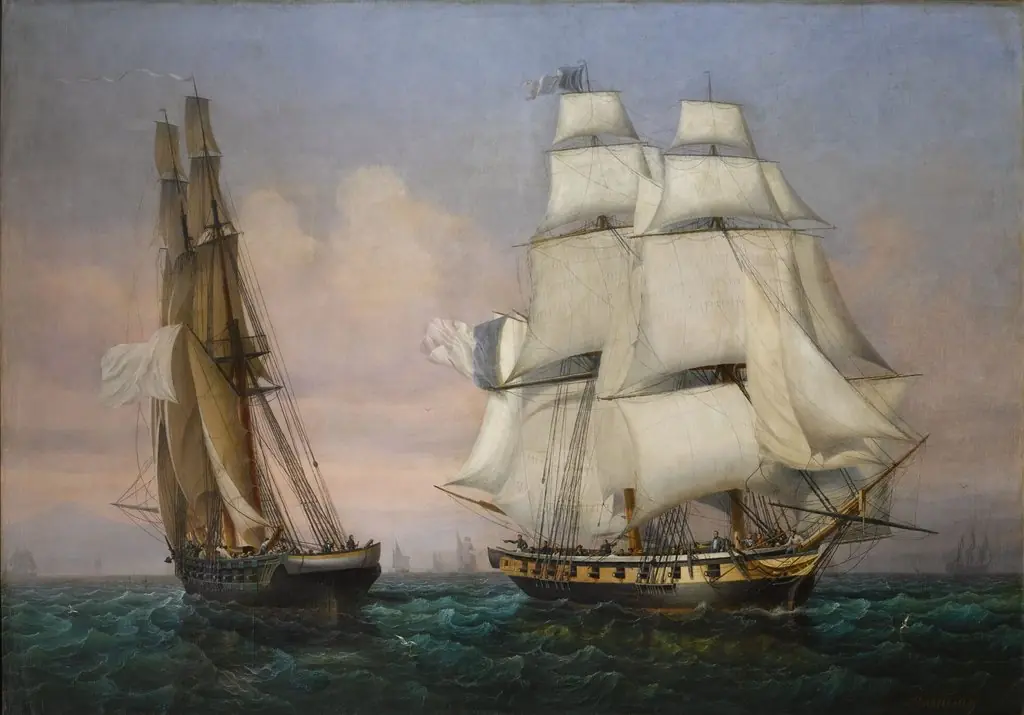 Return of Napoleon from Elba
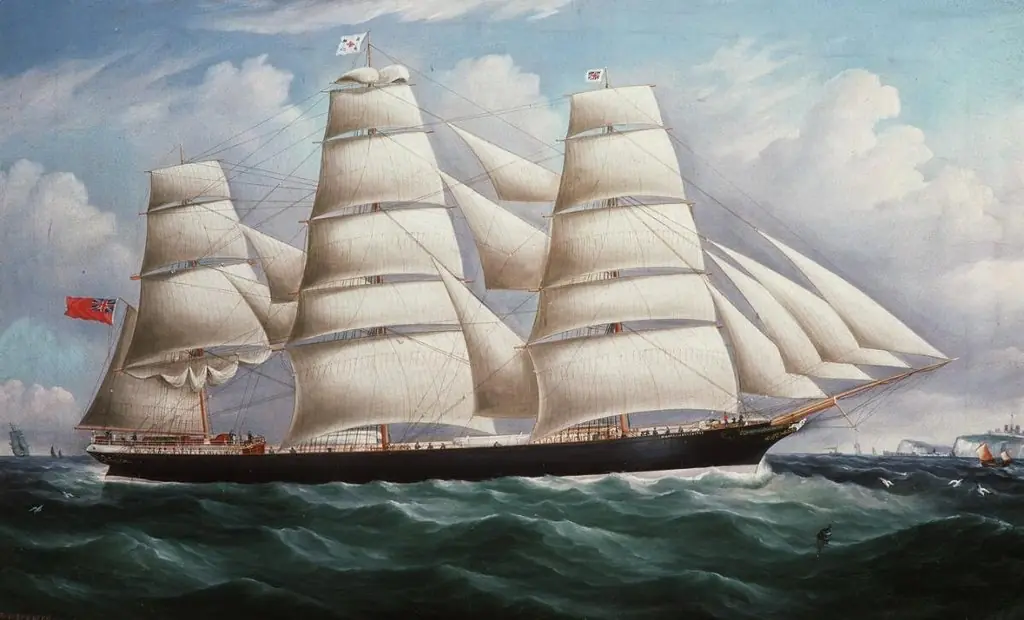 Montgomery Castle
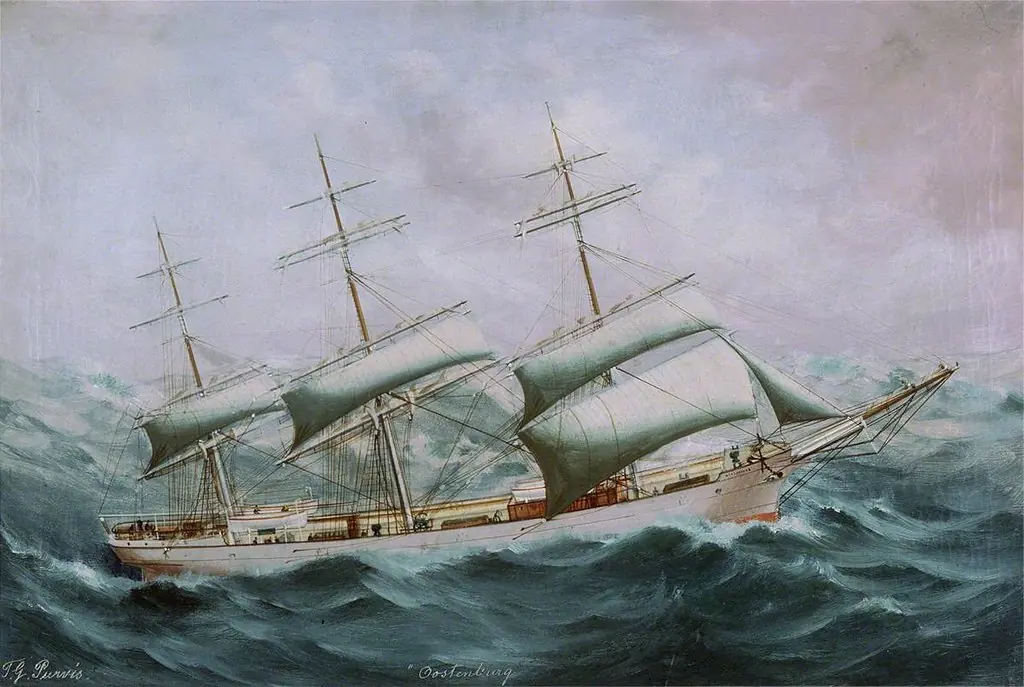 Oostunburg'
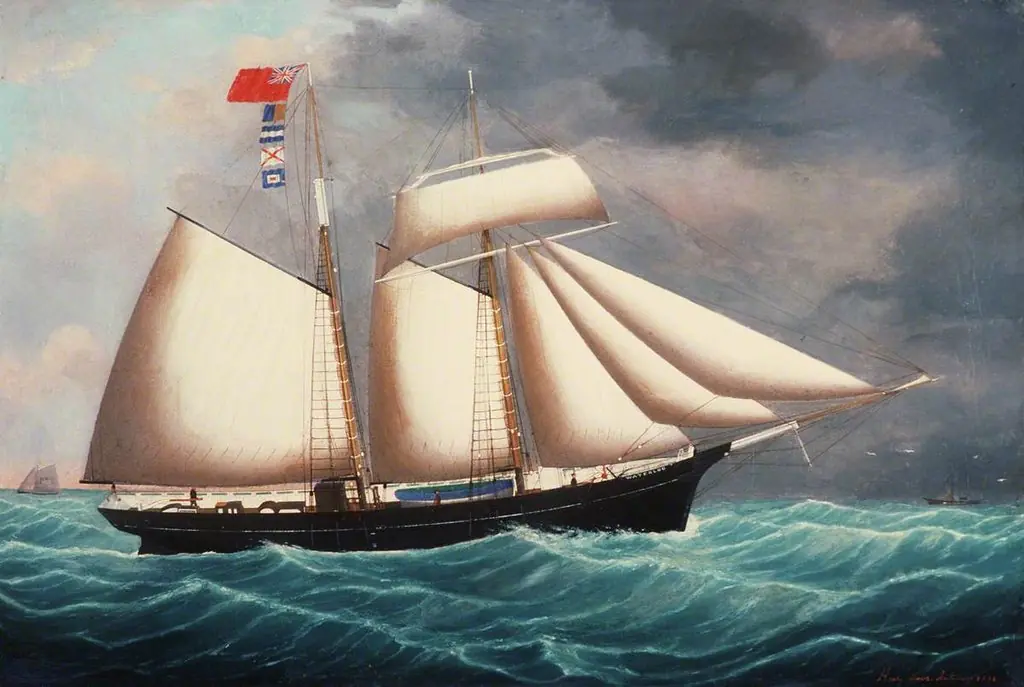 The 'Waterloo'
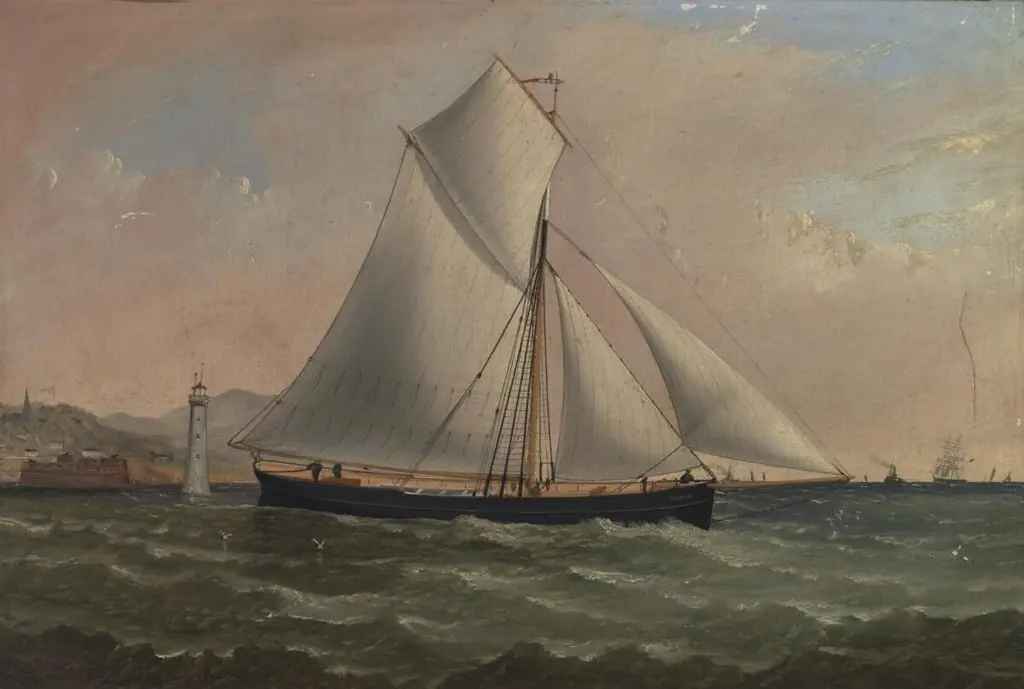 Pilgrim
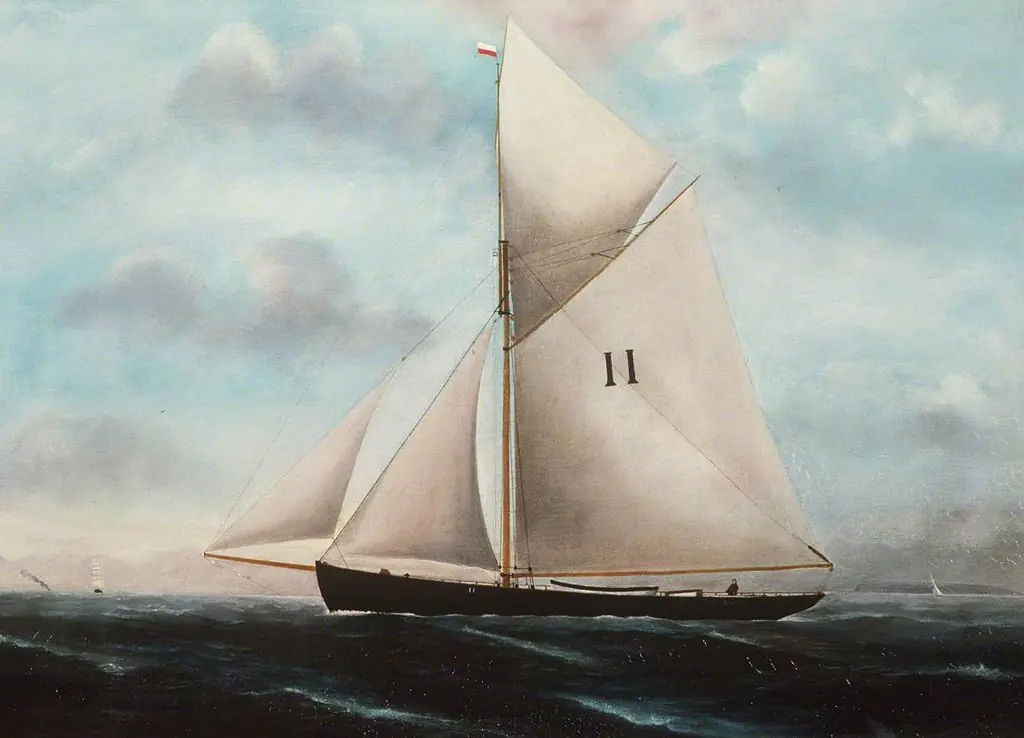 Grace' of Flatholme
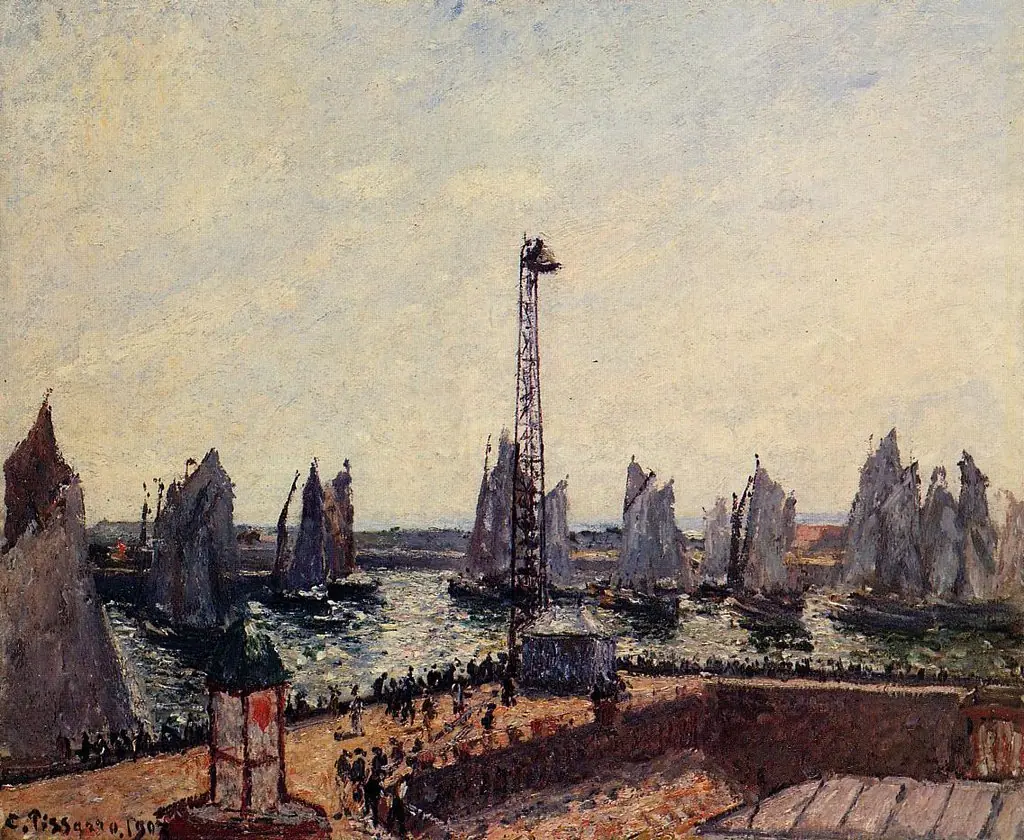 The East Breakwater, Return of The Regatta, Le Havre
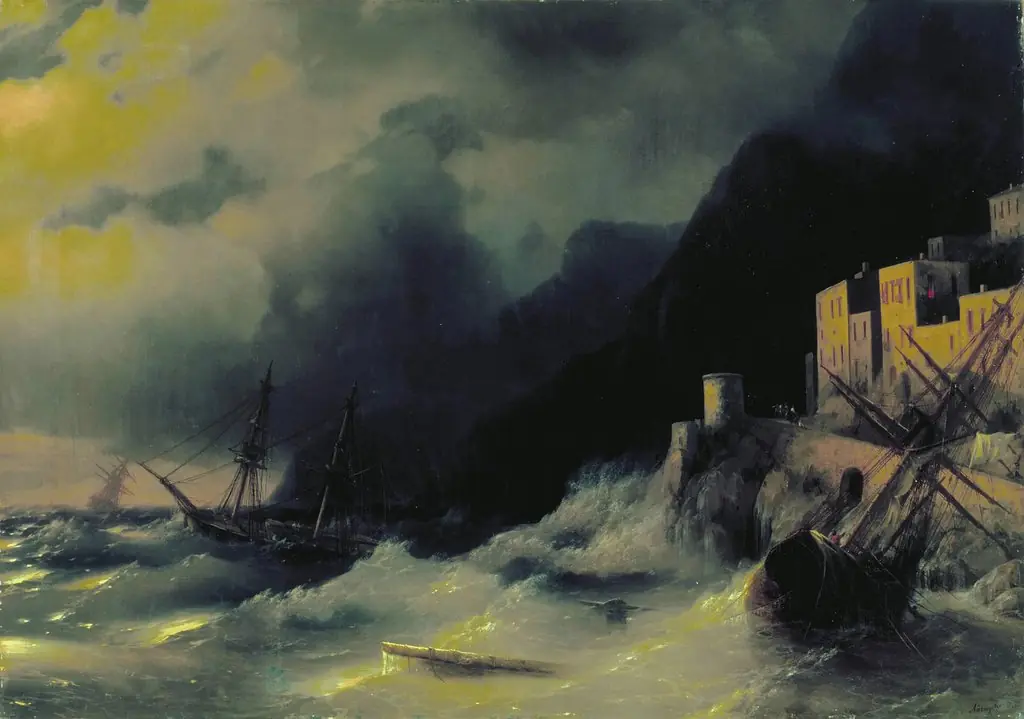 Storm at sea
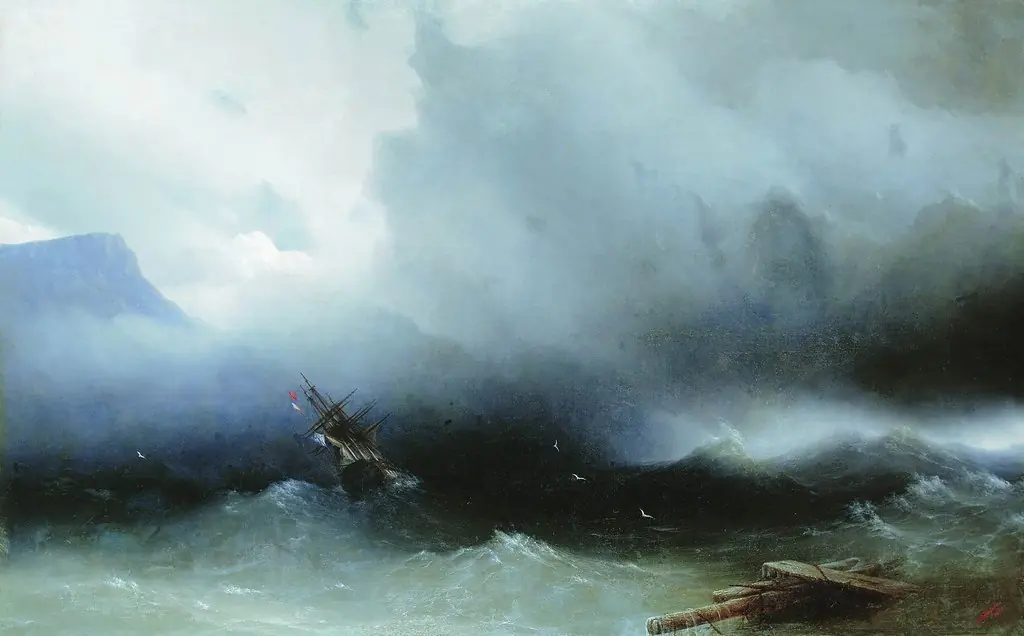 The storm at sea
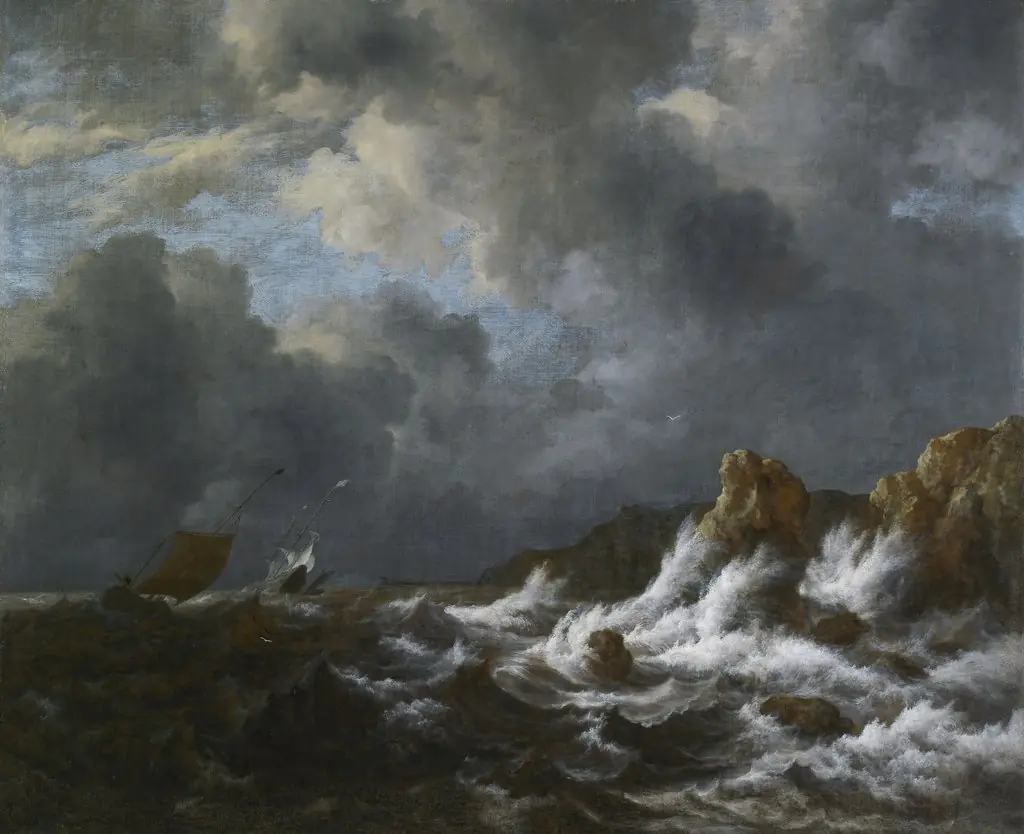 View from the Coast of Norway
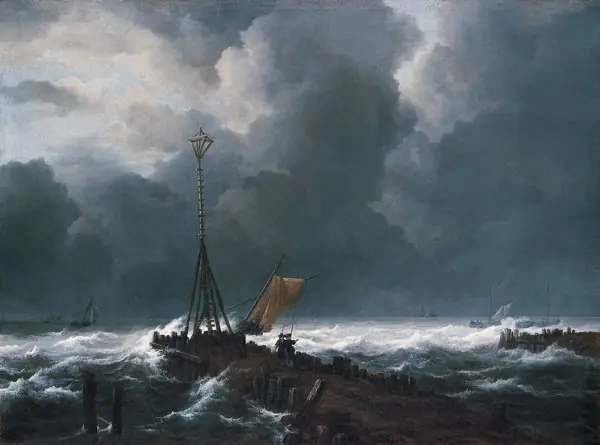 Rough Sea at a Jetty
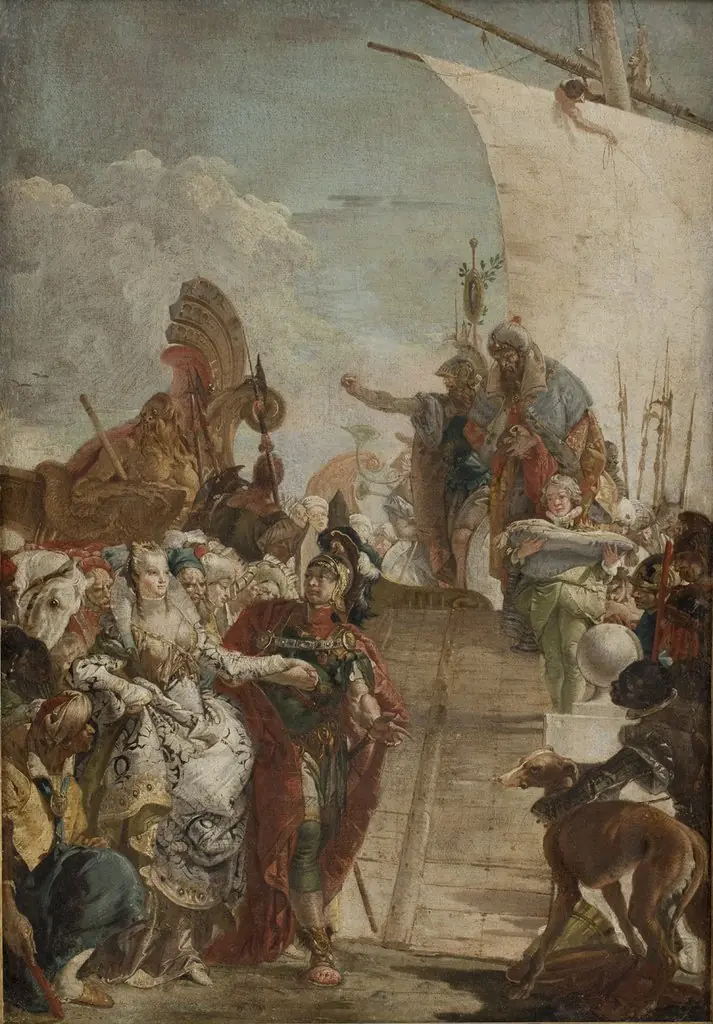 Anthony Leading Cleopatra on board
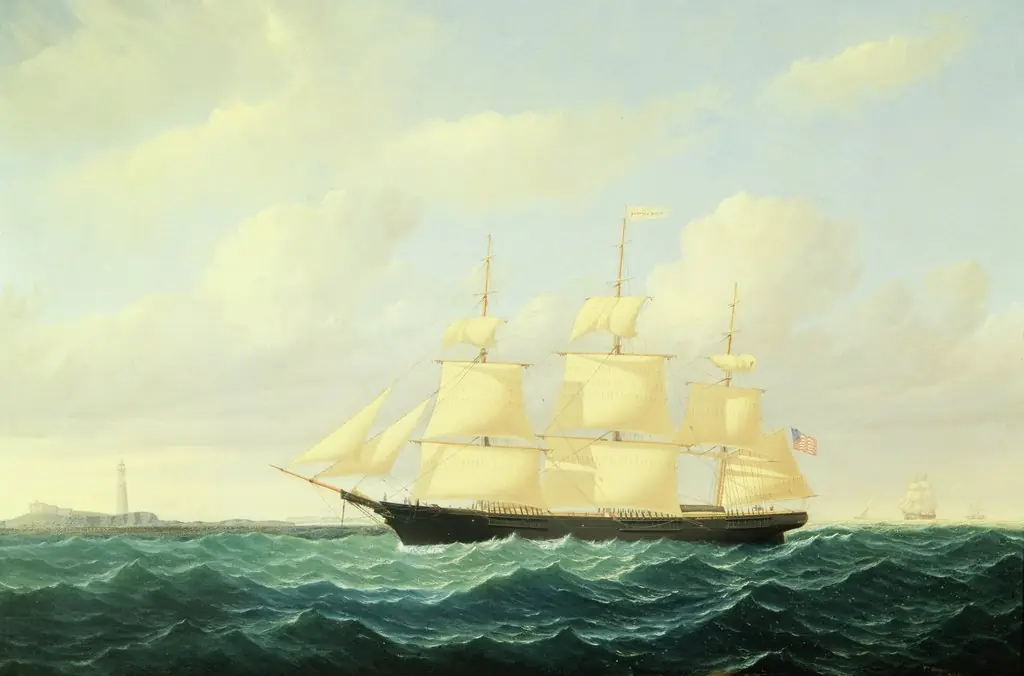 Dashing Wave Clipper Ship off Boston Light
Frequently asked questions
What is Sailing Ship?
Sailing Ship is a subject in art. A sailing ship is a sea-going vessel that uses sails mounted on masts to harness the power of wind and propel the vessel.
How many Sailing Ship works does Artifact World Gallery have?
Artifact World Gallery holds 113 public-domain Sailing Ship works, all free to view and download.
Who are the key Sailing Ship artists?
Key Sailing Ship artists in the collection include Gustave Courbet, Édouard Manet and Thomas Chambers.
Where can I see Sailing Ship works?
Sailing Ship works in the collection are held by Statens Museum for Kunst, National Library of Wales and National Gallery of Art.