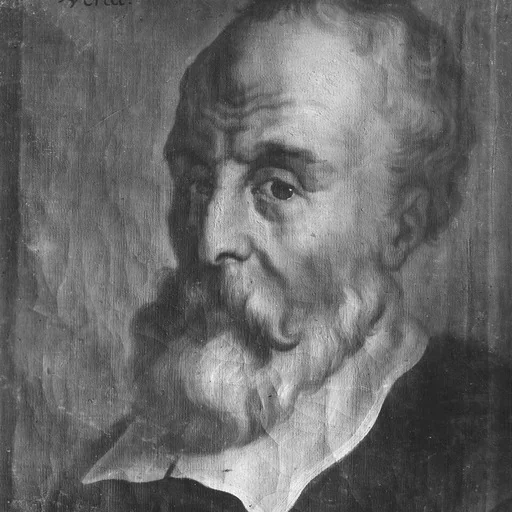
Subject
Aeneas
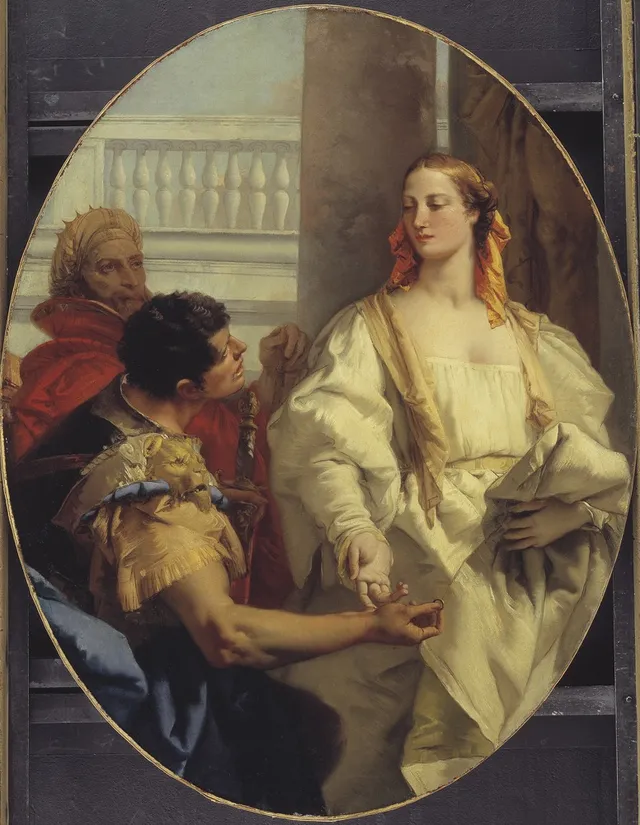
Aeneas is a subject in art. The gallery holds 200 works in this subject in art, including works by Paolo Veronese, Jean Honoré Fragonard and Jacques-Louis David.
male given name
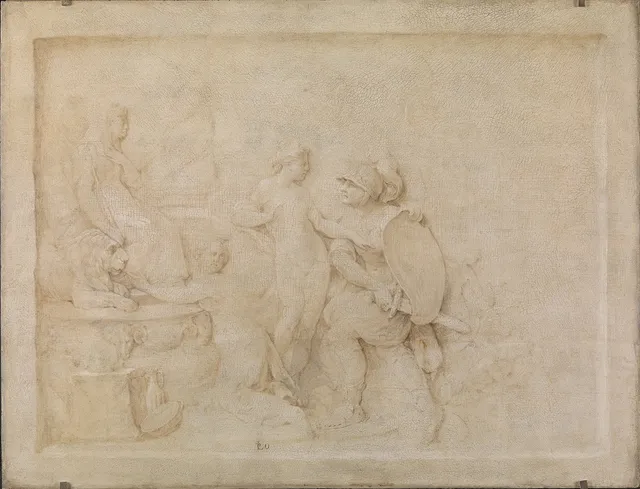
Key artists

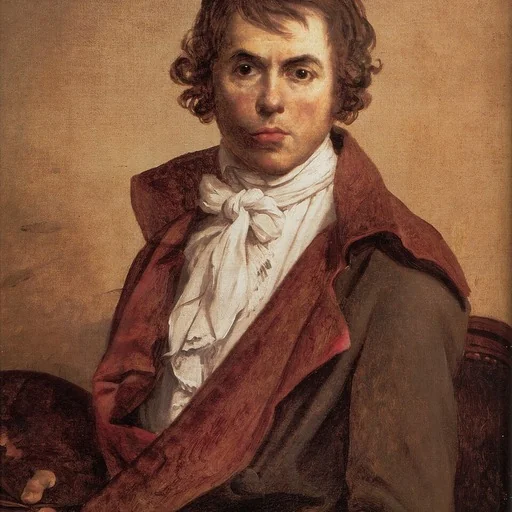
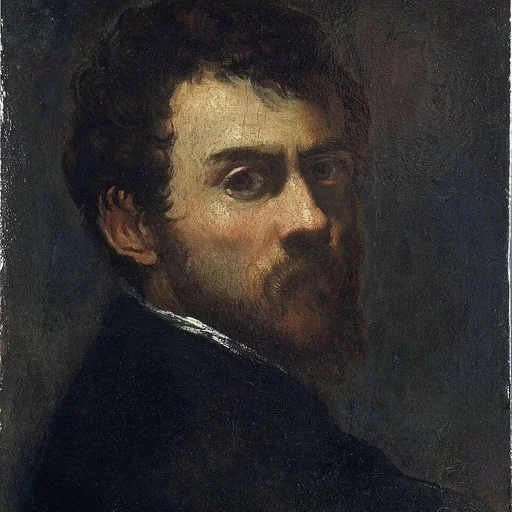
Overview
Aeneas is a mythical hero of Troy and Rome, born to the goddess Aphrodite and the Trojan prince Anchises. A member of the royal line and cousin of Hector, he was a formidable warrior in the Trojan War, second only to Hector in ability. While Homer implies Aeneas harbored resentment over his subordinate status, a tradition arose that he either betrayed Troy or, more commonly, led its survivors after the city fell. His survival made him available to later compilers of Roman myth, who cast him as the progenitor of the Roman people. Virgil codified this role in the Aeneid, written between 29 and 19 BC, transforming disconnected tales of Aeneas into a national epic that tied Rome to the legends of Troy, justified the Punic Wars, and legitimized the Julio-Claudian dynasty as his descendants.
Iconography & meaning
In art and literature, Aeneas embodies the Roman virtue of pietas, a concept encompassing dutiful obedience to the gods, country, and family, often at the expense of his own desires. This is most iconographically represented by his flight from Troy, carrying his elderly father Anchises on his back while leading his young son Ascanius by the hand, and clutching the household gods of Troy. Other common iconographic moments include his divine interventions, such as Venus delivering arms forged by Vulcan, his encounters with the Sibyl in the underworld, and his fateful romance with Dido, which ends when he sacrifices his personal love to fulfill his destiny. The epithet pius, frequently applied to him, underscores this defining trait of self-denial and submission to divine will.
Across movements & periods
The treatment of Aeneas shifted significantly across movements and cultures. Greek vases from the sixth century BC provide the earliest visual evidence of his myth, reflecting Greek colonists in Magna Graecia and Sicily who used the Trojan narrative to link their new homelands to preexisting mythology. The Etruscans subsequently adopted and associated themselves with his story. By the first century BC, Roman patriotic writers reshaped the hero to dignify their expanding state and counter Greek cultural superiority, culminating in Virgil's Augustan epic. In the Renaissance and Baroque periods, artists drew upon these classical texts for inspiration, translating literary episodes into highly detailed visual media, such as painted enamels closely copied from early sixteenth-century woodcut illustrations, and grand oil paintings that visualized the dramatic emotional conflicts of the narrative.
Notable depictions
Notable depictions of Aeneas include the Master of the Aeneid's painted enamel on copper, Aeneas Fleeing Troy with Anchises, Creusa, and Ascanias, created around 1530 to 1535. This work, measuring 8 3/4 by 7 3/4 inches, closely copies the woodcut illustrations from the 1502 Strasbourg edition of Virgil's Opera. Another significant work is Jean Cornu's 1704 terracotta and painted wood sculpture, Venus Giving Arms to Aeneas, which stands 41 9/16 inches high. Salvator Rosa's oil on canvas, The Dream of Aeneas, painted between 1660 and 1665, measures 77 1/2 by 47 1/2 inches. Claude Lorrain's The Trojan Women Setting Fire to Their Fleet also stands as a prominent artistic interpretation of the epic's narrative.
Legacy
The legacy of Aeneas extends far beyond his origins as a minor figure in the Greek epic cycle. By synthesizing various strands of legend, Virgil established a foundational myth that shaped Roman cultural identity, portraying the qualities of persistence and obedience that were believed to have built Rome. The family of Julius Caesar and Augustus claimed descent from his son Ascanius, also called Iulus, cementing the hero's political importance. According to later historians like Dionysius of Halicarnassus and Livy, after Aeneas fell in battle against the Rutuli, his body vanished, leading to his worship as a local god. His narrative of exile and destiny continued to inspire artistic reinterpretations, allowing later generations of artists to draw upon the past as a source of inspiration for exploring themes of duty, loss, and foundation.
Works
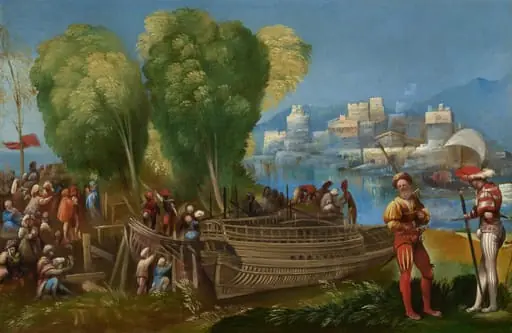 The Trojans Repairing Their Ships in Sicily
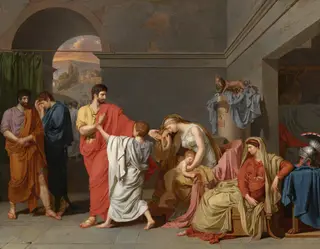 Coriolanus Taking Leave of his Family
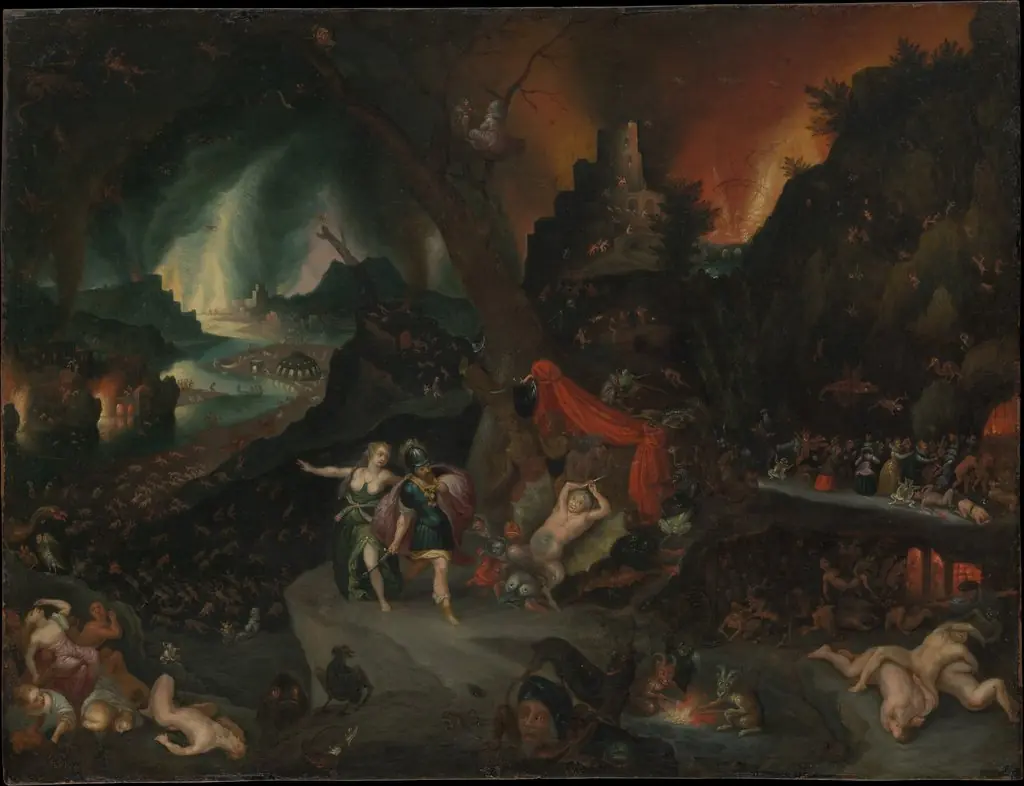 Aeneas and the Sibyl in the Underworld
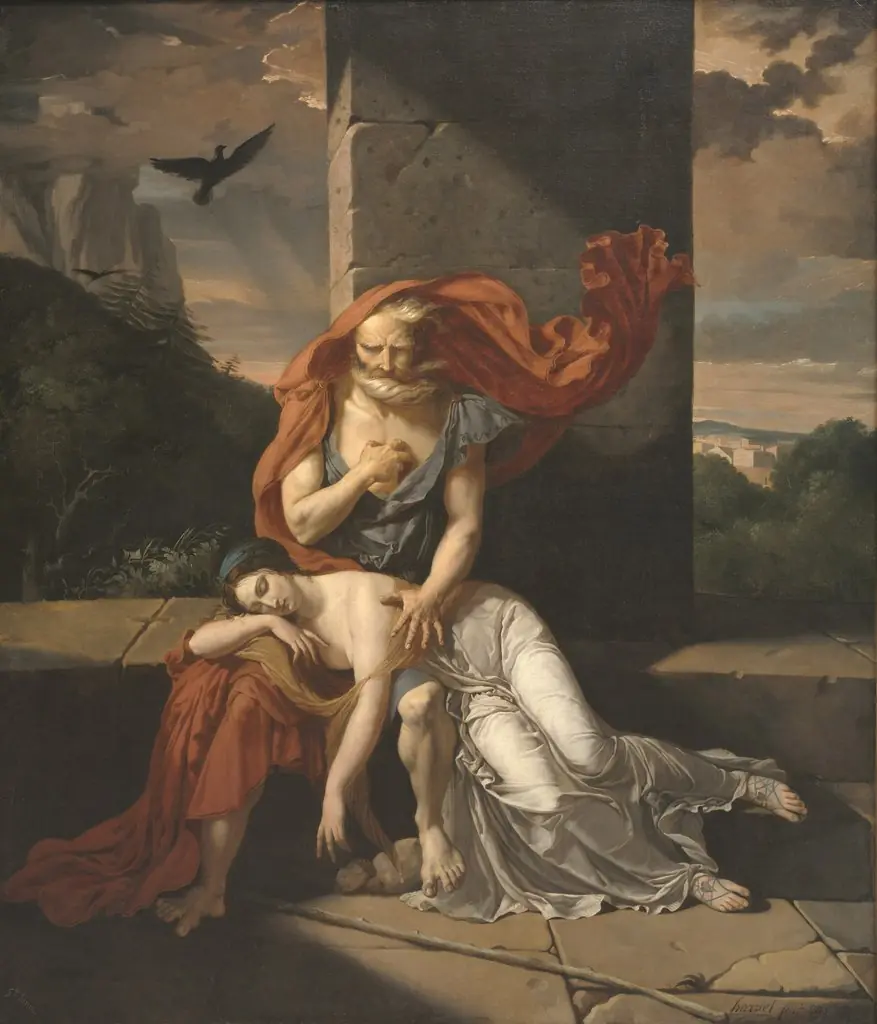 Oedipus at Colonus
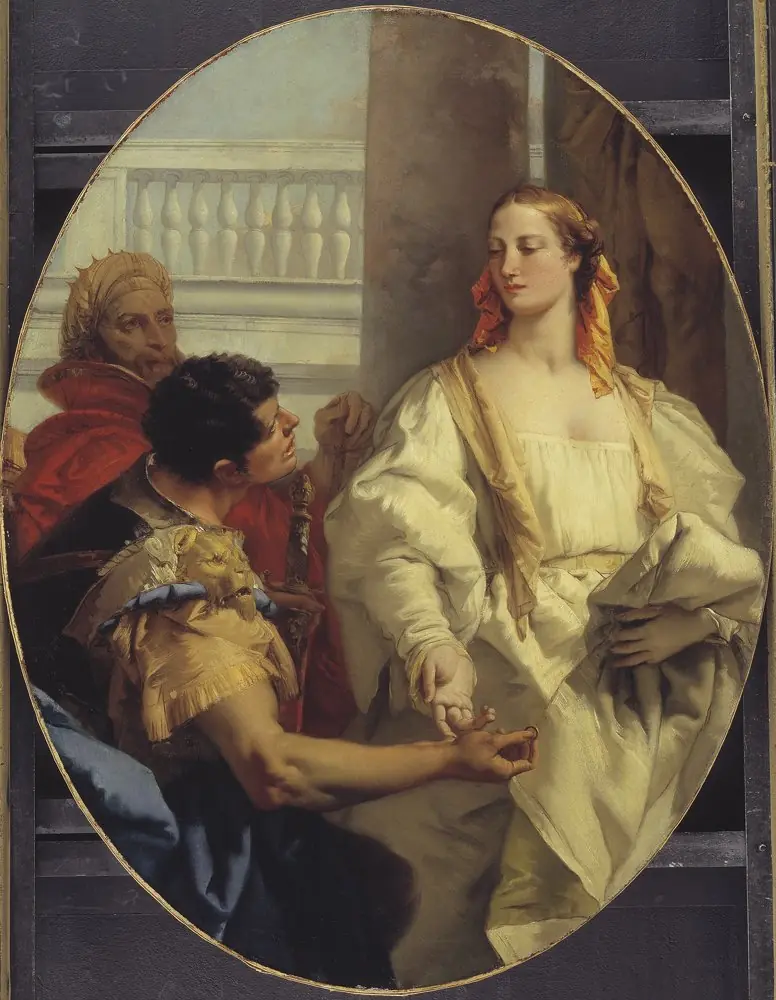 Latinus Offering his Daughter Lavinia to Aeneas in Matrimony
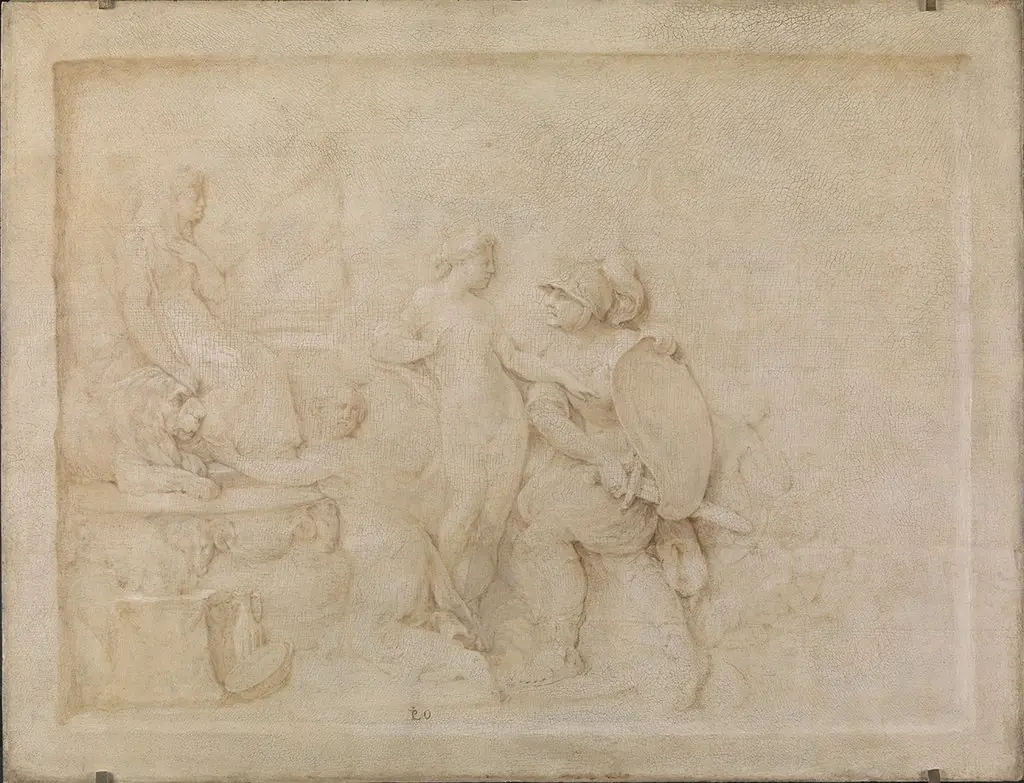 Aeneas hindres af Venus i sin hævn mod Helena, som har søgt tilflugt ved Cybeles alter
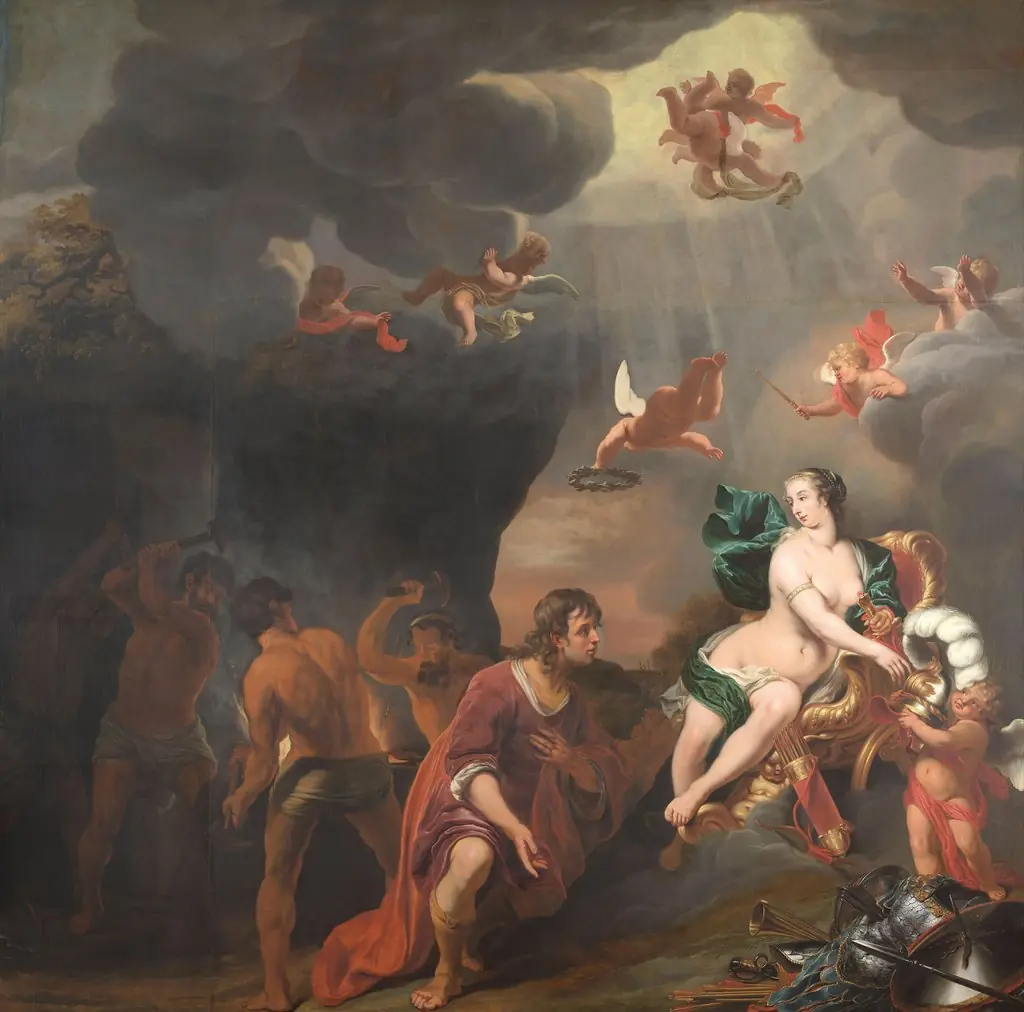 Achilles ontvangt van Thetis een nieuwe wapenrusting uit de smidse van Vulcanus
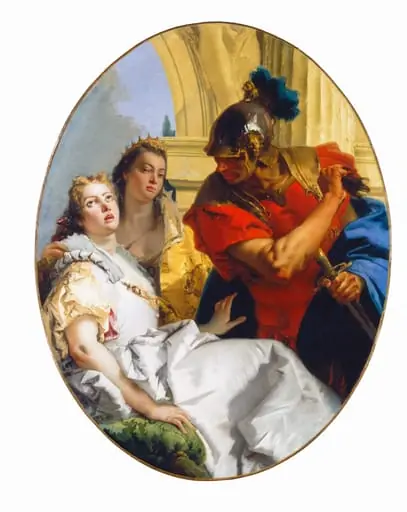 Scene from Ancient History
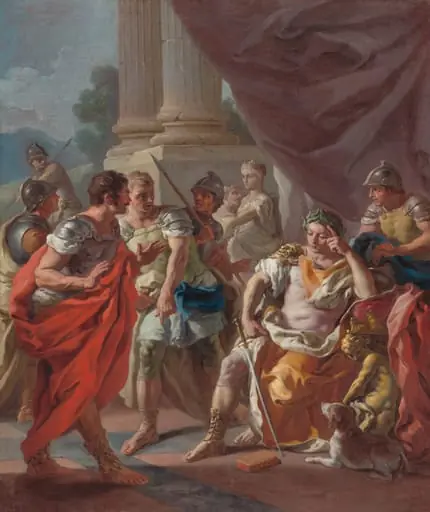 Alexander Condemning False Praise
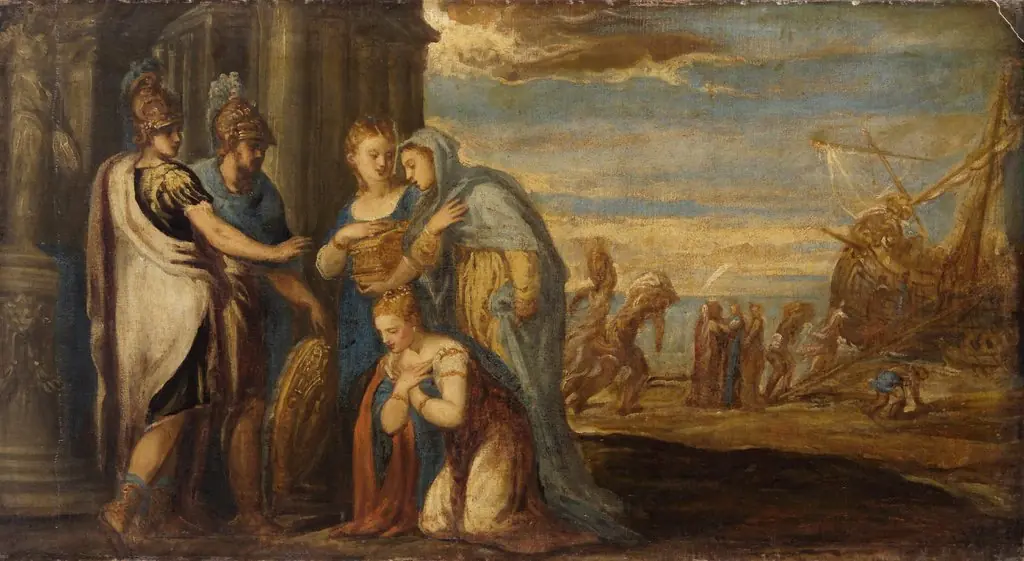 Aeneas Takes Leave of Dido
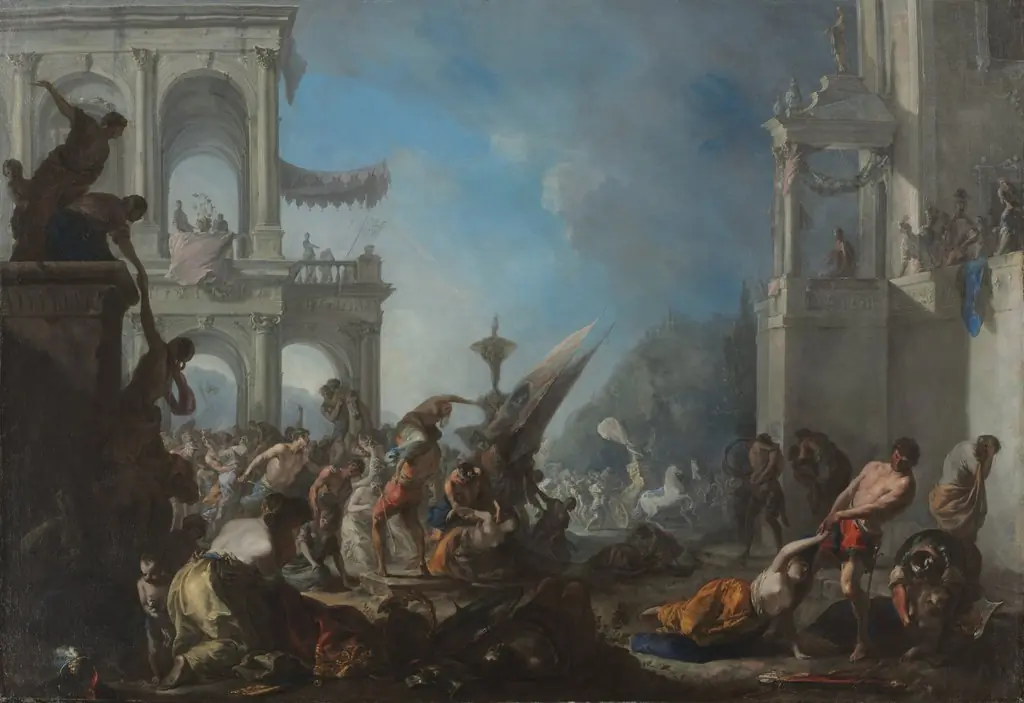 Abduction of the Sabine Women
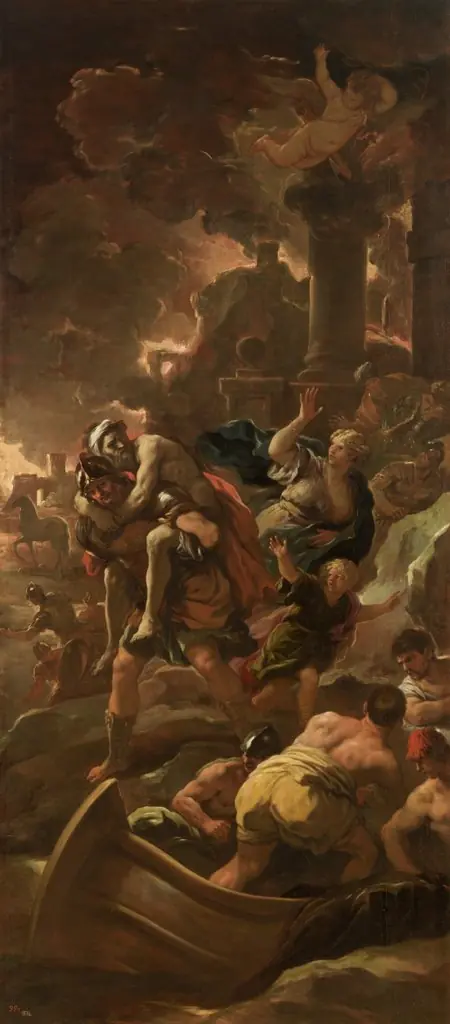 Eneas, fugitivo con su familia
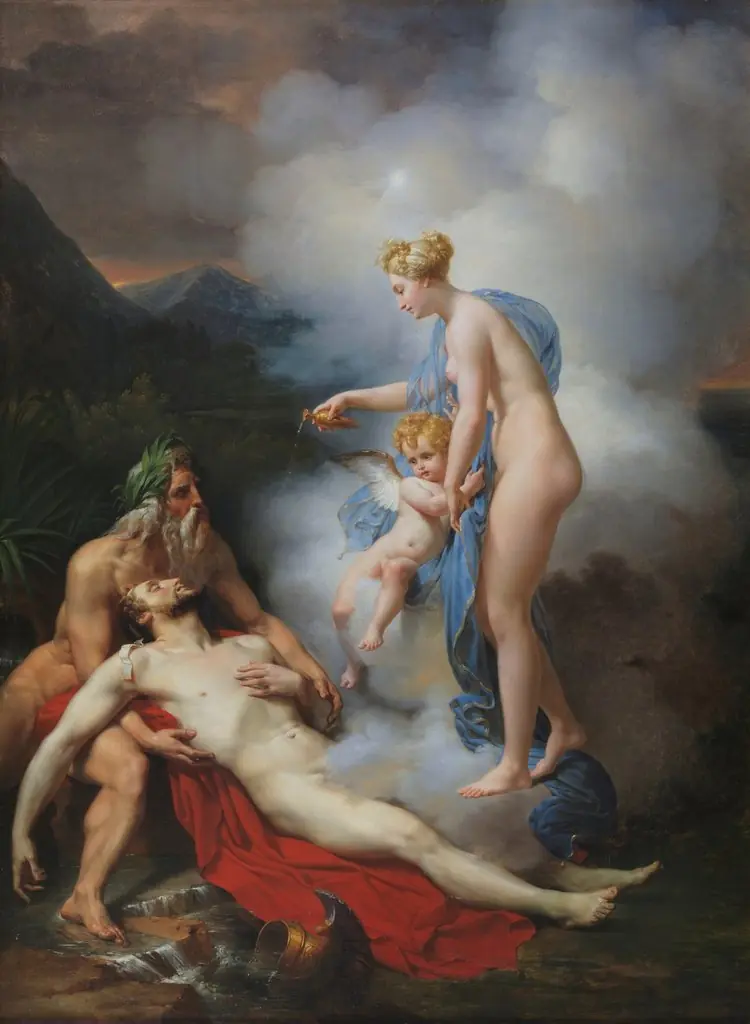 Aeneas Becomes a God
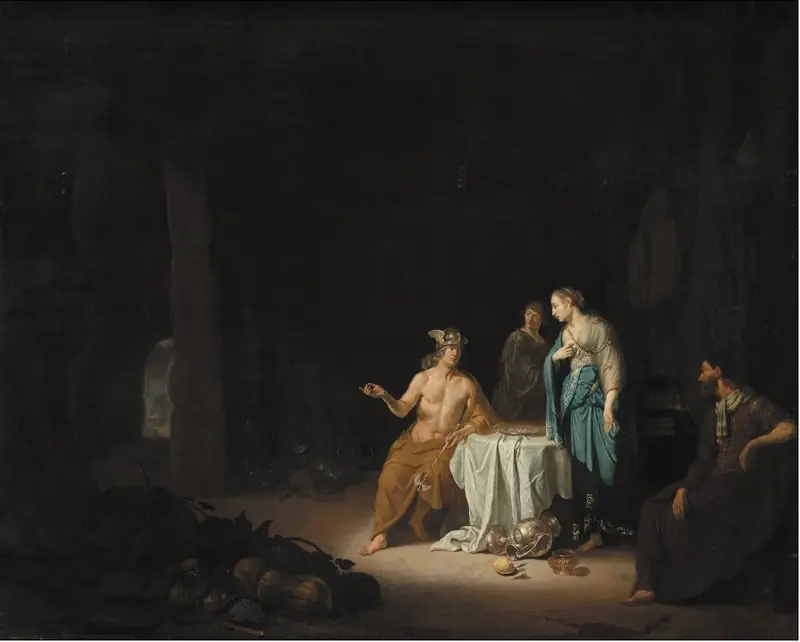 Mercury and Proserpina
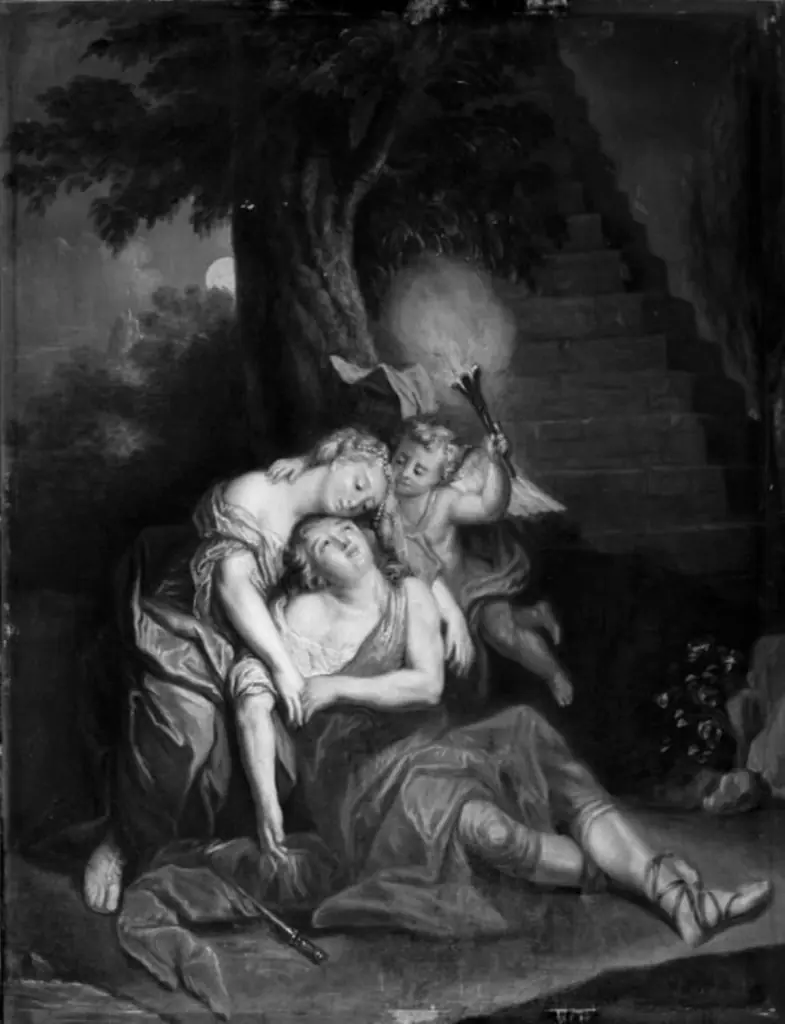 Pyramus, Thisbe og en amorin
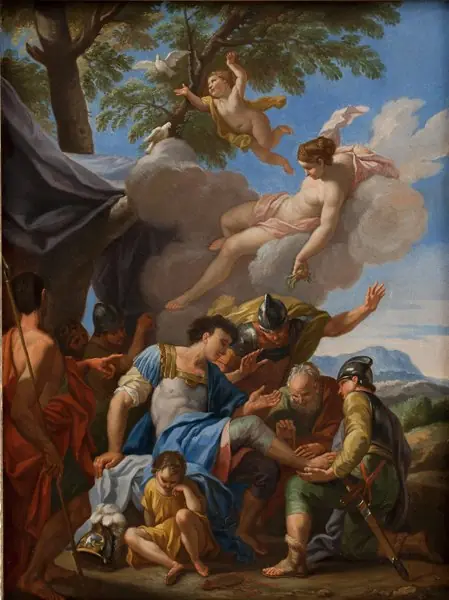 Venus Bringing Simples for the Wounded Aeneas
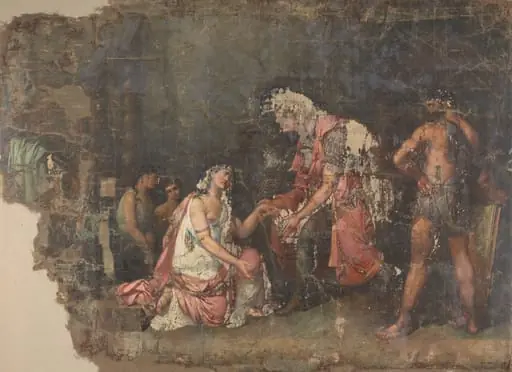 Sophonisbe kneeling before Masinissa, King of Numidia
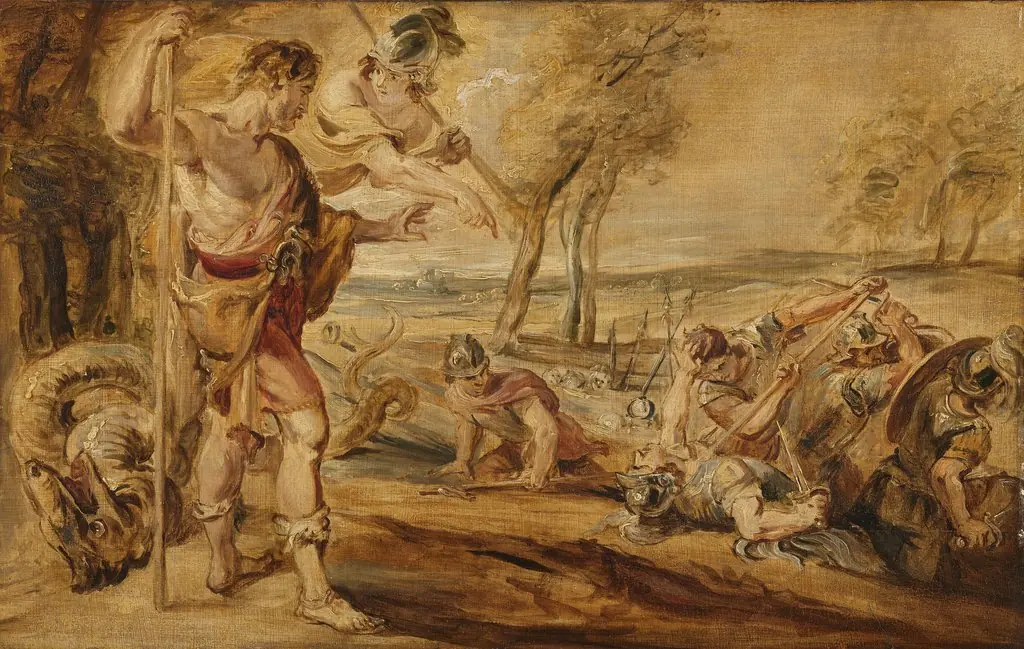 Cadmus sowing dragon's teeth
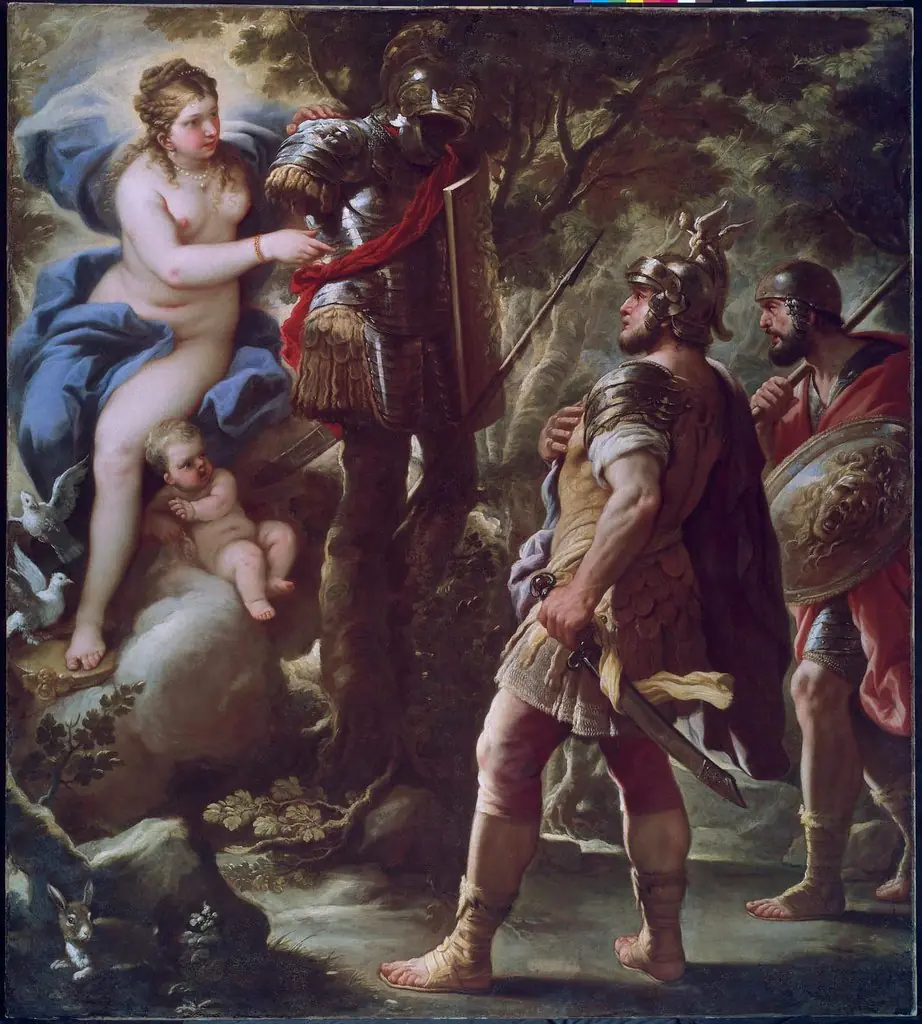 Venus Giving Arms to Aeneas
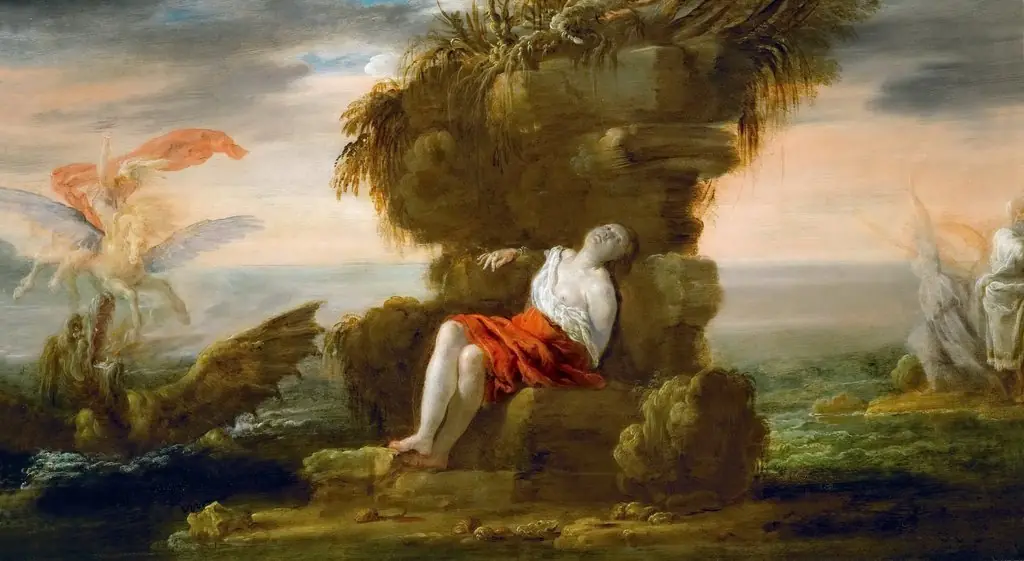 Perseus freeing Andromeda
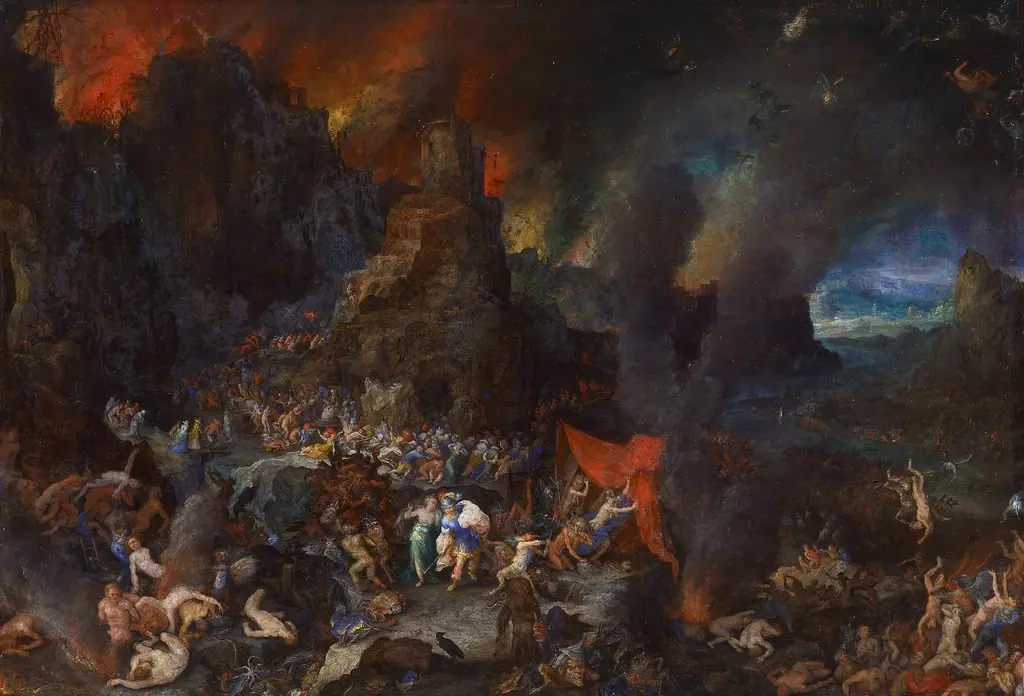 Aeneas and a Sibyl in the Underworld
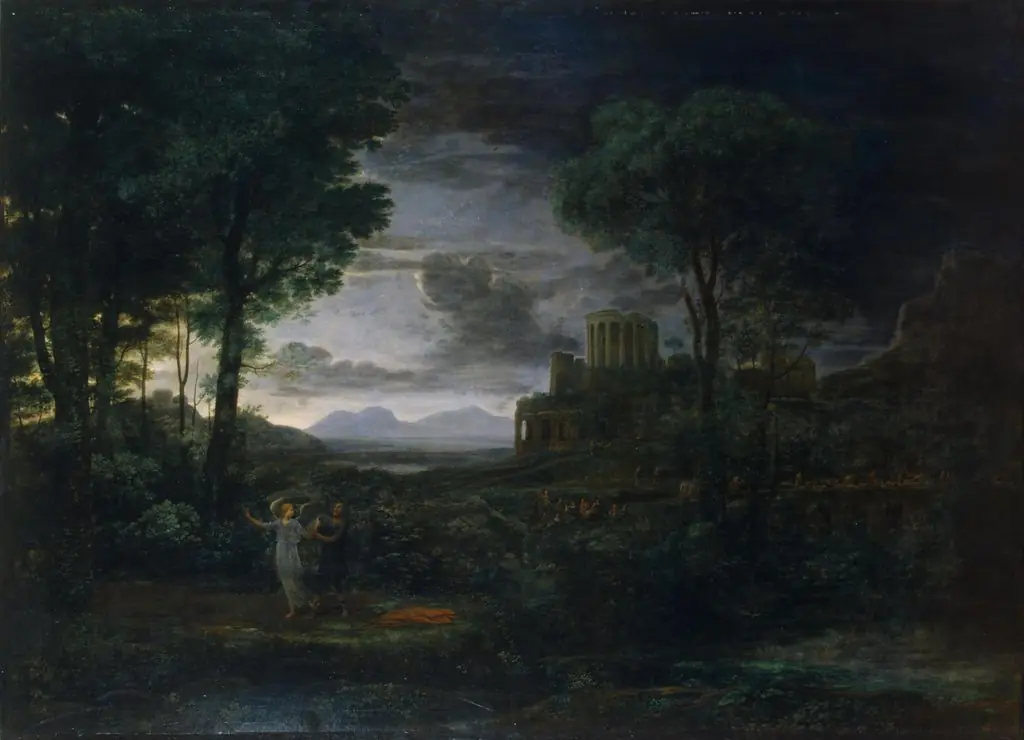 Landscape with Jacob Wrestling with the Angel (Night)
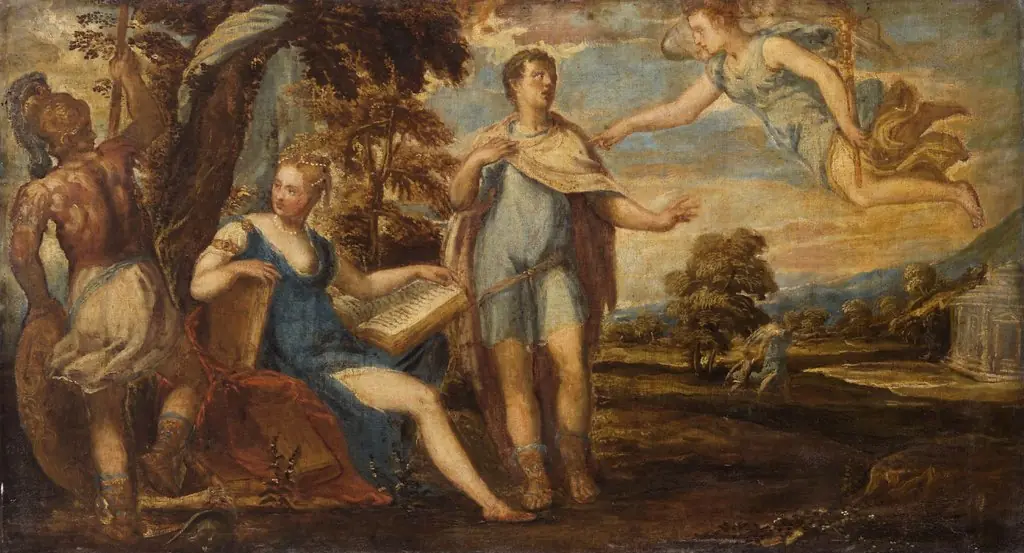 Aeneas called away from Dido
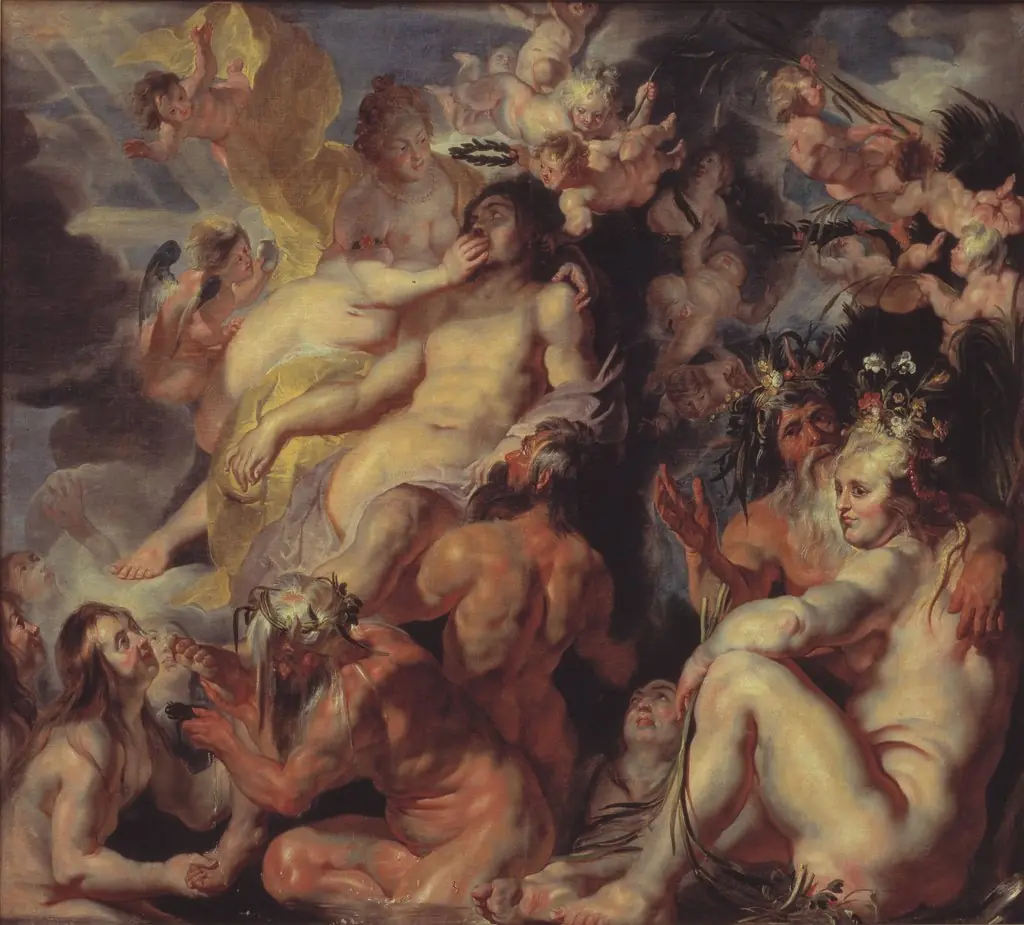 The Apotheosis of Aeneas
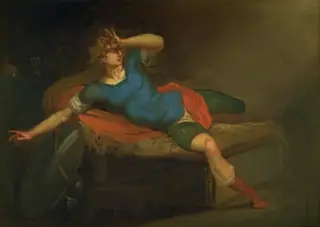 Richard III wakes up from his nightmare in his tent in Bosworth
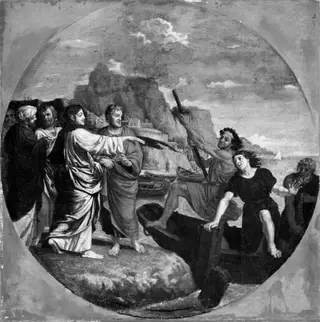 The Calling of St Peter
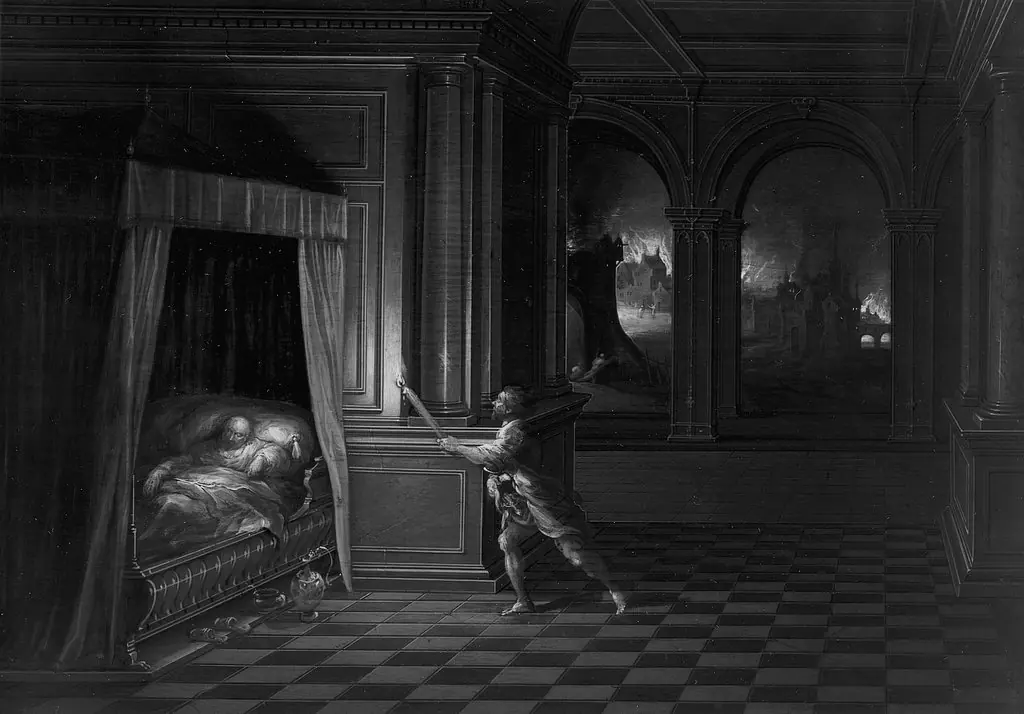 Aeneas Rescuing Anchises from Burning Troy
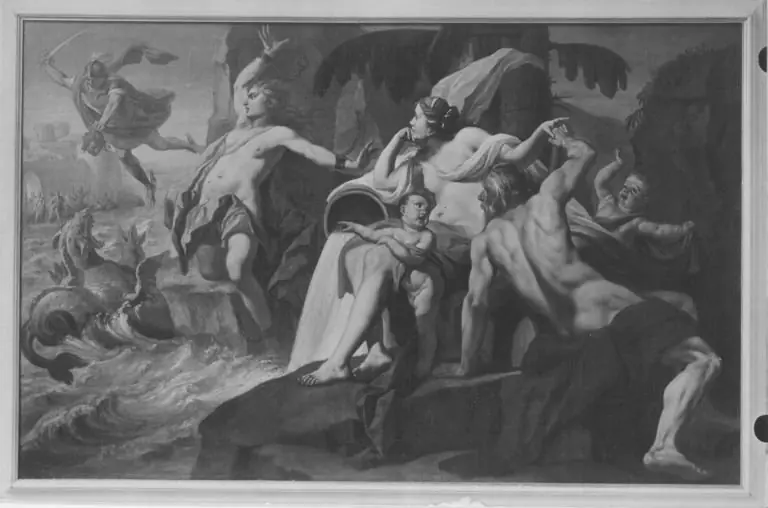 Befreiung der Andromeda
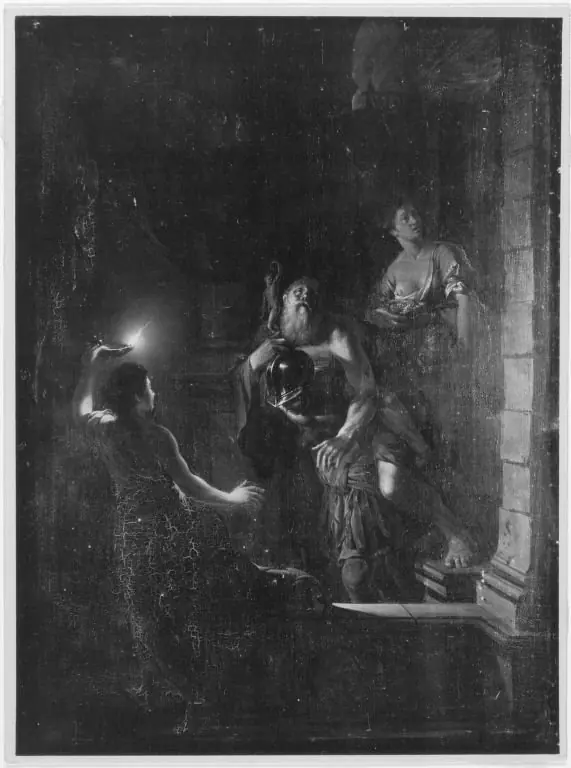 Aeneas verlässt das brennende Troja
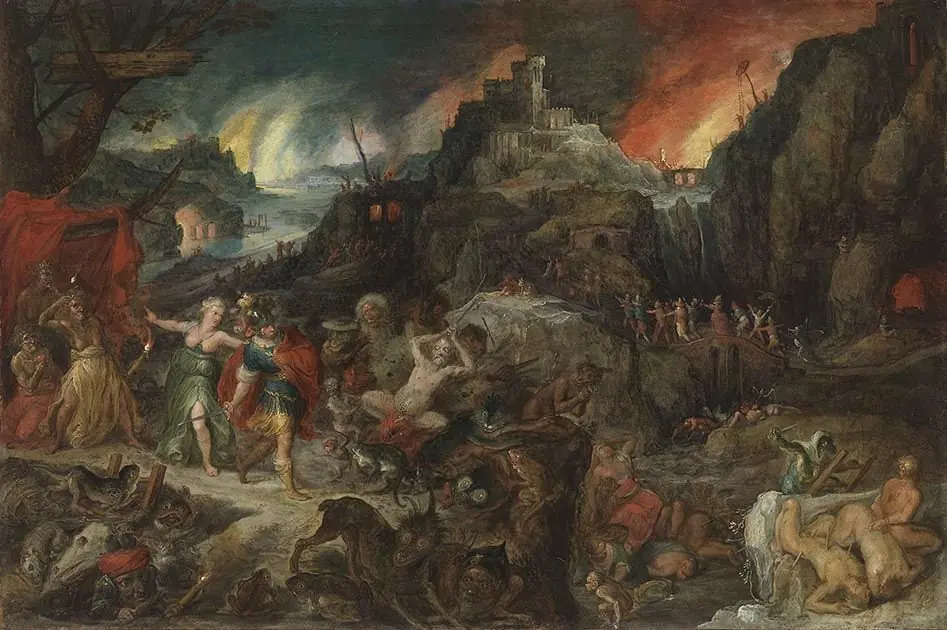 Aeneas in der Unterwelt
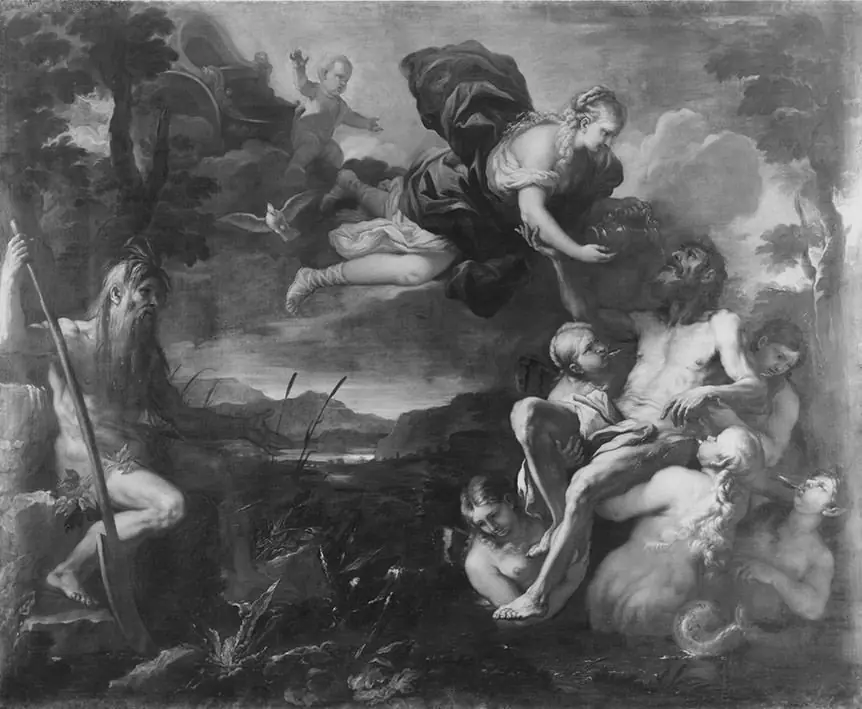 Aeneas am Numicius
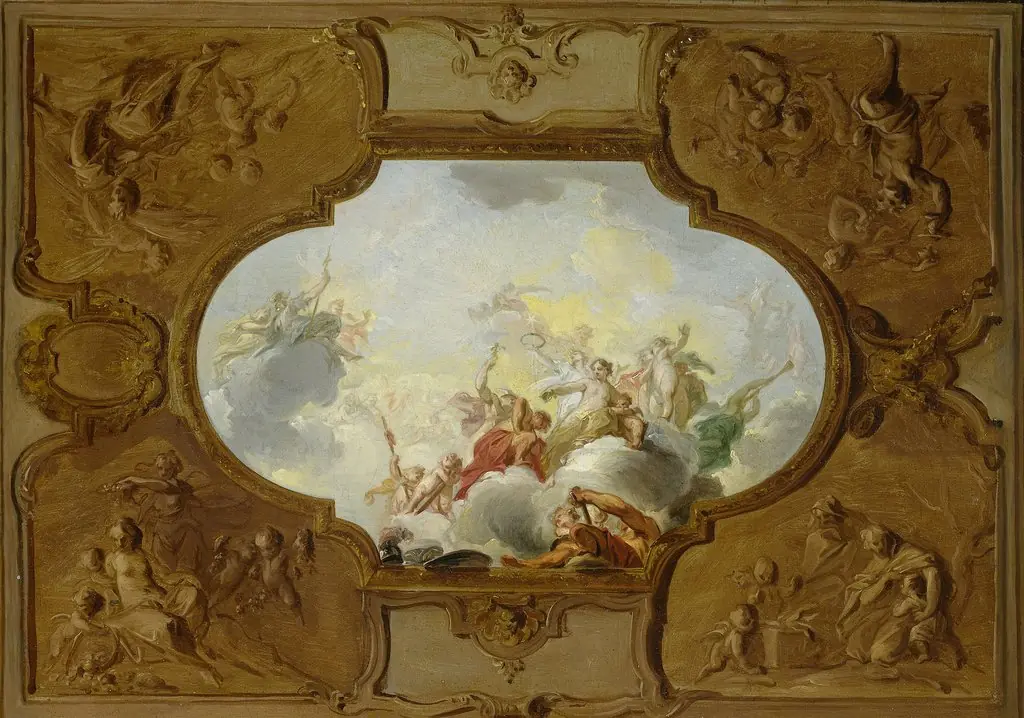 Design for a ceiling piece with Aeneas and the four seasons in the corners
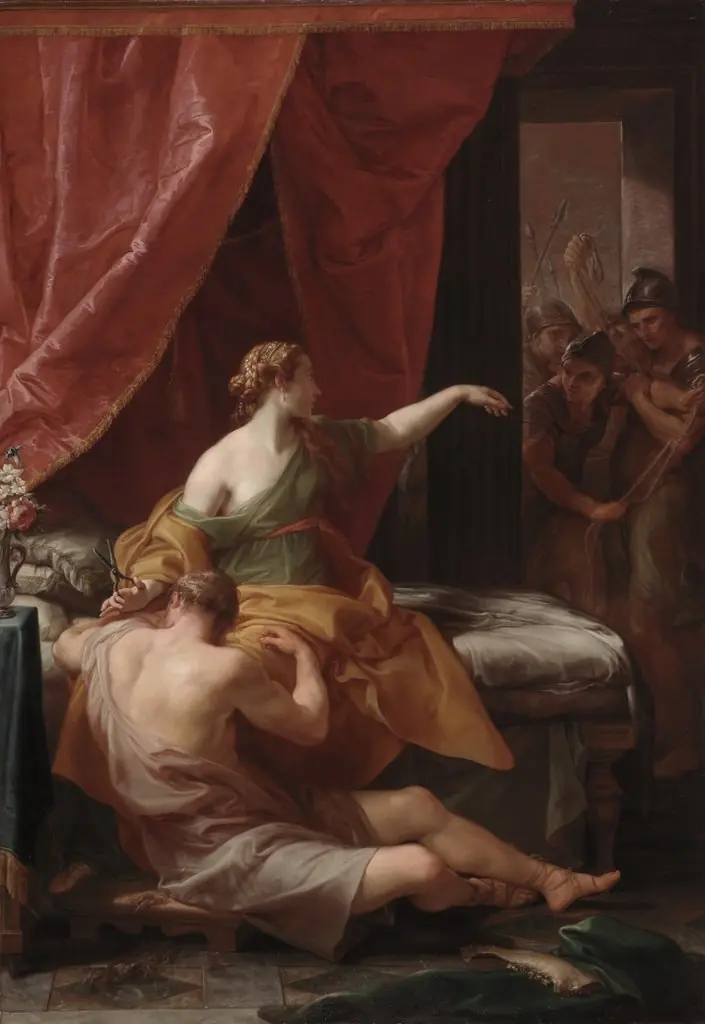 Samson and Delilah
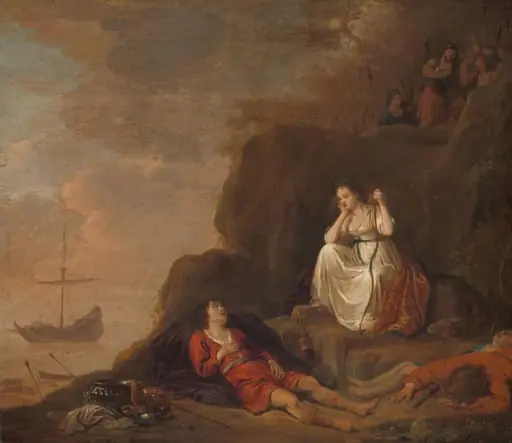 Theagenes and Chariclea
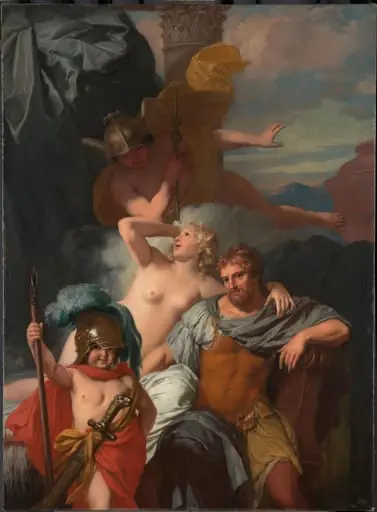 Mercurius gelast Calypso om Odysseus te laten vertrekken
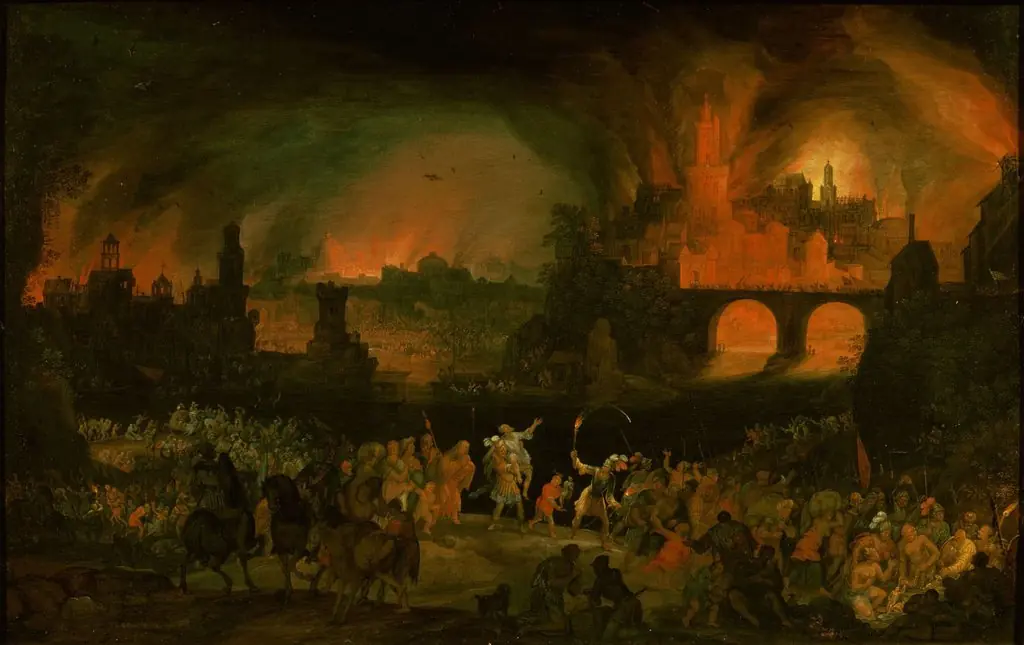 Aeneas trägt seinen Vater Anchises aus dem brennendem Troja
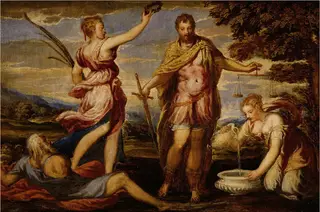 Scipio Africanus (?)
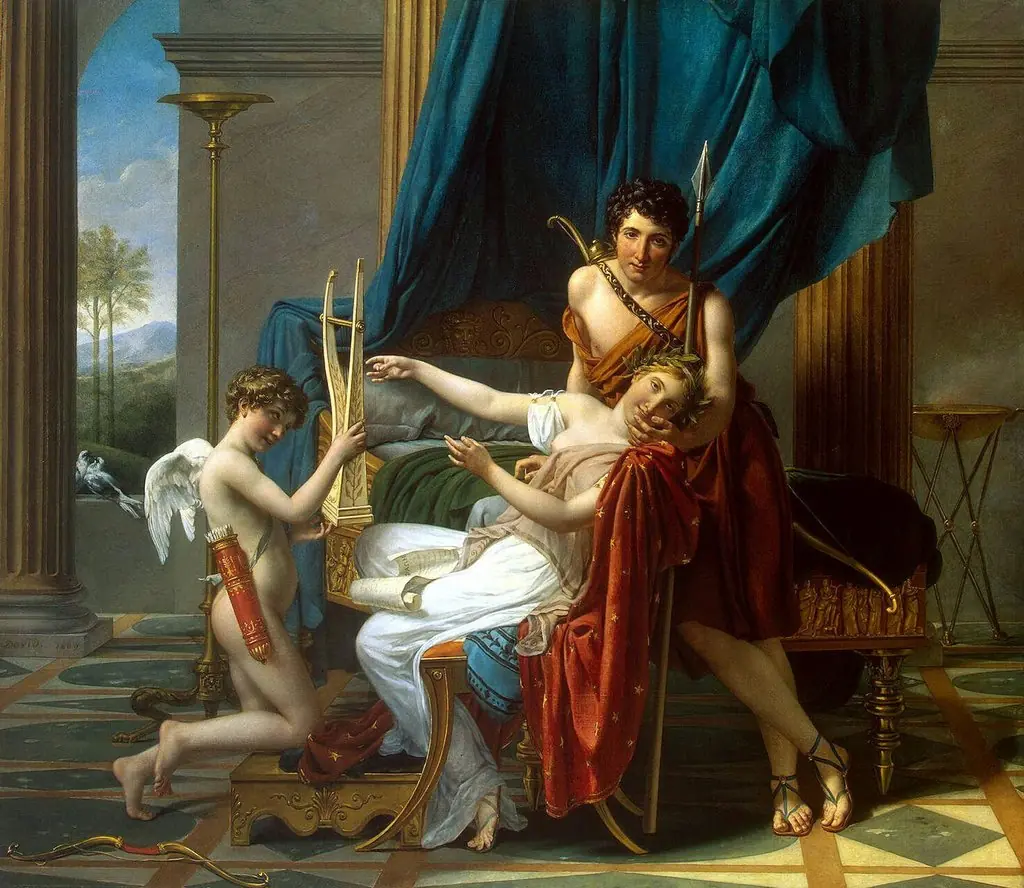 Sappho and Phaon
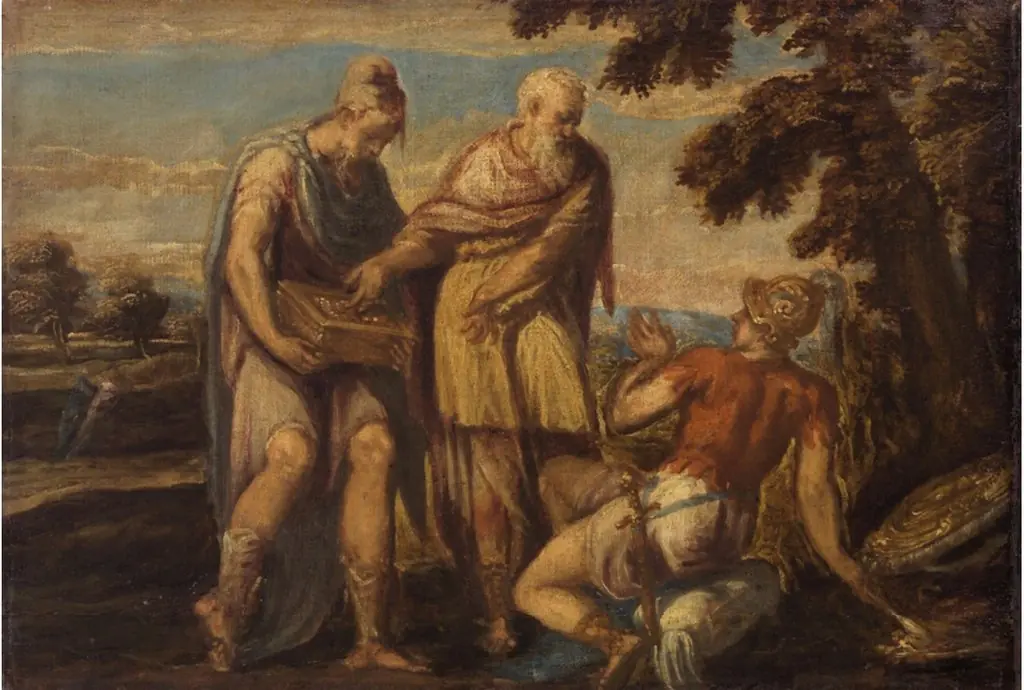 Marius Curius Dentatus
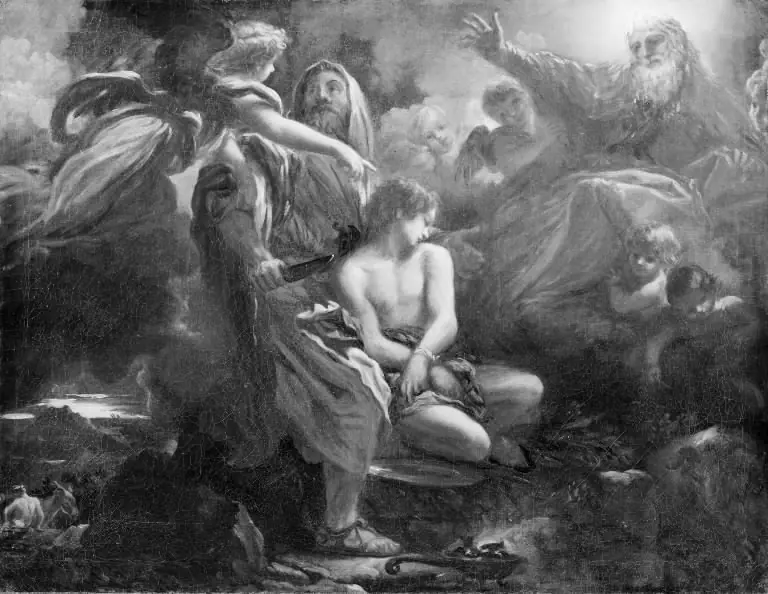 The Sacrifice of Isaac
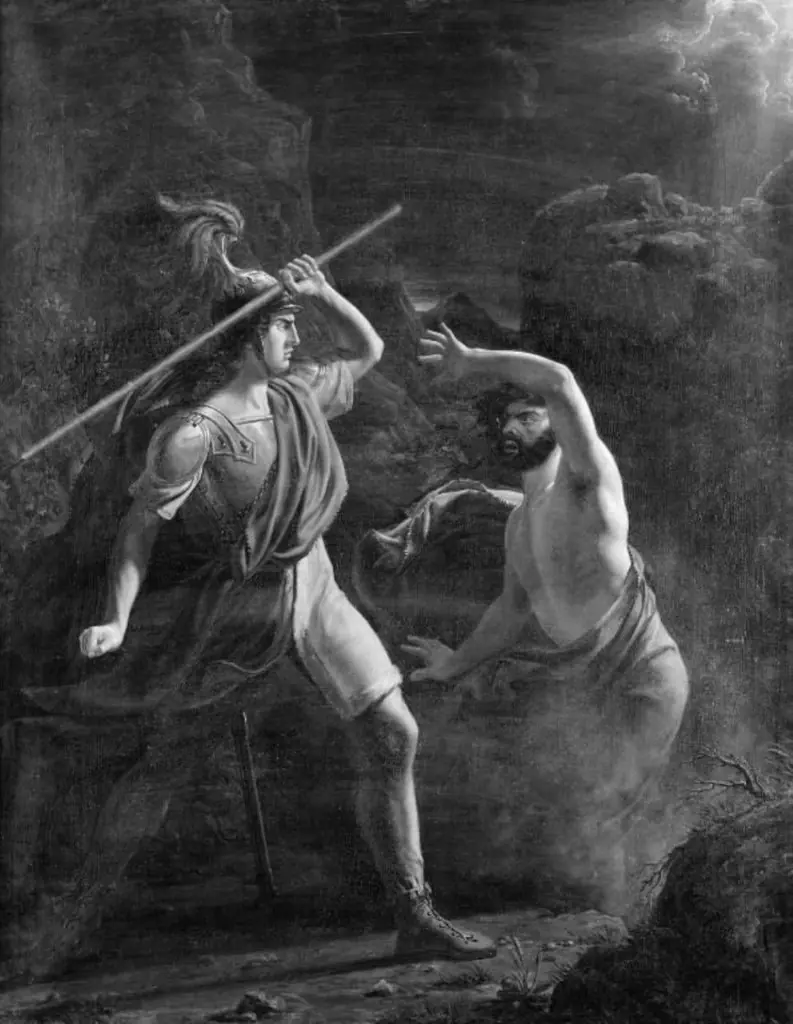 Loke styrtes i afgrunden af Hother
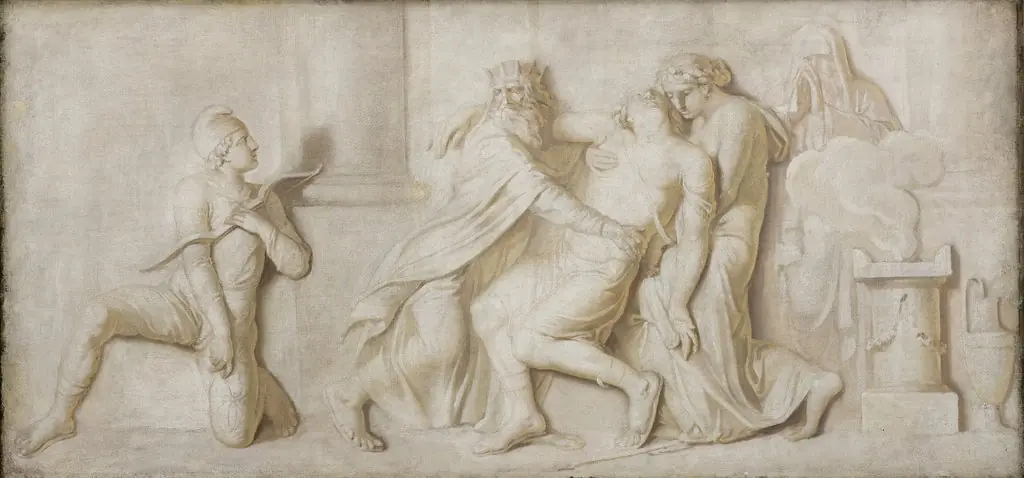 The Death of Achilles
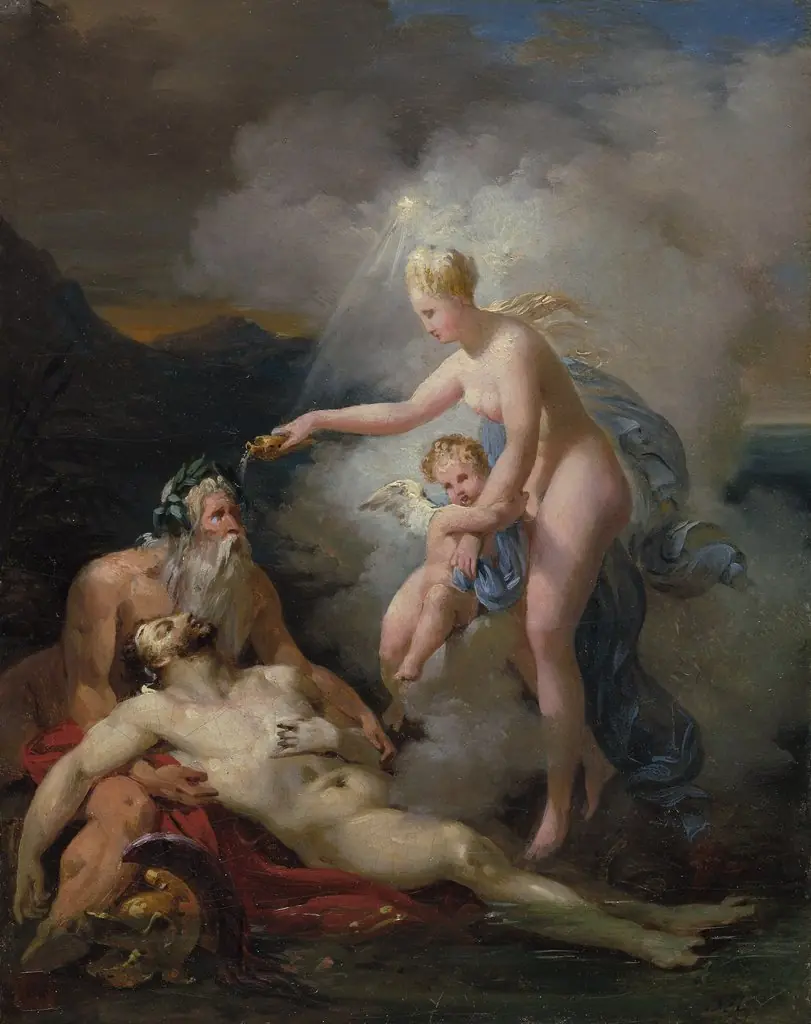 Venus Healing Aeneas
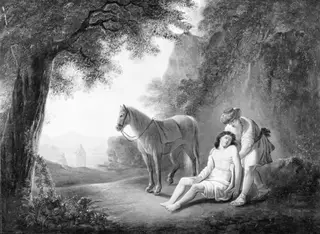 The Good Samaritan
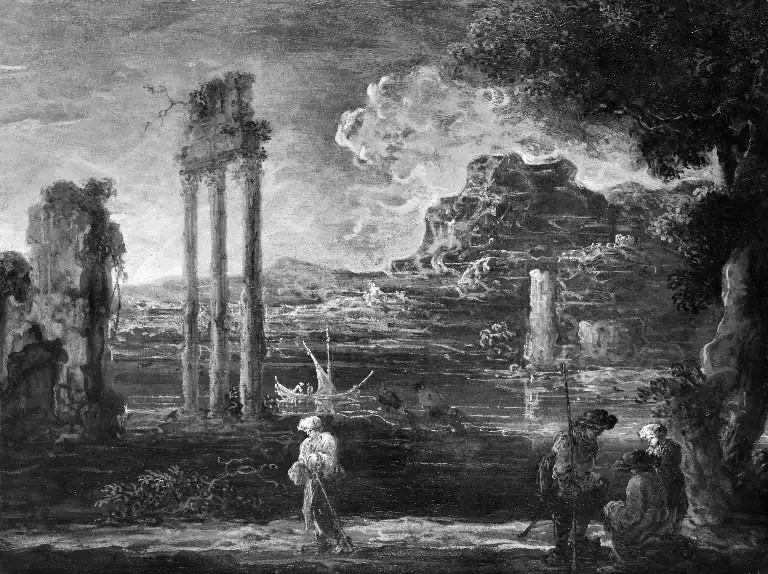 Italian Imaginary Landscape
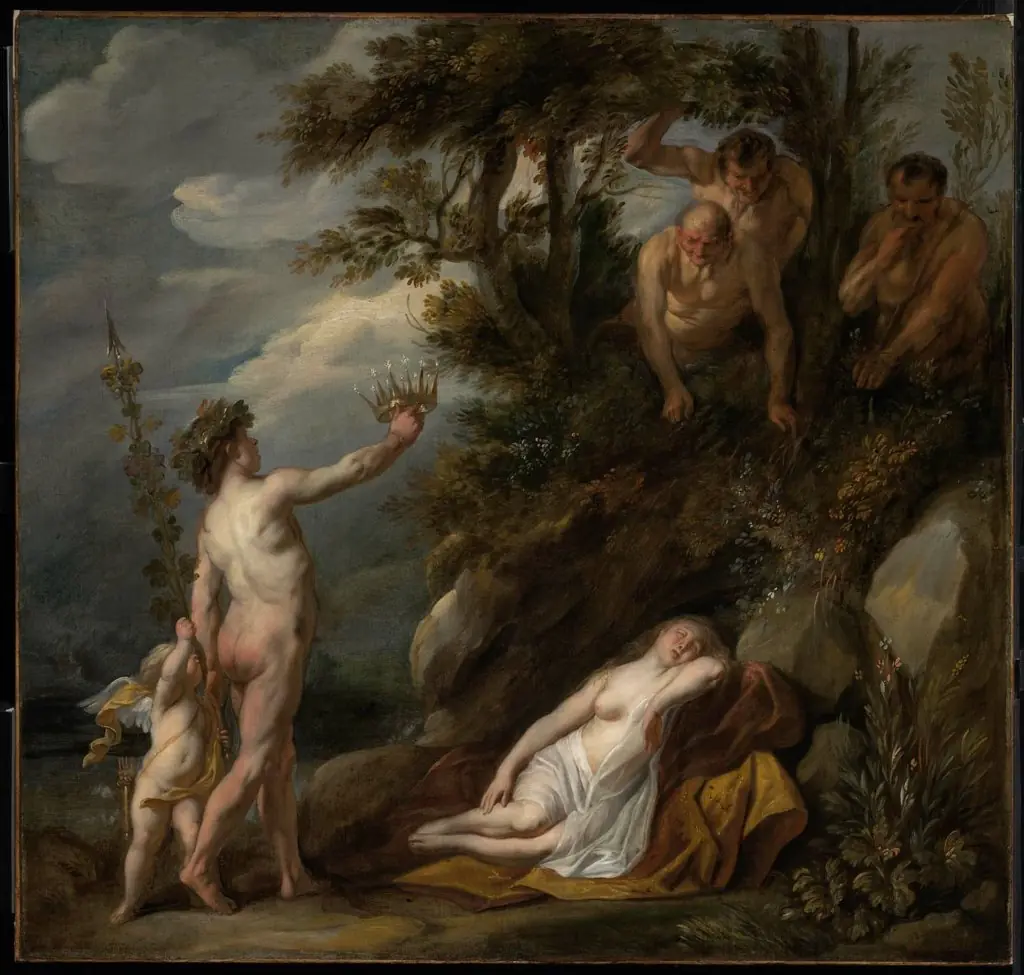 Bacchus Discovering Ariadne
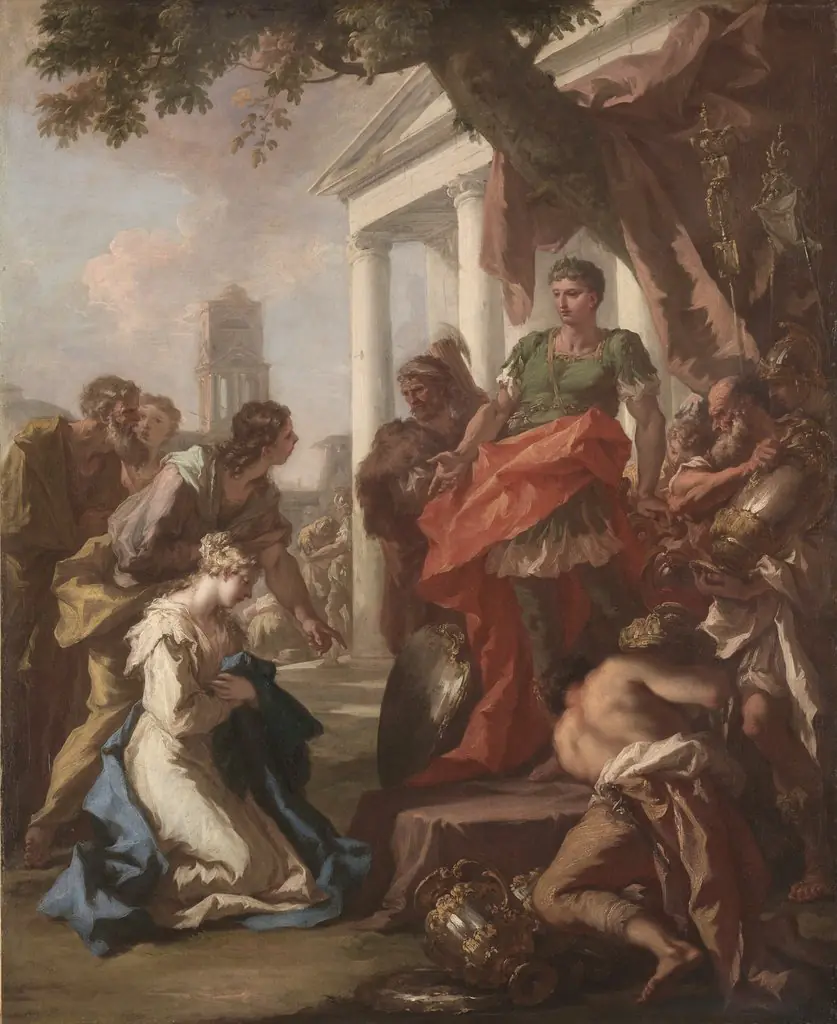 The Continence of Scipio
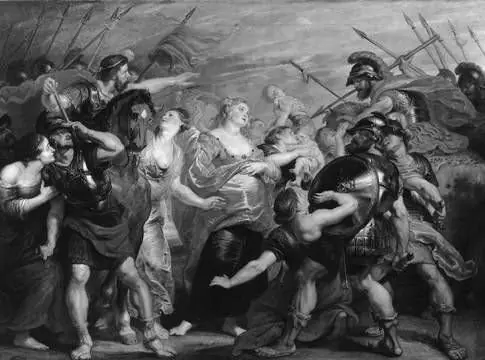 The Reconciliation of Romans and Sabines, before or up to 1620s
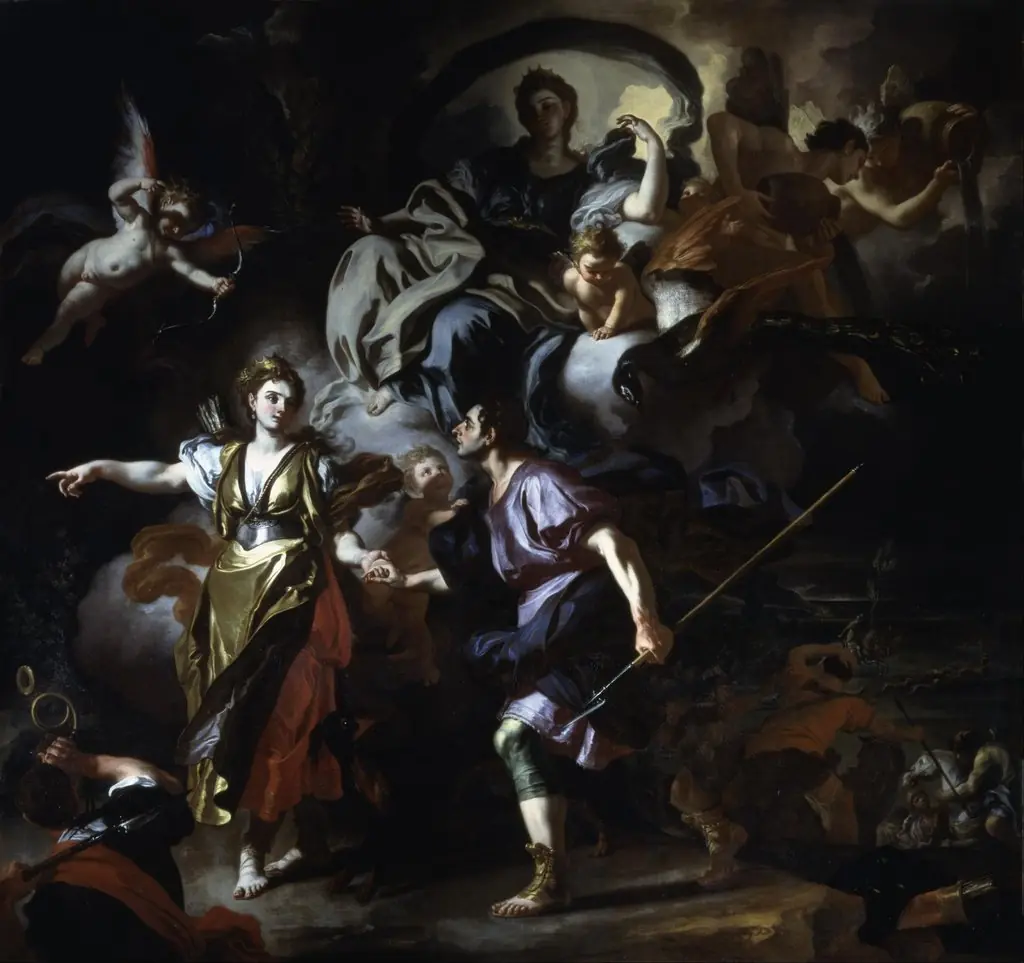 The Royal Hunt of Dido and Aeneas
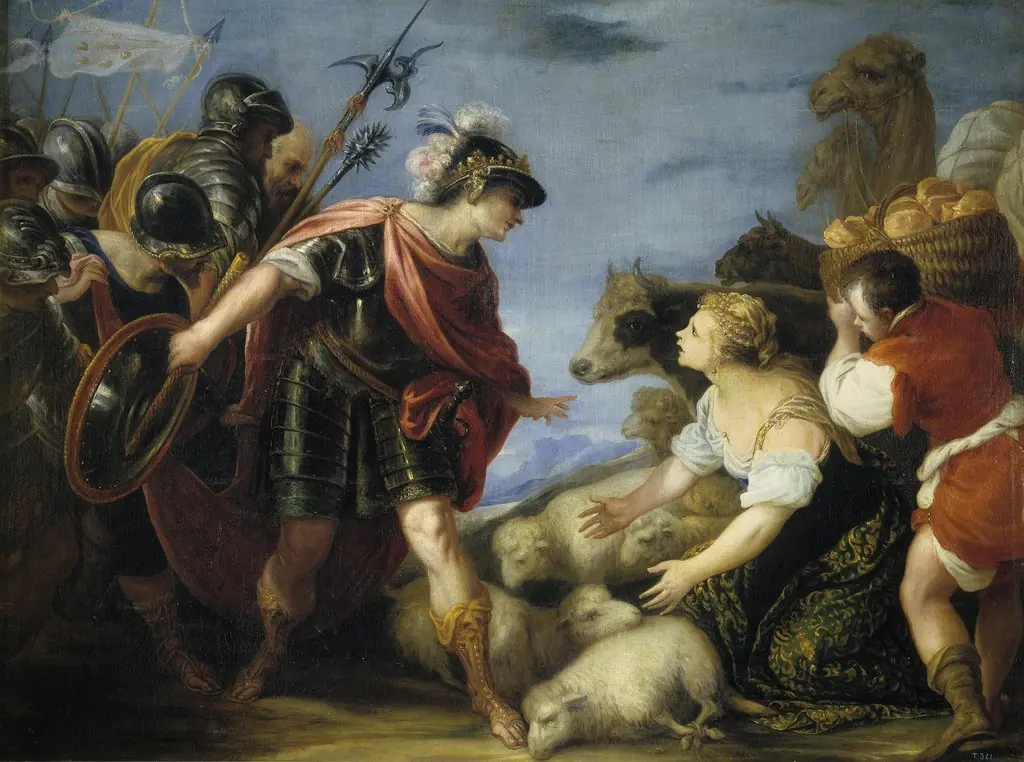 David and Abigail
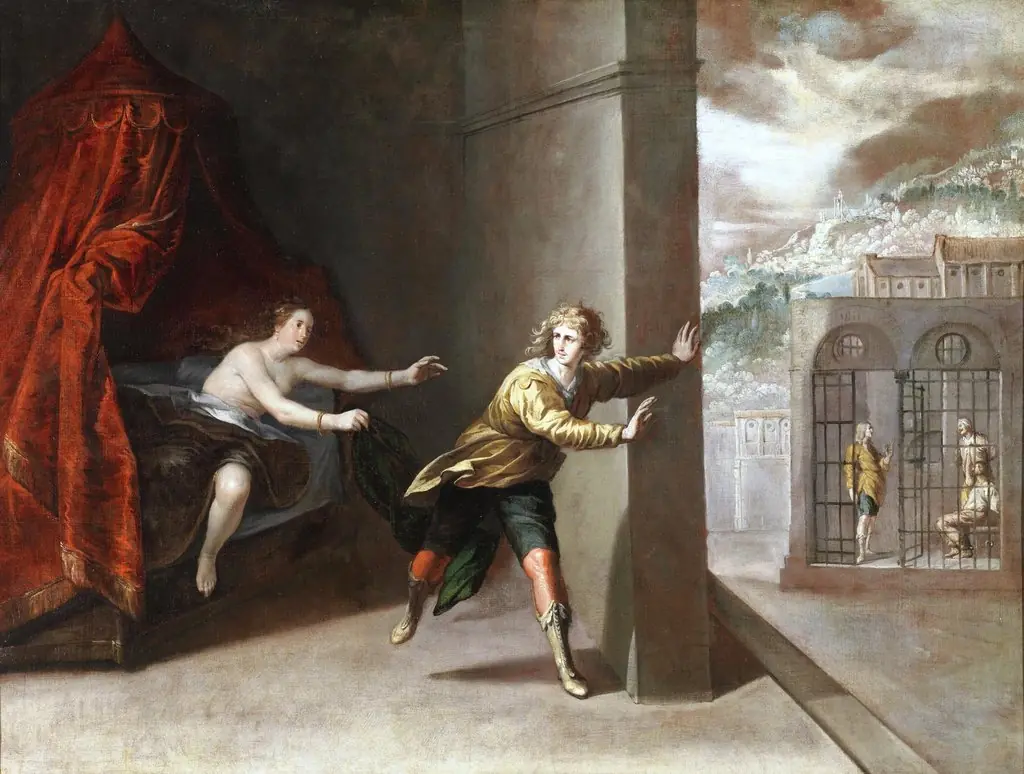 Joseph’s Chastity
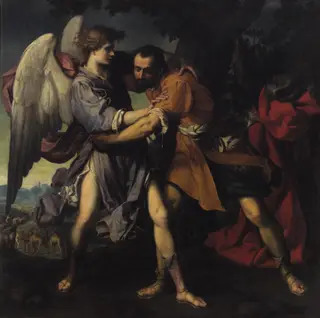 Jacob with the Angel
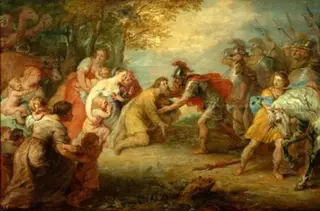 The reconciliation of Jacob and Esau: Esau runs to meet Jacob and kisses him (Genesis 33:3-4)
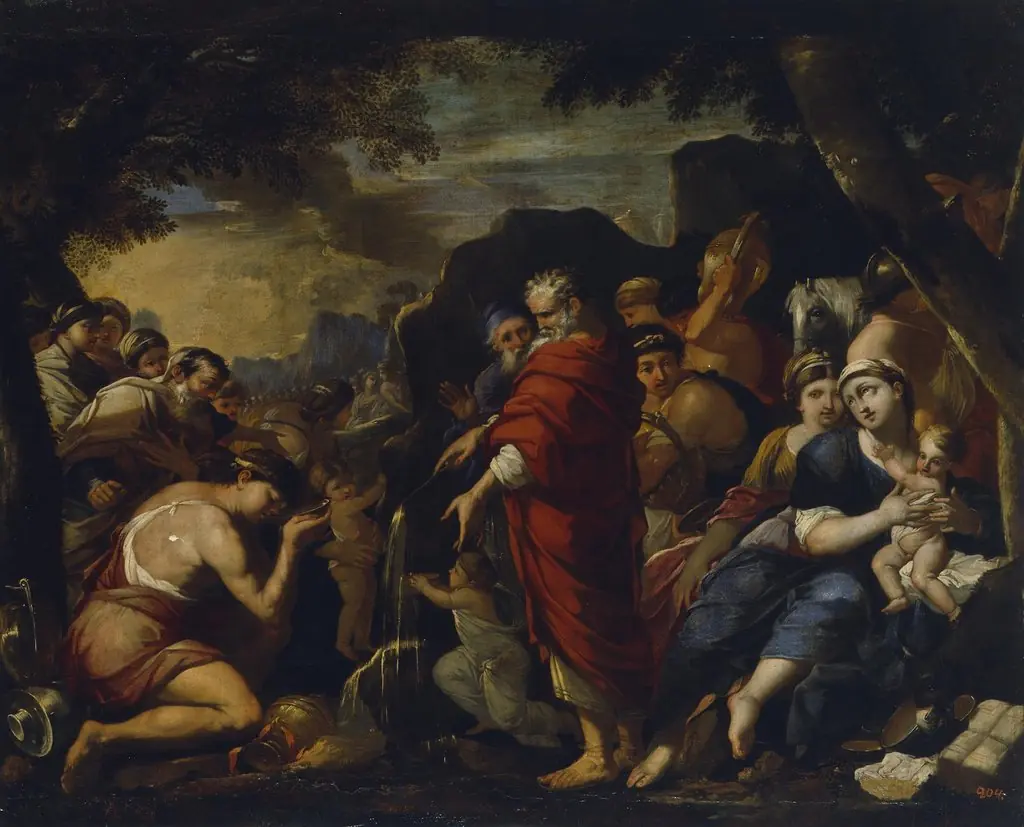 Moses Striking the Rock
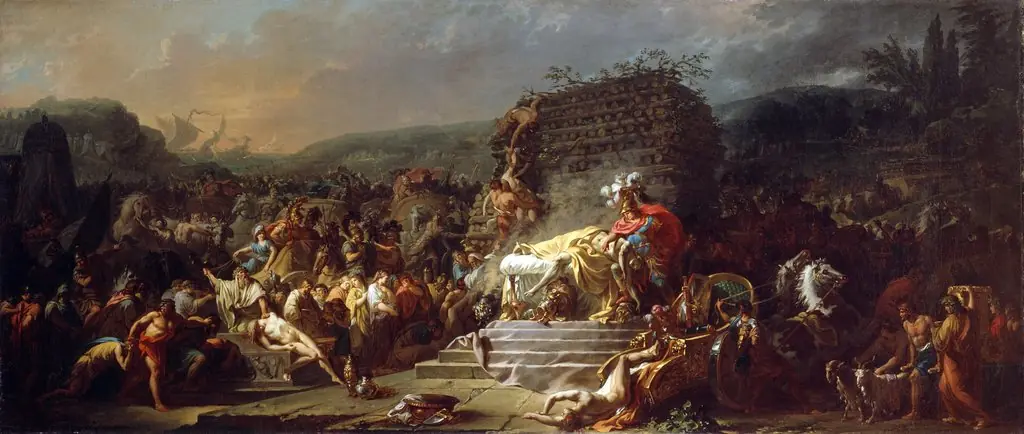 The Funeral of Patroclus
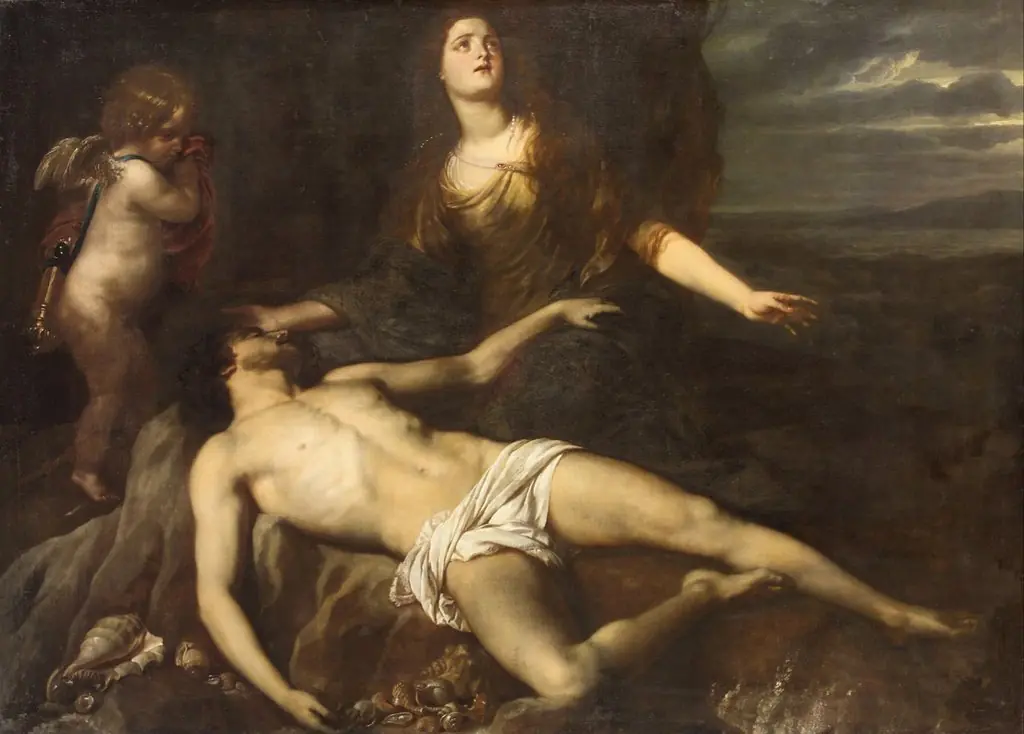 Hero laments the dead Leander
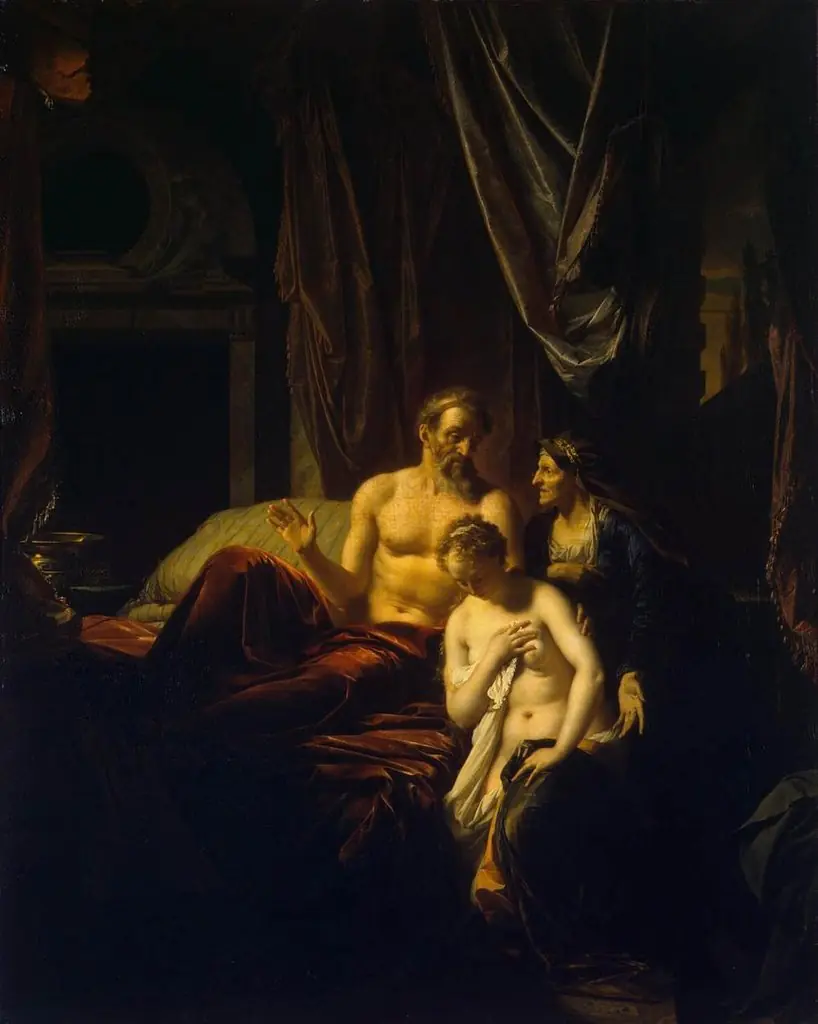 Sarah Bringing Hagar to Abraham
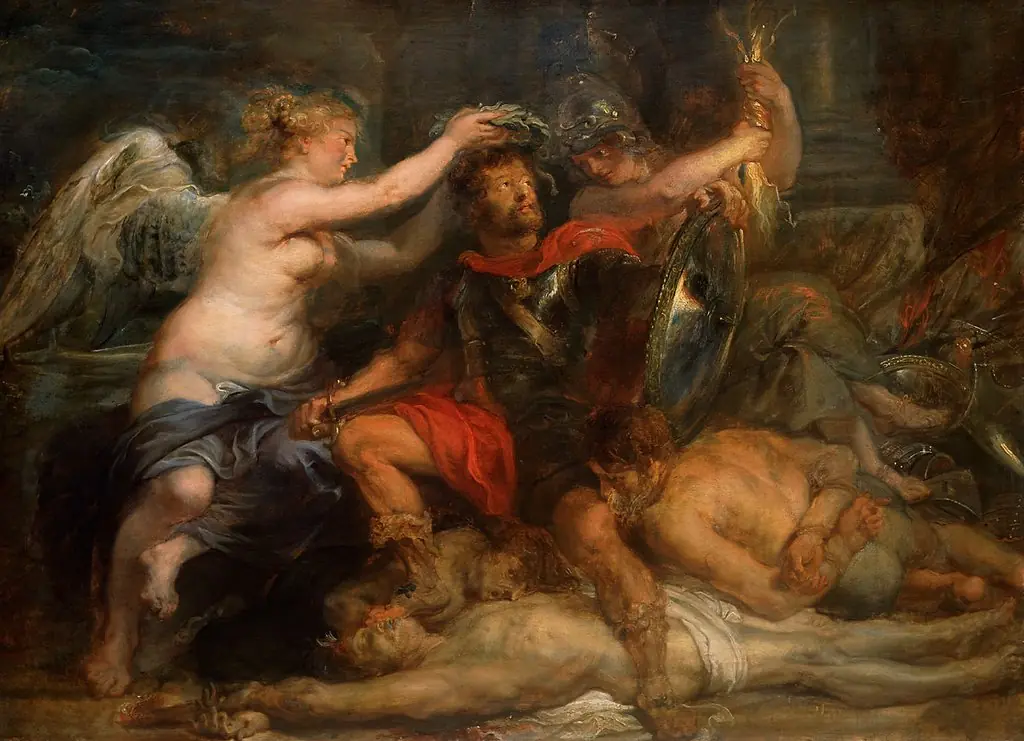 Victory crowns the Hero
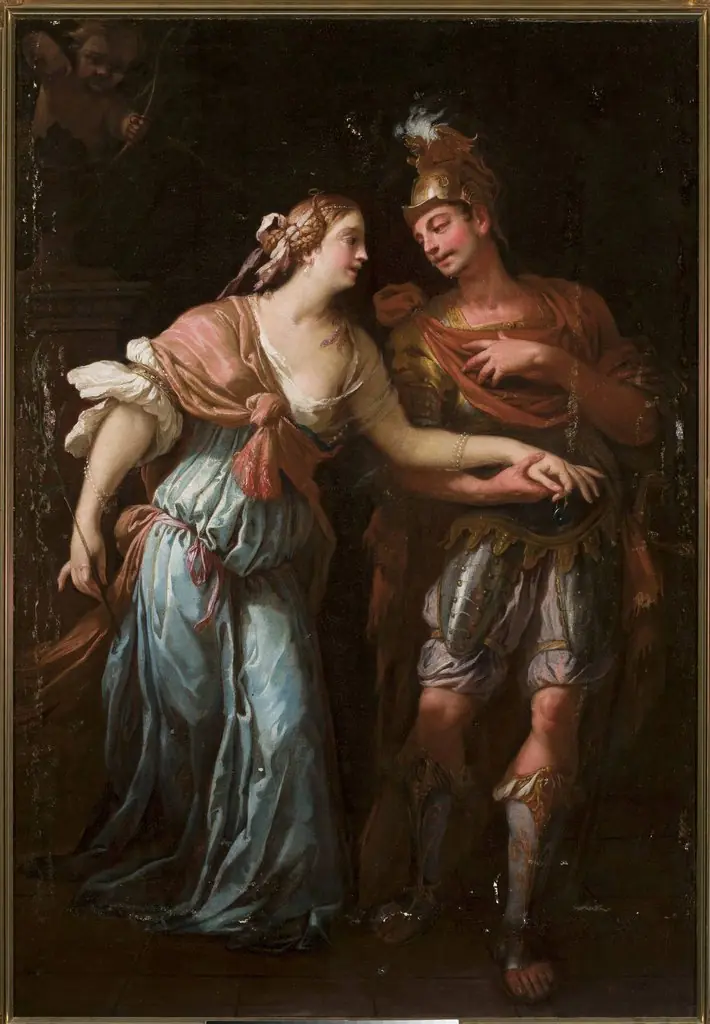 Venus and Mars
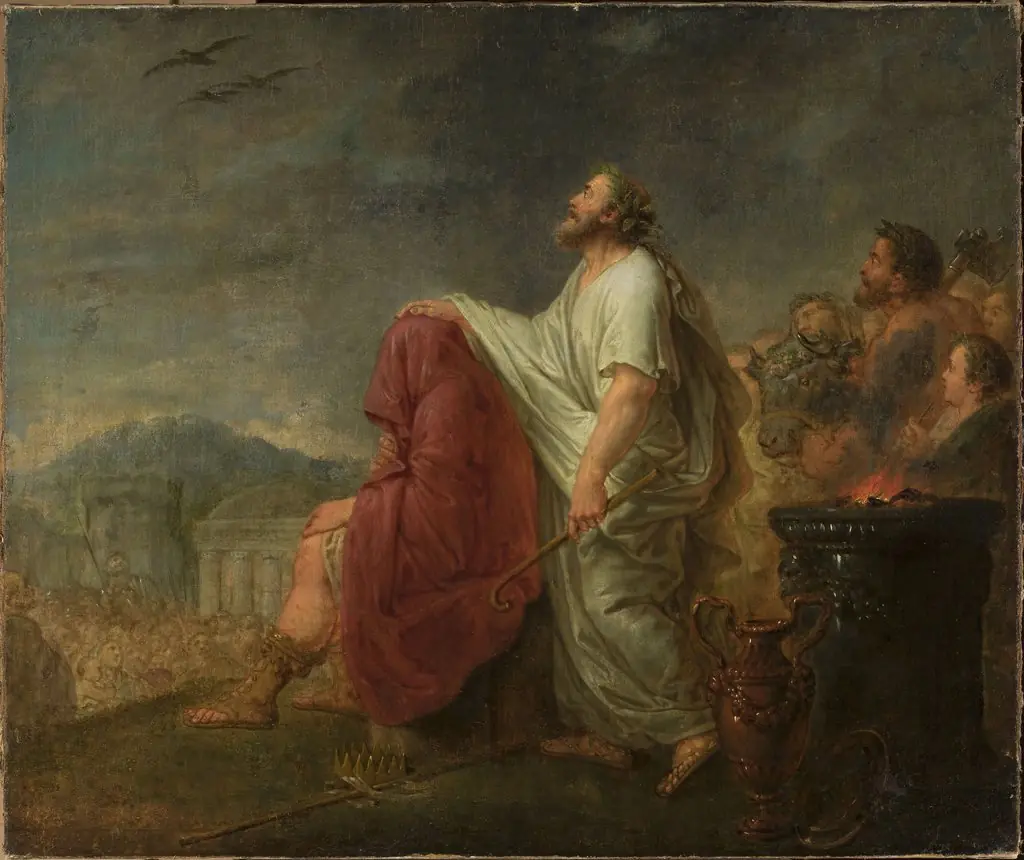 Ancient scene of sacrifice
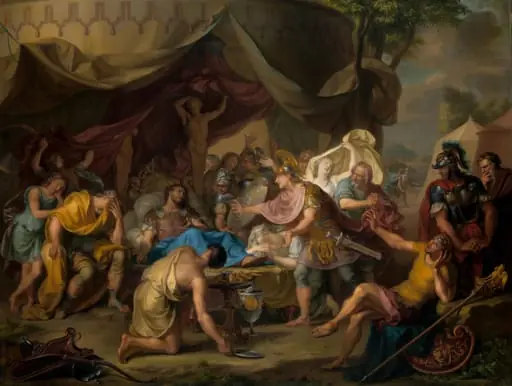 Het sterfbed van Epaminondas
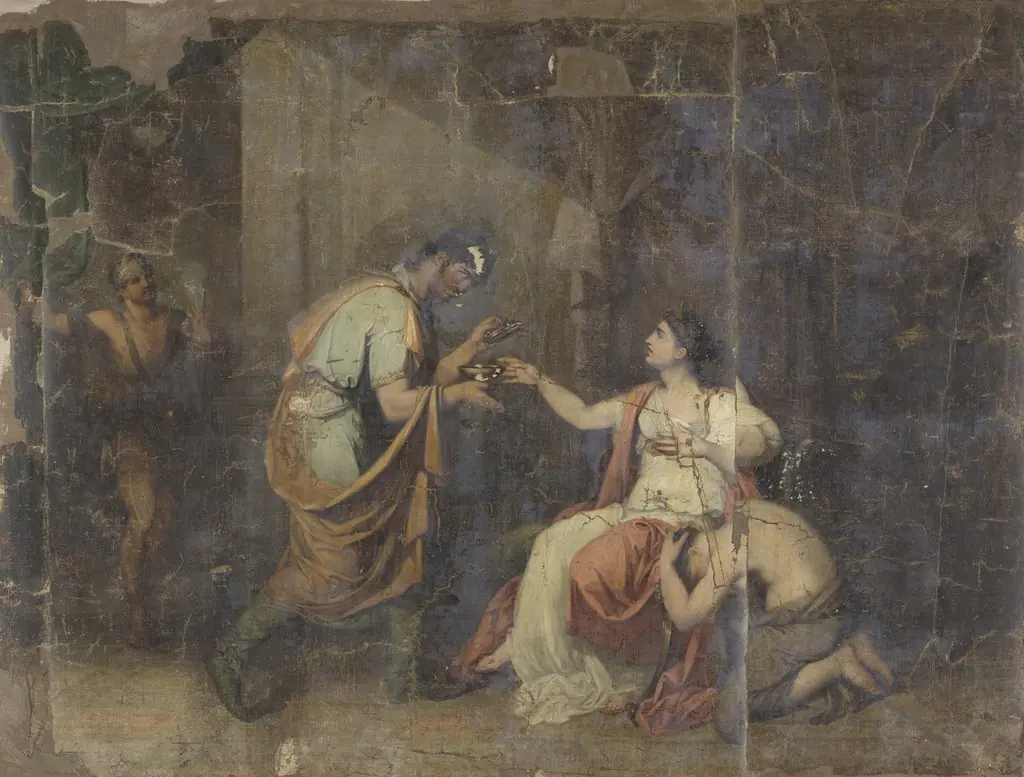 The Death of Sophonisba, Queen of Numidia
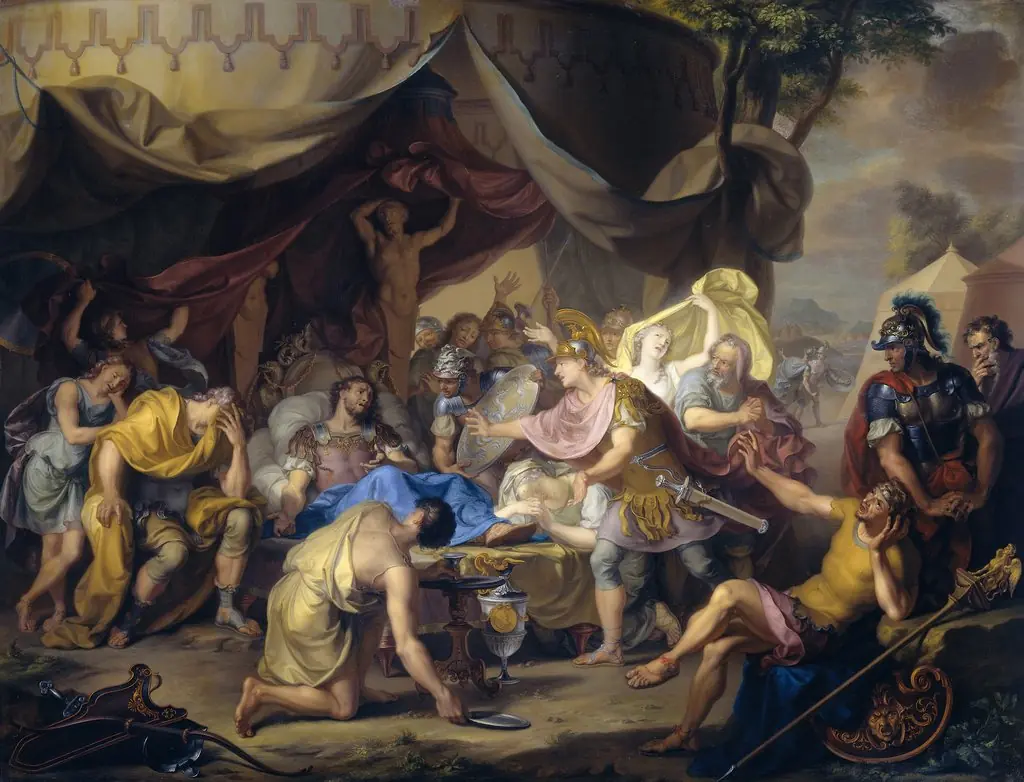 The Death of Epaminondas
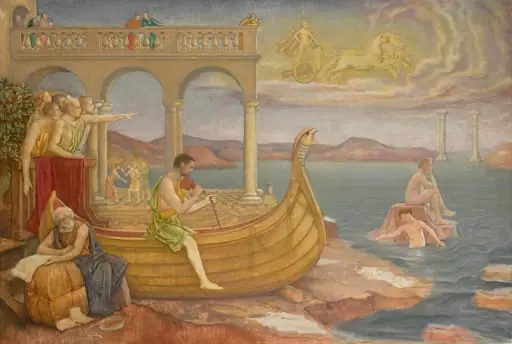 The Building of the 'Argo'
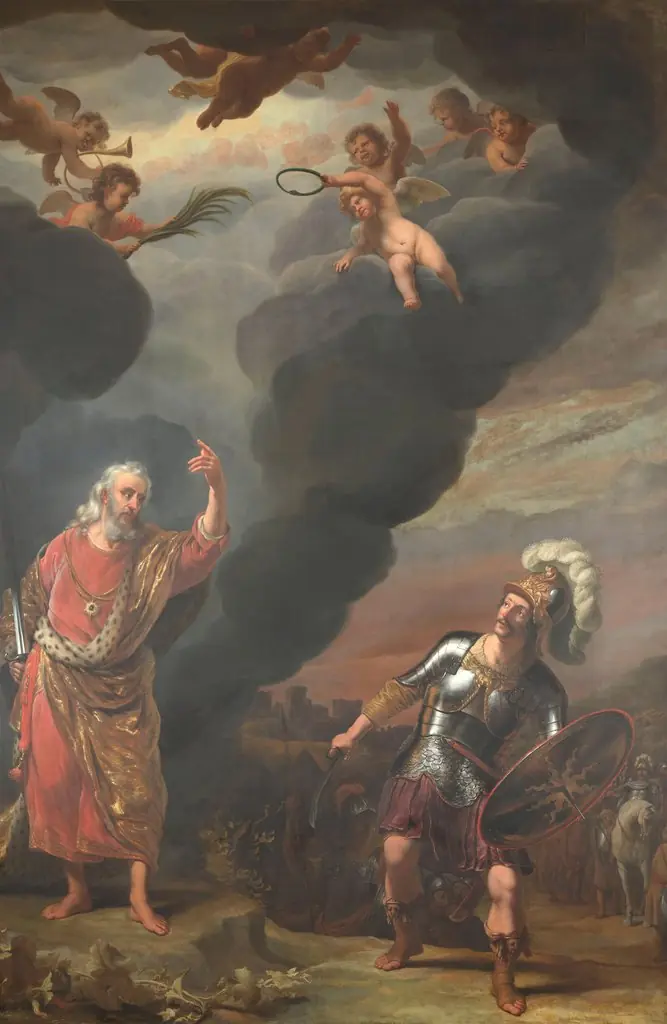 The Captain of God's Army Appearing to Joshua
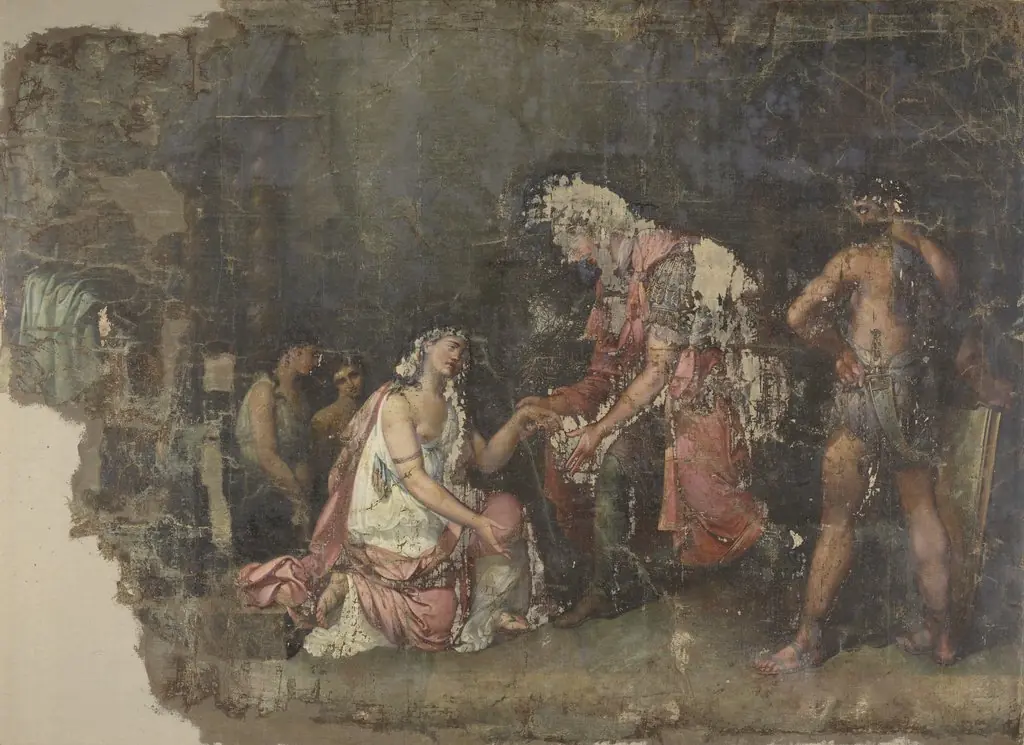 Sophonisba kneeling before Masinissa, King of Numidia
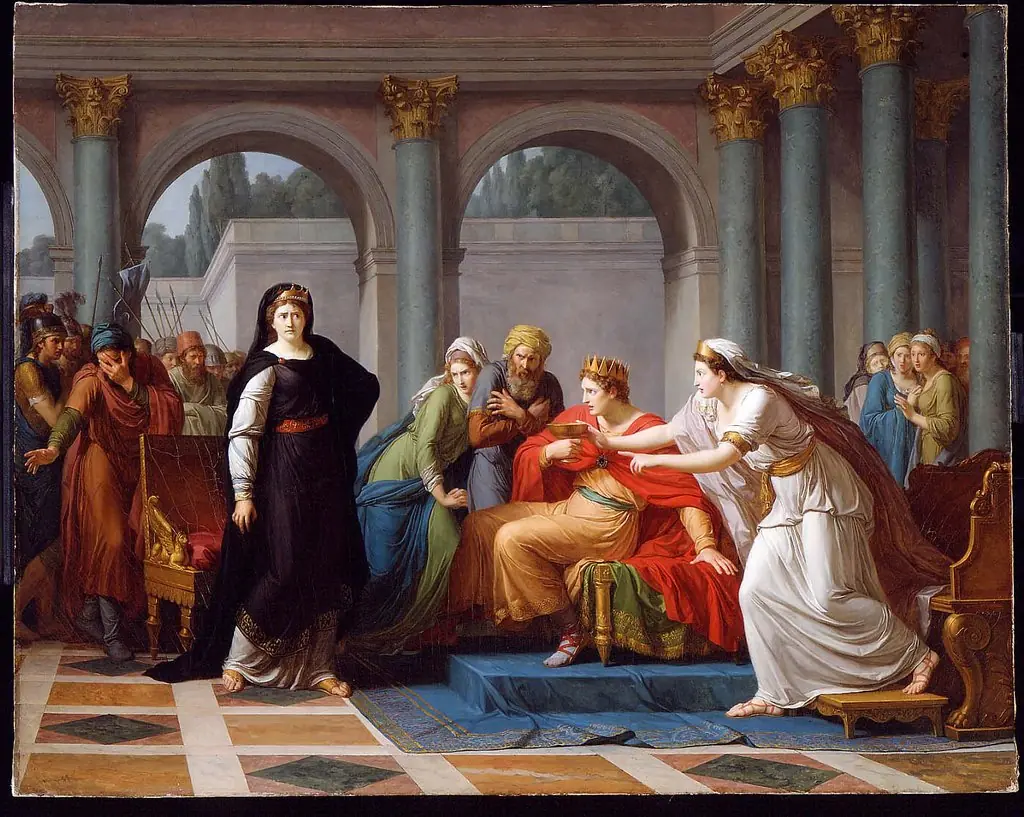 "Seigneur! Voyez ces yeux" (Cleopatra Discovered by Rodogune to Have Poisoned the Nuptial Cup)
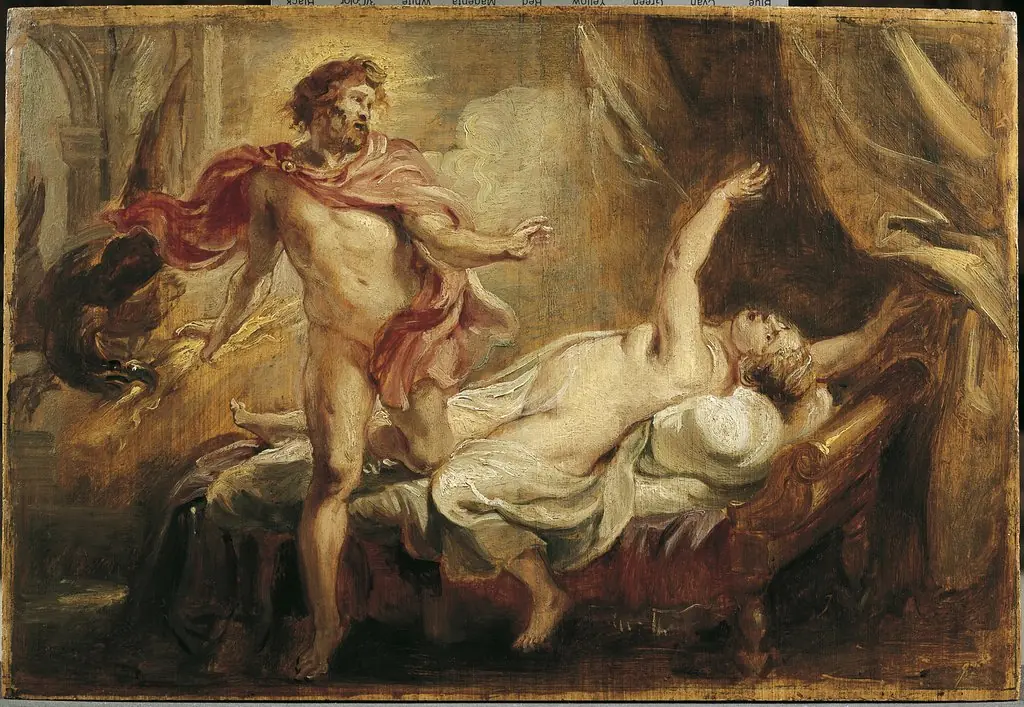 Death of Semele
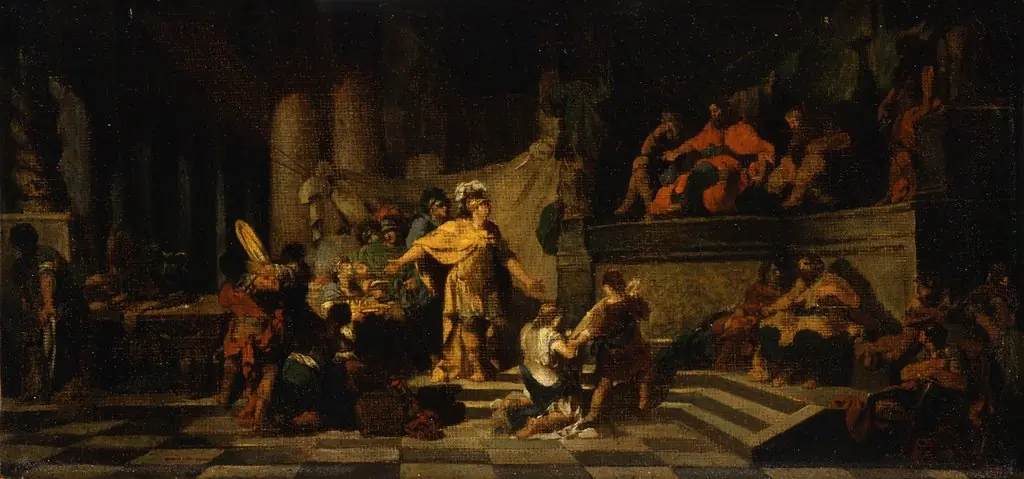 Aeneas Offering Presents to King Latinus and Asking Him for the Hand of His Daughter
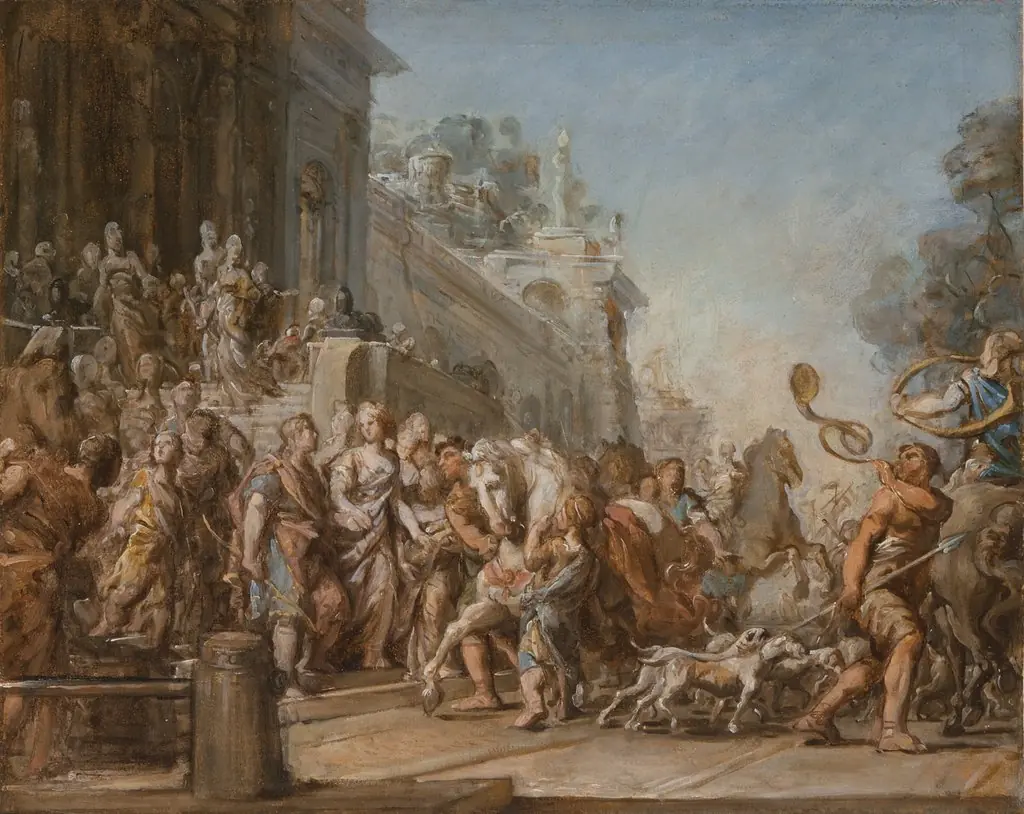 The Departure of Dido and Aeneas for the Hunt
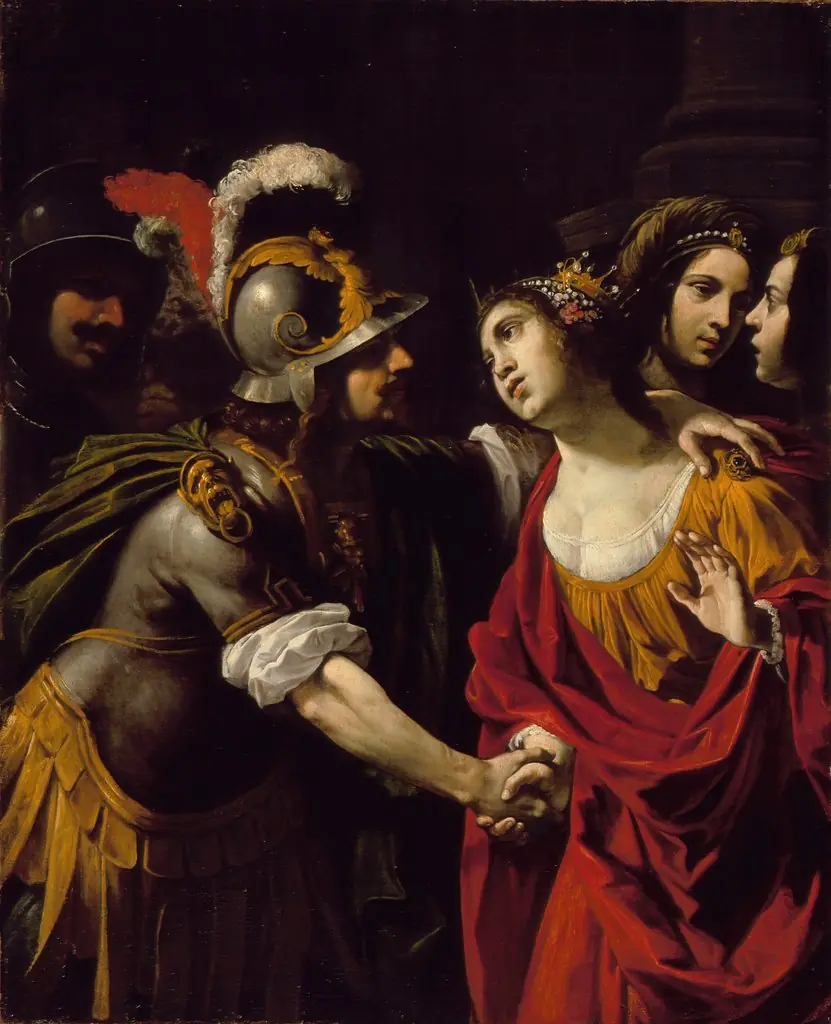 Dido and Aeneas
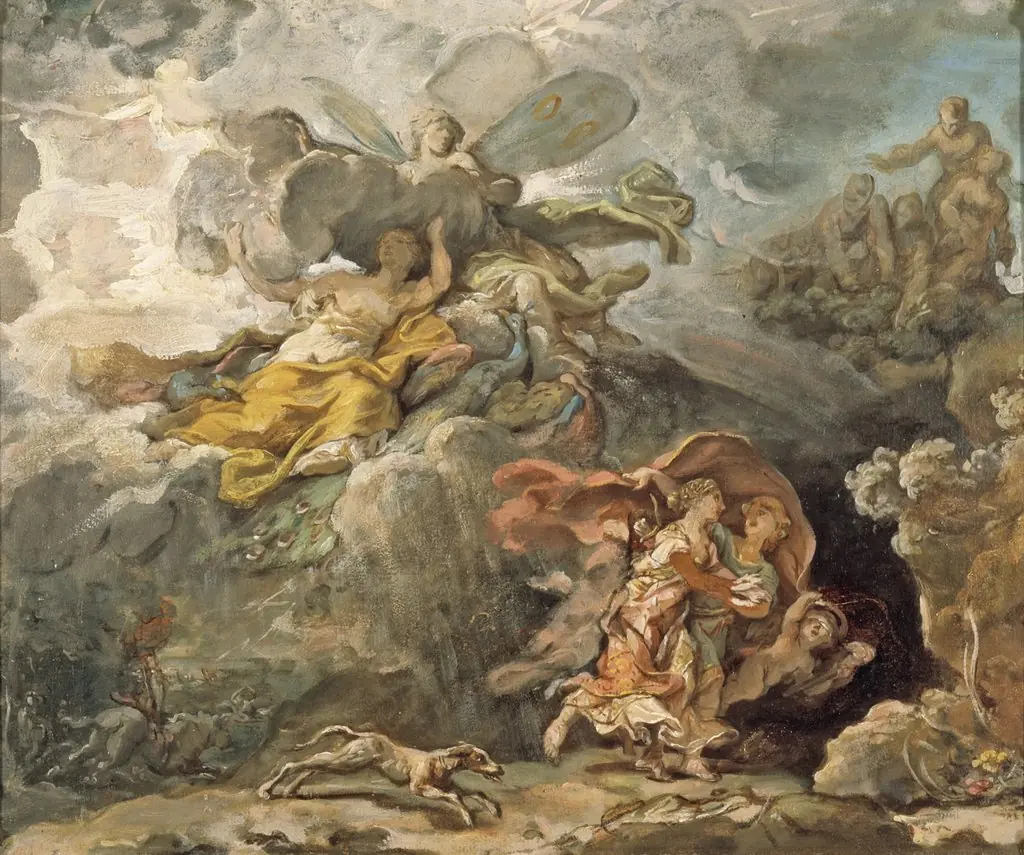 Aeneas and Dido Fleeing the Storm
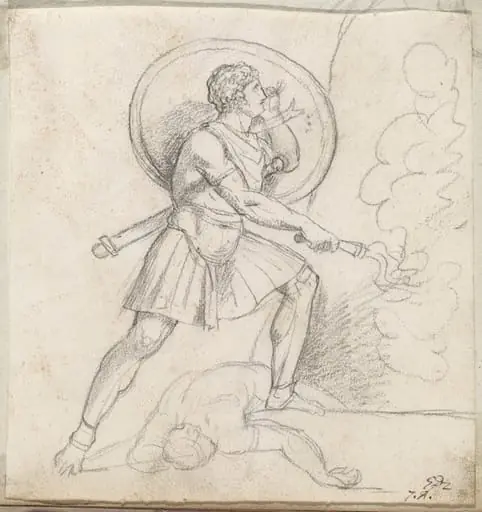 Warrior with a Shield and Torch
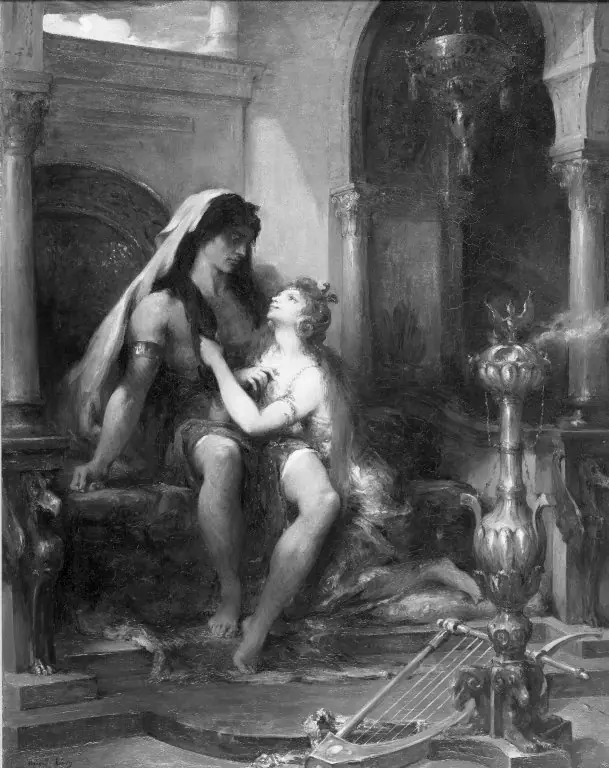 Samson and Delilah (Samson et Dalila)
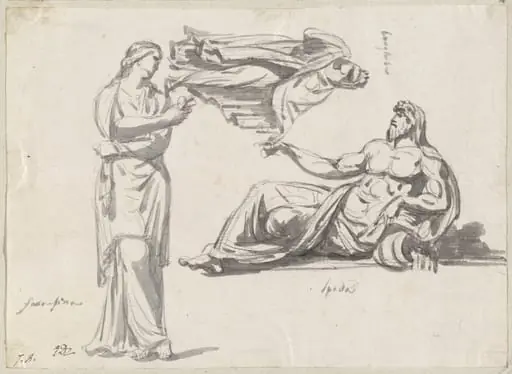 A River God and Two Classical Sculptures
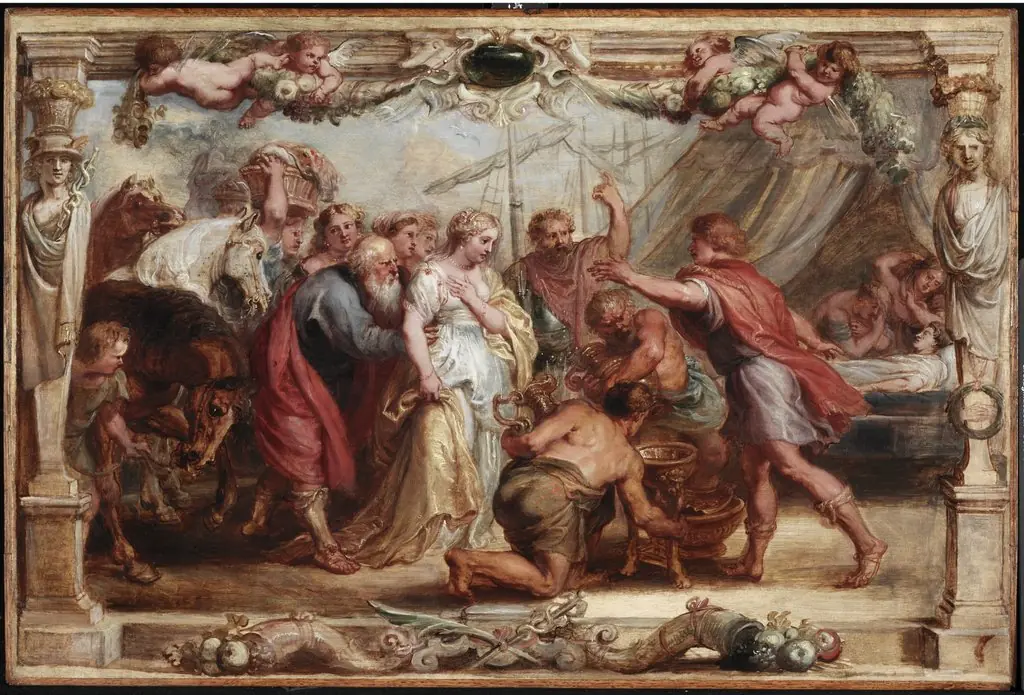 Briseis Given Back to Achilles
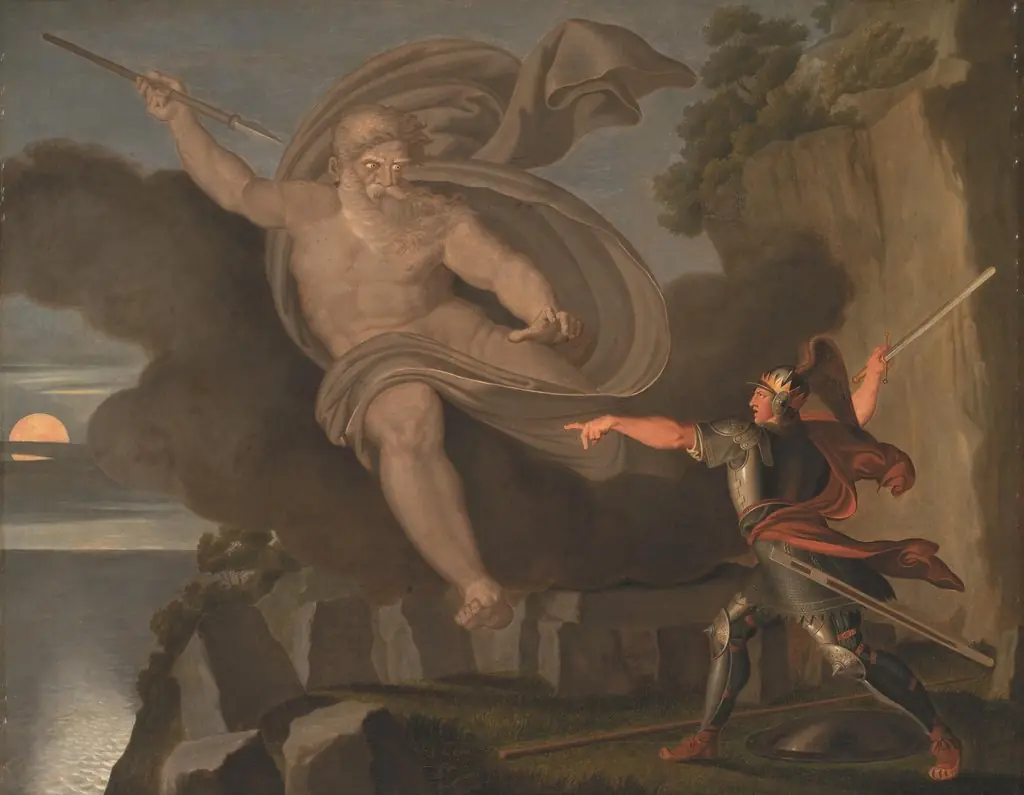 Fingal´s Battle with the Spirit of Loda
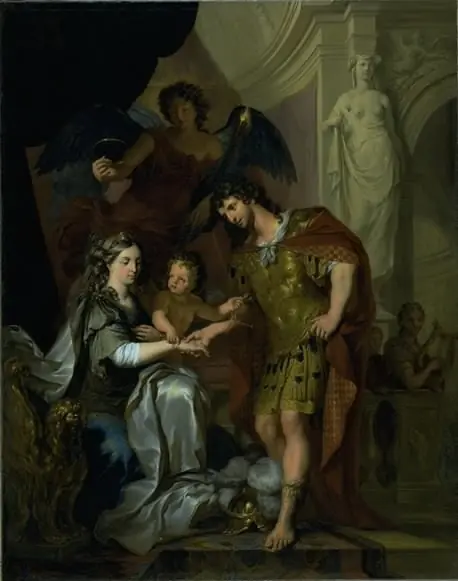 The Wedding of Alexander and Roxana (?)
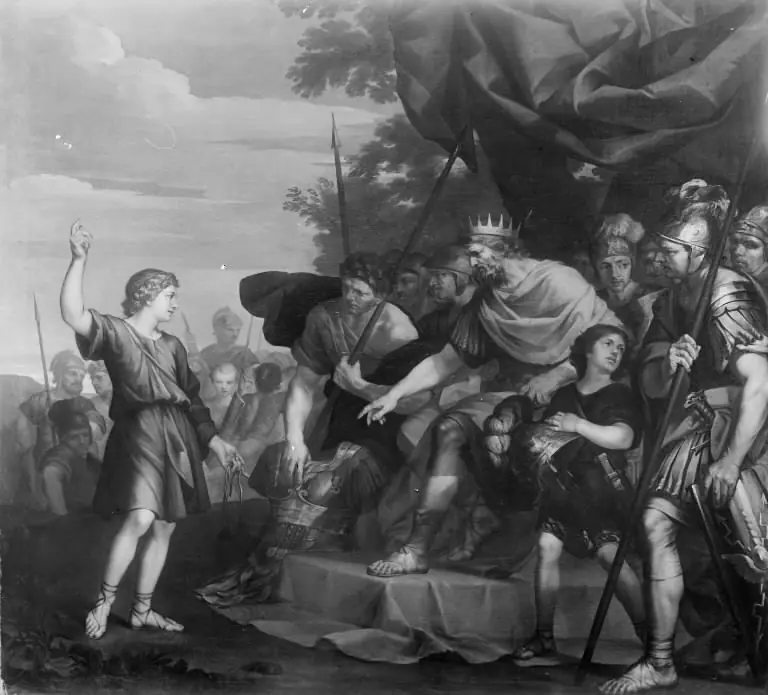 Saul and David
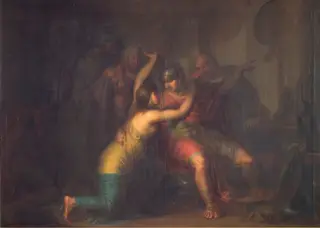 Et historisk stykke
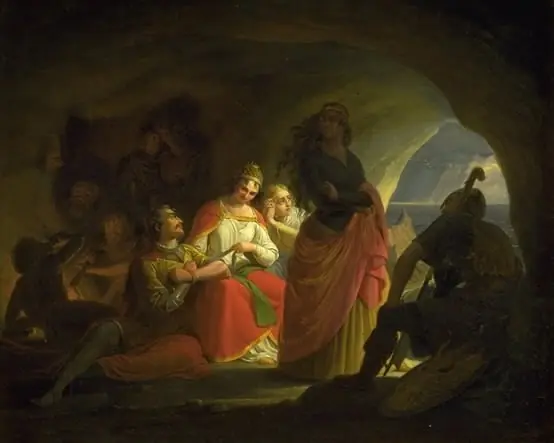 Prins Buris, Liden Kirsten, Skøn Hulfrid og Stolt Ingefrid fanget af Ulf Svartskæg
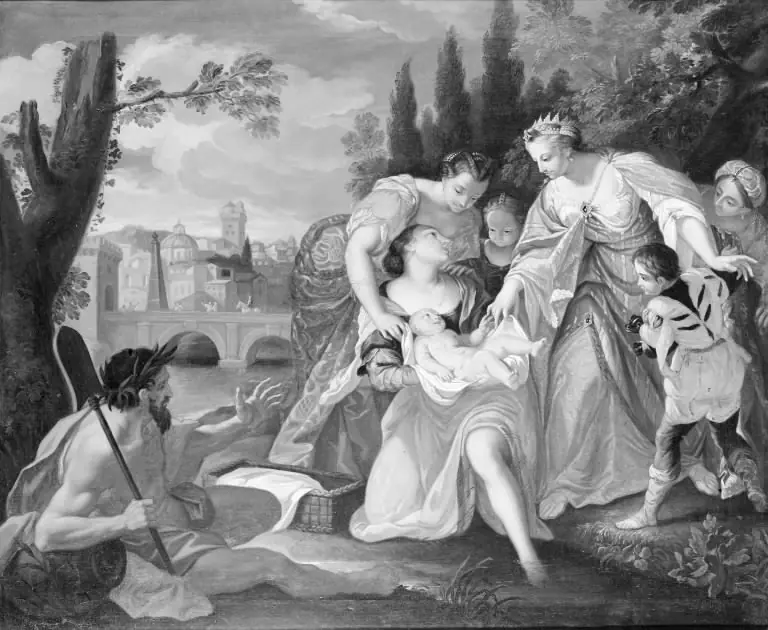 Moses findes i Nilen af Faraos datter
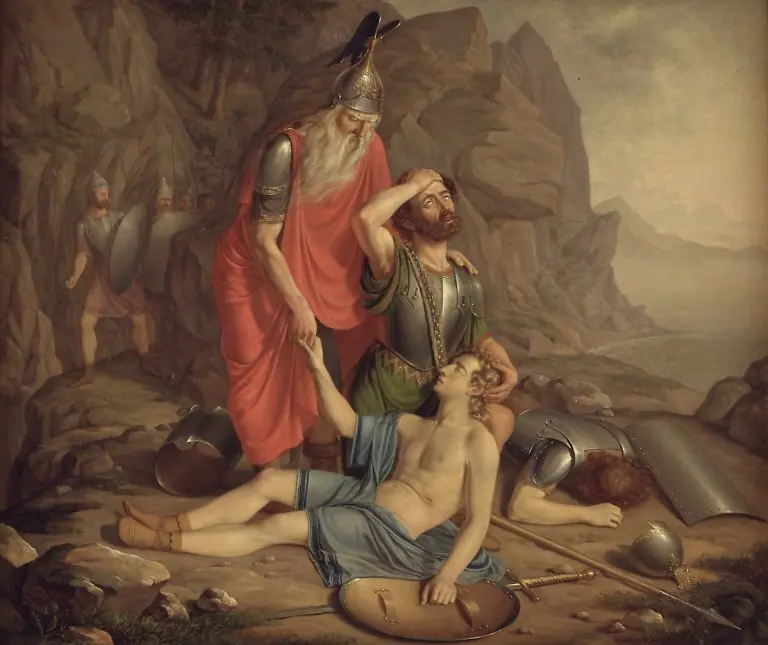 Oscars død
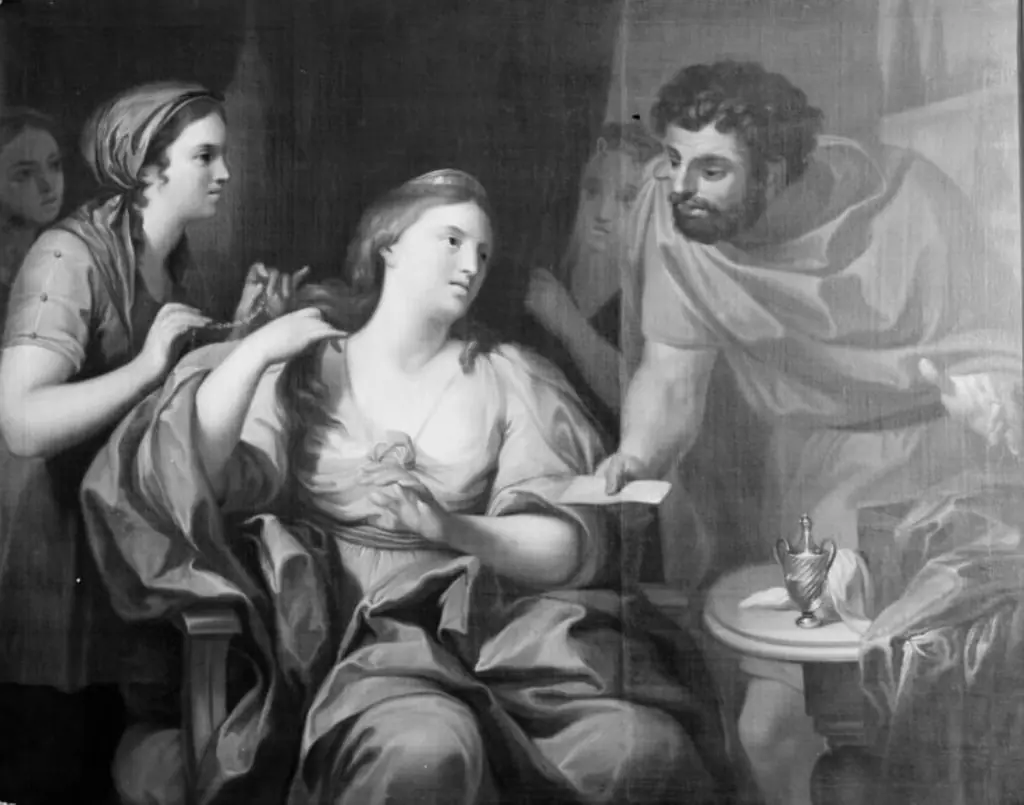 Dronning Semiramis som sværger ikke at ville rede sit hår før hun har underkuet et oprør
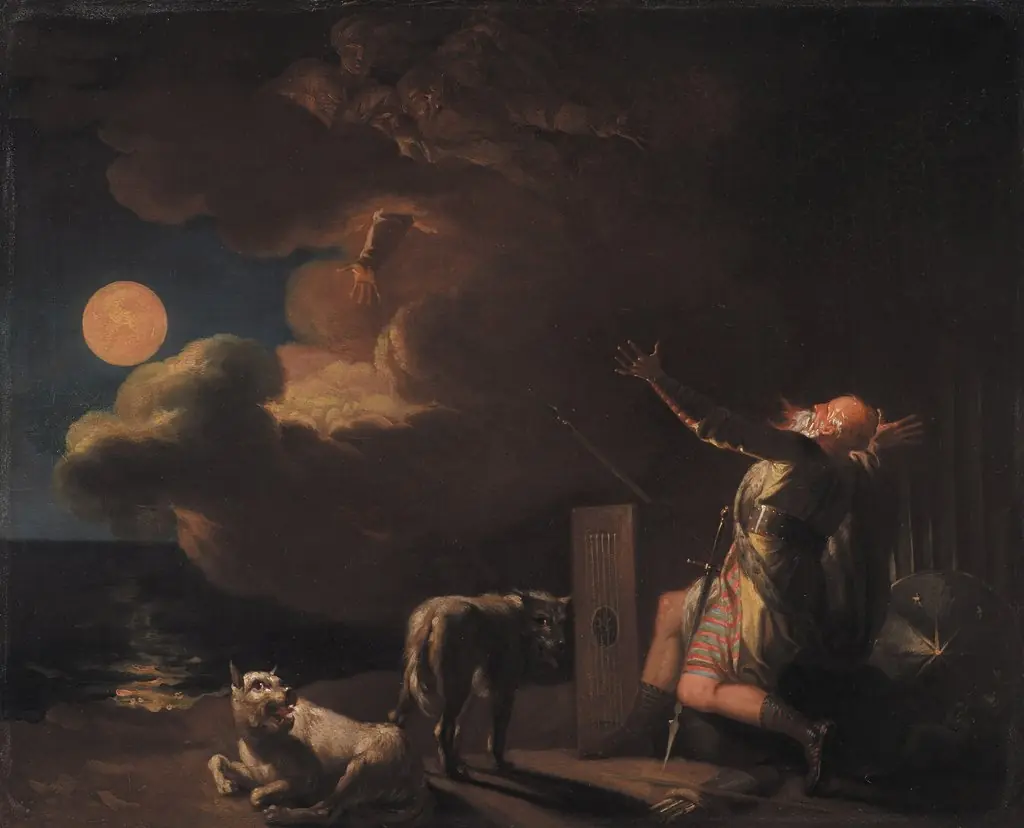 Fingal Sees the Ghosts of his Forefathers by Moonlight
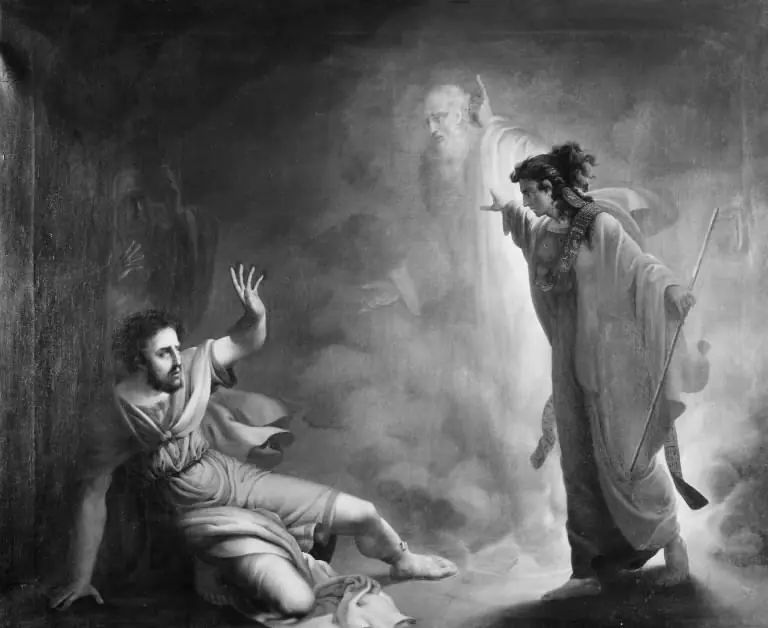 Heksen i Endor viser Saul Samuels ånd
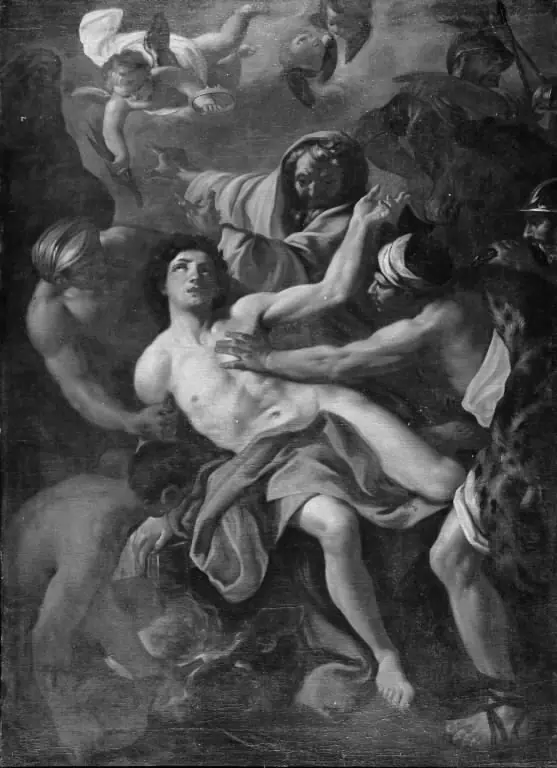 Saint Lawrence
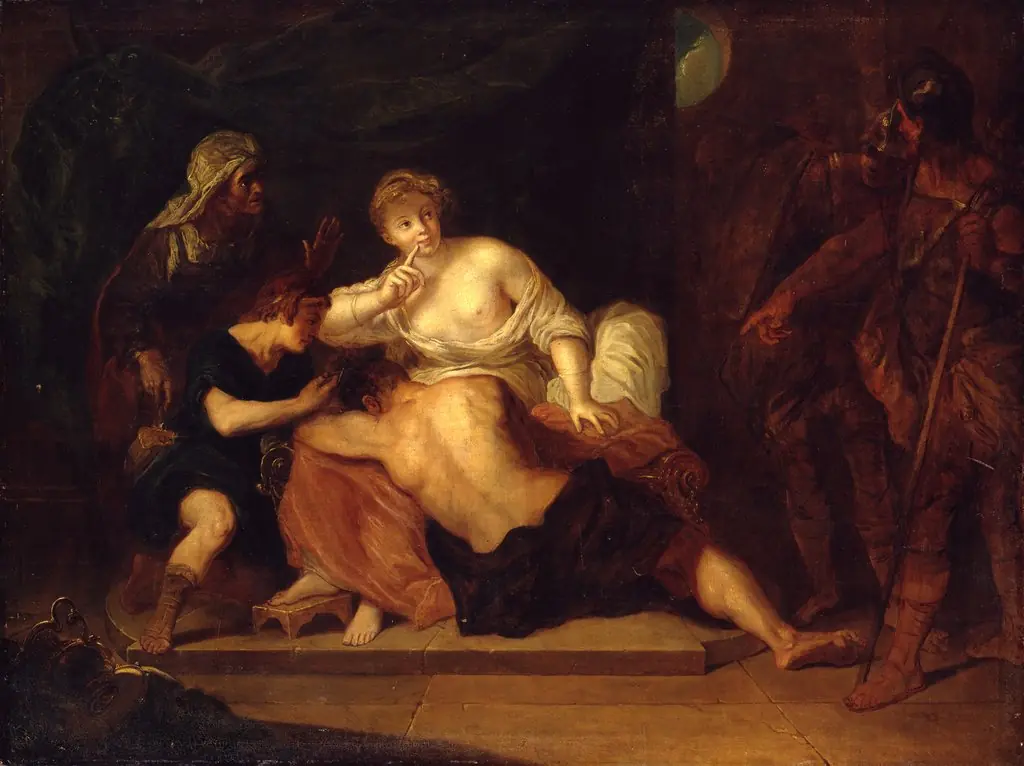 Samson and Delilah
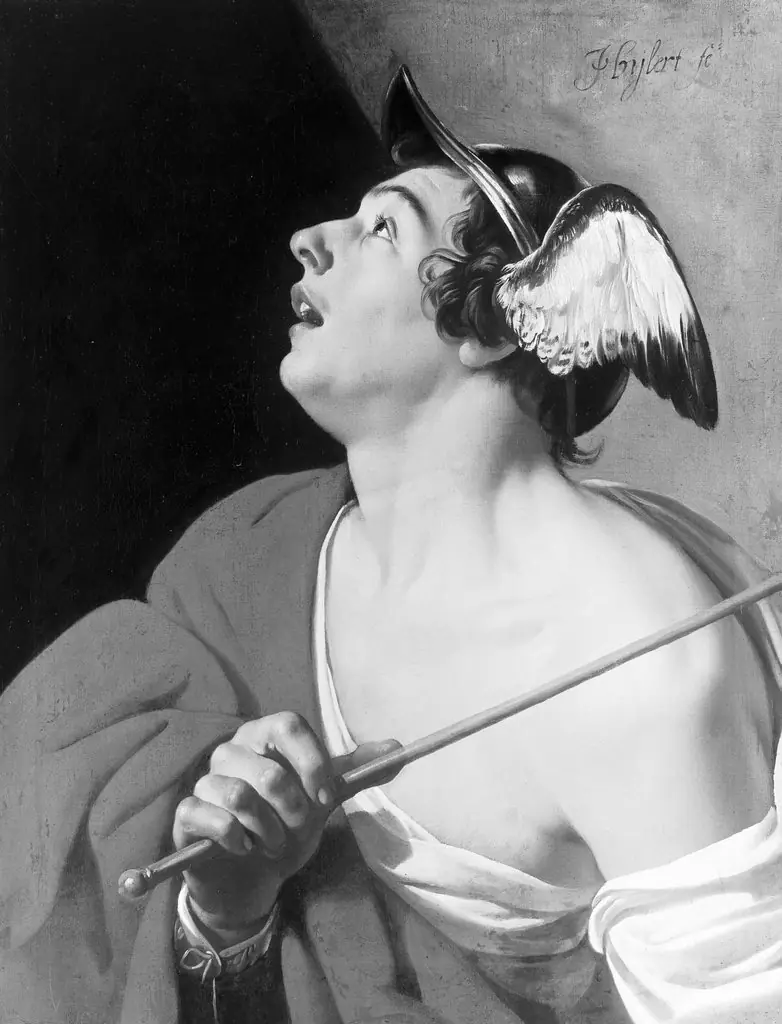 Mercury
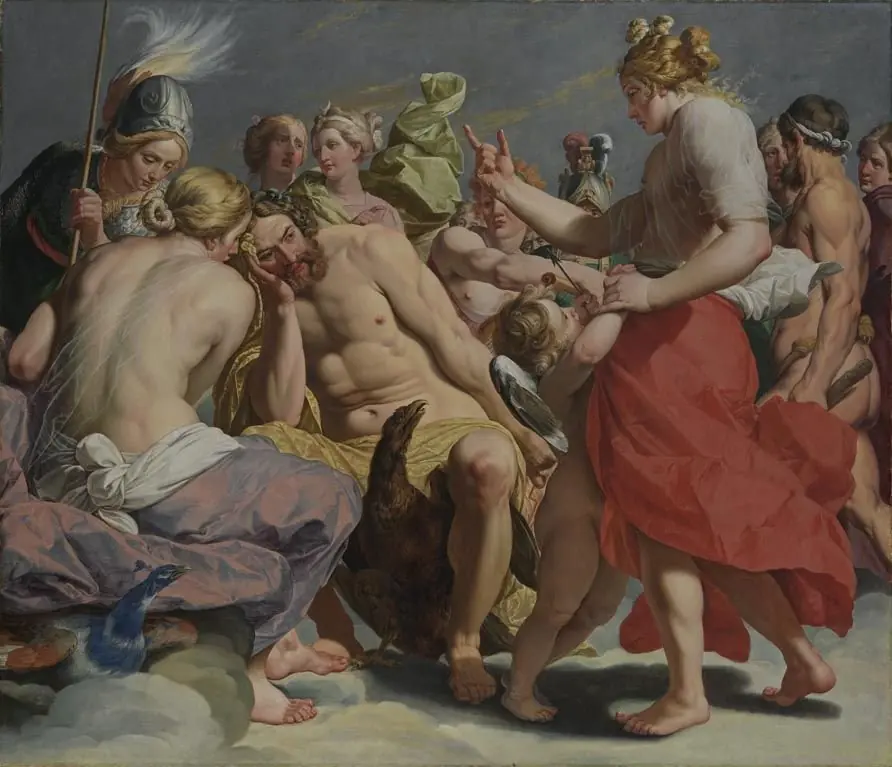 Venus, Juno and Minerva arguing for Jupiter over the Golden Apple of Eris
 Theseus und Ariadne
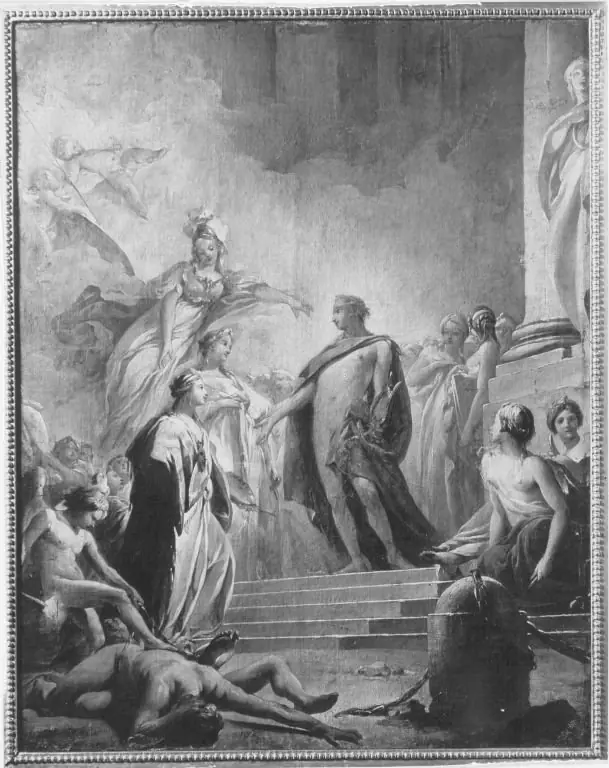 Allegorische Szene (?)
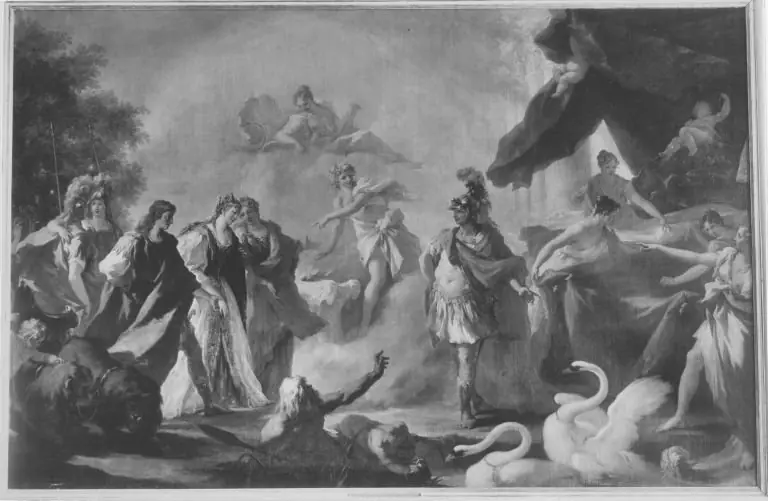 Beilager des Kurfürsten mit Maria Luisa
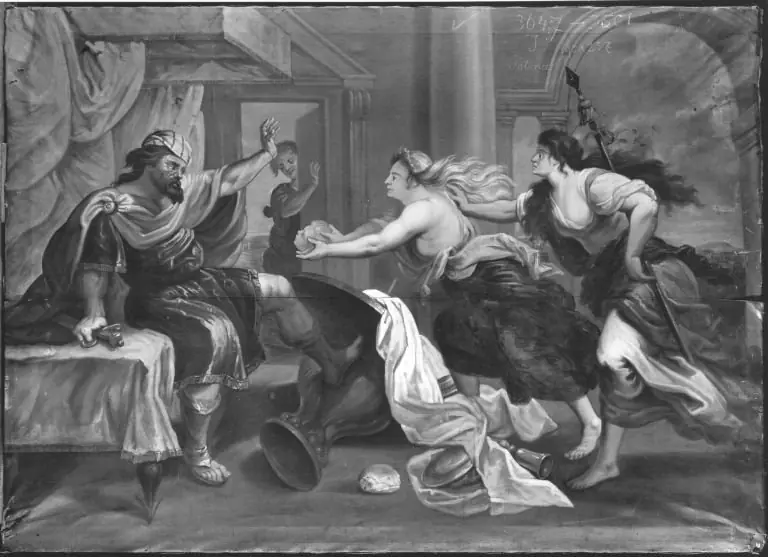 Philomele
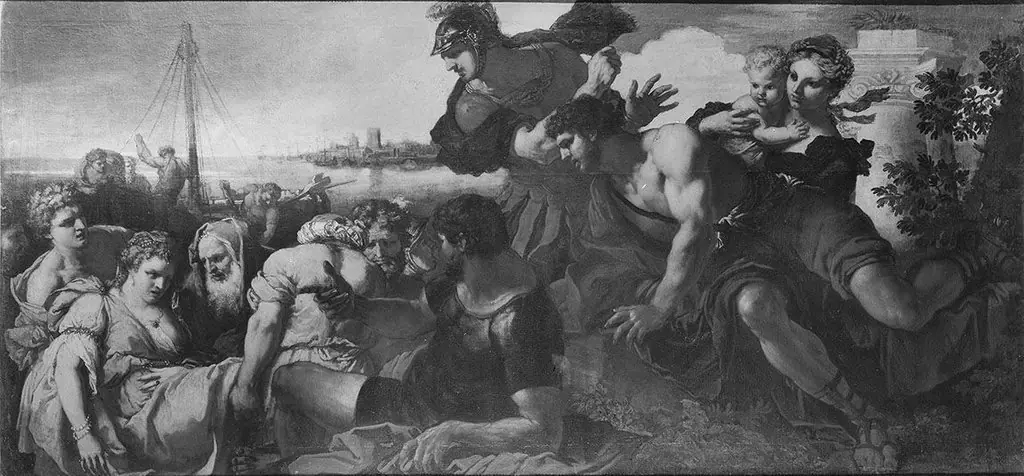 The Rescue of Agrippina, Mother of Nero
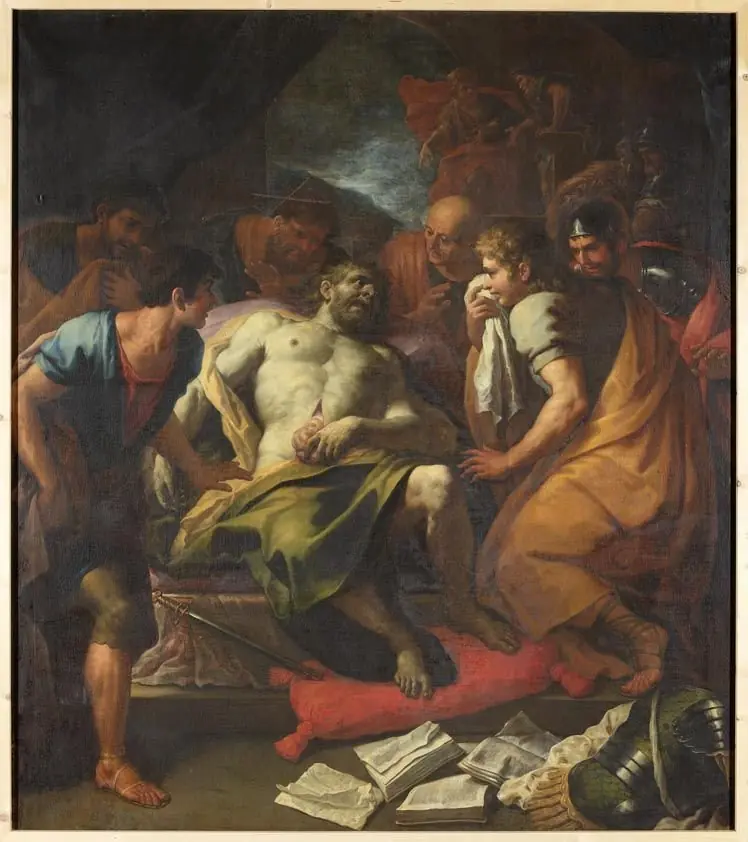 Tod des Cato von Uttica
 The Victorious Hannibal Seeing Italy from the Alps for the First Time
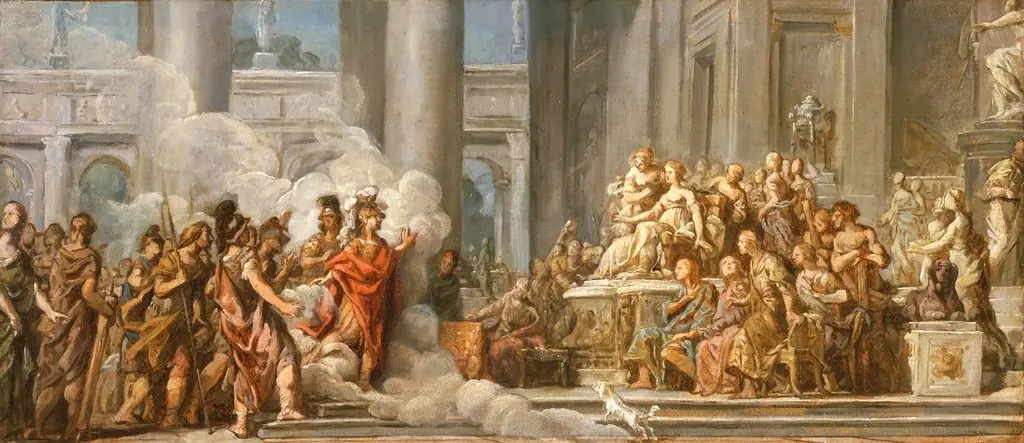 The Arrival of Aeneas in Carthage
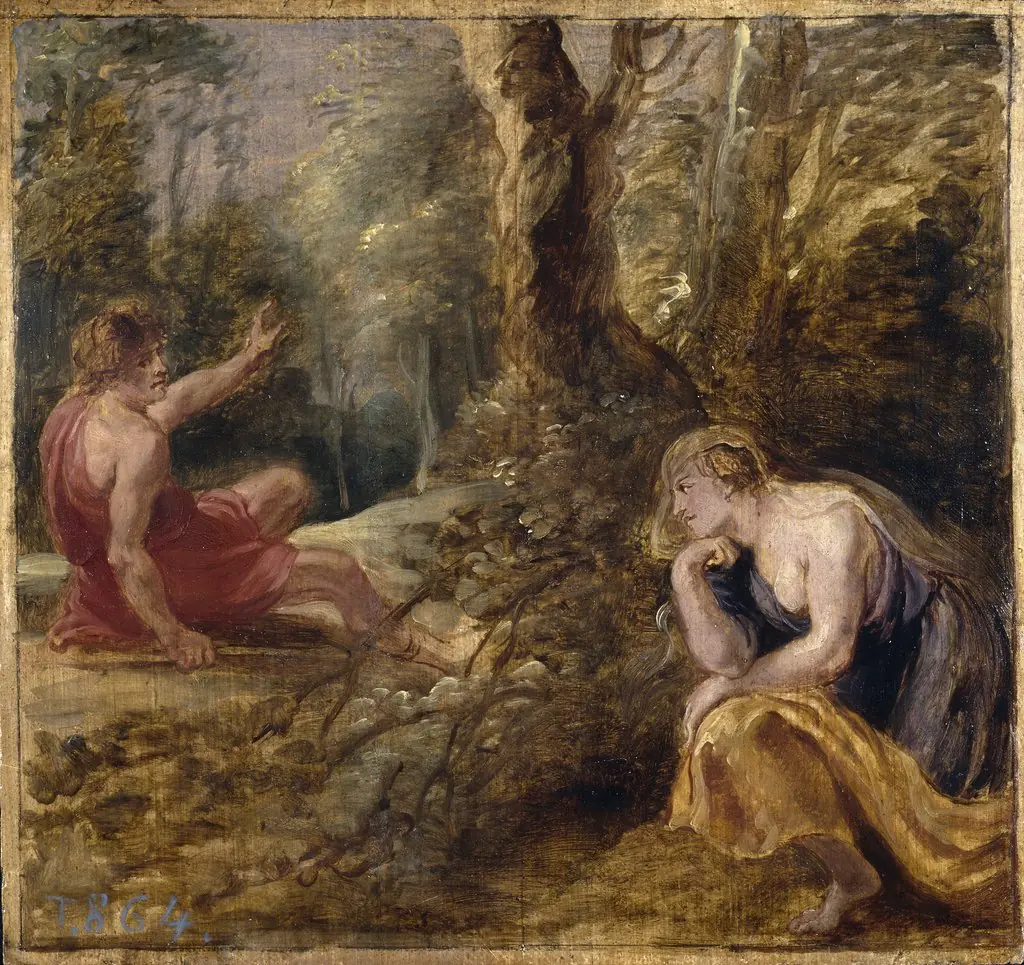 Cephalus and Procris (study)
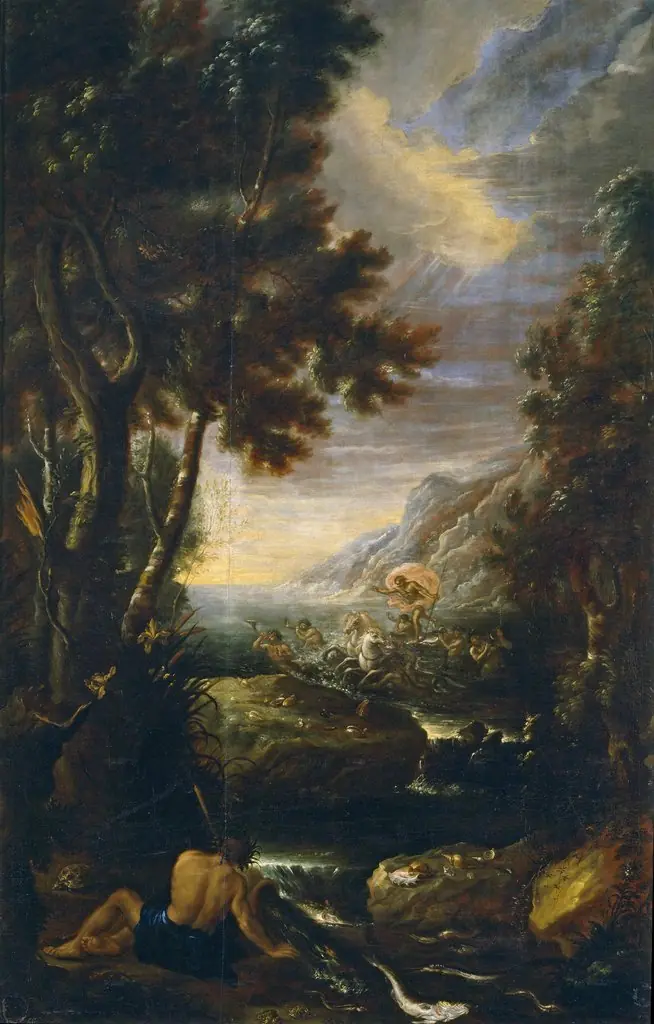 Water
Water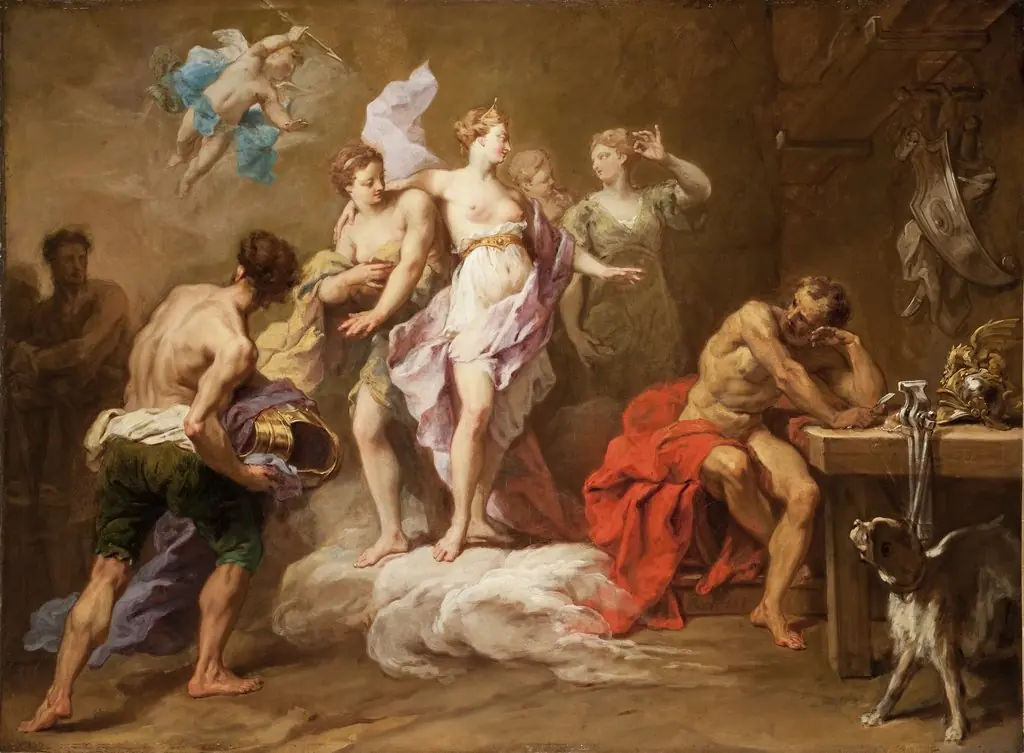 Venus Ordering Arms from Vulcan for Aeneas
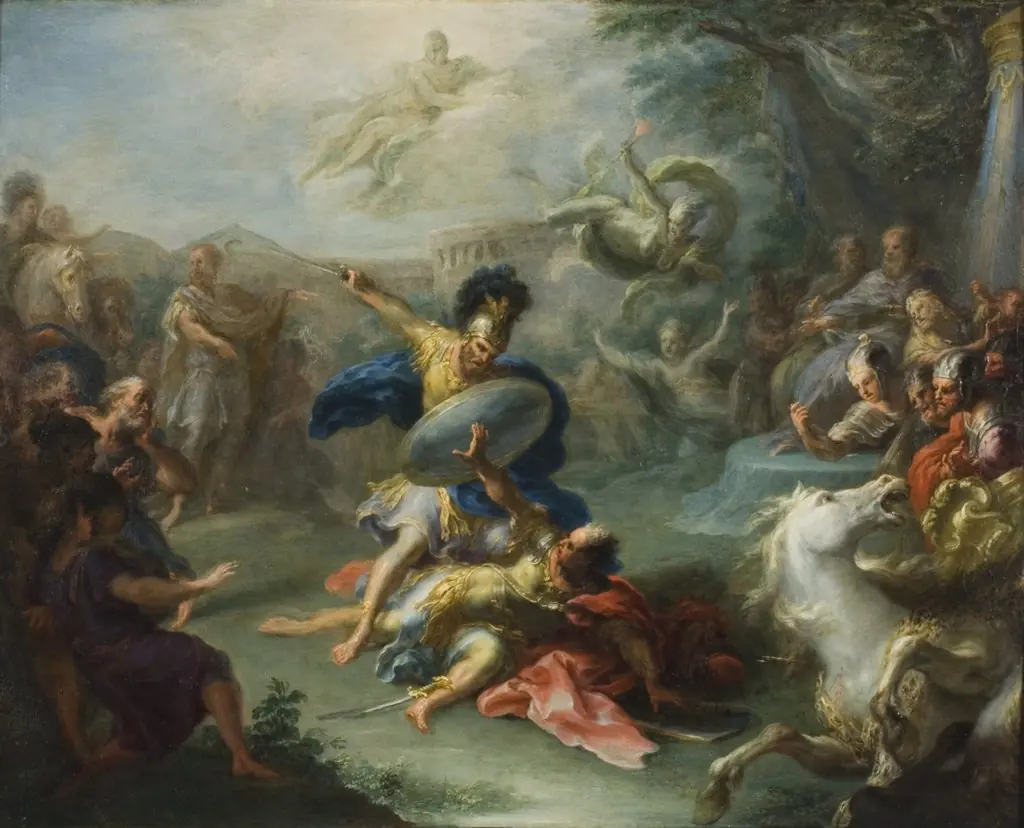 The Fight between Aeneas and King Turnus, from Virgil’s Aeneid
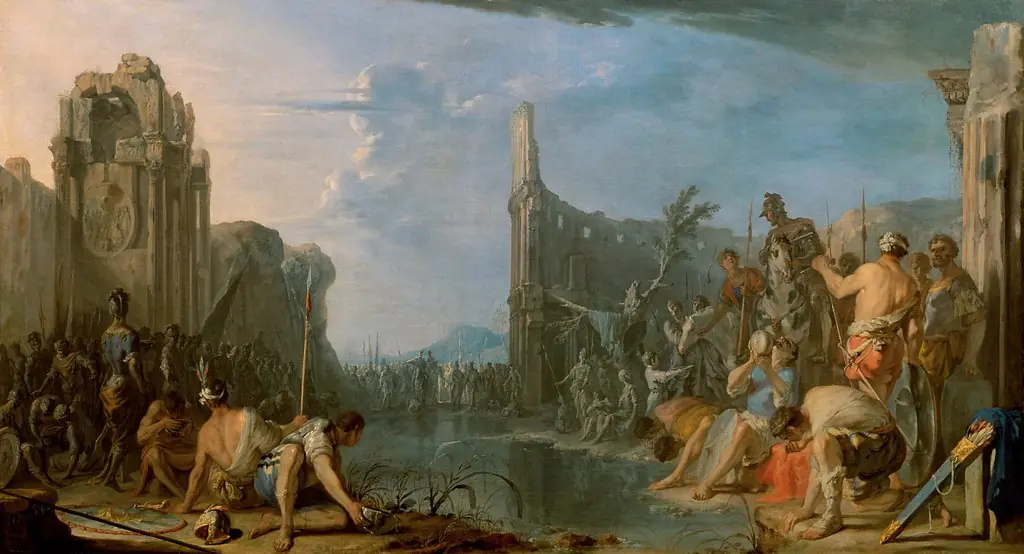 Gideon Checks His Army
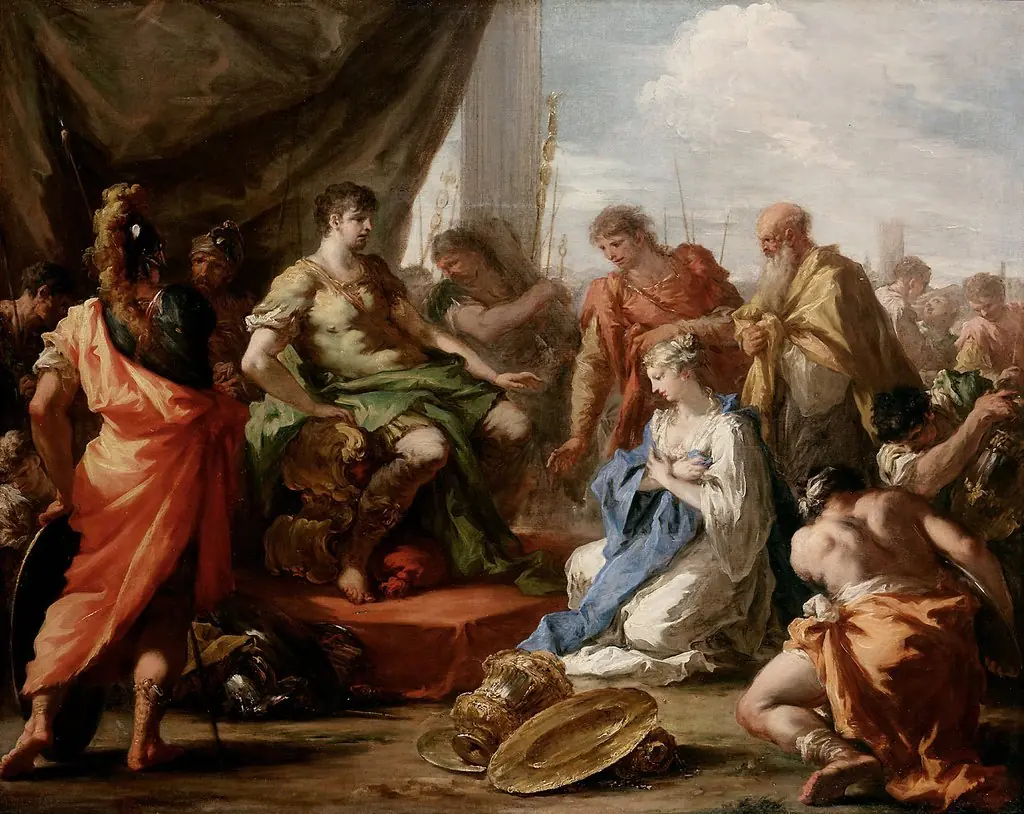 Enthaltsamkeit des Scipio
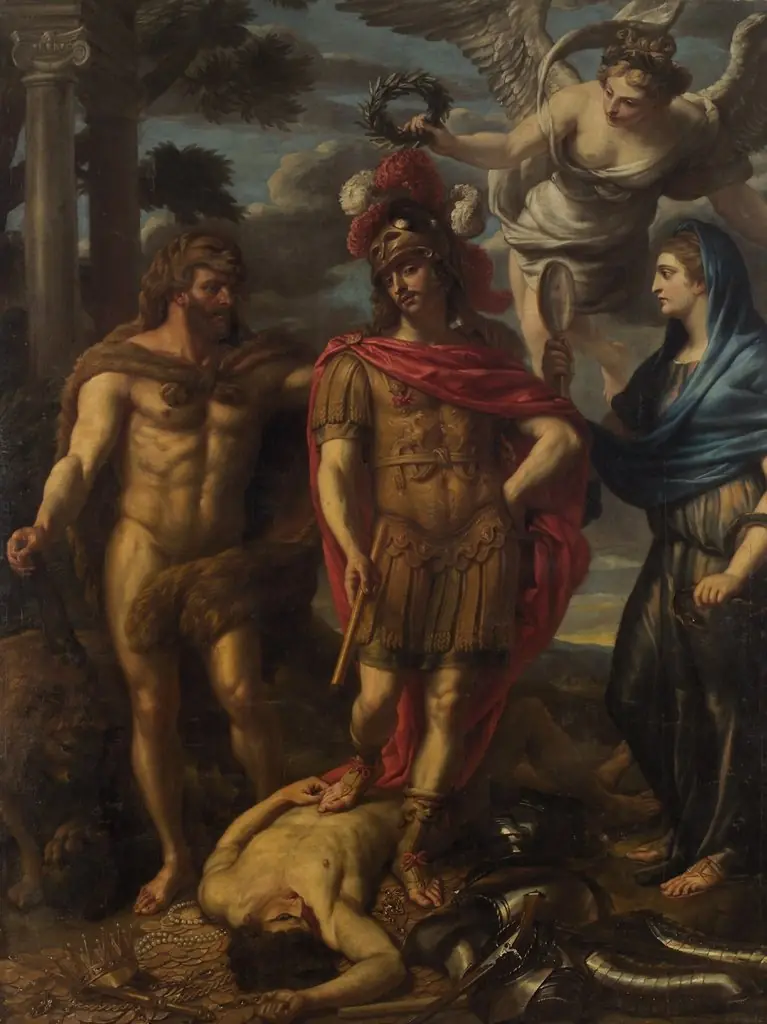 Virtue Overcoming Avarice
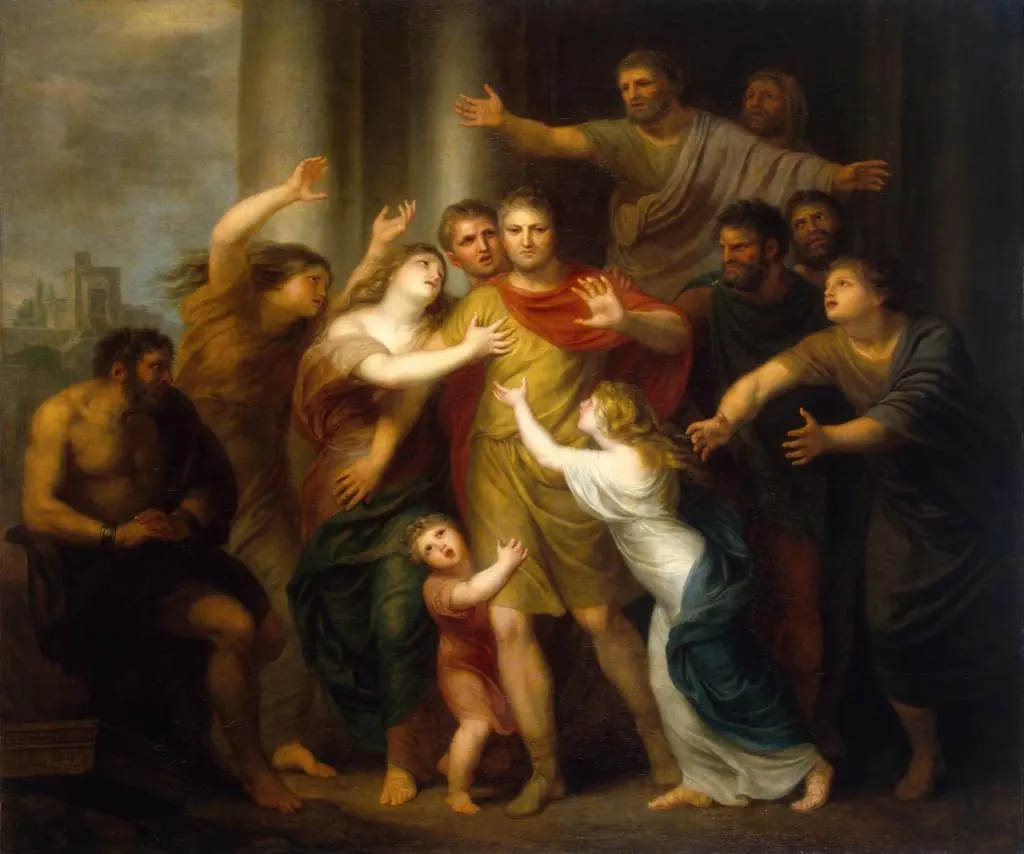 Regulus Returning to Carthage
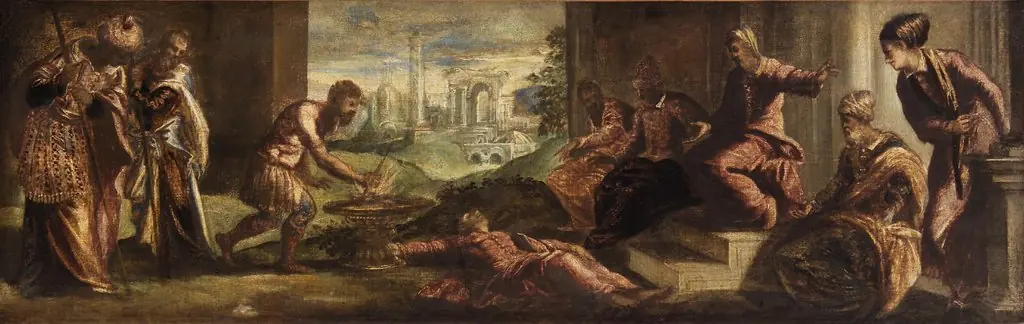 Mucius Scaevola vor Porsenna
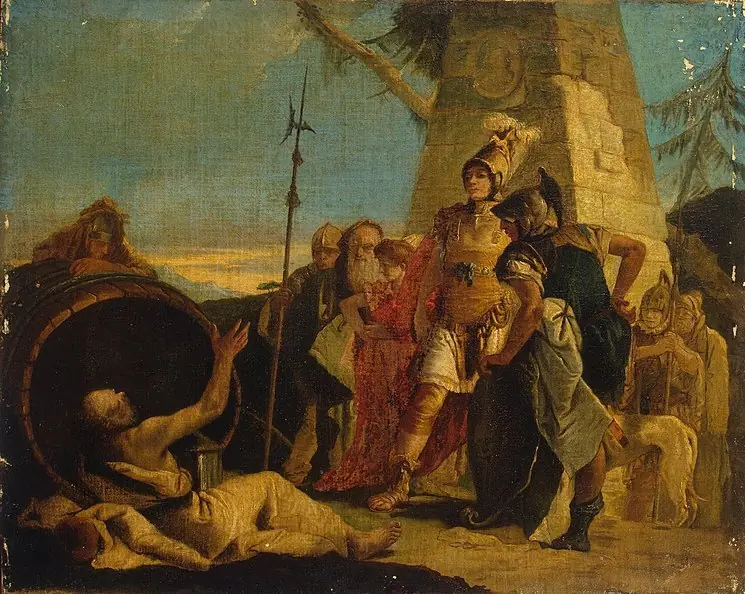 Alexander the Great and Diogenes
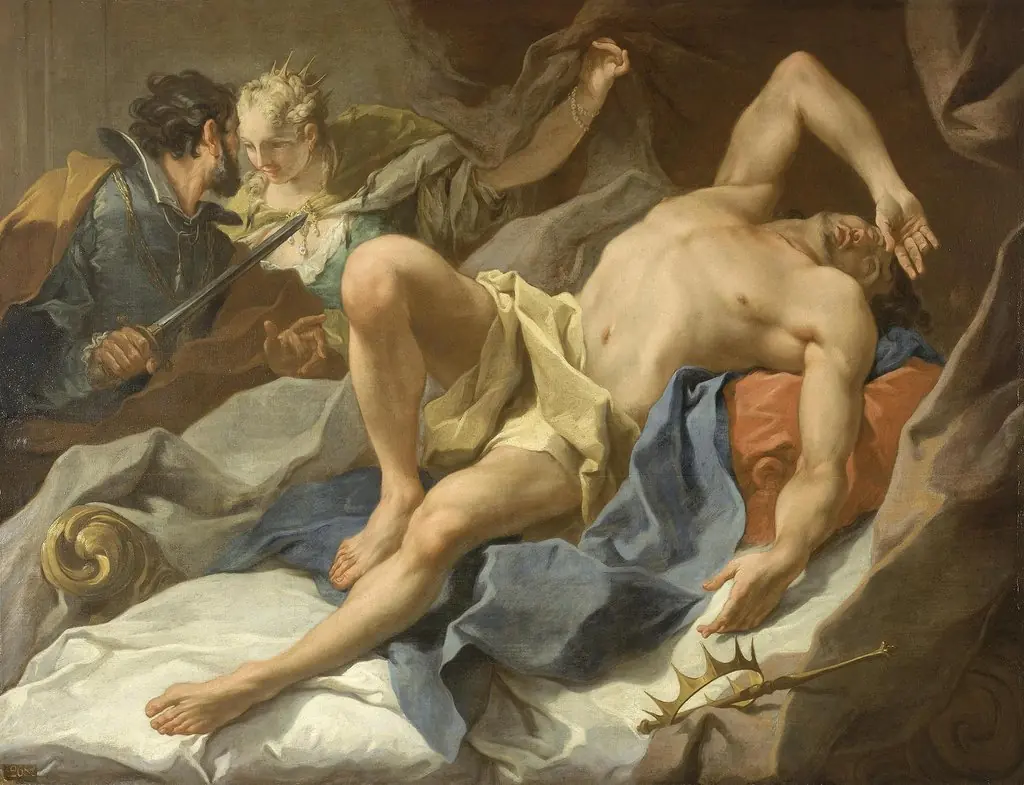 Death of King Candaules
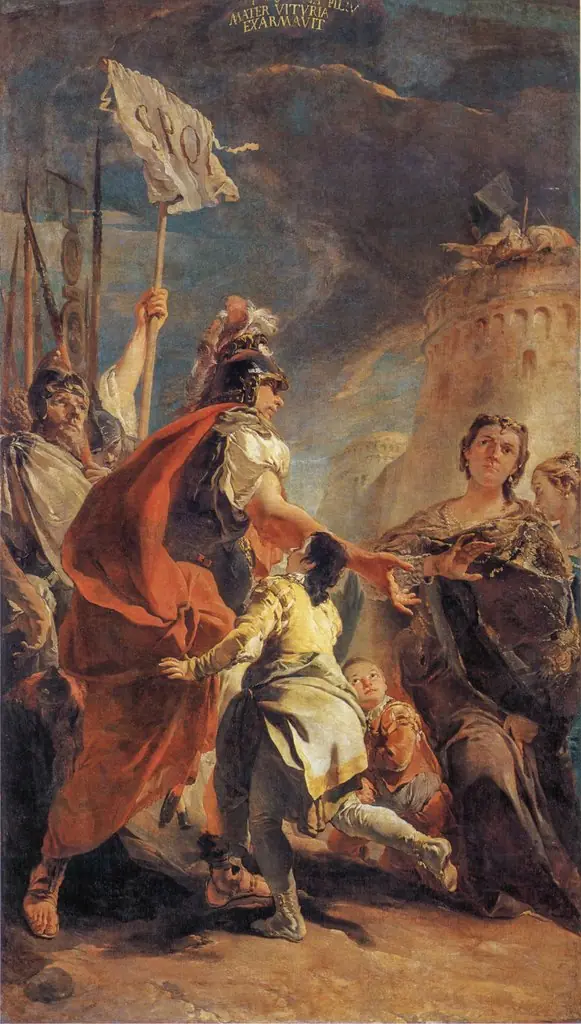 Coriolanus at the Walls of Rome
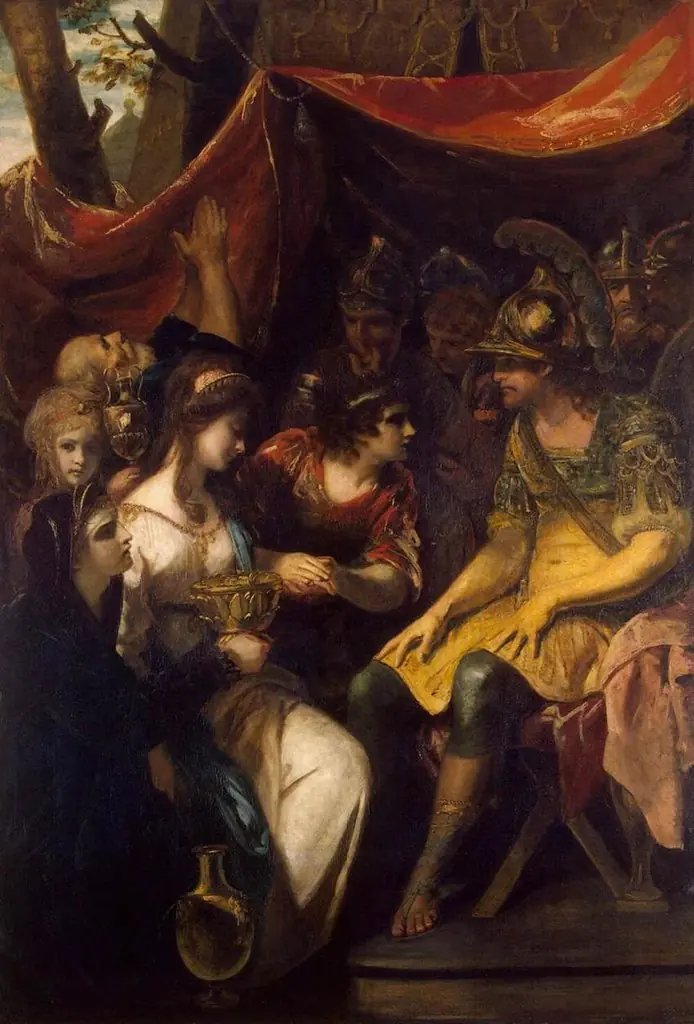 Continence of Scipio
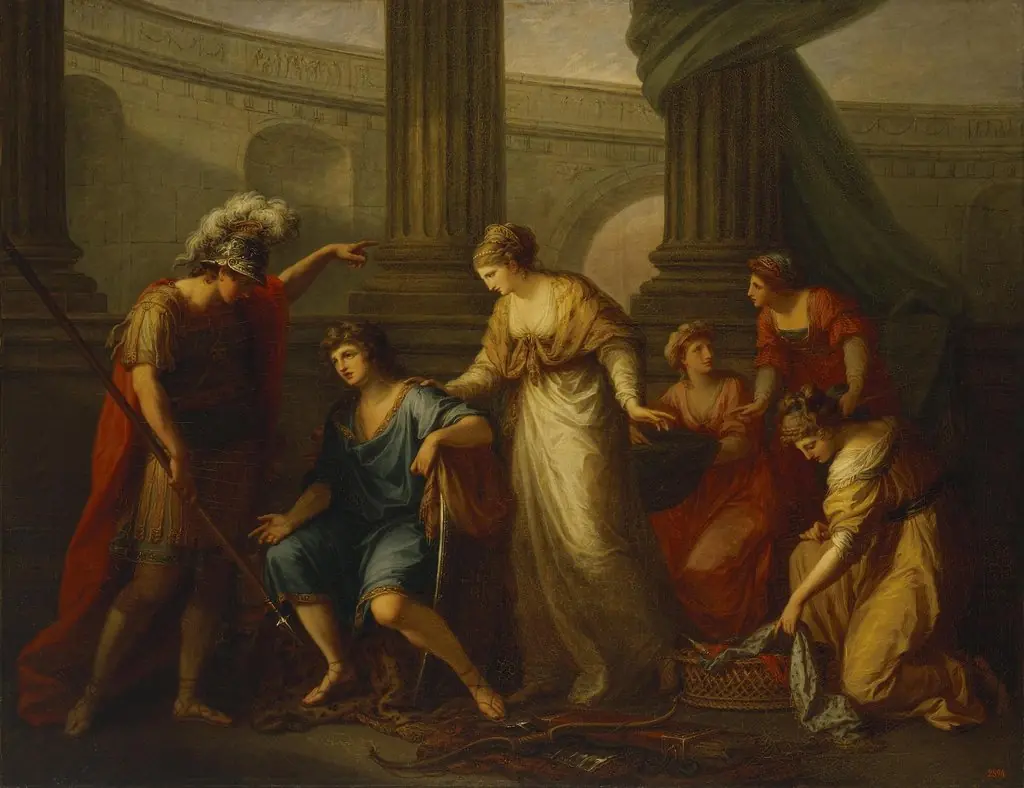 Hector Calling Up Paris to a Battle
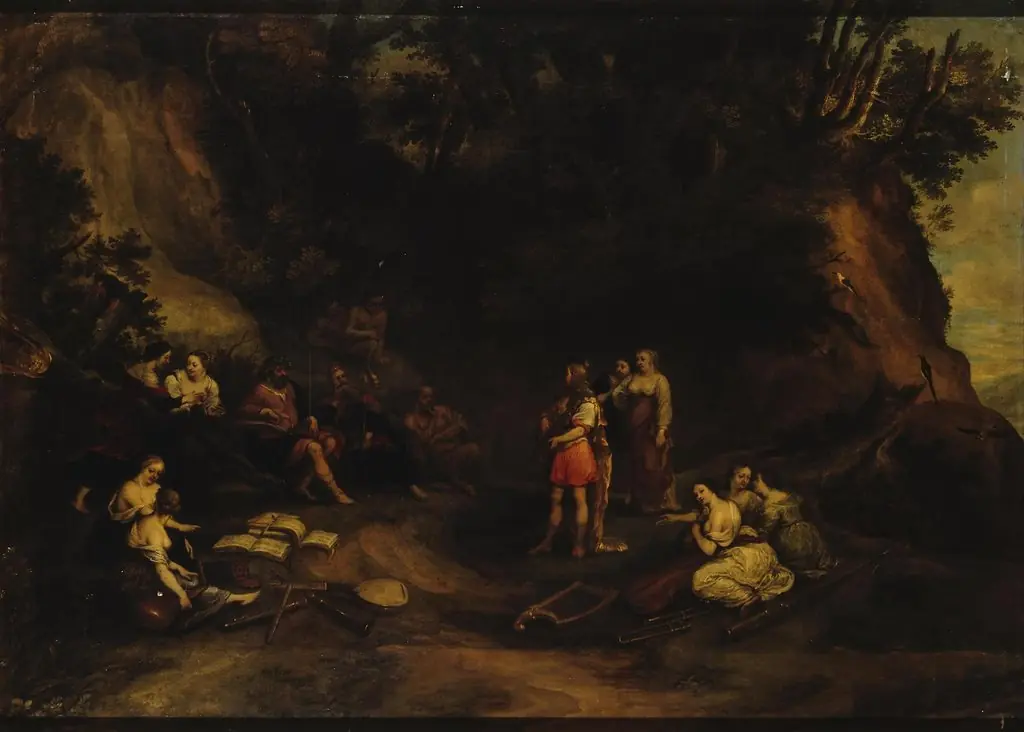 Midas's Judgement
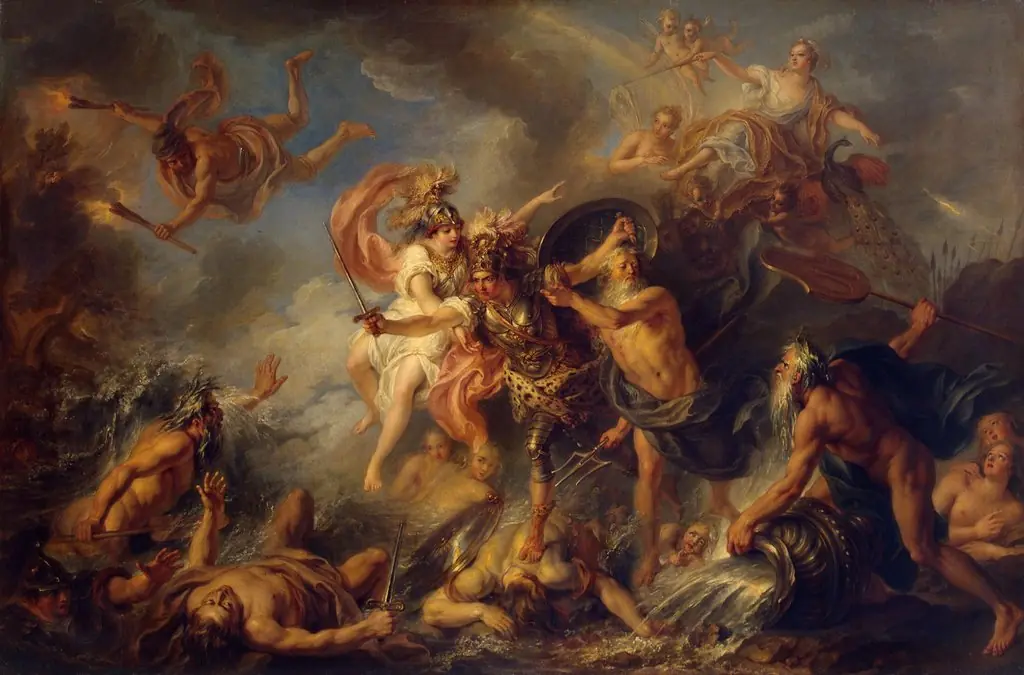 Fury of Achilles
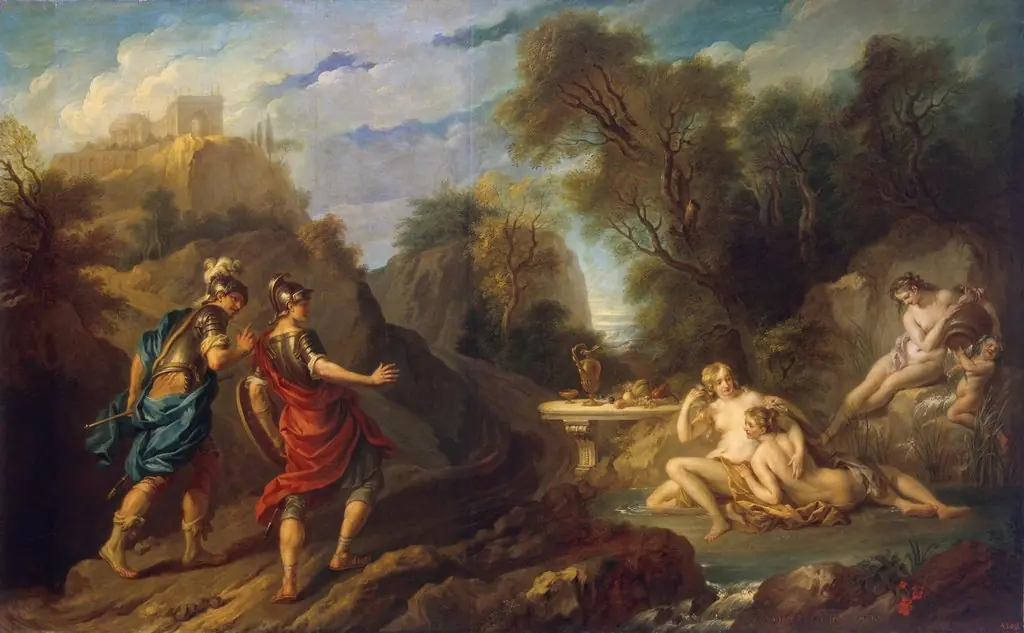 Messengers of Godfrey of Bouillon in Gardens of Armida
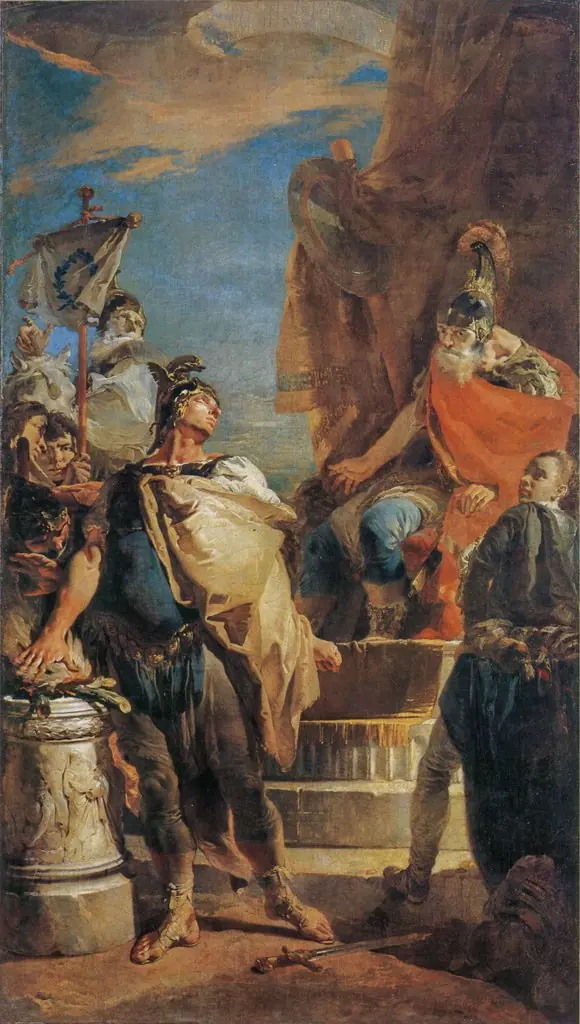 Mucius Scaevola before Porsenna
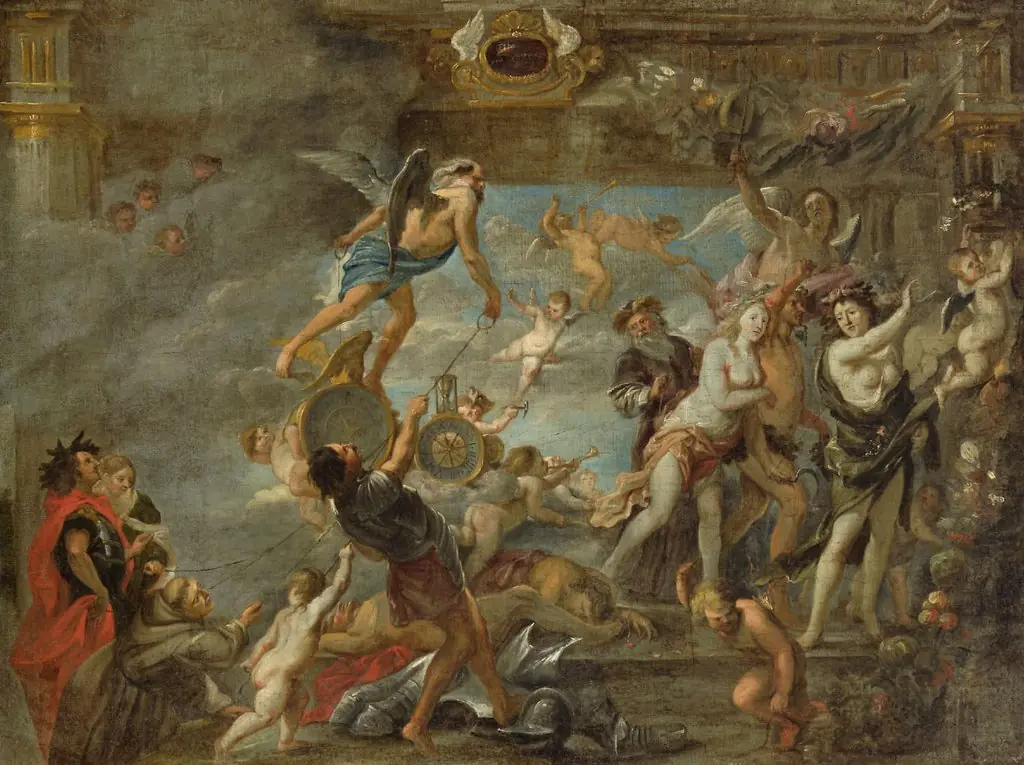 Triumph of Time
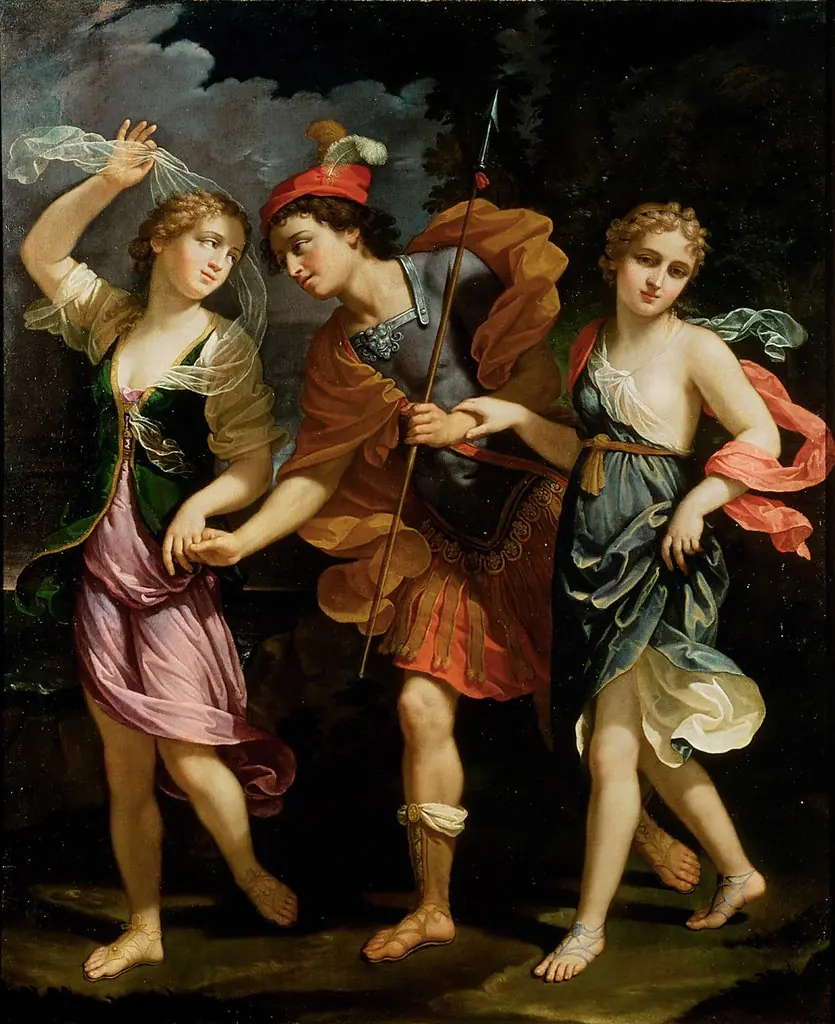 Theseus mit den beiden Töchtern des Minos
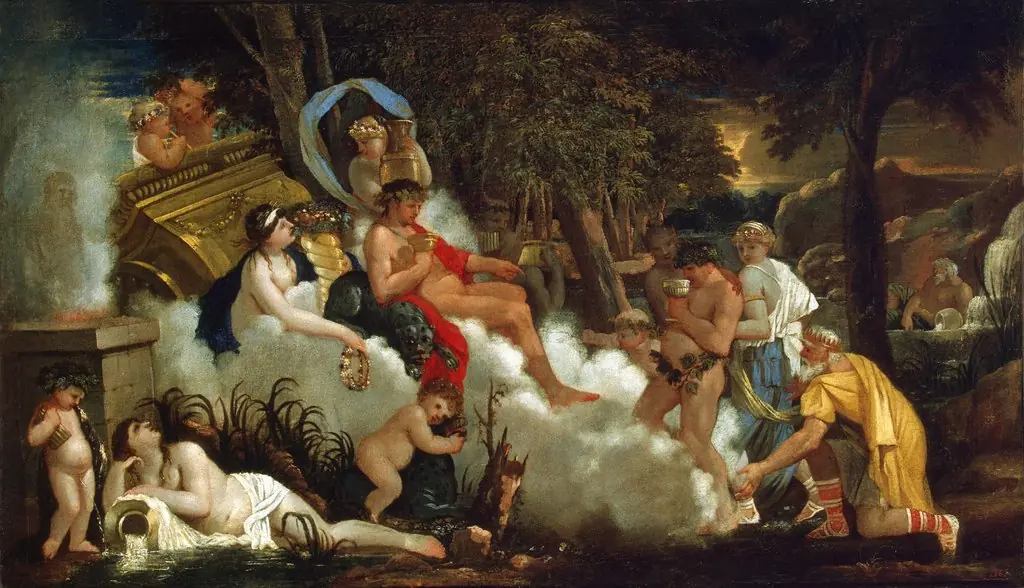 Bacchanalia
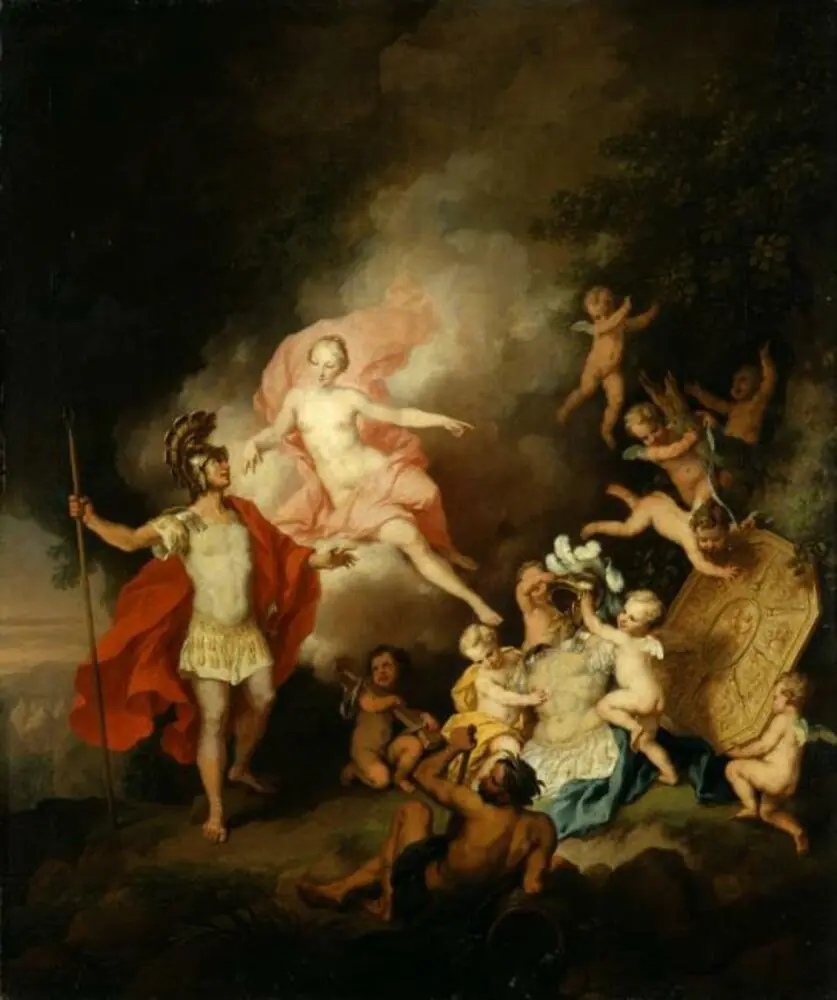 Venus hands over to Aeneas the armour forged by Vulcan
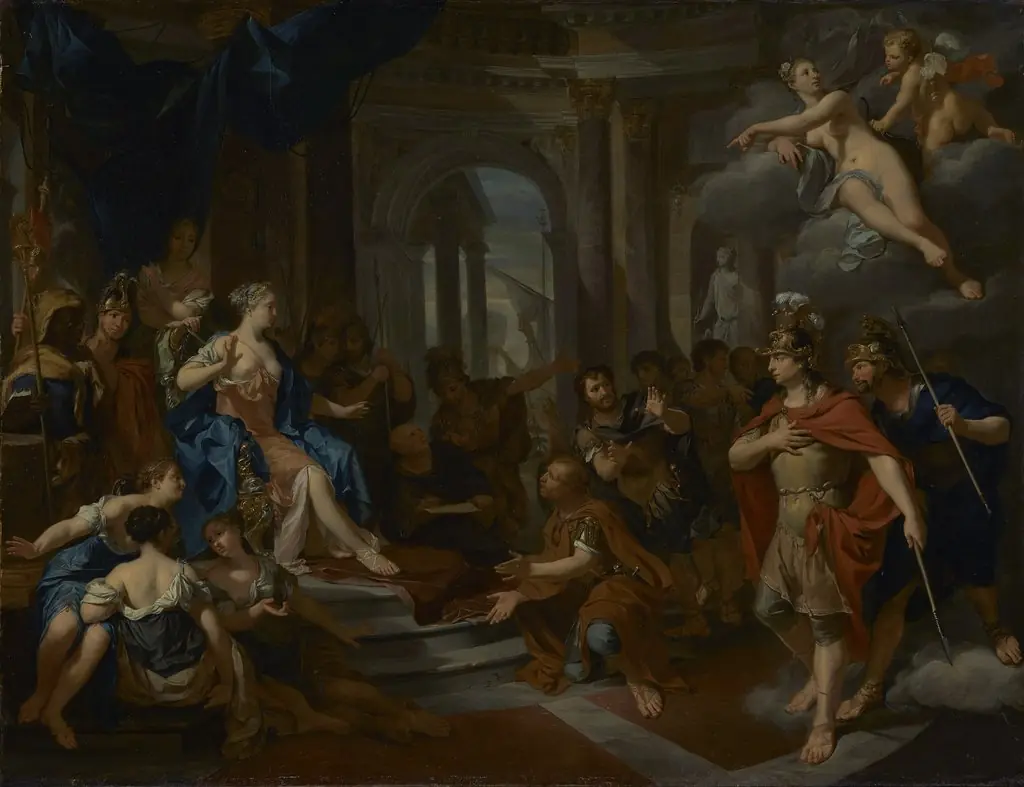 Dido and Aeneas
 Killer of Darius before Alexander (King Porus and Alexander the Great)
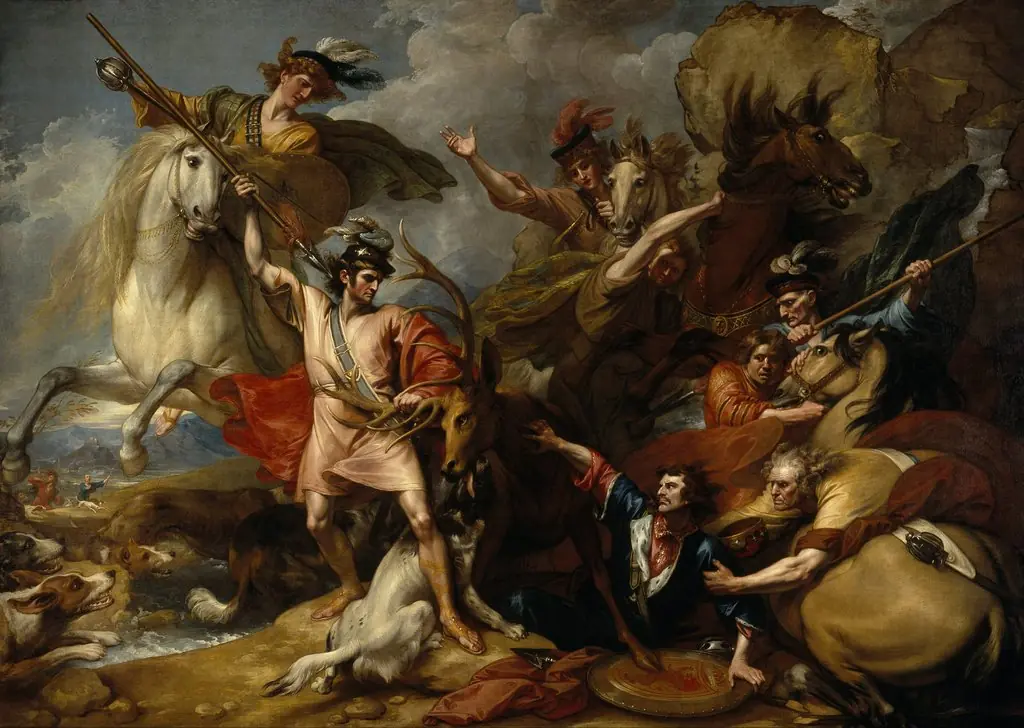 Alexander III of Scotland Rescued from the Fury of a Stag by the Intrepidity of Colin Fitzgerald
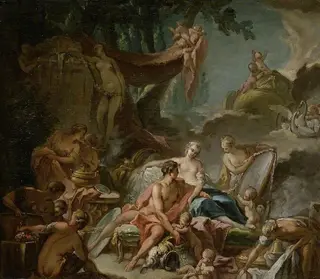 The Loves of the gods: Mars and Venus
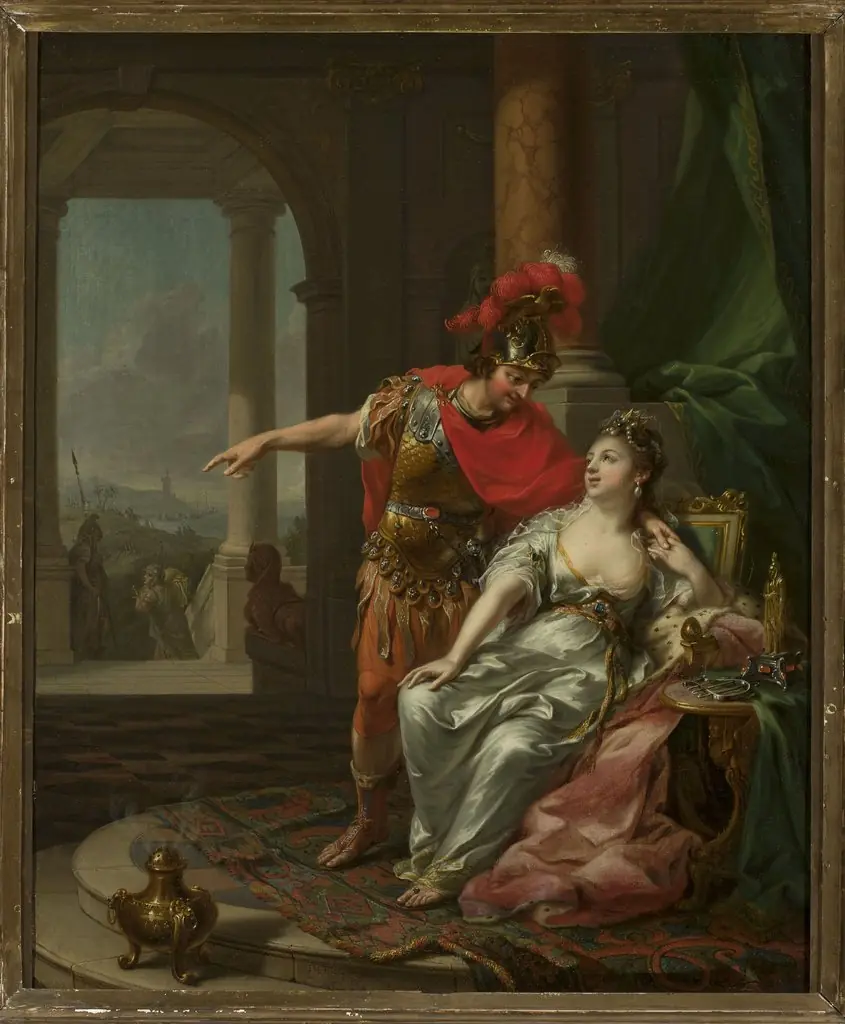 Antony and Cleopatra
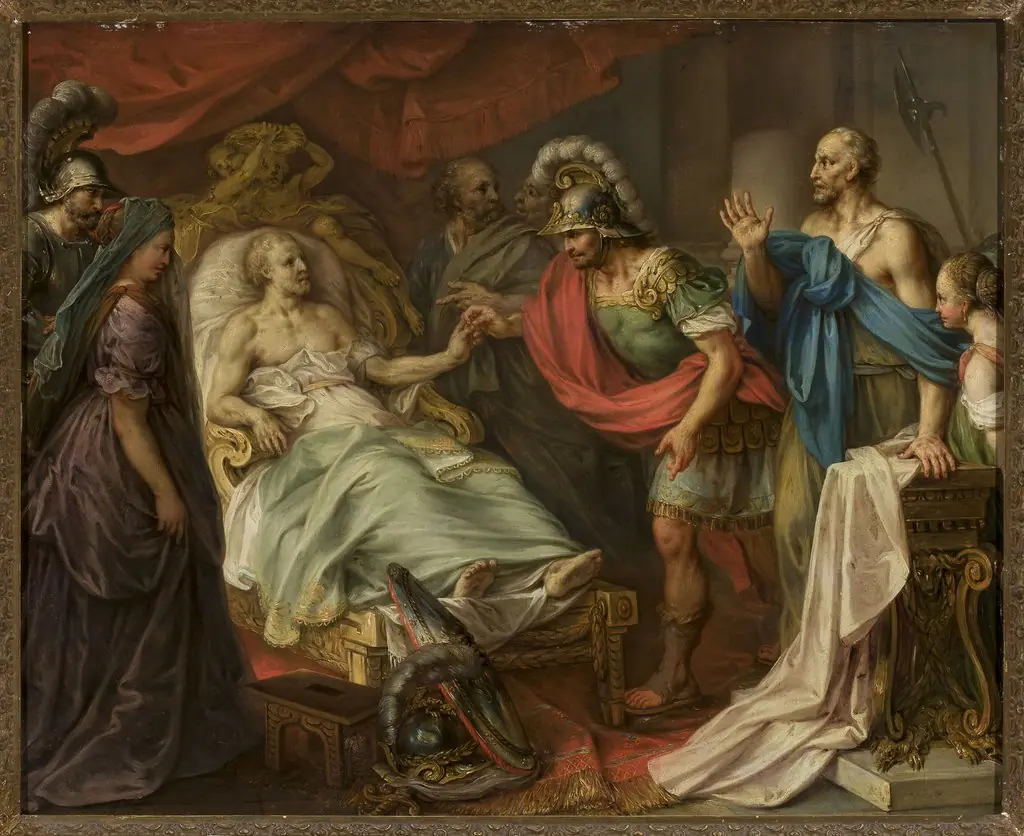 Death of Belisarius
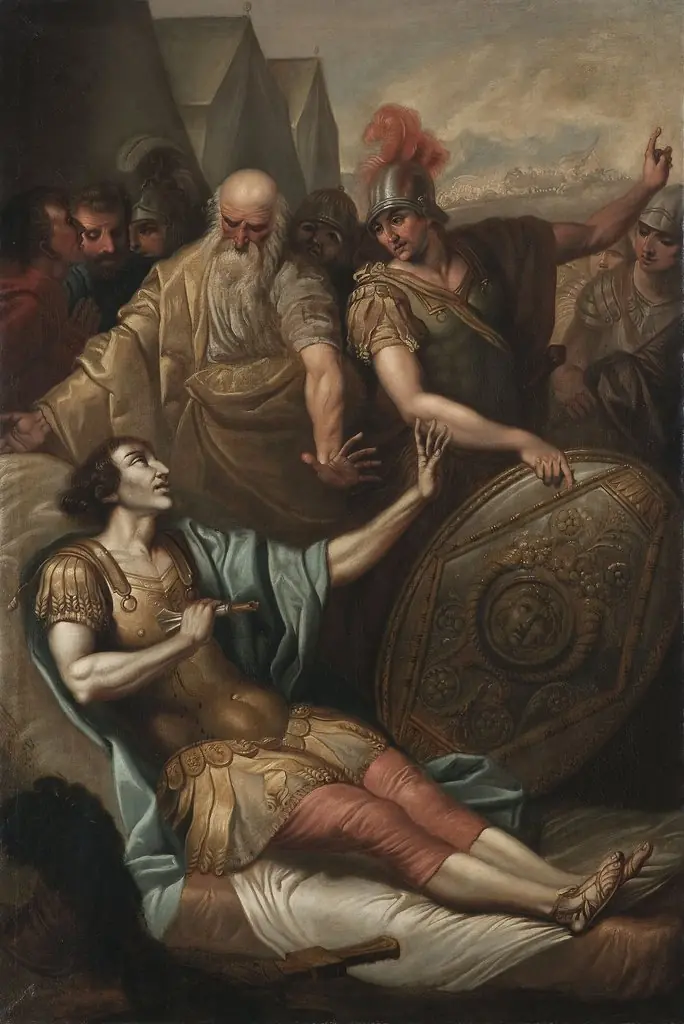 Death of Epaminondas
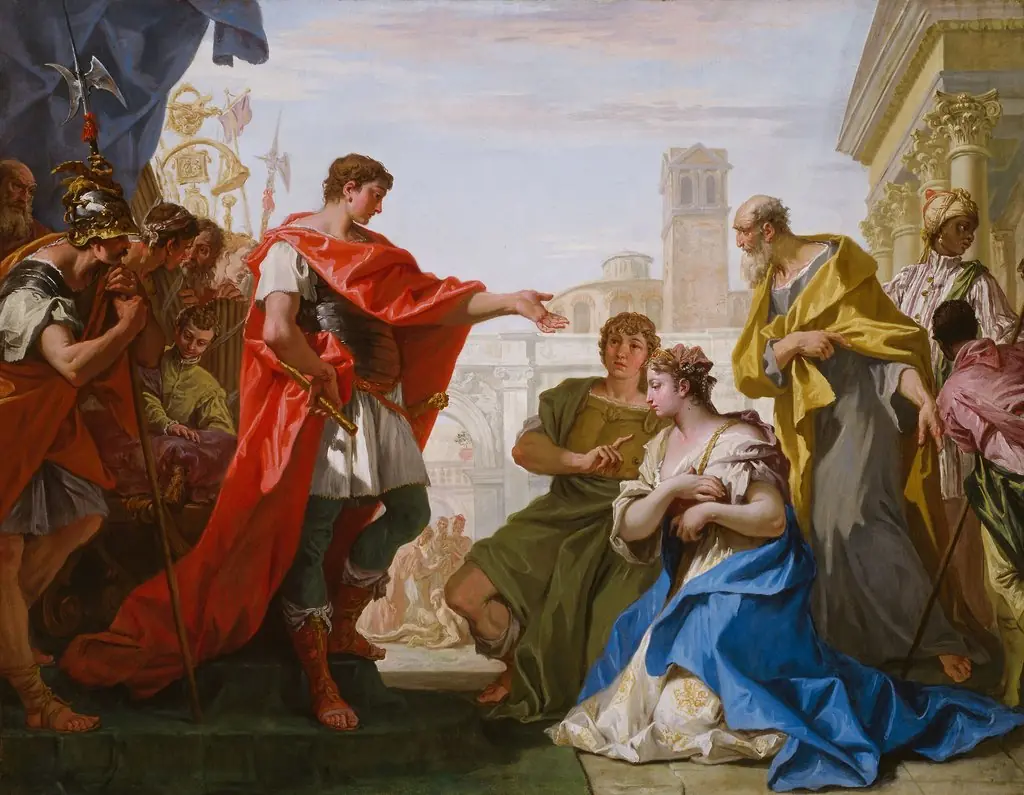 The Continence of Scipio
 The Apotheosis of the Hero
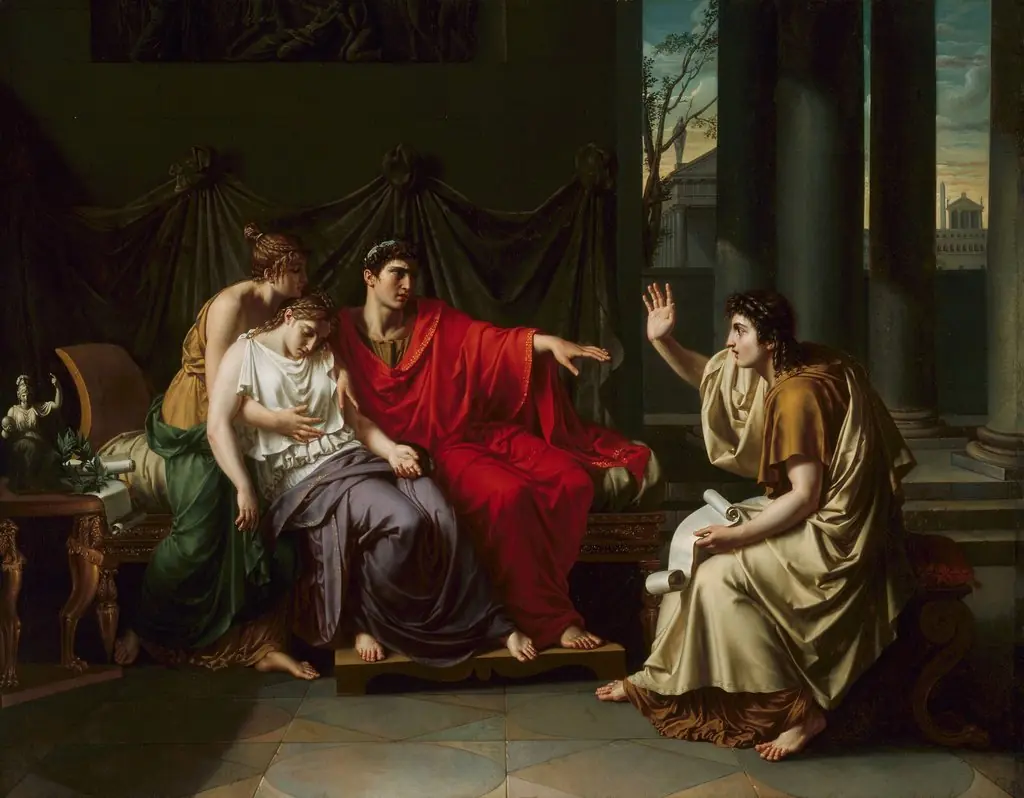 Virgil Reading the "Aeneid" to Augustus, Octavia, and Livia
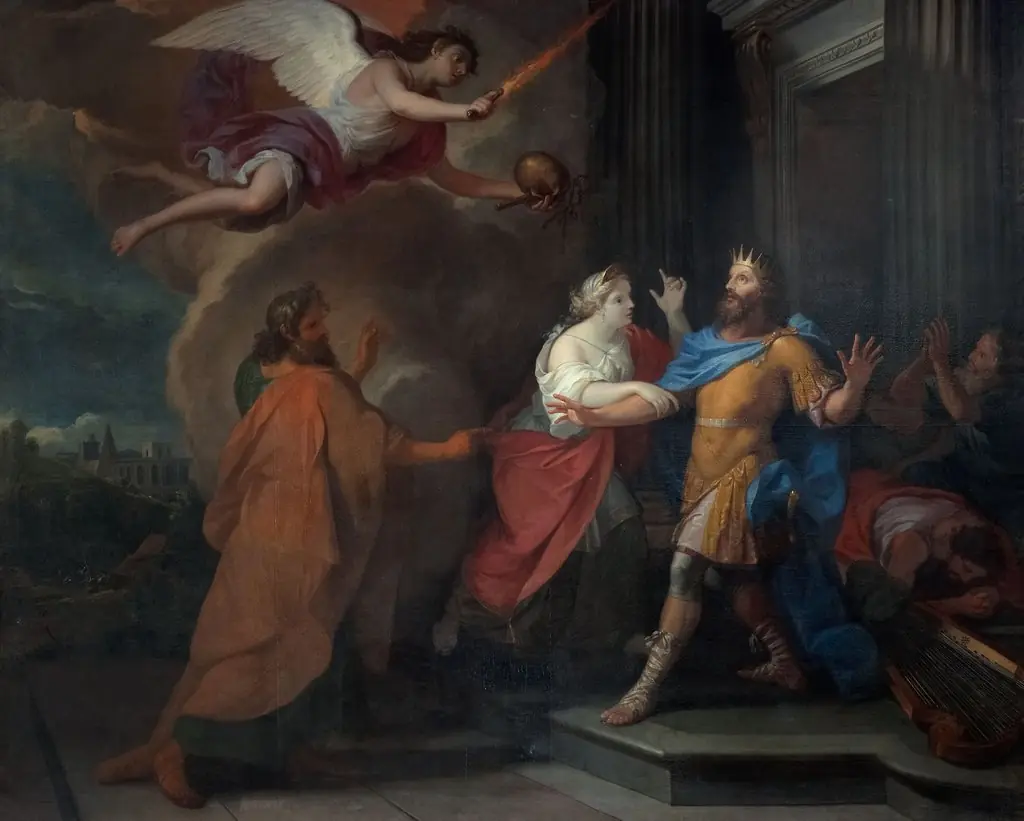 The Plague in the Reign of David
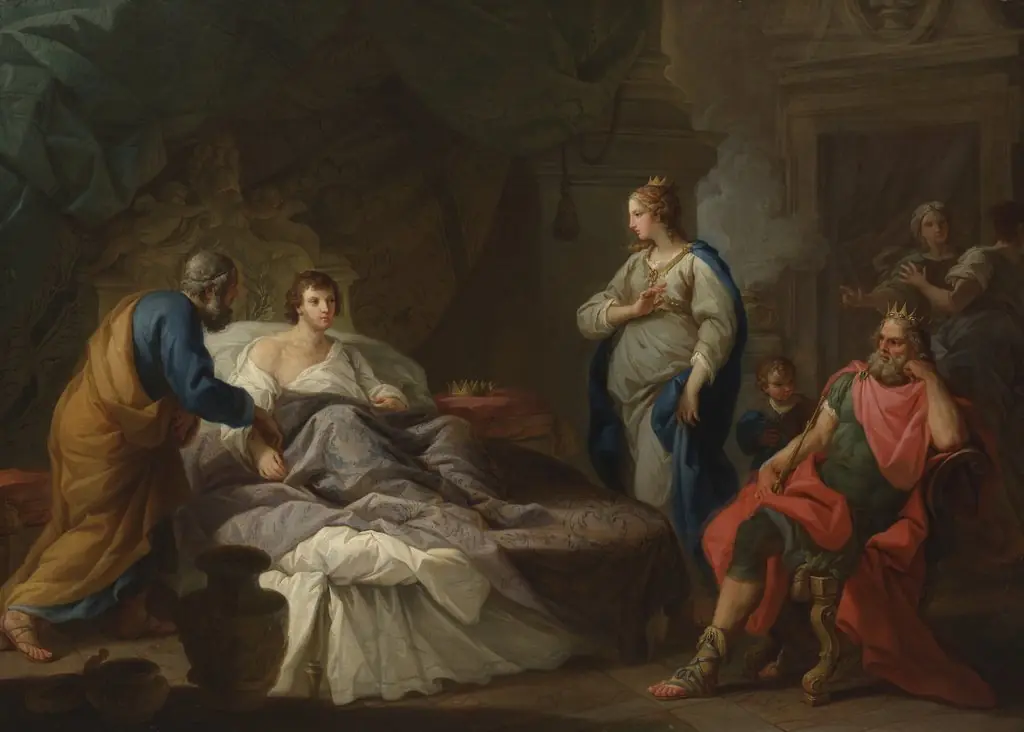 Antiochus Yearning for Stratonice
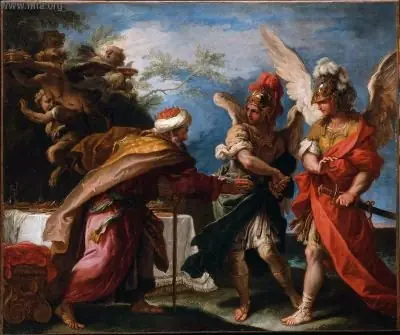 Phineas and the Sons of Boreas
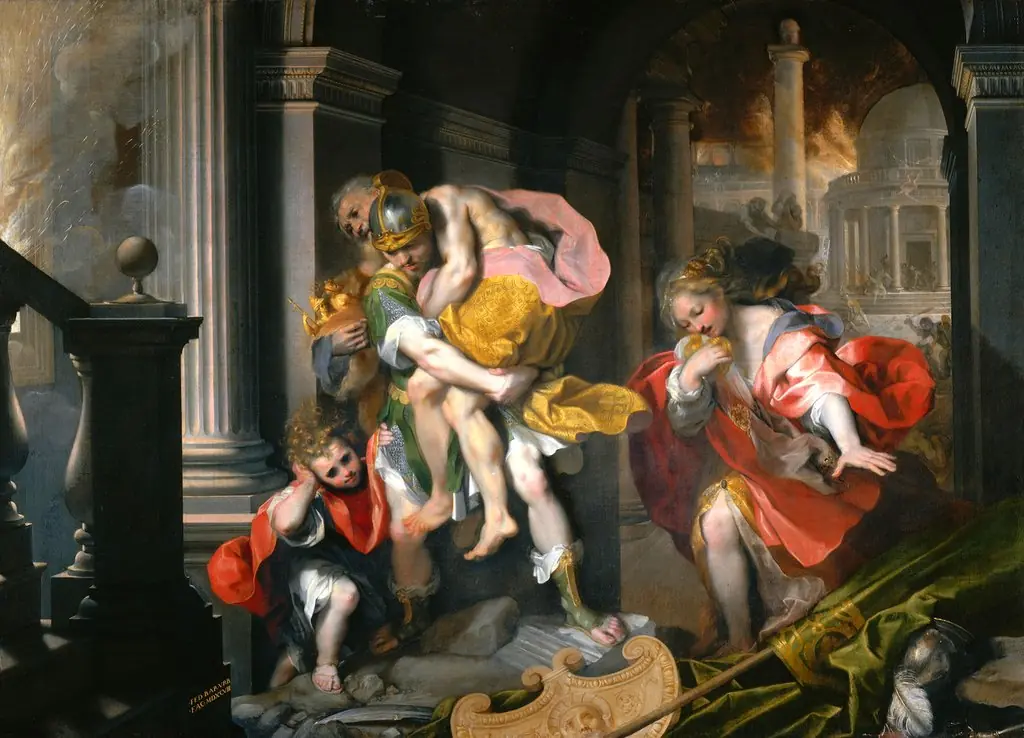 Escape of Aeneas from Troy
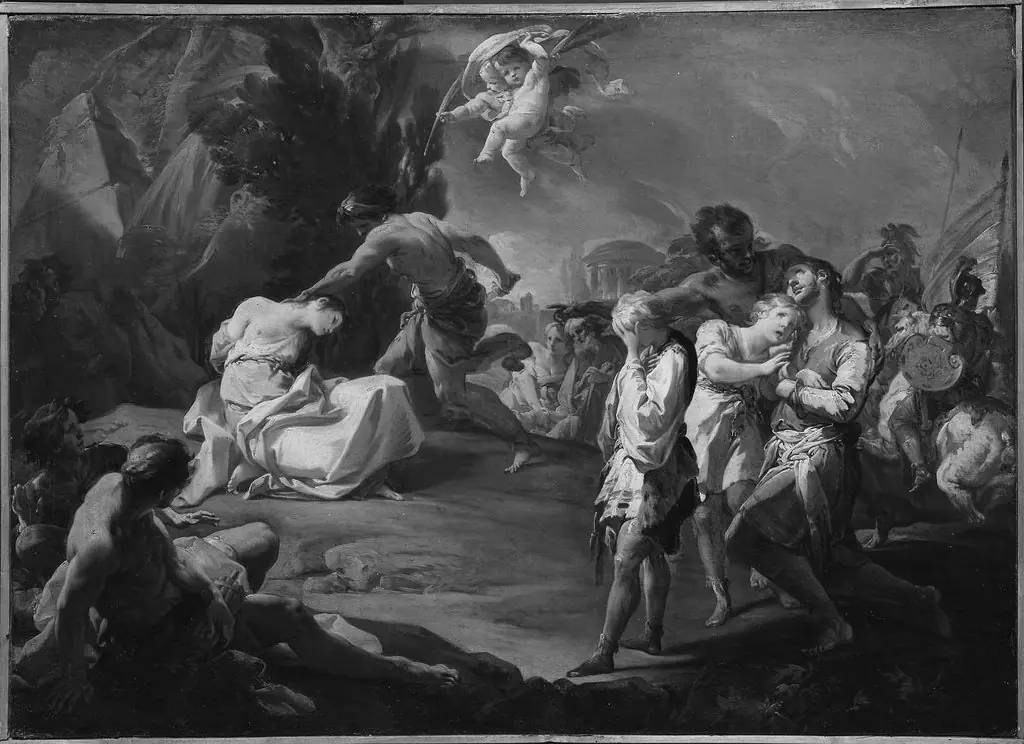 Martyrdom of Saint Marta
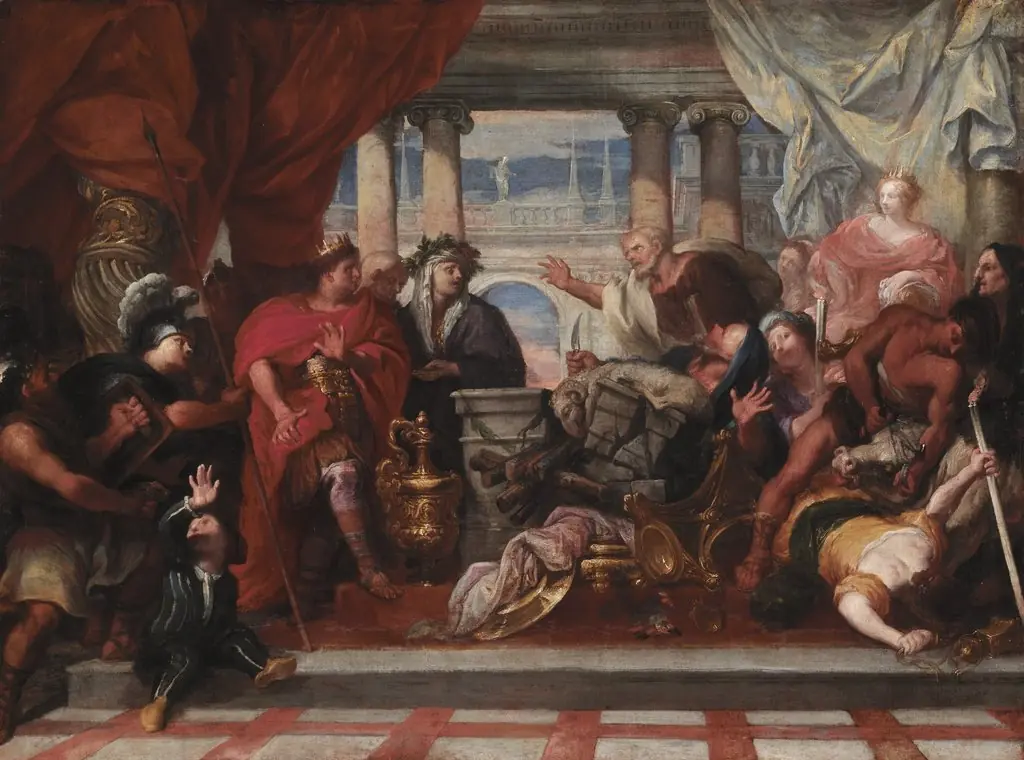 Scene of Sacrifice
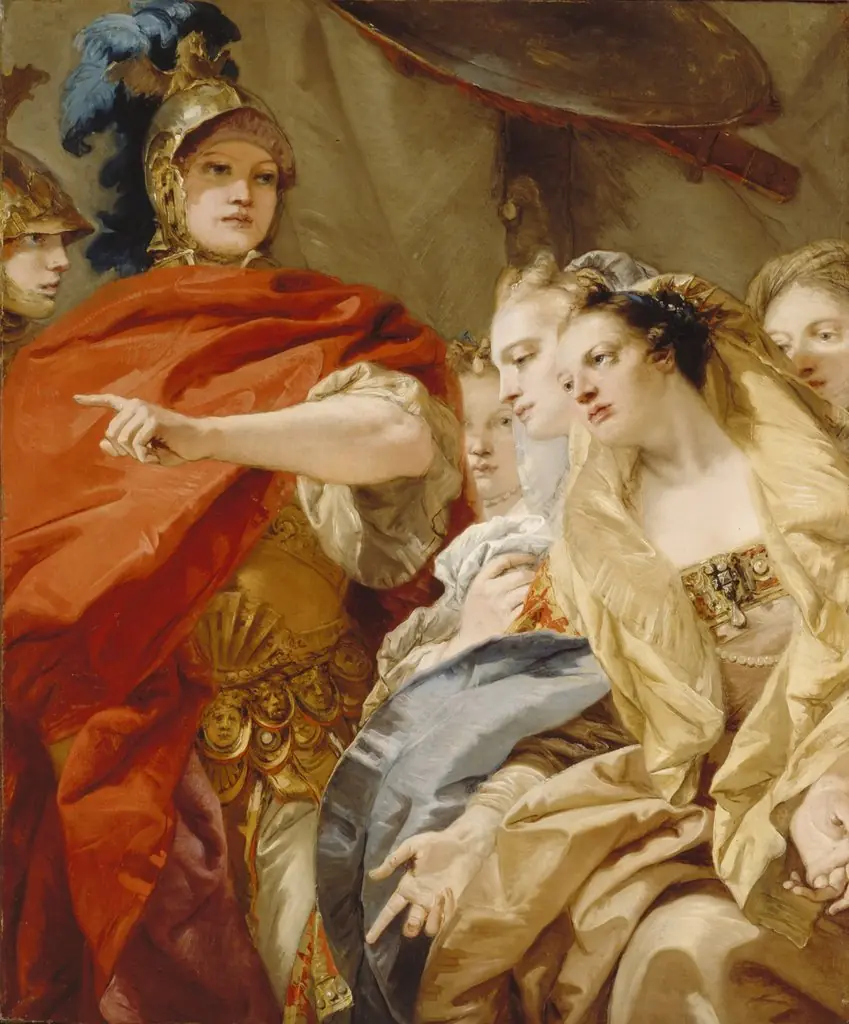 The Women of Darius Invoking the Clemency of Alexander
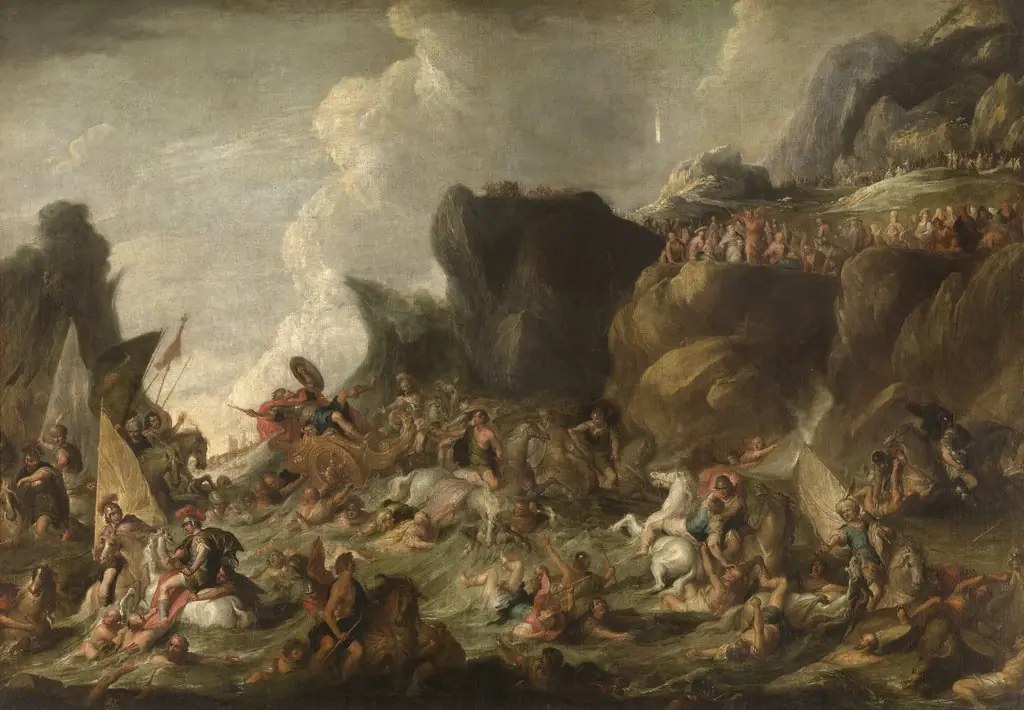 The Death of the Pharaoh
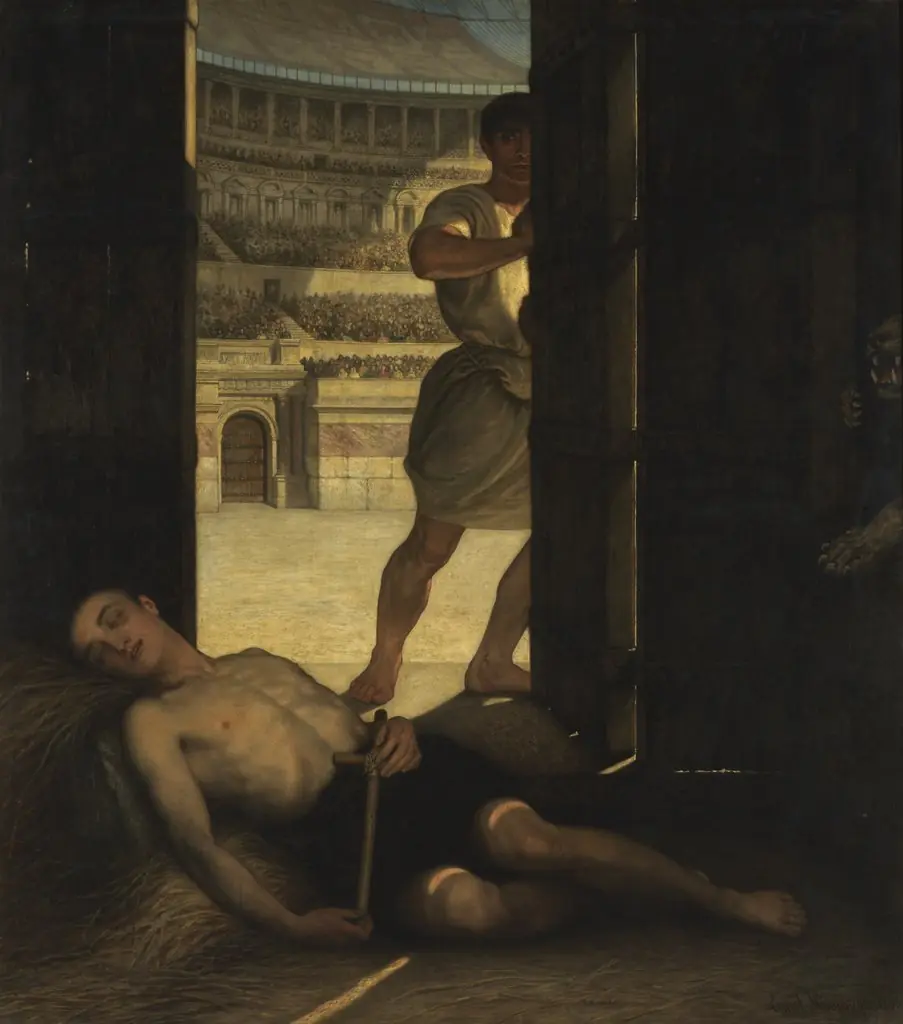 A Christian Martyr
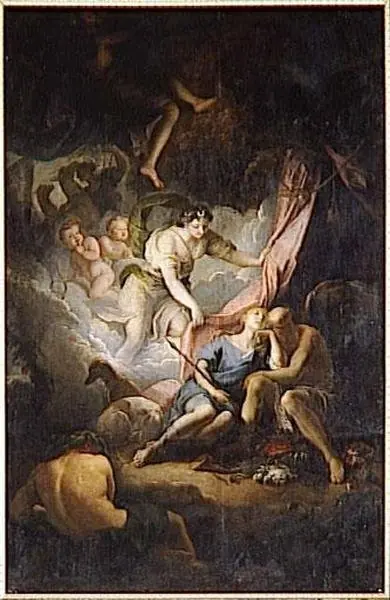 Diane et Endymion
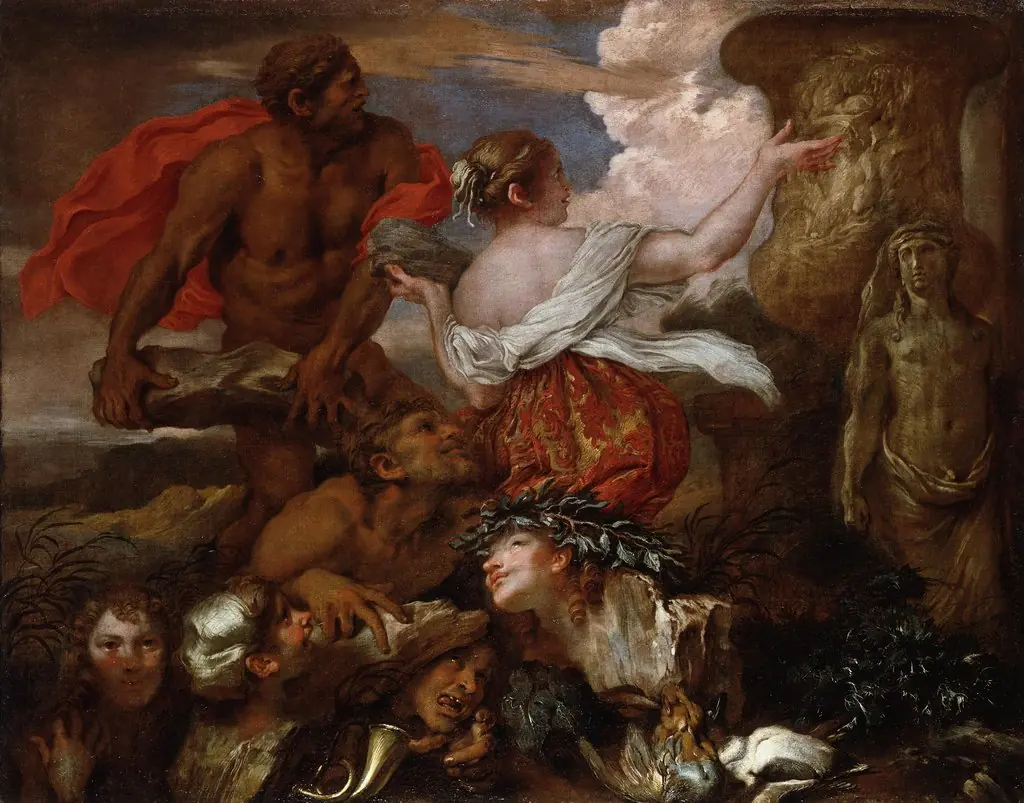 Deukalion and Pyrrha
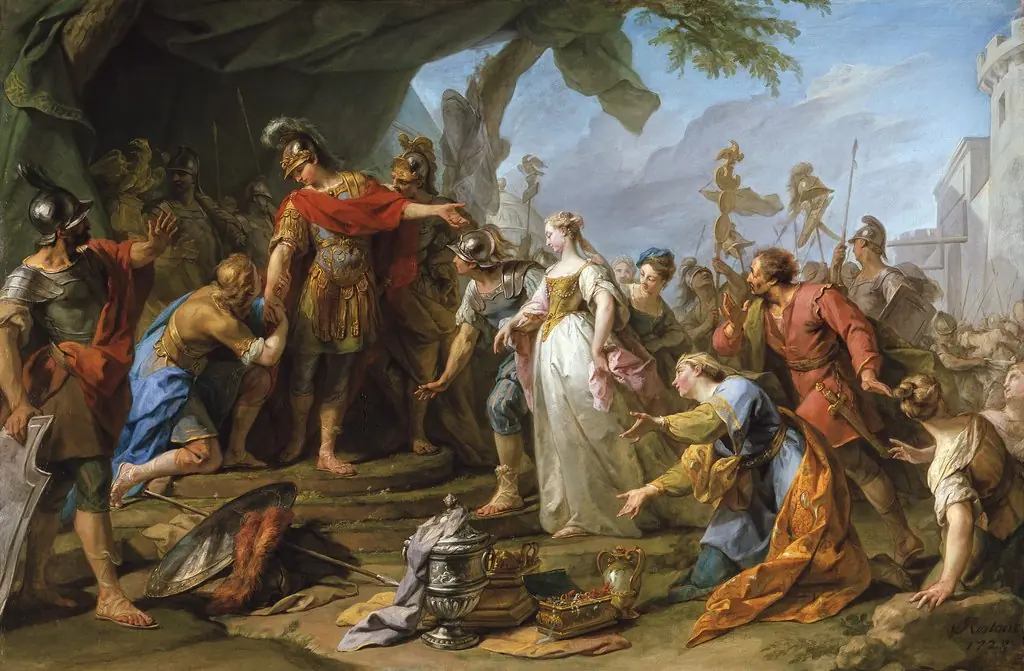 The Generosity of Scipio
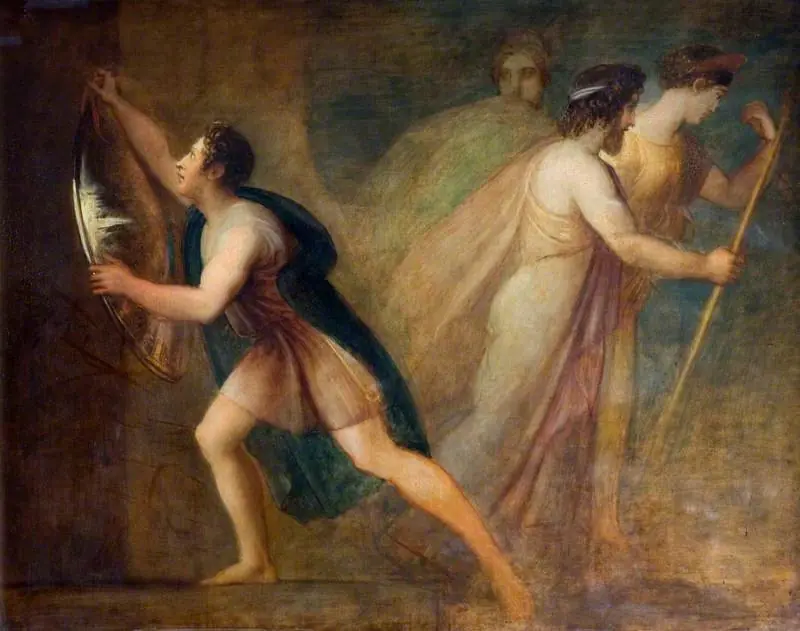 Orestes Hanging up the Shield of Agamemnon
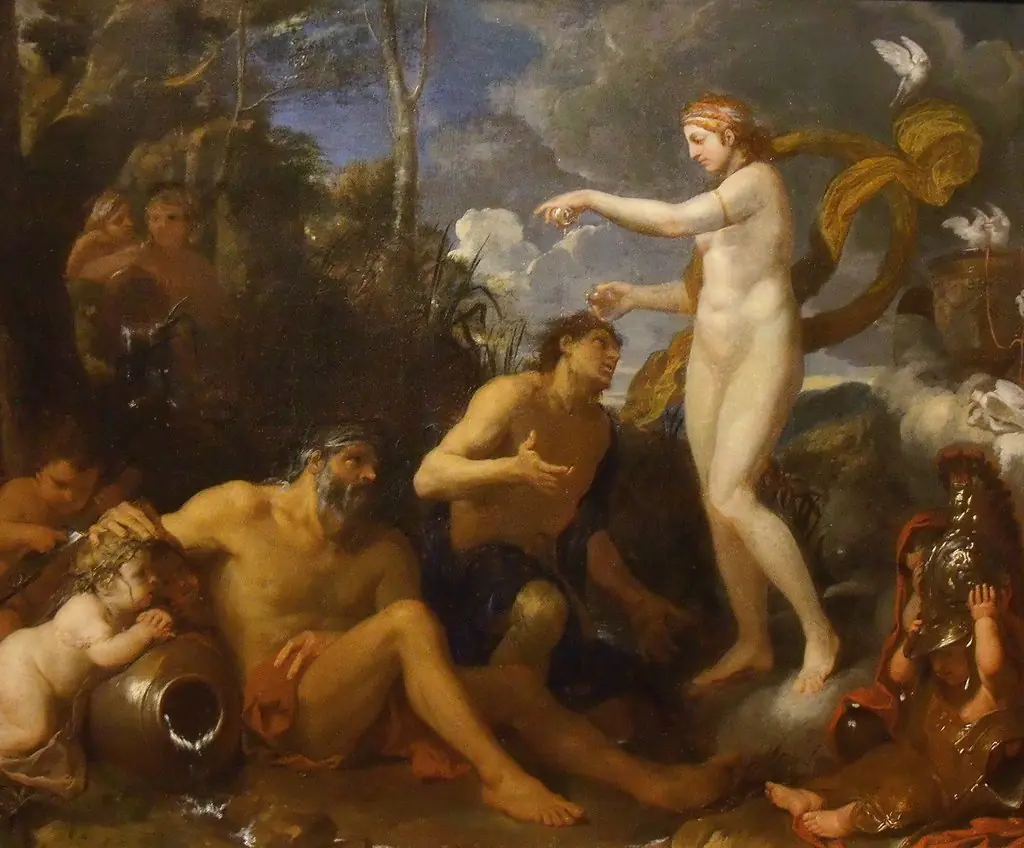 The deification of Aeneas
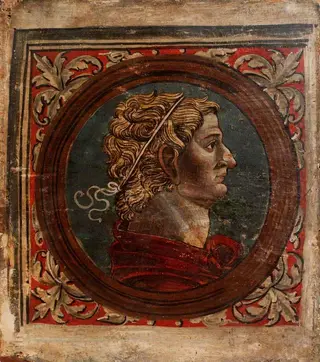 Profile Bust of a Roman Emperor Facing Right (one of 29 painted panels from a frieze)
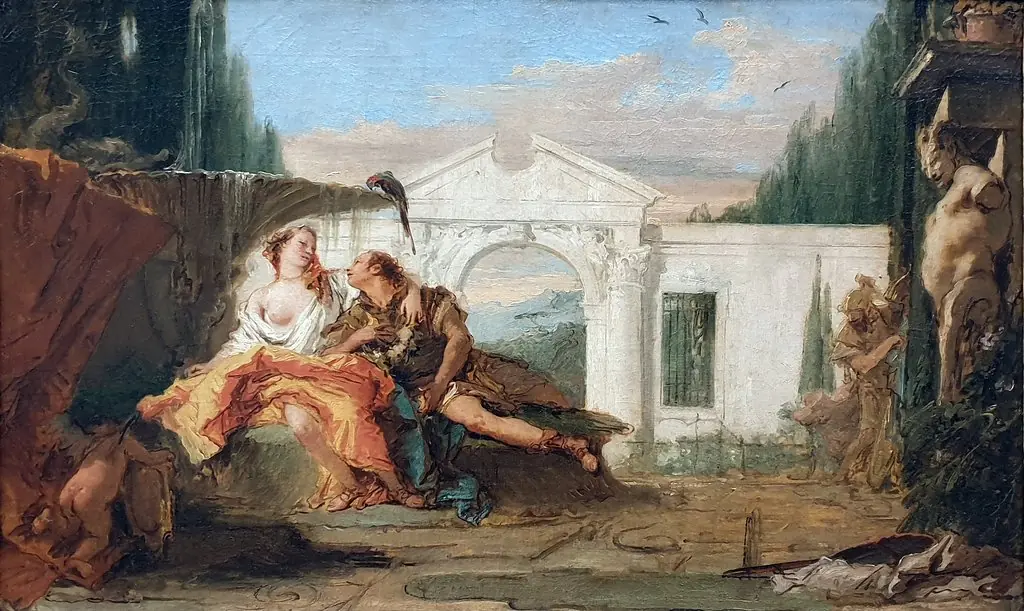 Rinaldo and Armida in Armida's magic garden, eavesdropped by Carlo and Ubaldo
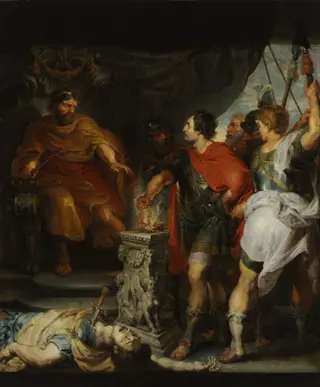 Mucius Scaevola before Lars Porsenna
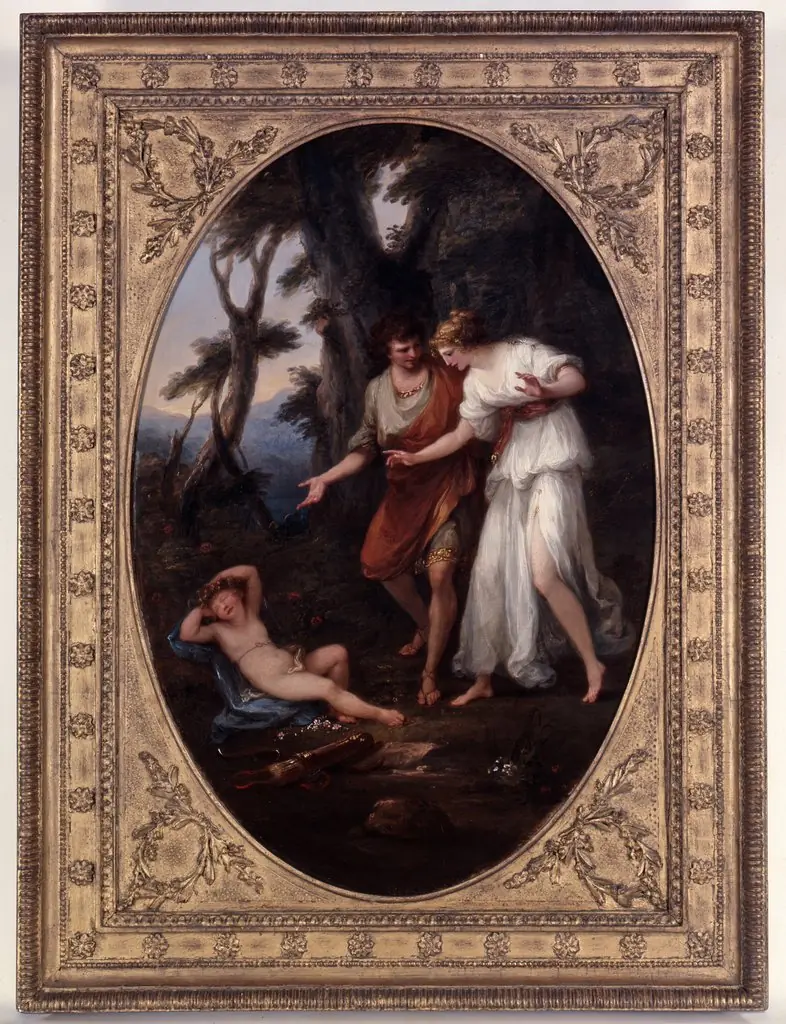 Cephise and her Lover discover the sleeping Cupid in the Woods of Idalia
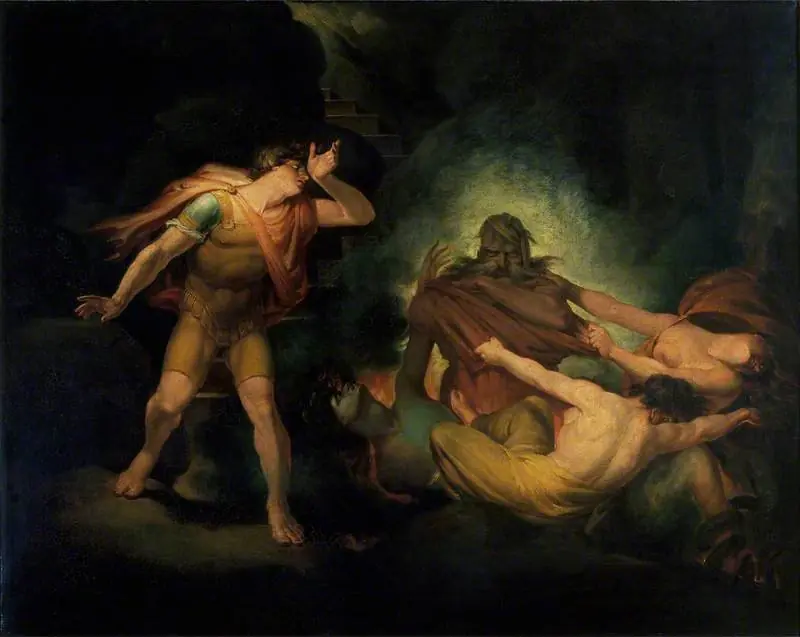 The Fire King
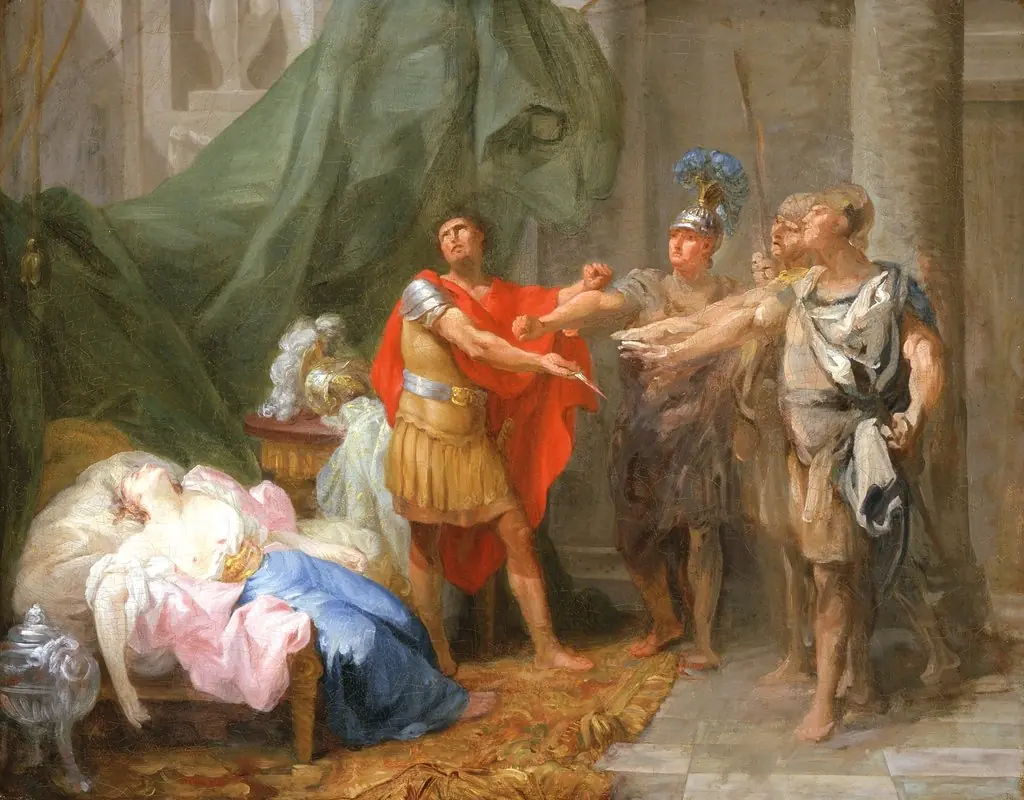 The Oath of Brutus
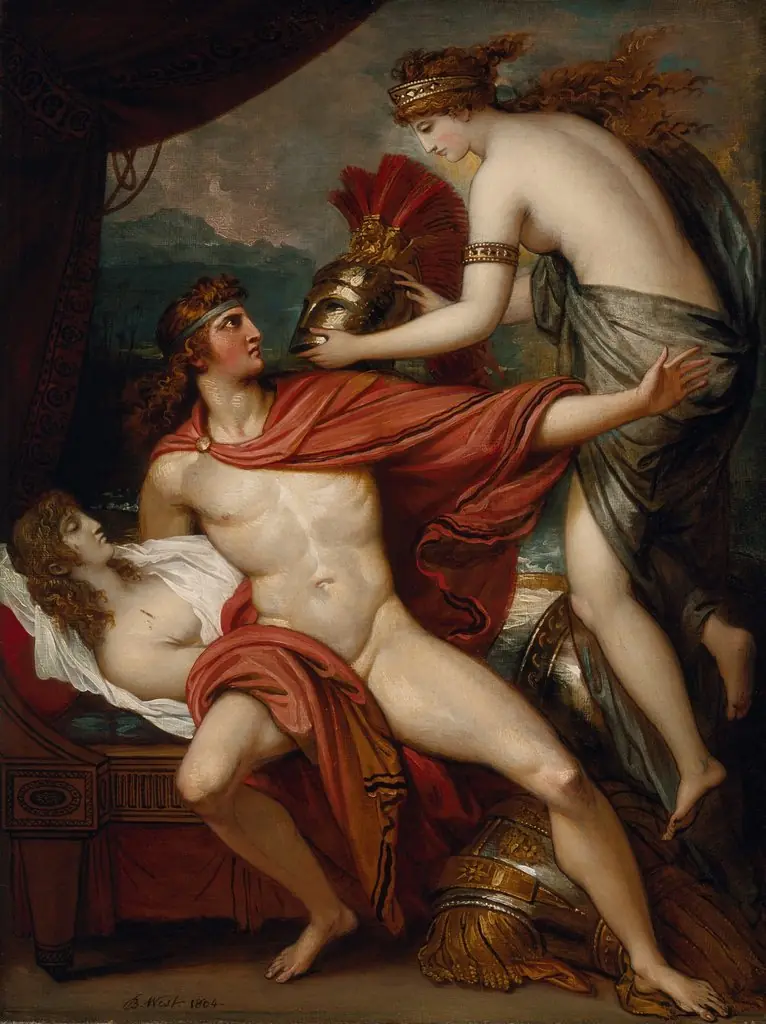 Thetis Bringing the Armor to Achilles
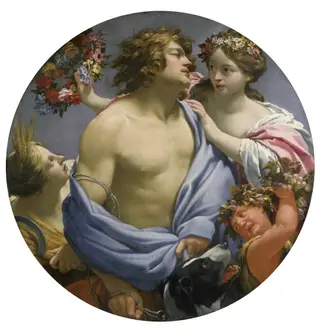 The Four Seasons
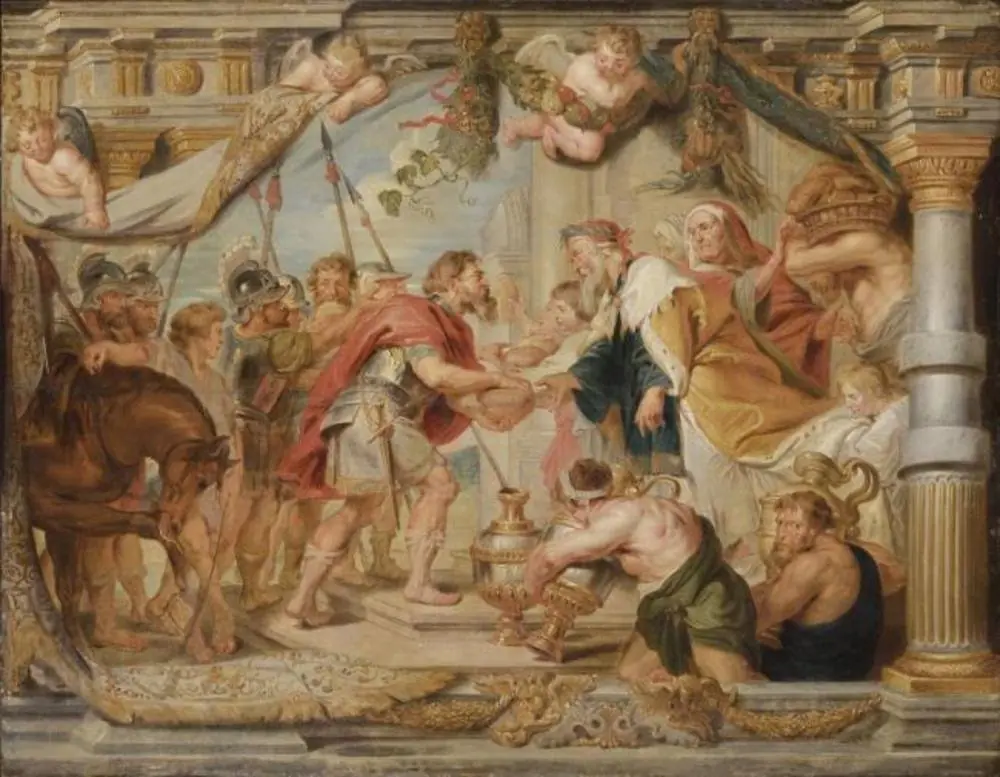 The Meeting of Abraham and Melchizedek
 The Death of Samson
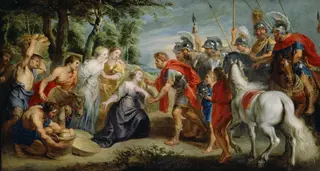 David Meeting Abigail
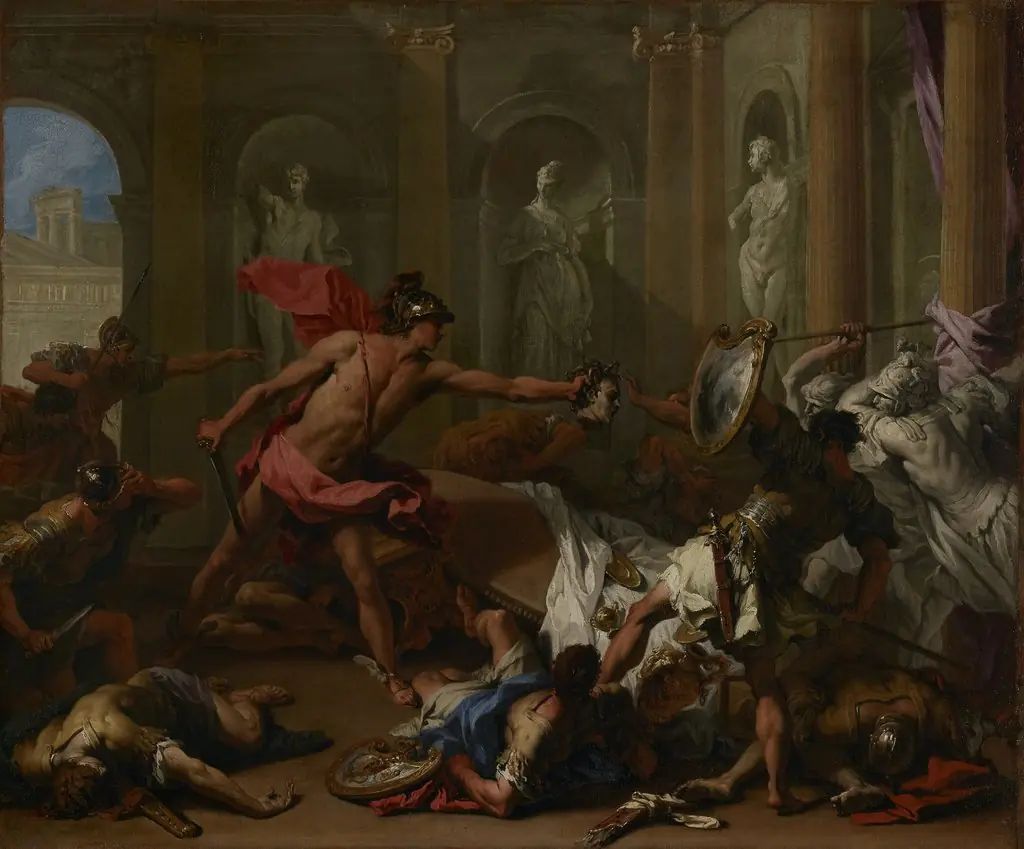 Perseus Confronting Phineus with the Head of Medusa
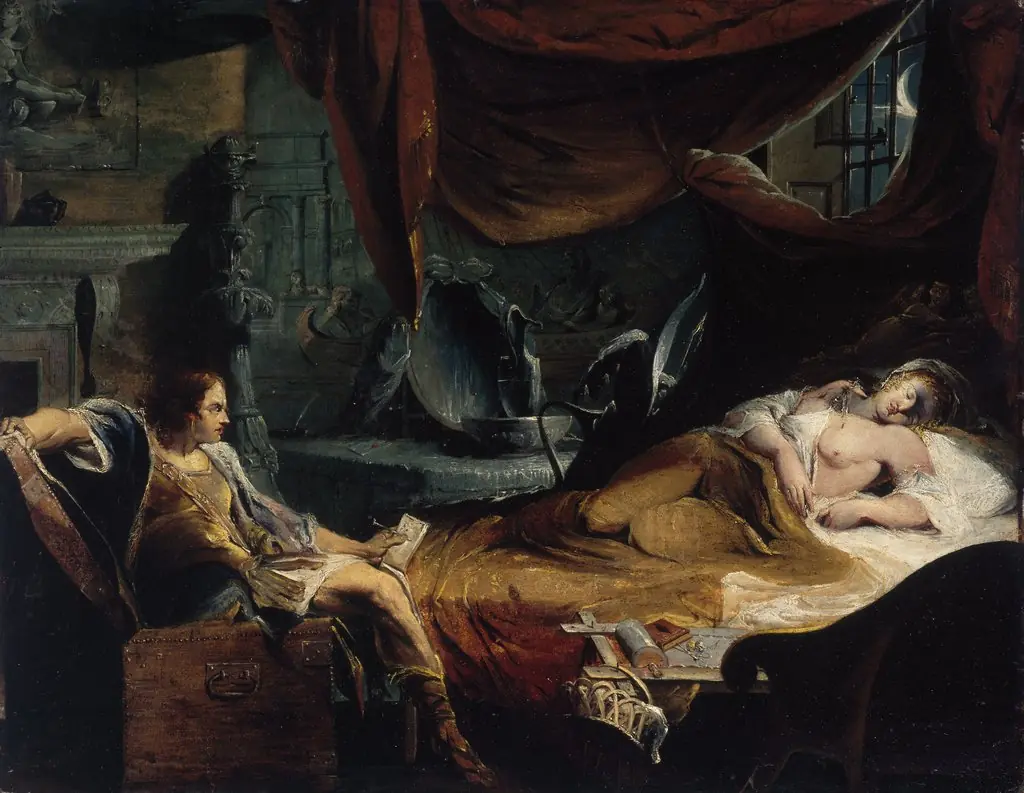 Iachimo Emerging from the Chest in Imogen's Chamber
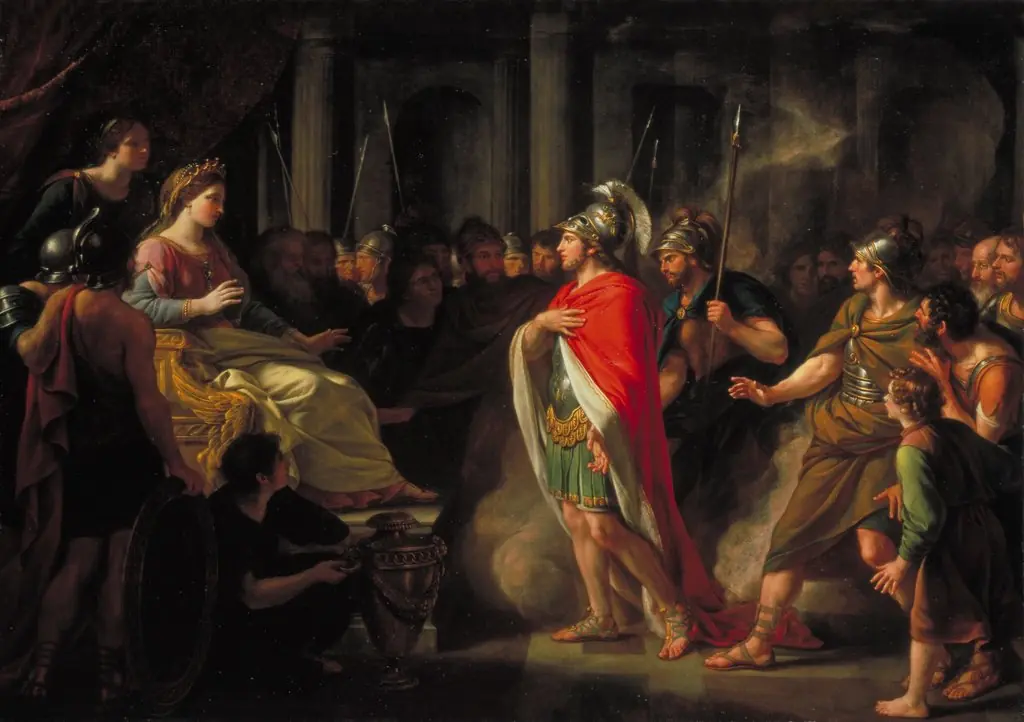 The Meeting of Dido and Aeneas
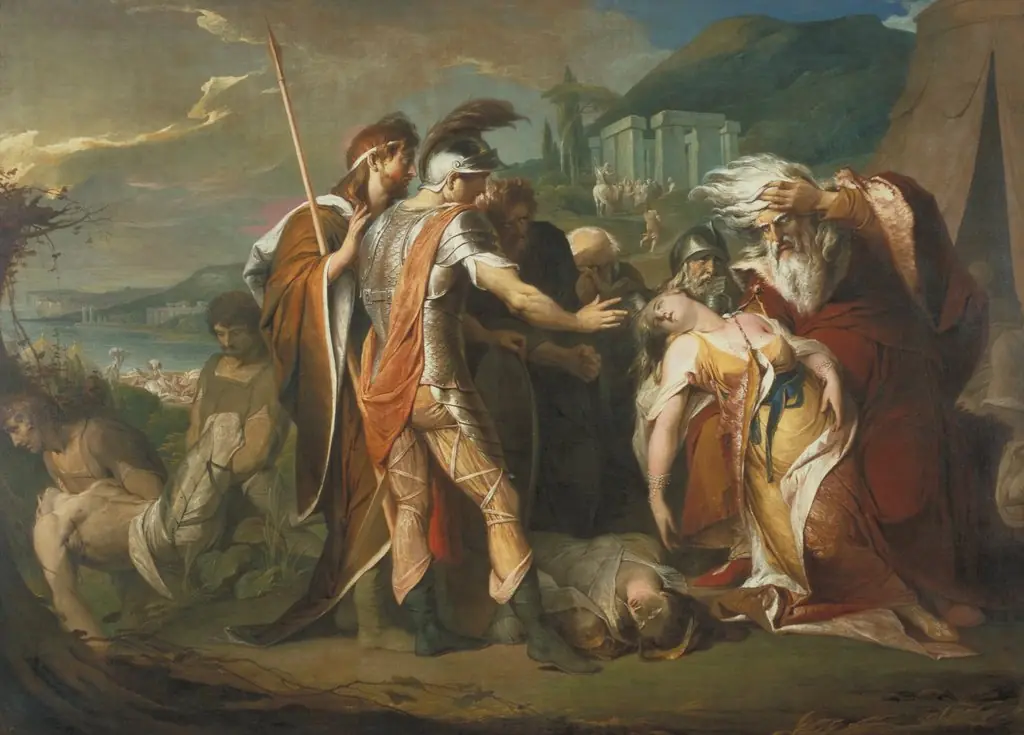 King Lear Weeping over the Dead Body of Cordelia
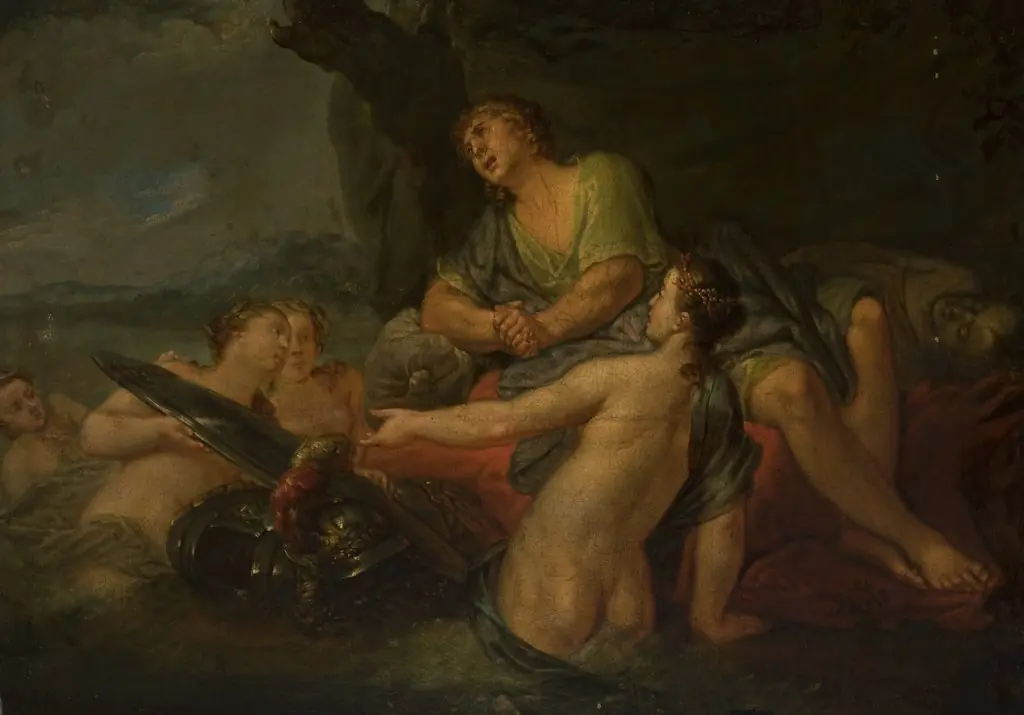 Mythological Scene
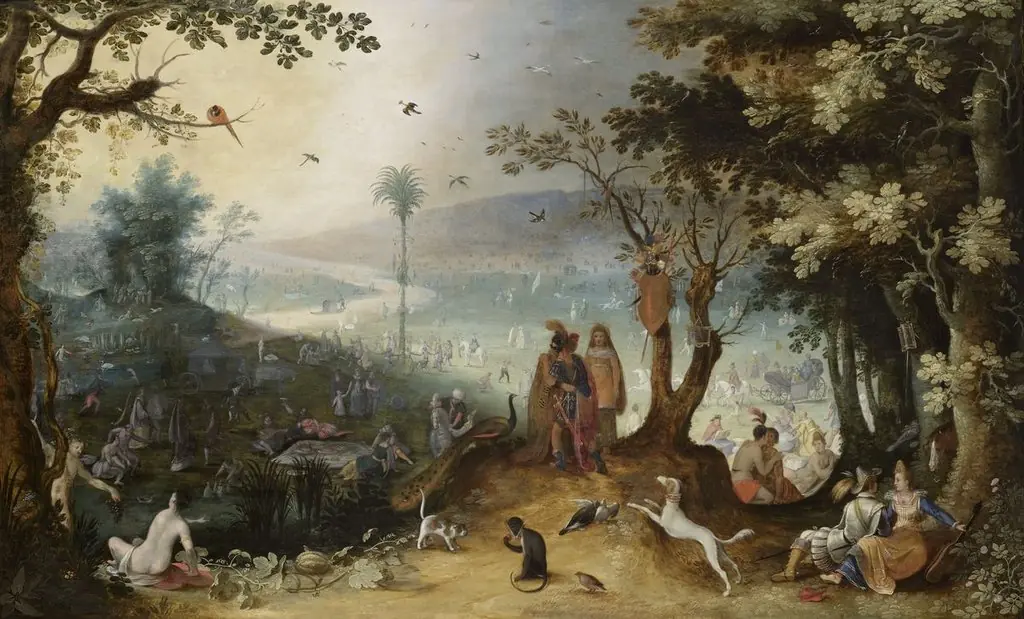 Aeneas meeting with his father in the Elysium
 The Victory of the Eucharist over Heresy
 The Death of King Laius
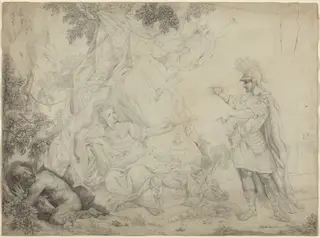 Circe and Ulysses
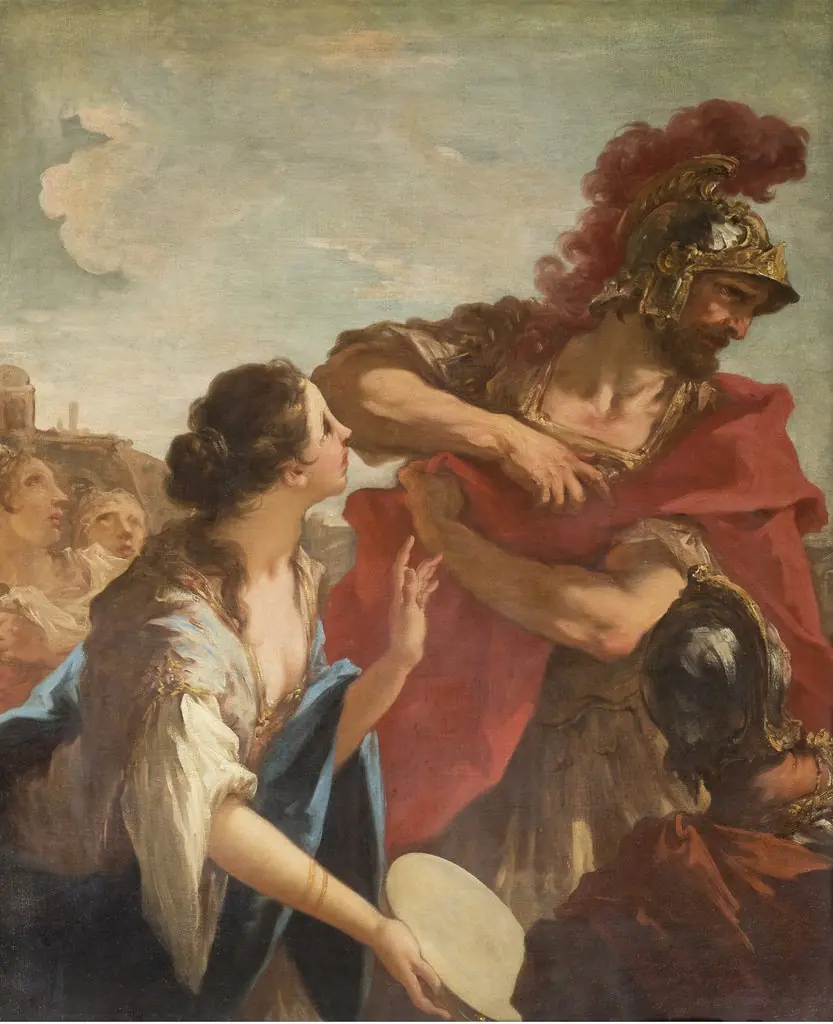 Jephthah returning from Battle is greeted by his Daughter
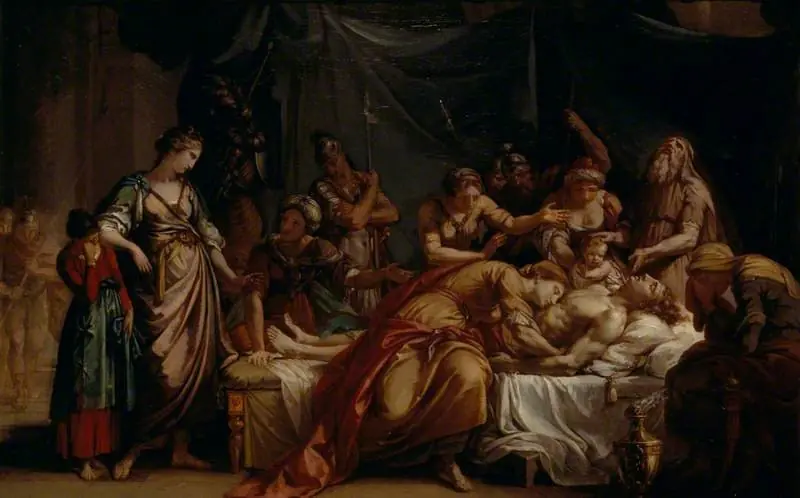 Andromache Bewailing the Death of Hector
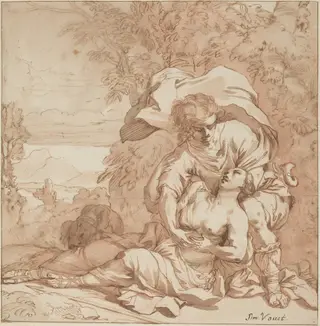 Procris and Cephalus (?)
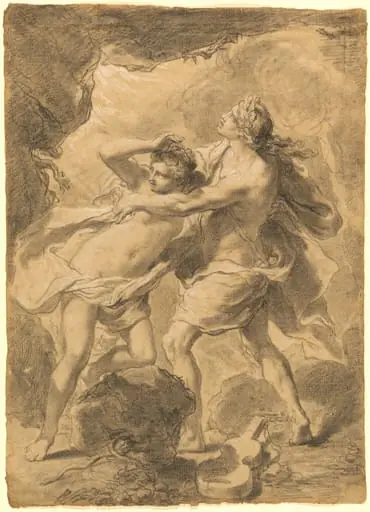 Orpheus and Eurydice
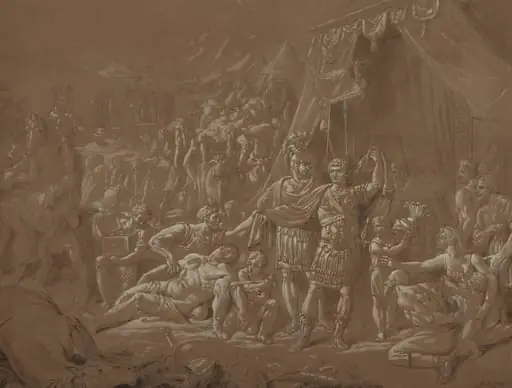 A Scene from the Life of Trajan
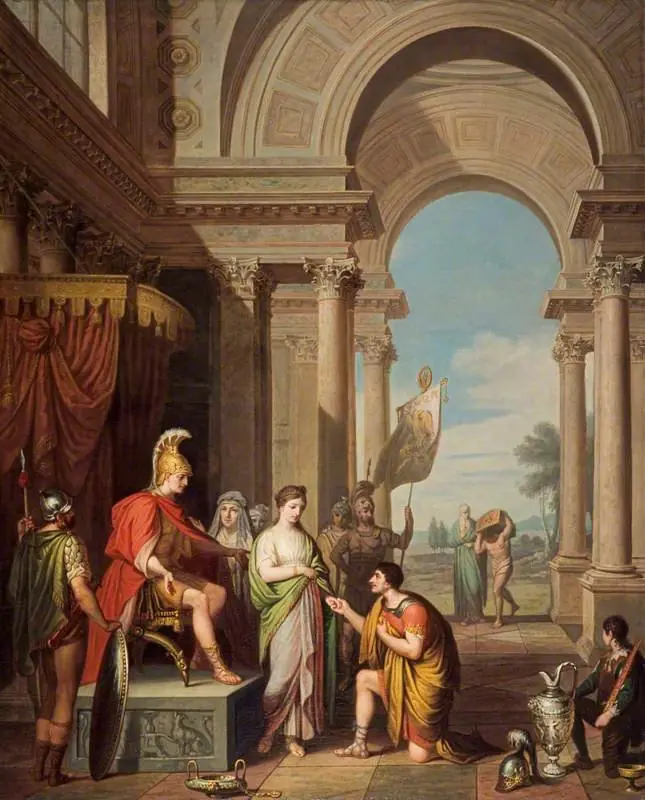 The Continence of Scipio
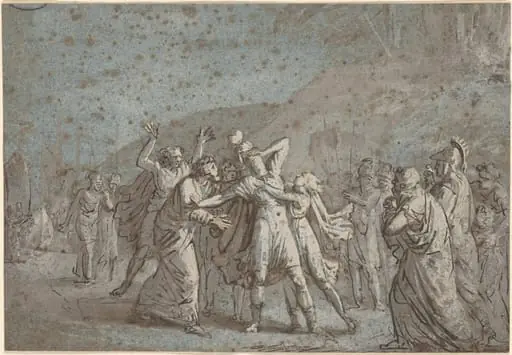 Jephthah's Daughter
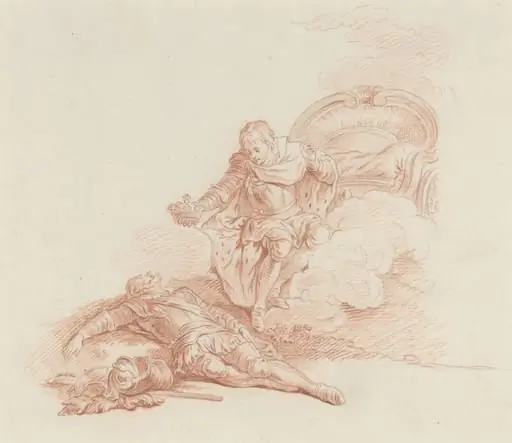 Regne, dit-il, triomphe et sois en tout mon fils
![Mars and Diana [recto]](https://artifactworldgallery.com/img/zanguidi-called-bertoia-jacopo--mars-and-diana-recto--a528dea7036b44d0-w320.webp) Mars and Diana [recto]
Mars and Diana [recto]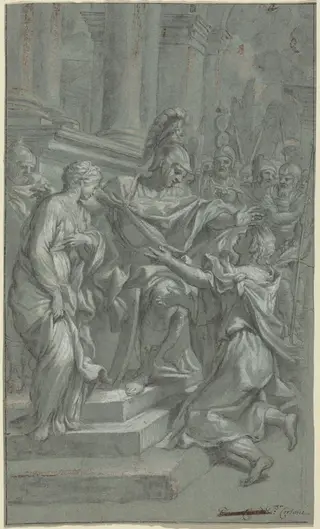 Scipio Restoring His Captive to Her Lover
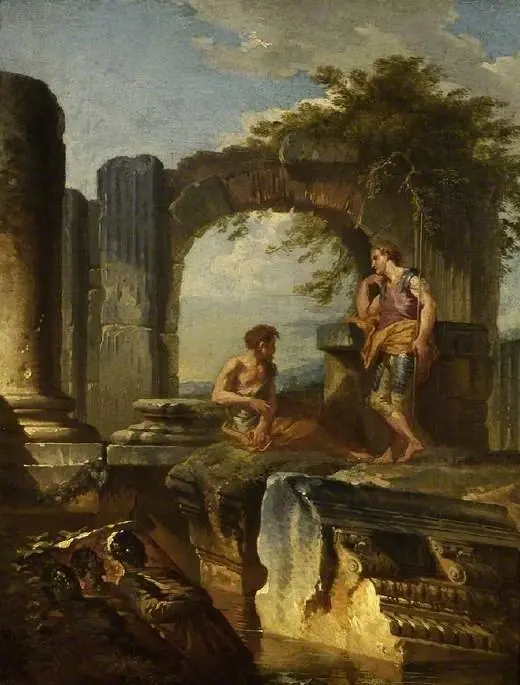 Ruins with figures
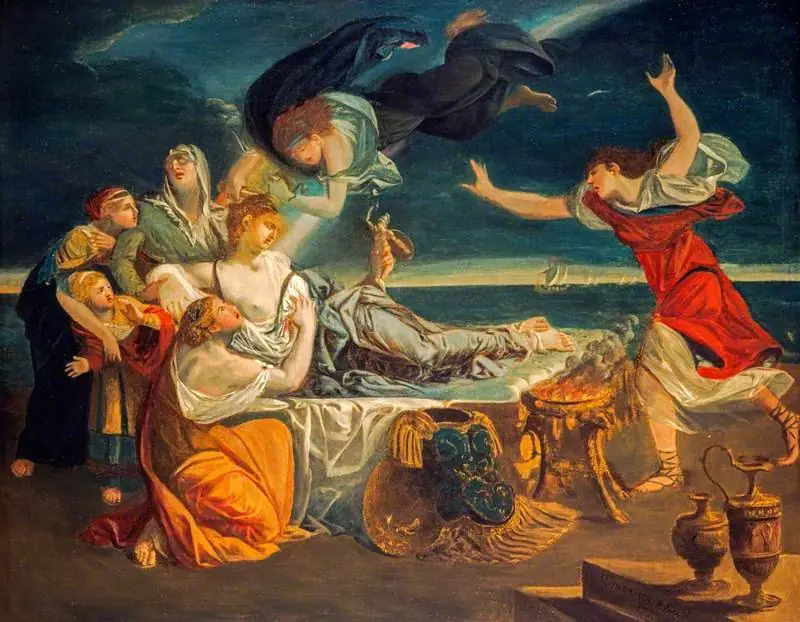 The Death of Dido
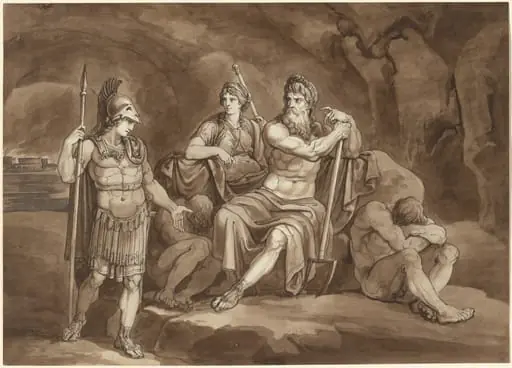 Telemachus Requests Permission from Pluto to Seek His Father in the Underworld
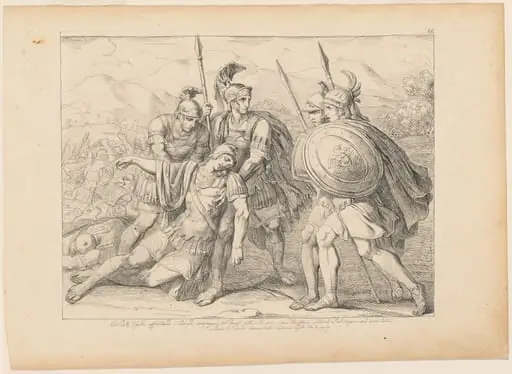 The Death of Lausus
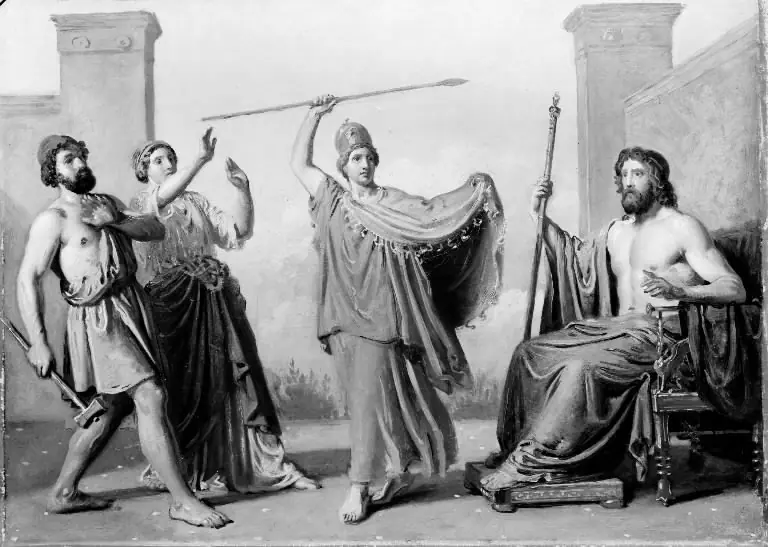 The Birth of Pallas Athene
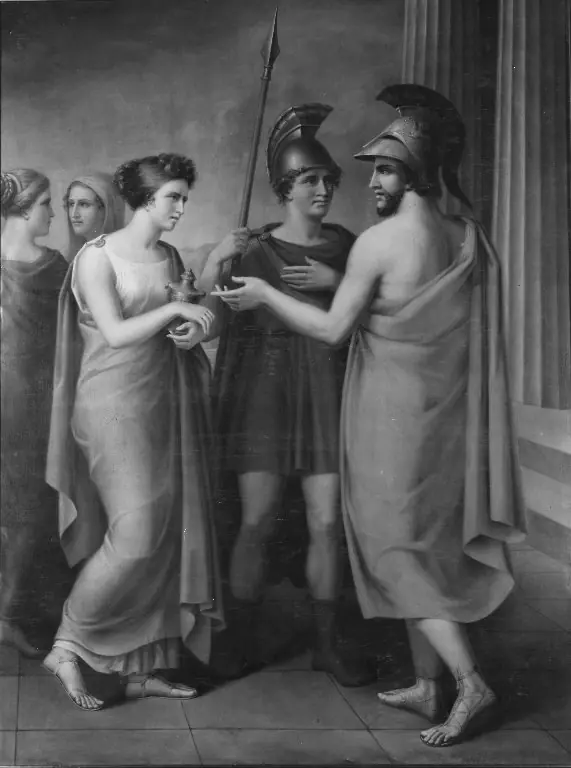 Elektras møde med Orestes og Pylades efter Agamemnons død
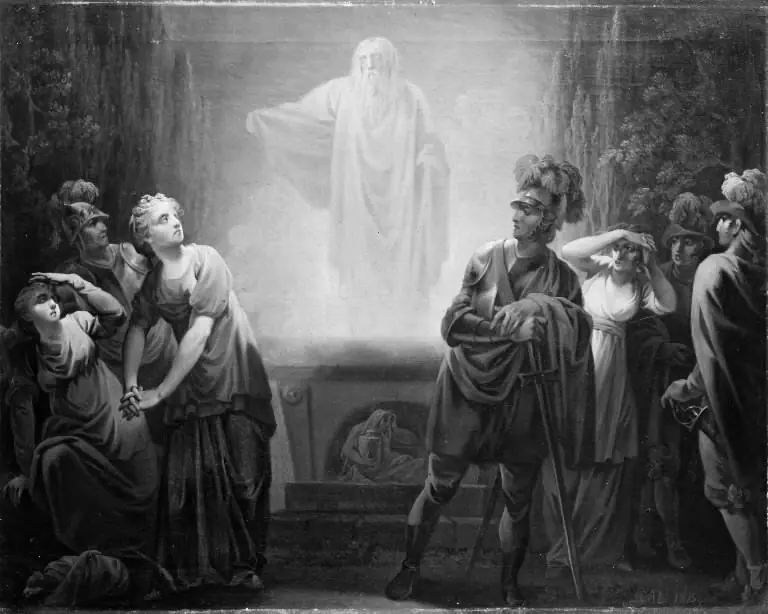 Melampe, V. akt, 9. scene
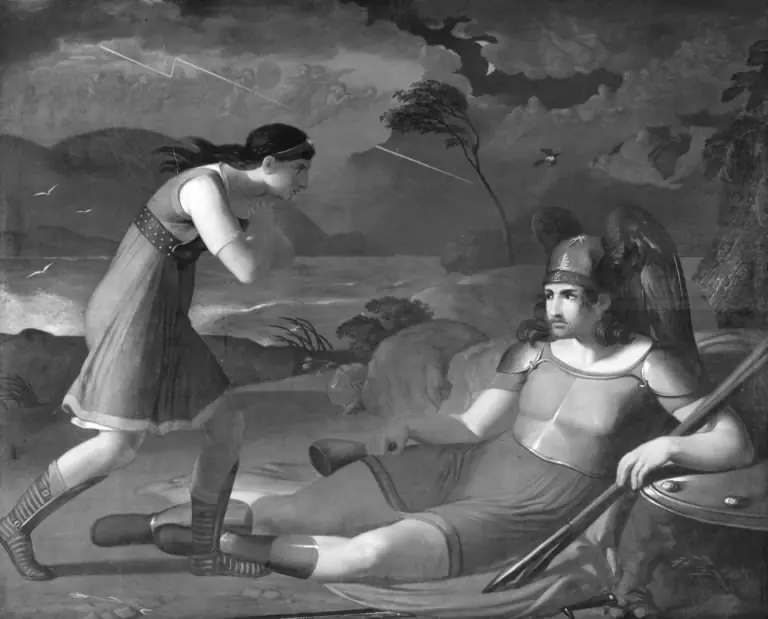 Sulmalla prøver forgæves at overtale sin elsker Cathmor til at slutte fred med Fingal
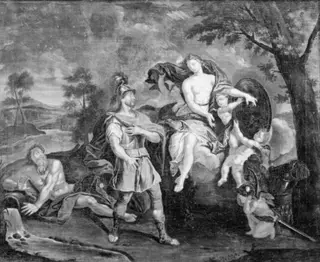 Mars synes at forsikre den i skyer siddende Venus om sin kærlighed. Imidlertid leger amoriner med hans våben
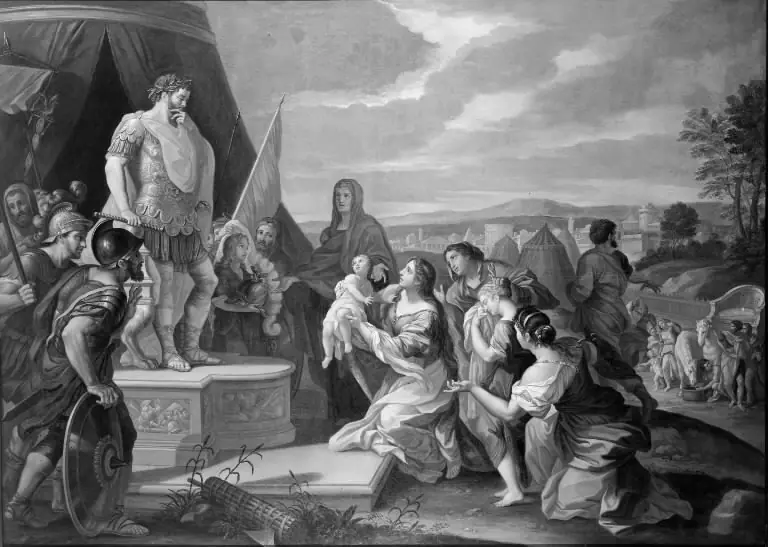 Coriolan ved Roms belejring
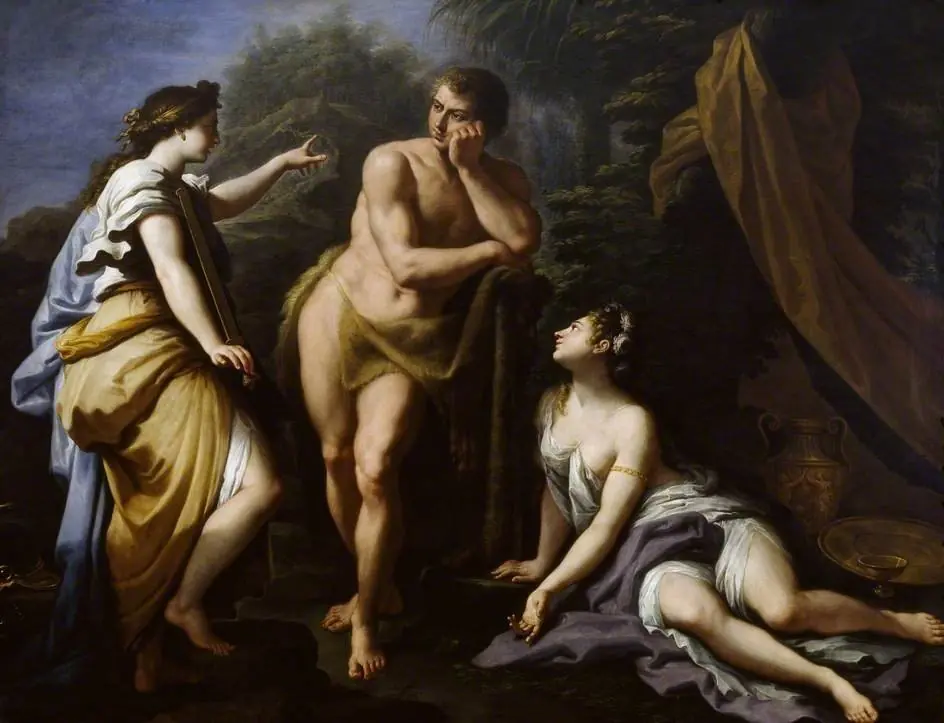 The Choice of Hercules
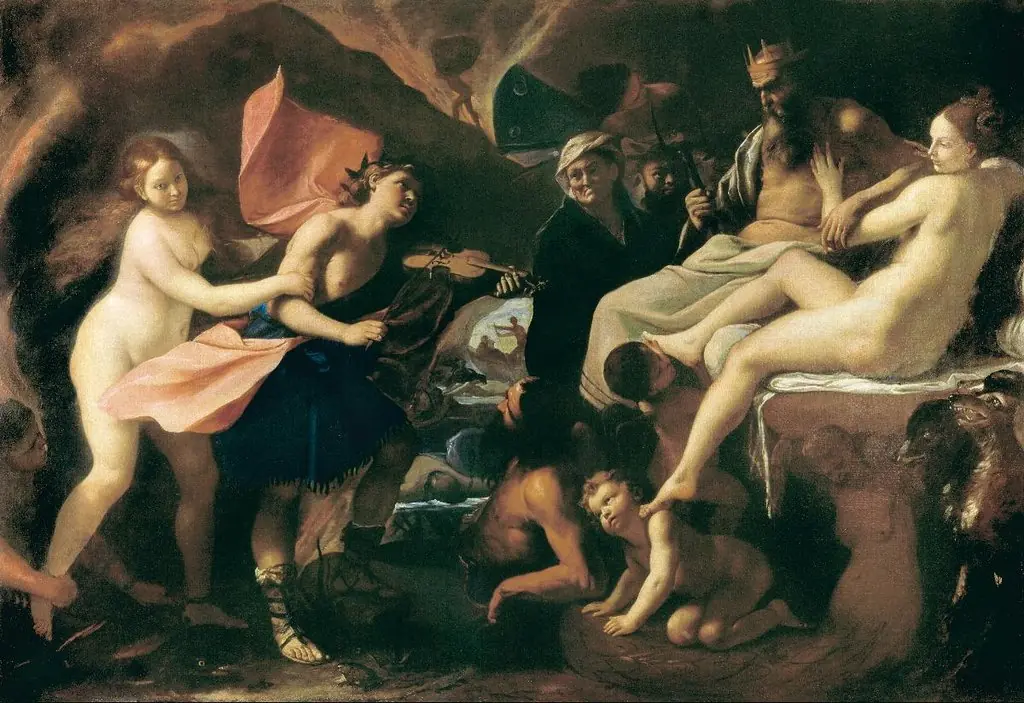 Orfeo nell’ade
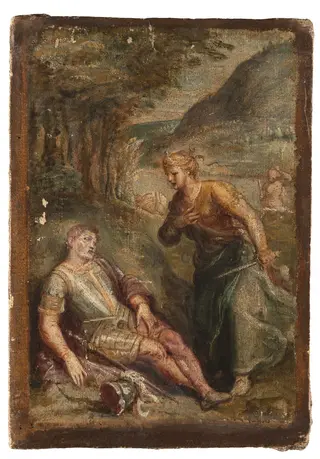 Rinaldo och Armida
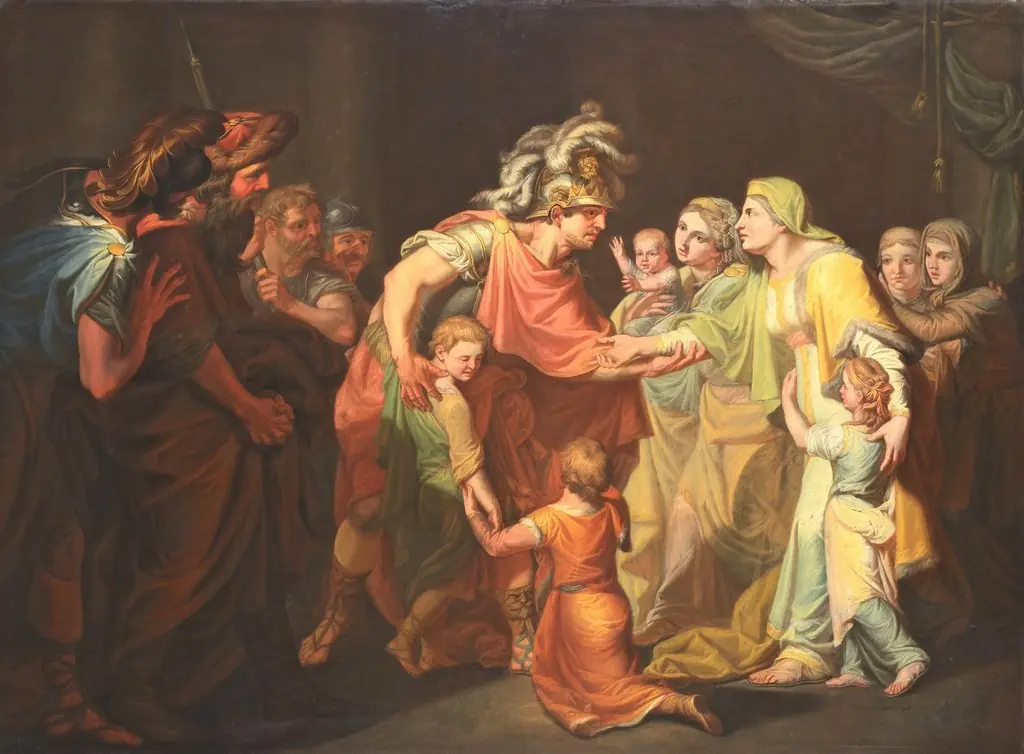 Svyatoslav's return from the Danube to his family in Kiev
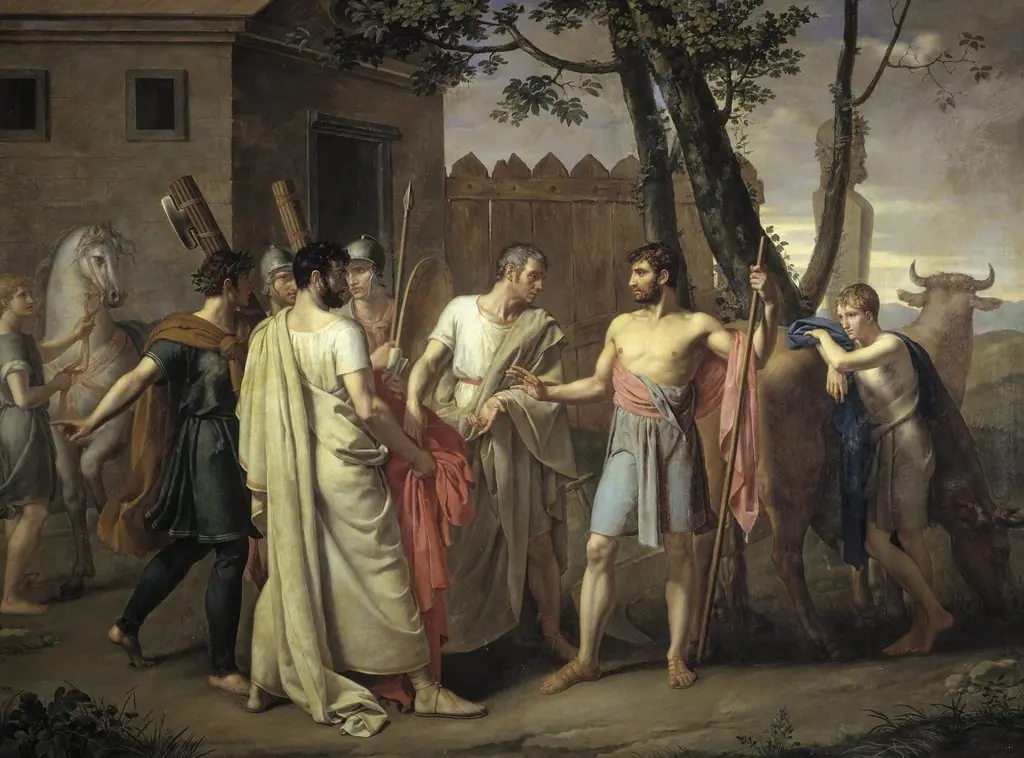 Cincinnatus abandons the Plough to dictate Laws to Rome
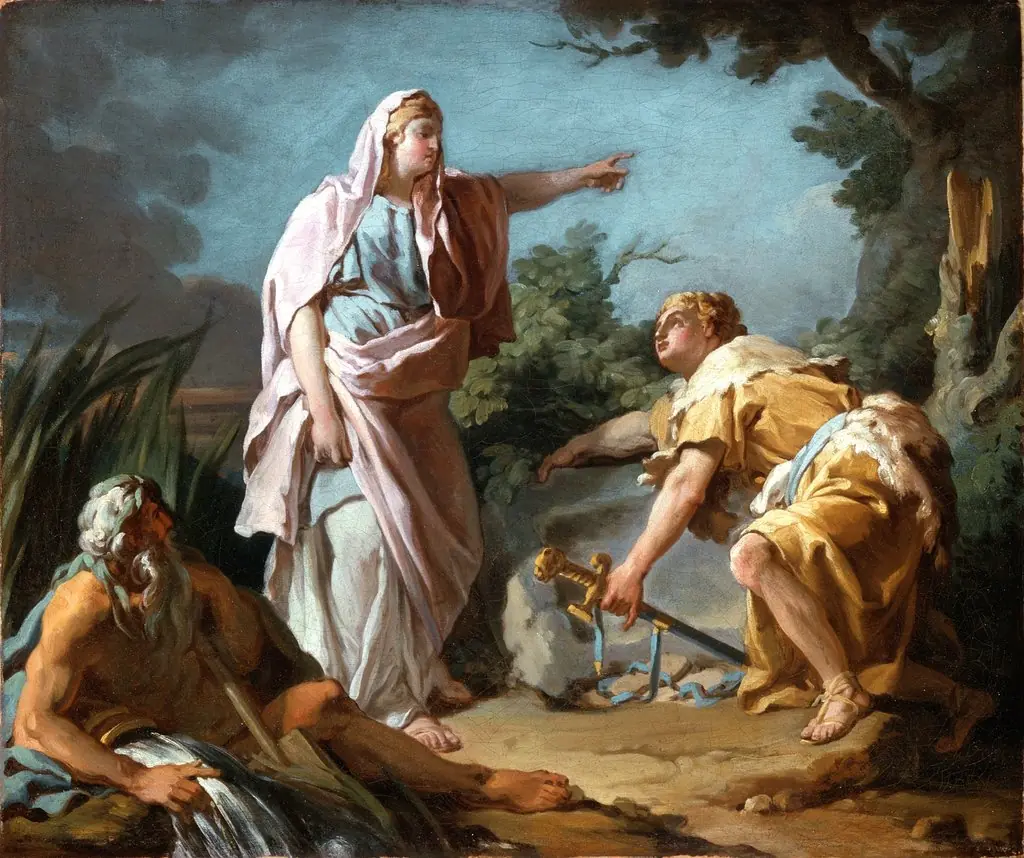 Aethra Showing her Son Theseus the Place Where his Father had Hidden his Arms
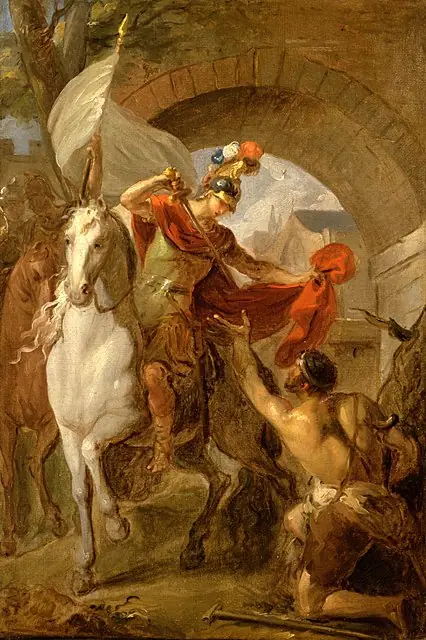 Saint Martin Sharing his Coat with a Beggar
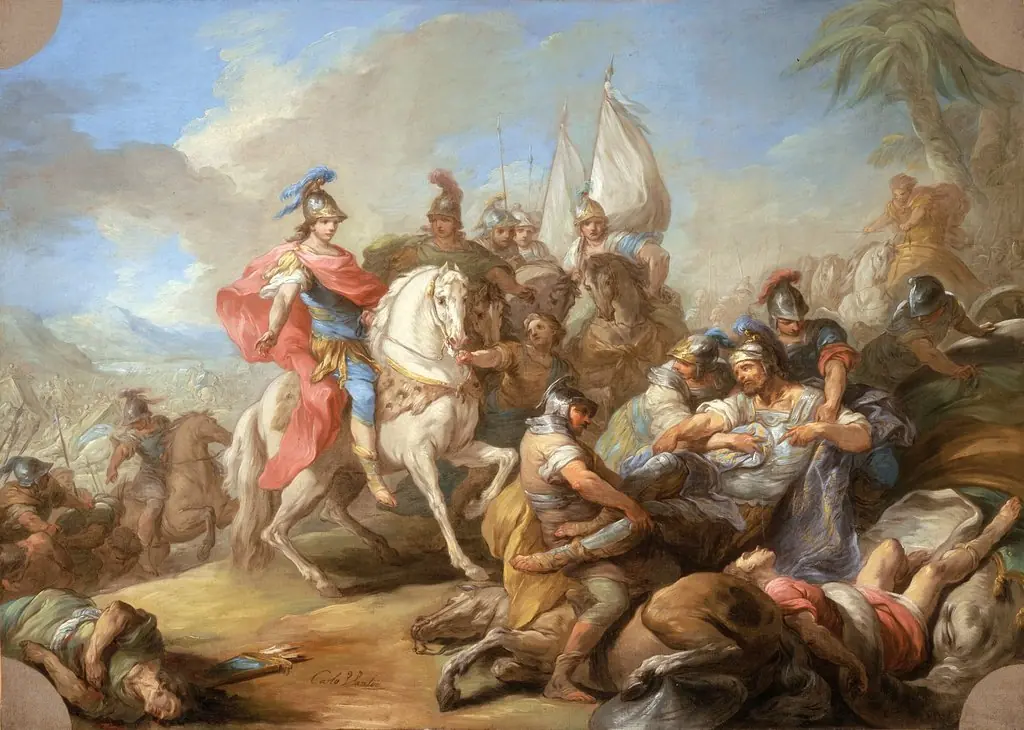 The Victory of Alexander over Porus
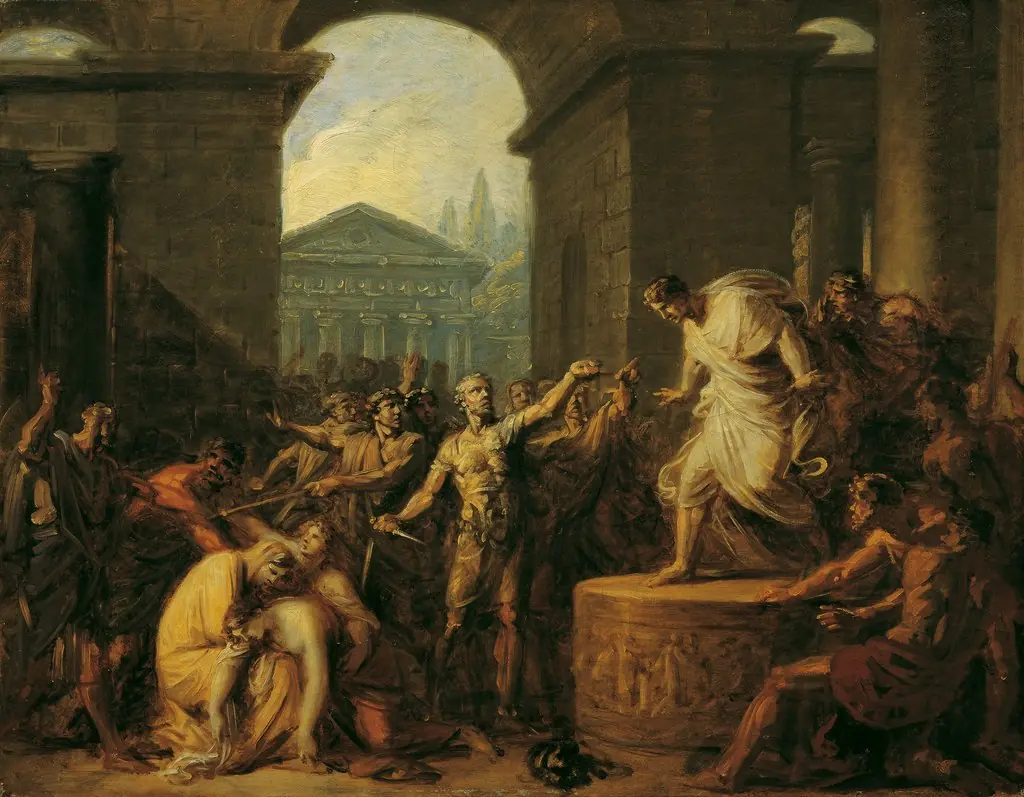 The Death of Virginia
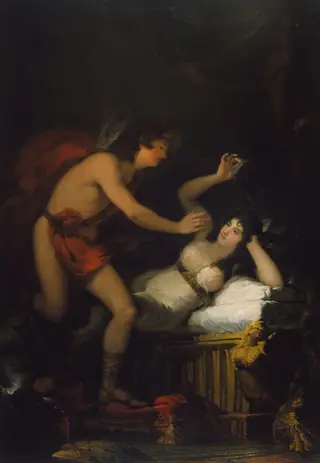 Allegory of Love, Cupid and Psyche
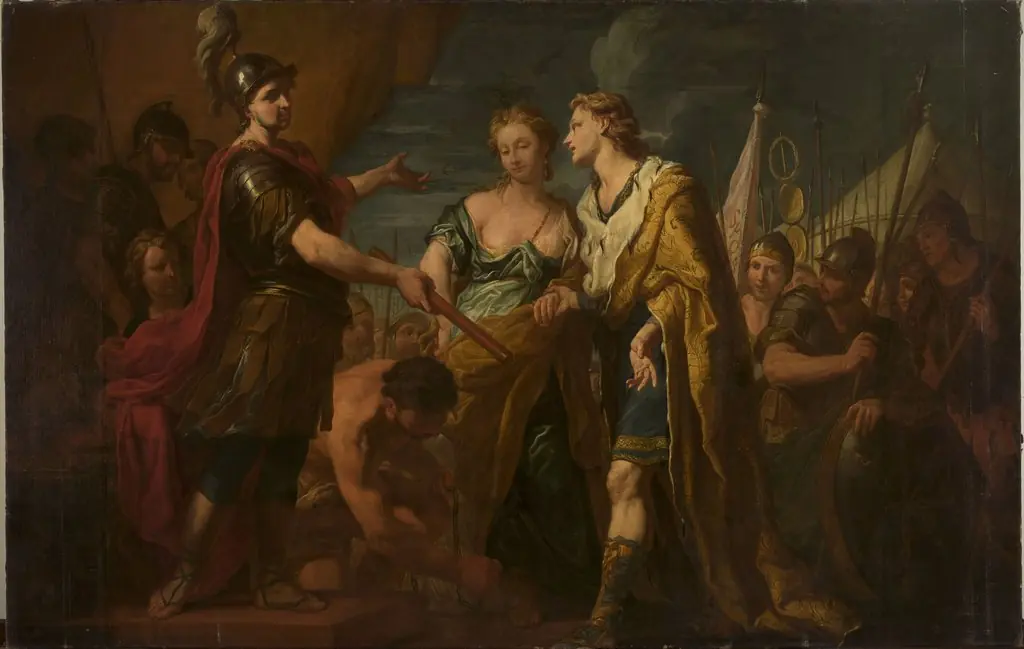 Magnanimity of Scipio
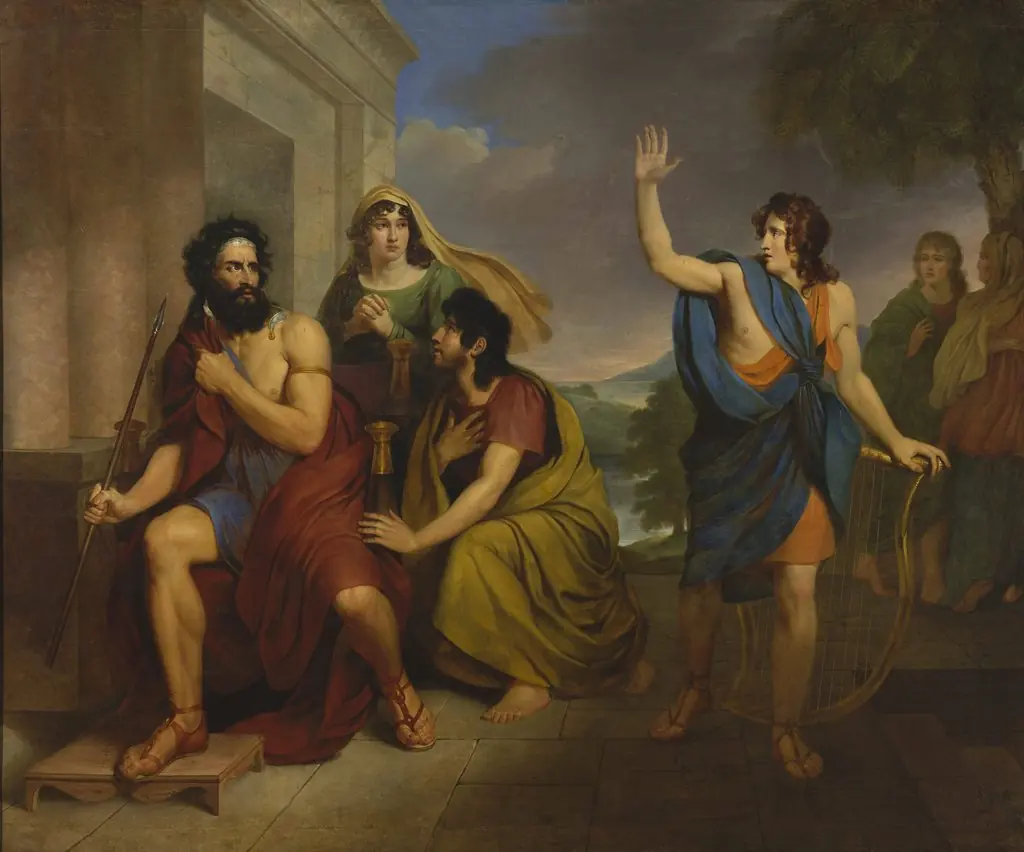 Saul’s anger at David
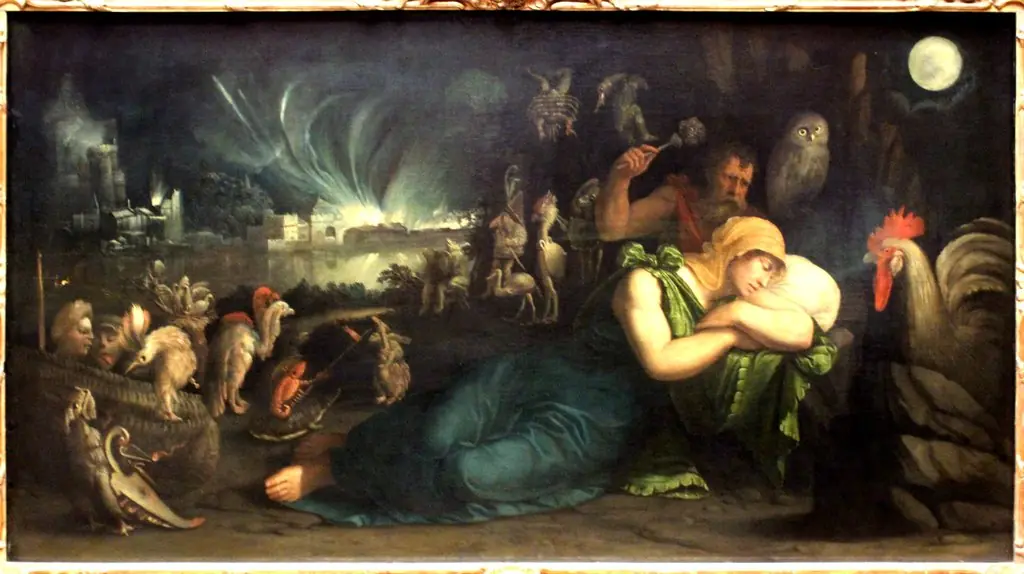 The Dream
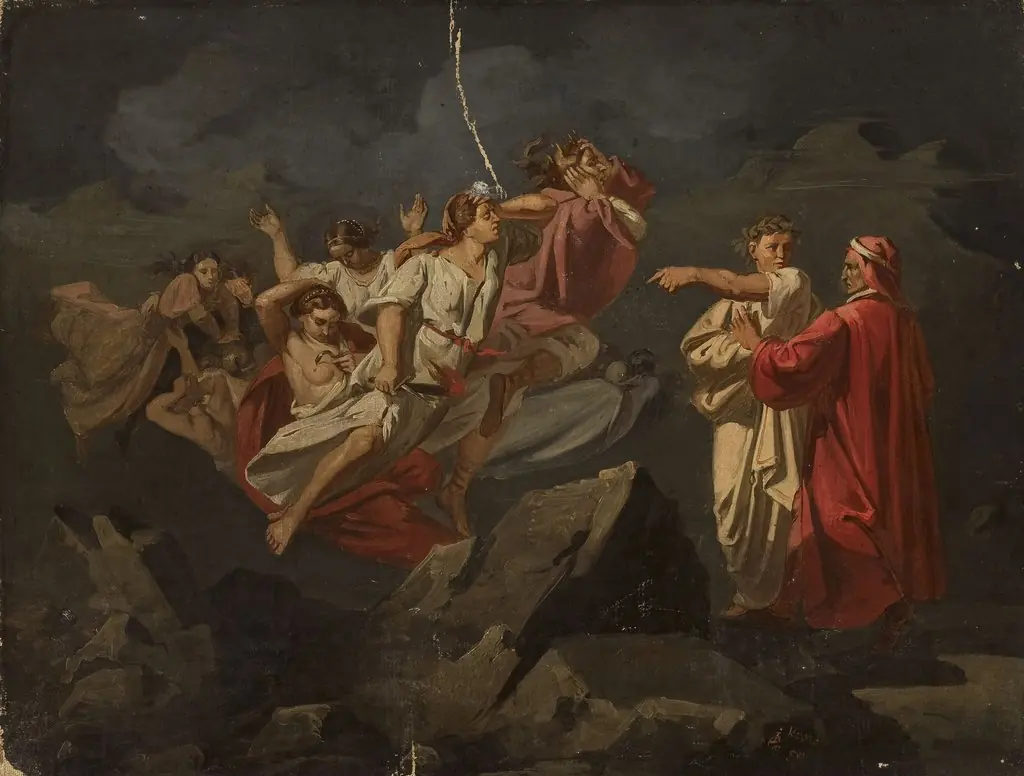 Dante and Vergil
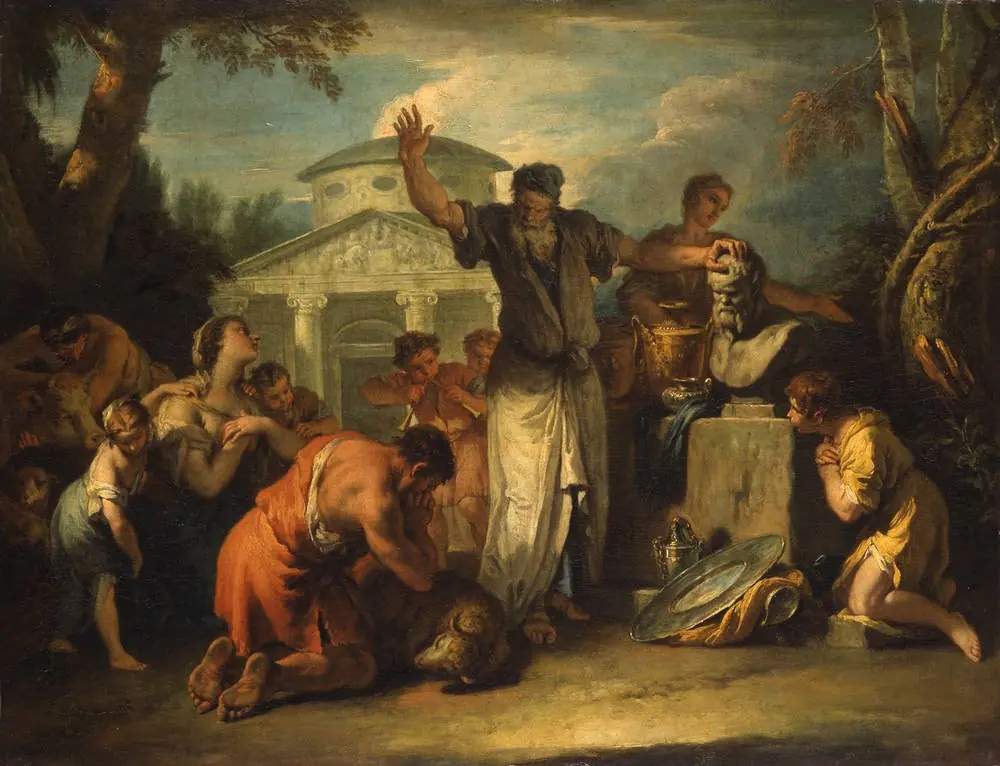 Opfer an Silen
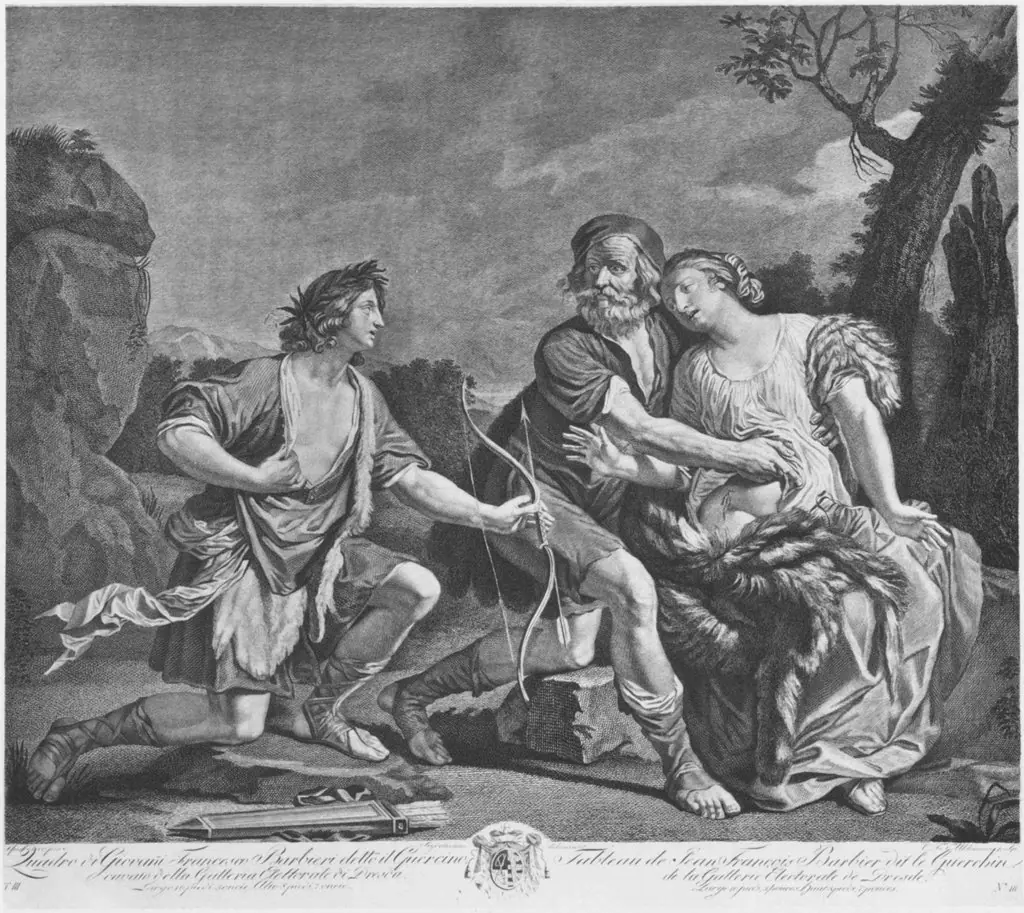 Dorinda, Silvio and Linco
Frequently asked questions
What is Aeneas?
Aeneas is a subject in art. male given name
How many Aeneas works does Artifact World Gallery have?
Artifact World Gallery holds 200 public-domain Aeneas works, all free to view and download.
Who are the key Aeneas artists?
Key Aeneas artists in the collection include Paolo Veronese, Jean Honoré Fragonard and Jacques-Louis David.
Where can I see Aeneas works?
Aeneas works in the collection are held by National Gallery of Art, Statens Museum for Kunst and Victoria and Albert Museum.