Artist
Subject
George Washington is a subject in art. The gallery holds 98 works in this subject in art, including works by Thomas Pritchard Rossiter, Gilbert Stuart and Edward Savage.
George Washington (1732–1799) is the most depicted figure in American art, and his image was forged almost in tandem with the founding of the republic itself. Even before independence was secured, artists recognized that the new nation needed a visual embodiment of its civic virtues, and Washington—commander, president, and the model of a leader who surrendered power—became that vessel. The portrait tradition began in the artist's own lifetime through repeated sittings, most consequentially with Gilbert Stuart in Philadelphia between 1795 and 1796. Those sessions produced three enduring types: the "Vaughan," the full-length "Lansdowne" (1796, named for the Marquess of Lansdowne), and the unfinished "Athenaeum" head, whose engraving has appeared on the one-dollar bill since the early twentieth century, making it the most reproduced likeness in history.
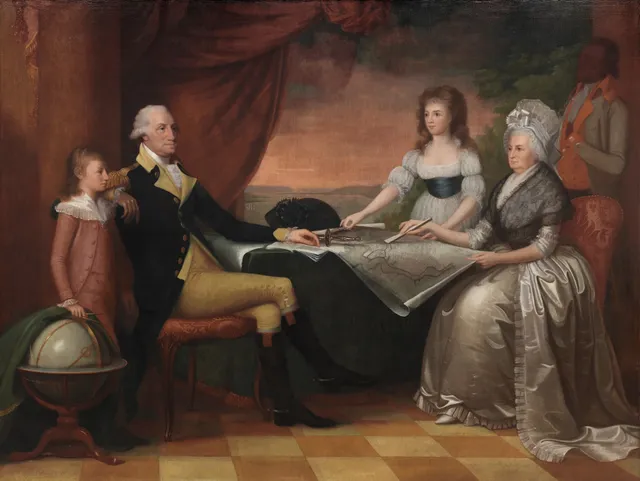
Washington imagery spans portraiture, grand history painting, and monumental sculpture, and its visual language shifted from Enlightenment realism toward outright apotheosis. The painter-soldier John Trumbull, who had served as a wartime aide, rendered Washington with documentary authority in works such as George Washington before the Battle of Trenton, while Charles Willson Peale and his son James Peale produced numerous life portraits drawn from direct observation. Edward Savage assembled the dynastic group portrait The Washington Family (1789–1796, National Gallery of Art), seating the president before a plan for the new federal city alongside Martha, her grandchildren, and the enslaved William Lee.
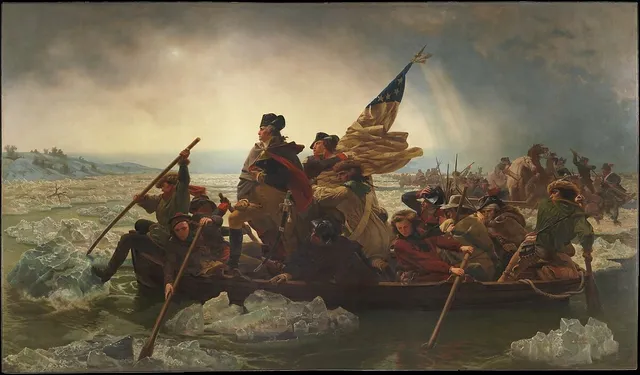
The heroic and allegorical mode crystallized after his death. Emanuel Leutze's vast Washington Crossing the Delaware (1851, Metropolitan Museum of Art), painted in Düsseldorf to inspire Europe's revolutionaries, transformed a desperate 1776 river crossing into national myth; within four months 50,000 New Yorkers paid to see it. In sculpture, Jean-Antoine Houdon's marble (1788, Virginia State Capitol), modeled from a life mask taken at Mount Vernon, set the standard for accuracy, whereas Horatio Greenough's toga-clad, half-nude seated colossus (1840), modeled on Phidias's Zeus, courted scandal and was banished from the Capitol.
Together these works tie Washington imagery to Neoclassicism, the Düsseldorf school of history painting, and the emergent project of American national identity. The iconography proved foundational: it shaped later equestrian monuments, civic statuary, and the visual rhetoric of presidential portraiture, while Stuart's Athenaeum head remains an inescapable fixture of everyday American life.
Artist


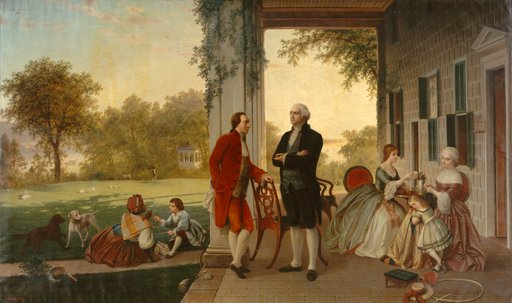
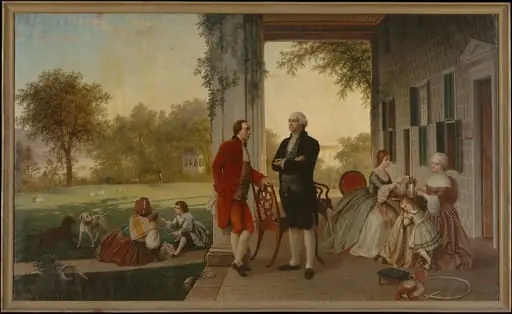 Washington and Lafayette at Mount Vernon, 1784 (The Home of Washington after the War)
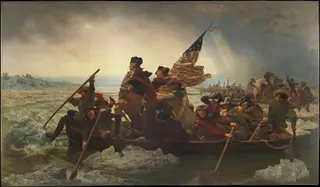 Washington Crossing the Delaware
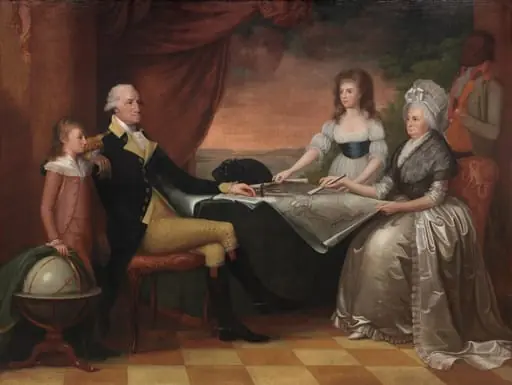 The Washington Family
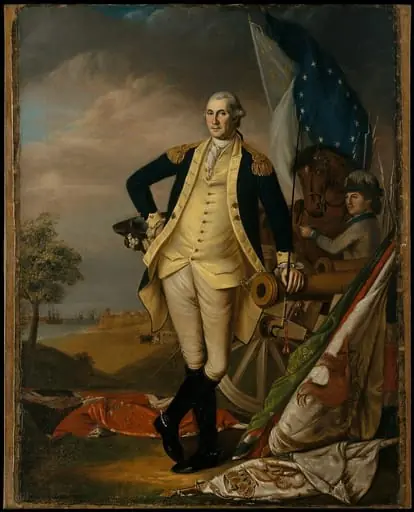 George Washington
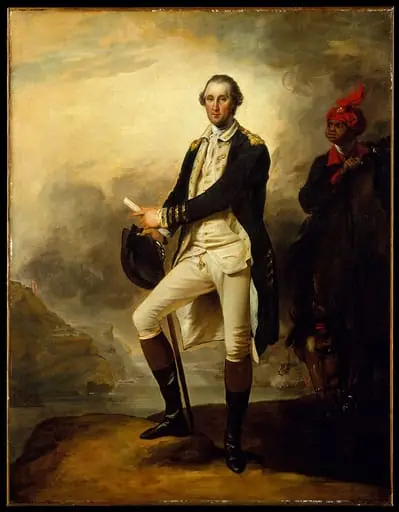 George Washington and William Lee
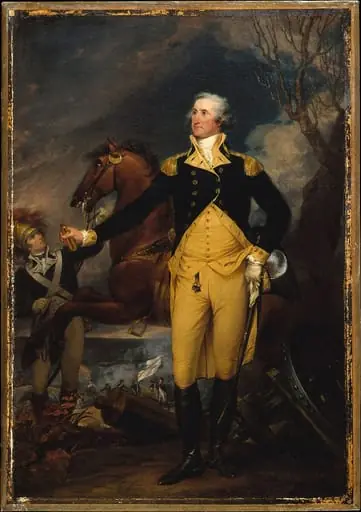 George Washington before the Battle of Trenton
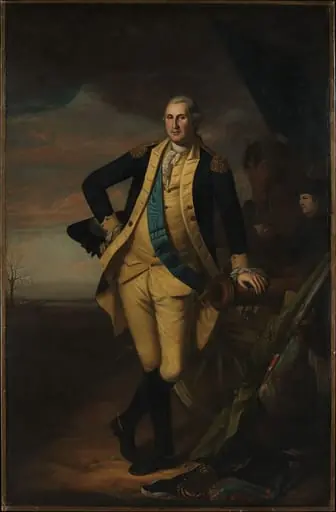 George Washington
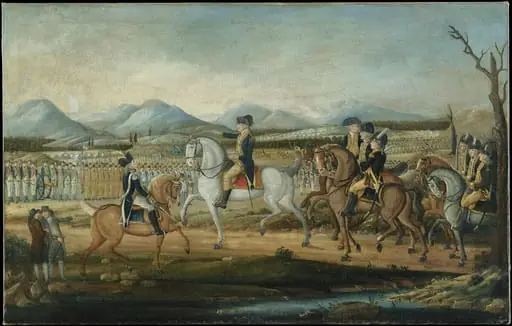 Washington Reviewing the Western Army at Fort Cumberland, Maryland
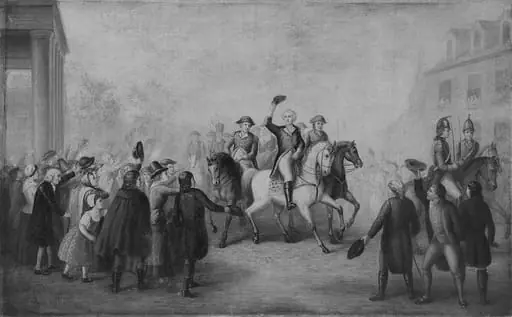 Washington's Triumphal Entry into New York
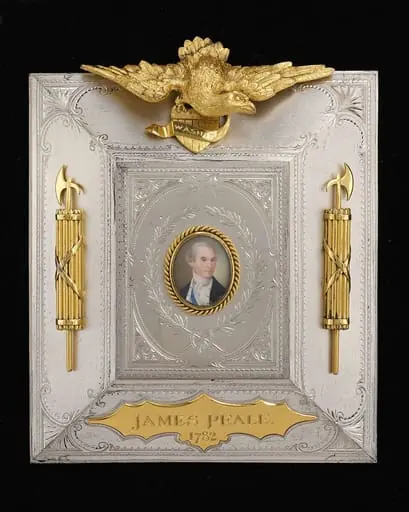 George Washington
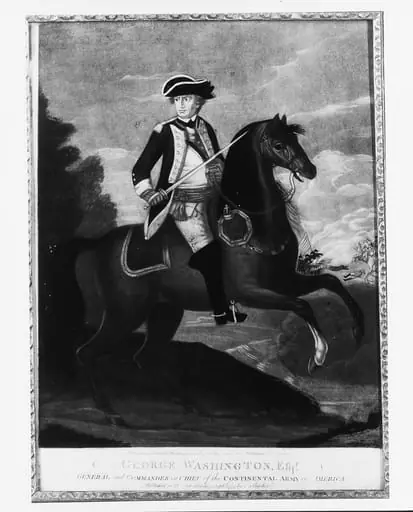 George Washington
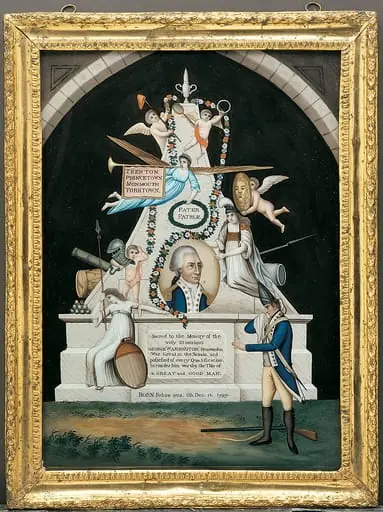 Pater Patriae
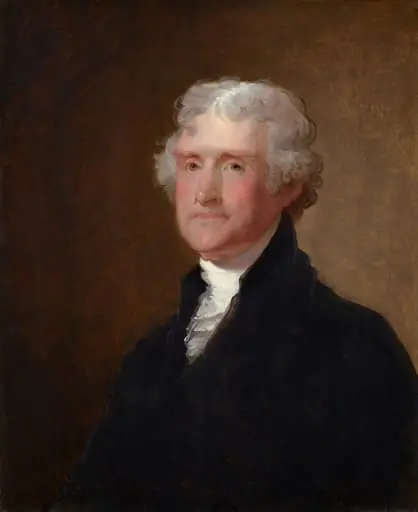 Thomas Jefferson
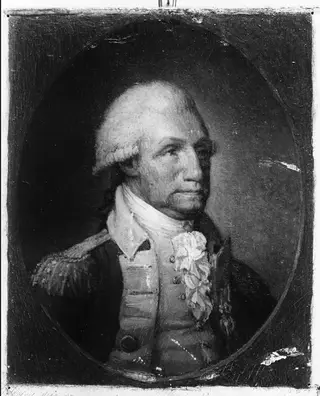 Panel of George Washington
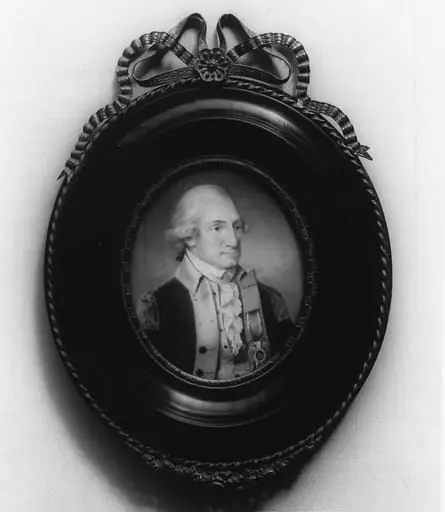 George Washington
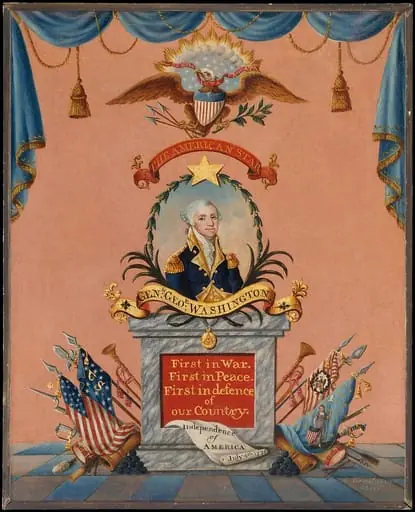 The American Star (George Washington)
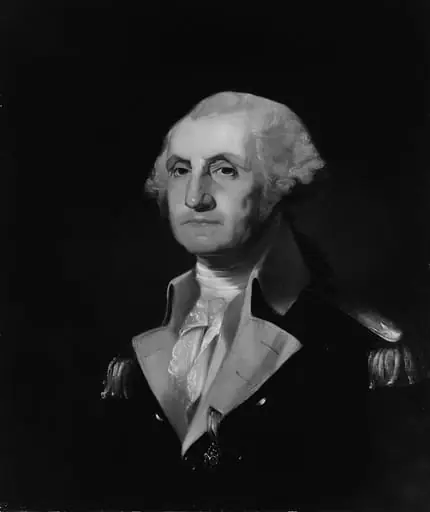 George Washington
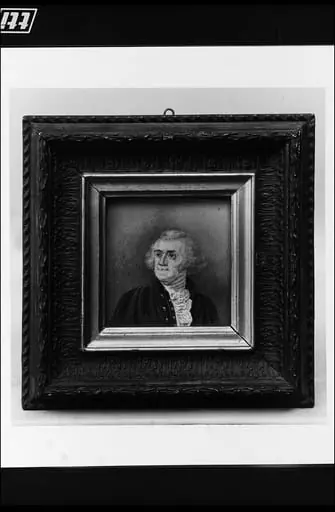 George Washington
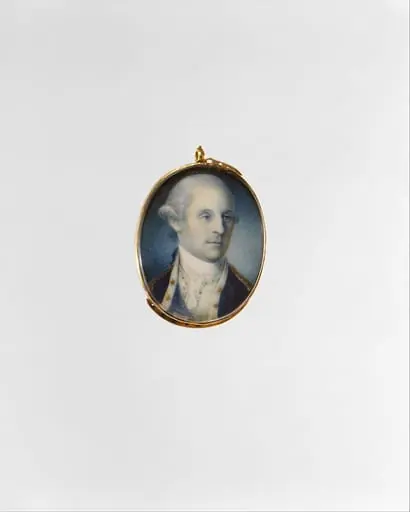 George Washington
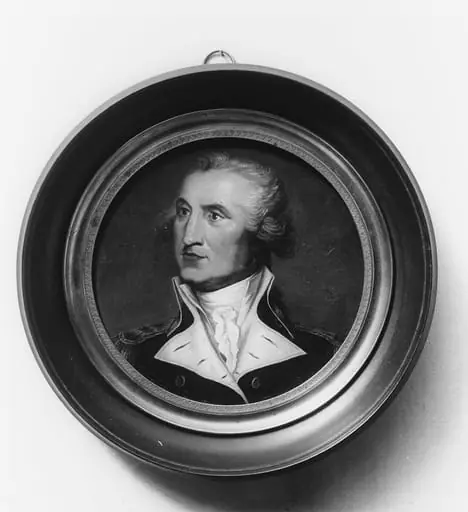 Portrait of George Washington
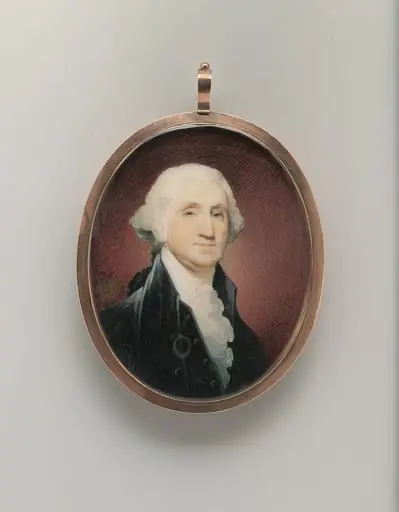 George Washington
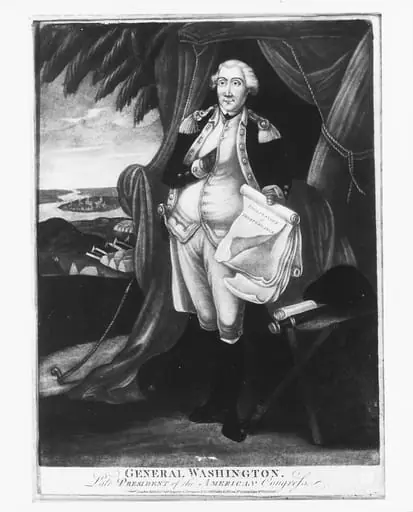 George Washington
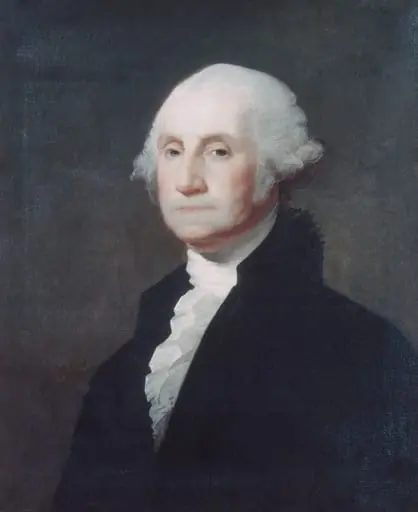 George Washington
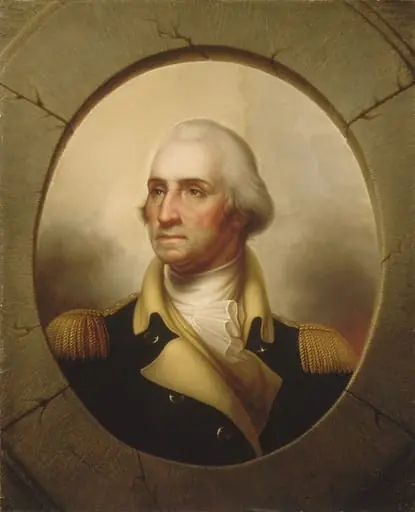 George Washington
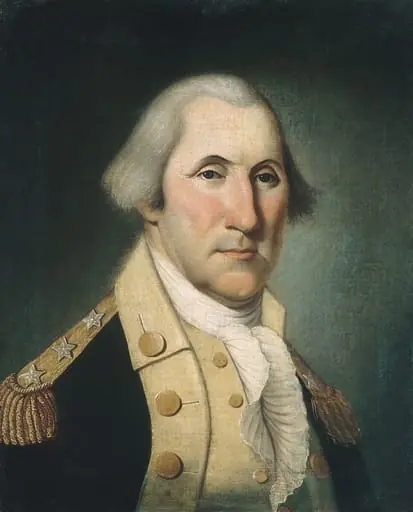 George Washington
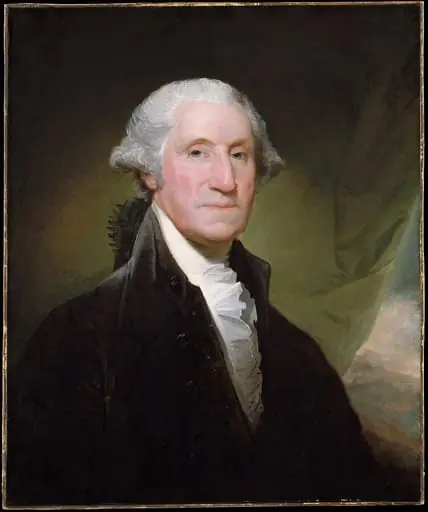 George Washington
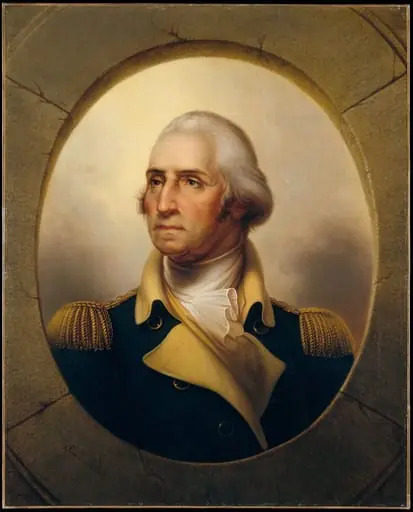 George Washington
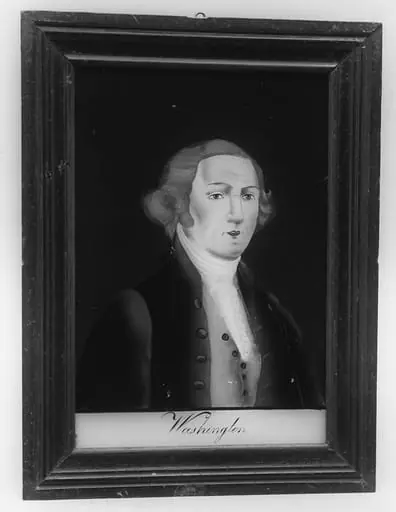 Plaque of George Washington
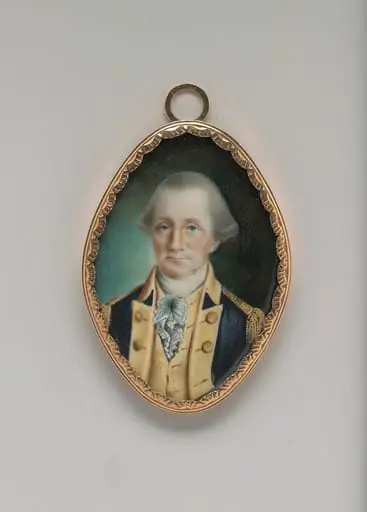 George Washington
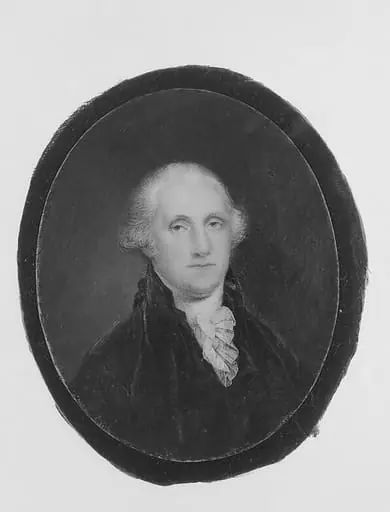 George Washington
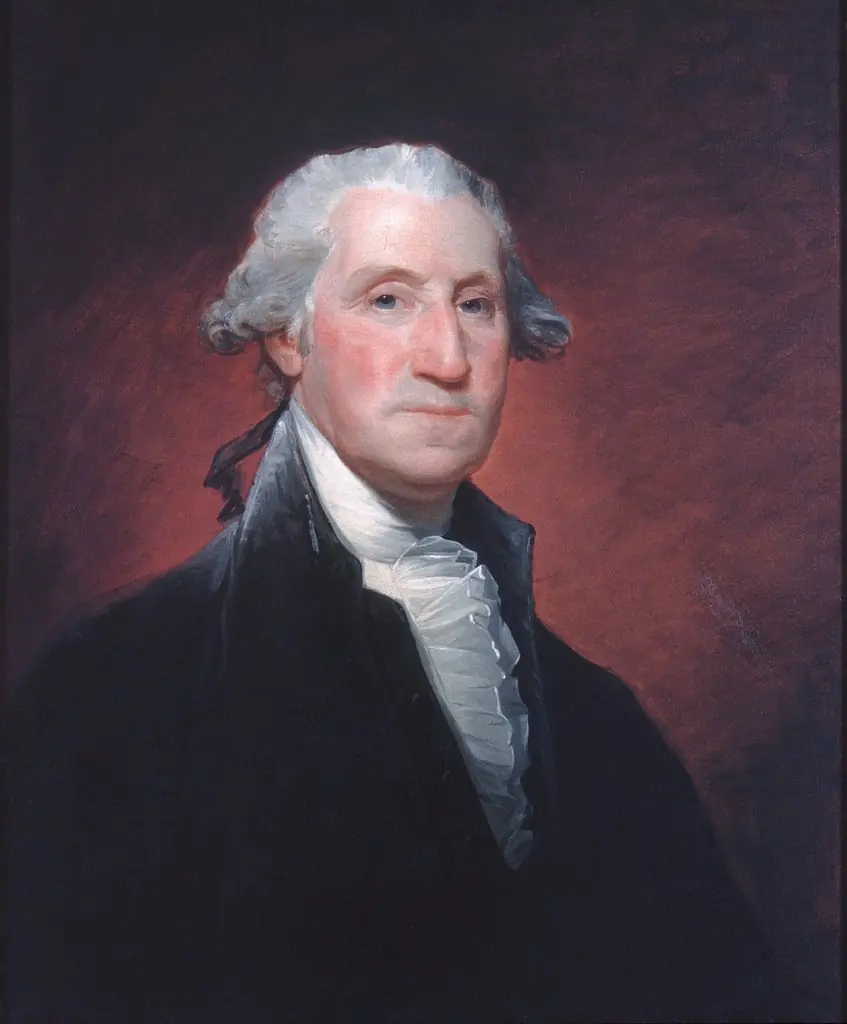 George Washington
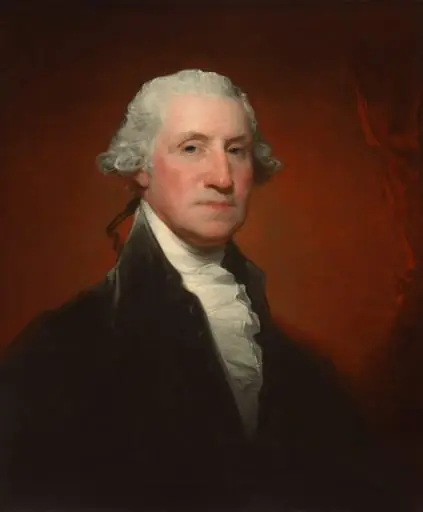 George Washington (Vaughan-Sinclair portrait)
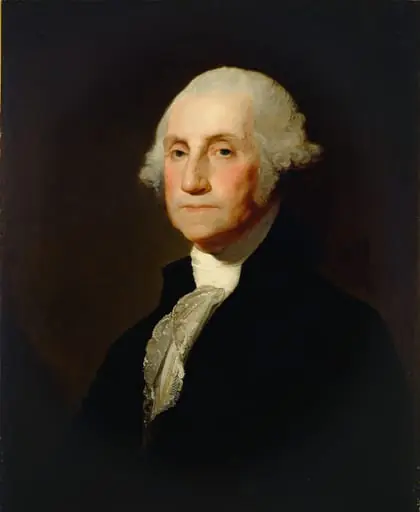 George Washington
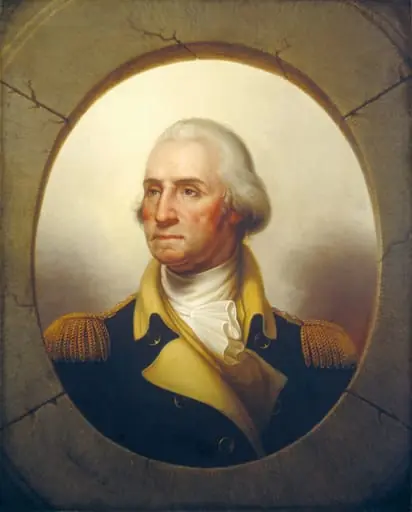 George Washington
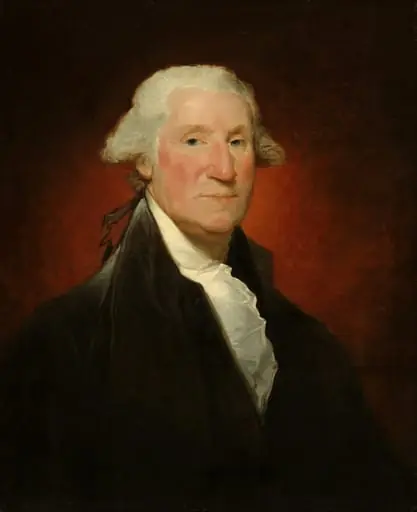 George Washington (Vaughan portrait)
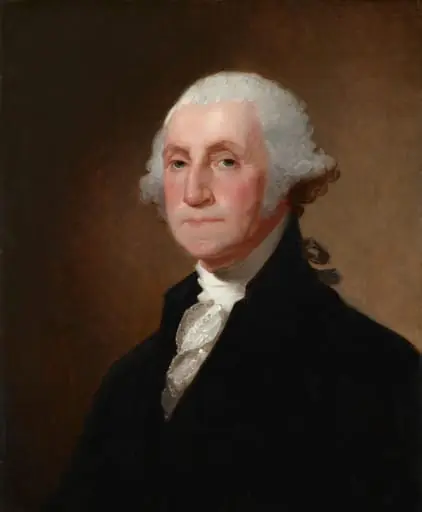 George Washington
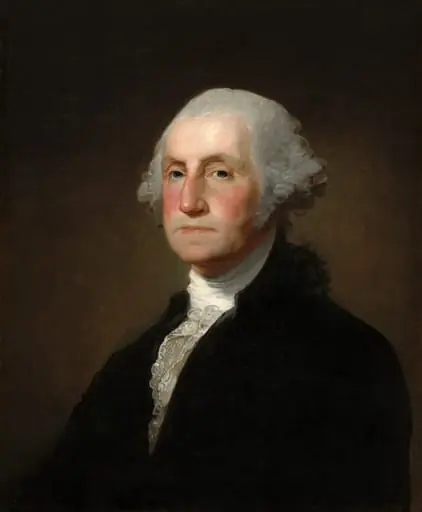 George Washington
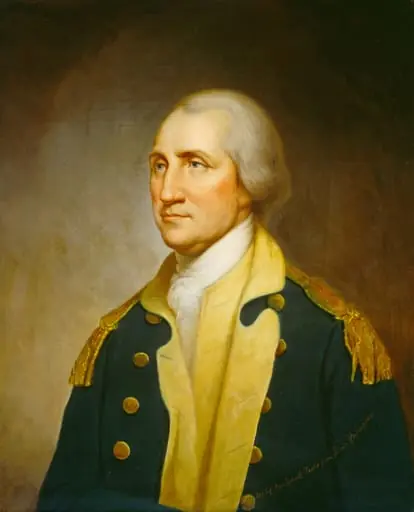 George Washington
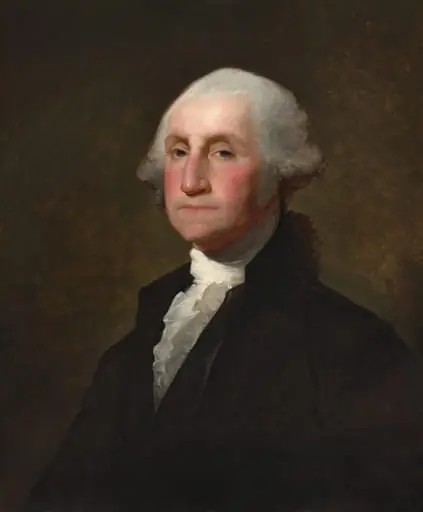 George Washington
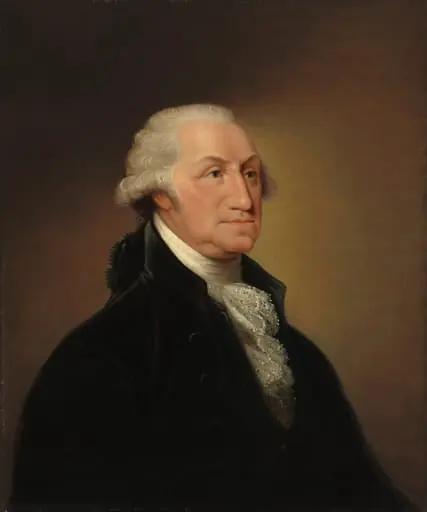 George Washington
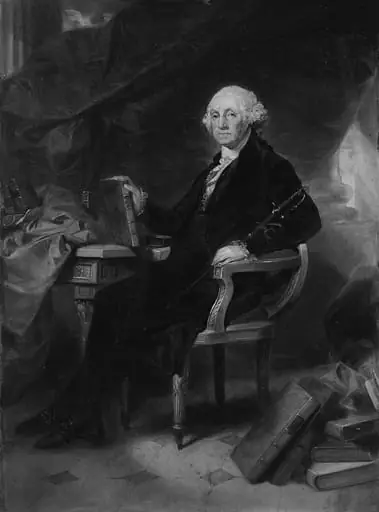 George Washington: Design for an Engraving
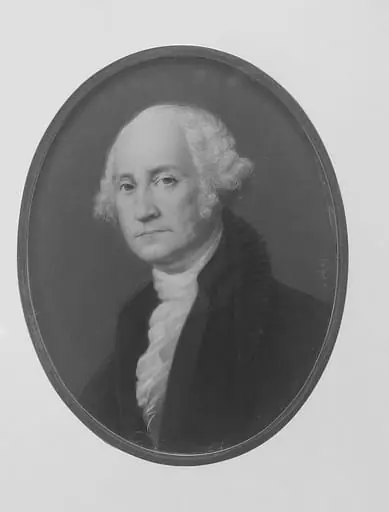 George Washington
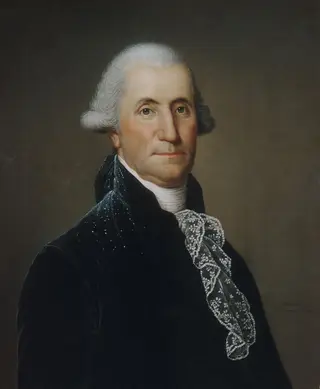 George Washington
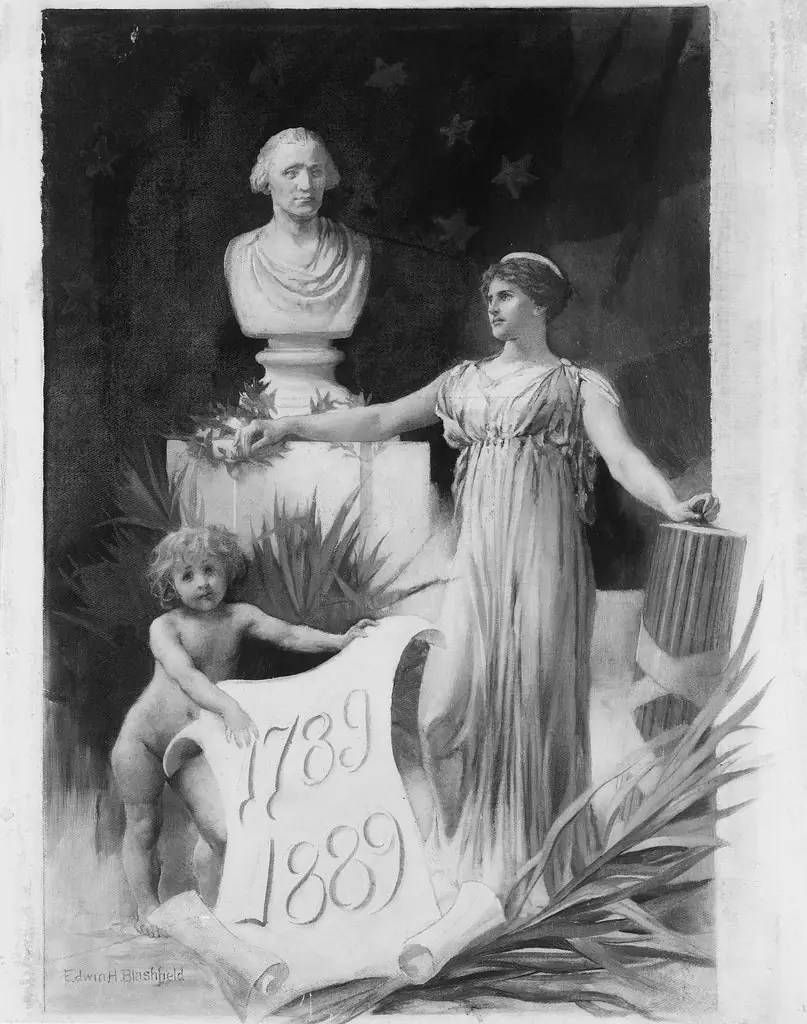 Design for the Washington Centennial Celebration, Souvenir
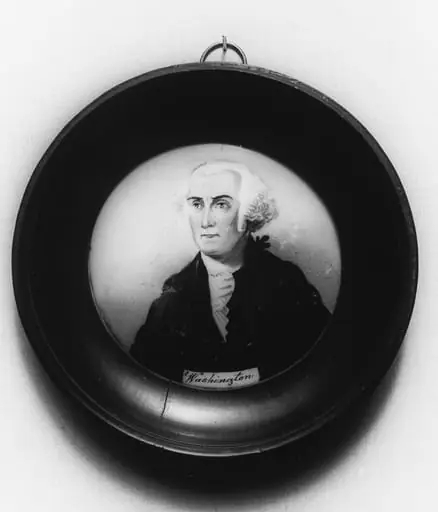 Plaque of George Washington
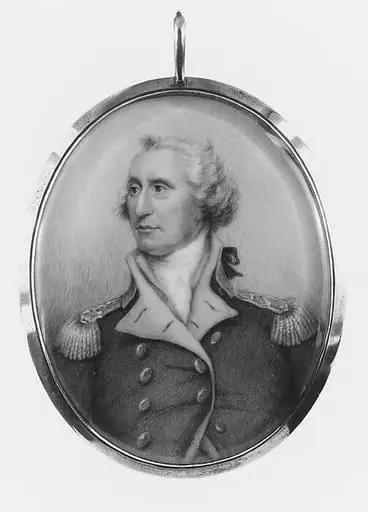 George Washington
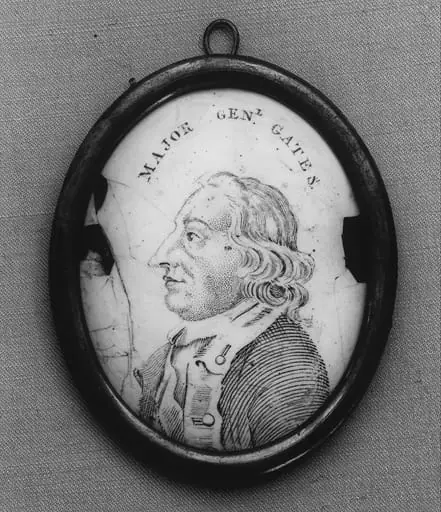 Plaque of George Washington
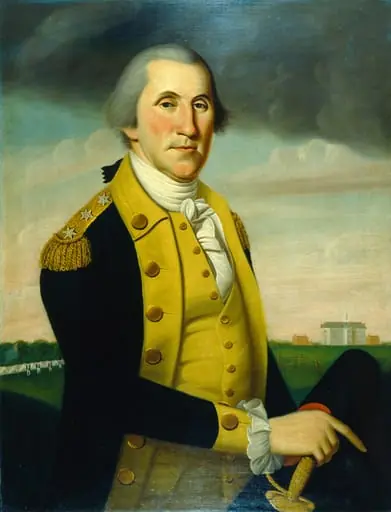 General Washington at Princeton
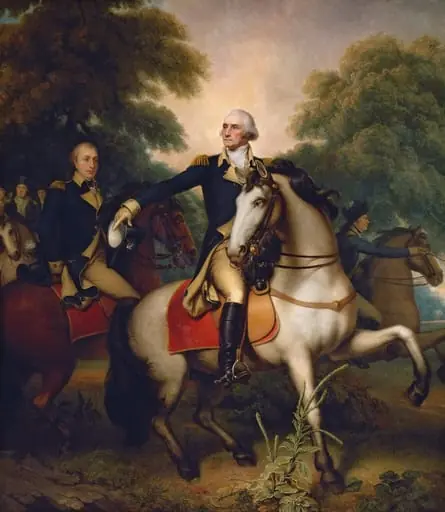 Washington before Yorktown
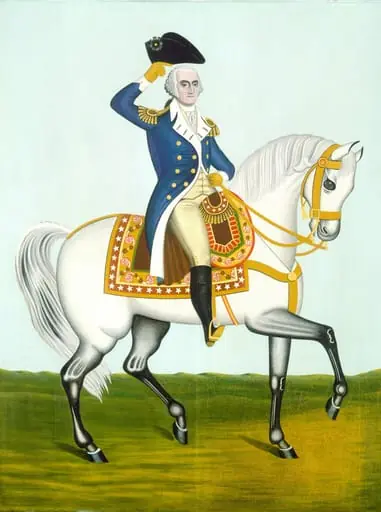 General Washington on a White Charger
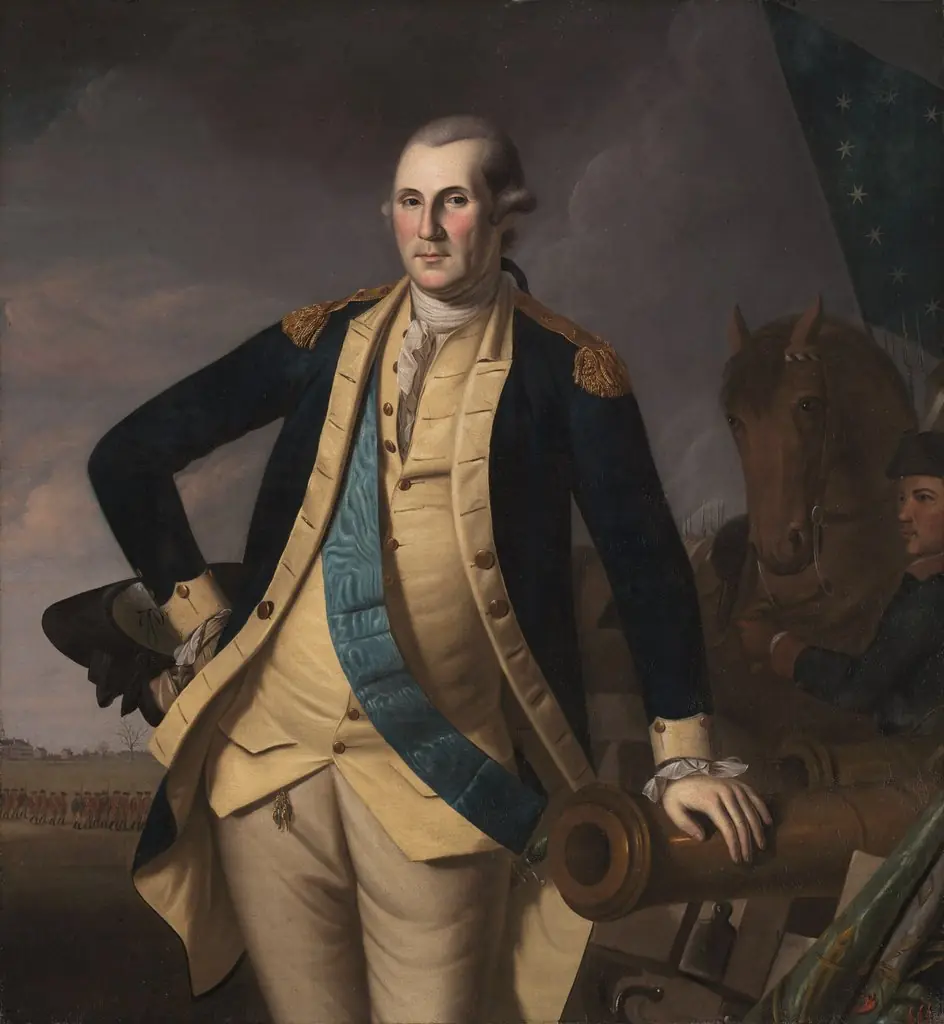 George Washington at Princeton
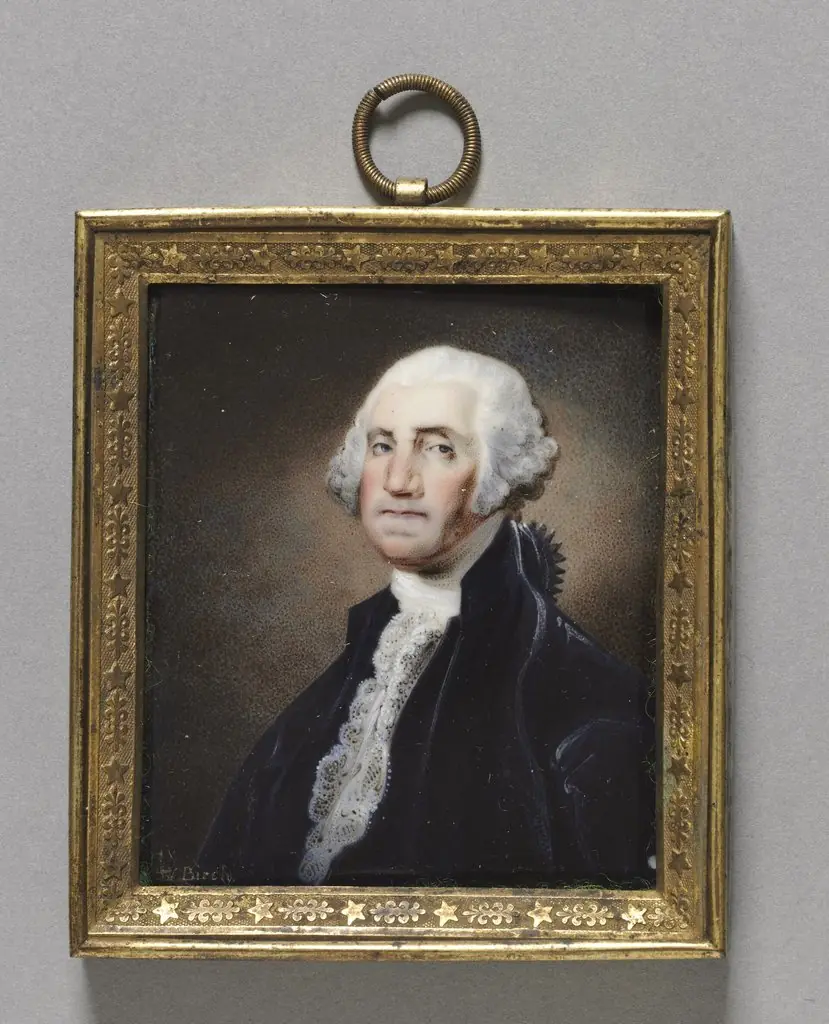 Portrait of George Washington
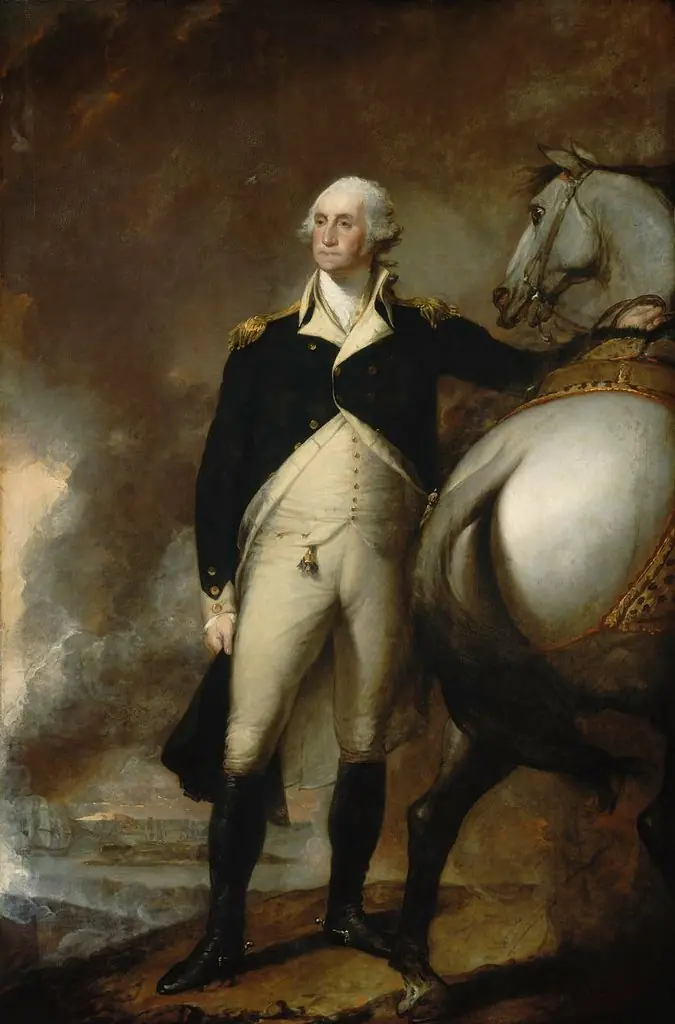 Washington at Dorchester Heights
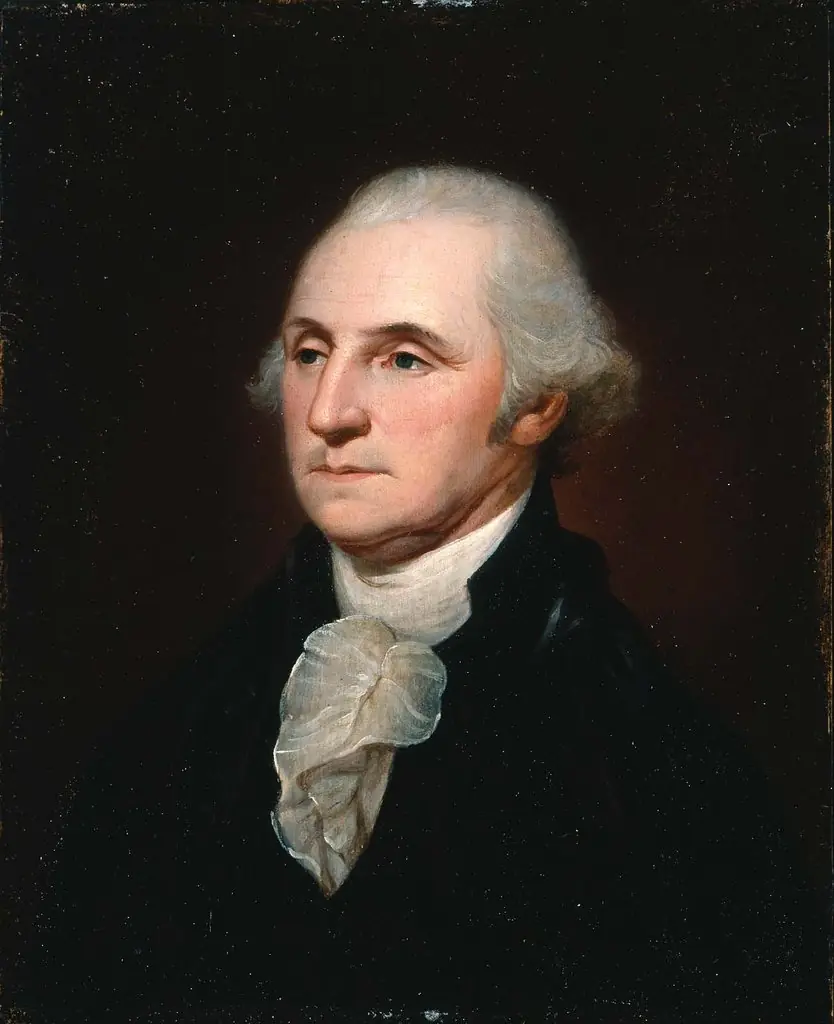 Head of Washington
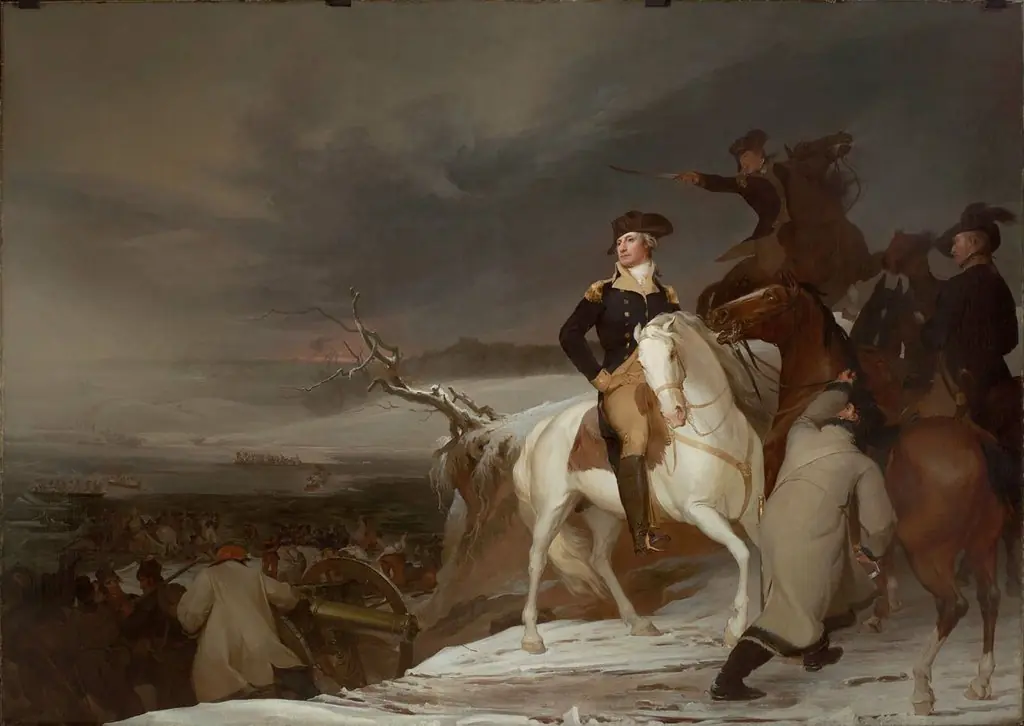 The Passage of the Delaware
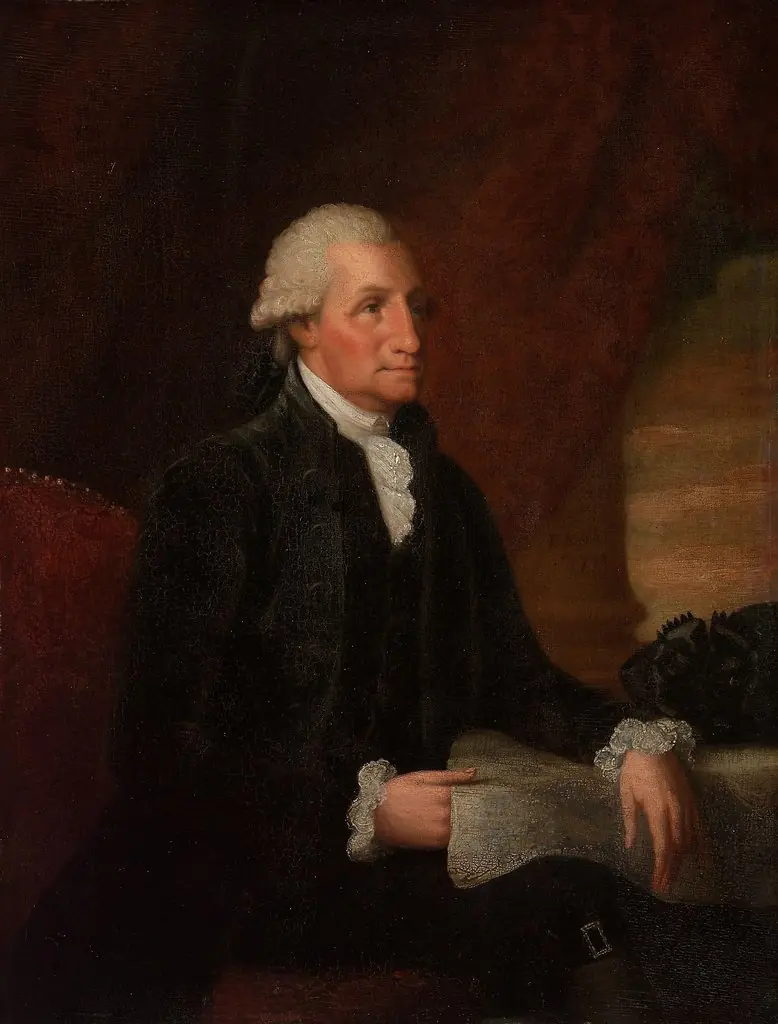 George Washington
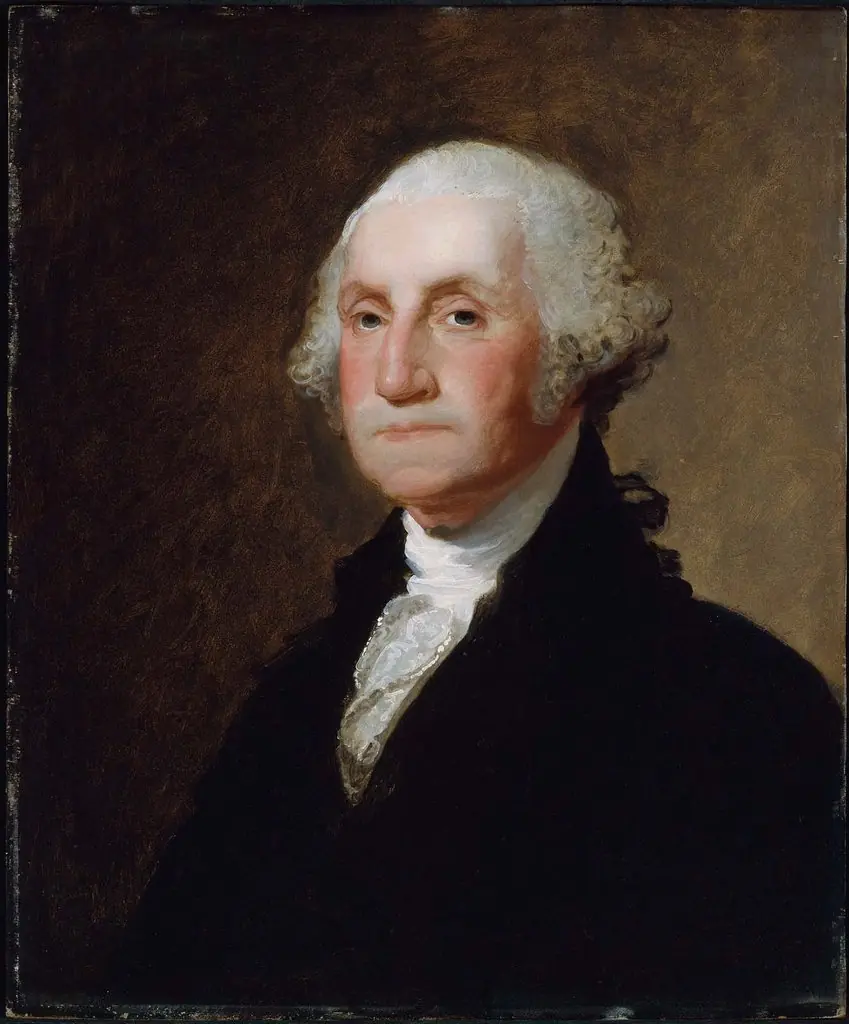 George Washington
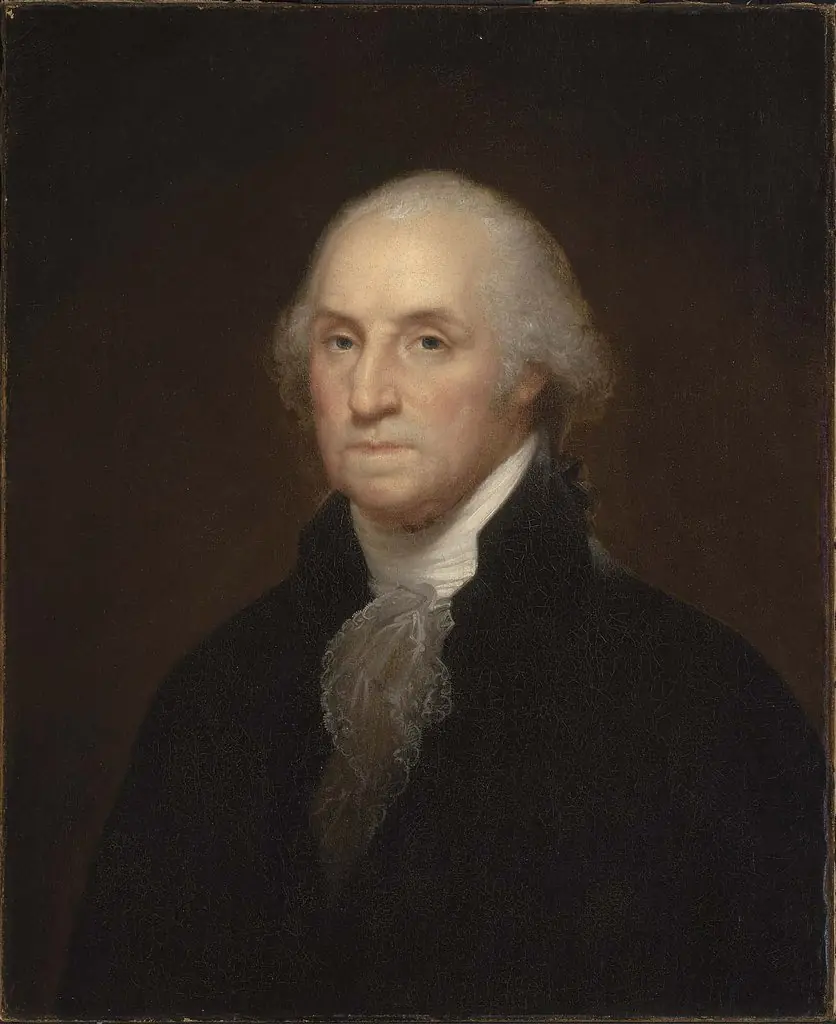 George Washington
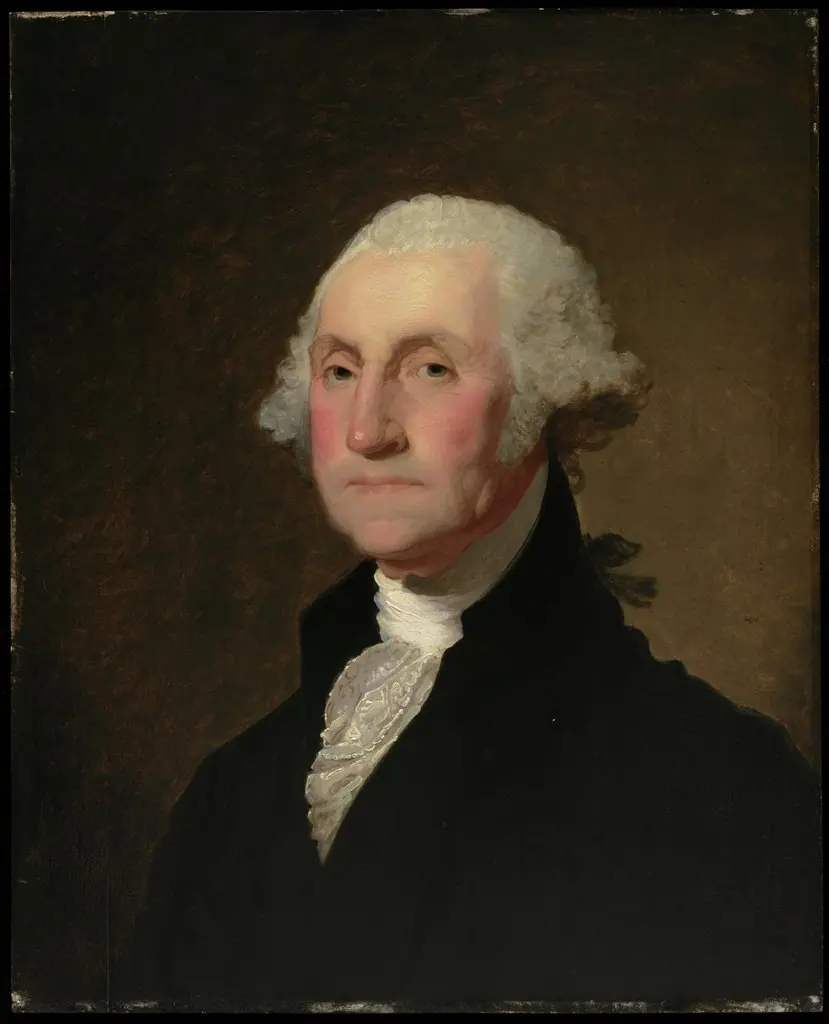 George Washington
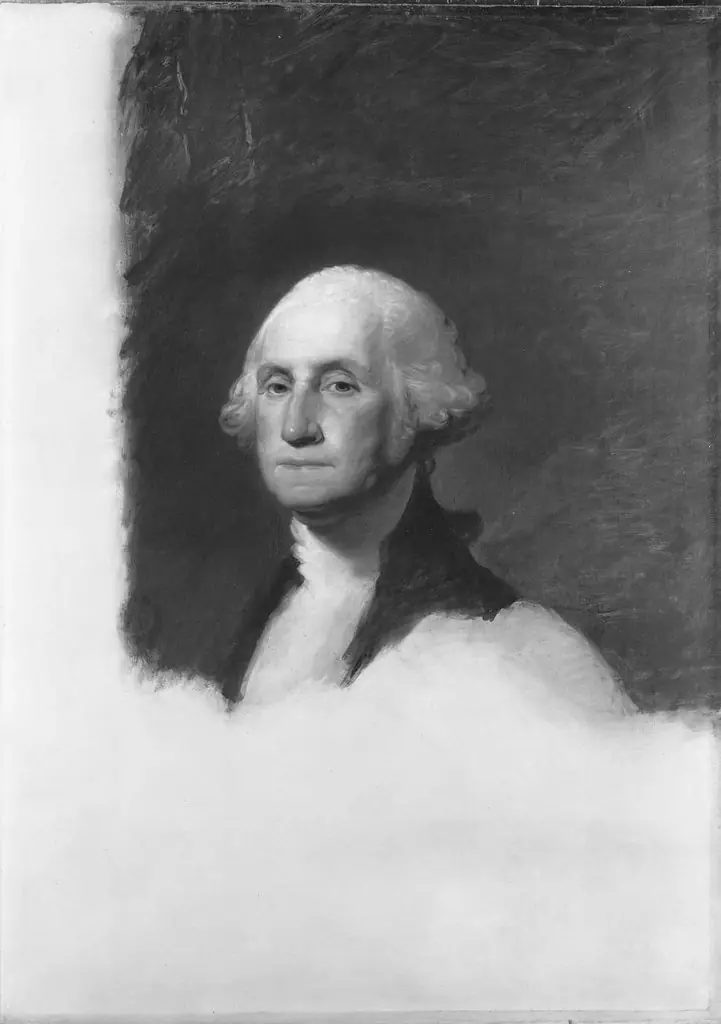 George Washington
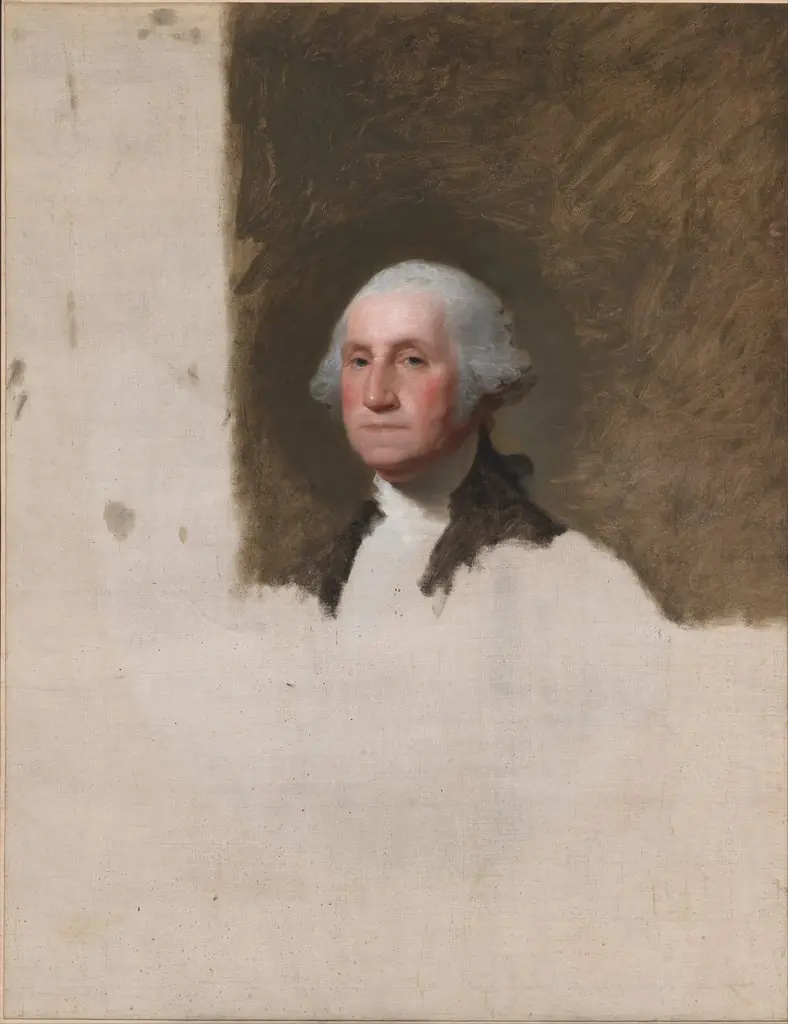 Athenaeum Portrait
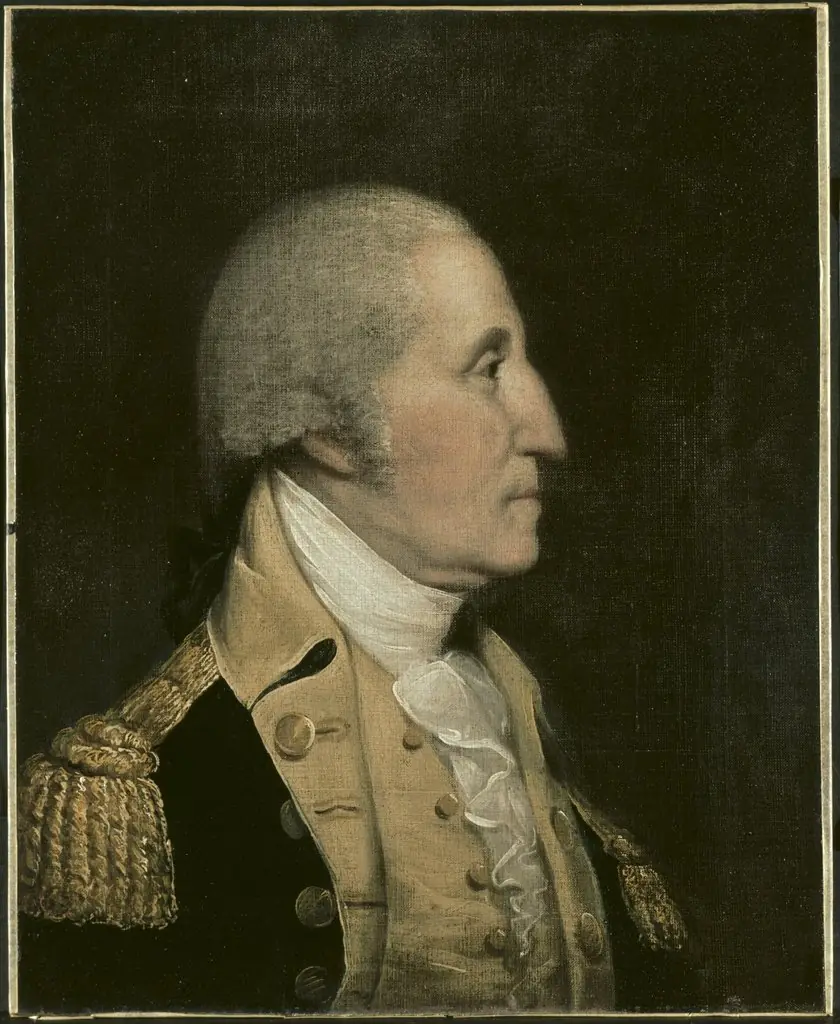 George Washington
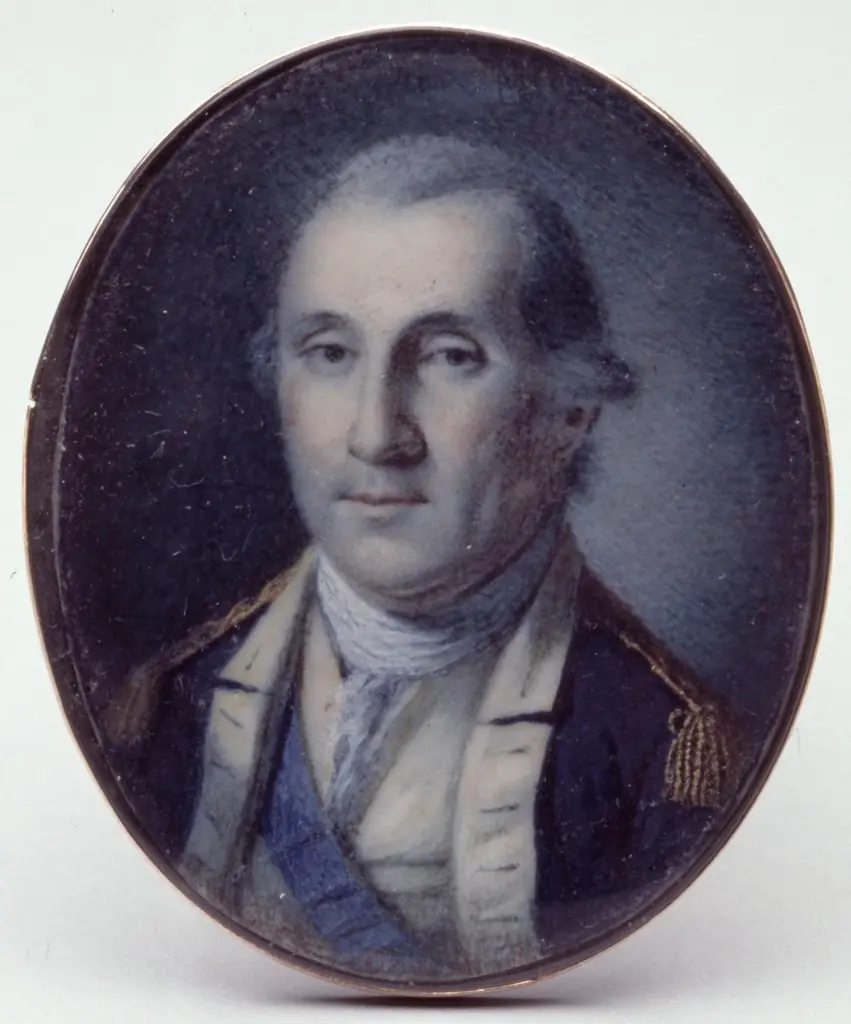 Portrait of George Washington
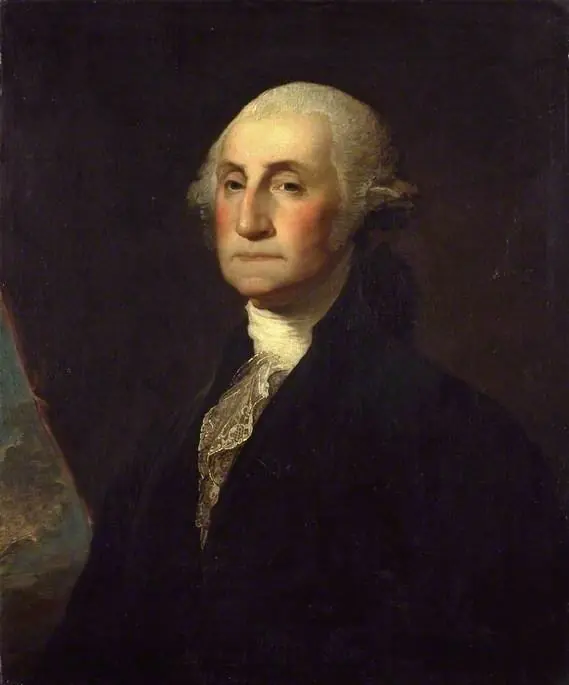 George Washington
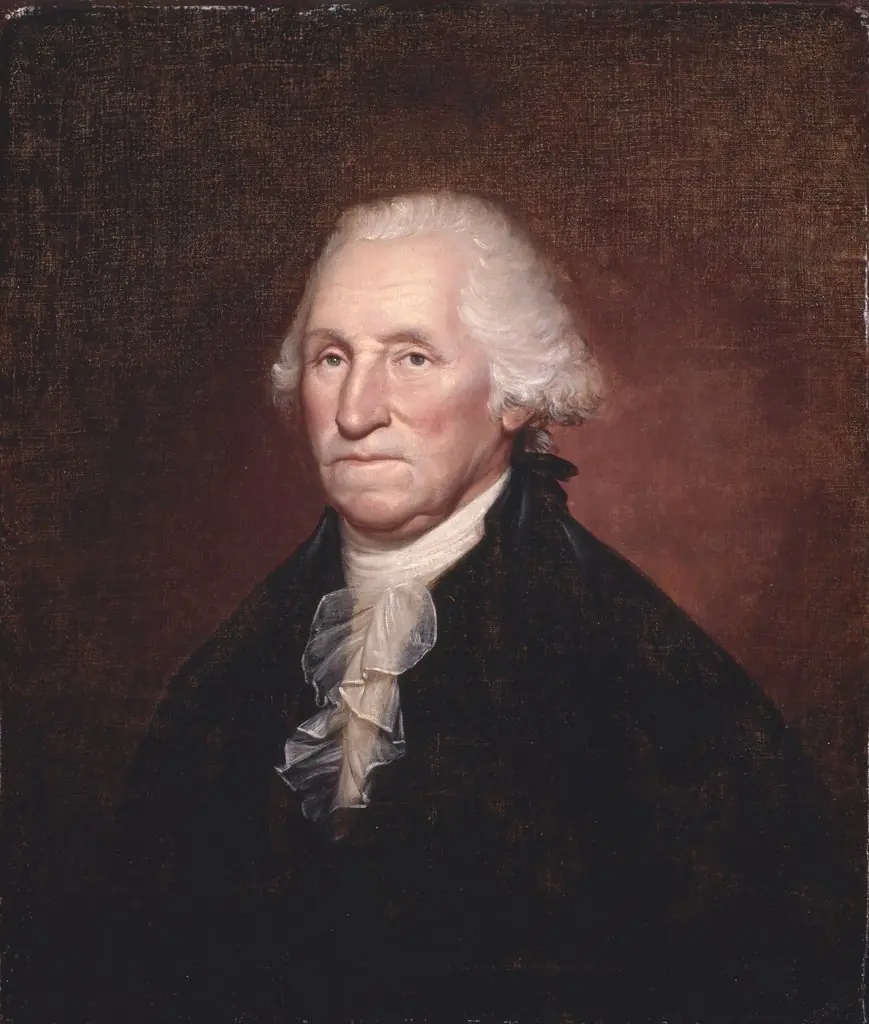 George Washington (The Gadsden-Morris-Clarke Portrait)
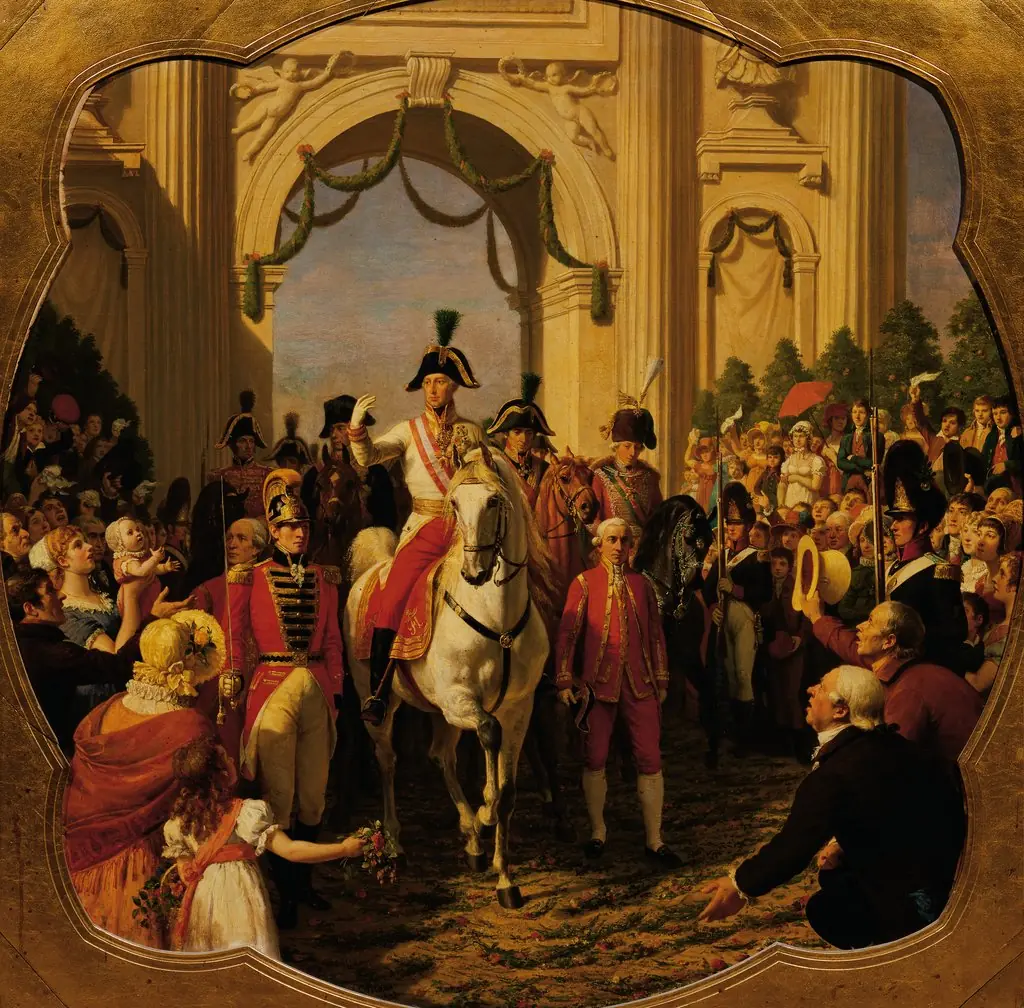 Entry of Emperor Franz I (II) of Austria into Vienna in 1814
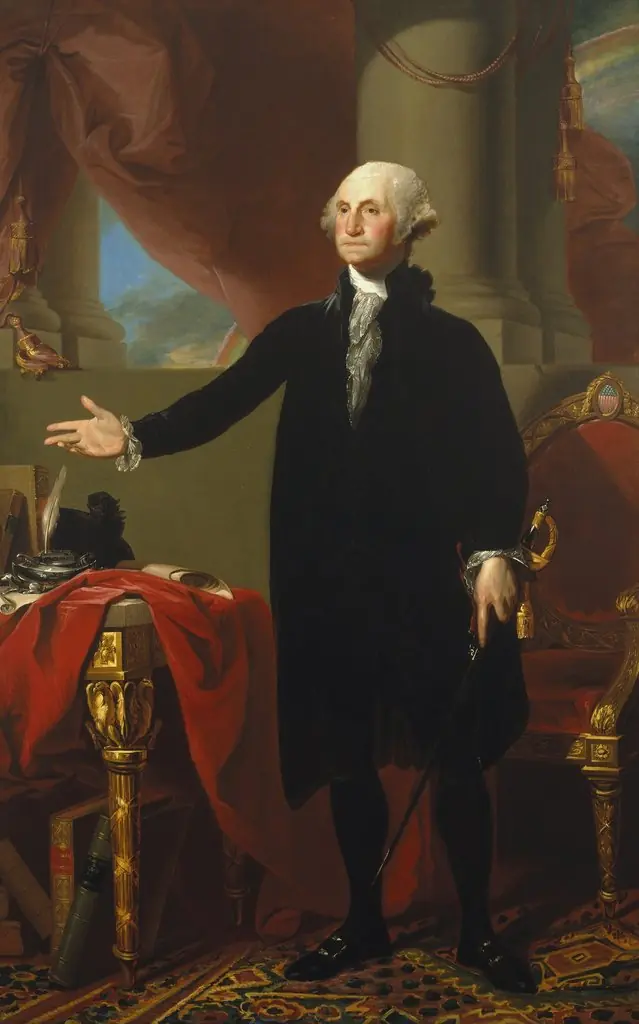 George Washington
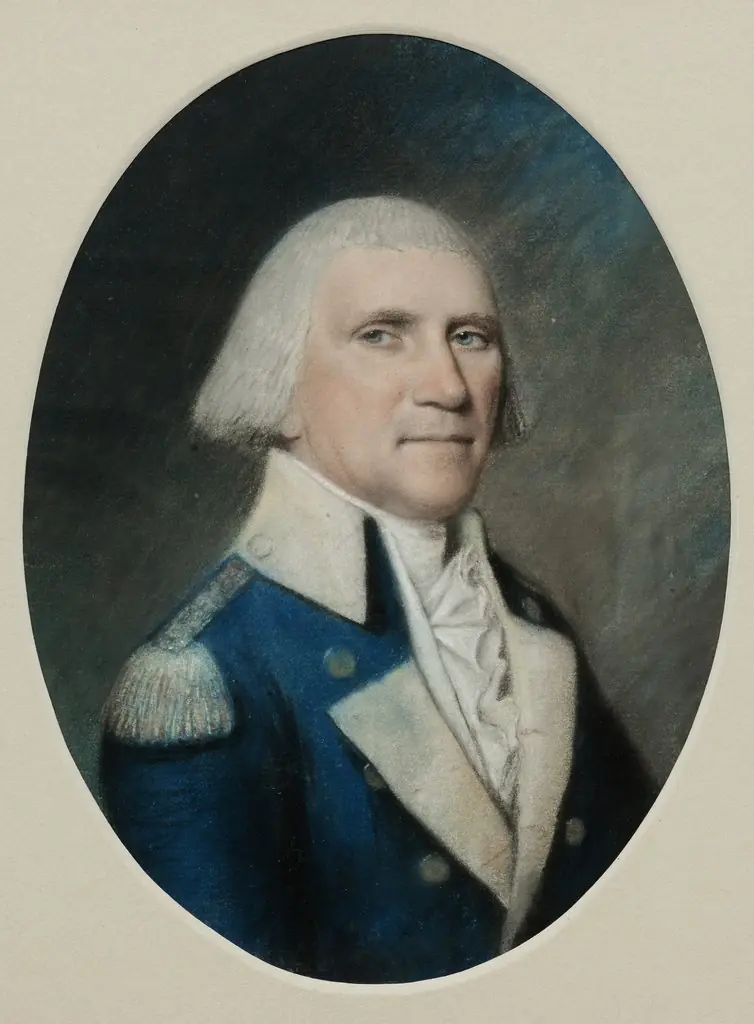 General Elias Dayton
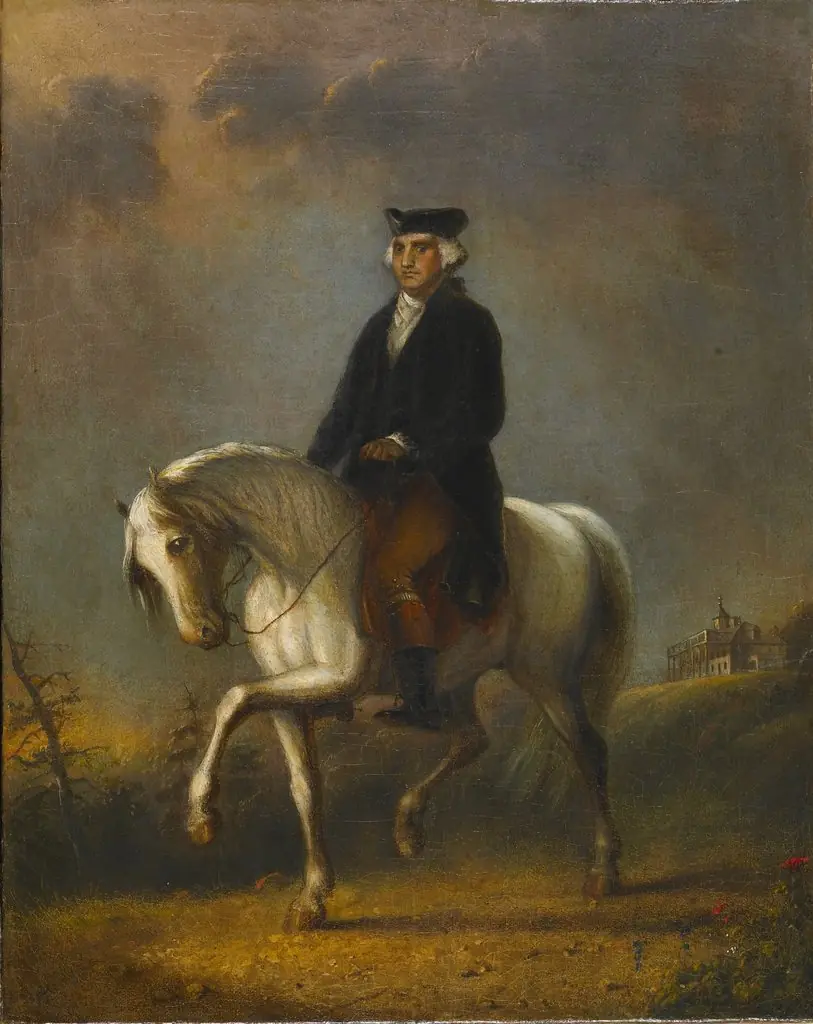 George Washington at Mount Vernon
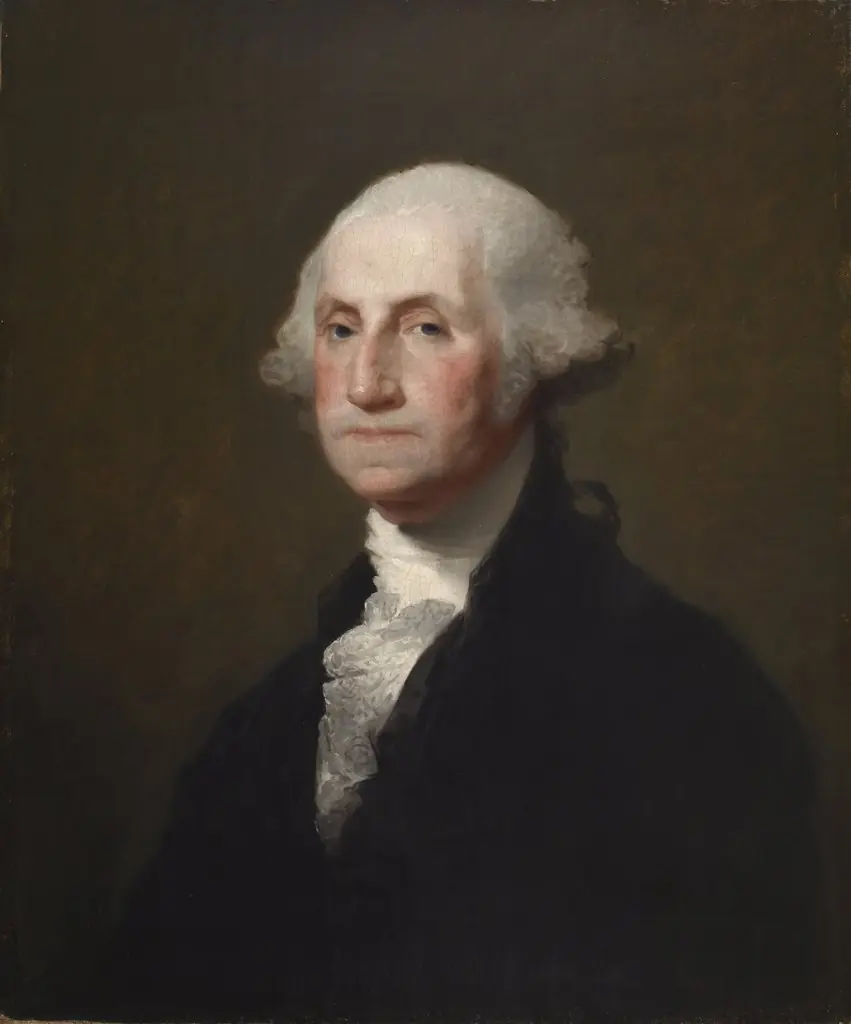 Portrait of George Washington
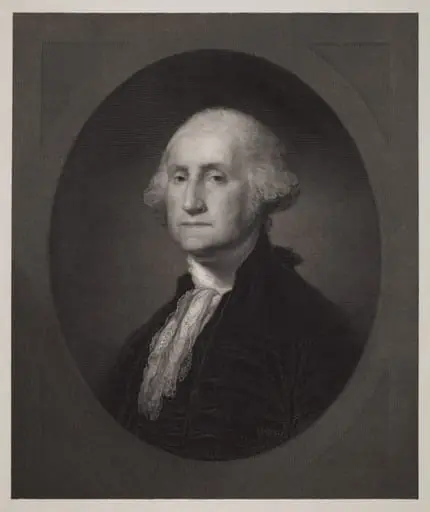 George Washington
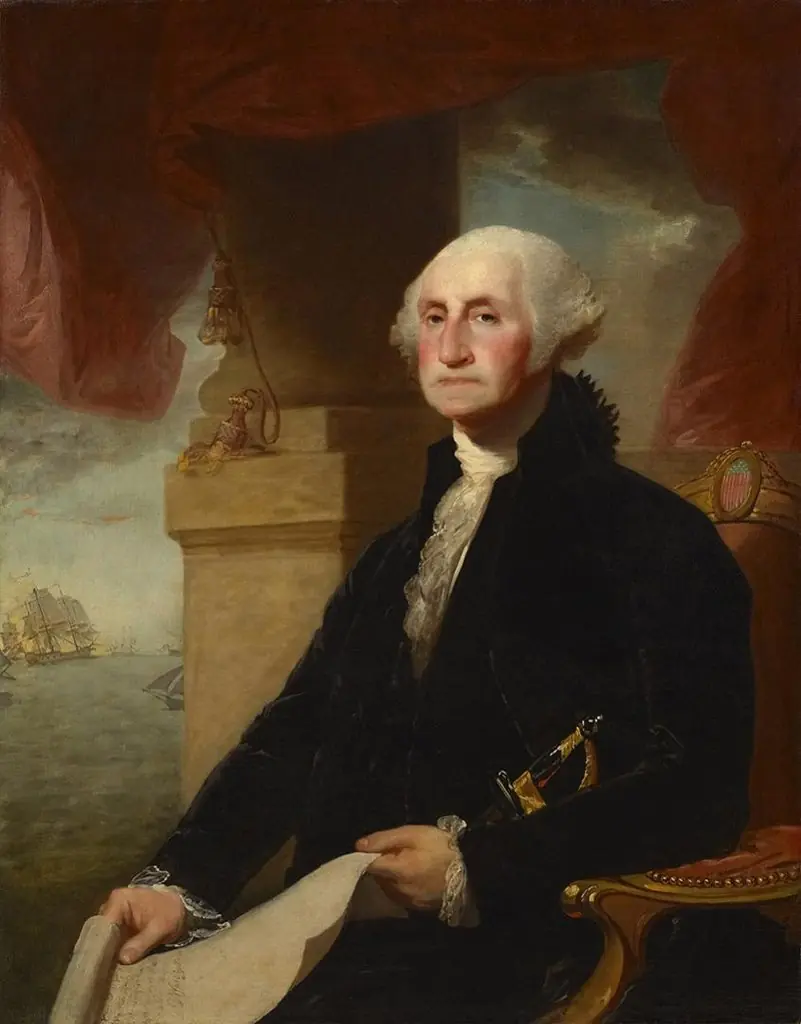 George Washington (The Constable-Hamilton Portrait)
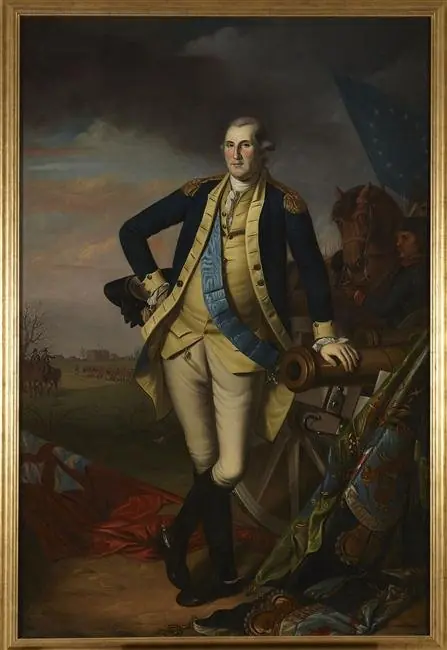 George Washington at the Battle of Princeton
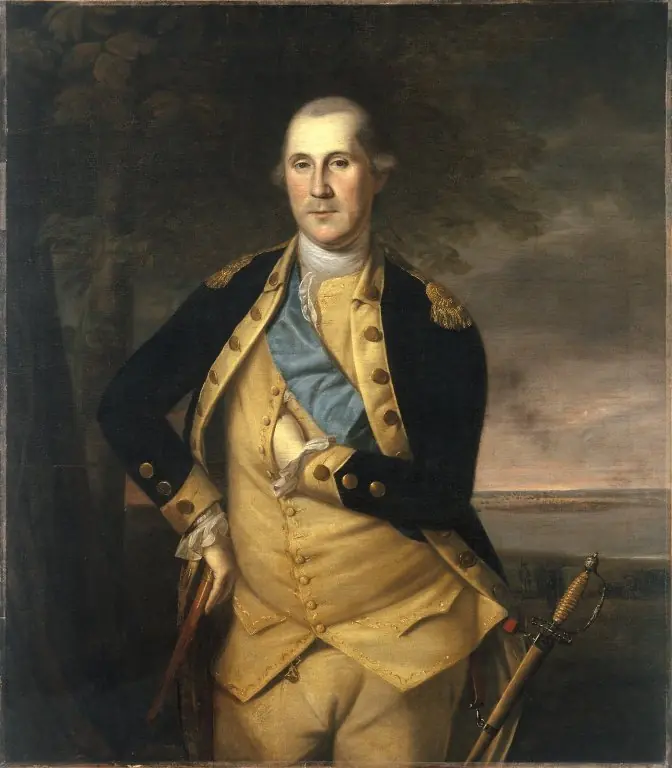 George Washington
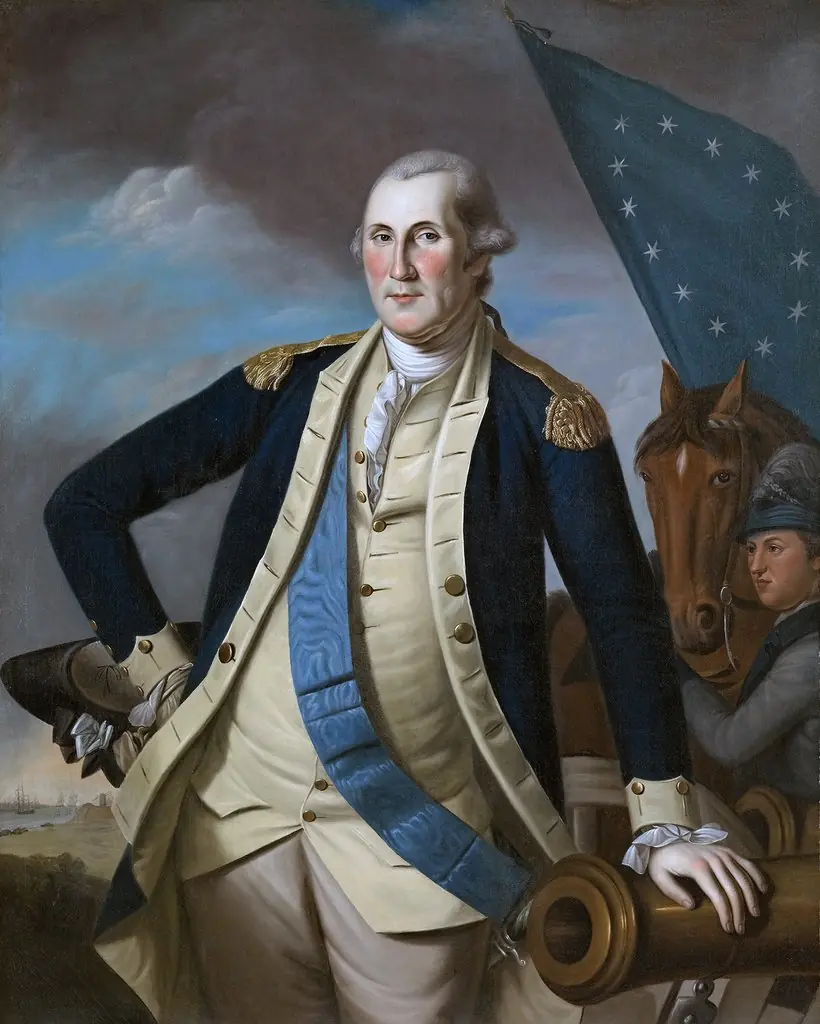 George Washington
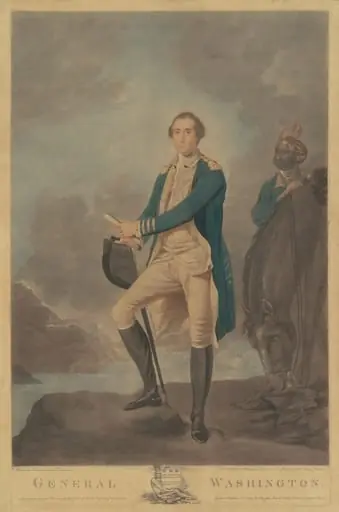 General Washington
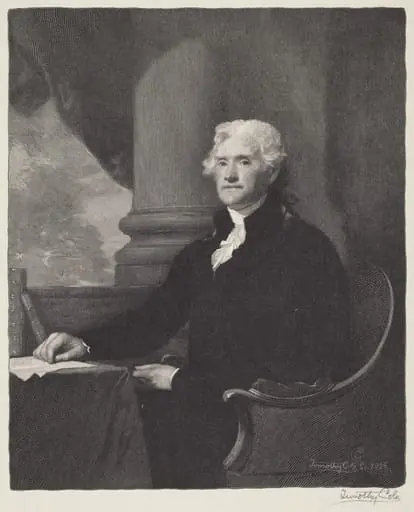 Thomas Jefferson
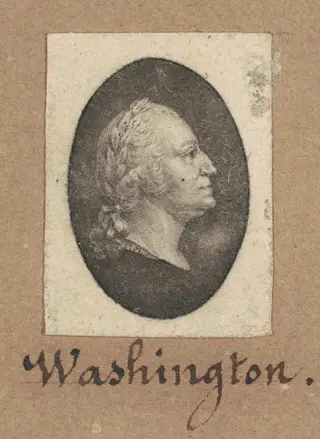 George Washington
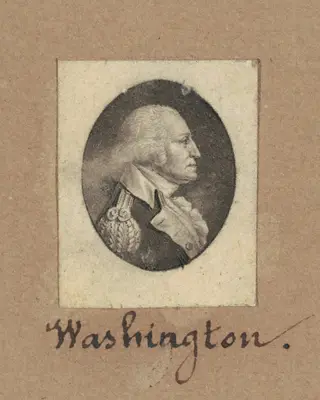 George Washington
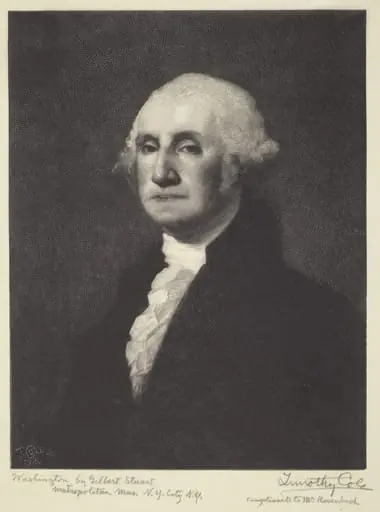 Washington
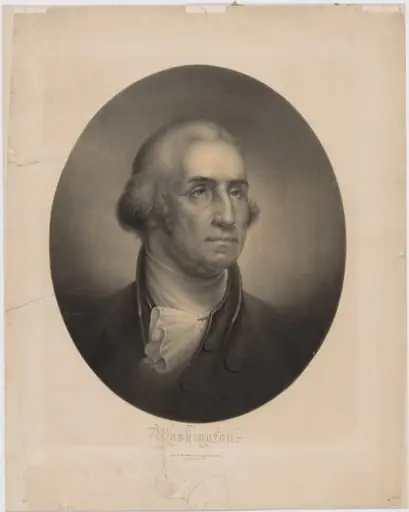 Washington
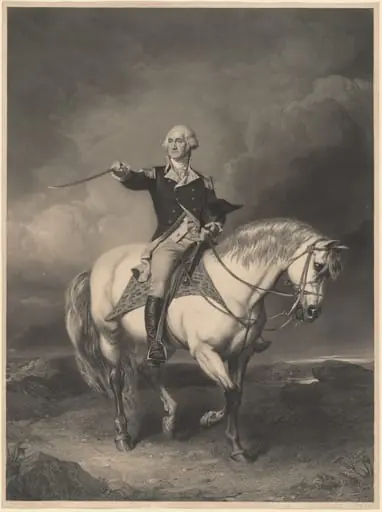 George Washington on Horseback
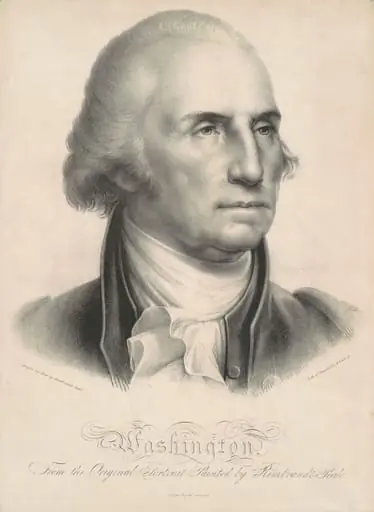 Washington
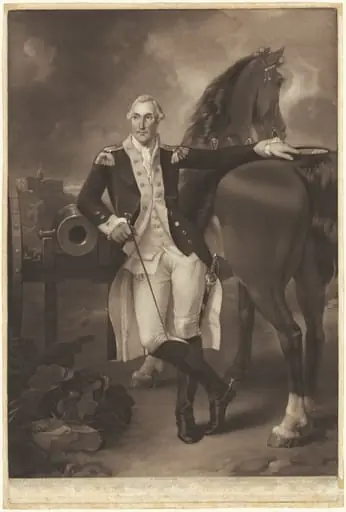 George Washington
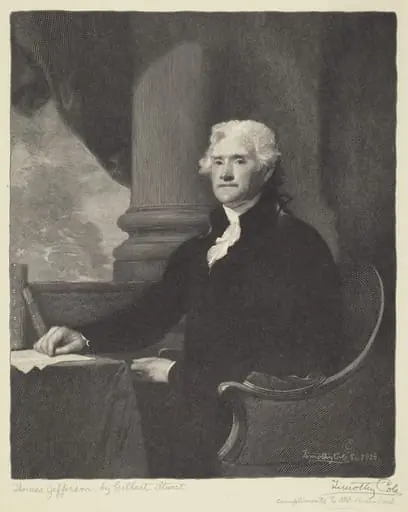 Thomas Jefferson
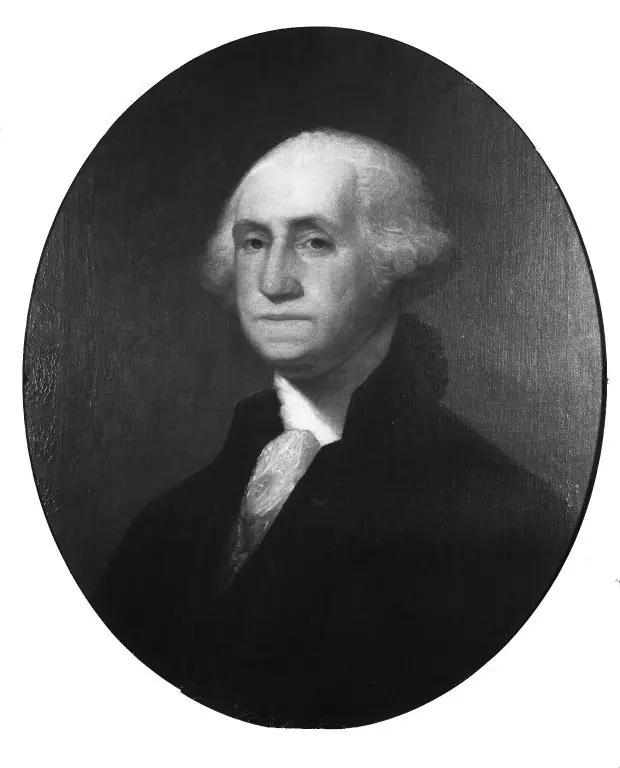 George Washington (after Gilbert Stuart)
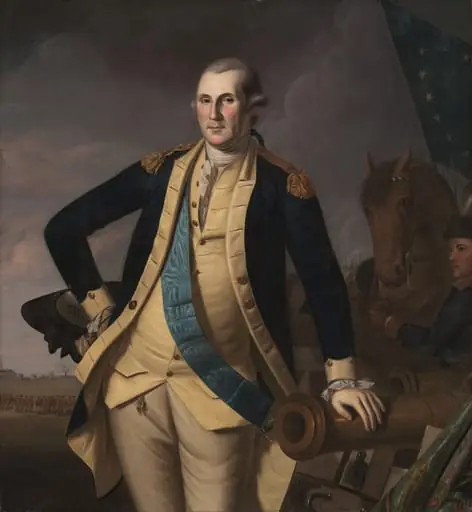 George Washington at Princeton
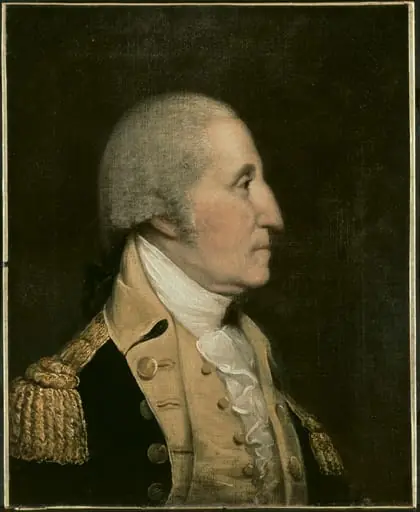 George Washington
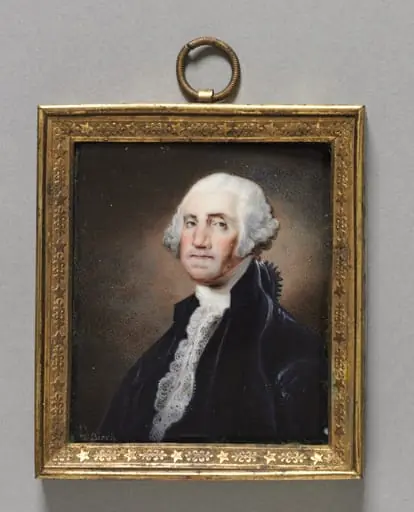 Portrait of George Washington
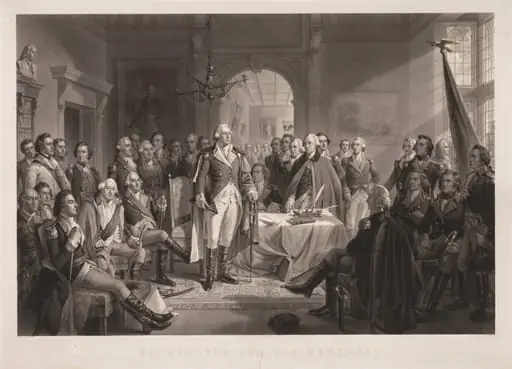 Washington and His Generals with Key
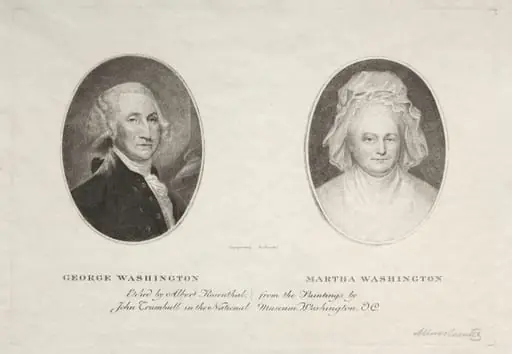 George and Martha Washington
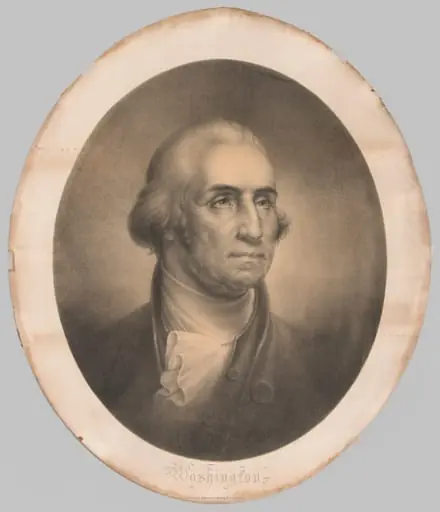 Head of George Washington
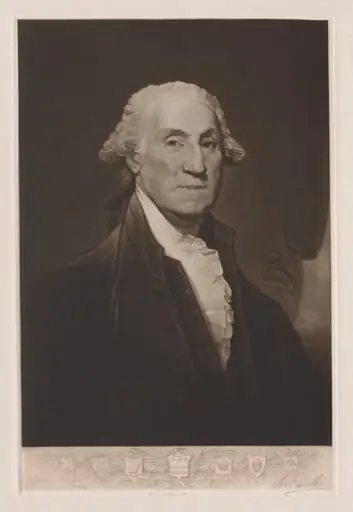 George Washington
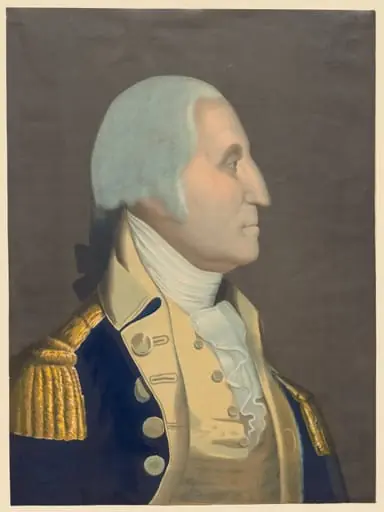 George Washington
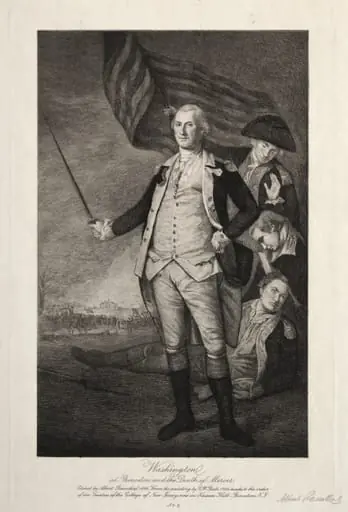 George Washington at Princeton
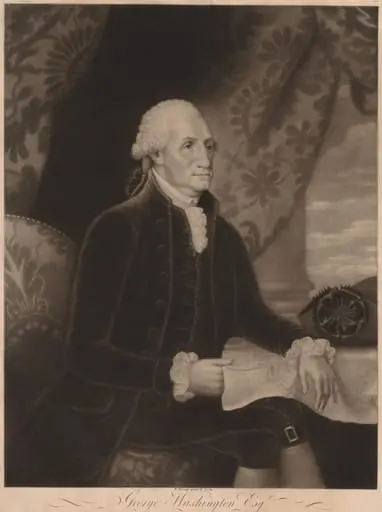 George Washington
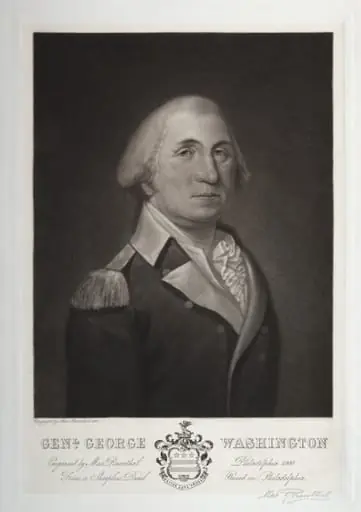 George Washington
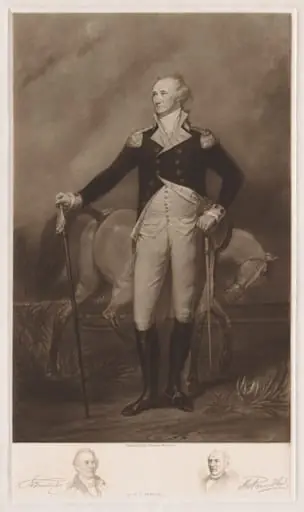 George Washington
George Washington is a subject in art. male given name
Artifact World Gallery holds 98 public-domain George Washington works, all free to view and download.
Key George Washington artists in the collection include Thomas Pritchard Rossiter, Gilbert Stuart and Edward Savage.
George Washington works in the collection are held by Metropolitan Museum of Art, National Gallery of Art and Cleveland Museum of Art.
Your cart is empty
Browse artworks →