Subject
Paul the Apostle
Paul the Apostle is a subject in art. The gallery holds 66 works in this subject in art, including works by Titian, Raphael and El Greco.
Paul the Apostle (Italian: San Paolo, German: Die Bibel – Paulus), also known as Saint Paul, is a 2000 television film written by Gareth Jones and directed by Roger Young. The film is based on real life events of Christian apostle and Saint Paul.
Key artists
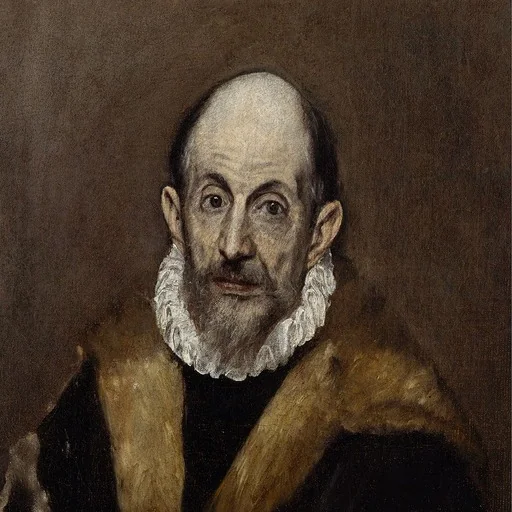

Overview
Paul the Apostle, also known as Saint Paul, is a figure prominent in Christian history and a recurring subject in visual art. In the context of this collection, he serves as a motif across 71 works, appearing in devotional paintings, altarpieces, and narrative scenes. The apostle also serves as the subject of a 2000 television film, titled San Paolo in Italian and Die Bibel: Paulus in German. Directed by Roger Young and written by Gareth Jones, the film dramatizes the biblical events of the apostle's life, blending scriptural narrative with fictionalized elements to explore his transformation from a persecutor of Christians to a foundational missionary.
Iconography & meaning
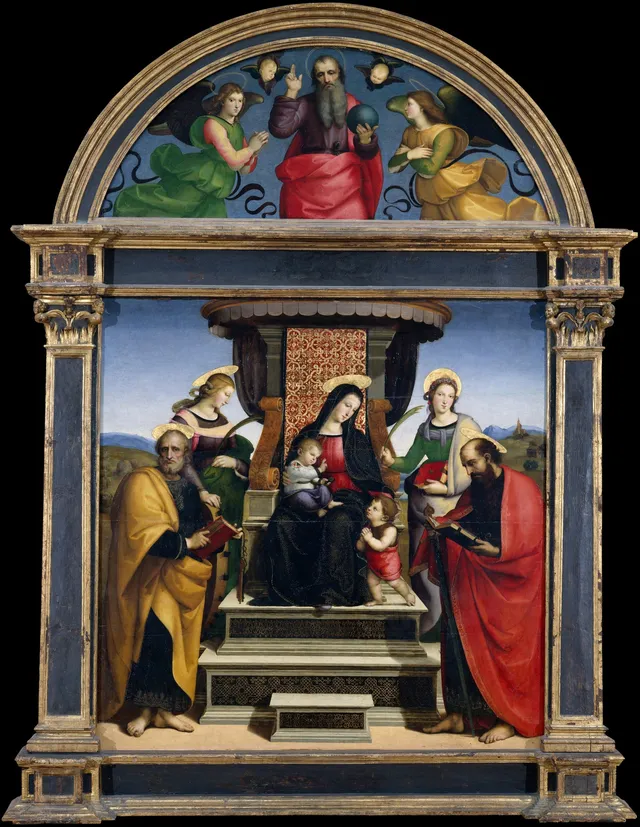
In the collection's visual works, Paul's iconography is tied to his biblical narrative and theological role as the apostle to the Gentiles. He is frequently depicted alongside other sacred figures, such as in Madonna and Child Enthroned with Saints Peter and Paul and Angels, or within the collective assembly of the twelve apostles. His representation often carries the meaning of zealous conversion and steadfast faith, concepts also central to the 2000 film. The cinematic narrative emphasizes his evolution from Saul of Tarsus, a rigid Pharisee who persecuted early Christians, to Paul, a devoted missionary who endures persecution to spread Christian doctrine to the wider Roman world.
Across movements & periods
While the collection demonstrates Paul's enduring presence in Christian art, the 2000 film illustrates how the treatment of his story shifts across periods and mediums. The film, part of The Bible Collection project, adapts the apostle's narrative for modern television, utilizing the genres of drama and adventure. Unlike traditional visual representations that often idealize or isolate sacred moments, this contemporary treatment integrates the apostle into a sprawling historical epic. The production modifies the scriptural account, reflecting a modern dramatic sensibility by inventing a personal antagonist, the Sadducee priest Ruben, and crafting a sustained conflict that drives the plot across a two-part television format.
Notable depictions
Within the collection, notable depictions of Paul include The Apostle Paul and The Conversion of Saint Paul, which isolate his individual narrative. In film, the most prominent depiction is the 2000 television movie, where Johannes Brandrup plays the apostle. The cast includes Ennio Fantastichini as Peter, G. W. Bailey as Barnabas, Franco Nero as Gamaliel, and Massimo Sarchielli as Ananias of Damascus. Thomas Lockyer plays the fictionalized character Ruben, a Sadducee priest and former friend who becomes Paul's relentless persecutor. Barbora Bobulova plays Dina, Ruben's wife, who secretly converts to Christianity and aids Paul's escape. Director Roger Young also appears in the film as Herod Agrippa.
Legacy
The 2000 film adaptation of Paul's life experienced a divided legacy. In Italy, the miniseries was a ratings success, drawing over 8.7 million viewers during its premiere broadcast on December 3 and 4, 2000. Italian critic Aldo Grasso described Roger Young's direction as honest and expository. However, the production faced criticism for its historical and scriptural deviations. Christianity Today reviewer Peter T. Chattaway called it one of the weakest entries in The Bible Collection, noting that it diluted its biblical source material with more fictitious material than any preceding film in the series. Specific critiques targeted the invention of Ruben and Dina, as well as scriptural inaccuracies, such as a scene where Paul enters the inner sanctuary of the Temple, an act historically restricted to priests.
Works
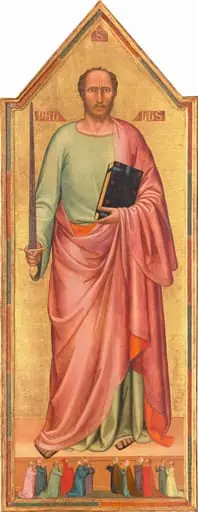 Saint Paul and a Group of Worshippers
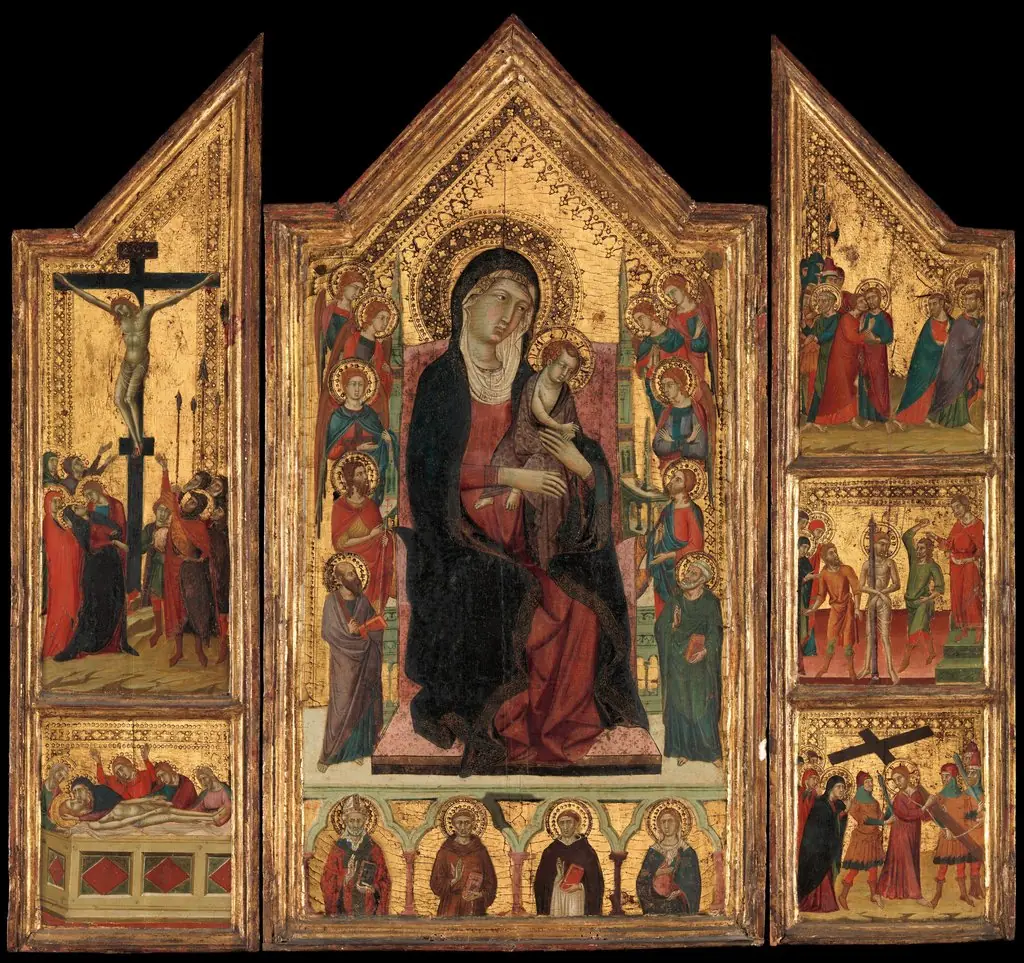 Madonna and Child Enthroned
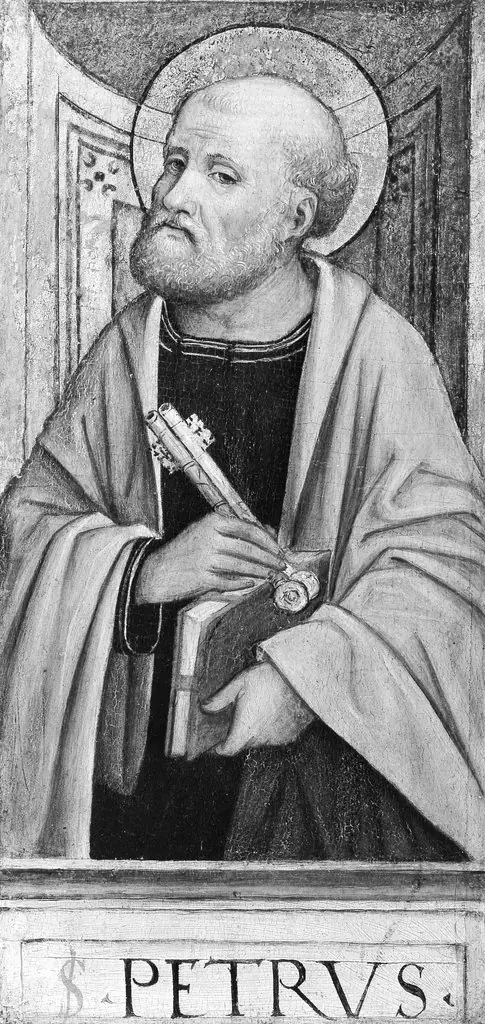 The Twelve Apostles: Saints Bartholomew, Andrew, Matthew, James the Greater, Thaddeus, Philip, James the Lesser, Simon, Peter, Paul, Thomas, and John
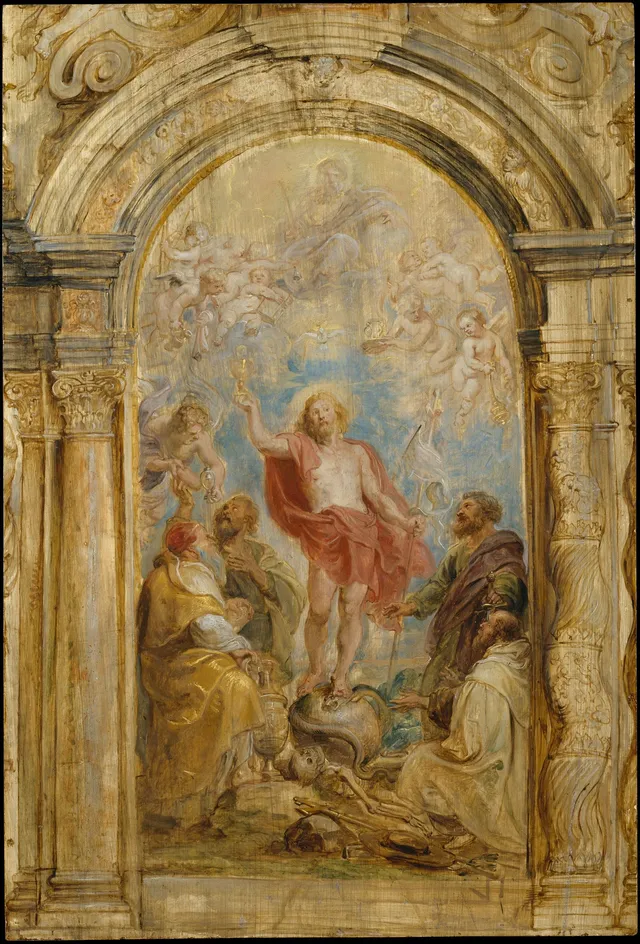
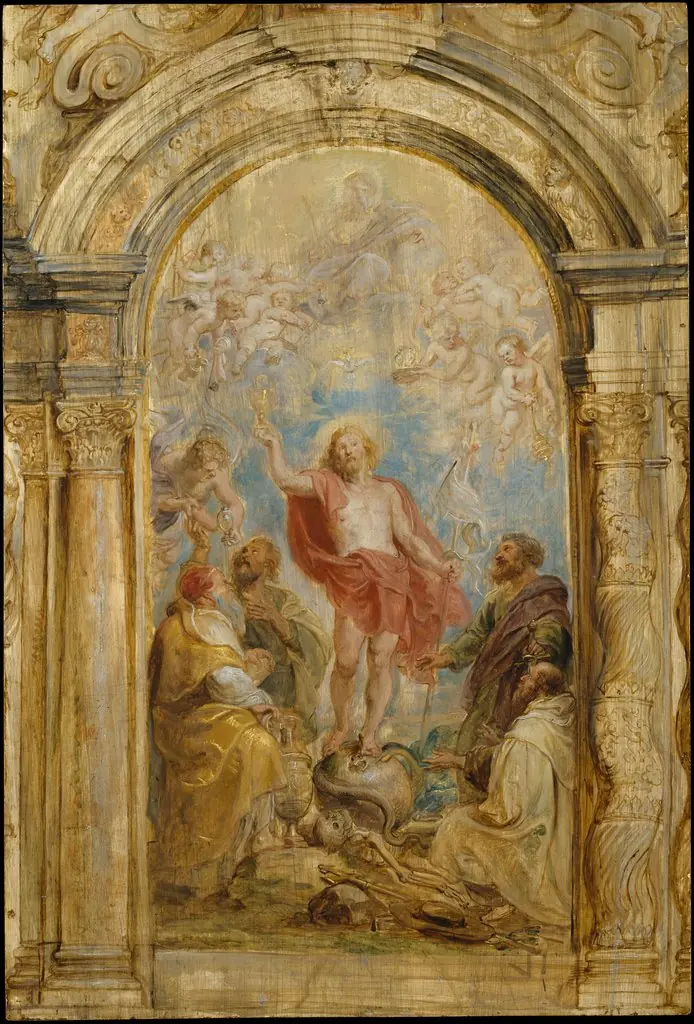 Glorification of the Eucharist
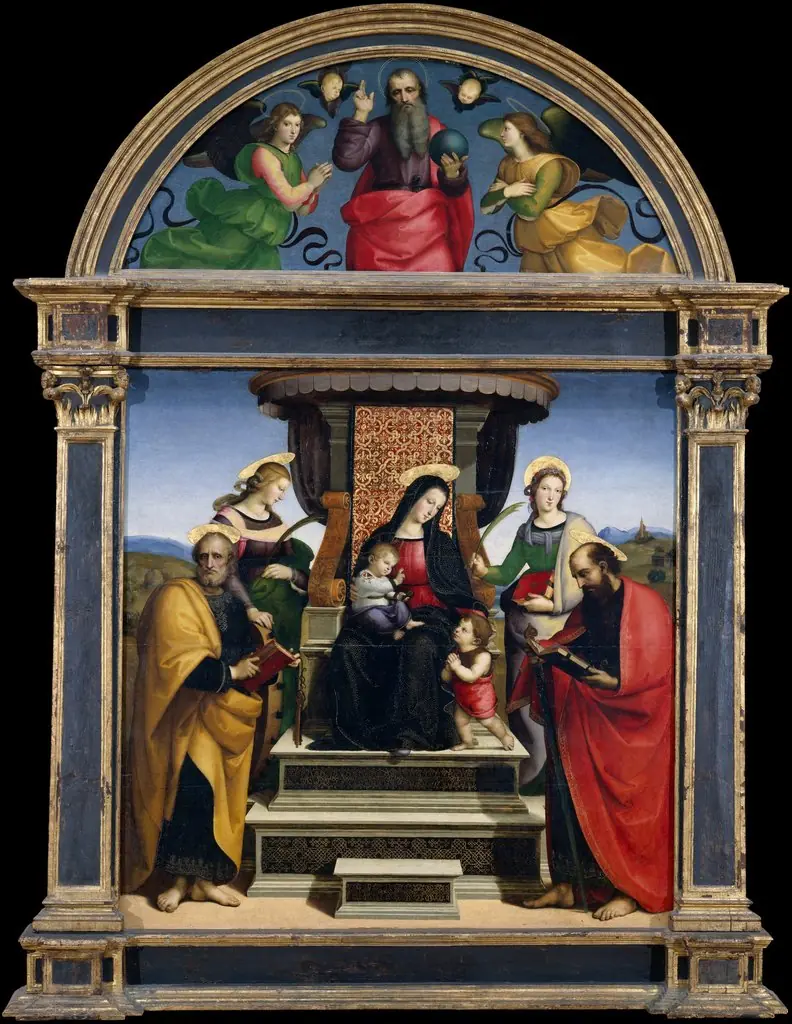 Madonna and Child Enthroned with Saints
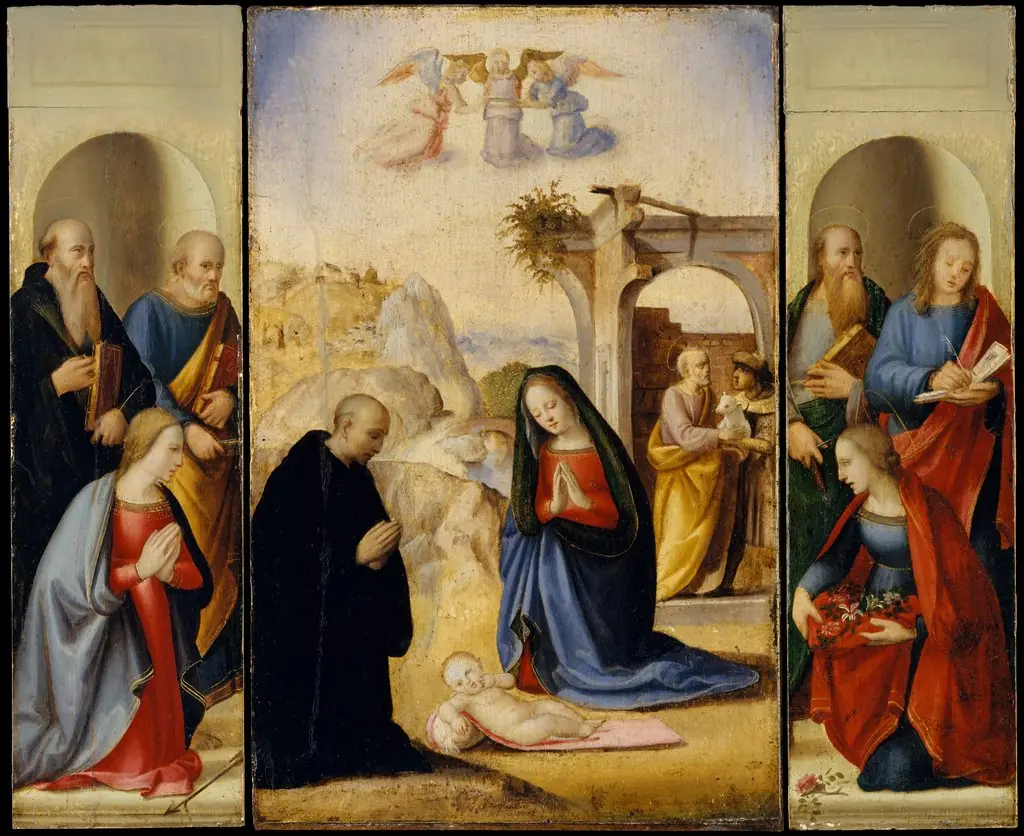 The Nativity with Saints
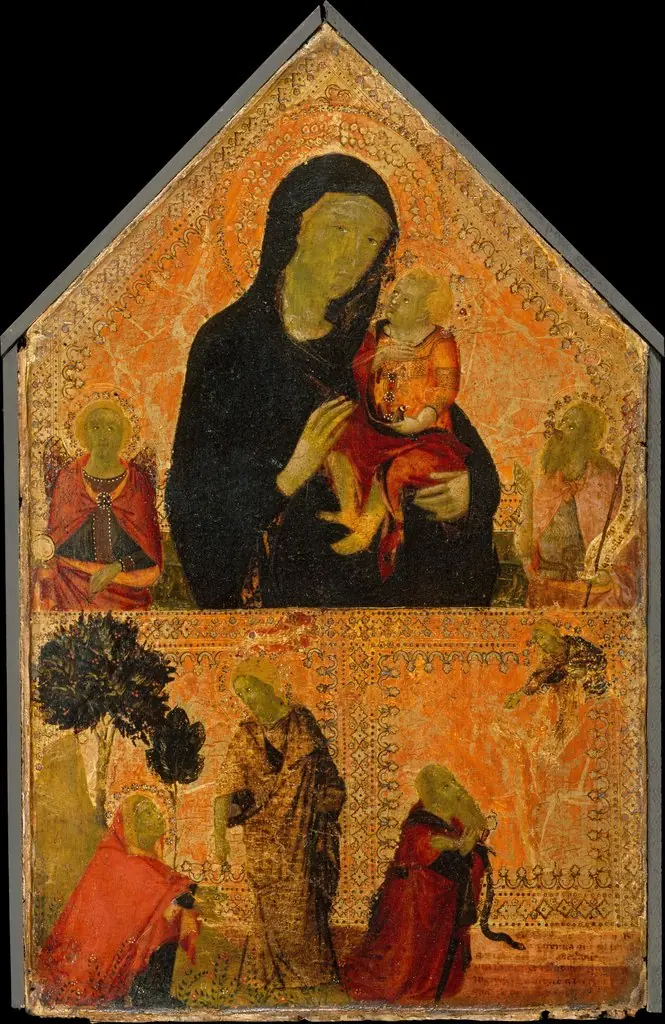 Madonna and Child with Saints Michael and John the Baptist; The Noli Me Tangere; The Conversion of Saint Paul
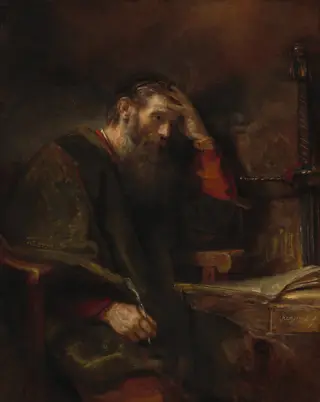 The Apostle Paul
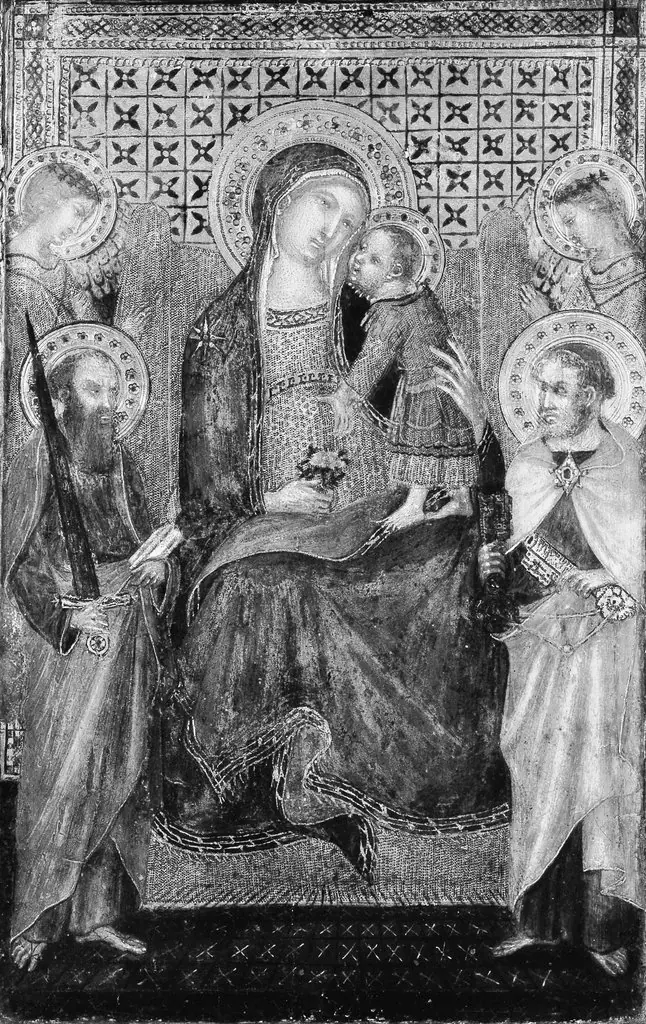 Madonna and Child Enthroned with Saints Peter and Paul and Angels
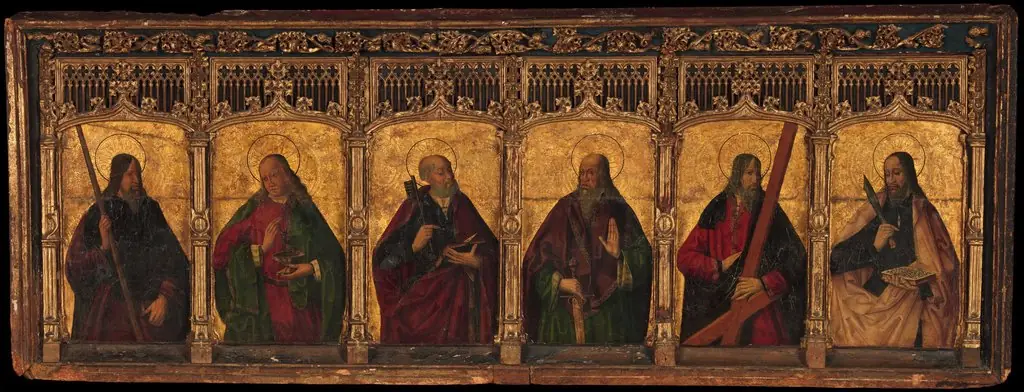 Six Apostles
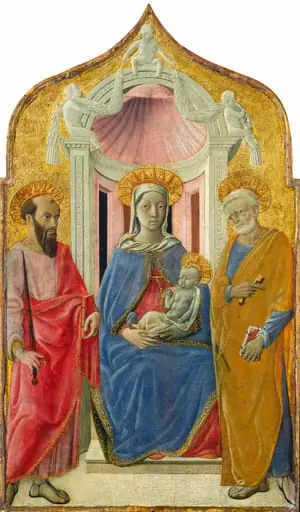 Madonna and Child Enthroned with Saint Peter and Saint Paul
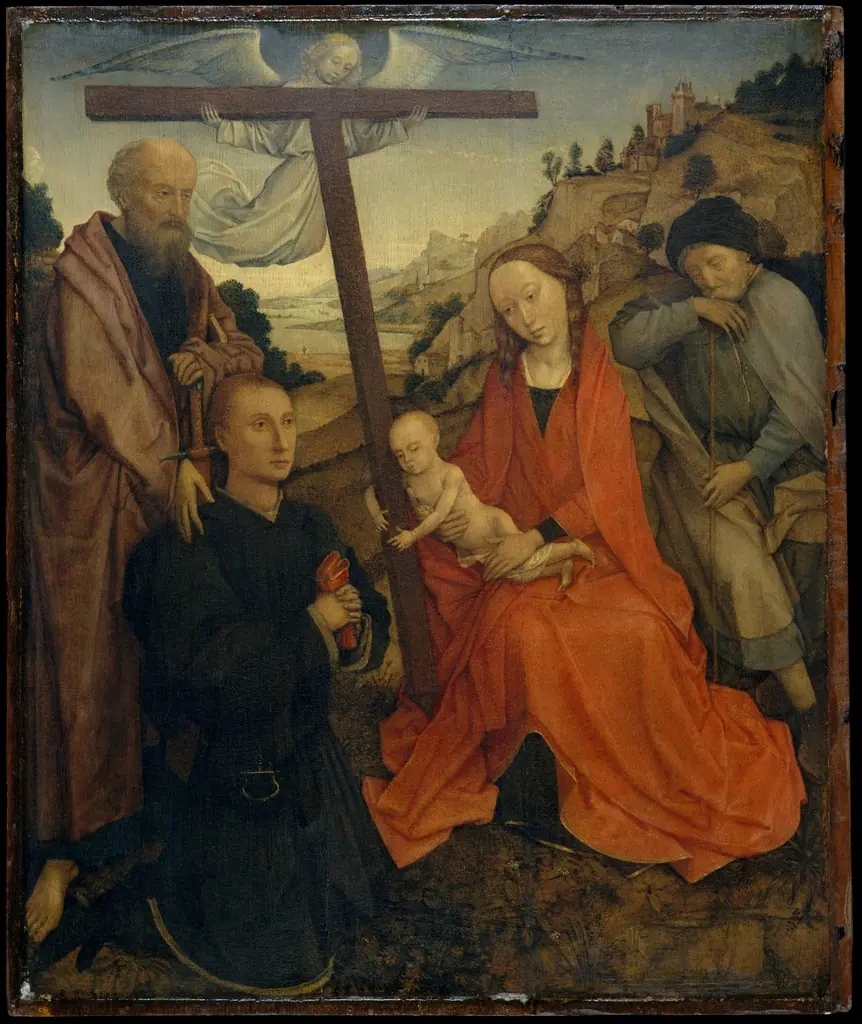 The Holy Family with Saint Paul and a Donor
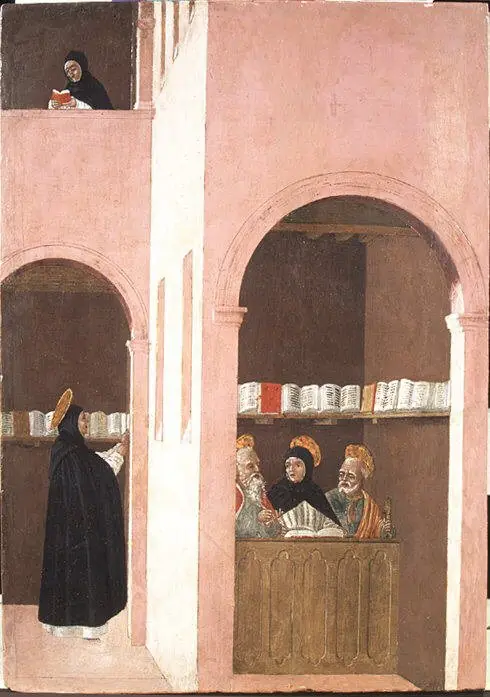 Saint Thomas Aquinas Aided by Saints Peter and Paul
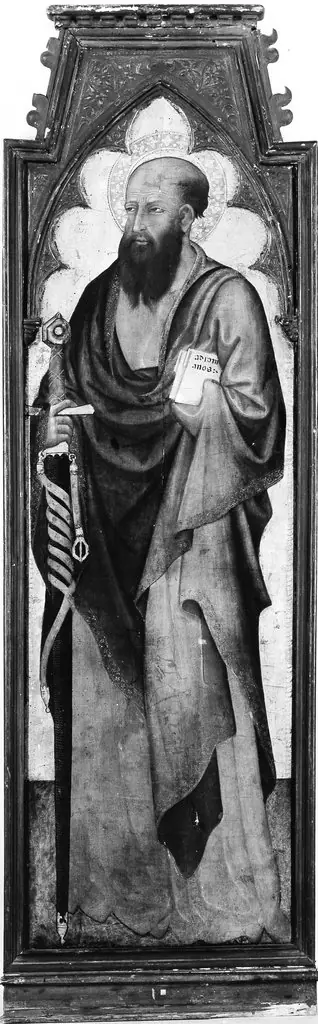 Saint Paul
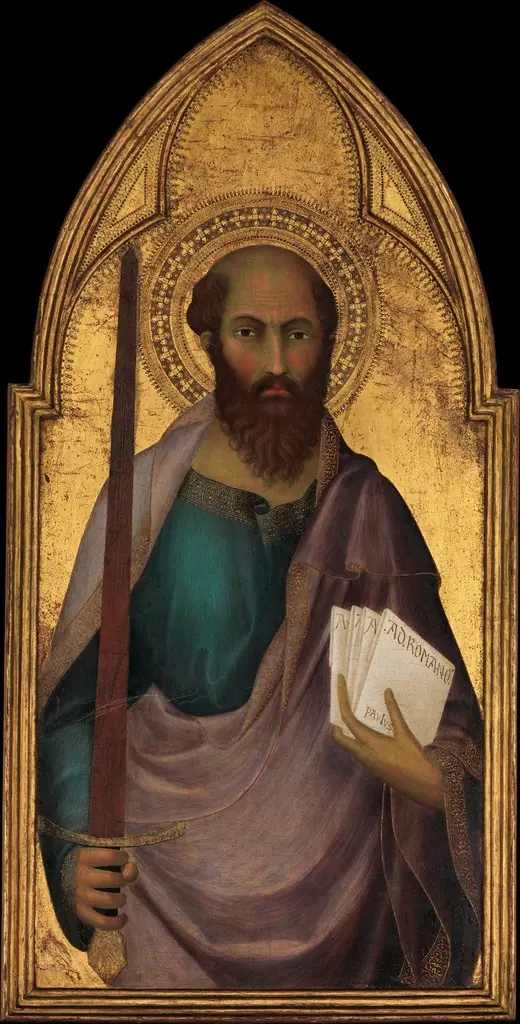 Saint Paul
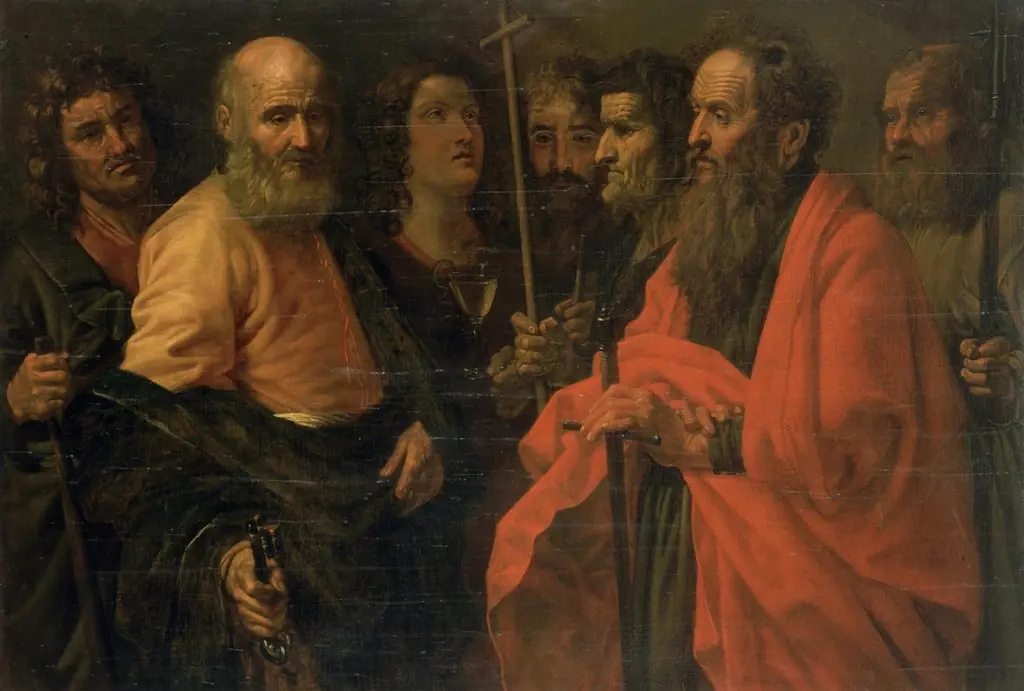 St James the Less, Sts Peter, Paul, John, Thomas, Philip, Judas and Thaddeus the Apostles
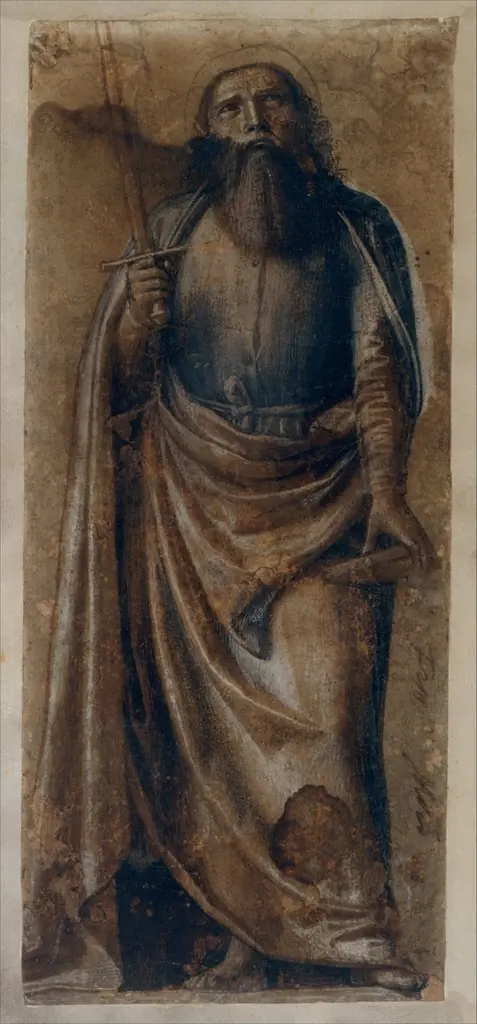 Saint Paul
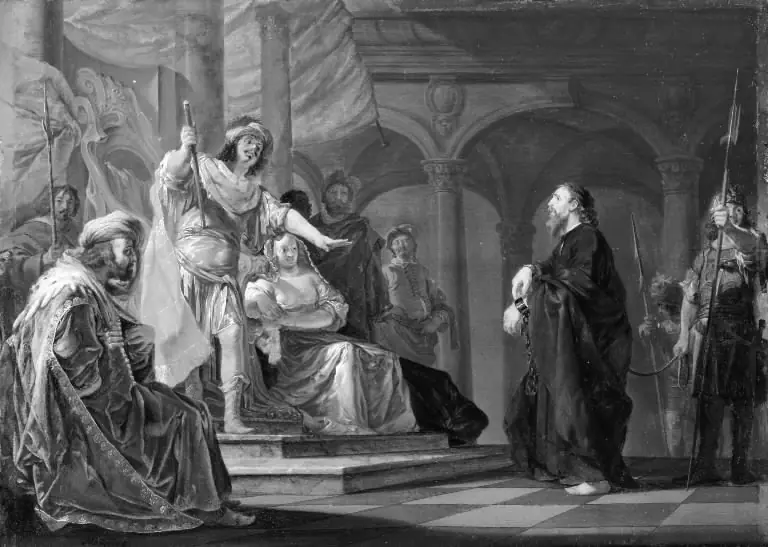 Paulus the Apostle defending himself at the Trial in Caesarea
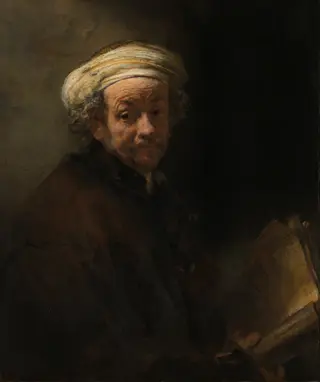 Self-portrait as the Apostle Paul
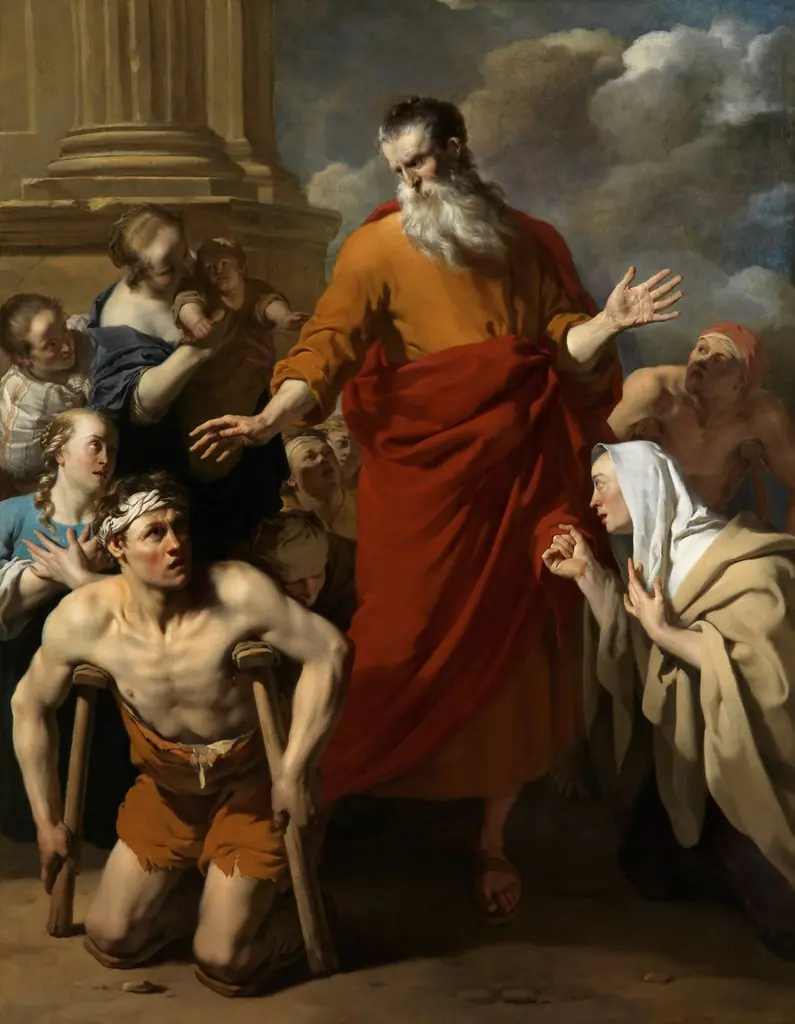 St Paul Healing the Cripple at Lystra
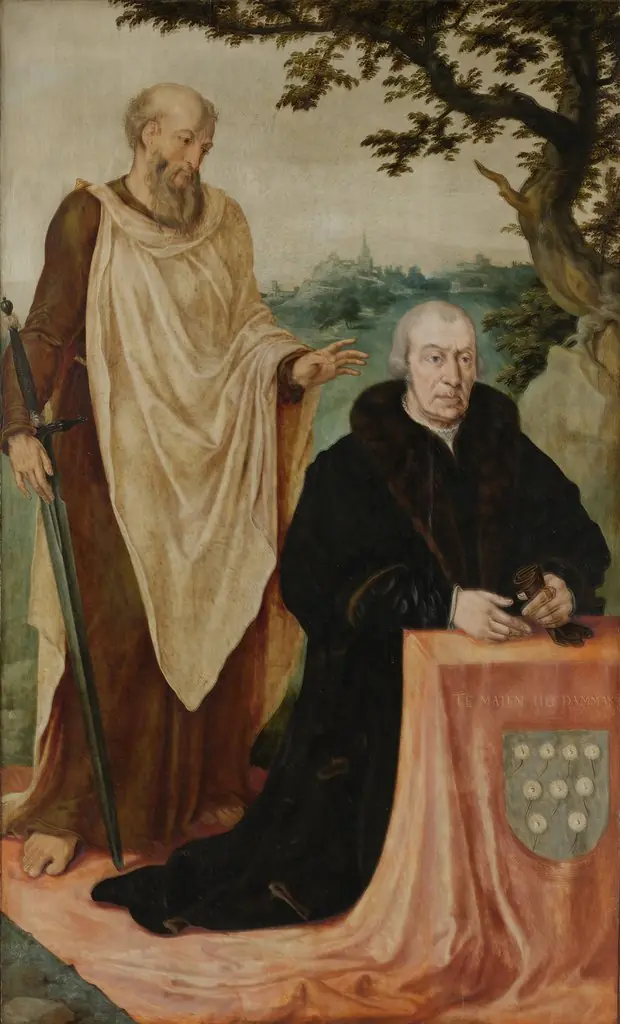 Left wing of a triptych with the donor Matelief Dammasz and St Paul (inner wing)
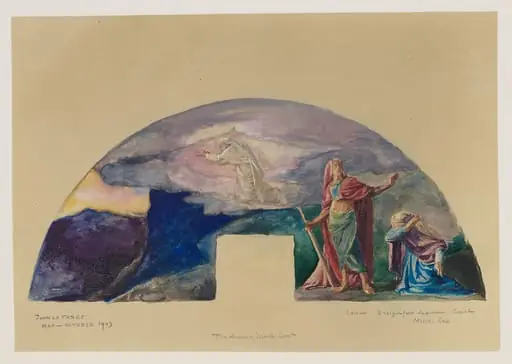 The Moral and Divine Law: Moses Receives the Law on Mount Sinai; Color Study for Mural, Supreme Court Room, Minnesota State Capitol, Saint Paul
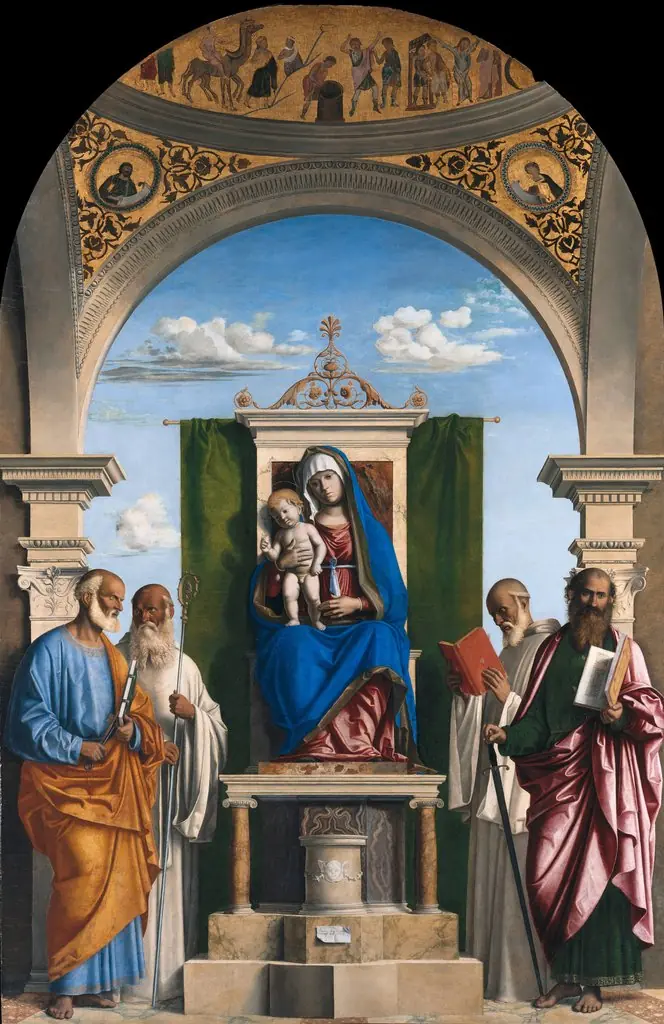 Madonna and Child Enthroned with Saints
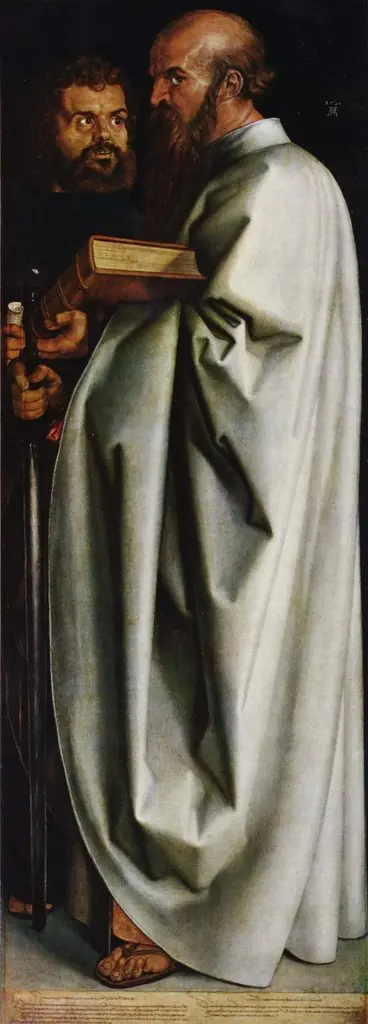 The Four Apostles: Saints Mark and Paul
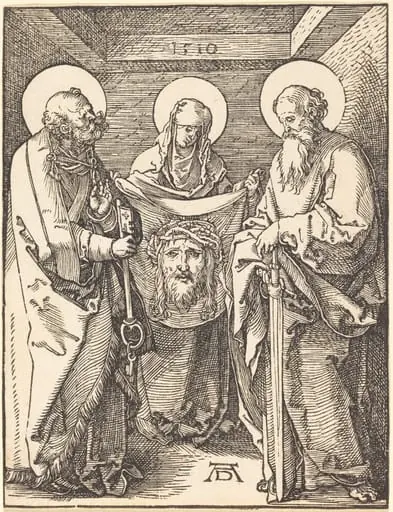 Saint Veronica between Saints Peter and Paul
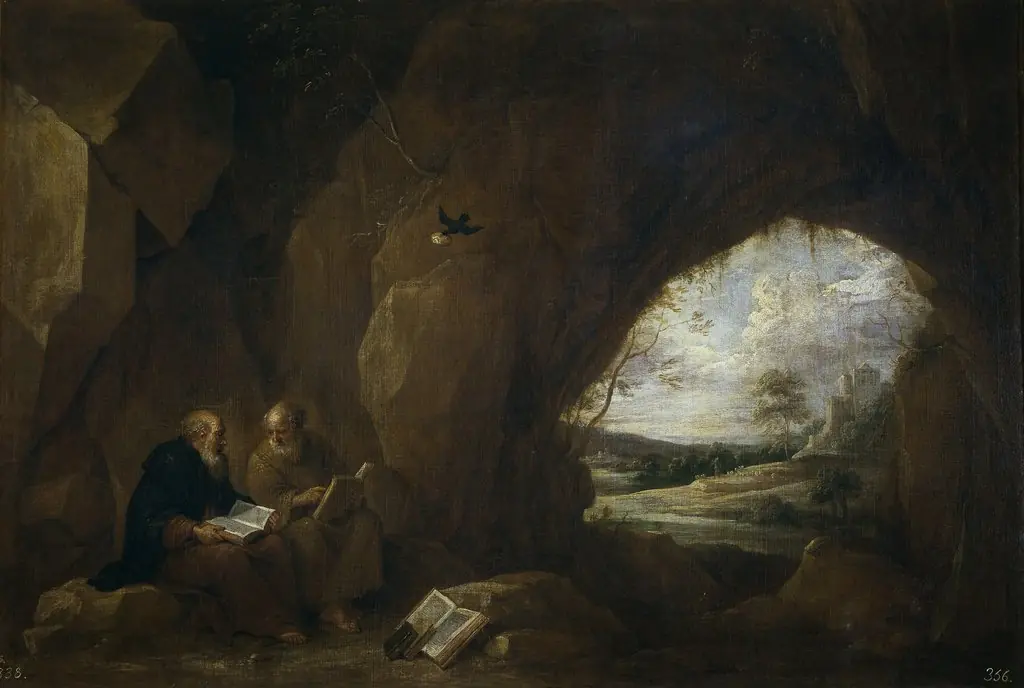 Saints Paul and Anthony Abbot in a Cave
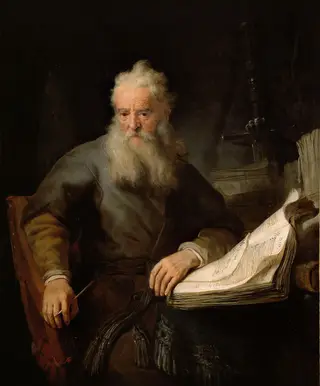 Apostle Paul
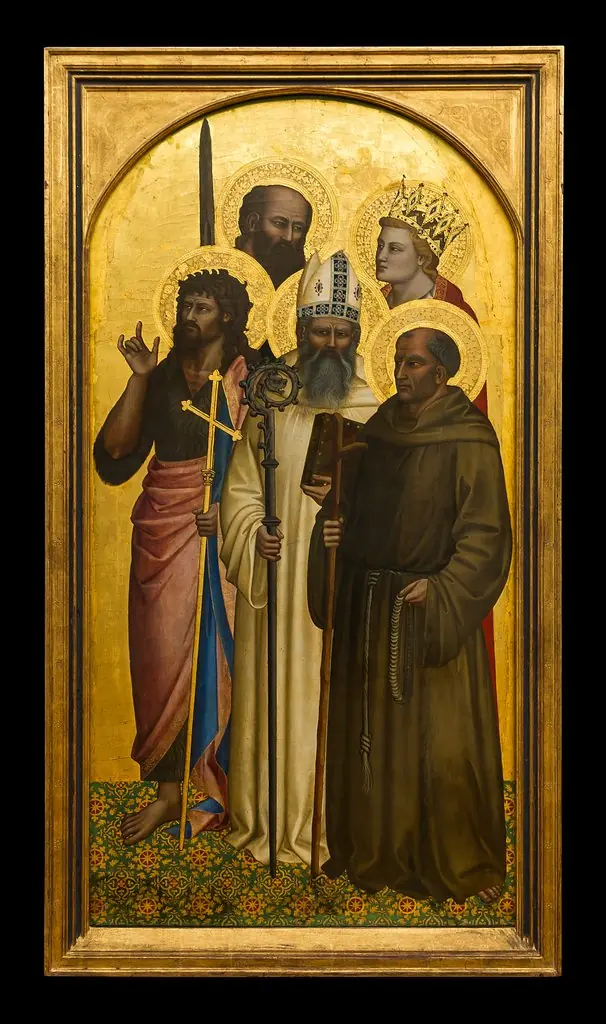 the Saints John the Baptist, Egidius, Gerard of Villamagna, Paul and Catherine (or Miniato)
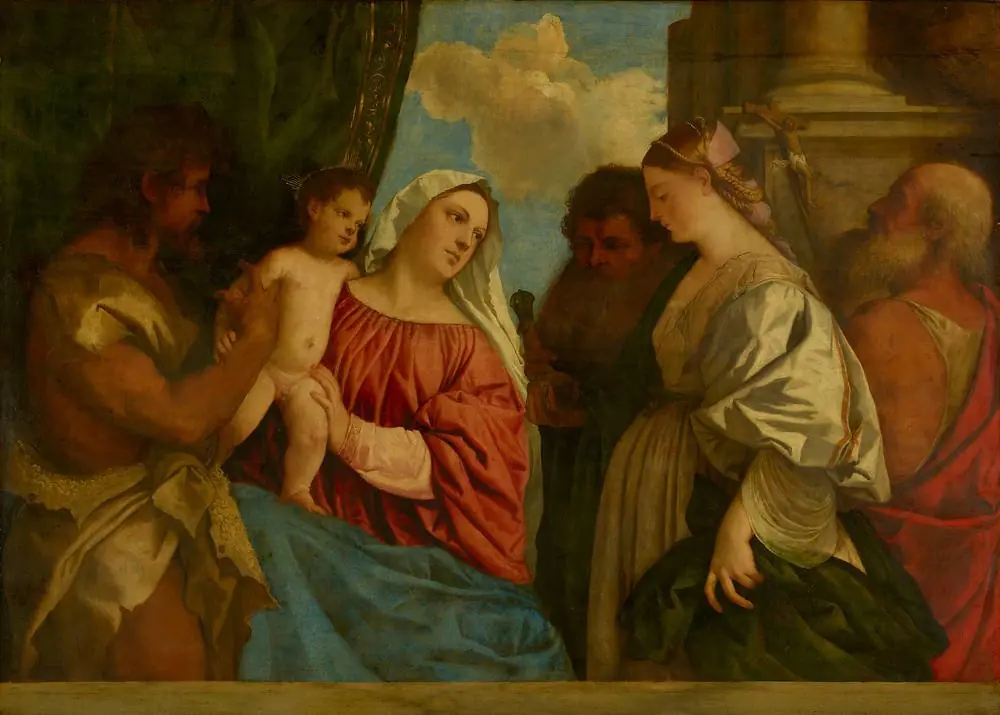 Madonna and Child with Four Saints
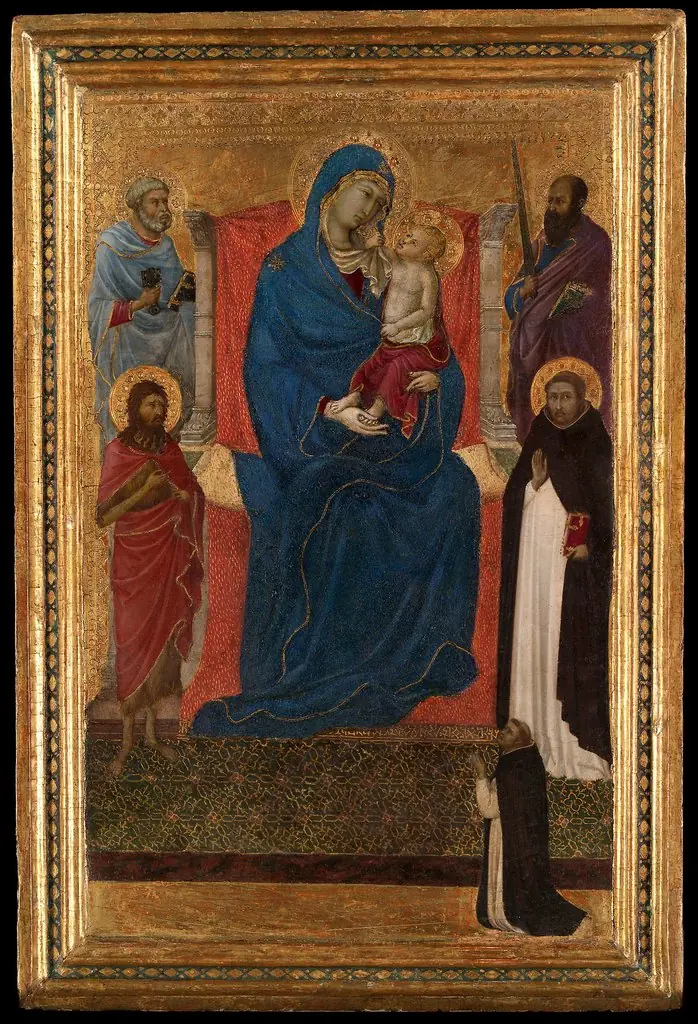 Virgin and Child Enthroned with Saints Peter, Paul, John the Baptist, Dominic and a Donor
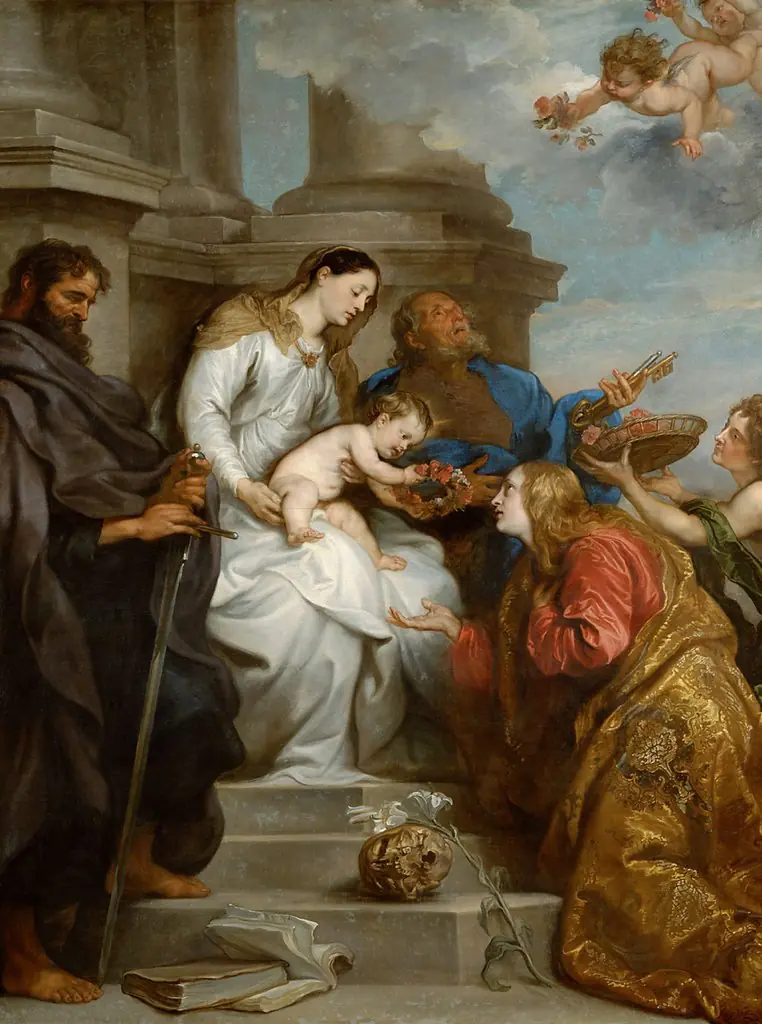 Coronation of Saint Rosalia
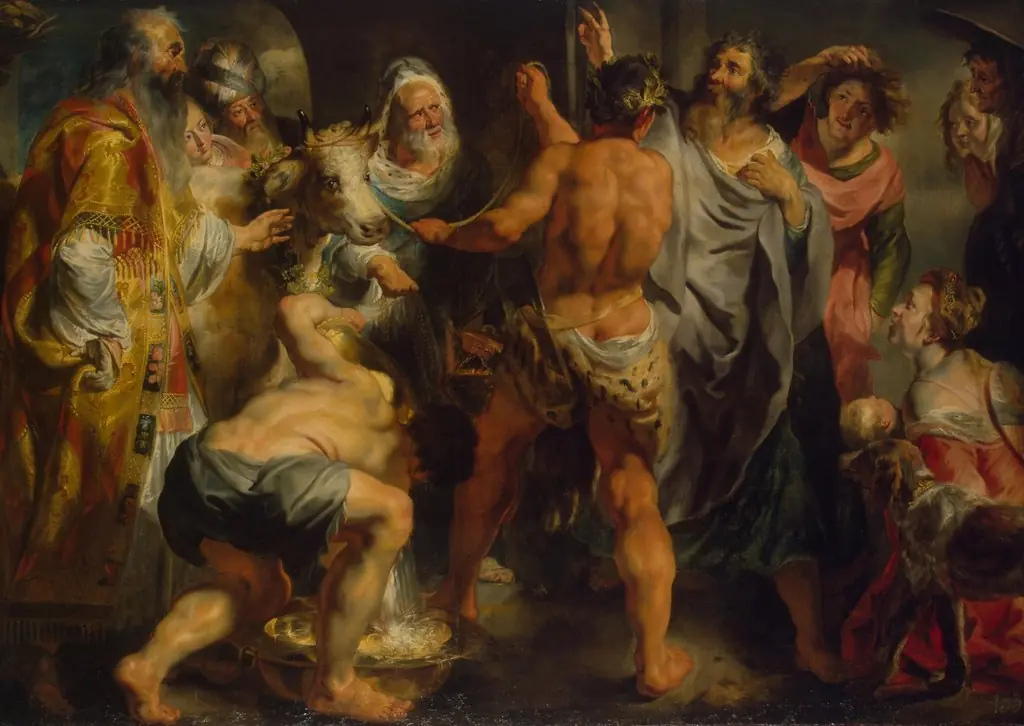 Sts Paul and Barnabas in Lystra
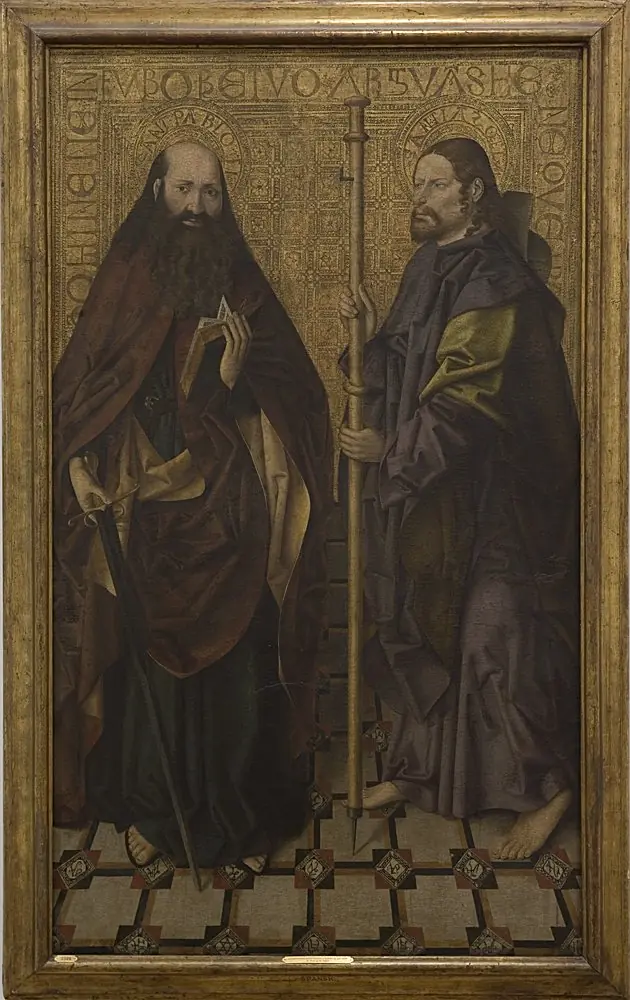 Saints Paul and James the Great (St James of Compostela)
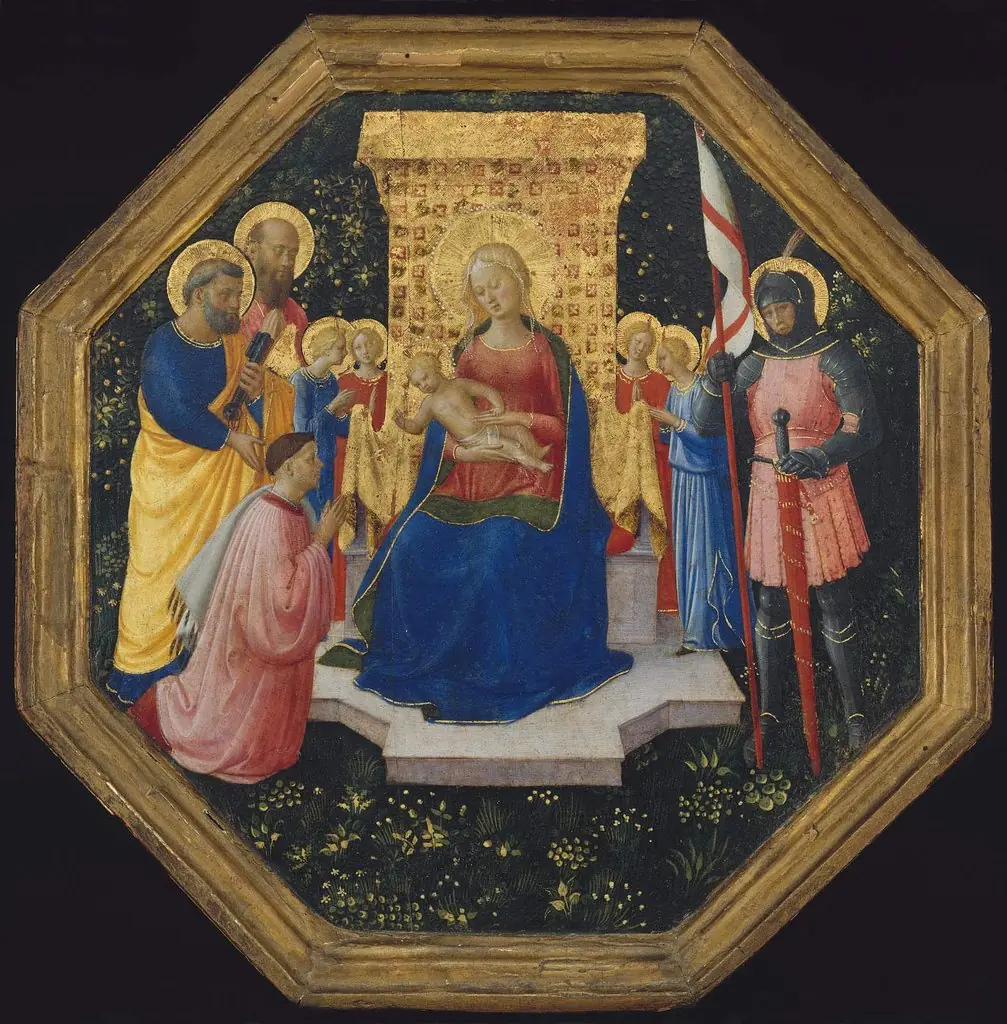 Virgin and Child Enthroned with Saints Peter, Paul and George (?), Four Angels, and a Donor
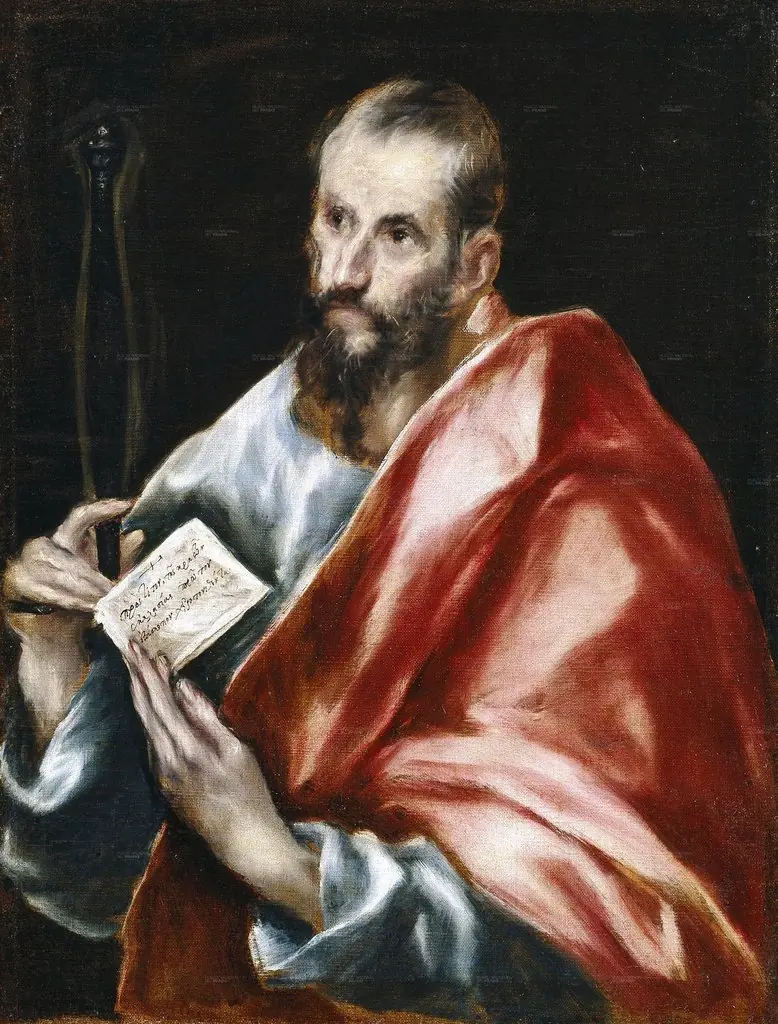 Saint Paul
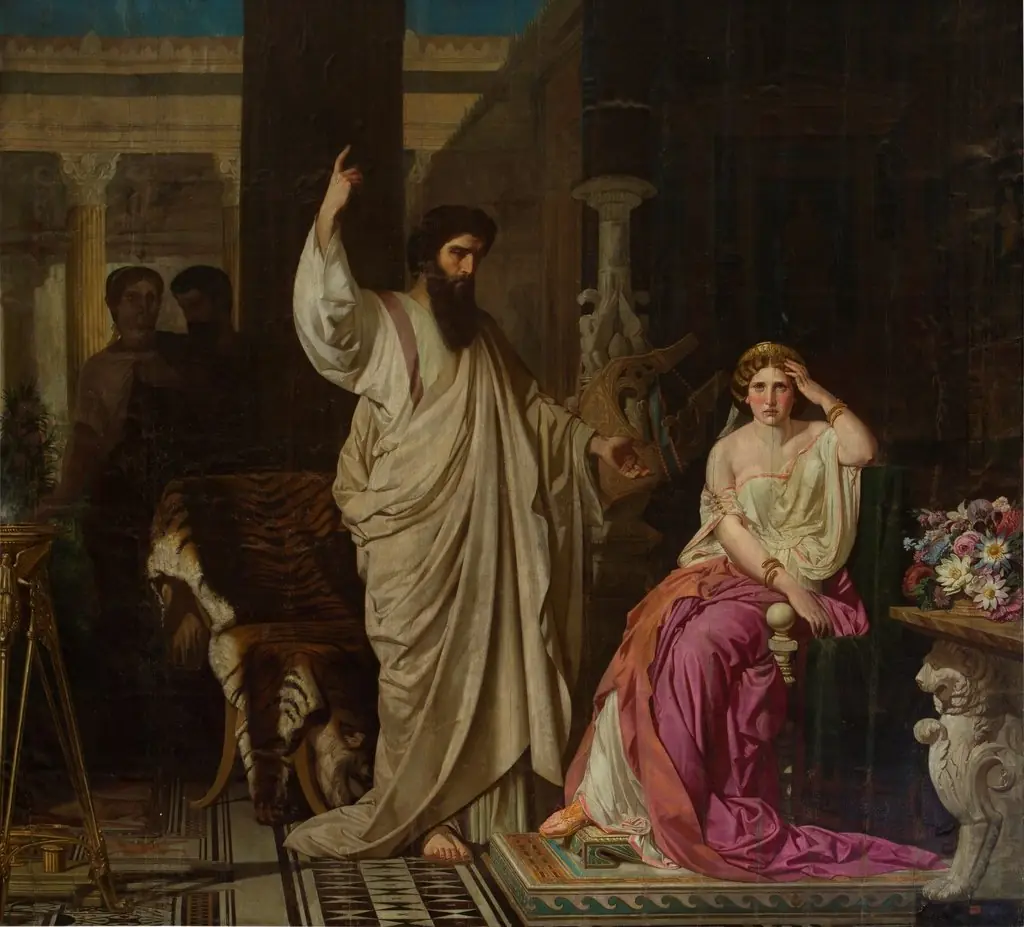 Saint Paul surprised by Nero at the moment of converting Sabina Poppaea
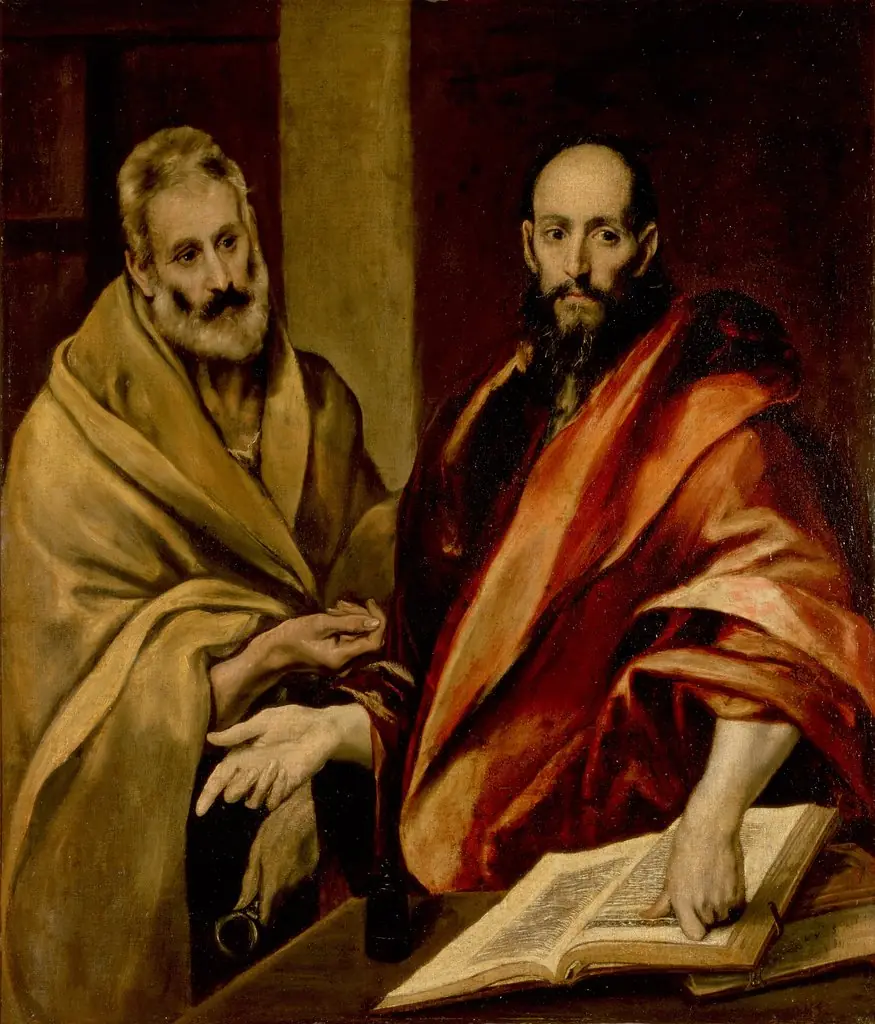 Saints Peter and Paul
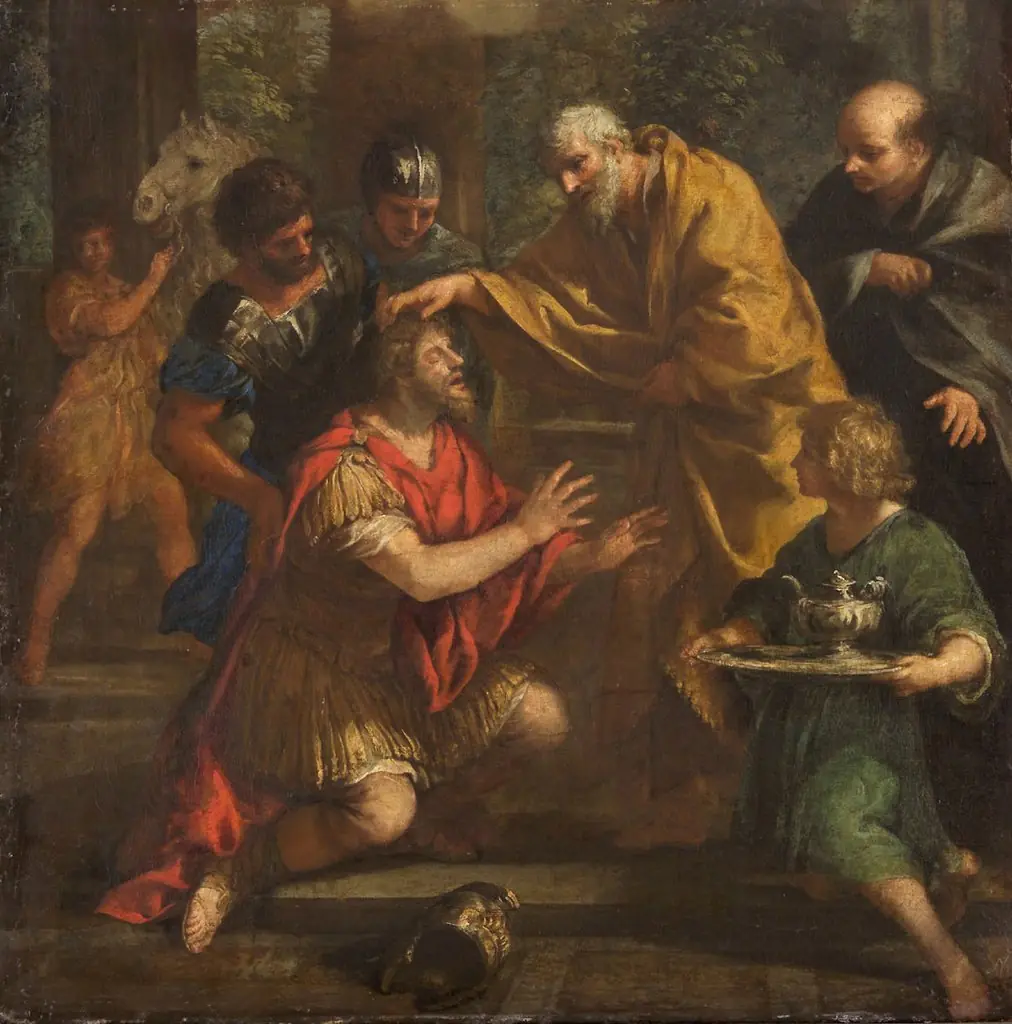 Ananias of Damascus lays his hand on Saul
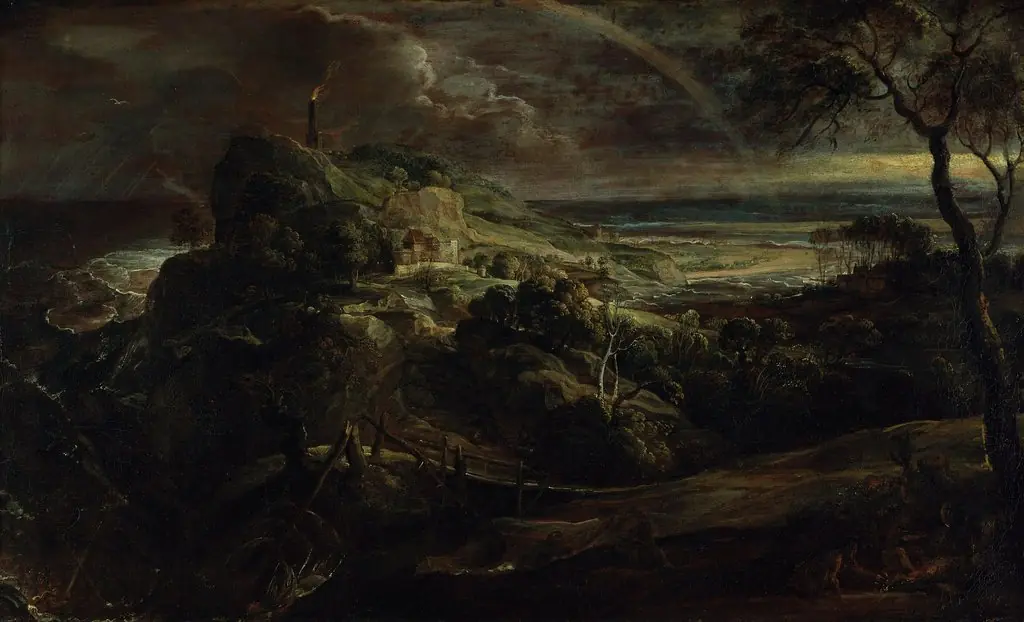 Landscape with the Shipwreck of Paul
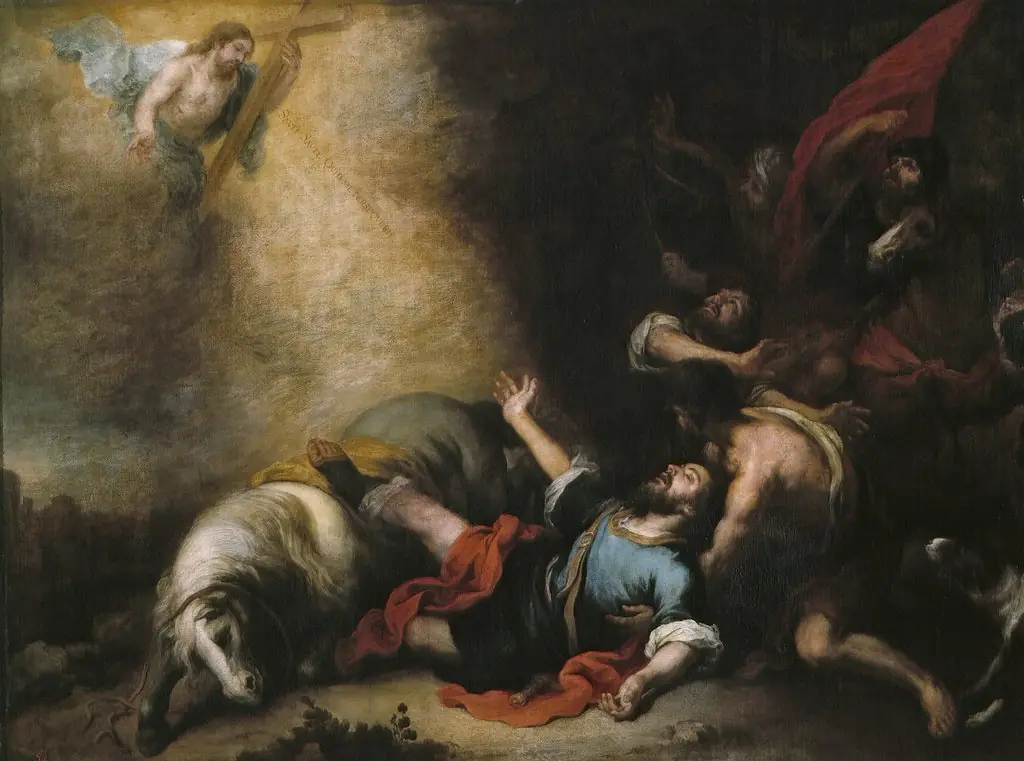 Conversion of Saint Paul
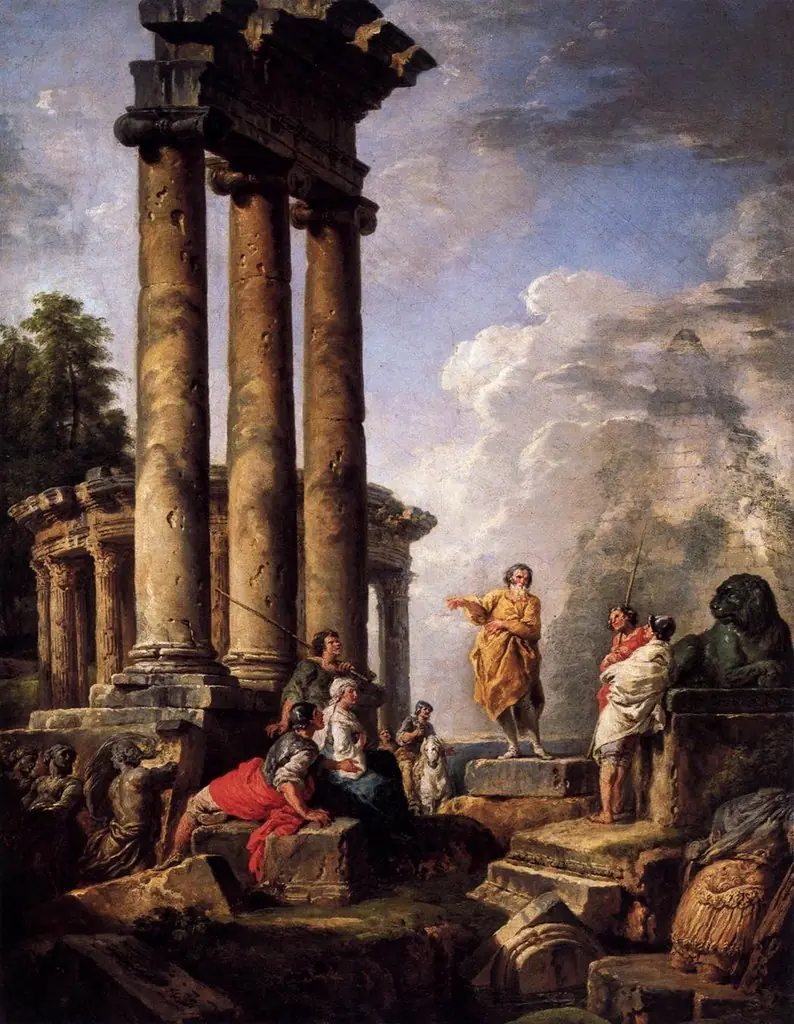 Ruins with Saint Paul preaching
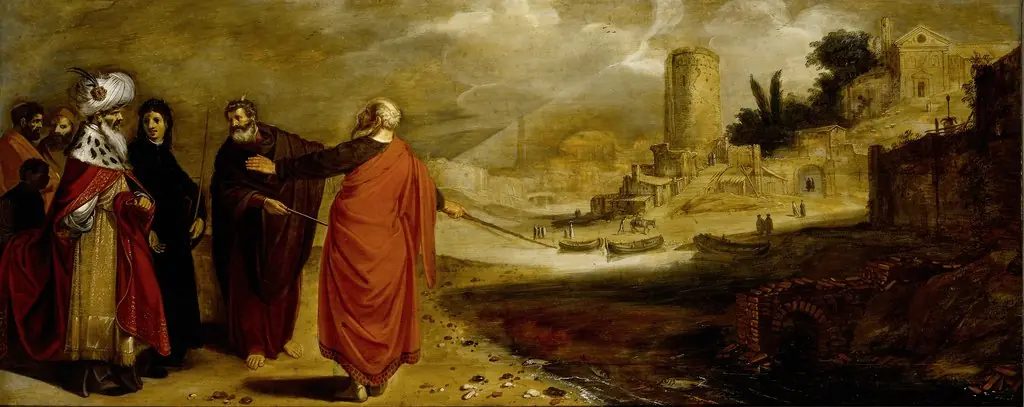 Aaron changing the water of the river into blood
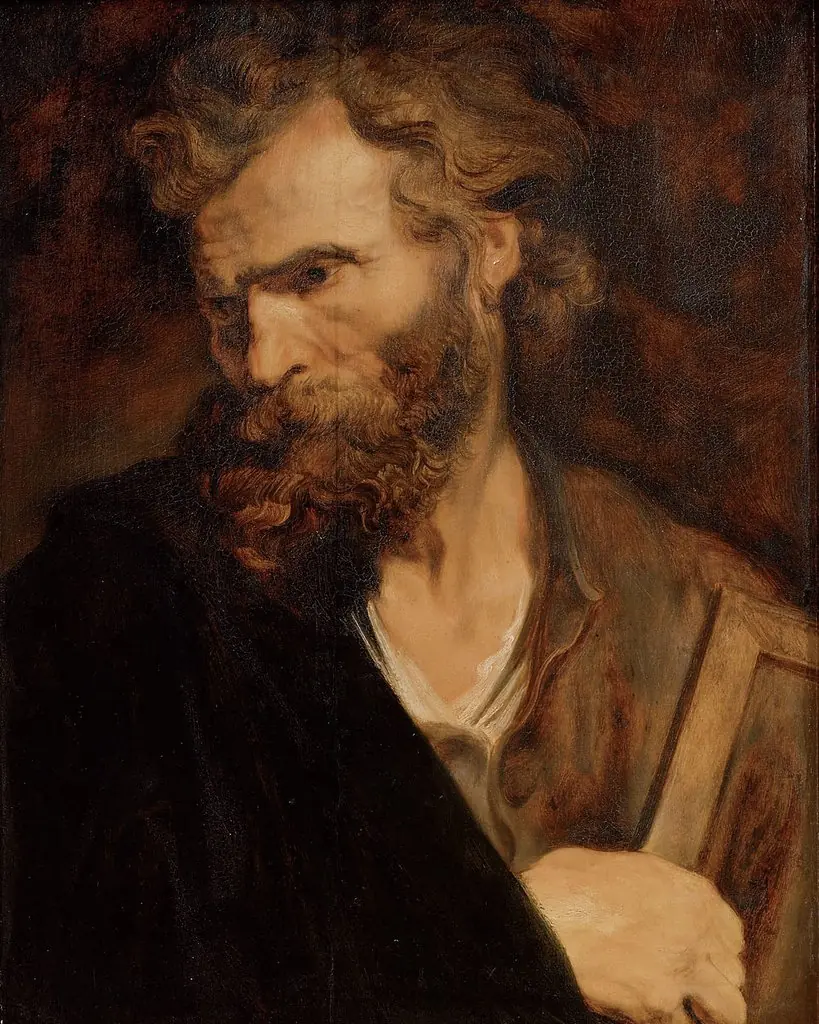 The Apostle Judas Thaddeus
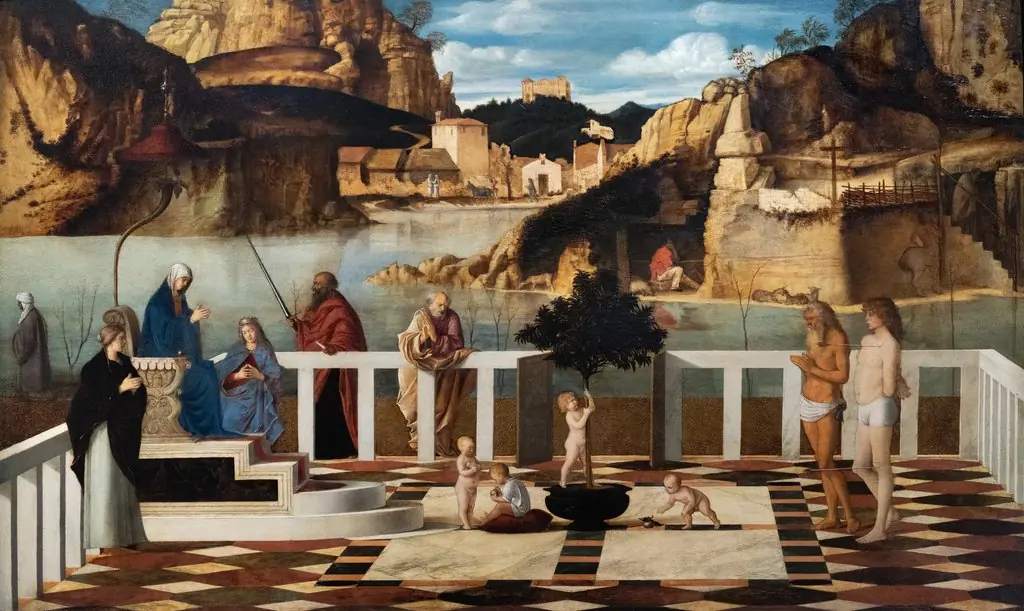 Holy Allegory
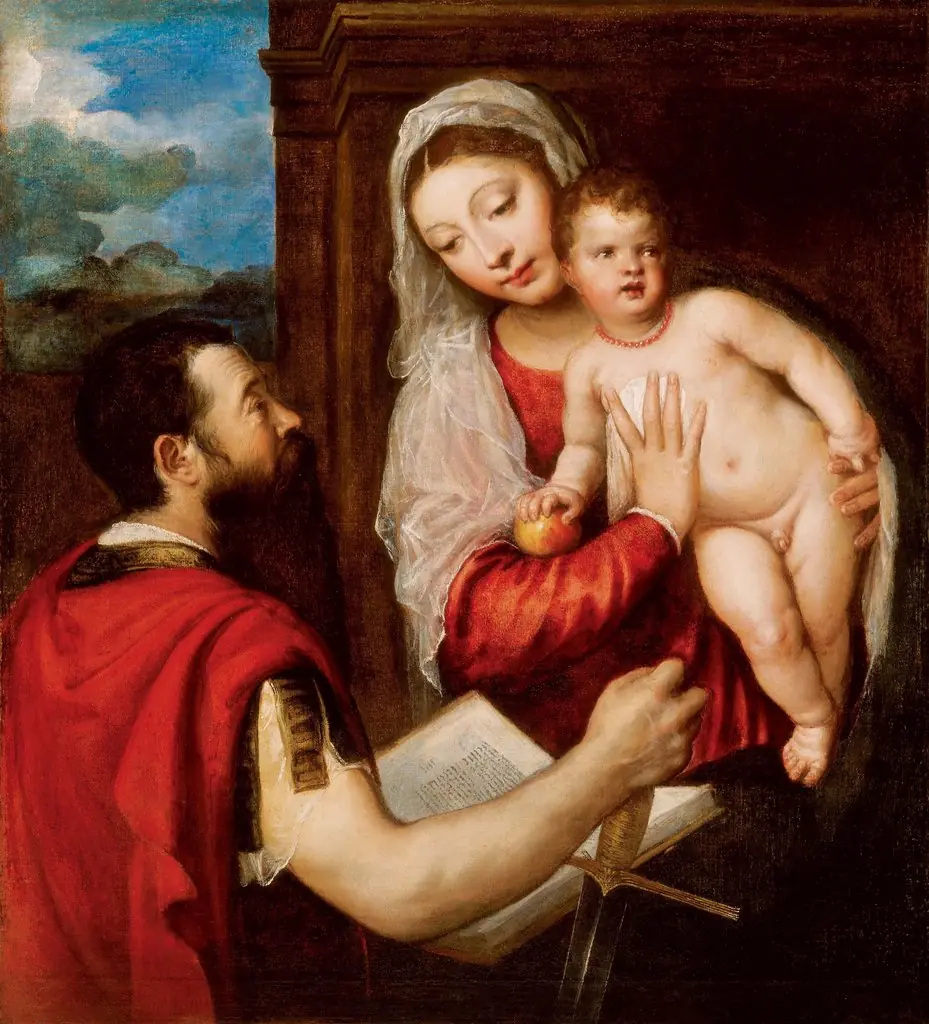 Virgin and Child with Saint Paul
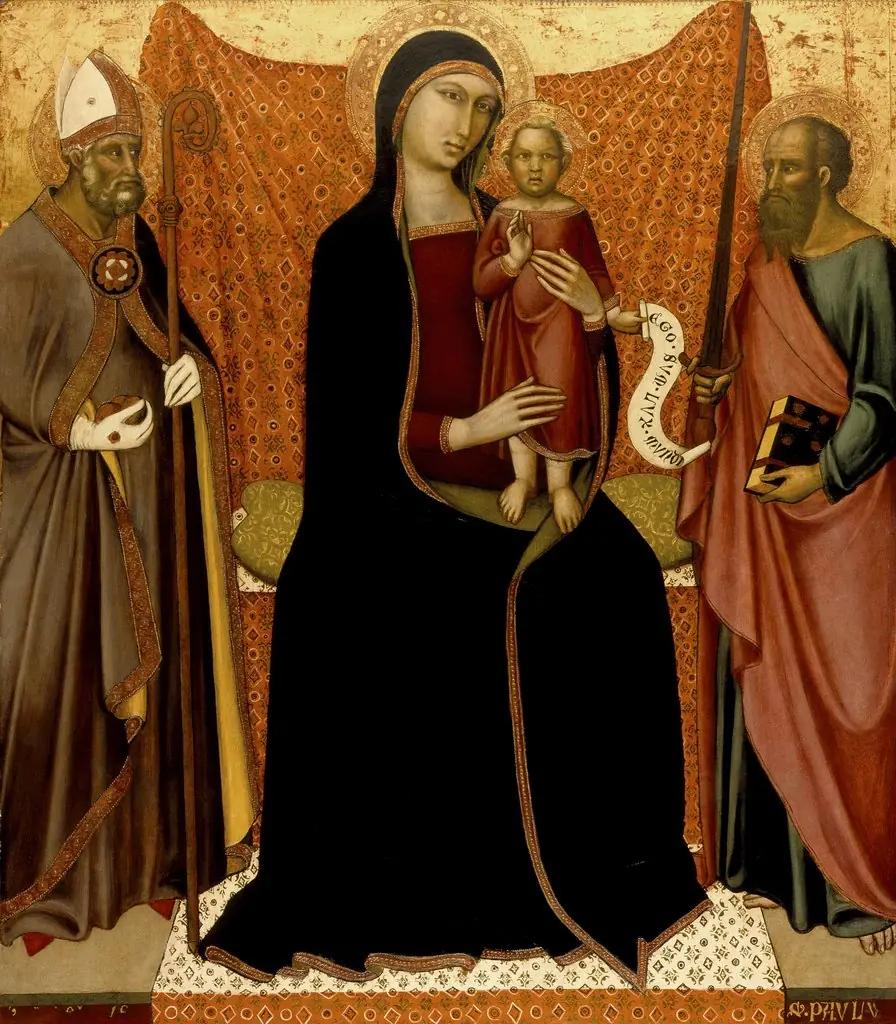 Madonna and Child with Sts. Nicholas and Paul
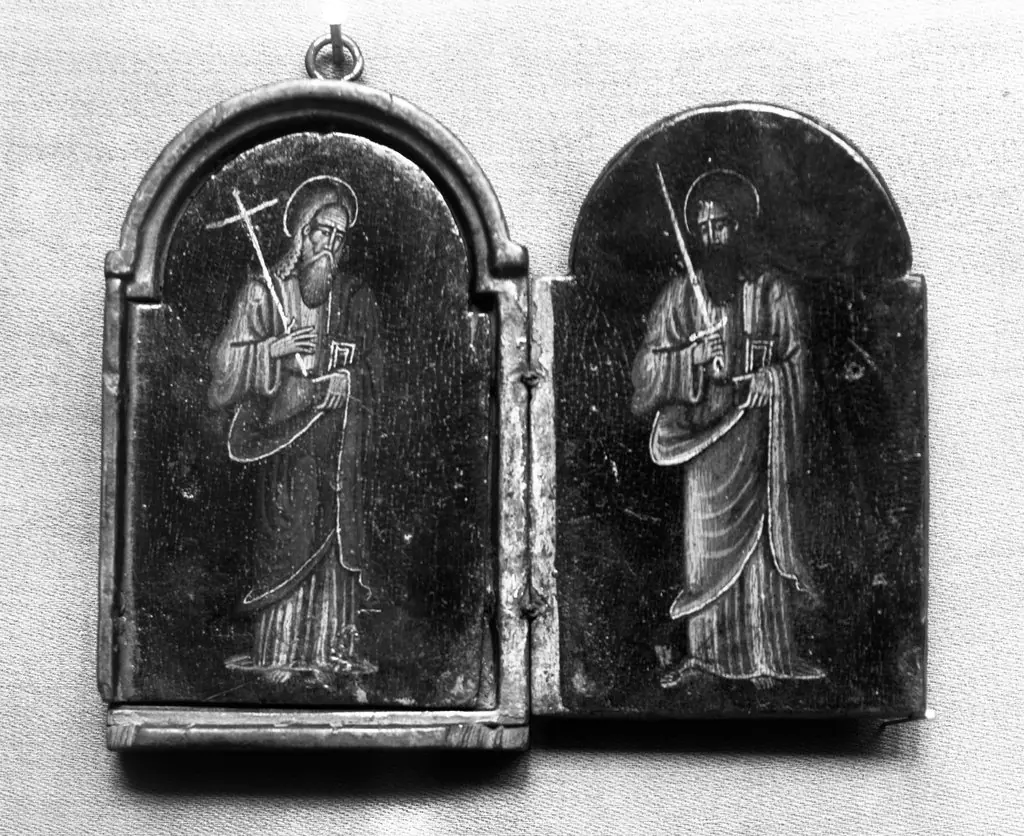 Triptych with Saints Andrew, Peter, Paul and Veronica Holding the Sudarium
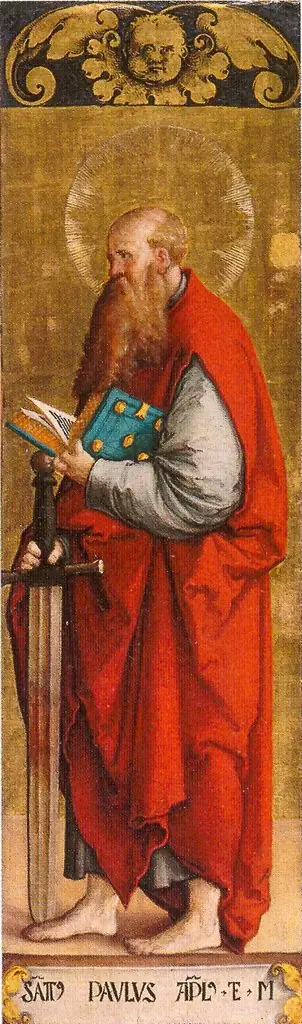 Der Heilige Paulus
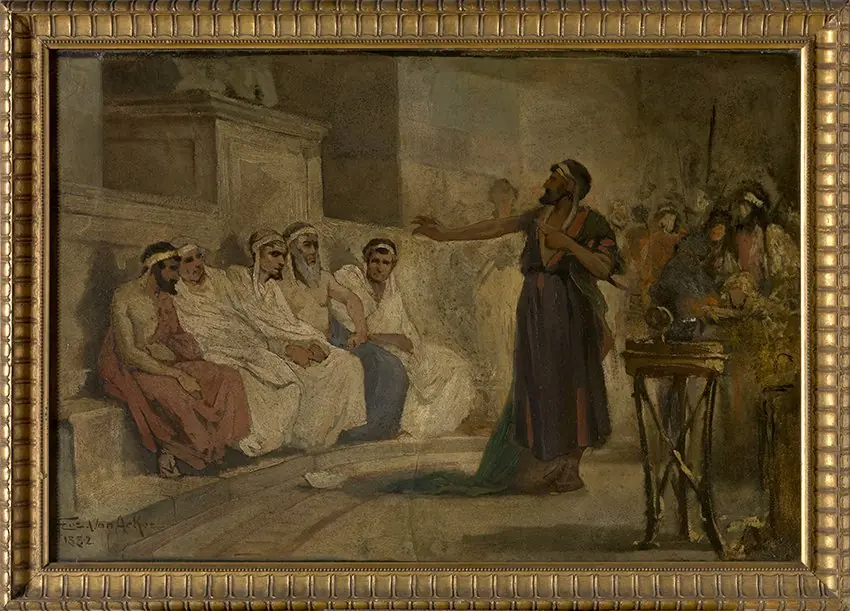 De heilige Paulus voor de Areopagus in Athene
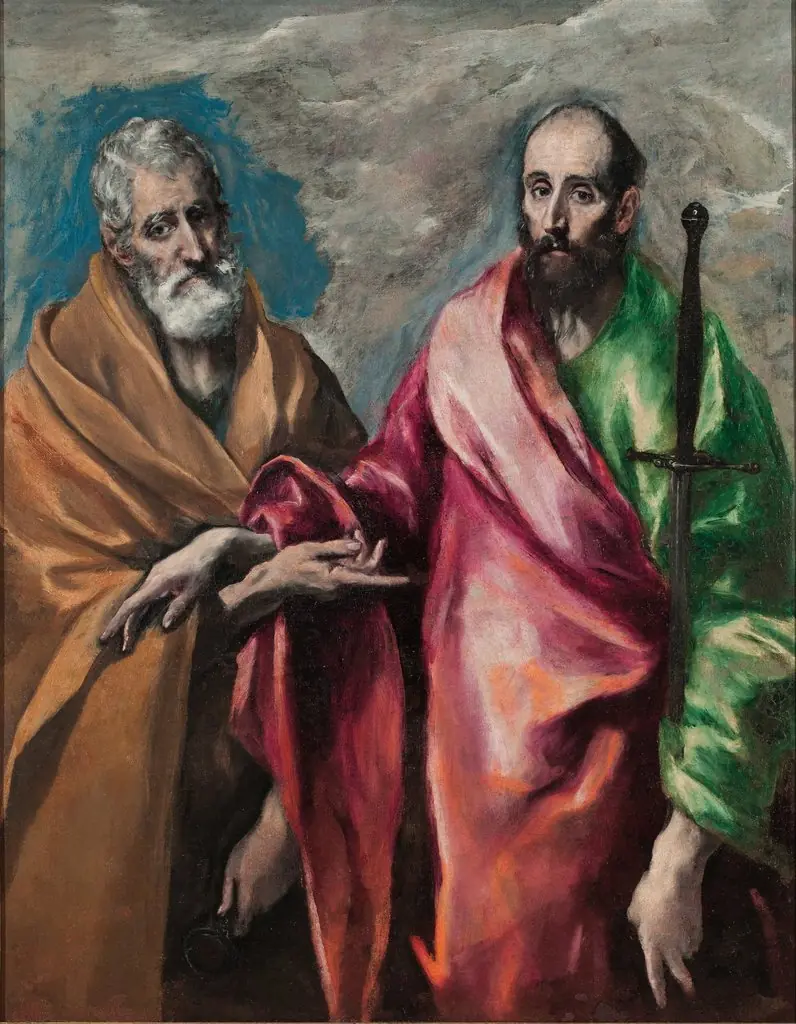 Saint Peter and Saint Paul
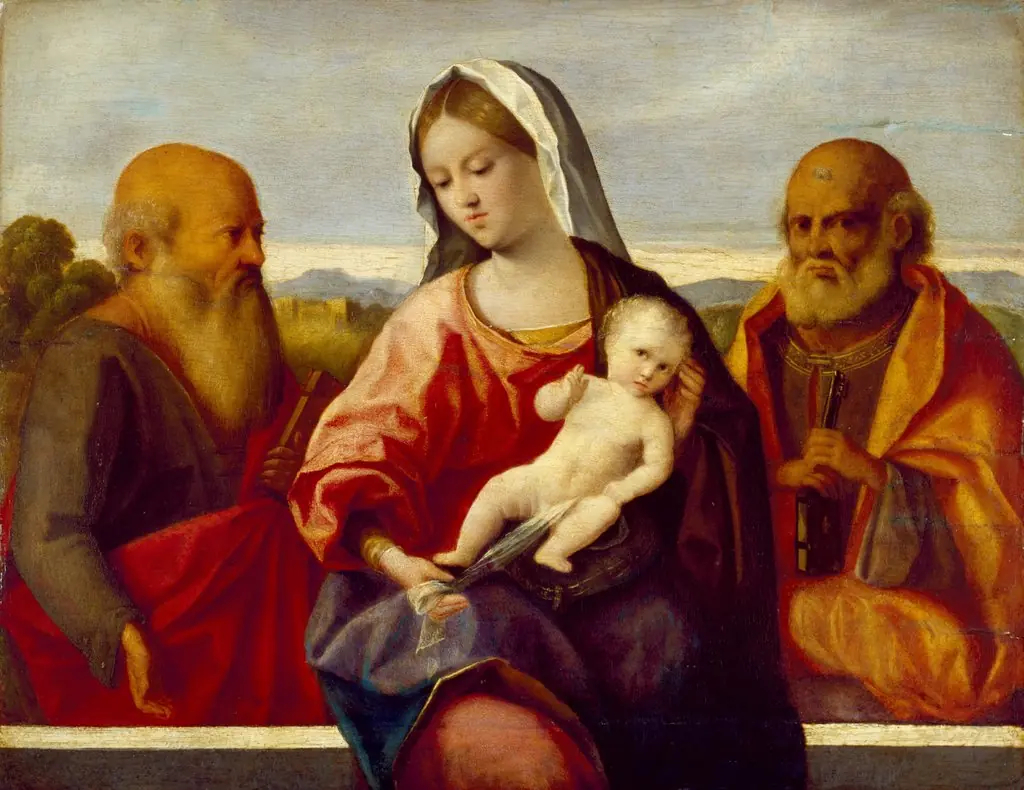 Madonna and Child with Saints Peter and Paul
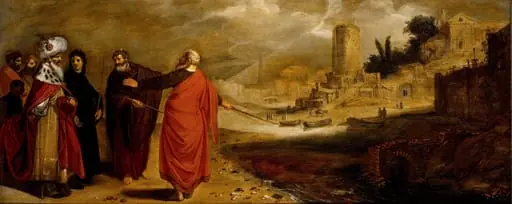 Untitled
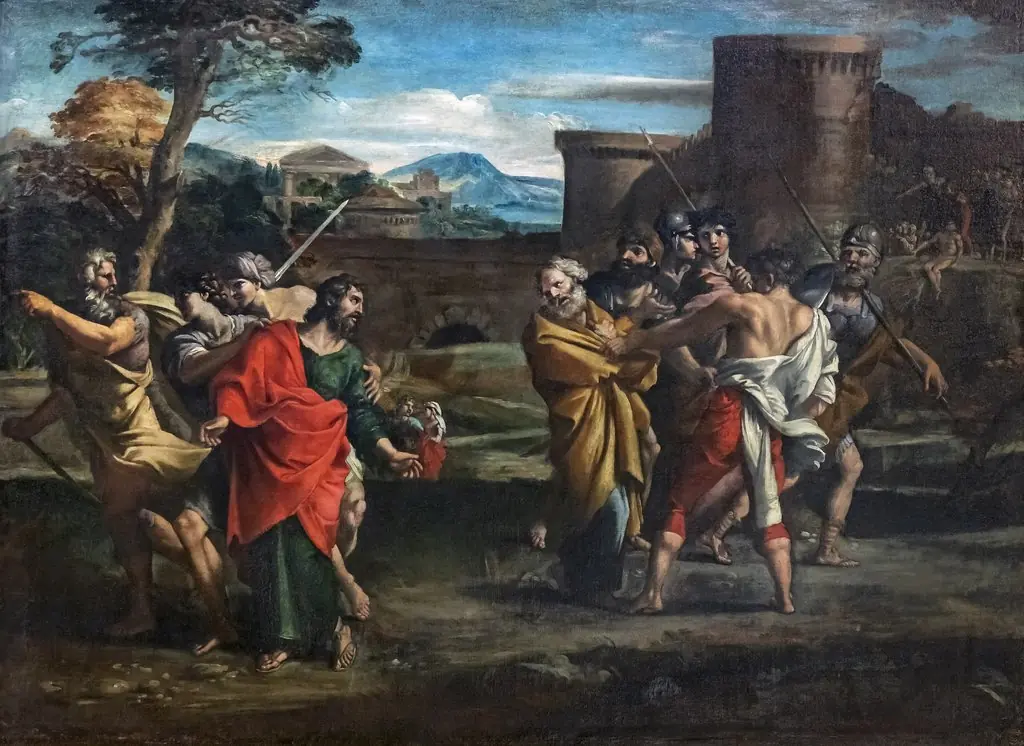 Separation of Saints Peter and Paul
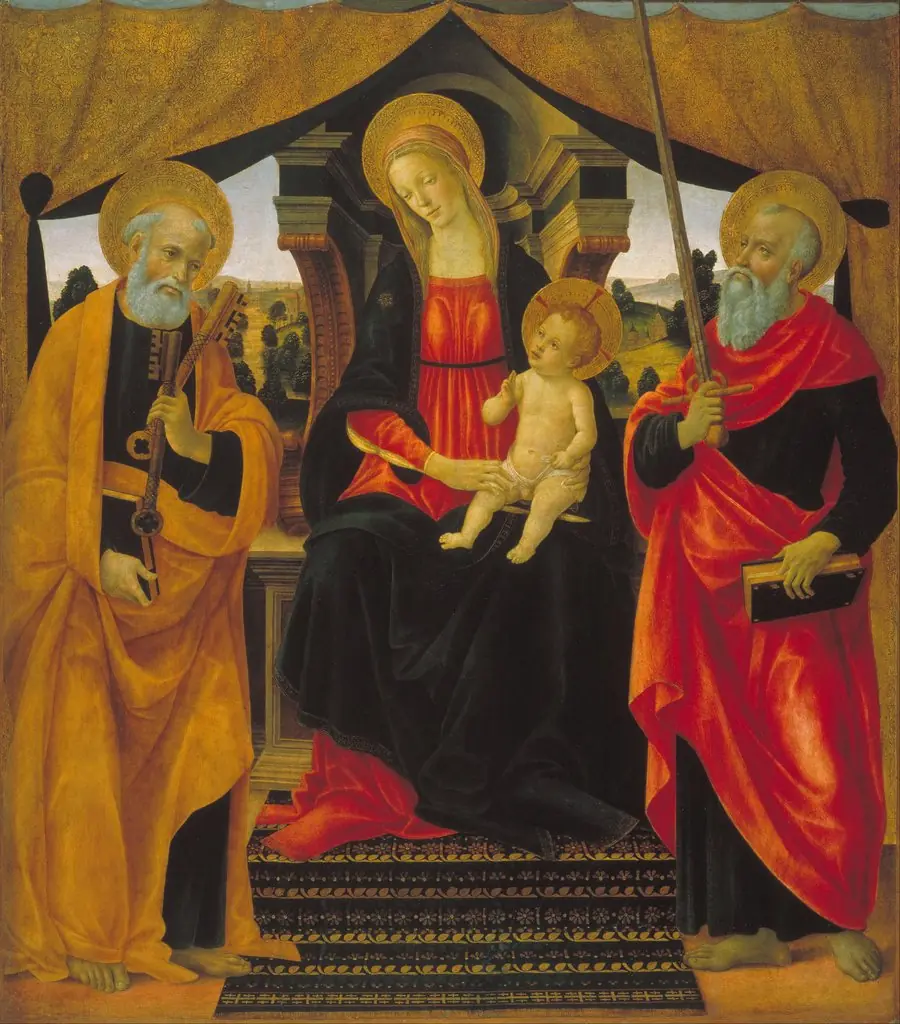 Virgin and Child between Saint Peter and Saint Paul
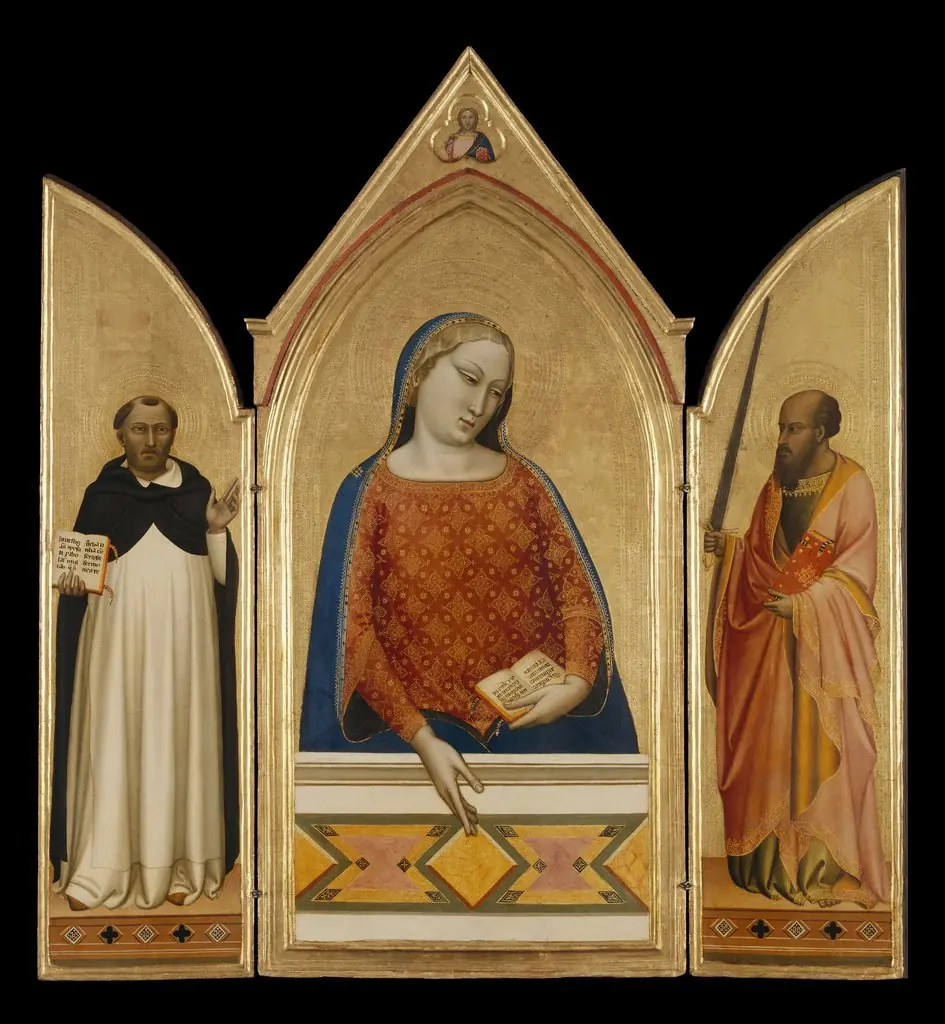 The Virgin Mary with Saints Thomas Aquinas and Paul
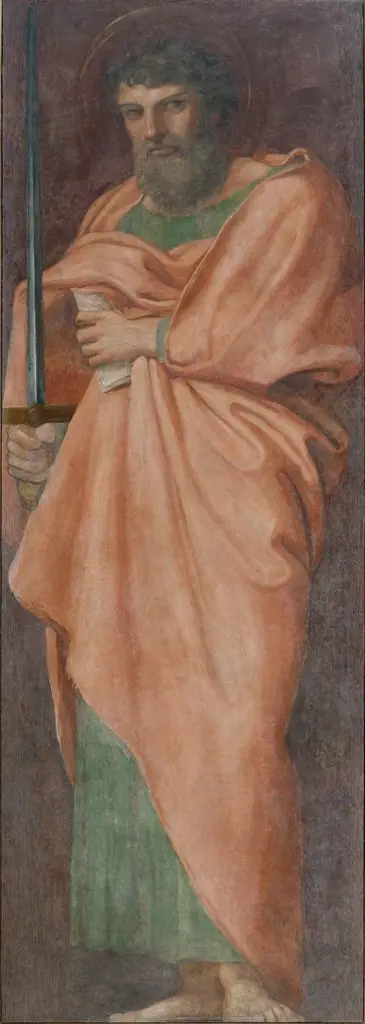 Saint Paul
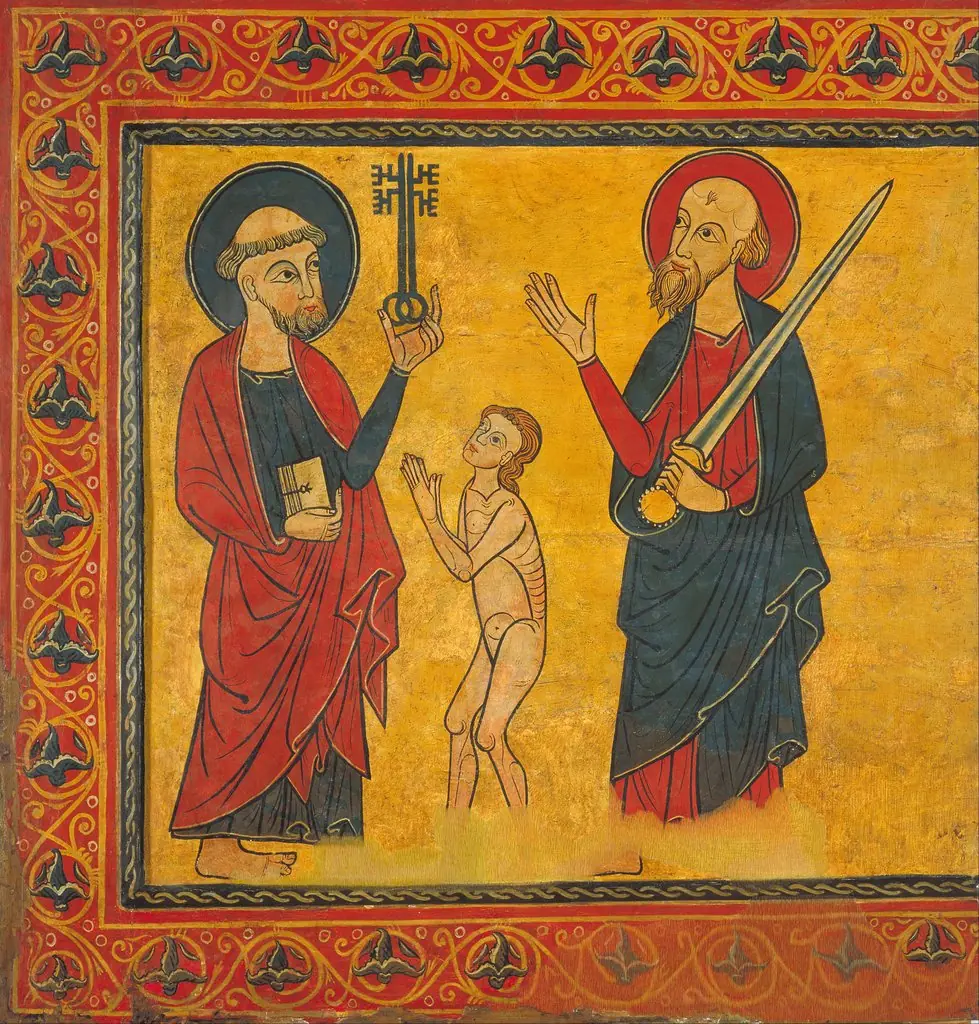 Supplicant Soul between Saint Peter and Saint Paul
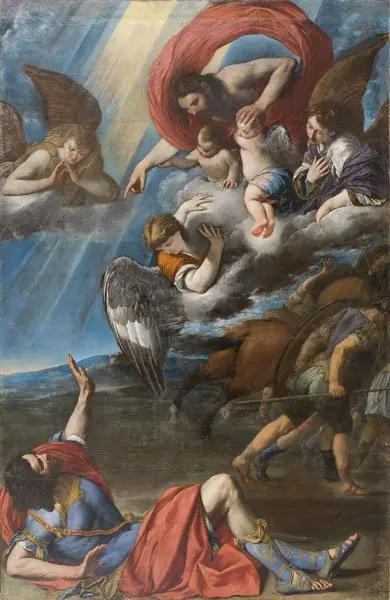 The conversion of Saint Paul
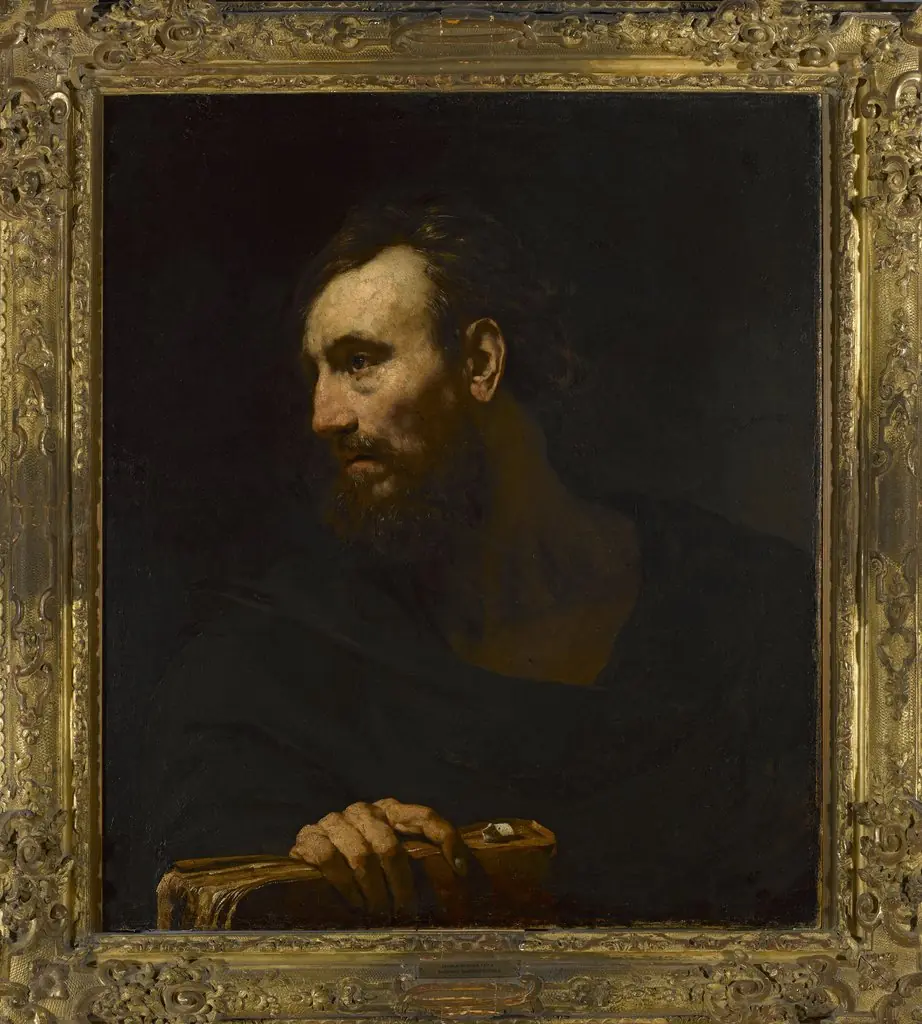 Old man with a book
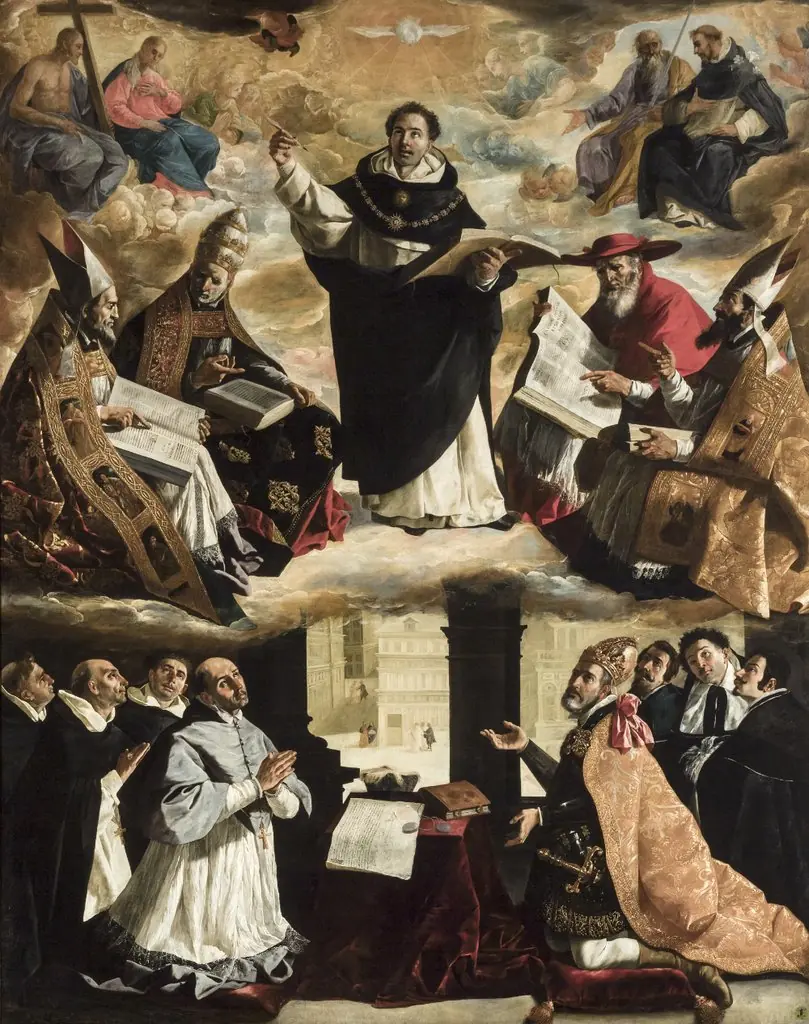 The Apotheosis of St. Thomas of Aquino
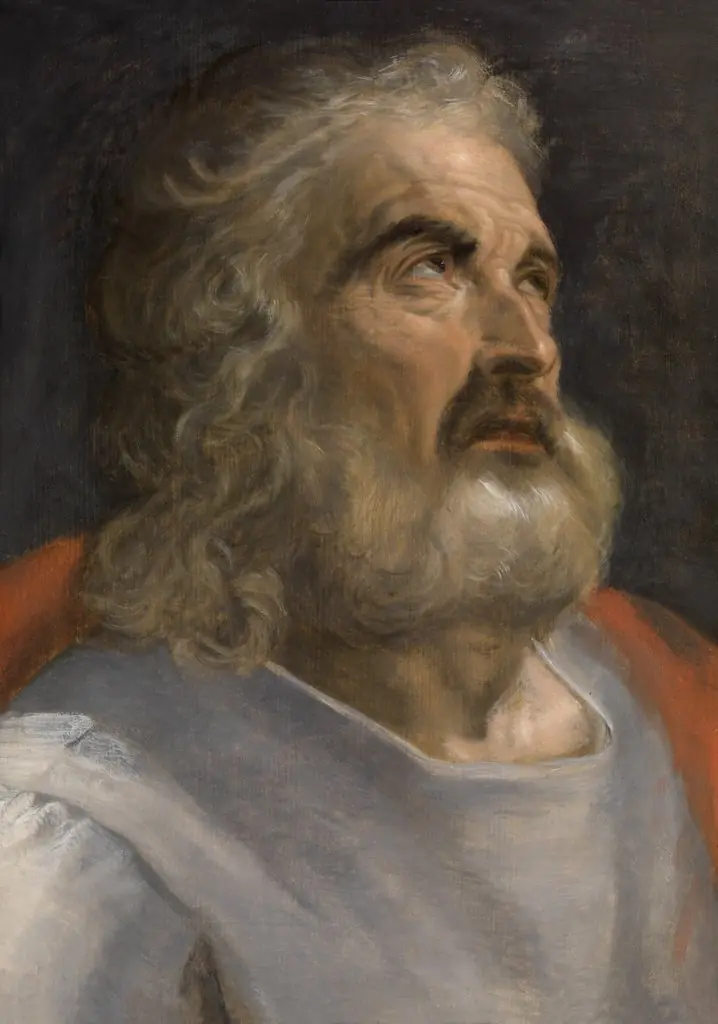 Man with a Beard
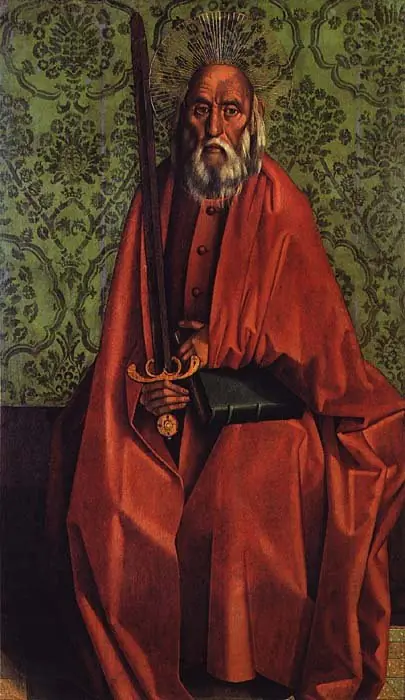 Saint Paul
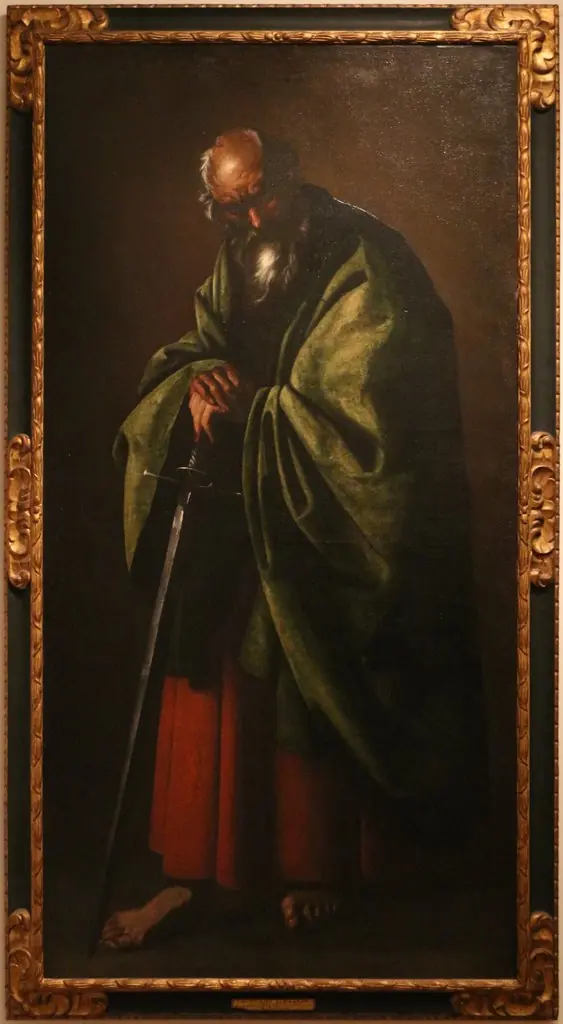 Saint Paul
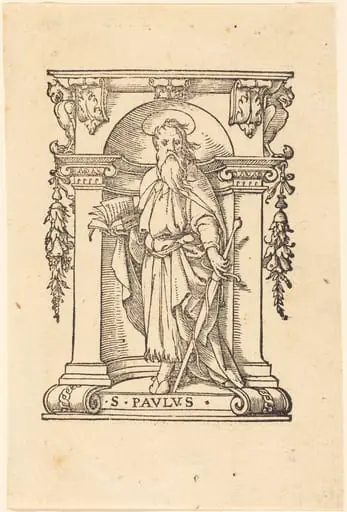 Saint Paul with Book and Sword
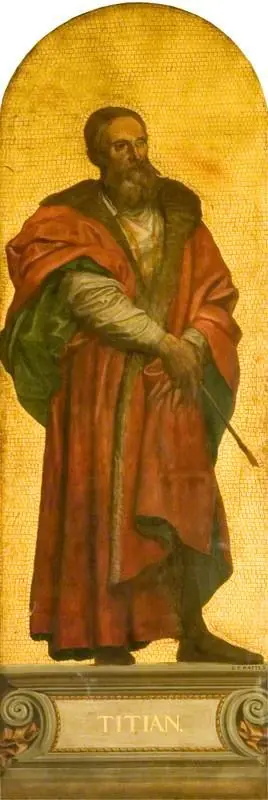 Titian (c.1485–1576) (design for a mosaic in the Victoria and Albert Museum)
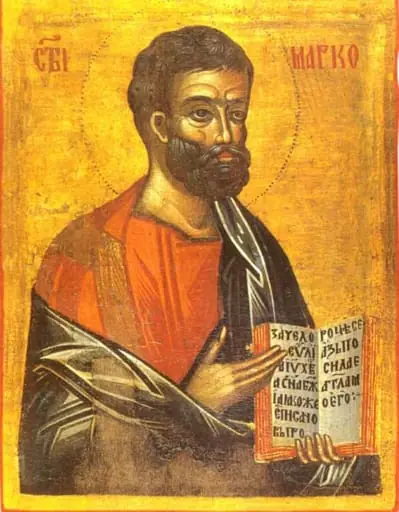 Sfântul Evanghelist Marcu
Frequently asked questions
What is Paul the Apostle?
Paul the Apostle (Italian: San Paolo, German: Die Bibel – Paulus), also known as Saint Paul, is a 2000 television film written by Gareth Jones and directed by Roger Young.
How many Paul the Apostle works does Artifact World Gallery have?
Artifact World Gallery holds 66 public-domain Paul the Apostle works, all free to view and download.
Who are the key Paul the Apostle artists?
Key Paul the Apostle artists in the collection include Titian, Raphael and El Greco.
Where can I see Paul the Apostle works?
Paul the Apostle works in the collection are held by Metropolitan Museum of Art, Museu Nacional d'Art de Catalunya and Rijksmuseum.