Subject
Tibet
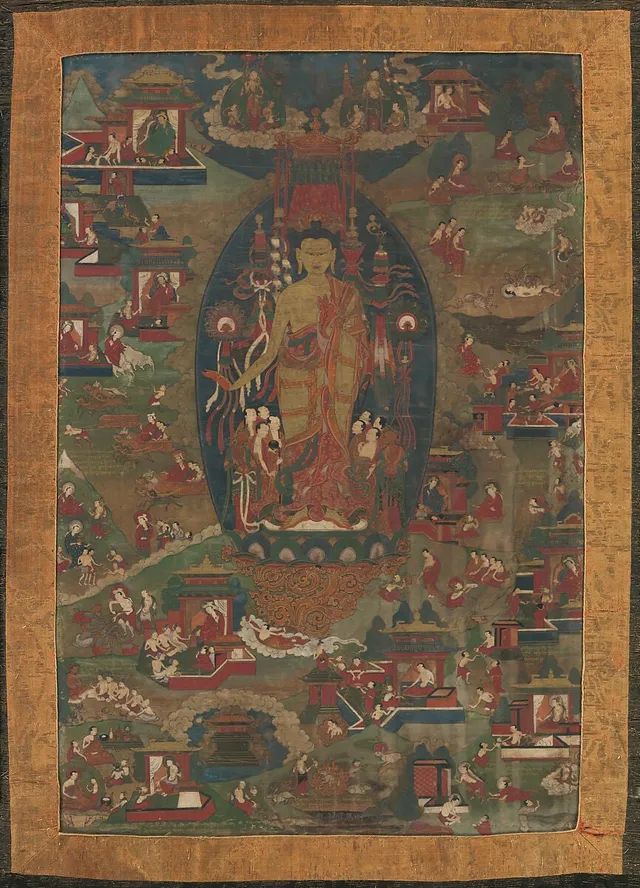
Tibet is a subject in art. The gallery holds 78 works in this subject in art.
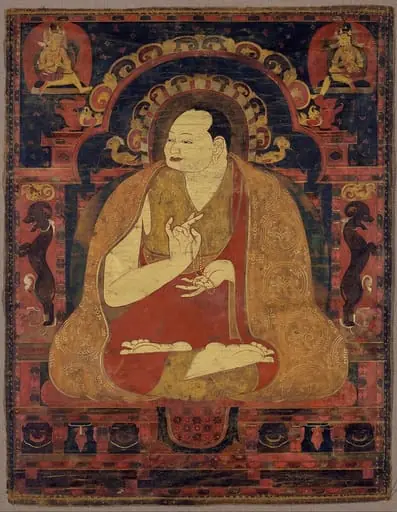
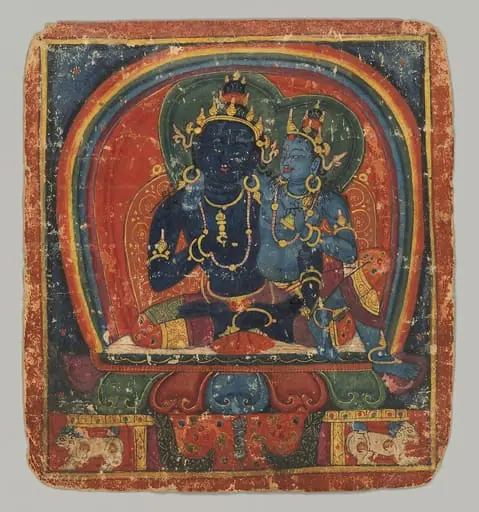
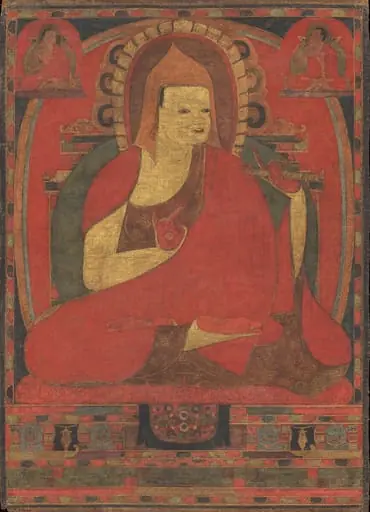
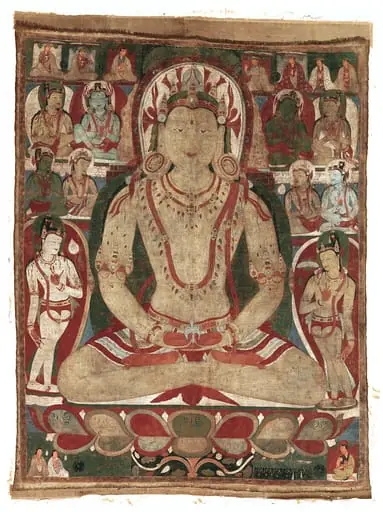
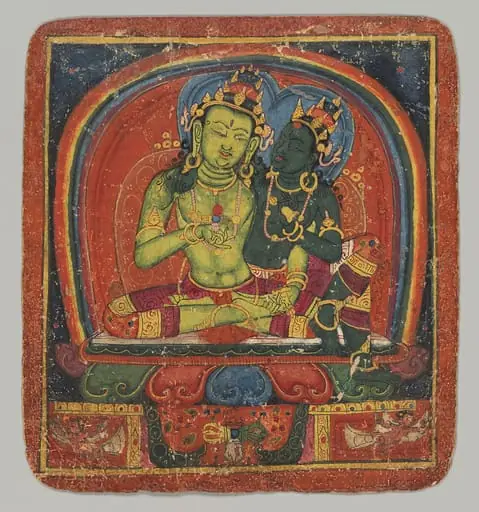
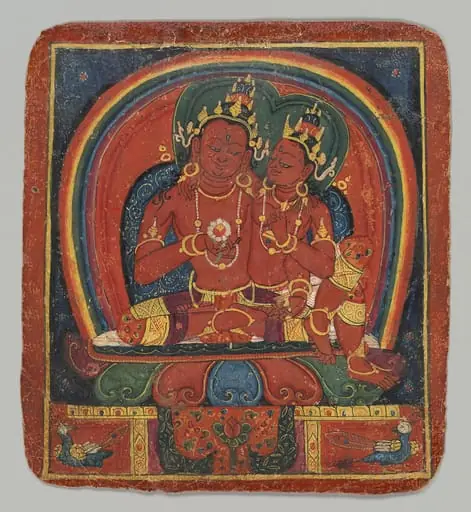
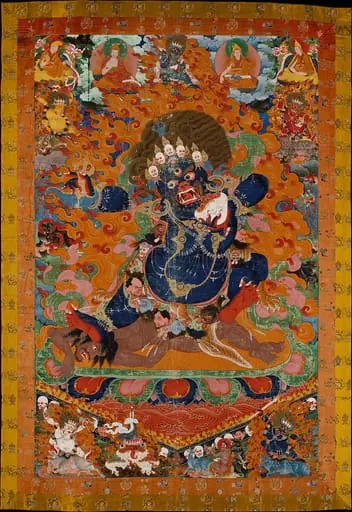
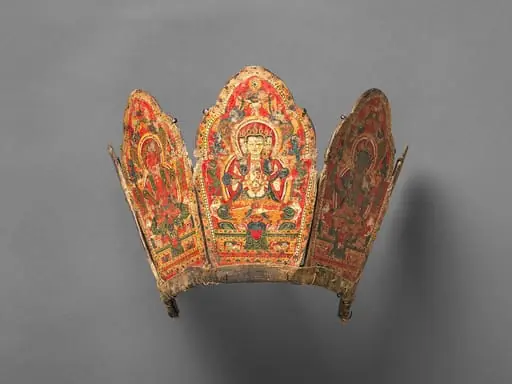
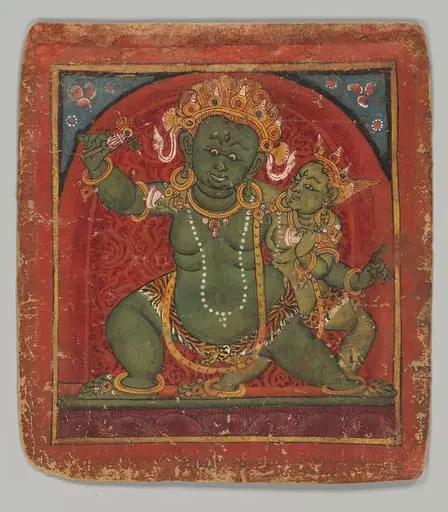
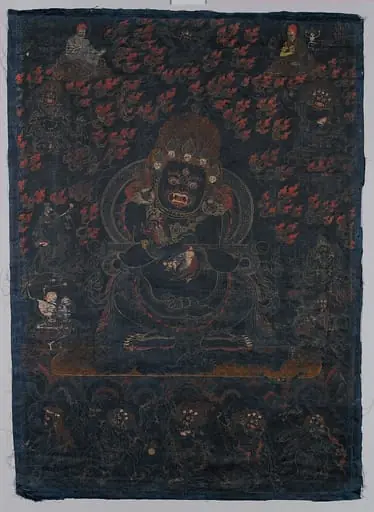
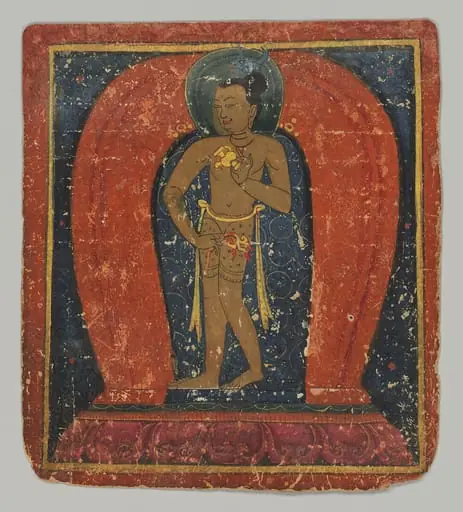
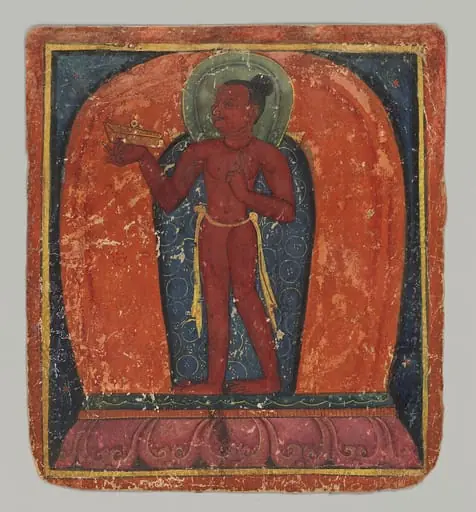
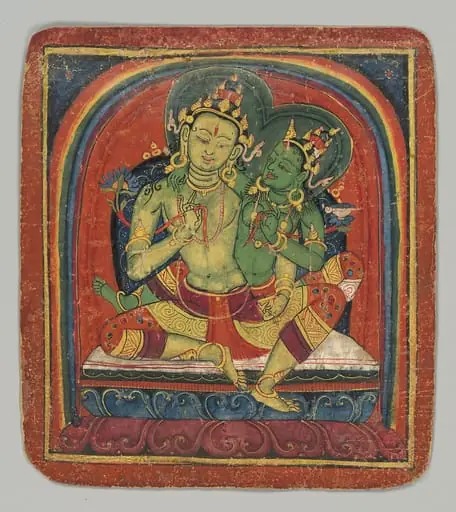
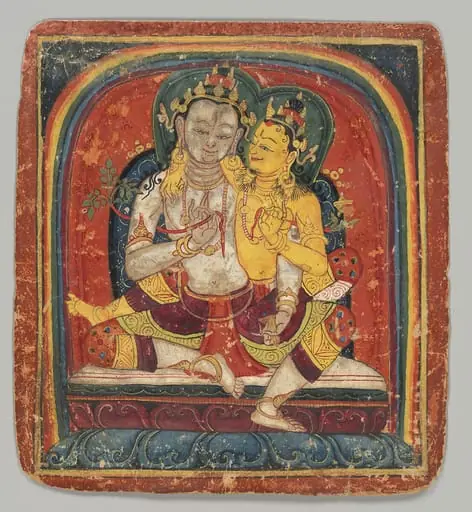
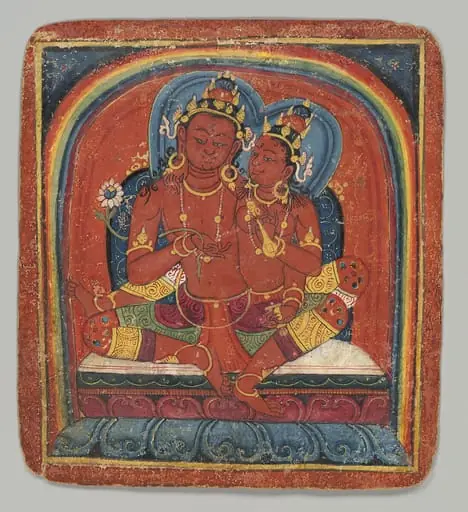
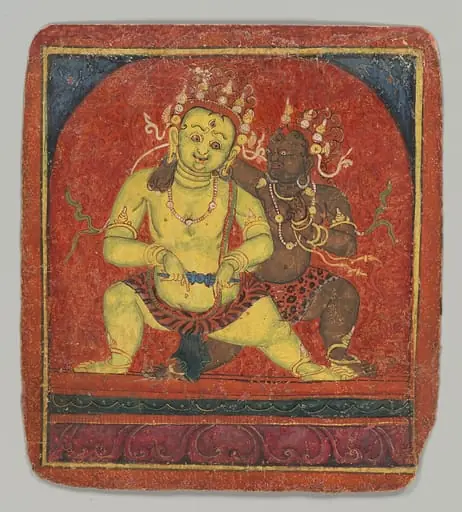
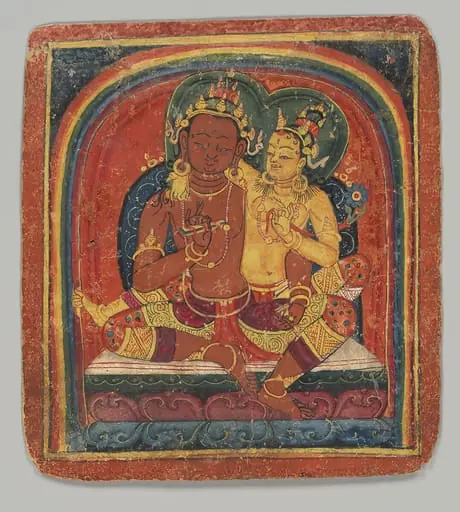
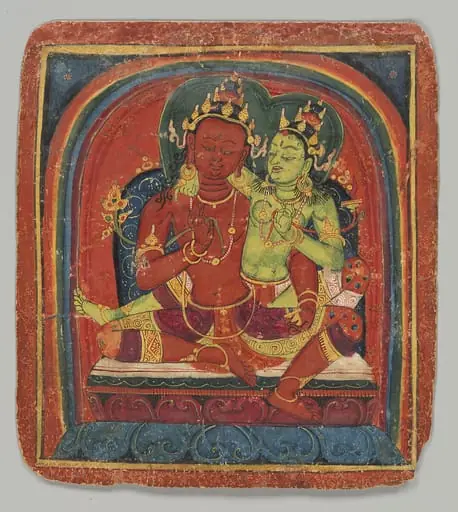
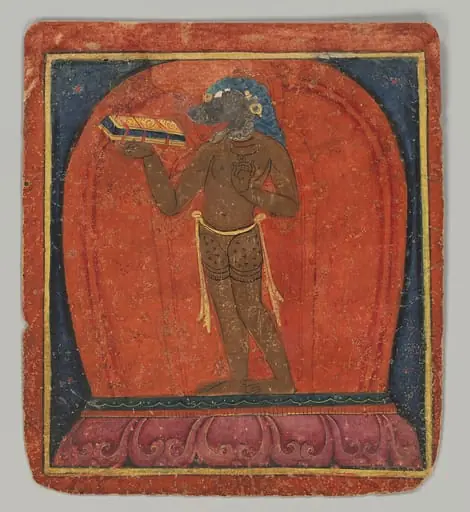
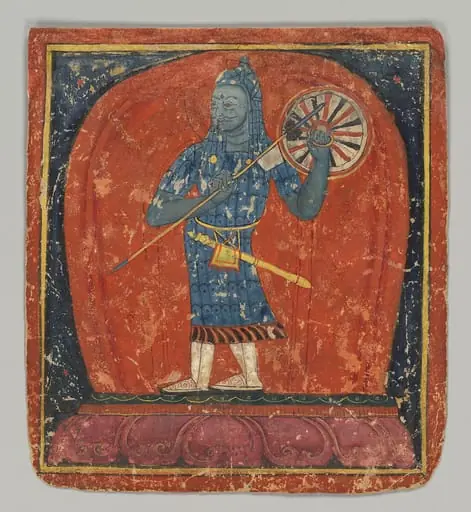
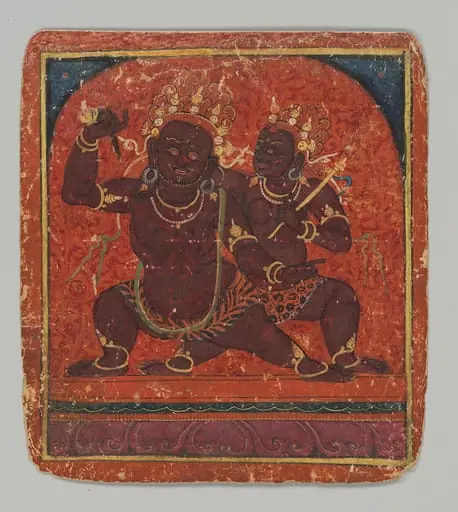
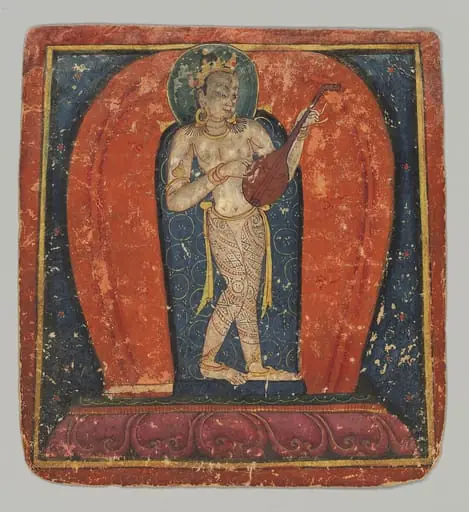
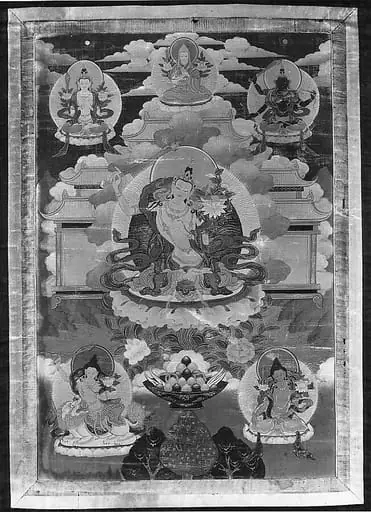
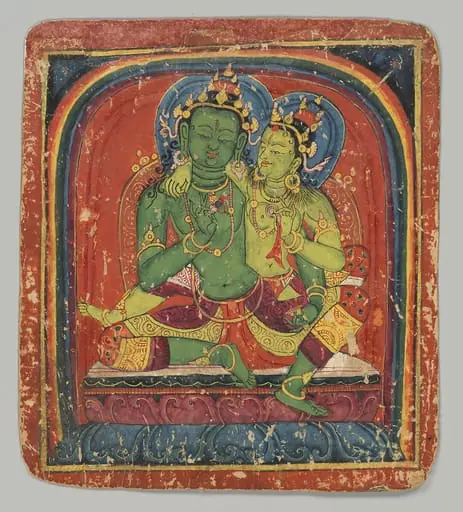
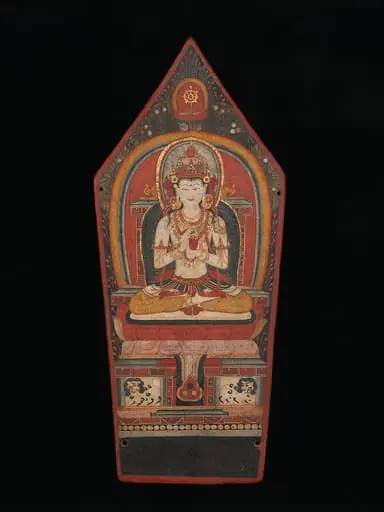
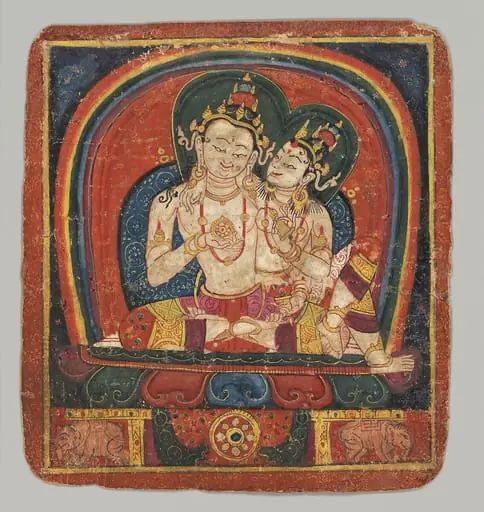
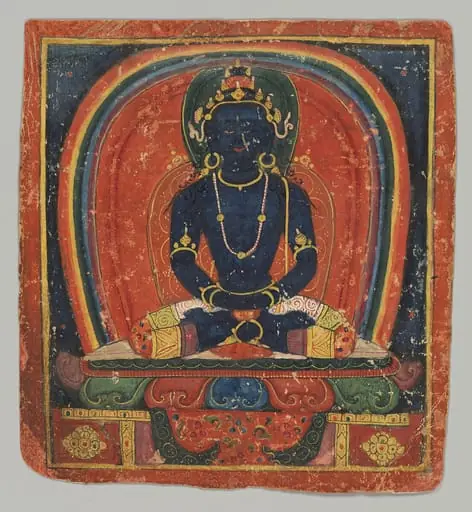
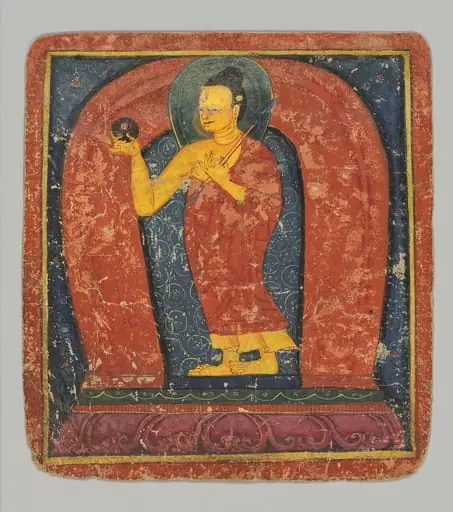
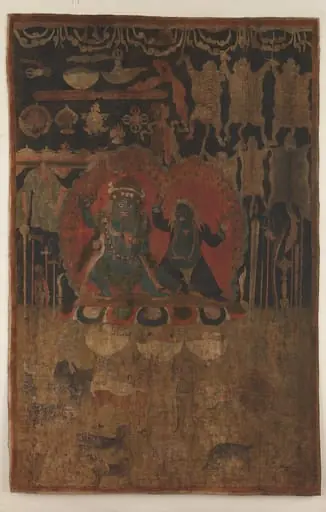
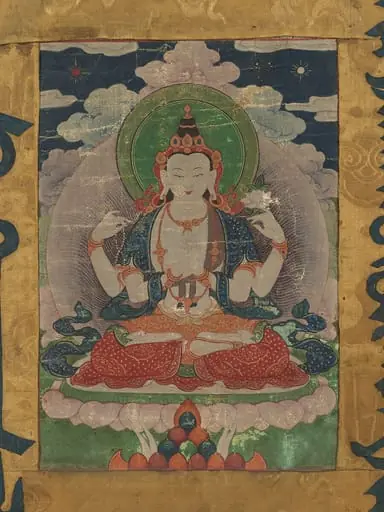
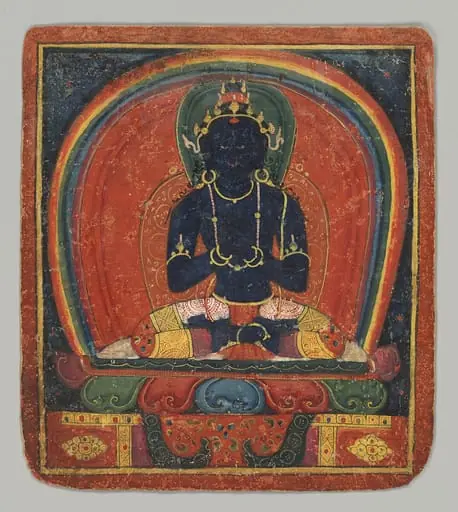
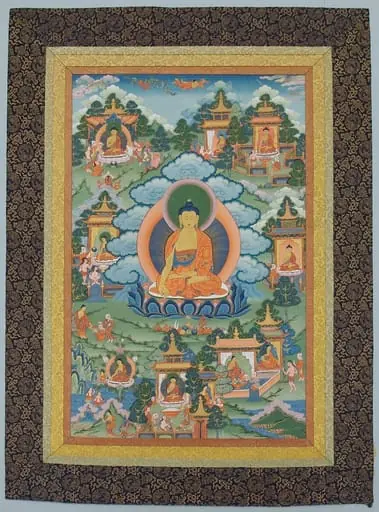
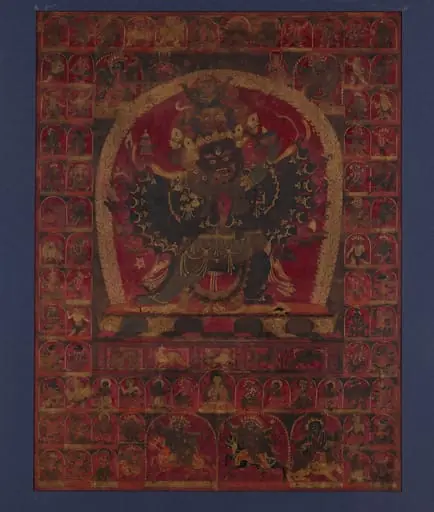
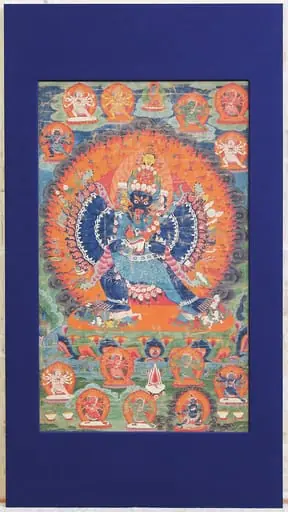
Tibet is a region of high plateaus and mountain ranges in the western part of East Asia, the homeland of the Tibetan people and, since the seventh century, one of the great crucibles of Buddhist sacred art. Artistic production on the plateau began in earnest under King Songtsen Gampo (reigned c. 618–649), whose workshops drew on Nepalese and Chinese craftsmen, and intensified during the "second diffusion" of Buddhism around 1000, when the translator-monk Rinchen Zangpo brought artists from Kashmir to decorate new temples. From these imported idioms—Pala India, Kashmir, Khotan, China, and above all the Newar masters of Nepal's Kathmandu Valley—Tibetan painters and sculptors forged, by the fifteenth century, a distinct synthesis recognizably their own.
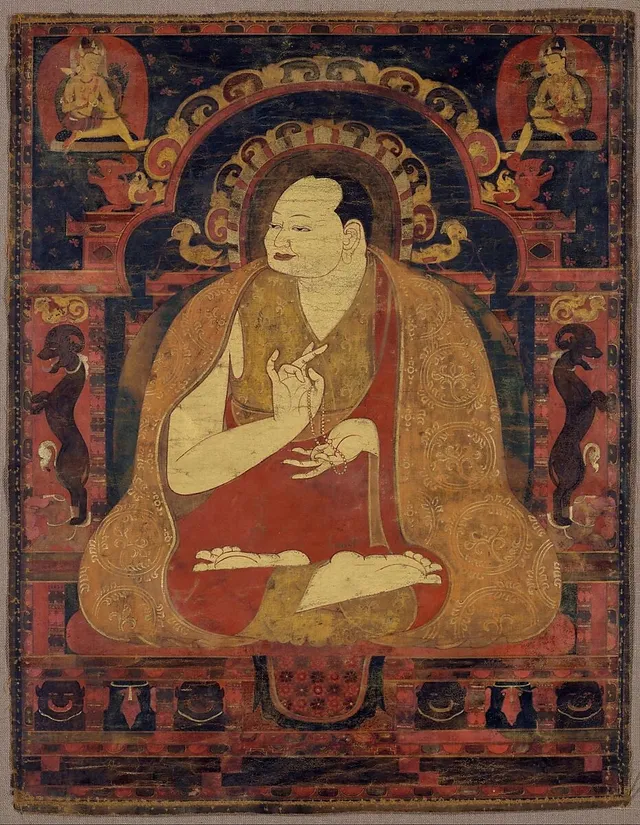
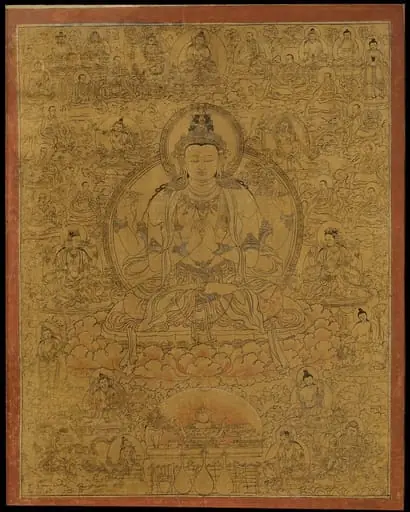
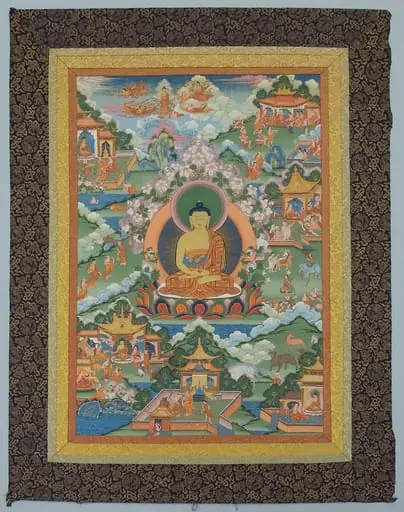
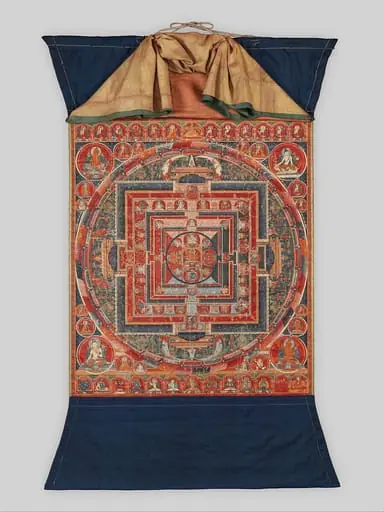
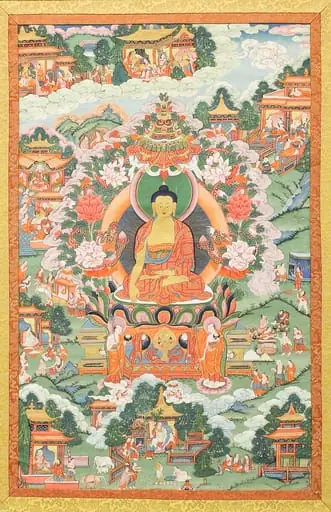
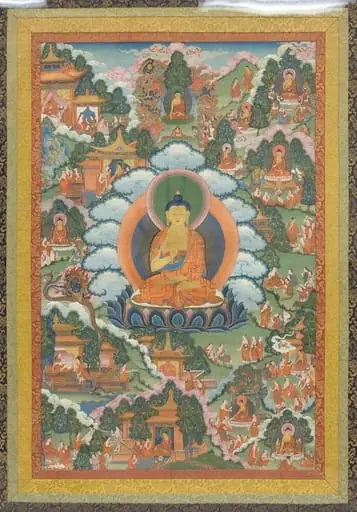
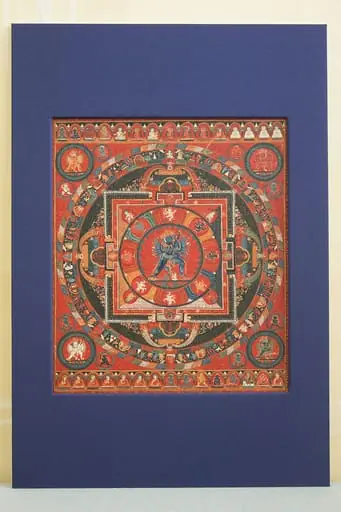
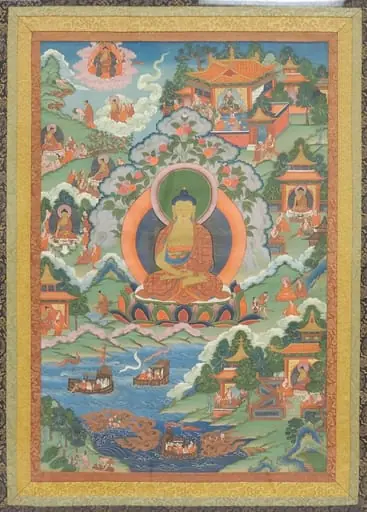
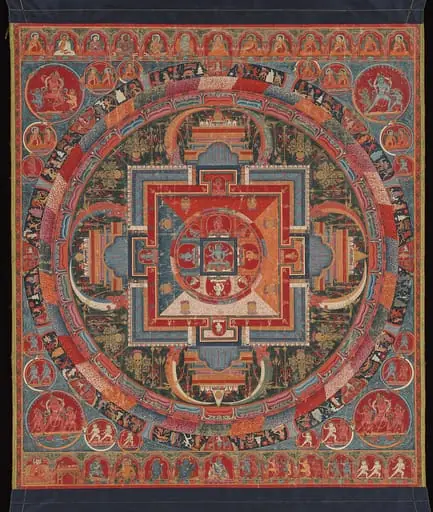
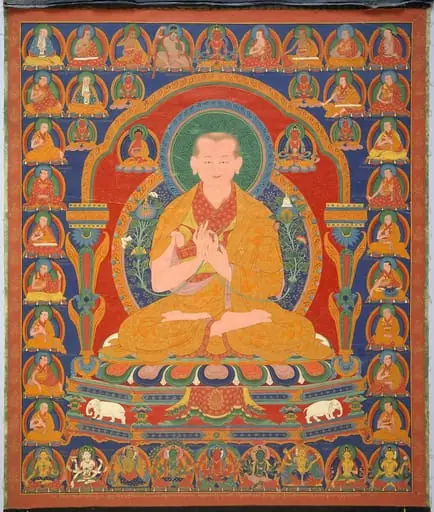
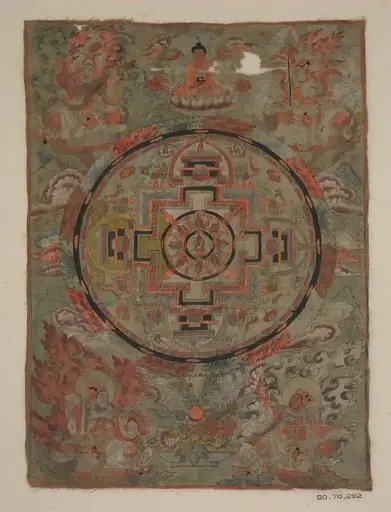
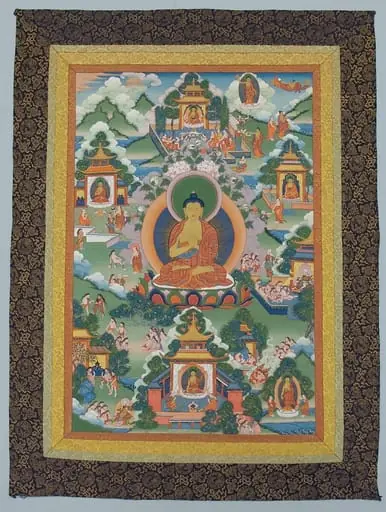
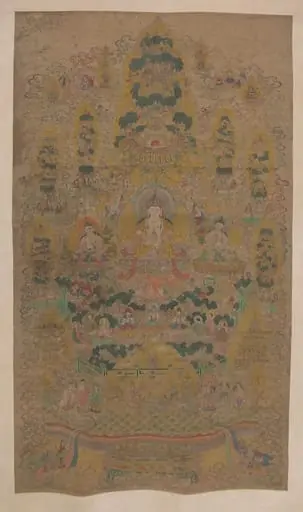
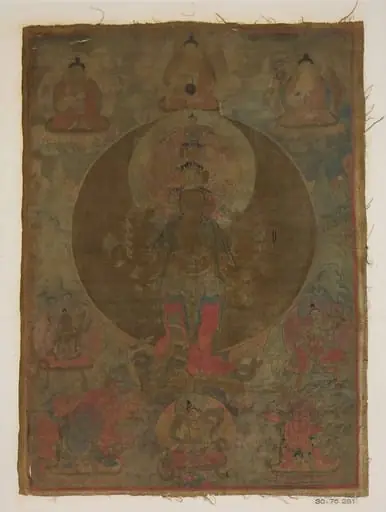
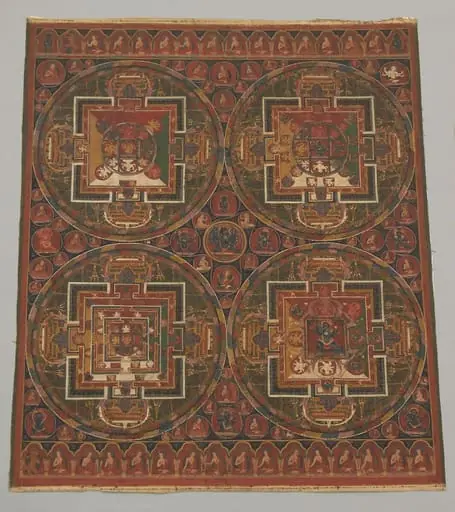
The defining medium is the thangka, a scroll painting on sized cotton or silk whose name means roughly "something rolled up." Composition is governed by iconometry, a strict system of proportional grids ensuring each deity conforms to canonical measurements; the central figure dominates, ringed by lineage masters, attendants, and protectors. Painters ground mineral pigments—azurite for blue, malachite for green, cinnabar, and lapis lazuli—and burnish powdered or leaf gold to a soft sheen, yielding the jewel-like saturation for which the tradition is famous. Mandalas translate the same principles into sacred geometry, mapping a deity's enlightened palace as a cosmic diagram for meditation.
The first truly indigenous schools crystallized in the fifteenth century around two contemporaries. Menla Döndrup founded the Menri ("Medicine Mountain") style, known for flowing clouds, low rounded hills, refined outlines, and luminous color. His fellow student Khyentse Chenmo originated the Khyenri tradition, prized for realism and acute observation of portraits, animals, and wrathful deities; his murals at Gongkar Chöde monastery (c. 1464–1476) survive as canonical monuments. Later the Karma Gardri school absorbed Chinese landscape sensibilities into a more spacious, atmospheric manner.
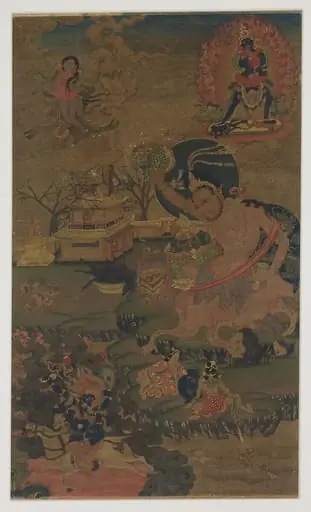
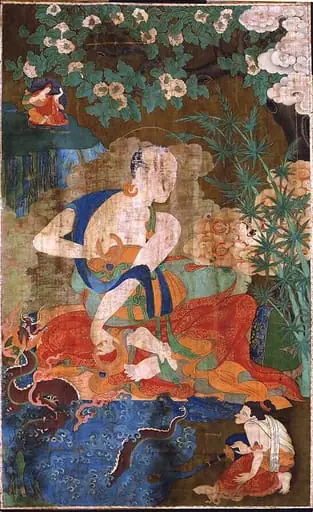
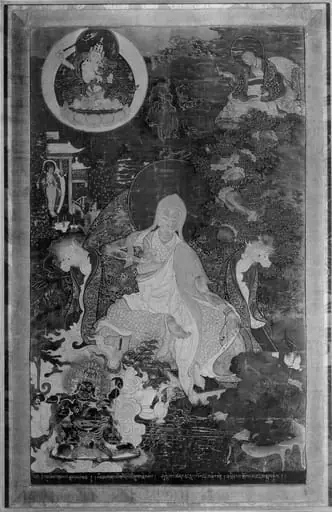
This cross-cultural pliancy is Tibetan art's enduring legacy. Carried by Mongol patrons into Yuan and Ming China, it shaped imperial Buddhist imagery; the Museum's painting of the Arhat Vajraputra—once part of a set of the sixteen arhats—shows hieratic Tibetan iconography softened by Sinicized, naturalistic landscape. From Densatil's gilt-bronze sculpture to the painted prayer wall, Tibet's art remained at once devotional instrument and living conversation among the Himalayan traditions of India, Nepal, and China.
Works
 Untitled
 Untitled
 Untitled
 Untitled
 Untitled
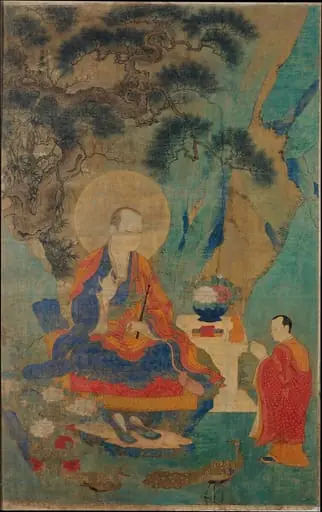 明 佚名 羅漢圖 軸|The Arhat Vajraputra
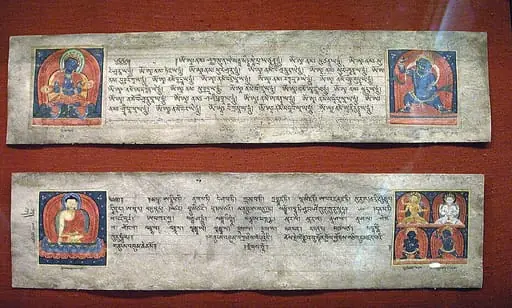 Untitled
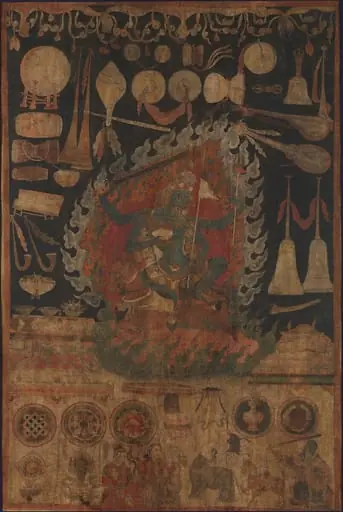 Untitled
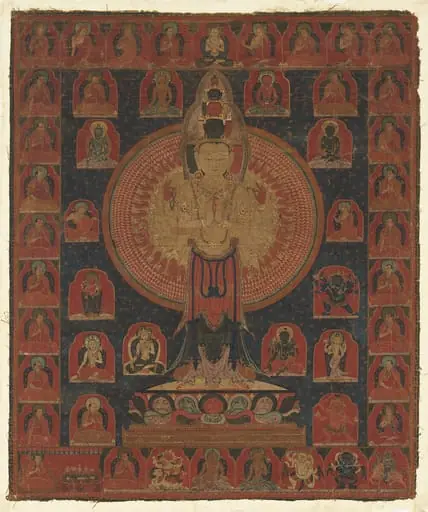 Untitled
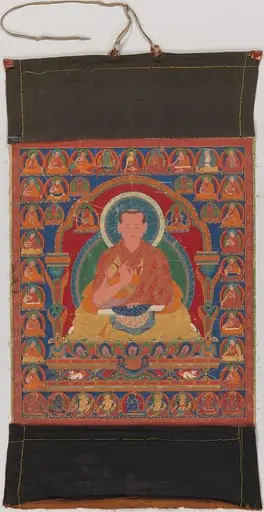 Untitled
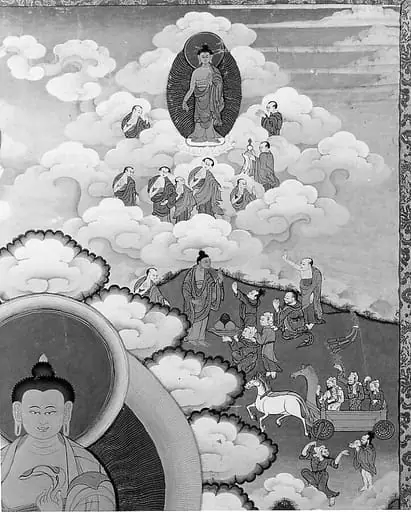 Untitled
 Untitled
 Untitled
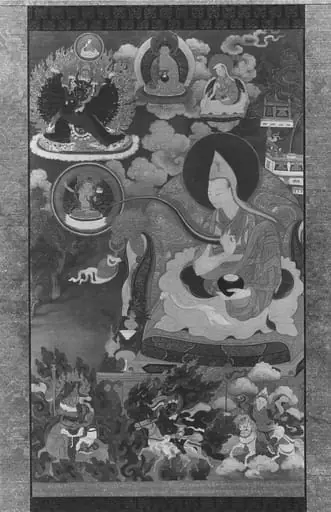 Untitled
 Untitled
 Untitled
 Untitled
 Untitled
 Untitled
 Untitled
 Untitled
 Untitled
 Untitled
 Untitled
 Untitled
 Untitled
 Untitled
 Untitled
 Untitled
 Untitled
 Untitled
 Untitled
 Untitled
 Untitled
 Untitled
 Untitled
 Untitled
 Untitled
 Untitled
 Untitled
 Untitled
 Untitled
 Untitled
 Untitled
 Untitled
 Untitled
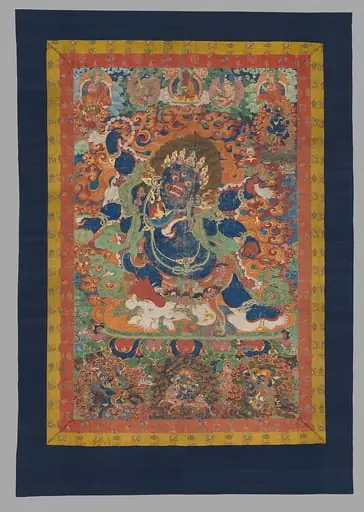 Untitled
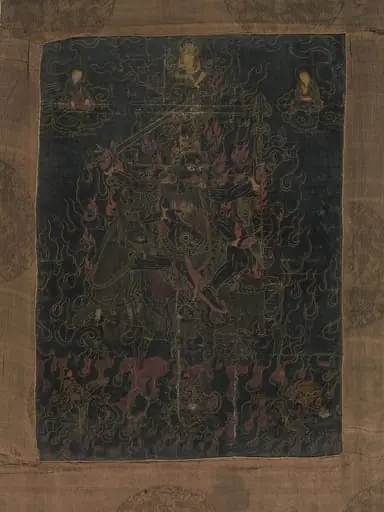 Untitled
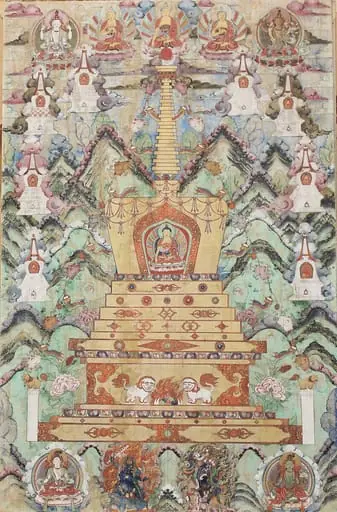 Untitled
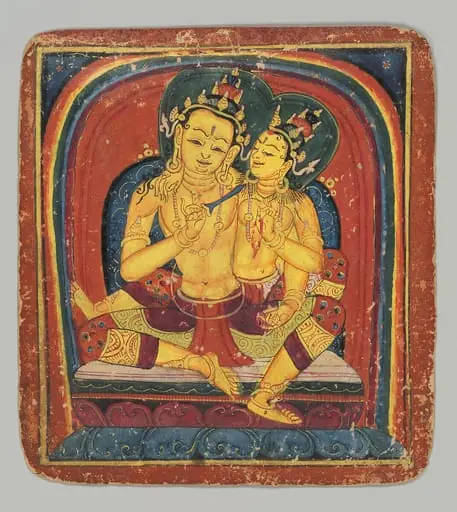 Untitled
 Untitled
 Untitled
 Untitled
 Untitled
 Untitled
 Untitled
 Untitled
 Untitled
 Untitled
 Untitled
 Untitled
 Untitled
 Untitled
 Untitled
 Untitled
 Untitled
 Untitled
 Untitled
 Untitled
 Untitled
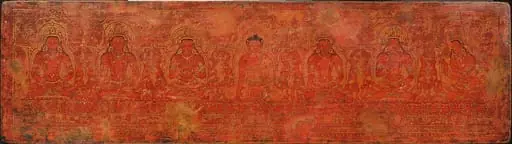
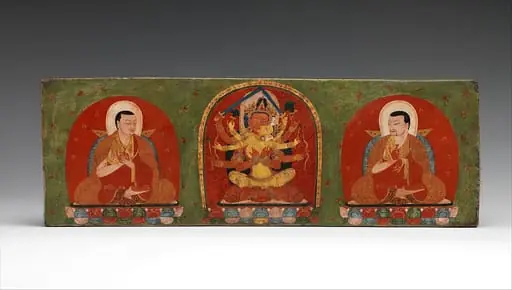
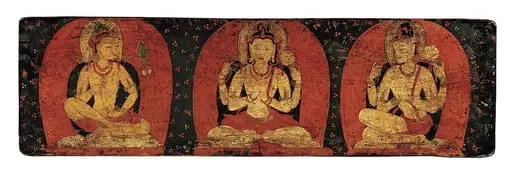
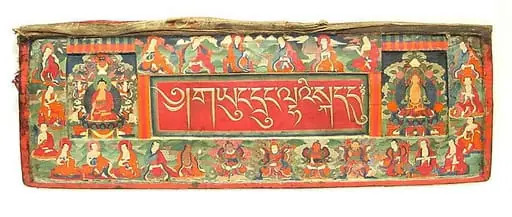
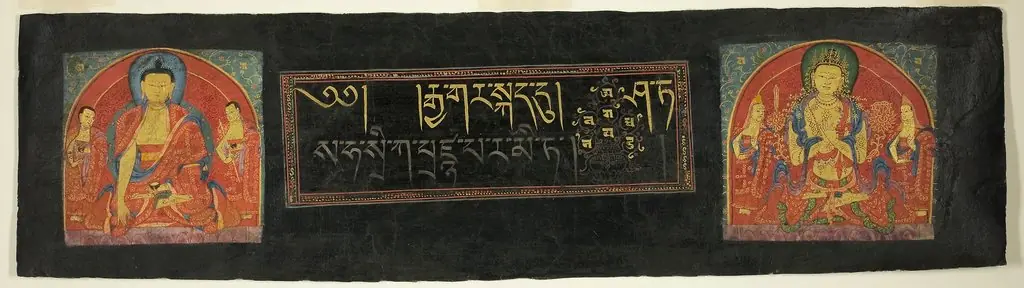 Page from a Copy of the Perfection of Wisdom Sutra (Astasahasrika Prajnaparamitasutra)
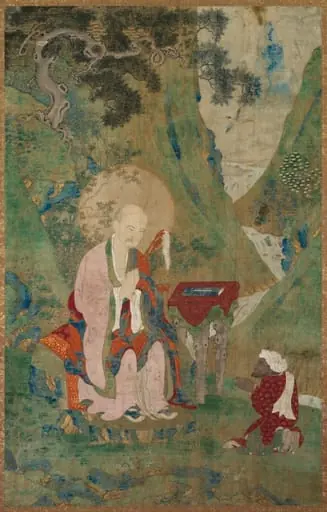 Lohan (Immortal)
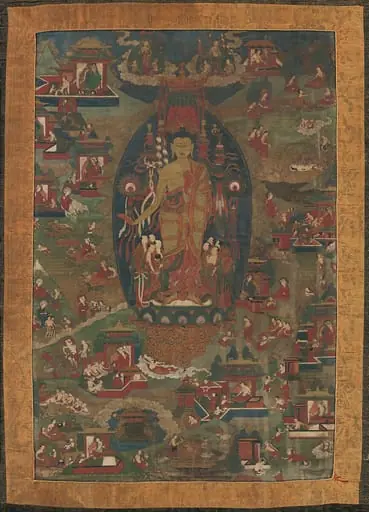
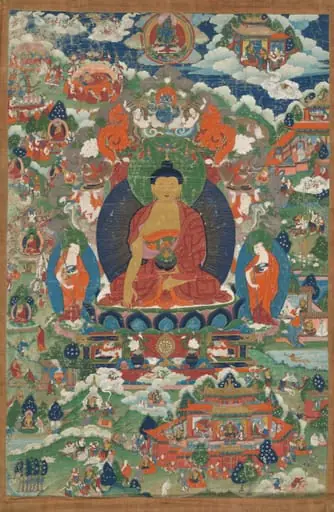 Shakyamuni Buddha with scenes from his life story
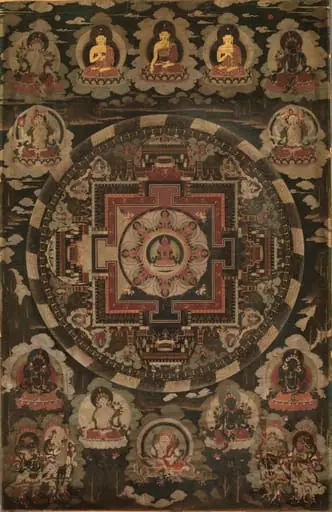 Mandala
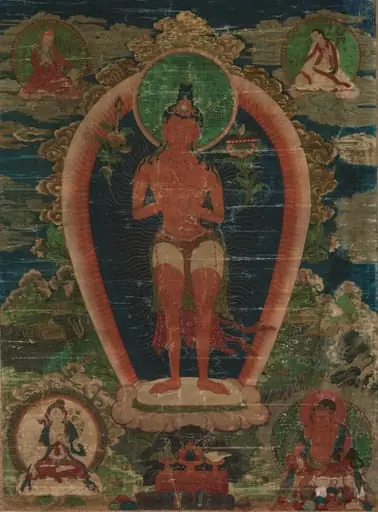 Bodhisattva Padmapani
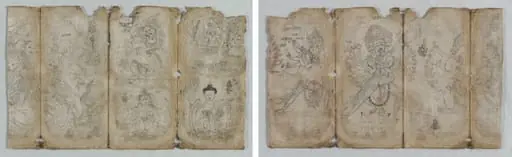 Iconographic Sketchbook
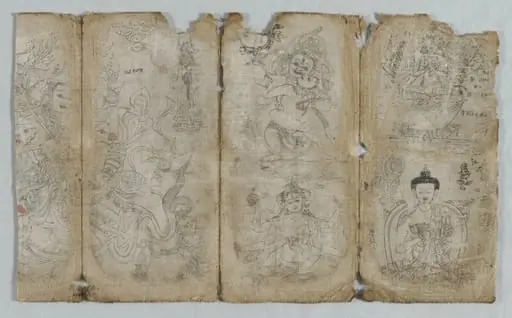 Iconographic Drawings: Vaishravana, Yama, Ushnishavijaya, Chunda (?), and Buddha (recto)
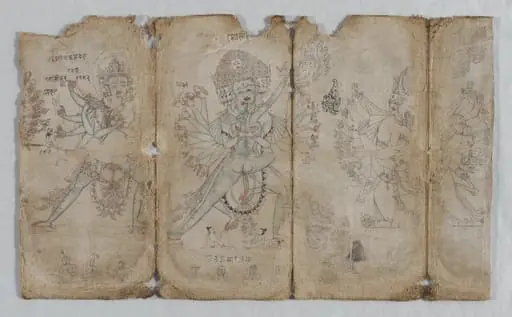 Iconographic Drawings: Chakrashamvara with Vajravarahi, Hevajra with Nairatmya, and Yamantaka (verso)
Frequently asked questions
What is Tibet?
Tibet ( ) is a region in the western part of East Asia, covering much of the Tibetan Plateau.
How many Tibet works does Artifact World Gallery have?
Artifact World Gallery holds 78 public-domain Tibet works, all free to view and download.
Where can I see Tibet works?
Tibet works in the collection are held by Metropolitan Museum of Art, Cleveland Museum of Art and Art Institute of Chicago.