
Subject
White People
White People is a subject in art. The gallery holds 81 works in this subject in art, including works by Jean Léon Gérôme, Pierre-Auguste Renoir and Hans Memling.
As a subject in art, "White People" sits at the intersection of two histories: the depiction of European-descended people, who form the unmarked default of the entire Western canon, and the modern racial category of "whiteness" itself. While pale complexions had been described and admired since antiquity, ancient and medieval Europeans identified by nation and faith—English, Dutch, Greek, Gaul—rather than by a shared "white" race. The present-day notion entered major European languages only in the late seventeenth century, crystallizing in the colonial Atlantic where labour codes in places such as Barbados distinguished "white" indentured Europeans from enslaved Africans. Race-thinking hardened further through the anthropological taxonomies of the eighteenth and nineteenth centuries.
Visually, whiteness was something painters actively constructed rather than merely recorded. Scholars examining early-modern and eighteenth-century portraiture trace it through skin tone, costume, cosmetics, and heraldry: the smooth, luminous, "colourless" flesh of a sitter signalled chastity, status, and lineage. In late-eighteenth-century Britain, artists favoured pale female skin set off by strikingly flushed cheeks, a legible blush that fused ideals of femininity with anxieties about racial and national purity. Such conventions persist into modern painting—the shimmering blue-and-violet whites of the girls' dresses in Renoir's intensely coloured 'The Daughters of Catulle Mendès' (1888) extend a long tradition of luminosity as a marker of refinement.
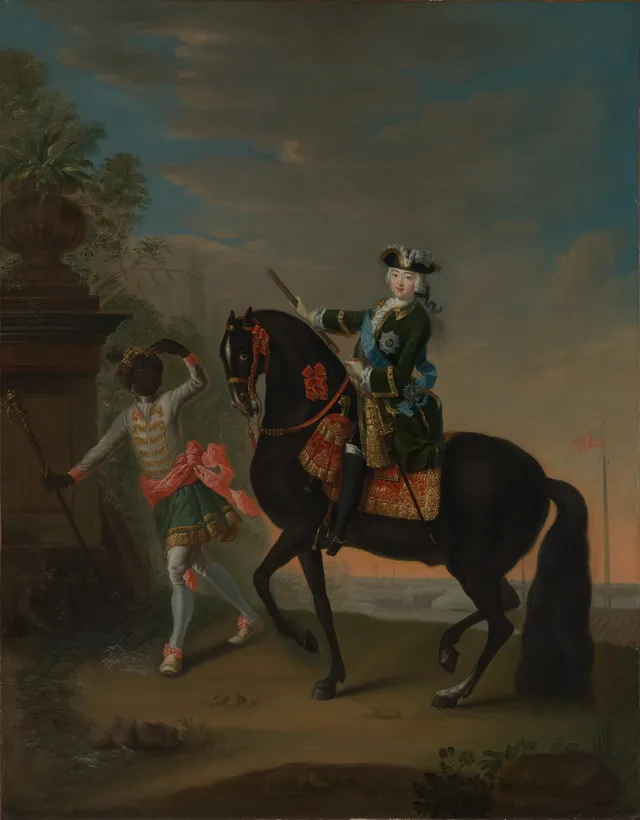
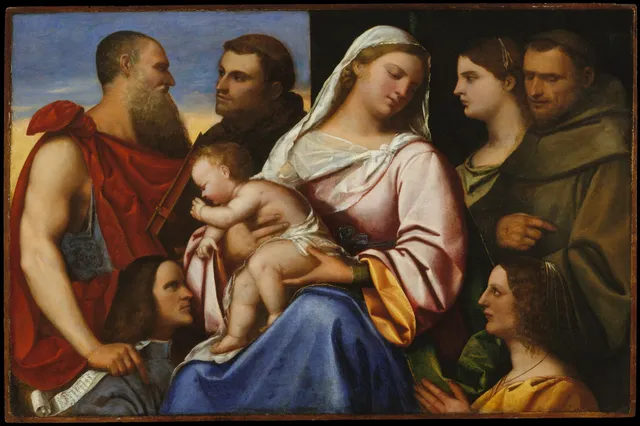
Because European patrons and artists dominated the canon, white sitters fill its grandest genres. The catalogue's holdings span Sebastiano del Piombo's Renaissance 'Madonna and Child with Saints and Donors', Georg Christoph Grooth's equestrian 'The Empress Elizabeth of Russia on Horseback', Gérôme's Orientalist 'The Great Bath at Bursa', and the New England likeness 'Mrs. Abijah Cheever' by Nathaniel Hancock. Tellingly, Joshua Johnson—born into slavery around 1763 and the earliest documented Black professional artist in the United States—built his Baltimore career painting white merchant families, as in his 'Family Group' (c. 1800).
The critical study of these images is recent. Whiteness studies emerged in the 1990s through theorists such as Richard Dyer, whose 'White' (1997) argued that whiteness functions as an "invisible" racial position precisely because it is assumed as normal. Building on work by Ruth Frankenberg and David Roediger, and extended in Tate and Journal18 scholarship, this lens reframes the Western portrait tradition itself—revealing how the canon's apparent neutrality encodes a constructed, historically specific idea of race.
Key artists

Overview
White people is a historical specification of skin color and a modern classification of race, most often applied to identify people of European origin. The exact definition varies depending on context and viewpoint, functioning as a political and societal category rather than a strict biological reality. Contemporary anthropologists and scientists regard the concept of a unified and distinguishable White race as a social construct with no scientific basis, recognizing that physical traits like skin color are determined by a small number of genes adapting to environmental factors, such as the need for vitamin D synthesis in regions with low sunlight. Biologically, light skin results from lower melanin levels, a genetic adaptation estimated to have generalized in Europe around 8,000 years ago.
Iconography & meaning
In visual culture, the iconography and meaning of whiteness have shifted drastically. In antiquity, light skin carried gendered connotations rather than racial ones. Ancient Egyptians, Mycenaean Greeks, and Minoans depicted women with pale or white skin while portraying men as dark brown or tanned. Ancient Greek writers like Plato and Aristotle considered pale, leukochros skin a sign of weakness and effeminacy, associating it with women or the sheltered elite, such as Persian prisoners described by Xenophon. During the Middle Ages, whiteness in art and literature became associated with virtue, immaculateness, and beauty, while blackness was linked to paganism or Islam, rhetorically subordinating it to a white European Christianity. By the early modern period, whiteness was ideologically weaponized, becoming a marker of superiority in pseudoscientific and racial hierarchies, most notably popularized by philosophers like Immanuel Kant who claimed the white race possessed all the drives and talents for civilization.
Across movements & periods
The treatment of whiteness transformed significantly across historical periods. In Greco-Roman antiquity, societies lacked a pan-European identity or a concept of whiteness as a race; identity was rooted in geography, religion, or nationality, and complexions were explained by climate. Art historical analysis of medieval visual culture indicates Europeans did not view themselves as white, depicting themselves with various skin tones until increased contact with non-white populations during the Crusades altered perceptions. The racialized understanding of a unified White people entered European languages in the late 17th century, driven by the Atlantic slave trade and colonial expansion. This era saw an ideological coloring of populations, placing Europeans as white on an invented spectrum. Notably, East Asians were almost uniformly described as white until the 19th century, when they were redesignated as yellow to fit emerging racial taxonomies. By the 19th century, colonial propaganda and social Darwinism turned whiteness into a symbolic capital across class boundaries, though it remained exclusionary, as marginalized European groups like Slavs and Jews faced racialized devaluation despite their skin color.
Notable depictions
The earliest systematic classification of humanity that formally centered the white race as a category came from the French physician and traveler Francois Bernier. In 1684, Bernier published a new division of the earth based on geographic races, placing the first race, the white race, across Europe to the Nile, encompassing Persia and the Maldives. Bernier's framework not only established a taxonomic category but also introduced a hierarchy of beauty tied to the white category, evaluating women based on their value in Eastern slave markets and asserting the superiority of Caucasian features. This early racialized depiction marked a departure from medieval climate-based explanations, asserting instead that morphological differences were intrinsic and hereditary, providing a foundational text for the pseudoscientific racism that would follow in subsequent centuries.
Legacy
The legacy of whiteness as a constructed category continues to provoke cultural and linguistic debate. Following World War II, the concept of a unified white race persisted in various national contexts, partly due to a lack of deep reckoning with prior racial theories. In the contemporary era, sociologists and geneticists have delegitimized the biological concept of race, reframing whiteness as a historically grown, politically motivated, and flexible construct. This shift has sparked public discourse over the language of race itself. In the Netherlands, for instance, the traditional term for white people has faced scrutiny for its colonial connotations and perceived association with purity and cleanliness, leading activists to advocate for the more direct term wit. Conversely, critics argue that wit overly emphasizes a binary opposition associated with white supremacy movements. This ongoing linguistic and social friction underscores how the historical invention of whiteness remains a deeply contested element of modern identity and inequality.
Works
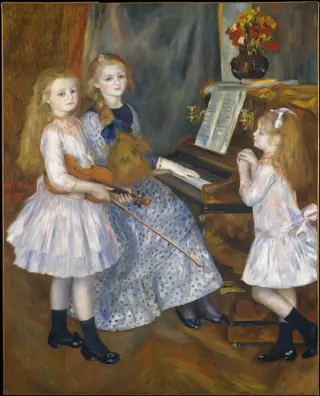 The Daughters of Catulle Mendès
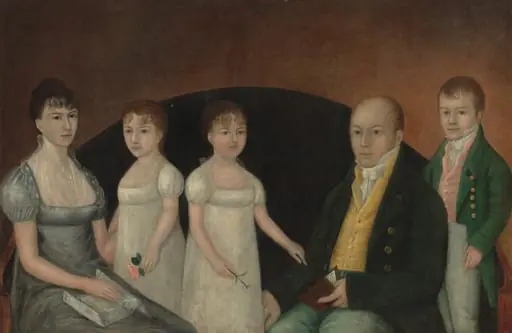 Family Group
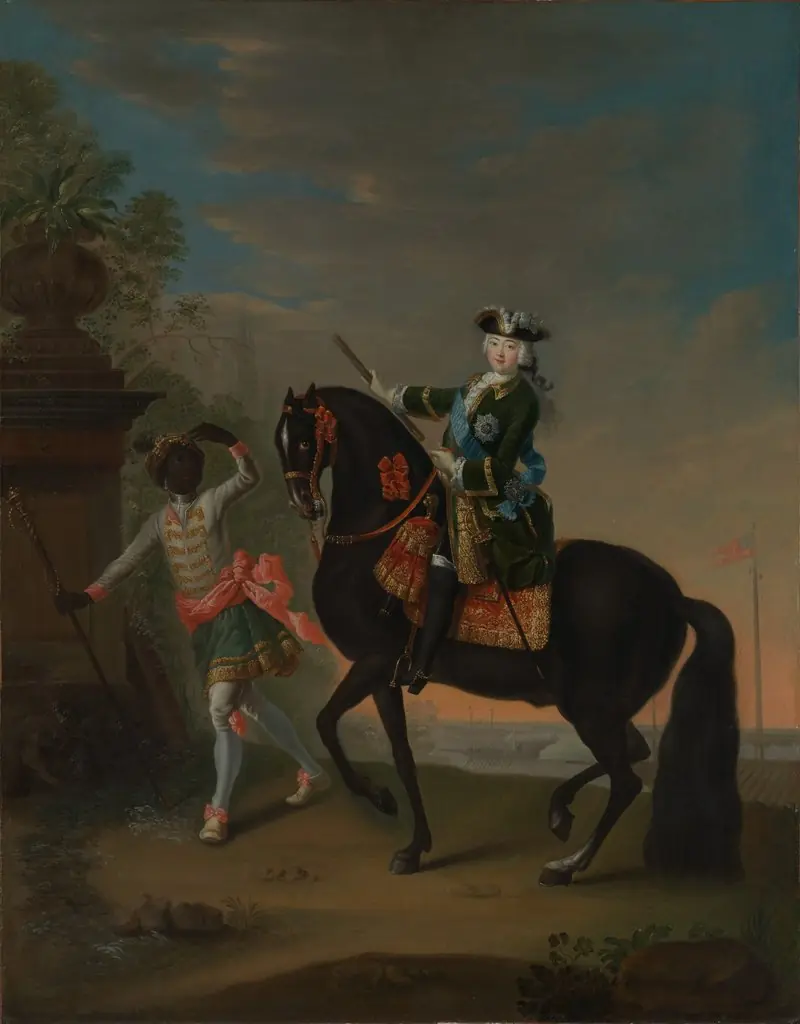 The Empress Elizabeth of Russia (1709–1762) on Horseback, Attended by a Page
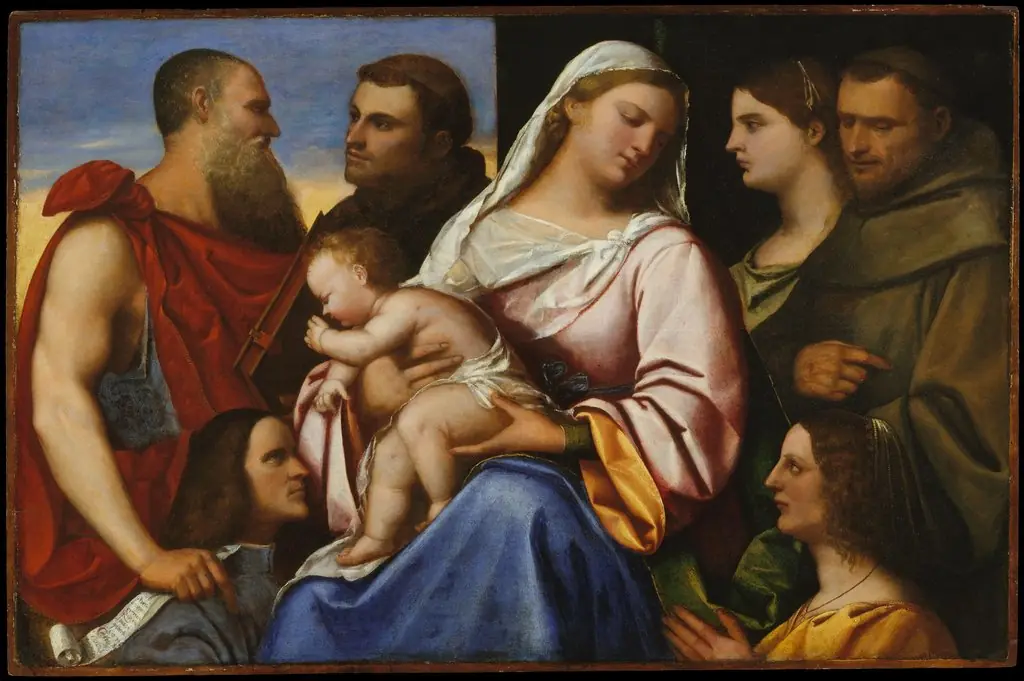 Madonna and Child with Saints and Donors
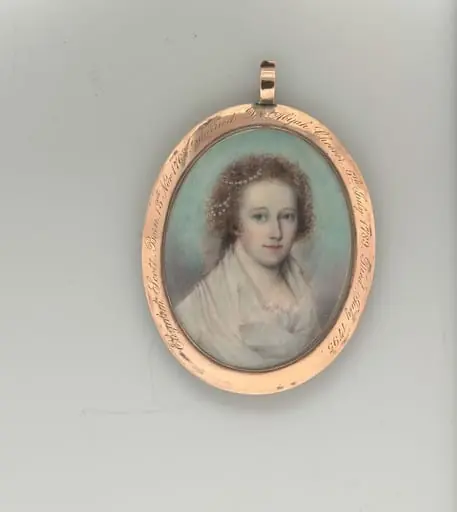 Mrs. Abijah Cheever (Elizabeth Scott)
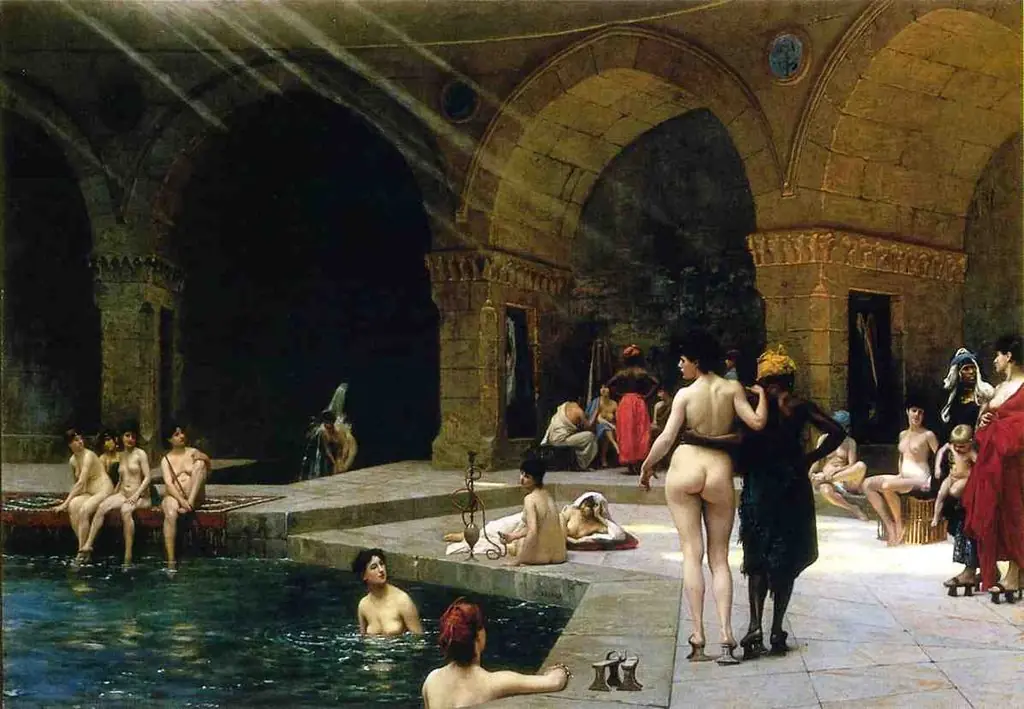 The Great Bath at Bursa
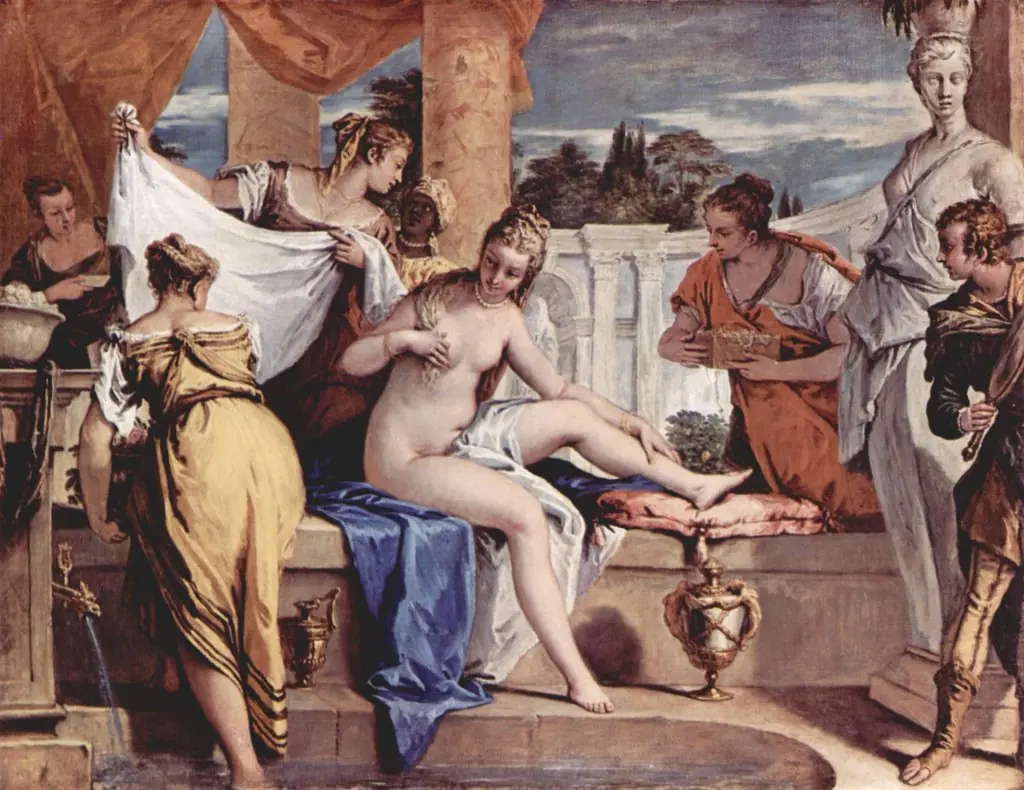 Bathsheba at her bath
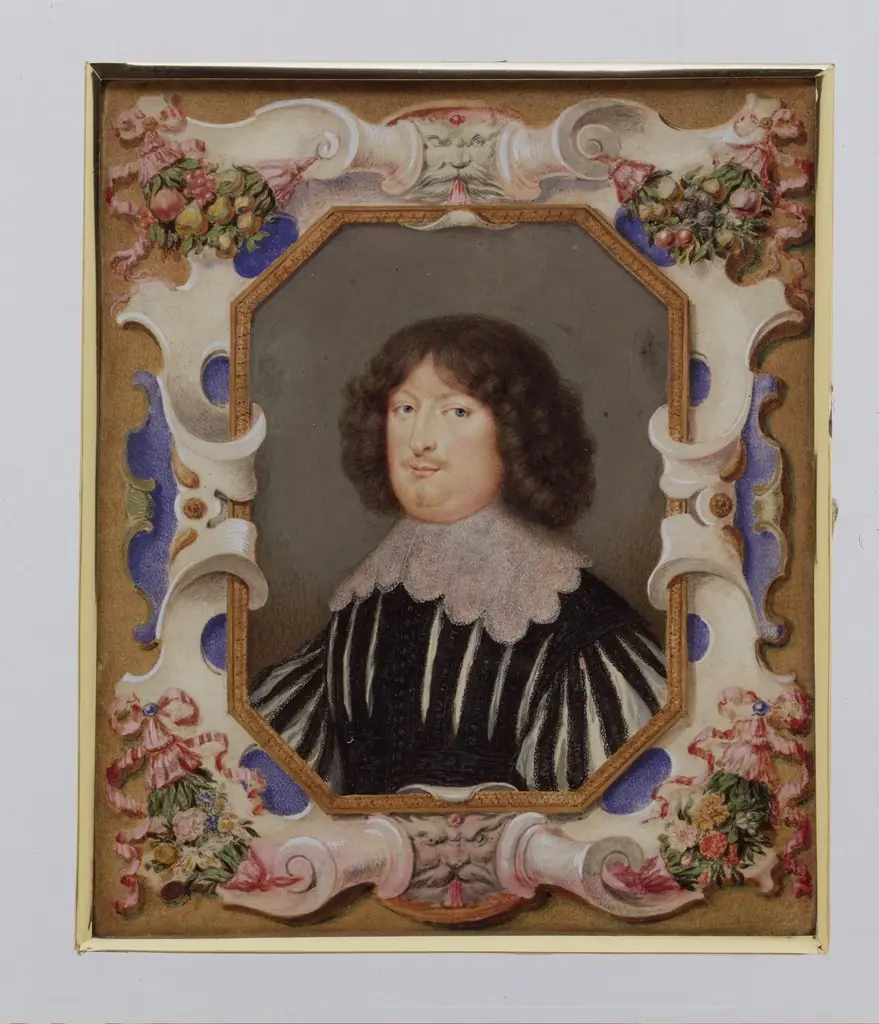 Portrait of a Man
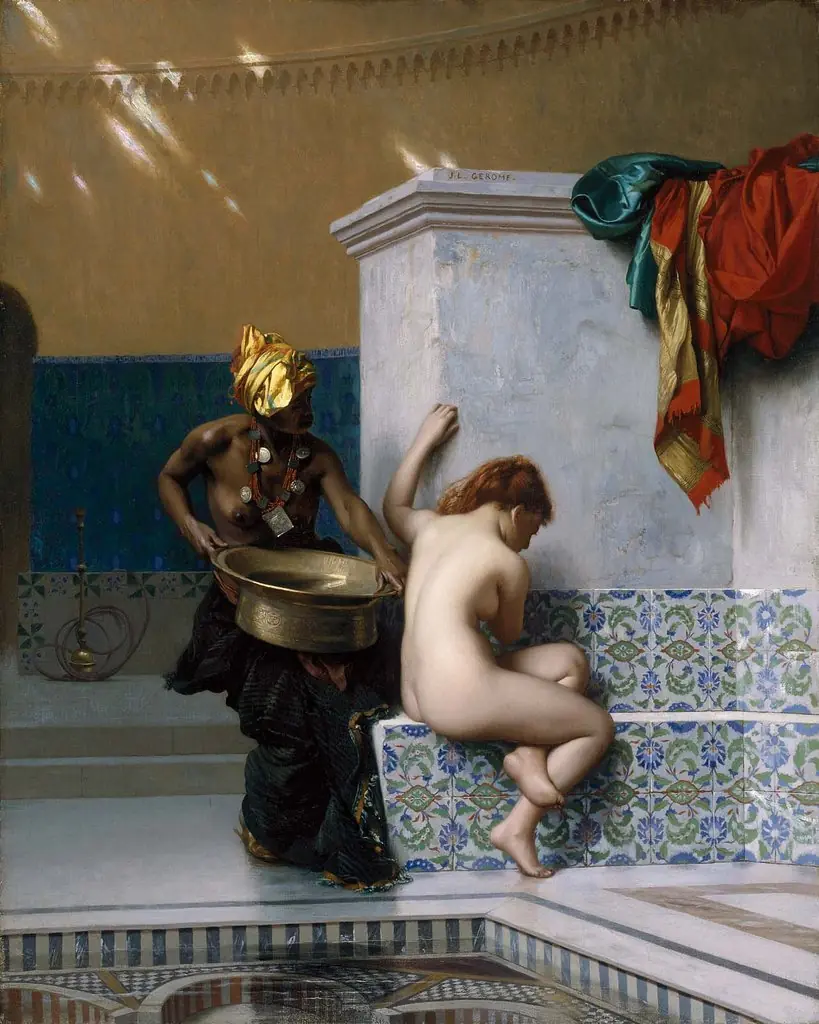 Moorish Bath
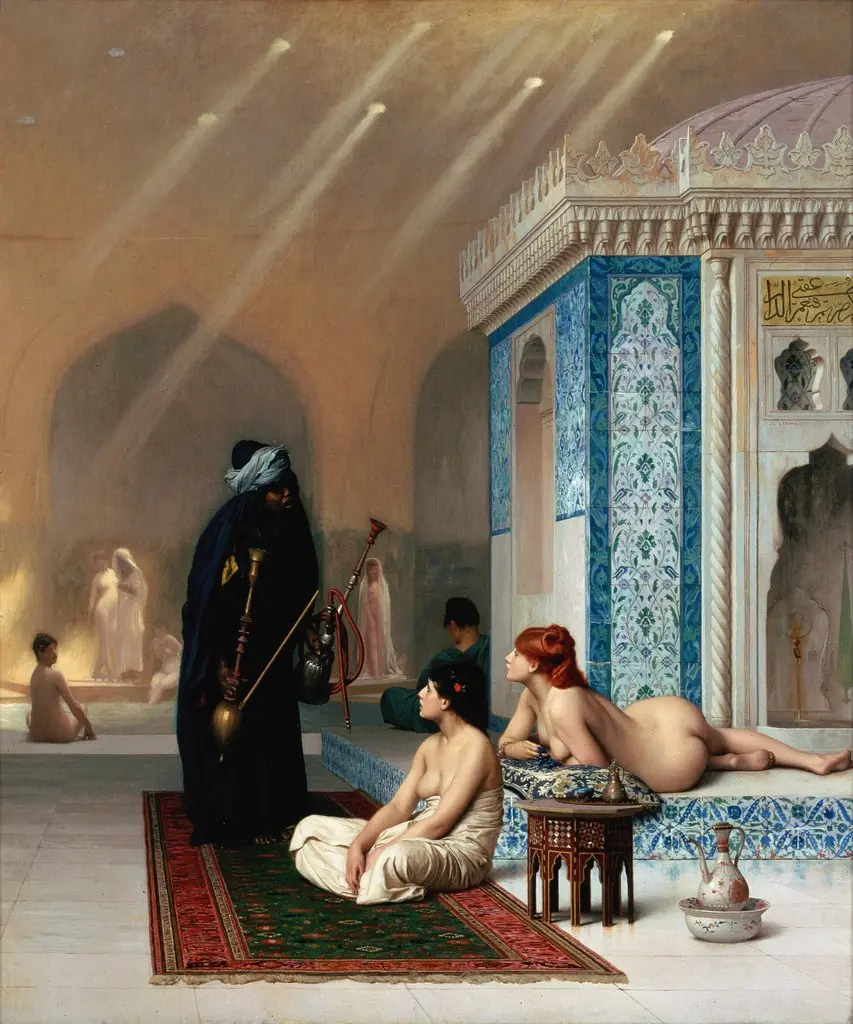 Pool in a Harem
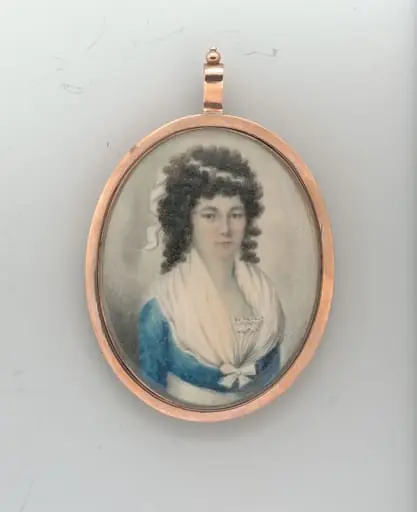 Portrait of a Lady
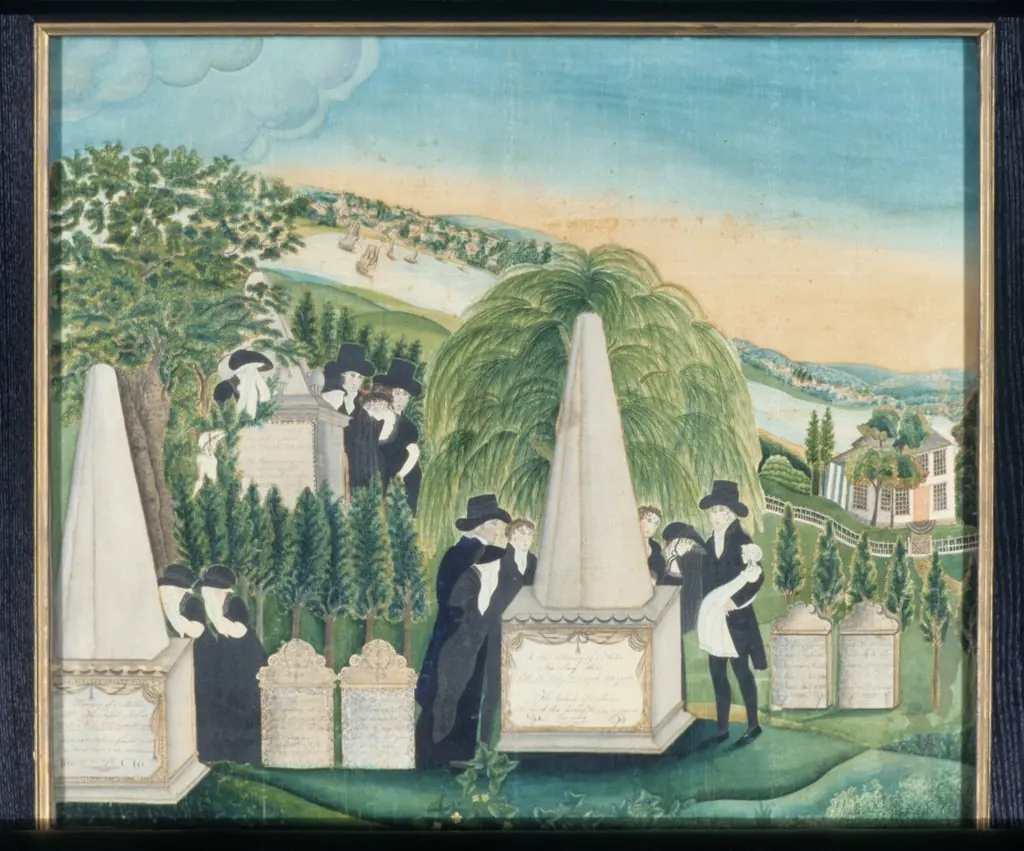 Memorial painting
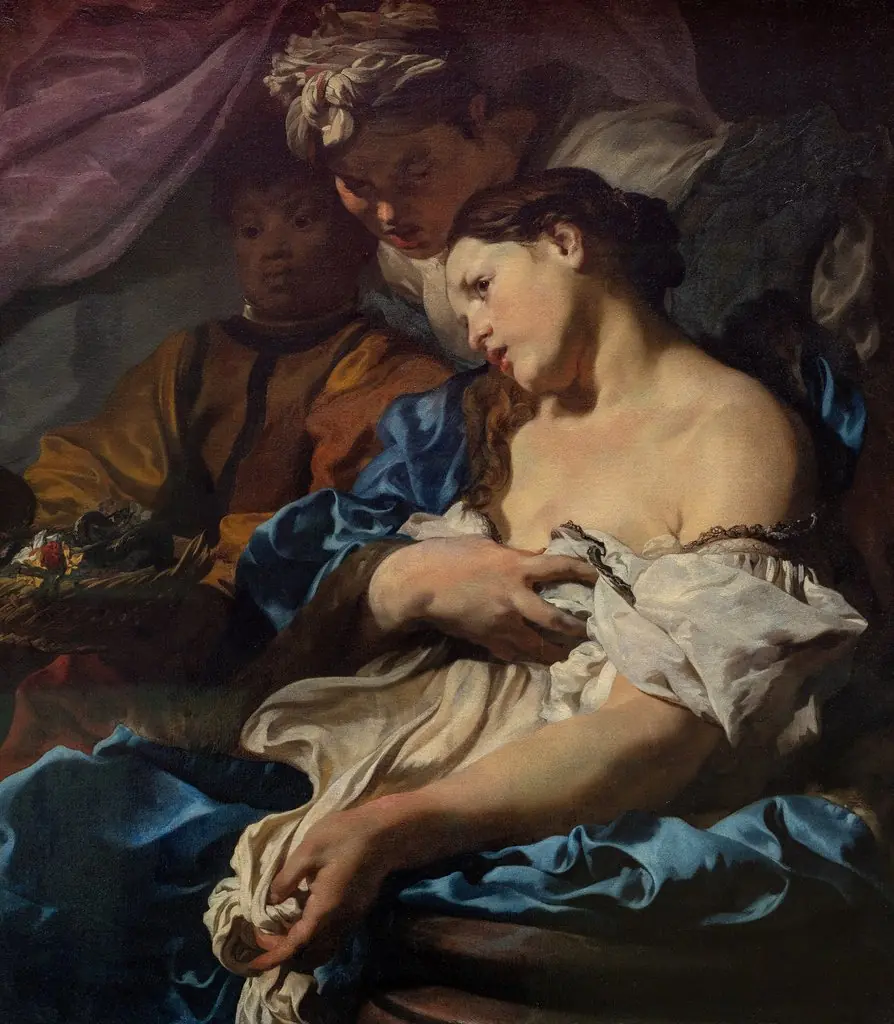 The Death of Cleopatra
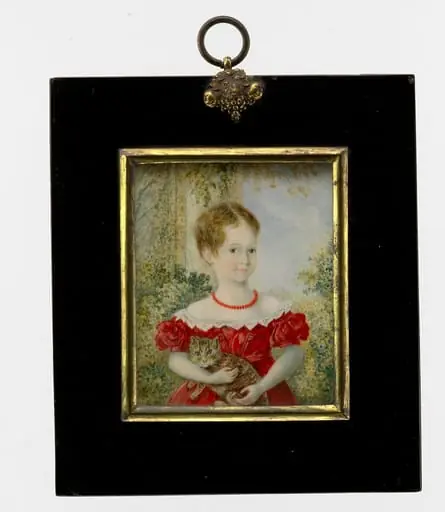 Mrs. Edward Loyd (C. Louisa Foster)
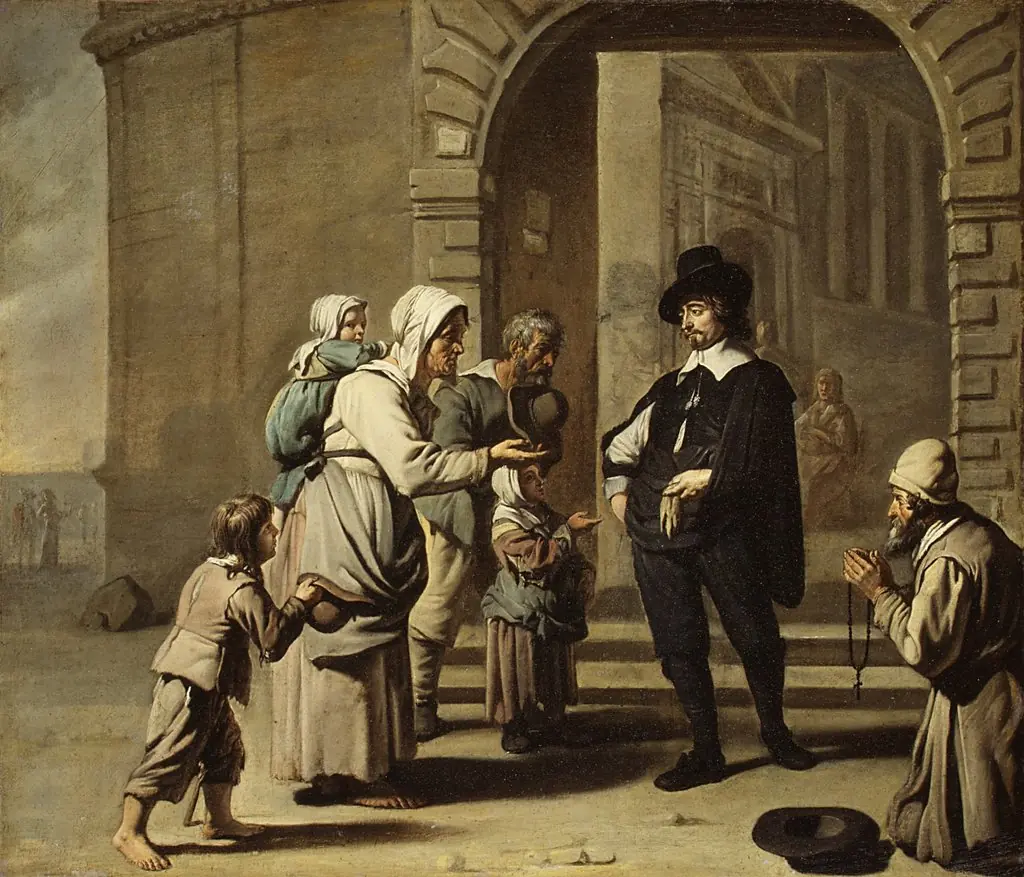 Beggars at a Doorway
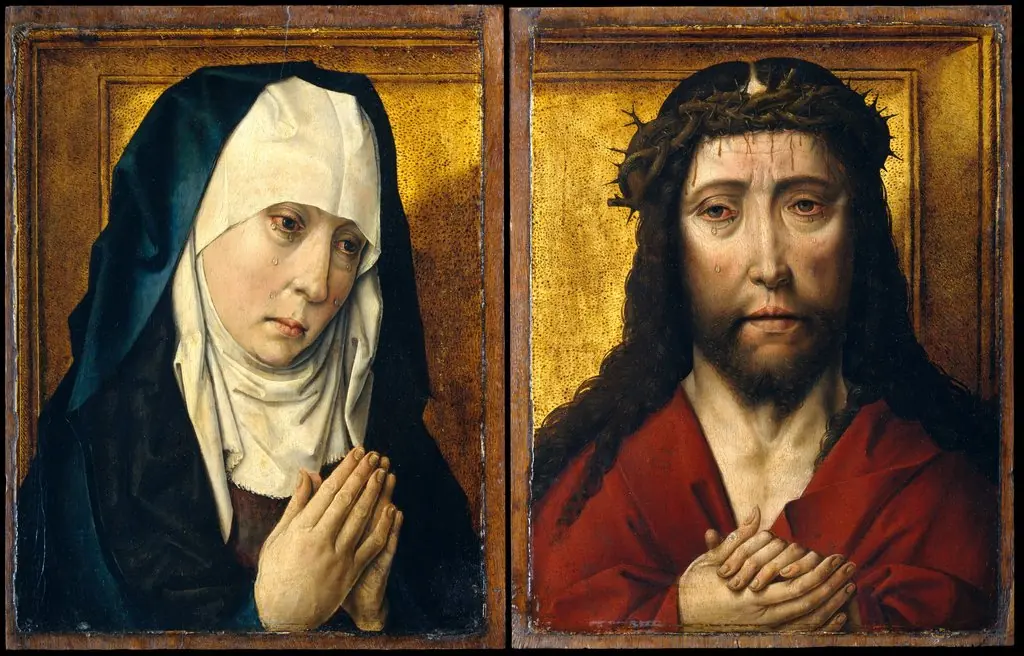 The Mourning Virgin; The Man of Sorrows
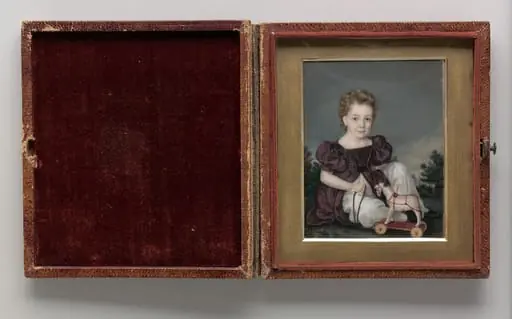 Portrait of a Boy
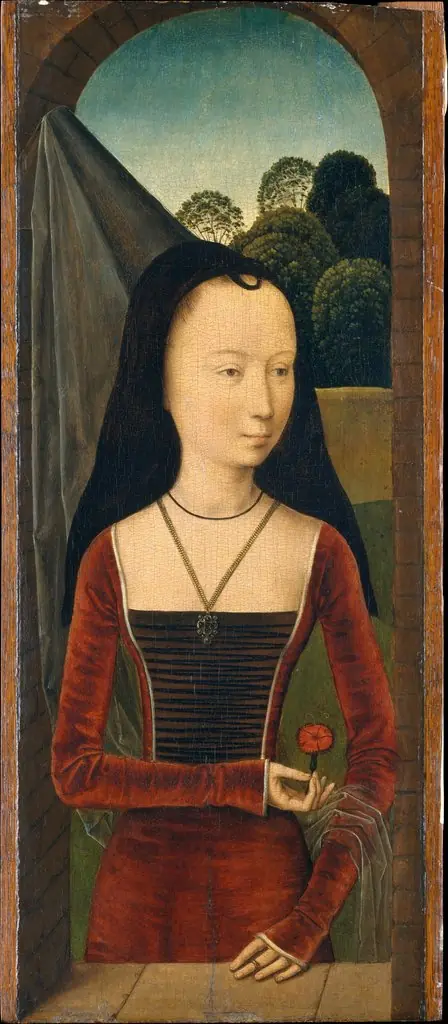 Young Woman with a Pink
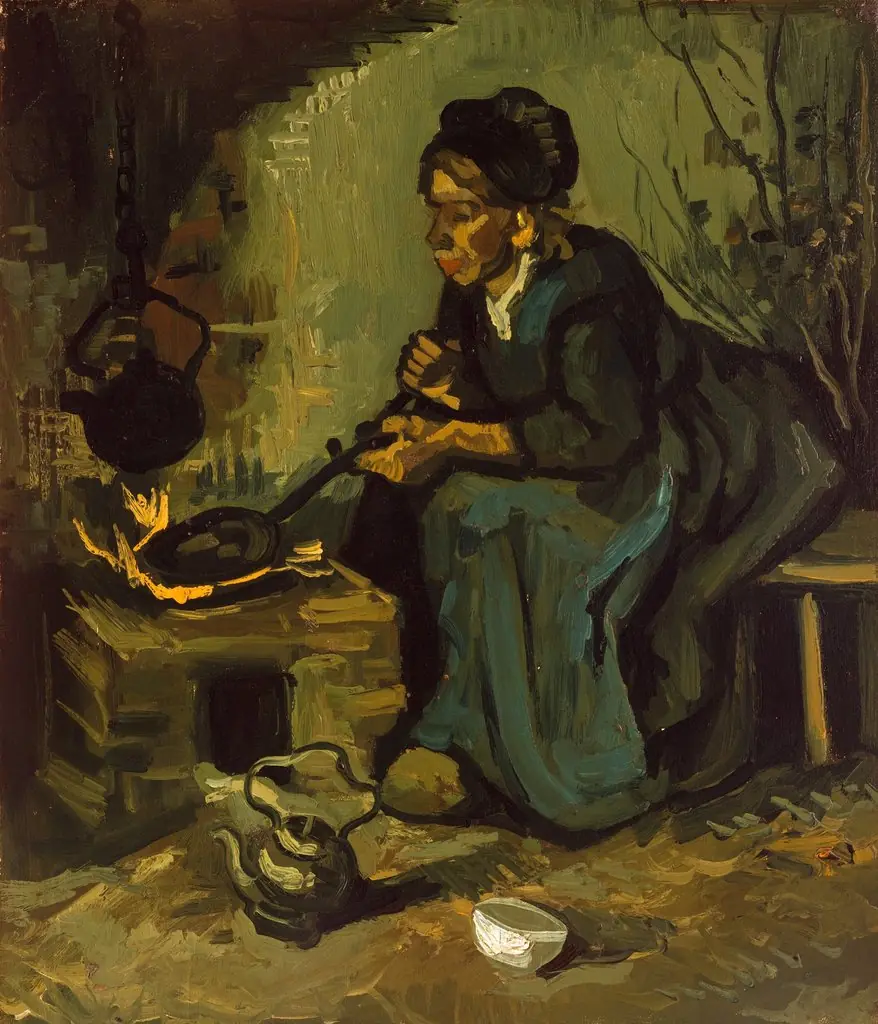 Peasant Woman Cooking by a Fireplace
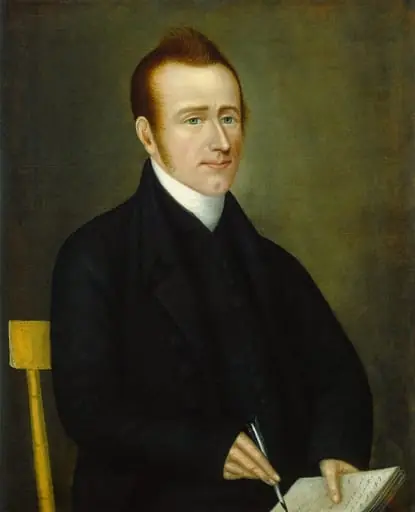 Mr. Baylor
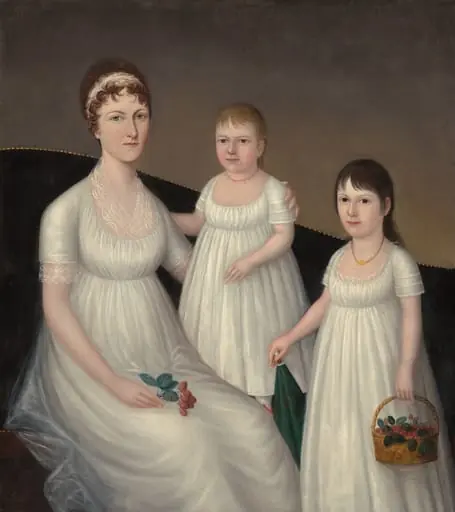 Grace Allison McCurdy (Mrs. Hugh McCurdy) and Her Daughters, Mary Jane and Letitia Grace
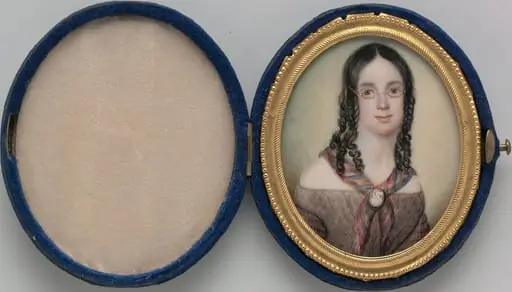 Portrait of a Lady
 The Artist's Family
 Mary House
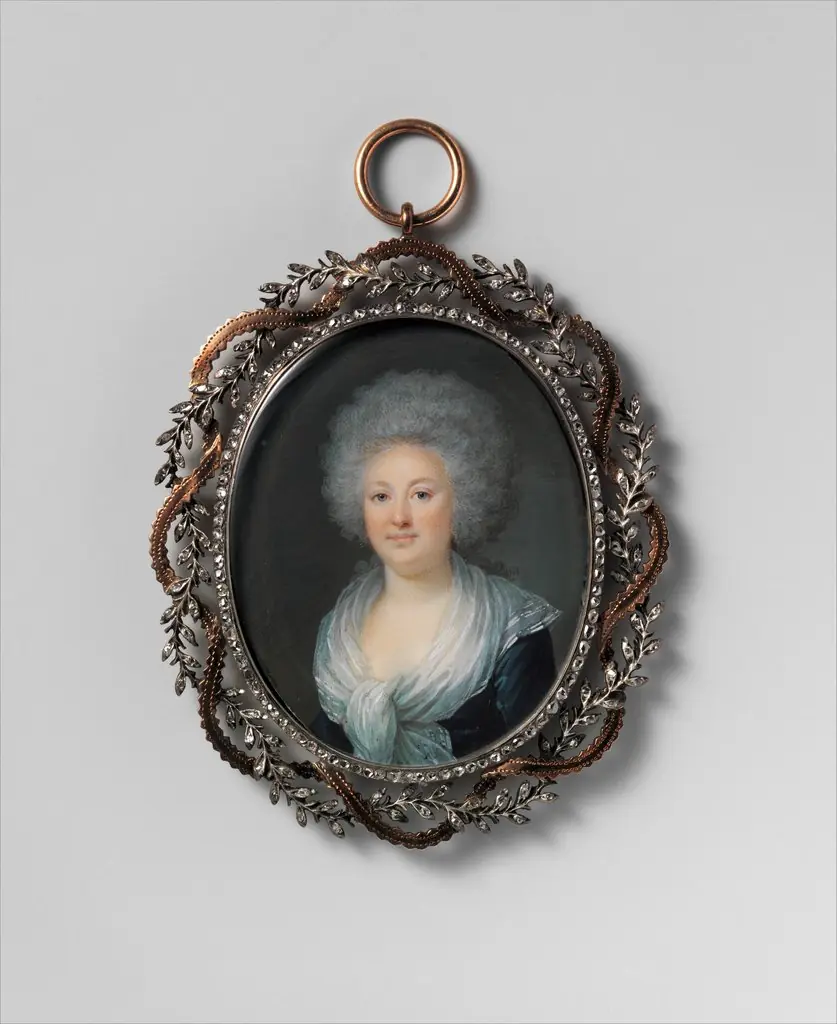 Portrait of a Woman
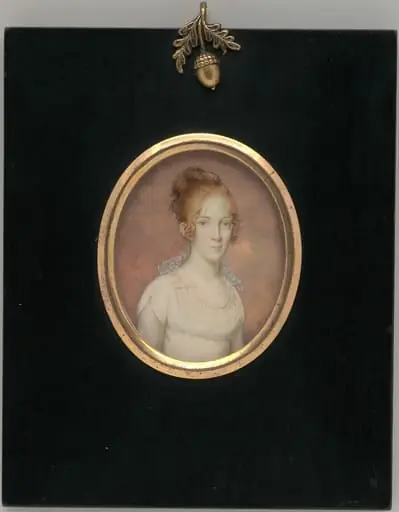 Mrs. Nathaniel Bowen (Margaret Blake)
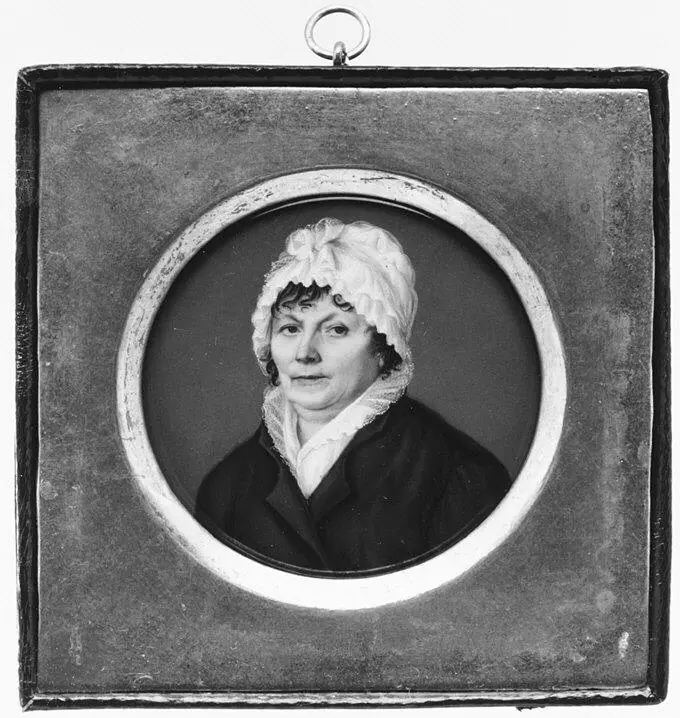 Margaret Rieche Richard
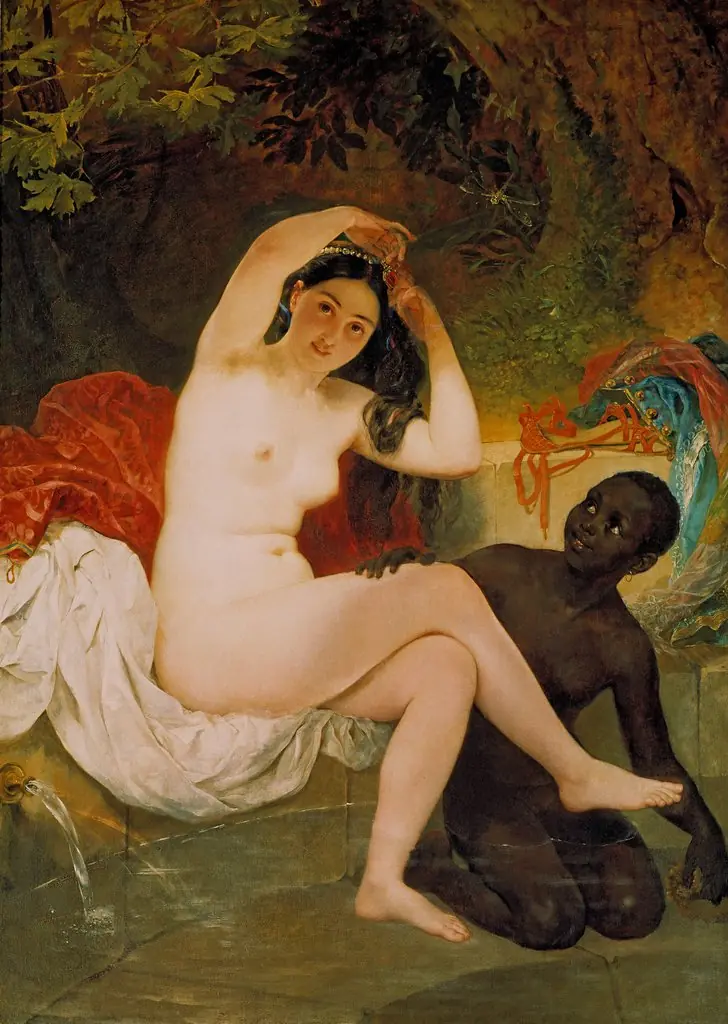 Bathsheba
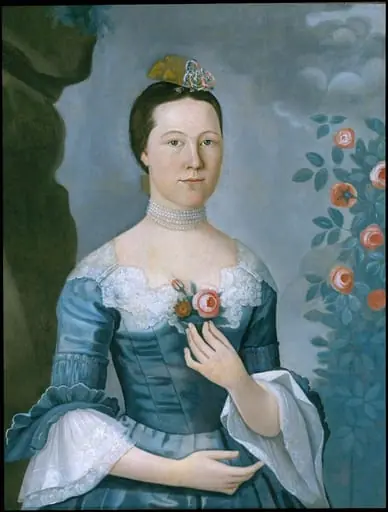 Susannah or Mary Bontecou
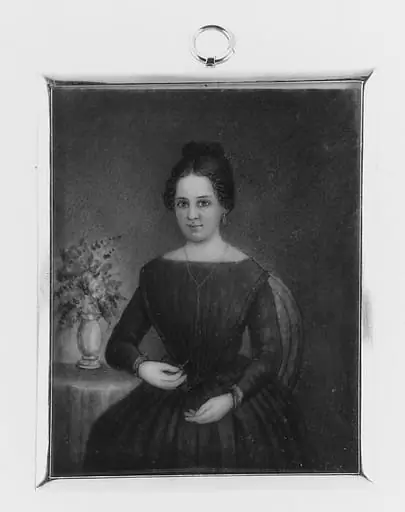 Portrait of a Lady
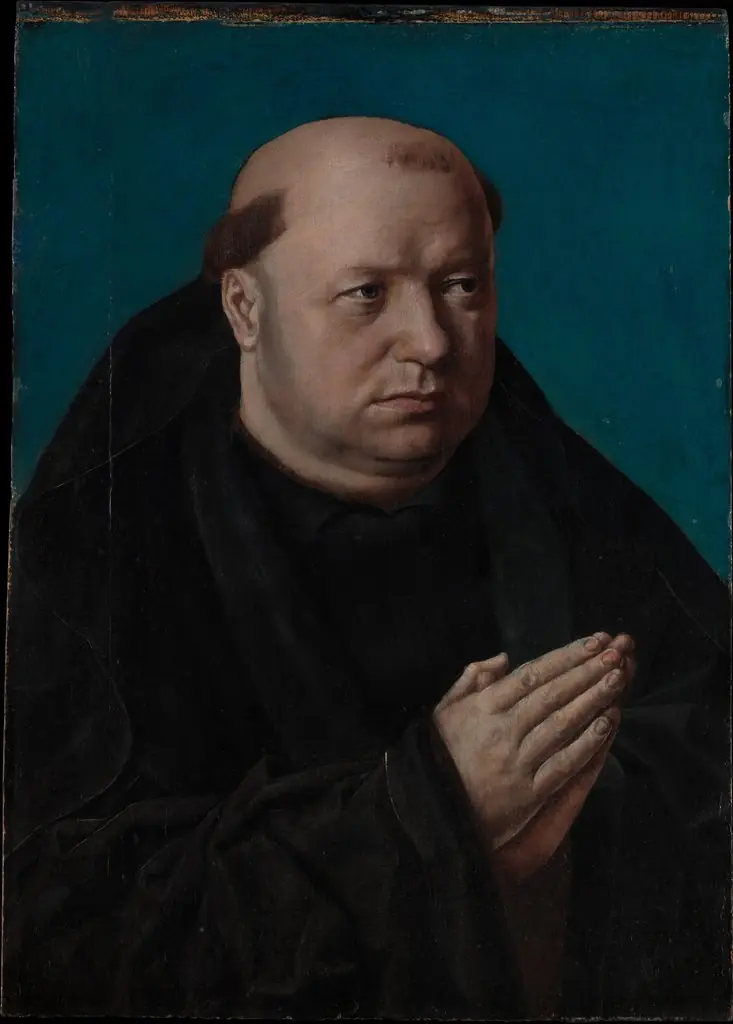 Portrait of a Monk in Prayer
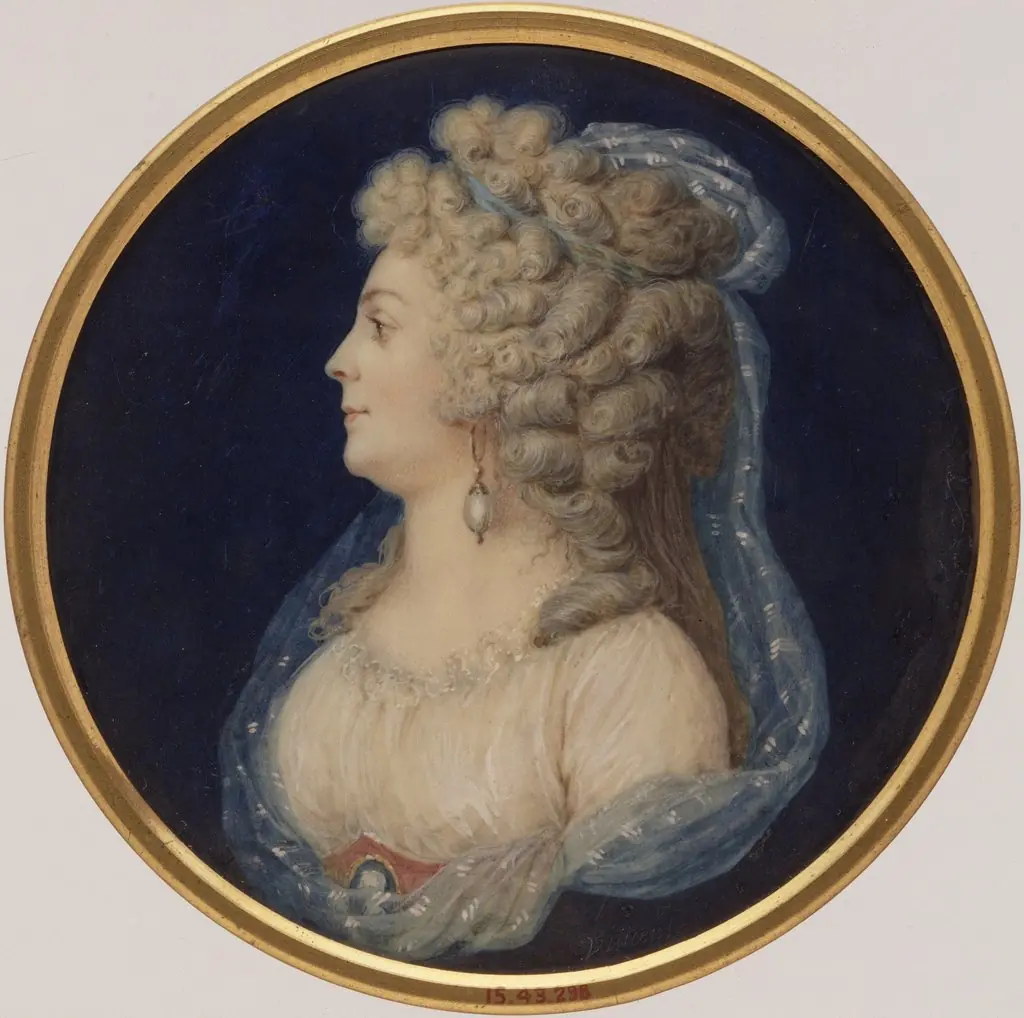 Madame Ingouf
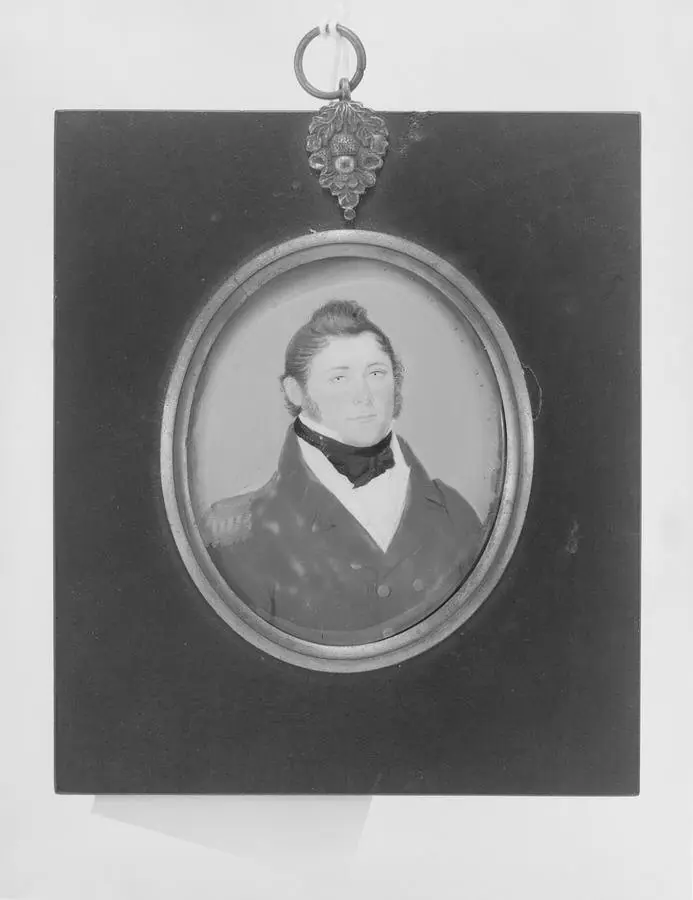 Naval Officer
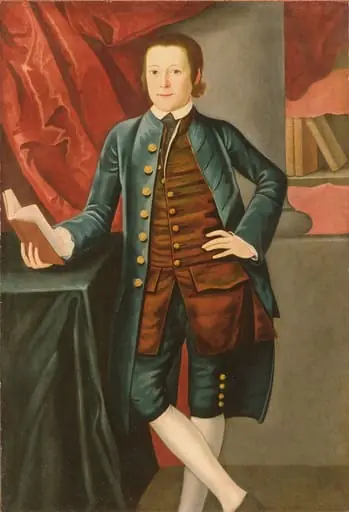 Boy of the Crossfield Family (Possibly Richard Crossfield)
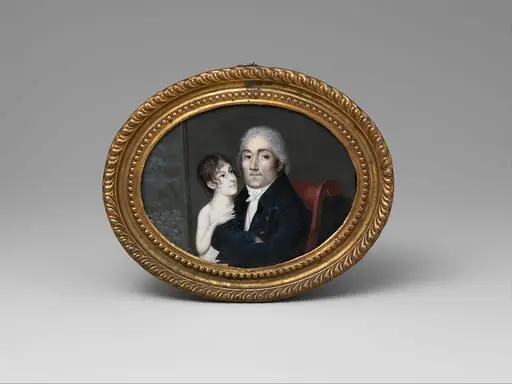 Portrait of a Gentleman and His Daughter
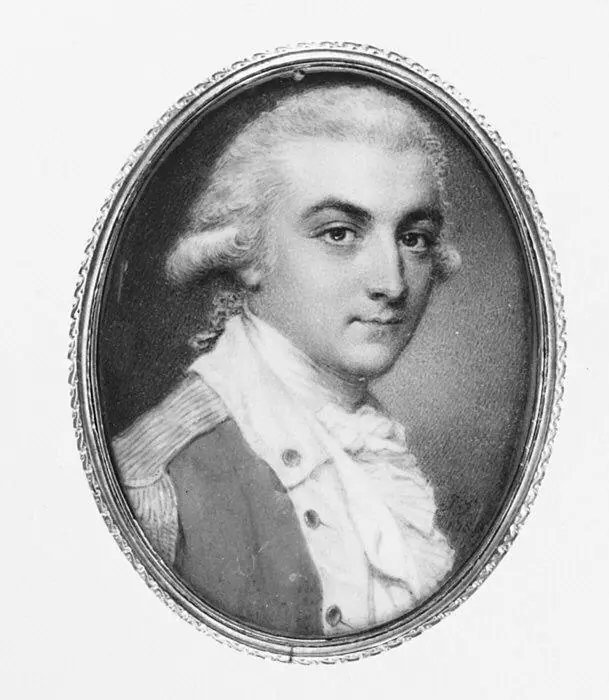 Portrait of an Officer
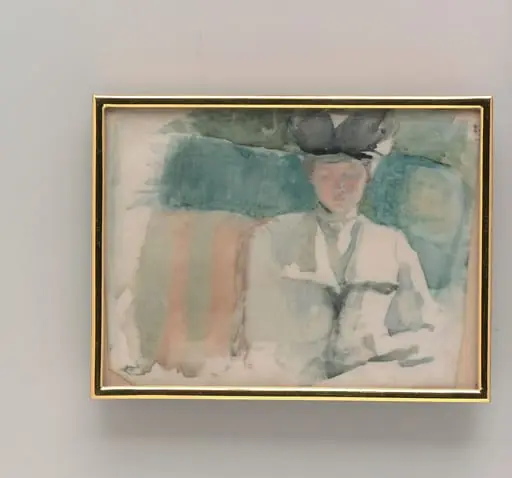 Portrait of a Lady
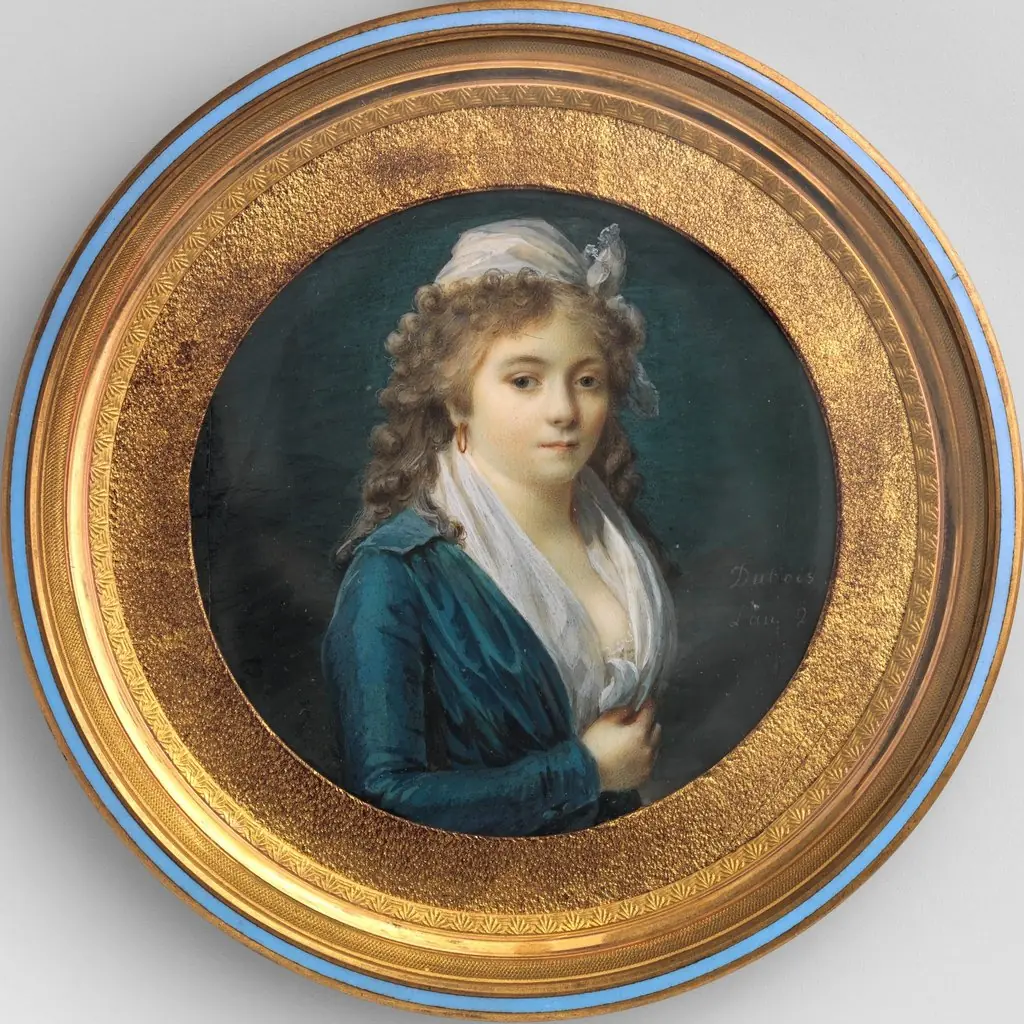 Portrait of a Woman
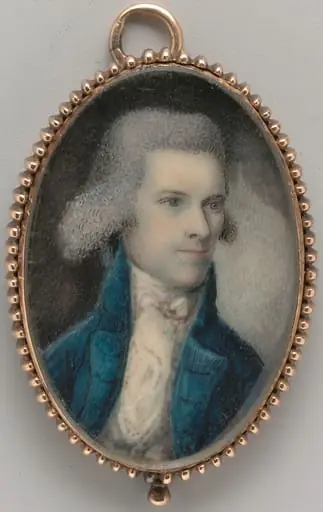 Portrait of a Gentleman
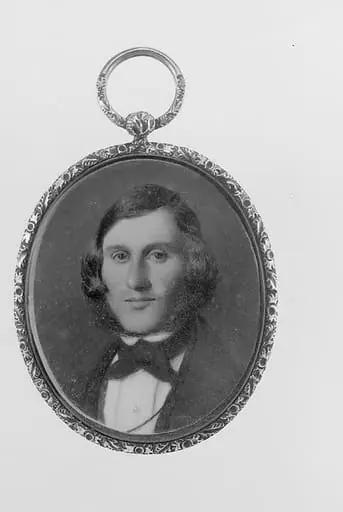 Portrait of a Gentleman
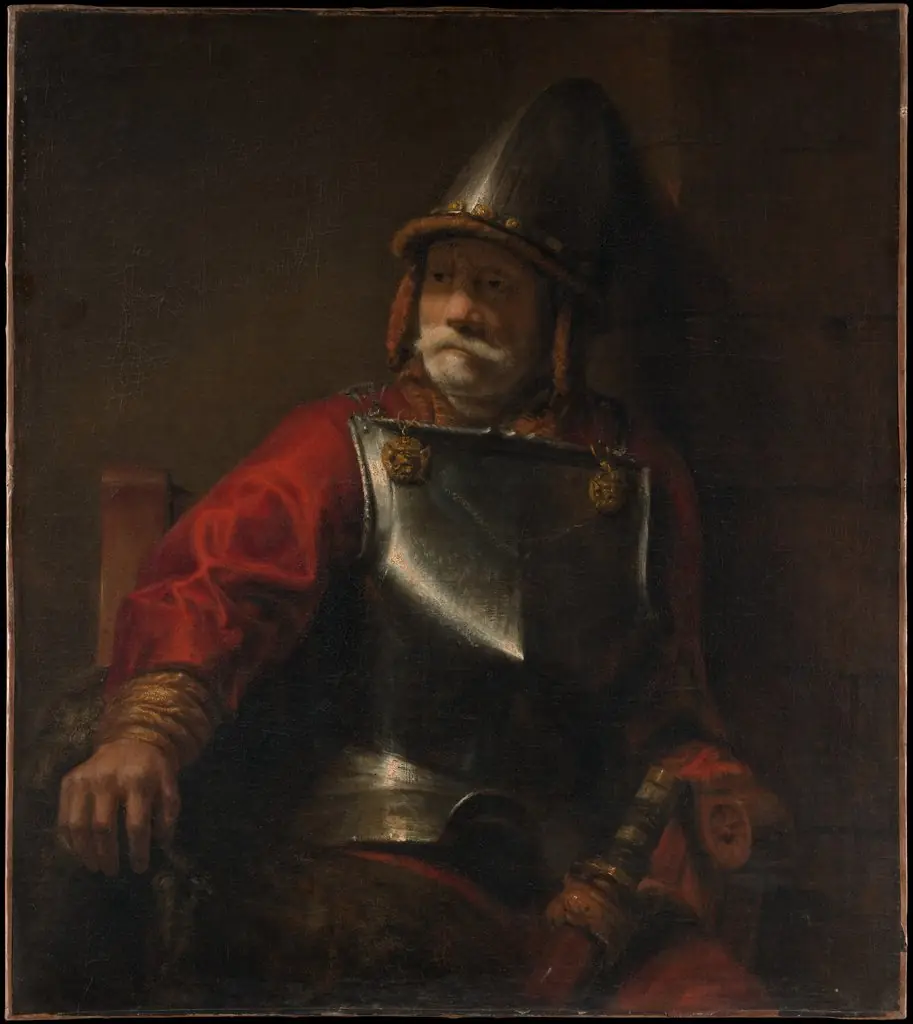 Man in Armor (Mars?)
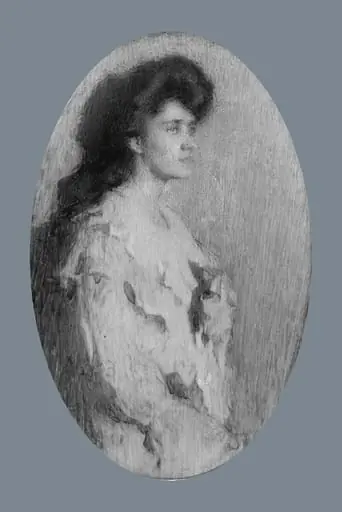 Annabel Gray
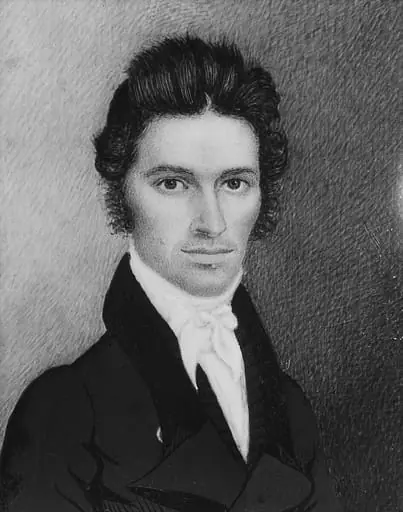 Stephen Danforth Hassam
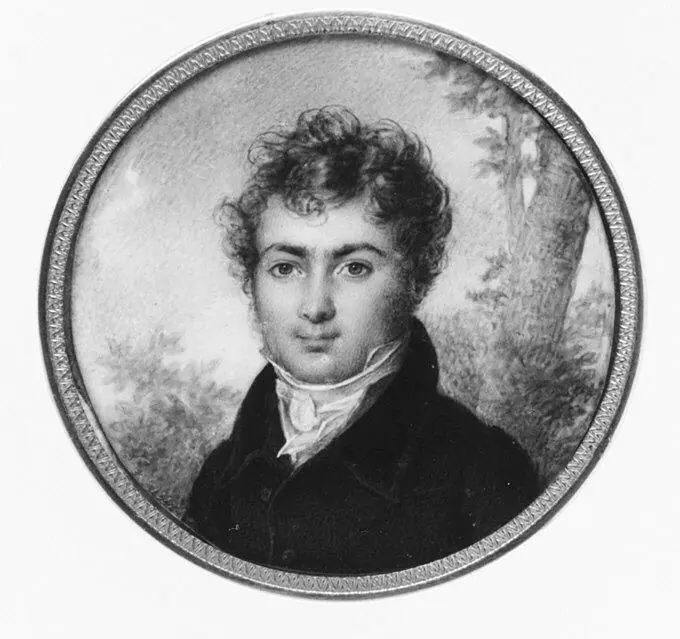 Portrait of a Man
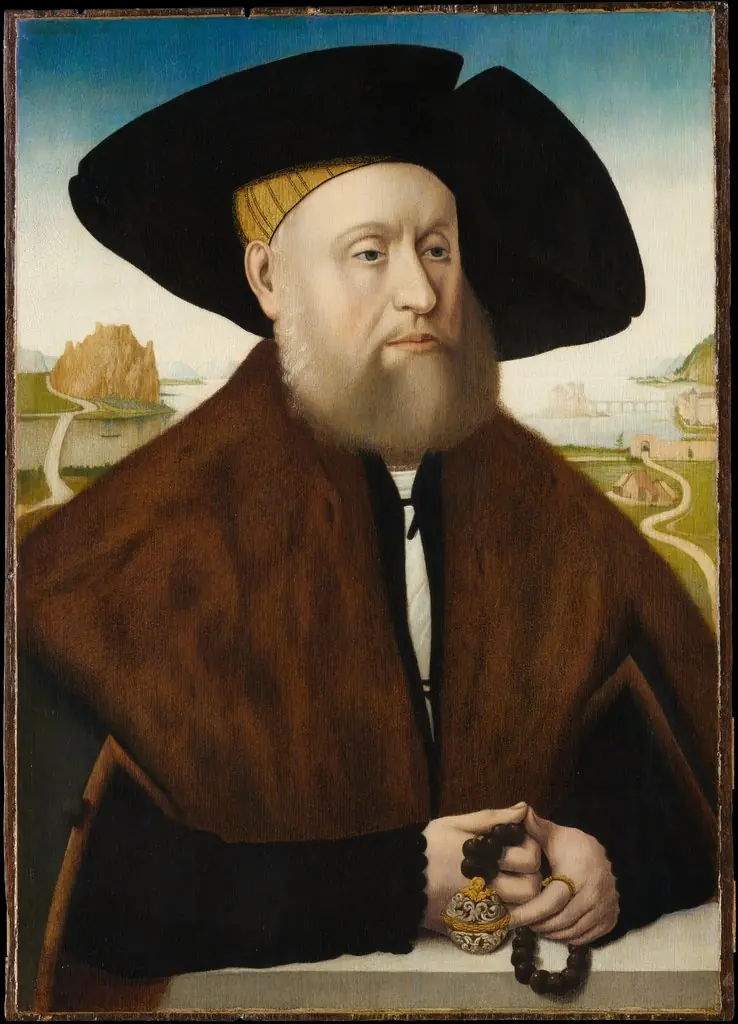 Heinrich(?) vom Rhein zum Mohren (1477–1536)
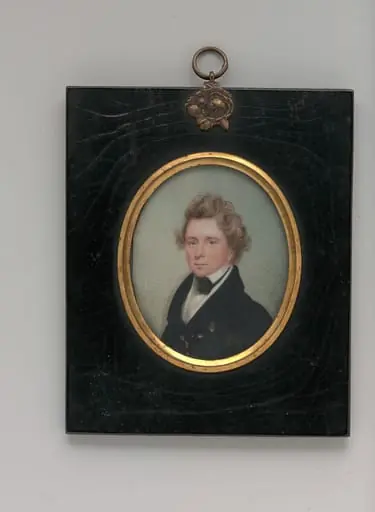 Portrait of a Gentleman
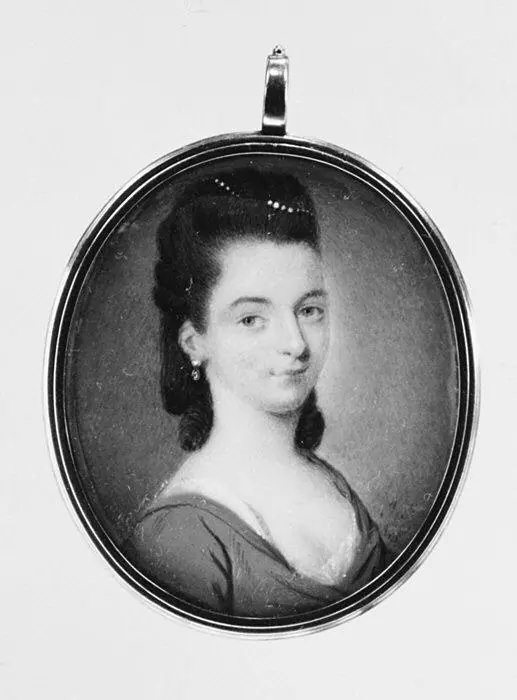 Portrait of a Woman
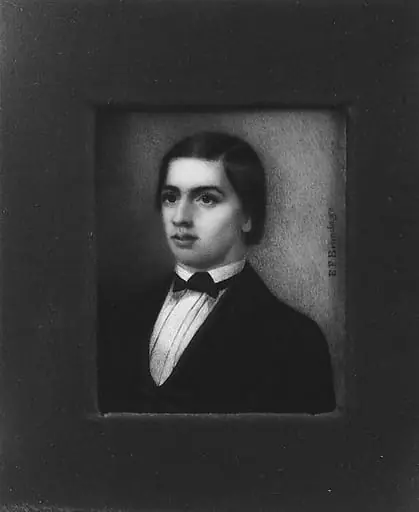 Portrait of a Gentleman
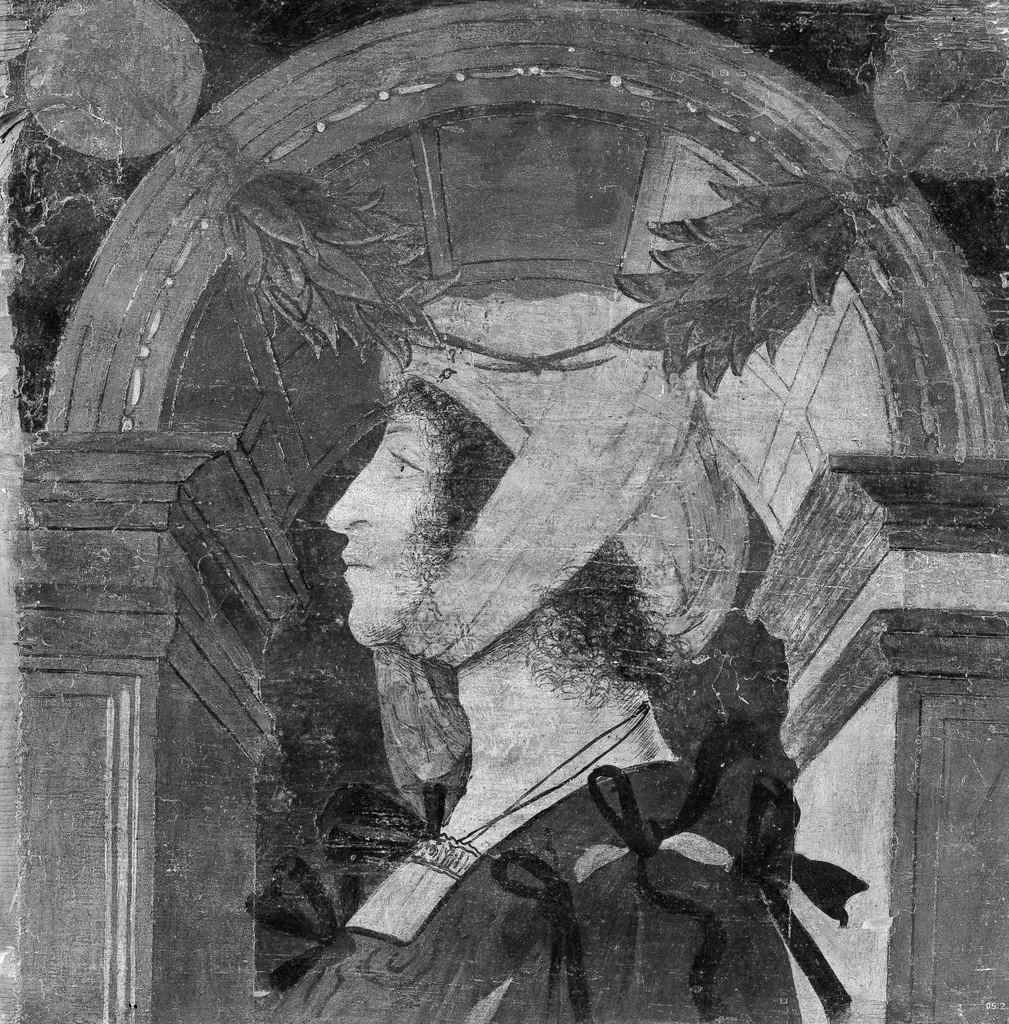 Twelve Heads
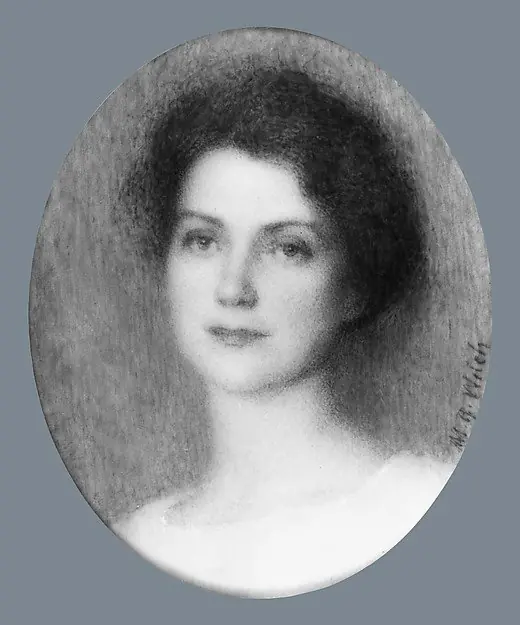 Portrait of a Lady
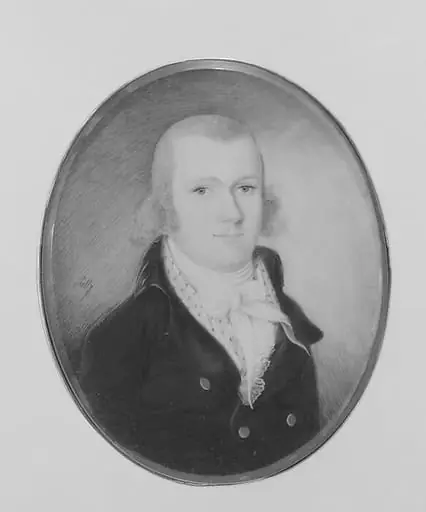 Edward C. Cunningham
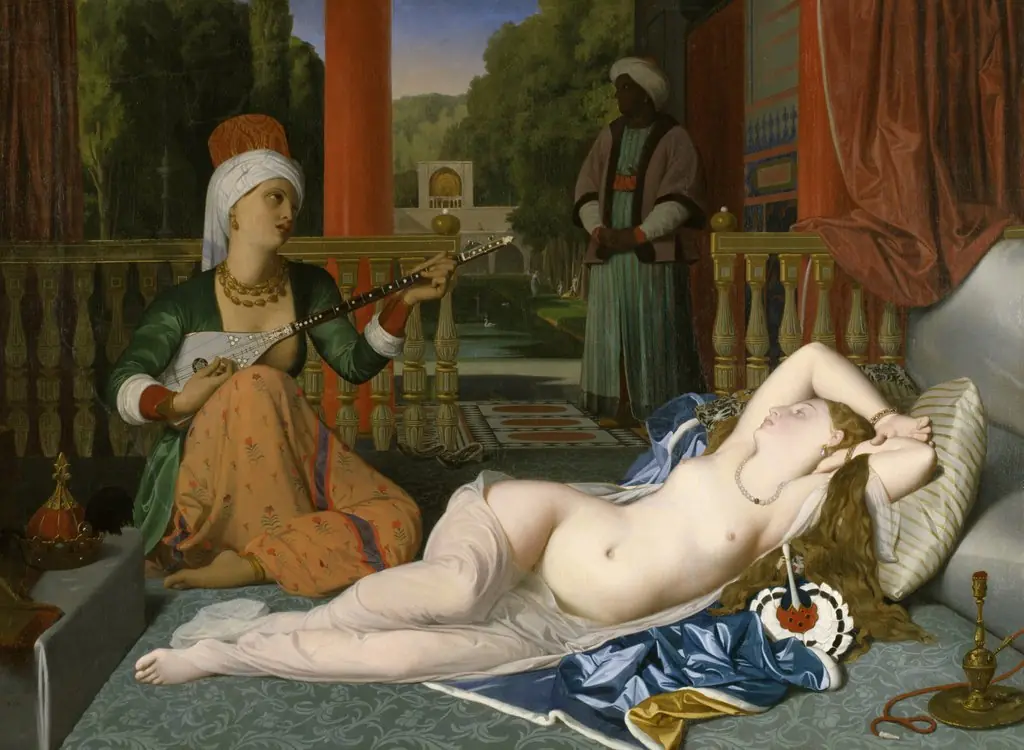 Odalisque with Slave
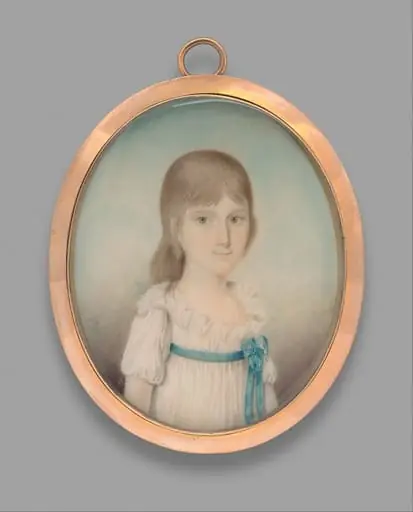 Miss Annis
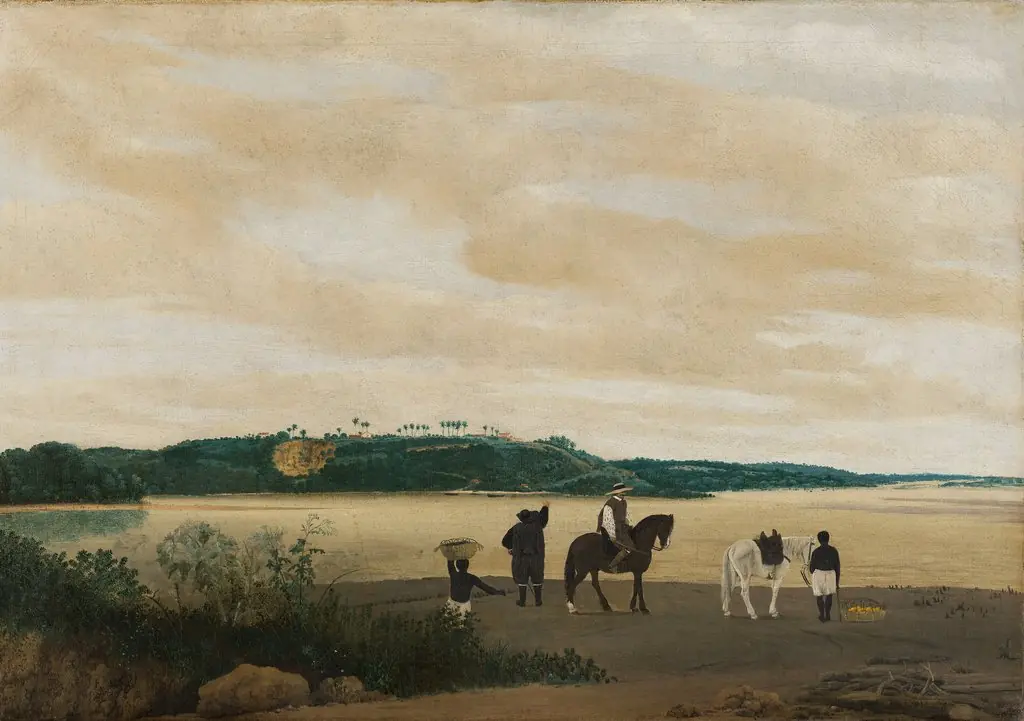 View on Tamaracá Island, Brazil
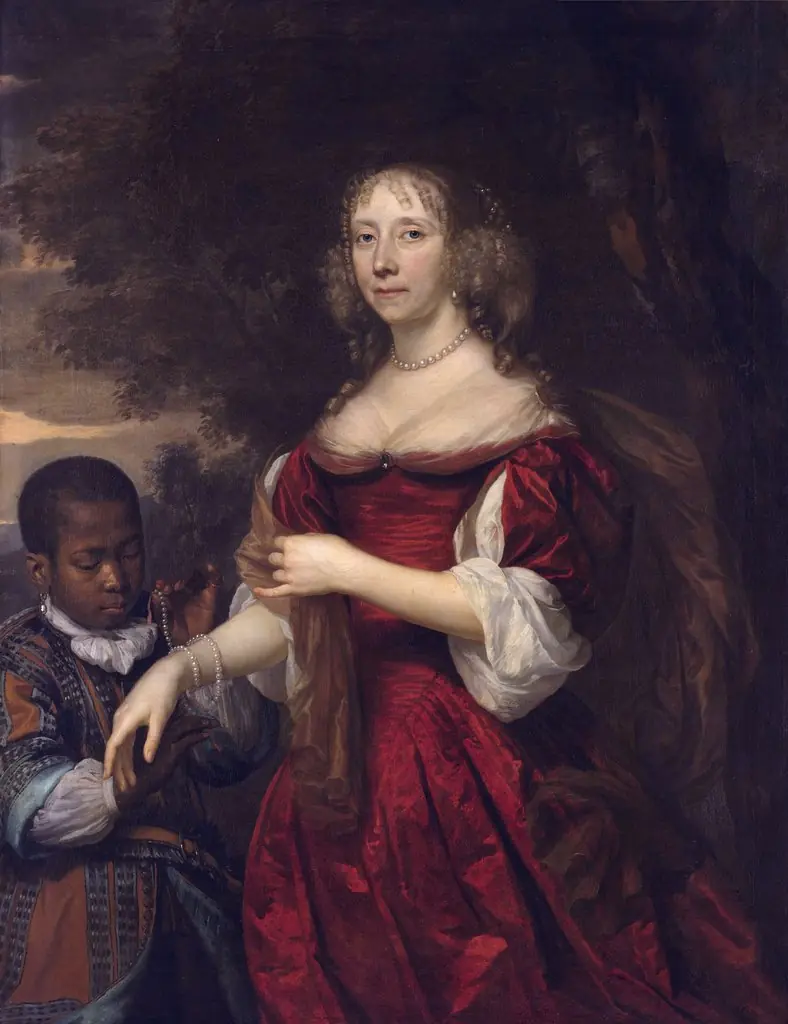 Portrait of Margaretha van Raephorst (d 1690). Wife of Cornelis Tromp
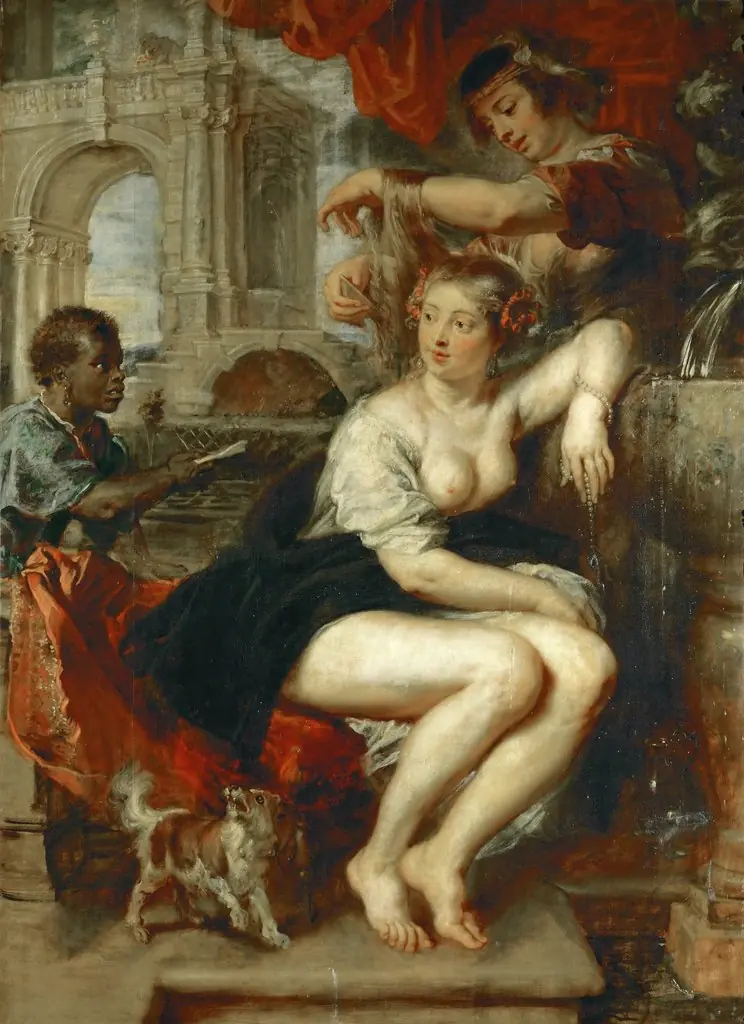 Bathsheba at Her Toilet
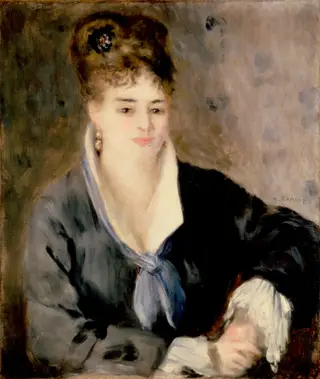 Woman in Black
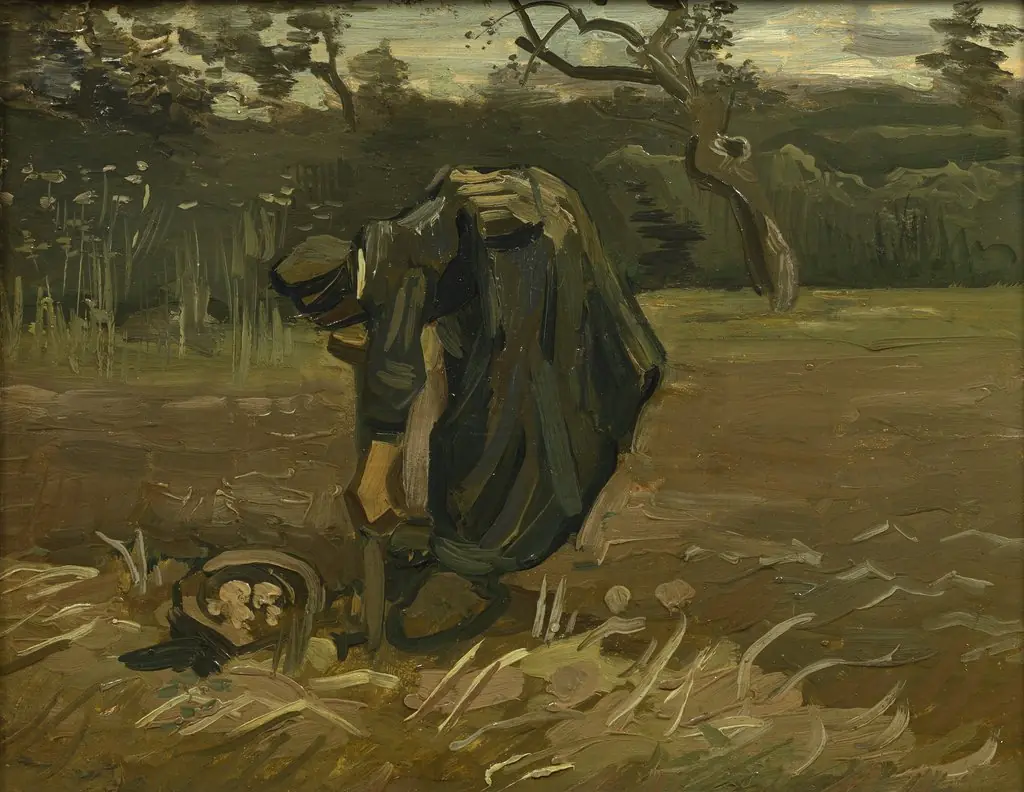 Peasant Woman Digging Up Potatoes
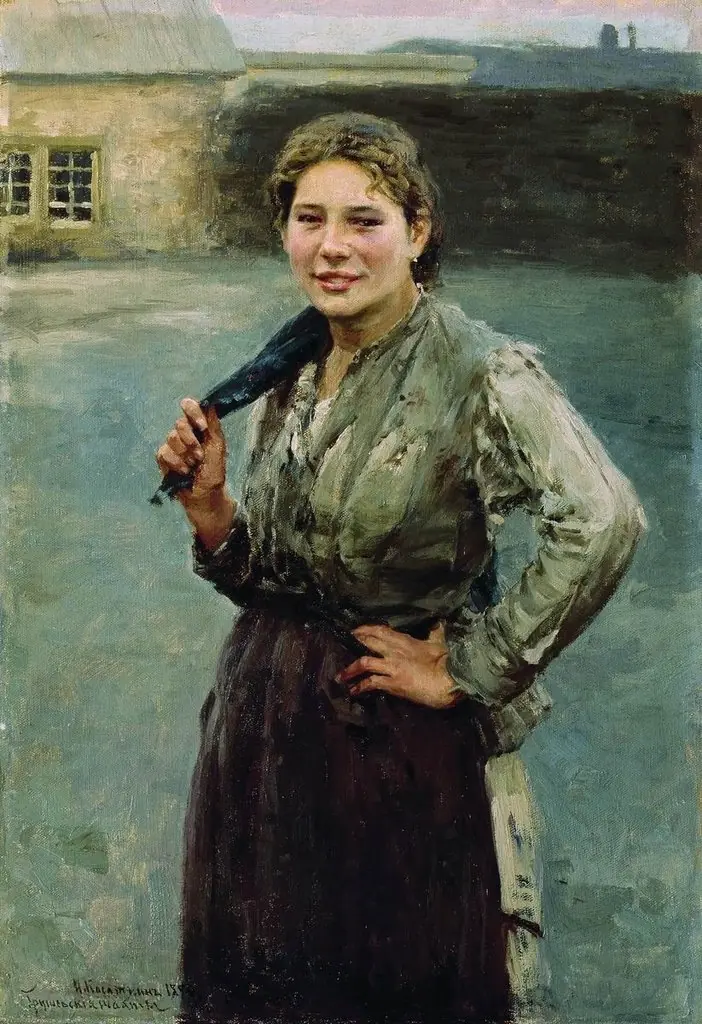 Chakhtiorka
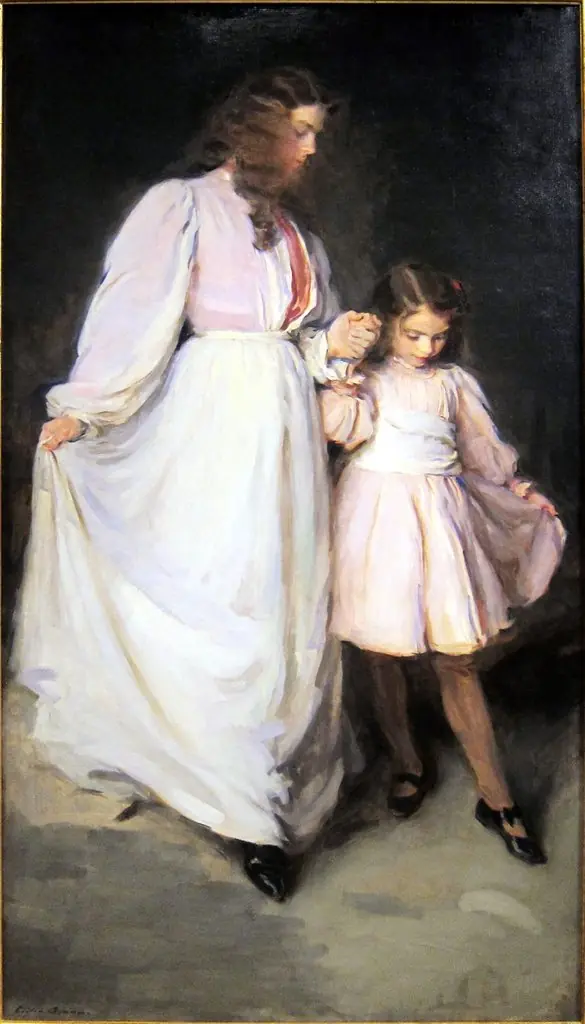 Dorothea and Francesca
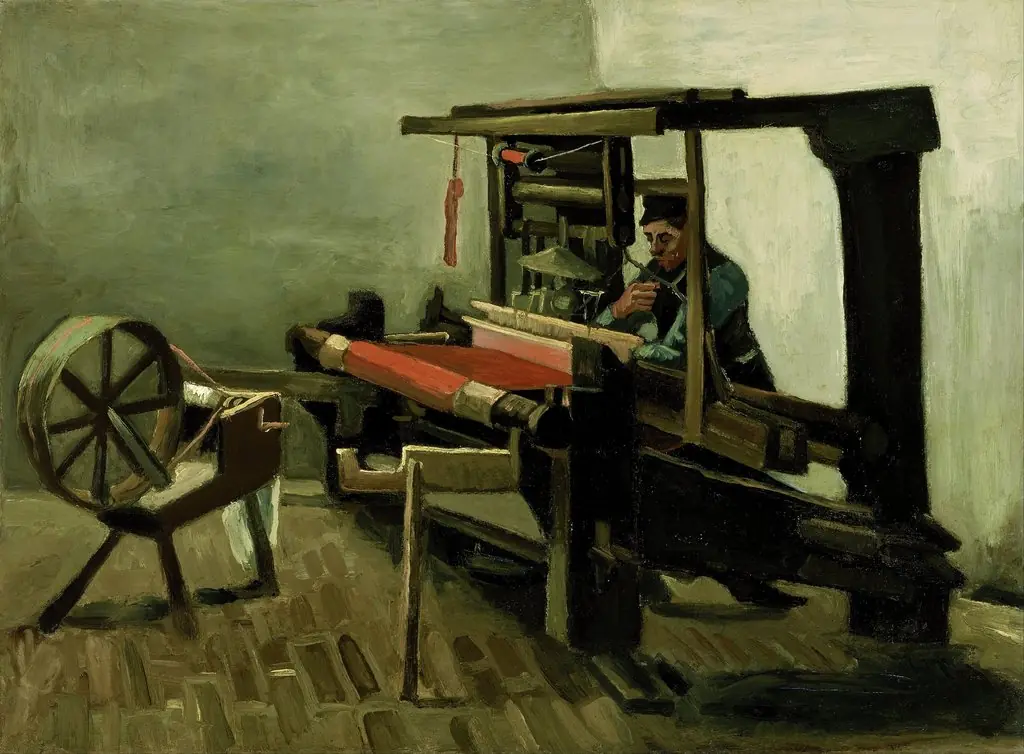 Weaver
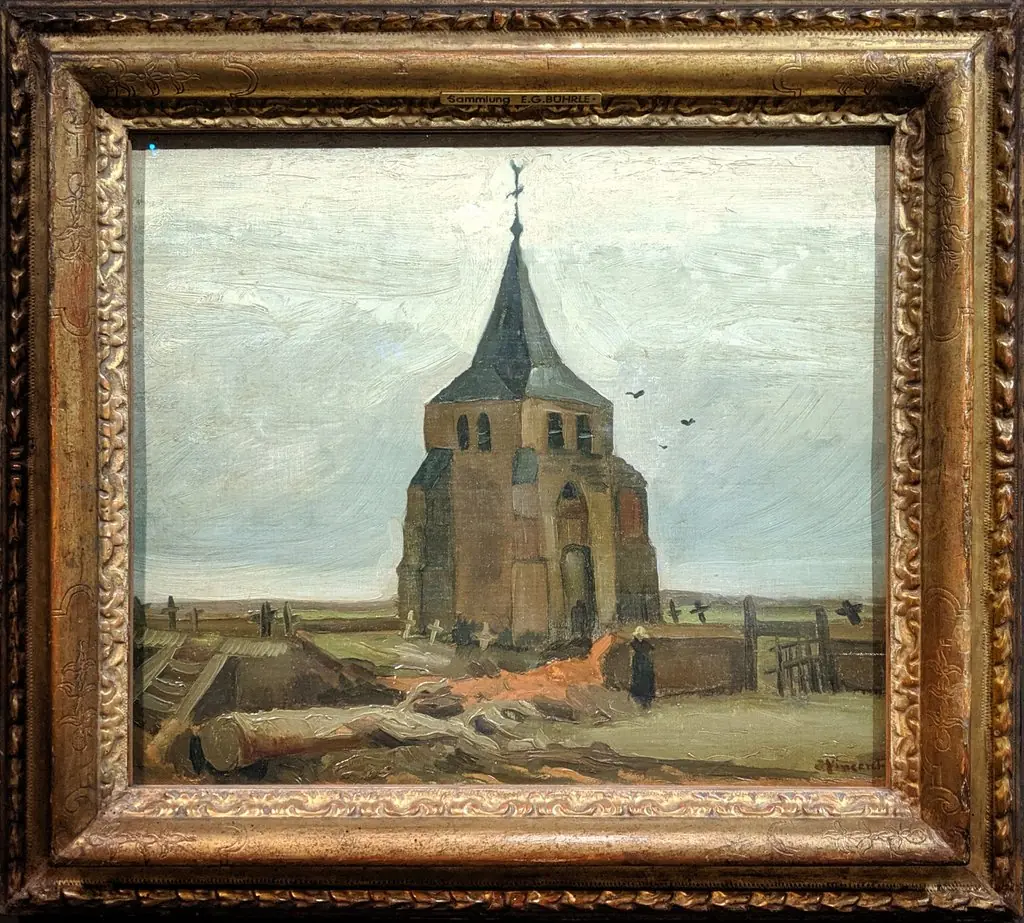 The Old Church Tower at Nuenen
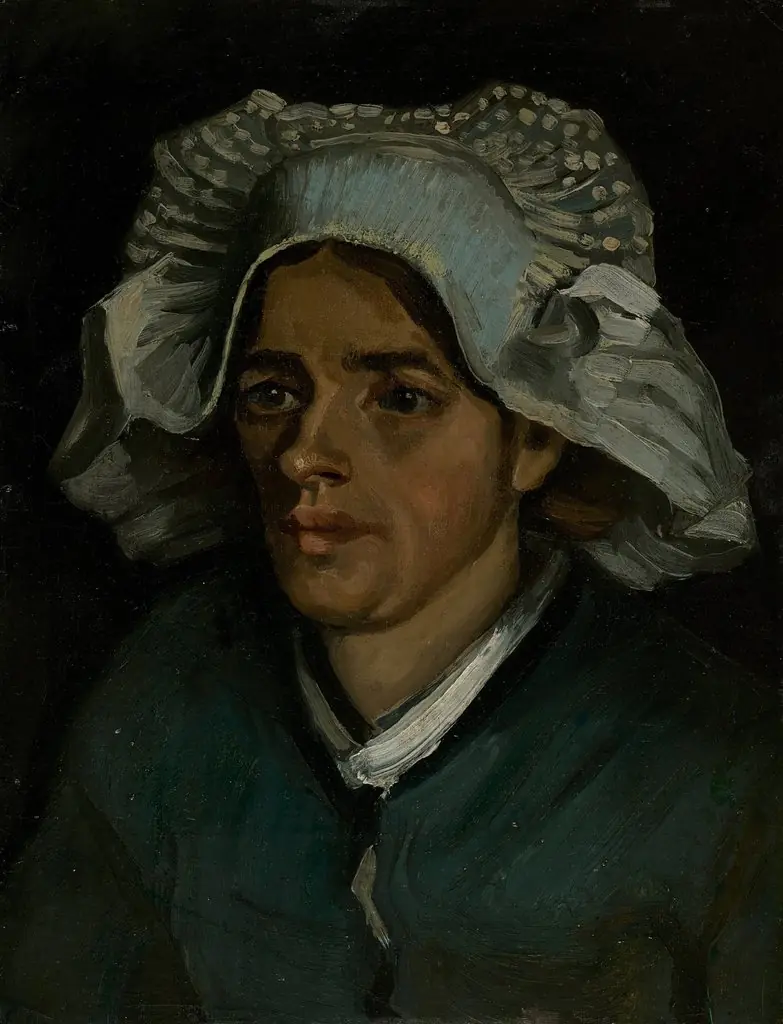 Head of a Peasant Woman
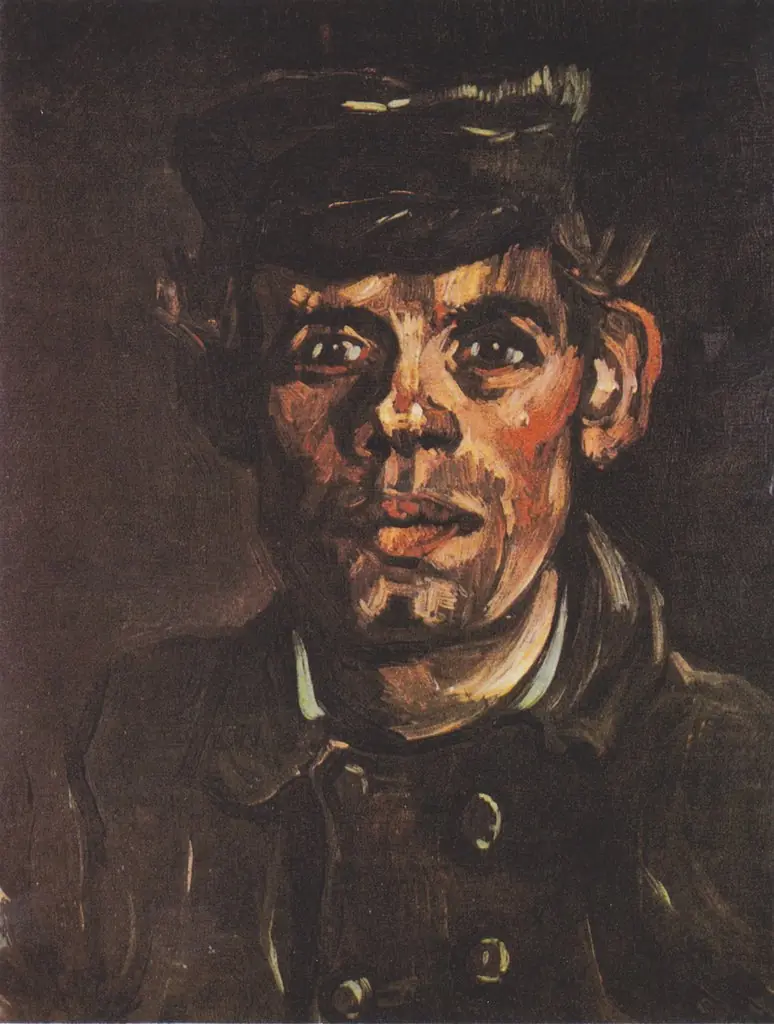 Head of a Young Peasant in a Peaked Cap
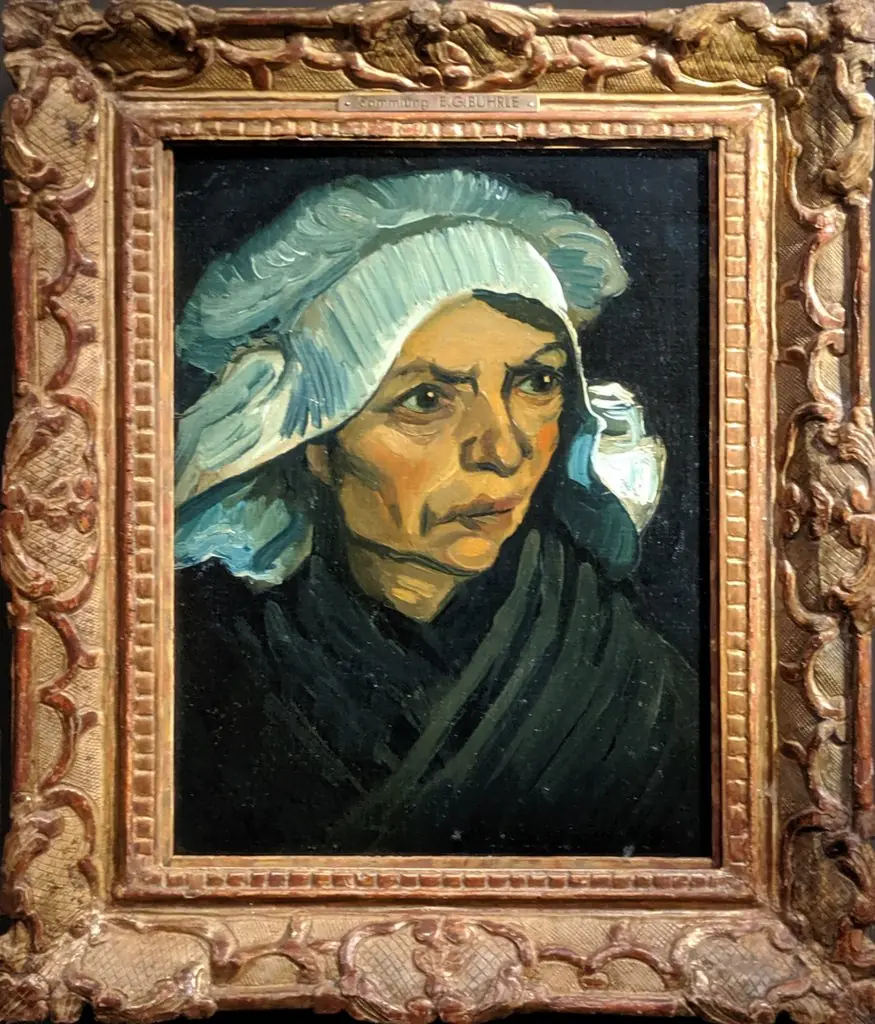 Head of a Peasant Woman with White Cap
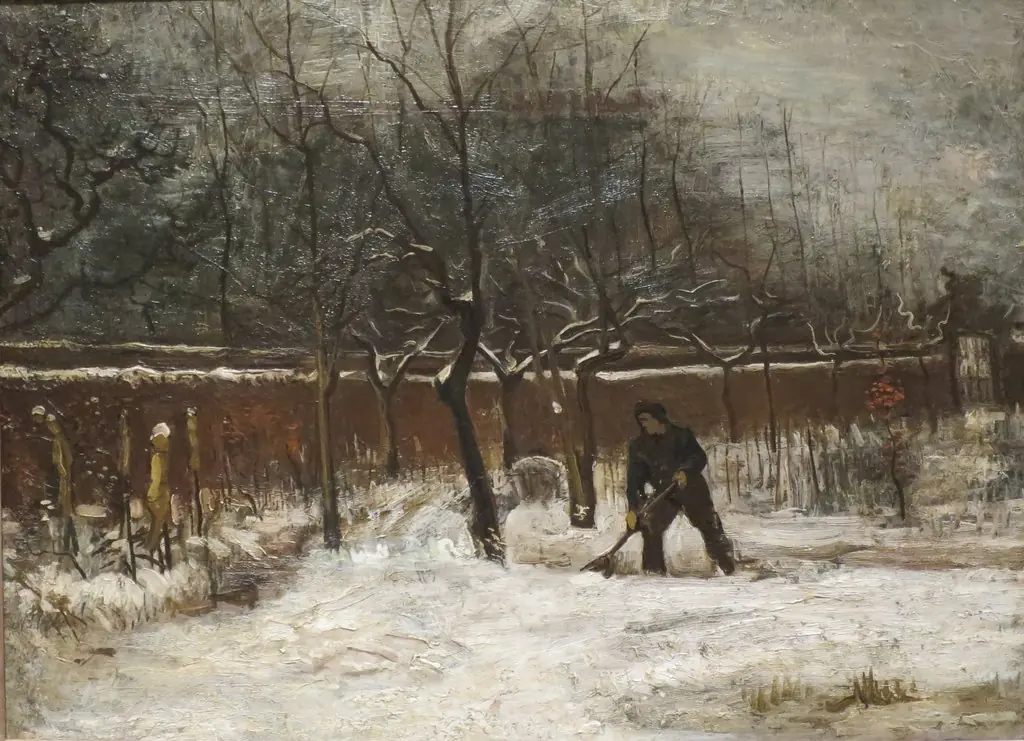 Winter (The Vicarage Garden under Snow)
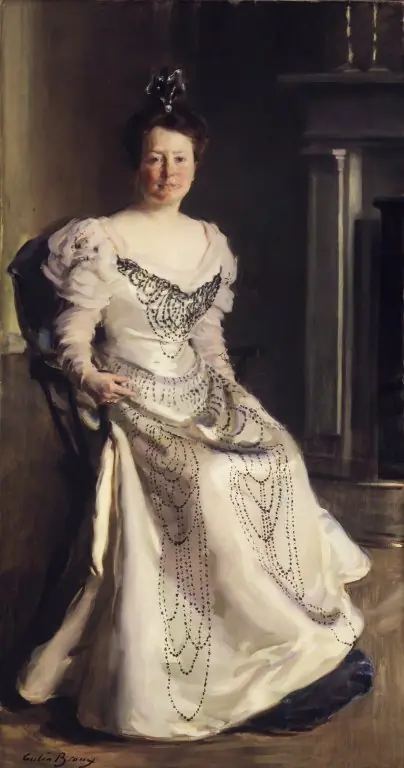 Mrs. Robert Abbe (Catherine Amory Bennett)
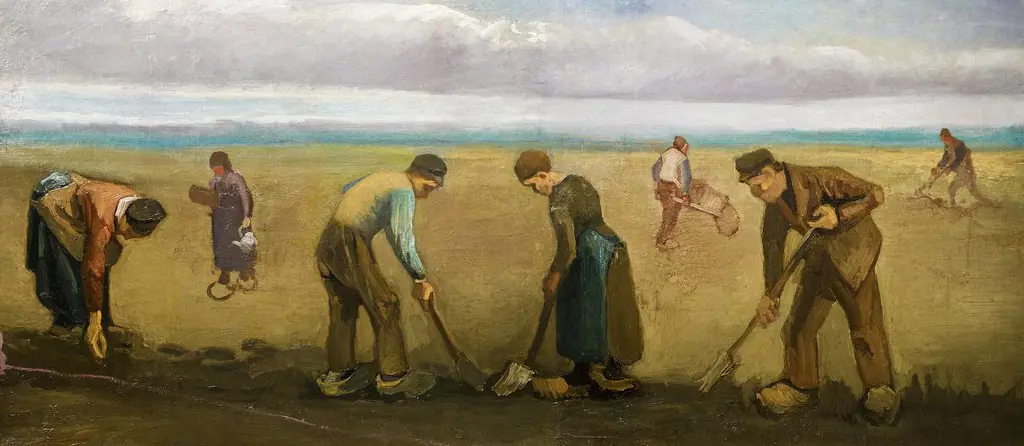 Peasants Planting Potatoes
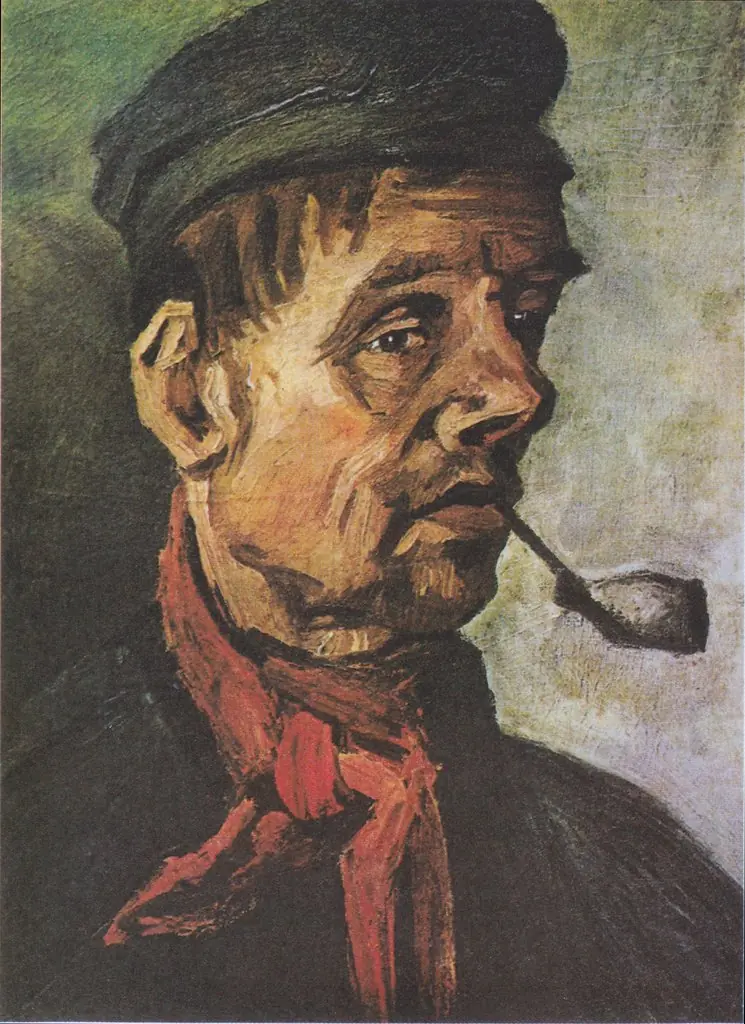 Head of a Man with a Pipe
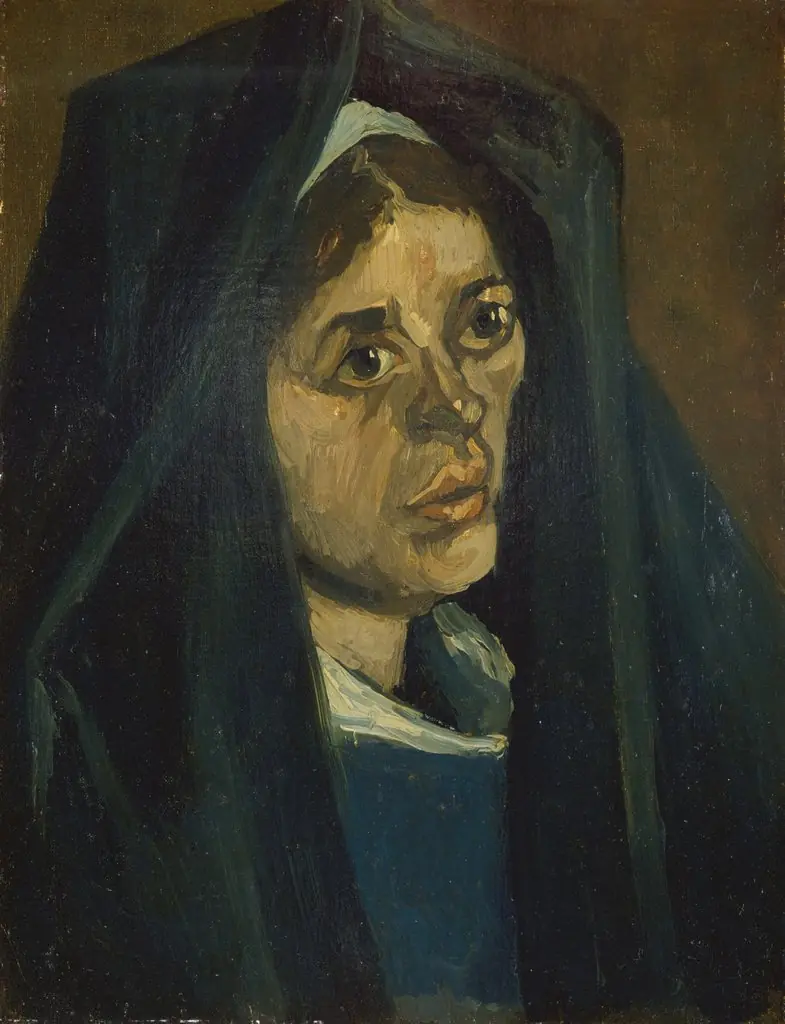 Head of a Peasant Woman with Green Shawl
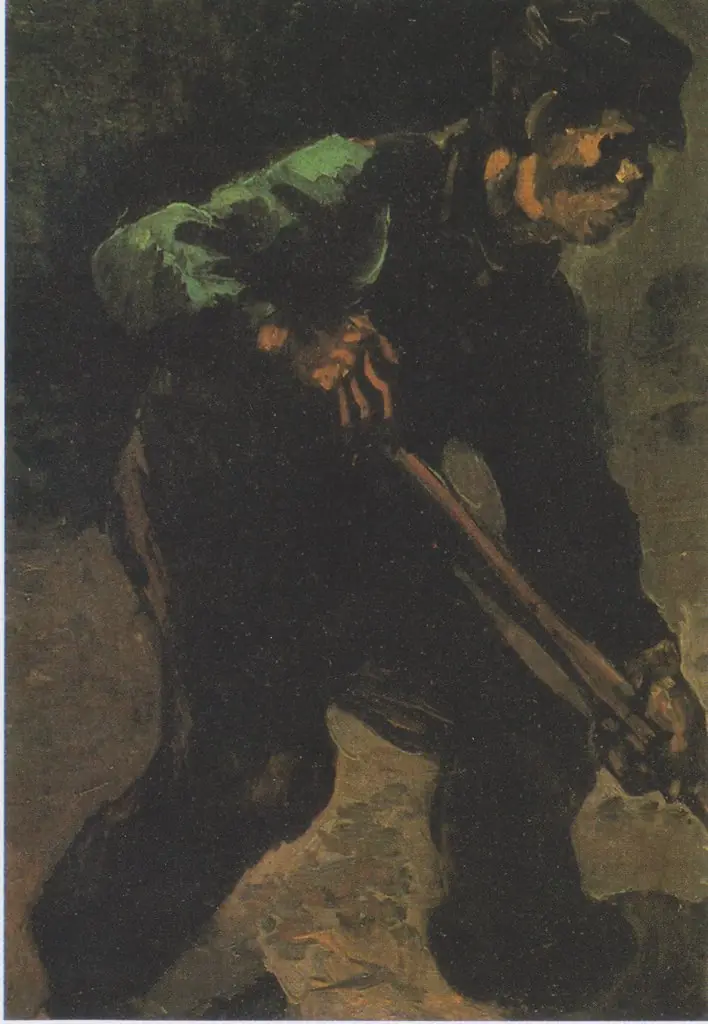 Digger
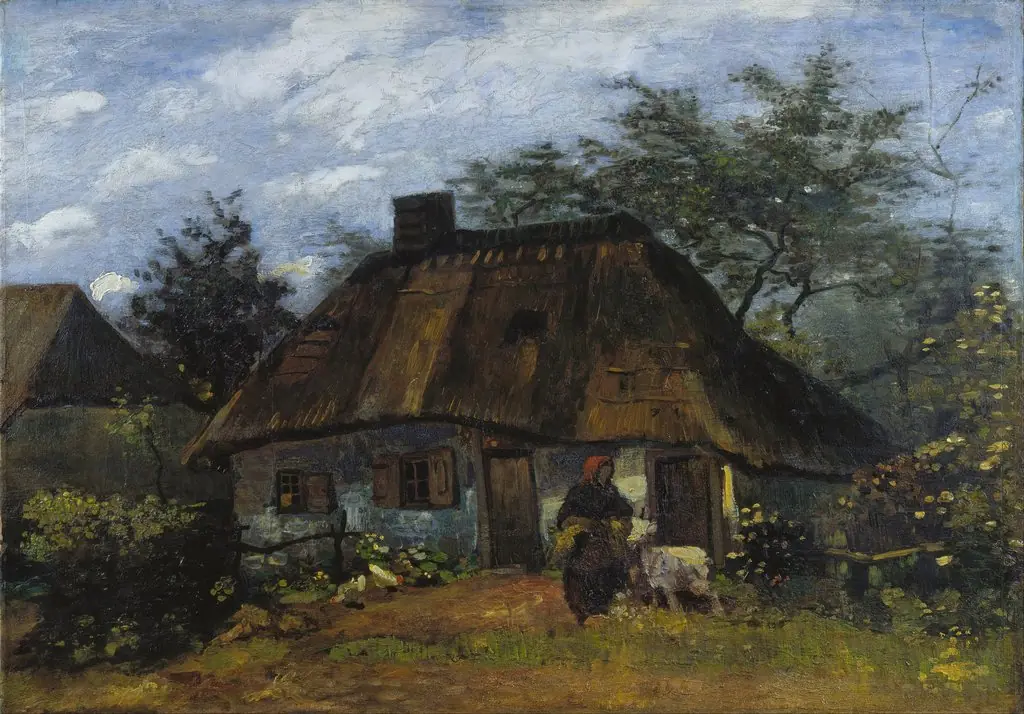 Cottage and Woman with Goat
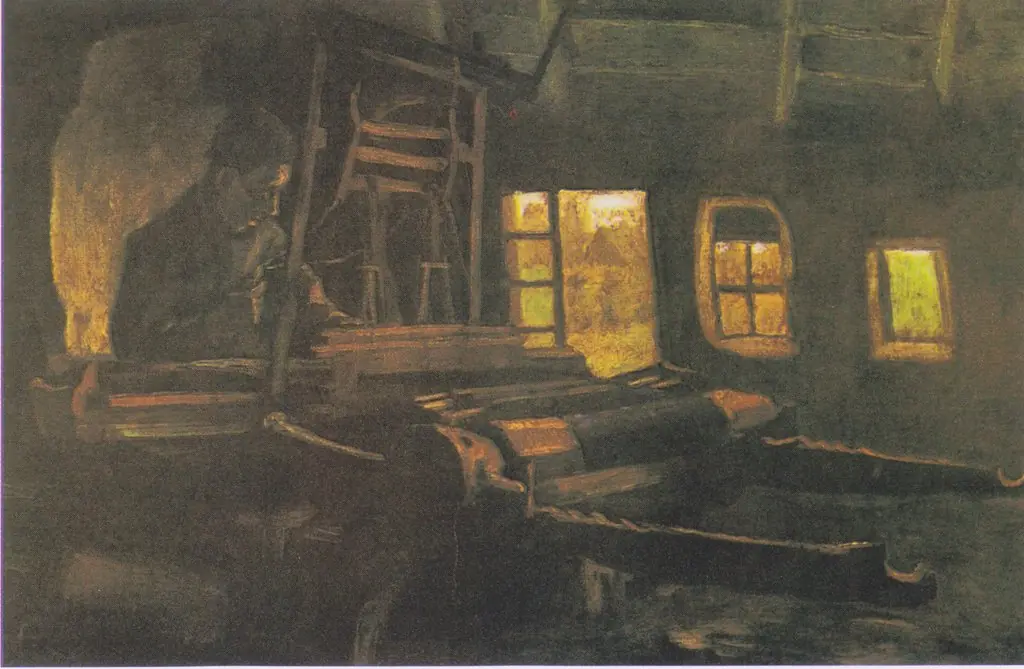 Weaver, Interior with Three Small Windows
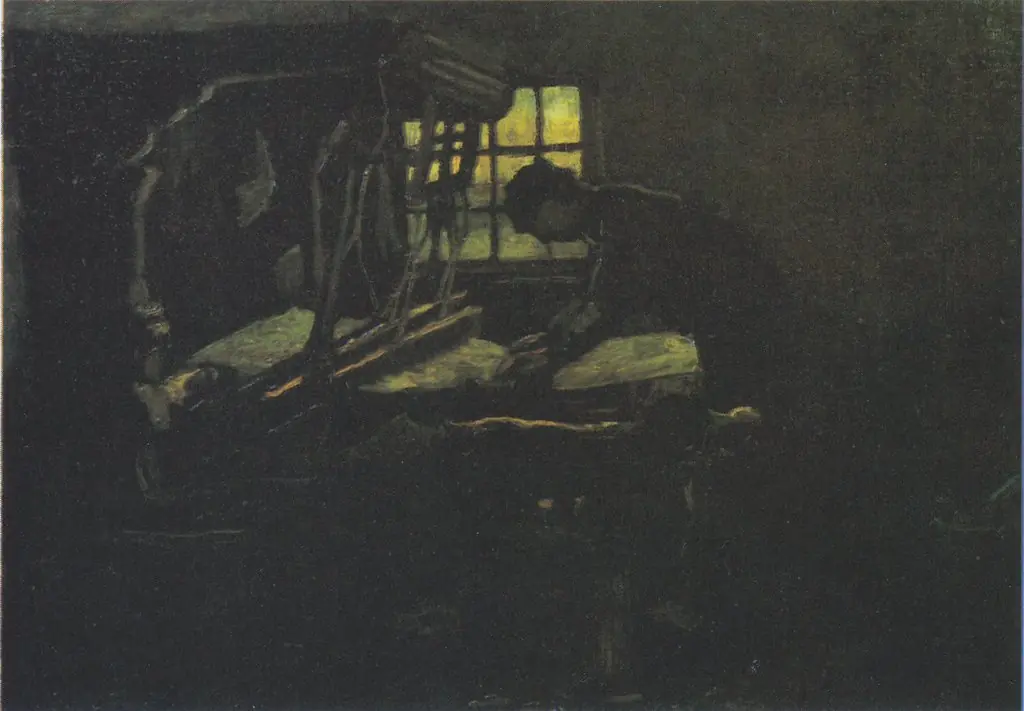 Weaver Arranging Threads
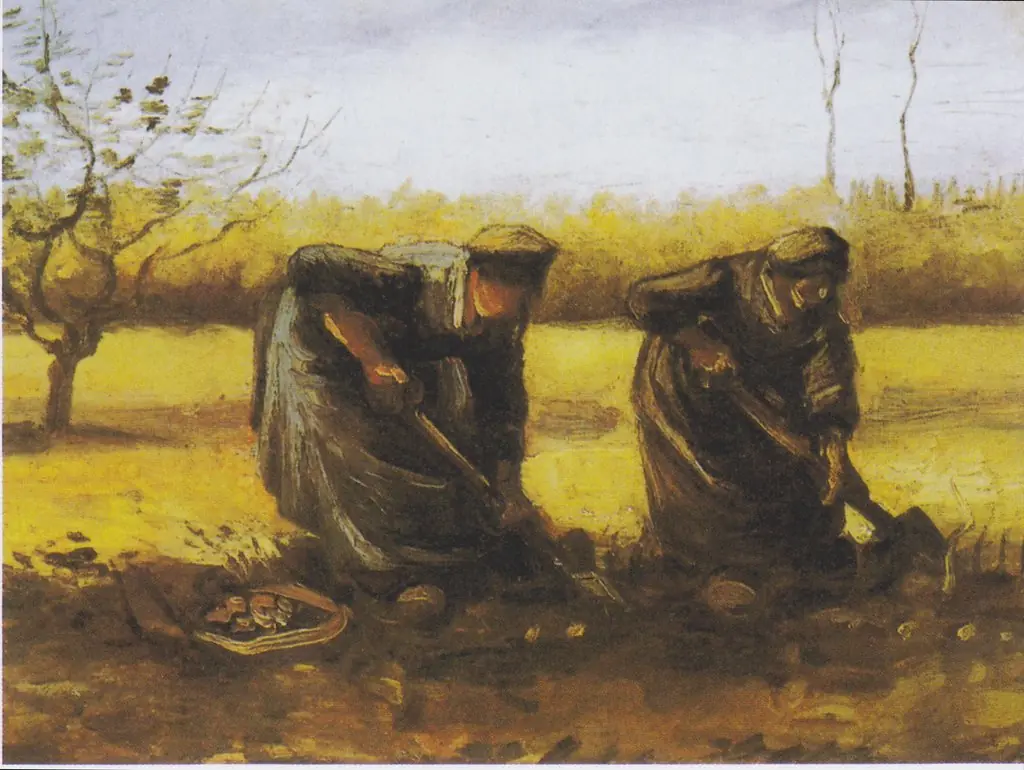 Two Peasant Women Digging Potatoes
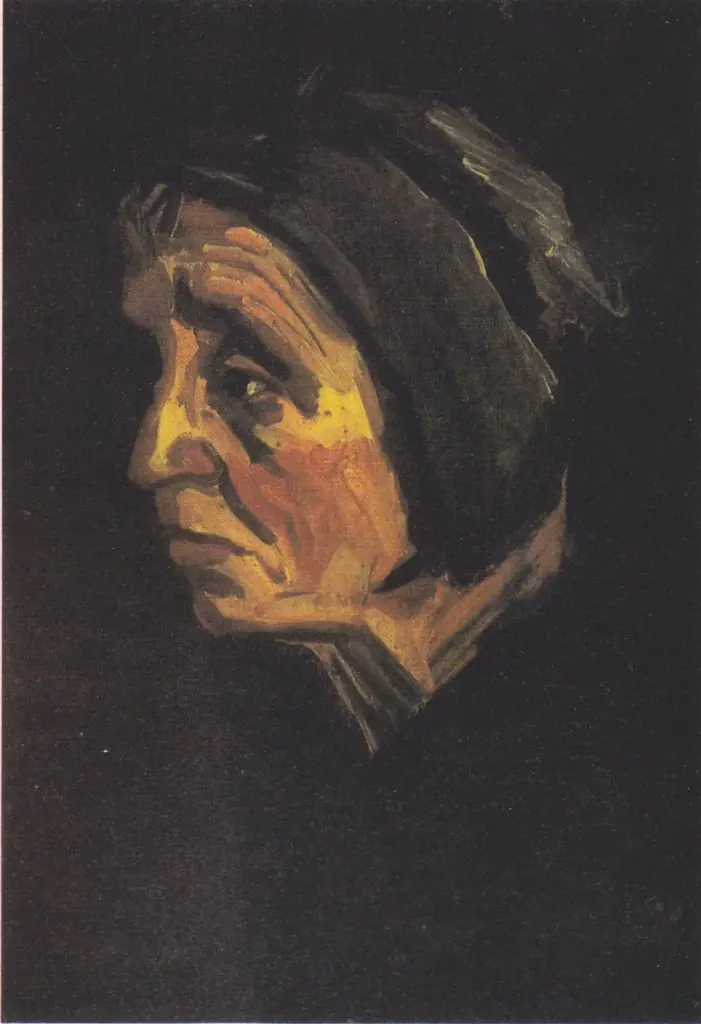 Head of a Woman
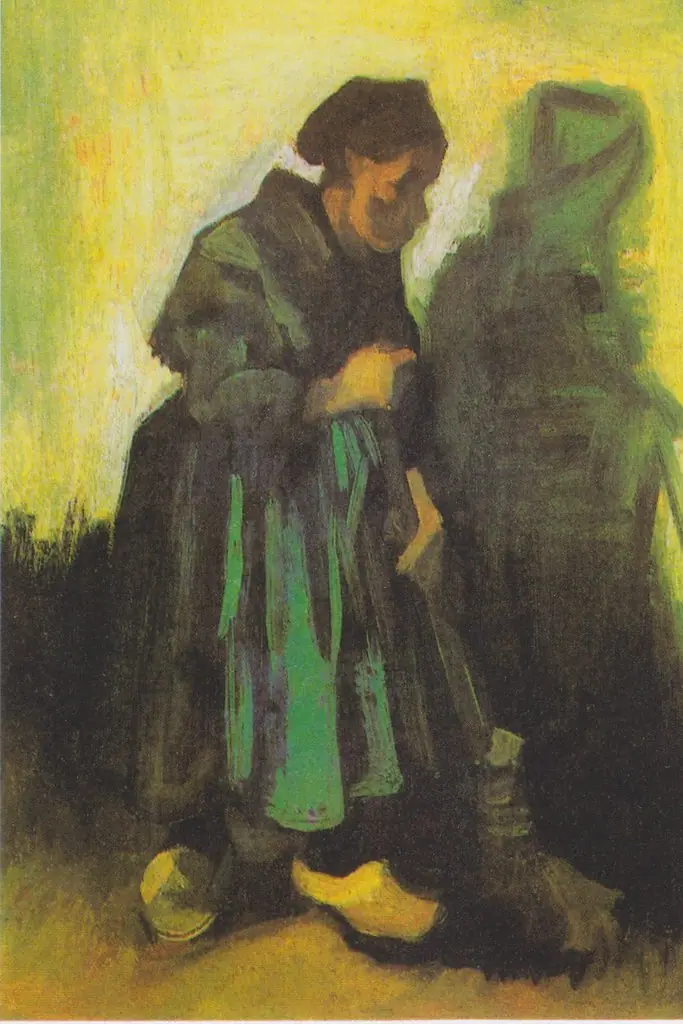 Woman with a Broom
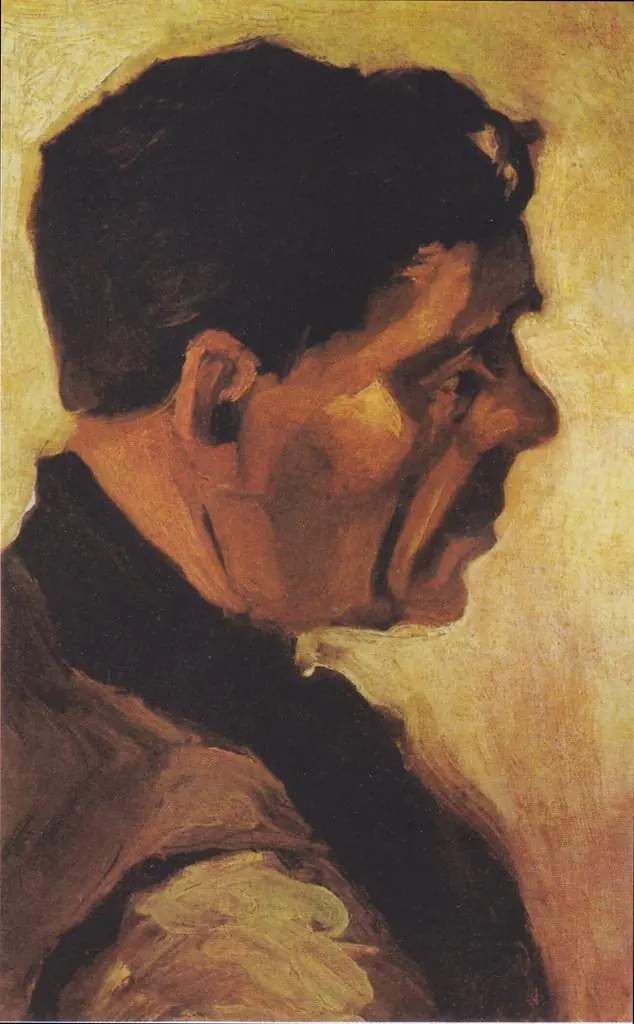 Head of a Man
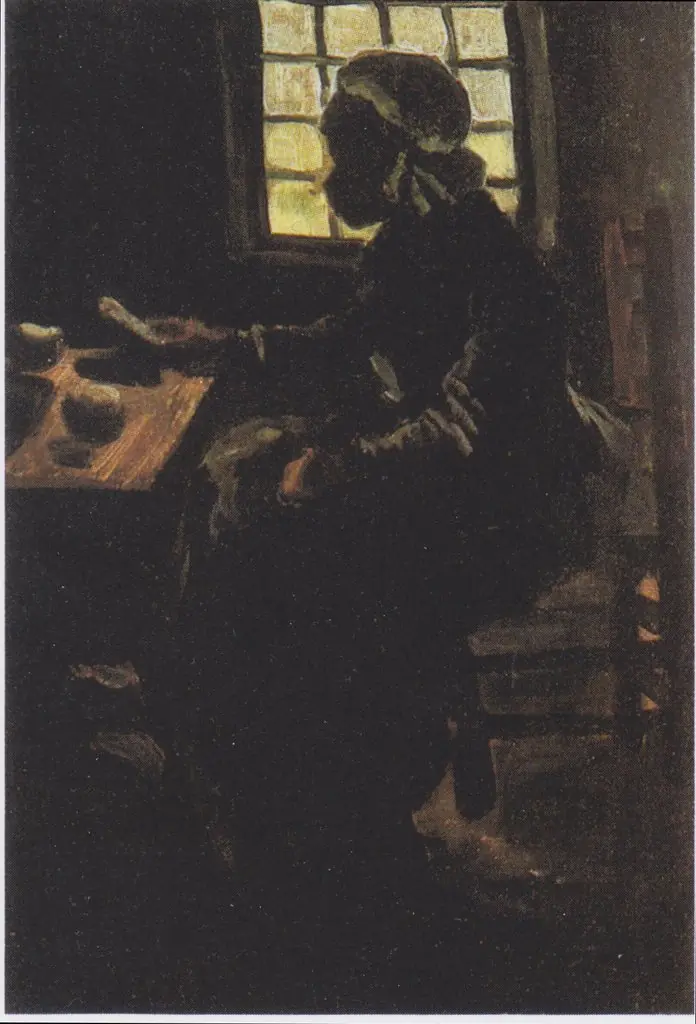 Woman at Table
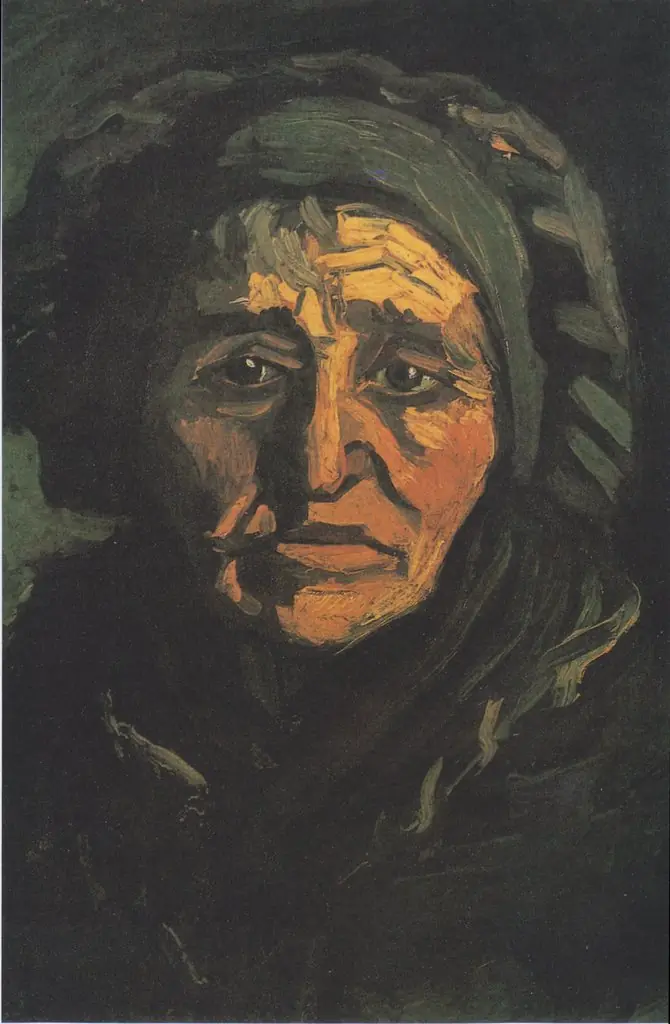 Head of a Woman (KM 111.262)
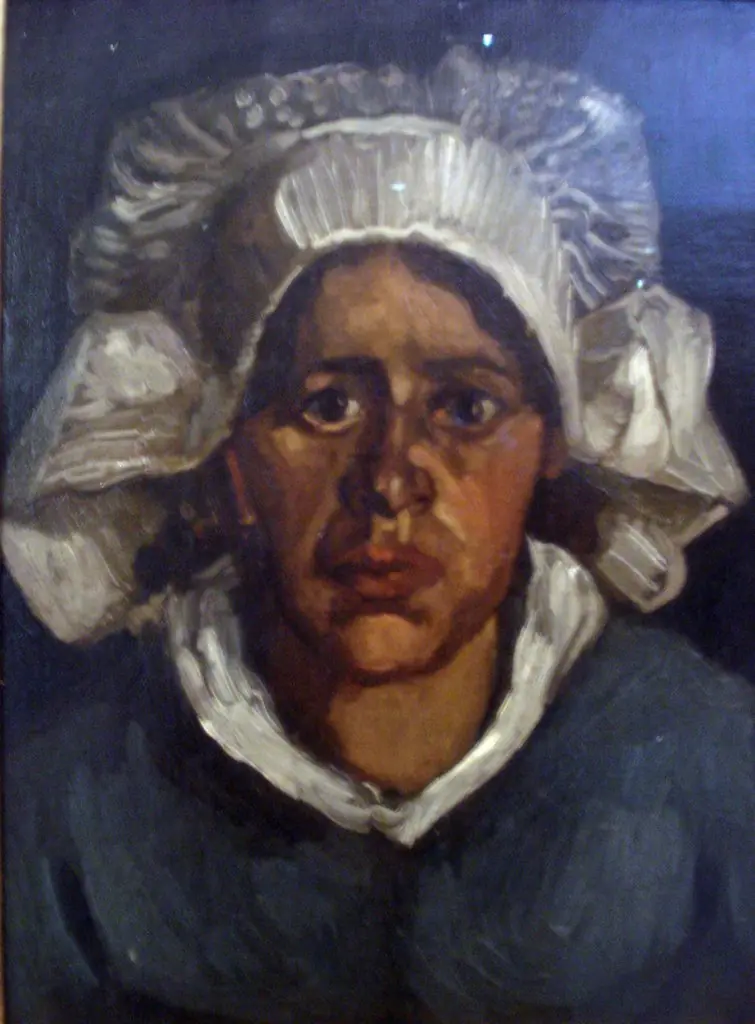 Head of a Peasant Woman with White Cap
Frequently asked questions
What is White People?
White People is a subject in art. White is a historical specification of skin color and a modern classification of race.
How many White People works does Artifact World Gallery have?
Artifact World Gallery holds 81 public-domain White People works, all free to view and download.
Who are the key White People artists?
Key White People artists in the collection include Jean Léon Gérôme, Pierre-Auguste Renoir and Hans Memling.
Where can I see White People works?
White People works in the collection are held by Metropolitan Museum of Art, Kröller-Müller Museum and National Gallery of Art.