Subject
Francis of Assisi
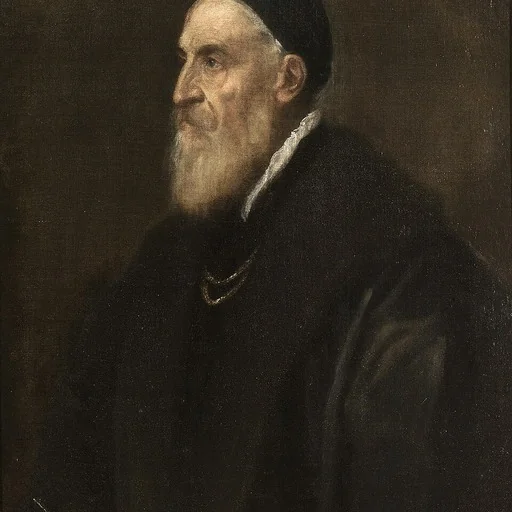
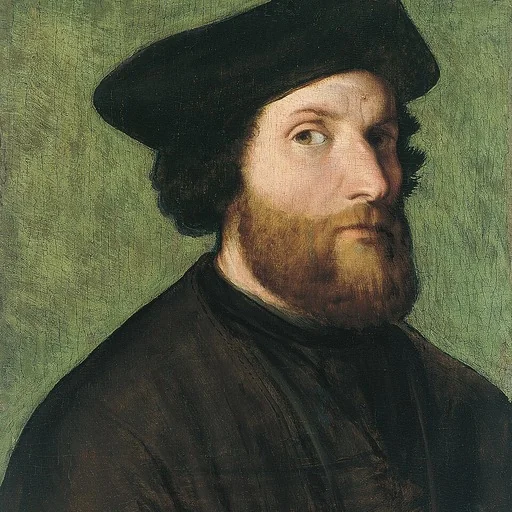
Francis of Assisi is a subject in art. The gallery holds 200 works in this subject in art, including works by Titian, Lorenzo Lotto and Raphael.
Few figures transformed the iconography of Western art as profoundly as Francis of Assisi (born c. 1181/82 in Assisi, died 3 October 1226). The son of a wealthy cloth merchant, Francis renounced his inheritance to embrace radical poverty, gathering the band of followers that Pope Innocent III approved as the Franciscan order in 1209; with Clare of Assisi he founded the women's Poor Clares in 1212. In September 1224, during a retreat on Mount La Verna, he reportedly received the stigmata—the first documented instance in Church history—and he was canonized in 1228, only two years after his death. The rapid spread of the mendicant friars, and their need to decorate churches across Italy and beyond, made Francis one of the most frequently depicted saints of the later Middle Ages and the Renaissance.
Francis is recognizable by a consistent visual vocabulary: a coarse brown or grey habit cinched with a knotted cord, a tonsured head, gaunt features, bare feet, and the five wounds of the stigmata. Attendant attributes—birds recalling his sermon to them, a skull, a crucifix, a lily, or an open book—signal his humility and penitence. Two episodes dominate: the reception of the stigmata, and the saint absorbed in ecstatic meditation. Narrative cycles set the template, above all the 28 frescoes of the Legend of Saint Francis in the Upper Church of the Basilica di San Francesco at Assisi (c. 1297–1300), traditionally credited to Giotto though now often assigned to several hands, and Giotto's later Bardi Chapel cycle in Santa Croce, Florence.
Later masters reinvented the theme. Giovanni Bellini's luminous Saint Francis in Ecstasy (c. 1475–80, Frick Collection) places the friar in a radiant landscape, while the Counter-Reformation—after the Council of Trent stressed poverty and the imitation of Christ—produced the brooding penitents of Caravaggio, El Greco, and Francisco de Zurbarán, who painted the saint more than thirty times.
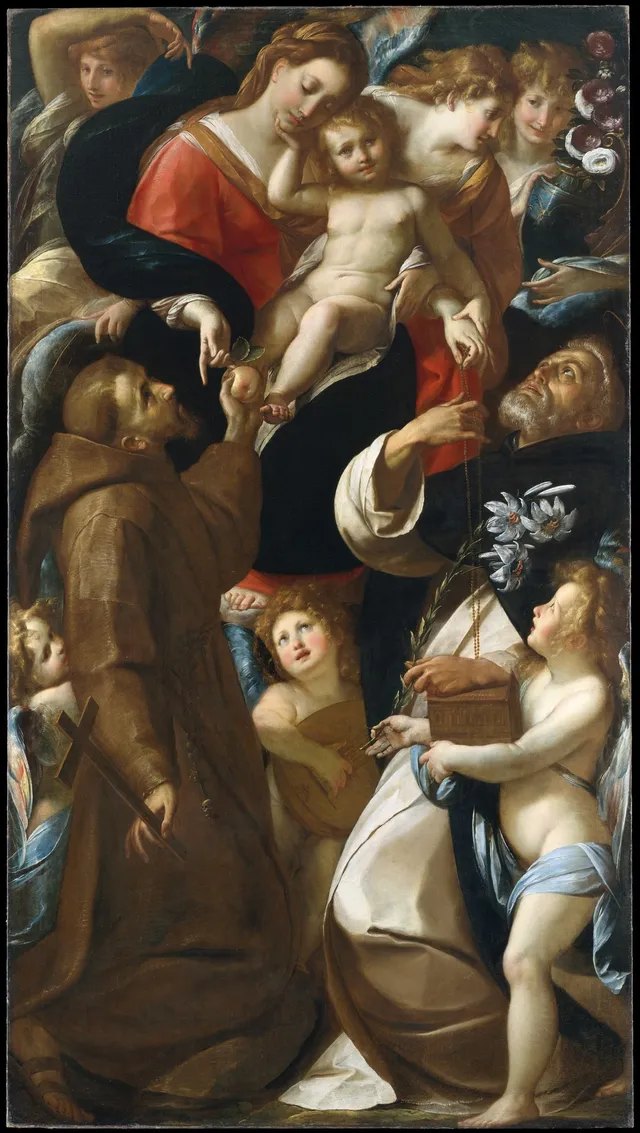
In devotional altarpieces Francis recurs as intercessor, as in Cima da Conegliano's Madonna and Child with Saints Francis and Clare and Giulio Cesare Procaccini's Madonna and Child with Saints Francis and Dominic. Such works—linked here to the Franciscan convent of San Francesco di Monteripido above Perugia—attest to a devotion that endures: Francis remains patron saint of Italy and of ecology.
Key artists
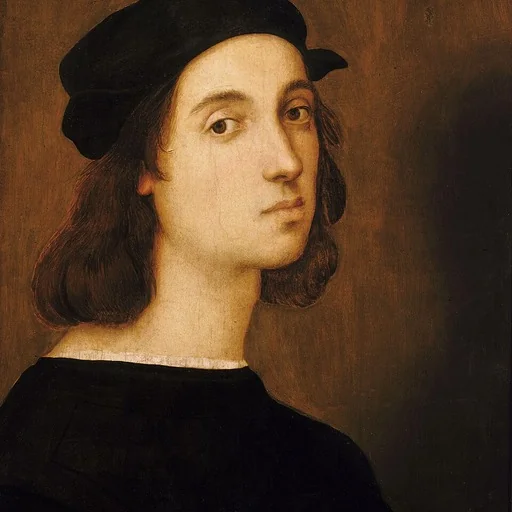
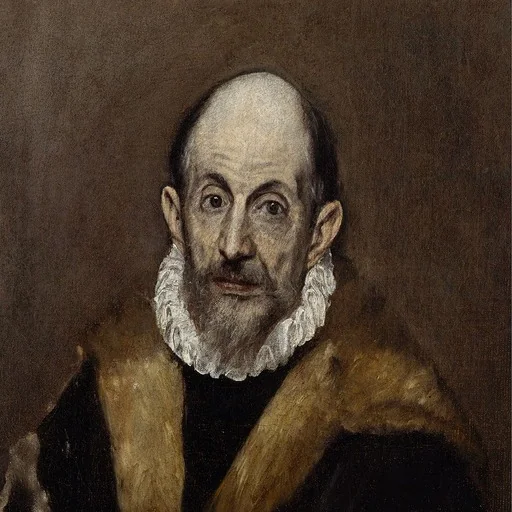
Overview
Francis of Assisi (c. 1181-3 October 1226), born Giovanni di Pietro di Bernardone, was an Italian mystic, poet, and Catholic friar who founded the Franciscan religious order. Canonized by Pope Gregory IX on 16 July 1228, he became one of the most venerated figures in Christianity and among the most frequently depicted saints in Western art. His image recurs across centuries because his life combined dramatic narrative episodes, visible mystical experiences, and a set of instantly recognizable attributes that allowed artists to explore themes of poverty, divine ecstasy, and the sanctification of nature. The subject appears in 211 works in the collection under discussion, ranging from altarpieces and crucifixes to independent devotional panels, reflecting both his institutional importance to the Franciscan order and his broad popular appeal.
Iconography & meaning
Francis's visual identity in art rests on a stable core of attributes and narrative scenes. His standard depiction includes the brown Franciscan habit with a knotted cord belt, symbolizing the evangelical counsels of poverty, chastity, and obedience. The stigmata, the wounds of Christ that he was said to have received in 1224 during a vision of a seraphic angel, became perhaps his most distinctive attribute and was frequently shown in independent devotional images. Other common attributes include birds, animals, a crucifix, a book, and a skull, signaling his role as patron of animals and ecology, his devotion to the Eucharist, and his meditation on mortality. Narrative cycles typically illustrate key episodes: his renunciation of worldly goods, the rebuilding of San Damiano, the first live nativity scene at Greccio in 1223, his preaching to birds, and his reception of the stigmata on Mount La Verna. The Canticle of the Sun, his praise of Brother Sun and Sister Moon, reinforced associations with cosmic harmony and environmental stewardship that later artists would exploit. His iconography thus oscillates between the intensely personal, even visceral, experience of mystical union and the public, institutional role as founder of a rapidly expanding religious order.
Across movements & periods
The treatment of Francis evolved significantly from the thirteenth to the sixteenth centuries and beyond. The earliest depictions emerged within decades of his canonization in 1228, when the Basilica of San Francesco in Assisi itself became a generator of imagery, including the famous fresco cycle by Giotto depicting twenty-eight episodes of his life. The thirteenth century saw the rapid codification of his visual identity, with the stigmata and the habit becoming fixed elements. The fourteenth century brought greater emotional intensity and naturalistic detail, as seen in works by Pietro Lorenzetti and Sassetta, both represented in the Perkins Collection at the Treasure Museum of the Basilica of Saint Francis. The Renaissance introduced more complex spatial settings and psychological depth, while the Baroque period, as evidenced by works such as Caravaggio's Saint Francis of Assisi in Ecstasy, exploited dramatic chiaroscuro to convey mystical experience. Across periods, Francis's image served both institutional purposes, reinforcing Franciscan identity, and broader spiritual ones, appealing to lay devotion through his accessible humanity. The international character of his cult is visible in works of French, Flemish, and German origin collected at Assisi, from Parisian illuminated manuscripts to Salzburg metalwork.
Notable depictions
Several specific works and artists anchor the artistic tradition of Francis depiction. Giotto's fresco cycle in the Upper Church of the Basilica of San Francesco, Assisi, remains the foundational narrative sequence, establishing the visual vocabulary for subsequent generations. In the Perkins Collection at the Treasure Museum of the Basilica of Saint Francis, works by Pietro Lorenzetti, Sassetta, and Beato Angelico represent the flowering of fourteenth- and fifteenth-century treatments. The collection includes a Saint Francis by Beato Angelico, three panels by Pietro Lorenzetti, and a Saint Christopher by Sassetta. Other notable holdings include works by Lorenzo Monaco, Masolino da Panicale, and Taddeo di Bartolo. Garofalo's Madonna Adoring the Child and Giovanni di Paolo's panels demonstrate the subject's continued resonance in the Renaissance. Caravaggio's Saint Francis of Assisi in Ecstasy, though not in this collection, represents the Baroque culmination of the mystical tradition. The Treasure Museum itself, housed in the Gothic Hall and Red Hall of the Sacro Convento, displays these works alongside liturgical objects and relics, creating a context where painting, metalwork, and sacred function remain inseparable.
Legacy
Francis's afterlife in culture extends far beyond formal religious art. His designation as patron saint of ecology by Pope John Paul II in 1979, following centuries of association with animals and the natural world, gave renewed relevance to his image in an era of environmental concern. The establishment of World Animal Day on his feast day of 4 October perpetuates this connection. His name attaches to countless churches, institutions, and the city of San Francisco, while his writings, including the Canticle of the Sun, continue to circulate as spiritual literature. The Treasure Museum of the Basilica of Saint Francis, despite losses from Napoleonic looting in 1798 and the suppression of religious orders in 1866, preserves a material record of papal and royal patronage that testifies to his enduring prestige. The F.M. Perkins Collection, donated by the American art critic and Secular Franciscan Frederick Mason Perkins in 1955 and augmented in the 1980s, introduces an international, scholarly perspective into this traditionally Italian narrative. The museum's current arrangement, established in 2000 after earthquake damage, presents a collection that has grown since 1230 yet continues to negotiate the tension between Franciscan poverty and the accumulated riches of devotion.
Works
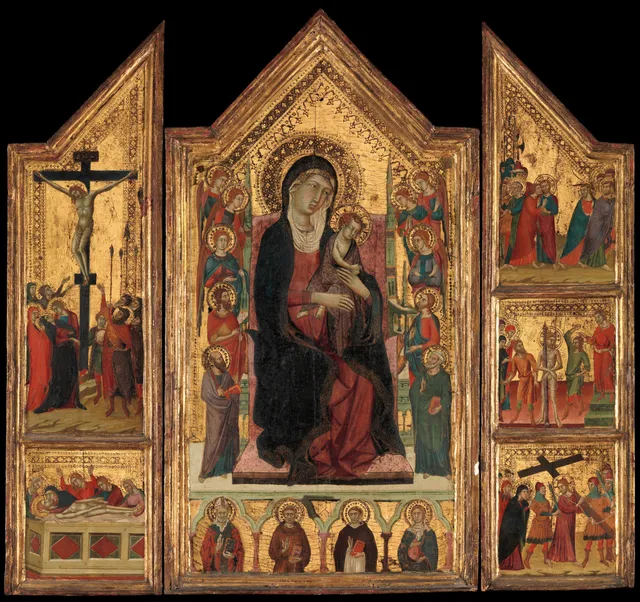
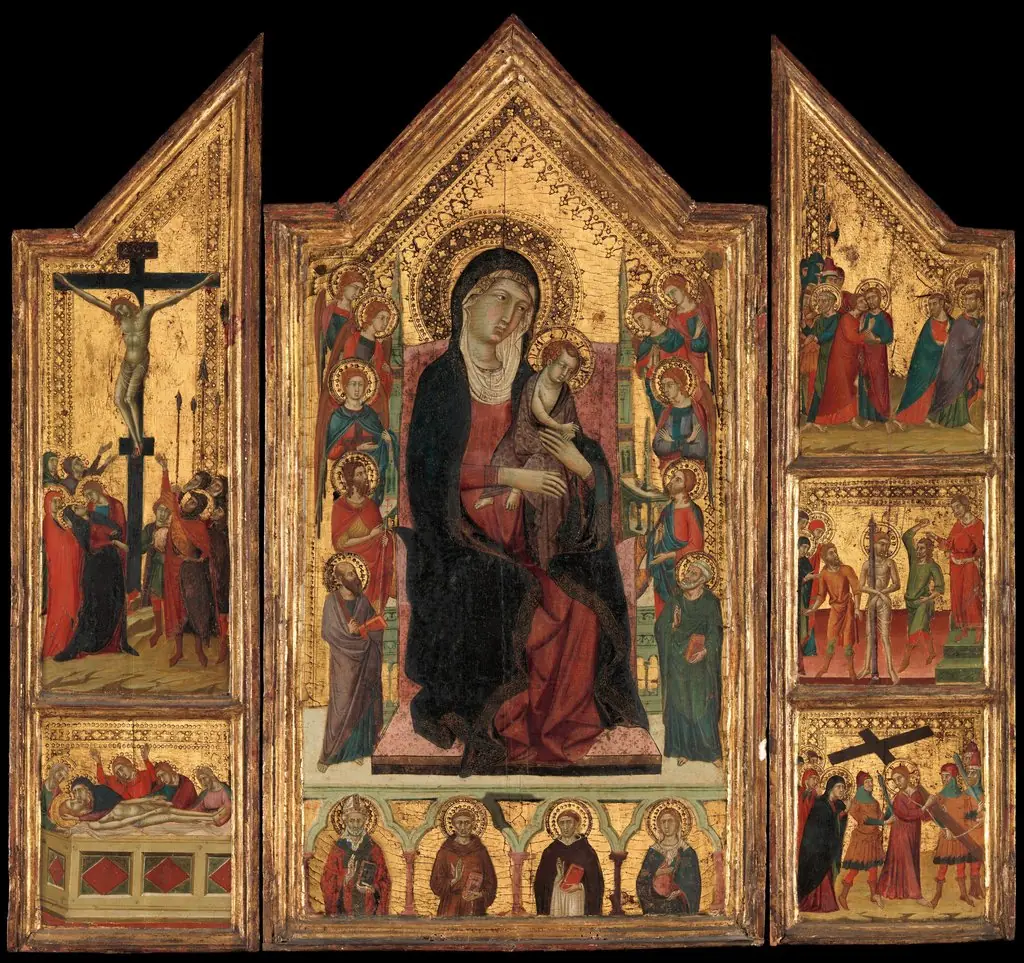 Madonna and Child Enthroned
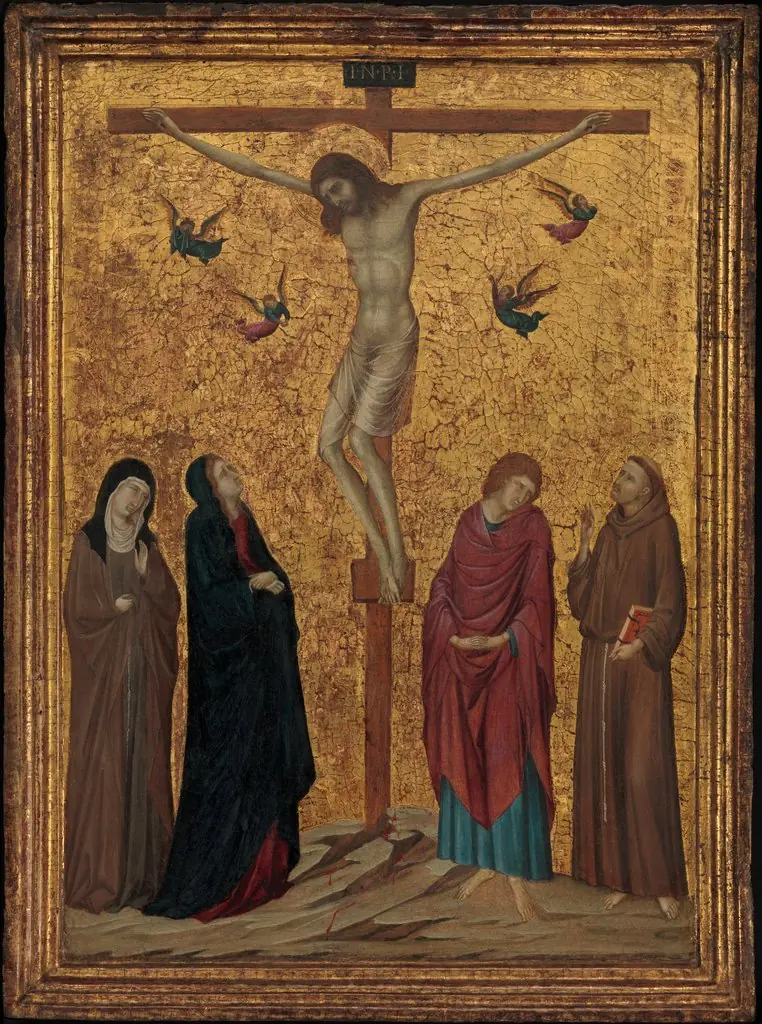 The Crucifixion
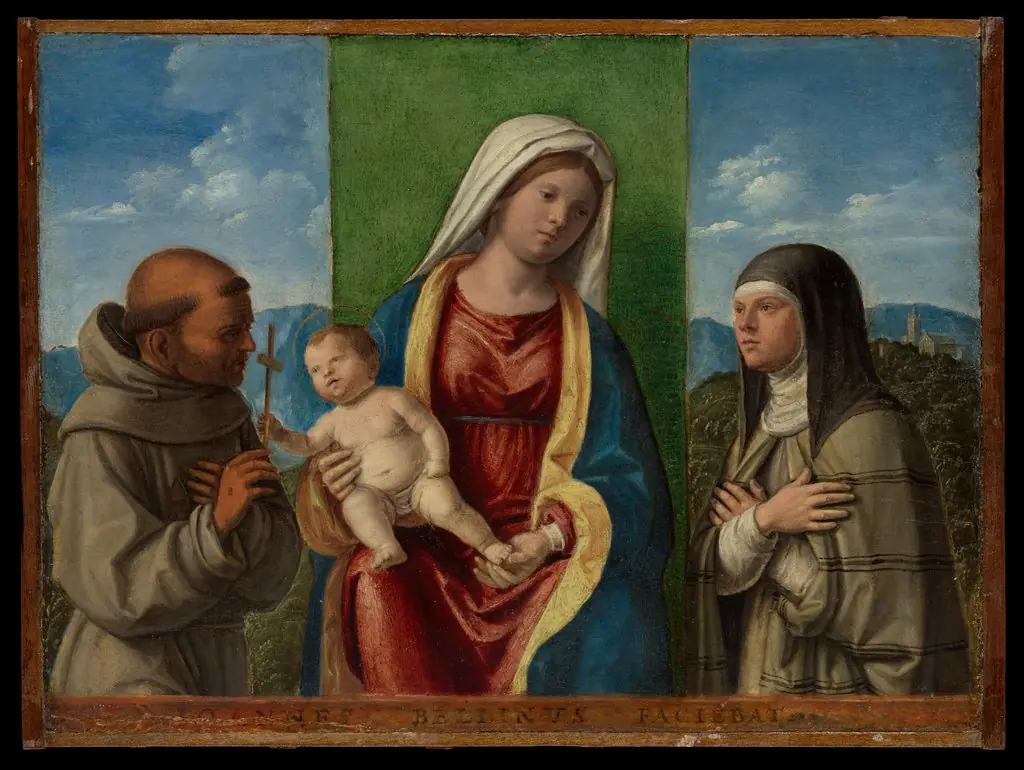 Madonna and Child with Saints Francis and Clare
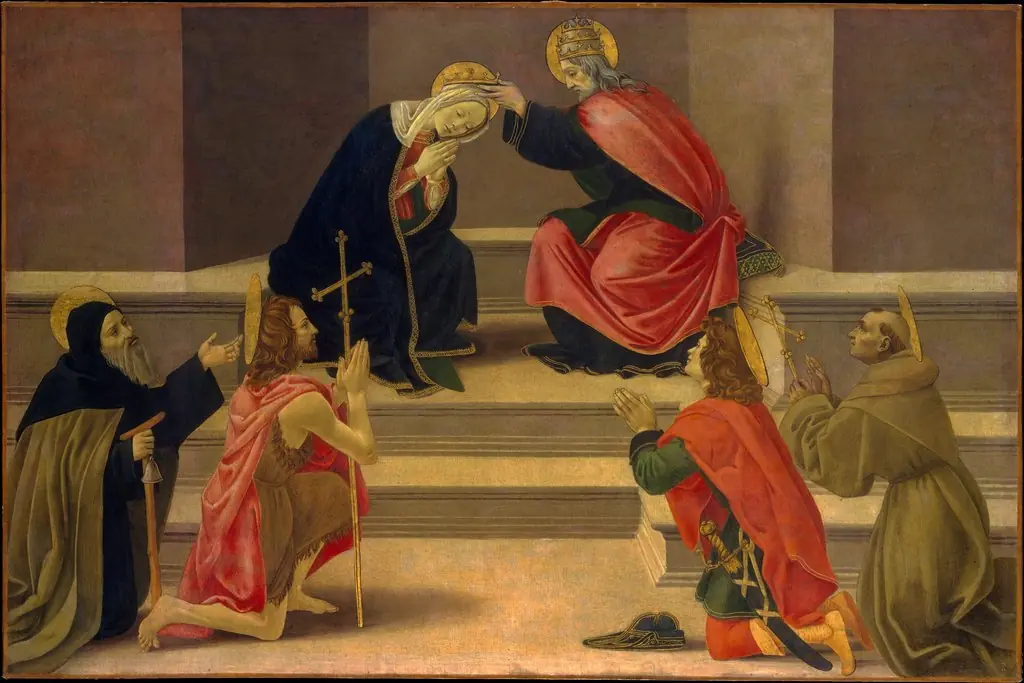 The Coronation of the Virgin
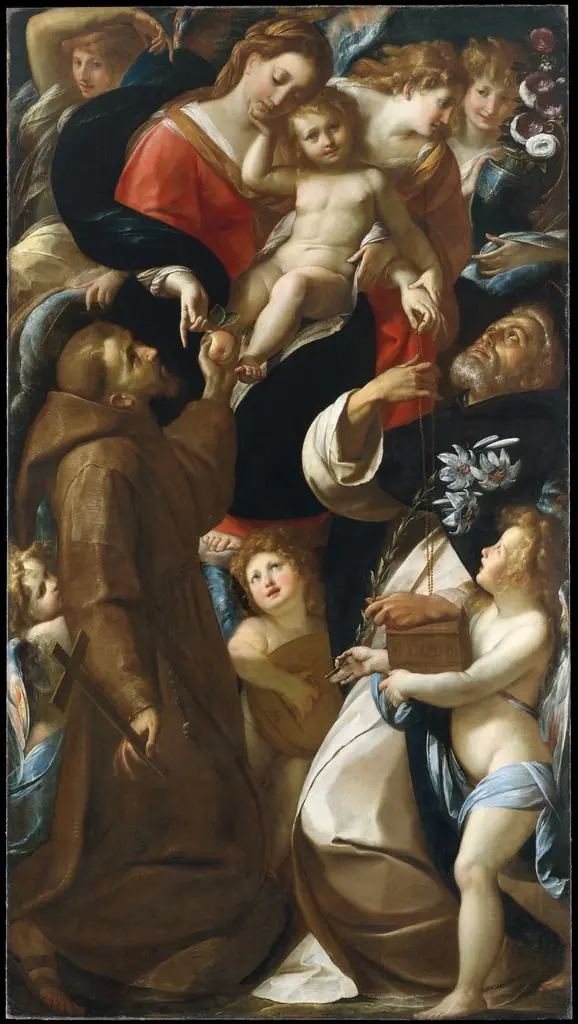 Madonna and Child with Saints Francis and Dominic and Angels
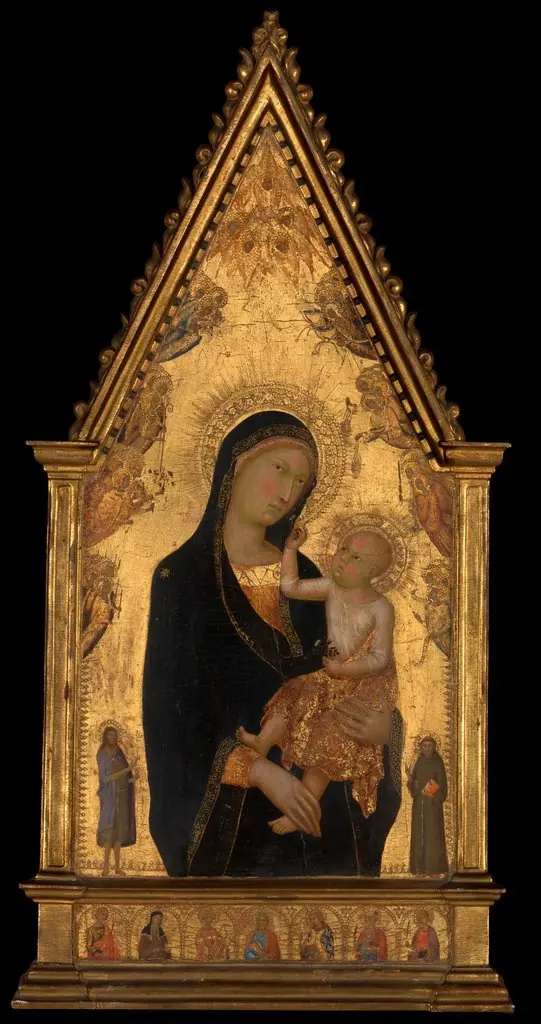 Madonna and Child with Saints and Angels
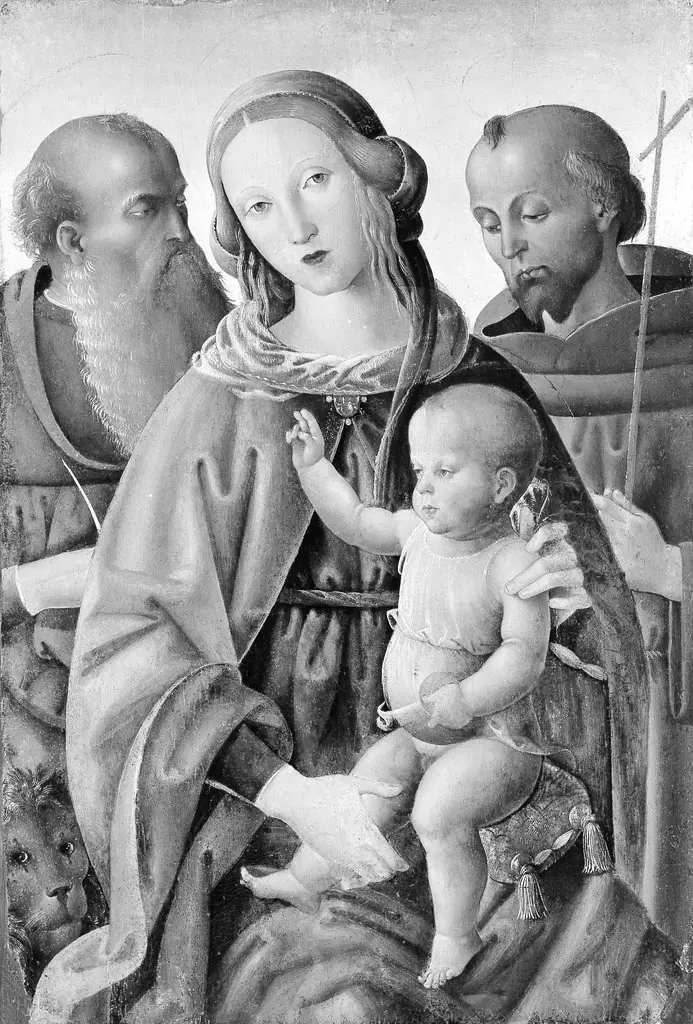 Madonna and Child with Saints Jerome and Francis
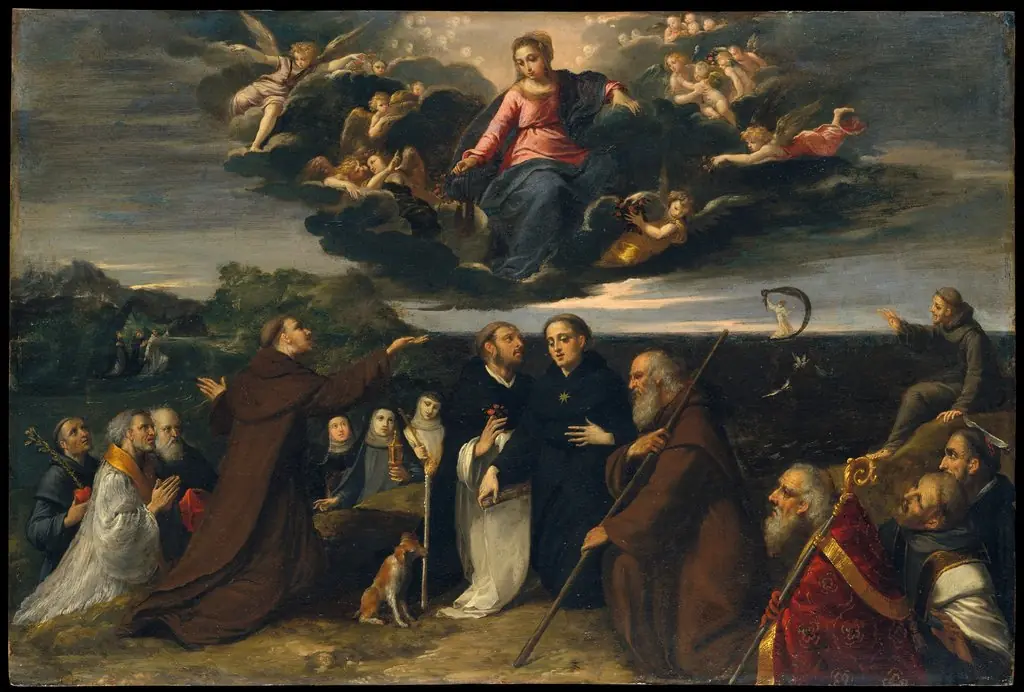 The Virgin Adored by Saints
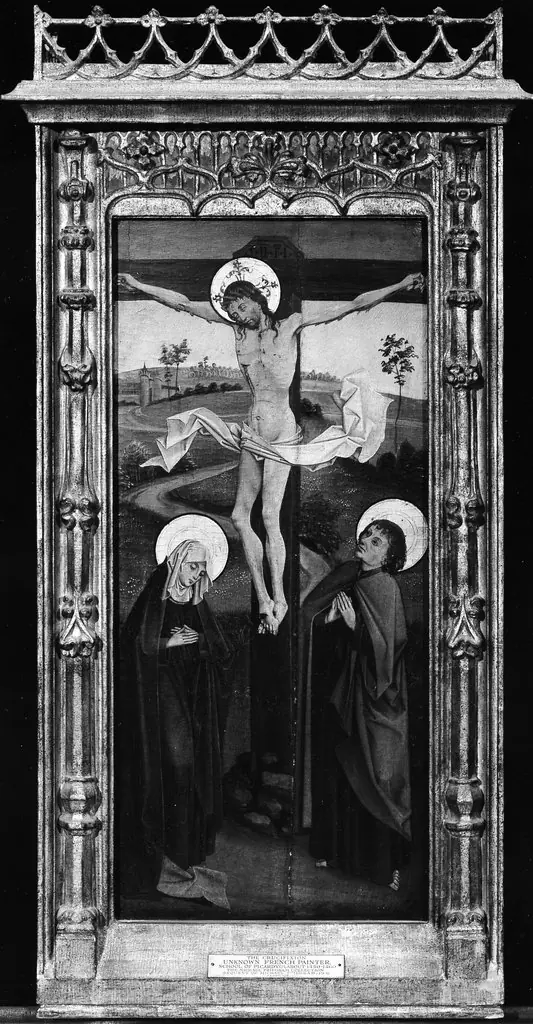 The Crucifixion, (reverse) Saint Francis of Assisi; The Resurrection, (reverse) An Abbot Saint, Possibly Saint Benedict
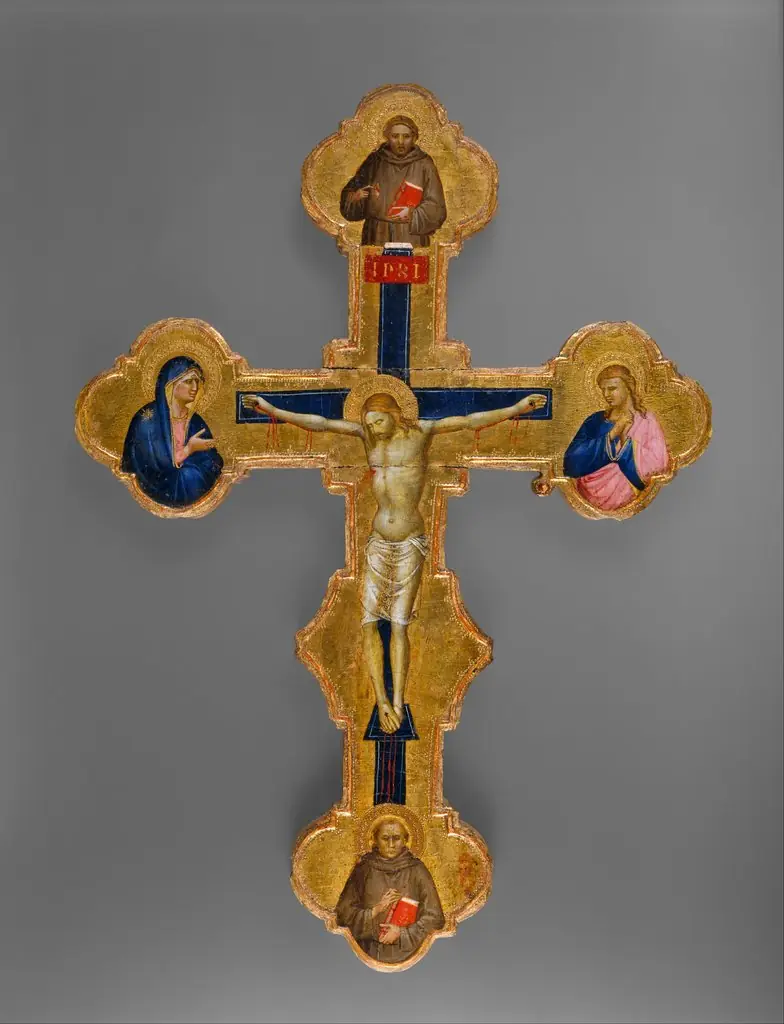 Crucifix
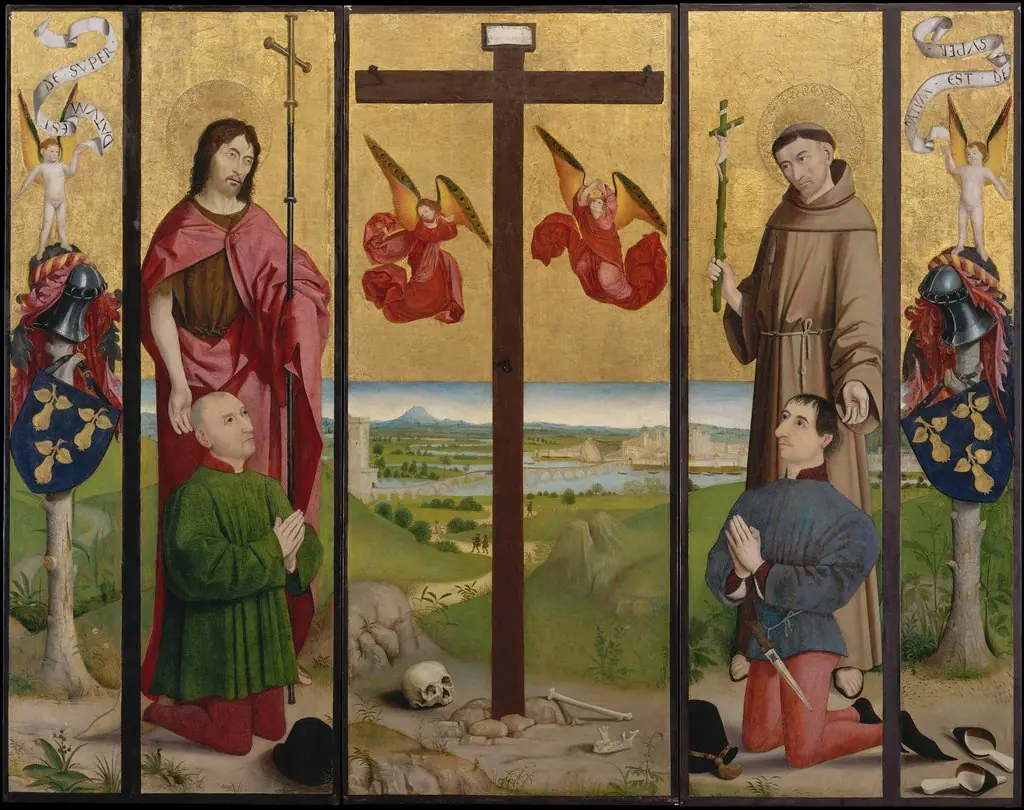 The Pérussis Altarpiece
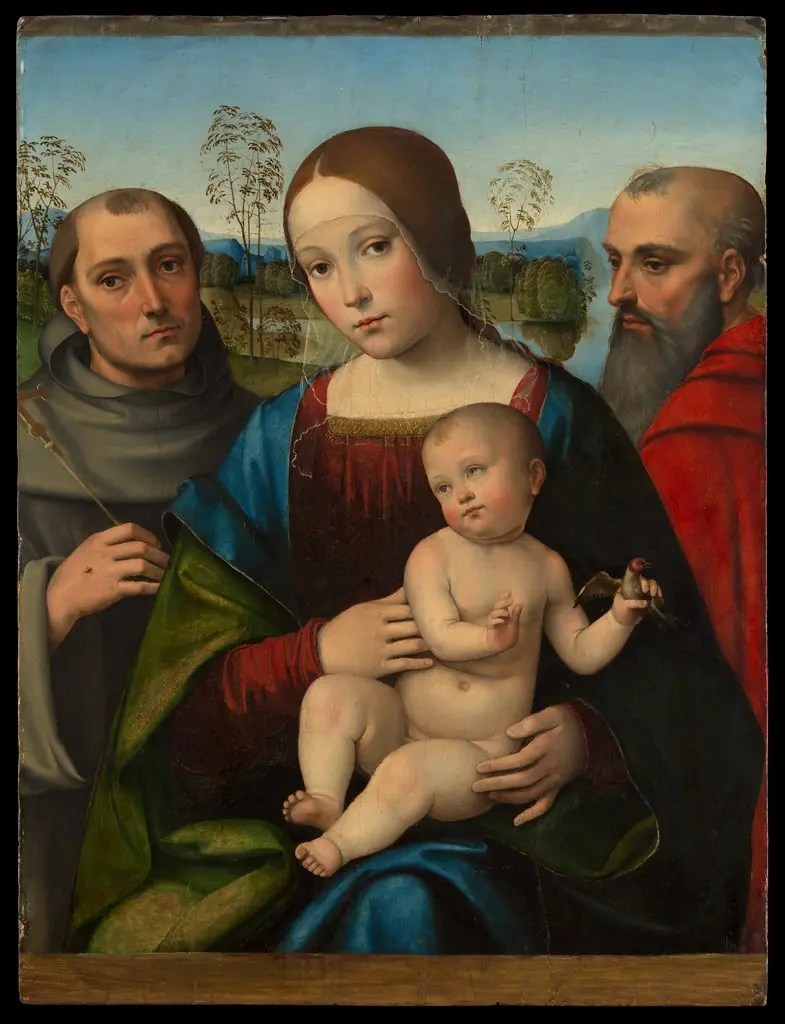 Madonna and Child with Saints Francis and Jerome
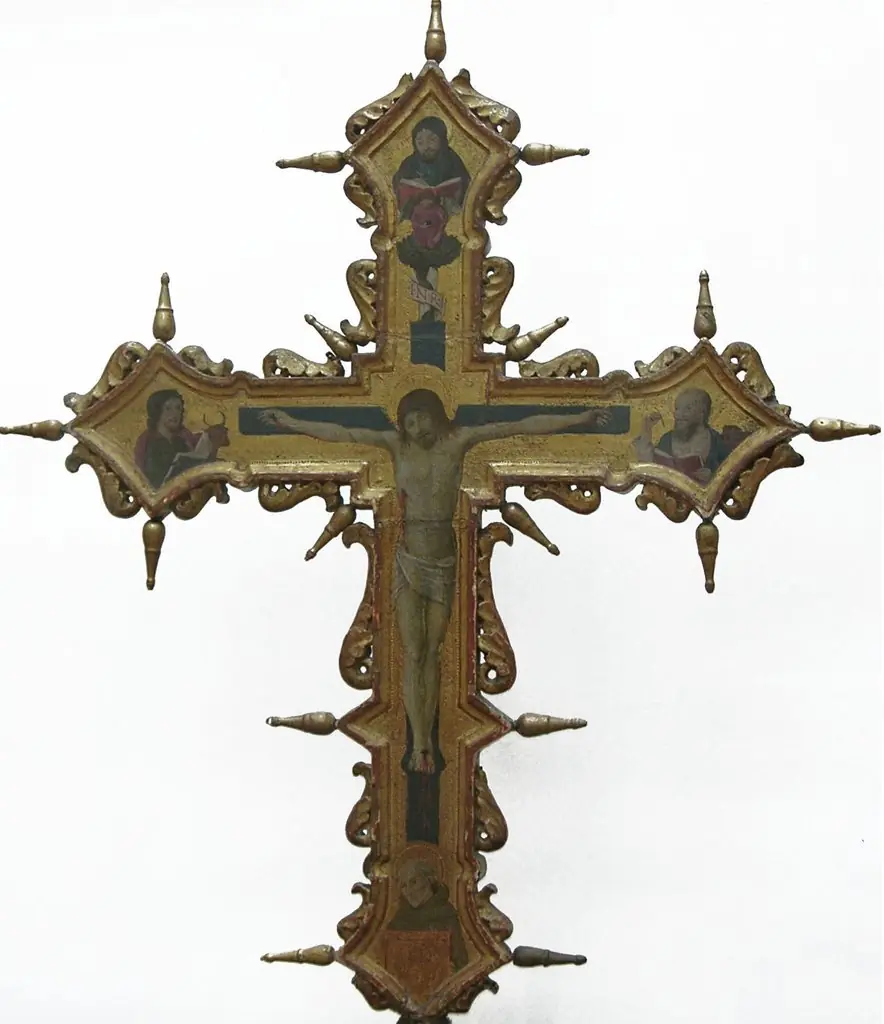 Processional Crucifix
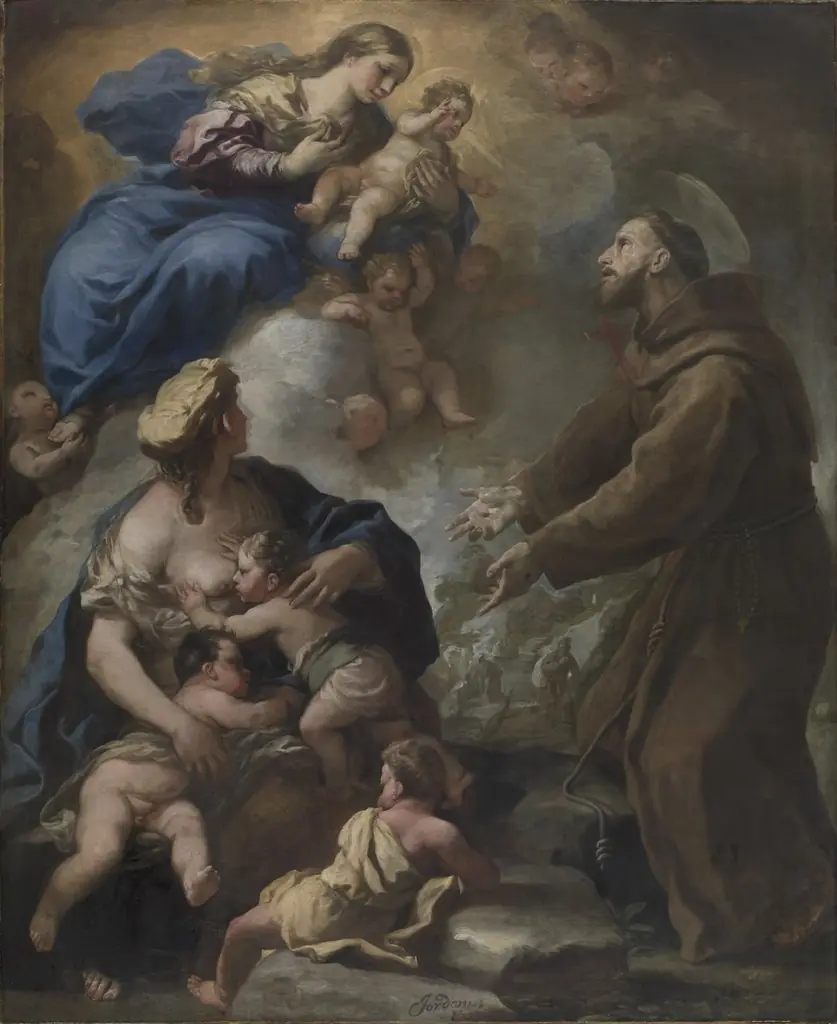 The Virgin and Child Appearing to Saint Francis of Assisi
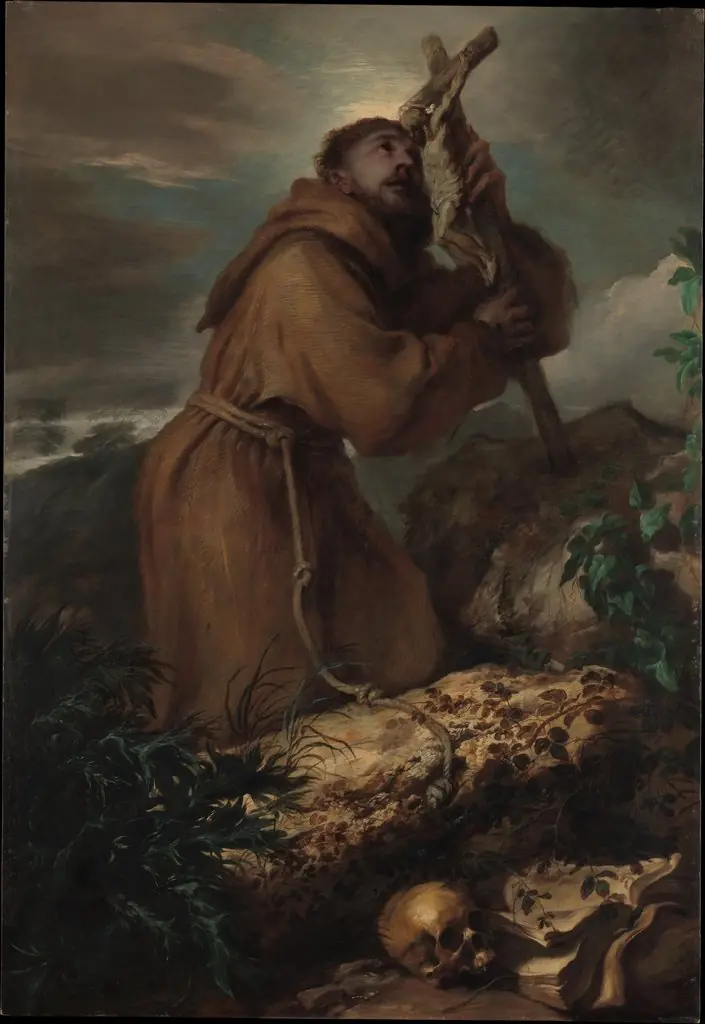 Saint Francis in Ecstasy
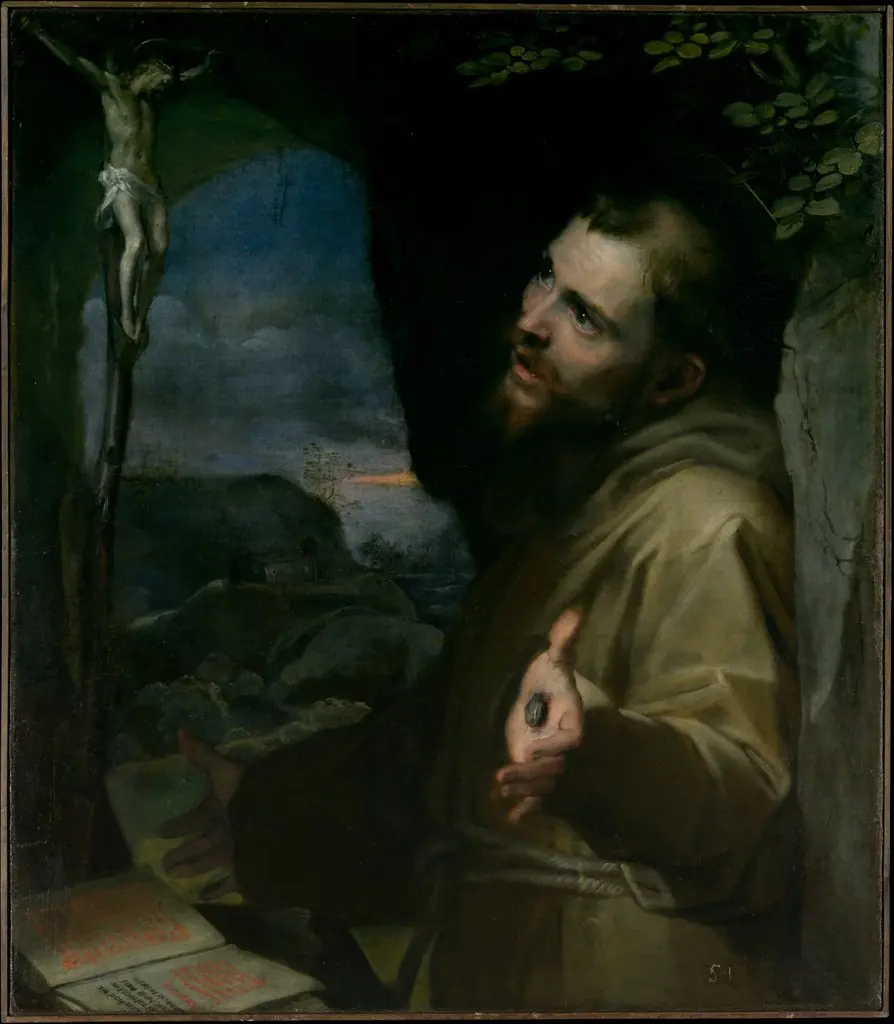 Saint Francis
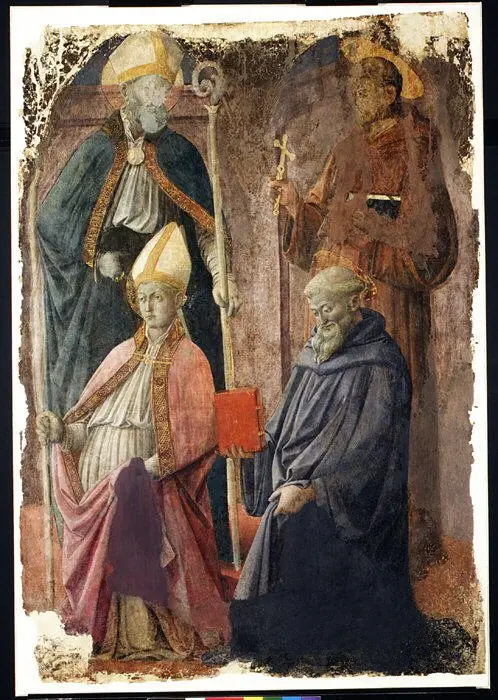 Saints Augustine and Francis, a Bishop Saint, and Saint Benedict
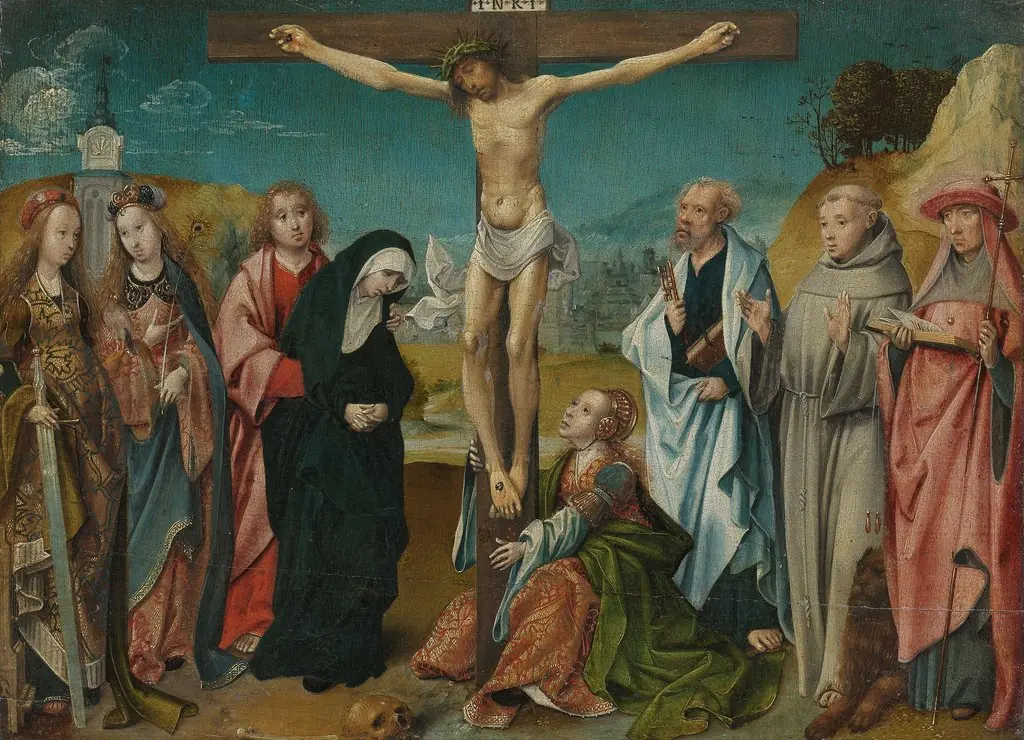 Christ on the cross with the Virgin, St John the Evangelist, Mary Magdalen, and Sts Cecilia and Barbara (left), and Sts Peter, Francis and Jerome (right)
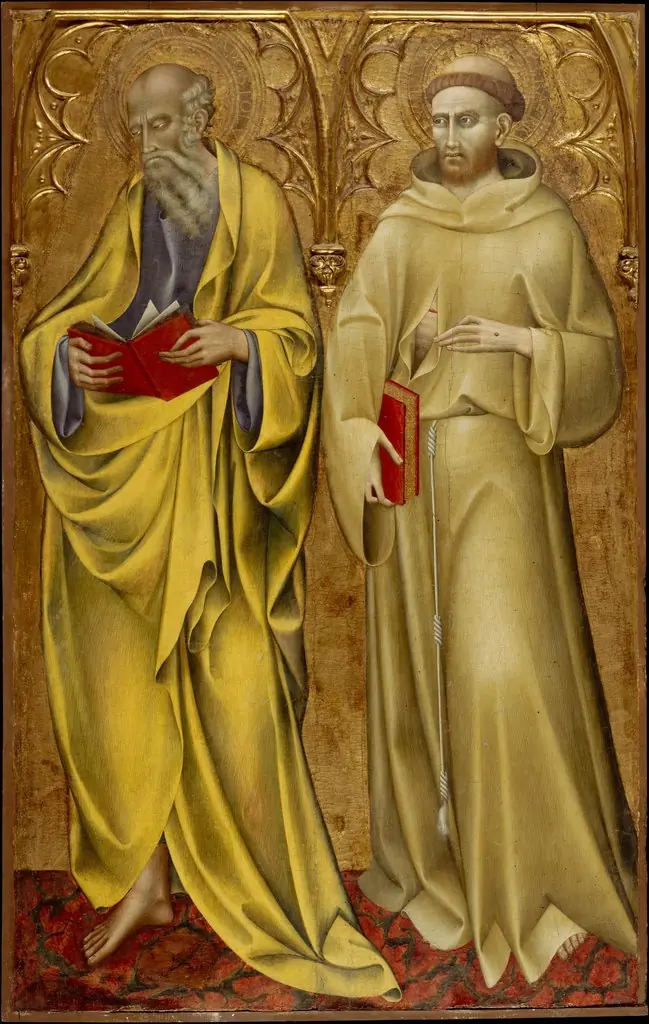 Saints Matthew and Francis
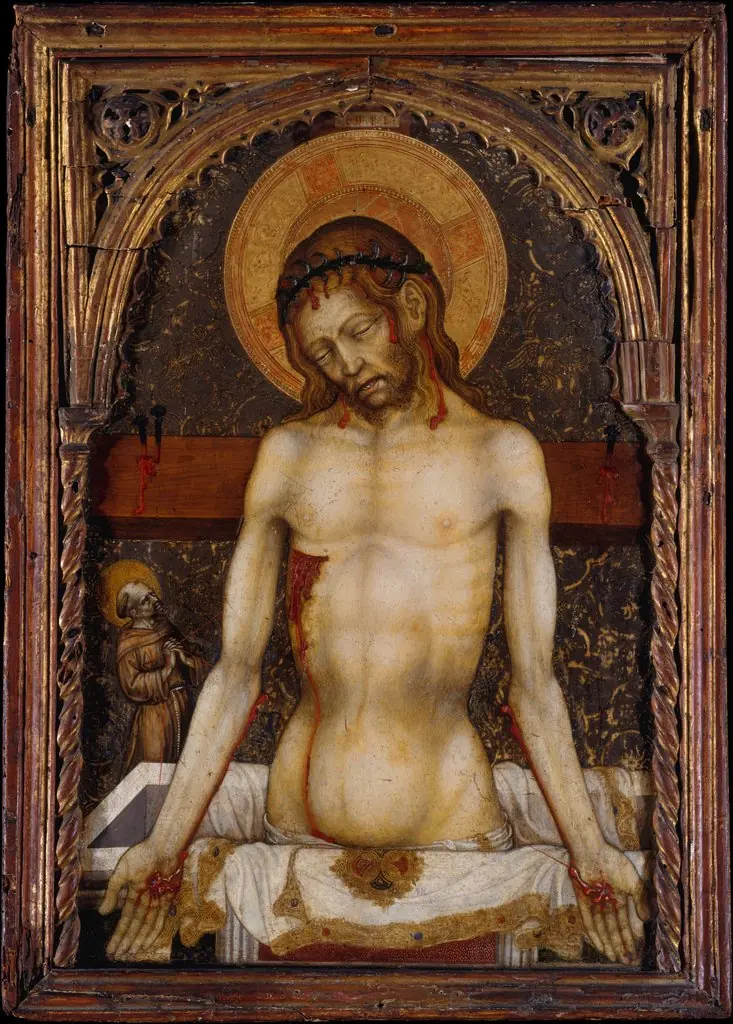 The Man of Sorrows
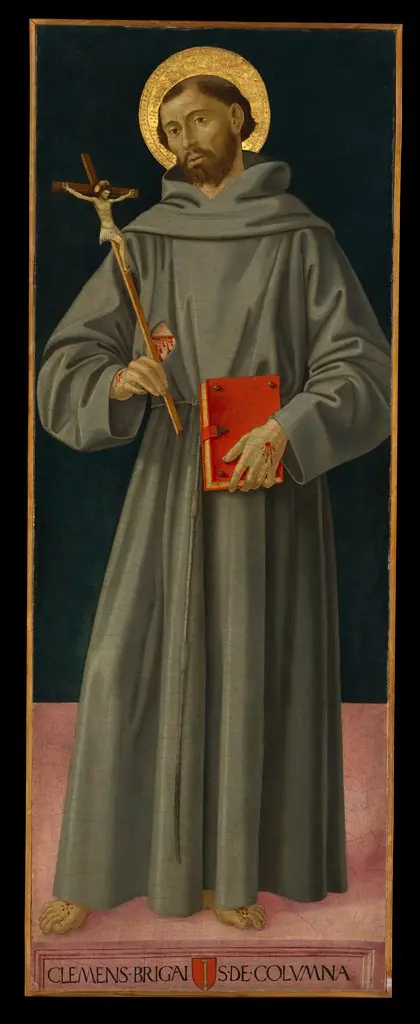 Saint Francis of Assisi
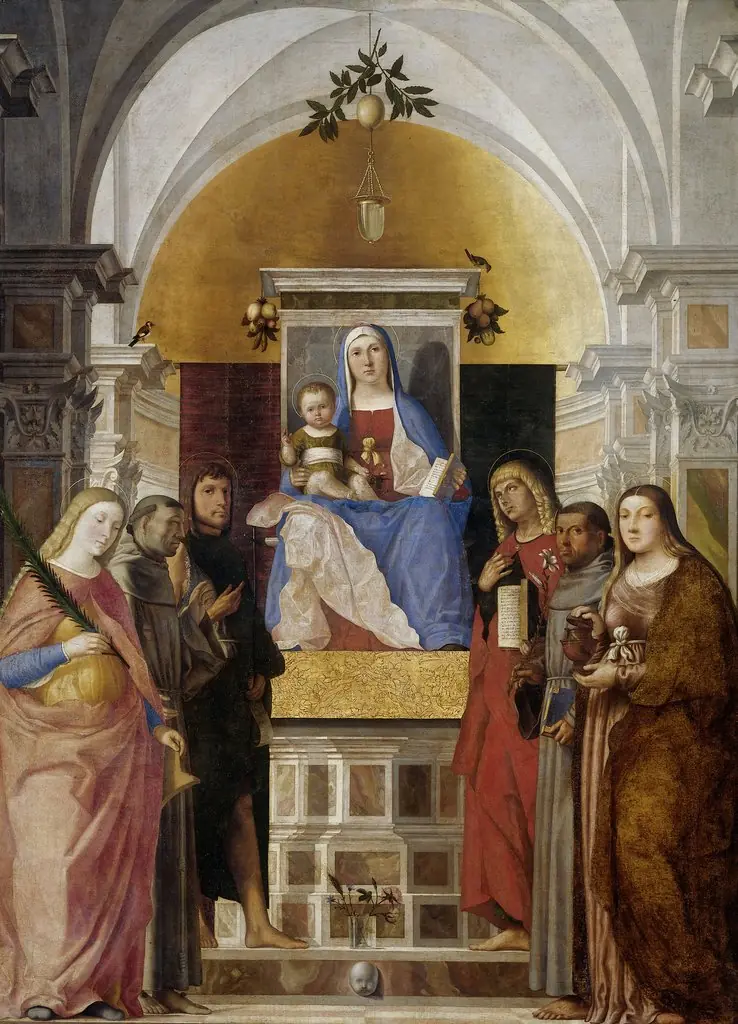 Virgin and Child with Saints Catherine, Francis, John the Baptist, Mary Magdalene, Antony of Padua, John the Evangelist
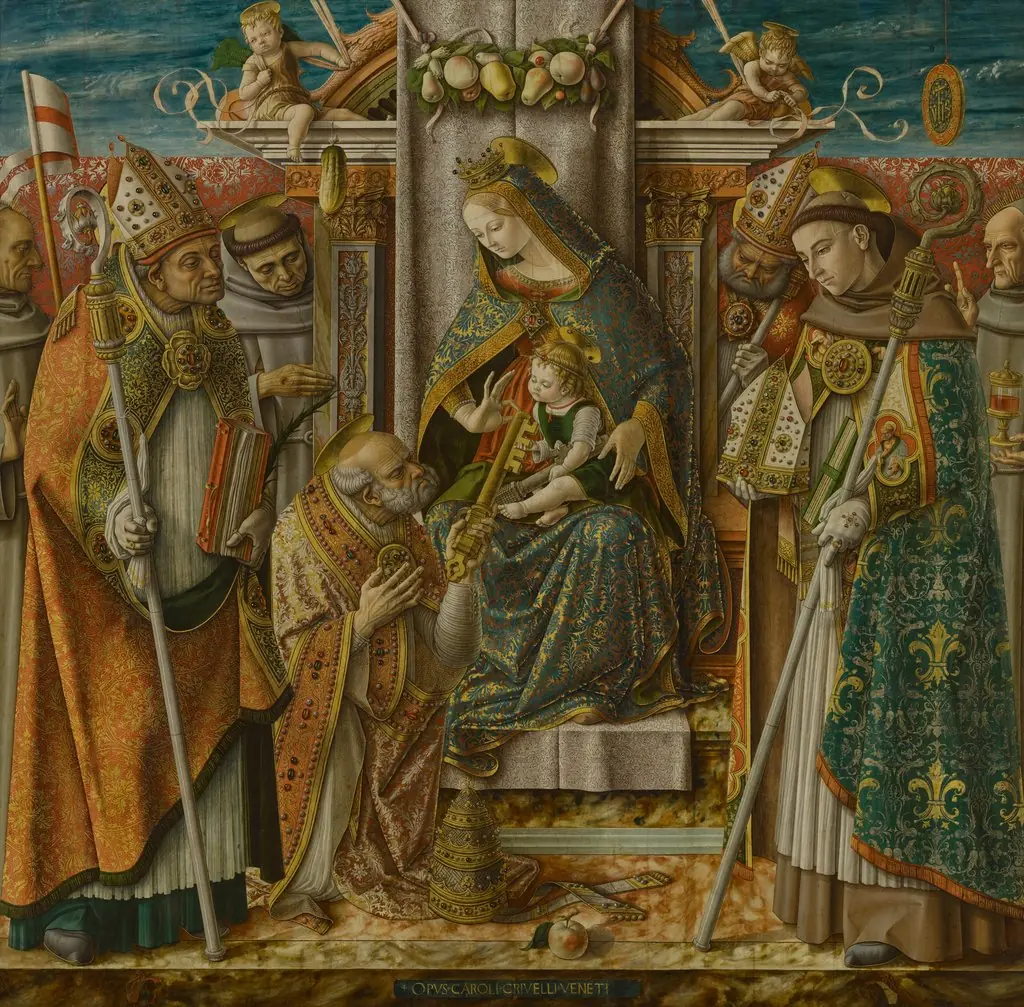 Madonna and Child Enthroned with Saints
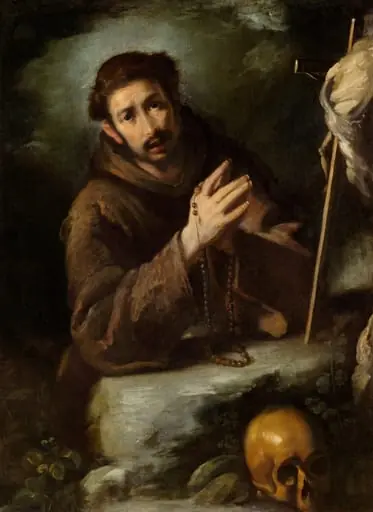 Saint Francis in Prayer
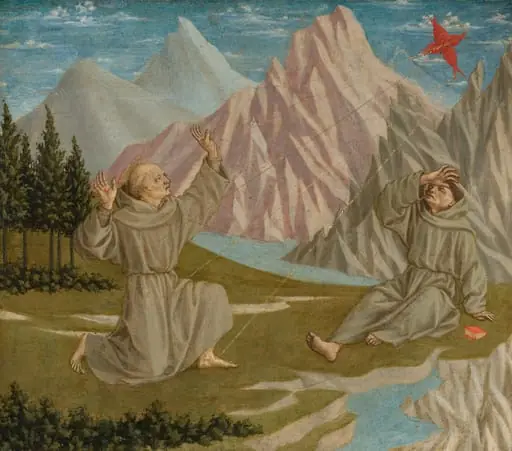 Saint Francis Receiving the Stigmata
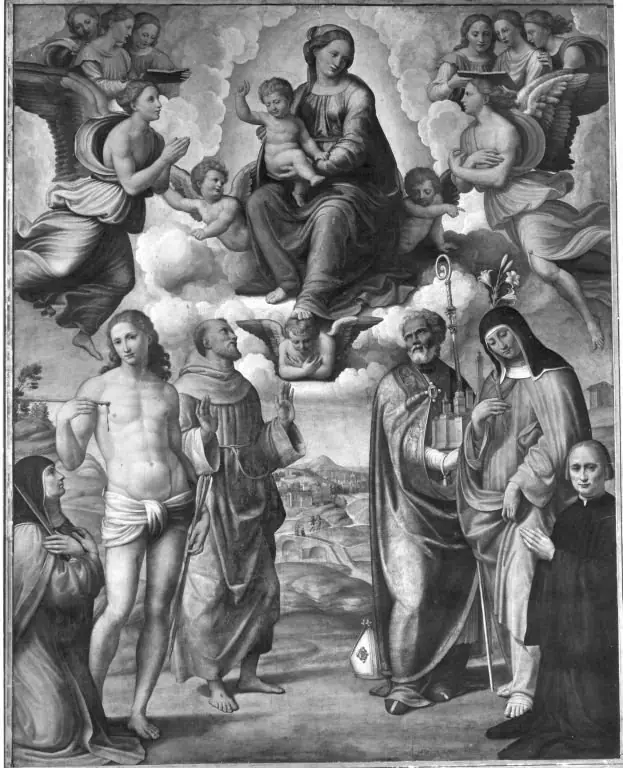 Maria mit Kind und den hll. Katharina von Siena, Sebastian, Franziskus, Petronius, Klara und Stifter
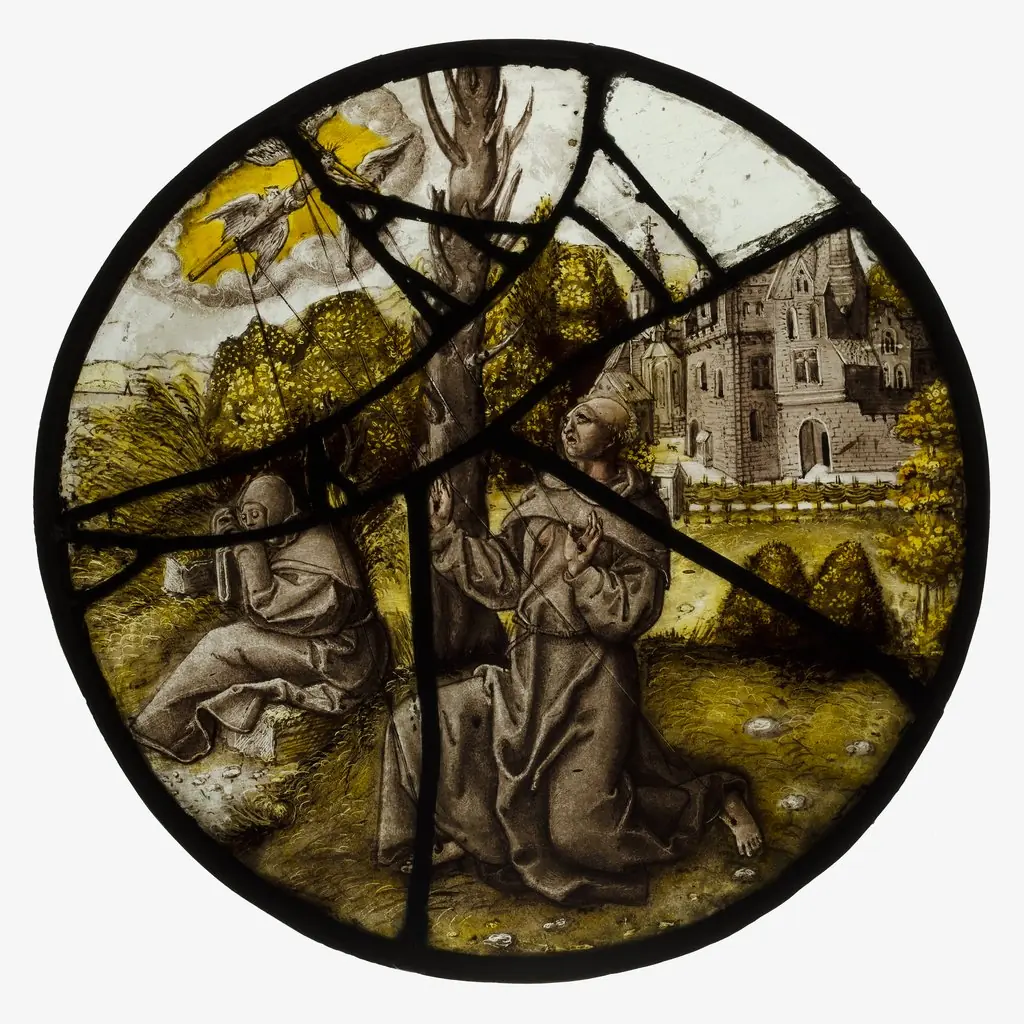 Roundel with Saint Francis Receiving the Stigmata
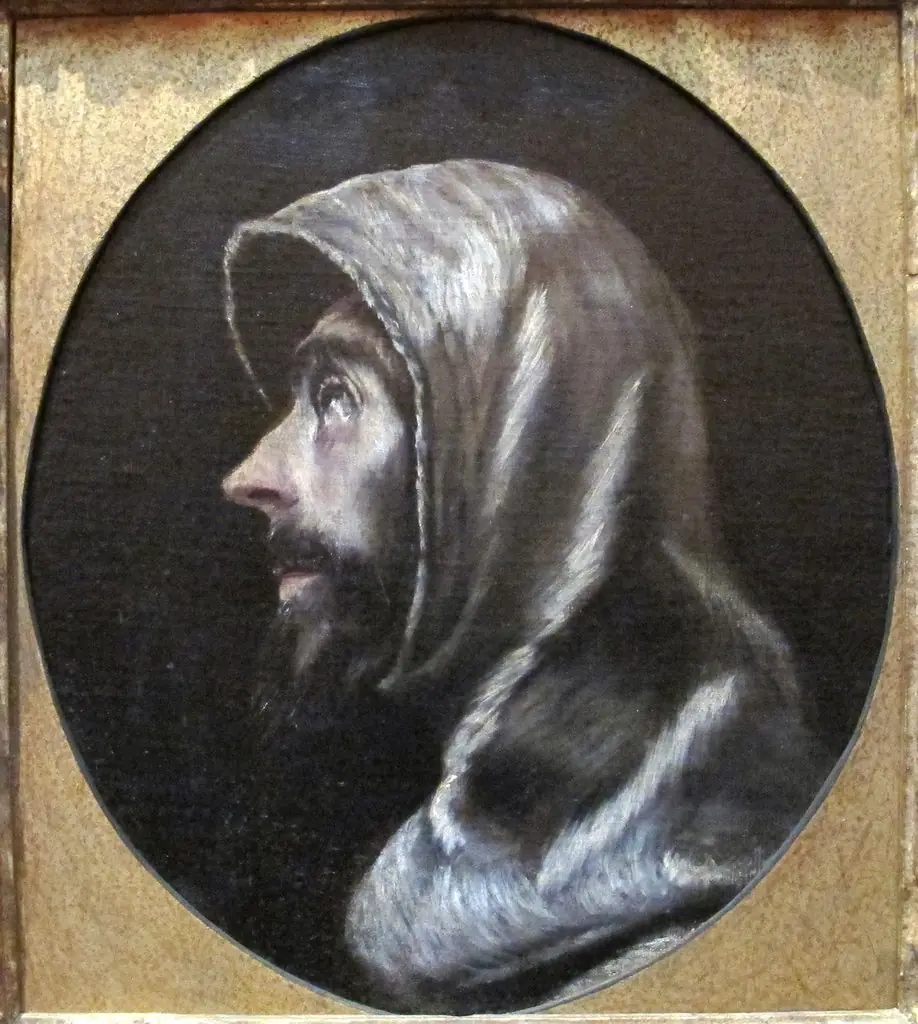 Head of Saint Francis
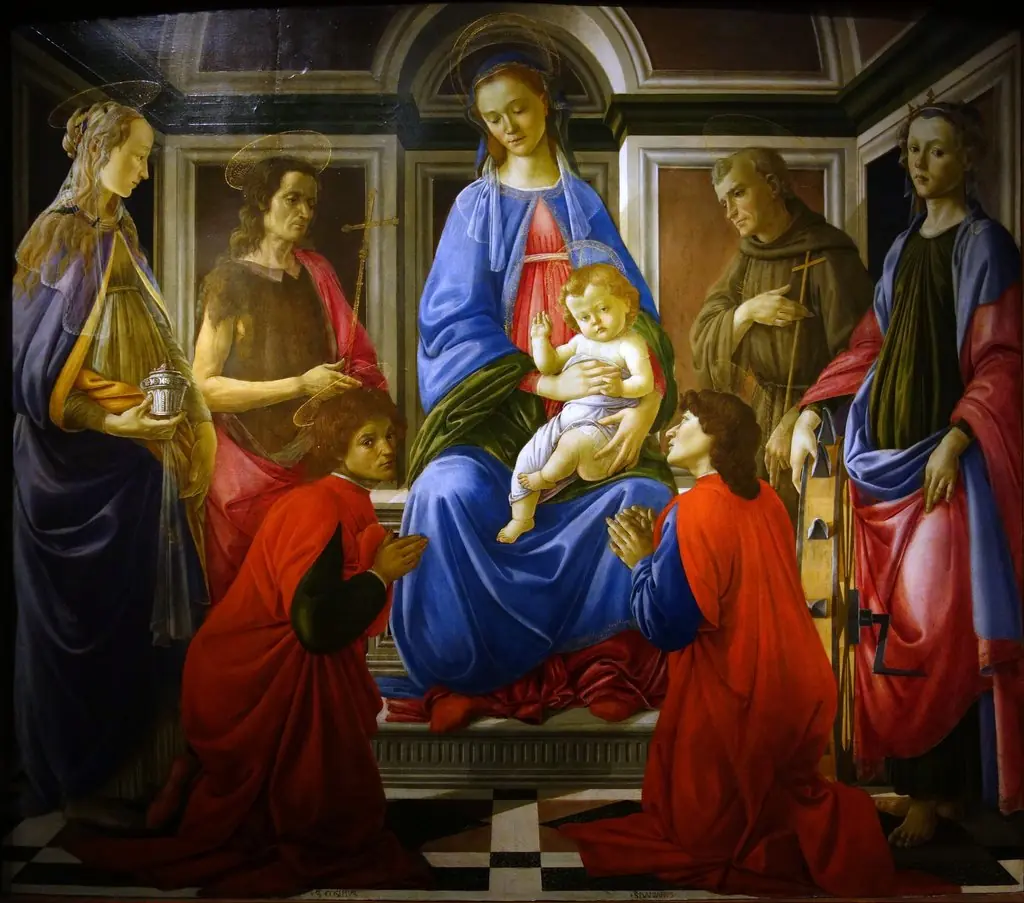 Sant'Ambrogio Altarpiece
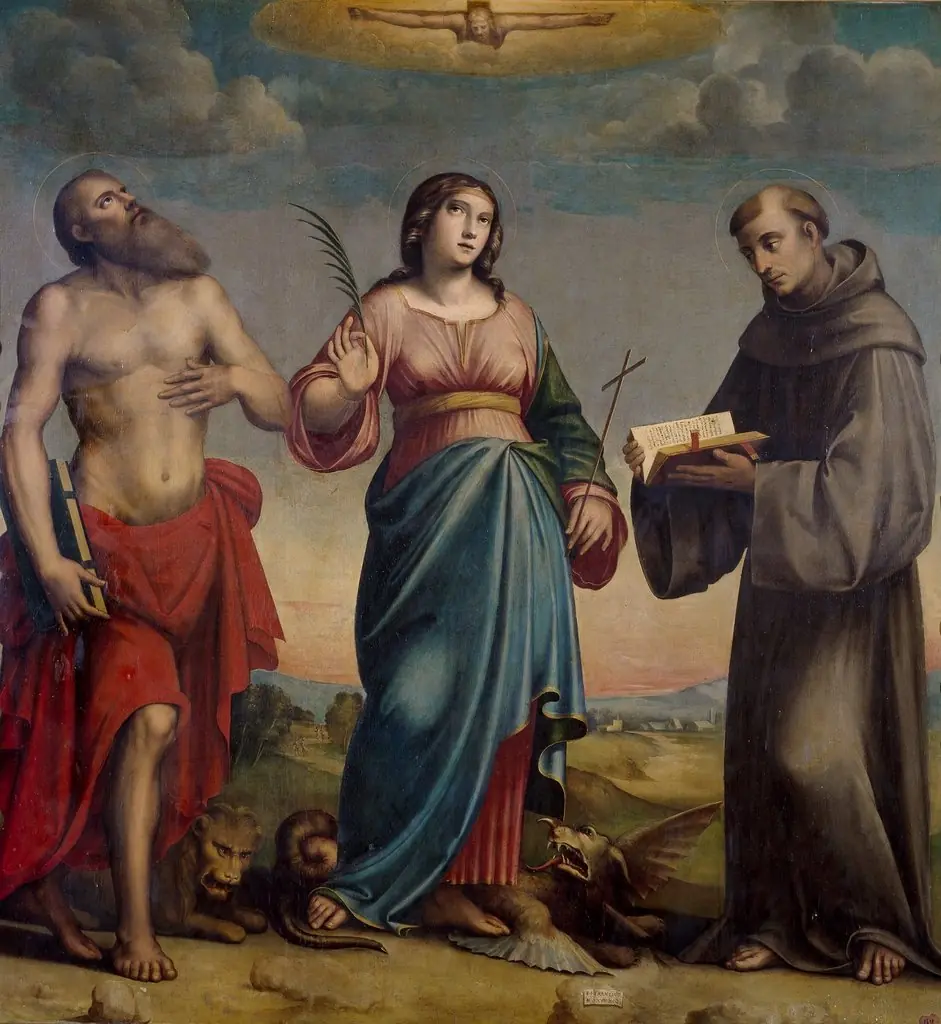 San Jerónimo, Santa Margarita y San Francisco
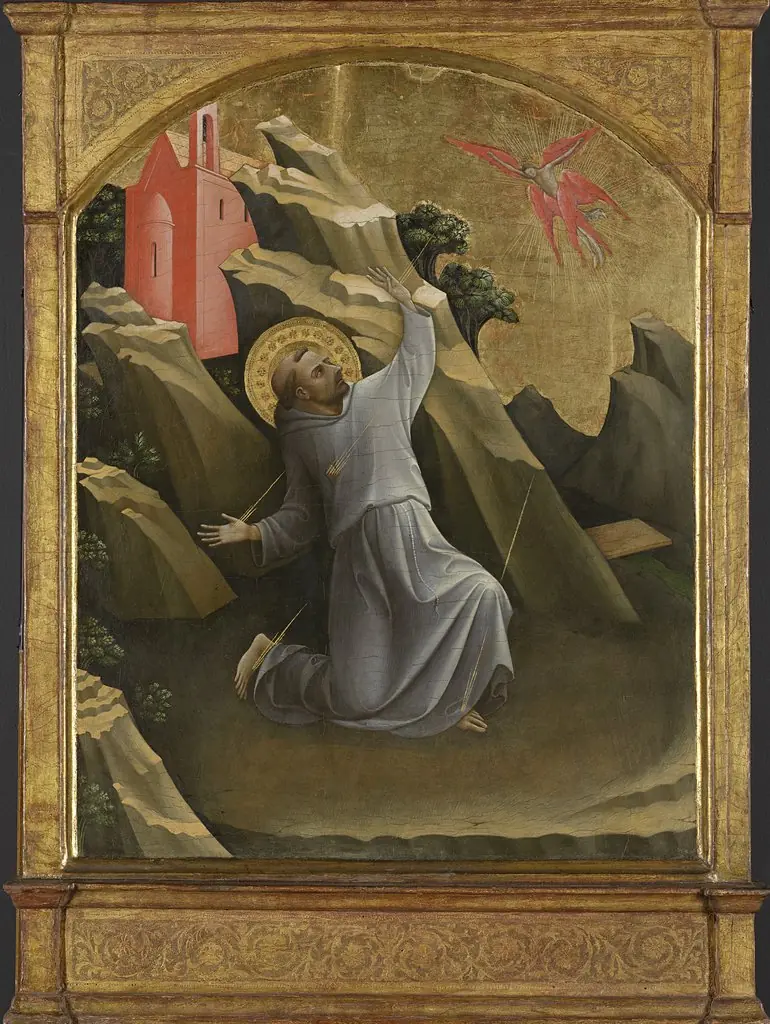 Saint Francis Receiving the Stigmata
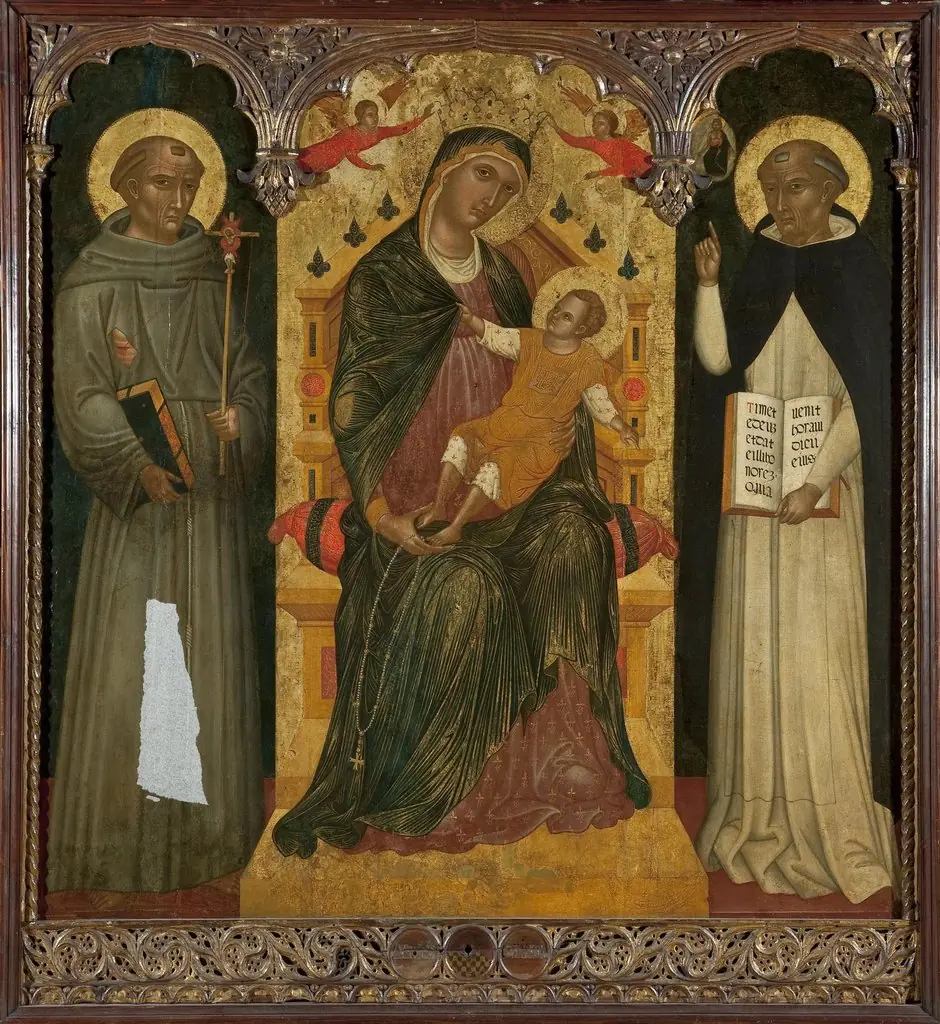 Madonna and Child with Saints
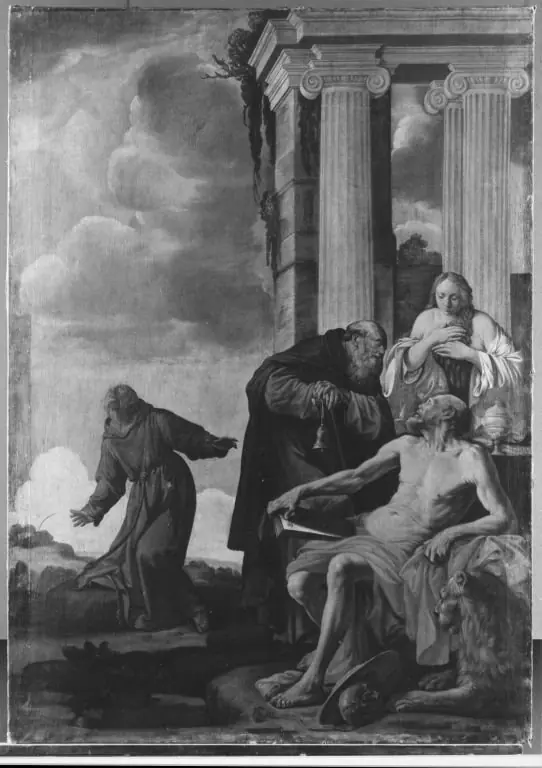 Die hll. Hieronymus, Maria Magdalena, Antonius und Franziskus (Kopie nach)
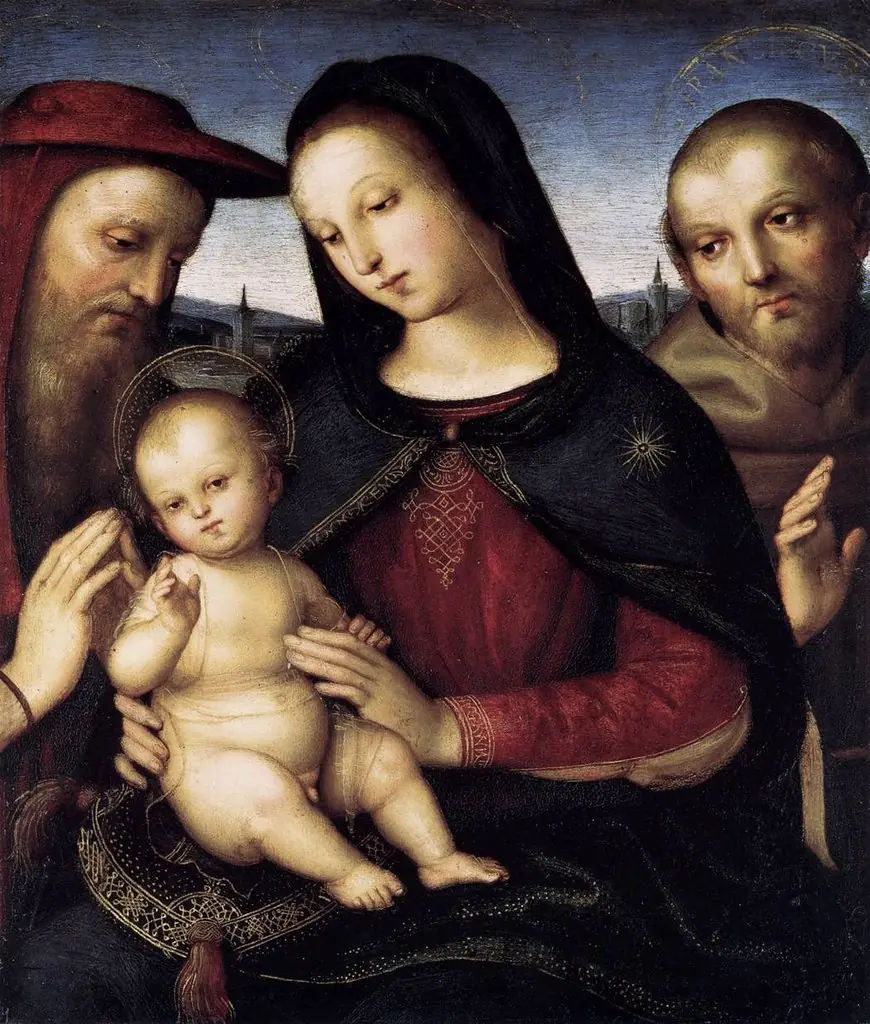 Von der Ropp Madonna
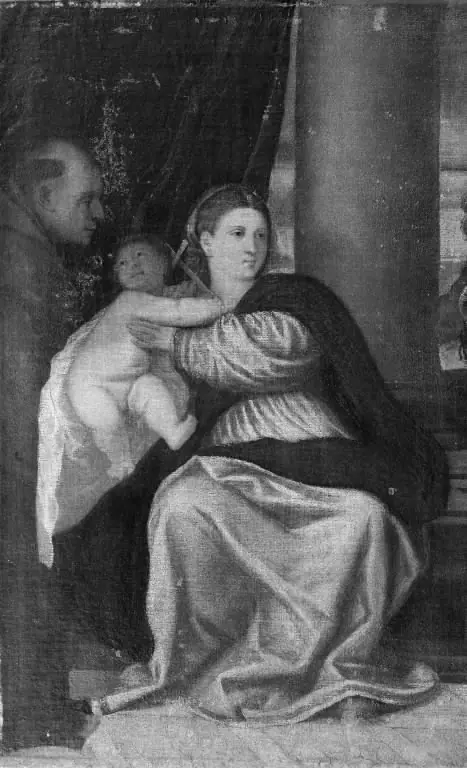 The Virgin and Child with St Francis
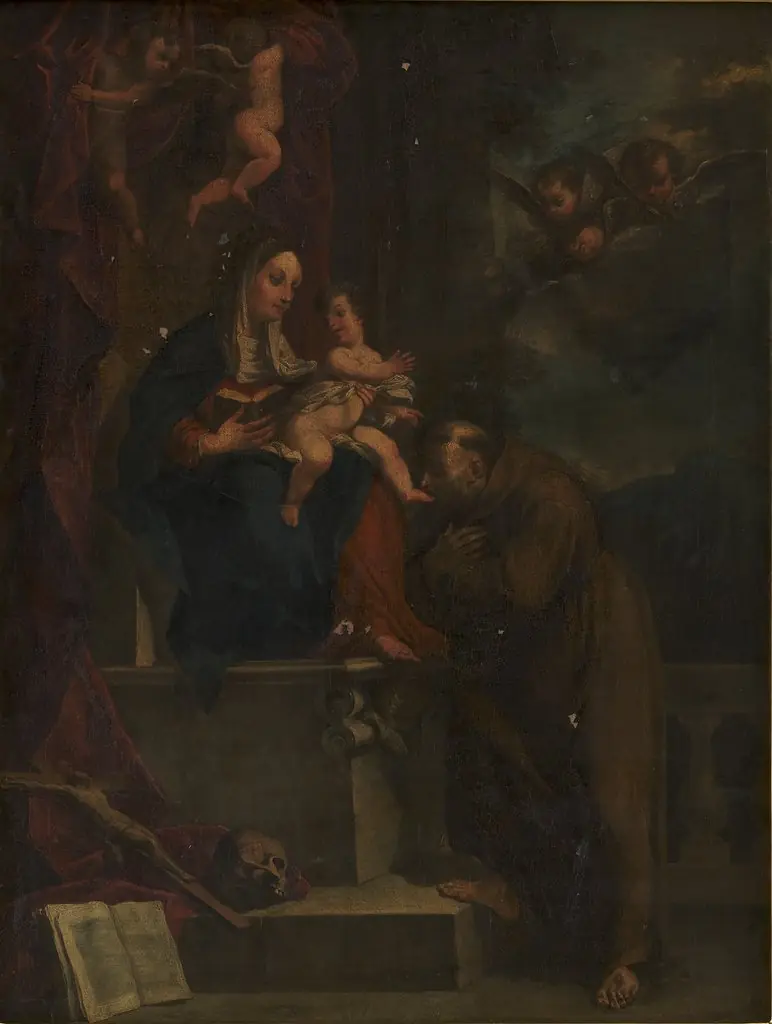 Mary, Jesus and St Francis
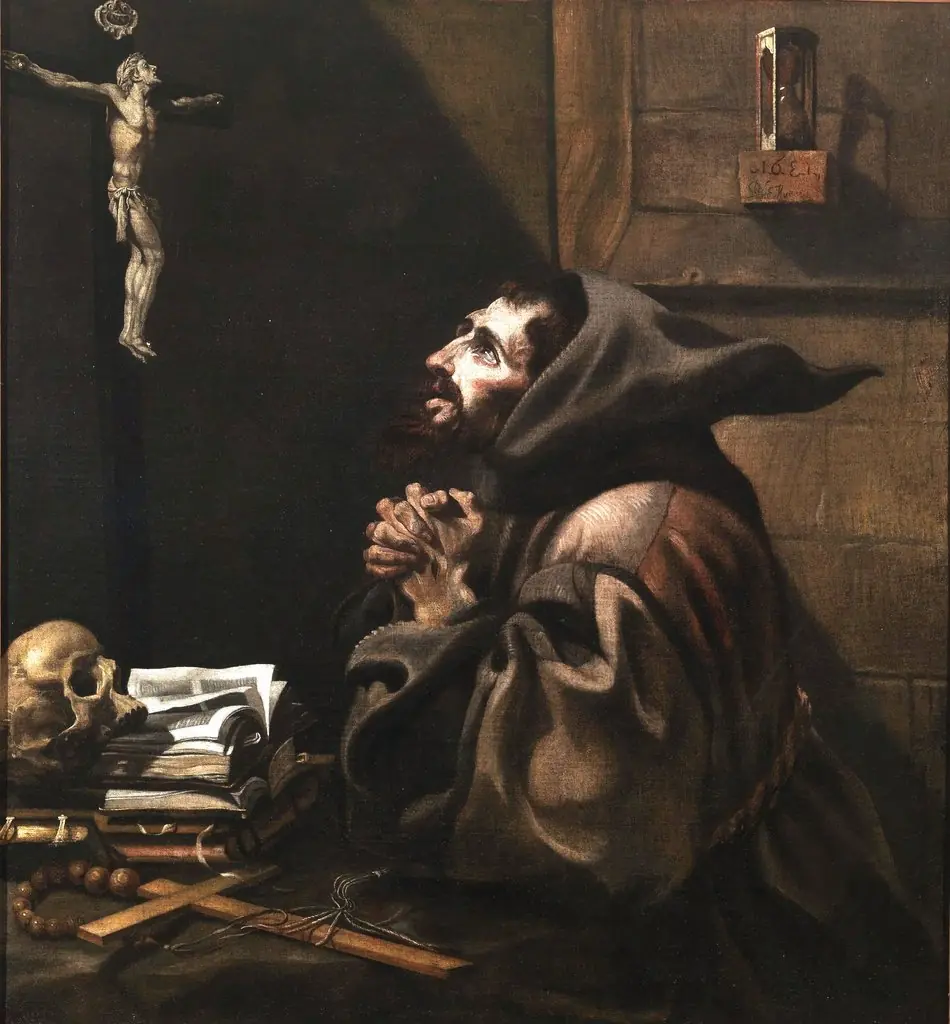 St. Francis in Prayer
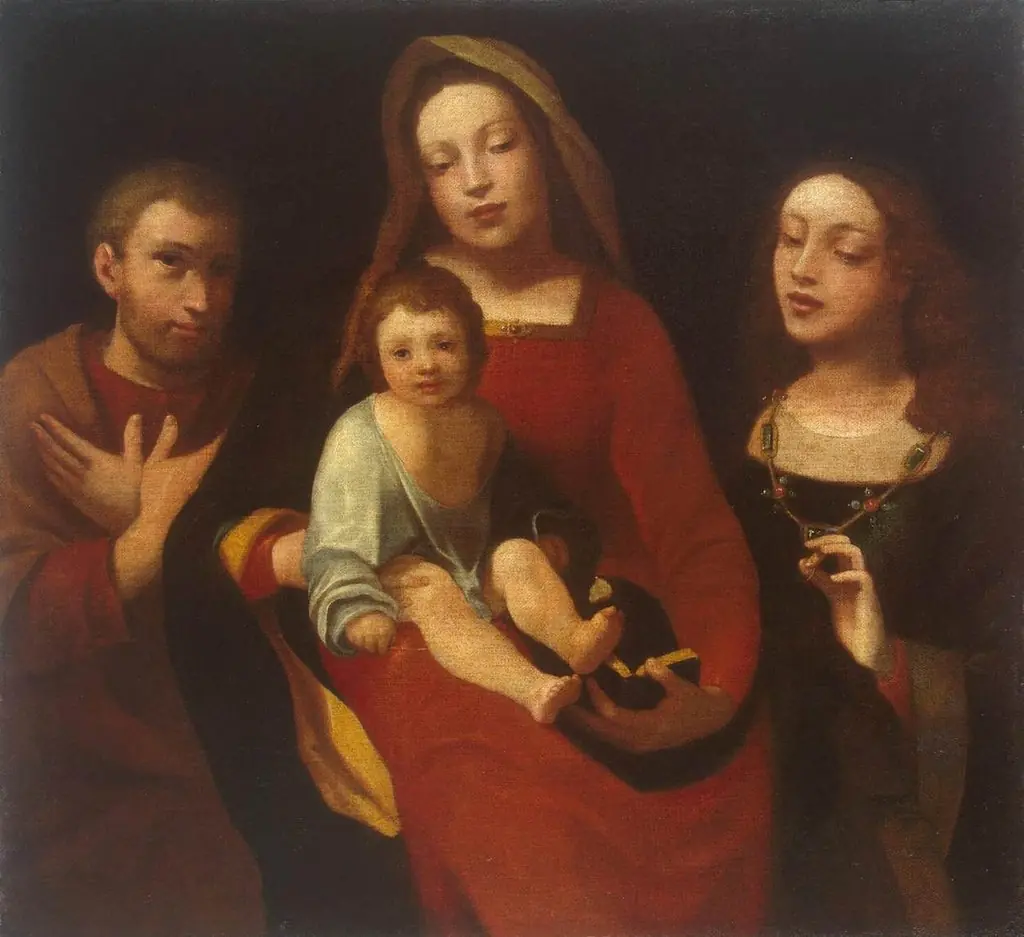 Madonna and Child with St Francis and St Catherine
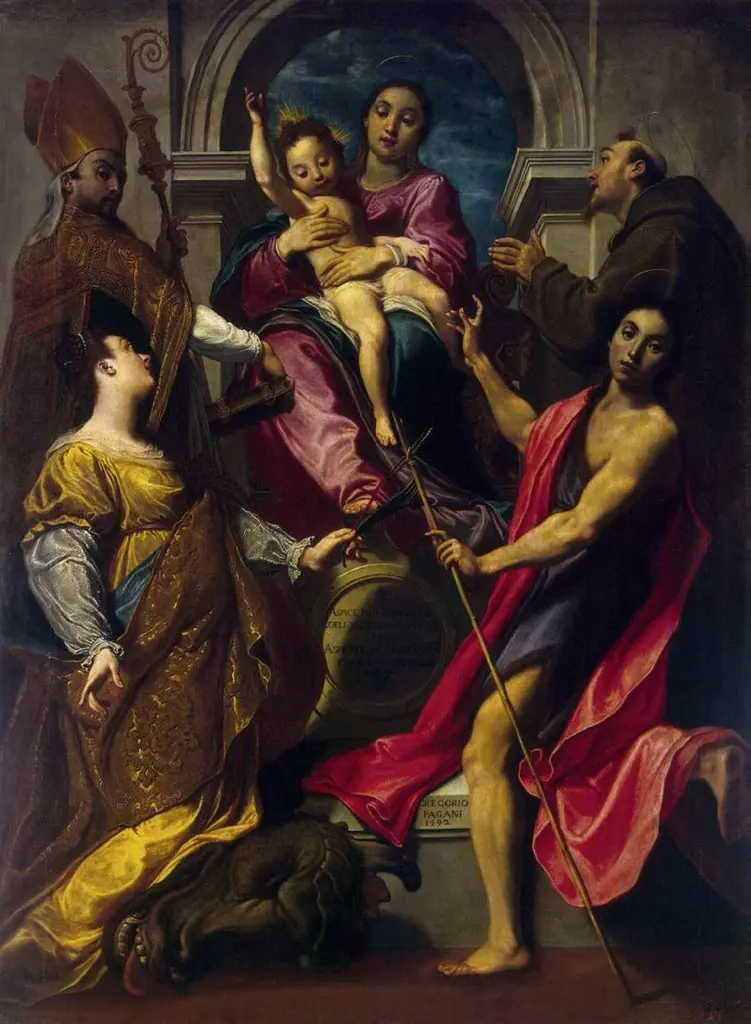 Madonna and the Child with St Francis of Assisi, St John the Baptist, St Gregory the Great and St Margaret of Cortona
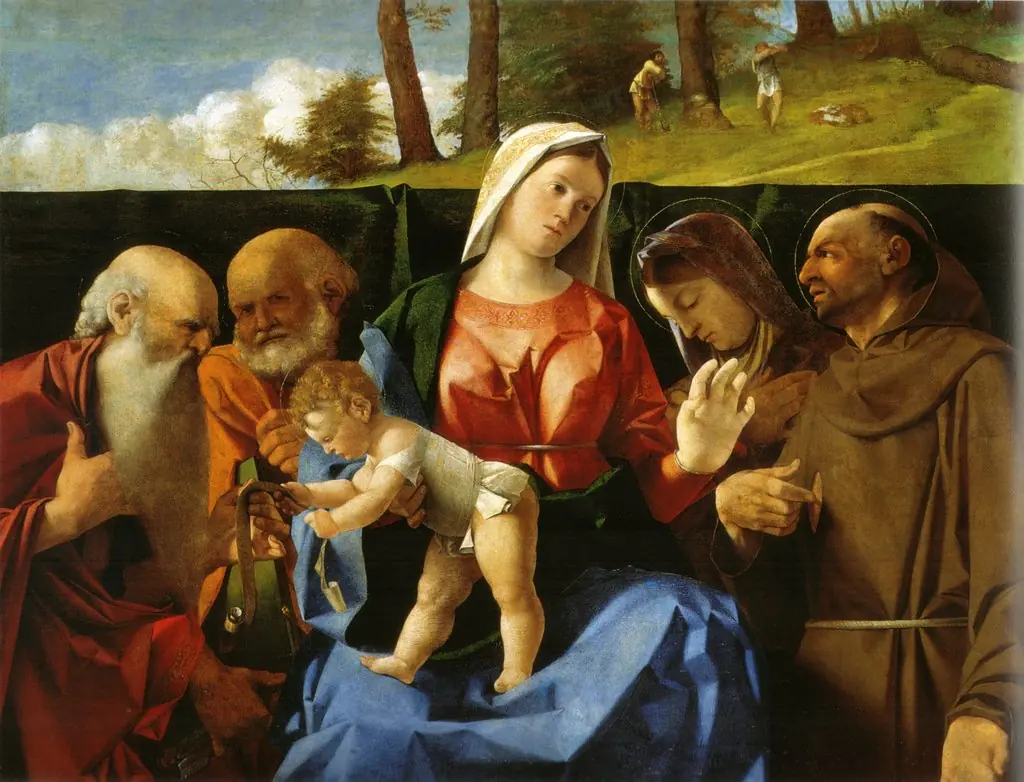 The Virgin and Child with Saints
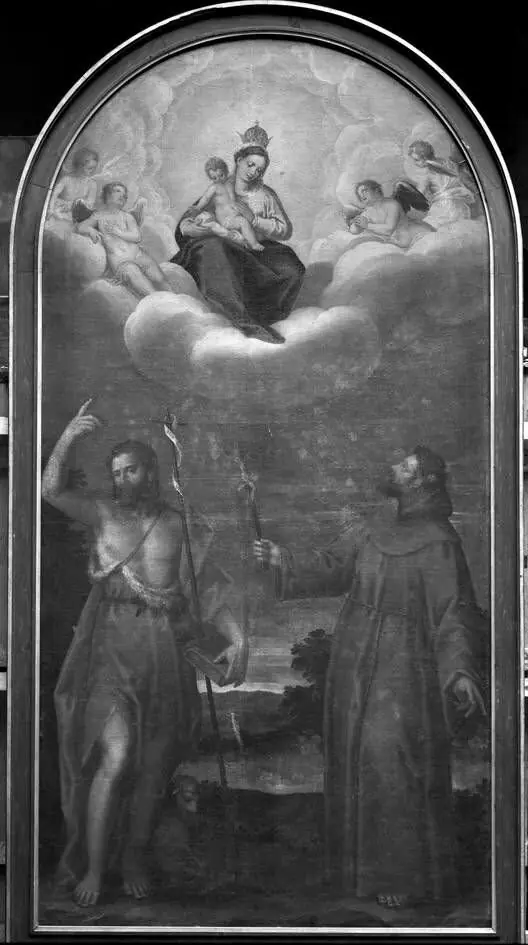 The Virgin appearing to Saints John the Baptist and Francis of Assisi
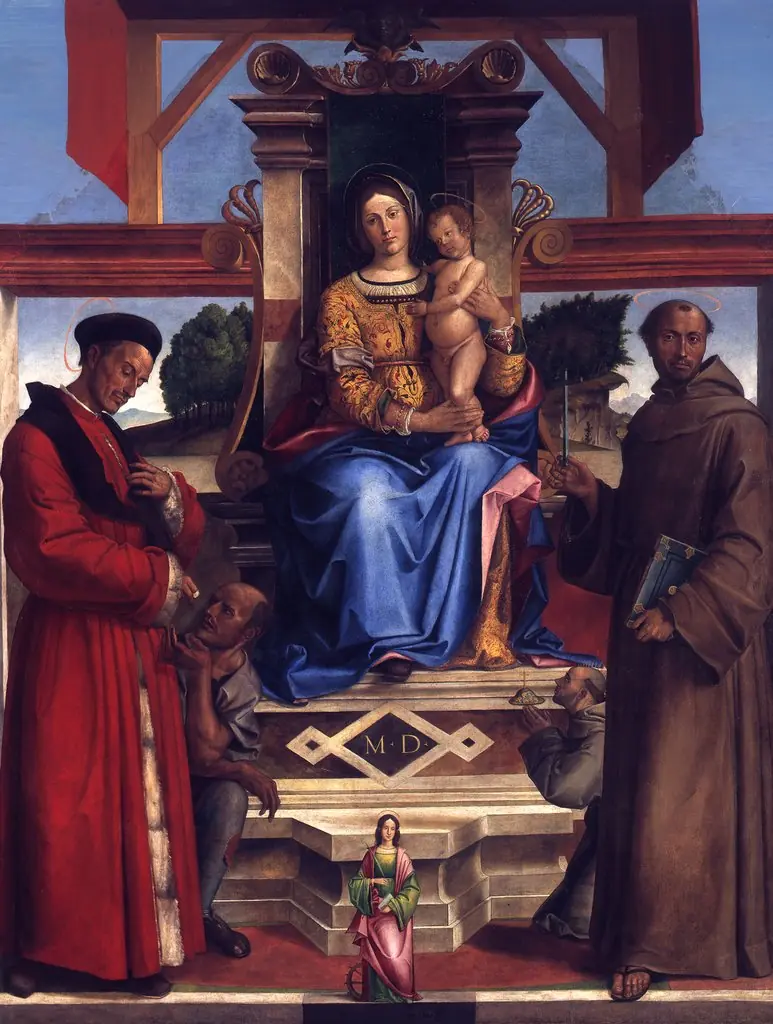 The Virgin and Child Enthroned and St. Homobonus, Francis of Assisi, Catherine of Alexandria and the Donor Bernadino da Feltre (Death 1494)
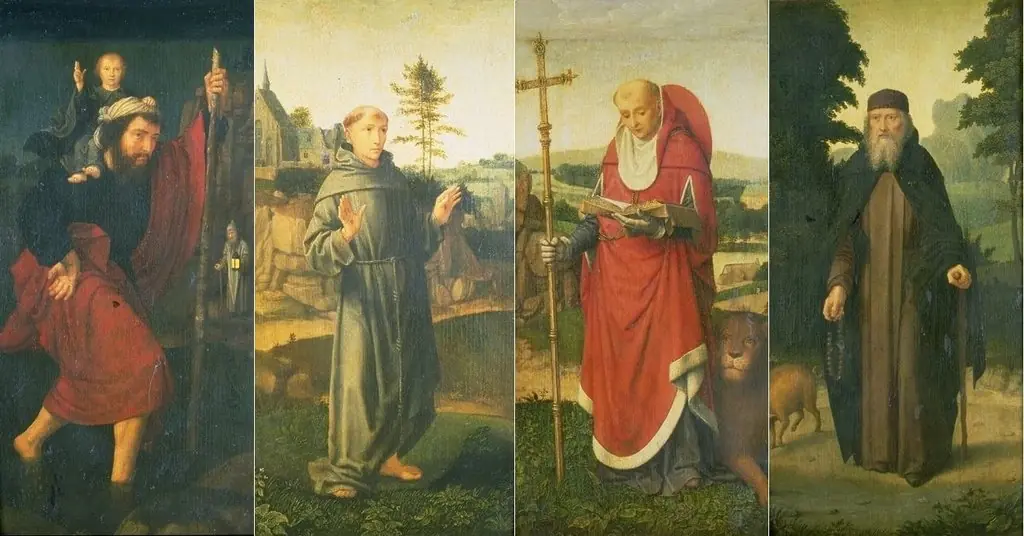 Wings of a Triptych with Saints Christopher, Francis, Jerome, Anthony
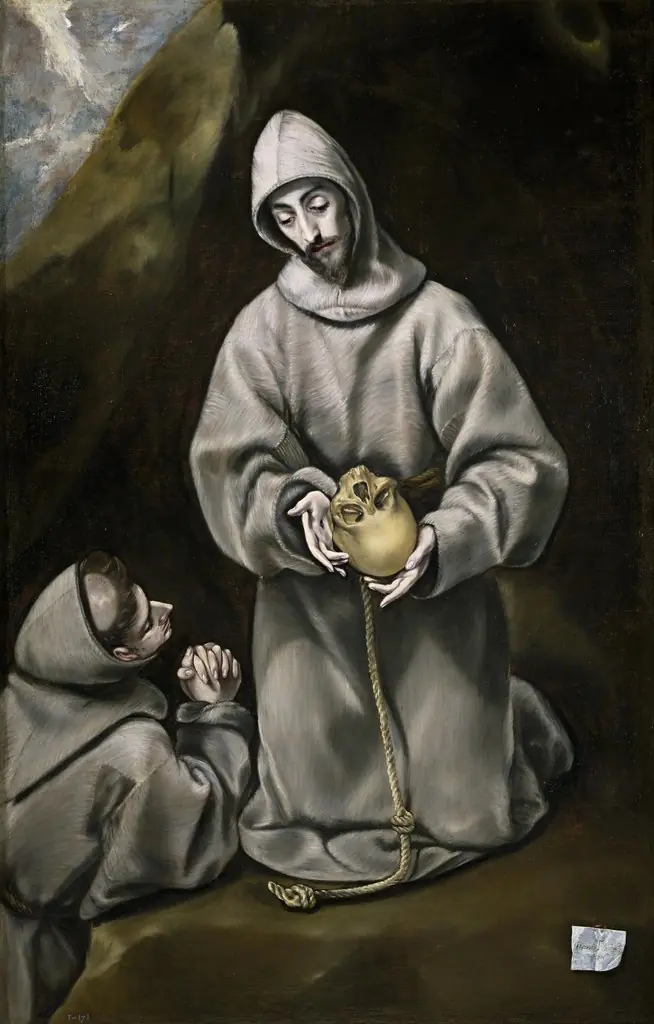 Saint Francis of Assisi and Brother Leo Meditating on Death
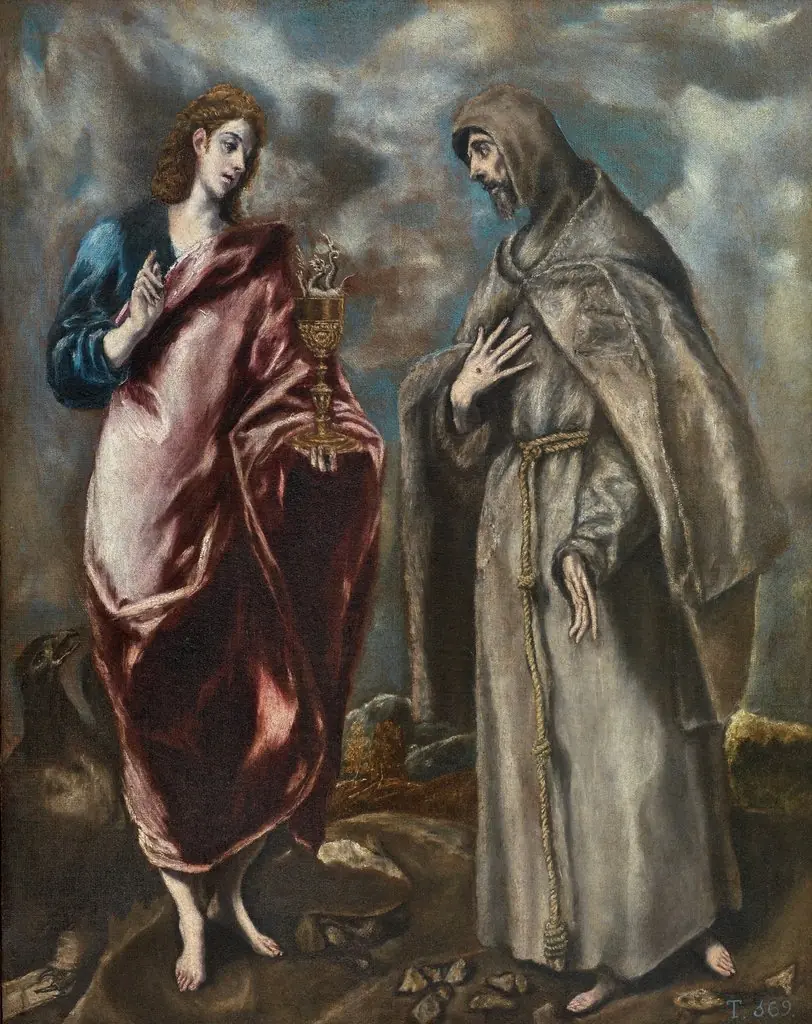 Saint John the Evangelist and Saint Francis of Assisi
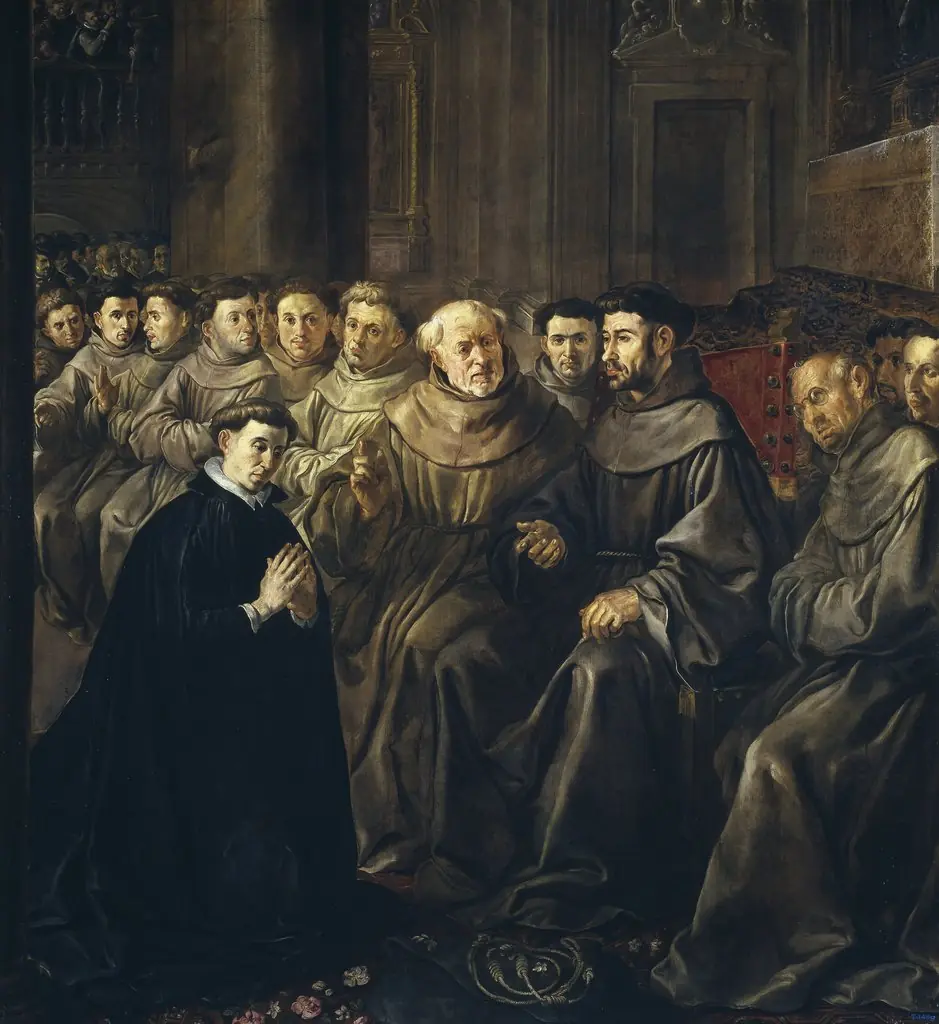 Saint Bonaventure receiving the Habit from Saint Francis
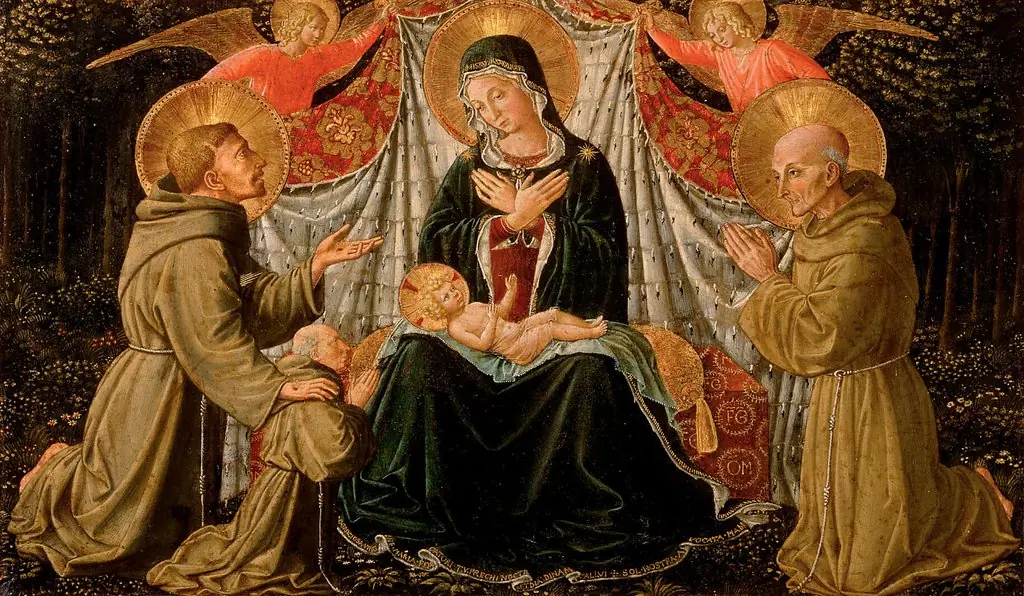 Madonna and Child with St Francis and the donor Father Jacopo da Montefalco (left) and St Bernard of Siena (right)
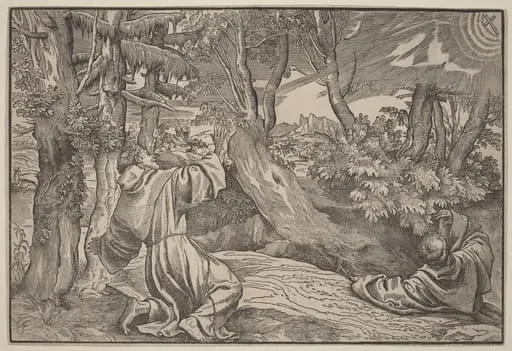 Saint Francis Receiving the Stigmata
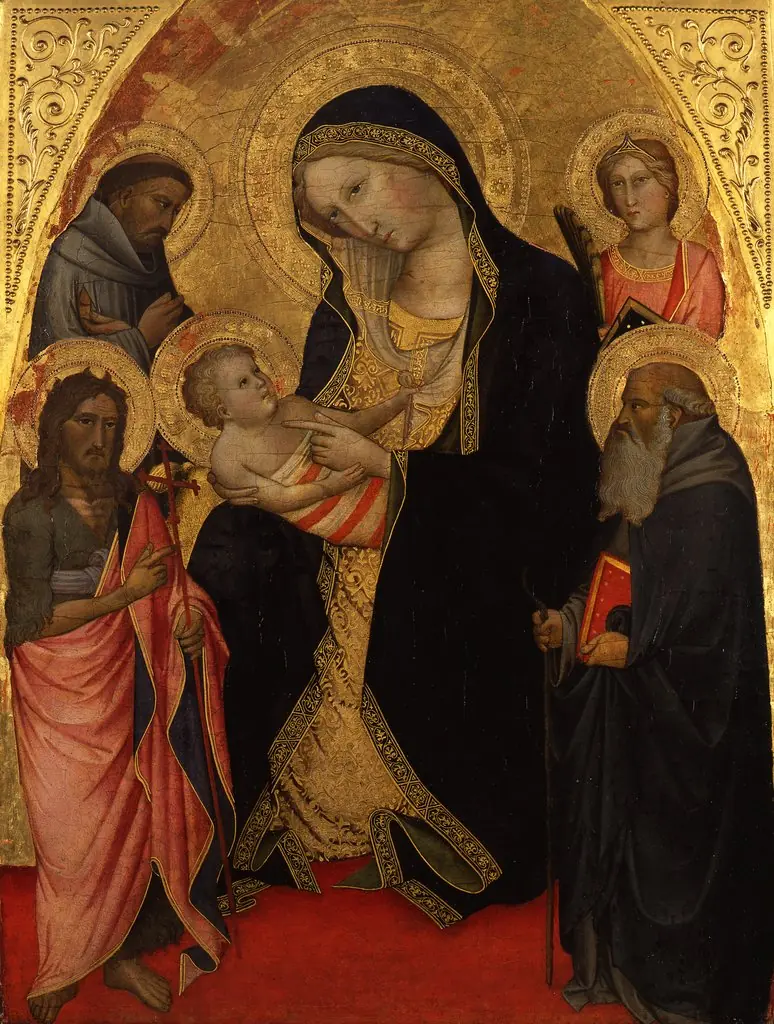 Madonna with the child, St. John the Baptist, St. Francis and St. Anthony and a martyr
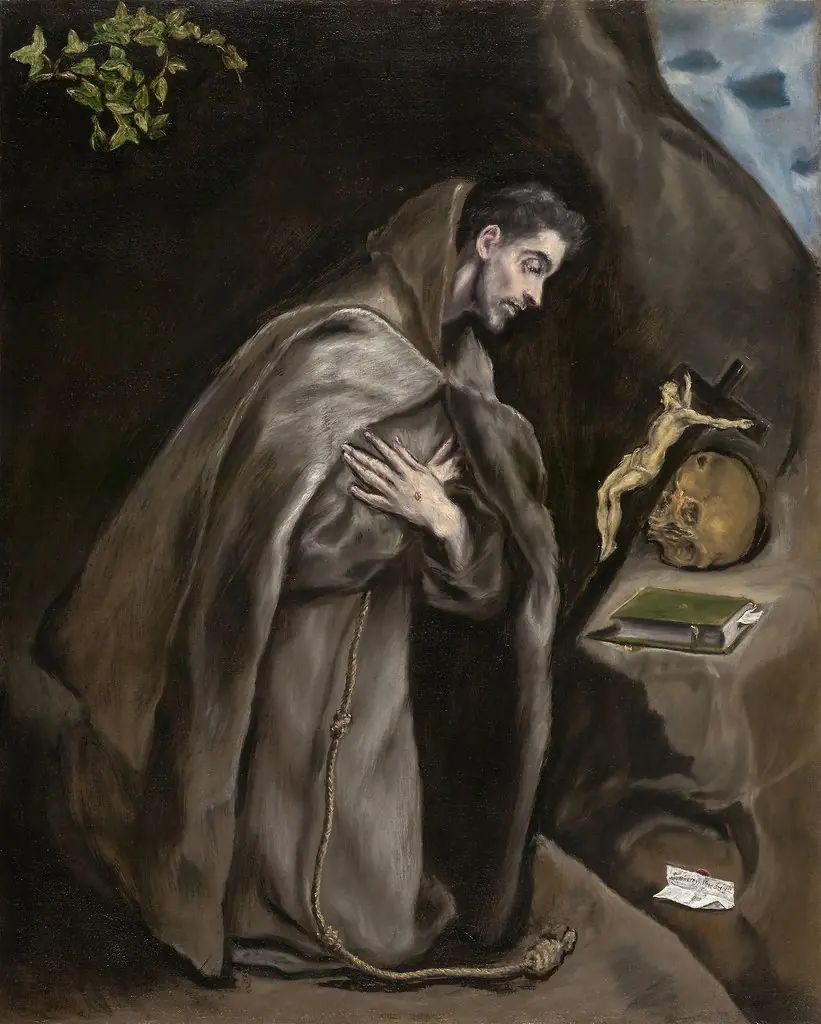 Saint Francis Kneeling in Meditation
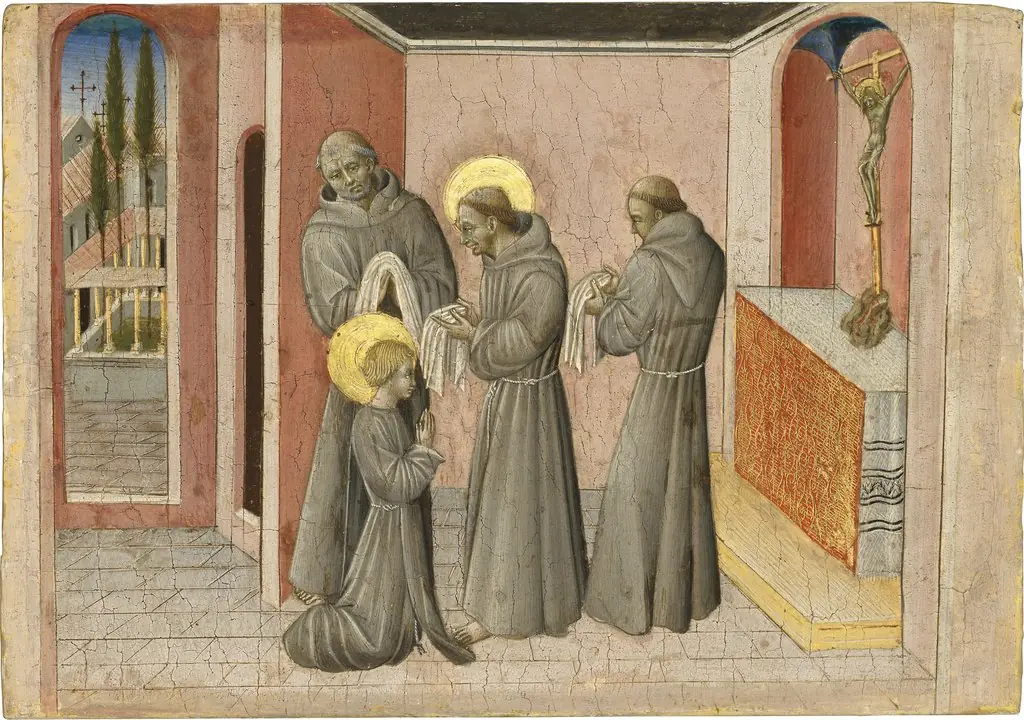 The Investiture of Saint Clare: the Saint receiving the clothes of her Order from Saint Francis
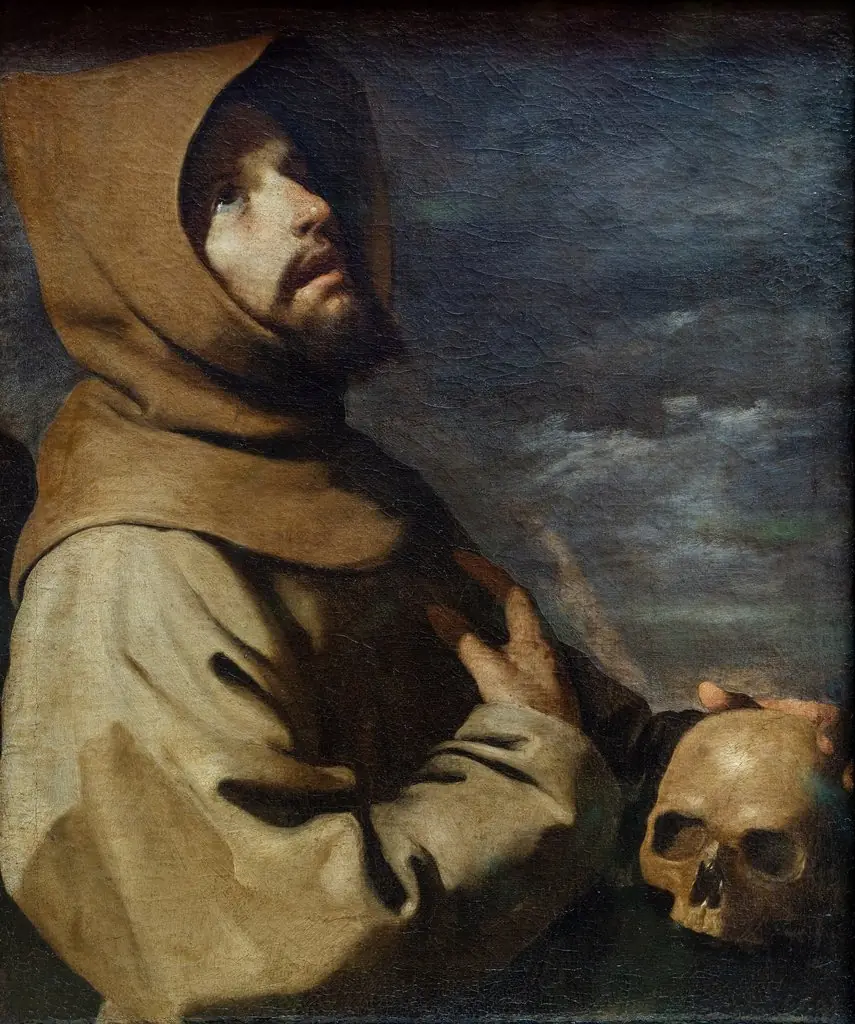 Saint Francis in Ecstasy
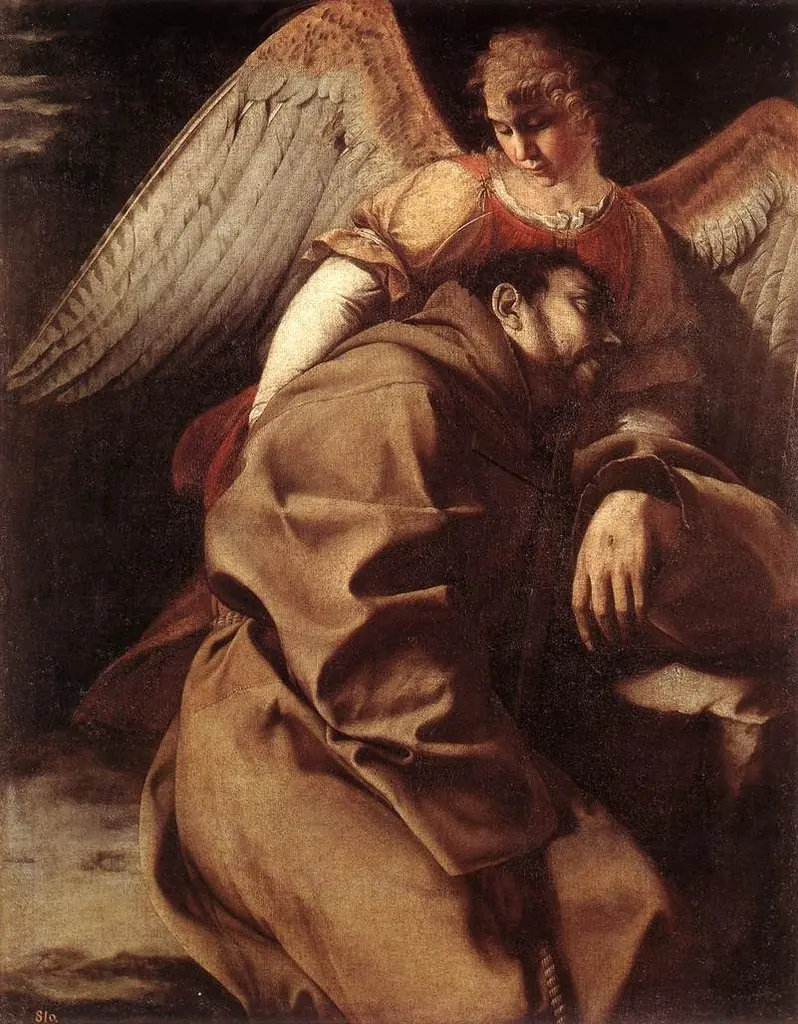 Saint Francis supported by an Angel
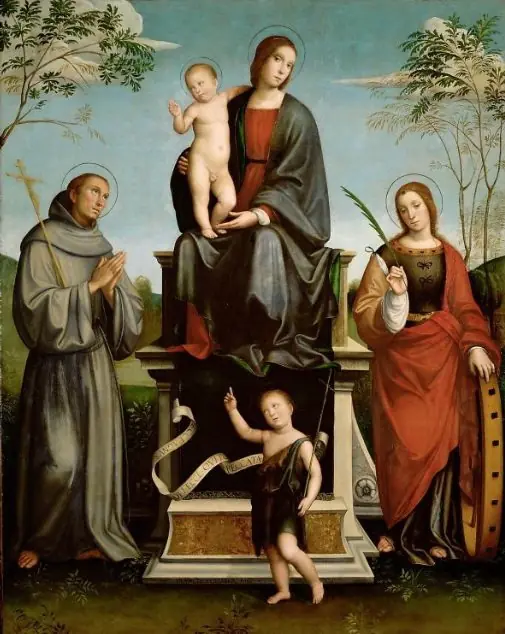 Mary with Child, St. Francis, St. Catherine and young St. John the Baptist
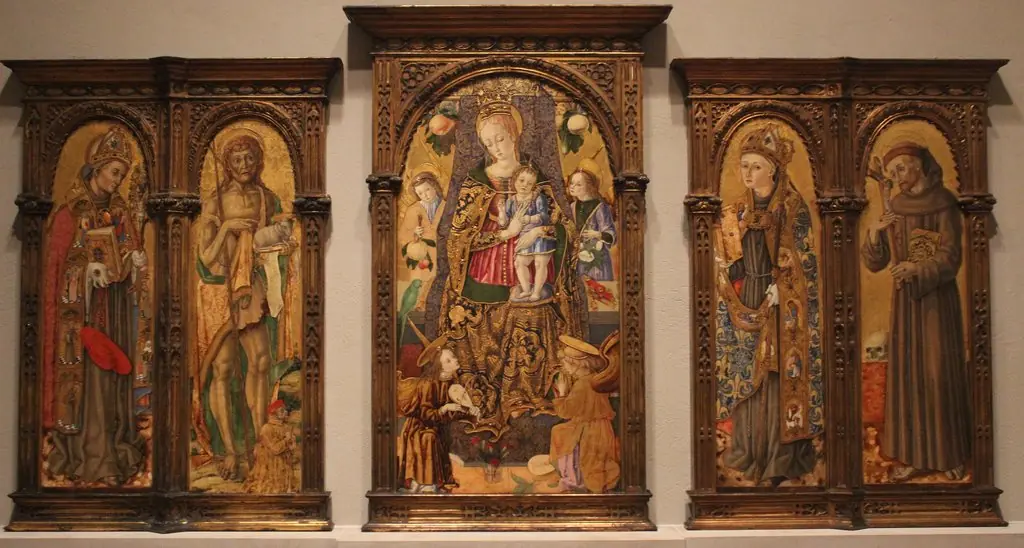 Enthroned Virgin and Child, with Angels and Saints Bonaventure, John the Baptist, Louis of Toulouse, and Francis of Assisi
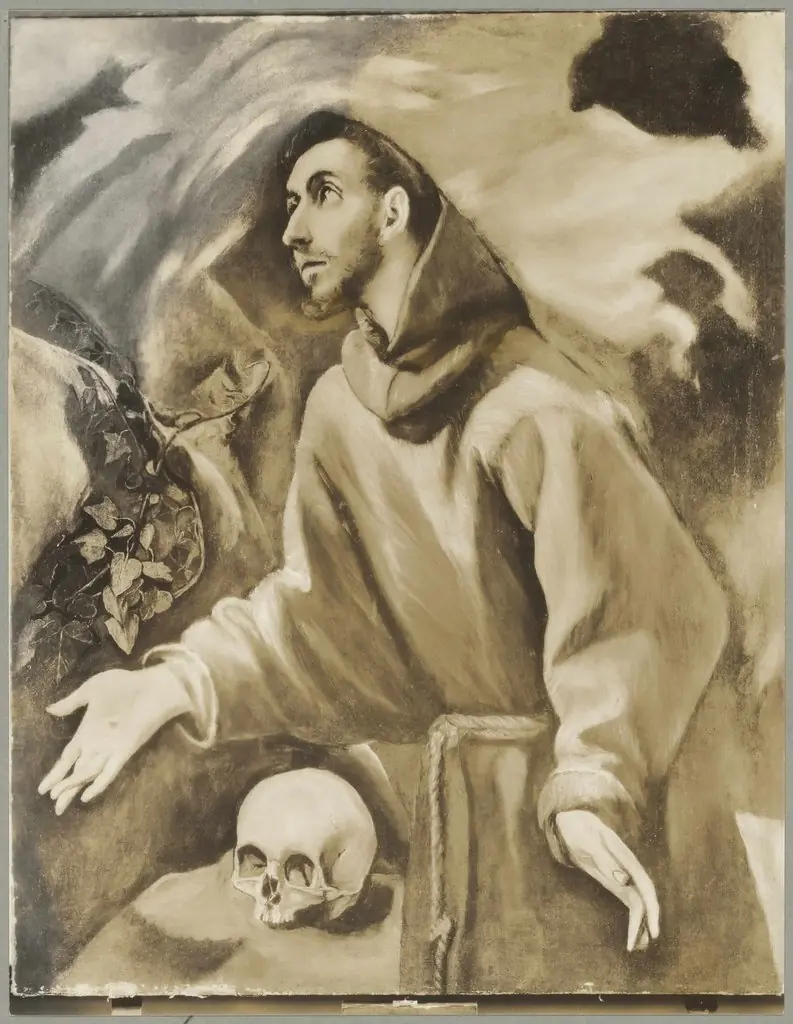 St. Francis receiving the Stigmata
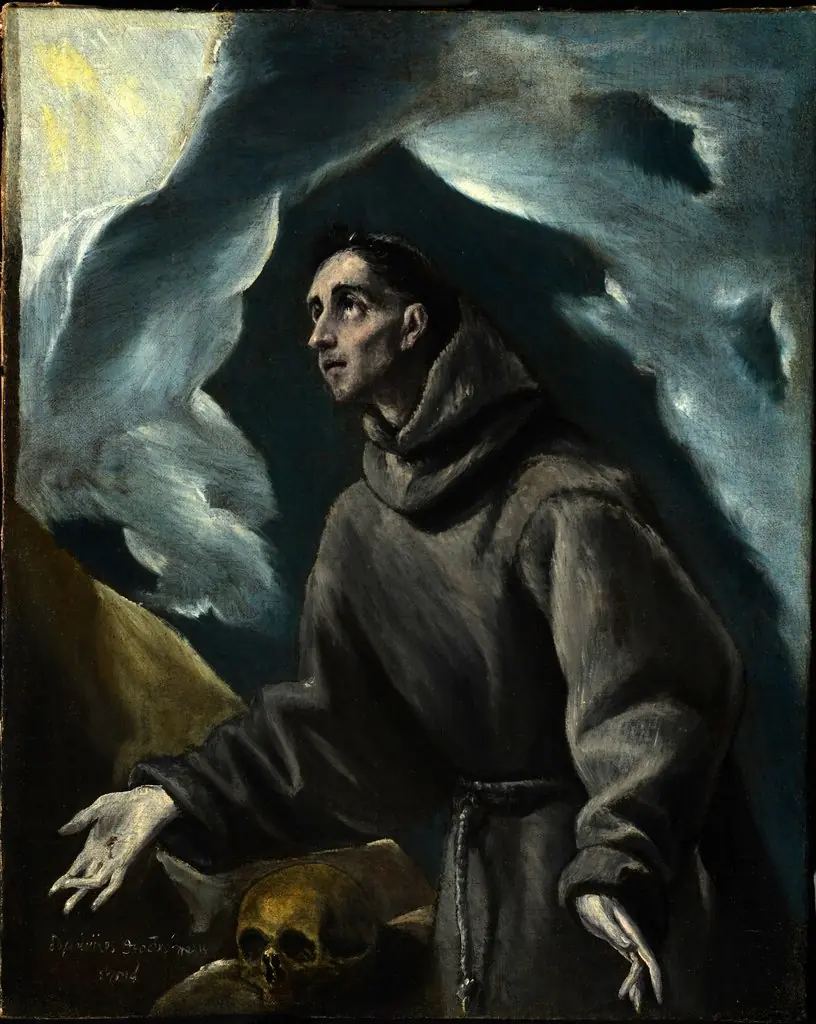 St. Francis receiving the Stigmata
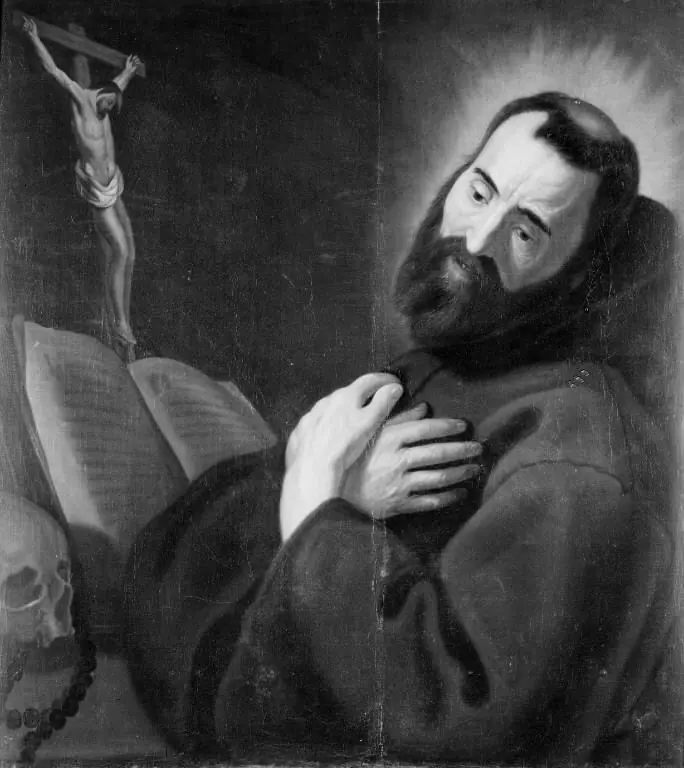 St Francis
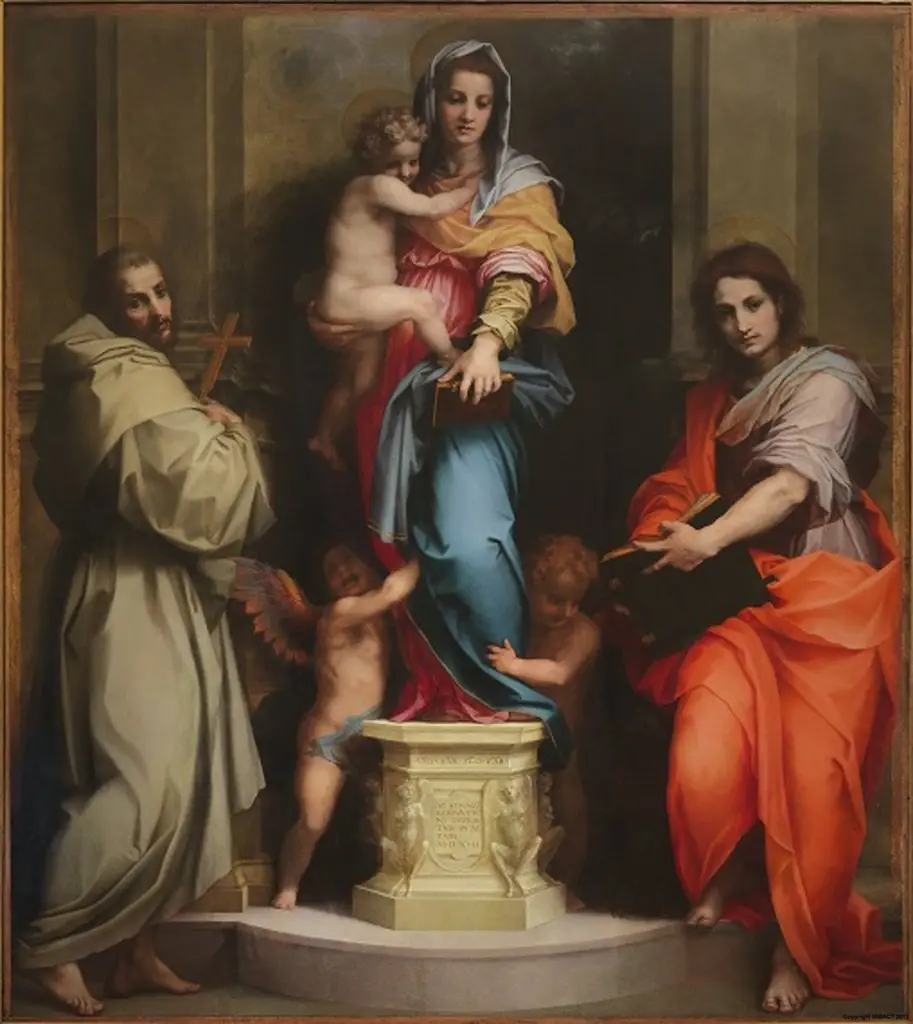 Madonna of the Harpies
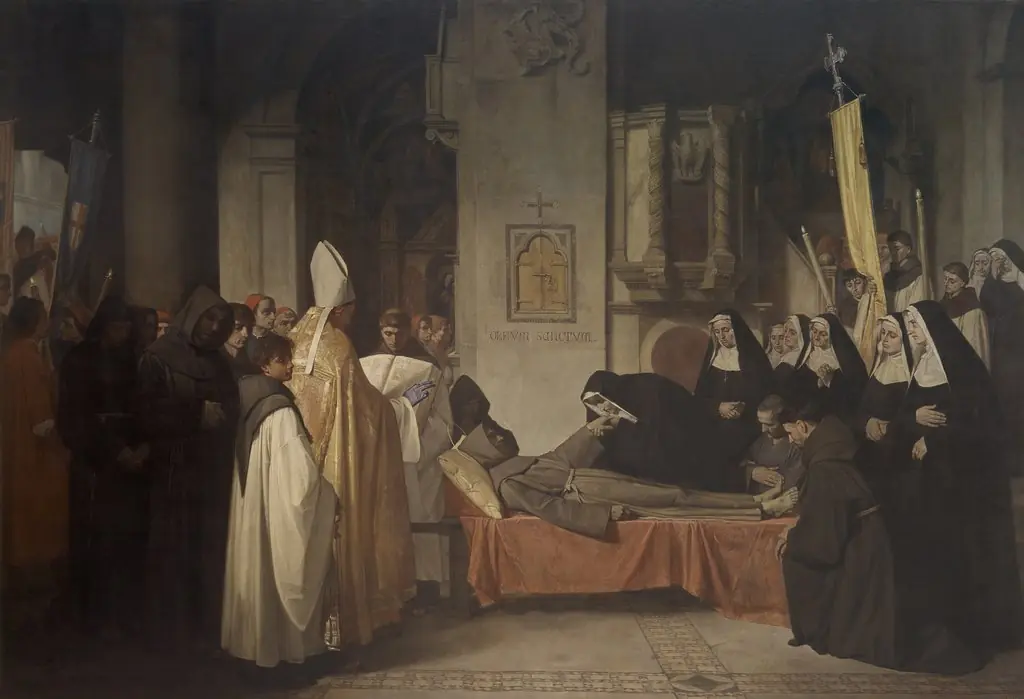 Traslación de San Francisco de Asís
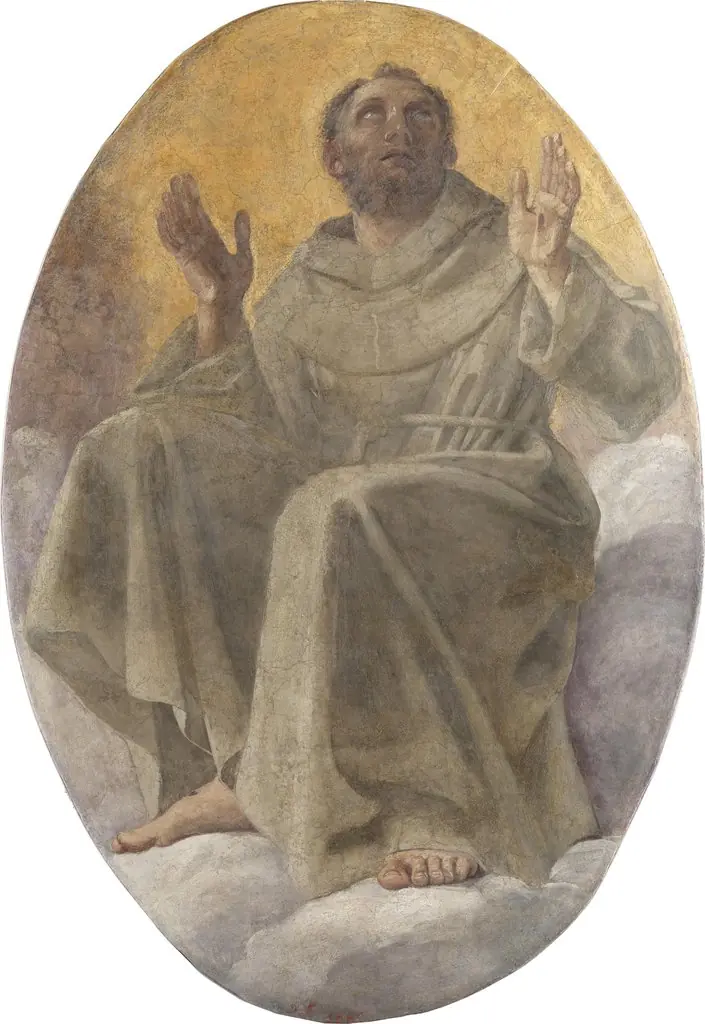 Apoteosis de San Francisco
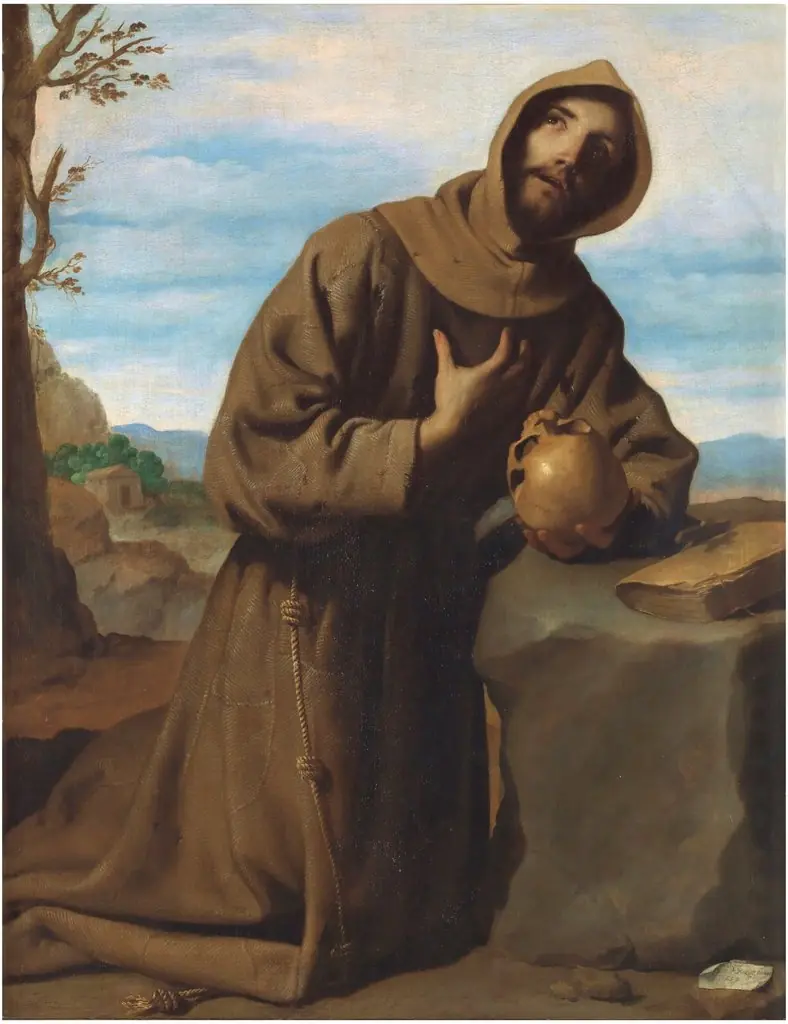 Saint Francis at Prayer
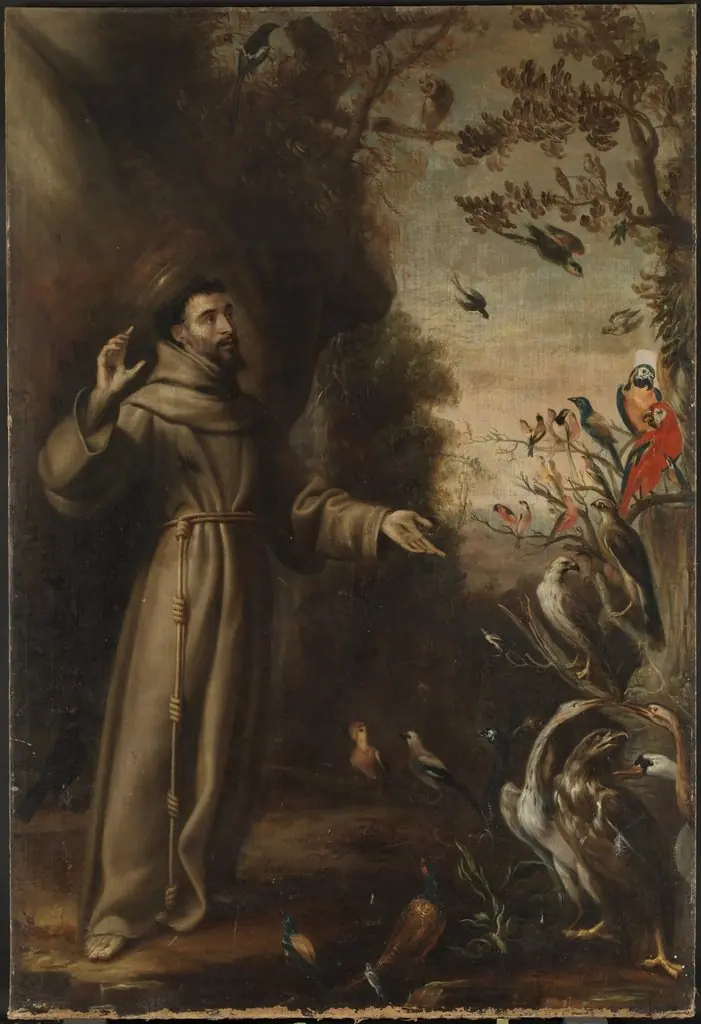 Saint Francis Preaching to the Birds
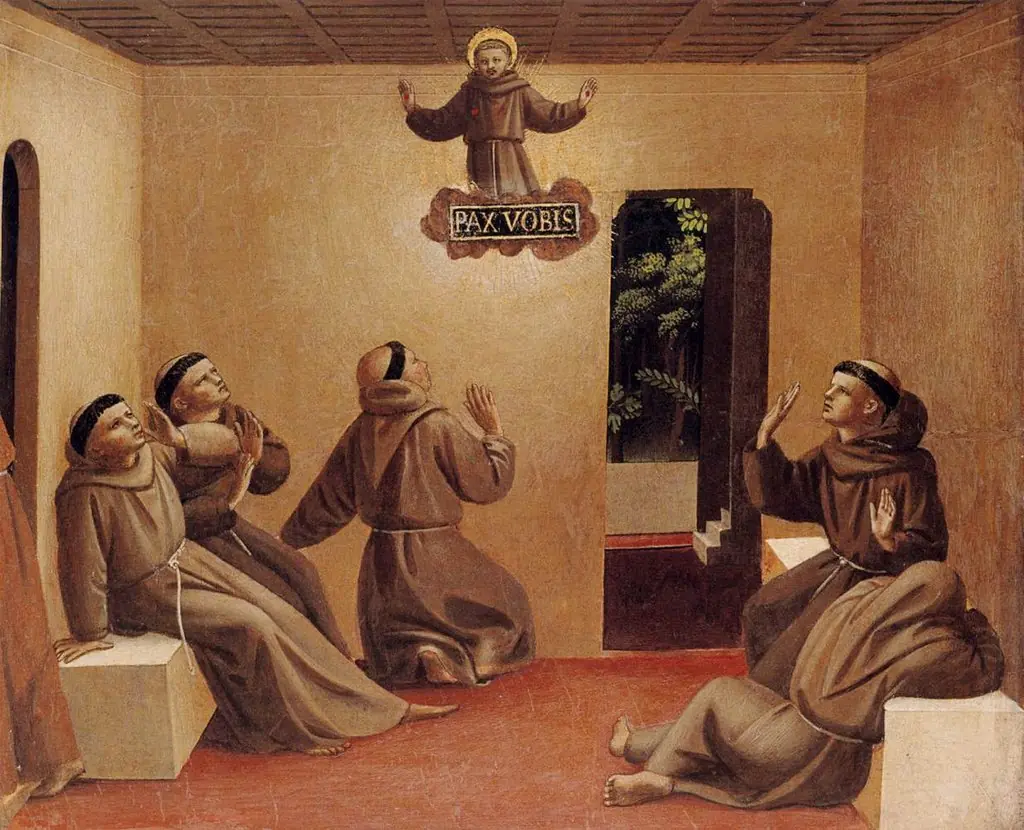 Apparition of Saint Francis in Arles
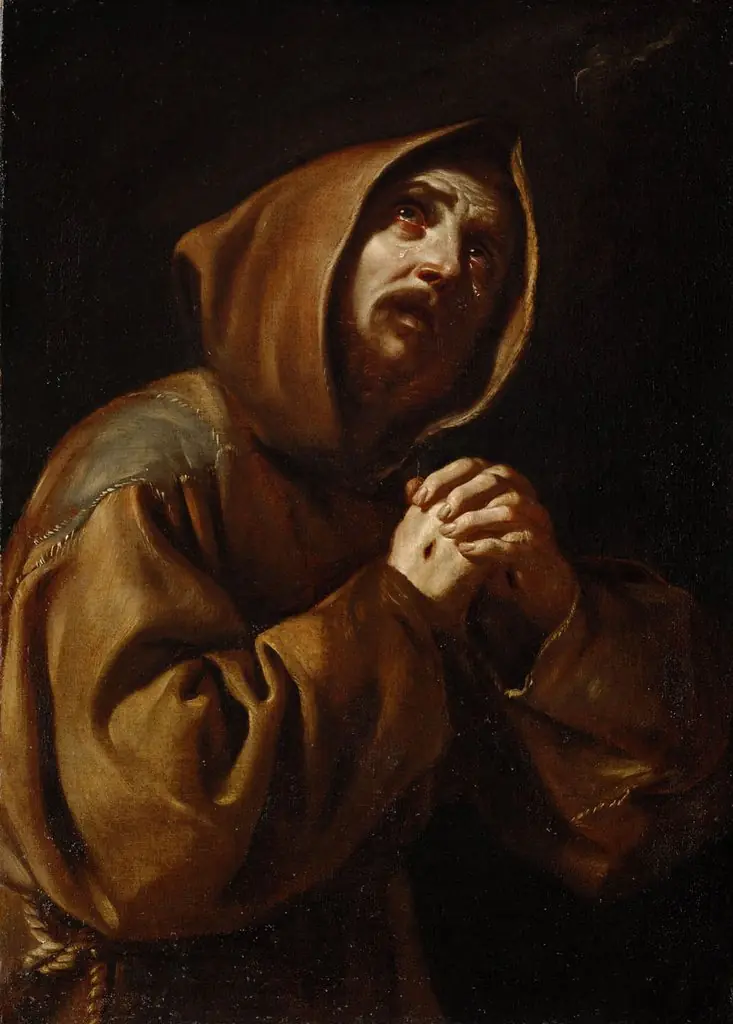 Hl. Franziskus
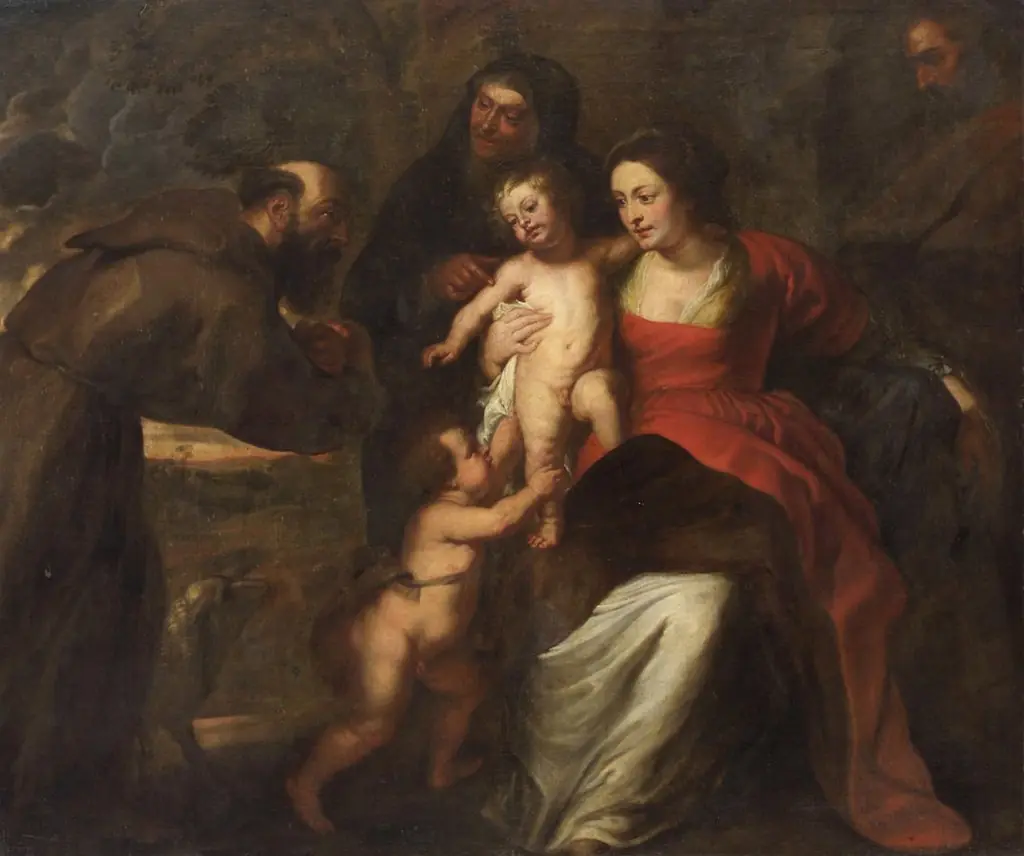 Holy Family with Saint Francis
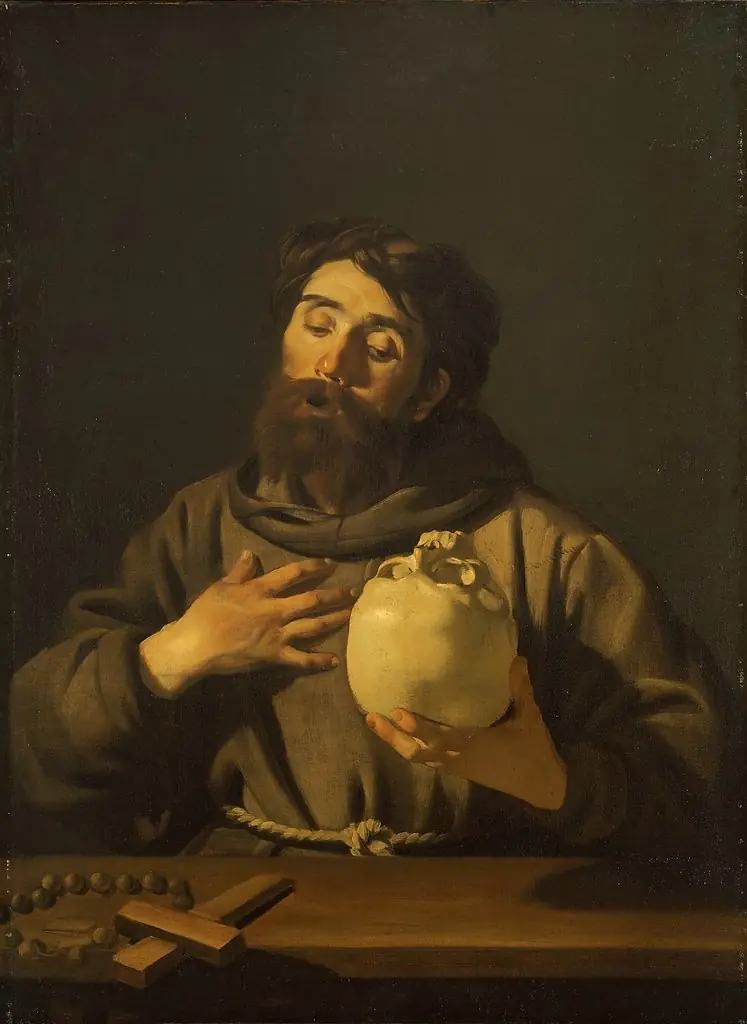 Saint Francis
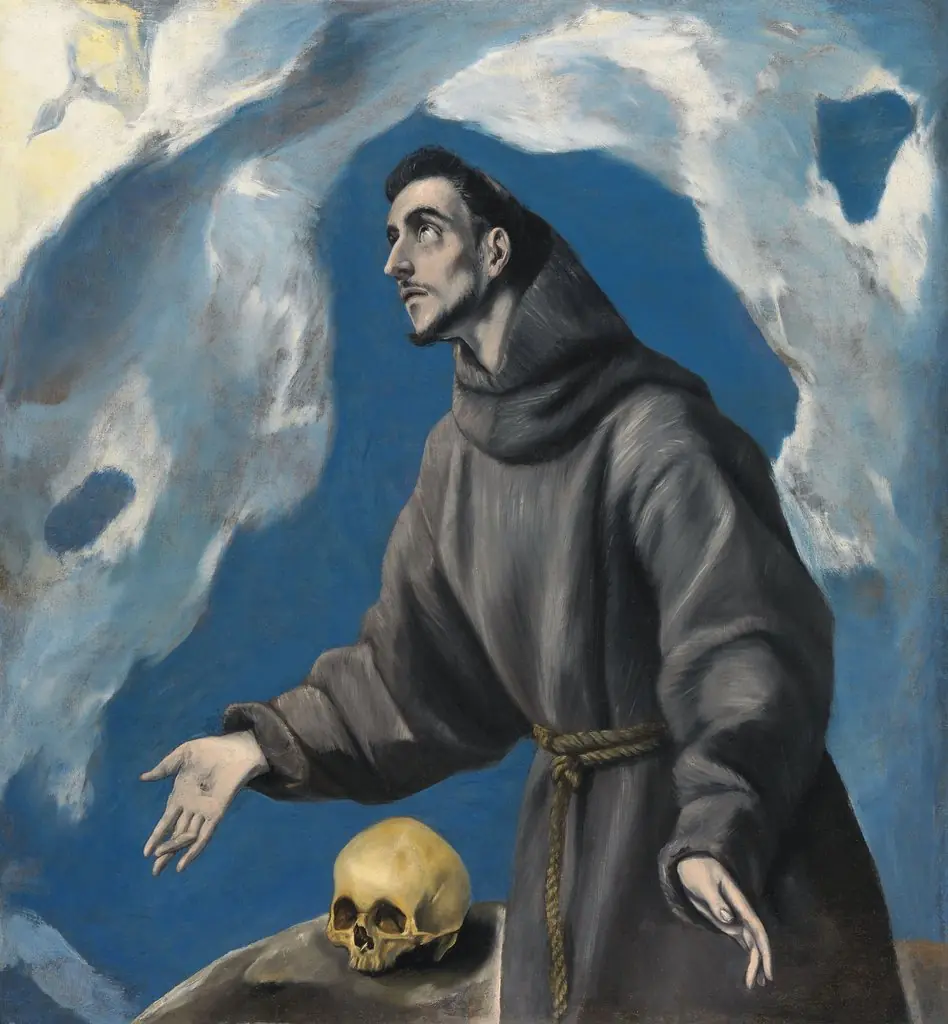 Saint Francis Receiving the Stigmata
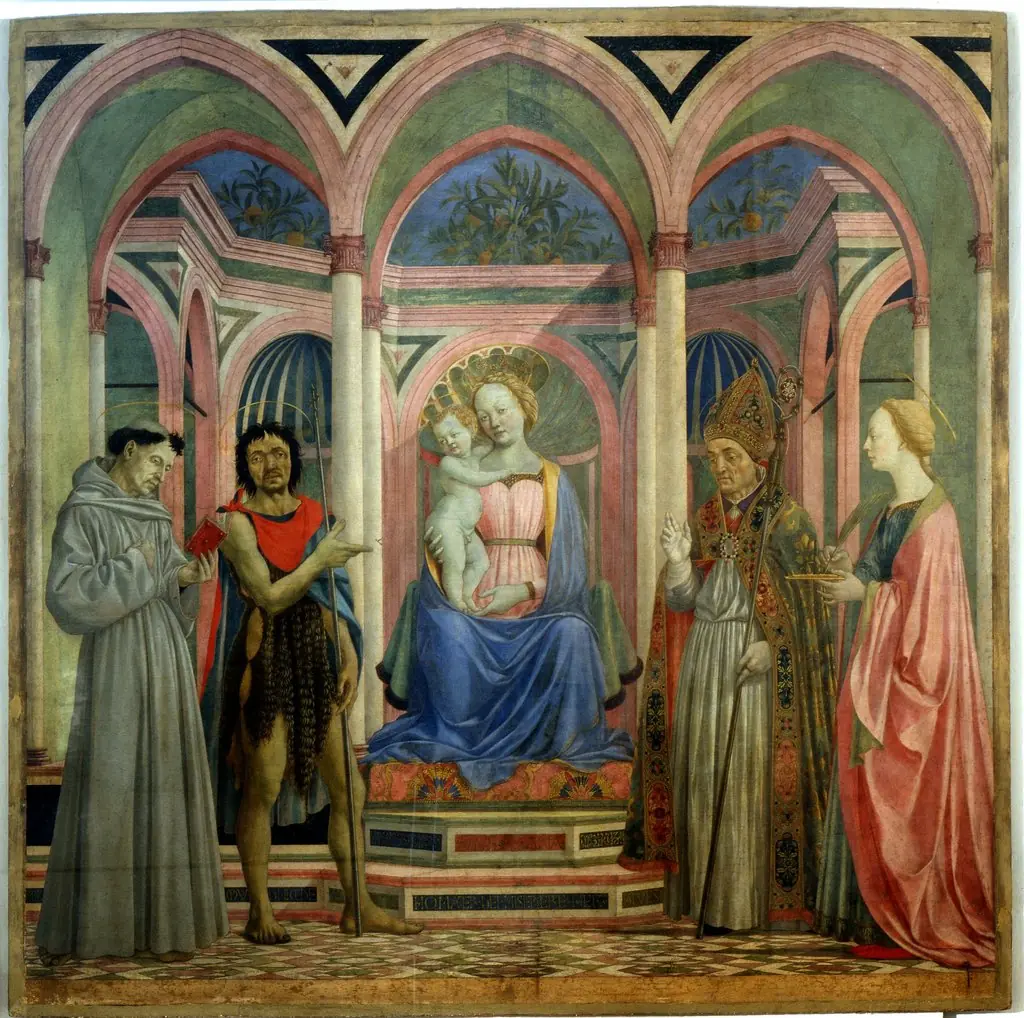 Santa Lucia de' Magnoli Altarpiece
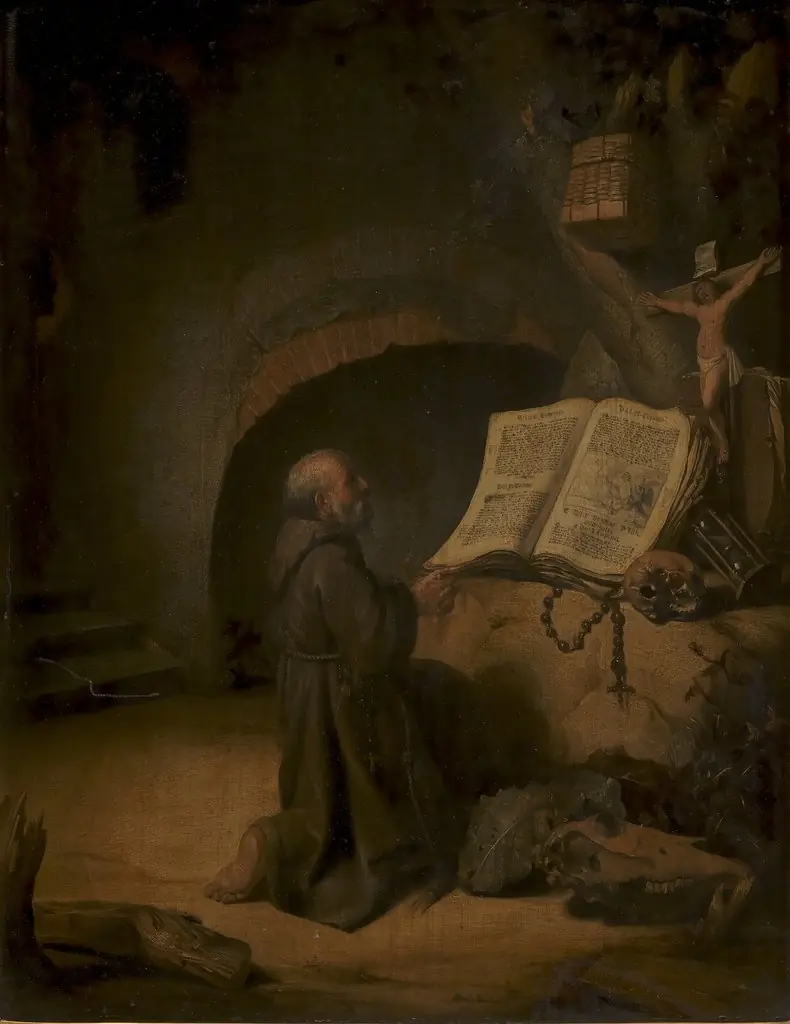 Eremit Praying
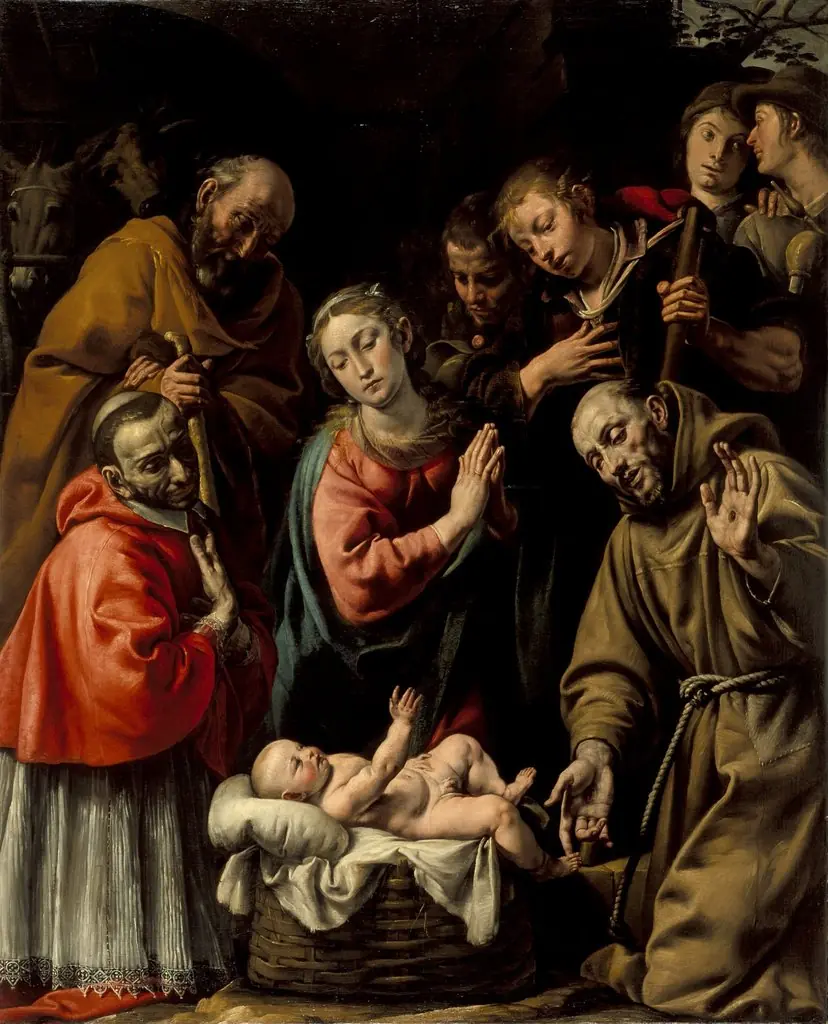 Adoration of the Shepherds with Saints Francis and Carlo Borromeo
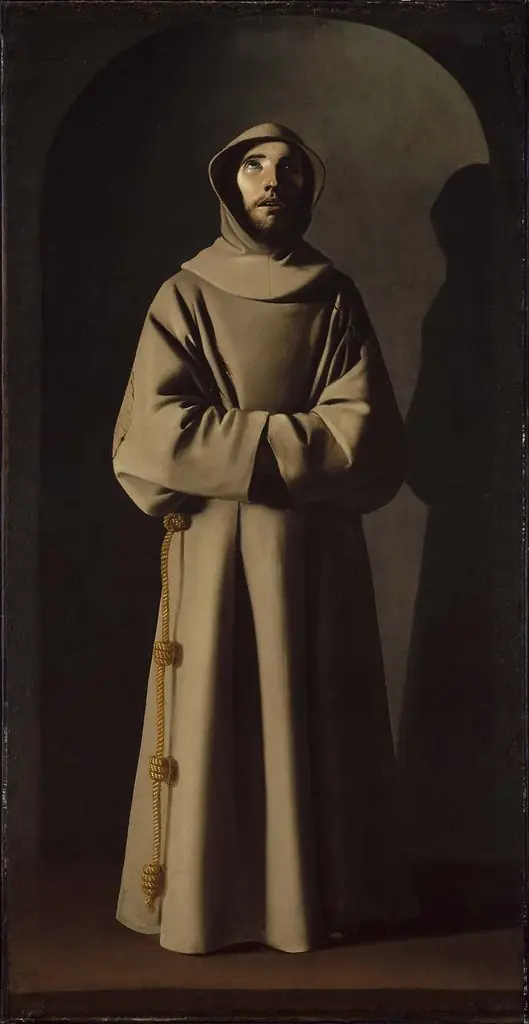 Saint Francis
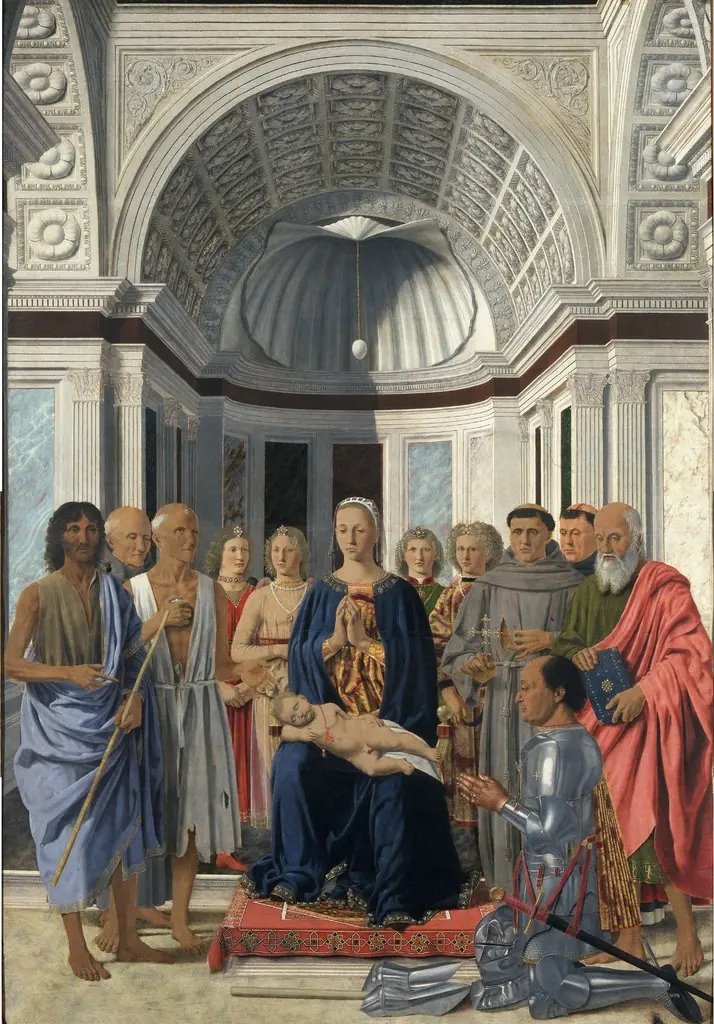 Brera Madonna
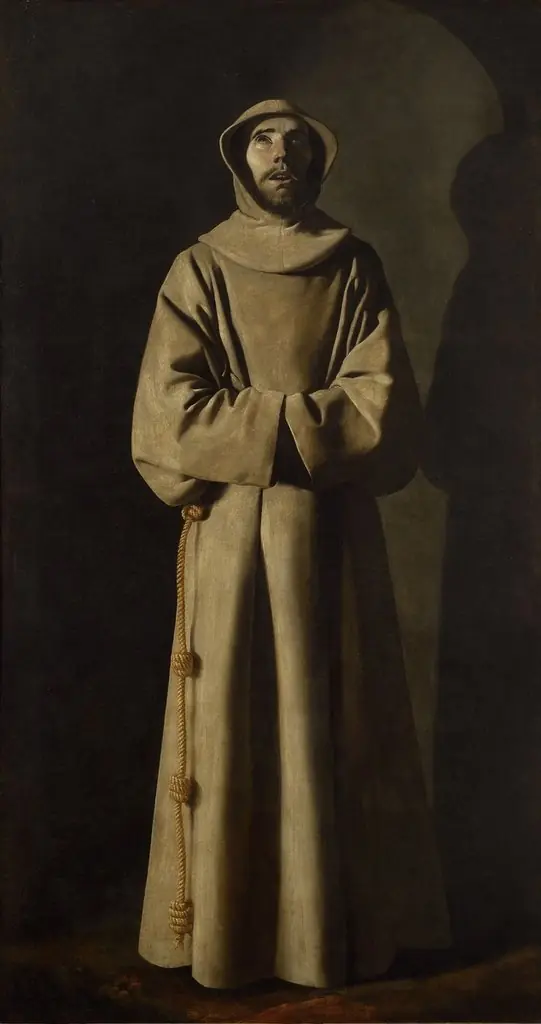 Saint Francis of Assisi
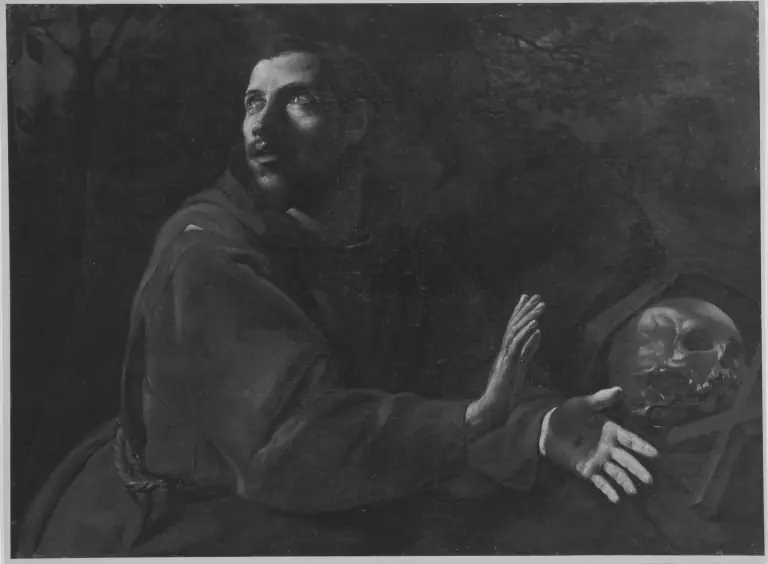 Hl. Franziskus in Ekstase (Art des)
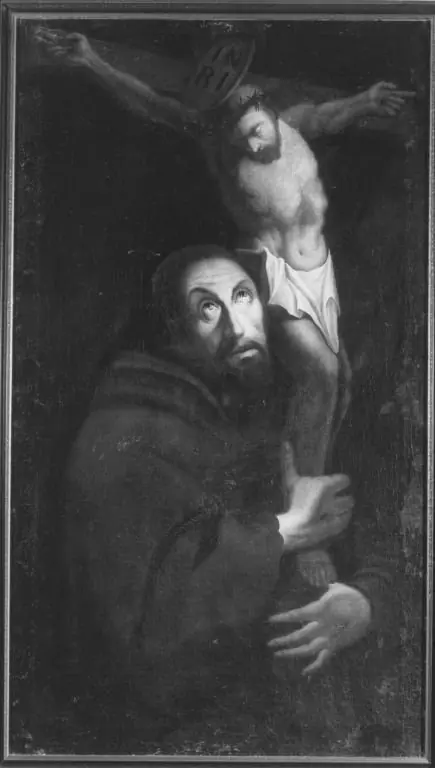 Hl. Franziskus
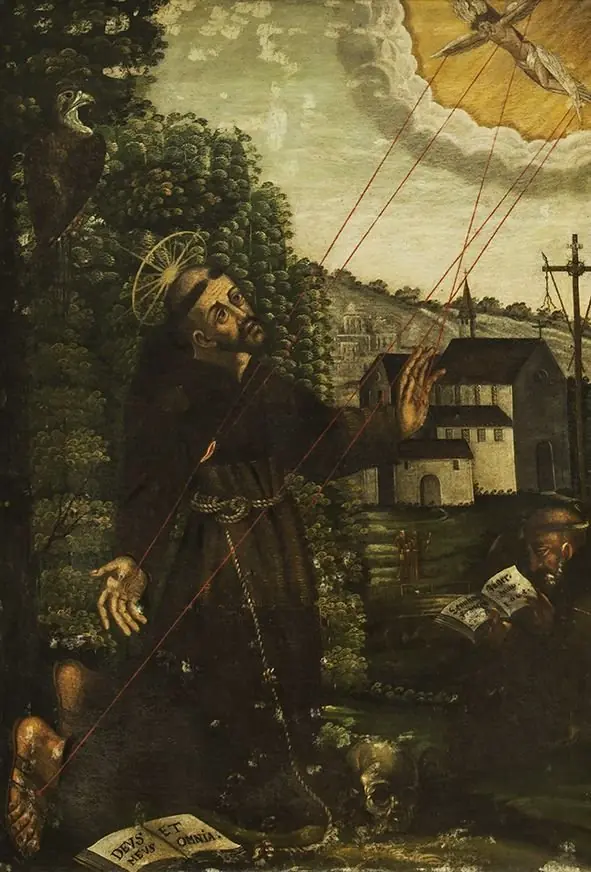 Stigmatisierung des hl. Franziskus
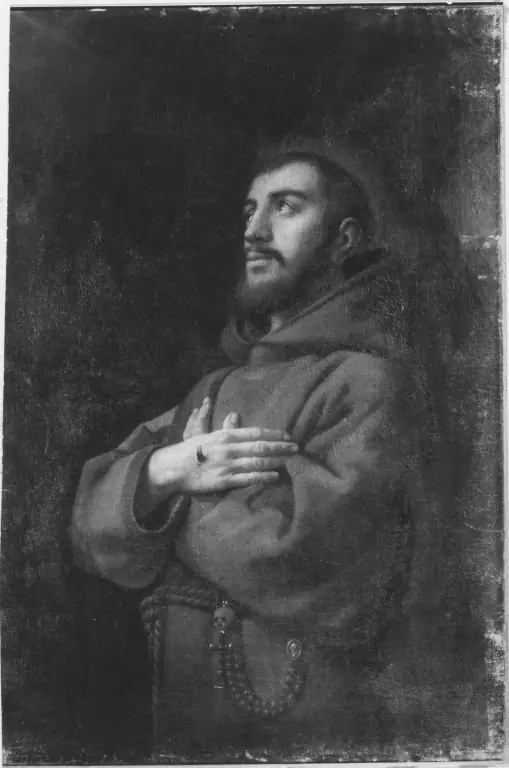 Hl. Franziskus
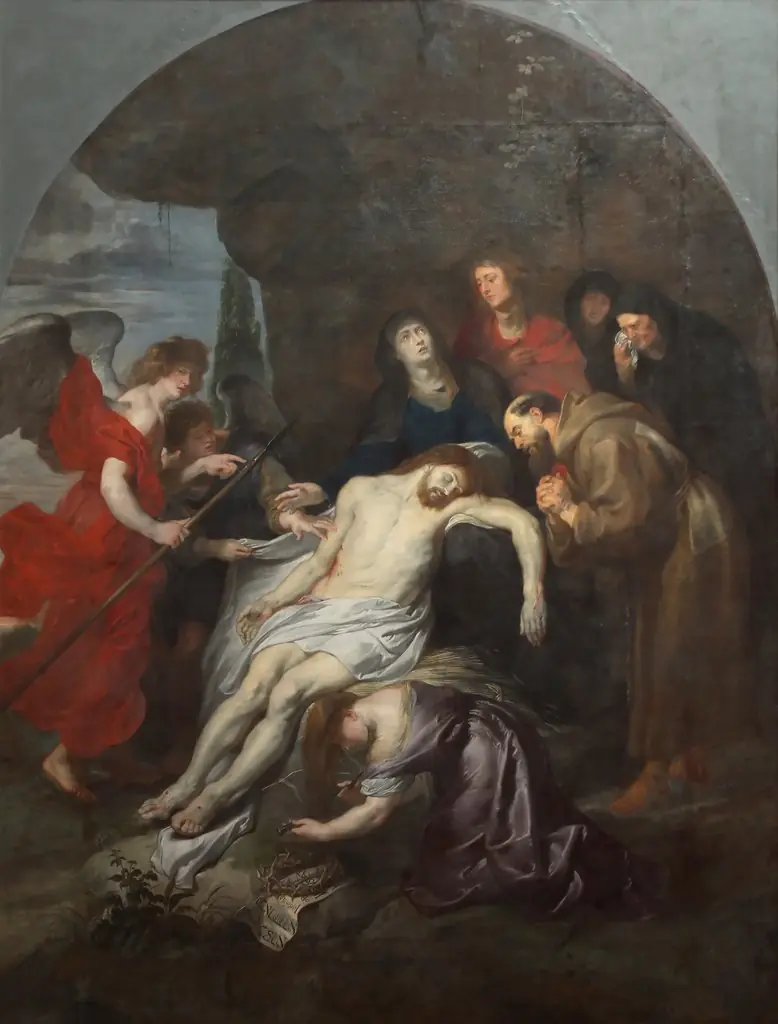 The lamentation of Christ with Saint Francis, 1617-1620
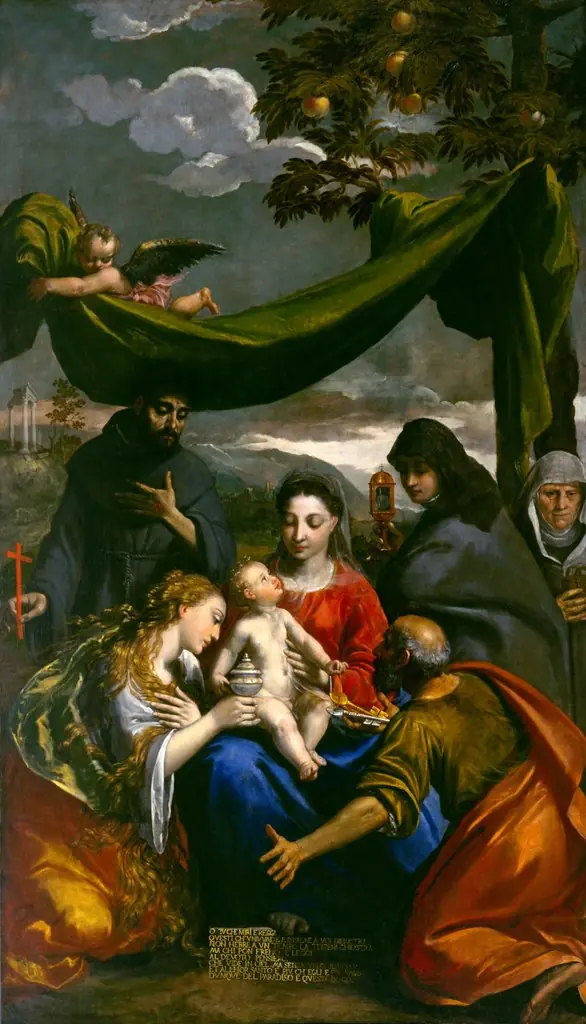 Virgin and Child with Saints Mary Magdalene, Peter, Clare, Francis, and an Abbess
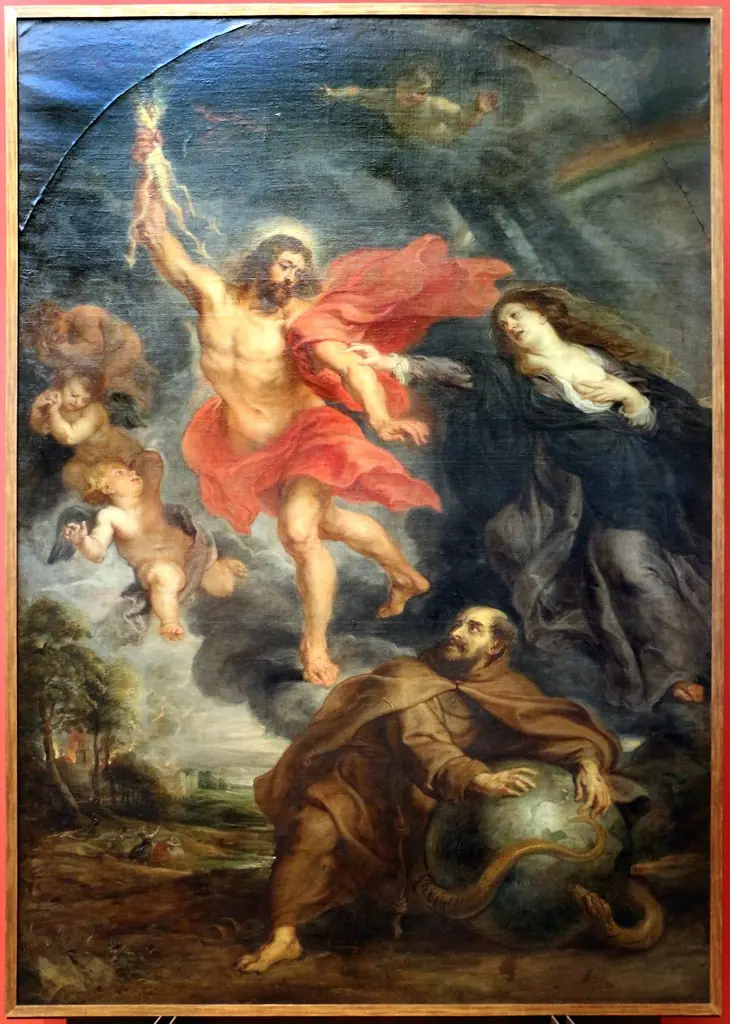 The Virgin Mary and Saint Francis Saving the World from Christ's Anger
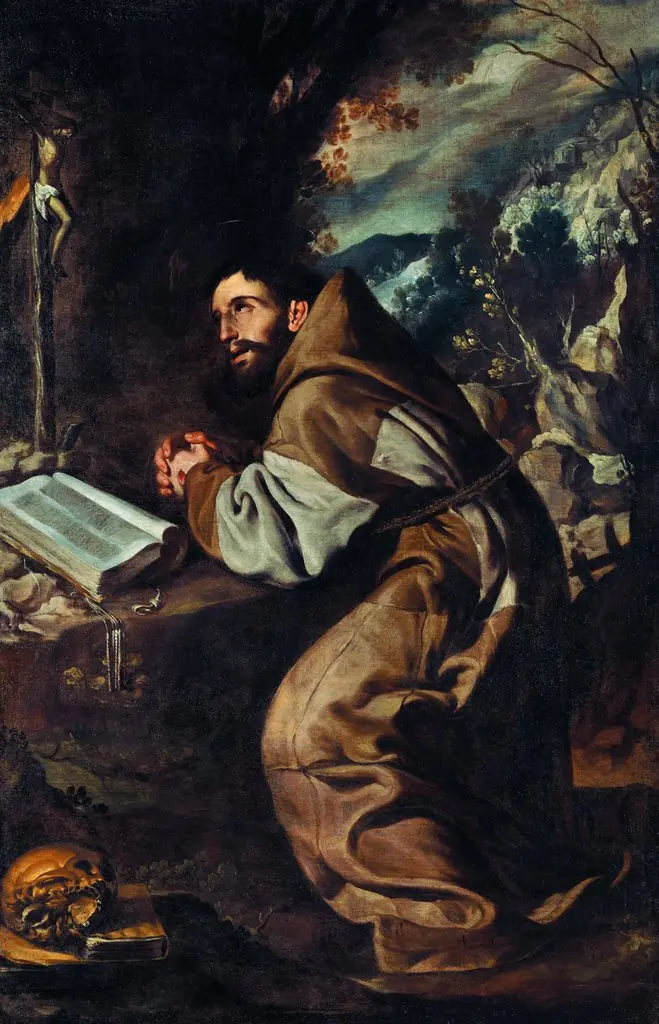 St. Francis Praying
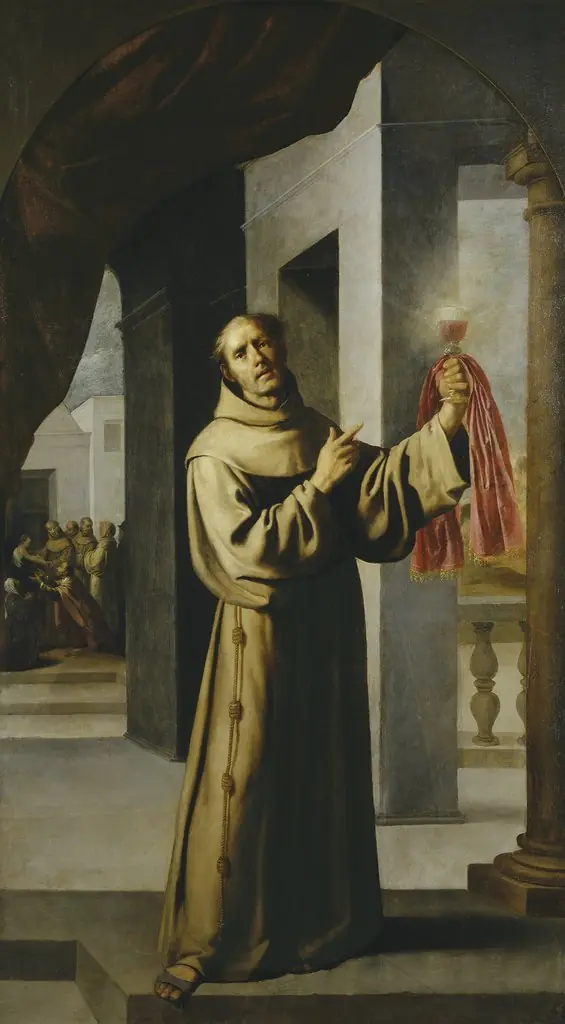 Saint James of the March
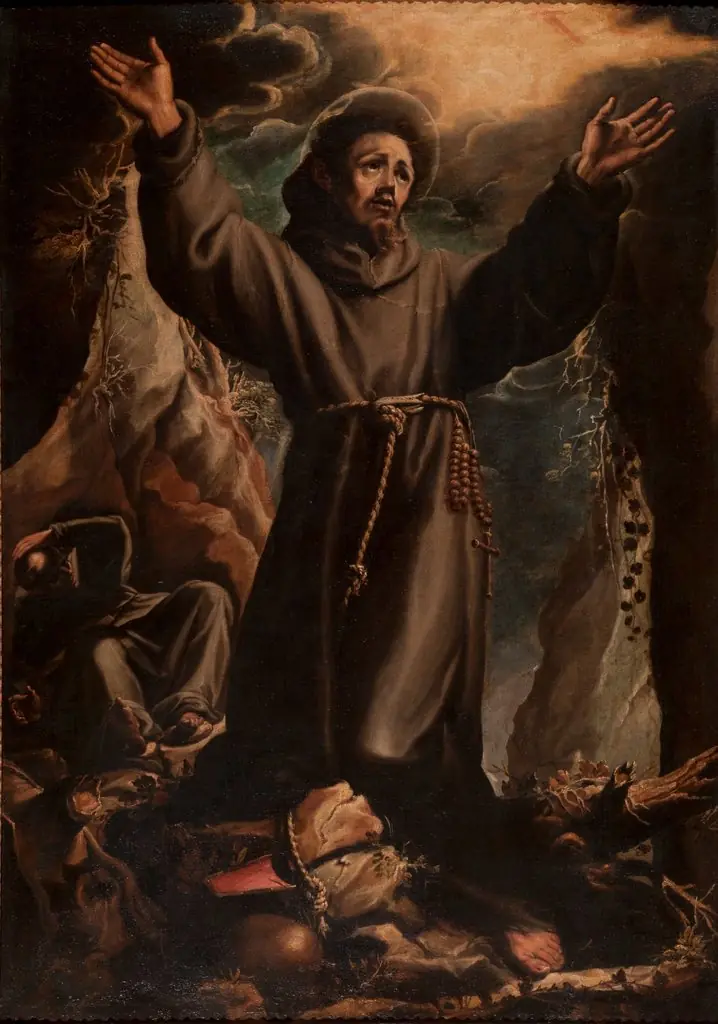 San Francisco recibiendo los estigmas
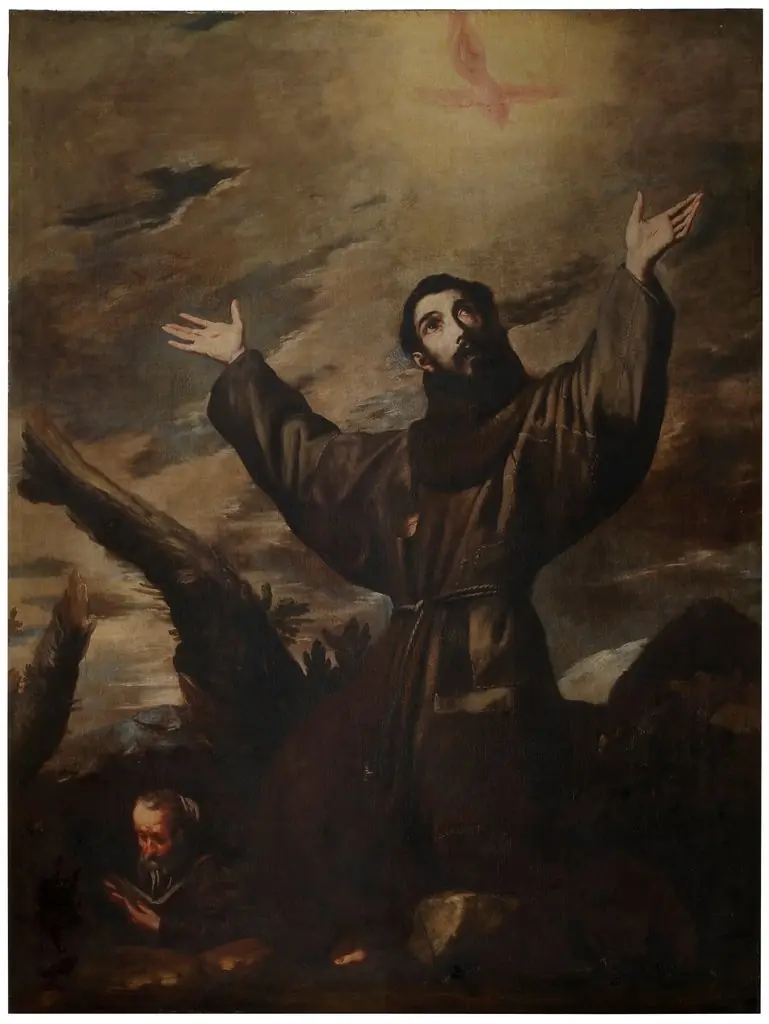 San Francisco recibe los estigmas
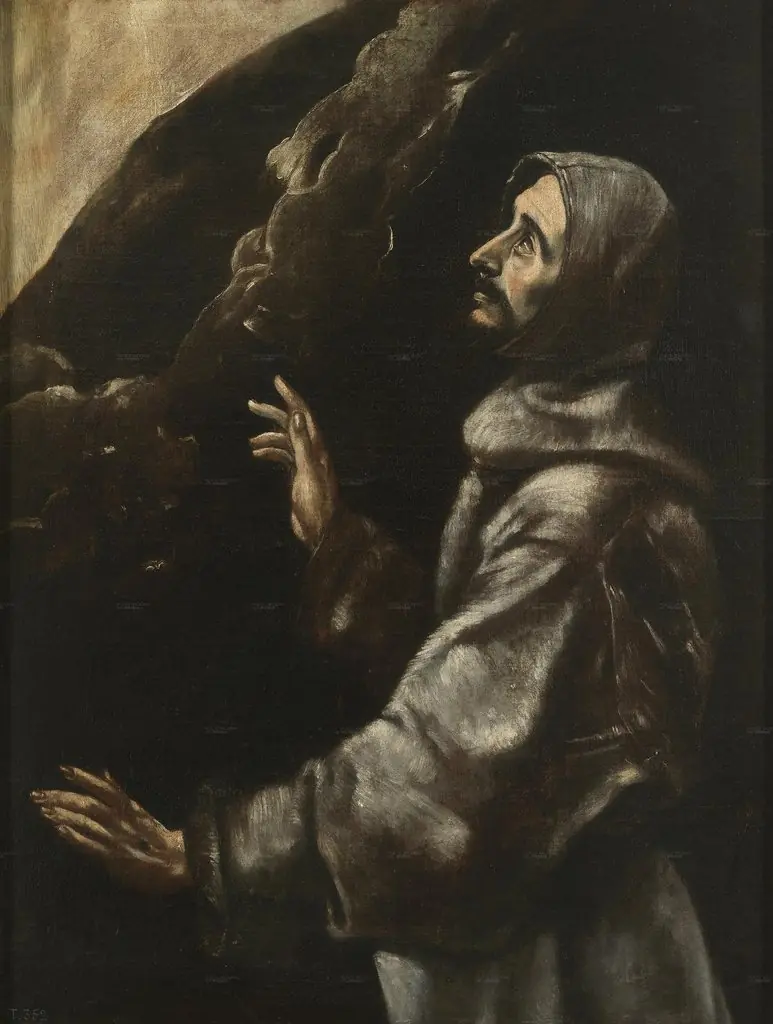 Saint Francis of Assisi in ecstasy
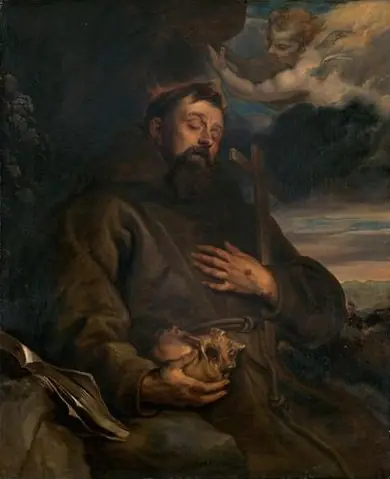 Hl. Franziskus in Ekstase
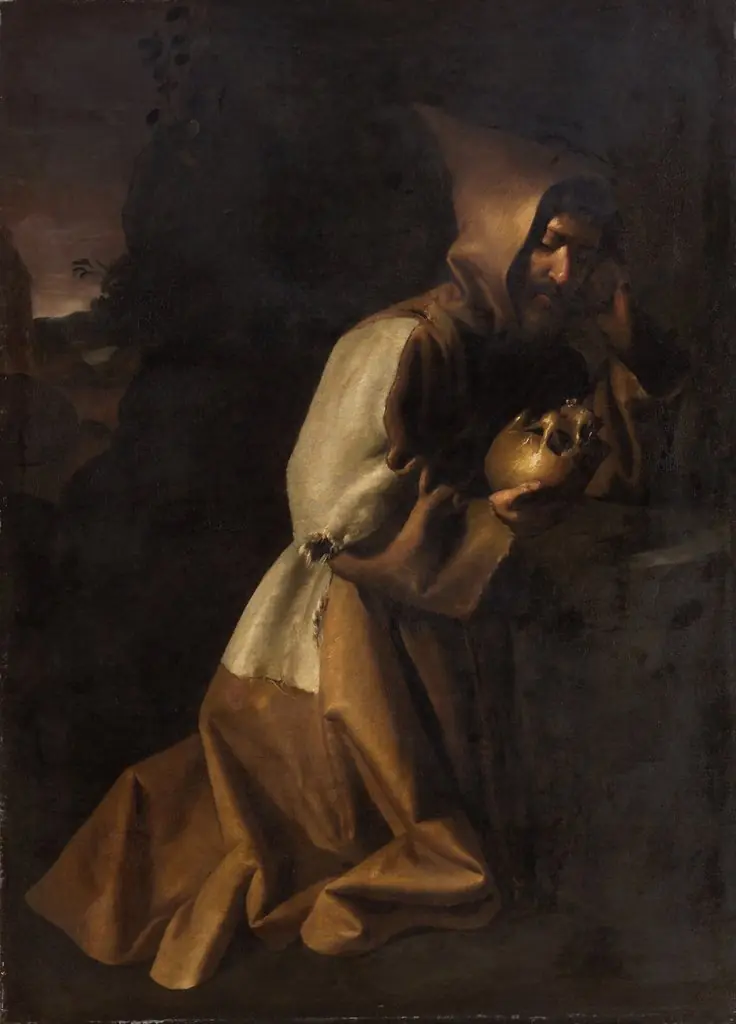 Saint Francis in prayer
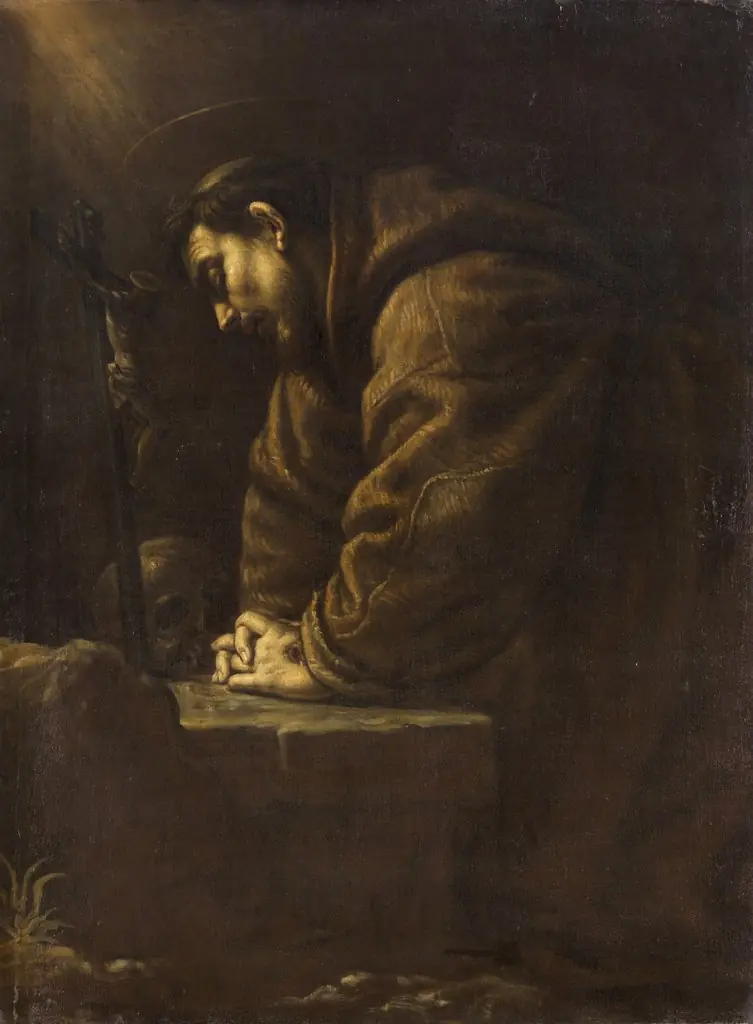 Saint Francis
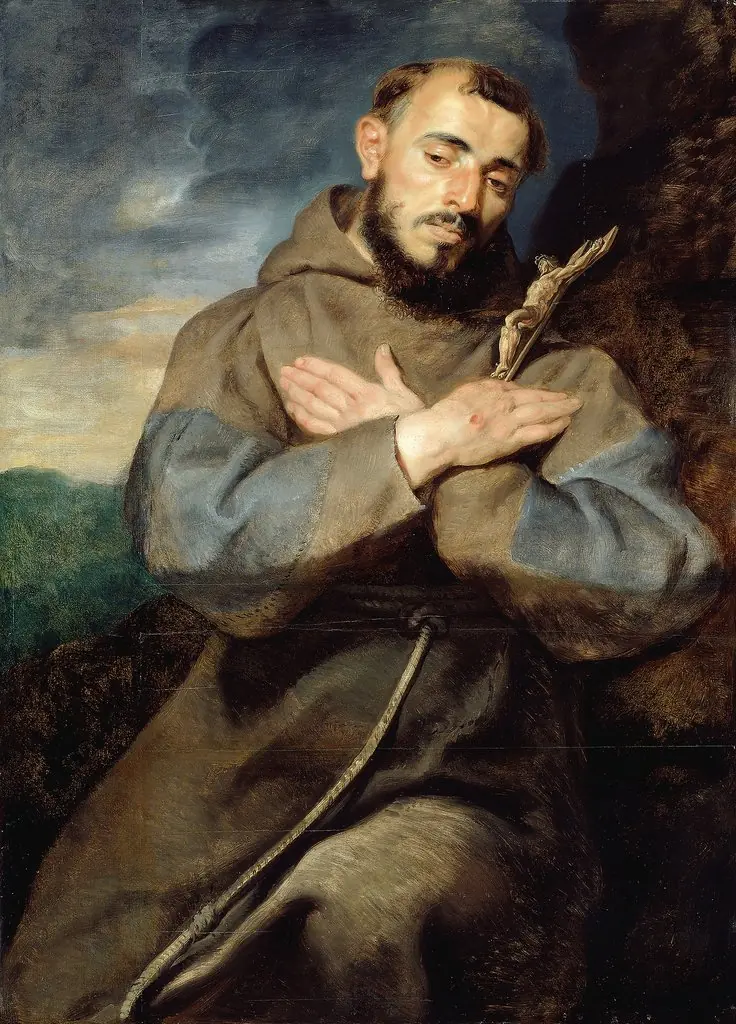 Saint Francis
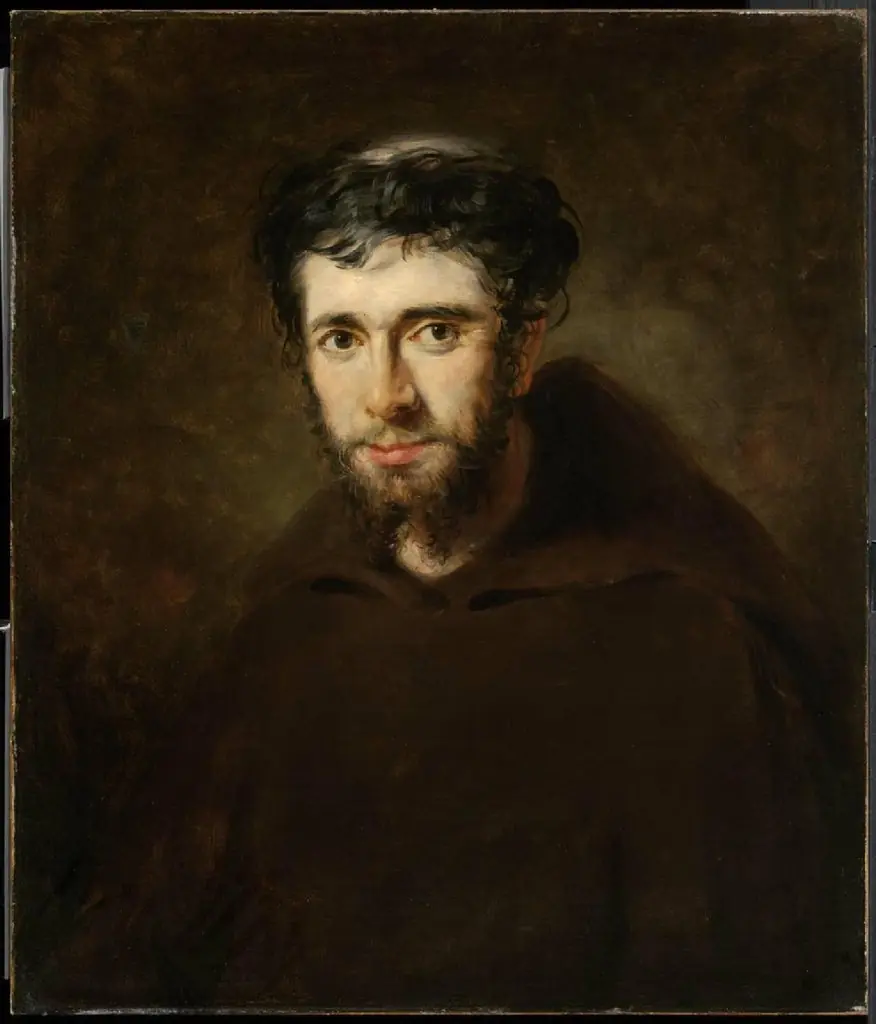 Portrait of a Monk
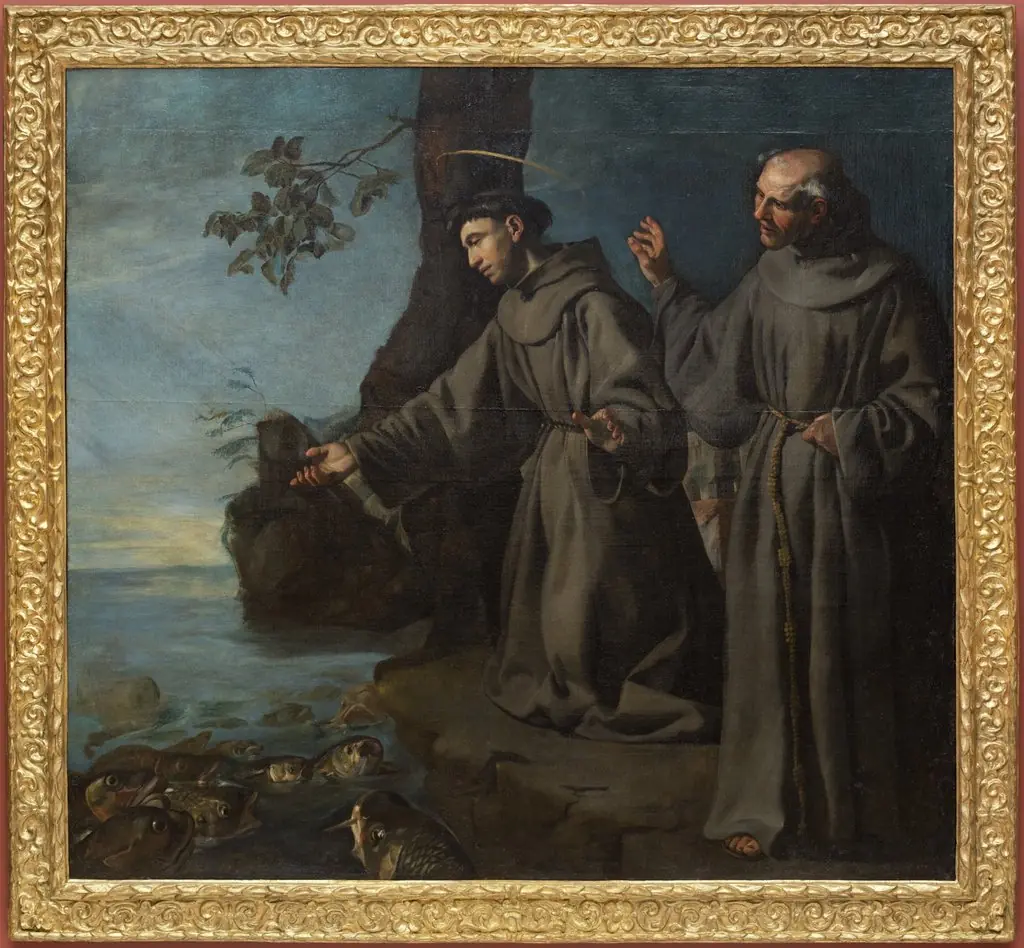 St. Anthony Preaching to the Fishes
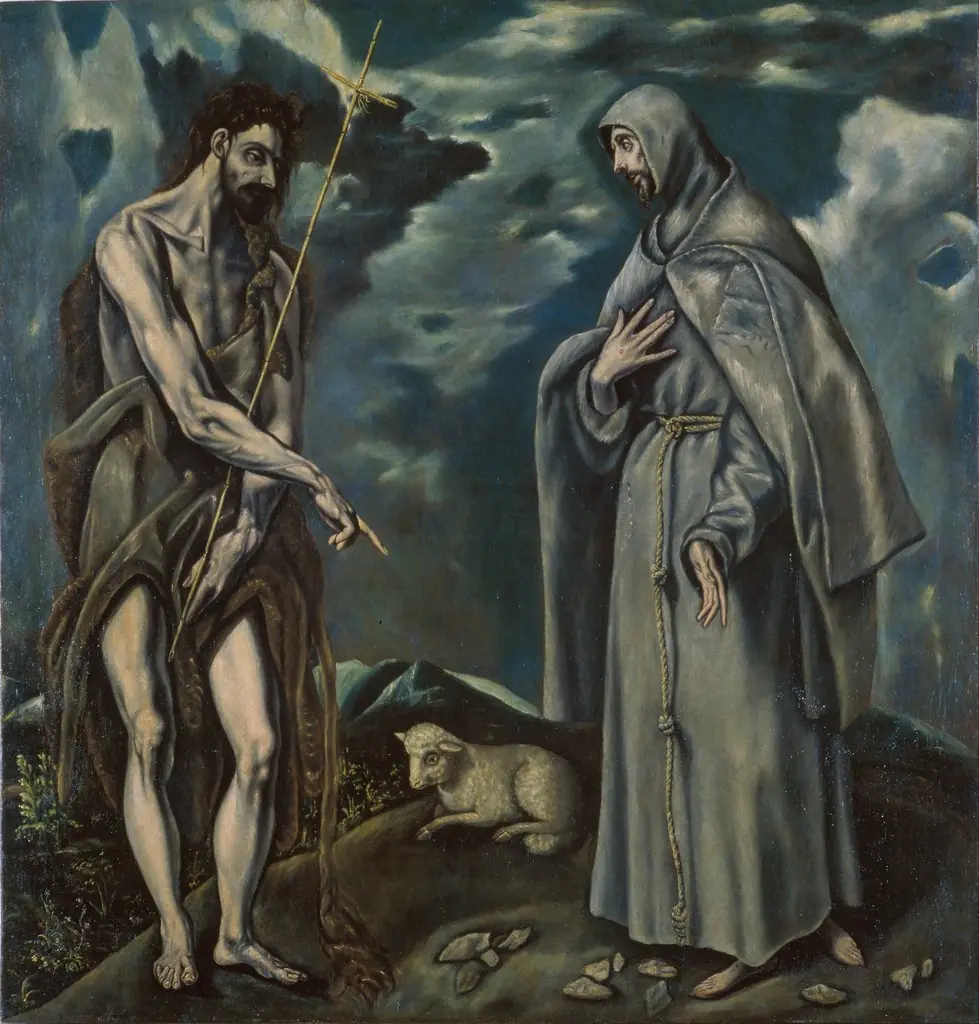 Saint John the Baptist and Saint Francis of Assisi
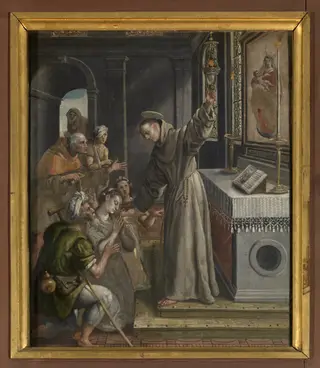 Saint Didacus Heals the Sick
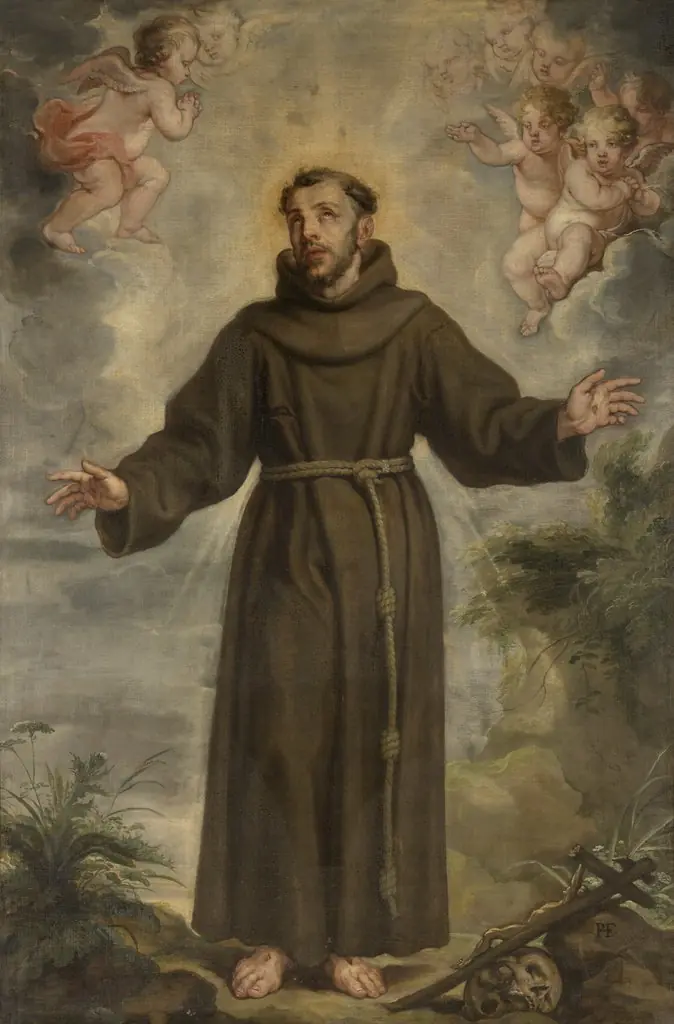 Saint Francis of Assisi
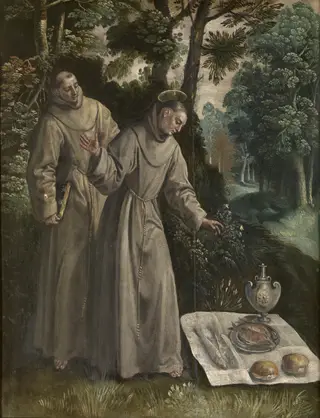 Saint Didacus Finds a Miraculous Meal
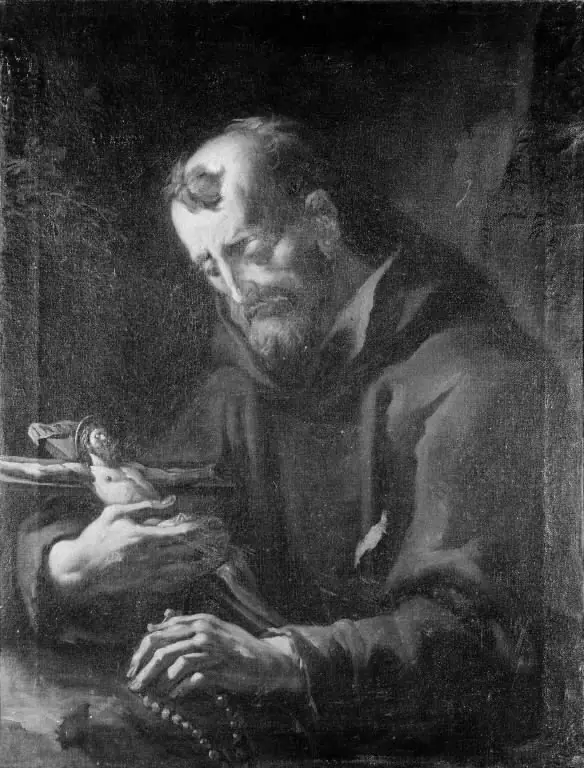 Monk
Monk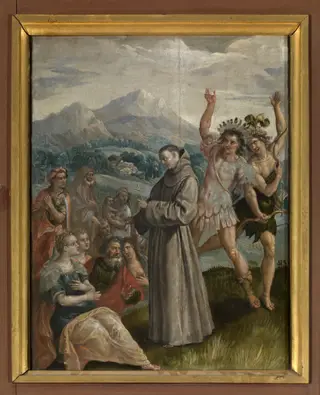 Saint Didacus Preaches in the Canary Islands
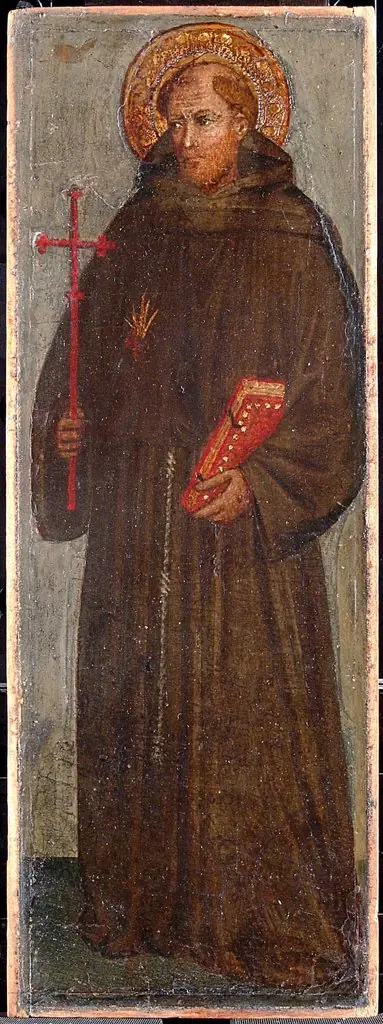 St. Francis
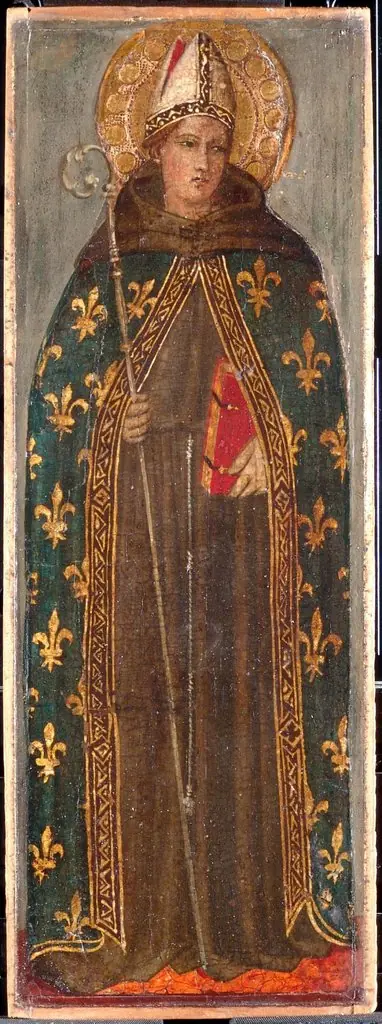 St. Louis of Toulouse
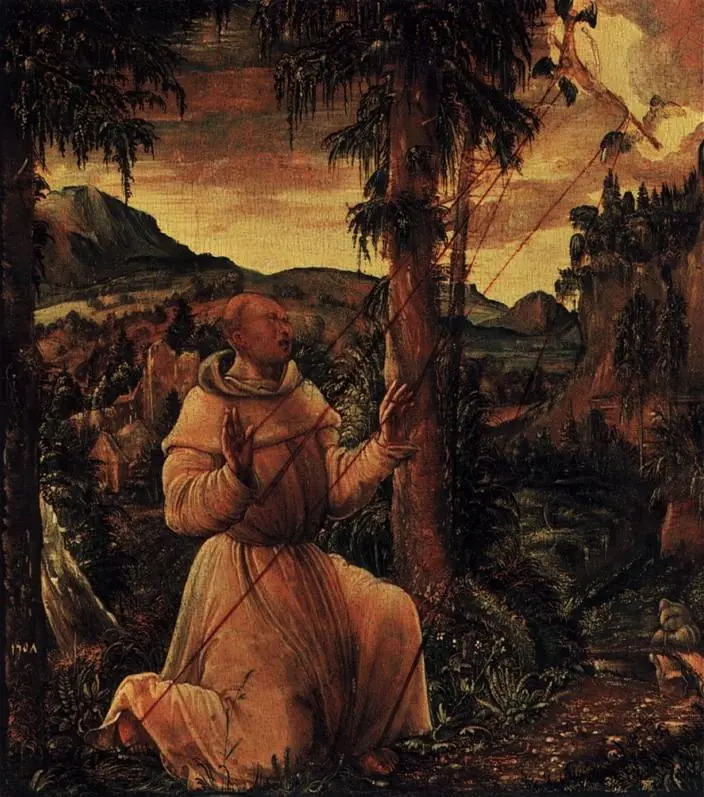 Stigmatization of Saint Francis
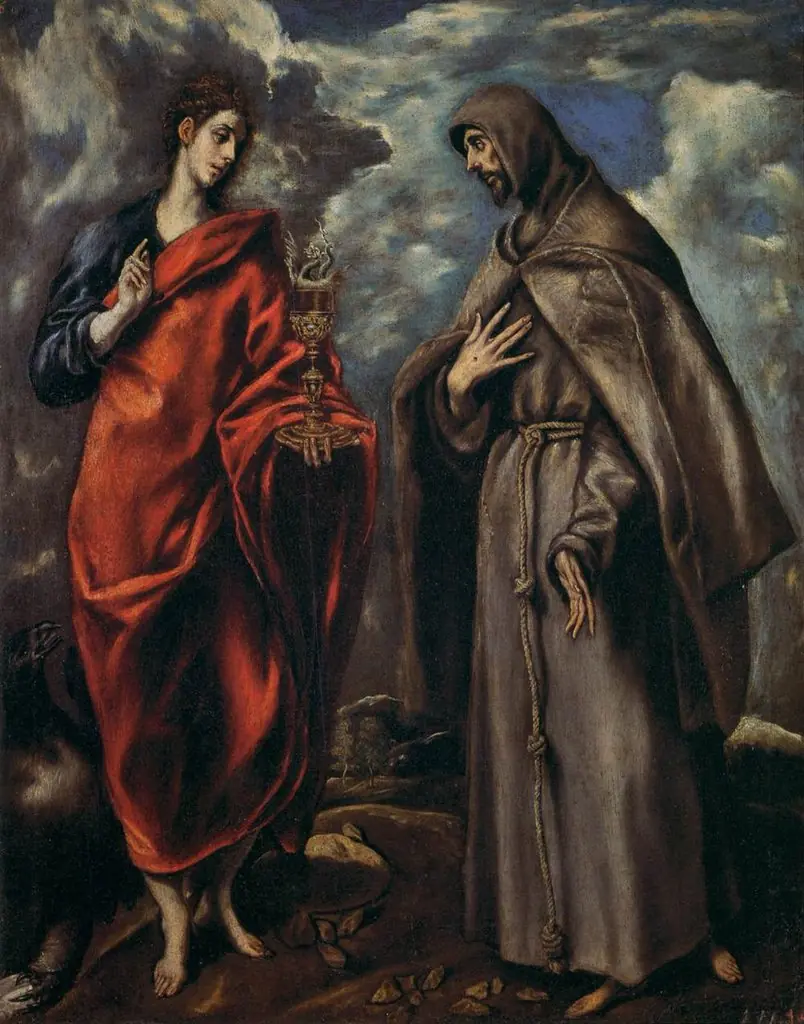 Saint John the Evangelist and Saint Francis
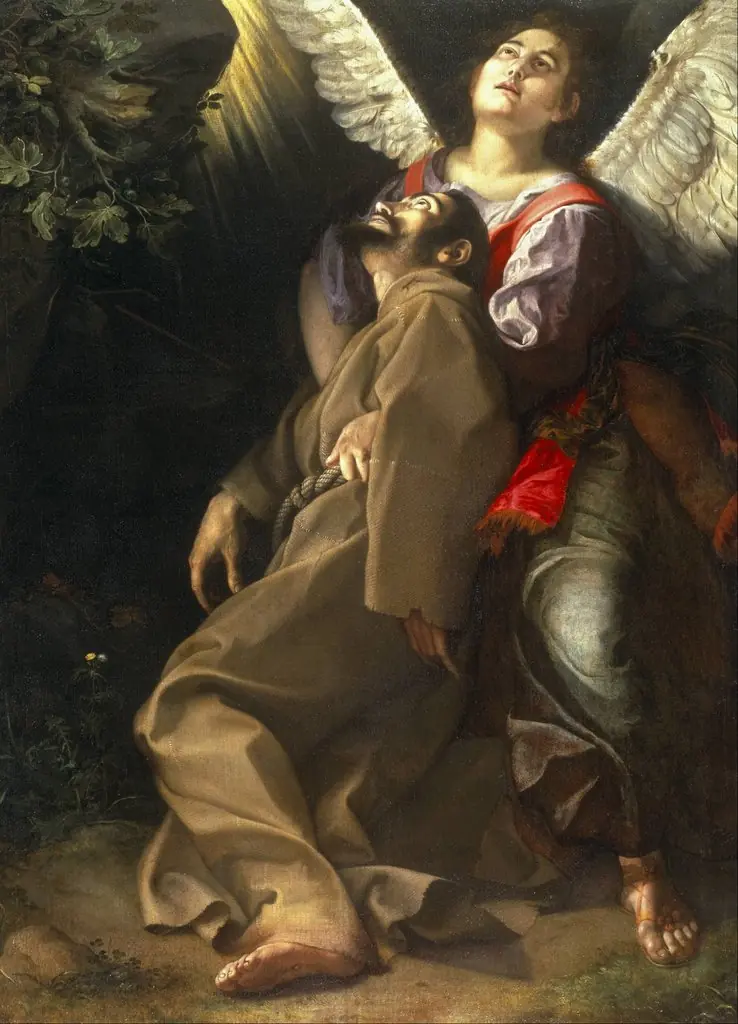 The Stigmatization of Saint Francis
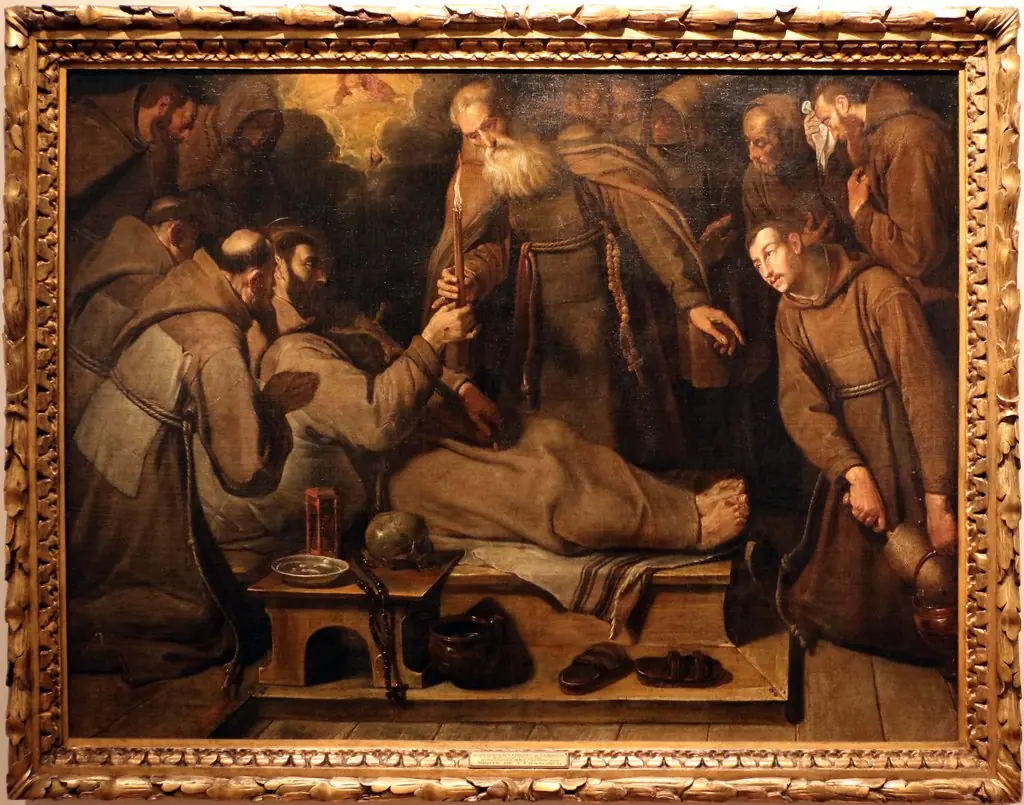 Death of St Francis
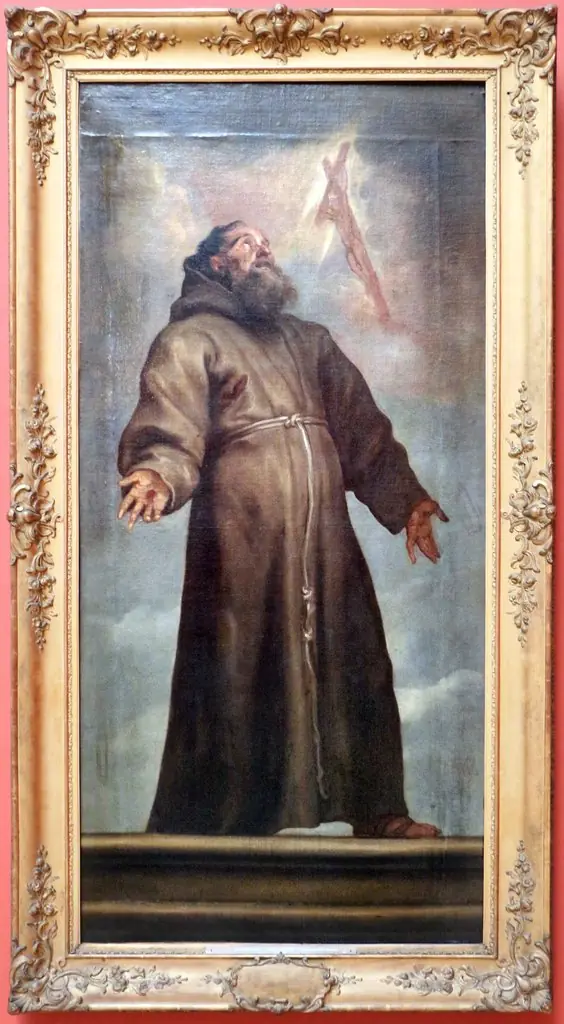 Saint Francis of Assisi
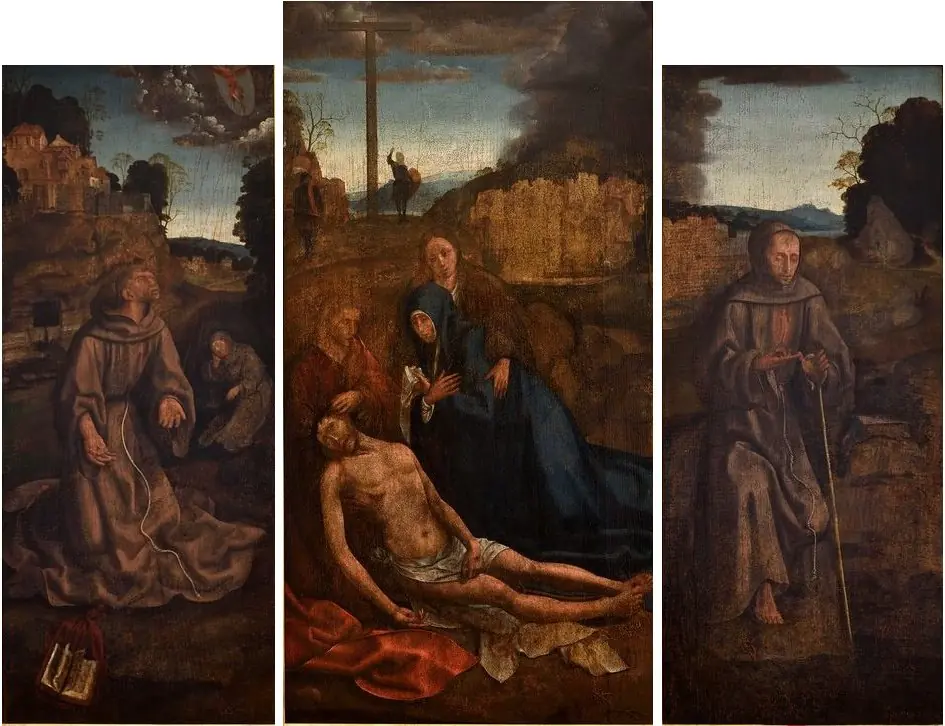 Cook triptych
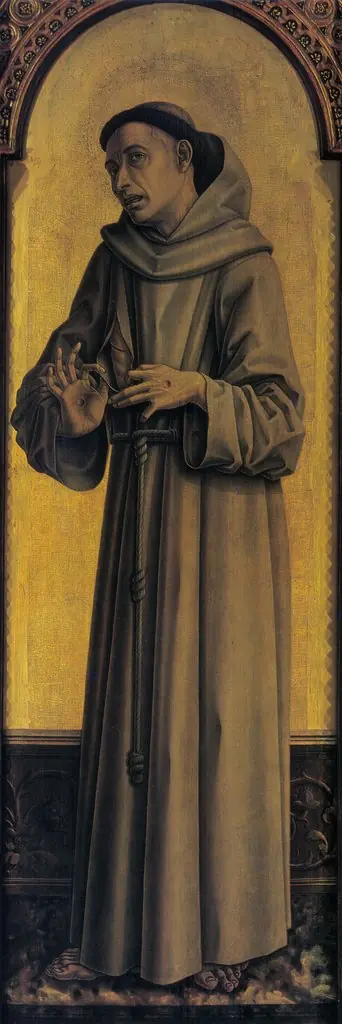 San Francesco
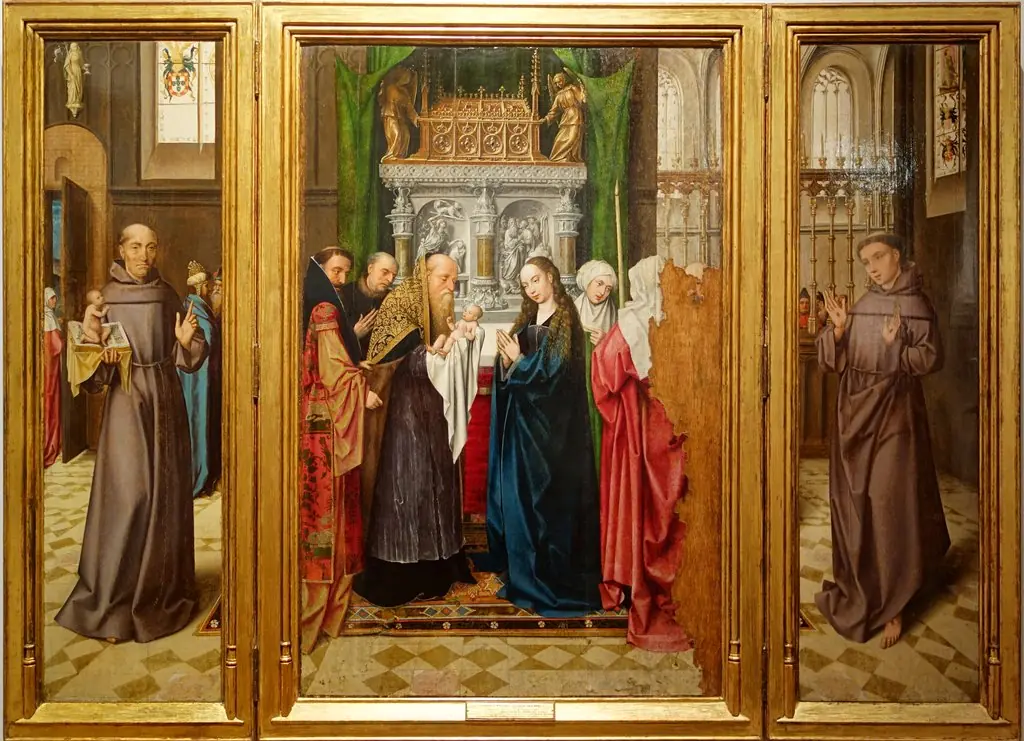 Triptych of the Presentation of Jesus in the Temple
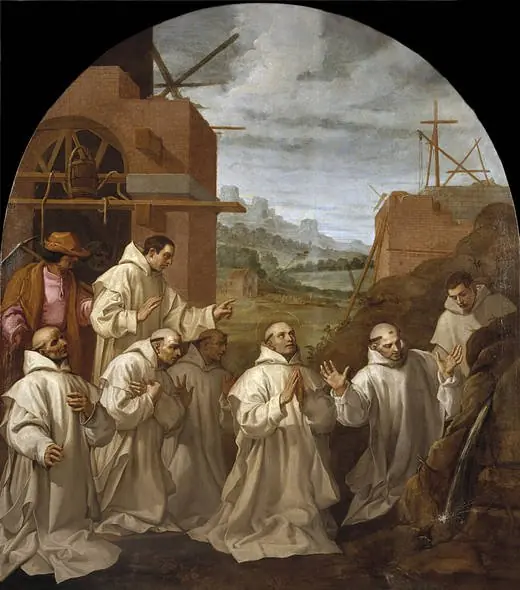 The Miracle of the Spring
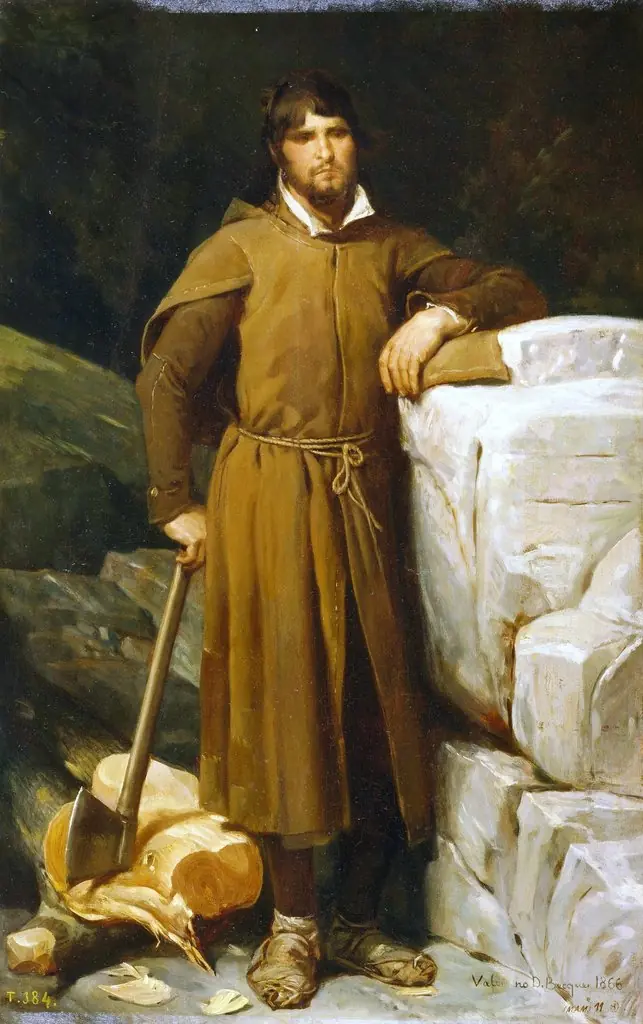 The Woodcutter
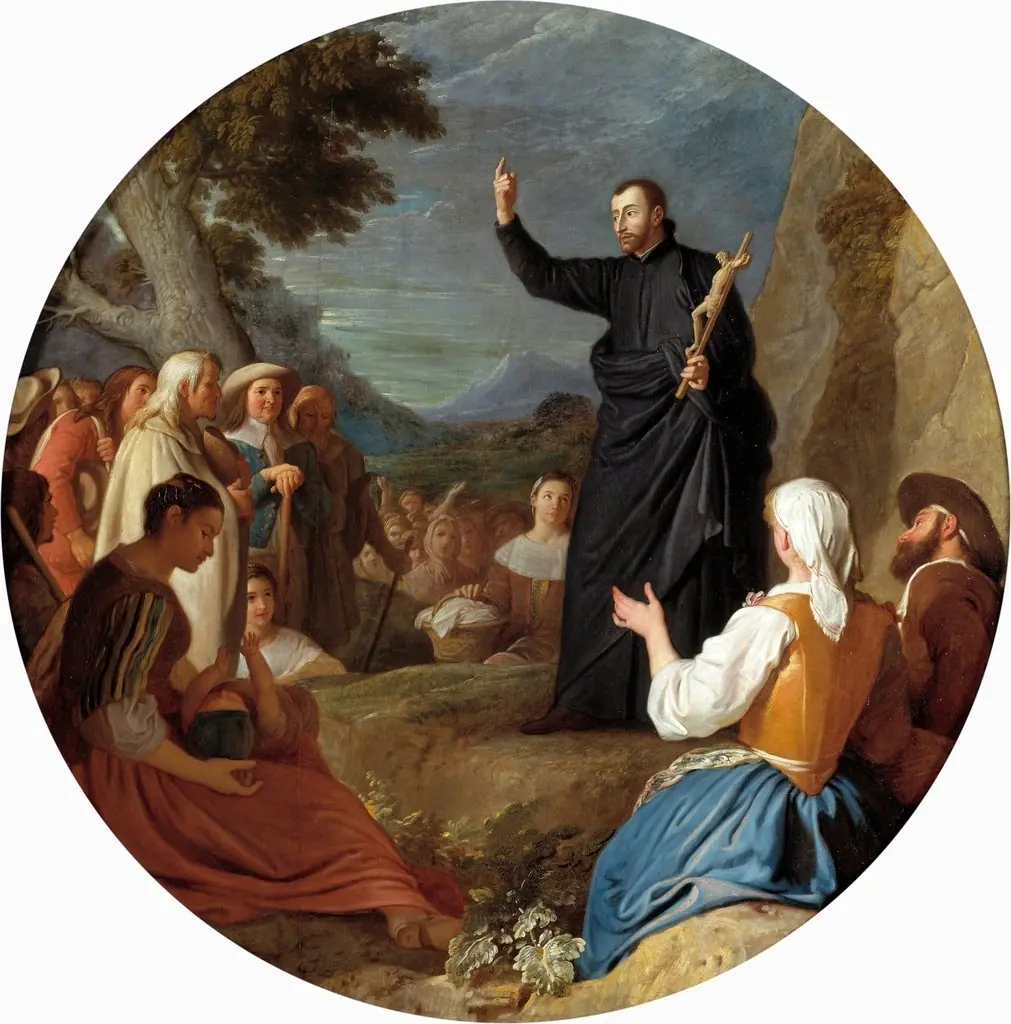 San Francisco de Regis predicando
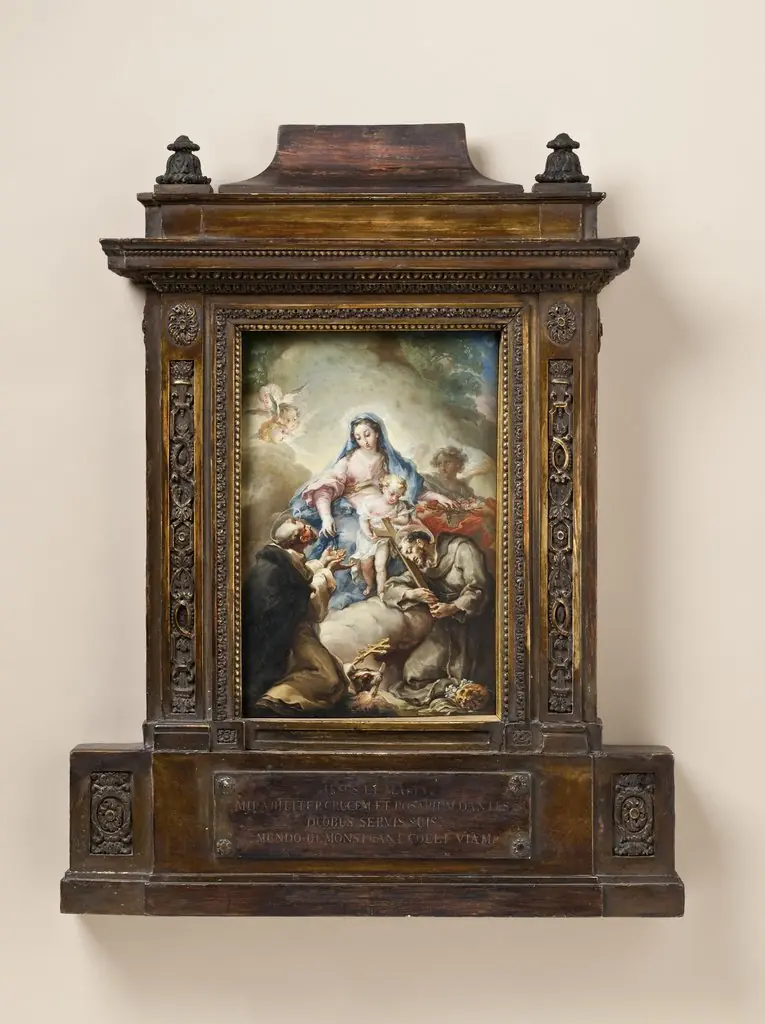 Virgin with St. Francis and St. Dominic
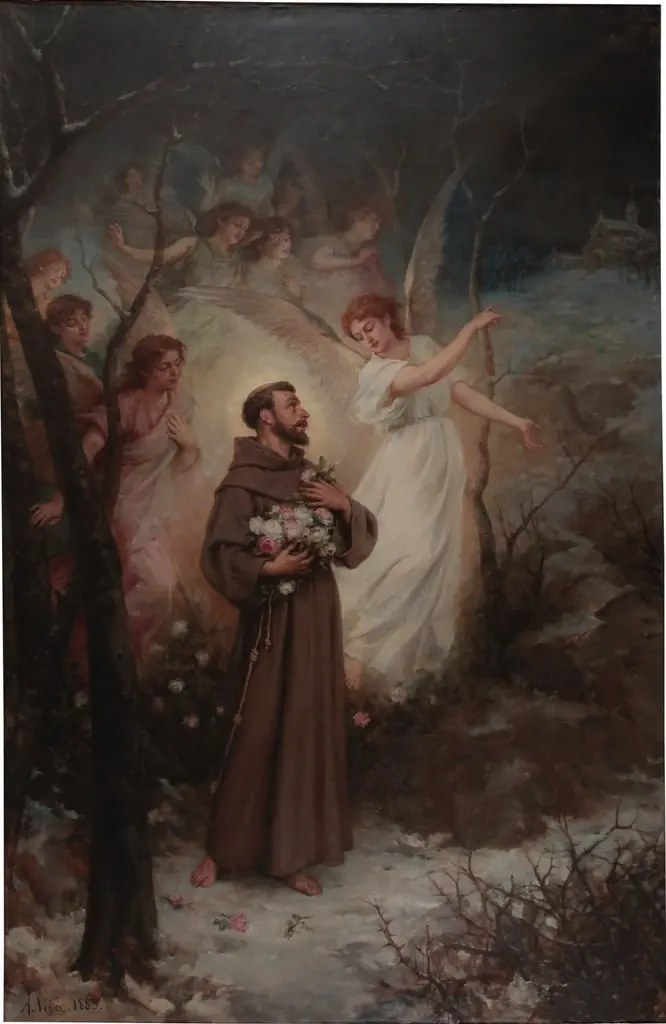 El milagro de las rosas (episodio de la vida de San Francisco)
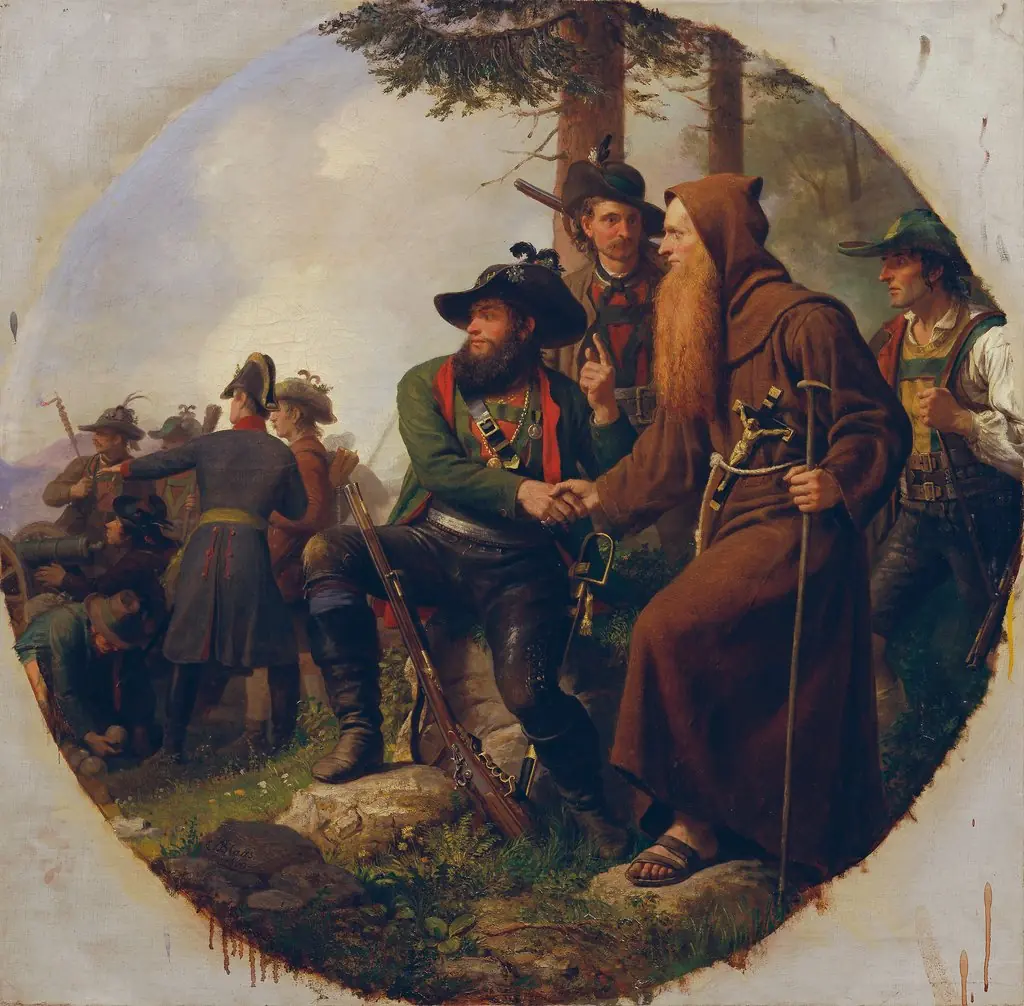 The Battle of Mount Isel 1809
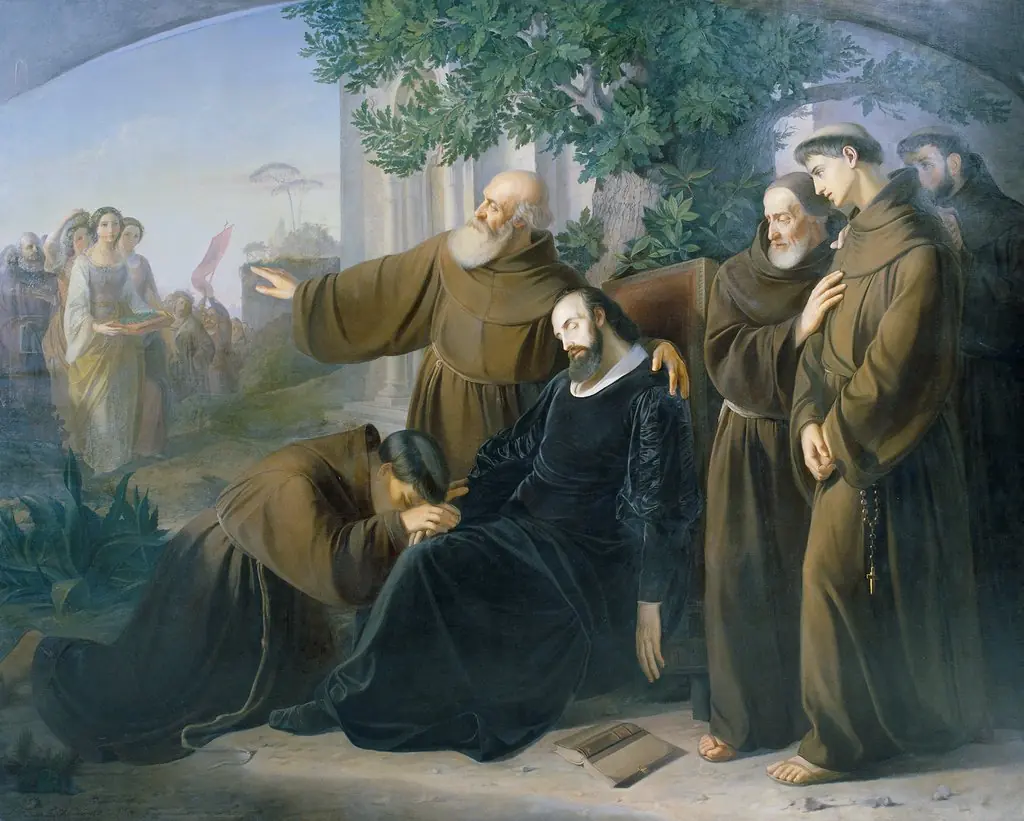 Der Tod Torquato Tassos
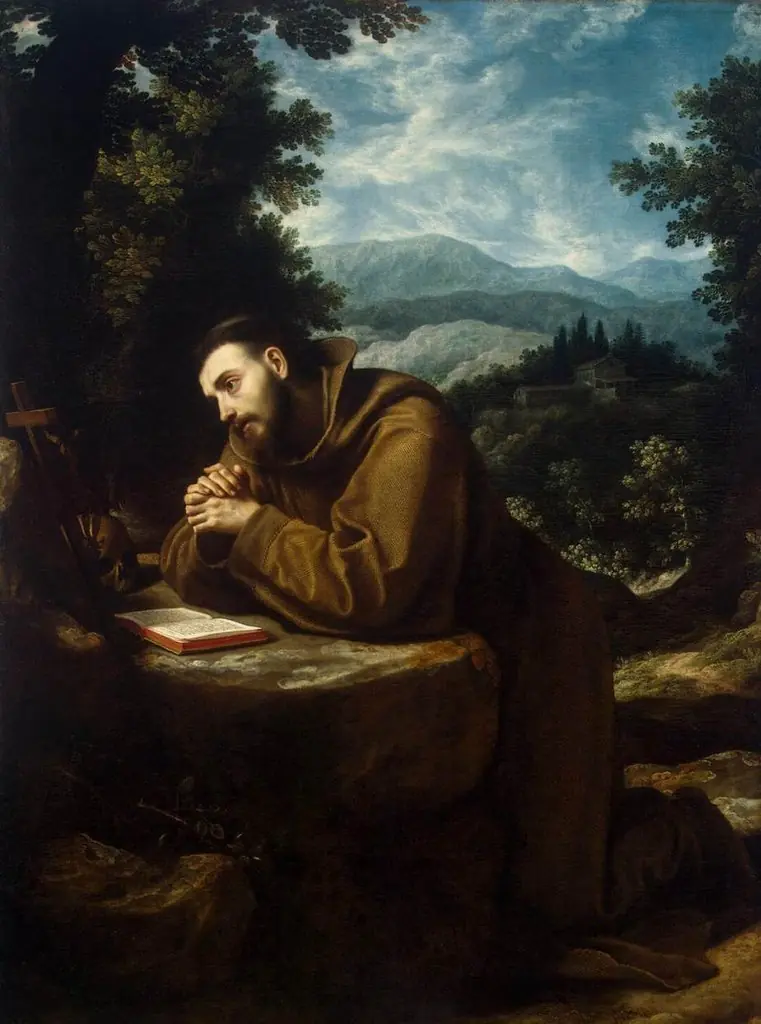 St Francis
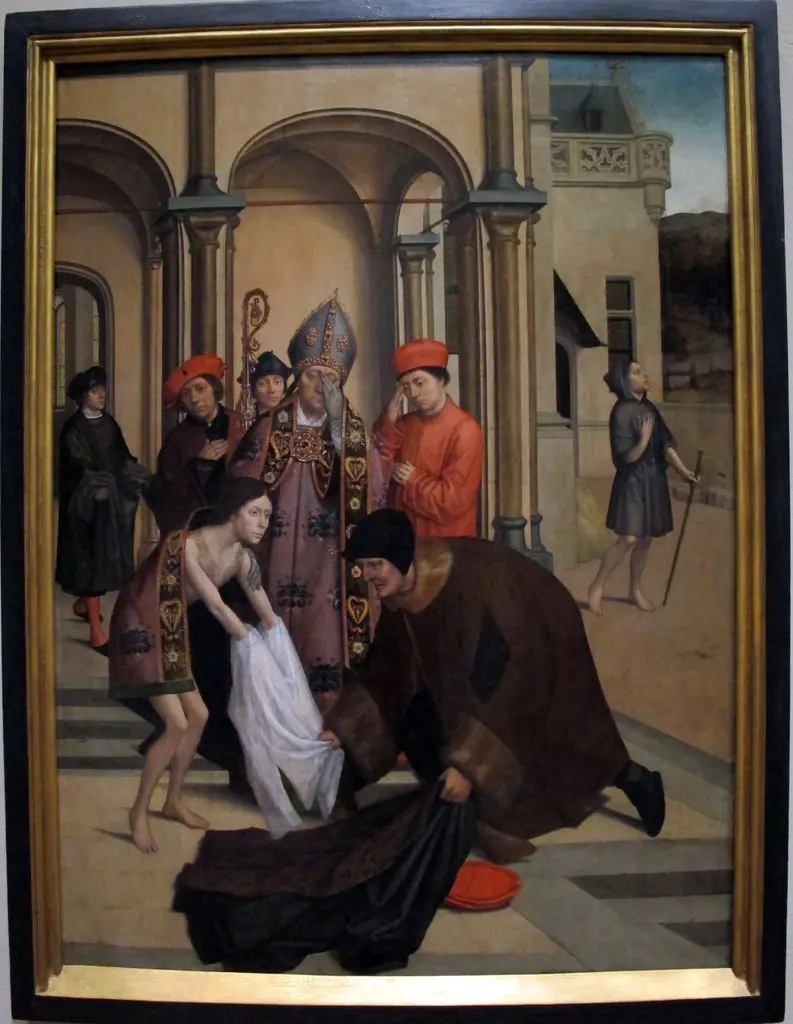 Saint Francis Renouncing the World for the Cloister
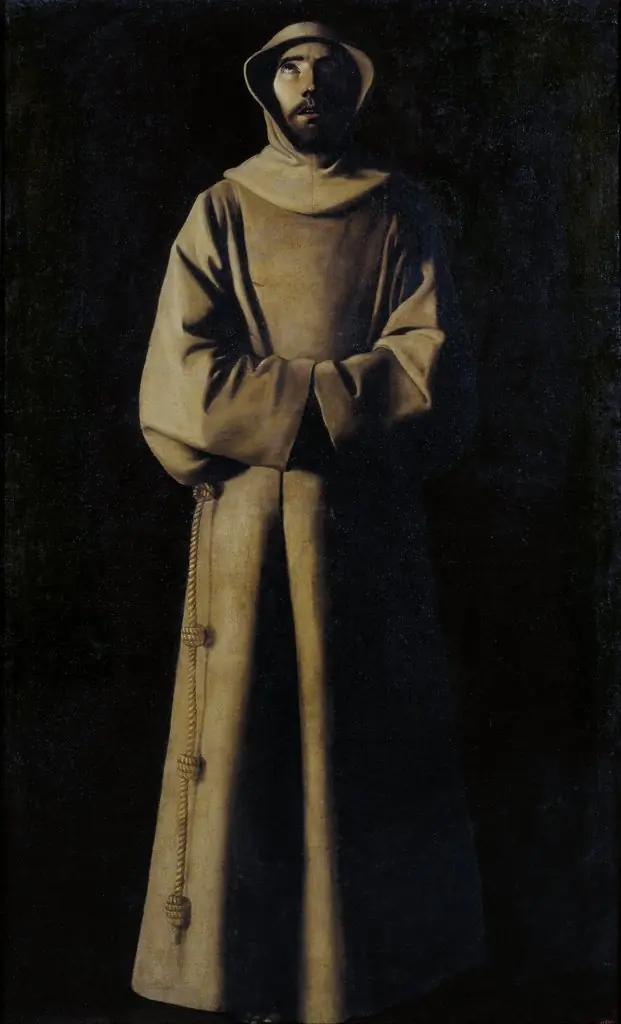 Saint Francis of Assisi according to Pope Nicholas V's Vision
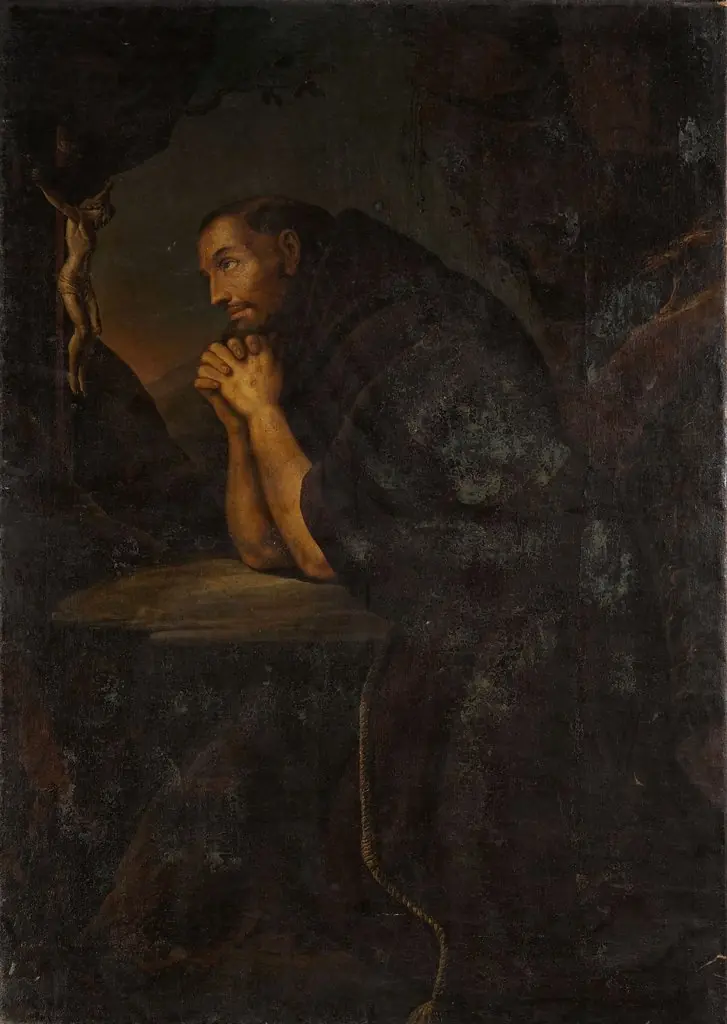 Praying monk
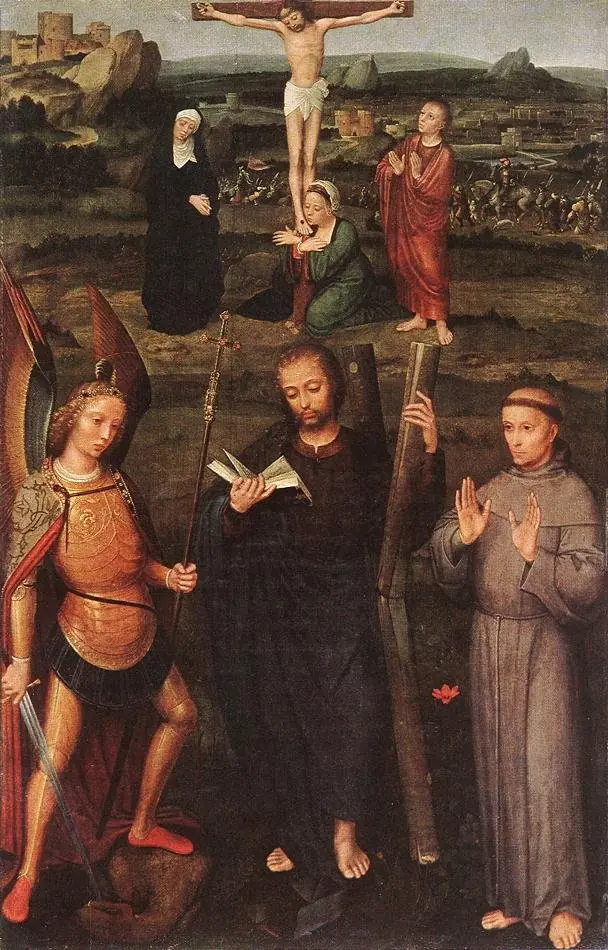 Archangel St Michael, St Andrew and St Francis of Assisi with the Calvary
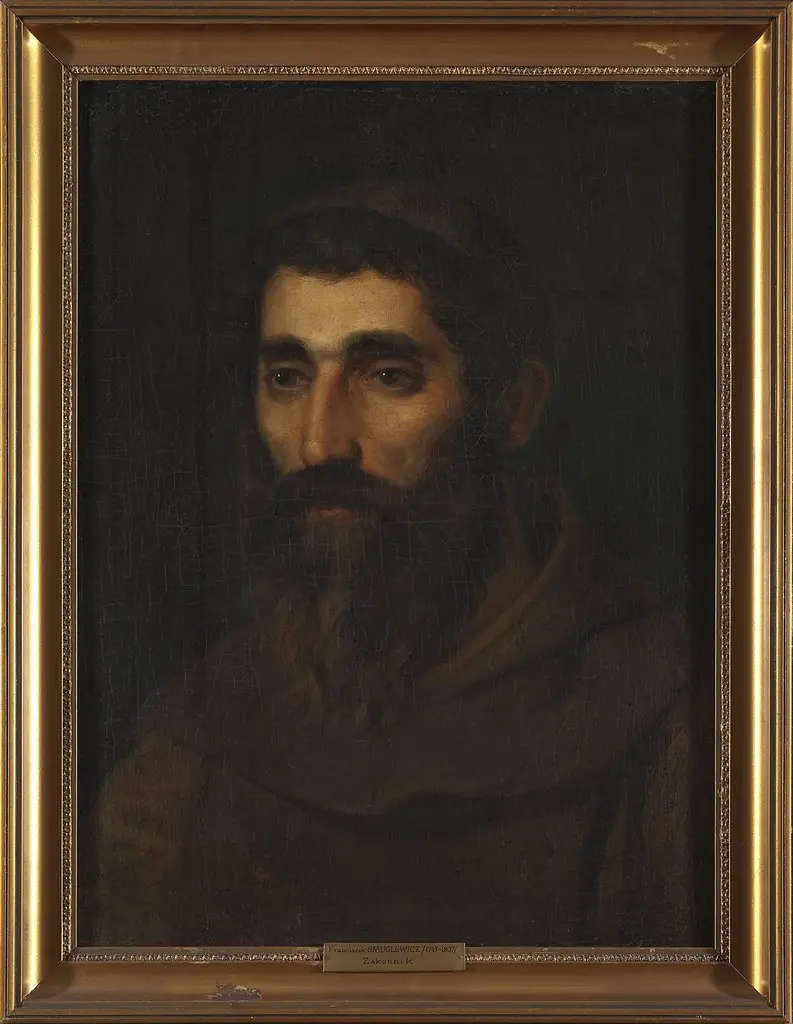 Portrait of a monk
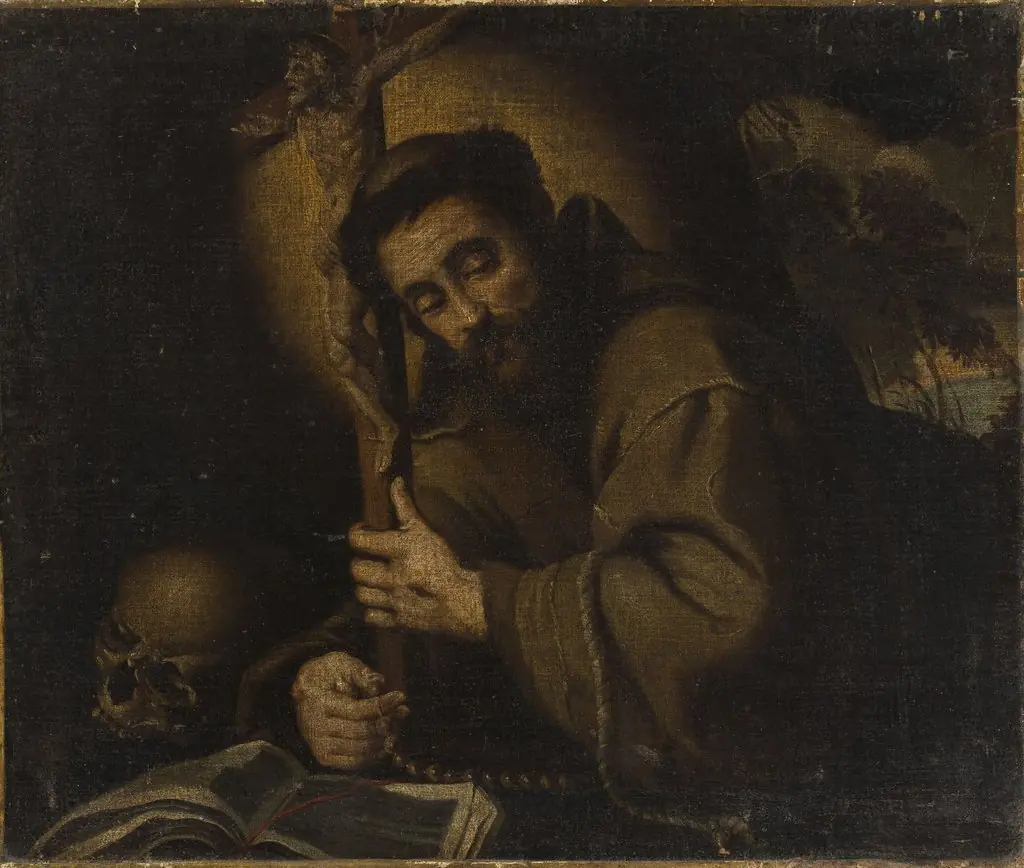 Saint Francis
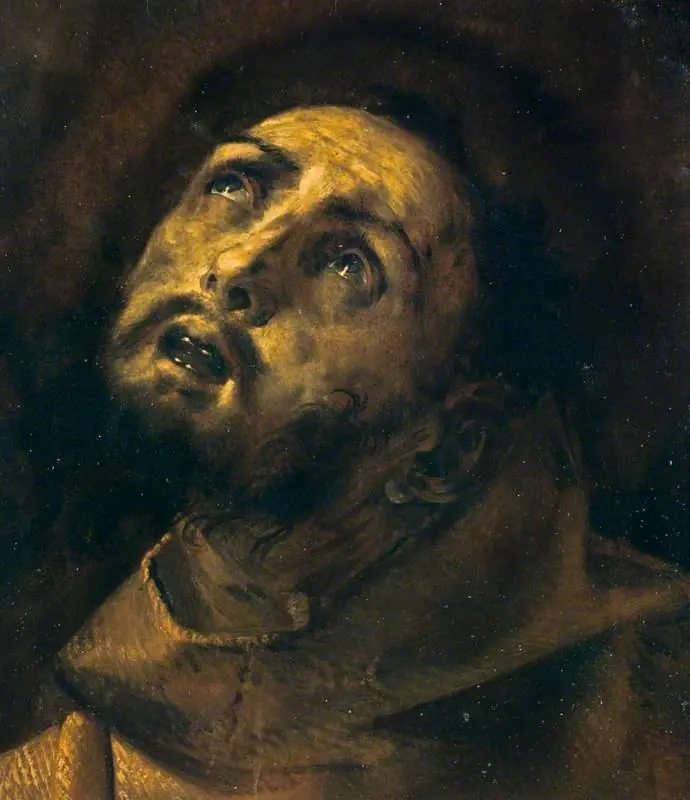 The Head of Saint Francis in Ecstasy
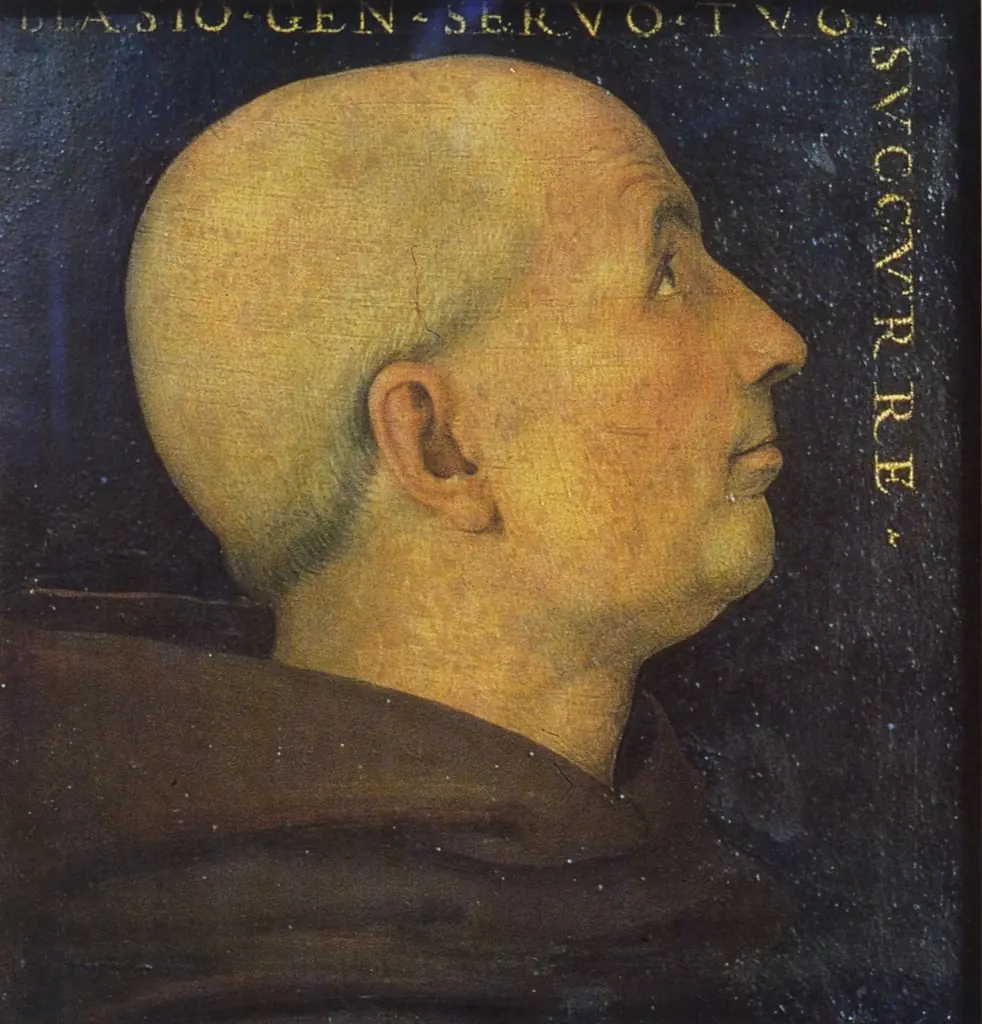 Biagio Milanesi
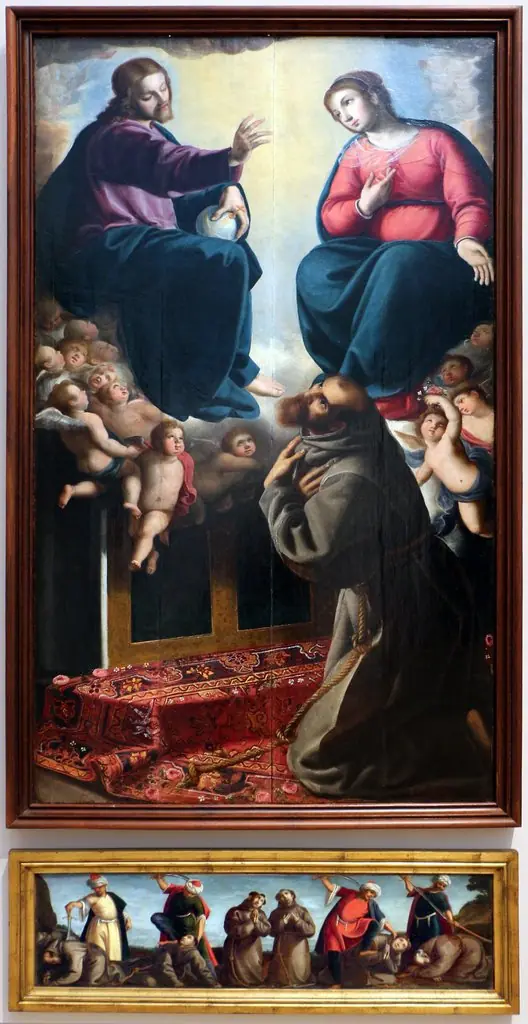 Visão de São Francisco de Assis e os Sete Mártires de Marrocos
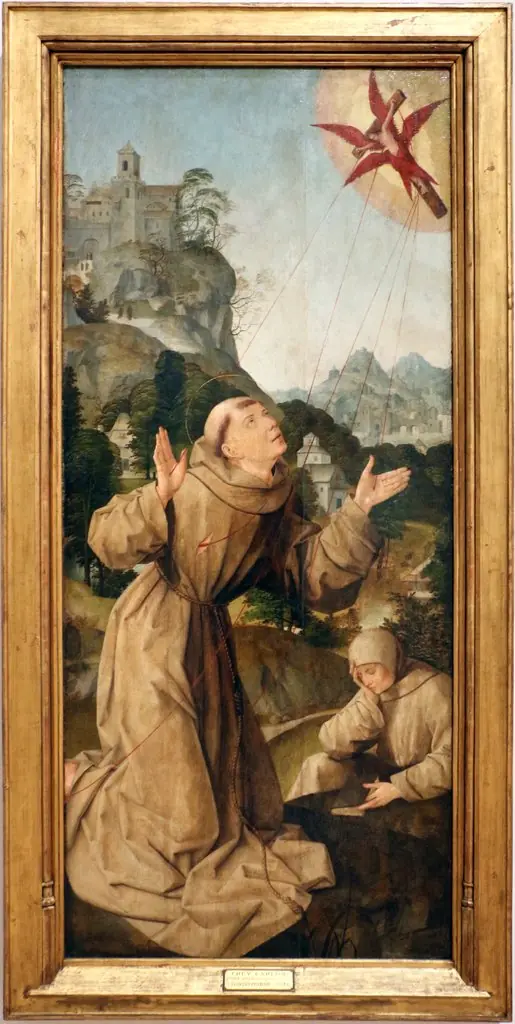 São Francisco recebe os Estigmas
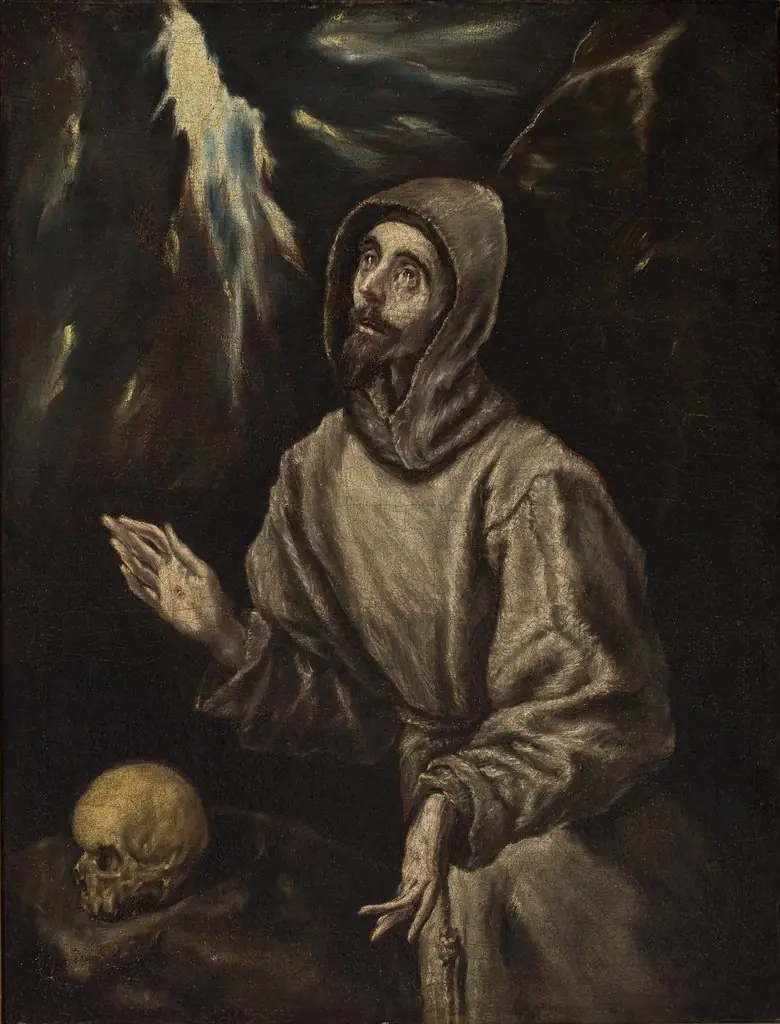 Ecstasy of Saint Francis Receiving the Stigmata
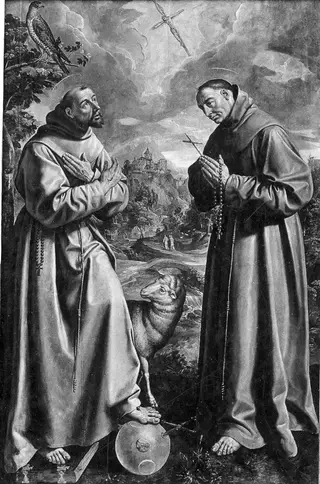 Saint Francis of Assisi and Saint Didacus of Alcalá
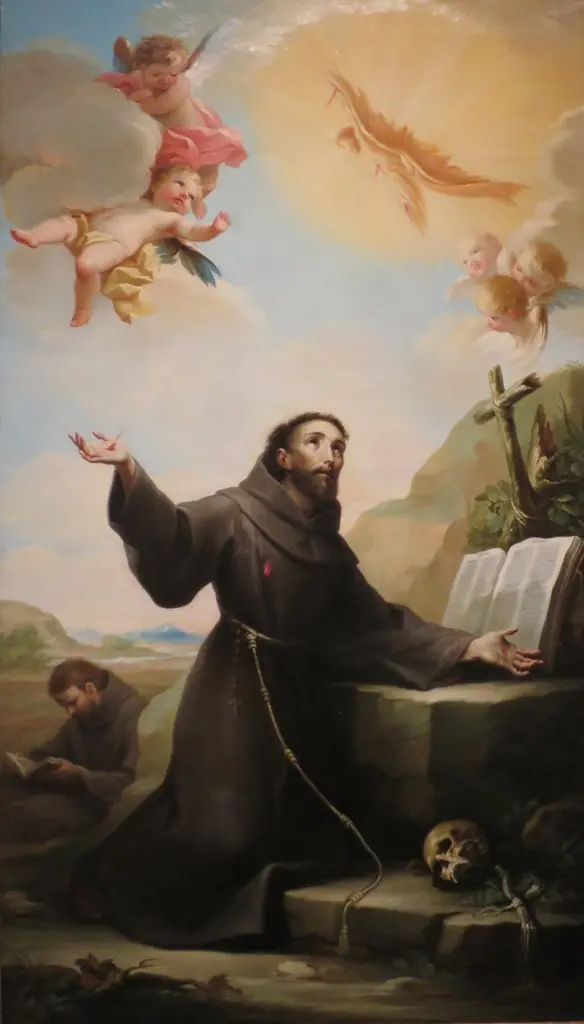 Saint Francis of Assisi Receiving the Stigmata
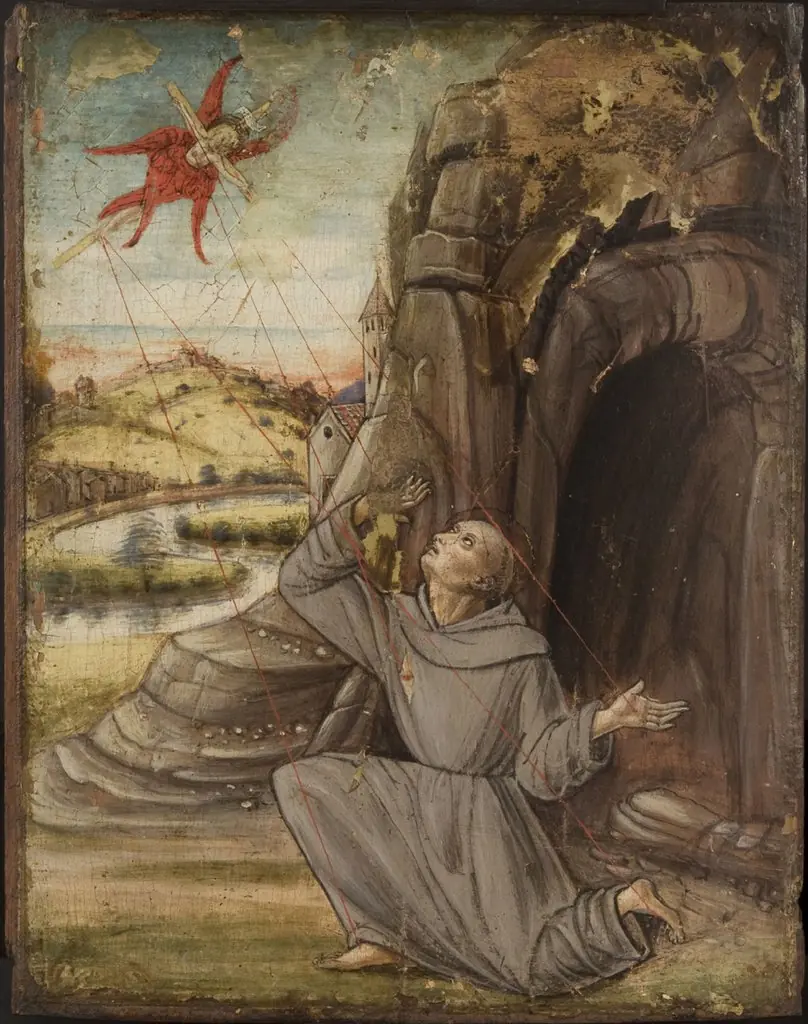 Saint Francis of Assisi Receiving the Stigmata
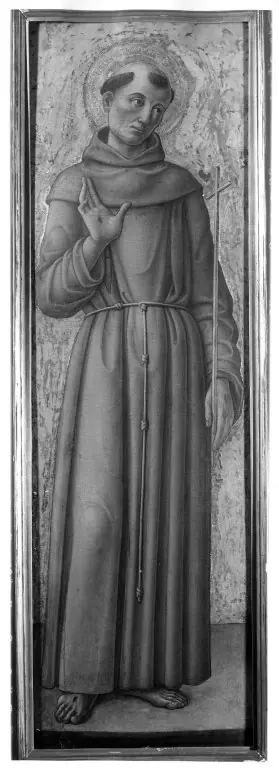 Saint Francis of Assisi
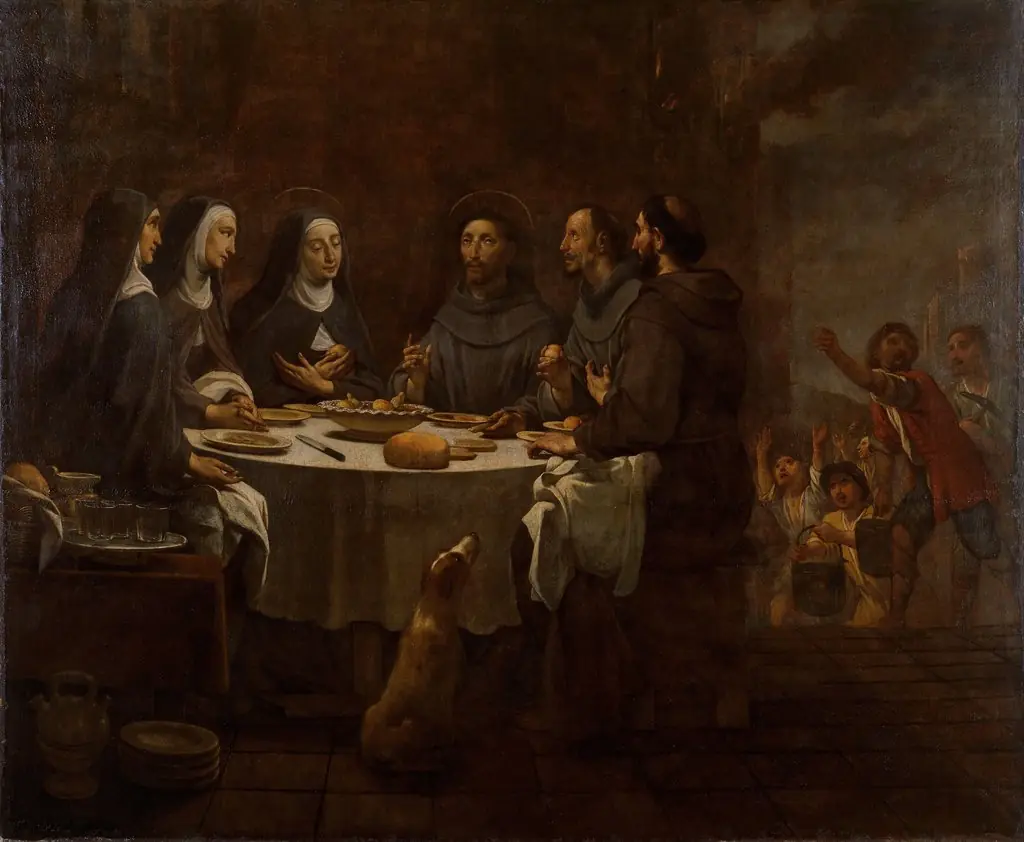 Saint Francis and Saint Clare at Supper in the Convent of Saint Damian
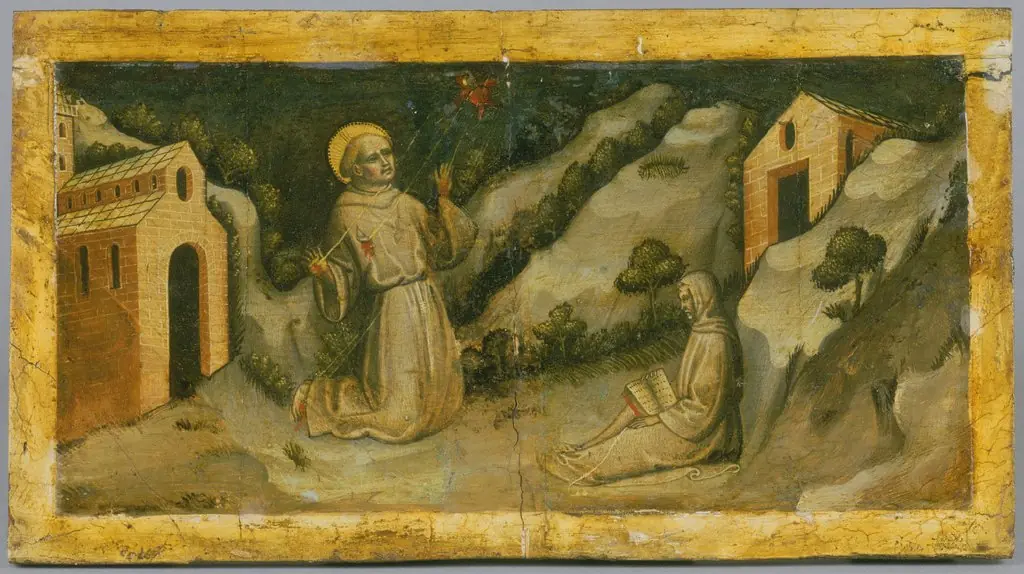 Saint Francis of Assisi Receiving the Stigmata
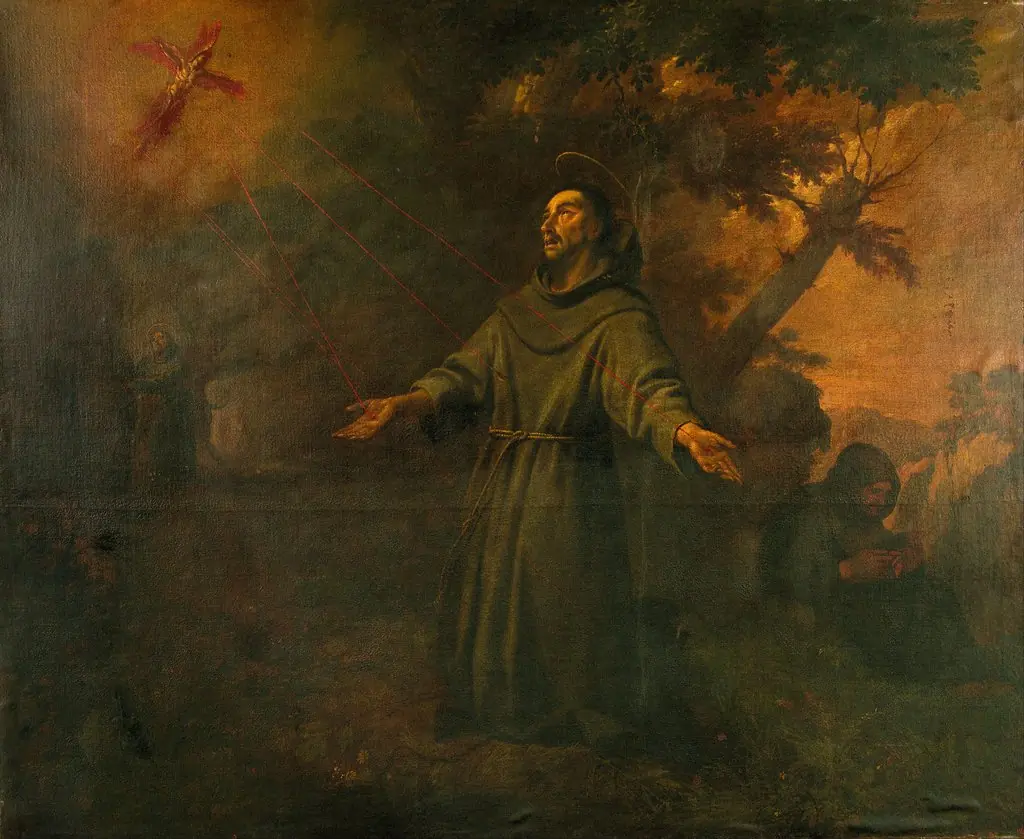 Saint Francis Receives the Stigmata
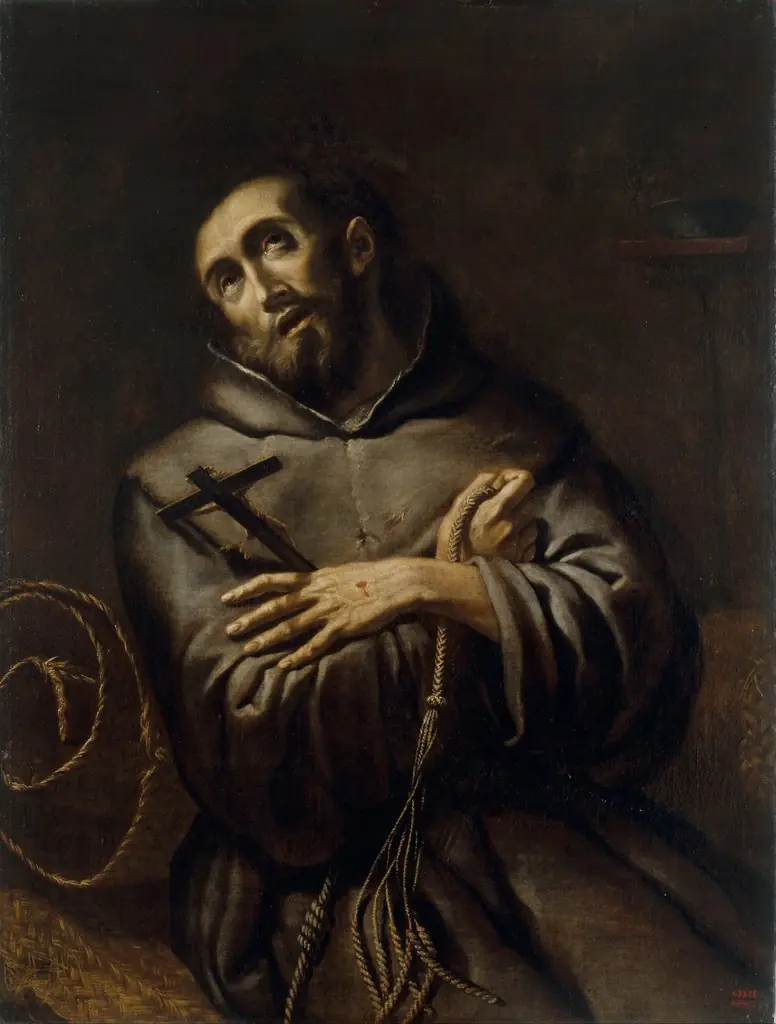 Saint Francis of Assisi
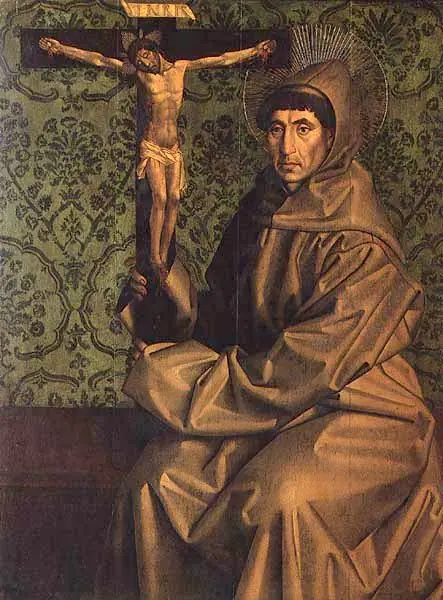 Saint Francis
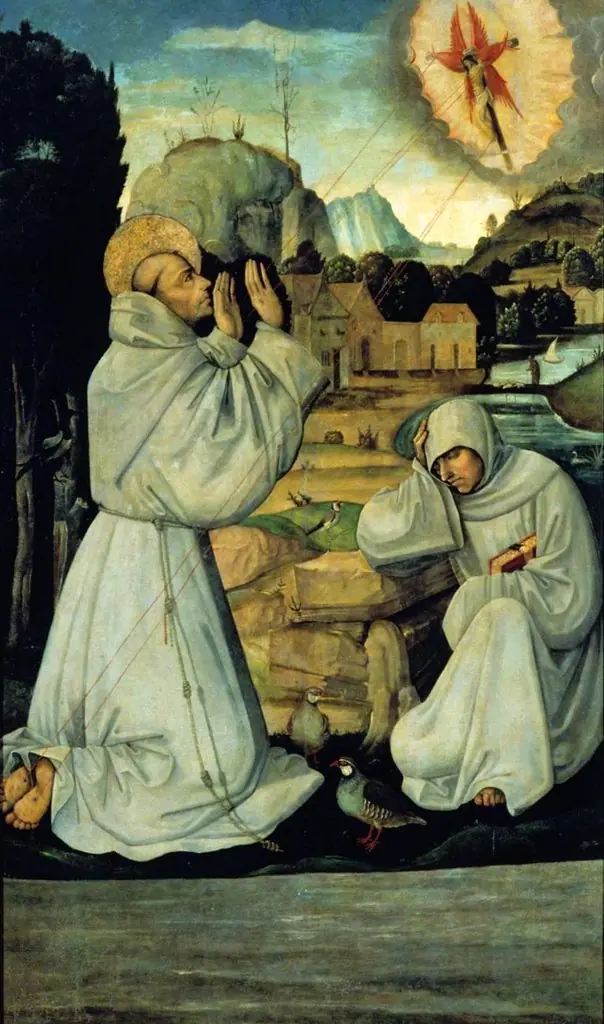 Estigmatização de São Francisco
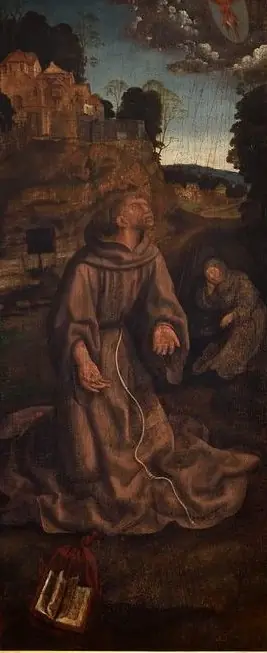 Saint Francis of Assisi, Cook Triptych
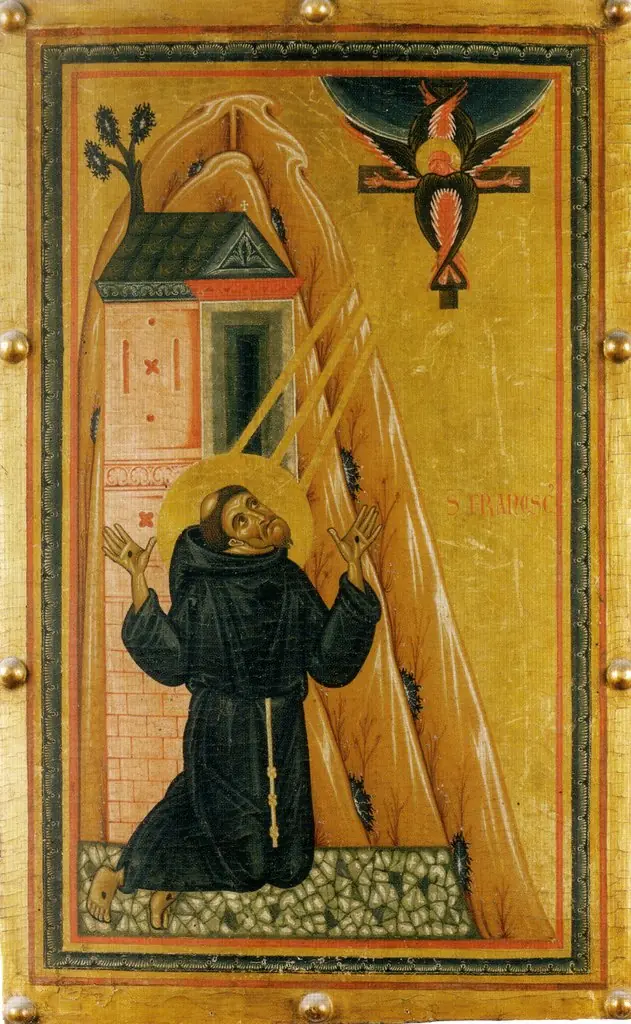 Stigmata of Saint Francis
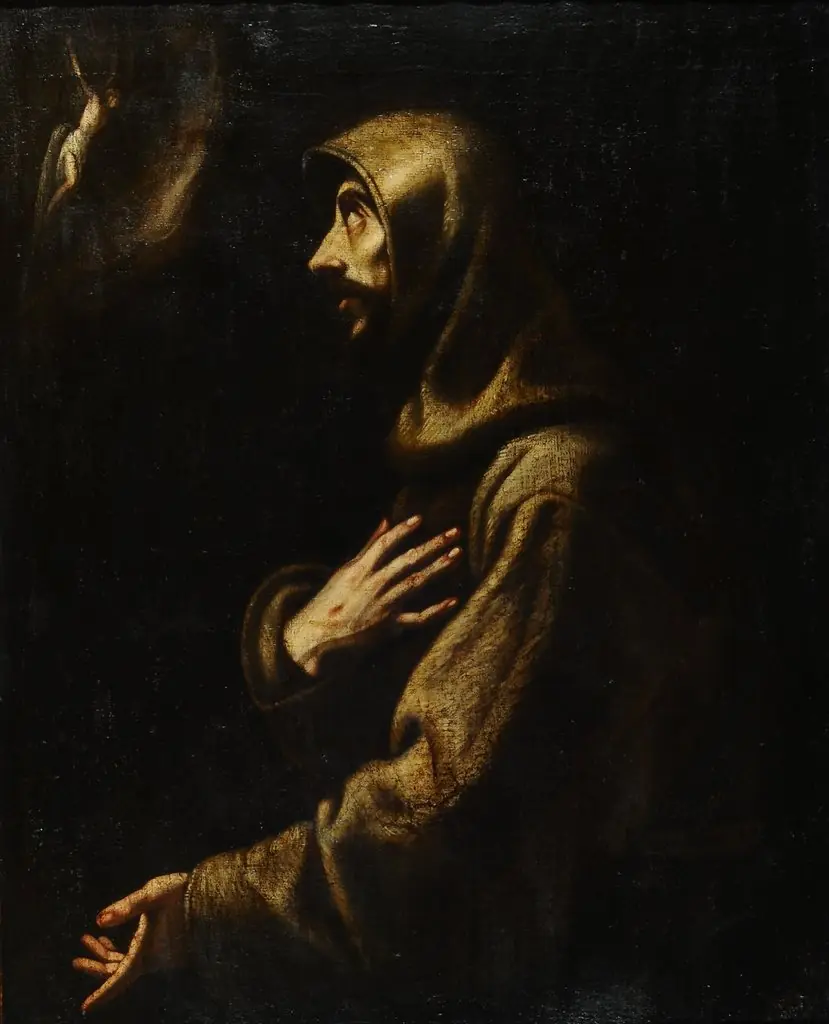 San Francisco in ecstasy
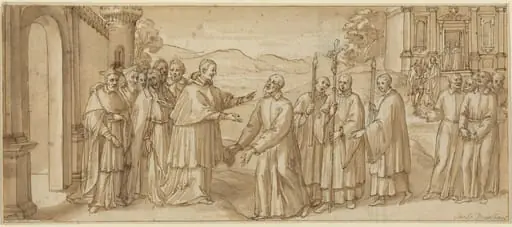 The Meeting of San Carlo Borromeo and San Filippo Neri
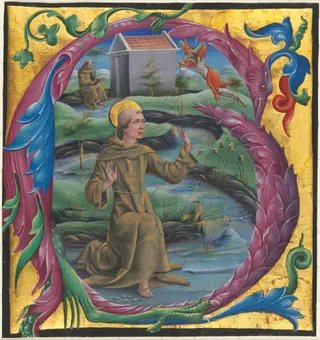 Saint Francis Receiving the Stigmata
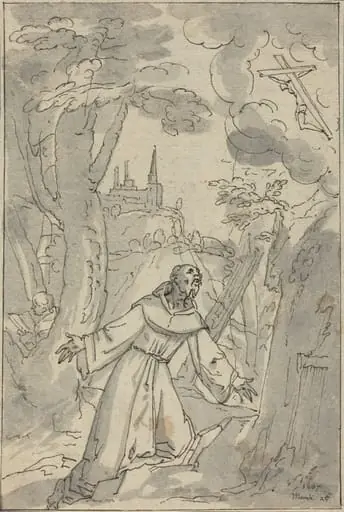 The Stigmatization of Saint Francis
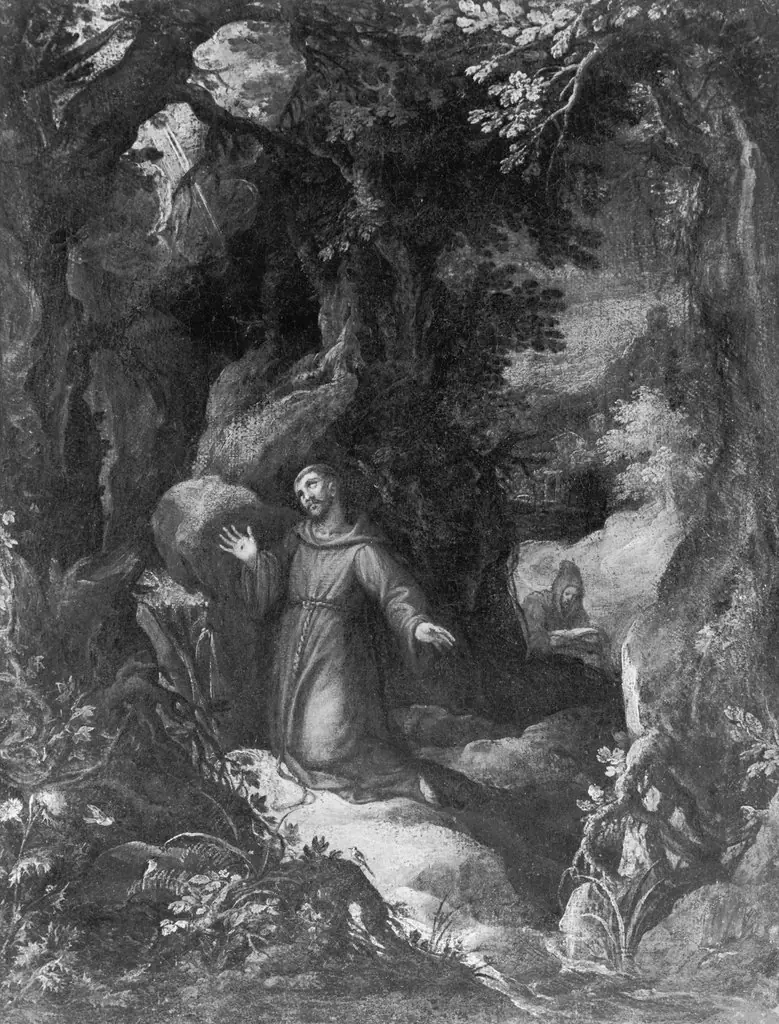 Saint Francis of Assisi Receiving the Stigmata
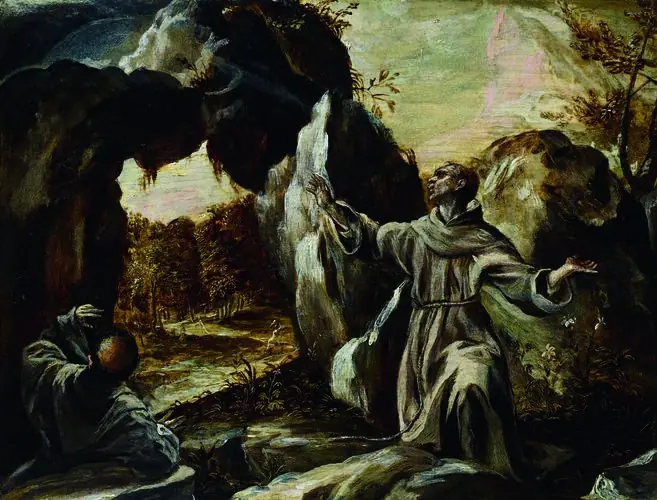 Saint Francis of Assisi receives the Stigmata
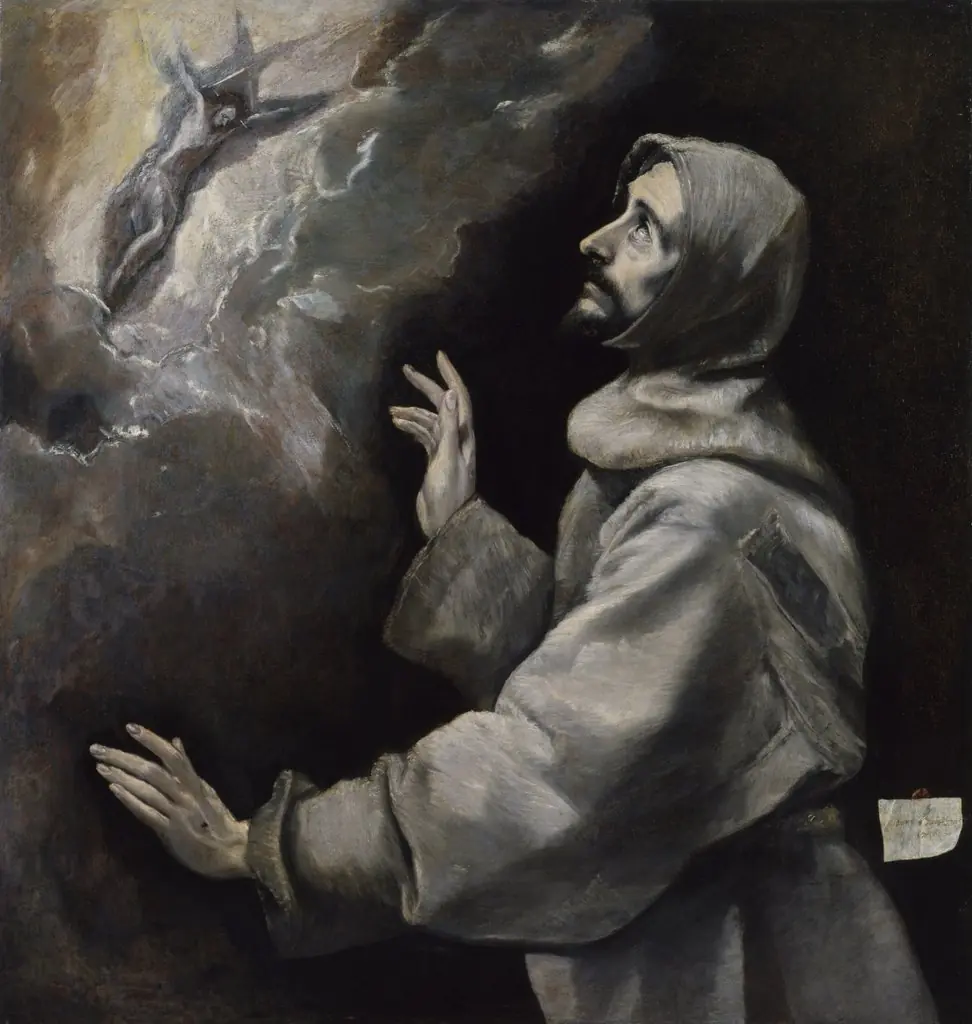 Saint Francis Receiving the Stigmata
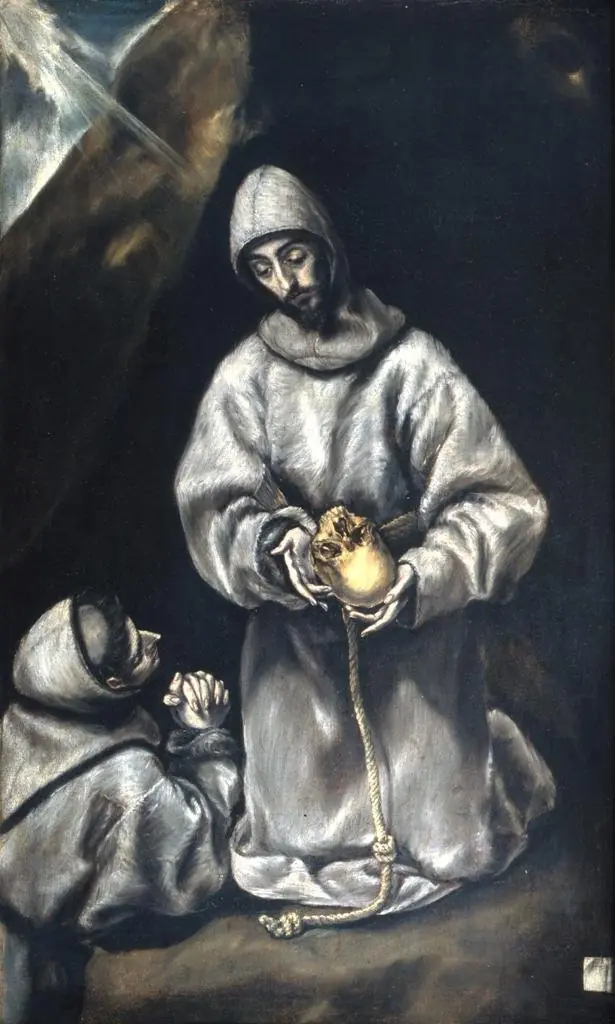 St. Francis and Brother Leo Meditating on Death
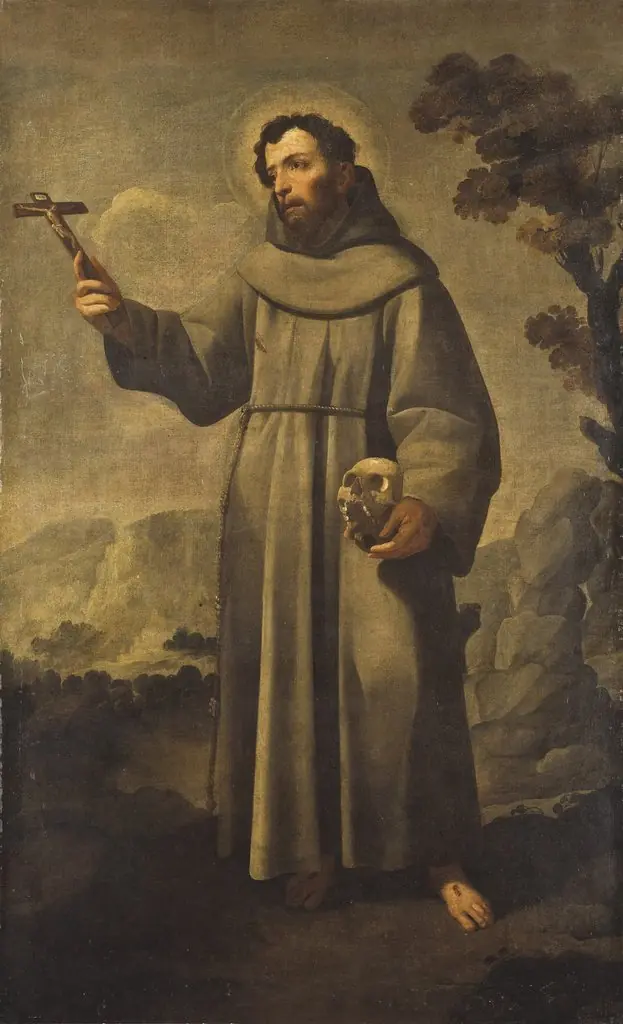 St Francis
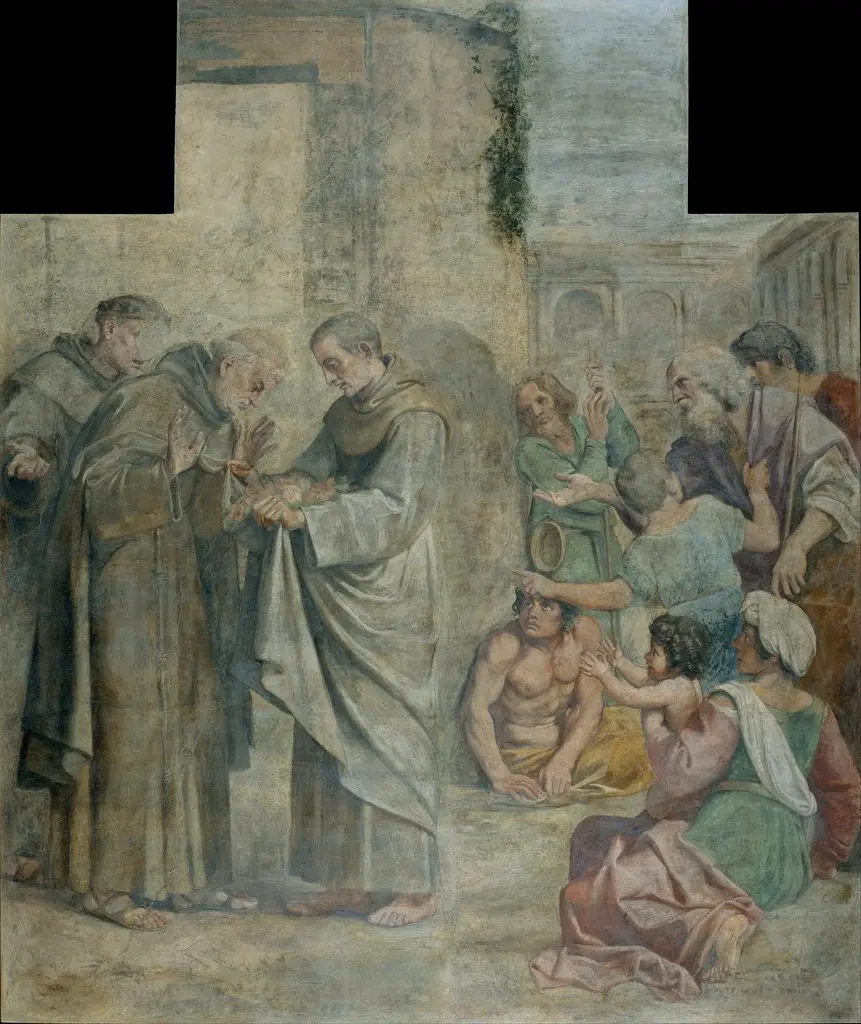 Miracle of the Roses
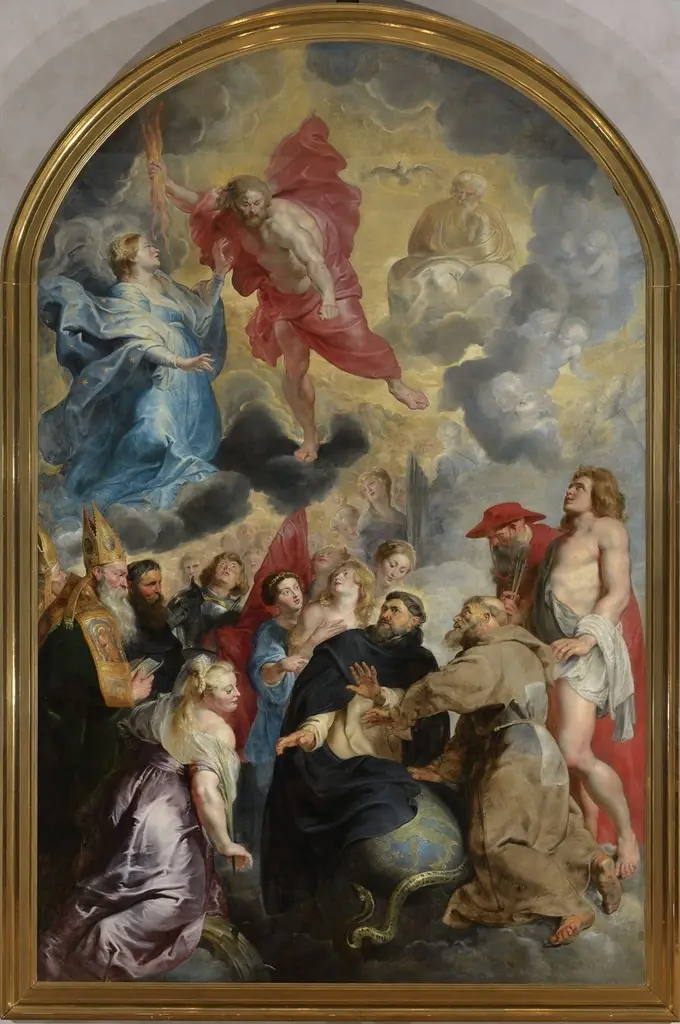 Saint Dominic and Saint Francis Protecting the World from the Wrath of Christ
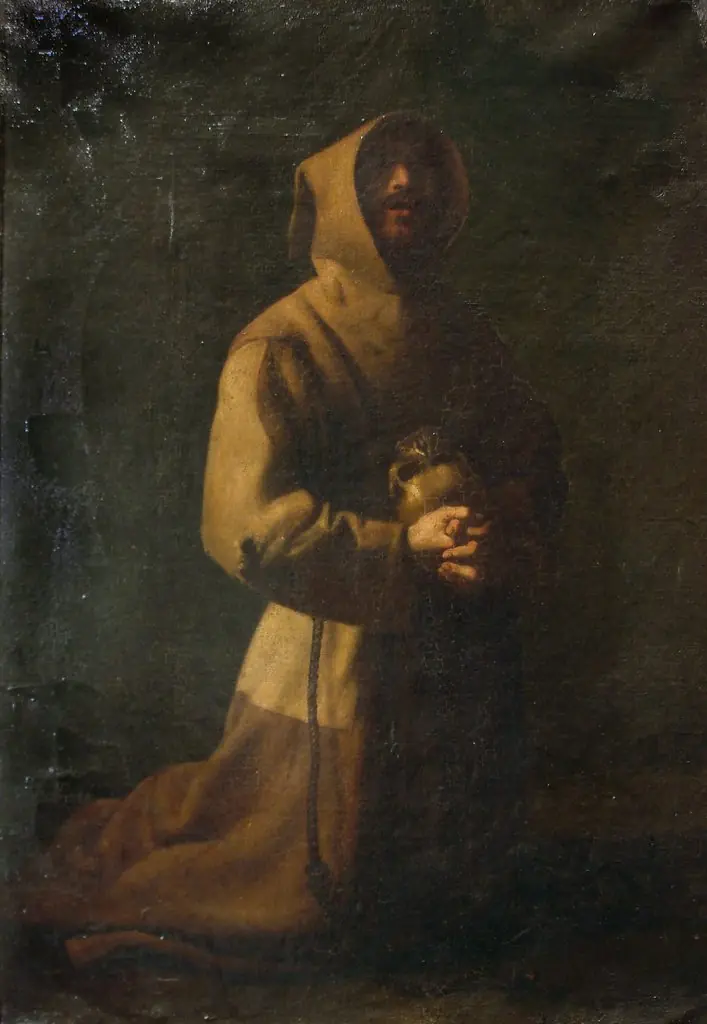 Saint Francis in meditation
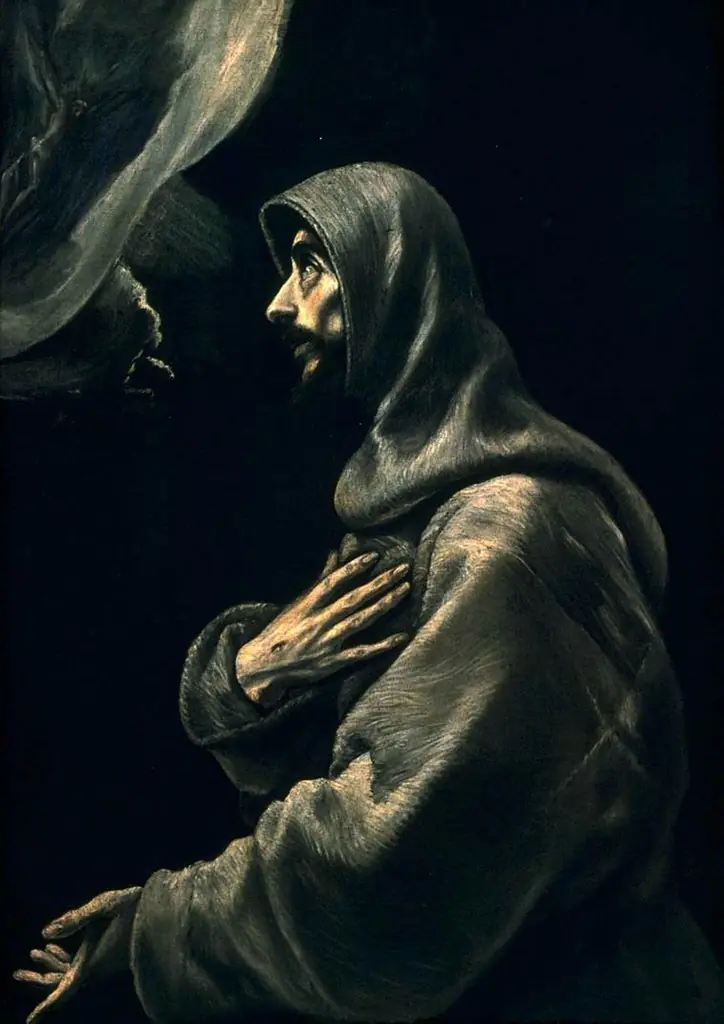 Saint Francis in Ecstasy
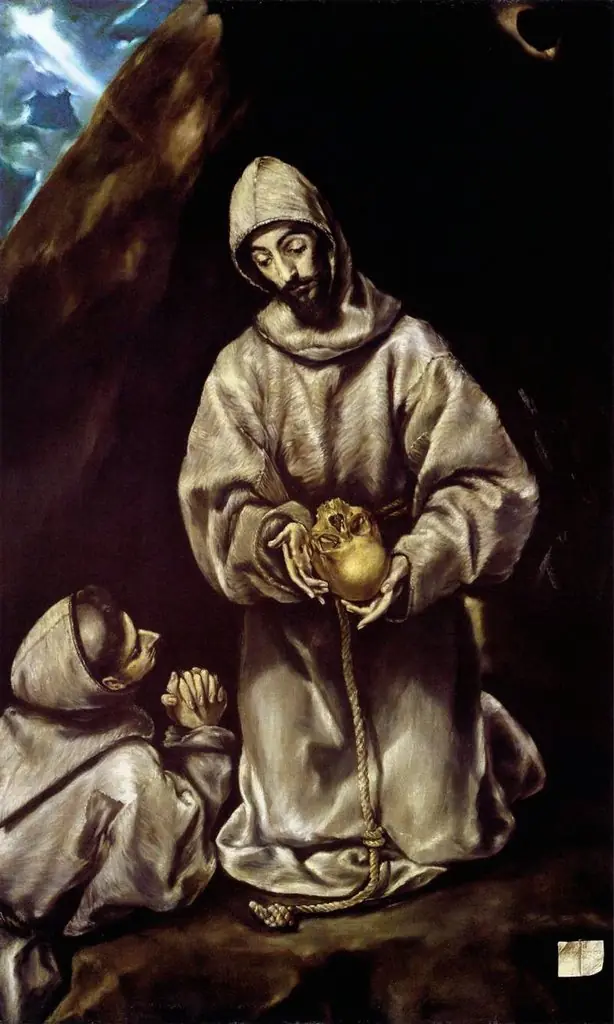 St Francis and Brother Leo Meditating on Death
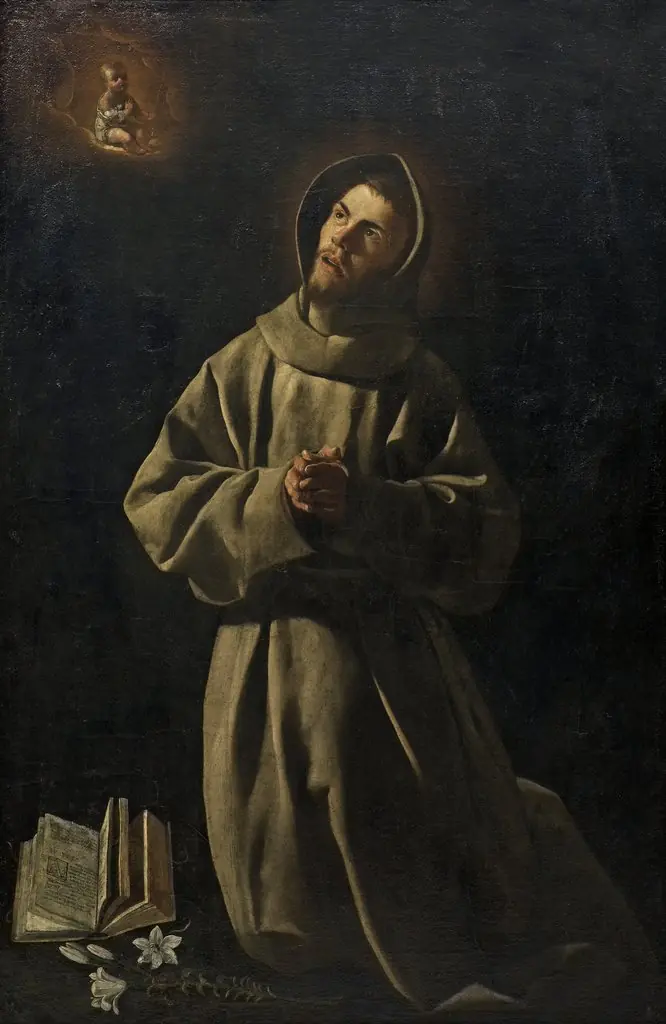 Apparition of the Child Jesus to Saint Anthony of Padua
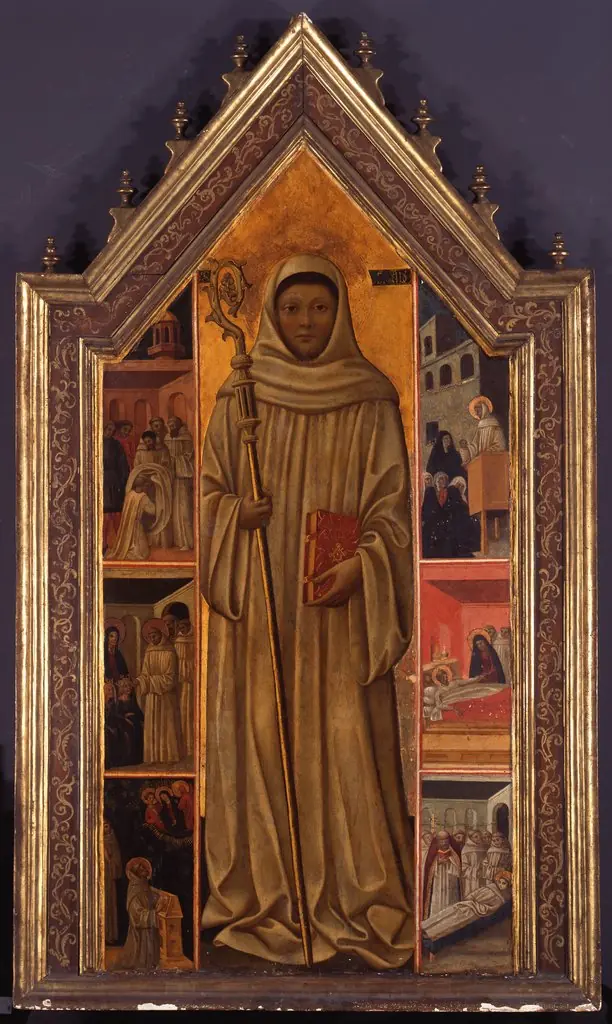 St. Bernard of Clairvaux and scenes of his life
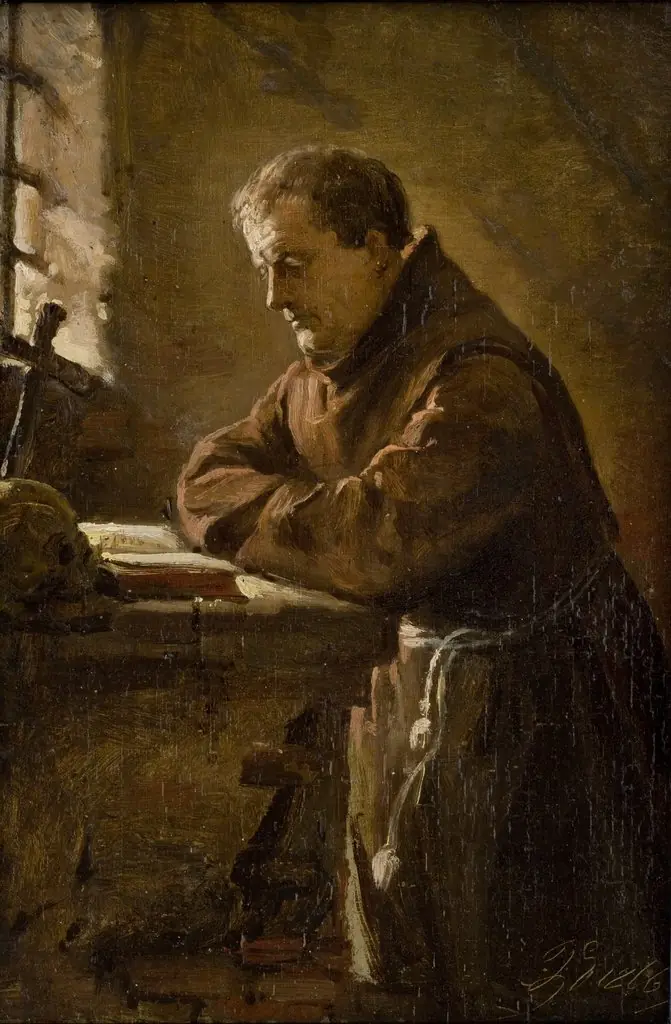 Praying Monk
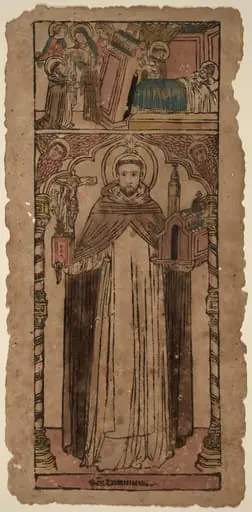 Saint Dominic
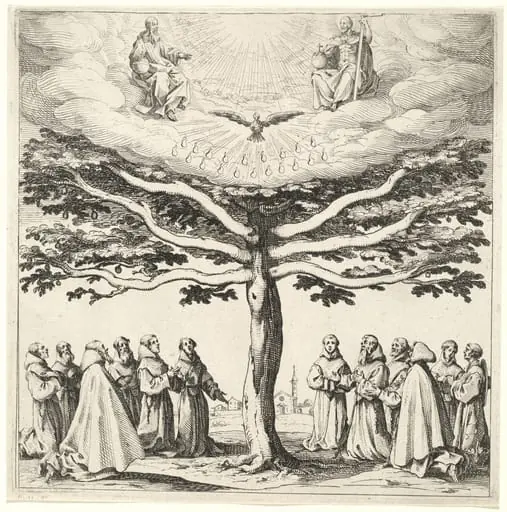 The Holy Trinity in the Tree of Life, Adored by Franciscans
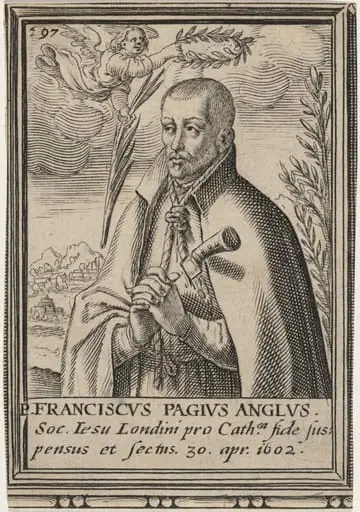 Francis Paget, Jesuit Priest
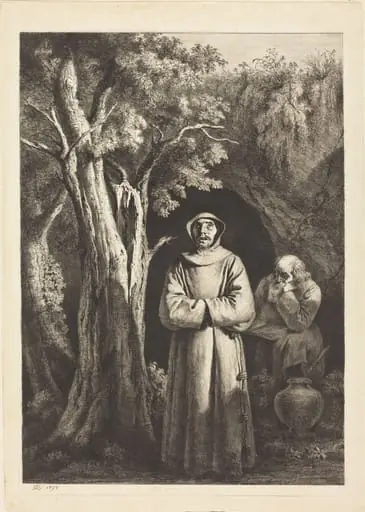 Desert Monks
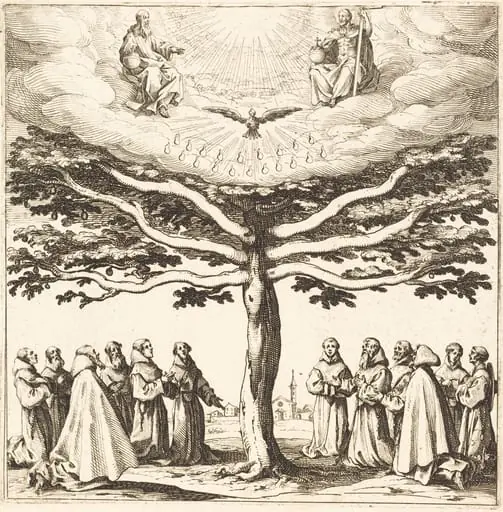 The Holy Trinity in the Tree of Life, Adored by Franciscans
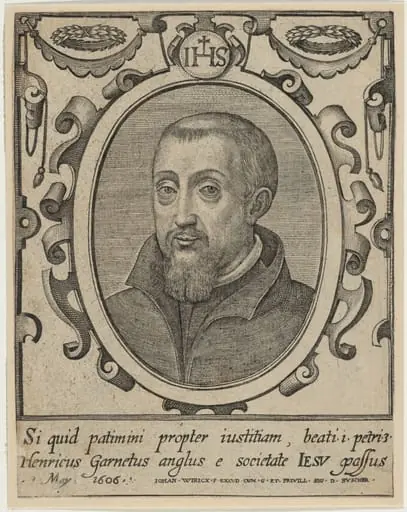 Henry Garnett
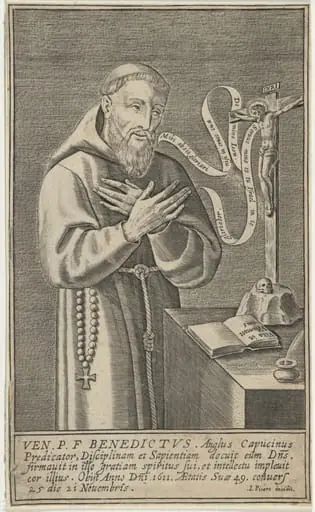 William Fich of Canfield, Essex
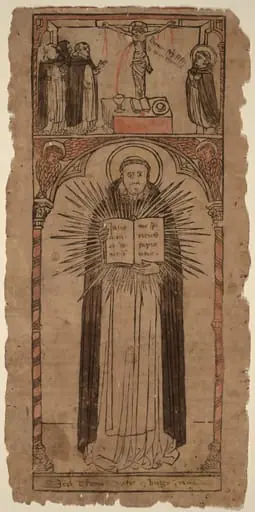 Saint Thomas Aquinas
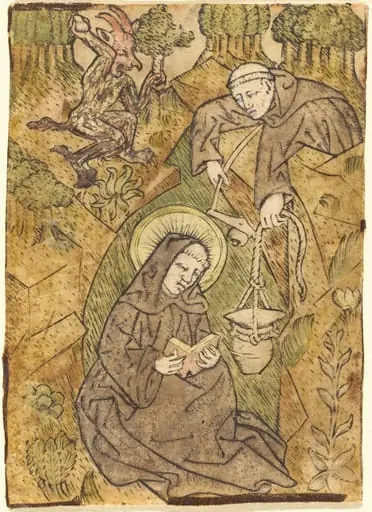 Saint Benedict and the Monk Romanus
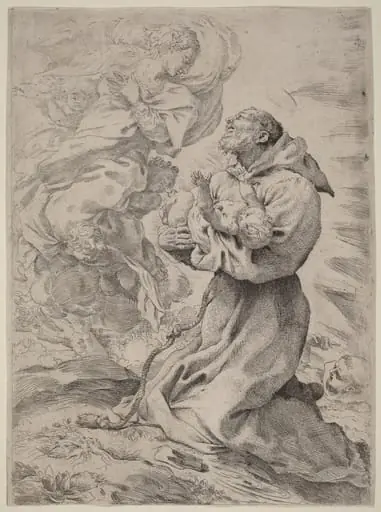 Saint Francis with the Christ Child
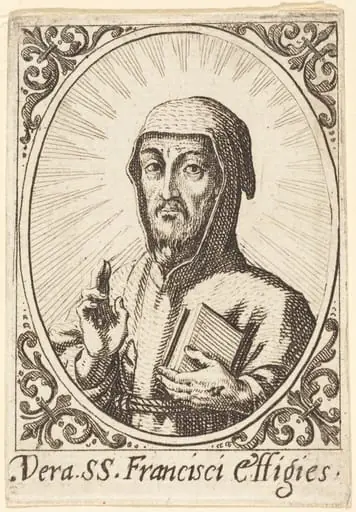 The True Effigy of Saint Francis
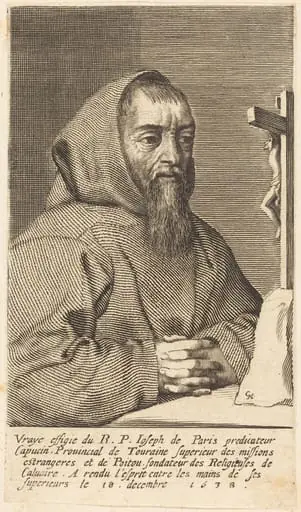 François Le Clerc Du Tremblay, Known as Père Joseph
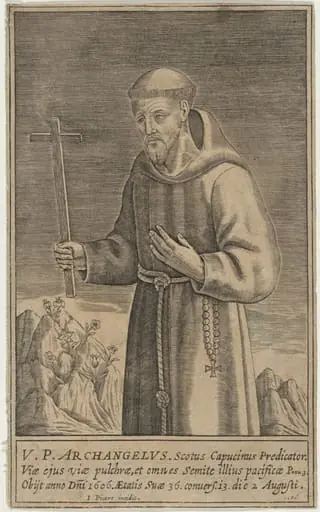 John Forbes
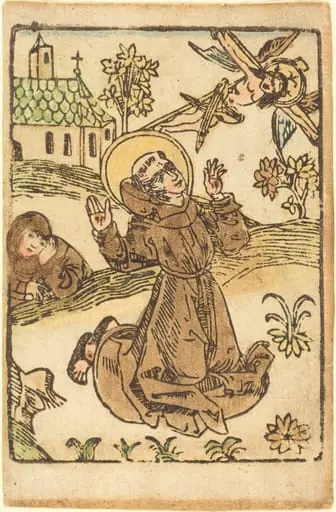 Saint Francis Receiving the Stigmata
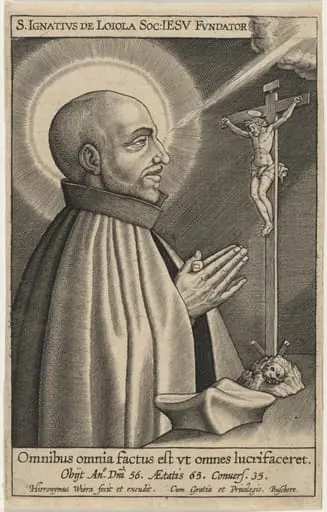 St. Ignatius de Loyola
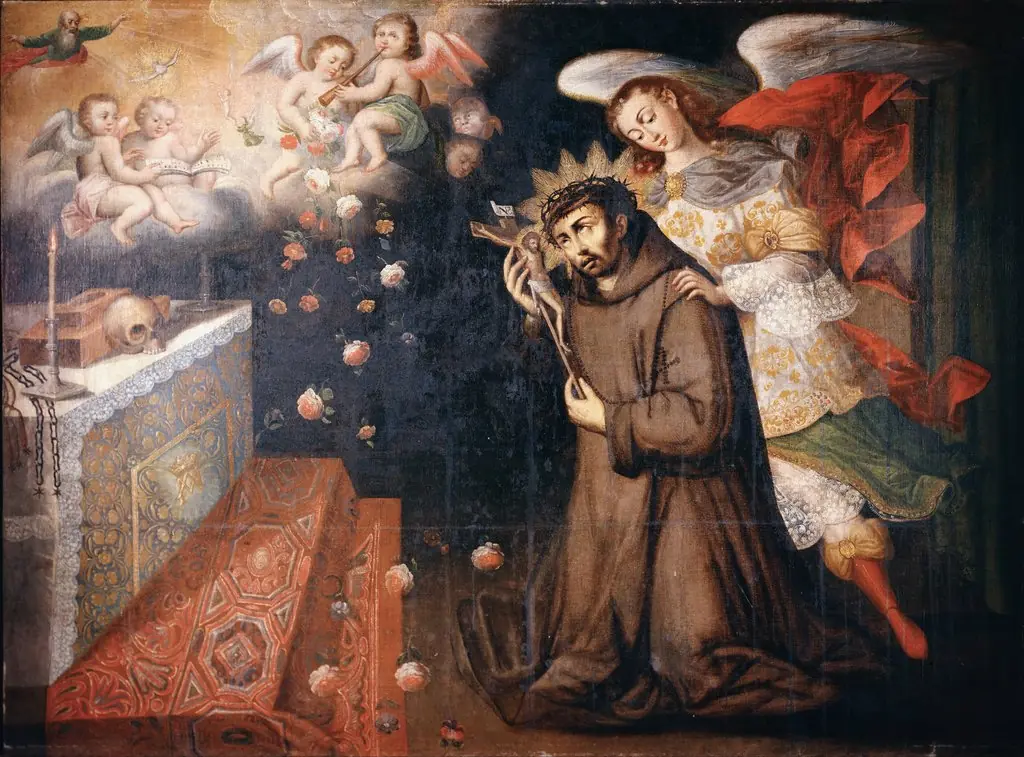 Passing of Saint John of God
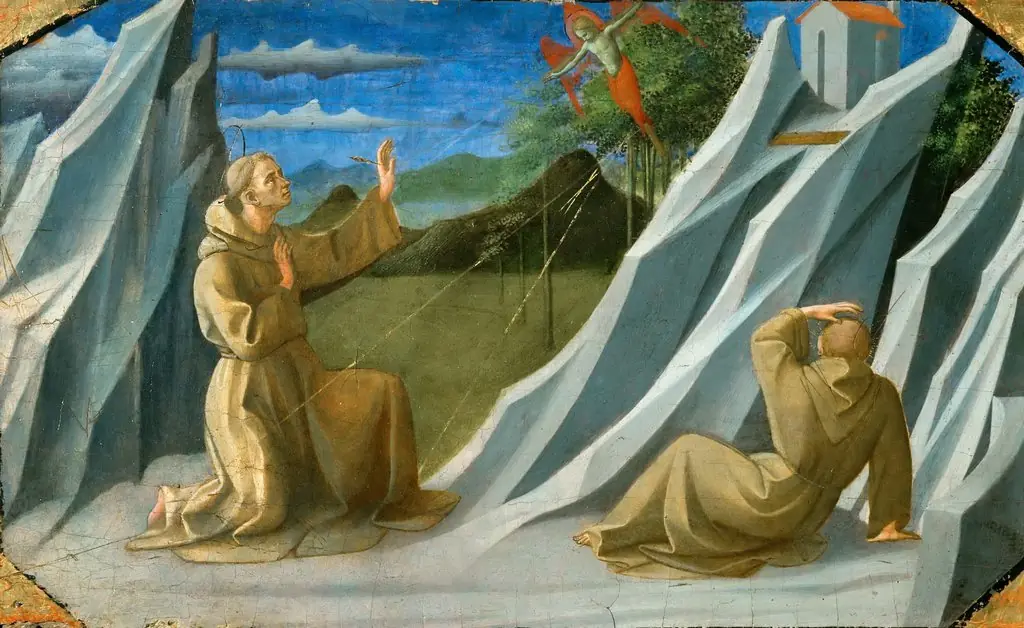 Stigmata of St. Francis
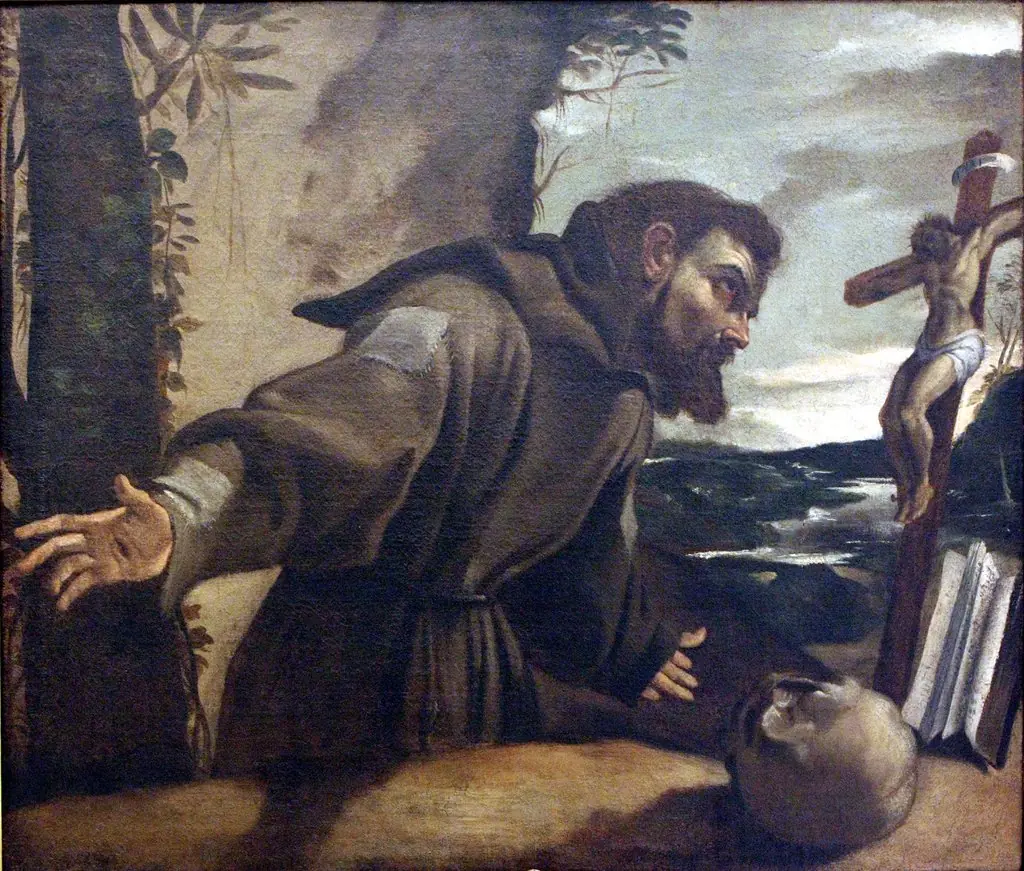 Sanit Francis
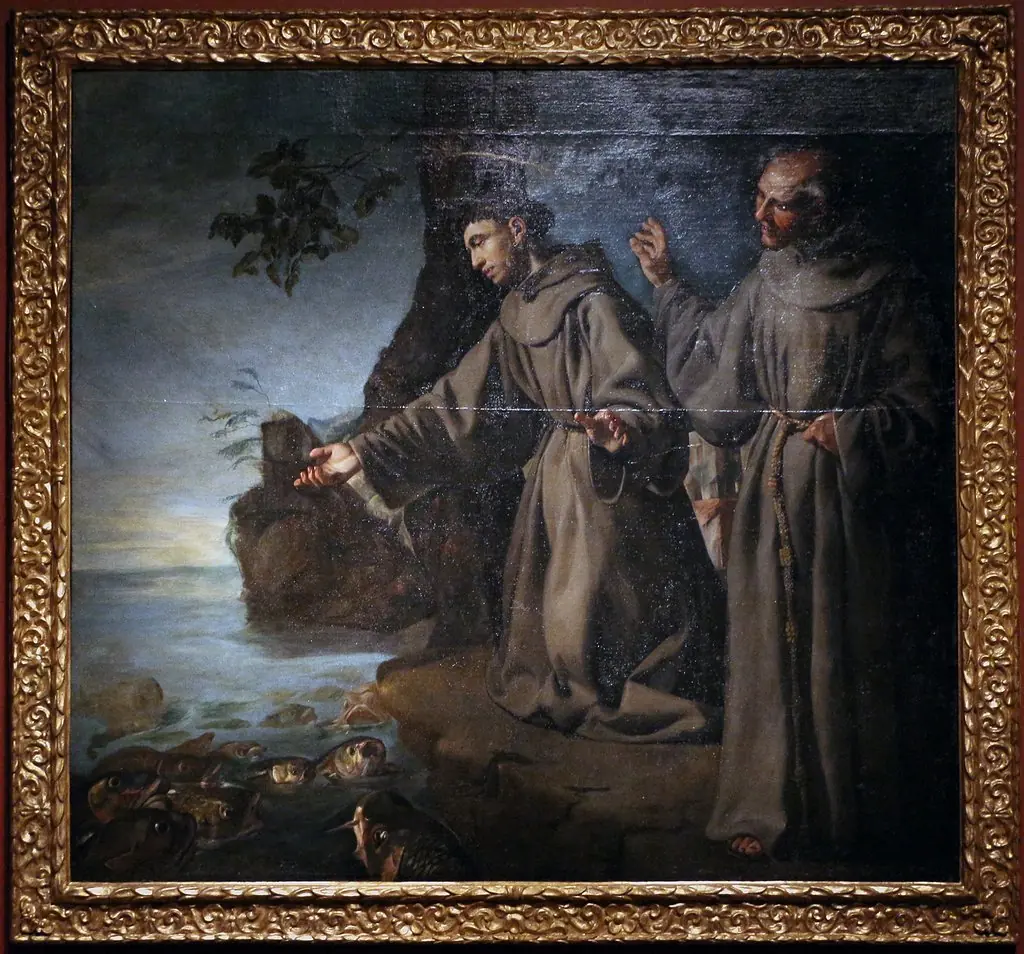 Saint Anthony preaches to the Fish
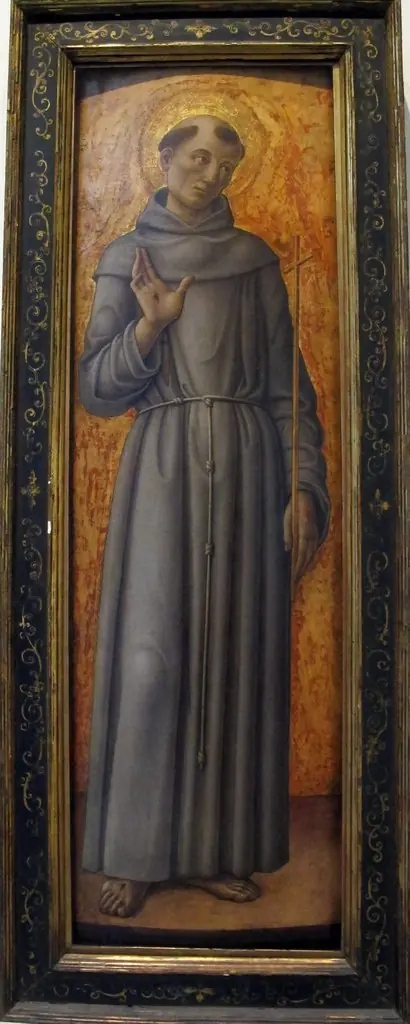 Franz von Assisi
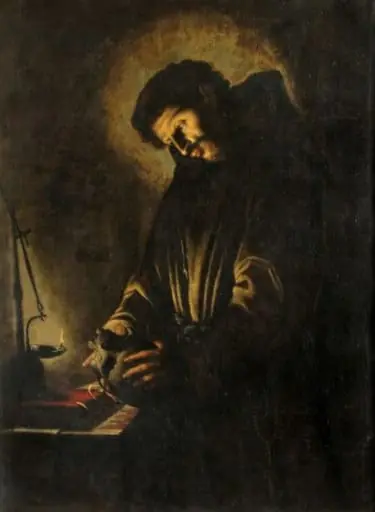 Sf. Francisc
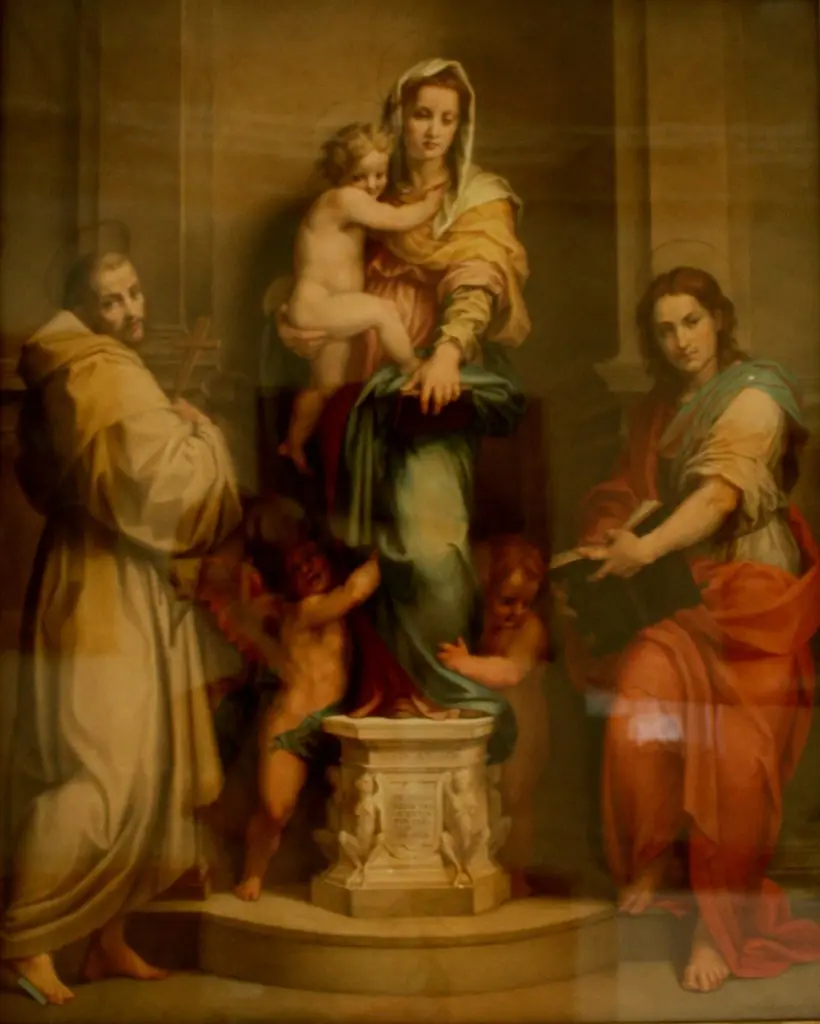 Madonna of the Harpies
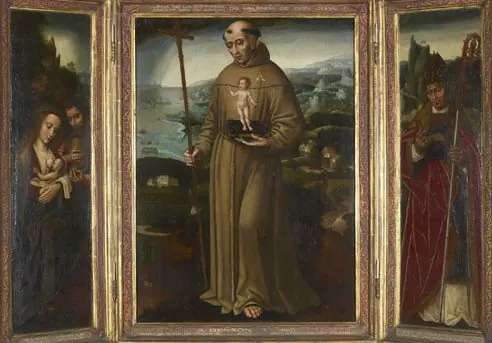 Triptiek van de heilige Antonius van Padua
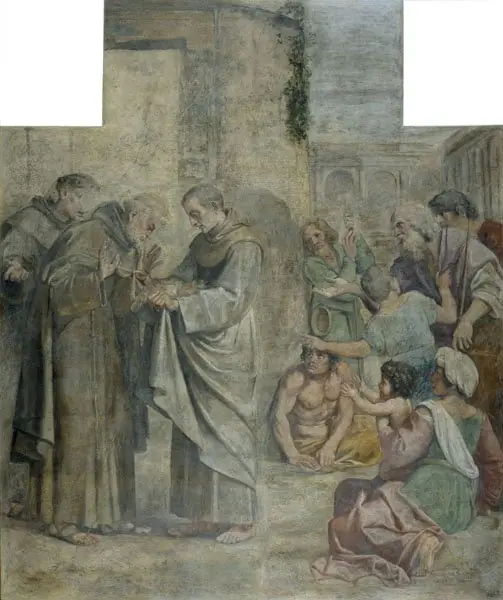 Miracle of the Roses
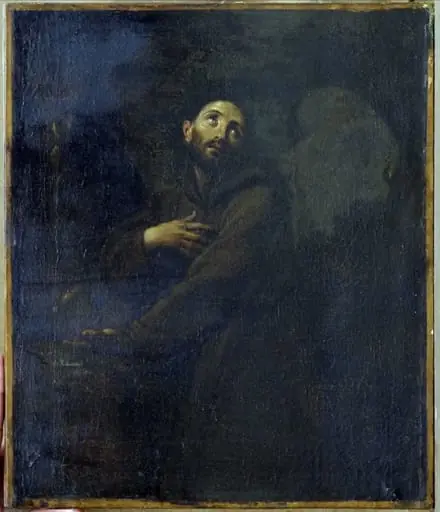 Sfântul Francisc în extaz
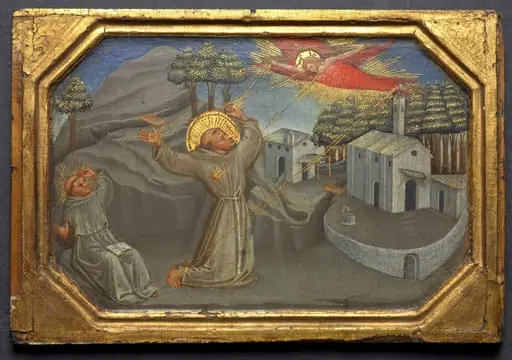 St. Francis of Assisi Receiving the Stigmata
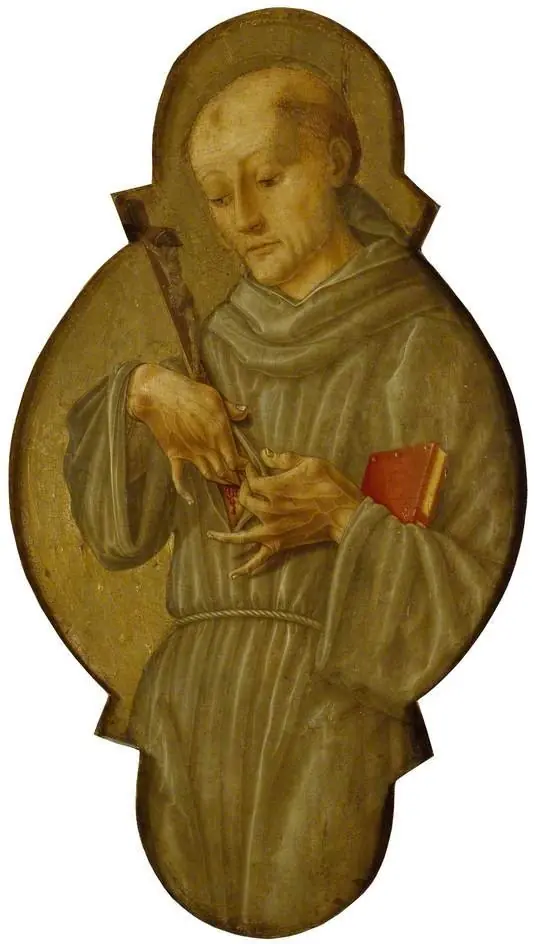 St James of the Marches
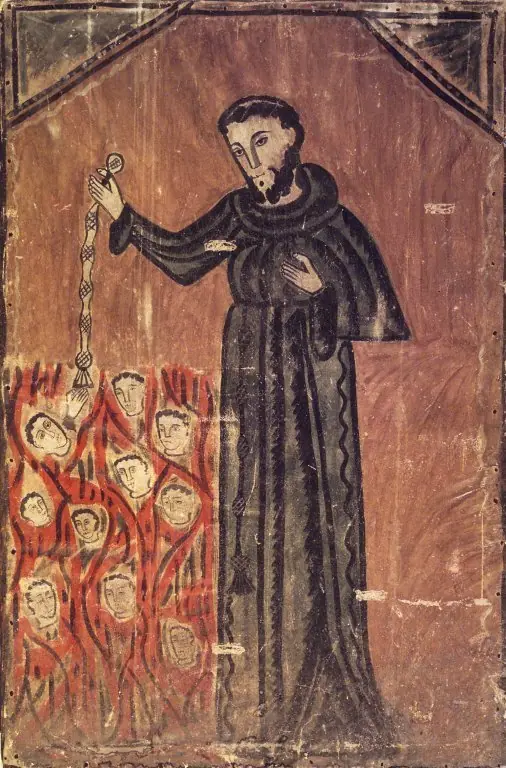 Saint Francis Rescuing Souls from Purgatory
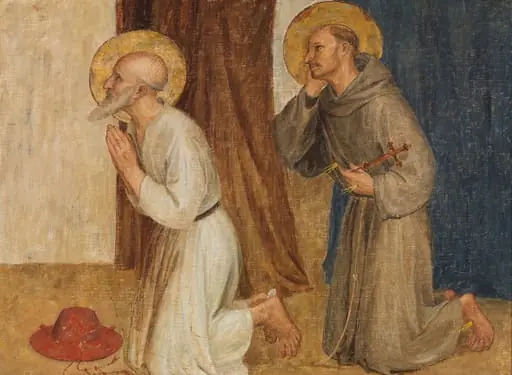 P. Hieronymus ja P. Fransiskus, kopio Fra Angelicon mukaan
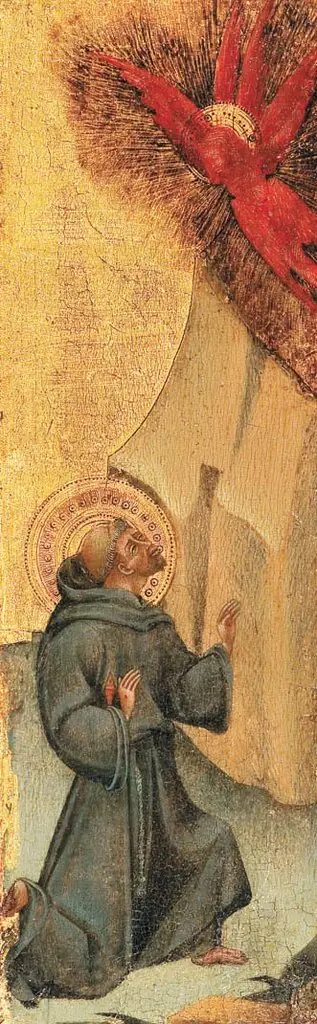 the Extasy of St. Francis
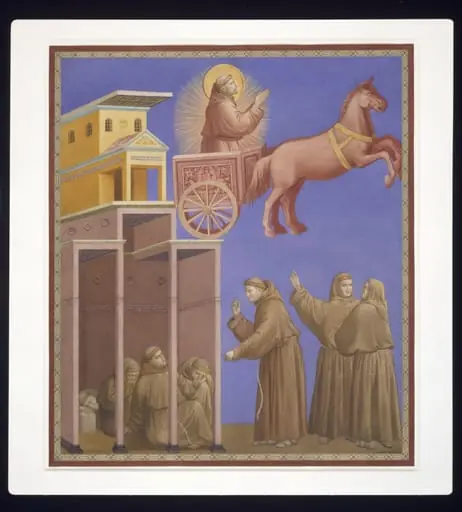 Copy after the painting St Francis appearing to the brethren in a chariot of fire by the Master of the St Francis cycle in the Upper Church, San Francesco, Assisi
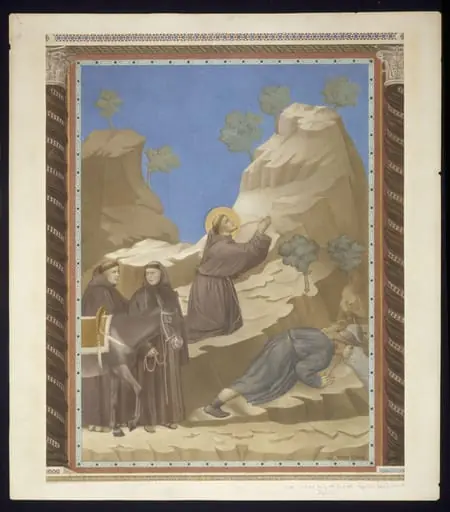 Copy after the painting St Francis Drawing water from the rock by the Master of the St Francis cycle in the Upper Church, San Francesco, Assisi
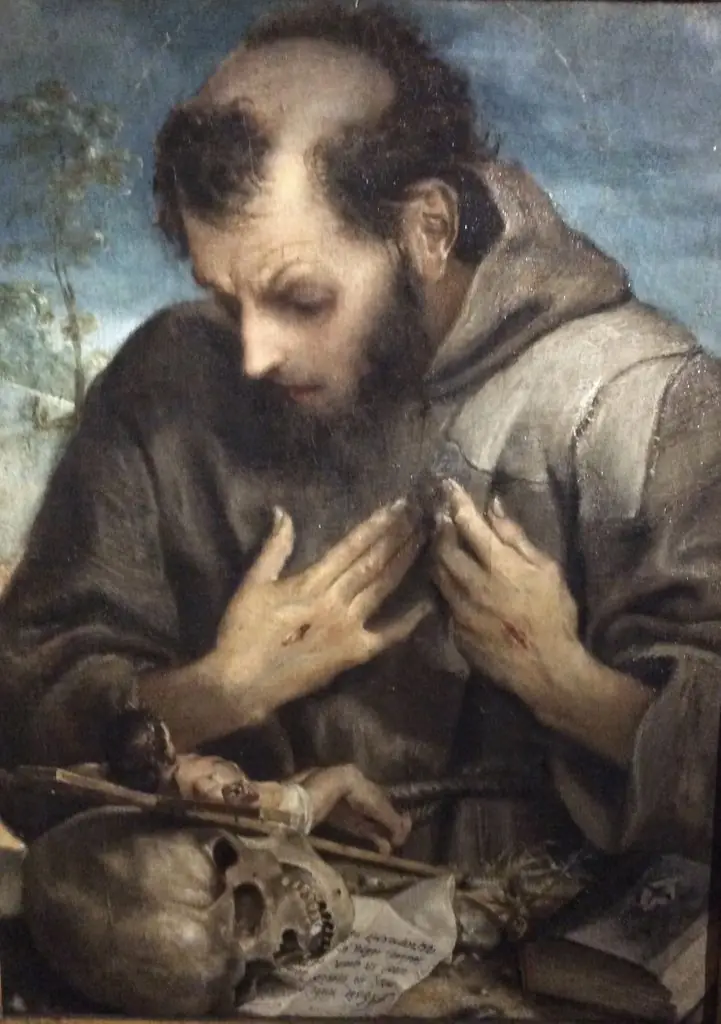 San Francesco penitente
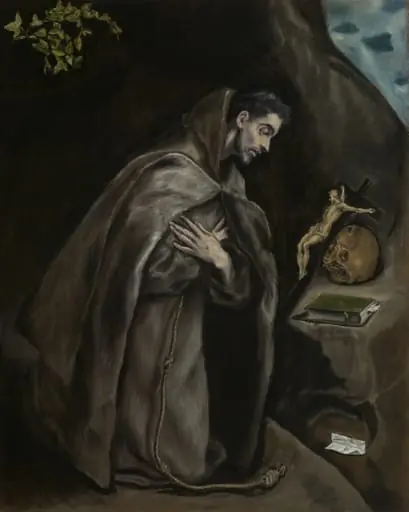 Saint Francis Kneeling in Meditation
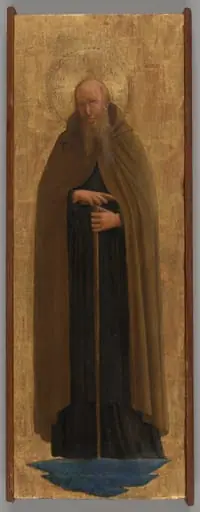 Saint Anthony Abbot
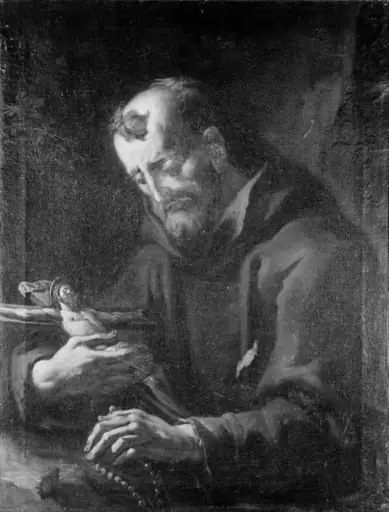 Monk
Monk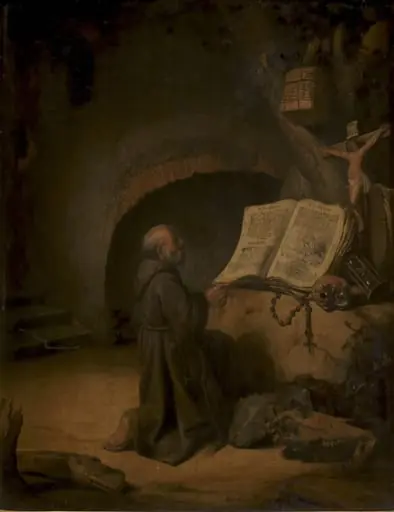 Eremit Praying
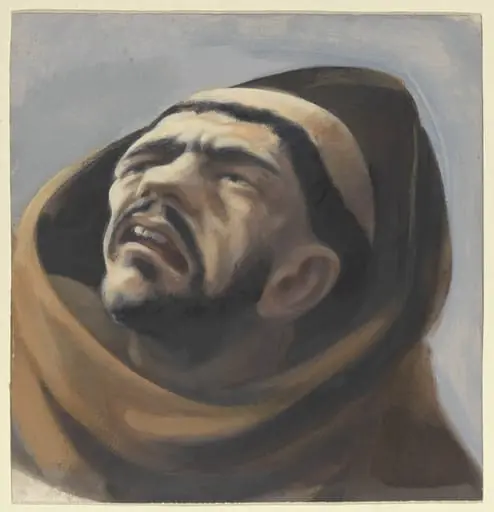 Untitled
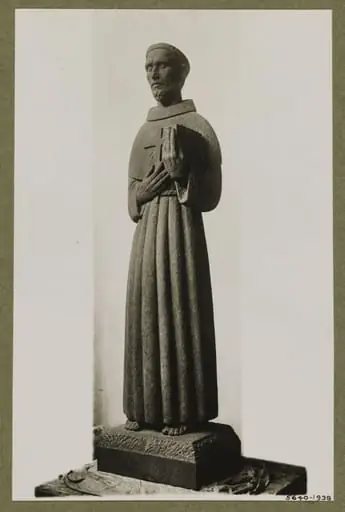 Untitled
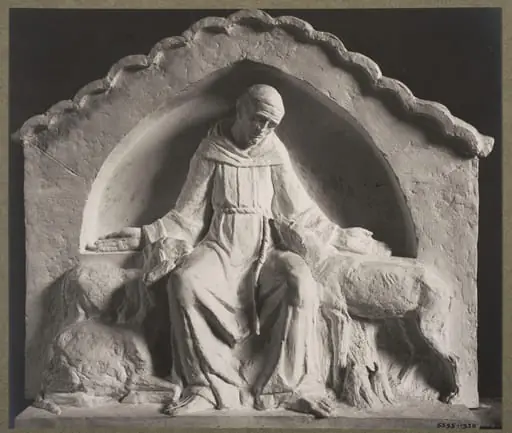 Untitled
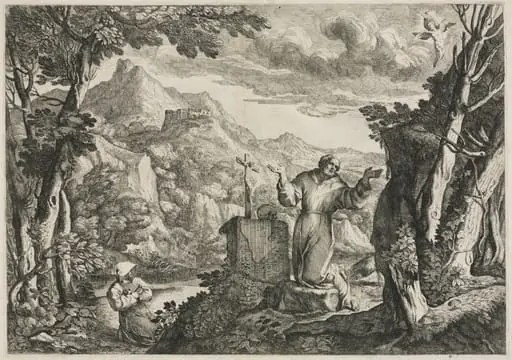 St. Francis of Assisi Receiving the Stigmata
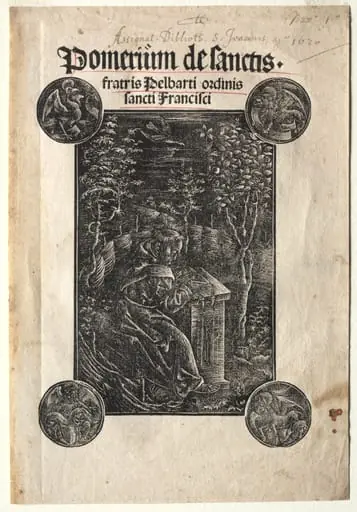 Pelbart of Temesvar Studying in a Garden
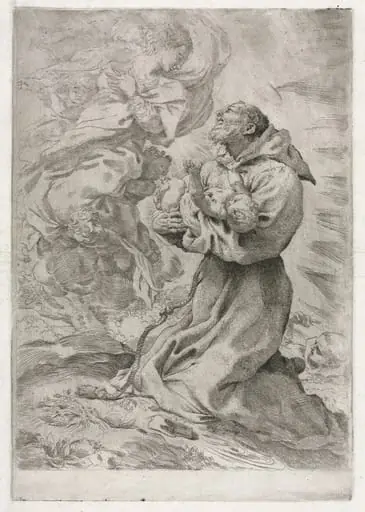 The Vision of St. Francis of Assisi
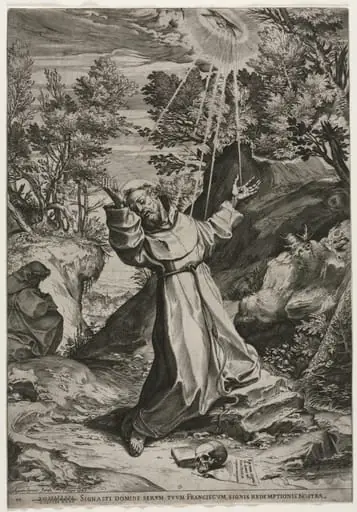 St. Francis Receiving the Stigmata
Frequently asked questions
What is Francis of Assisi?
Francis of Assisi is a subject in art. religious building in Monteripido, Perugia, Italy
How many Francis of Assisi works does Artifact World Gallery have?
Artifact World Gallery holds 200 public-domain Francis of Assisi works, all free to view and download.
Who are the key Francis of Assisi artists?
Key Francis of Assisi artists in the collection include Titian, Lorenzo Lotto and Raphael.
Where can I see Francis of Assisi works?
Francis of Assisi works in the collection are held by National Gallery of Art, Metropolitan Museum of Art and Museo del Prado.