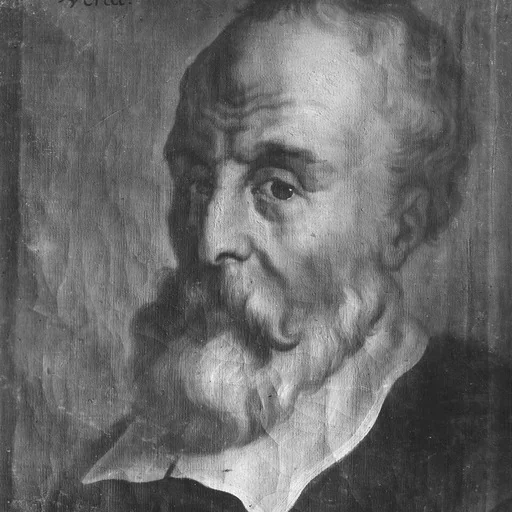
Subject
Smile
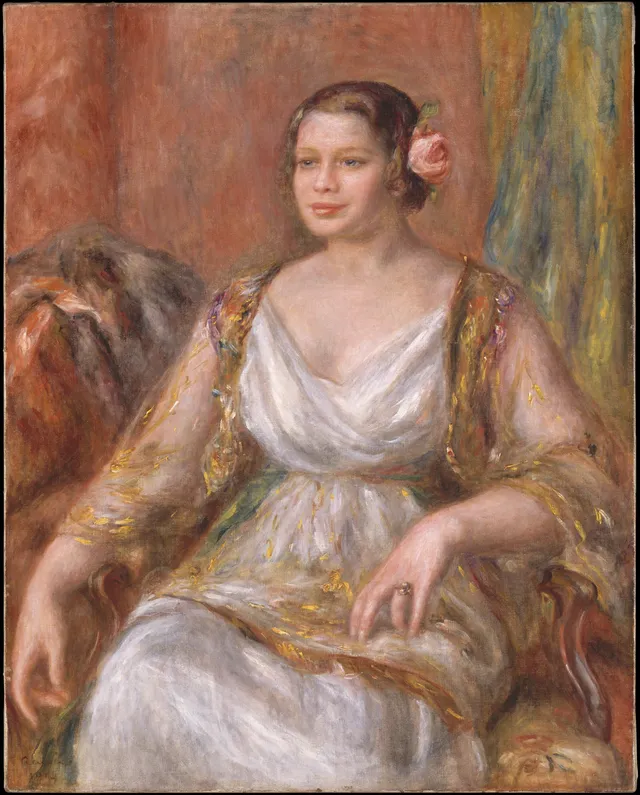
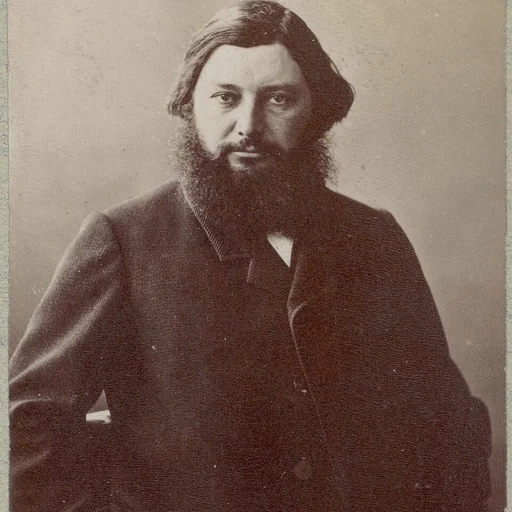
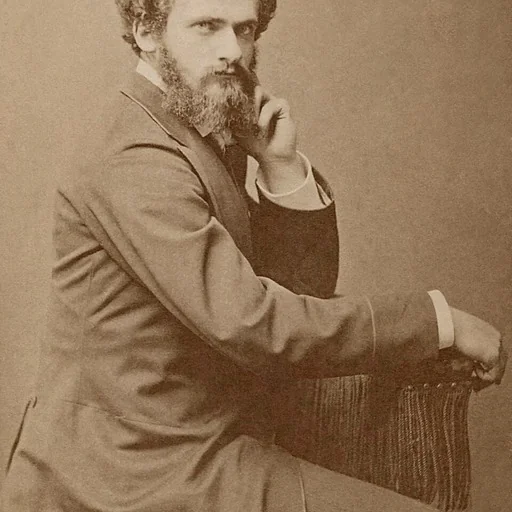
Smile is a subject in art. The gallery holds 61 works in this subject in art, including works by Paolo Veronese, Lorenzo Lotto and Gustave Courbet.
A smile is a facial expression formed primarily by flexing the muscles at the sides of the mouth. Some smiles include a contraction of the muscles at the corner of the eyes, an action known as a Duchenne smile.
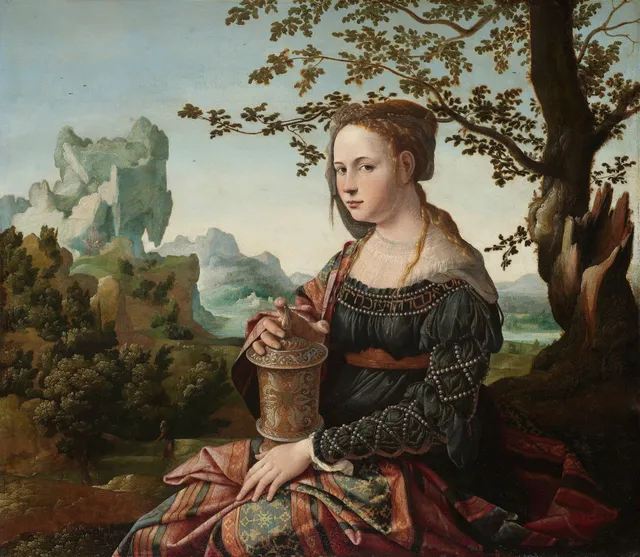
Key artists
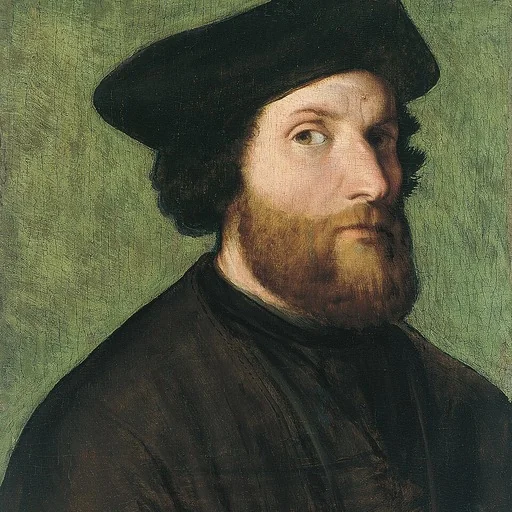
Overview
A smile is a facial expression produced primarily by flexing the muscles at the sides of the mouth, sometimes accompanied by contraction of the muscles at the corner of the eyes in what is known as a Duchenne smile. In art, the smile is a recurring motif that conveys a spectrum of meanings from pleasure and sociability to irony and ambiguity. The collection holds 62 works that depict smiles, spanning subjects as diverse as Venus and Cupid, The Young Bather, Salome, Madonna and Child with the Young Saint John the Baptist, Woman with a Parrot, Two Women at a Window, Joseph and Potiphar's Wife, Venus and Adonis, Cupid Kissing Venus, and portraits such as Tilla Durieux. The smile's persistence across these varied contexts reflects its fundamental role in human expression and its capacity to carry multiple, sometimes contradictory meanings.
Iconography & meaning
The smile carries layered iconographic significance in art. Physiologically, it involves tension in the mimetic musculature near the mouth corners, and in a genuine Duchenne smile, around the eyes as well. Philosophically, Helmuth Plessner accorded the smile a special status among facial expressions, calling it a mimic of the spirit because it maintains distance from its own expression, preserving the specifically human quality of self-reflection. The smile's ambiguity, its capacity to signal joy, good will, anxiety, irony, or deception, makes it a powerful tool for artists. In some cultural contexts, smiling can indicate confusion, embarrassment, or even hostility rather than pleasure. The Duchenne distinction, first identified by French scientist Guillaume-Benjamin Duchenne in the mid-19th century, between genuine smiles involving eye muscles and posed smiles using only the mouth, provides artists with a visual vocabulary for portraying authentic versus feigned emotion.
Across movements & periods
The treatment of the smile in art has shifted considerably across periods and cultures. Early photographic and painted portraits often required subjects to maintain neutral expressions, as relaxed poses had to be held for extended periods. The geometric analysis of American school portraits from 1905 to 2013 documents a gradual shift from serious to smiling expressions, influenced partly by Kodak's commercial promotion of the joy of photography and the convention of saying cheese. In European painting, the evolution from the archaic smile of ancient Greek kouroi to the enigmatic smile of Leonardo's Mona Lisa demonstrates changing conventions for representing interiority. Cross-cultural studies reveal that smiling is more common in some cultures, such as the United States and France, than in others like China or Japan, and that in some societies, including parts of the former Soviet Union, smiling at strangers is viewed with suspicion. These variations suggest that artists working in different traditions have approached the smiling face with different assumptions about its social meaning.
Legacy
The smile's cultural afterlife extends beyond painting into photography, popular culture, and scientific research. The Duchenne smile has become a standard reference in psychology and neuroscience for distinguishing genuine from simulated emotion, with recent applications in orthodontics using artificial intelligence for automated analysis. The smiley face and emoticon derive directly from the artistic convention of representing smiling mouths. In service culture, smiling has been institutionalized as a professional requirement, though research by Dieter Zapf has documented the health costs of compelled smiling, including stress and depression. The philosopher Emil Cioran's observation that laughter disappeared, then the smile, captures a perceived trajectory of emotional authenticity in modern life. In art history, the smile remains a focal point for debates about expression, sincerity, and the representation of interior states, from Darwin's studies of emotion to contemporary analyses of social media self-presentation.
Works
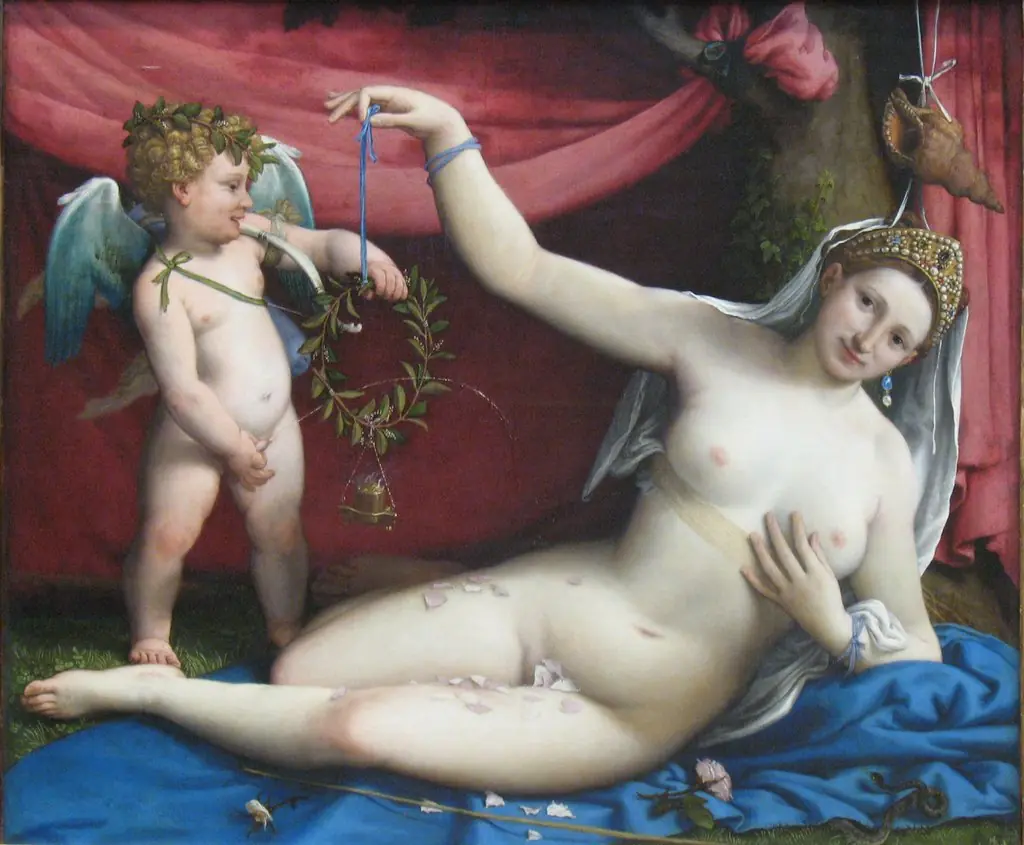 Venus and Cupid
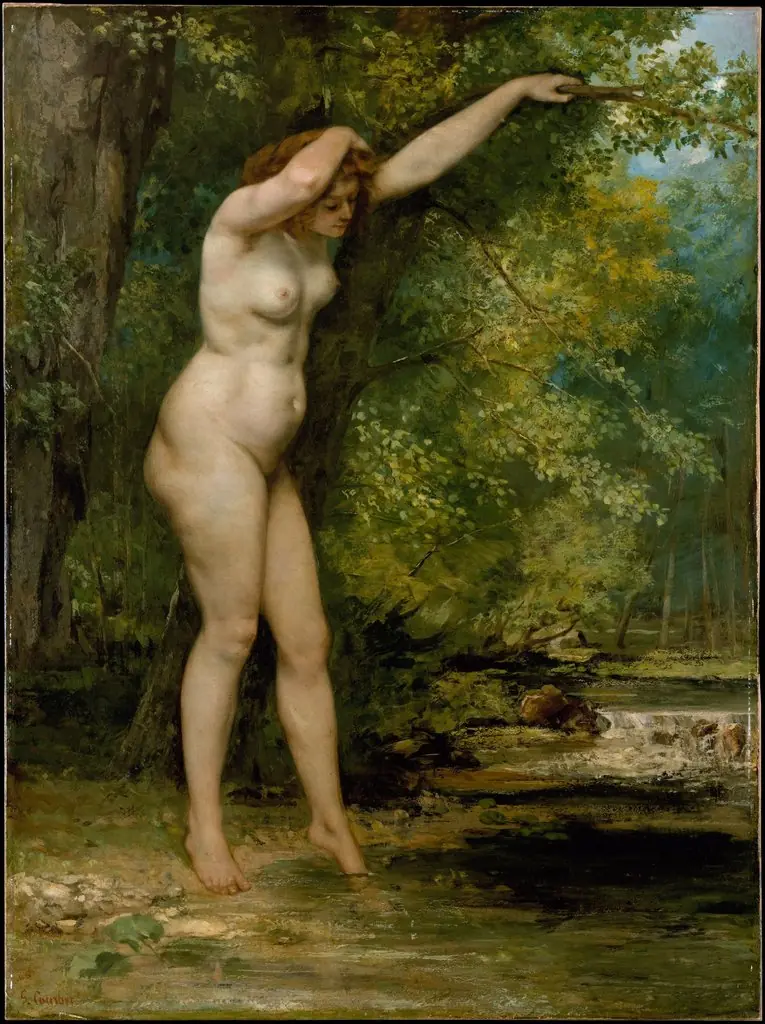 The Young Bather
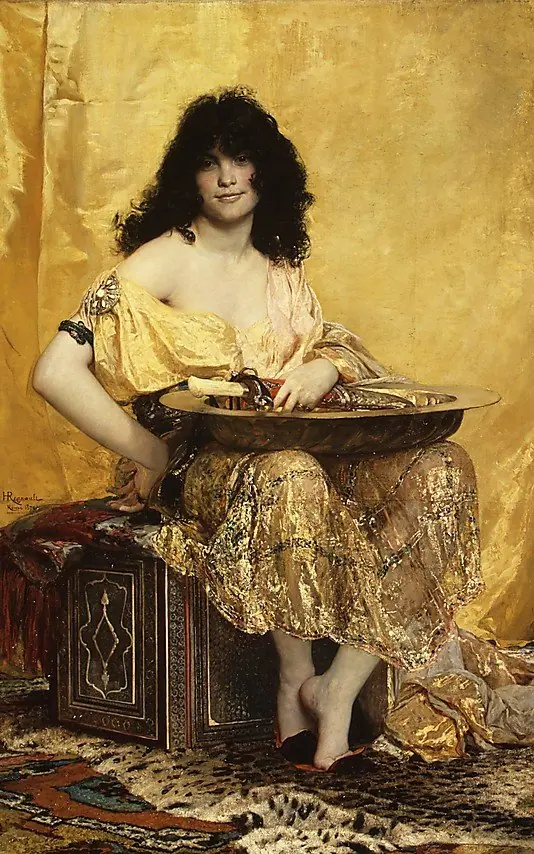 Salome
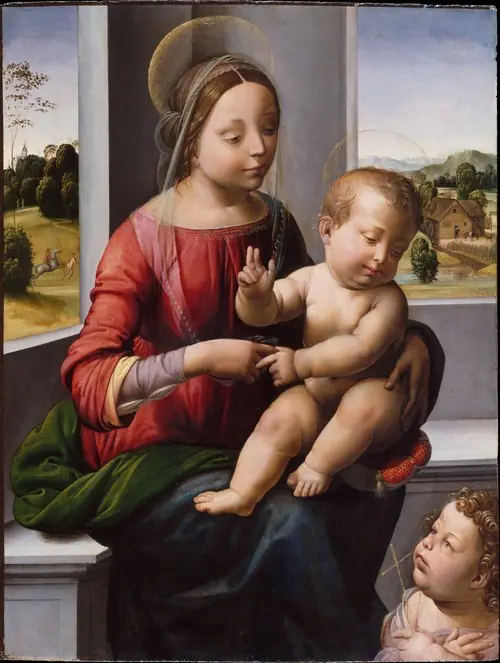 Madonna and Child with the Young Saint John the Baptist
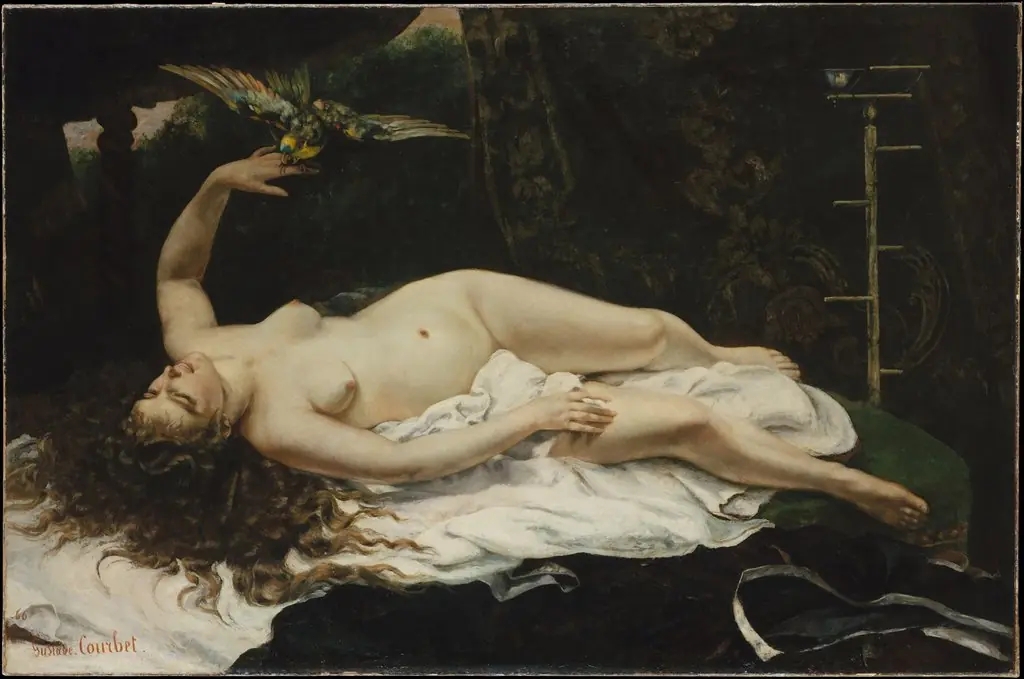 Woman with a Parrot
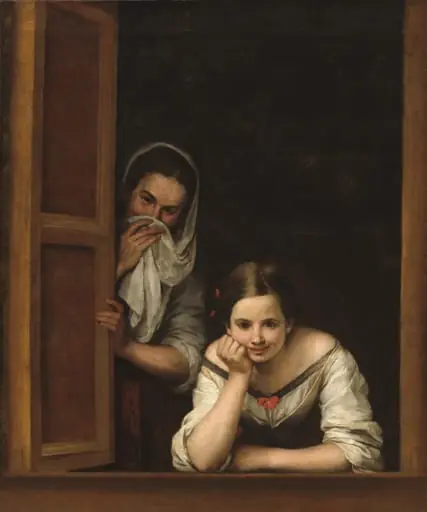 Two Women at a Window
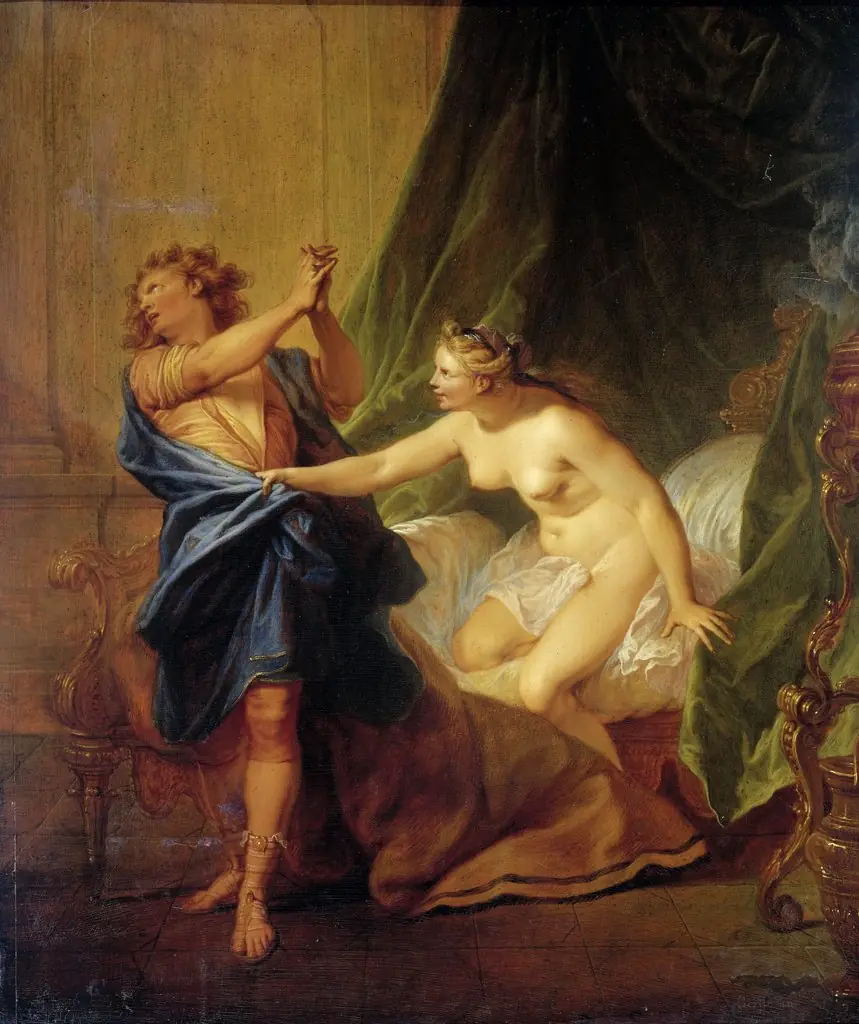 Joseph and Potiphar's Wife
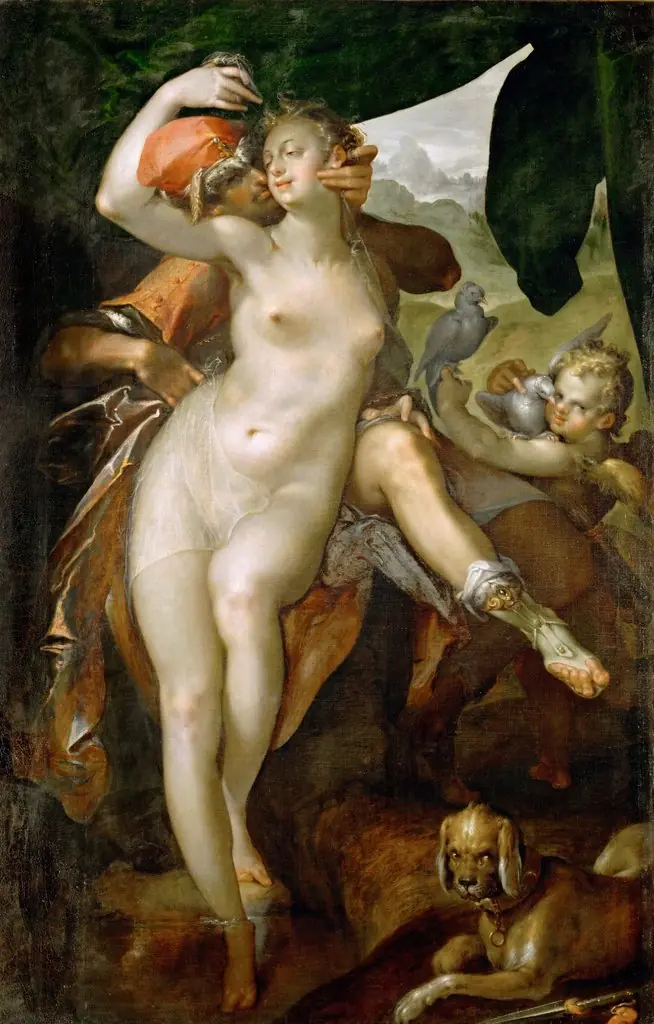 Venus and Adonis
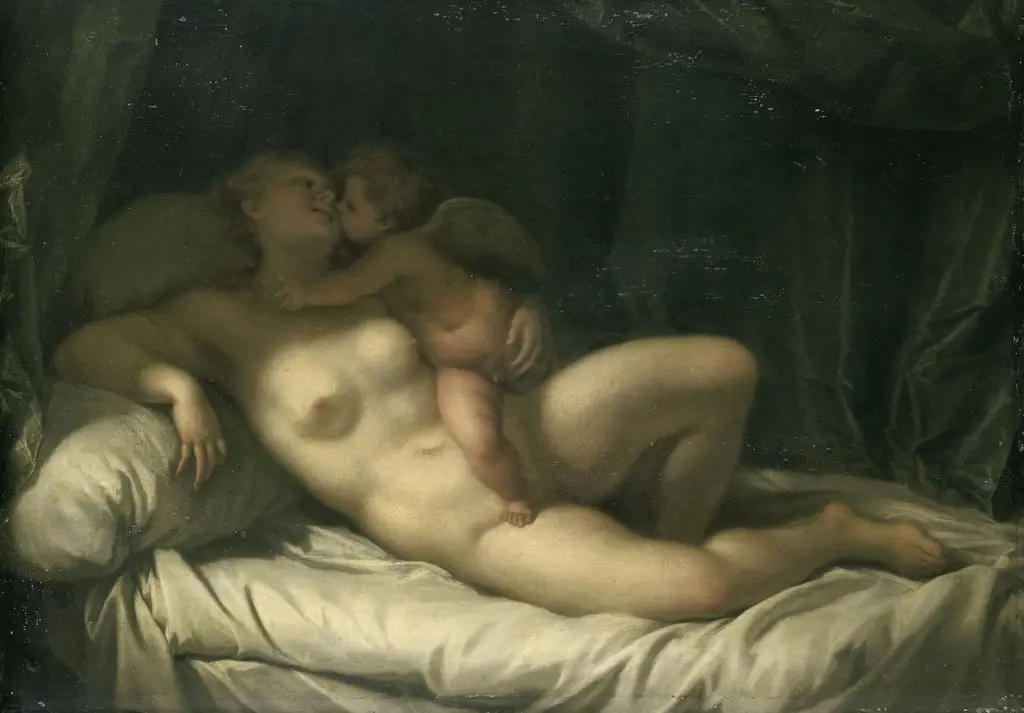 Cupid Kissing Venus (Venus Kissed by Amor)
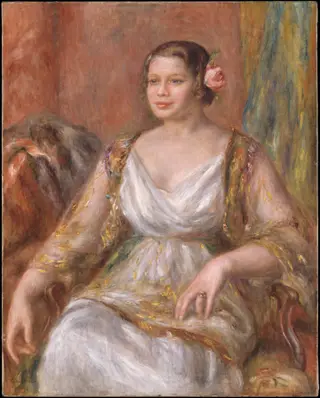 Tilla Durieux
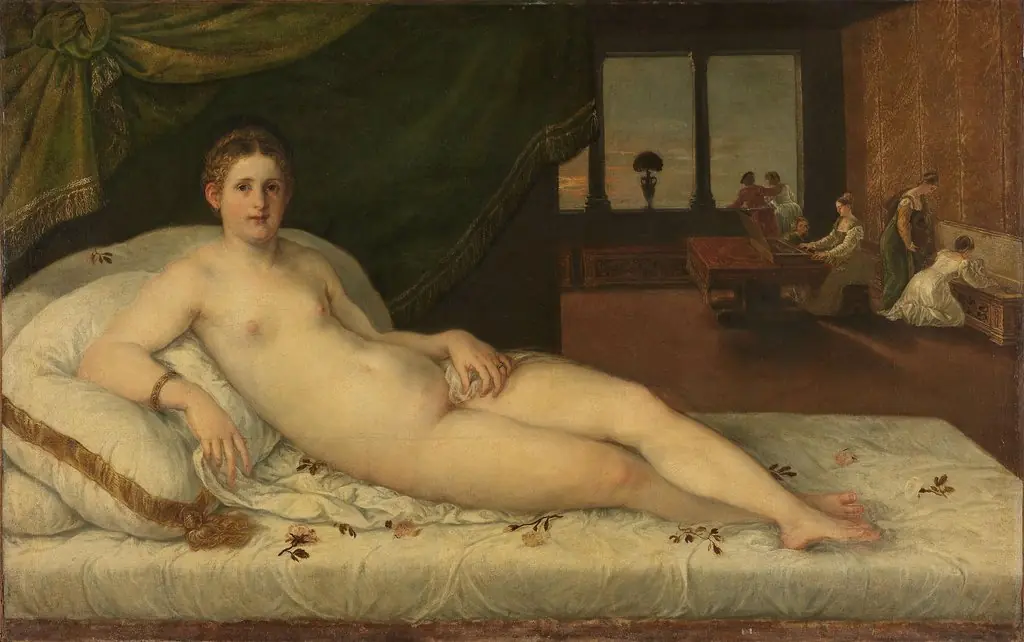 Reclining Venus
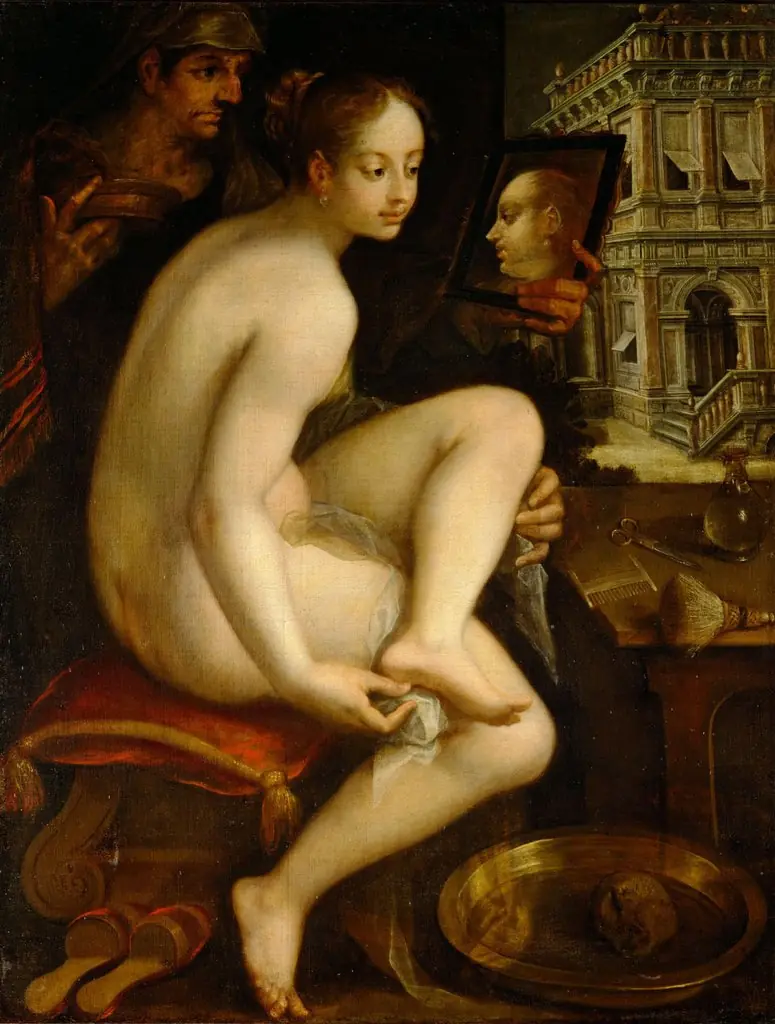 David and Bathsheba
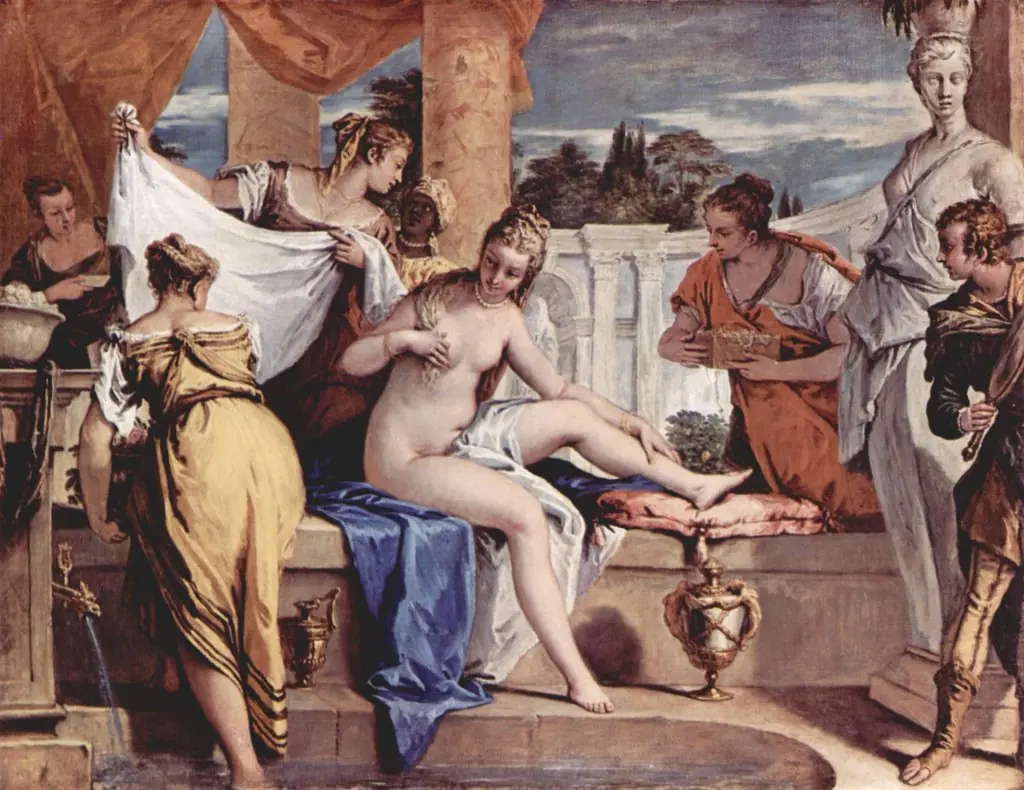 Bathsheba at her bath
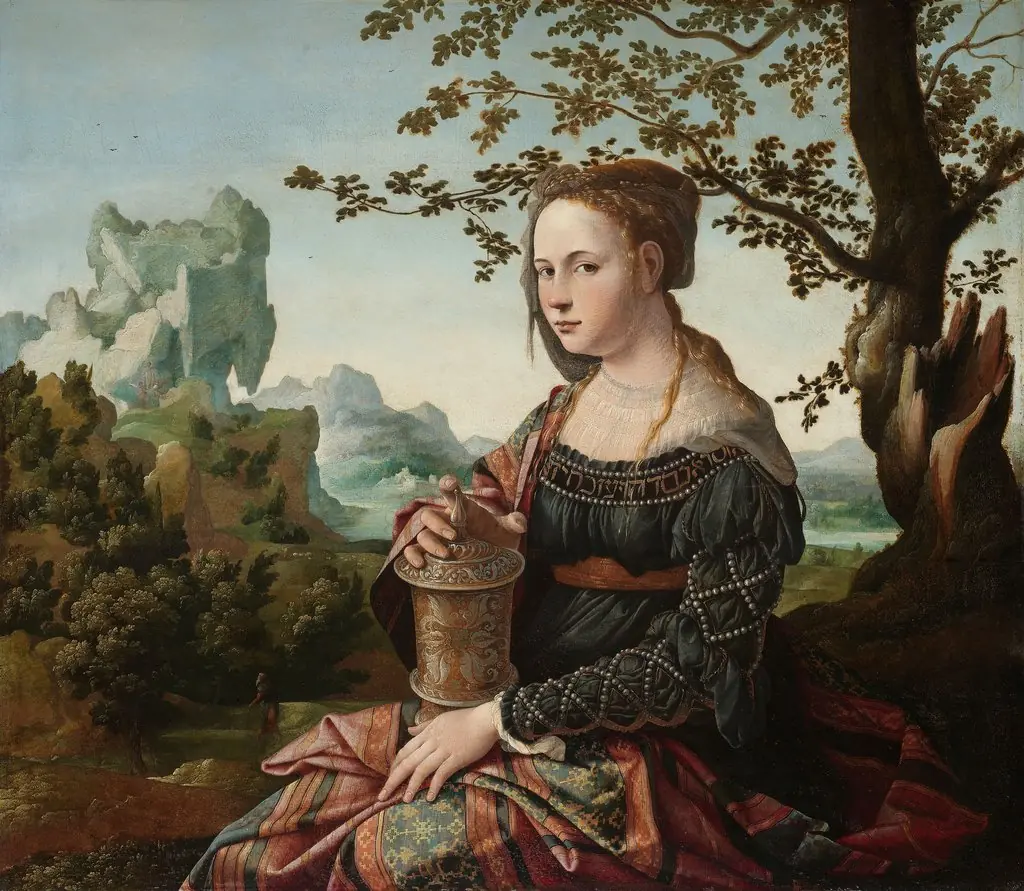 Mary Magdalene
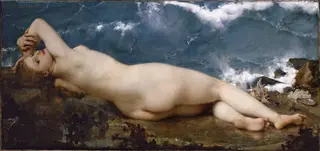 The Pearl and the Wave
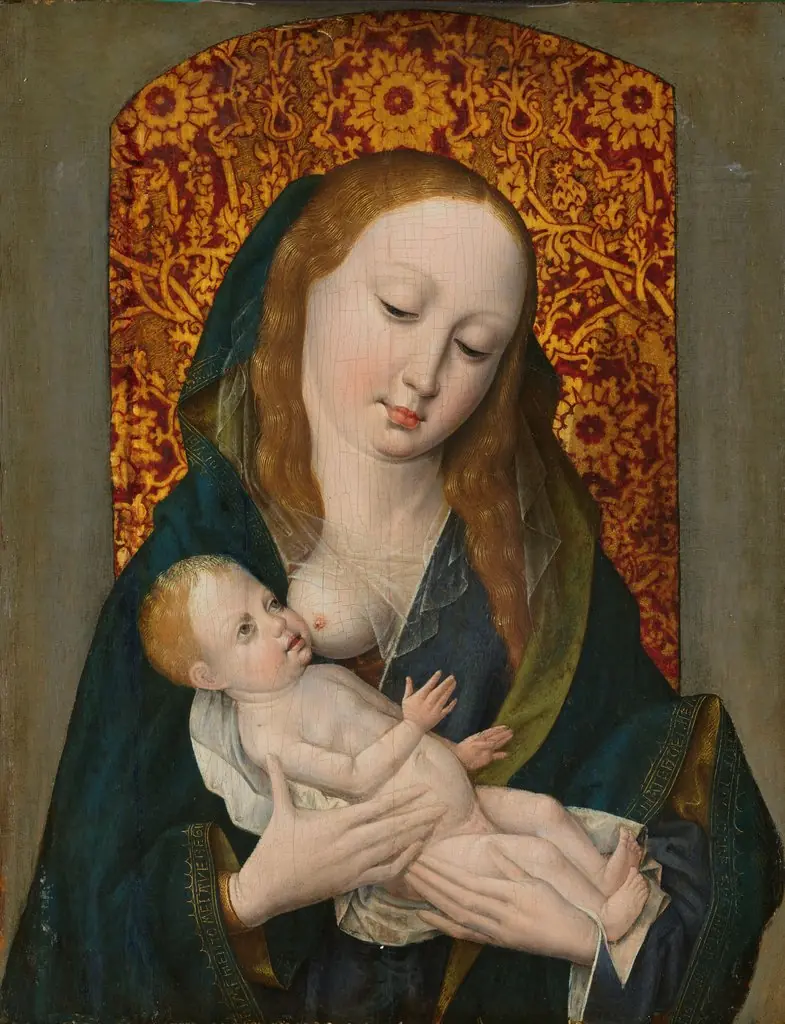 The Virgin and Child
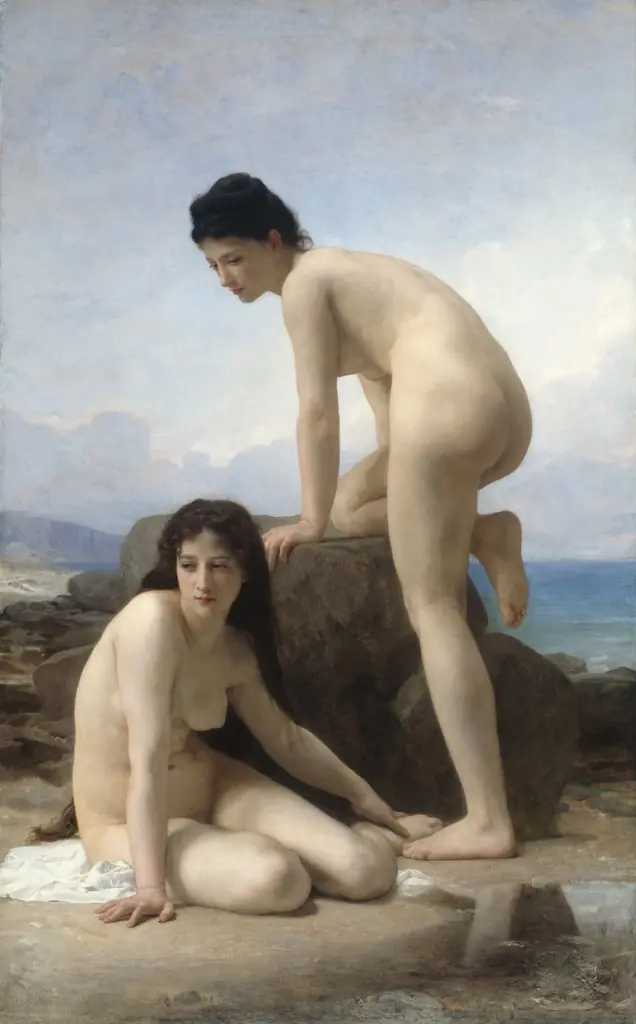 The Two Bathers
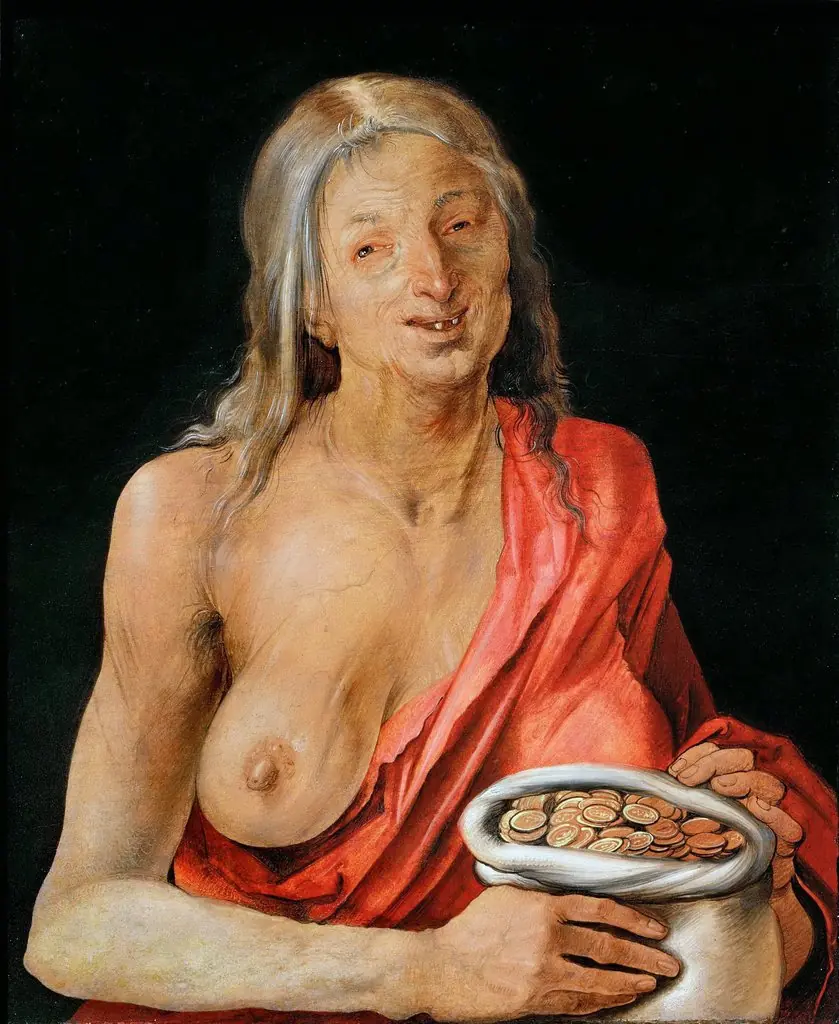 Avarice
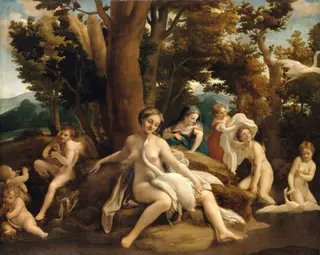 Leda and the Swan
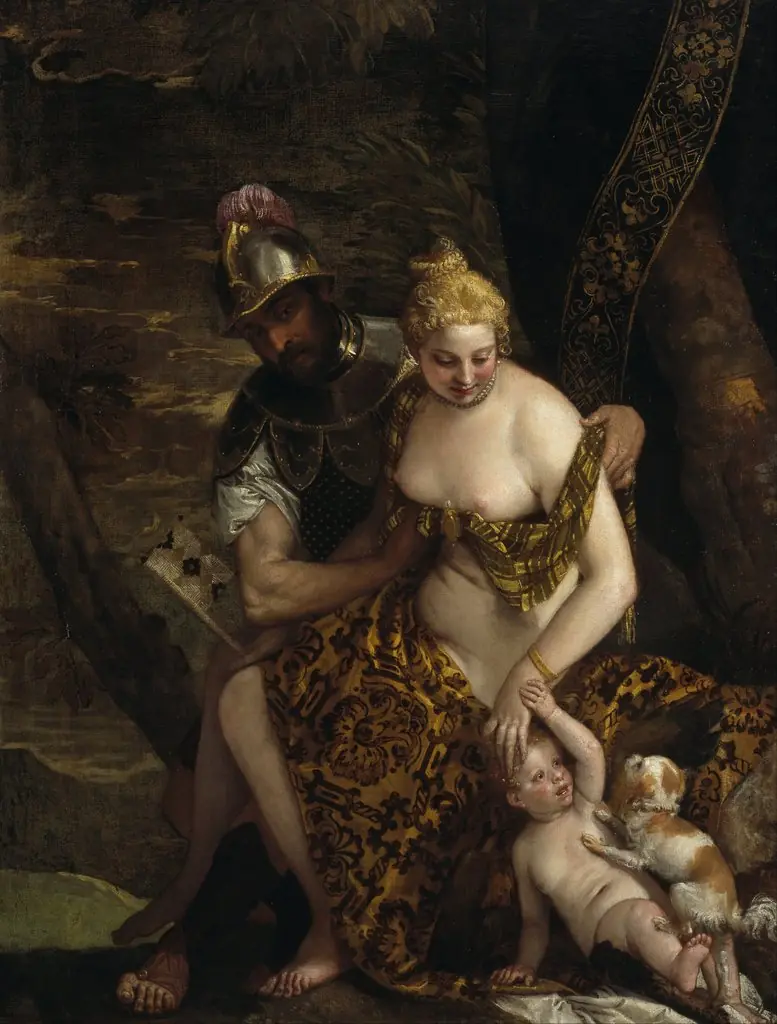 Mars and Venus with Cupid and a Dog
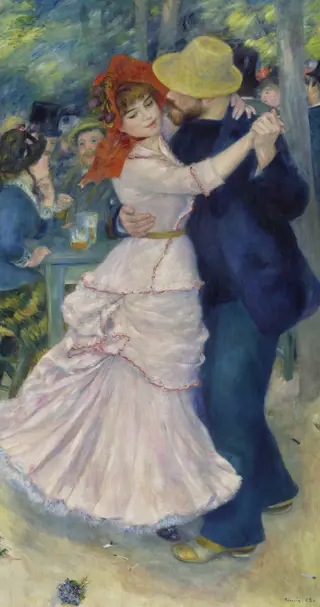 Dance at Bougival
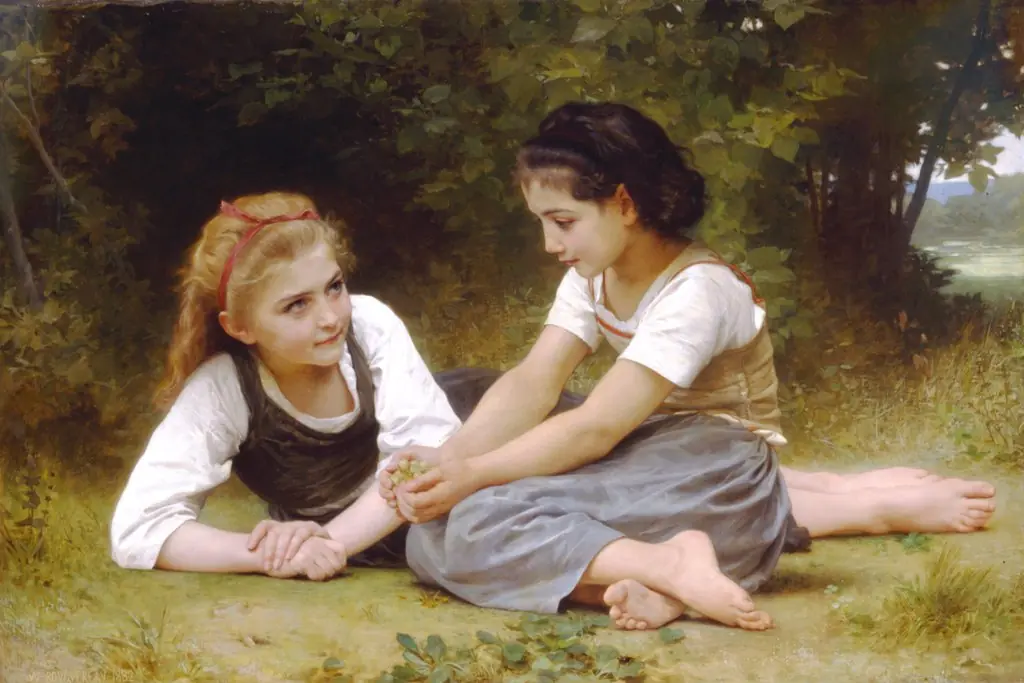 The Nut Gatherers
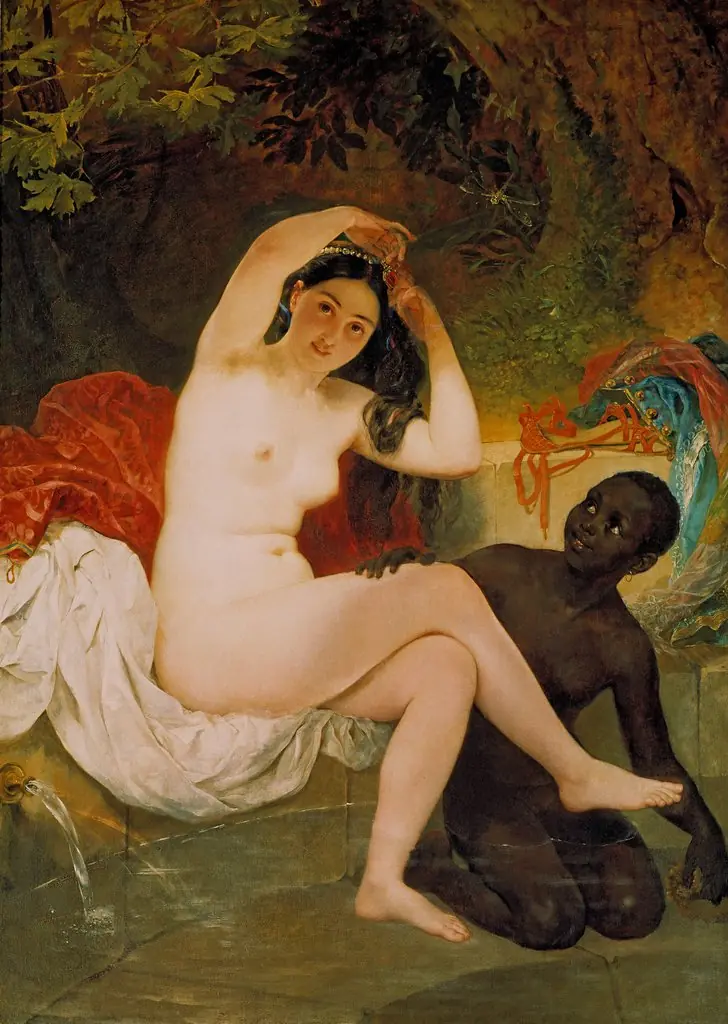 Bathsheba
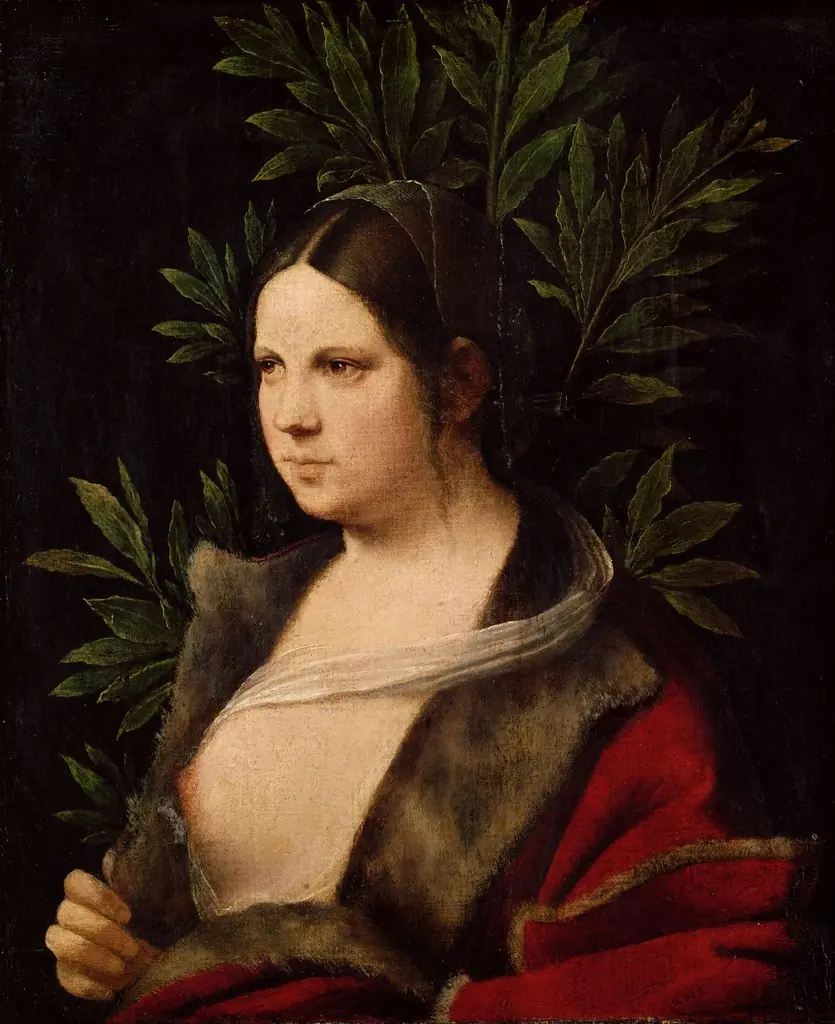 Laura
Laura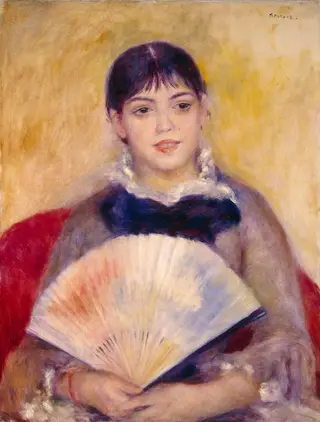 Girl with a Fan
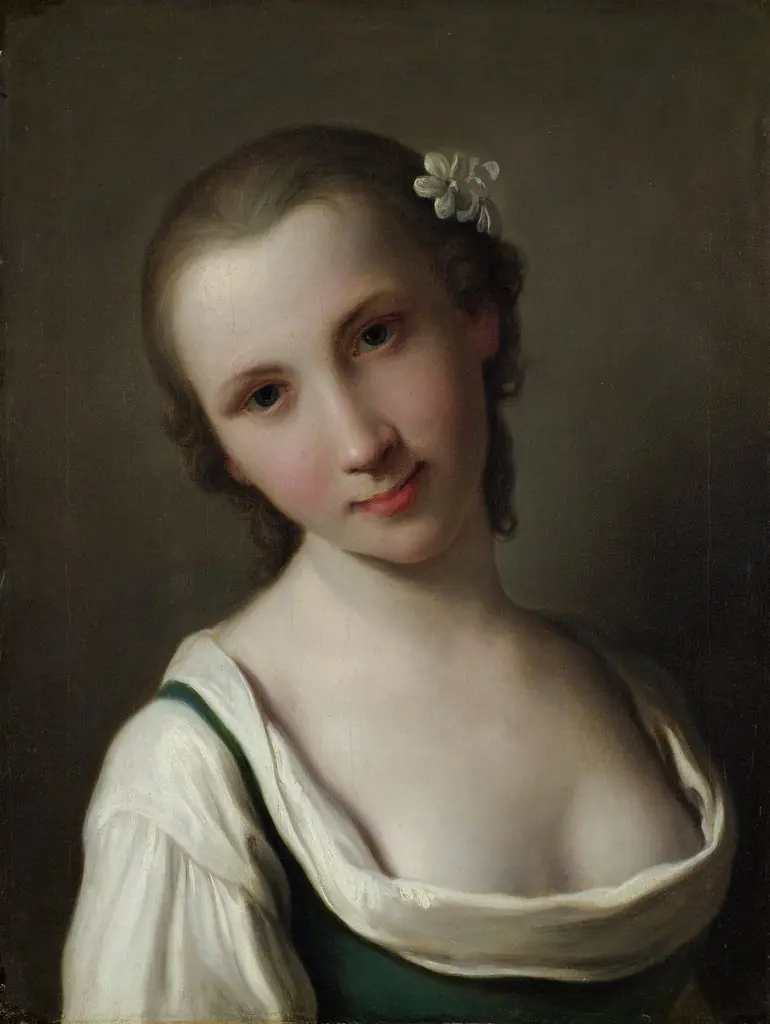 A young Woman
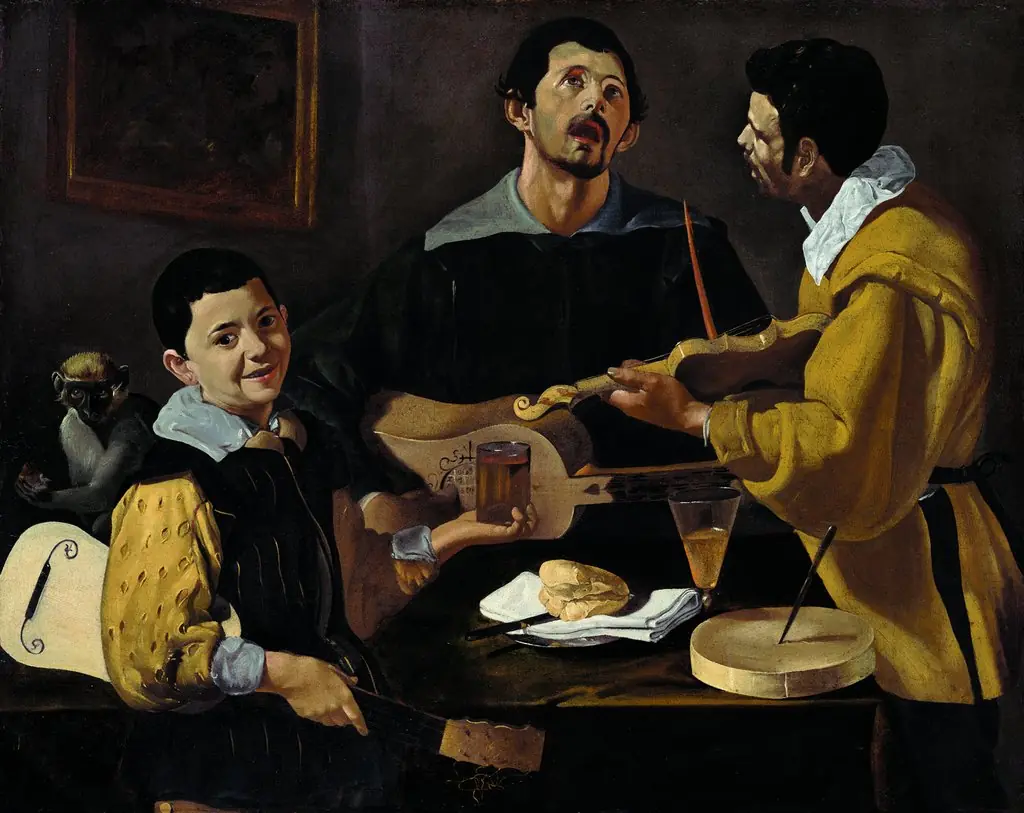 Three Musicians
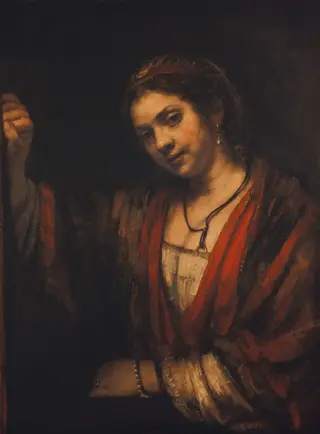 Hendrickje Stoffels by a Door
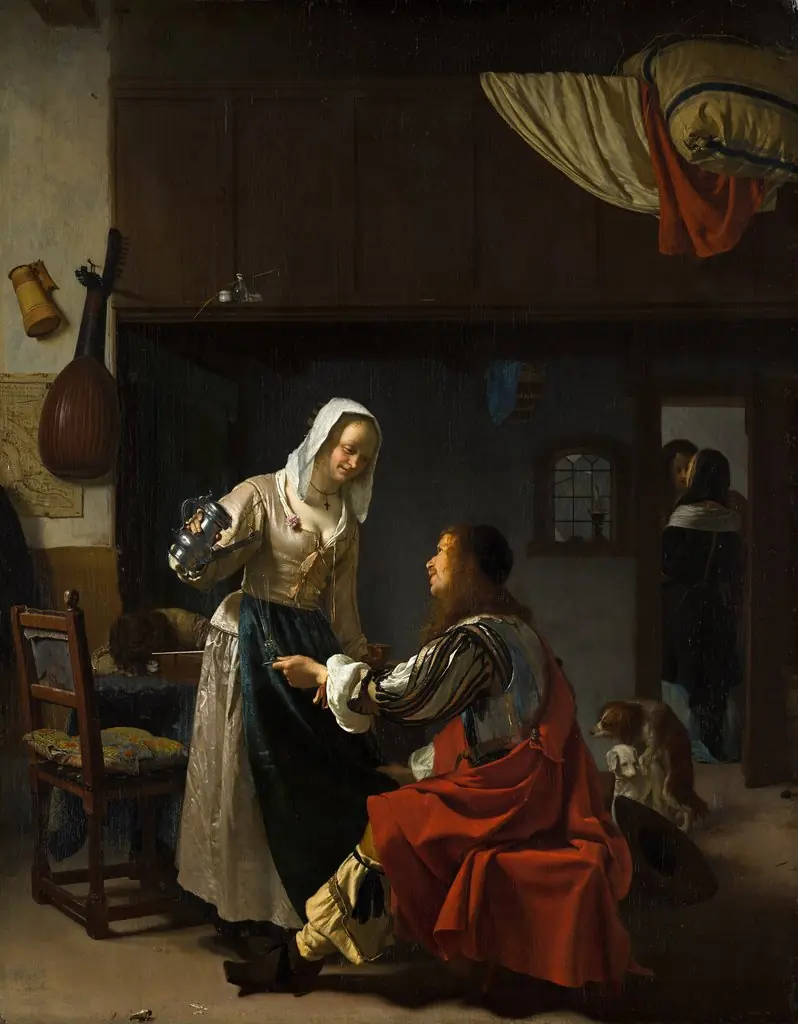 Brothel Scene
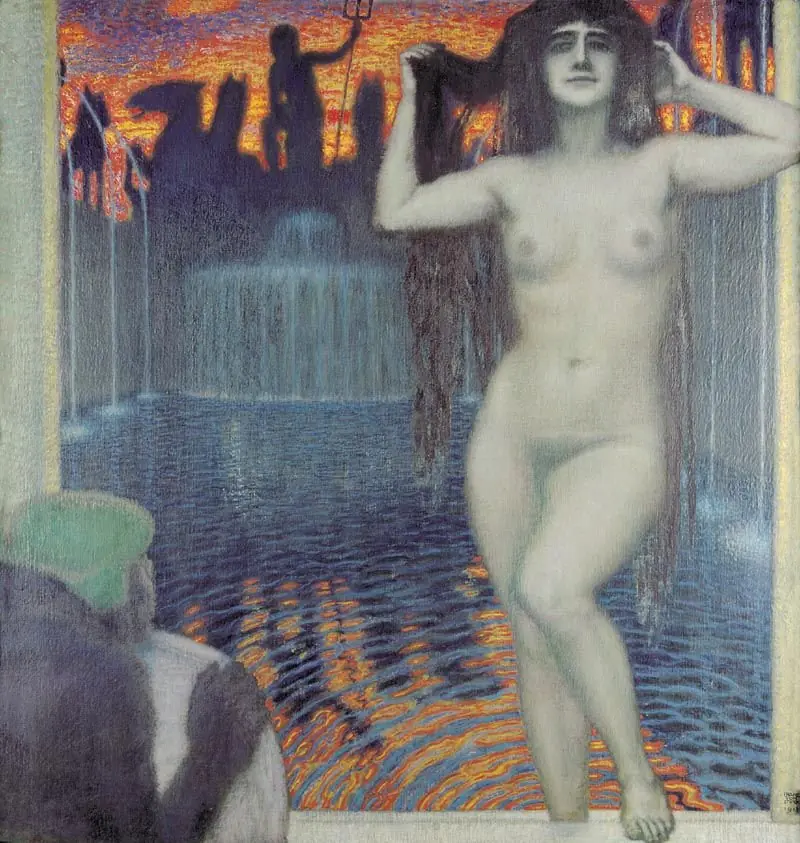 Bathsheba
 Mater dolorosa
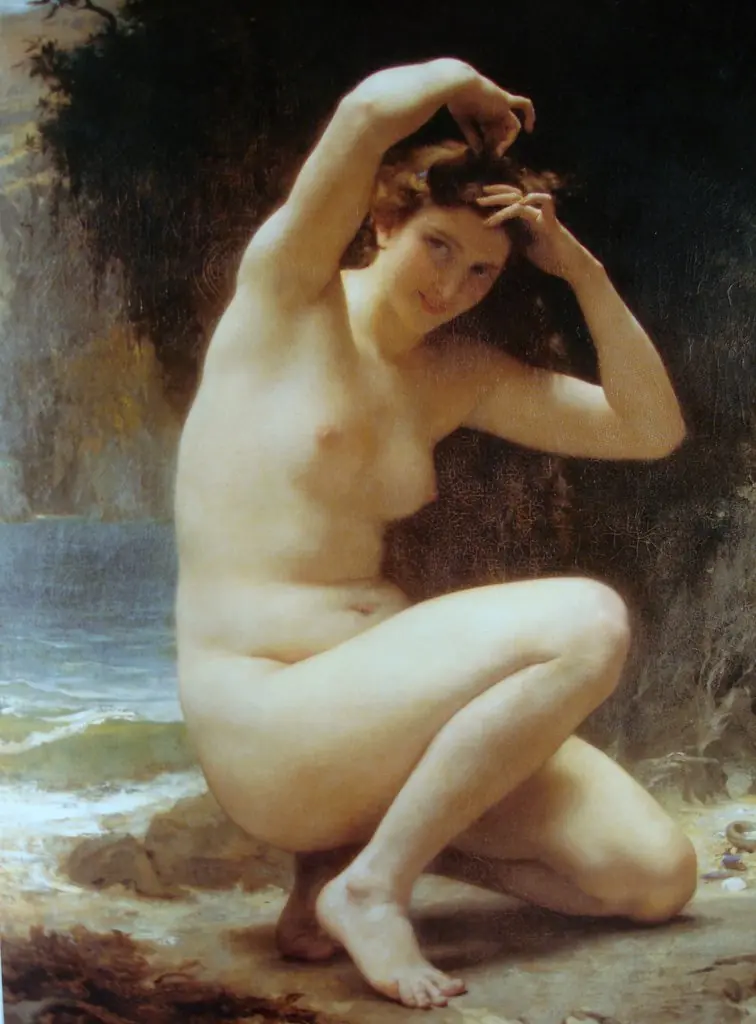 The toilette of Venus
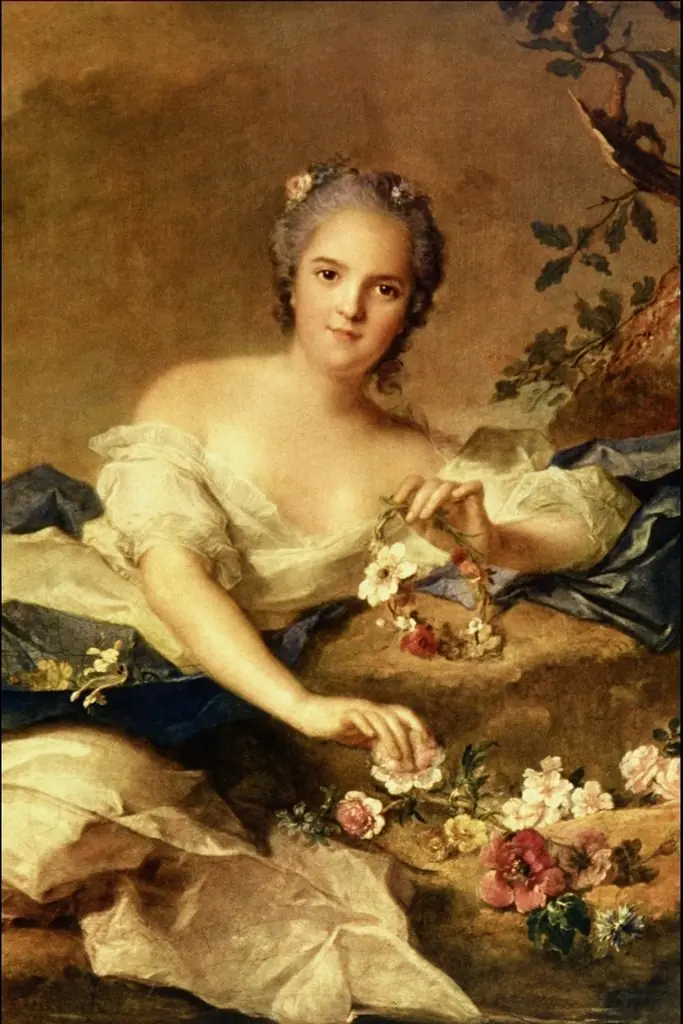 Henriette of France as Flora
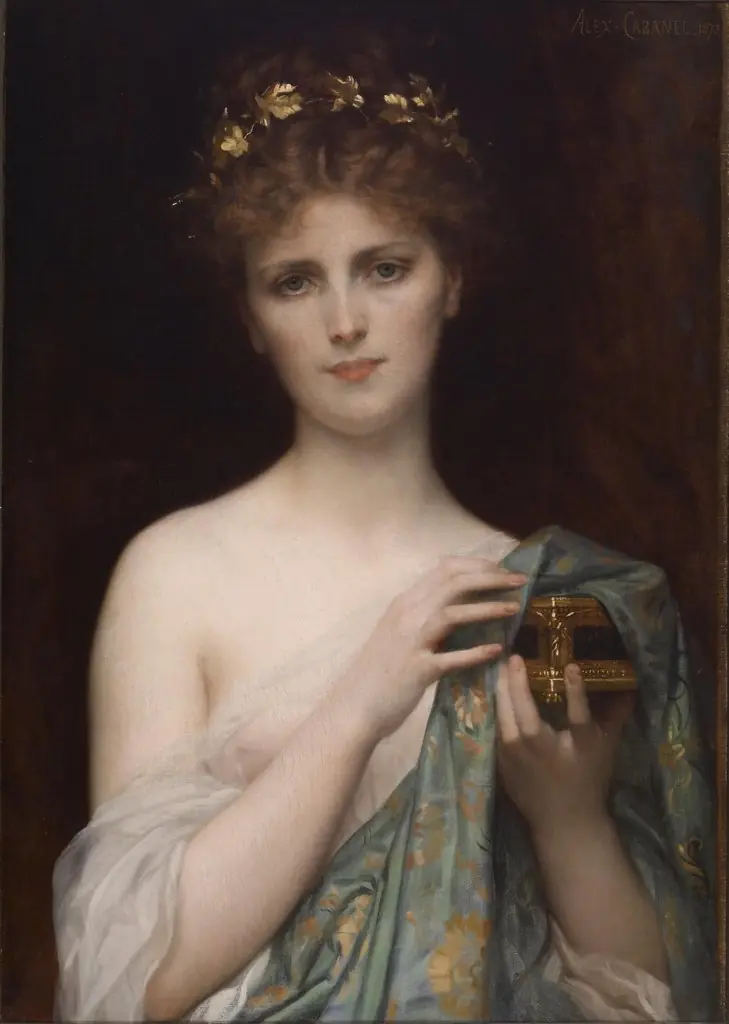 Pandora
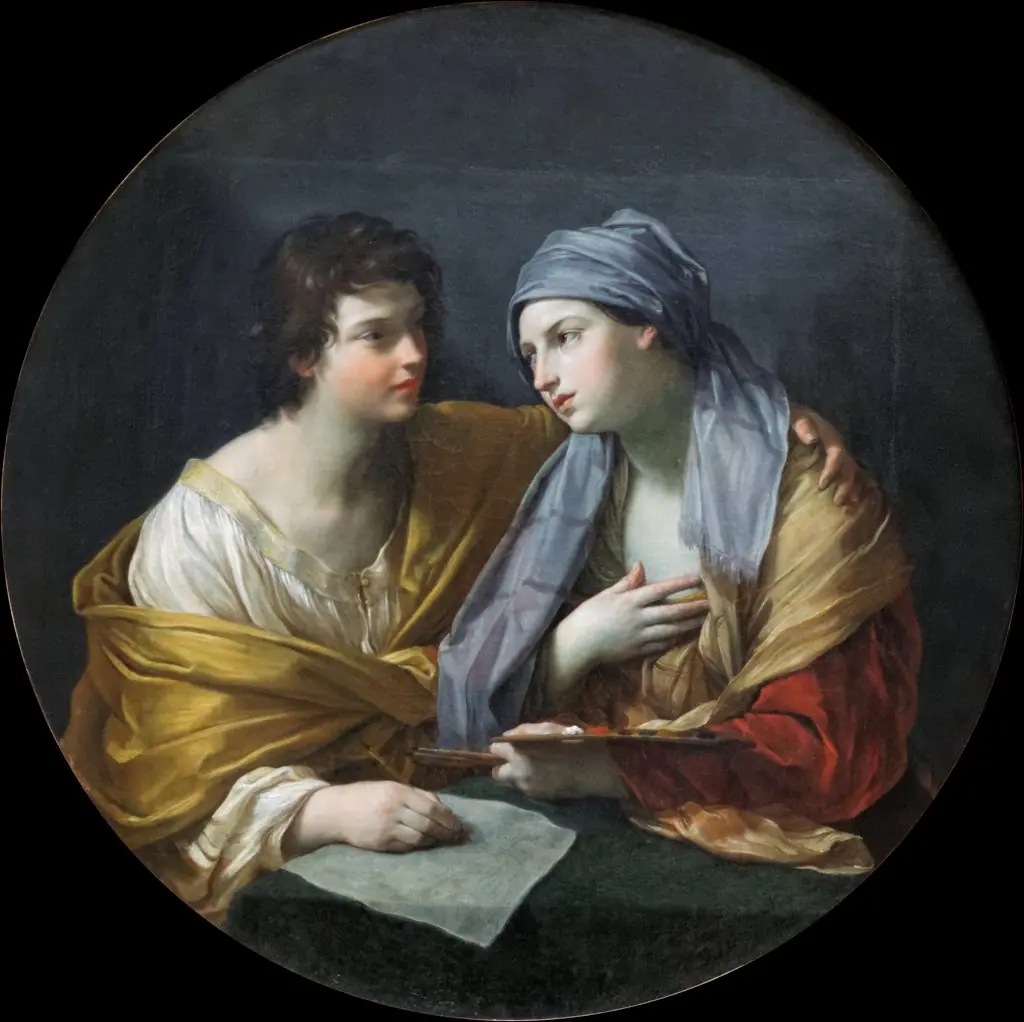 The Union of Drawing and Color
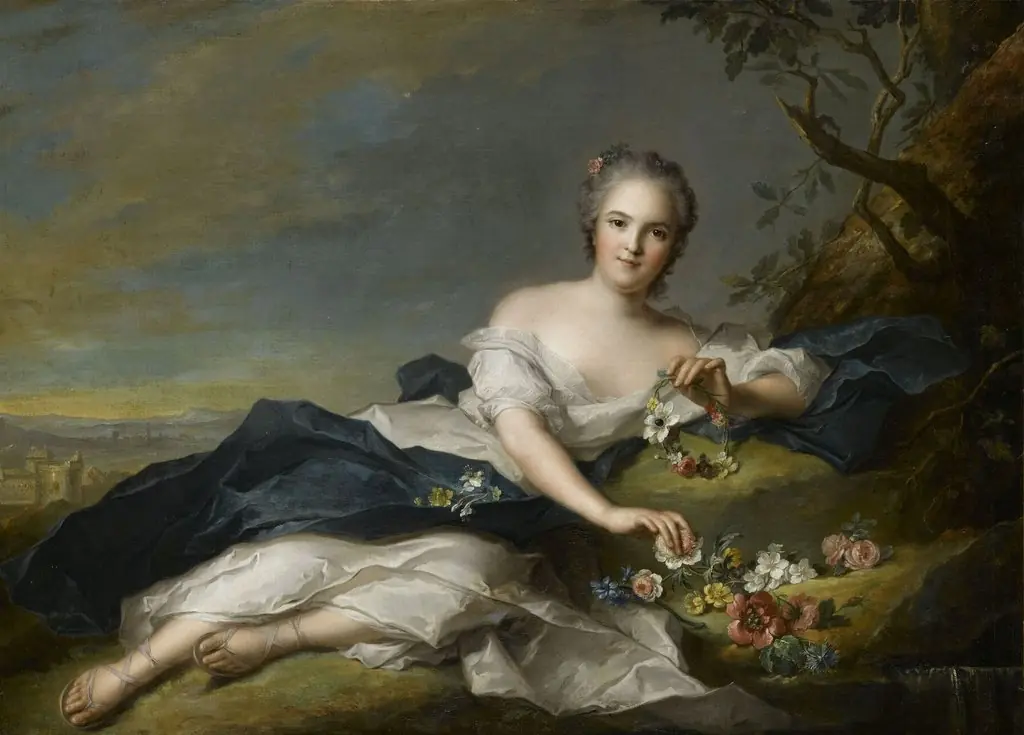 Henriette of France as Flora
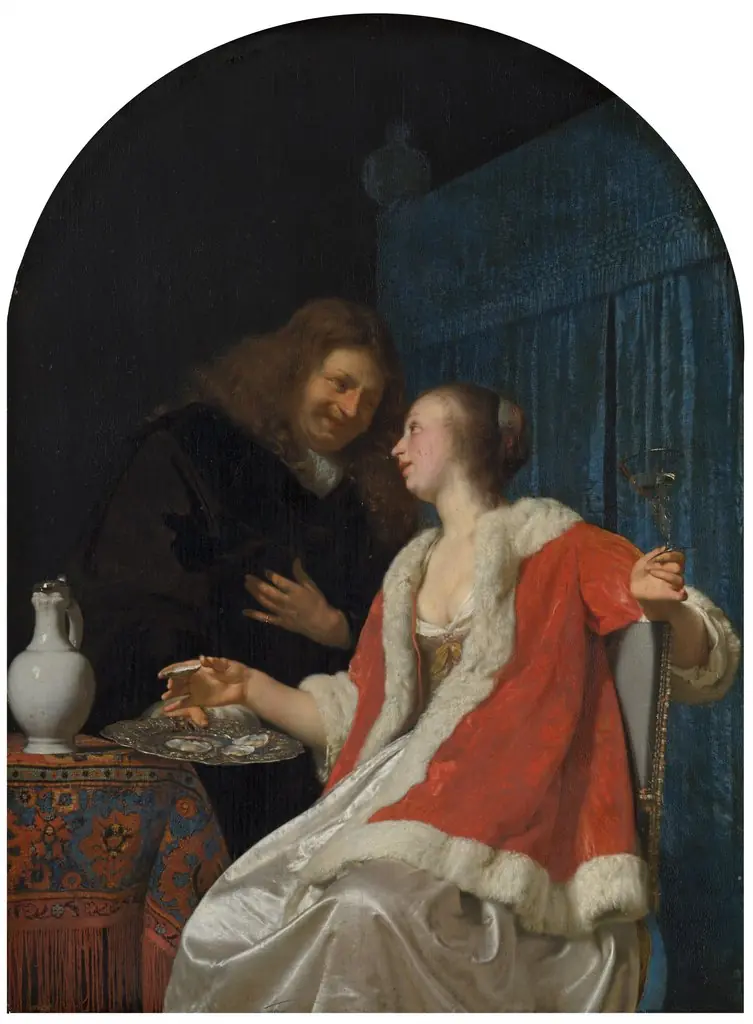 A Meal of Oysters
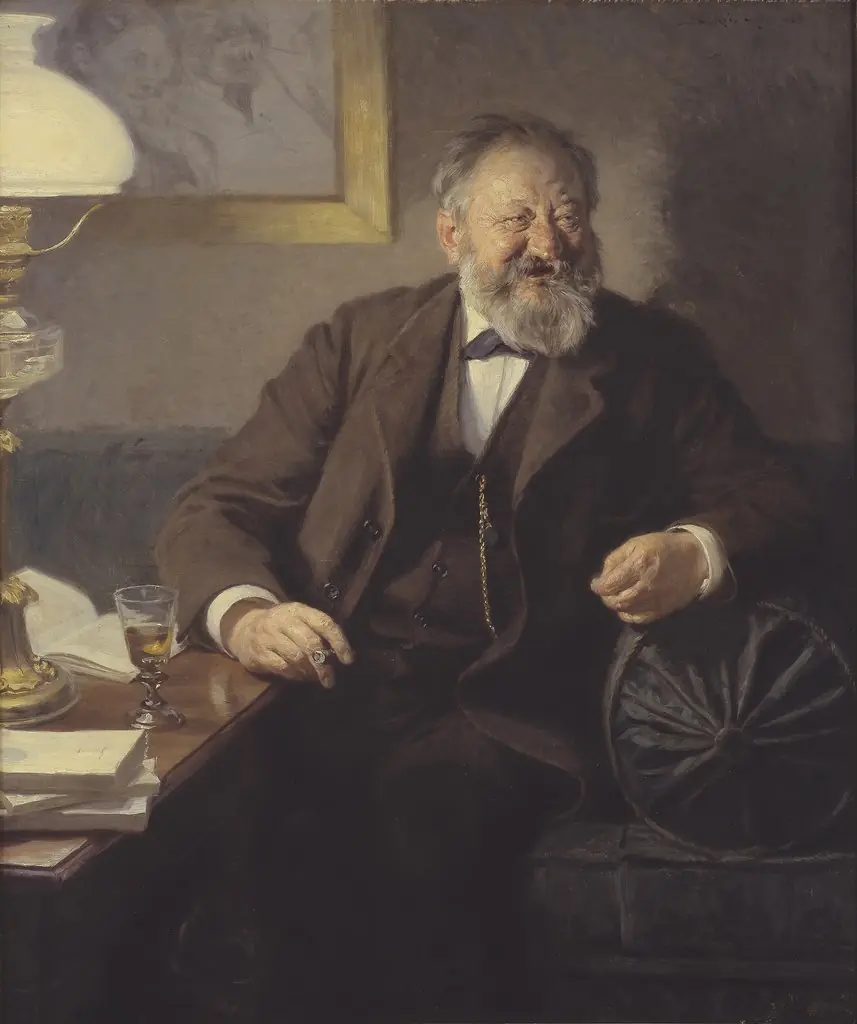 Portræt af Sophus Schandorph
 Democritus
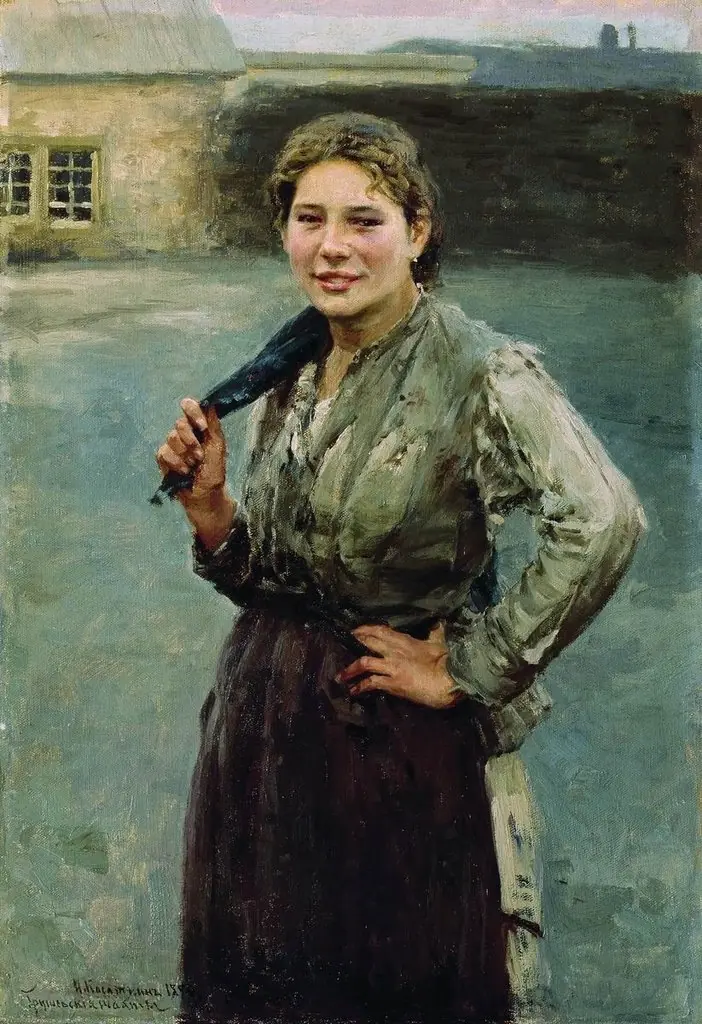 Chakhtiorka
 Portrait of Wolfert van Brederode
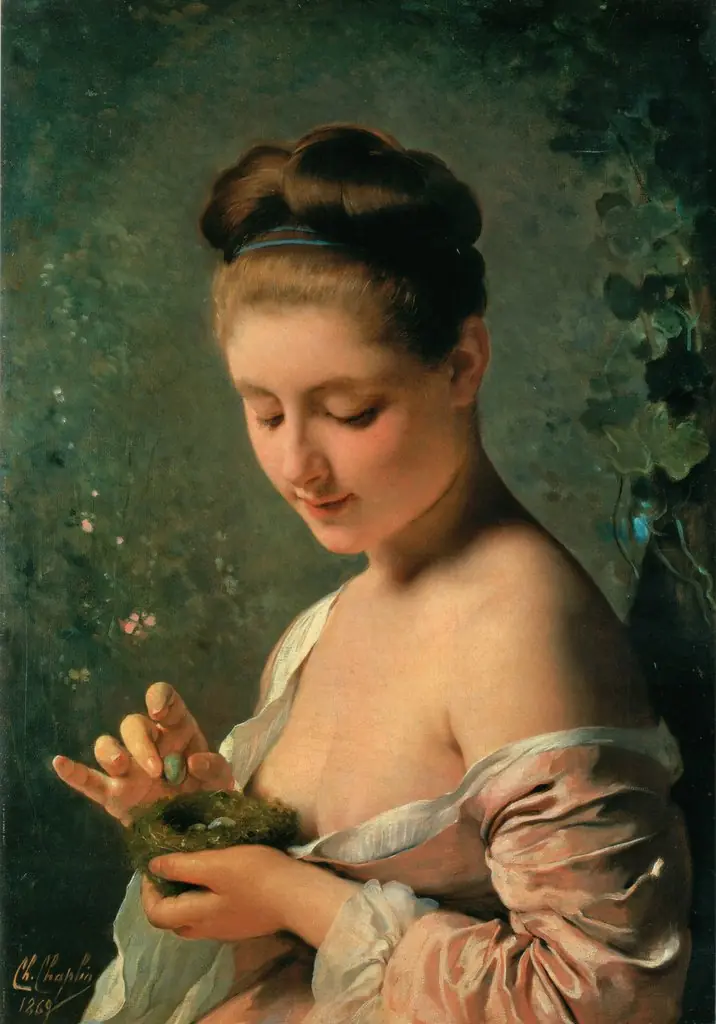 Girl with a Nest
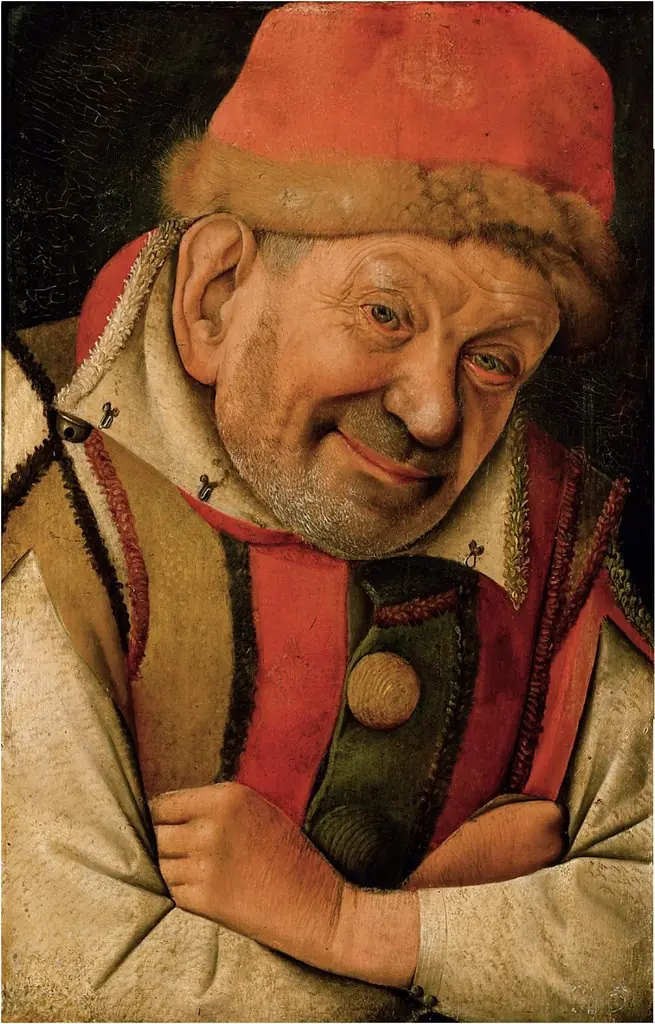 Portrait of the court jester Gonella
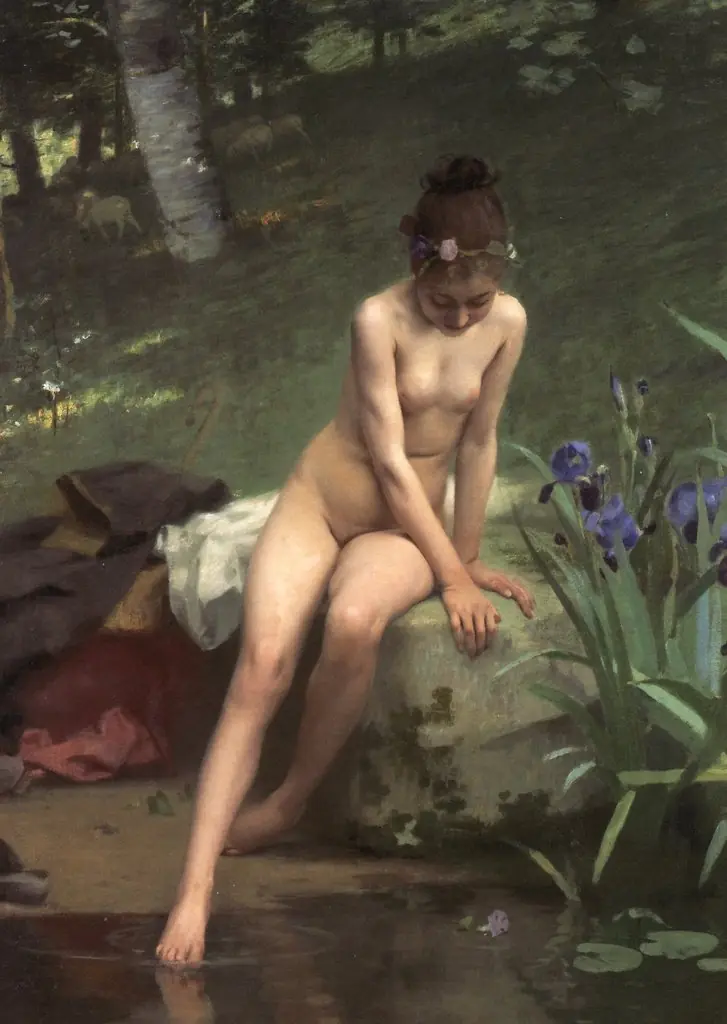 The Young Shepherdess
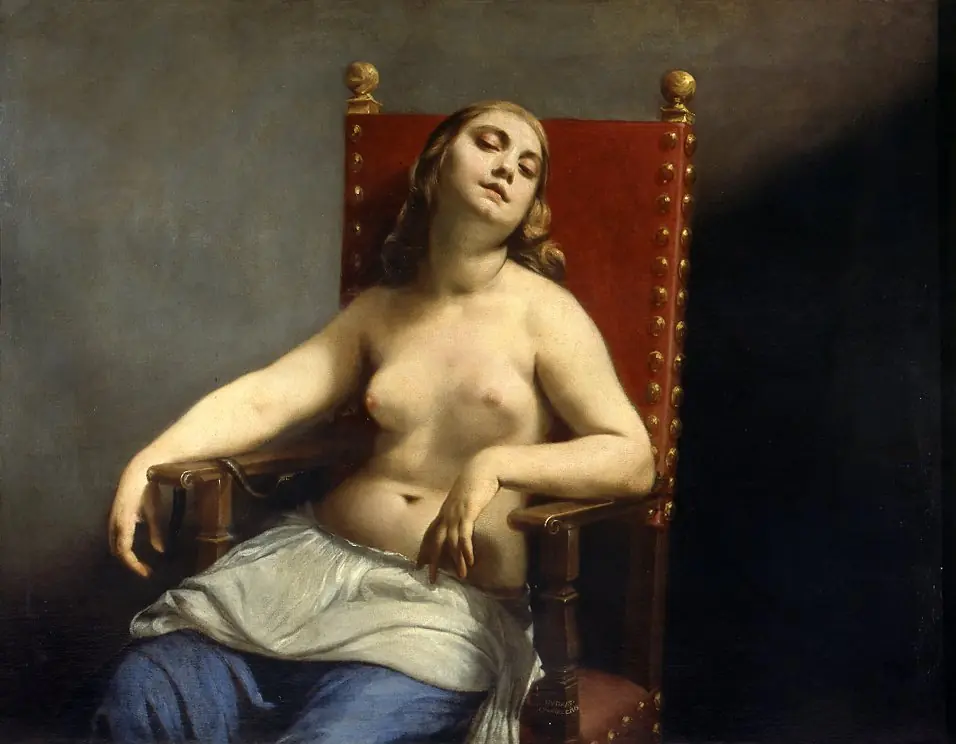 The Death of Cleopatra
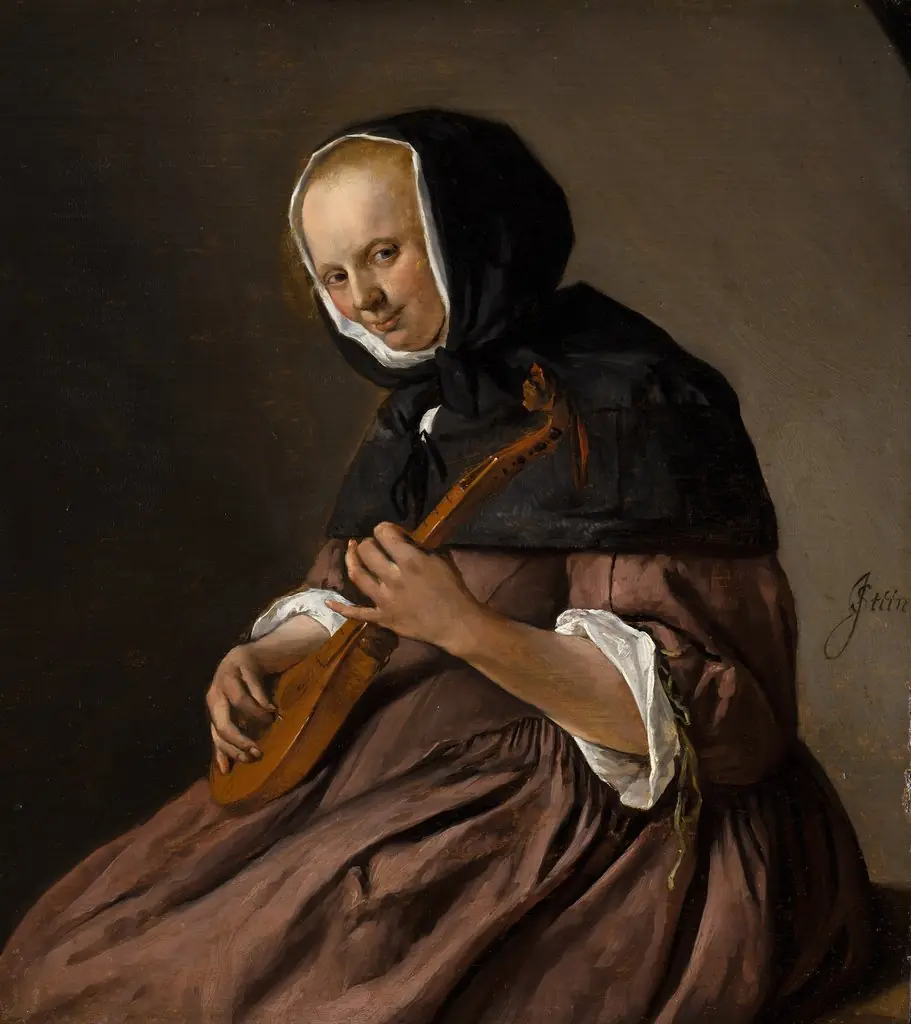 Woman Playing the Sistrum
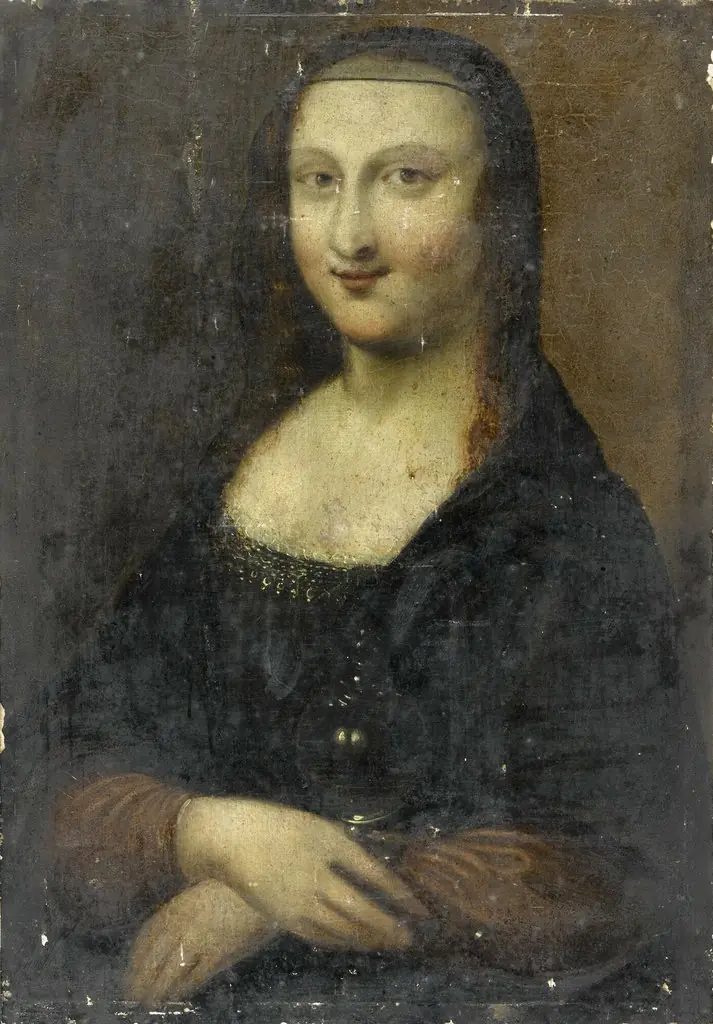 Mona Lisa (copy)
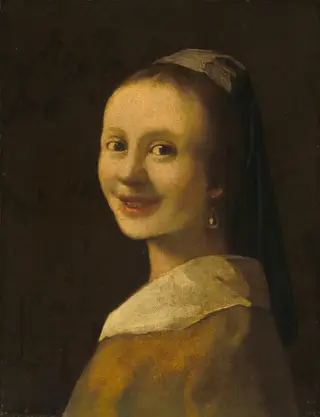 The Smiling Girl
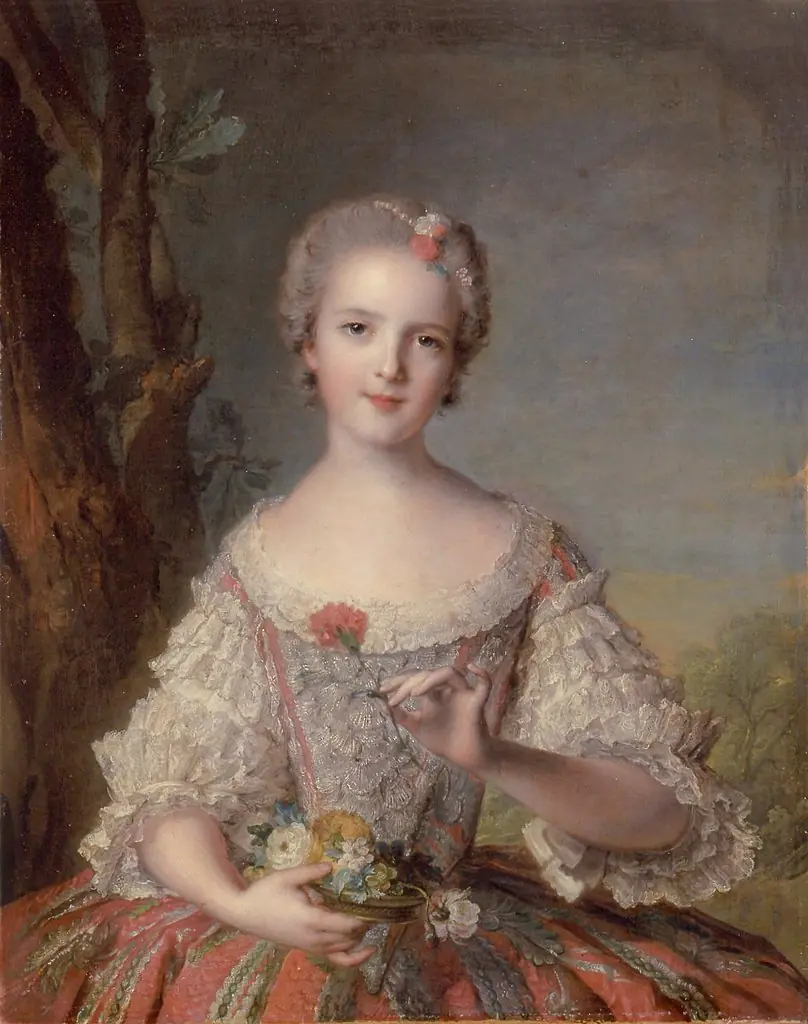 Madame Louise of France
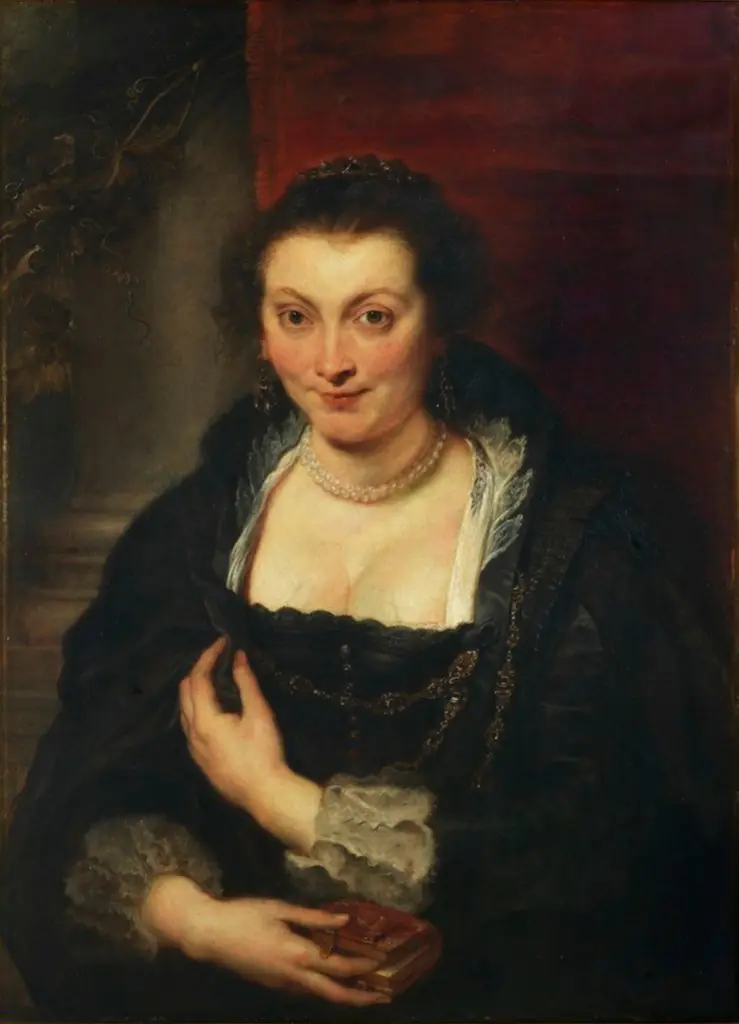 Portrait of Isabella Brant
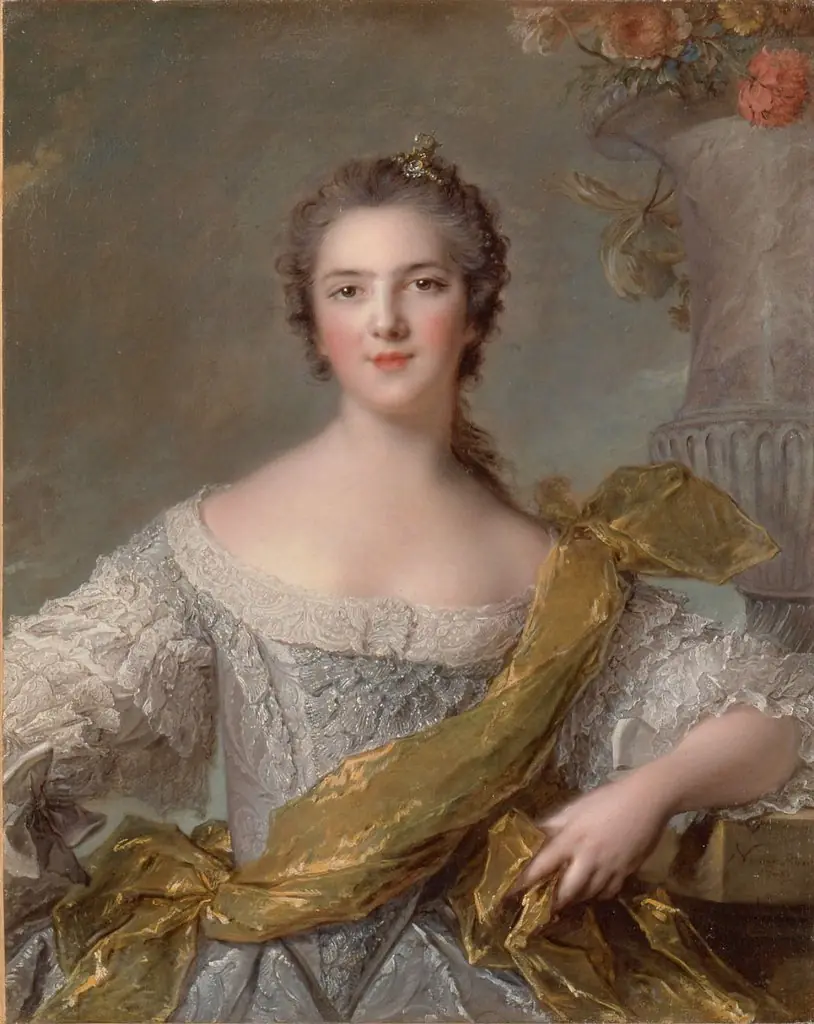 Portrait of Victoire of France
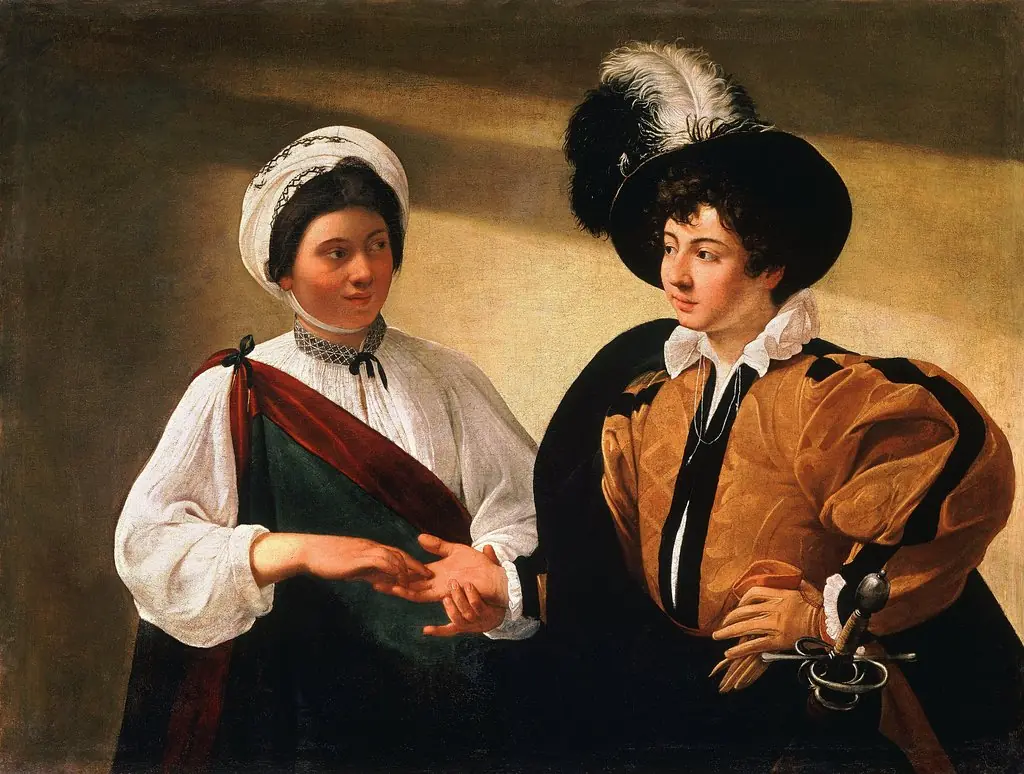 The Fortune Teller
 Bathsheba with King David's Letter
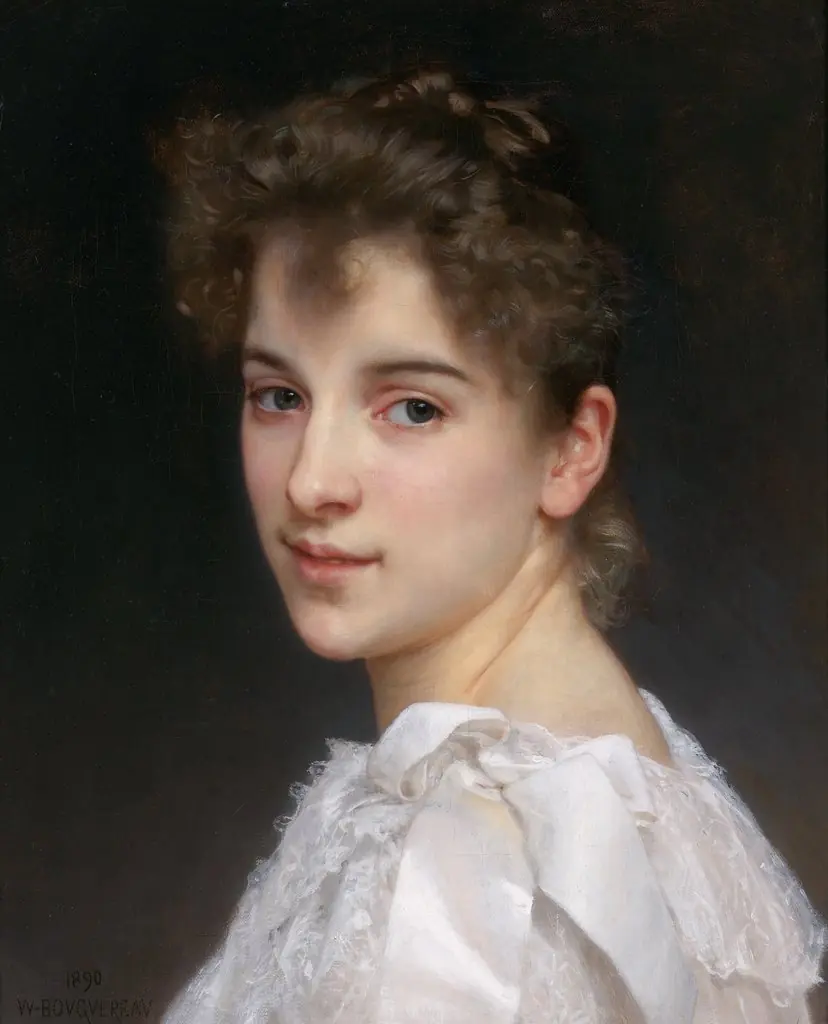 Gabrielle Cot
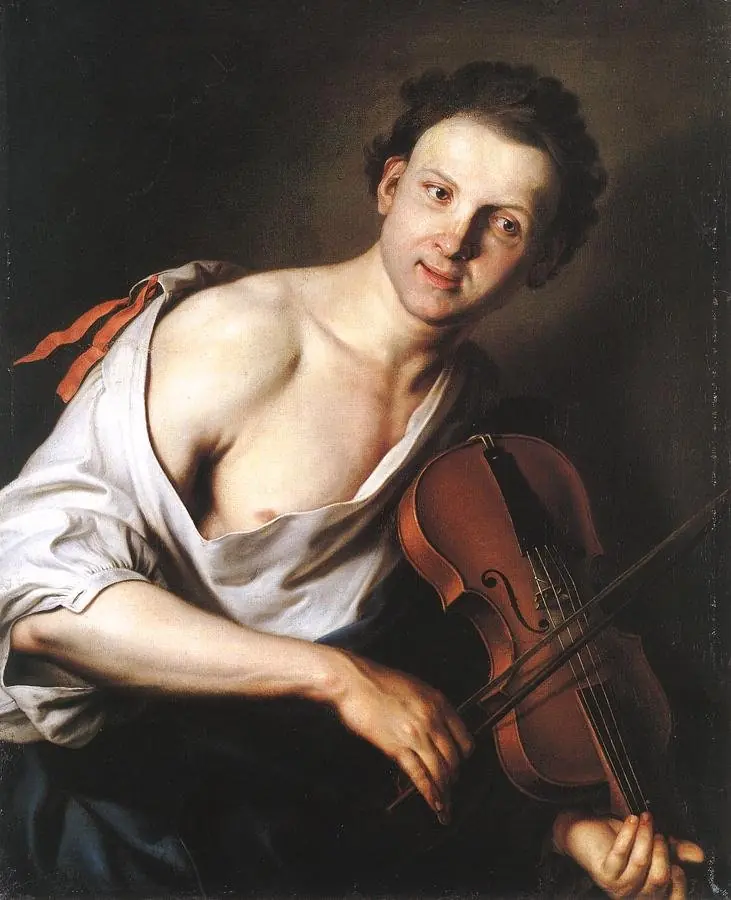 Young man with a violin
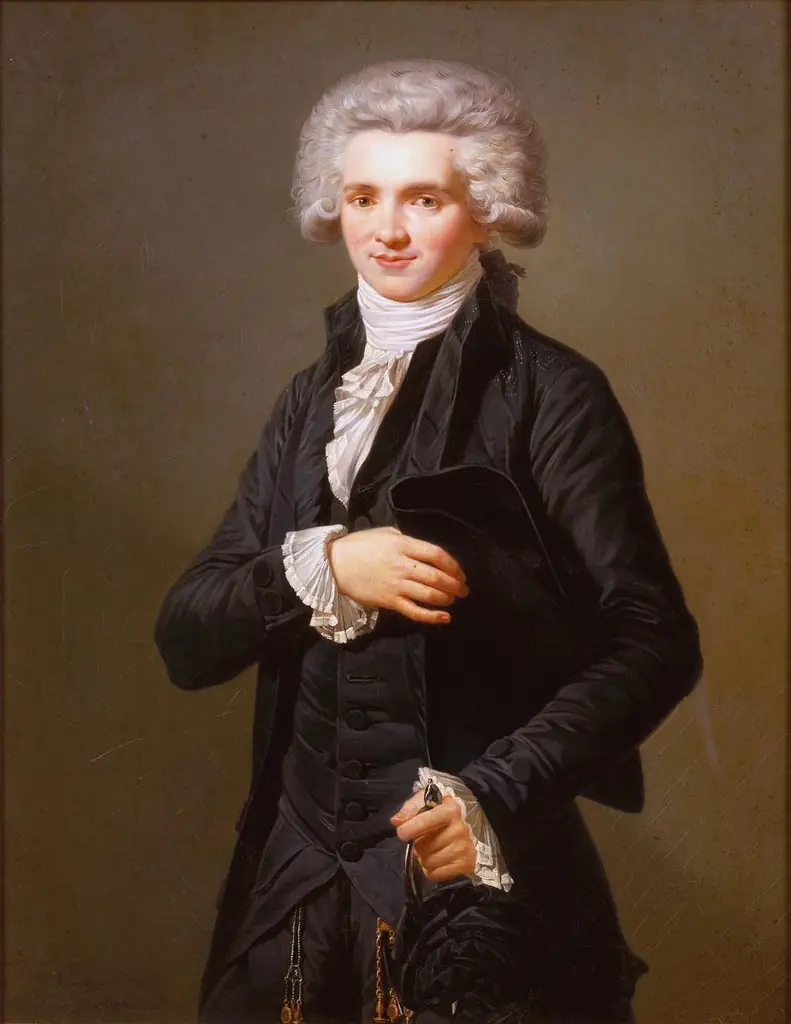 Maximilien de Robespierre dressed as deputy of the Third Estate
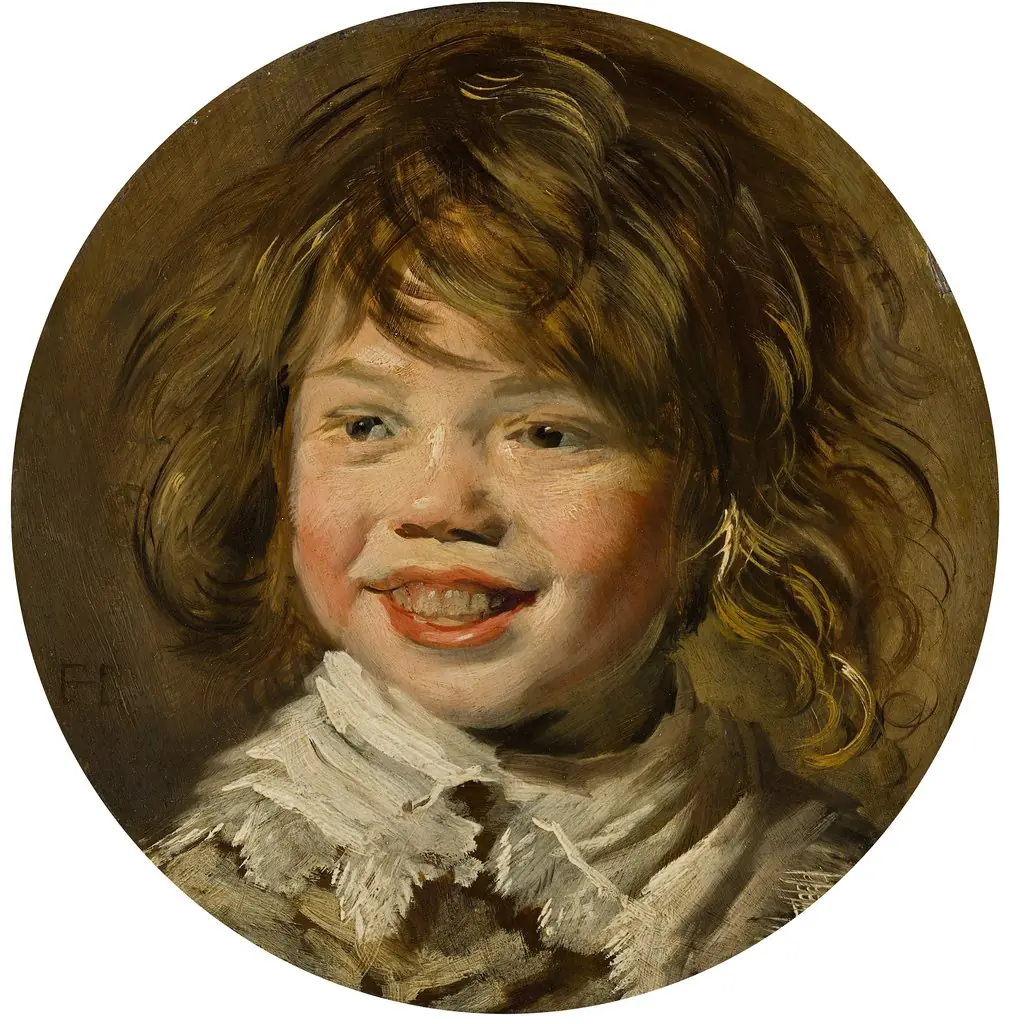 Laughing boy
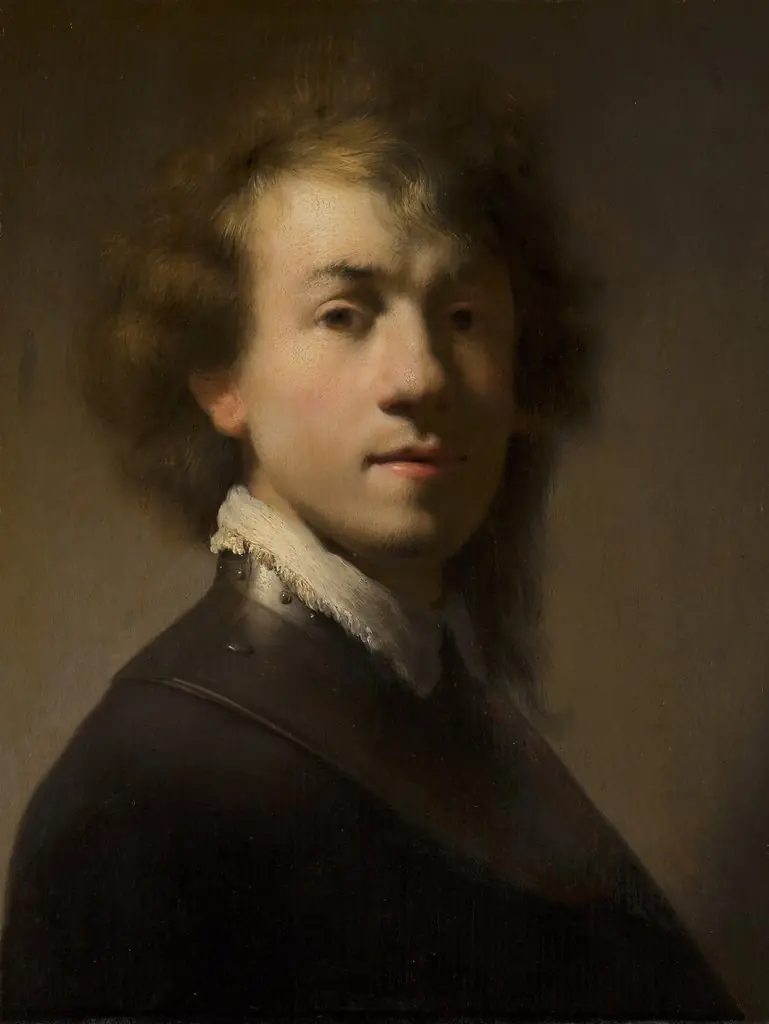 Portrait of Rembrandt with a gorget
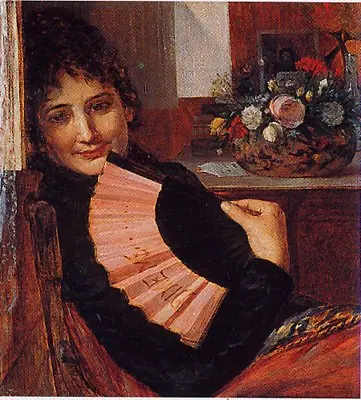 Coquetería
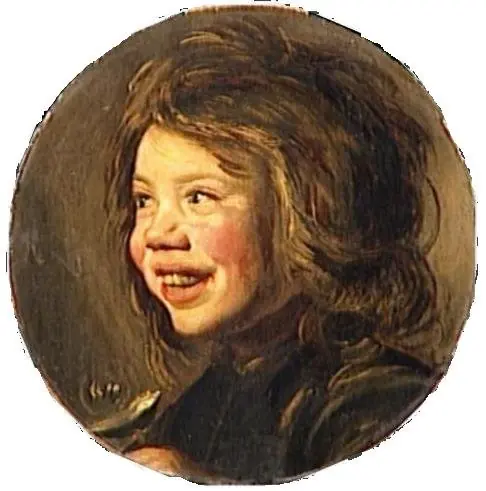 Child with a Soap Bubble
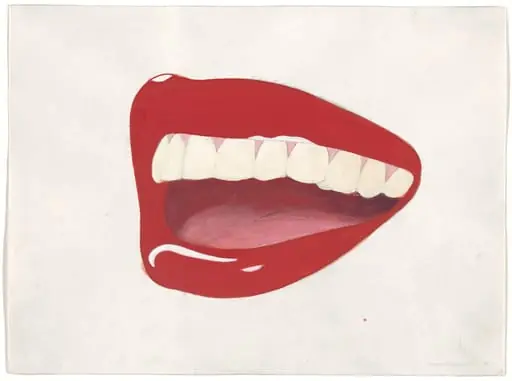 Untitled
Frequently asked questions
What is Smile?
Smile is a subject in art. A smile is a facial expression formed primarily by flexing the muscles at the sides of the mouth.
How many Smile works does Artifact World Gallery have?
Artifact World Gallery holds 61 public-domain Smile works, all free to view and download.
Who are the key Smile artists?
Key Smile artists in the collection include Paolo Veronese, Lorenzo Lotto and Gustave Courbet.
Where can I see Smile works?
Smile works in the collection are held by Mauritshuis, Metropolitan Museum of Art and Kunsthistorisches Museum.