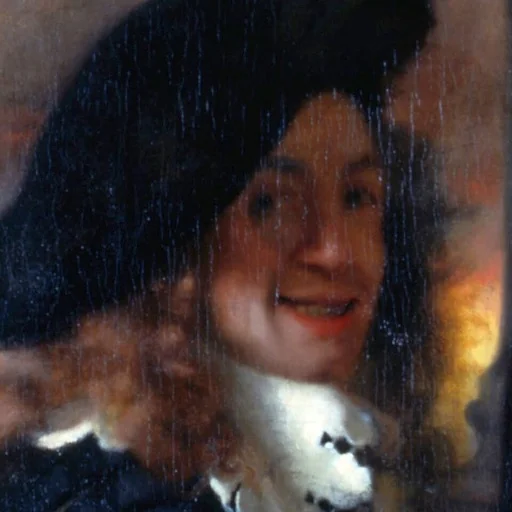
Subject
Crucifixion of Jesus
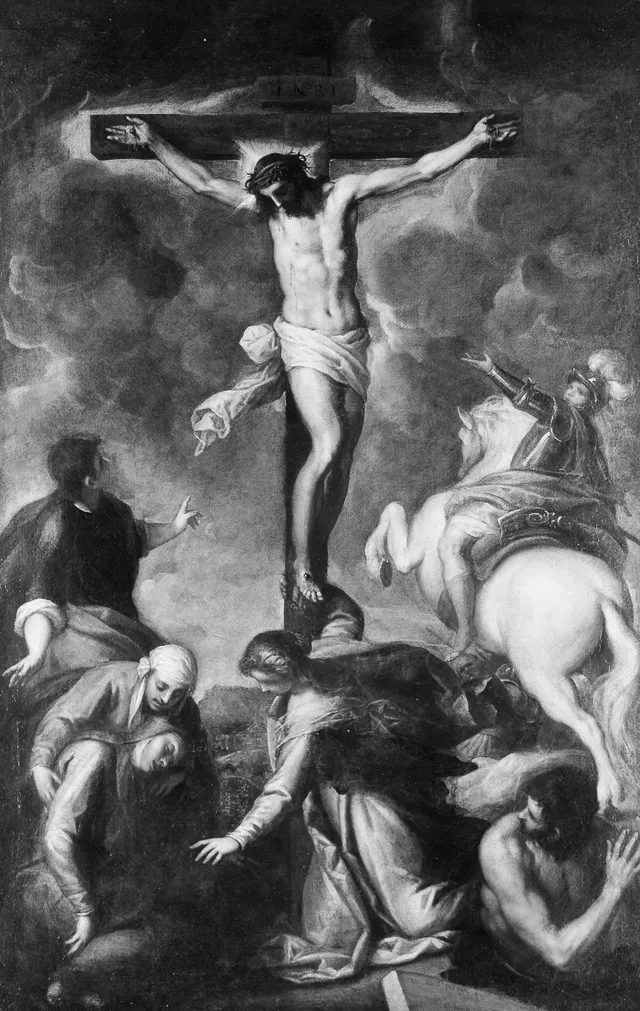
Crucifixion of Jesus is a subject in art. The gallery holds 108 works in this subject in art, including works by Johannes Vermeer, El Greco and Rembrandt van Rijn.
The Crucifixion of Jesus—his execution on a Roman cross at Golgotha, narrated in all four canonical Gospels—became the central image of Christian art, yet it was strikingly slow to appear. For the faith's first centuries believers shied from depicting so degrading a punishment, preferring symbols of triumph and resurrection; the earliest surviving image is hostile, the Alexamenos graffito on Rome's Palatine Hill (discovered 1857), which mocks a Christian worshipping a donkey-headed crucified figure. Sympathetic depictions cannot be securely identified before the fifth century. The earliest extant public image is a small relief panel on the carved wooden doors of Santa Sabina in Rome (c. 430–432); the first in an illuminated manuscript appears in the Syriac Rabbula Gospels, completed in northern Syria in 586. The rediscovery of the True Cross, attributed to Constantine's mother Helena, helped make the subject central.
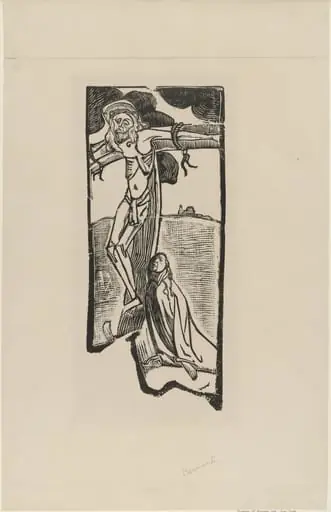
Iconography shifted decisively over the Middle Ages. Early and Byzantine images show a living, open-eyed Christ (Christus triumphans), erect and even robed, conquering death rather than suffering it. From the Romanesque and especially the Gothic period the dead, slumped, suffering Christ (Christus patiens) prevailed, his body sagging, head fallen, blood streaming—an image meant to provoke compassion and meditation on the Passion. The scene's cast expanded to include the swooning Virgin Mary, Saint John the Evangelist, the Magdalene clasping the cross, and the soldiers Longinus and Stephaton.
The theme drew nearly every major painter. Masaccio gave it Renaissance gravity and foreshortening; Mantegna and Antonello da Messina monumentalised it; Grünewald's Isenheim Altarpiece (c. 1512–1516), painted for a hospital of plague and ergotism sufferers, renders Christ's lacerated, sore-pitted body with unmatched anguish. Rubens brought Baroque drama, while Diego Velázquez, in his serene Cristo crucificado (c. 1632, Prado), stripped the scene to Christ alone against darkness.
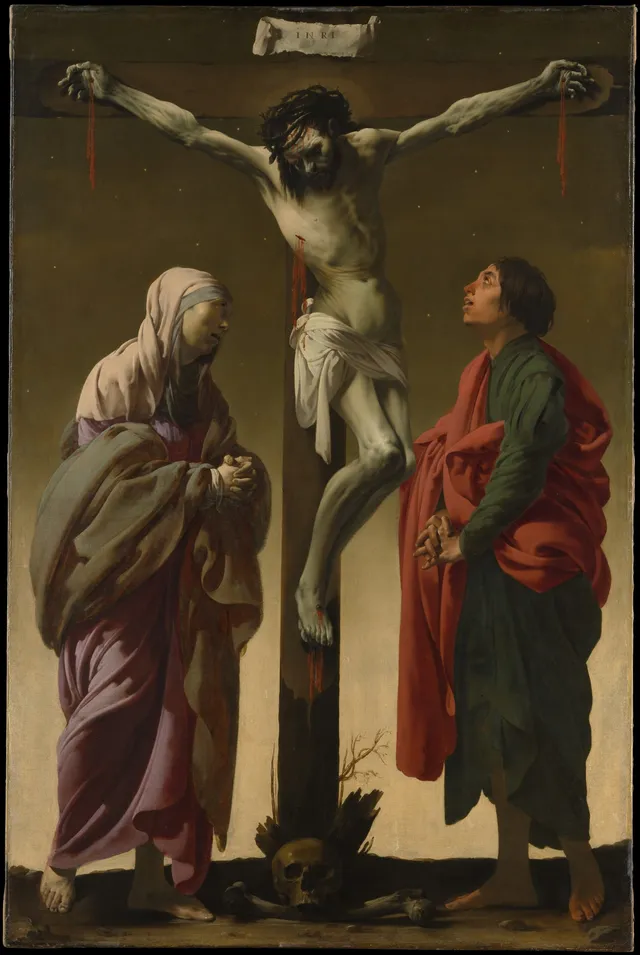
This catalogue holds works spanning that tradition: Jean de Beaumetz's intimate Calvary with a Carthusian Monk, the Crucifixion paintings of Palma il Giovane and the Utrecht Caravaggist Hendrick ter Brugghen (The Crucifixion with the Virgin and St John), and Vermeer's Allegory of the Catholic Faith, which incorporates a crucifix as devotional emblem. The motif's influence radiates from Byzantine icons through Gothic devotion and Counter-Reformation altarpieces into modern reinterpretations by artists such as Salvador Dalí and Francis Bacon.
Key artists
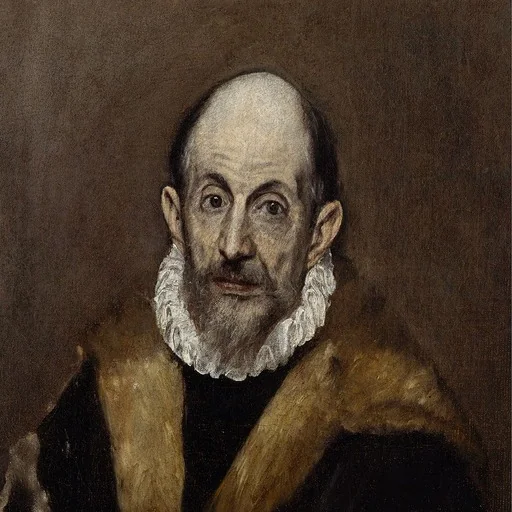

Iconography & meaning
The iconography of the Crucifixion is drawn from the gospel narratives and their theological interpretations. Standard elements include the cross itself, the titulus bearing the inscription 'Jesus of Nazareth, King of the Jews' in Hebrew, Latin, and Greek, and the two convicted thieves crucified alongside Christ. Mournful onlookers frequently appear, notably the Virgin Mary and Saint John, as well as Mary Magdalene, often depicted kneeling and embracing Christ's feet alongside her jar of ointment. Roman soldiers are shown dividing his garments and casting lots, while the figures of Longinus with his spear and Stephaton with a pole offering vinegar symbolize the double reality of God and man in Christ. Early depictions minimized suffering to emphasize the positive message of resurrection, showing a living, triumphant Christ with open eyes, as seen in the Byzantine San Damiano Cross, which presents the cross not as defeat but as victory. Over time, the focus shifted toward human emotion and physical agony, reflecting doctrines of atonement and identification with human suffering. Later additions, such as the perizonium or loincloth, appeared around the 8th century to cover Christ's nakedness, departing from the complete humiliation of the historical Roman execution.
In the collection
Within the referenced museum collection, the Crucifixion of Jesus is depicted in 114 works, demonstrating its overwhelming prevalence as a artistic subject. The collection encompasses a wide variety of media and formats, ranging from panel paintings and enamels to bronze statuary. Examples include traditional narrative scenes such as Calvary with a Carthusian Monk and The Crucifixion with the Virgin and St John, as well as more allegorical or historical applications like Allegory of the Catholic Faith and Una escena de la Inquisicion. The collection also holds works focused on the immediate aftermath of the event, such as The Descent from the Cross, and isolated, devotional representations like The Crucified Christ. A modern limited-edition bronze sculpture from 2009 by Gilbert Jerome Singleton, measuring 31.5 by 9.5 by 9.5 inches, represents the twelfth station of his Stations of the Cross, using an abstract 'emotional realism' to accentuate the anguish of Christ's torture.
Across movements & periods
The treatment of the Crucifixion has shifted dramatically across art movements and periods. In the first three centuries of Early Christian art, the subject was rarely depicted, as early church leaders regarded crucifixion with horror; the earliest known pictorial representation is the 2nd-century Alexamenos graffito, a mocking inscription. By the 4th and 5th centuries, following Constantine's abolition of crucifixion and the discovery of the True Cross, the image emerged in mainstream art, focusing on a triumphant, living Christ without signs of pain, as seen on the 5th-century doors of Santa Sabina. Early Byzantine art maintained this victorious Christ, though later Byzantine images introduced an S-shaped slumped body type. During the medieval period, works like Giotto's early 14th-century frescoes introduced profound emotional realism and spatial depth, moving away from purely symbolic representation. The Renaissance brought rational order and classical proportion, while the Baroque period emphasized dramatic movement and intense chiaroscuro. By the modern era, artists radically reinterpreted the subject, stripping it of traditional iconography to explore existential suffering, as in Francis Bacon's grotesque triptychs, or fusing it with scientific concepts, as in Salvador Dali's nuclear mysticism.
Notable depictions
Numerous canonical depictions define the artistic history of the Crucifixion. Giotto's 1320 Berlin Crucifixion, a tempera and gold panel, introduced emotional realism into sacred imagery. Jan van Eyck's 1430-1440 Crucifixion and Last Judgement diptych, an early masterwork in oil, pairs the event with a hellscape for devotional use. Raphael's Mond Crucifixion, dated 1502-1503, is an early High Renaissance altarpiece painted on poplar panel for the church of San Domenico in Citta di Castello. Titian's 1558 Crucifixion in Ancona features Saints Mary, John, and Dominic at the foot of the cross. Tintoretto's monumental 1565 Crucifixion fills an entire wall of the Scuola Grande di San Rocco in Venice with chaotic figural composition. Diego Velazquez's 1632 Christ Crucified, housed at the Museo del Prado, isolates a serene Christ against a dark background. In the 20th century, Salvador Dali reimagined the subject in his 1954 Corpus Hypercubus, suspending Christ from a tesseract to unite science and religion, and Paul Gauguin's 1889 Yellow Christ utilized bold color to symbolize cultural suffering rather than historical reality.
Legacy
The Crucifixion has maintained a pervasive cultural afterlife, extending far beyond its original religious context. Since the 4th century, the motif has permeated practically every period and art movement, sustaining the visual practice of Christianity. In contemporary art and popular culture, images of the crucifixion have become commonplace, often used to make statements completely unconnected to Christian iconography or to deliberately shock the viewer. Modern and existential artists have utilized the Crucifixion as a magnificent armature to convey the emotional and sensory extremes of human existence. For instance, Francis Bacon explored the brutal realities of human suffering through the motif, despite his avowedly irreligious stance, treating the cross as a universal symbol of visceral fate rather than divine sacrifice. Similarly, Vasily Vereshchagin's historical approach stripped the event of sacred idealization to confront viewers with the political reality of Roman mass violence, ensuring the motif's continued relevance as a vehicle for profound human commentary.
Works
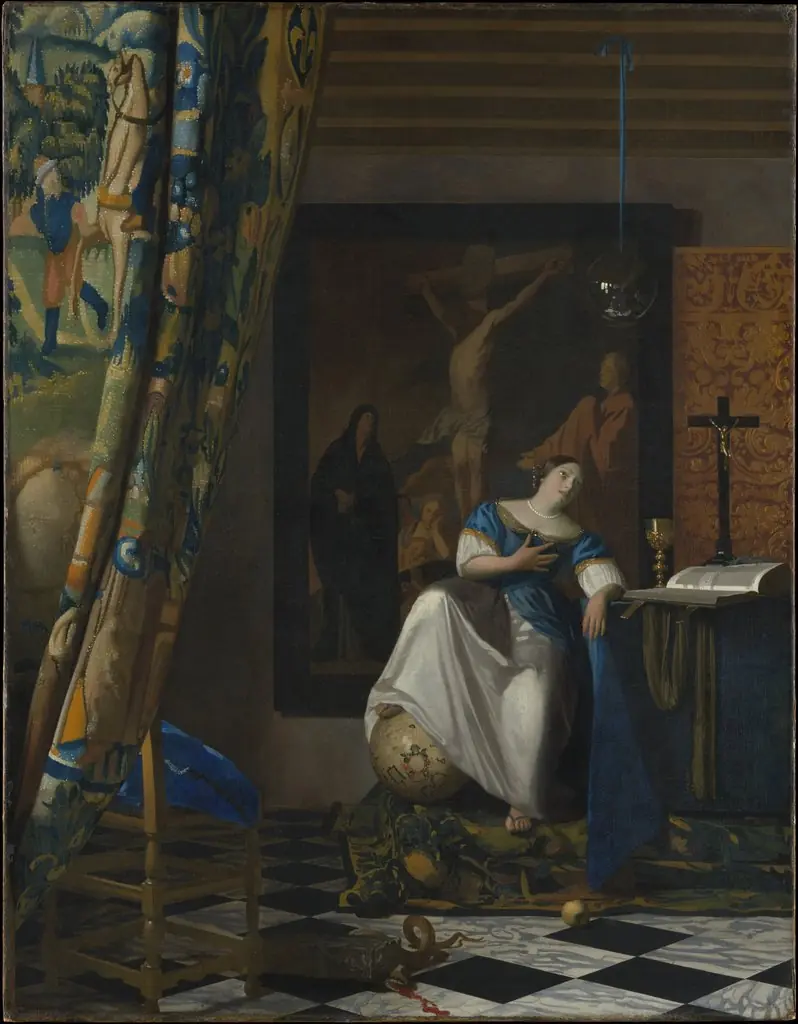 Allegory of the Catholic Faith
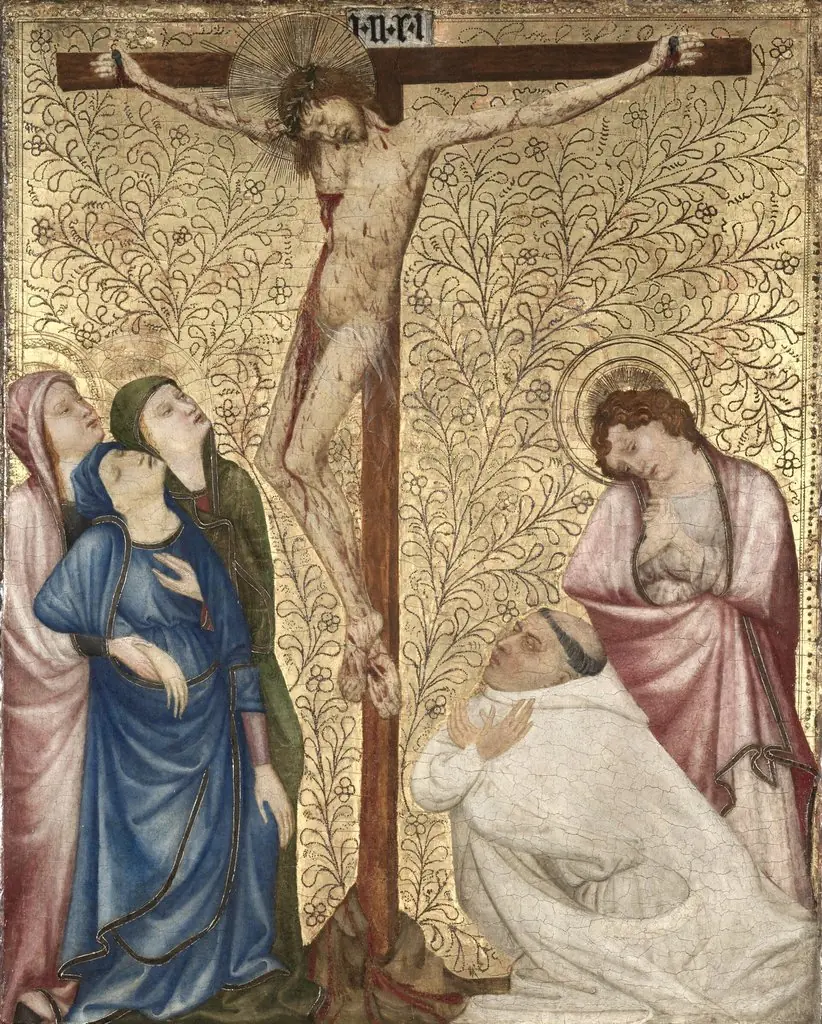 Calvary with a Carthusian Monk
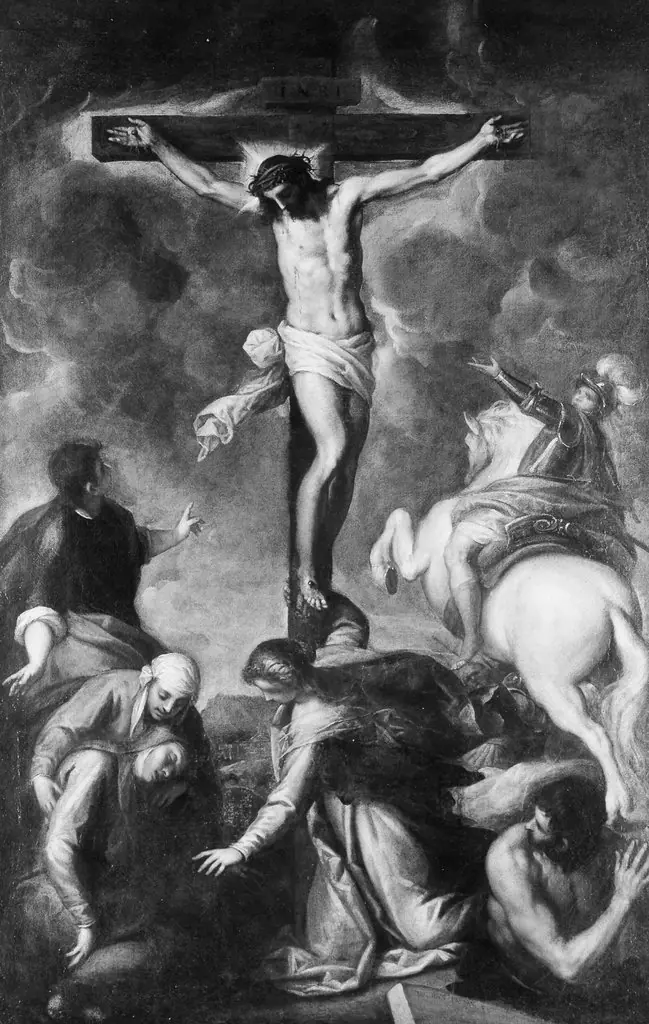 The Crucifixion
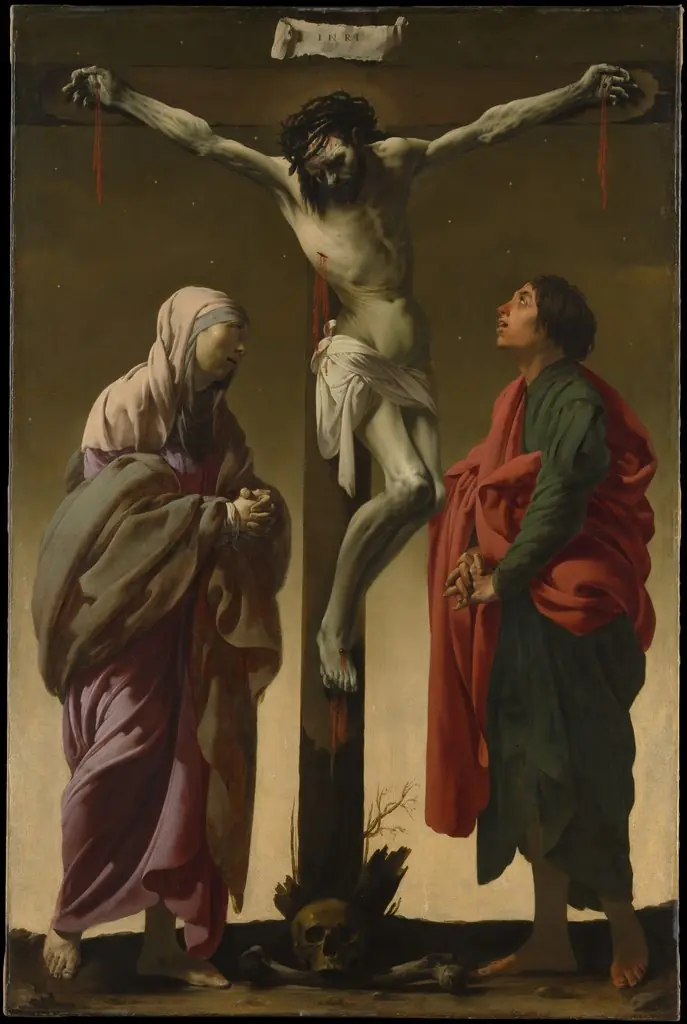 The Crucifixion with the Virgin and St John
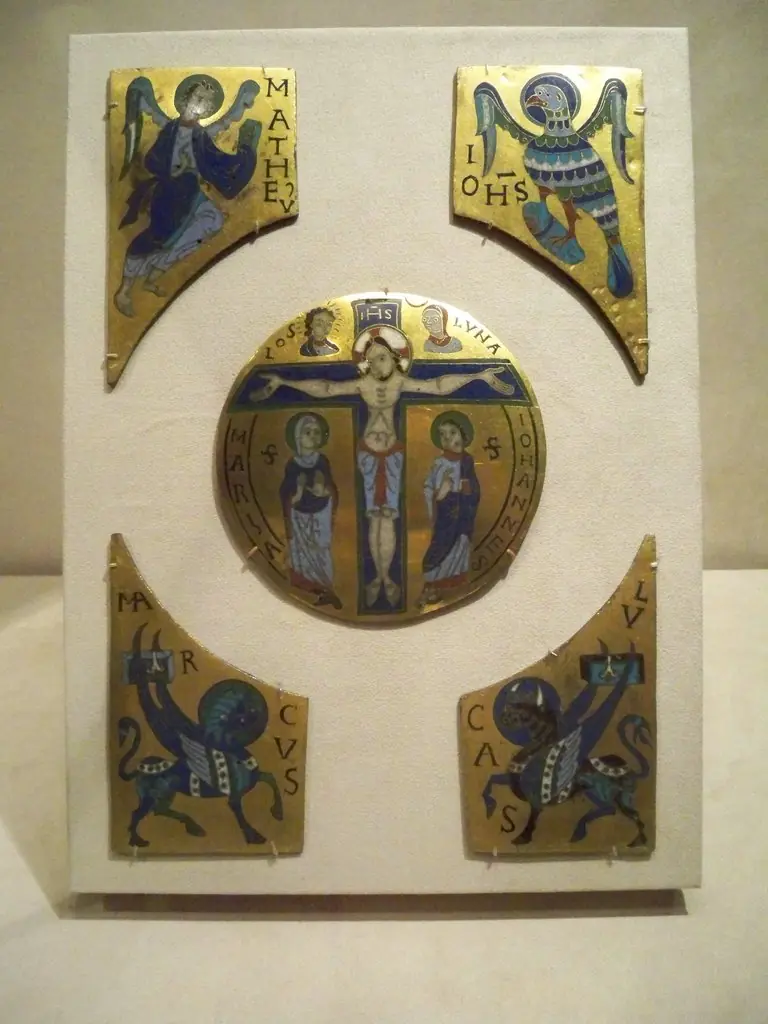 Enamels with the Crucifixion
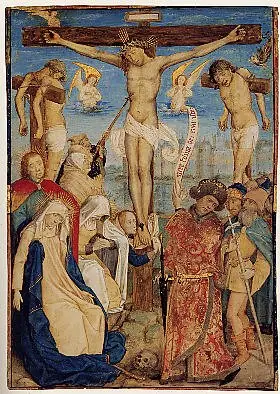 The Crucifixion
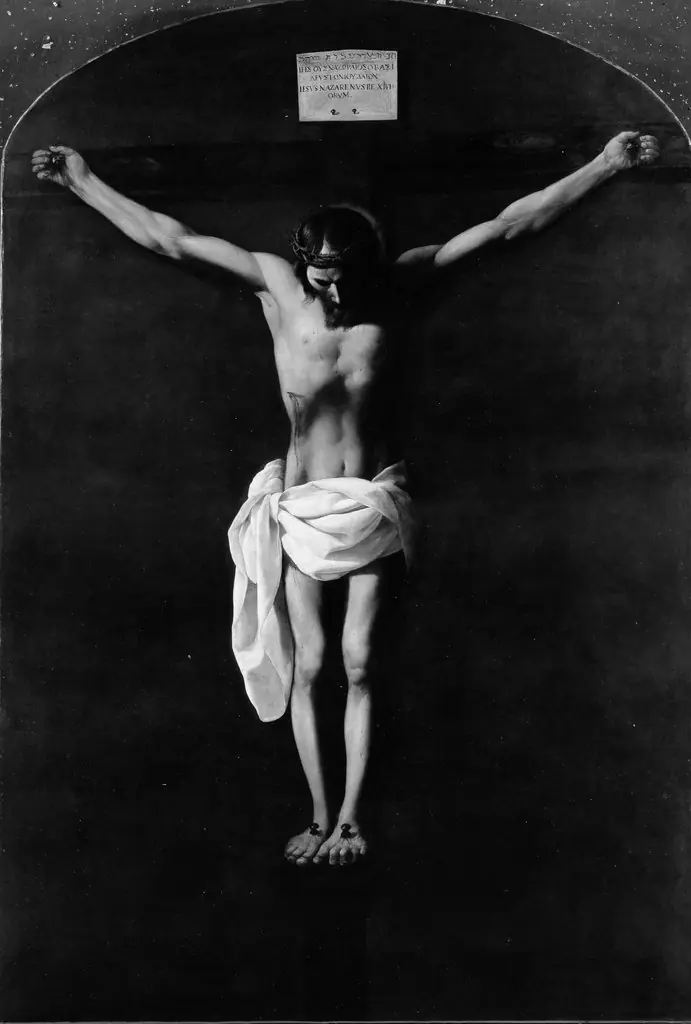 The Crucifixion
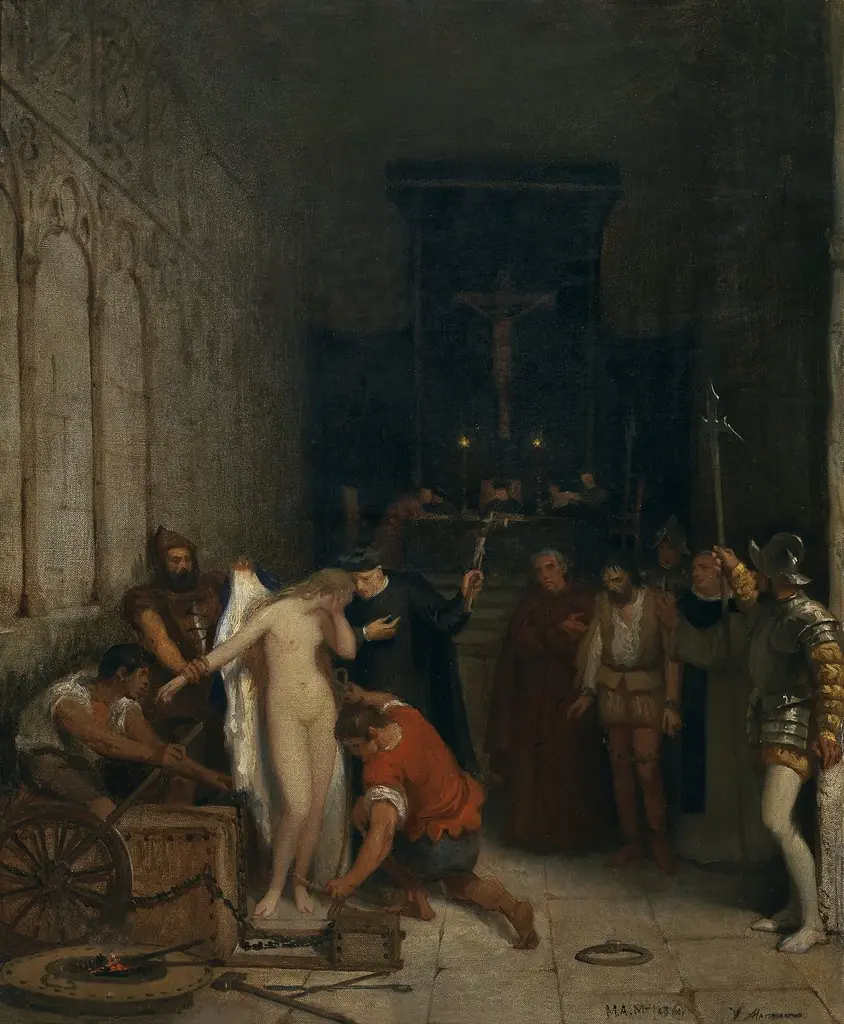 Una escena de la Inquisición
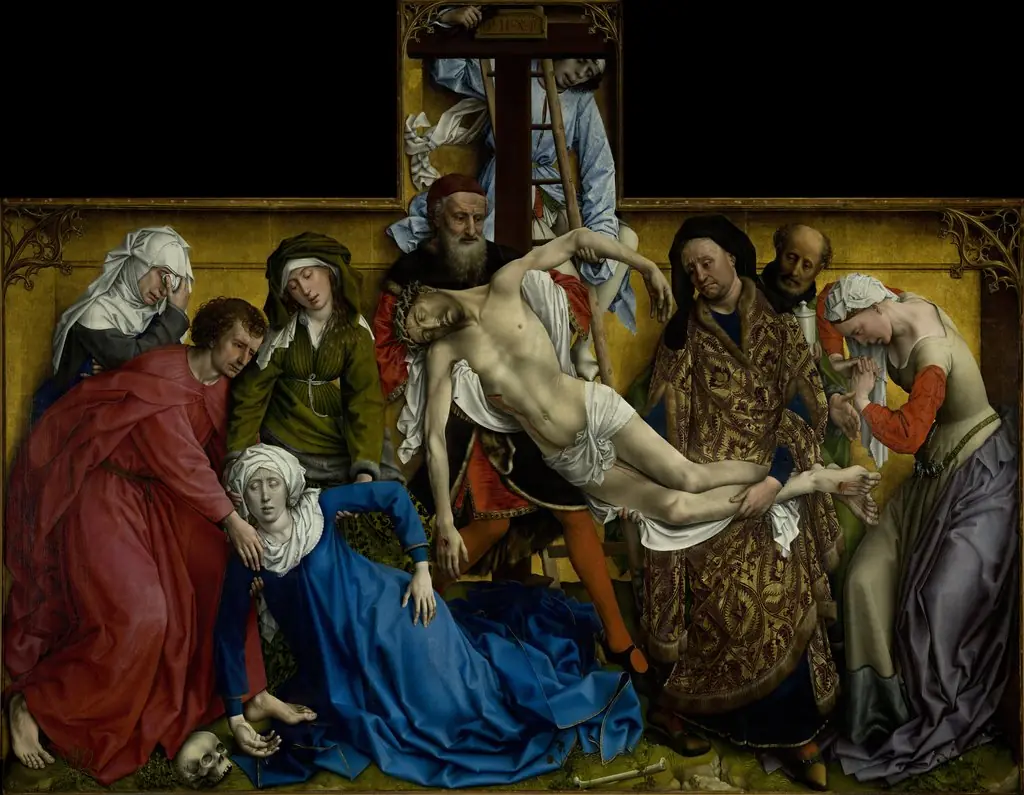 The Descent from the Cross
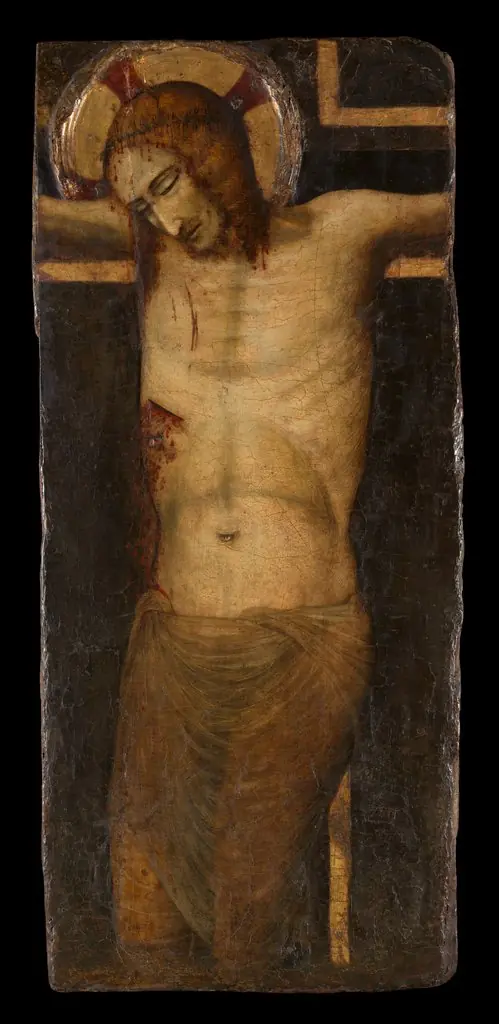 The Crucified Christ
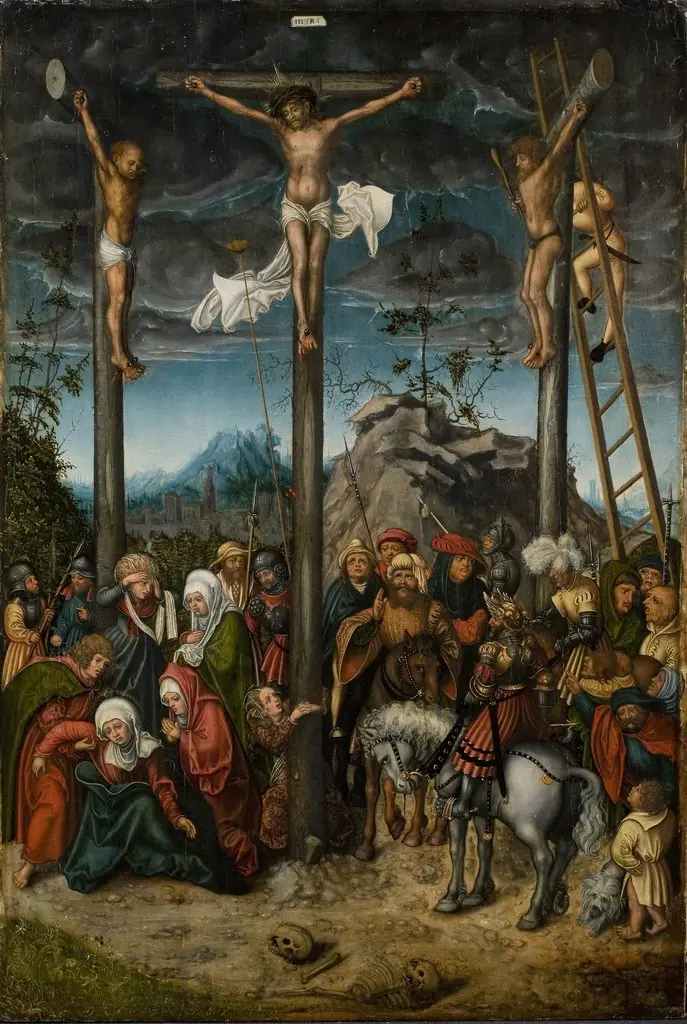 The Crucifixion
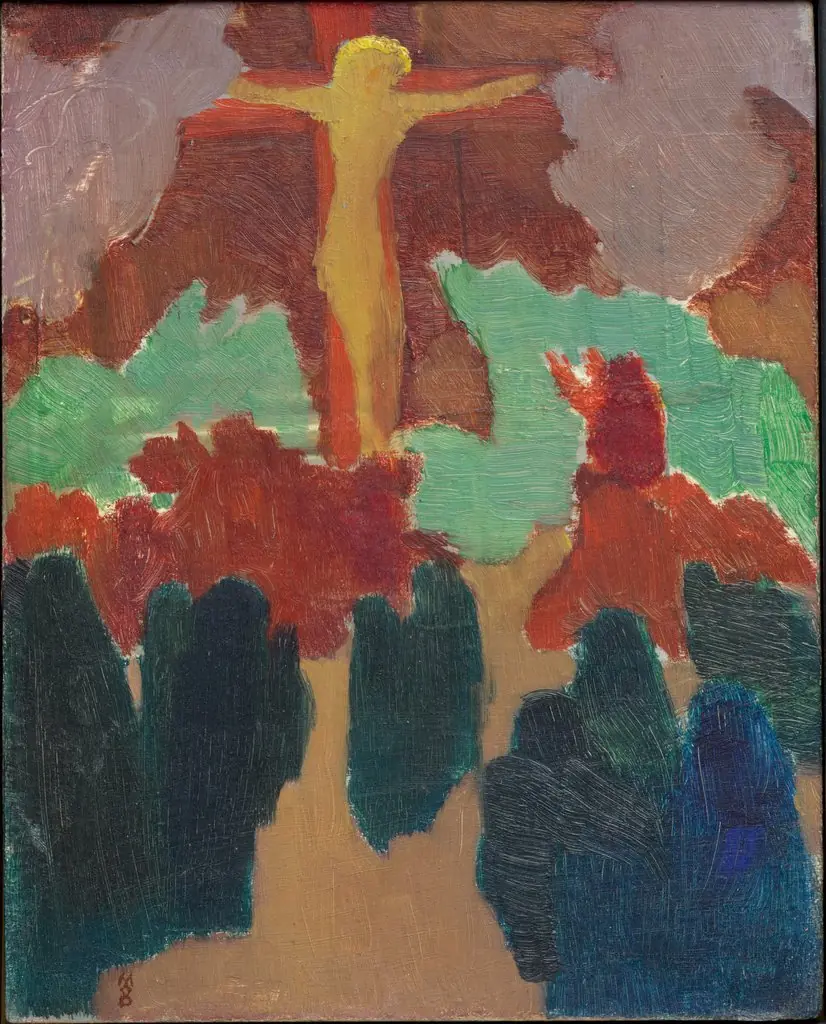 The Orange Christ
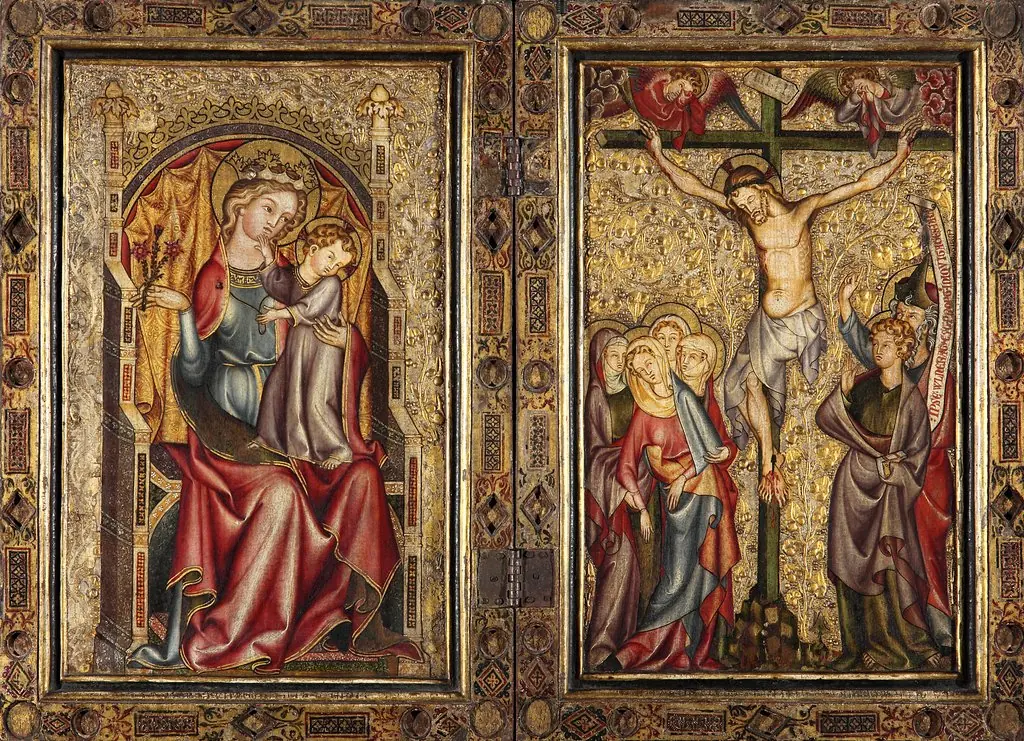 Cologne Diptych
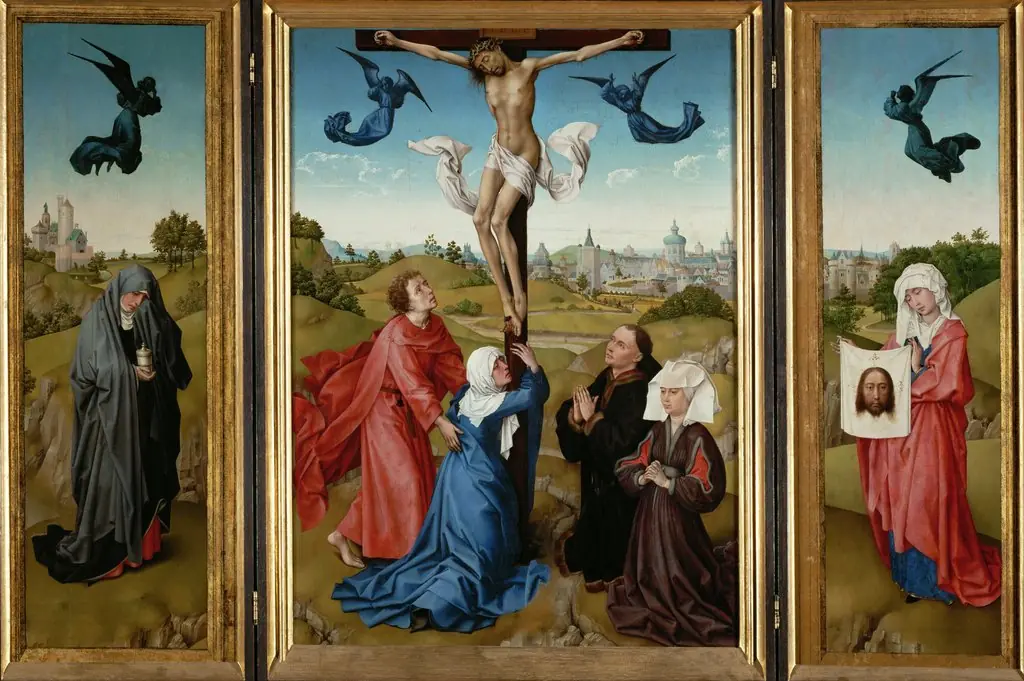 Crucifixion Triptych
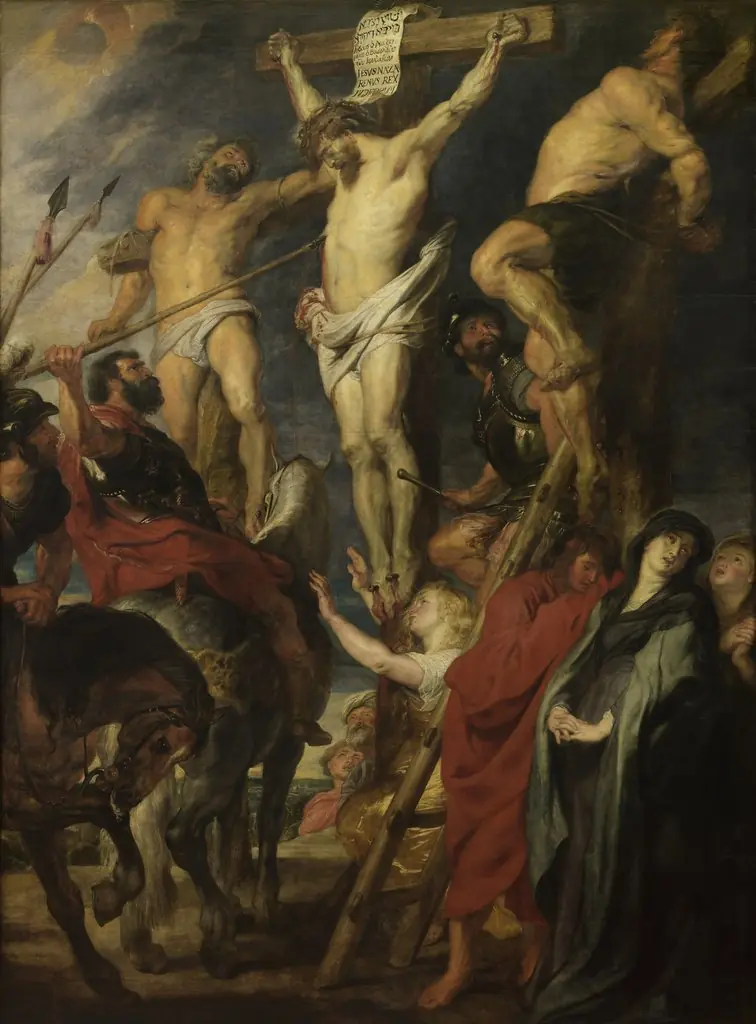 Christ on the Cross between the two criminals
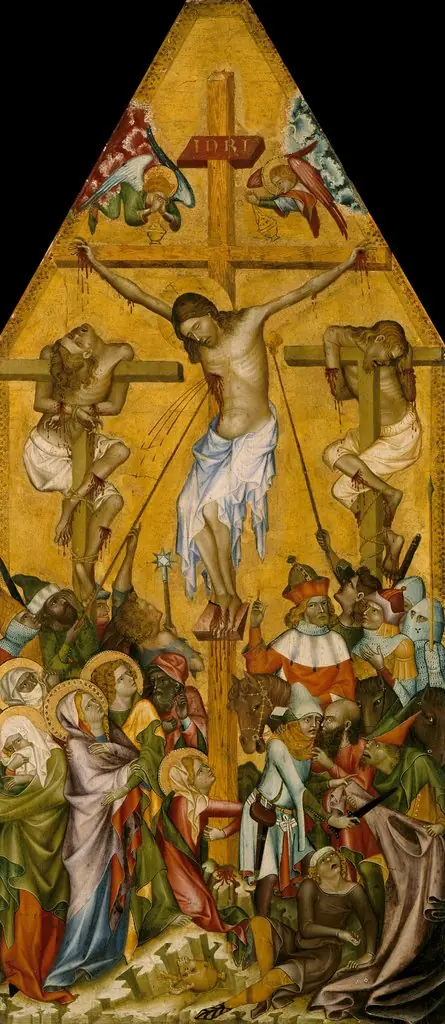 The Crucifixion of Christ
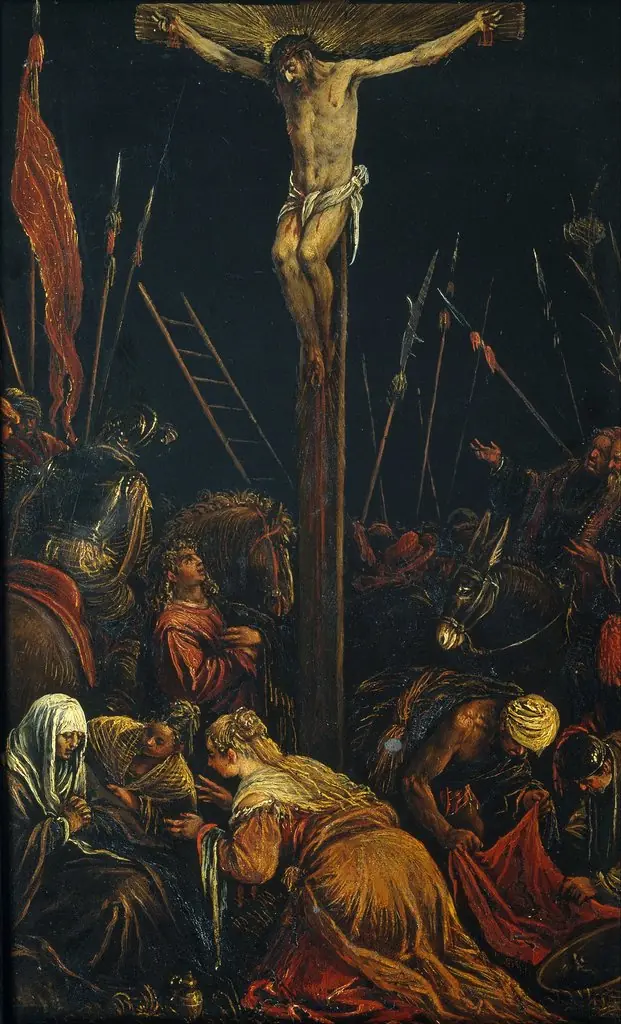 Calvary
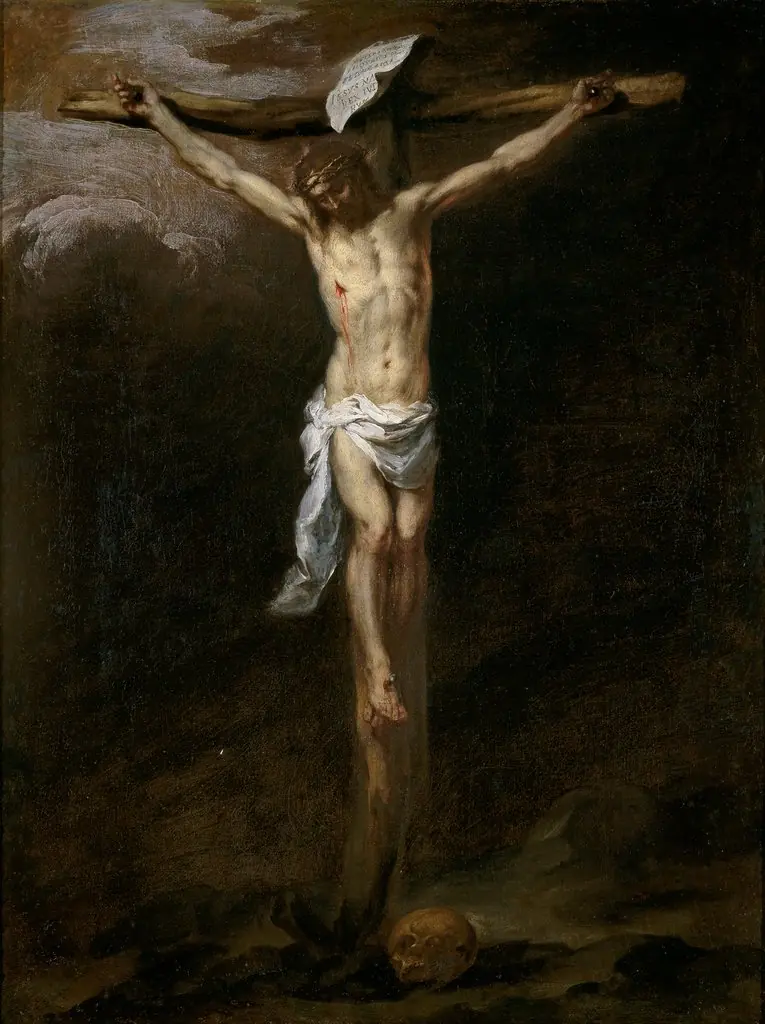 Christ crucified
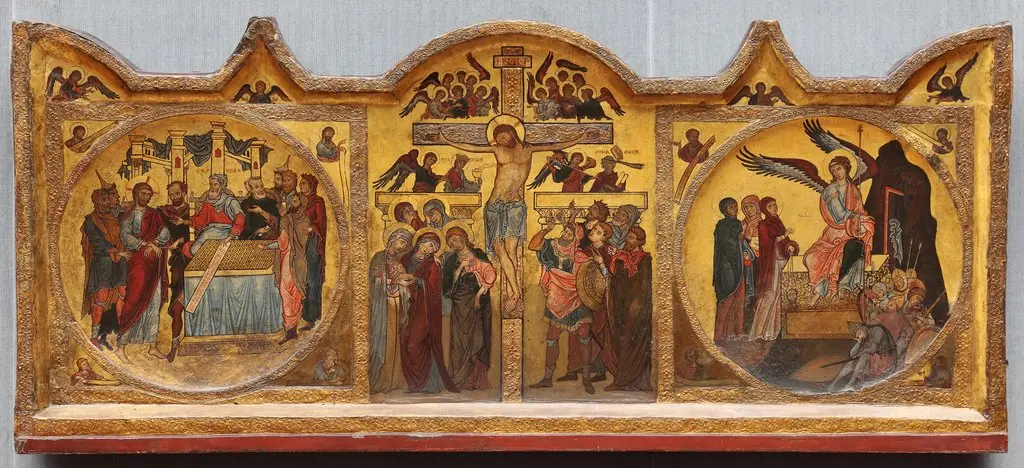 Crucifixion retable from Soest
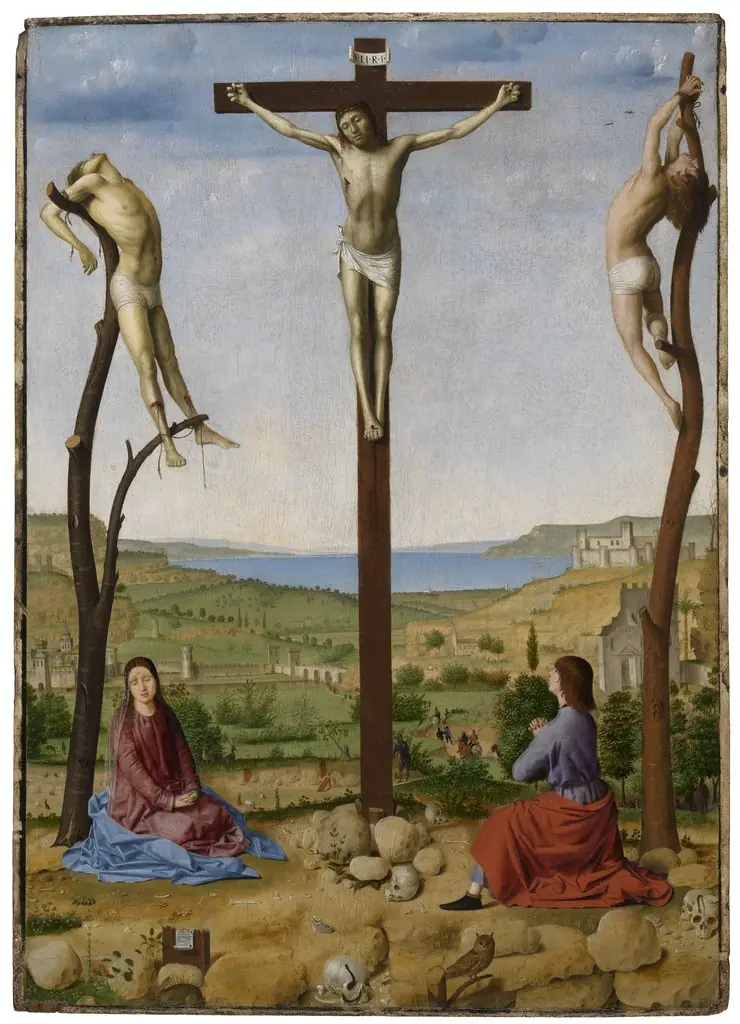 Calvary
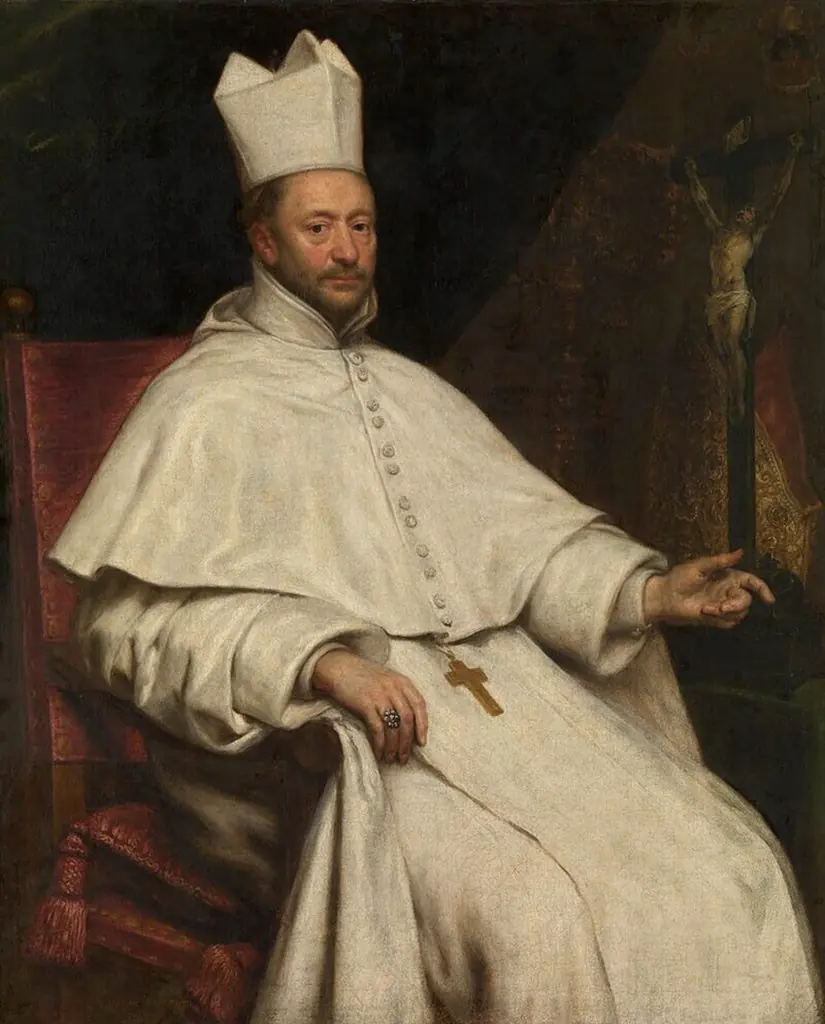 Norbertus van Couwerven, abbot of St Michael's
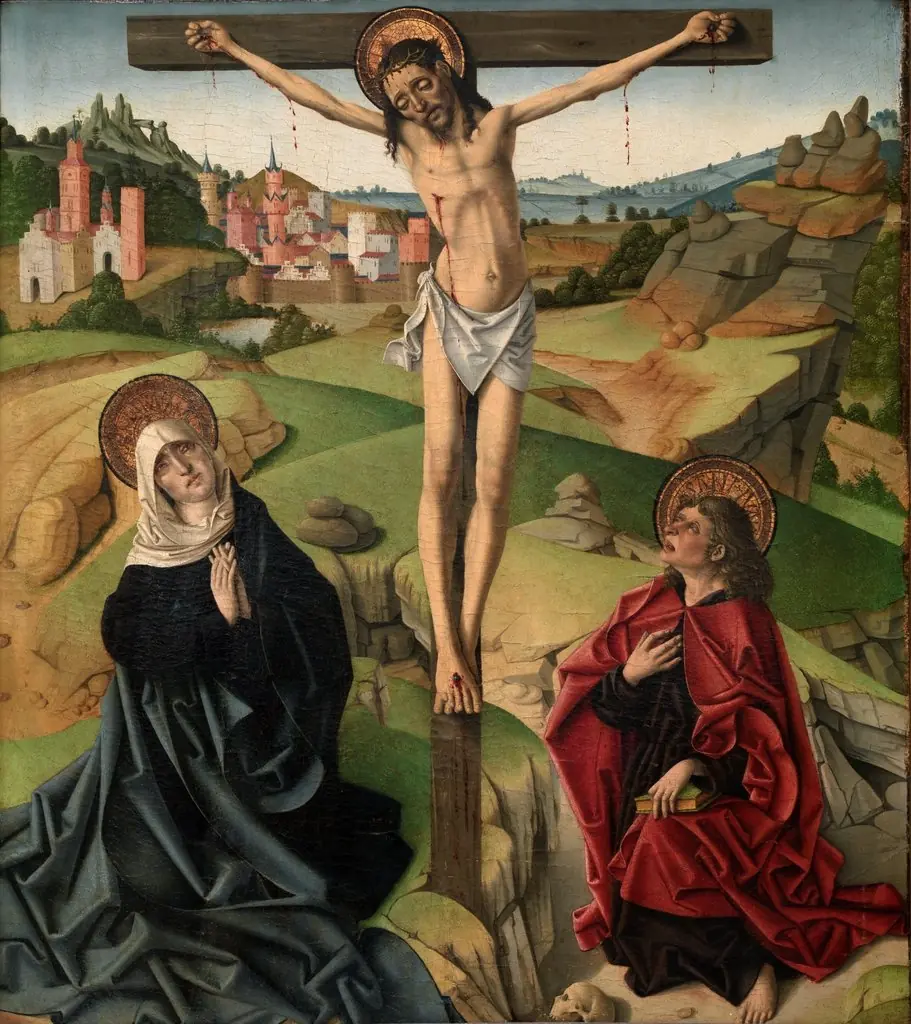 The Crucifixion
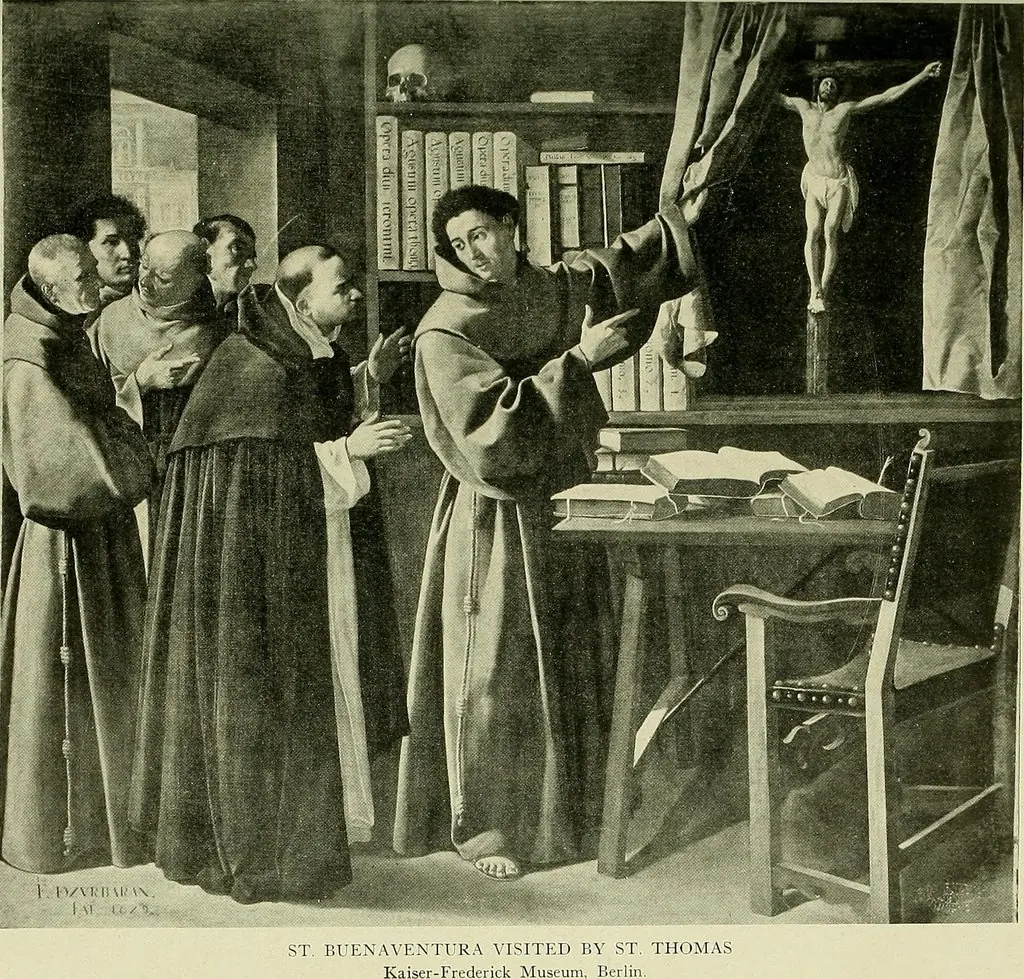 Saint Bonaventure and Saint Thomas Aquinas in Front of the Crucifix
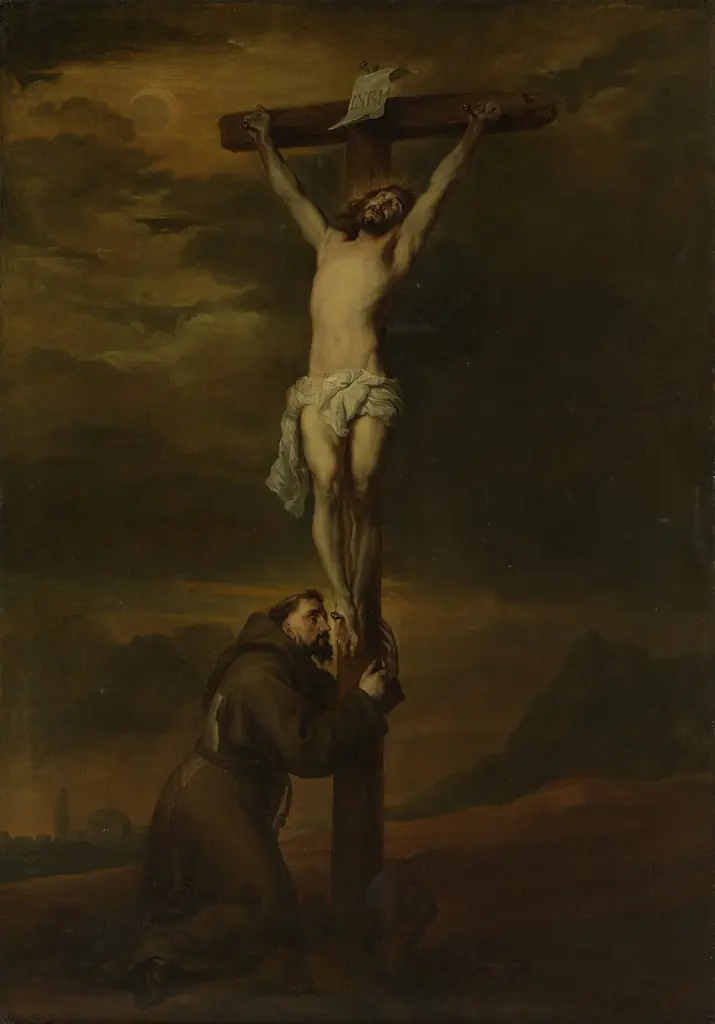 St Francis at the foot of the cross
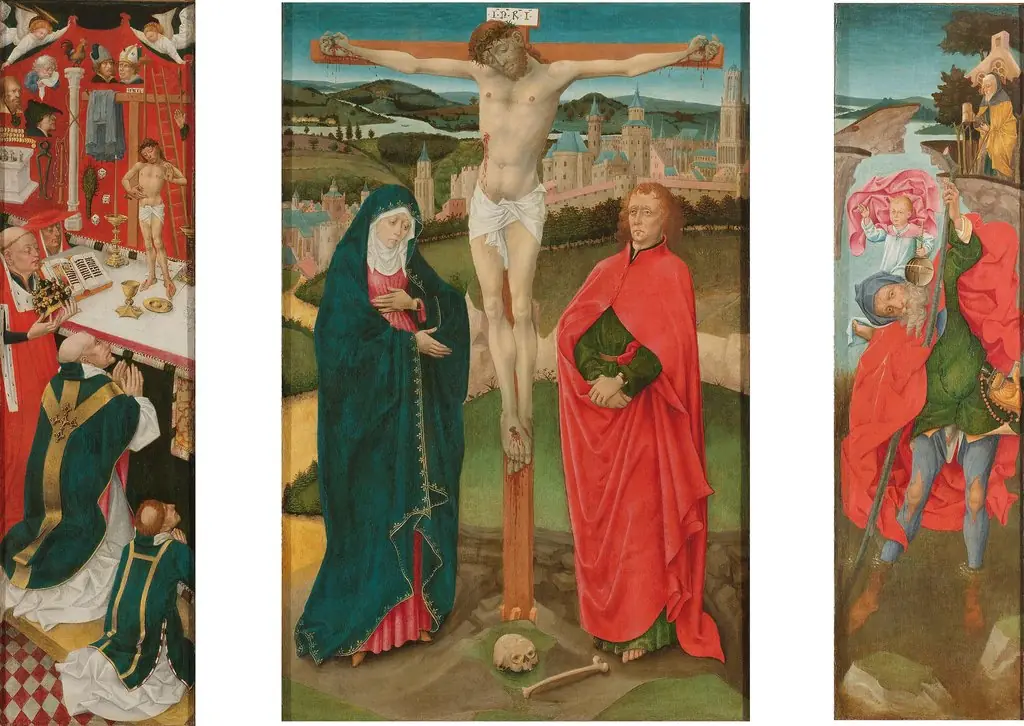 Triptych with the Crucifixion
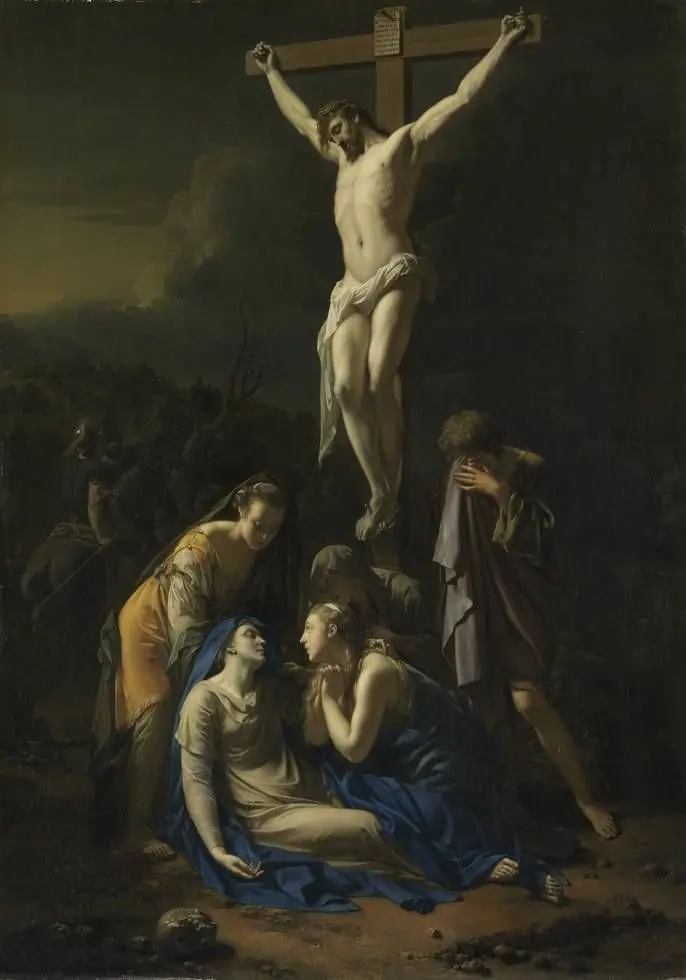 The Crucifixion
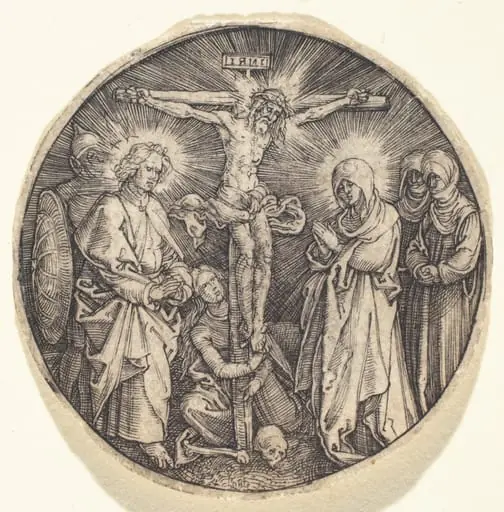 The Crucifixion called the Sword Pommel of Maximilian
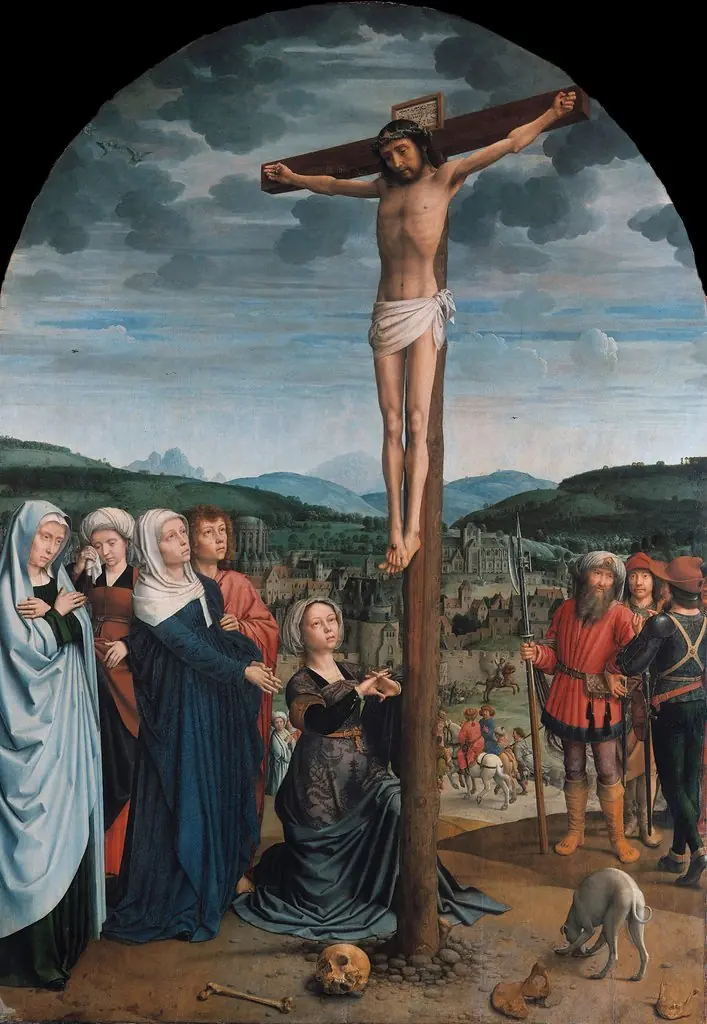 Christ on the Cross
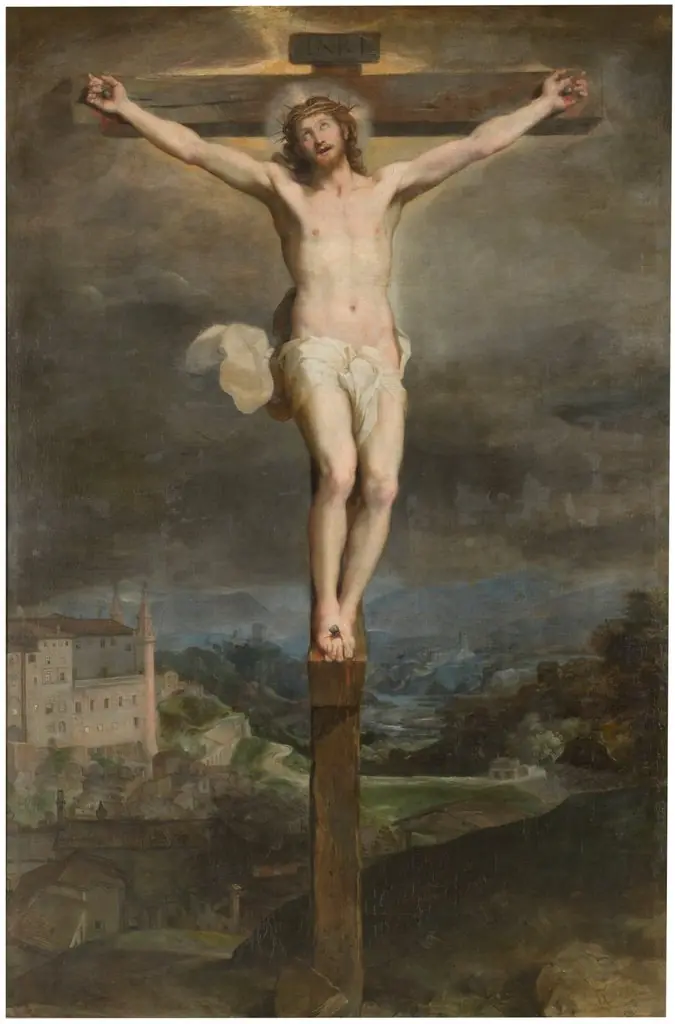 Christ on the Cross
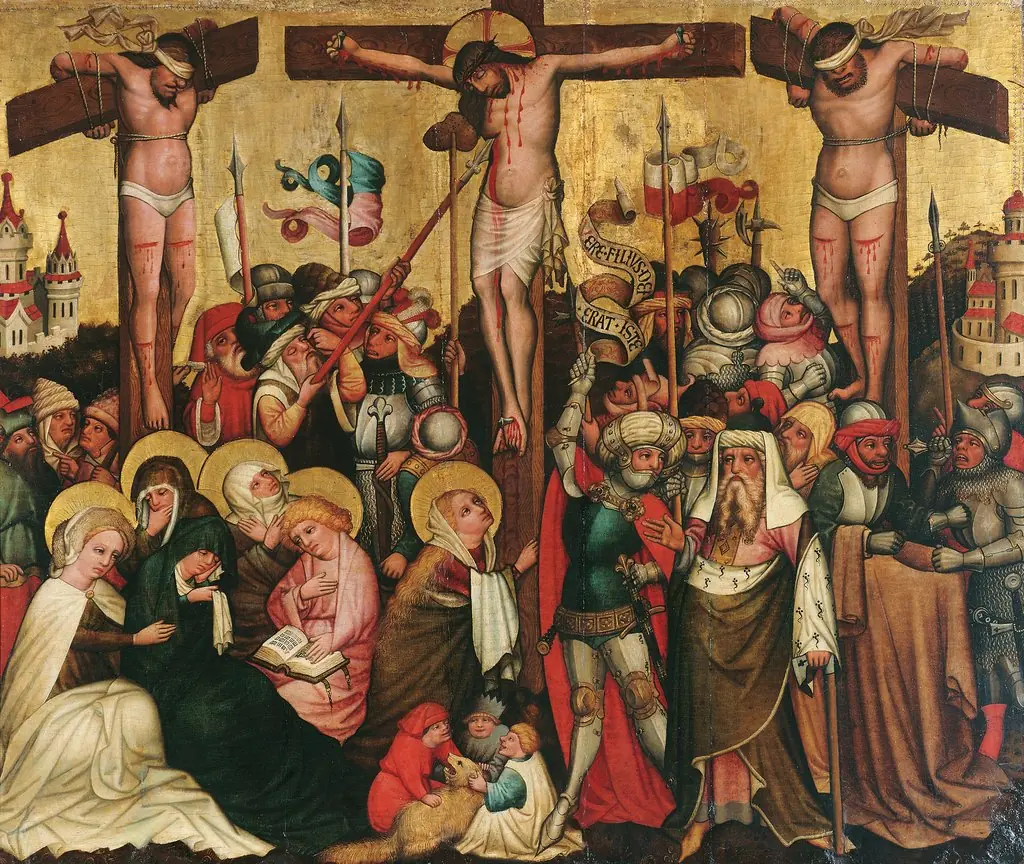 The crucifixion
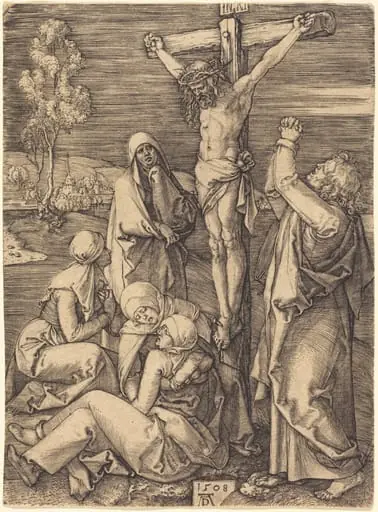 The Crucifixion
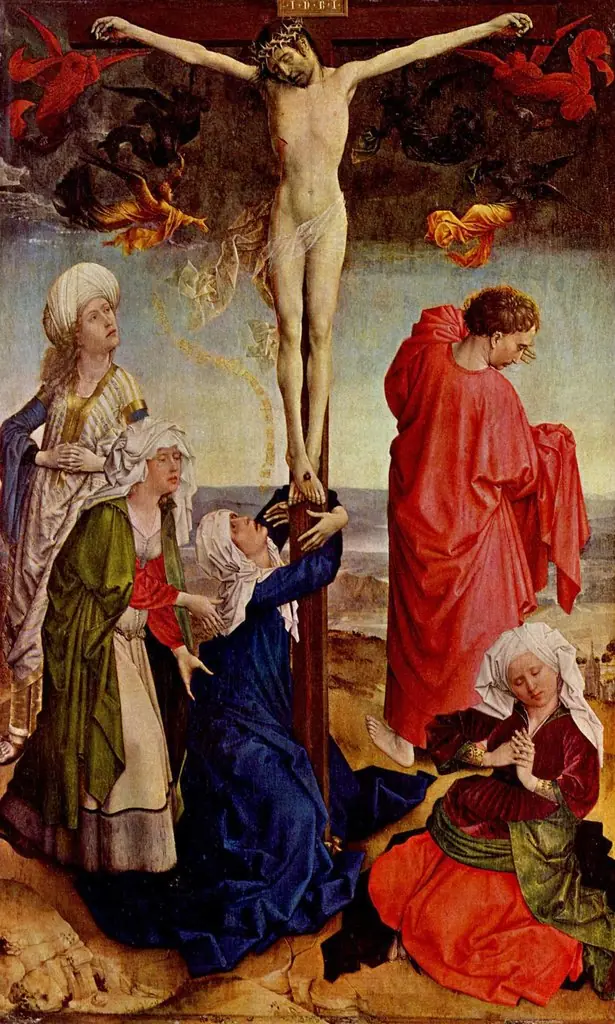 Christ on the Cross
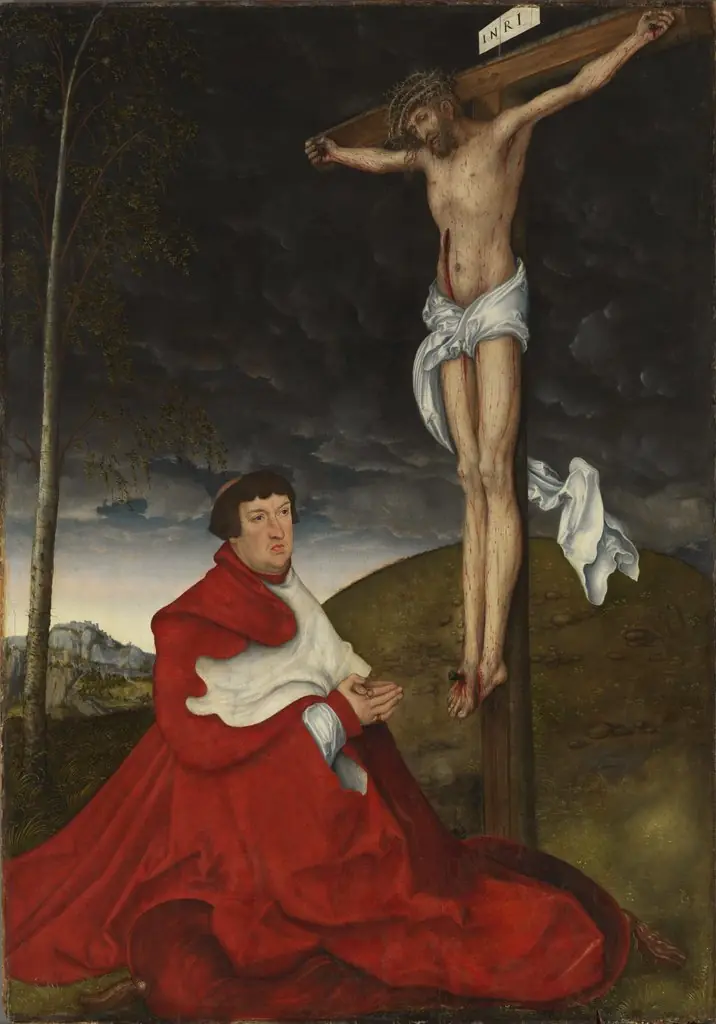 Cardinal Albrecht of Brandenburg in front of the Crucified Christ
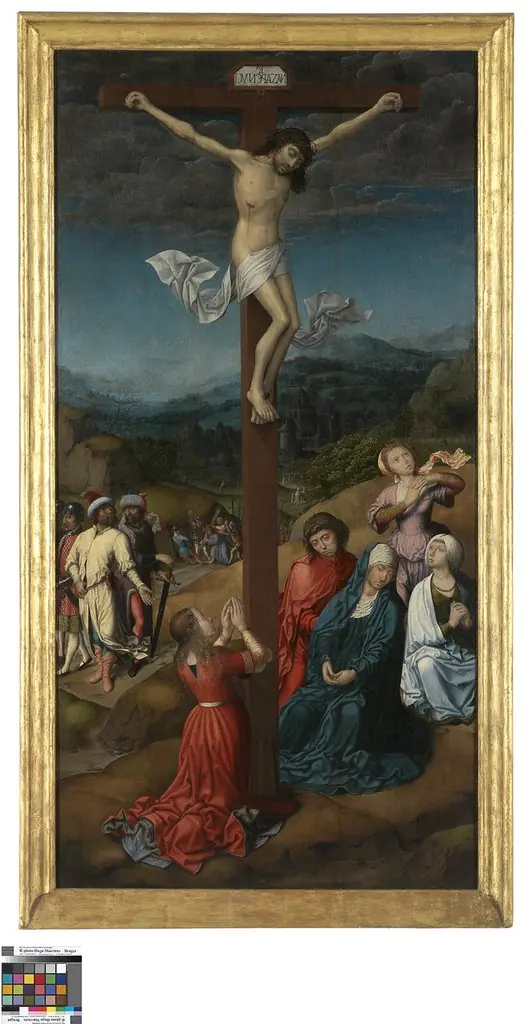 Crucifixion
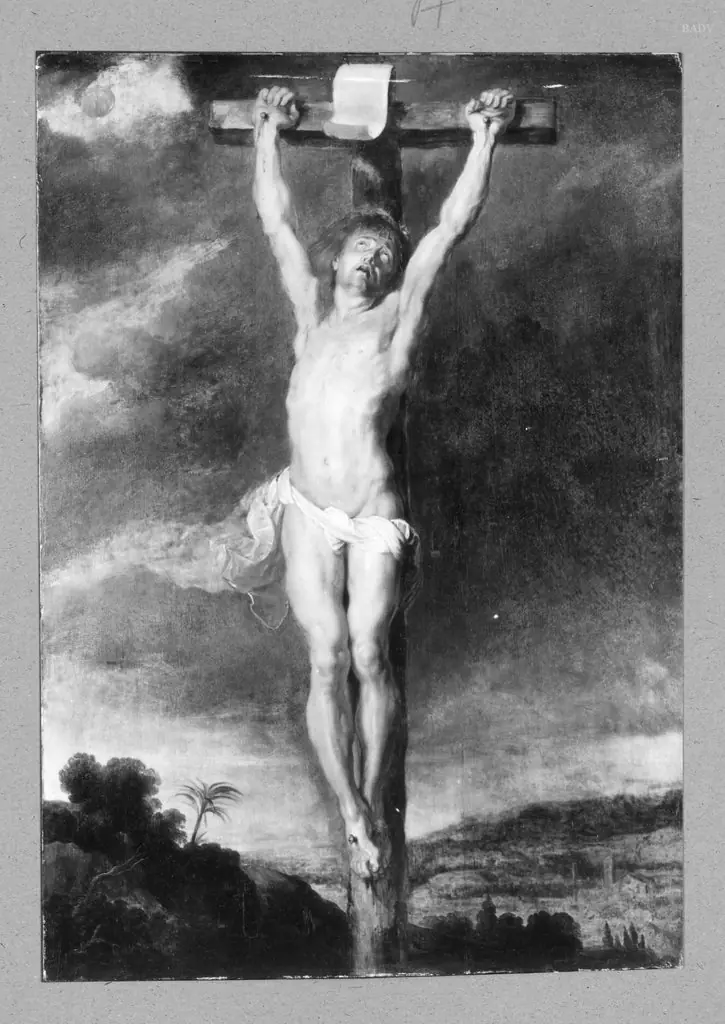 Christ expiring on the cross
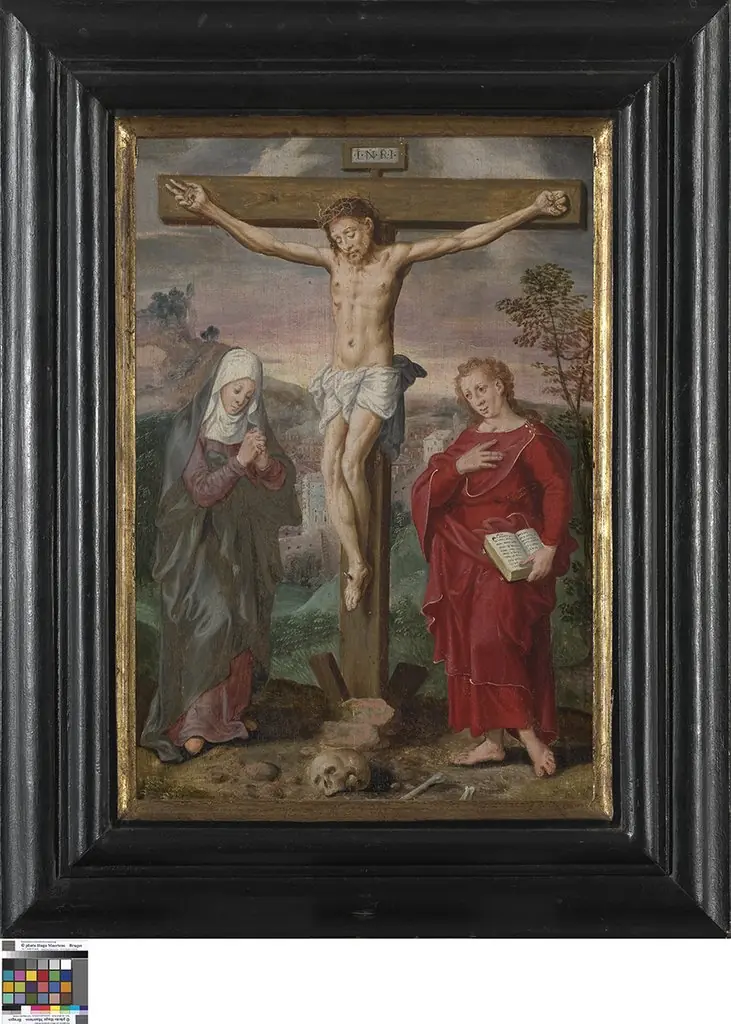 Crucified Christ with Mary and John
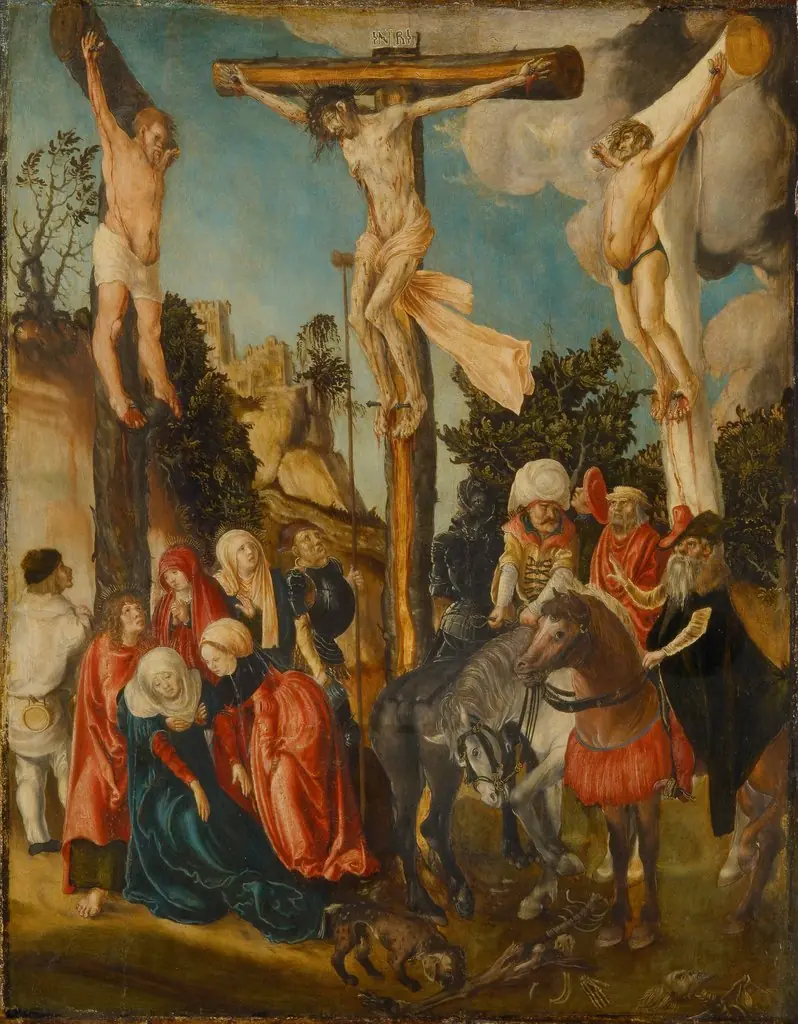 Crucifixion
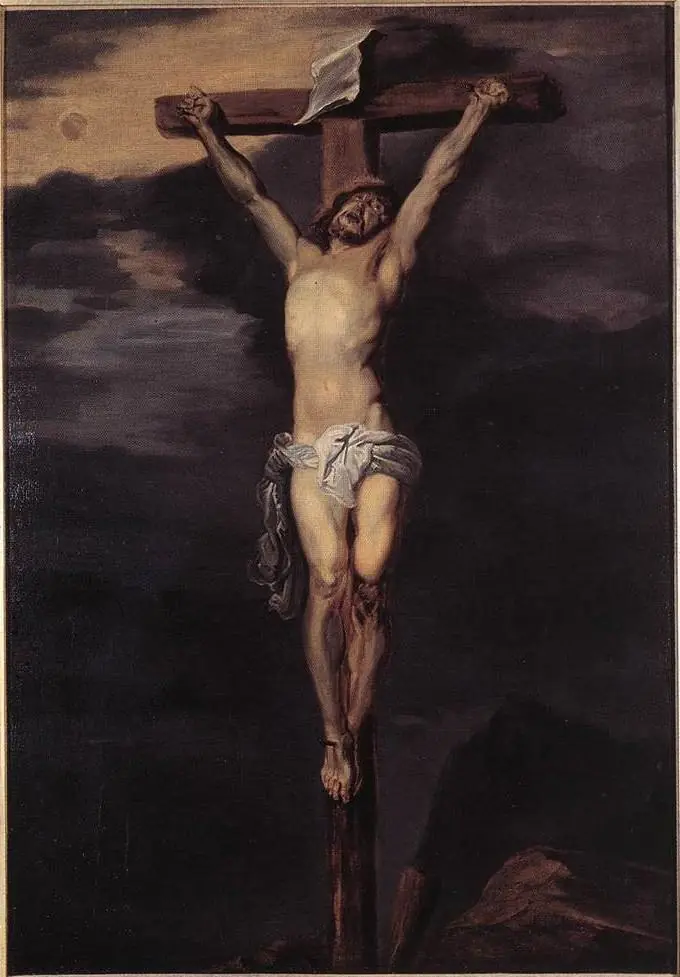 Christ on the Cross
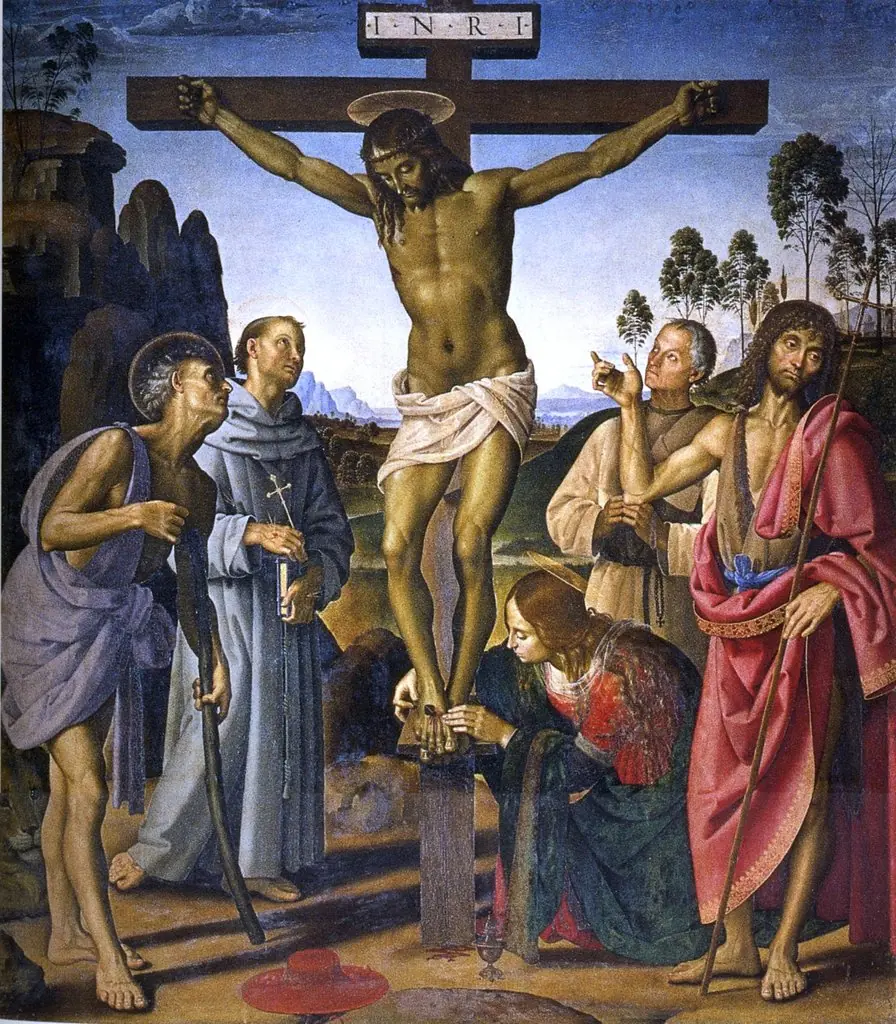 Crucifixion of Christ with saints
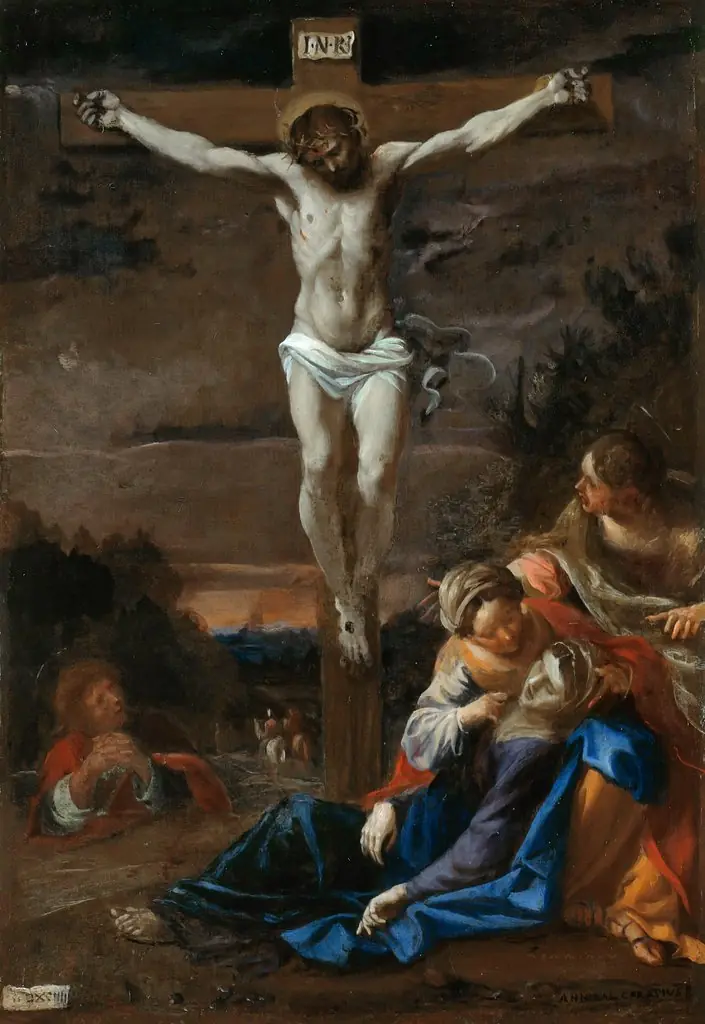 Crucifixion of Christ
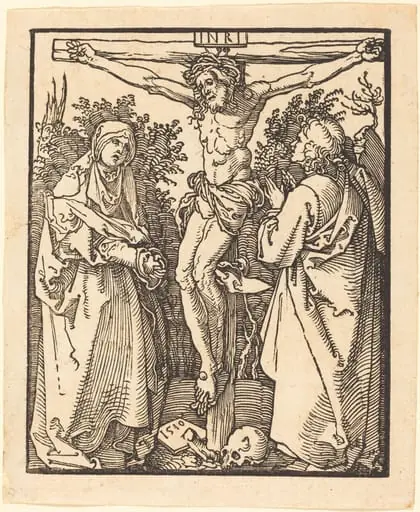 Christ on the Cross with Mary and Saint John
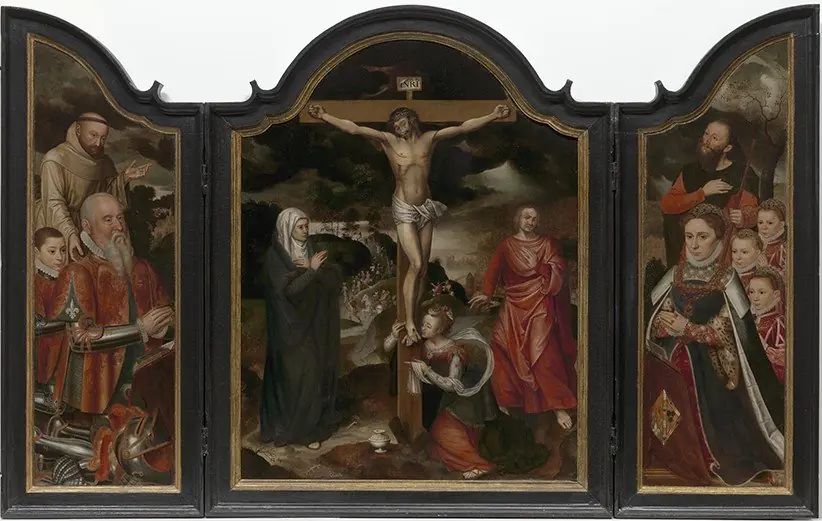 Crucified Christ with Mary, John and Mary Magdalene
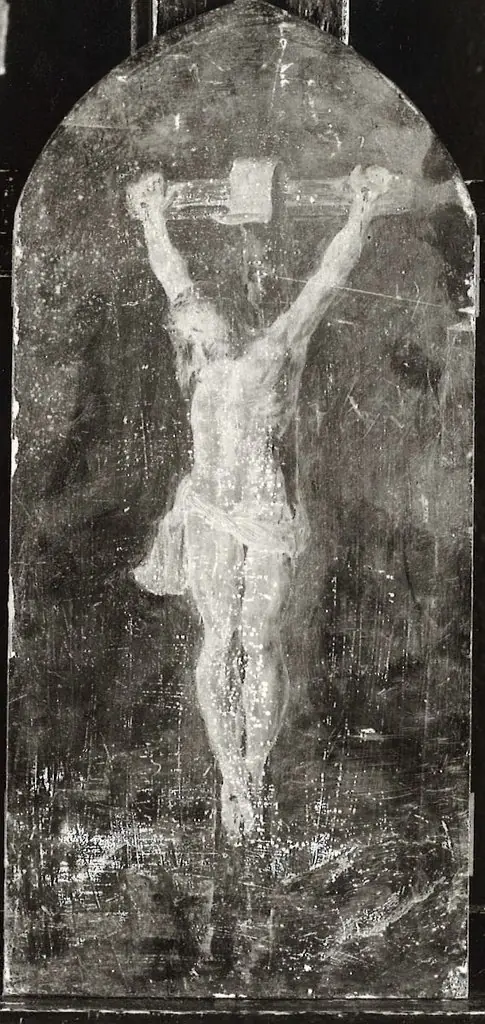 Crucifixion of Jesus
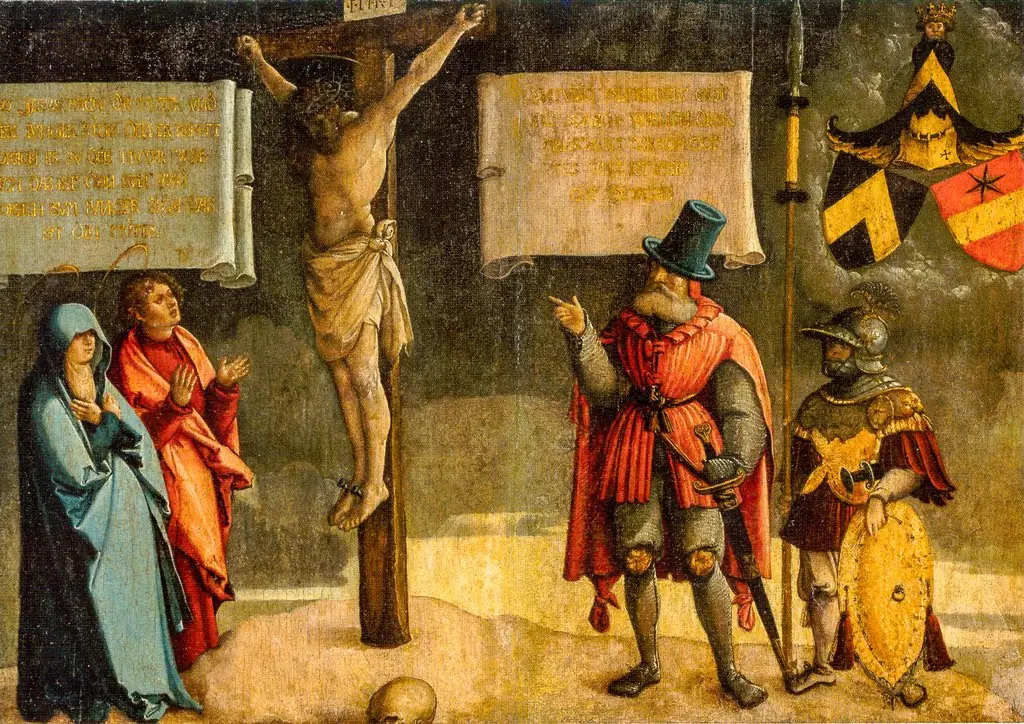 Votivtafel des Johann von Ehingen-Neuneck
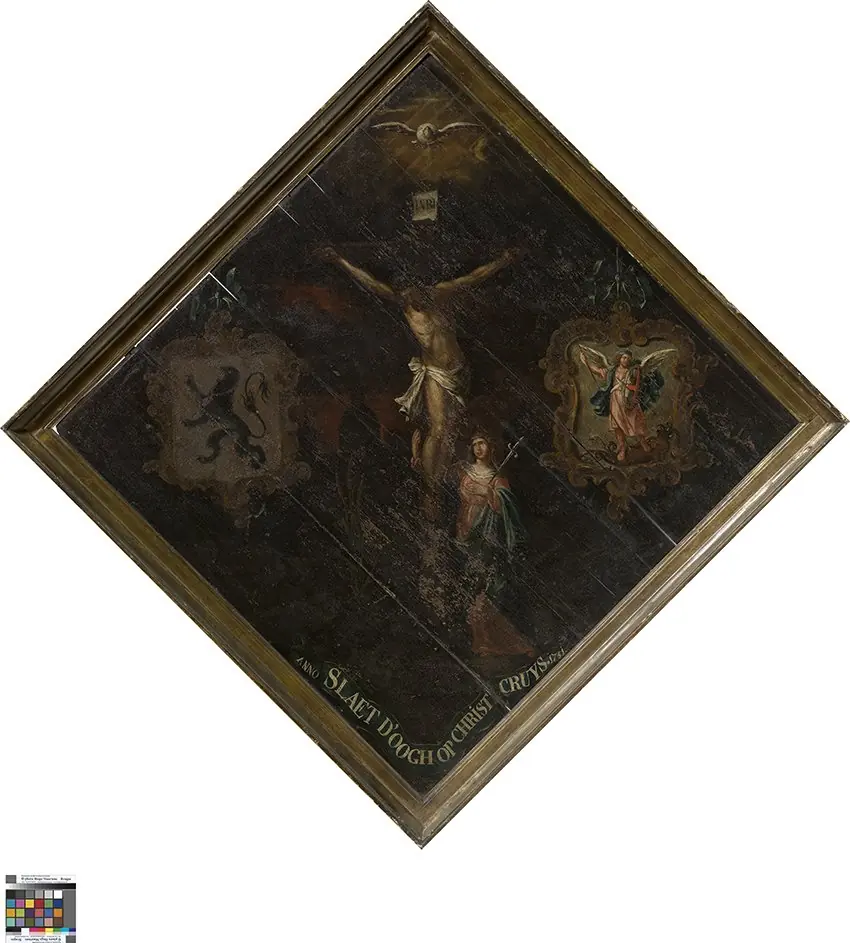 Wapenbord van de rederijkerskamer Kunst en Eendracht
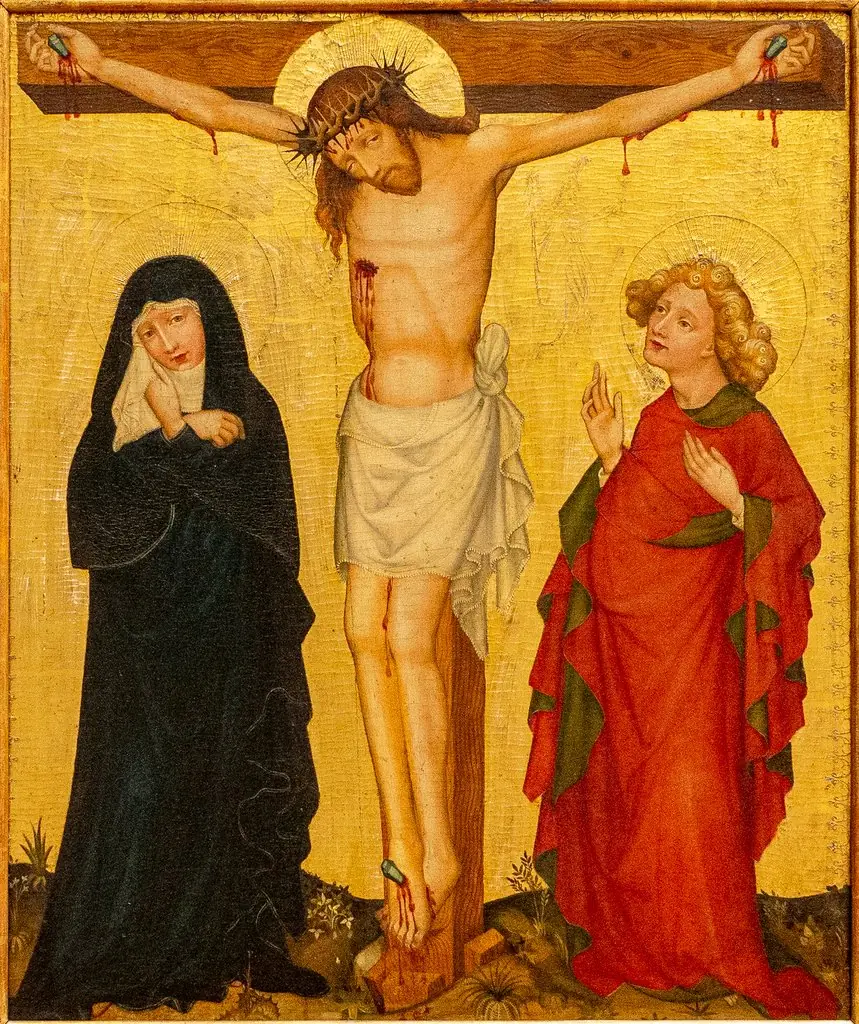 Christ on the Cross
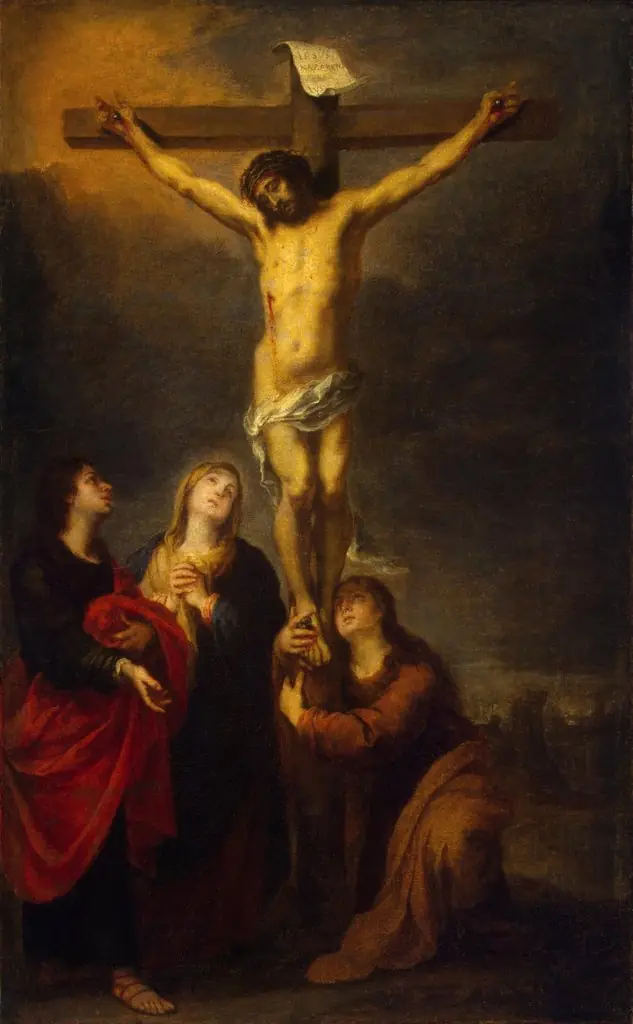 Crucifixion
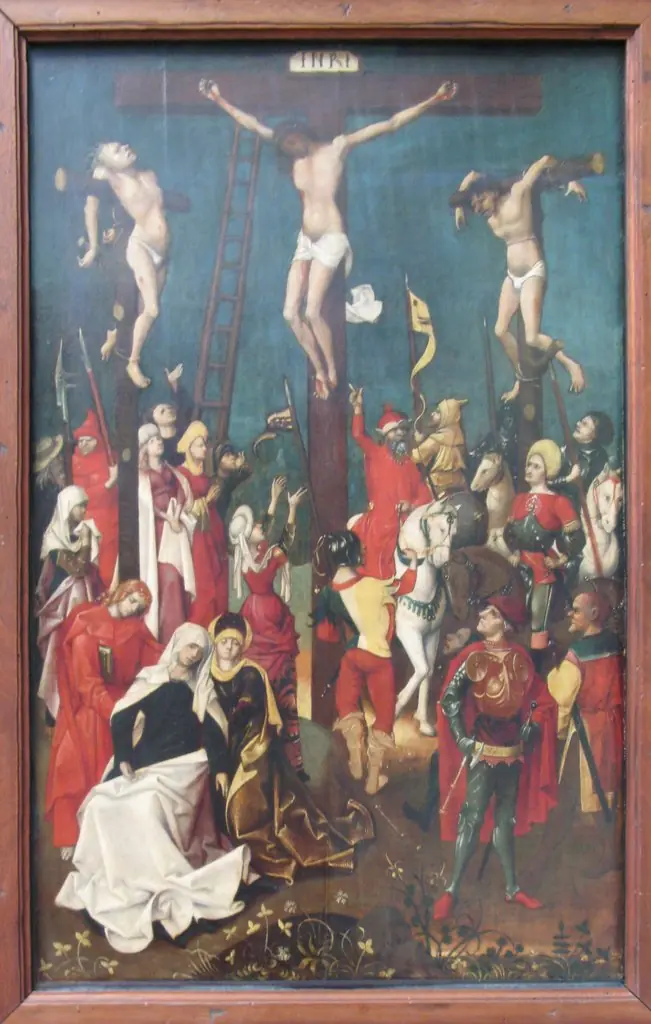 Crucifixion
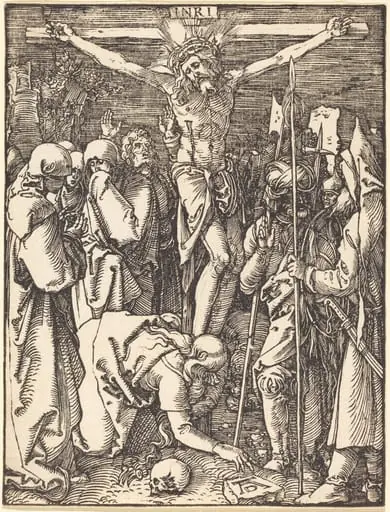 The Crucifixion
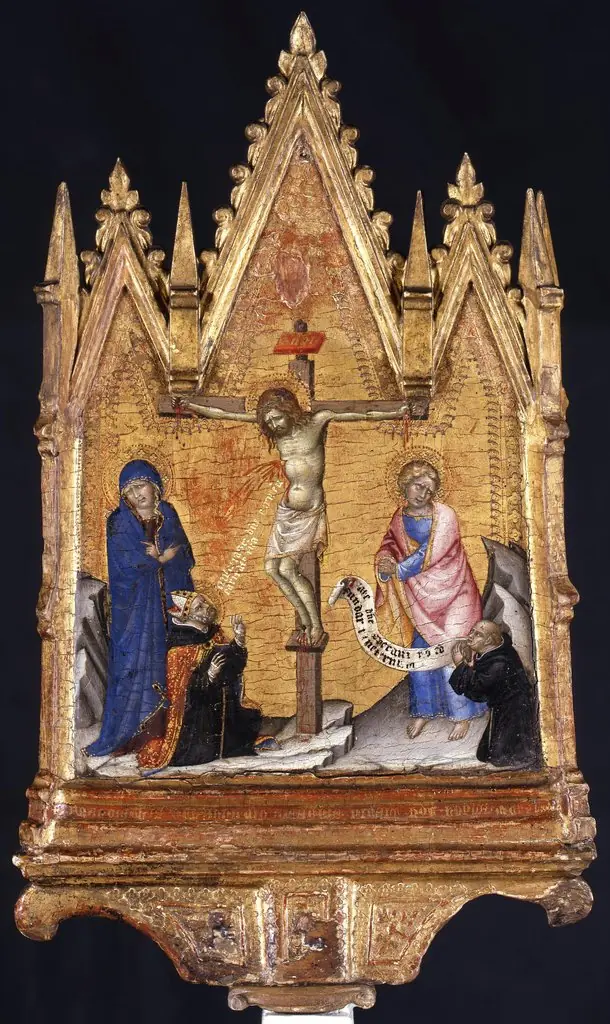 Christ on the Cross between the Virgin and St. John/ Madonna enthroned
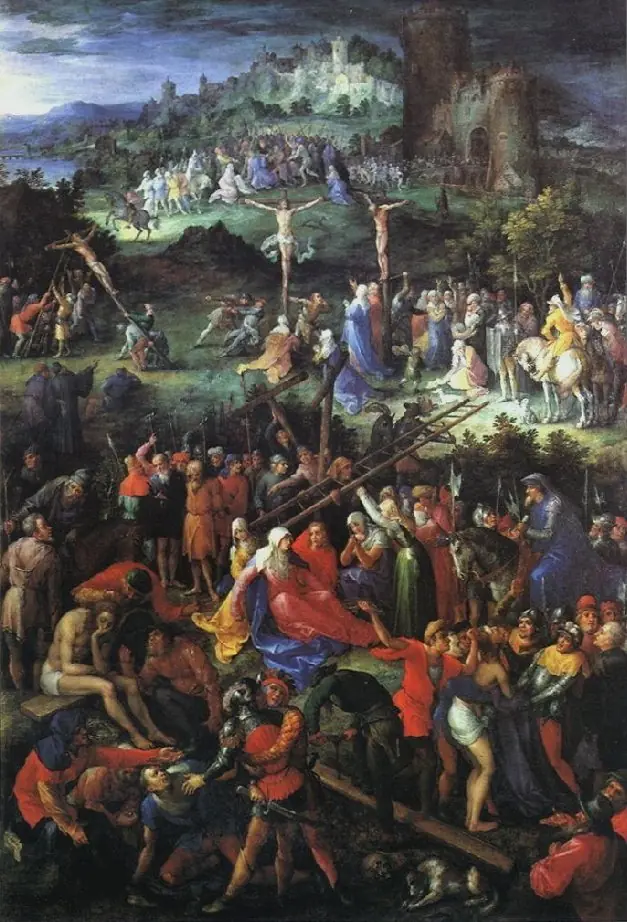 Large Calvary
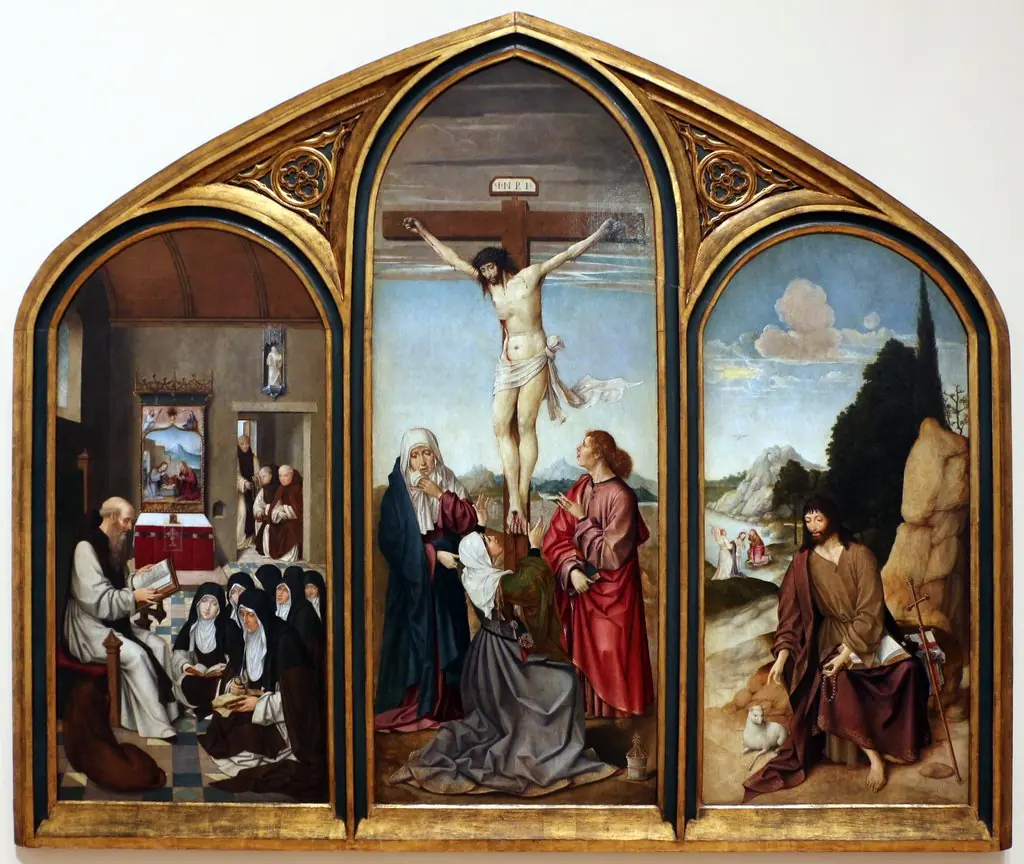 Triptych of Calvary
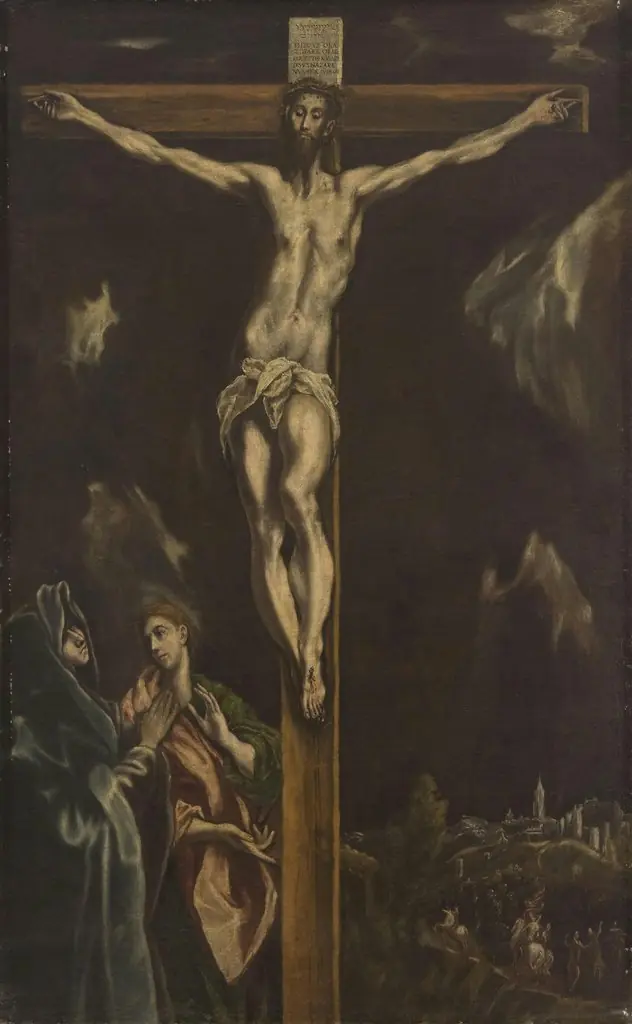 Crucifixion with the Virgin Mary and Saint John the Evangelist
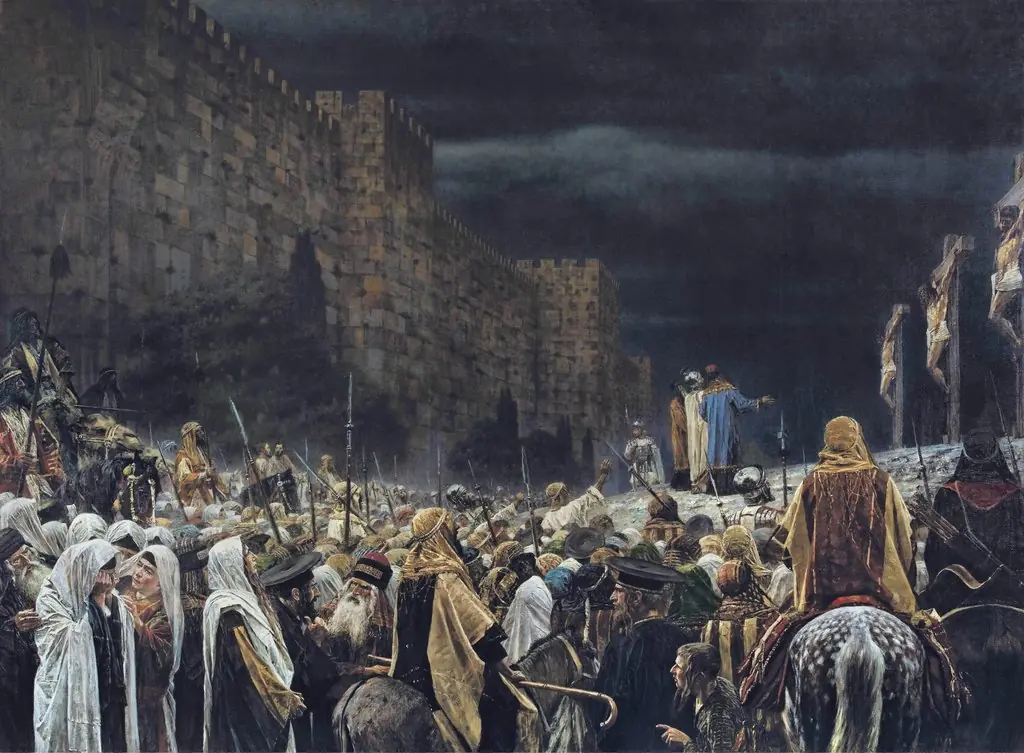 Crucifixion
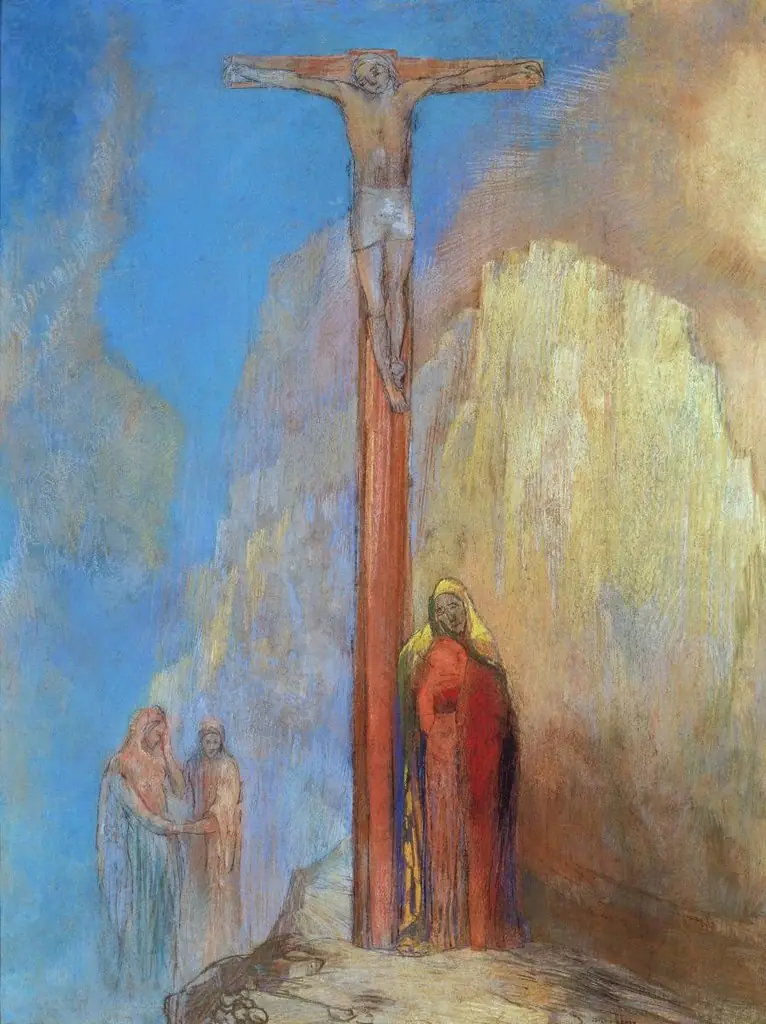 Calvary
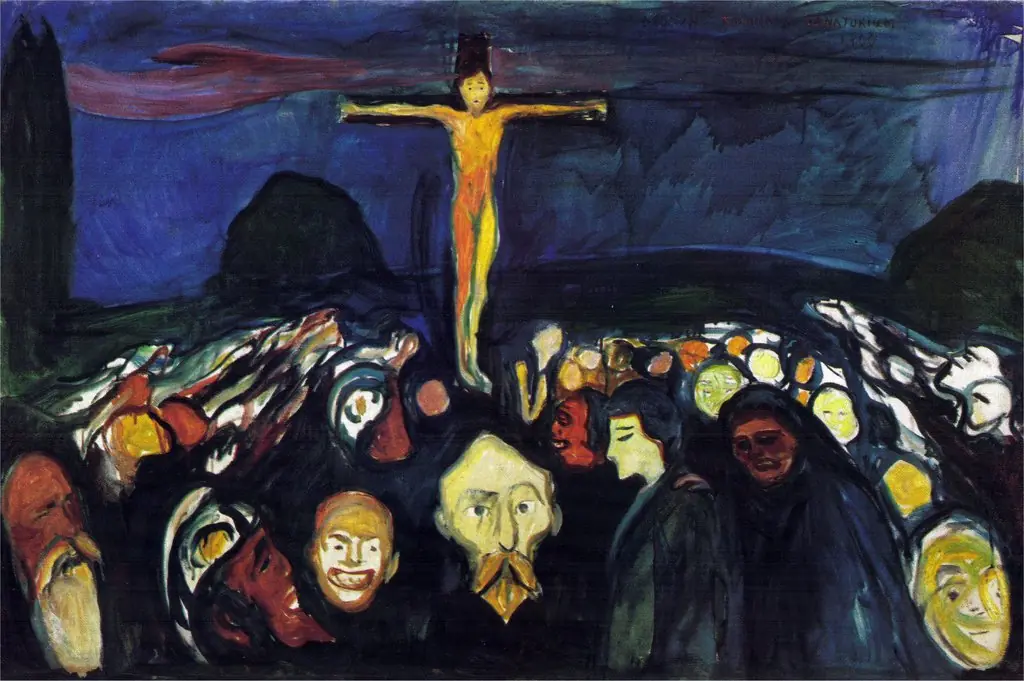 Golgotha
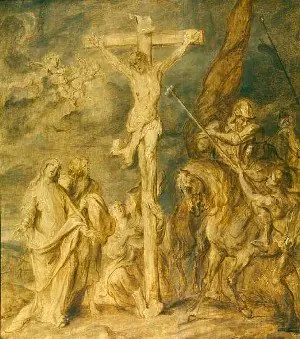 Christ on the Cross with Mary Magdalene and Saints
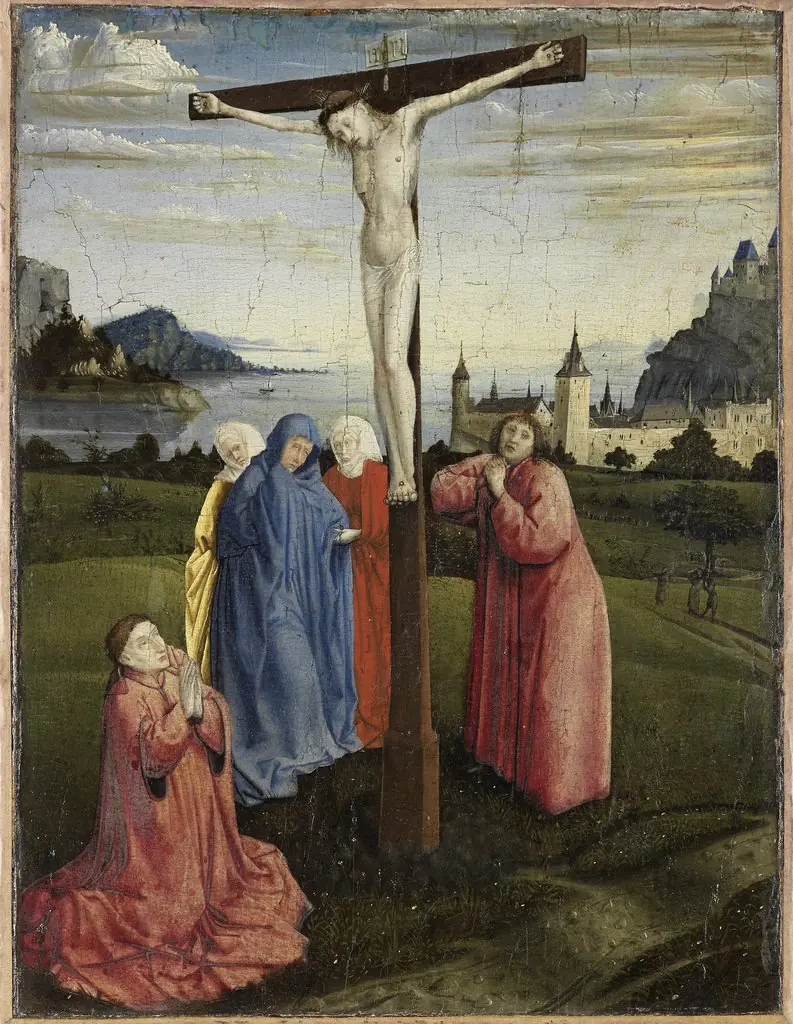 Christ on the Cross
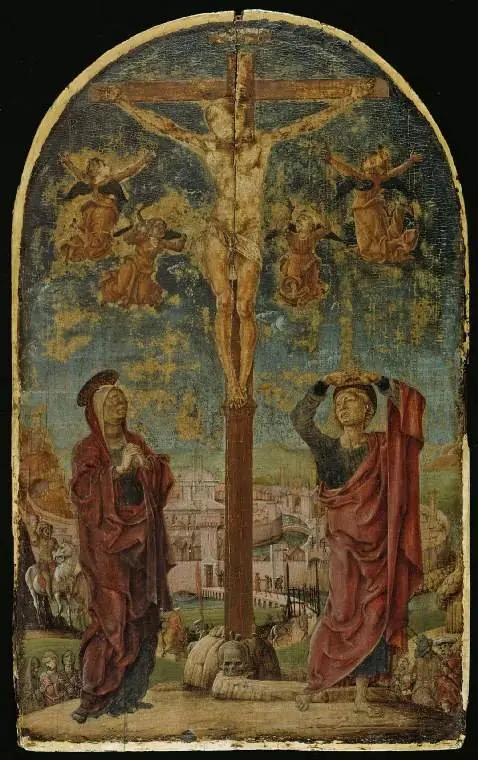 The Crucifixion
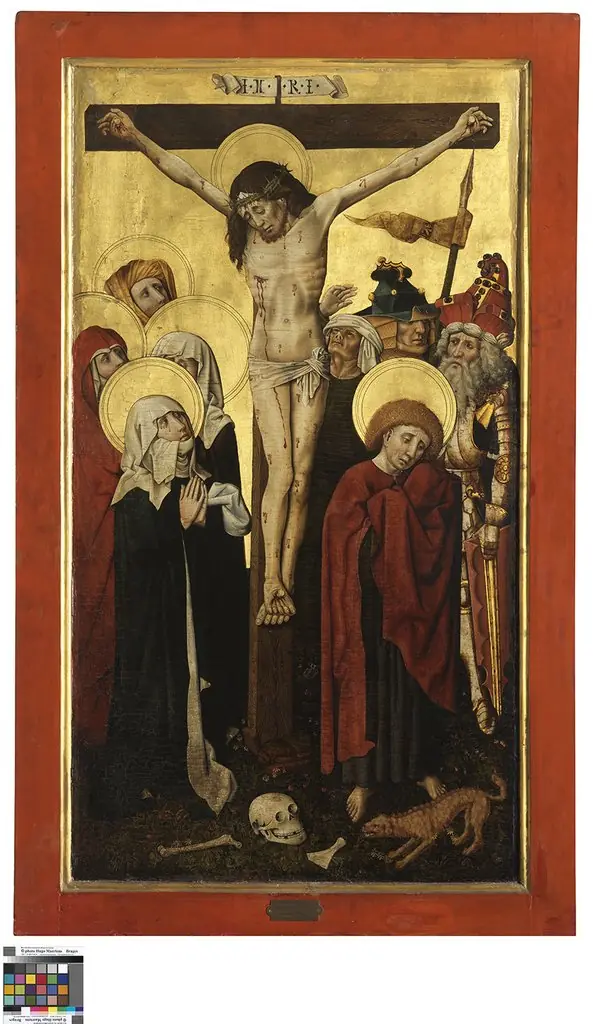 Crucifixion
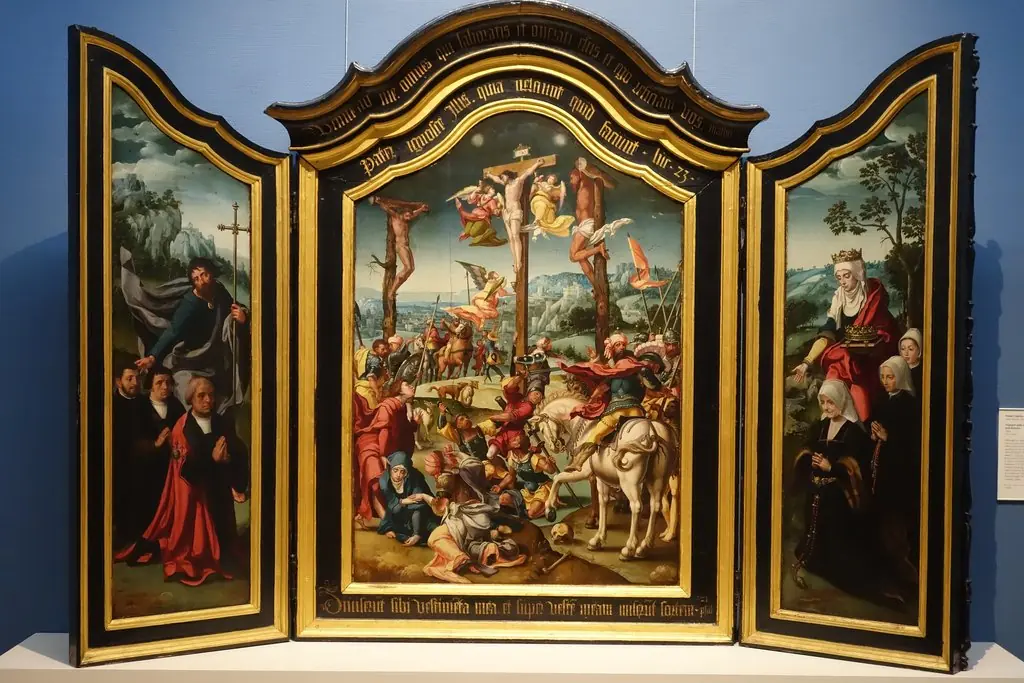 Triptych with the Crucifixion and Donors
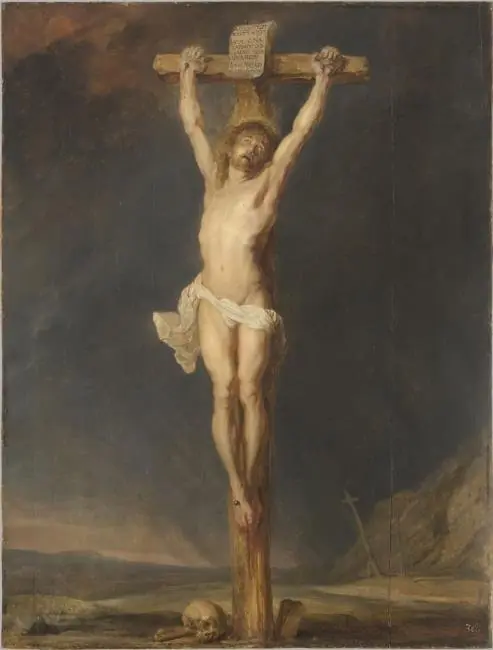 The Crucifixion
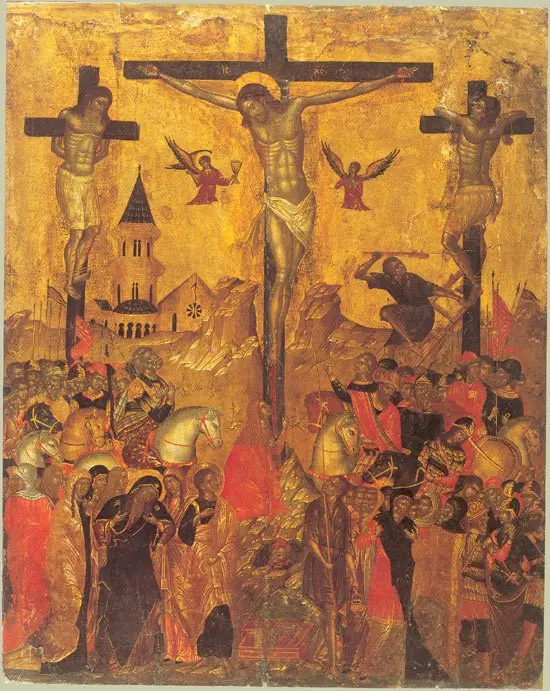 Icon: The Crucifixion
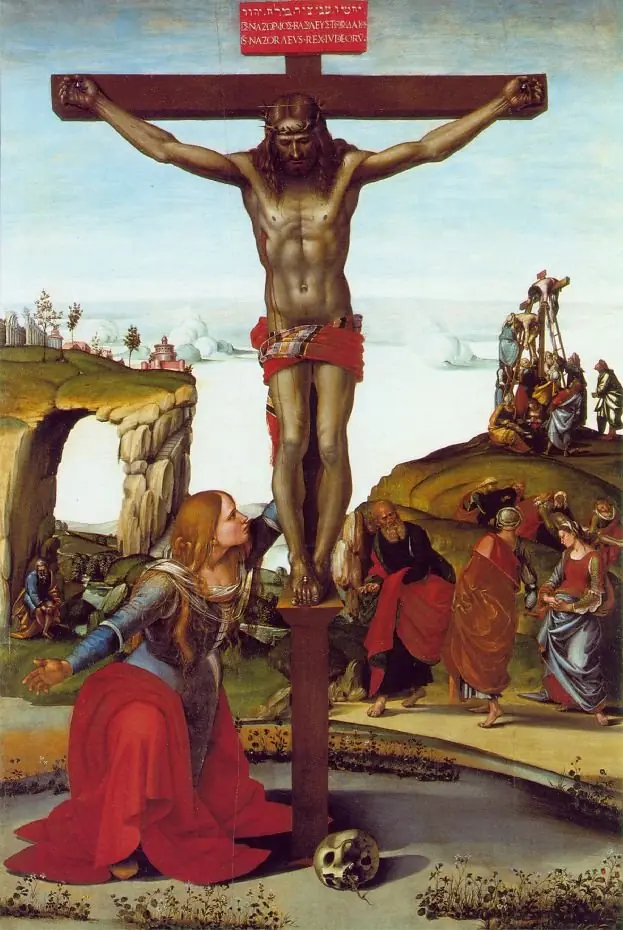 Crucifixion with Saint Mary Magdalene
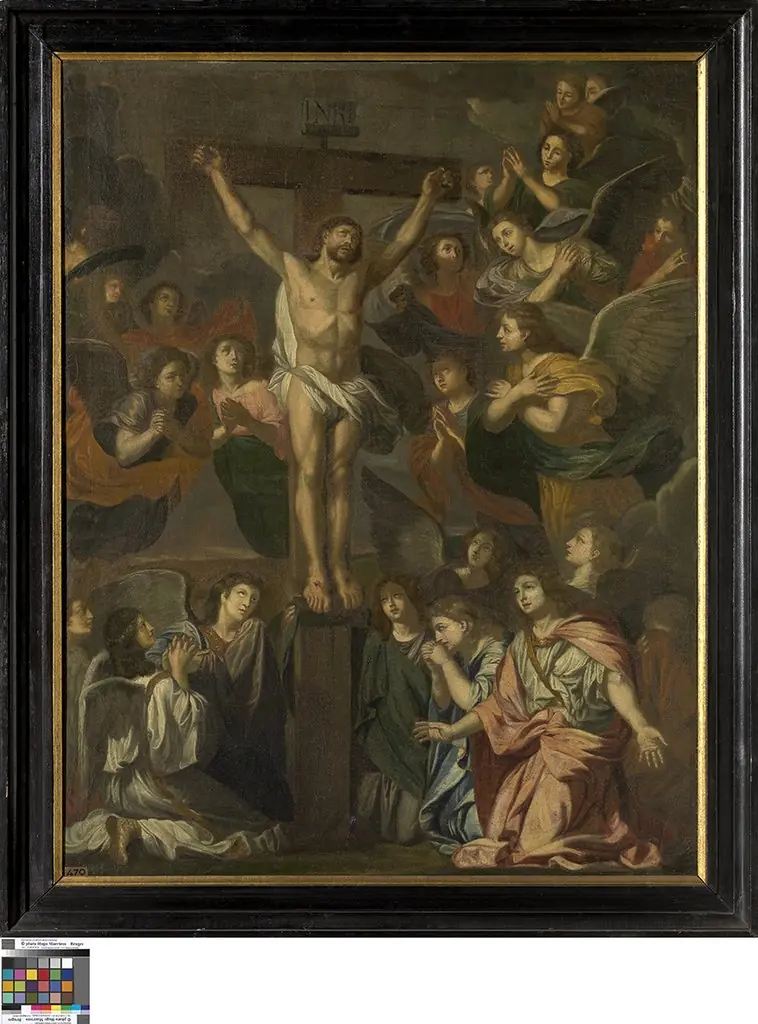 Christ on the cross surrounded by angels
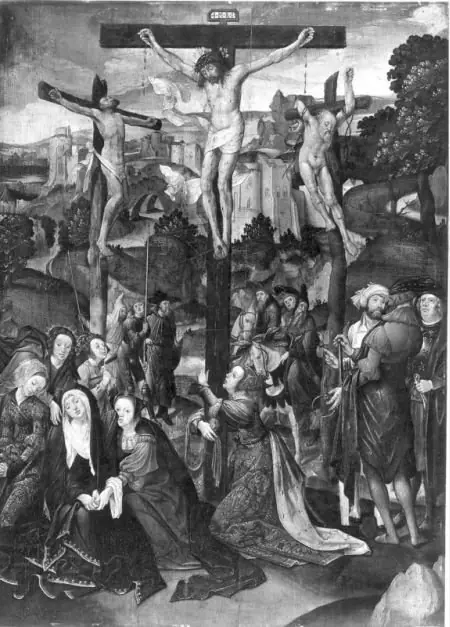 The Crucifixion
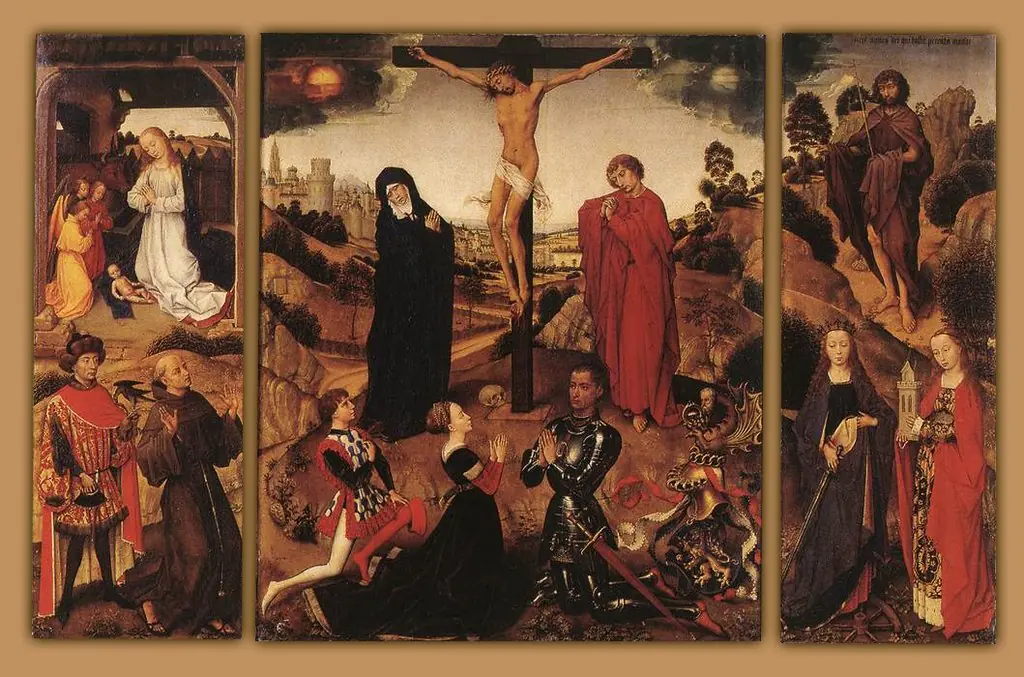 Sforza Triptych
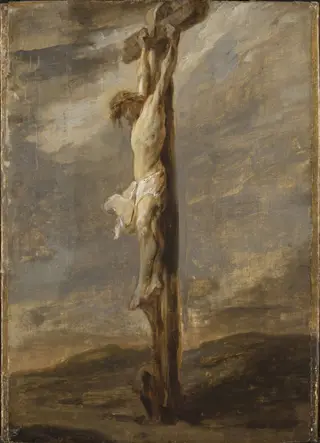 The Crucifixion
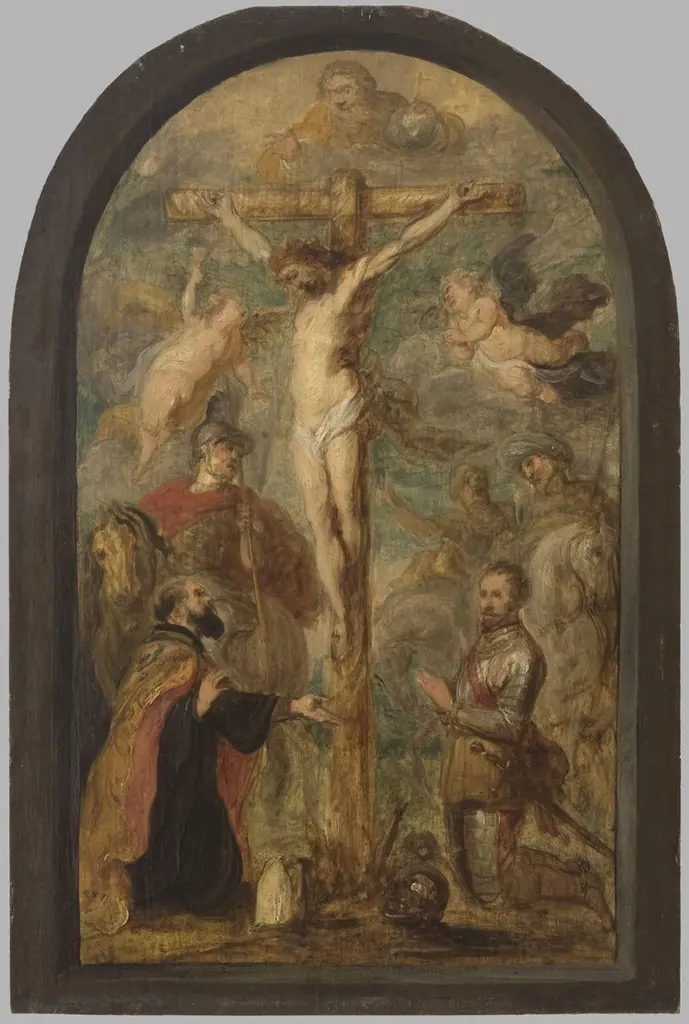 The Crucifixion, with a Bishop, a Saint, and a Donor in Armor
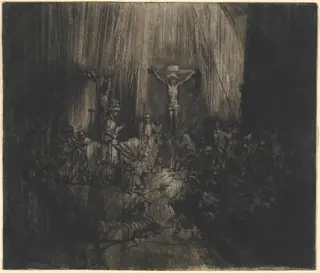 Christ Crucified between the Two Thieves (The Three Crosses)
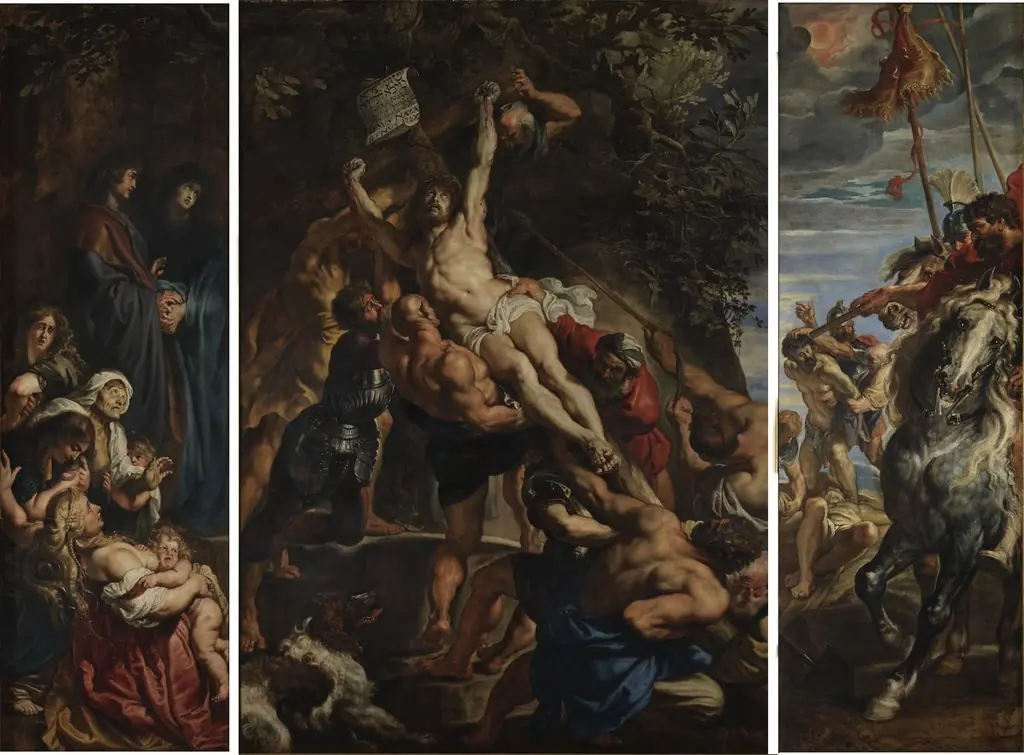 The Elevation of the Cross
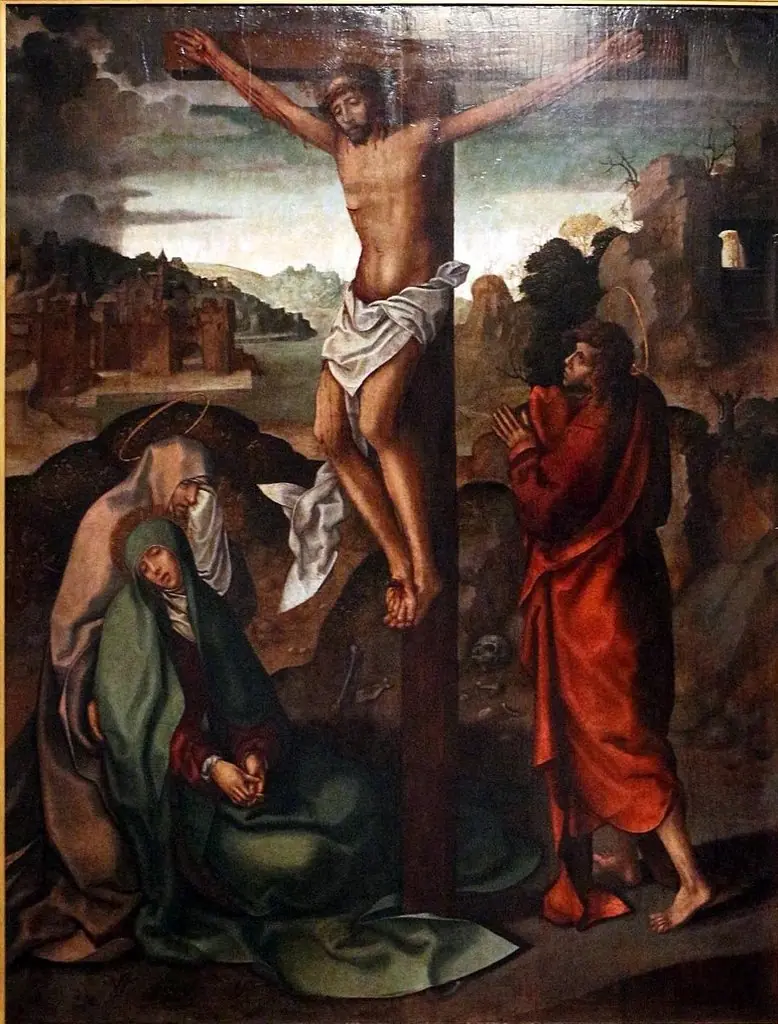 Crucificação
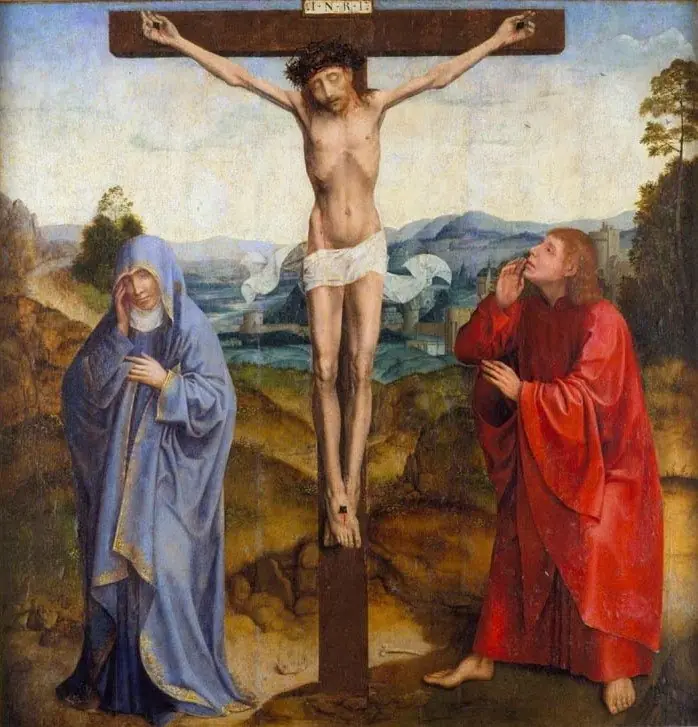 Calvary
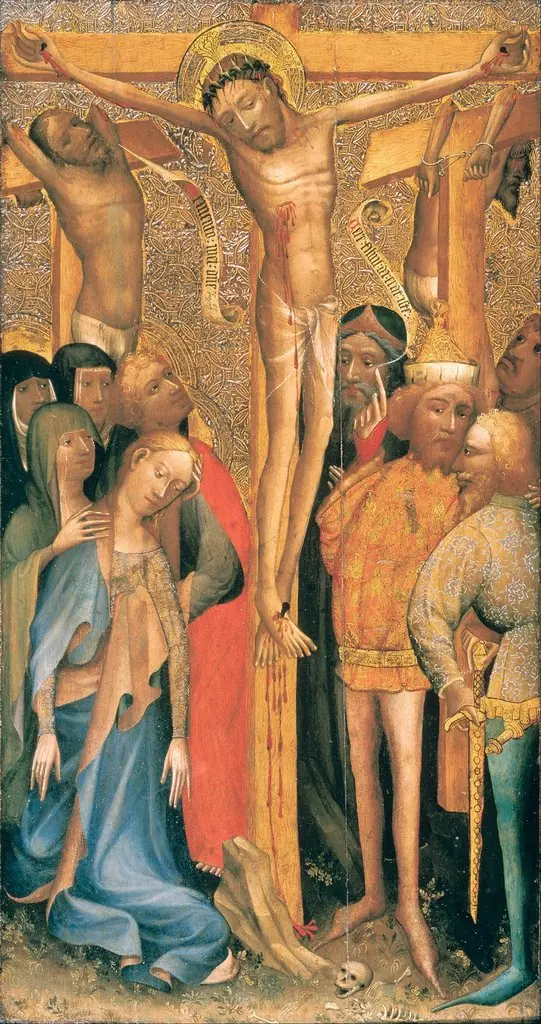 The Crucifixion
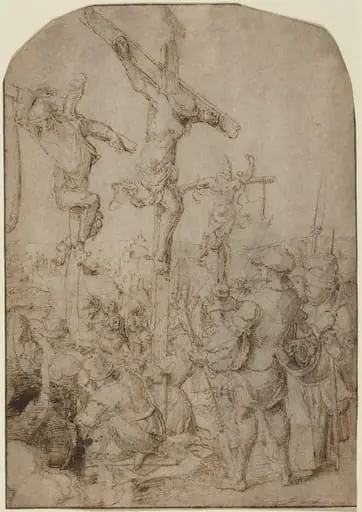 The Crucifixion
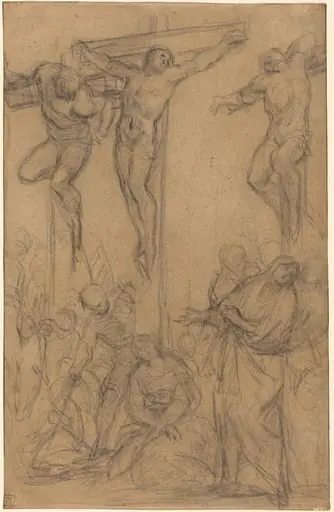 The Crucifixion
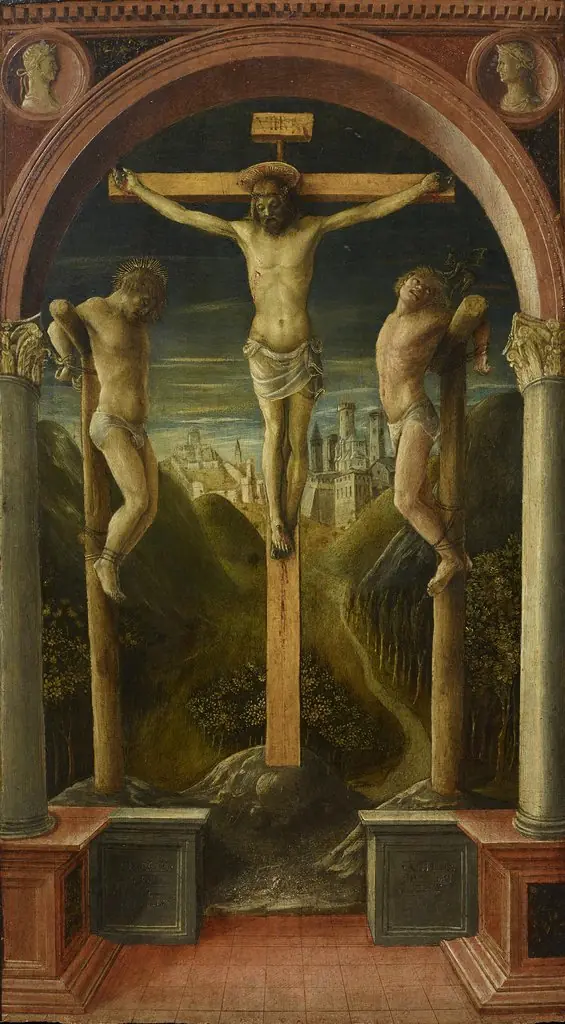 Crucifixion
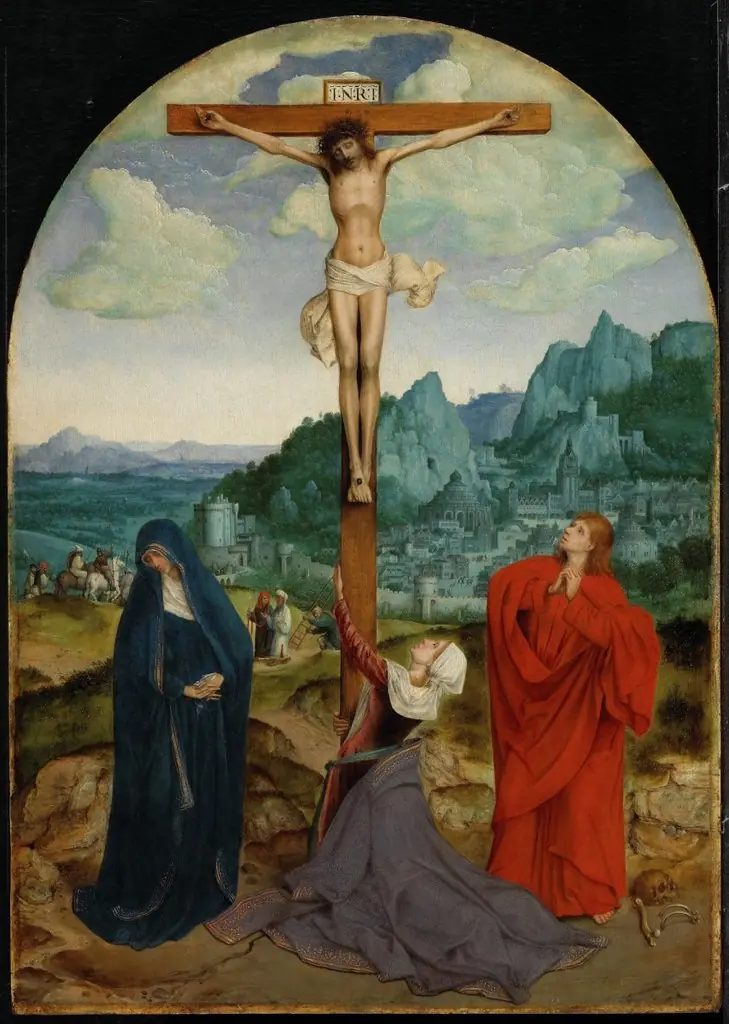 Crucifixion, with the Virgin and Saint John
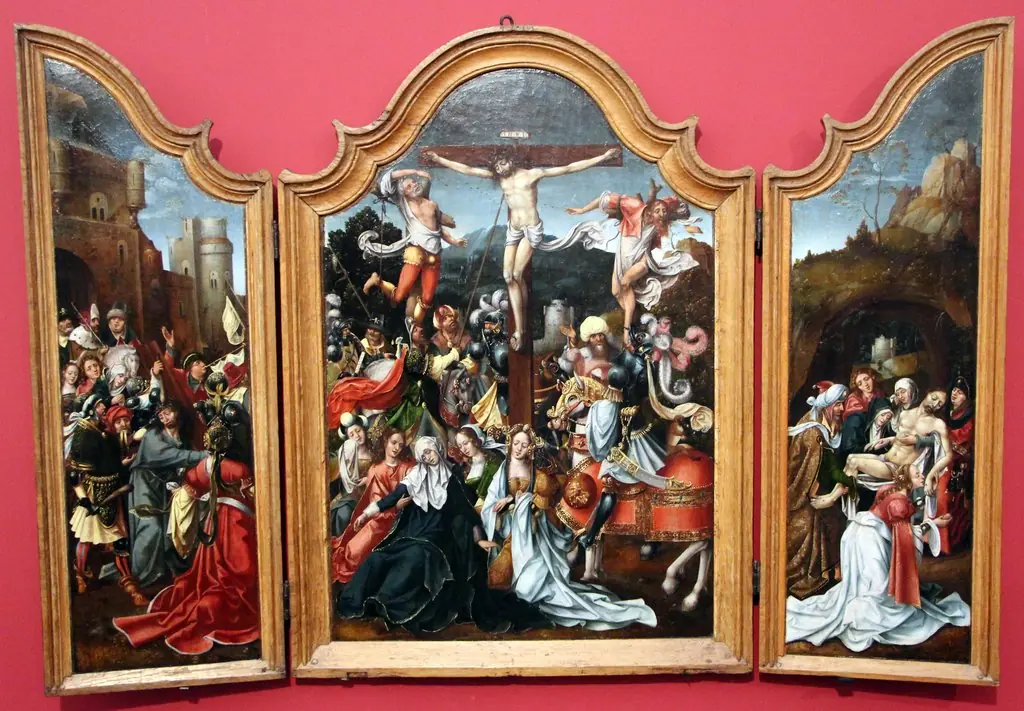 Triptych with the Crucifixion
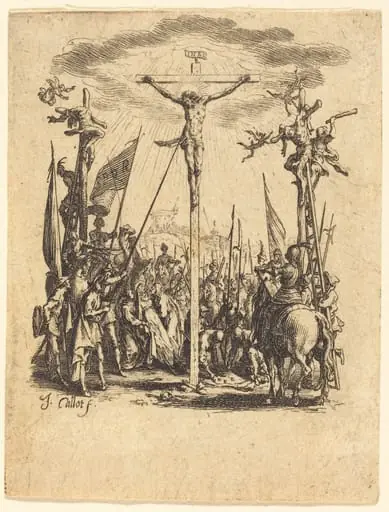 The Crucifixion
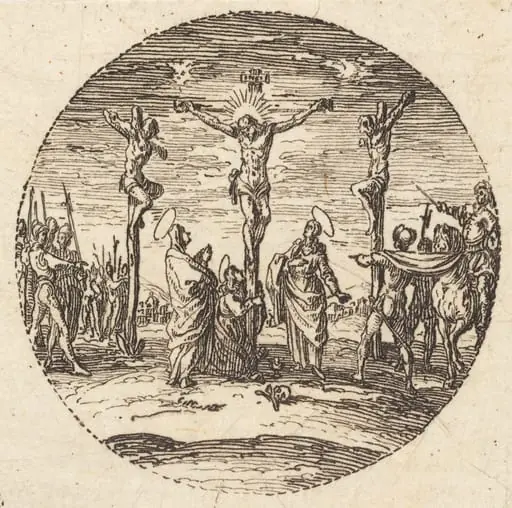 The Crucifixion
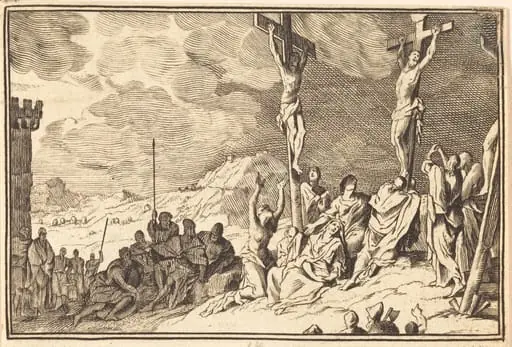 Christ Dying on the Cross
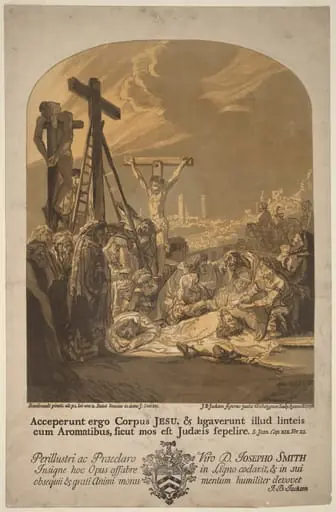 Descent from the Cross
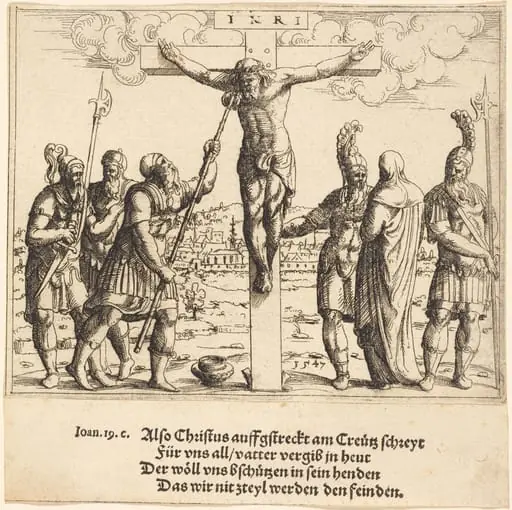 Christ is Given Vinegar to Drink
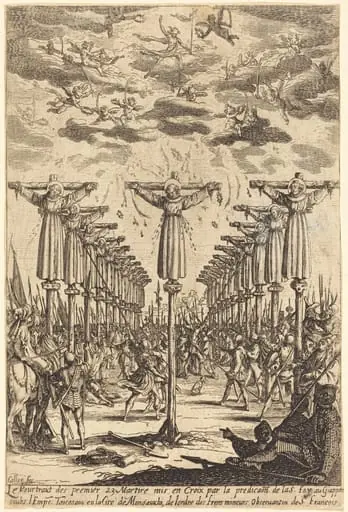 The Martyrs of Japan
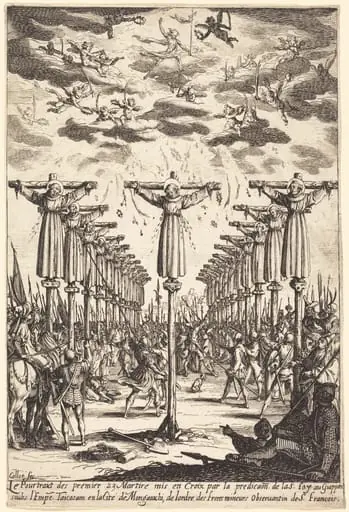 The Martyrs of Japan
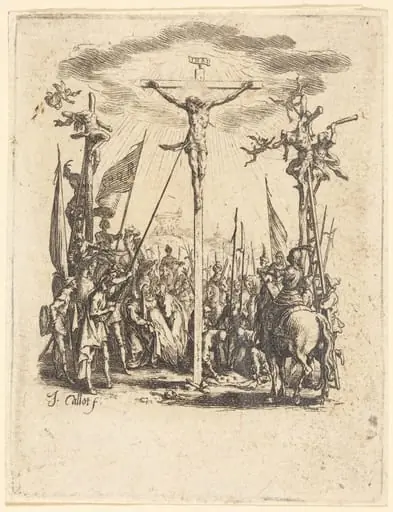 The Crucifixion
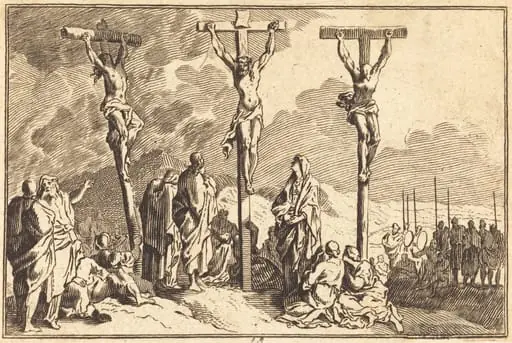 The Virgin, Saint John, and Mary Magdalene at the Foot of the Cross
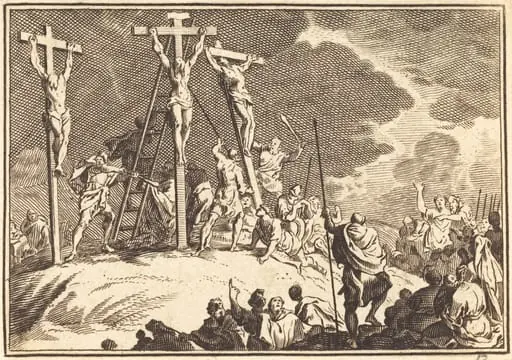 Piercing of Christ's Side
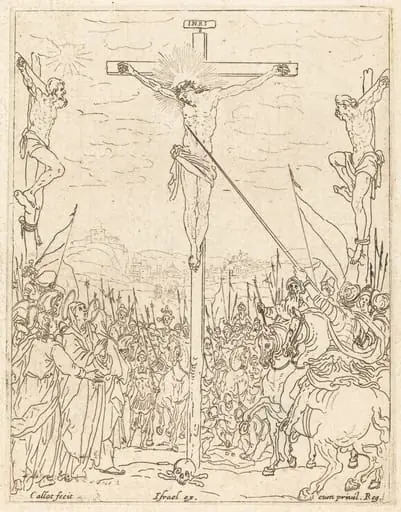 Christ on the Cross
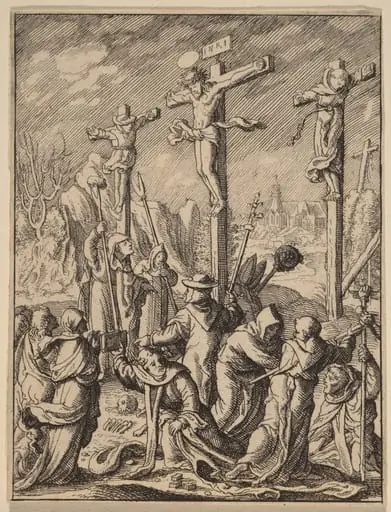 The Crucifixion
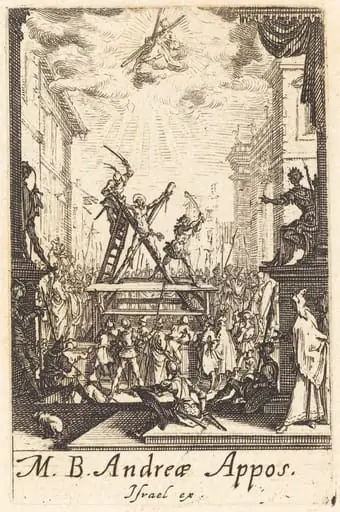 The Martyrdom of Saint Andrew
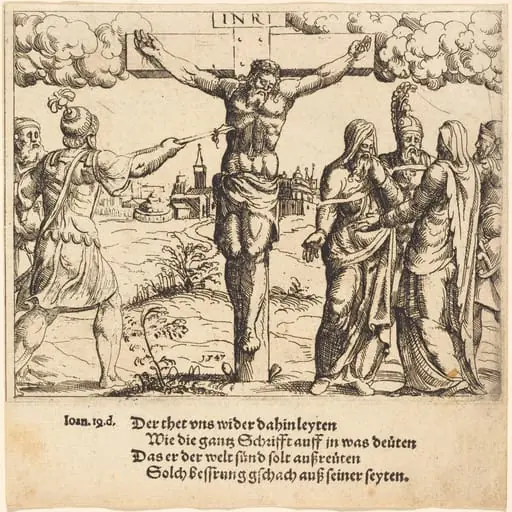 Christ is Pierced with the Lance
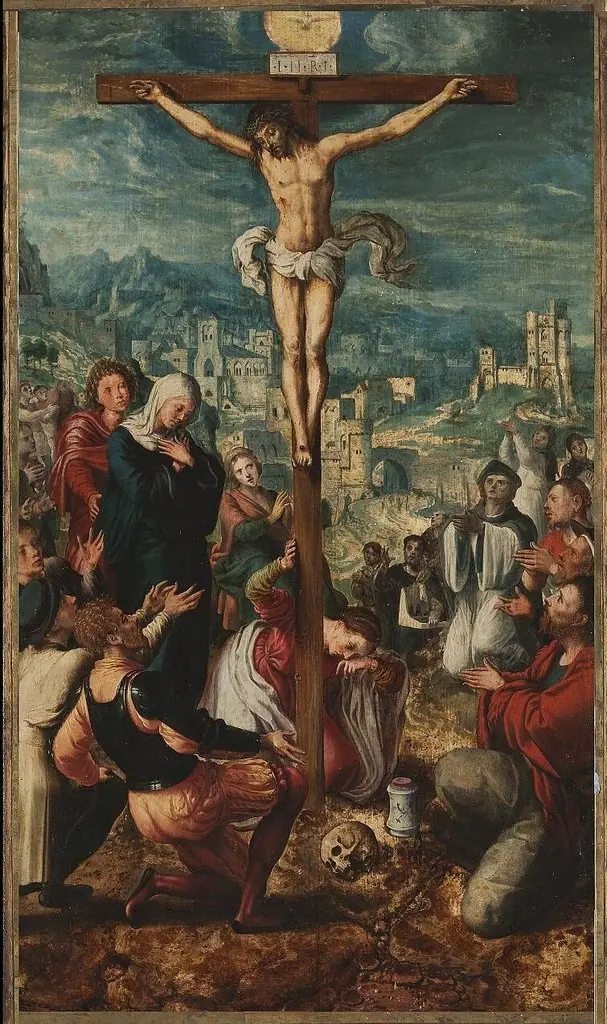 Triptych:Crucifixion of Jesus (central panel)
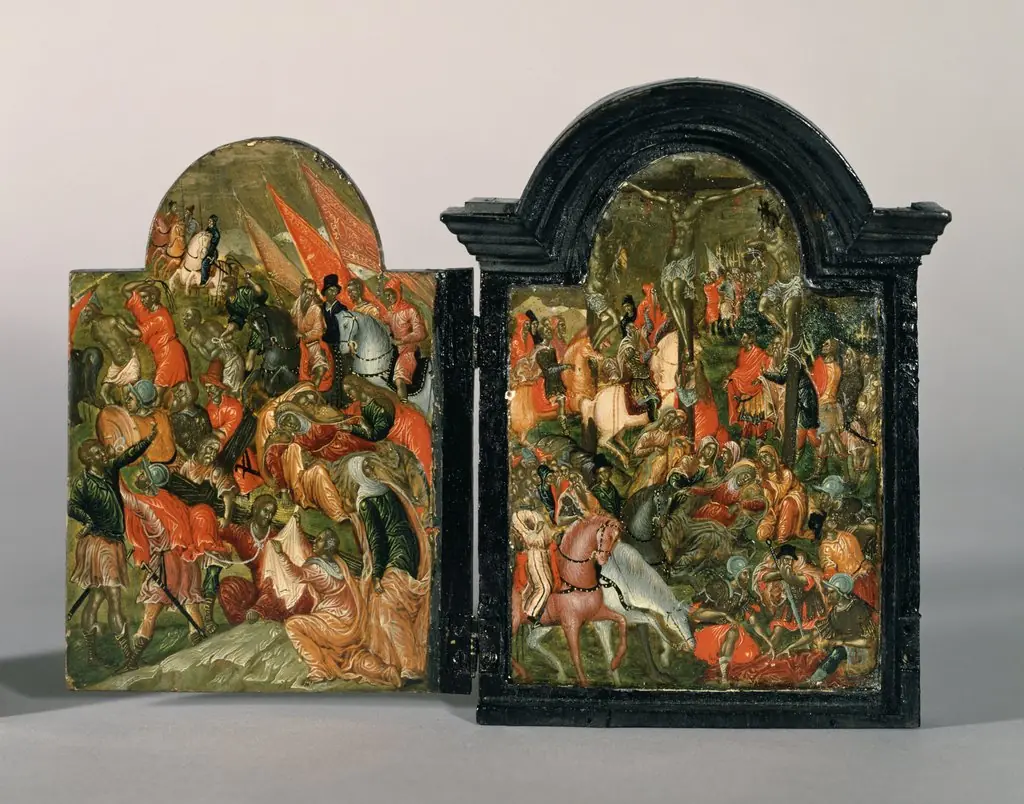 Scenes of Christ's Passion Triptych
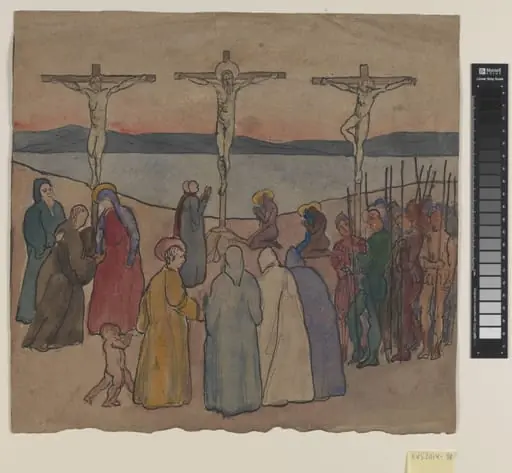 Korsfæstelsen II
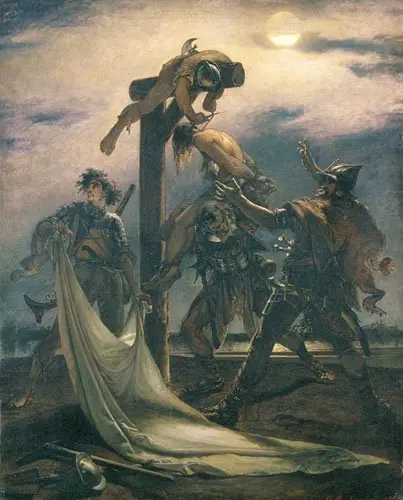 Dózsa's People
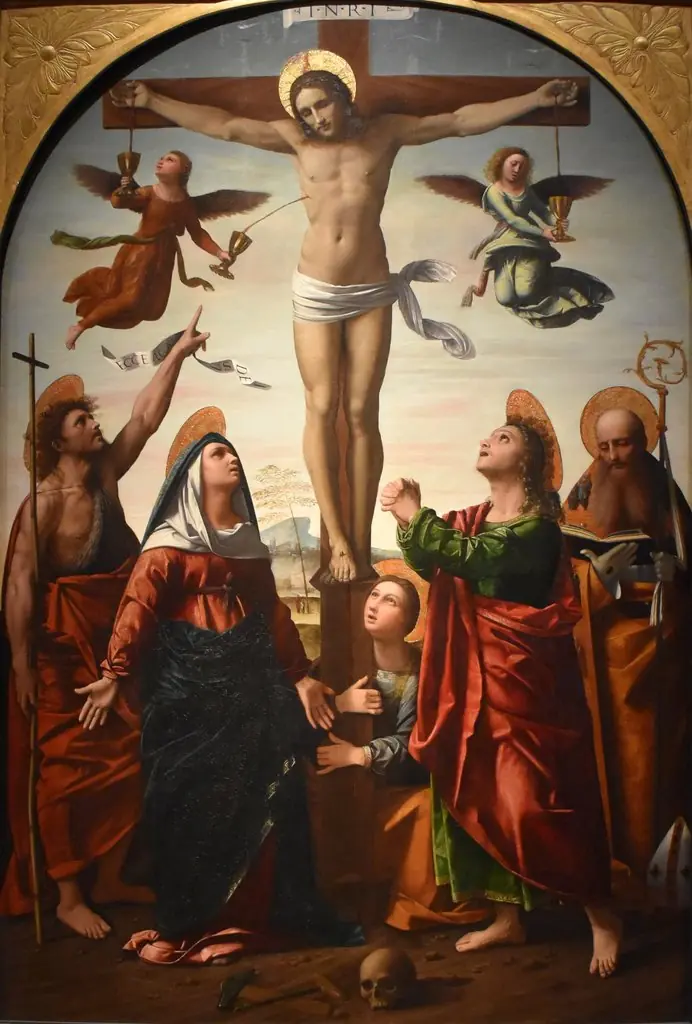 Crucifixion with the Virgin and Saints
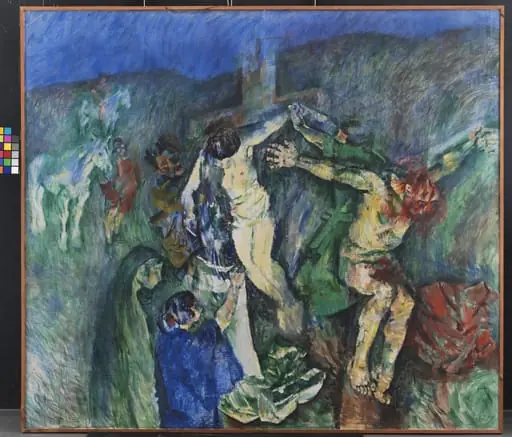 Calvary
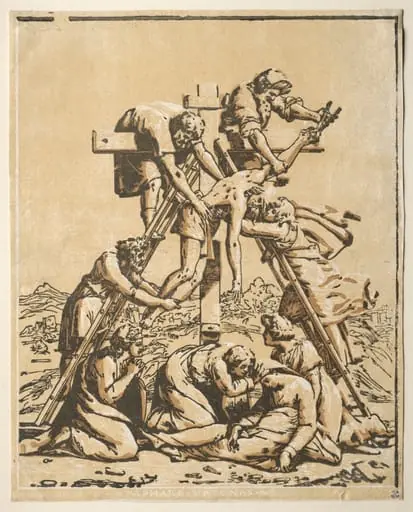 Descent from the Cross
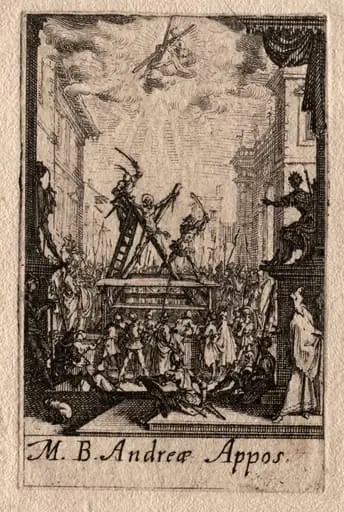 The Martyrdom of the Apostles: St. Andrew
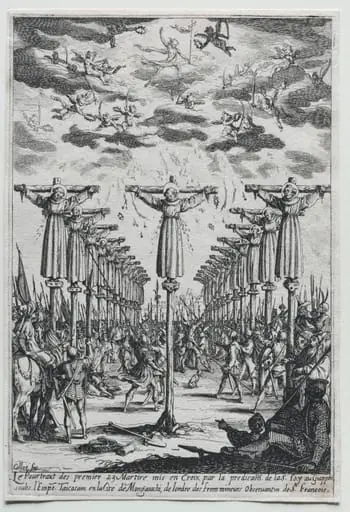 The Martyrs of Japan
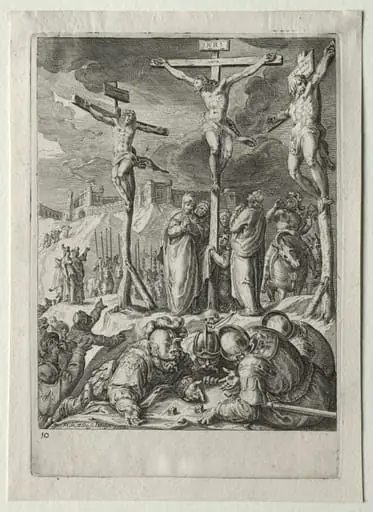 Passion Set: The Crucifixion
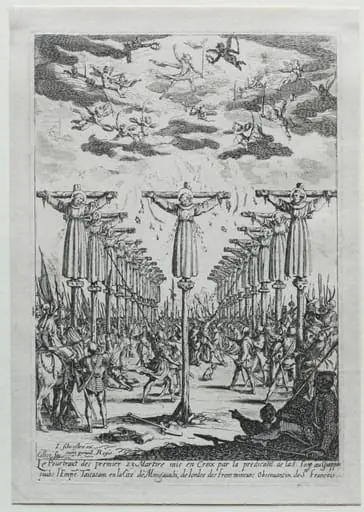 The Martyrs of Japan
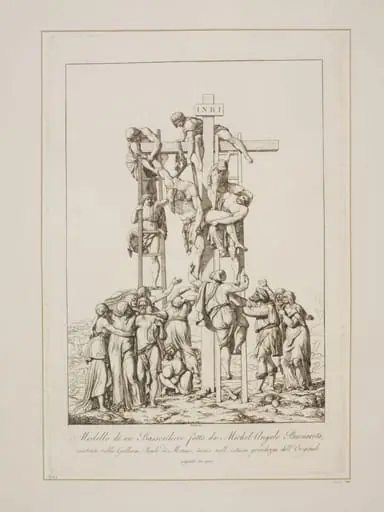 The Descent from the Cross
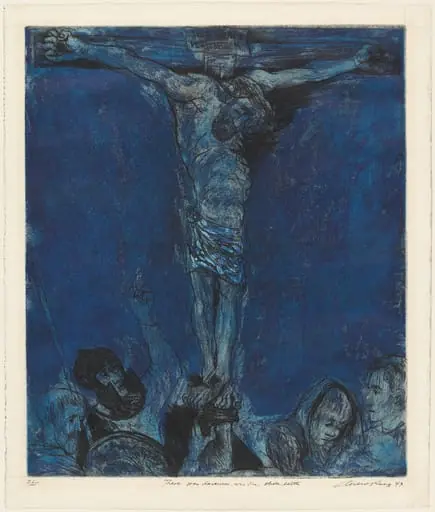 Untitled
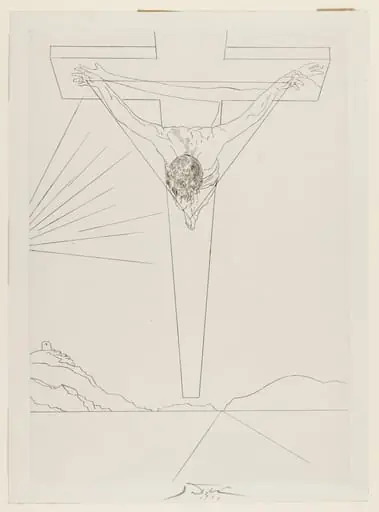 Untitled
 Untitled
Frequently asked questions
What is Crucifixion of Jesus?
Crucifixion of Jesus is a subject in art. Jesus was put to death by crucifixion, being nailed to an instrument made by the Romans for capital punishment, commonly named as a cross (Latin: crux).
How many Crucifixion of Jesus works does Artifact World Gallery have?
Artifact World Gallery holds 108 public-domain Crucifixion of Jesus works, all free to view and download.
Who are the key Crucifixion of Jesus artists?
Key Crucifixion of Jesus artists in the collection include Johannes Vermeer, El Greco and Rembrandt van Rijn.
Where can I see Crucifixion of Jesus works?
Crucifixion of Jesus works in the collection are held by National Gallery of Art, Gemäldegalerie Berlin and Metropolitan Museum of Art.