Subject
Clothed Male, Naked Female
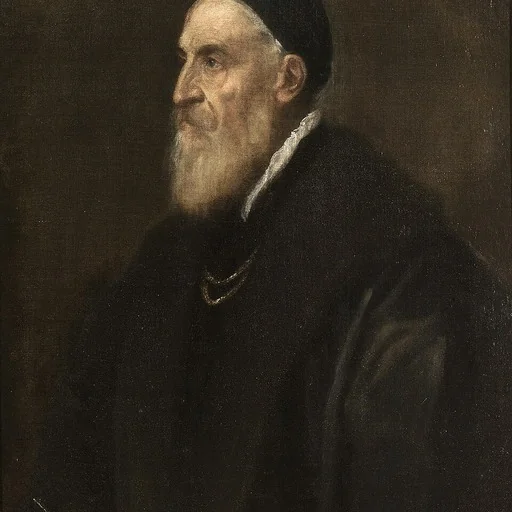
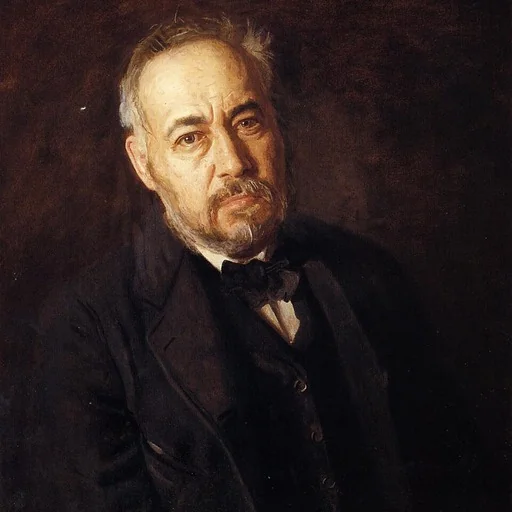
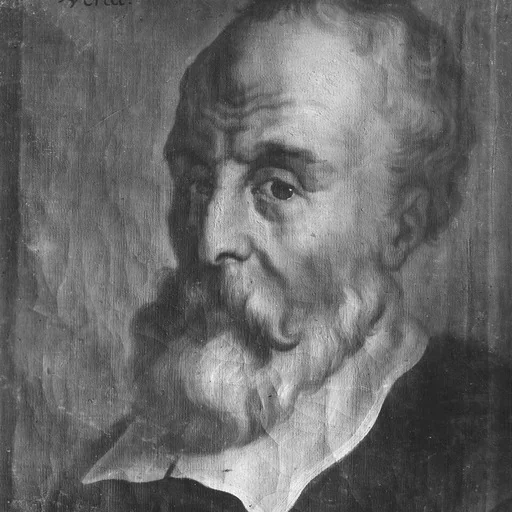
Clothed Male, Naked Female is a subject in art. The gallery holds 144 works in this subject in art, including works by Titian, Thomas Eakins and Paolo Veronese.
genre of erotics
Key artists
Overview
Clothed male, naked female, often abbreviated as CMNF, is a representational genre and motif in which one or more women are depicted nude while one or more men remain clothed. The convention is characterized by an inherent asymmetry that establishes a visual and psychological power imbalance. This dynamic has recurred in art history primarily because it provides a framework to explore themes of vulnerability, dominance, and erotic tension. The clothed male figure assumes the role of an active subject or voyeur, while the unclothed female is positioned as the object of the gaze, a dichotomy that has been utilized to convey narratives ranging from classical mythology to modern social critique.
Iconography & meaning
The iconography of clothed male, naked female imagery revolves around the juxtaposition of authority and exposure. The woman's one-sided nudity typically conveys vulnerability, helplessness, or sexual submission, while the clothed man represents dominance, control, or detached observation. This power differential can be involuntary, emphasizing shame and objectification, or it can be framed within consensual exhibitionism and sexual roleplay. The motif often explores the erotic subtext of rescue and captivity, or the dynamic of a woman disrobing for the pleasure of an audience. In some contexts, the power structure reverses, with the naked female asserting autonomy by commanding the gaze of a clothed but restrained male, though the primary historical meaning centers on female objectification and male authority.
Across movements & periods
The treatment of asymmetrical nudity shifted significantly across art movements. During the Renaissance, the revival of classical humanism allowed artists to explore eroticism through mythological subjects, though the Church often censored such works. By the nineteenth century, Orientalist painting heavily exploited the clothed male, naked female convention, framing it within depictions of slave markets and harems to legitimize the display of white slavery and sexual subjugation. Outside Orientalism, nineteenth century artists used the damsel in distress trope to explore the erotic subtext of a powerful knight rescuing a helpless woman. Later, Realist and Impressionist painters stripped away the mythological pretexts, placing the clothed male, naked female dynamic into contemporary settings, which provoked public outrage by removing the traditional distance between the viewer and the subject.
Notable depictions
Jean-Leon Gerome's The Slave Market provides the archetypal Orientalist example, showing a nude female slave examined by a clothed potential buyer, while his Phryne before the Areopagus depicts the ancient Greek trial. In the knight-errant tradition, John Everett Millais's The Knight Errant initially caused controversy because the nude woman faced her rescuer, a posture deemed too suggestive; Millais repainted the figure to look away. Edouard Manet's Le dejeuner sur l'herbe scandalized audiences in 1863 by placing a nude woman picnicking with two clothed men in a contemporary Parisian setting, an image inspired by the Pastoral Concert of approximately 1509, attributed to Giorgione or Titian. William Strang's 1913 painting Adoration presents a philosophical study of the motif, showing a soldier, a painter, a schoolboy, and an older gentleman fascinated by a naked female subject.
Legacy
The clothed male, naked female motif has persisted into modern media, literature, and performance, evolving from a historical painting convention into a recognized genre of erotica and fetishism. The dynamic continues to be explored in contemporary literature and online communities, where it is often discussed in terms of exhibitionism, voyeurism, and power exchange. Modern burlesque performances have reenacted canonical works like Le dejeuner sur l'herbe to explore these tensions onstage. The motif's legacy remains dual: it functions simultaneously as a mechanism that has historically reinforced gender stereotypes through the objectification of the female body, and as a framework that artists and writers continue to utilize to challenge, subvert, or explore complex social and sexual dynamics.
Works
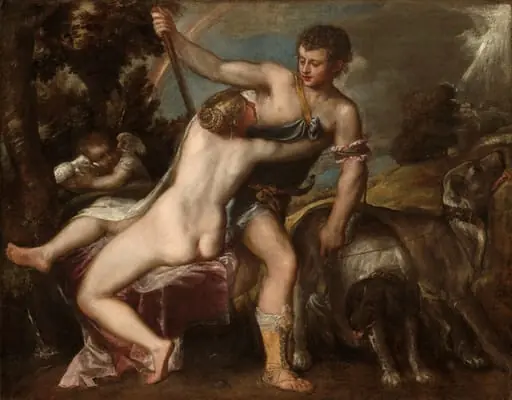 Venus and Adonis
 Venus and Mars
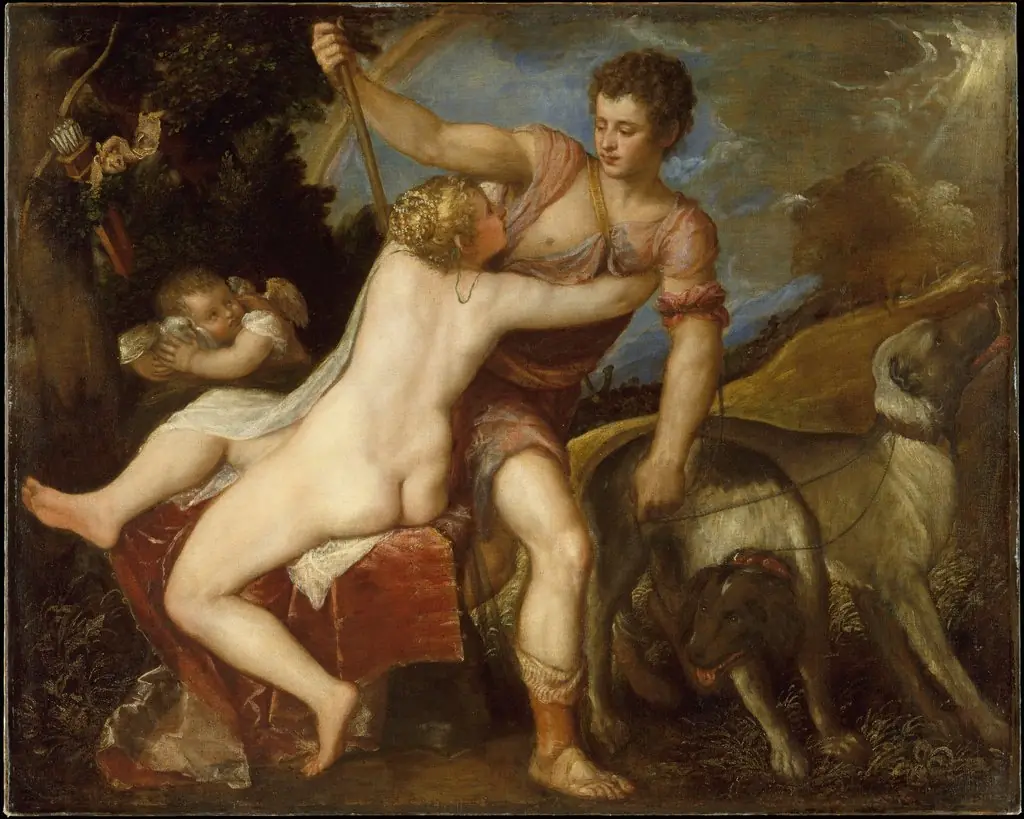 Venus and Adonis
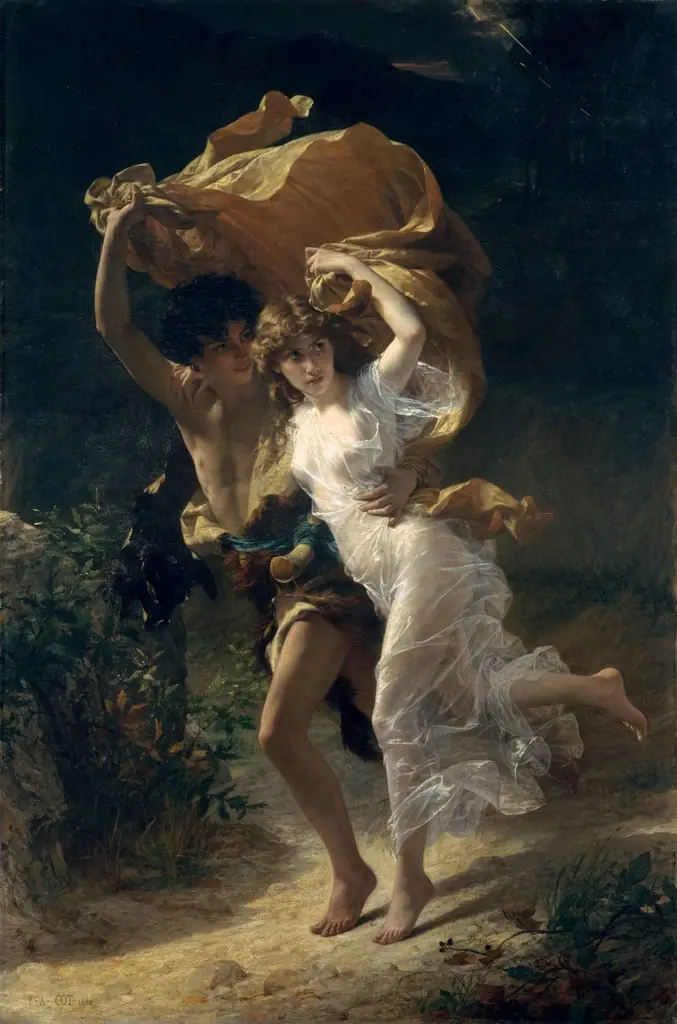 The Storm
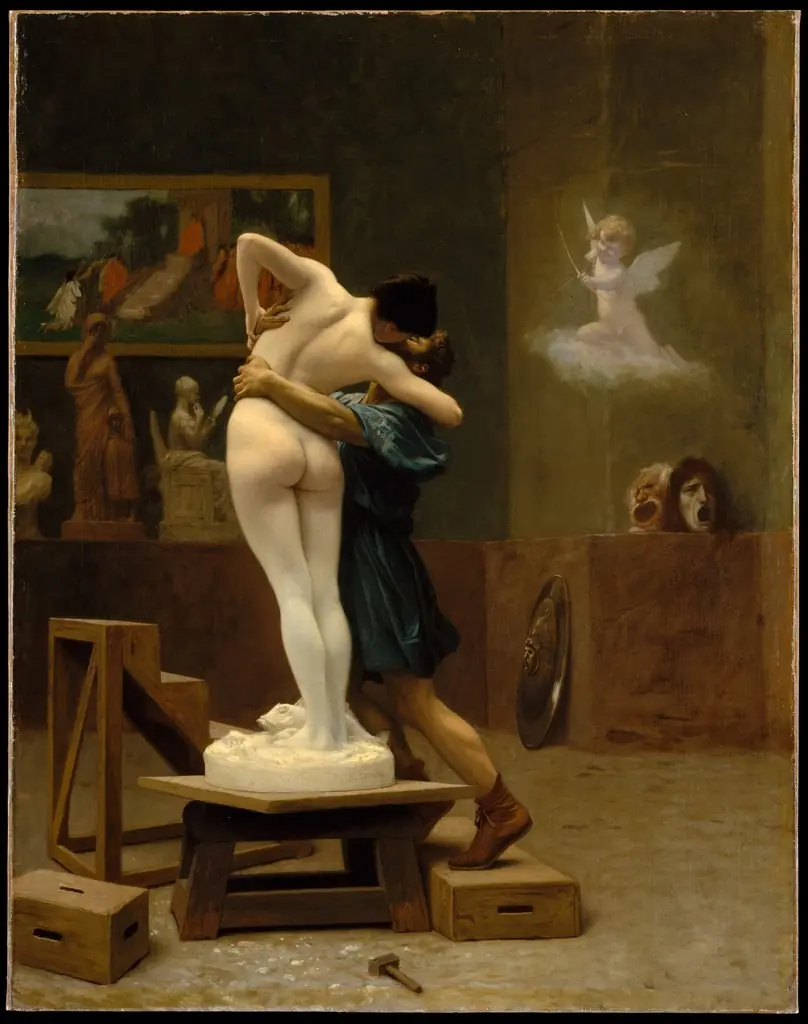 Pygmalion and Galatea
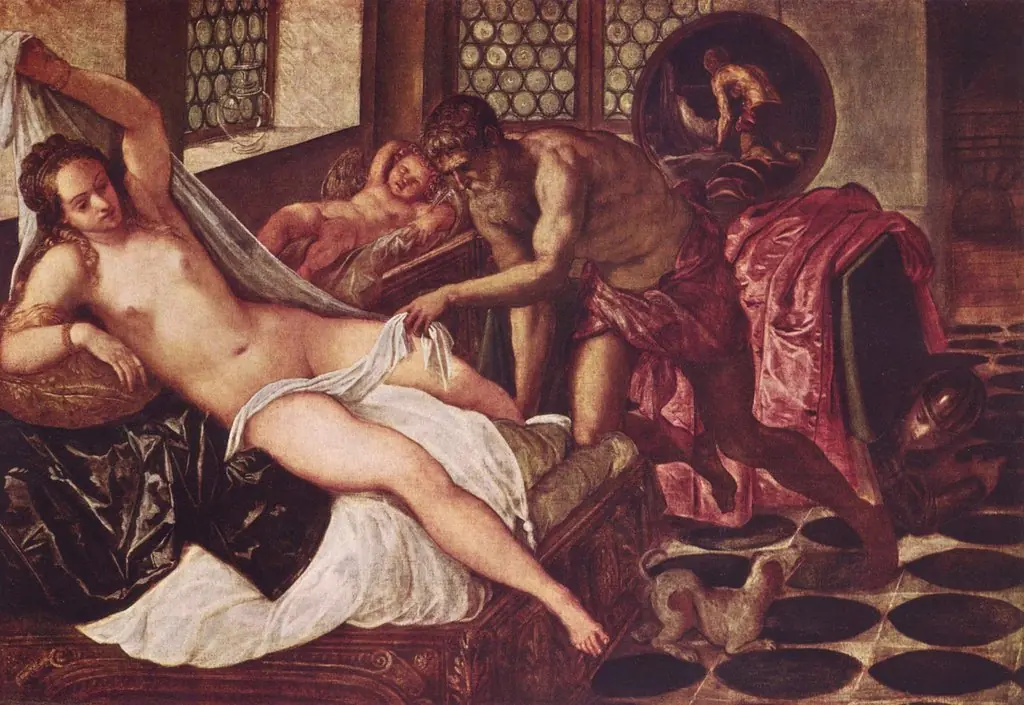 Venus and Mars Surprised by Vulcan
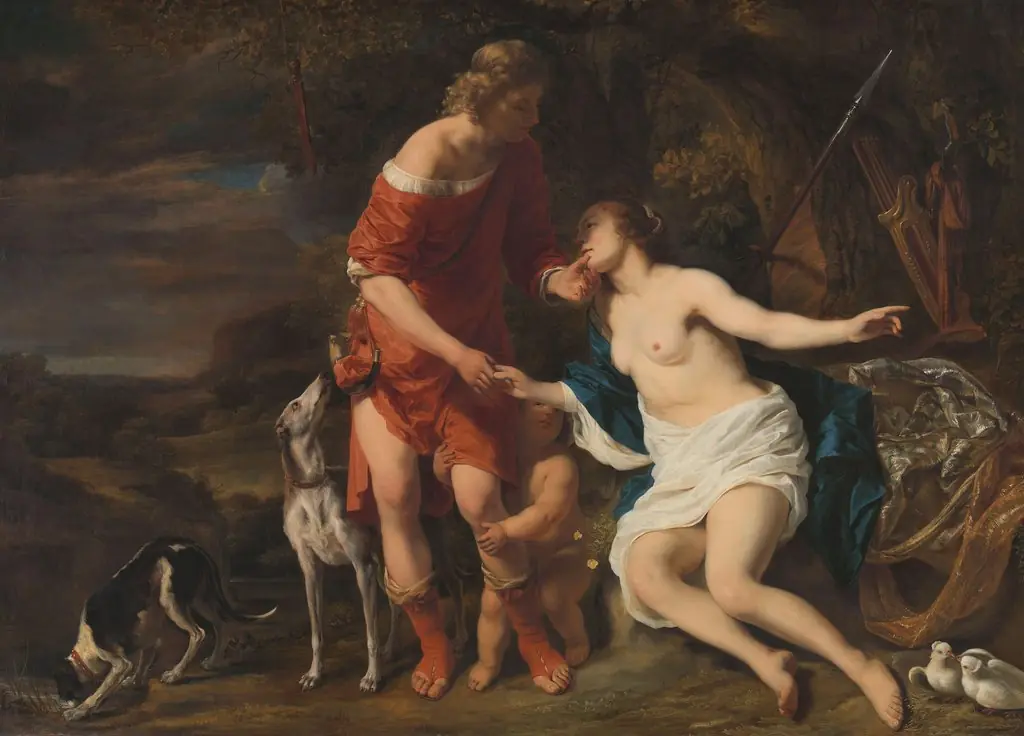 Venus and Adonis
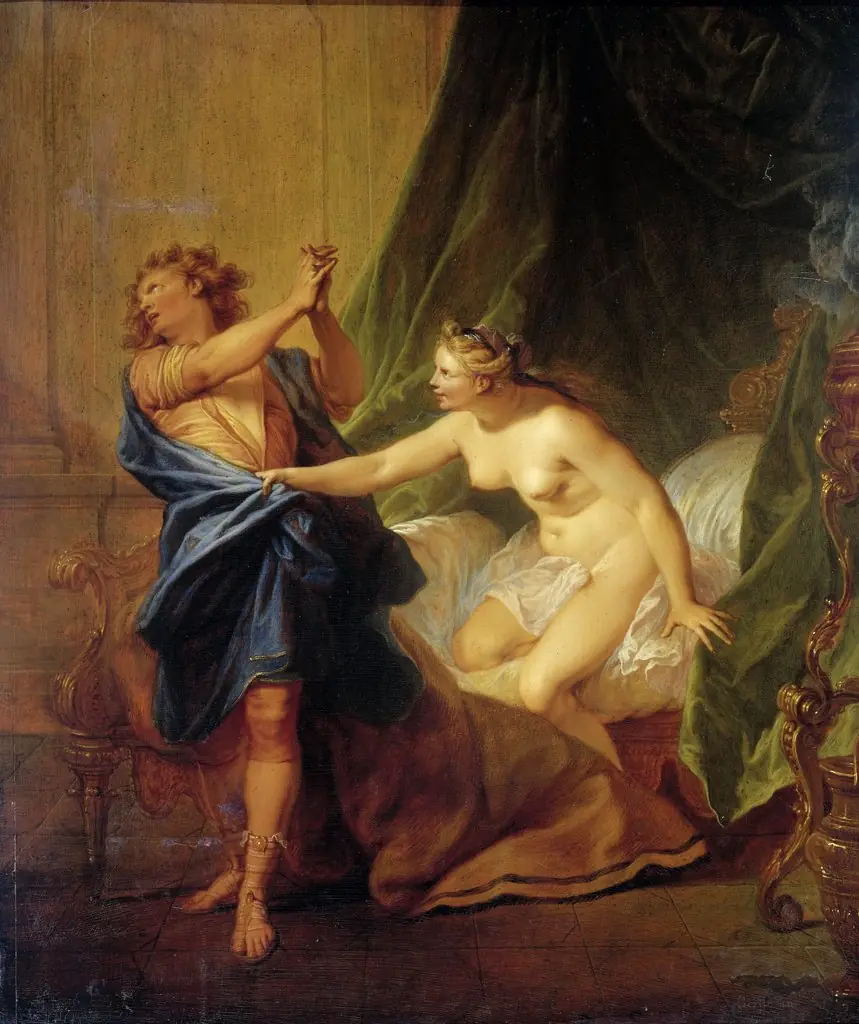 Joseph and Potiphar's Wife
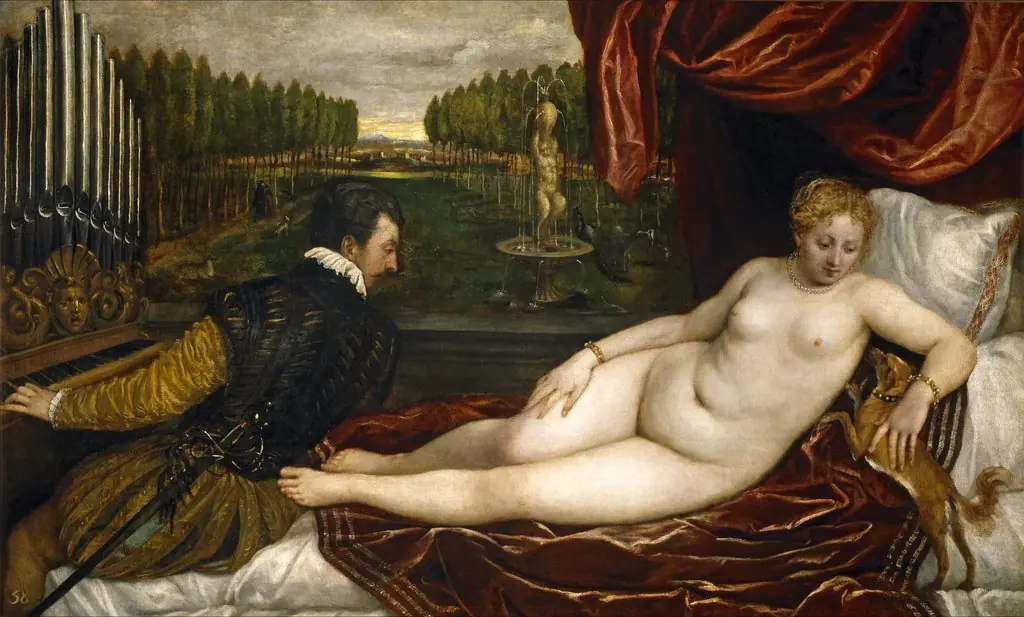 Venus and Music
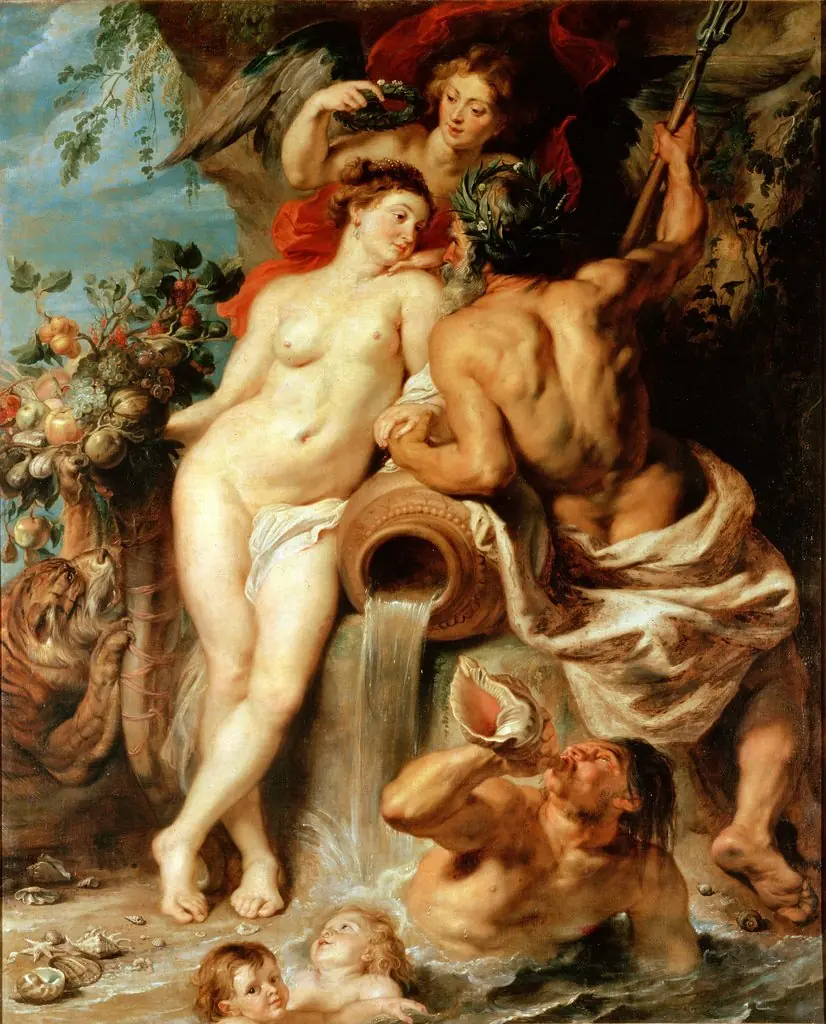 The Union of Earth and Water (Antwerp and the Scheldt)
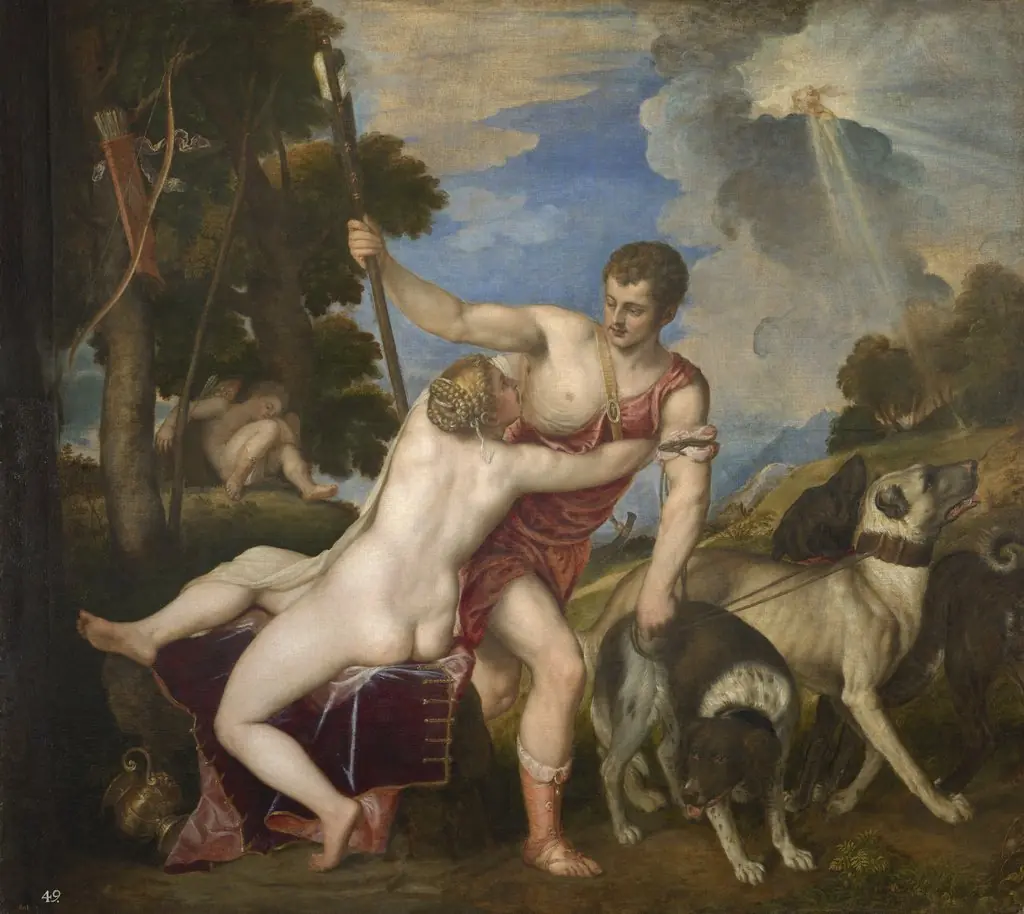 Venus and Adonis
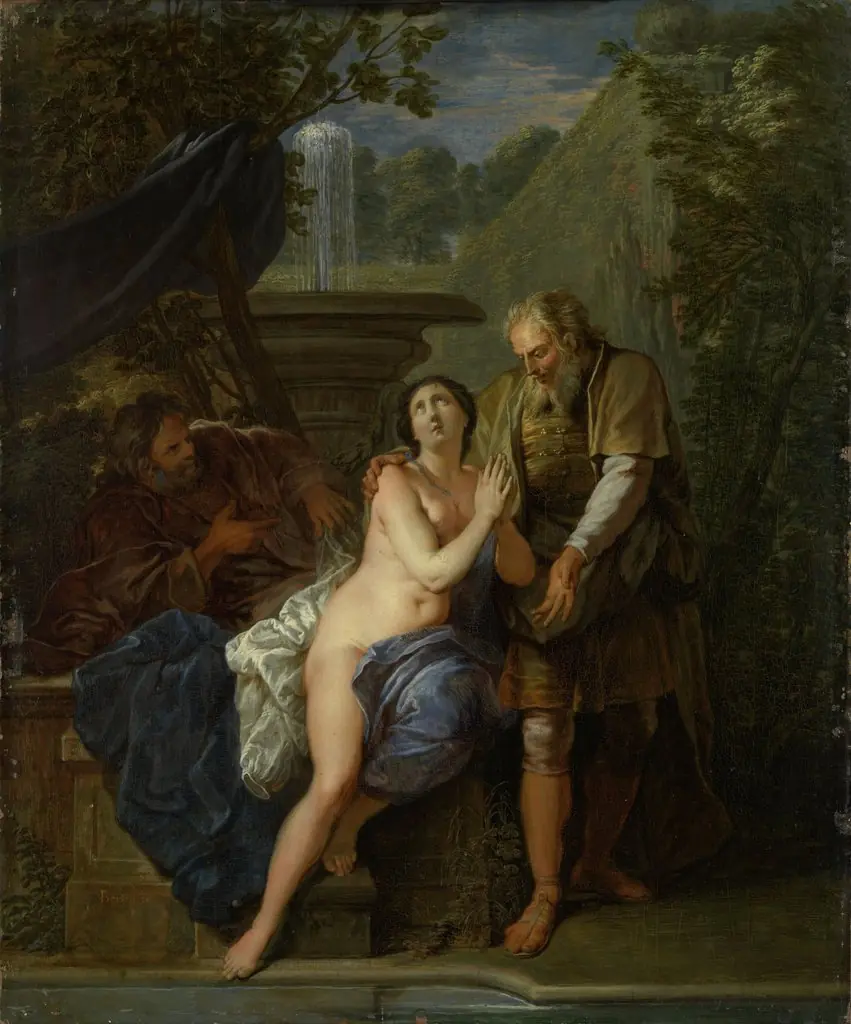 Susanna and the Elders
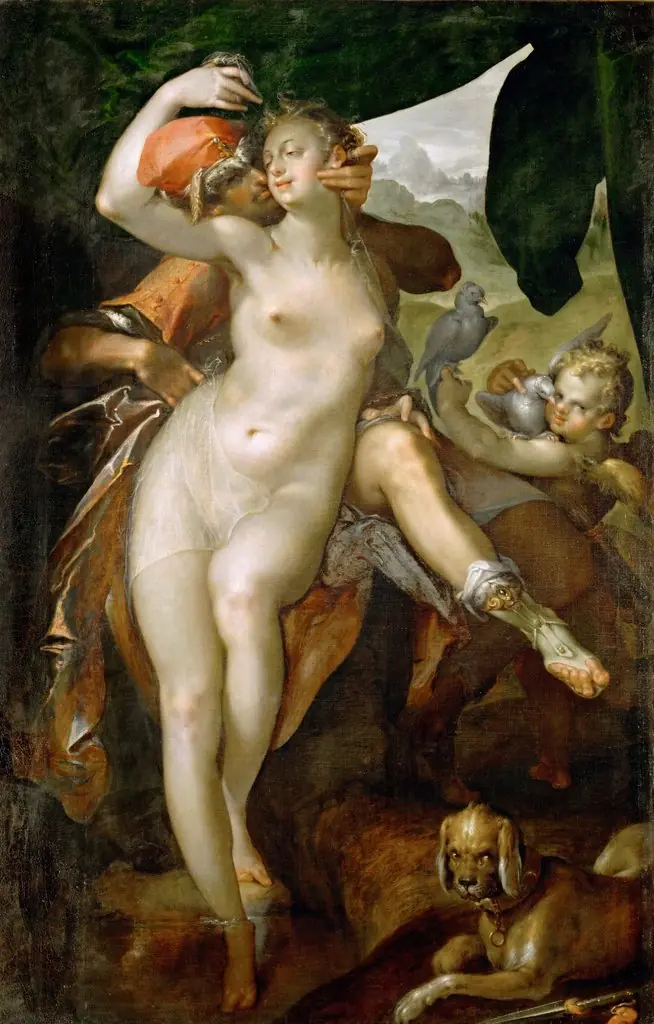 Venus and Adonis
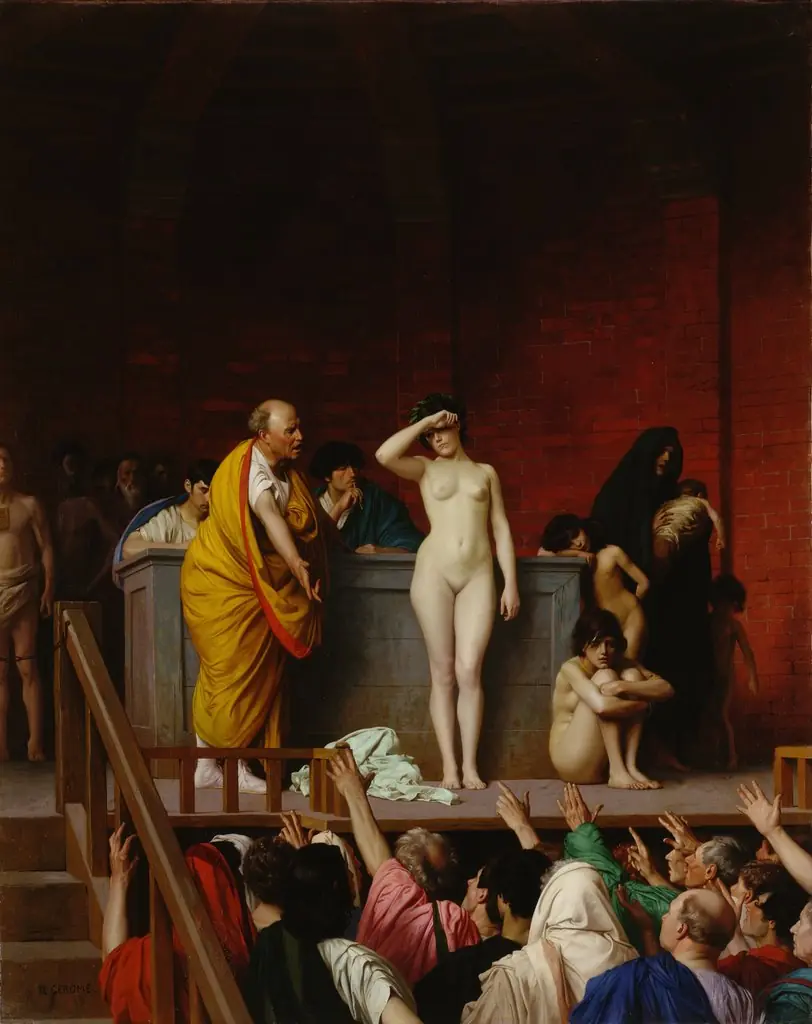 Slave Market in Rome
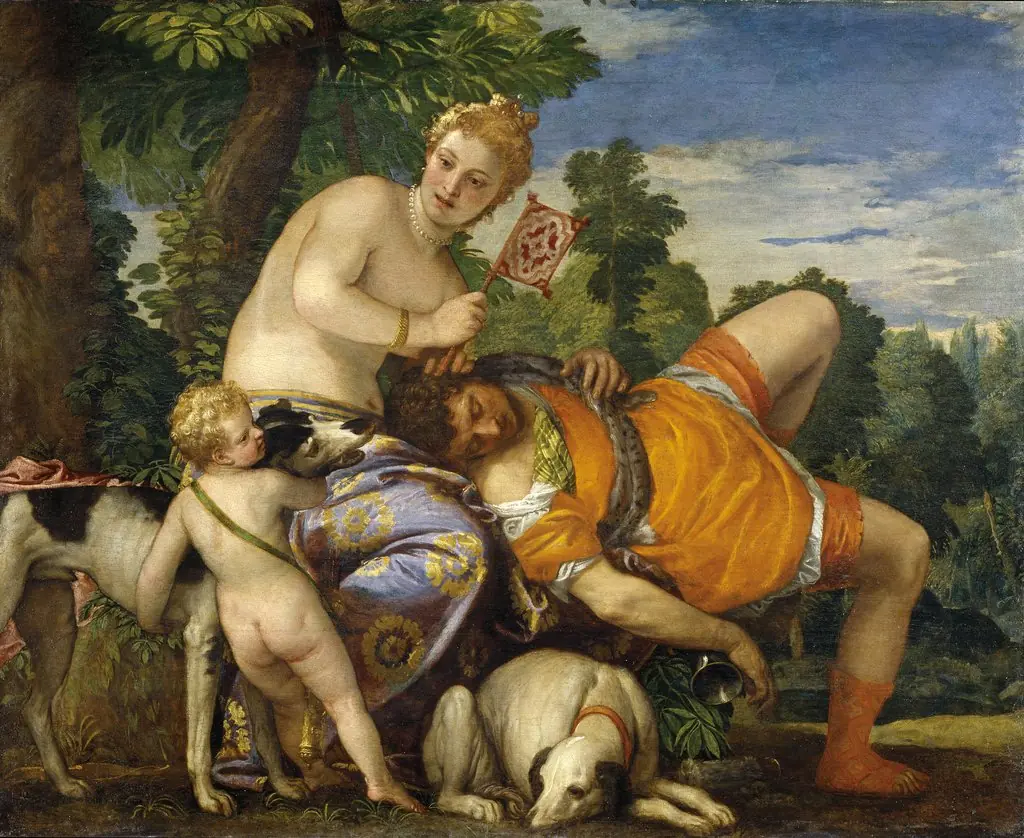 Venus and Adonis
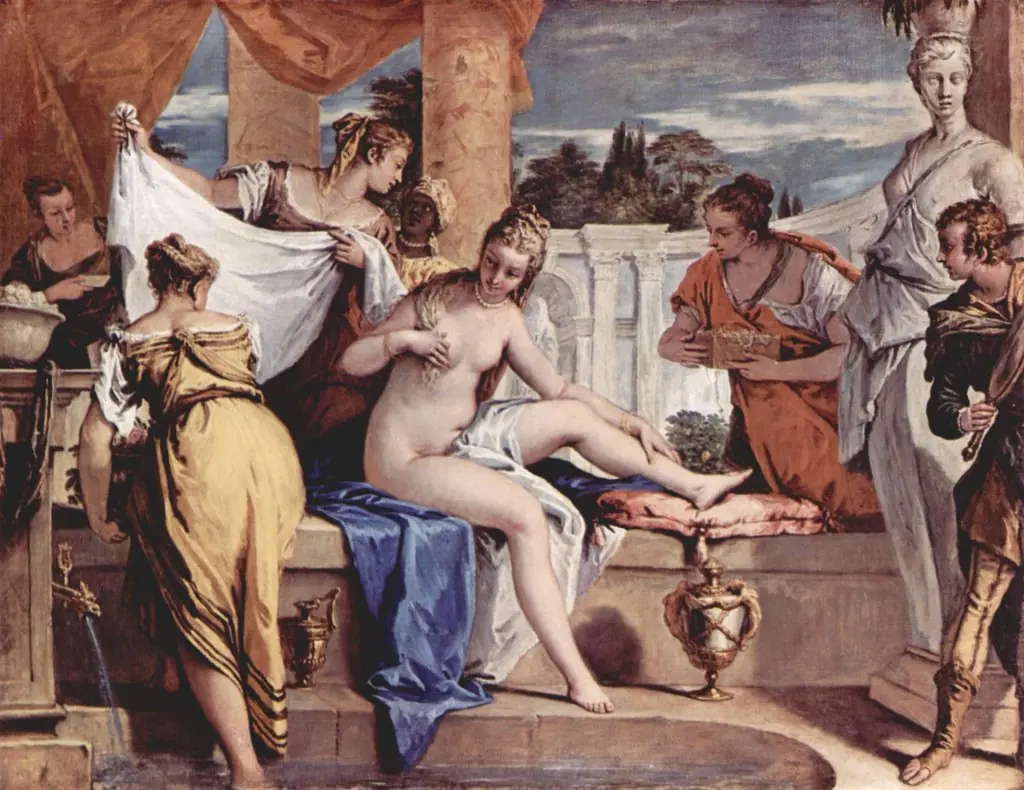
 David and Bathsheba
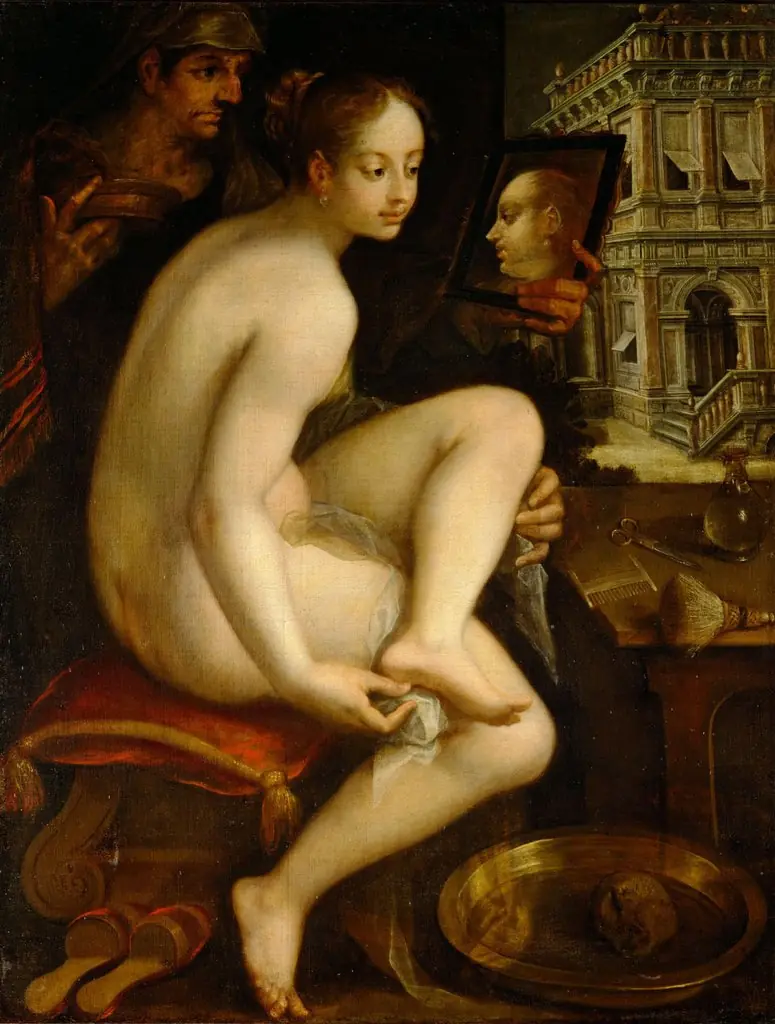
 Bathsheba at her bath
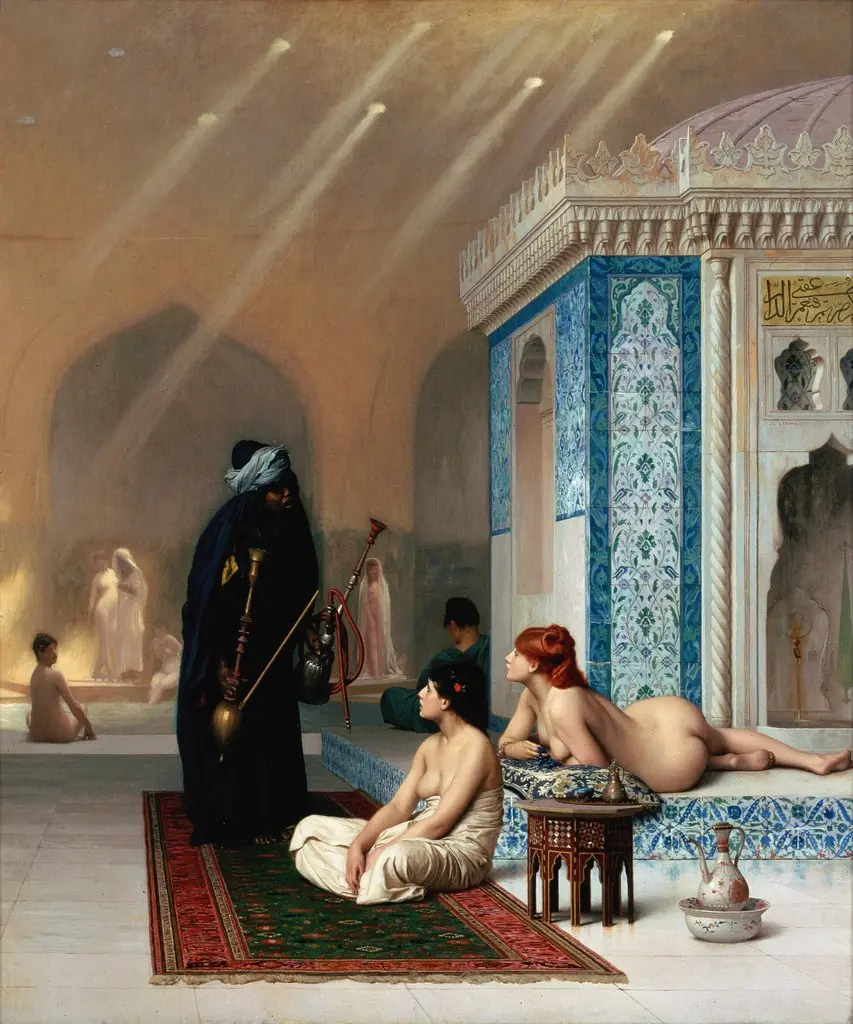 Pool in a Harem
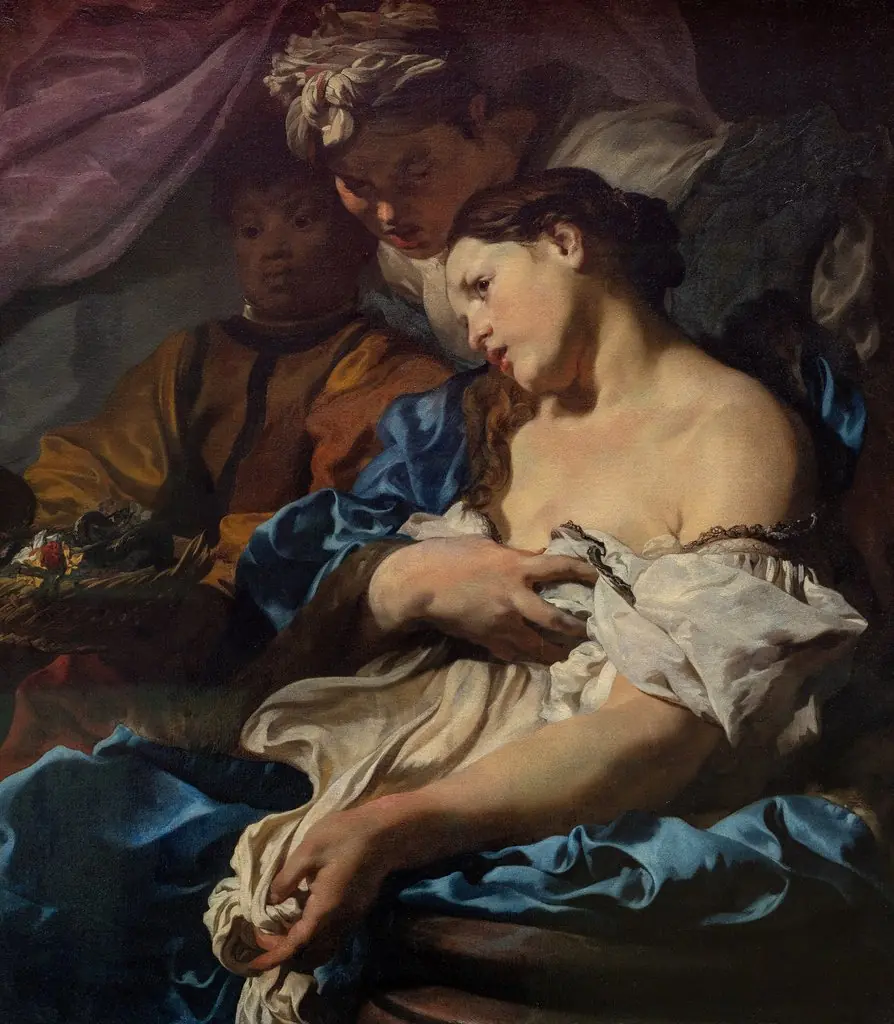 The Death of Cleopatra
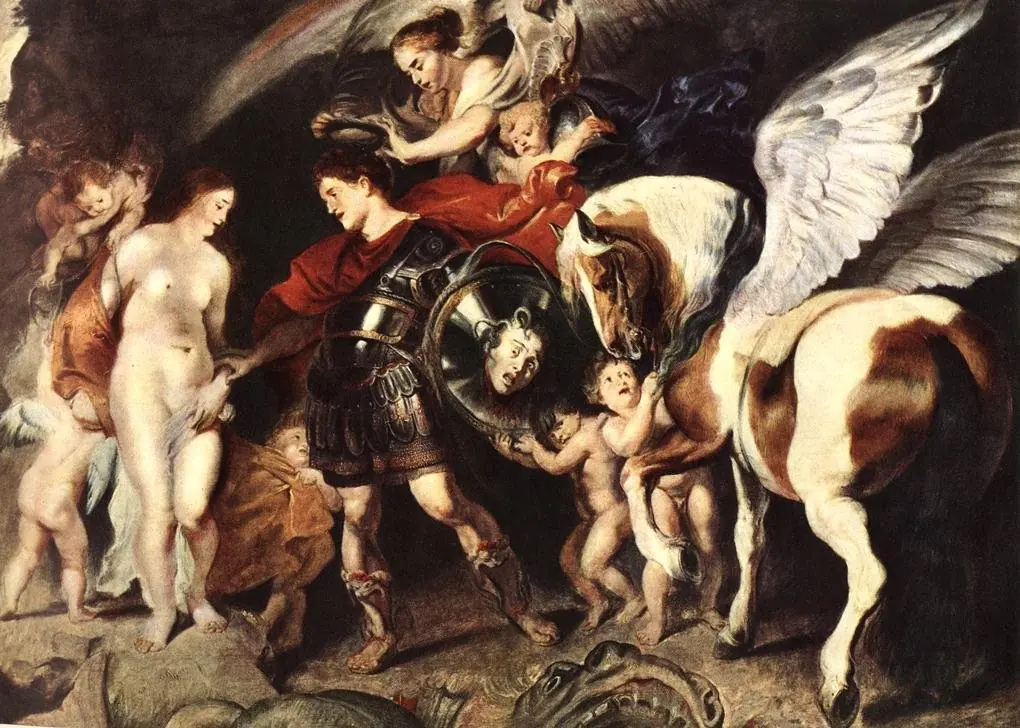 Perseus and Andromeda
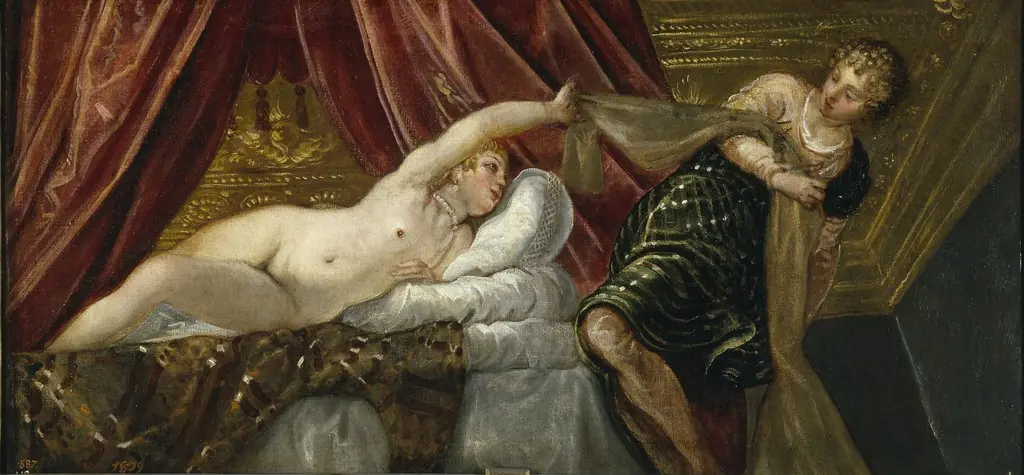 Joseph and Potiphar's Wife
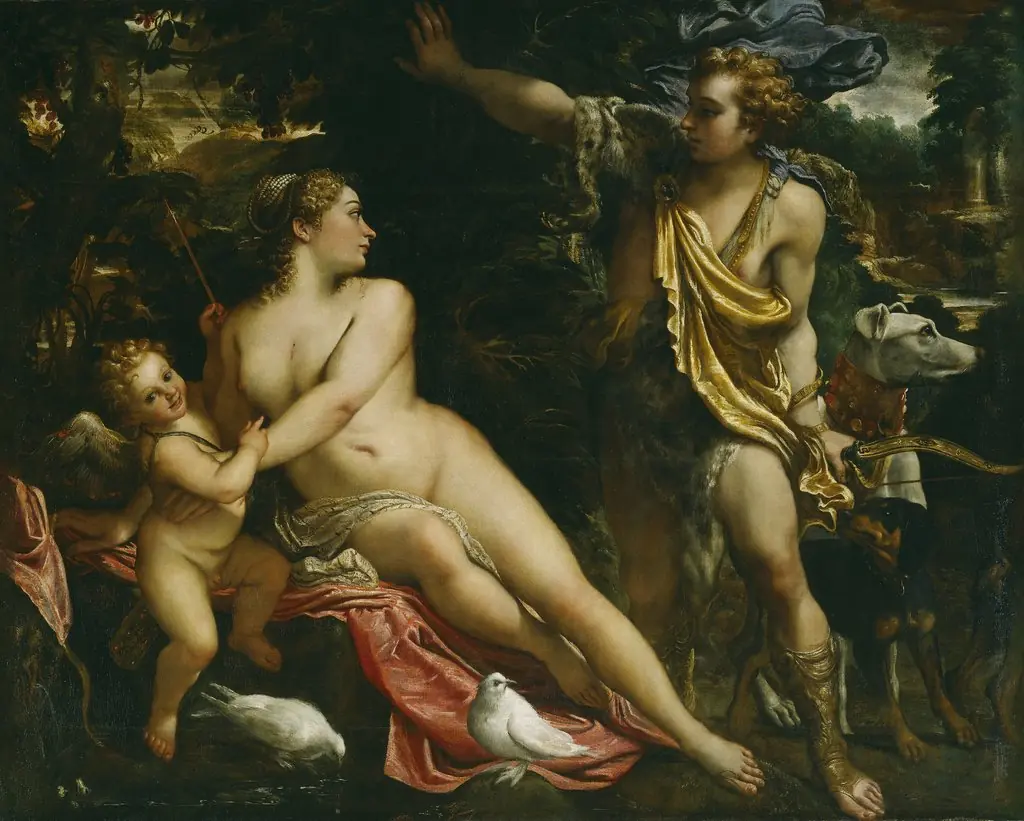 Venus, Adonis and Cupid
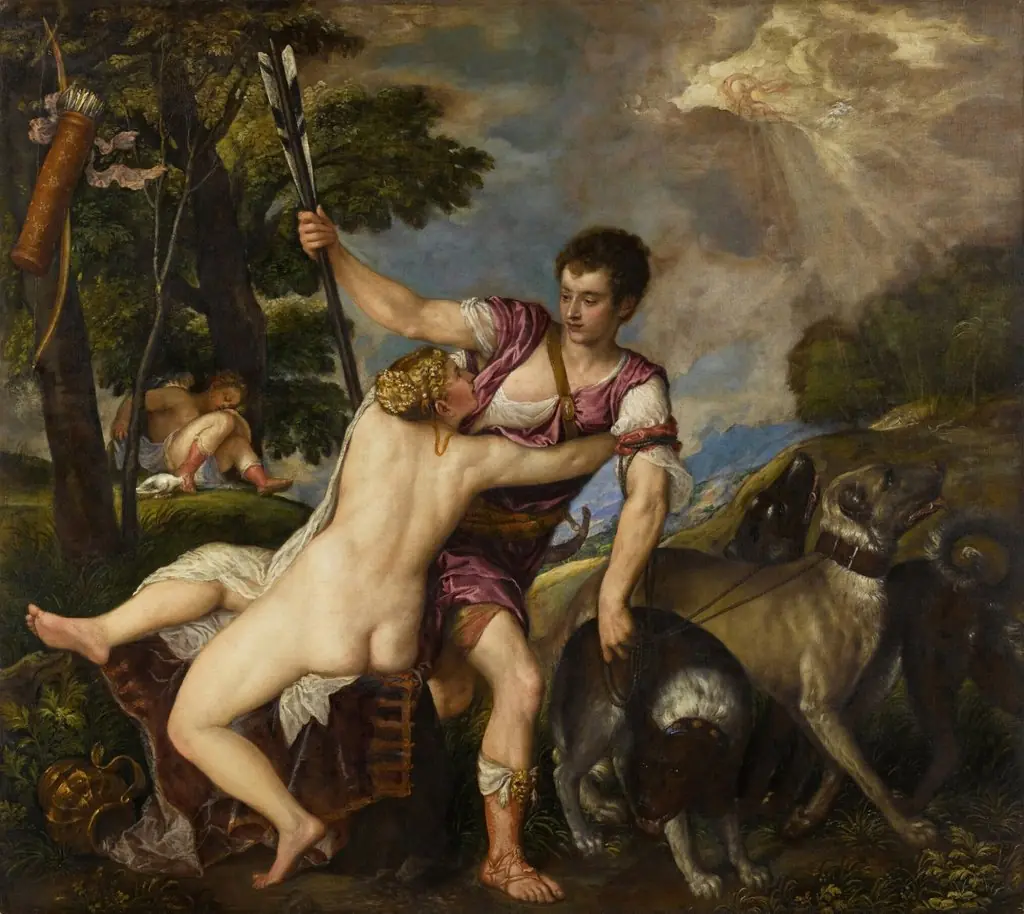 Venus and Adonis
 Danaë
Danaë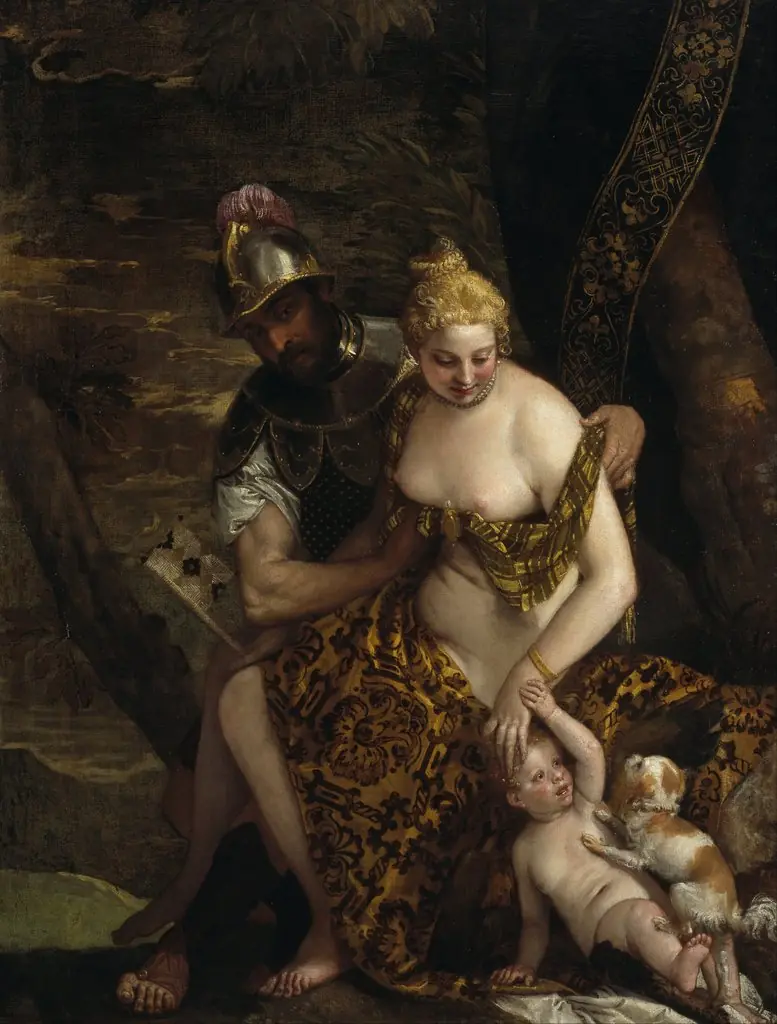 Mars and Venus with Cupid and a Dog
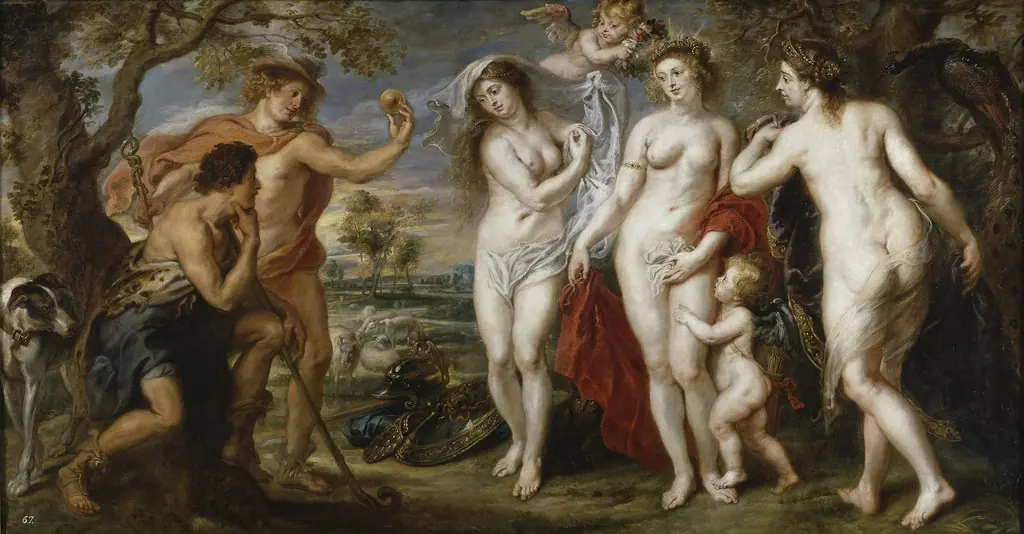 The Judgement of Paris
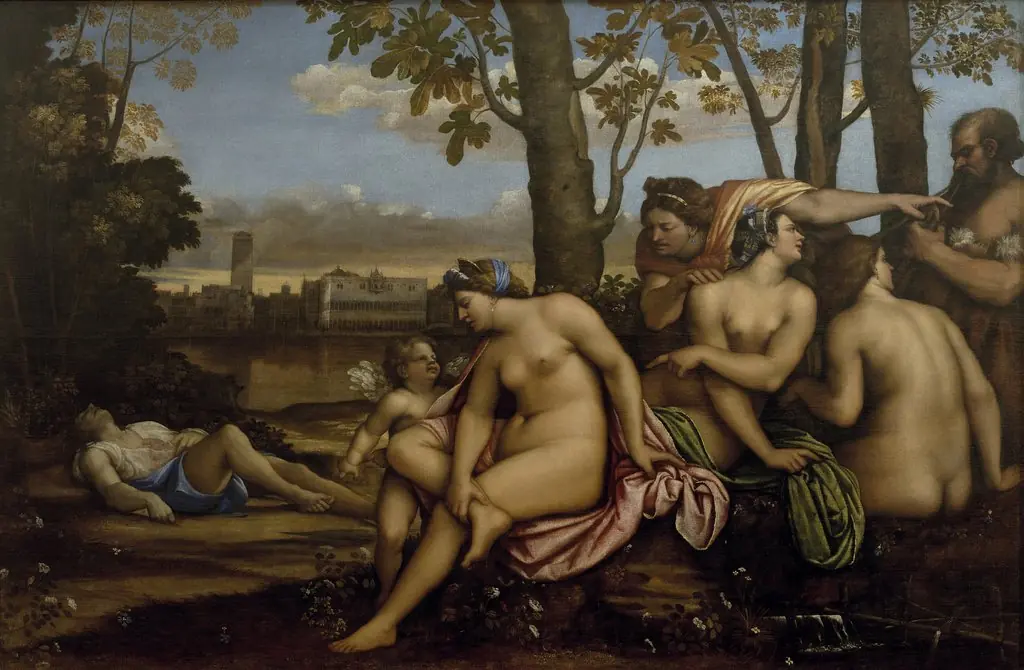 Death of Adonis
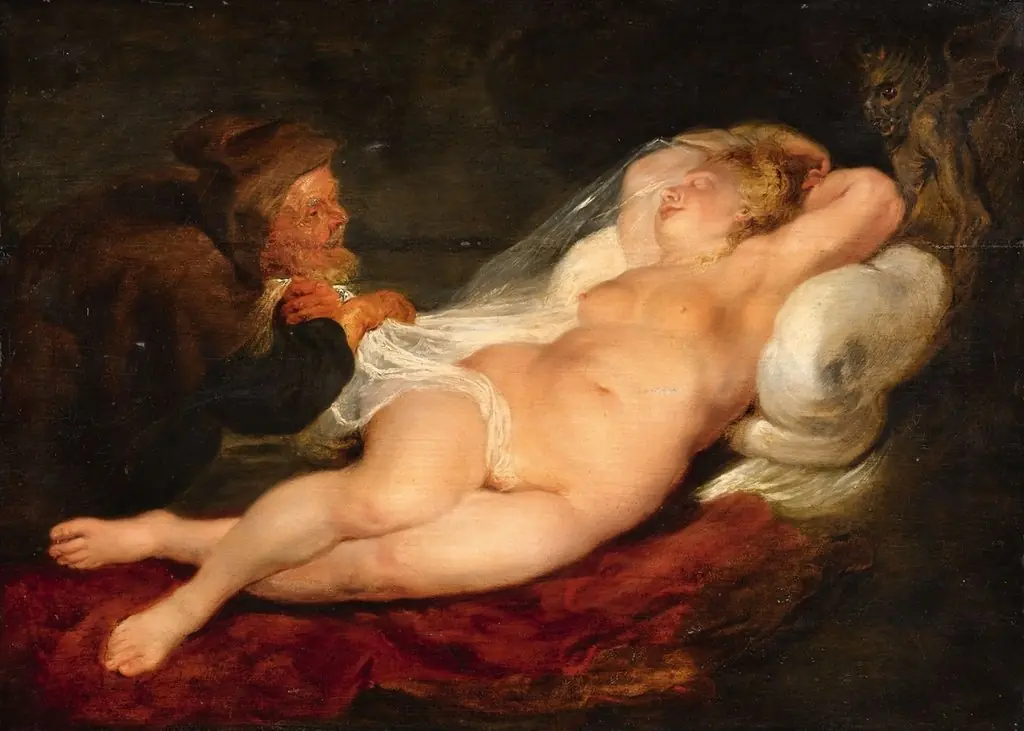 Angelica and the Hermit
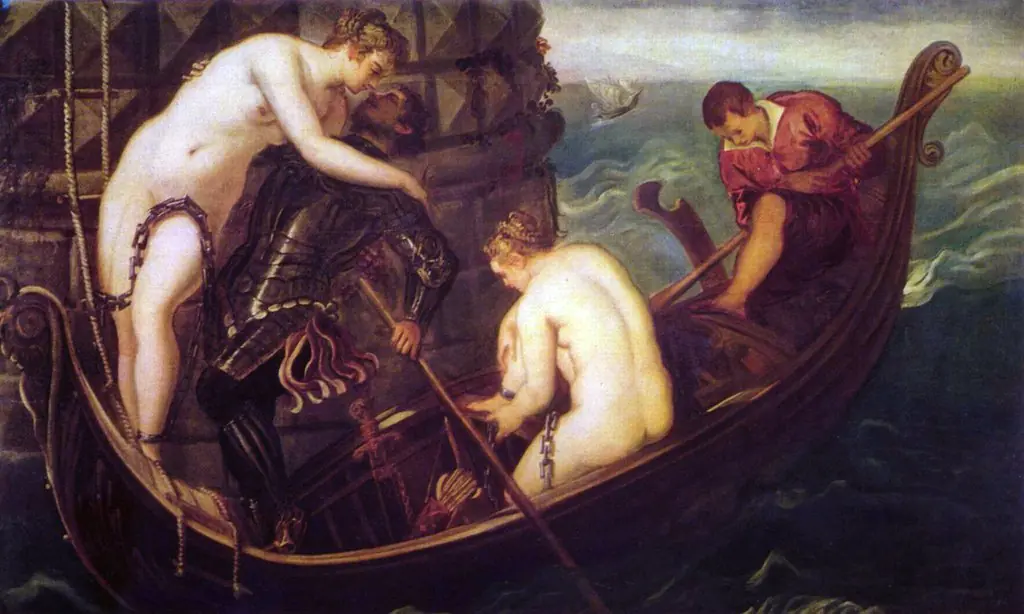 The Deliverance of Arsinoe
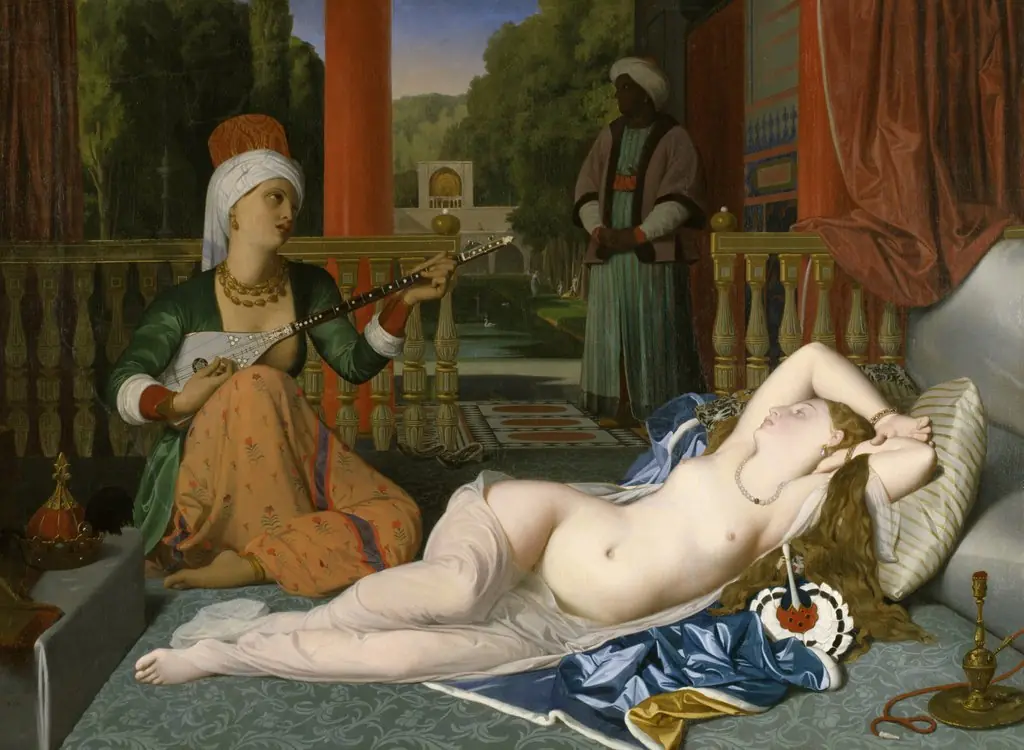 Odalisque with Slave
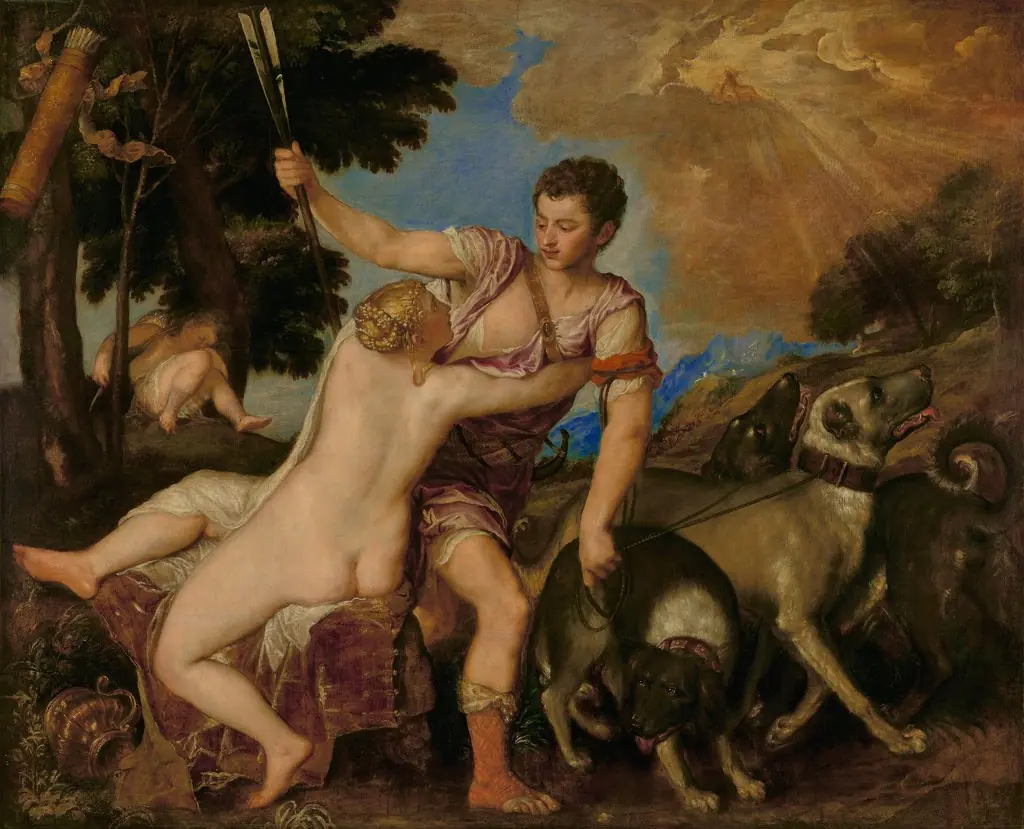 Venus and Adonis
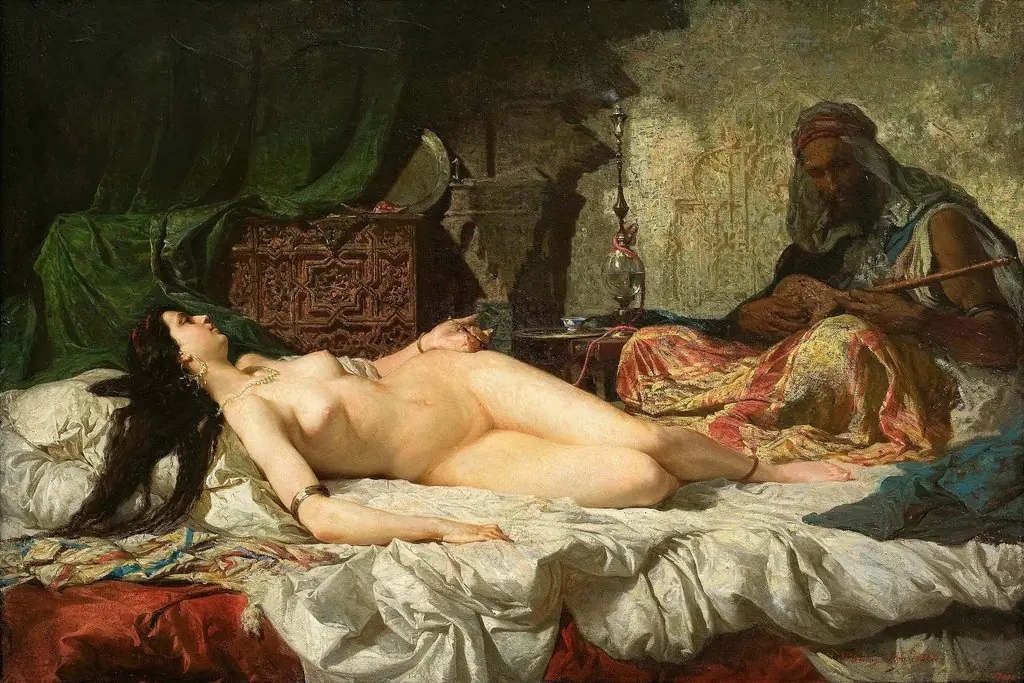 The Odalisque
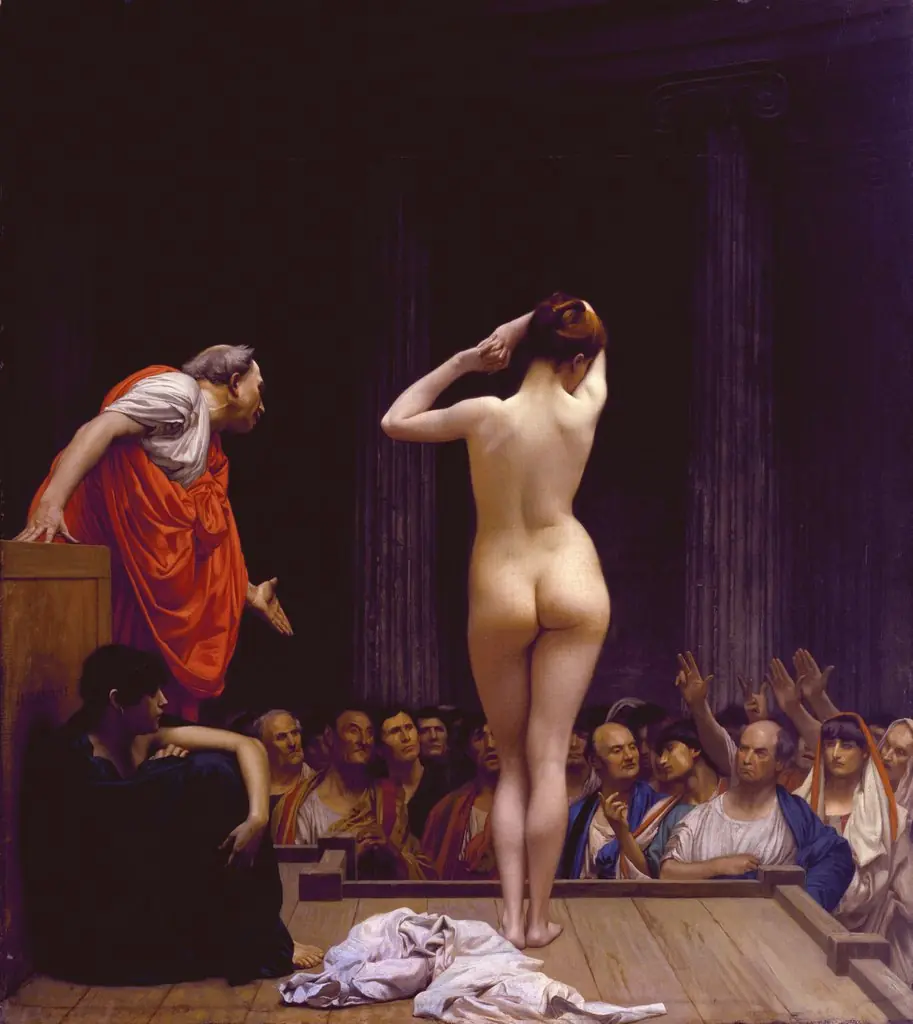 A Roman Slave Market
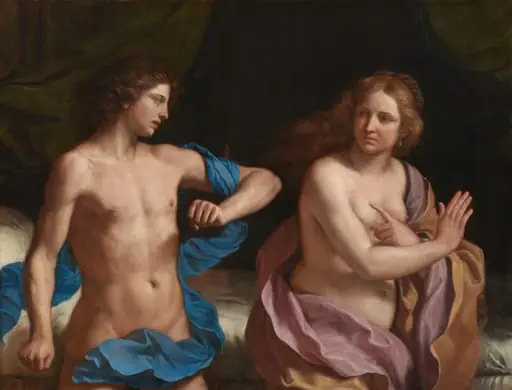 Amnon and Tamar
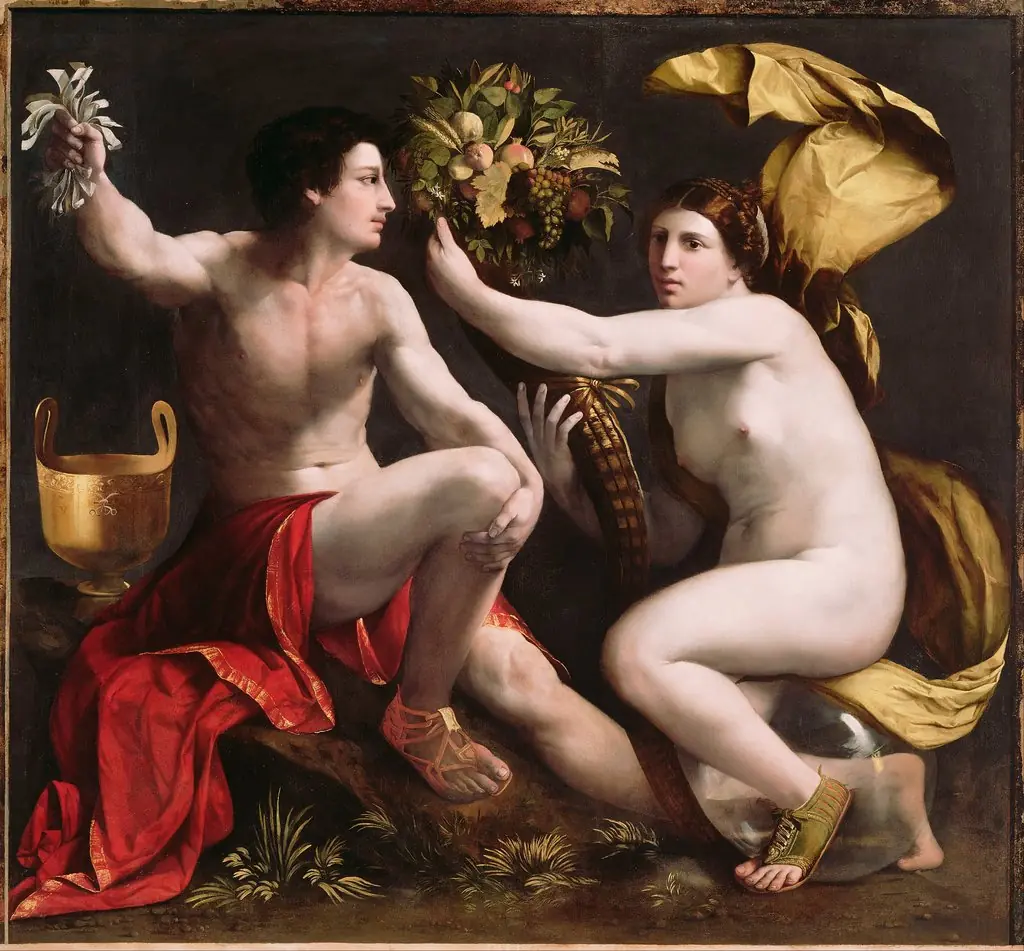 An Allegory of Fortune
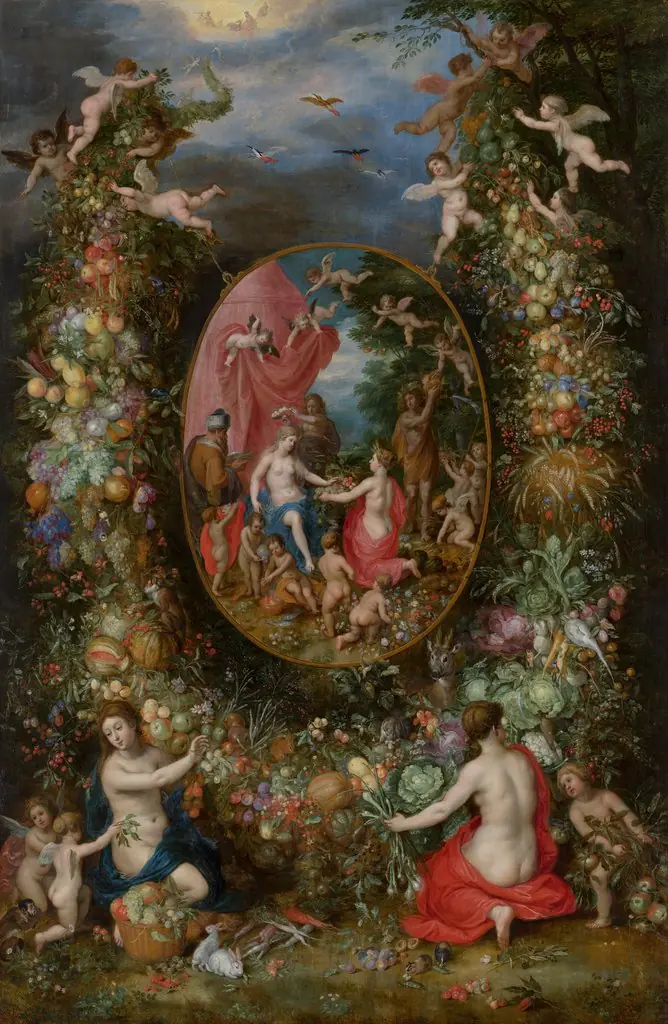 Garland of Flowers around an Allegory of Farming
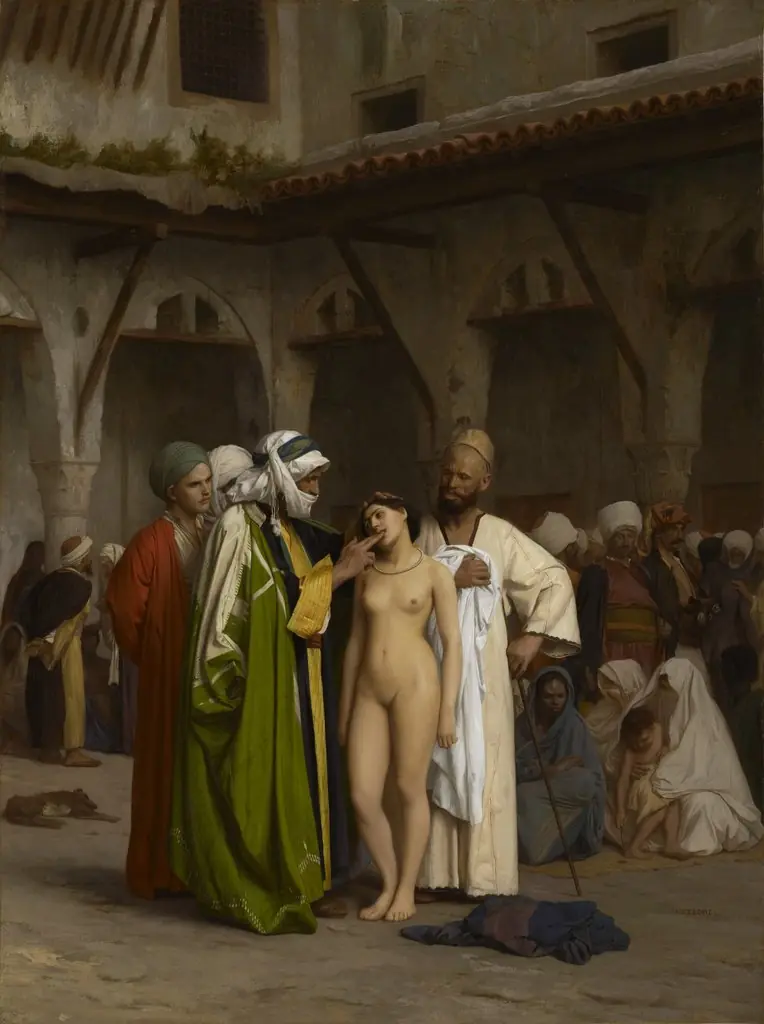 The Slave Market
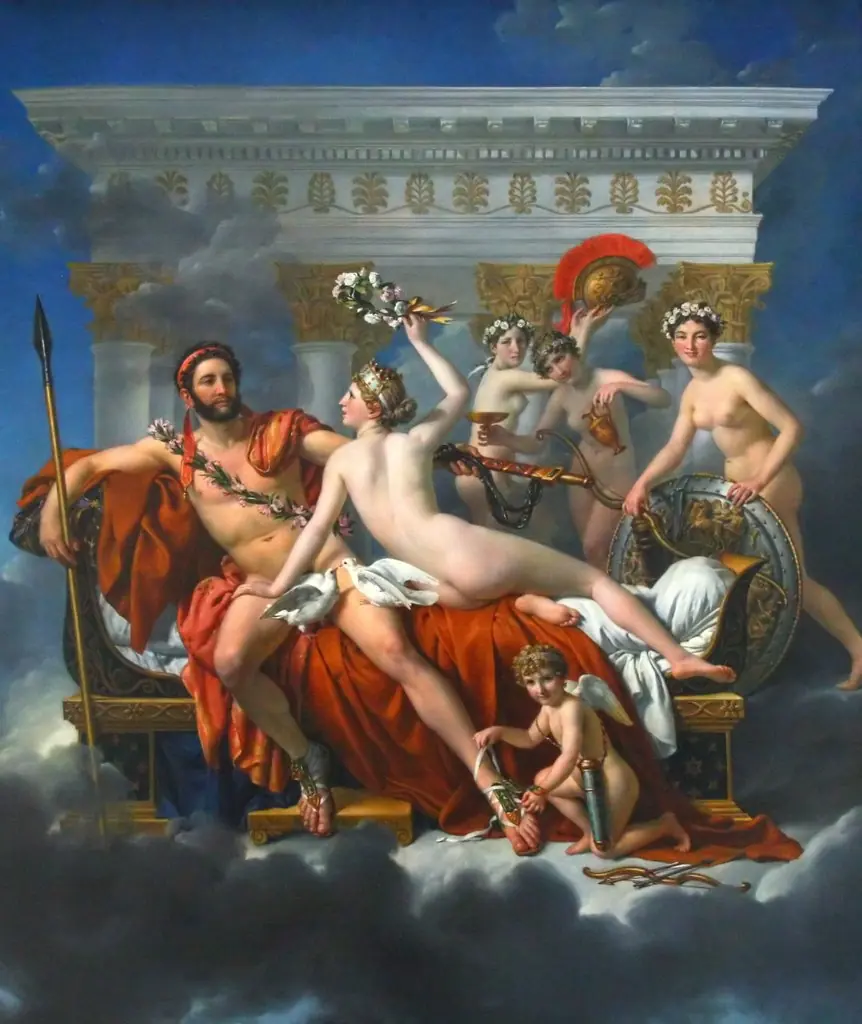 Mars Being Disarmed by Venus
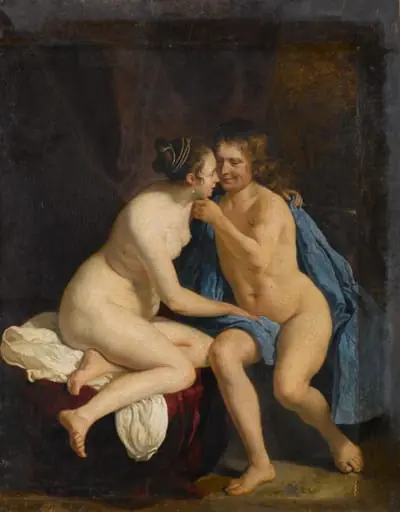 Amorous Couple
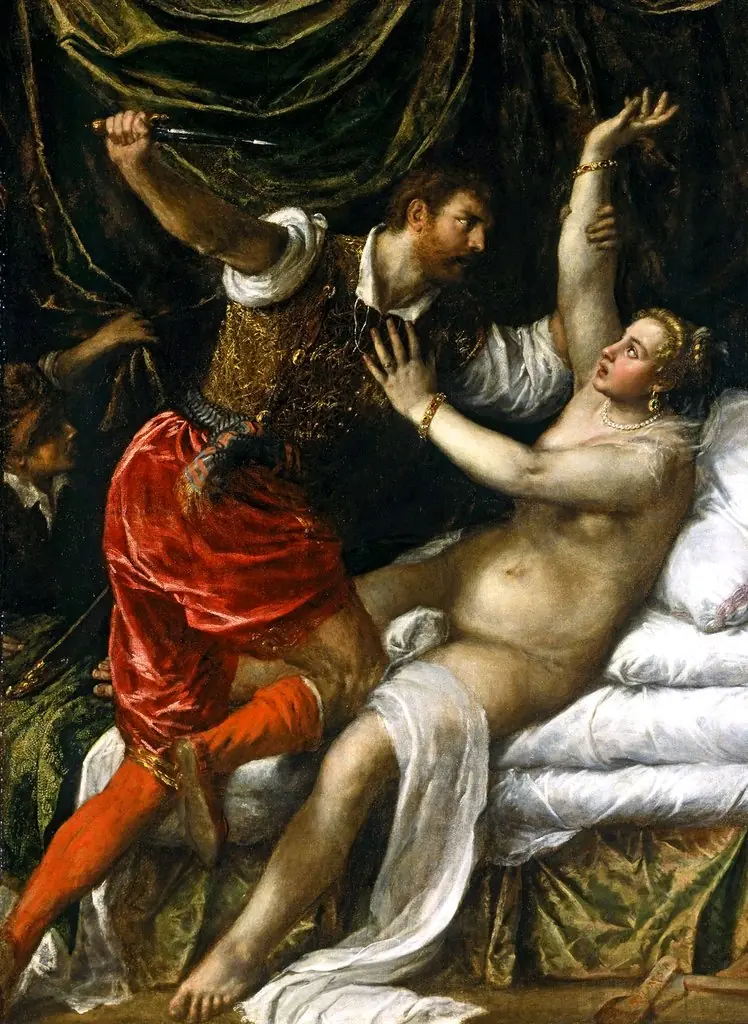 Tarquin and Lucretia
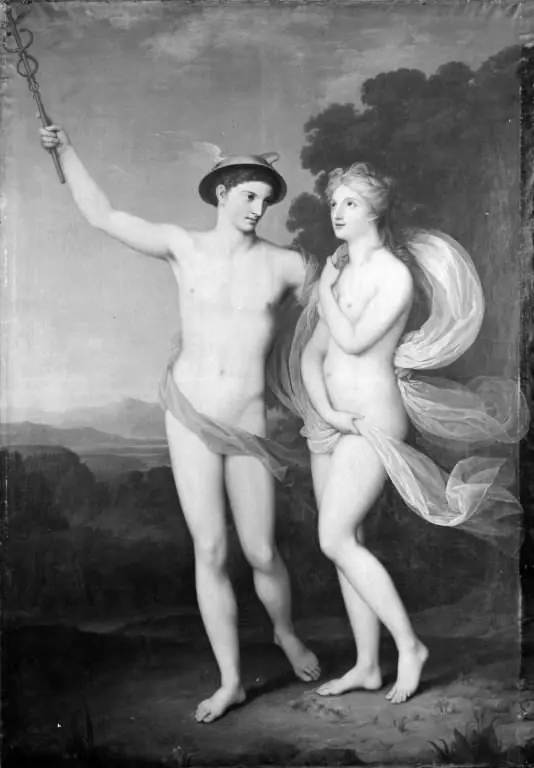 Merkur overtaler Psyke til at følge ham til guderne
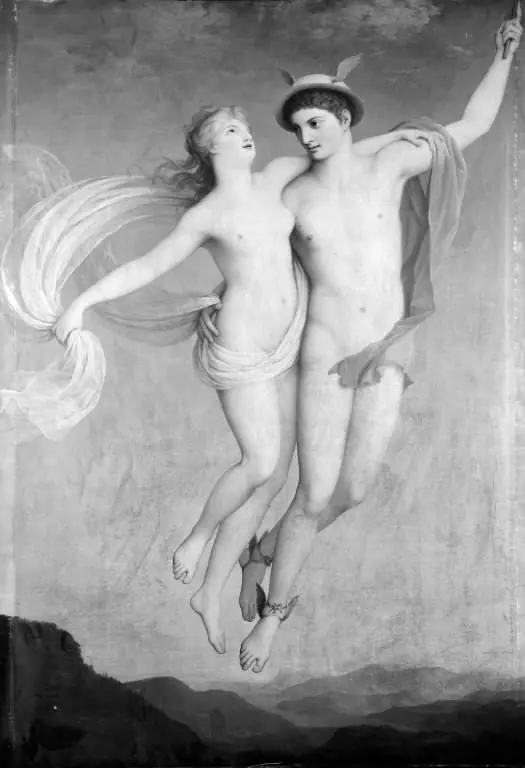 Merkurs og Psykes flugt
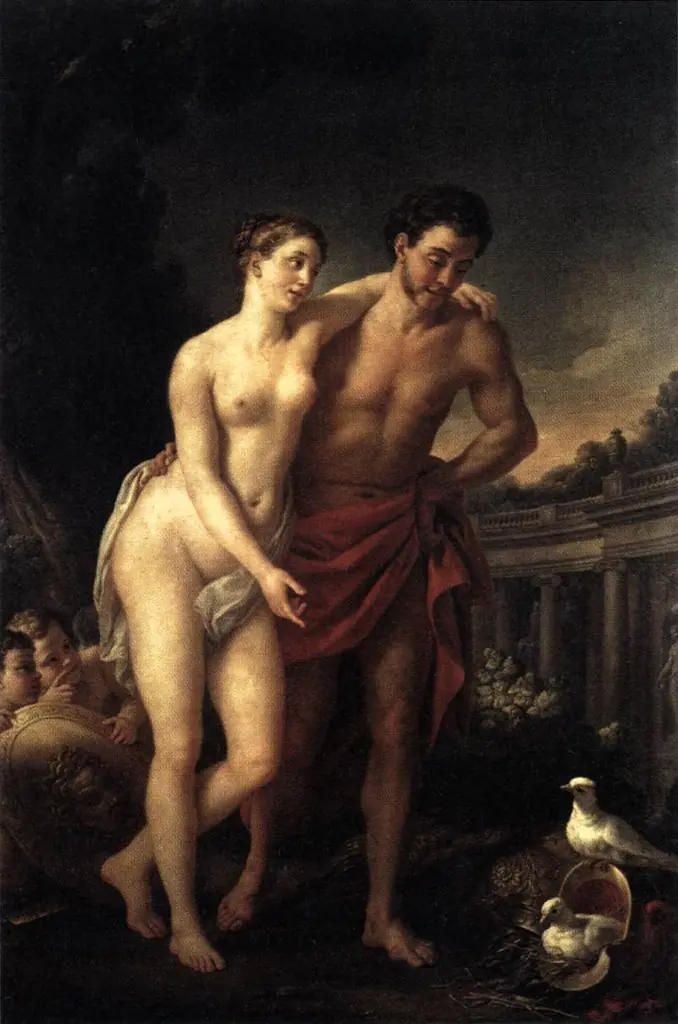 Mars and Venus
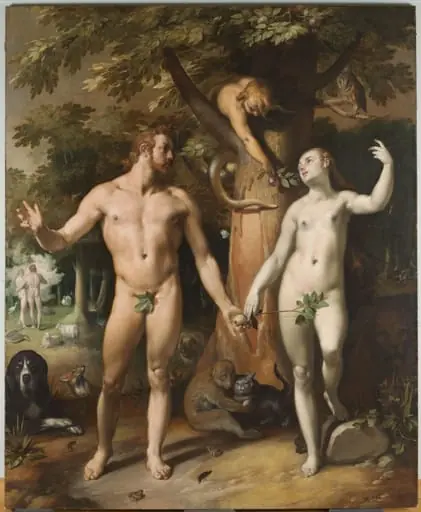 De zondeval
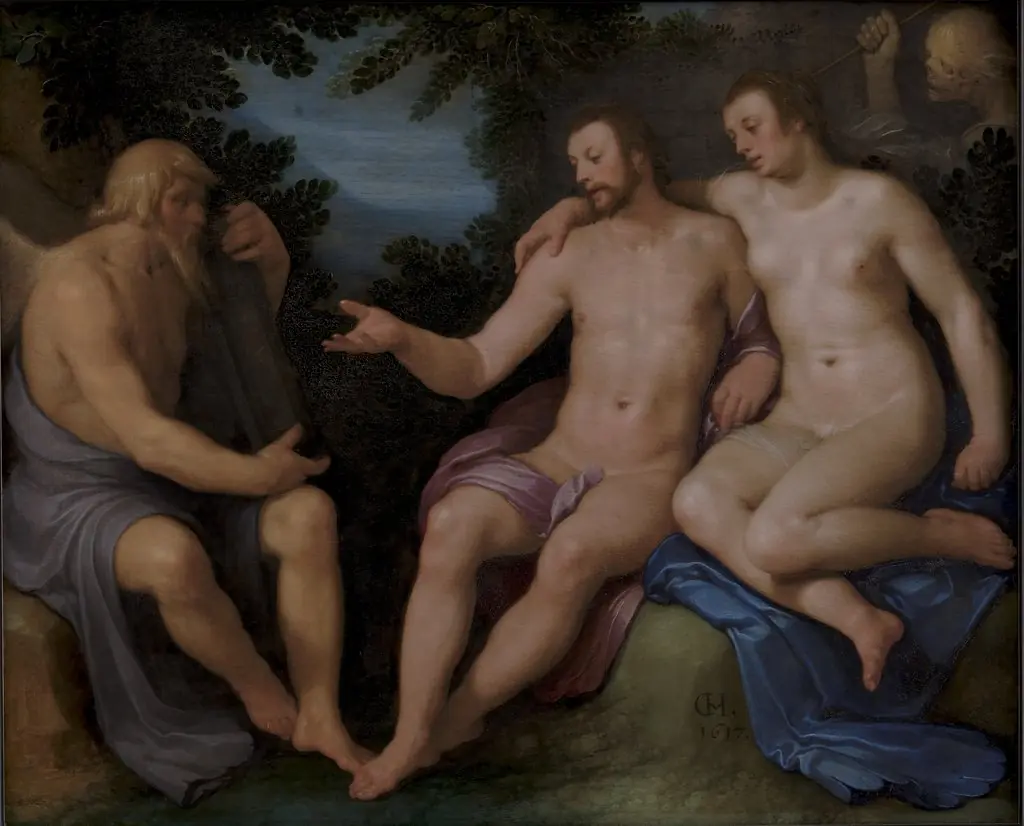 Allegory on the Brevity of Life
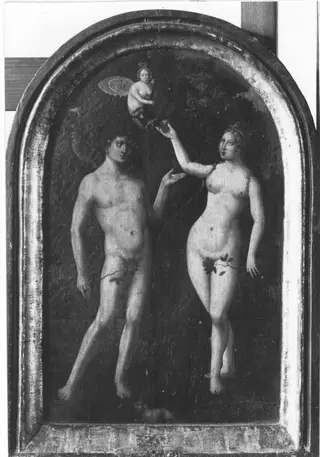 The Fall of Man: Eva offers the fruit to Adam (Genesis 3:6)
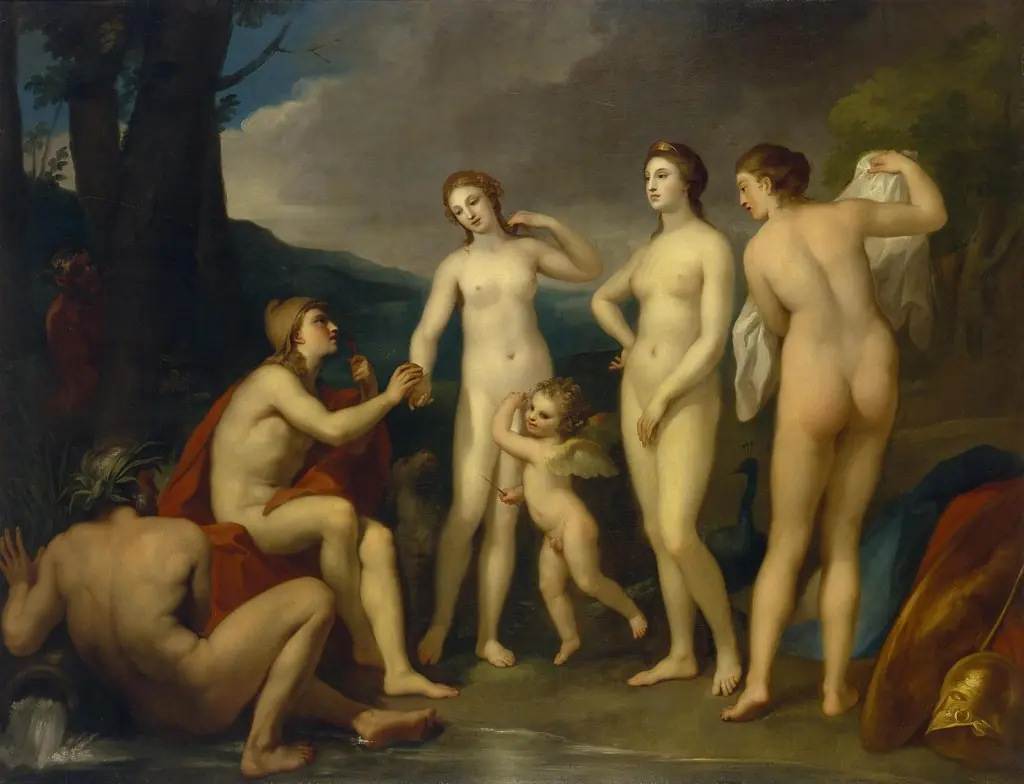 Judgement of Paris
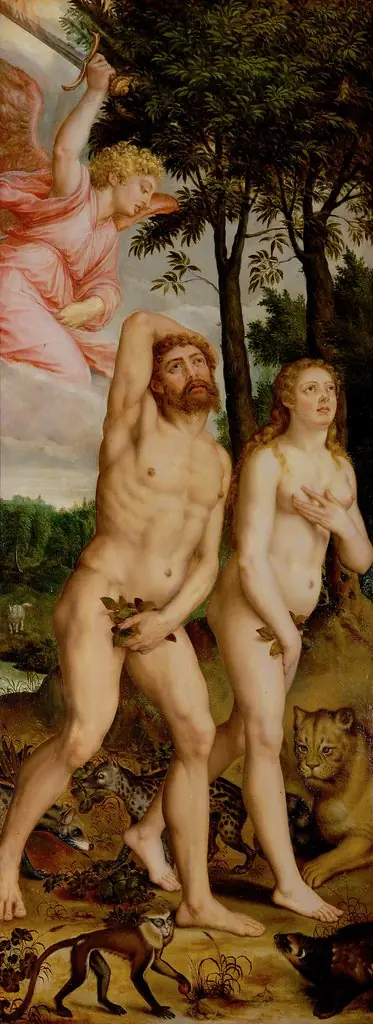 The expulsion from paradise (Genesis 3: 22-24)
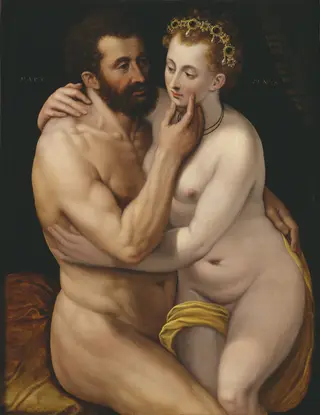 Mars and Venus
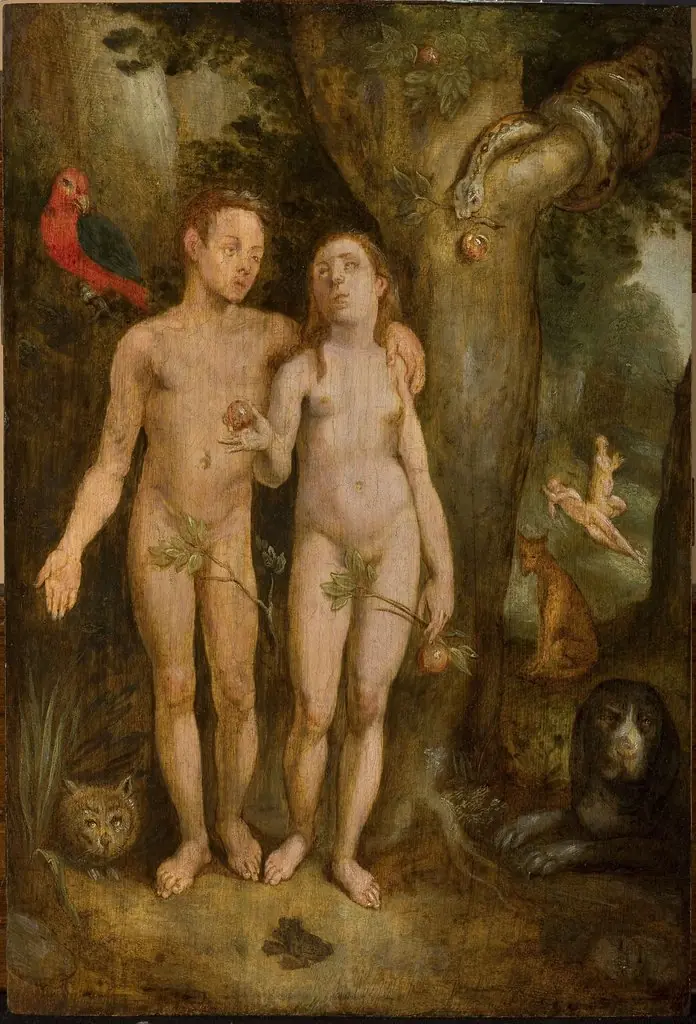 Adam and Eve (Genesis 3:1-7)
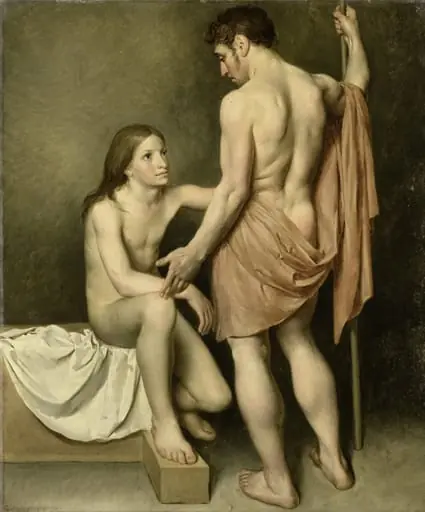 Academic Study of a Man and a Woman
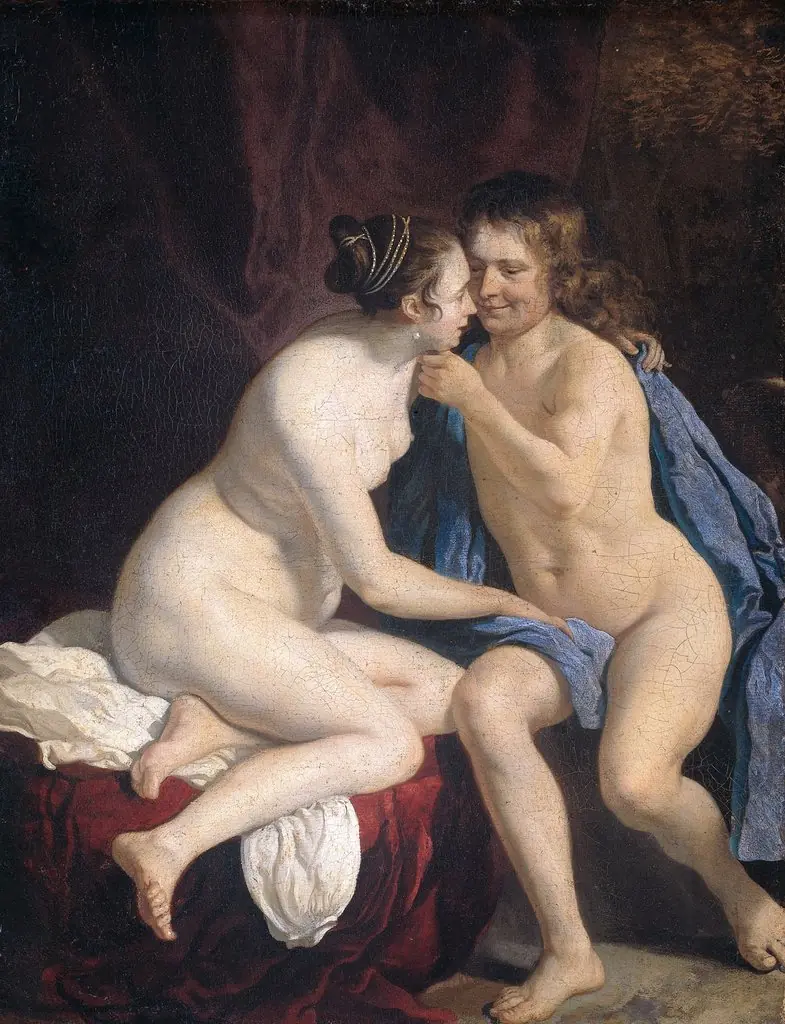 Lovers
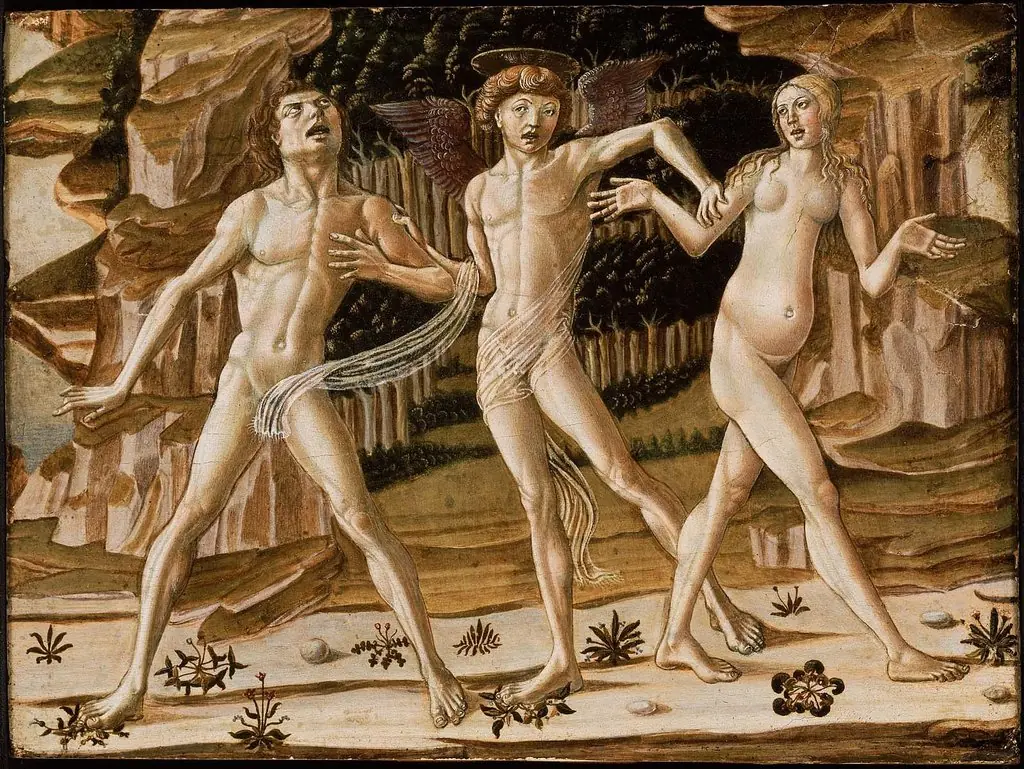 Expulsion from Paradise
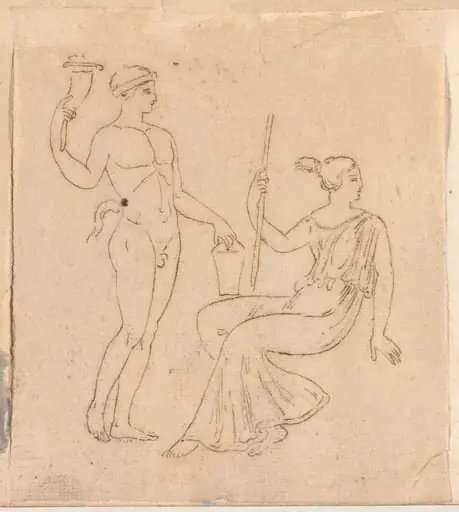 Man with a Cornucopia and Seated Woman
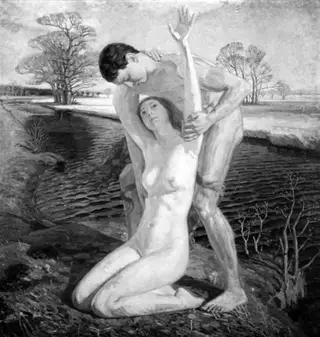 April. A Young Couple in a Landscape
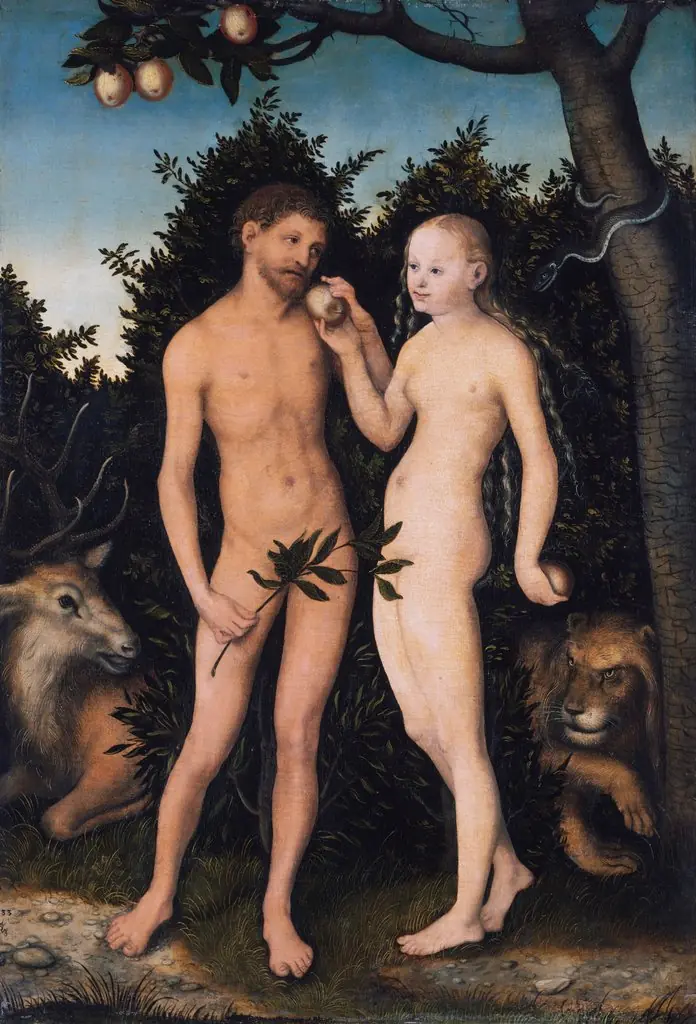 Adam and Eve in paradise
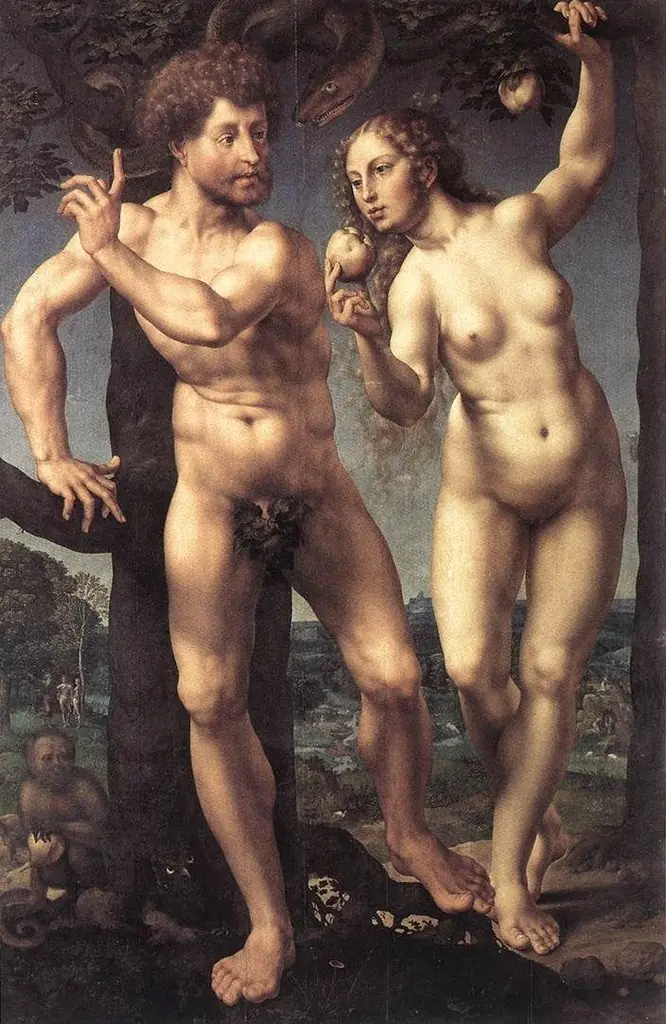 Adam and Eve
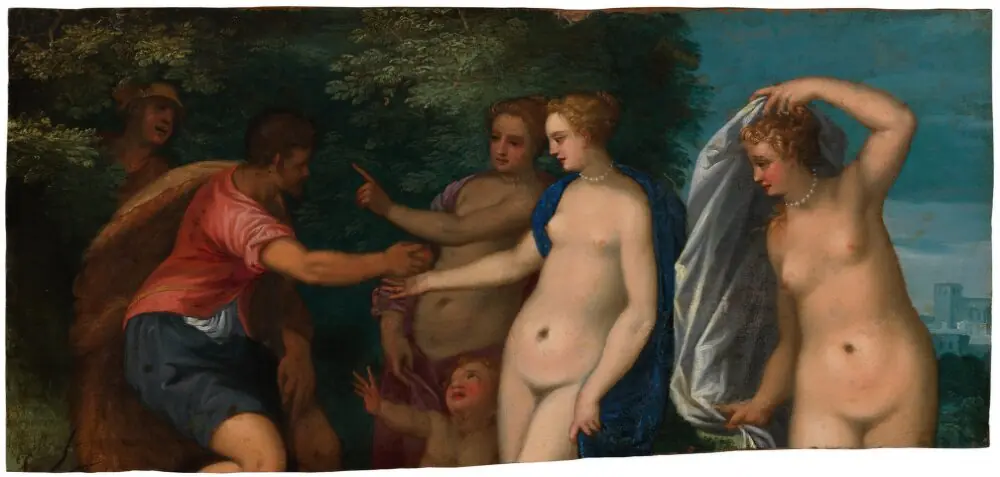 The Judgement of Paris
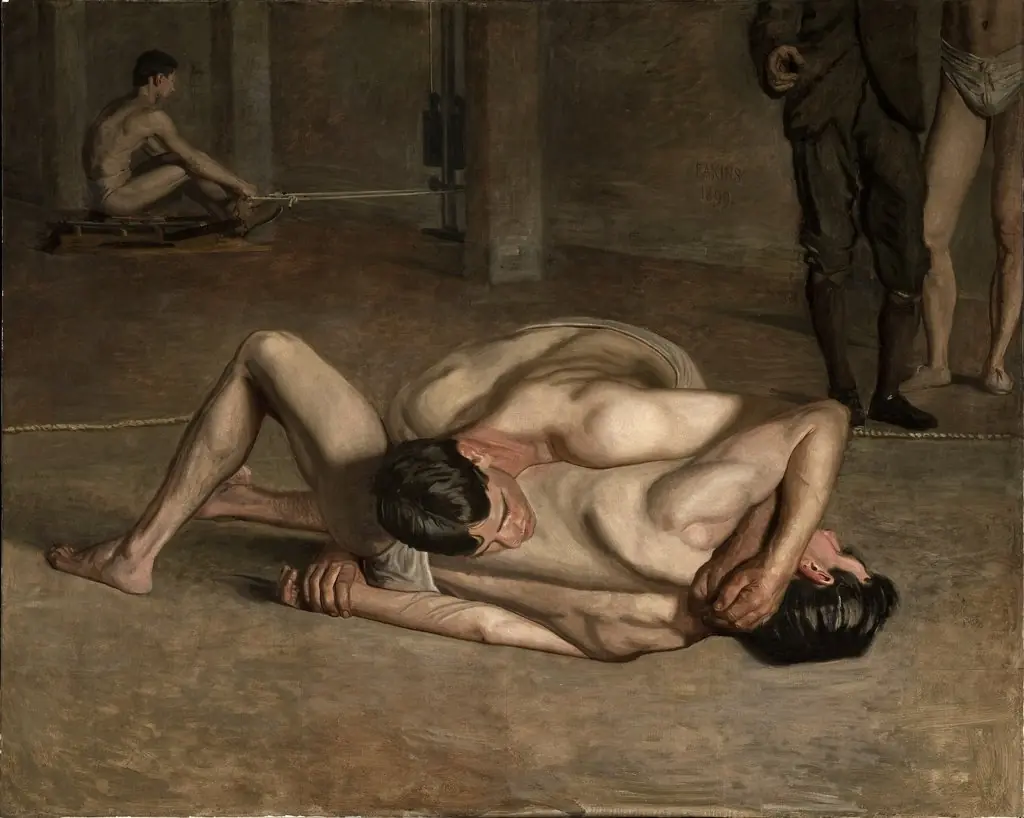 Wrestlers
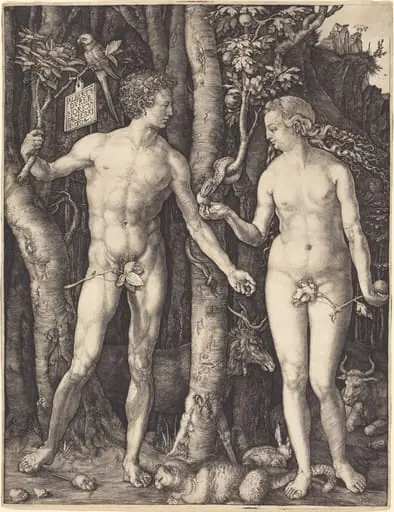 Adam and Eve
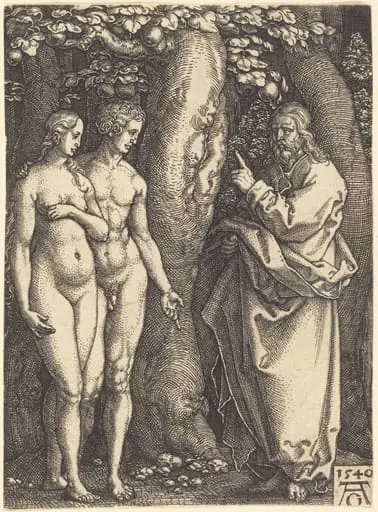 God Forbids to Eat from the Tree
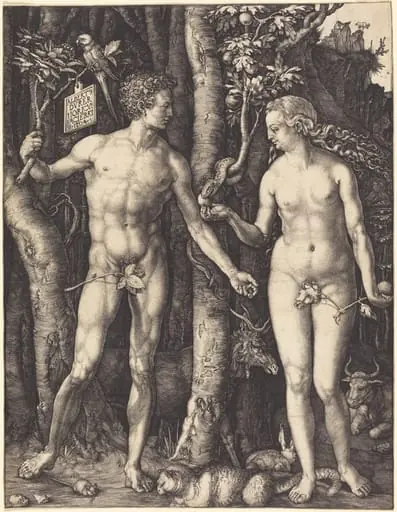 Adam and Eve
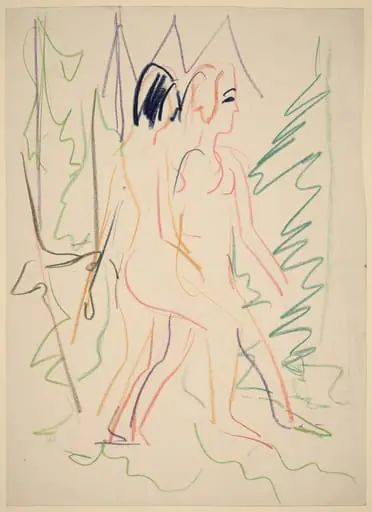 Two Nudes in a Forest
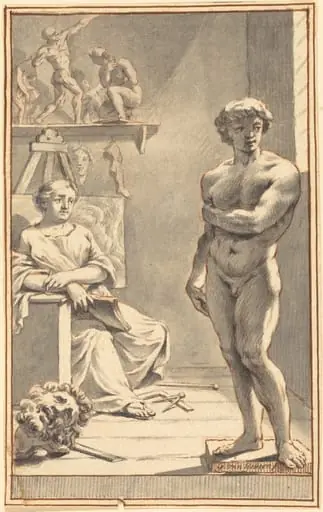 Allegory of Sculpture
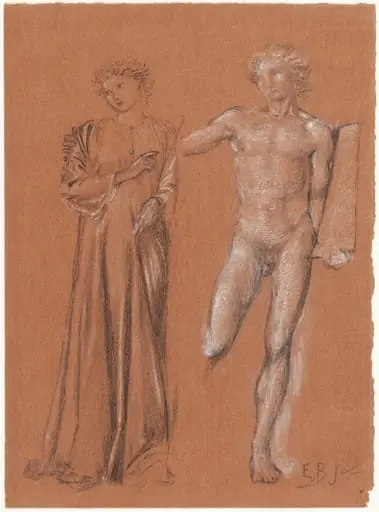 Orpheus and Eurydice
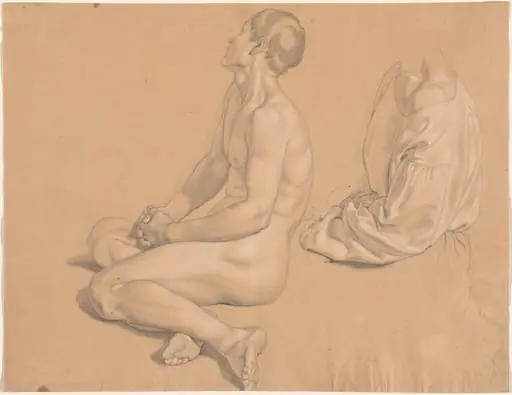 A Seated Man Nude and then Clothed
![Design for a Book Illustration of Circe and Odysseus [recto]](https://artifactworldgallery.com/img/thomas-stothard--design-for-a-book-illustration-of-circe-and-odysseus-recto--5bd59a6f73de4838-w320.webp) Design for a Book Illustration of Circe and Odysseus [recto]
Design for a Book Illustration of Circe and Odysseus [recto]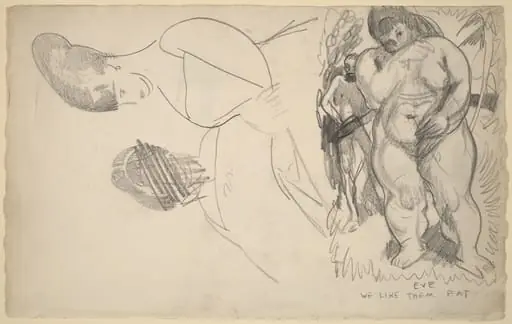 Caricature of Adam and Eve and Two Female Portrait Sketches
![Two Nude Youths [recto]](https://artifactworldgallery.com/img/federico-barocci--two-nude-youths-recto--a057469b757ac46c-w320.webp) Two Nude Youths [recto]
Two Nude Youths [recto]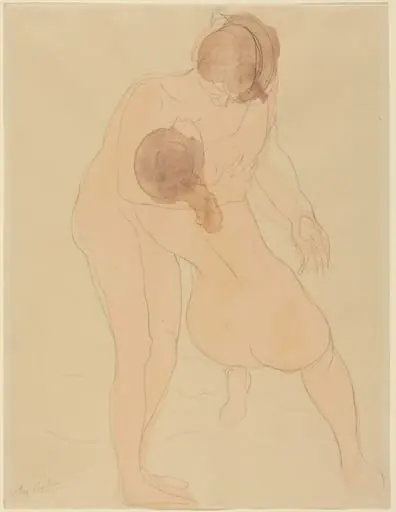 Two Figures
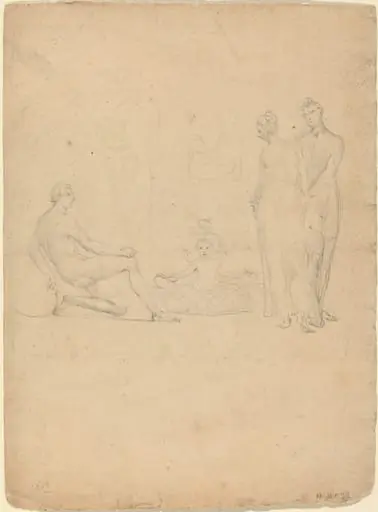 The Infant Hercules Throttling the Serpents
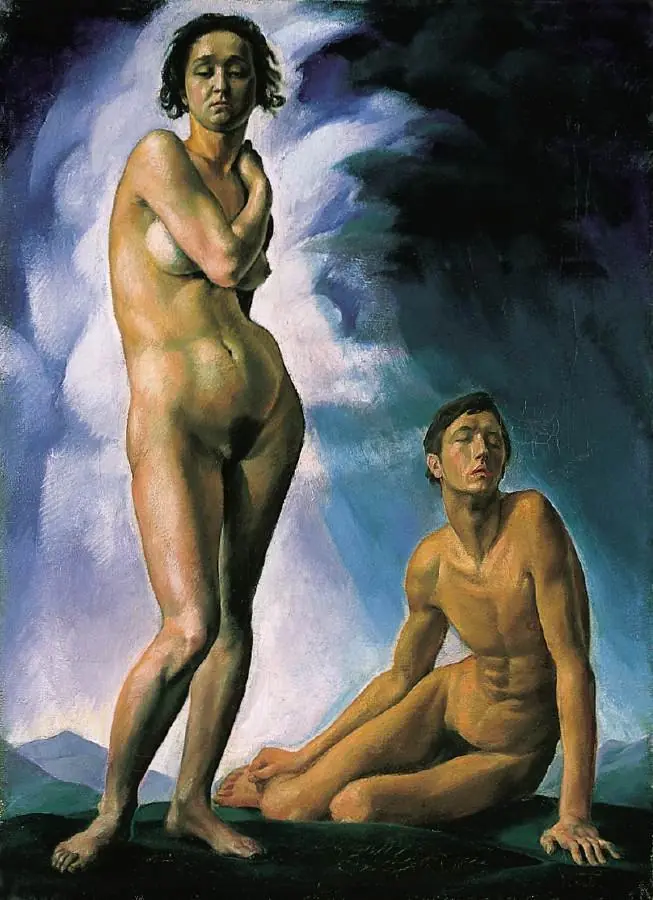 Nudes
Nudes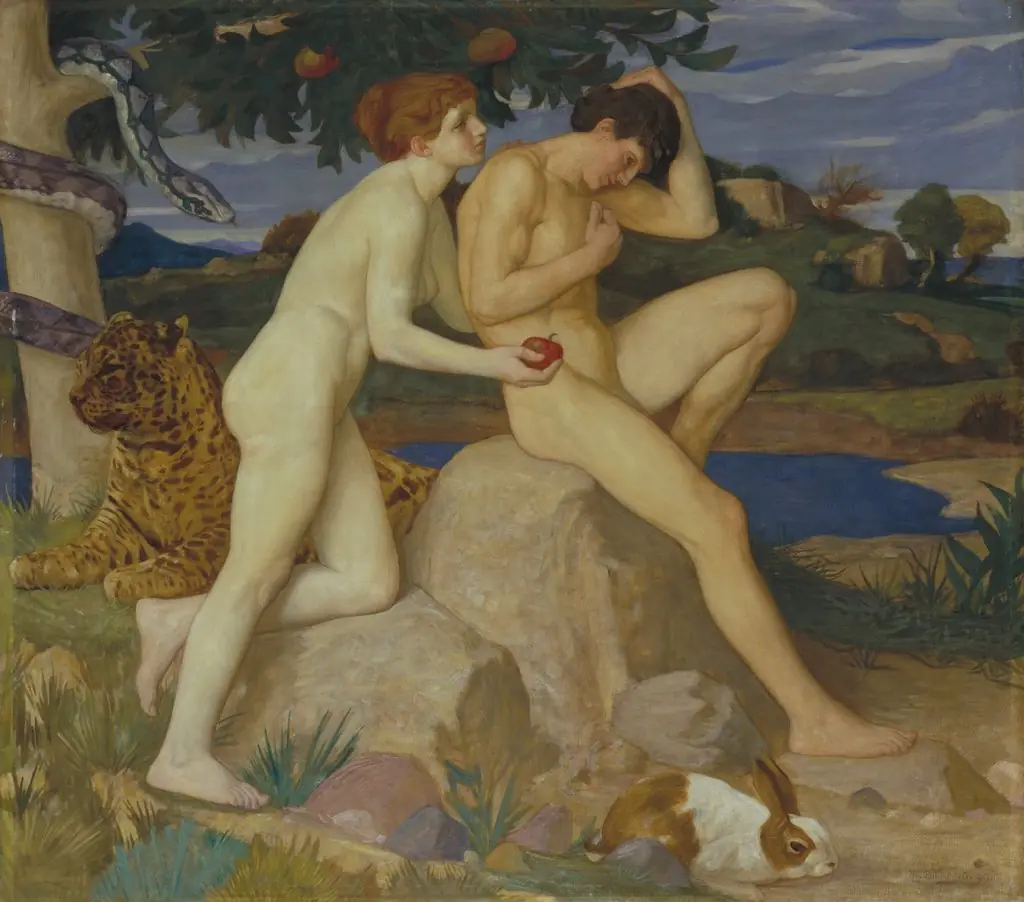 The Temptation
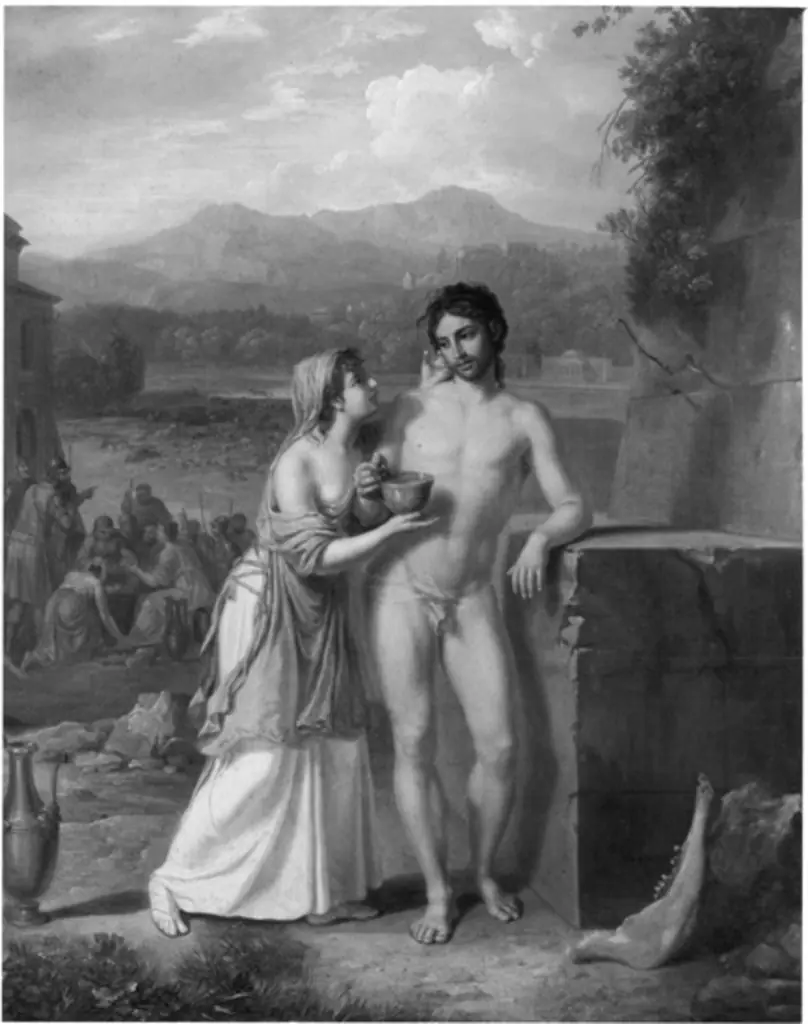 Samson und Delila
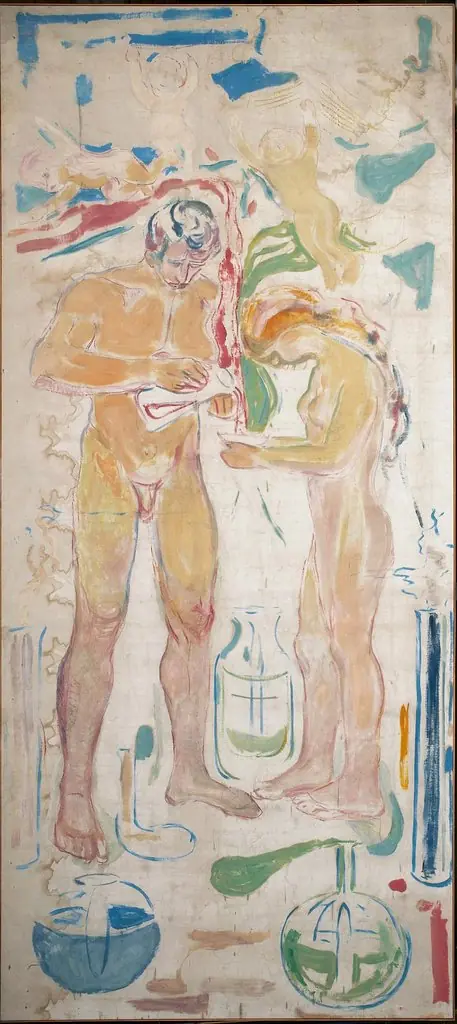 Chemistry
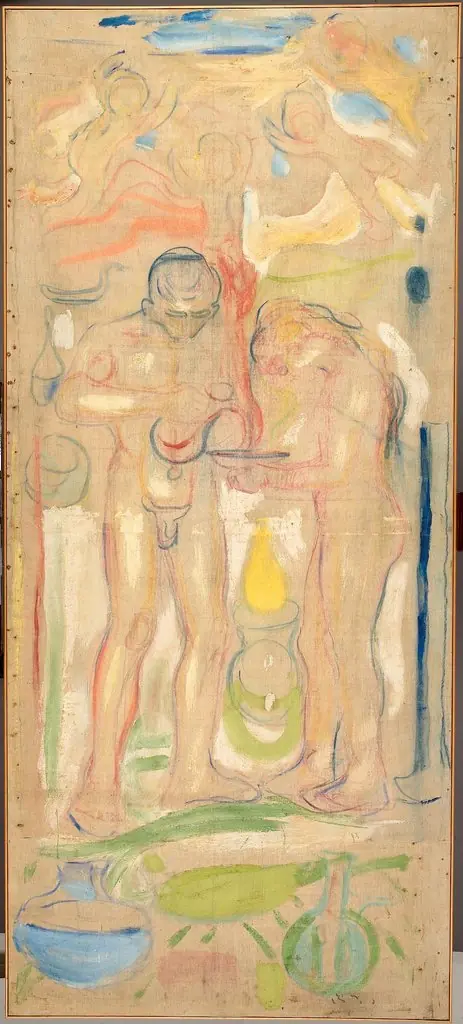 Chemistry
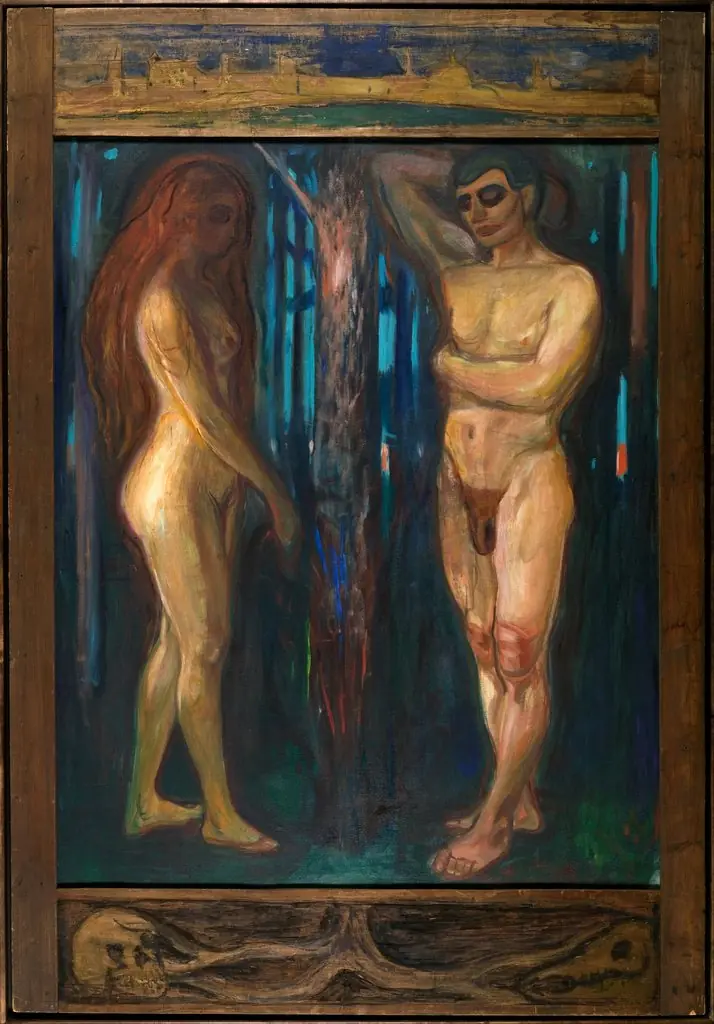 Metabolism
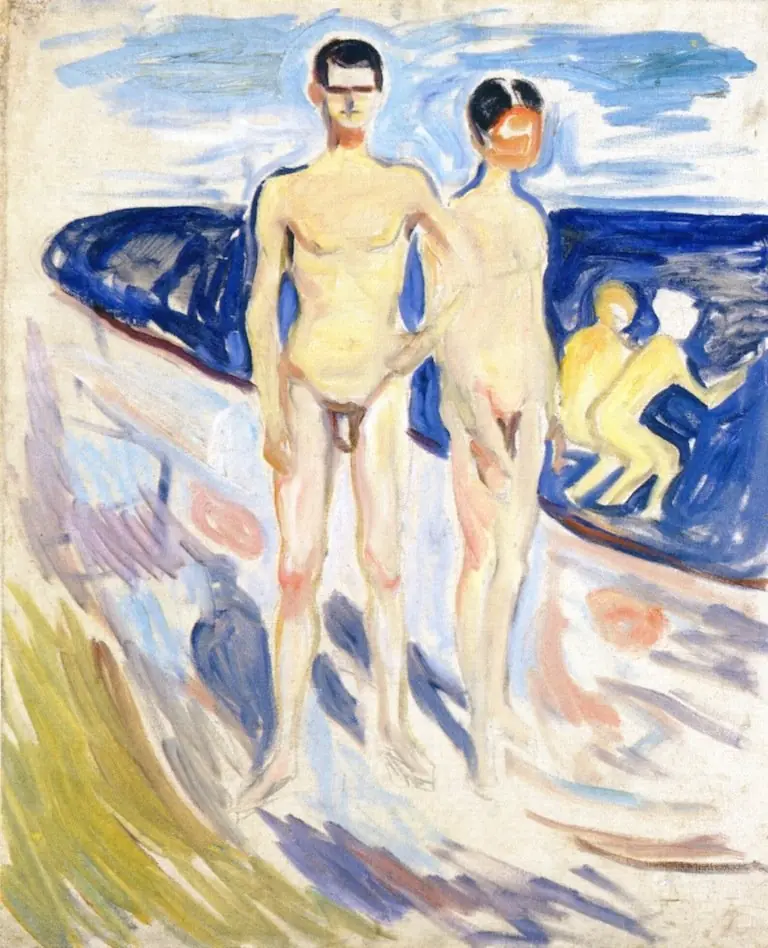 Bathing Young Men
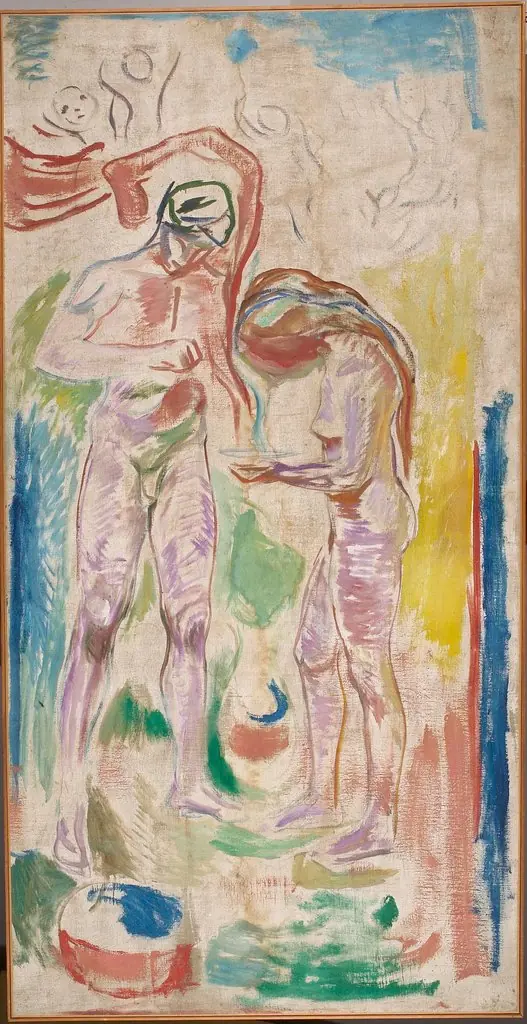 Chemistry
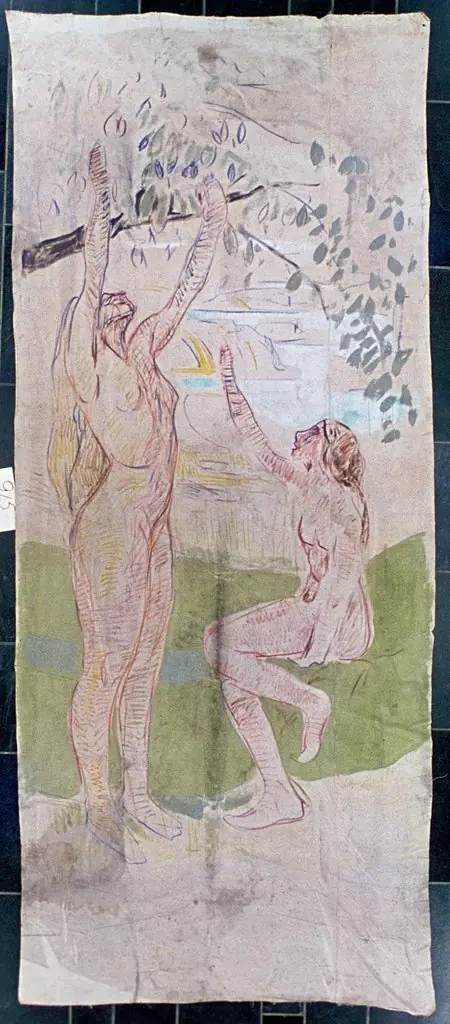 Harvesting Women
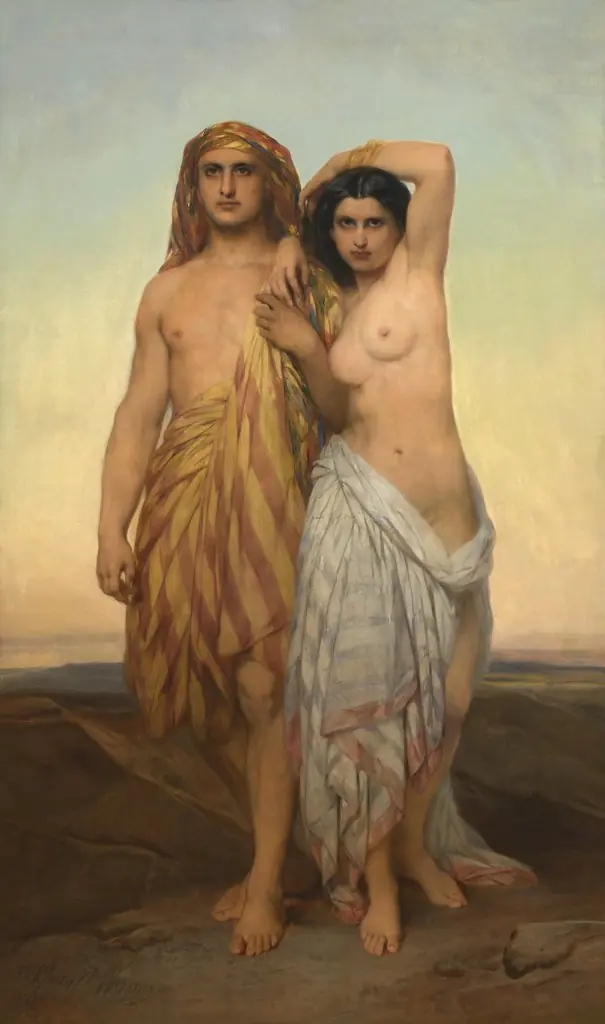 The Shulamite
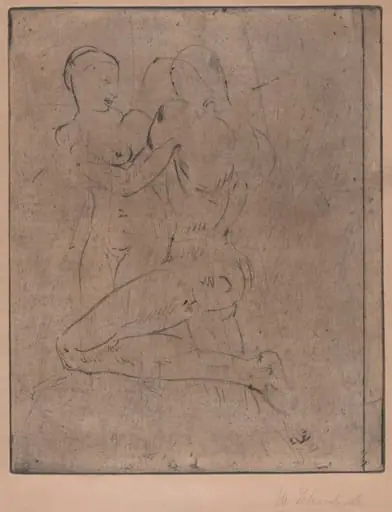 Rape II (Raub II, Weib halb)
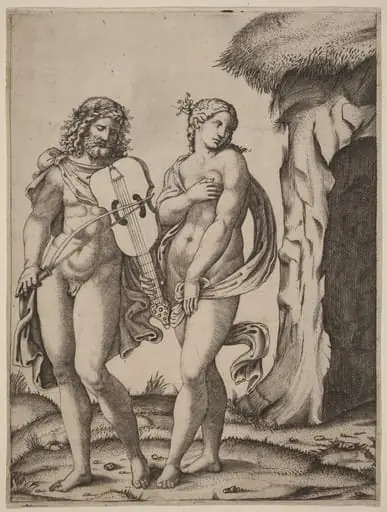 Orpheus and Eurydice
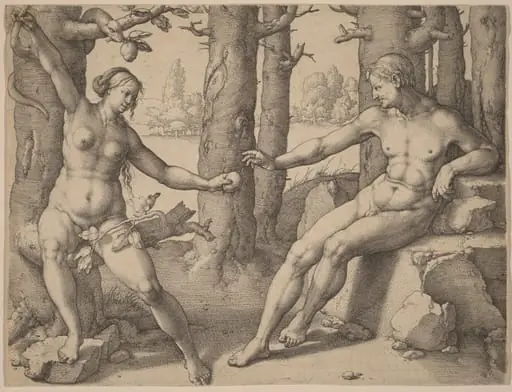 The Fall of Man
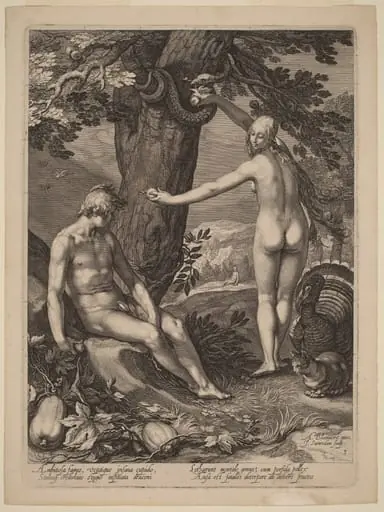 Temptation of Man
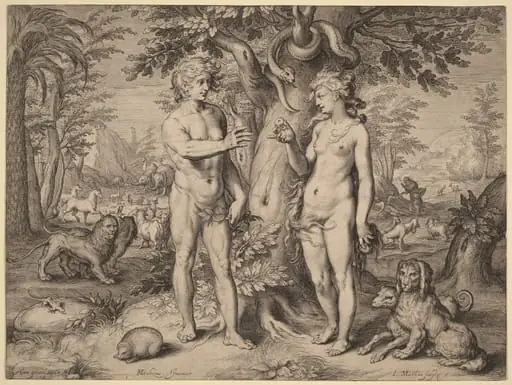 The Fall of Man
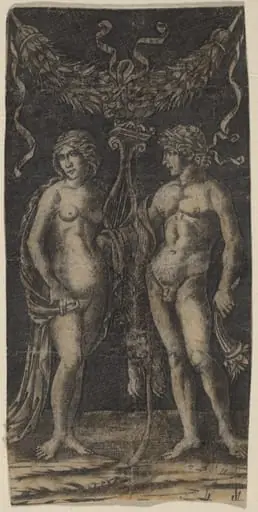 Hercules and Deianira
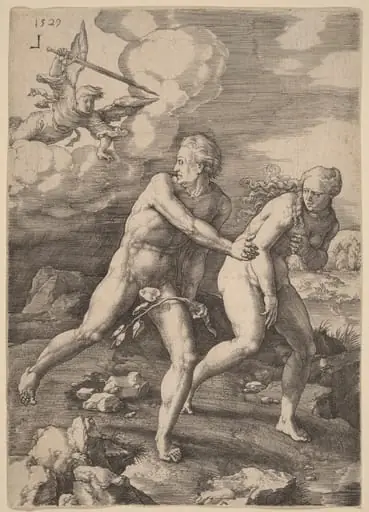 The Explusion from Paradise
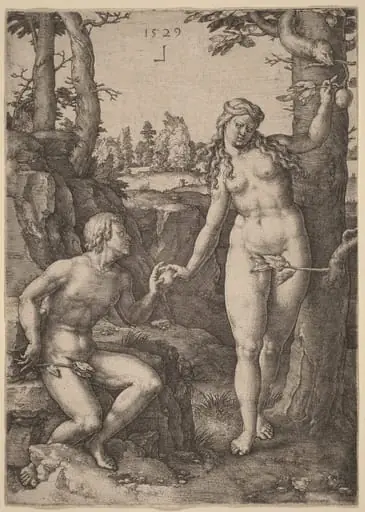 The Fall of Man
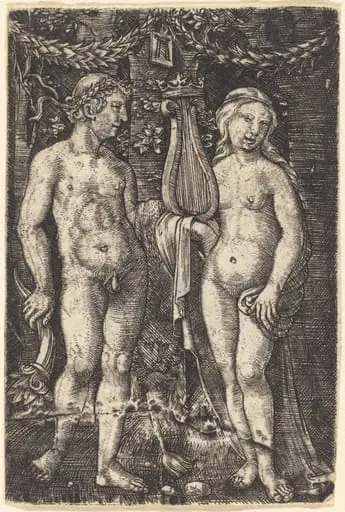 Hercules and a Muse
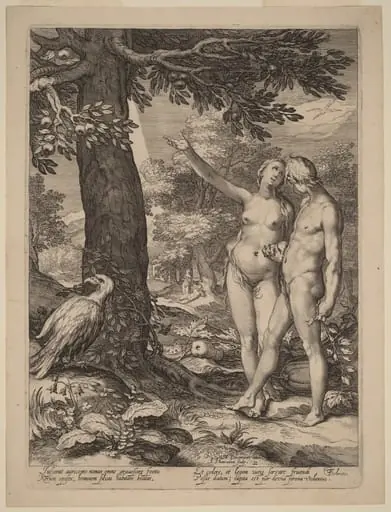 Adam and Eve before the Tree of Knowledge
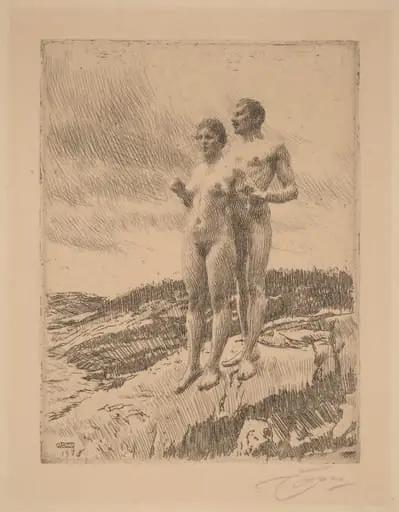 The Two
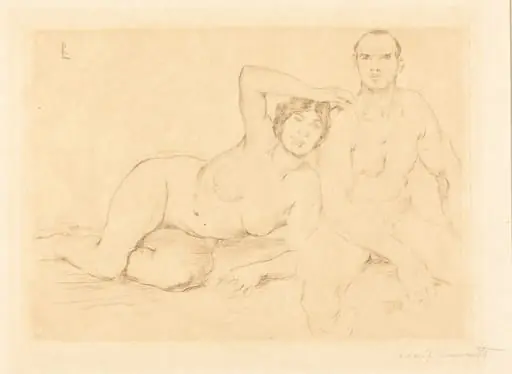 Zwei Menschen (Two Nudes)
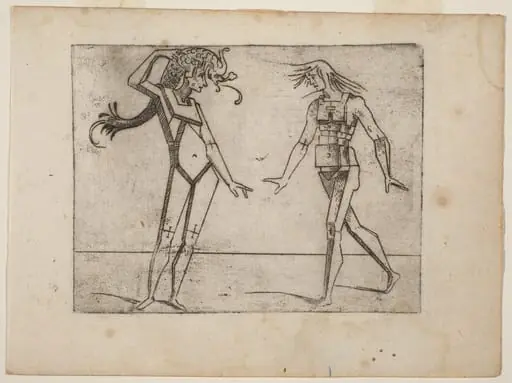 From "Bizzarie di varie Figure"
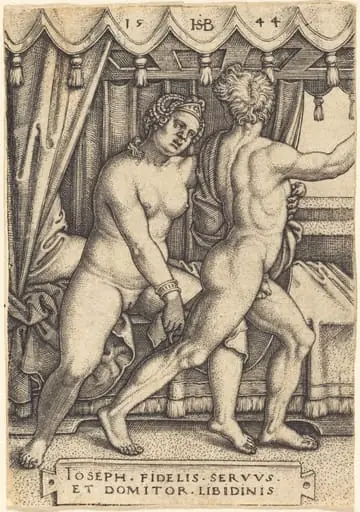 Joseph and Potiphar's Wife
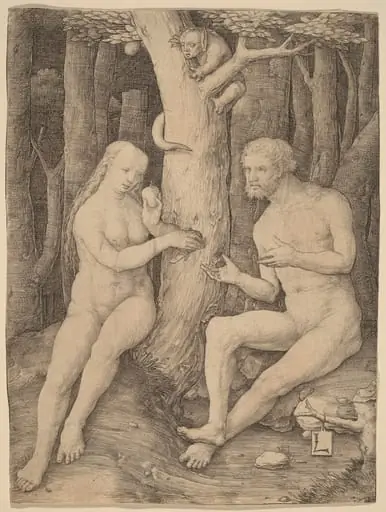 The Fall of Man
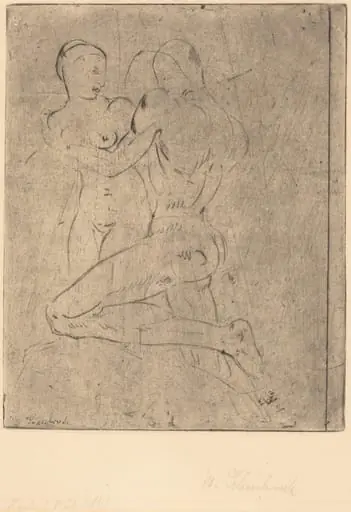 Rape II (Raub II, Weib halb)
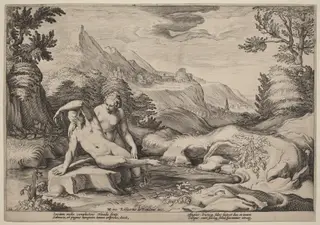 Salmacis and Hermaphroditus
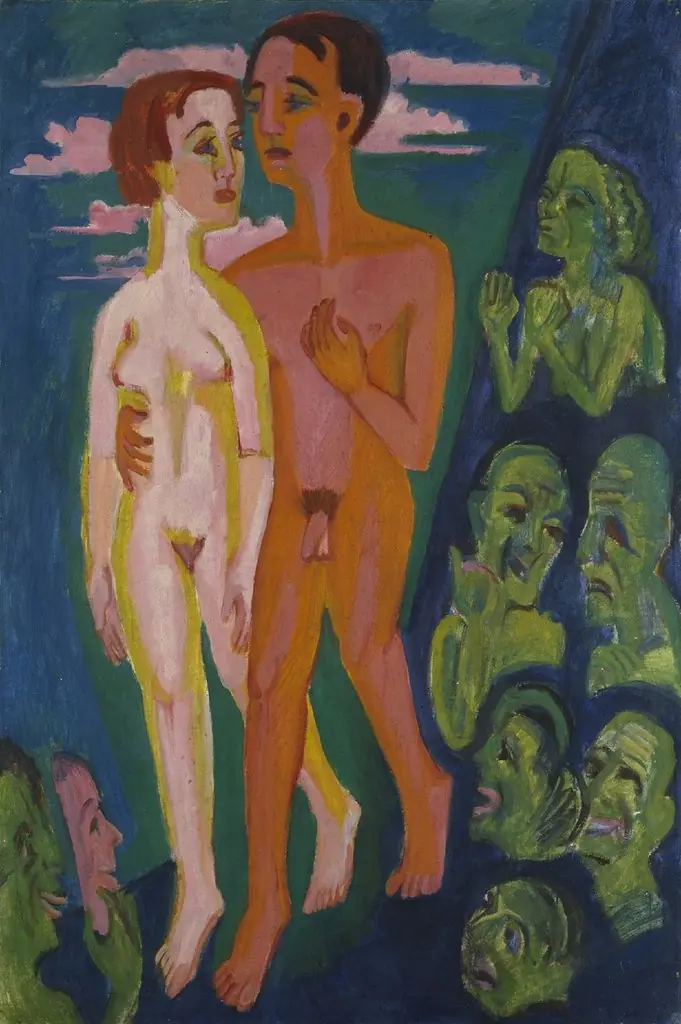 Paar vor den Menschen
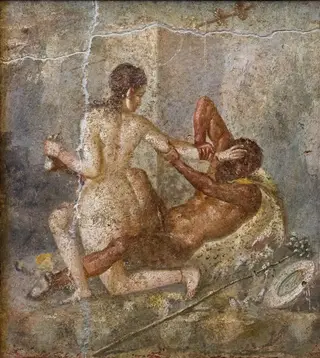 MAN Naples 110878
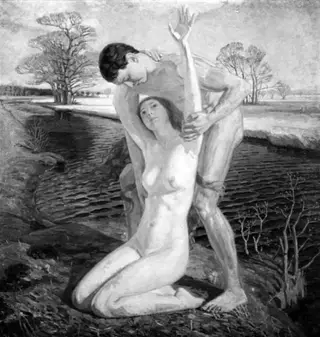 April. A Young Couple in a Landscape
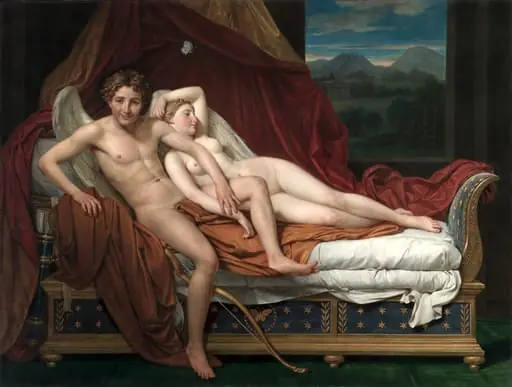 Cupid and Psyche
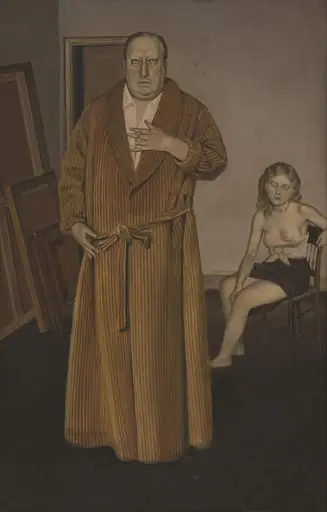 Untitled
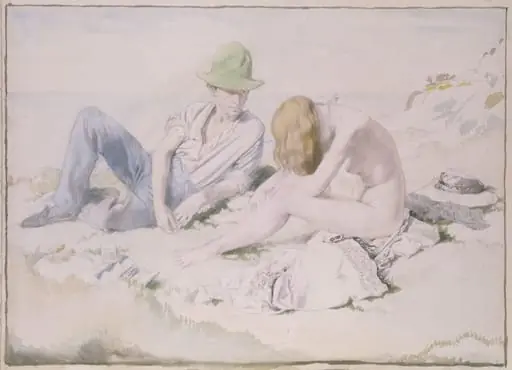 The Draftsman and his Model
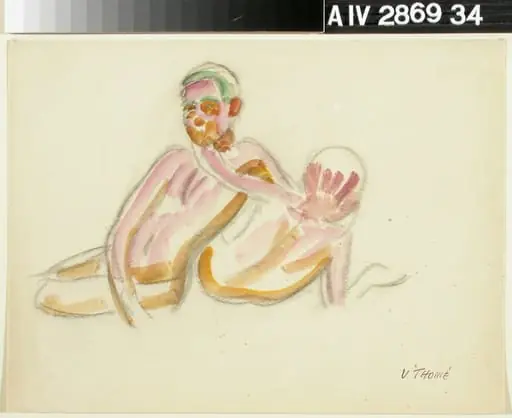 Kaksi alastonta poikaa
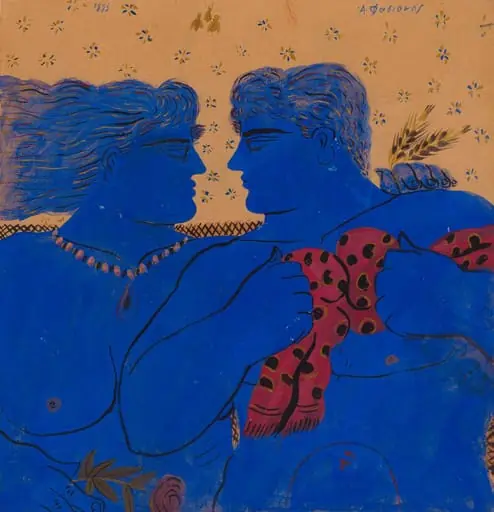 Αδάμ και Εύα
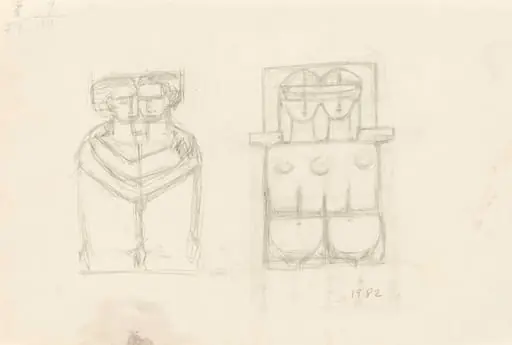 Μελέτη για γλυπτό - Ζευγάρι
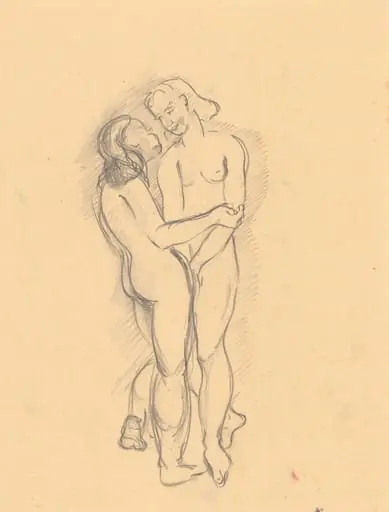 Οι δύο φίλες
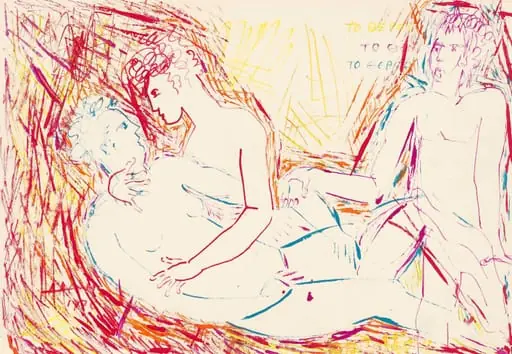 Ο Θερισμός
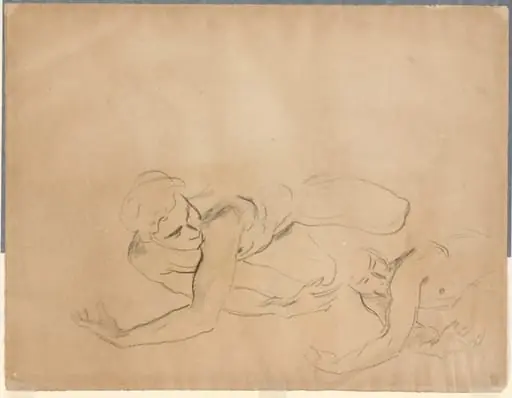 Studies of a Male Nude (verso)
 In Front of the Mirror (recto); Reclining Male Nude (verso)
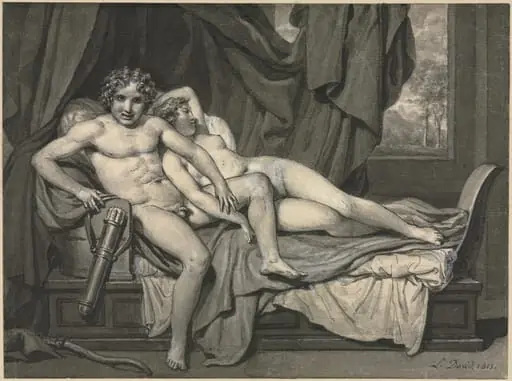 Cupid and Psyche
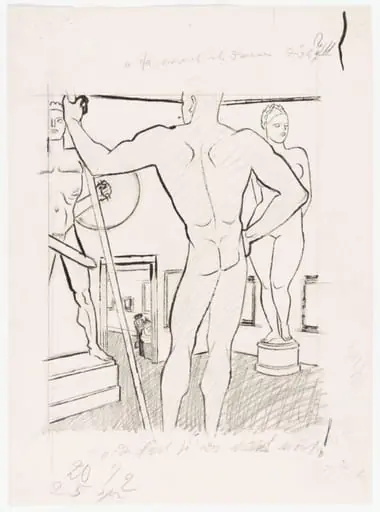 Final draft of drawing `Ja, was ist denn das?'
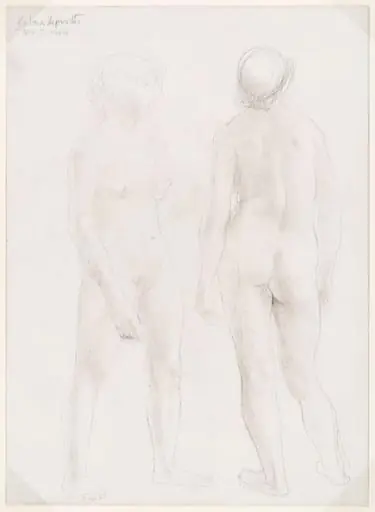 Figure study of two standing women
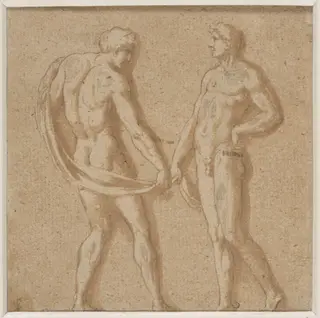 Two athletes
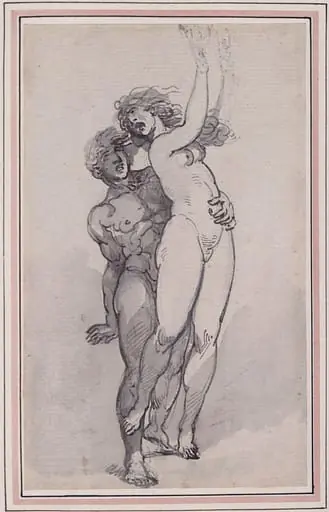 Apollo and Daphne
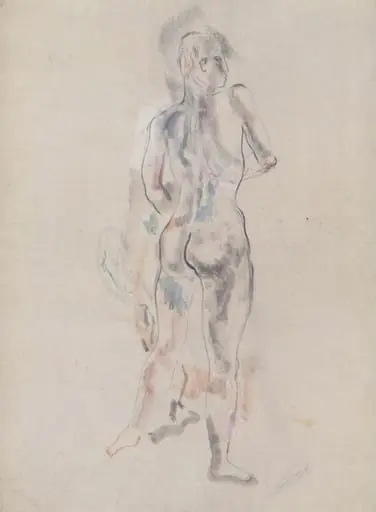 Study of a standing nude
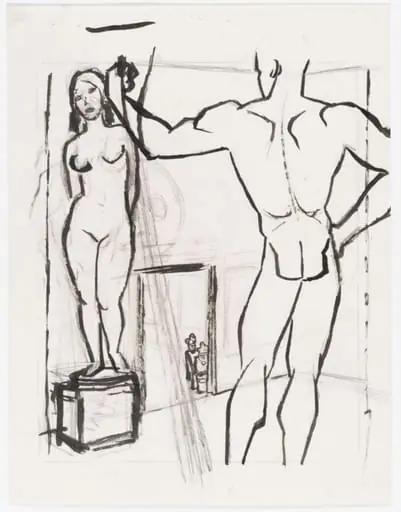 Study for `Ja, was ist denn das?'
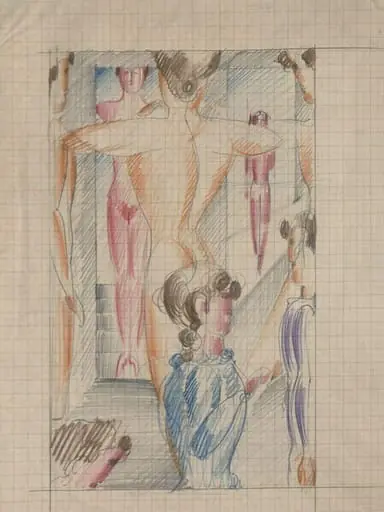 Entrance to the Stadium
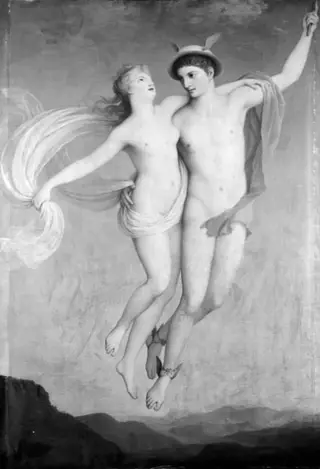 Merkurs og Psykes flugt
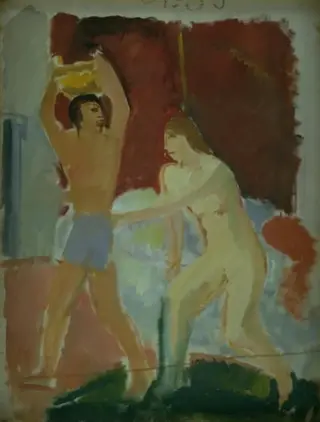 Josef and Potifar's Wife
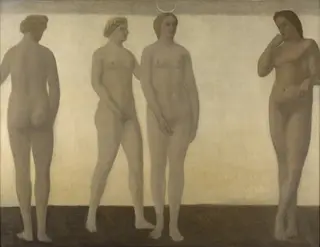 Artemis
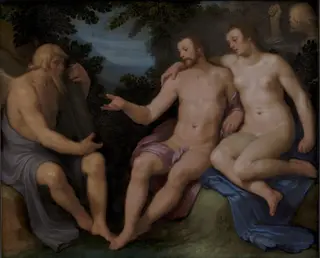 Allegory on the Brevity of Life
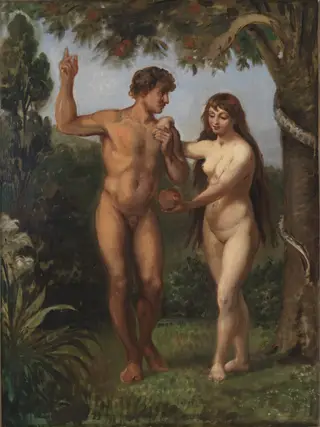 Eve Tempts Adam
 Nymphs and Satyr in front of a Temple
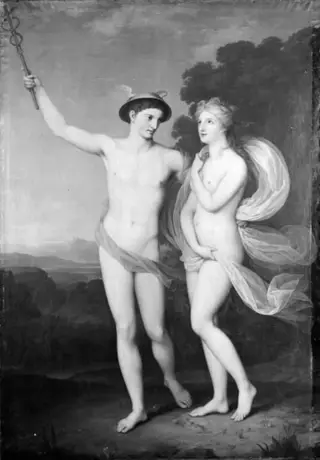 Merkur overtaler Psyke til at følge ham til guderne
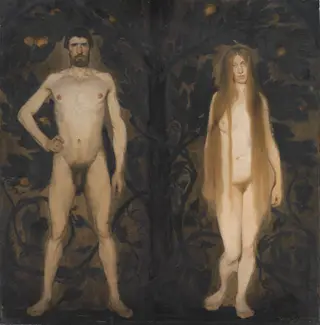 Adam and Eve
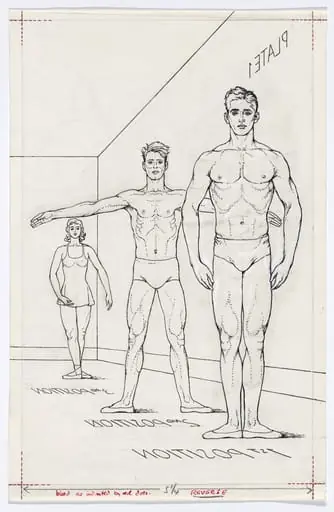 Untitled
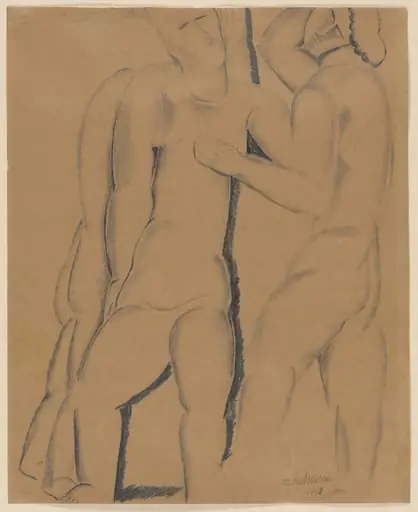 Untitled
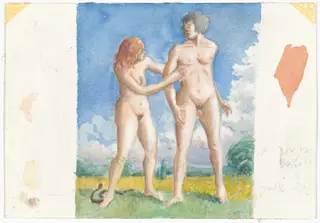 Untitled
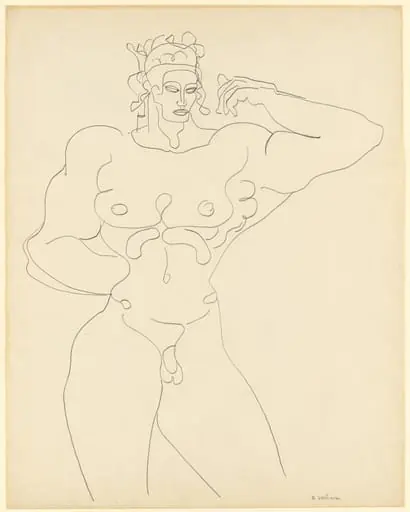 Untitled
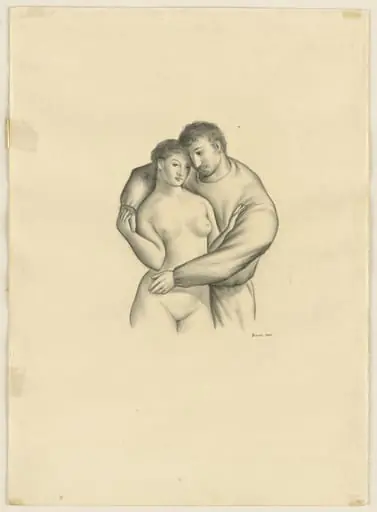 Untitled
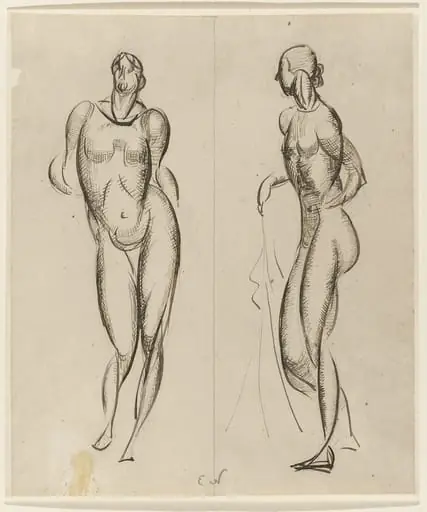 Untitled
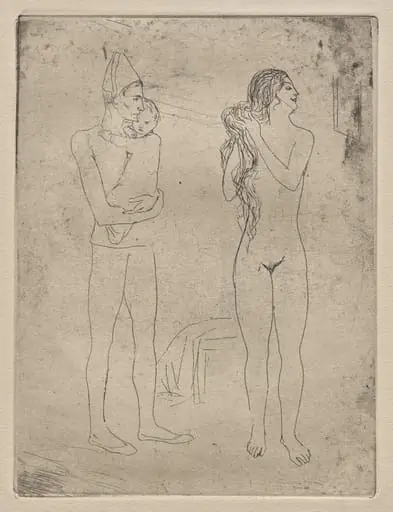 The Mother at Her Toilette
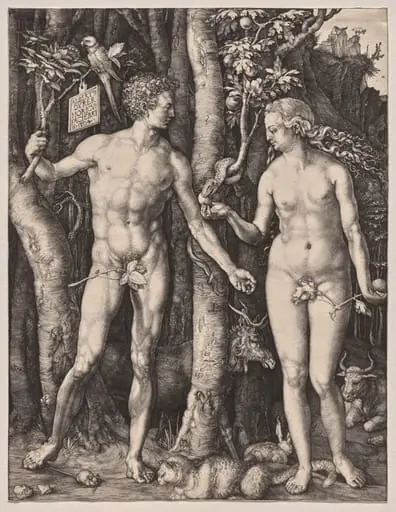 Adam and Eve
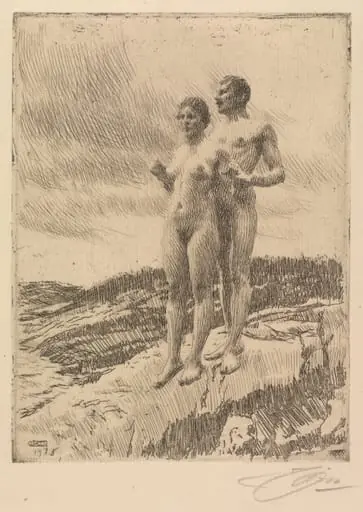 The Two
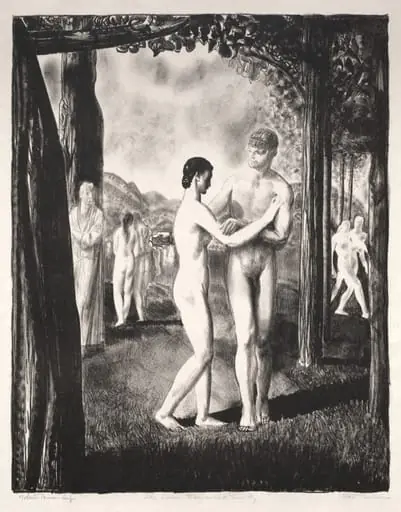 The Lovers that Passed Him By
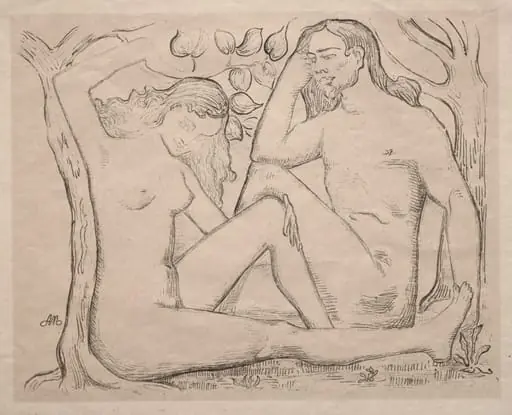 Nude Man and Woman
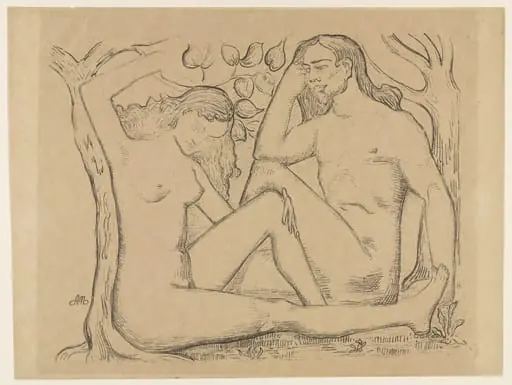 Untitled
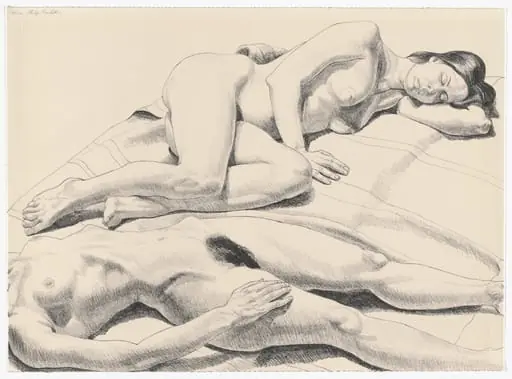 Untitled
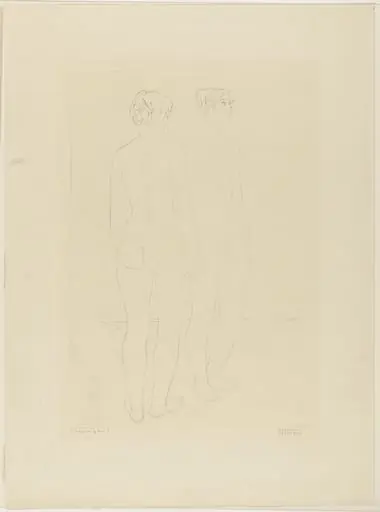 Untitled
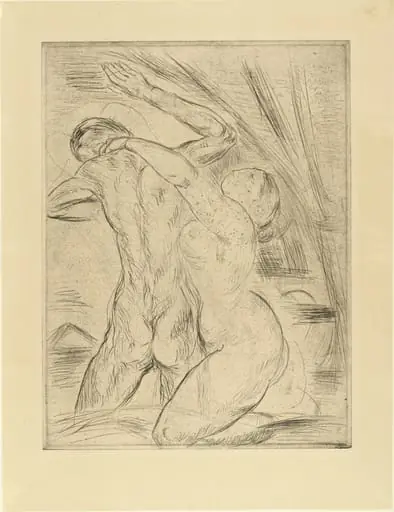 Untitled
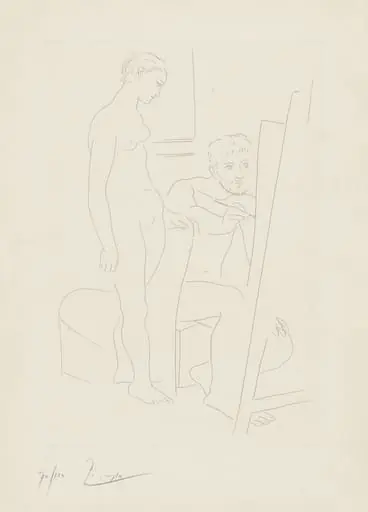 Untitled
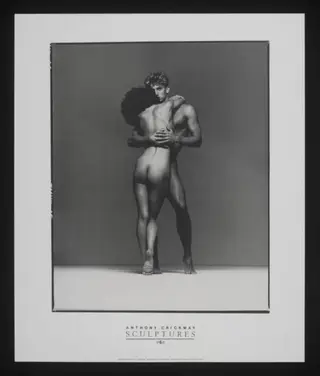 Sculptures
Frequently asked questions
What is Clothed Male, Naked Female?
Clothed Male, Naked Female is a subject in art. genre of erotics
How many Clothed Male, Naked Female works does Artifact World Gallery have?
Artifact World Gallery holds 144 public-domain Clothed Male, Naked Female works, all free to view and download.
Who are the key Clothed Male, Naked Female artists?
Key Clothed Male, Naked Female artists in the collection include Titian, Thomas Eakins and Paolo Veronese.
Where can I see Clothed Male, Naked Female works?
Clothed Male, Naked Female works in the collection are held by National Gallery of Art, Statens Museum for Kunst and Museum of Modern Art.