Subject
Gaze Towards the Viewer
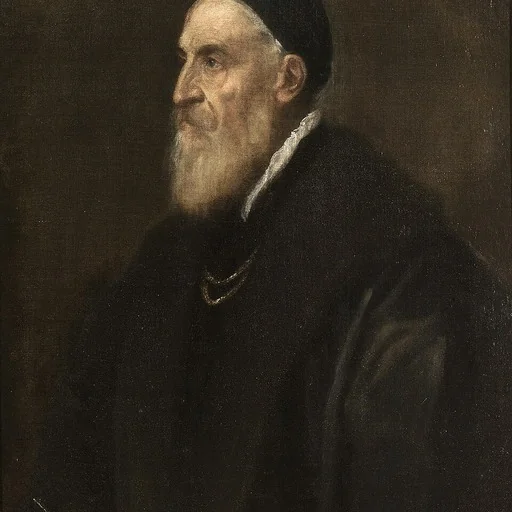
Gaze Towards the Viewer is a subject in art. The gallery holds 81 works in this subject in art, including works by Titian, Jean Baptiste Camille Corot and Édouard Manet.
The motif of a depicted figure meeting the spectator's eyes is one of portraiture's oldest and most charged devices. Roman portrait busts gave new prominence to eye contact, initiating what some historians call the first deliberate "scopic" interaction between image and beholder. The painted Fayum mummy portraits of Roman Egypt (first to third century AD) carried this further: rendered frontally with eyes enlarged beyond natural proportion, they confront us with a level, immediate gaze across nearly two millennia. Renaissance portraiture then steadily moved toward the dominance of direct eye contact, until a sitter looking out at us became a defining—if optional—convention of the genre.
The device works by collapsing the distance between the painted world and our own, breaking the implicit fourth wall of the picture. A returned gaze converts a passive object of contemplation into an apparent person with agency and a story, and its meaning shifts with context: it can read as intimacy, candour, command, or social rank. Technically, artists heighten the effect by aligning the irises toward the picture plane and exploiting the illusion that frontal eyes seem to follow the viewer from any angle.
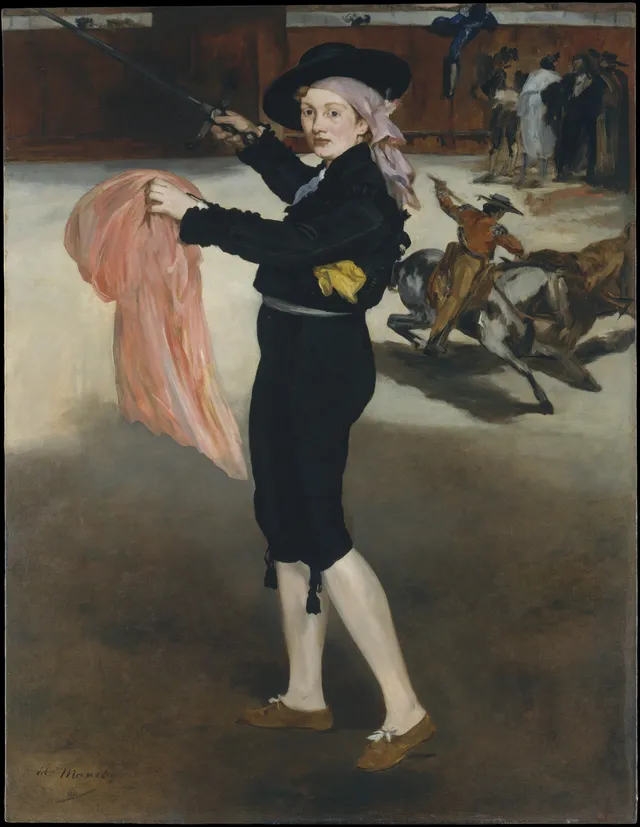
The canon is rich. Vermeer's tronie *Girl with a Pearl Earring* (c. 1665) turns over her shoulder, lips parted, to hold us—an intimacy considered improper for an unaccompanied young woman. Velázquez populates *Las Meninas* with figures who acknowledge us, and Frans Hals's sitters meet us with frank vitality. The most disruptive use is Édouard Manet's: in *Olympia* (painted 1863, shown at the 1865 Salon) the reclining courtesan's unflinching stare casts the spectator as her client, and his *Mademoiselle V. . . in the Costume of an Espada* (1862, now at the Met) likewise fixes us through the model Victorine Meurent.
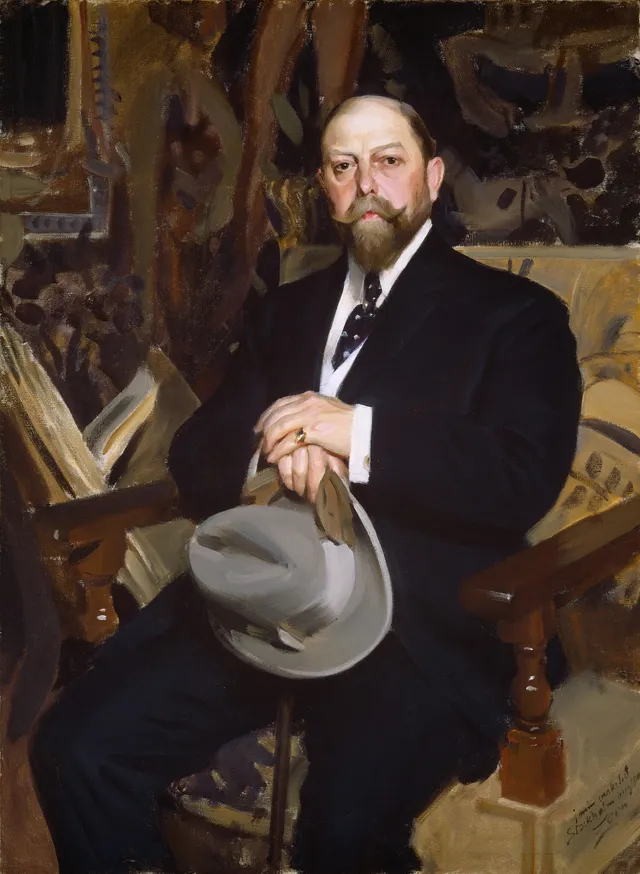
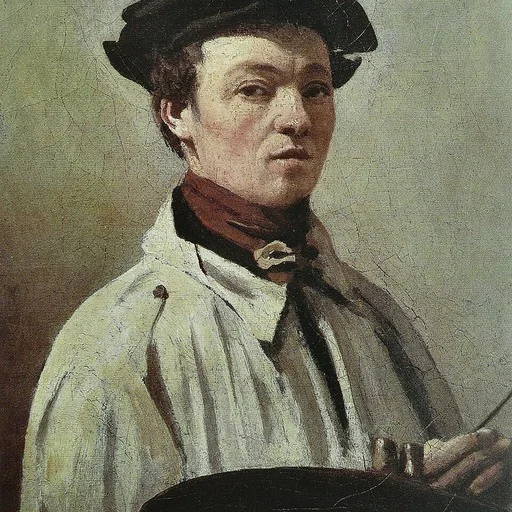
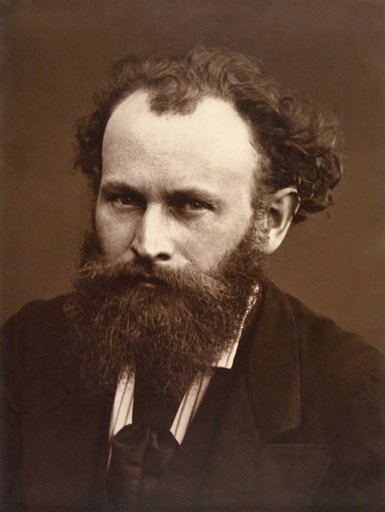
Manet's confrontations made the returned gaze a hinge of modern art and a recurring tool of feminist critique, since a woman who looks back contests the assumed mastery of the male spectator. Our own collection traces the convention across registers—Manet's *Espada*, Anders Zorn's *Hugo Reisinger*, Renoir's *A Waitress at Duval's Restaurant*, Corot's *The Repose* and *Italian Woman (La Morieri)*, and Lambert Sustris's *Reclining Venus*—showing how the same direct address can serve realism, society portraiture, and the reclining-nude tradition alike.
Key artists

Works
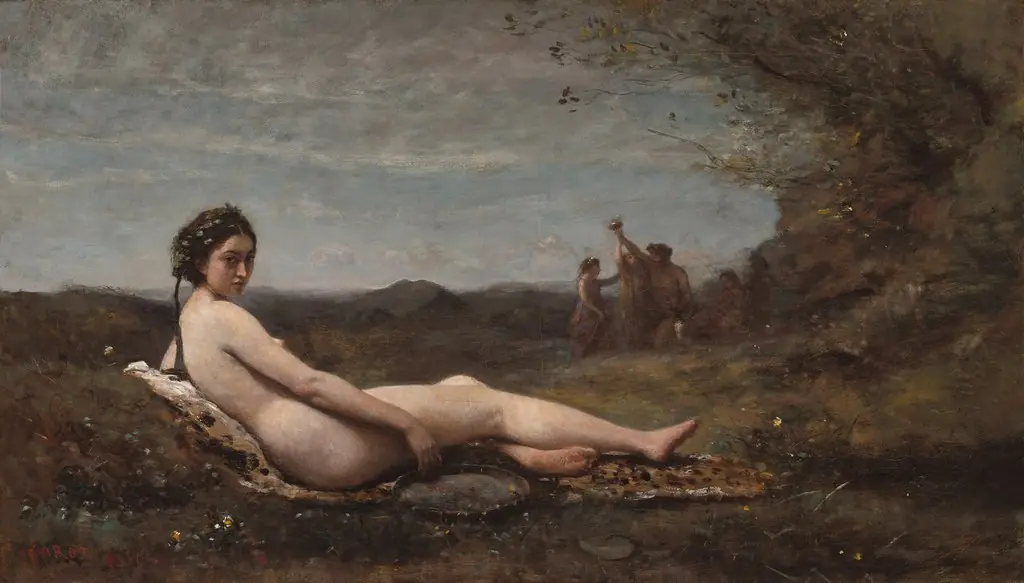 The Repose
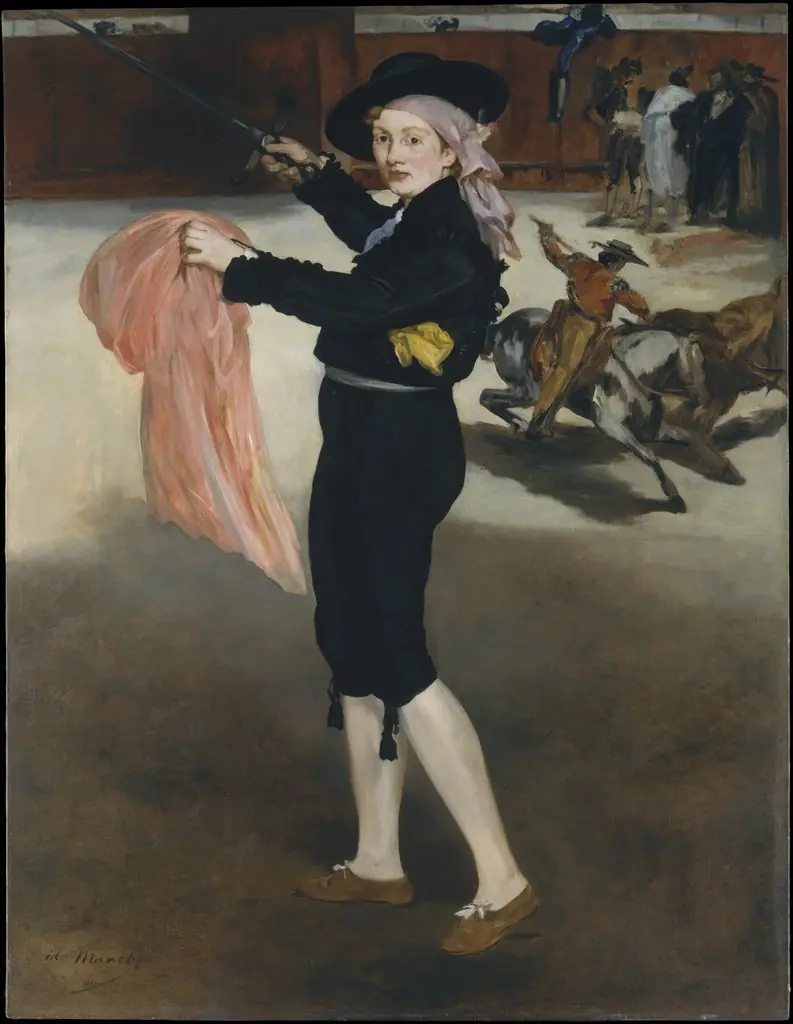 Mademoiselle V. . . in the Costume of an Espada
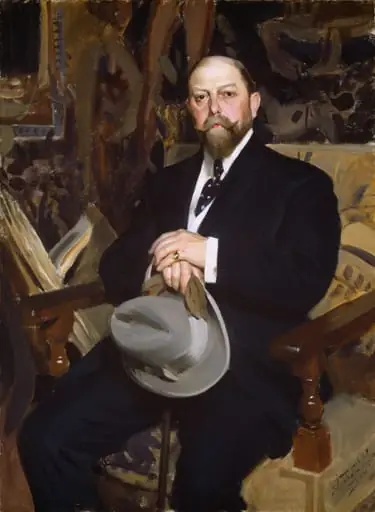 Hugo Reisinger
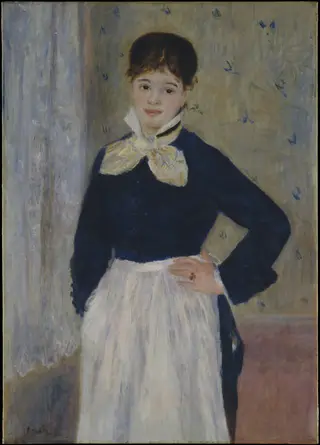 A Waitress at Duval's Restaurant
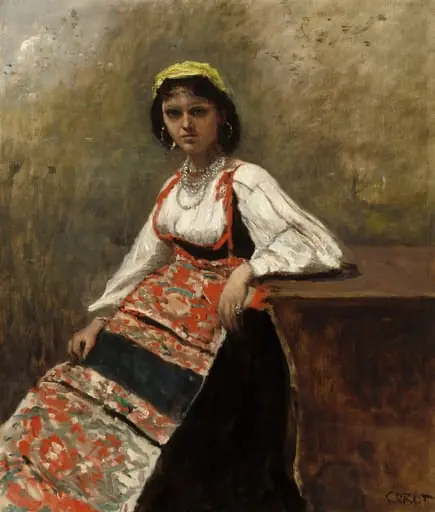 Italian Woman (La Morieri)
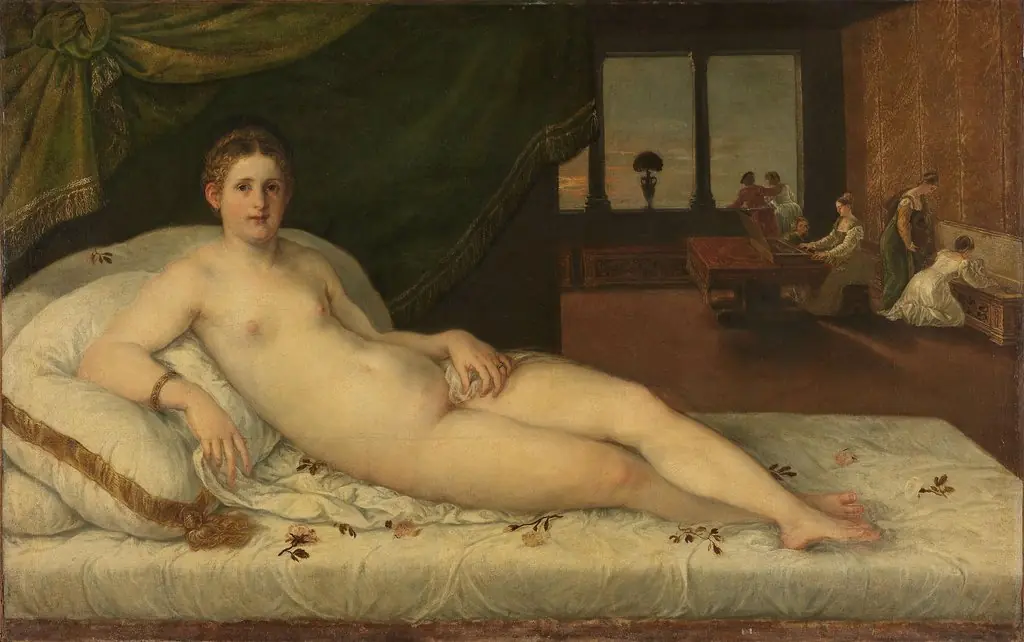 Reclining Venus
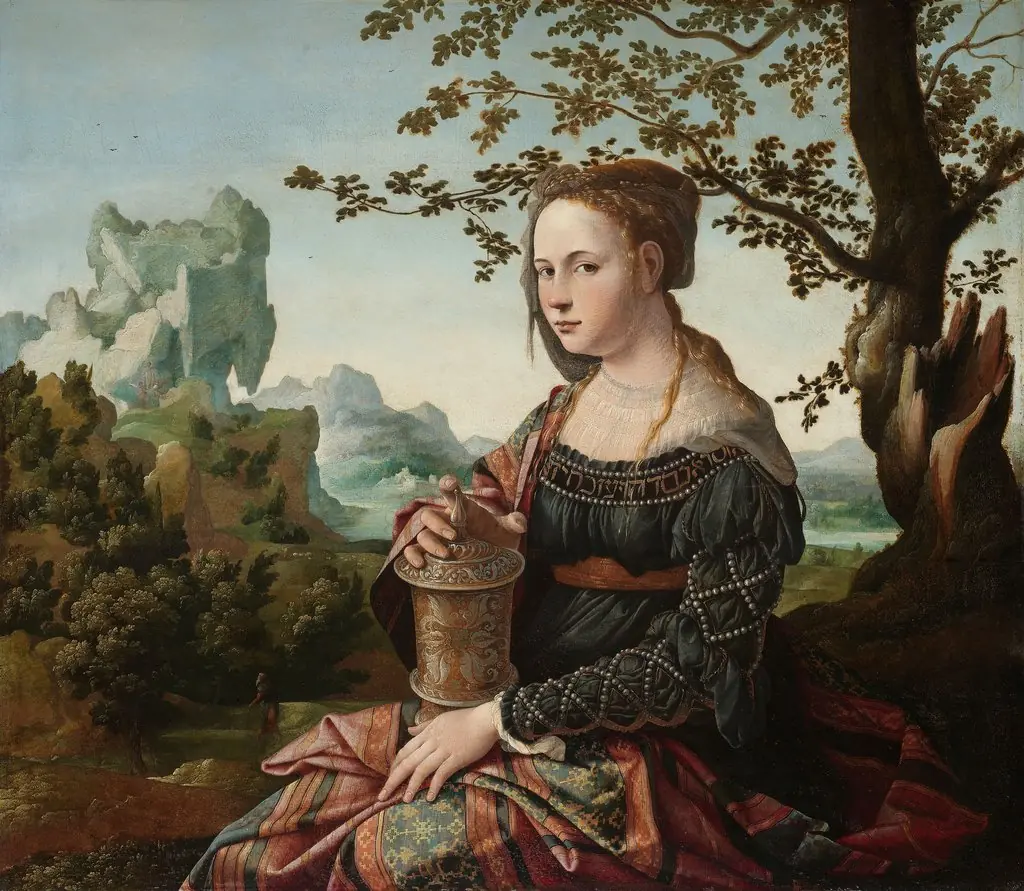 Mary Magdalene
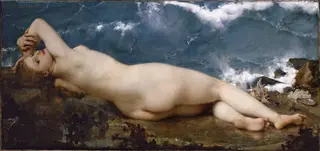 The Pearl and the Wave
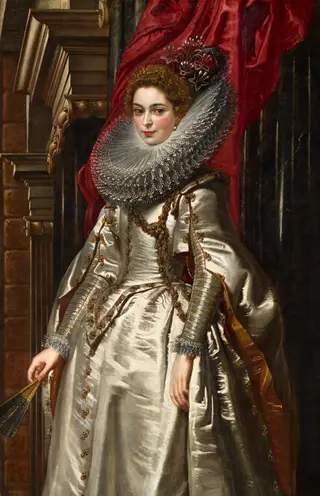 Marchesa Brigida Spinola Doria
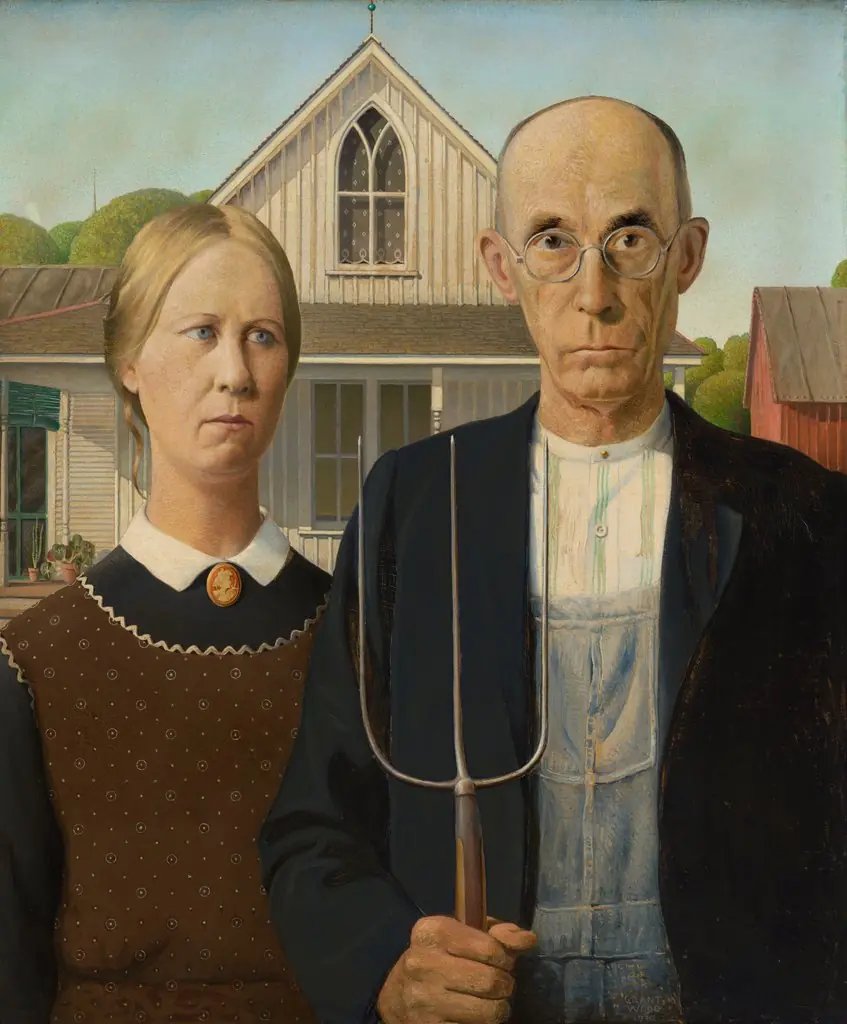 American Gothic
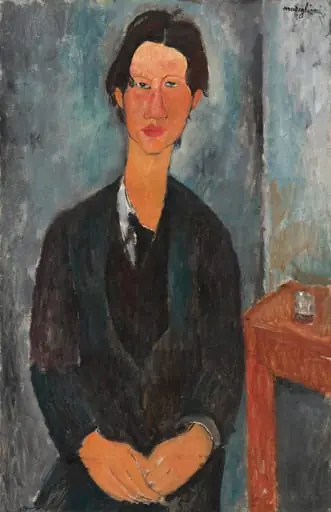 Chaim Soutine
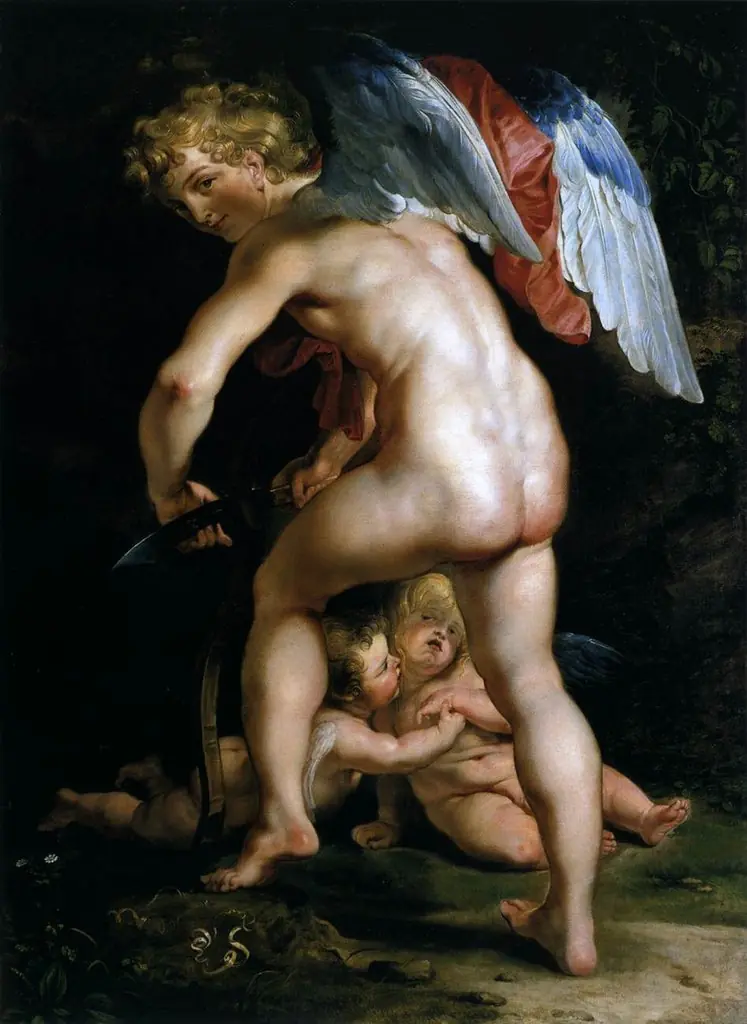 Cupid (Eros) Carves the Bow
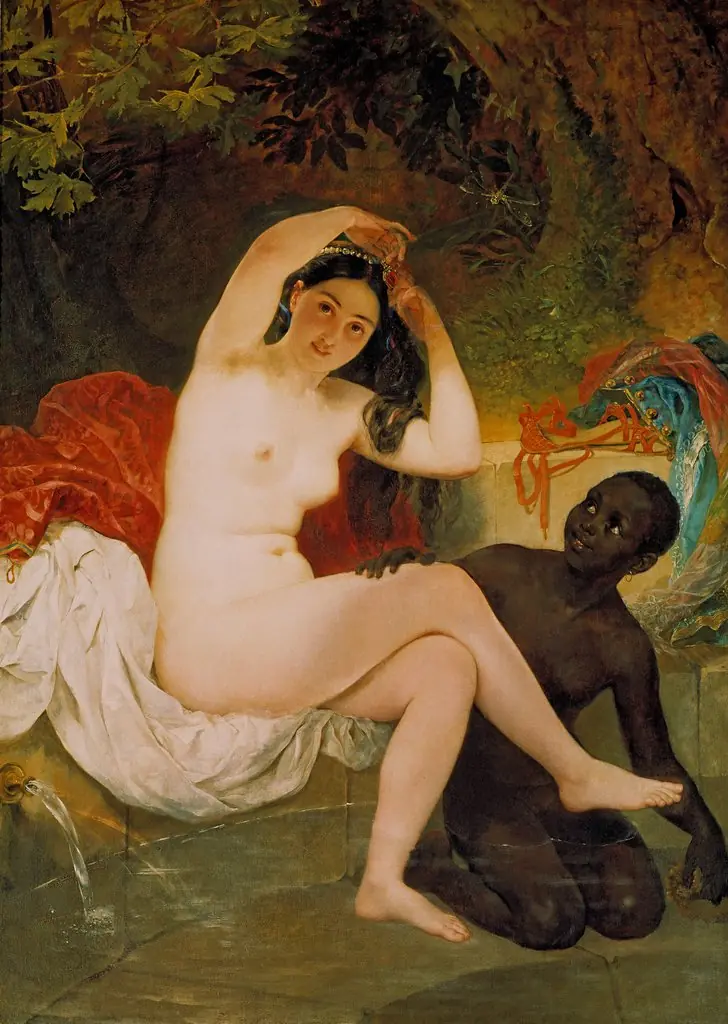 Bathsheba
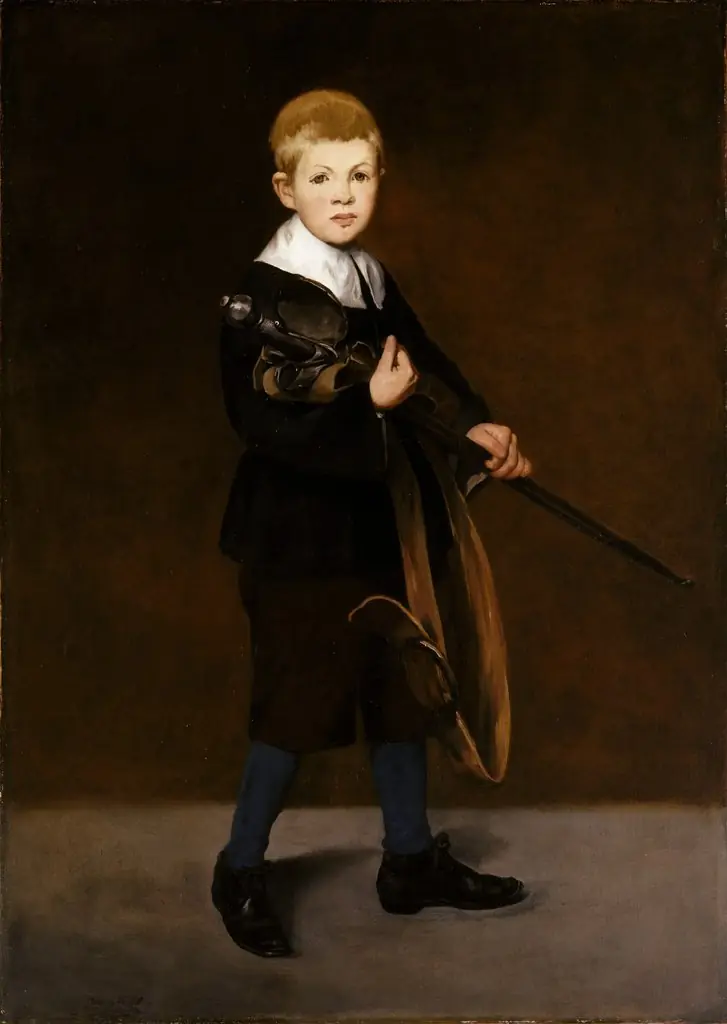 Boy Carrying a Sword
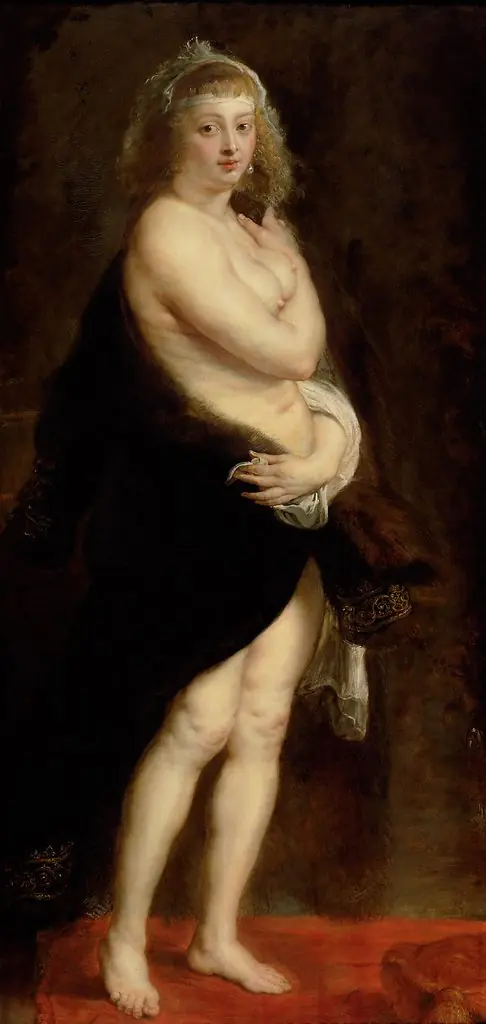 Helena Fourment in a Fur Robe
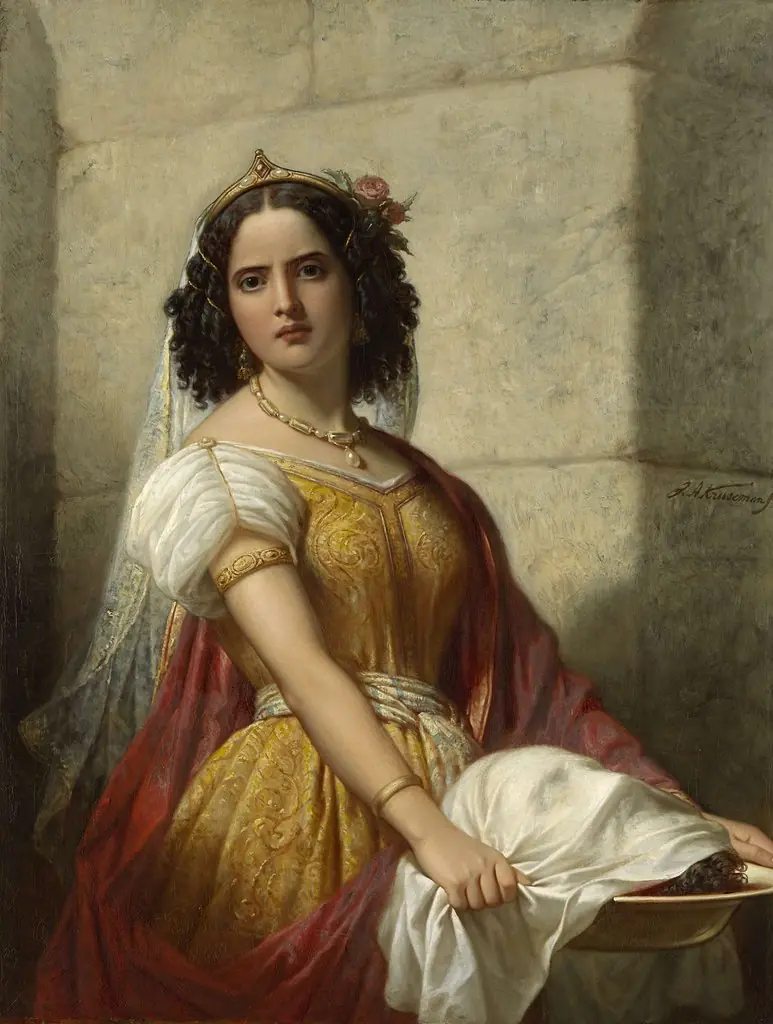 Salome with the Head of John the Baptist
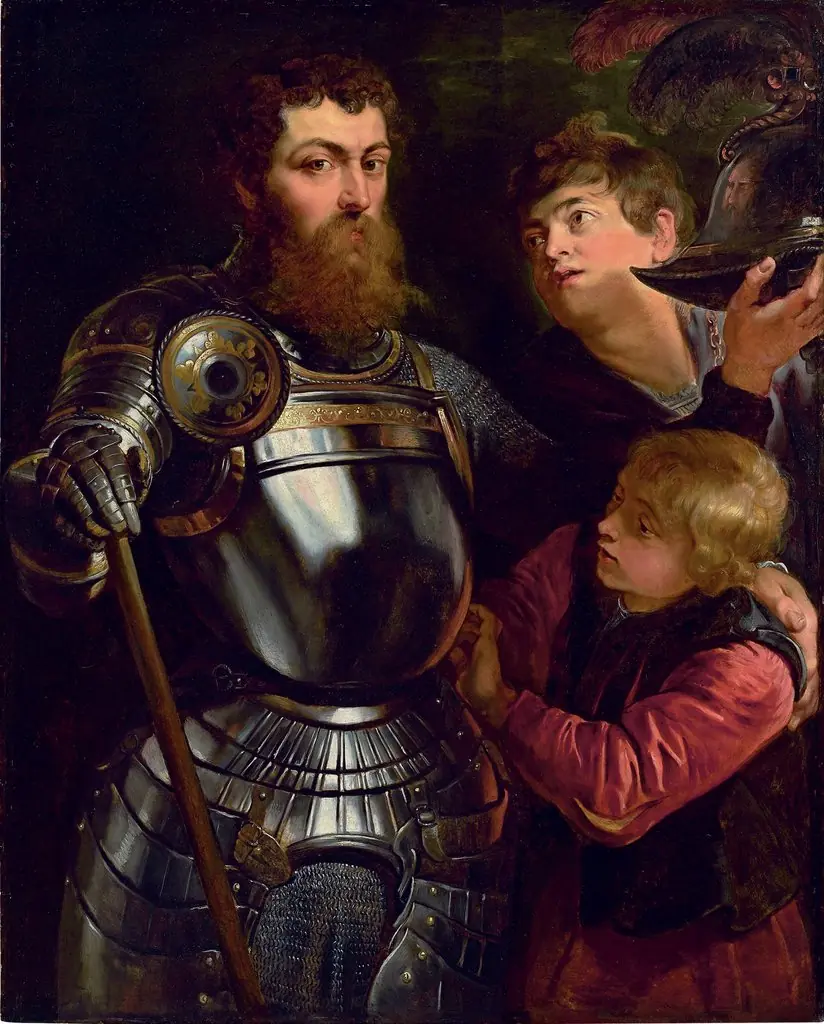 Portrait of a Commander
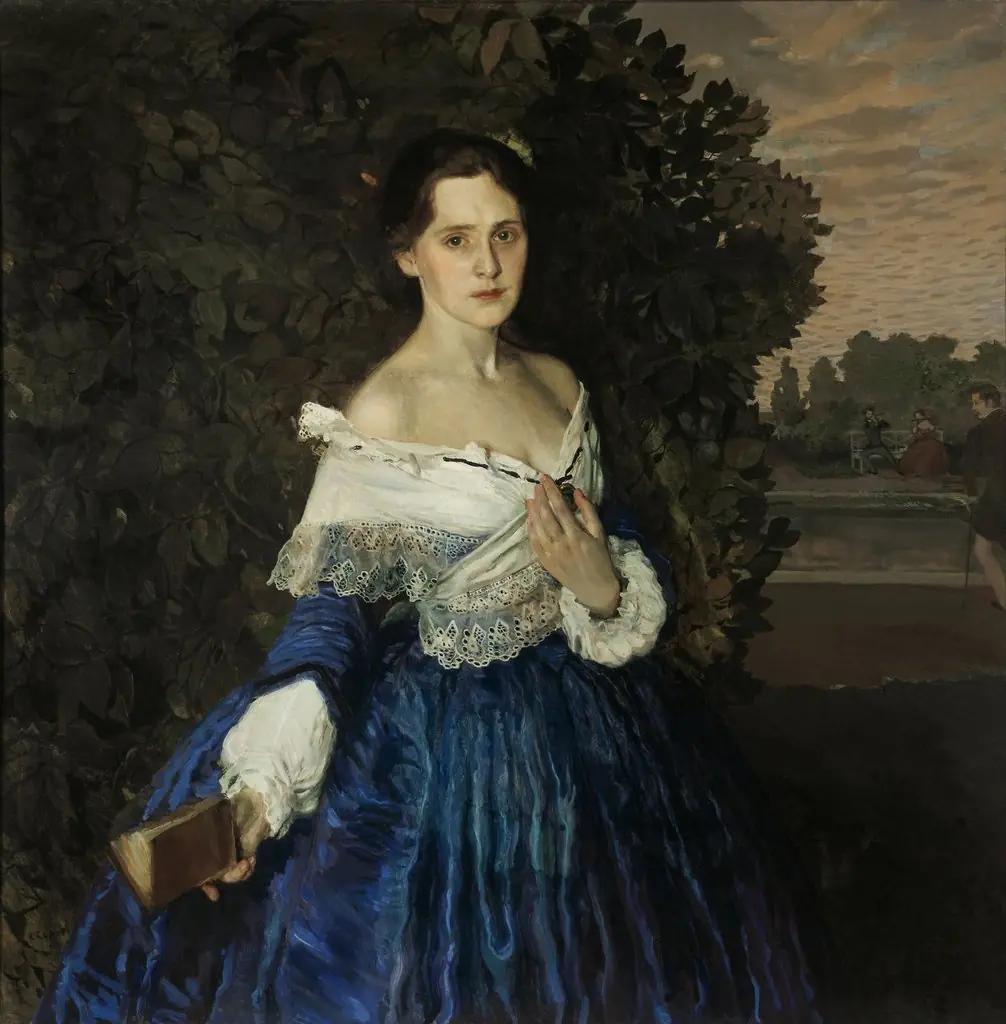 Lady in Blue
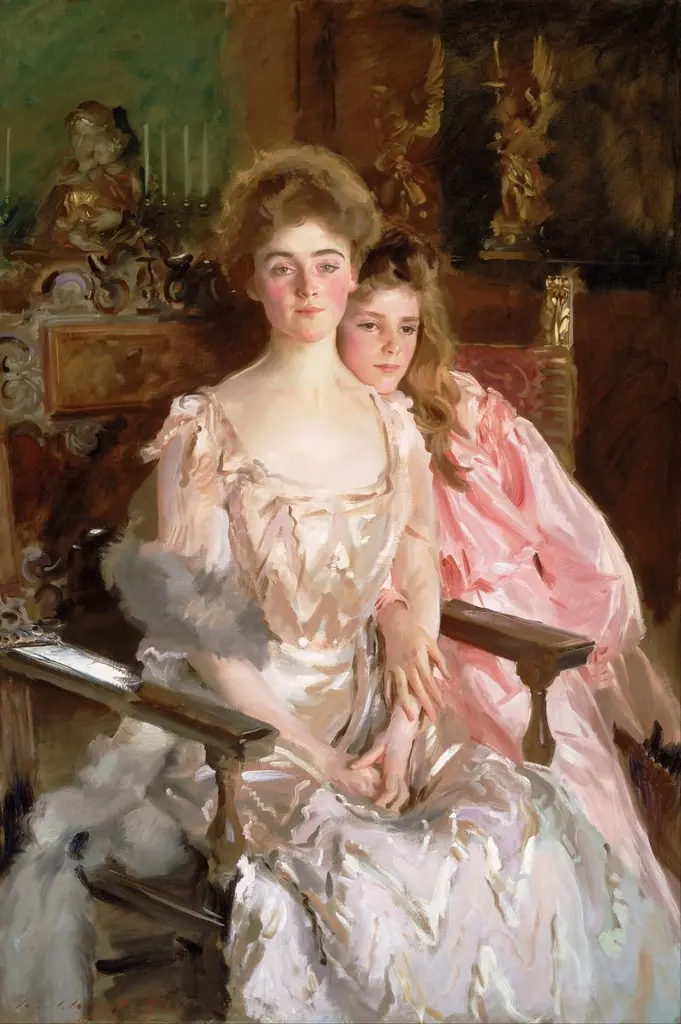 Mrs. Fiske Warren (Gretchen Osgood) and Her Daughter Rachel
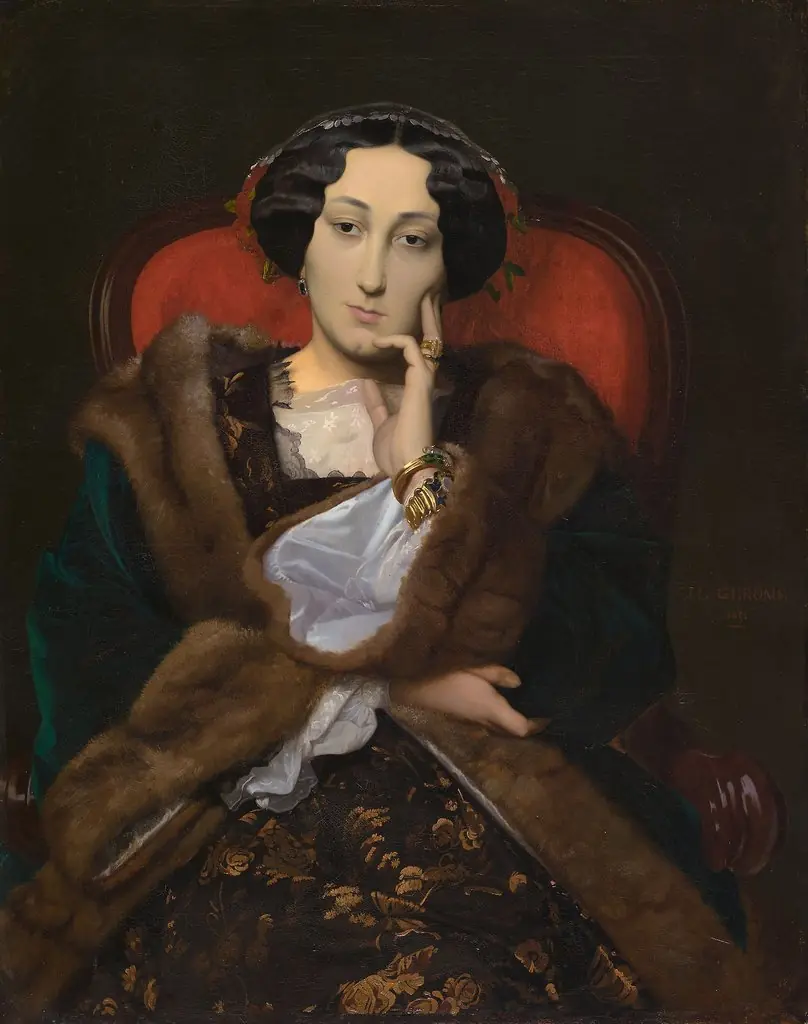 Portrait of a Woman
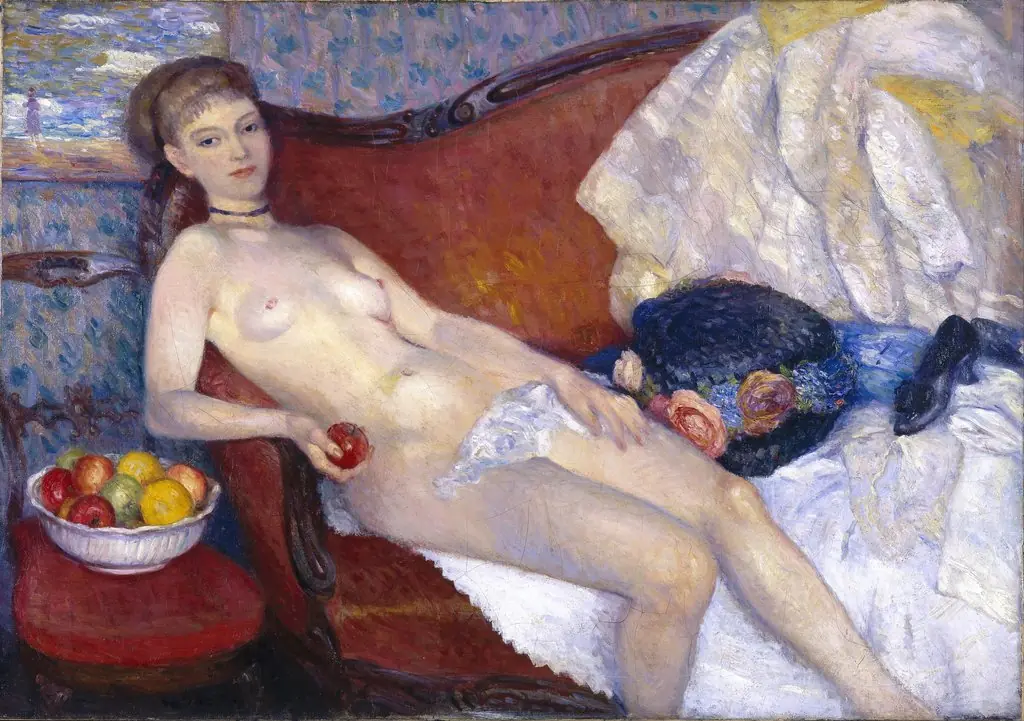 Nude with Apple
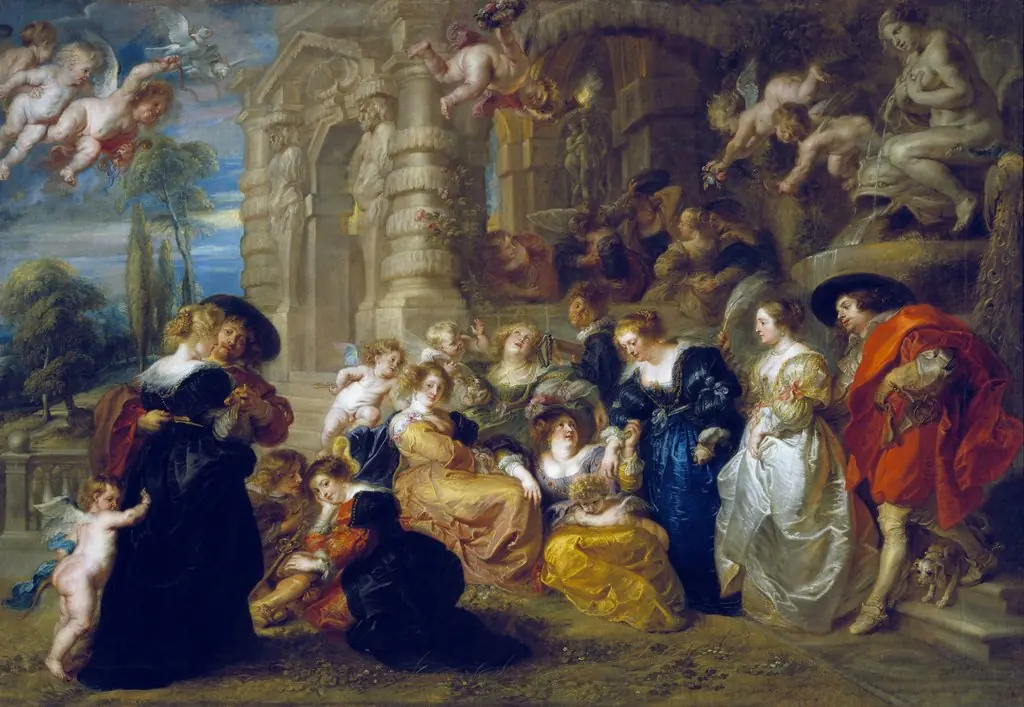 The Garden of Love
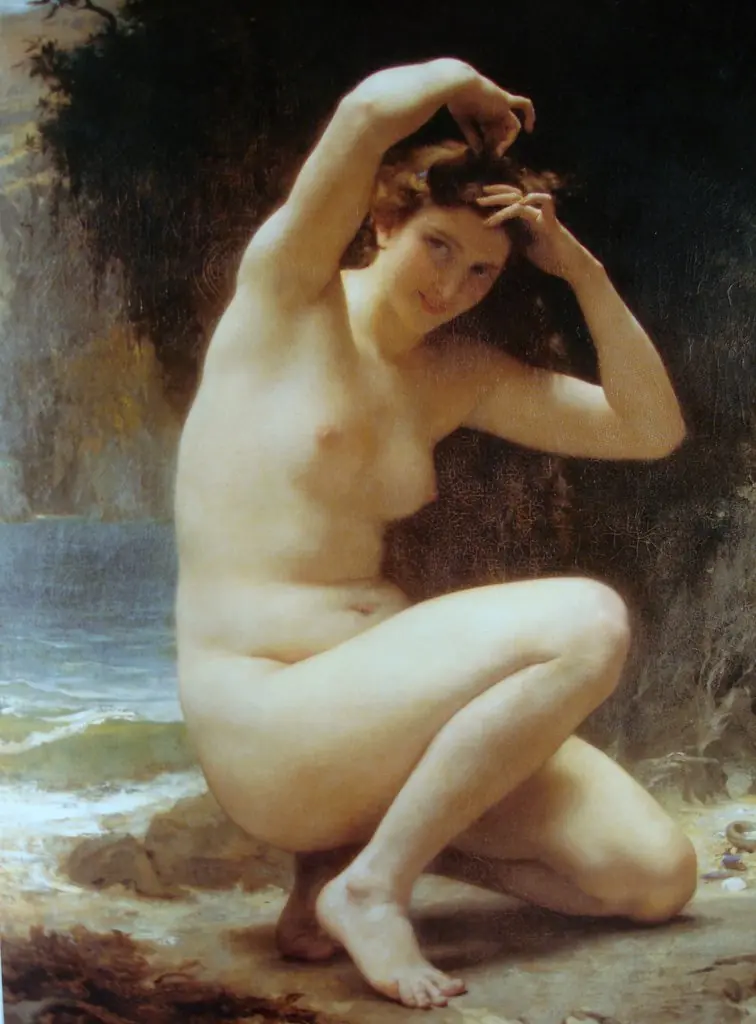 The toilette of Venus
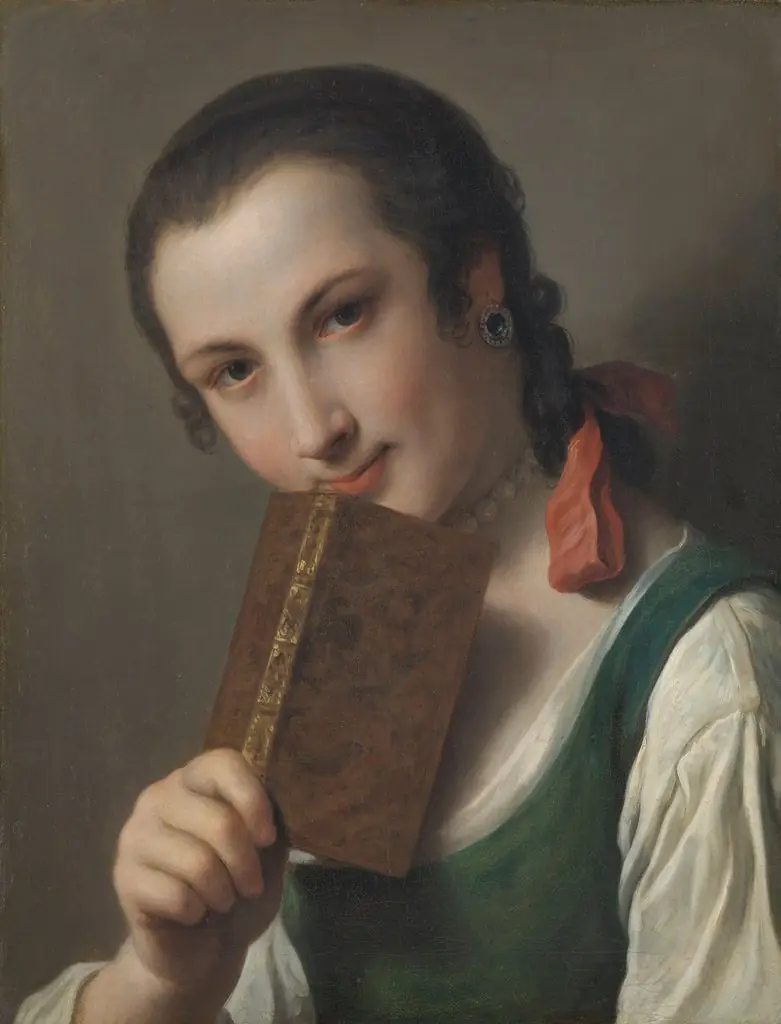 A Young Woman with a Book
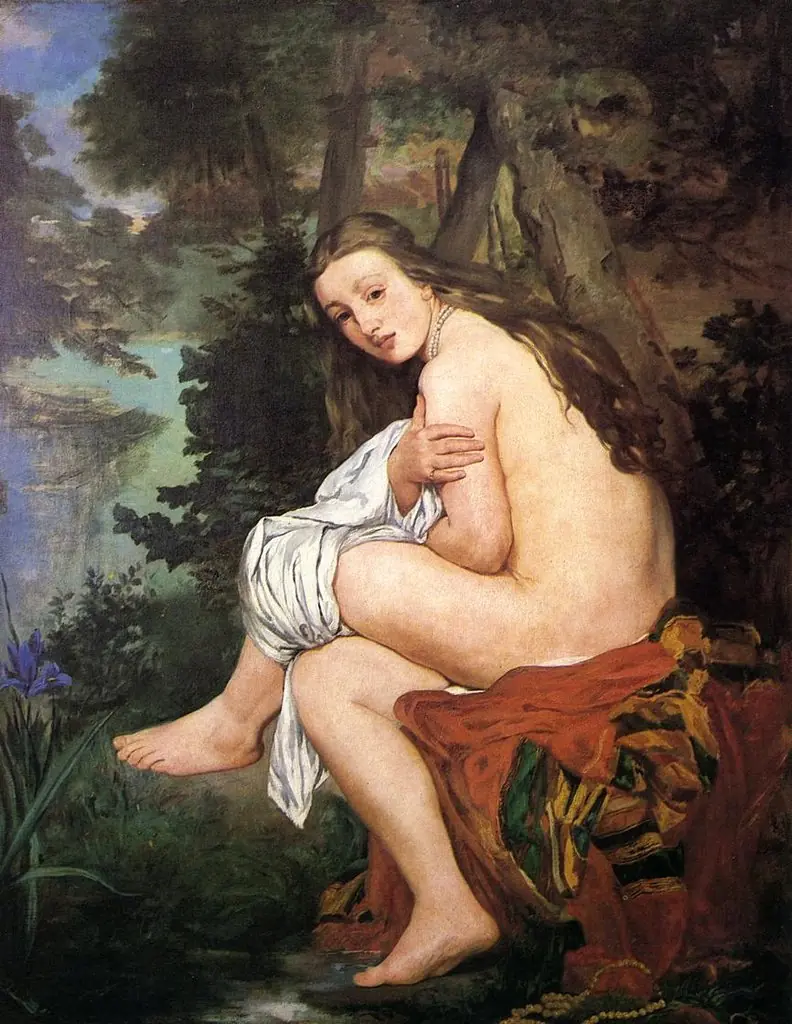 La Nymphe surprise
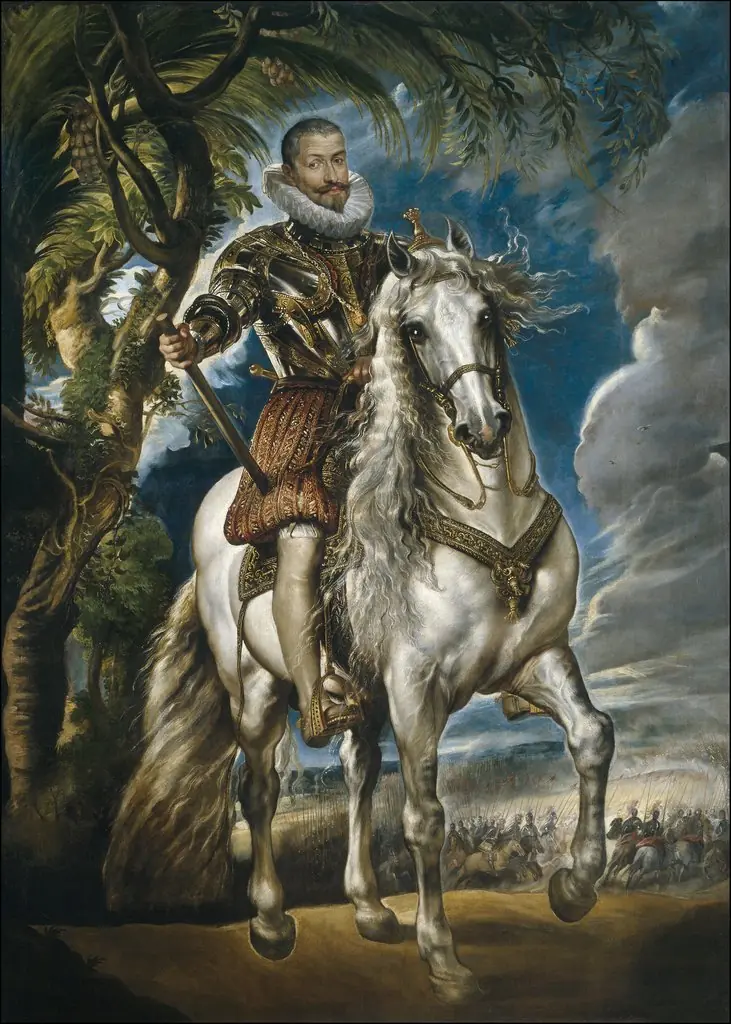 Equestrian Portrait of the Duke of Lerma
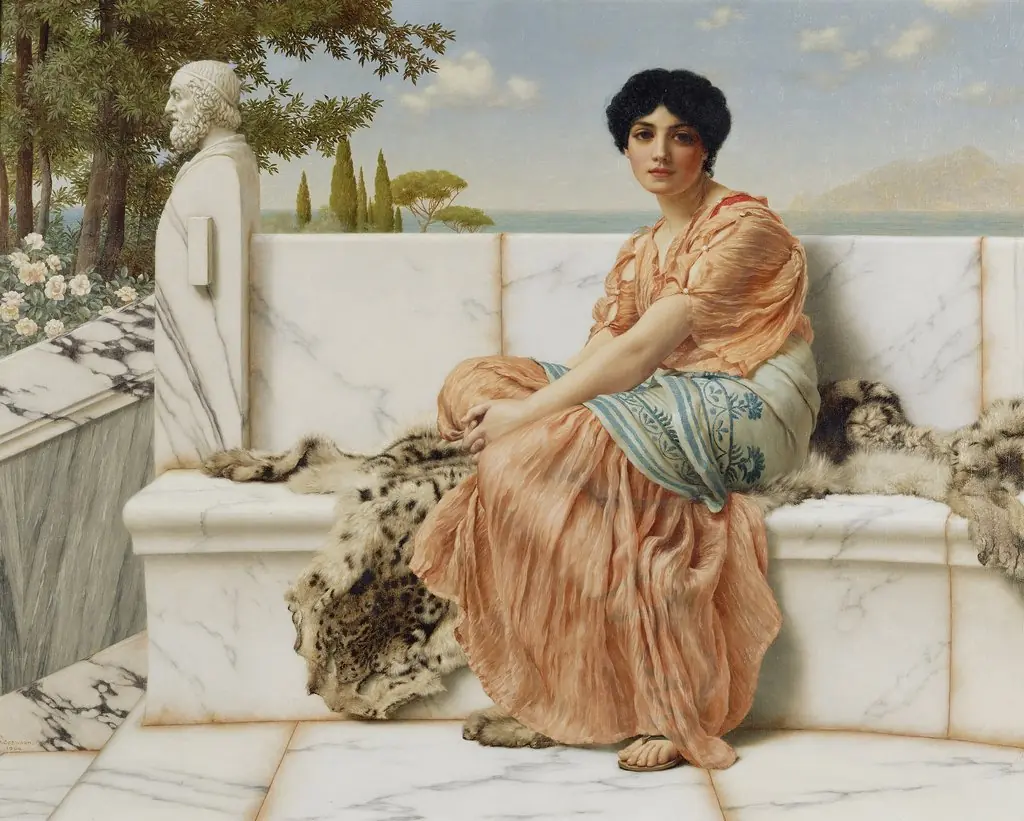 Reverie
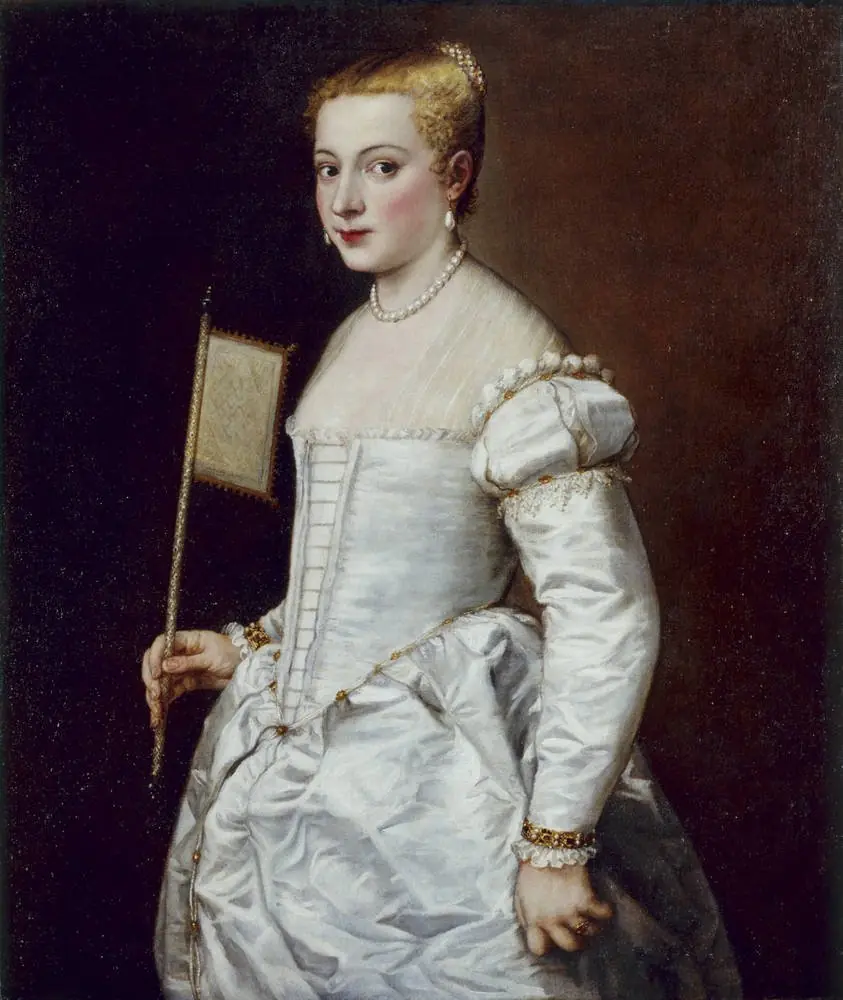 Portrait of a Lady in White
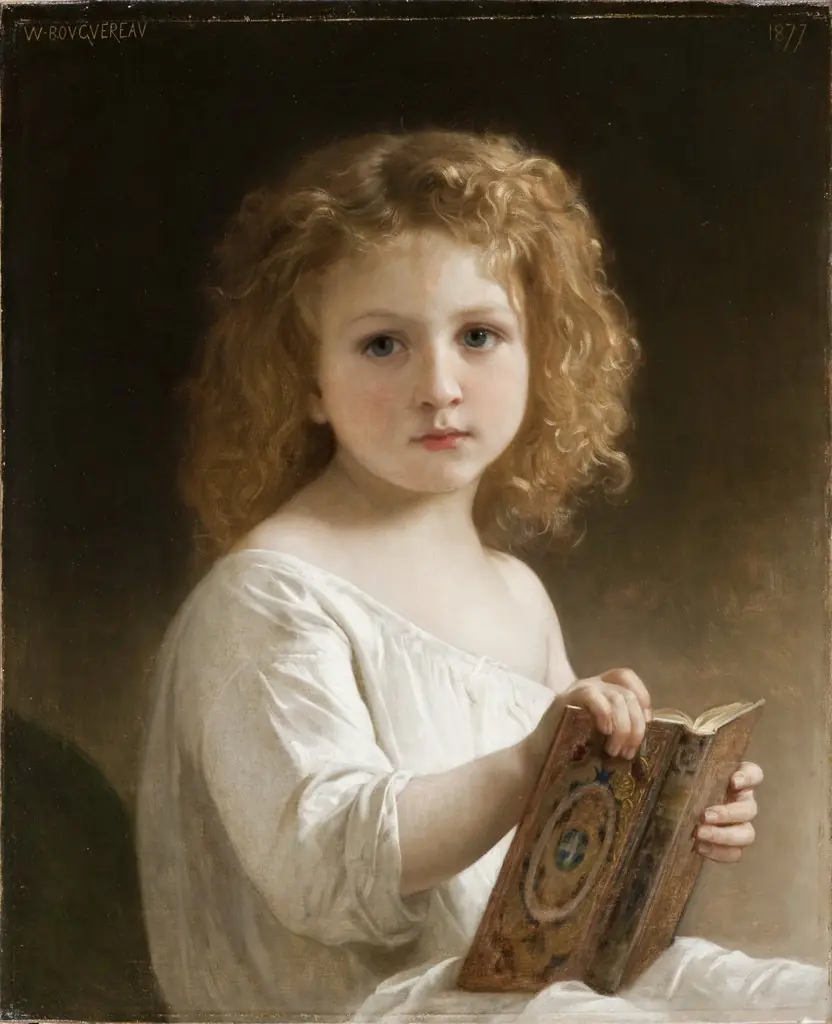 The Story Book
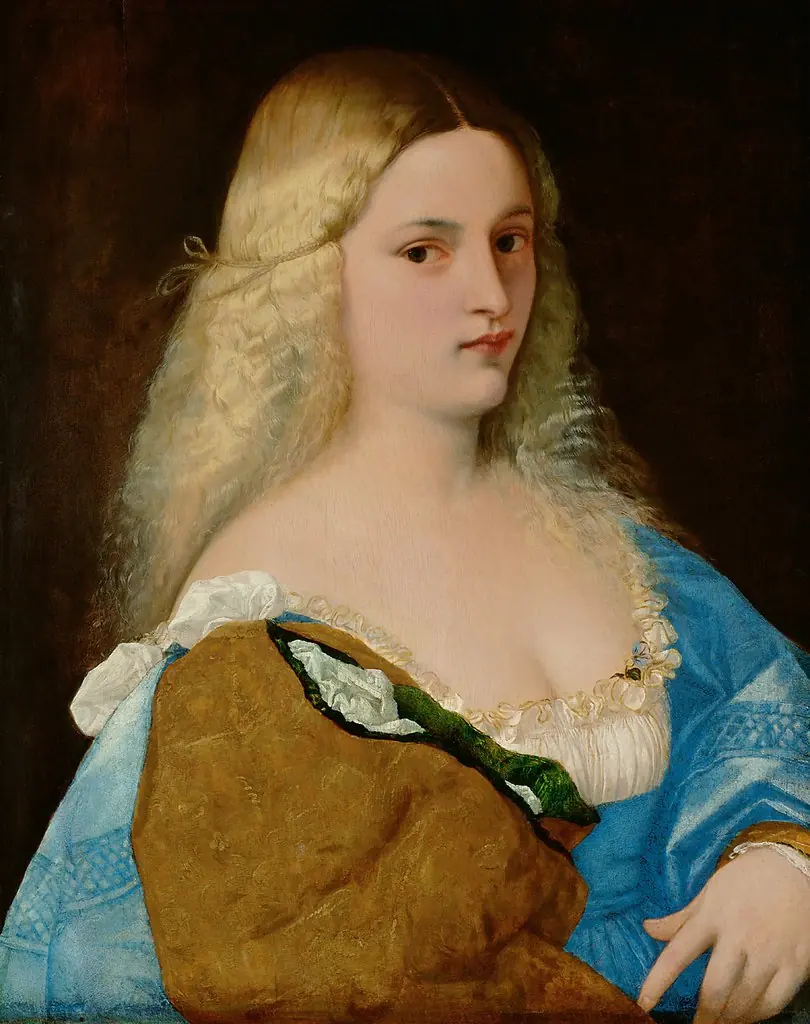 Violante
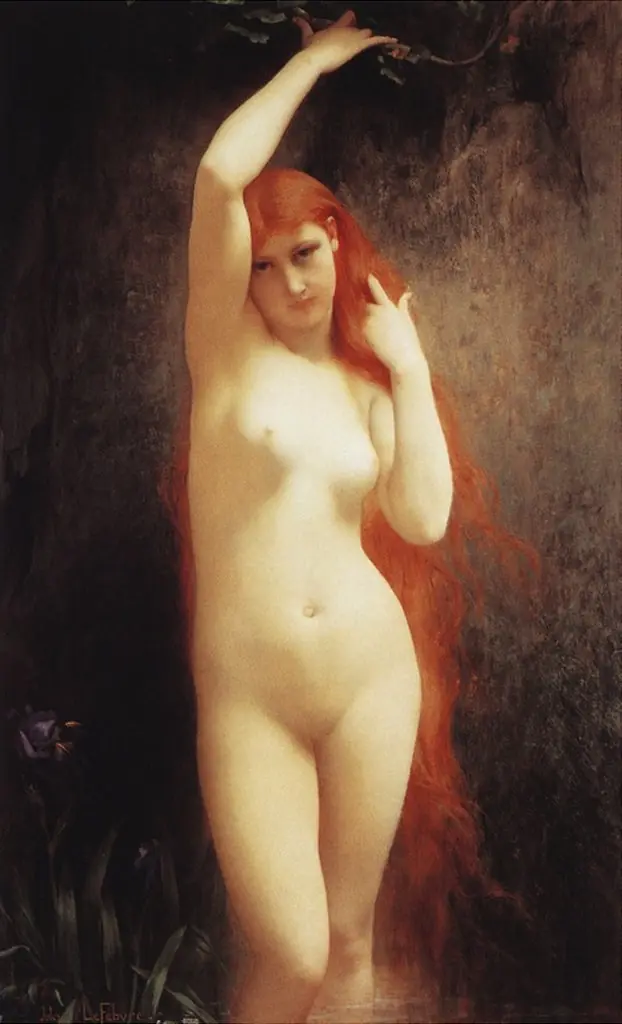 Ondine
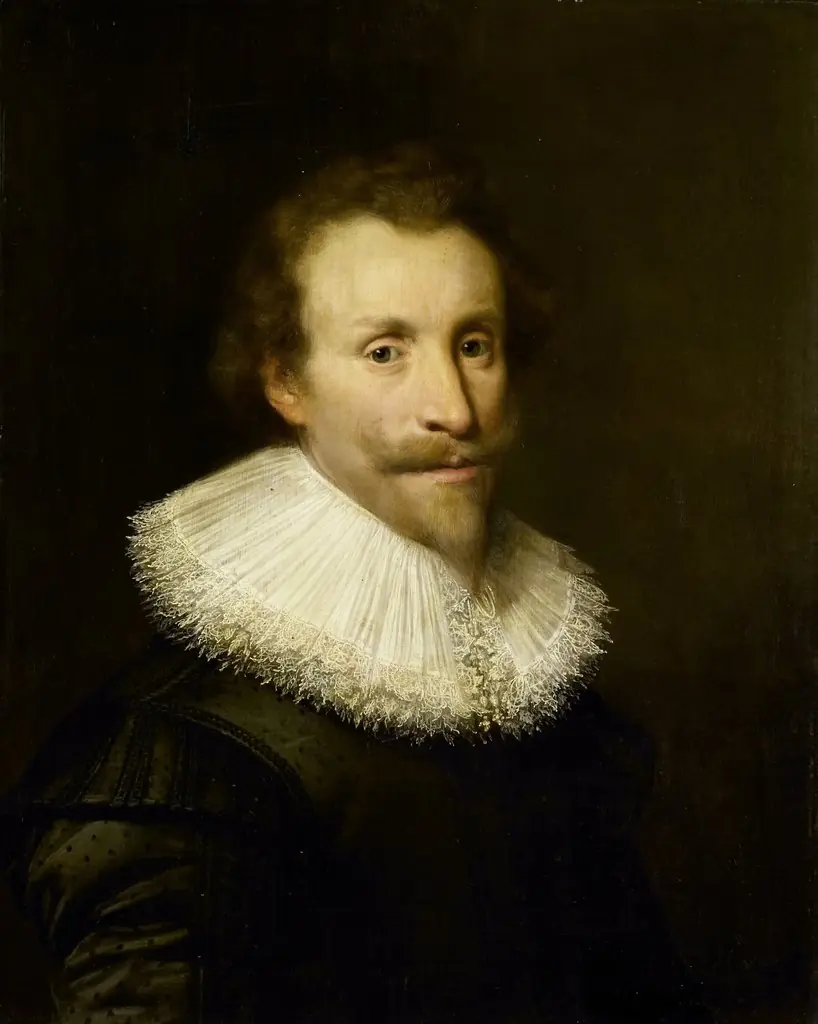 Portrait of a man
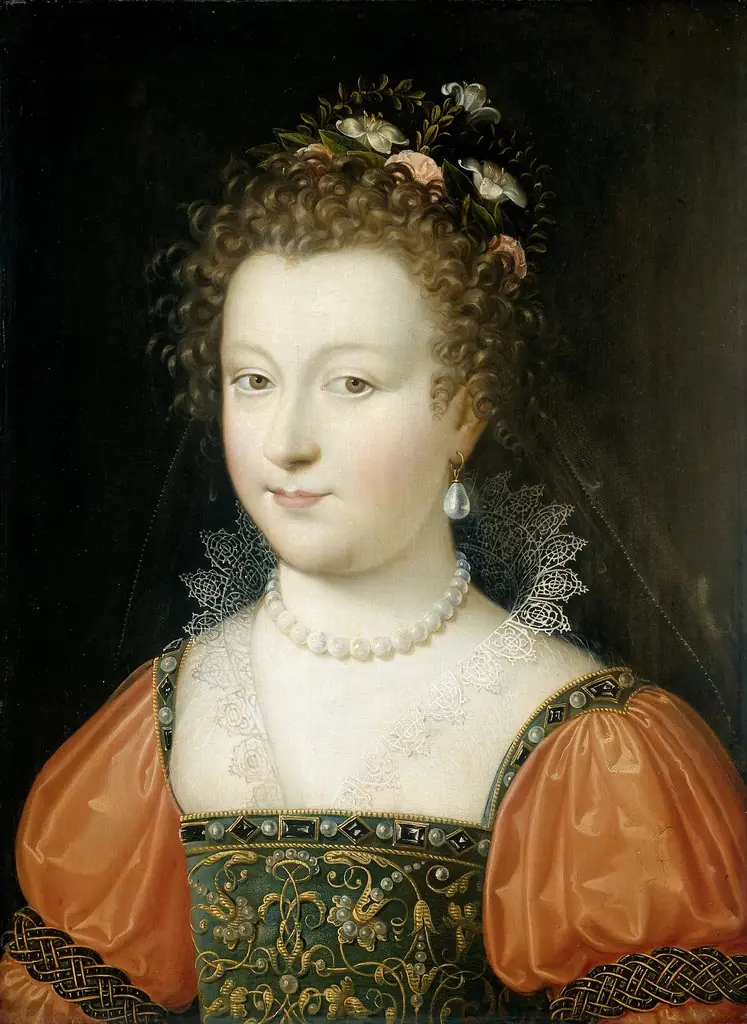 Portrait of a Woman (previously identified as Queen Elizabeth I)
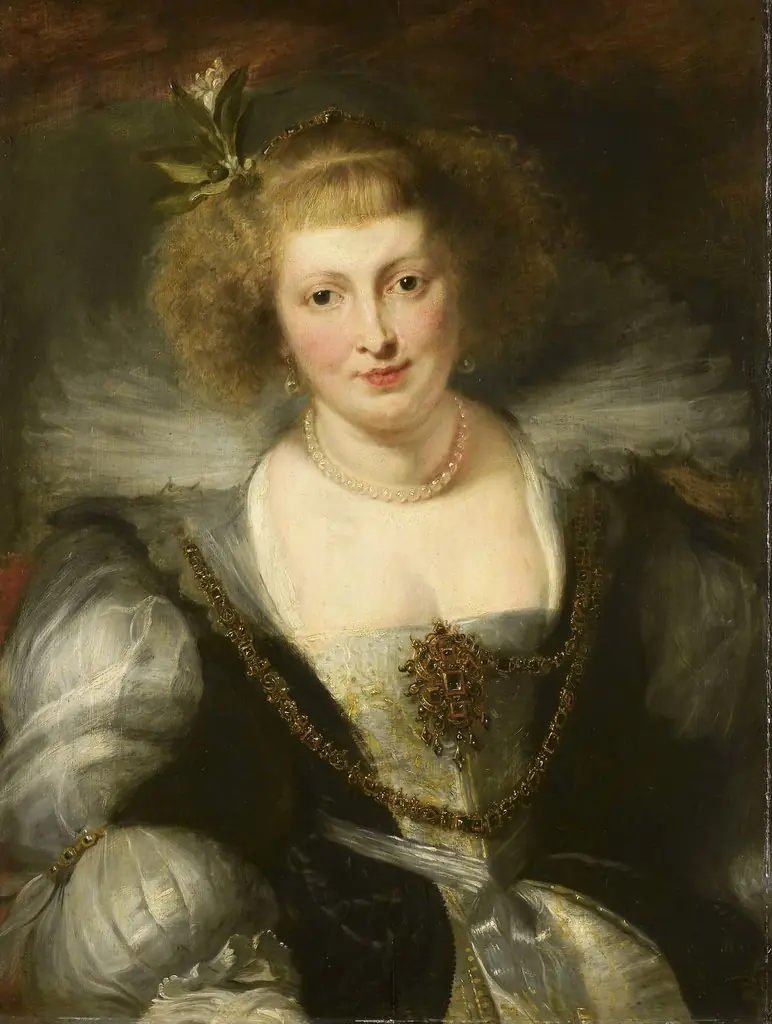 Helena Fourment (1614-73). The artist's second wife
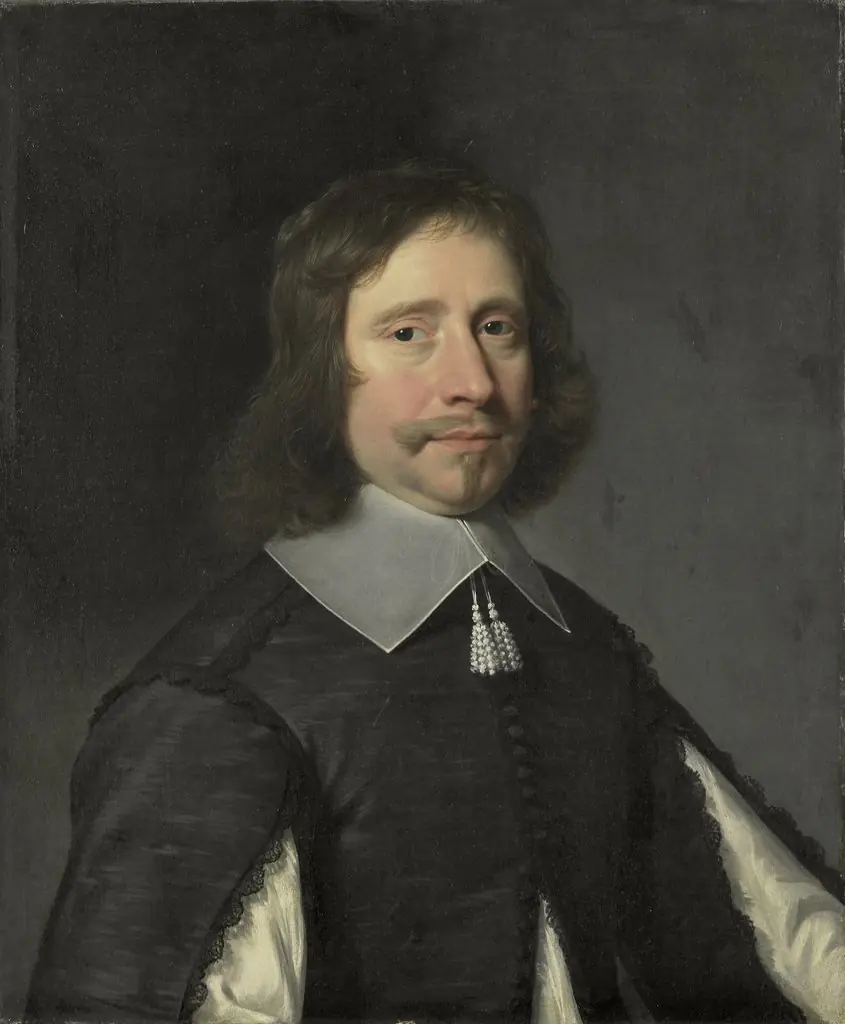 Portrait of a man, perhaps Philippe de la Trémoïlle (1596-?), count of Olonne
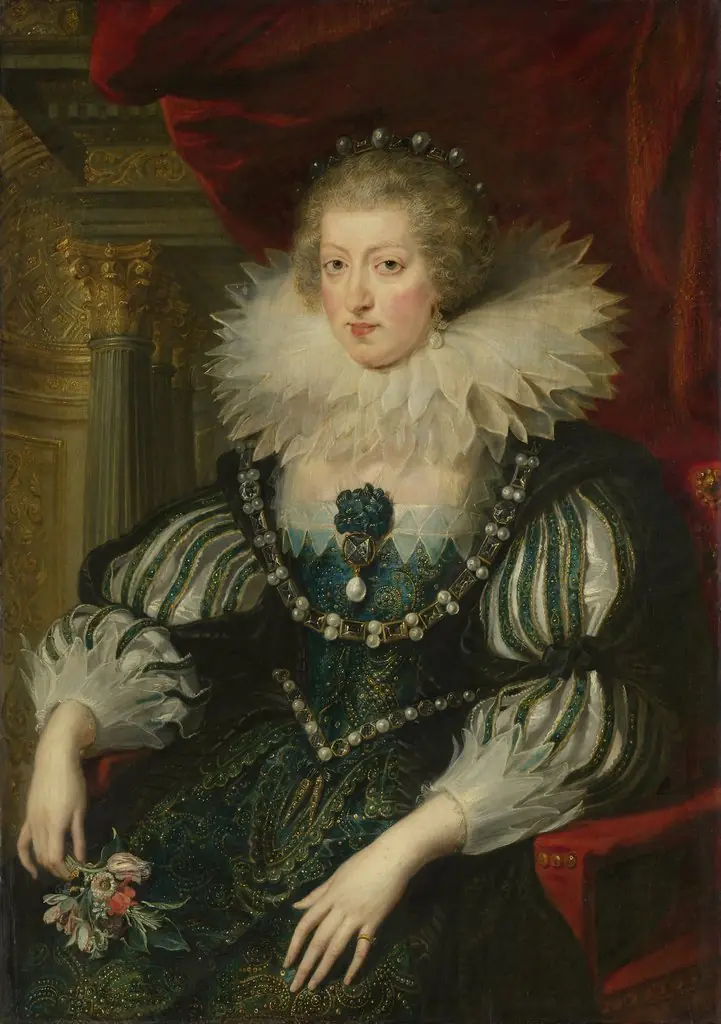 Anne of Austria (1601-66). Wife of Louis XIII, king of France
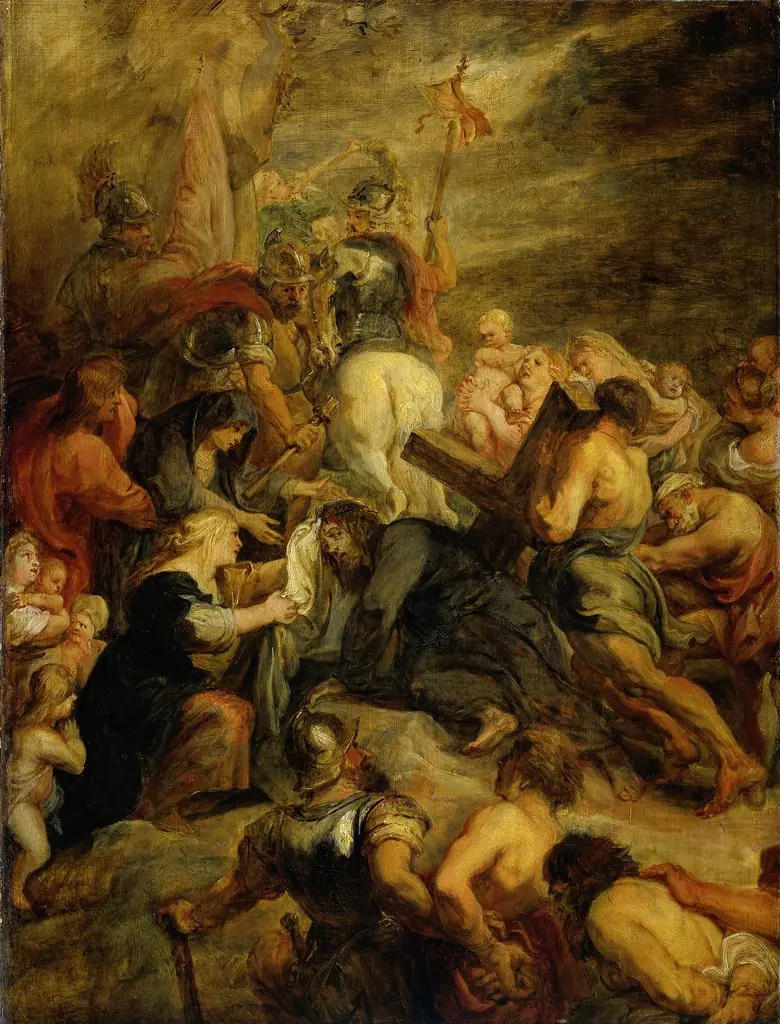 The carrying of the cross
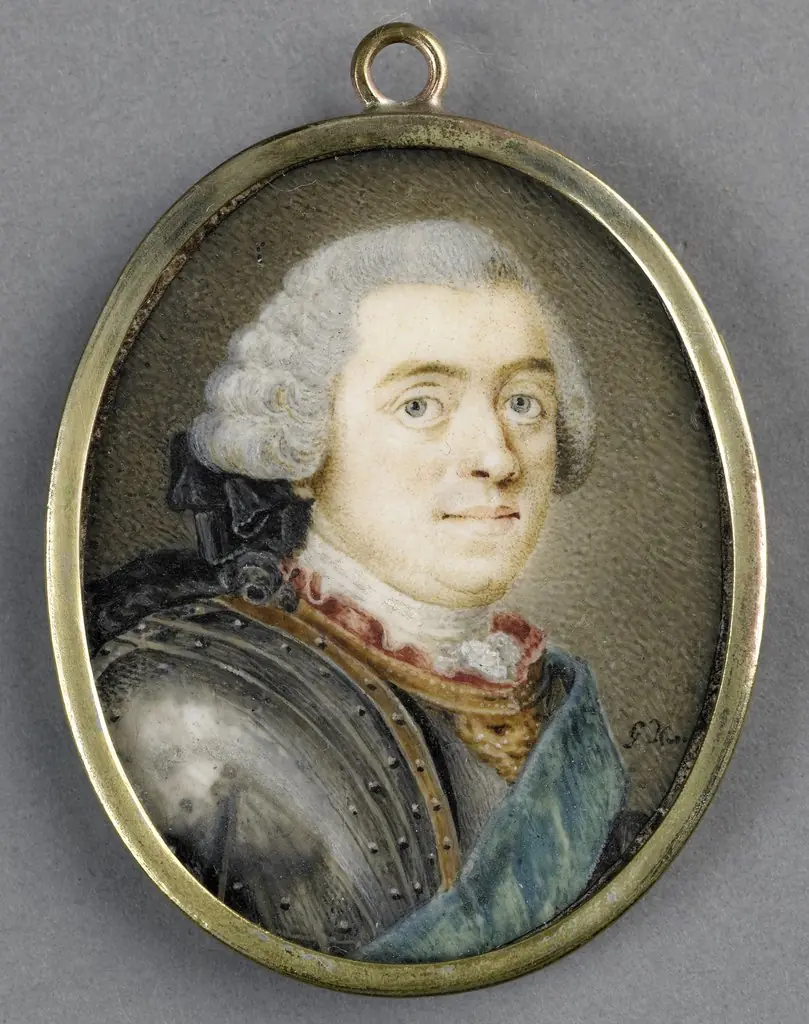 William IV (1711-51), Prince of Orange-Nassau
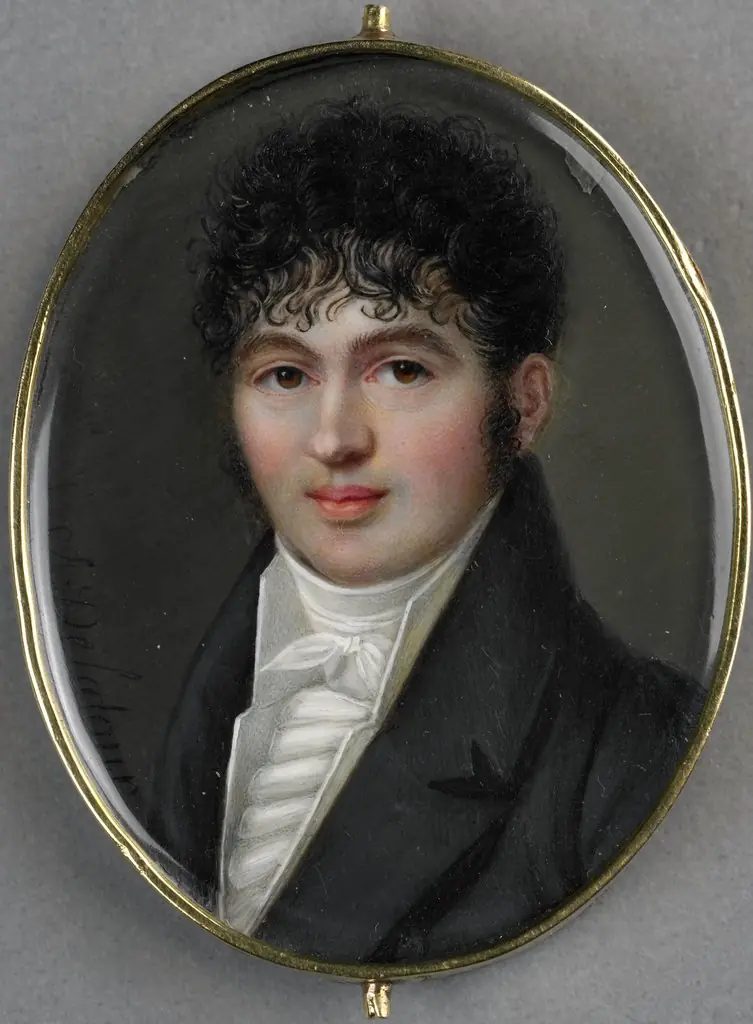 Portrait of an unknown man
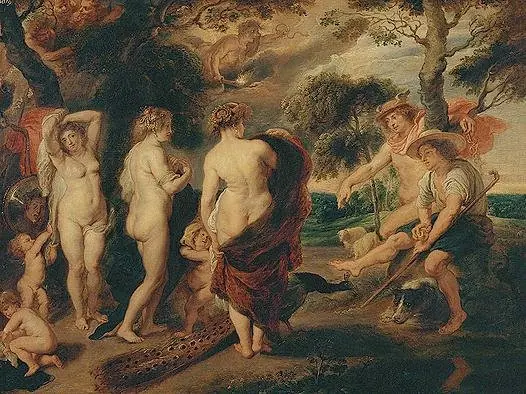 The Judgement of Paris
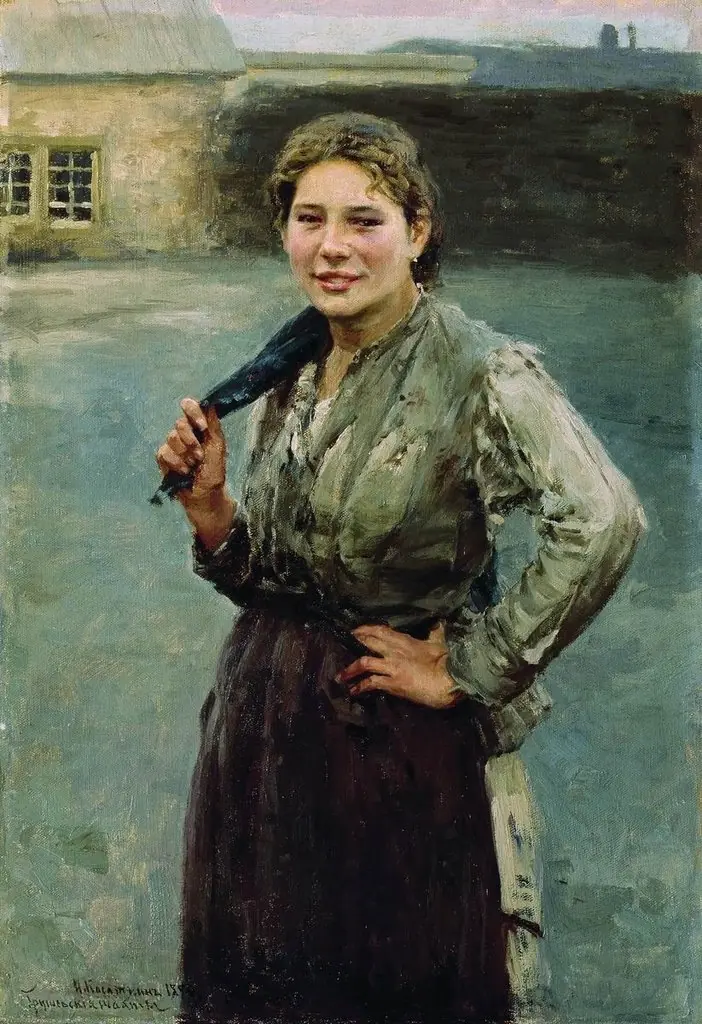 Chakhtiorka
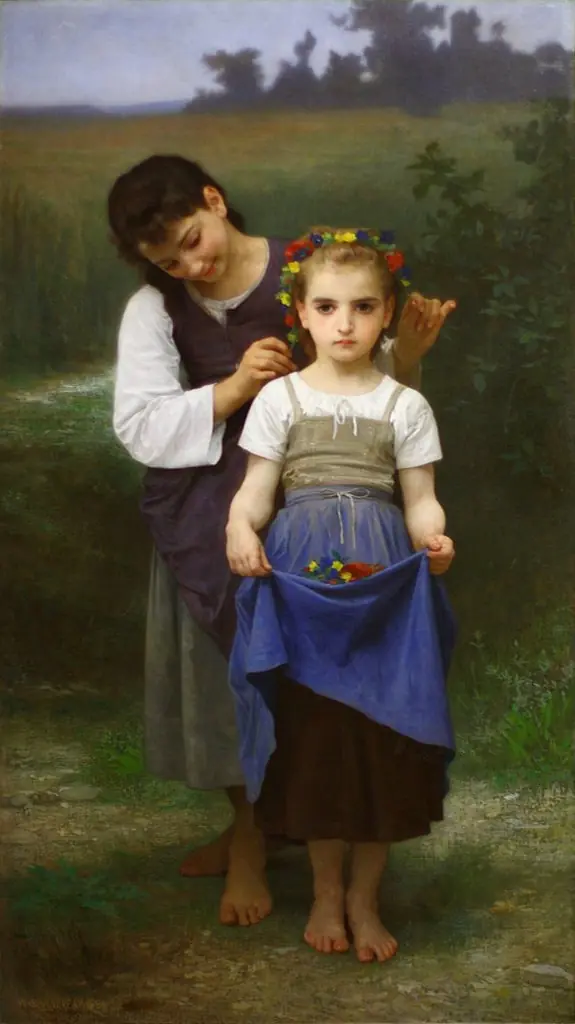 Crown of Flowers
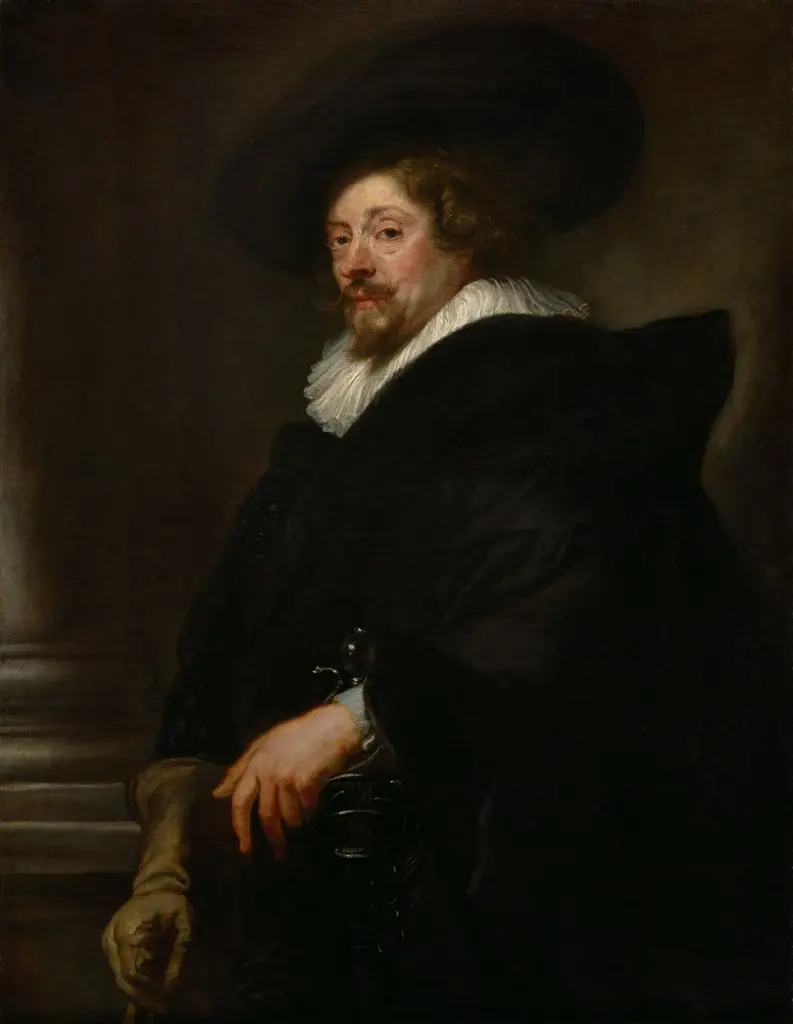 Self-portrait
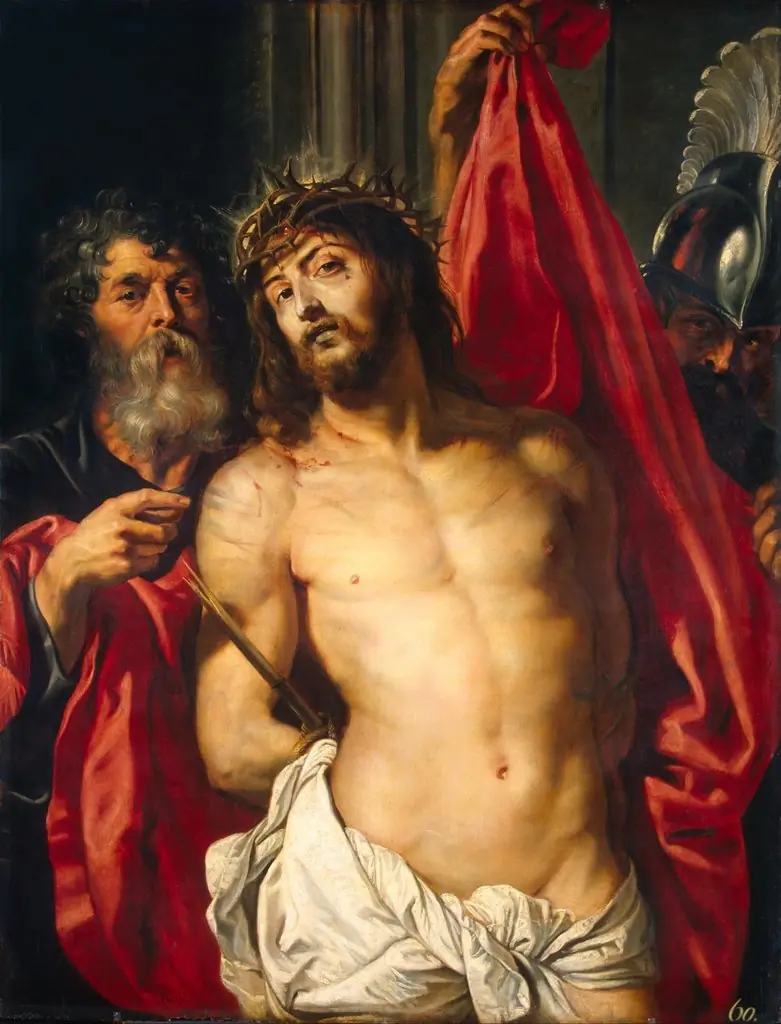 Crown of Thorns
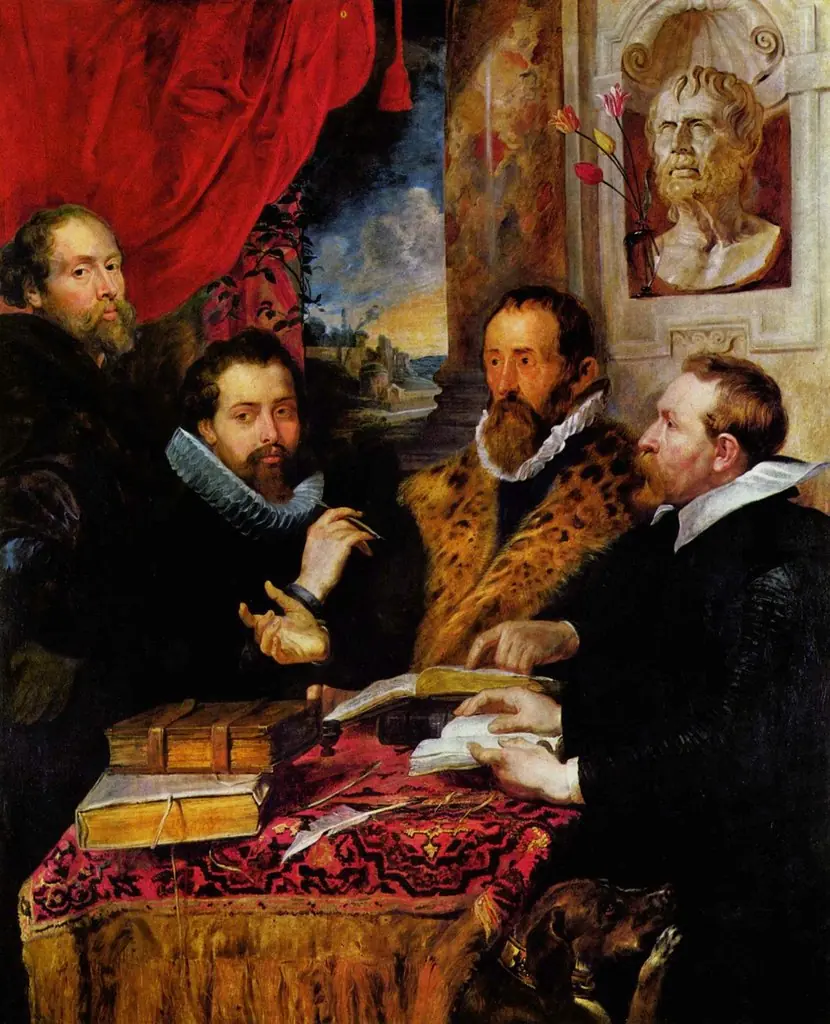 The Four Philosophers
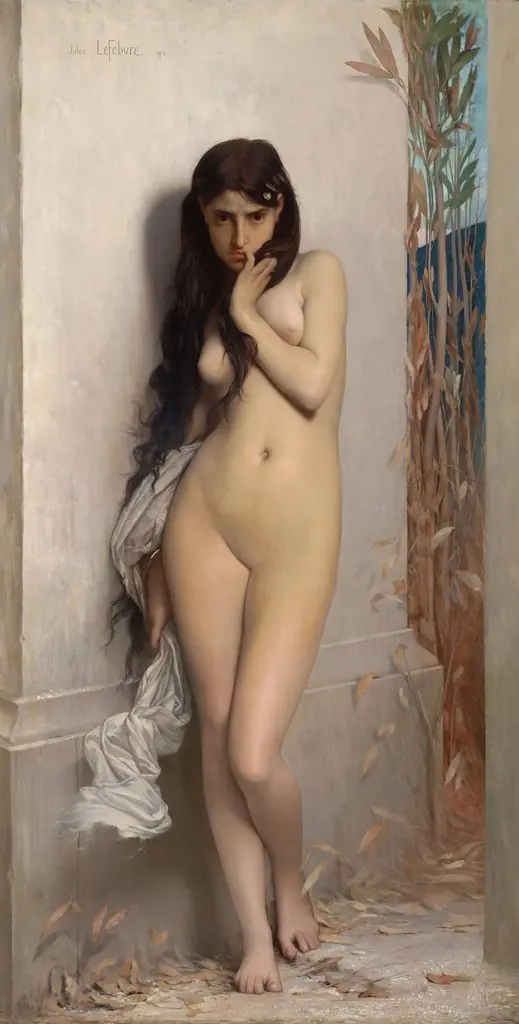 The Cicada
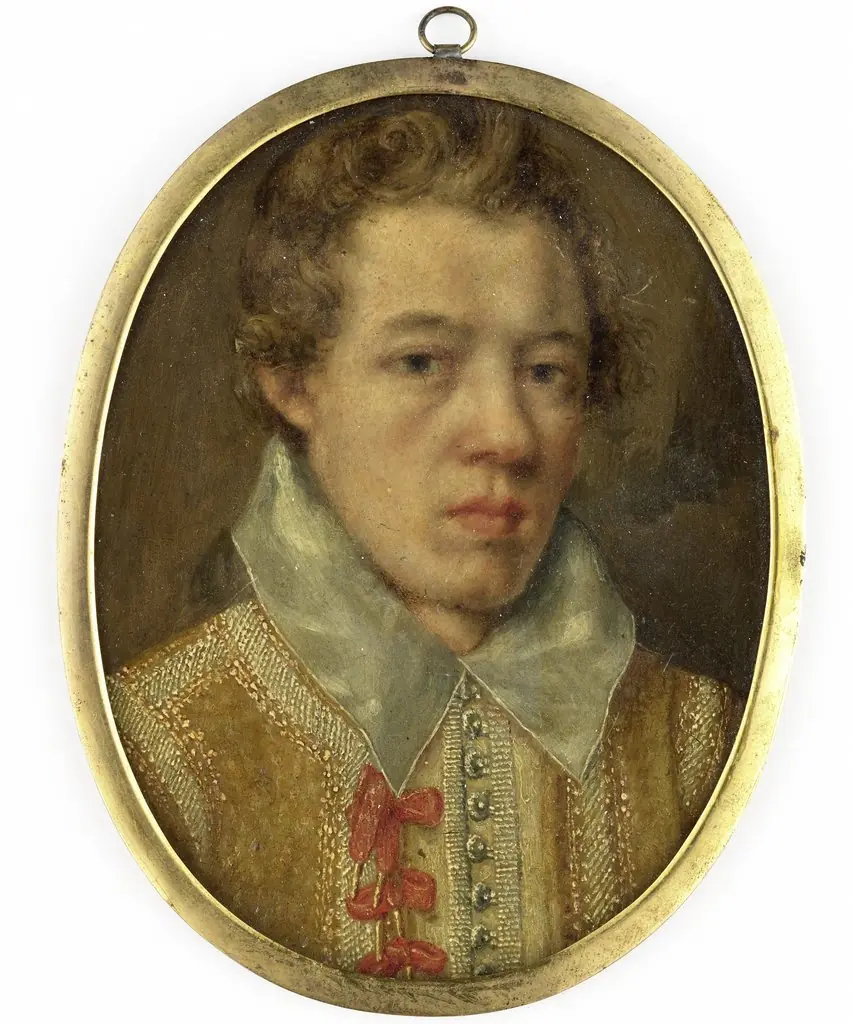 Portrait of a young man
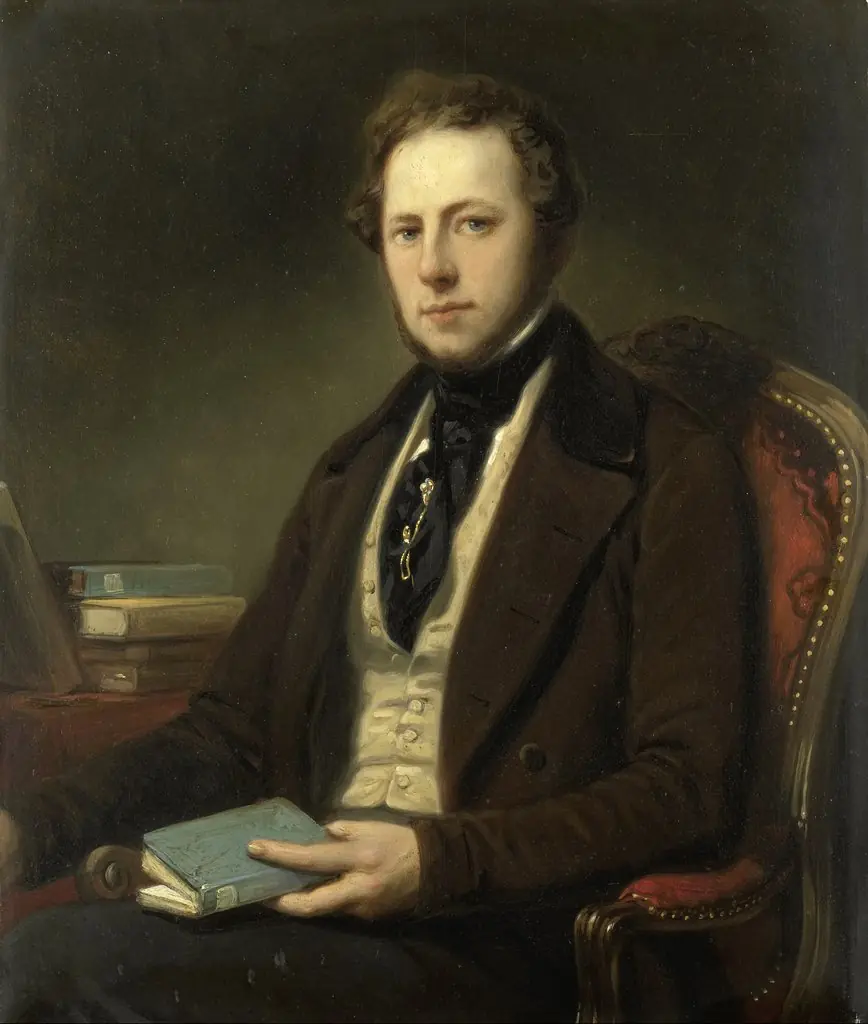 Portrait of a Man, perhaps the Poet Petrus Augustus de Genestet
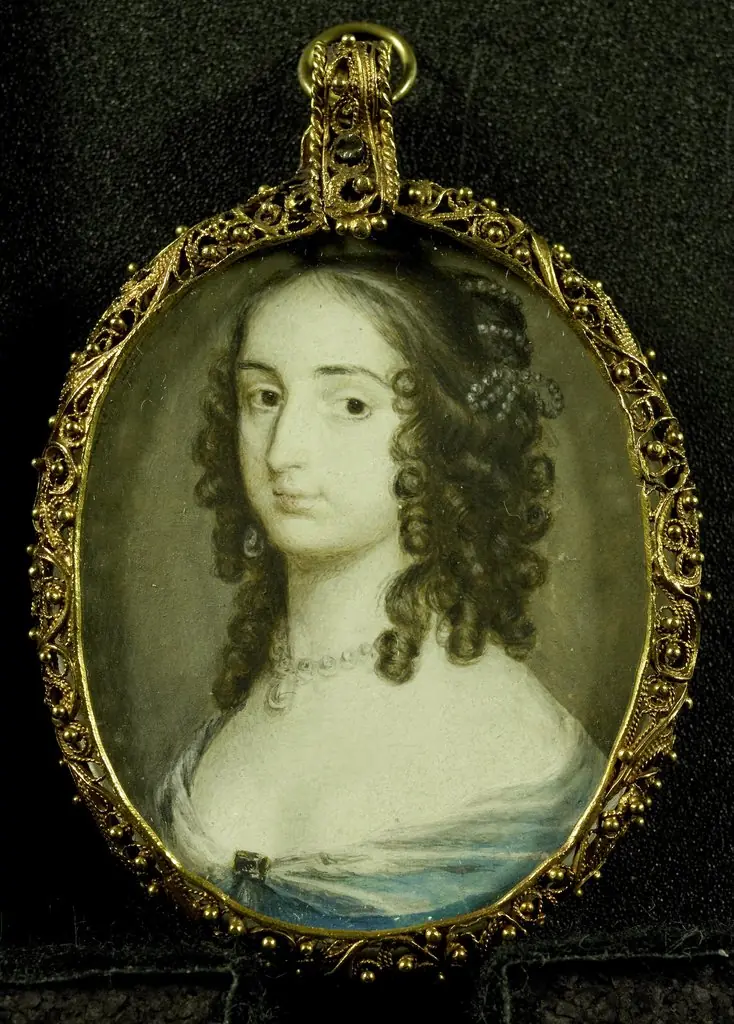 Portrait of Elisabeth of the Palatinate
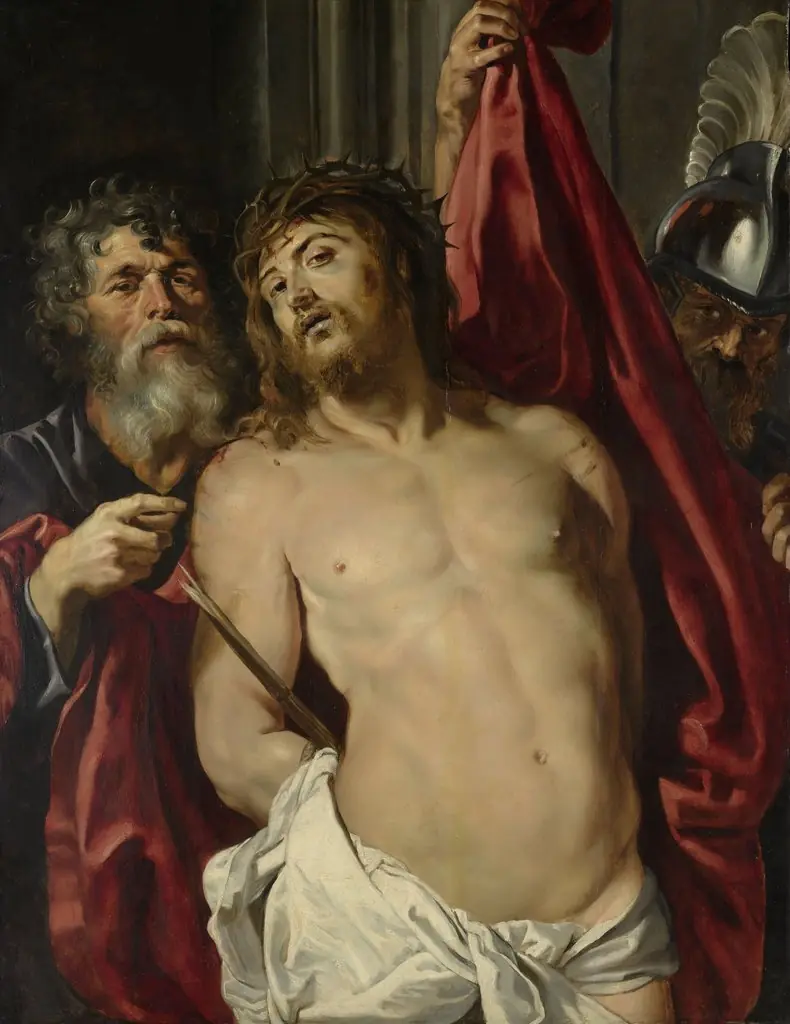 Ecce Homo
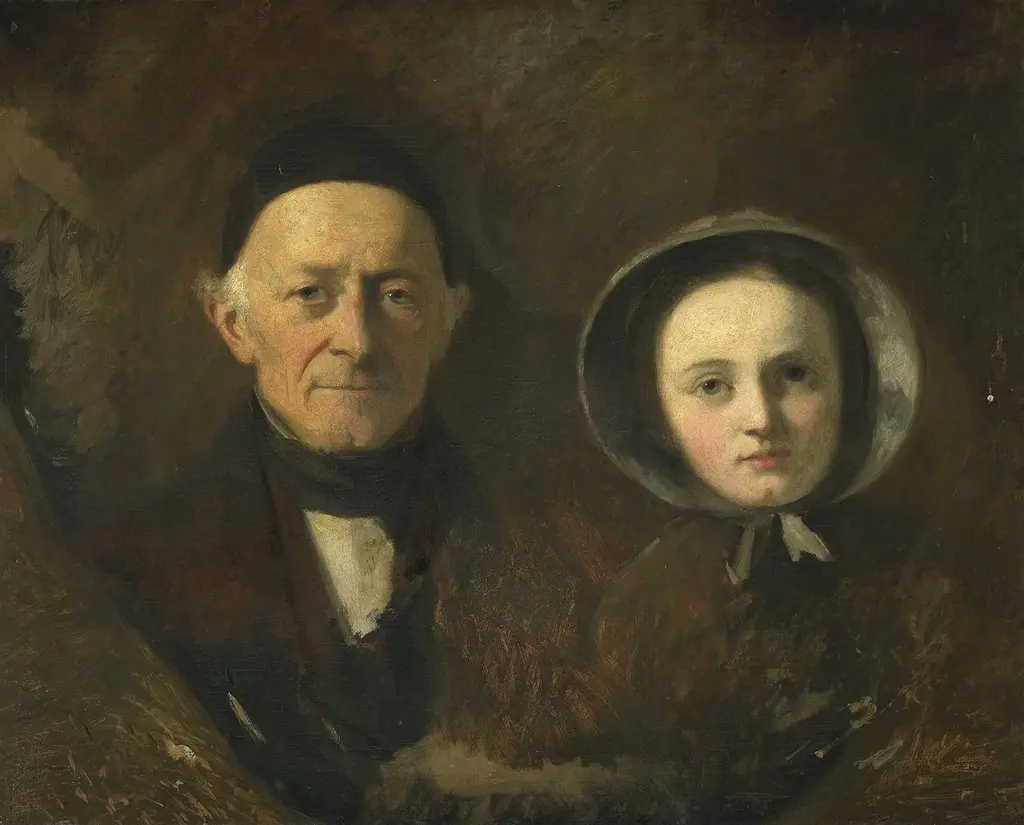 Portrait of Johann Joseph Hermann (1782-1857), father-in law of the artist, with Ida Schwartze, the artist's oldest daughter
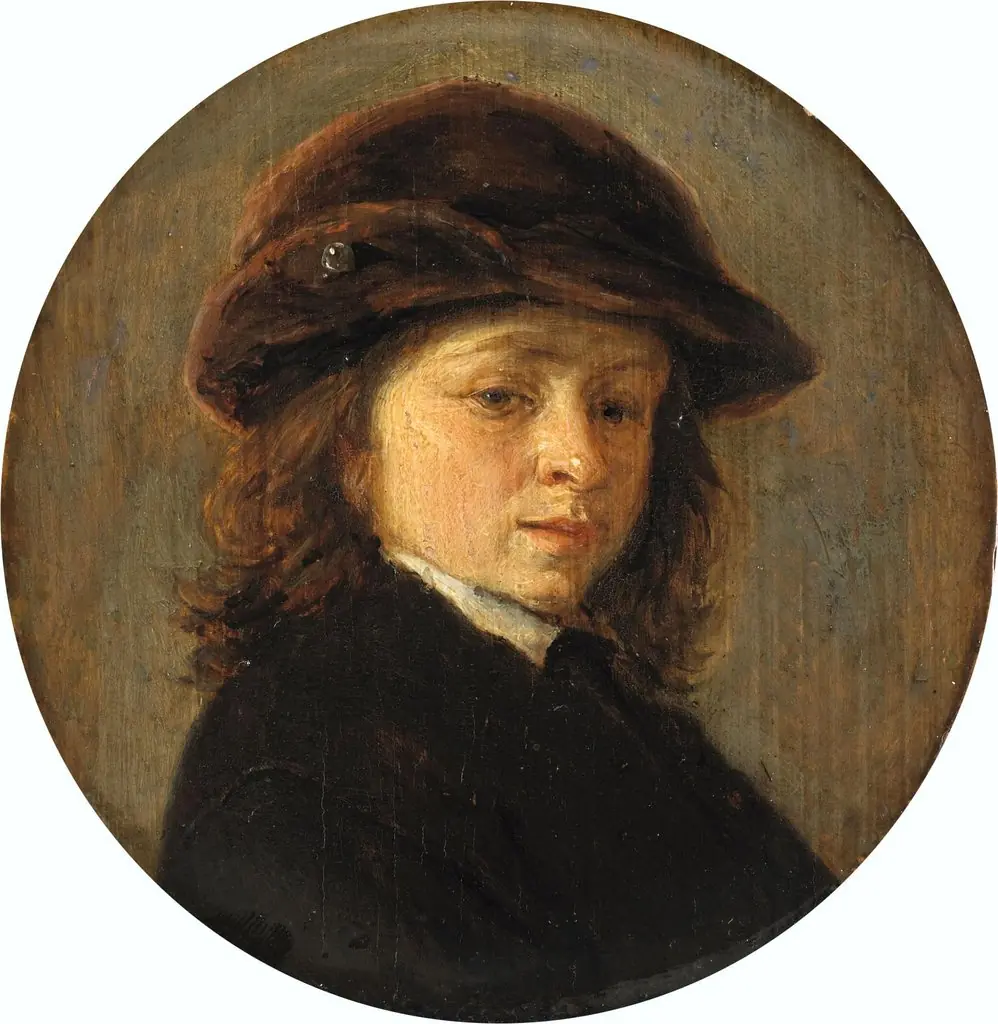 Portrait of a boy
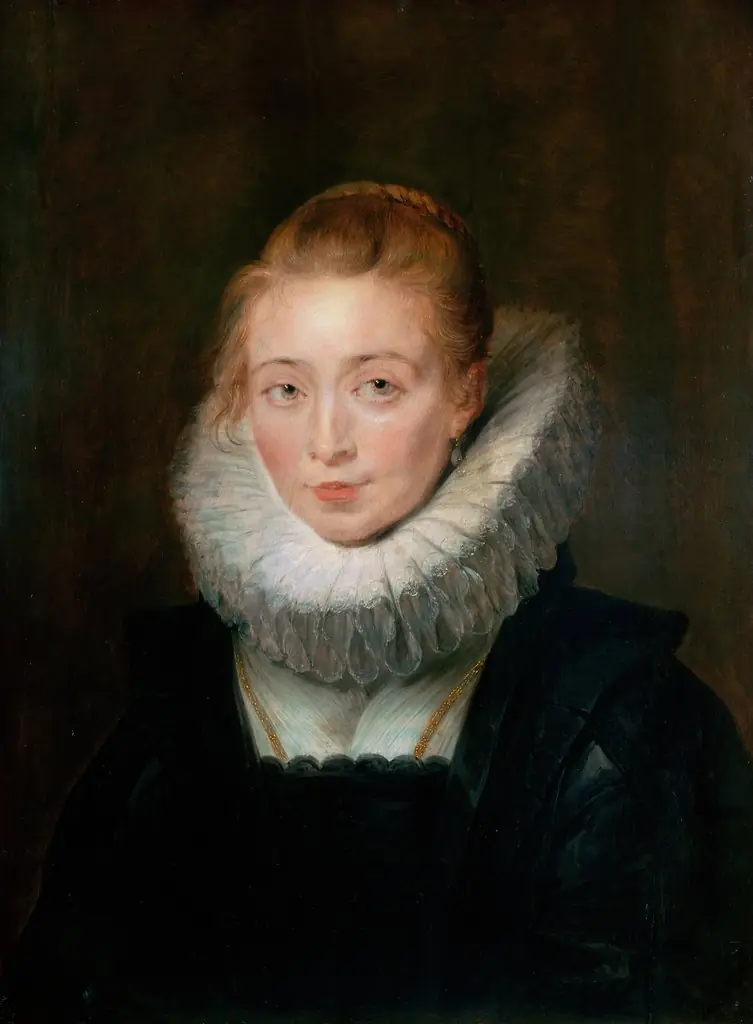 Portrait of Lady-in-Waiting to the Infanta Isabella
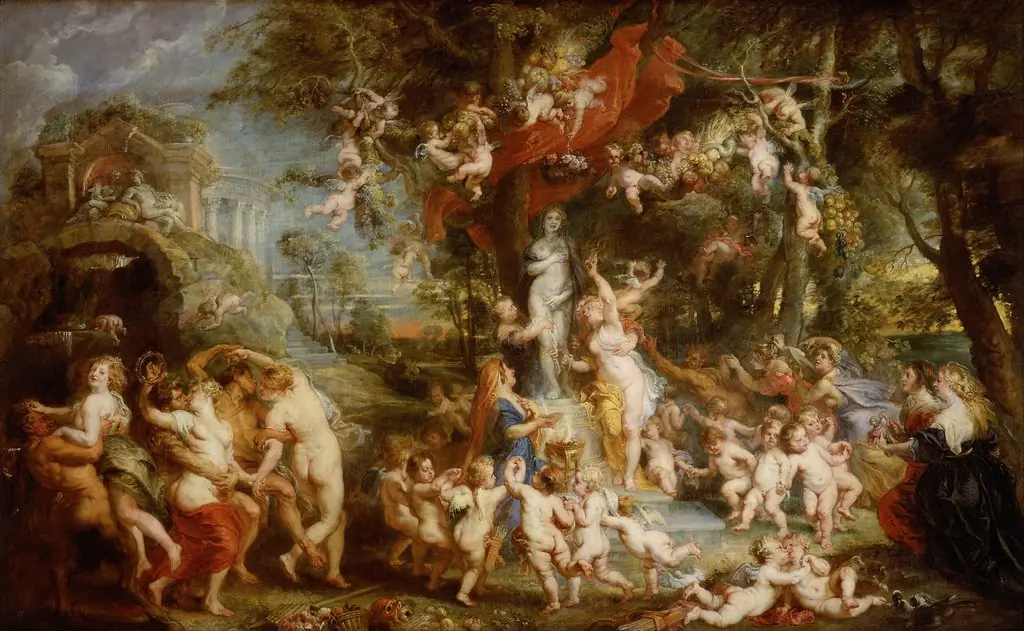 The Feast of Venus
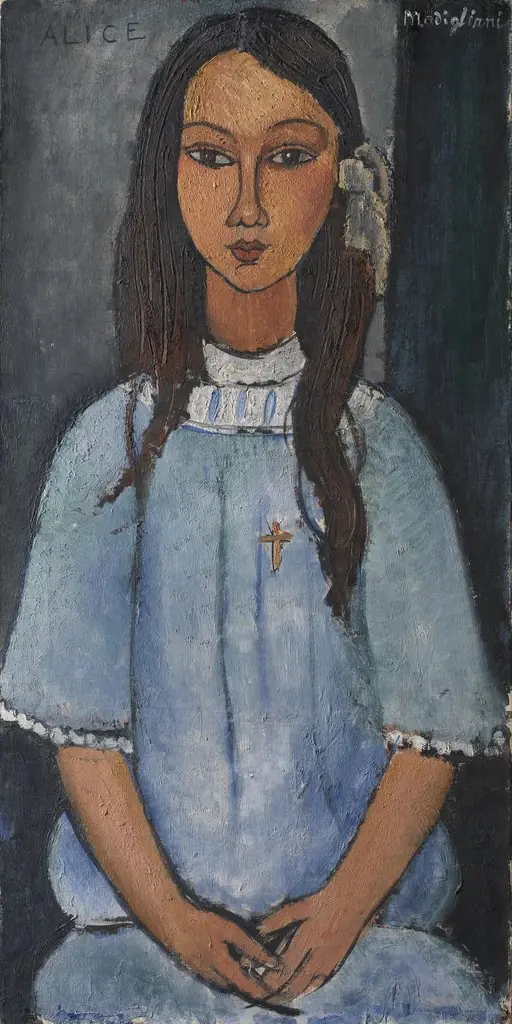 Alice
Alice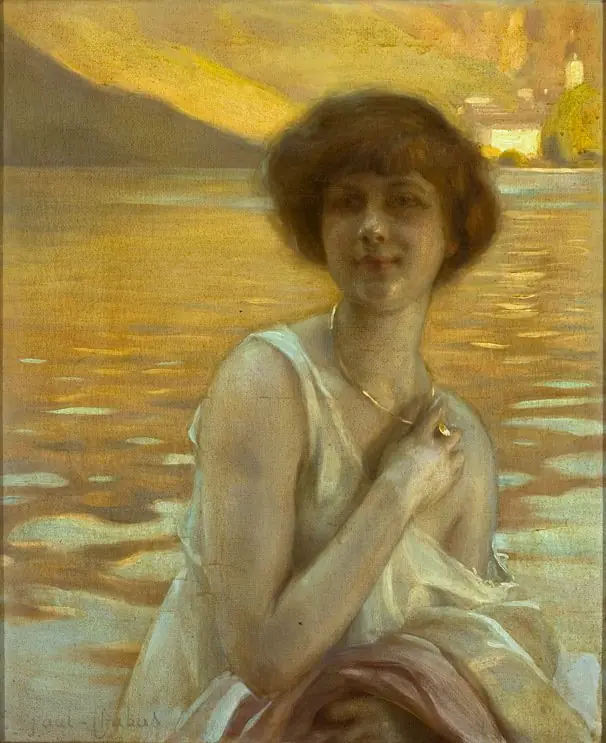 Portrait of a Lady
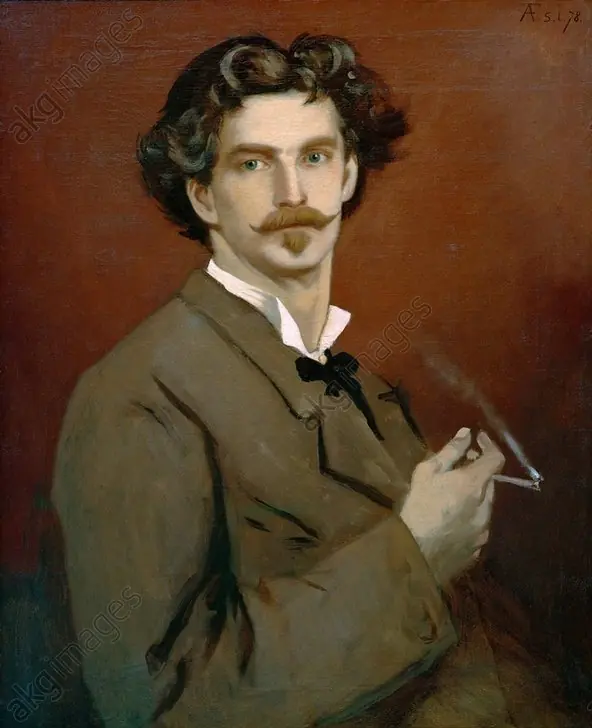 Selfportrait
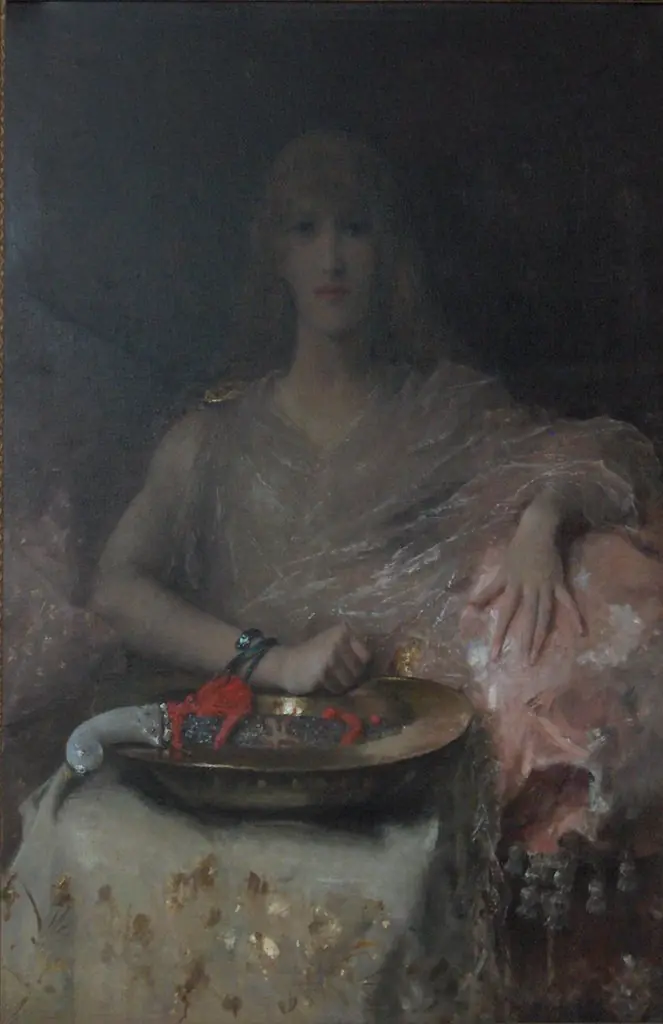 Salomé
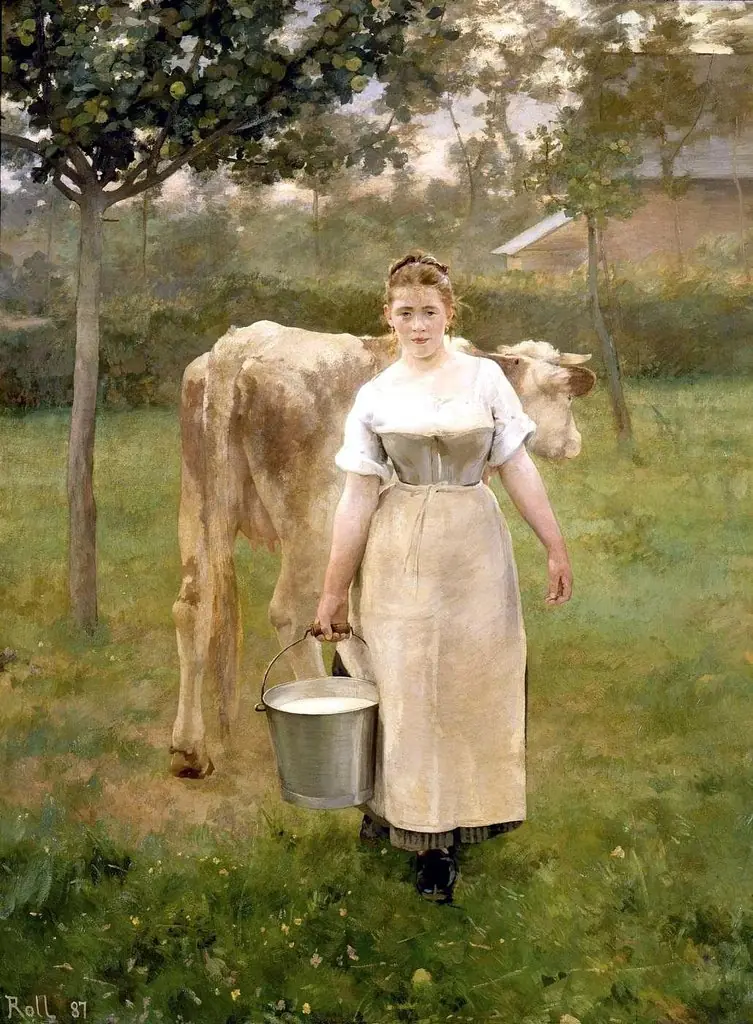 Manda Lamétrie, fermière
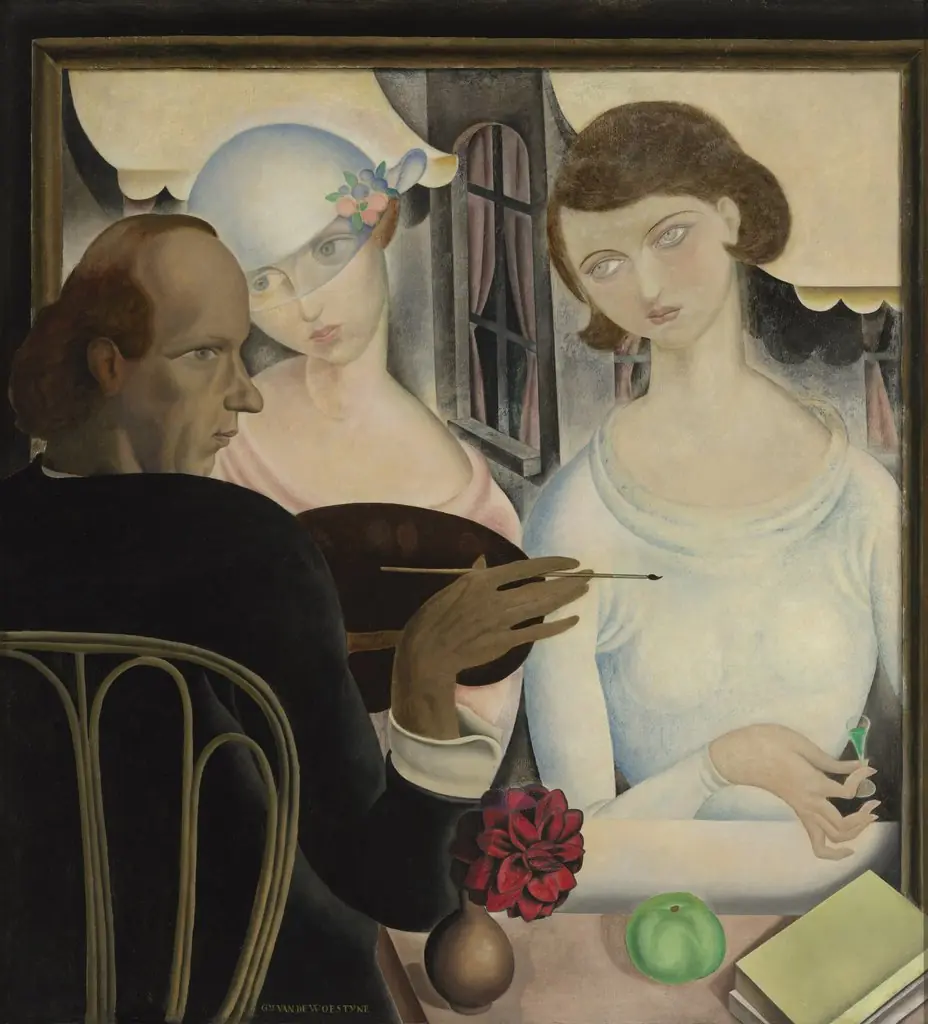 The Liqueur Drinkers
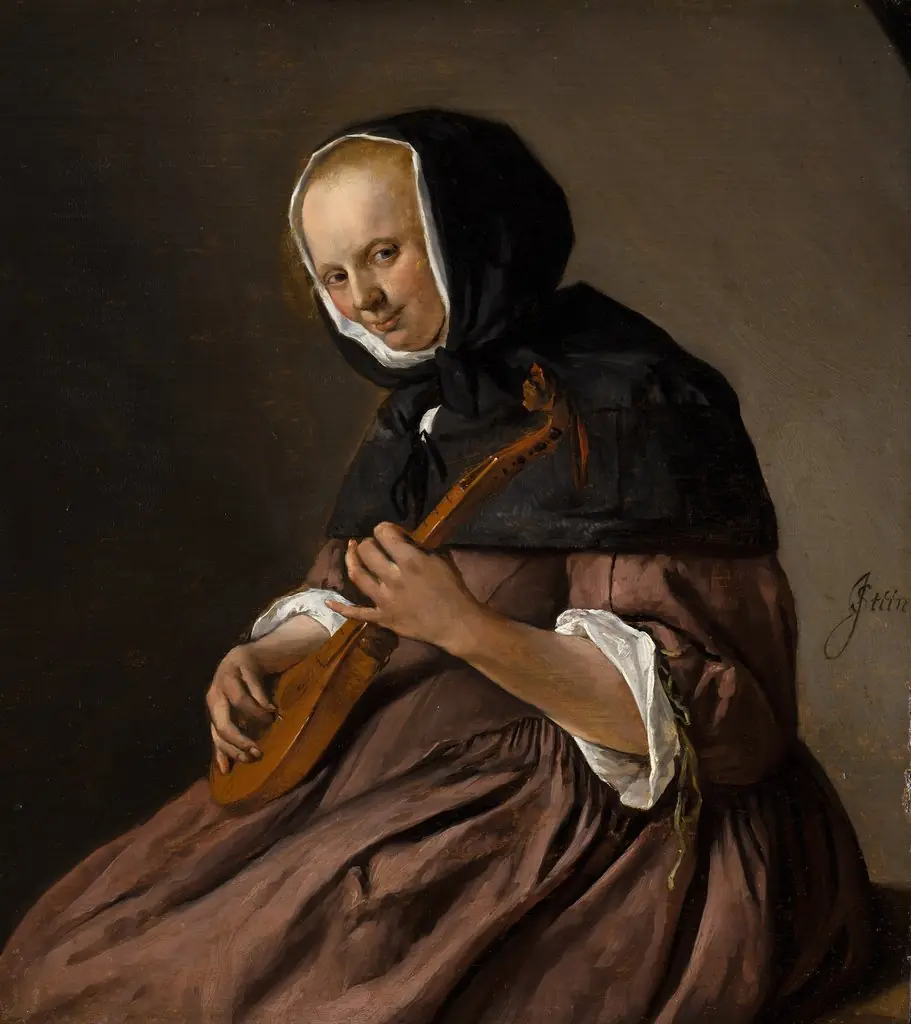 Woman Playing the Sistrum
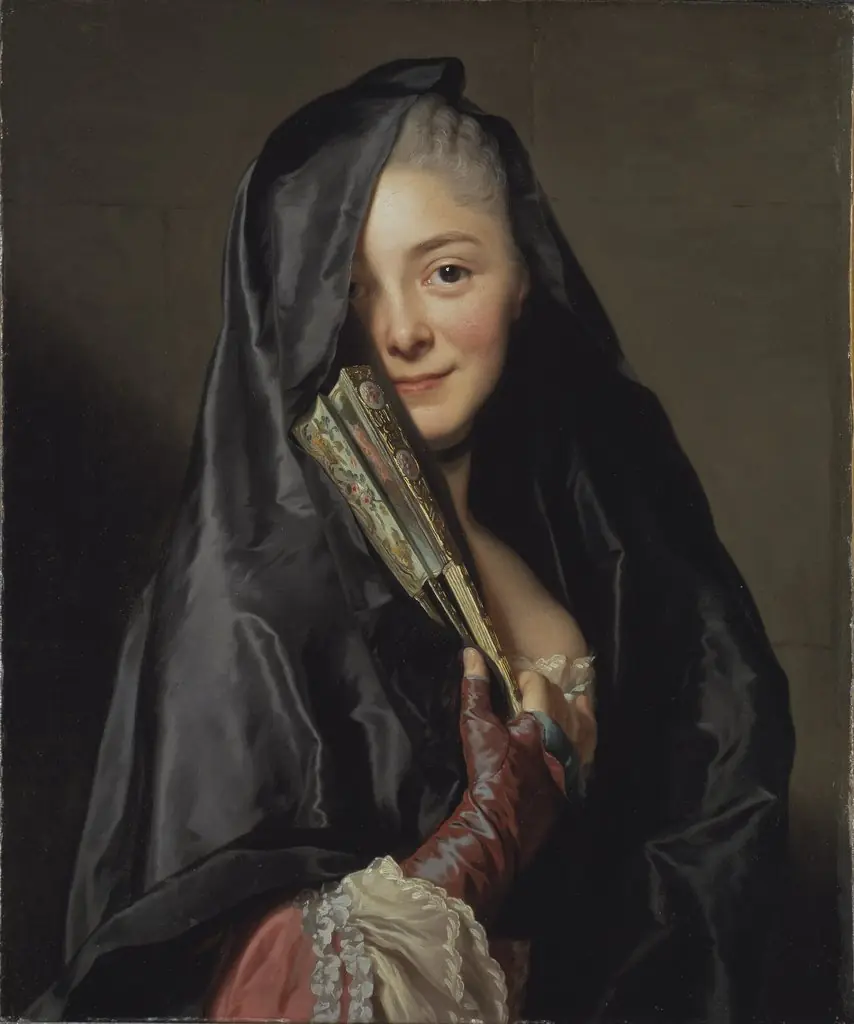 The Lady with a Fan, The Artist's Wife
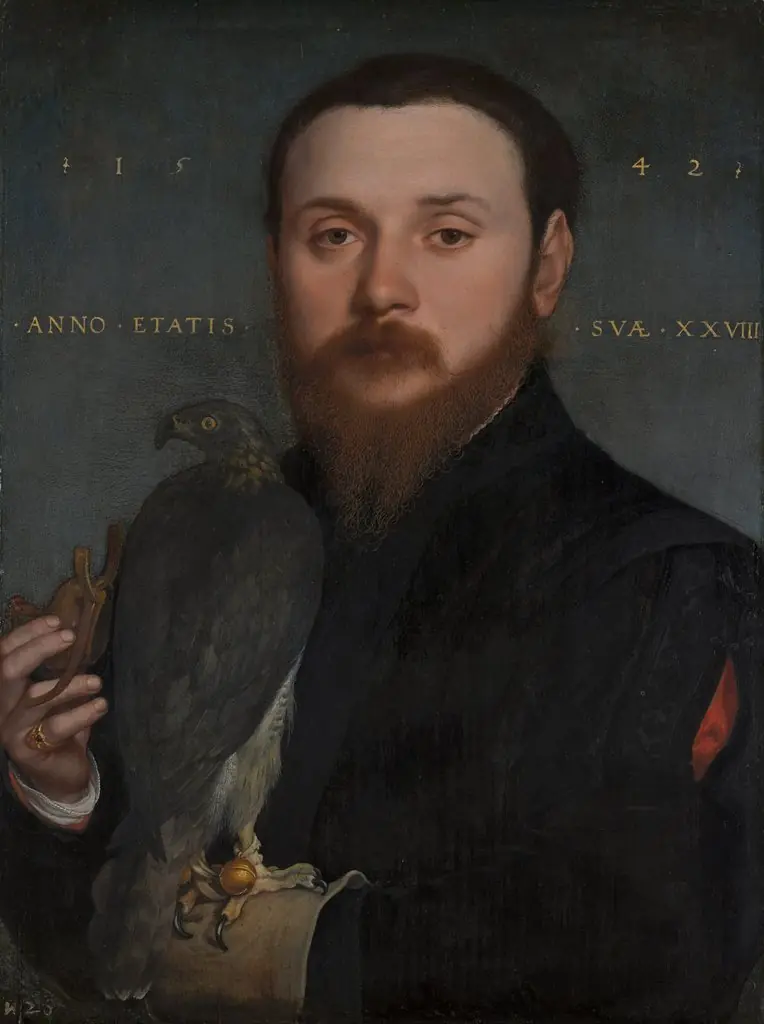 Portrait of a Nobleman with a Hawk
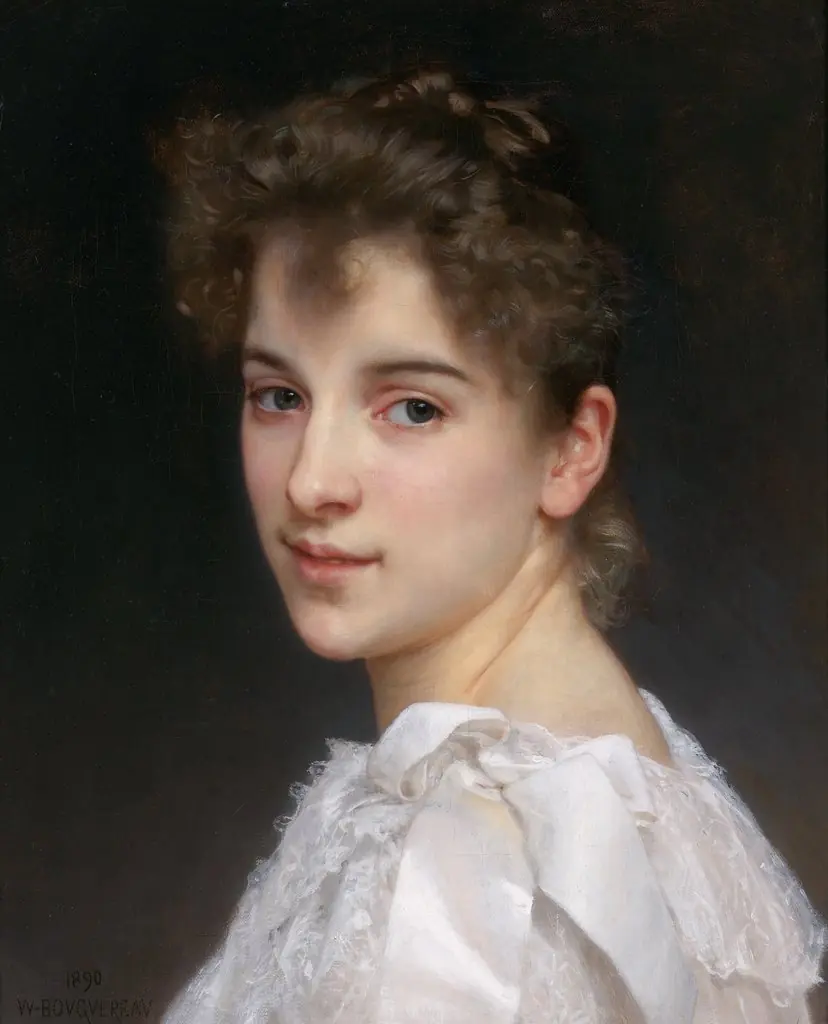 Gabrielle Cot
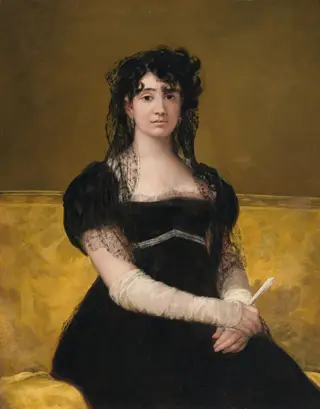 Portrait of Doña Antonia Zárate
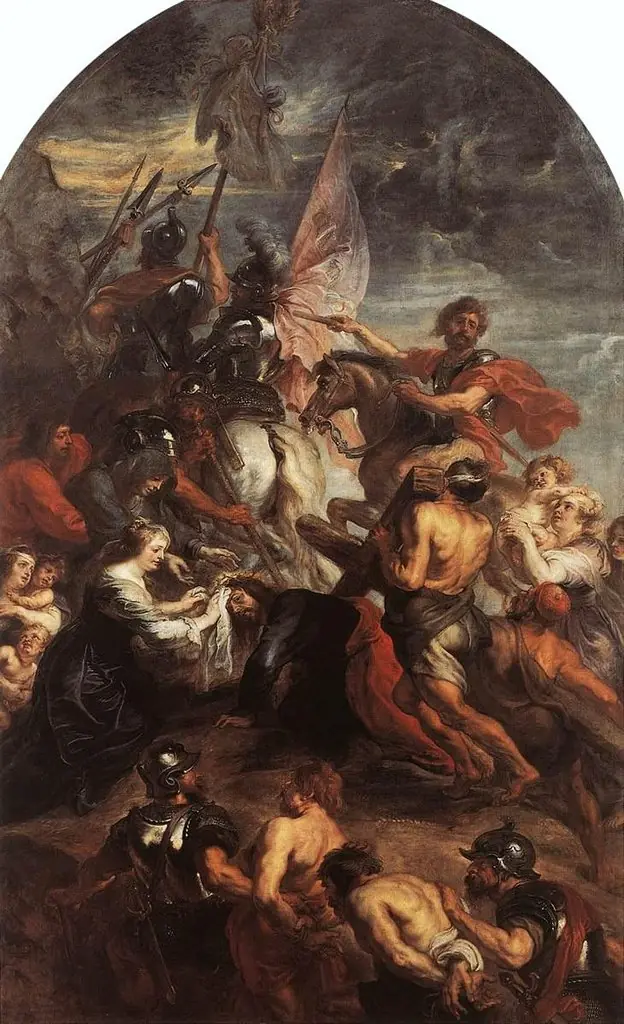 The Road to Calvary
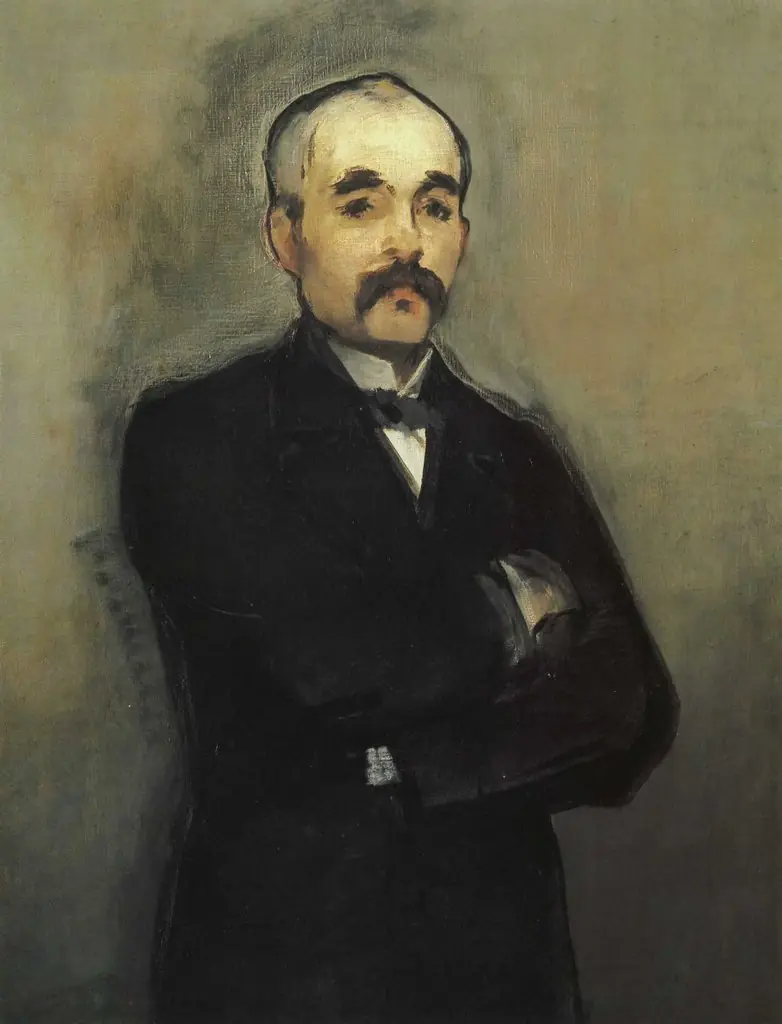 Portrait of Georges Clemenceau
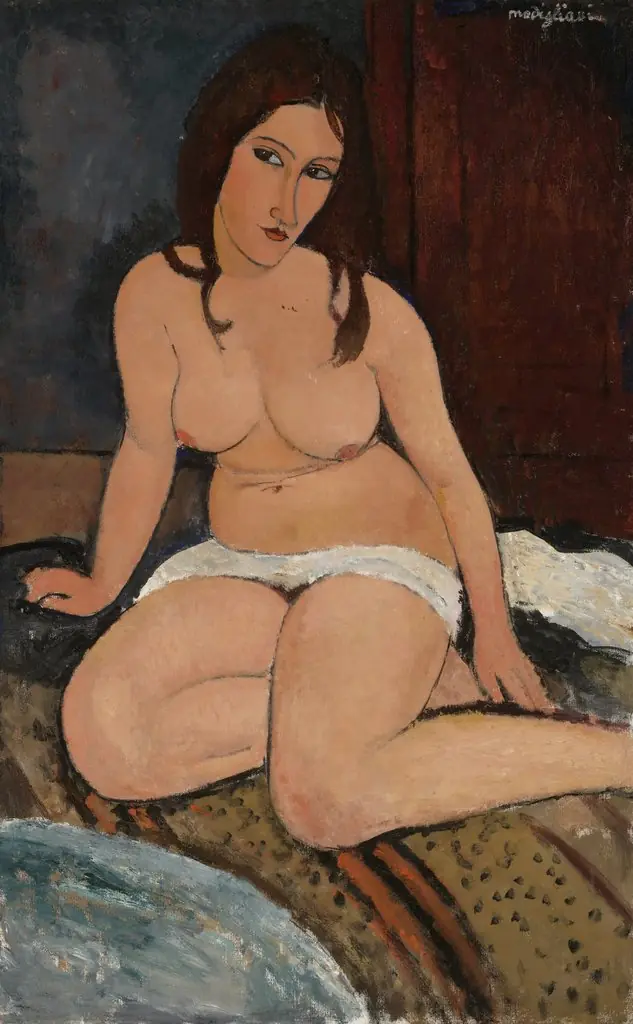 Seated Nude
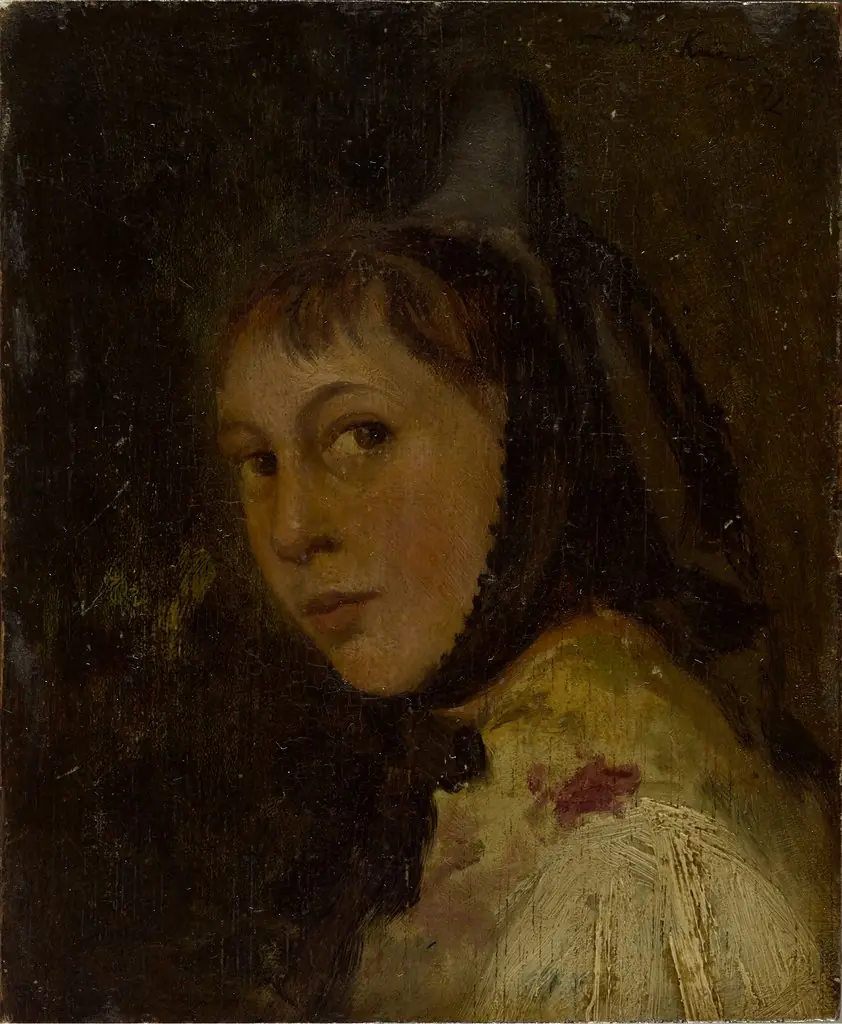 Head of a Peasant Woman
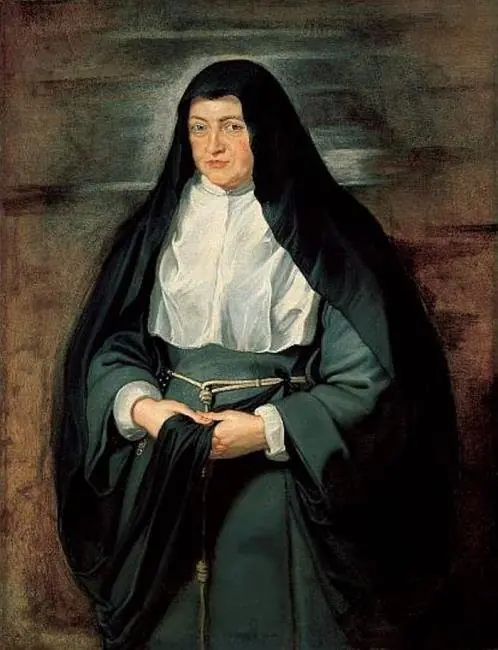 Portrait of Archduchess Isabella Clara Eugenia, Spanish Regent of the Low Countries, as a Nun
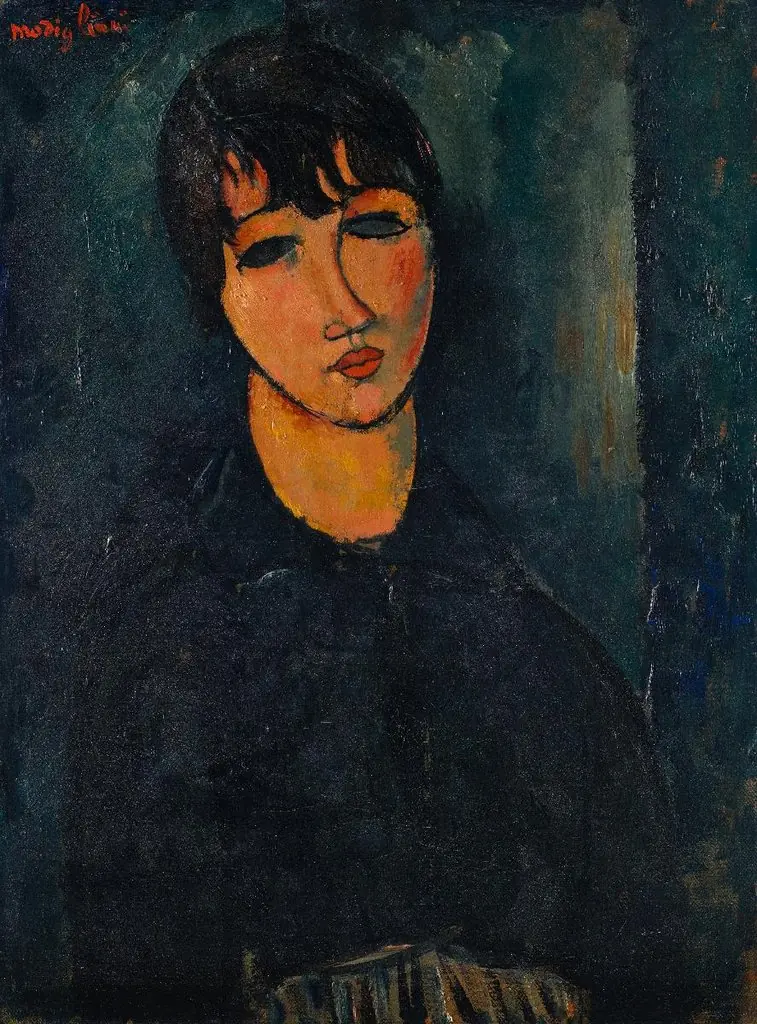 The Waitress
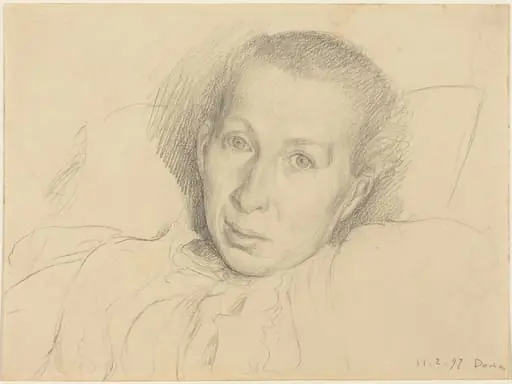 The Artist's Sister, Marie von Kalckreuth
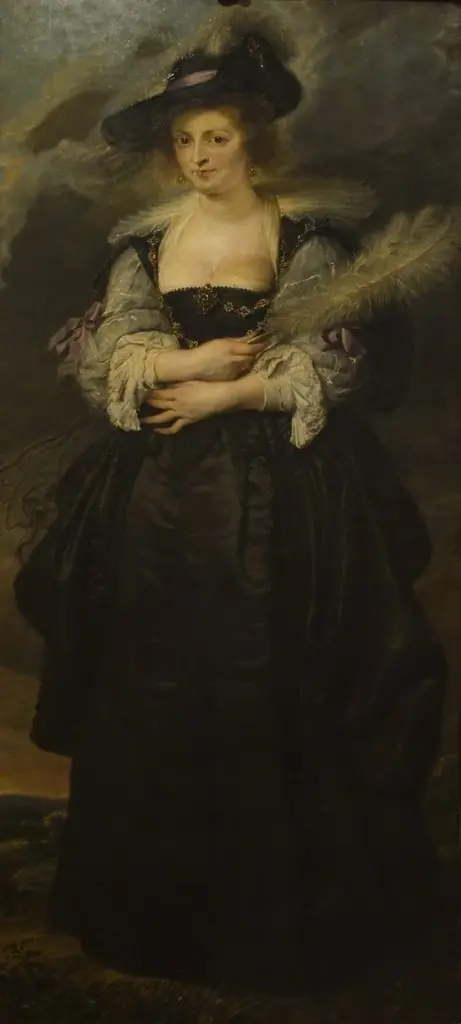 Portrait of Helena Fourment
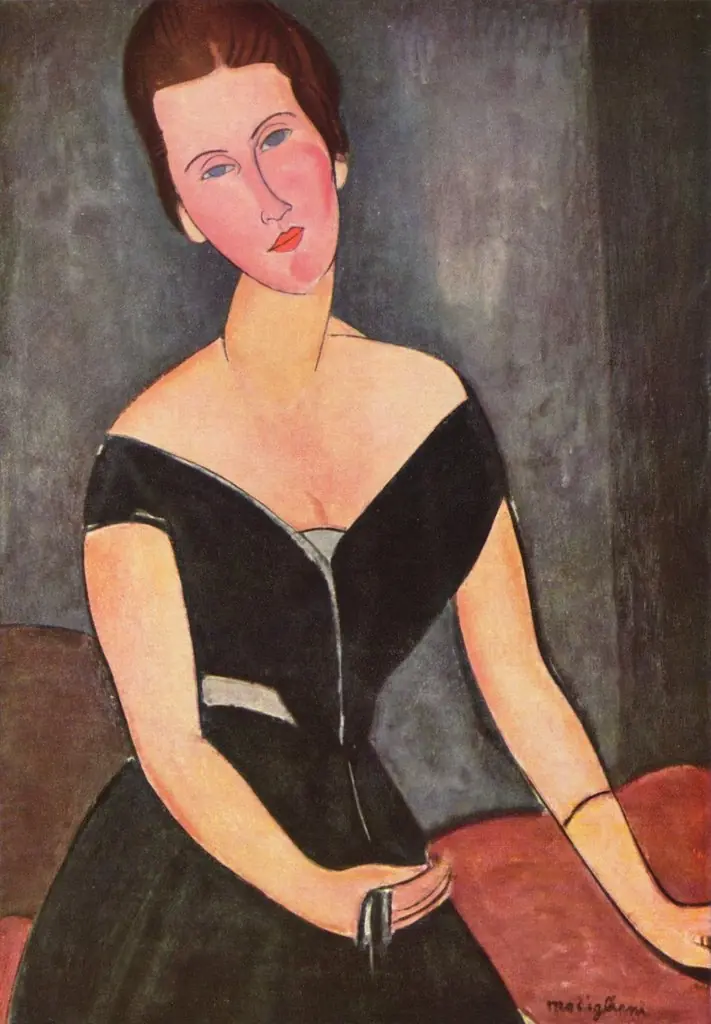 Portrait of Madame Cécile Van Muyden
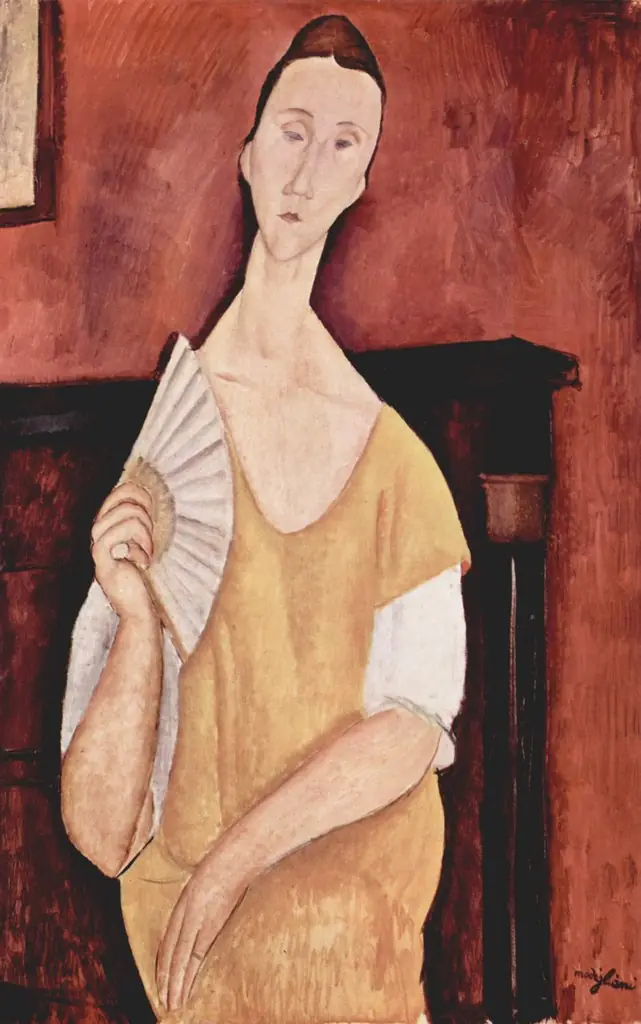 Ritratto di Lunia Czechowska con ventaglio
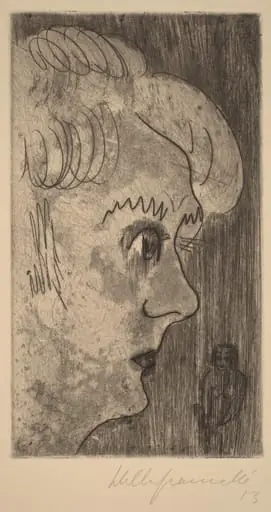 Head in Profile
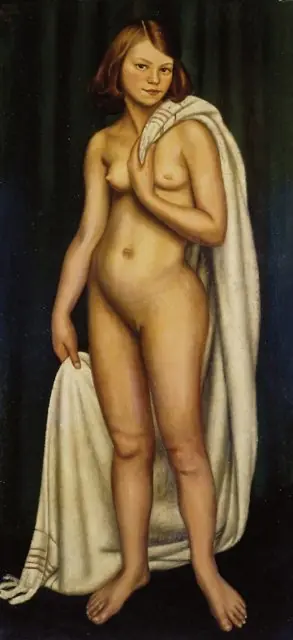 Young Girlhood, No. 2
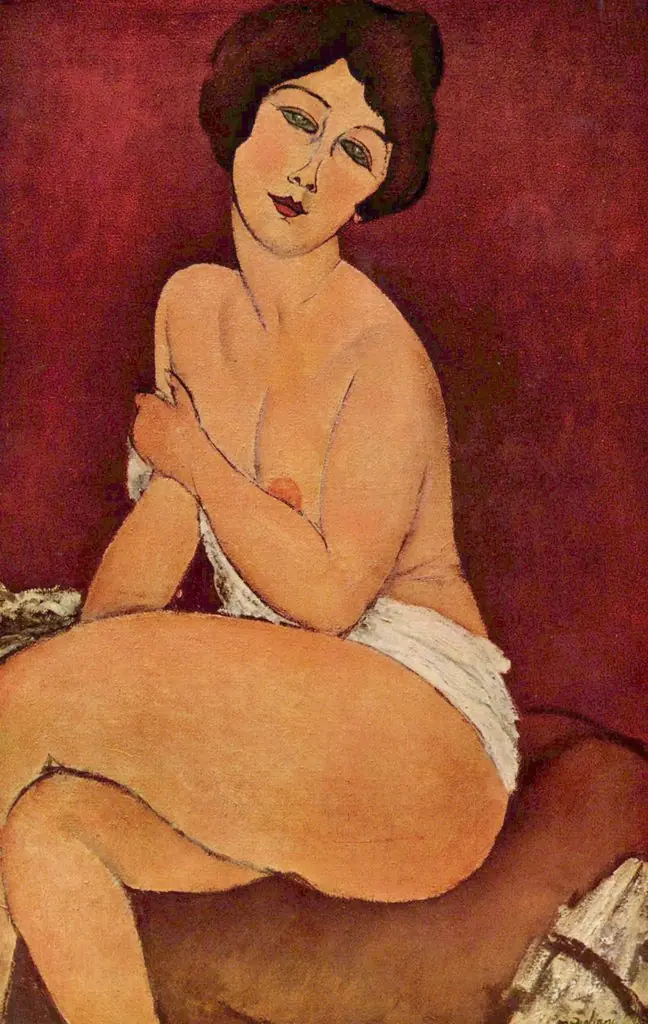 Nude Sitting on a Divan
 Untitled
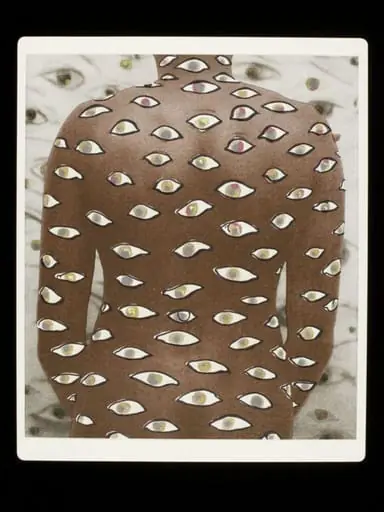 Untitled
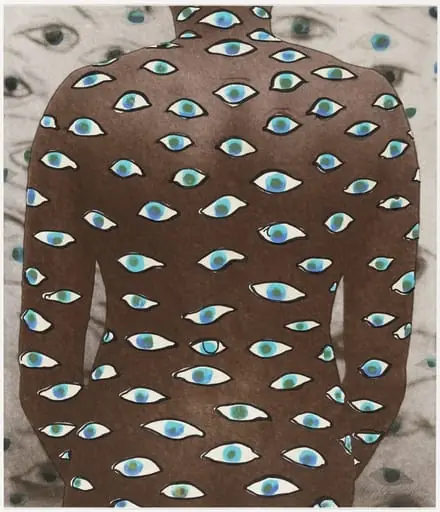 Untitled
Frequently asked questions
What is Gaze Towards the Viewer?
Gaze Towards the Viewer is a subject in art. sometimes-distinguishing characteristic of portraiture
How many Gaze Towards the Viewer works does Artifact World Gallery have?
Artifact World Gallery holds 81 public-domain Gaze Towards the Viewer works, all free to view and download.
Who are the key Gaze Towards the Viewer artists?
Key Gaze Towards the Viewer artists in the collection include Titian, Jean Baptiste Camille Corot and Édouard Manet.
Where can I see Gaze Towards the Viewer works?
Gaze Towards the Viewer works in the collection are held by Rijksmuseum, National Gallery of Art and Kunsthistorisches Museum.