Subject
Holy Family
Holy Family is a subject in art. The gallery holds 200 works in this subject in art, including works by Titian, Paolo Veronese and Raphael.
The Holy Family—the Child Jesus, the Virgin Mary, and Saint Joseph—is one of the most enduring subjects in Christian art, yet it emerged comparatively late. The Gospels say almost nothing about Jesus's domestic years before his public ministry, so for much of the Middle Ages the family appeared only obliquely, folded into scenes of the Nativity or the Flight into Egypt. The group portrait as such became popular only from the 1490s onward, flourishing in the early sixteenth century in both Italian Renaissance painting and Netherlandish art. Its rise was bound up with a new devotion to Saint Joseph, who in earlier centuries had often been treated as a comic, elderly figure dozing in the corner of Nativity scenes; fifteenth-century confraternities dedicated to him helped recast him as an alert, protective father taking an active role in the household.
Visually, the subject favours intimacy and tender human interaction over hieratic distance. Artists arranged the three figures—frequently joined by the infant Saint John the Baptist or Saint Anne in the related Holy Kinship—in tightly knit, often pyramidal or circular compositions that emphasised gesture, gaze, and physical closeness. Michelangelo's Doni Tondo (c. 1503–06, Uffizi), commissioned by Agnolo Doni to mark his marriage to Maddalena Strozzi, epitomises the type: Mary twists in a powerful spiral to take the Child from Joseph, the coiled movement drawn from antique sculpture and laying groundwork for Mannerism.
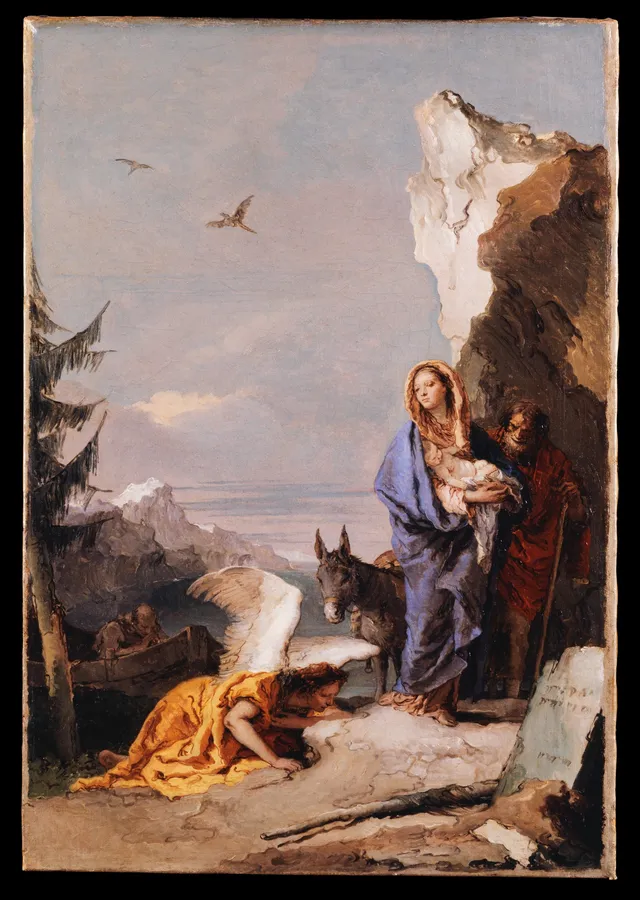
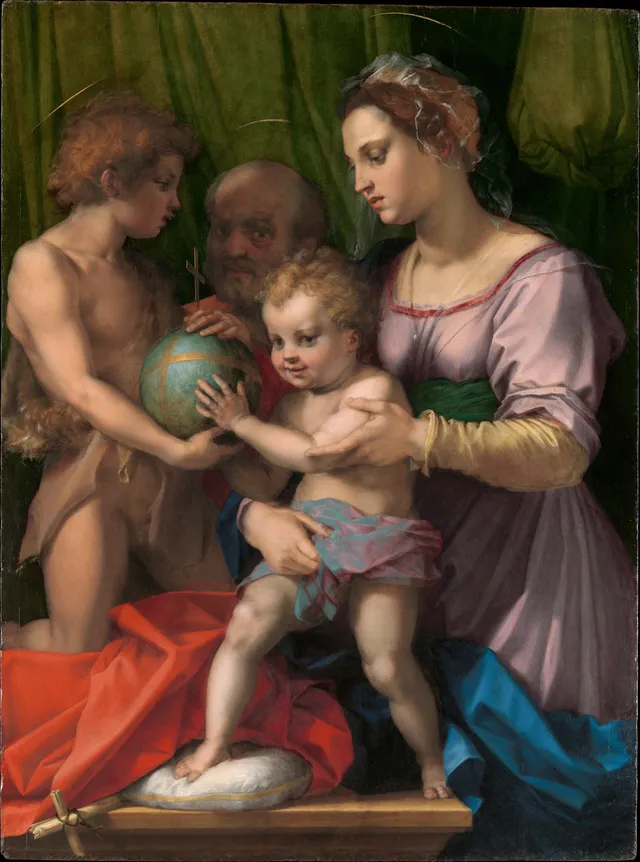
The greatest masters returned to the theme repeatedly. Raphael produced numerous Holy Families, including the monumental Holy Family of Francis I; Andrea del Sarto, called "the painter without defects," painted the Borgherini Holy Family with the Young Saint John the Baptist (c. 1528, Metropolitan Museum); and Andrea Mantegna, El Greco, and the Netherlandish Joos van Cleve each gave the subject distinctive interpretations. The motif persisted into the Baroque and beyond, with Murillo, Rembrandt, and—in the eighteenth century—Giovanni Battista Tiepolo treating the Flight into Egypt with fresh atmospheric drama.
Devotion to the Holy Family was formally instituted in the seventeenth century: Saint François de Laval, first bishop of New France, founded a Confraternity of the Holy Family at Québec around 1665, making the colony the first to have a proper Office of the Holy Family before the cult spread through France, Belgium, and the wider Catholic world. The subject remains a touchstone of devotional art, closely allied to the Madonna and Child and the Holy Kinship traditions.
Key artists
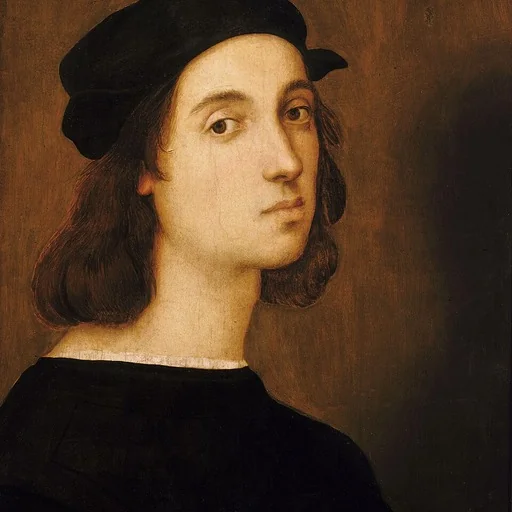
Overview
The Holy Family is a Christian subject consisting of the Child Jesus, the Blessed Virgin Mary, and Saint Joseph. The group became a popular subject in Christian art from the 1490s onward, emerging alongside a broader devotional interest in Saint Joseph. While the Gospels provide limited information about the life of Jesus, Mary, and Joseph before Jesus' public ministry, they do narrate key episodes such as the flight to Egypt, the return to Nazareth, and the finding in the Temple. Formal veneration of the Holy Family began in the seventeenth century when Saint François de Laval, the first bishop of New France, founded a confraternity dedicated to the group in 1665. This devotional practice later expanded significantly within the Catholic Church, particularly in the nineteenth century under the promotion of Pope Leo XIII, who sought to present the Holy Family as a model for Christian family life.
Iconography & meaning
In art, the Holy Family motif typically centers on devotional images intended for private homes, often deriving from Nativity scenes or the Rest on the Flight into Egypt by removing event-specific elements like the ox and ass to focus on the three principal figures. Alternatively, compositions grew out of traditional Madonna and Child representations with the addition of Saint Joseph. In the fourteenth and fifteenth centuries, a stark visual contrast existed between Mary and Joseph. Mary was depicted as a young, elegant woman reflecting contemporary beauty ideals, while Joseph appeared as an older, weary man leaning on a walking stick. This aged depiction emphasized his sexual inactivity, thereby underscoring the doctrine of Mary's perpetual virginity. During the Renaissance, this iconography shifted, and Joseph was increasingly portrayed as a younger, energetic figure taking an active role in parenting. Extended variants sometimes include Jesus's cousin, Saint John the Baptist, and his mother, Saint Elizabeth, or Mary's mother, Saint Anne. A specific Counter-Reformation image known as the Holy Walk emerged in the early seventeenth century, depicting the family walking with the Christ Child between Mary and Joseph, symbolizing the journey of life and encouraging obedience and Christian conduct. Depictions of the domestic life of the family, often featuring a carpenter's workshop and a spinning wheel, are designated as the House of Nazareth, while the broader extended family is known as the Holy Kinship.
Across movements & periods
The treatment of the Holy Family evolved significantly from the late Middle Ages through the Renaissance and into the Baroque period. In the later Middle Ages, Joseph was often reduced to a comic figure whose advanced age was emphasized, frequently shown asleep in Nativity scenes. The fifteenth century witnessed revived devotional interest through confraternities dedicated to Joseph, leading to his more active and awake portrayal. The subject gained widespread popularity in the early sixteenth century across Italian Renaissance painting and Dutch and Flemish Renaissance painting. Early compositions frequently showed the figures close-up, filling the picture space. By the High Renaissance, Italian paintings of the Holy Family commonly adopted a horizontal format. The Counter-Reformation of the early seventeenth century introduced the Holy Walk type, emphasizing the family as a model of piety and obedience. In the nineteenth century, the mass production of statues, mostly industrial, spread throughout Catholic Central Europe, depicting Joseph with a lily and the family in rich garments, coinciding with the peak of devotional promotion by the papacy.
Notable depictions
Among early Italian depictions, Luca Signorelli painted the Parte Guelfa Holy Family around 1490. Andrea Mantegna invented a tightly focused group composition in the late 1490s, painting several variants that included Saint John the Baptist and Saint Elizabeth, such as the version now in Dresden, often showing standing toddlers rather than newborns. High Renaissance examples include works by Antonio da Correggio, located in Pavia, Orleans, the Royal Collection, Los Angeles, and Mantua, and Domenico Beccafumi, with examples in Munich, the Galleria Palatina, and the Uffizi. Michelangelo created a tempera rendition around 1506, which hangs in the Uffizi in Florence. Giulio Romano painted versions now in the Prado and the Getty Center in Los Angeles. Lorenzo Lotto painted the subject multiple times, adding angels and saints to create variations of a sacra conversazione, including a Holy Family with Saint Catherine of Alexandria, one with Saint Jerome and Saint Anne, and another in the Louvre combining the families of Jesus and John the Baptist. In Northern Europe, prints from the 1490s by Albrecht Durer were among the early examples of the motif.
Legacy
The legacy of the Holy Family extends beyond painting into liturgical practice, architecture, and religious orders. The Feast of the Holy Family, authorized locally by Pope Leo XIII in 1893 and inserted into the General Roman Calendar by Pope Benedict XV in 1921, was repositioned to the Sunday within the Octave of Christmas following the 1969 liturgical revision. Architecturally, the nineteenth century saw numerous churches dedicated to the Holy Family across Europe, including those in Ghent, Antwerp, Deurne, Venlo, Rotterdam, Amsterdam, Berlin, and Hanover, with the Sagrada Familia in Barcelona remaining the most famous example. The devotion also led to the founding of numerous religious congregations in the nineteenth century, such as the Archconfraternity of the Holy Family in 1844, the Missionaries of the Holy Family, the Congregation of the Sons of the Holy Family, and the Sisters of the Holy Family of Helmet founded in Tielt in 1856. Lay movements followed, including the Communities of the Holy Family established in 1985. The concept also permeated broader cultural thought, referenced in the 1845 book by Karl Marx and Friedrich Engels, the anthropological frameworks of Claude Levi-Strauss, and the philosophical critiques of Gilles Deleuze and Felix Guattari.
Works
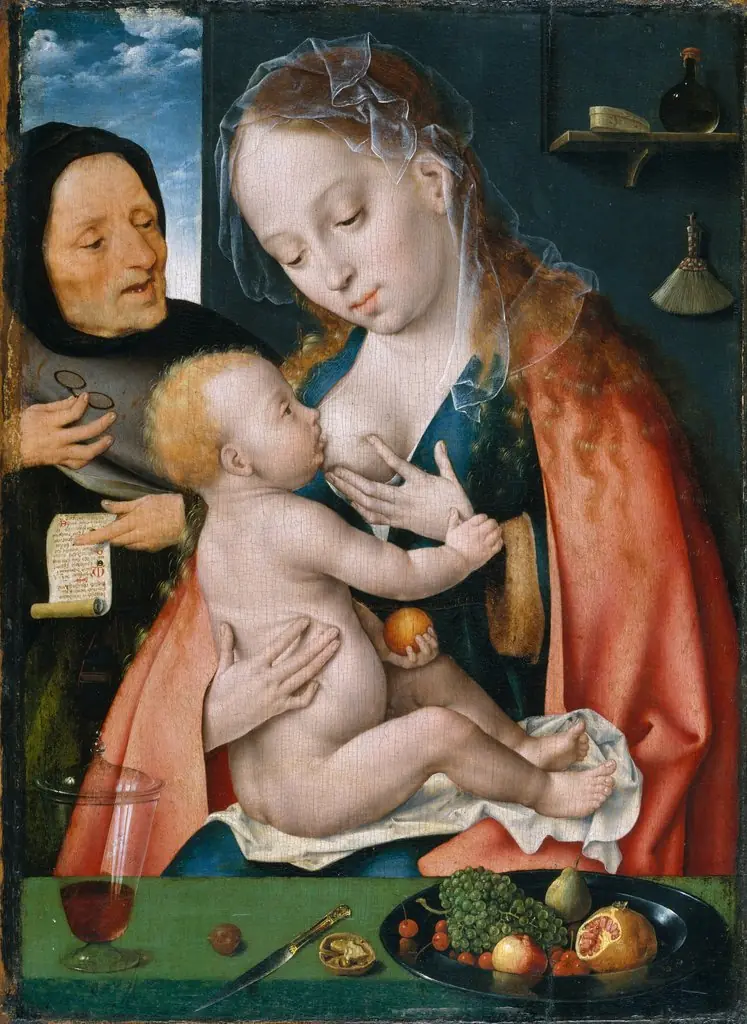 The Holy Family
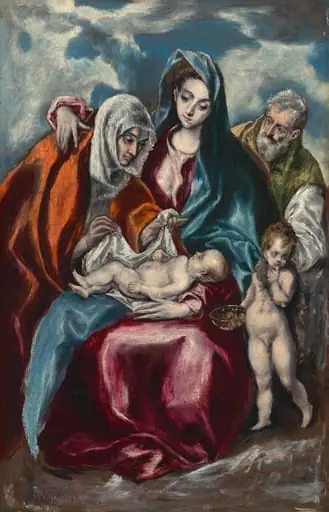 The Holy Family with Saint Anne and the Infant John the Baptist
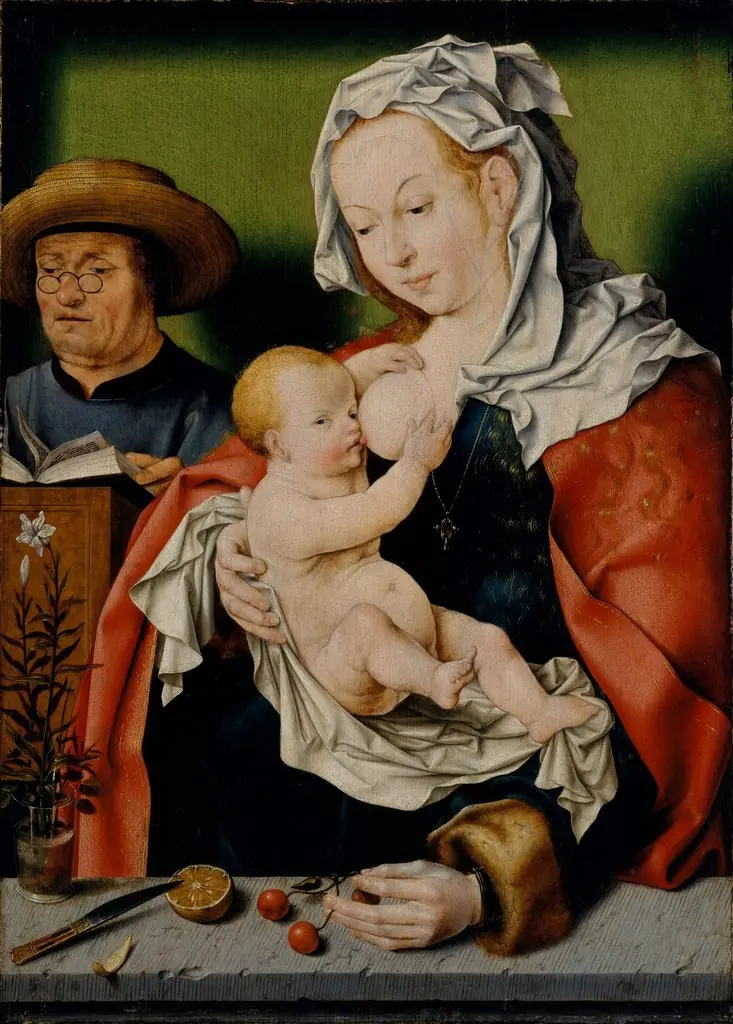 The Holy Family
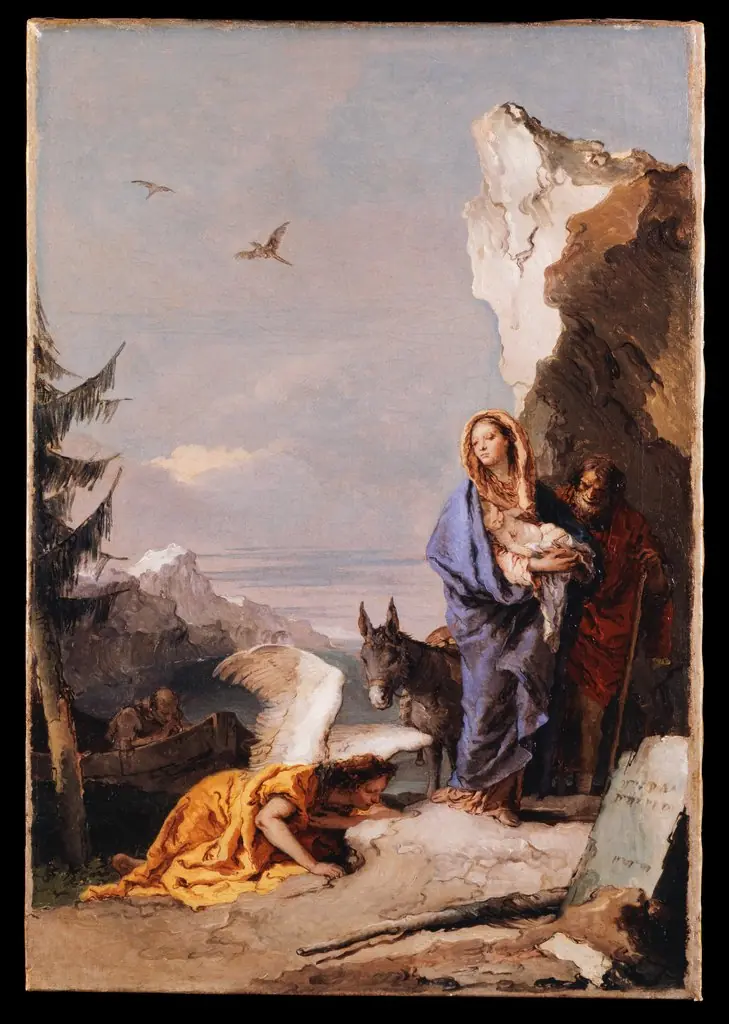 The Flight into Egypt
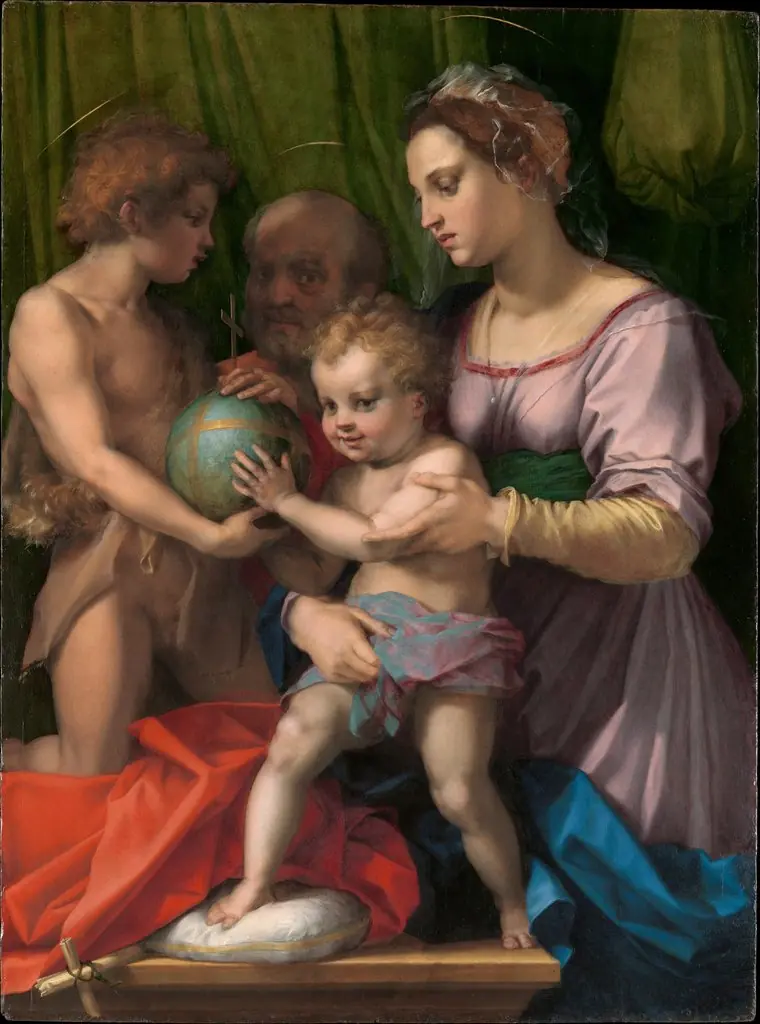 The Holy Family with the Young Saint John the Baptist
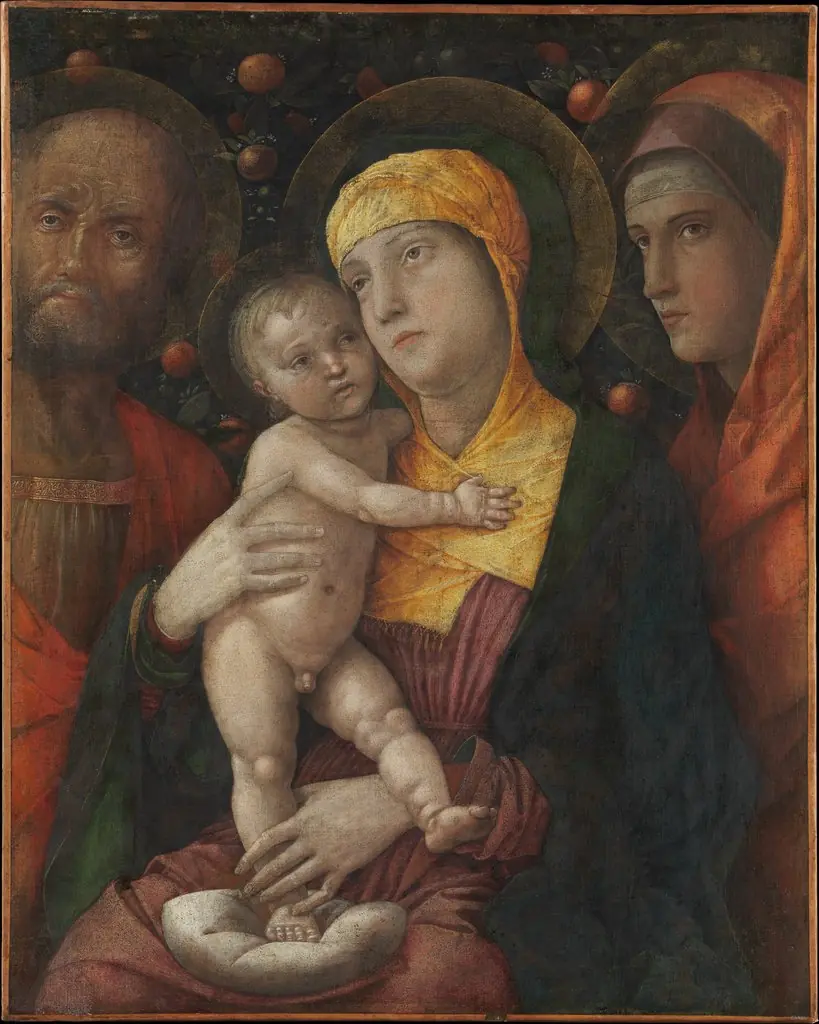 The Holy Family with Saint Mary Magdalen
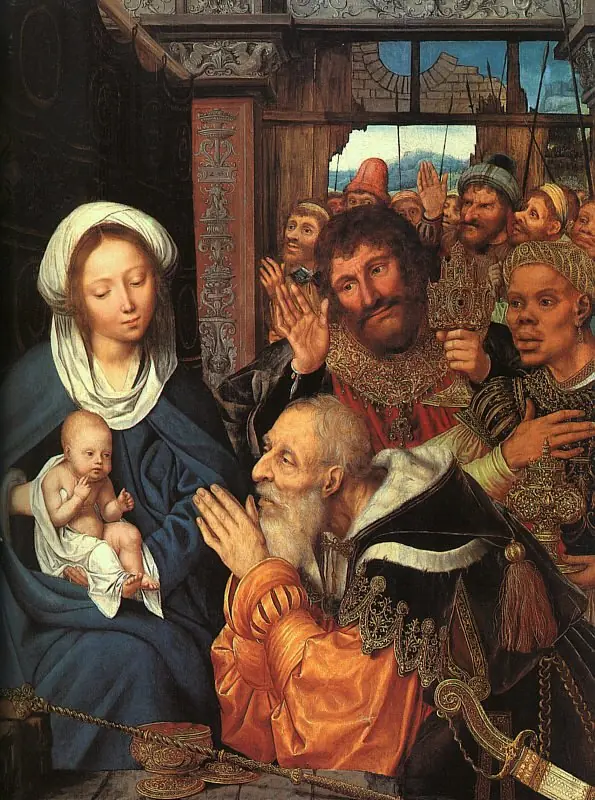 The Adoration of the Magi
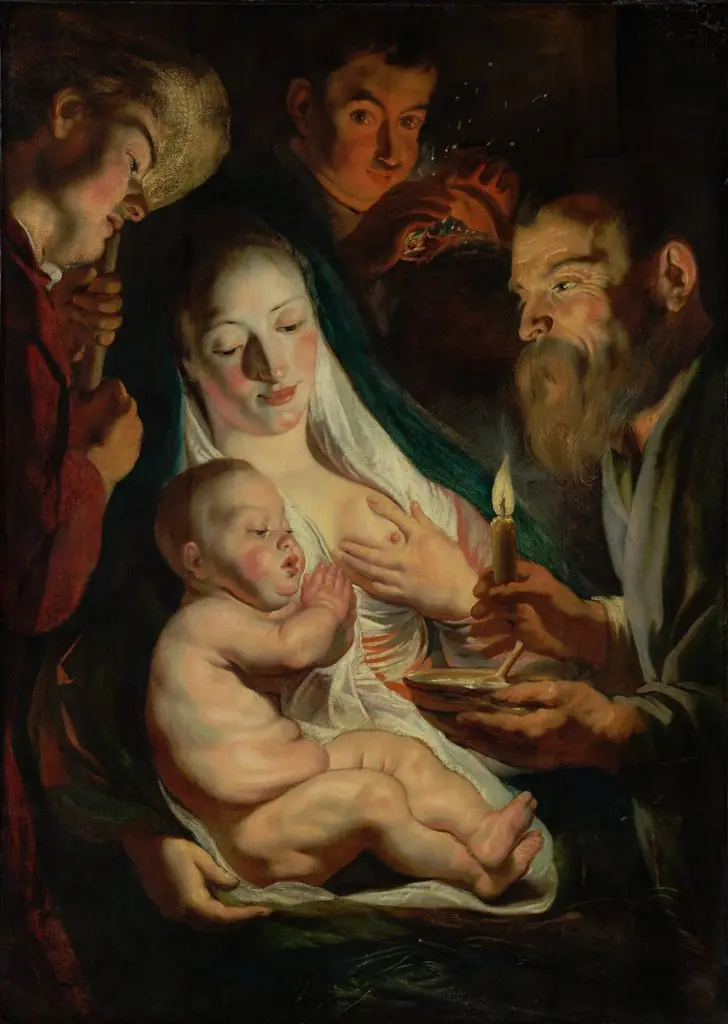 The Holy Family with Shepherds
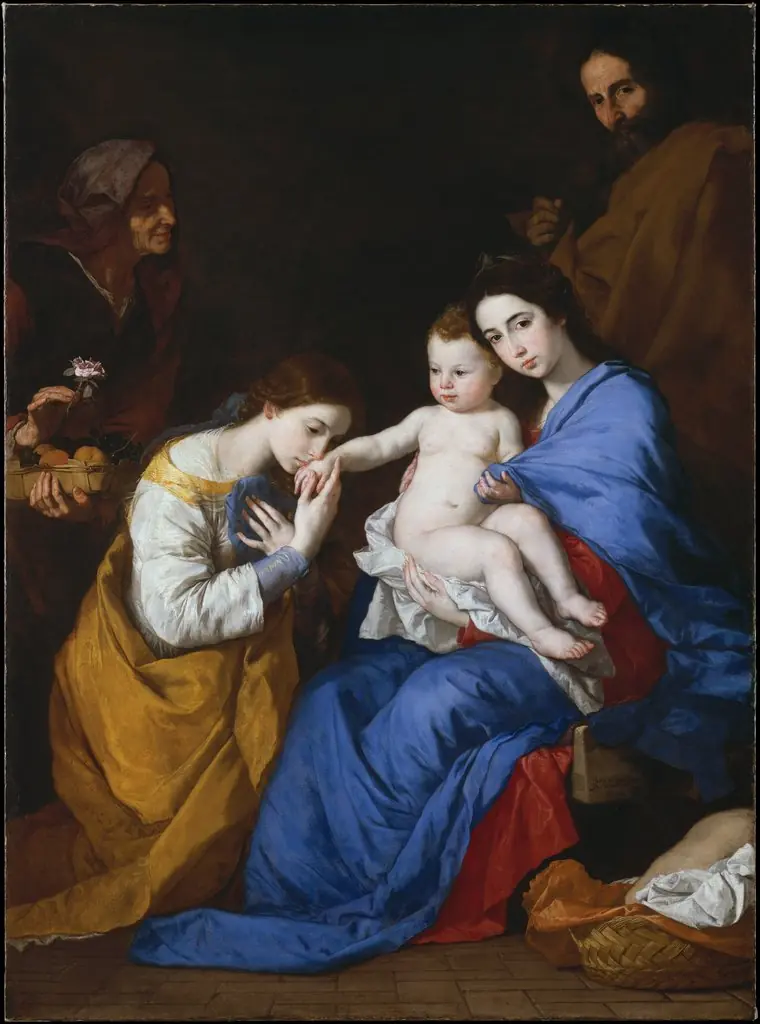 The Holy Family with Saints Anne and Catherine of Alexandria
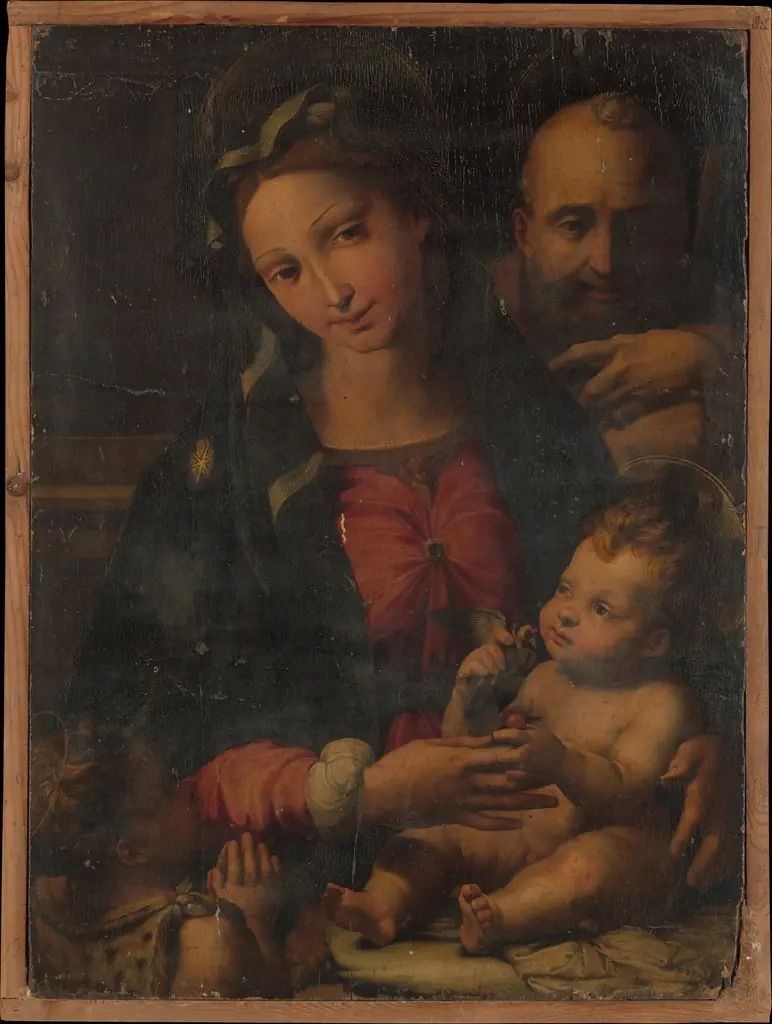 The Holy Family with the Infant Saint John the Baptist
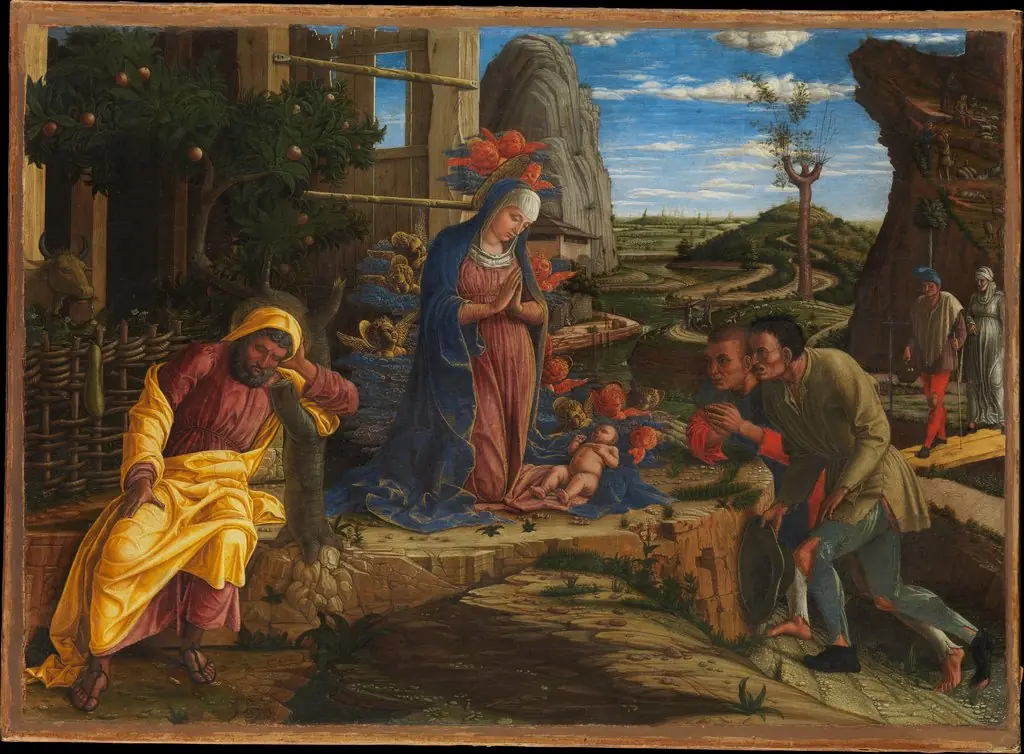 Adoration of the Shepherds
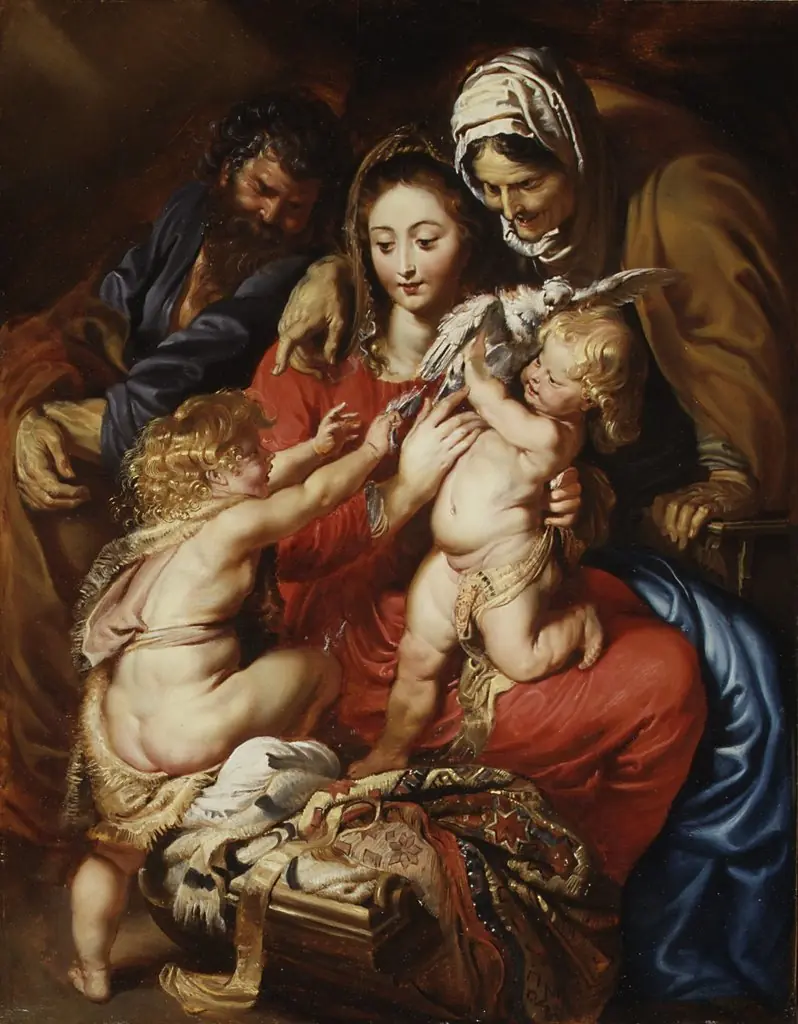 The Holy Family with Saint Elizabeth, Saint John, and a Dove
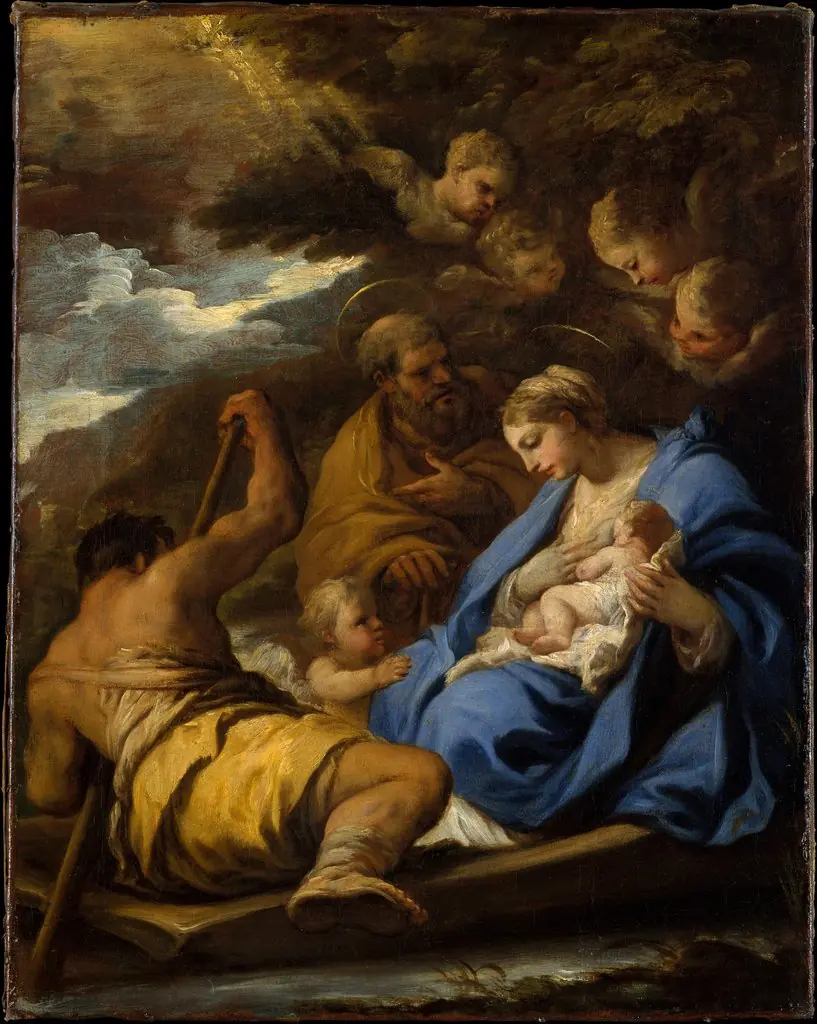 The Flight into Egypt
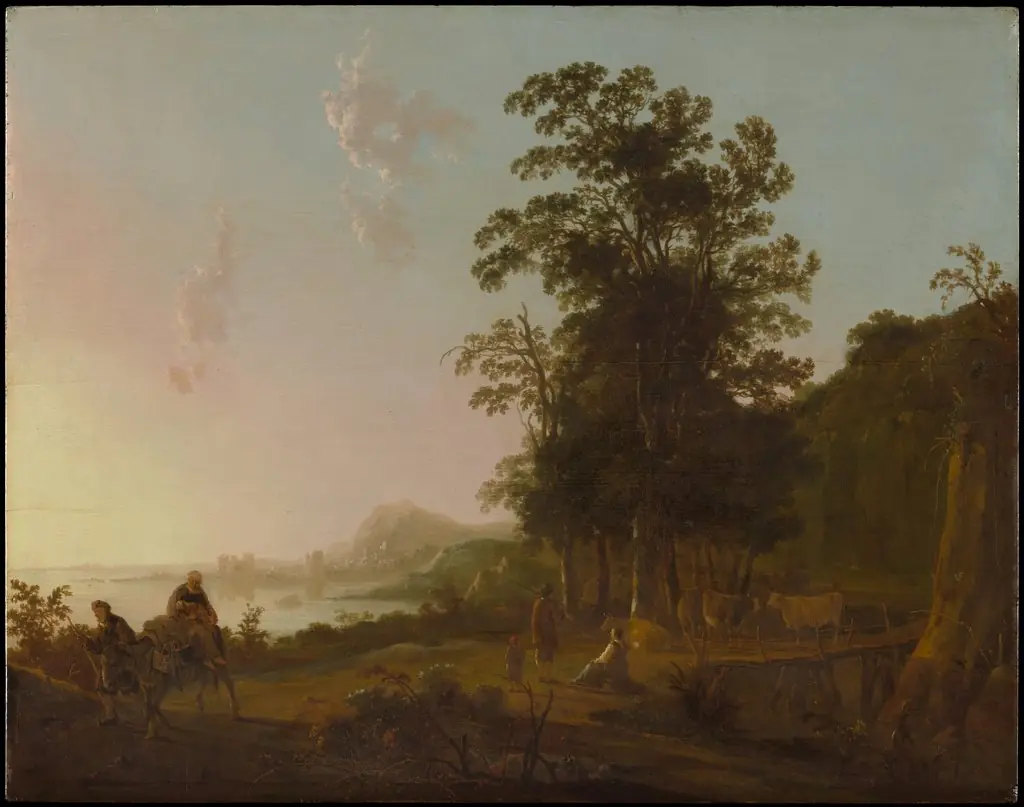 Landscape with the Flight into Egypt
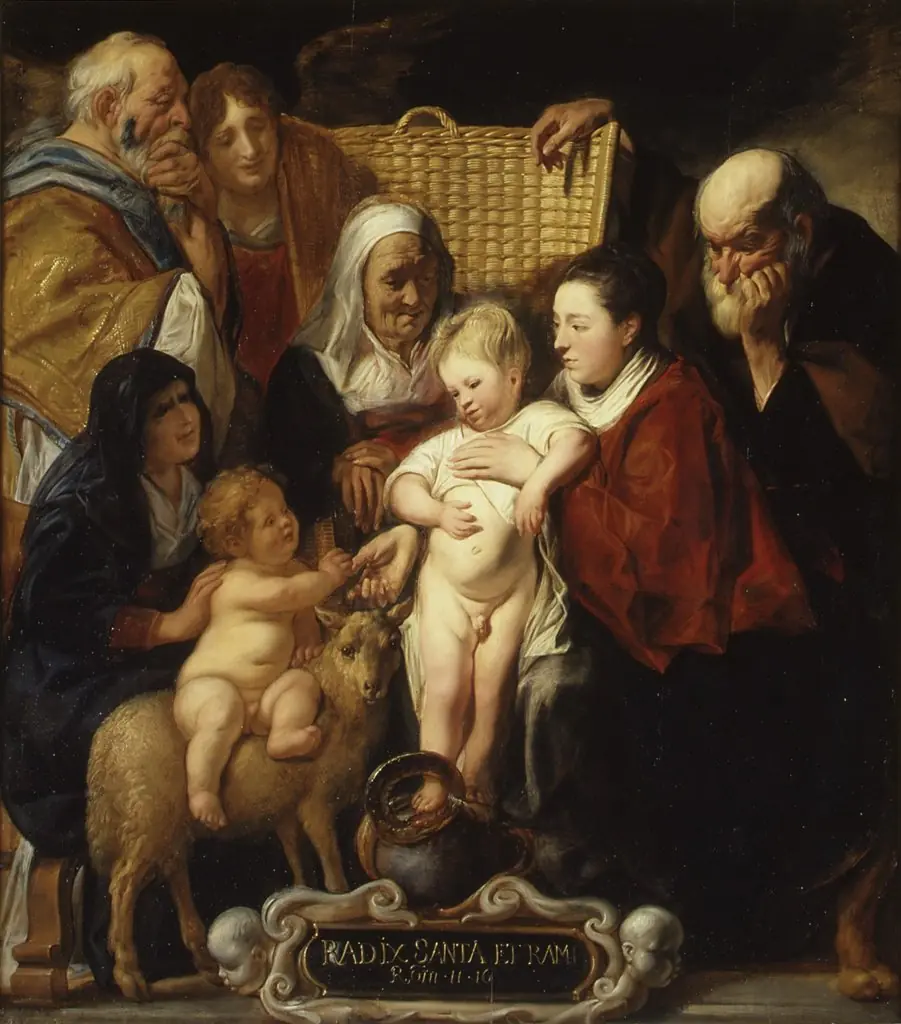 The Holy Family with Saint Anne and the Young Baptist and His Parents
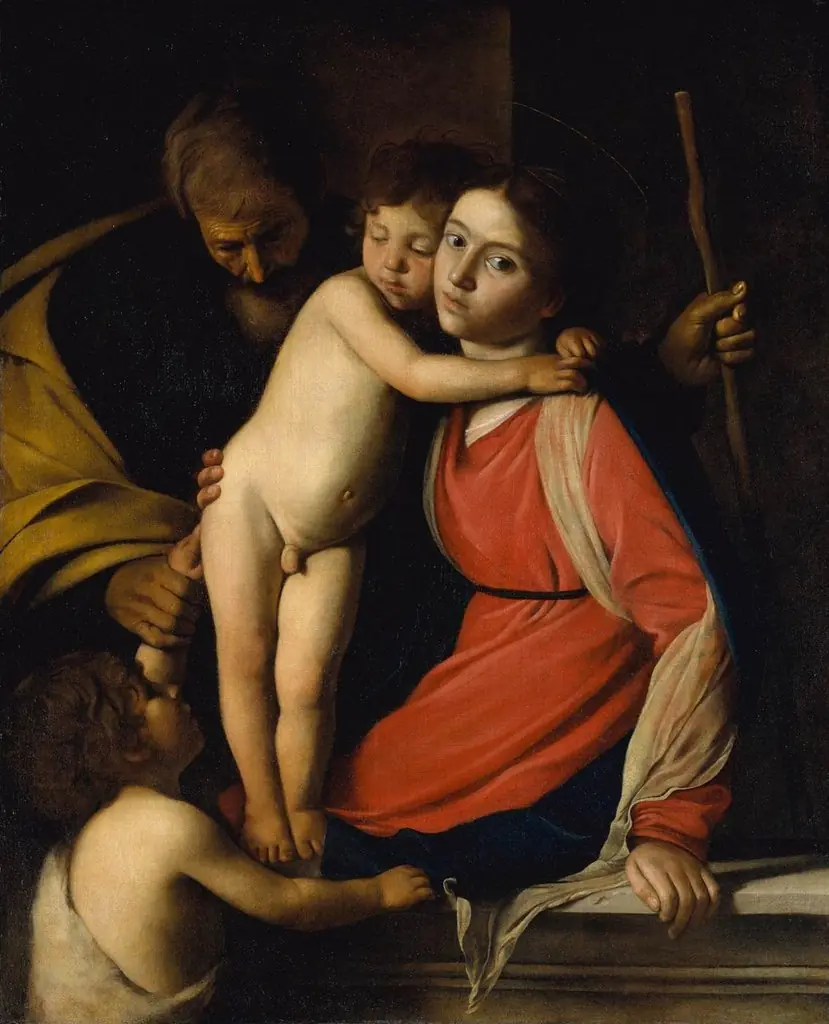 The Holy Family with Saint John the Baptist
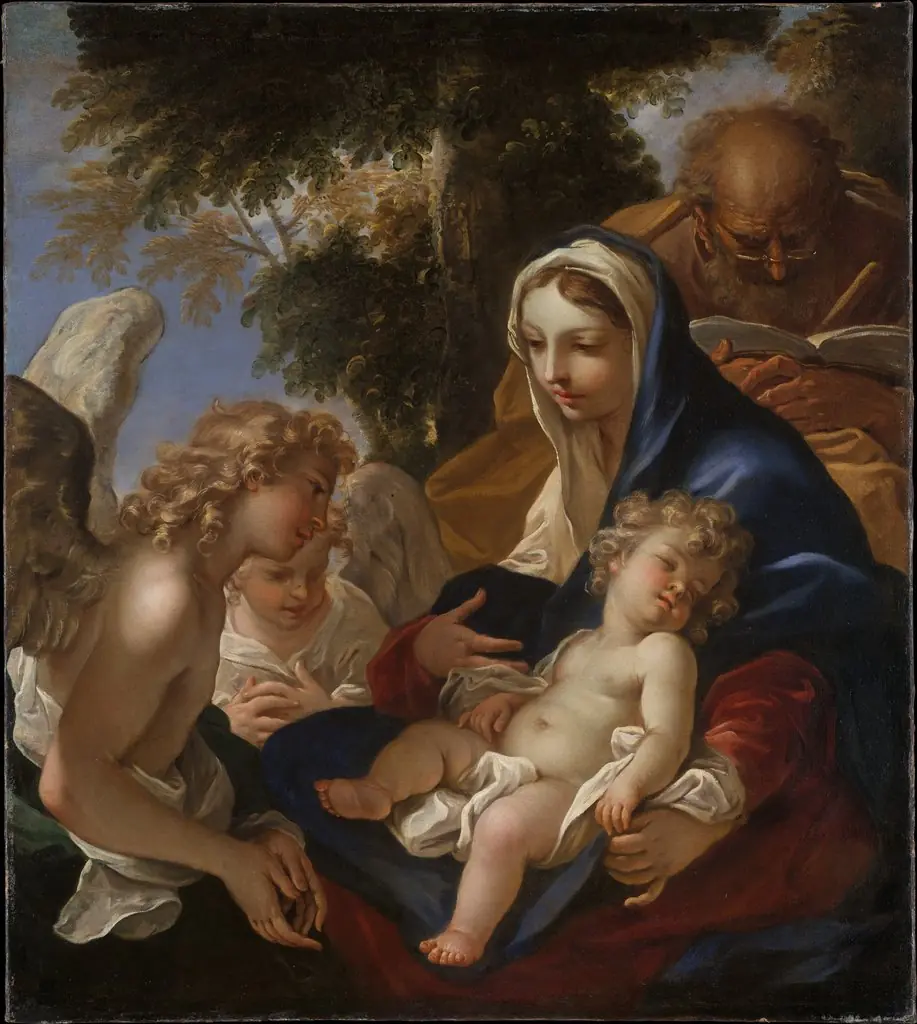 The Holy Family with Angels
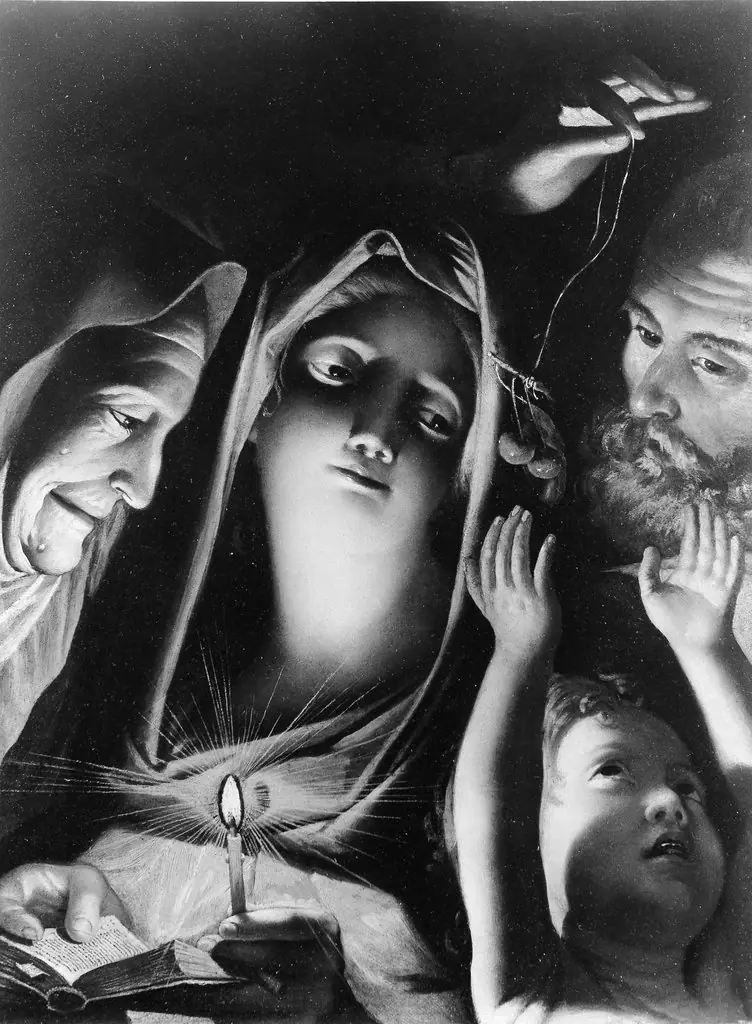 Holy Family with Saint Anne
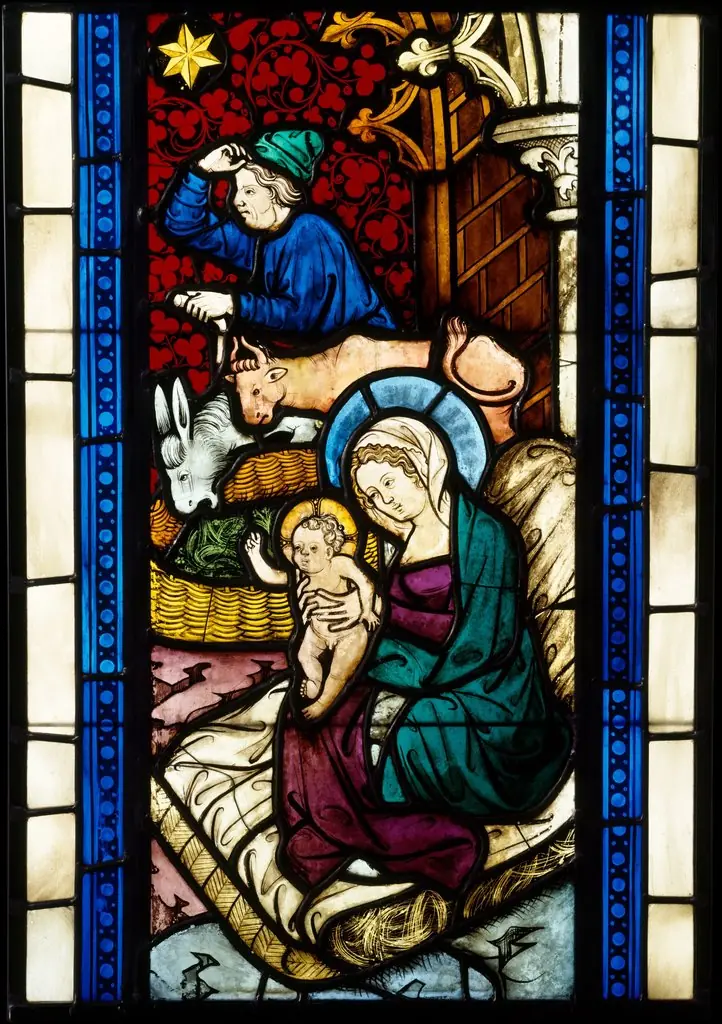 Adoration of the Magi from Seven Scenes from the Life of Christ
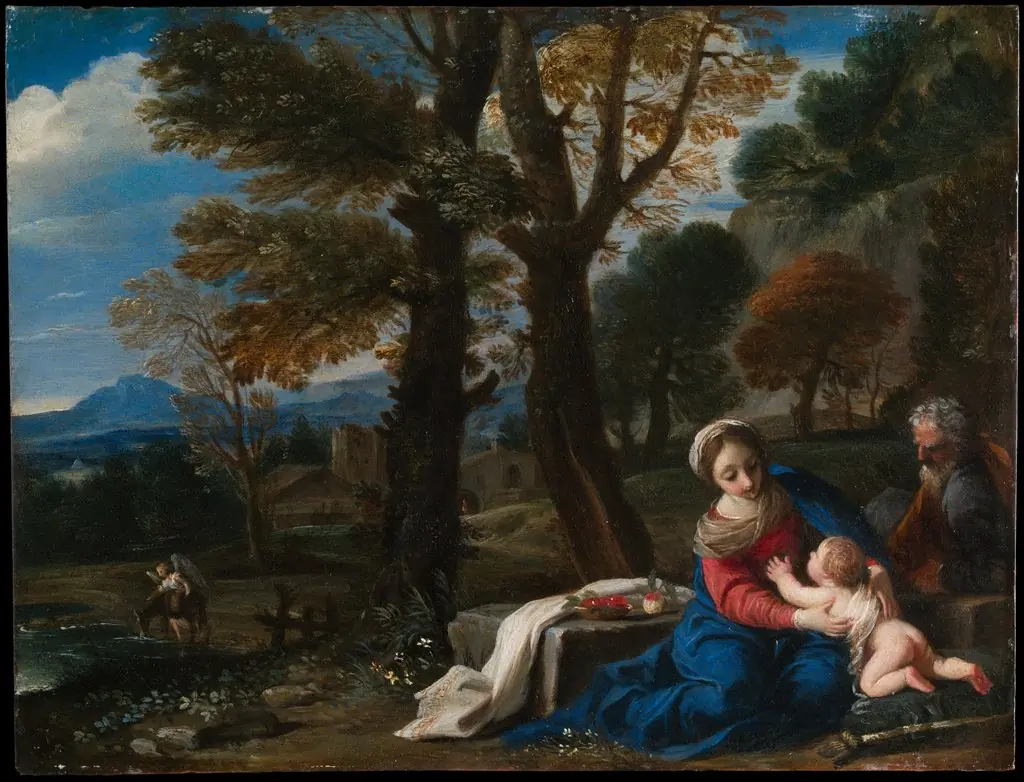 Rest on the Flight into Egypt
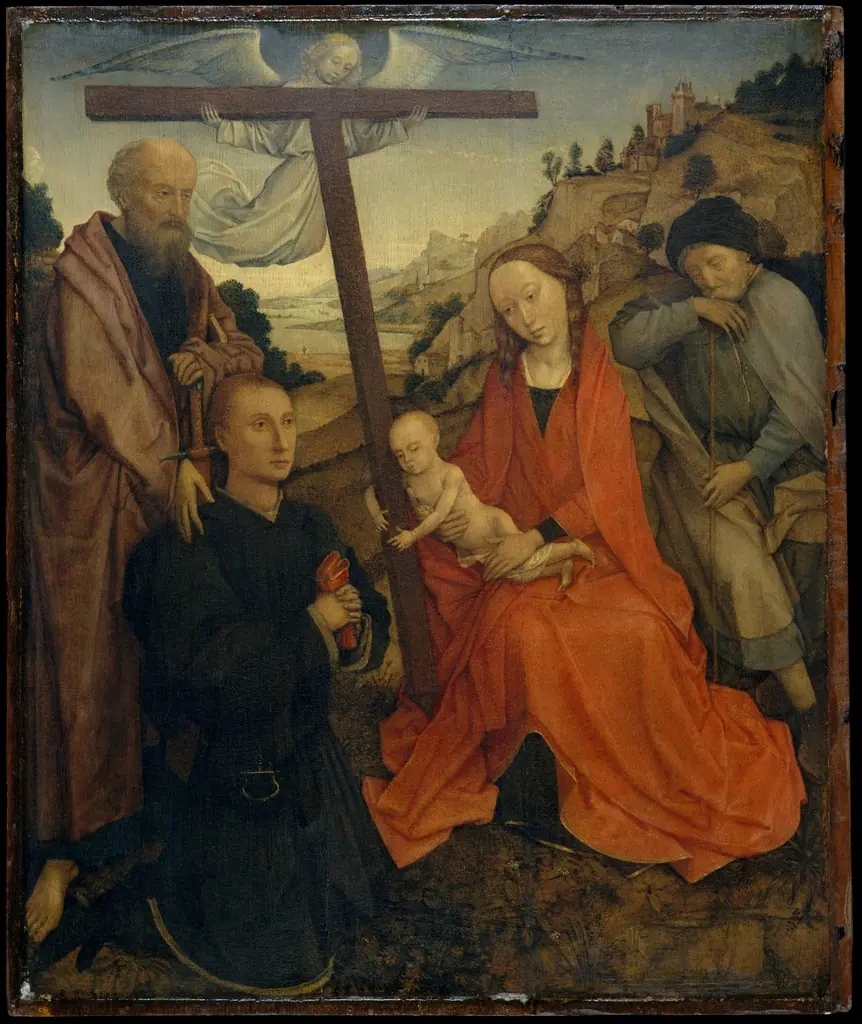 The Holy Family with Saint Paul and a Donor
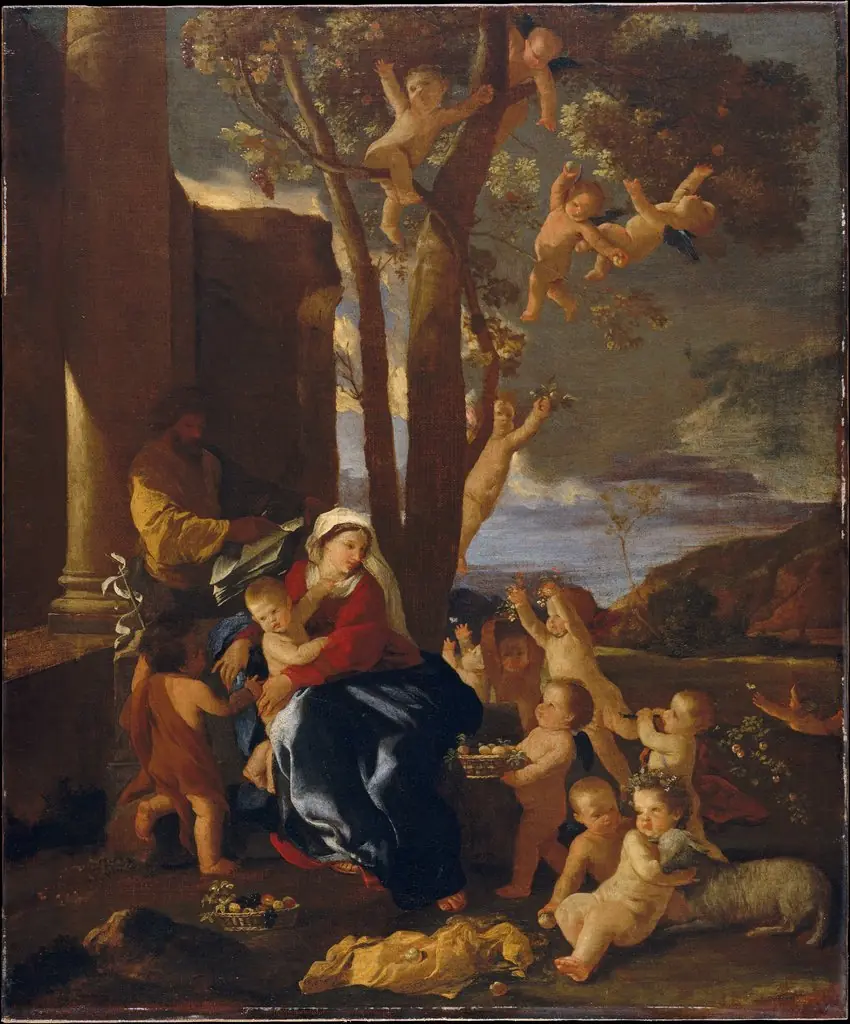 The Rest on the Flight into Egypt
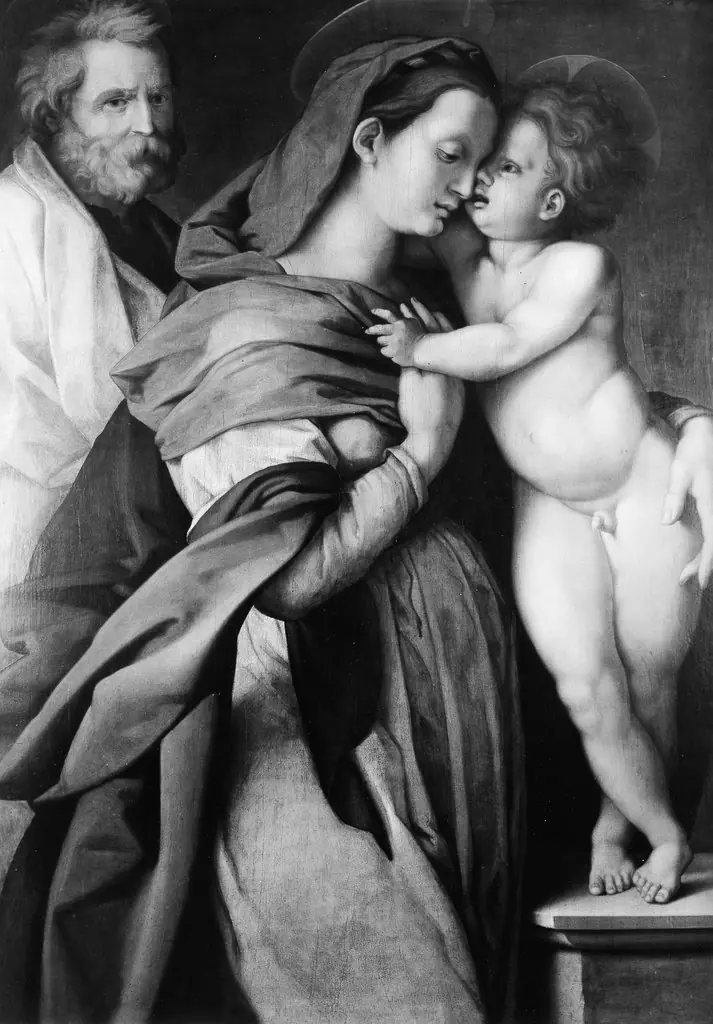 Holy Family
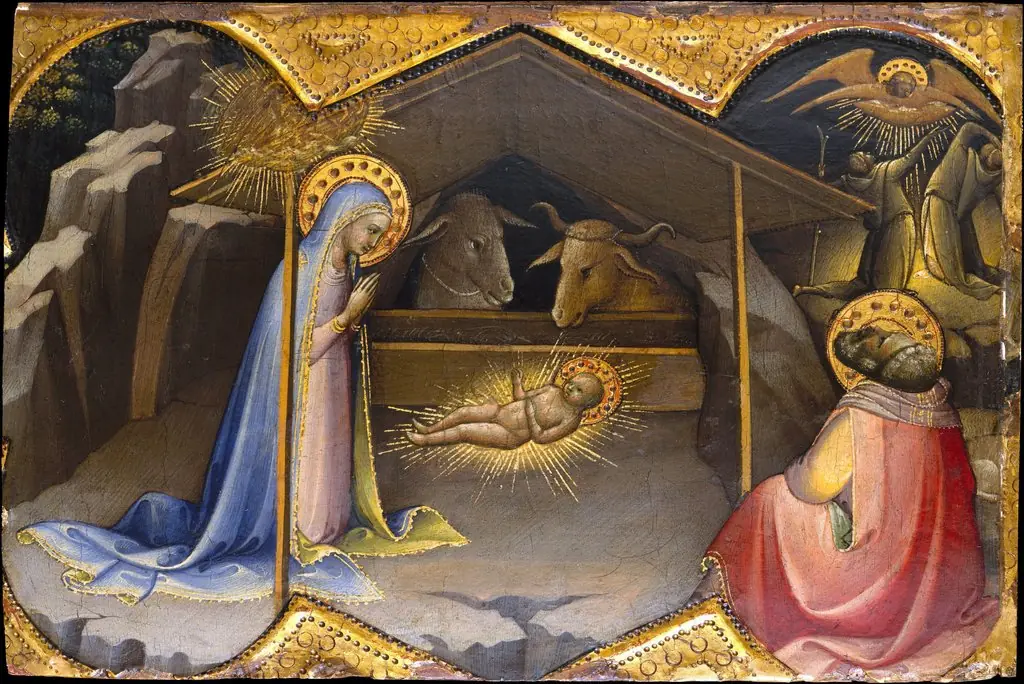 The Nativity
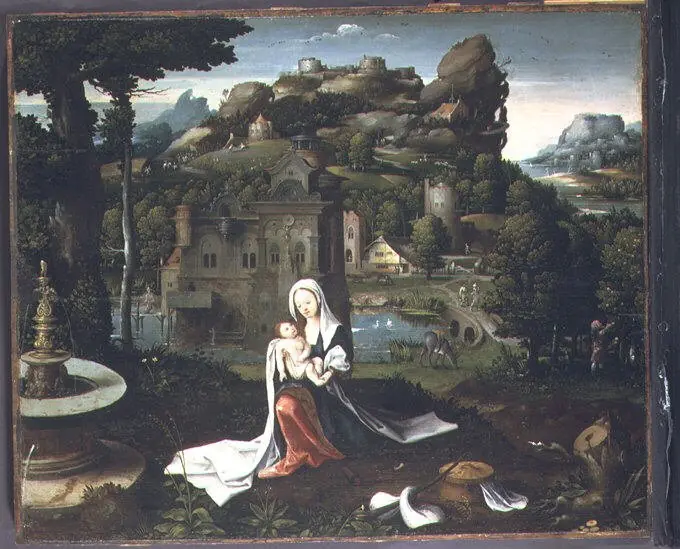 The Rest on the Flight into Egypt
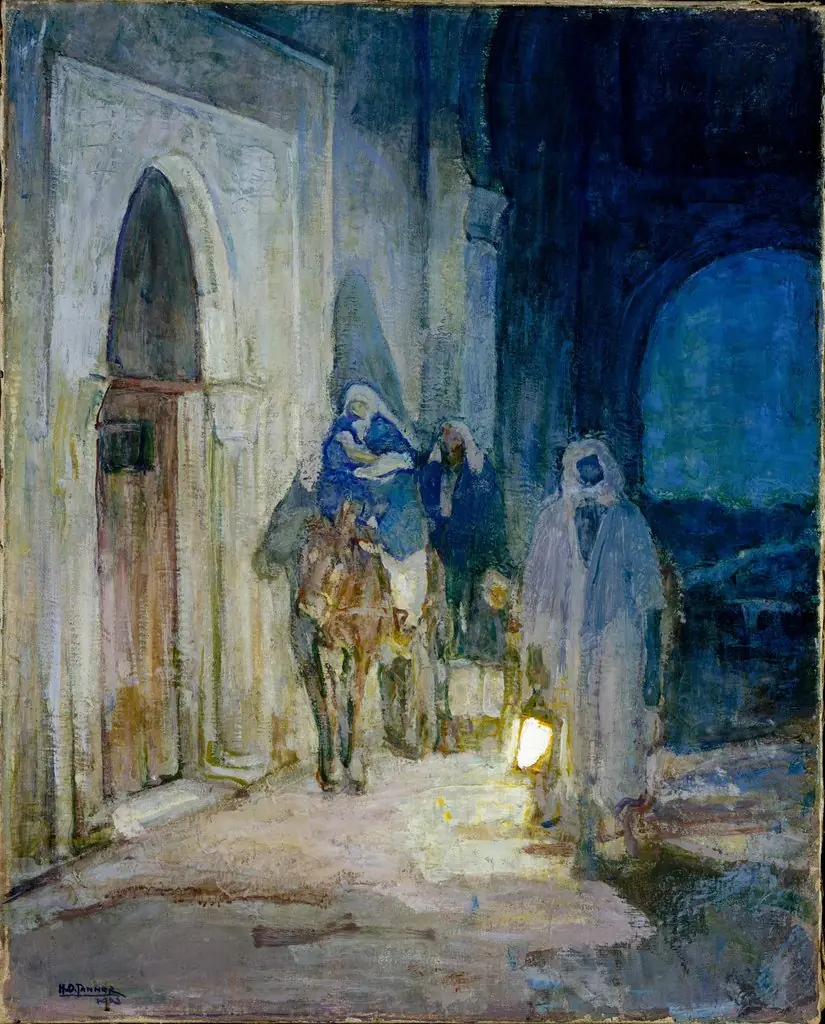 Flight Into Egypt
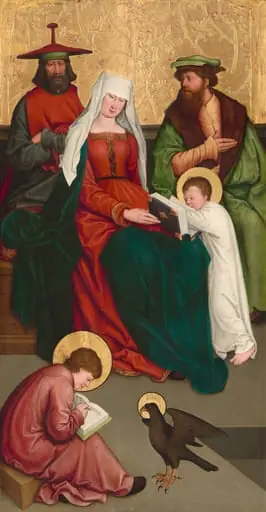 Saint Mary Salome and Her Family
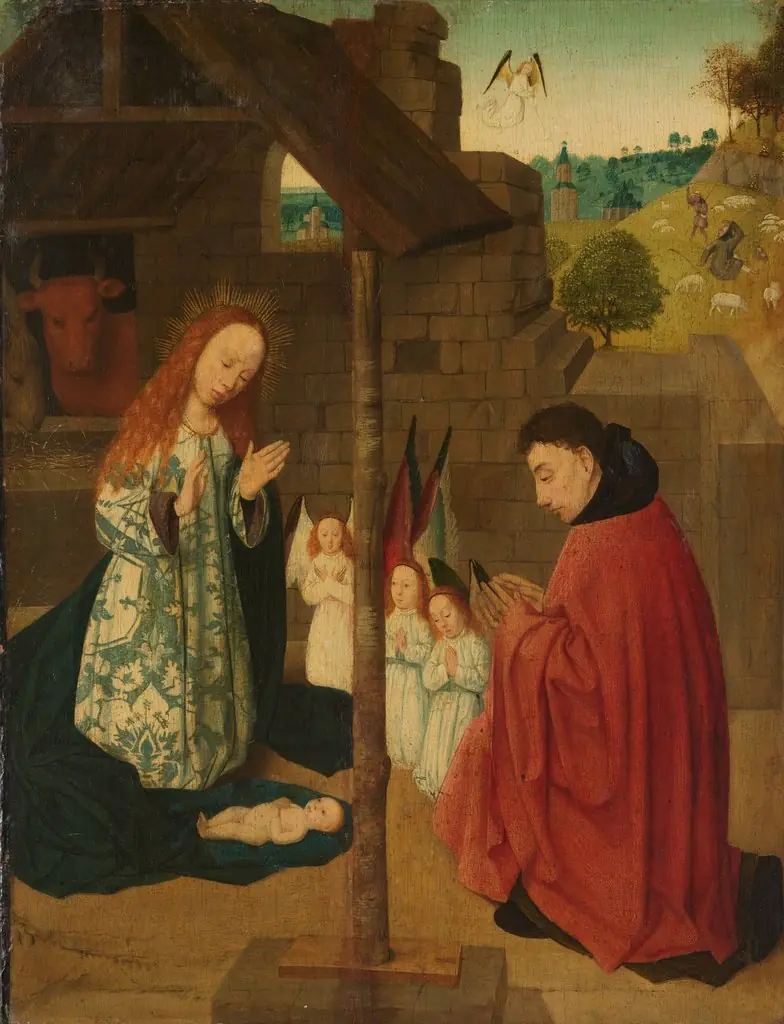 The nativity
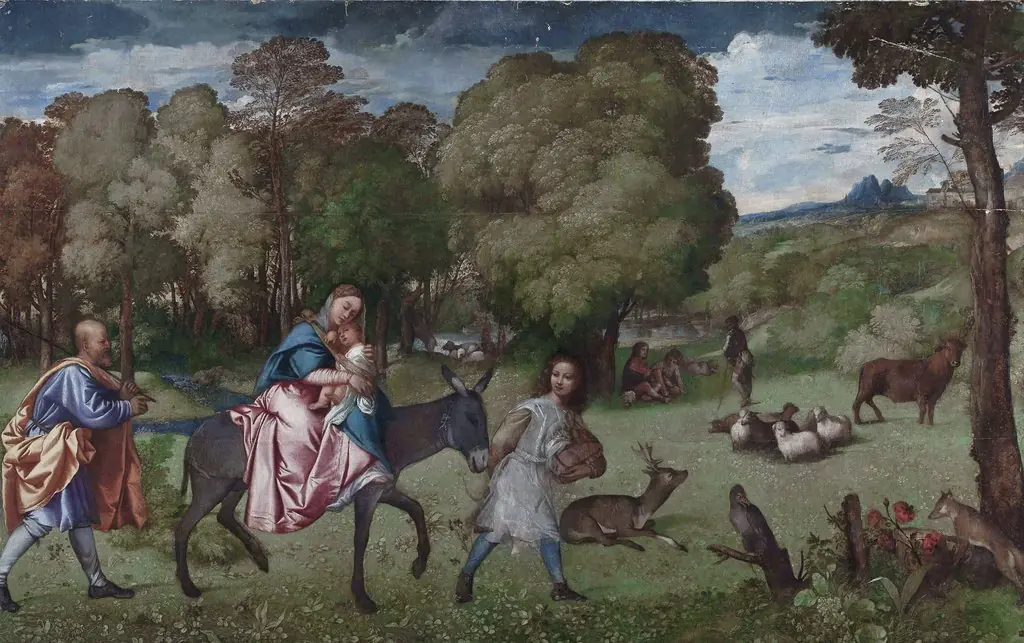 Flight into Egypt
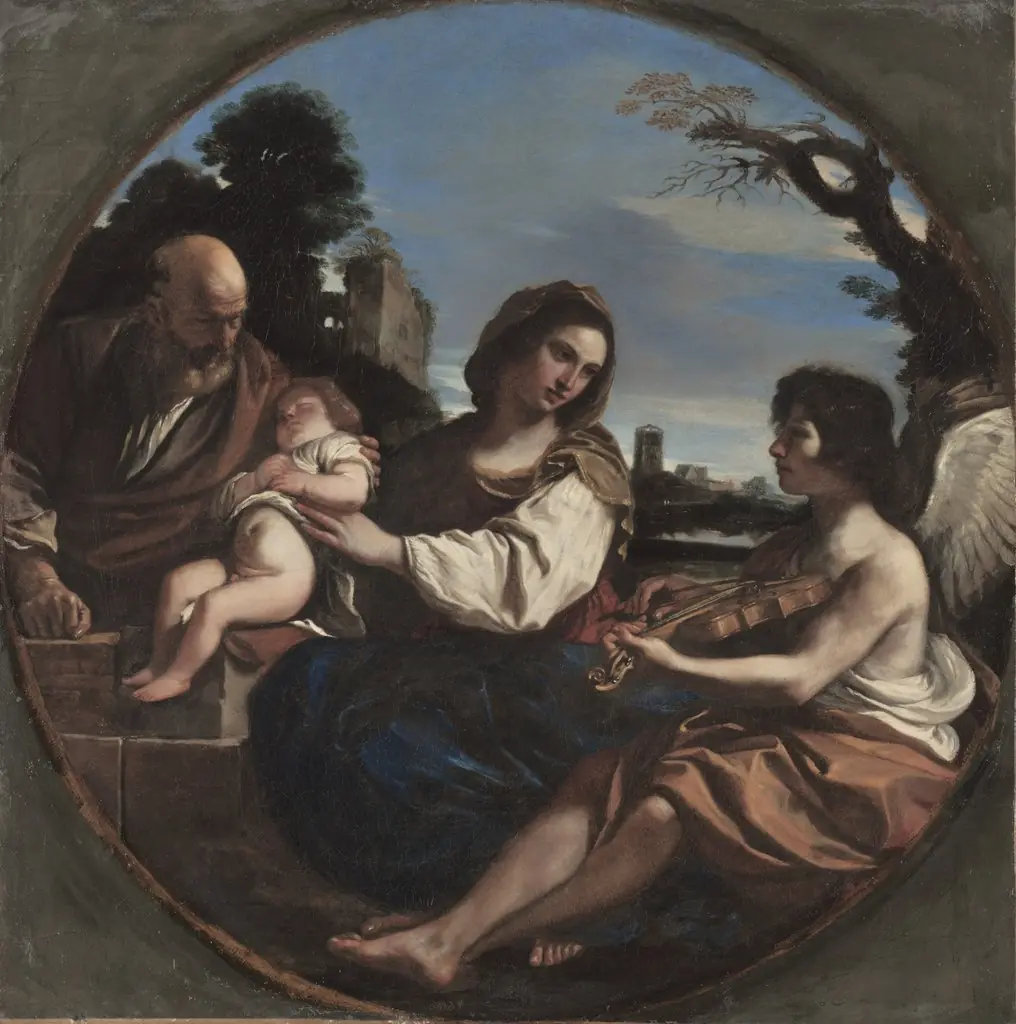 Rest on the Flight into Egypt
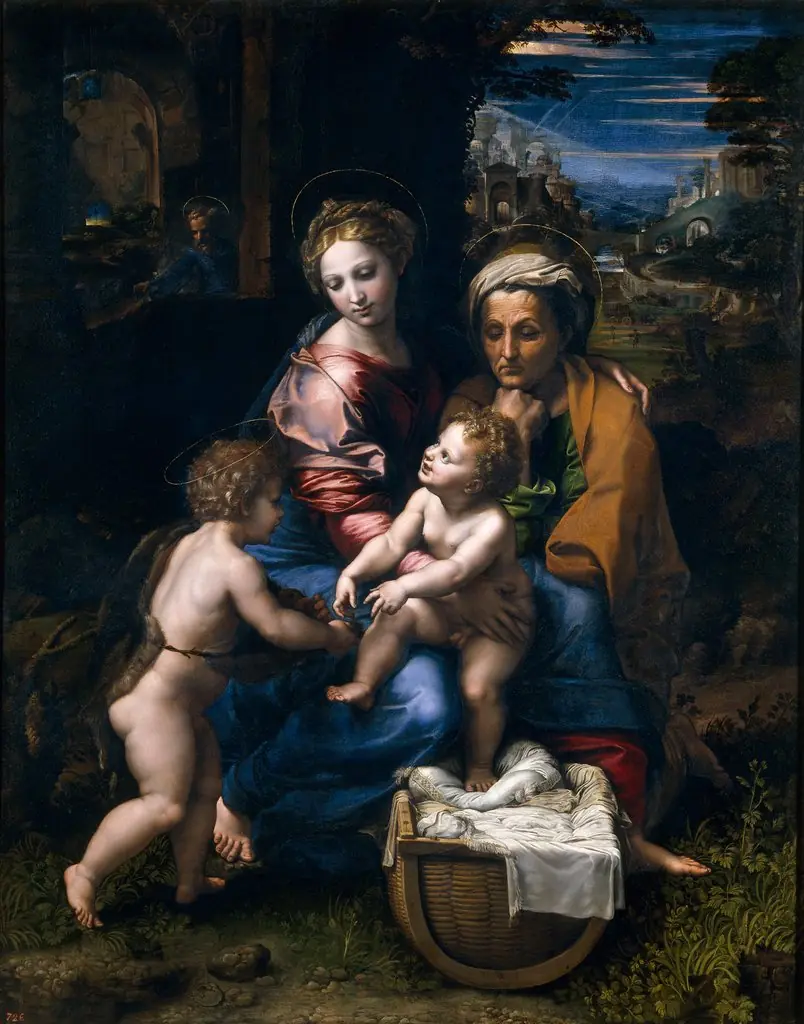 The Holy Family
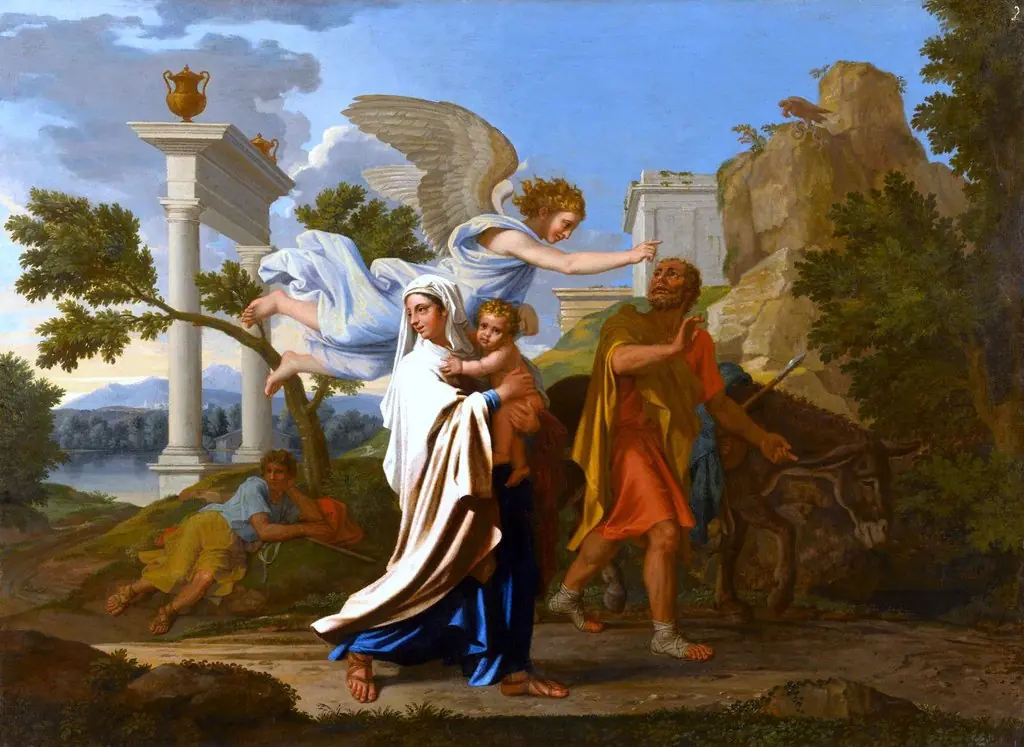 The Flight into Egypt
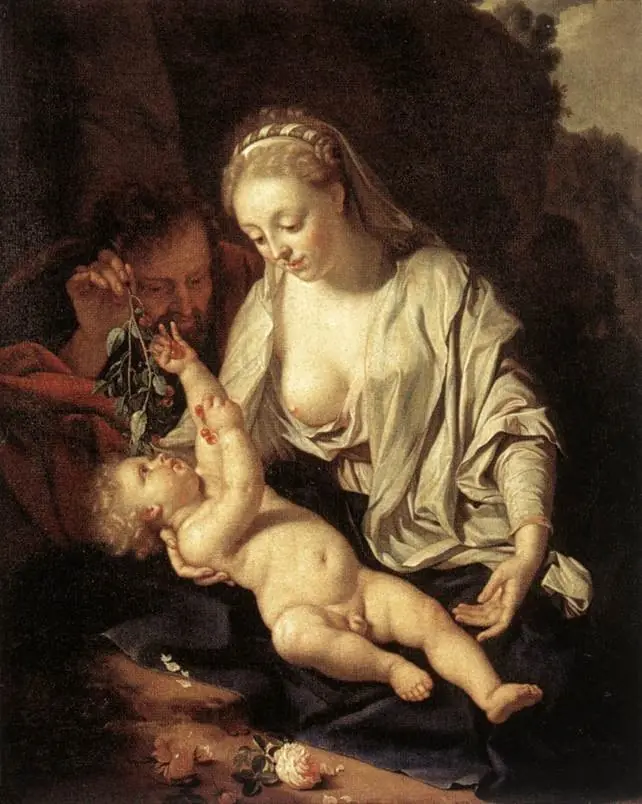 The Holy Family
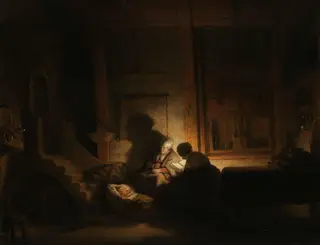 The holy family at night
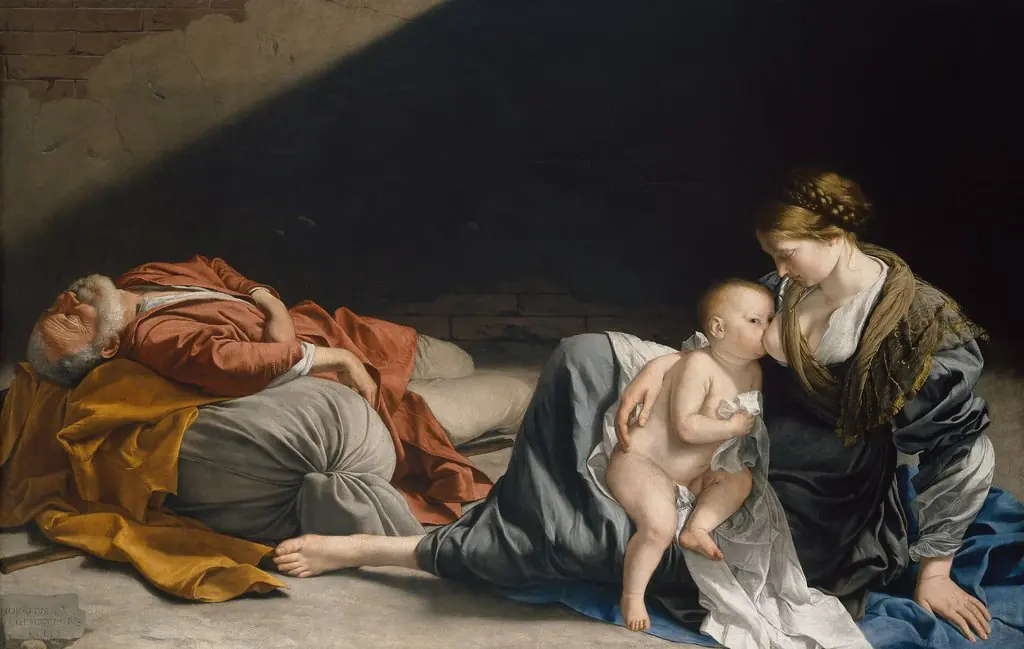 Rest on the Flight into Egypt
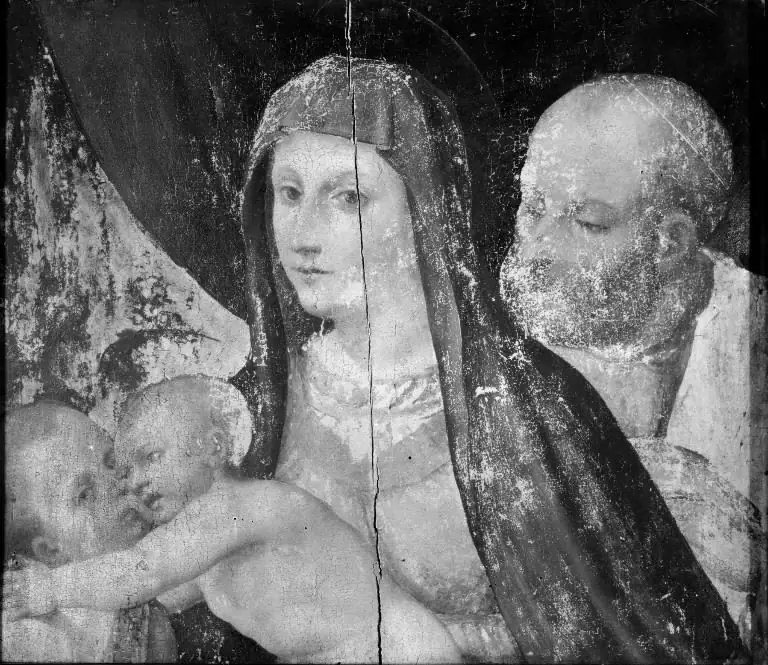 The Holy Family
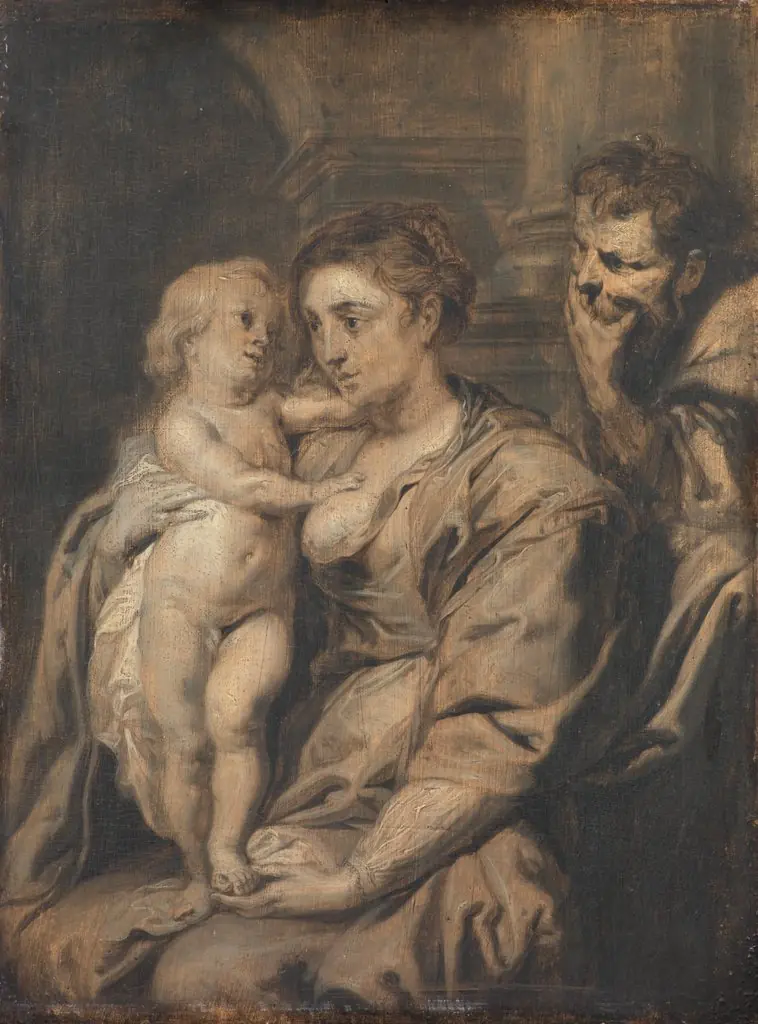 The Holy Family
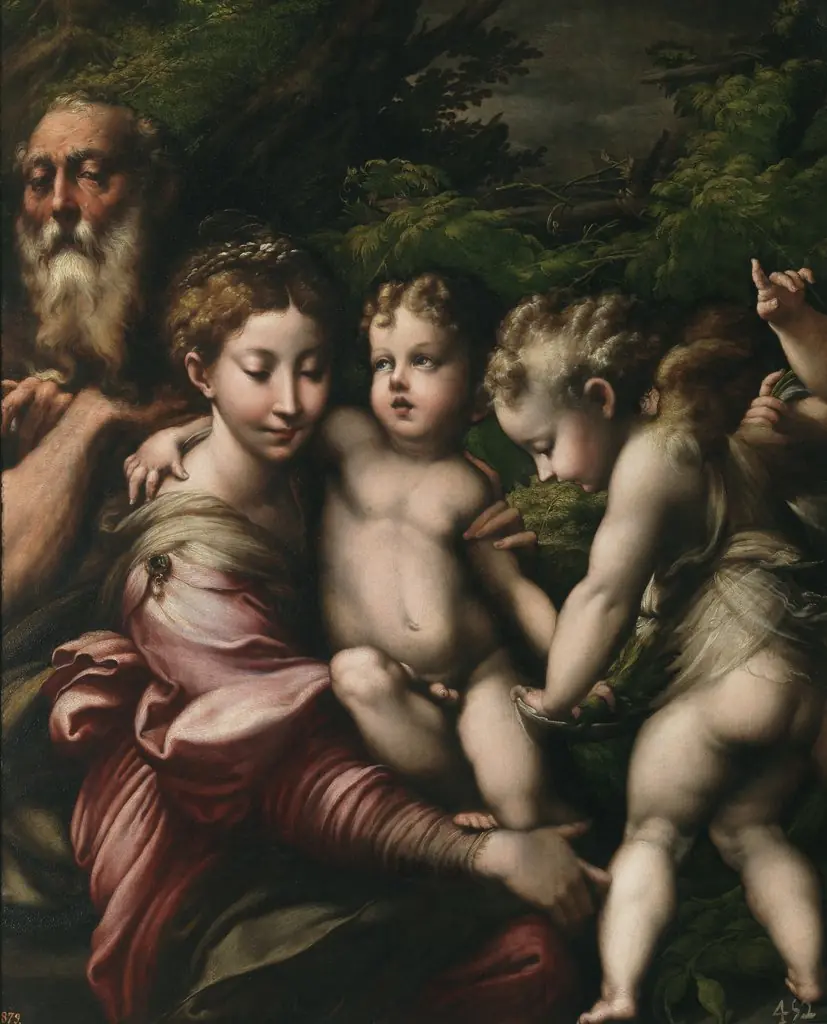 The Holy Family with Angels
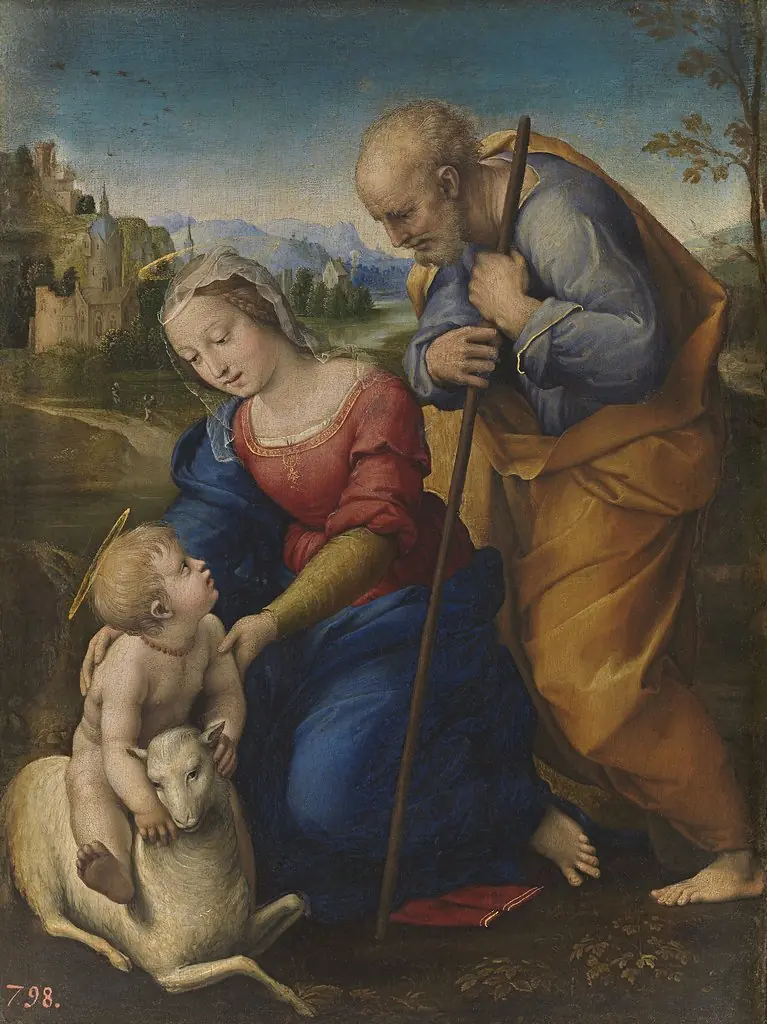 The Holy Family with a Lamb
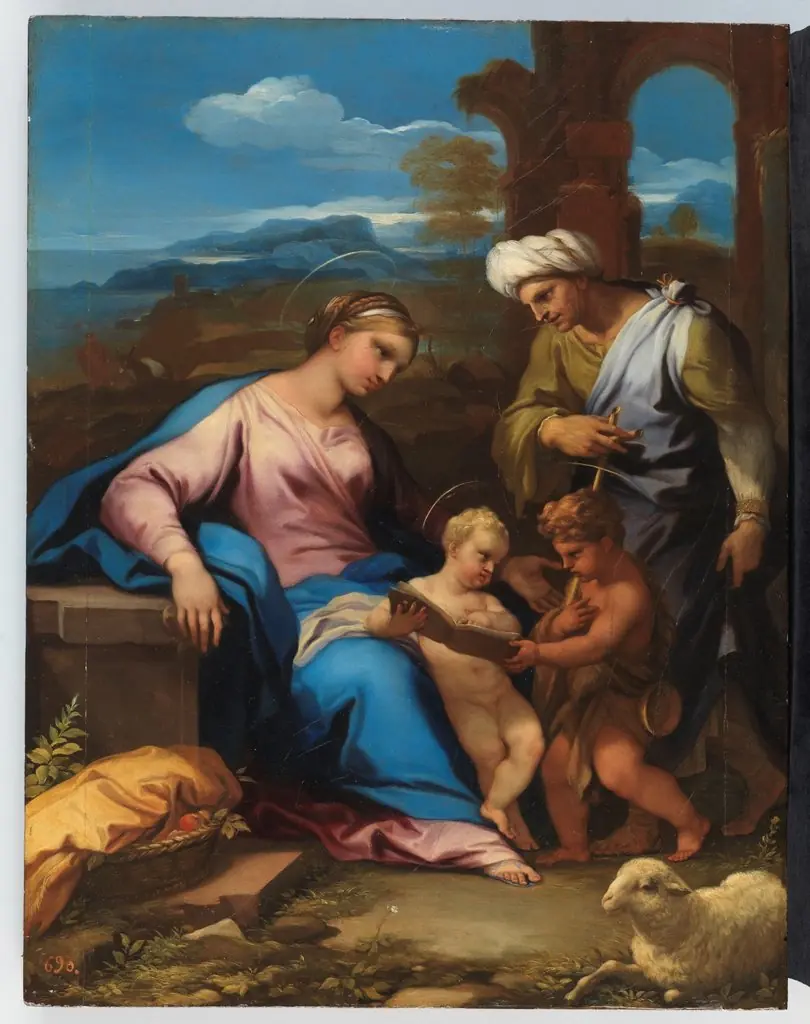 La Sagrada Familia con santa Isabel y san Juanito
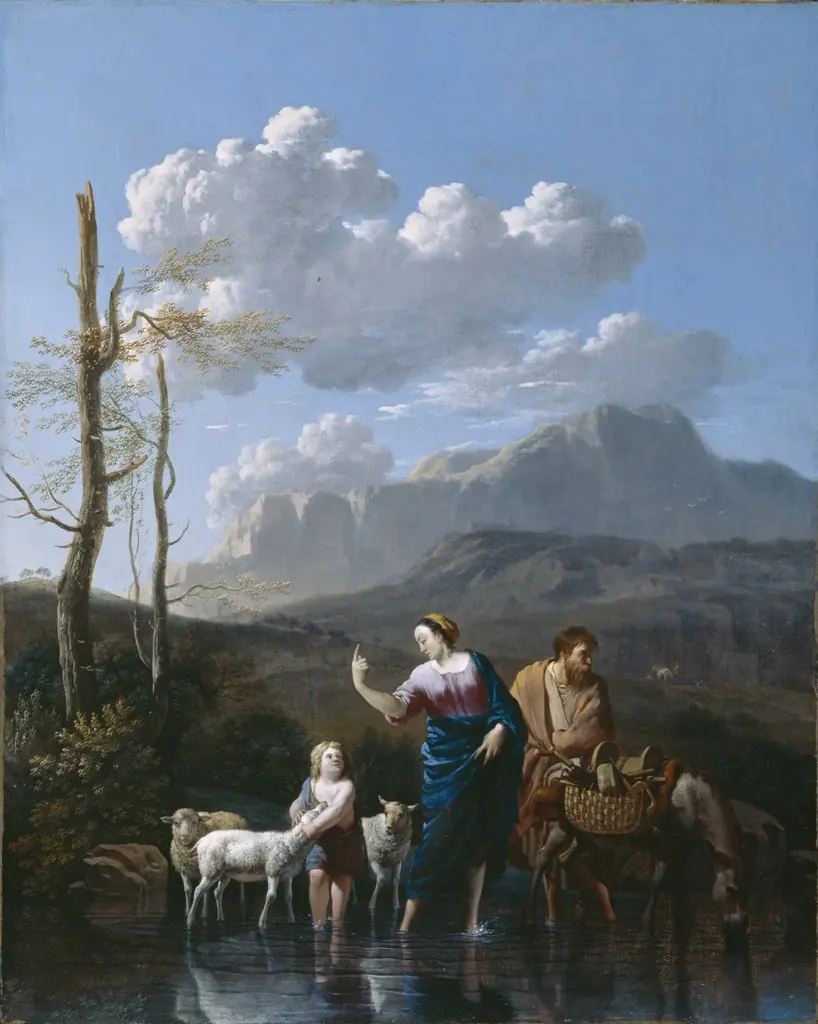 Return of the Holy Family from Egypt
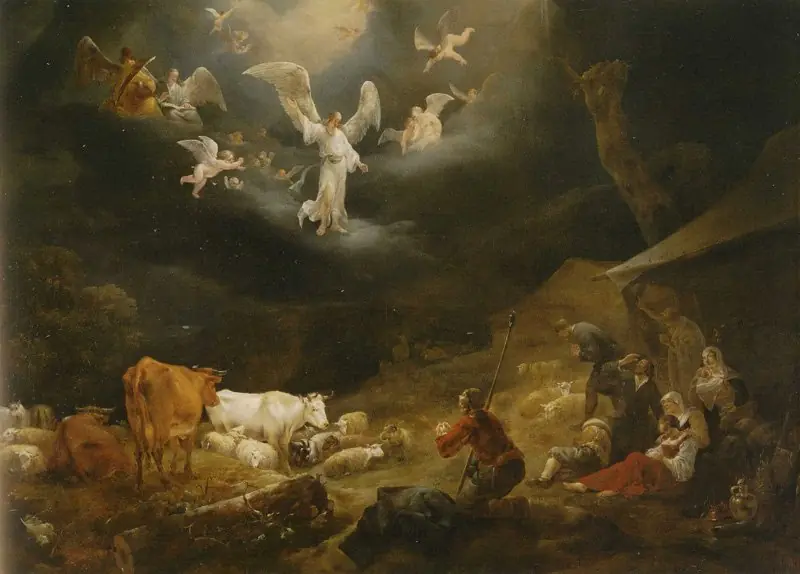 The Annunciation to the Shepherds
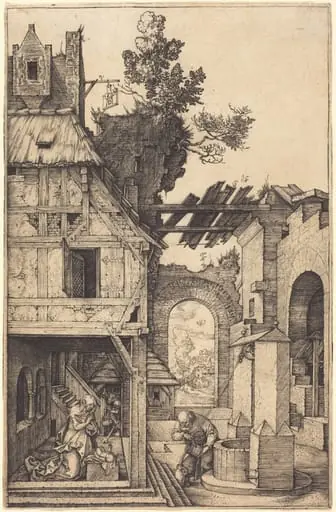 The Nativity
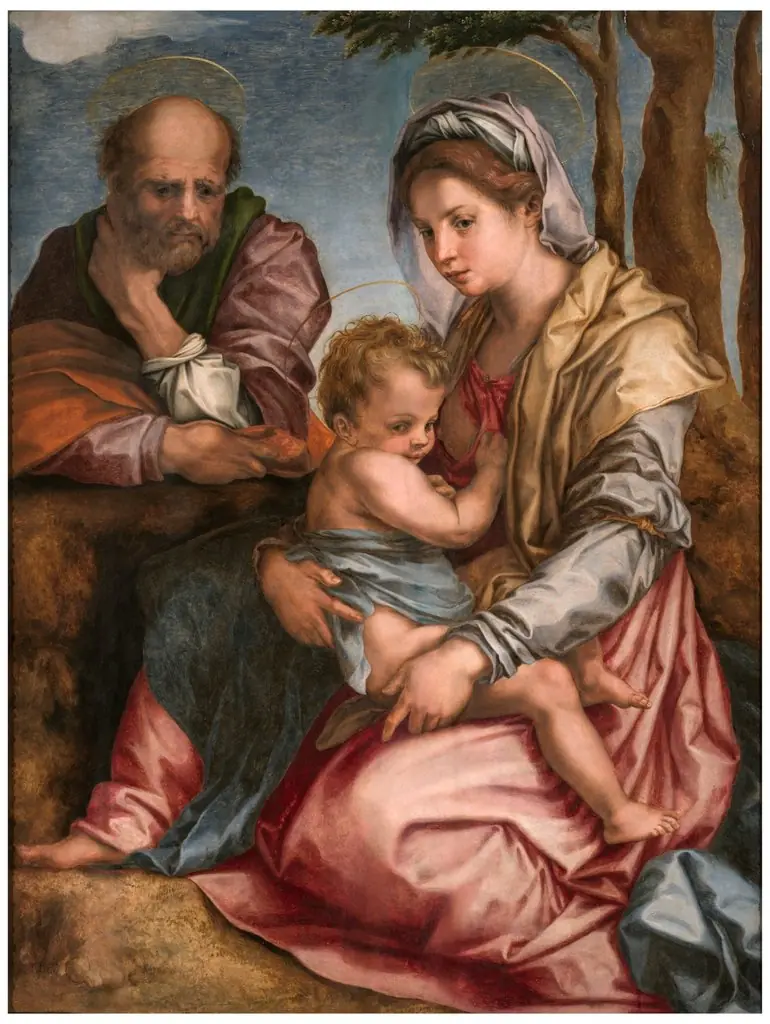 The Holy Family
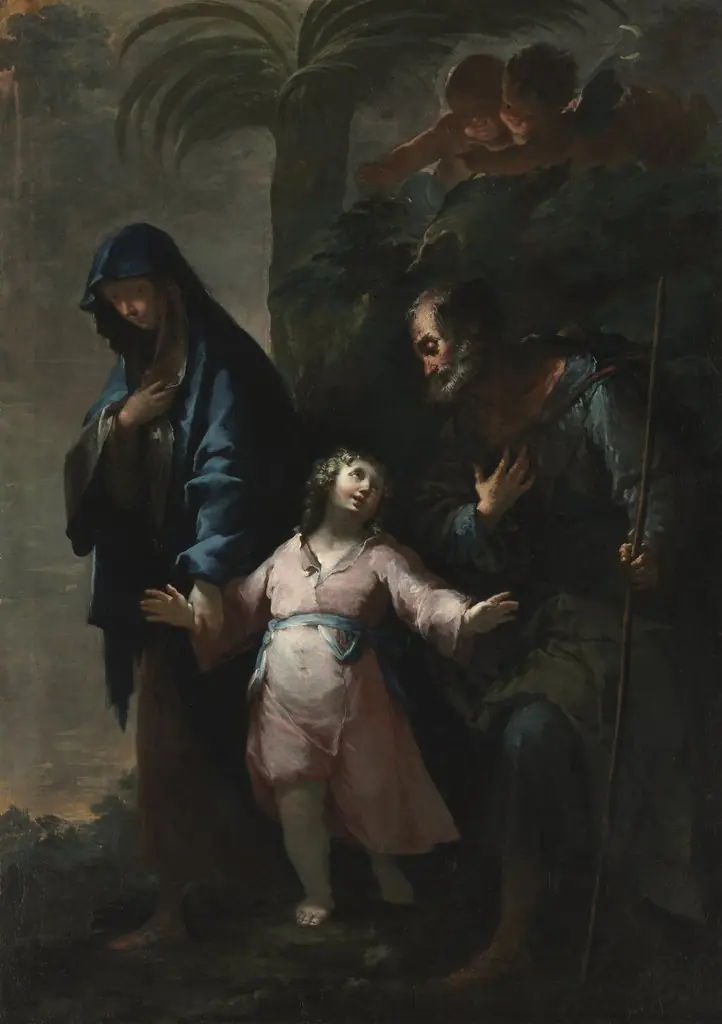 Return to Nazareth
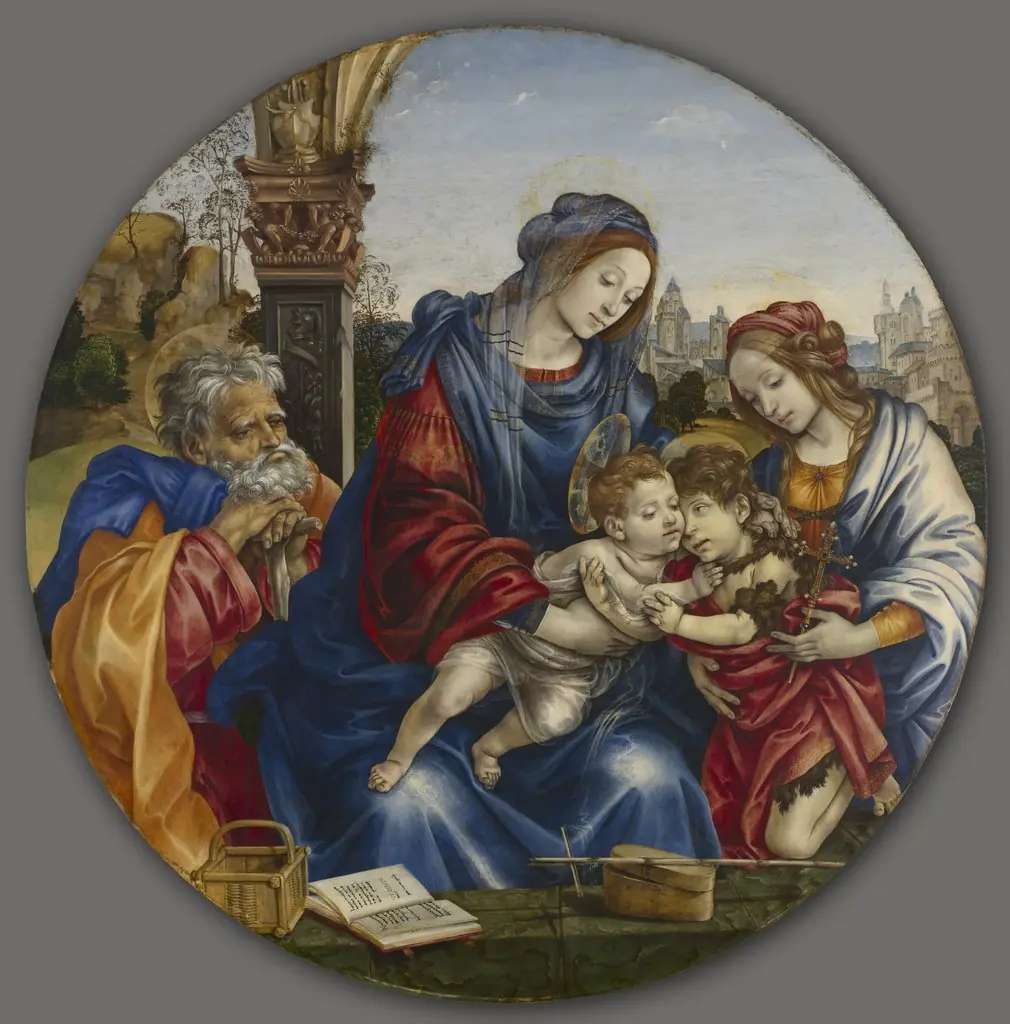 The Holy Family with Saint John the Baptist and Saint Margaret
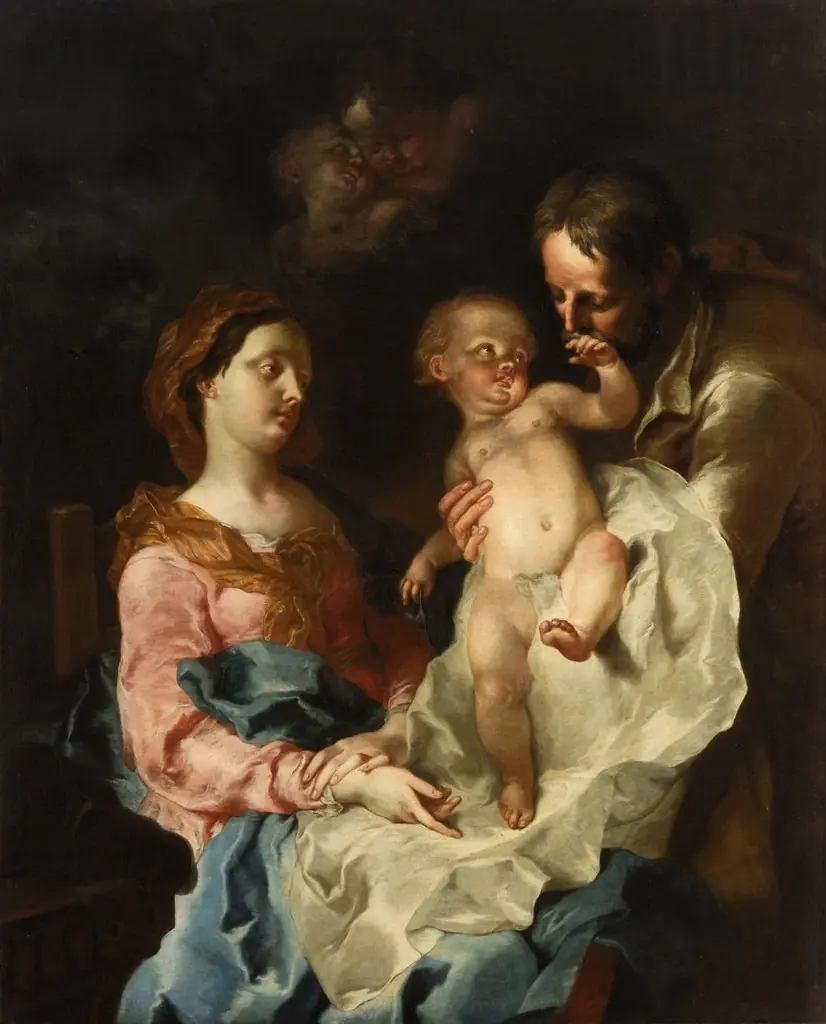 The Holy Family
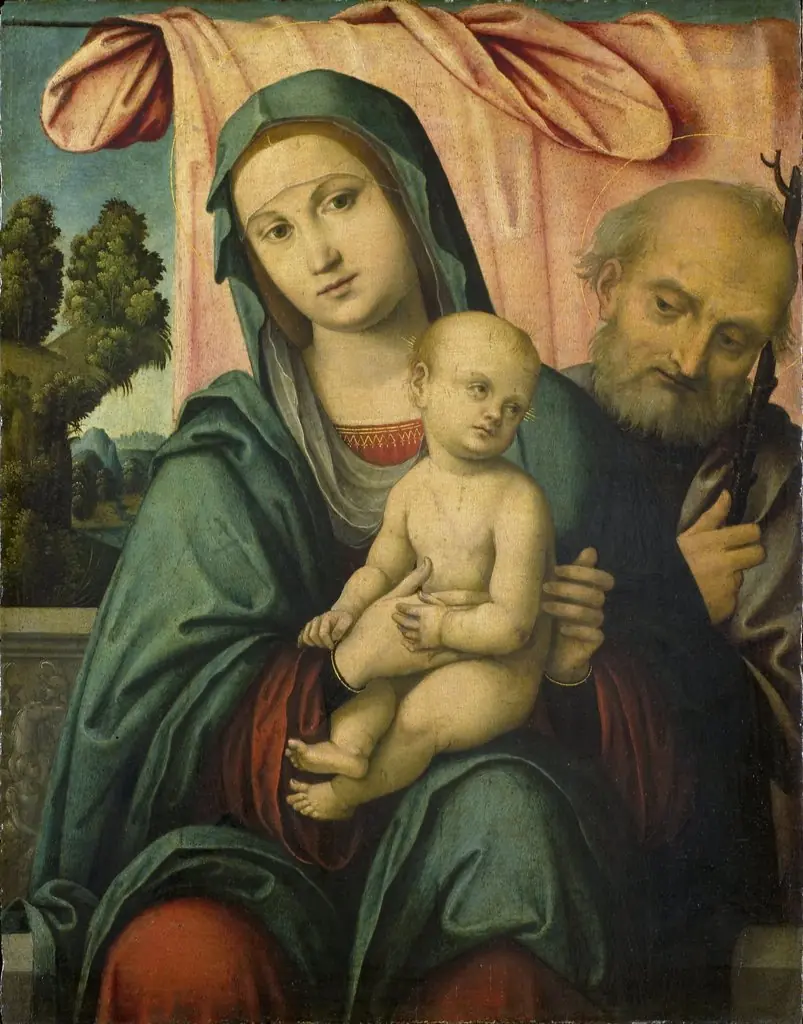 Holy Family
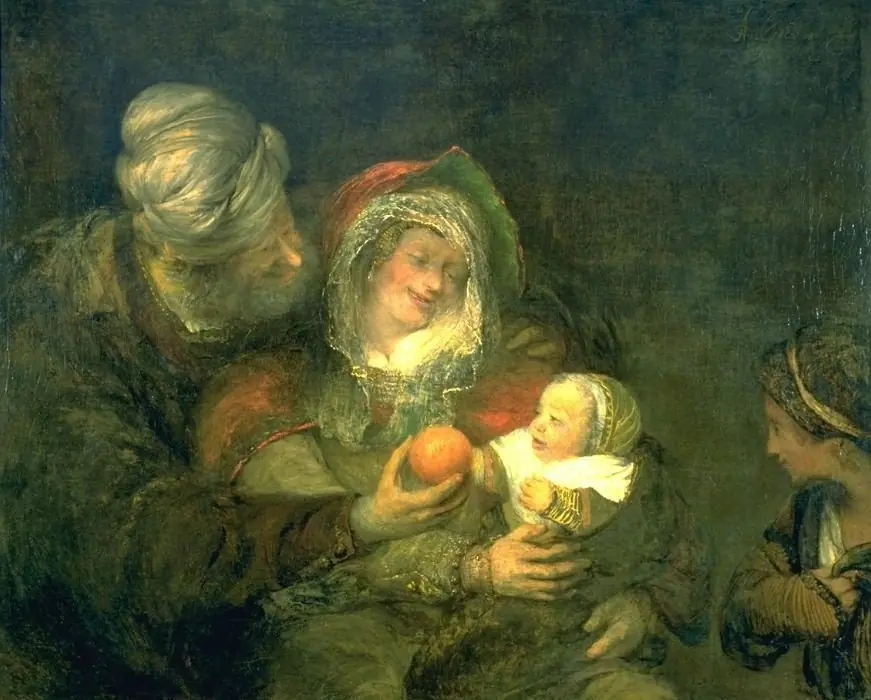 Holy Family
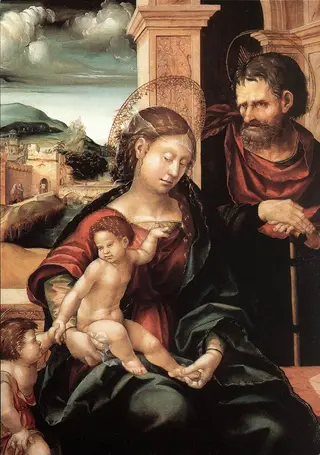 Holy Family with Child St. John
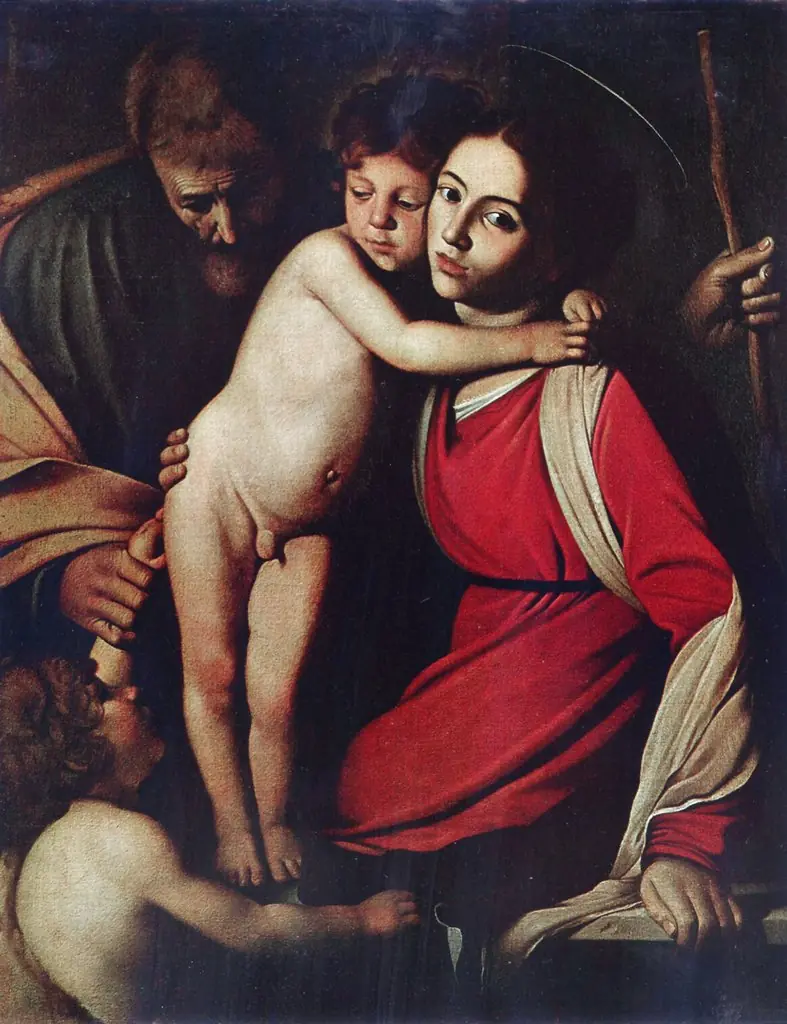 The Holy Family with Child Saint John
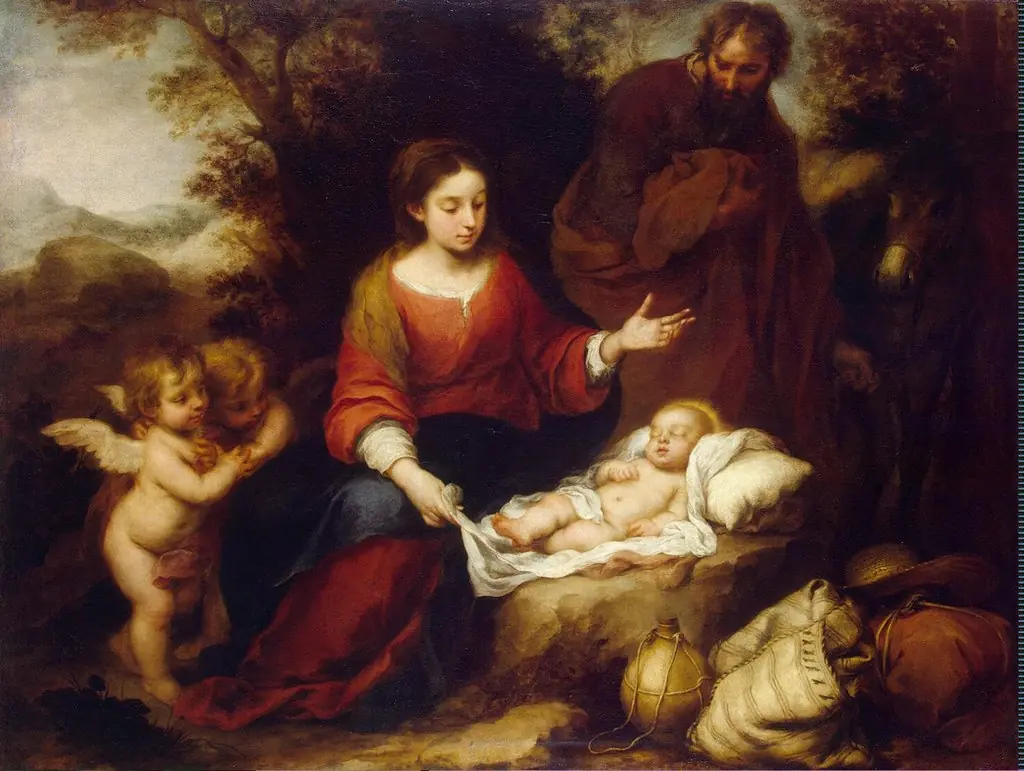 Rest on the Flight into Egypt
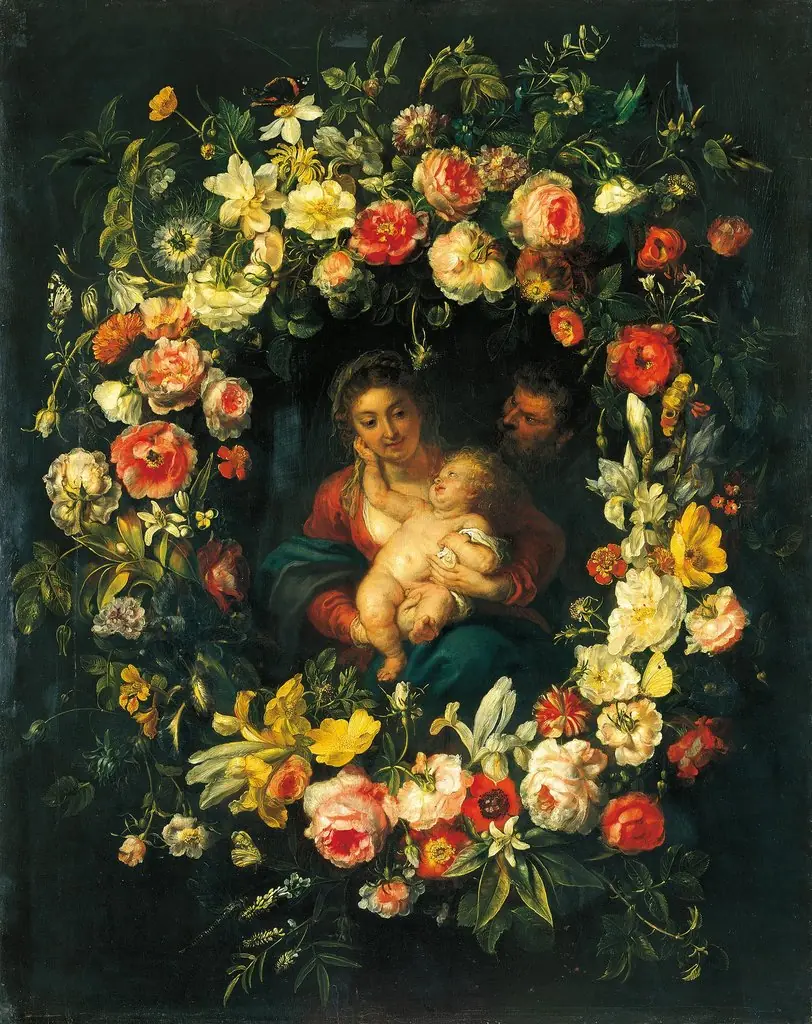 Holy Family in a Wreath of Flowers
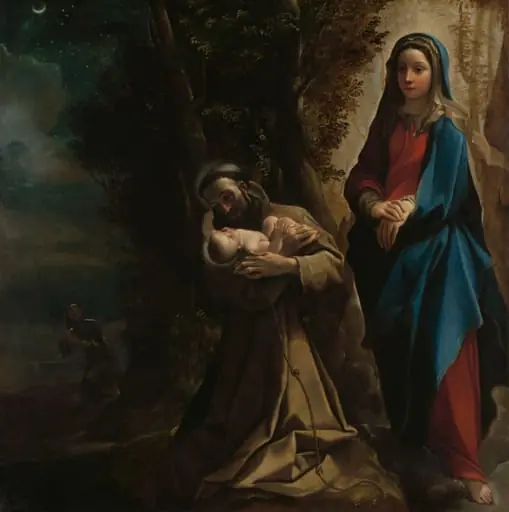 Het visioen van de heilige Franciscus van Assisi
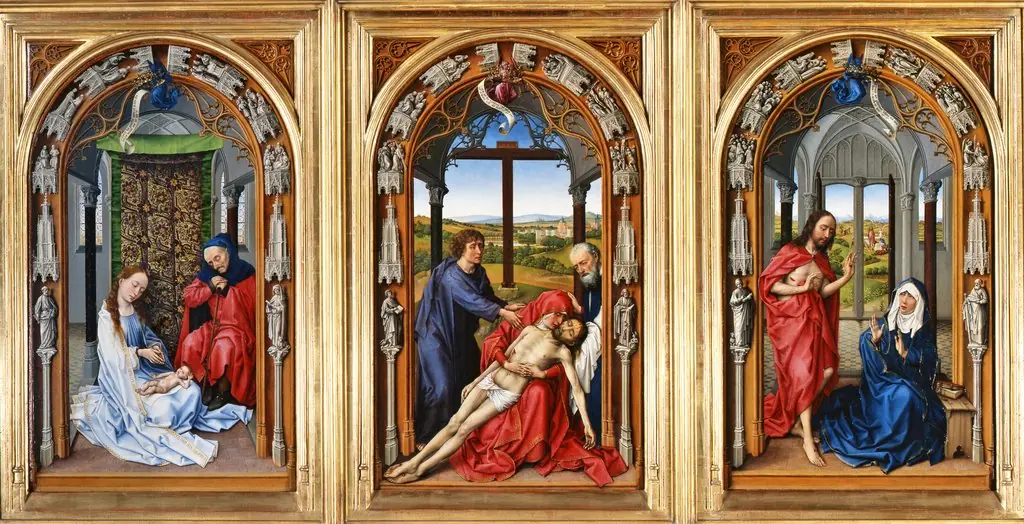 Miraflores Altarpiece
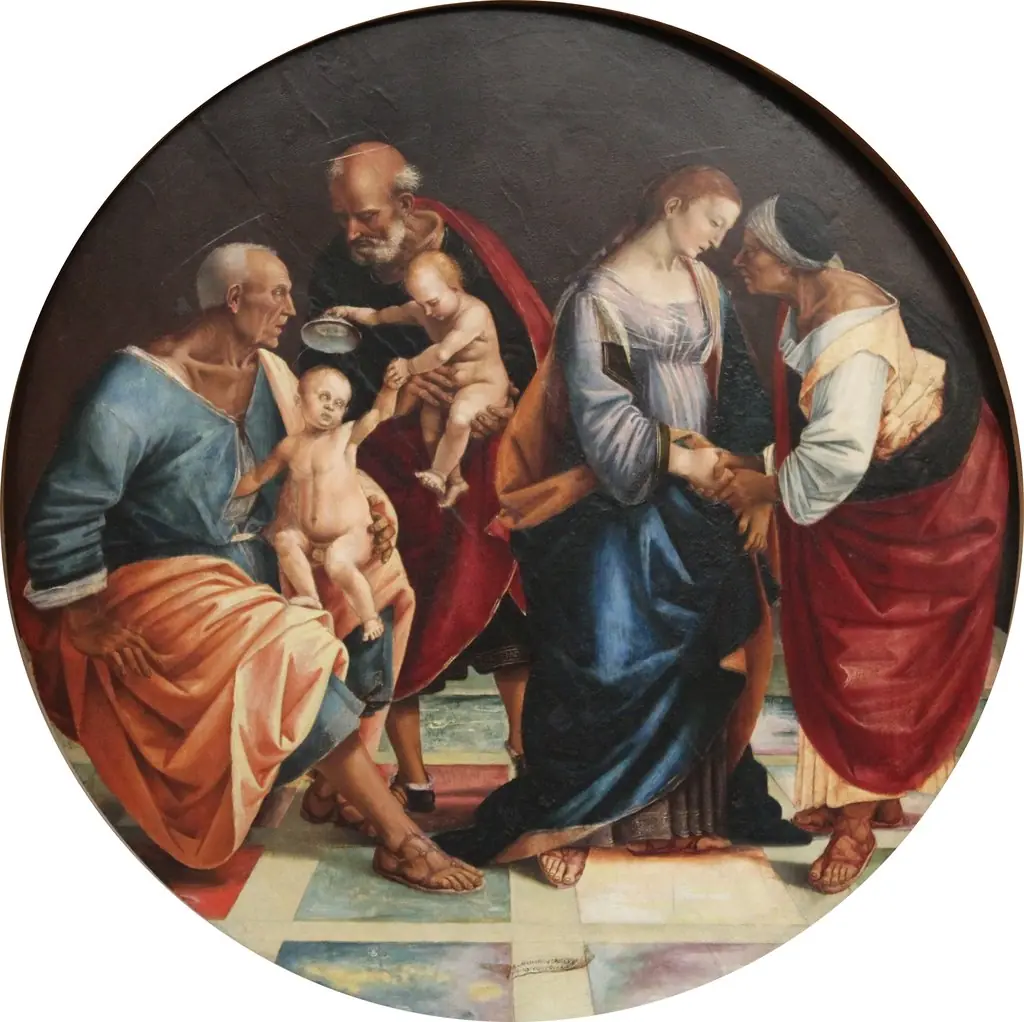 Holy family with saints Zachary, Elizabeth and little John
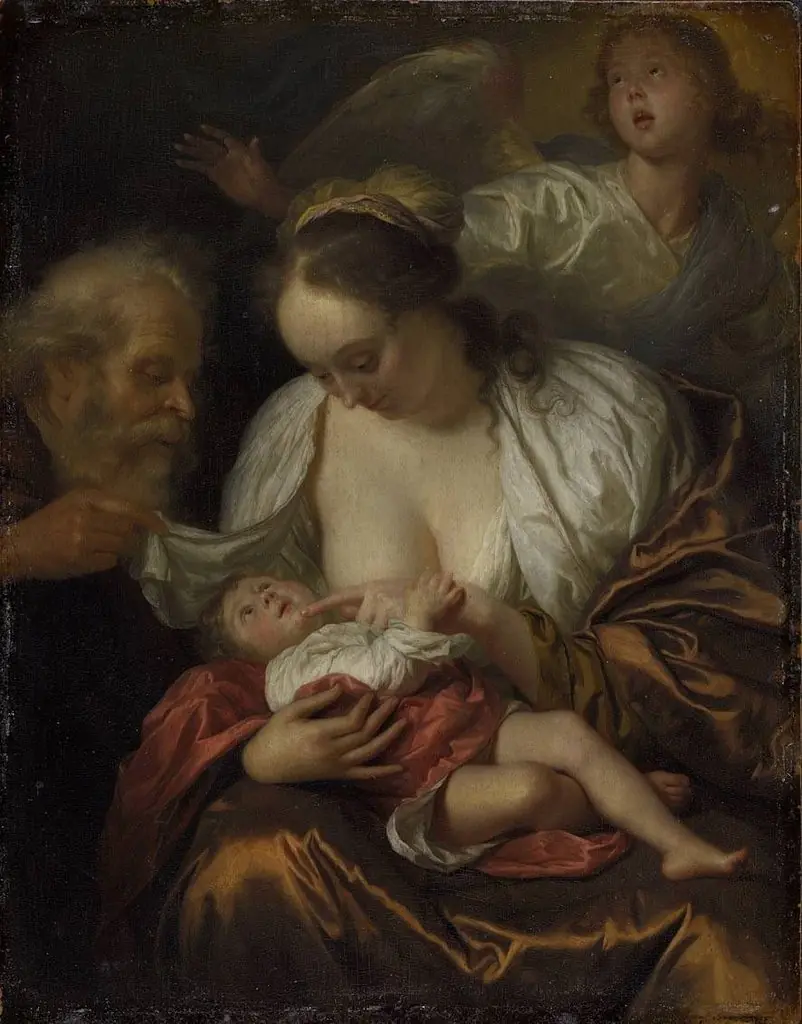 Holy Family with an Angel
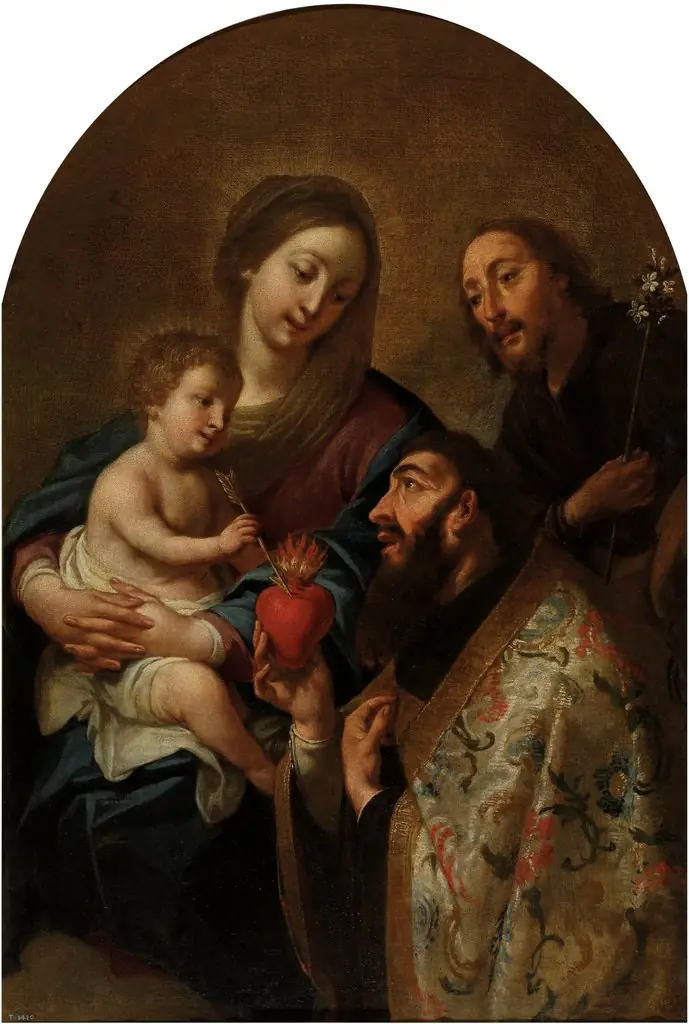 The Holy Family with Saint Augustine
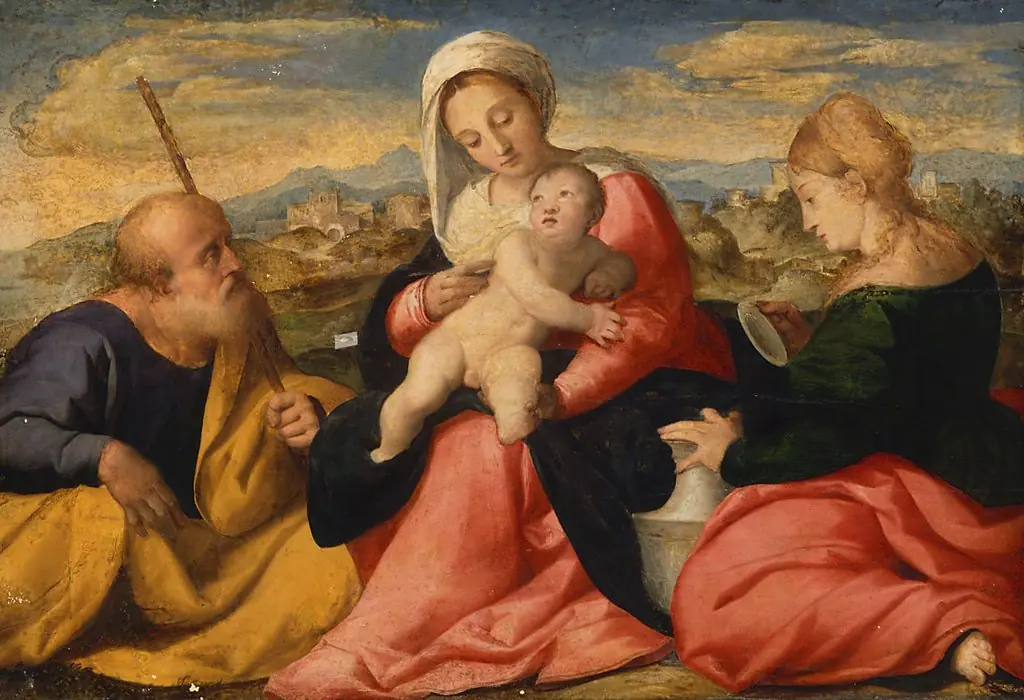 Madonna and Child with Sts Joseph and Magdalene
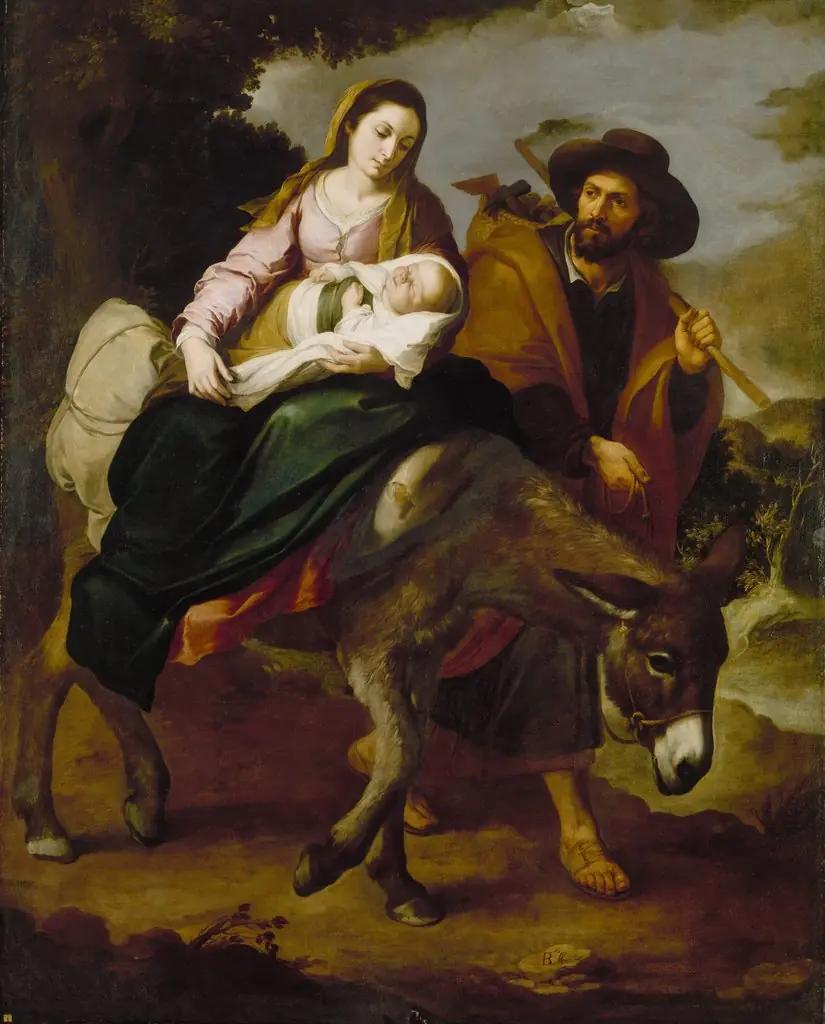 The Flight into Egypt
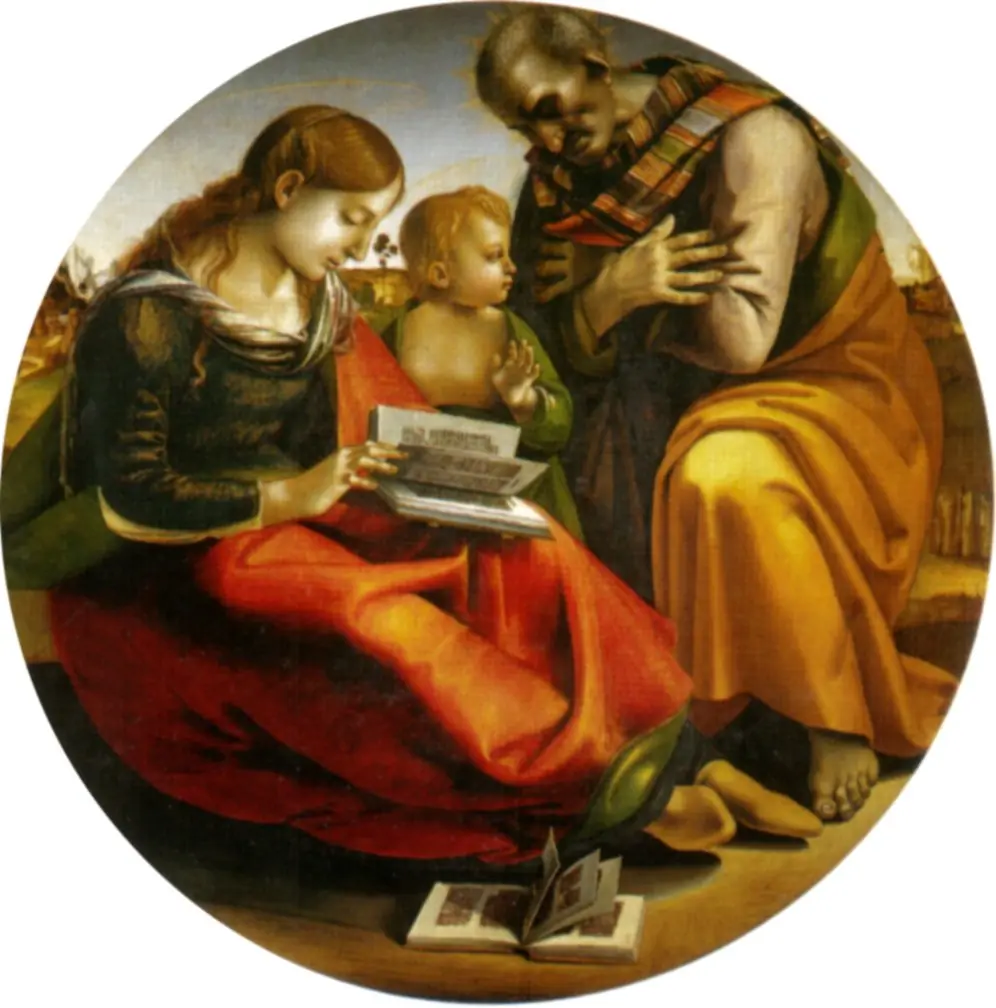 The Holy Family di Parte Guelfa
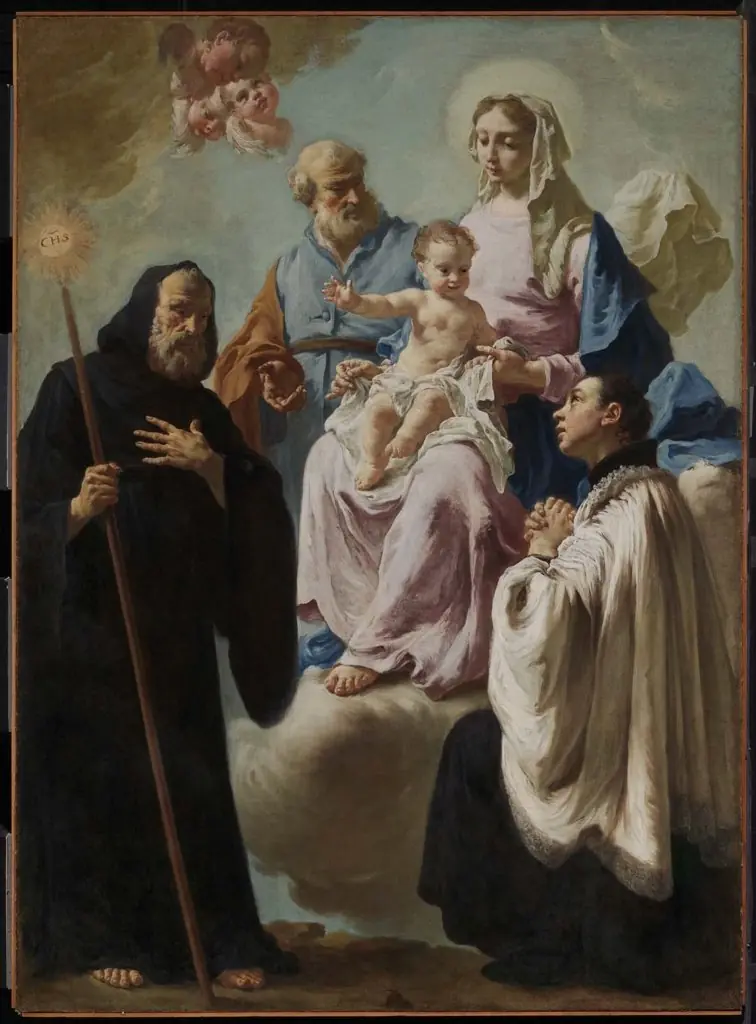 The Holy Family in Glory with Saints Francis of Paola and Aloysius Gonzaga
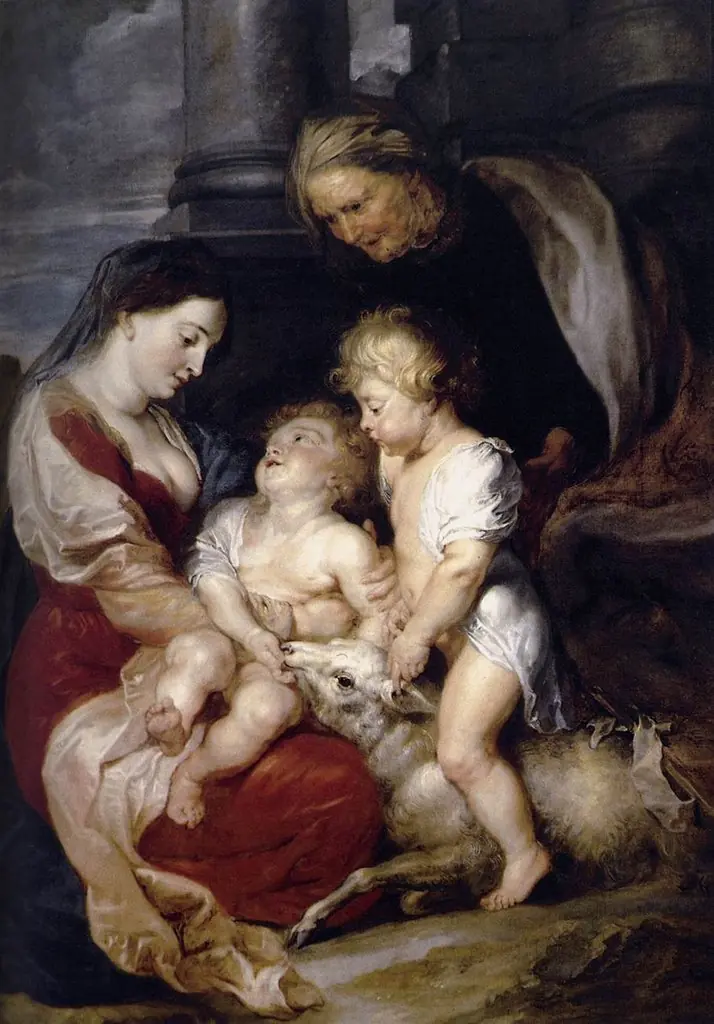 Madonna and Child with Saint Elizabeth and the Young Saint John
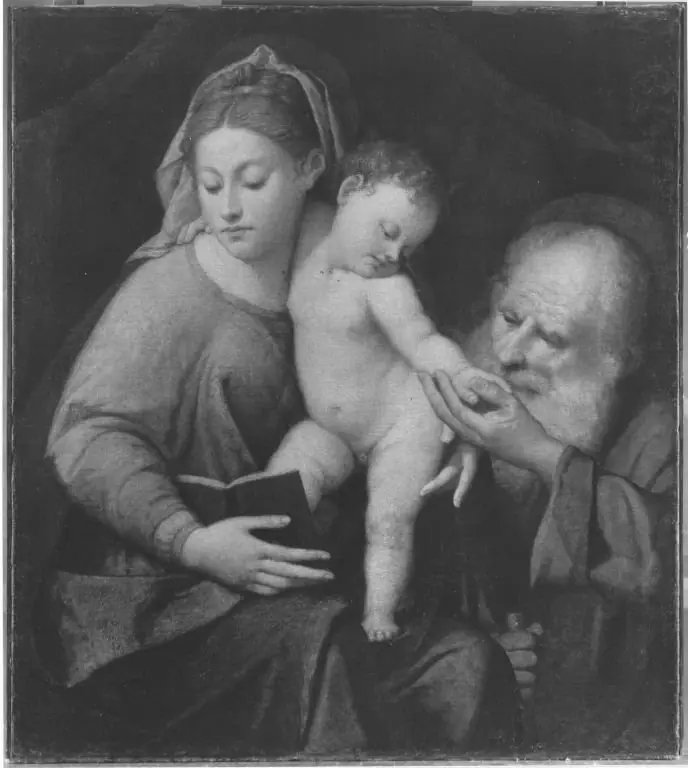 Holy Family
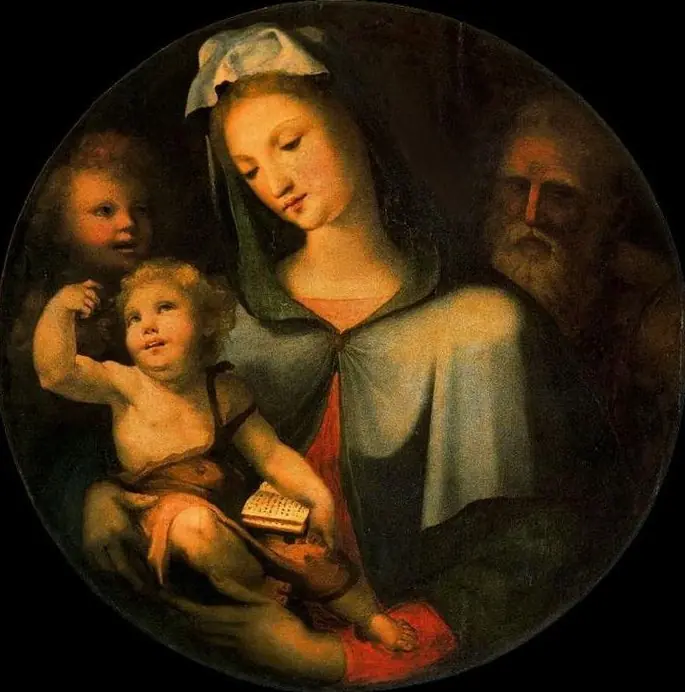 Holy Family with St. John the Baptist
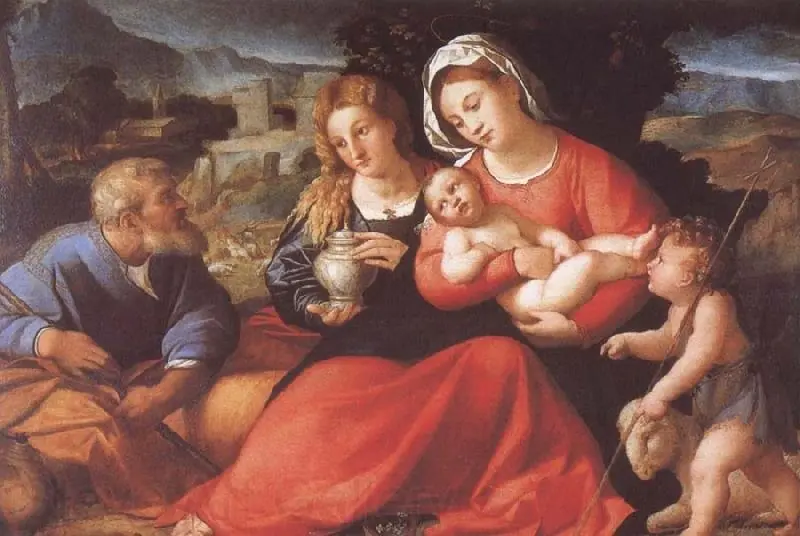 Holy Family with St. John and Mary Magdalene
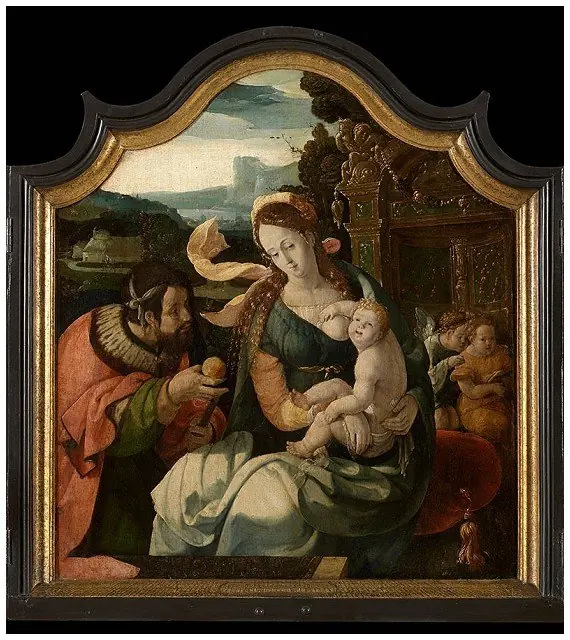 Holy Family
 Holy Family with Angels
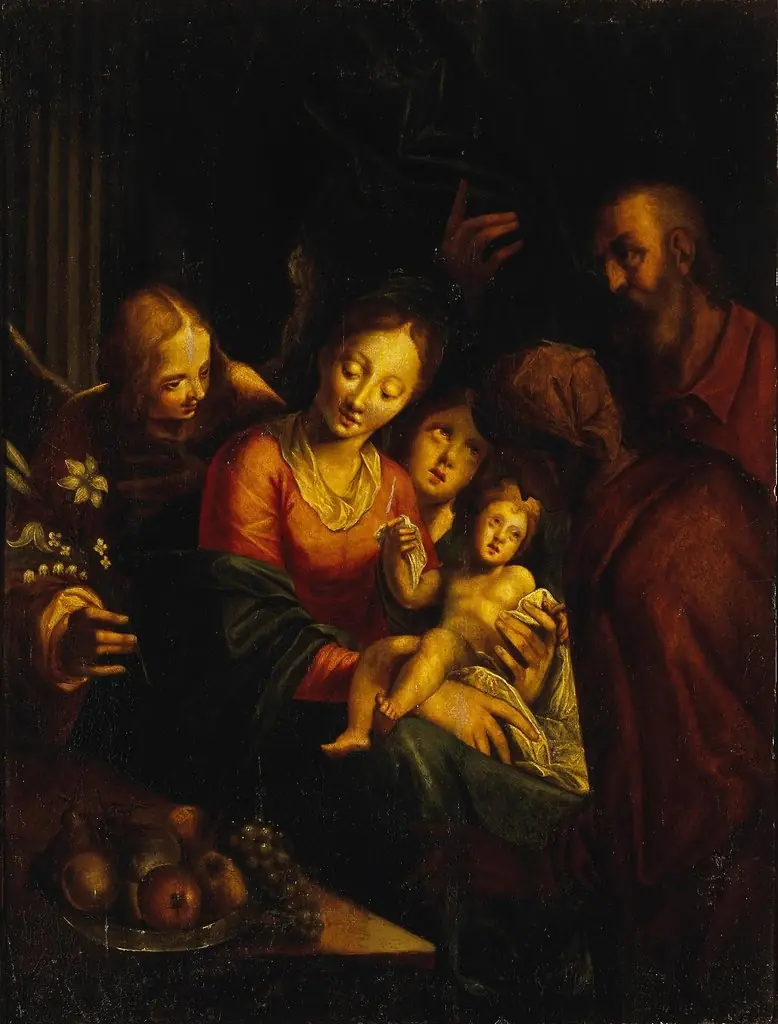 The Holy Family
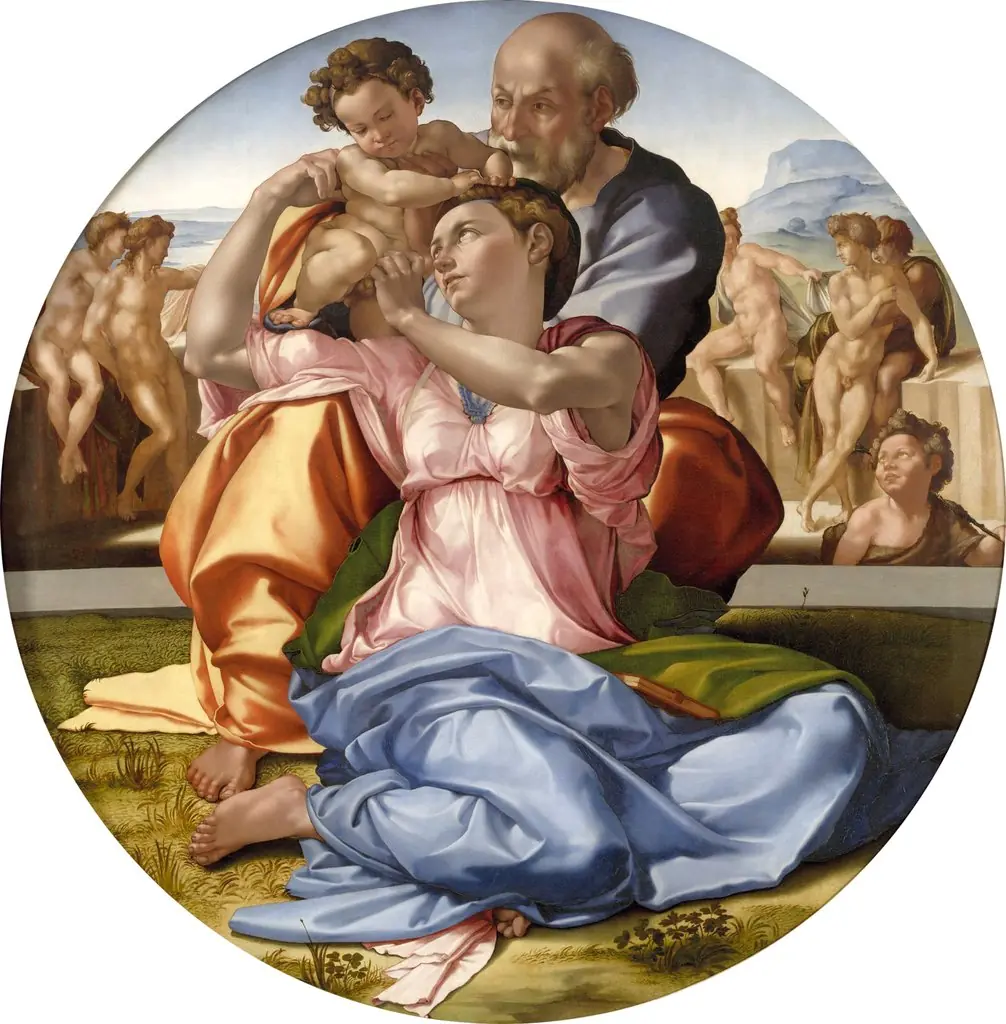 Doni Tondo
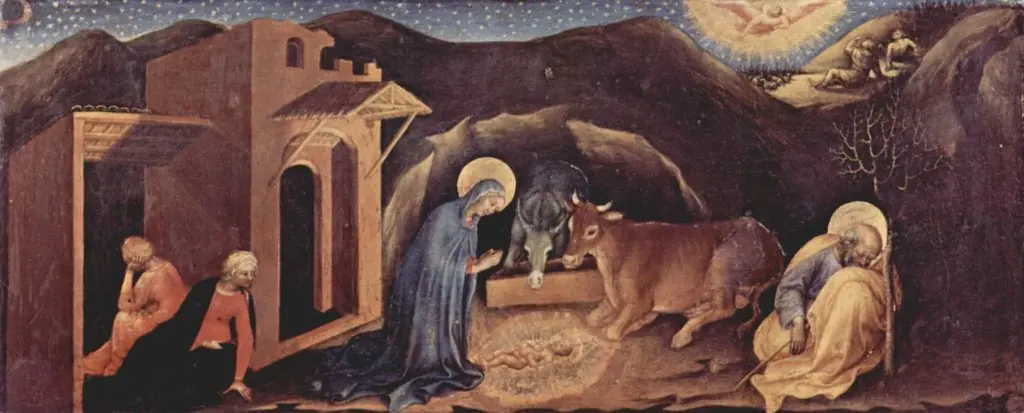 Adoration of the Three Kings - Birth of Christ
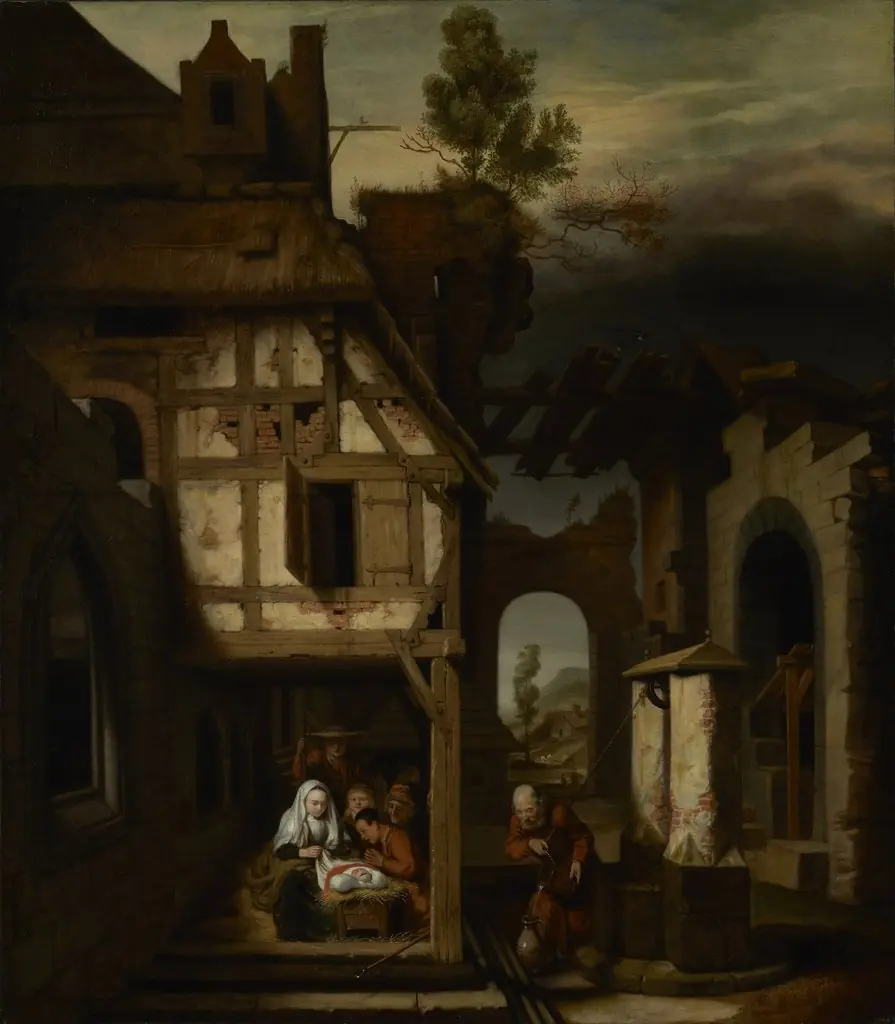 Adoration of the Shepherds
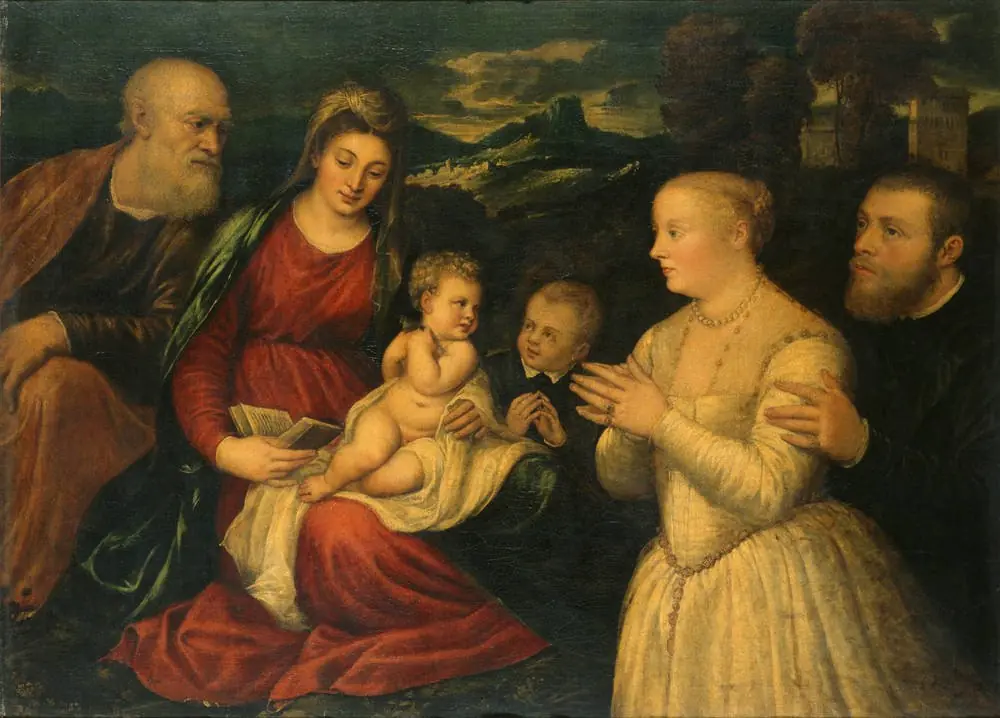 The Holy Family with Donors
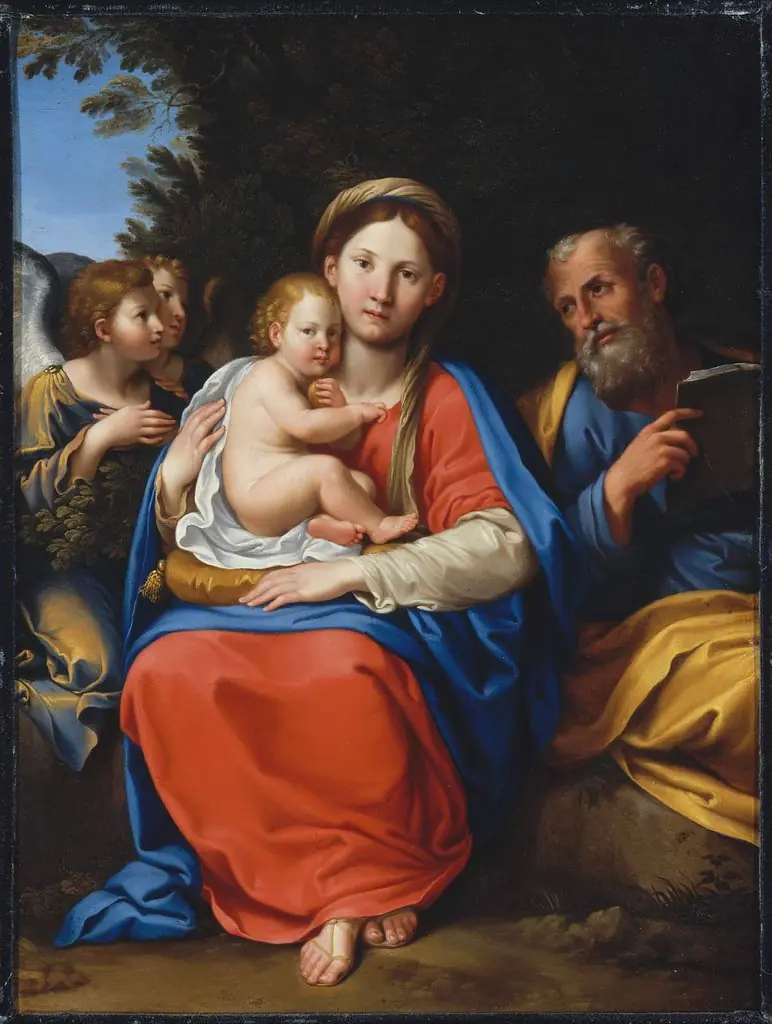 Holy Family with Angels
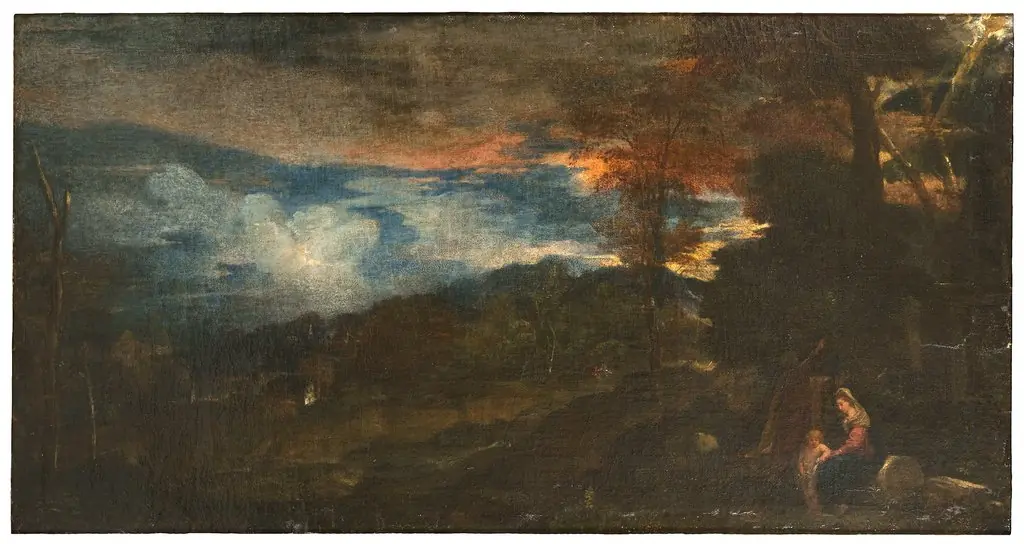 Landscape with the Holy Family
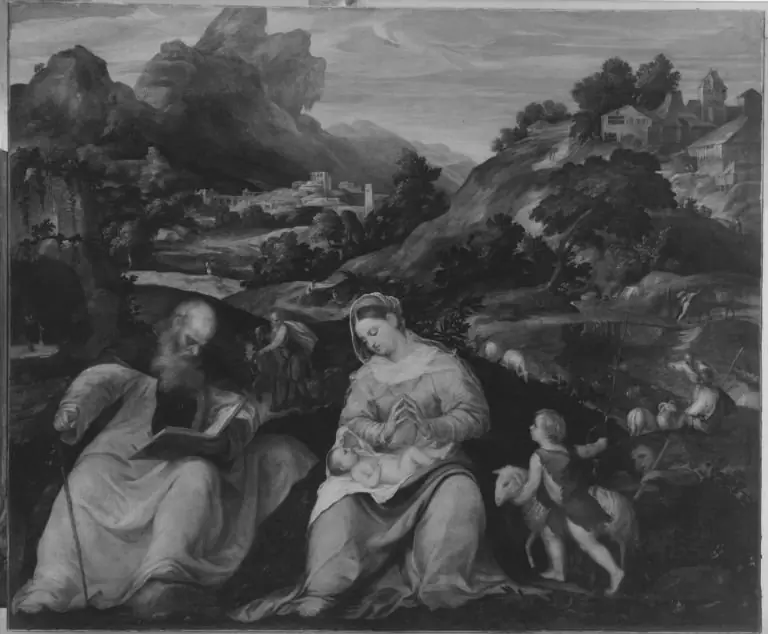 Madonna mit Kind, dem Johannesknaben und dem hl. Antonius
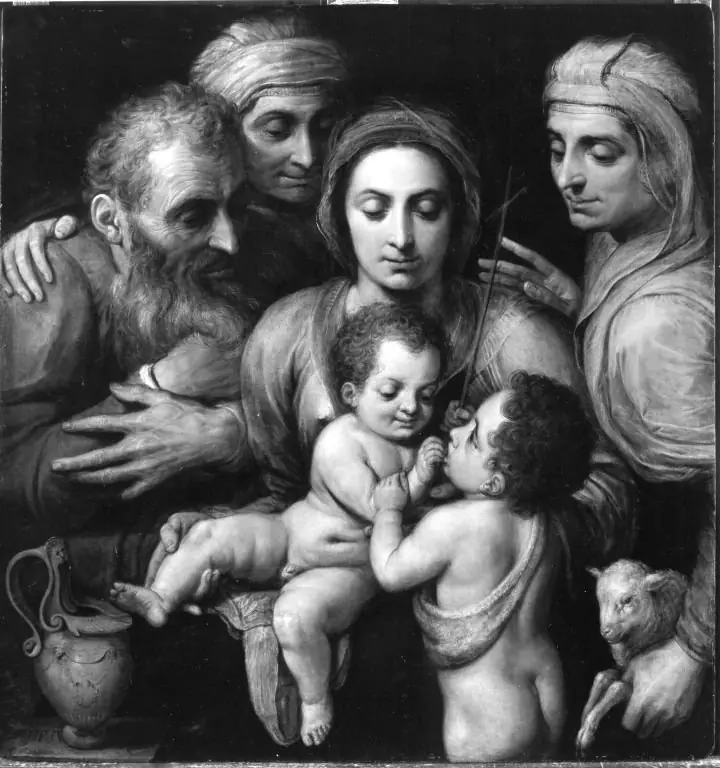 Die Heilige Familie mit Anna, Elisabeth und Johannes
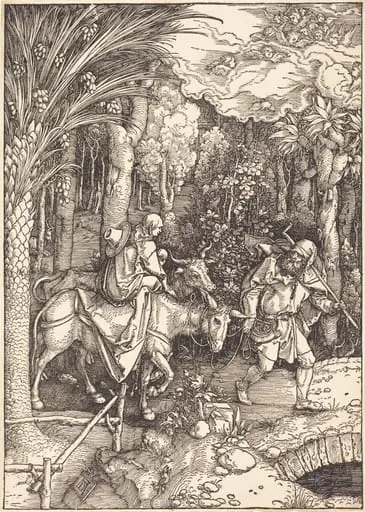 The Flight into Egypt
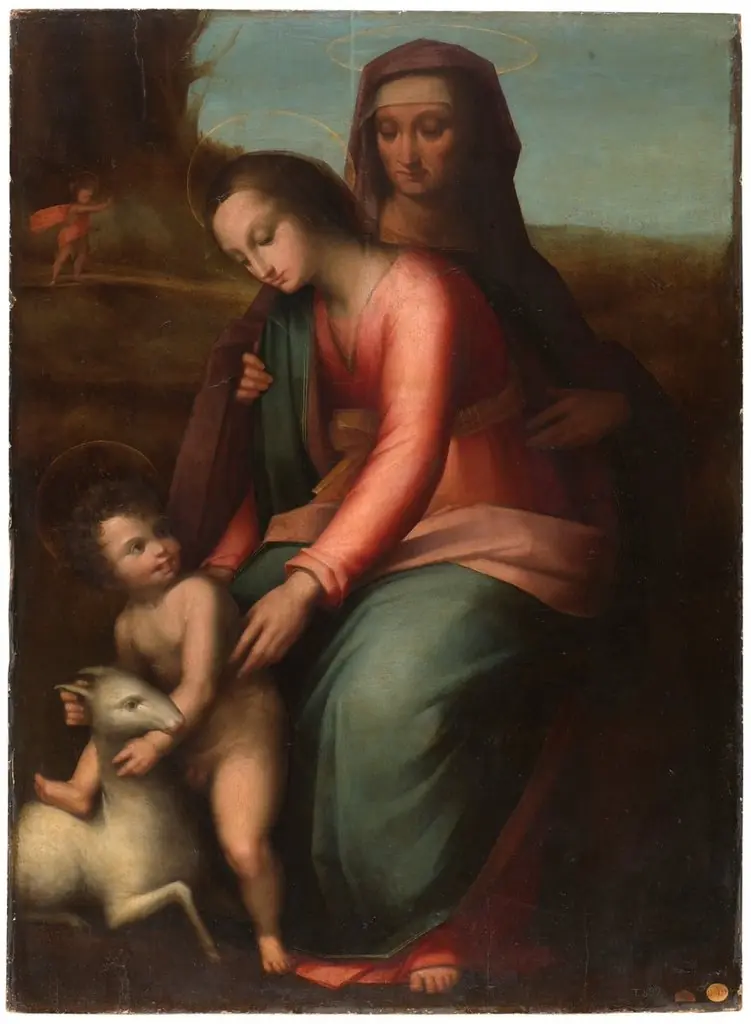 Virgin and Child with Saint Anne
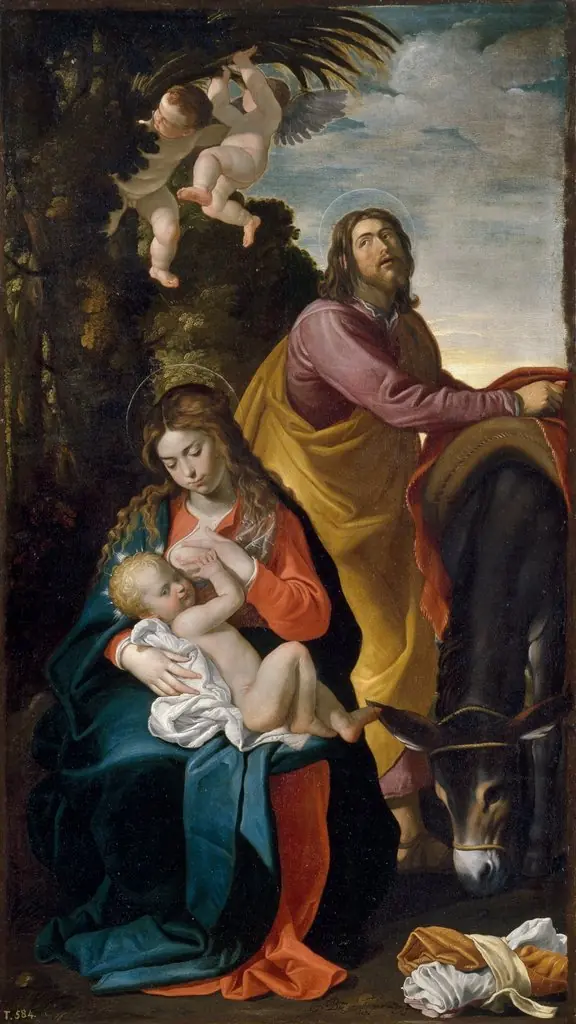 Rest on the Flight into Egypt
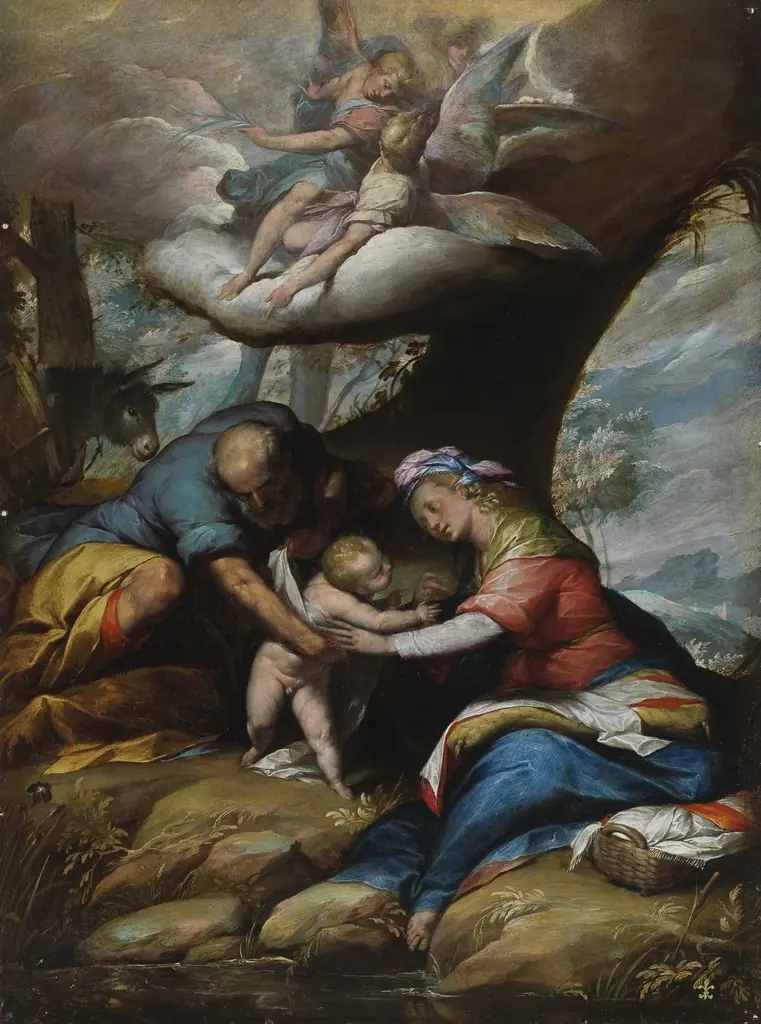 Rest on the Flight into Egypt
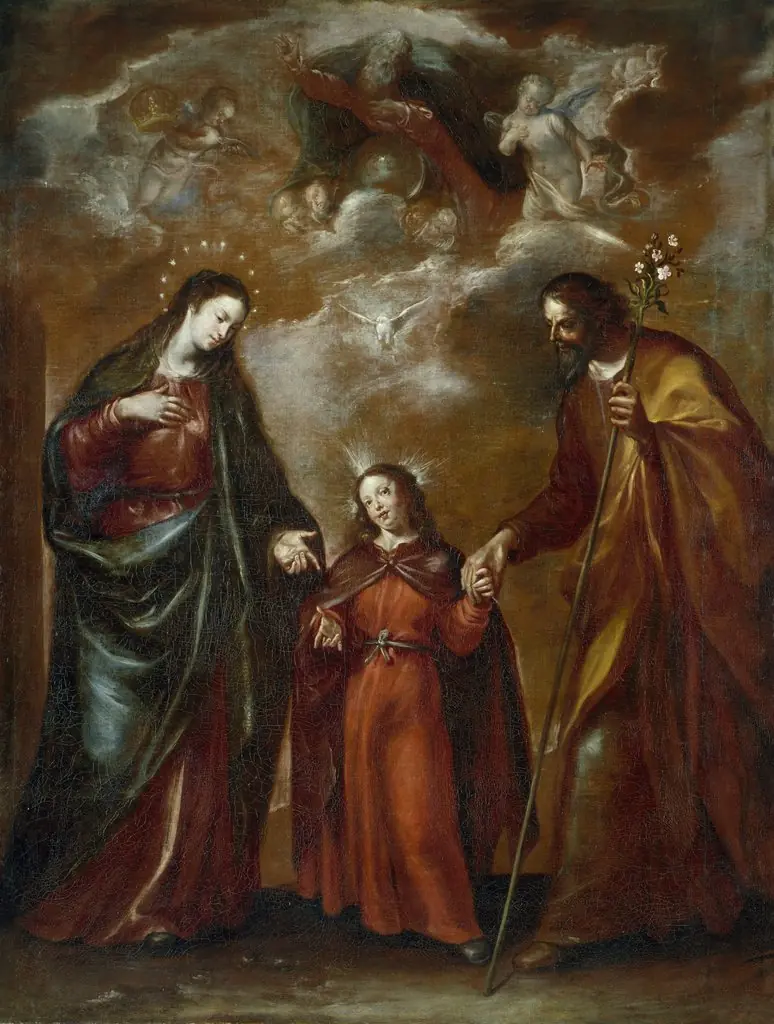 The Holy Family or Trinity on Earth
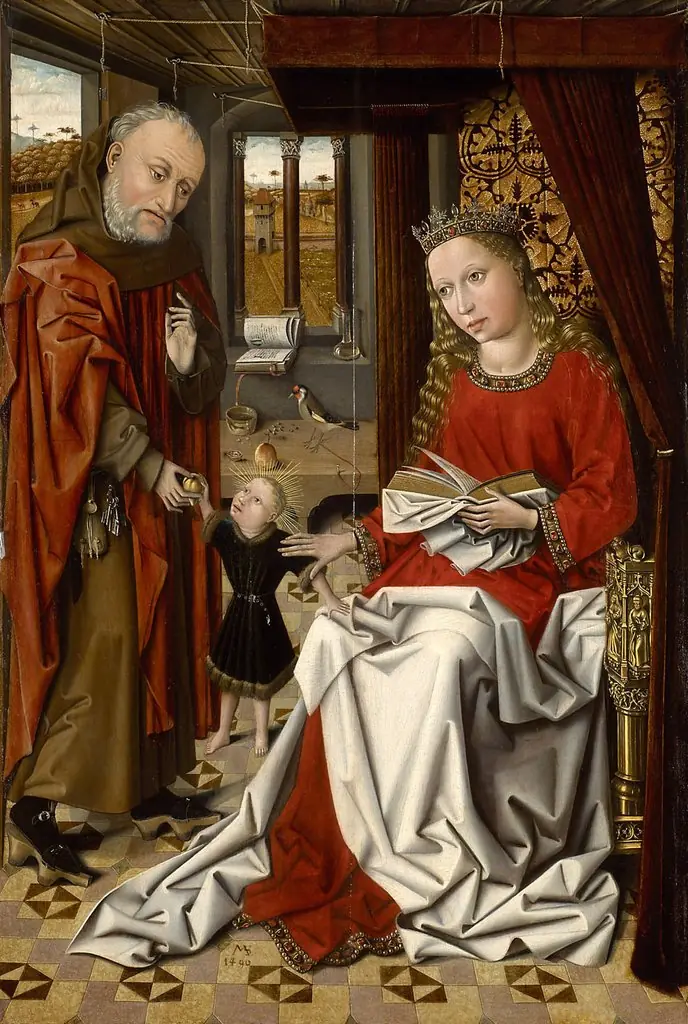 Holy Family in a room
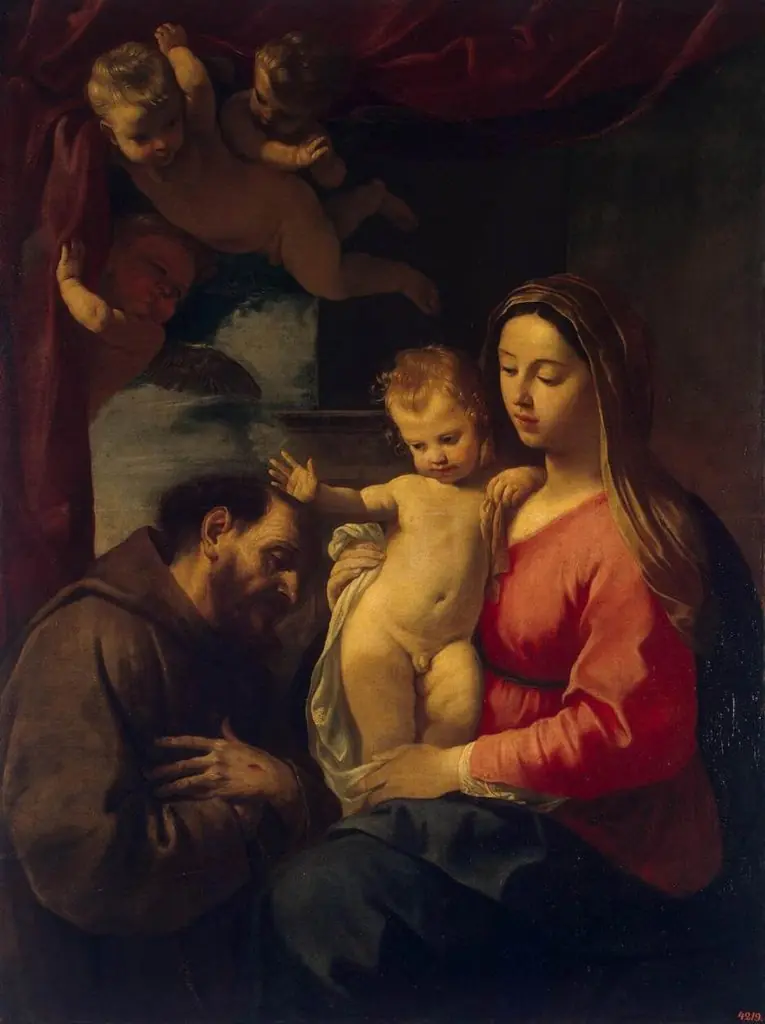 Madonna with Child and St Francis of Assisi
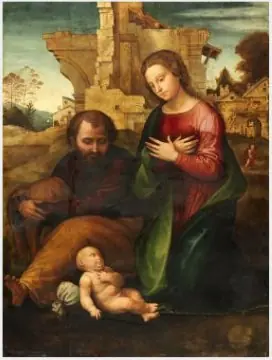 The Holy Family
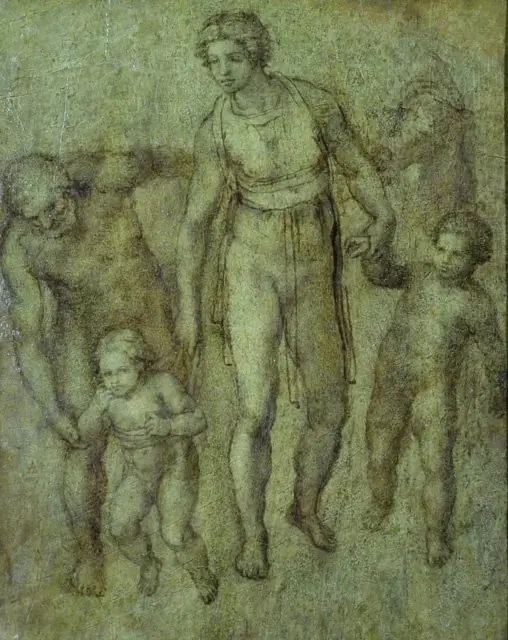 The Holy Family with Saint John the Baptist
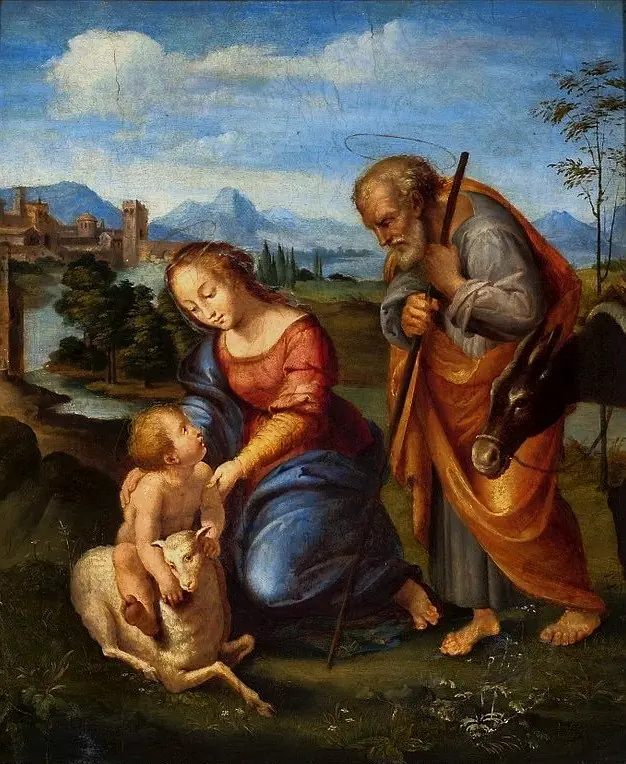 Holy Family with a lamb
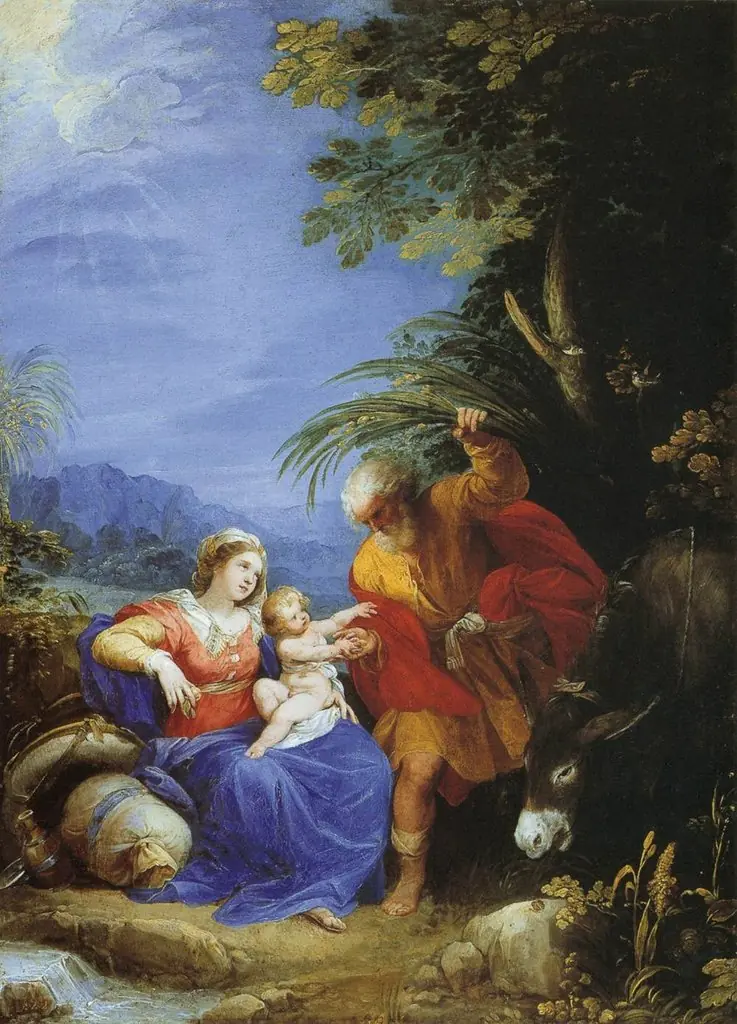 Rest on the Flight into Egypt
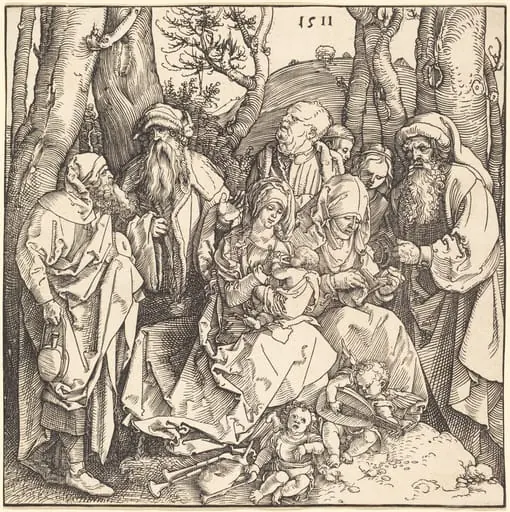 The Holy Family with Two Music-Making Angels
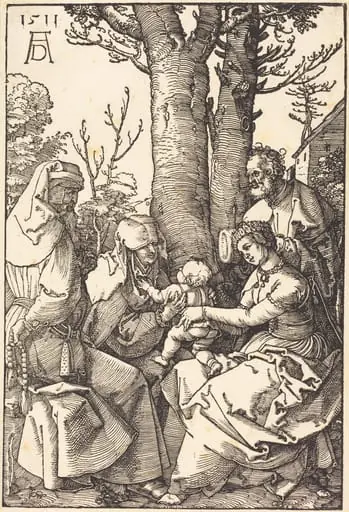 The Holy Family with Joachim and Anne under a Tree
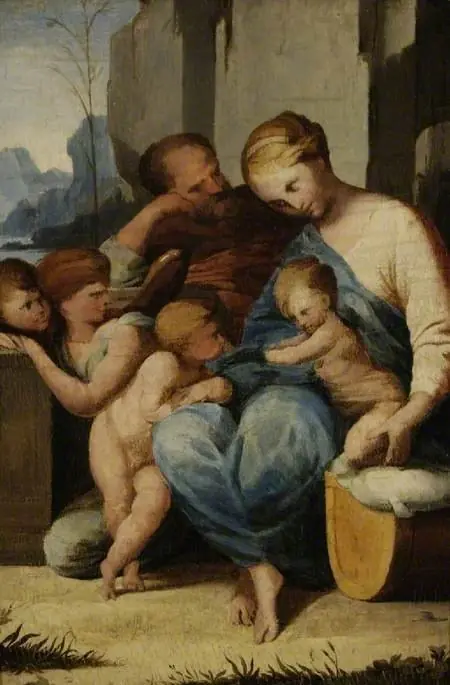 The Holy Family with the infant St John the Baptist and angels
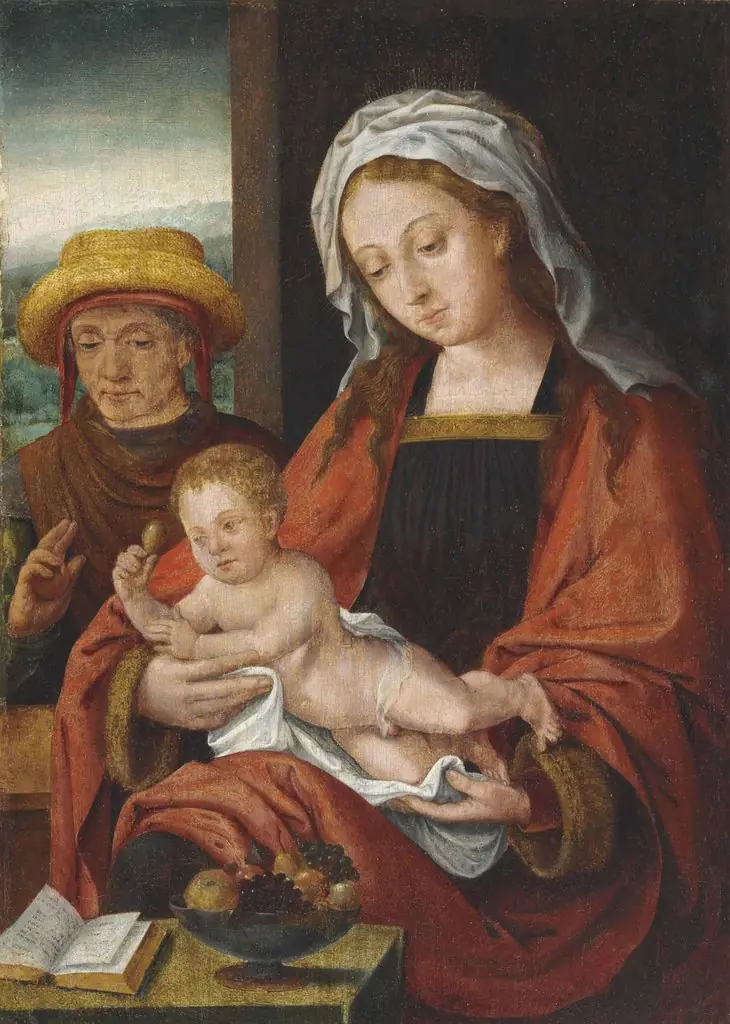 The Holy Family
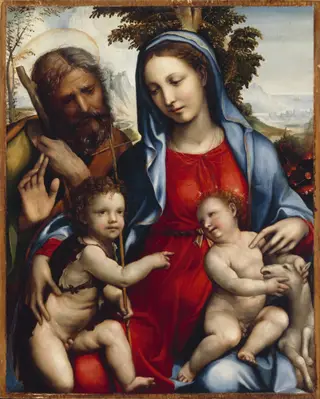 The Holy Family and St. John
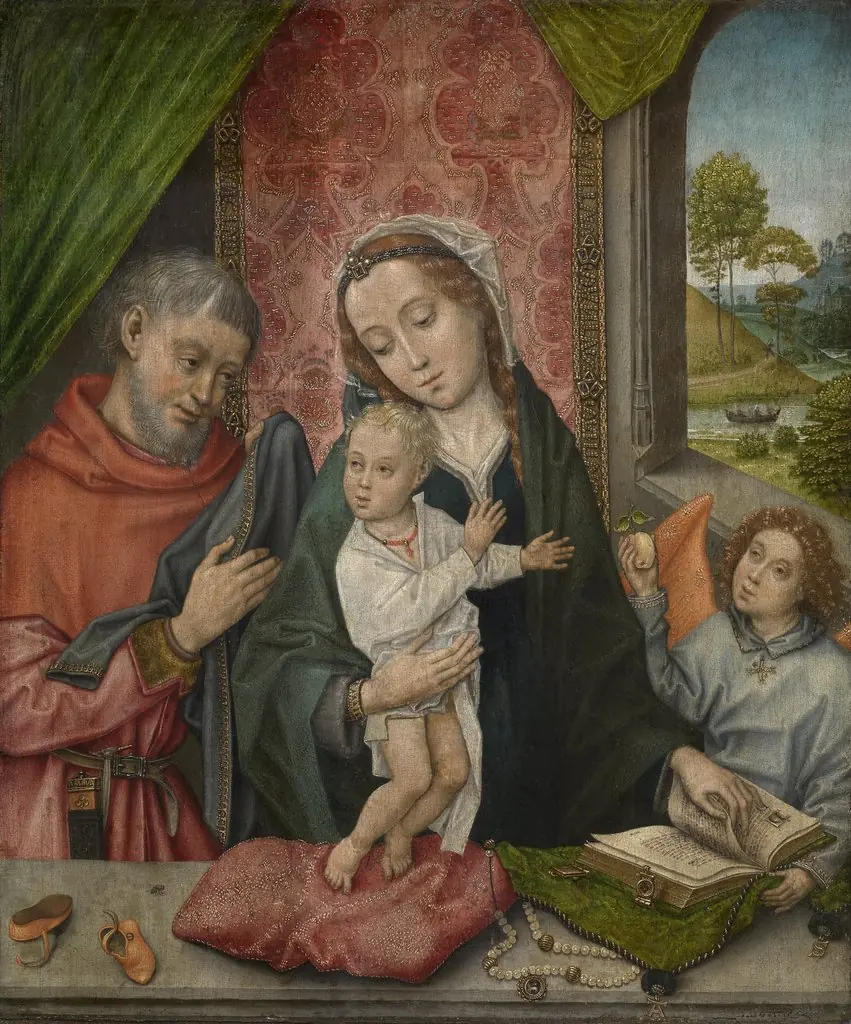 The Holy Family with an Angel
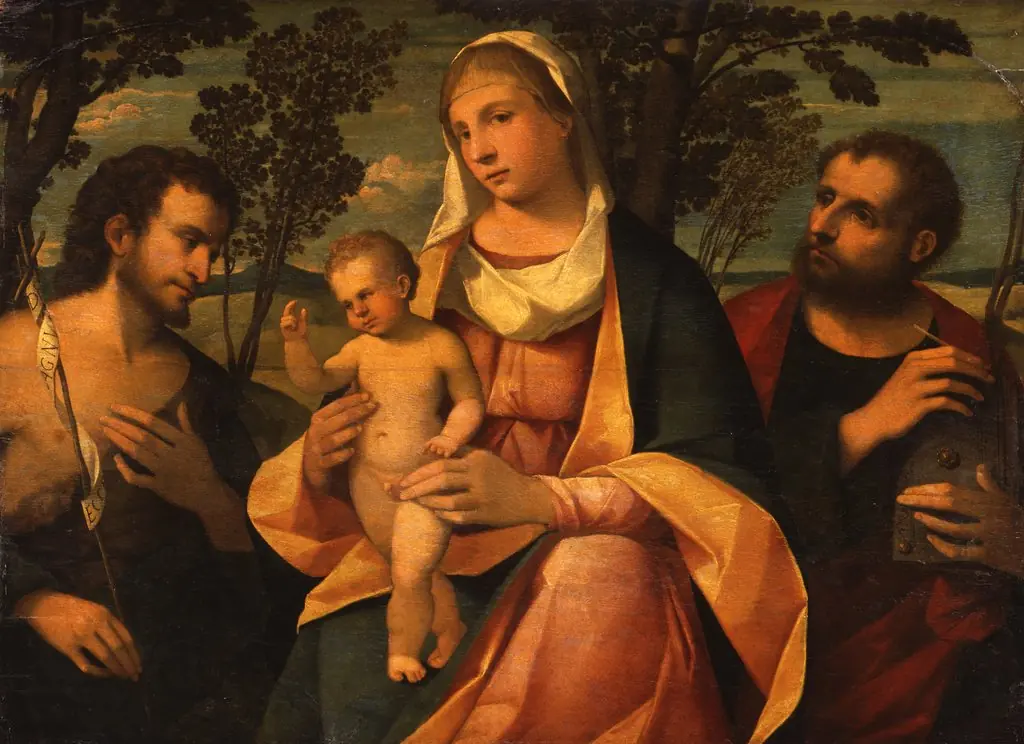 The Virgin with the Blessing Child and St. John the Baptist and Marcus the Evangelist
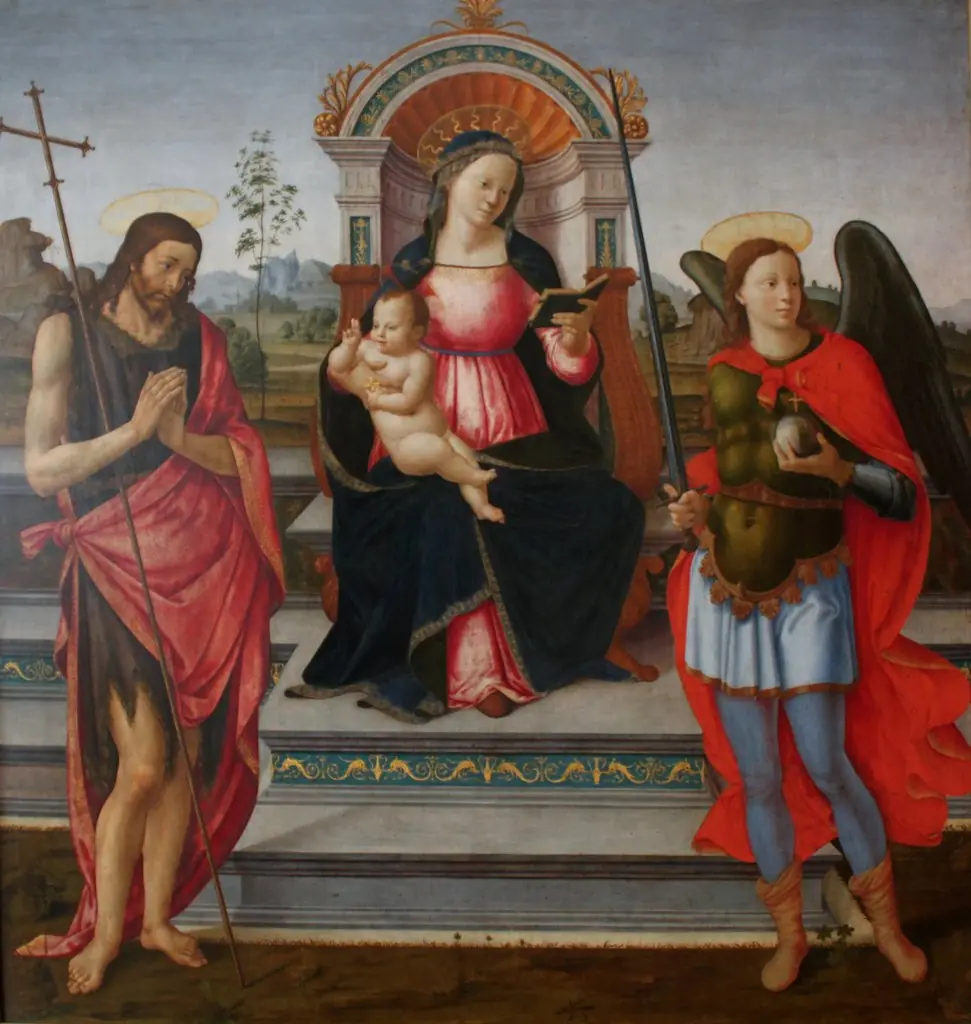 Madonna Enthroned with the blessing child, John the Baptist and St. Michael the Archangel
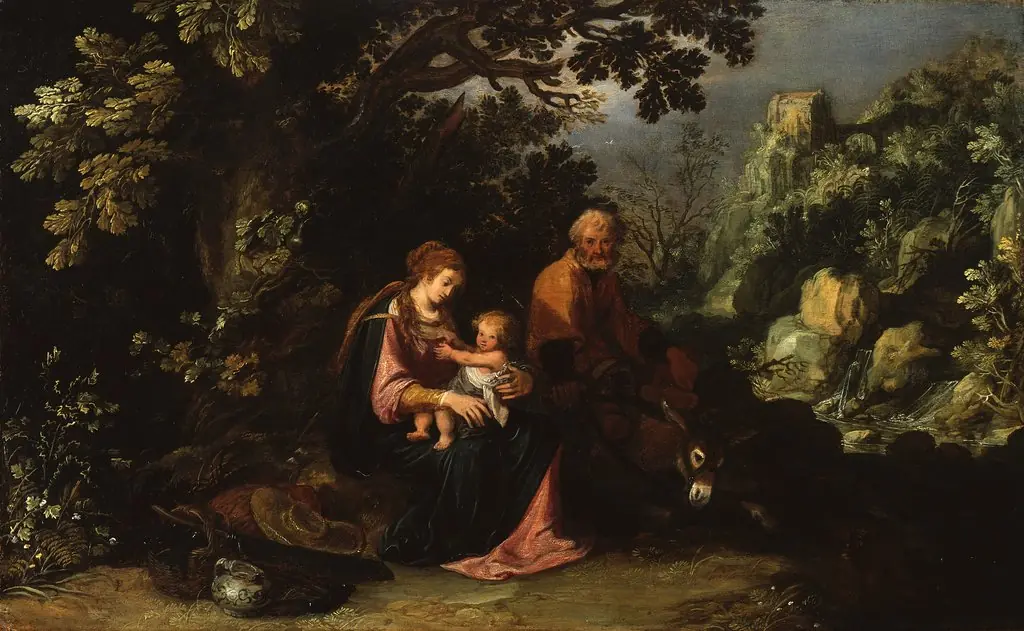 The Rest on the Flight to Egypt
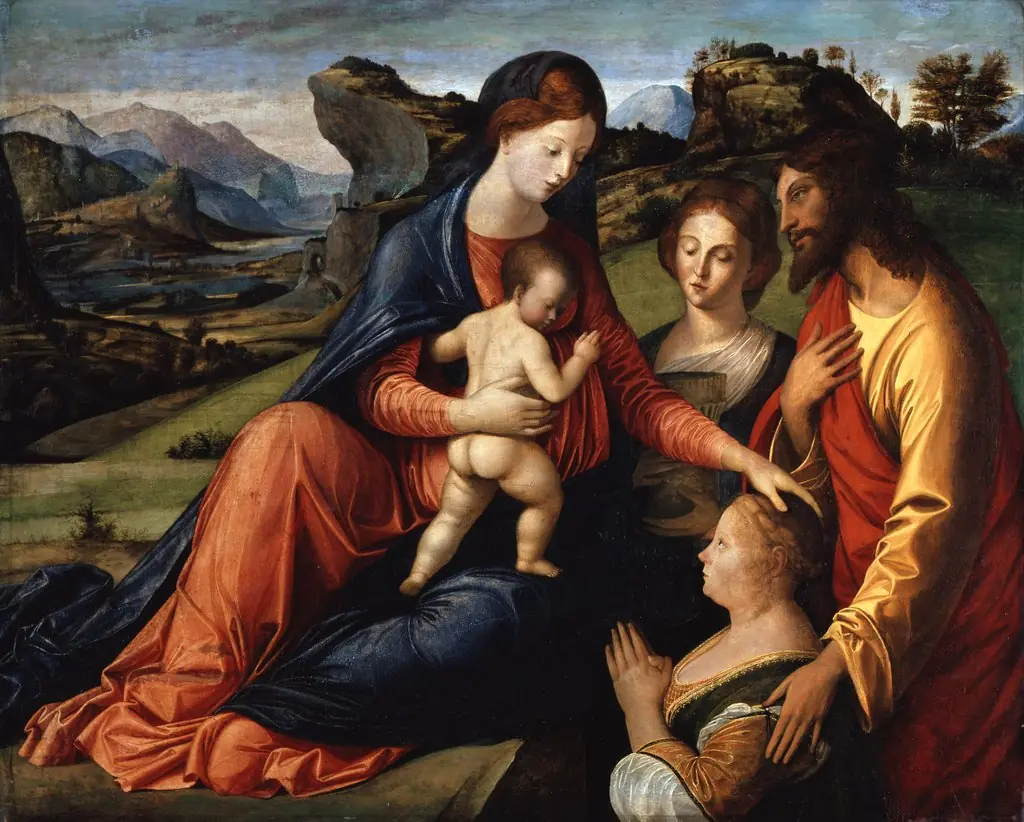 Virgin and Child with Saint Barbara, Saint John the Baptist and a female donor
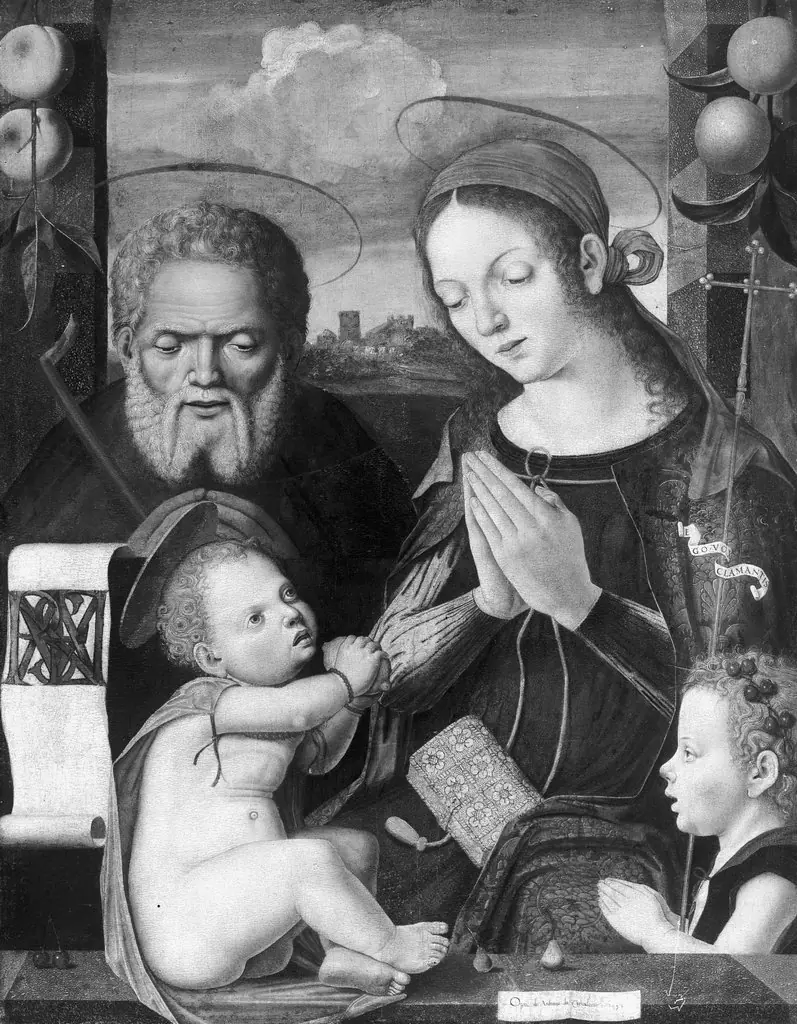 The Holy Family with little John
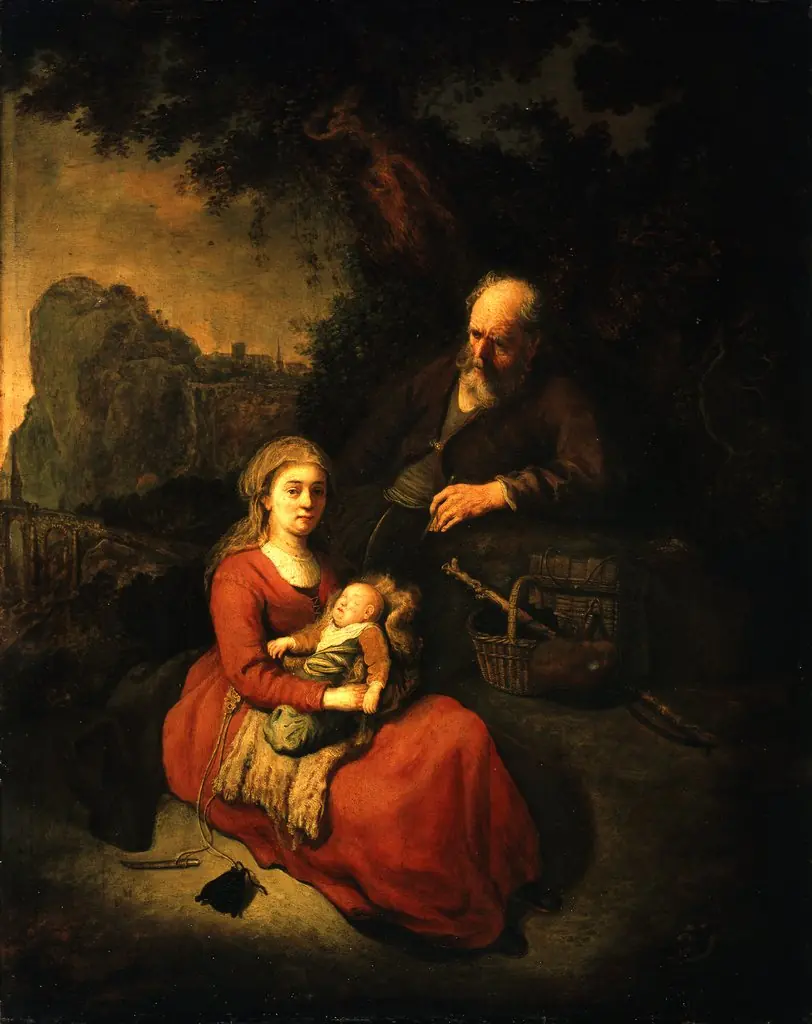 The Rest on the Flight from Egypt
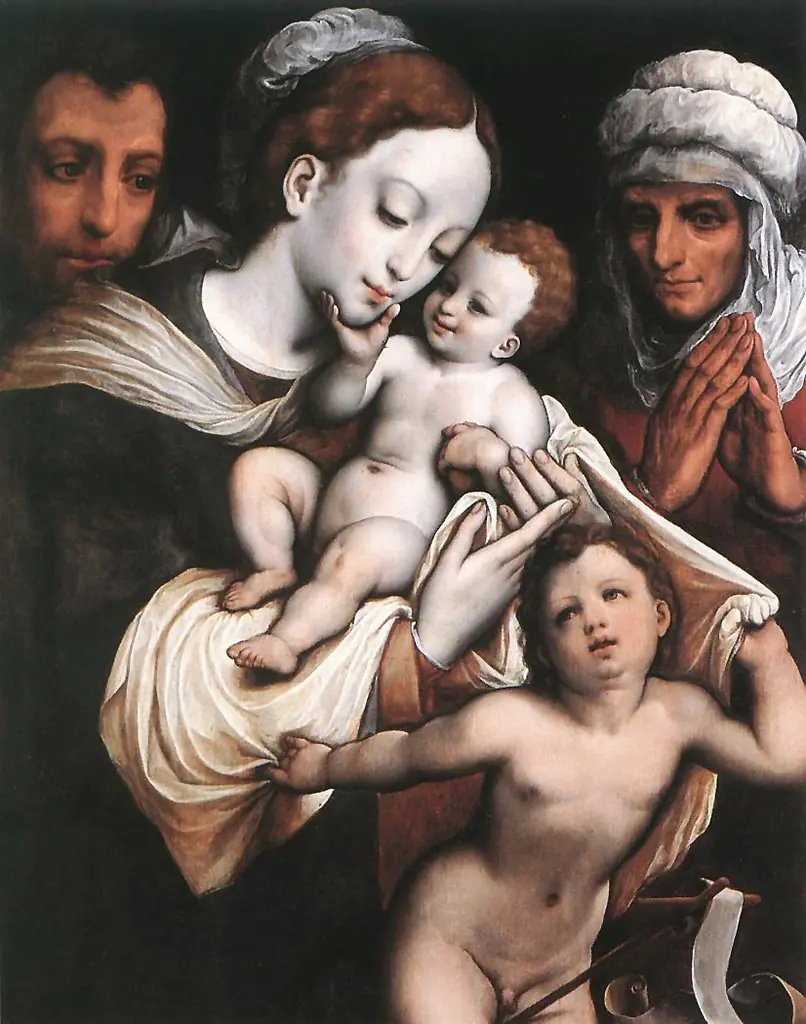 Holy Family with Elisabeth and John the Baptist
 The Virgin and Child with Saints Elizabeth and John the Baptist
 The Holy Family with Saints John the Baptist and Elizabeth
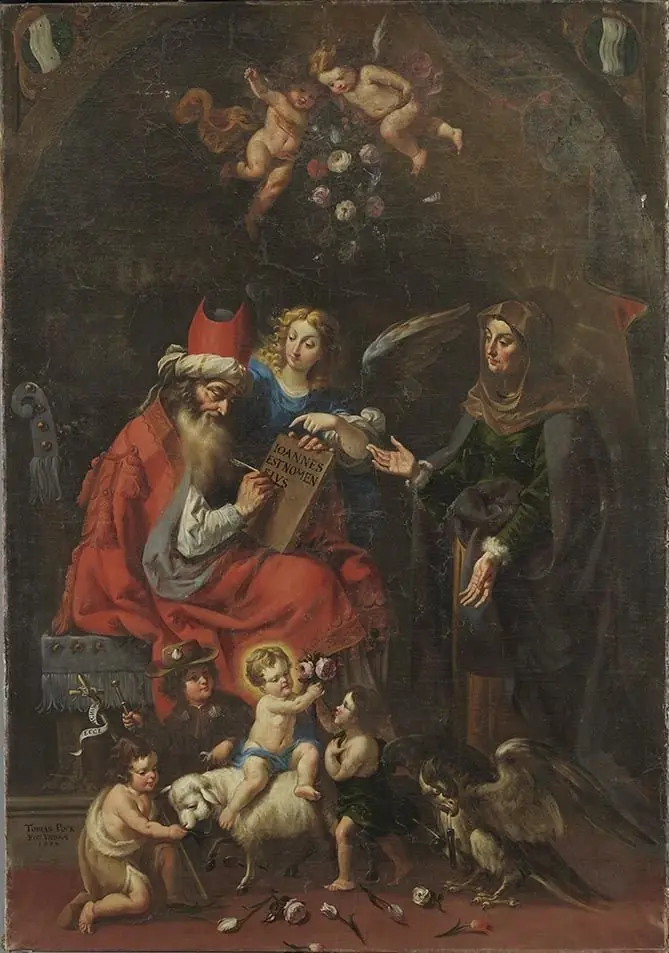 Zacharias gibt Johannes den Namen
 The Mystic Marriage of Saint Catherine
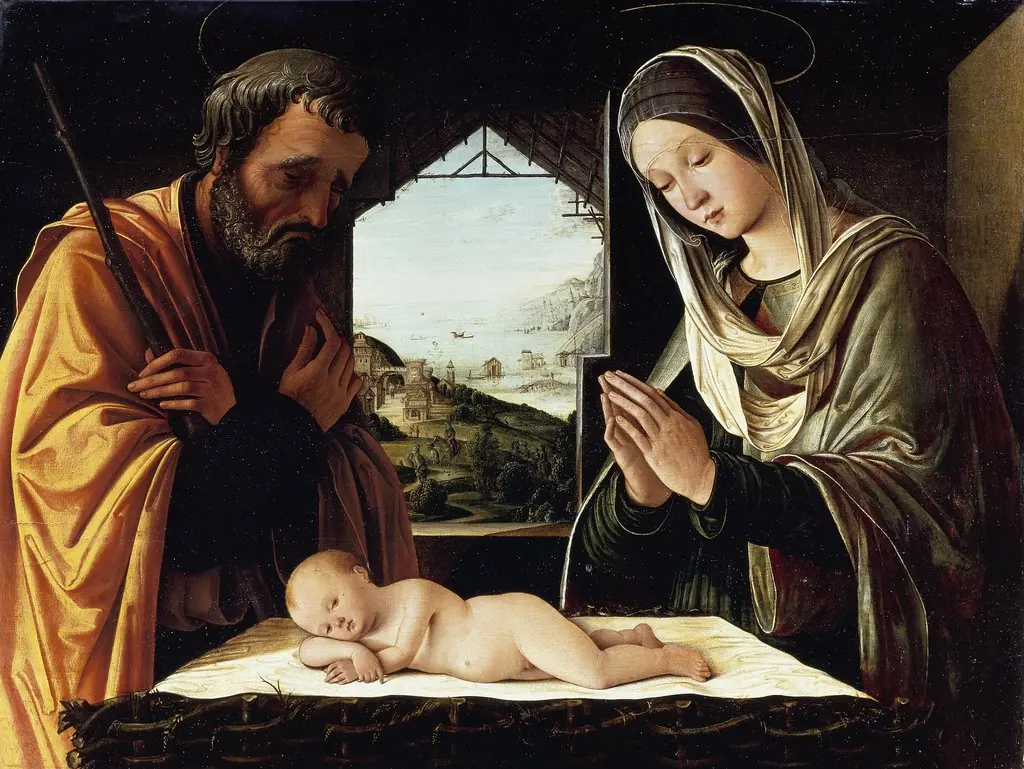 Holy Family (Nativity)
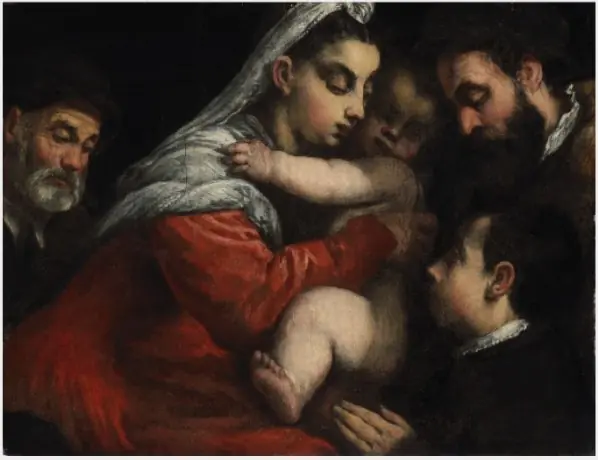 The Holy Family with Donors
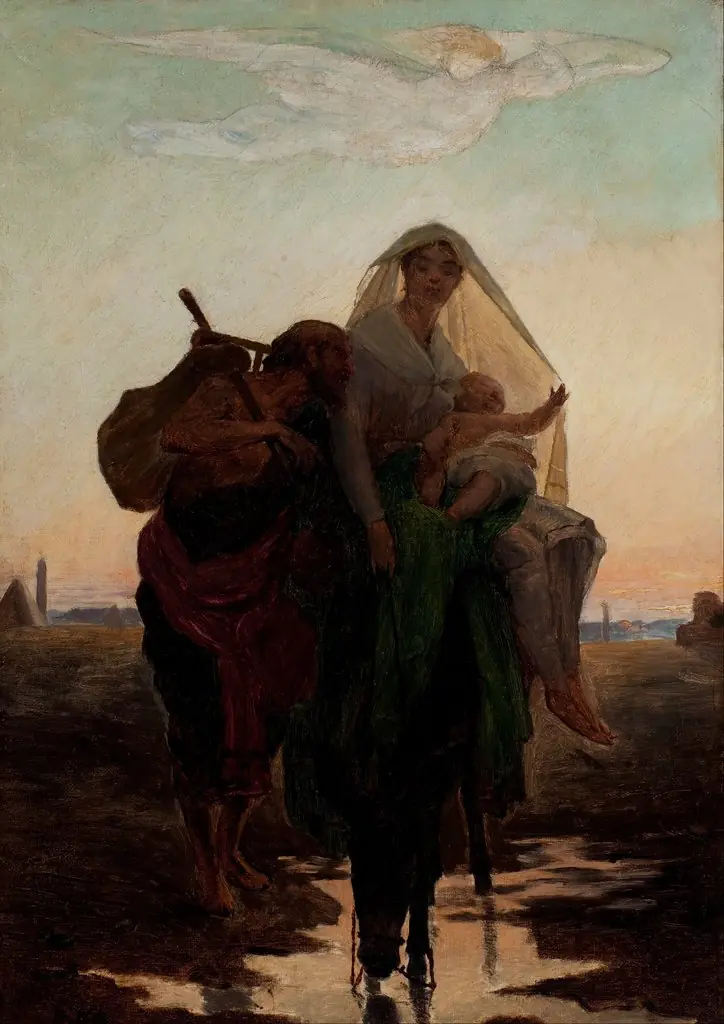 Study for "Flight of the Holy Family to Egypt"
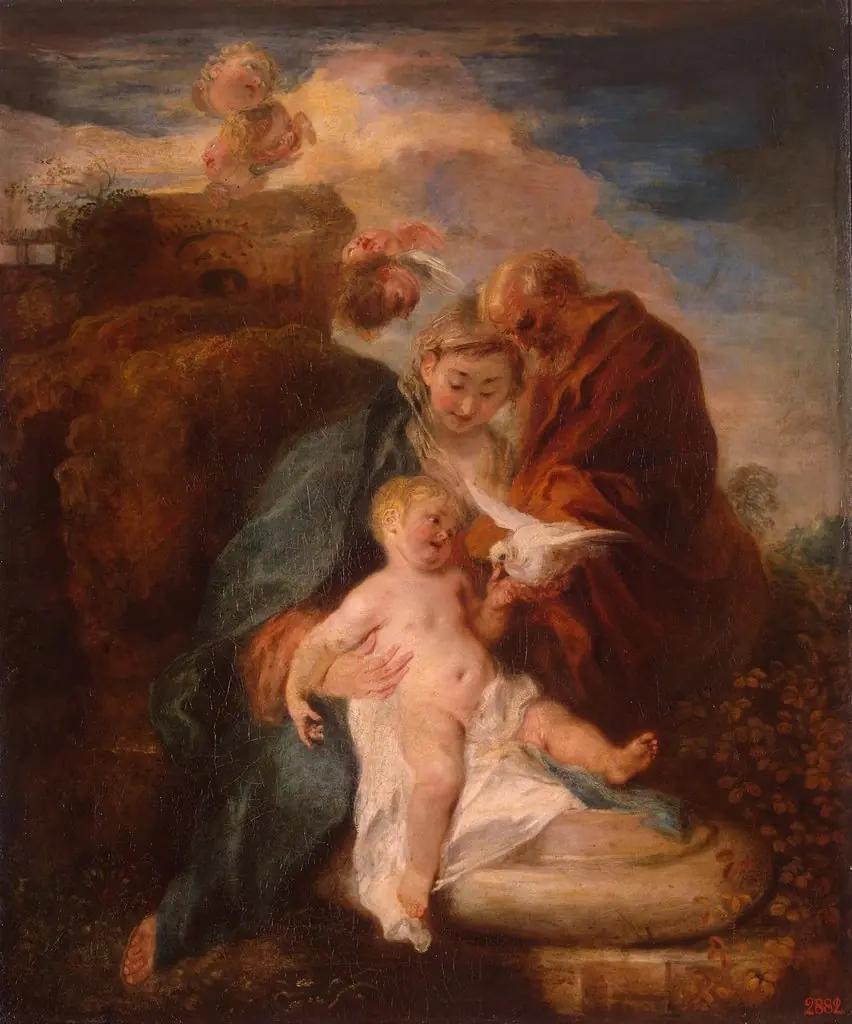 Holy Family
 Das Bittenlernen (Familie Reiter)
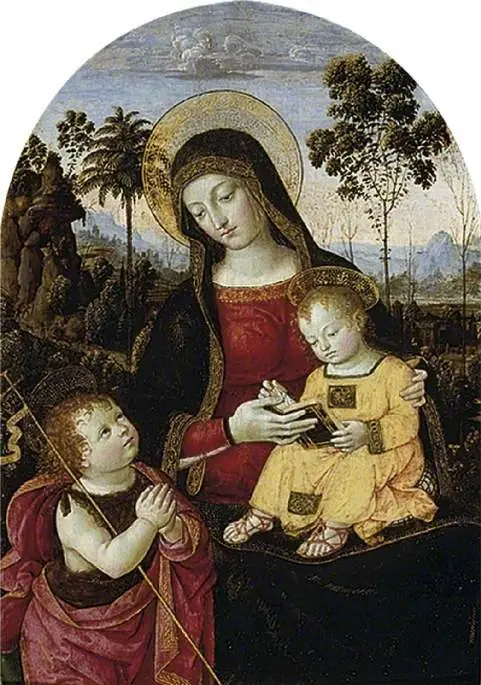 Virgin and Child with St John the Baptist
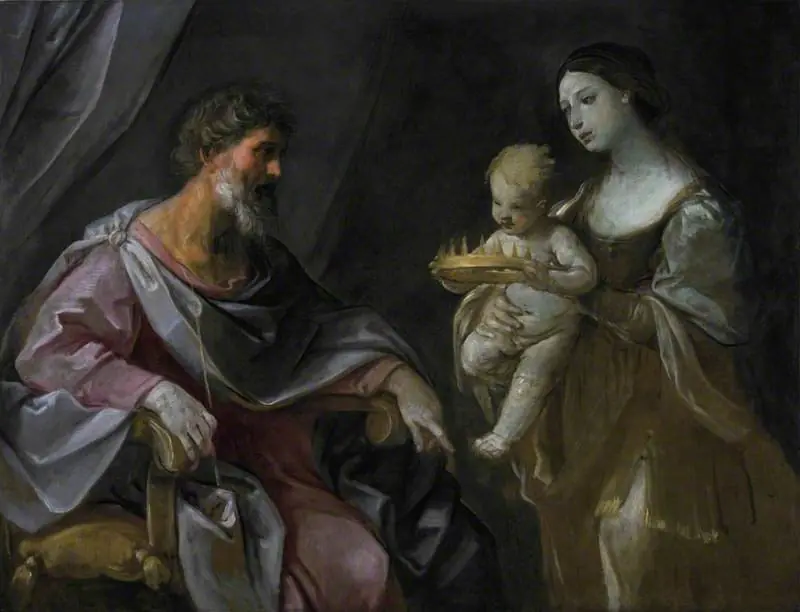 Moses with Pharoah's Crown
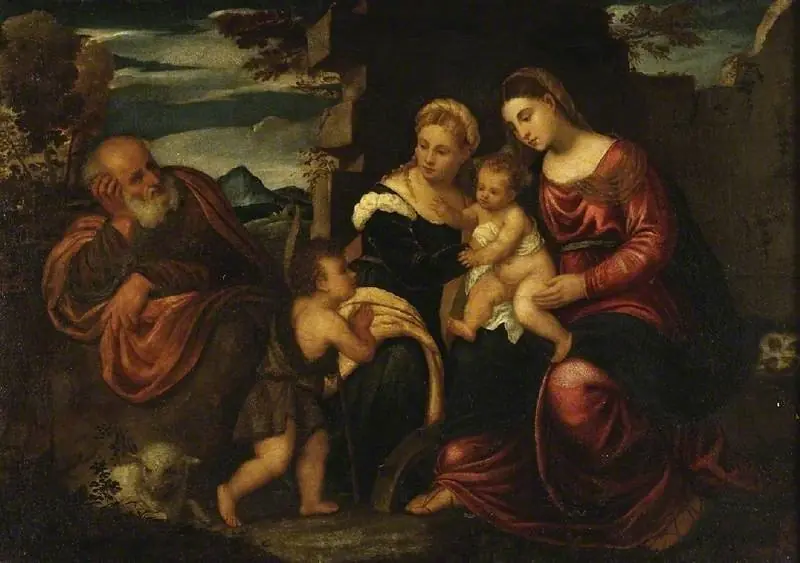 Holy Family with the infant St John Baptist and St Catherine
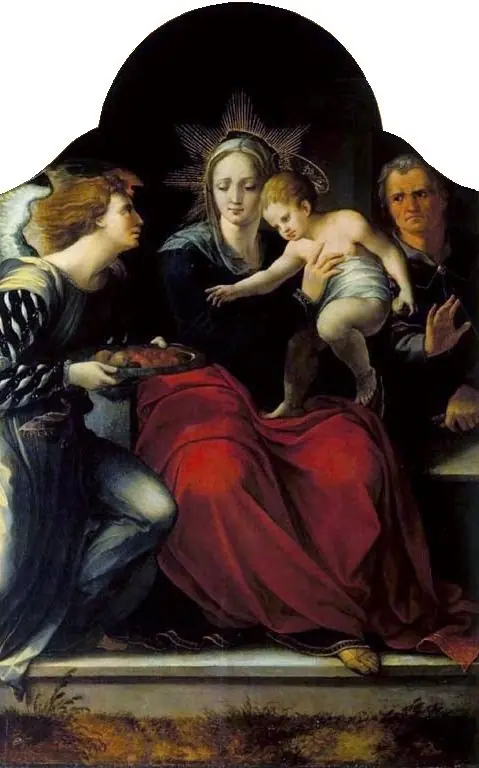 Holy Family
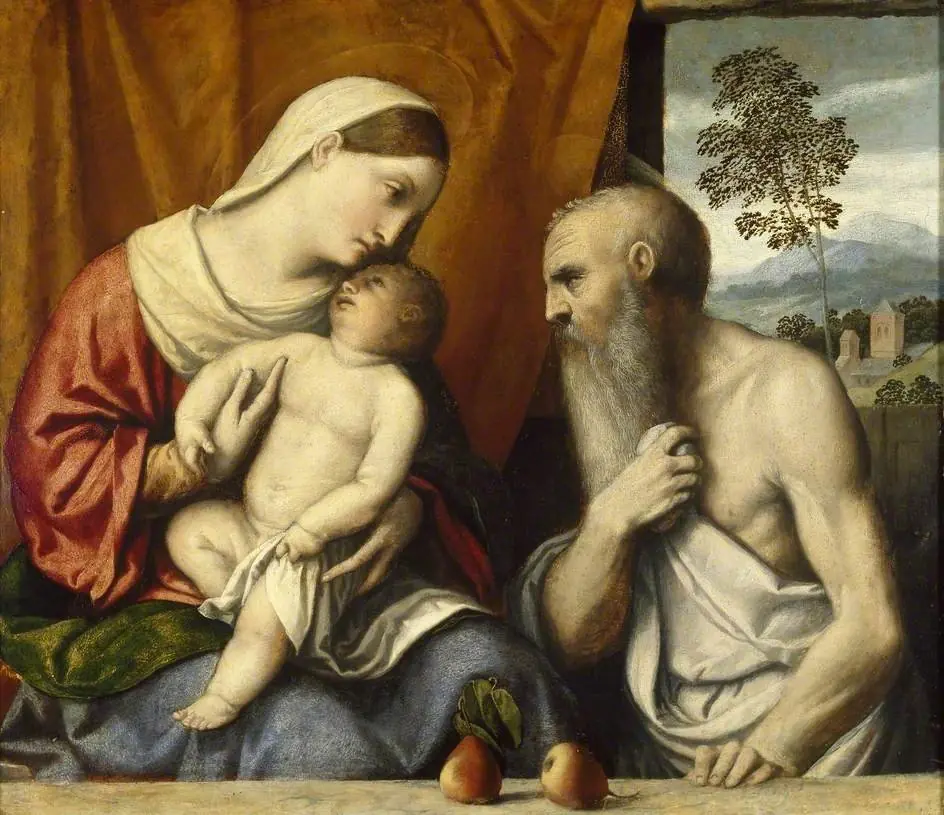 The Virgin and Child with St Jerome
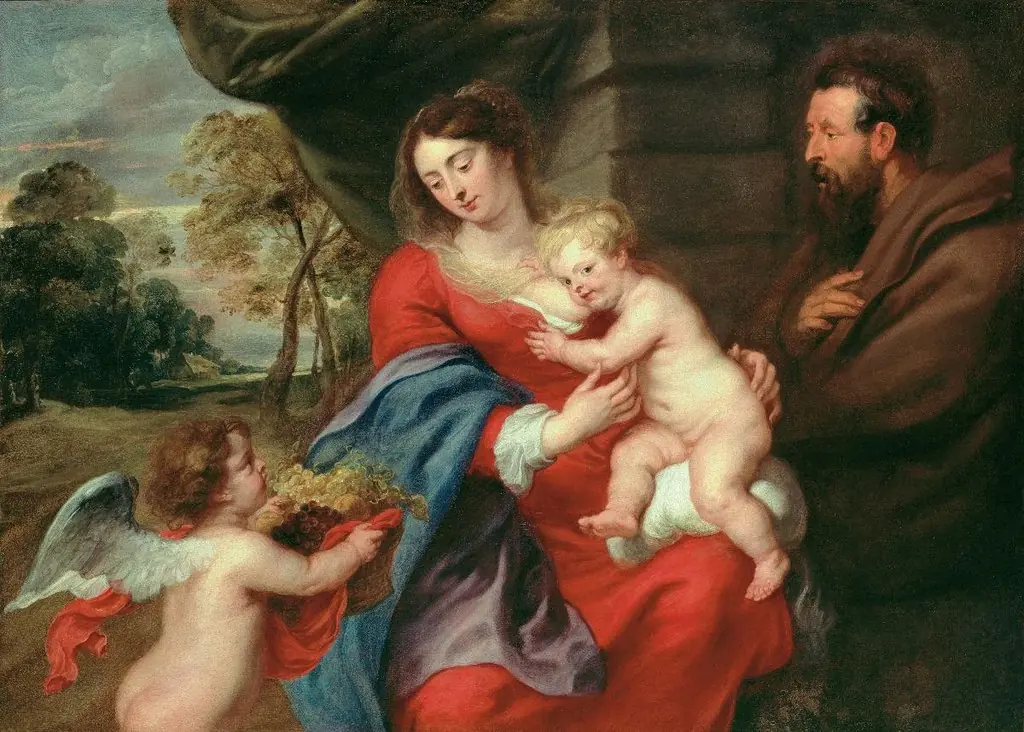 Heilige Familie
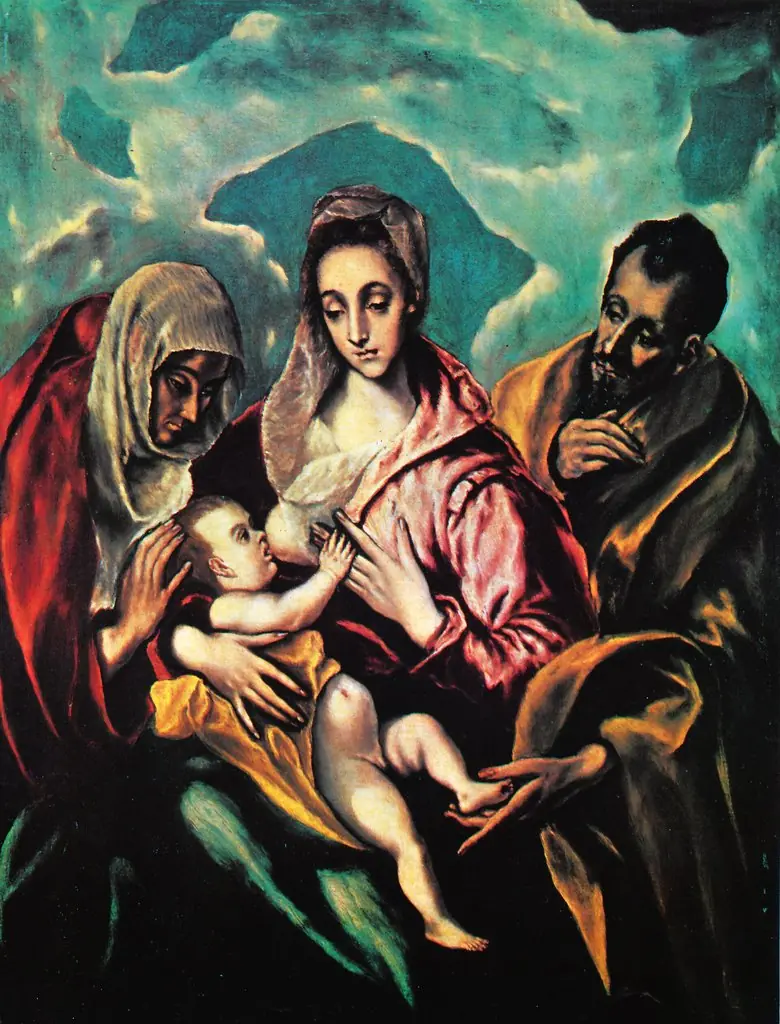 Holy Family with Saint Anne
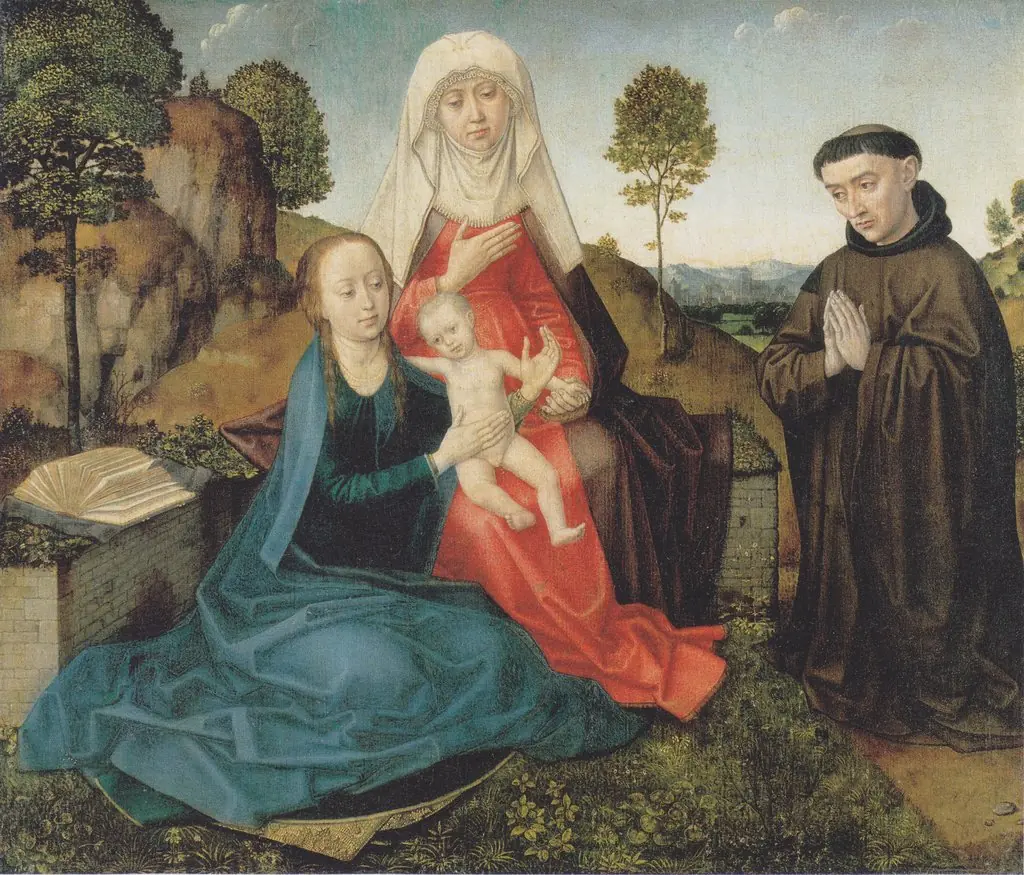 The Virgin and Child with a Franciscan Founder
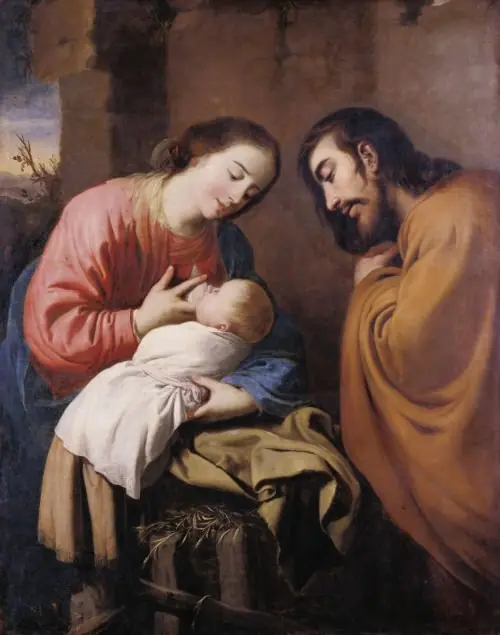 The Holy Family
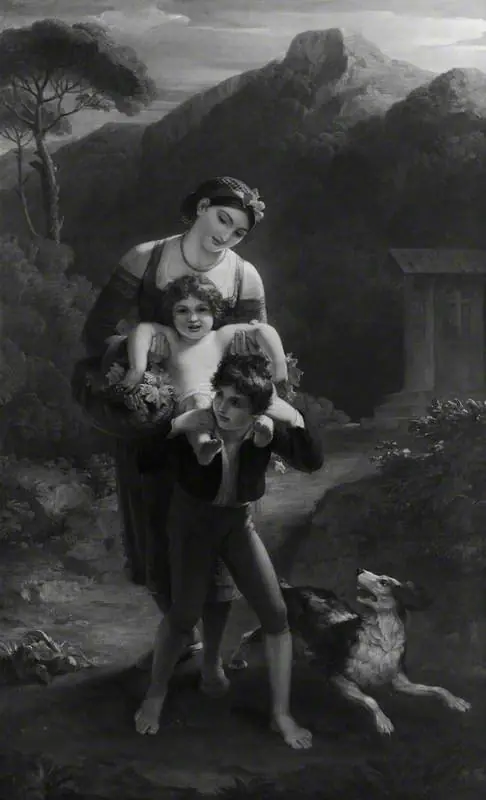 Peasants of Subiaco Returning from the Vineyard on a Holiday
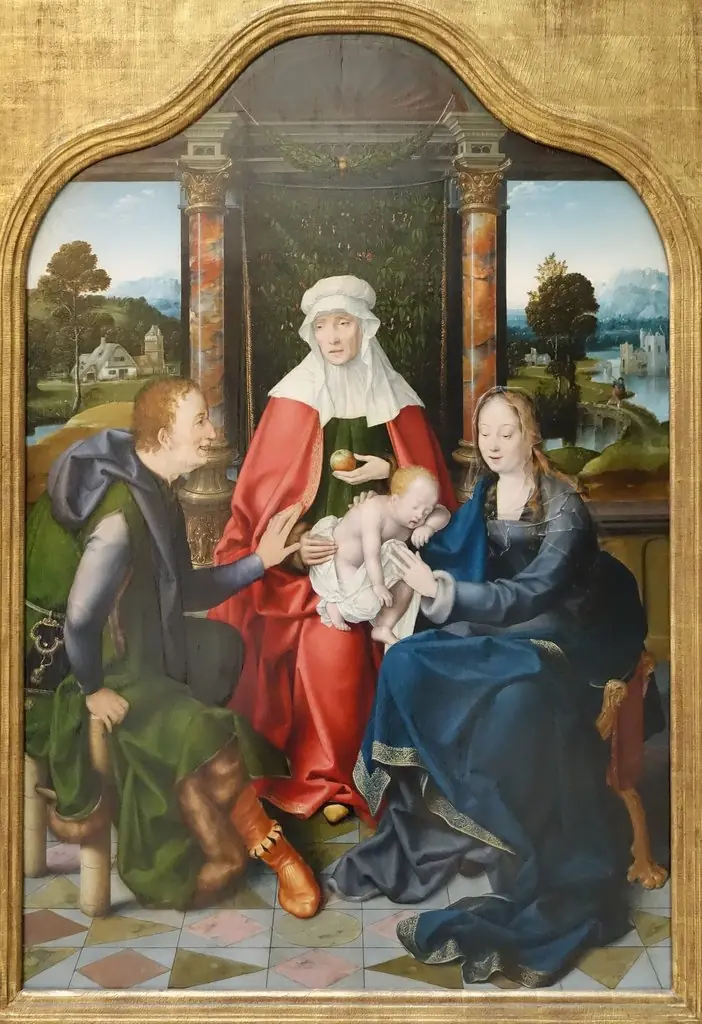 Virgin and Child with Saints Anne and Joachim
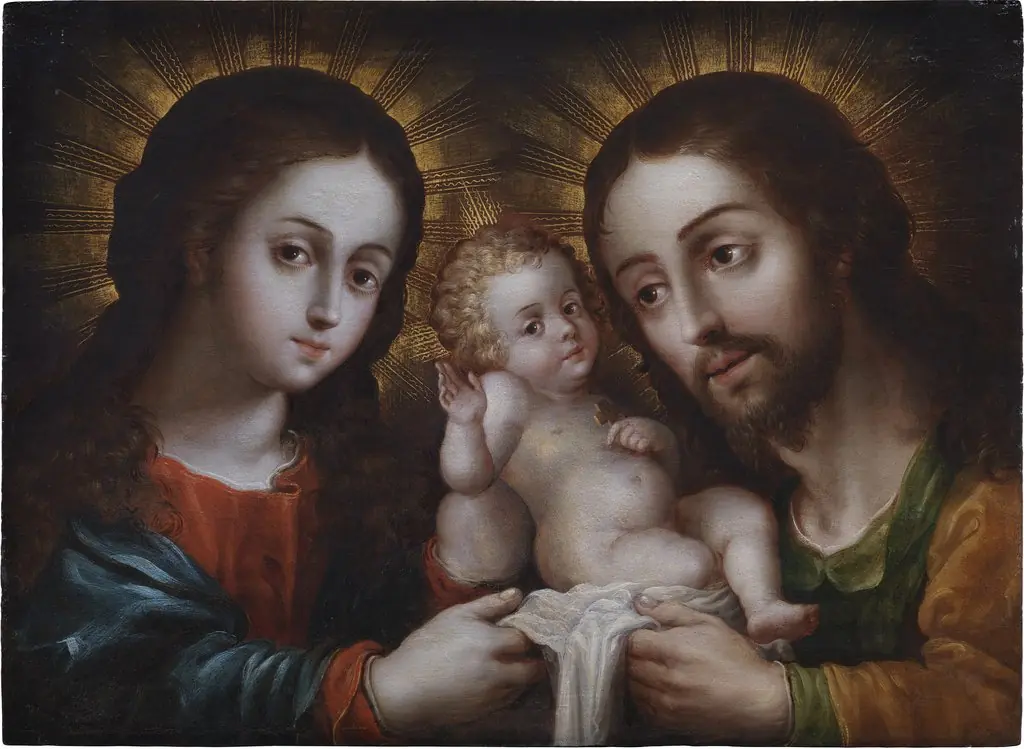 The Holy Family (La sagrada familia)
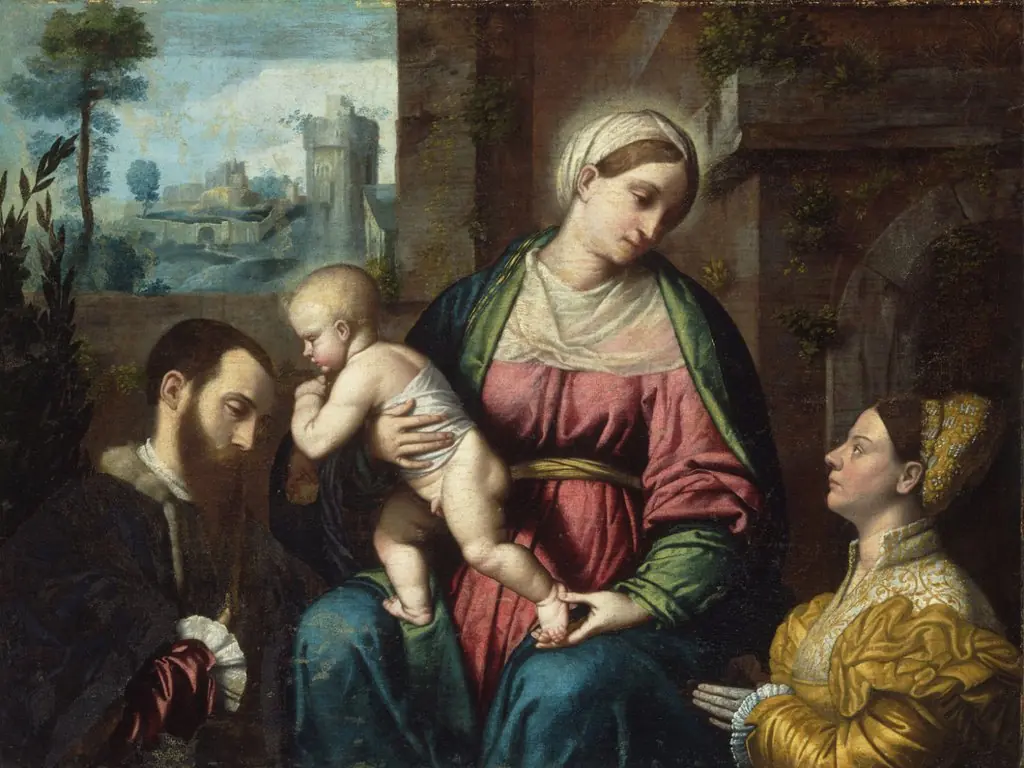 Virgin and Child, with Two Donors
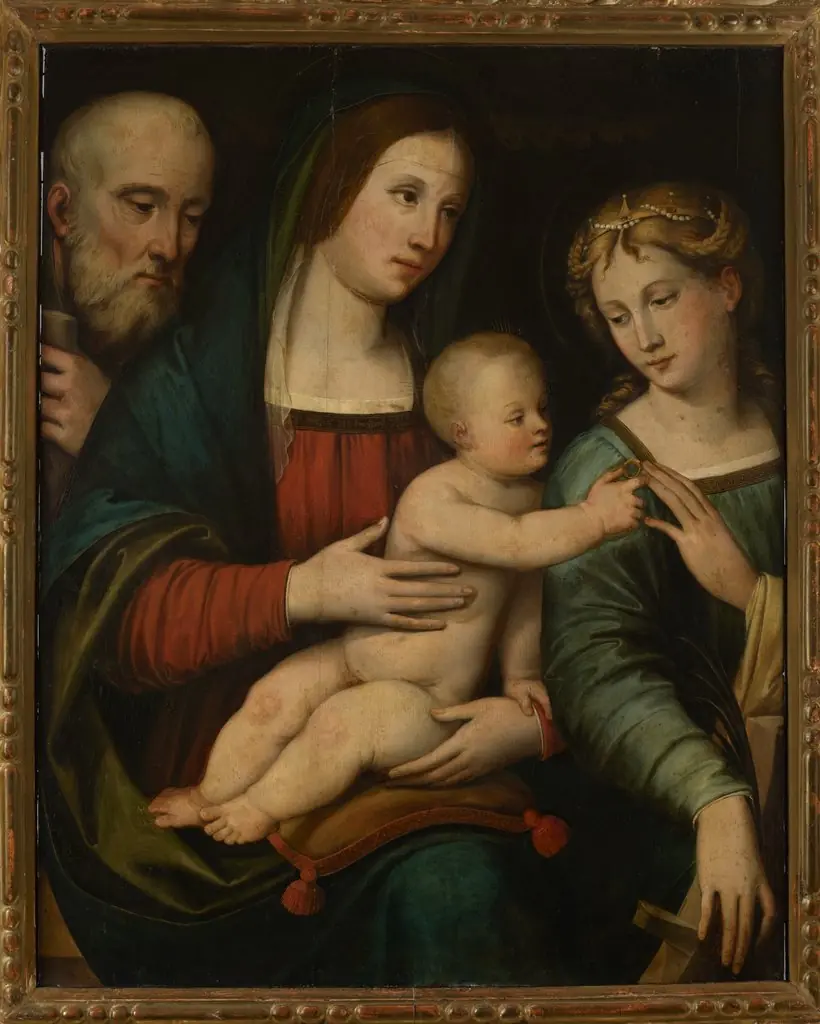 Mystic Marriage of St Catherine of Alexandria
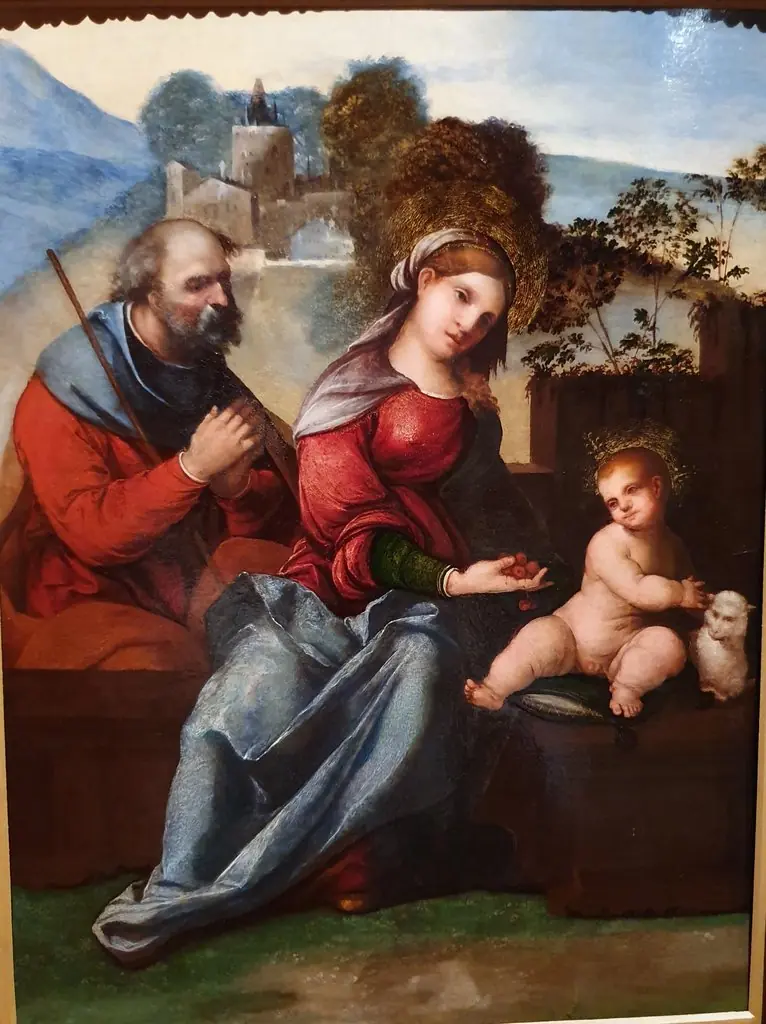 Sagrada Familia
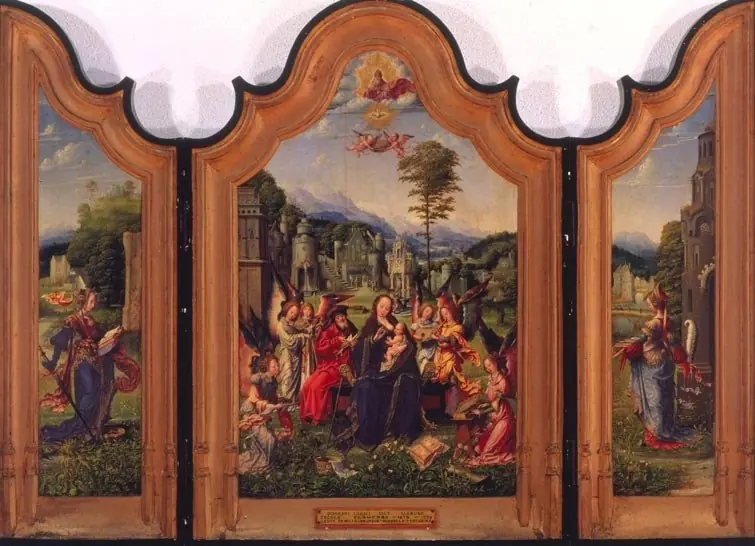 Triptych of the Holy Family
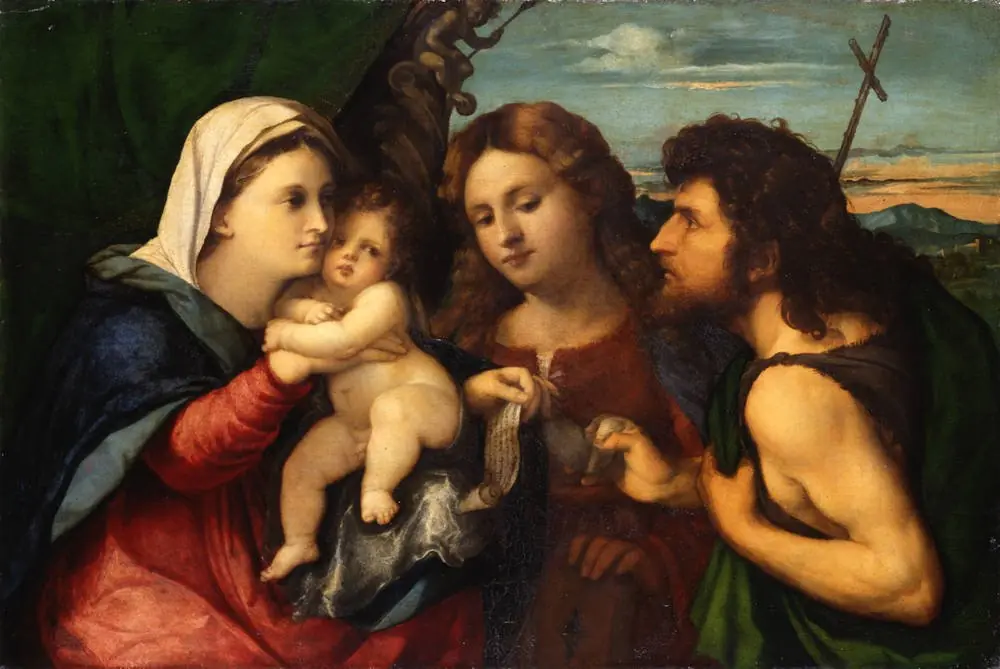 Maria mit dem Kind, Johannes dem Täufer und der heiligen Katharina
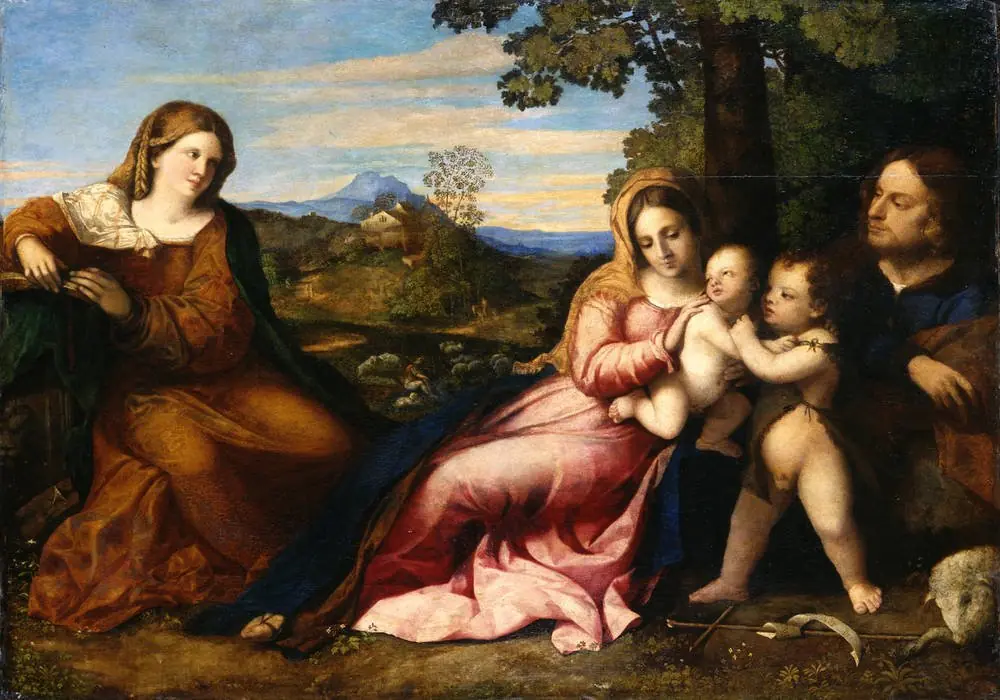 Die Heilige Familie mit der heiligen Katharina
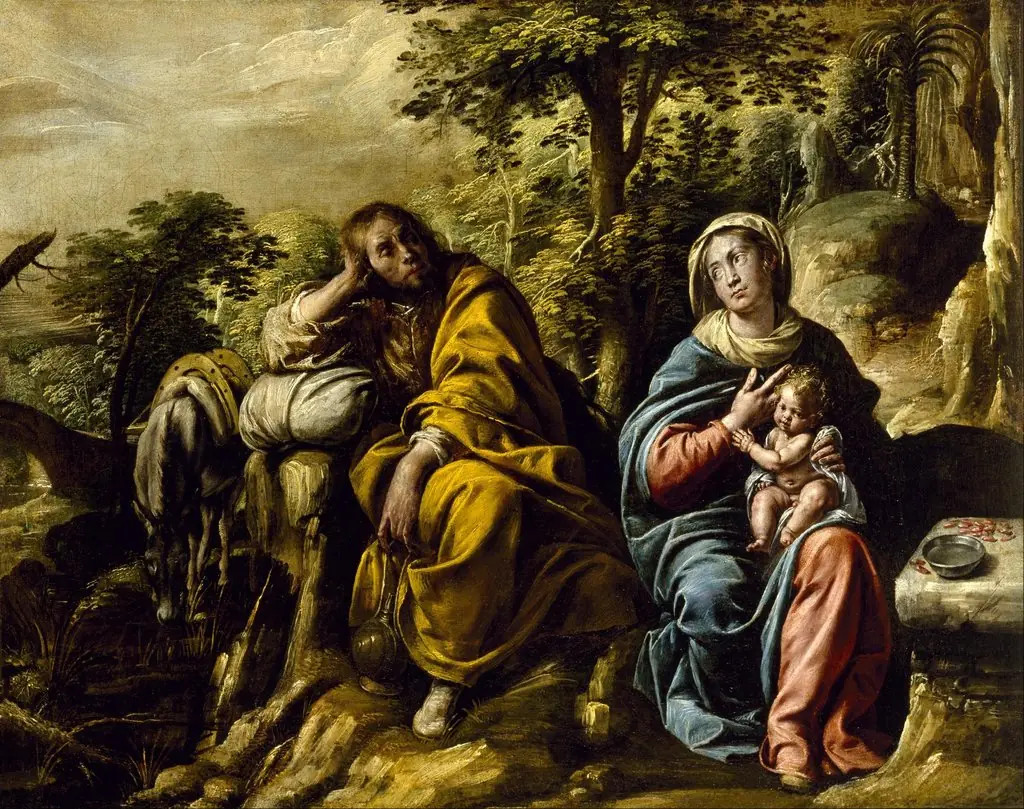 The Rest on the Flight into Egypt
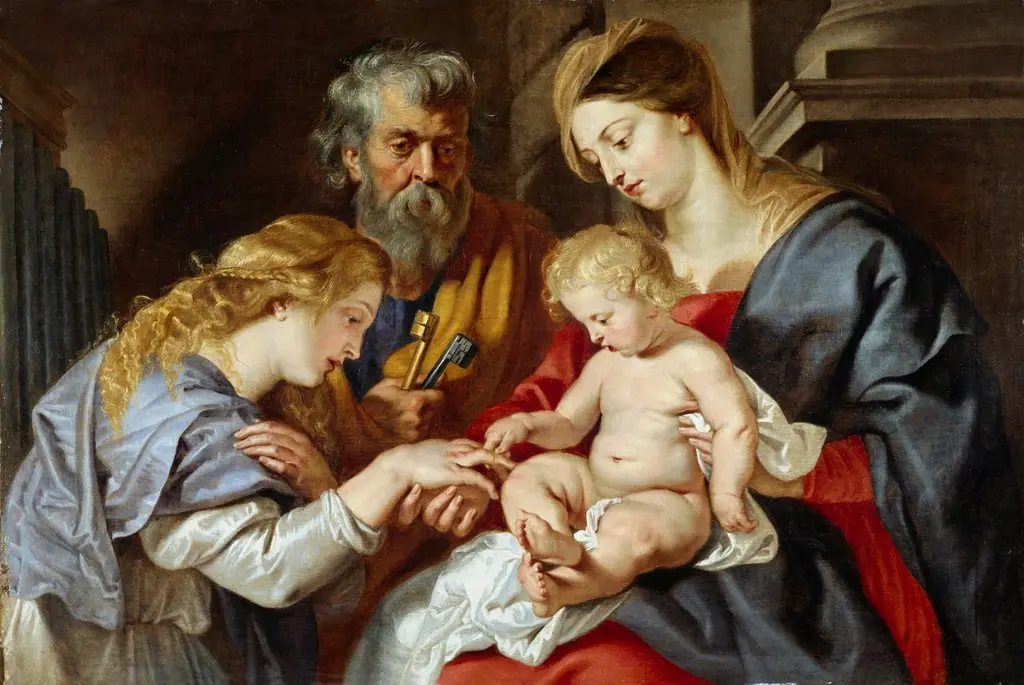 The Mystic Marriage of Saint Catherine
 The Holy Family with Saint Elizabeth and Saint John the Baptist
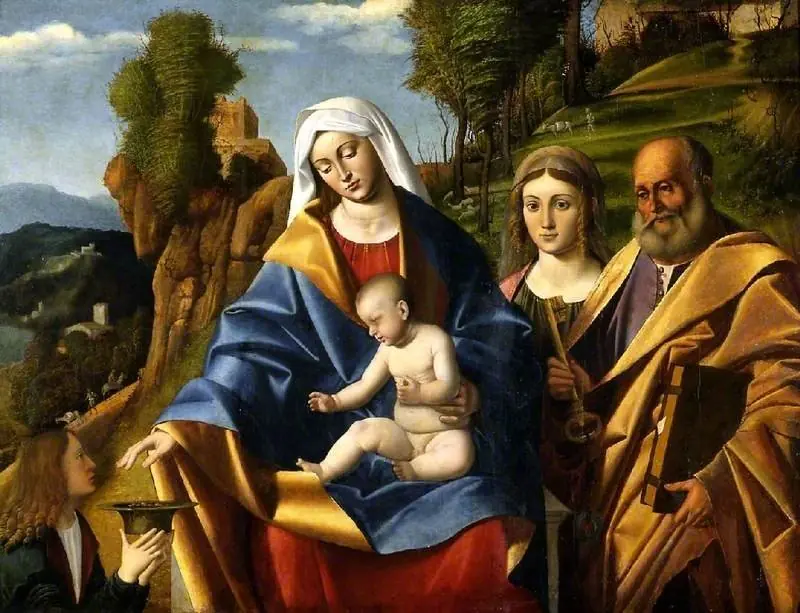 Virgin and Child with Saints
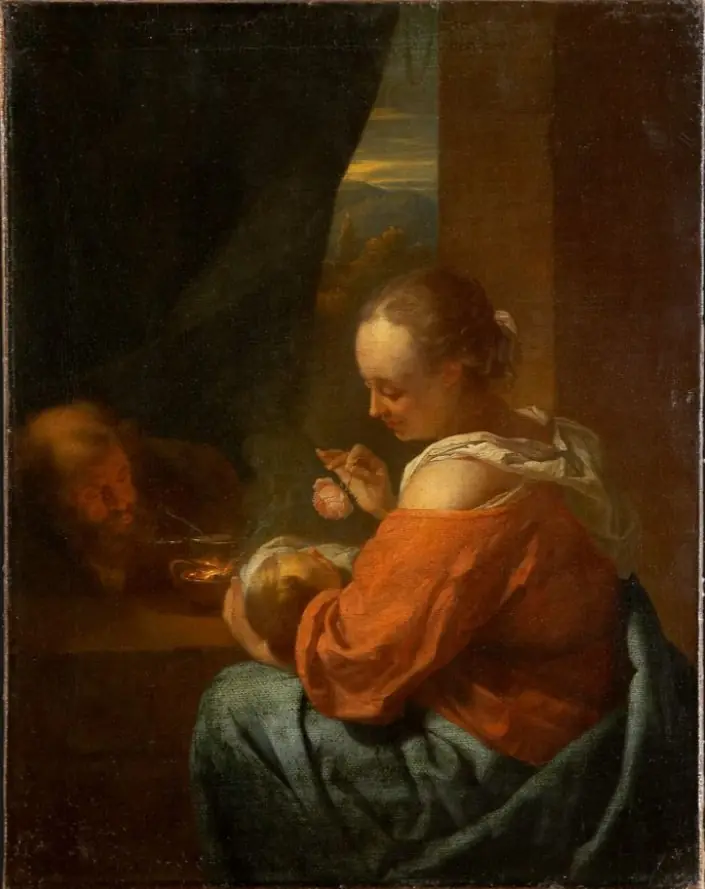 Holy Family
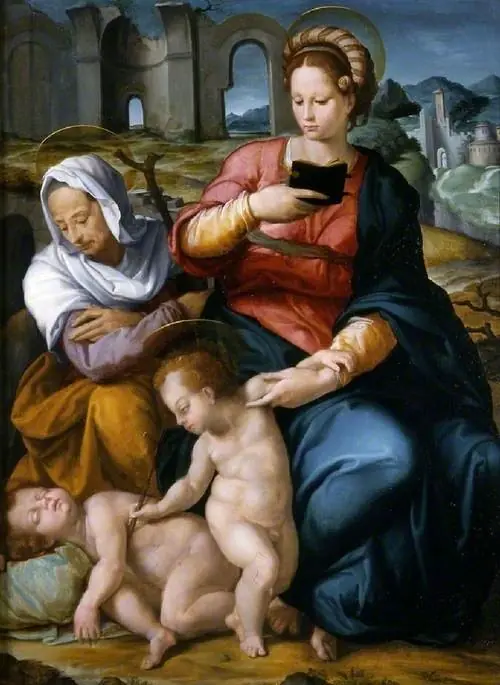 The Virgin and Child with St Elizabeth and the infant Baptist
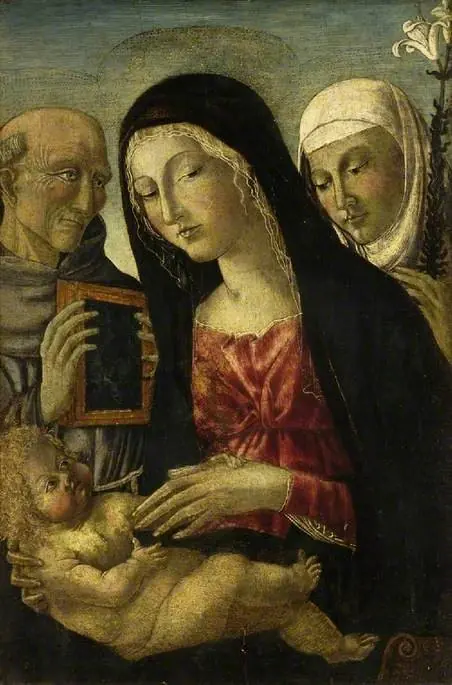 Virgin and Child with St Bernardino and St Catherine of Siena
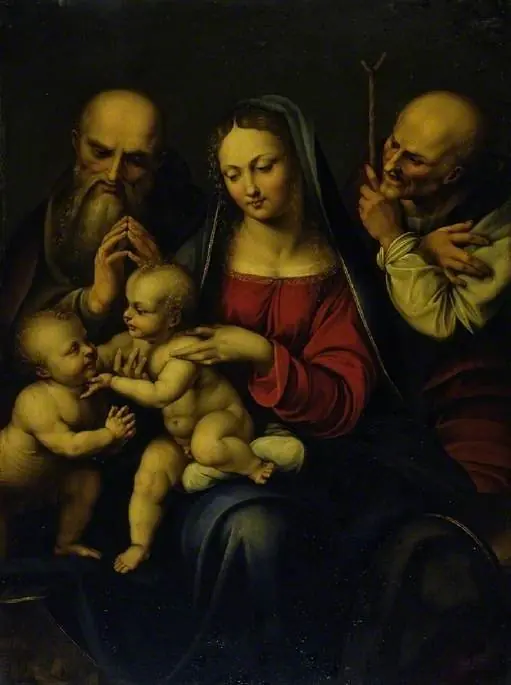 Holy Family with the infant St. John the Baptist
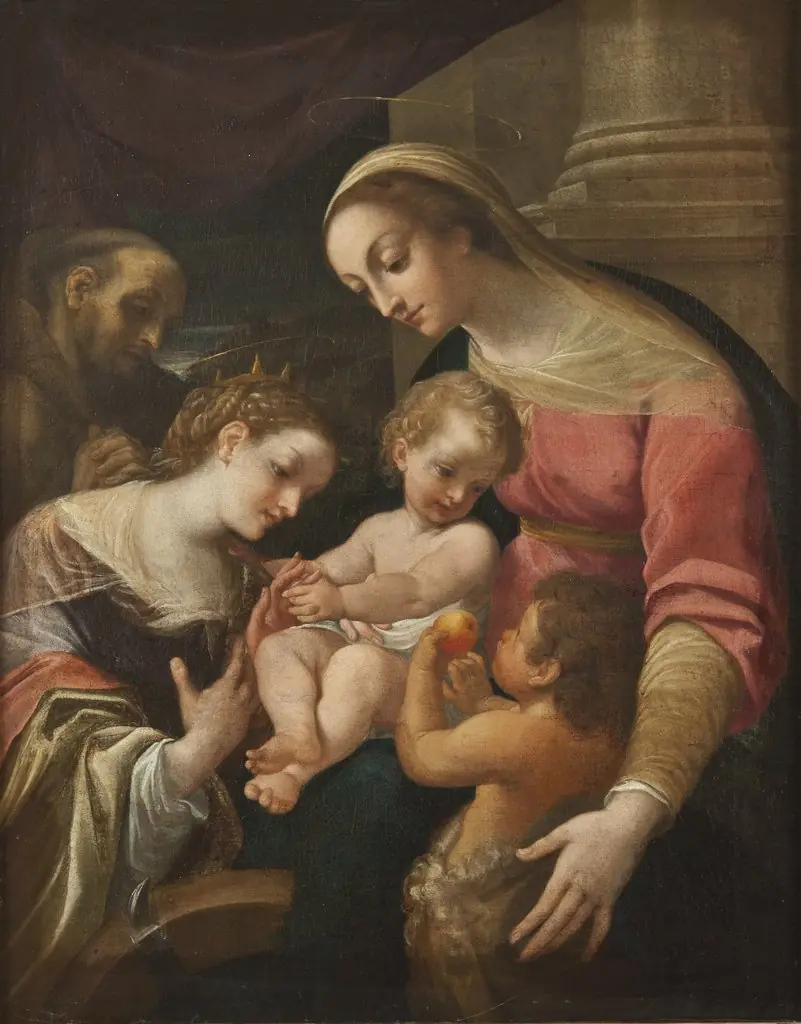 The Mystic Marriage of St Catherine
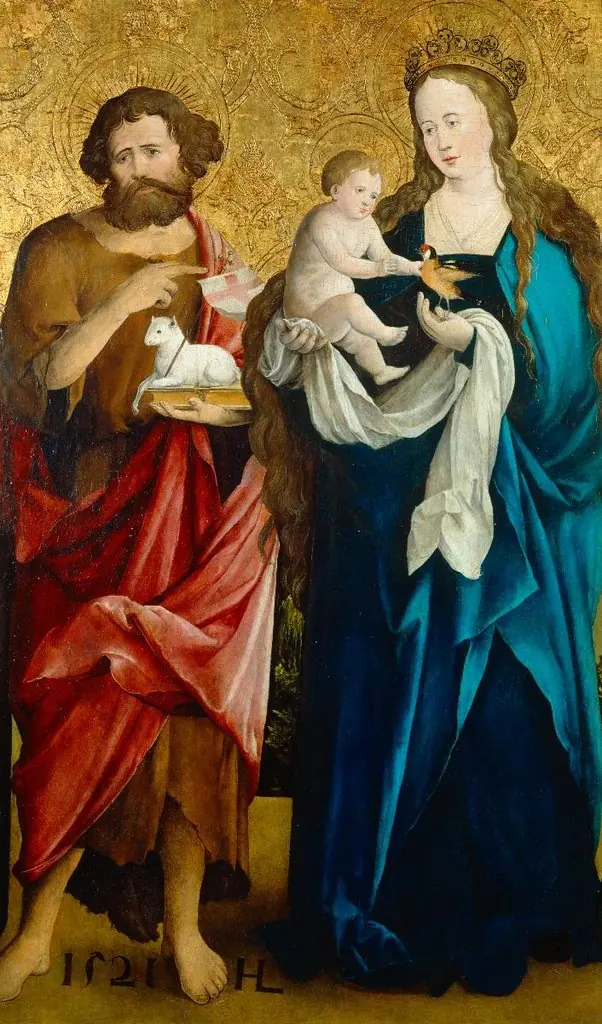 Johannes der Täufer und Maria mit dem Jesuskind
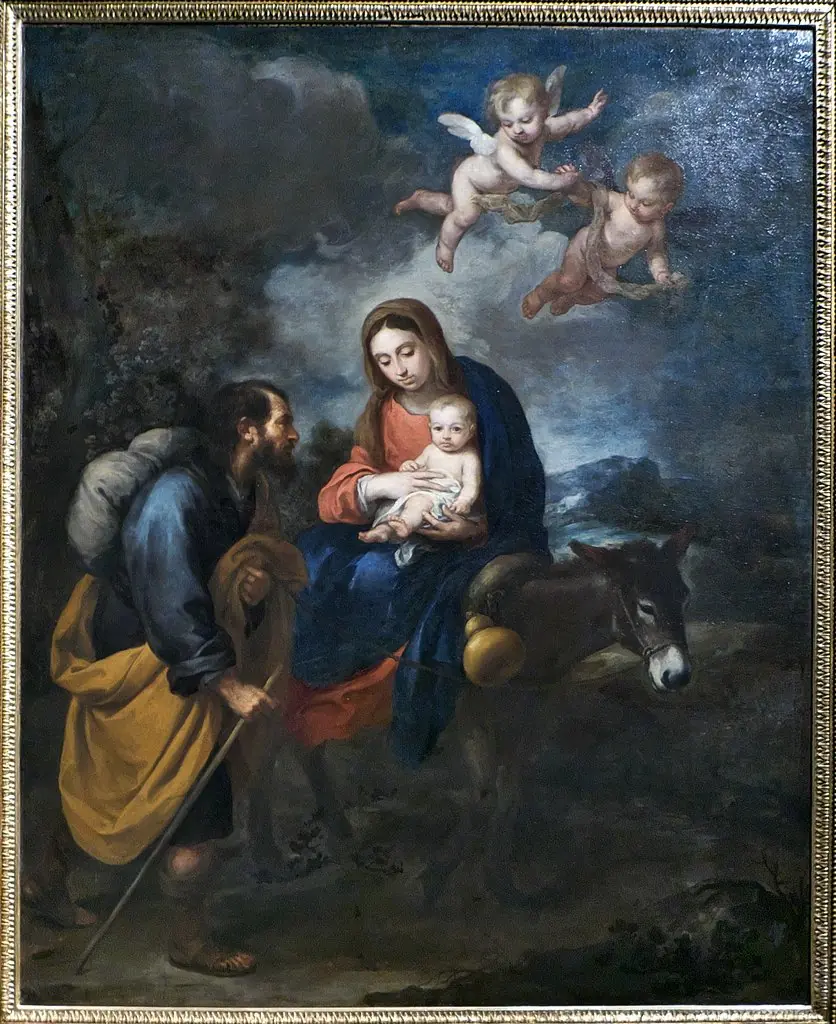 The Flight into Egypt
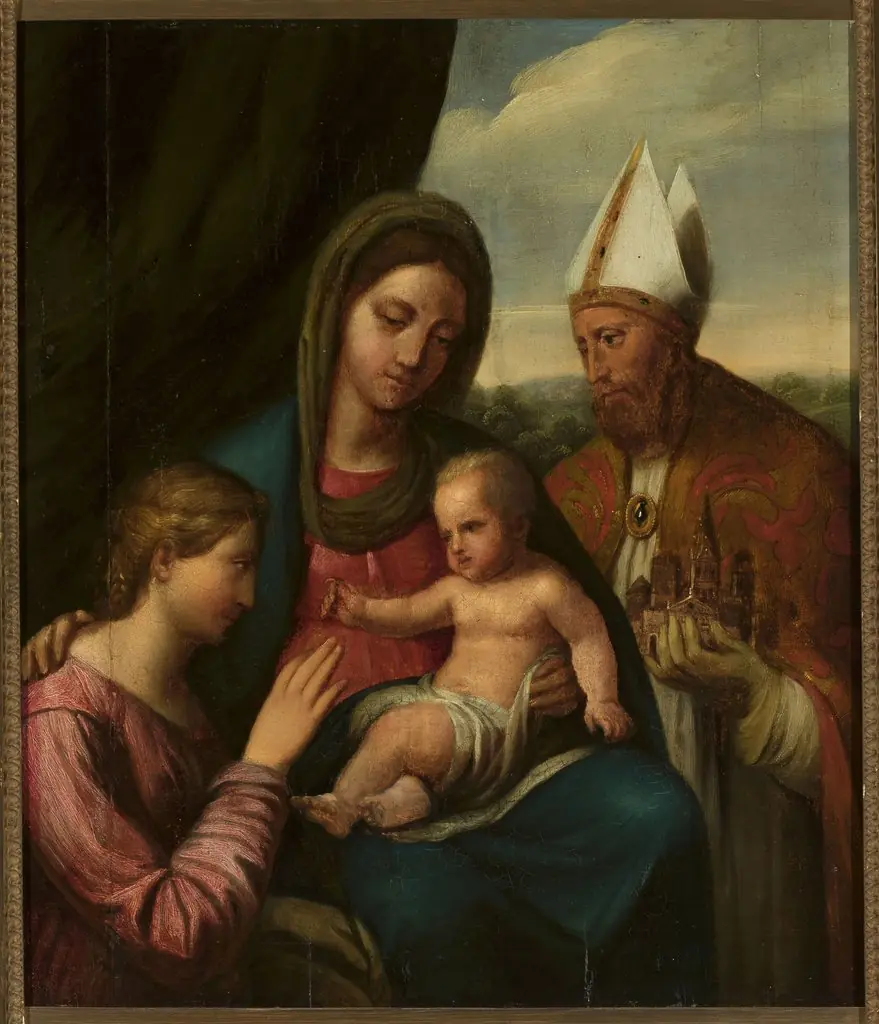 Mystical marriage of St. Catherine
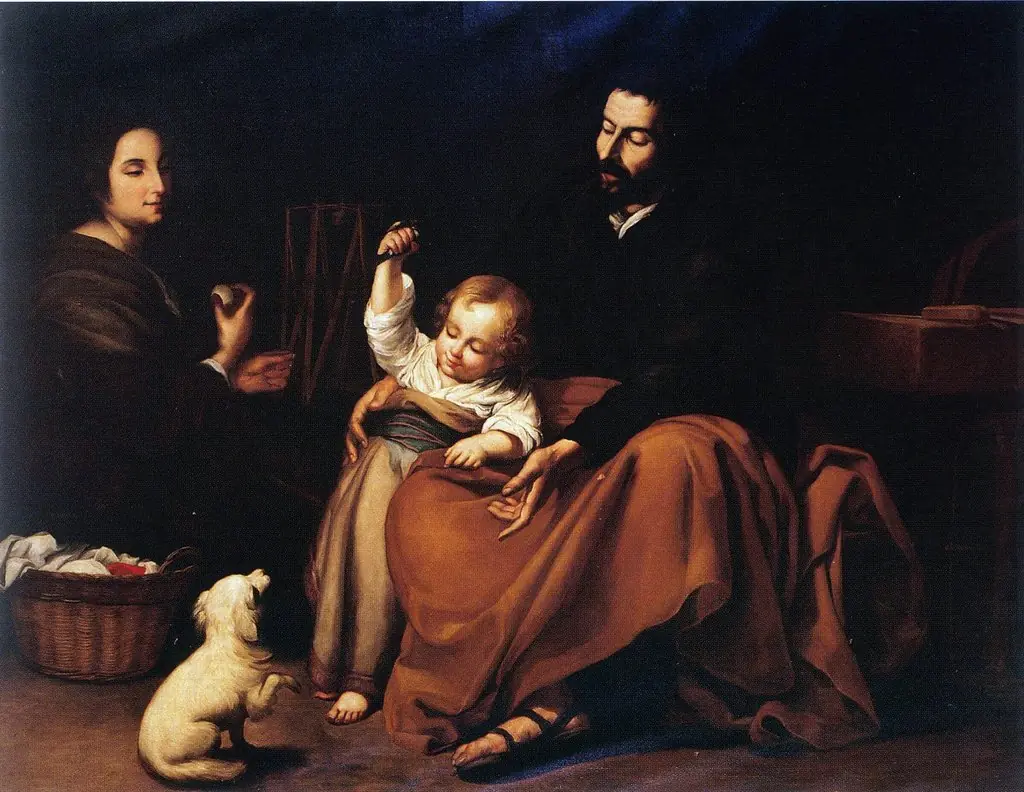 Holy Family with bird
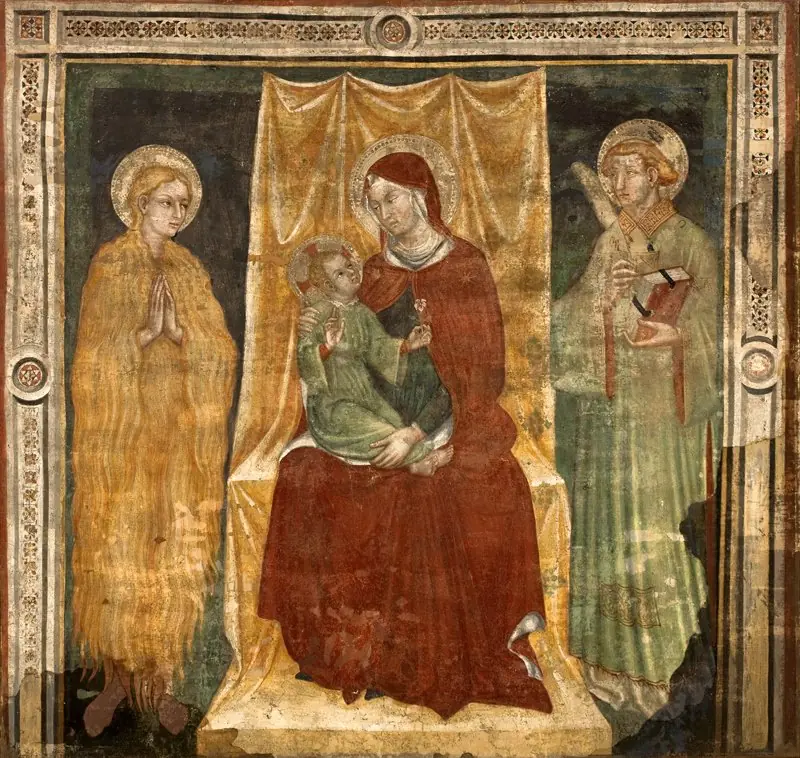 Madonna and Child between Saint Magdalene and Saint Stephen Protomartyr
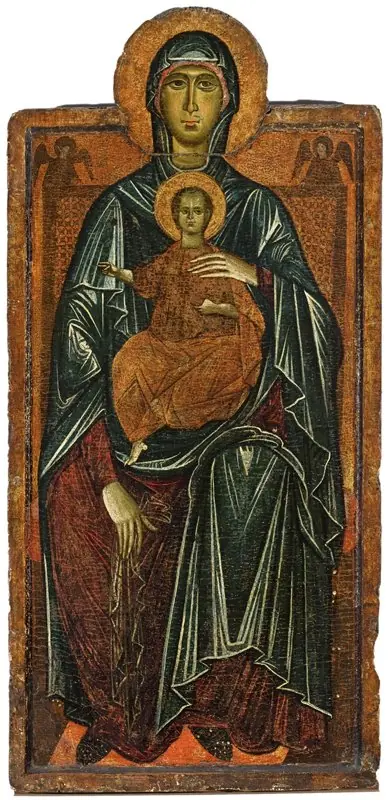 Maestà attributed to the Master of Bigallo
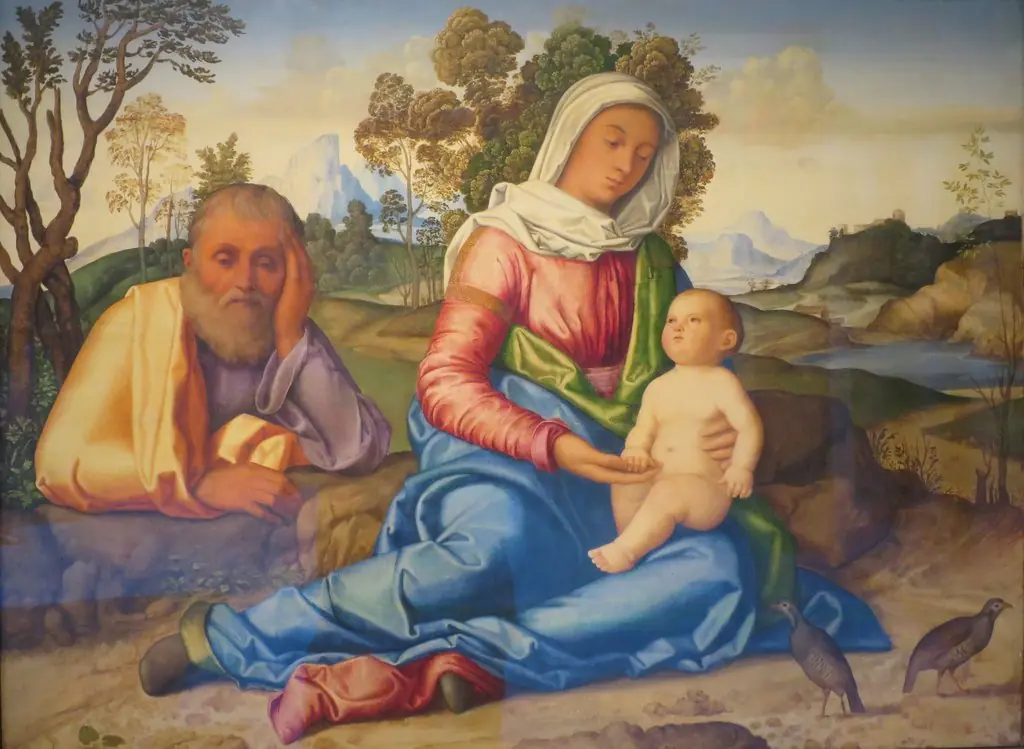 The Rest on the Flight into Egypt
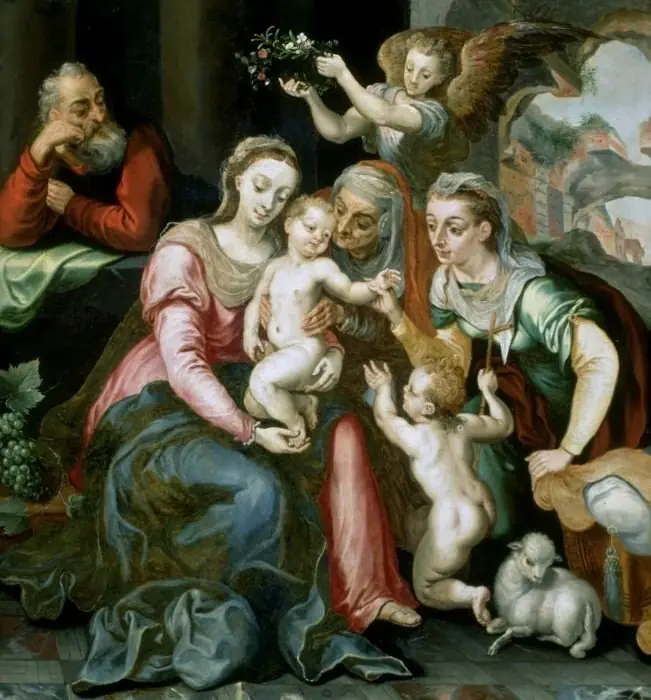 Die Heilige Familie mit Anna, Elisabeth, Johannes und einem Engel
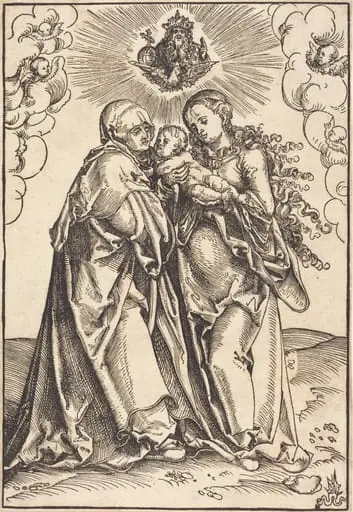 Saint Anne and the Virgin with the Child
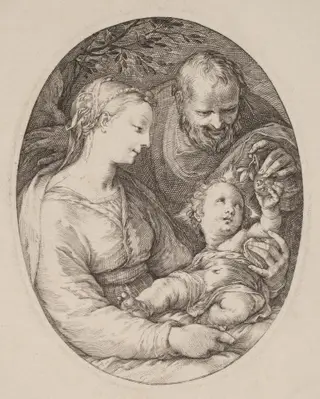 The Holy Family
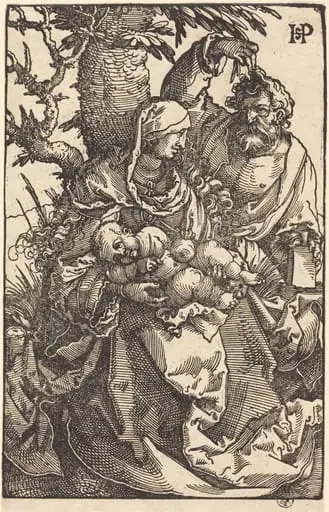 The Holy Family Under a Tree
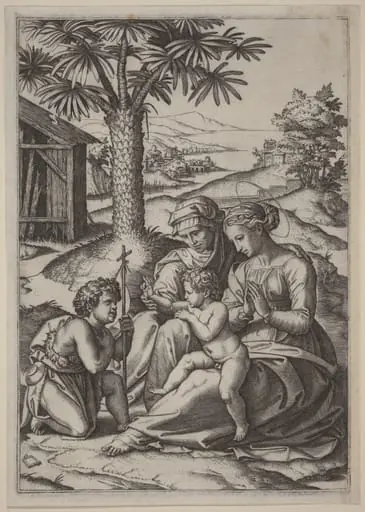 Madonna under a Palm Tree
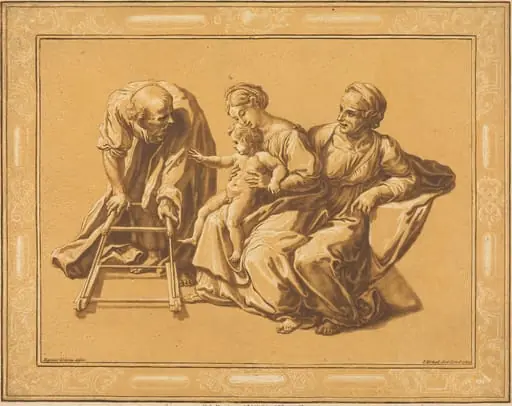 The Holy Family
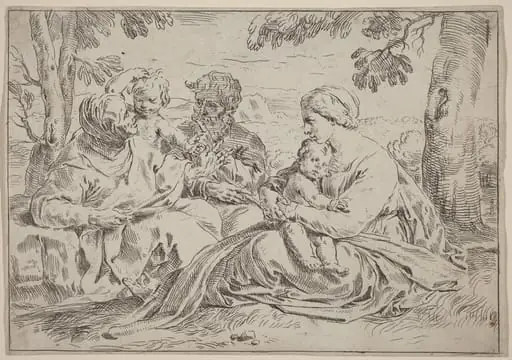 The Holy Family
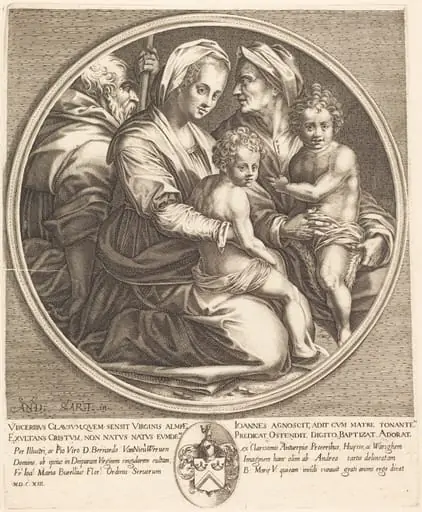 The Holy Family
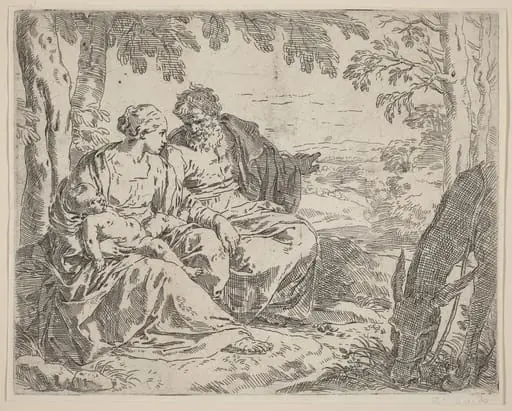 The Rest on the Flight into Egypt
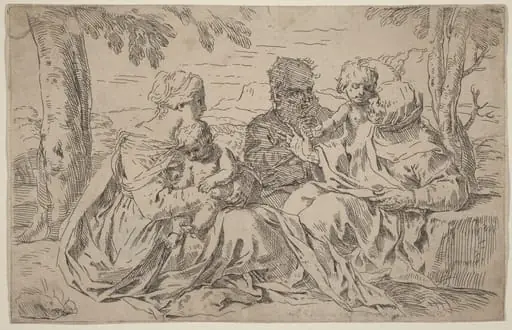 The Holy Family
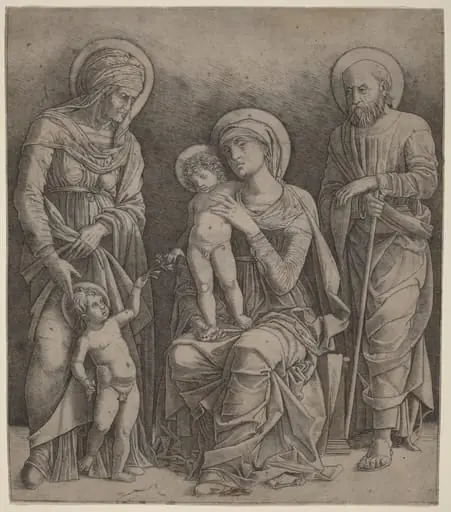 Holy Family with Saint Elizabeth and the Infant Saint John
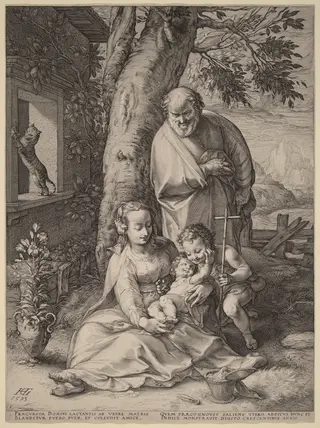 The Holy Family with the Infant John the Baptist
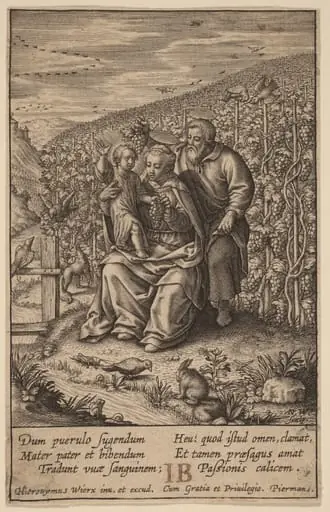 Dum pierulo fugendum ...
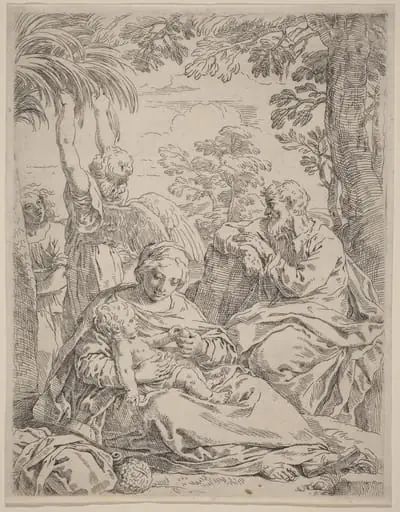 The Rest on the Flight into Egypt
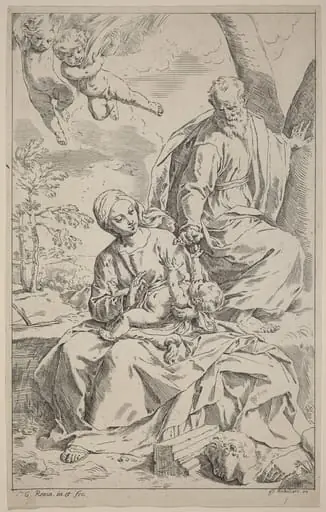 The Rest on the Flight into Egypt
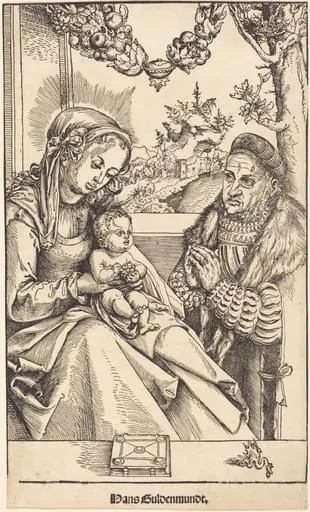 The Virgin and Child Adored by Frederic the Wise of Saxony
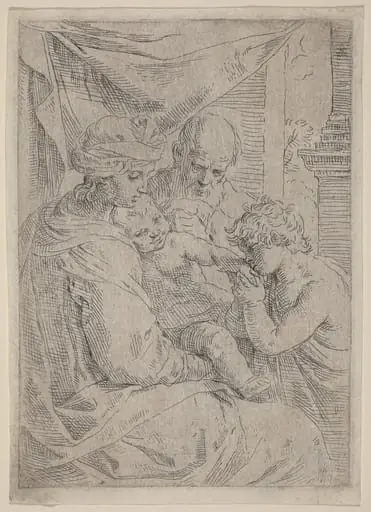 The Virgin and Child with Saint John
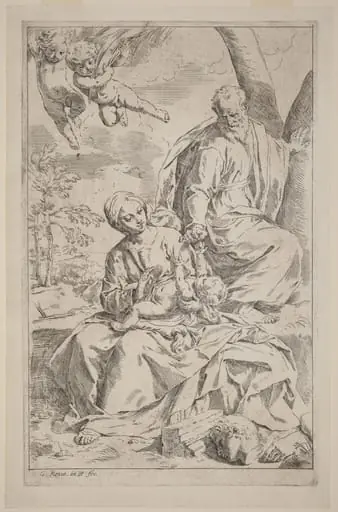 The Rest on the Flight into Egypt
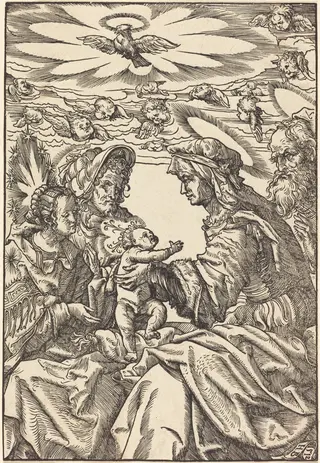 The Holy Family with Saint Anne and Saint Joachim
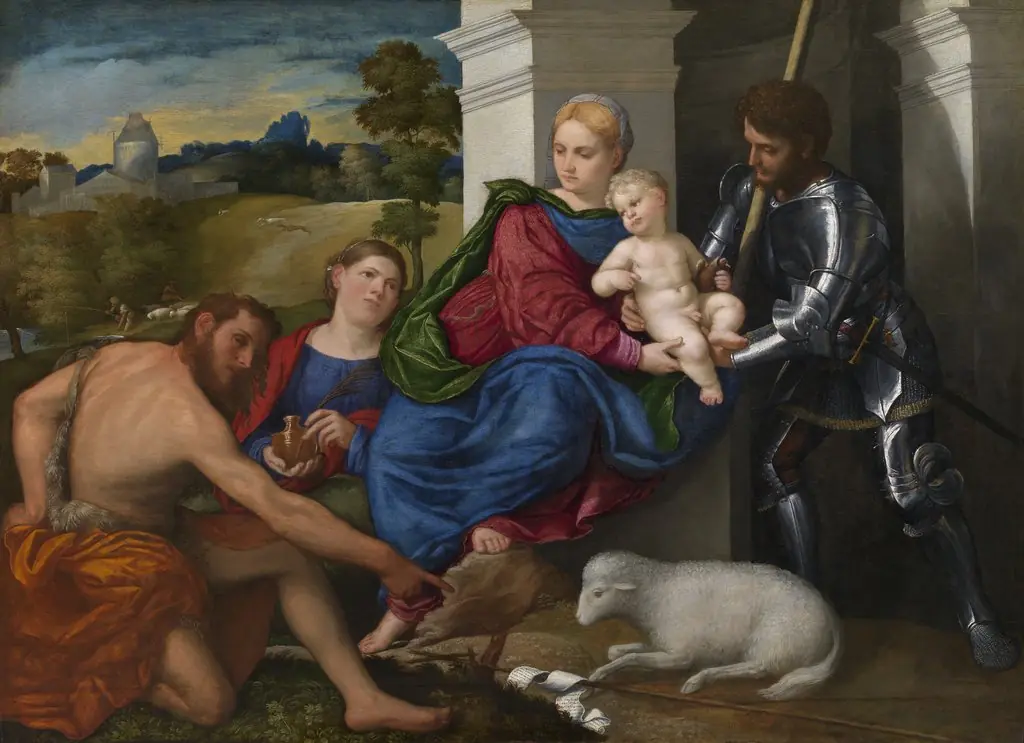 Virgin and Child with Saints John the Baptist, Mary Magdalen and George
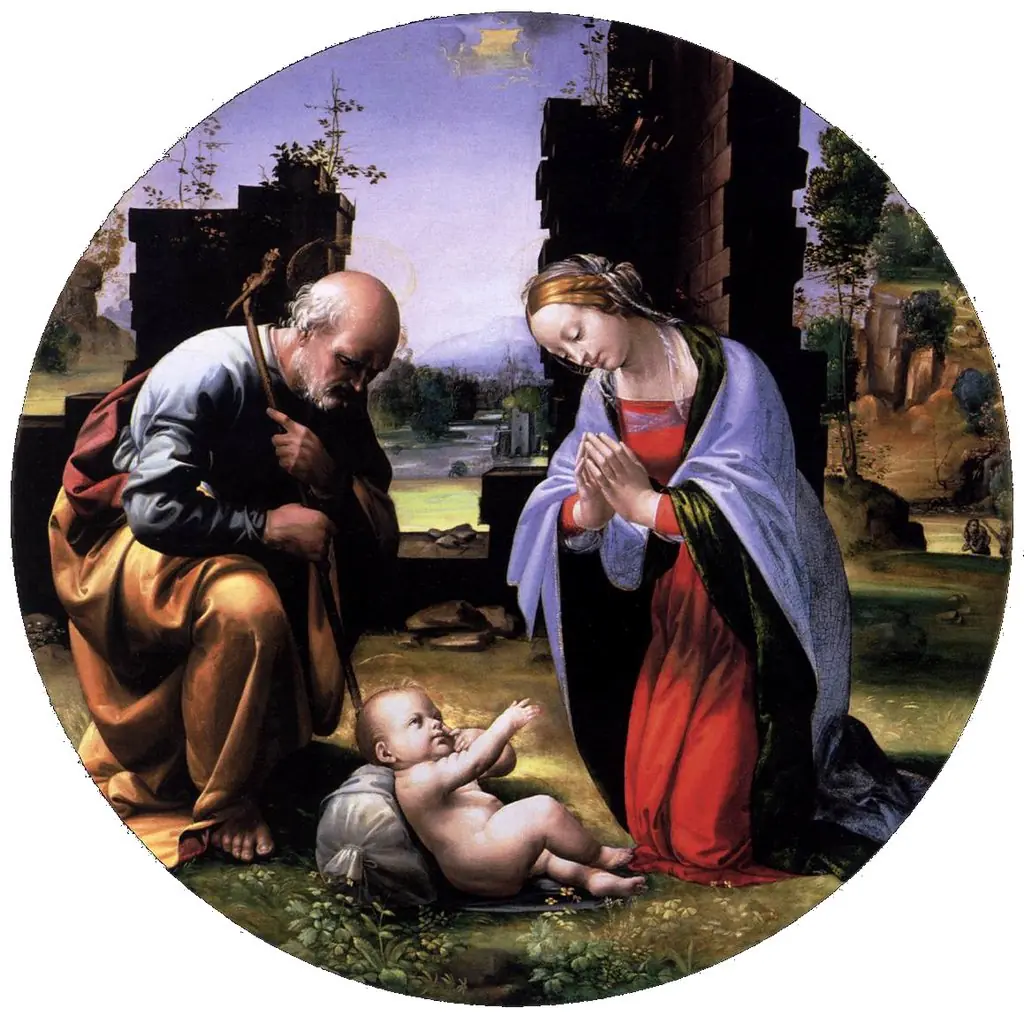 Adoration of the Child
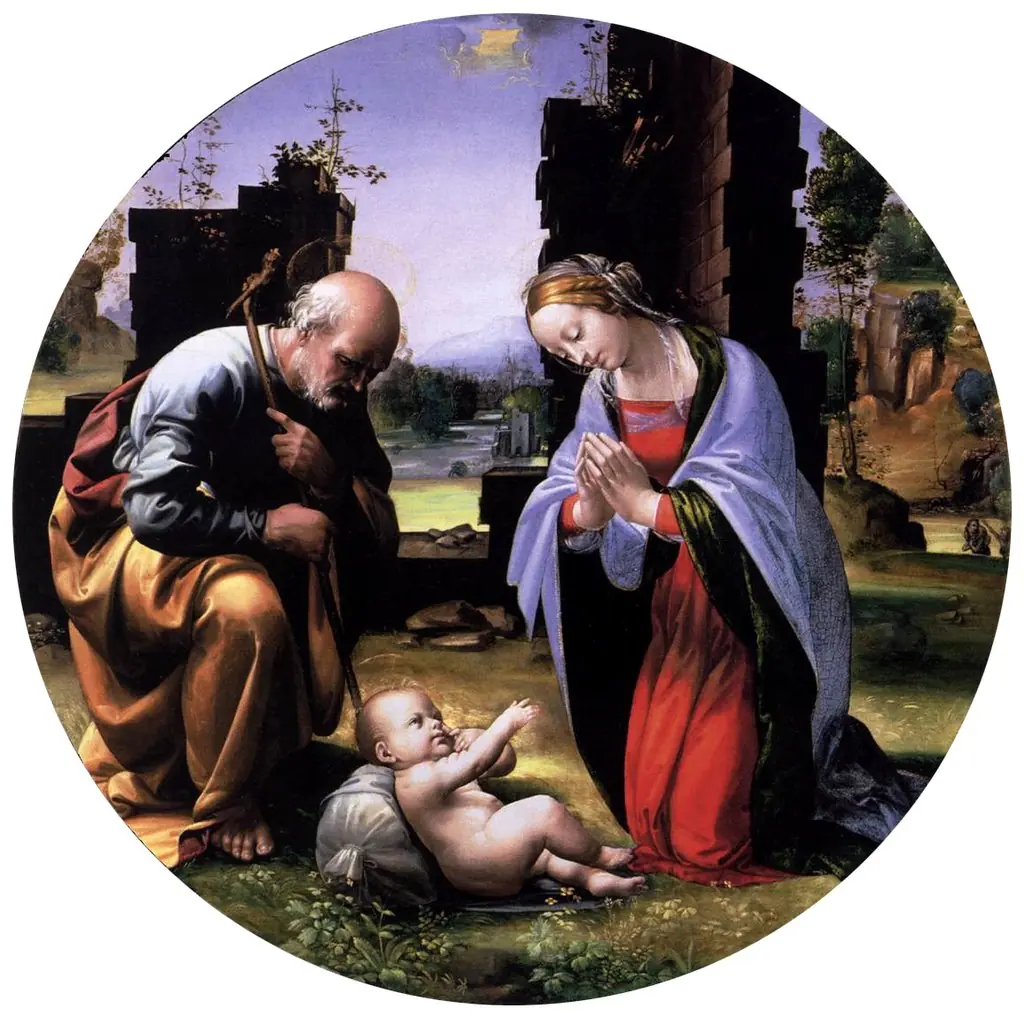 The Adoration of the Child
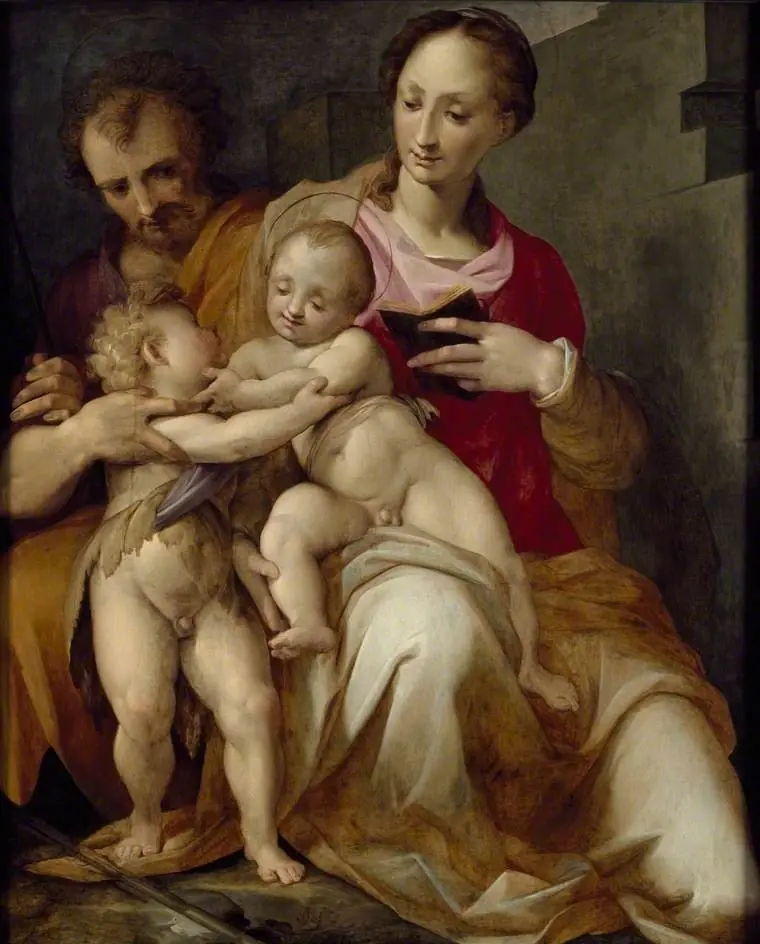 The Holy Family with St John the Baptist
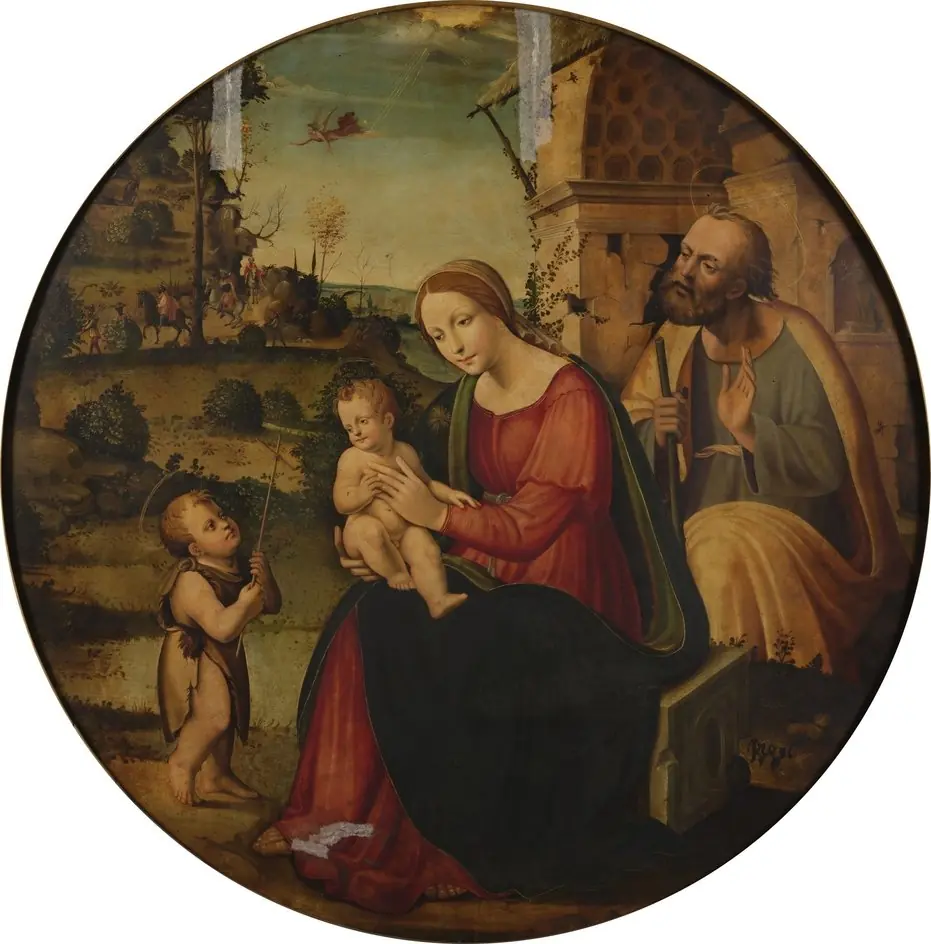 The Holy Family with the young St John the Baptist
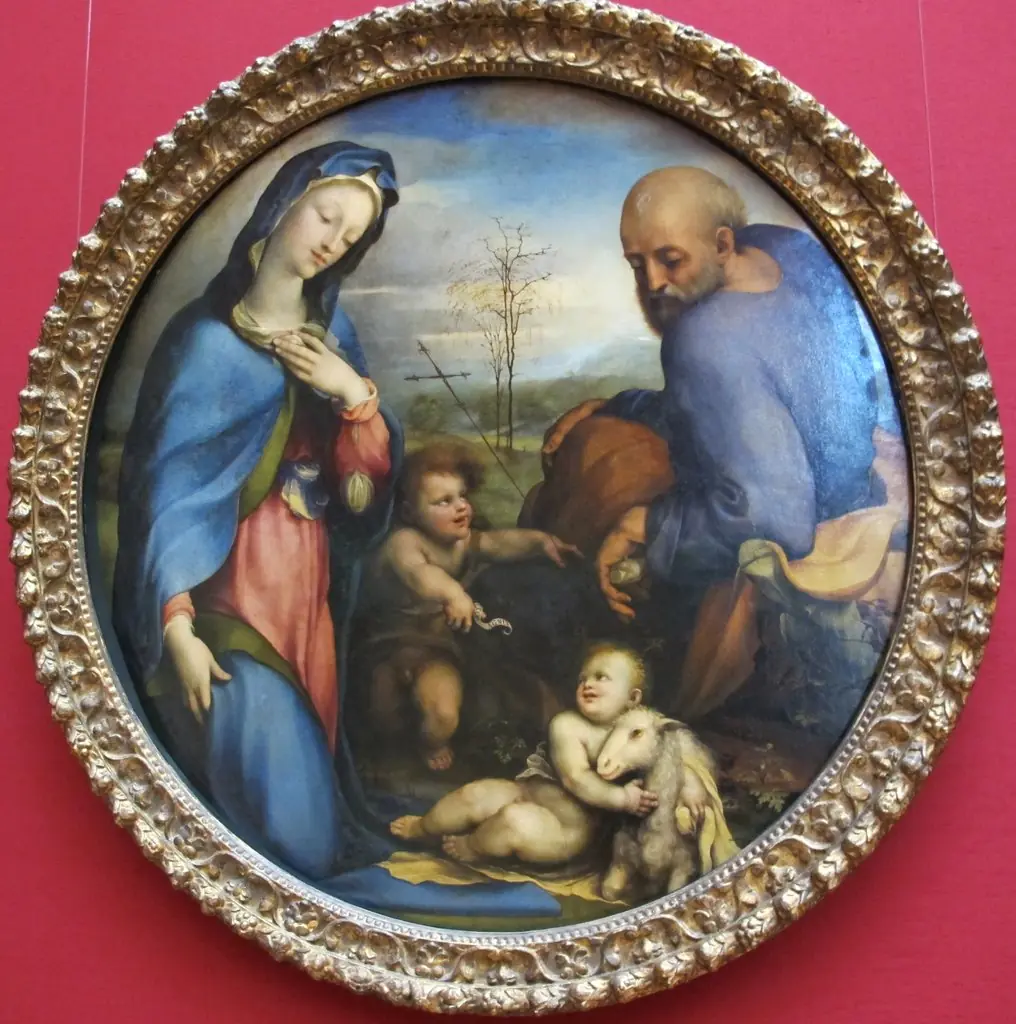 Holy Family with the Infant Saint John the Baptist and a Sheep
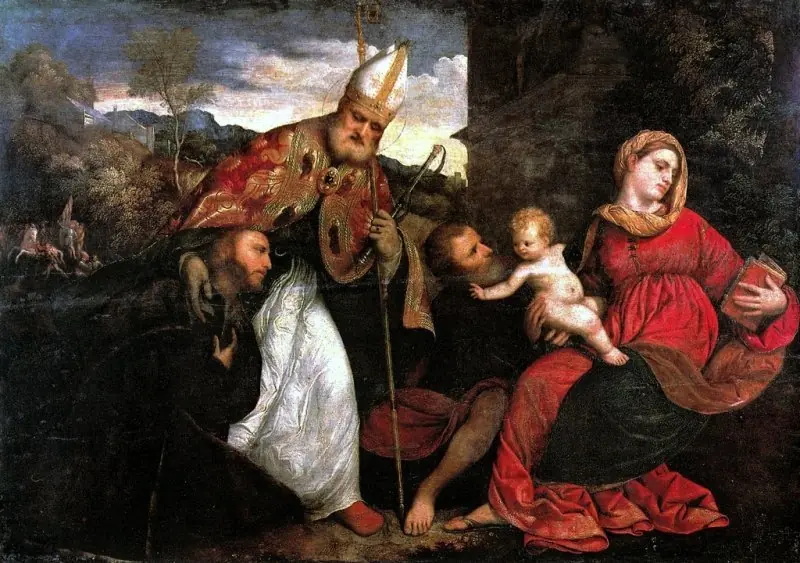 The Holy family with St. Ambrosius and a donor
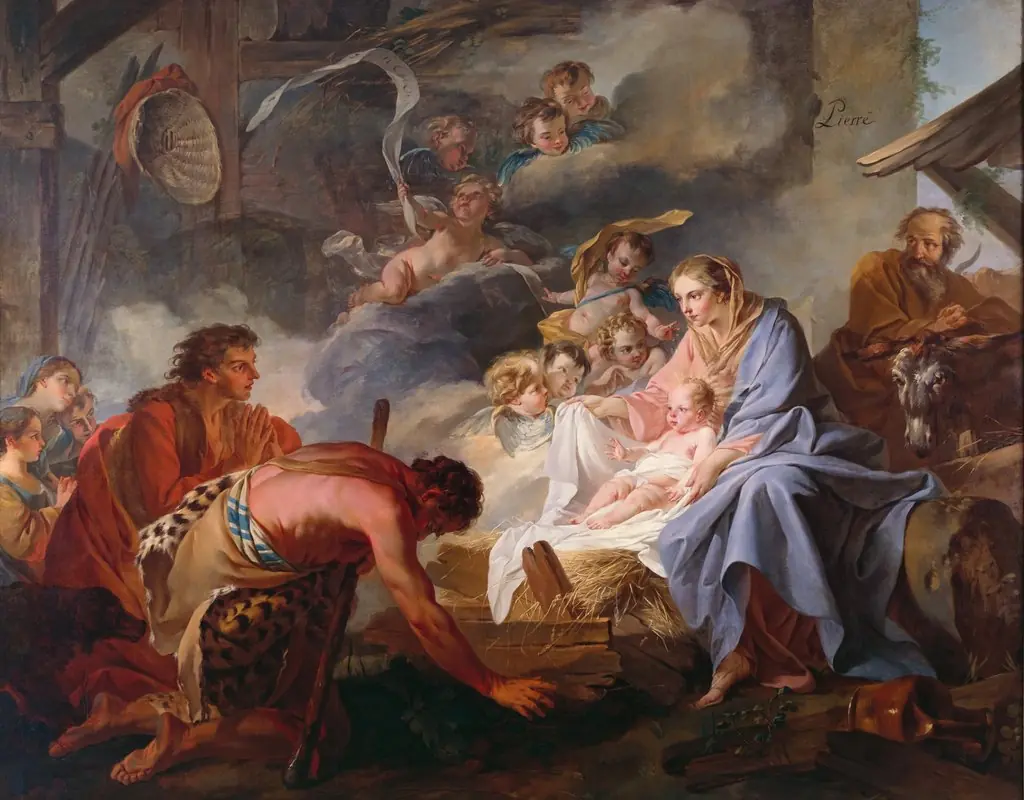 Adoration of the Shepherds
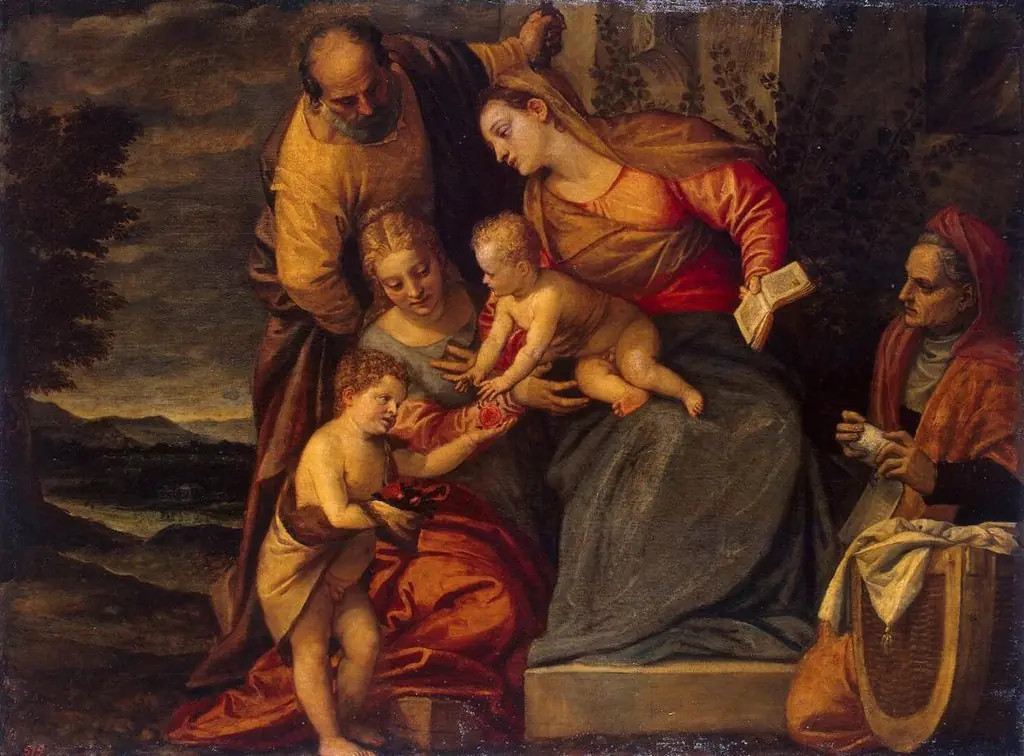 Holy Family with Sts Catherine, Anne and John
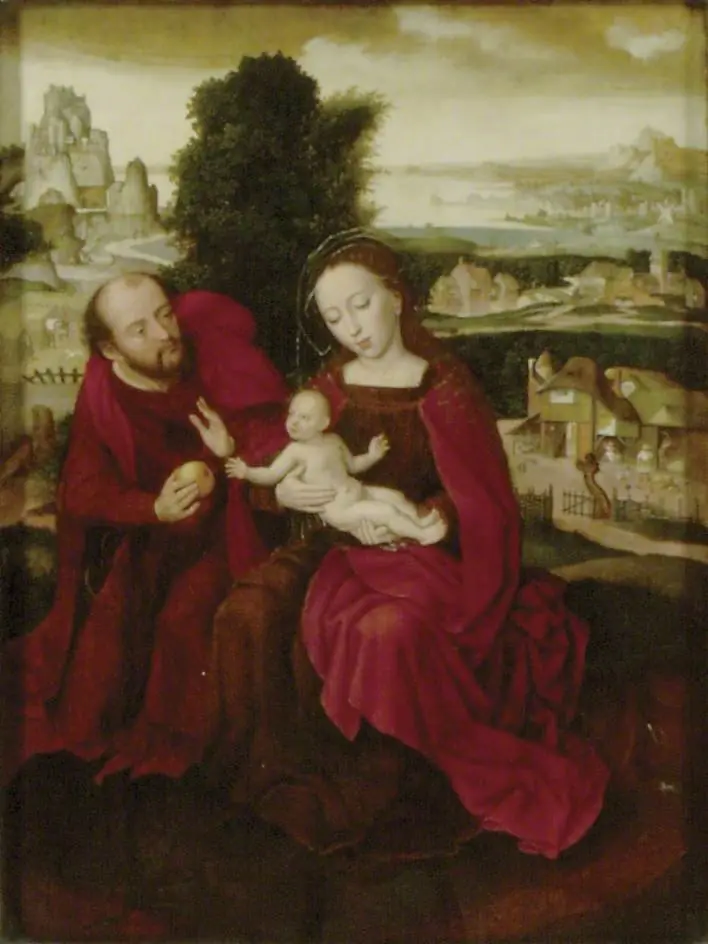 The Holy Family in a Landscape
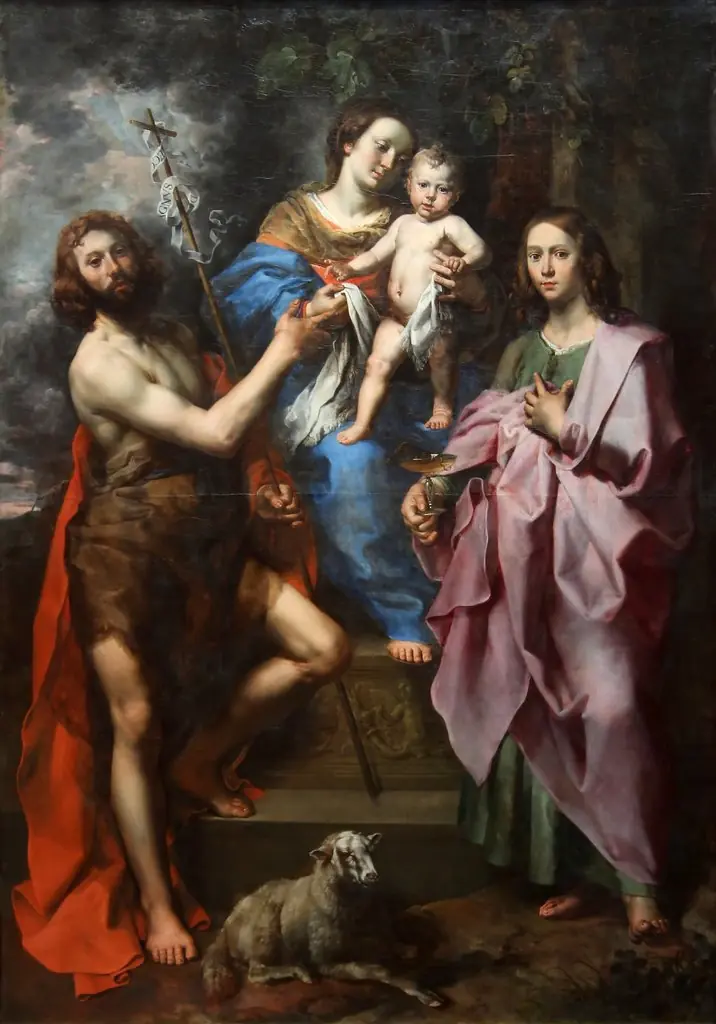 Virgin and Child between saints John the Baptist and John the Evangelist
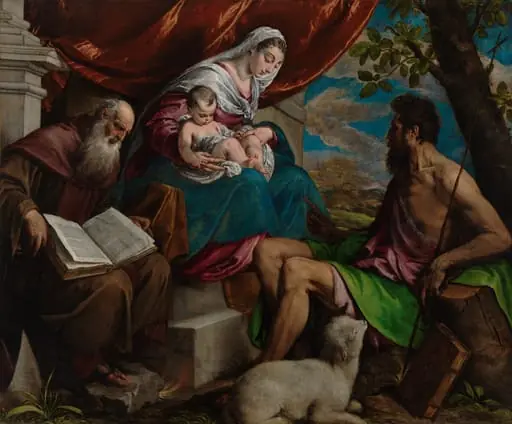 Neitsyt Maria, Jeesus-lapsi, Johannes Kastaja ja Pyhä Antonius Apotti
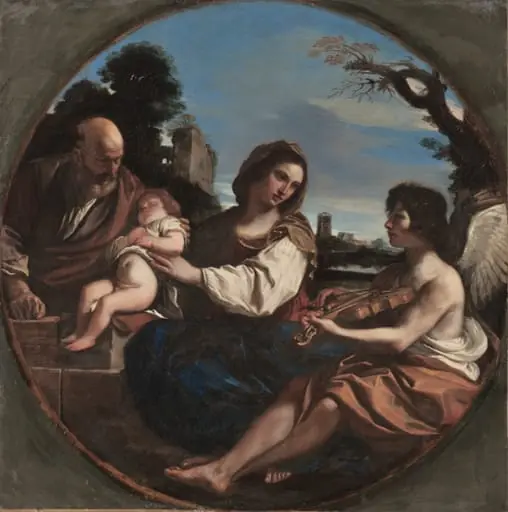 Rest on the Flight into Egypt
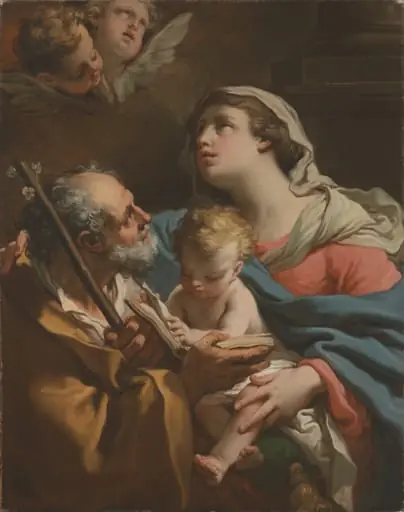 The Holy Family
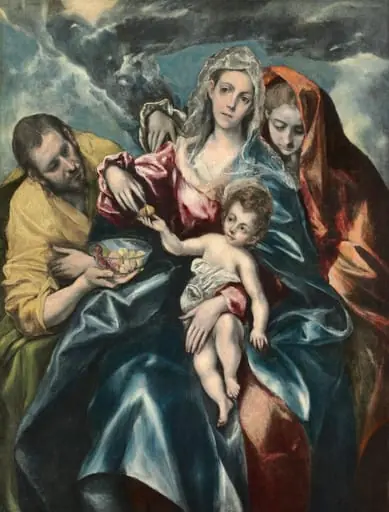 The Holy Family with Mary Magdalen
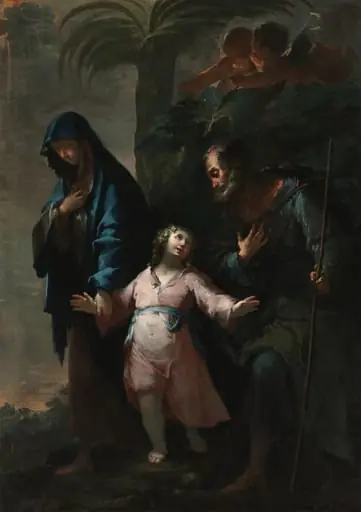 Return to Nazareth
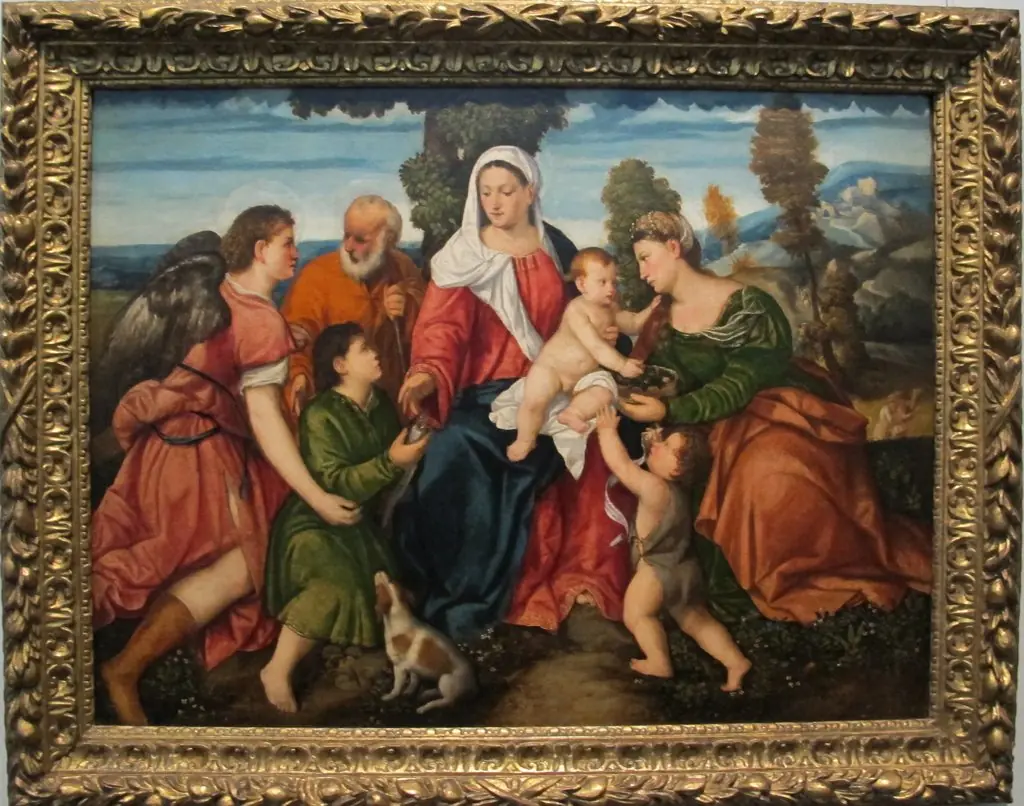 The Holy Family with Tobias and the Angel, Sts. Dorothy, and Infant John the Baptist
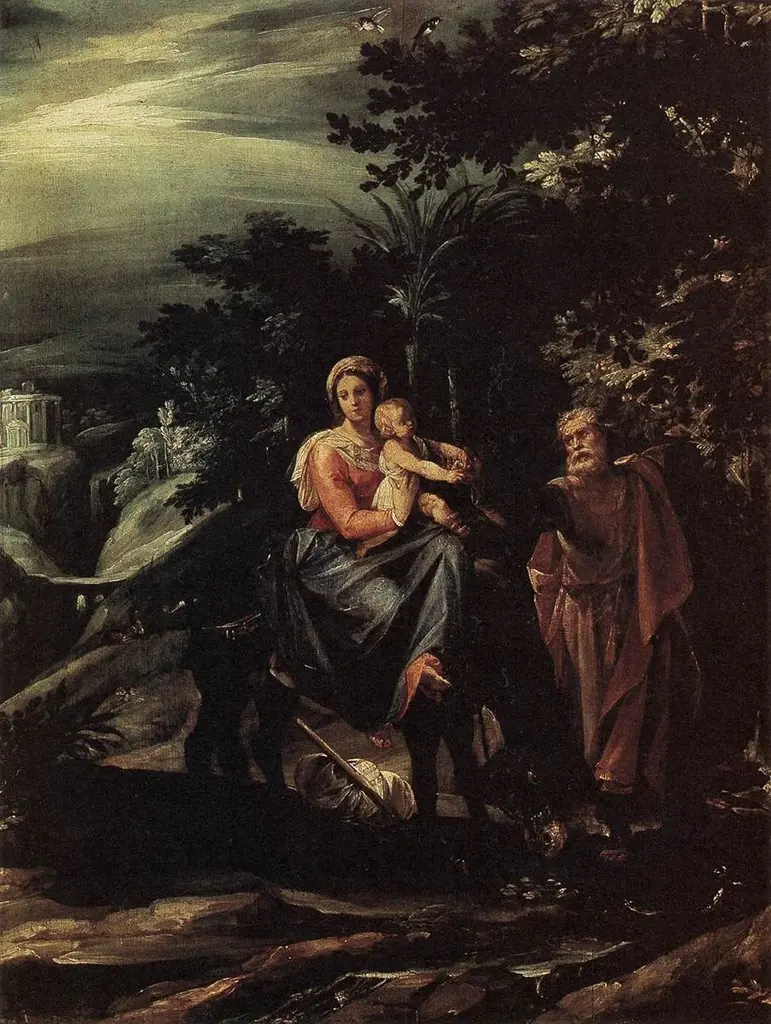 The Flight into Egypt
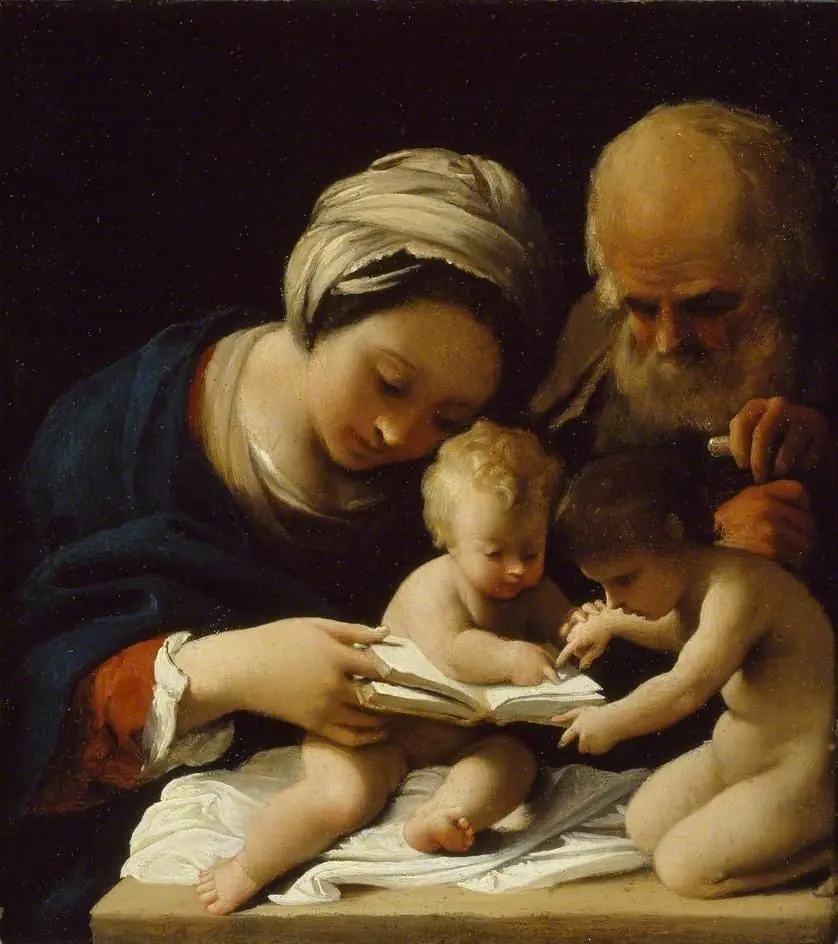 The Holy Family with the young St John the Baptist
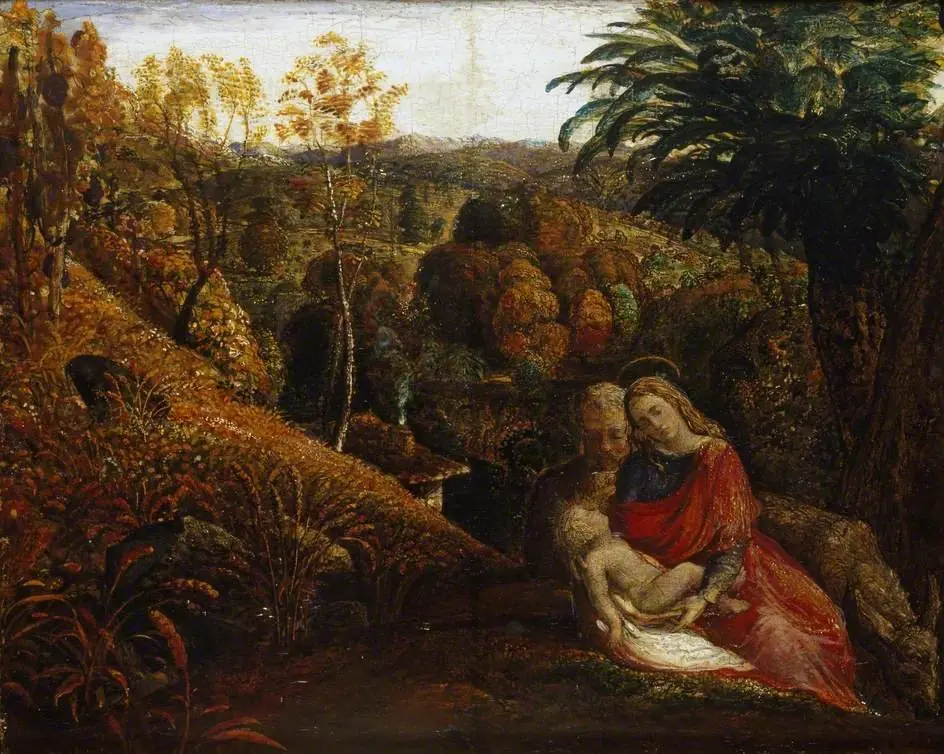 Landscape with the Repose of the Holy Family
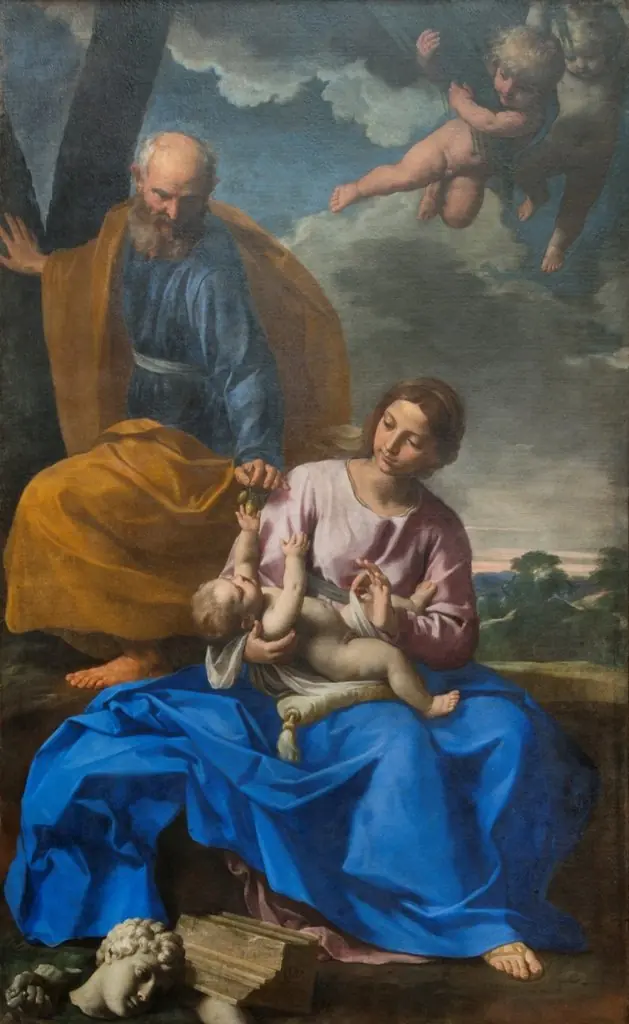 The Rest on The Flight into Egypt
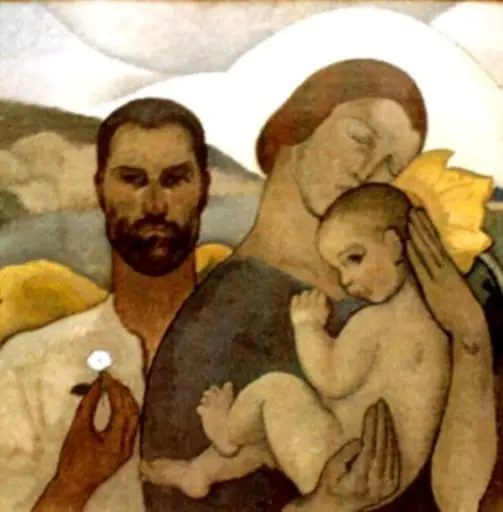 Triptic
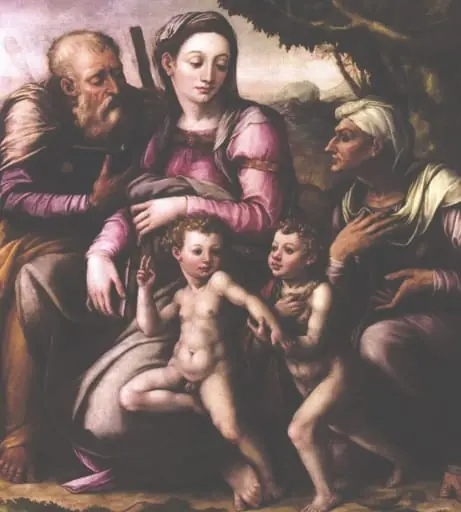 Sfânta Familie
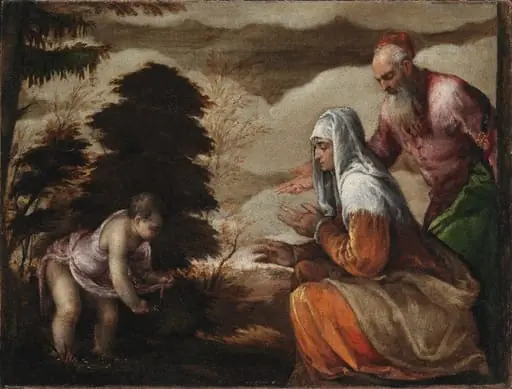 Johannes Kastaja kerää kukkia vanhemmilleen
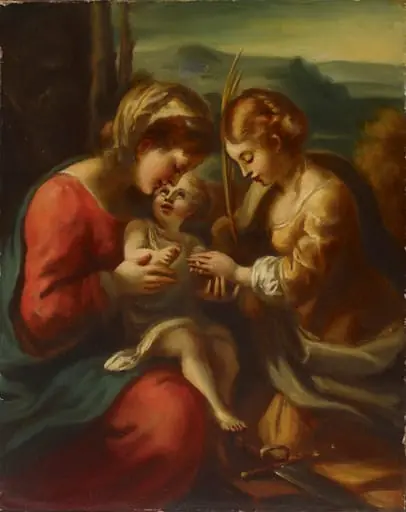 Pyhän Katariinan kihlaus
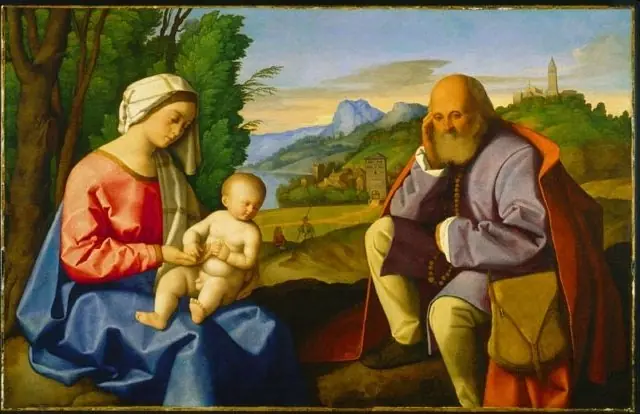 The Rest on The Flight into Egypt
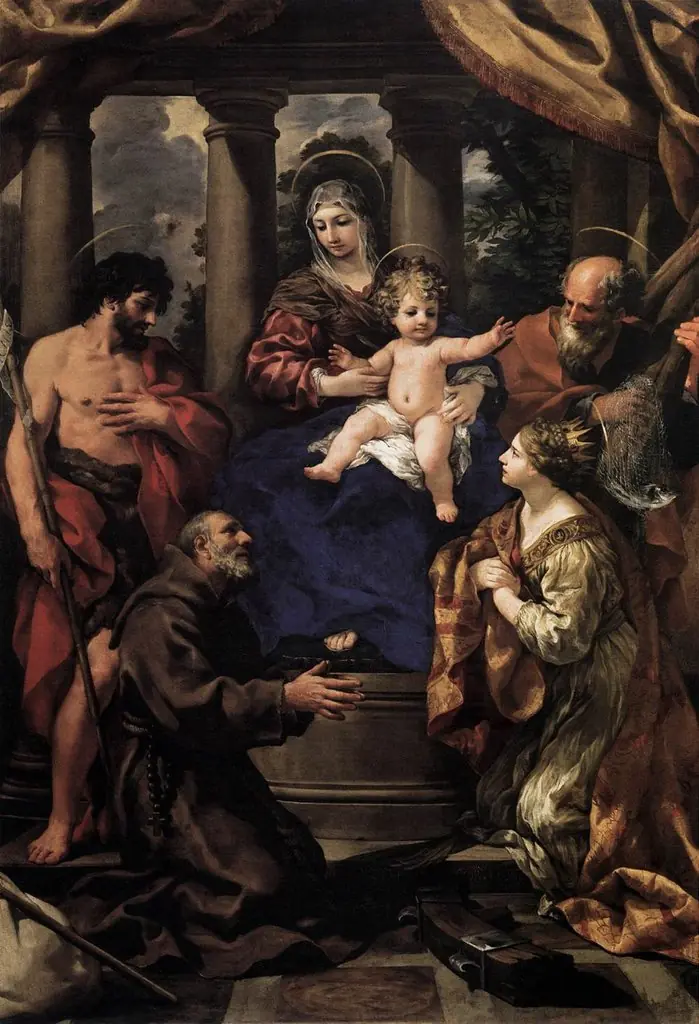 Virgin and Child with Saints
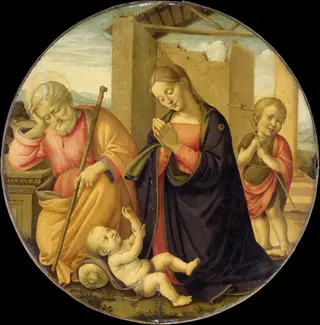 Worshipping the Christ Child
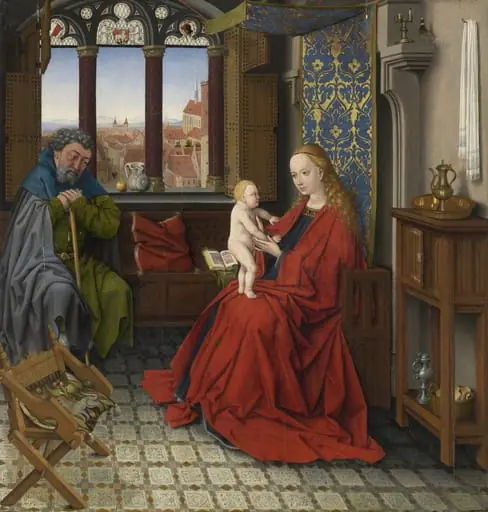 Holy Family
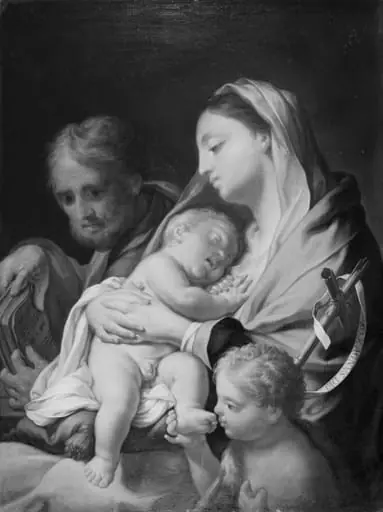 Holy Family with the Infant St. John
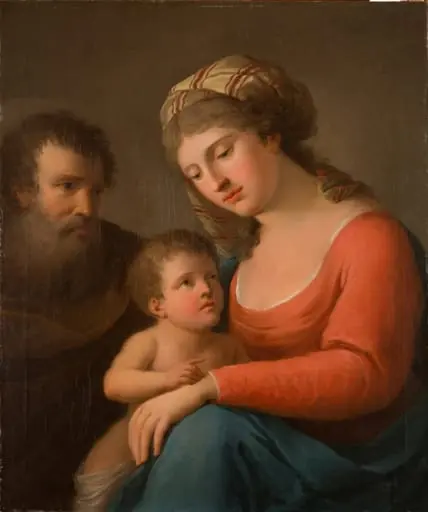 Die Heilige Familie
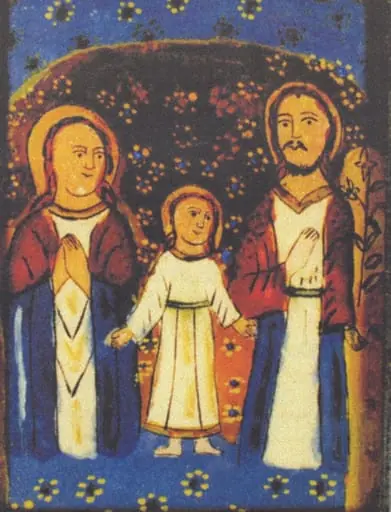 Isus cu Iosif și Maria
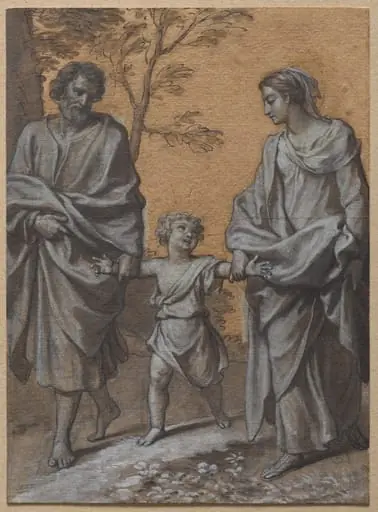 The Return of the Holy Family from Egypt
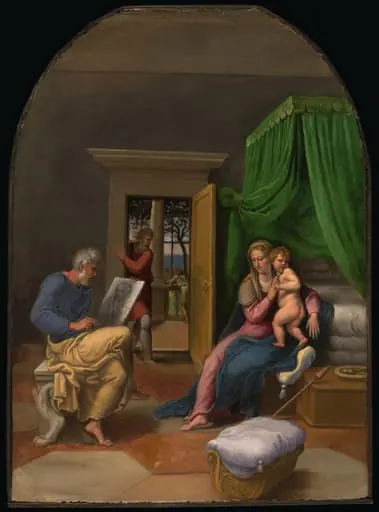 Saint Luke Drawing the Virgin and Christ Child
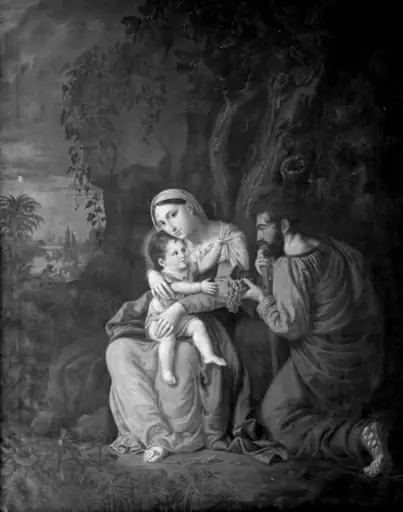 Den hellige familie
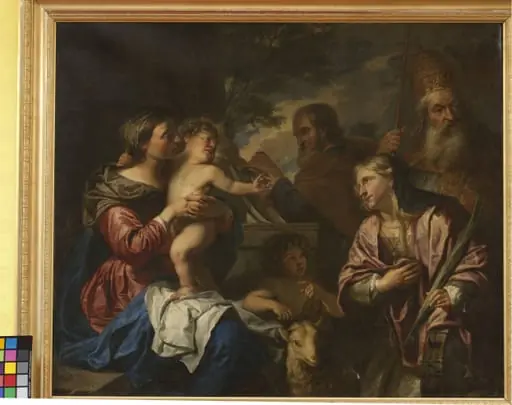 The Mystic Marriage of St Catherine
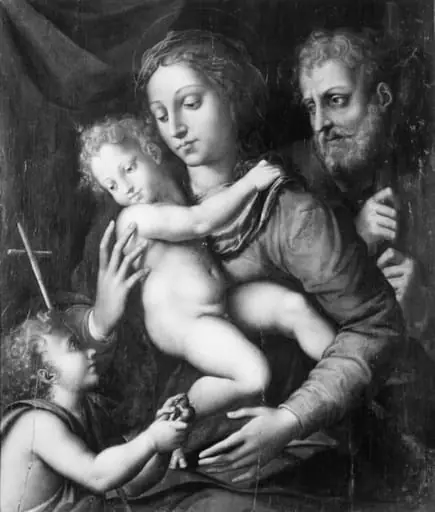 The Holy Family, St John with a small Bird in his Hand
Frequently asked questions
What is Holy Family?
Holy Family is a subject in art. The Holy Family consists of the Child Jesus, the Blessed Virgin Mary and Saint Joseph.
How many Holy Family works does Artifact World Gallery have?
Artifact World Gallery holds 200 public-domain Holy Family works, all free to view and download.
Who are the key Holy Family artists?
Key Holy Family artists in the collection include Titian, Paolo Veronese and Raphael.
Where can I see Holy Family works?
Holy Family works in the collection are held by National Gallery of Art, Metropolitan Museum of Art and Cleveland Museum of Art.