Subject
Lute
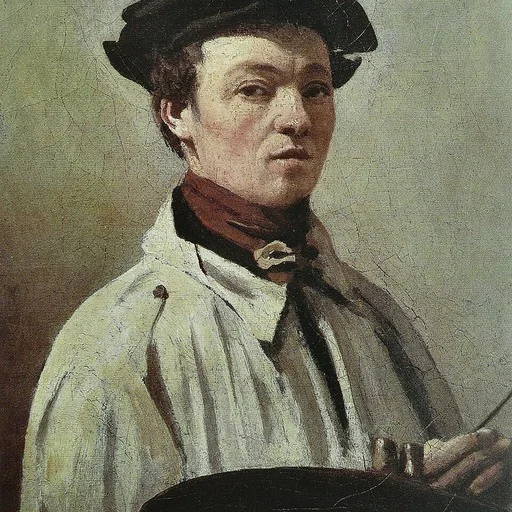
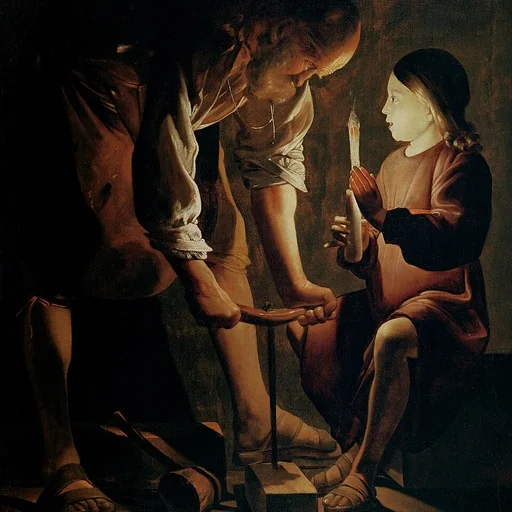
Lute is a subject in art. The gallery holds 159 works in this subject in art, including works by Jean Baptiste Camille Corot, Georges de La Tour and Johannes Vermeer.
A lute is any plucked string instrument with a neck and a deep, rounded back enclosing a hollow resonating cavity, usually pierced by a carved sound hole or rose, and it may be fretted or unfretted. The European lute descends from the Arabic 'ud (the name itself comes from al-'ud, "the wood"), which entered the Iberian Peninsula during the Moorish presence of the eighth and ninth centuries; tradition credits the Baghdad-trained musician Ziryab, active at the Córdoba court, with helping to spread it. The earliest European depictions appear around 1280–1300, largely in Spain, and by the mid-fourteenth century the imported oud-form had acquired frets and a distinctly Western character. During the fifteenth century players abandoned the plectrum for the fingertips, added courses of strings, and retuned the instrument, producing the Renaissance lute that became the pre-eminent vehicle for secular music.
In painting the lute is rarely a neutral prop. Its tear-drop body, fragile soundboard, and the swift decay of its plucked notes made it a natural emblem of harmony, love, and—because that beauty is so fleeting—of transience and death. A single broken string came to signify discord or mortality, and a lute laid face-down in dust became a stock motif of vanitas still life. Artists exploited its complex foreshortened belly as a virtuoso exercise in perspective, while its association with courtship made it a fixture of intimate genre scenes.
The instrument runs through the Western canon. Hans Holbein the Younger placed a lute with a snapped string beside a Lutheran hymnal in The Ambassadors (1533), an allusion to religious discord. Caravaggio returned to the subject repeatedly, producing two versions of The Lute Player around 1595–96 for the Roman collectors Vincenzo Giustiniani and Cardinal Del Monte; his early The Musicians (c. 1597, in this catalogue) gathers languid youths around the instrument. Earlier still, Gerard David's lute-playing angels in Virgin and Child with Four Angels translate its sound into sacred harmony.
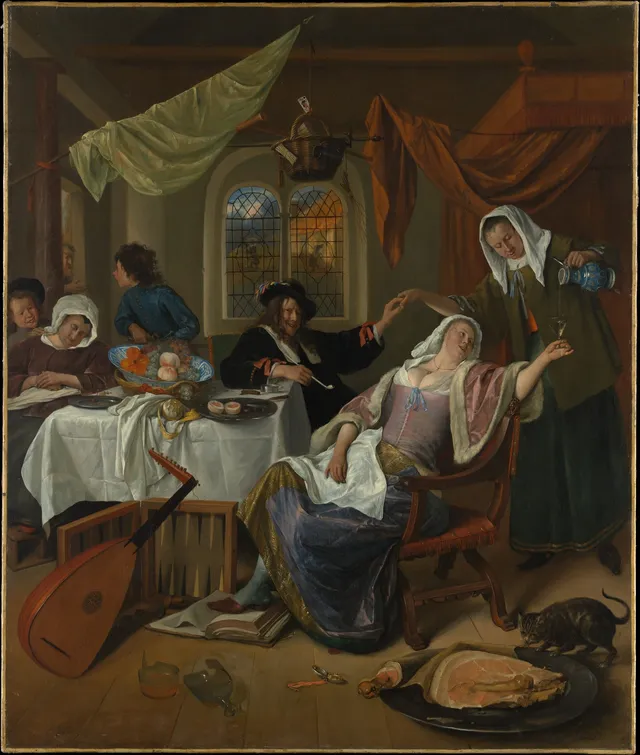
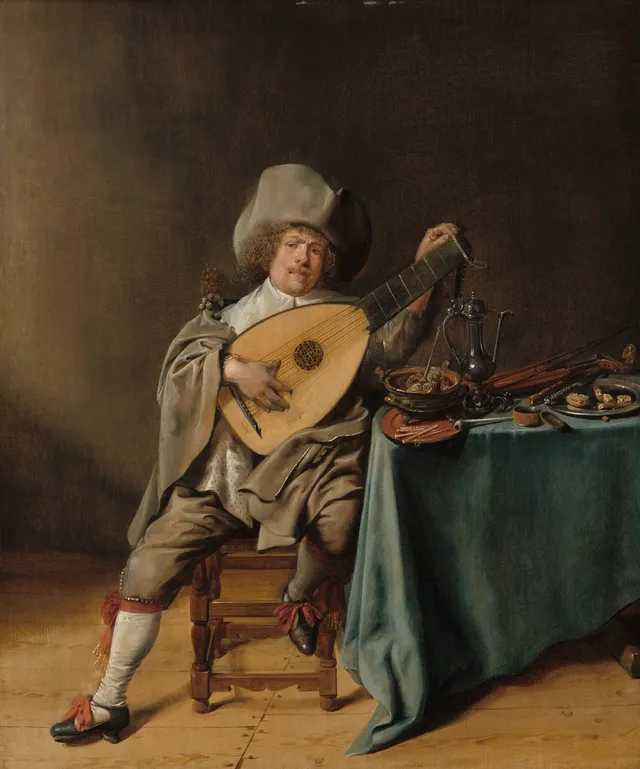
The motif flowered especially in the seventeenth-century Dutch Republic. In rowdy household scenes such as Jan Steen's The Dissolute Household, and in Jan Miense Molenaer's Self-Portrait as a Lute Player, the instrument signals both conviviality and moral warning, while in still lifes by Pieter Claesz it underscores the vanity of worldly pleasure. As the Baroque guitar and the keyboard rose, the lute faded from use, but its painted afterlife—linking music, love, and mortality—remained one of the richest in European art.
Key artists

Overview
A lute is a plucked string instrument featuring a neck and a deep round back that encloses a hollow cavity, typically with a sound hole. It may be fretted or unfretted, and its strings run in a plane parallel to the sound table. In the Hornbostel-Sachs classification system, the term denotes a broad category of necked chordophones, encompassing both long-necked and short-necked varieties. More specifically, the word commonly refers to the family of European lutes, which were profoundly influenced by short-necked Gandhara lutes from modern-day Pakistan, the predecessors of the Islamic, Sino-Japanese, and European lute families. The European lute and the modern Near-Eastern oud share a common ancestor but diverged over centuries. As a relatively small instrument, the lute produces a quiet sound, and its player is known as a lutenist, while its maker is called a luthier.
In the collection
The lute appears in 173 works within the collection. The instrument is depicted across a broad range of genres and formats, reflecting its widespread cultural presence. Examples of works featuring the lute include The Musicians, Vanitas Still Life with the Spinario, Virgin and Child with Four Angels, The Dissolute Household, Self-Portrait as a Lute Player, Virgin and Child in an Apse, The Triumph of Death, A Musical Party, Woman with a Lute, and Allegory of Music. The collection also preserves physical historic instruments, such as a lute made in Egypt between 200 and 500 during the Roman or Byzantine period. Carved from wood with traces of paint, this artifact measures 4 3/4 by 1 7/16 by 28 13/16 inches.
Across movements & periods
The lute's treatment and construction evolved significantly from antiquity through the Baroque period. Archaeological evidence, including a cylinder seal from around 3100 BC, places early long and short lutes in Mesopotamia, with subsequent developments in Egyptian, Gandharan, and Persian cultures. The instrument entered Europe via Moorish Spain and the Crusades, initially retaining the plectrum playing style of the Arabic oud. Around 1500, European players adopted finger plucking and added frets, enabling true polyphony. During the Renaissance, the lute was considered the queen of instruments and was central to secular music. Over the 16th and 17th centuries, composers continually added courses, expanding the instrument from four or five courses in the Middle Ages to six, then ten, and eventually eleven courses in the Baroque era. Alternate tunings, such as the d-minor tuning, replaced older quartal tunings in the 17th century. By the 18th century, the lute was eclipsed by keyboard and other stringed instruments, and it was eventually replaced by the guitar during the Romantic period.
Notable depictions
Notable historical lutes survive in museum collections, offering concrete examples of the instrument's depiction and construction. A prominent example is a lute attributed to a member of the Tieffenbrucker family, a major dynasty of Renaissance stringed-instrument makers originally from the Fussen region of Bavaria. Built as a bass instrument with eight or ten double courses, it was later modified in the 18th century to have thirteen courses. Its back is made of thirty-seven bicolor yew ribs, a hallmark of Tieffenbrucker craftsmanship. The instrument remained in heavy use for centuries, necessitating the replacement of its original soundboard before the museum acquired it in 1989. Another significant survivor is a lute built by Wendelin Tieffenbrucker in Padua around 1590, which originally had seven or eight courses before being converted to ten or eleven.
Legacy
Although the lute fell from mainstream use by the 19th century, its legacy experienced a significant revival. The early 20th century saw the guitar-lute become popular among the Wandervogel and youth music movements in Germany. More substantially, the rediscovery of early music in the 20th century spurred a broader revival of the instrument in its various historical forms. Today, luthiers and scholars rely on surviving historical instruments housed in museums and private collections to reconstruct and study the lute. Because original soundboards are typically too thin to withstand string tension, very few historic lutes remain in playing condition. To aid preservation and study, organizations have compiled extensive online databases of surviving instruments, and festivals are held to promote interest in lute performance.
Works
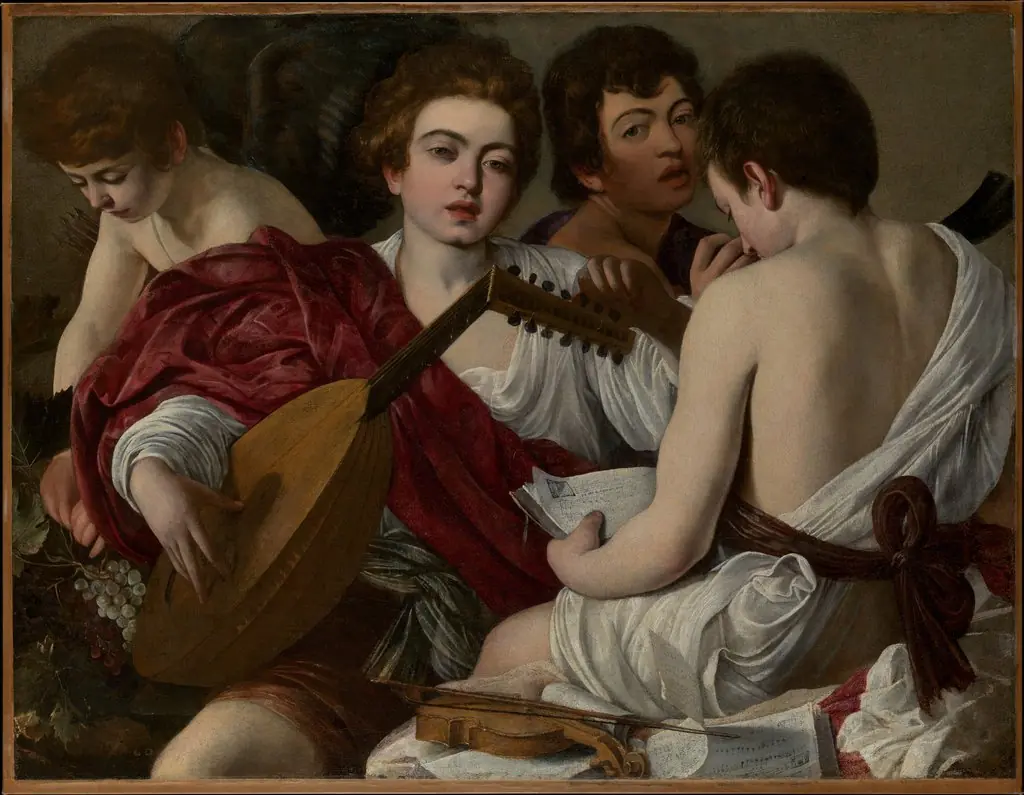 The Musicians
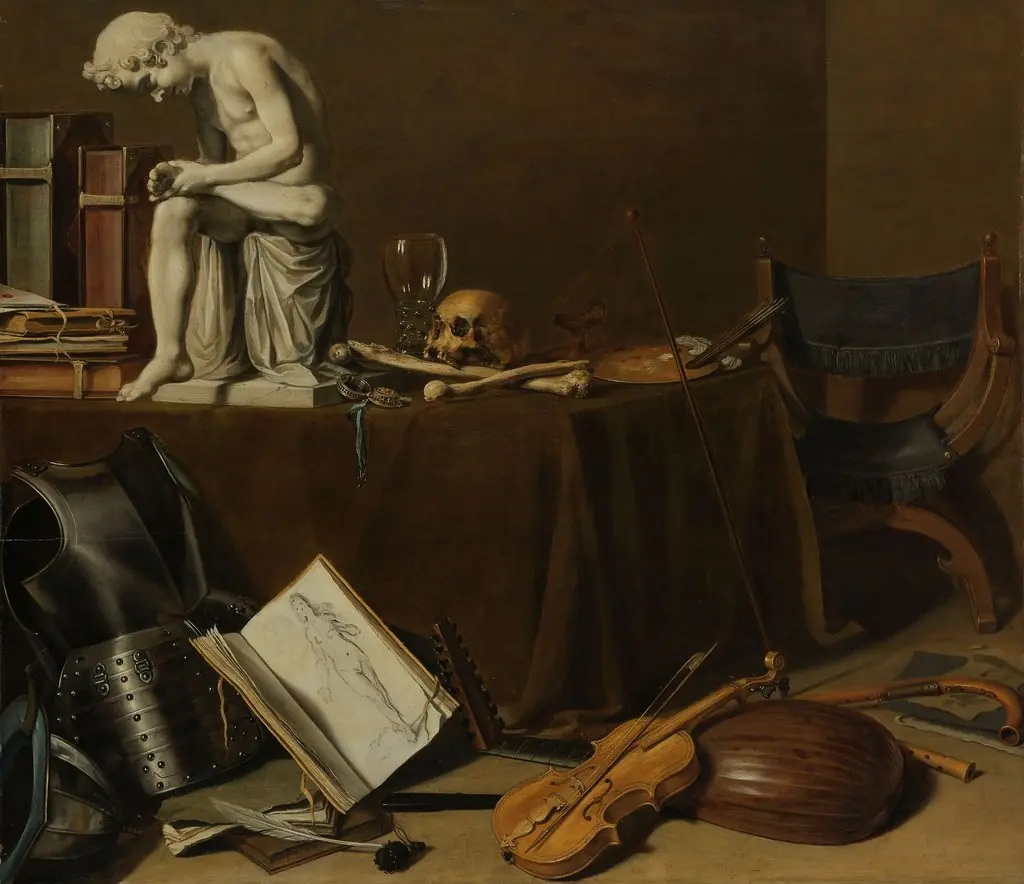 Vanitas Still Life with the Spinario
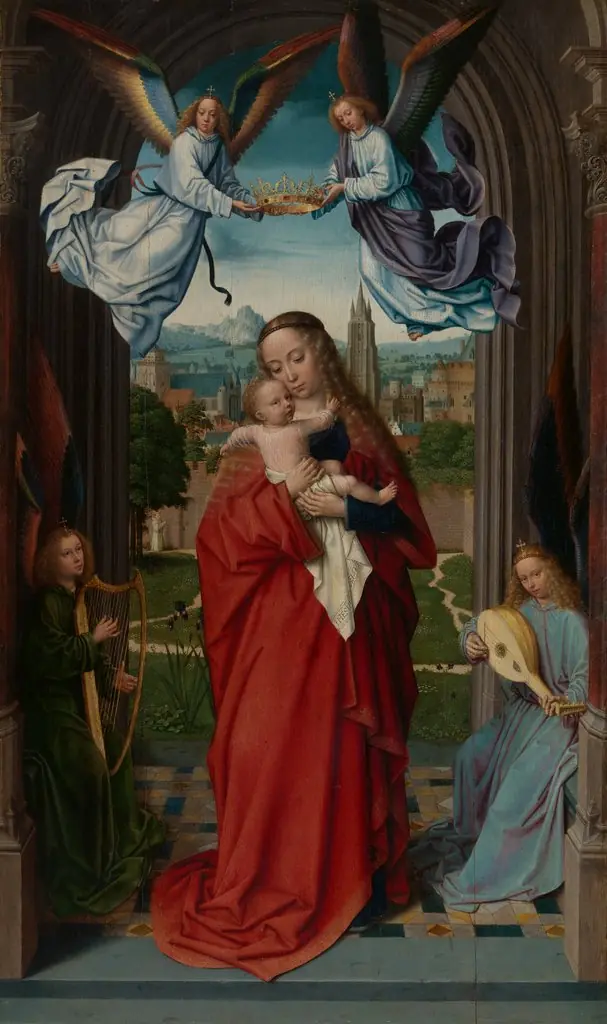 Virgin and Child with Four Angels
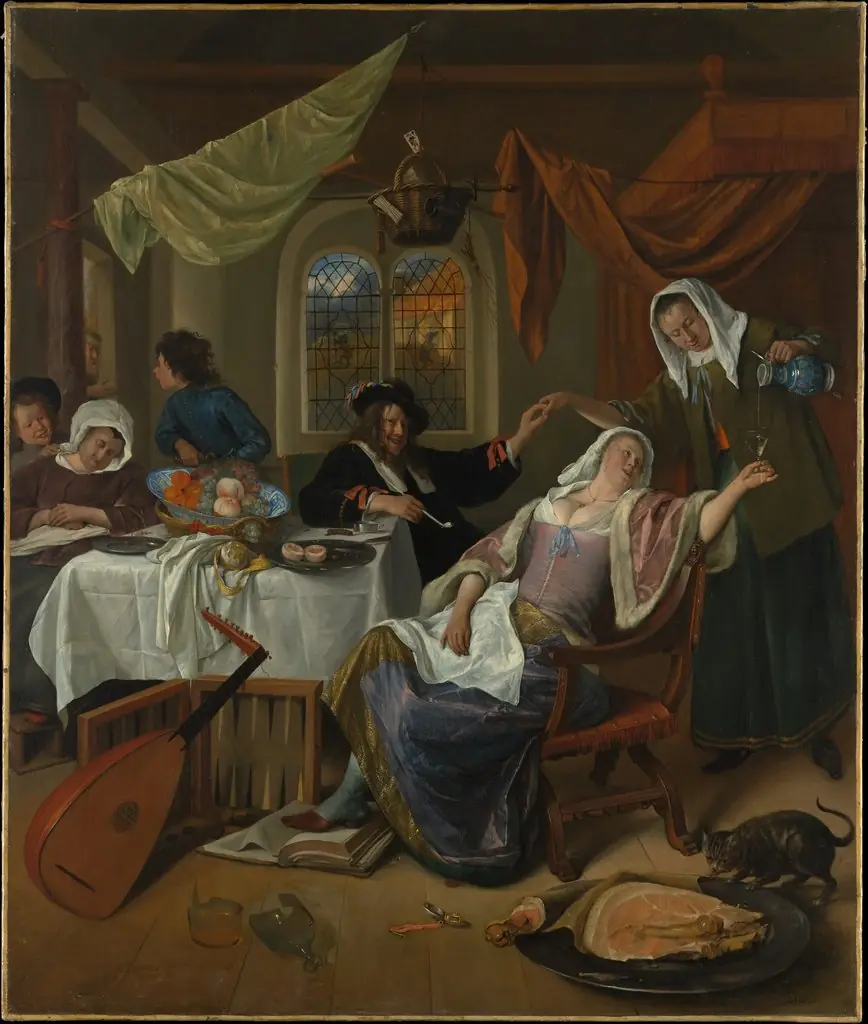 The Dissolute Household
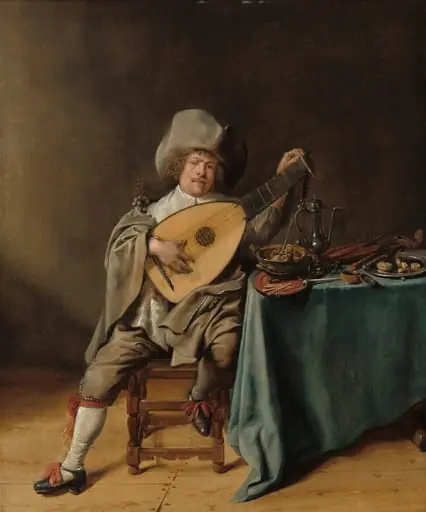 Self-Portrait as a Lute Player
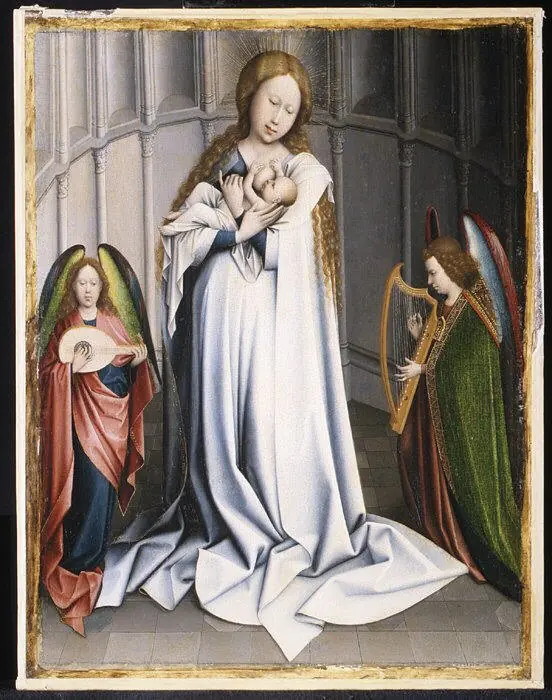 Virgin and Child in an Apse
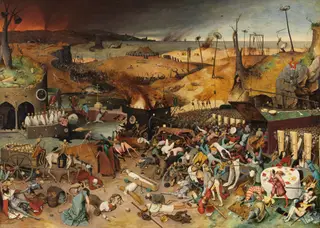 The Triumph of Death
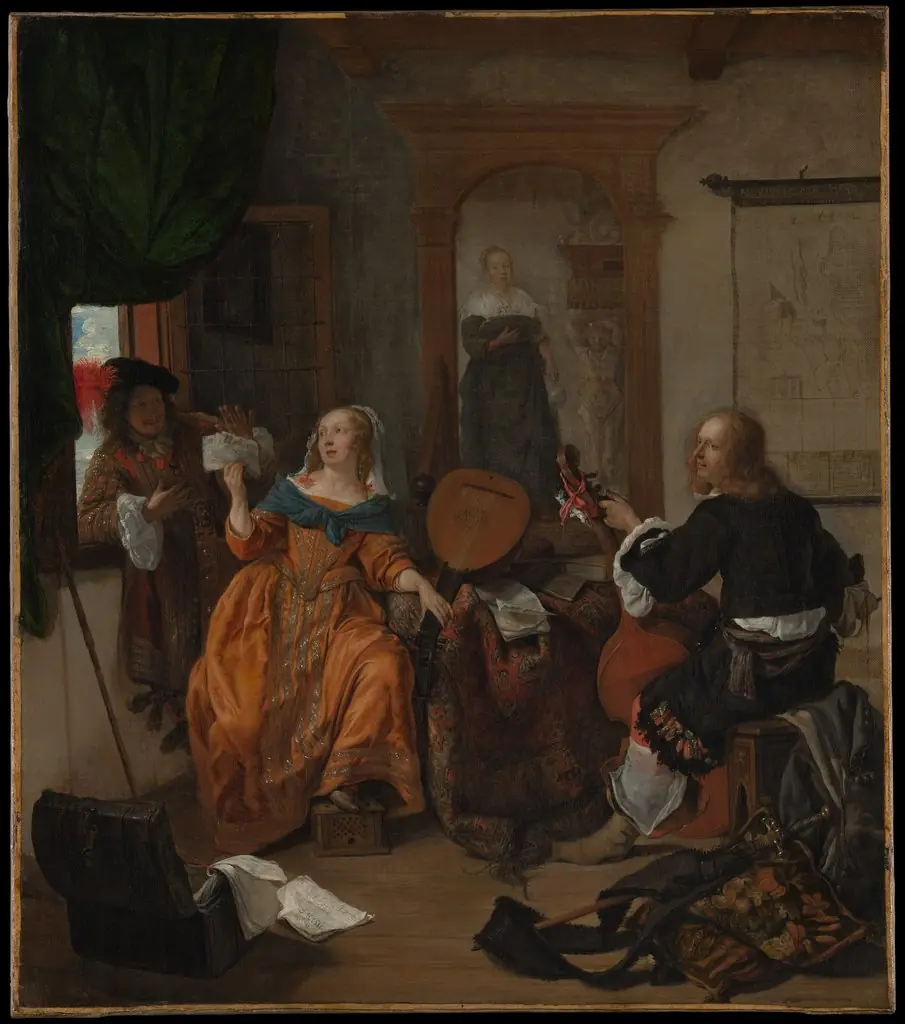 A Musical Party
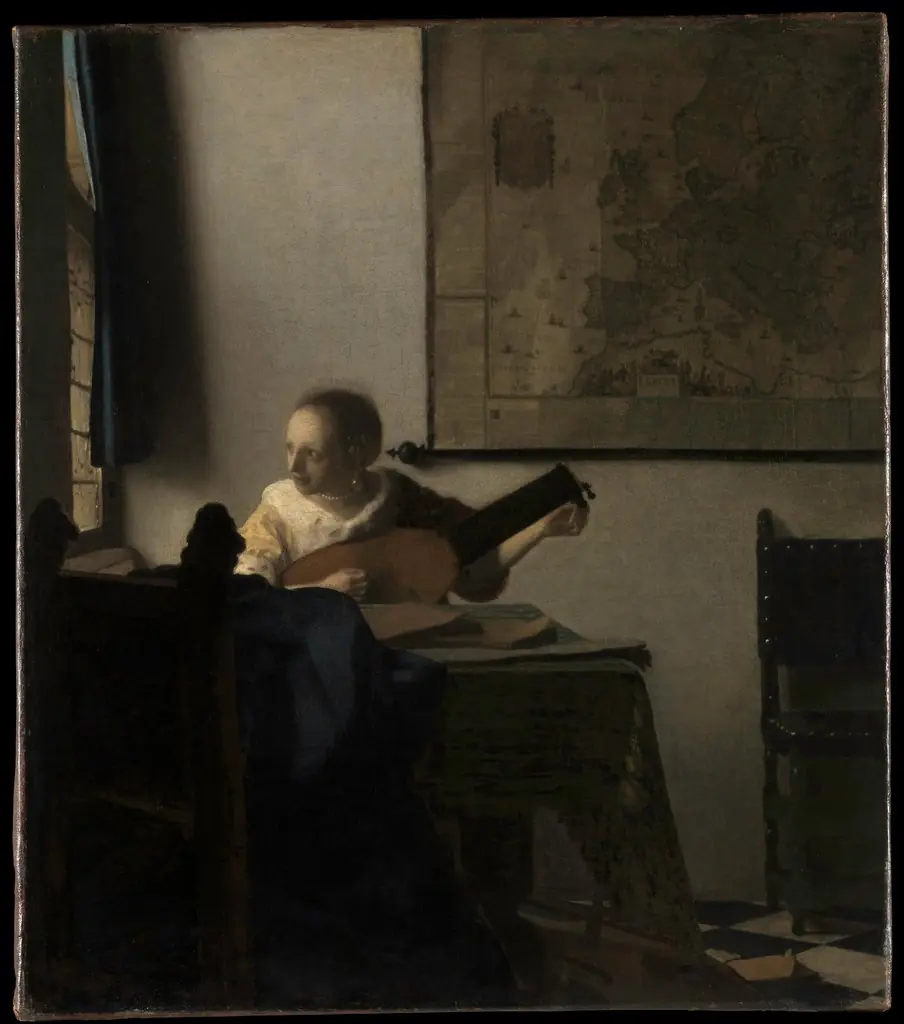 Woman with a Lute
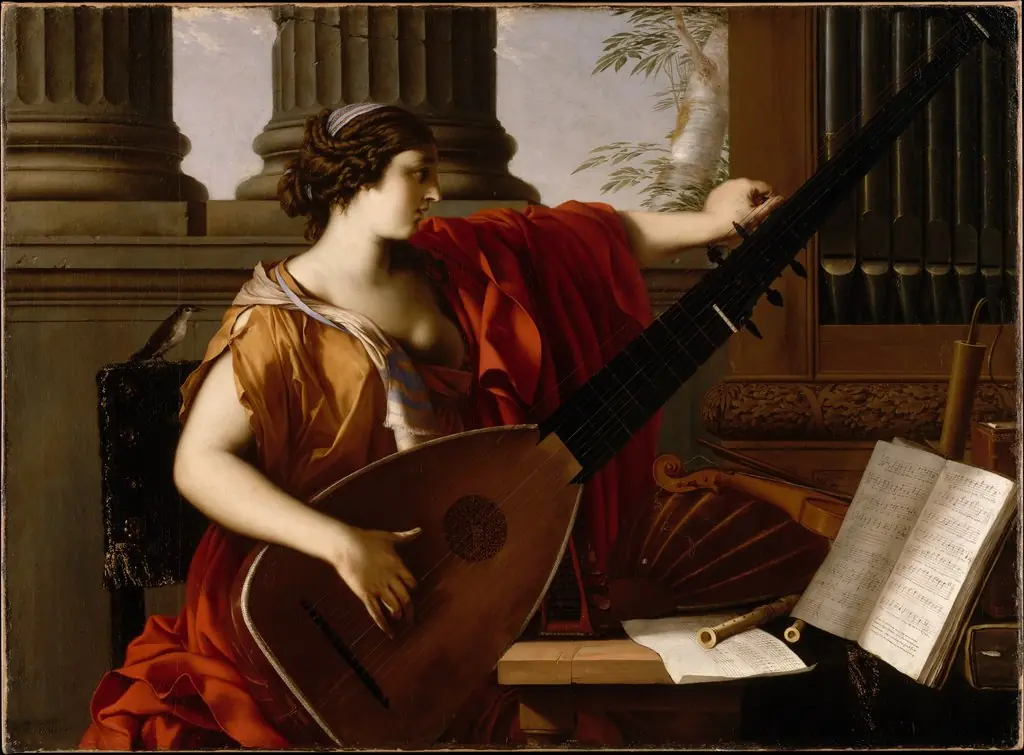 Allegory of Music
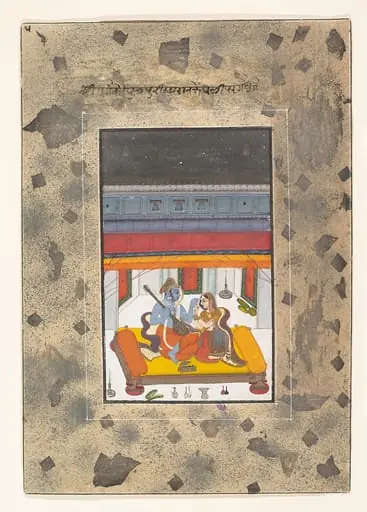 Untitled
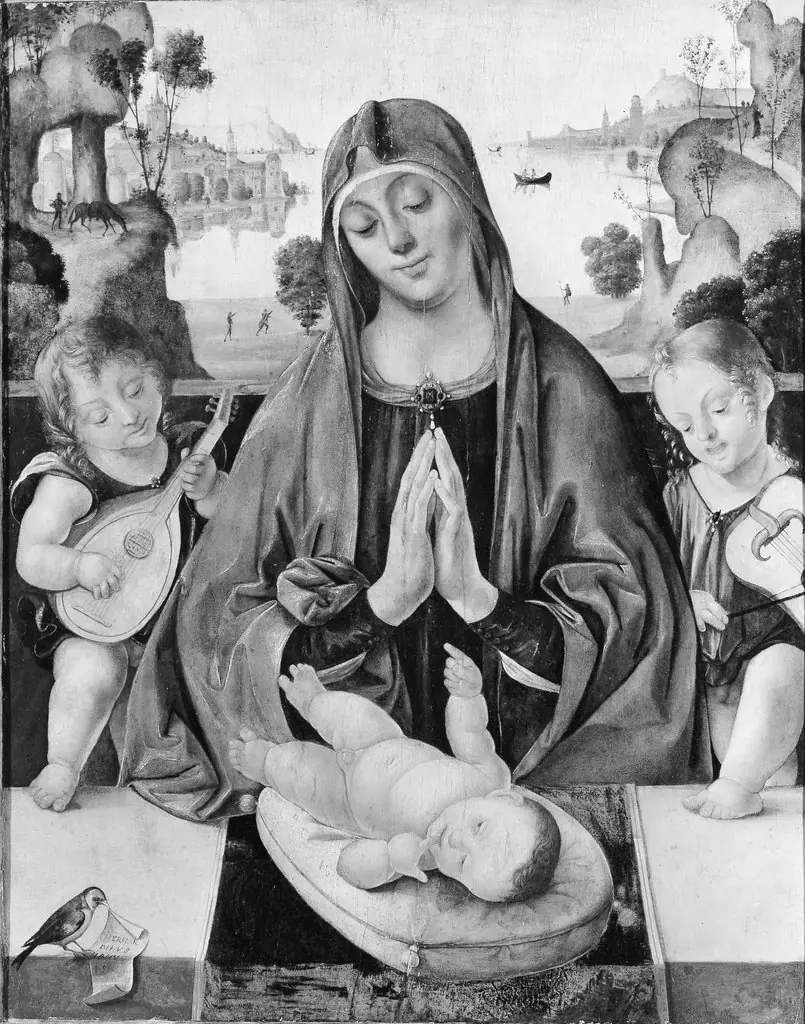 Madonna and Child with Angels
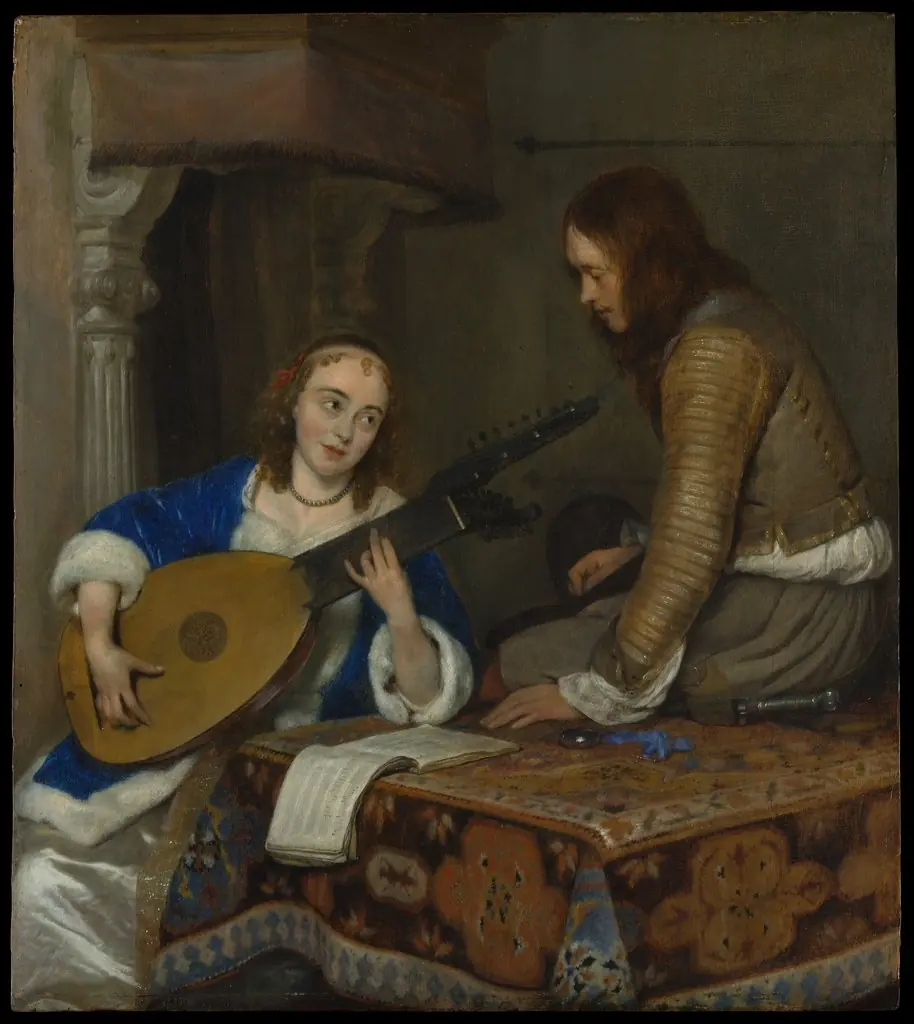 A Woman Playing the Theorbo-Lute and a Cavalier
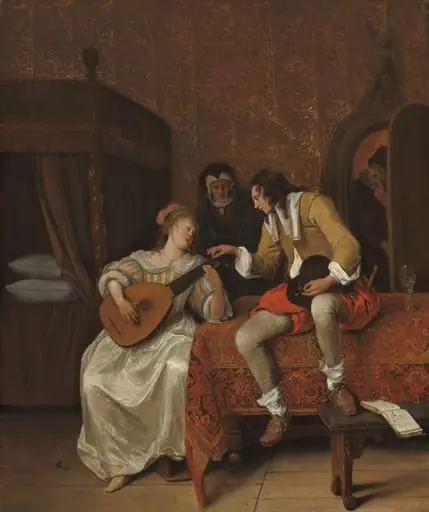 Ascagnes and Lucelle (The Music Lesson)
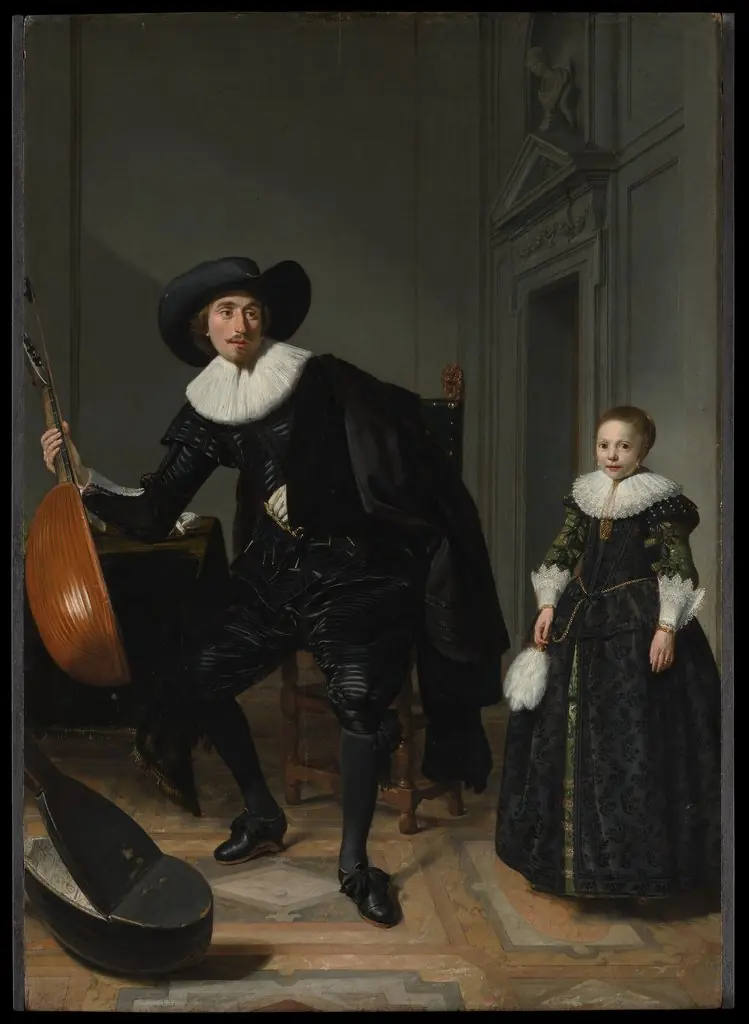 A Musician and His Daughter
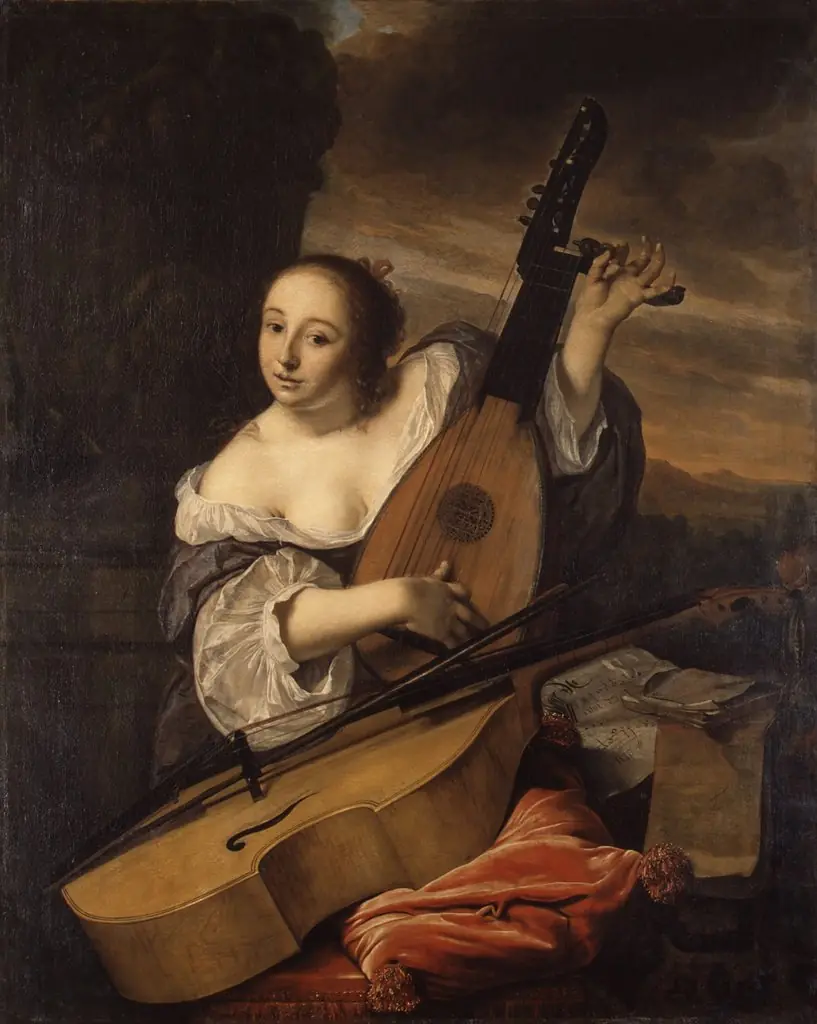 The Musician
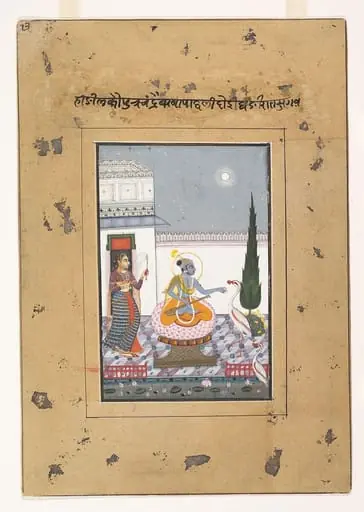 Untitled
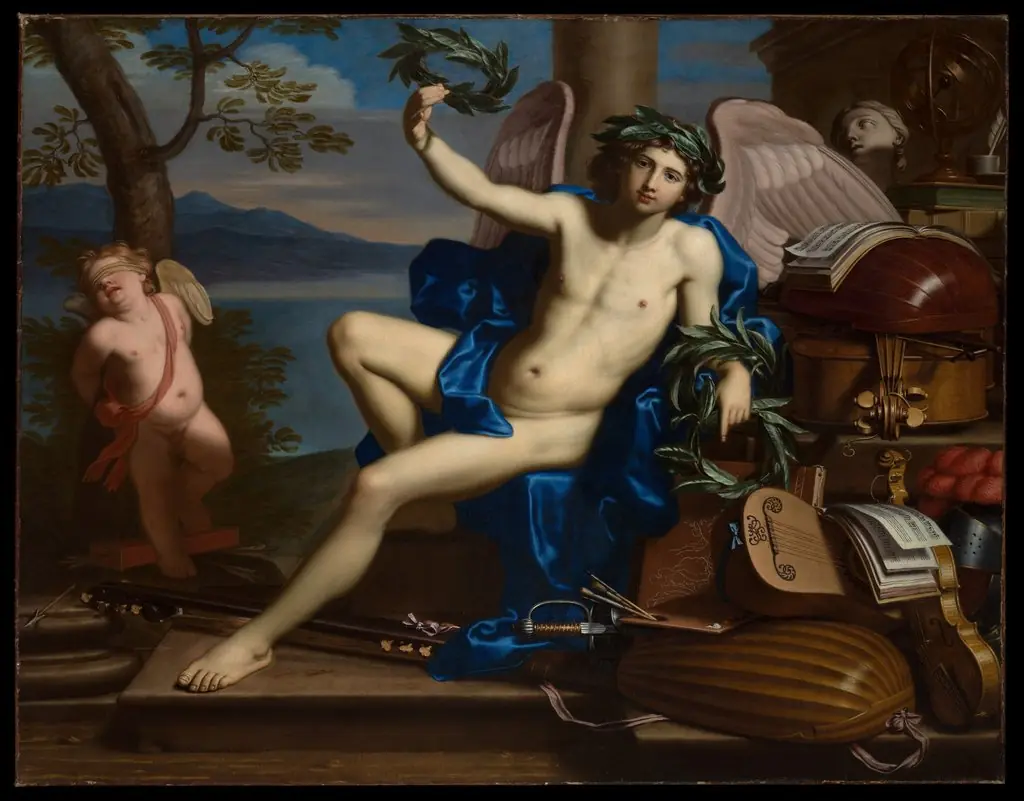 Allegory of Sacred and Profane Love
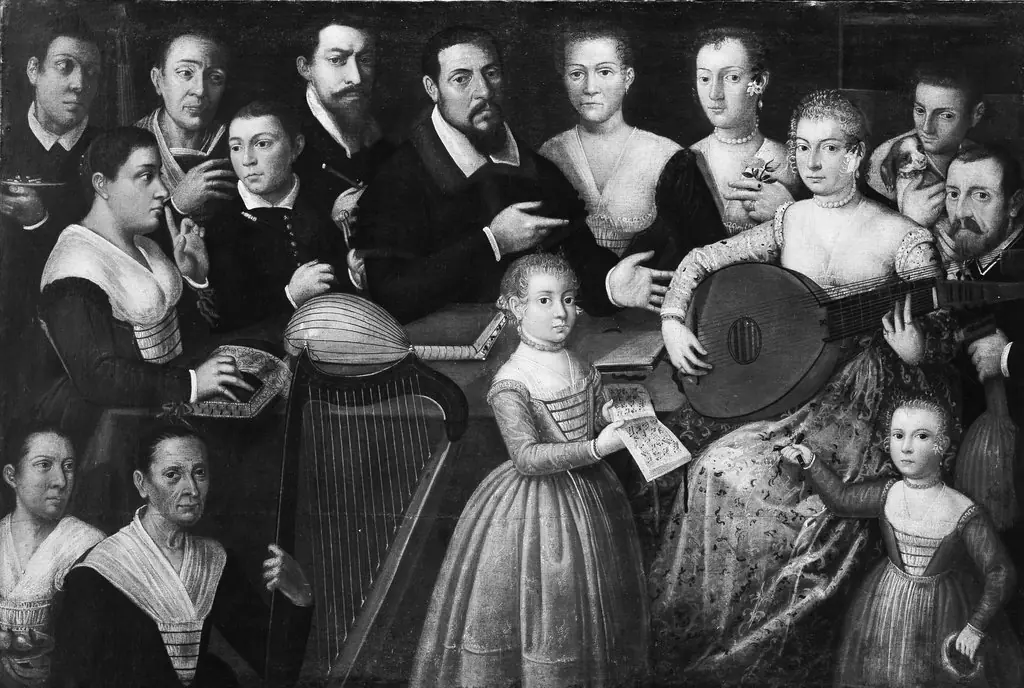 Portrait of a Family
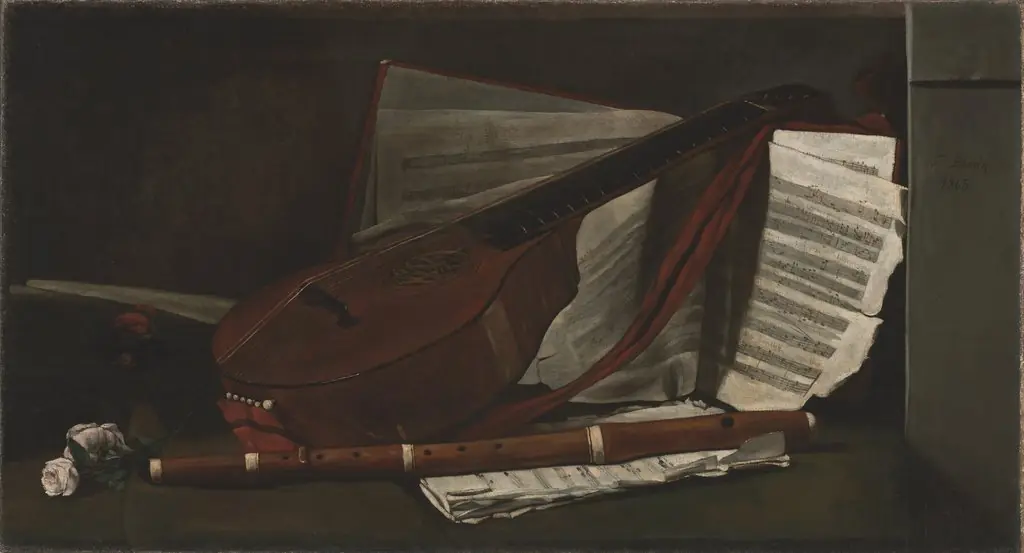 Attributes of Music
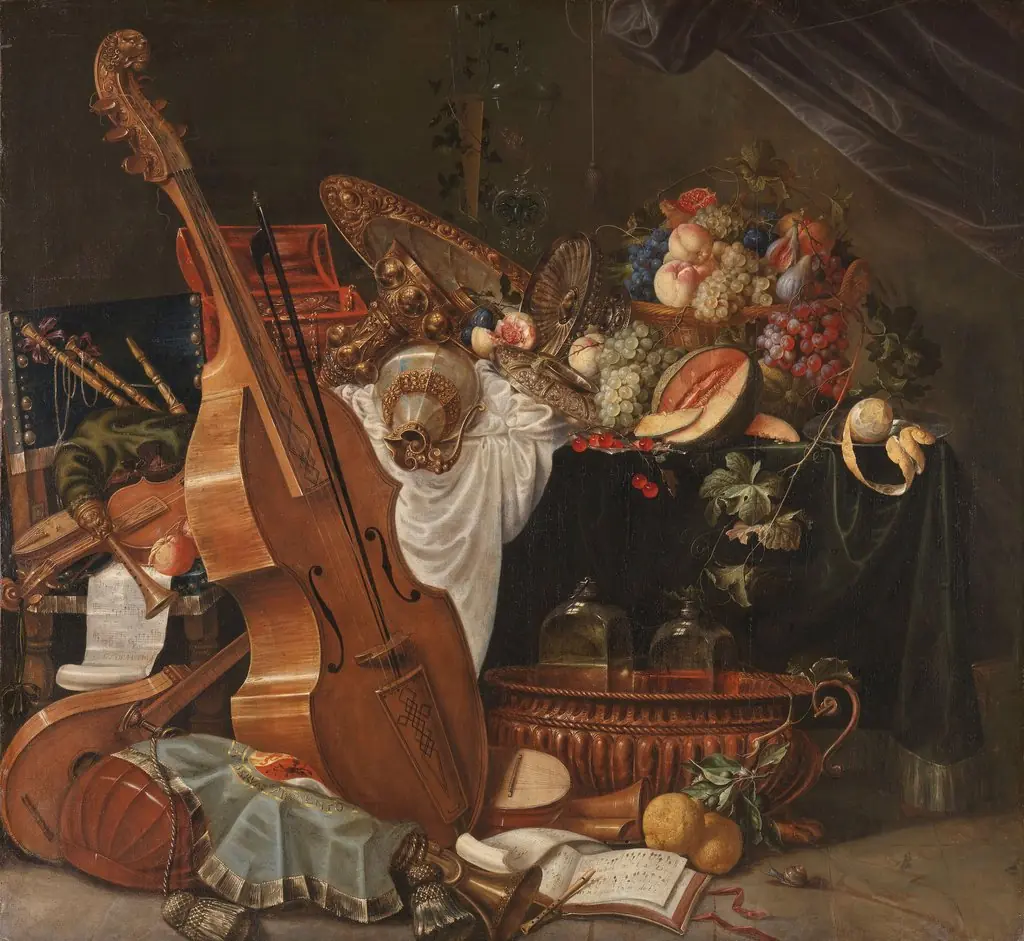 Still life
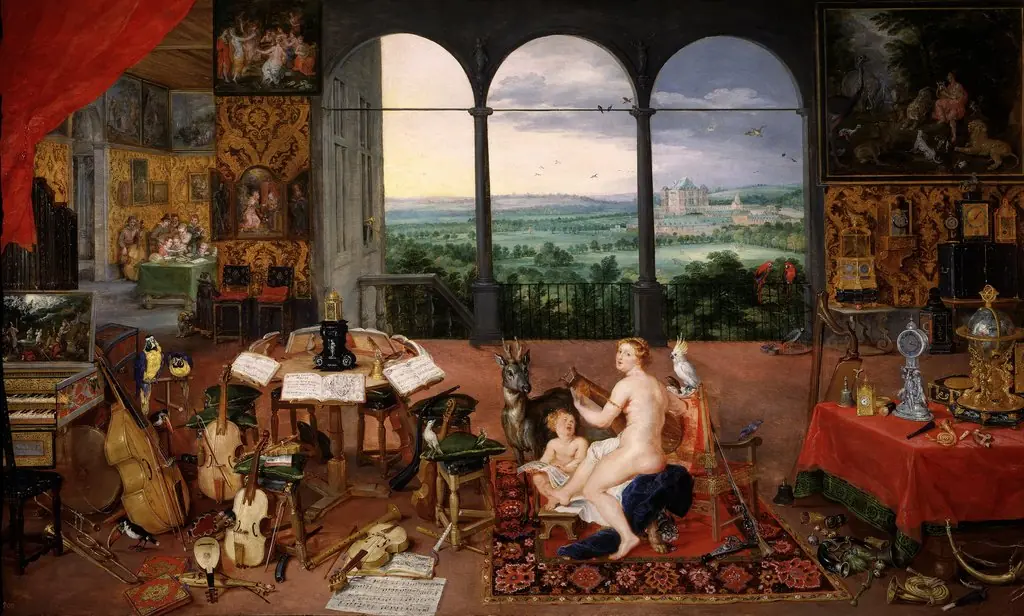 Hearing
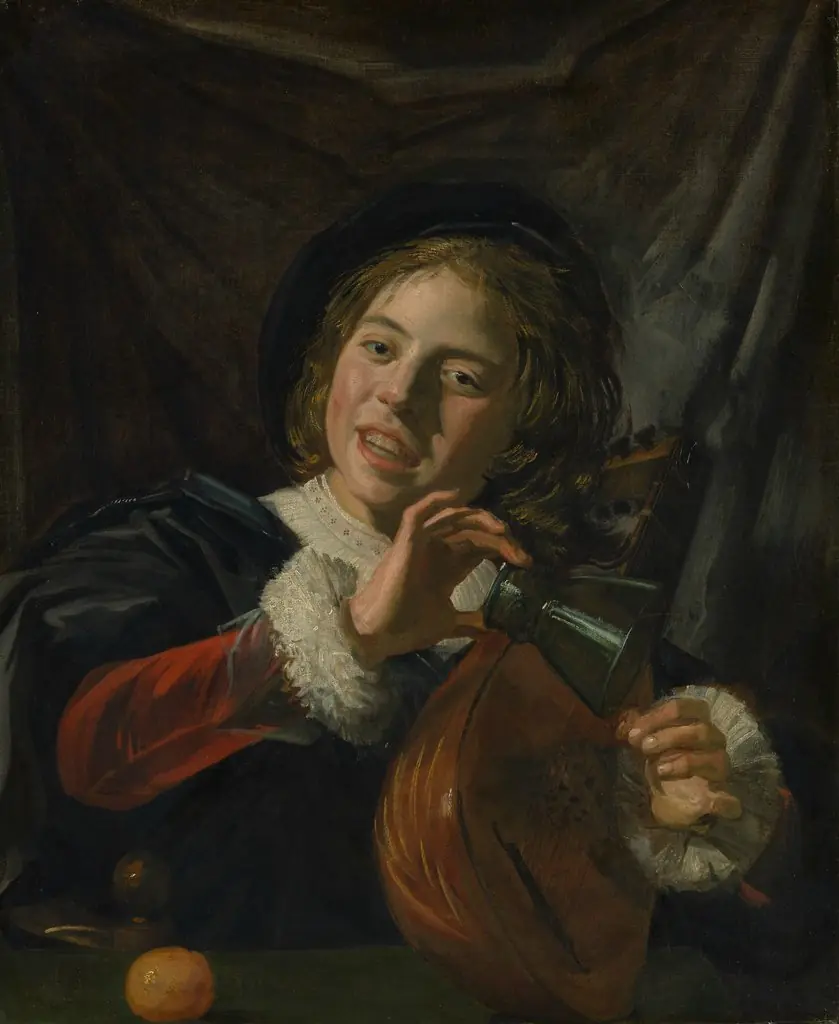 Boy with a Lute
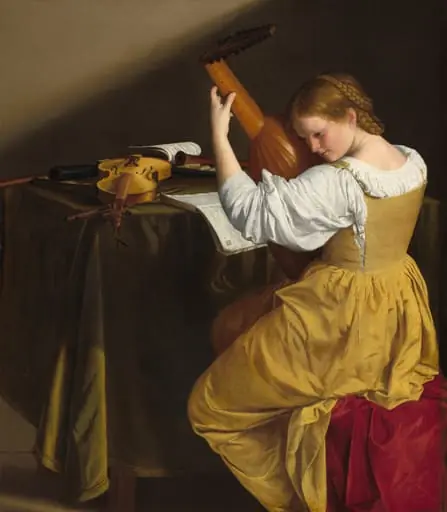 The Lute Player
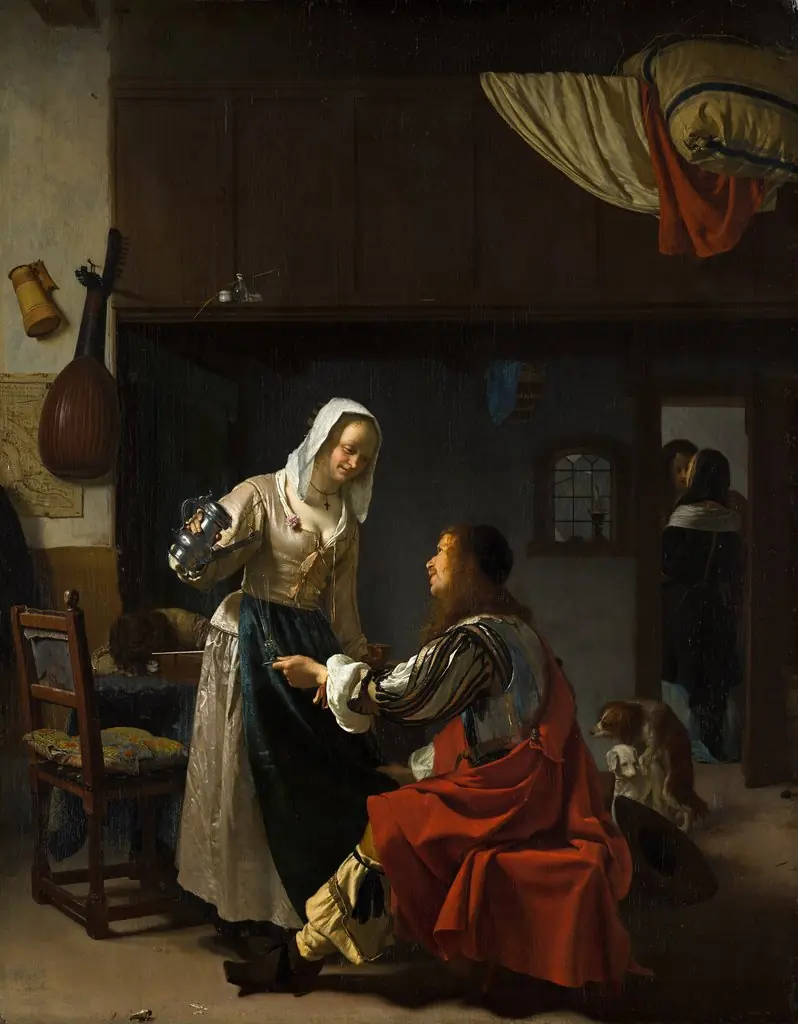 Brothel Scene
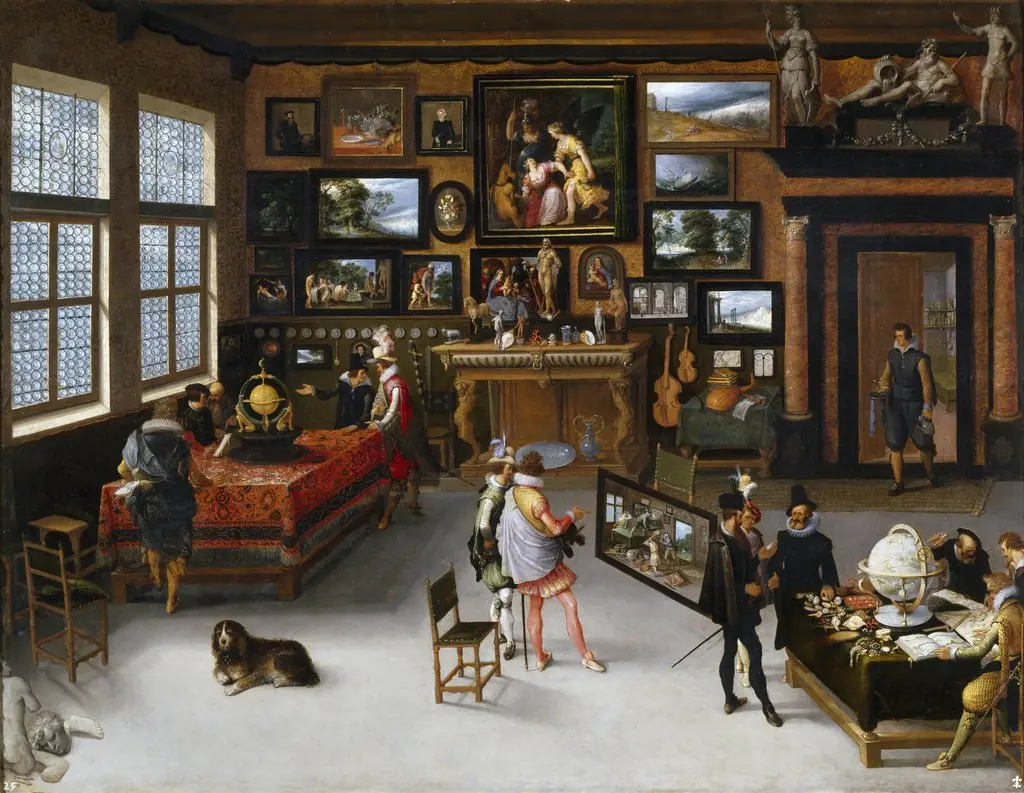 The Sciences and Arts
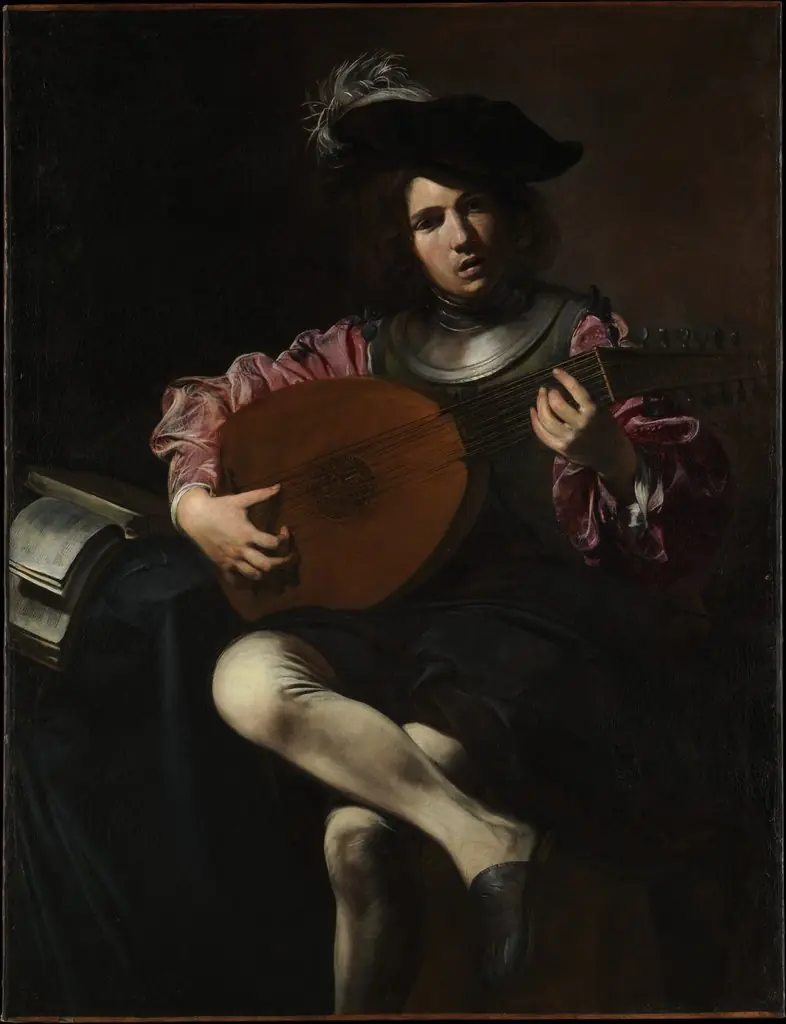 The Lute Player
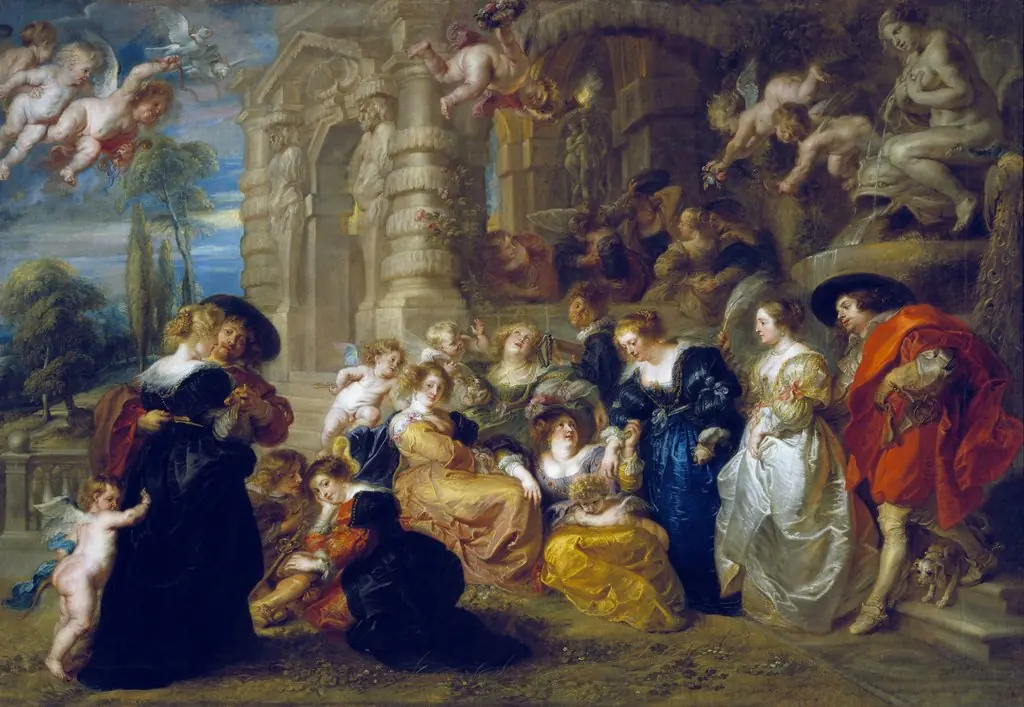 The Garden of Love
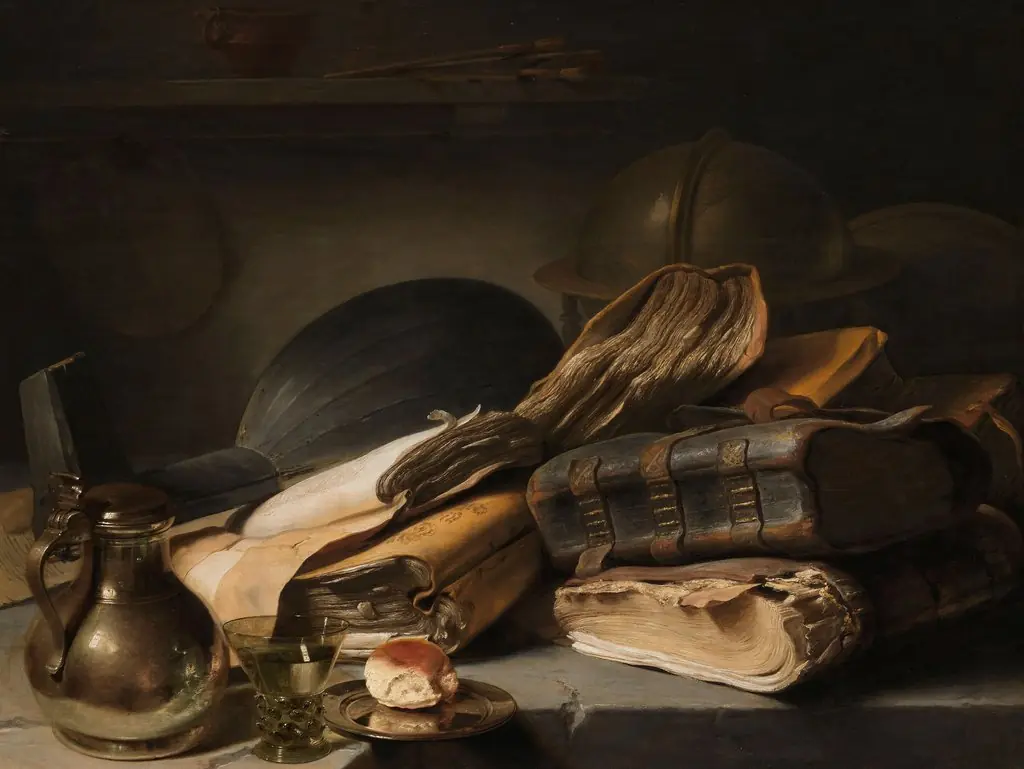 Still Life with Books
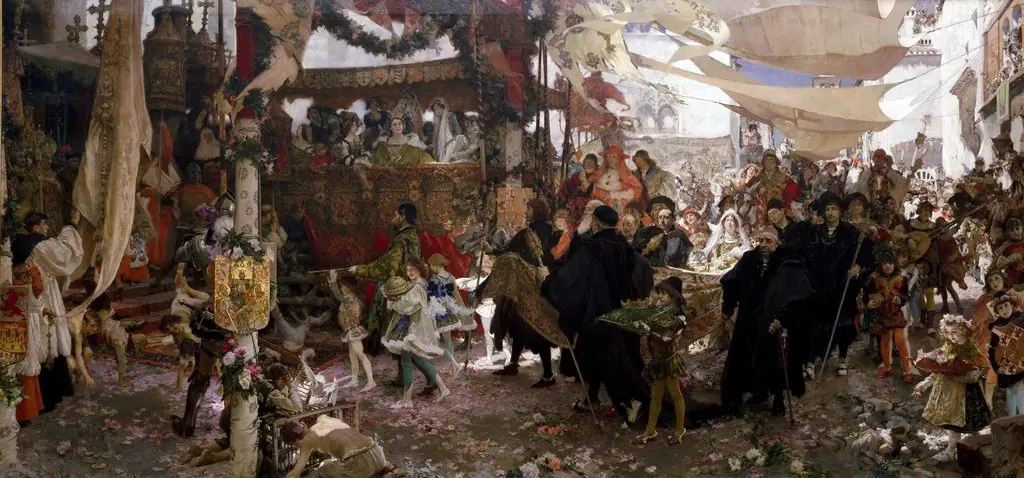 The Baptismal procession of Prince Juan, son of the Catholic Kings, through the streets of Seville
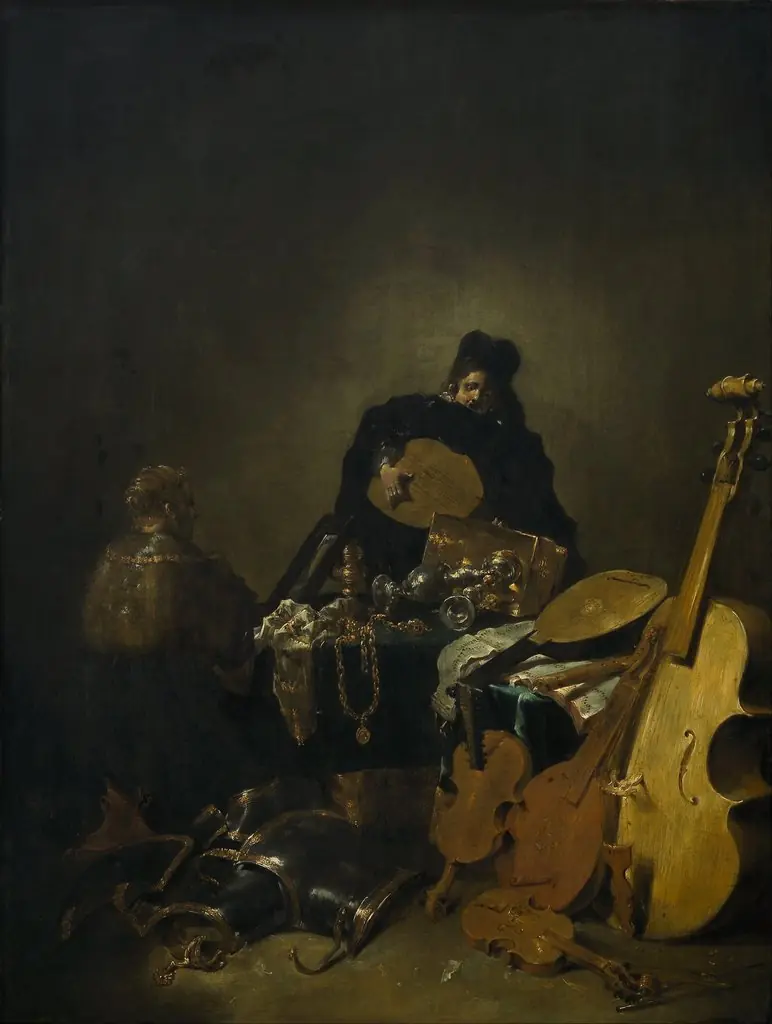 Allegory of Vanity (Vanitas)
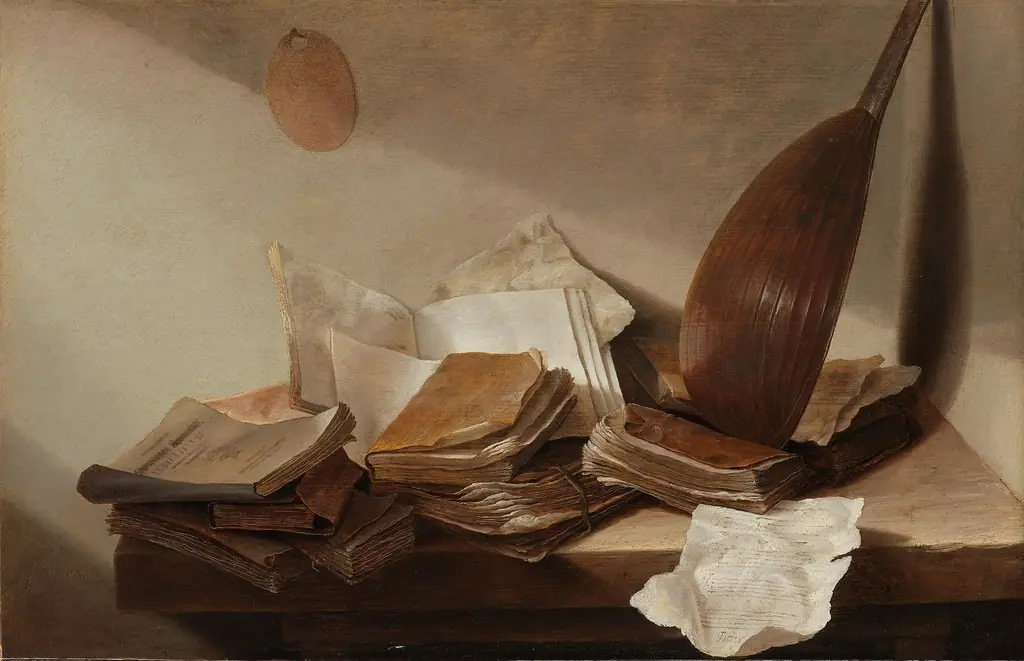 Still Life with Books
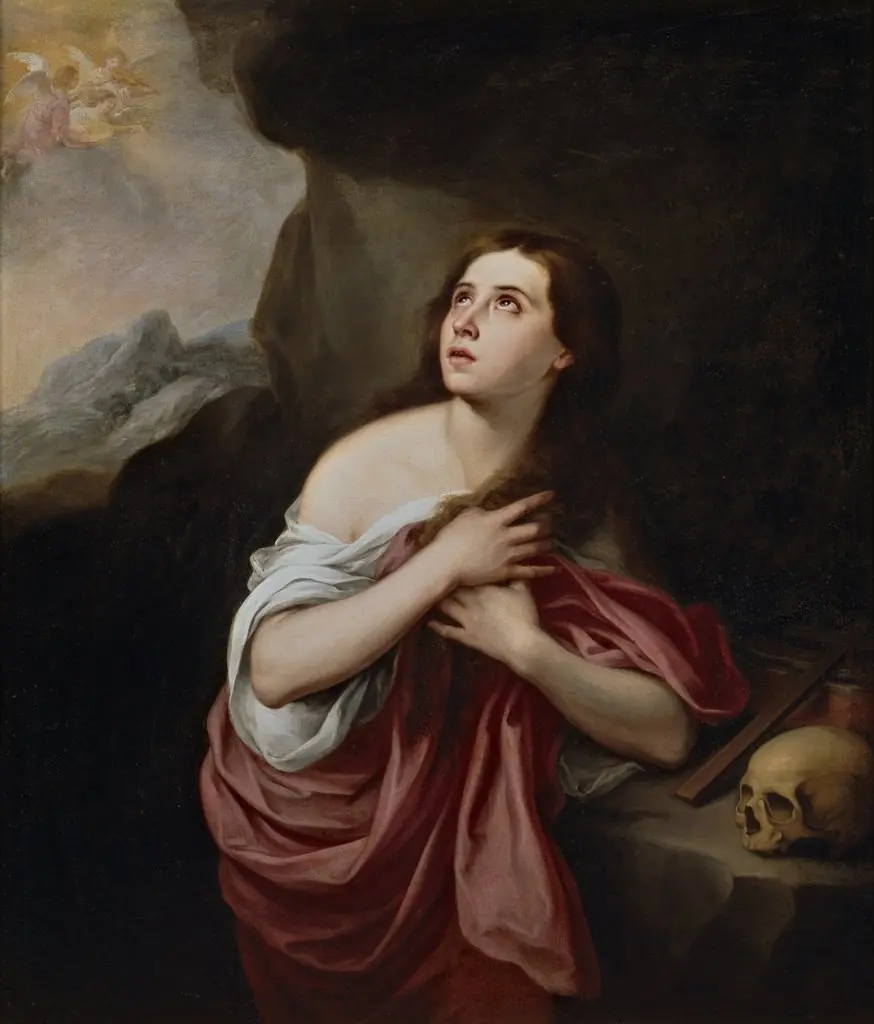 Penitent Magdalen
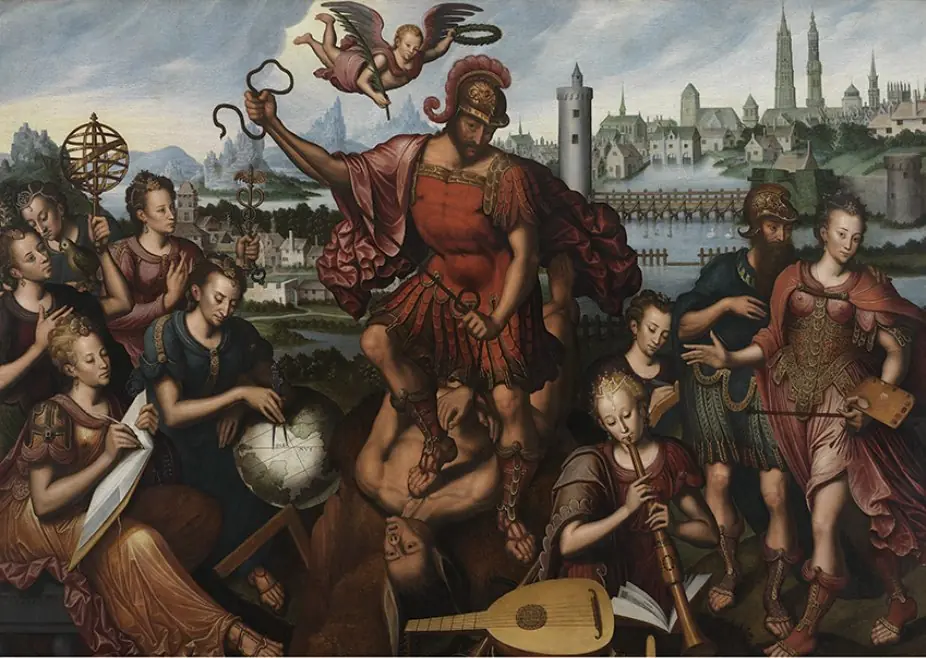 Mars, surrounded by the Arts and Sciences, conquers Ignorance
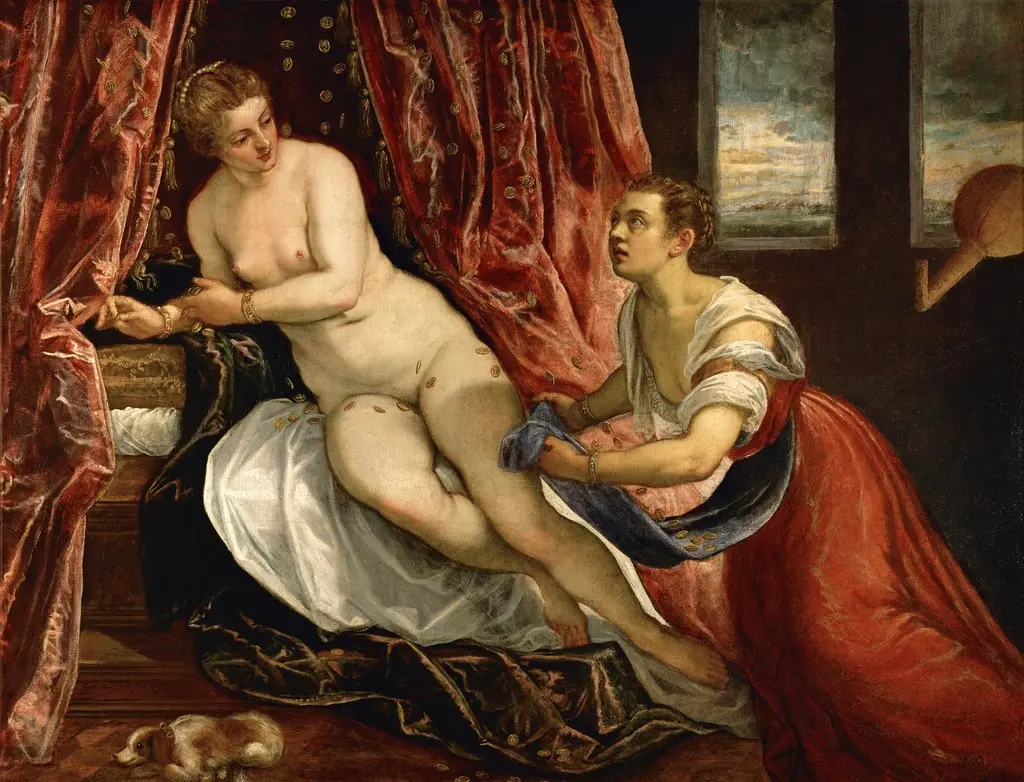 Danae
Danae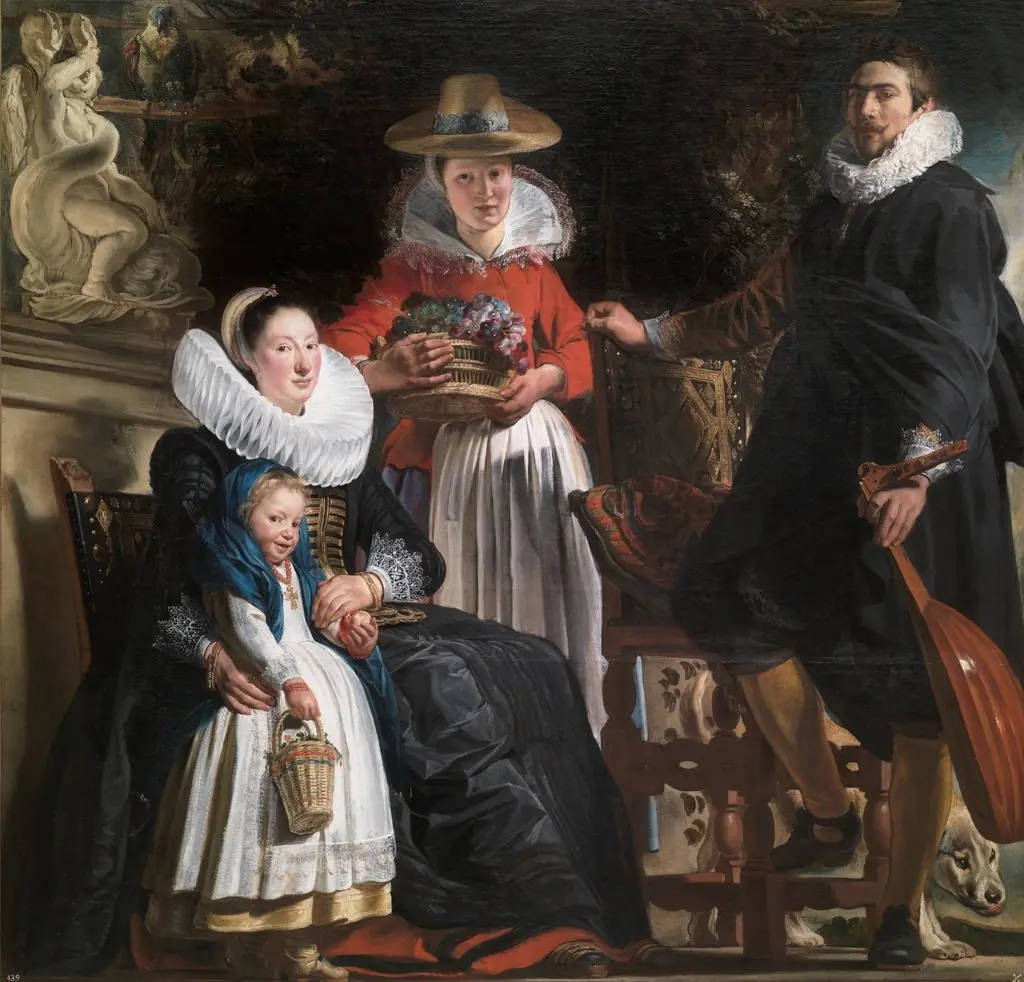 Portrait of the artist with his family
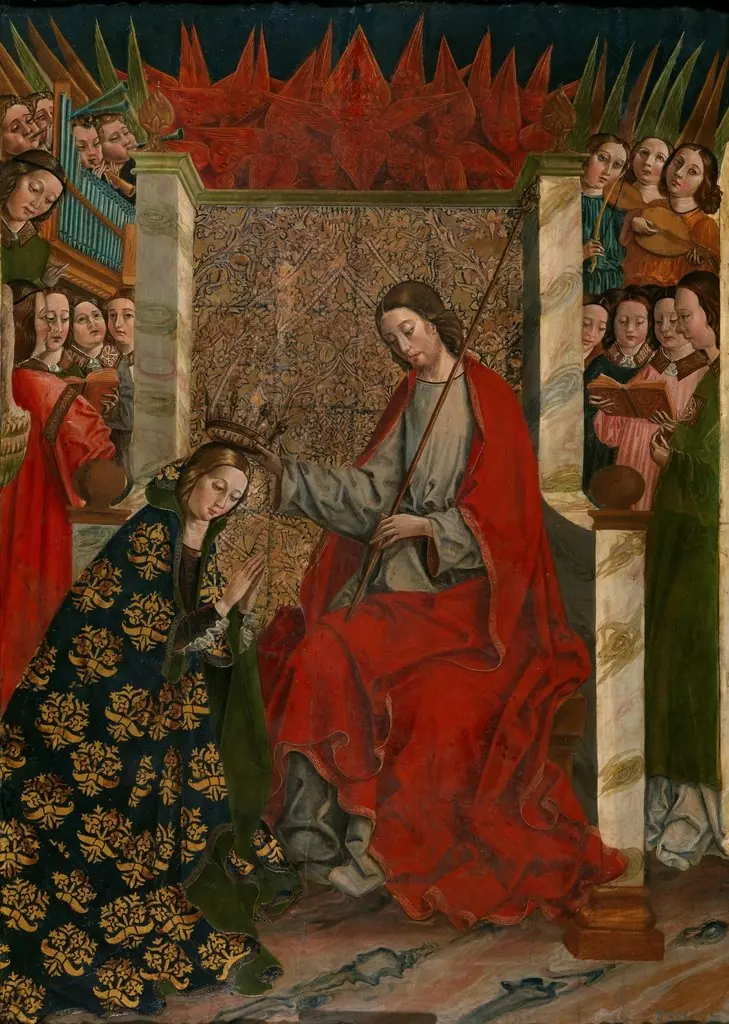 The Coronation of the Virgin
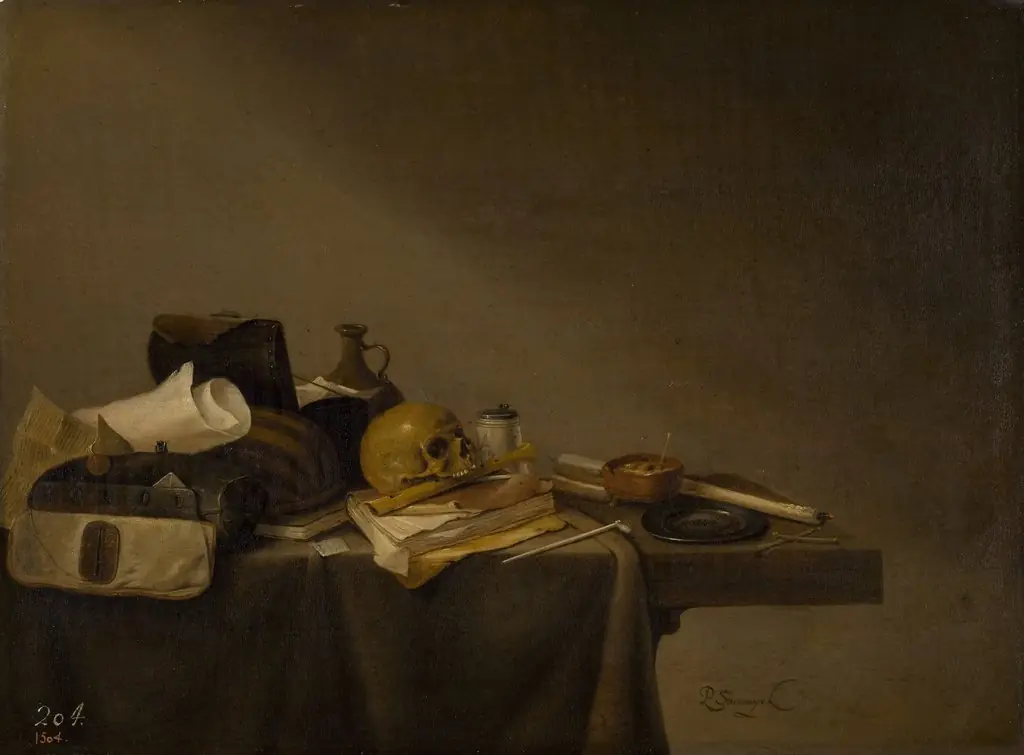 Emblem of Death
 Musician Angels Appear to Saint Hugo of Lincoln
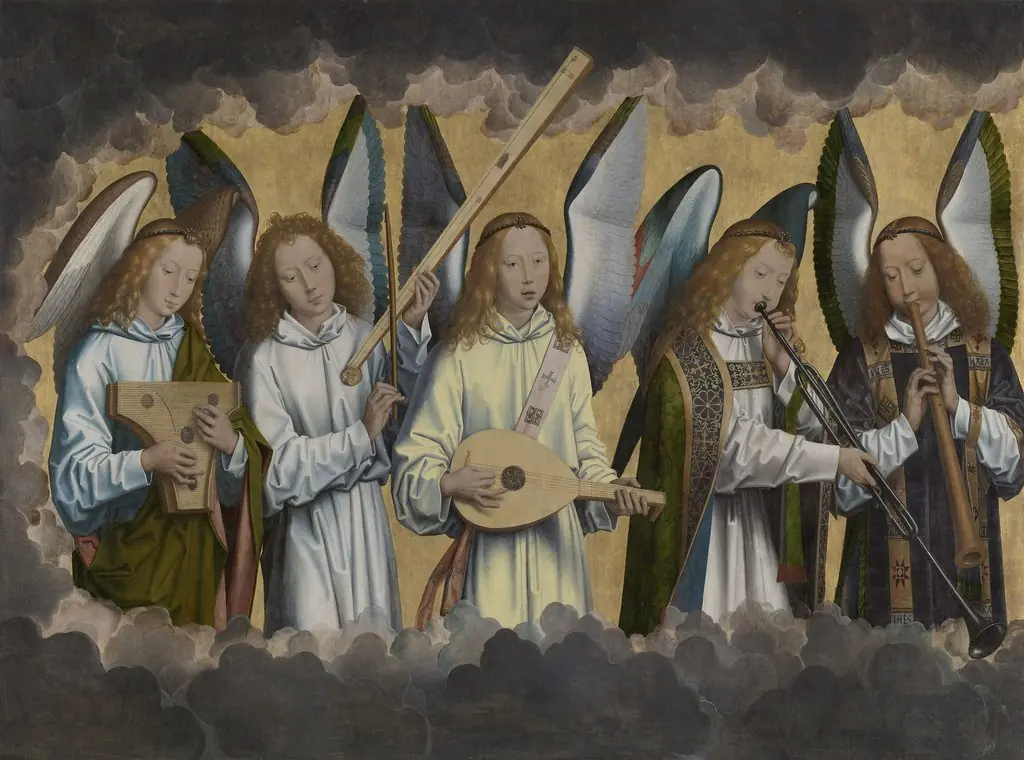 Music-making Angels
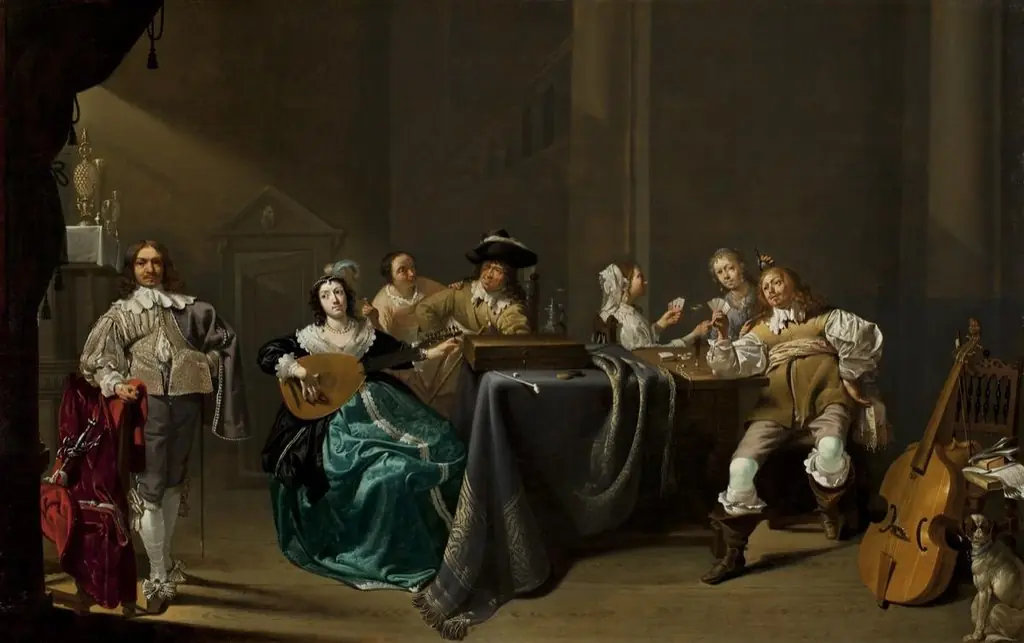 Card Players and Merrymakers
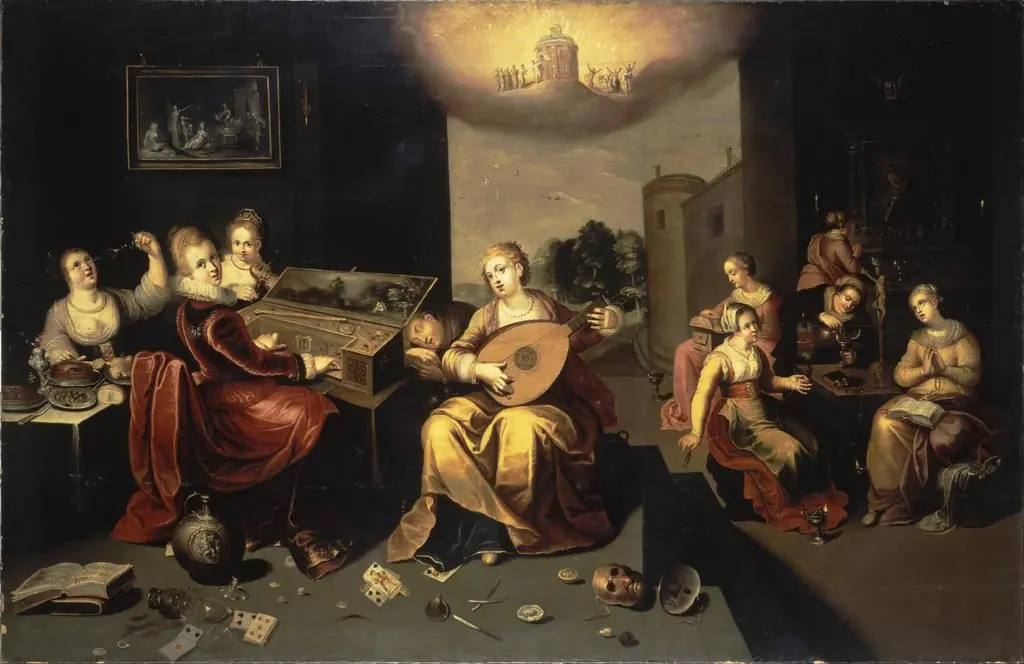 Parable of the Wise and Foolish Virgins
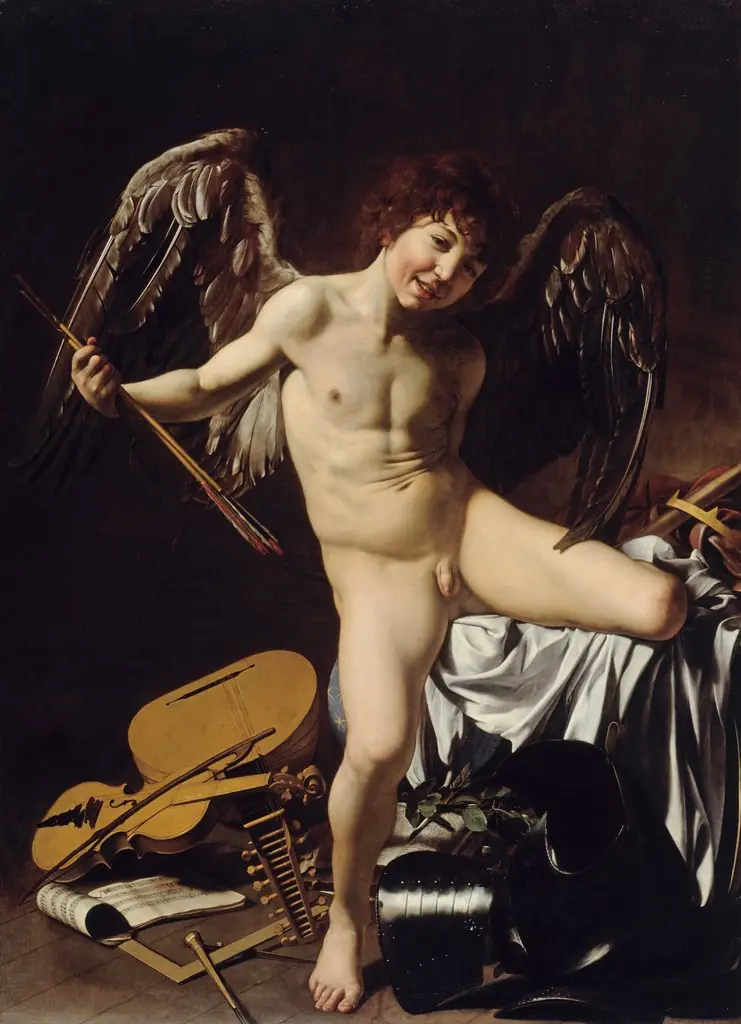 Amor Vincit Omnia
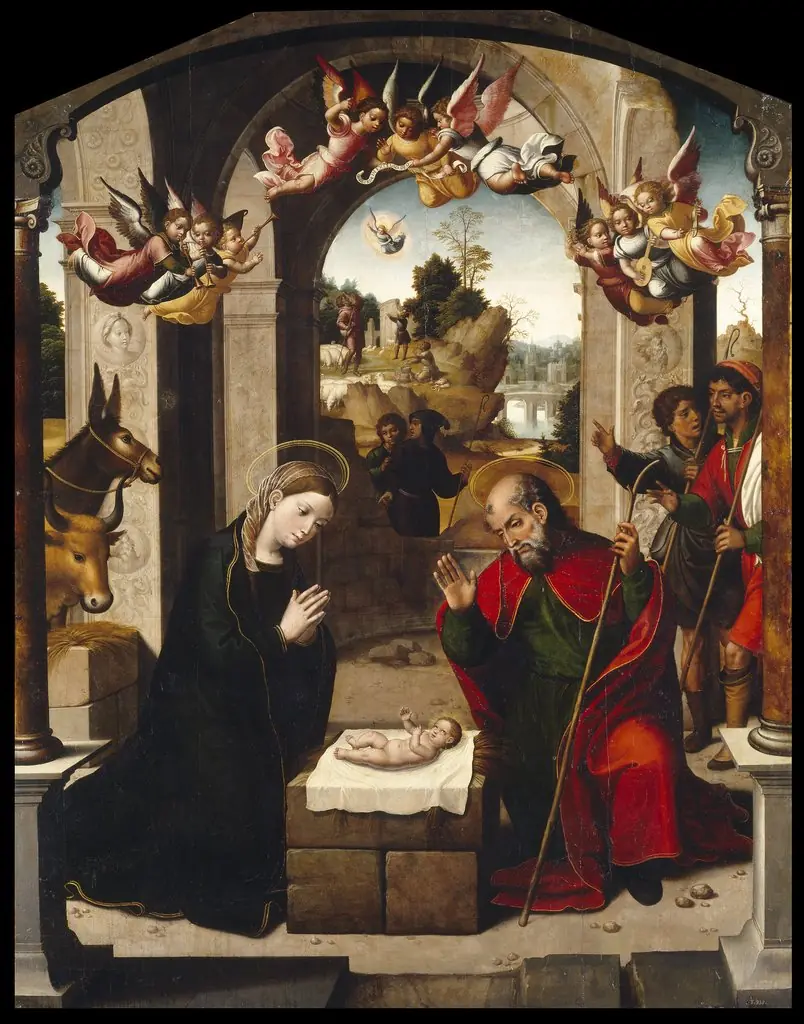 The Nativity
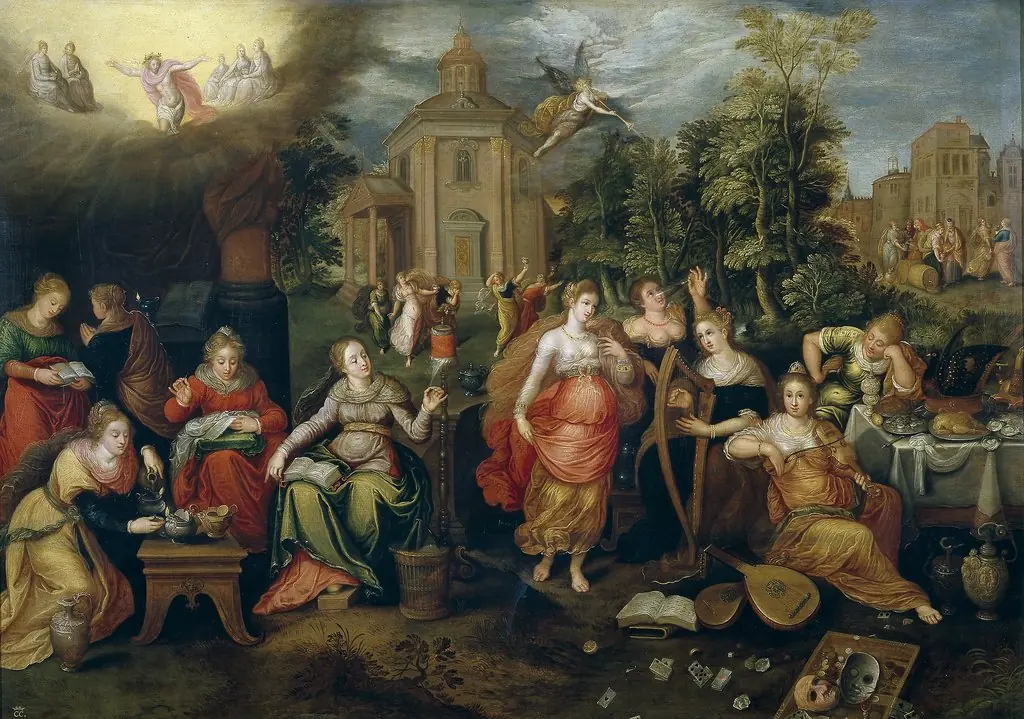 The foolish virgins and the wise virgins
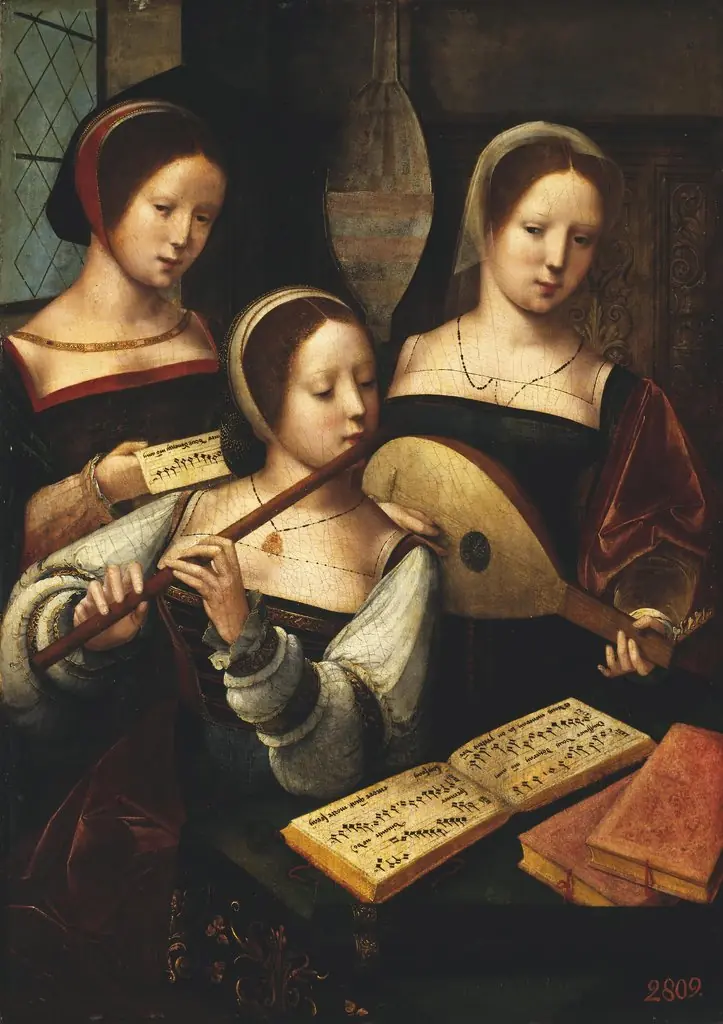 Female Musicians
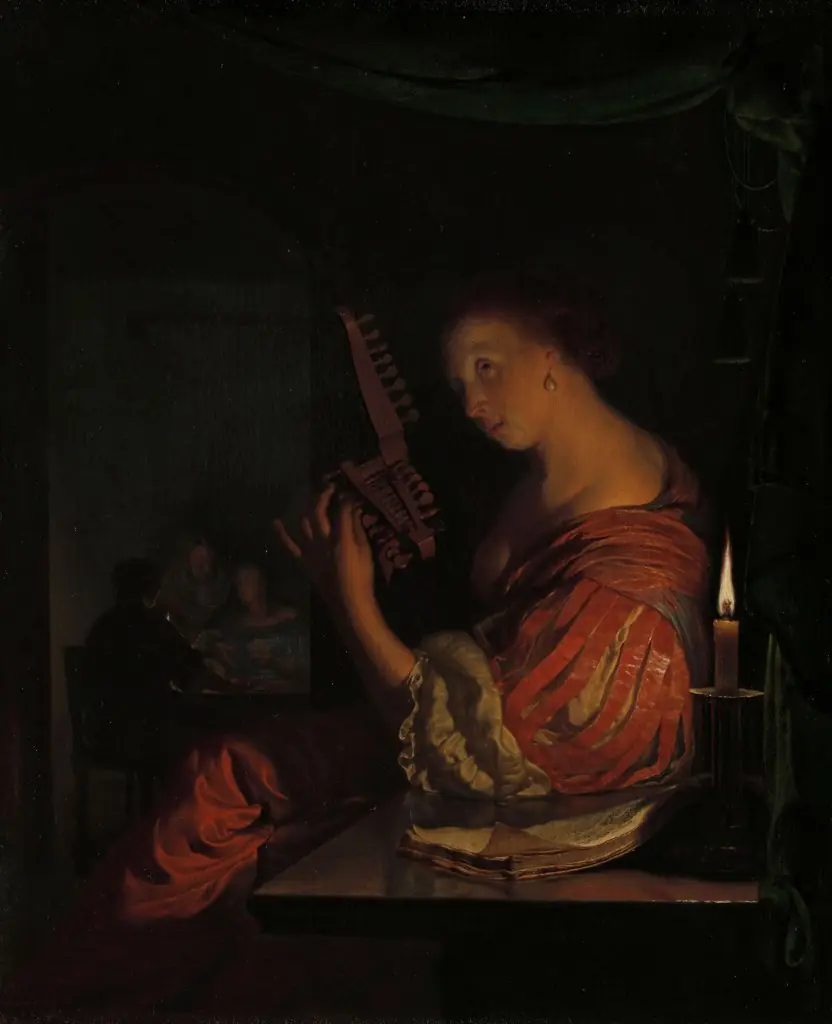 Tuning the lute
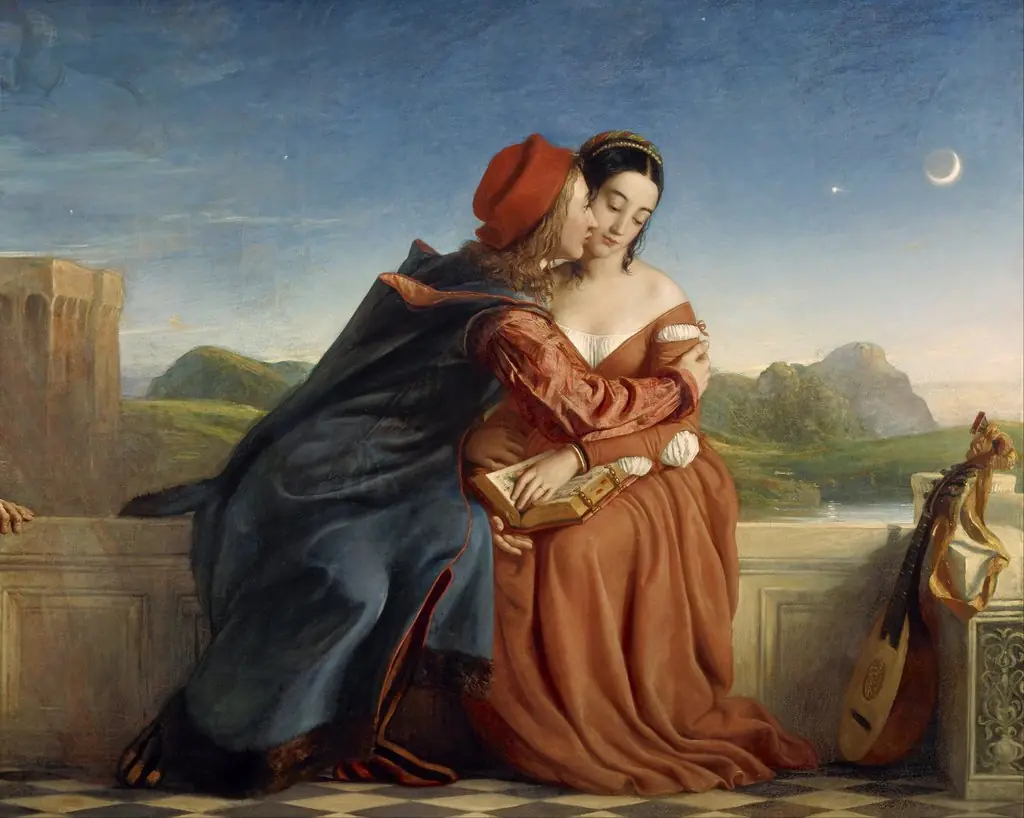 Francesca da Rimini
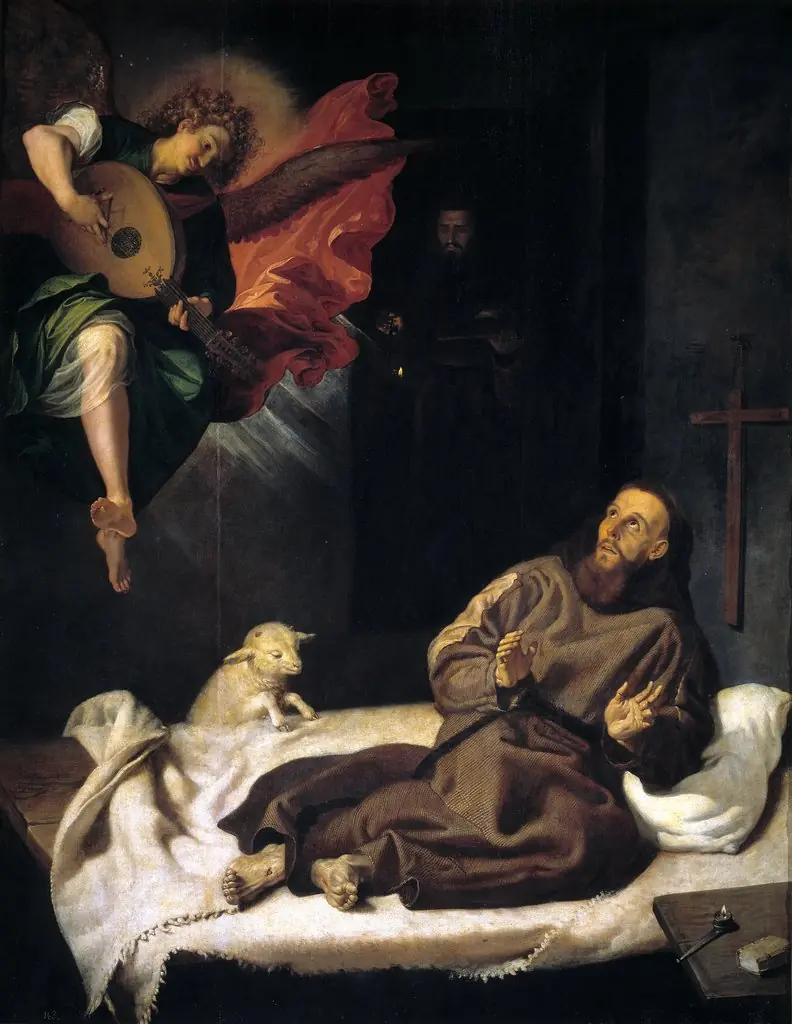 Saint Francis comforted by a Angel
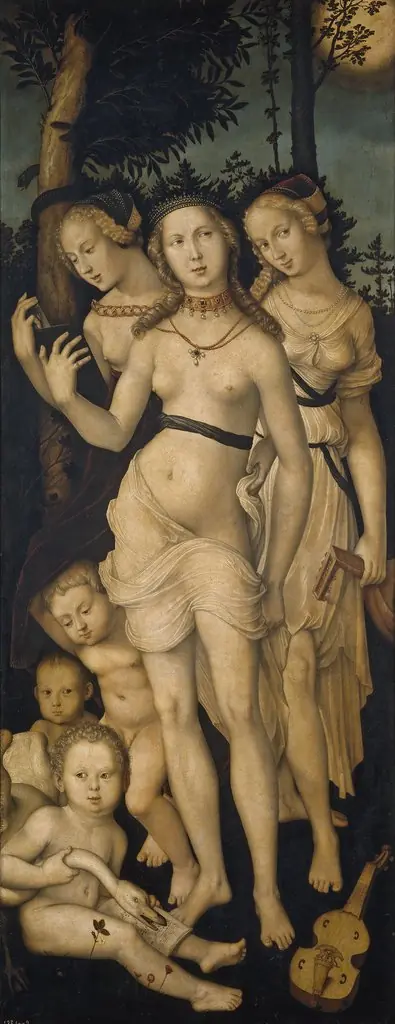 Harmony (The Three Graces)
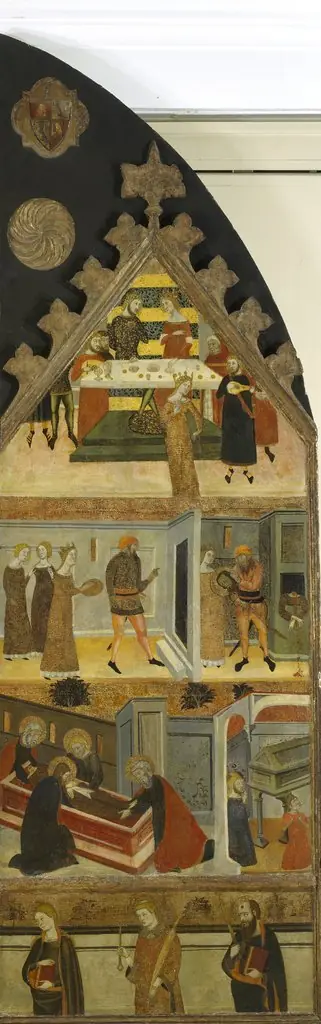 Episodes from the Lives of Mary Magdalen and Saint John the Baptist
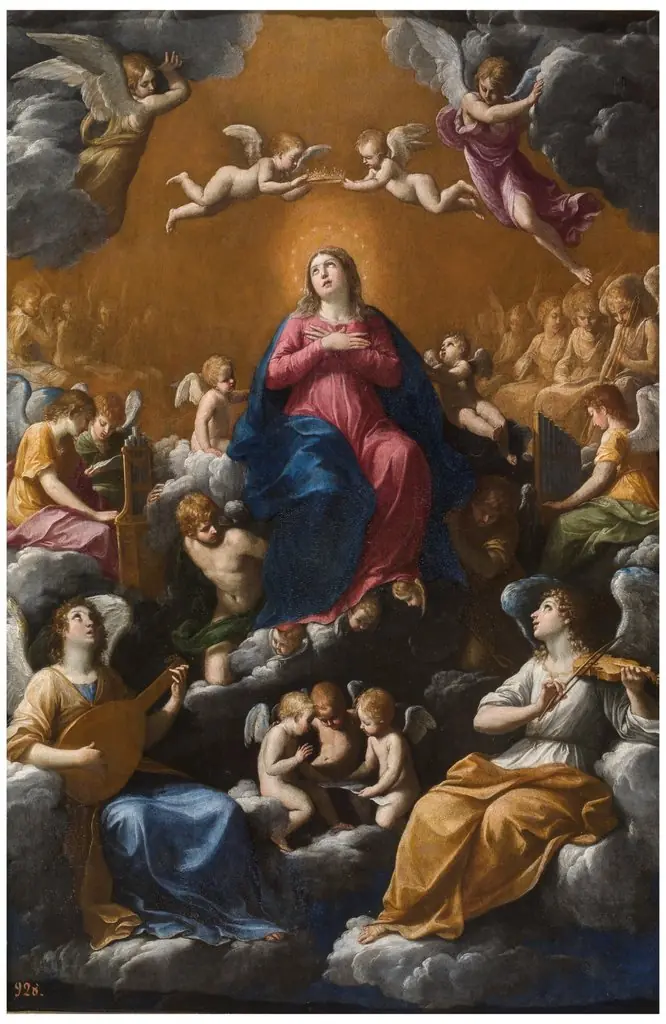 La Asunción y Coronación de la Virgen
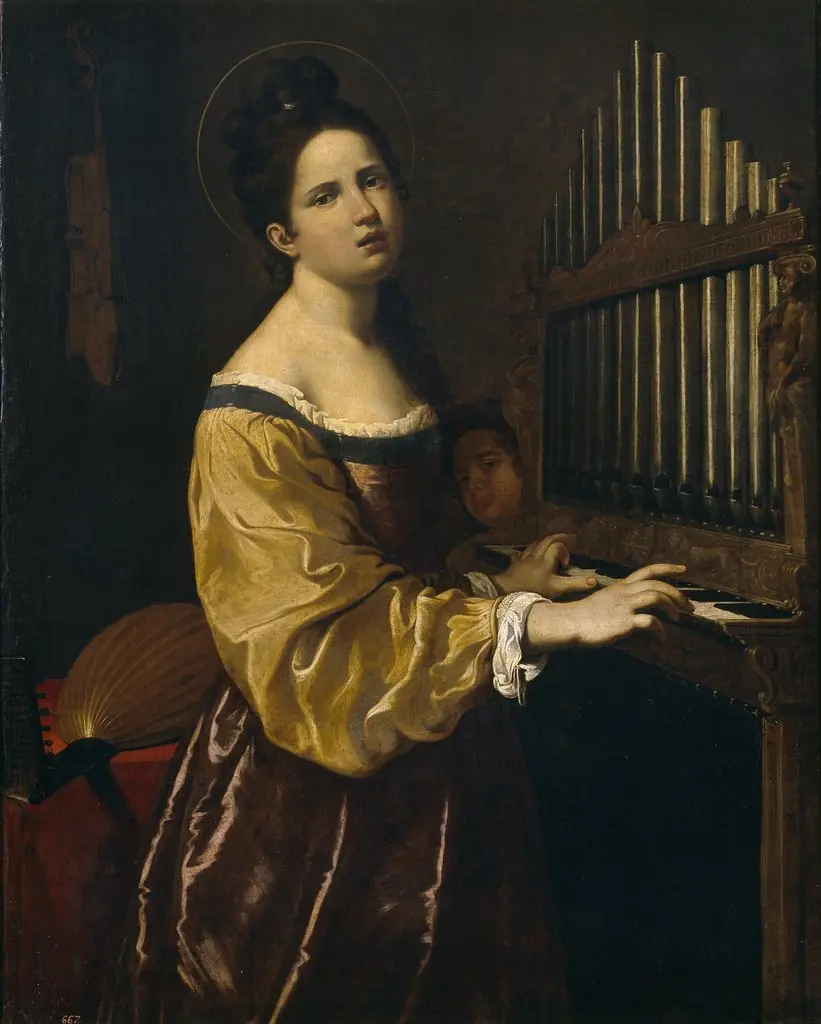 Saint Cecilia
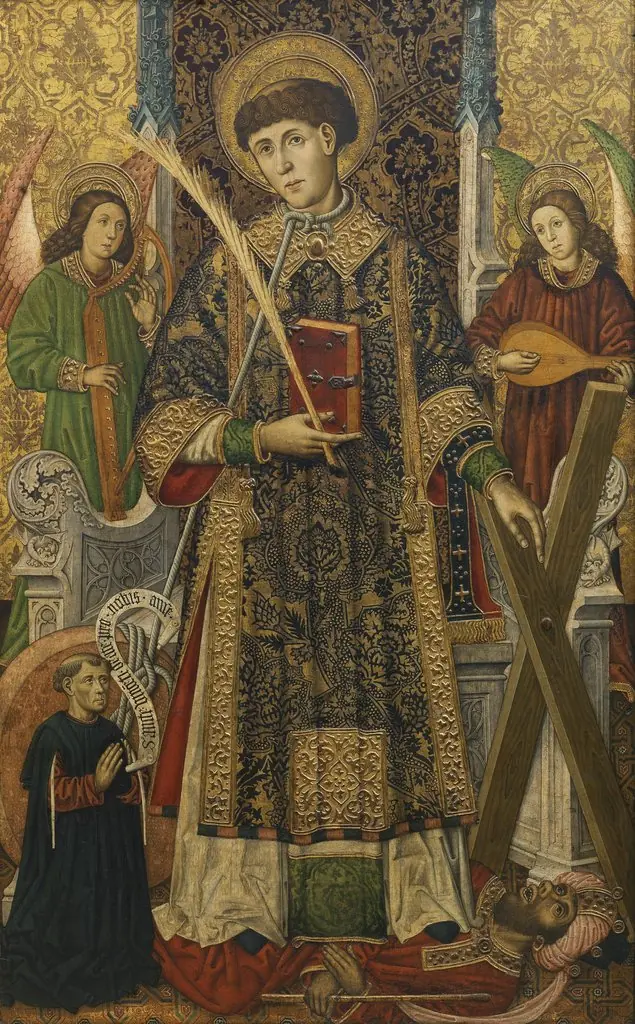 St. Vincent, deacon and martyr, with a donor
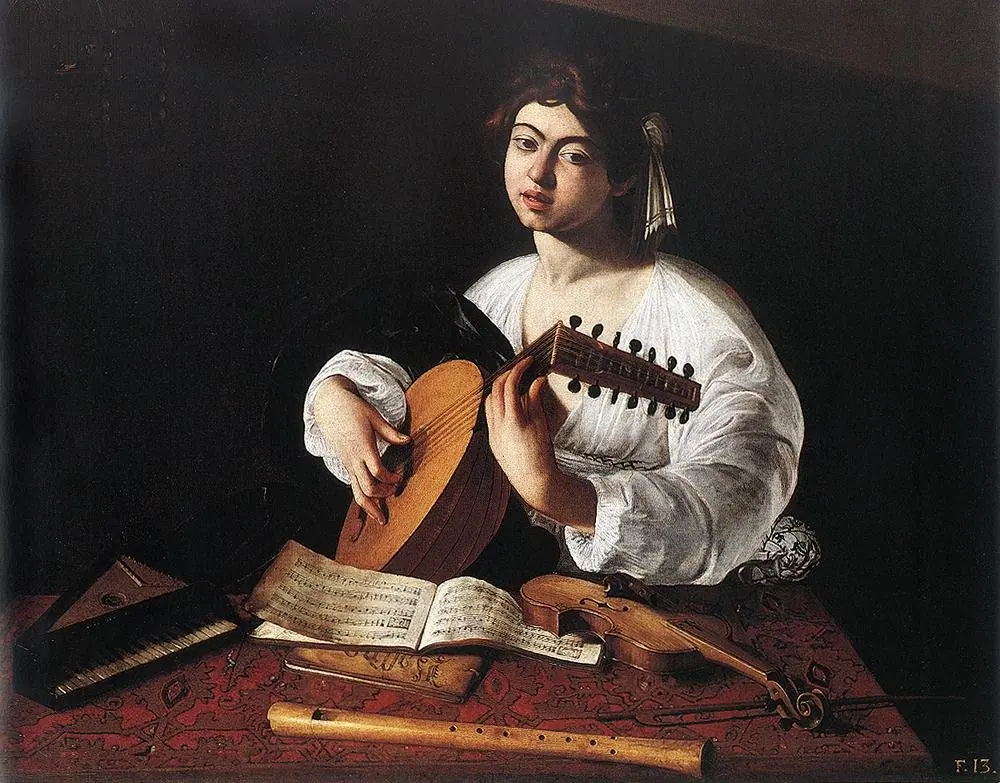 The Lute Player
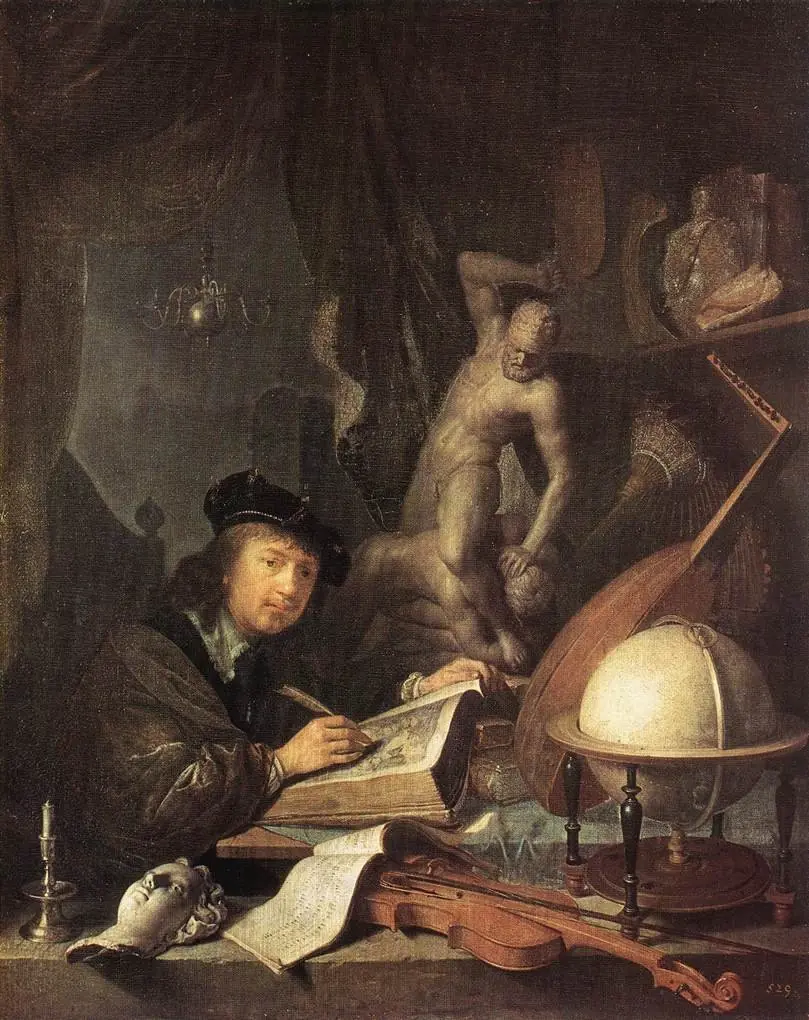 Painter in his Studio
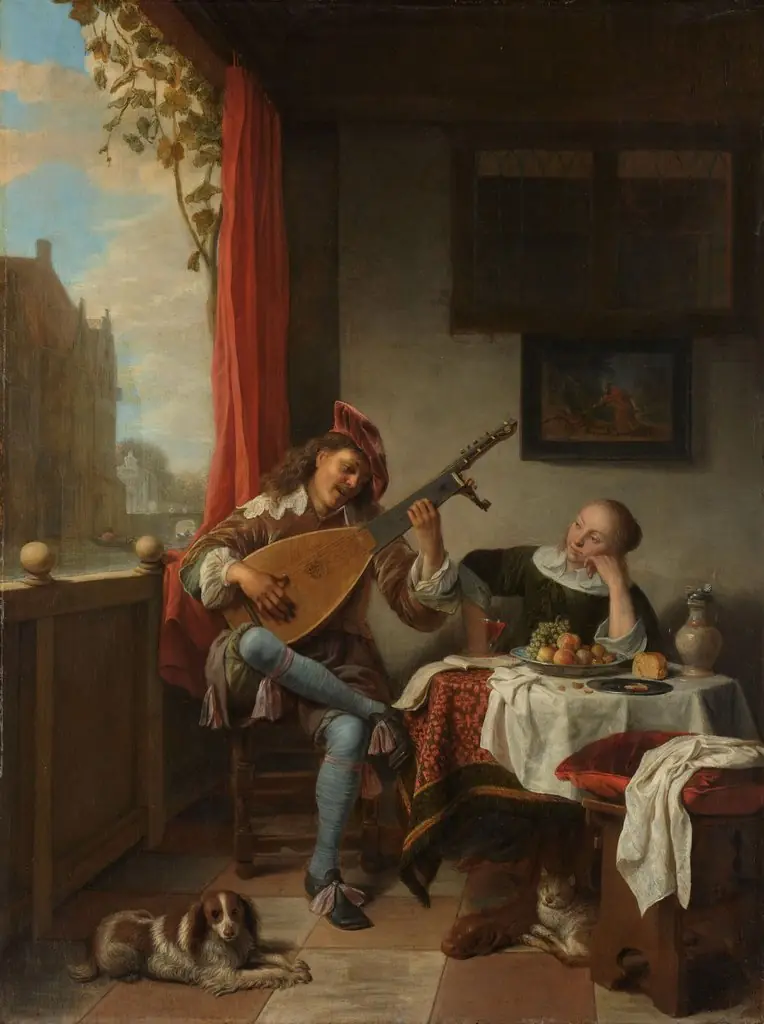 Lute Player
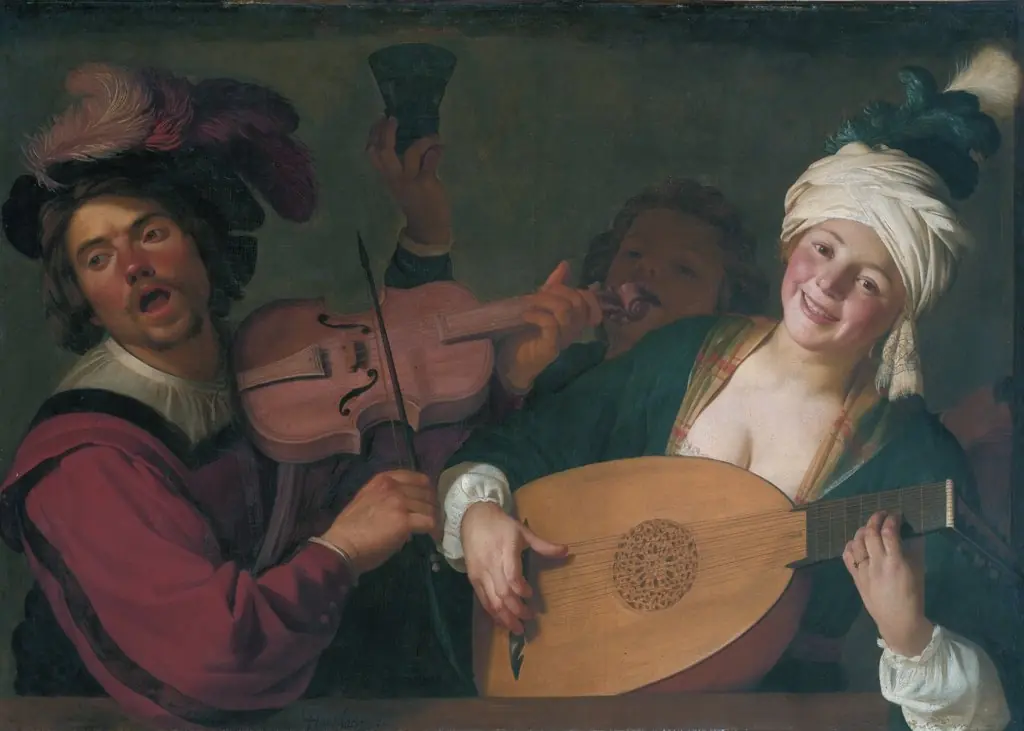 A merry group behind a balustrade with a violin and a lute player
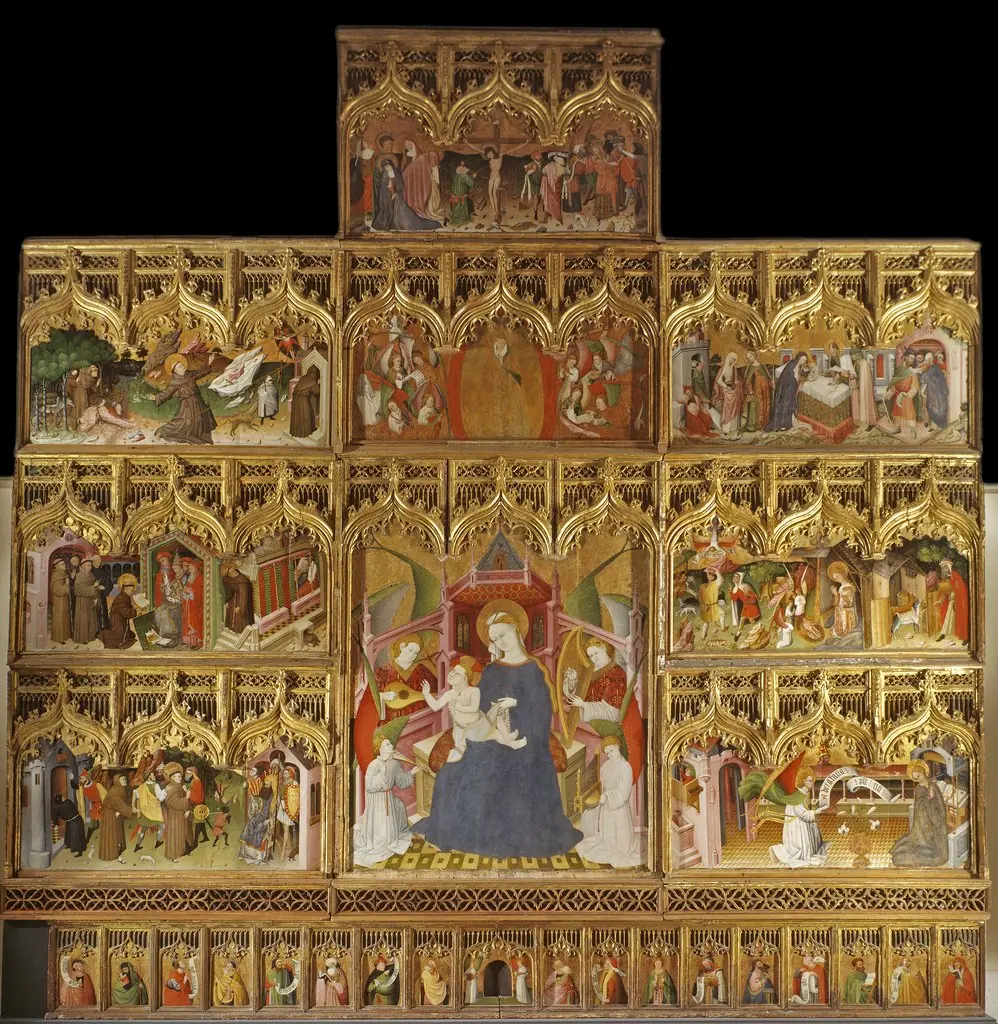 Altar Piece of the Lives of the Virgin and Saint Francis
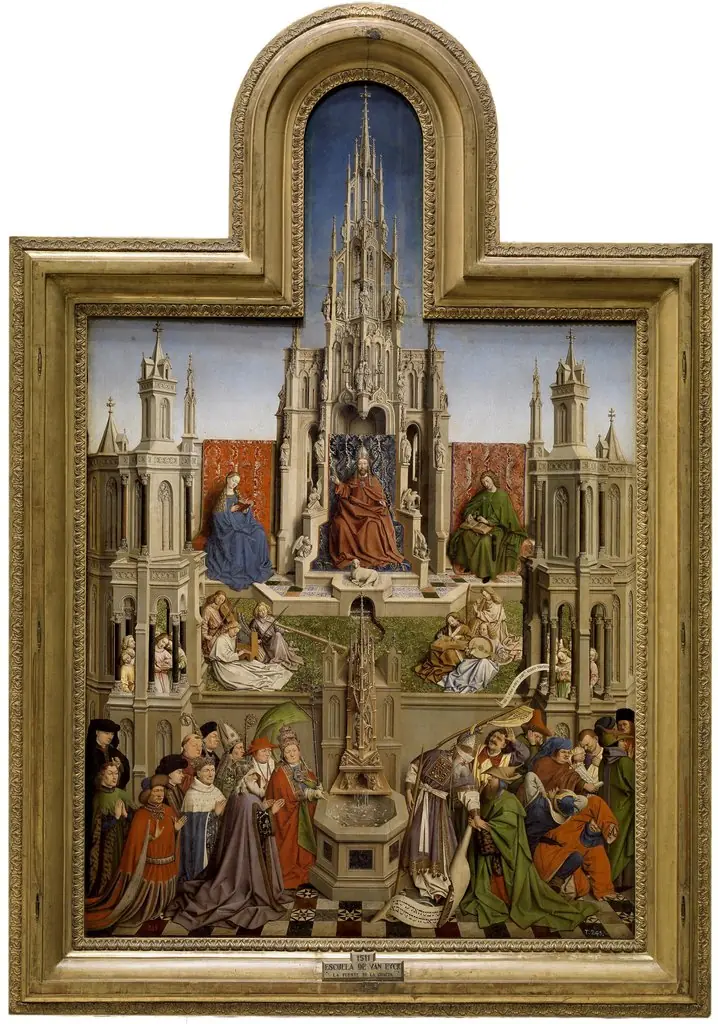 The Fountain of Life
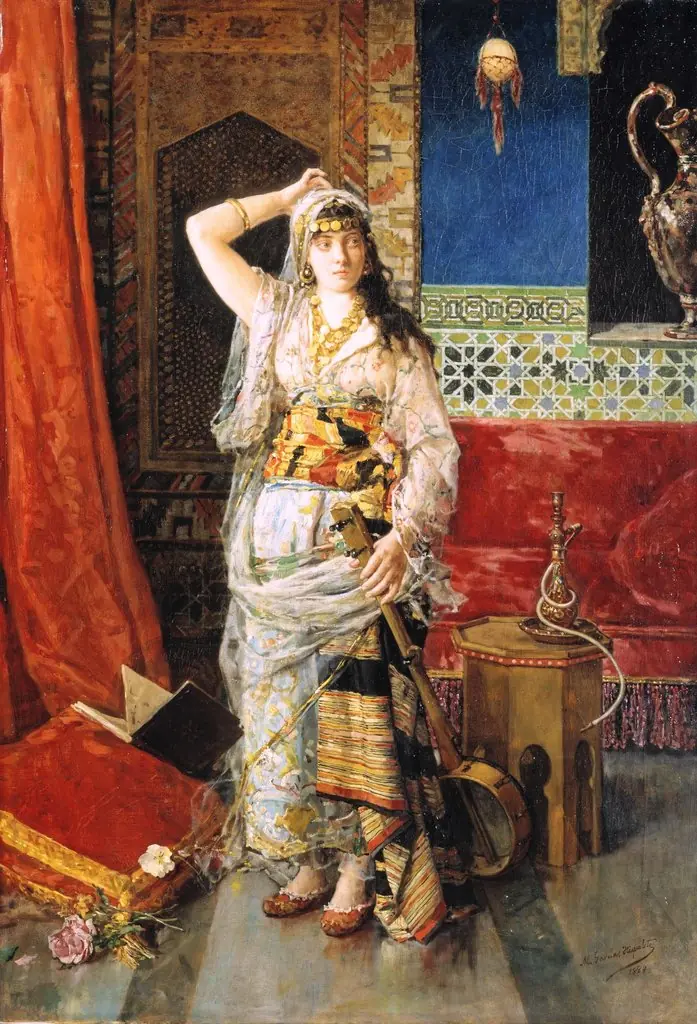 Faraj
Faraj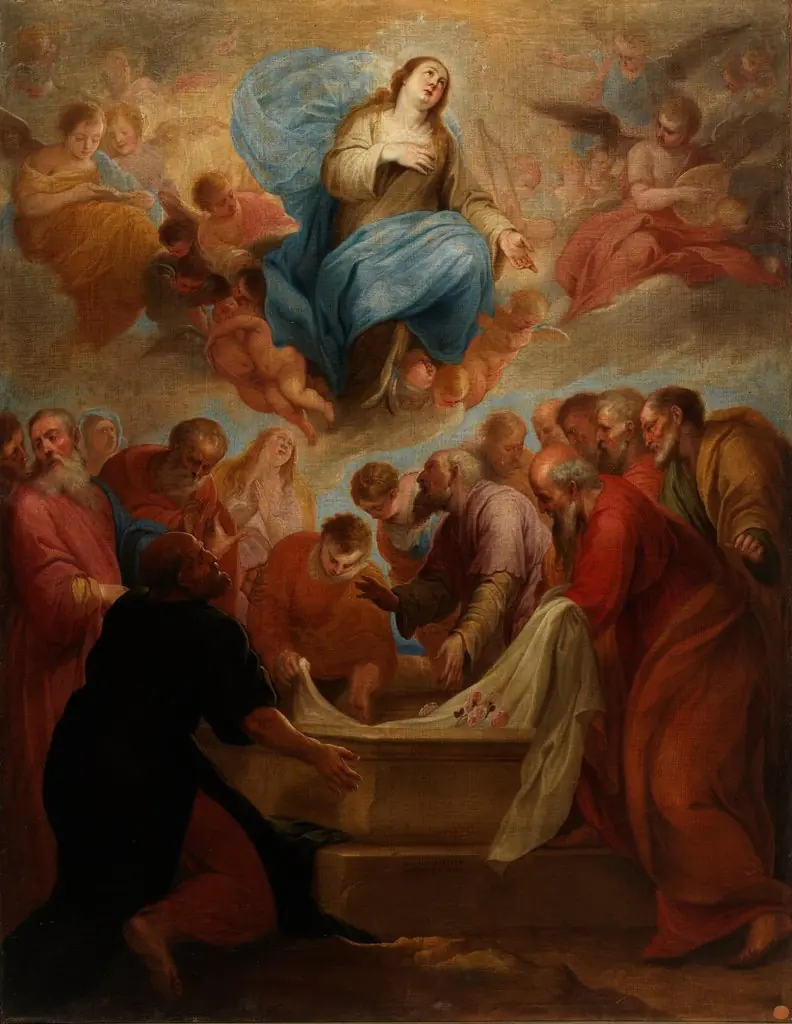 The Assumption of the Virgin
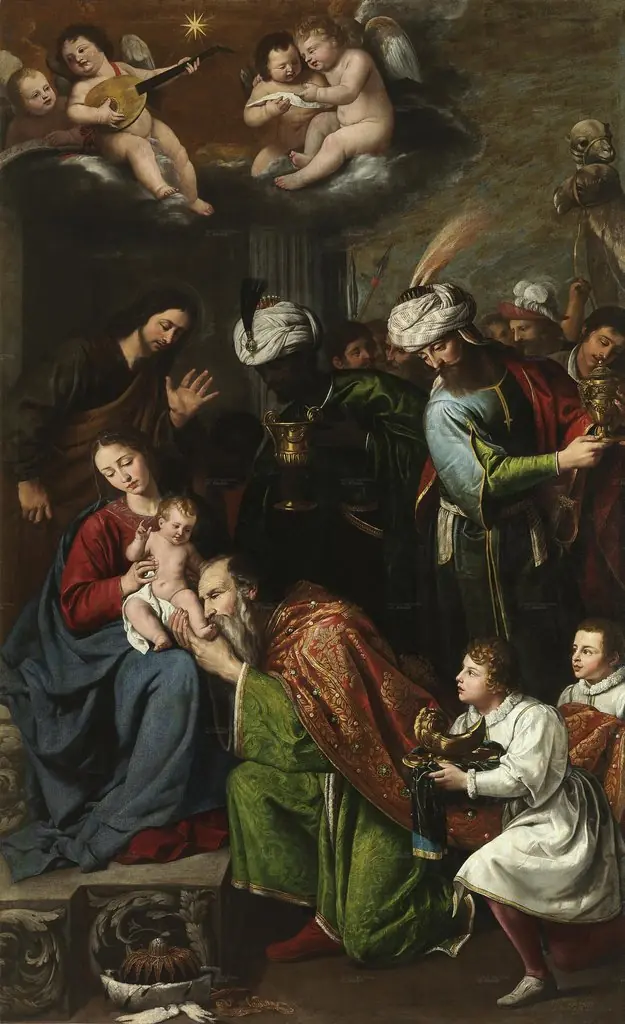 The Adoration of the Magi
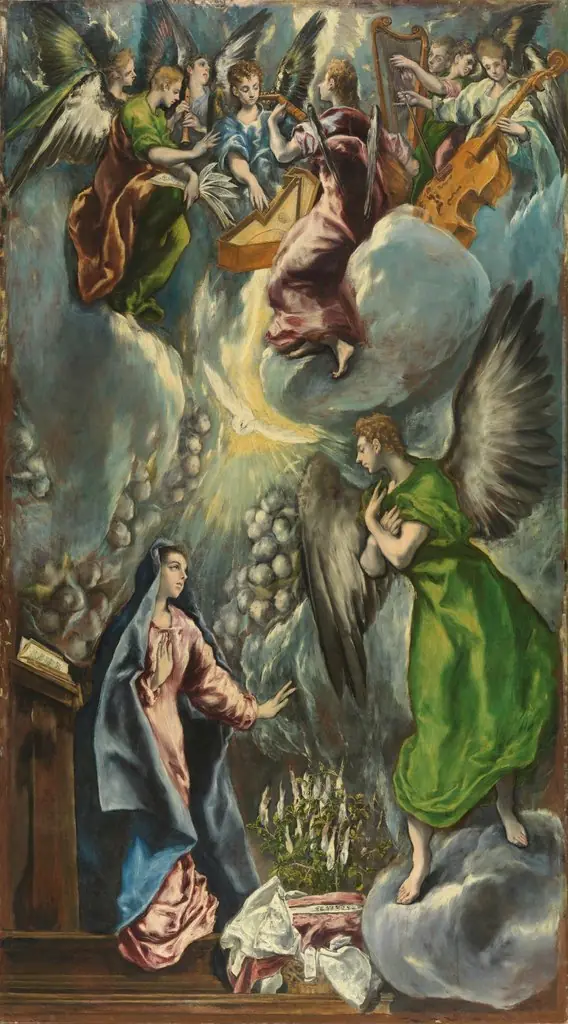 The Annunciation
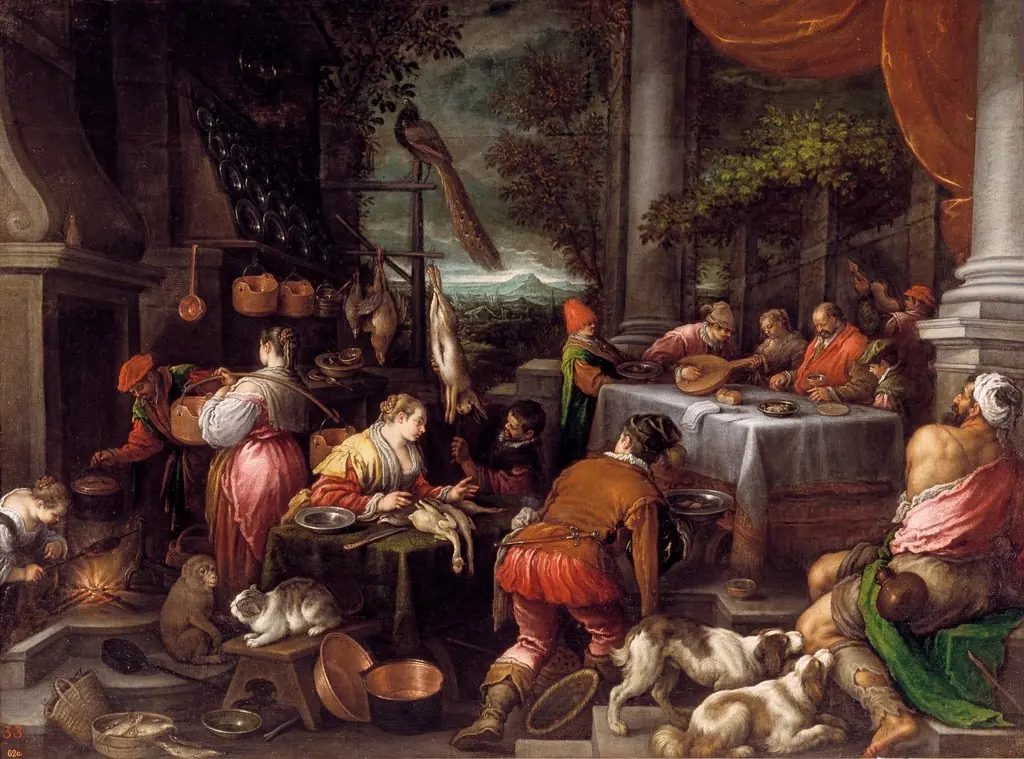 Lazarus and Dives
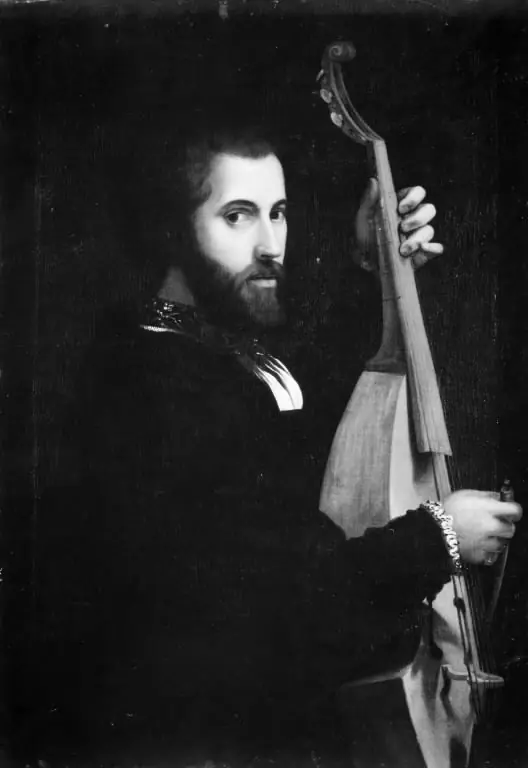 Portrait of a Man with a Viola da Gamba
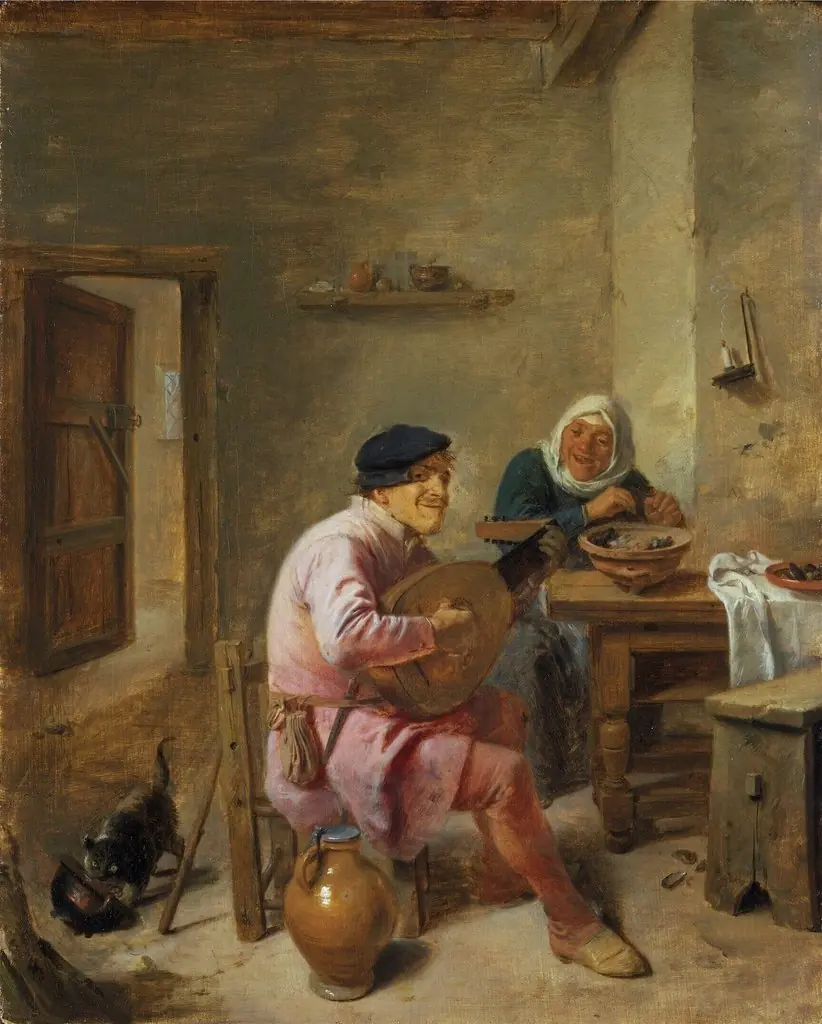 The Luteplayer
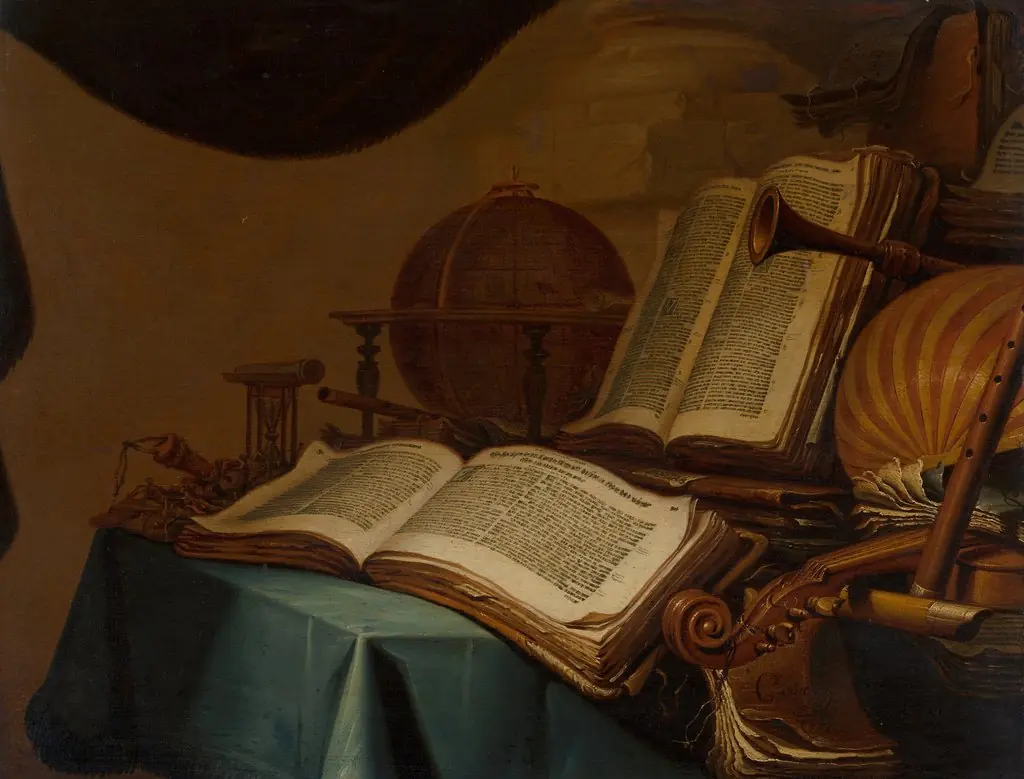 Still Life with Books, a Globe and Musical Instruments
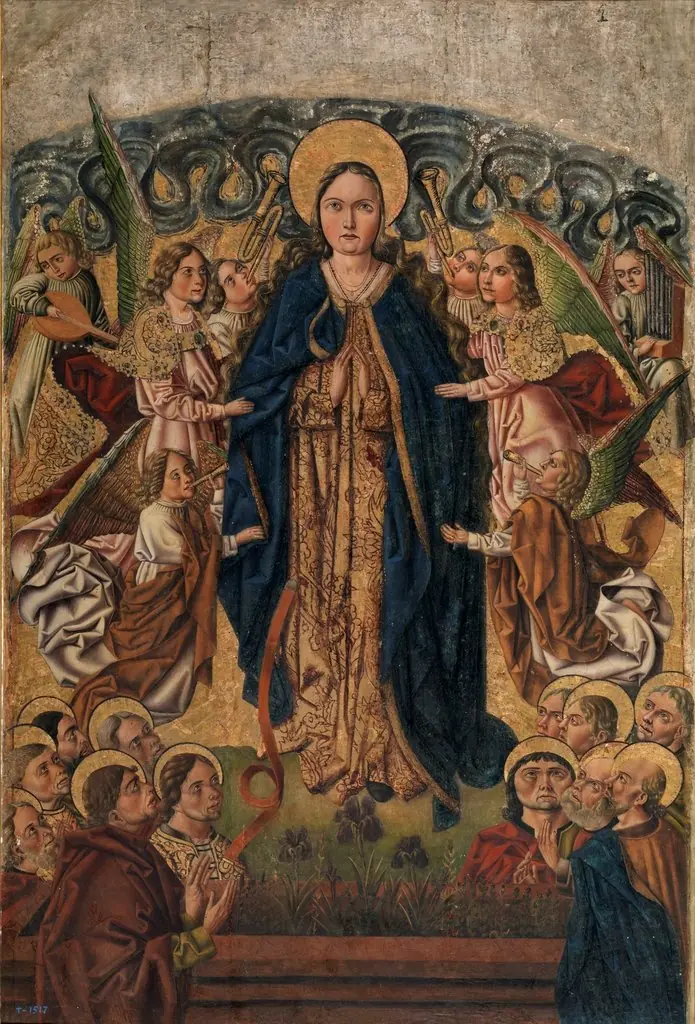 The Assumption of the Virgin
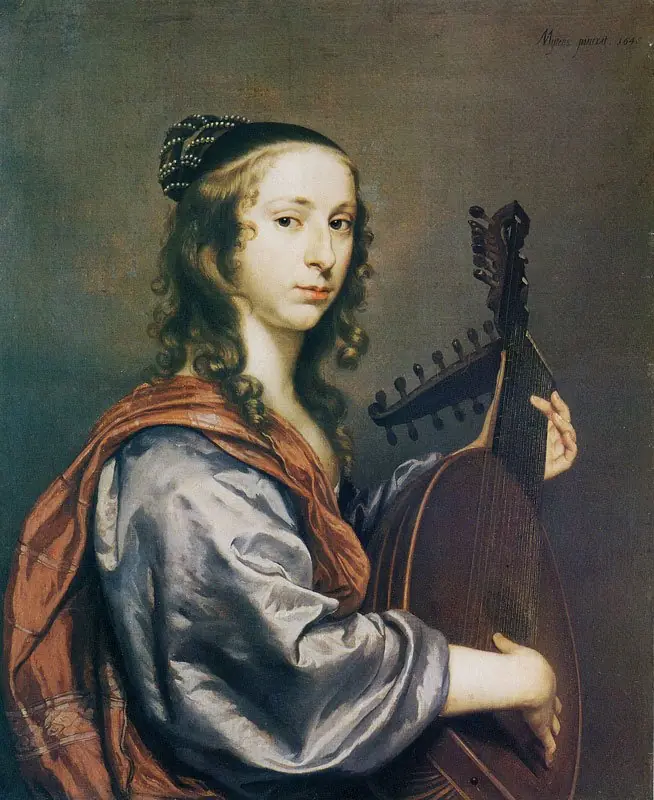 Portrait of a Lady Playing a Lute
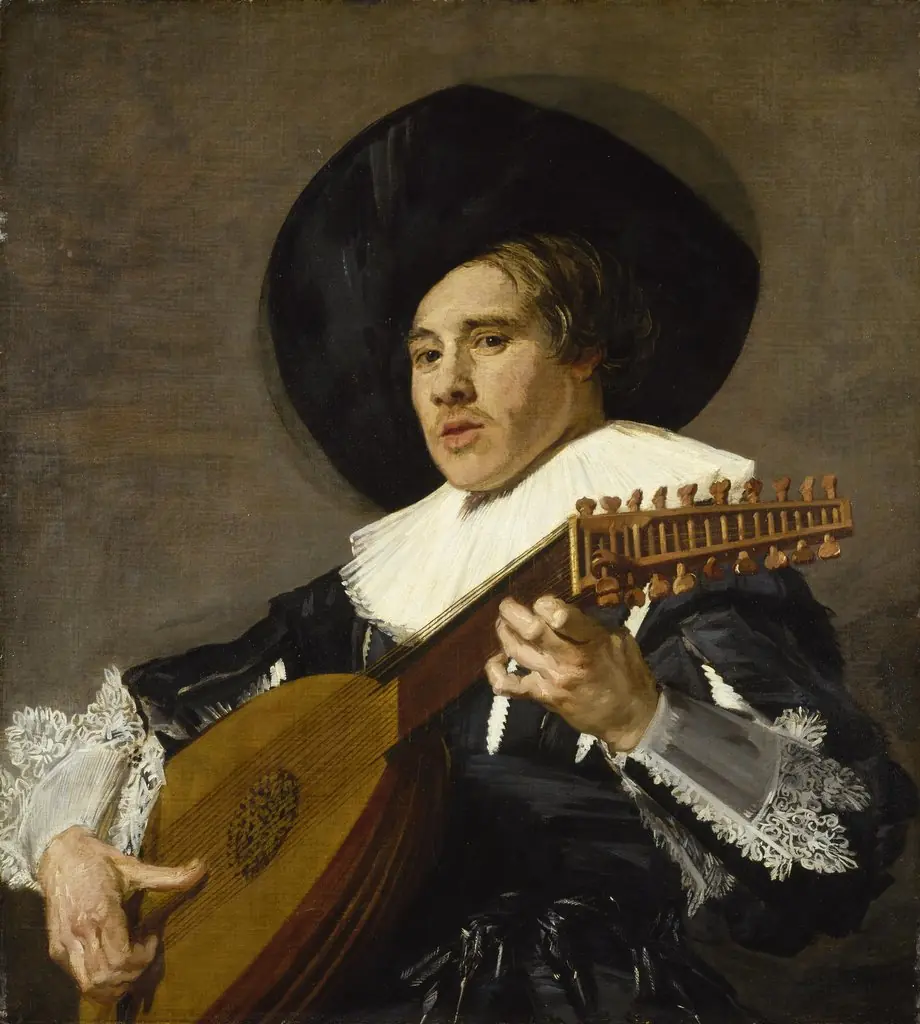 The Lute Player (facing left)
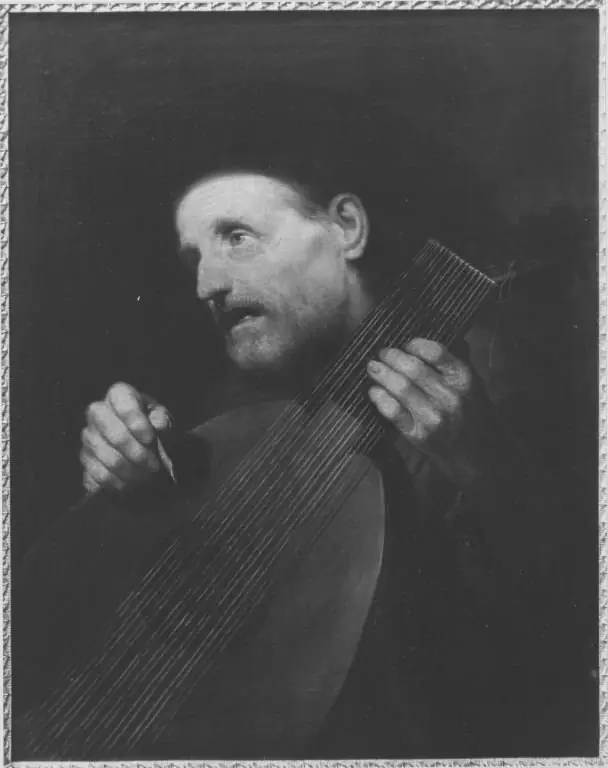 Old man singing and playing the lute
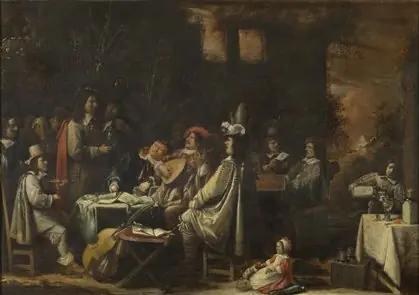 Meeting of rhetoricians
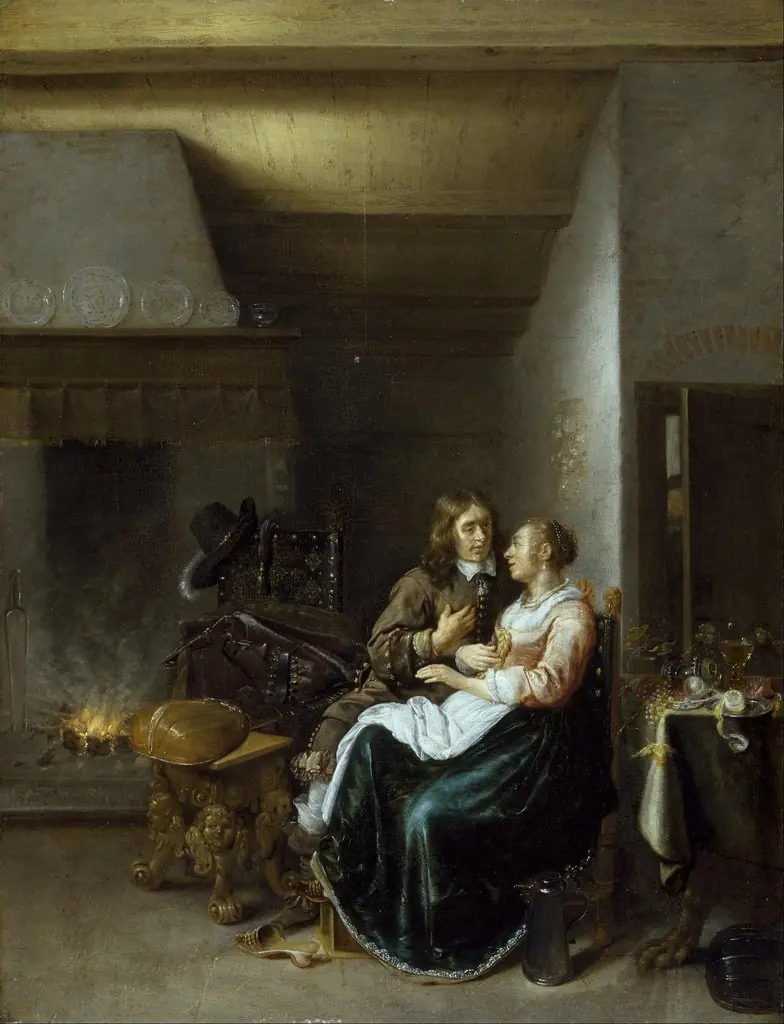 A Couple in an Interior
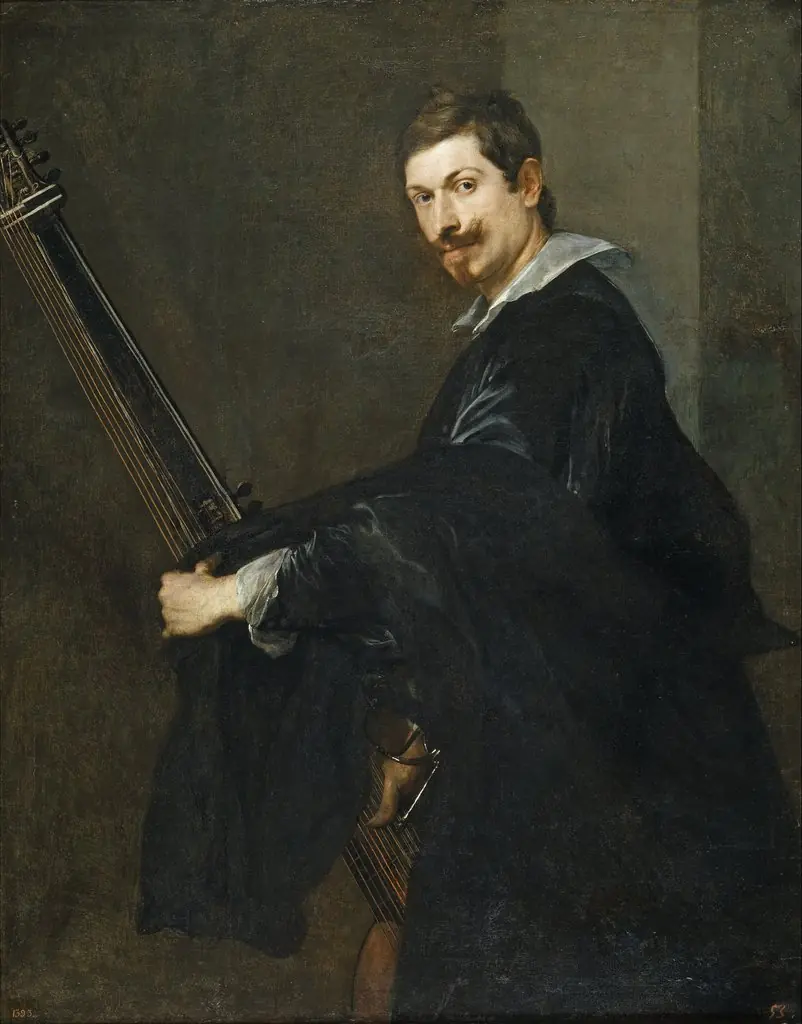 Man with a Lute
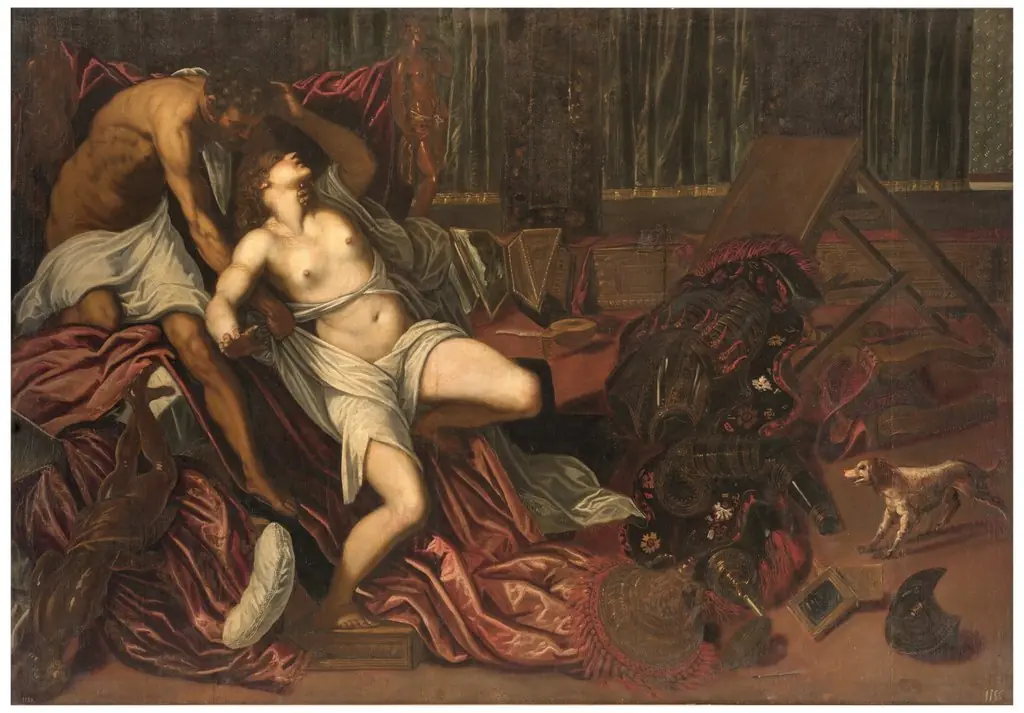 La violencia de Tarquino
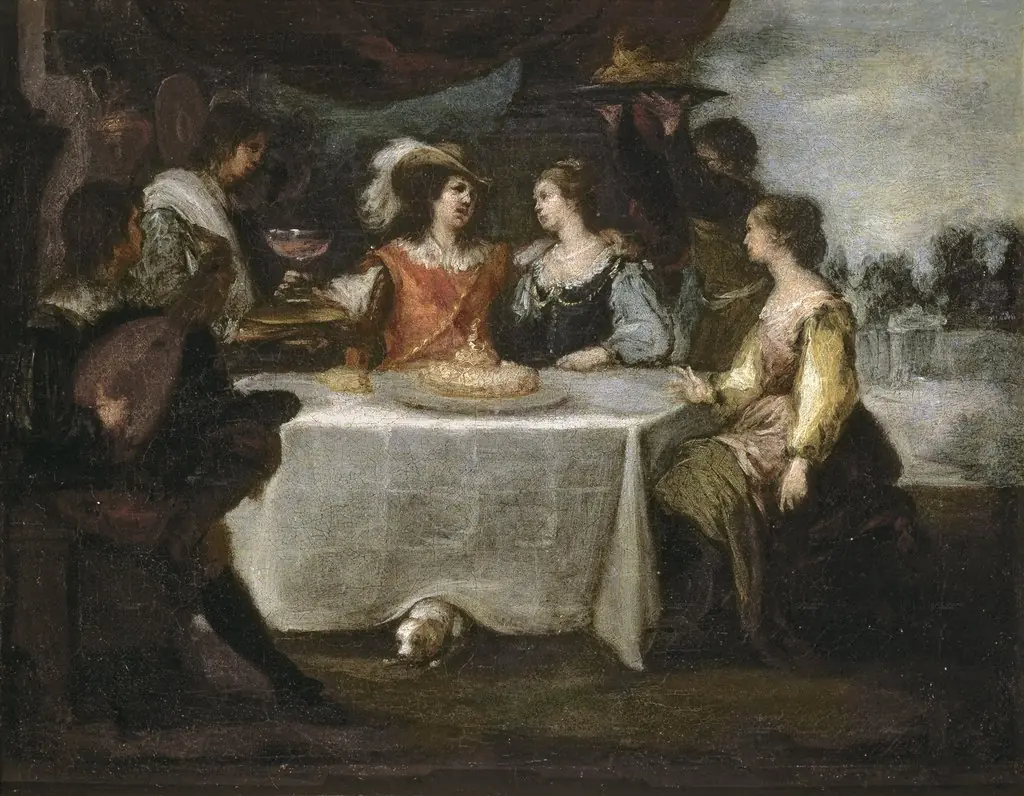 The Prodigal Son squandering his Inheritance
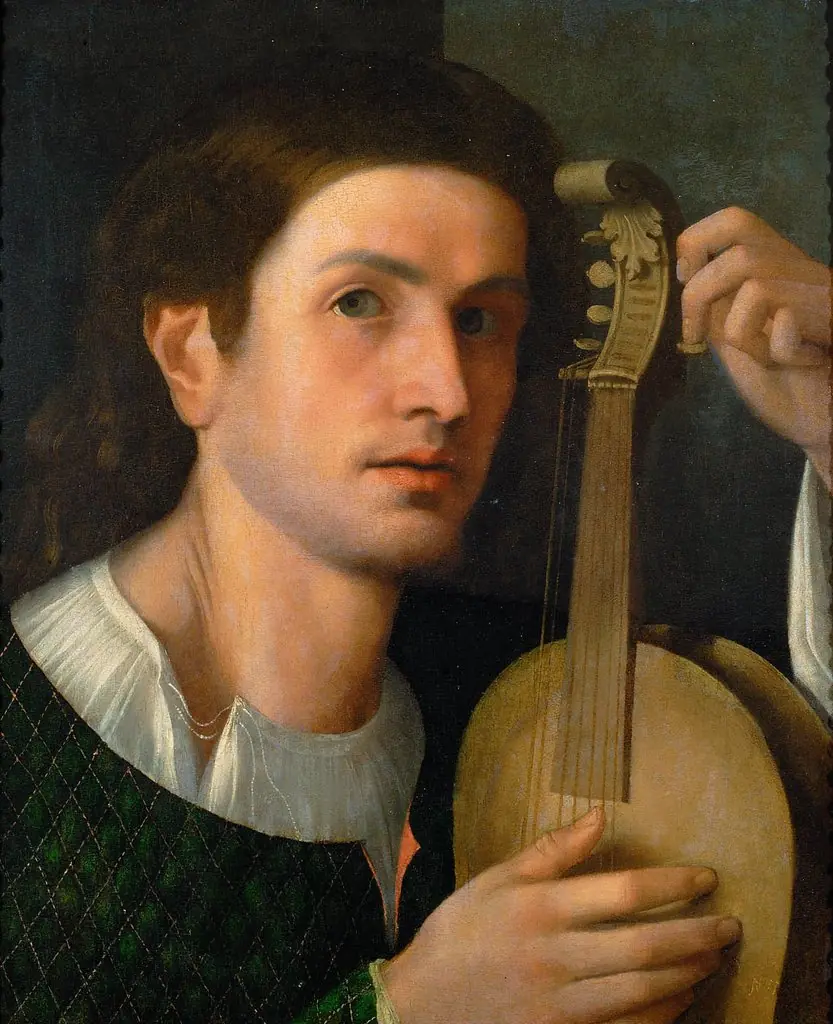 Lira da Braccio-Spieler
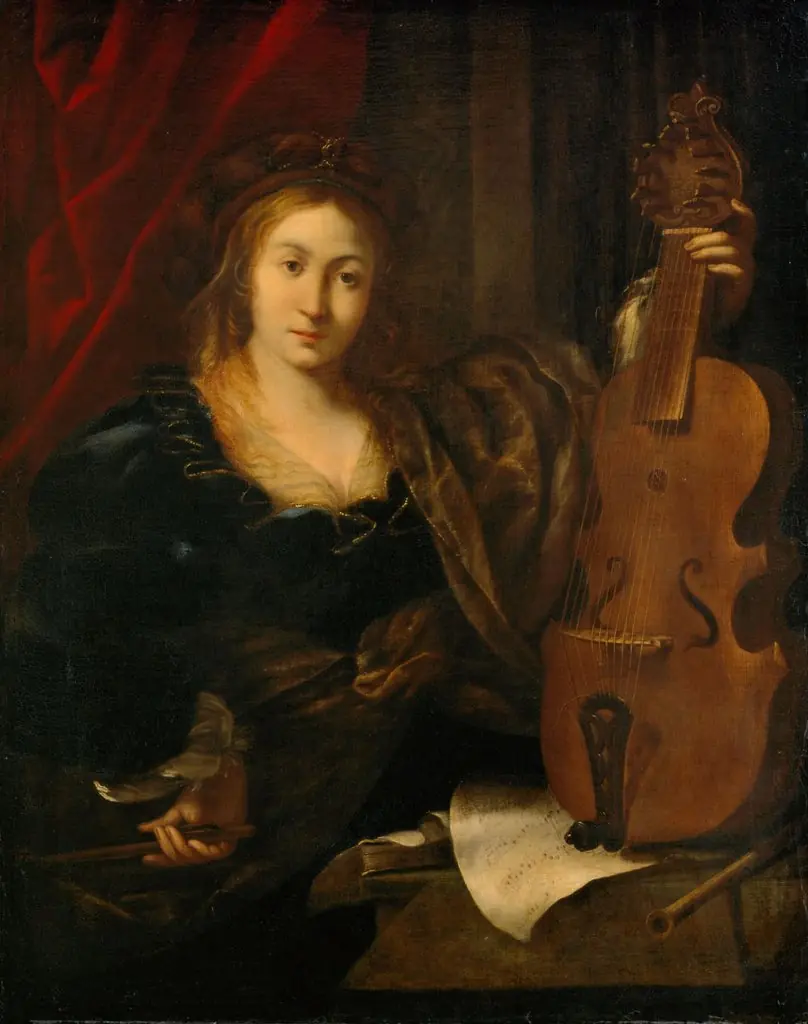 Young woman with a lira da gamba
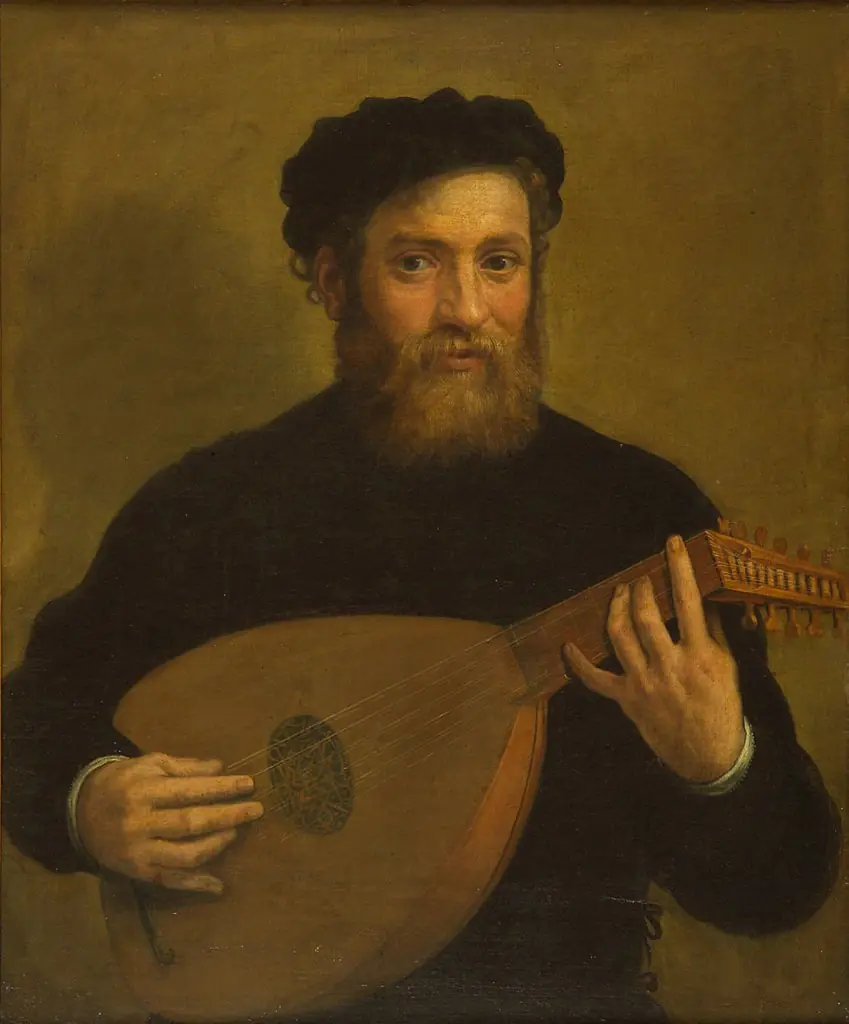 Lautenspieler
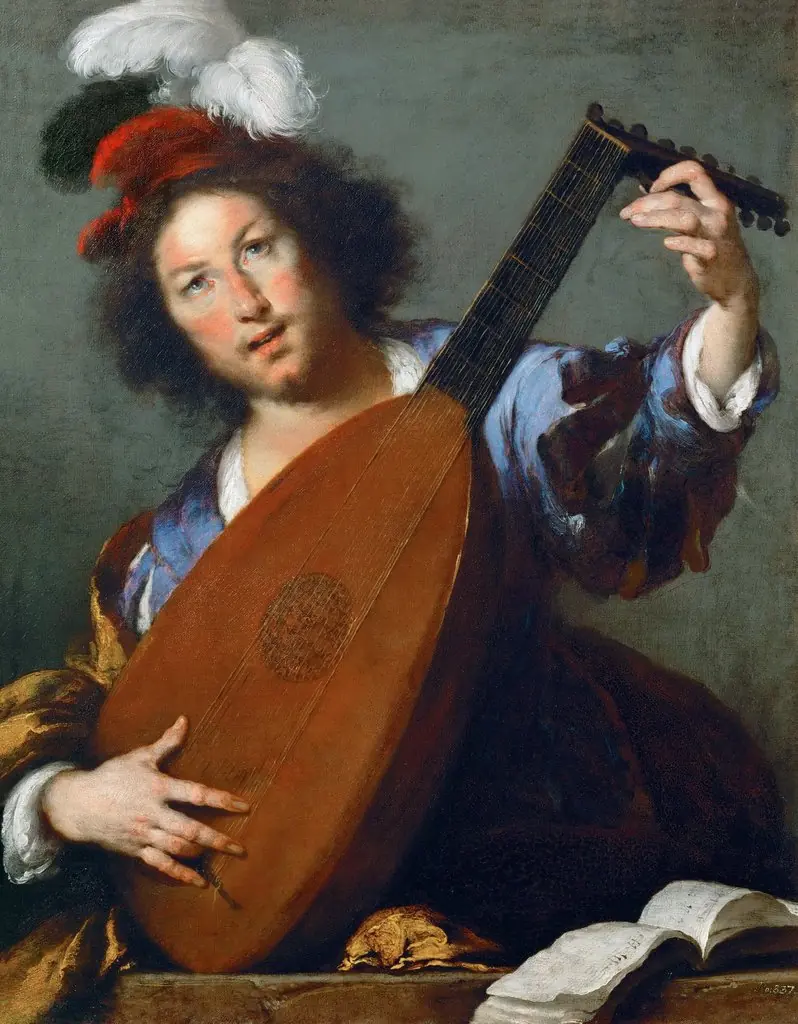 Lute Player
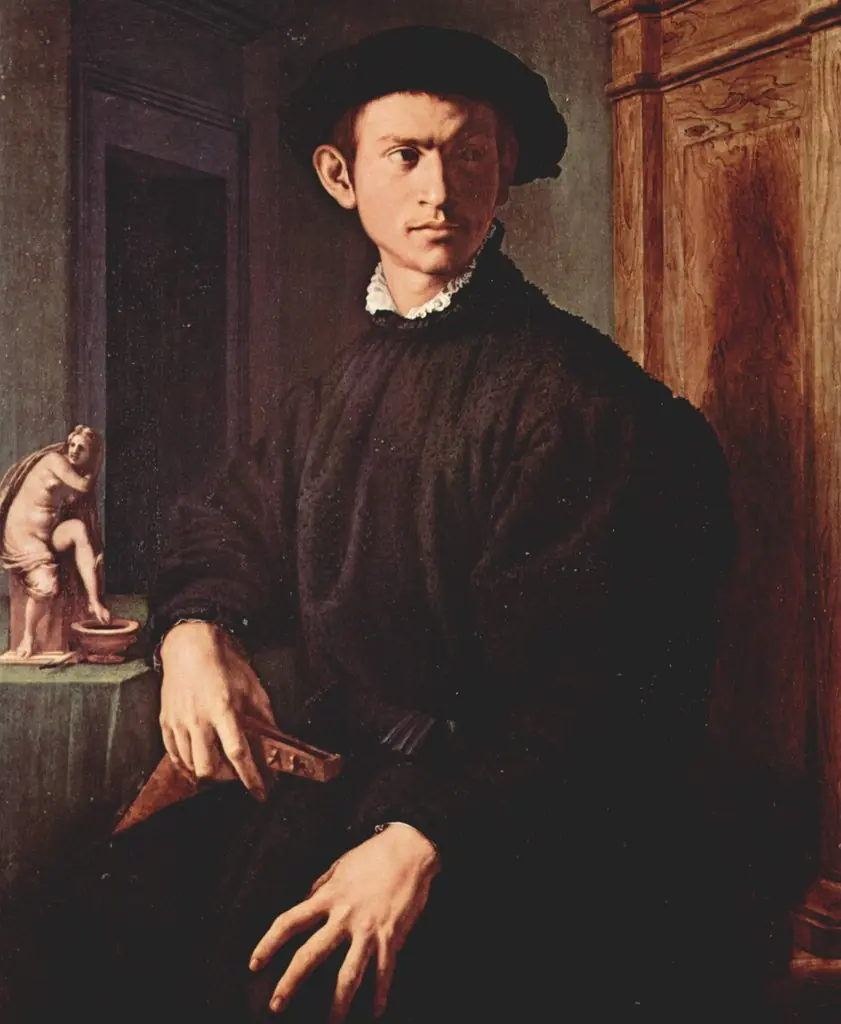 Portrait of a young man with a lute
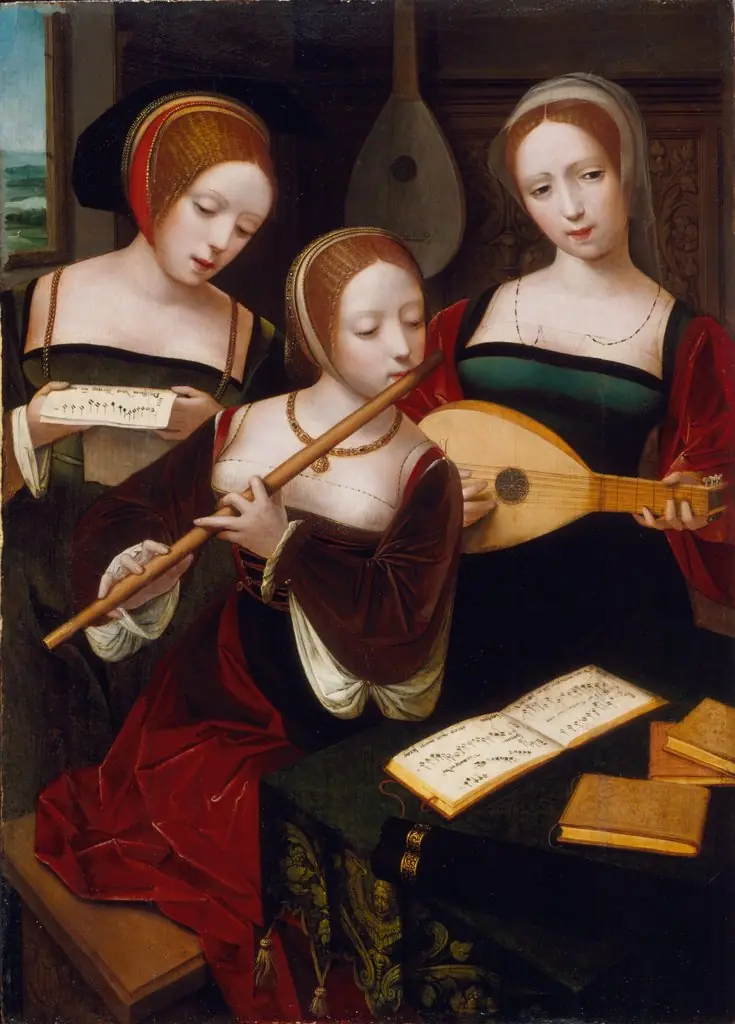 Three Musicians
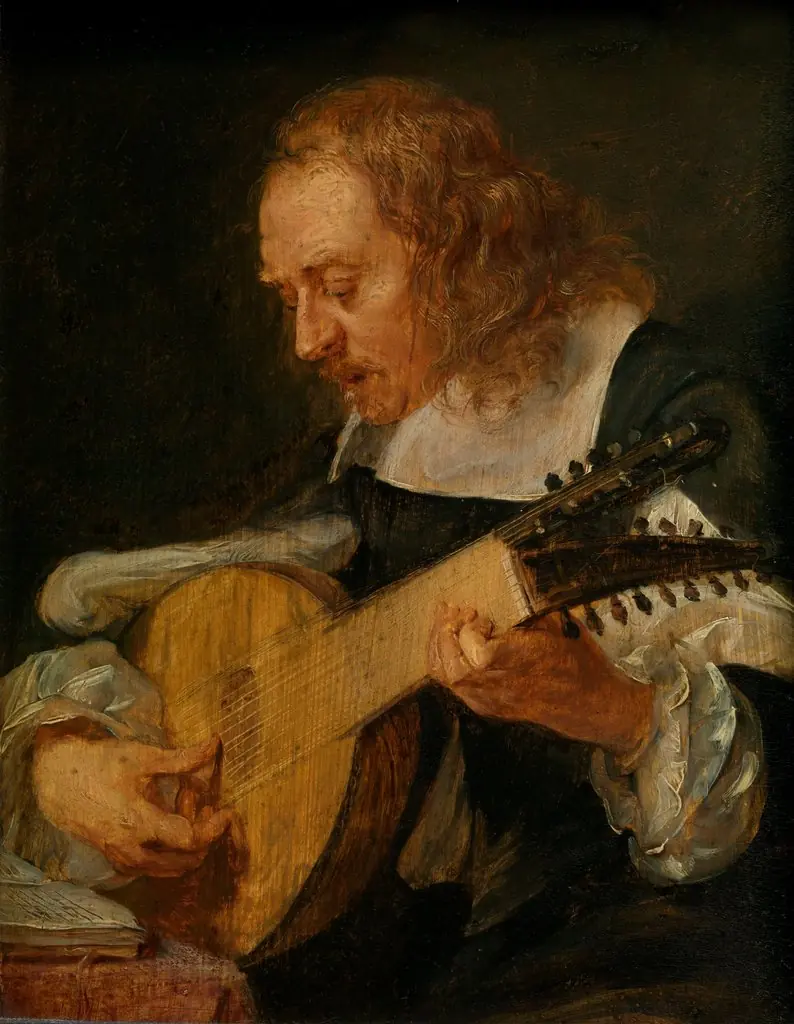 Hearing
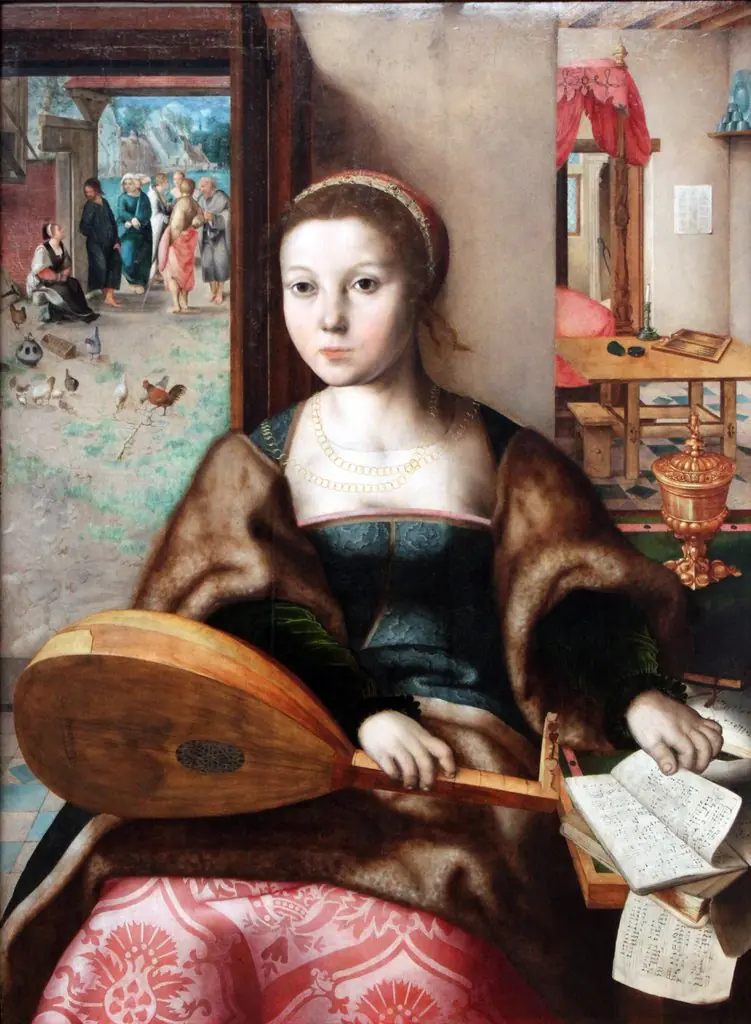 Young woman with lute and music book: Mary Magdalene
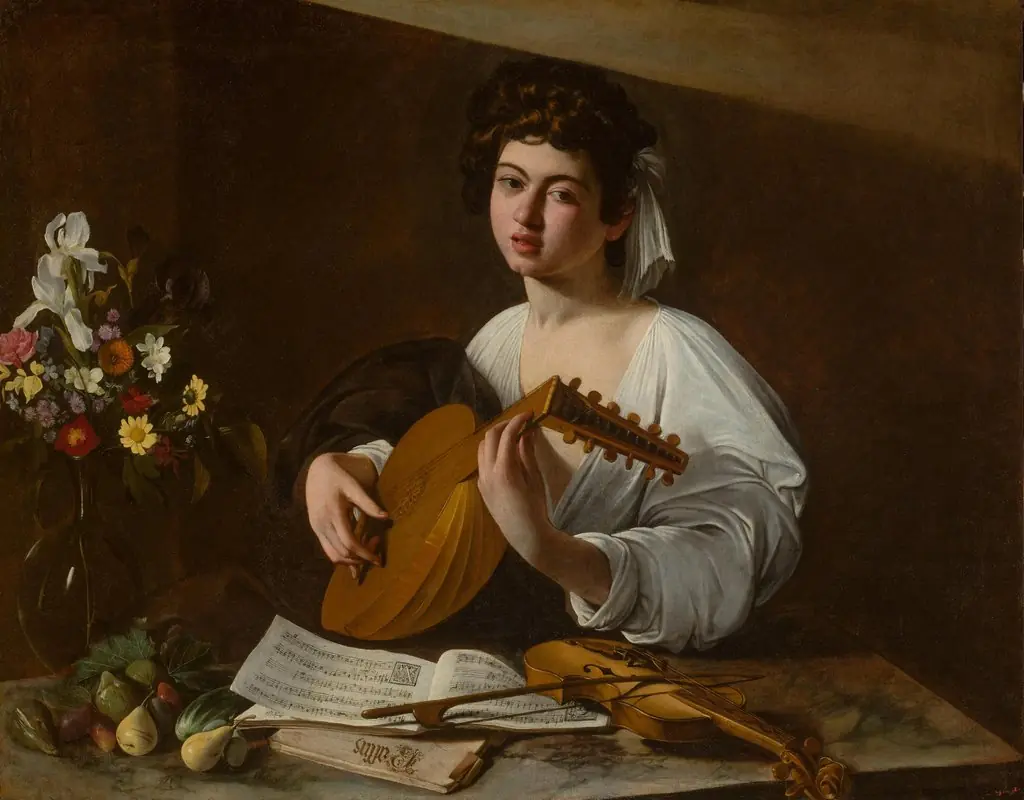 The Lute Player
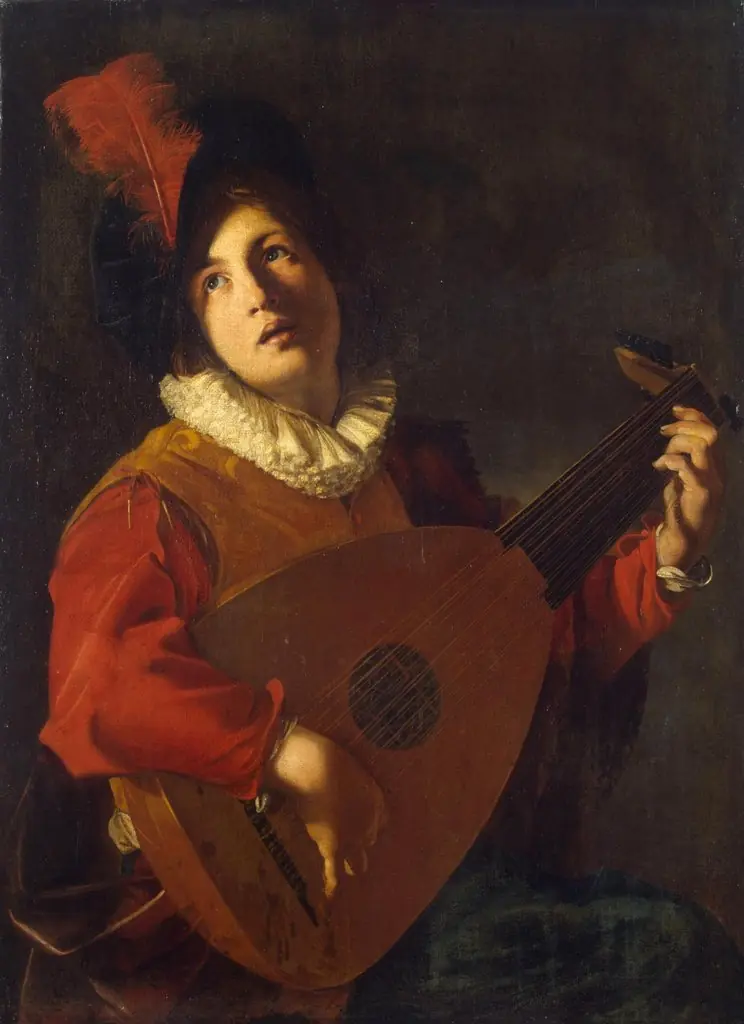 Lute Player
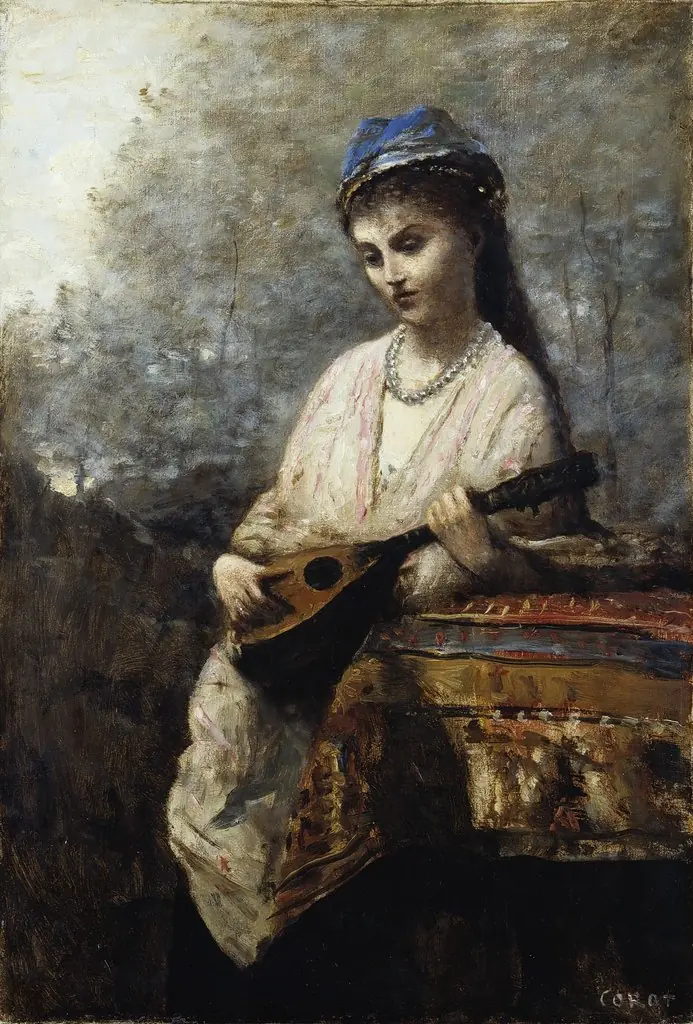 Young Girl with a Mandolin
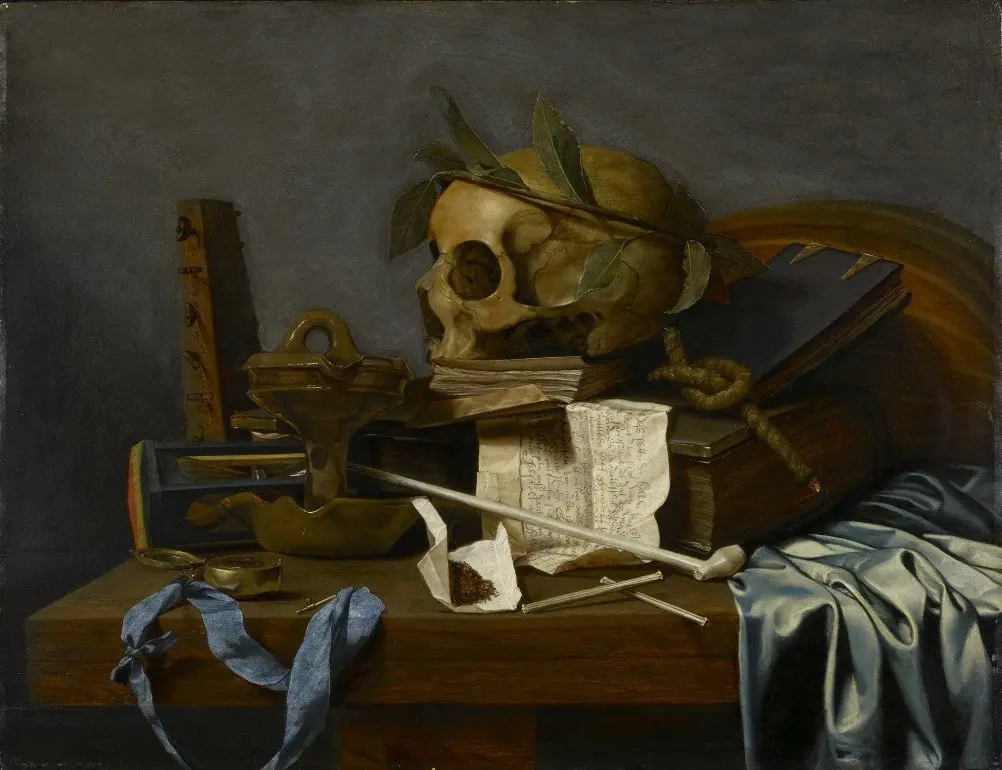 Vanitas Still Life
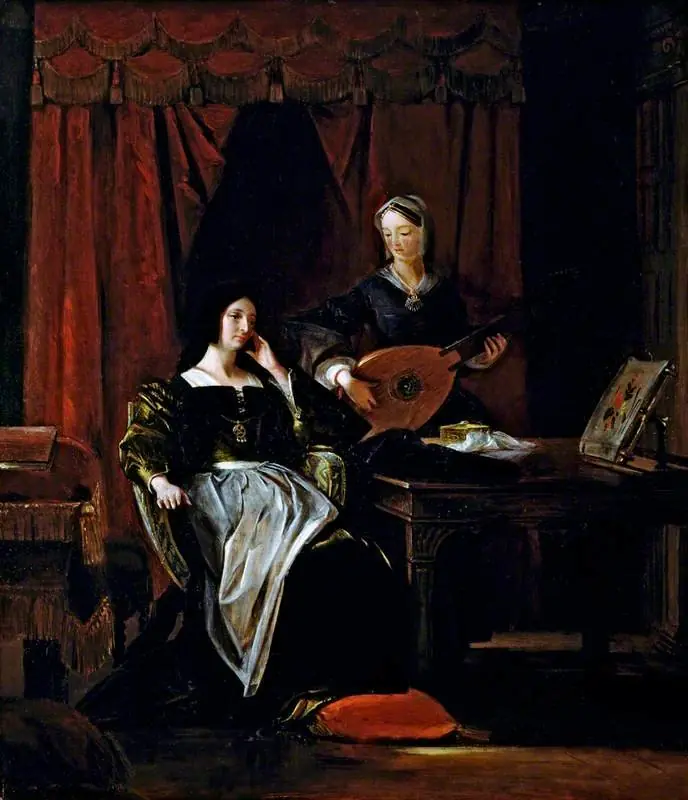 Queen Katherine and Patience
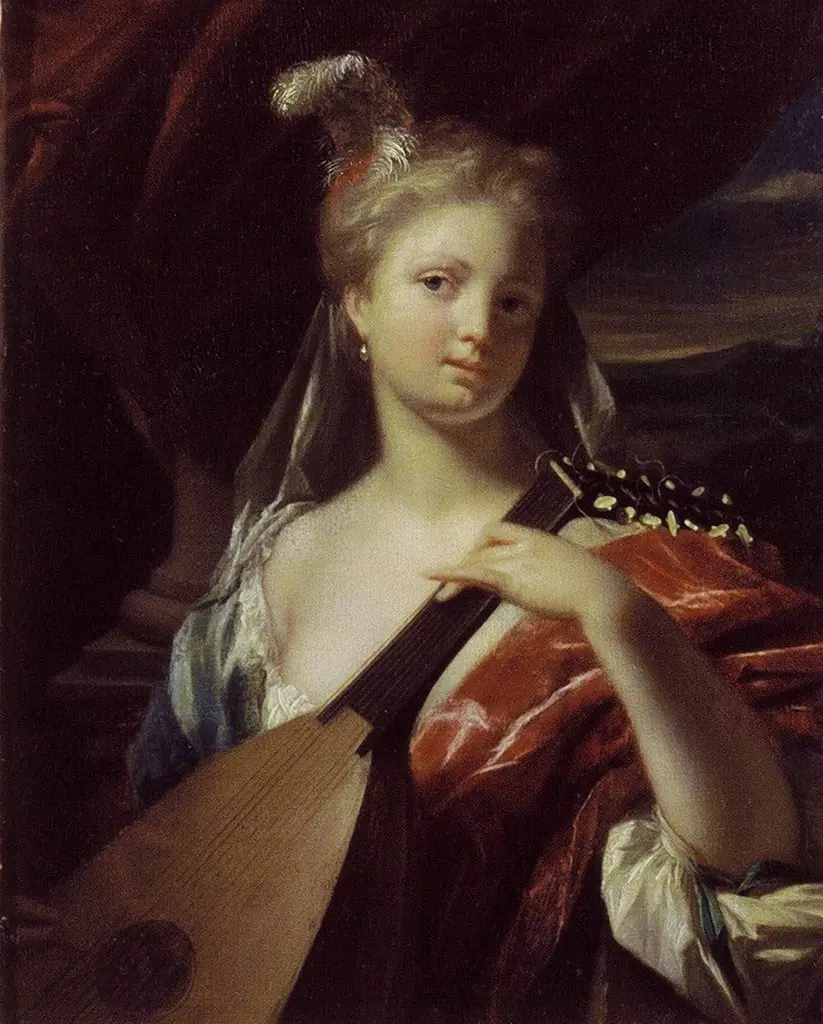 Woman Playing a Lute
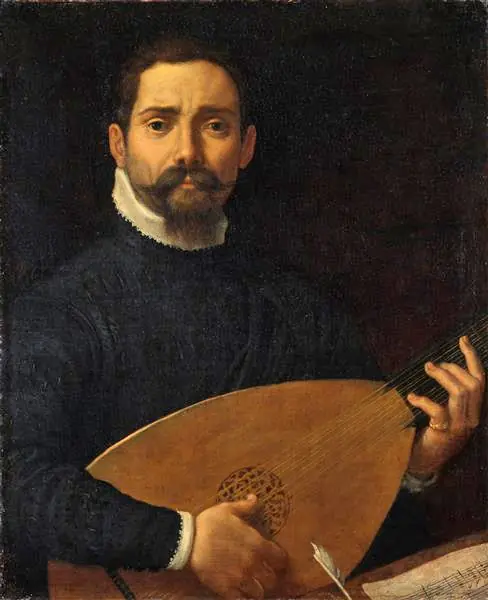 Portrait of the lute player Giulio Mascheroni
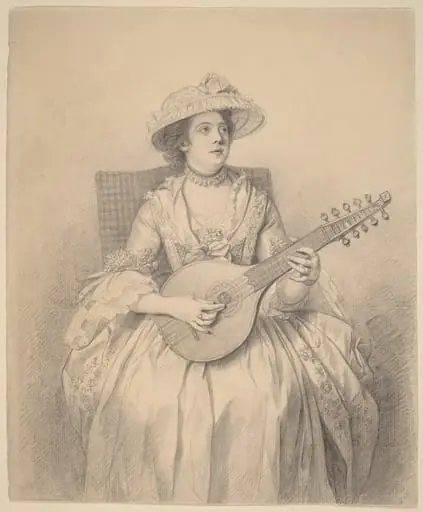 Woman Playing a Cittern
![Man Playing a Lute [recto]](https://artifactworldgallery.com/img/matteo-rosselli--man-playing-a-lute-recto--ba21023023a336b9-w320.webp) Man Playing a Lute [recto]
Man Playing a Lute [recto]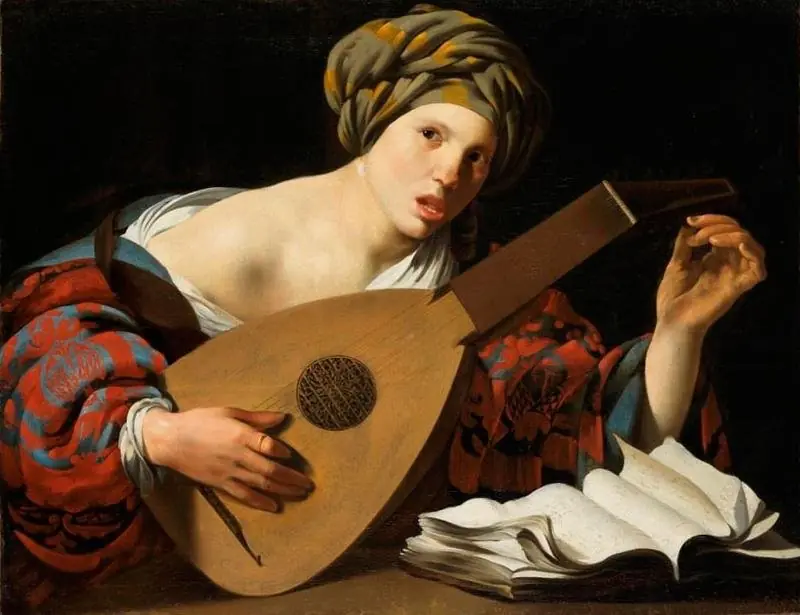 Young woman tuning a lute
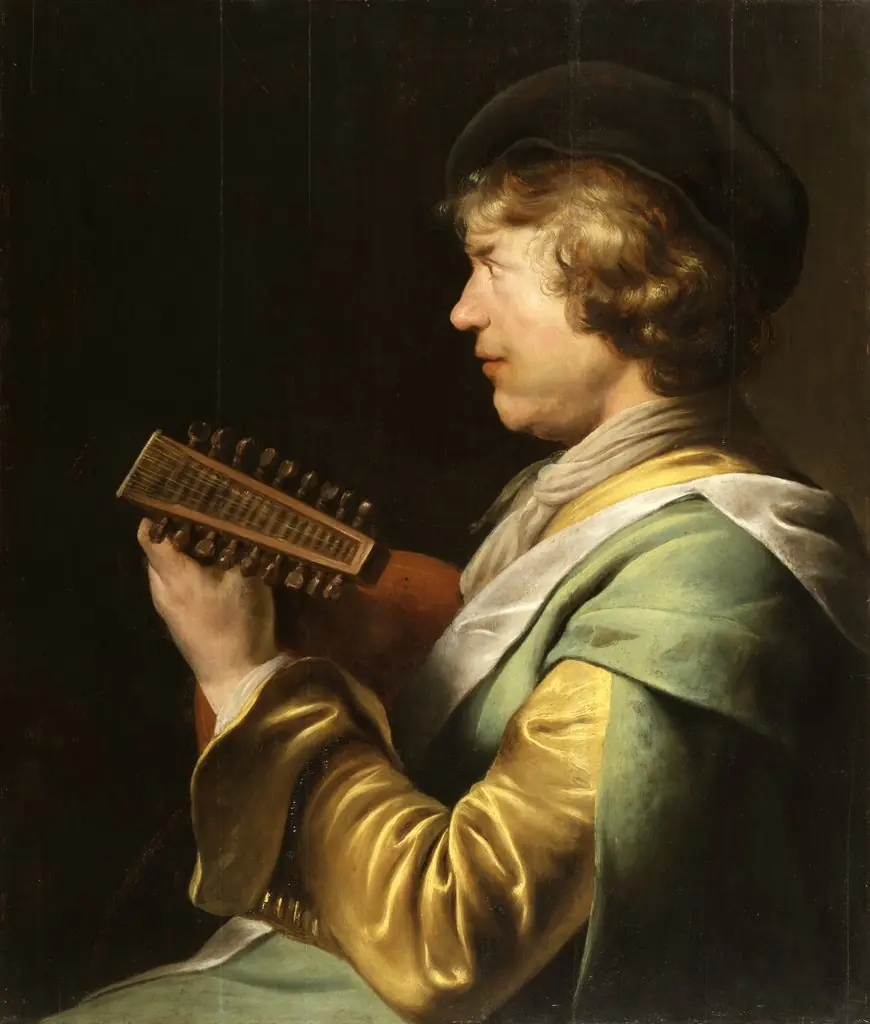 Lute Player
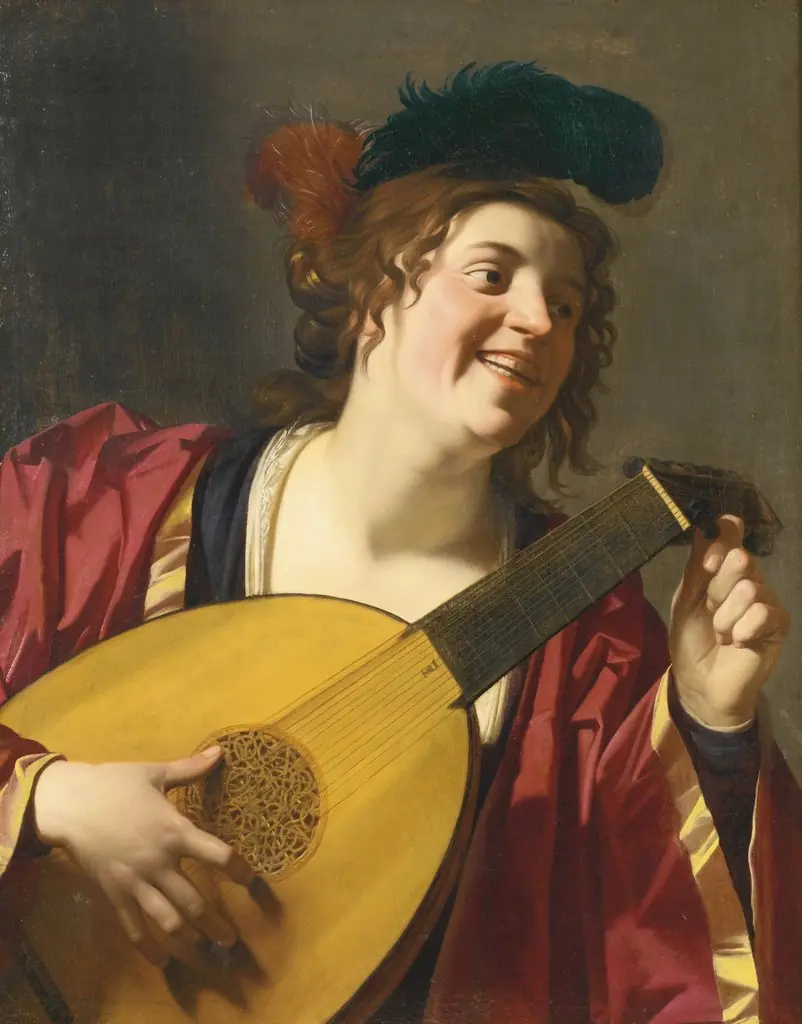 A Woman tuning a lute
 The hurdy-gurdy player
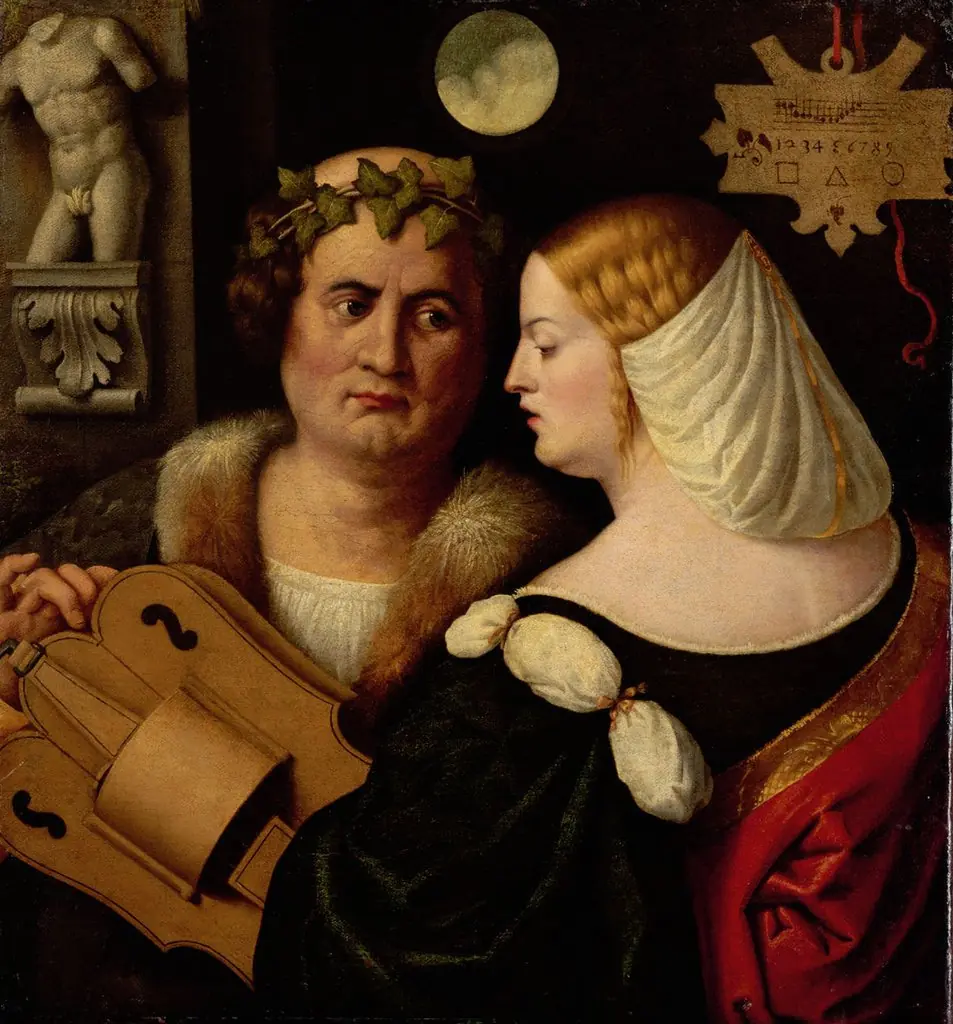 Poet Playing a Hurdy-Gurdy with a Young Woman by Giovanni Busi, called Cariani, c. 1520
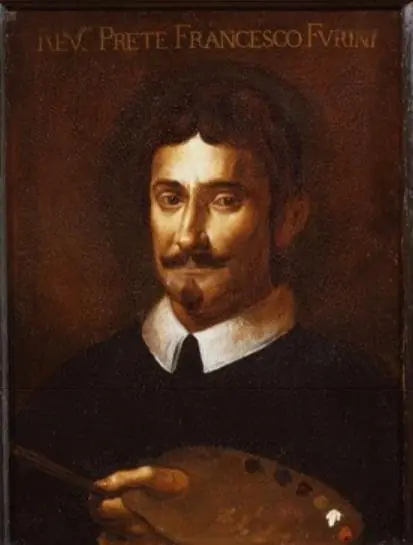 Self-portrait holding a palette
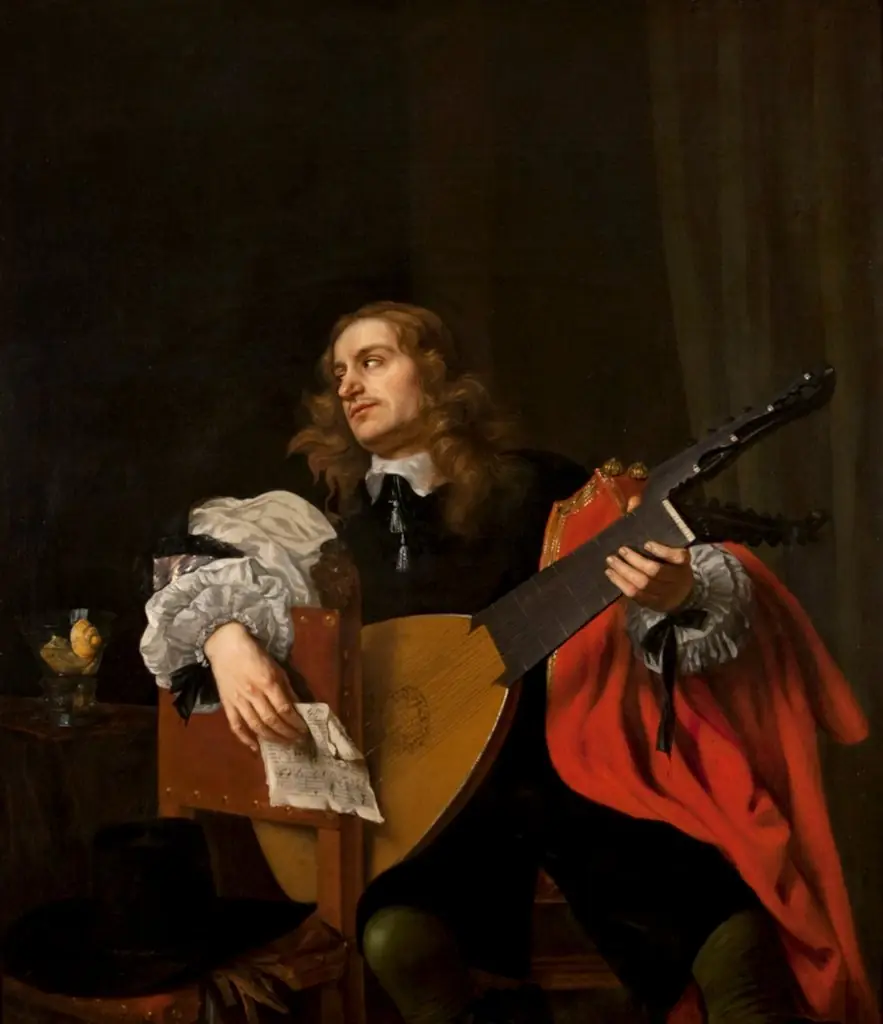 Portrait of a Man with a Lute
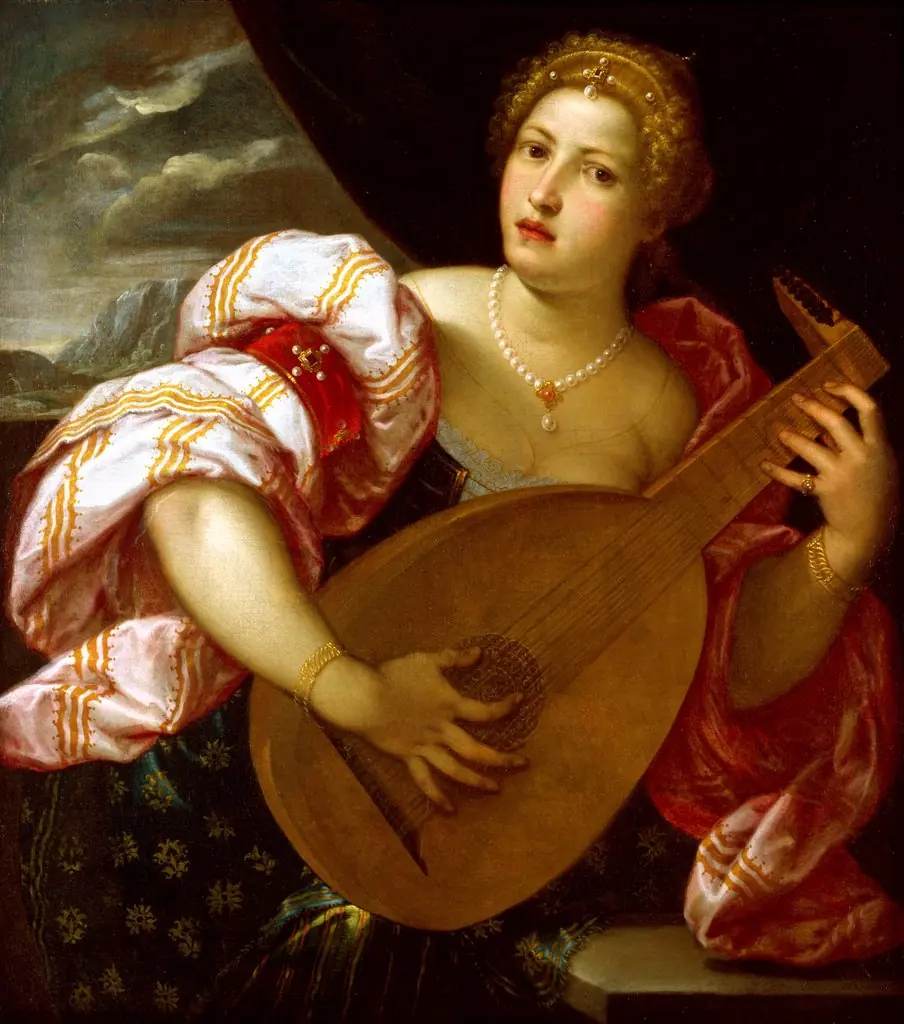 Young Woman Playing a Lute
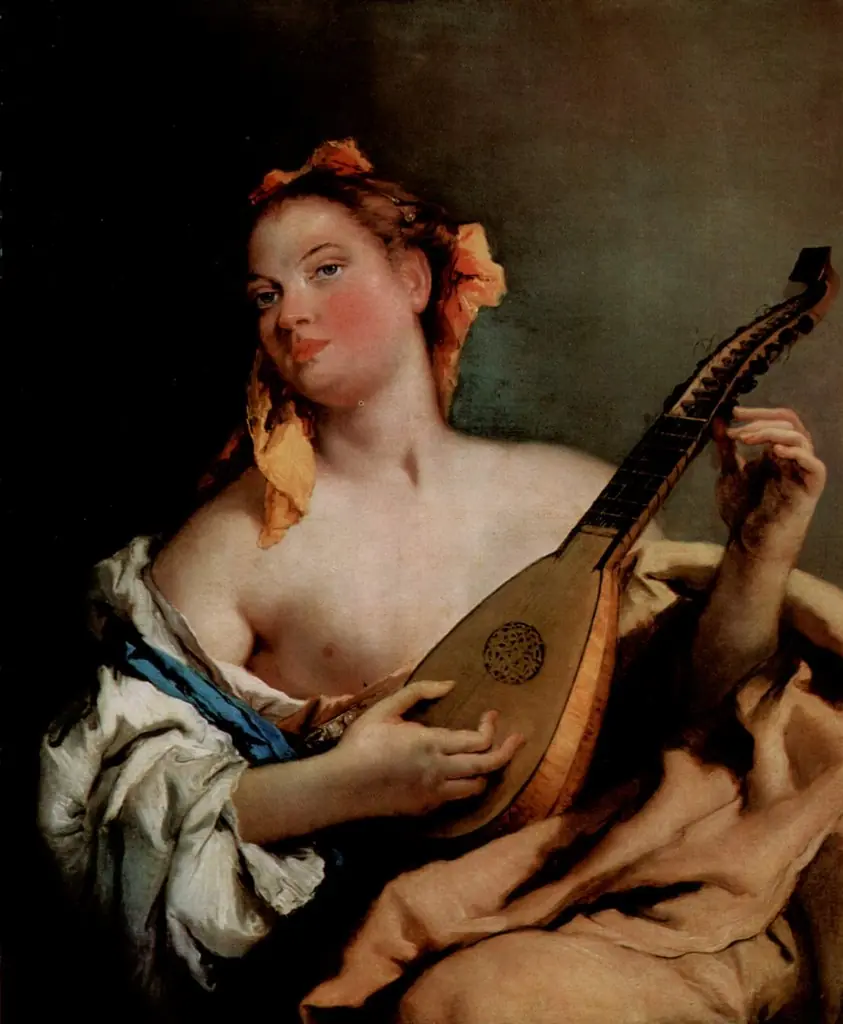 Woman with a Mandolin
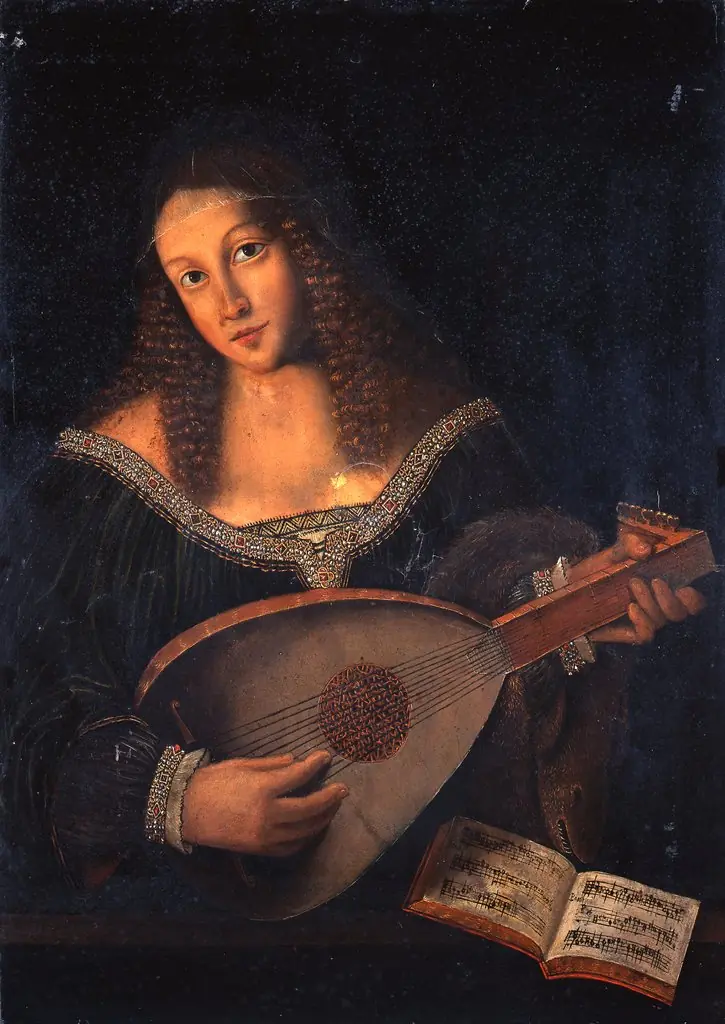 A Lute Player
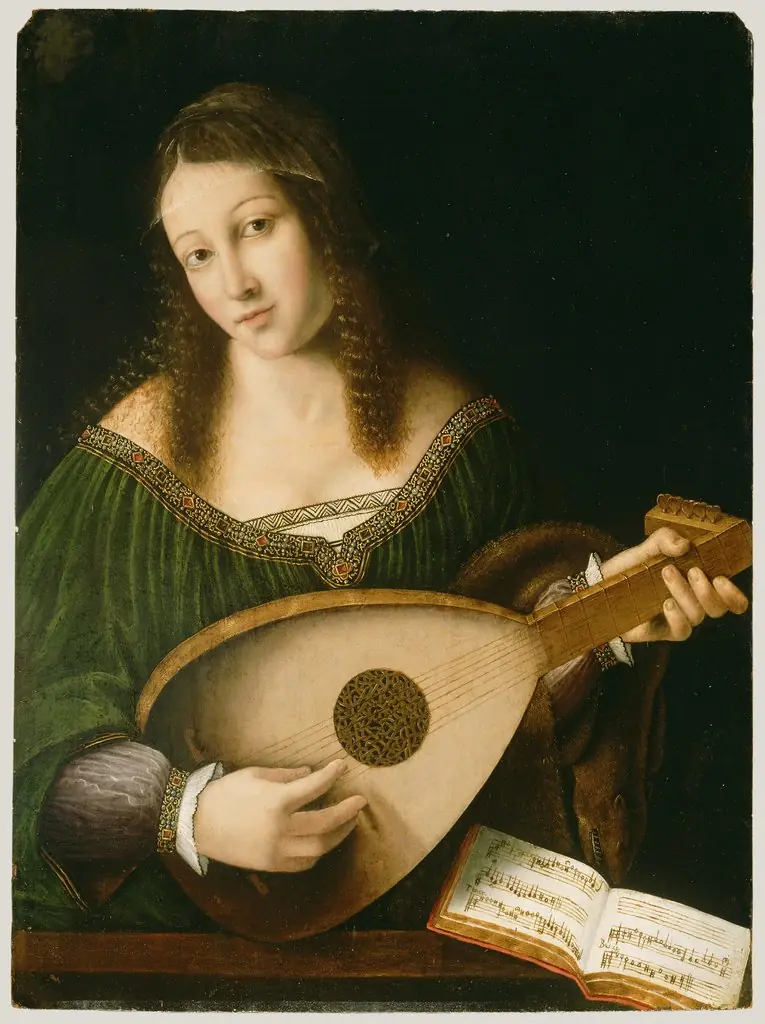 Lady Playing a Lute
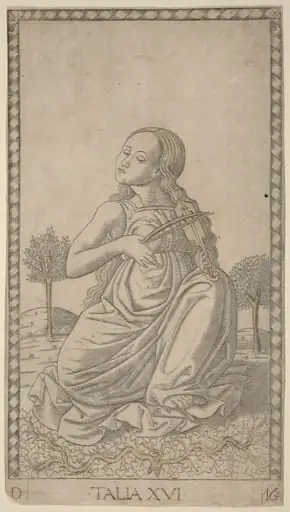 Talia (Thalia)
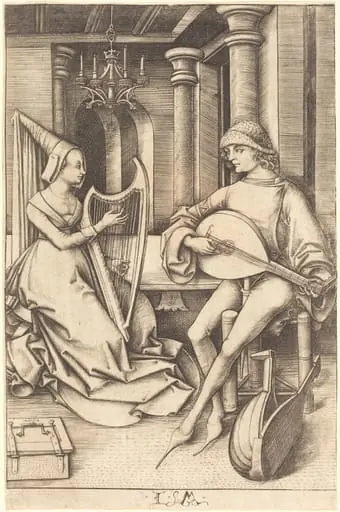 The Lute Player and the Harpist
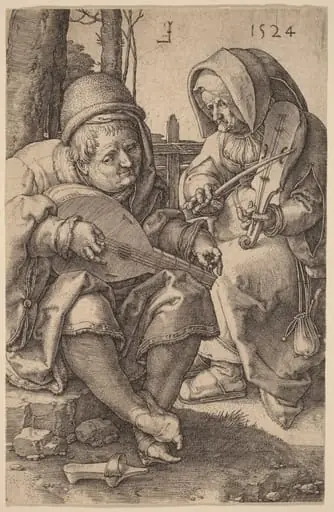 The Musicians
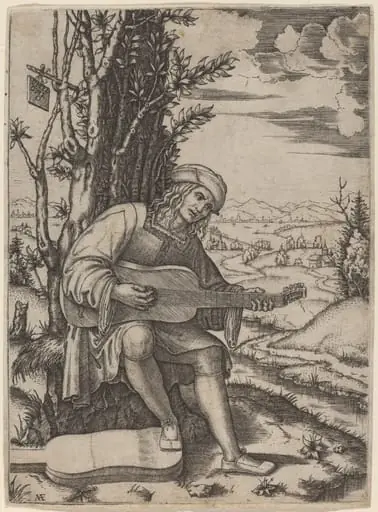 Giovanni Filoteo Achillini
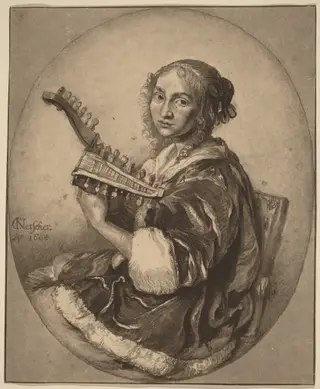 Lady with Double-Headed Lute
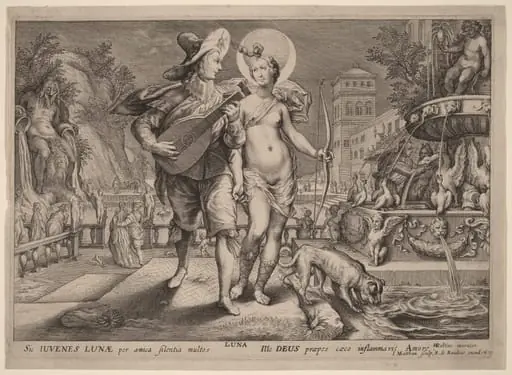 Diana as Luna Accompanying a Young Man Serenading
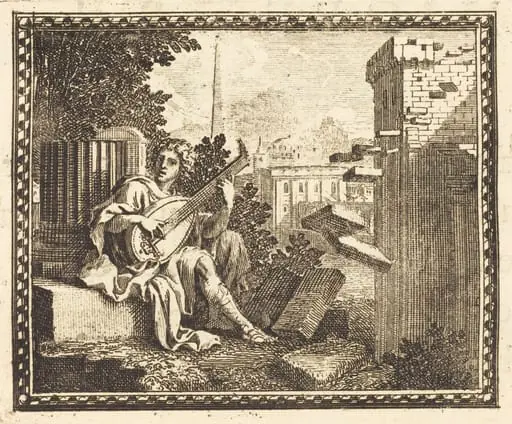 Amphion
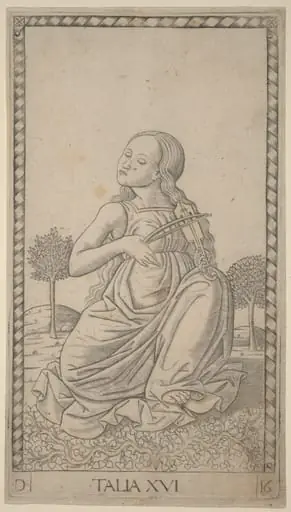 Talia (Thalia)
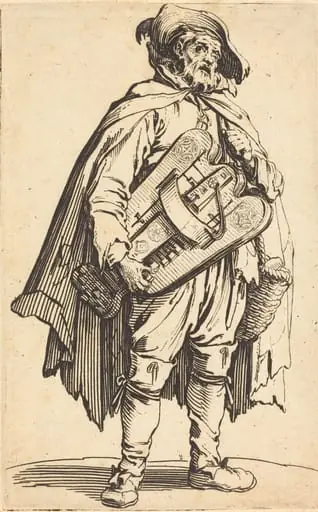 The Hurdy-Gurdy Player
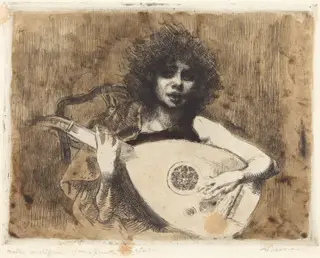 The Lute Player (La joueuse de luth)
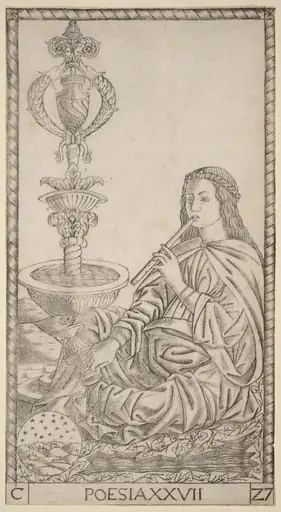 Poesia (Poetry)
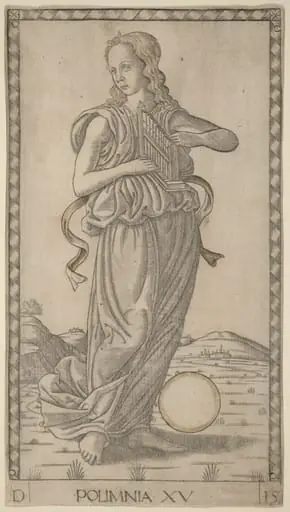 Polimnia (Polyhymnia)
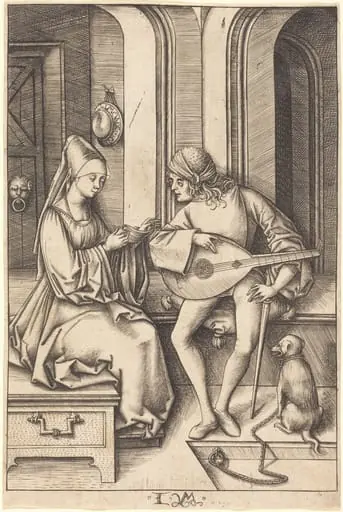 The Lute Player and the Singer
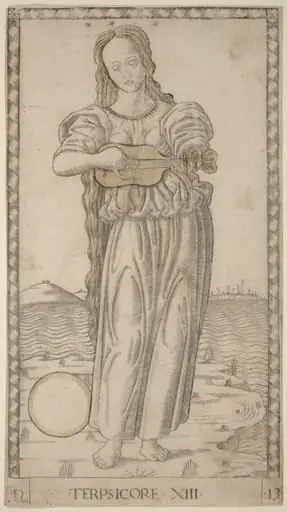 Terpsicore (Terpsichore)
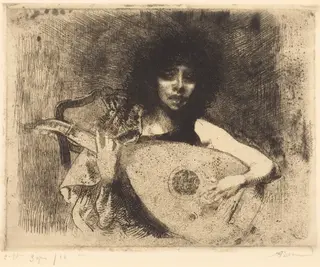 The Lute Player (La joueuse de luth)
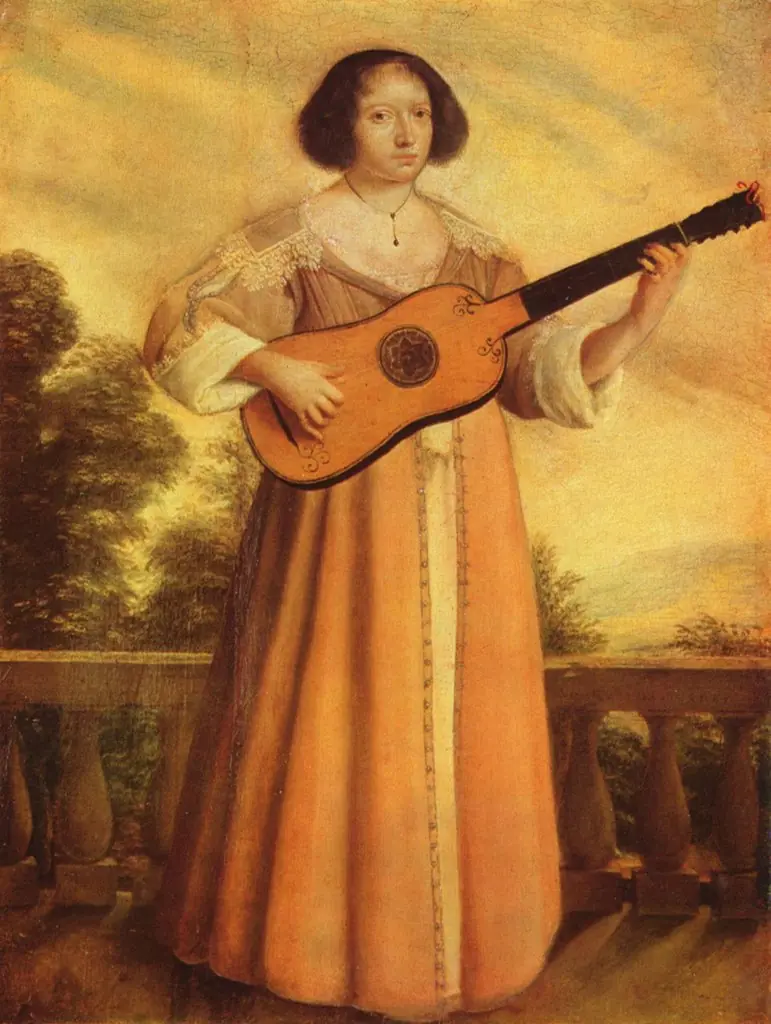 Woman Playing a Guitar
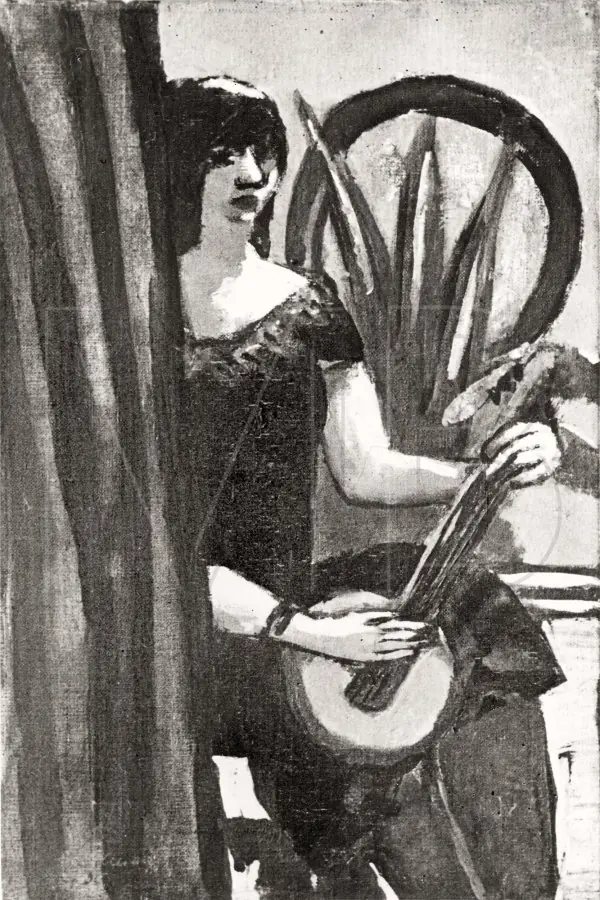 Lute Player
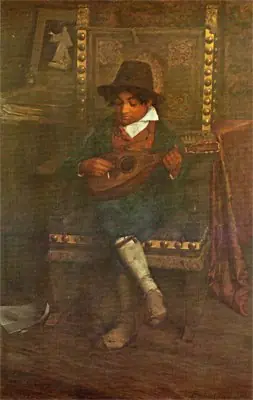 Boy with a mandolin
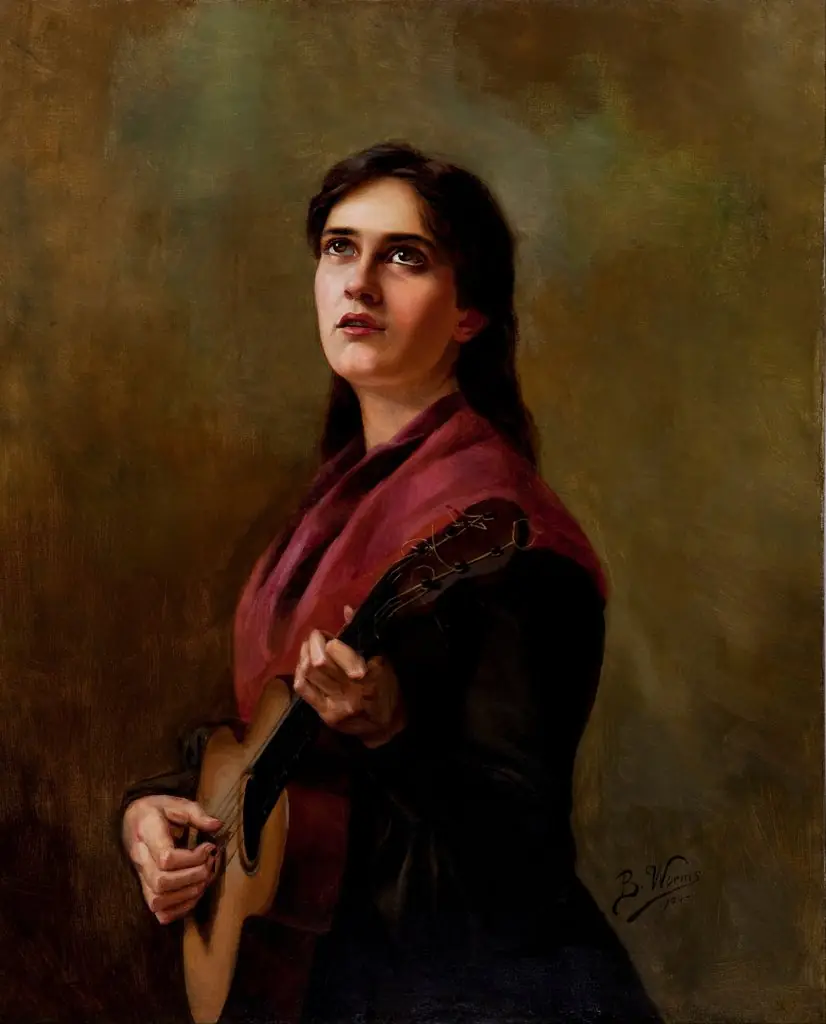 Sentimental Song
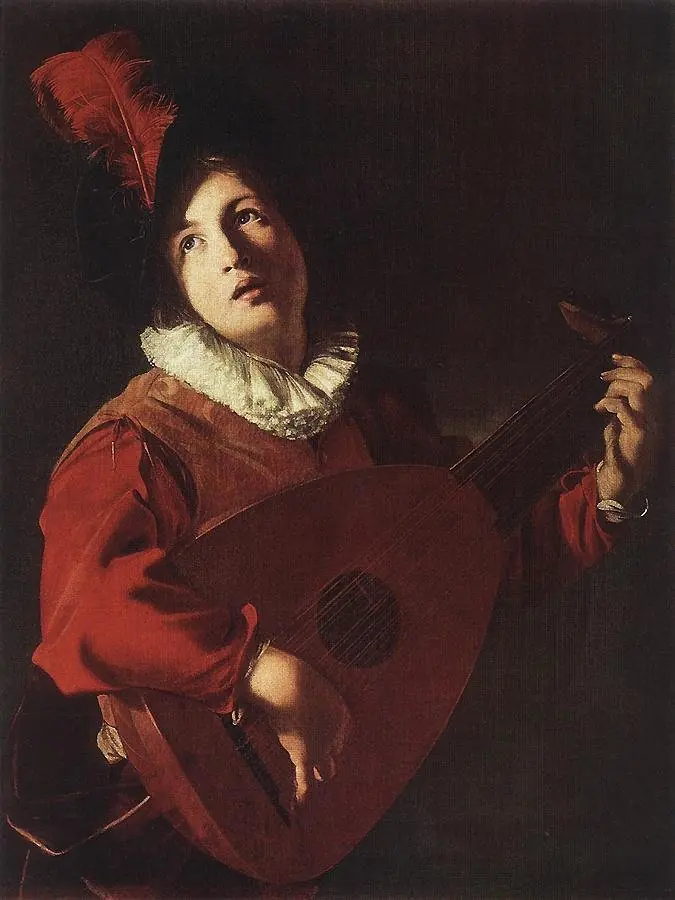 Lute Playing Young Man
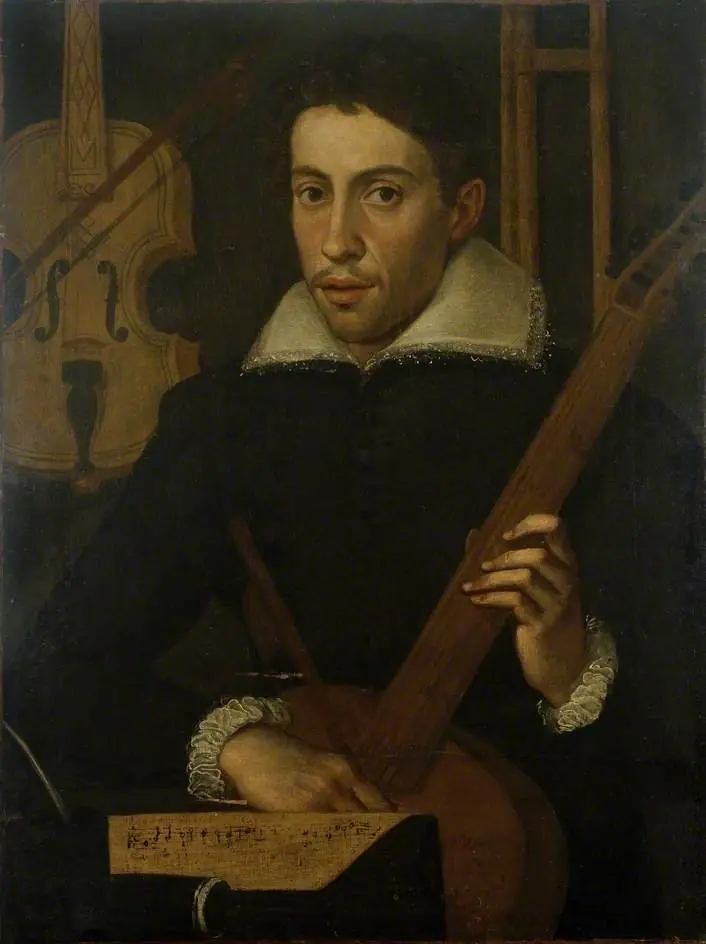 Portrait of a Musician
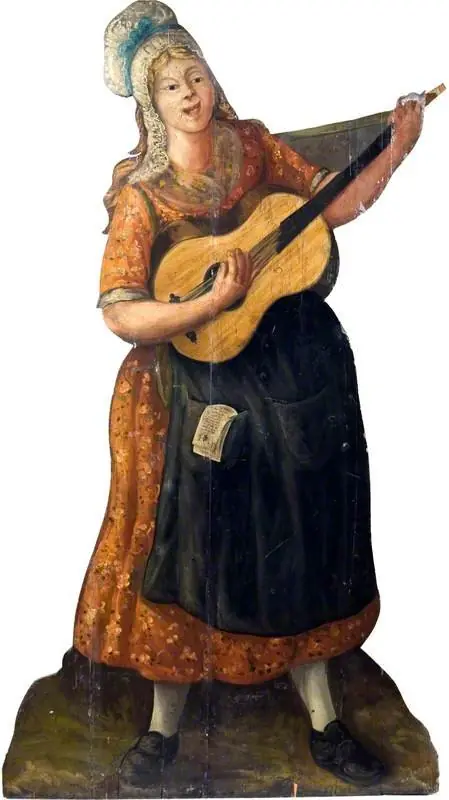 Female Street Player with a Guitar (dummy board)
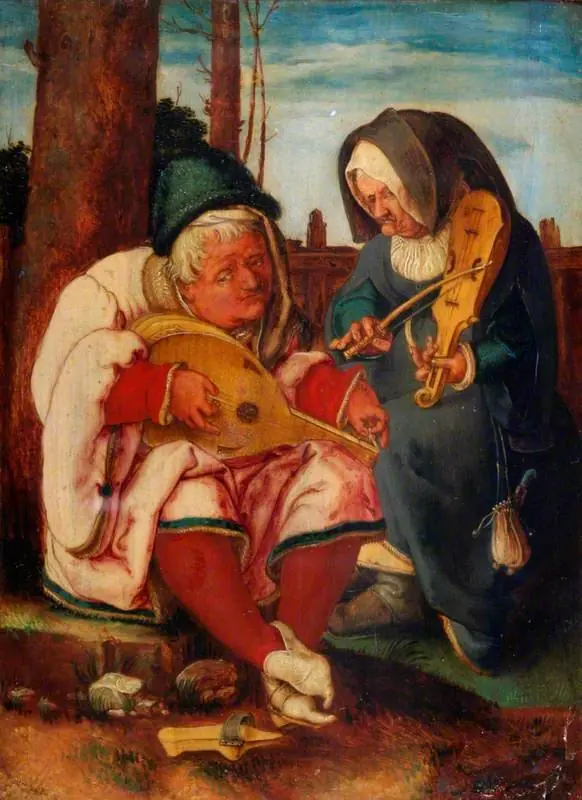 Musicians: An Old Man and an Old Woman
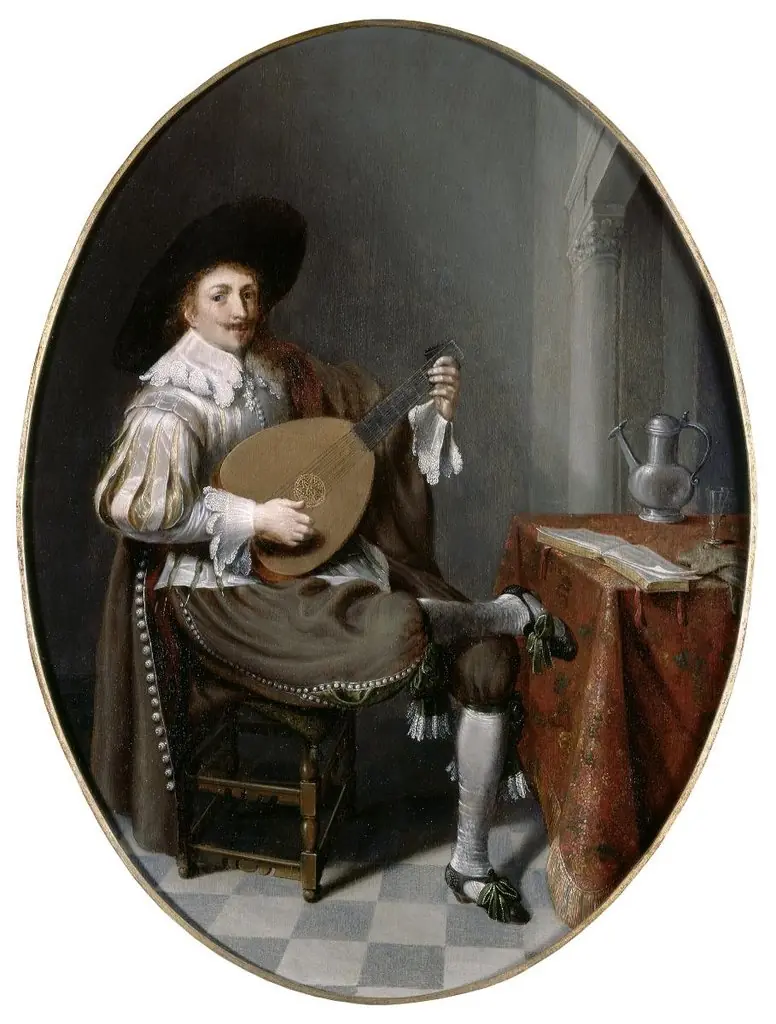 Interieur mit Lautenspieler
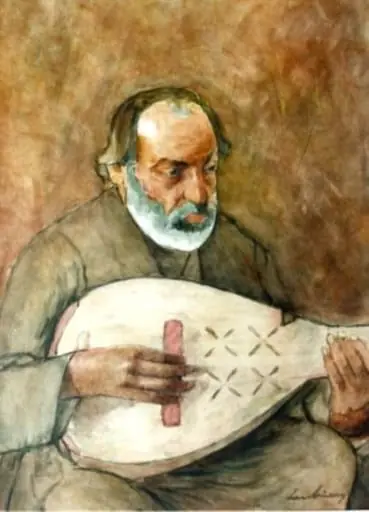 Cobzarul
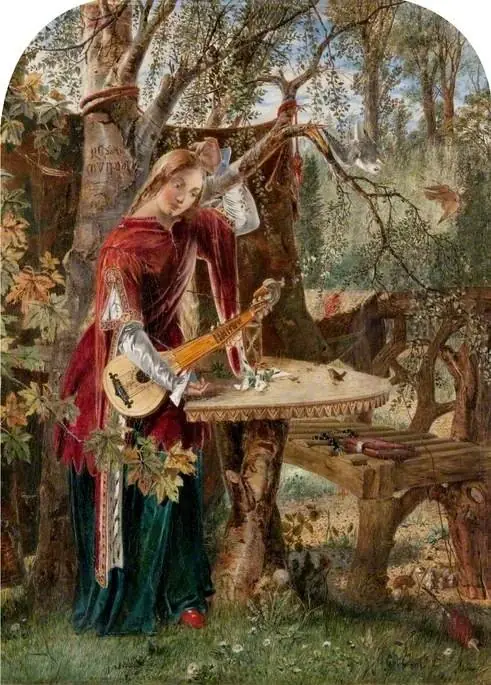 Fair Rosamond Alone in Her Bower
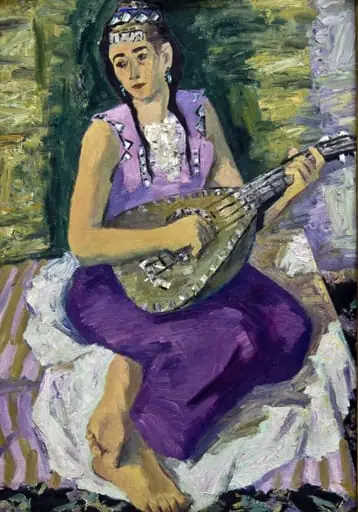 Odaliscă
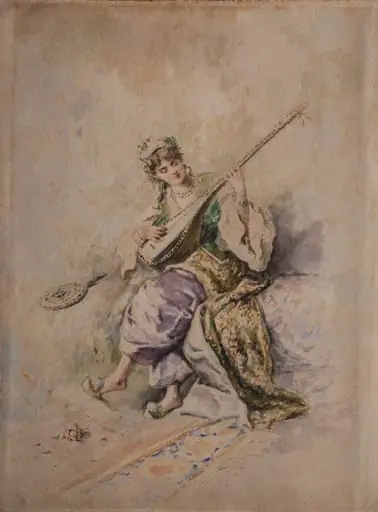 Odaliscă
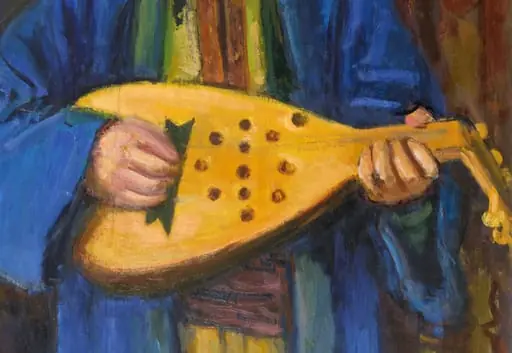 Barbu Lăutaru
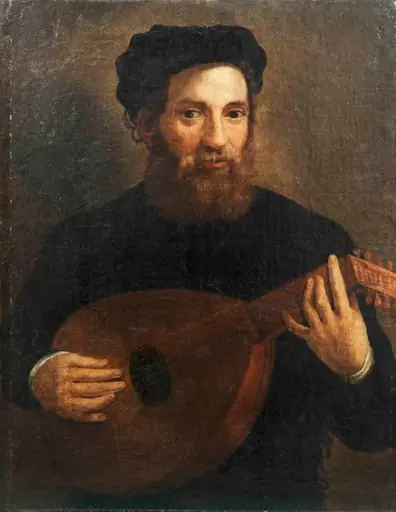 Bărbat cu lăută
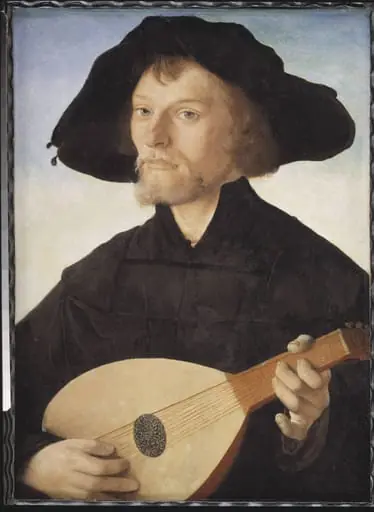 Portrait of a Lute Player
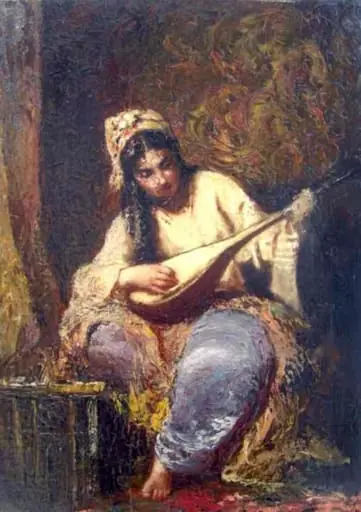 Odaliscă cu mandolină
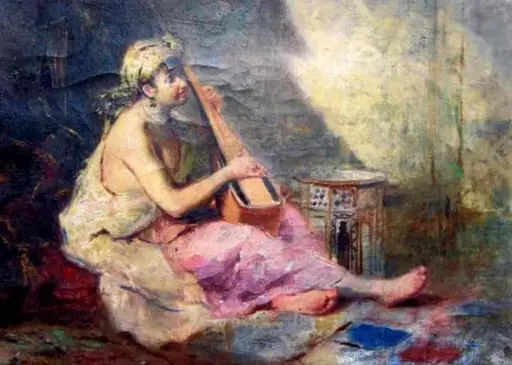 Odaliscă
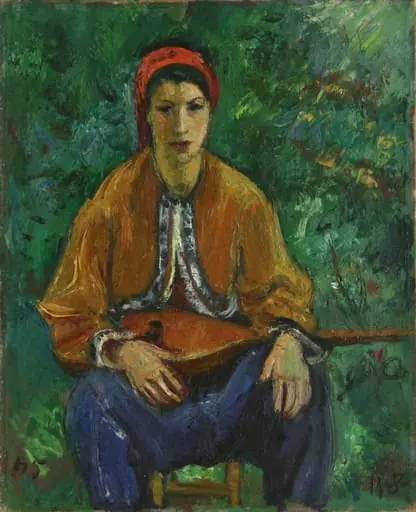 Femeie cu cobză
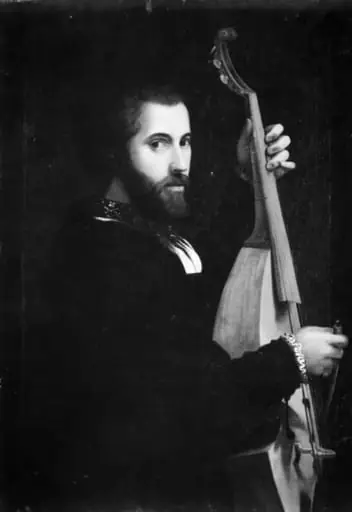 Portrait of a Man with a Viola da Gamba
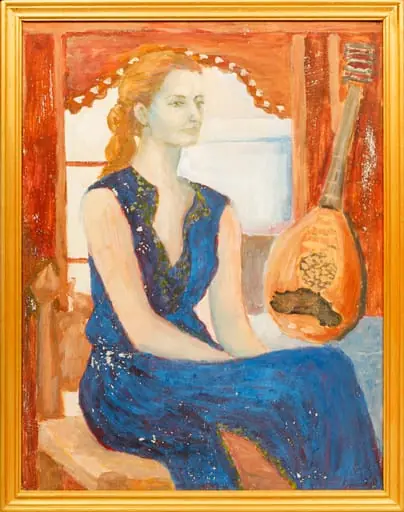 Αναστασία Φαλτάϊτς
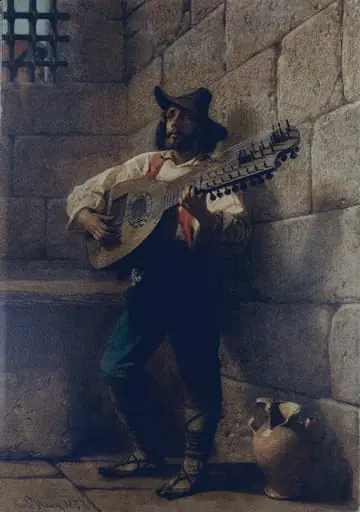 The Improvisatore in Prison
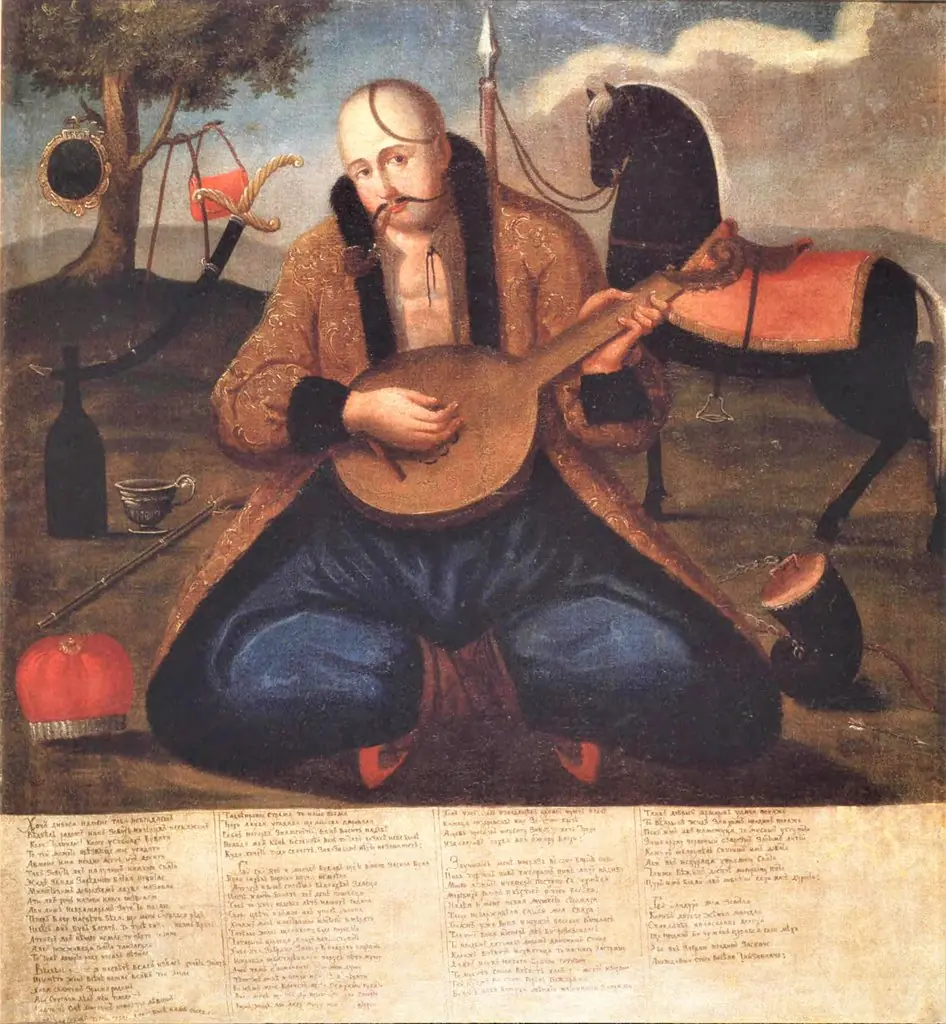 Cossack Mamay
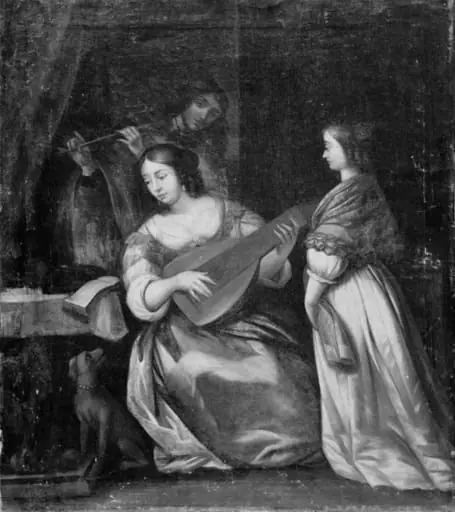 A Female Guitar Player and a Flute Player
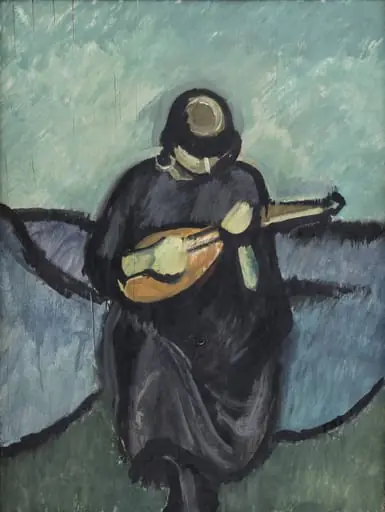 A Mandolinist
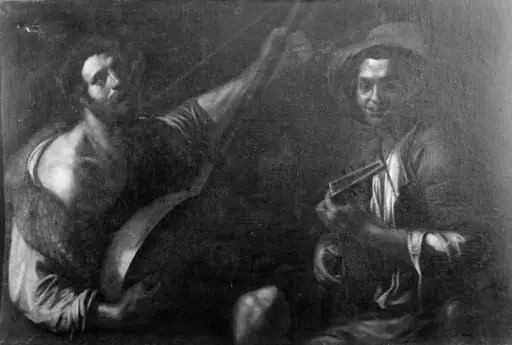 Two Tramps
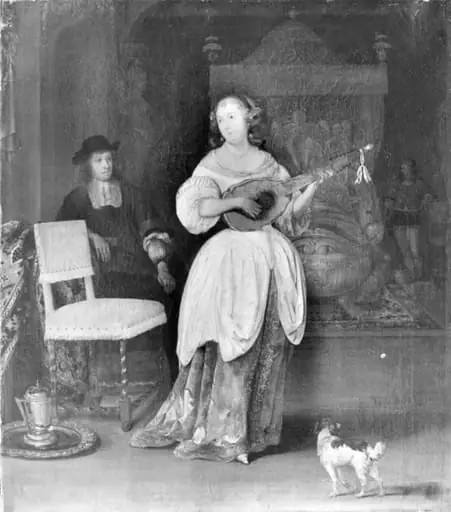 A Woman Playing the Mandolin
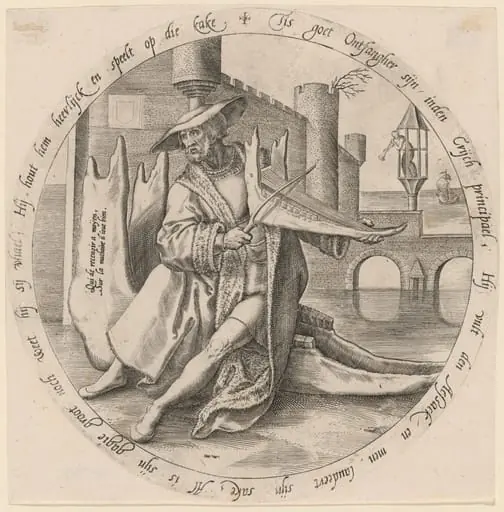 The Rich Man Playing Violin on a Jaw Bone
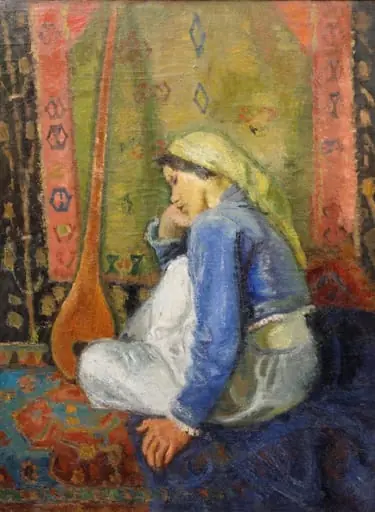 Tătăroaică cu țibulcă (Odaliscă)
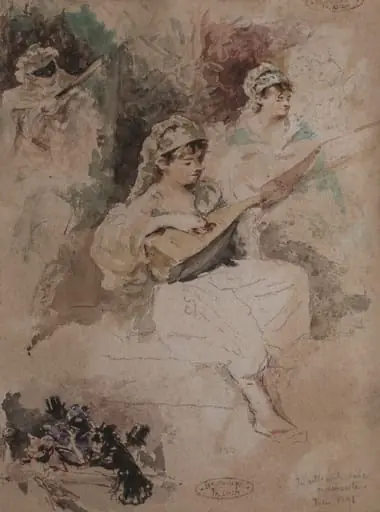 Mandolinate
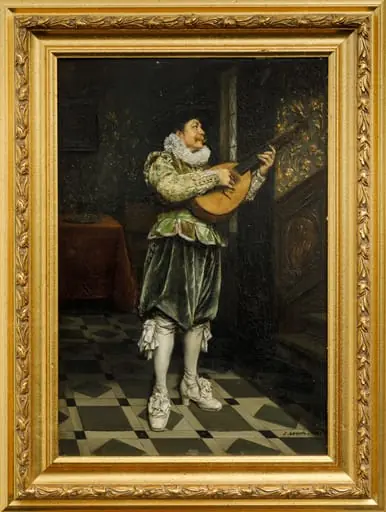 Senior cu violă
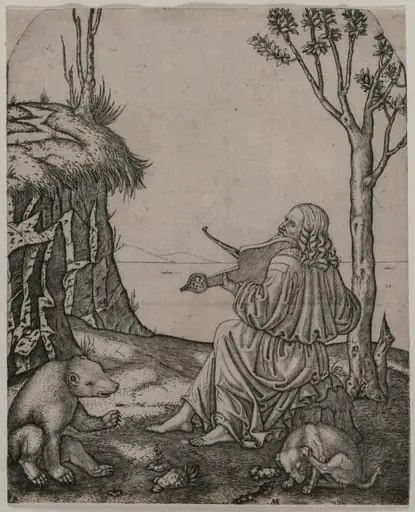 Orpheus Charming the Animals
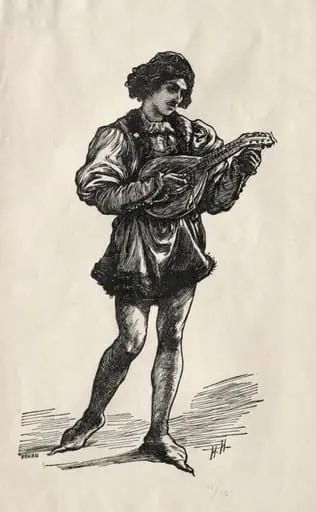 A Troubadour
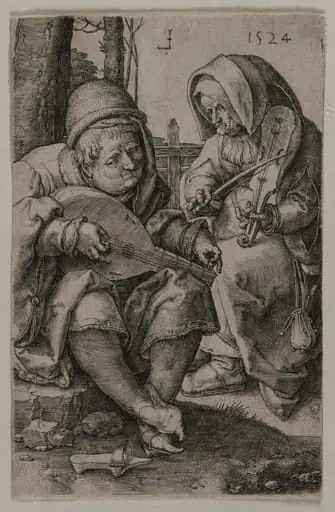 The Musicians
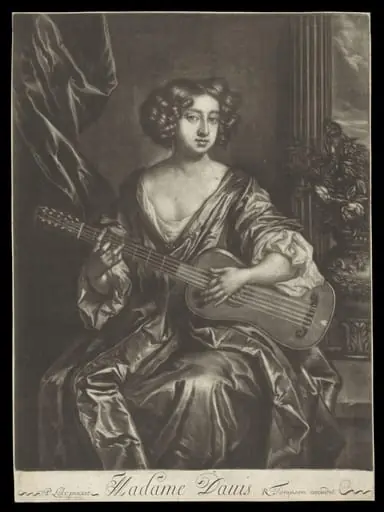 Harry Beard Print Collection
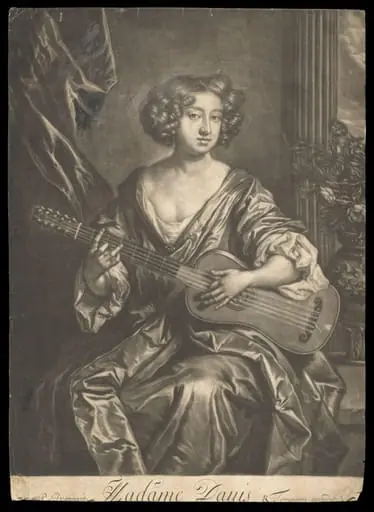 H Beard Print Collection
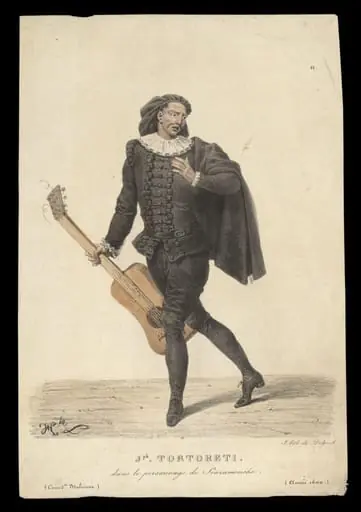 H Beard Print Collection
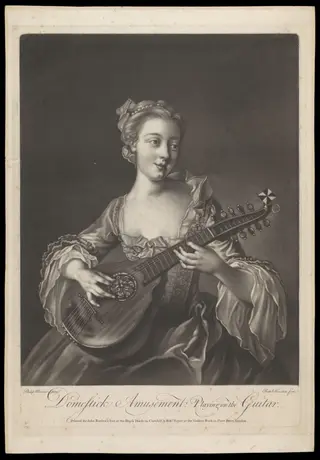 H Beard Print Collection
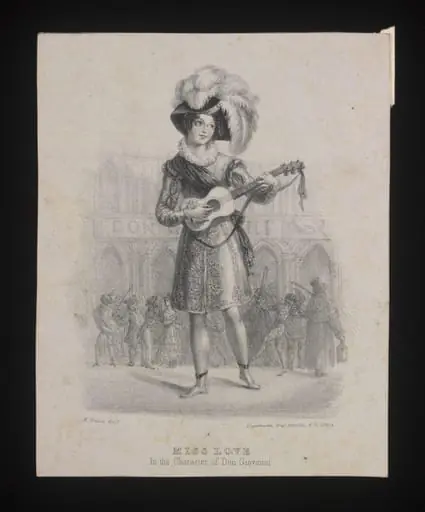 Miss Love in the character of Don Giovanni
Frequently asked questions
What is Lute?
Lute is a subject in art. A lute ( or ) is any plucked string instrument with a neck and a deep round back enclosing a hollow cavity, usually with a sound hole or opening in the body.
How many Lute works does Artifact World Gallery have?
Artifact World Gallery holds 159 public-domain Lute works, all free to view and download.
Who are the key Lute artists?
Key Lute artists in the collection include Jean Baptiste Camille Corot, Georges de La Tour and Johannes Vermeer.
Where can I see Lute works?
Lute works in the collection are held by Museo del Prado, National Gallery of Art and Metropolitan Museum of Art.