
Subject
Deity
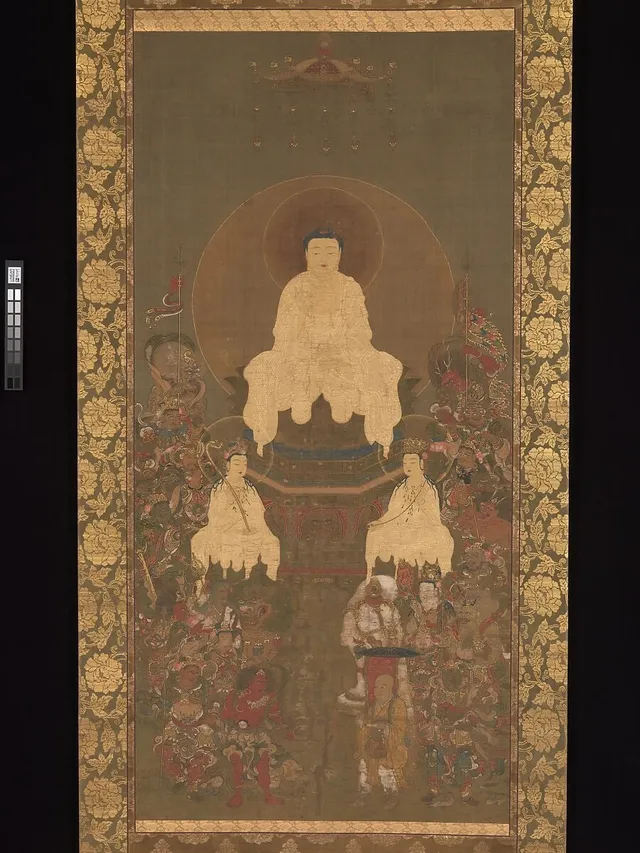
Deity is a subject in art. The gallery holds 89 works in this subject in art, including works by Giovanni di Paolo, Charles-Joseph Natoire and Annibale Carracci.
The depiction of deities is among the oldest and most universal impulses in the history of art, arising wherever human communities sought to make the divine visible, approachable, and worthy of worship. Across the ancient world the dominant strategy was anthropomorphism—imagining gods in human form. Egyptian deities fused human bodies with animal heads to signal particular powers; the Greeks rendered Zeus, Athena, and Aphrodite as idealized humans subject to recognizably human passions; and Hindu and Buddhist traditions populated temples and scrolls with a vast pantheon. Such images were rarely decorative: they functioned as cult objects, focal points of ritual, and a form of visual theology that made cosmic order legible.
Not every tradition embraced the figure. The earliest phase of Buddhist art, lasting until roughly the 1st century CE, was aniconic, evoking the Buddha through an empty throne, the Bodhi tree, a dharma wheel, or his footprints rather than his body—a reticence linked to canonical injunctions against representing him after his passing. The first anthropomorphic Buddha images emerged from Greco-Buddhist contact in Gandhara during the Kushana period, around the 2nd–3rd centuries CE. Similar tensions between image and prohibition recur across Jewish, Islamic, and Byzantine art.
Visually, divine status was conveyed through a shared grammar of attributes, gestures, scale, and material splendor. Hindu deities are distinguished by multiple arms bearing emblematic objects and mudras: the Chola bronze Shiva Nataraja (canonized in South India between the 9th and 13th centuries) holds the drum of creation and the fire of destruction while dancing within a ring of flame. Buddhist figures are identified by mudras, the lotus throne, and the halo. Greek sculptors signaled supreme reverence through the chryselephantine technique—gold and ivory reserved for the most treasured cult statues.
The principal named master is Phidias, whose colossal Athena Parthenos (mid-5th century BCE, over 12 meters) and the seated Zeus at Olympia, one of the Seven Wonders, defined classical divine grandeur. Much sacred art, however, remains anonymous—as with the Kamakura-period (1185–1333) Japanese esoteric mandalas in this collection, including the Diamond World and Kasuga and Kumano shrine mandalas, which array hierarchies of deities in geometric cosmic order.
This enduring iconography shaped Christian devotional imagery, Renaissance mythological painting, and modern revivals, remaining one of art's most continuous threads.
Key artists

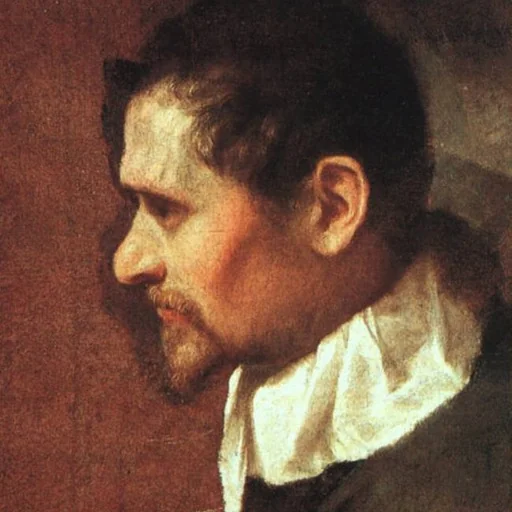

Overview
A deity is a supernatural being considered to possess authority over some aspect of the universe or life, regarded as sacred and worthy of worship. The concept appears across virtually every human culture, from ancient polytheistic pantheons to monotheistic traditions, and remains one of the most pervasive subjects in art history. The English word derives from Old French deité and Latin deitas, coined by Augustine of Hippo from deus, sharing a Proto-Indo-European root with Sanskrit deva, Greek Zeus, and related terms across Indo-European languages. This linguistic spread testifies to the ancient and widespread human impulse to represent divine power visually. In art, deities serve as focal points for devotion, vehicles for philosophical concepts, and embodiments of natural and cosmic forces, making the motif indispensable for understanding how cultures negotiate the relationship between the human and the transcendent.
Iconography & meaning
Deity iconography varies enormously across cultures, yet certain patterns recur. Deities are frequently anthropomorphized, given human or animal form, and assigned personalities, intellects, and emotions that mirror human experience while transcending ordinary limitations. Attributes identify specific divine functions: Shiva's dreadlocked hair containing the crescent moon and the goddess Ganga signals his cosmic and protective roles; Athena's presence in armor marks her as goddess of wisdom and strategic warfare. Multiple arms, exaggerated proportions, or composite animal-human forms signal superhuman status. The Hittite winged deity, rendered in bronze and gold, employs wings to indicate supernatural power and celestial nature. Color, scale, and material luxury differentiate divine from mortal figures. In Buddhist and Hindu contexts, mandalas and processional images organize multiple deities into cosmic hierarchies. The meaning of deity representation shifts with theological context: in some traditions, the image becomes a living embodiment of the divine, capable of receiving worship and bestowing grace; in others, it serves as pedagogical or devotional aid, pointing toward an ultimately transcendent reality that escapes visual capture.
Across movements & periods
The treatment of deities has transformed dramatically across movements and periods. Ancient Near Eastern and Mediterranean cultures produced compact, materially precious images like the Hittite winged deity of the 14th-13th century BCE, emphasizing divine power through durable luxury materials. Classical Greek art, as seen in the Attic Black-Figure Neck Amphora attributed to the Leagros Group around 510 BCE, integrated deities into narrative scenes, with Athena intervening in human affairs, her presence marked by gesture and attribute rather than scale or material splendor alone. Medieval South Indian workshops developed sophisticated lost-wax bronze casting for processional images of Hindu deities, creating mobile, interactive sacred embodiments designed for communal worship and darshana, the mutual seeing between deity and devotee. Japanese Buddhist mandalas of the medieval and early modern periods organized deities into cosmic diagrams that mapped spiritual territories and guided meditation. The shift from ancient to medieval, from Mediterranean to Asian contexts, reveals a broad trajectory from deity as distant, powerful figure to deity as accessible, interactive presence, though both modes persist in tension across traditions. Modern and contemporary treatments, including fictional and popular representations, continue to repurpose divine iconography for new narrative and ideological ends.
Notable depictions
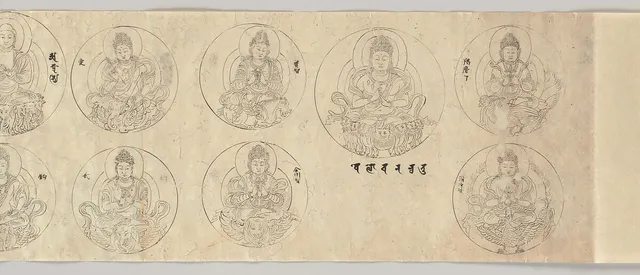
Among notable extant depictions, the Hittite winged deity in the Metropolitan Museum of Art, dating to approximately the 14th-13th century BCE, exemplifies early Near Eastern treatment: small scale (1 5/8 inches), precious materials of bronze and gold, and winged form signaling supernatural status. The Attic Black-Figure Neck Amphora by the Leagros Group, circa 510 BCE, presents Athena in a famous scene with Achilles and Ajax, integrating divine presence into heroic narrative. The South Indian bronze of Shiva from Tamil Nadu, approximately 1300-1500, represents the apex of medieval Hindu processional image production, with exaggerated proportions and elegant detail designed for ceremonial movement and devotional interaction. In the collection, the Scroll of Deities of the Diamond World Mandala and related Japanese Buddhist works constitute significant holdings for the study of East Asian esoteric Buddhist iconography. The Shaka triad with attendant bodhisattvas and benevolent deities represents a complex, hierarchical vision of the Buddhist cosmos. The Rebuke of Adam and Eve, while less specifically described, indicates the collection's limited but present engagement with Western religious narrative.
Legacy
The deity as artistic subject possesses remarkable cultural afterlife. Ancient divine iconographies persist in transformed guise: Greek and Roman deities structure Western art education through the Renaissance and beyond, while Hindu and Buddhist deities continue to animate contemporary religious practice and, increasingly, global art markets and museum collections. The South Indian bronze-casting tradition described in connection with the Shiva image continues uninterrupted, demonstrating living heritage rather than merely historical artifact. Fictional deities in modern popular culture, from H.P. Lovecraft's cosmic entities to J.R.R. Tolkien's Eru Ilúvatar and the Valar, from Marvel and DC Comics pantheons to anime and video game figures, perpetuate and parody divine representation, often explicitly engaging with theological questions of creation, destruction, and moral authority. The scholarly and popular list-making of deities, whether art deities like Apollo and the Muses or fictional divine taxonomies, reveals an enduring human impulse to catalog, compare, and narrativize the sacred. The collection's 131 works participate in this longer history, preserving material evidence of how diverse cultures have visualized the transcendent, while their continued study and display perpetuates the dialectic between human making and divine presence that defines deity art across millennia.
Works
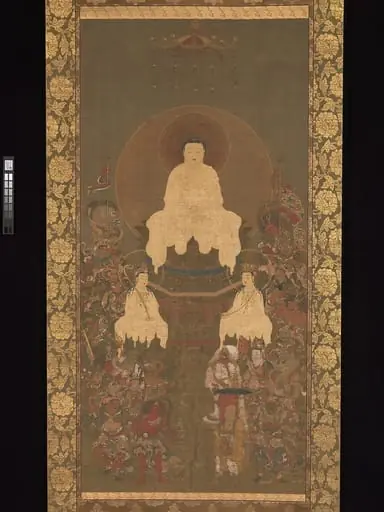 釈迦三尊十六善神像|Shaka (Shakyamuni), the Historical Buddha, with Two Attendant Bodhisattvas and Sixteen Benevolent Deities
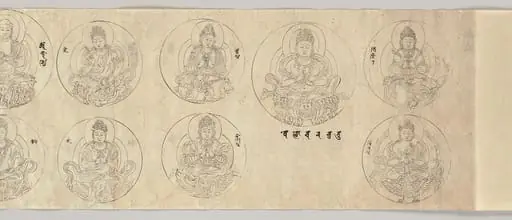 金剛界曼荼羅諸尊図像|Scroll of Deities of the Diamond World Mandala
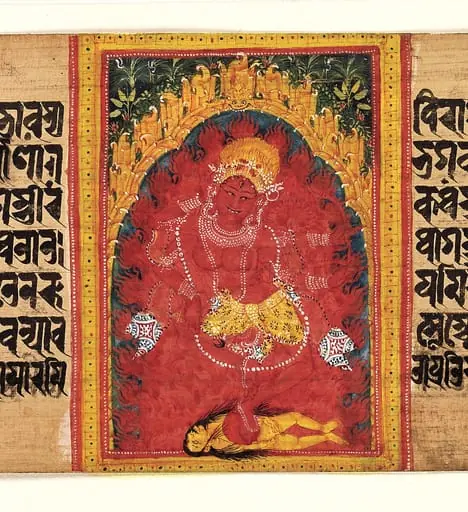 Untitled
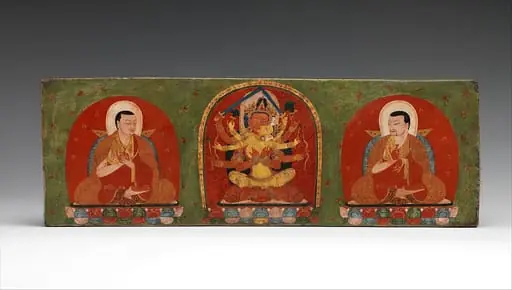 Untitled
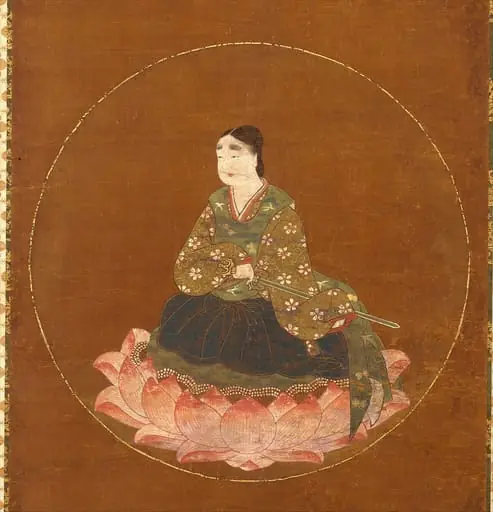 春日若宮曼荼羅|Mandala of Wakamiya of Kasuga Shrine (Kasuga wakamiya mandara)
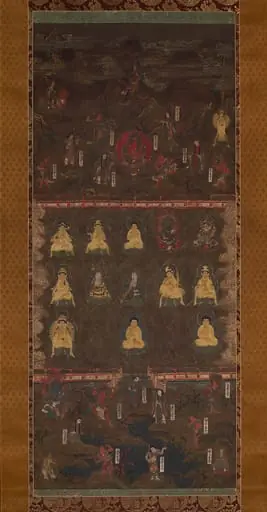 熊野曼茶羅図|Mandala of Kumano Shrine
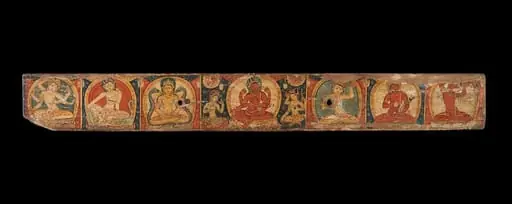 Untitled
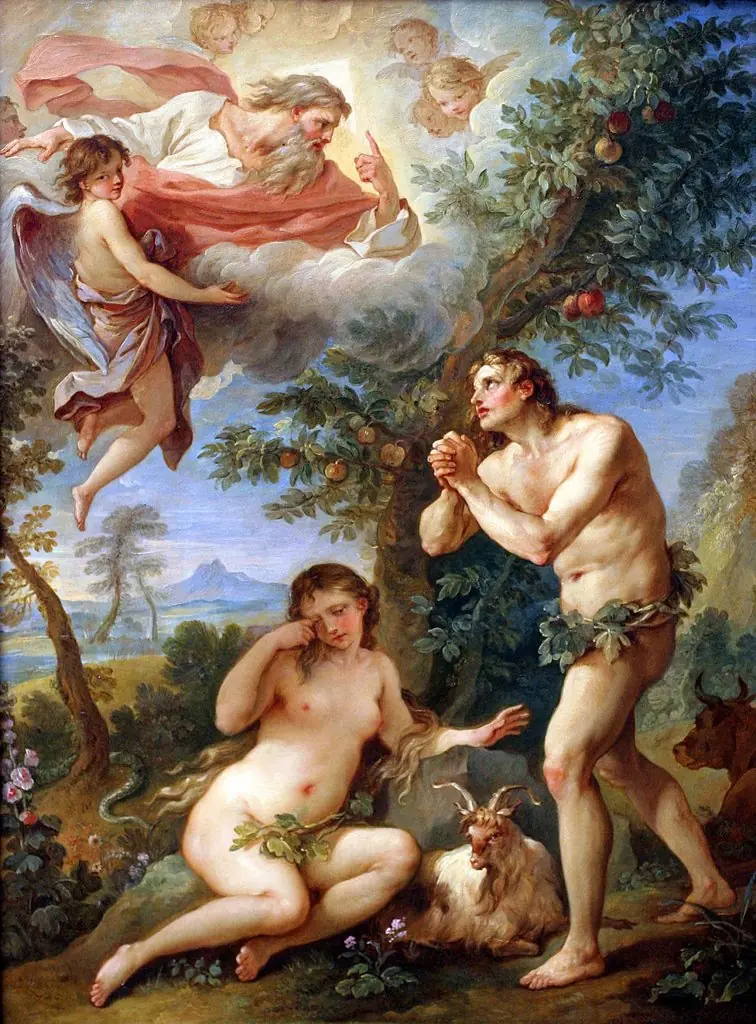 The Rebuke of Adam and Eve
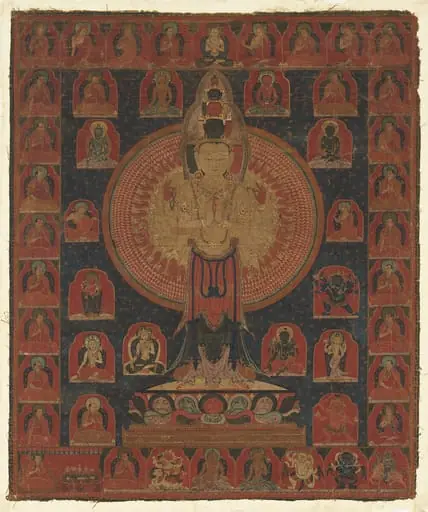 Untitled
 高野四所明神像|The Four Deities of Mount Kōya
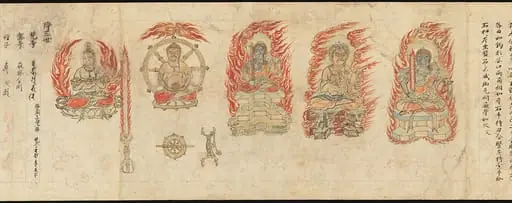 『図像抄』〈十巻抄〉明王部諸尊|Iconographic Drawings of the Five Kings of Wisdom (Myōō-bu shoson)
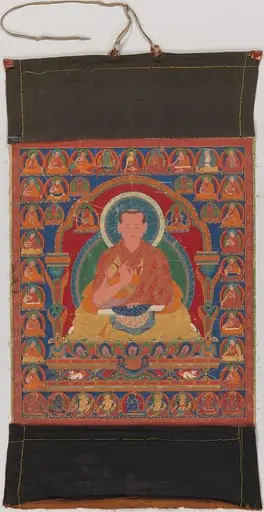 Untitled
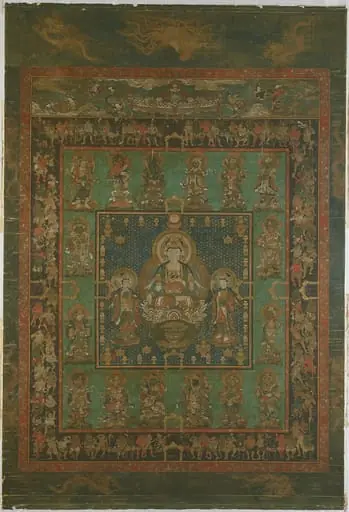 般若菩薩曼荼羅図|Mandala of the Bodhisattva Hannya (Prajnaparamita)
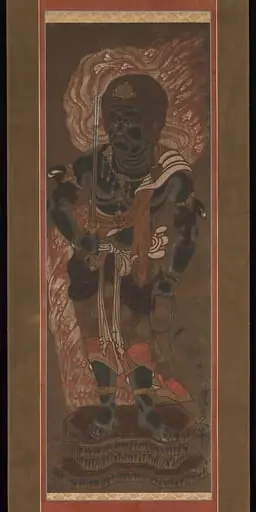 龍湫周沢写 不動明王二童子像|Fudō Myōō and Two Attendants
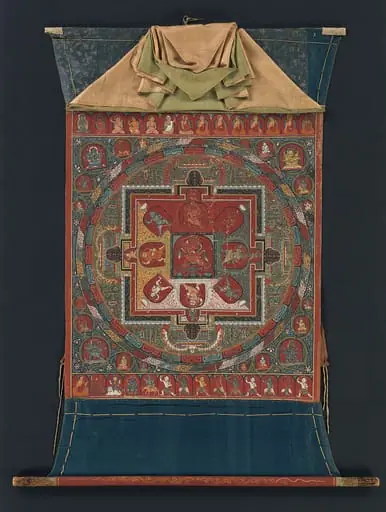 Untitled
 Untitled
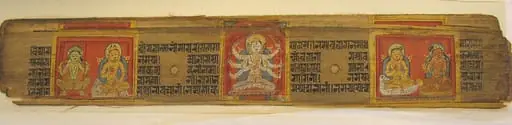 Untitled
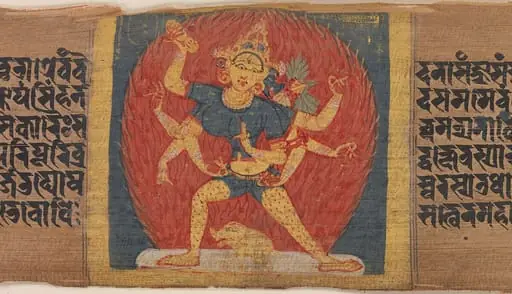 Untitled
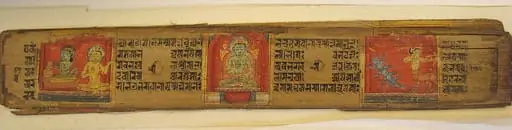 Untitled
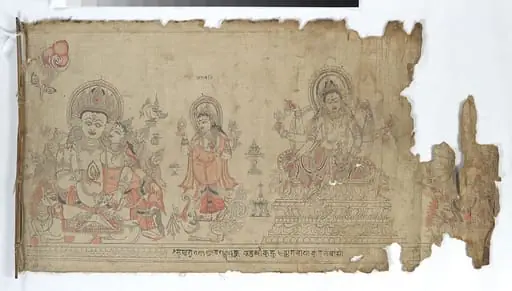 Untitled
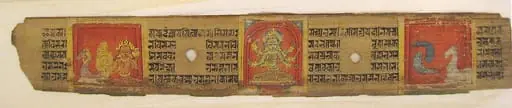 Untitled
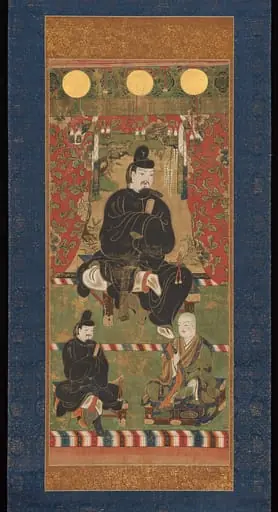 藤原鎌足像|Fujiwara no Kamatari as a Shinto Deity
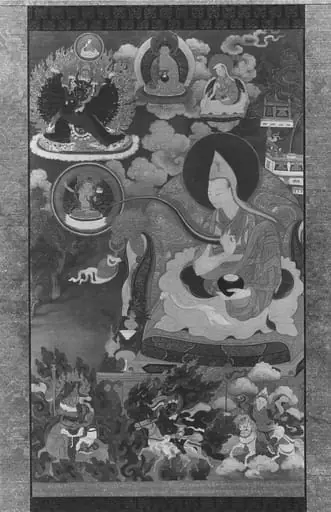 Untitled
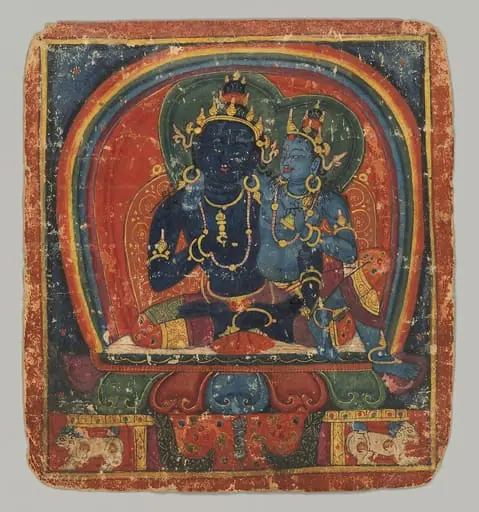 Untitled
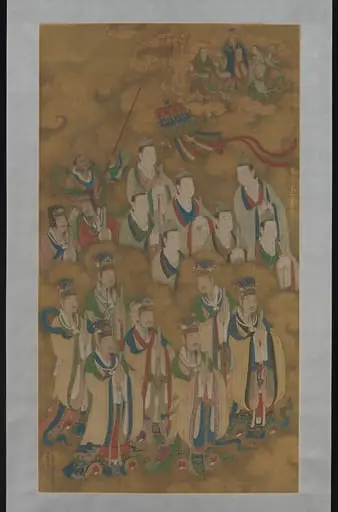 明景泰 佚名 北斗中斗本命星君圖 軸|Star deities of the northern and central dippers
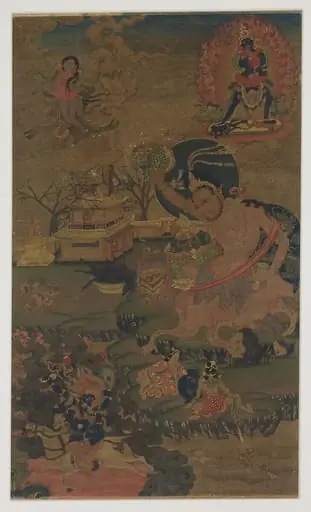 Untitled
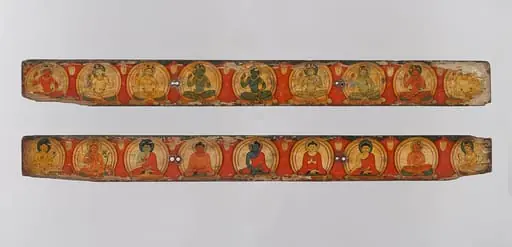 Untitled
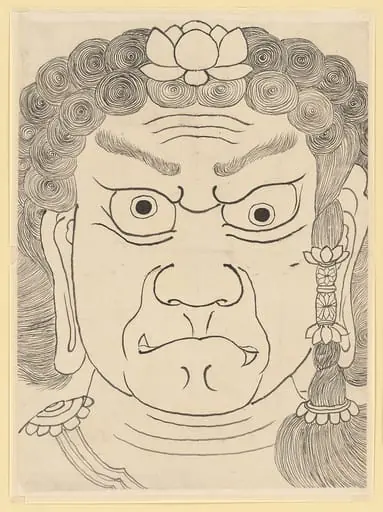 Untitled
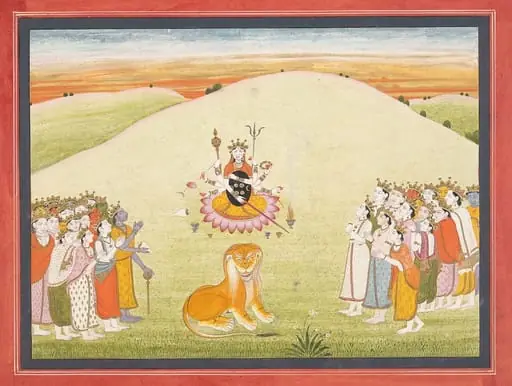 Untitled
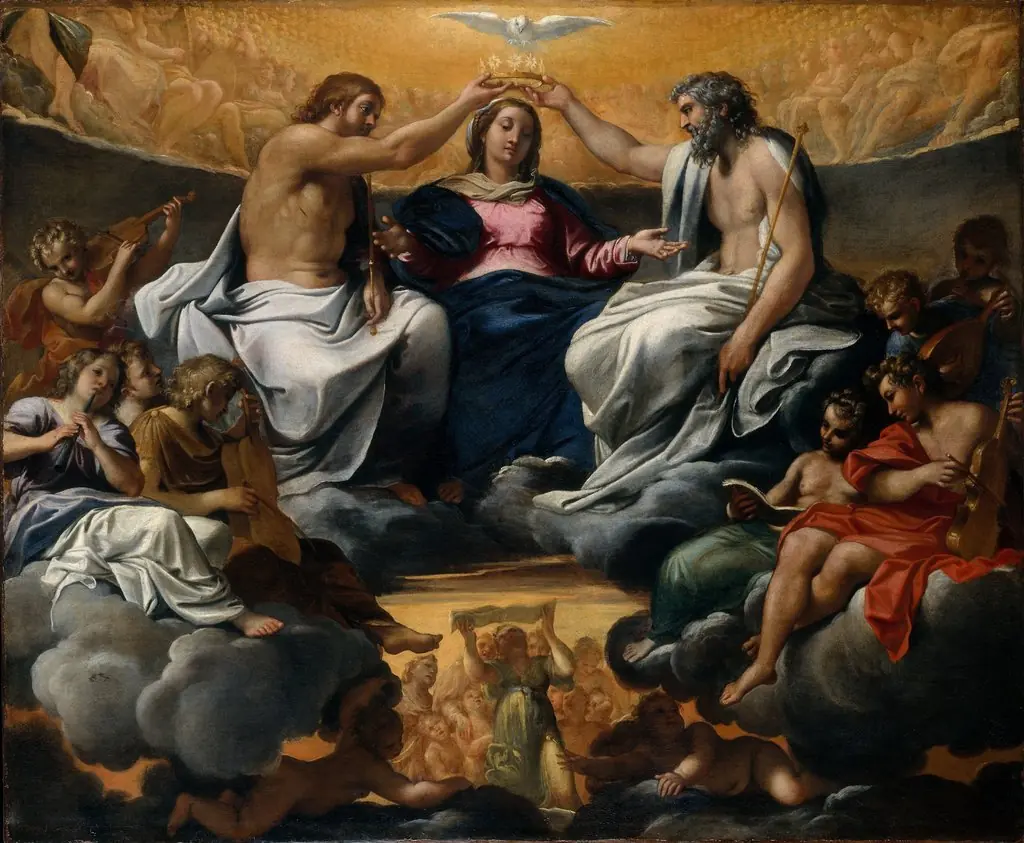 The Coronation of the Virgin
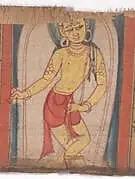 Untitled
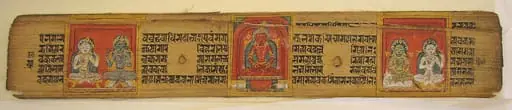 Untitled
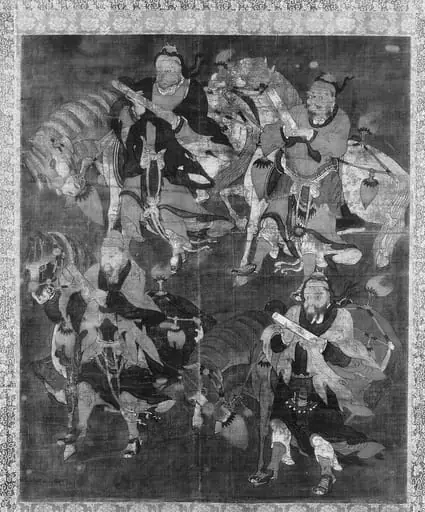 Untitled
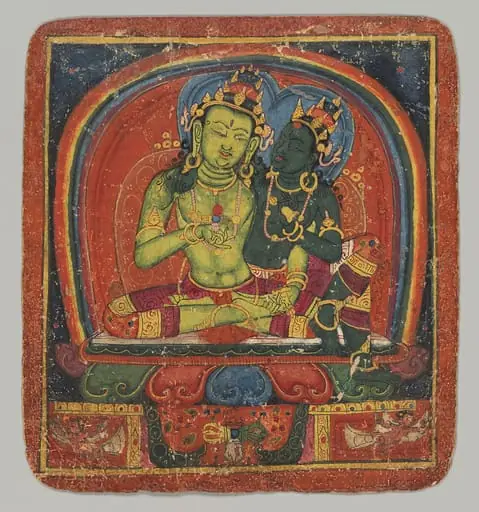 Untitled
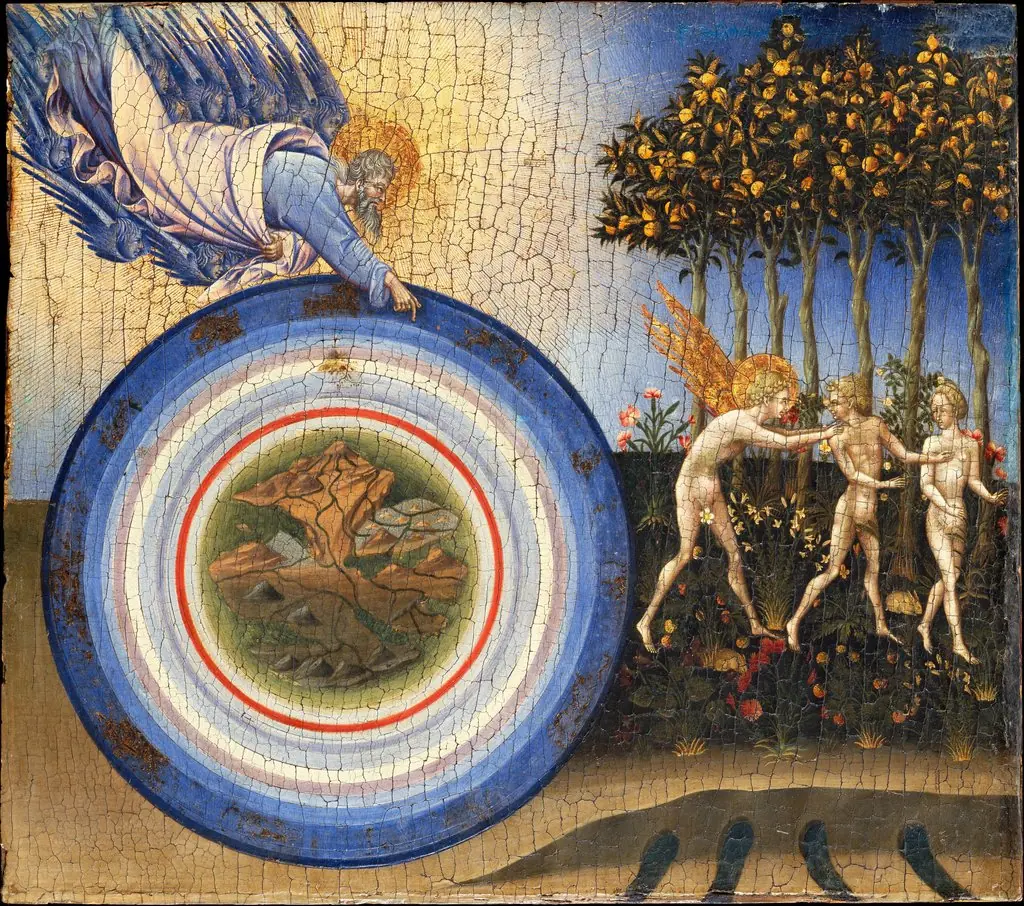 The Creation of the World and the Expulsion from Paradise
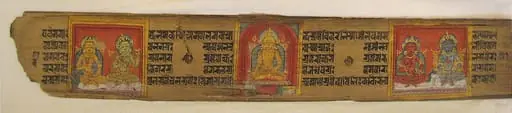 Untitled
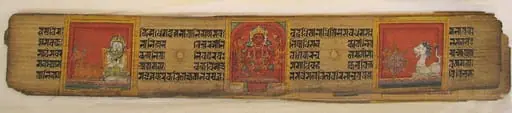 Untitled
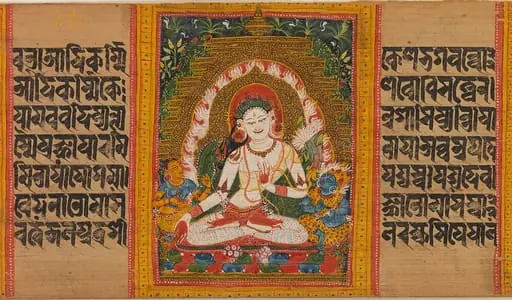 Untitled
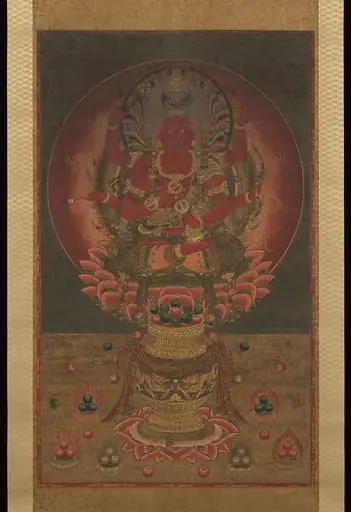 愛染明王像|Aizen Myōō
 Untitled
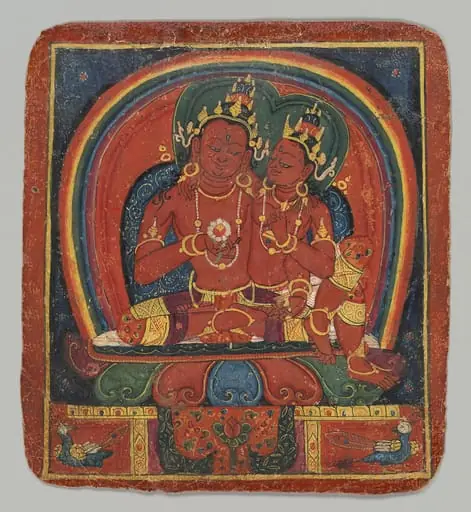 Untitled
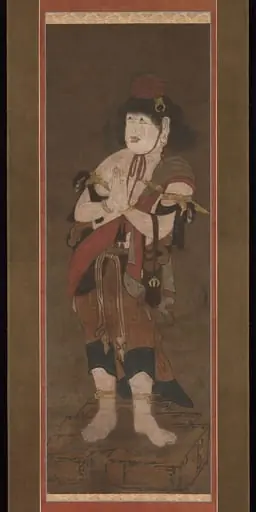 龍湫周沢写 不動明王二童子像|Fudō Myōō and Two Attendants
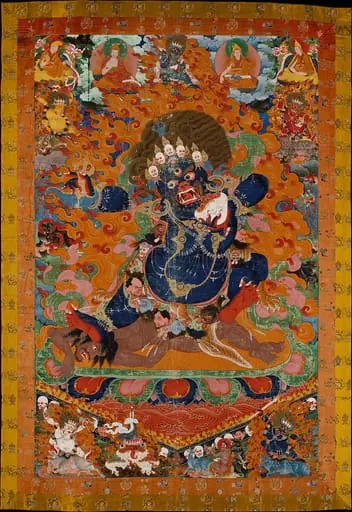 Untitled
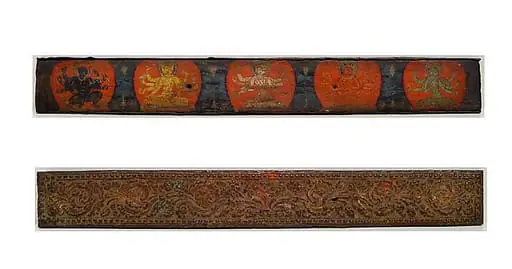 Untitled
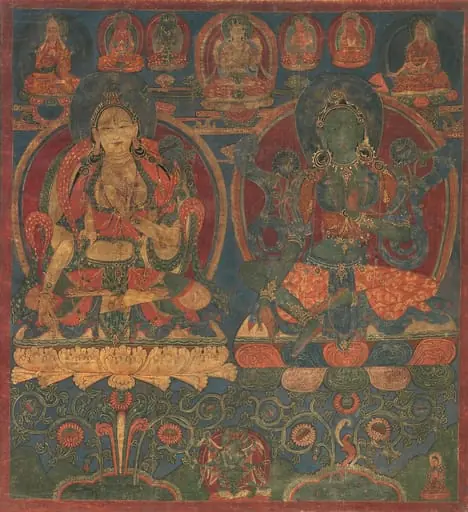 Untitled
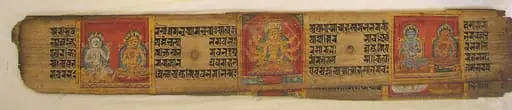 Untitled
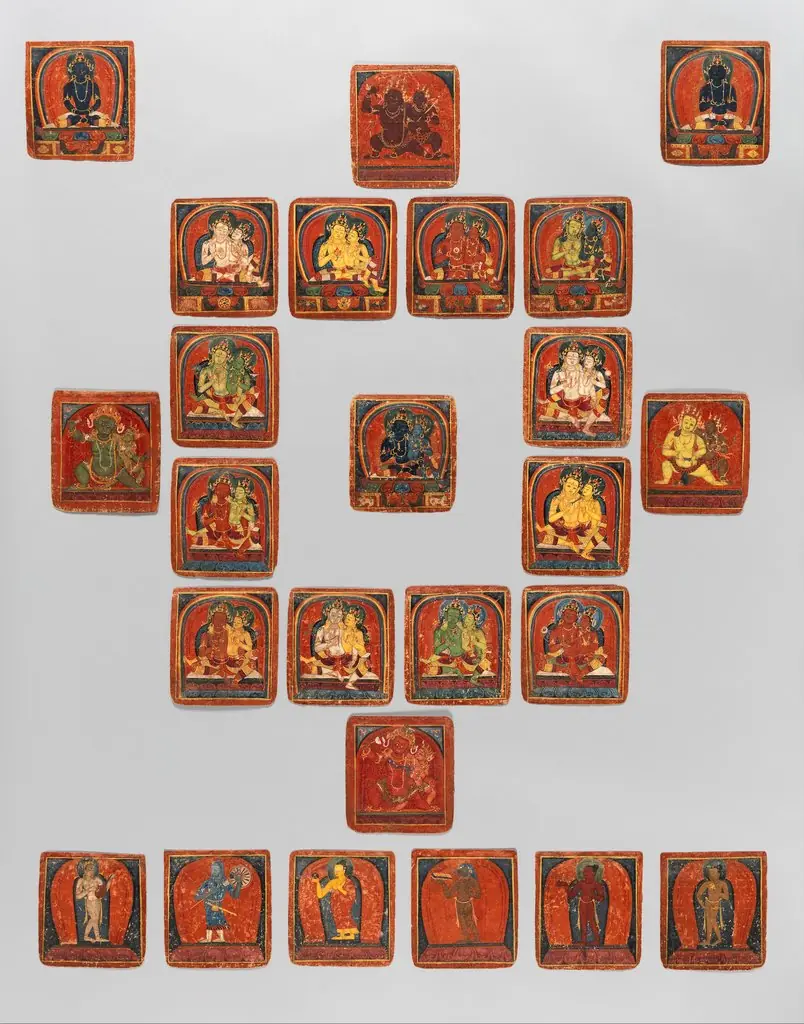 Initiation Cards (Tsakalis)
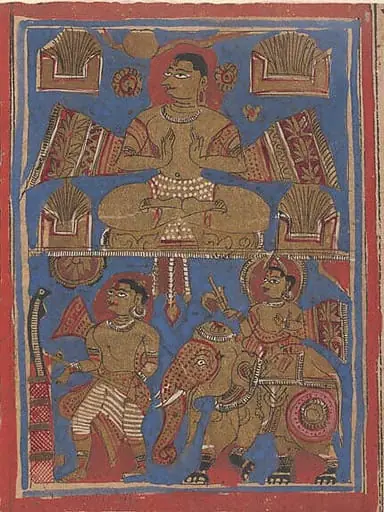 Untitled
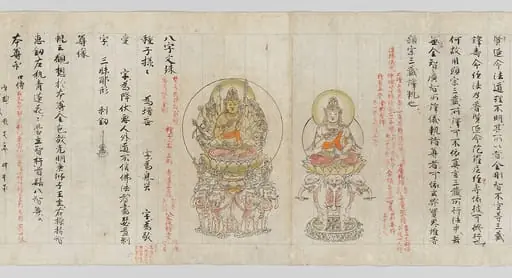 真言諸尊図像抄|Scroll from the Compendium of Iconographic Drawings (Zuzōshō)
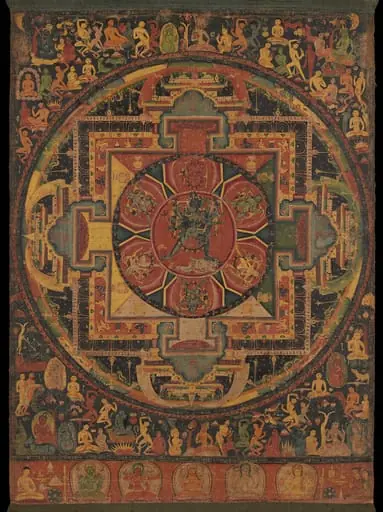 Untitled
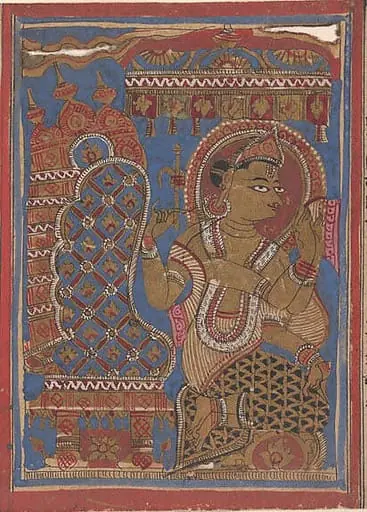 Untitled
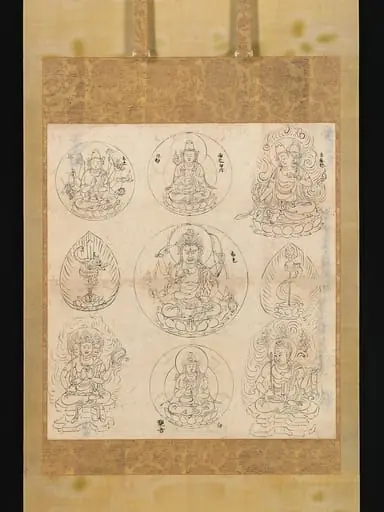 愛染曼荼羅図像 (Aizen mandara zuzō)|Iconographical Drawing of the Mandala of the Wisdom King Aizen
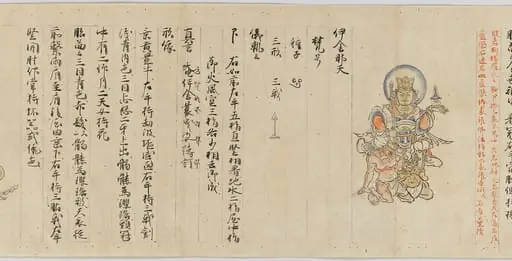 天部諸尊図像抄|Scroll 9 of Collected Iconography (Zuzōshō): Ten (Devas)
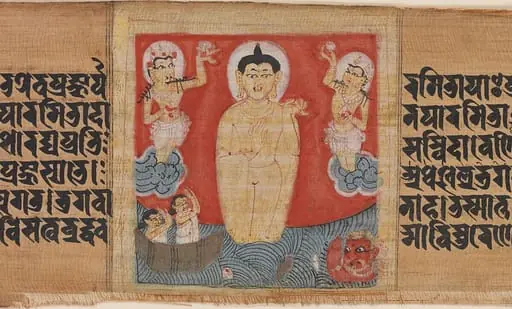 Untitled
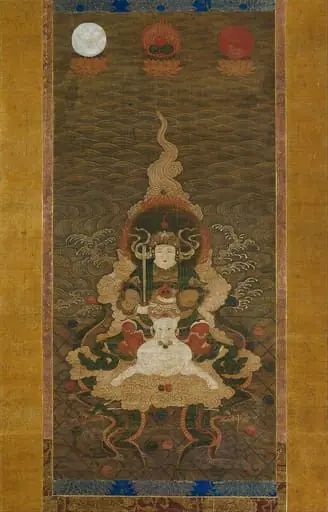 荼枳尼天像|Dakini
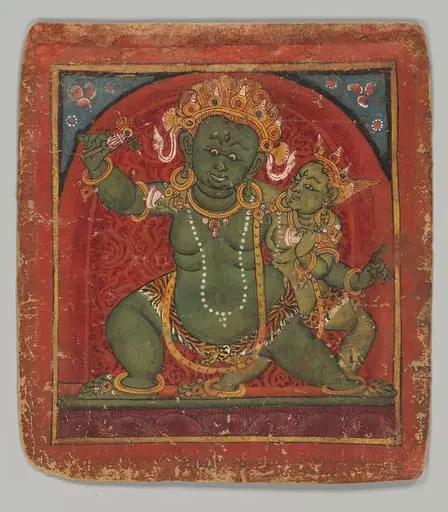 Untitled
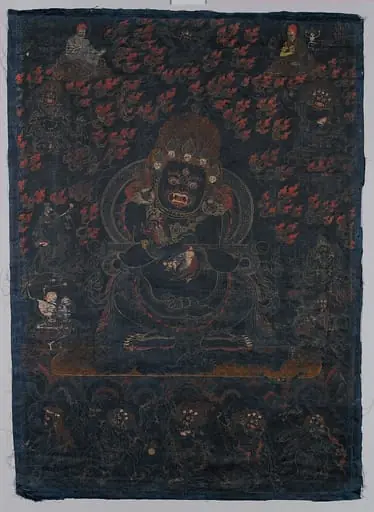 Untitled
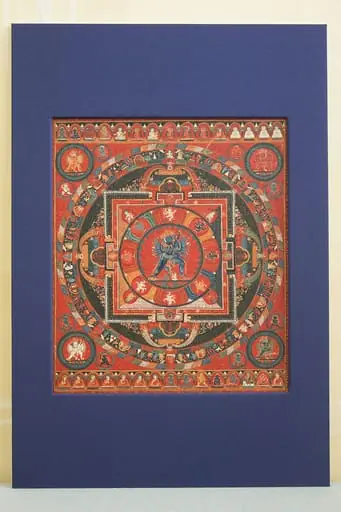 Untitled
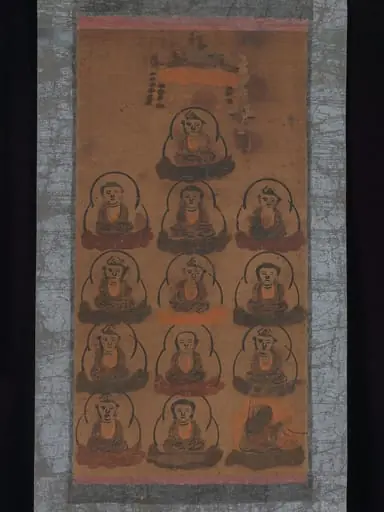 十三仏図大津絵|Ōtsu-e of Thirteen Buddhist Deities
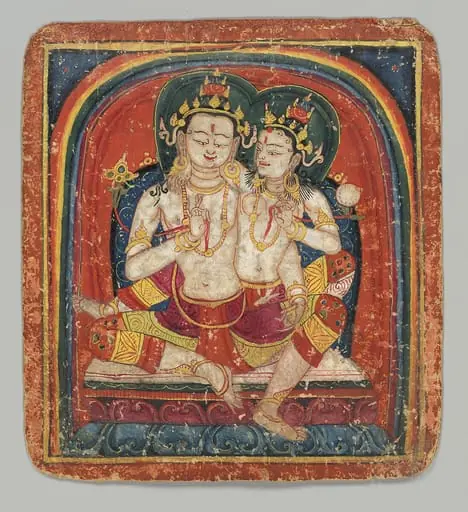 Untitled
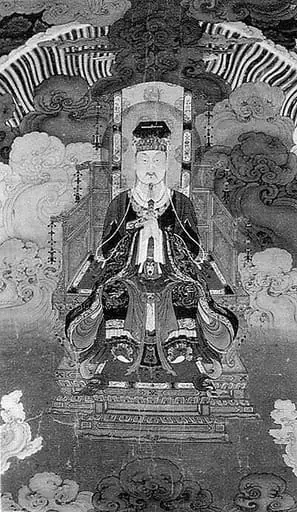 Untitled
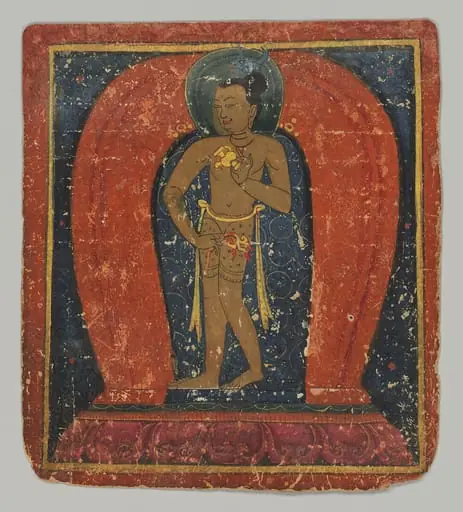 Untitled
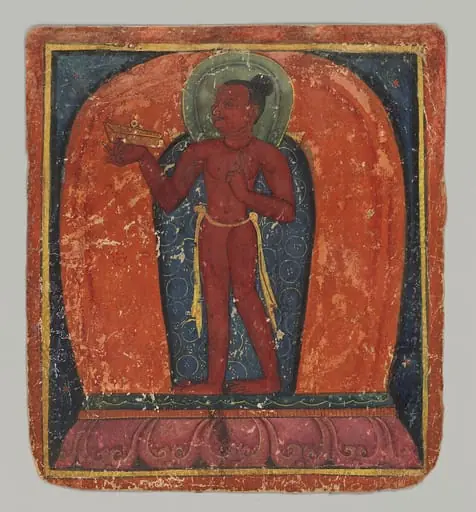 Untitled
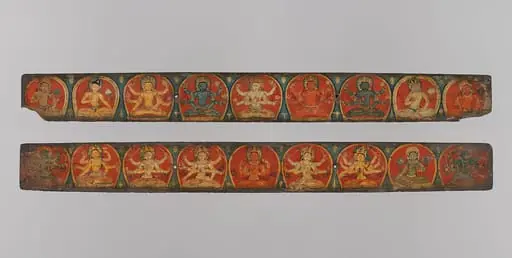 Untitled
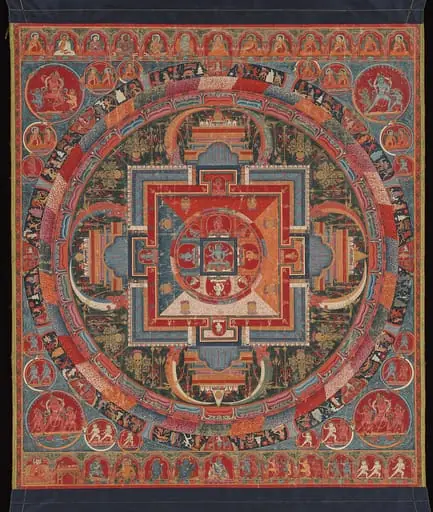 Untitled
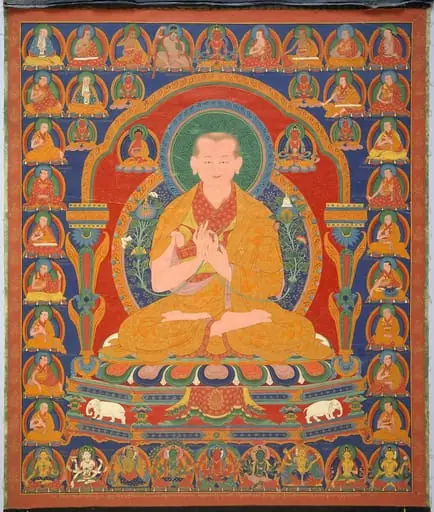 Untitled
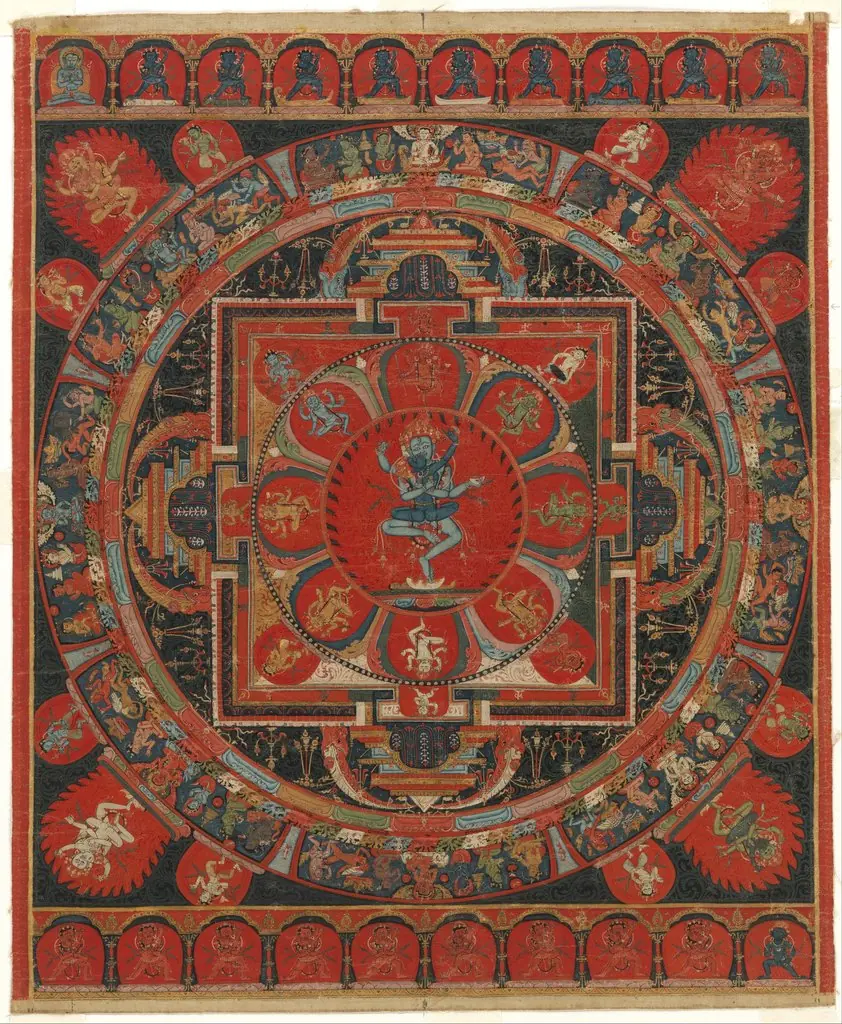 Hevajra Mandala
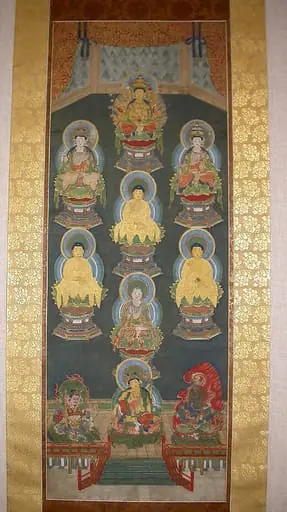 山王本地仏曼荼羅|Mandala of the Sannō Shrine Deities
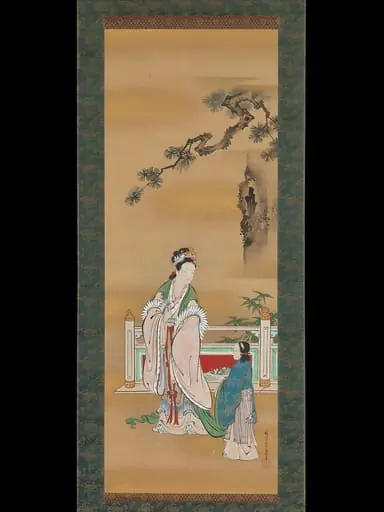 西王母図|Queen Mother of the West
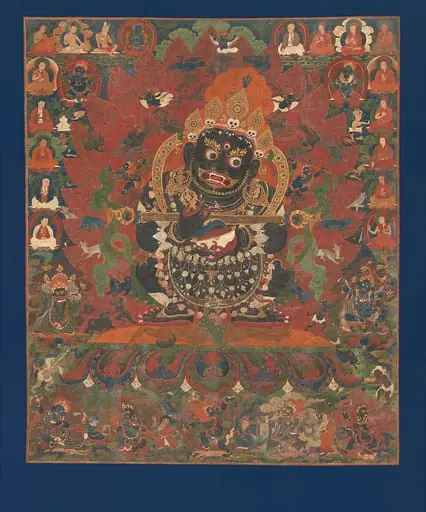 Untitled
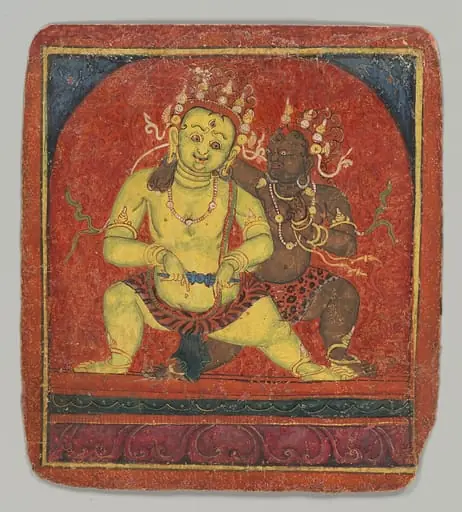 Untitled
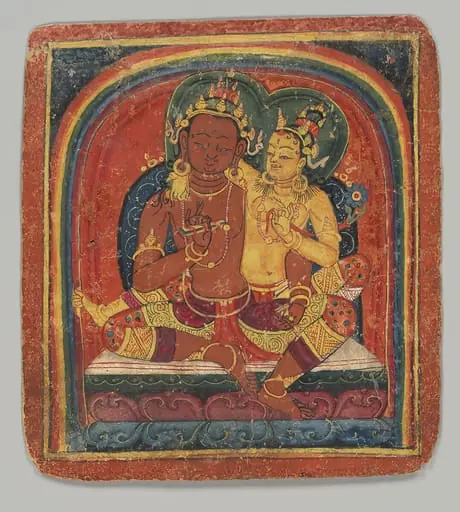 Untitled
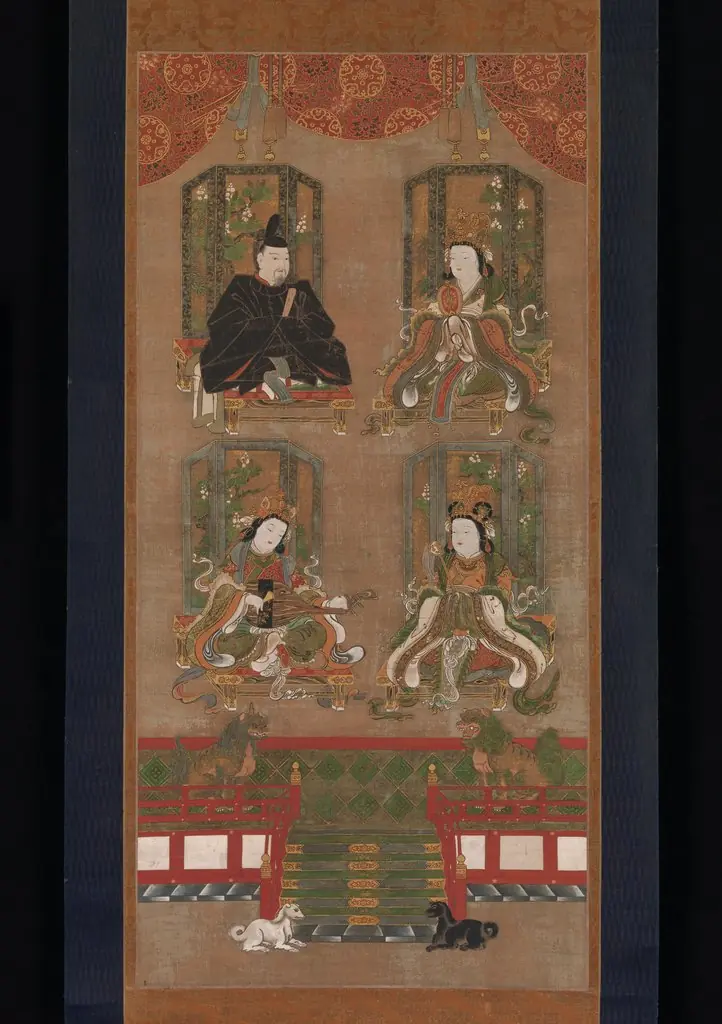 The Four Deities of Mount Kōya
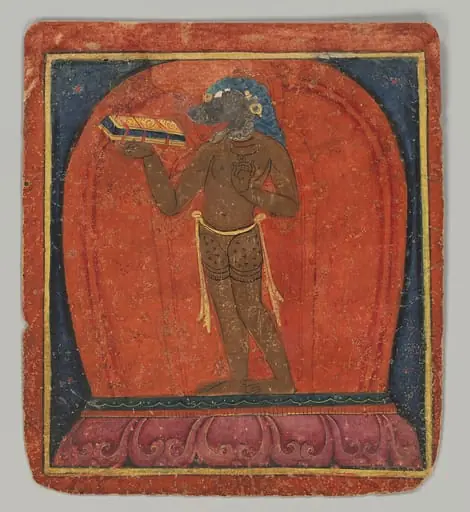 Untitled
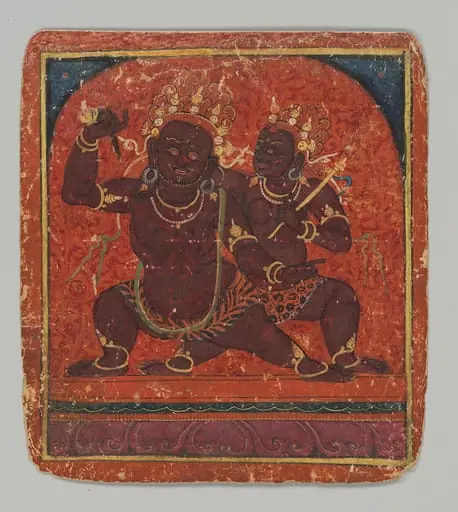 Untitled
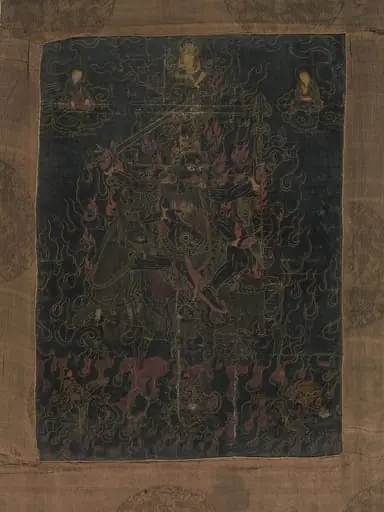 Untitled
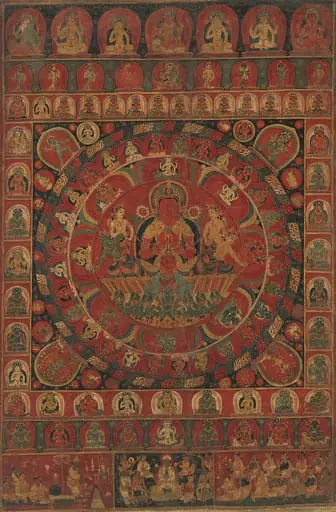 Untitled
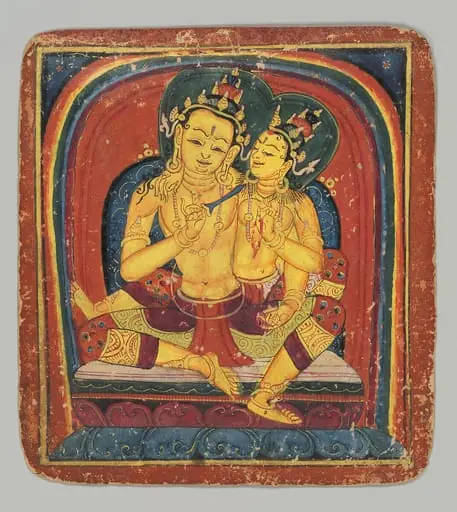 Untitled
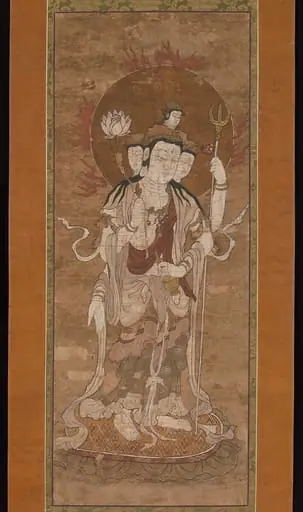 十二天像(梵天)|One of the Twelve Devas: Bonten
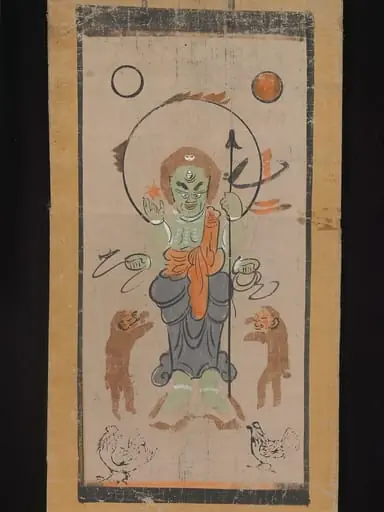 金剛夜叉図大津絵|Ōtsu-e of Shōmen Kongōyasha (Vajrayaksha)
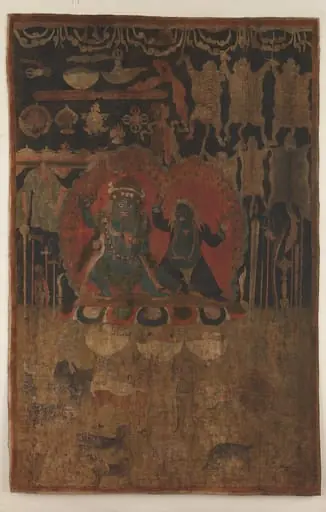 Untitled
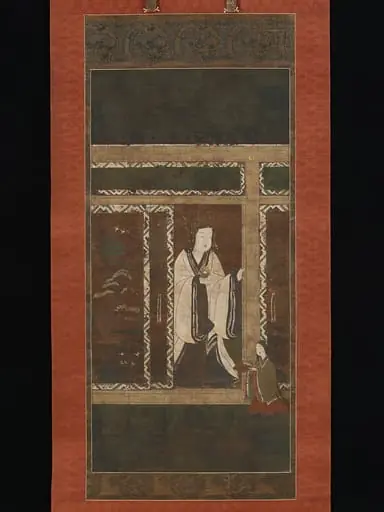 清滝権現像|Seiryū Gongen
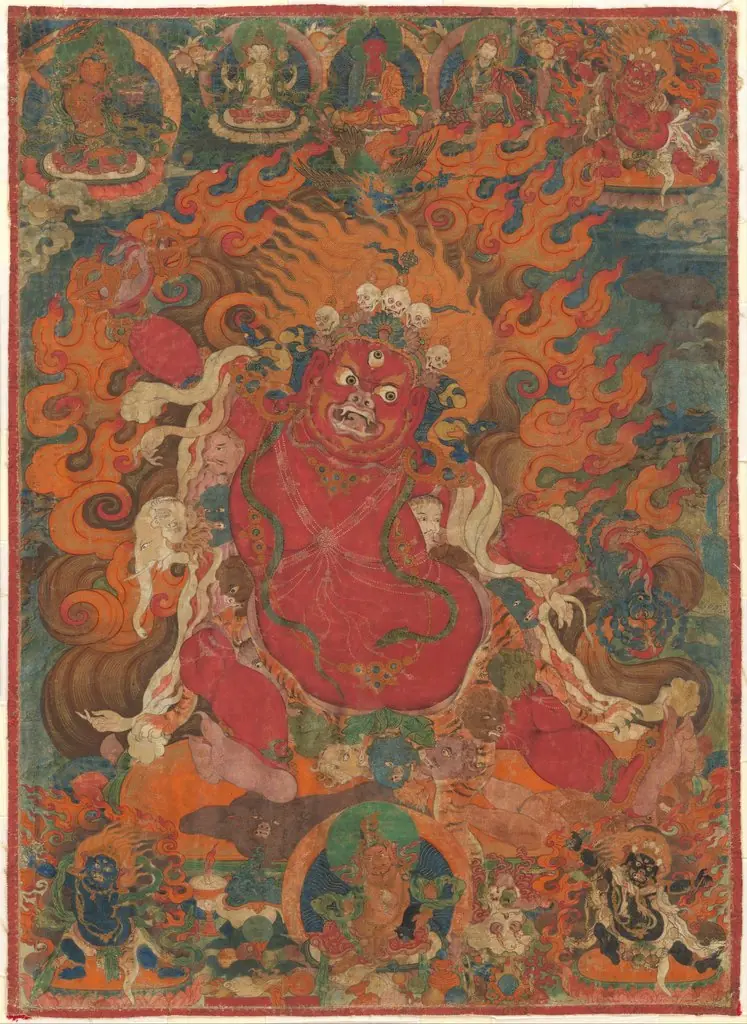 Guru Dragpo
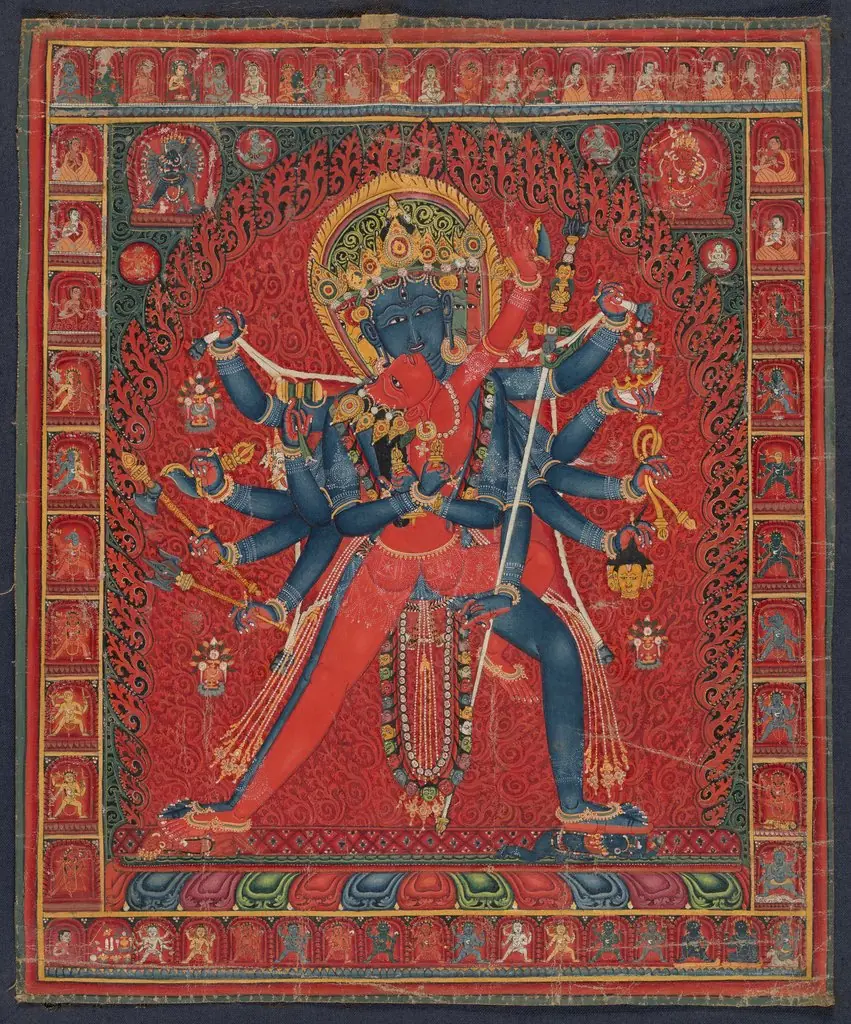 Chakrasamvara and consort Vajravarahi
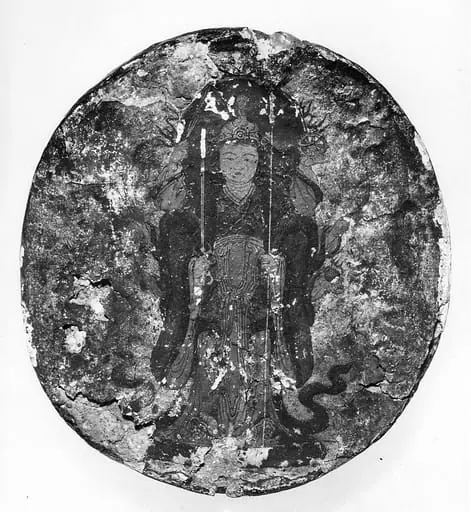 Untitled
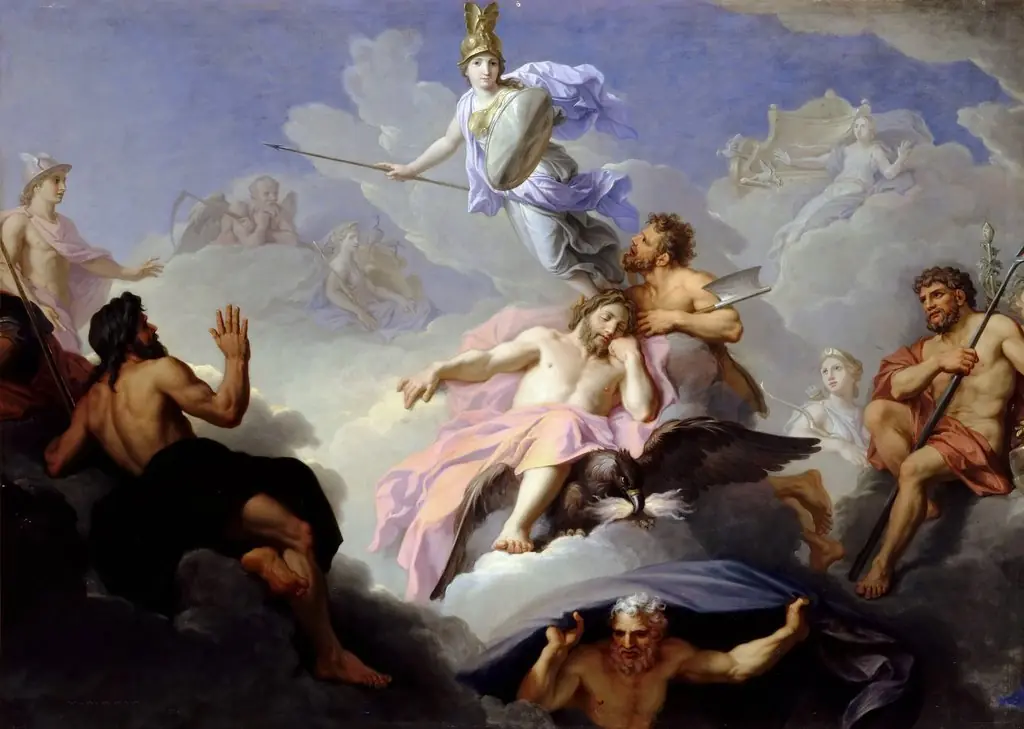 The Birth of Minerva
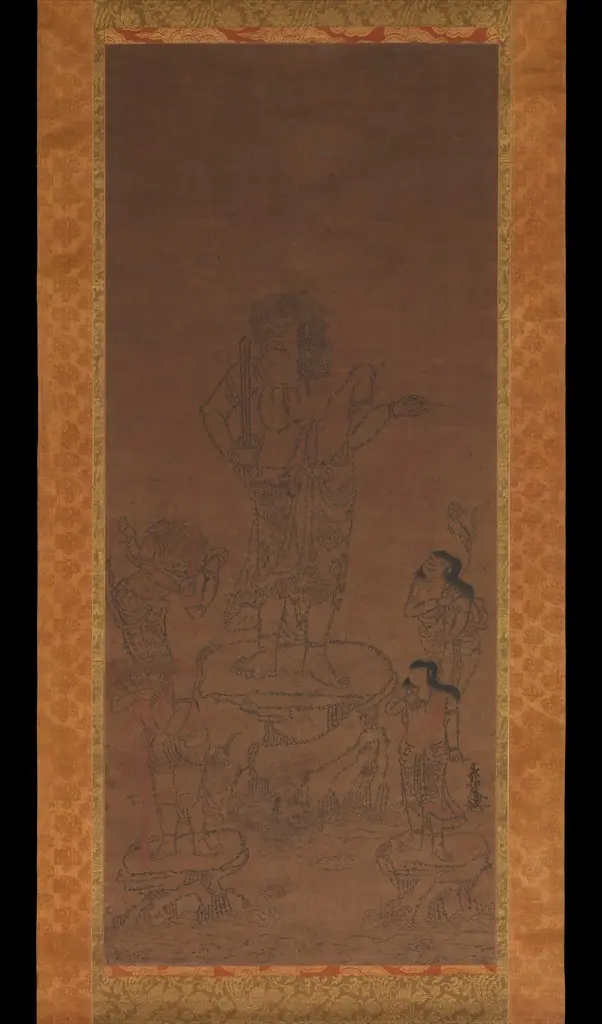 Fudō Myōō with Four Attendants, Outlined in Seed Syllables
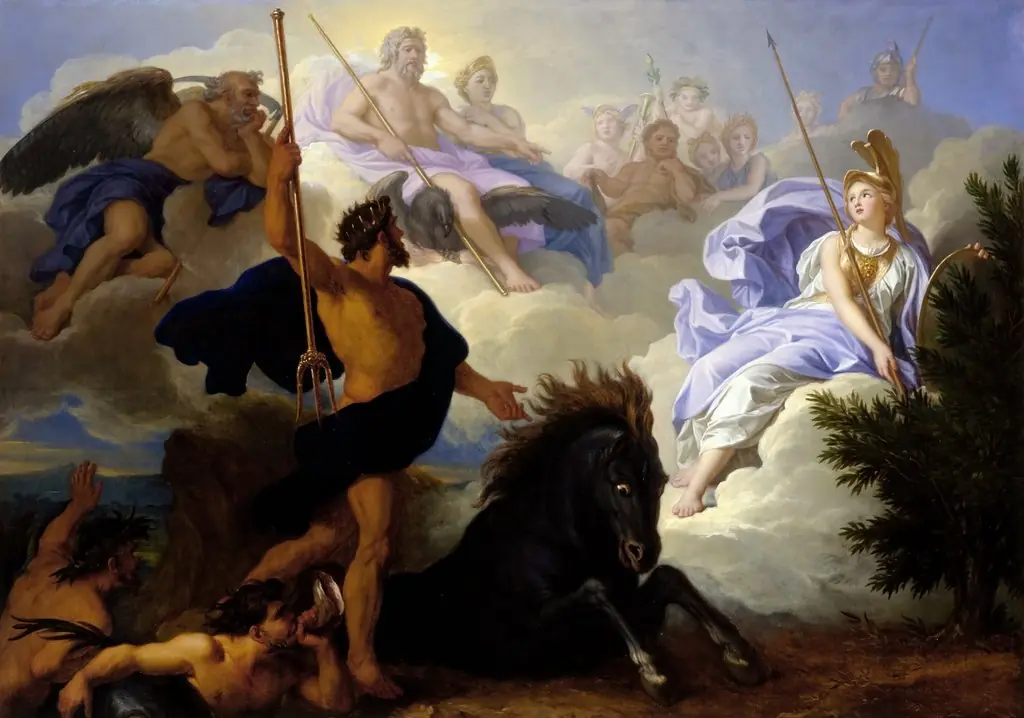 Dispute between Minerva and Neptune over the Naming of the City of Athens
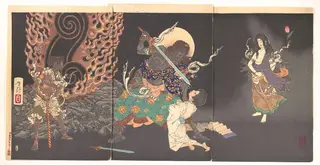 月岡芳年筆 不動明王∙祐天上人図|Fudō Myōō Threatening a Novice
Frequently asked questions
What is Deity?
Deity is a subject in art. A deity or god is a supernatural being considered to have authority over some aspect of the universe and/or life, with many also being considered as sacred and worthy of worship.
How many Deity works does Artifact World Gallery have?
Artifact World Gallery holds 89 public-domain Deity works, all free to view and download.
Who are the key Deity artists?
Key Deity artists in the collection include Giovanni di Paolo, Charles-Joseph Natoire and Annibale Carracci.
Where can I see Deity works?
Deity works in the collection are held by Metropolitan Museum of Art and Palace of Versailles.