Subject
Jerome
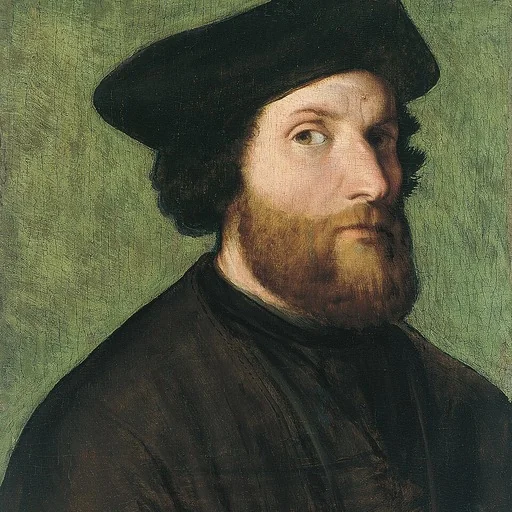
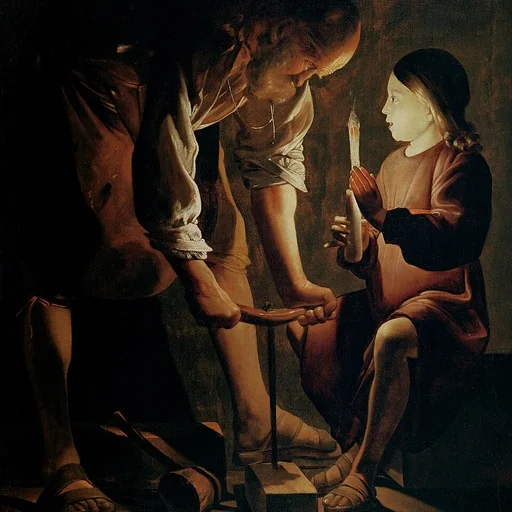
Jerome is a subject in art. The gallery holds 200 works in this subject in art, including works by Titian, Paolo Veronese and Lorenzo Lotto.
Few figures from the early Church have proved as enduring in Western art as Saint Jerome (c. 347–420). Born at Stridon on the Dalmatian–Pannonian frontier and educated in Rome, Jerome served briefly as secretary to Pope Damasus I (382–385) before settling in Bethlehem, where he produced the Latin Vulgate, the translation that became the standard Bible of the Western Church. One of the four Latin Doctors alongside Ambrose, Augustine and Gregory the Great, he was embraced in the fifteenth and sixteenth centuries as the patron saint of humanists, whose own scholarship turned on the Greek and Hebrew sources he had mastered. This convergence of piety and learning made him one of the most frequently depicted saints of the Renaissance.
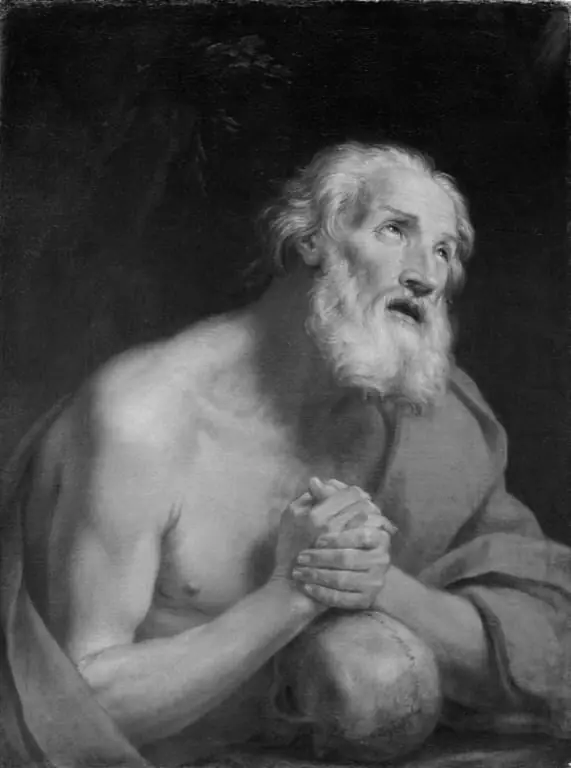
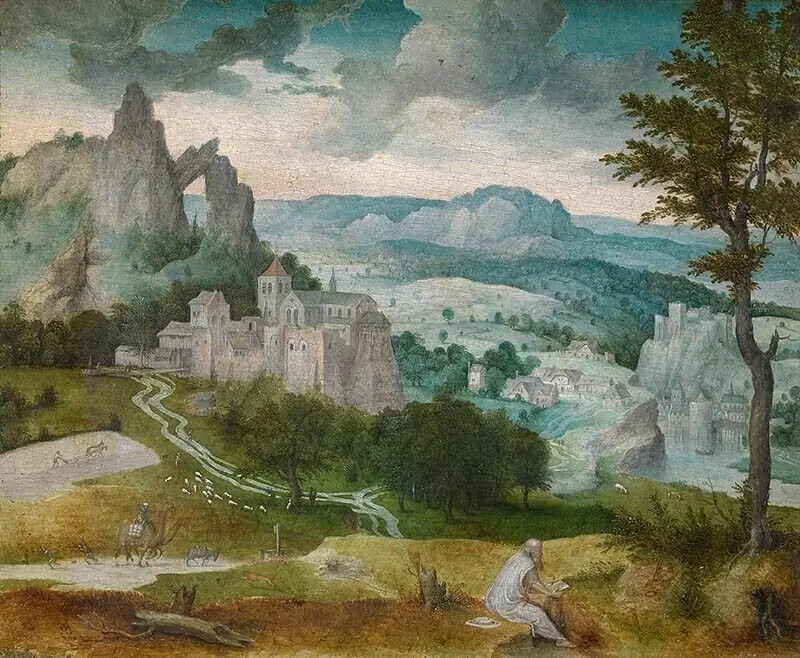
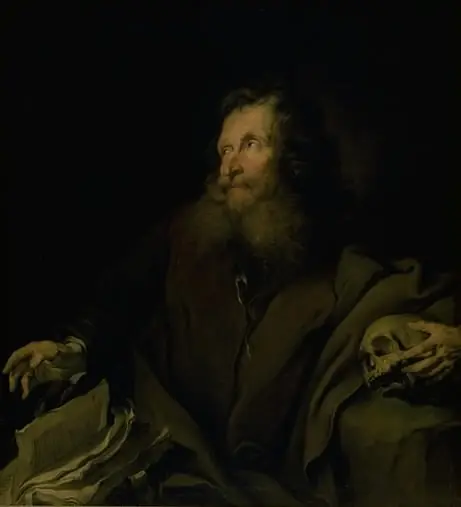
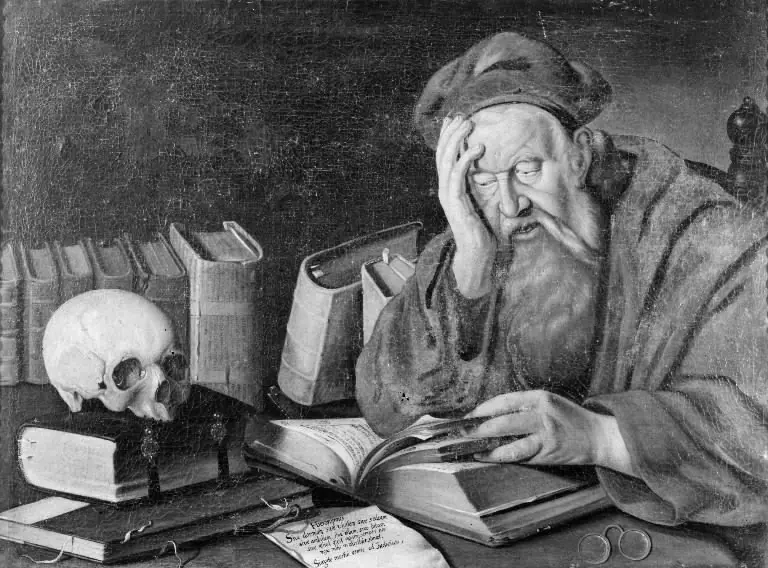
Jerome's imagery crystallised into two complementary types. The first is Jerome the scholar, seated in a meticulously rendered study amid books, an hourglass and a crucifix, wearing the red robes and broad hat of a cardinal—an anachronism, since the office did not exist in his lifetime. The second is the penitent hermit: a gaunt, half-clothed figure in the wilderness, clutching a stone with which he beats his breast before a small crucifix. Across both, his constant companion is the lion, tamed, legend held, after Jerome drew a thorn from its paw; the skull and hourglass underscore mortality.
The theme drew the era's greatest hands. Antonello da Messina's *Saint Jerome in His Study* (c. 1474, National Gallery, London) fuses Flemish precision with Italian perspective, while Albrecht Dürer's 1514 engraving became the definitive scholarly image. The penitent mode runs from Leonardo's unfinished *Saint Jerome in the Wilderness* through Mantegna, Giovanni Bellini and Cima da Conegliano to El Greco and Caravaggio's stark Baroque studies.
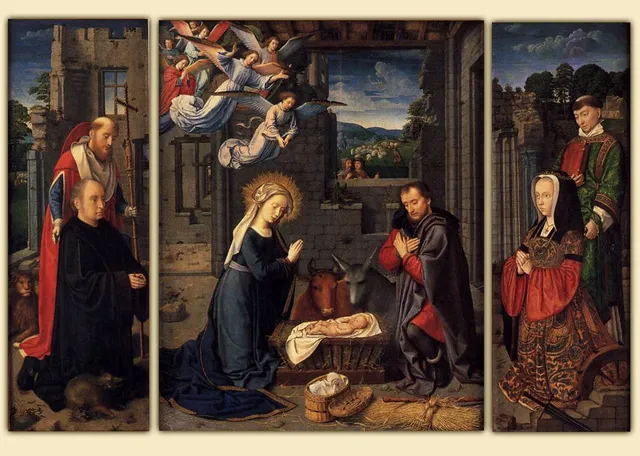
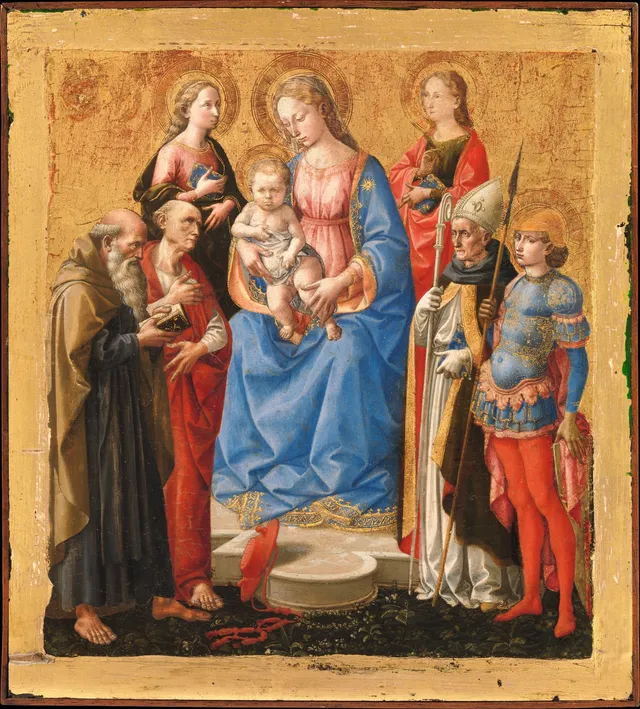
Within devotional painting Jerome also recurs as an intercessor in the *sacra conversazione*, flanking the enthroned Virgin. Our collection holds several such panels—Francesco Pesellino's *Madonna and Child with Six Saints*, Cima da Conegliano's *Madonna and Child with Saint Jerome and Saint John the Baptist*, and works by Matteo di Giovanni, Benvenuto di Giovanni and Sano di Pietro—alongside Gerard David's *Nativity with Donors and Saints Jerome and Leonard*. Together they show how a single learned ascetic came to embody both the contemplative ideal and the scholarly aspirations of an age, a legacy that shaped religious portraiture well into the Counter-Reformation.
Key artists
Overview
Jerome is a masculine given name of Greek origin, derived from the Greek Hierōnymos, meaning sacred name, from hierós (sacred) and ónyma/ónoma (name). The name is most prominently associated with Saint Jerome (c. 342-420), the Christian priest, theologian, and translator of the Bible into Latin, known as the Vulgate. While the name has been borne by numerous historical figures across many fields, its significance in art history stems almost entirely from the cult of Saint Jerome, who became one of the most frequently depicted saints in Western art. The collection holds 262 works depicting this subject, indicating the saint's remarkable visual prominence across centuries of Christian art production.
Across movements & periods
The treatment of Saint Jerome evolved significantly across artistic movements and cultural contexts, though the sources indicate his consistent popularity rather than specific stylistic developments. The collection's works span from late medieval through Renaissance and into Baroque periods, reflecting the saint's enduring appeal. Early representations typically emphasized his ascetic penitence, while Renaissance artists increasingly celebrated his humanist scholarship, placing him in elaborate studies surrounded by books and scientific instruments. The Northern Renaissance particularly favored detailed depictions of his scholarly environment. Italian artists often emphasized his cardinal's robes, though he was not historically a cardinal, this anachronism reflecting his honorary status as a doctor of the Church. The collection's concentration of Madonna and Child compositions with Jerome suggests strong ties to Italian and Northern European devotional traditions, where sacra conversazione formats flourished from the fifteenth century onward. The inclusion of donors in works such as The Nativity with Donors and Saints Jerome and Leonard indicates the saint's role as an intermediary between patrons and the divine, a function that persisted across regional schools. The name's variant forms, including the French Jérôme and Latinized Geronimus, circulated across European cultures, facilitating the saint's veneration in diverse linguistic contexts.
Legacy
The legacy of Saint Jerome as an artistic subject extends far beyond the 262 works in this collection, though their number alone testifies to his canonical status in Western art. His image served multiple functions: as a model of scholarly devotion, as a penitent exemplar, and as an intercessory figure accessible to lay and clerical patrons alike. The name Jerome itself, through its association with this figure, acquired cultural weight that persisted into modern usage. In the United States, Jerome ranked among the top 200 names for boys between 1903 and 1985, declining to 616th place by 2008, a trajectory that parallels broader patterns of religious naming. The French form Jérôme and variants such as Hieronymus, Geronimus, Girolamo, and Jerónimo maintained currency across European cultures, with notable bearers including the painter Hieronymus Bosch (Jérôme Bosch) and the sculptor Jean-Léon Gérôme. The saint's feast day on September 30, noted in German sources, preserves his liturgical commemoration. In art historical terms, Jerome's visual legacy persists through the continued study and exhibition of works depicting him, while his attributes, particularly the lion and the scholarly study, remain instantly recognizable elements of Western iconographic literacy.
Works
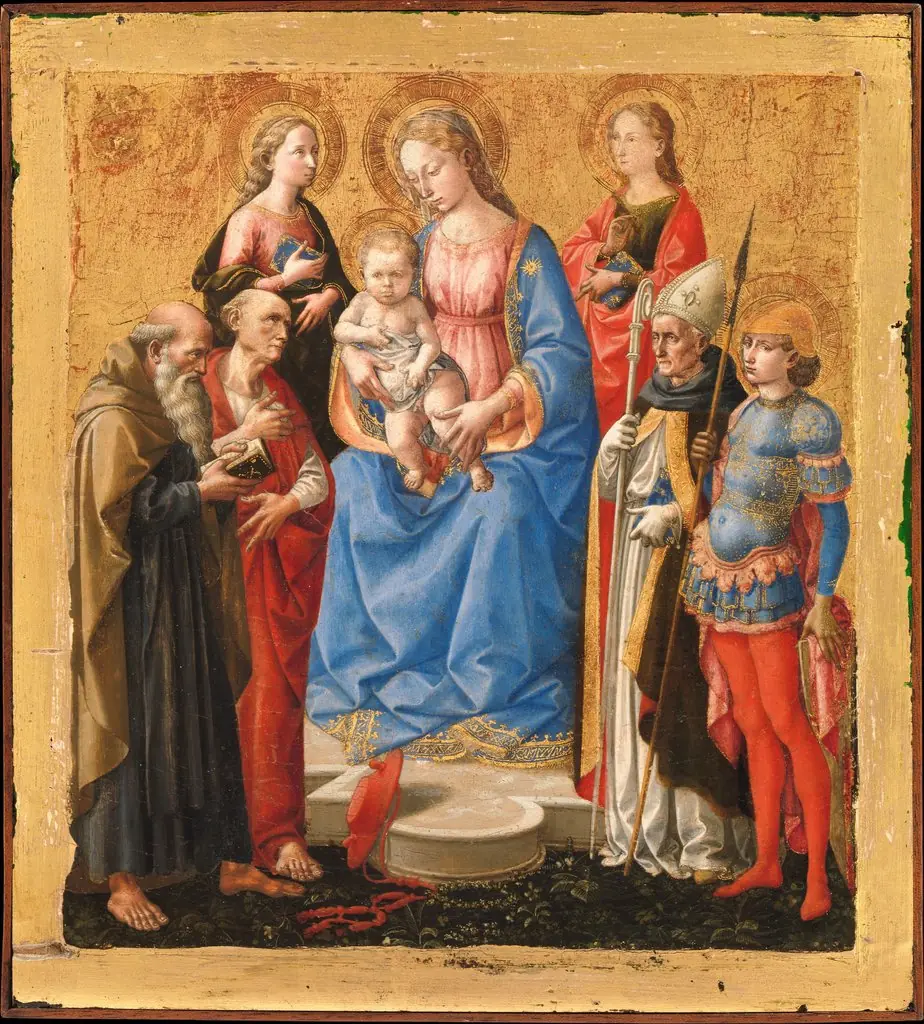 Madonna and Child with Six Saints
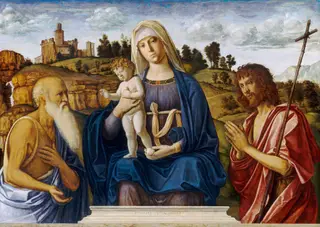 Madonna and Child with Saint Jerome and Saint John the Baptist
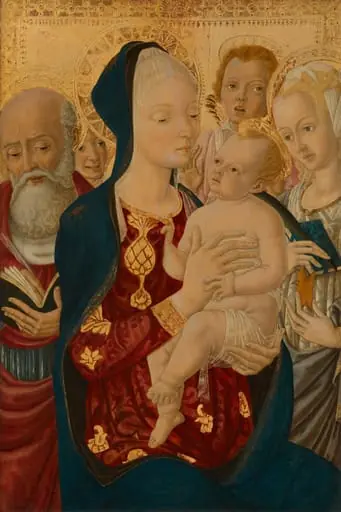 Madonna and Child with Saint Jerome, Saint Catherine of Alexandria, and Angels
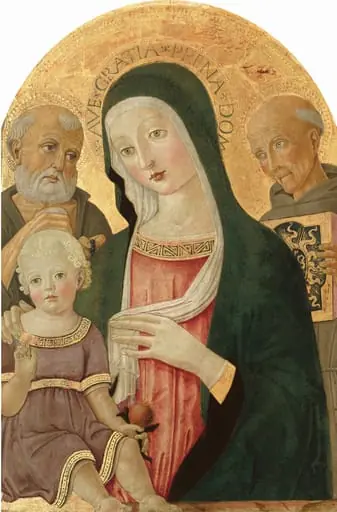 Madonna and Child with Saint Jerome and Saint Bernardino of Siena
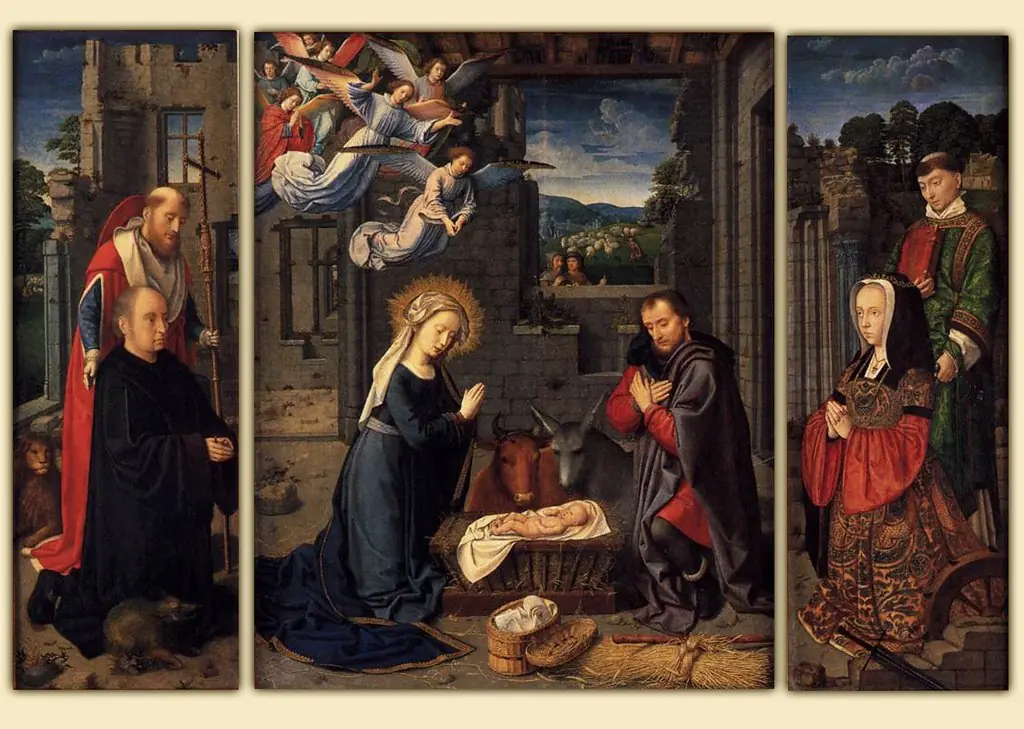 The Nativity with Donors and Saints Jerome and Leonard
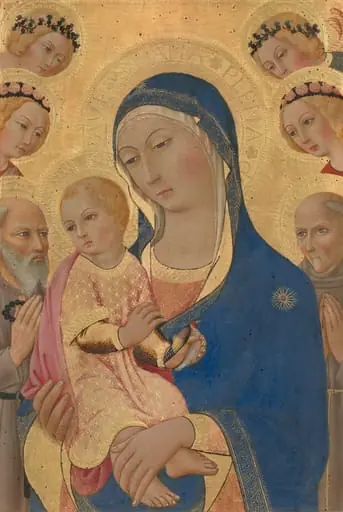 Madonna and Child with Saint Jerome, Saint Bernardino, and Angels
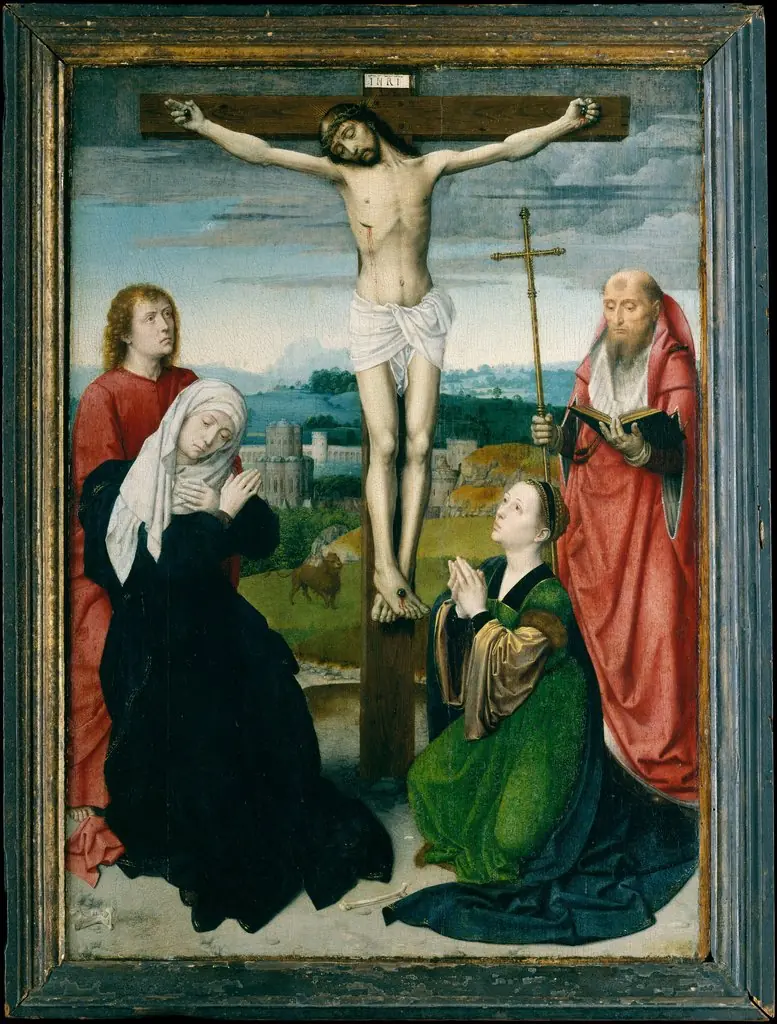 The Crucifixion
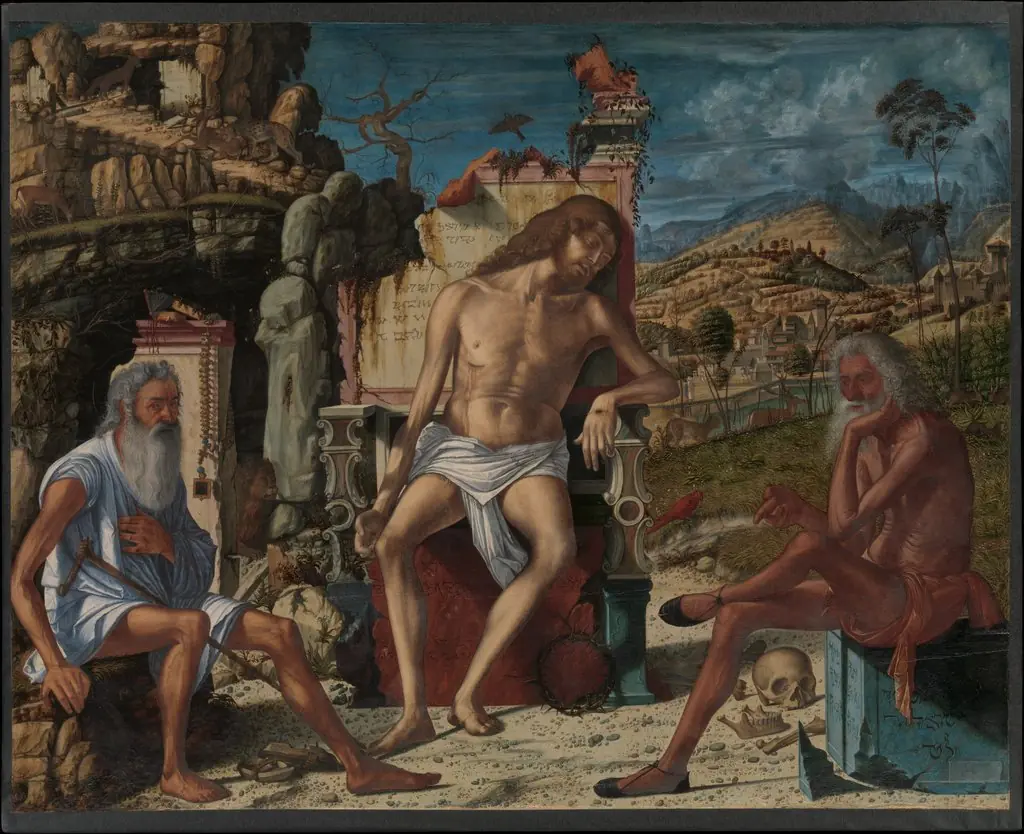 The Meditation on the Passion
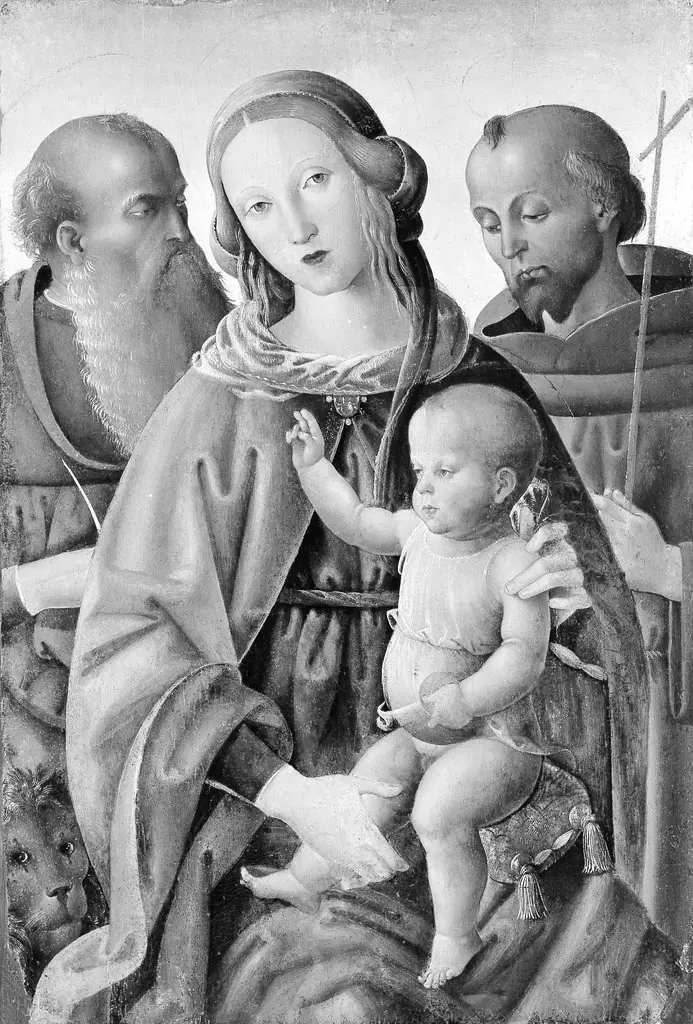 Madonna and Child with Saints Jerome and Francis
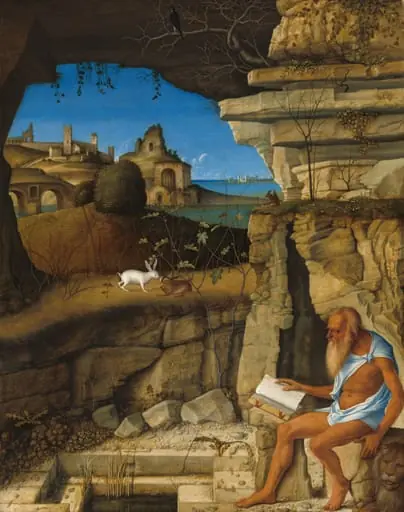 Saint Jerome Reading
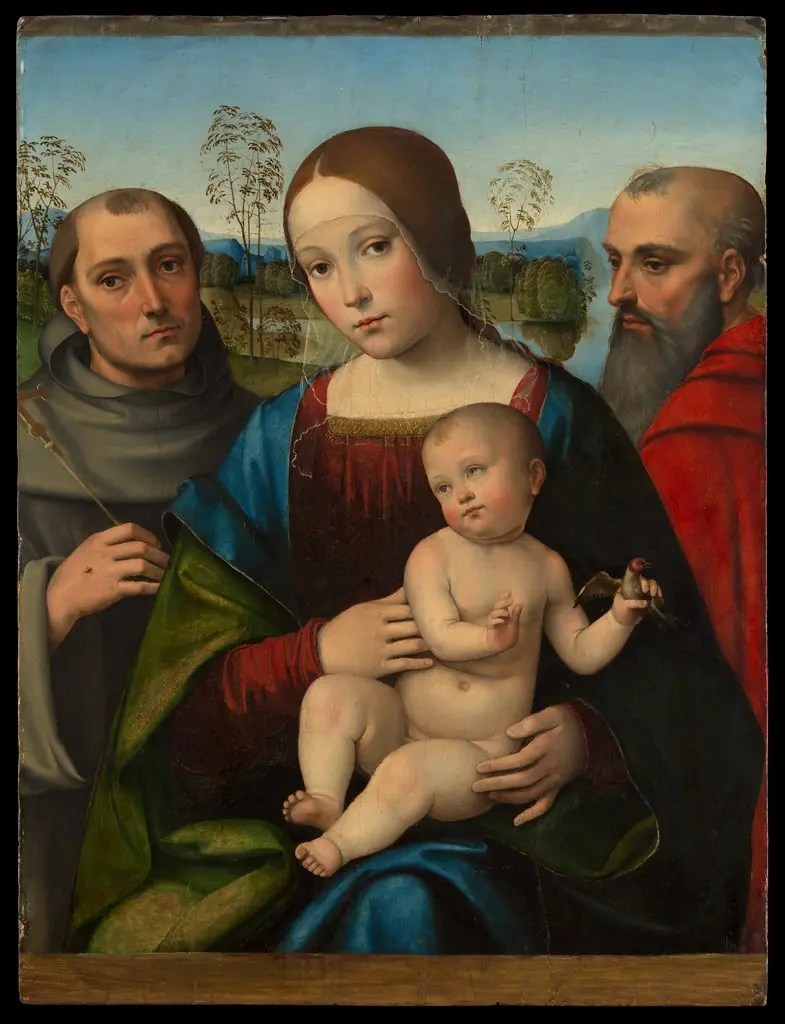 Madonna and Child with Saints Francis and Jerome
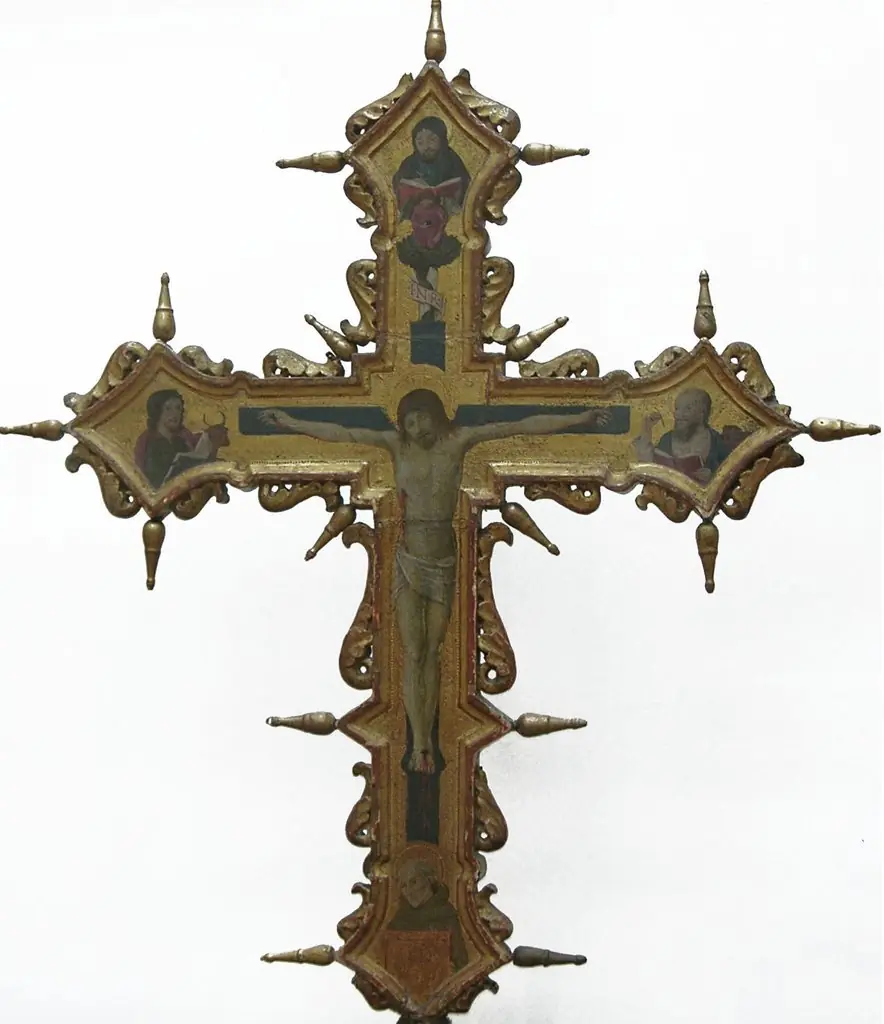 Processional Crucifix
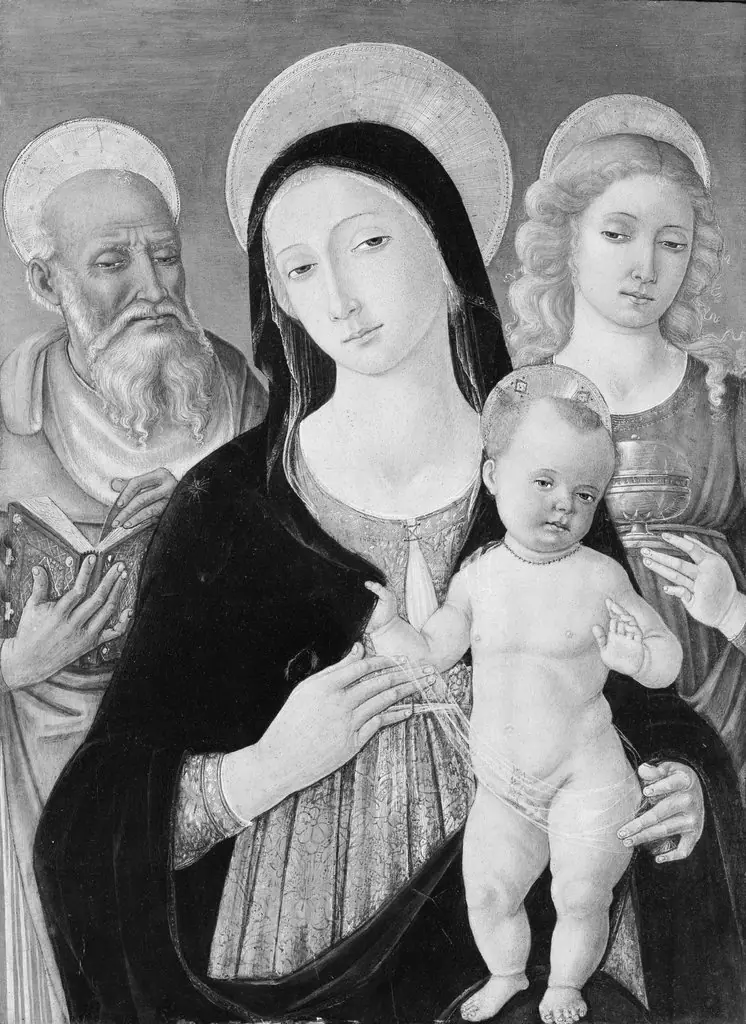 Madonna and Child with Saints Jerome and Mary Magdalen
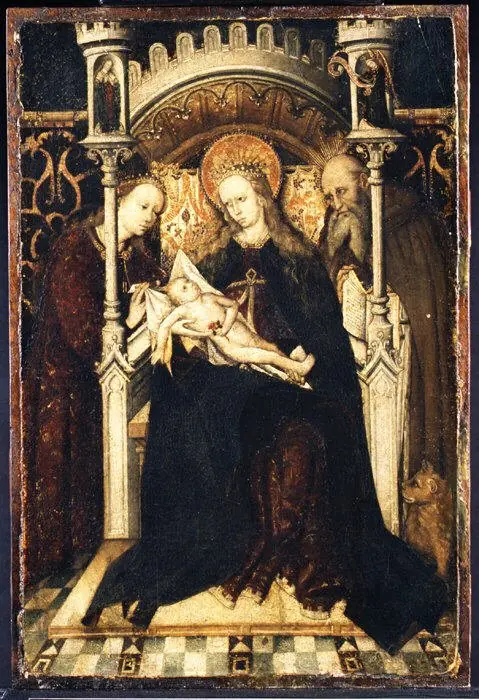 Virgin and Child Enthroned with Saints Catherine and Jerome
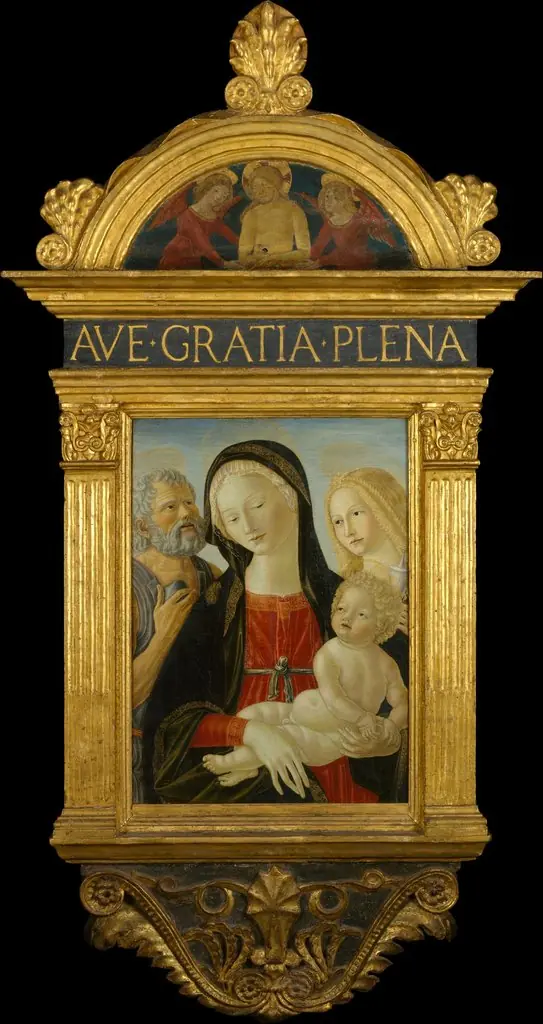 Madonna and Child with Saints Jerome and Mary Magdalen
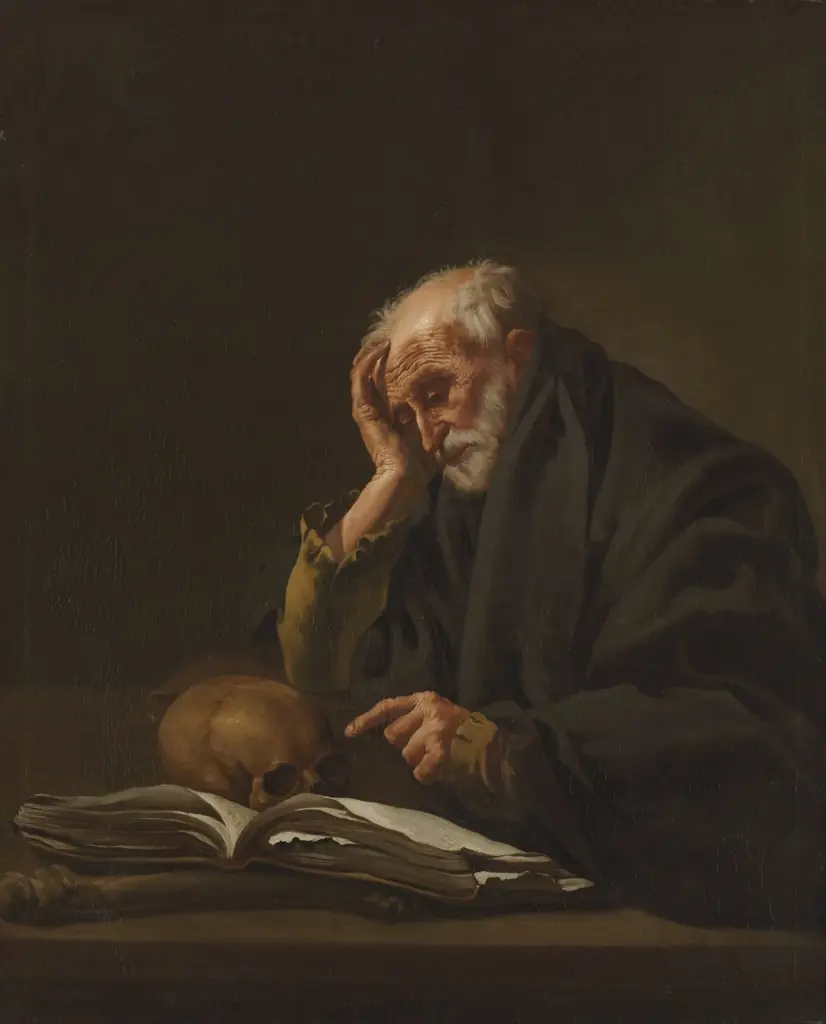 Saint Jerome
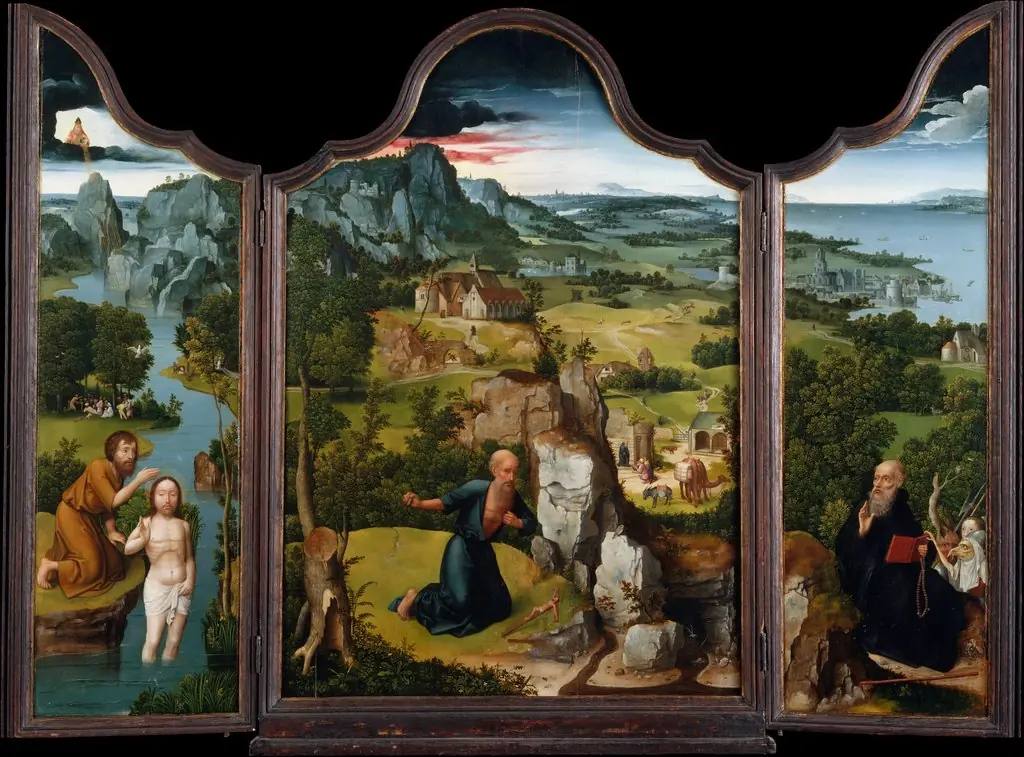 The Penitence of Saint Jerome
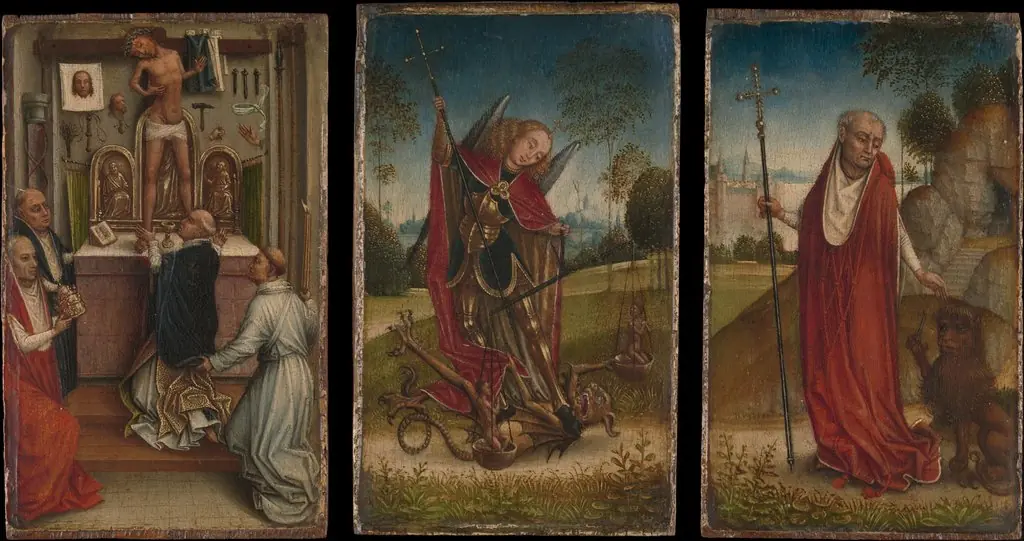 Saint Michael; The Mass of Saint Gregory; Saint Jerome
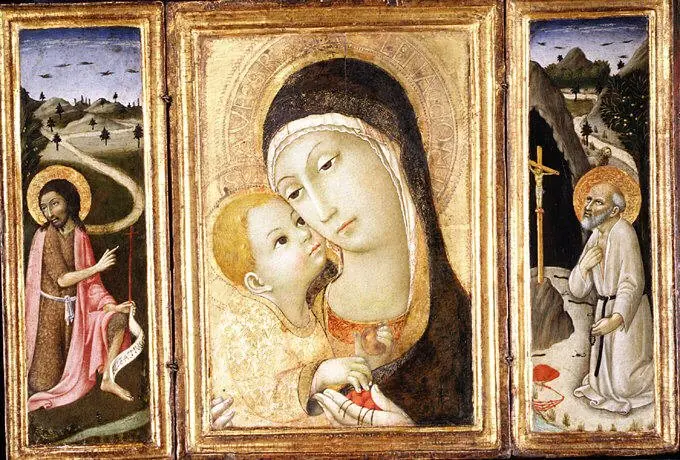 Madonna and Child; Saint John the Baptist; Saint Jerome
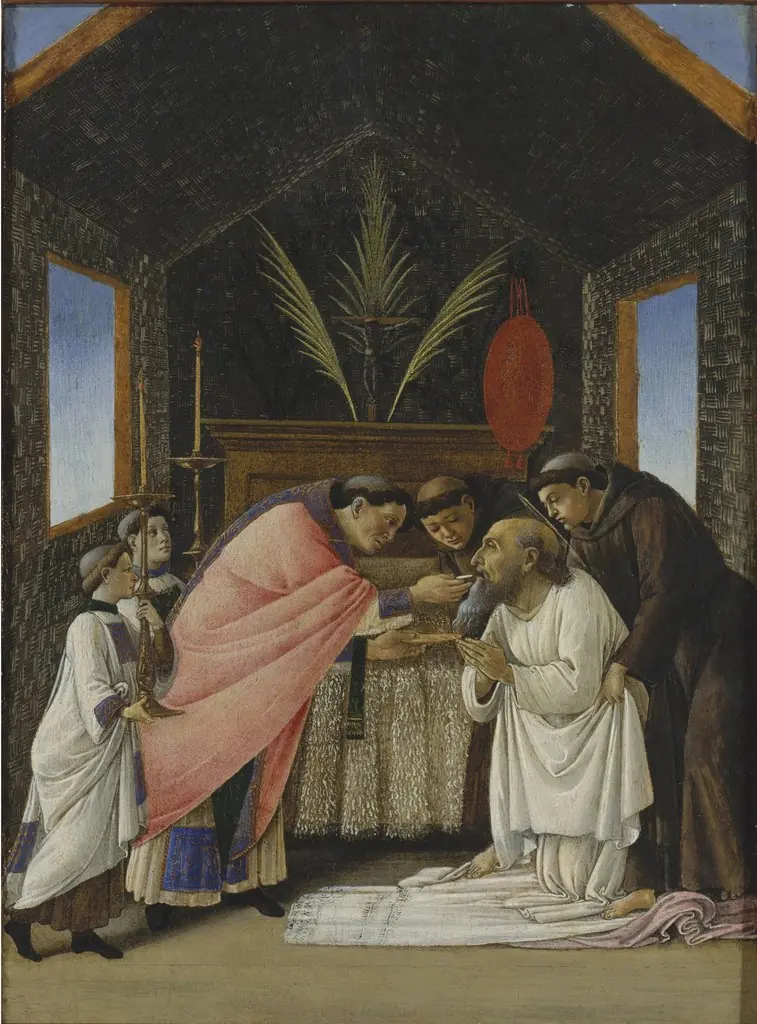 The Last Communion of Saint Jerome
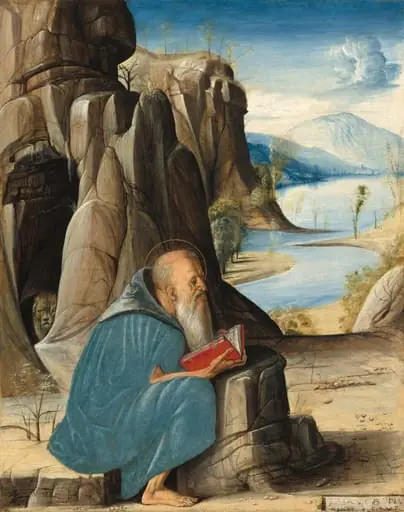 Saint Jerome Reading
![Saint Jerome Penitent [right panel]](https://artifactworldgallery.com/img/jan-gossaert--saint-jerome-penitent-right-panel--0d4ac14f44de87b1-w320.webp) Saint Jerome Penitent [right panel]
Saint Jerome Penitent [right panel]![The Crucifixion with the Virgin, Saint John, Saint Jerome, and Saint Mary Magdalene [left panel]](https://artifactworldgallery.com/img/pietro-perugino--the-crucifixion-with-the-virgin-saint-john-saint-jerome-and--1017dec17318baa5-w320.webp) The Crucifixion with the Virgin, Saint John, Saint Jerome, and Saint Mary Magdalene [left panel]
The Crucifixion with the Virgin, Saint John, Saint Jerome, and Saint Mary Magdalene [left panel]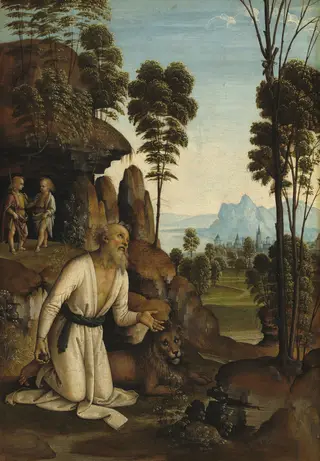 Saint Jerome in the Wilderness
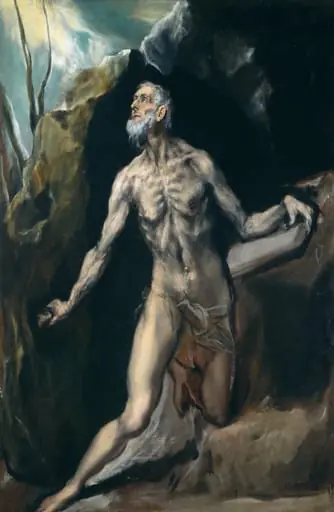 Saint Jerome
![Saint Jerome Penitent [left panel]](https://artifactworldgallery.com/img/jan-gossaert--saint-jerome-penitent-left-panel--3d396afbb0f8e738-w320.webp) Saint Jerome Penitent [left panel]
Saint Jerome Penitent [left panel]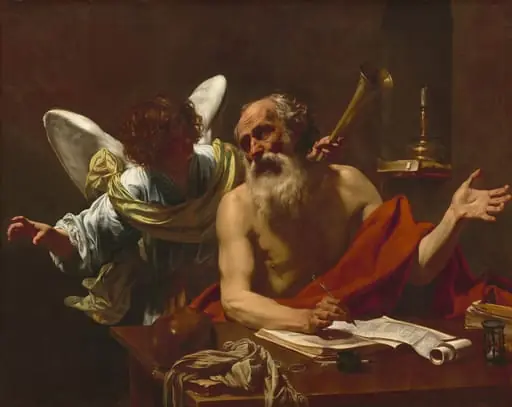 Saint Jerome and the Angel
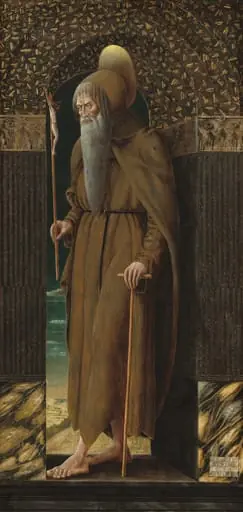 Saint Jerome
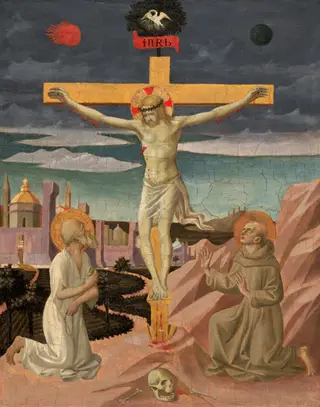 The Crucifixion with Saint Jerome and Saint Francis
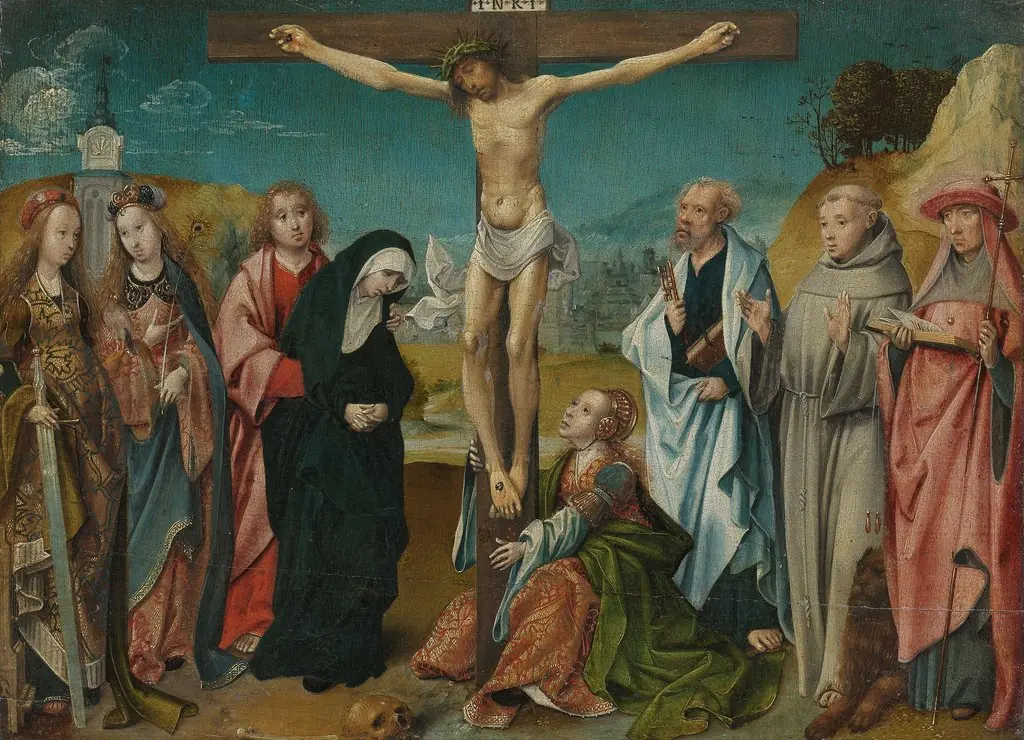 Christ on the cross with the Virgin, St John the Evangelist, Mary Magdalen, and Sts Cecilia and Barbara (left), and Sts Peter, Francis and Jerome (right)
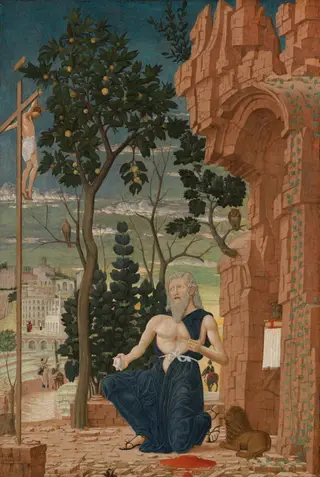 Saint Jerome in the Wilderness
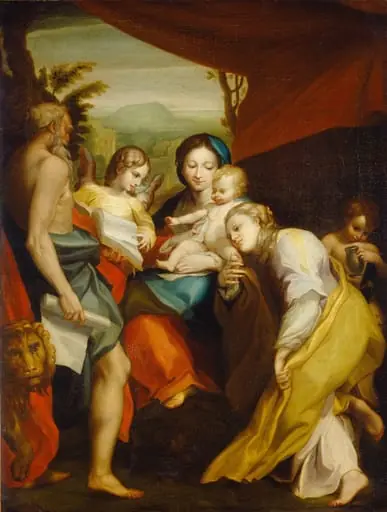 Madonna of Saint Jerome
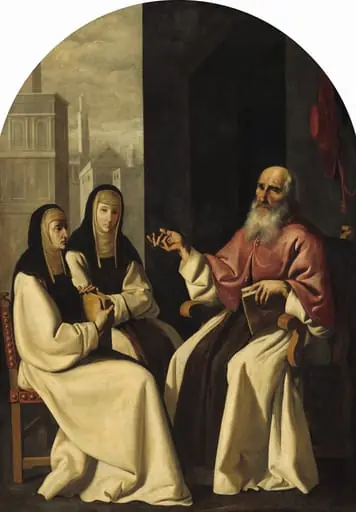 Saint Jerome with Saint Paula and Saint Eustochium
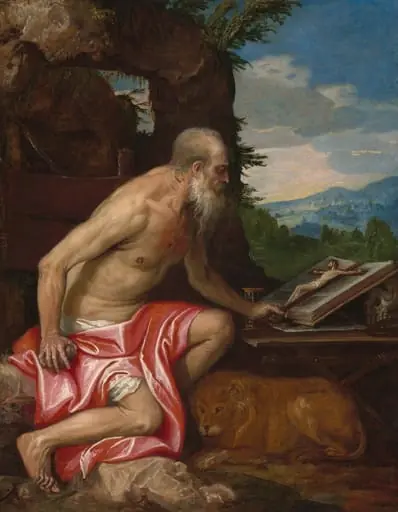 Saint Jerome in the Wilderness
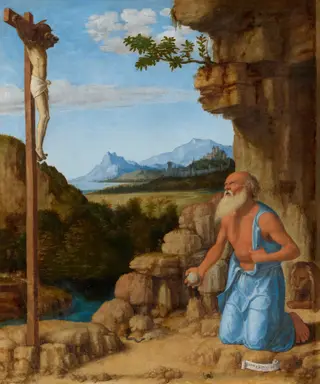 Saint Jerome in the Wilderness
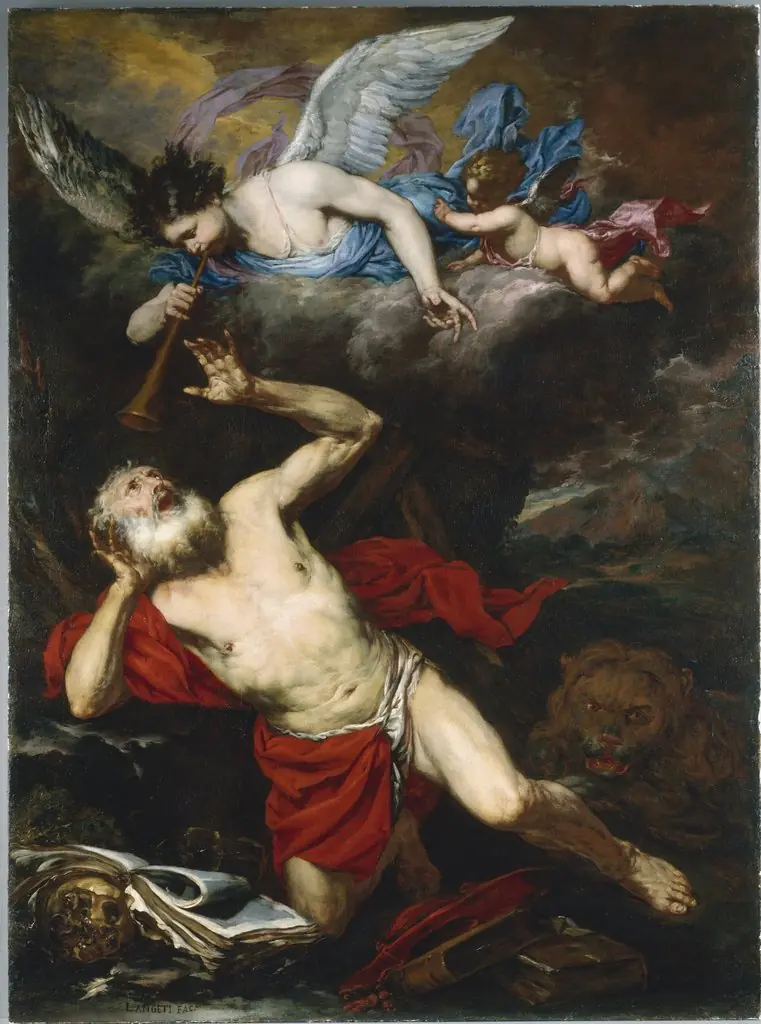 The Vision of Saint Jerome
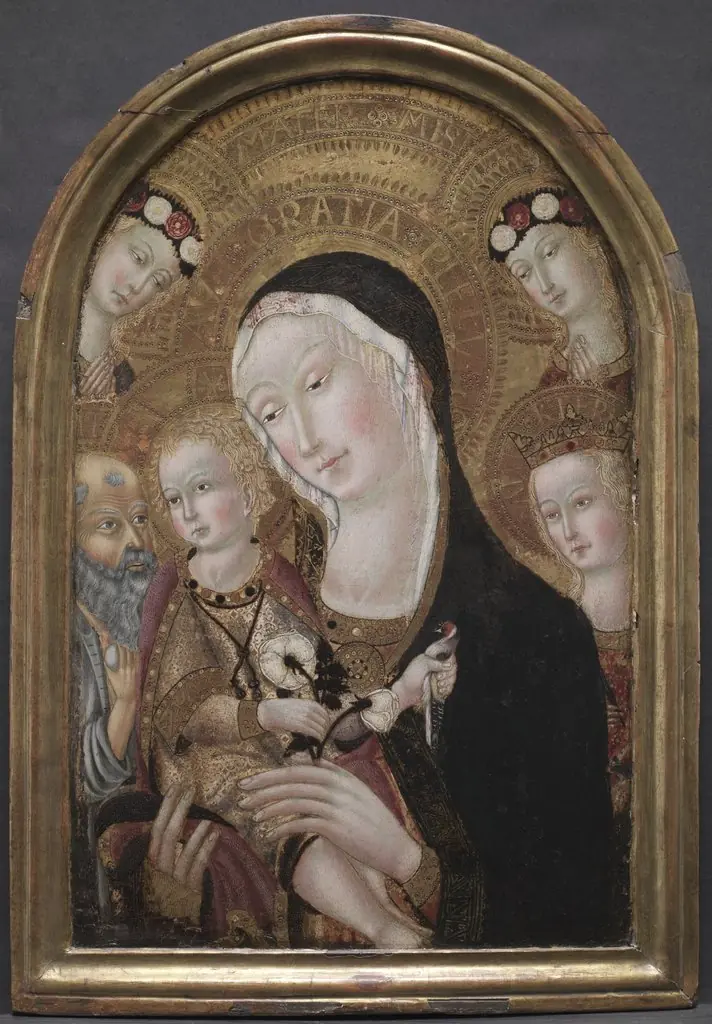 Virgin and Child with Saint Jerome and Saint Catherine of Alexandria
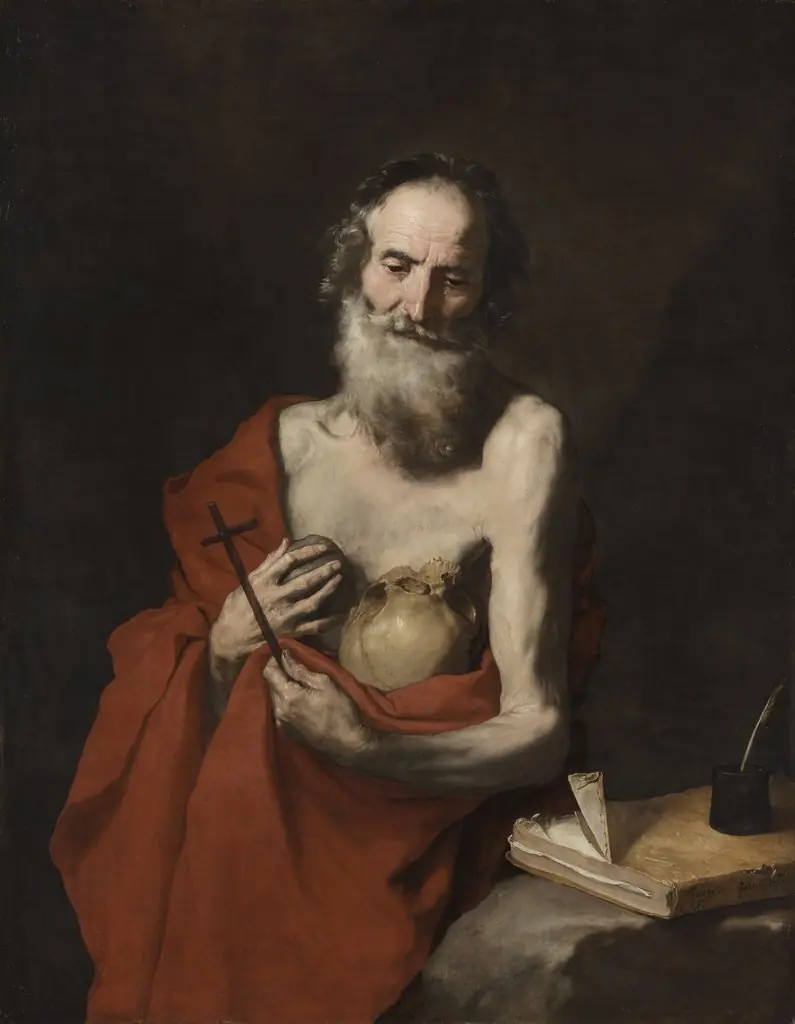 Saint Jerome
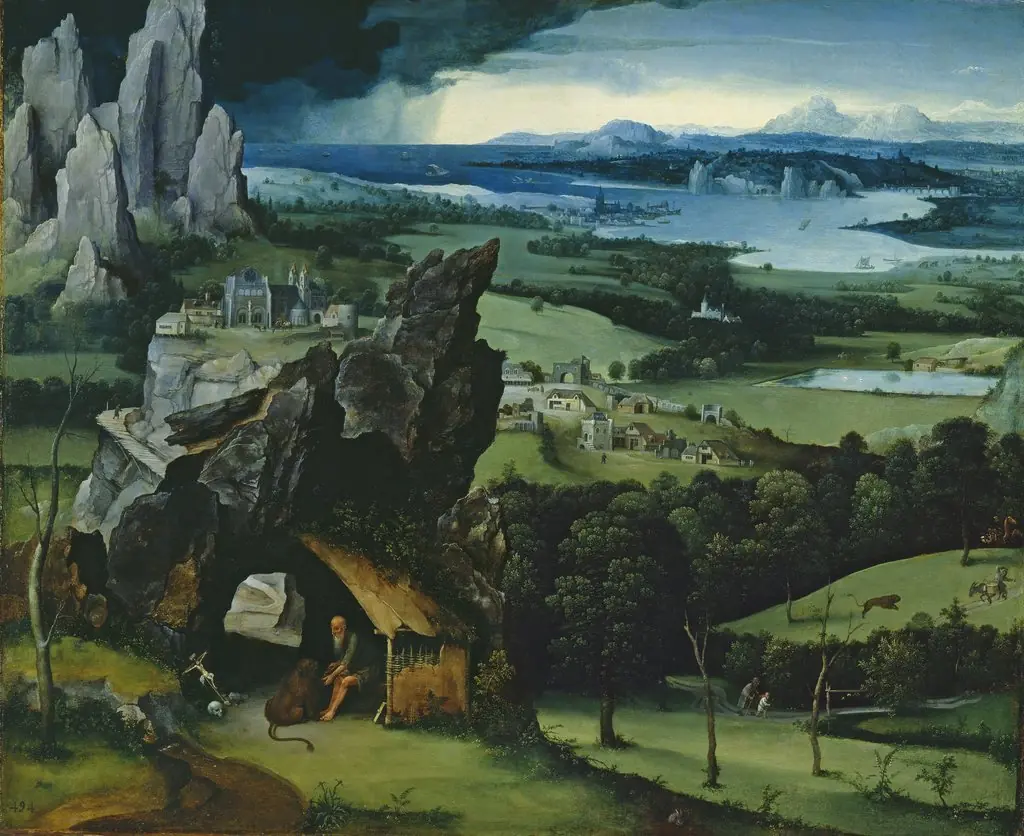 Landscape with St Jerome
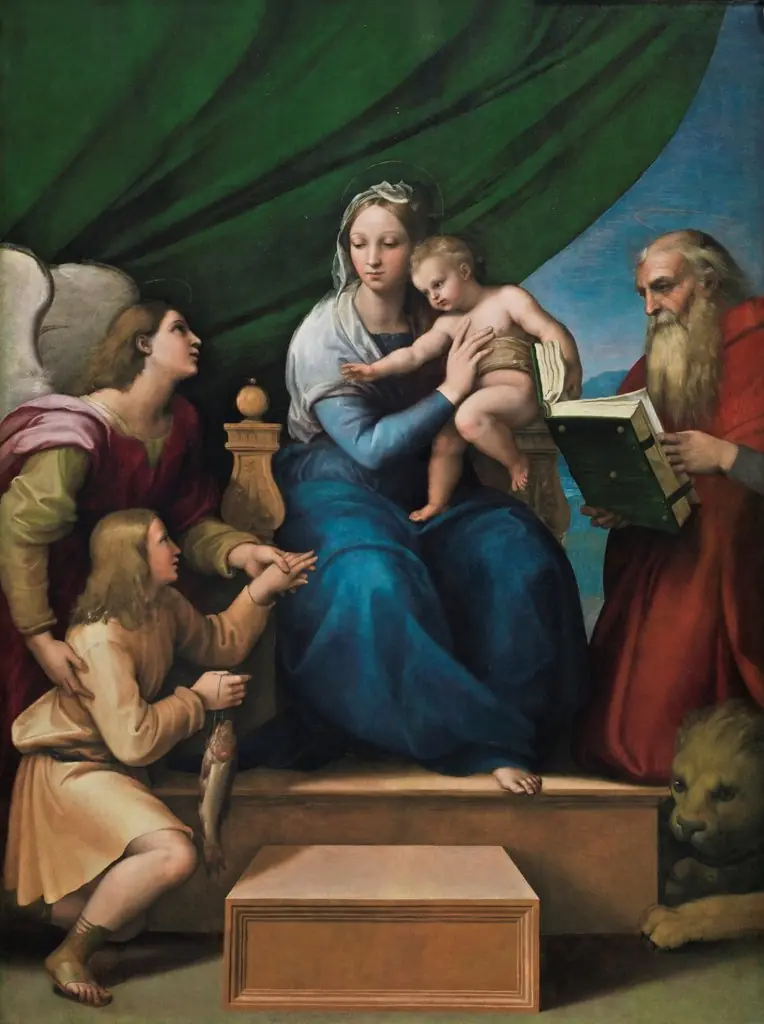 Madonna with the Fish
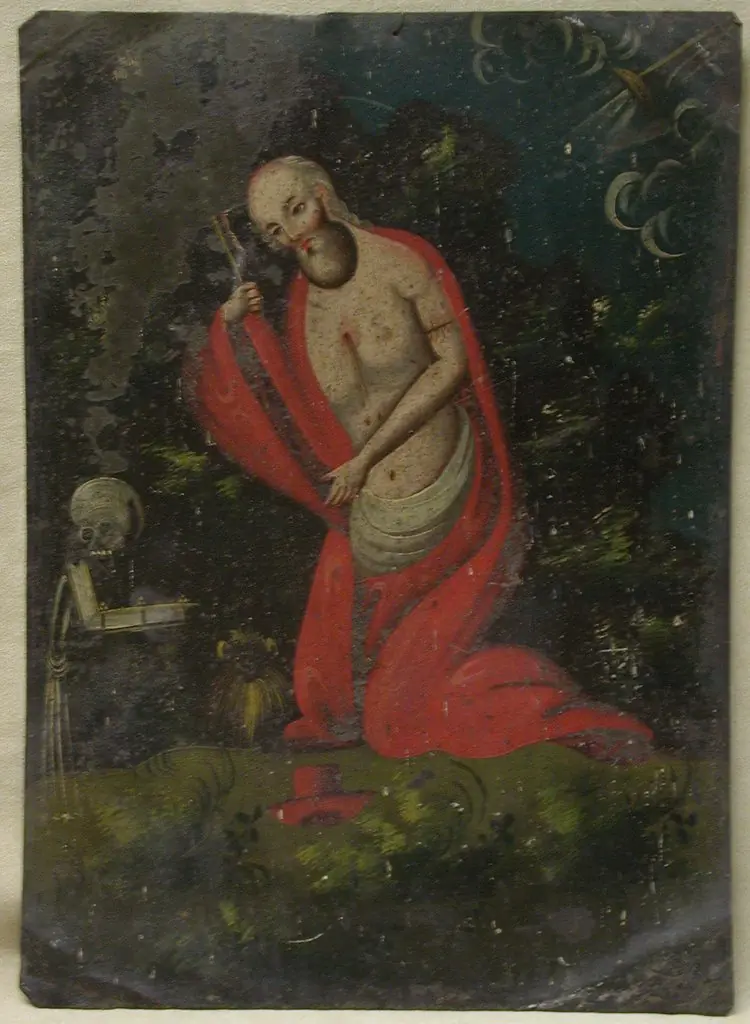 Saint Jerome
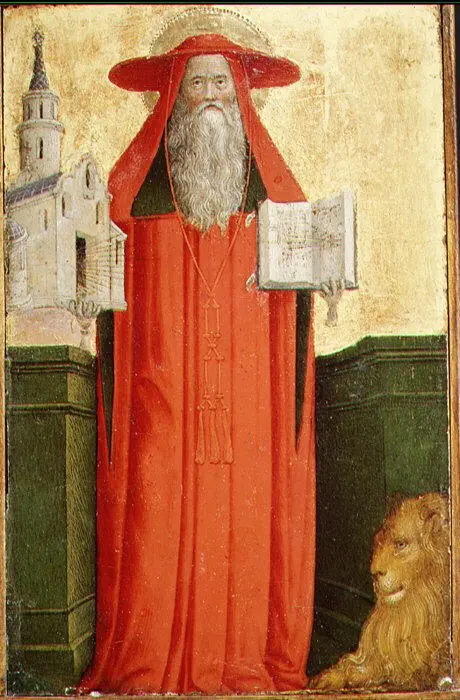 Saint Jerome
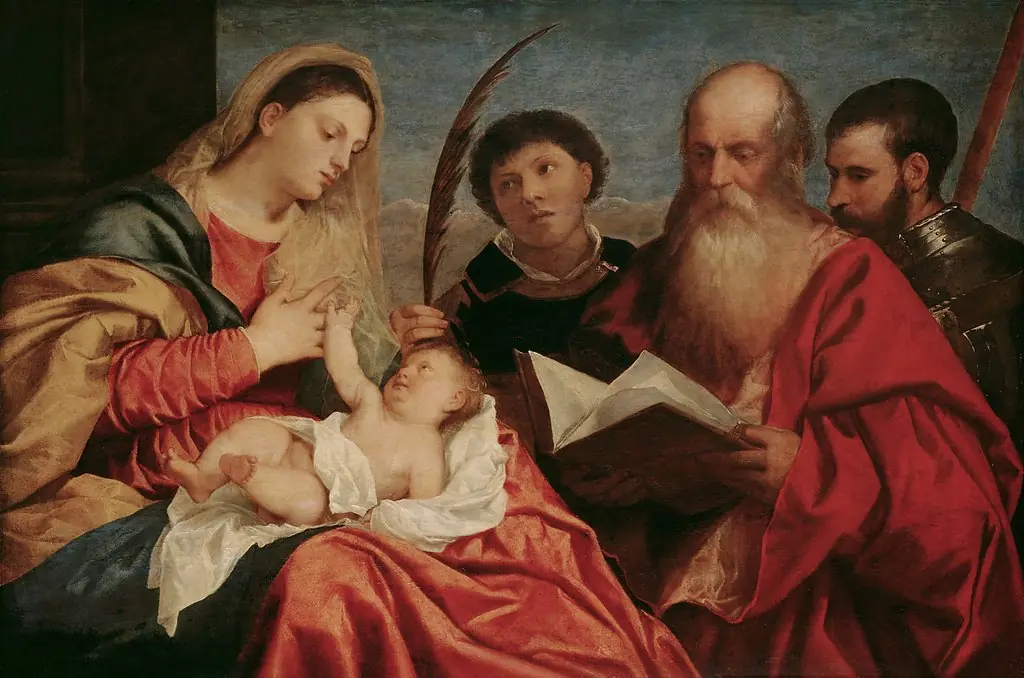 Virgin and Child with Saints Stephen, Jerome and Maurice
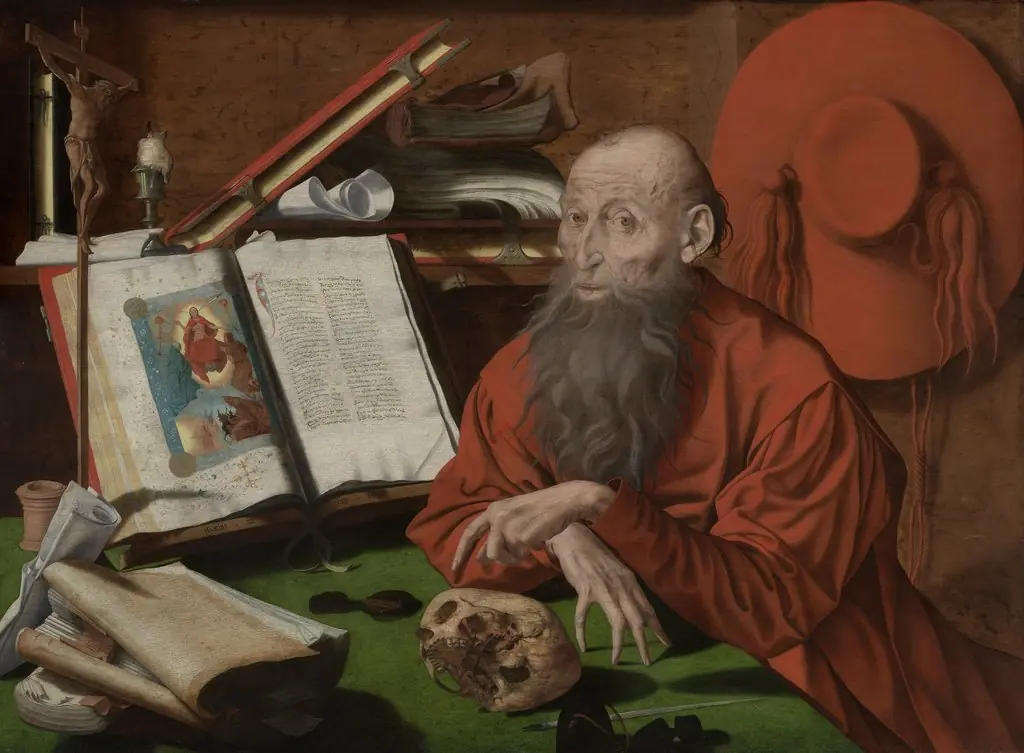 Saint Jerome in His Study
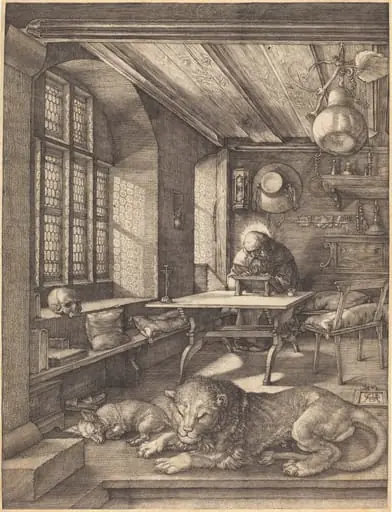 Saint Jerome in His Study
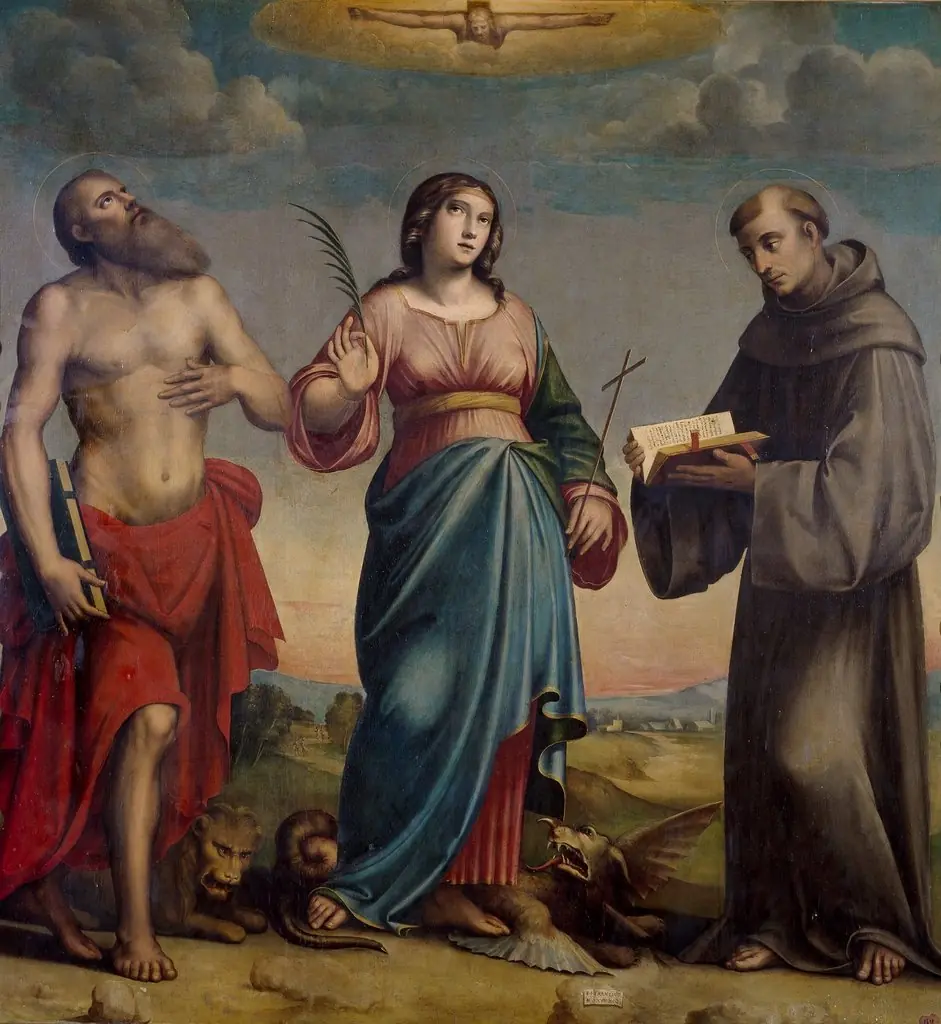 San Jerónimo, Santa Margarita y San Francisco
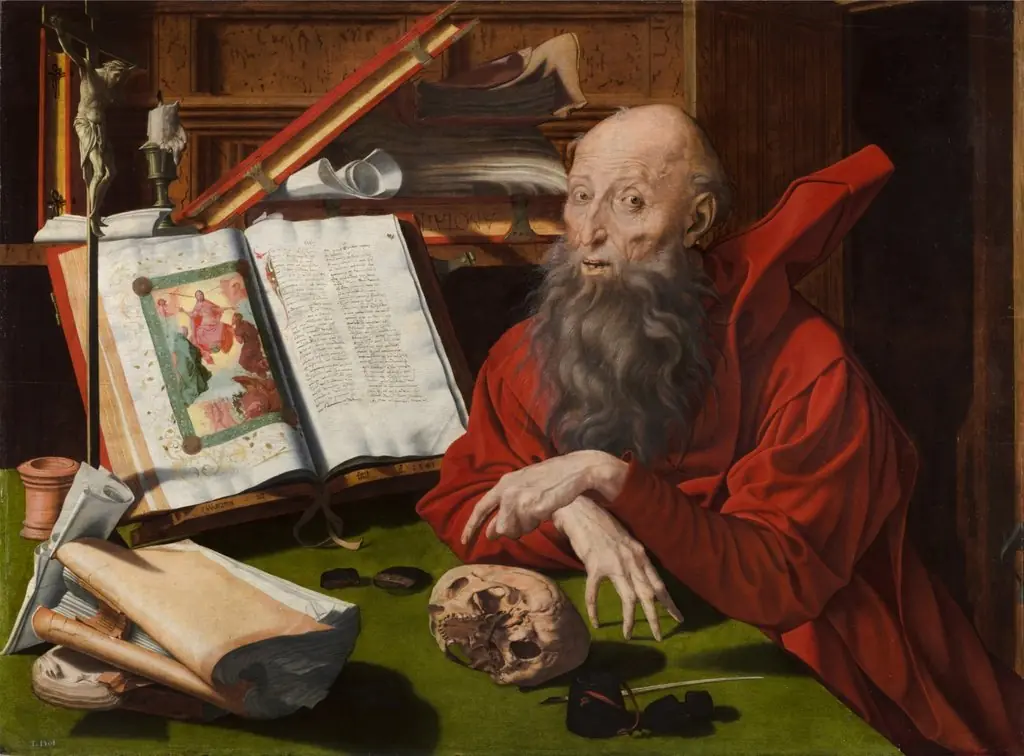 Saint Jerome in his study
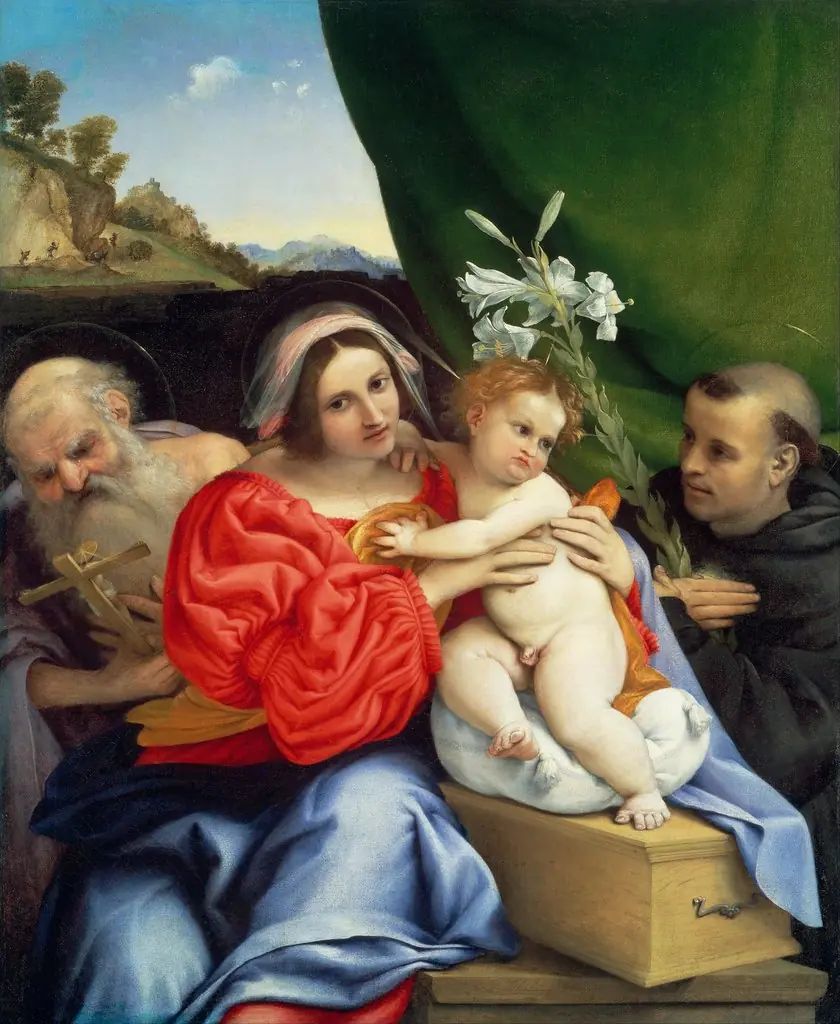 Virgin and Child with Saints Jerome and Nicholas of Tolentino
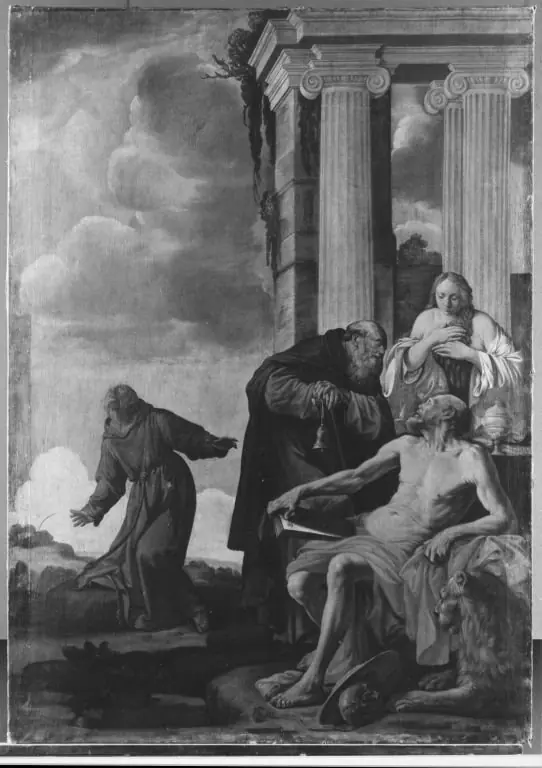 Die hll. Hieronymus, Maria Magdalena, Antonius und Franziskus (Kopie nach)
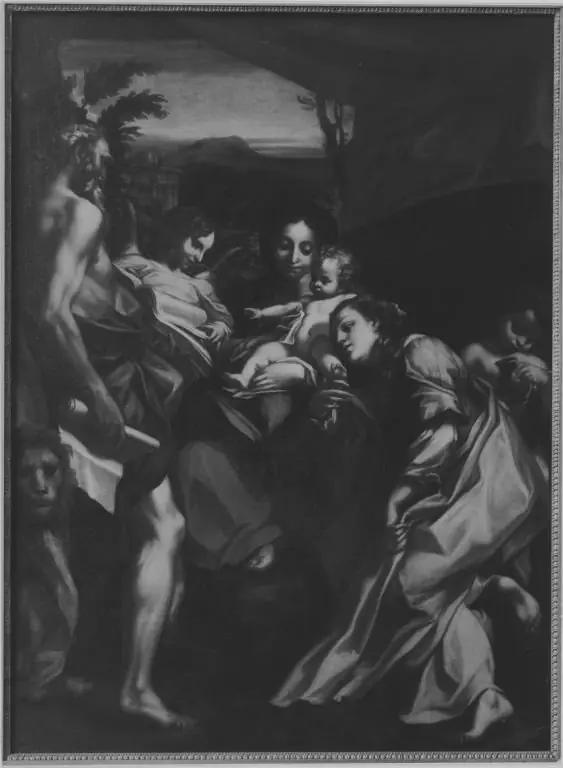 Madonna del S. Gerolamo (Maria mit Kind, hll. Maria Magdalena, Hieronymus und Engeln)
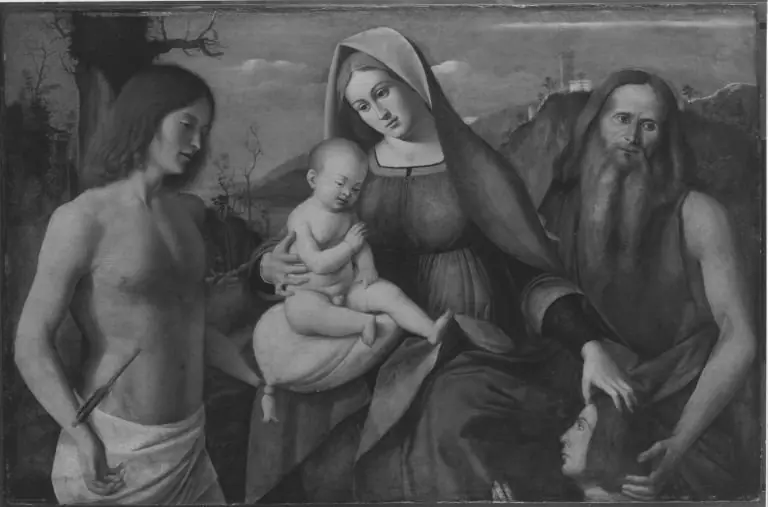 Madonna and Child, Saints Jeronimo, Sebastian und a donor
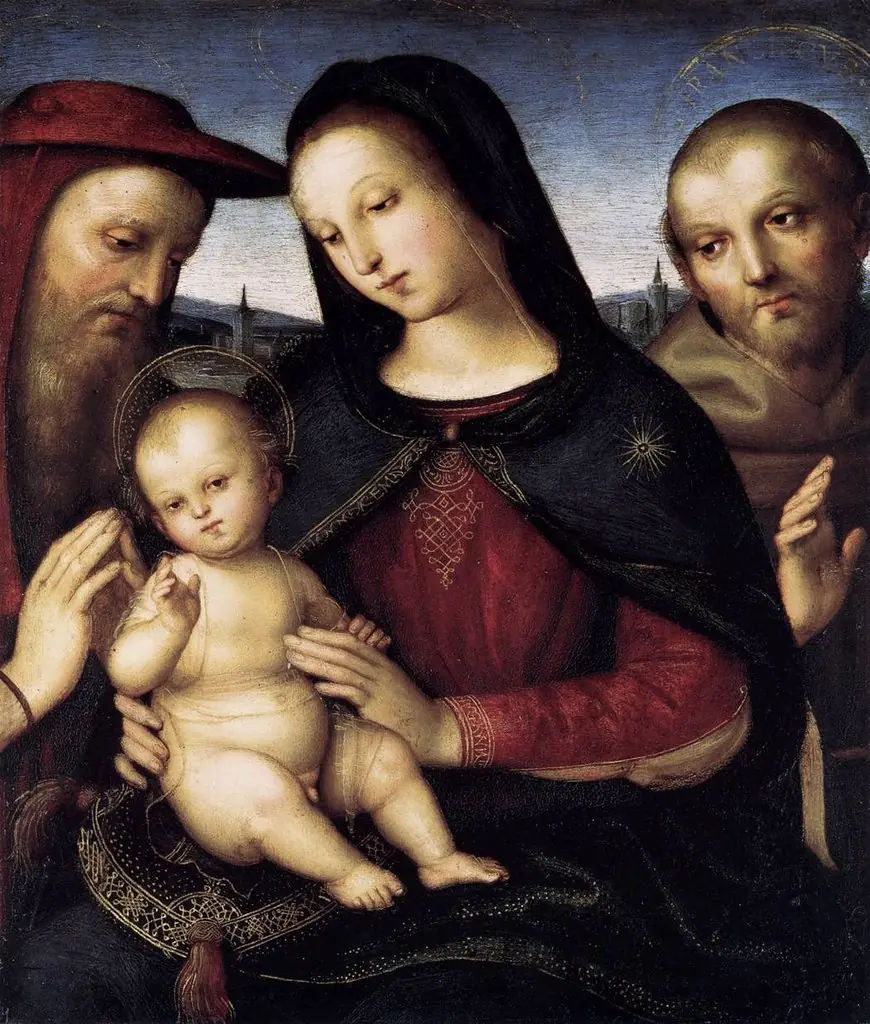 Von der Ropp Madonna
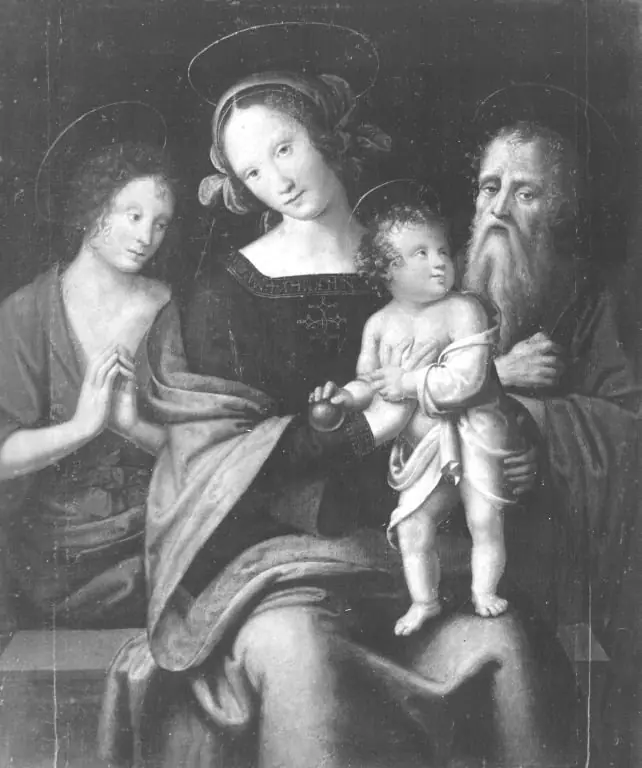 Maria mit Kind mit den hll. Johannes der Täufer und Hieronymus
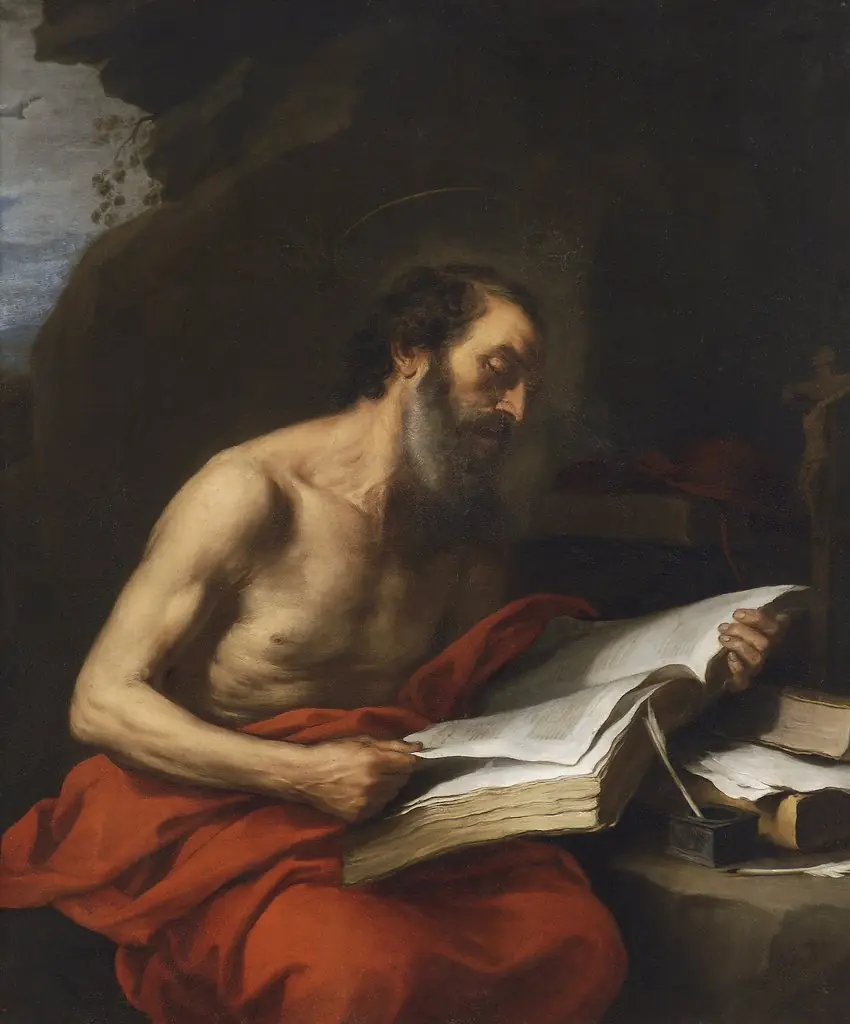 The penitent Saint Jerome
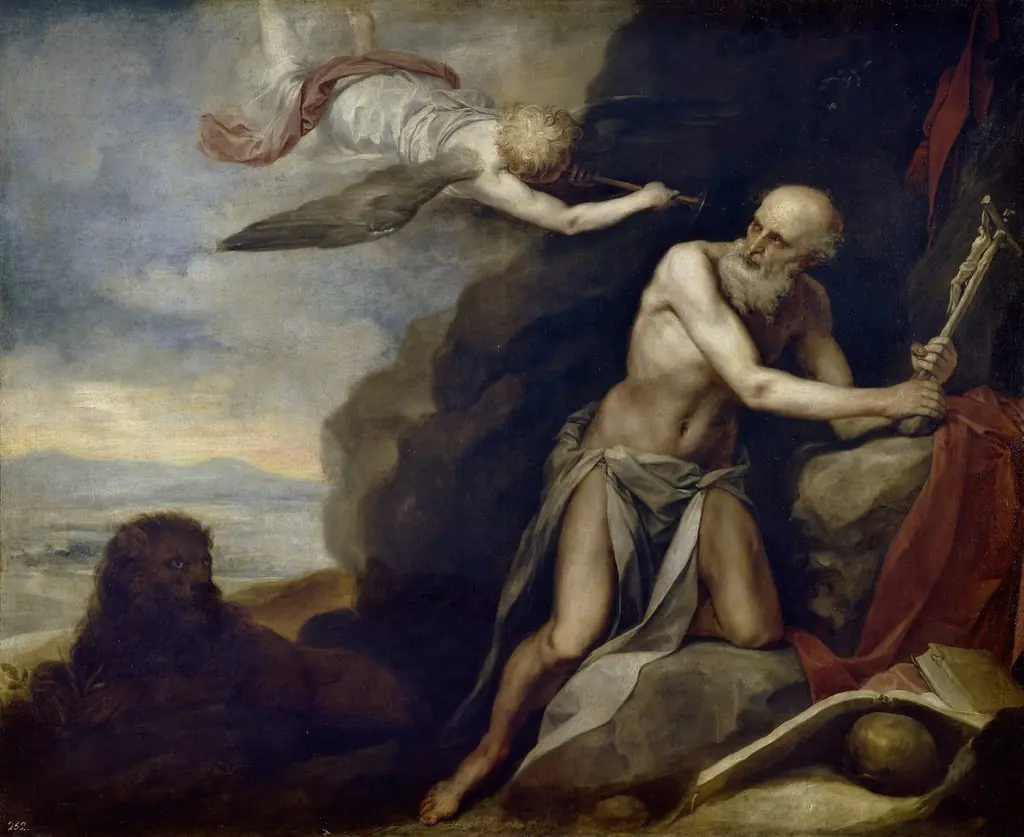 The penitent Saint Jerome
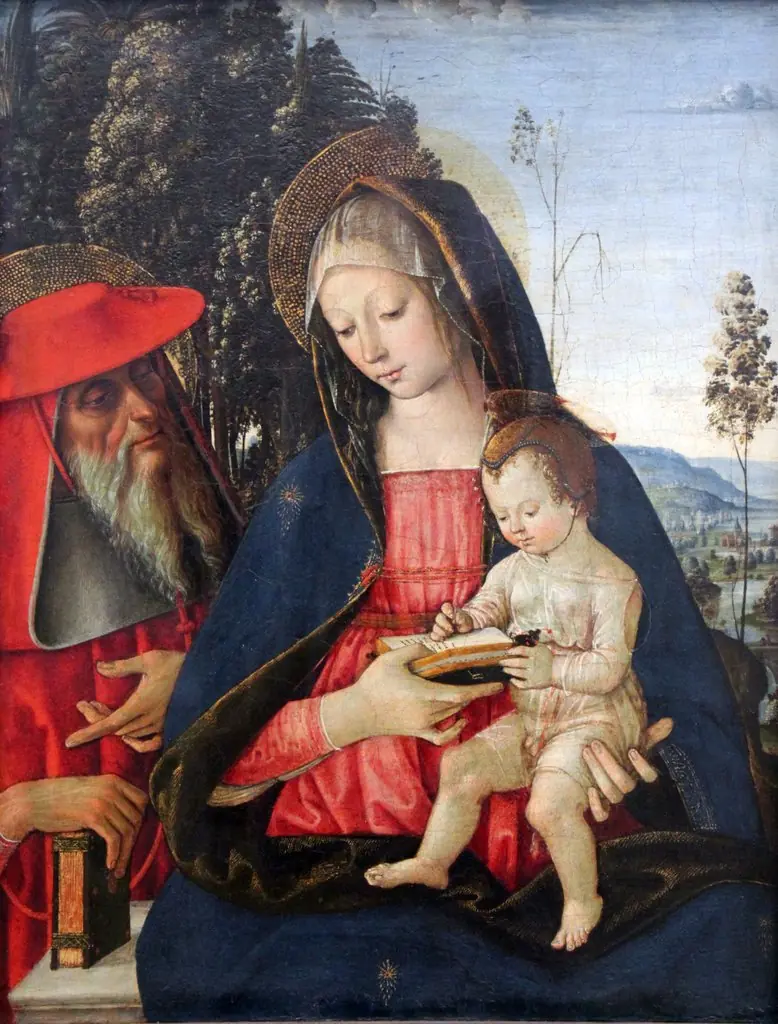 Madonna and Child with Saint Jerome
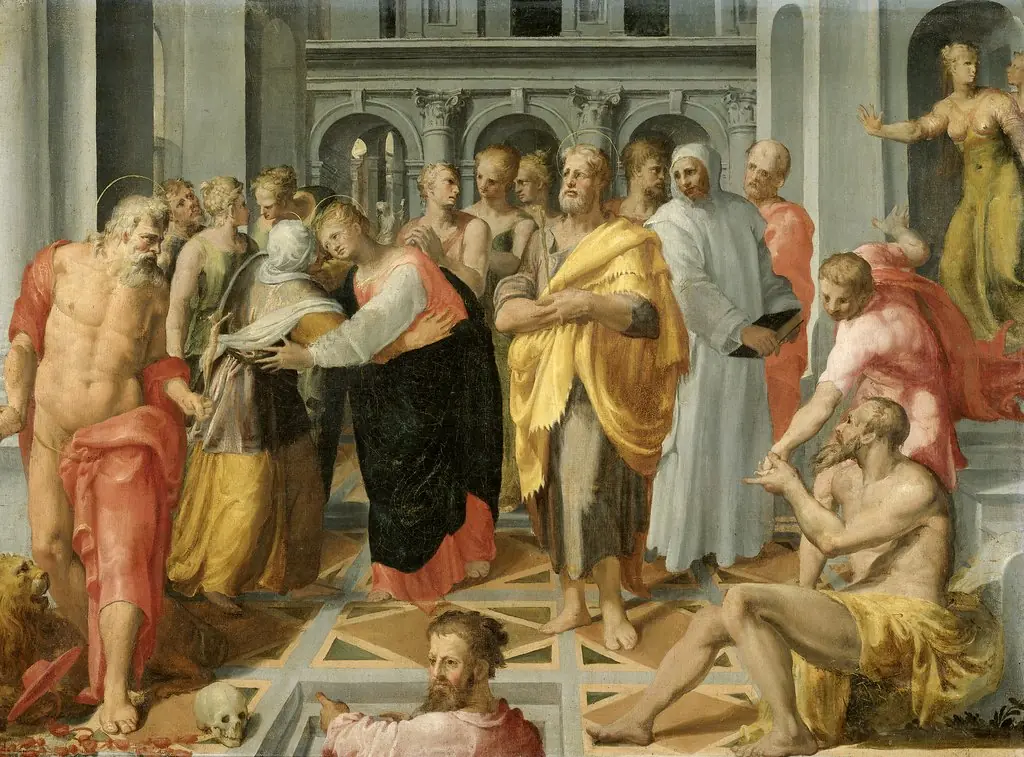 Visitation (Meeting of Mary and Elizabeth in the Presence of Saints Joseph and Jerome)
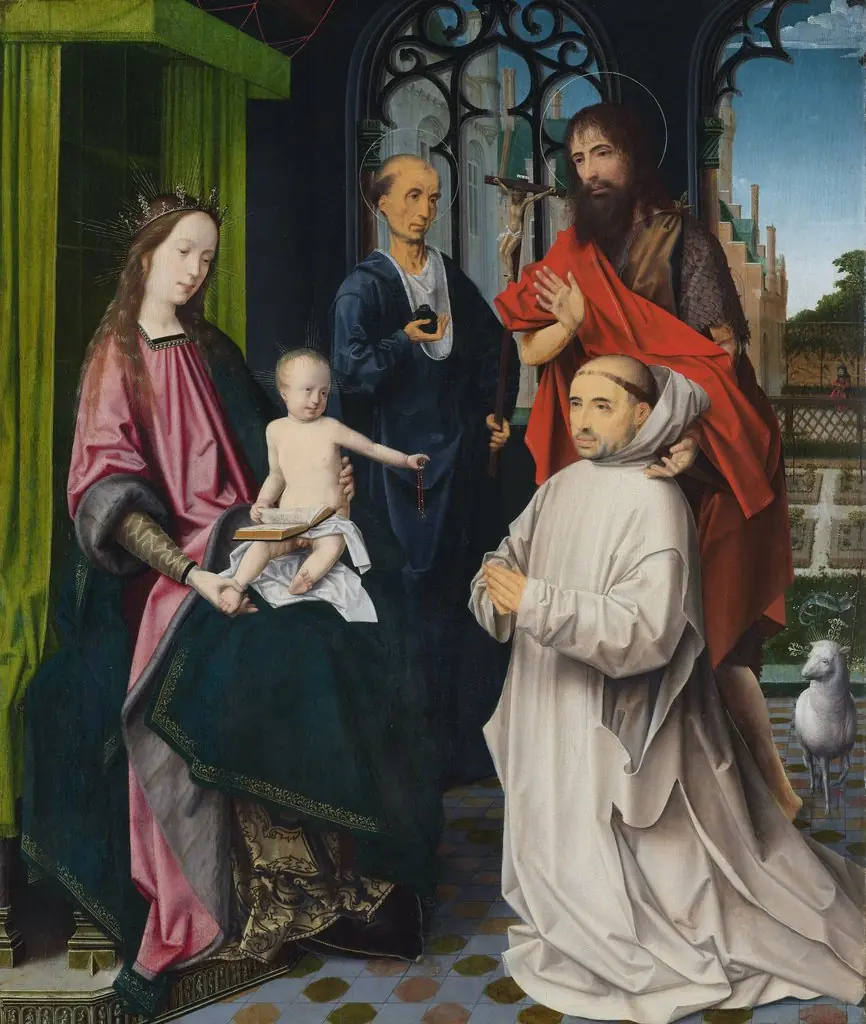 Virgin and Child Enthroned, with Saints Jerome and John the Baptist and a Carthusian Monk
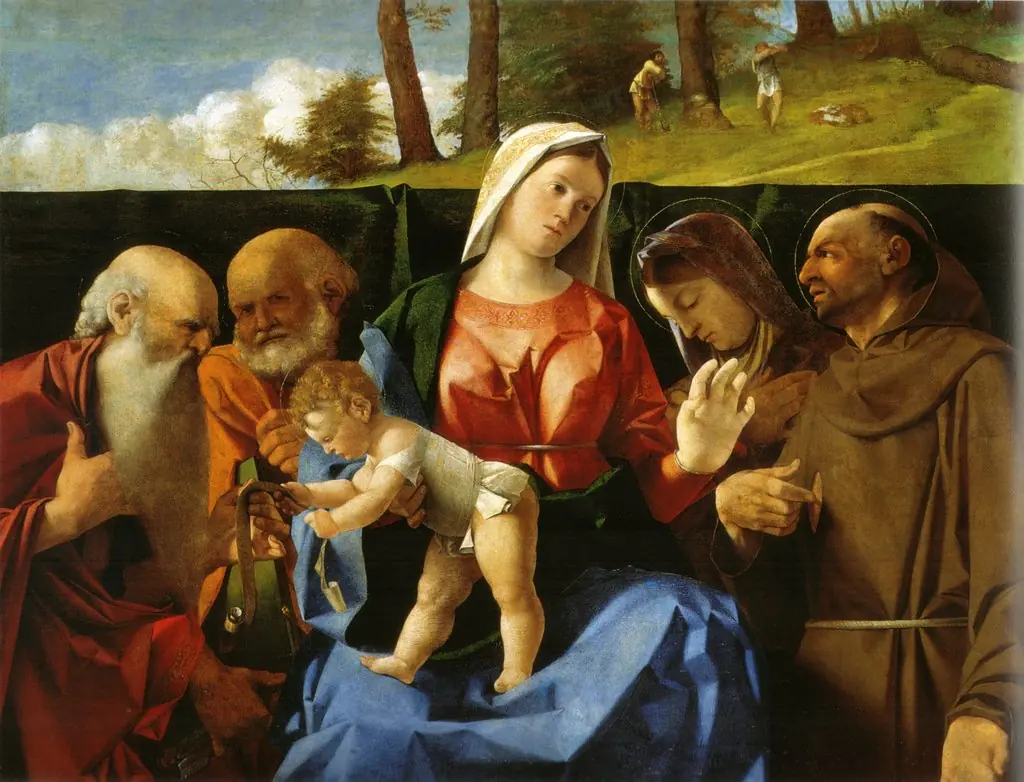 The Virgin and Child with Saints
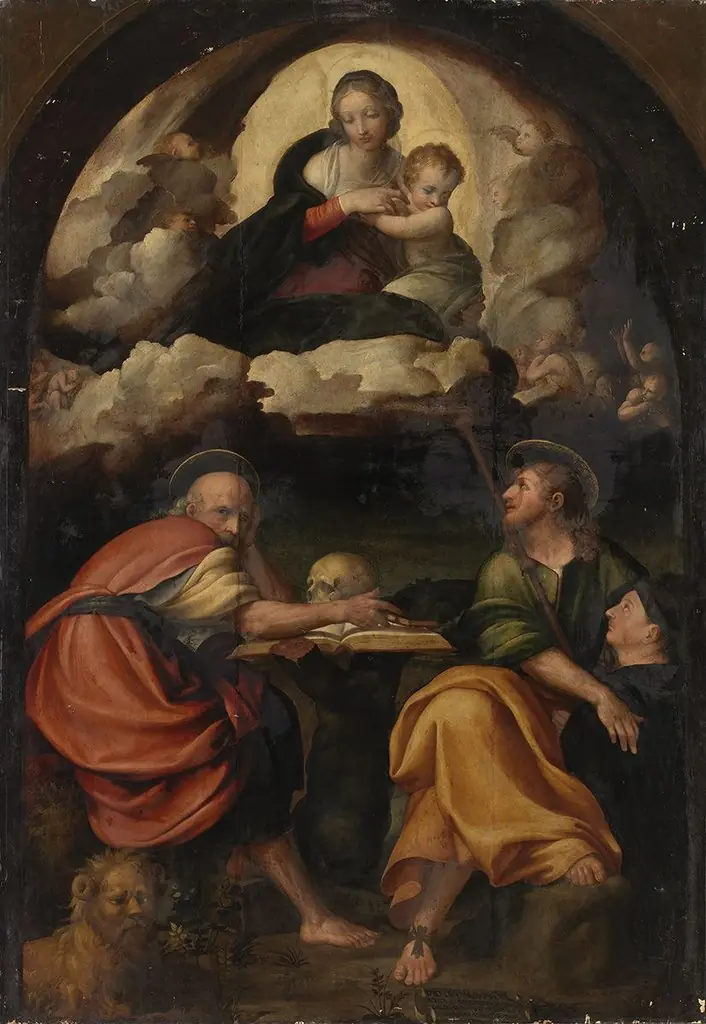 Maria mit Kind in der Glorie, den hll. Hieronymus und Jakobus mit Stifter (?)
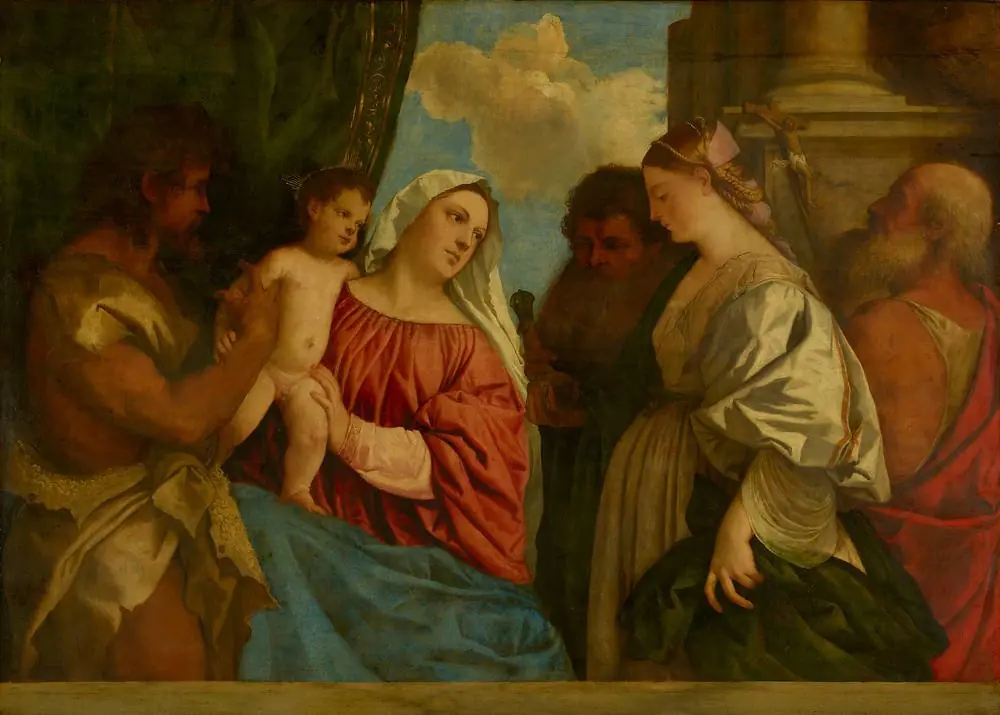 Madonna and Child with Four Saints
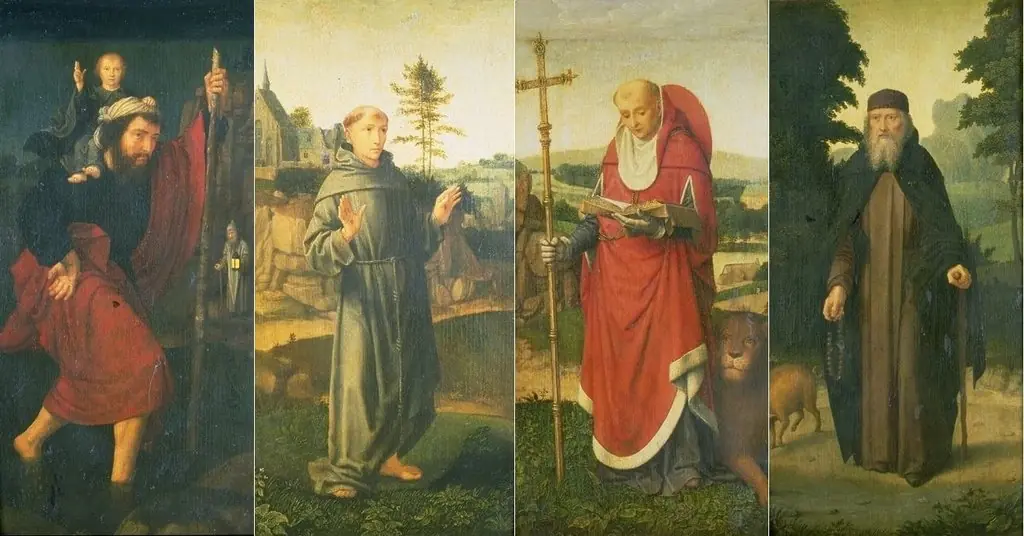 Wings of a Triptych with Saints Christopher, Francis, Jerome, Anthony
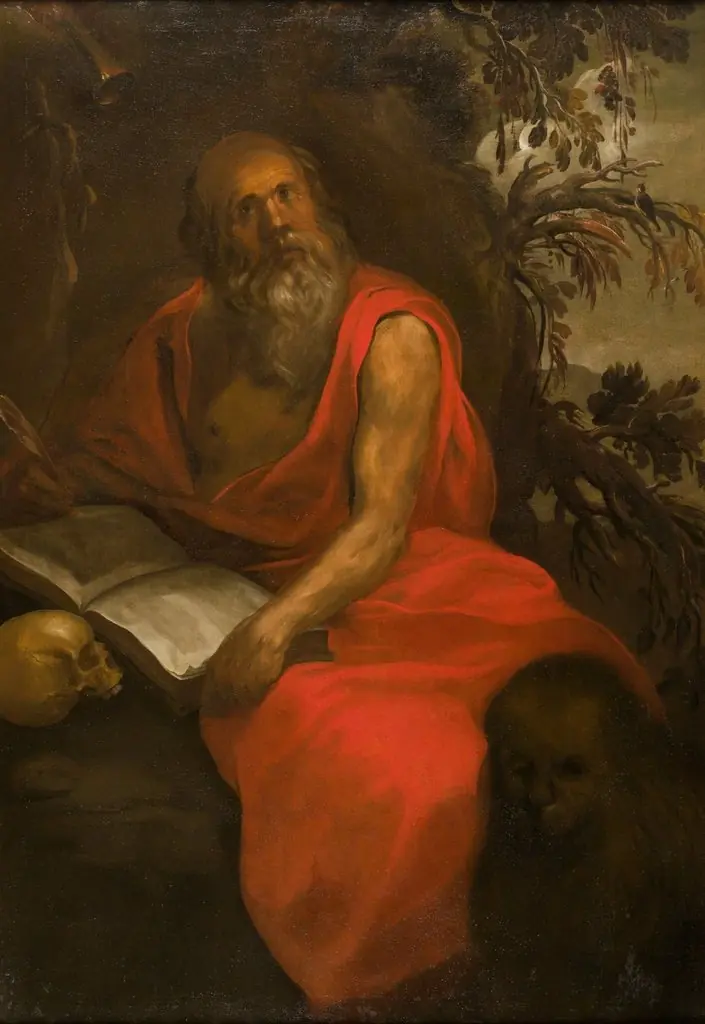 Saint Jerome
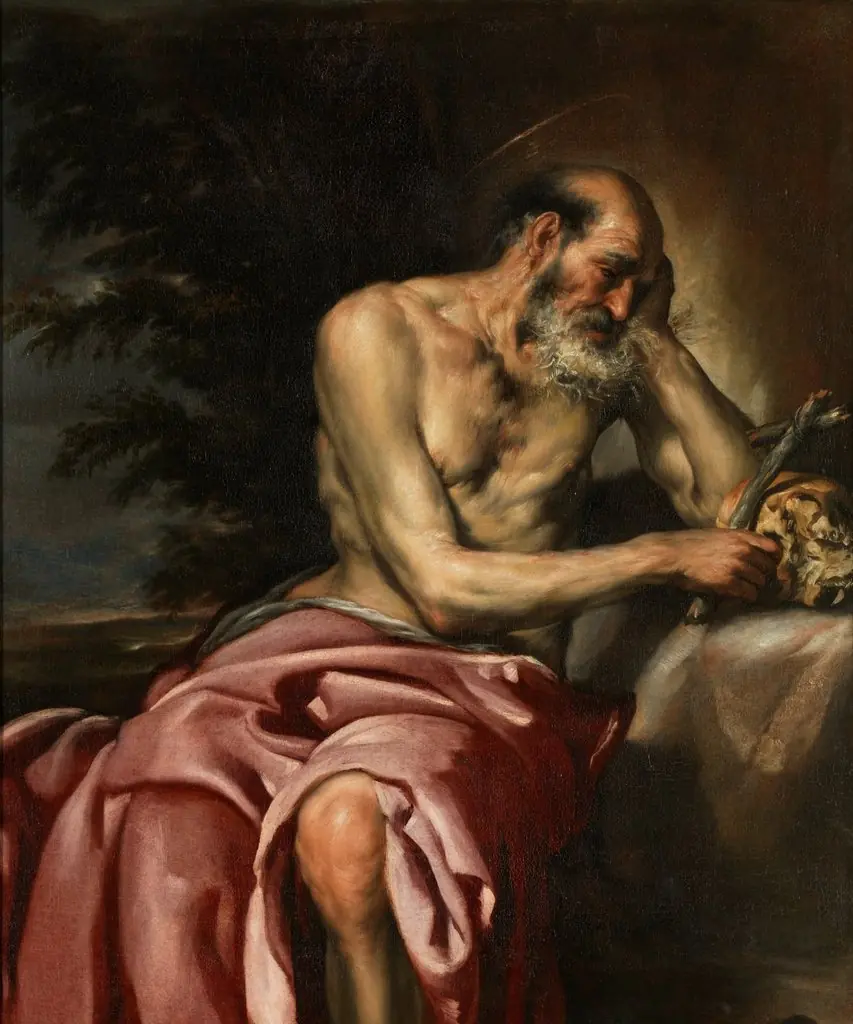 San Jerónimo penitente
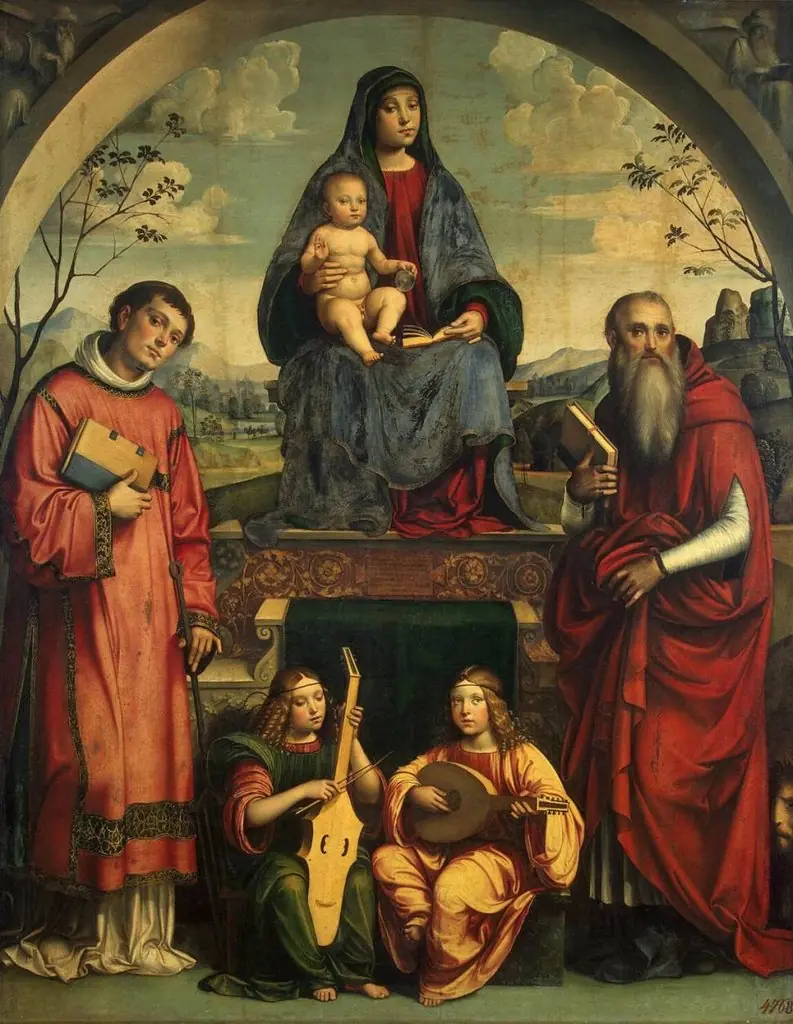 Madonna and Child with St Lawrence and St Jerome and Two Angels Making Music
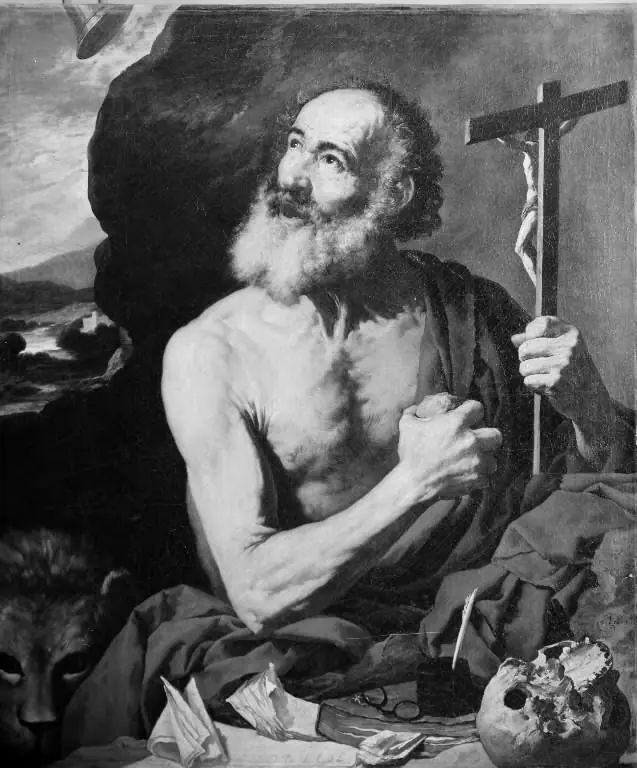 The Penitent St. Jerome
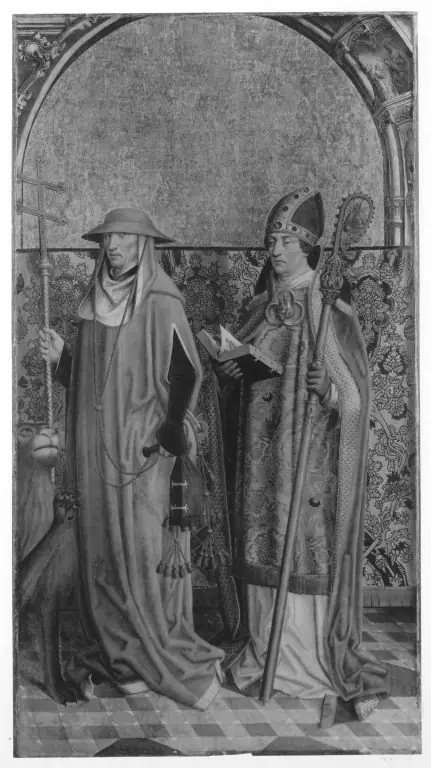 St. Jerome and a bishop
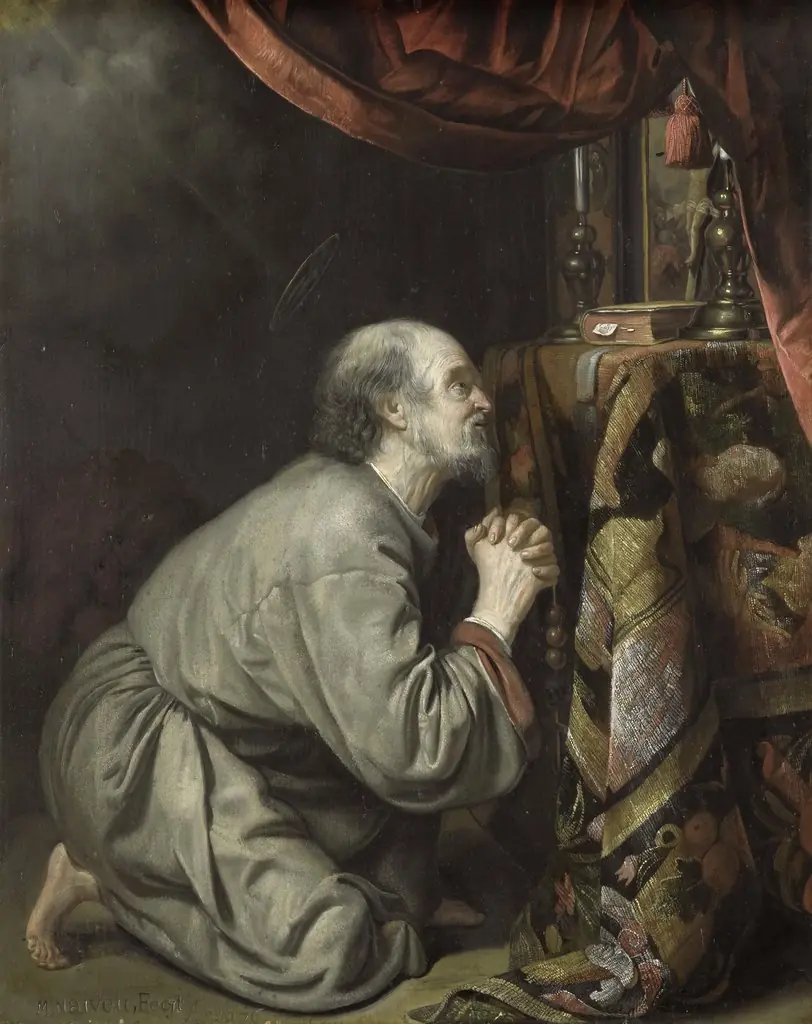 St. Jerome
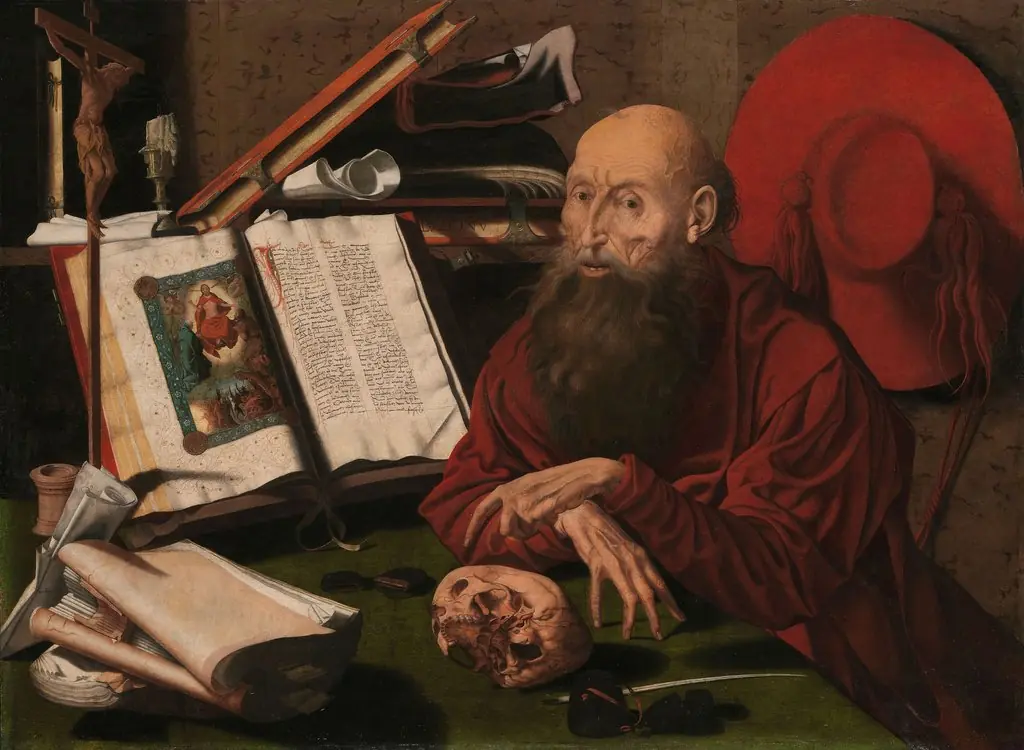 St Jerome in his study
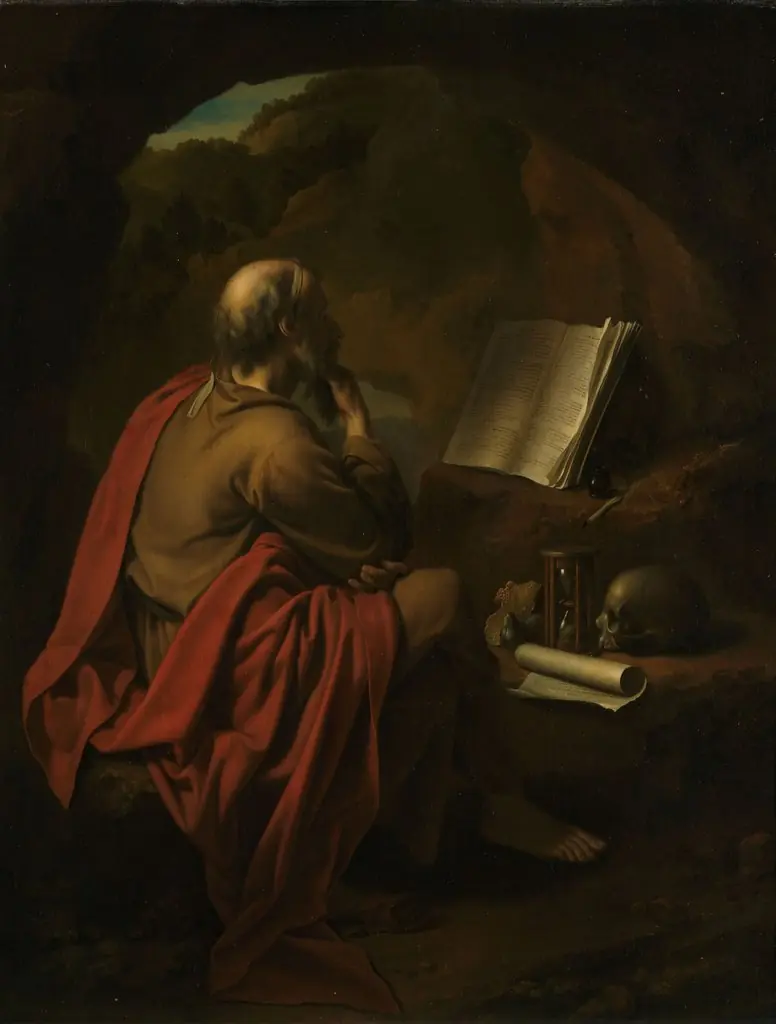 Saint Jerome
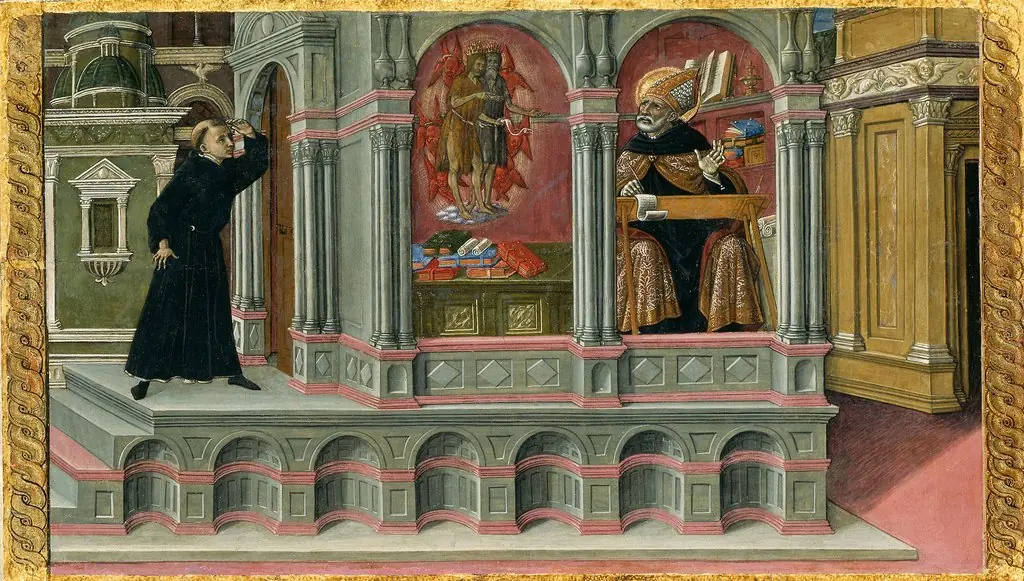 Saint Augustine's Vision of Saints Jerome and John the Baptist
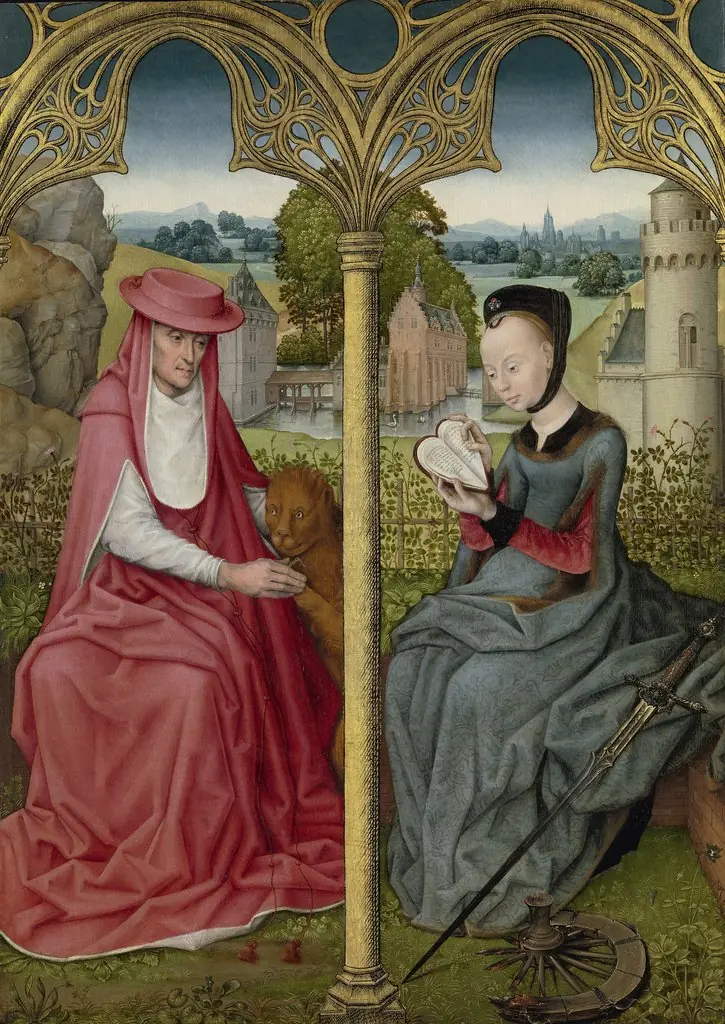 St Jerome and St Catherine of Alexandria
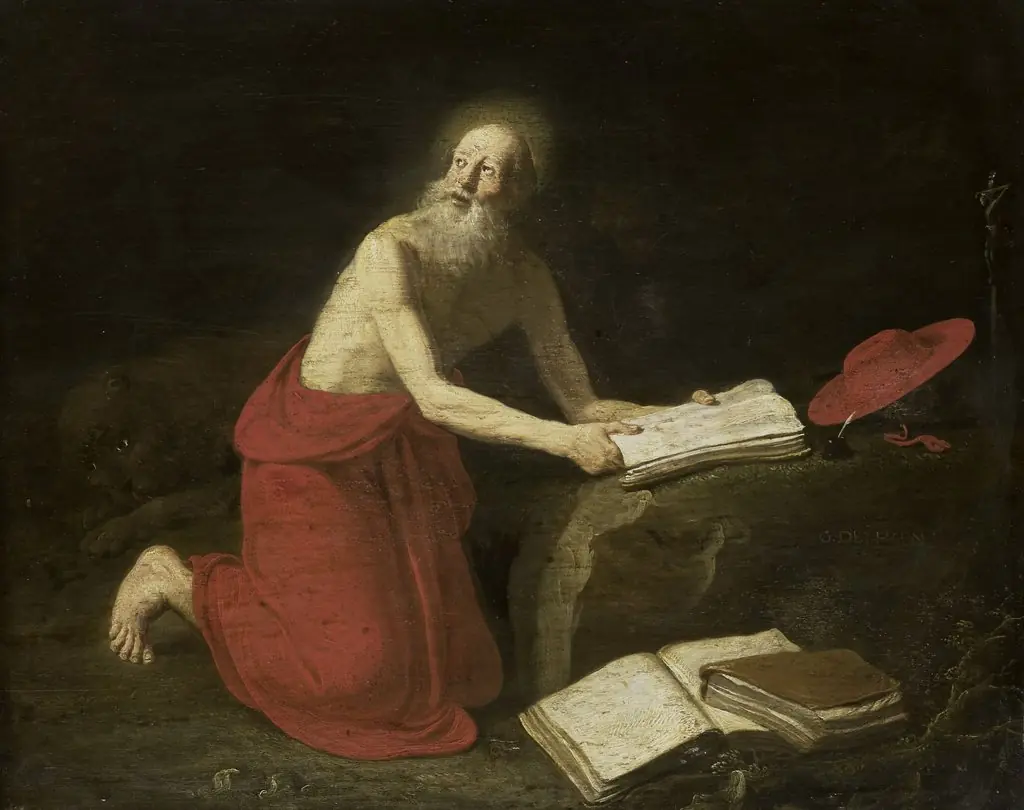 Saint Jerome
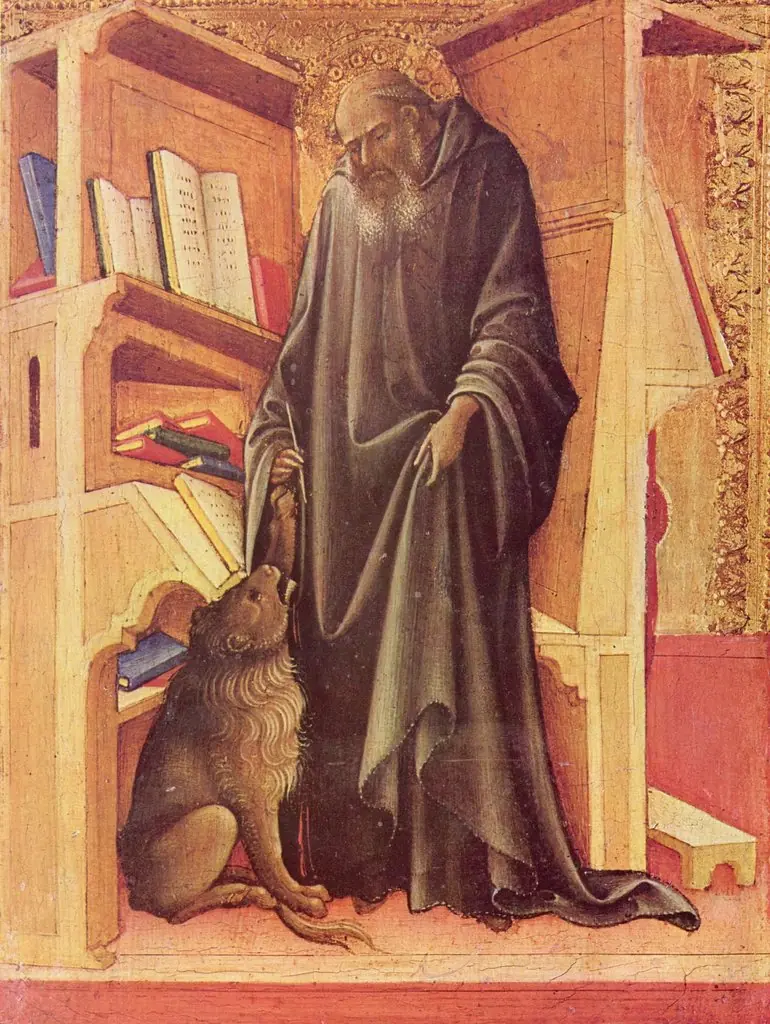 Saint Jerome in his Study
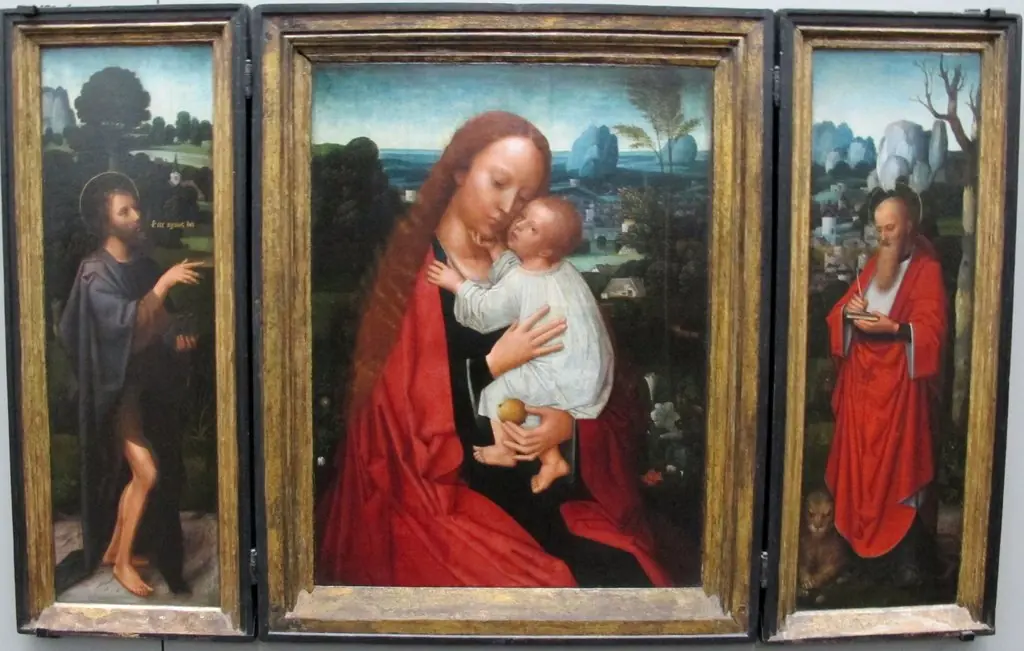 Madonna with John the Baptist and Saint Jerome
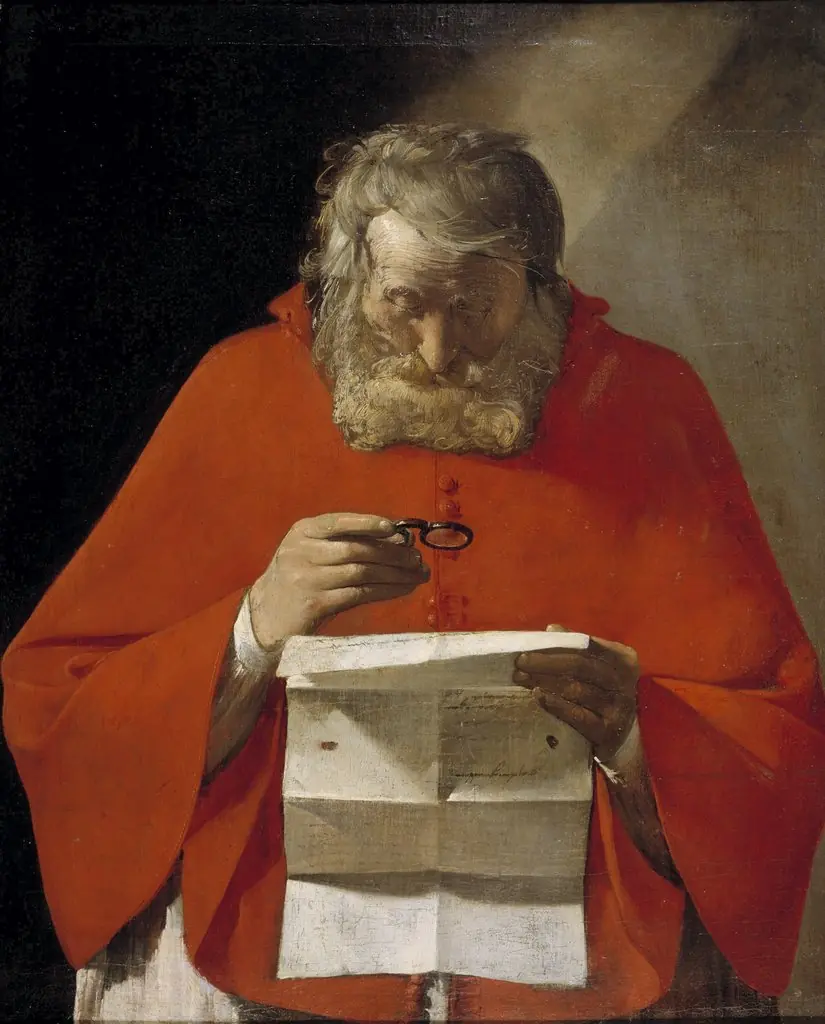 Saint Jerome reading a letter
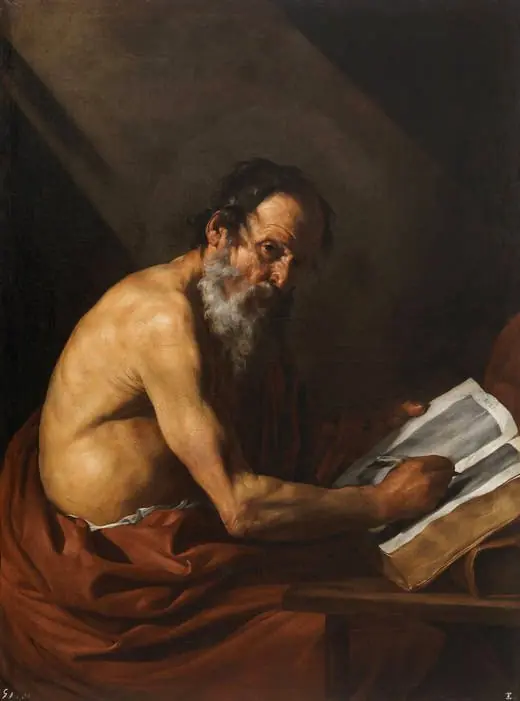 Saint Jerome writing
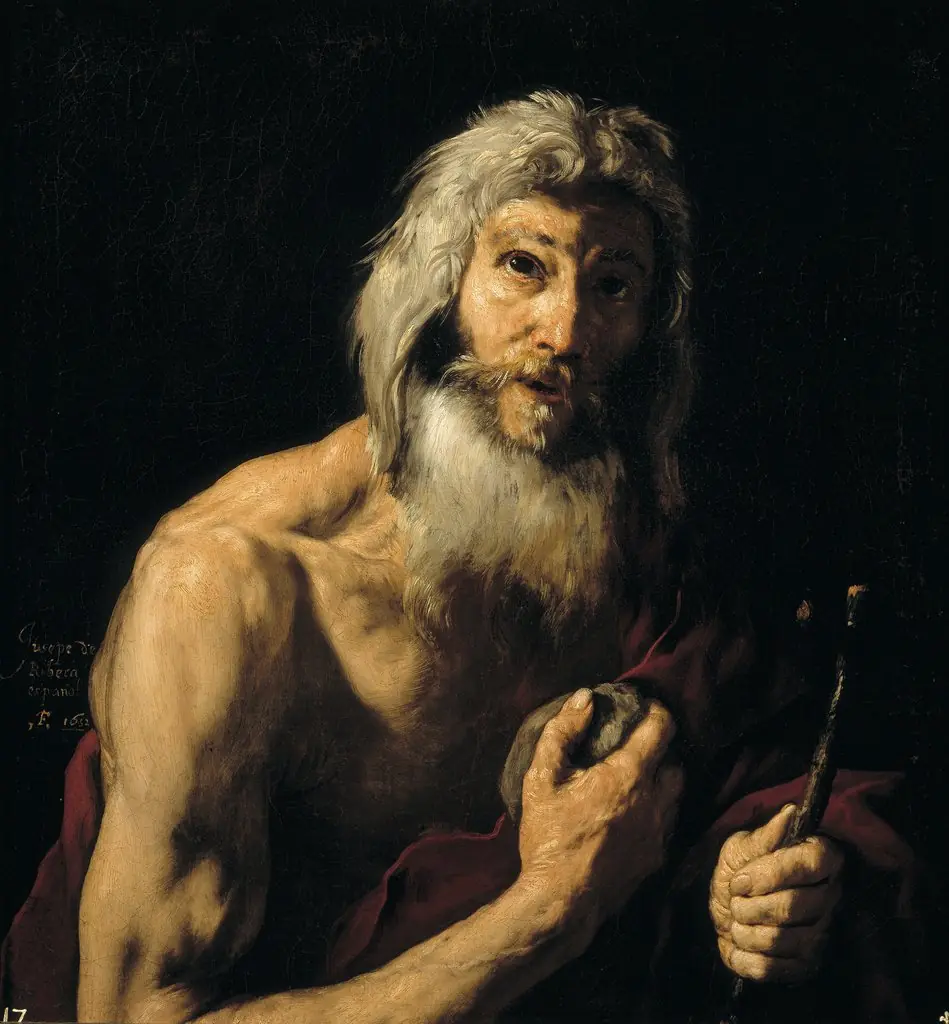 Penitent Saint Jerome
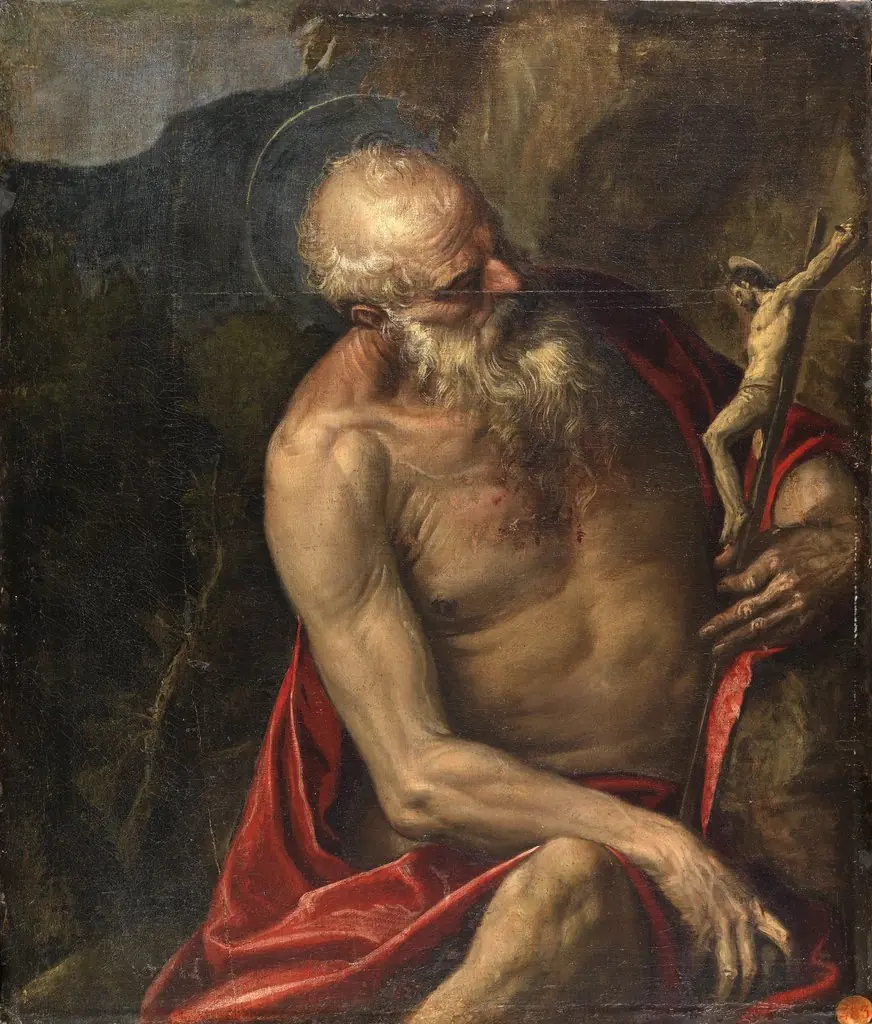 Saint Jerome meditating
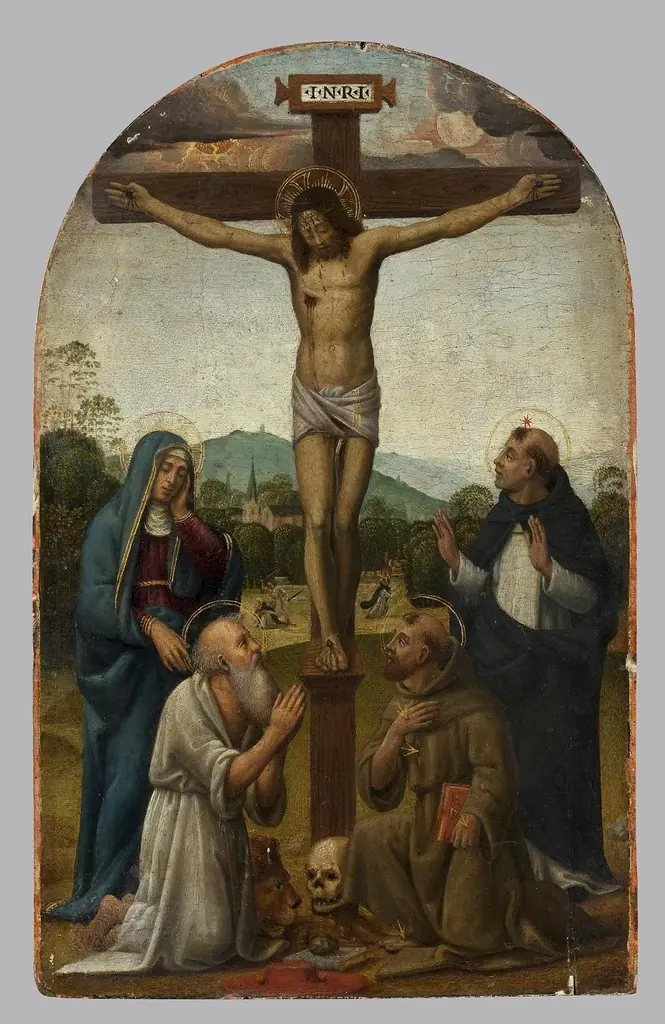 Crusifixion with the Virgin Mary and Sts Dominic, Jerome and Francis
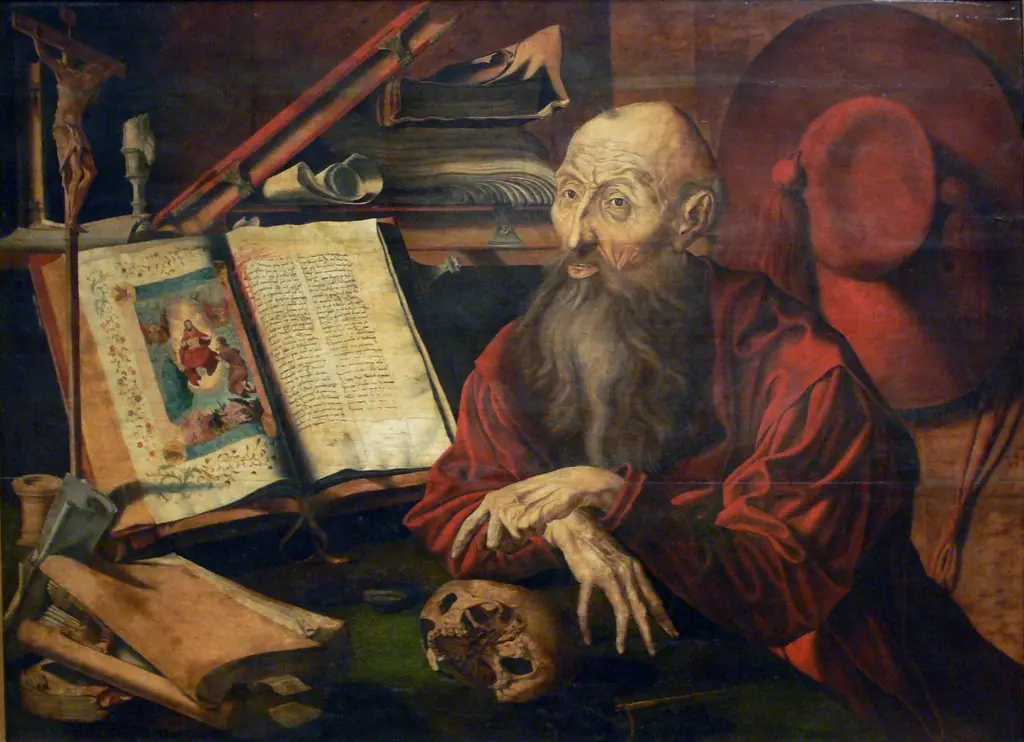 Saint Jerome in His Study
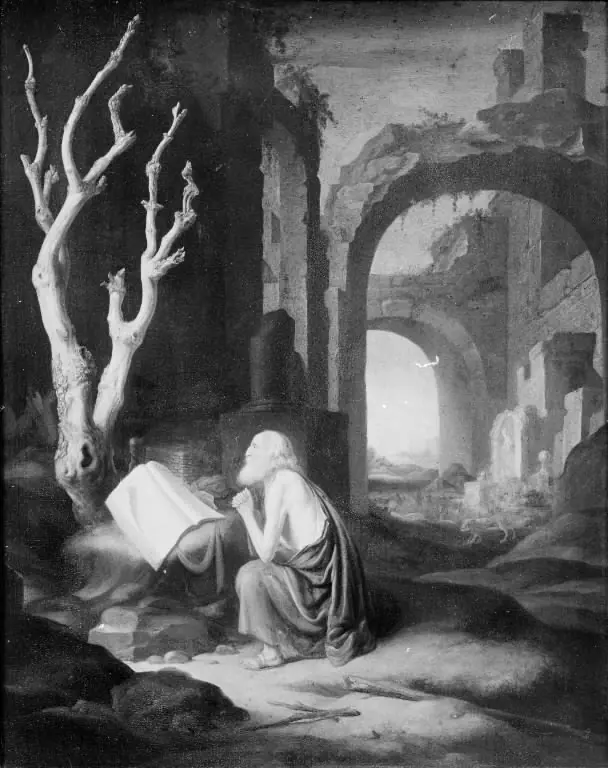 Saint Jerome
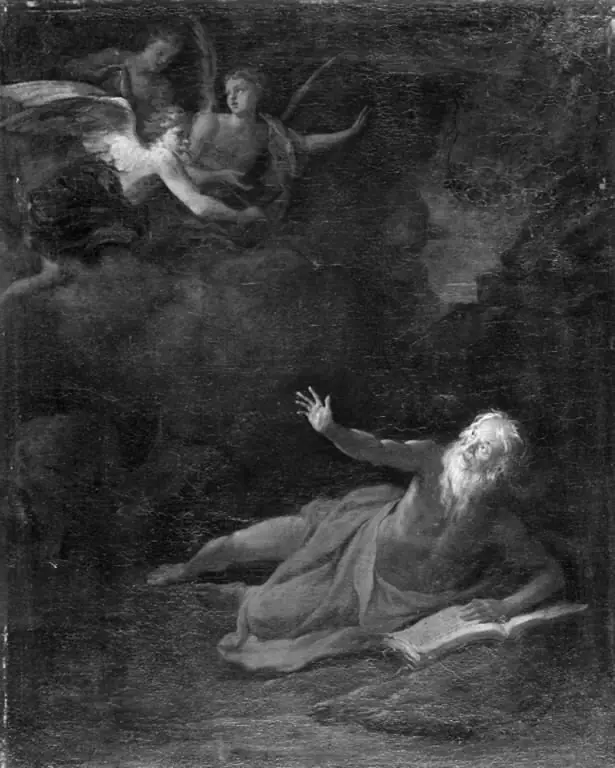 The Vision of St Jerome
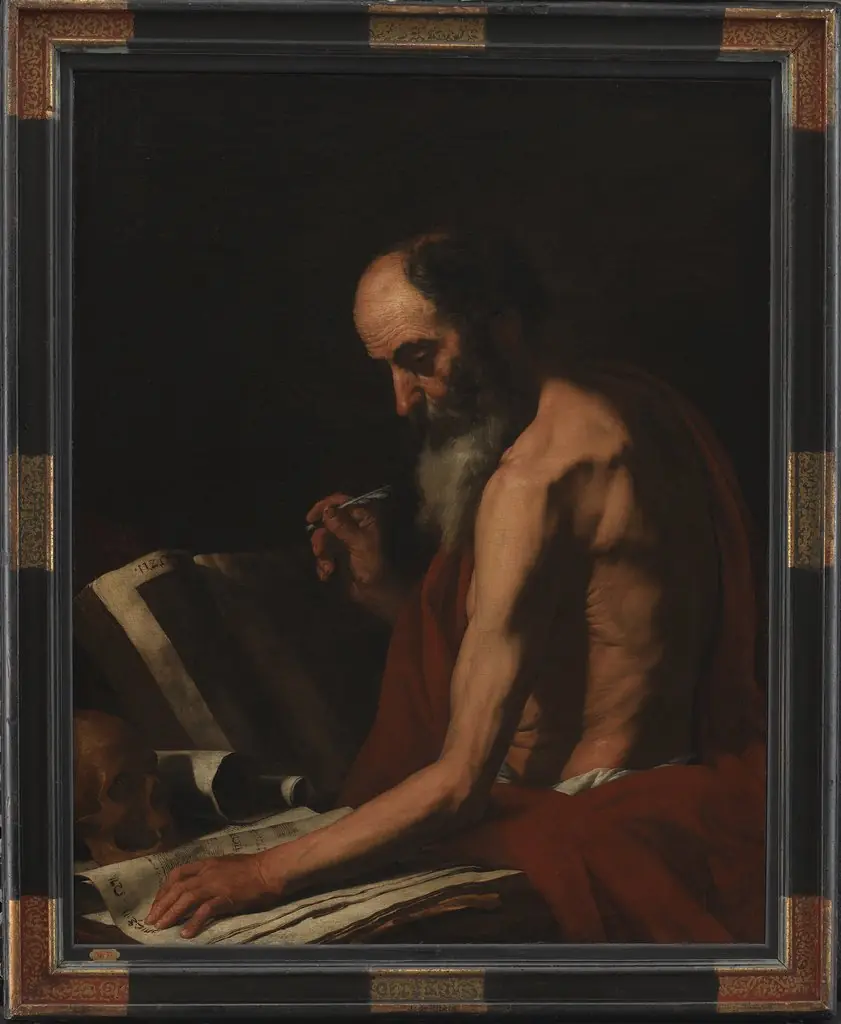 St Jerome
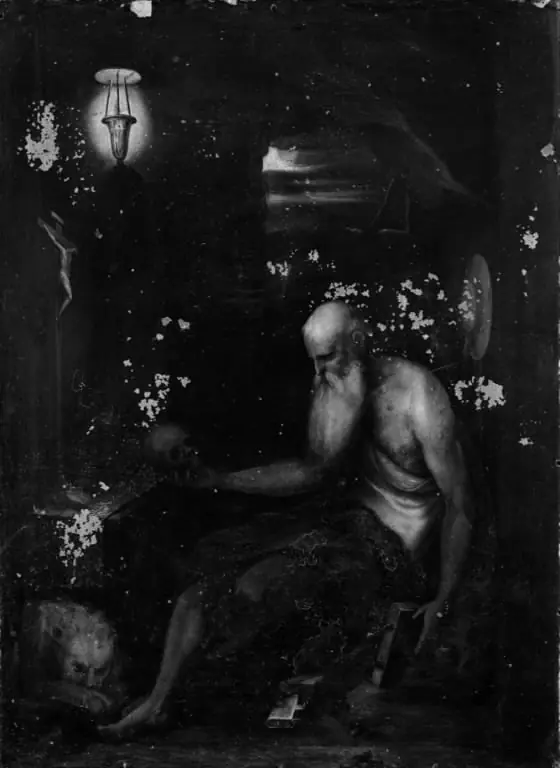 Saint Jerome and the Lion
 Saint Jerome
 Landscape with Saint Jerome
 Wax Modeller Simon as St. Jerome
 Saint Jerome
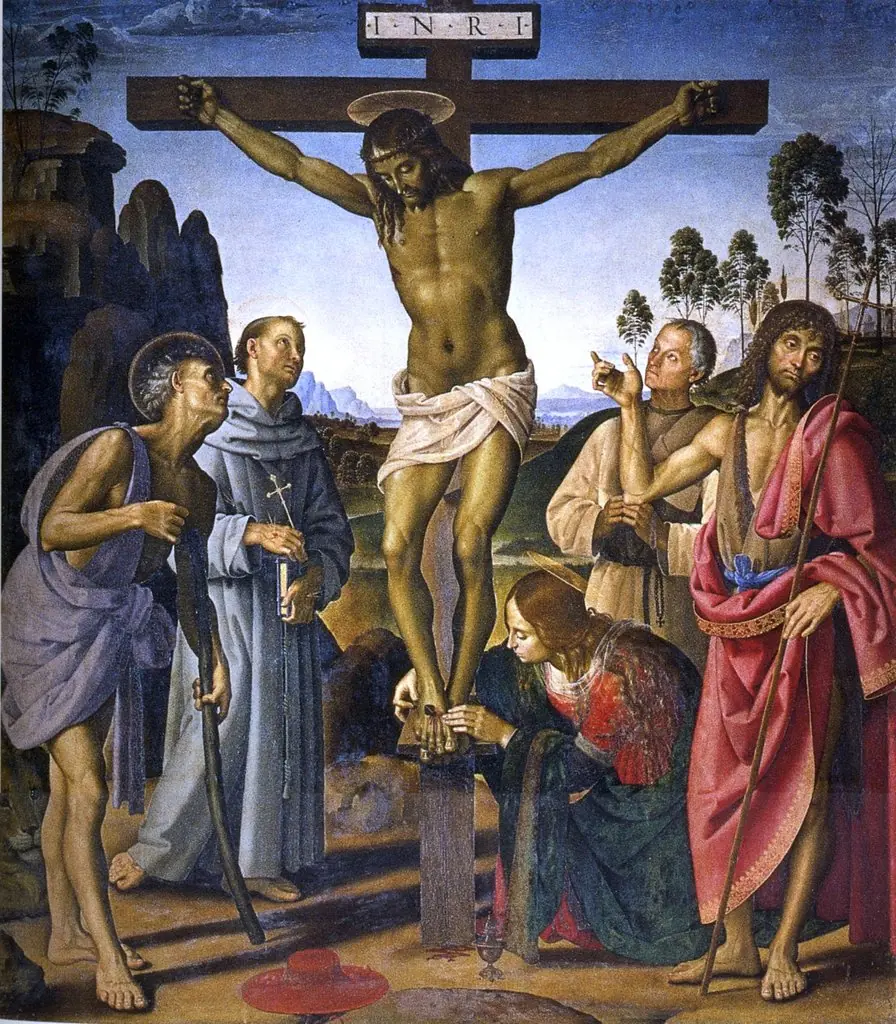 Crucifixion of Christ with saints
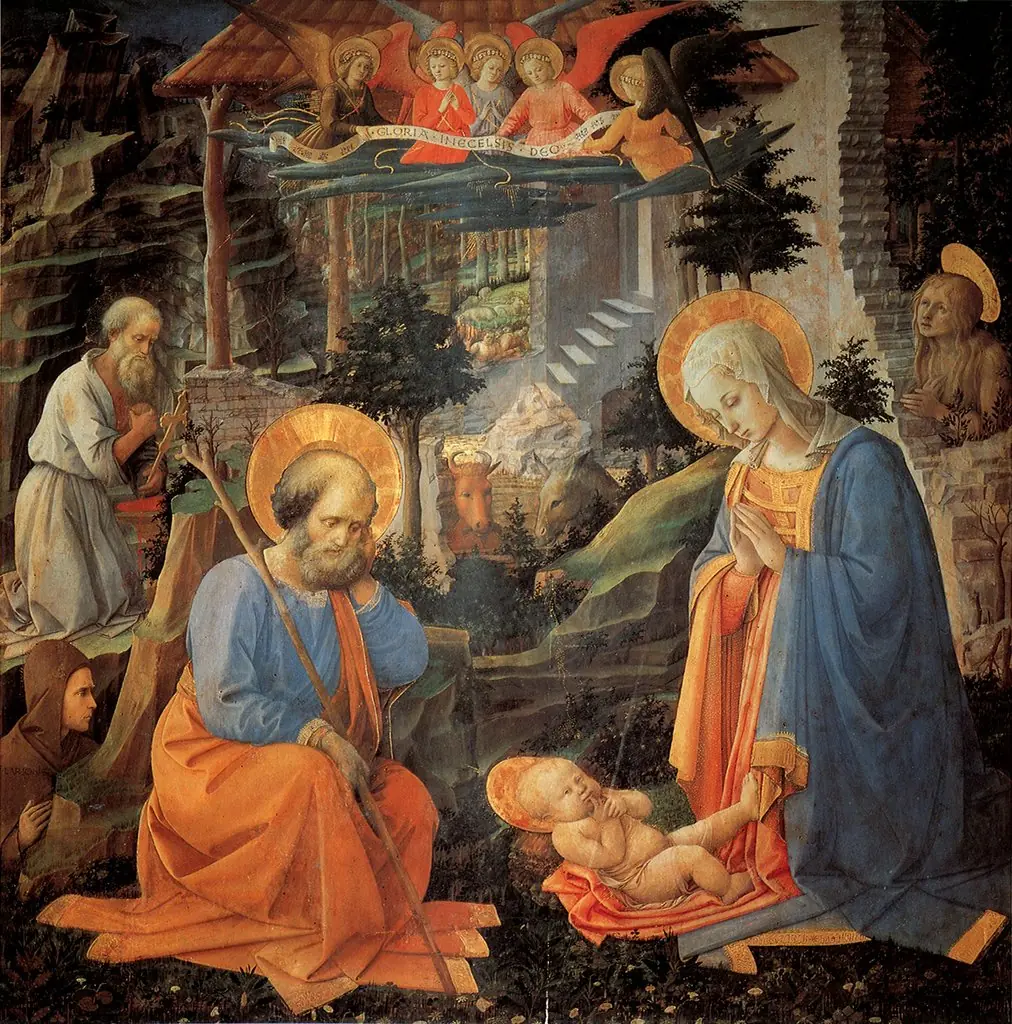 Adoration of the Child with SS. Joseph, Jerome, Hilarion, Magdalena and angels
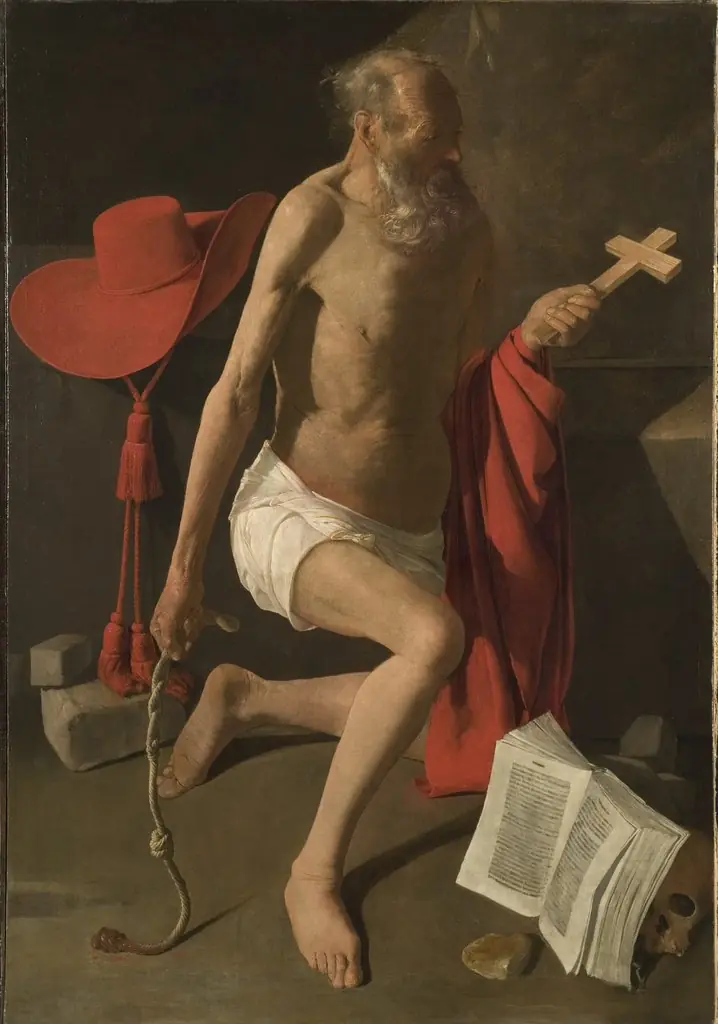 The Penitent St Jerome
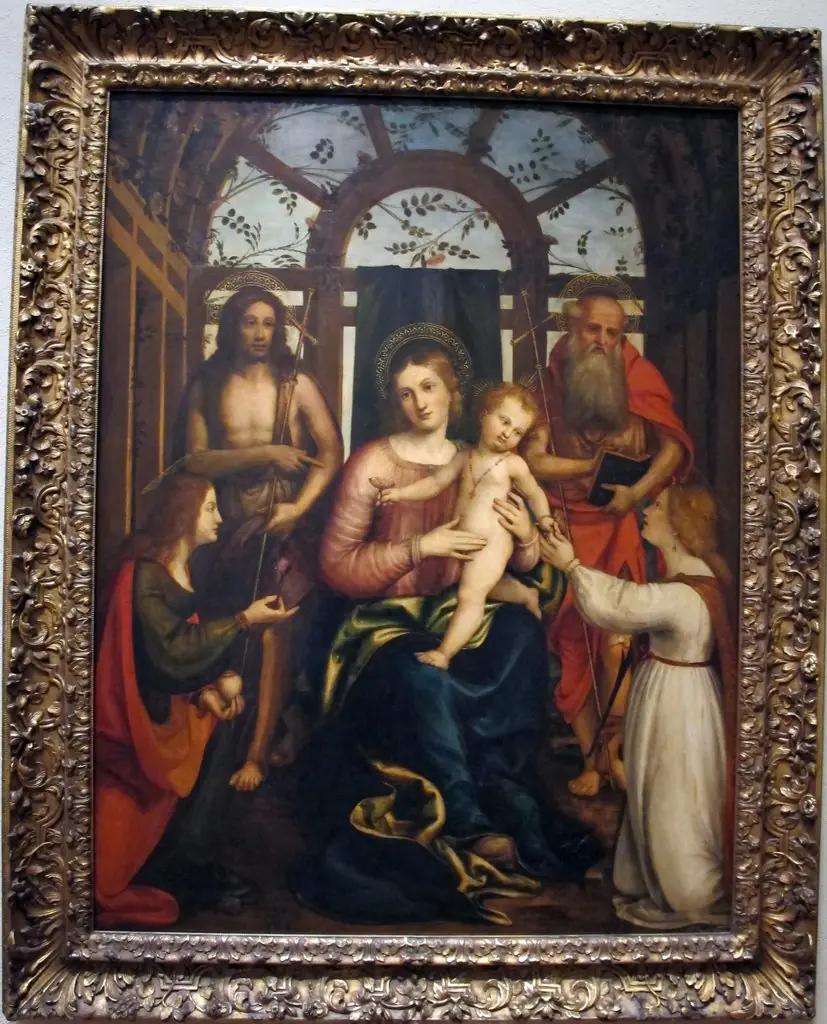 Virgin and Child, with Saints Mary Magdalene, John the Baptist, Jerome, and Catherine of Alexandria
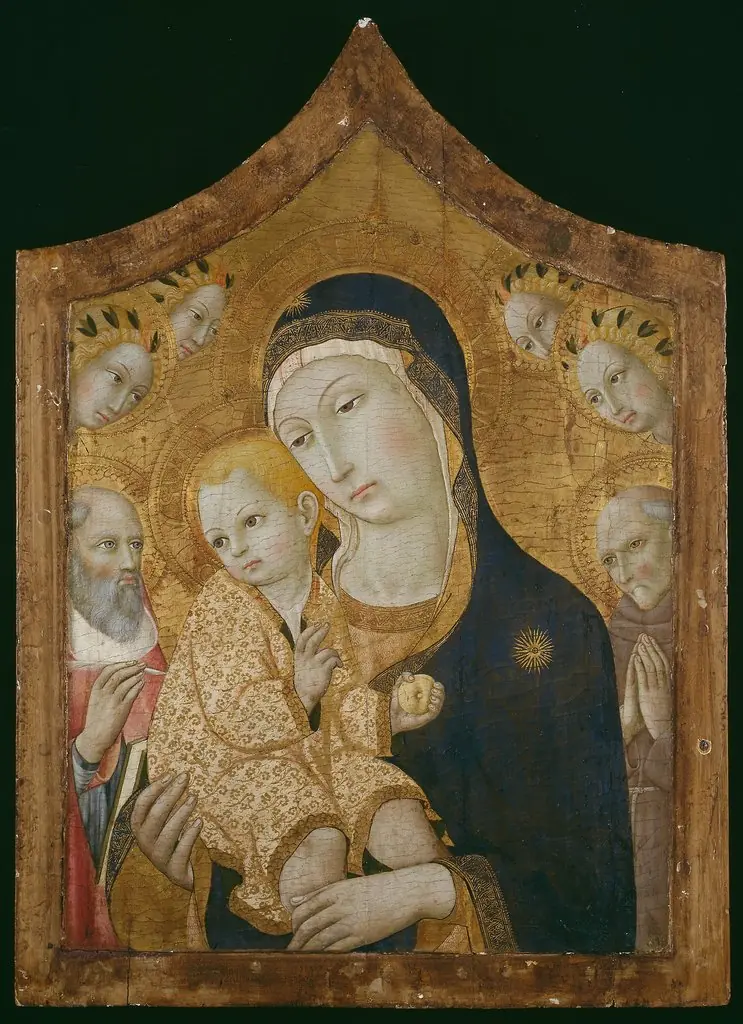 Virgin and Child with Saints Jerome, Bernardino of Siena, and Angels
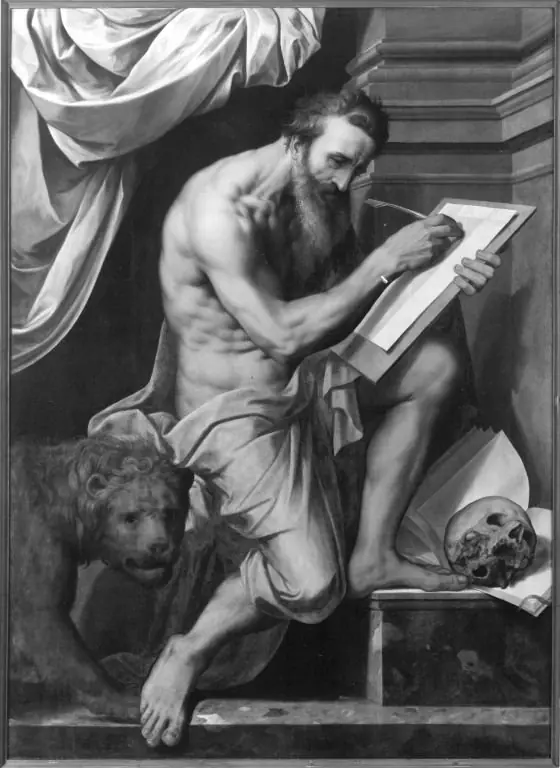 Der hl. Hieronymus
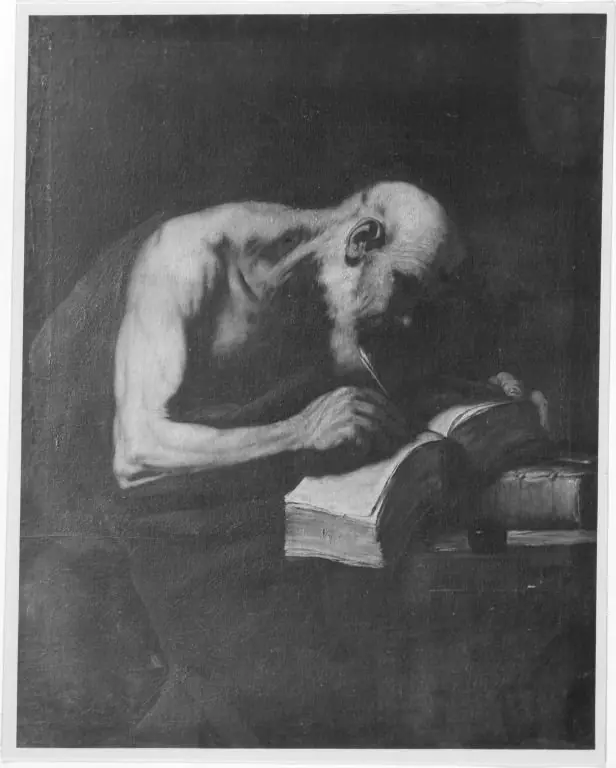 Hl. Hieronymus
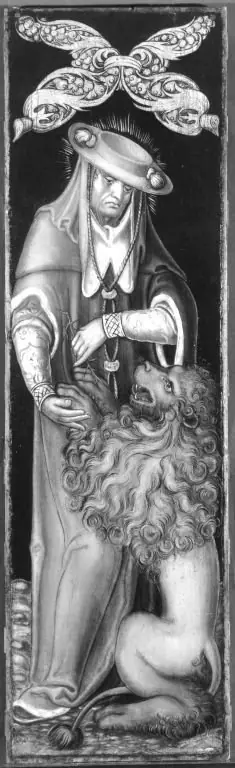 Saint Jerome
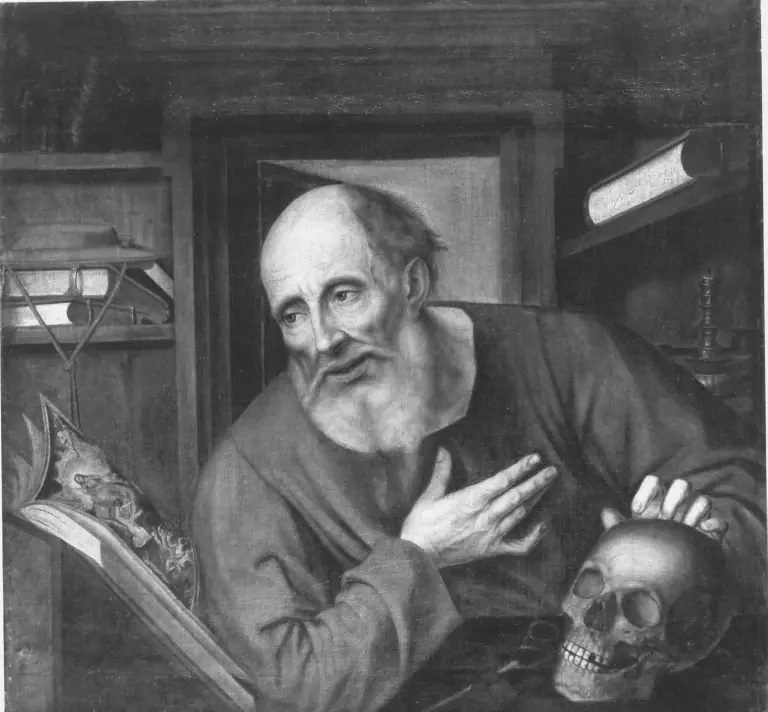 Hl. Hieronymus (Kopie nach einem verlorenen Original) (Kopie nach)
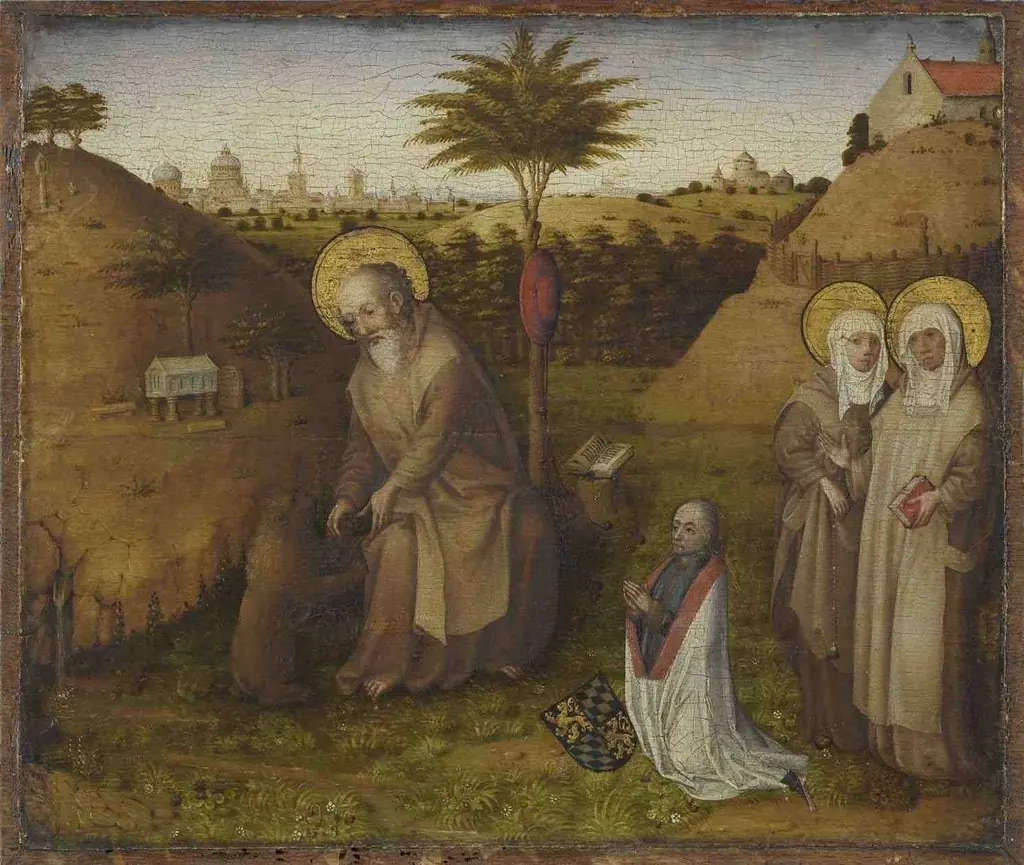 De H. Hiëronymus met de heilige nonnen Paola Romana en Eustochium
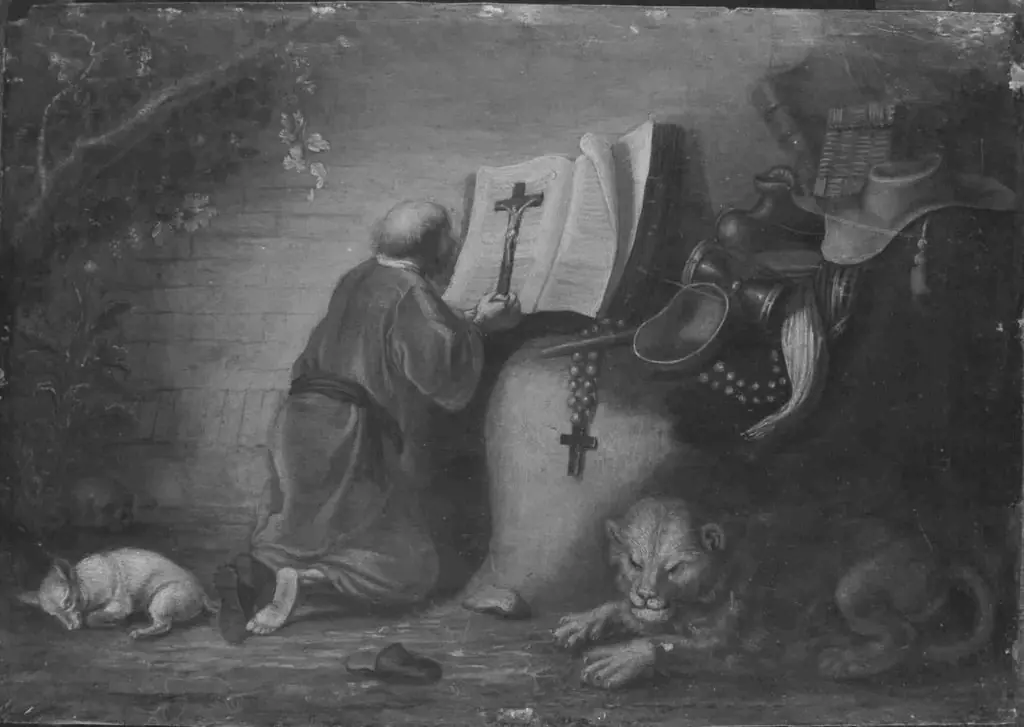 Hl. Hieronymus (Nachahmer)
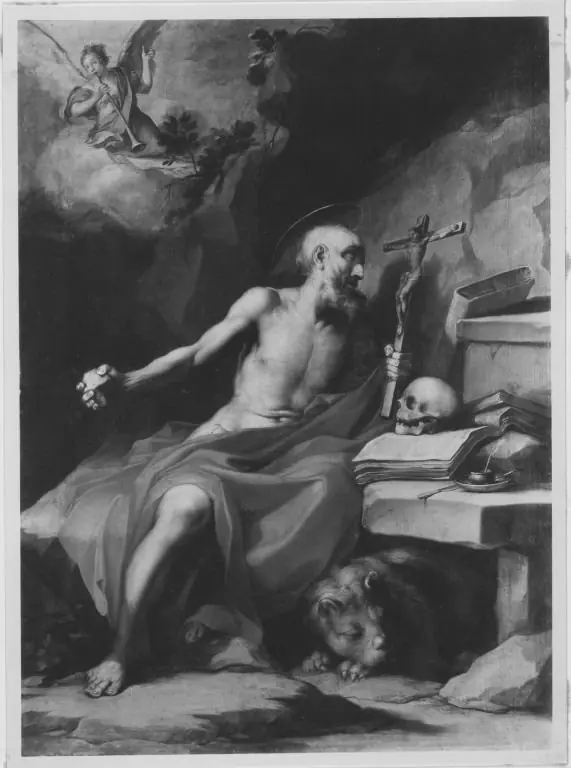 Hl. Hieronymus
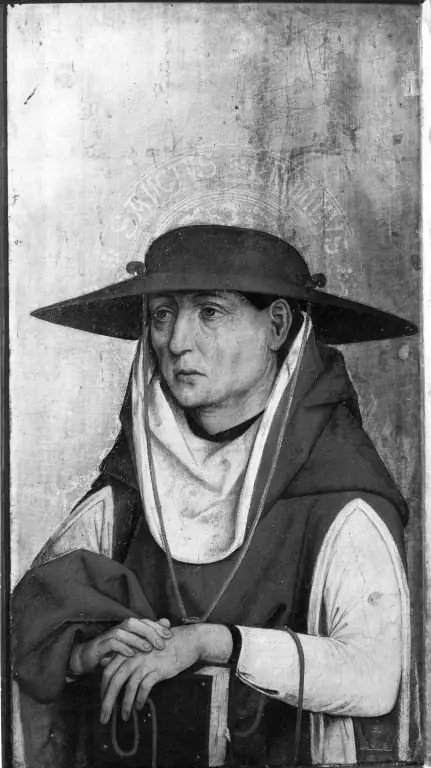 Hl. Hieronymus Außenseite: Marter der Zehntausend (Werkstatt, Hans Siebenbürger)
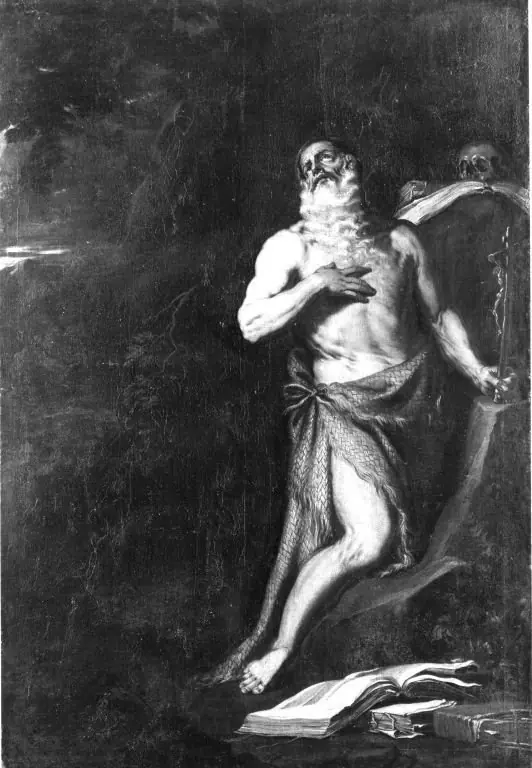 Der hl. Hieronymus
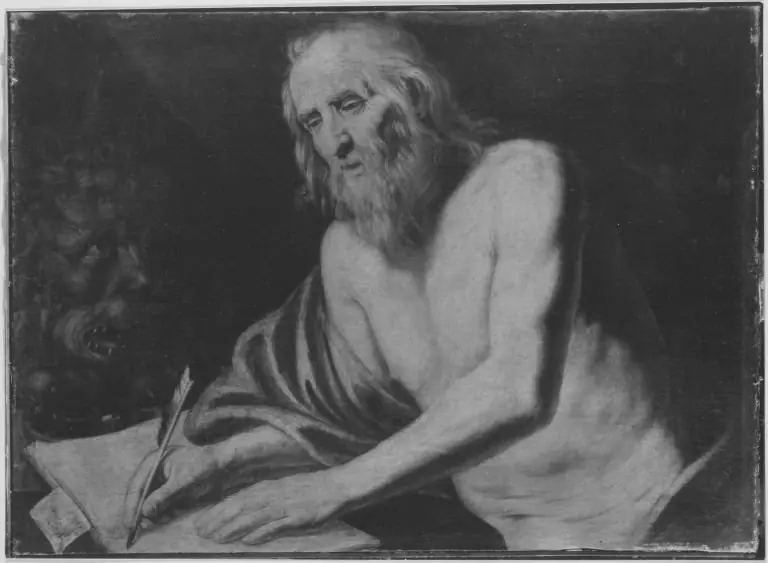 Hl. Hieronymus
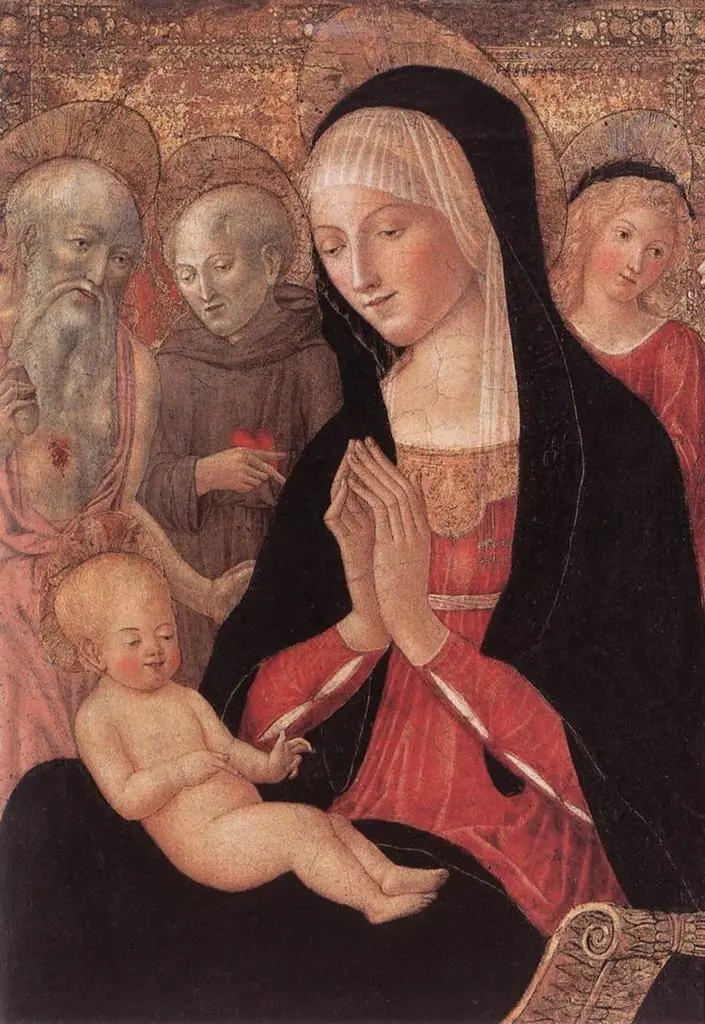 Virgin and Child with Saint Jerome, Saint Anthony of Padua and Two Angels
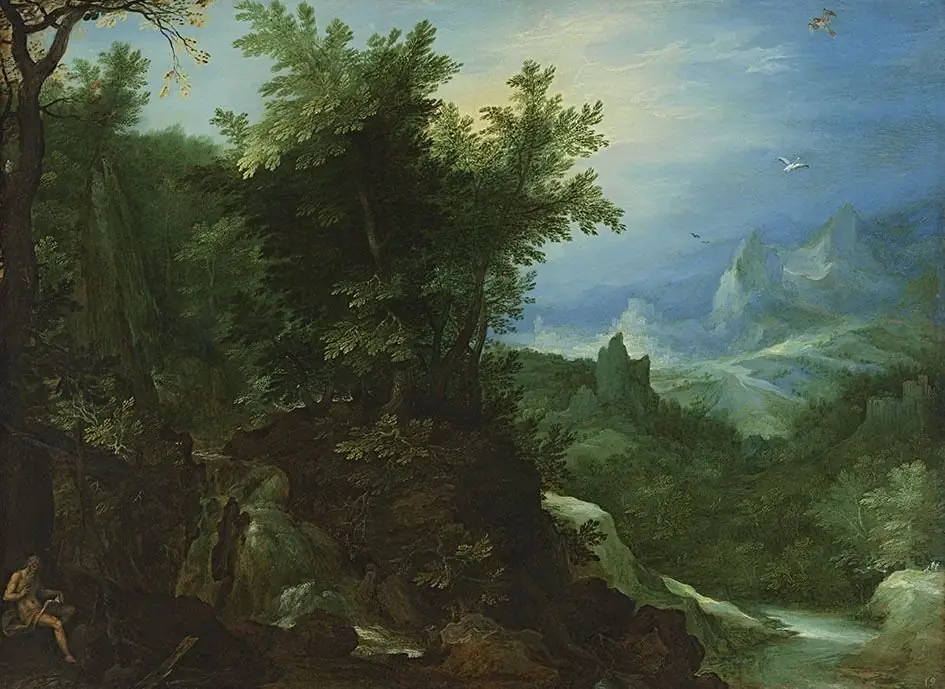 Woodland landscape with St Jerome
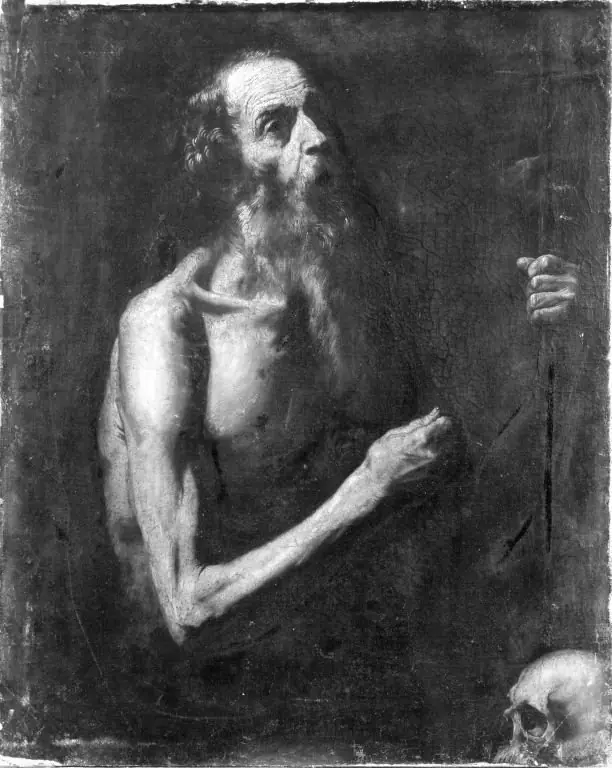 Saint Jerome
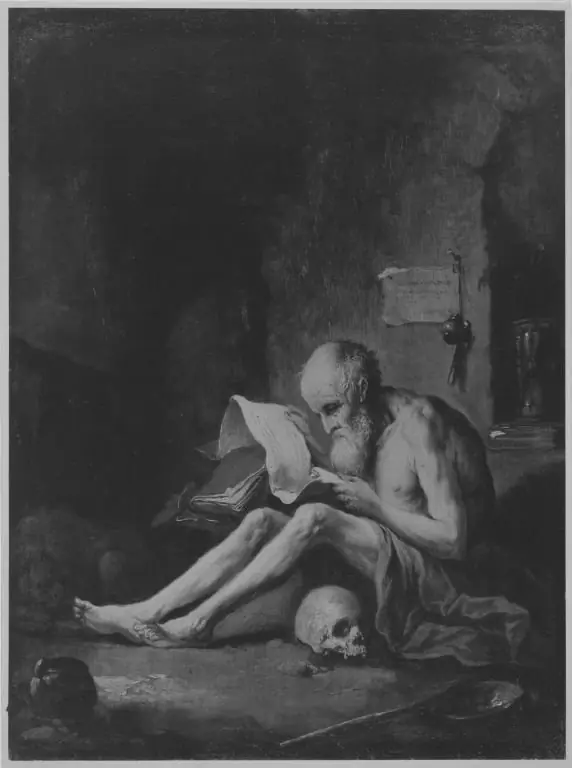 Hl. Hieronymus
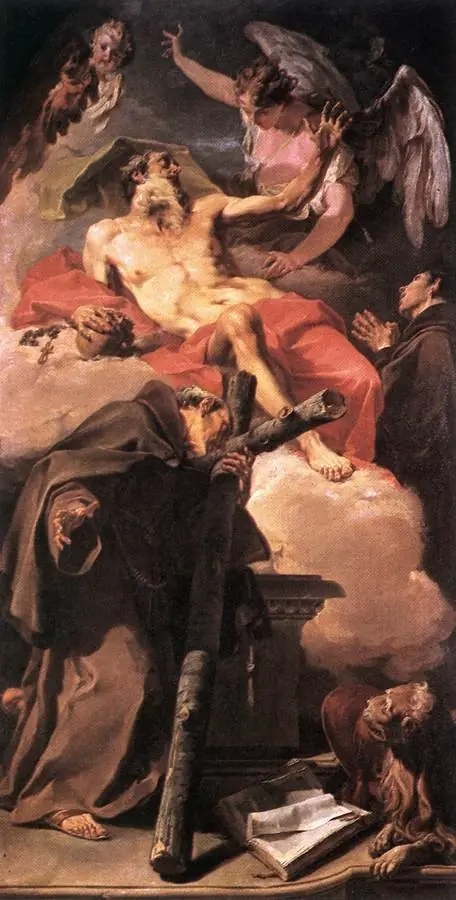 The Apotheosis of Saint Jerome with Saint Peter of Alcántara and Antonino da Patti
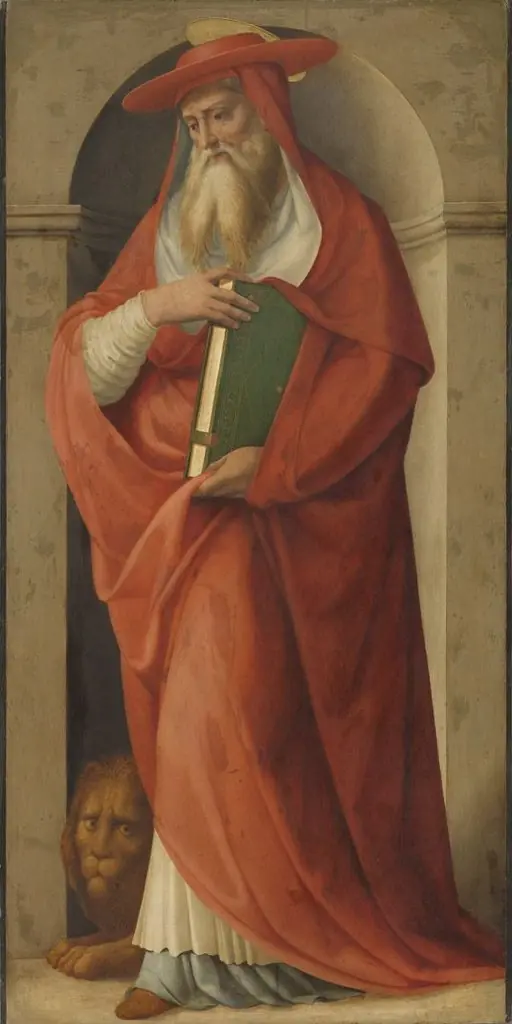 Saint Jerome
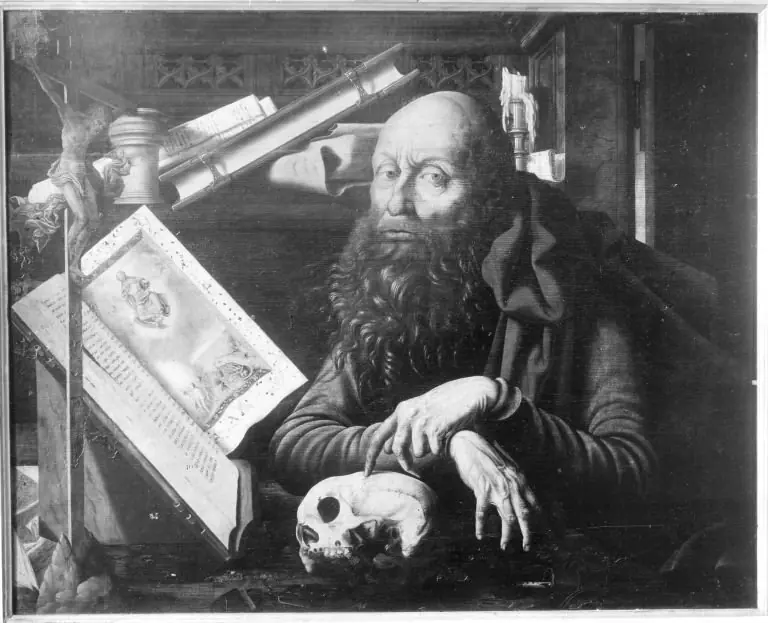 Saint Jerome
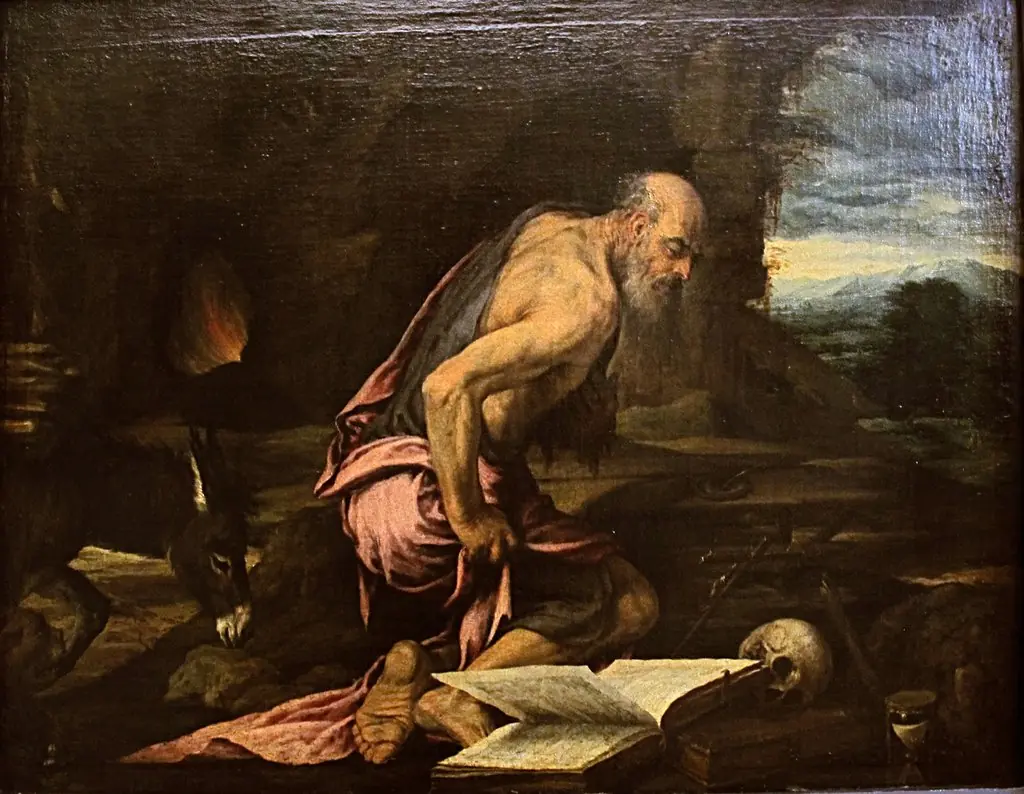 Der büßende hl. Hieronymus
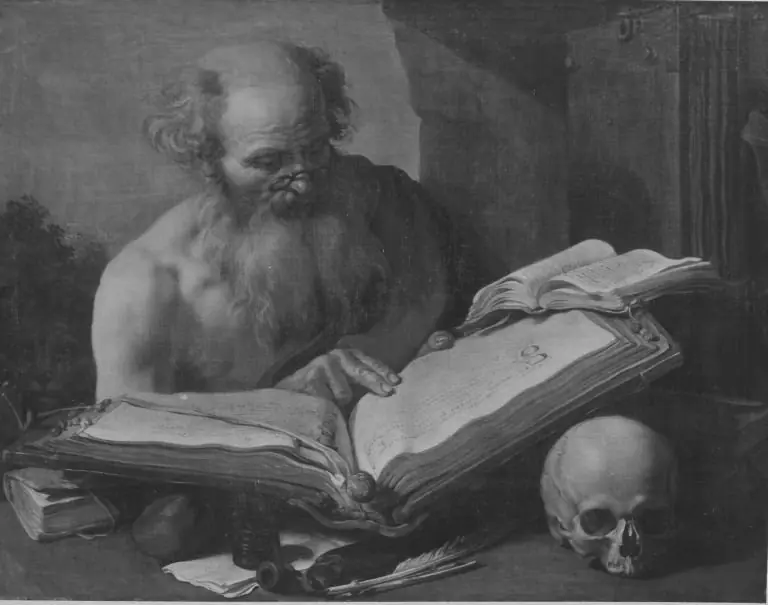 Saint Jerome reading
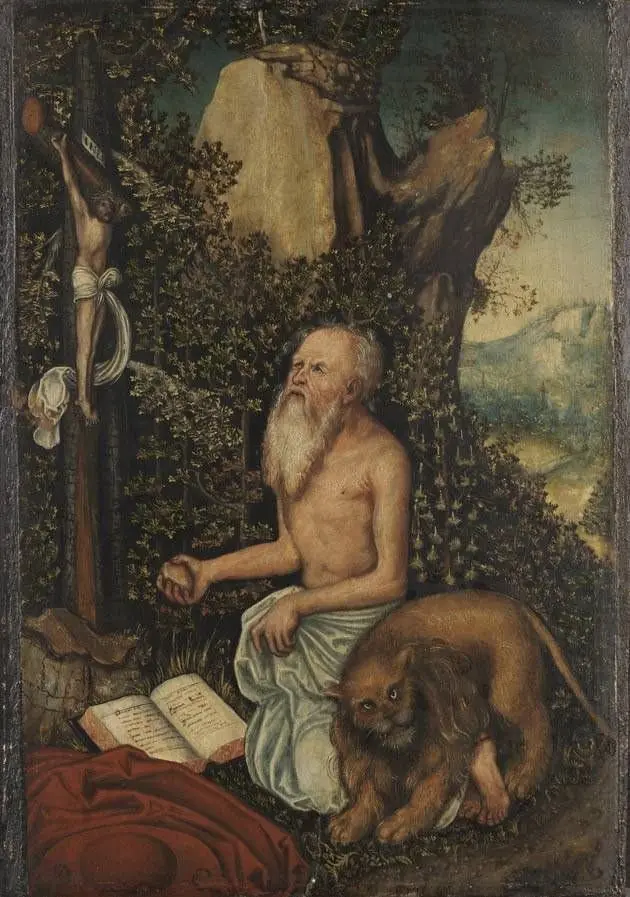 Saint Jerome
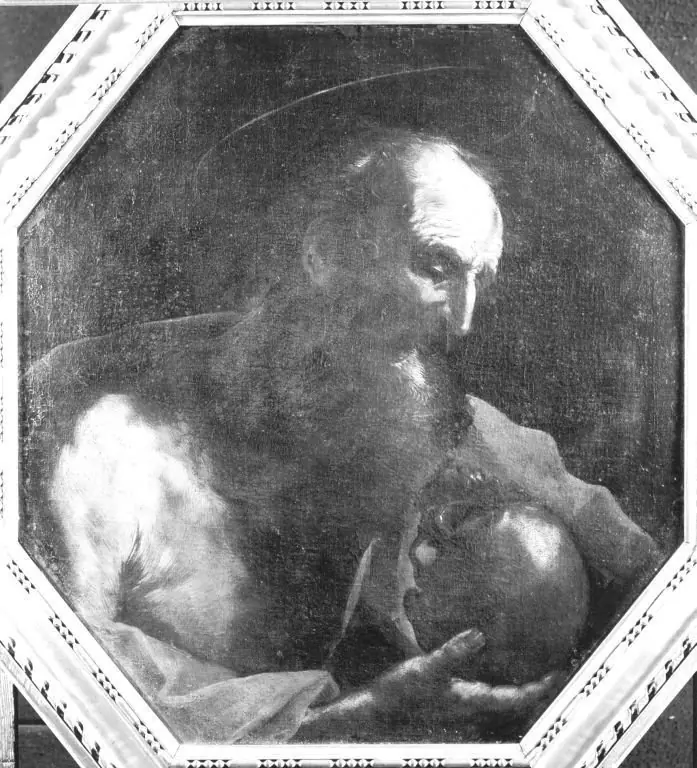 Der hl. Hieronymus (Kopie nach)
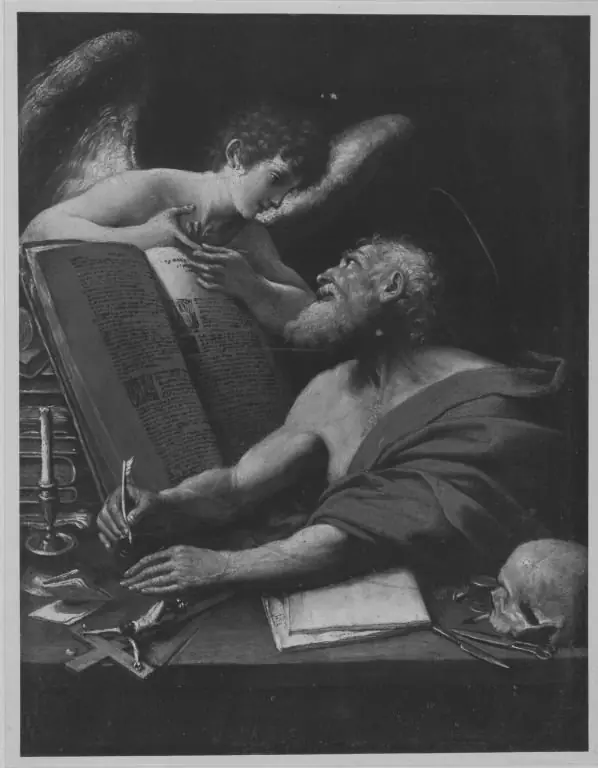 Der hl. Hieronymus
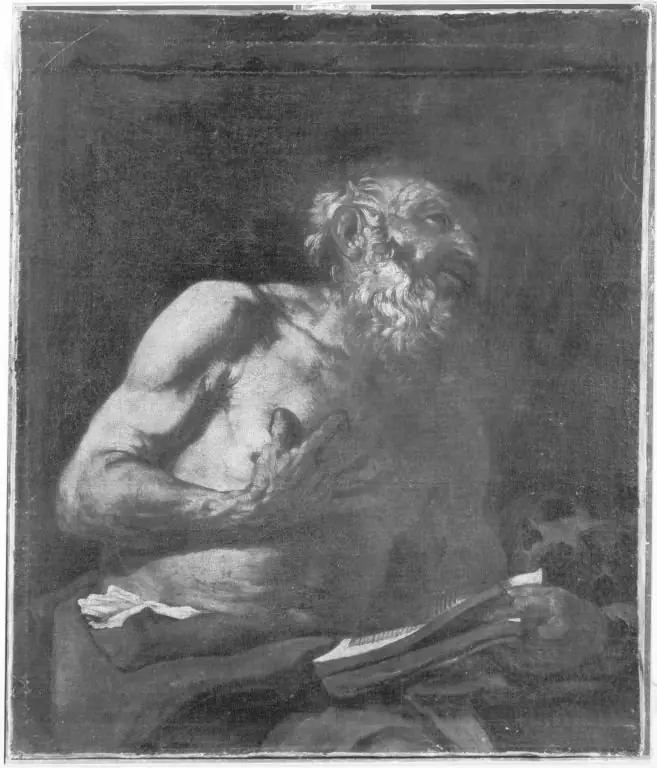 Hl. Hieronymus
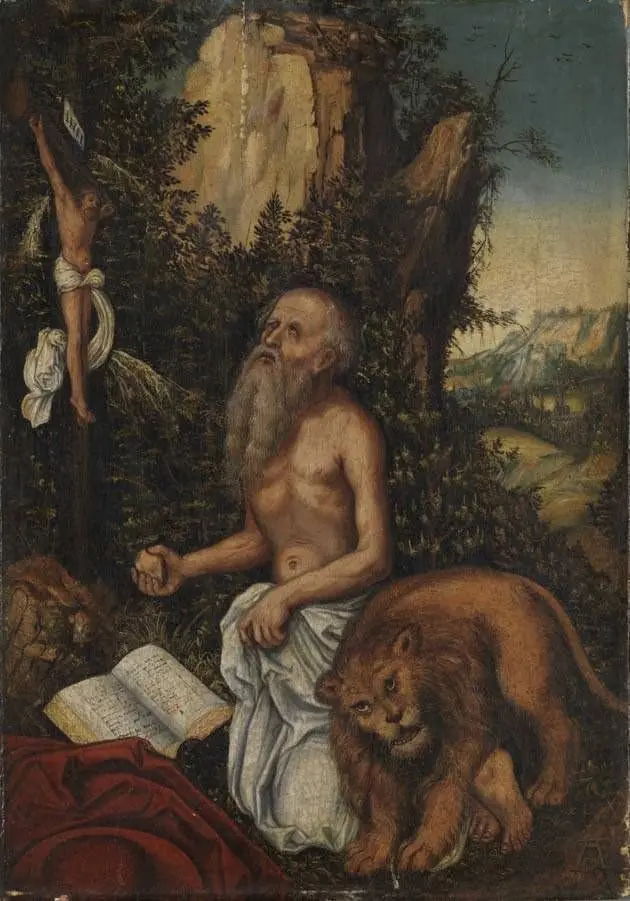 Saint Jerome
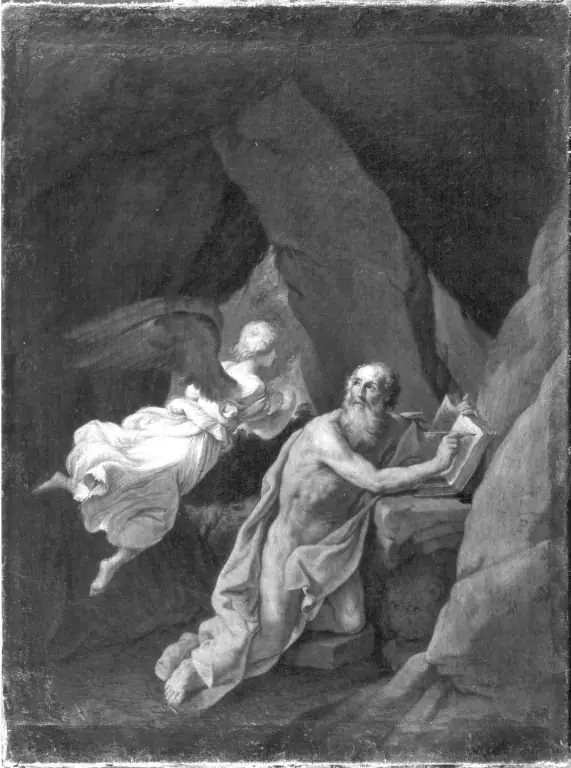 Hl. Hieronymus
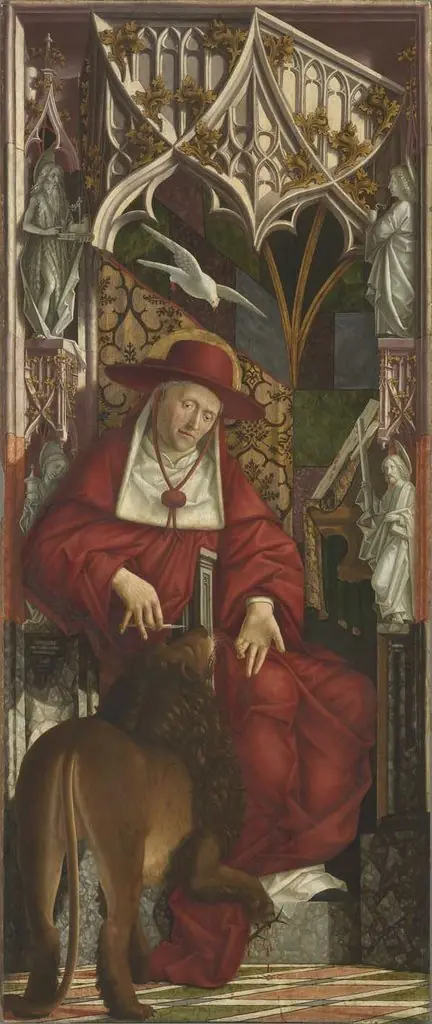 Kirchenväteraltar: Hl. Hieronymus
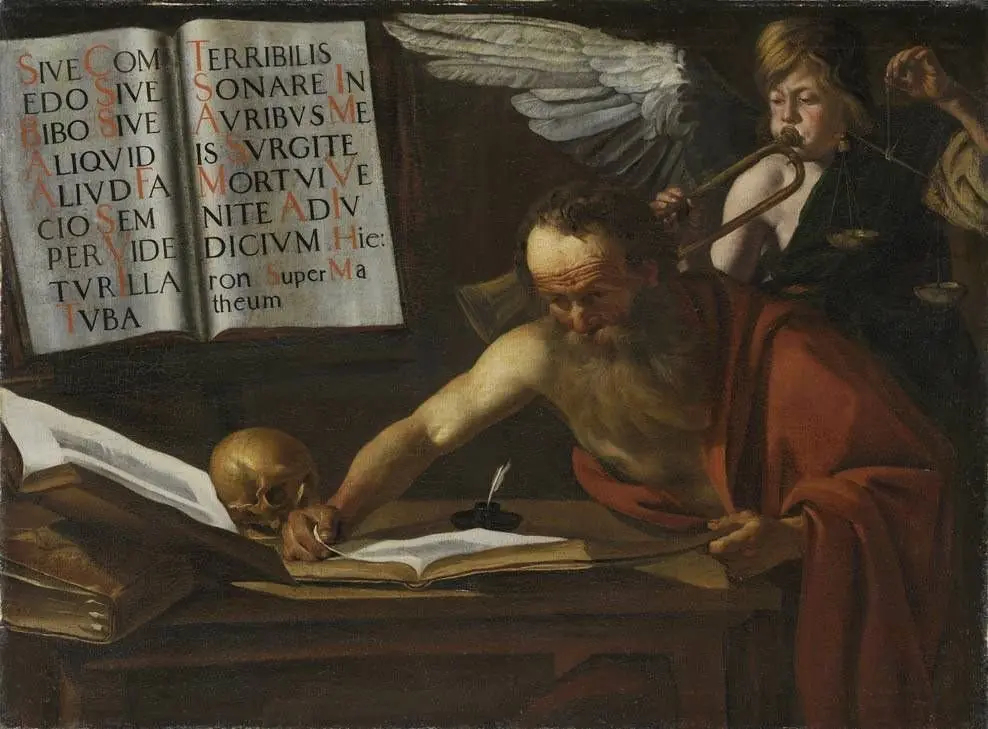 Hl. Hieronymus mit dem Posaunenengel
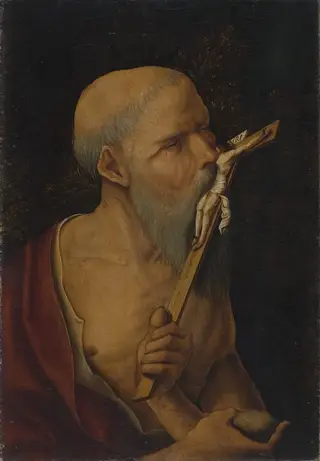 Der hl. Hieronymus
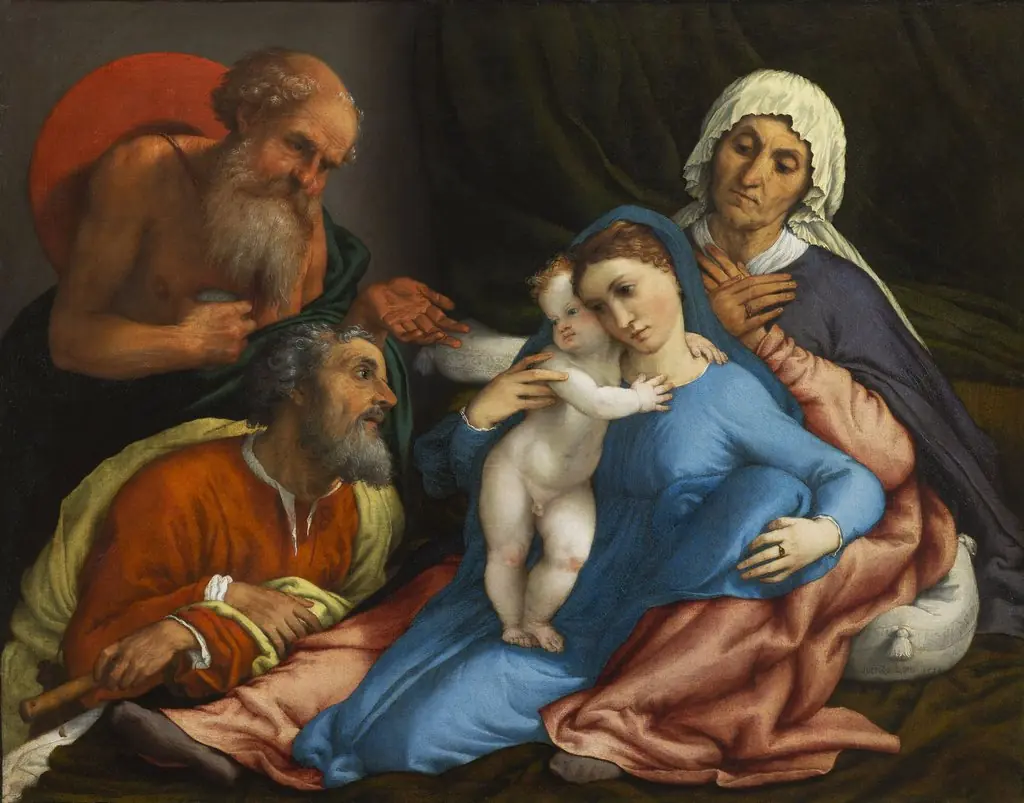 Madonna and Child with Saints
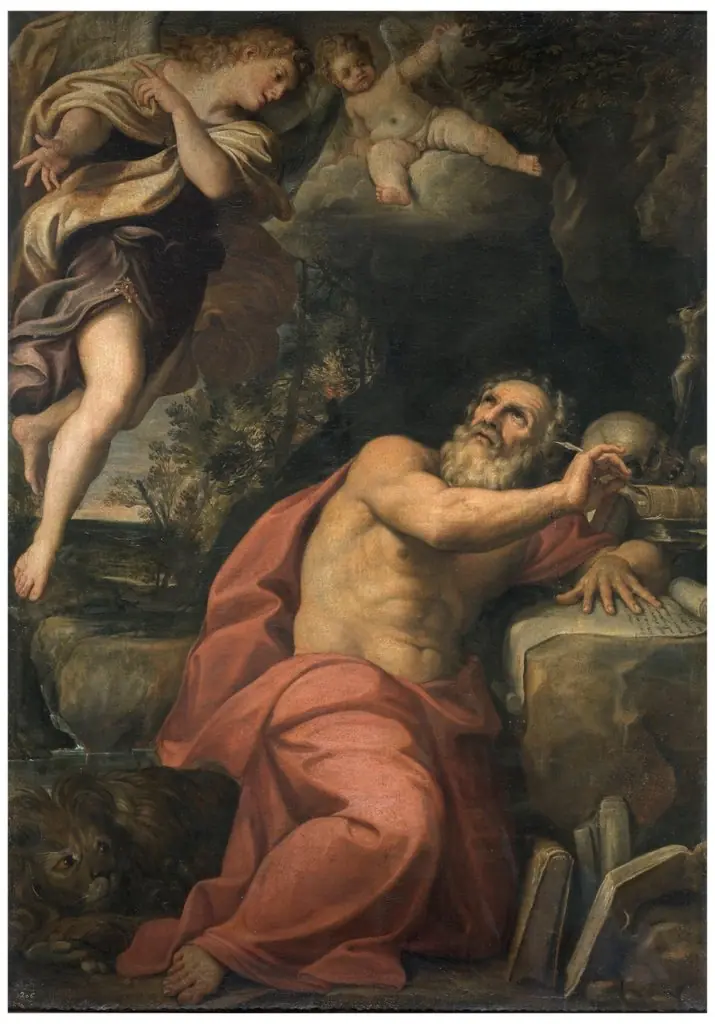 Aparición de los ángeles a San Jerónimo
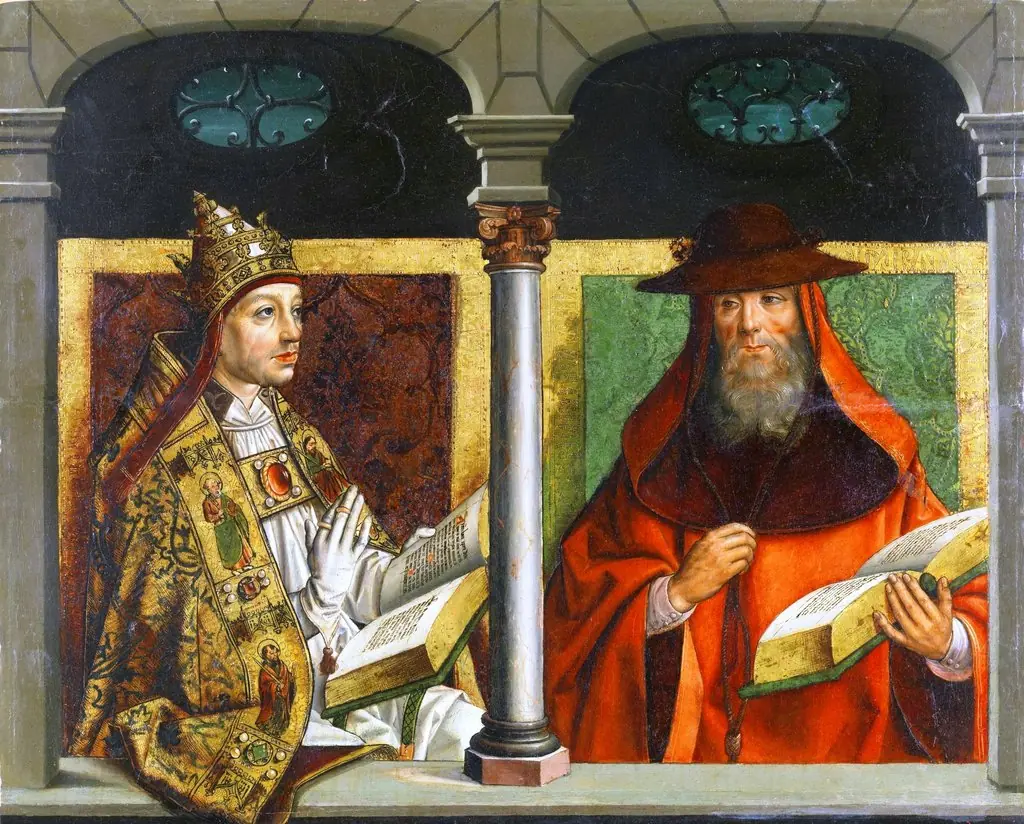 Saint Gregory the Great and Saint Jerome
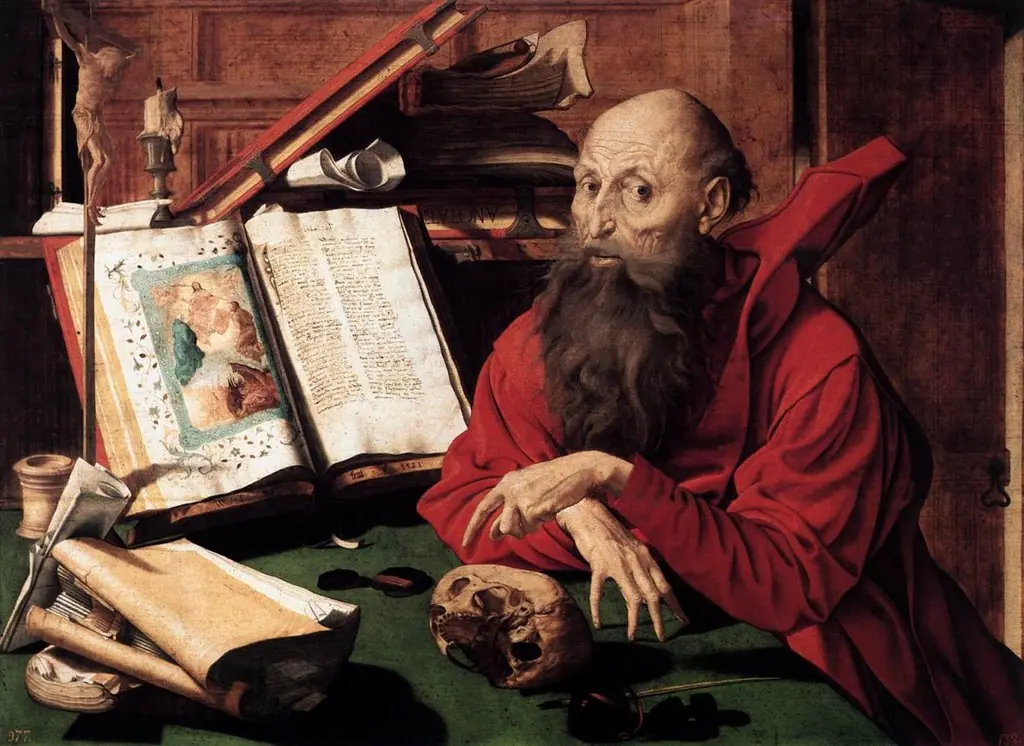 Saint Jerome
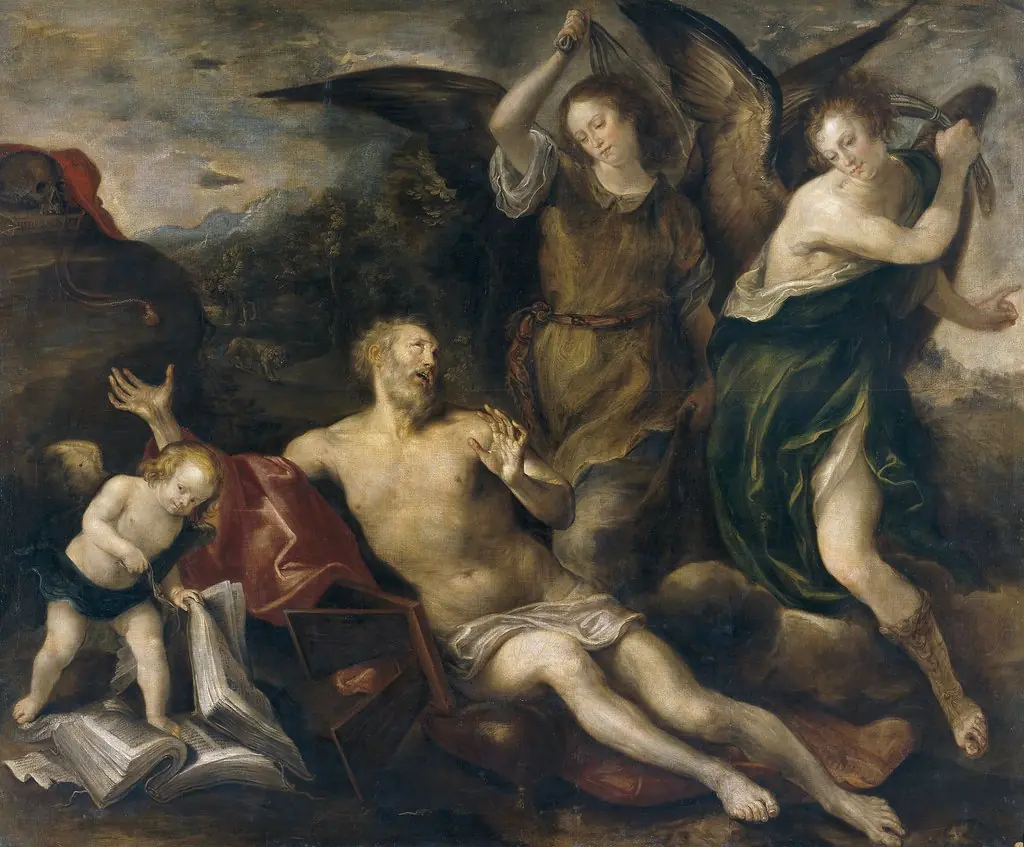 Saint Jerome Whipped by Angels
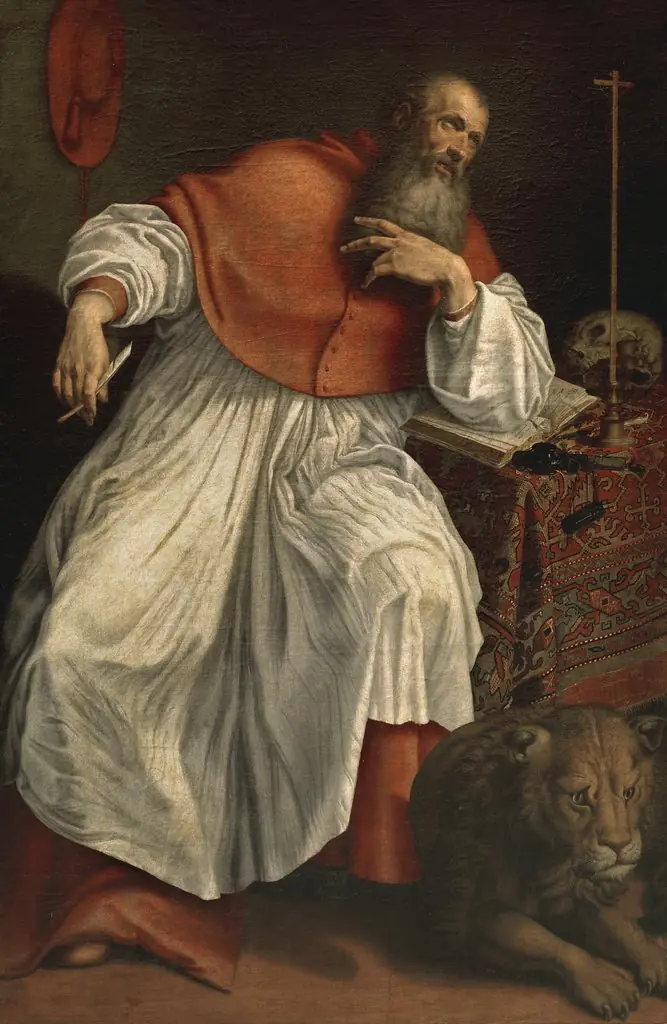 Saint Jerome
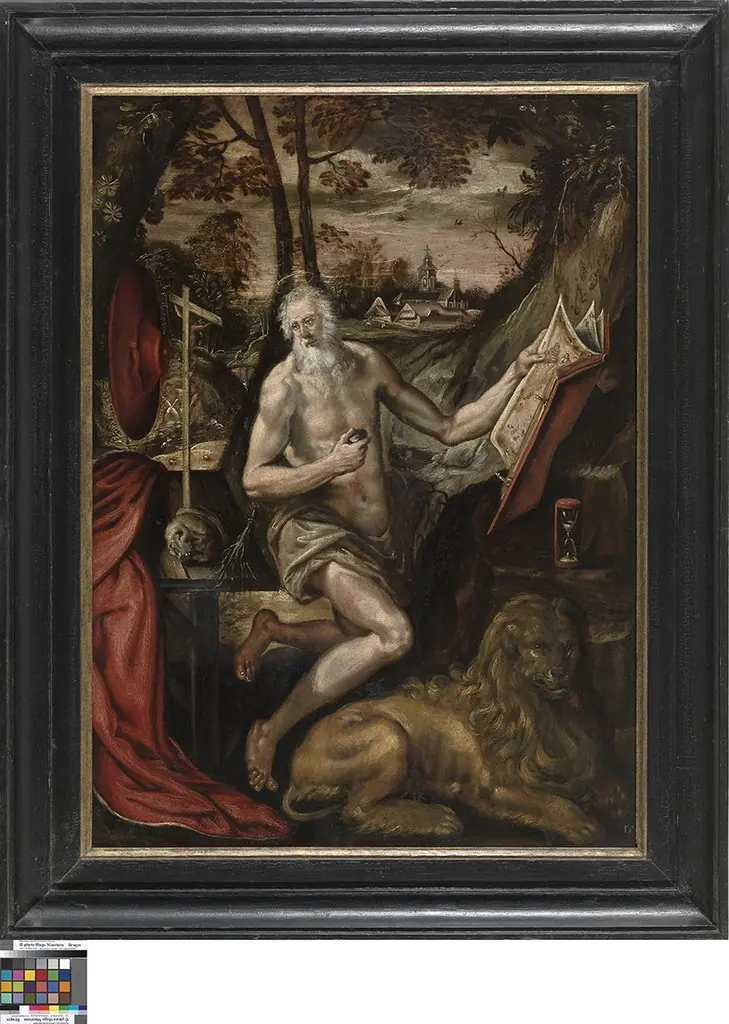 Saint Jerome
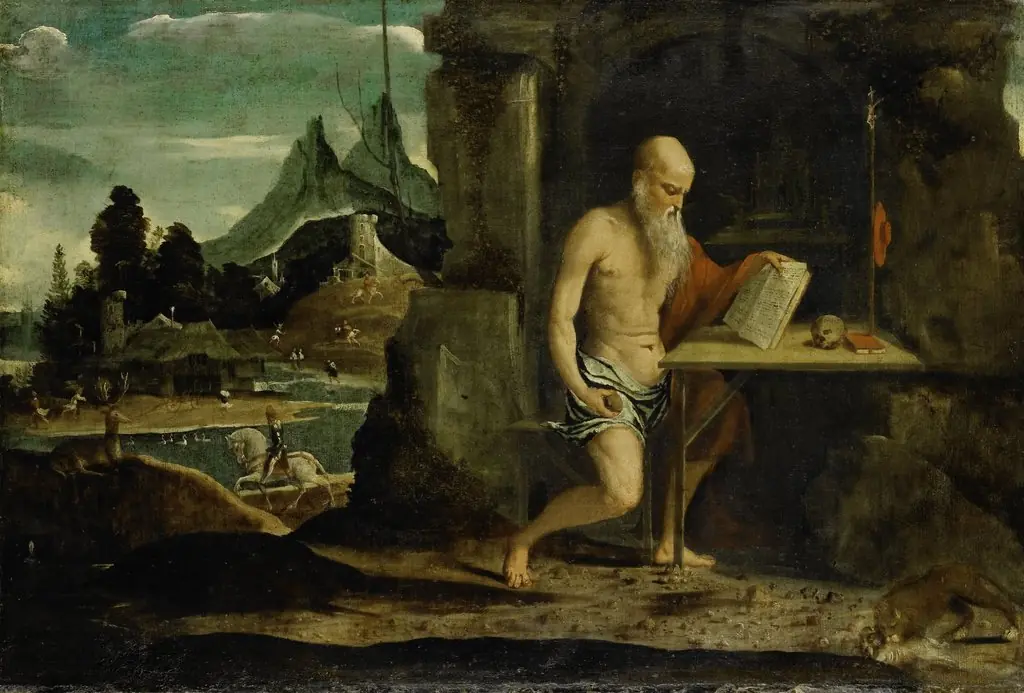 Saint Jerome
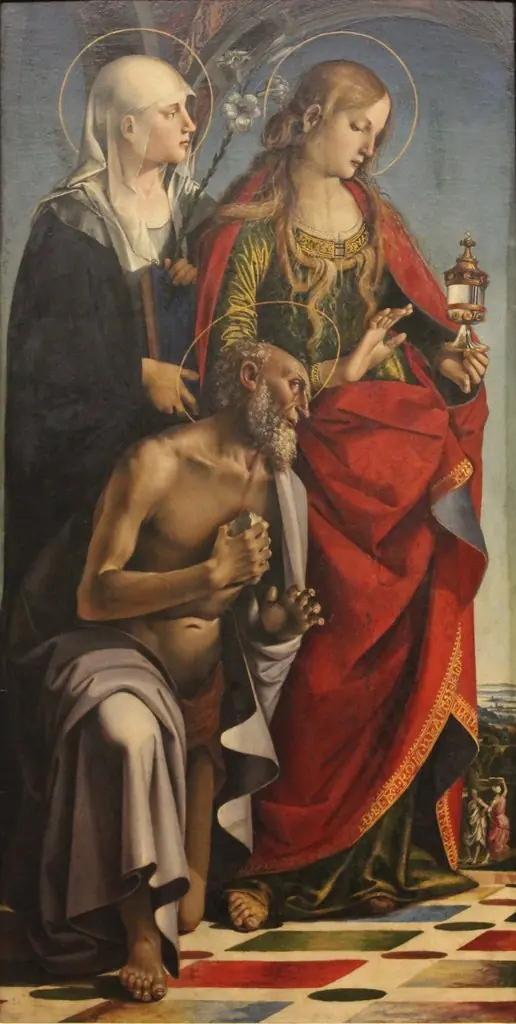 Saints Eustachia, Mary Magdalene and Saint Jerome
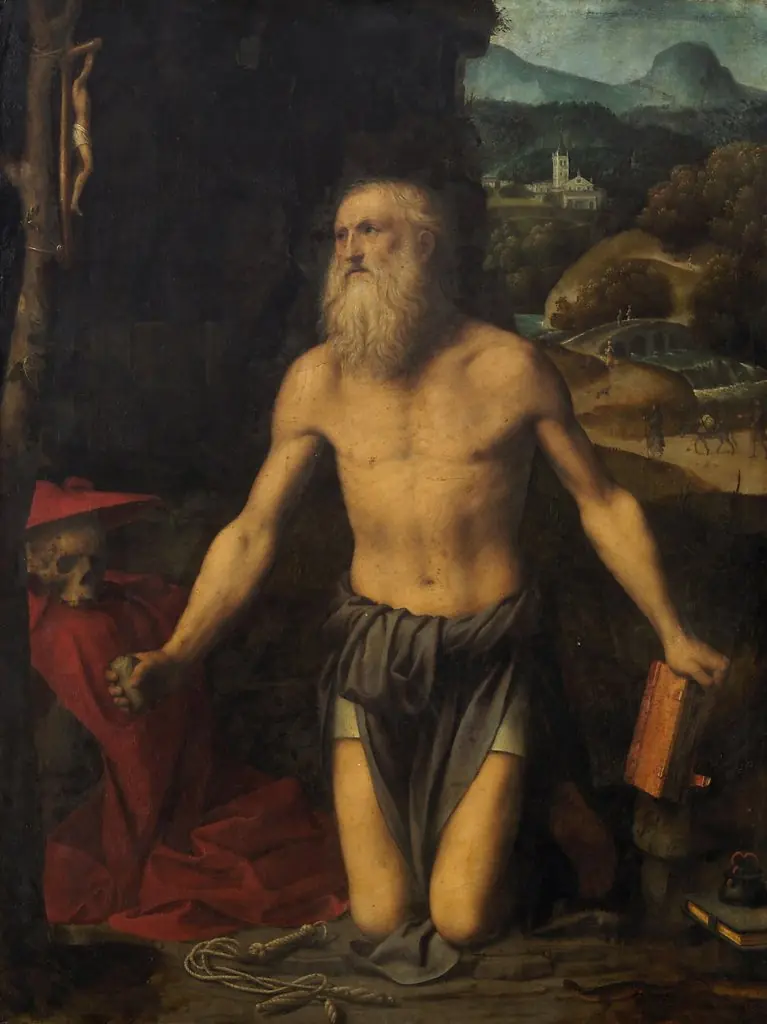 Saint Jerome
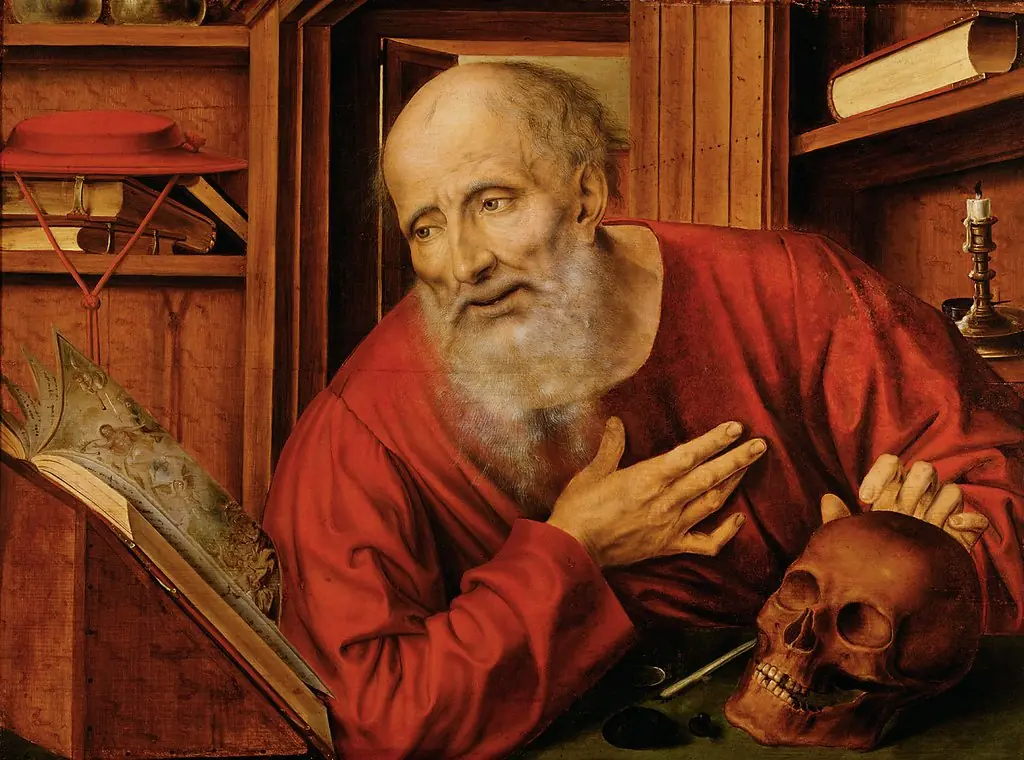 Saint Jerome in his cell
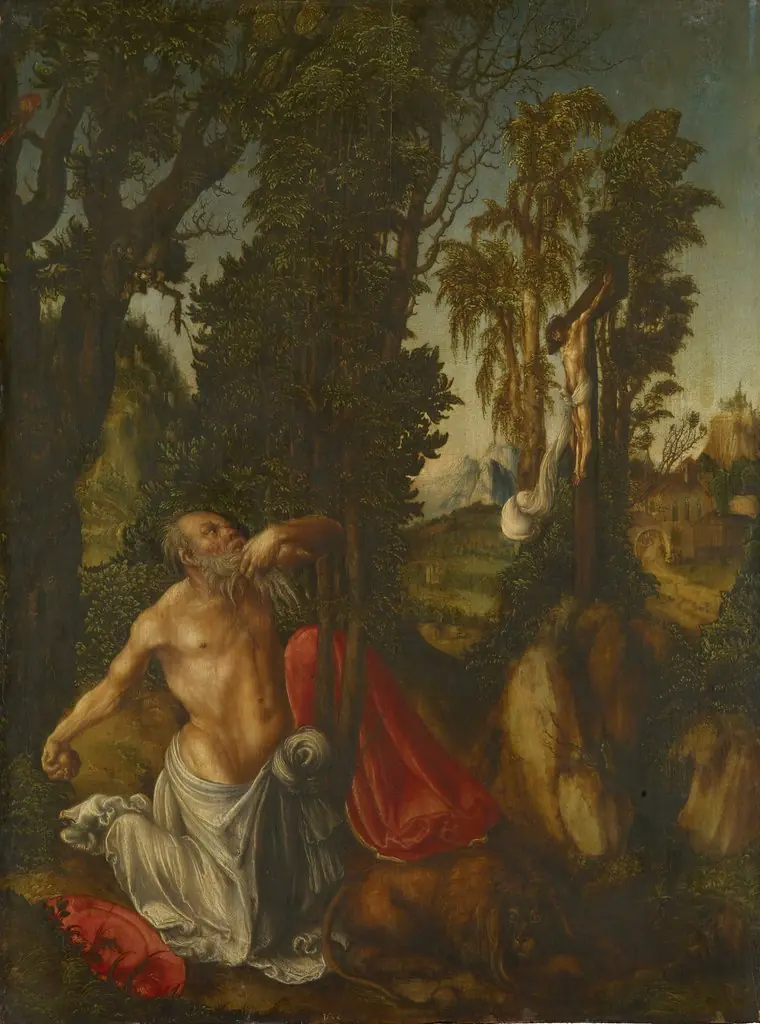 Penitent Saint Jerome
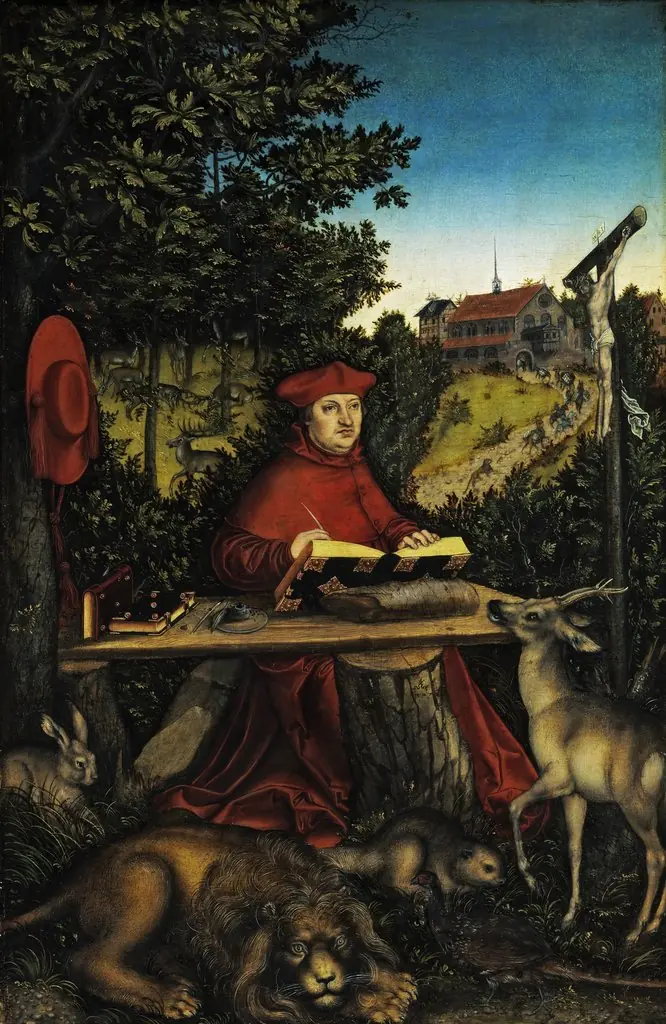 Cardinal Albrecht of Brandenburg (1490-1545) as Saint Jerome
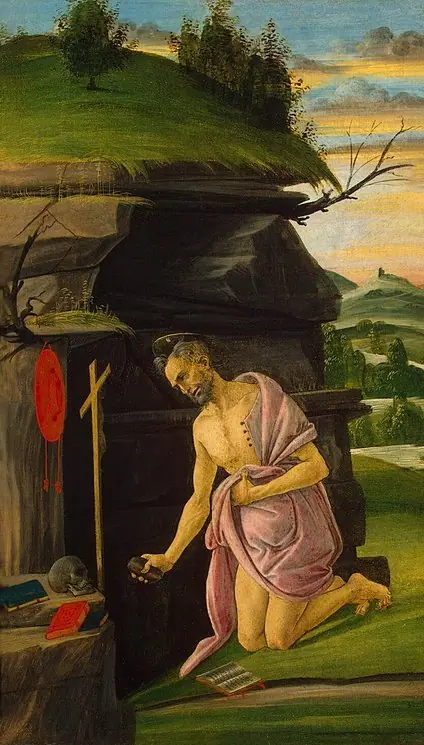 St Jerome
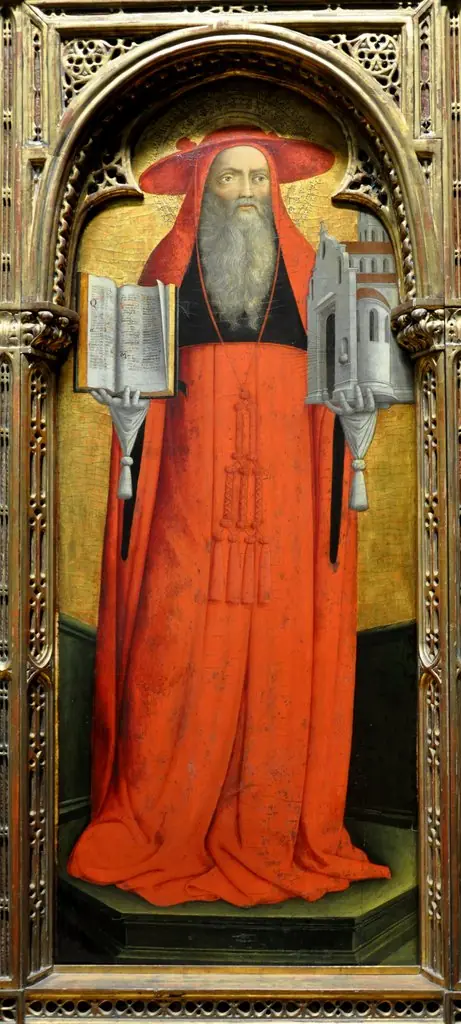 Hieronymusaltar von Santo Stefano in Venedig: Der heilige Hieronymus
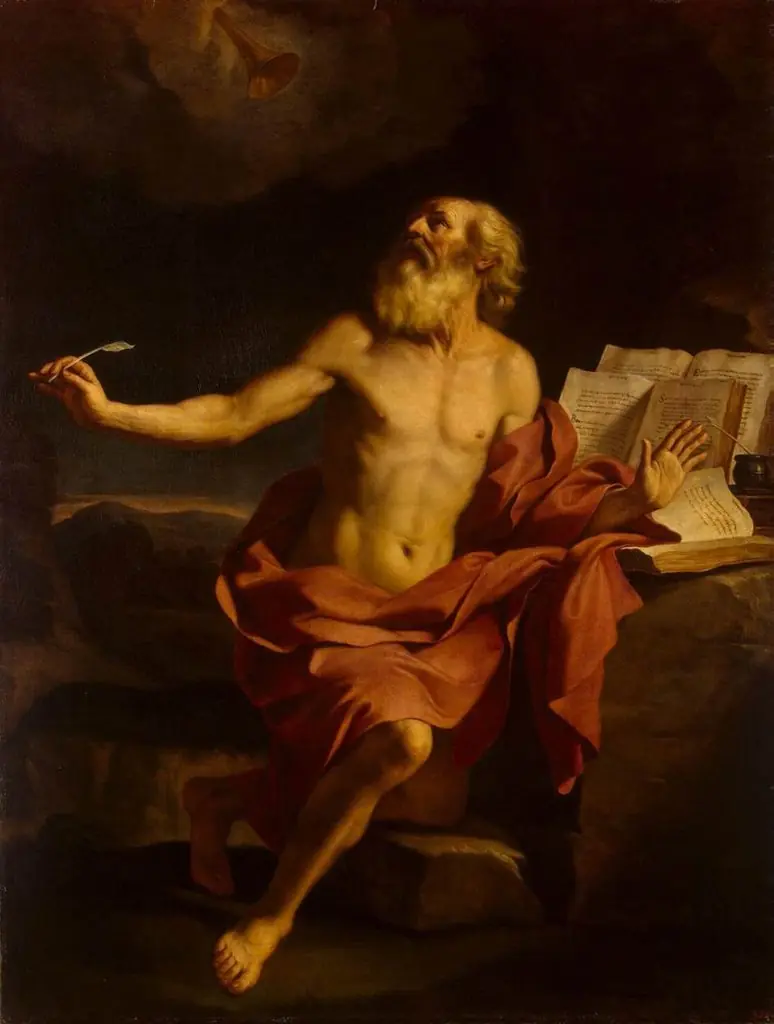 St Jerome in the Wilderness
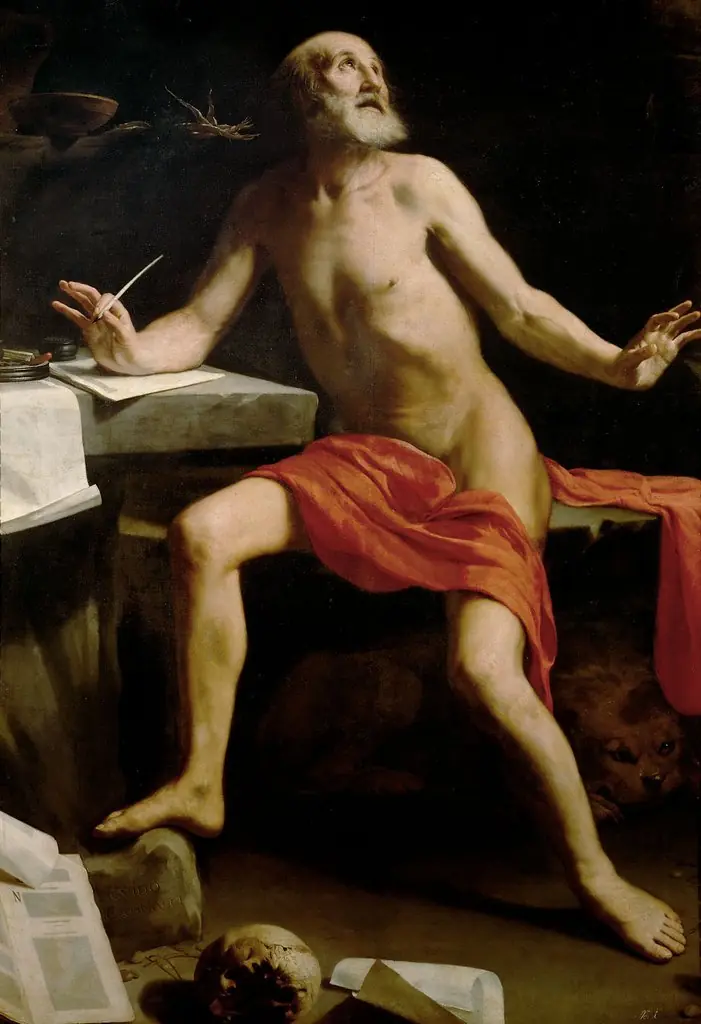 Hl. Hieronymus
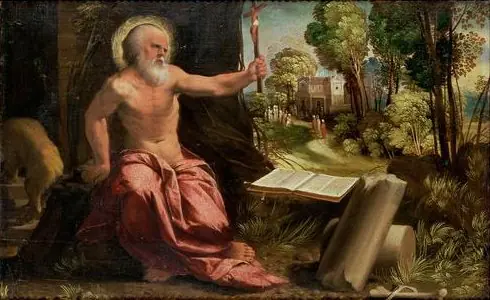 Saint Jerome
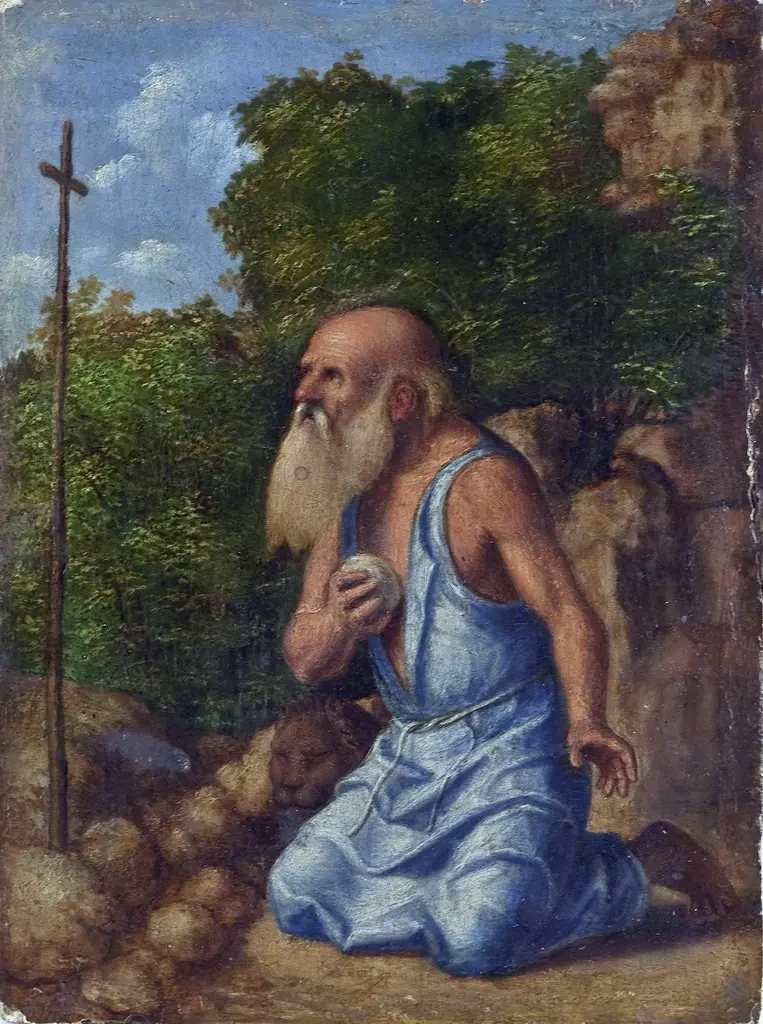 St Jerome in the Desert
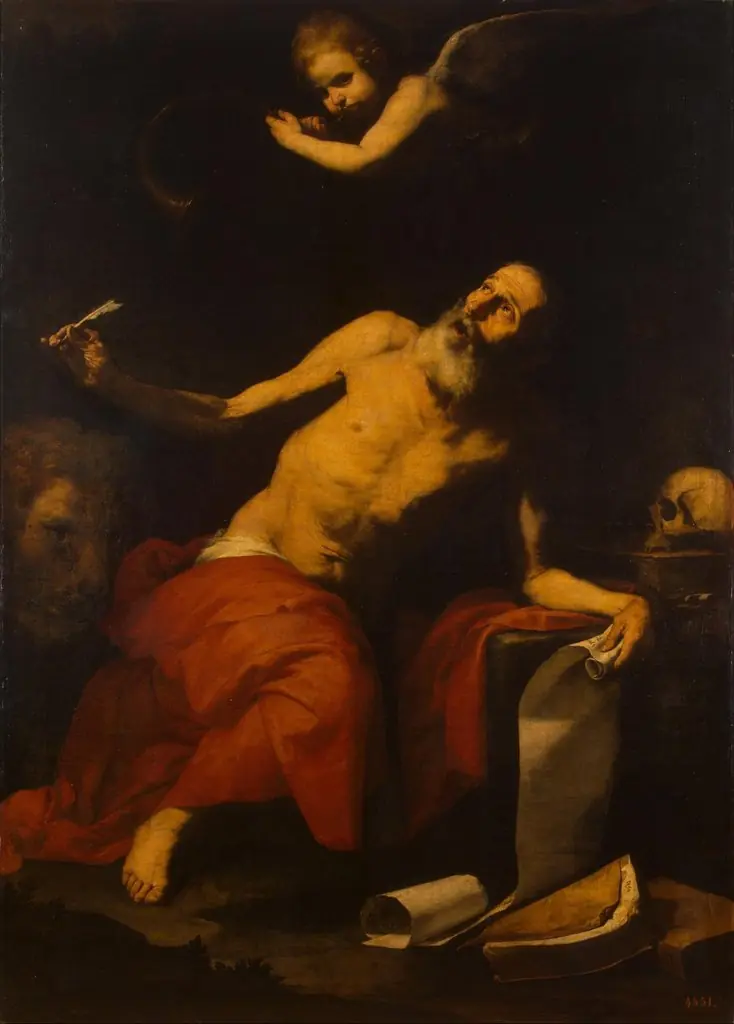 St Jerome and the Angel
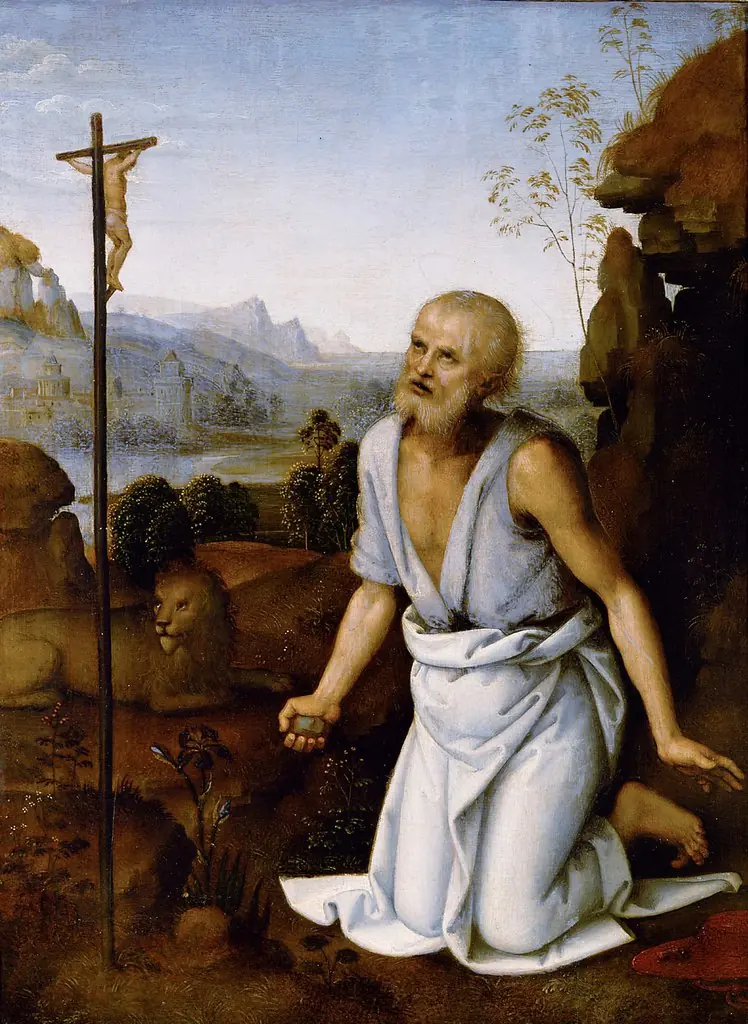 Saint Jerome Penitent
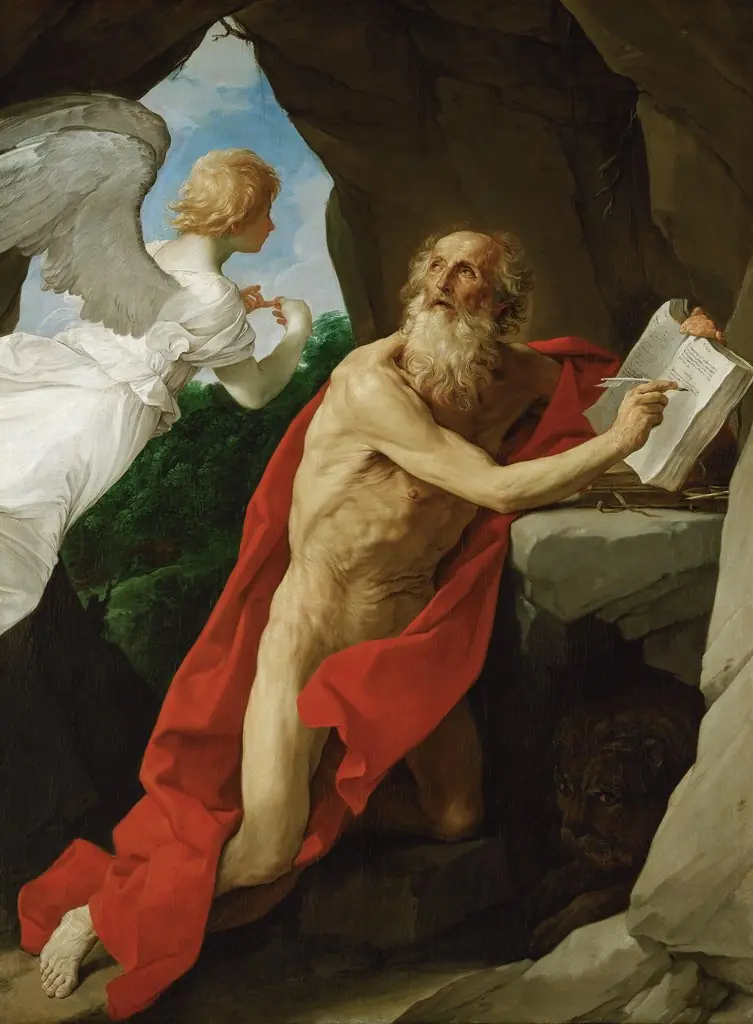 Saint Jerome
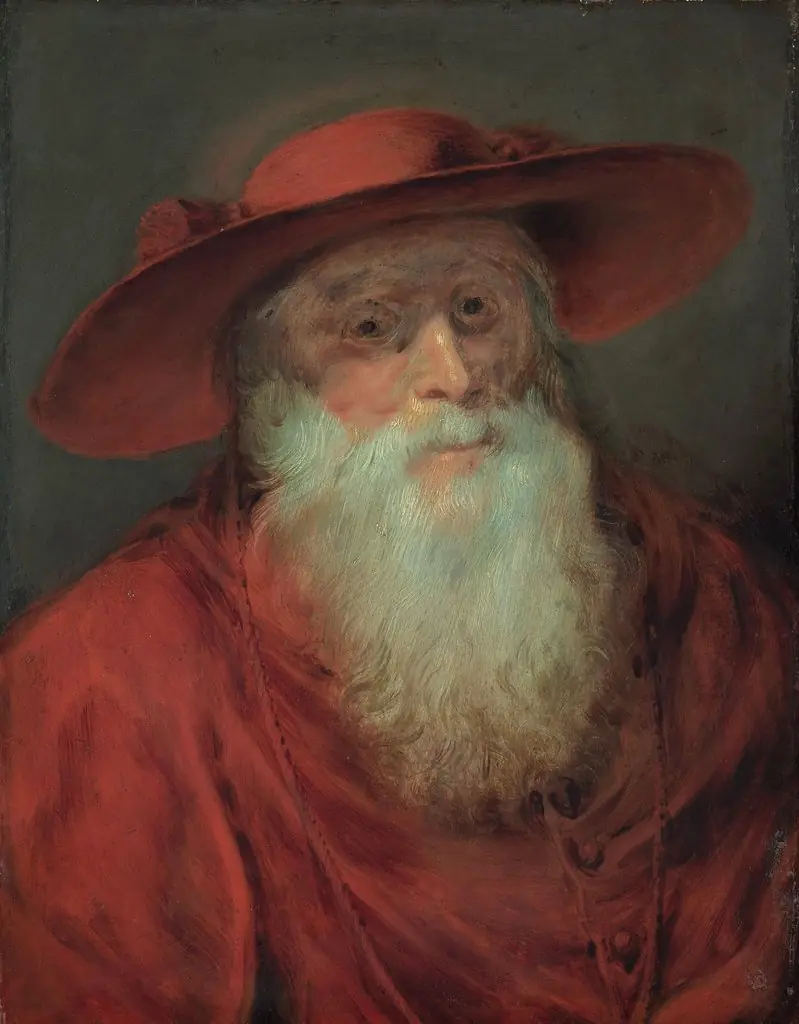 St. Jerome as a Cardinal
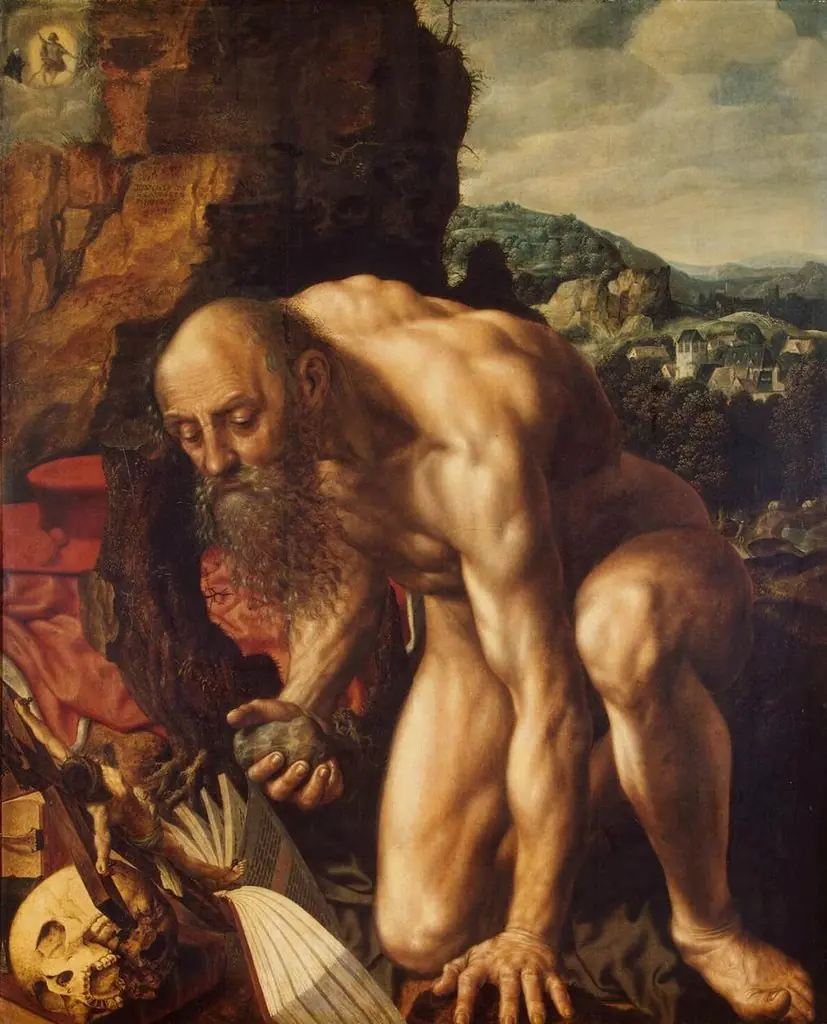 St Jerome
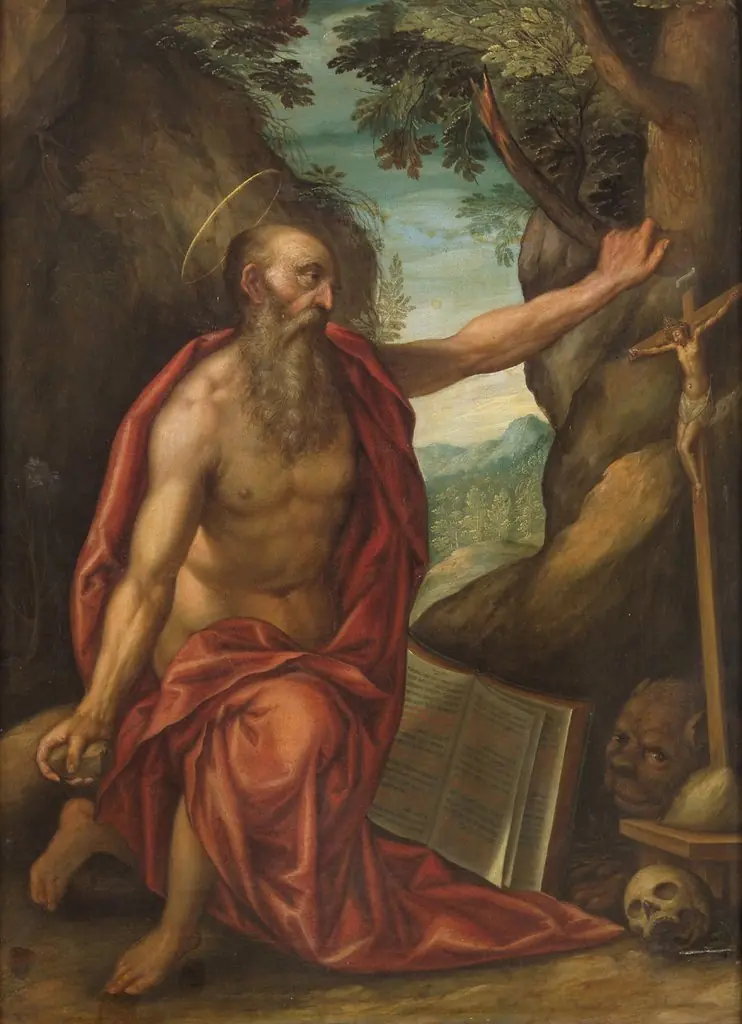 Penitent St Jerome
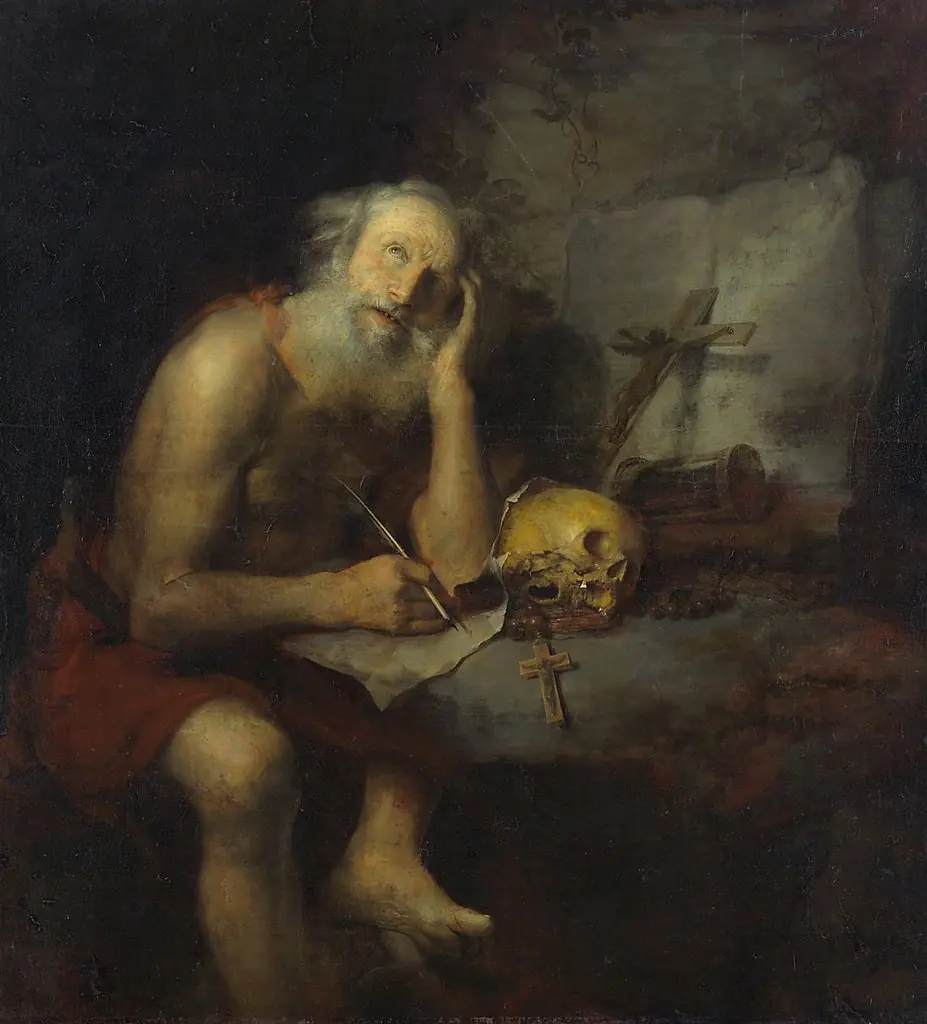 Saint Jerome
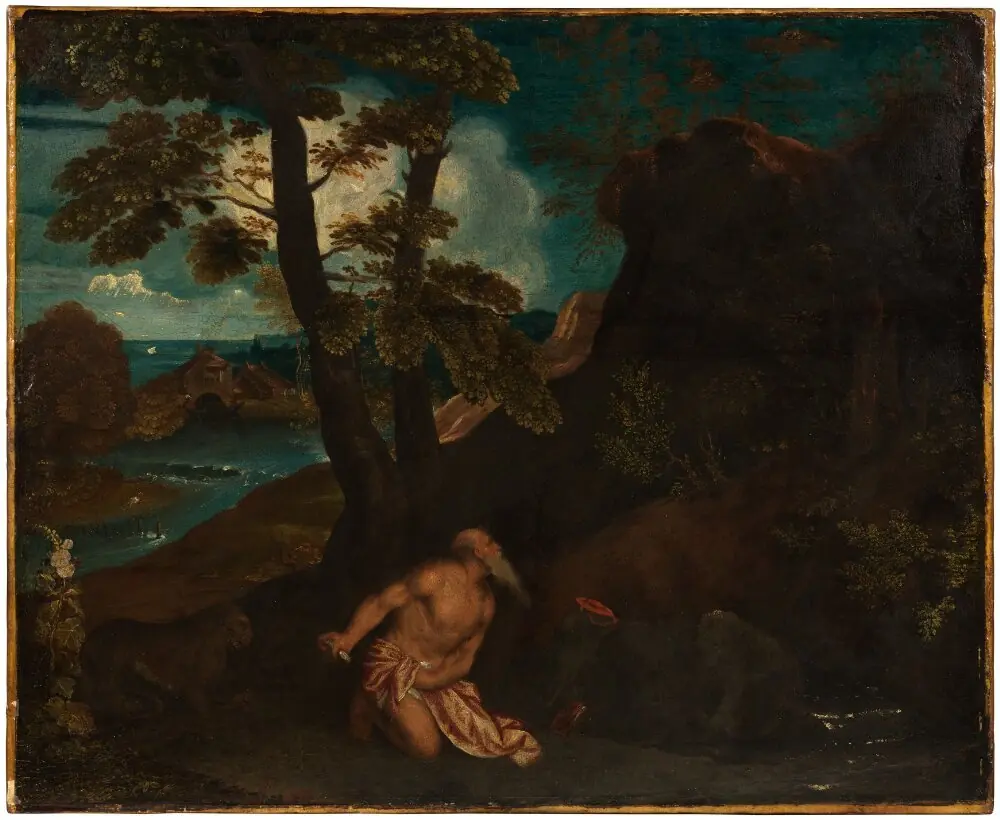 The Penitent St Jerome in the Moonlight
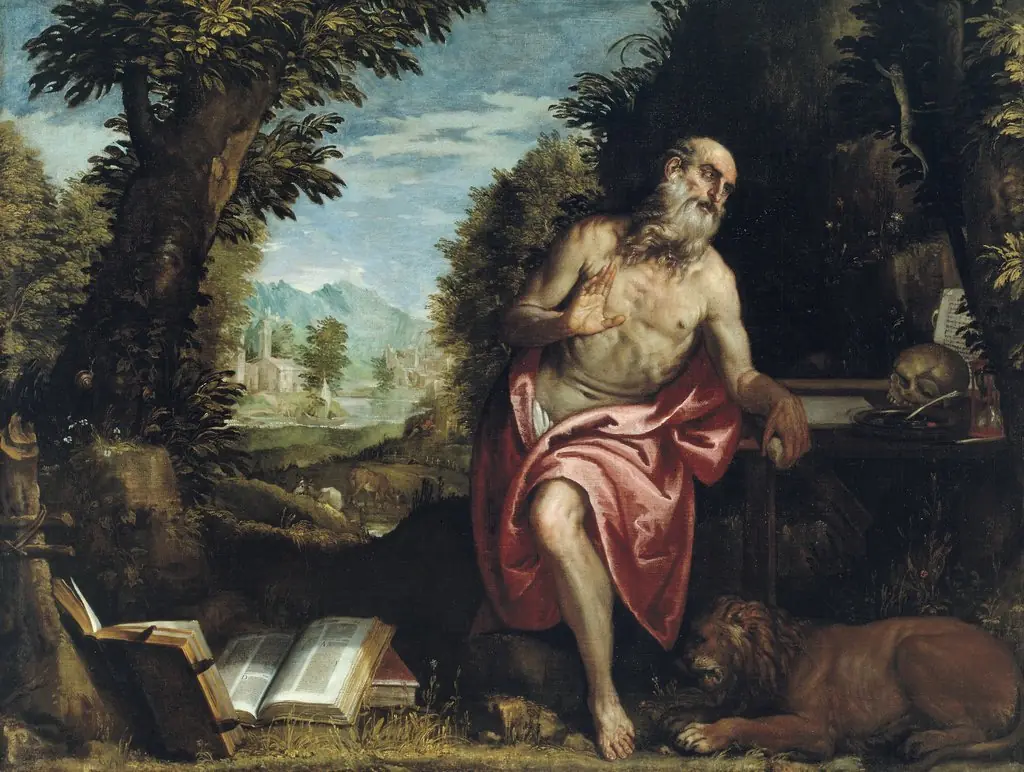 Saint Jerome in the Wilderness
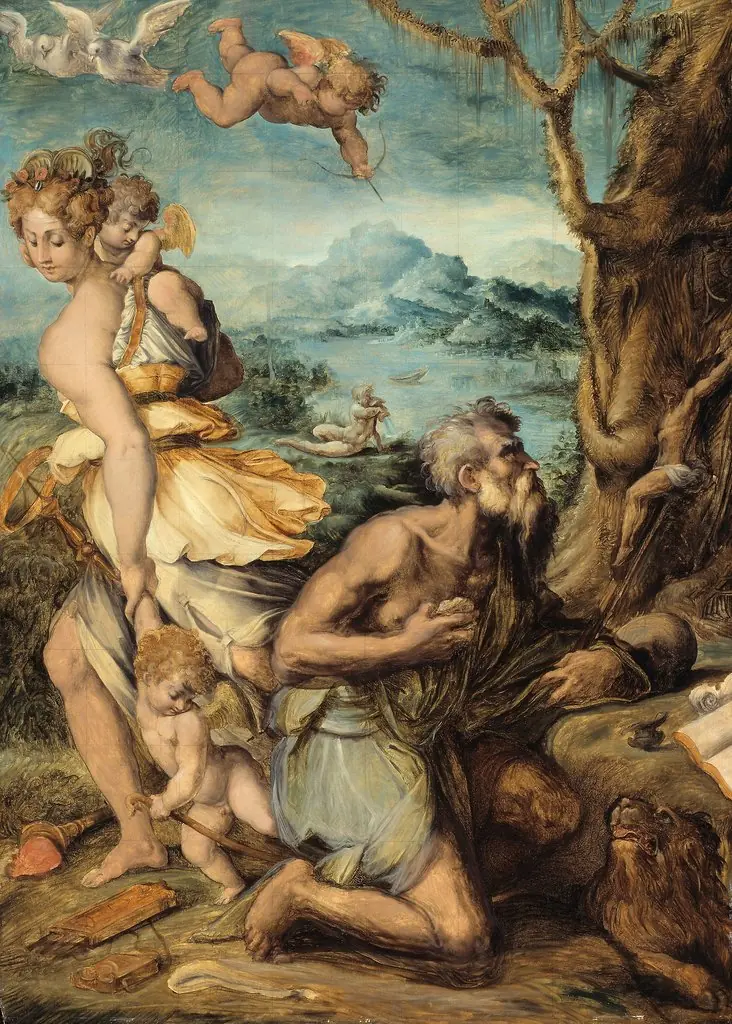 The Temptation of Saint Jerome
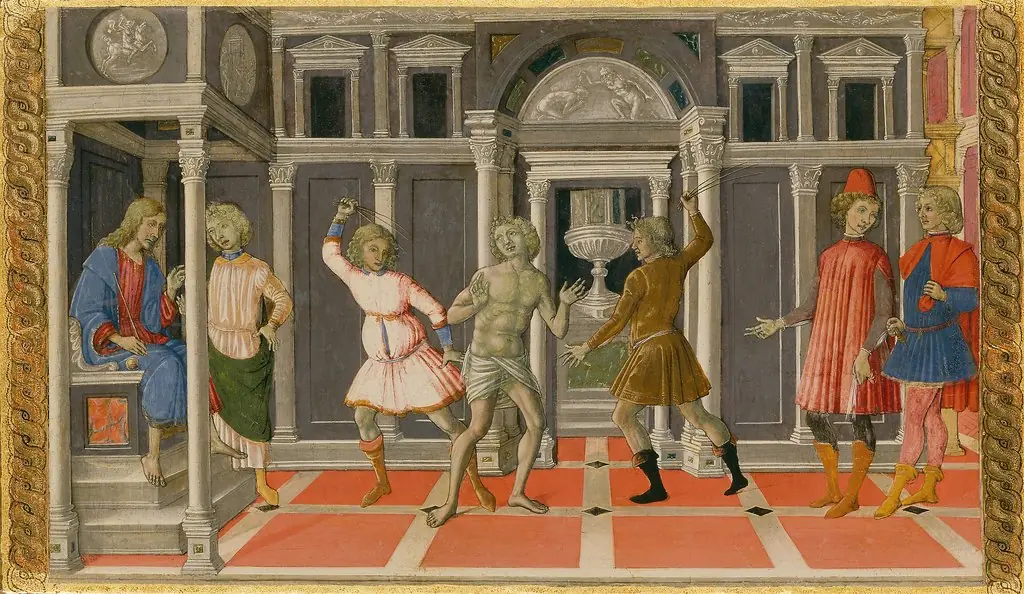 The Dream of Saint Jerome
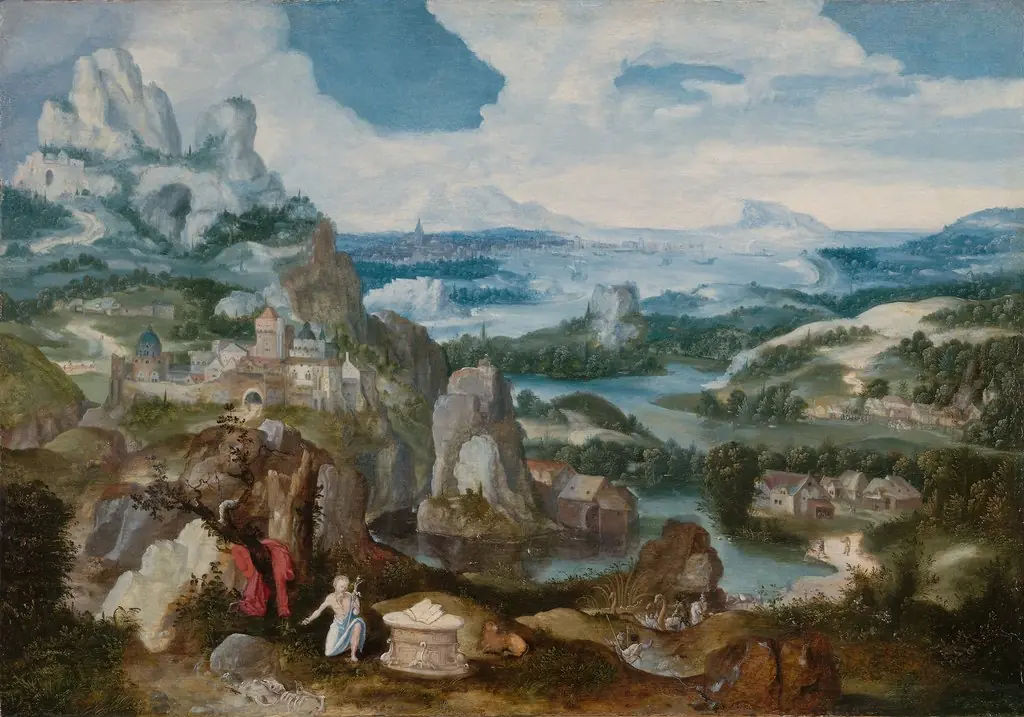 Landscape with the Penitent Saint Jerome
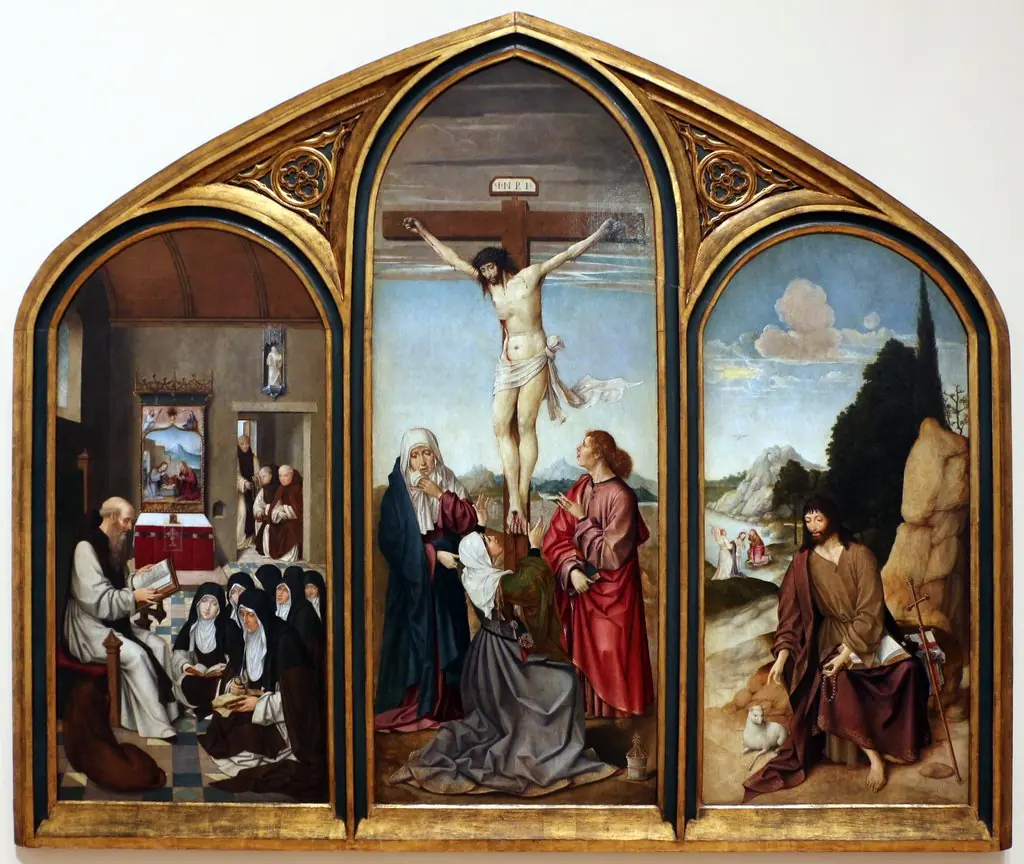 Triptych of Calvary
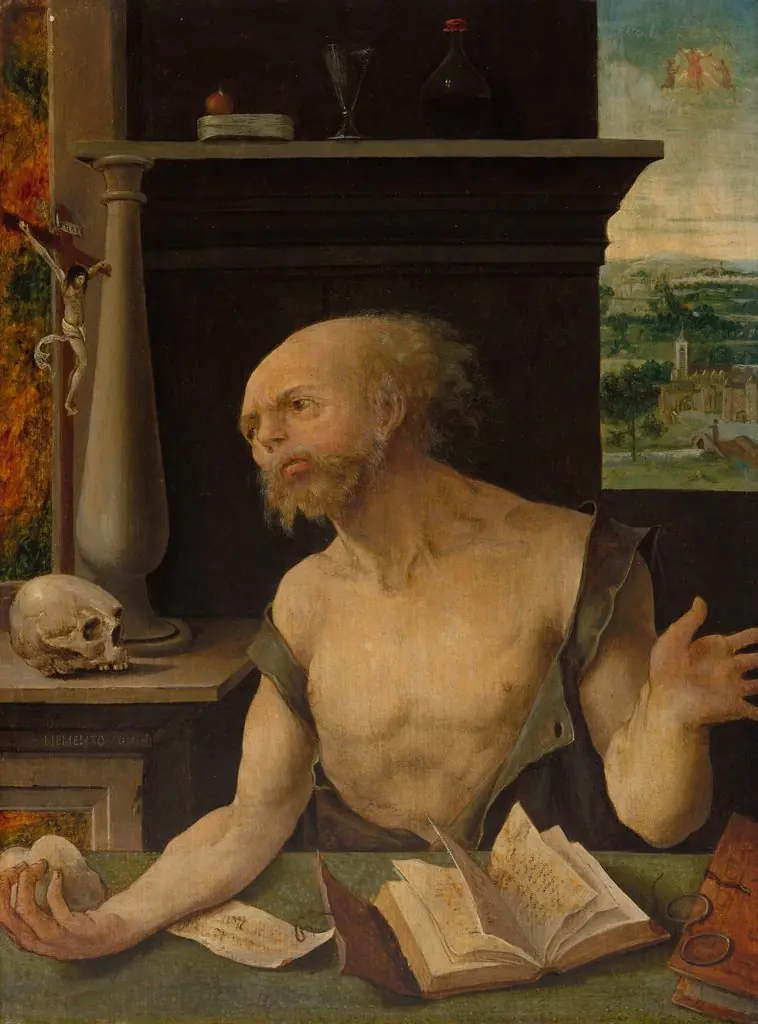 Saint Jerome in Penitence
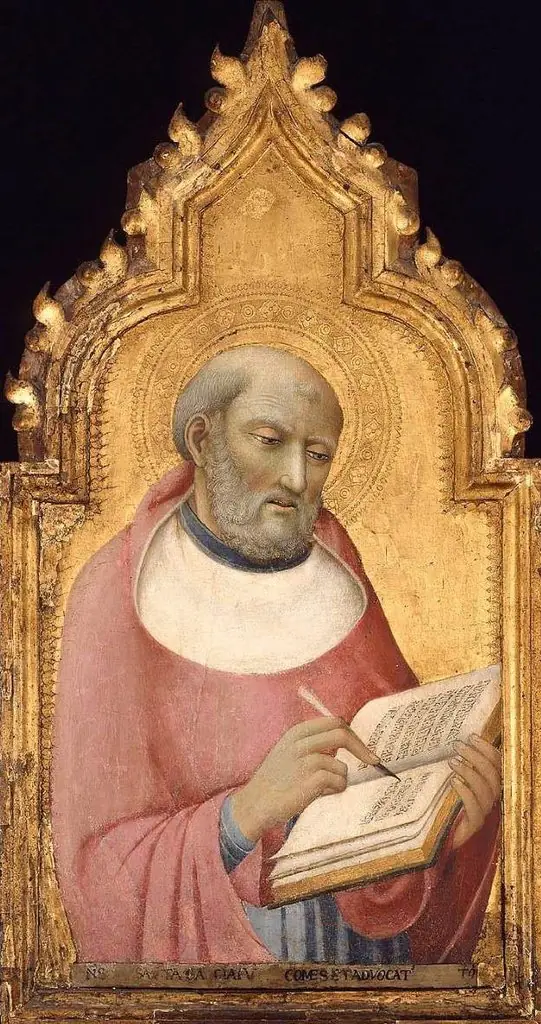 Triptych: Saint Jerome
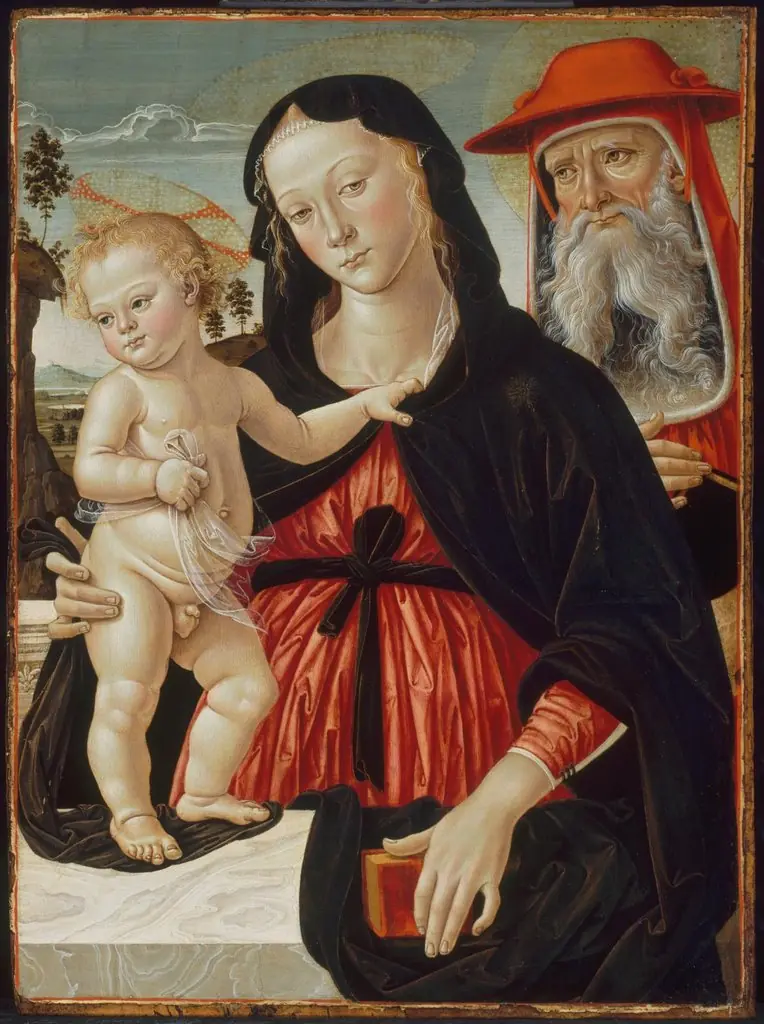 Virgin and Child with Saint Jerome
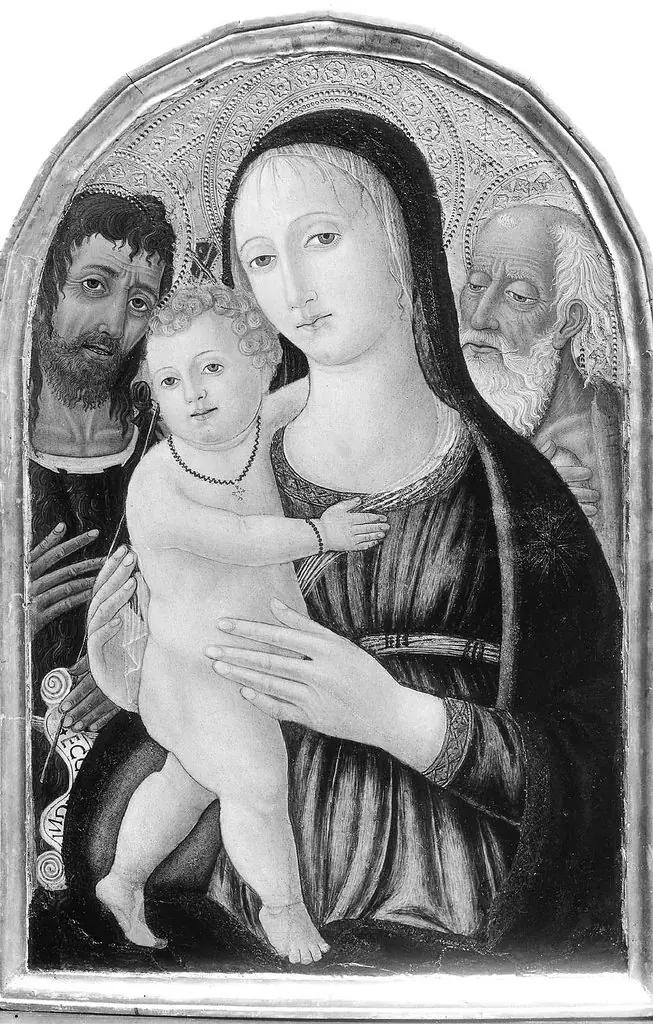 Virgin and Child with Saints Jerome and John the Baptist
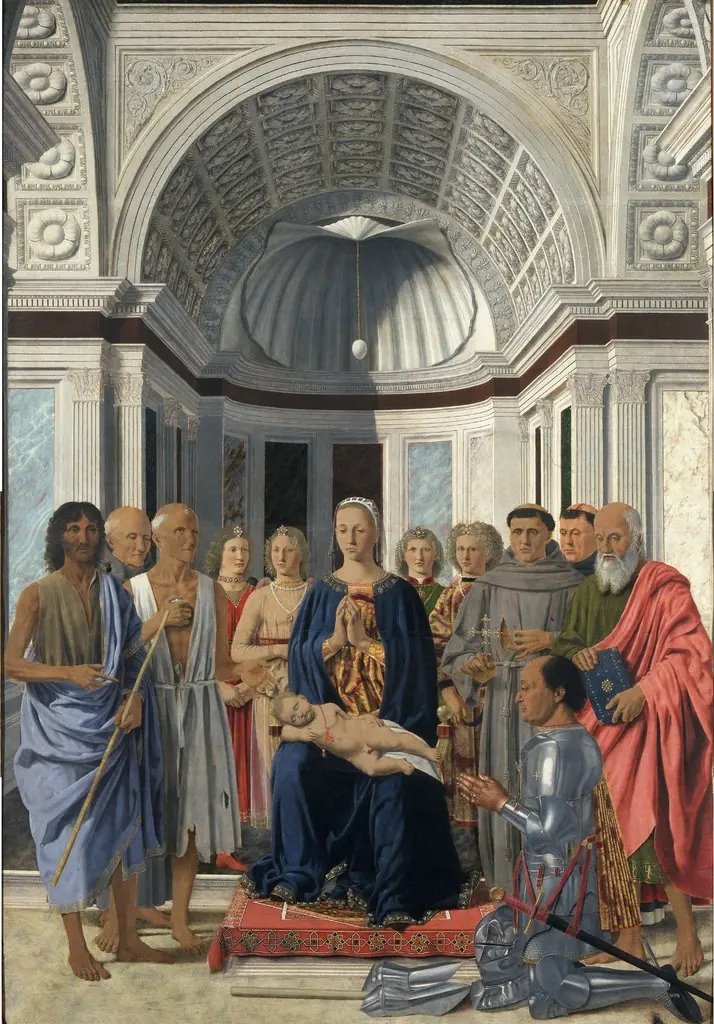 Brera Madonna
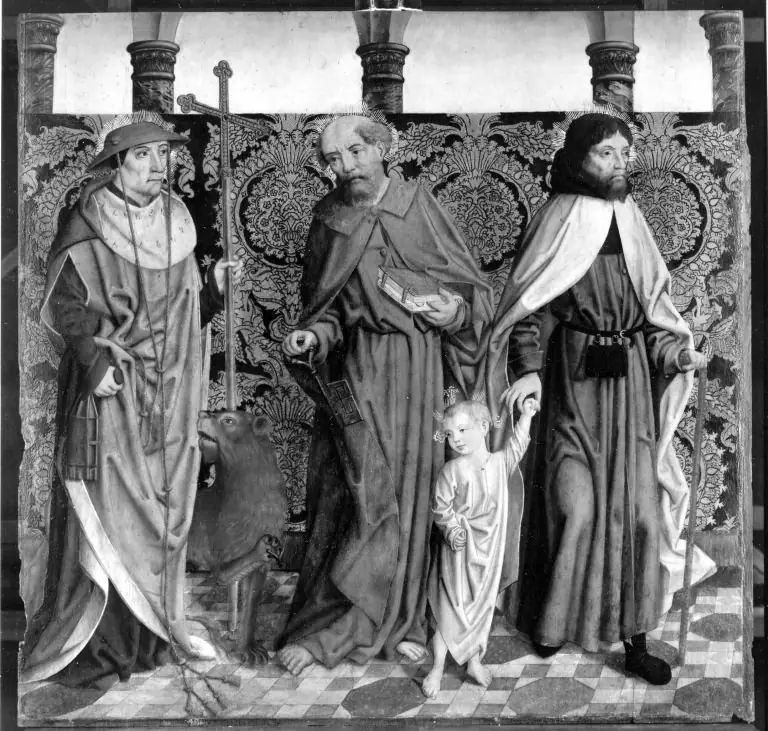 Beschneidungsaltar: Die hll. Hieronymus, Petrus und Joseph
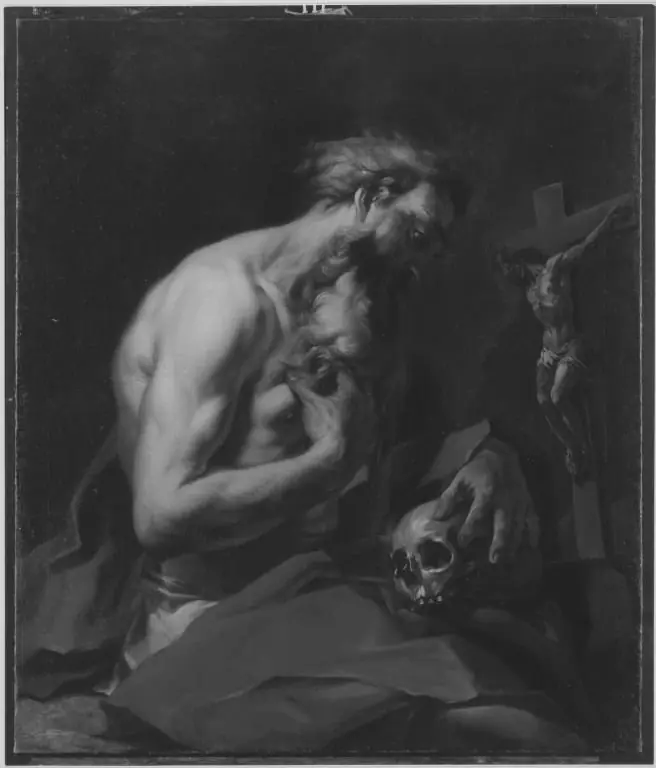 Hl. Hieronymus
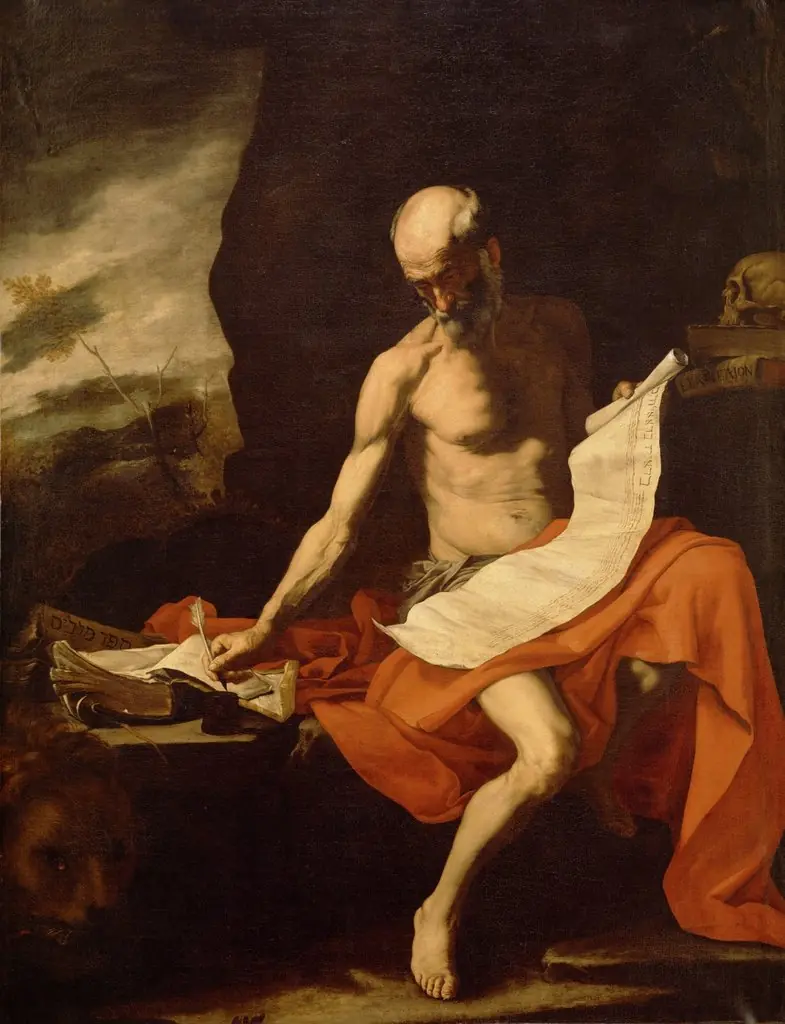 Saint Jerome in the Wilderness
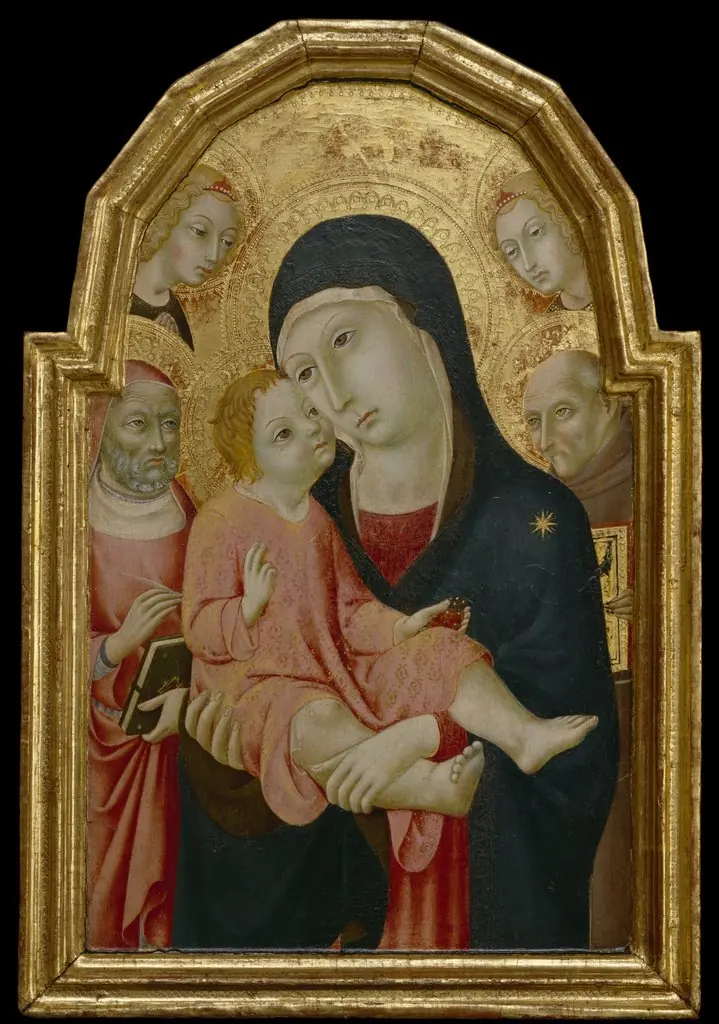 Virgin and Child with Saint Bernardino, Saint Jerome and Two Angels
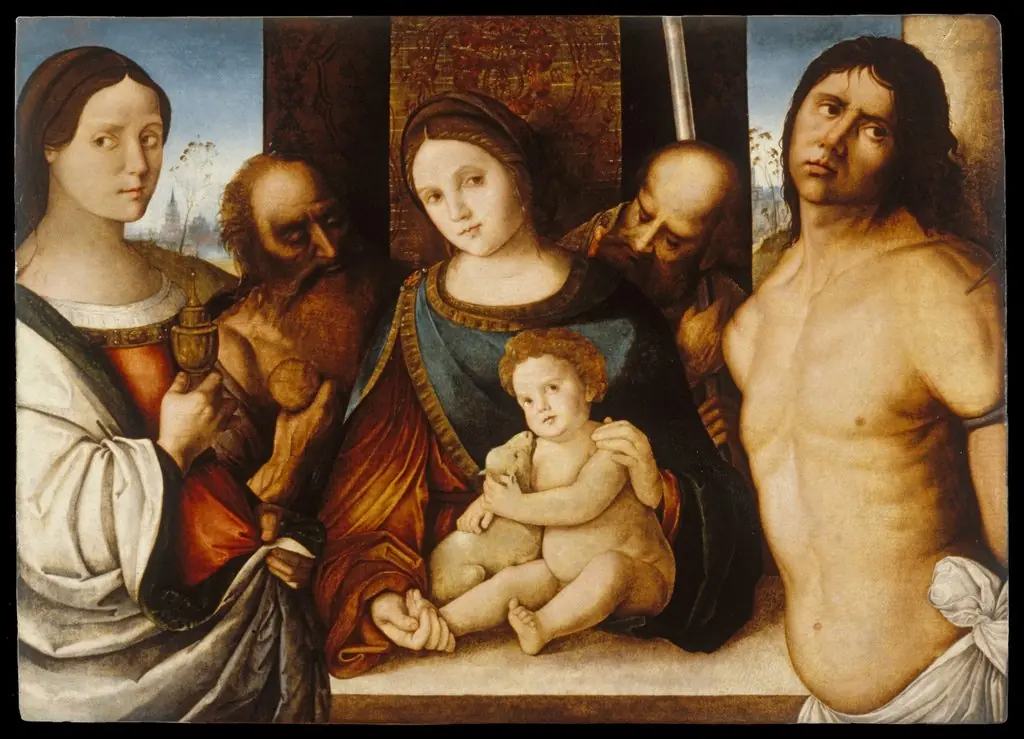 Madonna and Child with Saints
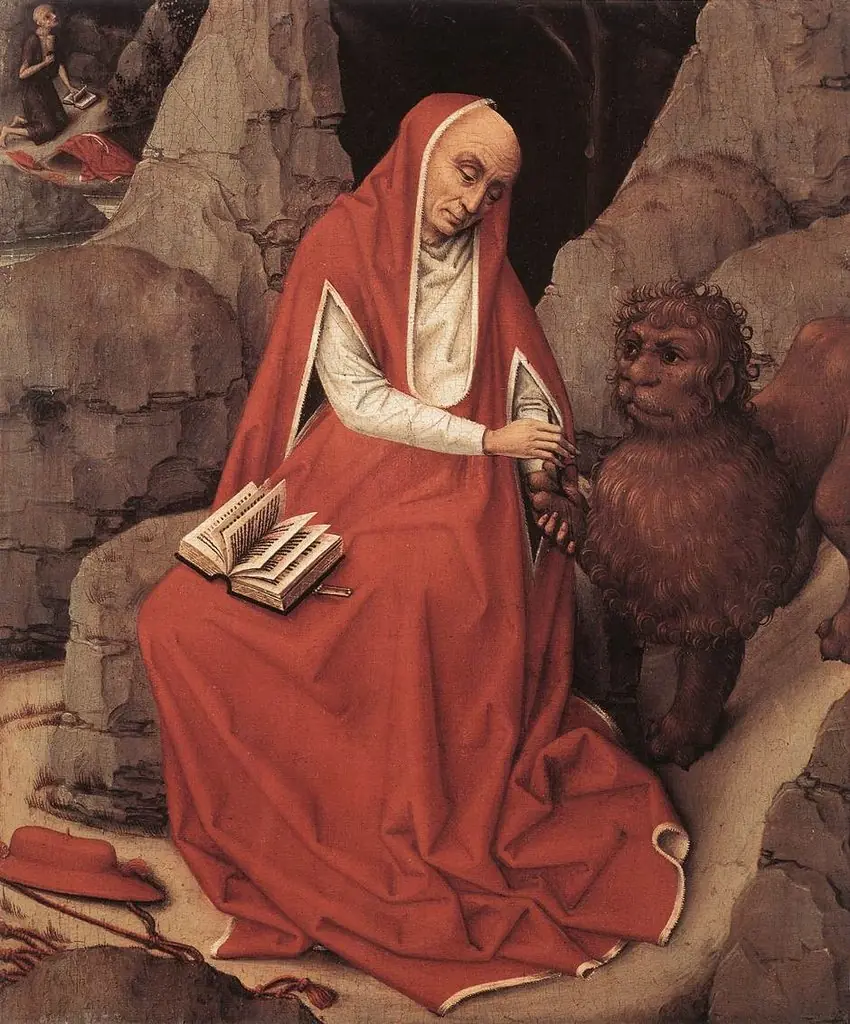 St Jerome and the Lion
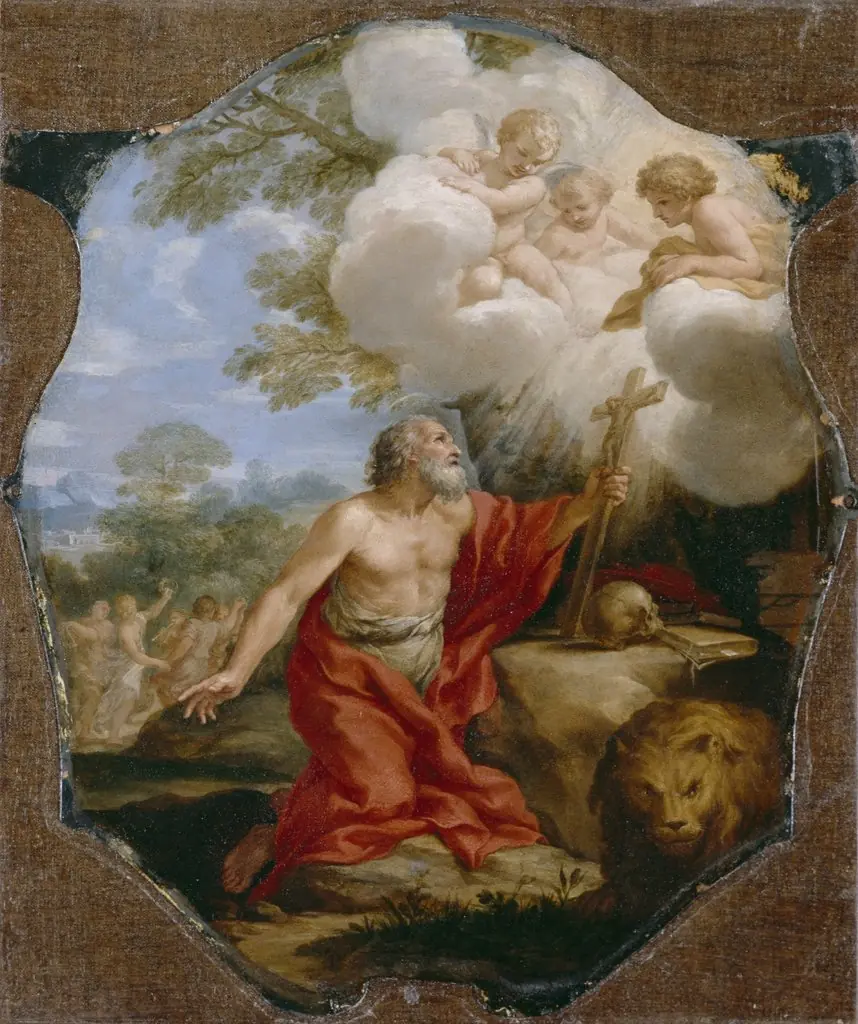 Saint Jerome in the Desert
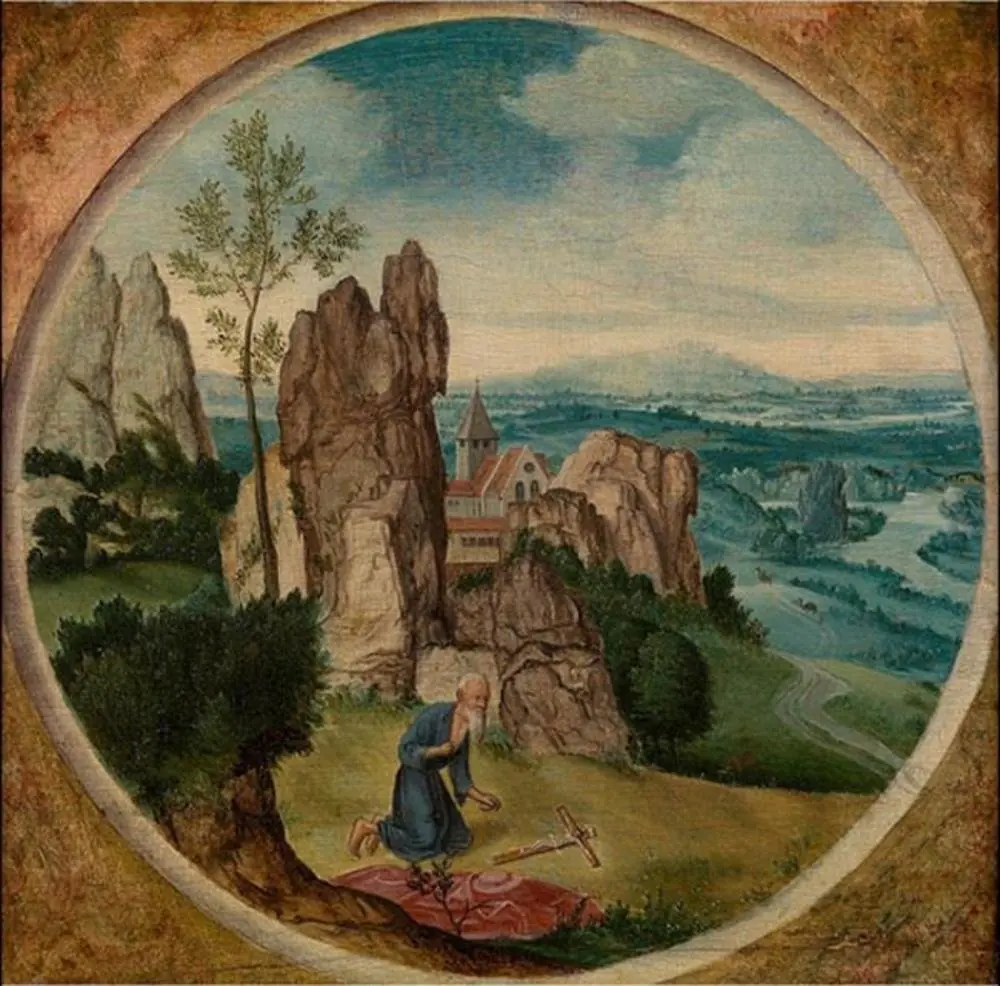 Saint Jerome in a Landscape
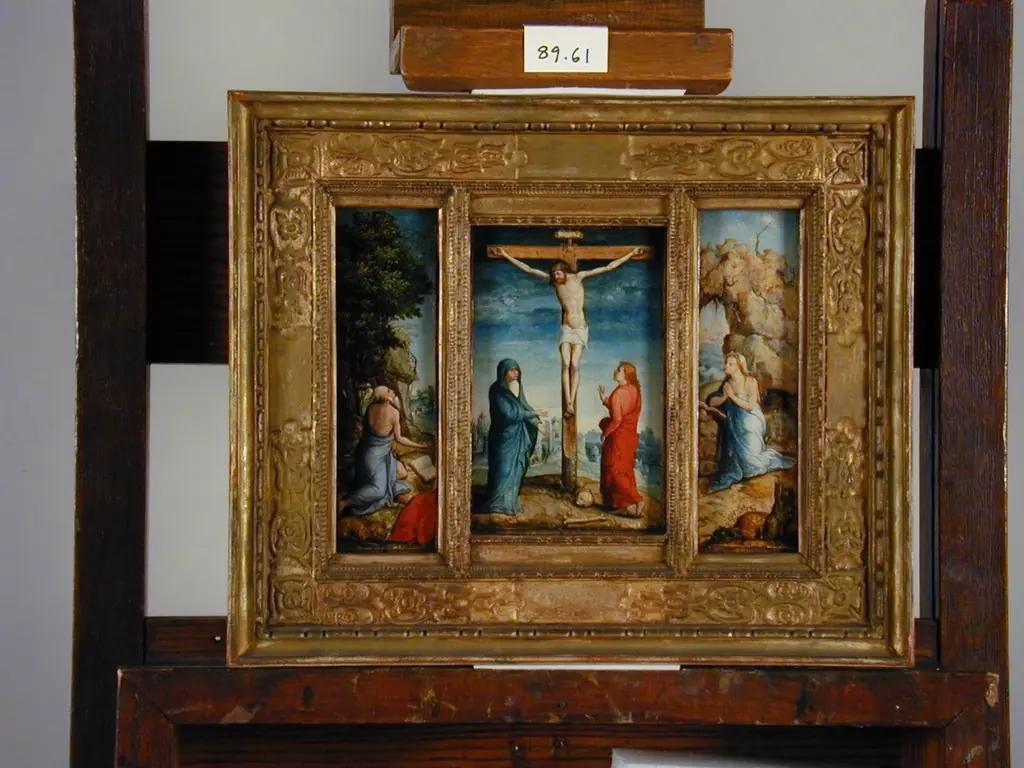 Crucifixion, St. Jerome, St. Mary Magdalene
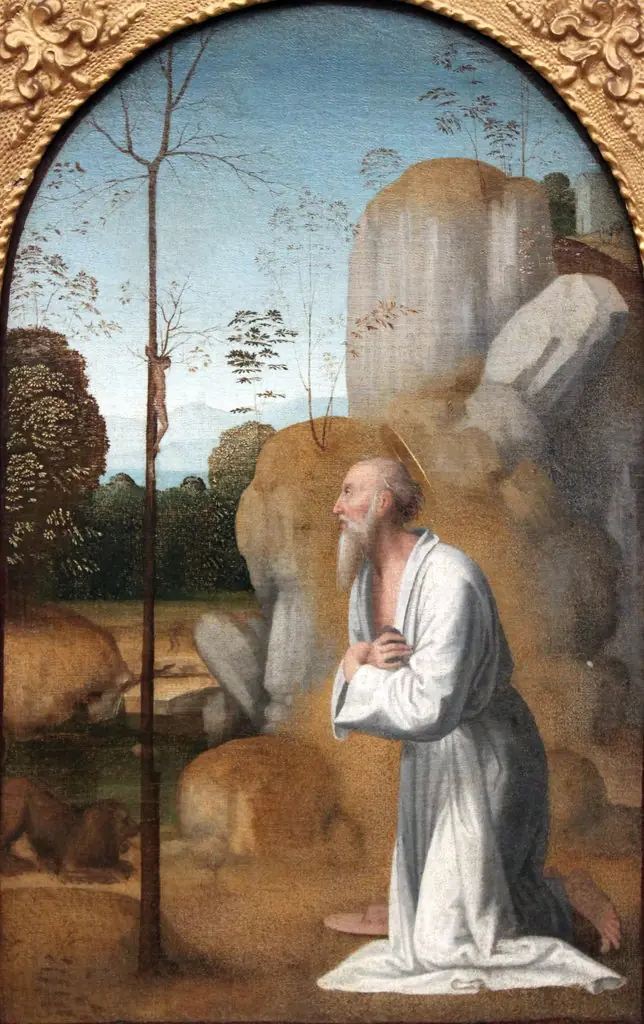 Penitent saint Jerome
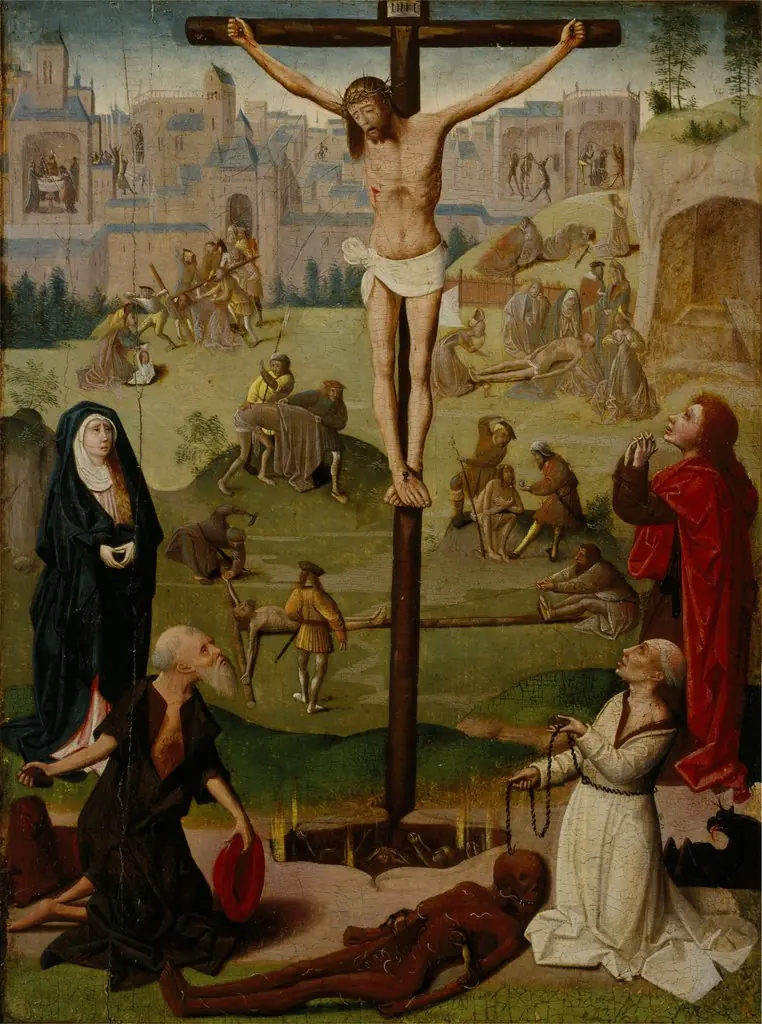 The Crucifixion with St Jerome and St Dominic and Scenes from the Passion
 St. Jerome in Rocky Landscape
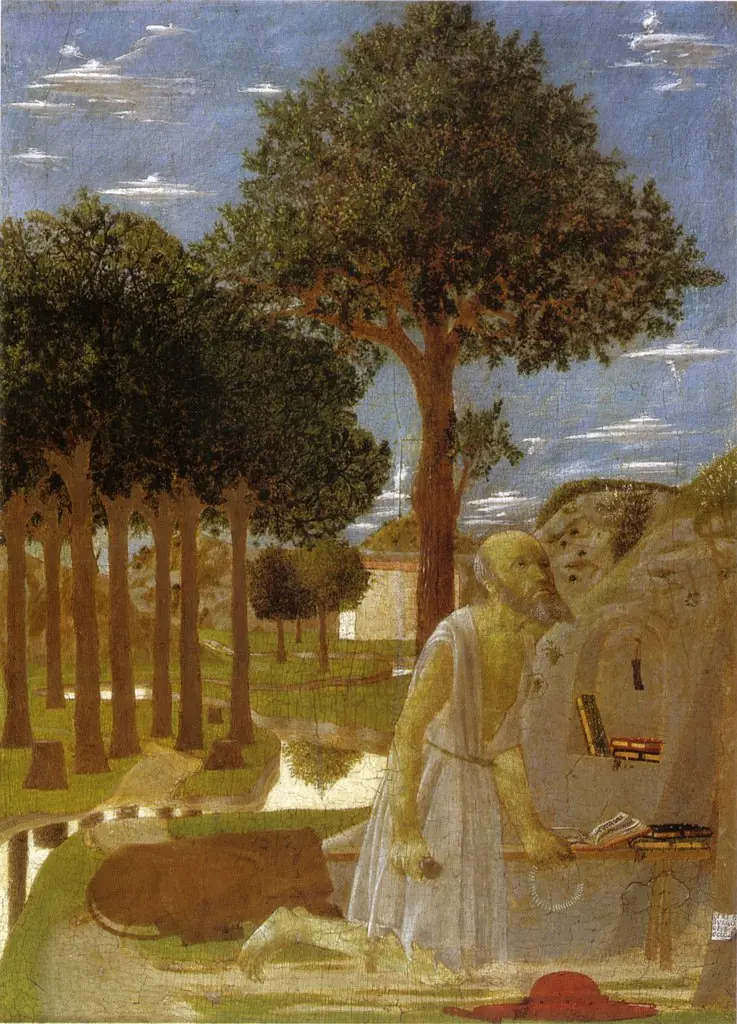 Saint Jerome penitent
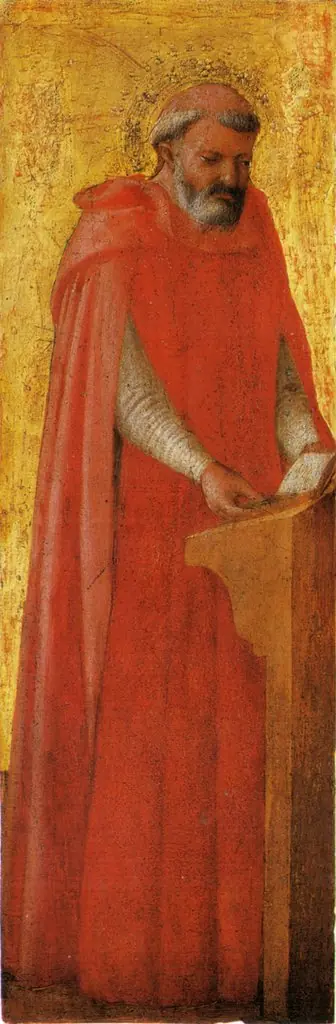 Saint Jerome
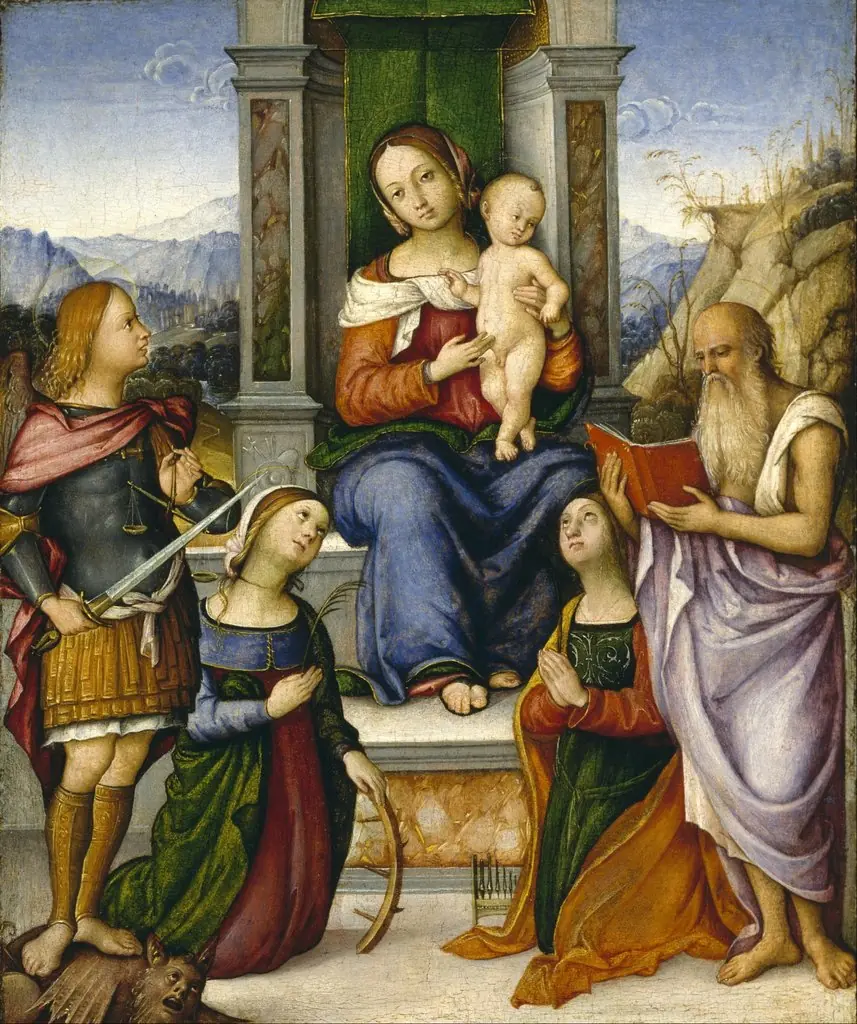 The Virgin and Child Enthroned with Saints Michael, Catherine of Alexandria, Cecilia, and Jerome
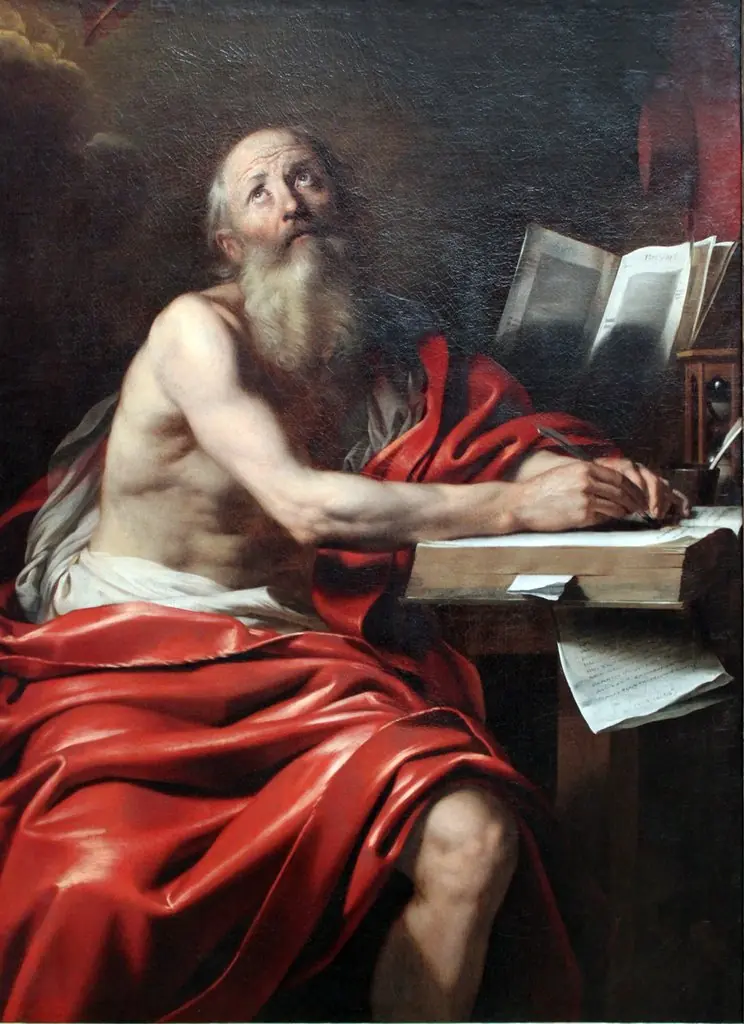 Writing St. Hieronymus - Saint Jerome Writing
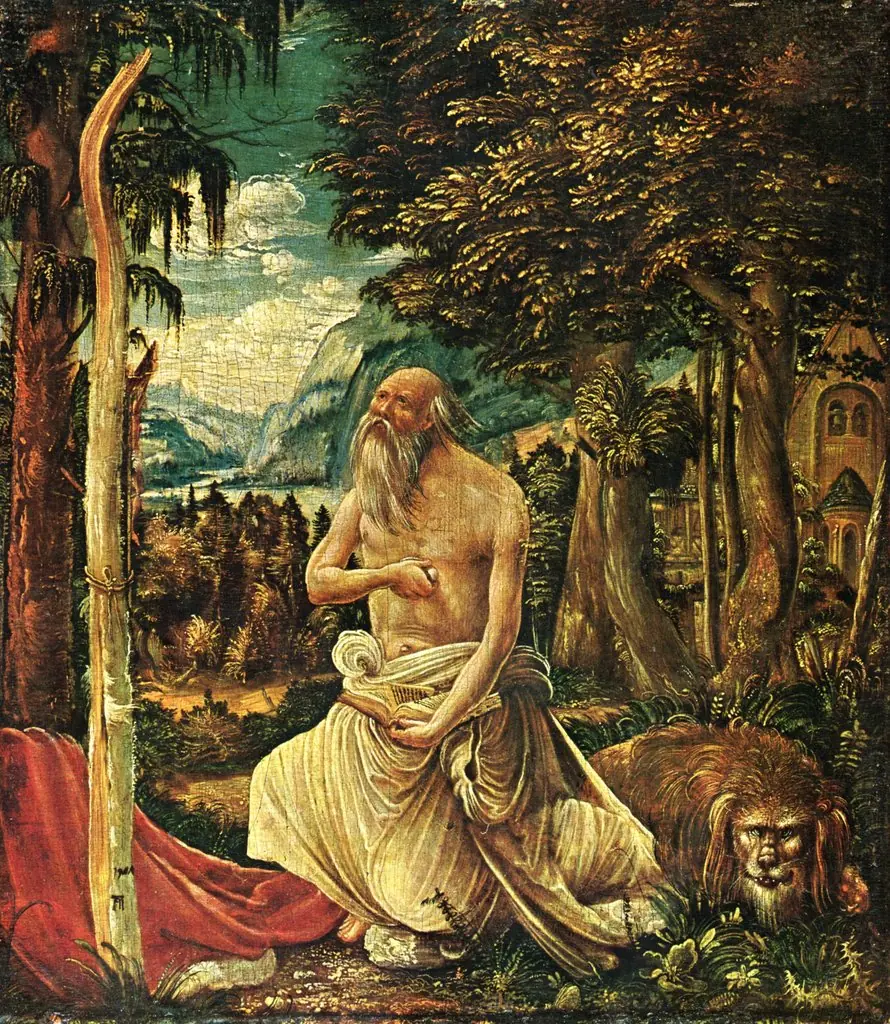 Penitent Hieronymus
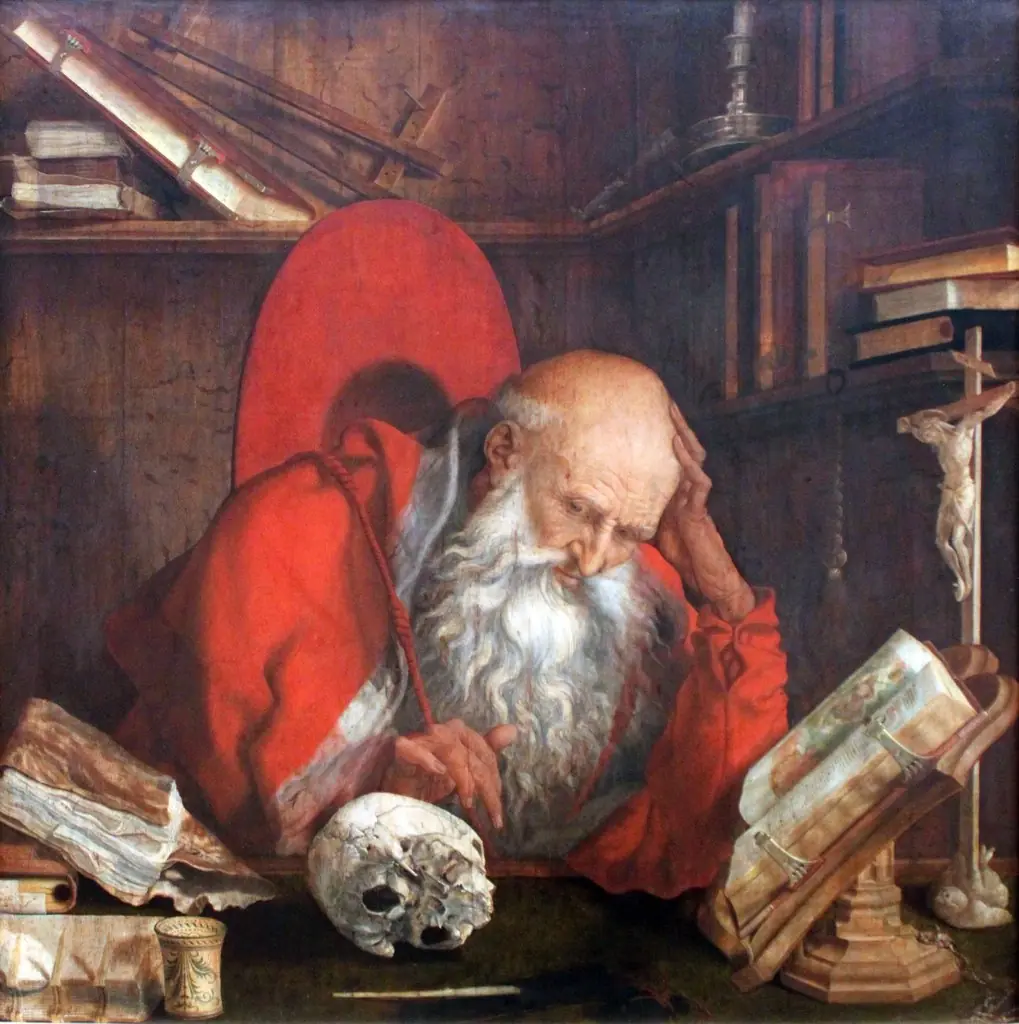 St. Jerome in his Cell
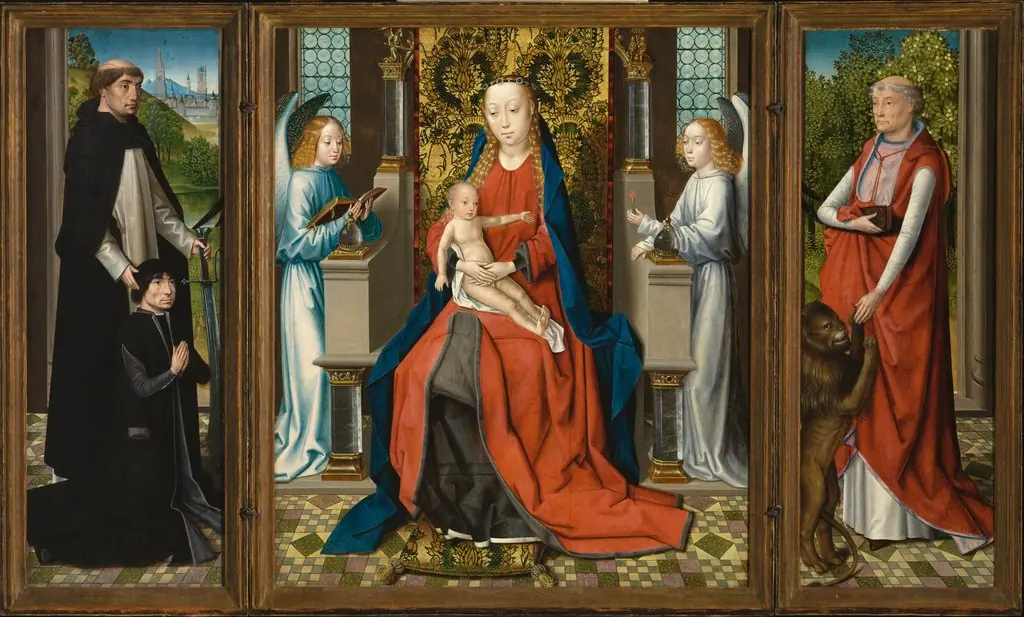 Triptych of Madonna and Child with Angels; Donor and His Patron Saint Peter Martyr; and Saint Jerome and His Lion
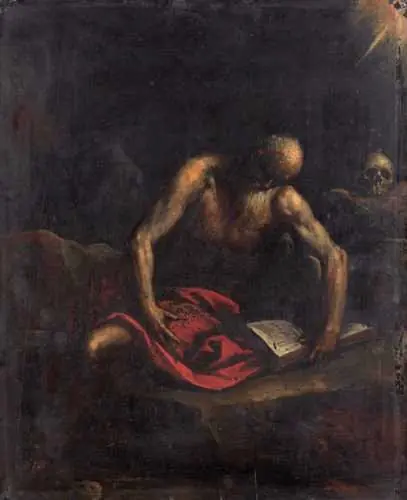 St. Hieronymus
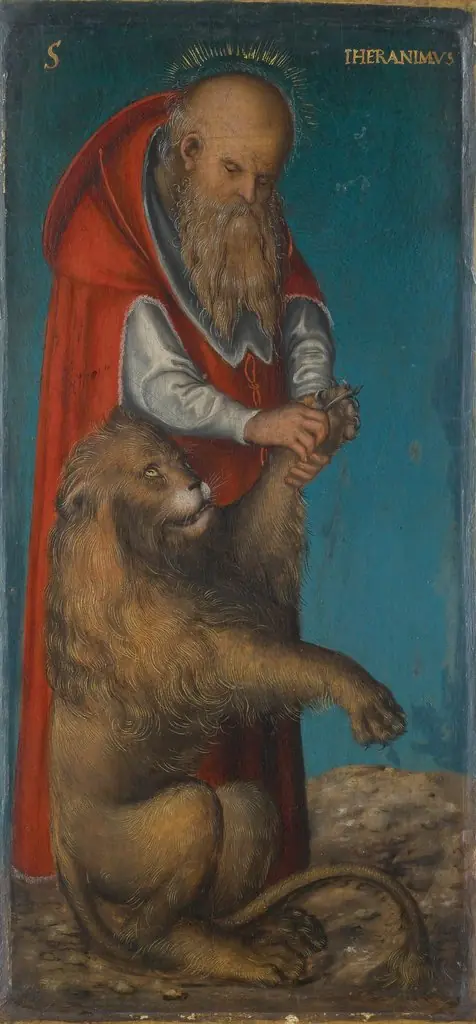 Saint Jerome
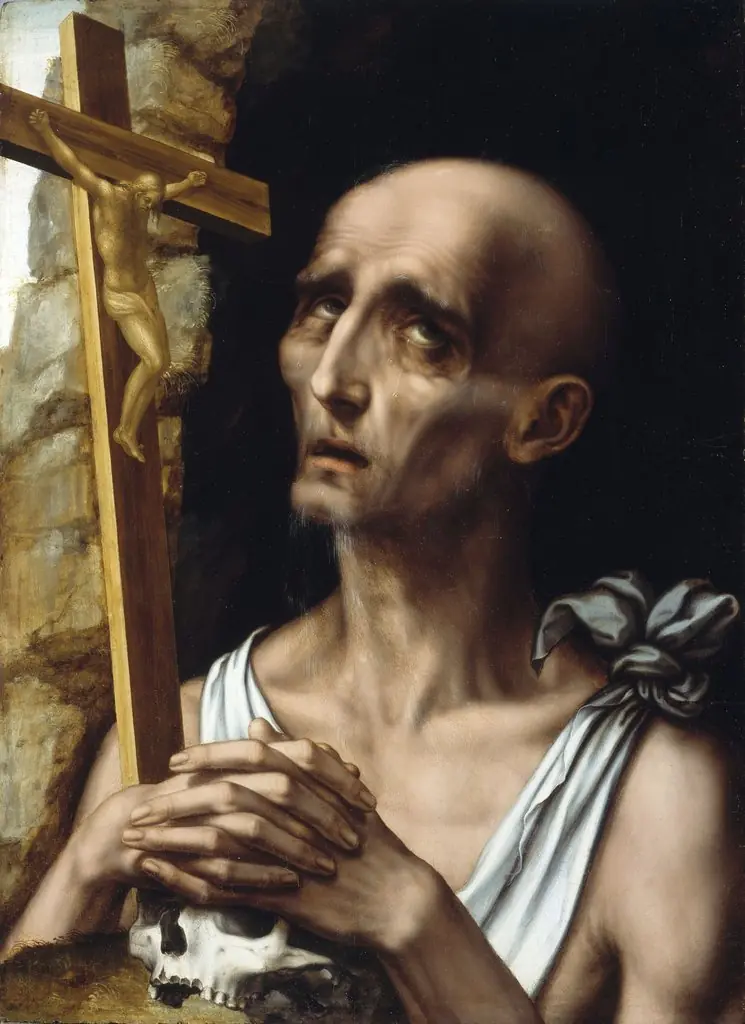 Saint Jerome in the Wilderness
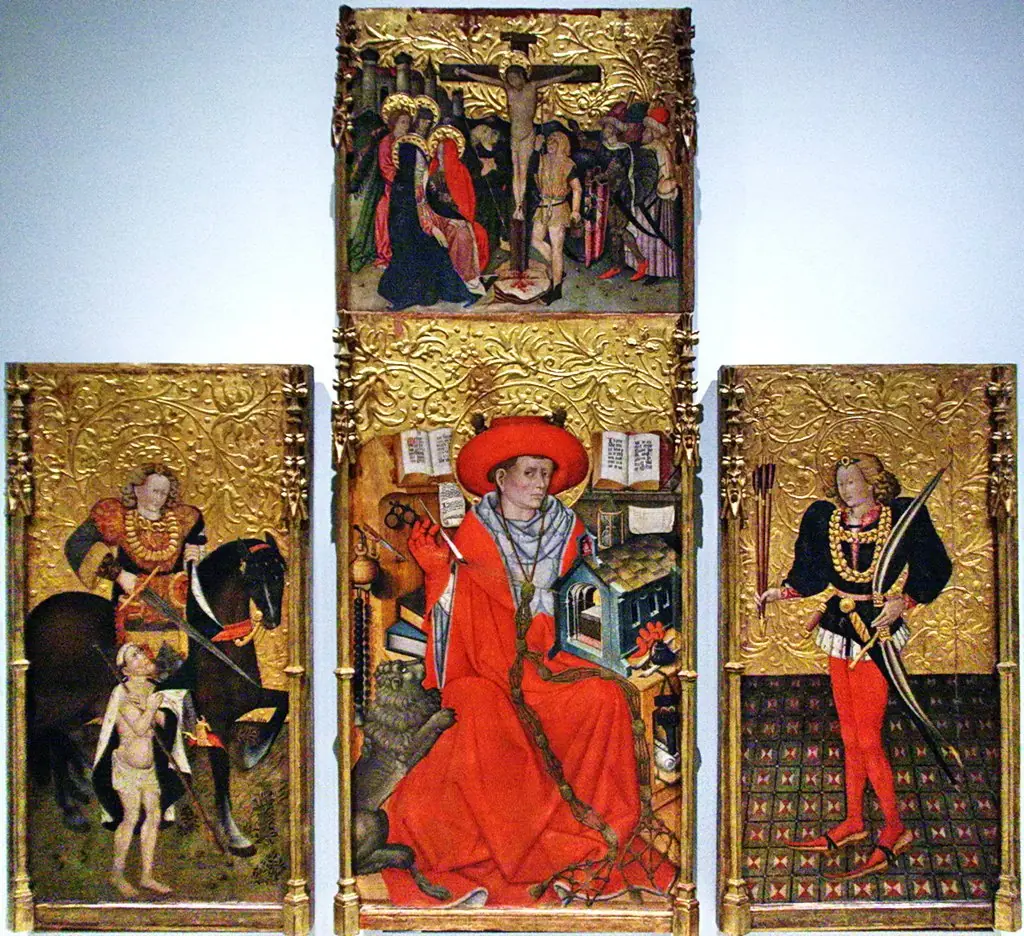 Altarpiece of Saint Jerome, Saint Martin and Saint Sebastian
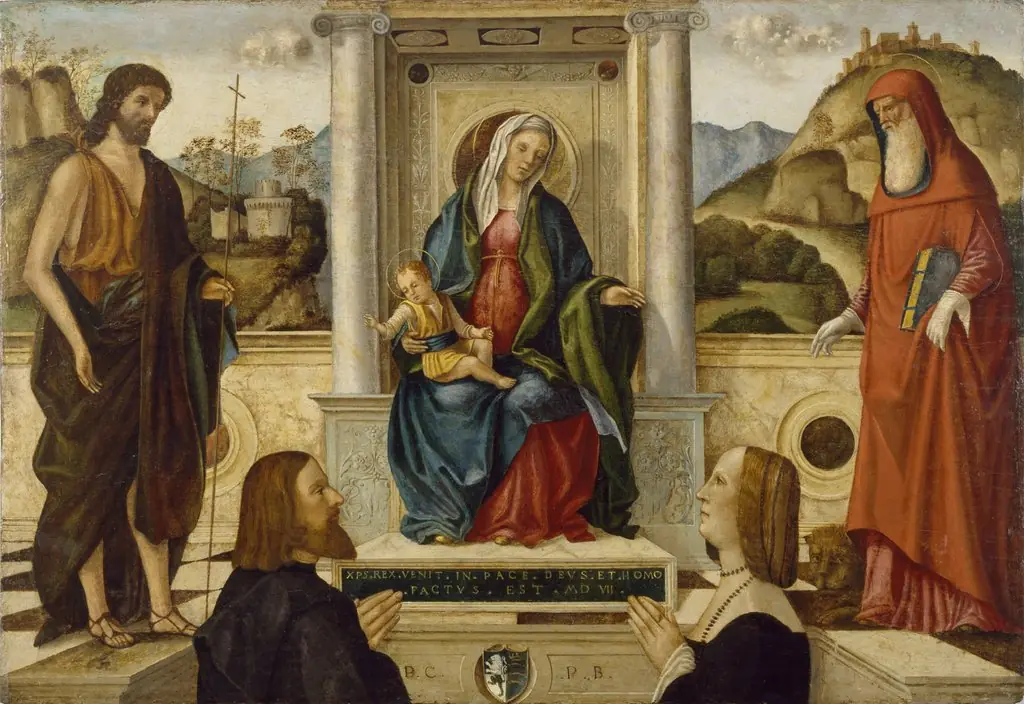 Madonna and Child Enthroned with Saints and Donor
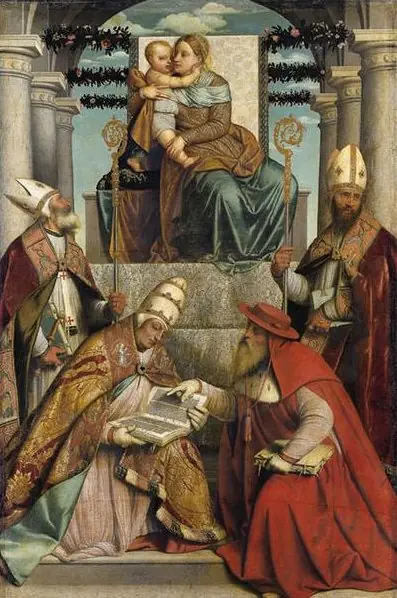 Madonna and Child with Four Doctors of the Church
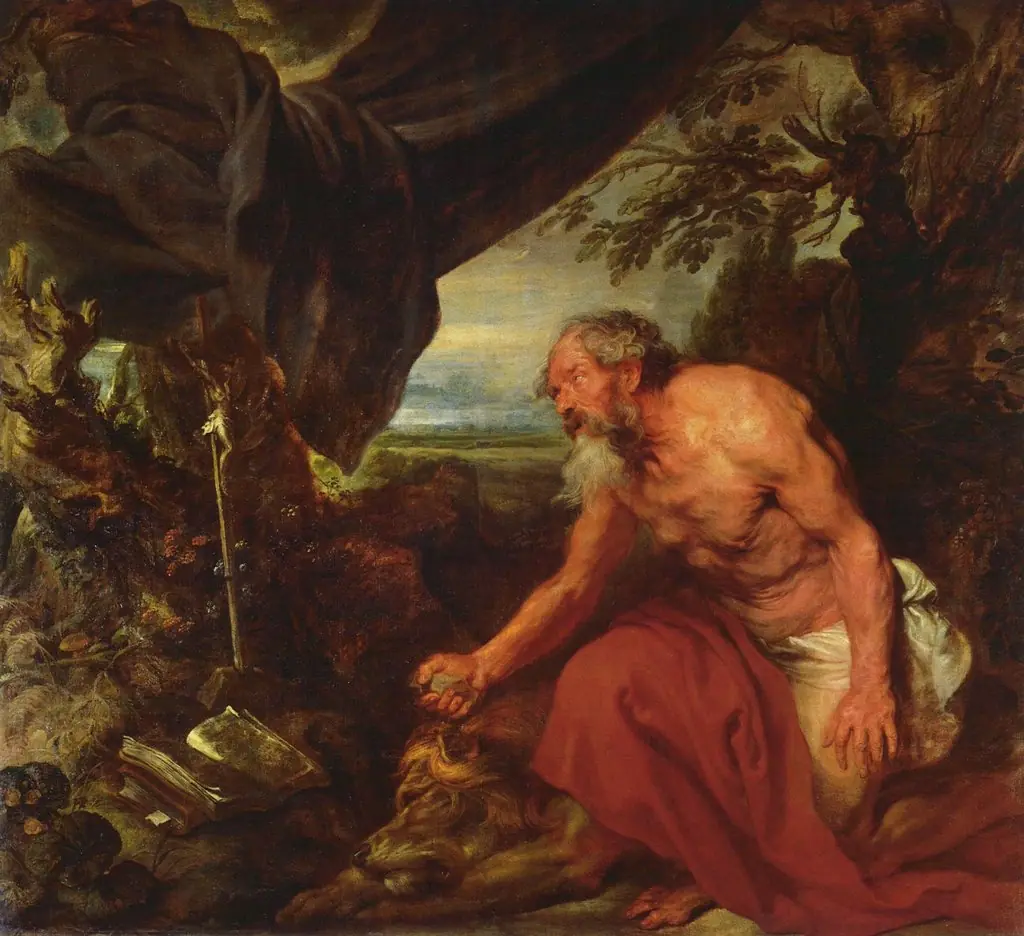 Saint Jerome
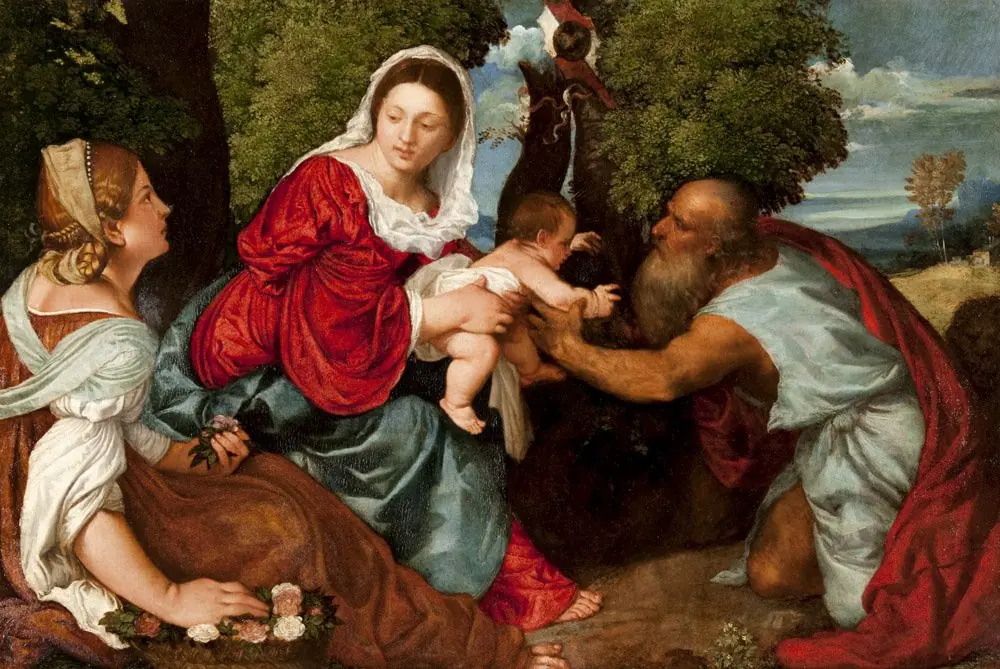 Madonna and Child with Saint Jerome and Saint Dorothy
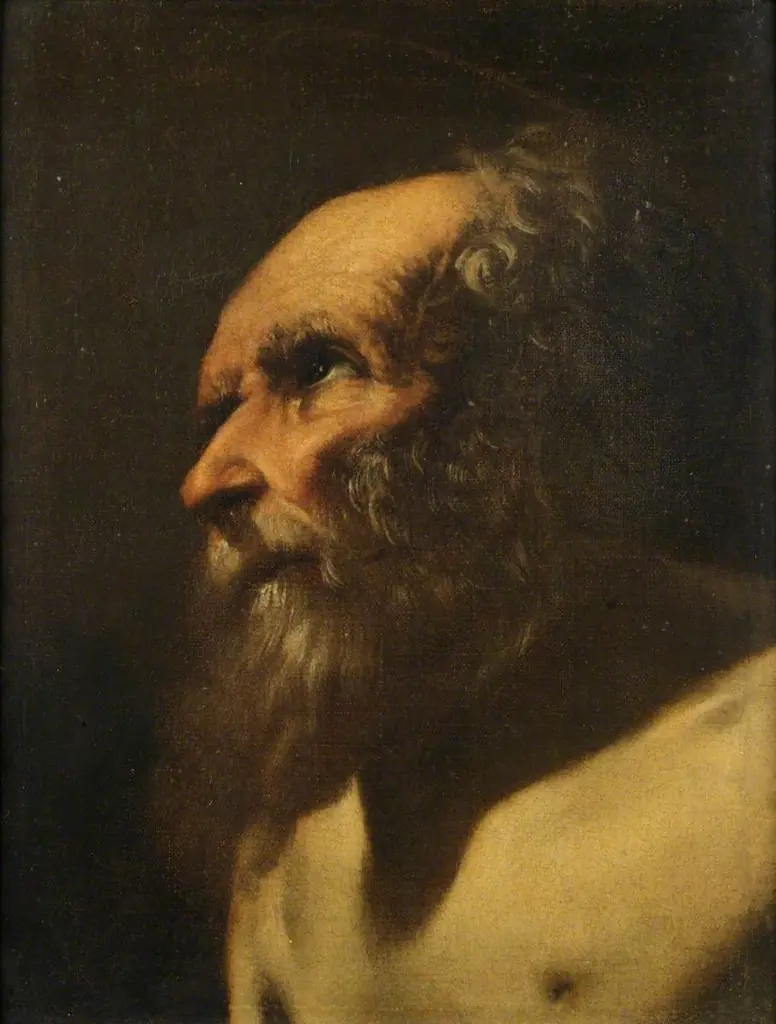 Saint Jerome (c.347–420)
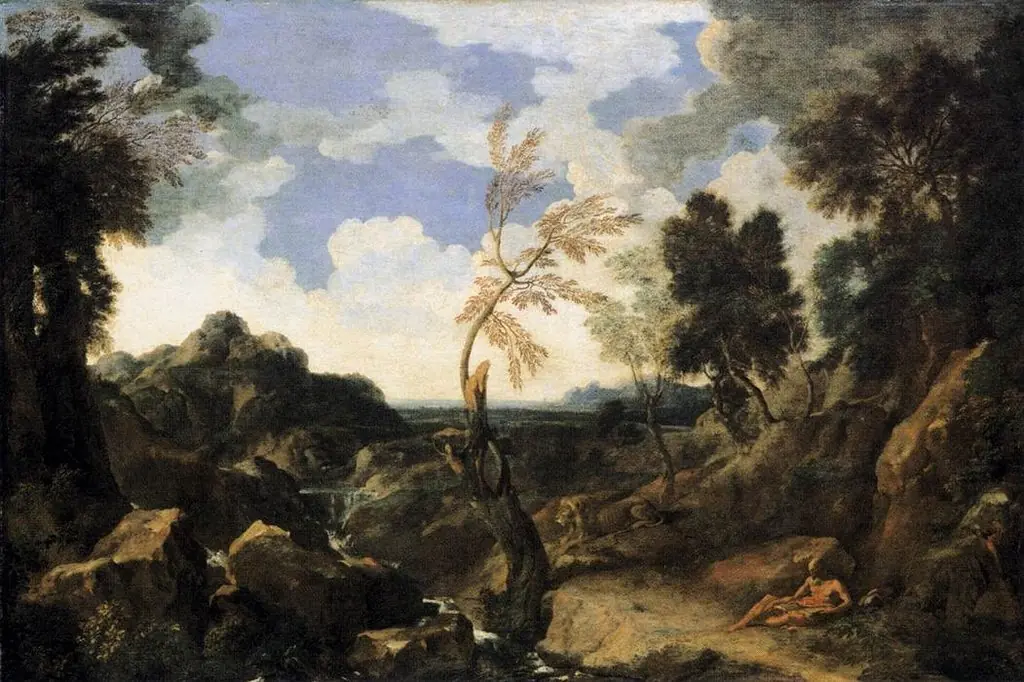 Landscape with Saint Jerome and the Lion
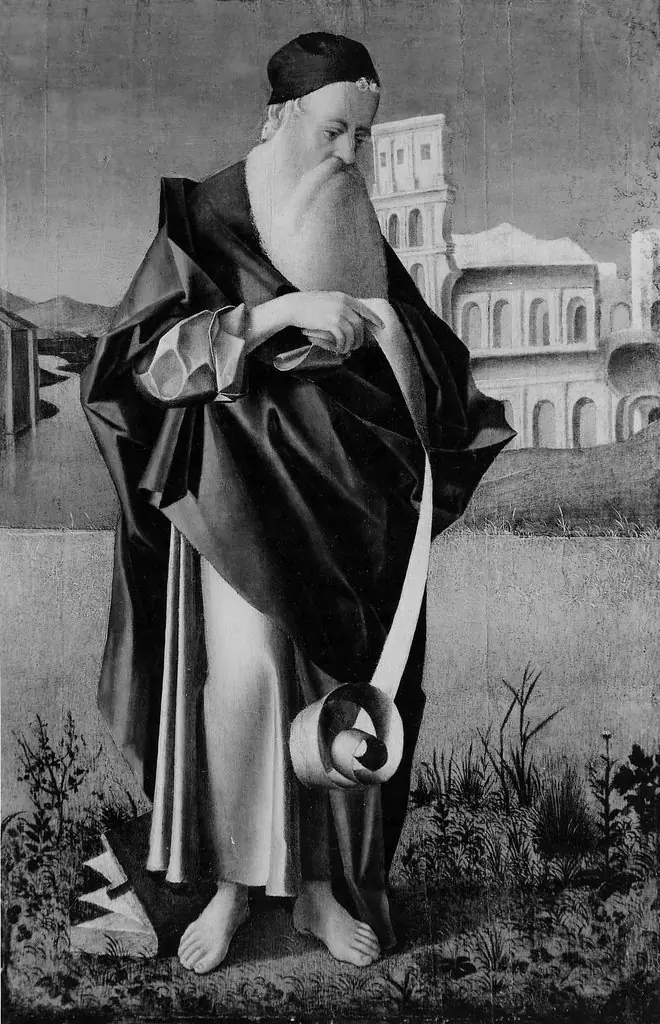 Saint Jerome
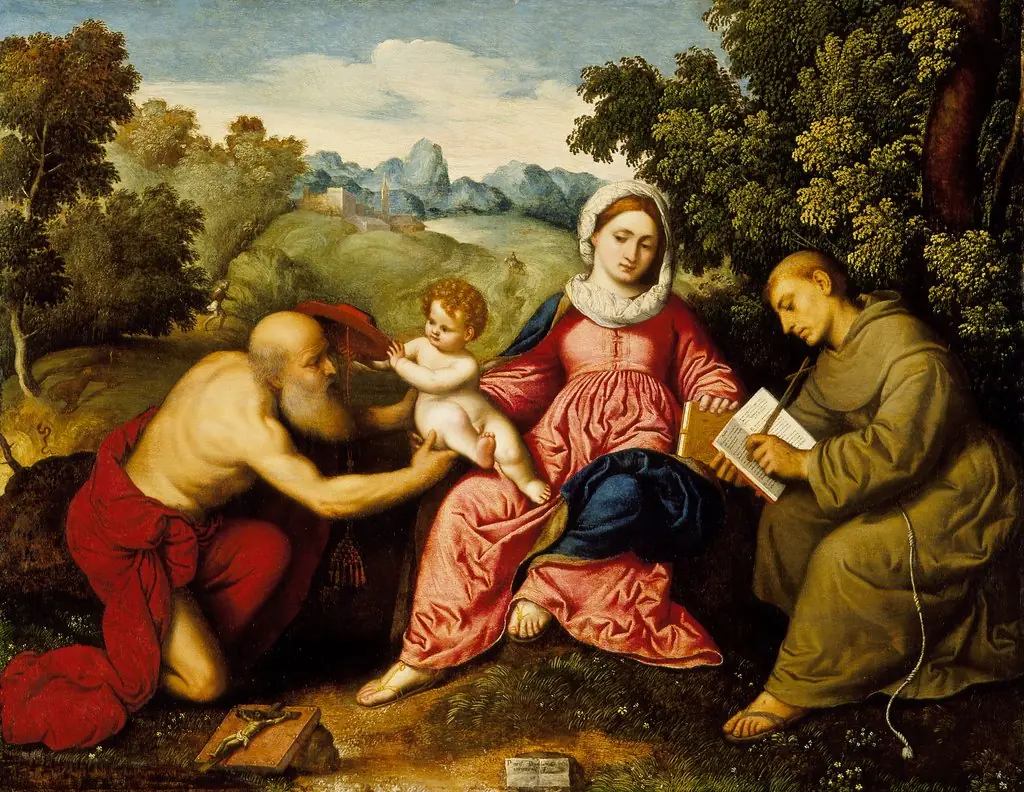 Madonna and Child with Saints Jerome and Francis
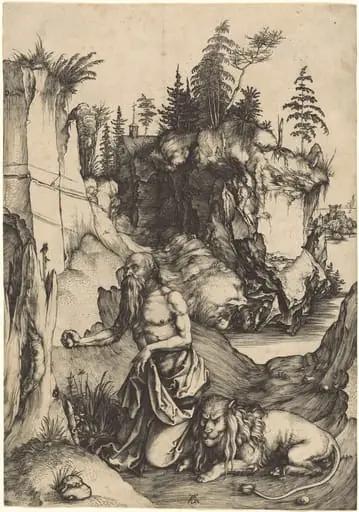 Saint Jerome Penitent in the Wilderness
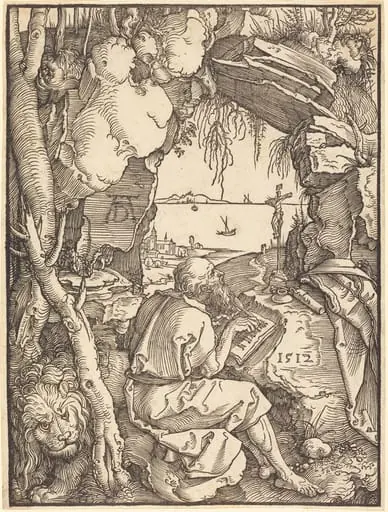 Saint Jerome in a Cave
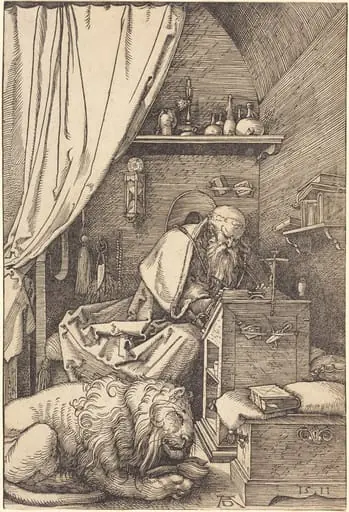 Saint Jerome in His Cell
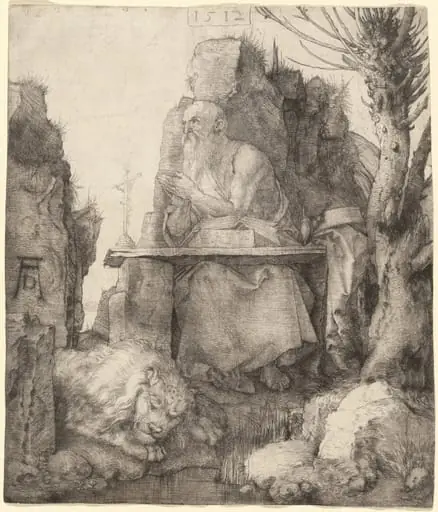 Saint Jerome by the Pollard Willow
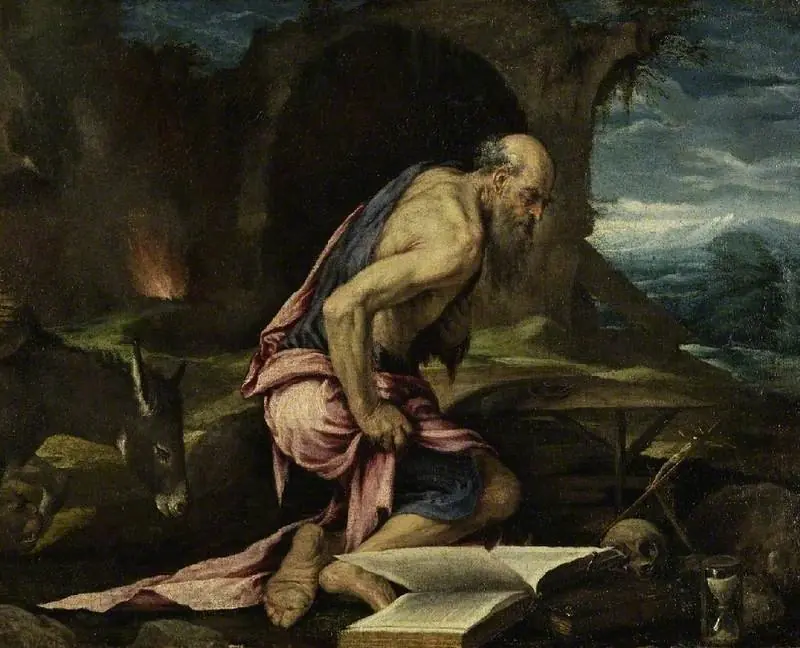 St Jerome in the wilderness
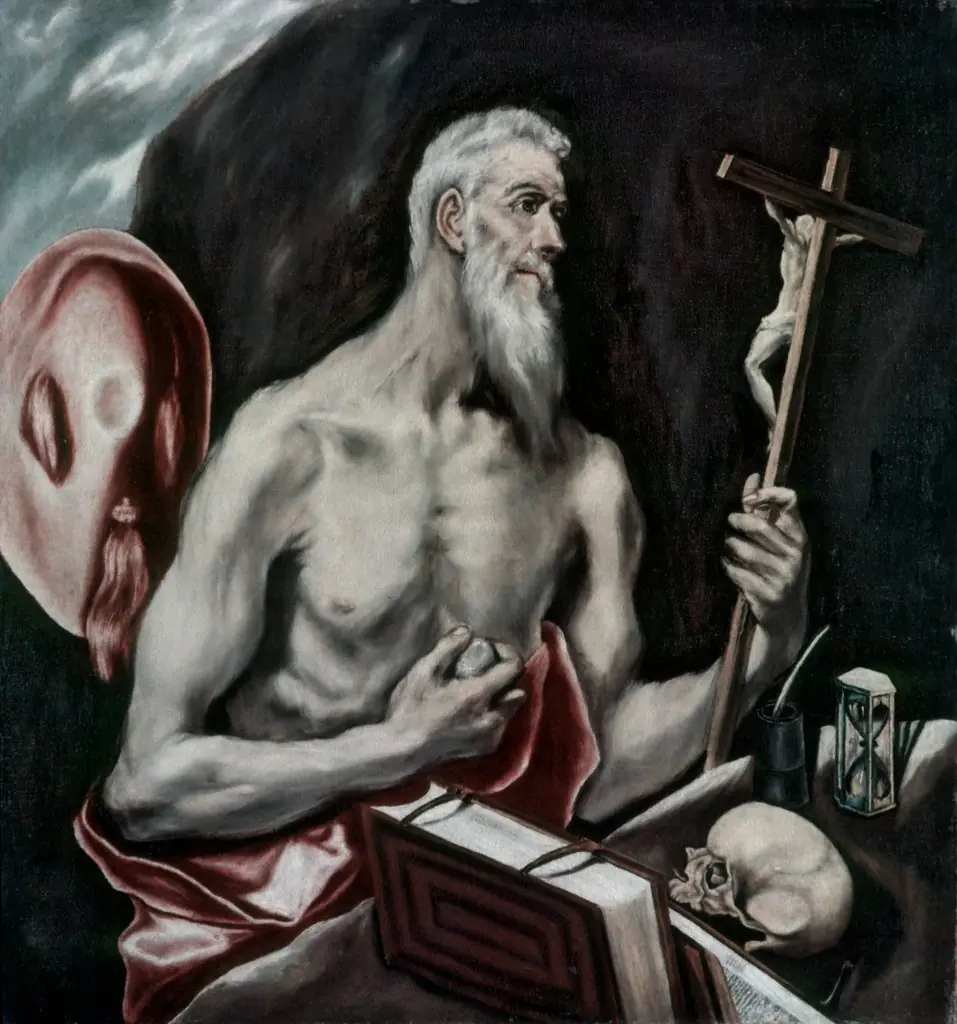 Saint Jerome in Penitence
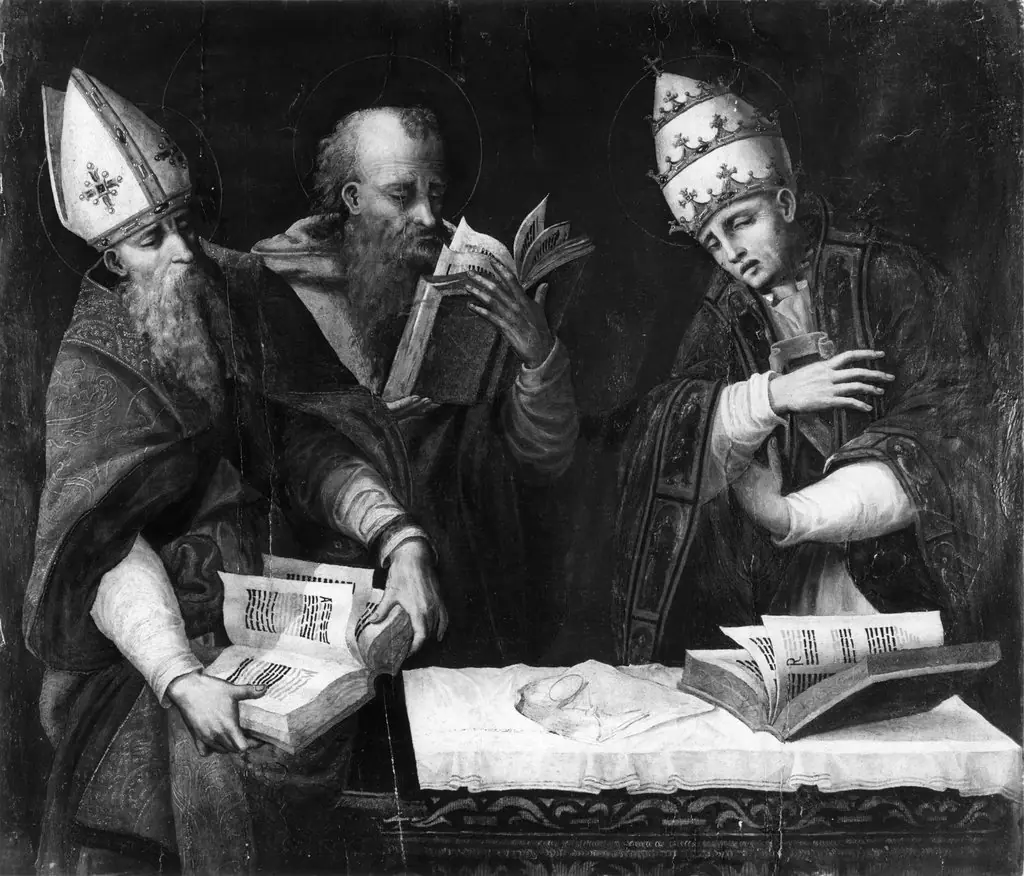 Saints Augustine, Jerome and Gregory the Great
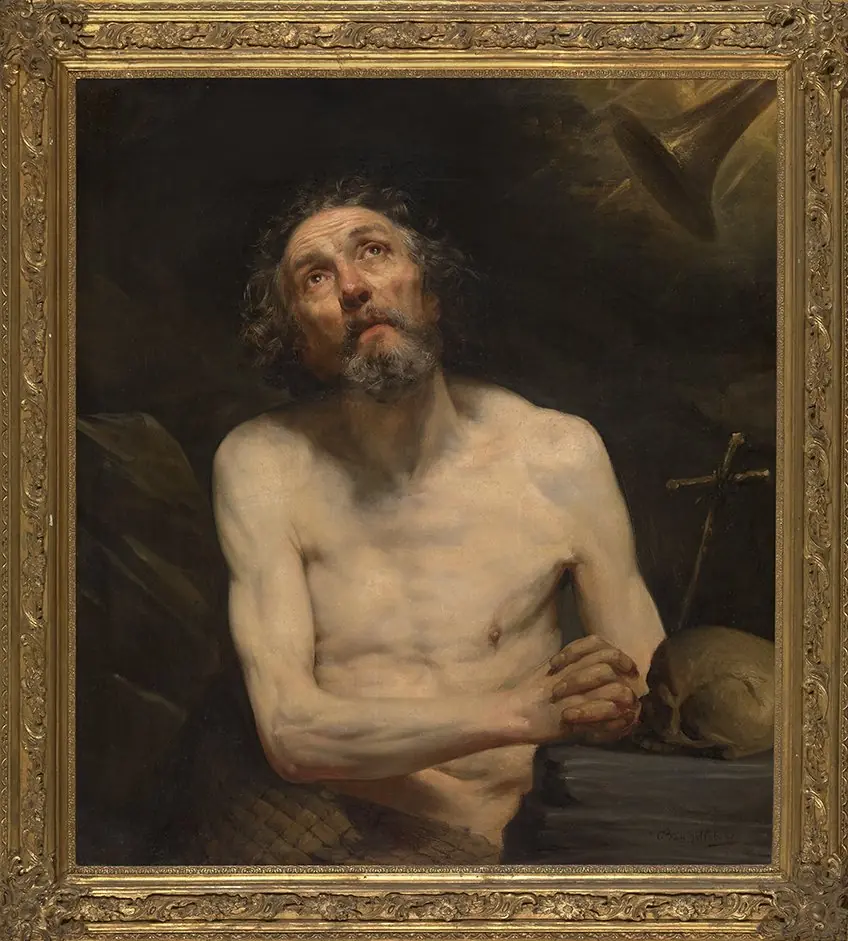 Heilige Hiëronymus
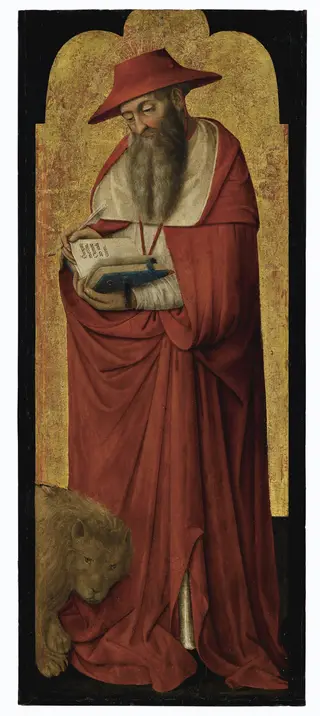 Saint Jerome, part of an altarpiece
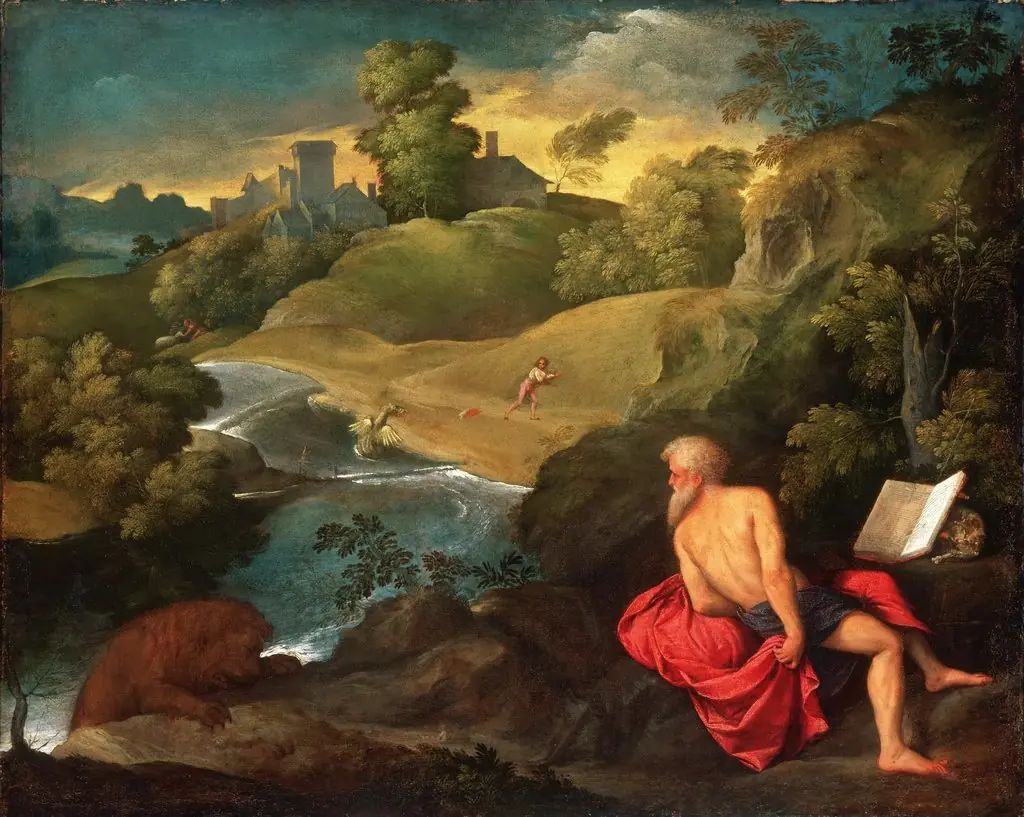 Saint Jerome in the Wilderness
Frequently asked questions
What is Jerome?
Jerome is a masculine name of Greek origin, derived from the Greek given name Ἱερώνυμος, Hierōnymos, "sacred name"; from ἱερός, hierós, "sacred", and ὄνυμα, ónyma, an alternative form of ὄνομα, ónoma, "name".
How many Jerome works does Artifact World Gallery have?
Artifact World Gallery holds 200 public-domain Jerome works, all free to view and download.
Who are the key Jerome artists?
Key Jerome artists in the collection include Titian, Paolo Veronese and Lorenzo Lotto.
Where can I see Jerome works?
Jerome works in the collection are held by Bavarian State Painting Collections, National Gallery of Art and Metropolitan Museum of Art.