Subject
John the Evangelist
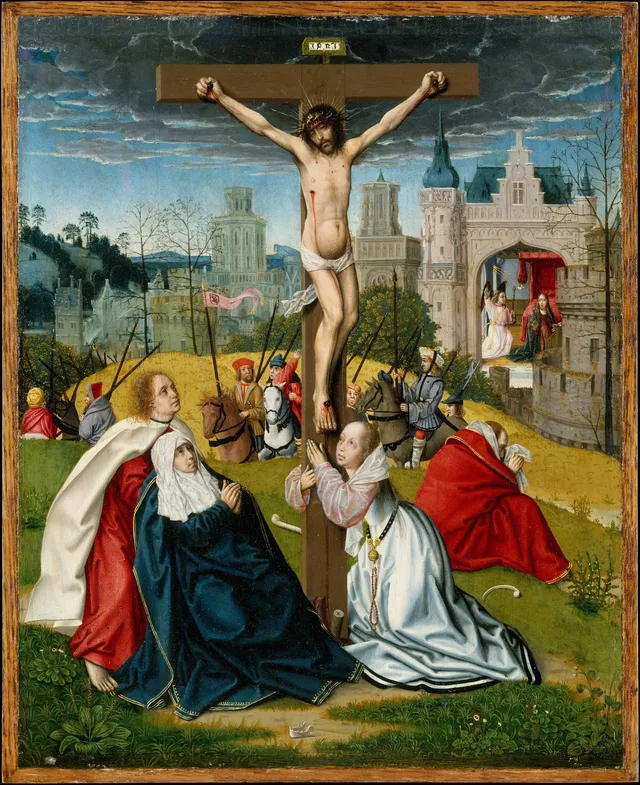
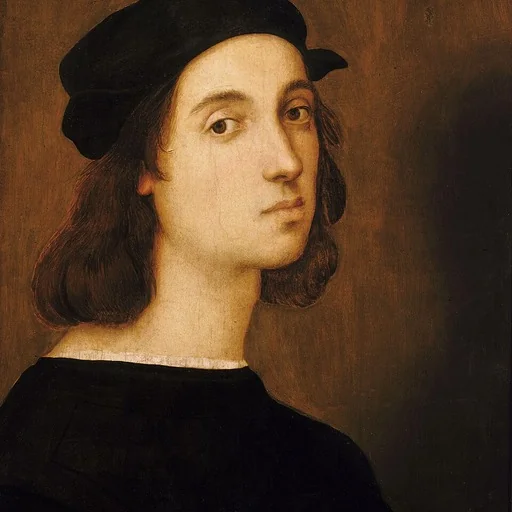
John the Evangelist is a subject in art. The gallery holds 200 works in this subject in art, including works by Titian, Georges de La Tour and Raphael.
John the Evangelist—identified in tradition with the apostle John, son of Zebedee, and with the unnamed "disciple whom Jesus loved"—is one of the most frequently depicted saints in Western art. Christian tradition credits him with the Fourth Gospel, three epistles, and the Book of Revelation, said to have been composed during his exile on the Aegean island of Patmos under the emperor Domitian. As both witness at the foot of the Cross and visionary author of the Apocalypse, he supplied artists with an unusually wide thematic range, from intimate tenderness to cosmic terror, and his image proliferated across panel painting, manuscript illumination, sculpture, and stained glass throughout the medieval and early modern periods.
His iconography is governed by a few stable conventions. As one of the four evangelists, John is paired with the eagle of the Tetramorph (Revelation 4:7), a symbol of the soaring opening of his Gospel; his other constant attributes are the book or scroll and, by later legend, a chalice from which a serpent rises, recalling a poisoned-cup ordeal he survived at Ephesus. In Western art he is typically shown as a beardless youth with long hair, signalling youthfulness and virginity, often in a golden tunic and red cloak—though Byzantine and Orthodox tradition favours an aged, white-bearded sage. At the Last Supper he reclines on Christ's breast or sleeps; at the Crucifixion he stands beside the grieving Virgin, a pairing that became one of the most enduring images in Christian art and survives, for example, as the carved figure in Cologne's Museum Schnütgen (A 1085).
The theme drew the era's greatest masters. Albrecht Dürer engraved and painted him repeatedly; Donatello carved a monumental seated marble for Florence Cathedral; Hans Memling and the Netherlandish painters set his Patmos vision in luminous landscapes; and Titian's twisting "Saint John on Patmos" (1544) brought Mannerist dynamism to the subject. El Greco returned to him obsessively in his late Toledo years, above all in the visionary "Opening of the Fifth Seal" (c. 1608–14), in which the ecstatic, elongated saint presides over martyred souls receiving white robes.
This catalogue holds works in which John recurs as a key witness—Petrus Christus's "The Lamentation" and Jean de Beaumetz's "Calvary with a Carthusian Monk" among them—testifying to his constant presence at the central scenes of Christ's Passion. El Greco's apocalyptic canvas, later studied by Picasso and Pollock, marks the saint's bridge from devotional image to a wellspring of modern art.
Key artists
Works
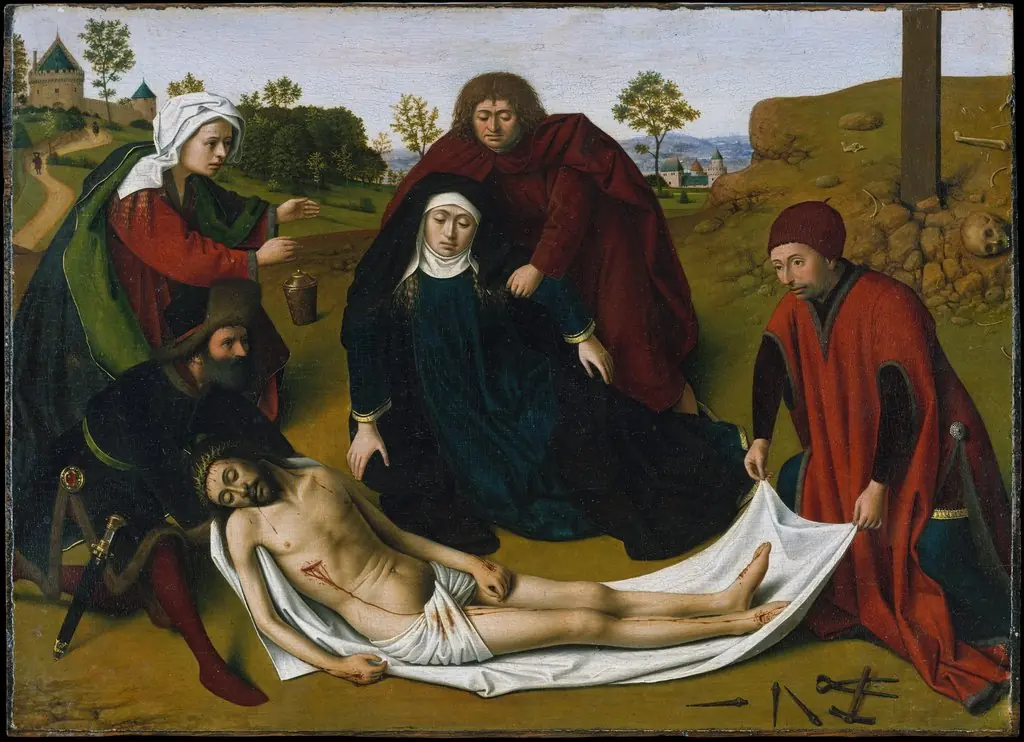 The Lamentation
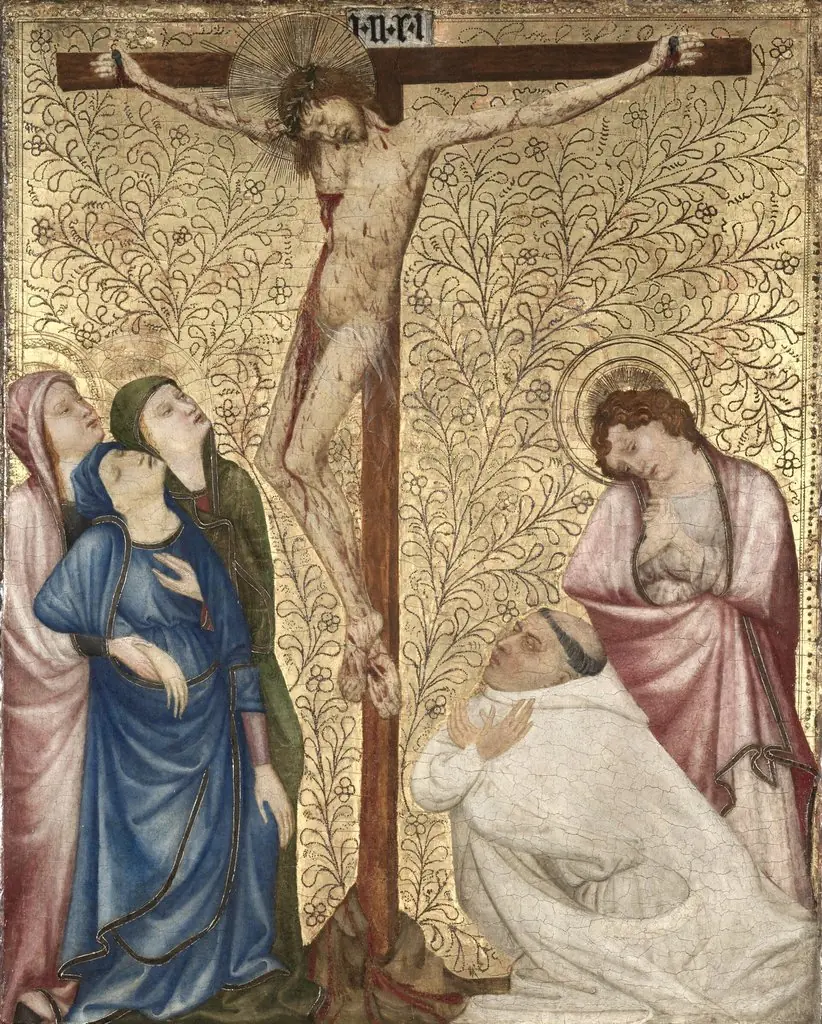 Calvary with a Carthusian Monk
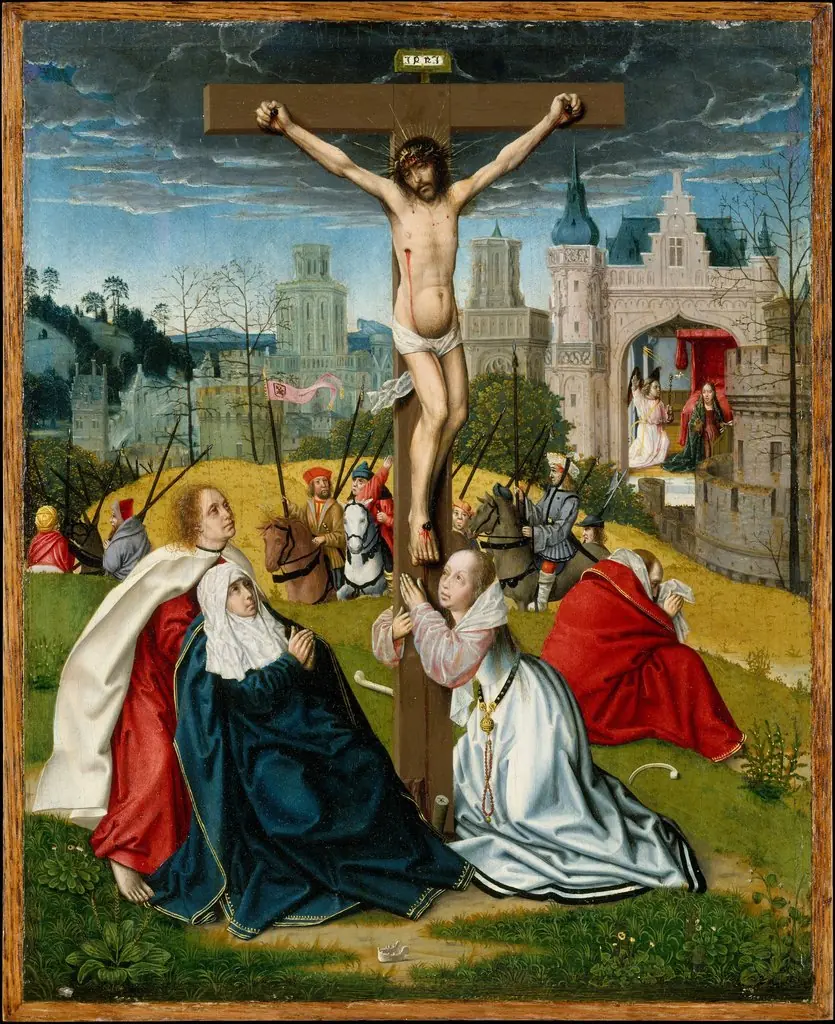 The Crucifixion
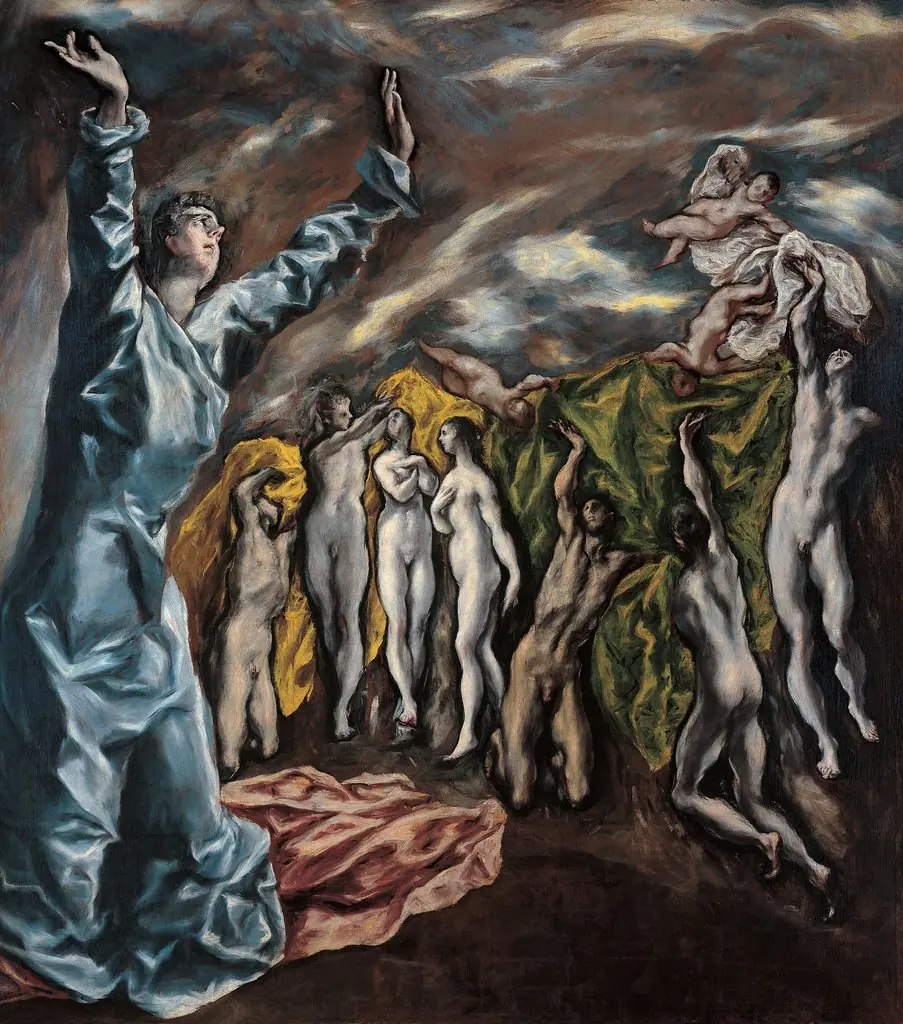 Opening of the Fifth Seal
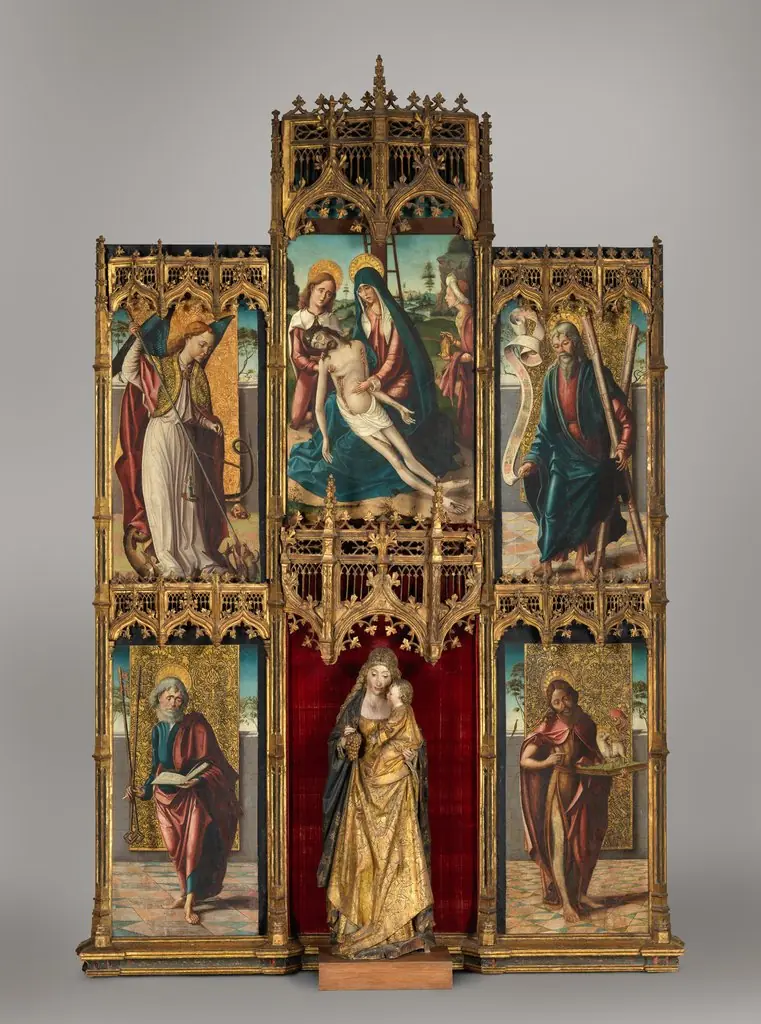 Virgin and Child with the Pietà and Saints
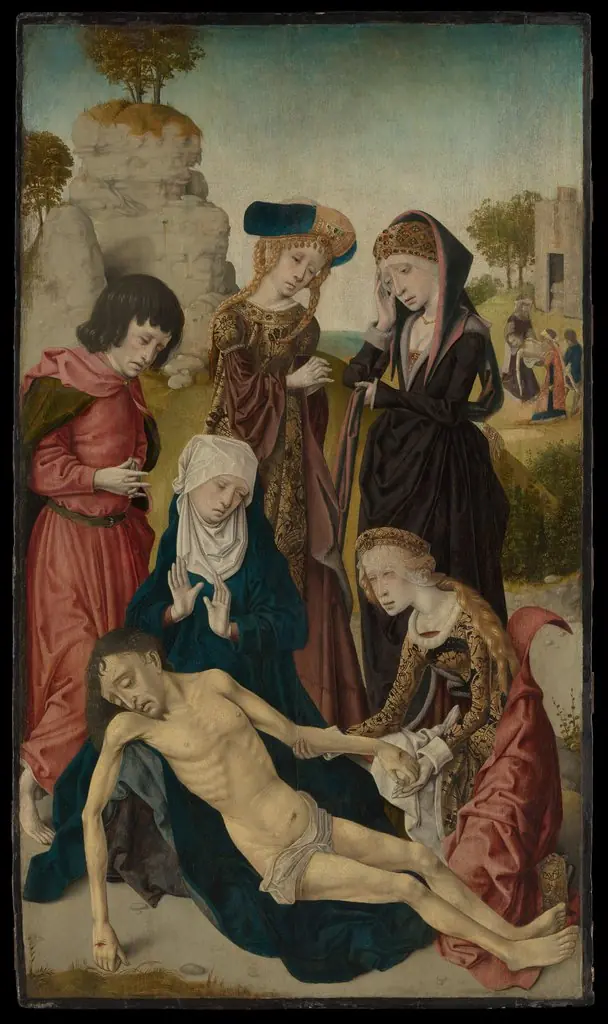 The Lamentation
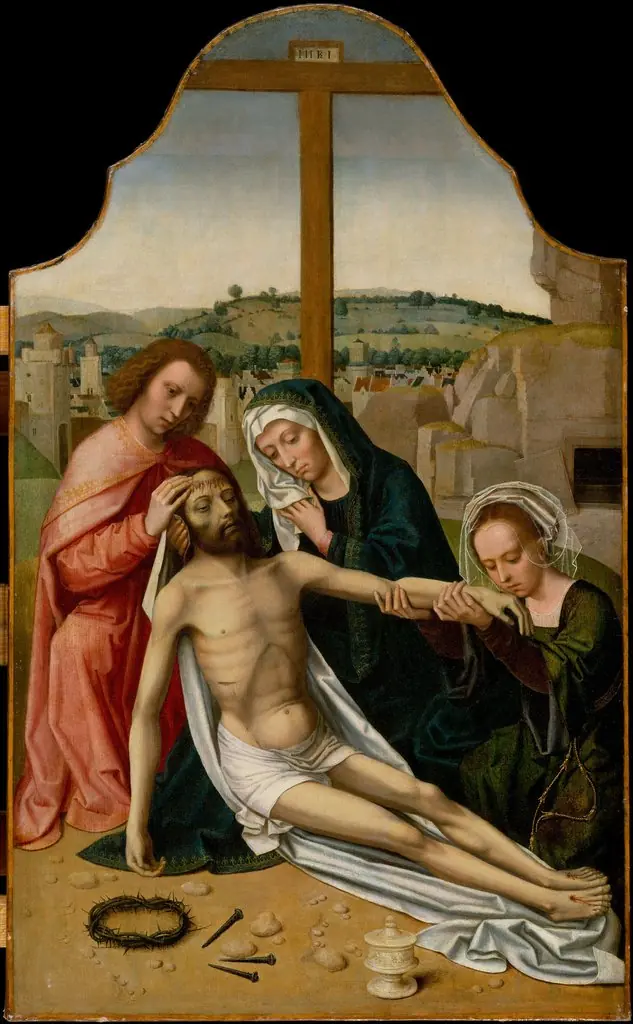 The Lamentation
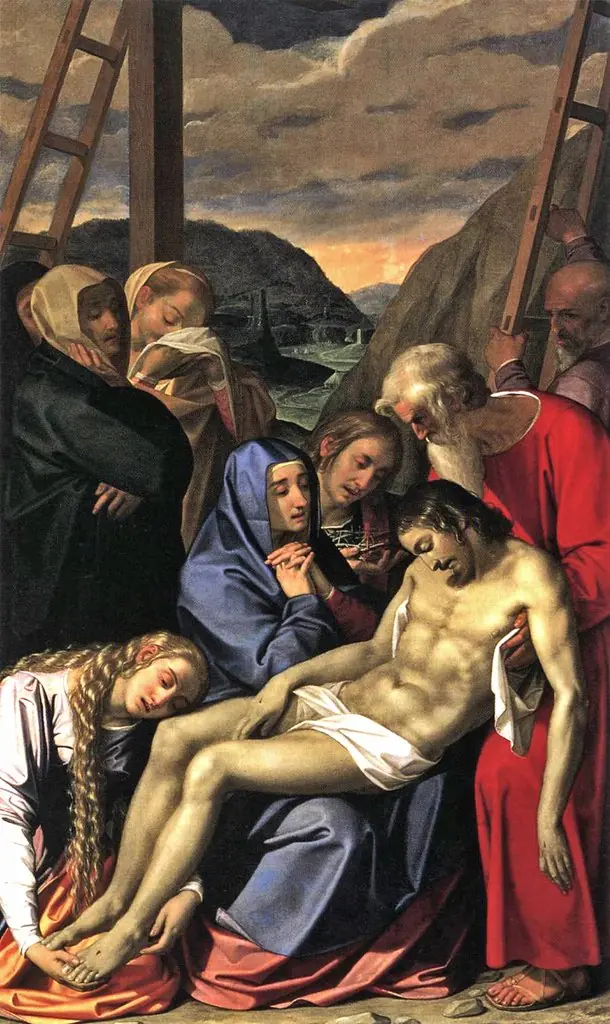 The Lamentation
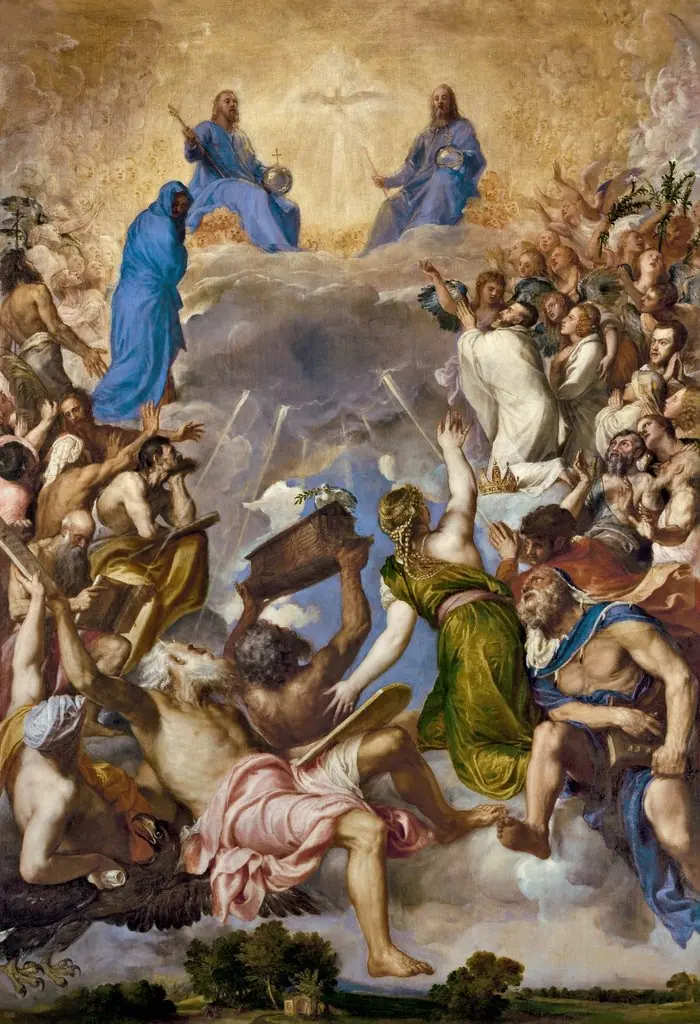 La Gloria
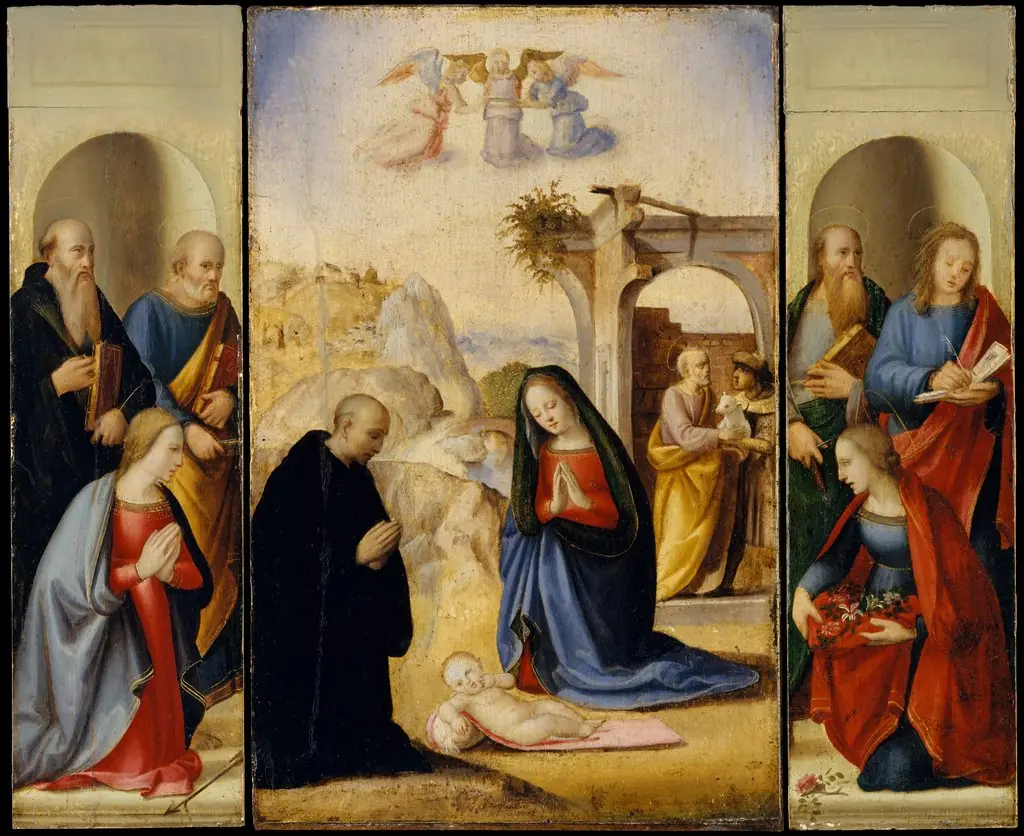 The Nativity with Saints
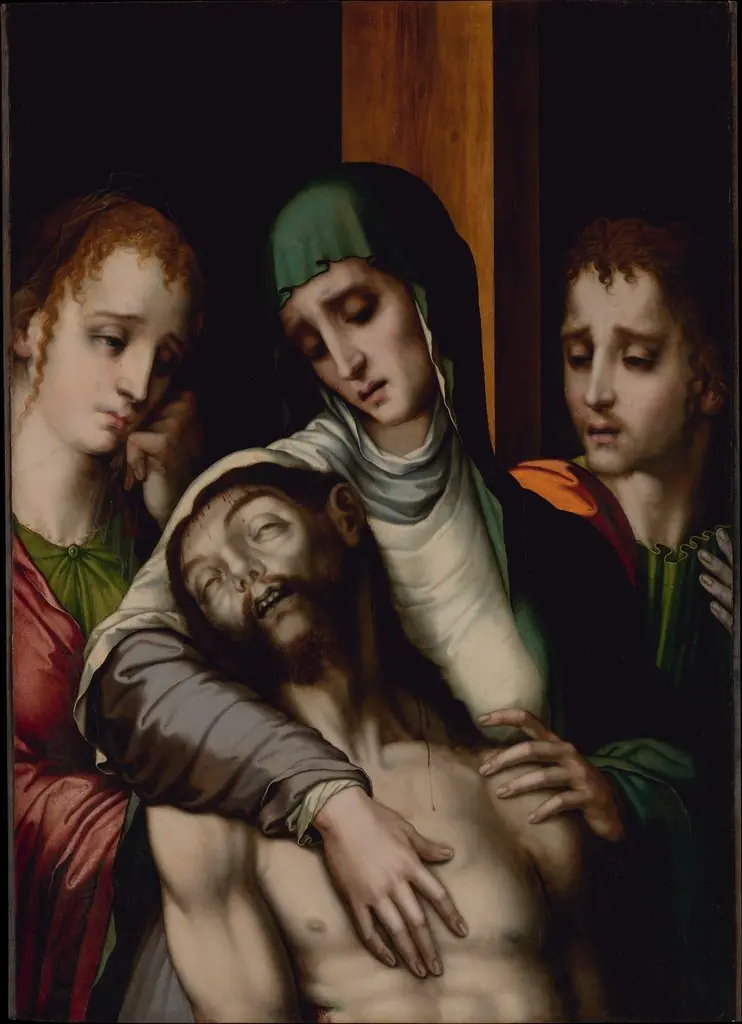 The Lamentation
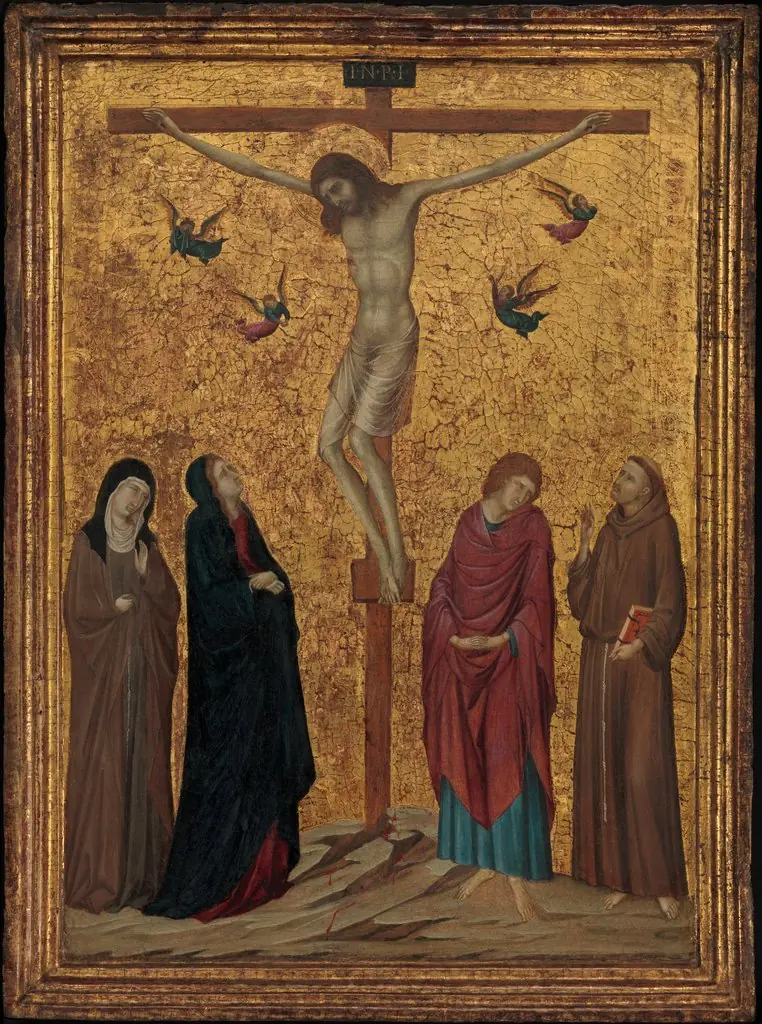 The Crucifixion
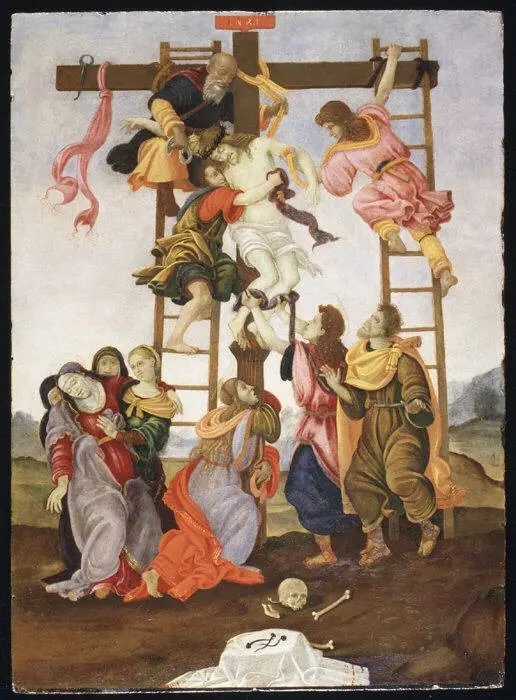 The Descent from the Cross
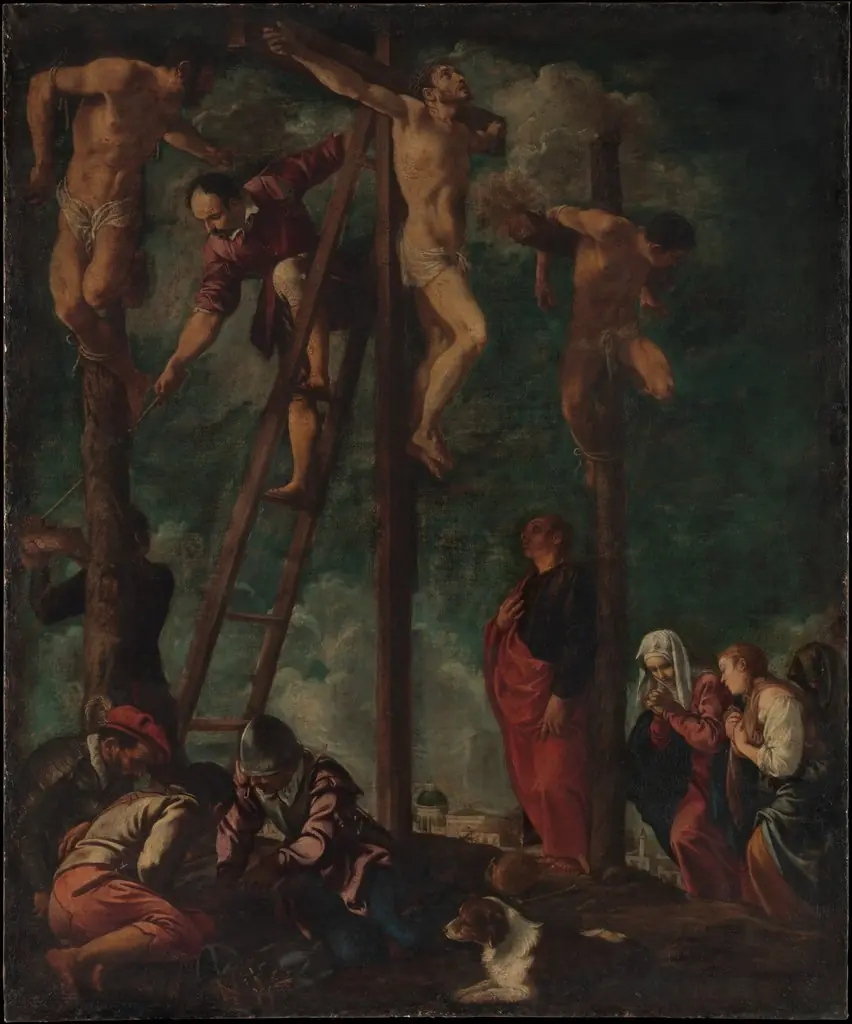 The Crucifixion
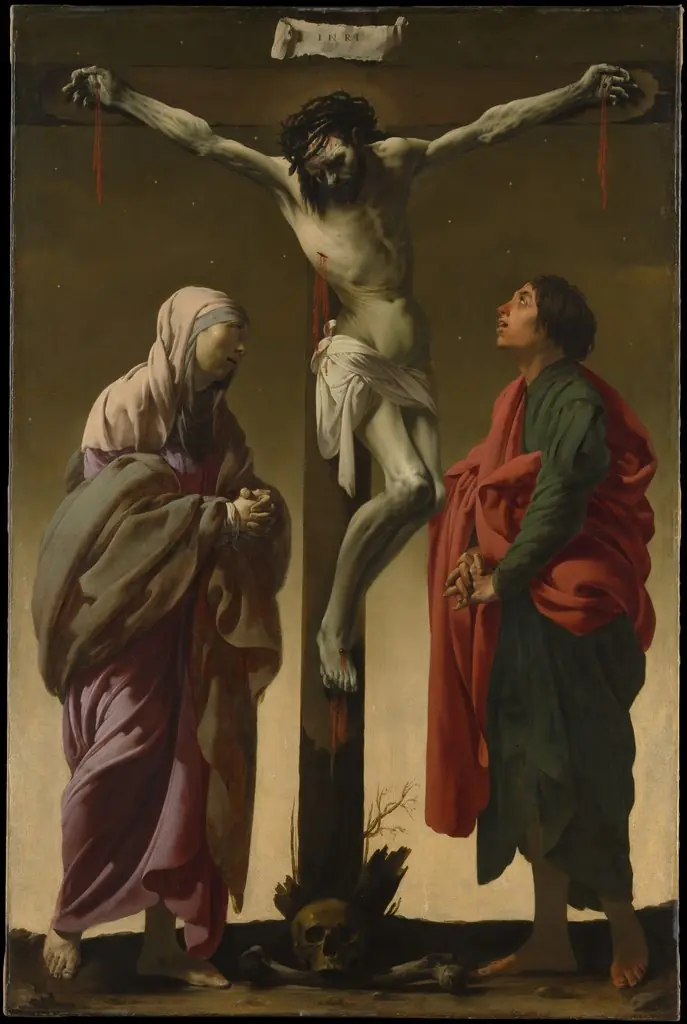 The Crucifixion with the Virgin and St John
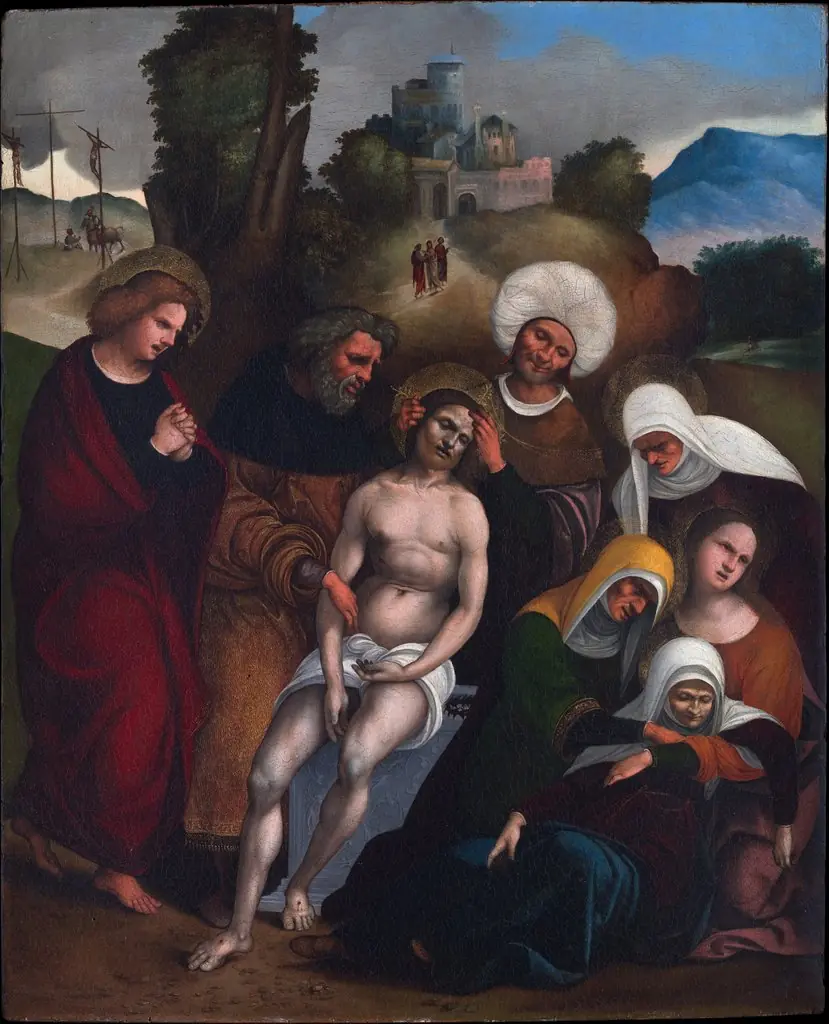 The Lamentation
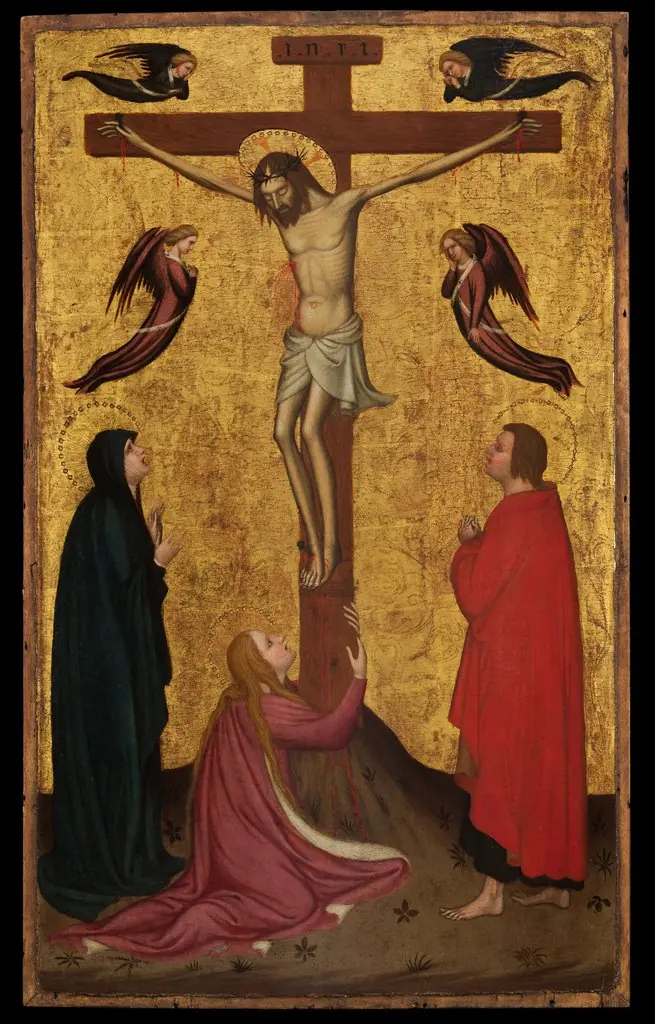 The Crucifixion
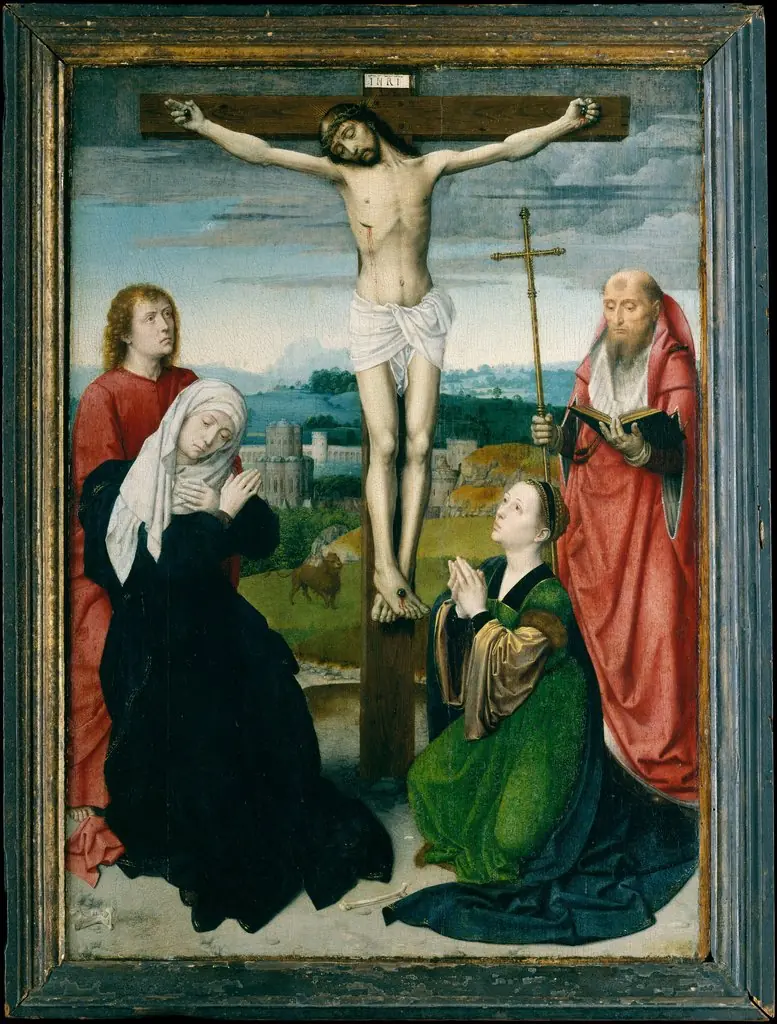 The Crucifixion
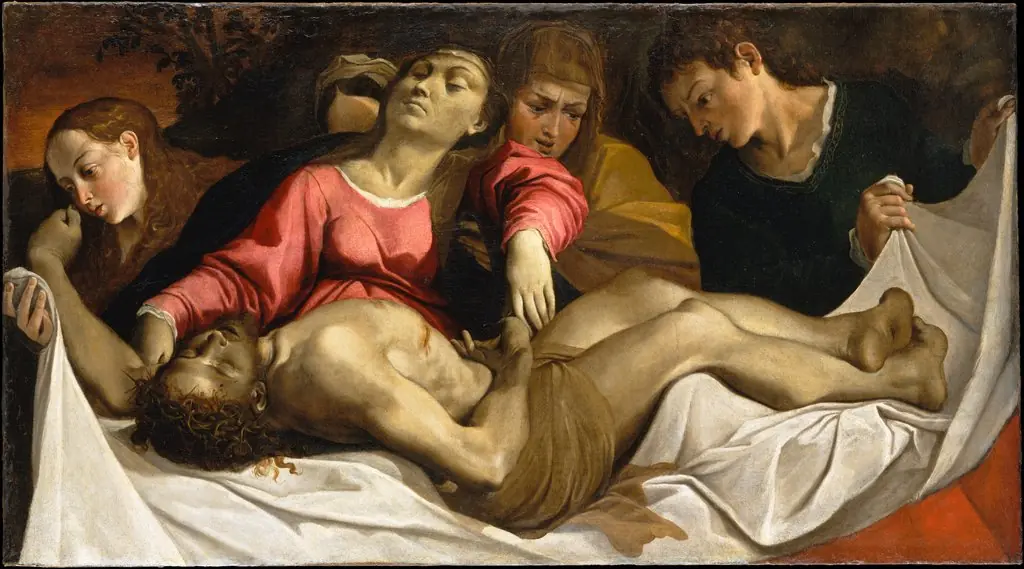 The Lamentation
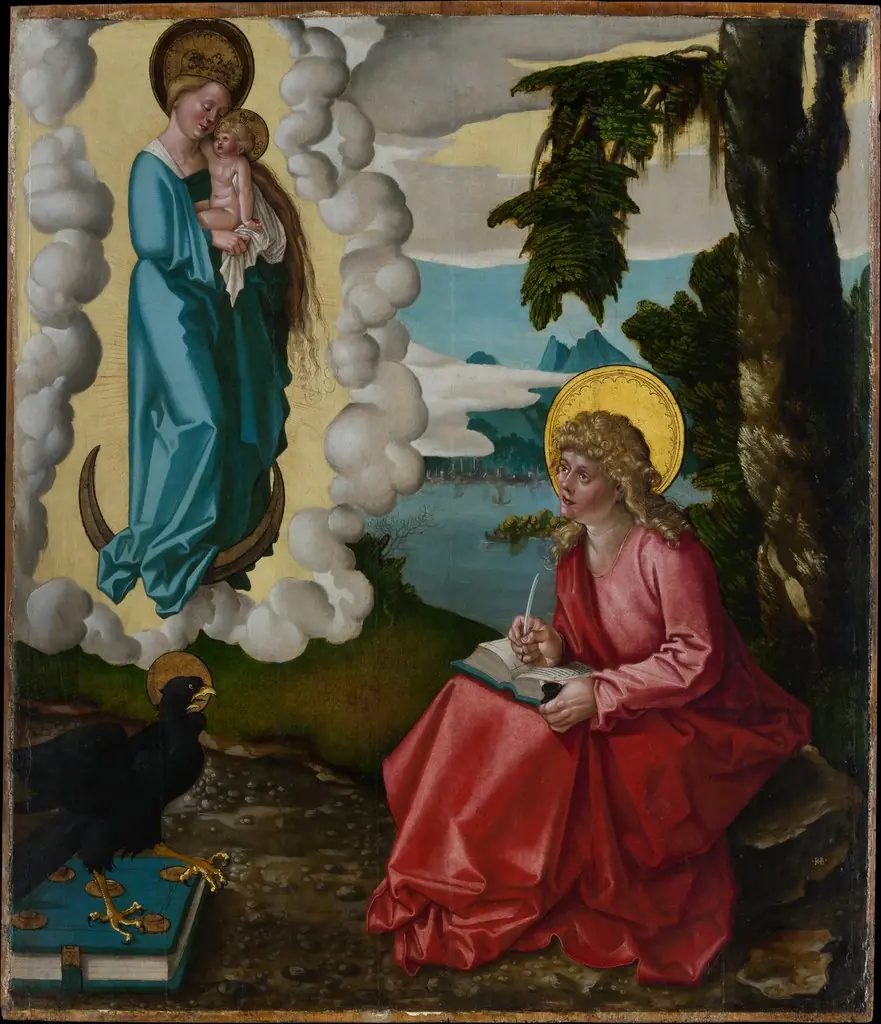 Saint John on Patmos
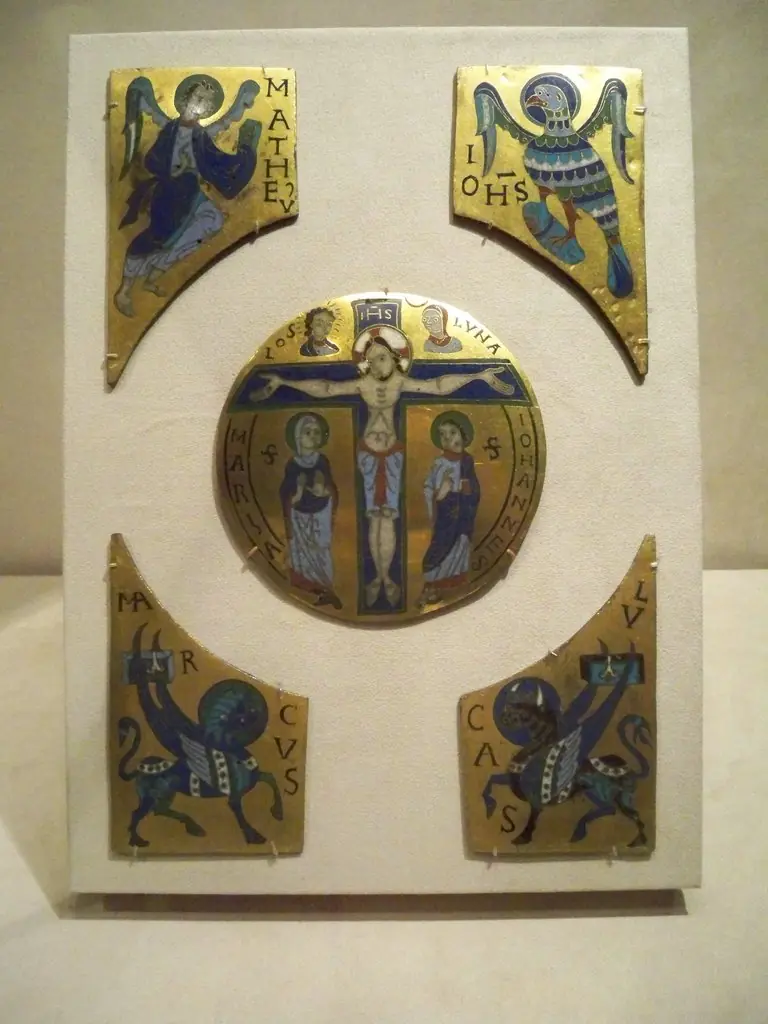 Enamels with the Crucifixion
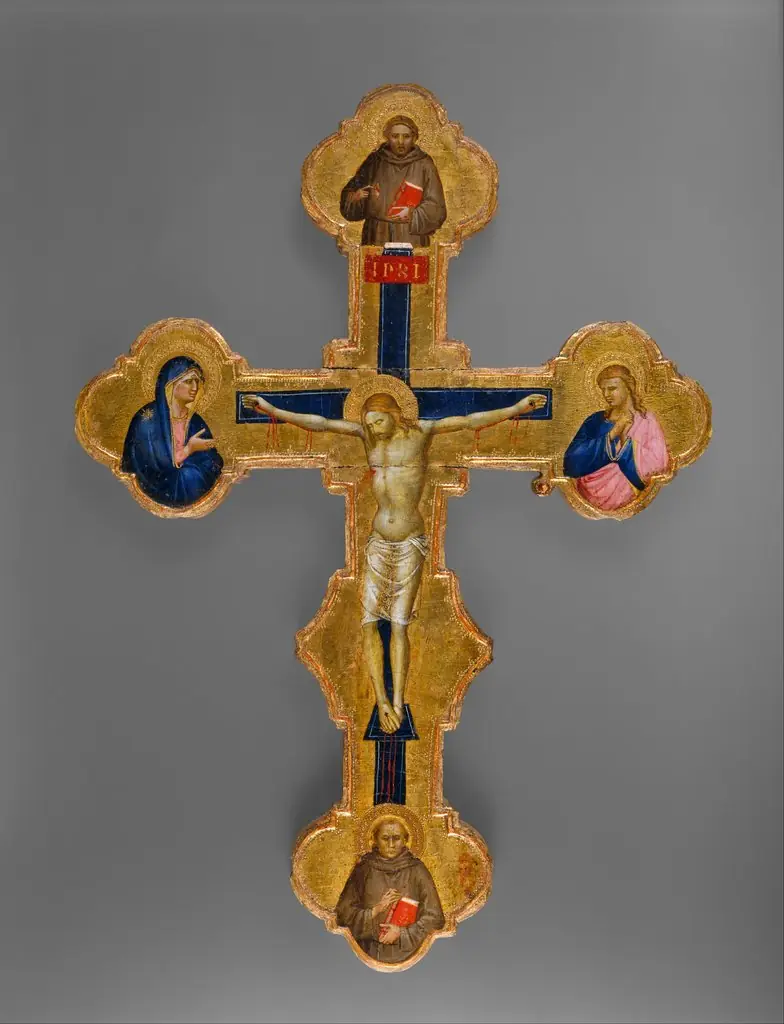 Crucifix
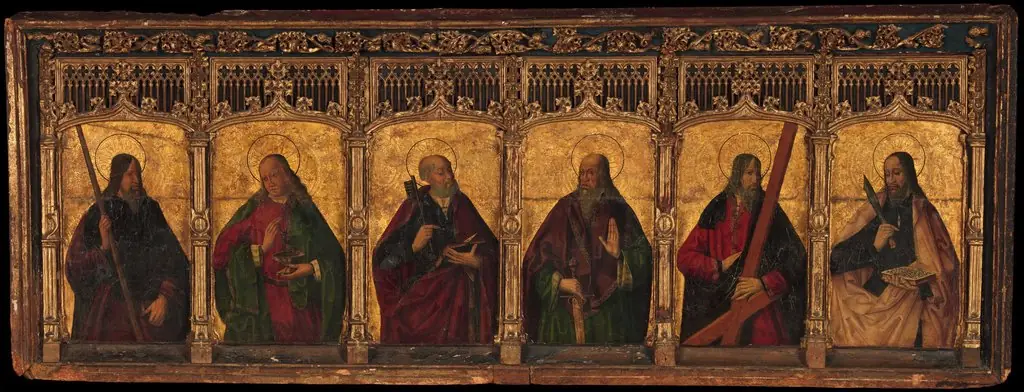 Six Apostles
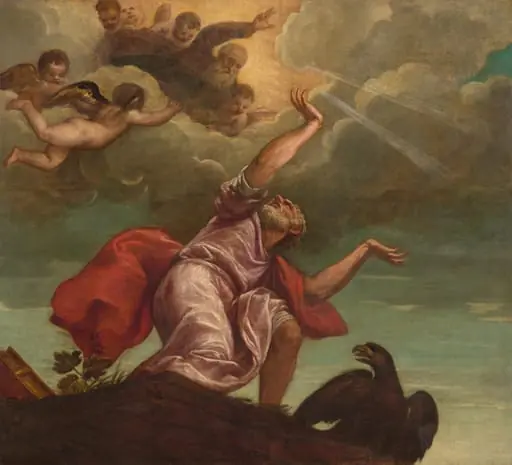 Saint John the Evangelist on Patmos
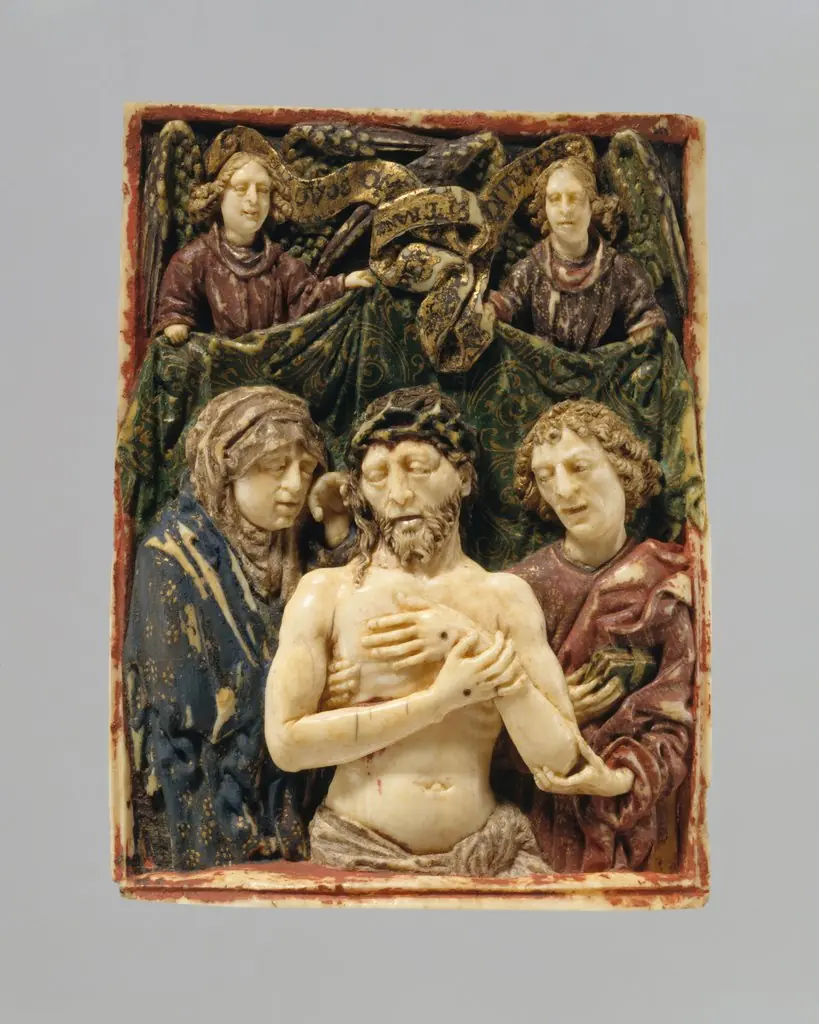 Man of Sorrows
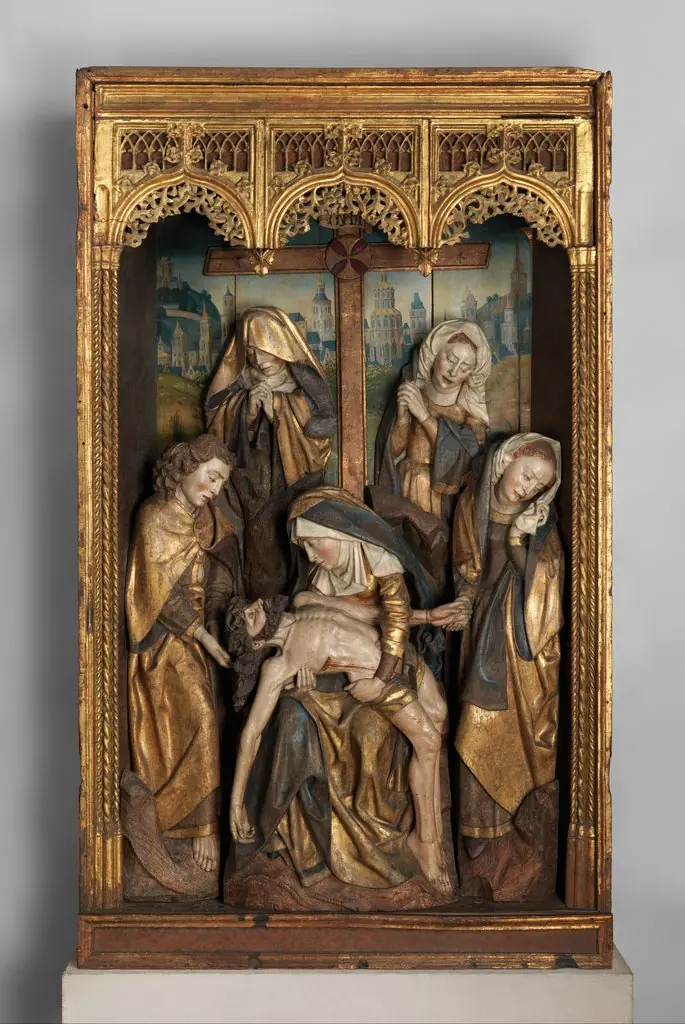 The Lamentation
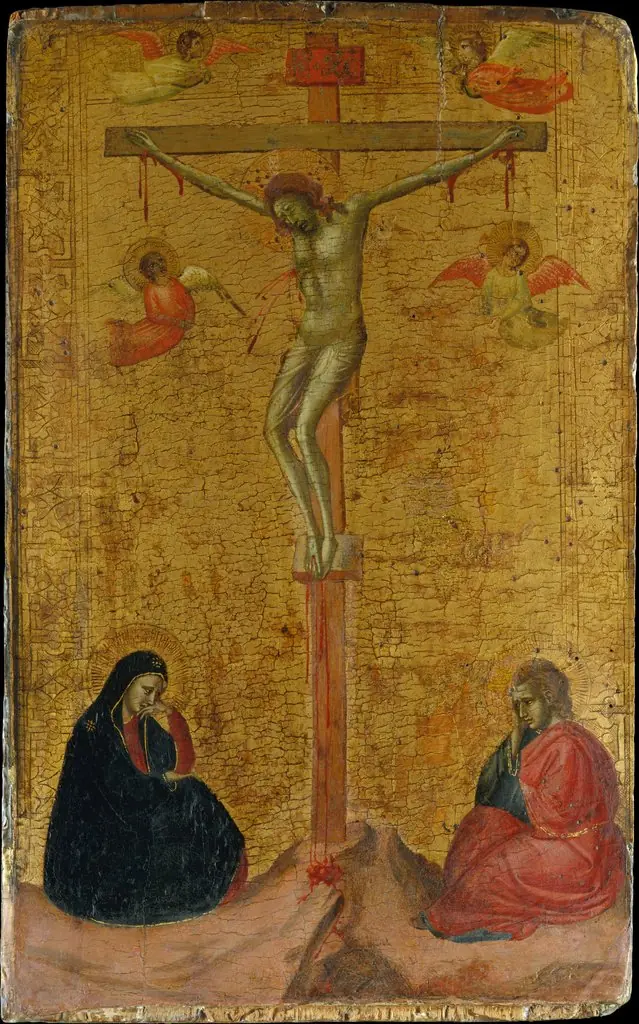 The Crucifixion
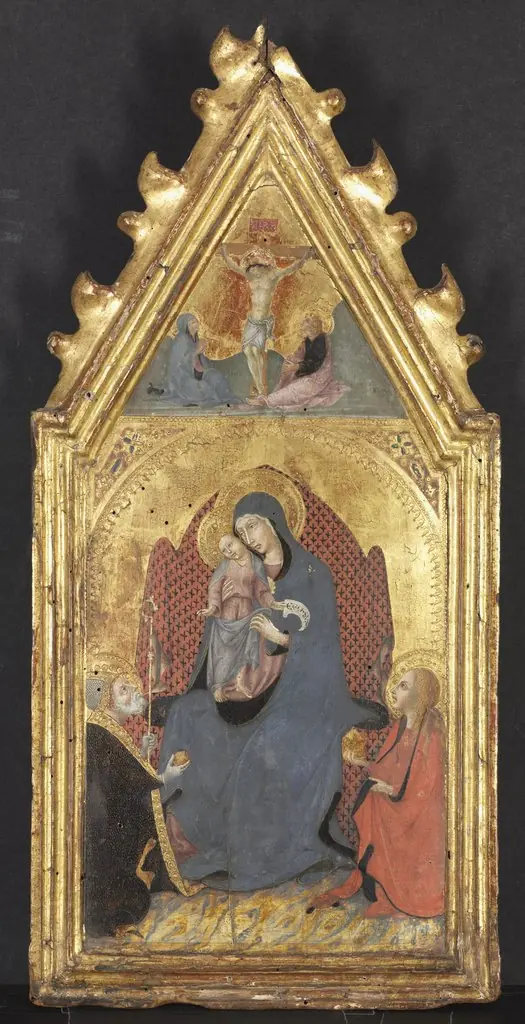 Virgin and Child Adored by Saints Mary Magdalene and Nicolas of Bari; Christ Crucified with the Virgin and Saint John the Evangelist
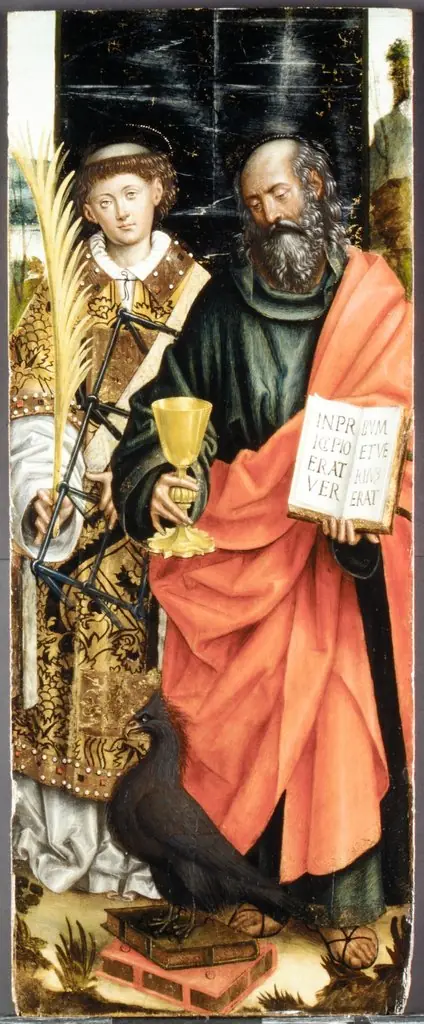 Saints John the Evangelist and Lawrence
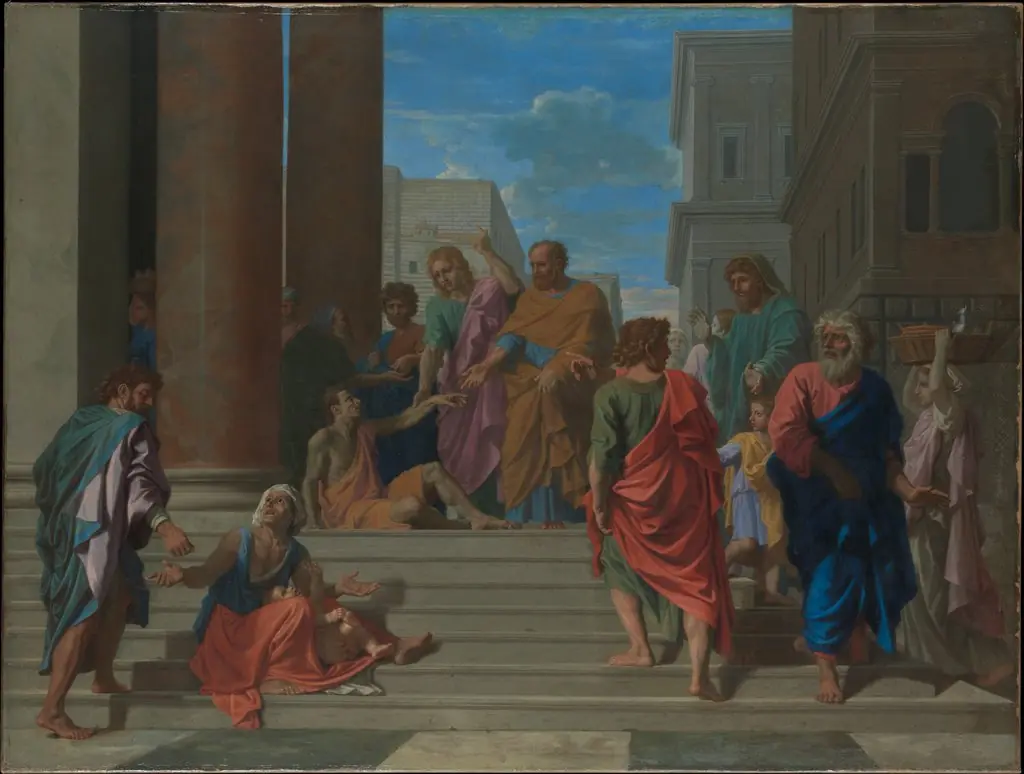 Saints Peter and John Healing the Lame Man
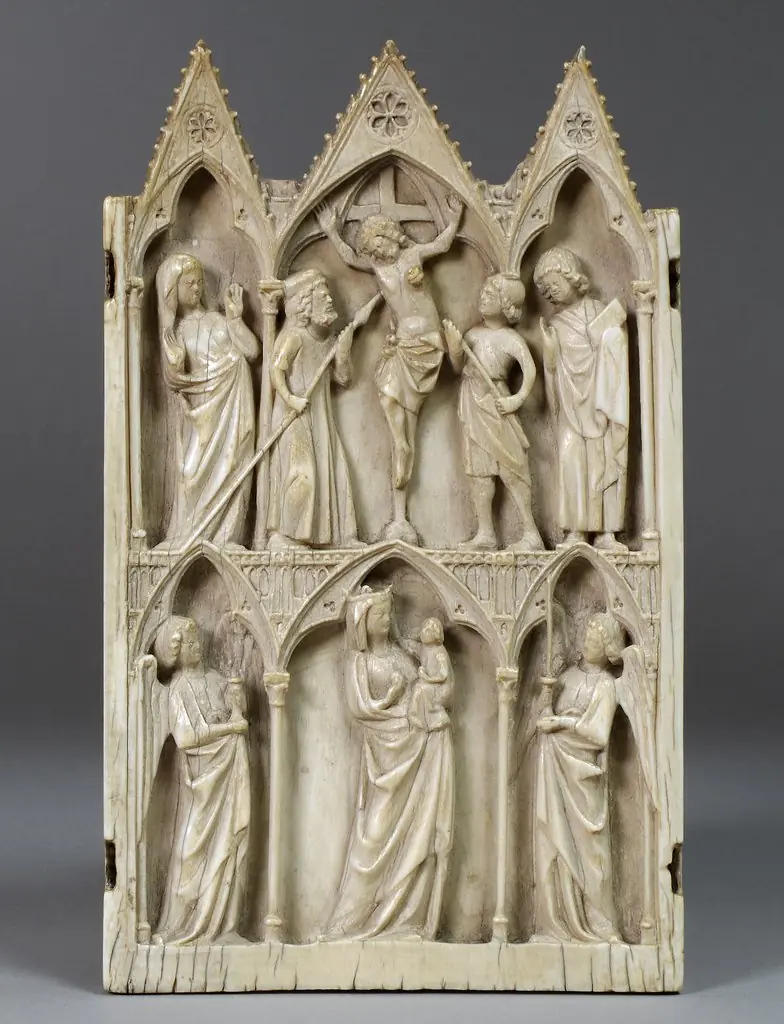 Central Panel of a Triptych
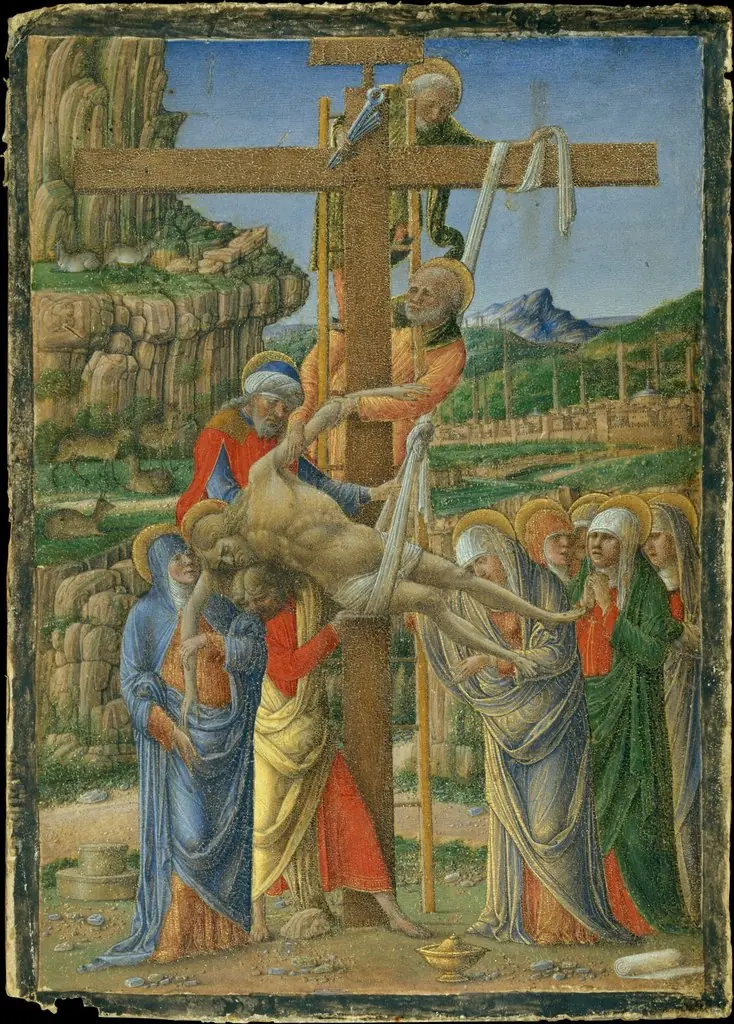 Descent from the Cross
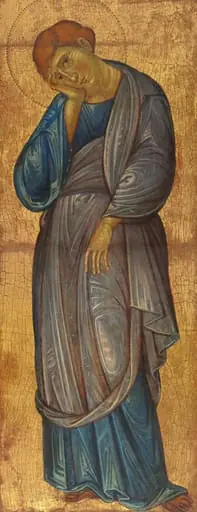 The Mourning Saint John the Evangelist
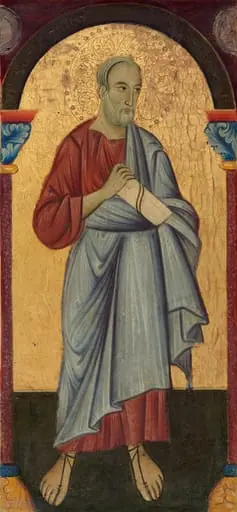 Saint John the Evangelist
![Saint John the Evangelist [right panel]](https://artifactworldgallery.com/img/nardo-di-cione--saint-john-the-evangelist-right-panel--fdd92c8ff7afceaf-w320.webp) Saint John the Evangelist [right panel]
Saint John the Evangelist [right panel]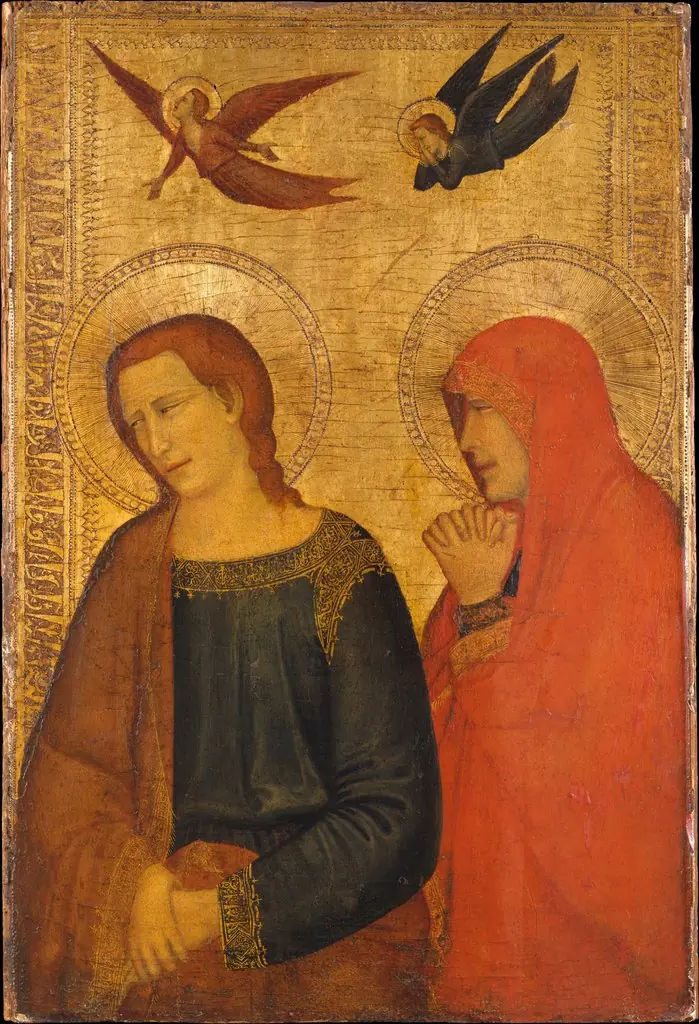 Saints John the Evangelist and Mary Magdalene
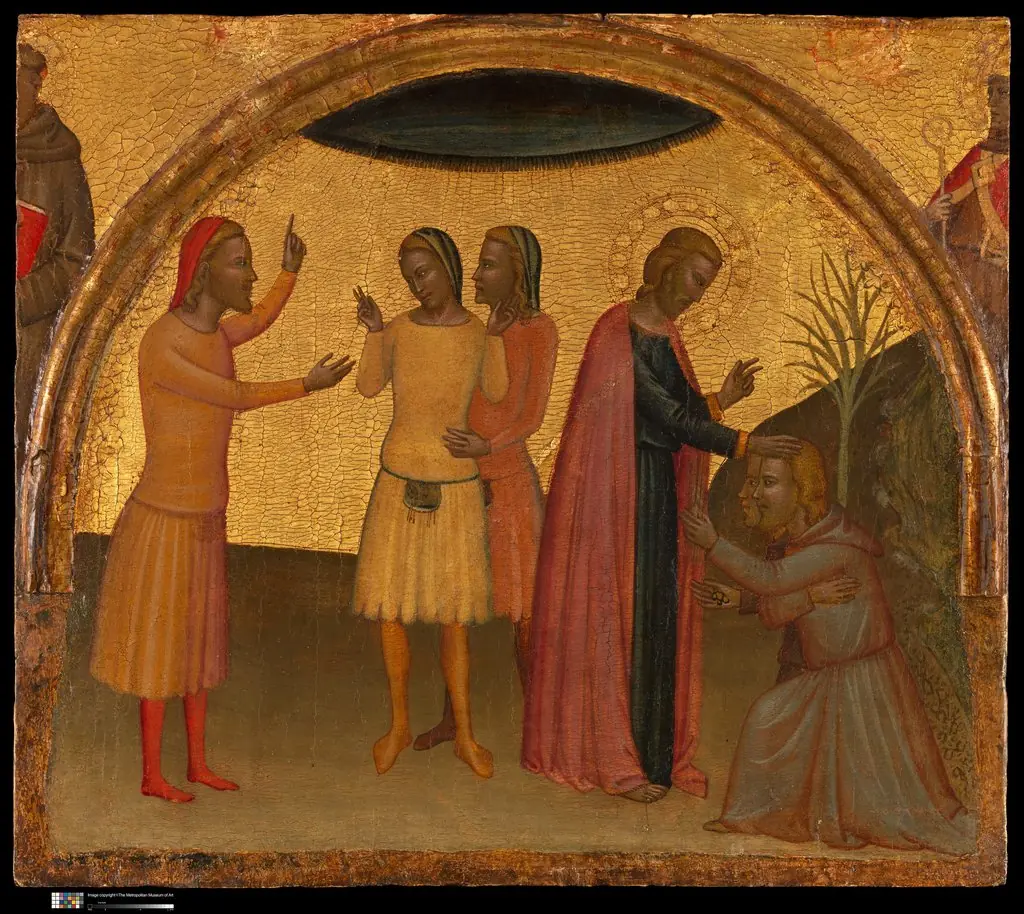 Saint John the Evangelist with Acteus and Eugenius
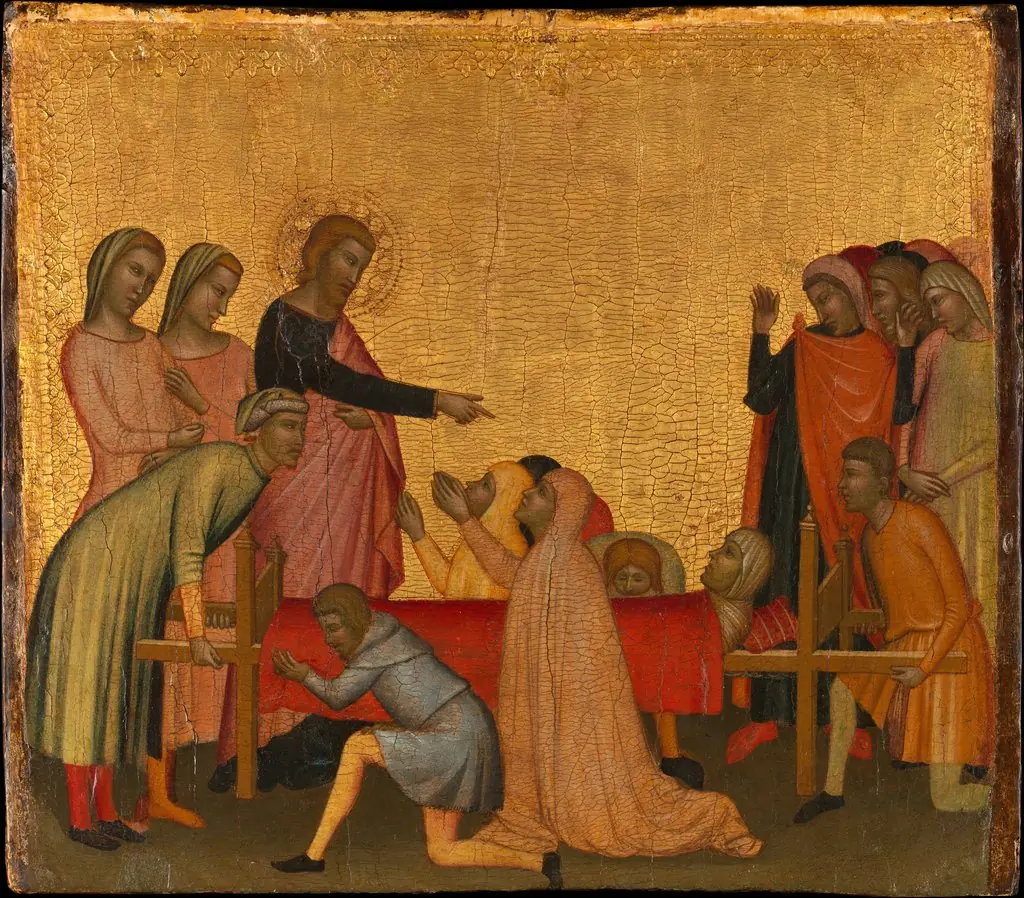 Saint John the Evangelist Raises Satheus to Life
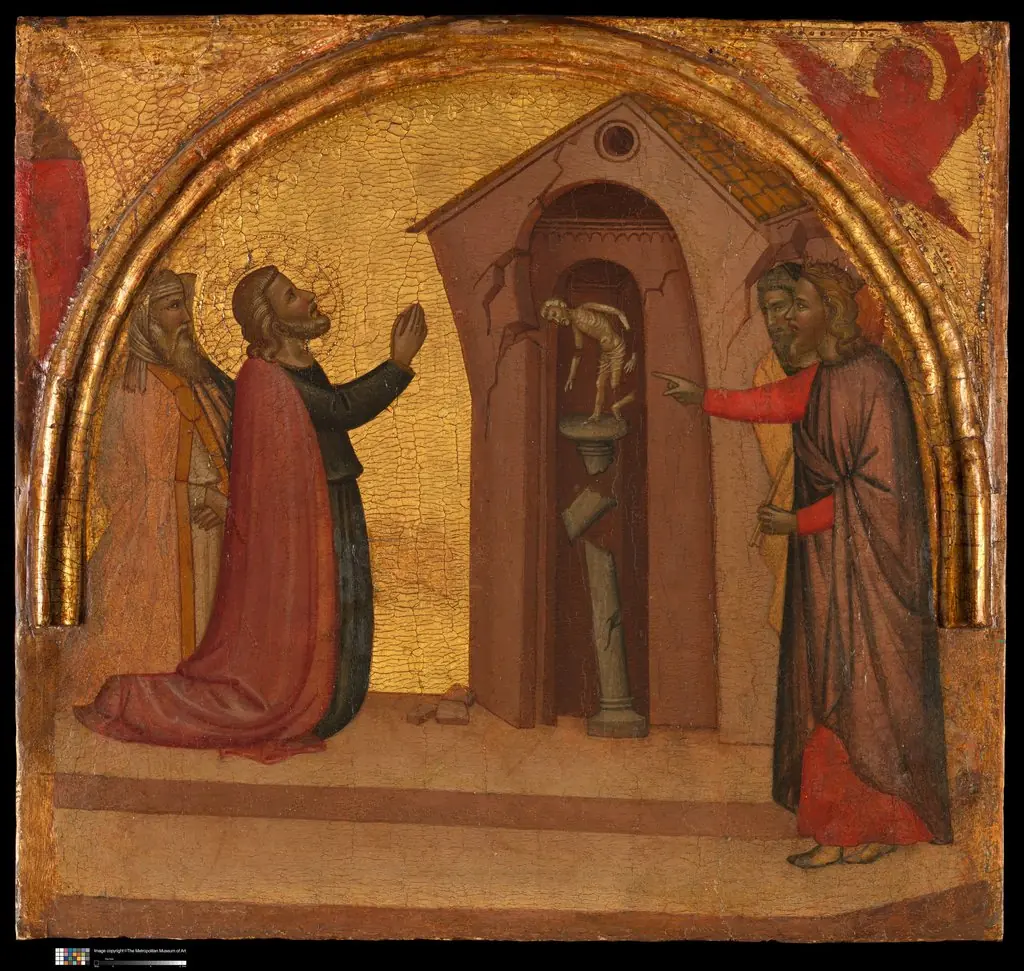 Saint John the Evangelist Causes a Pagan Temple to Collapse
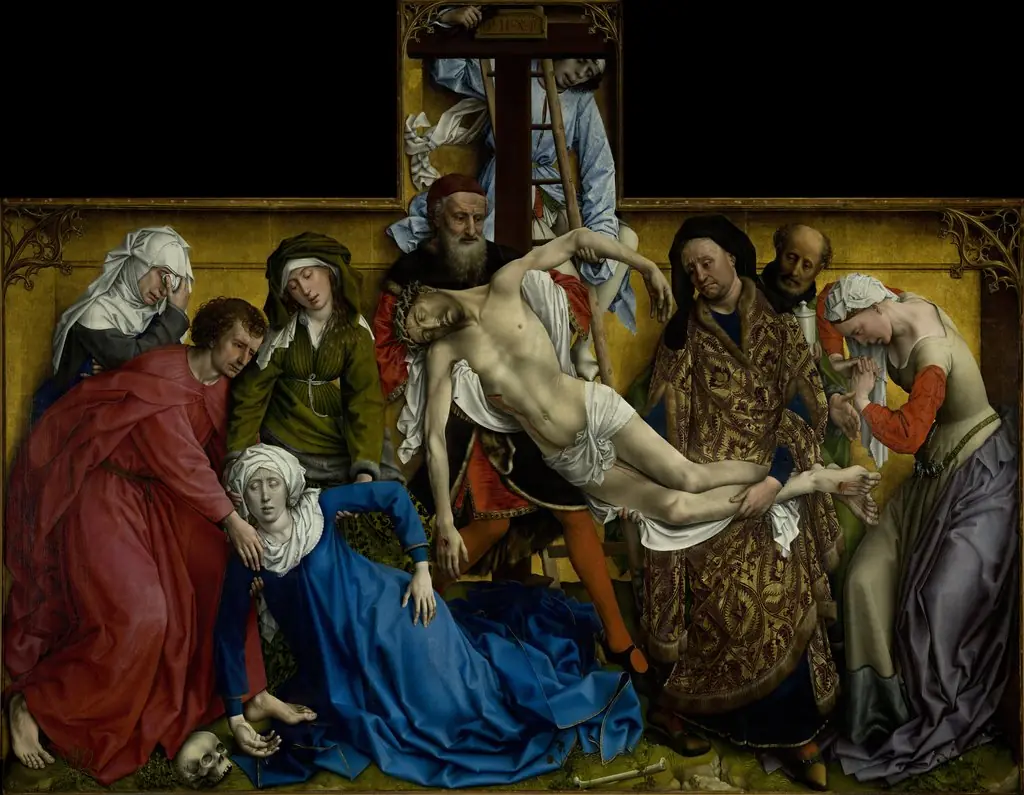 The Descent from the Cross
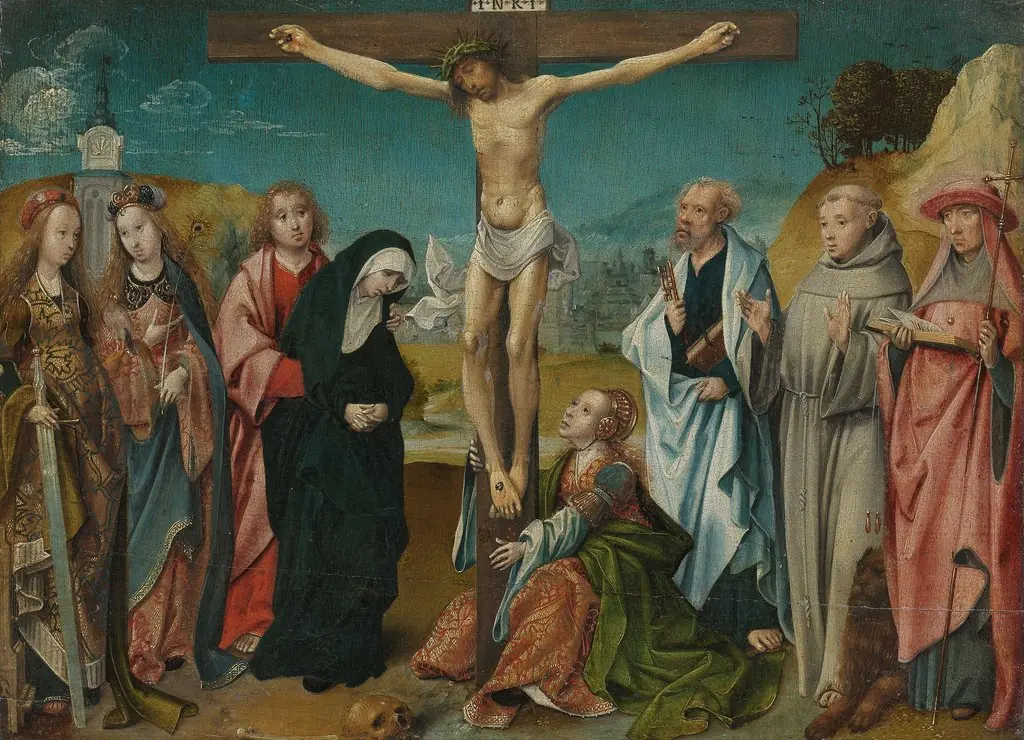 Christ on the cross with the Virgin, St John the Evangelist, Mary Magdalen, and Sts Cecilia and Barbara (left), and Sts Peter, Francis and Jerome (right)
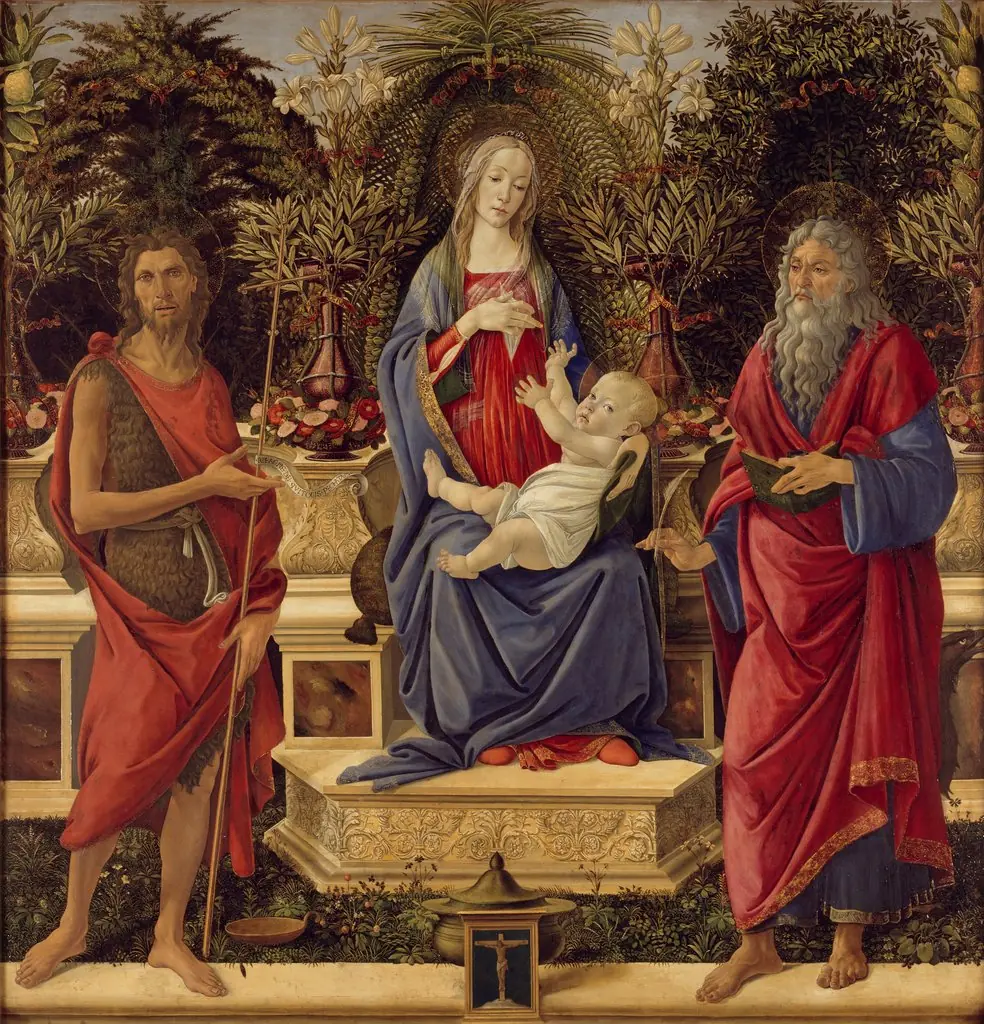 Madonna Bardi
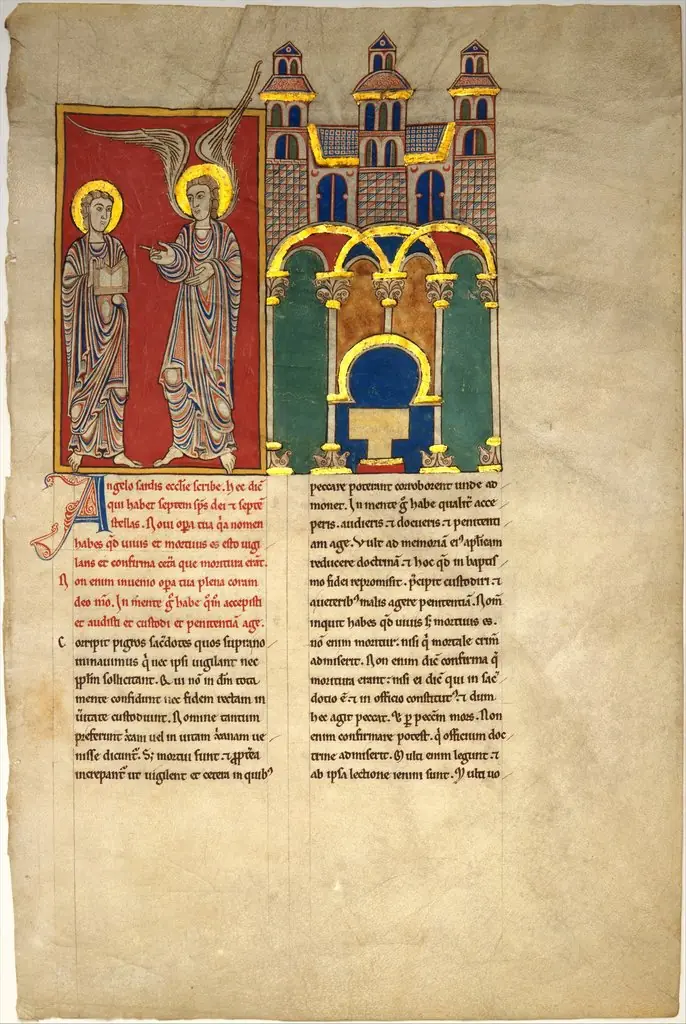 Leaf from a Beatus Manuscript: the Angel of the Church of Sardis with Saint John
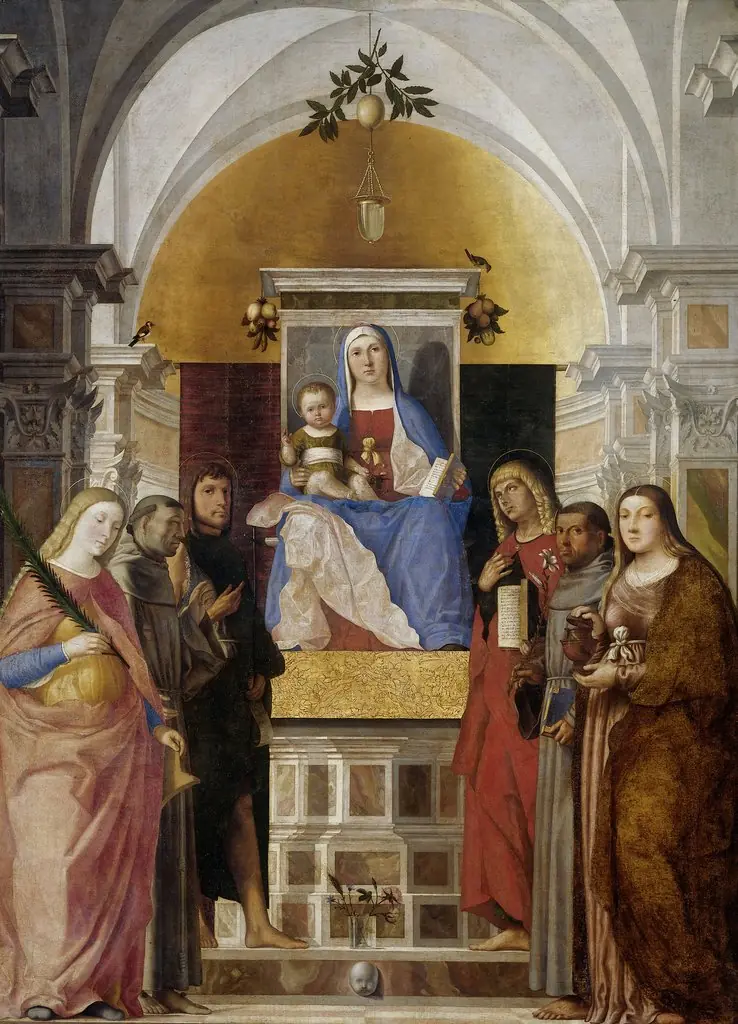 Virgin and Child with Saints Catherine, Francis, John the Baptist, Mary Magdalene, Antony of Padua, John the Evangelist
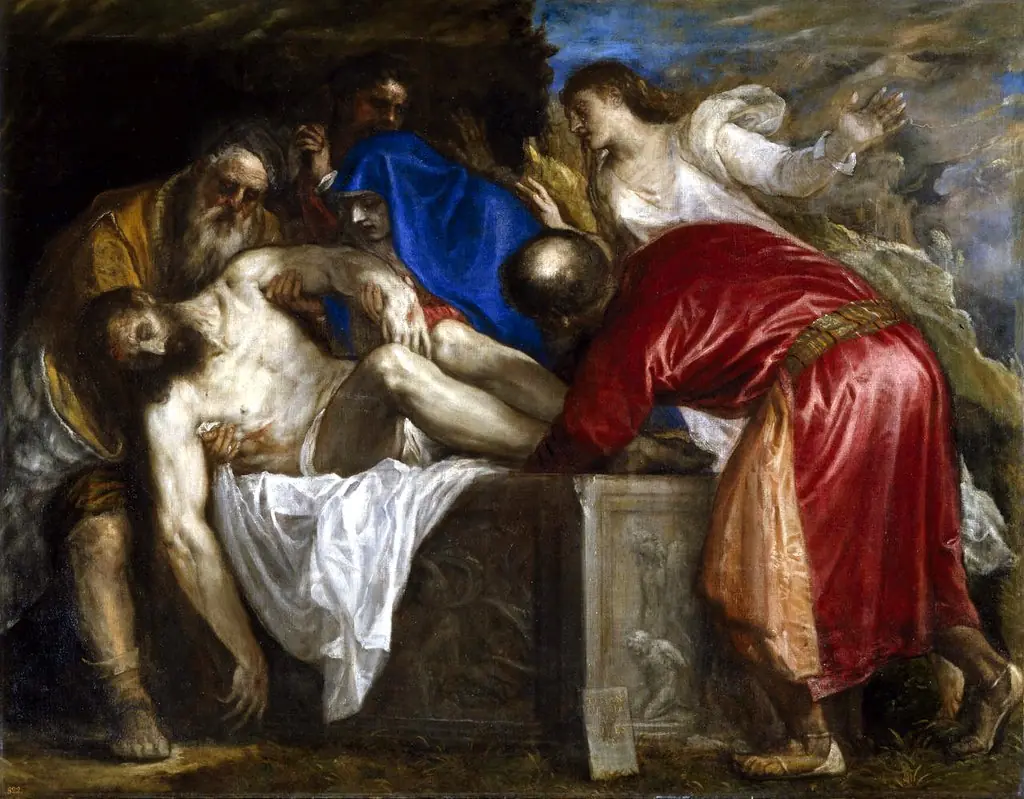 The Entombment
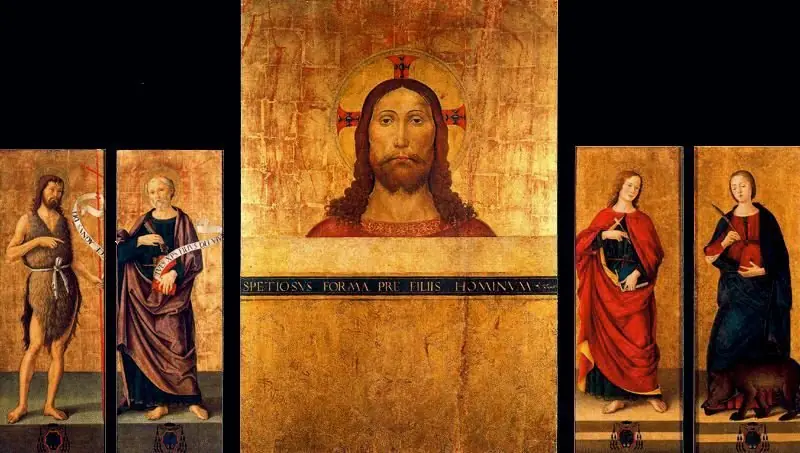 Triptych: Bust of Christ, Saint John the Baptist and Saint Peter. Closed: Saint John the Evangelist and Saint Colombe
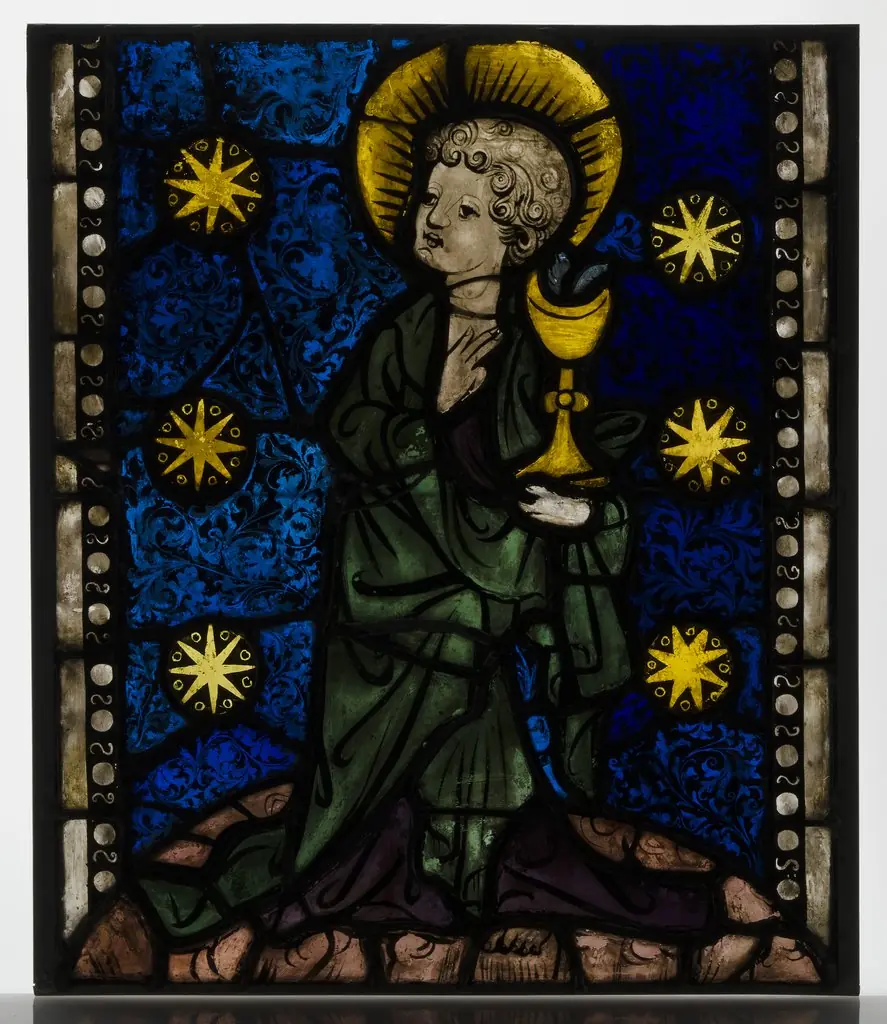 Saint John the Evangelist
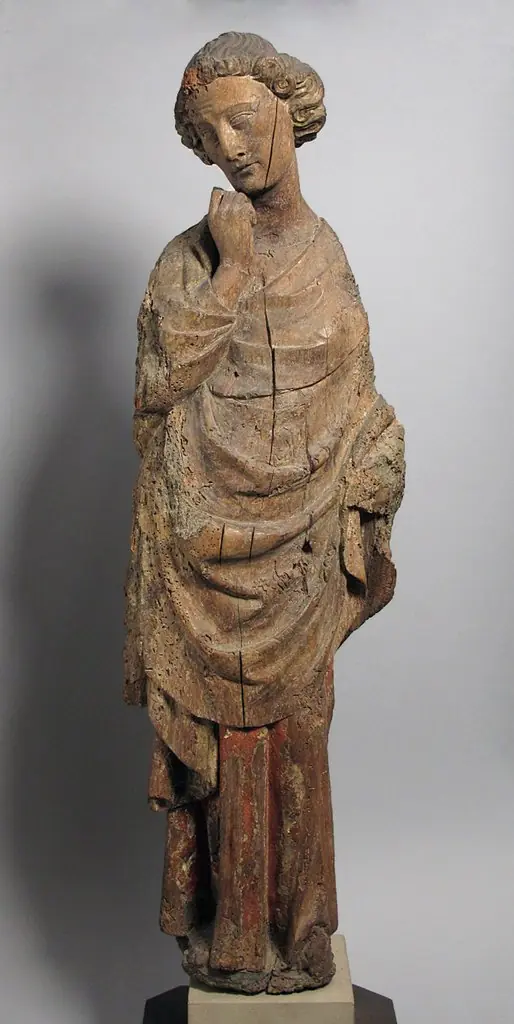 Saint John
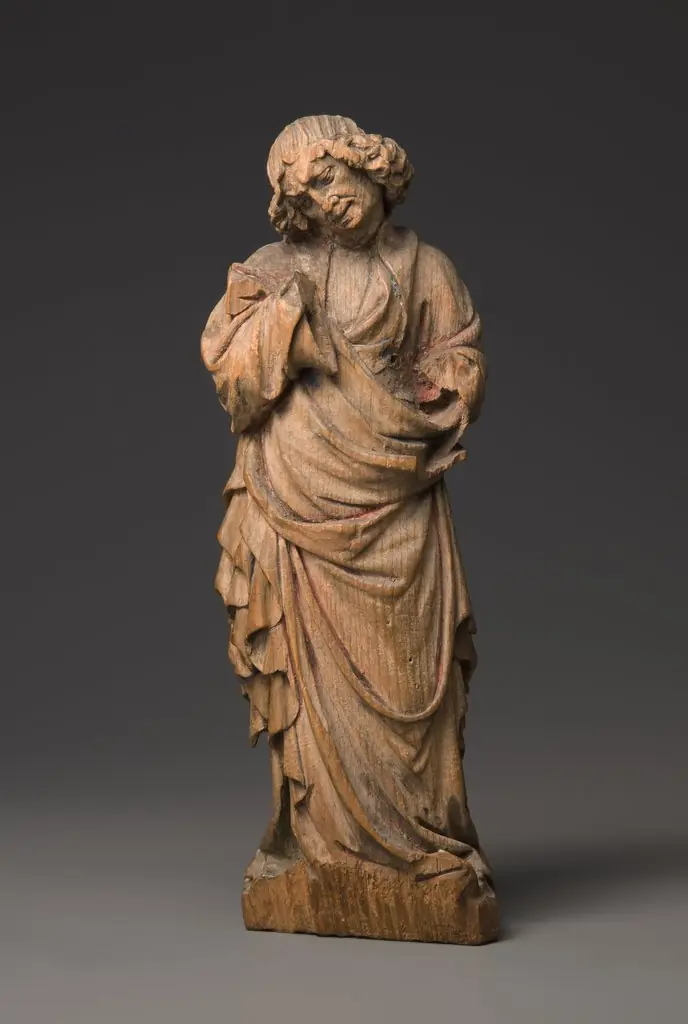 St. John the Evangelist, probably from a Crucifixion Group
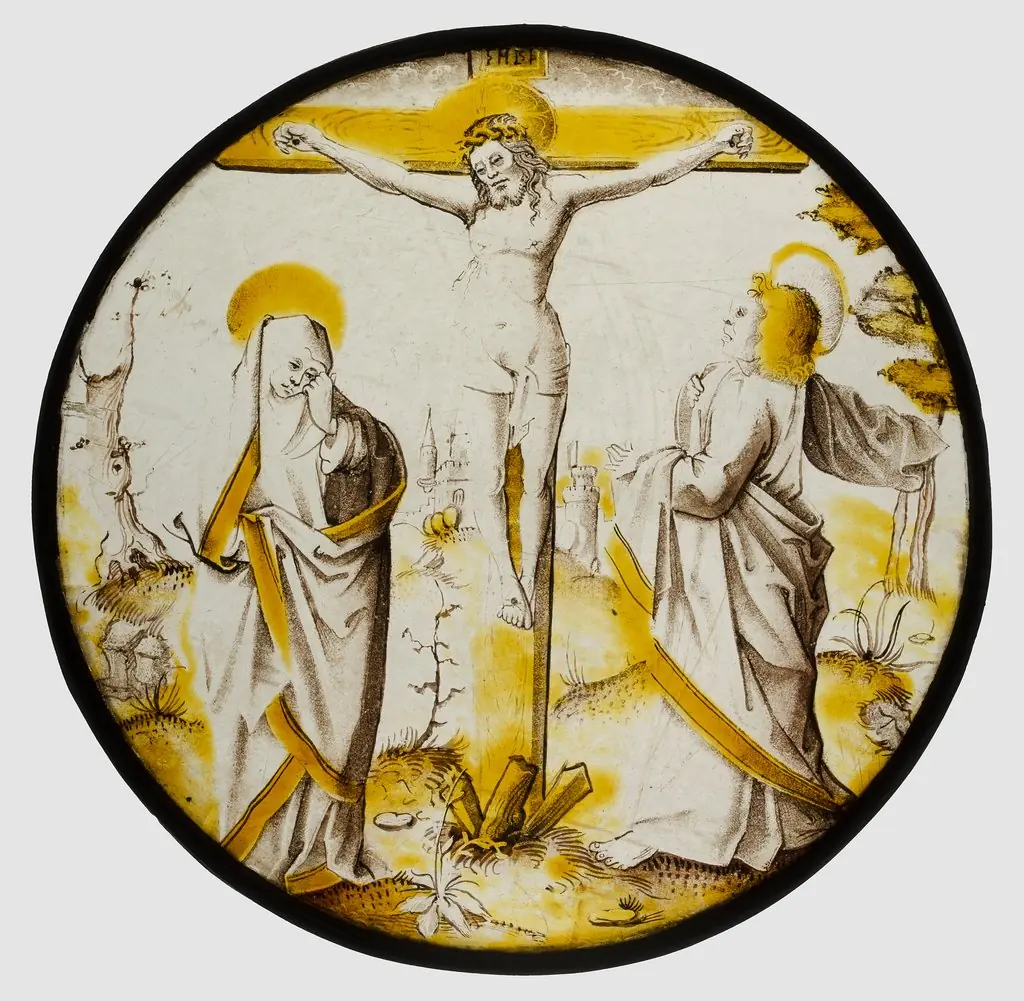 Roundel with the Crucifixion, the Virgin, and Saint John
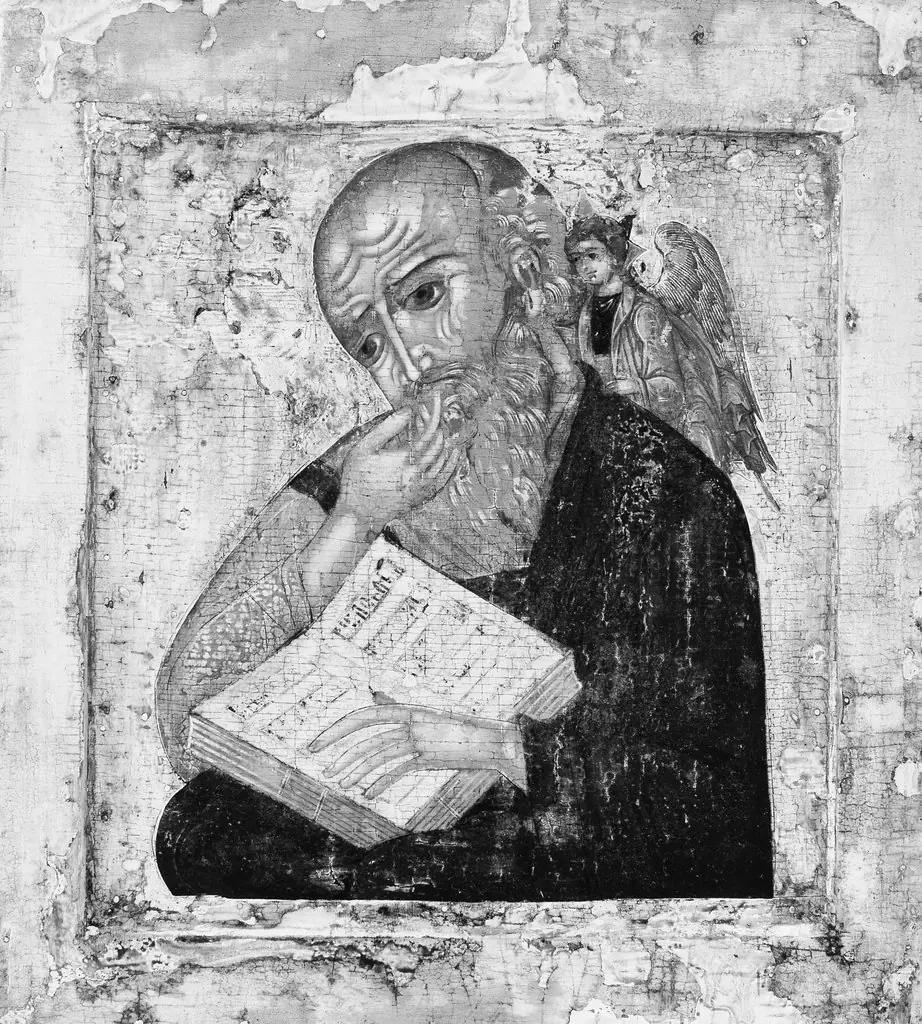 Saint John the Evangelist "in Silence"
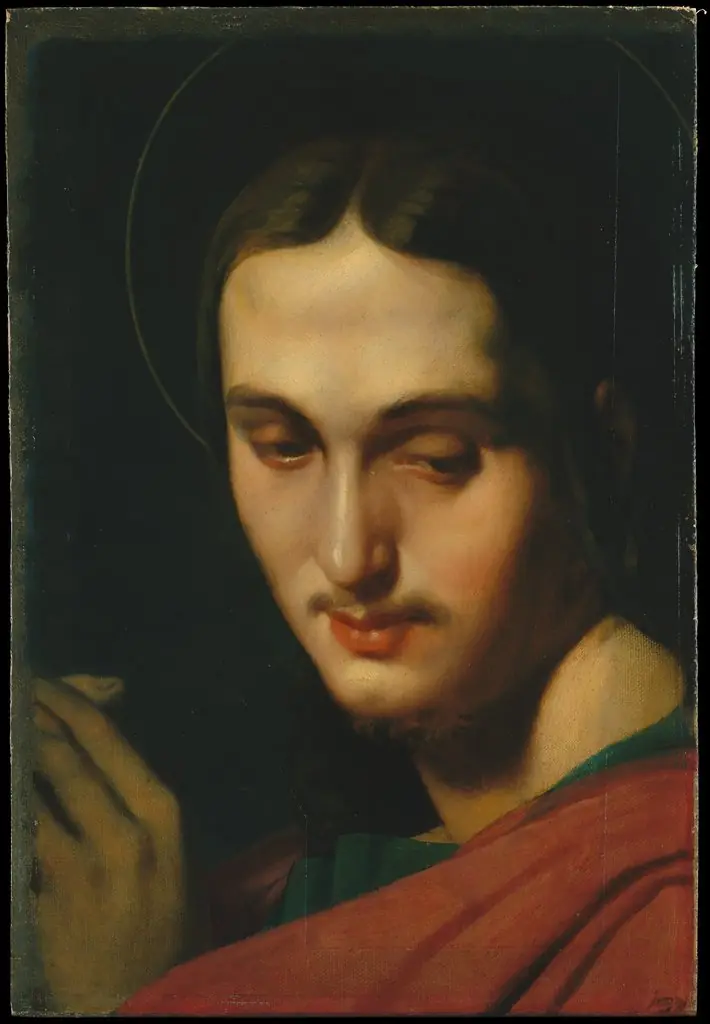 Head of Saint John the Evangelist
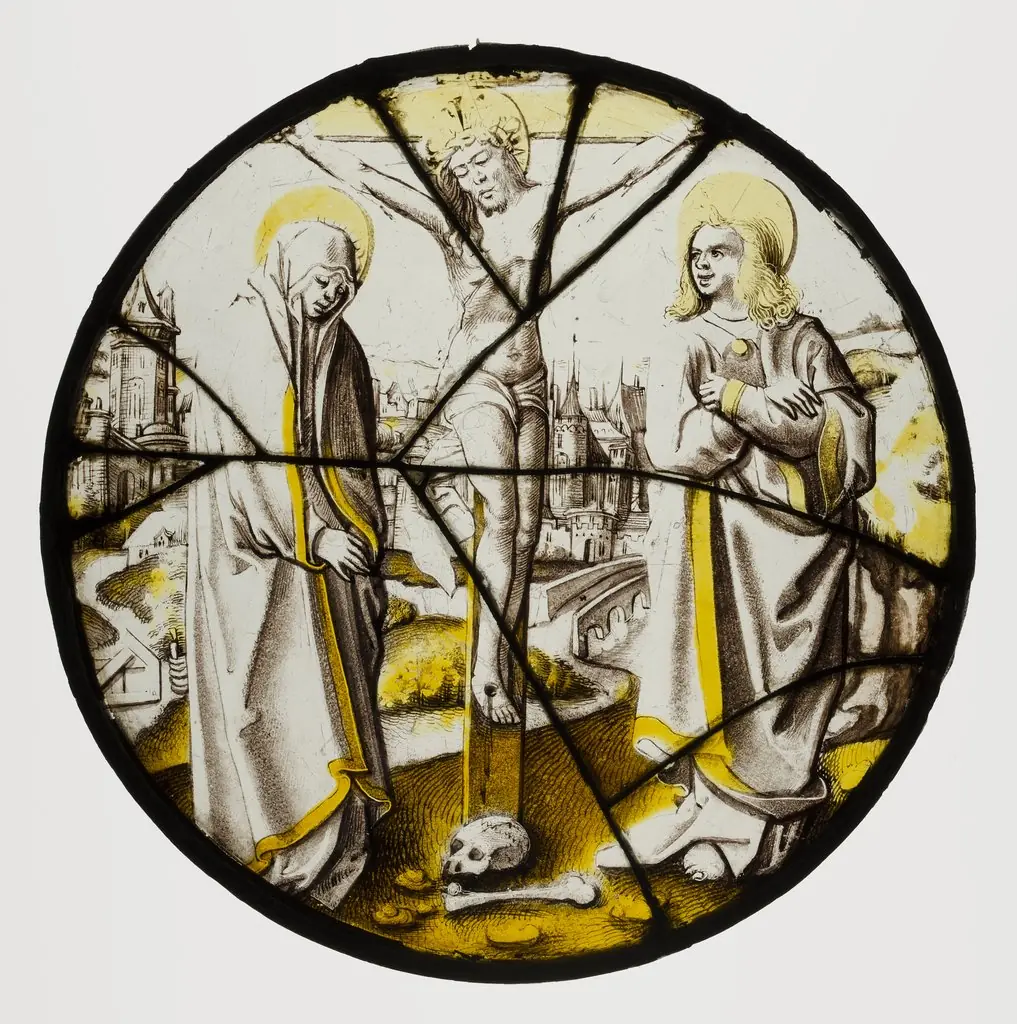 Roundel with the Crucifixion, the Virgin, and Saint John
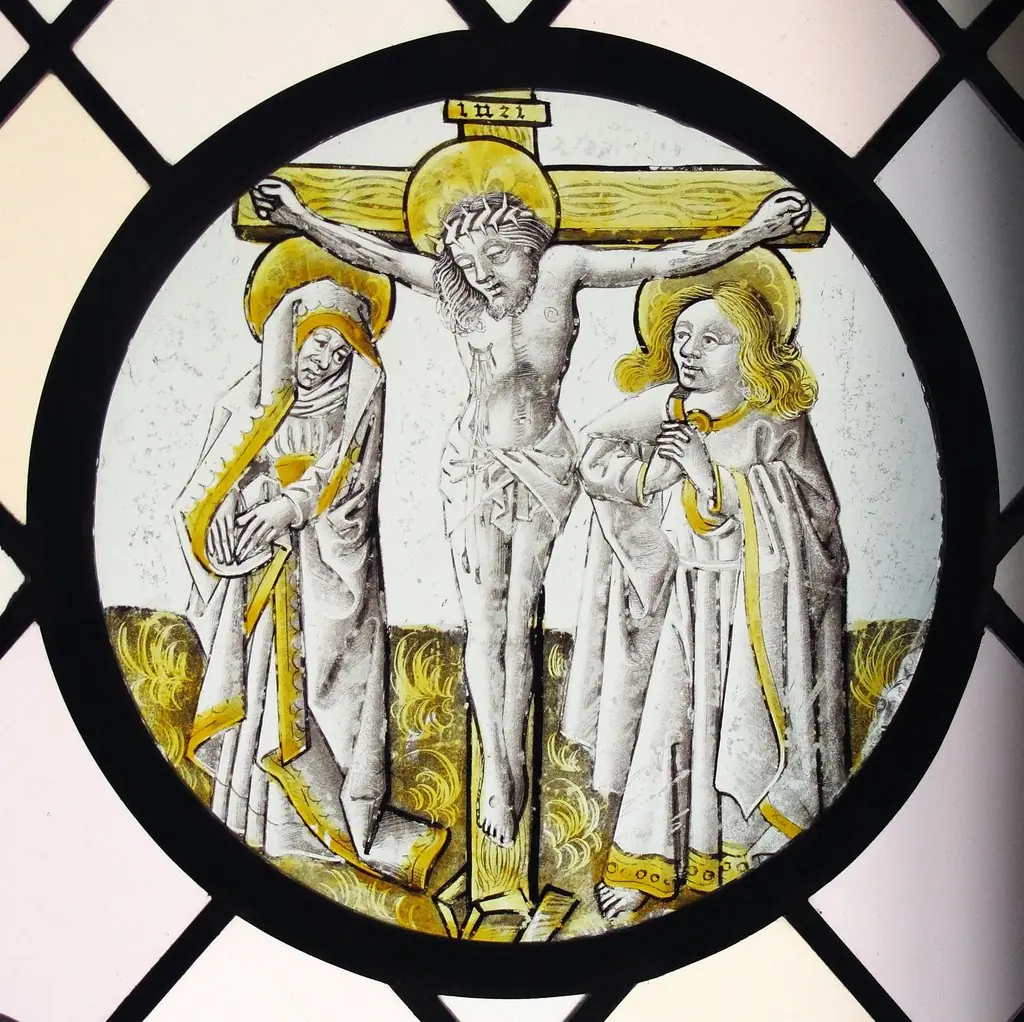 Roundel with Crucifixion, the Virgin and Saint John
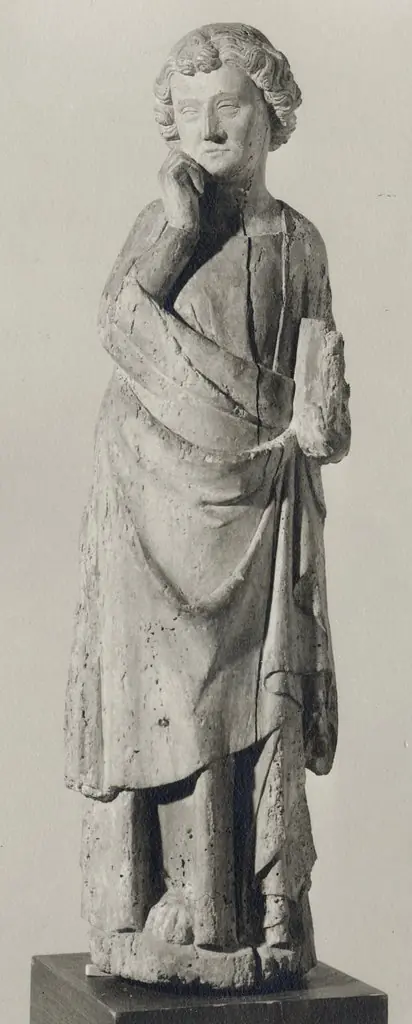 Saint John
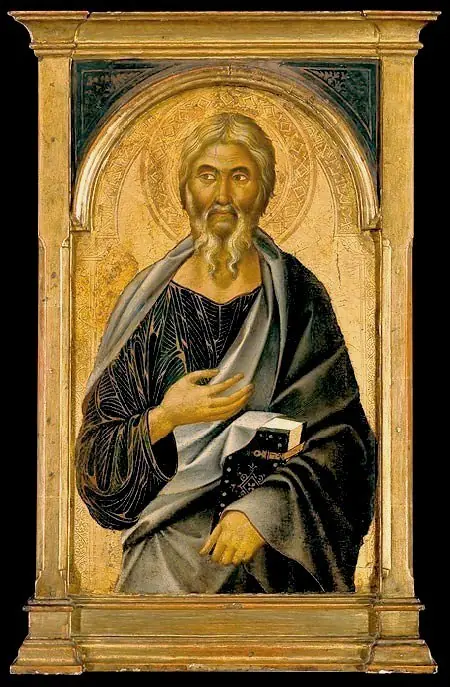 Saint John the Evangelist
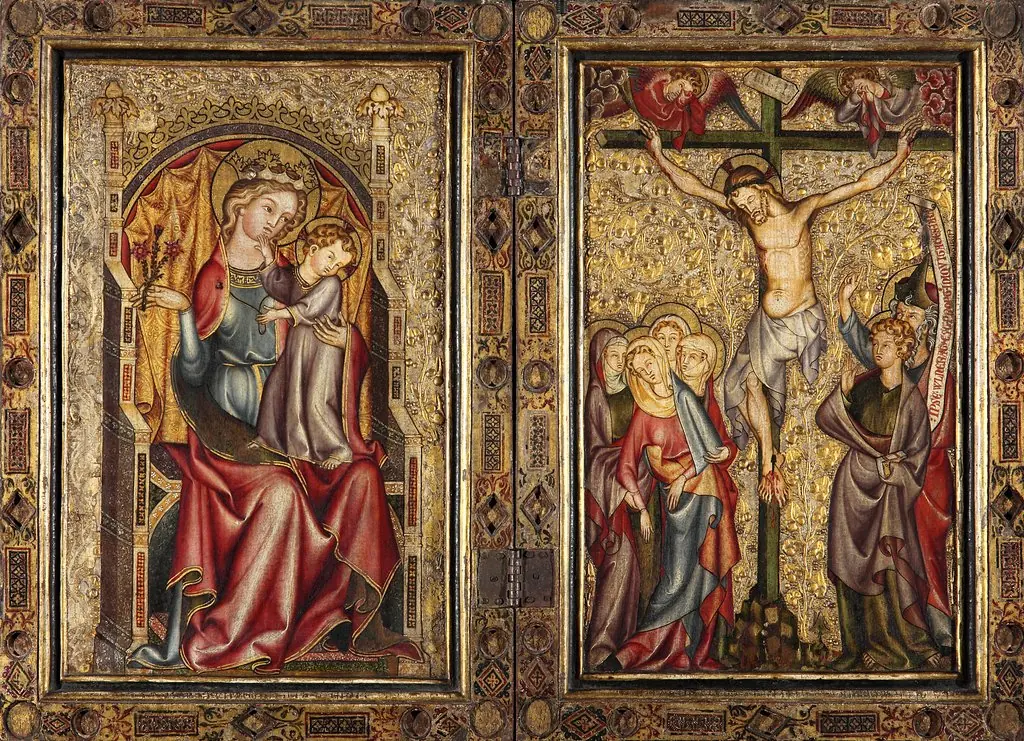 Cologne Diptych
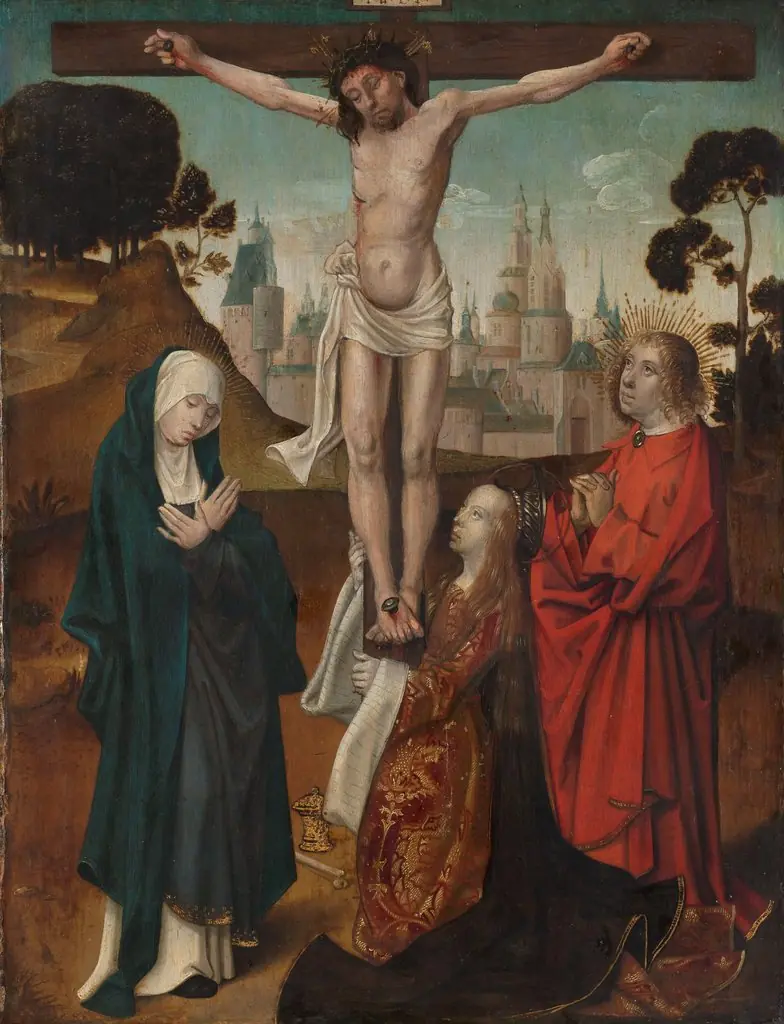 Crucifixion with the Virgin, Mary Magdalen and St John the Evangelist
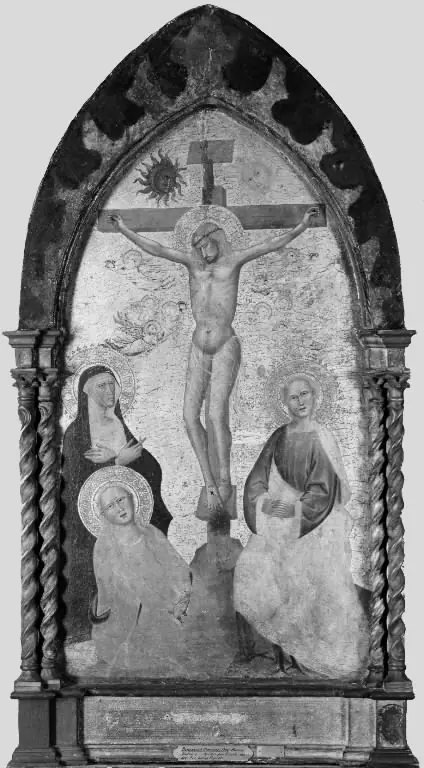 Christ on the Cross mourned by the Virgin Mary and Saints Mary Magdalene and John
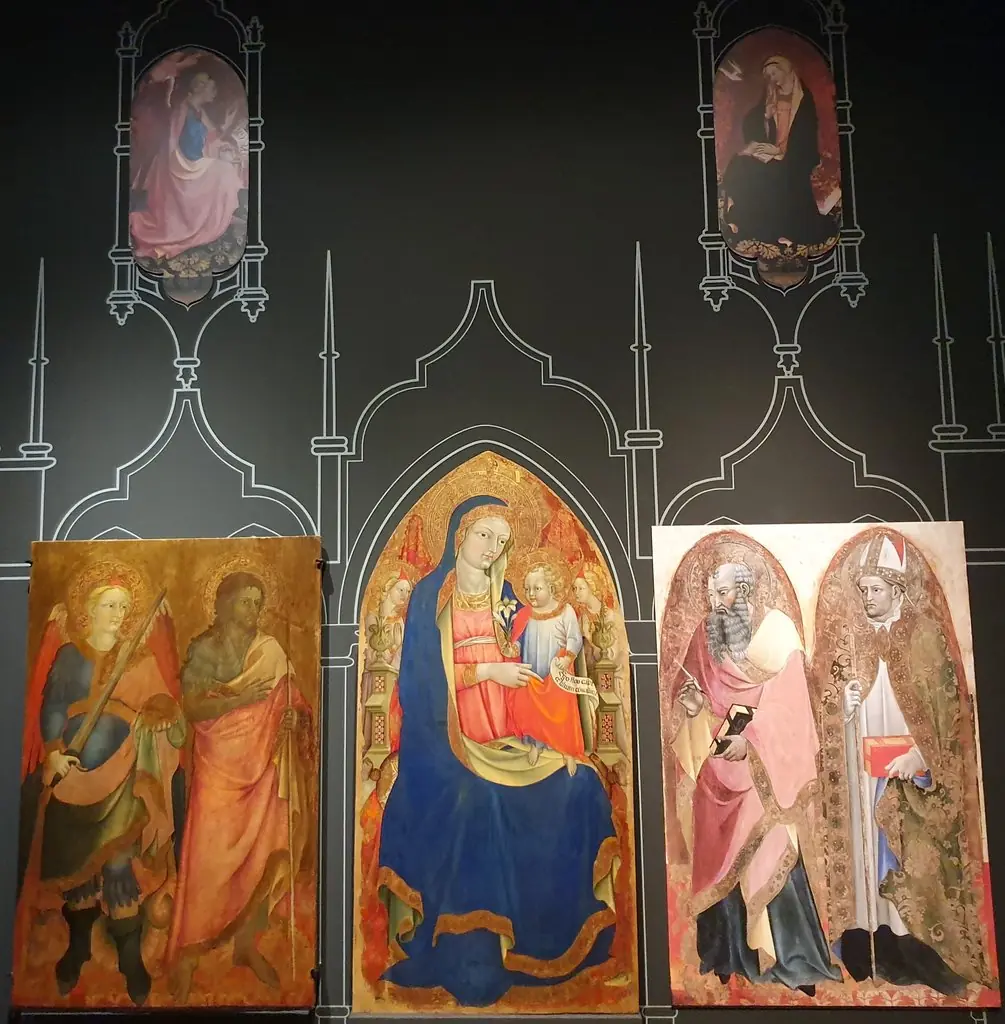 Polyptych of Sant'Agostino, Nicosia
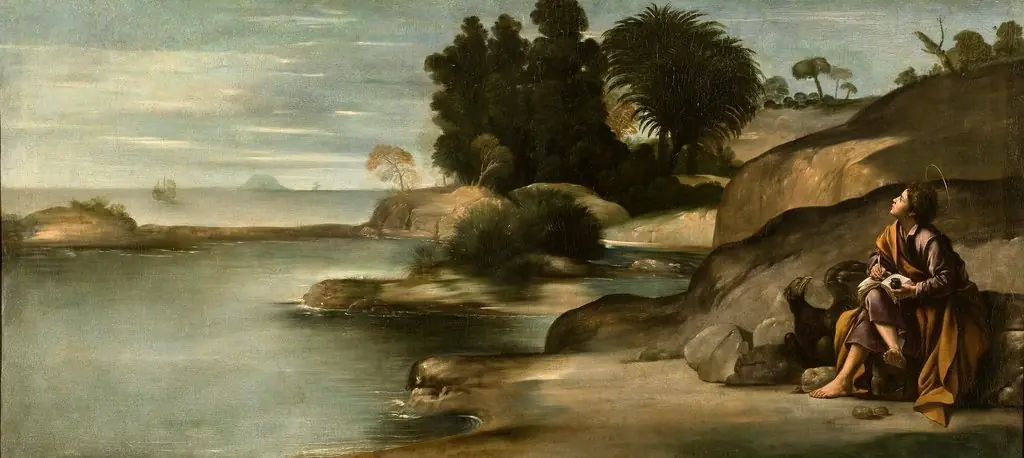 Saint John the Evangelist in Patmos
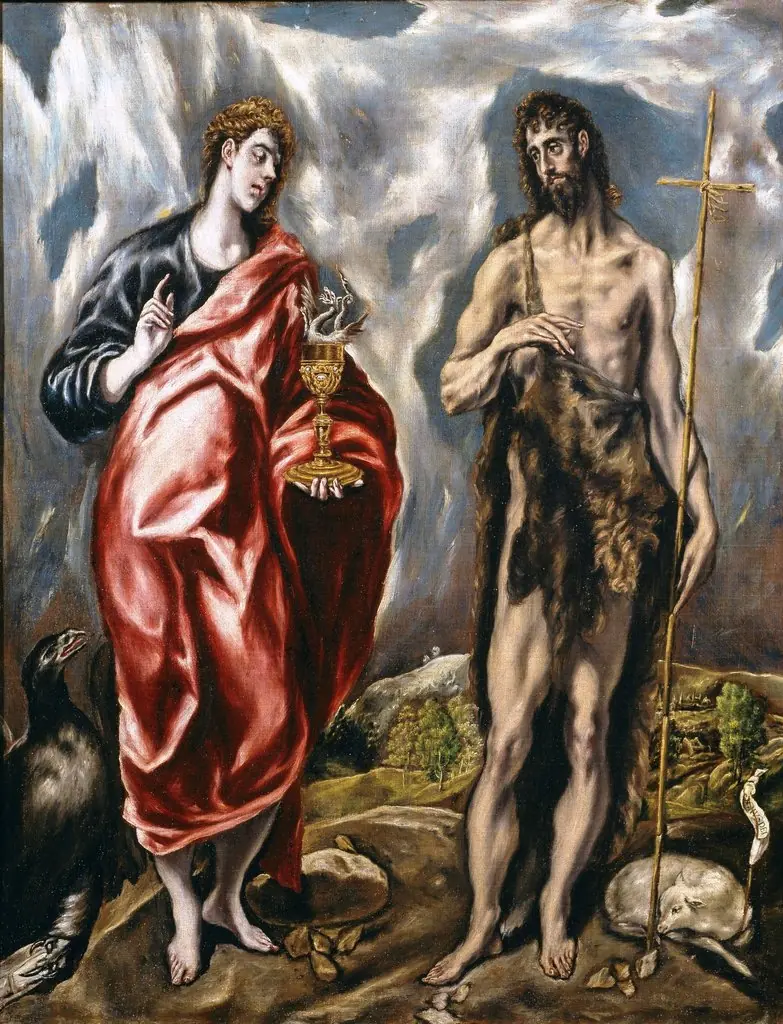 Saint John the Baptist and Saint John the Evangelist
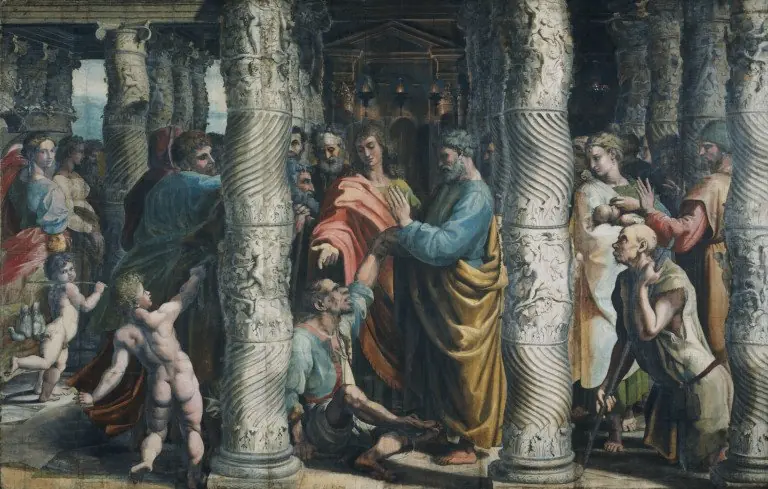 The Healing of the Lame Man
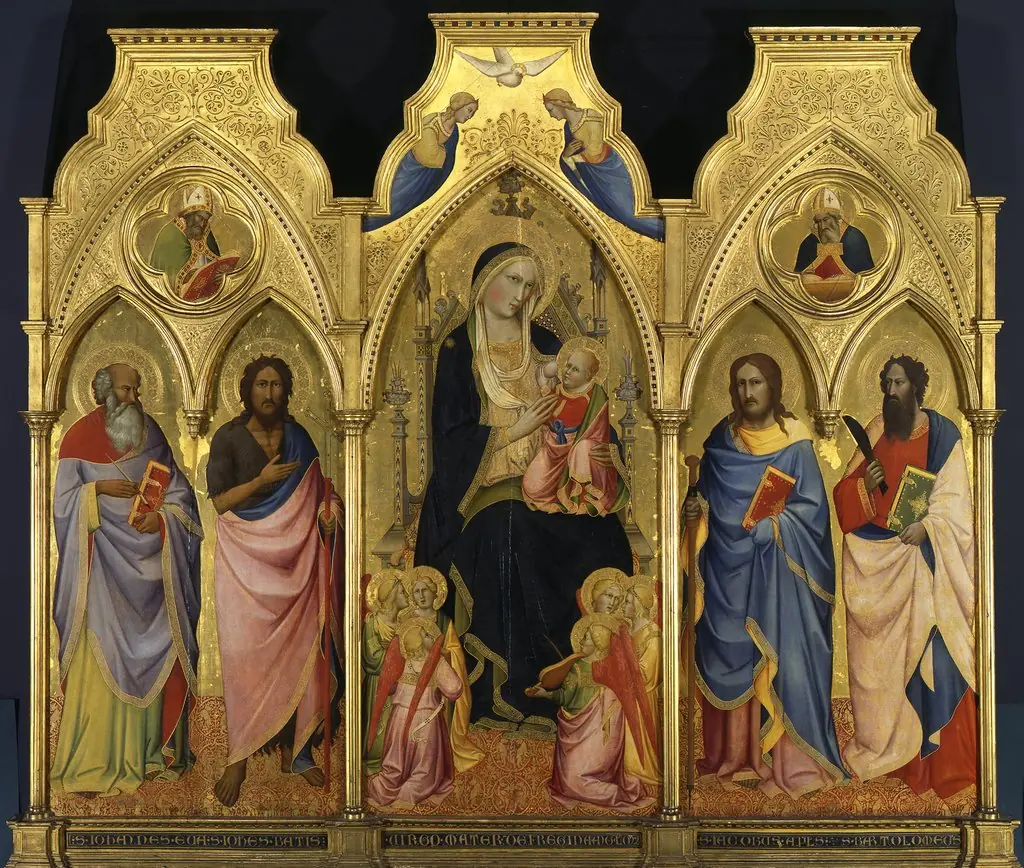 Triptych
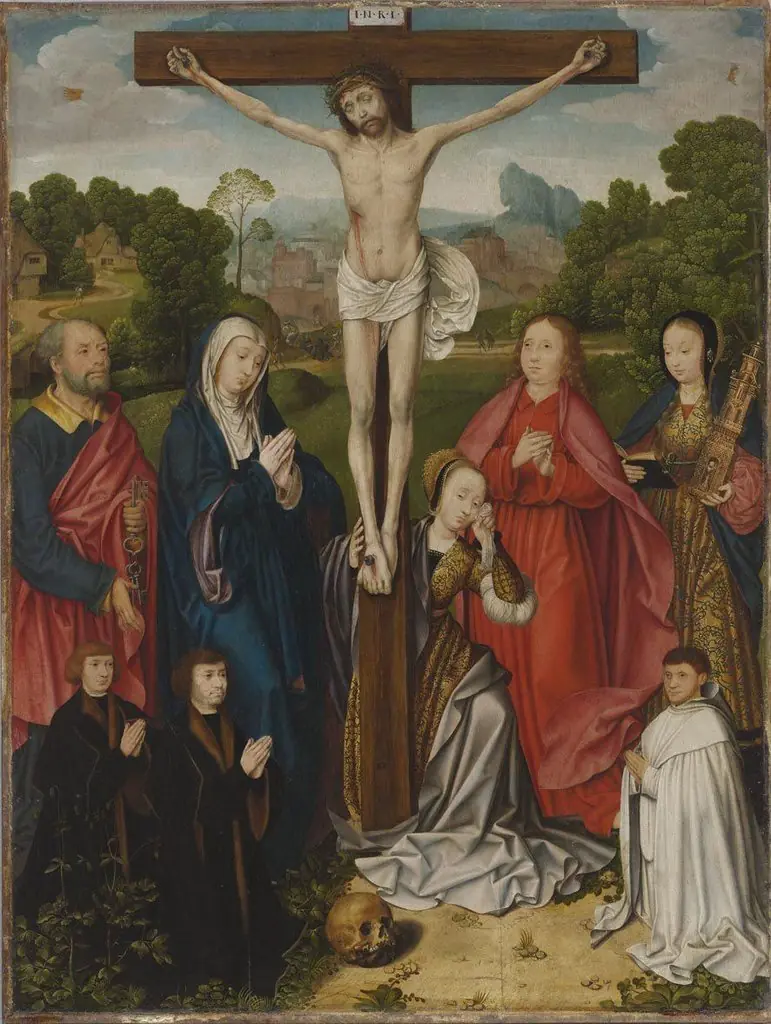 Christ on the cross with the saints Peter, Mary, Mary Magdalene, John the Evangelist and Barbara, with three donors
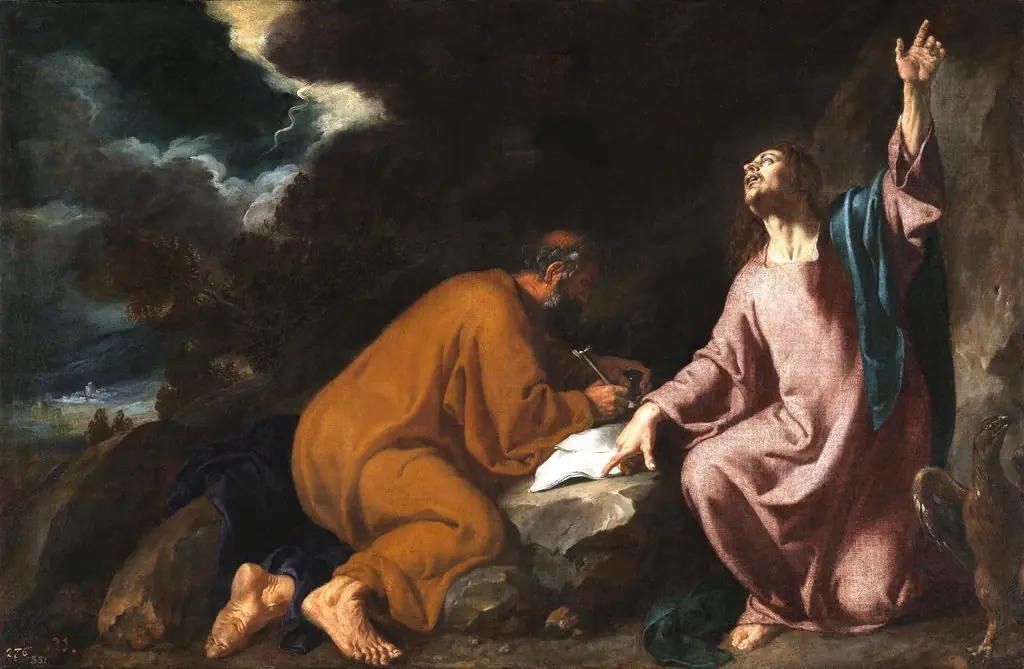 Saint Matthew and Saint John the Evangelist
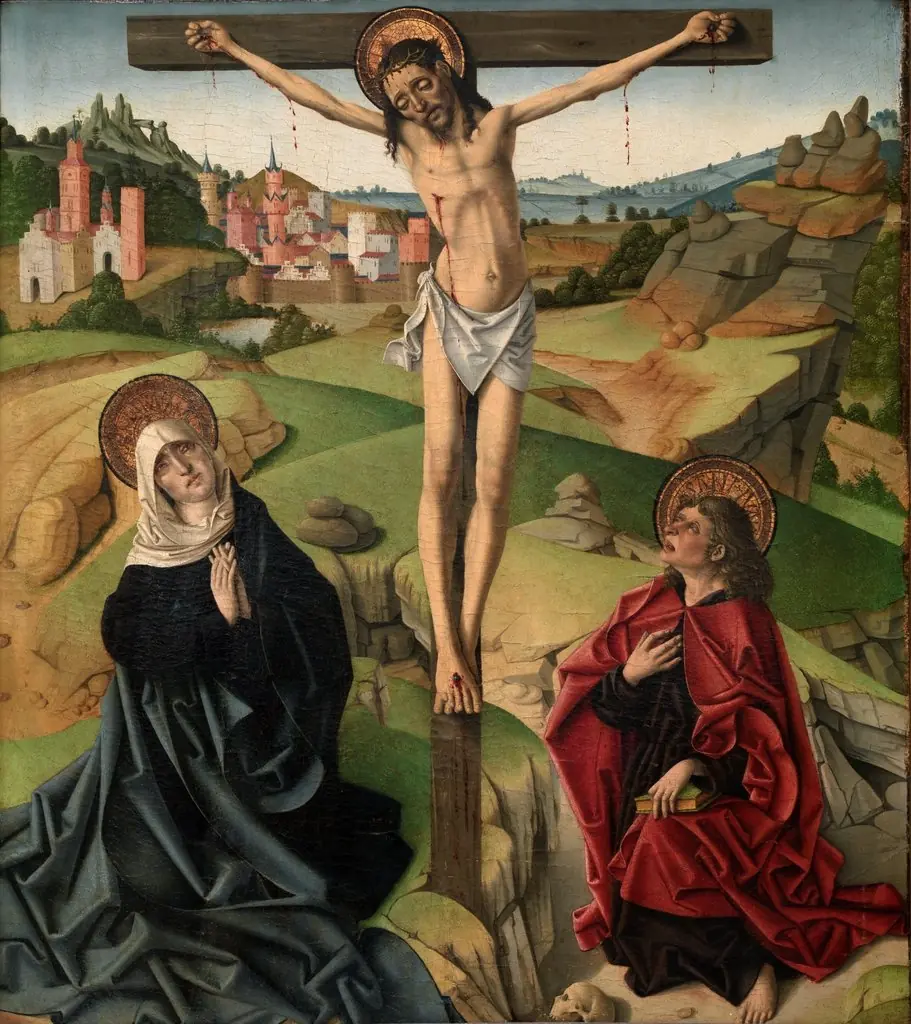 The Crucifixion
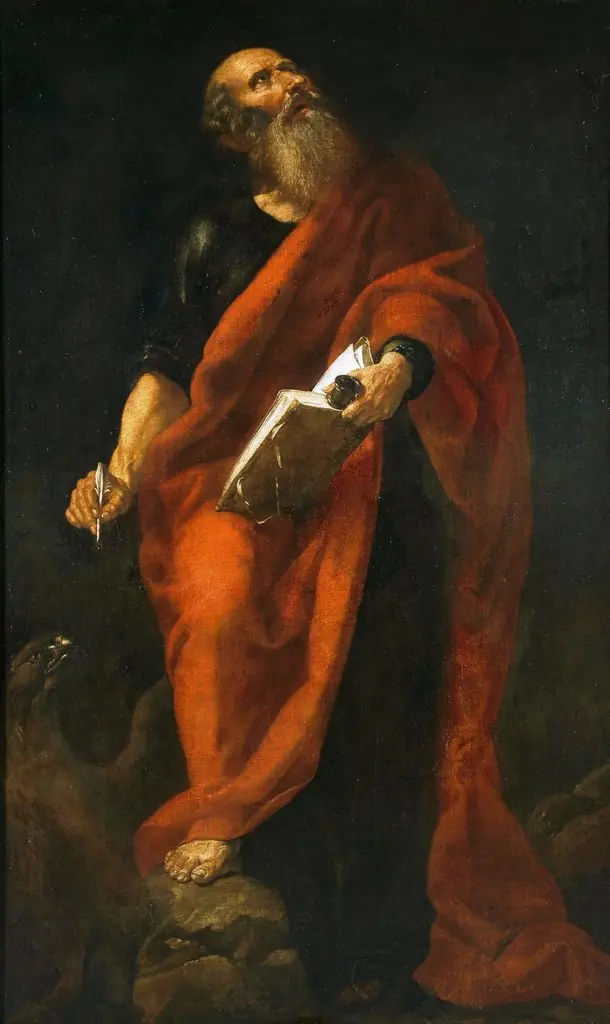 Saint John the Evangelist
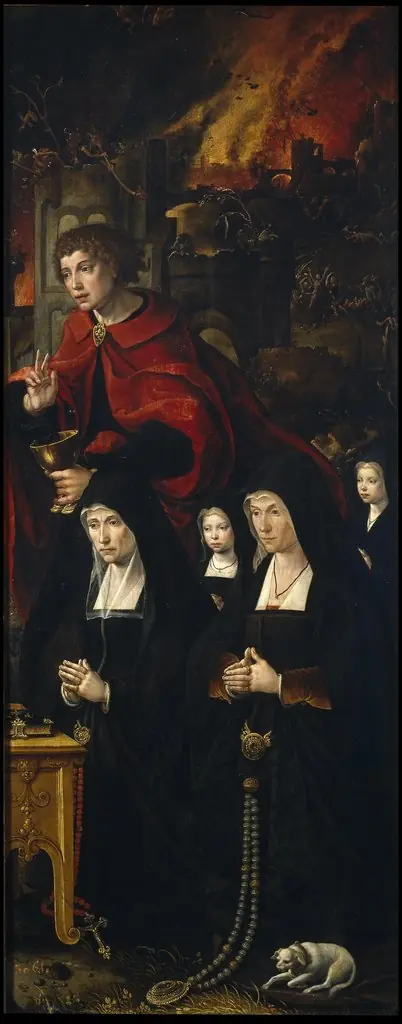 Saint John the Evangelist with Two Ladies and Two Girls (front). Saint Hadrian (reverse)
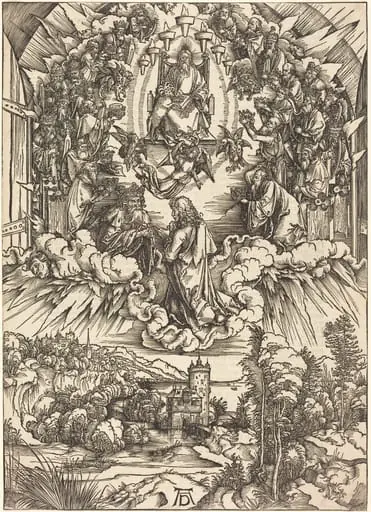 Saint John before God and the Elders
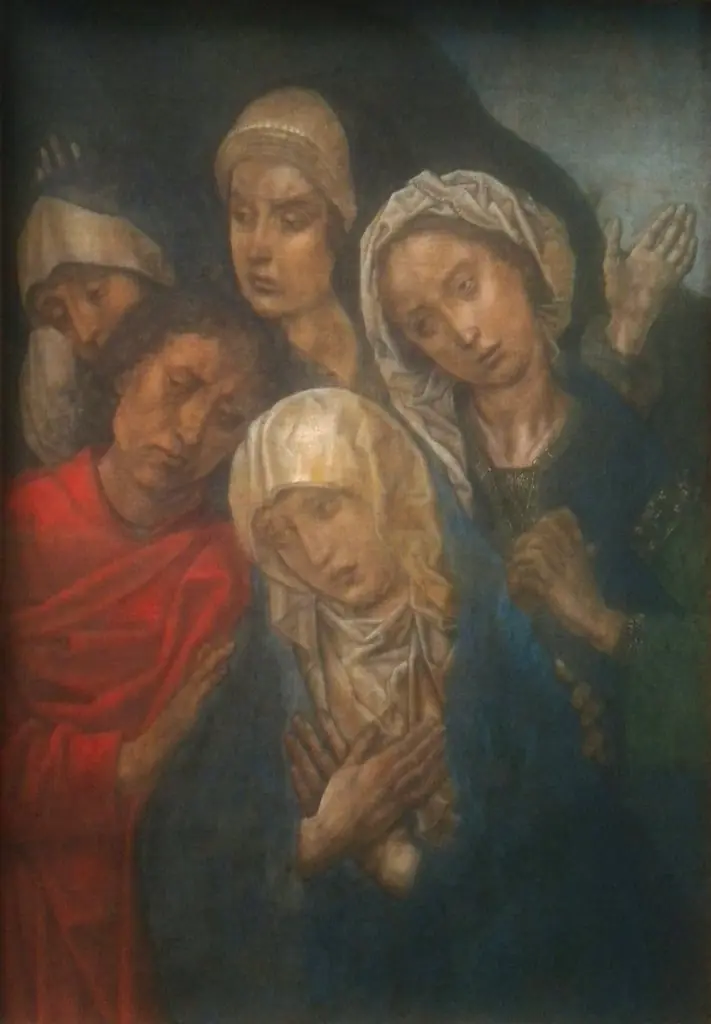 The Mourning of Christ
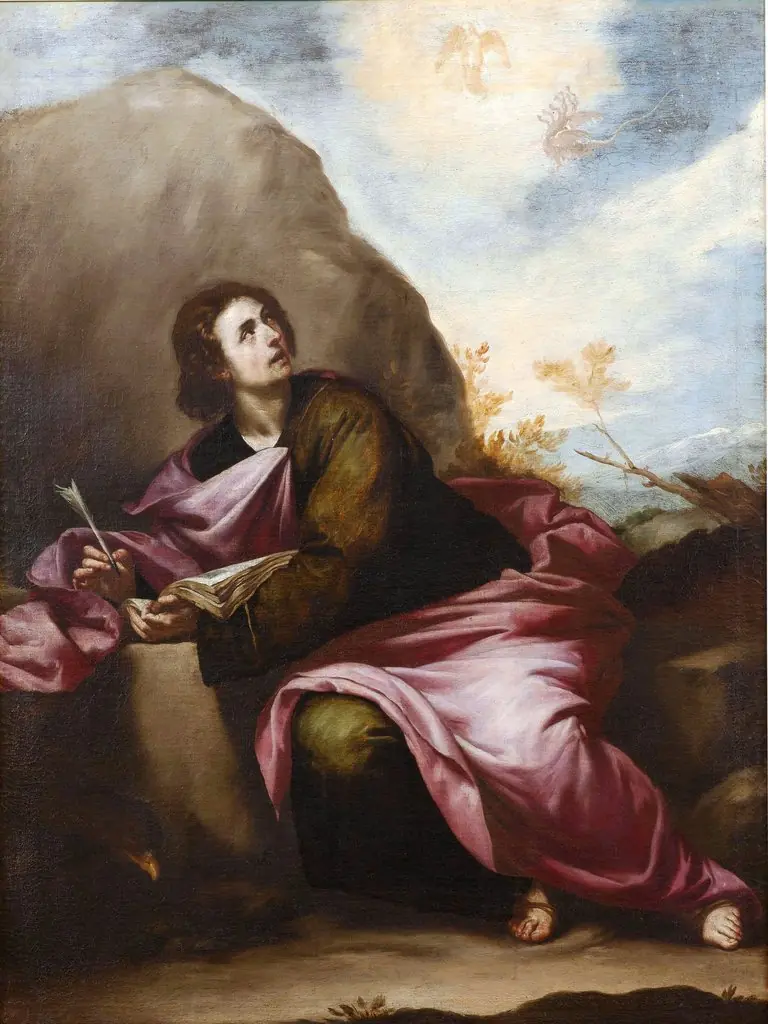 Saint John the Evangelist in Patmos
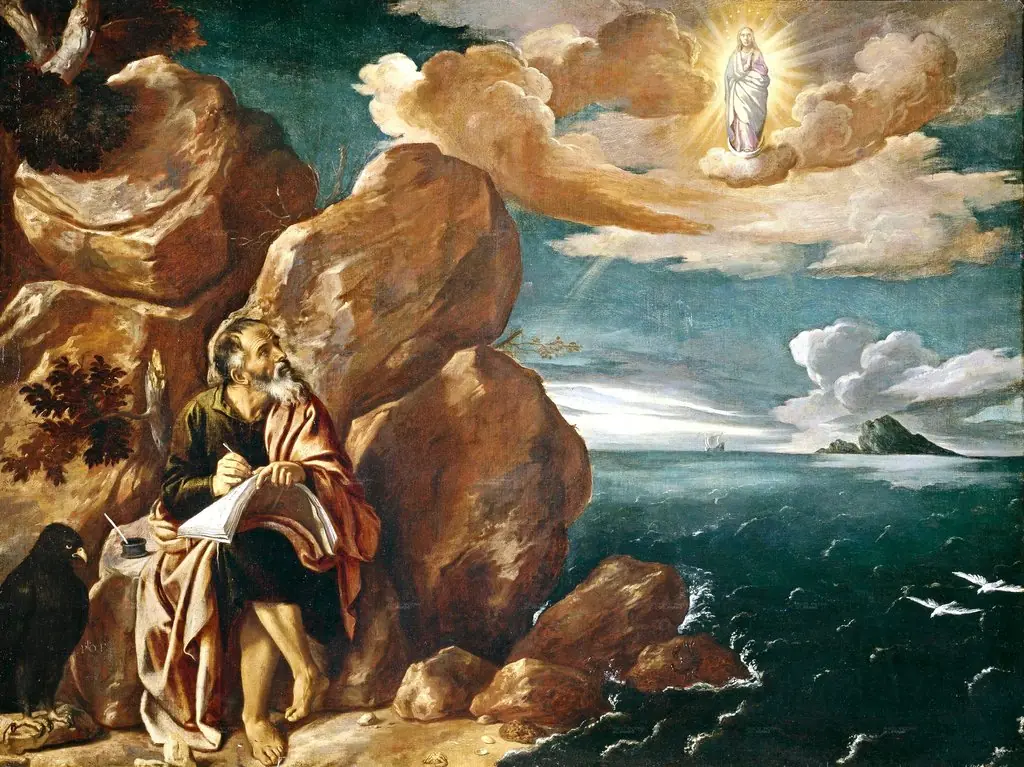 Saint John the Evangelist on Patmos
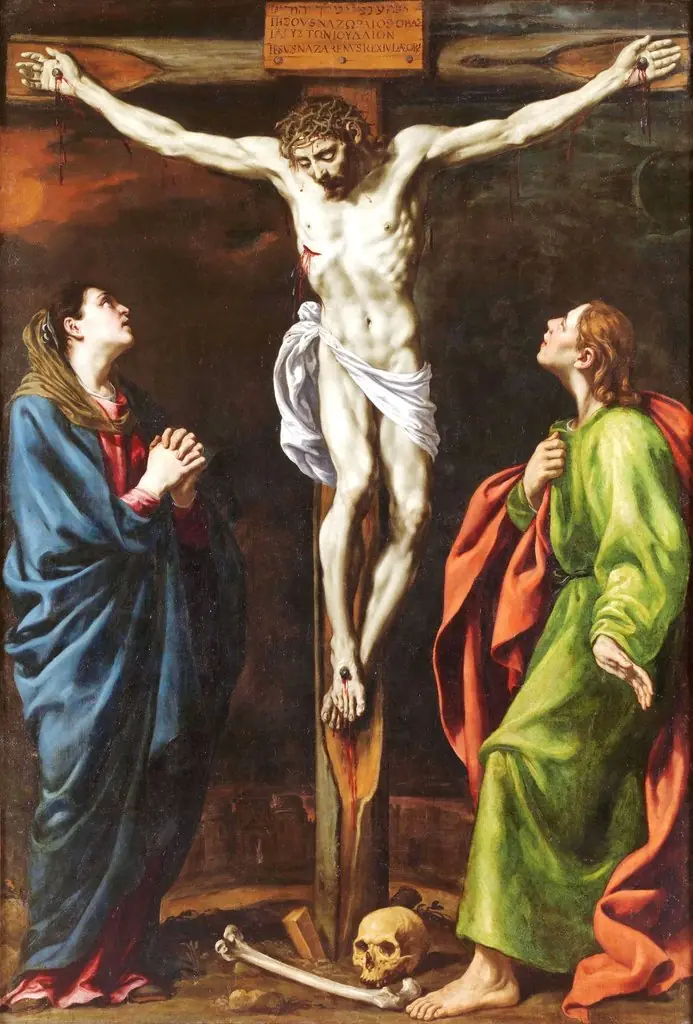 The Crucifixion
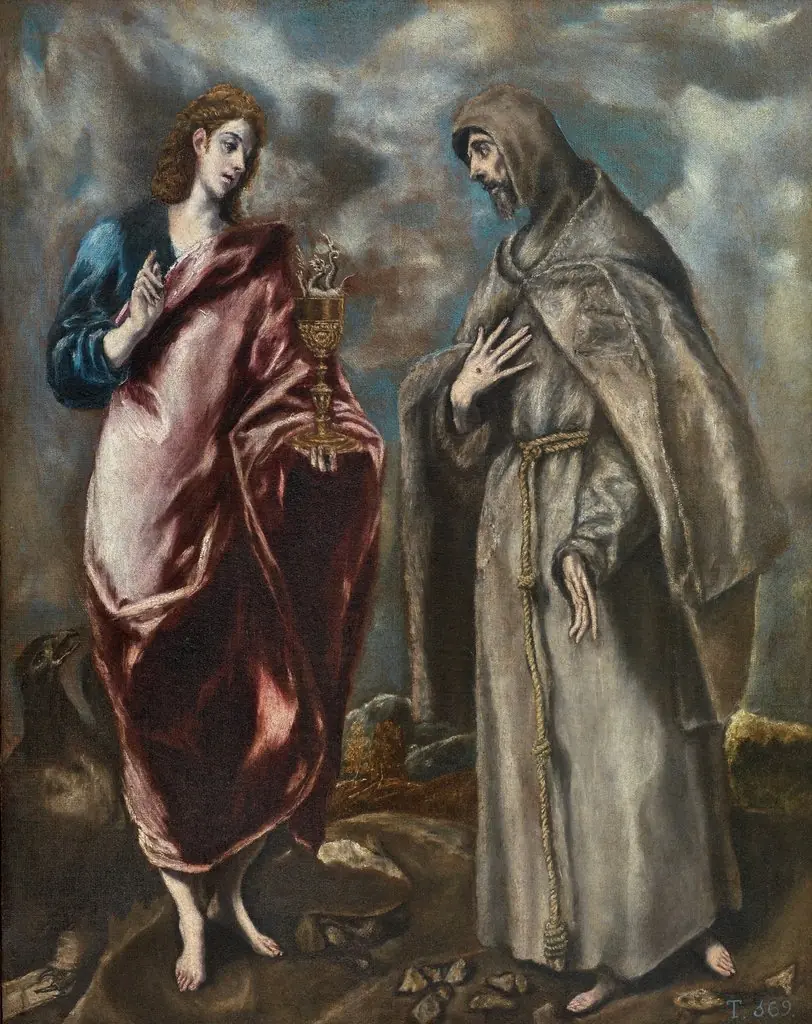 Saint John the Evangelist and Saint Francis of Assisi
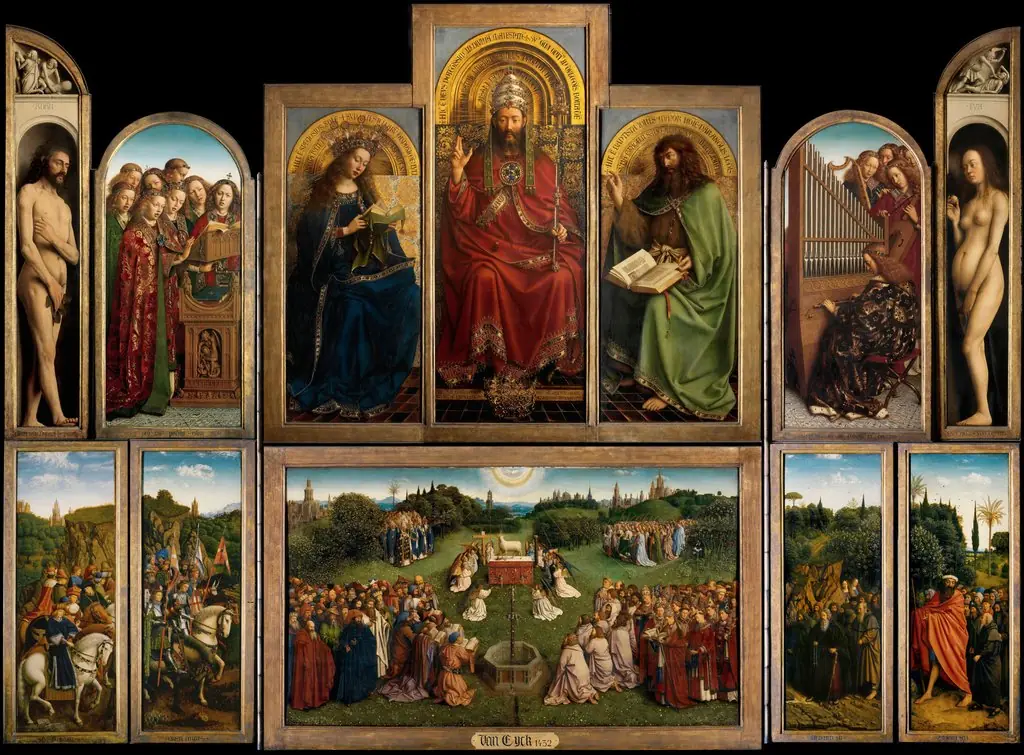 Ghent Altarpiece
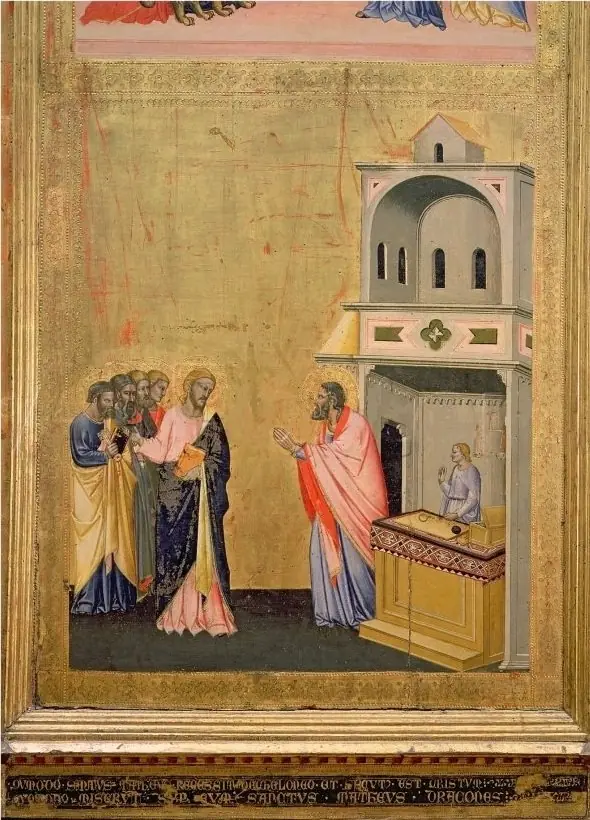 The Calling of St. Matthew
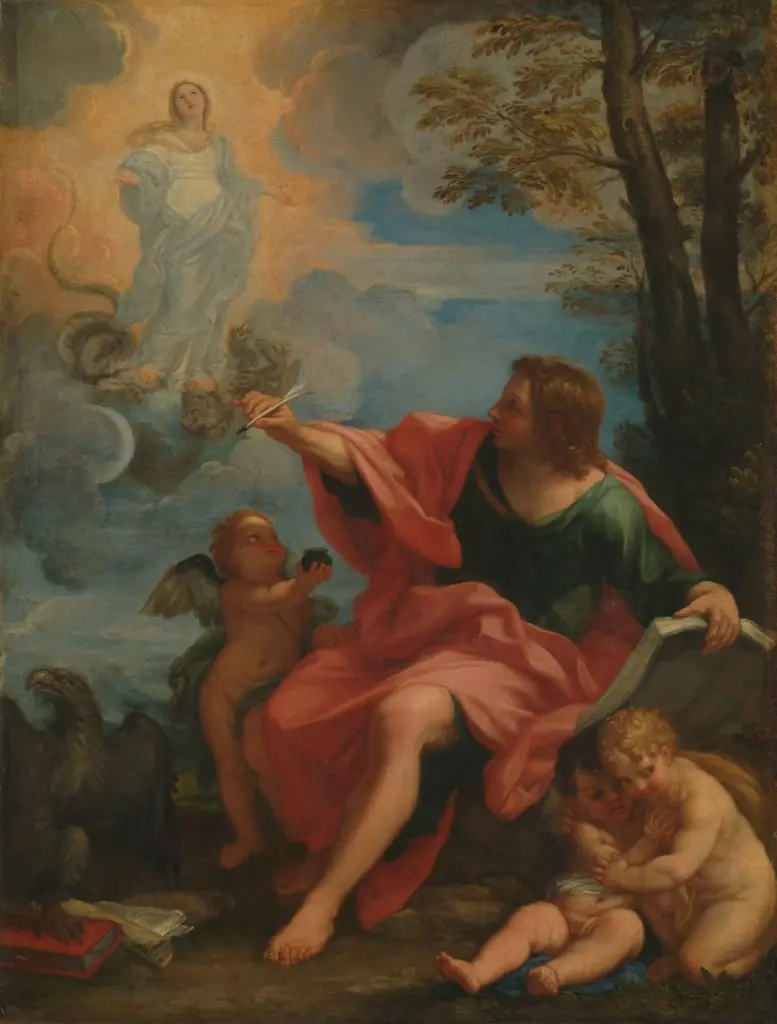 Saint John the Evangelist on Patmos
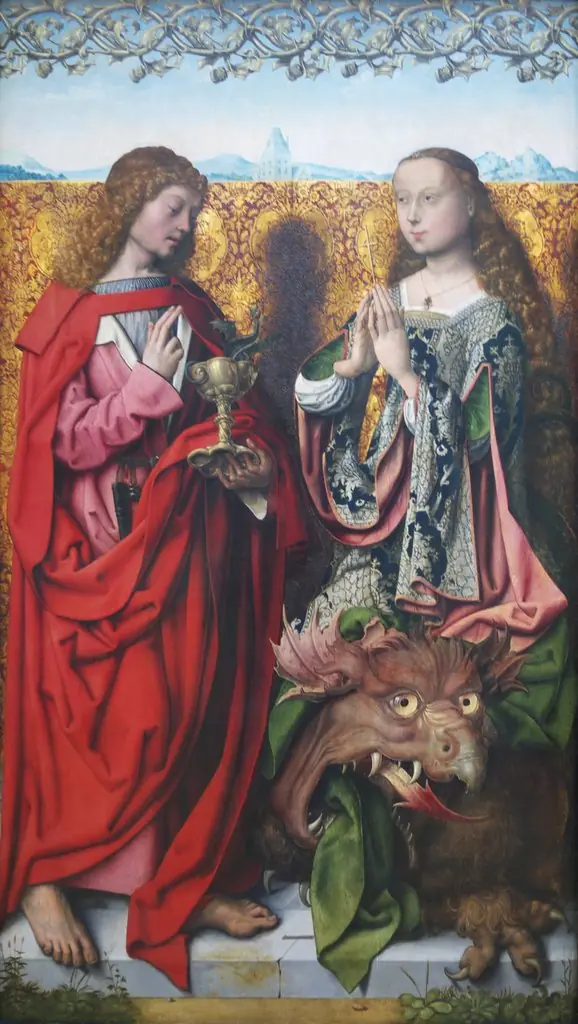 Saint Bartholomew Altarpiece: Saint John the Evangelist and Margaret
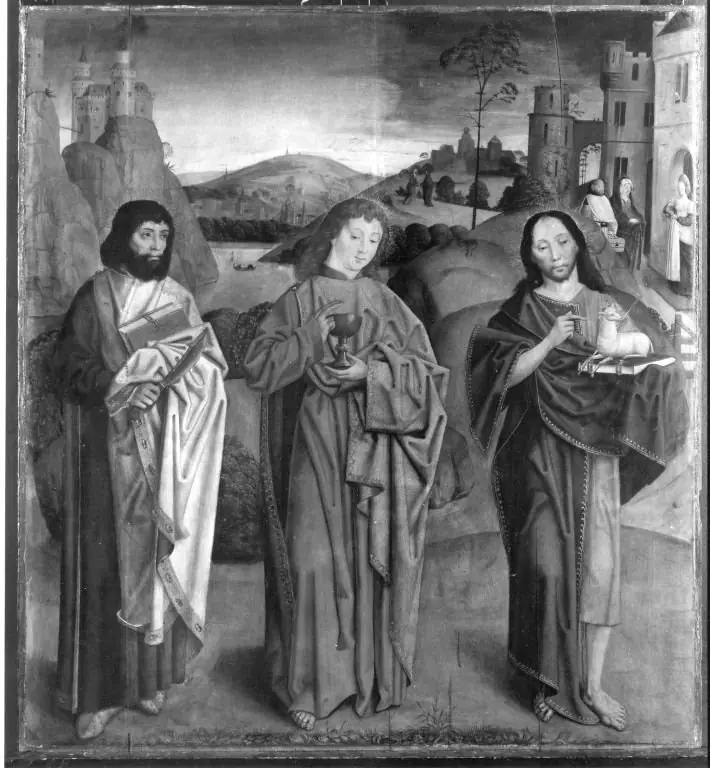 Beschneidungsaltar: Die hll. Bartholomäus, Johannes Ev. und Johannes d. T.
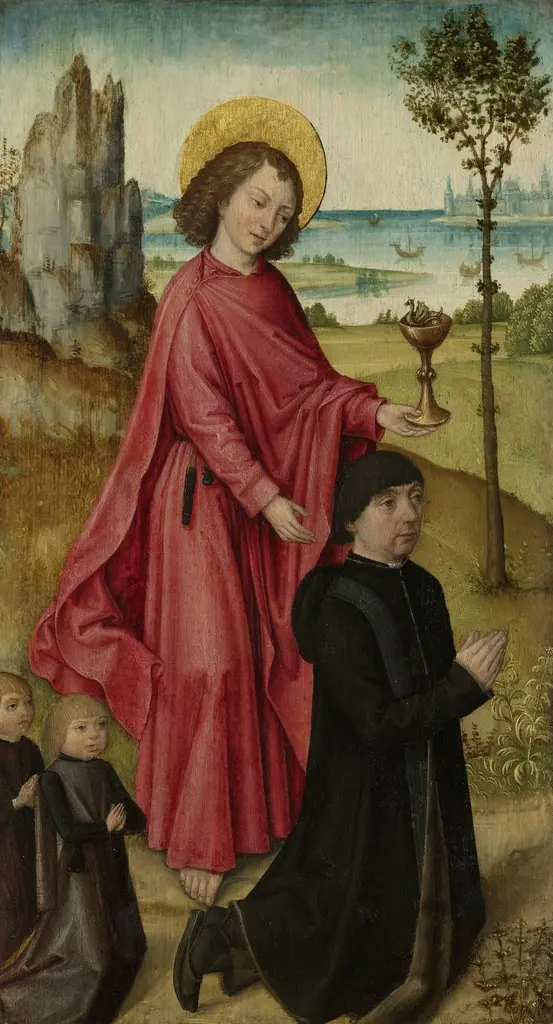 Inner left wing of a triptych with the donor, his two sons and St John the Evangelist
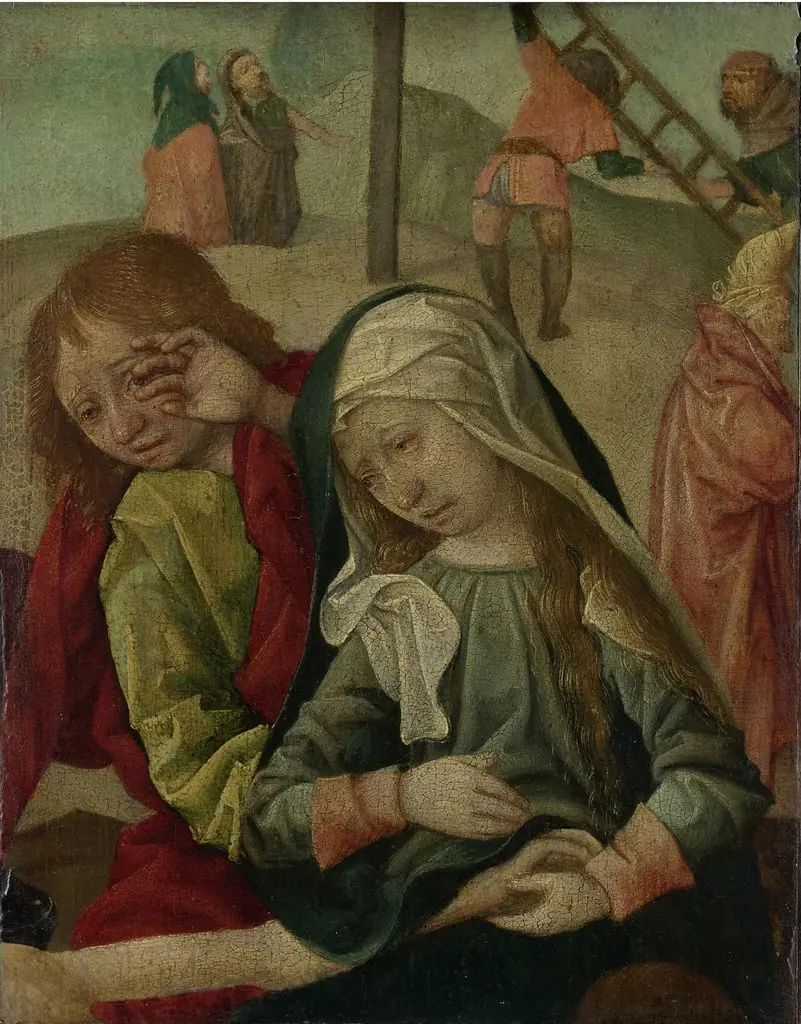 The Virgin and St John lamenting over the body of Christ
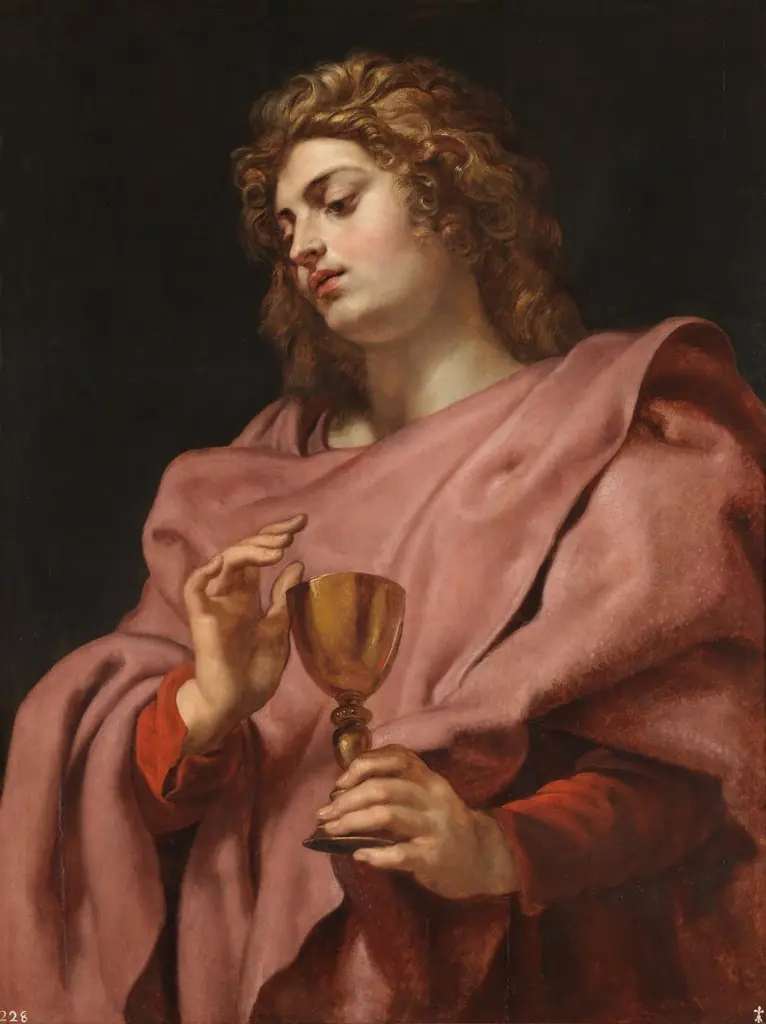 Saint John the Evangelist
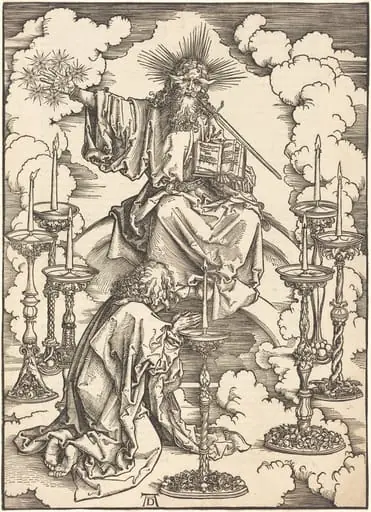 The Vision of the Seven Candlesticks
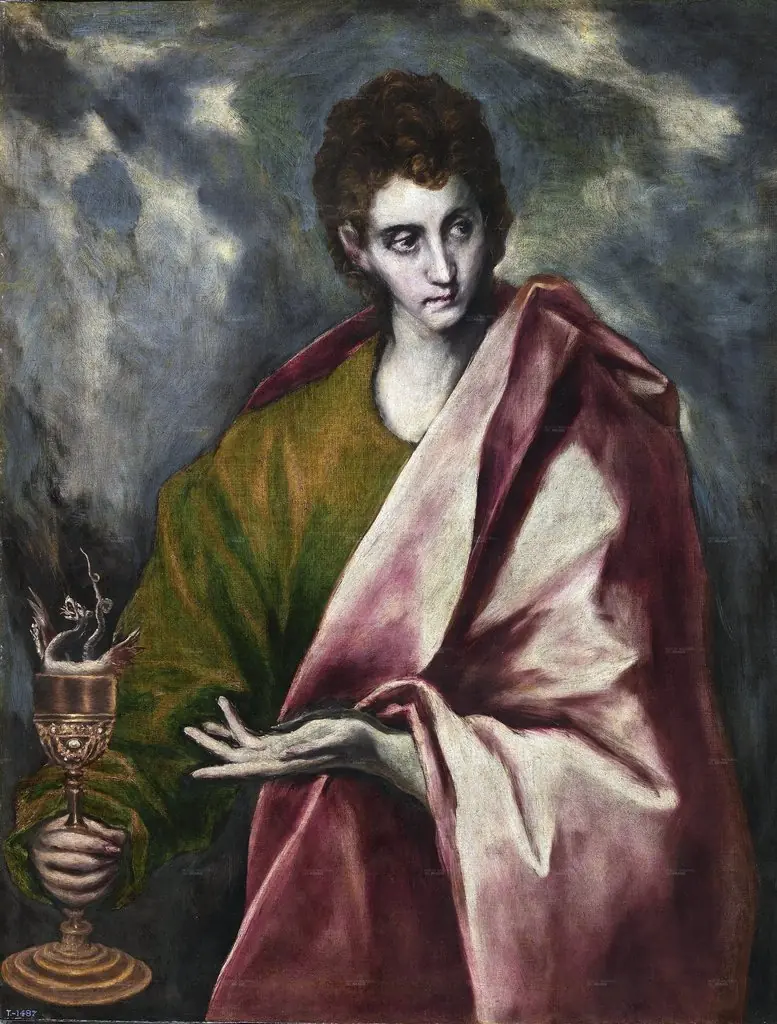 St John the Evangelist
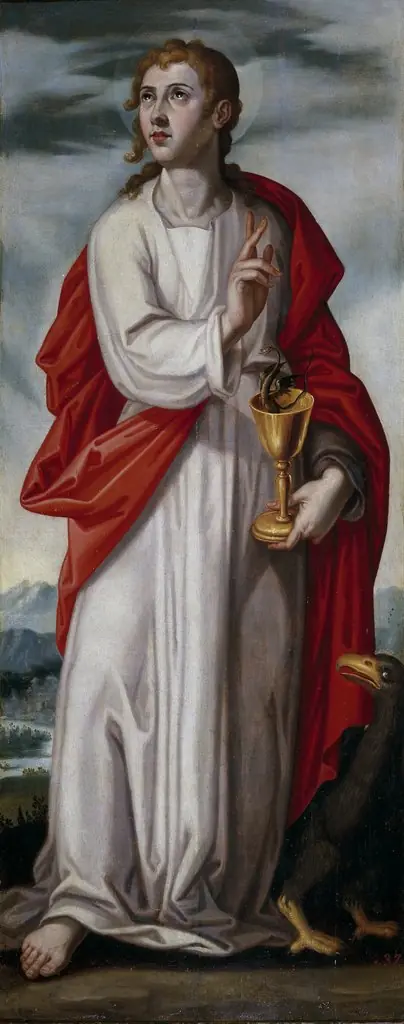 San Juan Evangelista
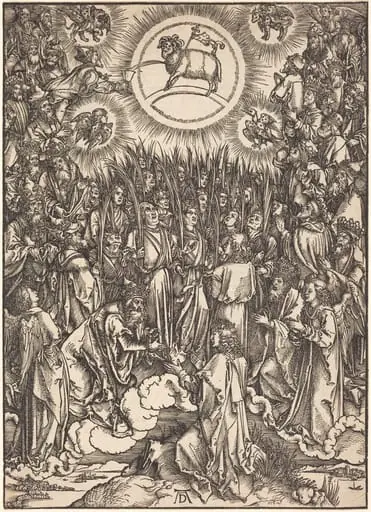 The Adoration of the Lamb
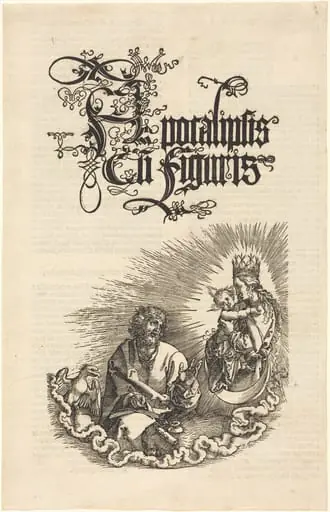 The Virgin Appearing to Saint John
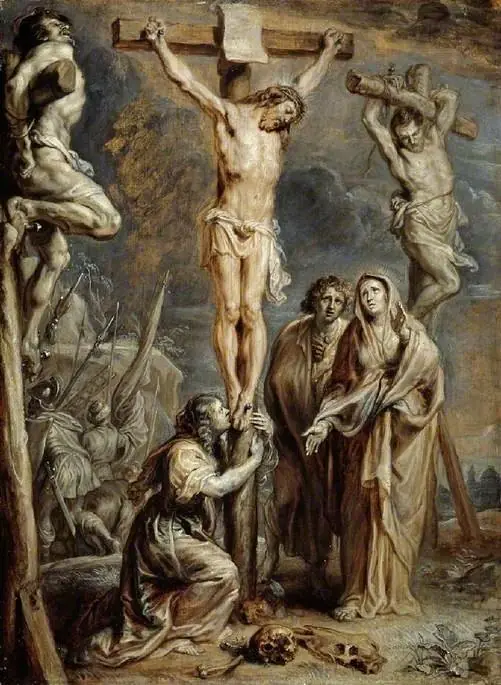 The Crucifixion
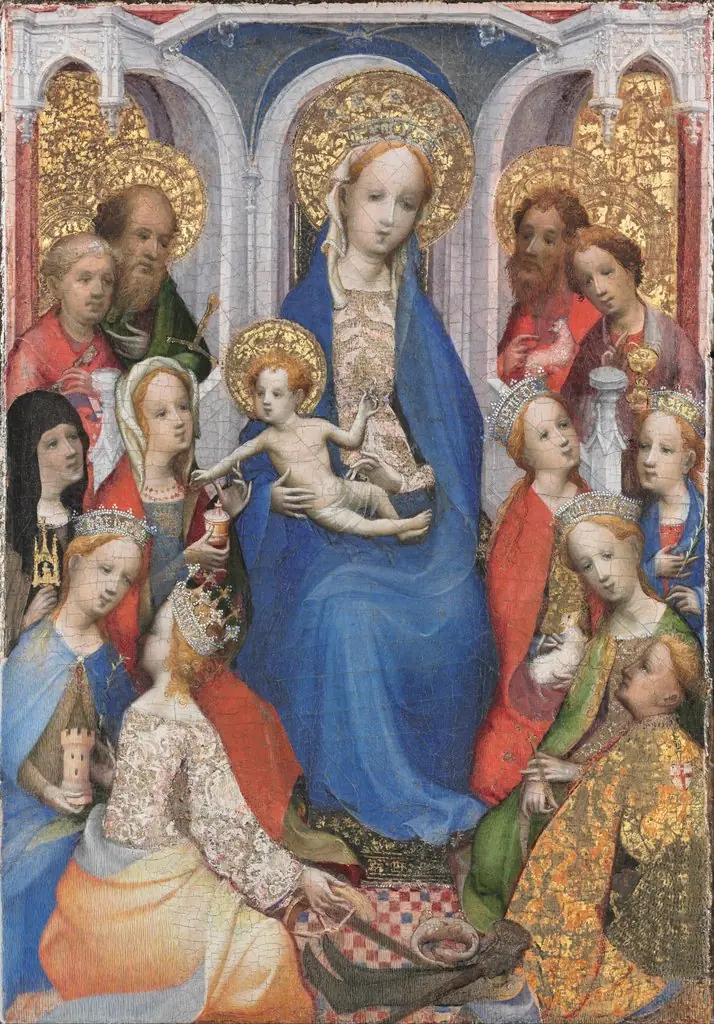 Enthroned Virgin and Child, with Saints Paul, Peter, Clare of Assisi, Mary Magdalene, Barbara, Catherine of Alexandria, John the Baptist, John the Evangelist, Agnes, Cecilia, Margaret of Antioch, and George
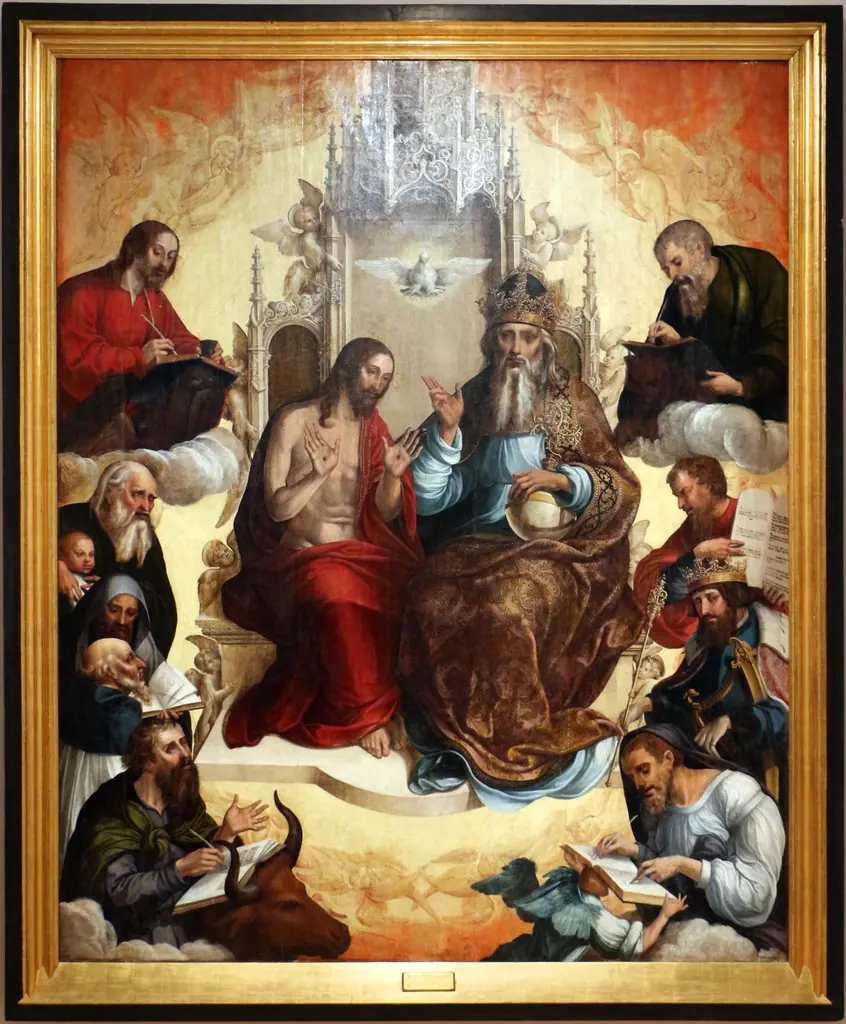 Holy Trinity
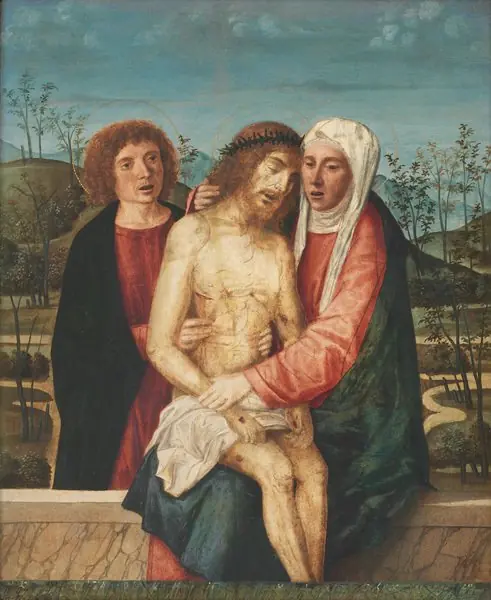 Pietà with Virgin and St. John
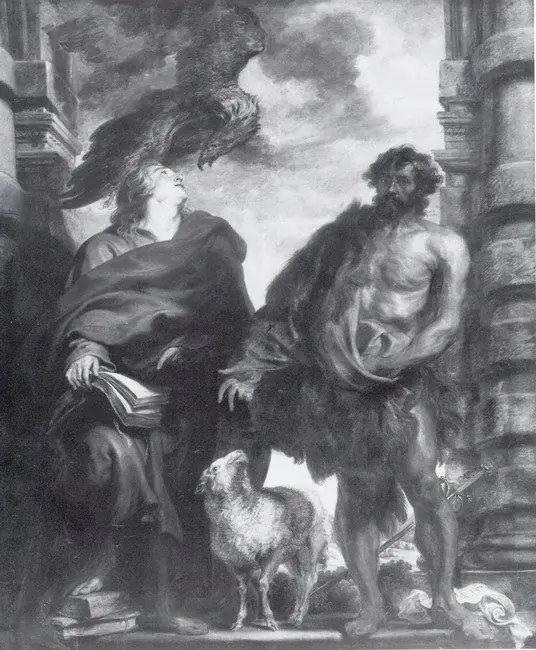 Saints John the Baptist and John the Evangelist
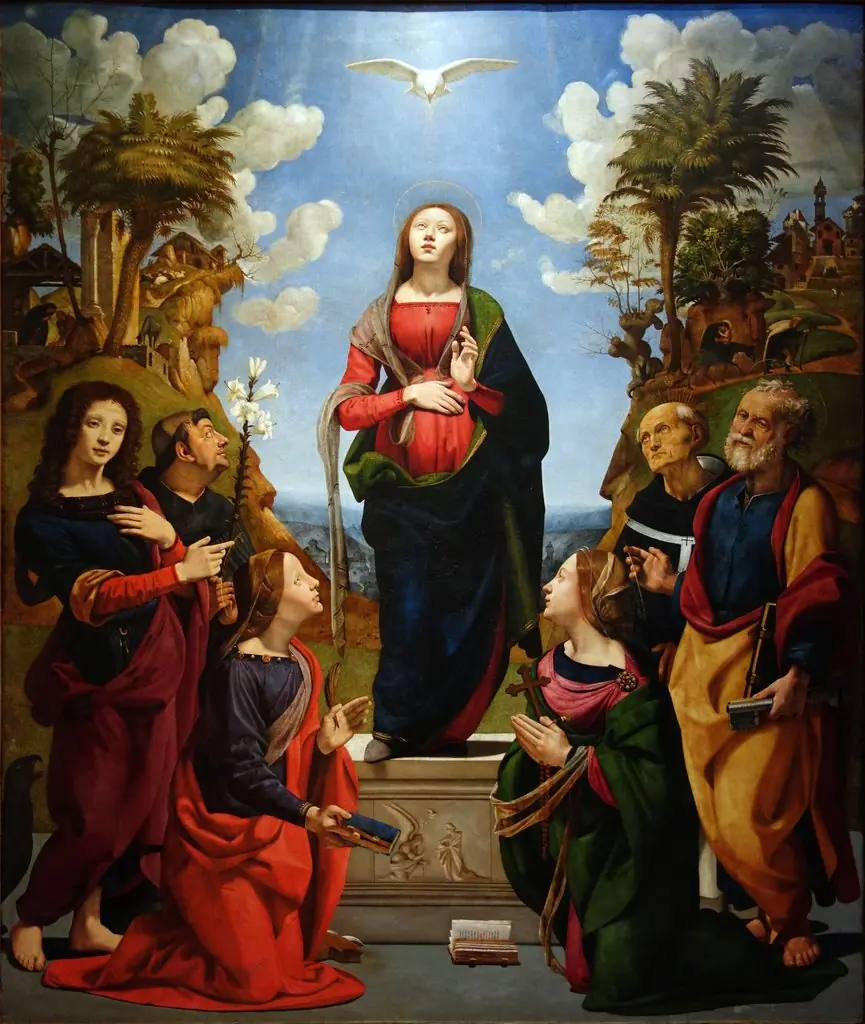 Incarnation of Jesus by Piero di Cosimo
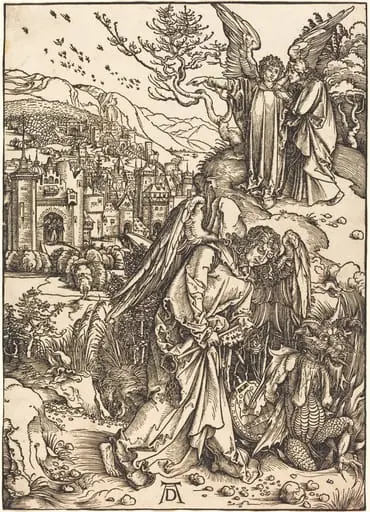 The Angel with the Key to the Bottomless Pit
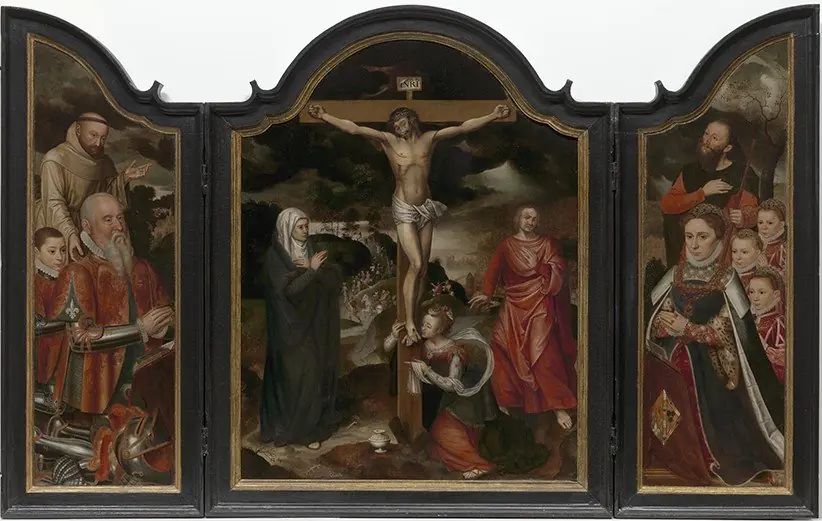 Crucified Christ with Mary, John and Mary Magdalene
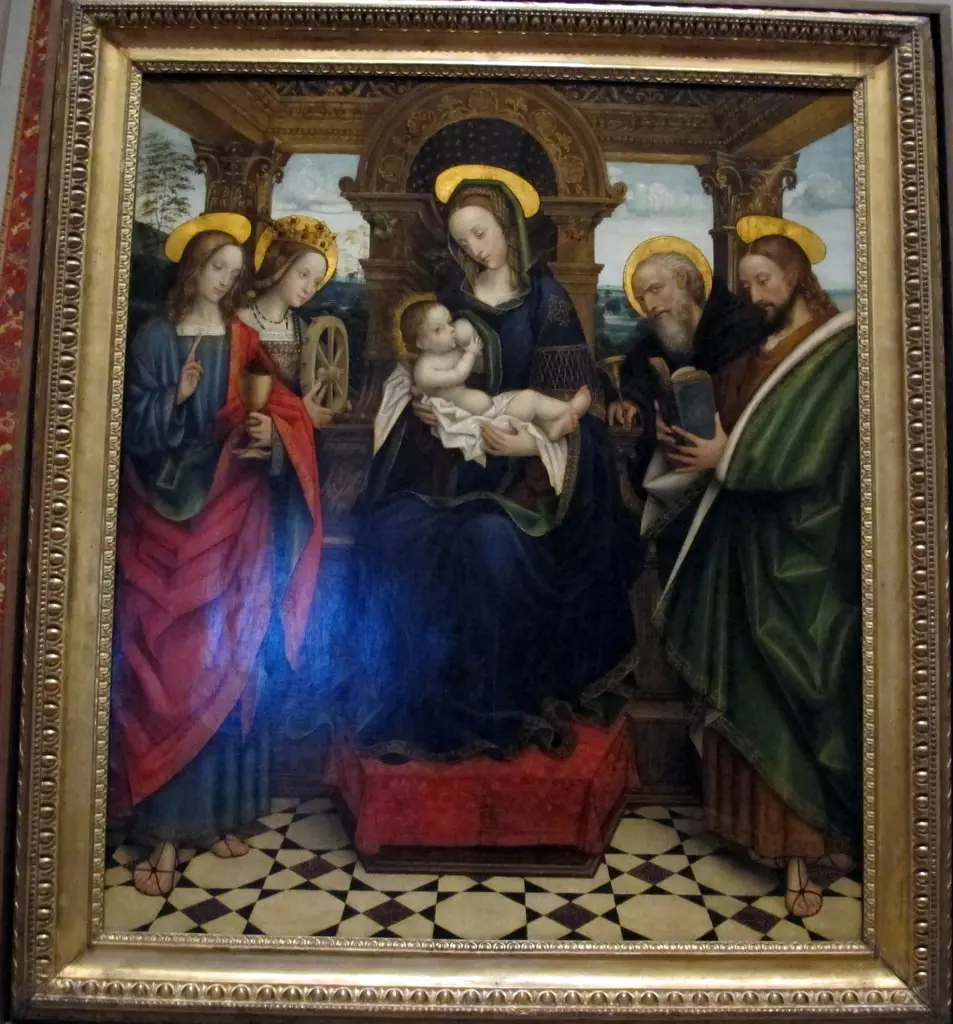 Enthroned Virgin and Child, with Saints John the Evangelist, Catherine of Alexandria, and Anthony Abbot, and a Saint Reading a Book
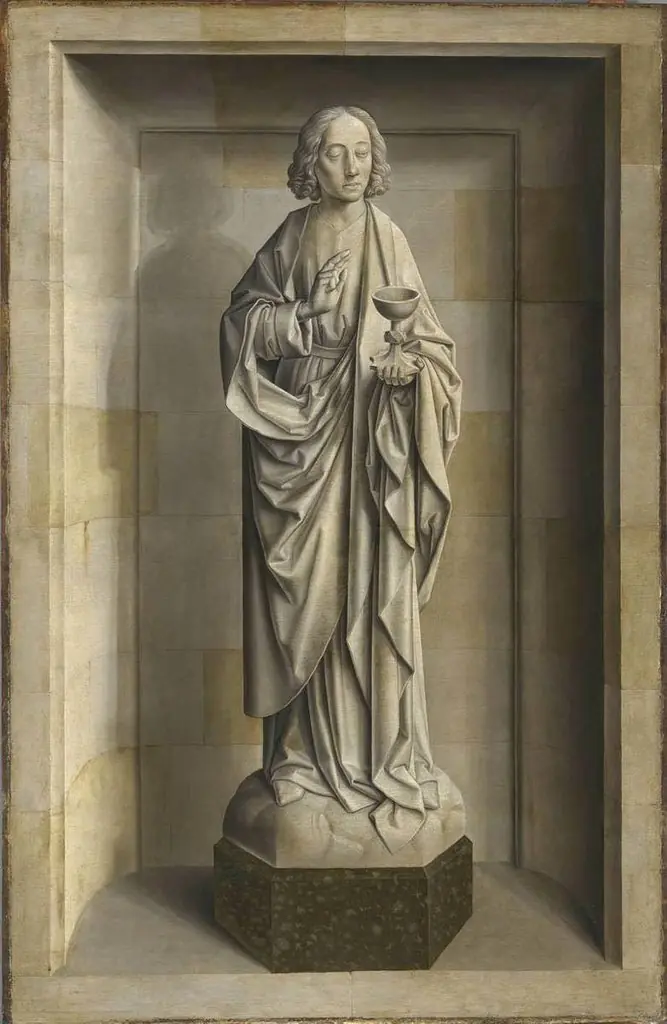 John the Evangelist
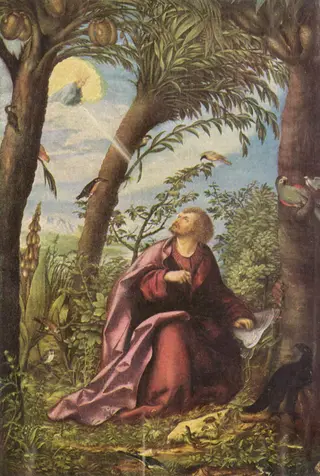 John the Evangelist on Patmos
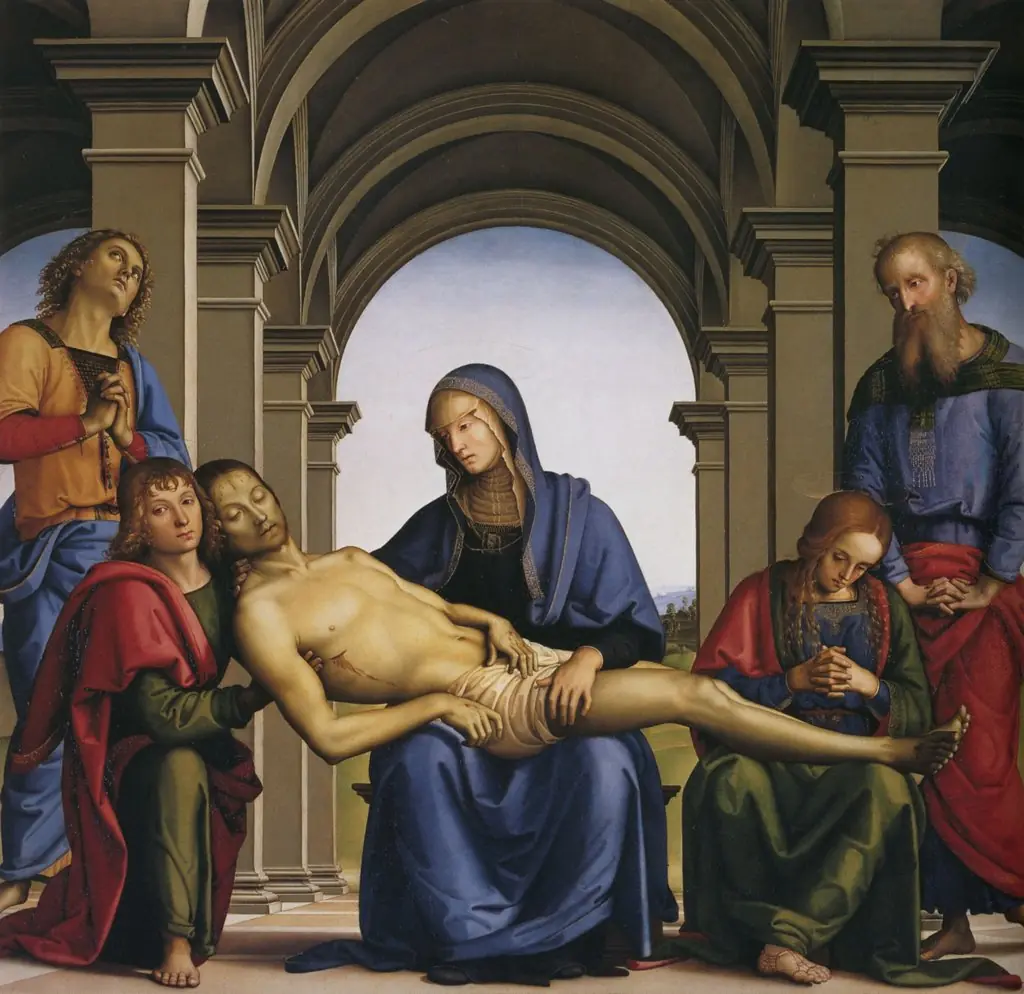 Pietà
Pietà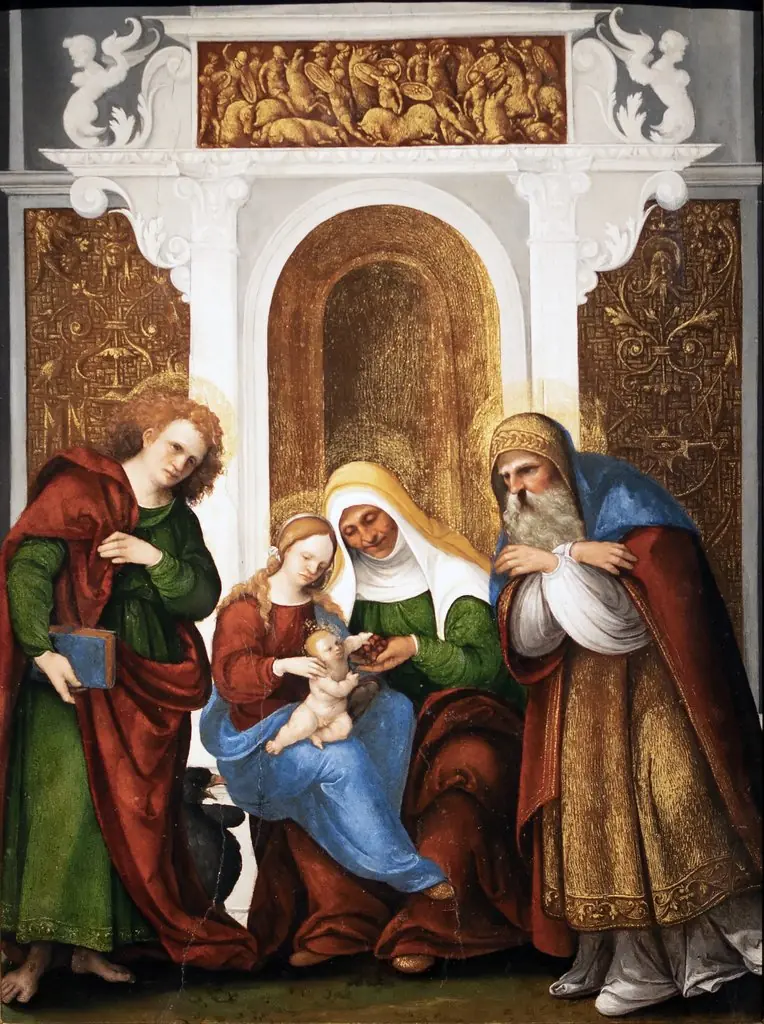 Madonna with Child and Saints
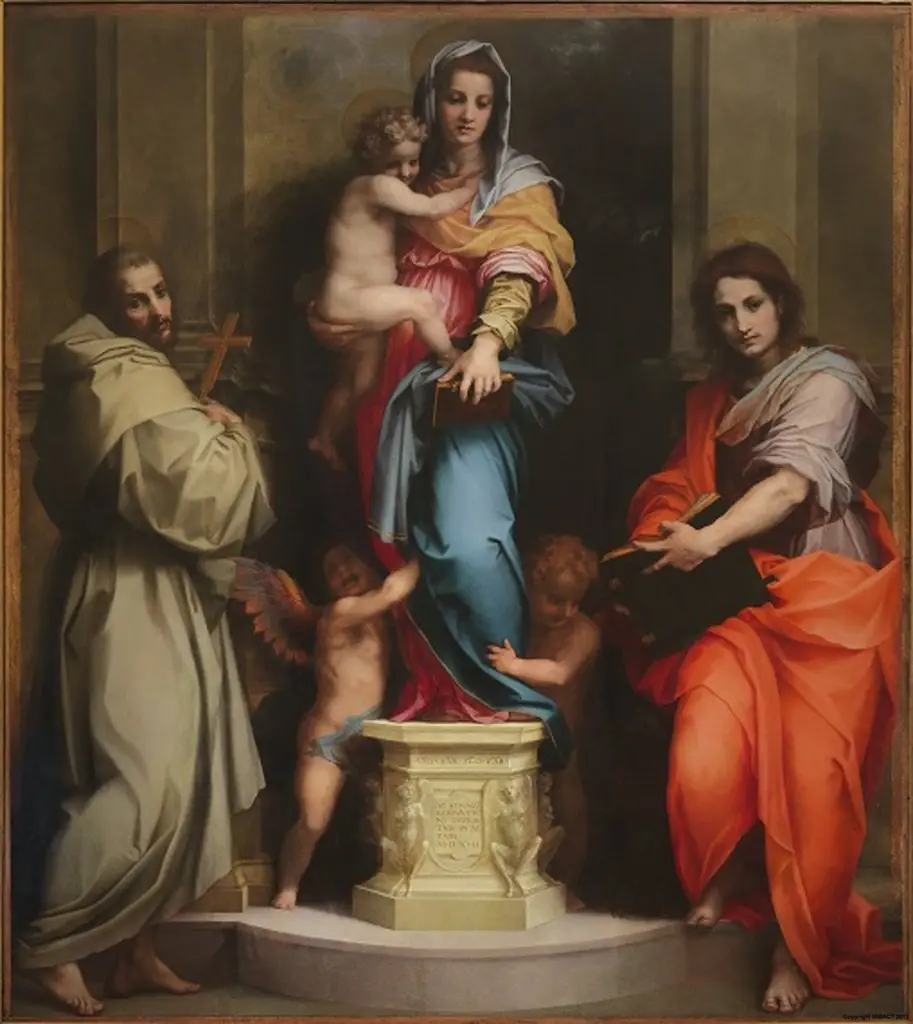 Madonna of the Harpies
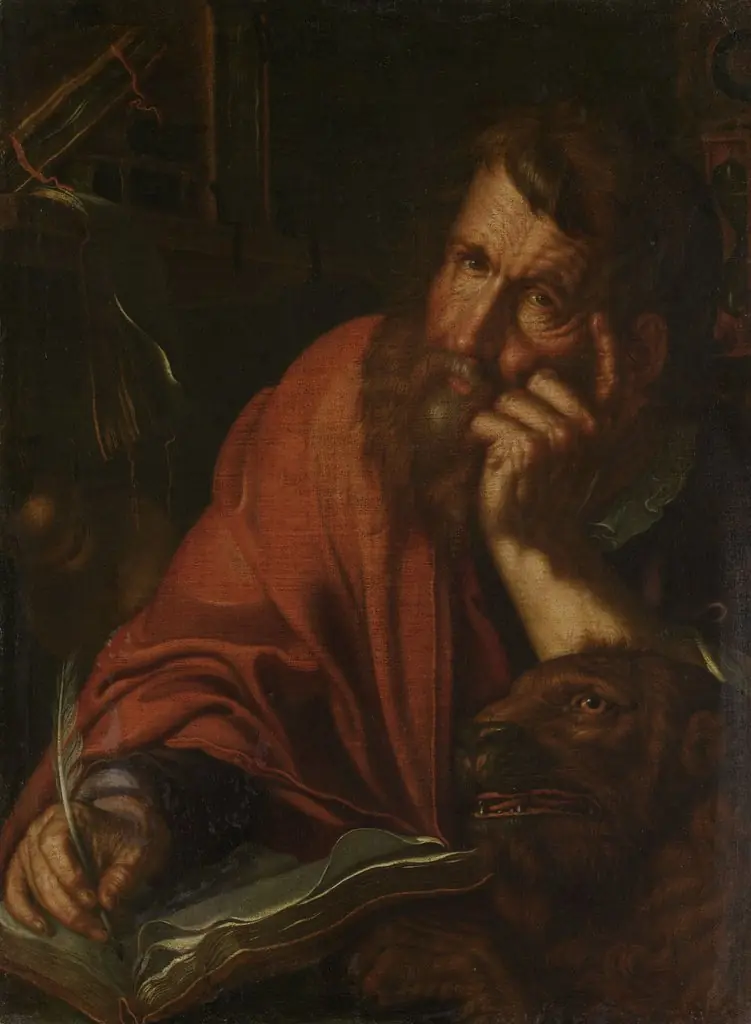 The Evangelist Saint Mark
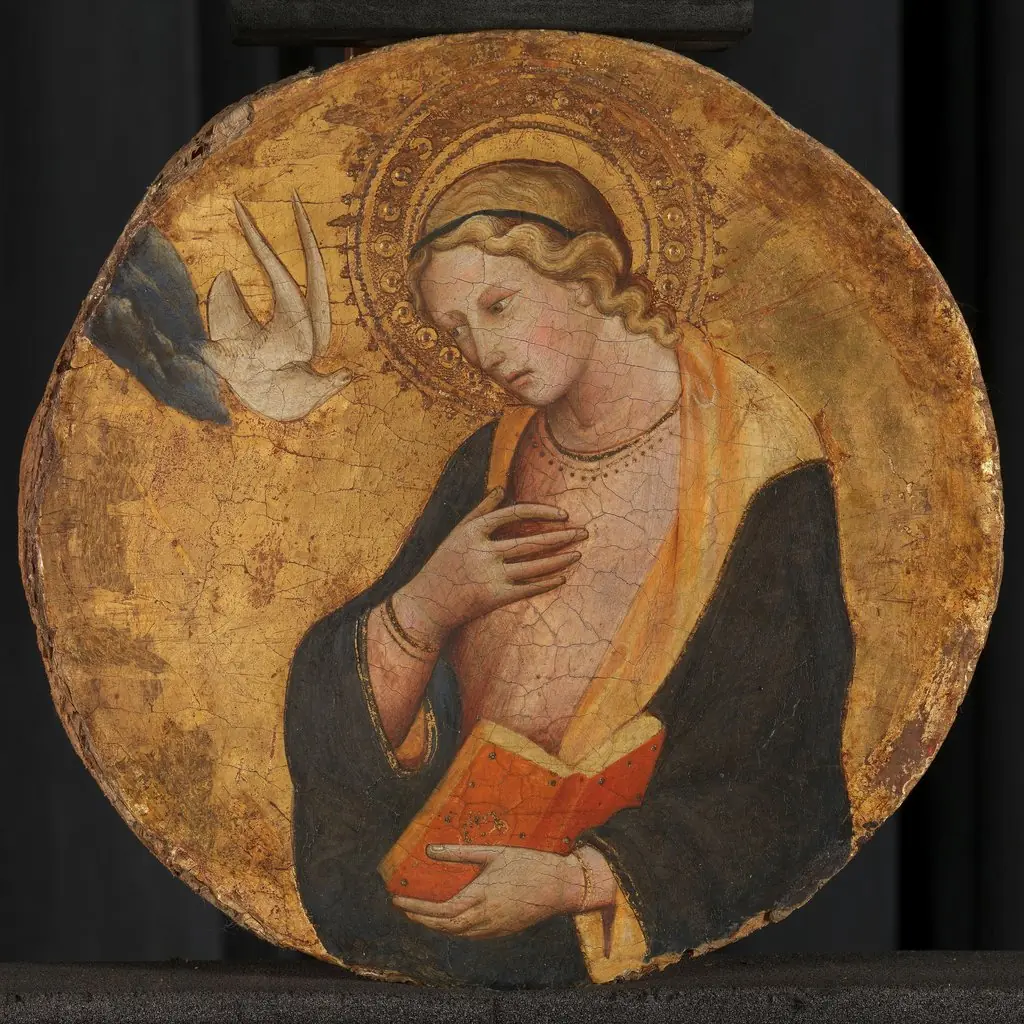 Virgin Annunciate
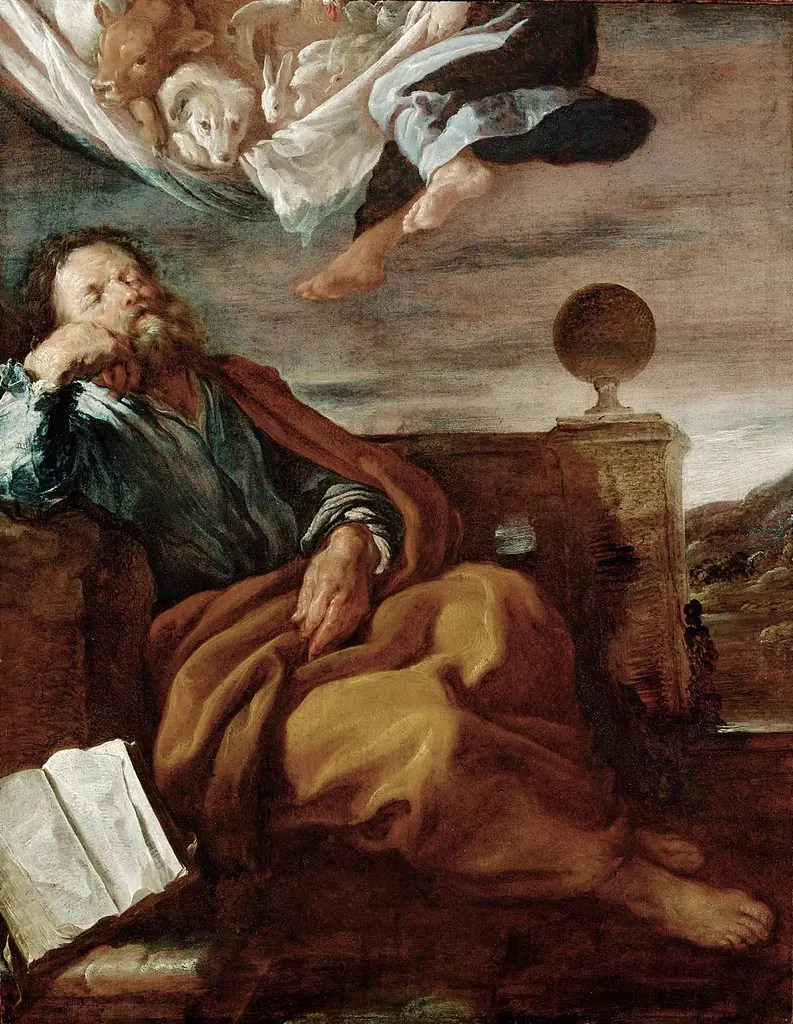 Peter's vision of a sheet with animals
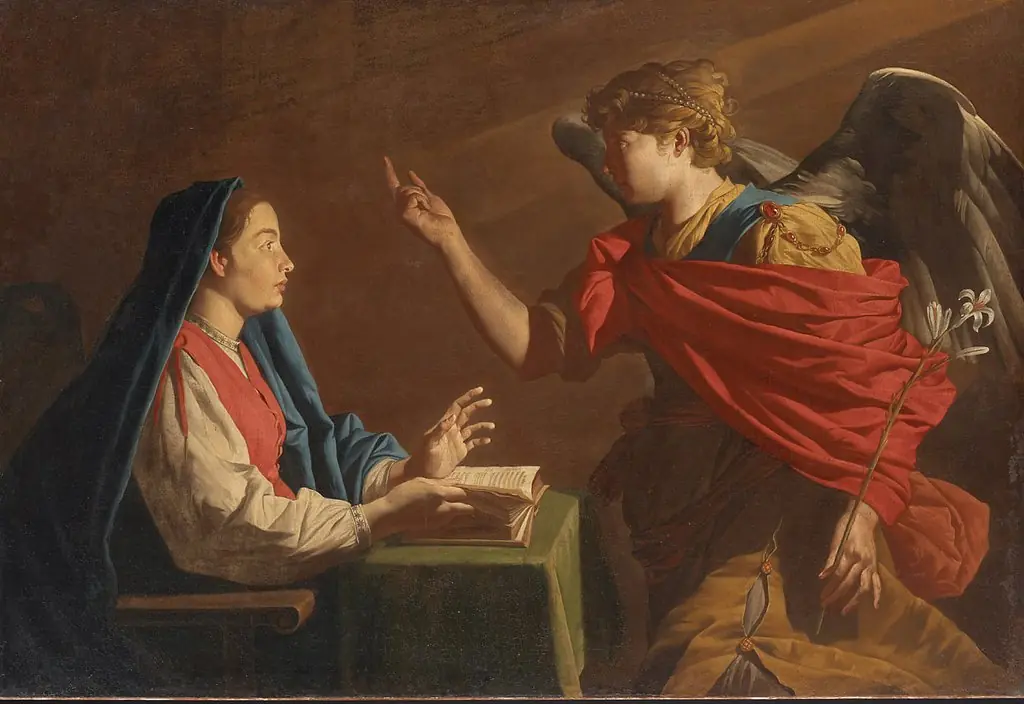 The Annunciation
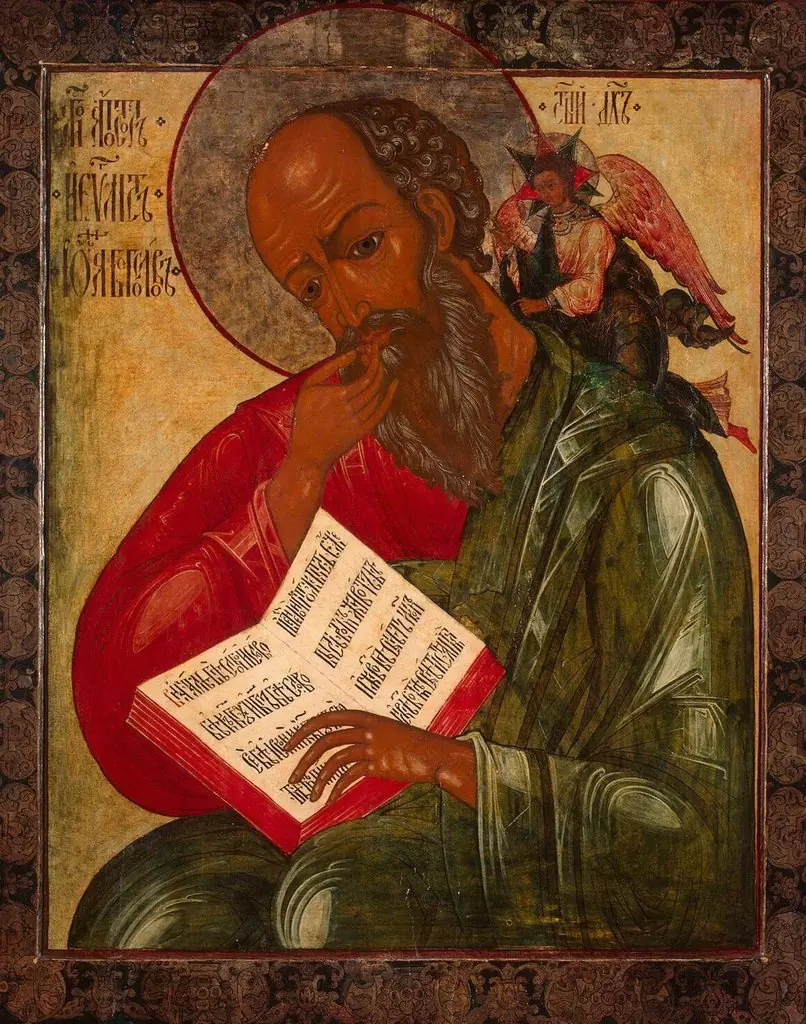 Icon: St John the Divine in Silence
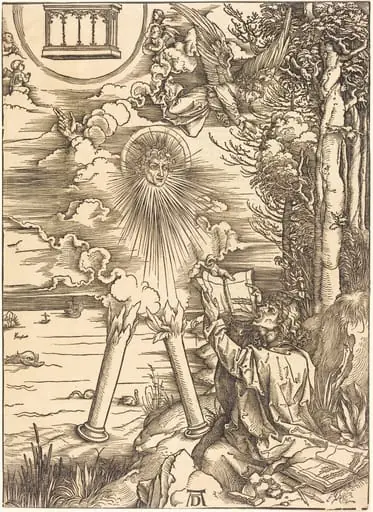 Saint John Devouring the Book
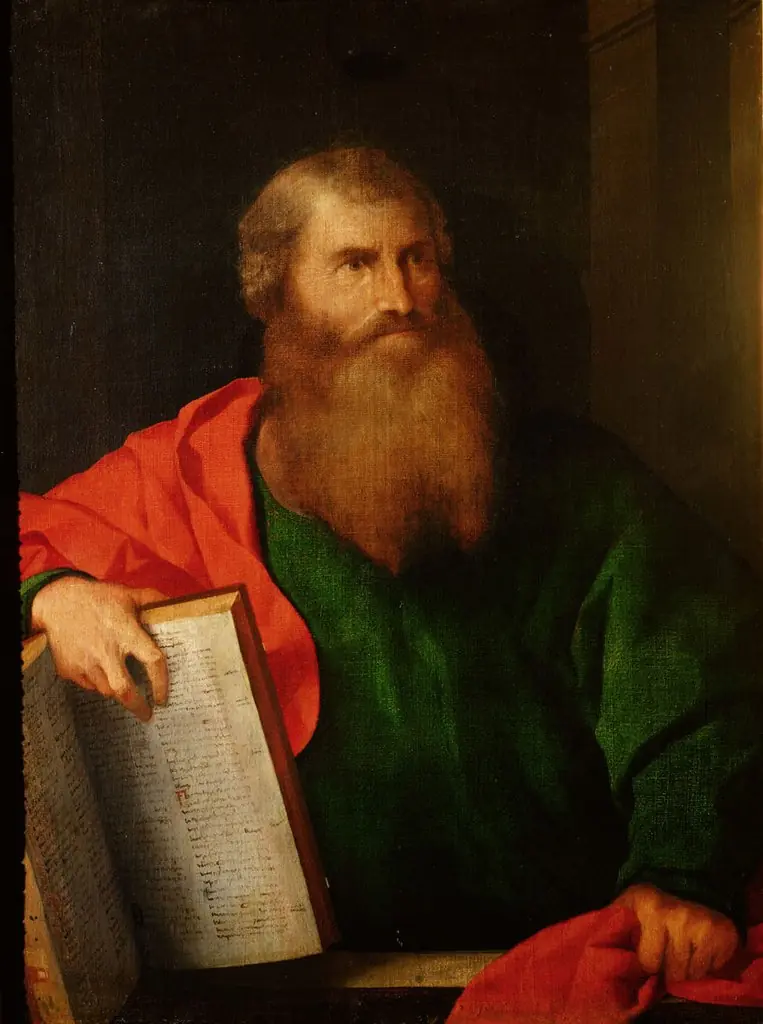 John the Evangelist
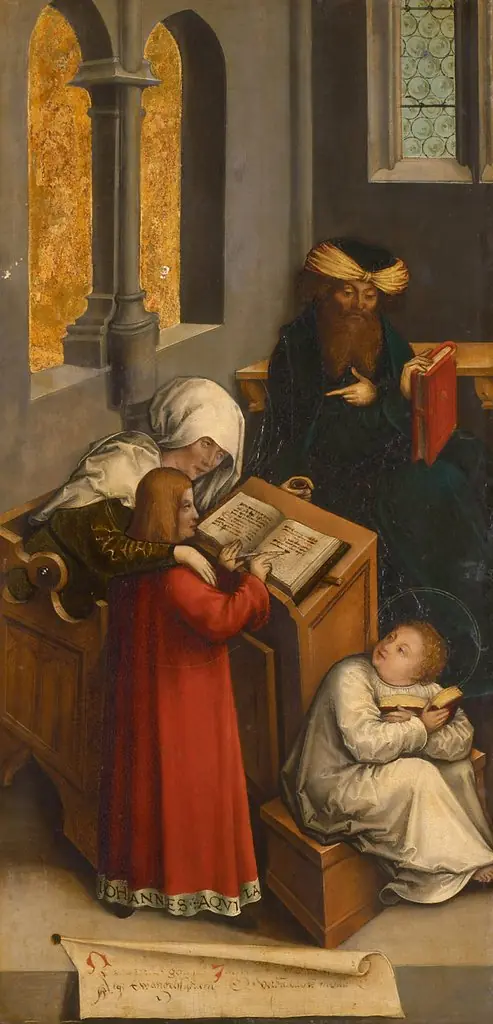 John the Evangelist is taught to write
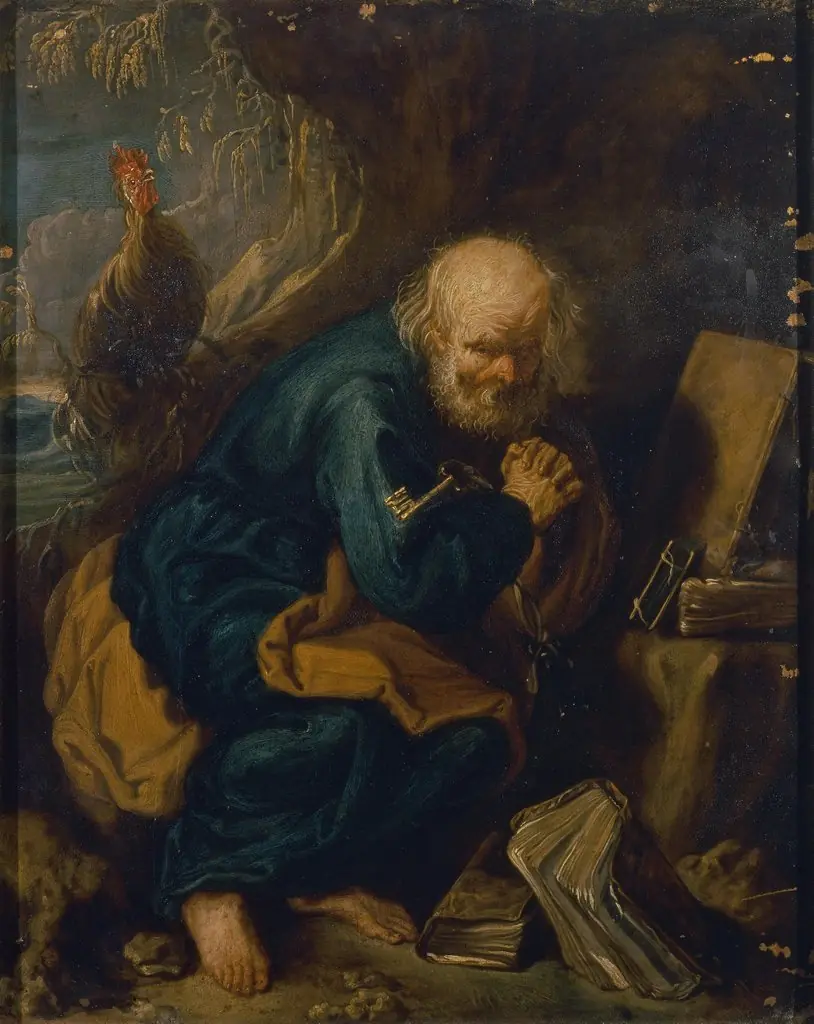 St Peter
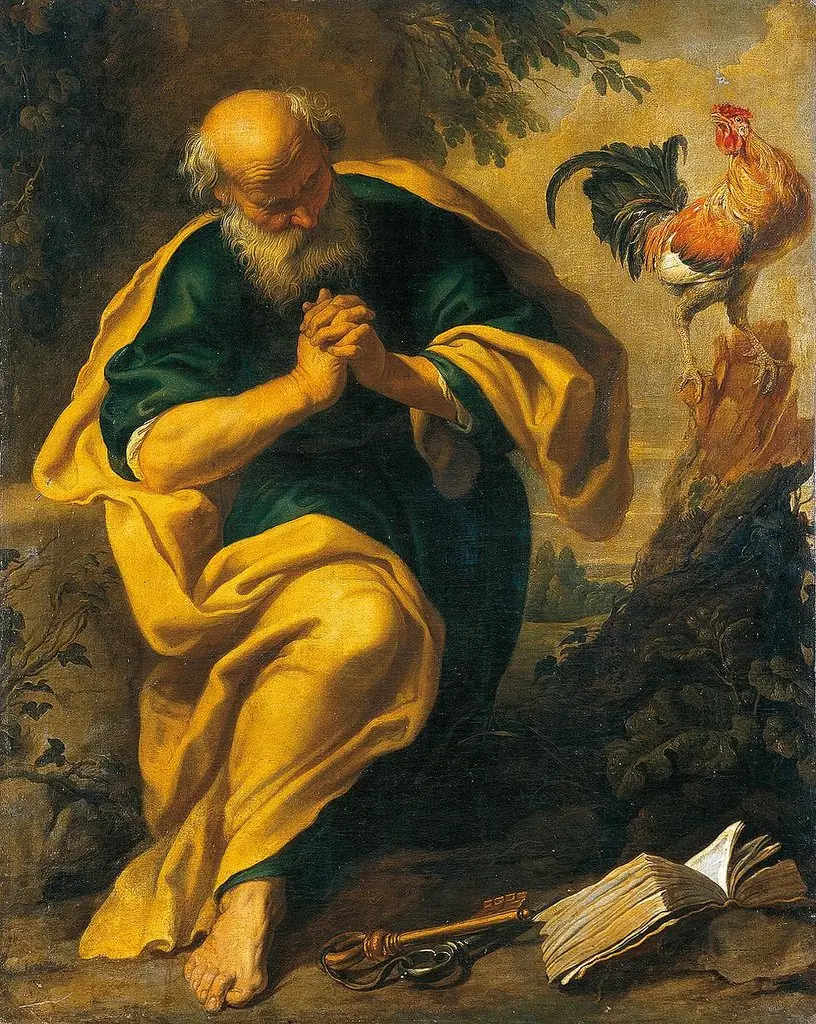 Repentance of St Peter
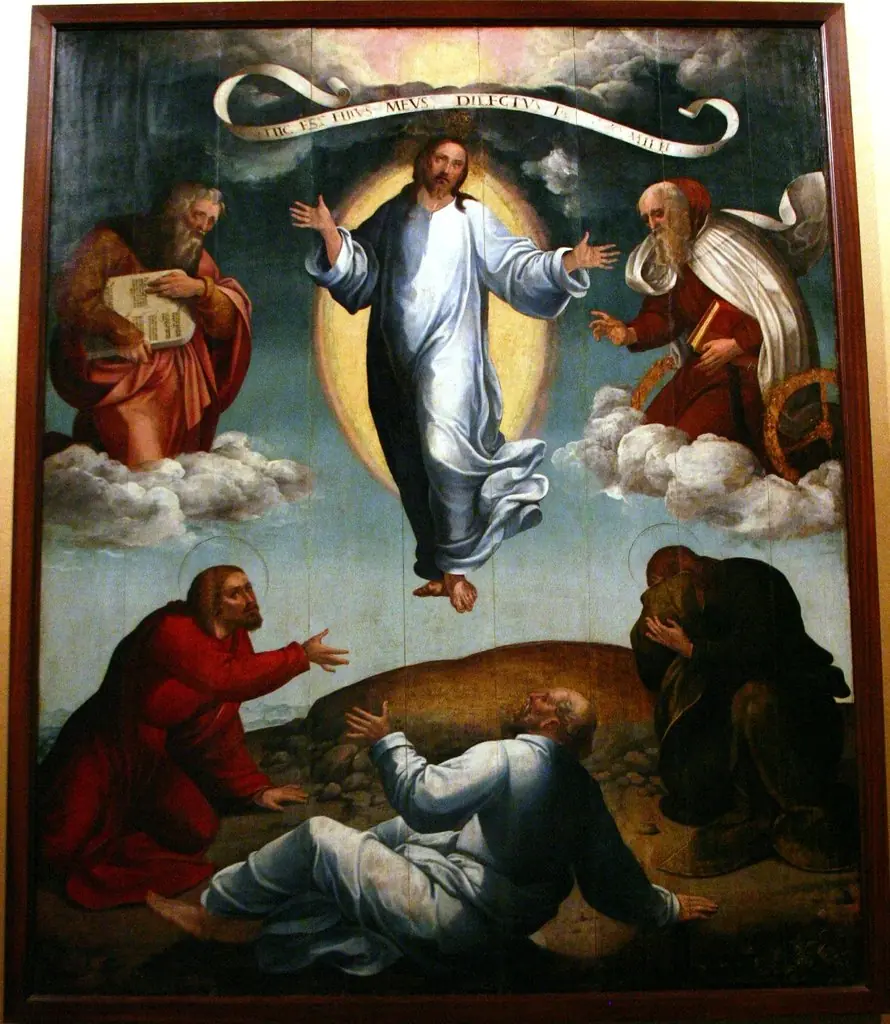 Transfiguration of Jesus Christ
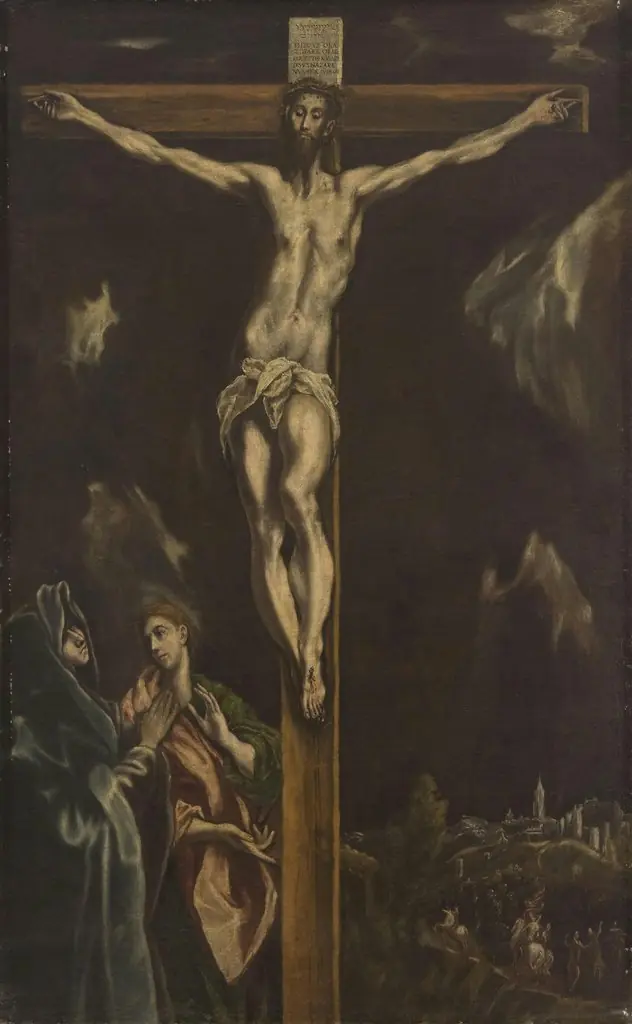 Crucifixion with the Virgin Mary and Saint John the Evangelist
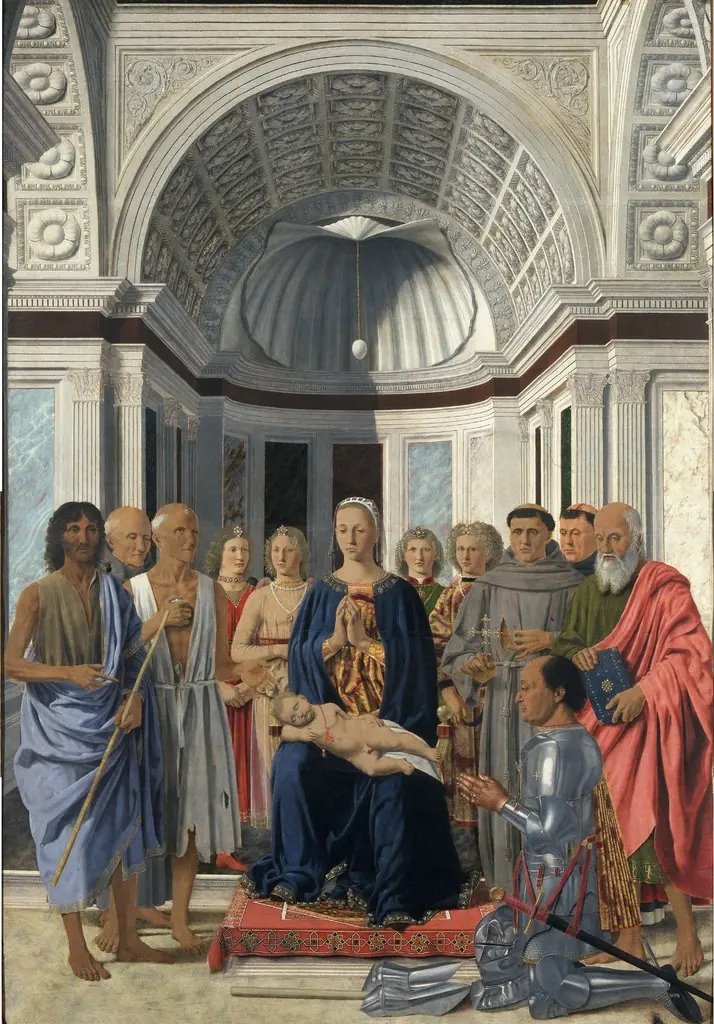 Brera Madonna
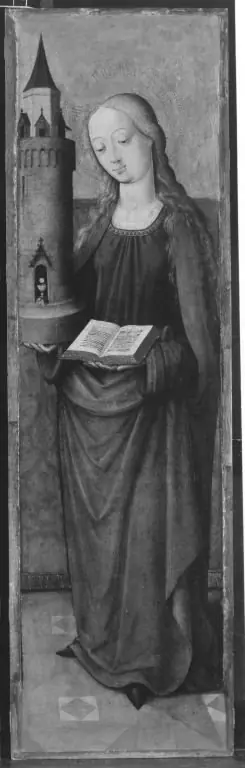 Heilige Barbara
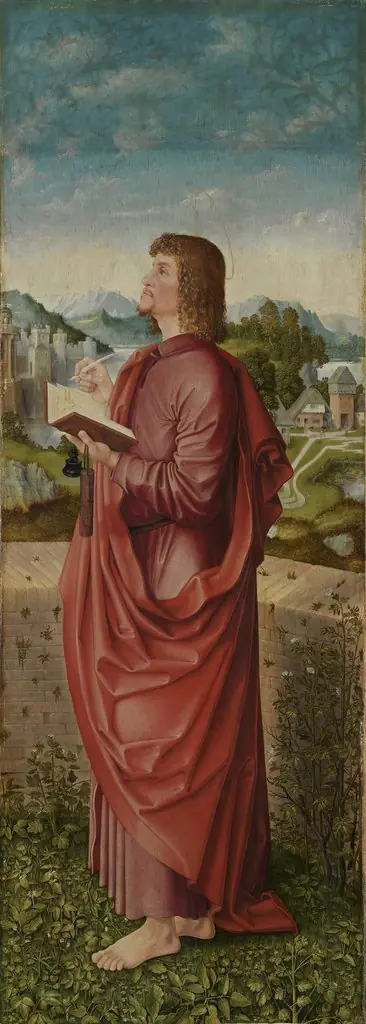 Universitätsaltar: Hl. Johannes Ev. Rückseite: Hl. Margaretha
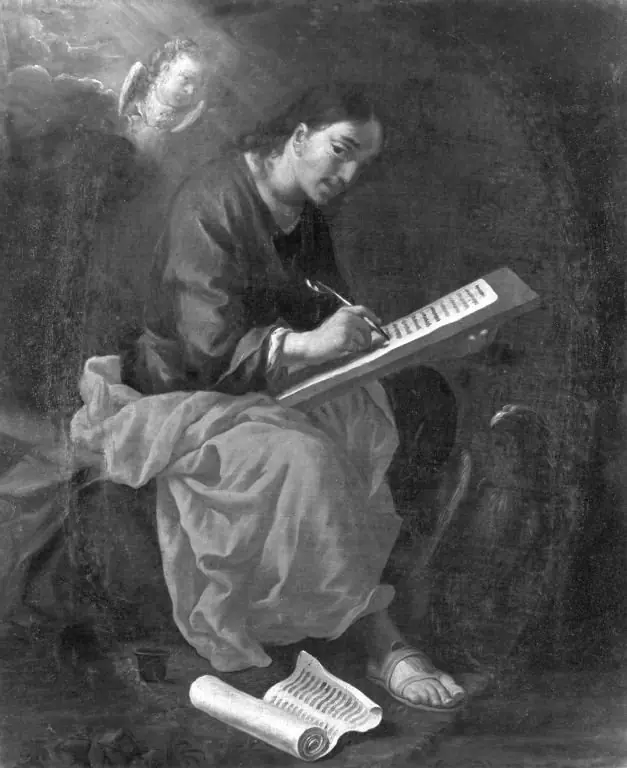 Der hl. Johannes Evangelist
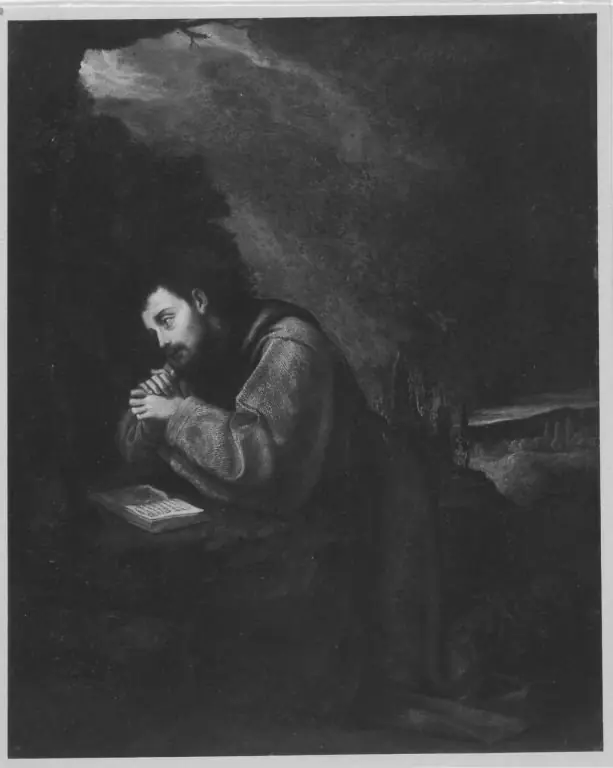 Hl. Franziskus
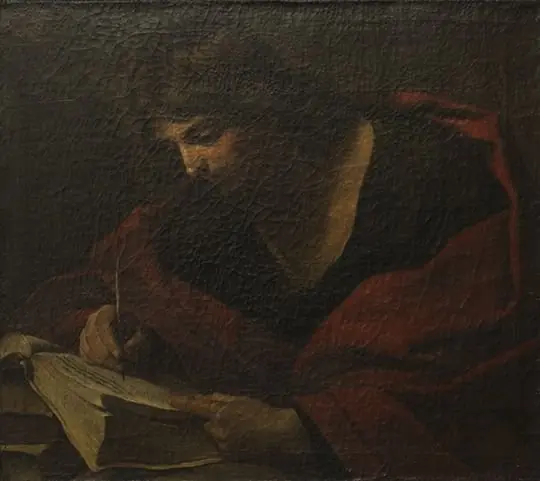 Apostel Johannes
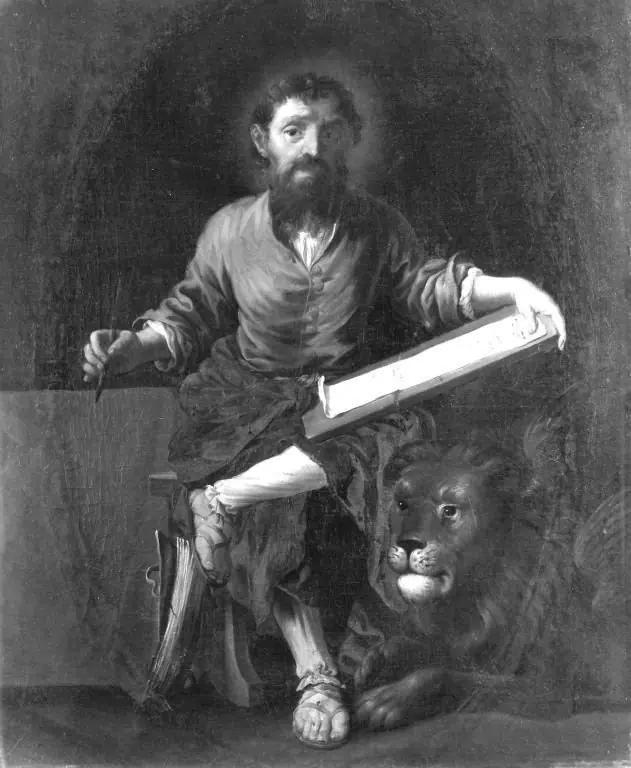 Der hl. Marcus
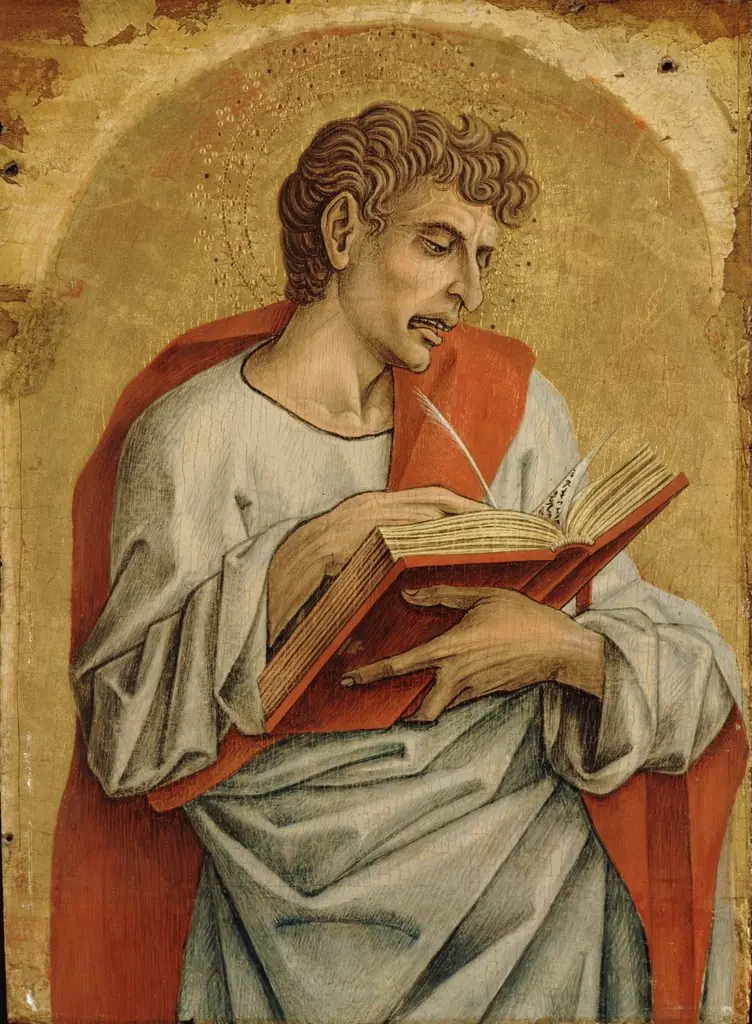 Saint John the Evangelist
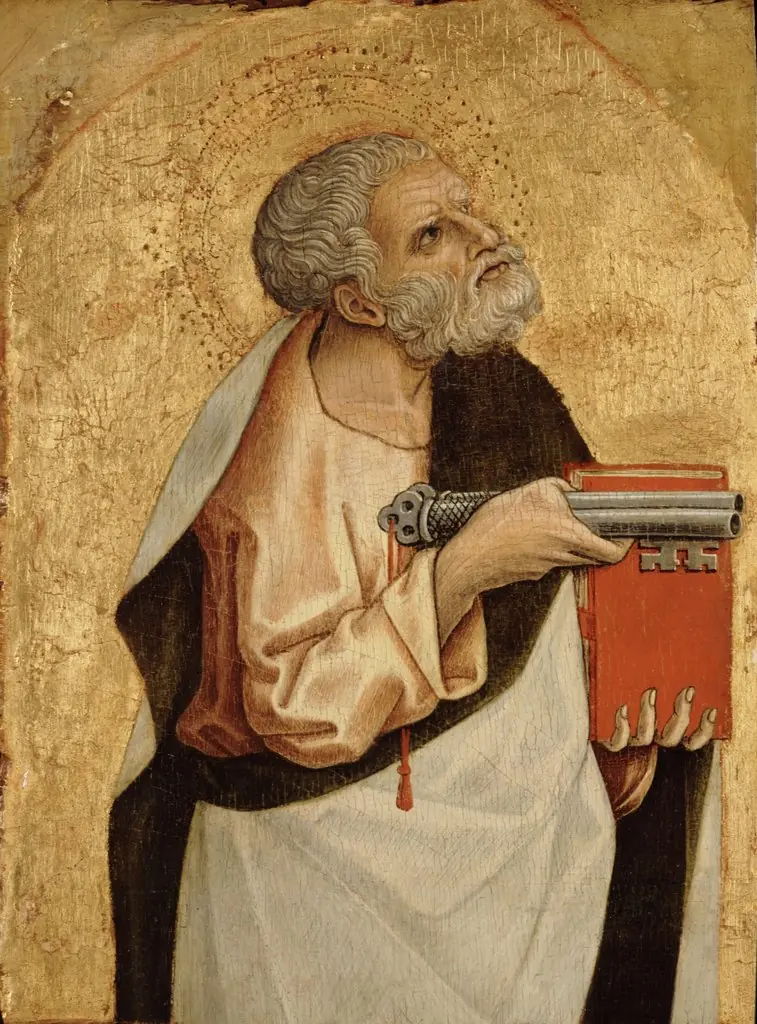 Saint Peter
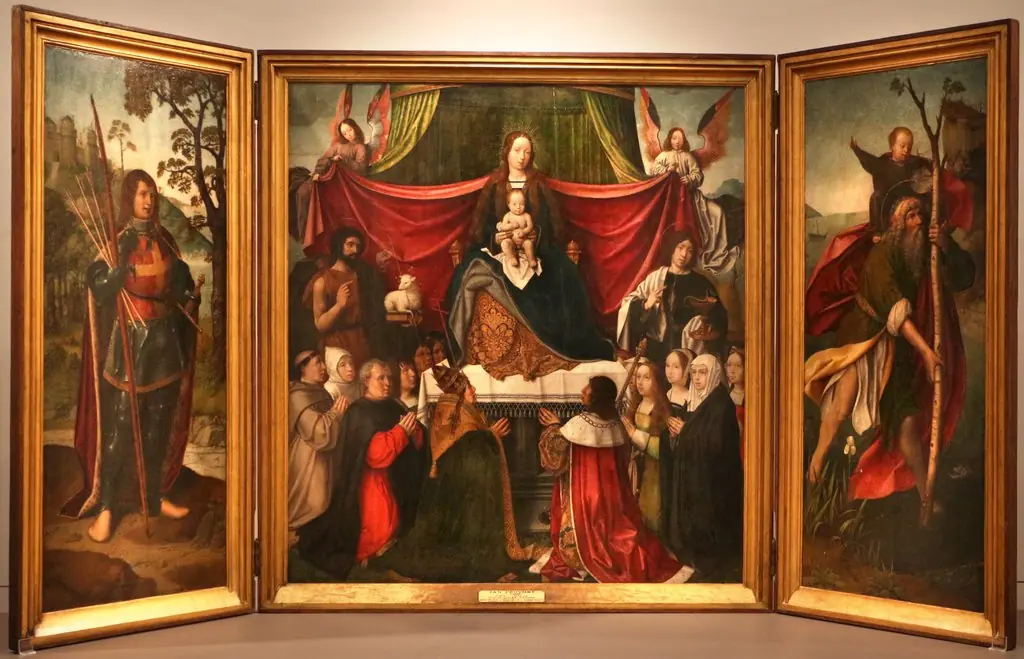 Triptych of Our Lady of Mercy
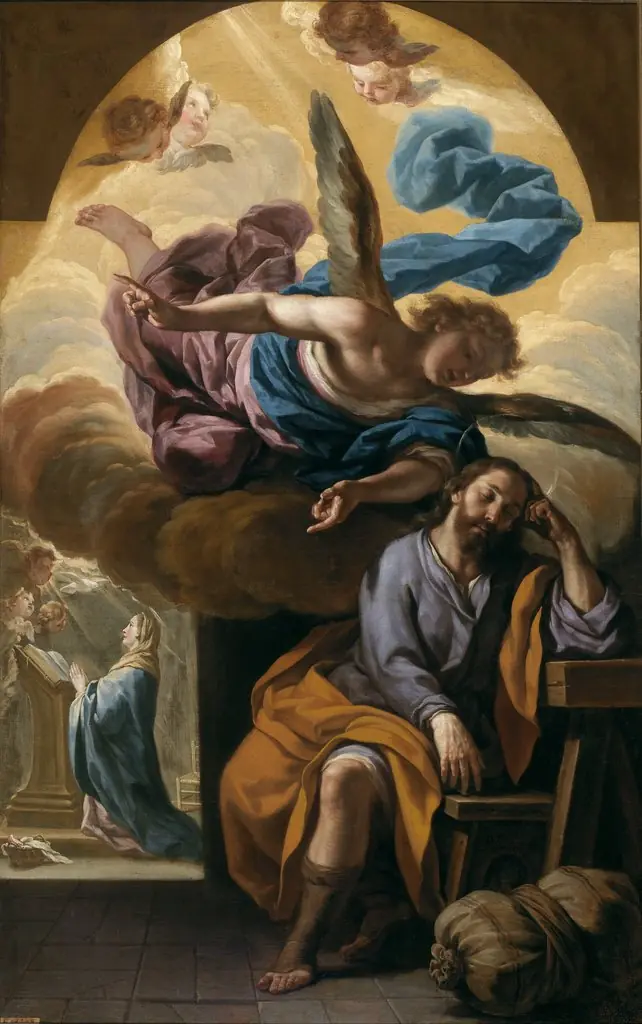 Saint Joseph’s Dream
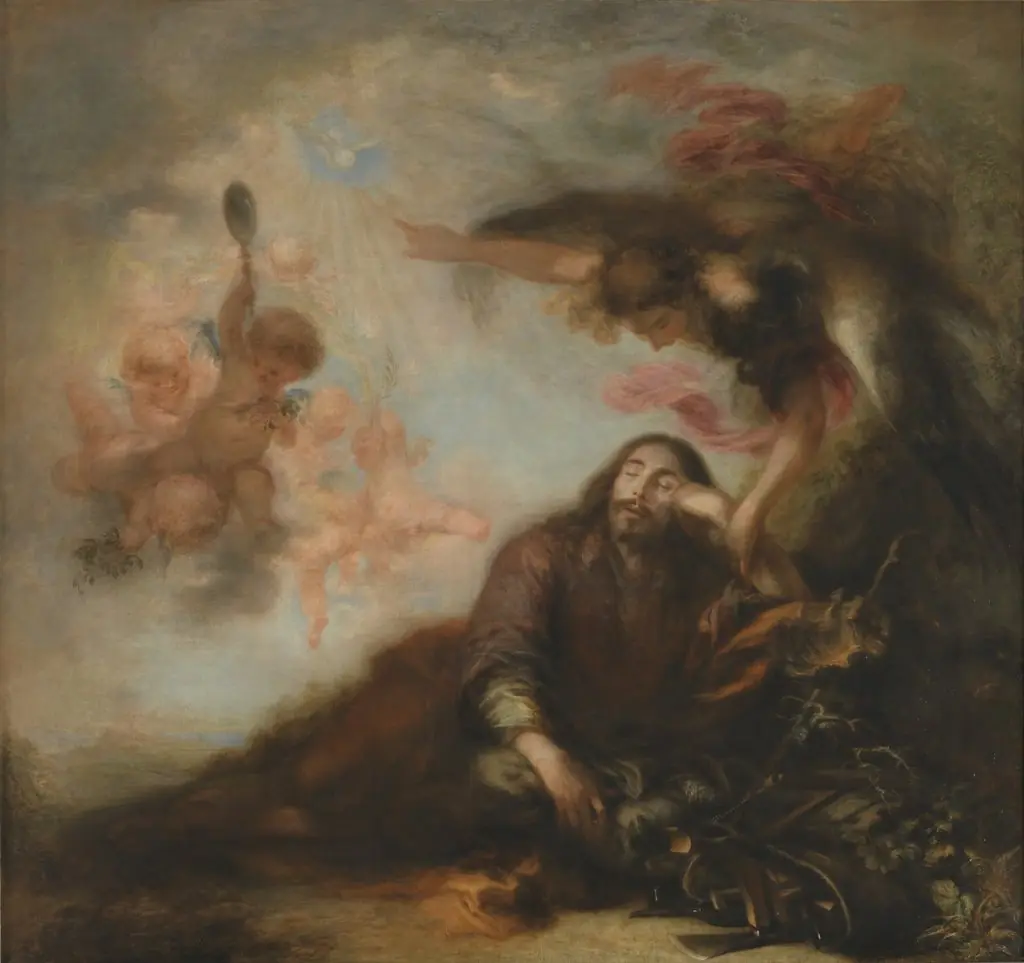 The Dream of Saint Joseph
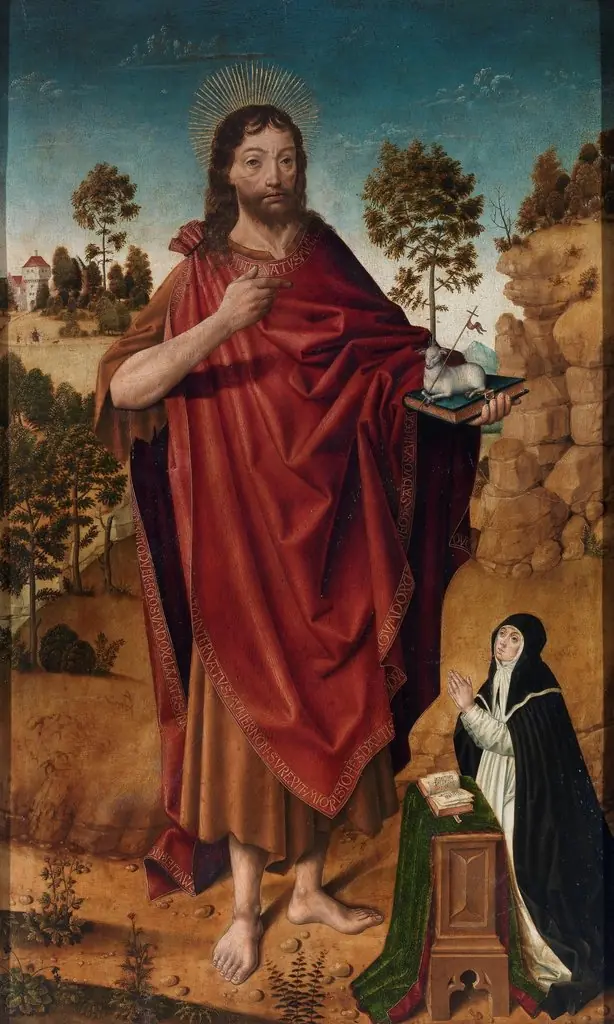 Saint John the Baptist and a Donor
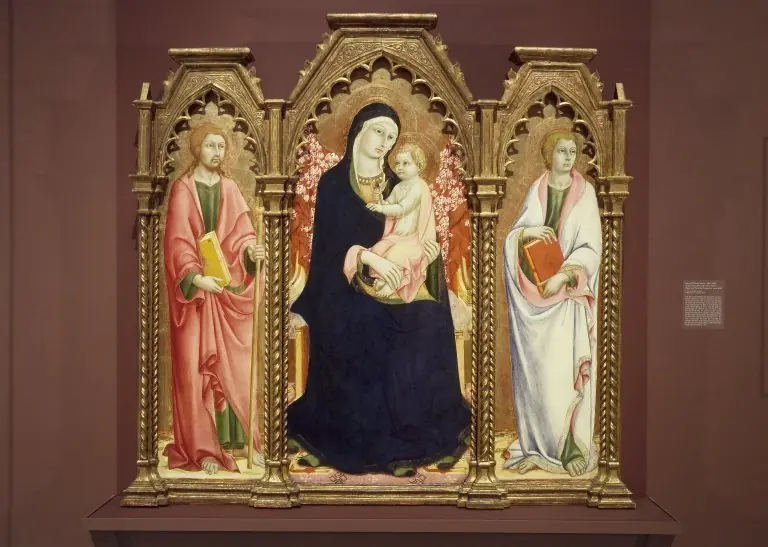 Madonna and Child with Saints James Major and John the Evangelist
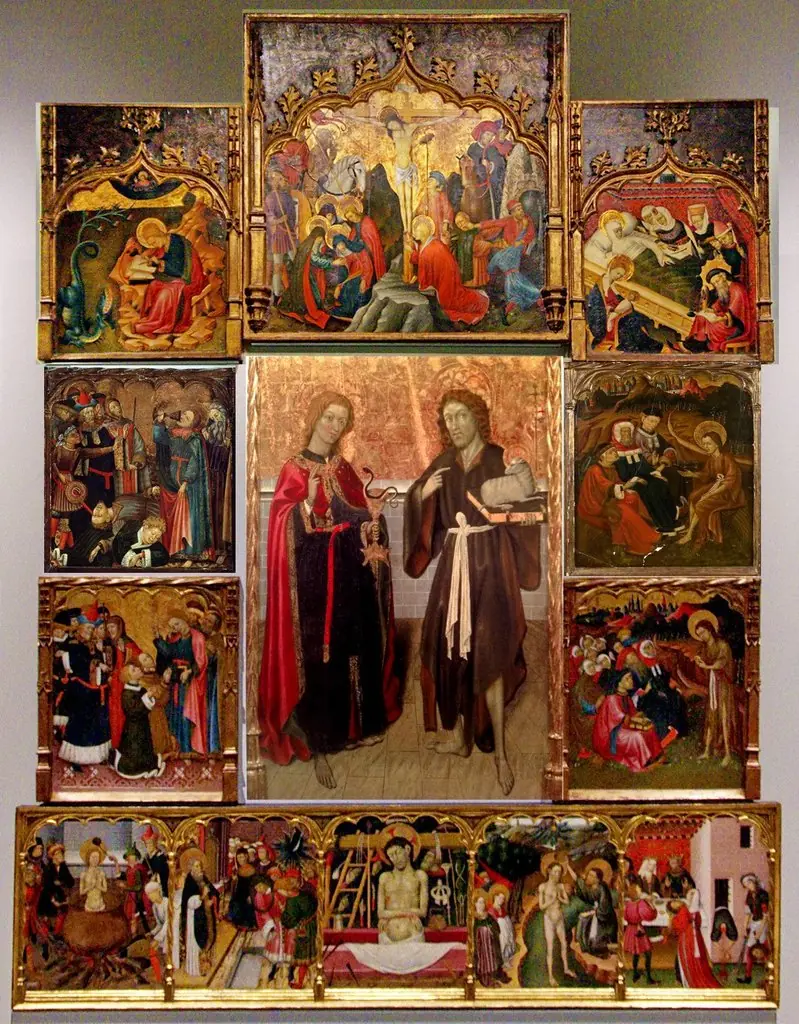 Altarpiece of the Saints John
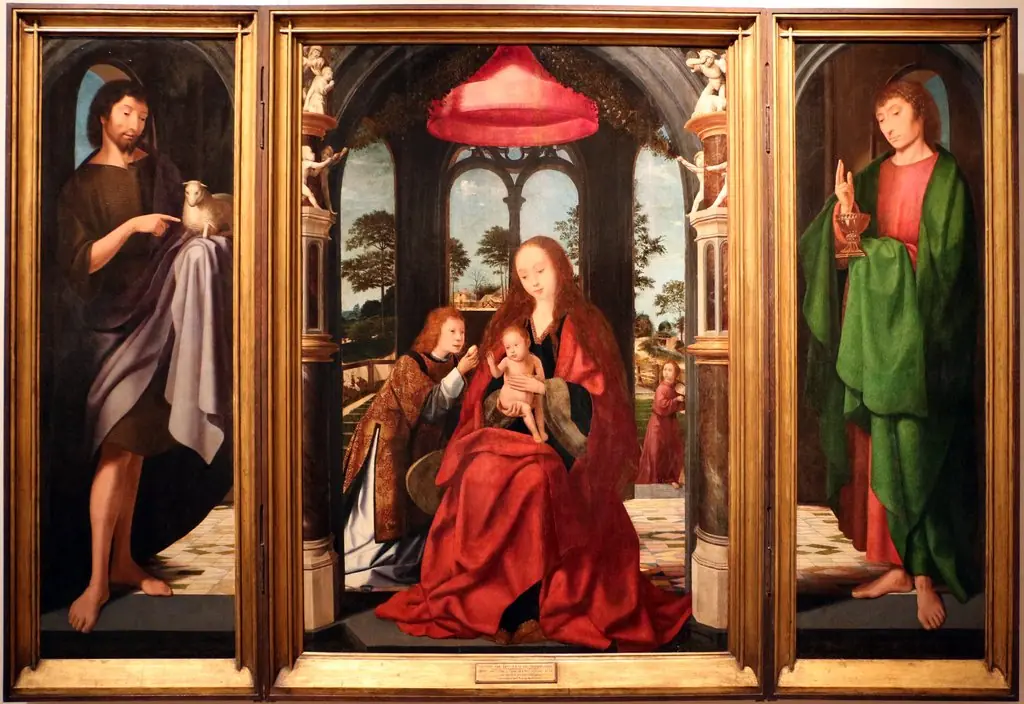 Triptych of the Virgin with the Child and Angels, St. John the Baptist and St. John the Evangelist
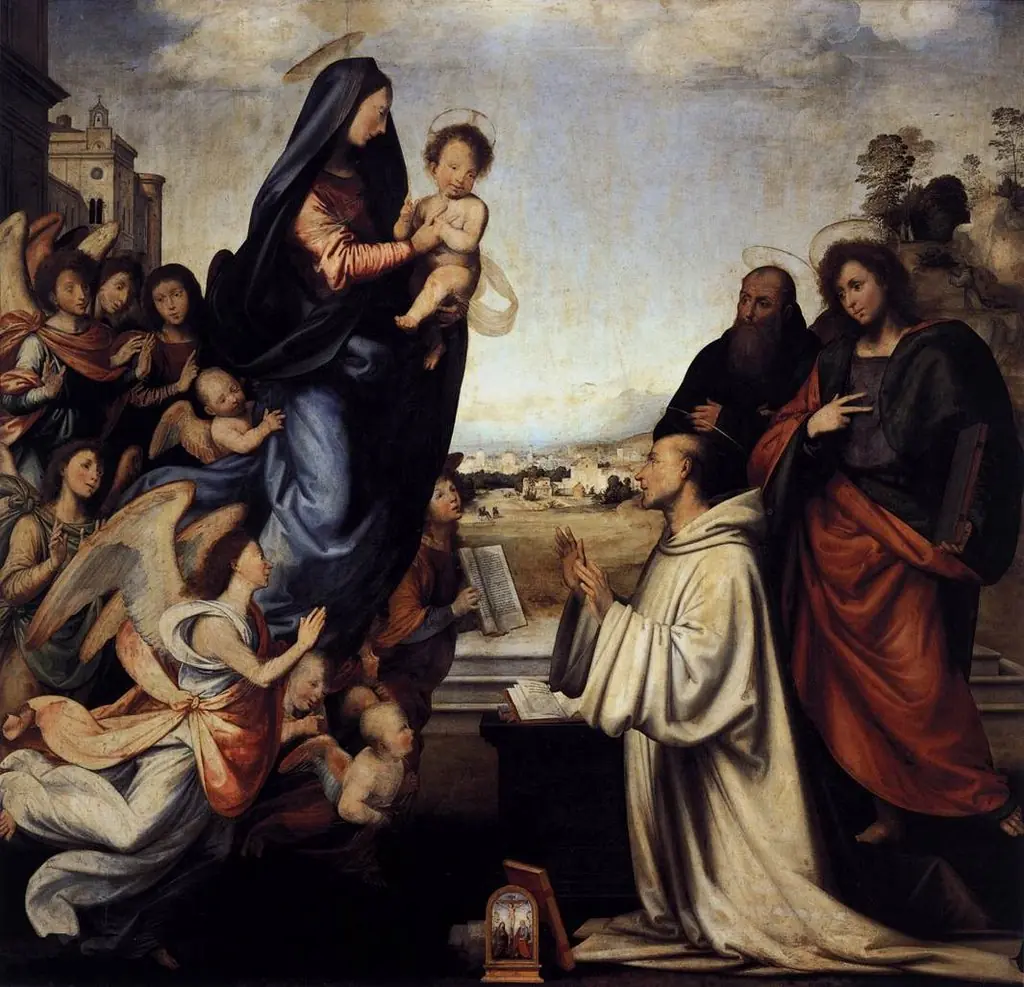 The Vision of Saint Bernard
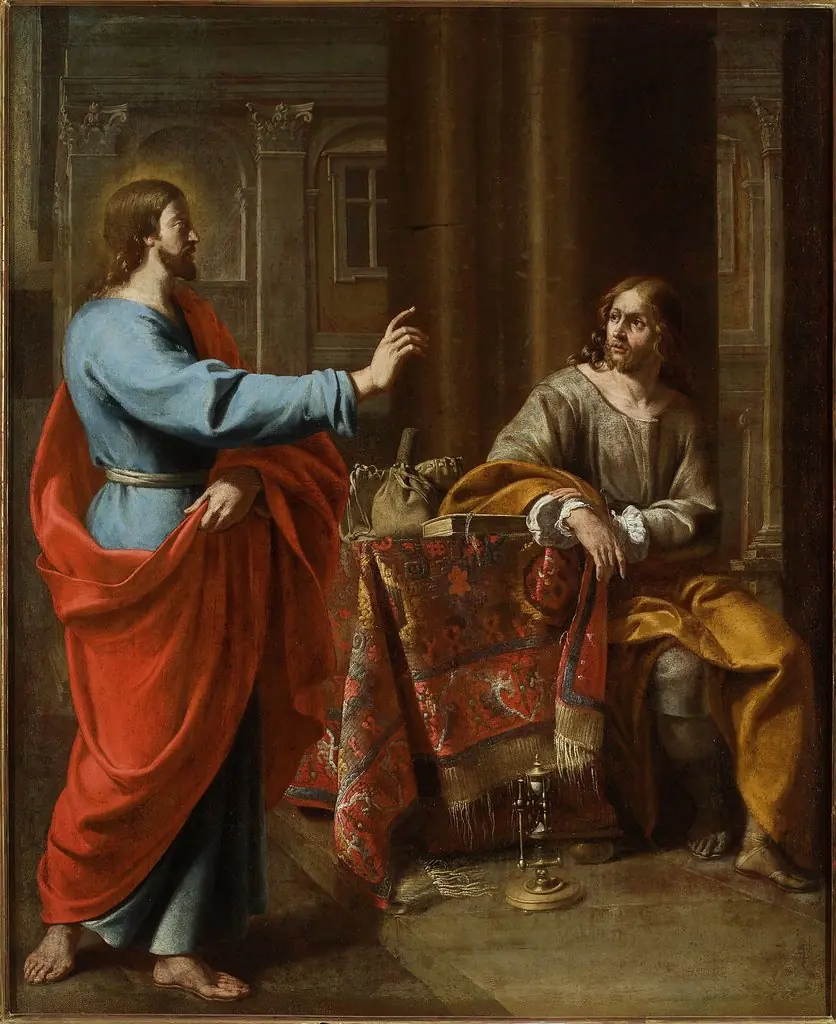 Calling of St. Matthew (Matthew 9:9, Mark 2:14, Luke 5:27-28)
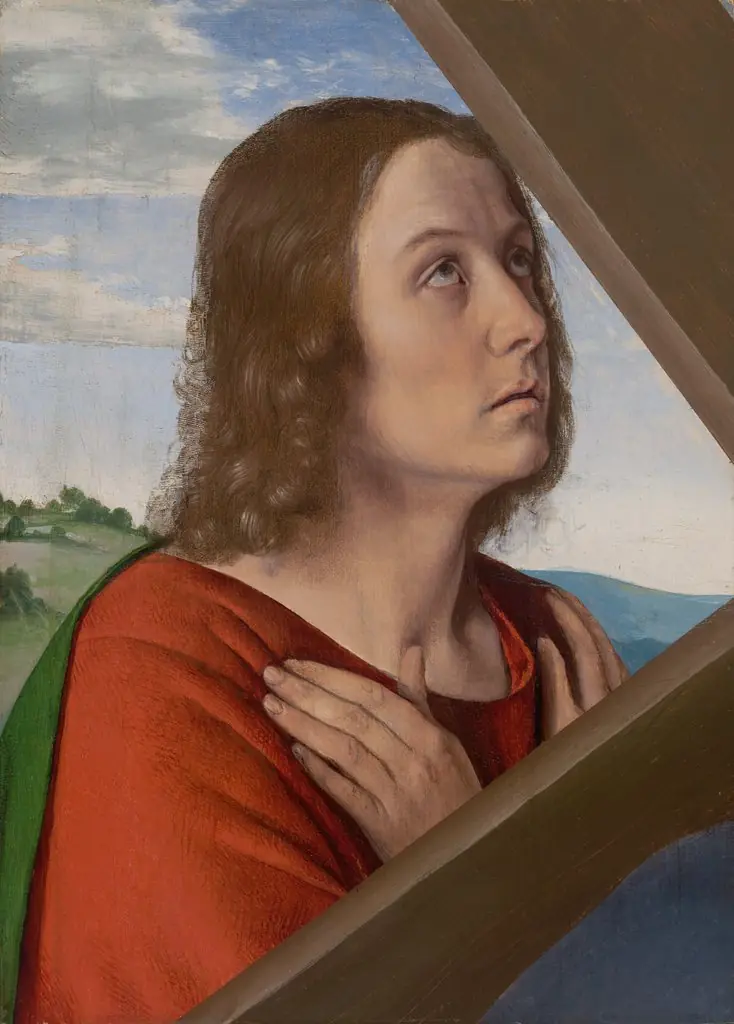 Fragment from Christ Carrying the Cross: Saint John the Evangelist
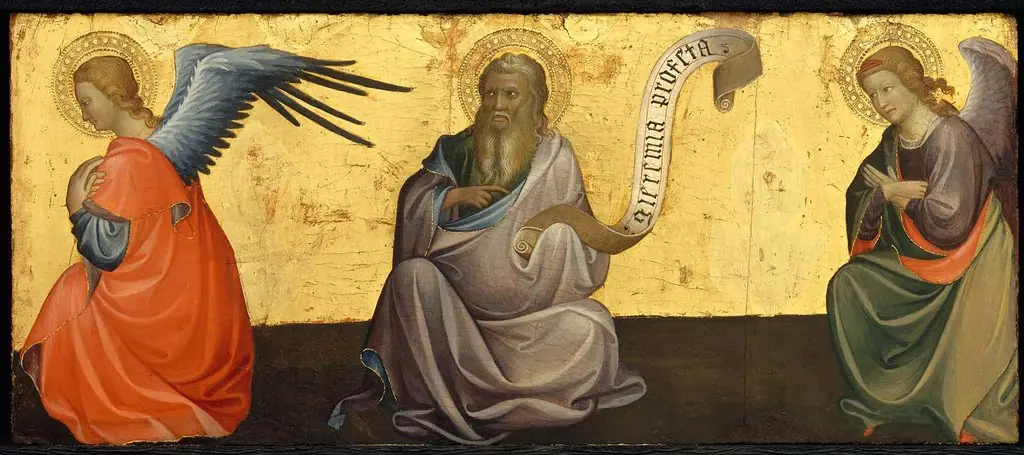 Jeremiah with Two Angels
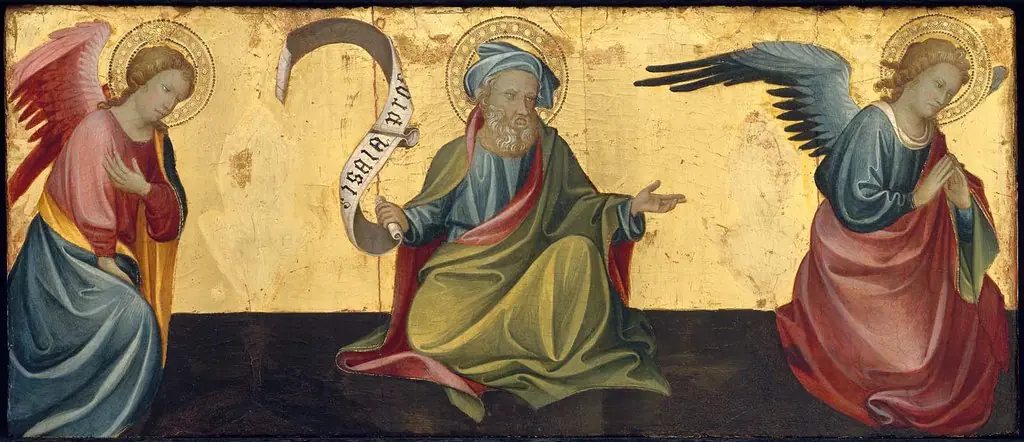 Isaiah with Two Angels
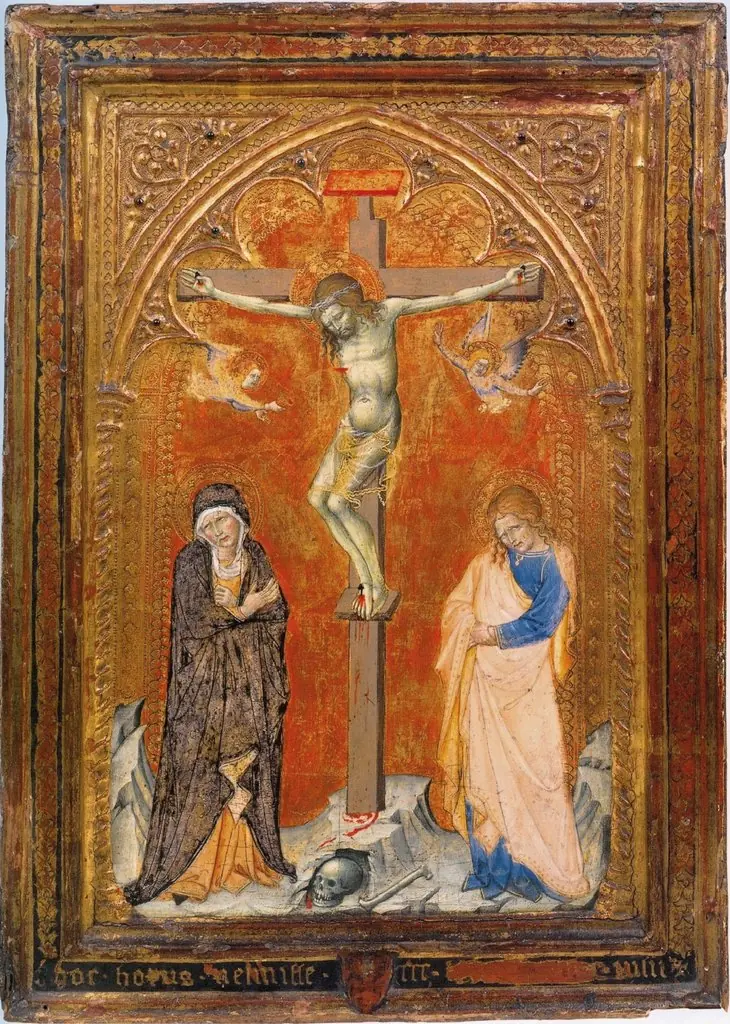 Crucifixion with the Virgin and Saint John the Evangelist
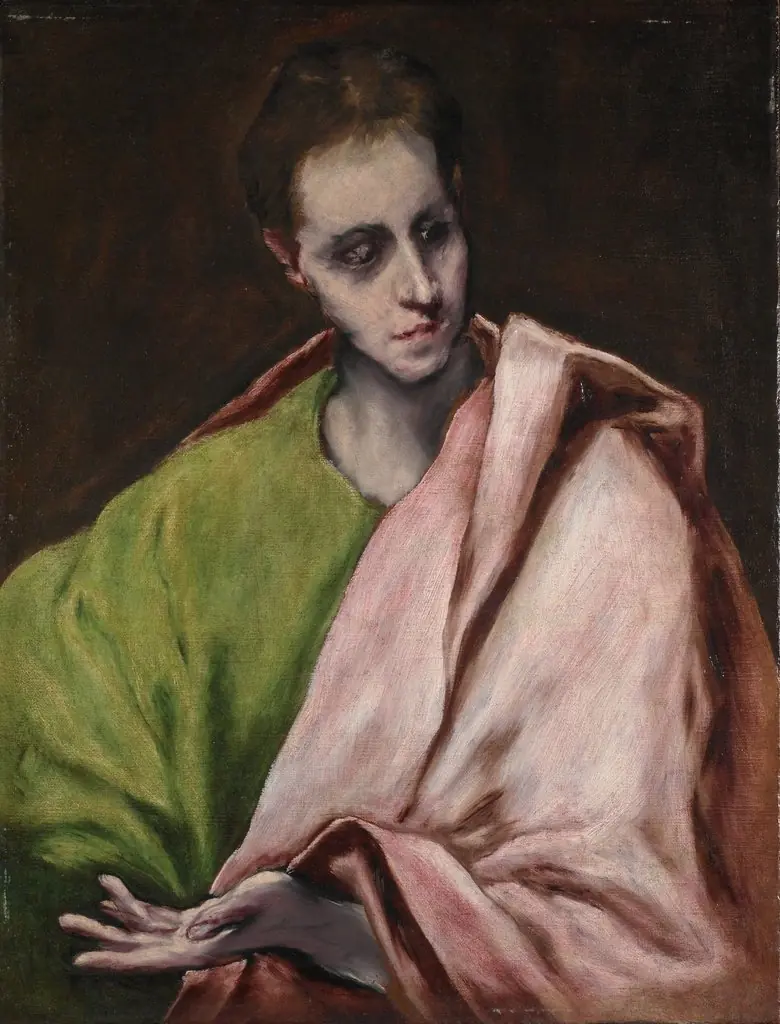 Saint John the Evangelist
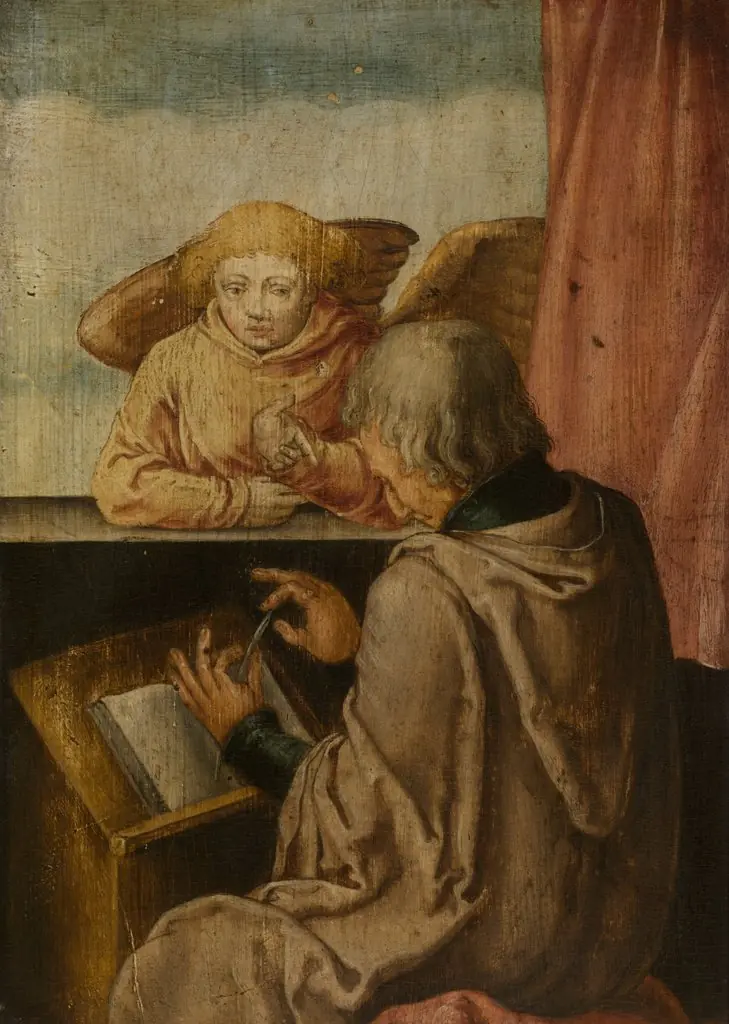 Saint Matthew
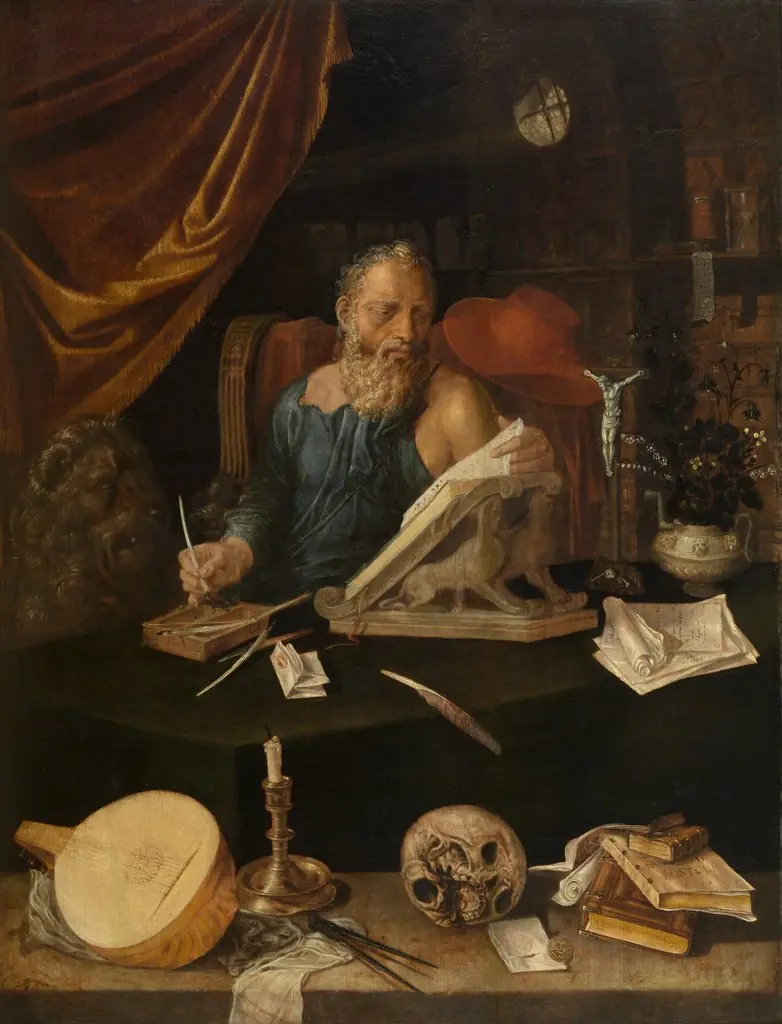 Saint Jerome
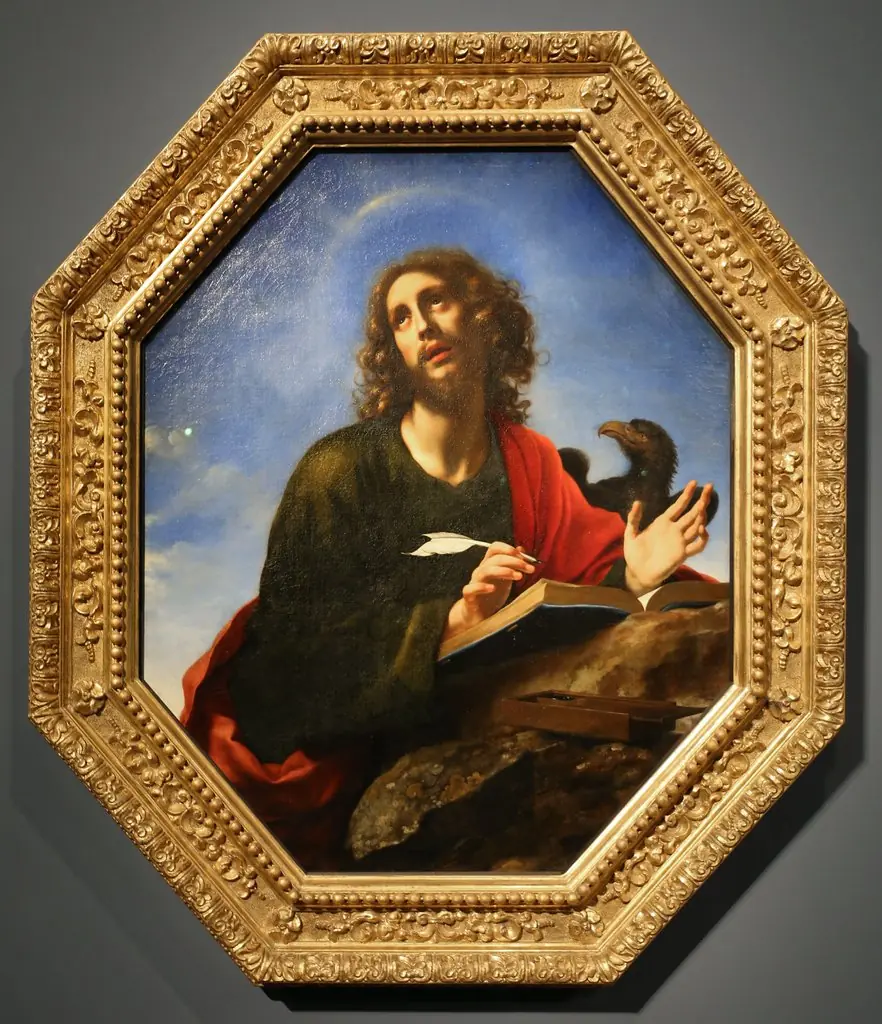 Der Evangelist Johannes
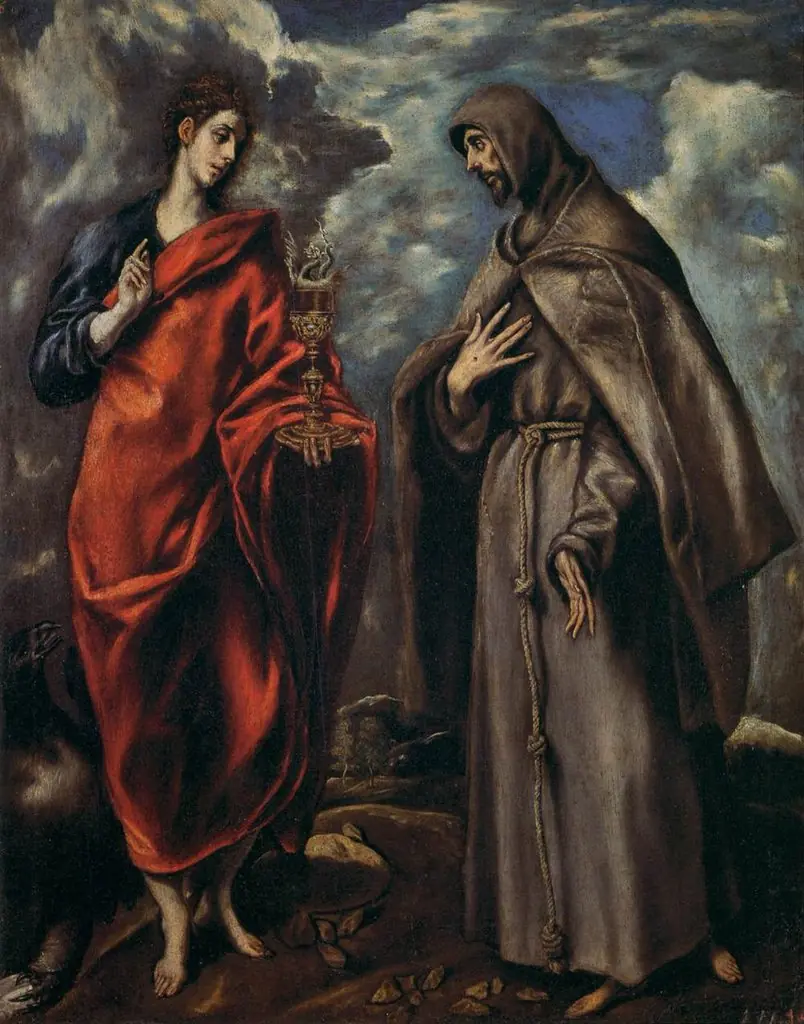 Saint John the Evangelist and Saint Francis
 St Bartholomew
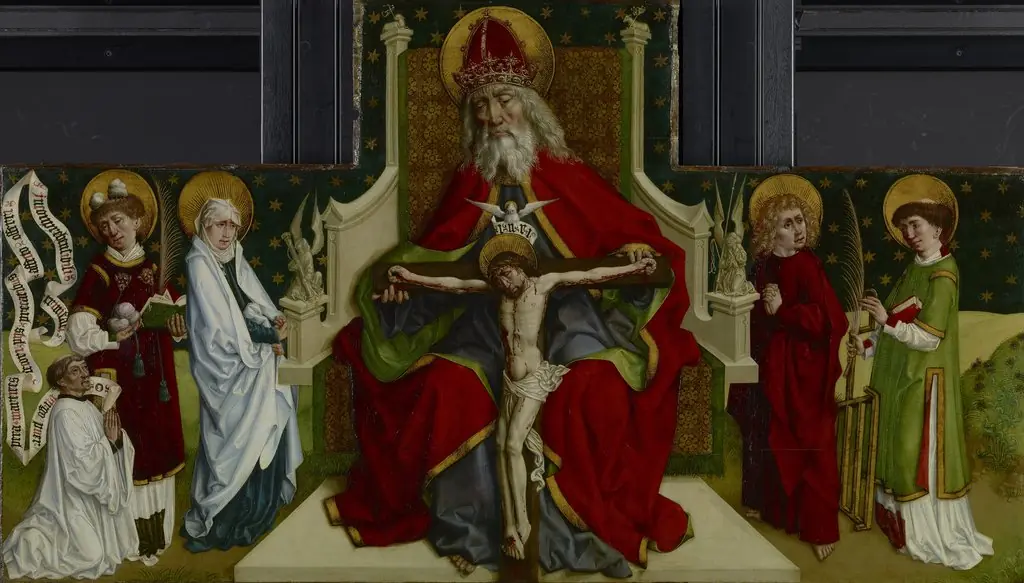 The Trinity with the Virgin, Saints John the Evangelist, Stephen and Lawrence and a Donor
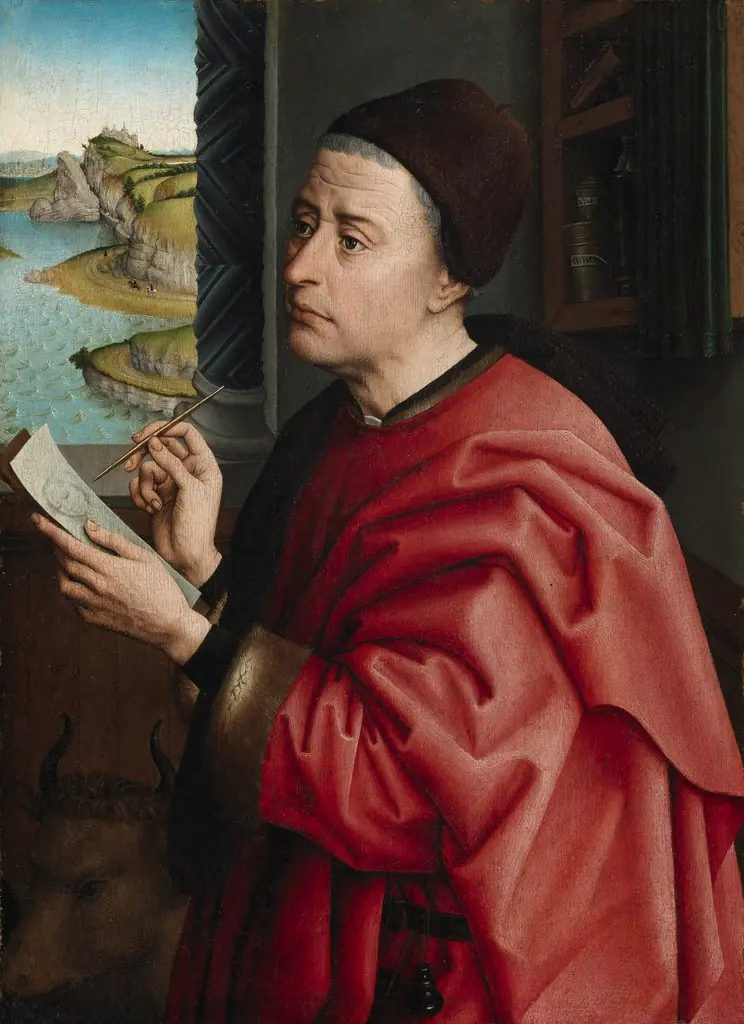 Saint Luke Portraying the Virgin
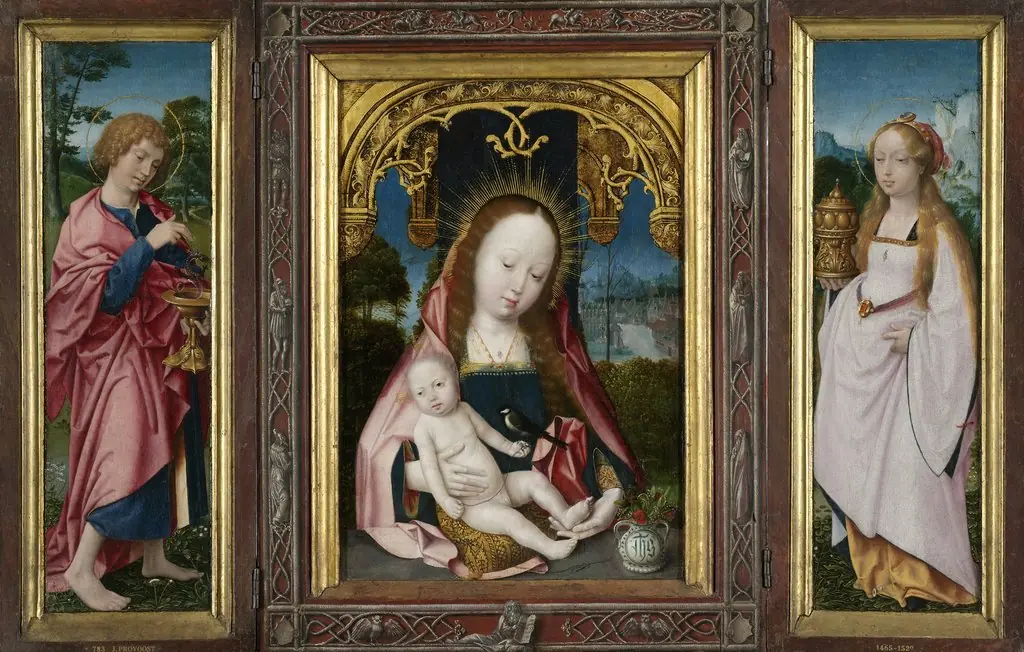 Triptych with the Virgin and Child (centre panel), St John the Evangelist (inner left wing) and Mary Magdalen (inner right wing)
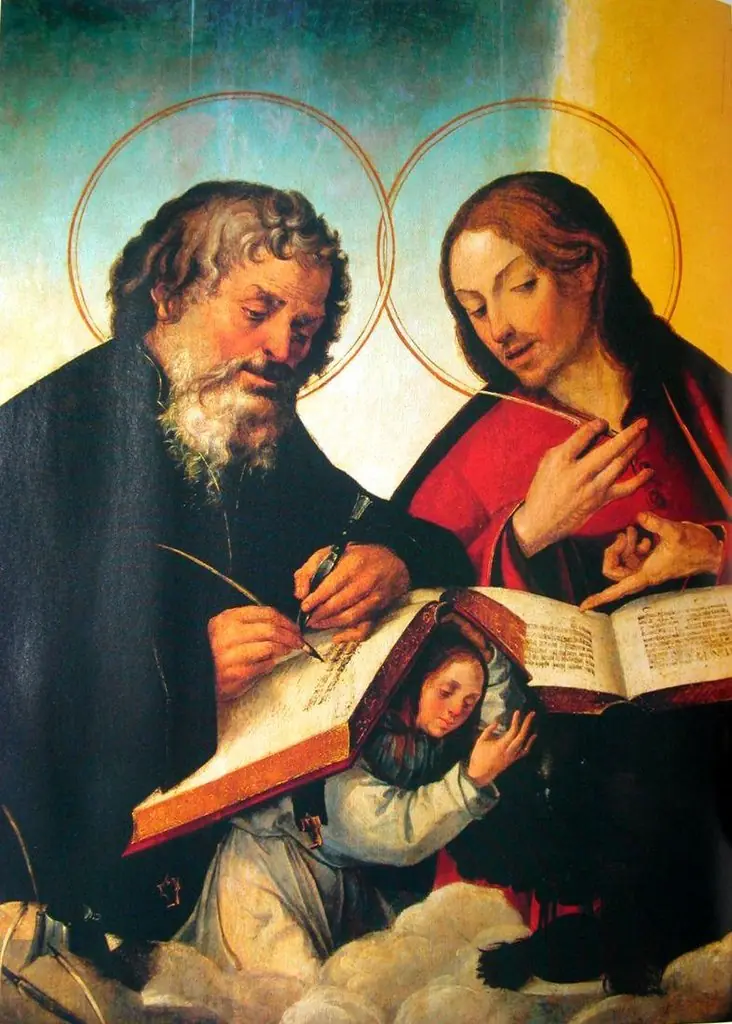 São Mateus e São João Evangelista
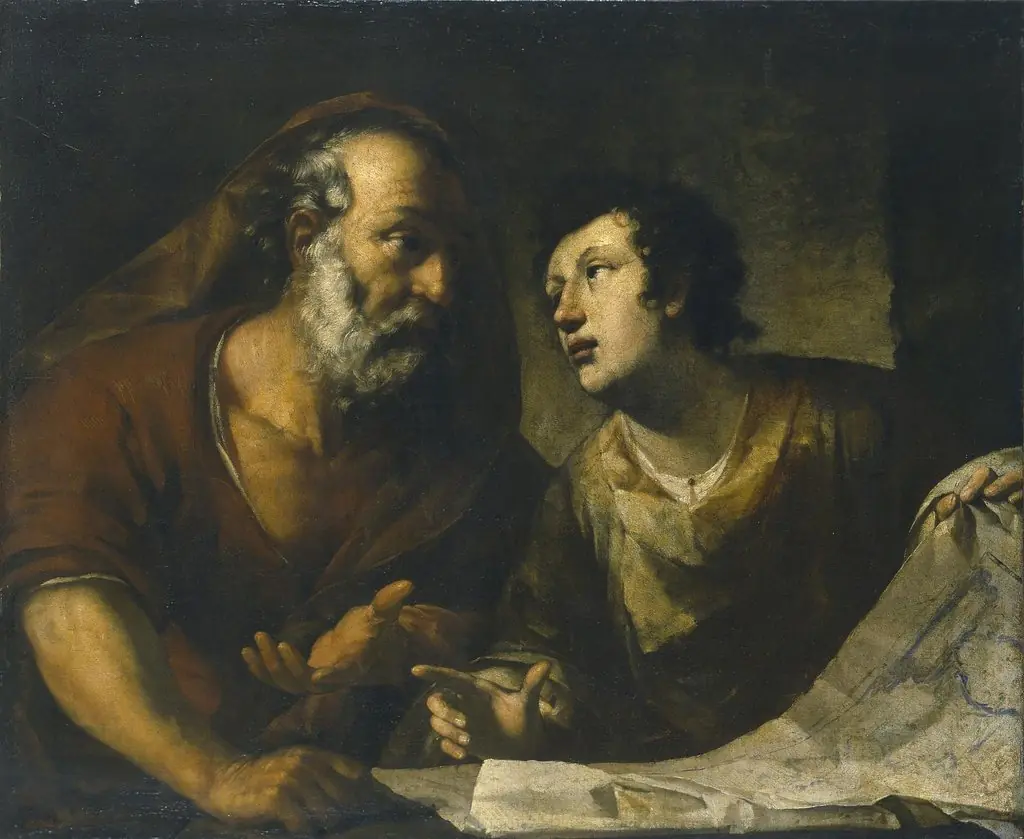 Geographer
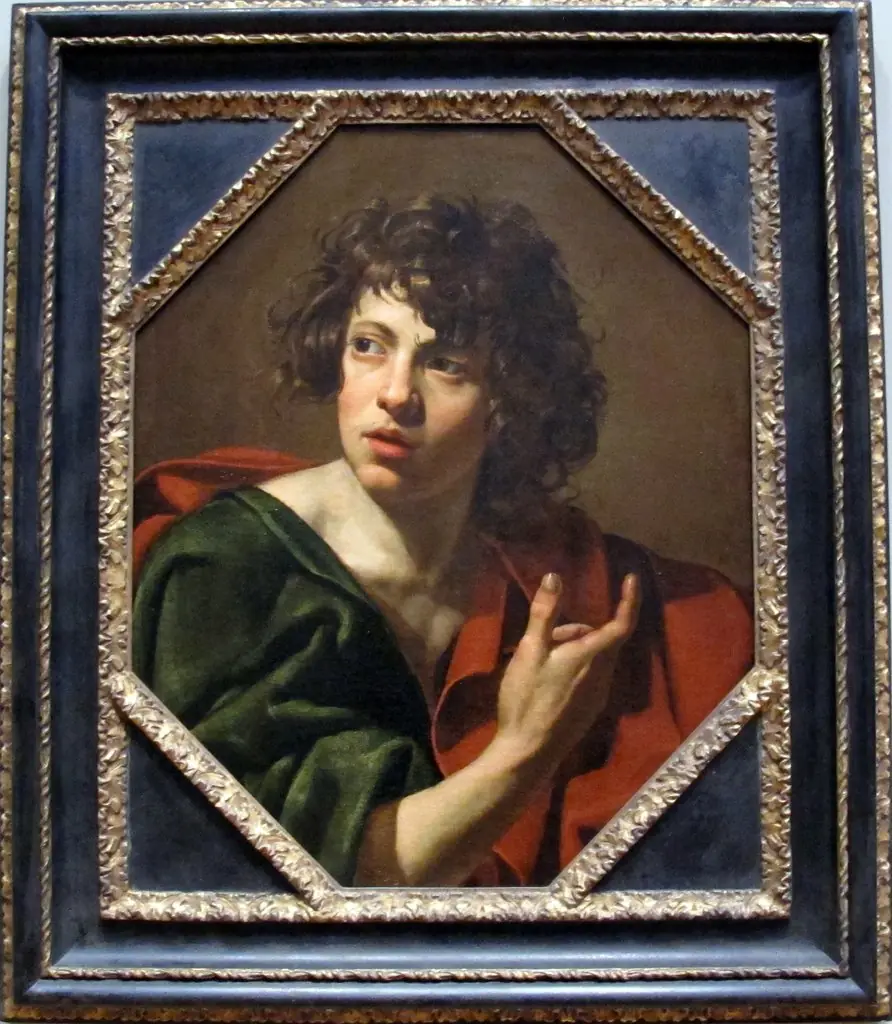 Saint John
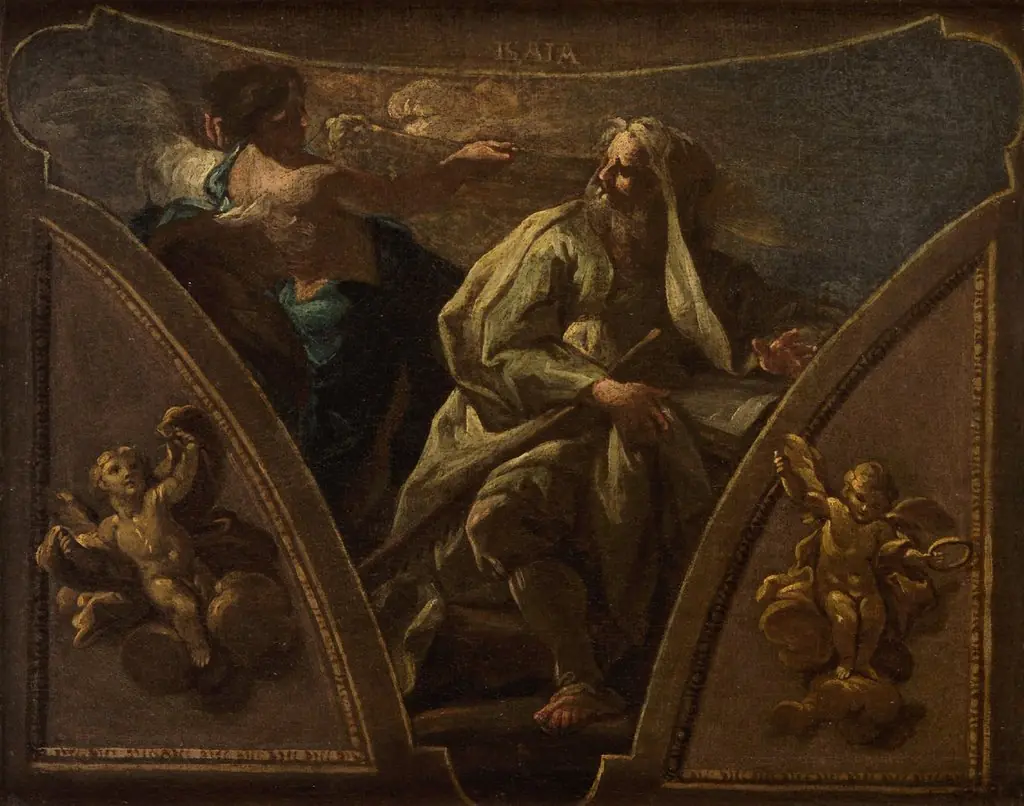 Der Propheten Jesaias
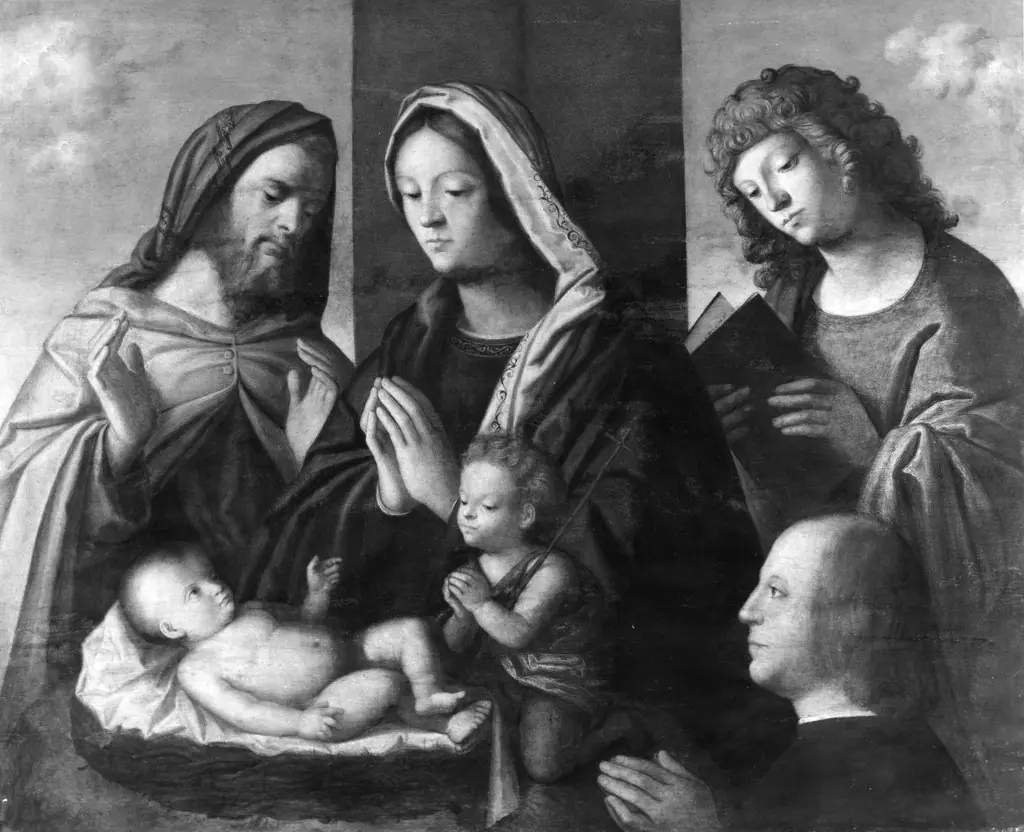 The Holy Family with the Young St. John the Baptist, St. John the Evangelist, and a Donor
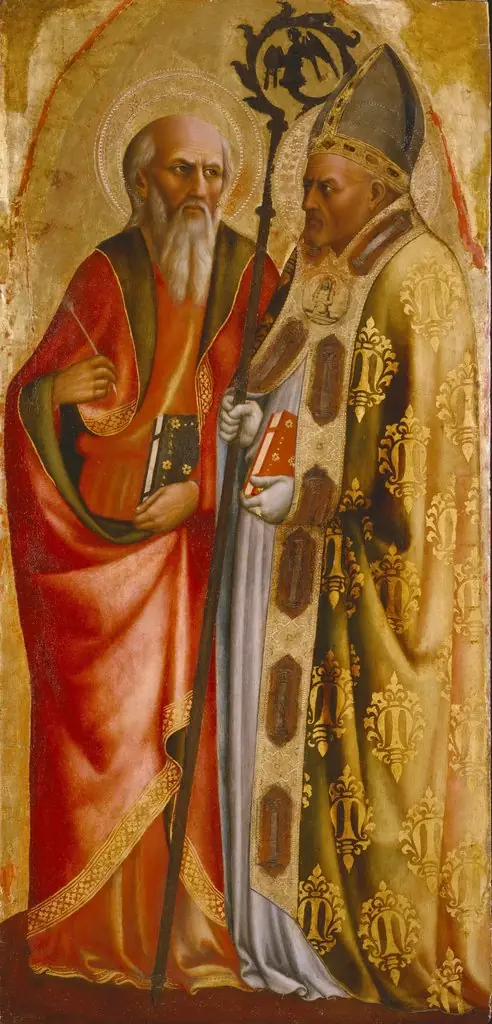 Saints John the Evangelist(?) and Martin of Tours
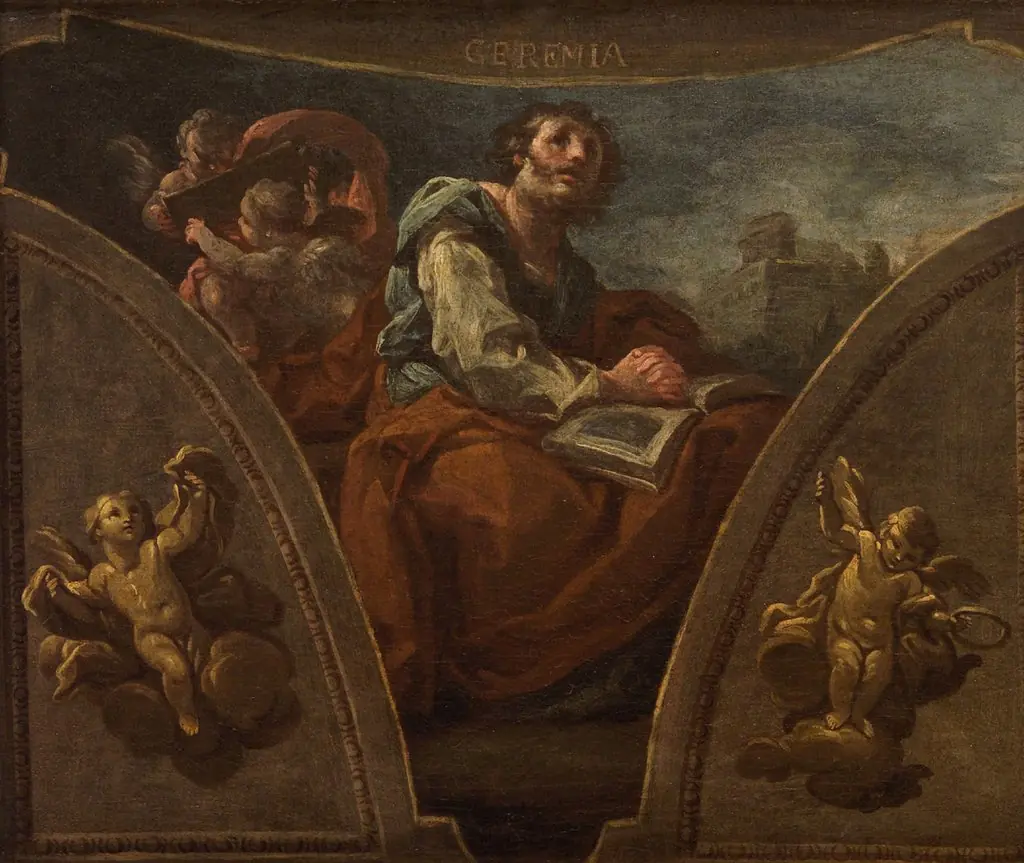 Der Prophet Jeremias
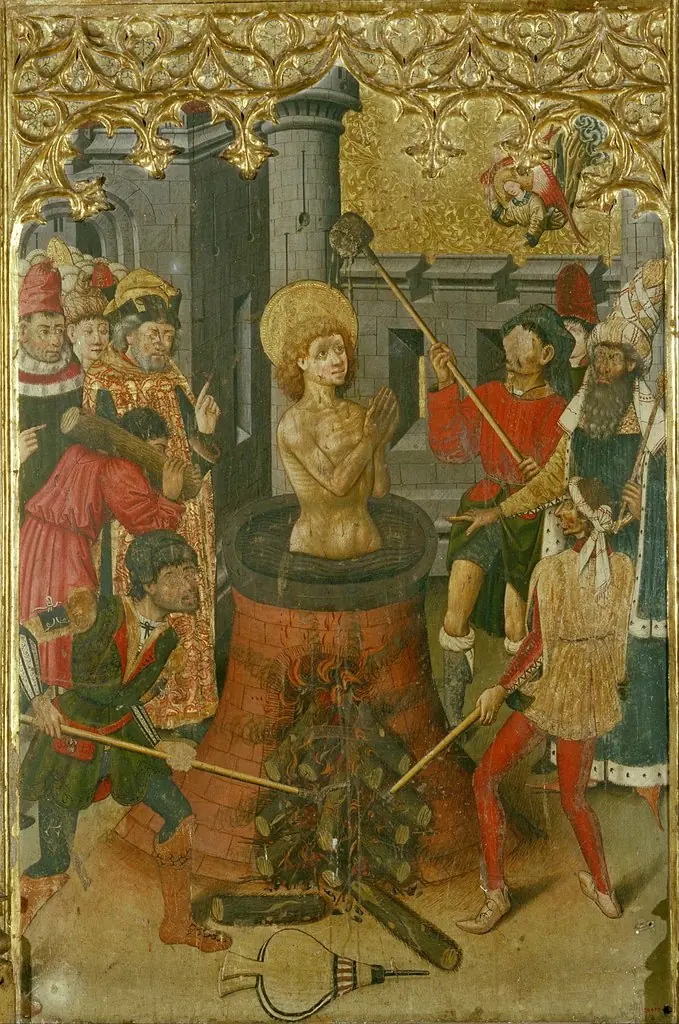 Martyrdom of Saint John the Evangelist
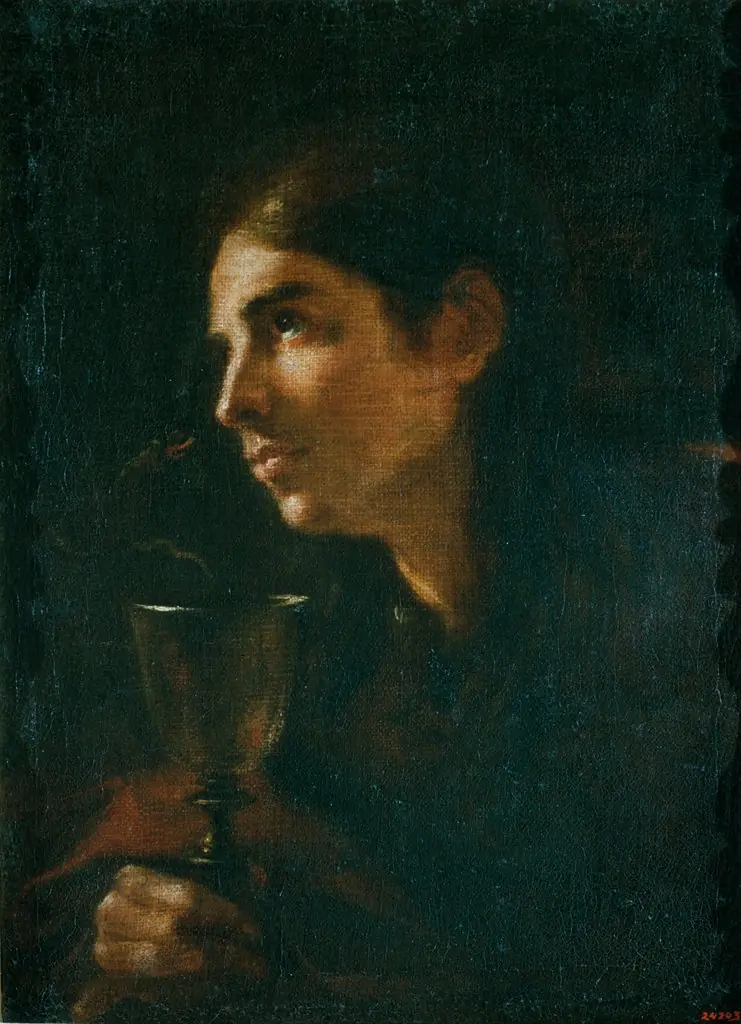 Saint John the Evangelist
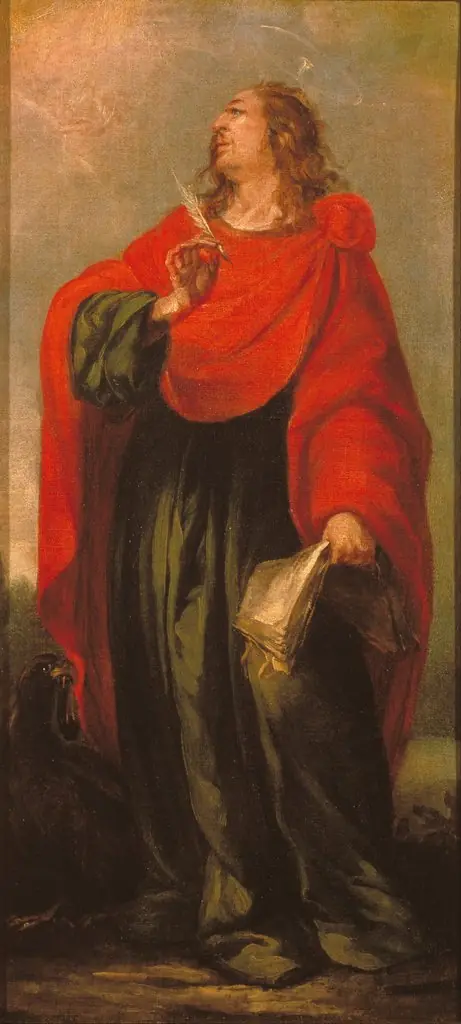 Saint John the Evangelist
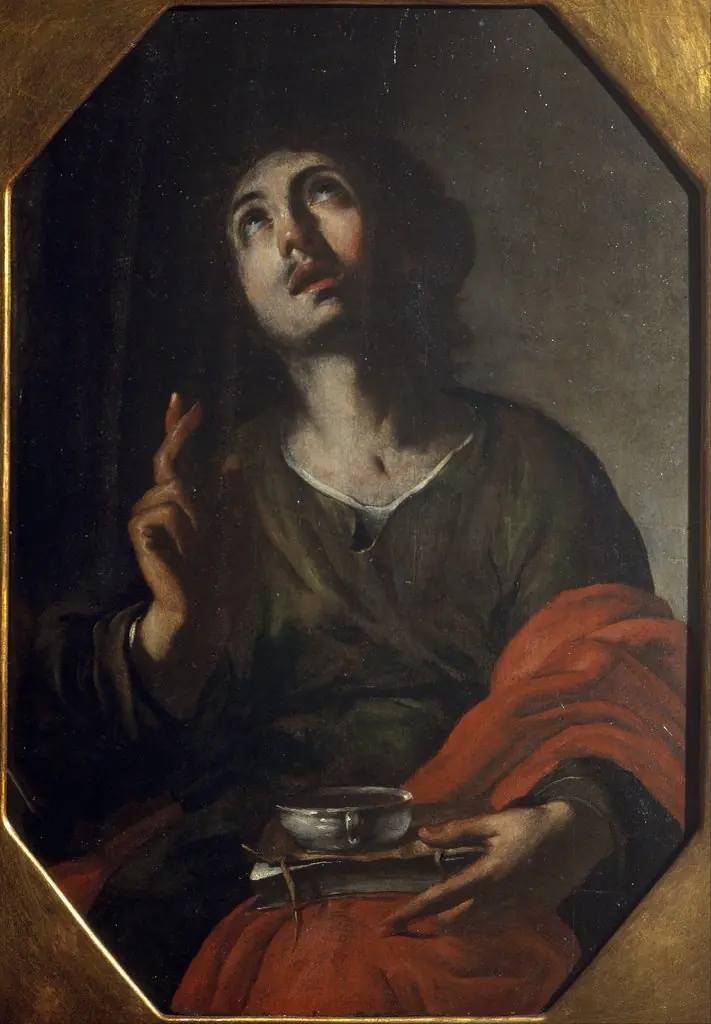 Saint John the Evangelist
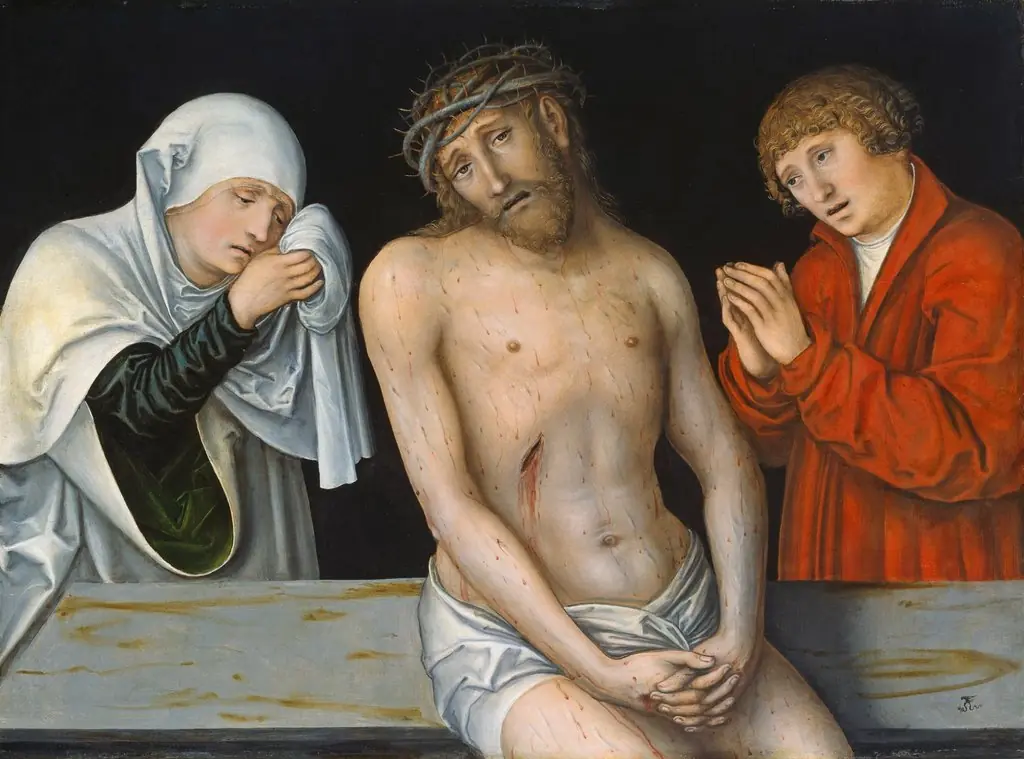 Man of Sorrows flanked by the Virgin and St John
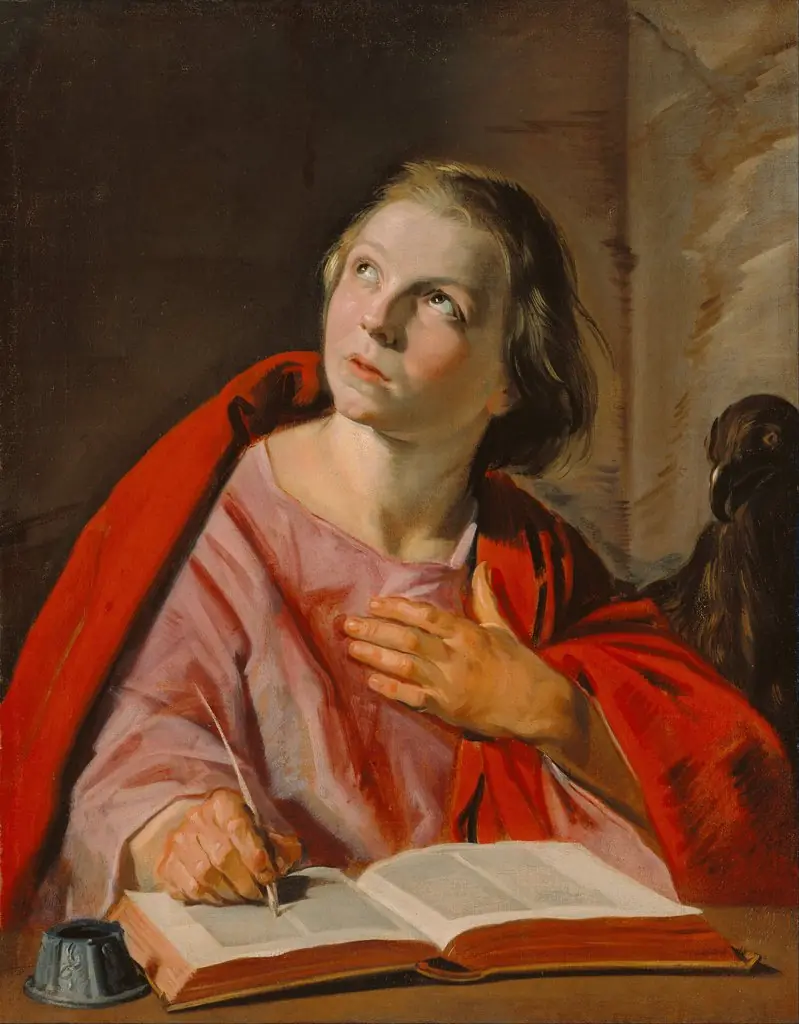 Saint John the Evangelist
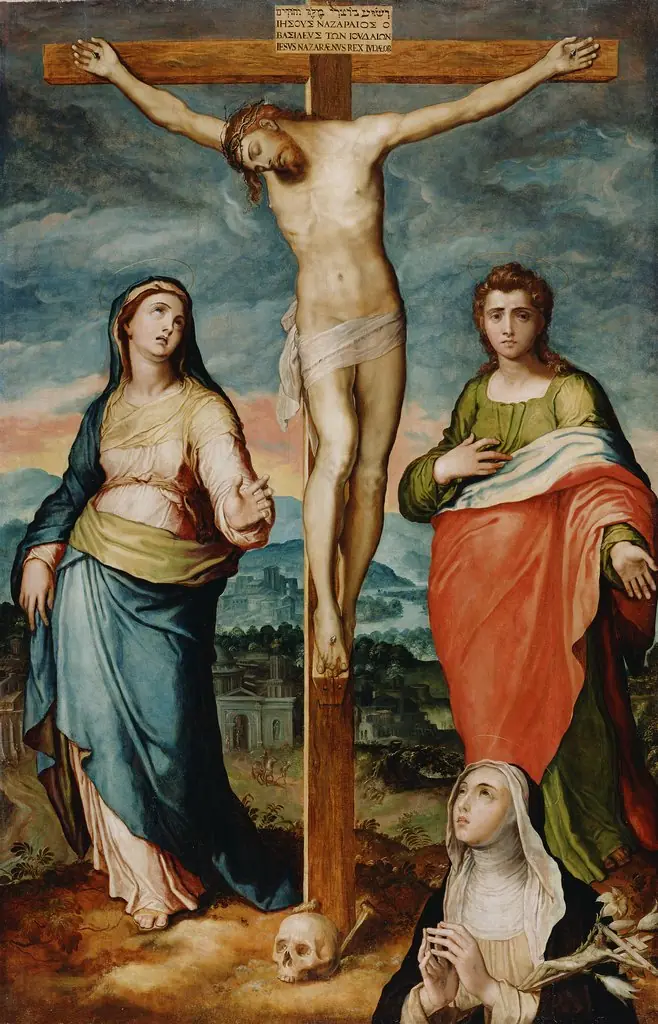 Christ on the Cross with Saints Mary, John the Evangelist and Catherine of Siena
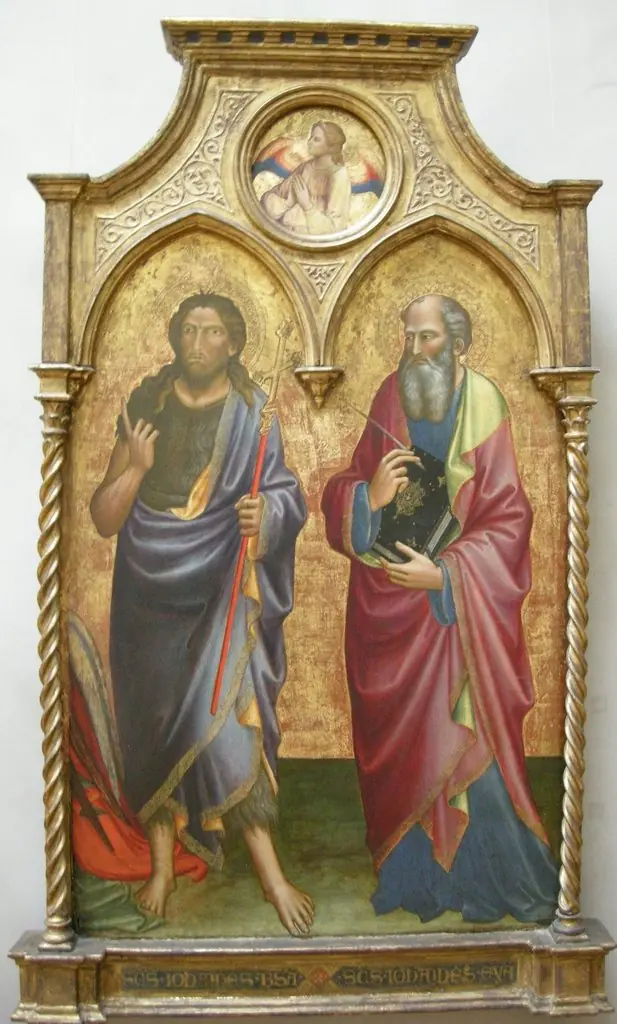 Saints John the Baptist and John the Evangelist
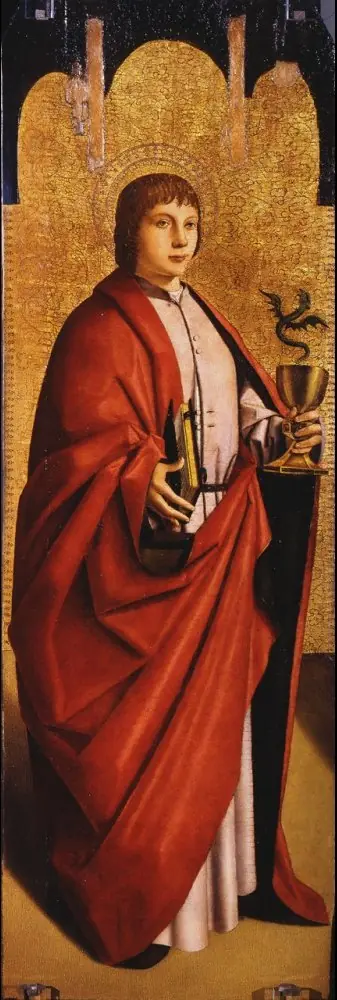 Saint John the Evangelist
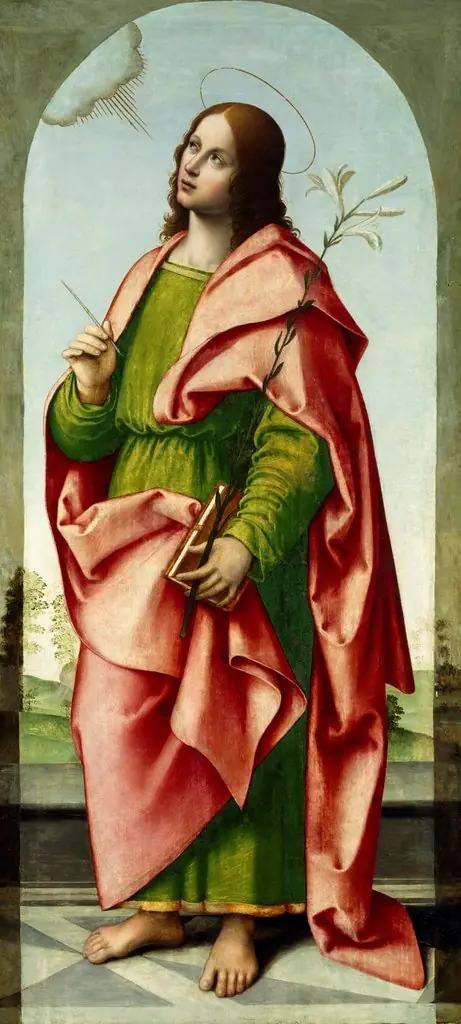 Saint John the Evangelist
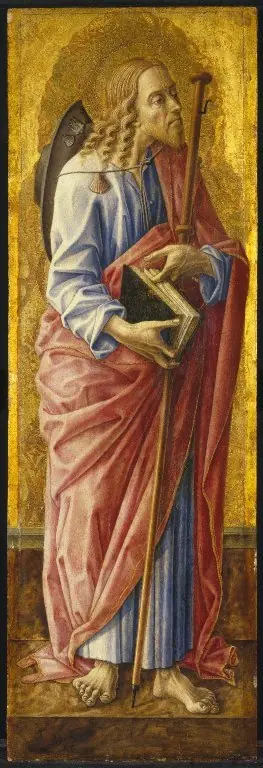 Saint James the Great
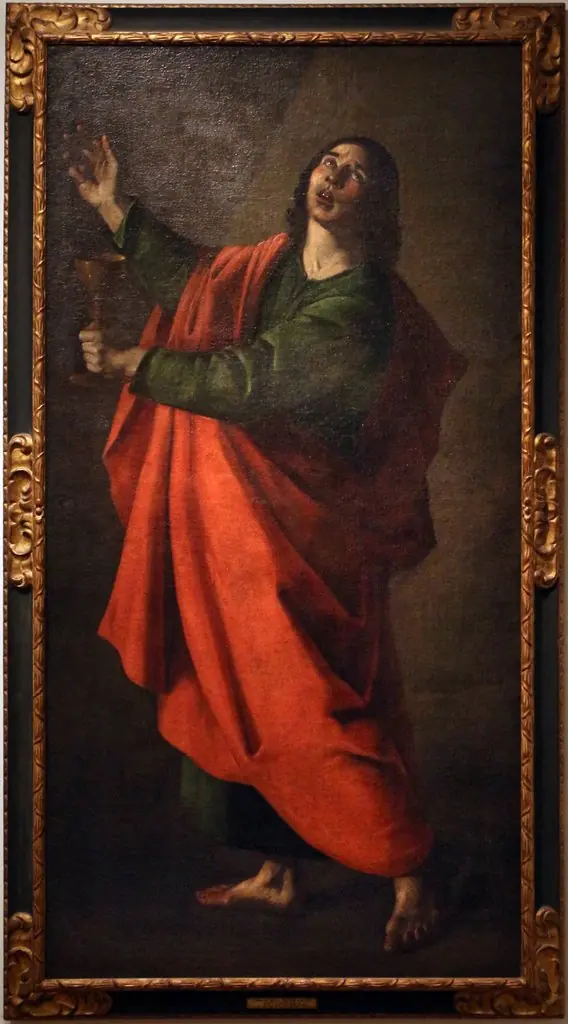 Saint John the Evangelist
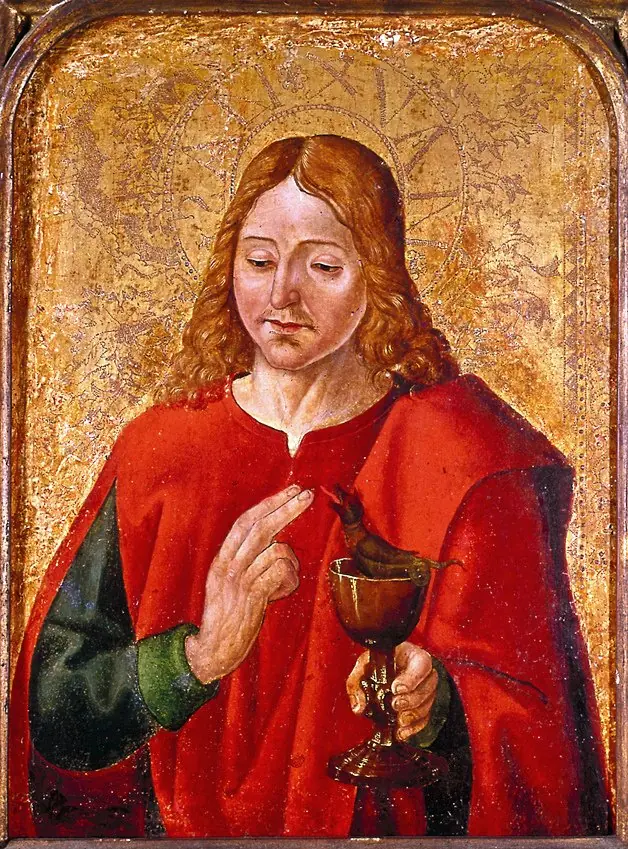 Saint John the Evangelist
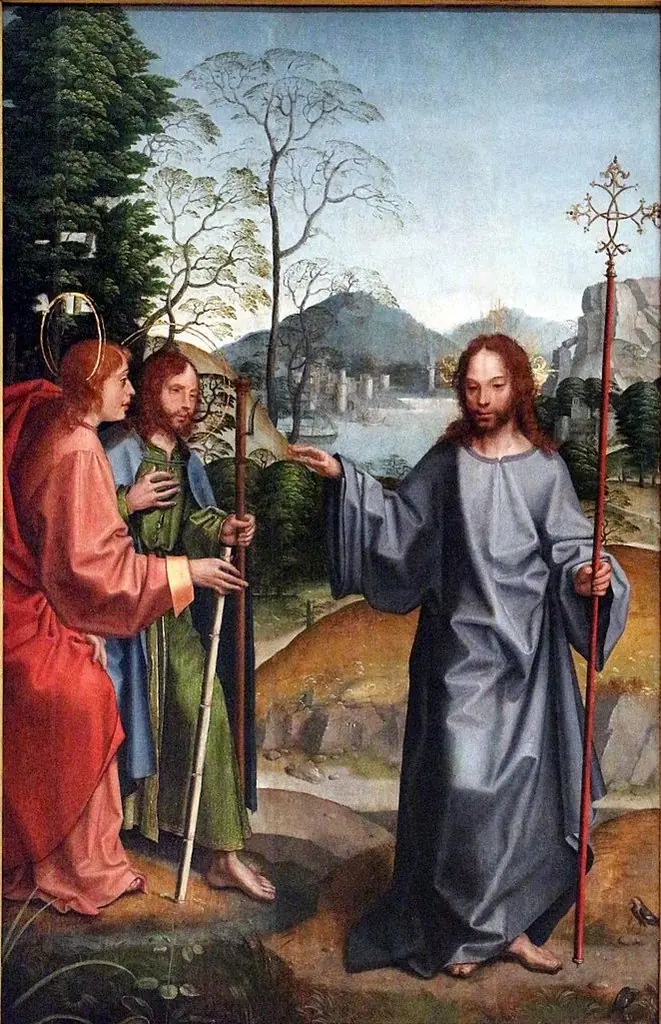 Christ Sends St. John and St. James in Apostolic Mission
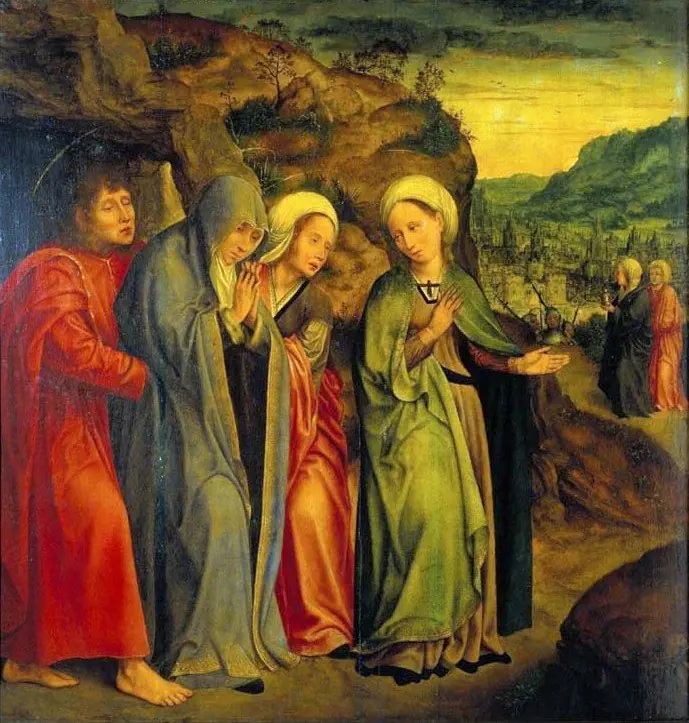 Saint John and the Women at the Tomb of Christ
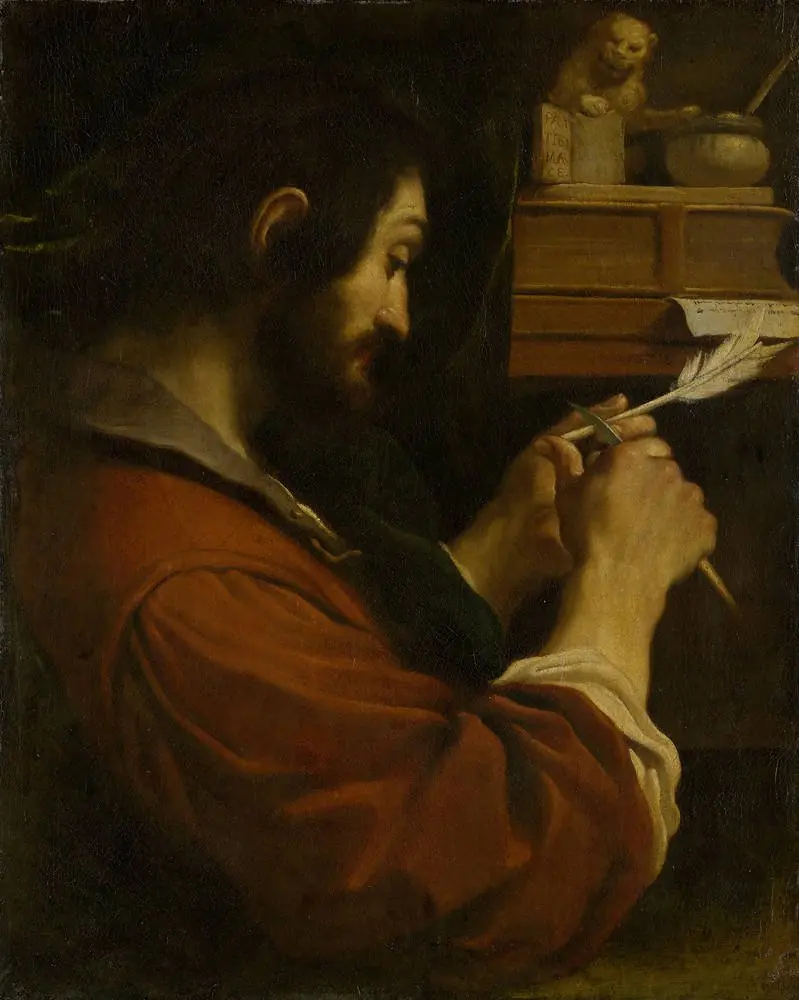 Mark the Evangelist
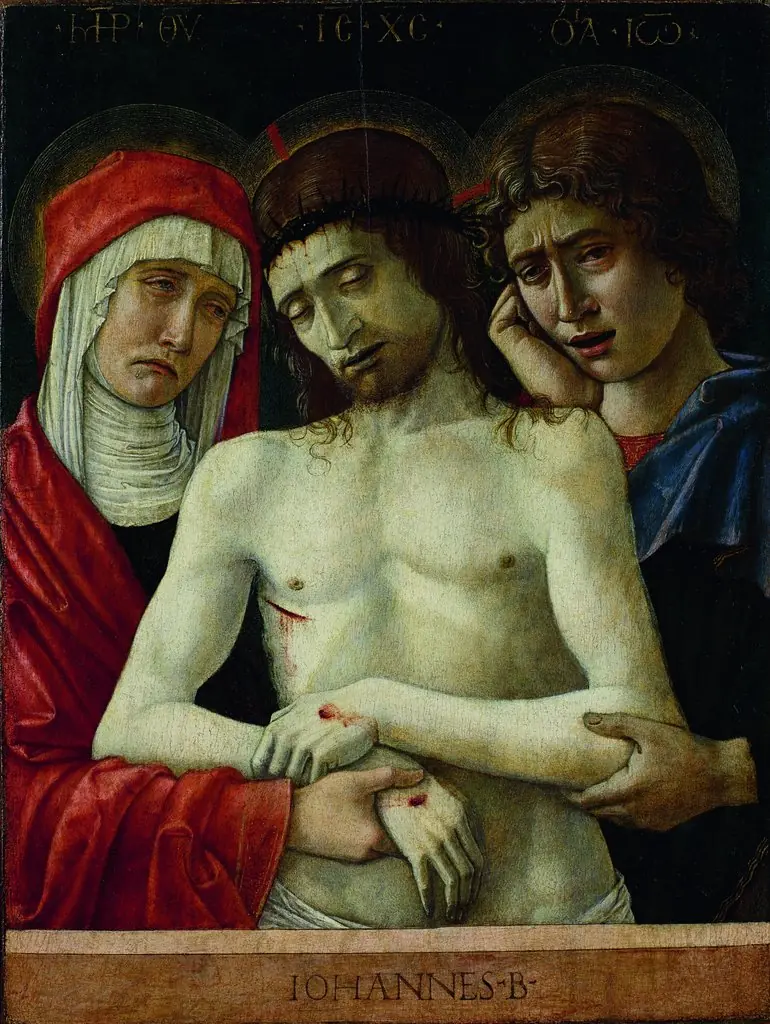 Pietà with Madonna and St. John the Evangelist
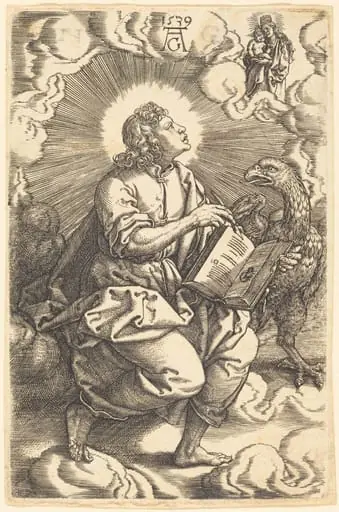 John
John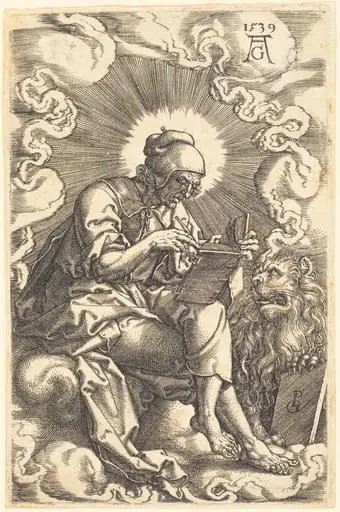 Mark
Mark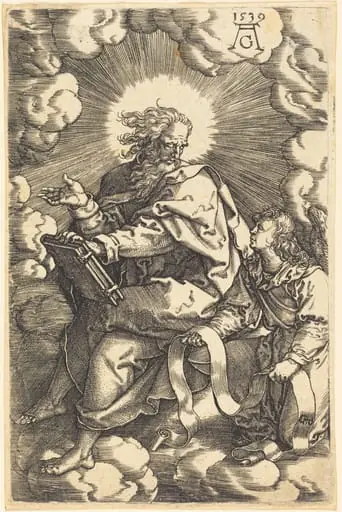 Matthew
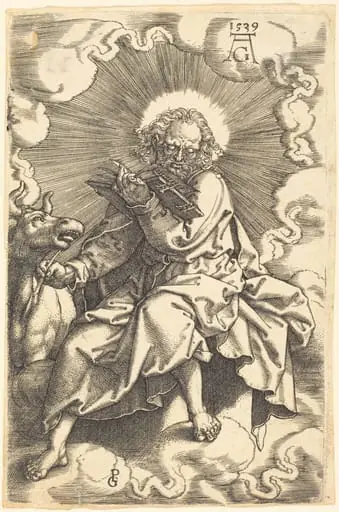 Luke
Luke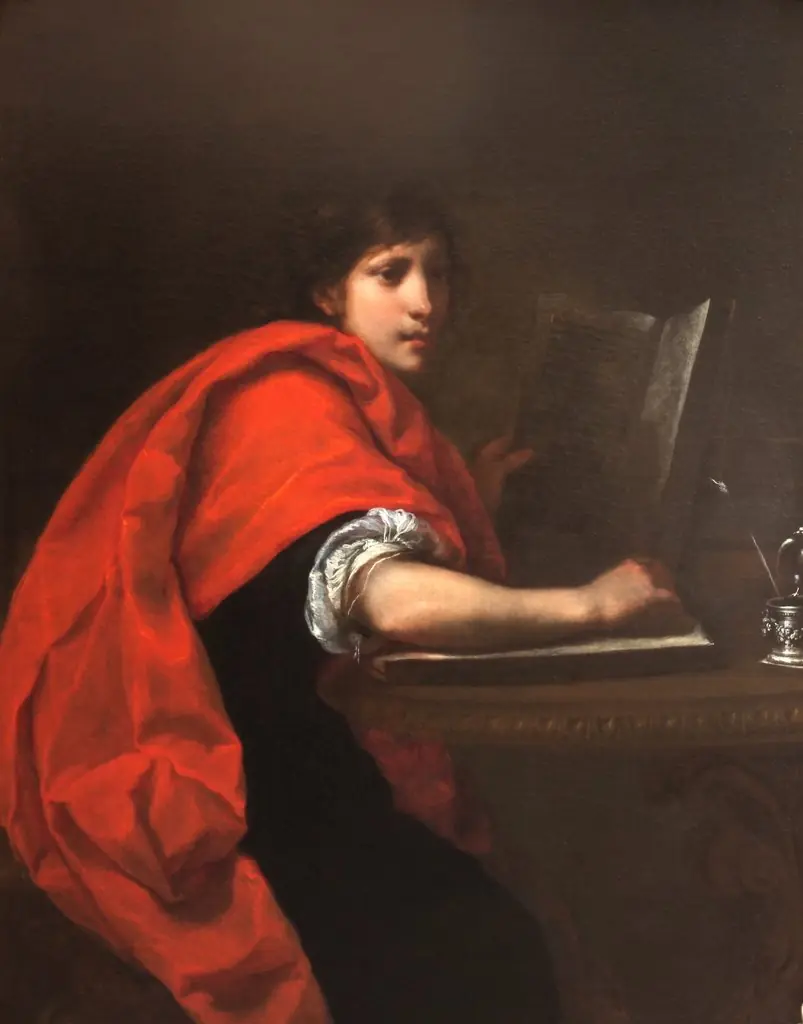 Saint John the Evangelist
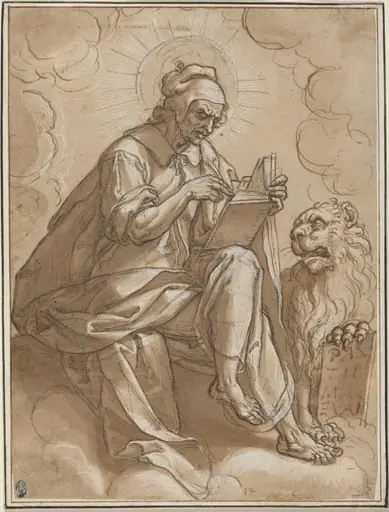 Saint Mark the Evangelist
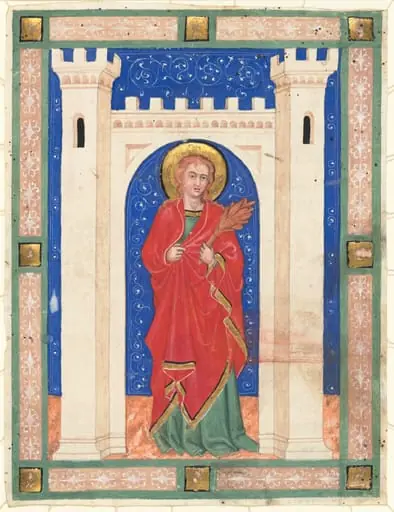 Saint Susanna
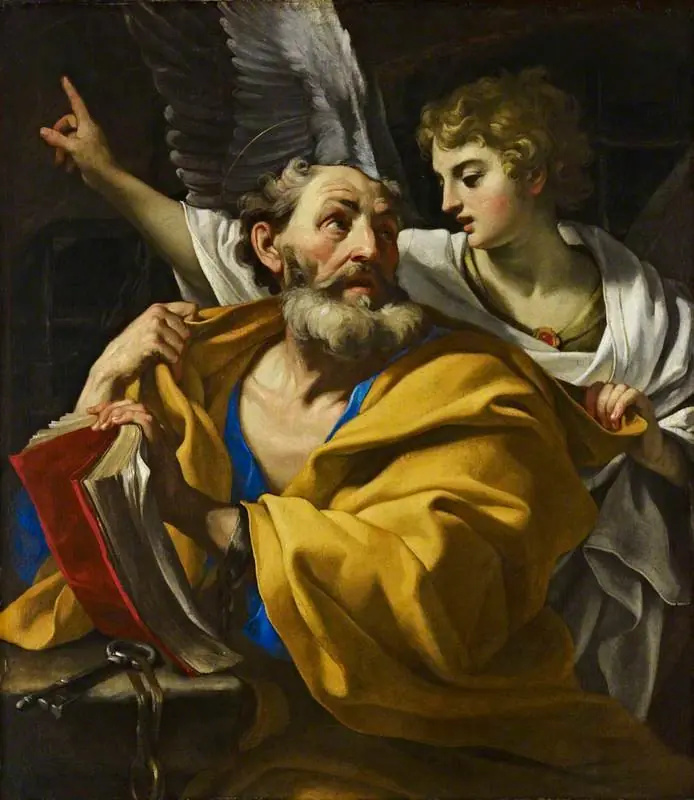 The Deliverance of Saint Peter
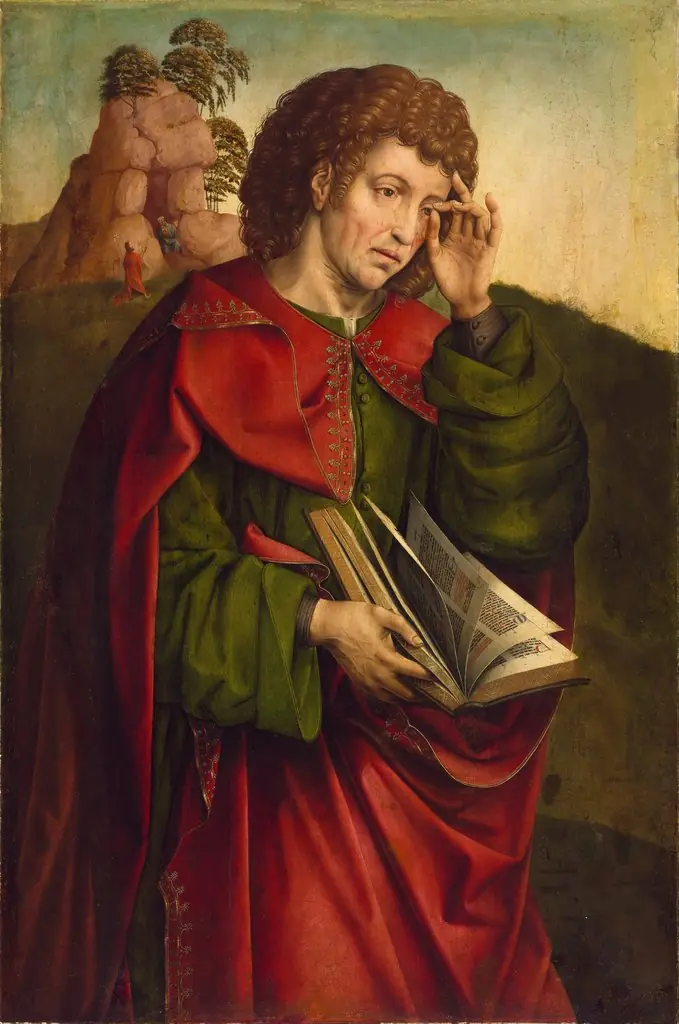 Saint John the Evangelist Weeping
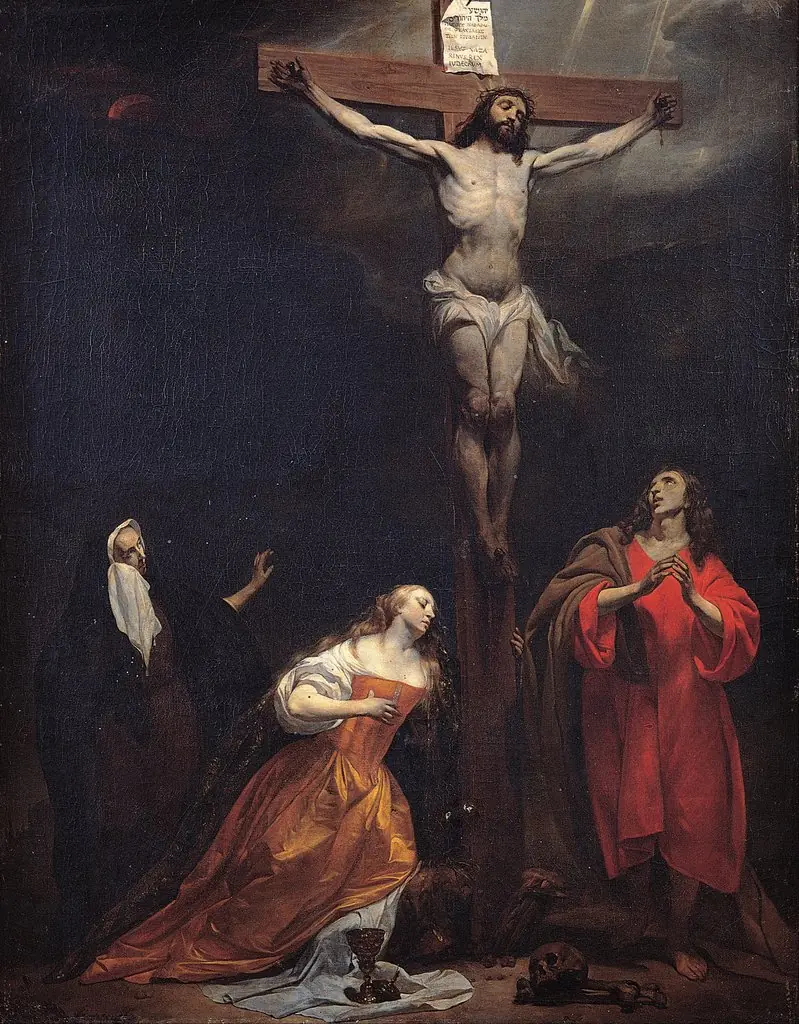 Christ on the Cross
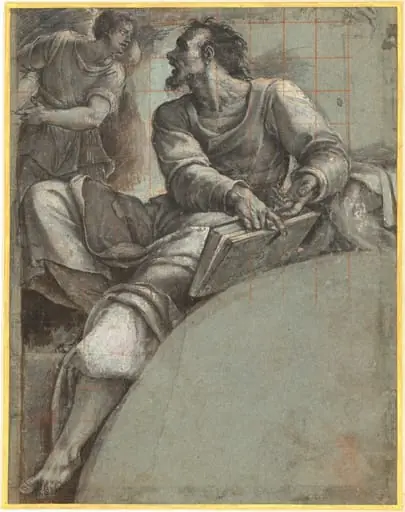 A Prophet Addressed by an Angel
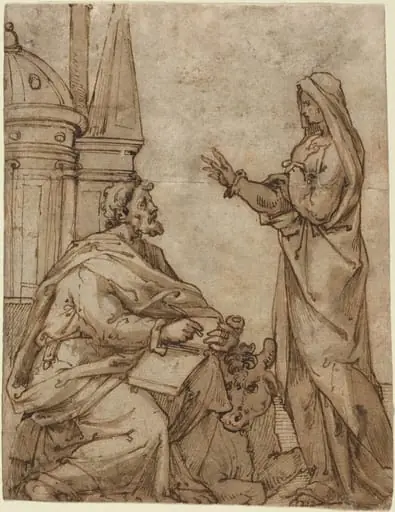 Saint Luke
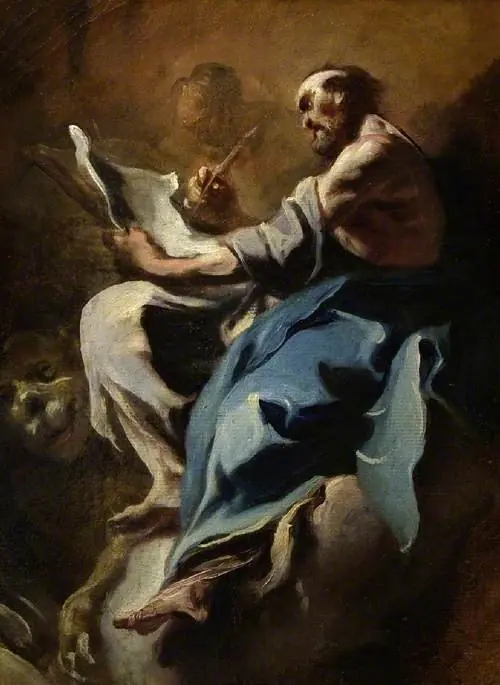 St Mark
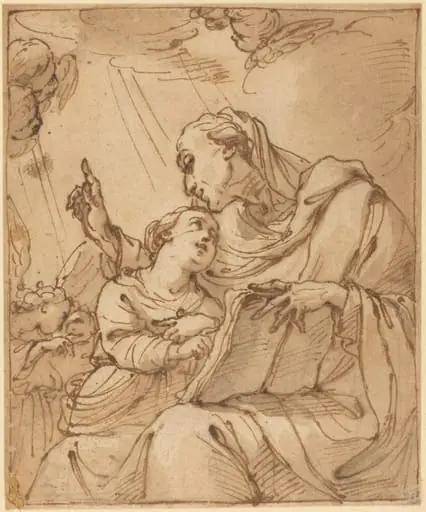 The Education of the Virgin
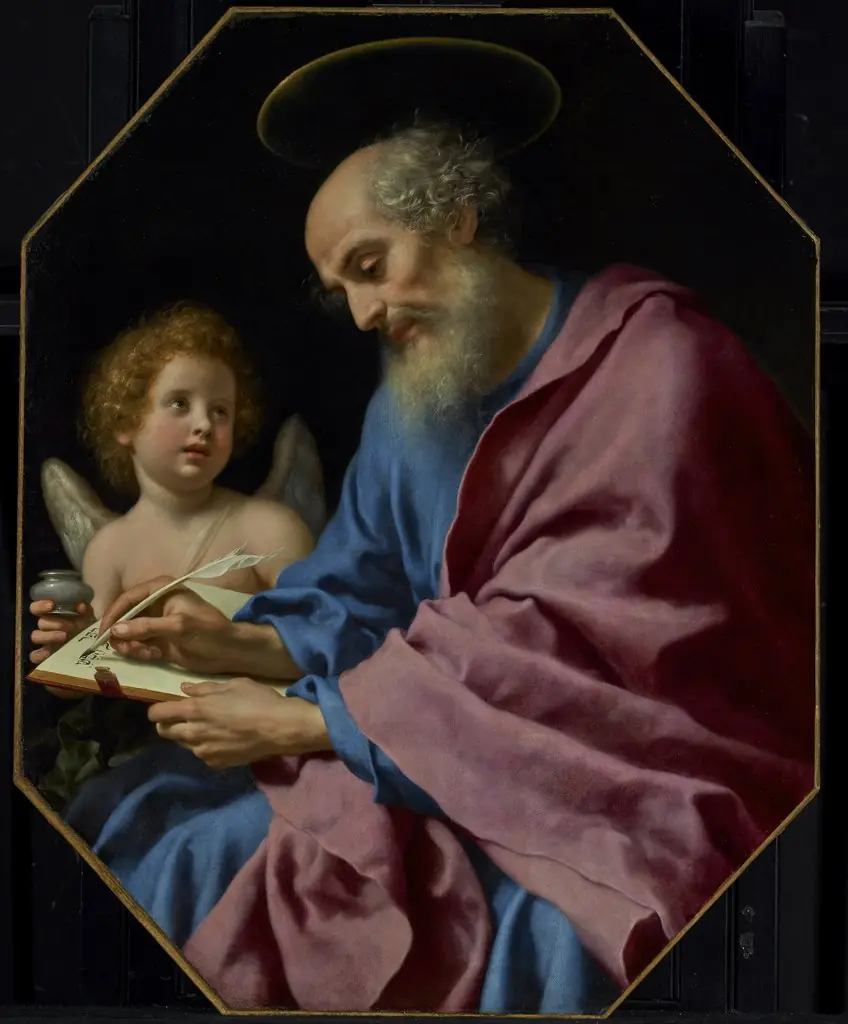 St. Matthew Writing His Gospel
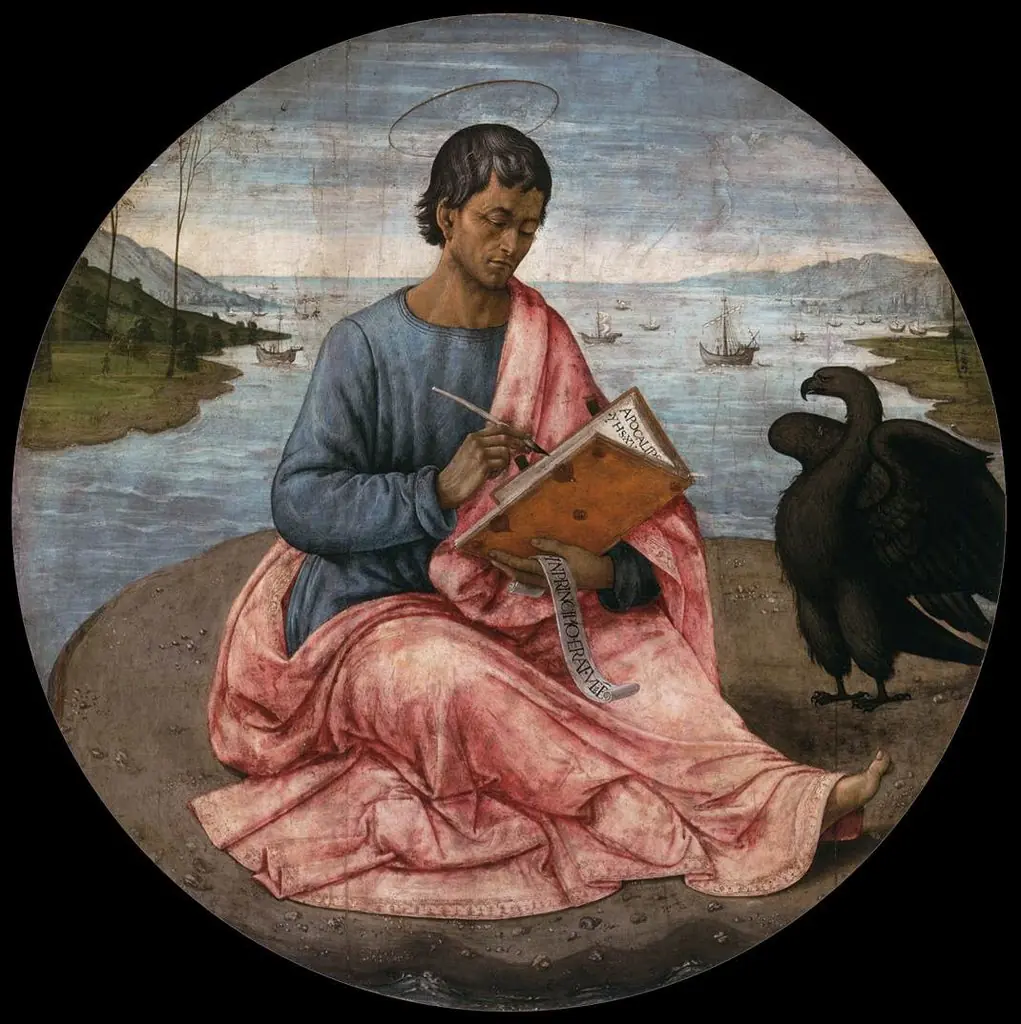 Saint John the Evangelist on the Island of Patmos
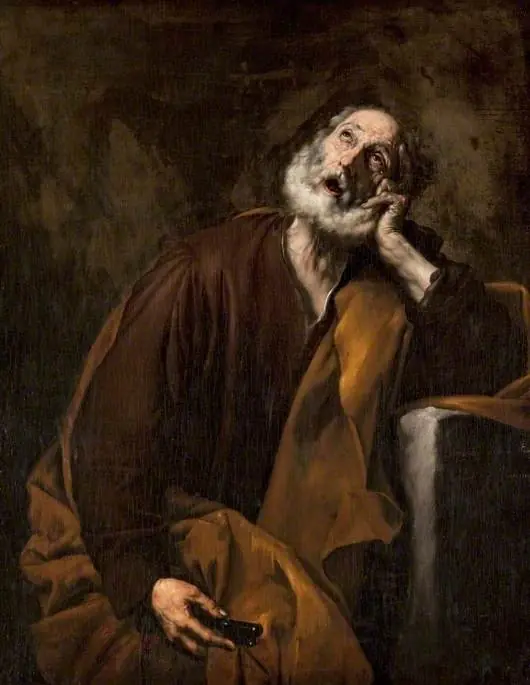 Saint Peter Repentant
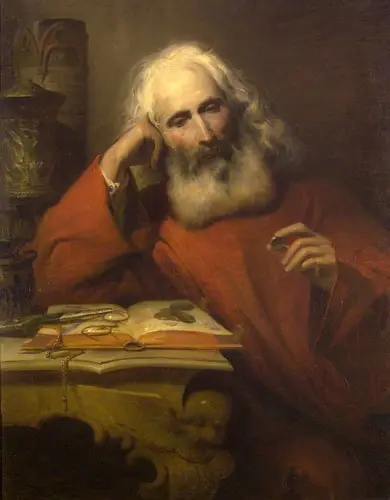 The Antiquary
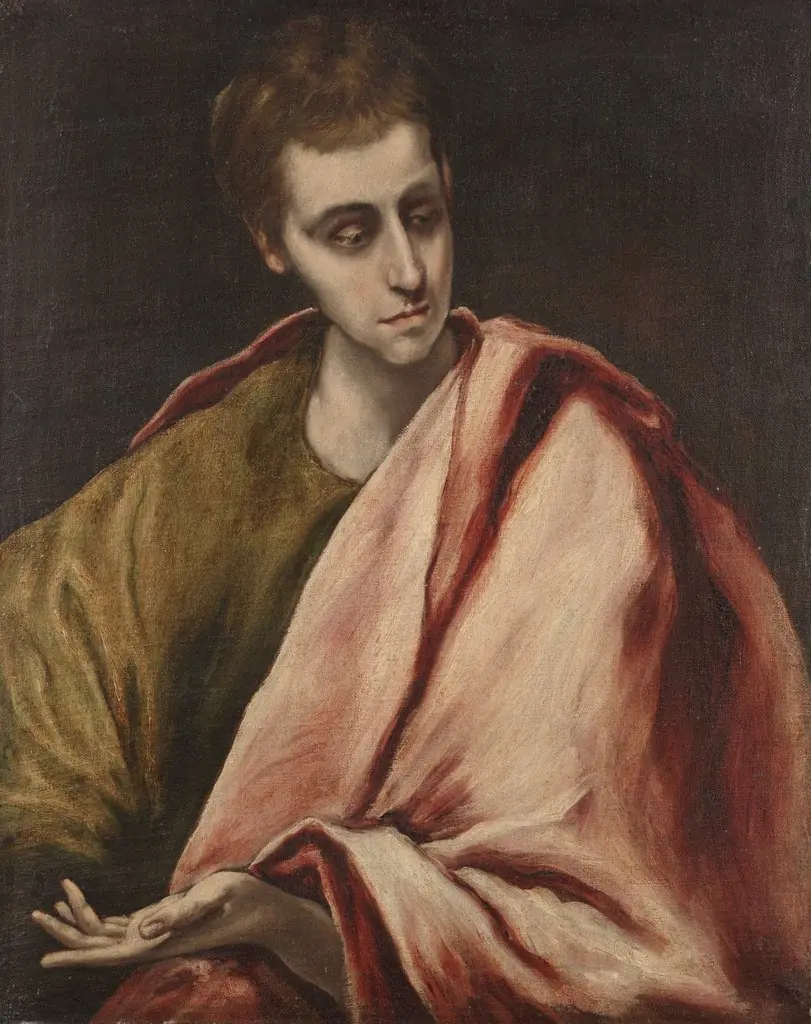 St. John
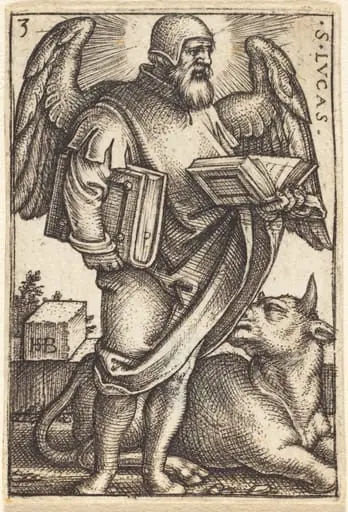 Saint Luke
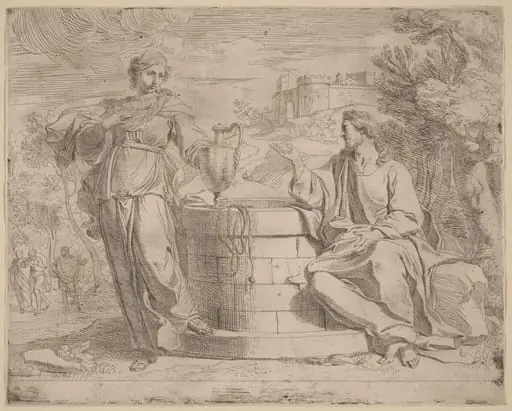 Christ and the Samaritan Woman
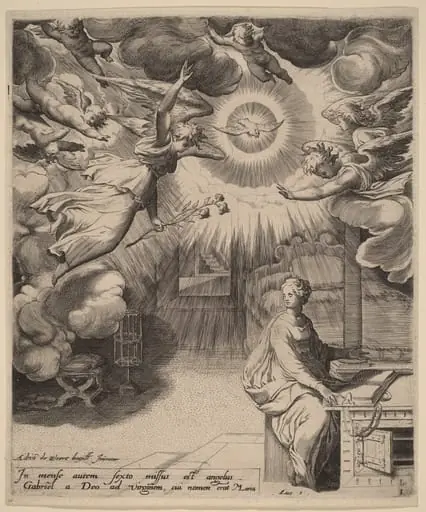 The Annunciation
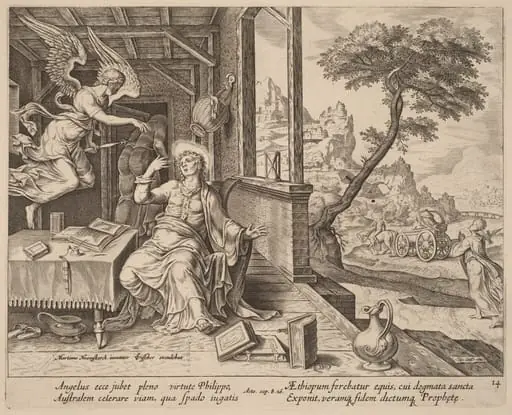 The Angel Orders Saint Philip to Accompany the Ethiopian Eunuch
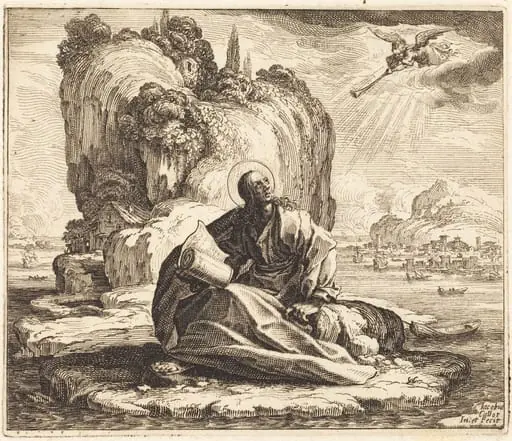 Saint John on the Isle of Patmos
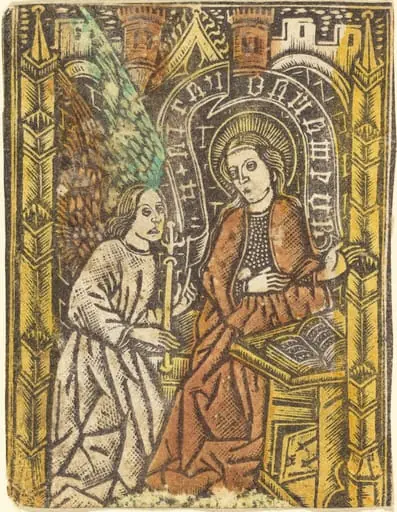 The Annunciation
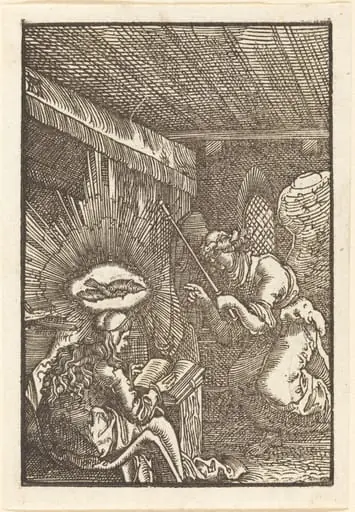 The Annunciation
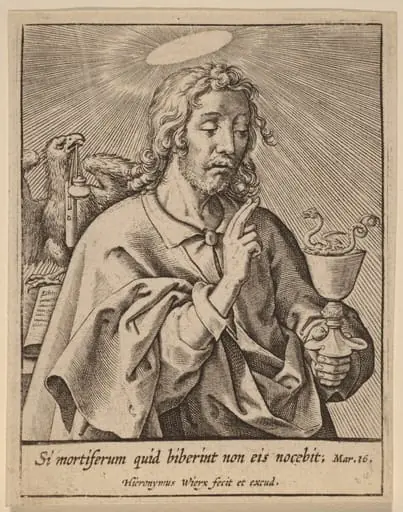 Si mortiferum quid biberint ... (Saint John the Evangelist)
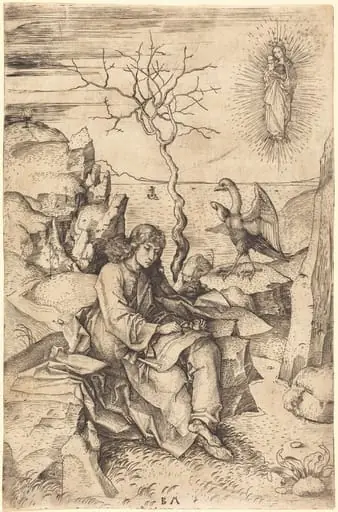 Saint John on Patmos
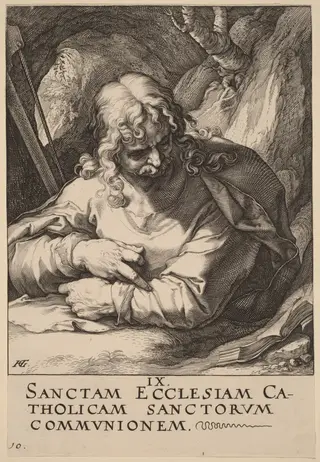 Saint James the Less
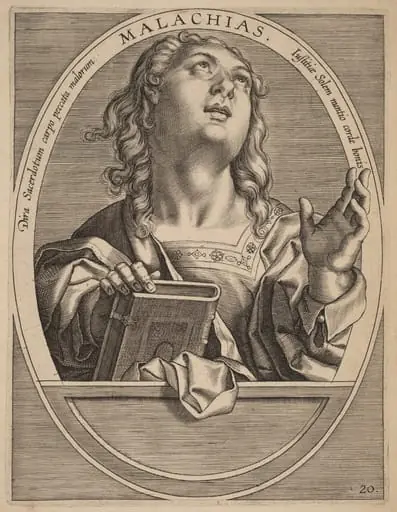 Malachias
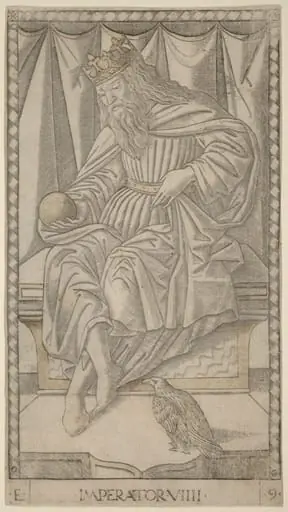 Imperator (Emperor)
Frequently asked questions
What is John the Evangelist?
John the Evangelist is a subject in art. statue in the Museum Schnütgen, Cologne (A 1085)
How many John the Evangelist works does Artifact World Gallery have?
Artifact World Gallery holds 200 public-domain John the Evangelist works, all free to view and download.
Who are the key John the Evangelist artists?
Key John the Evangelist artists in the collection include Titian, Georges de La Tour and Raphael.
Where can I see John the Evangelist works?
John the Evangelist works in the collection are held by Metropolitan Museum of Art, National Gallery of Art and Museo del Prado.