Subject
Rural Area
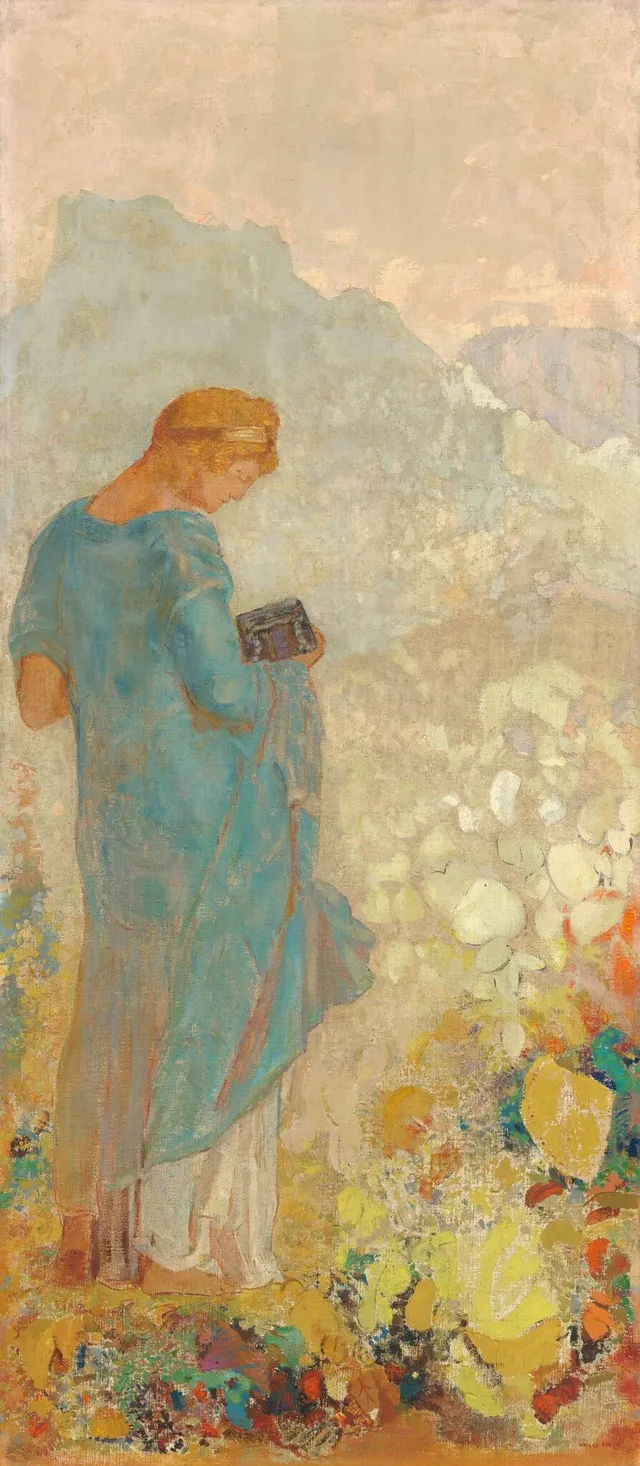
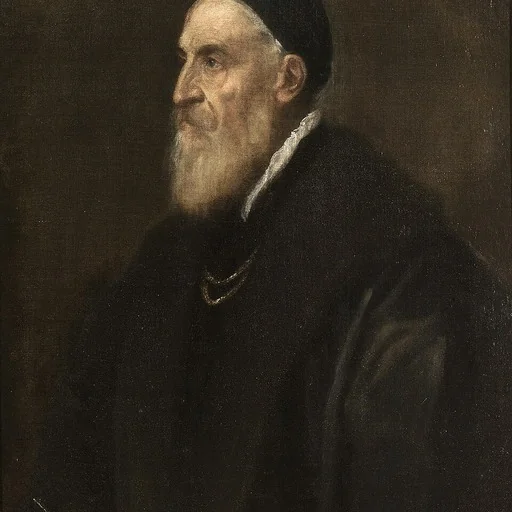
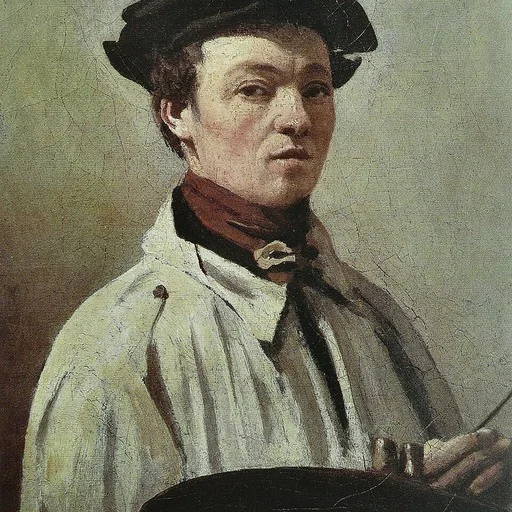
Rural Area is a subject in art. The gallery holds 148 works in this subject in art, including works by Titian, Paolo Veronese and Jean Baptiste Camille Corot.
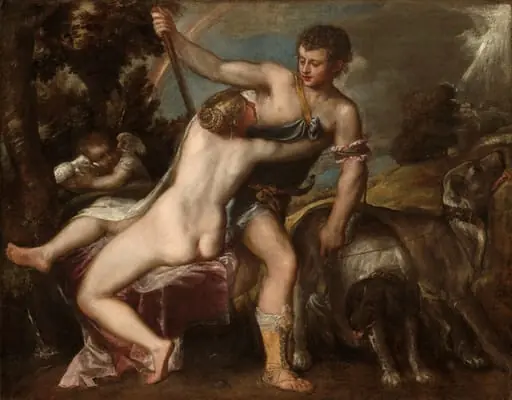
A rural area, or countryside, is land lying outside towns and cities—sparsely settled terrain of fields, woods, pasture and small villages, defined as much by low population density and agricultural use as by its distance from urban life. As an artistic subject the countryside is among the oldest in Western art, but it is rarely neutral: from the beginning, painters have used it to project ideals of harmony, abundance and escape. The literary template is the pastoral, rooted in the *Idylls* of the Greek poet Theocritus (c. 316–260 BC) and Virgil's Arcadia, which offered urban audiences a vision of shepherds and unspoiled nature. Renaissance artists translated this longing into paint: Giorgione and the young Titian's *Fête champêtre* (c. 1510) recast everyday woods and fields as a sensual, pagan idyll, and Titian's own *Venus and Adonis* sets mythological drama against a wooded hunting ground.
In the seventeenth century, Claude Lorrain and Nicolas Poussin elevated the idealised landscape to a high art form, composing golden, classicising countrysides as settings for biblical and mythological narrative. A parallel and more naturalistic tradition flourished in the Dutch Republic, where Jacob van Ruisdael painted densely wooded paths, working watermills and vast skies observed from local terrain rather than imagined Arcadia. These two strands—the ideal and the observed—would shape everything that followed.
The decisive modern shift came with the Barbizon School, a loose association active around the village of Barbizon and the Forest of Fontainebleau roughly between 1830 and 1870. Painting often *en plein air*, Jean-Baptiste-Camille Corot (whose *The Repose* belongs to this lineage), Théodore Rousseau and Jean-François Millet made the unidealised countryside a subject in its own right; Millet's scenes of rural labour invested peasant work with quiet dignity. In England, John Constable, a devoted student of Ruisdael, painted his native Suffolk in *The Hay Wain* (1821), which won a gold medal at the 1824 Paris Salon and stirred French painters directly.
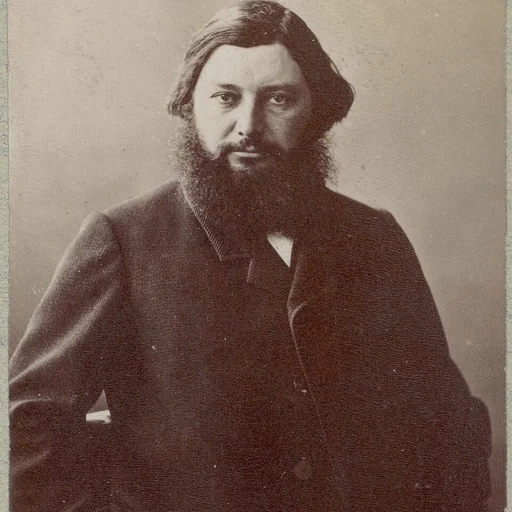
Barbizon's open-air practice fed the Impressionists. Claude Monet's *Woman with a Parasol—Madame Monet and Her Son* (1875), painted in a wildflower meadow at Argenteuil, chases shifting light and wind over a leisured rural moment. Gustave Courbet's Realism, seen in *The Young Bather*, placed unidealised bodies and provincial nature against academic convention. Together these movements transformed the rural area from mythic backdrop into the laboratory of modern landscape painting, and its descendants reach to contemporary pastoral and "para-pastoral" art today.
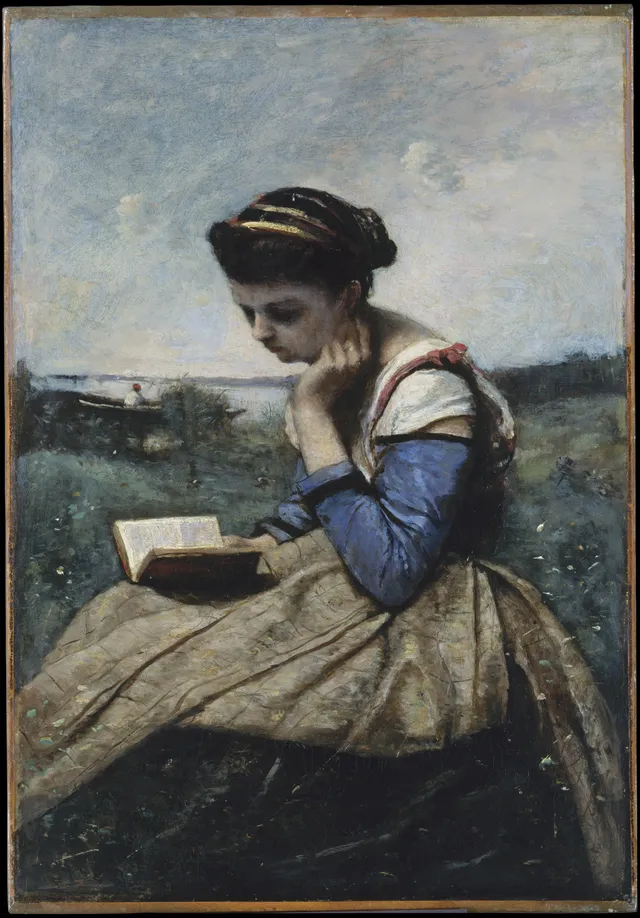
Key artists
Overview
A rural area, or countryside, is a geographic area located outside towns and cities, typically characterized by a low population density and small settlements. In art, the rural area functions as a recurring motif and setting, providing a spatial counterpoint to urban development. Its recurrence stems from its fundamental role in human subsistence and its deep association with land-based industries like agriculture, forestry, and resource extraction. Because rural spaces encompass a vast range of human activity and natural ecology, they have served artists as versatile backdrops for mythological narratives, pastoral leisure, and social realism, reflecting the shifting economic and cultural dynamics between the country and the city.
Iconography & meaning
The iconography of the rural area is tied to its physical and economic characteristics. It is visually defined by cultivated spaces, vegetation, and a lack of substantial urban development. Symbolically, the countryside has carried dual meanings. On one hand, it represents idyllic retreat, pastoral leisure, and a simpler life removed from the complexities of the city, a concept historically linked to the term ruralism, which denotes the tendency to idealize rural life. On the other hand, it signifies labor, agricultural production, and vulnerability to the elements and economic cycles. This duality allows the rural landscape to serve as a stage for both divine mythological encounters and grounded human toil.
Across movements & periods
The treatment of the rural area in art has shifted alongside broader cultural and economic transformations. In earlier periods, rural settings frequently served as idealized, classical backdrops for mythological and religious narratives. By the nineteenth century, as industrialization accelerated urbanization and triggered rural flight, artists increasingly turned to the countryside to document agrarian labor and specific environmental conditions, moving away from pure idealization. In the 1930s, American Regionalism arose as a realist modern art movement that directly responded to the Great Depression by depicting realistic scenes of rural and small-town America, primarily in the Midwest. Regionalist artists rejected European abstract styles in favor of academic realism, seeking to return to the nation's agricultural roots and convey a reassuring nationalism during a time of economic crisis.
Notable depictions
Notable depictions of the rural area include both the canonical works within this collection and the broader art historical record. The collection holds Pieter Bruegel the Elder's The Harvesters, a foundational landscape work emphasizing agrarian labor, and Claude Monet's Woman with a Parasol, Madame Monet and Her Son, which integrates the countryside into Impressionist portraiture. In the context of American Regionalism, the motif is defined by the so-called Regionalist Triumvirate. Grant Wood, from Anamosa, Iowa, is best known for American Gothic and his 1935 pamphlet Revolt Against the City, which rejected Parisian culture in favor of local rural subjects. Thomas Hart Benton of Neosho, Missouri, focused on working-class rural America in his murals, and John Steuart Curry of Dunavant, Kansas, painted his beloved Midwest, interpreting the action and environment of rural life.
Legacy
The artistic legacy of the rural area is intertwined with ongoing demographic and economic realities. As urbanization accelerated globally, rural areas experienced significant demographic declines, a phenomenon known as rural flight, where younger populations migrated to cities for education and jobs. This economic divergence left rural communities with older and less wealthy populations, contributing to global poverty concentrated in these regions. Despite these challenges, the rural area has retained its cultural resonance. Recent development policies focused on sustainable economic diversification, improved infrastructure, and energy transition aim to revitalize these spaces. In art, the motif continues to reflect these tensions, preserving the rural landscape not merely as a residual space outside the city, but as a foundational element of cultural identity and environmental equilibrium.
Works
 Venus and Adonis
 Venus and Mars
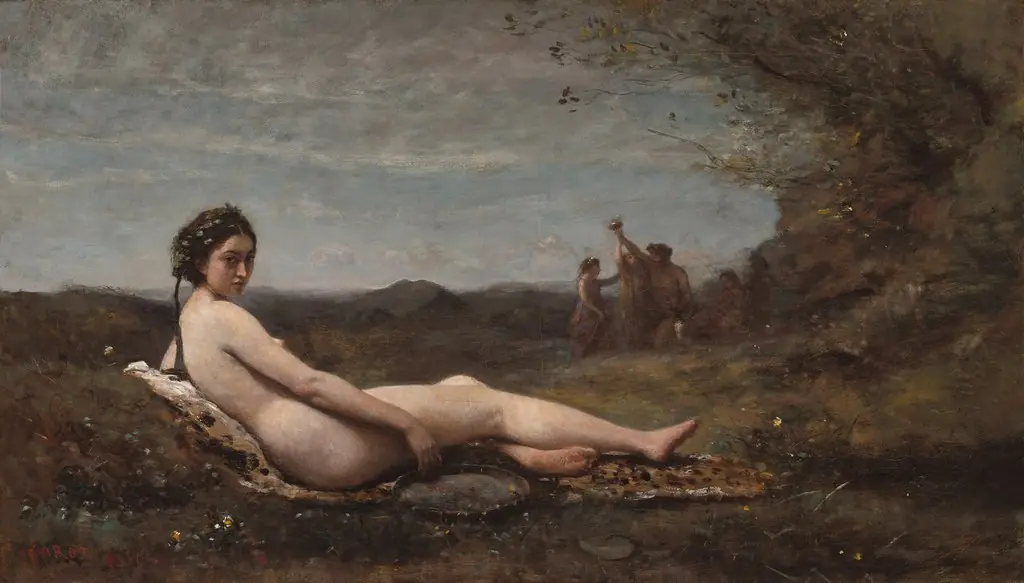 The Repose
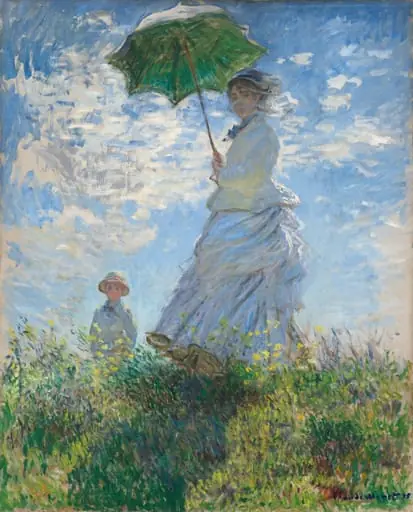 Woman with a Parasol - Madame Monet and Her Son
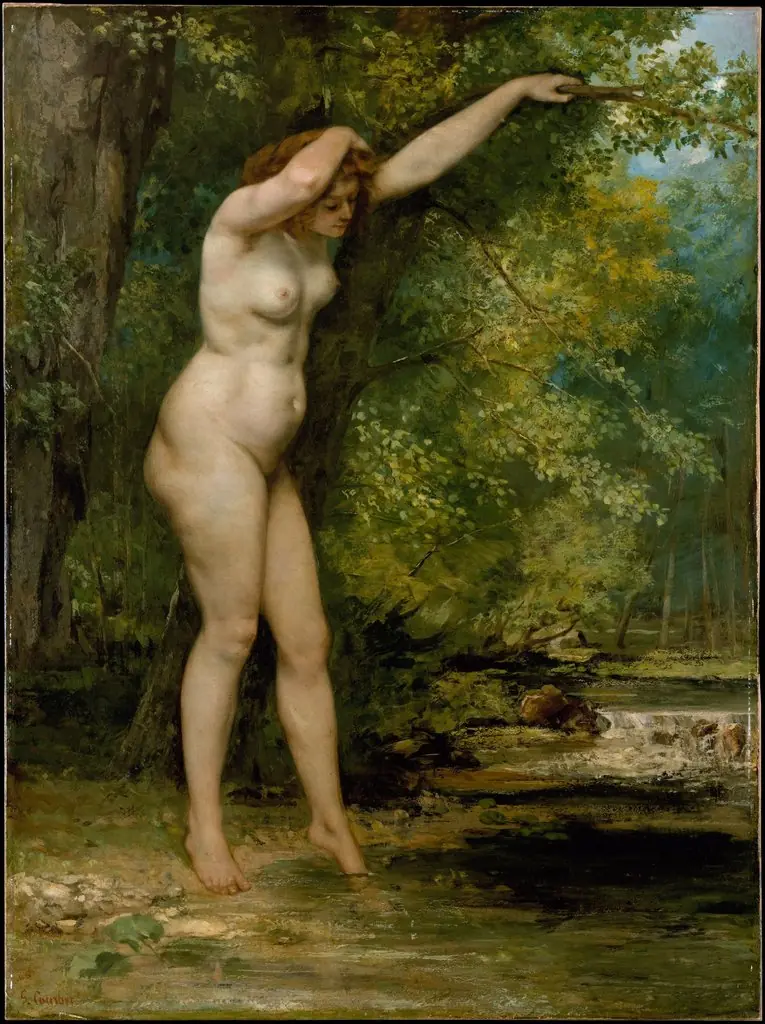 The Young Bather
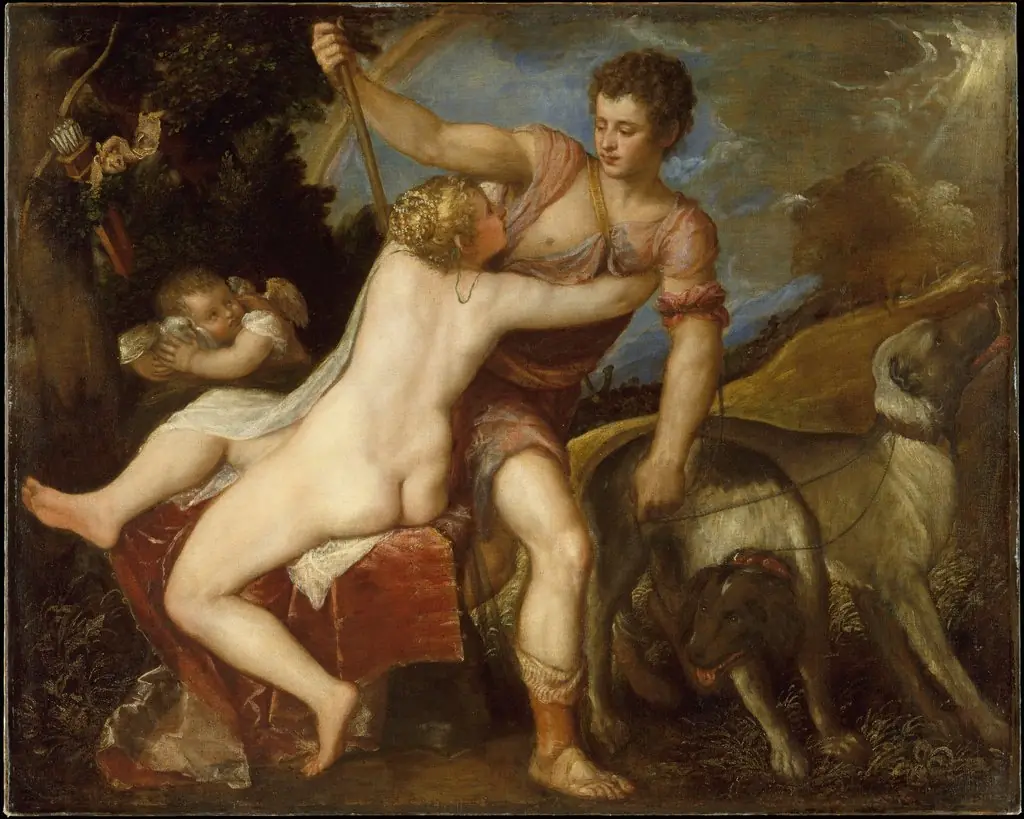 Venus and Adonis
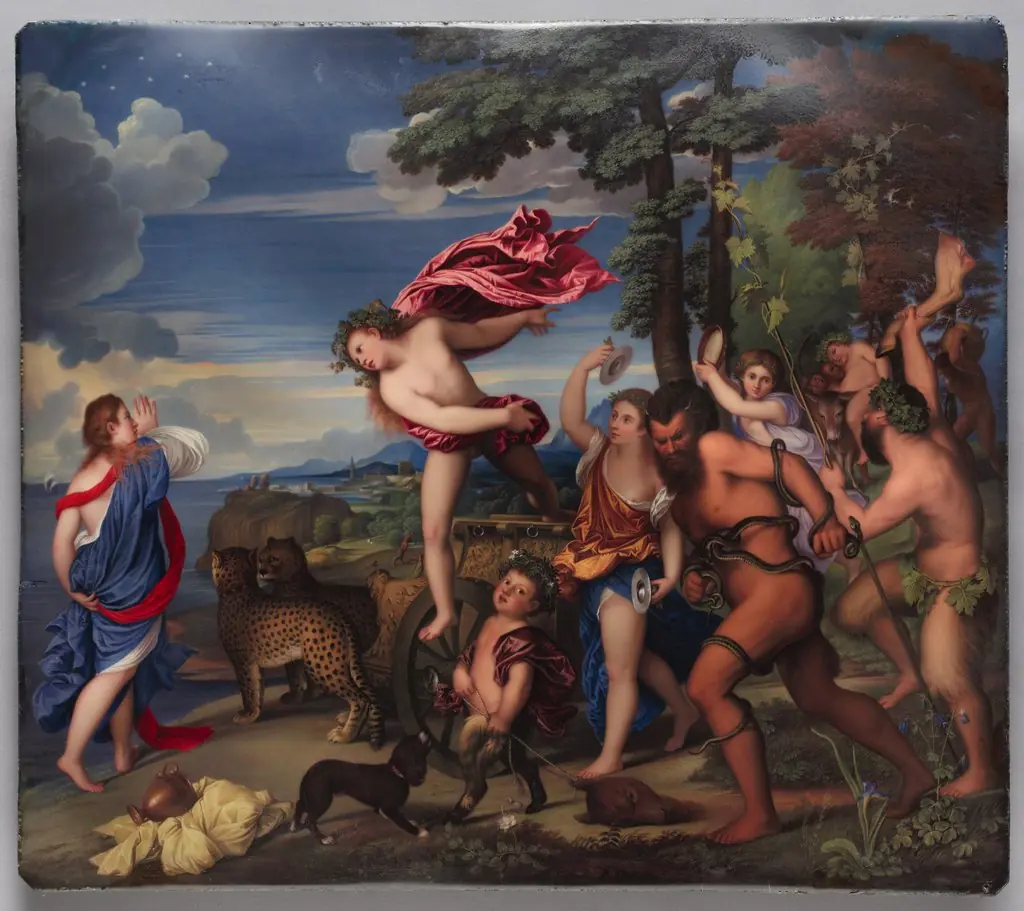 Bacchus and Ariadne
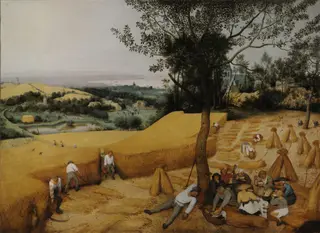 The Harvesters
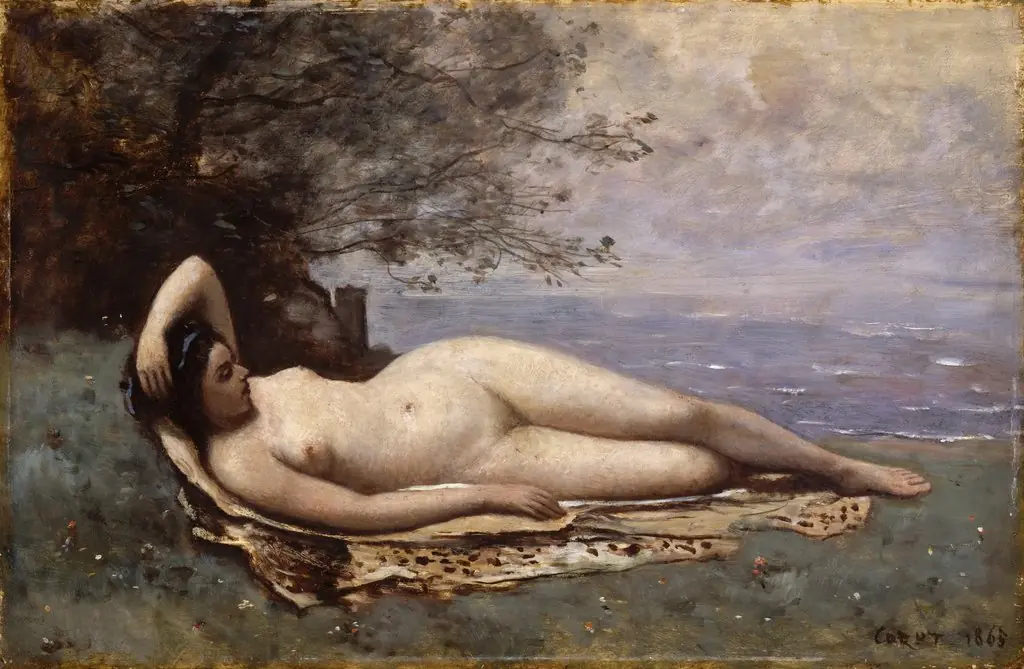 Bacchante by the Sea
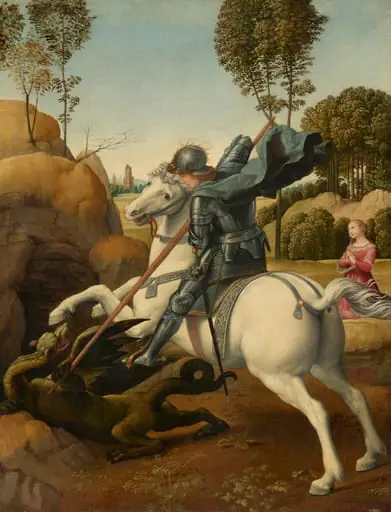 Saint George and the Dragon
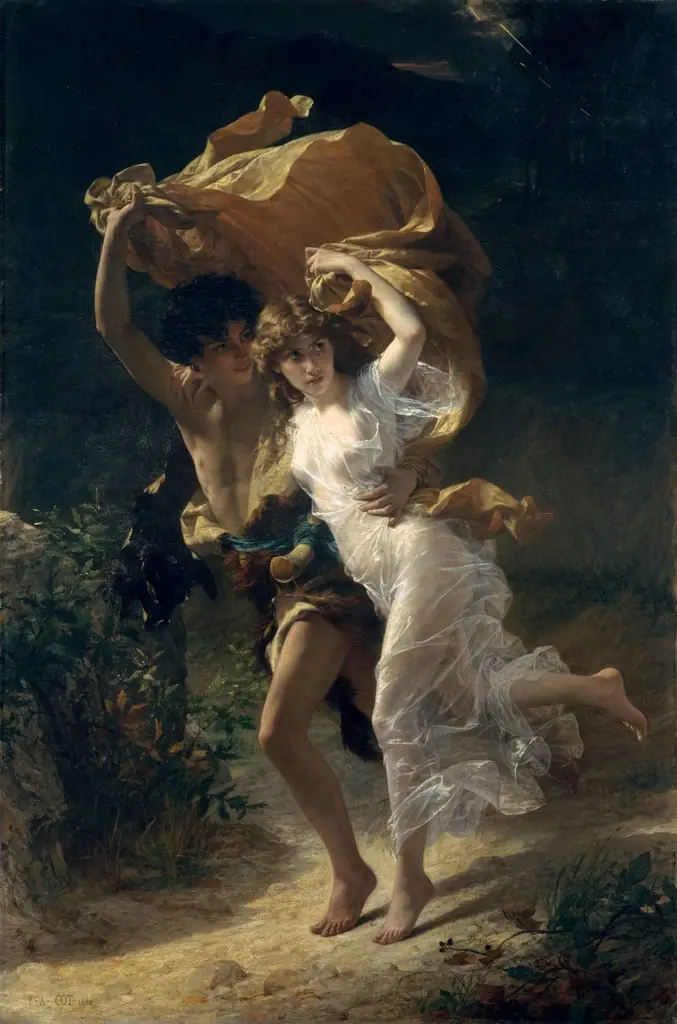 The Storm
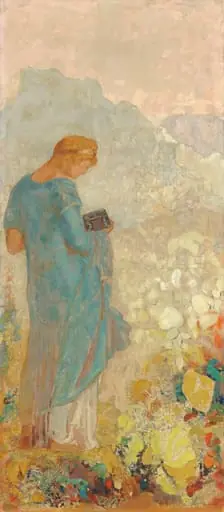 Pandora
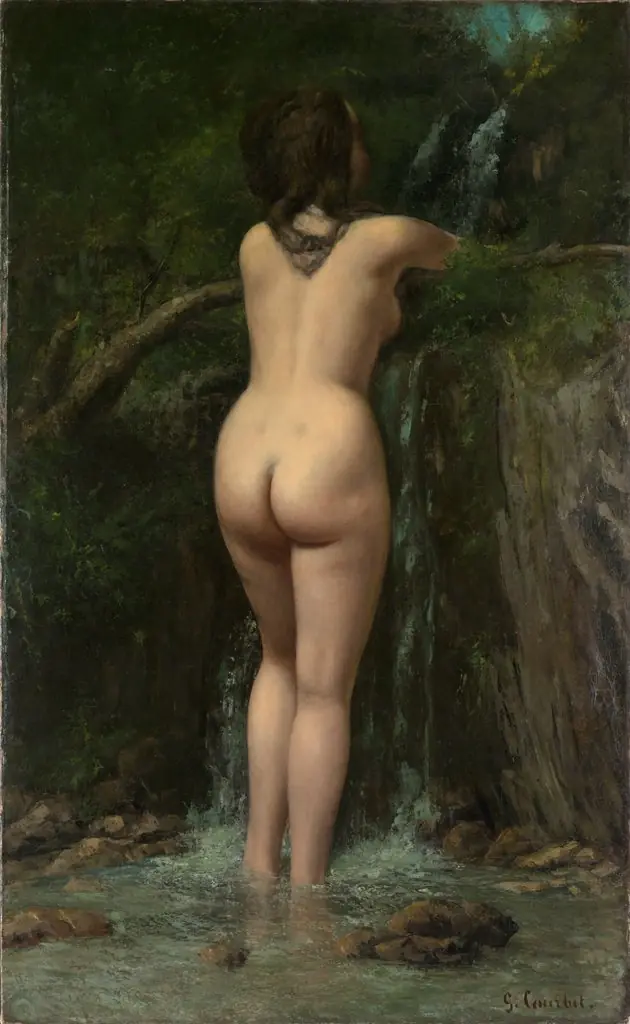 The Source
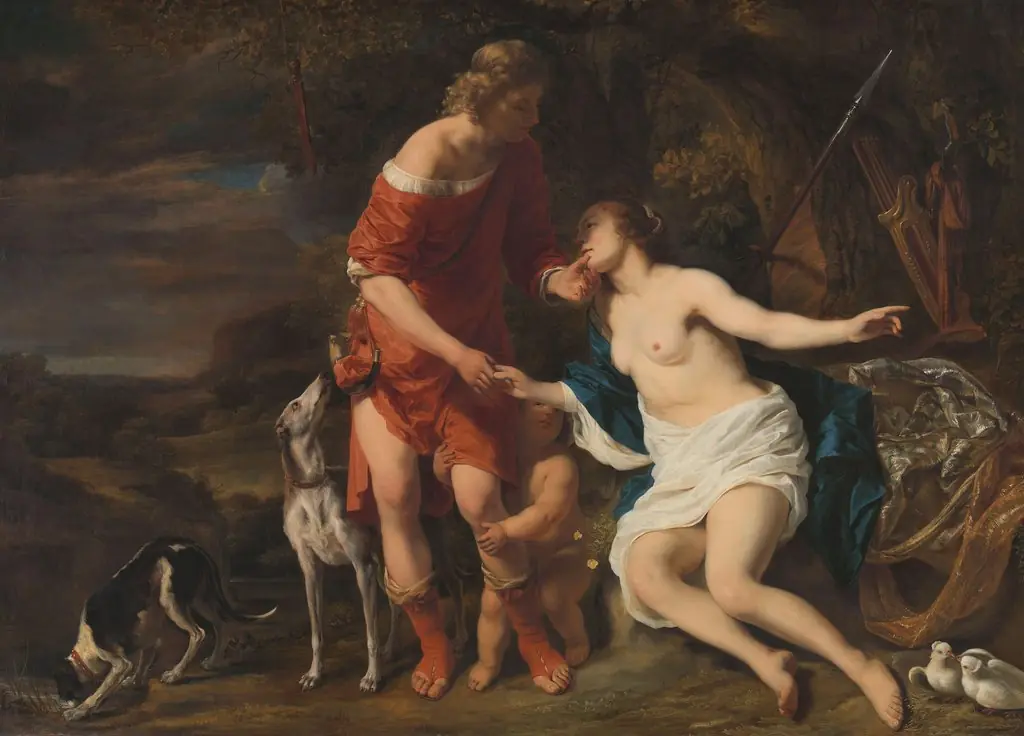 Venus and Adonis
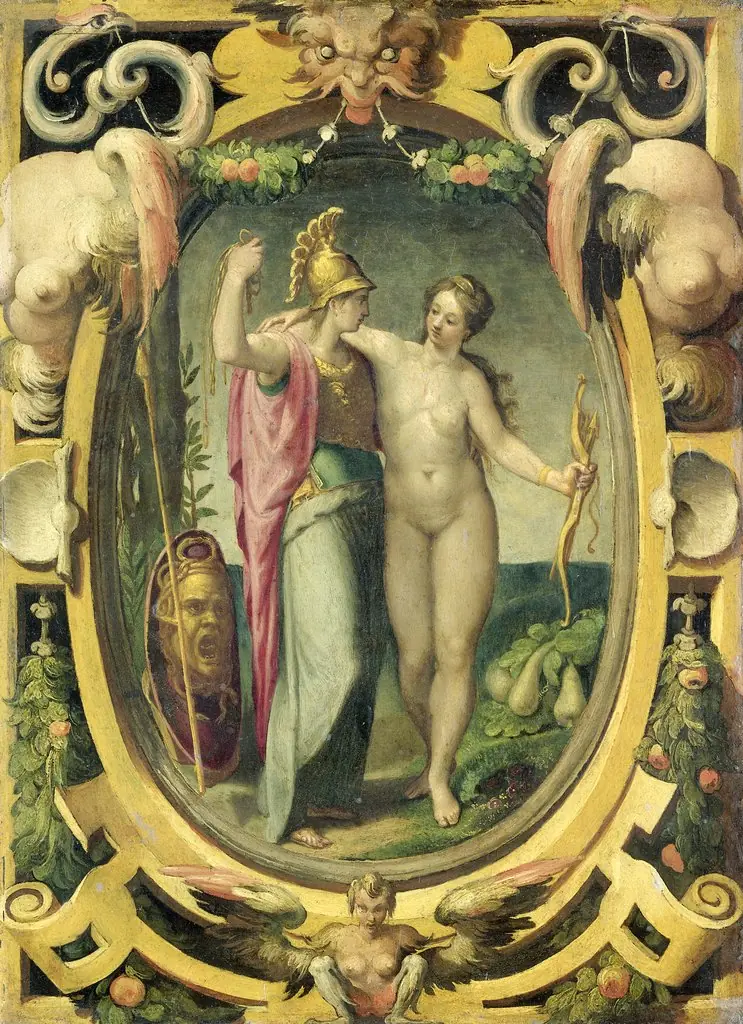 Venus and Minerva
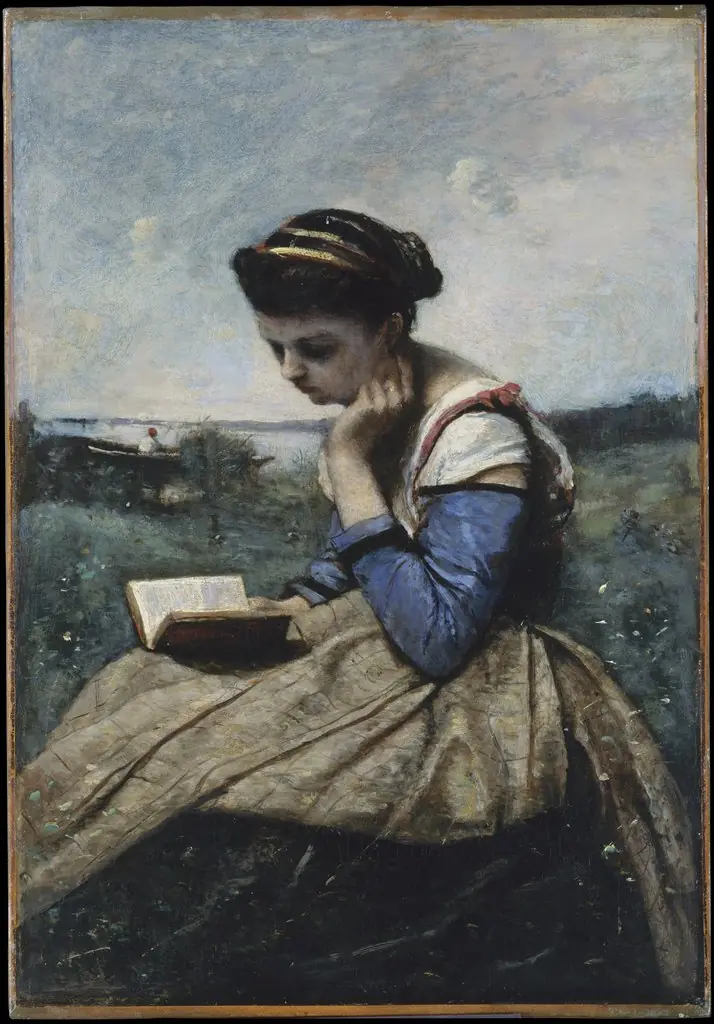 Femme Lisant
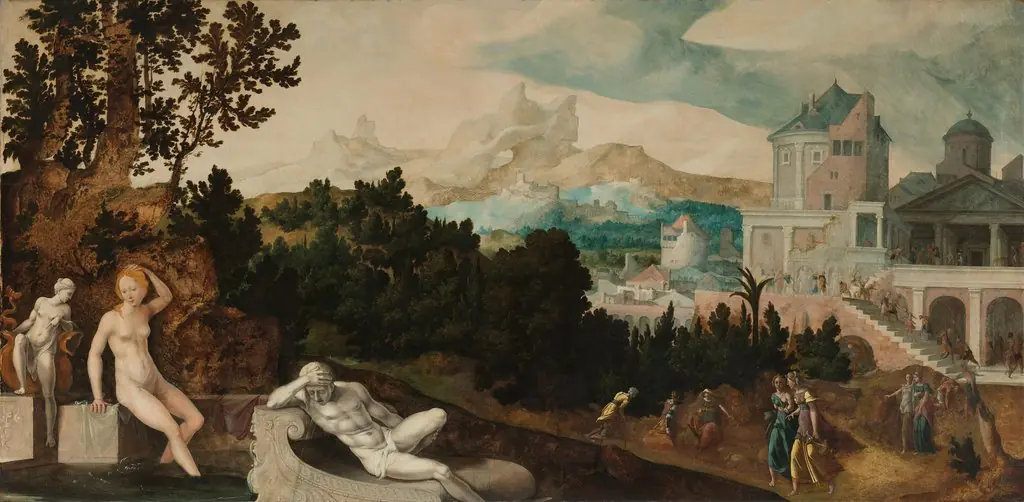 Landscape with Bathsheba
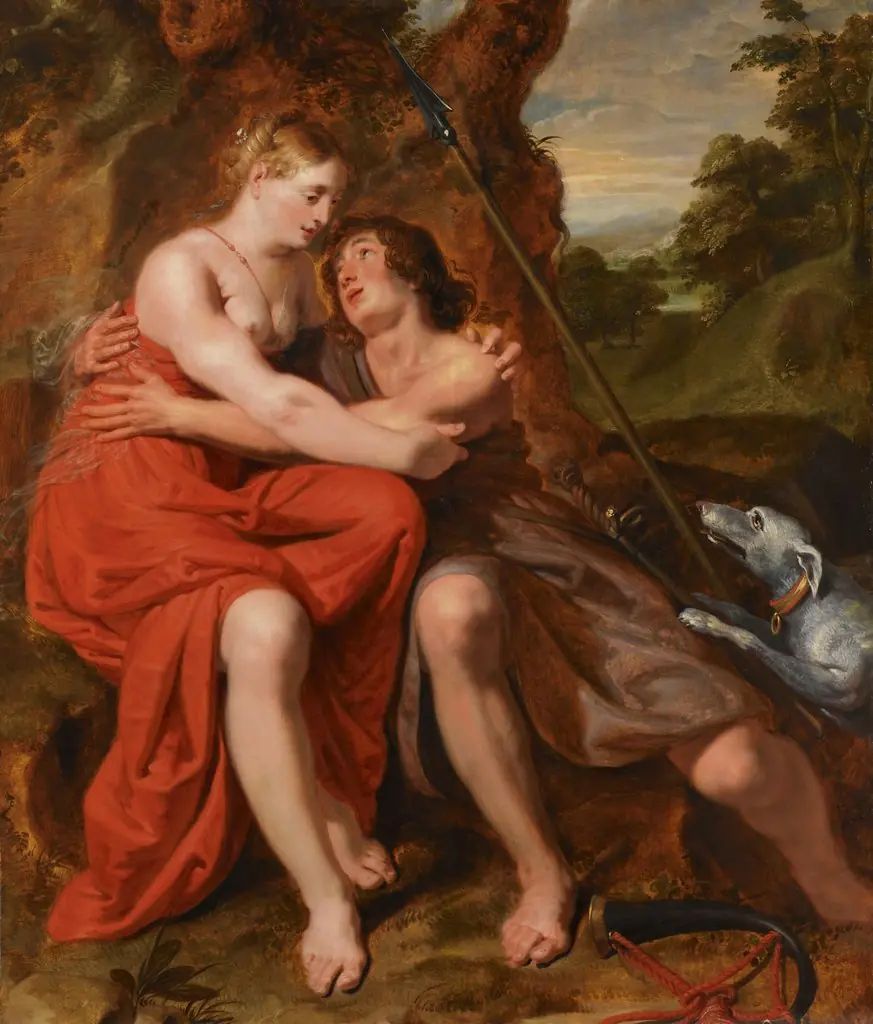 Venus and Adonis
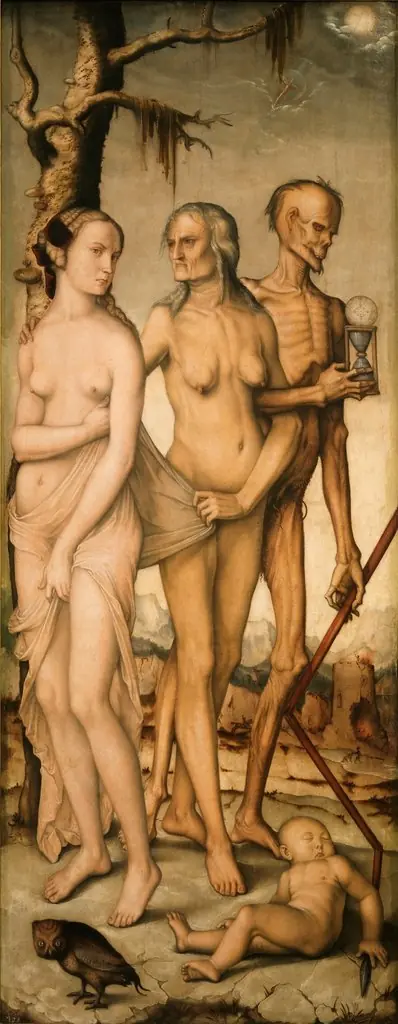 The Ages and Death
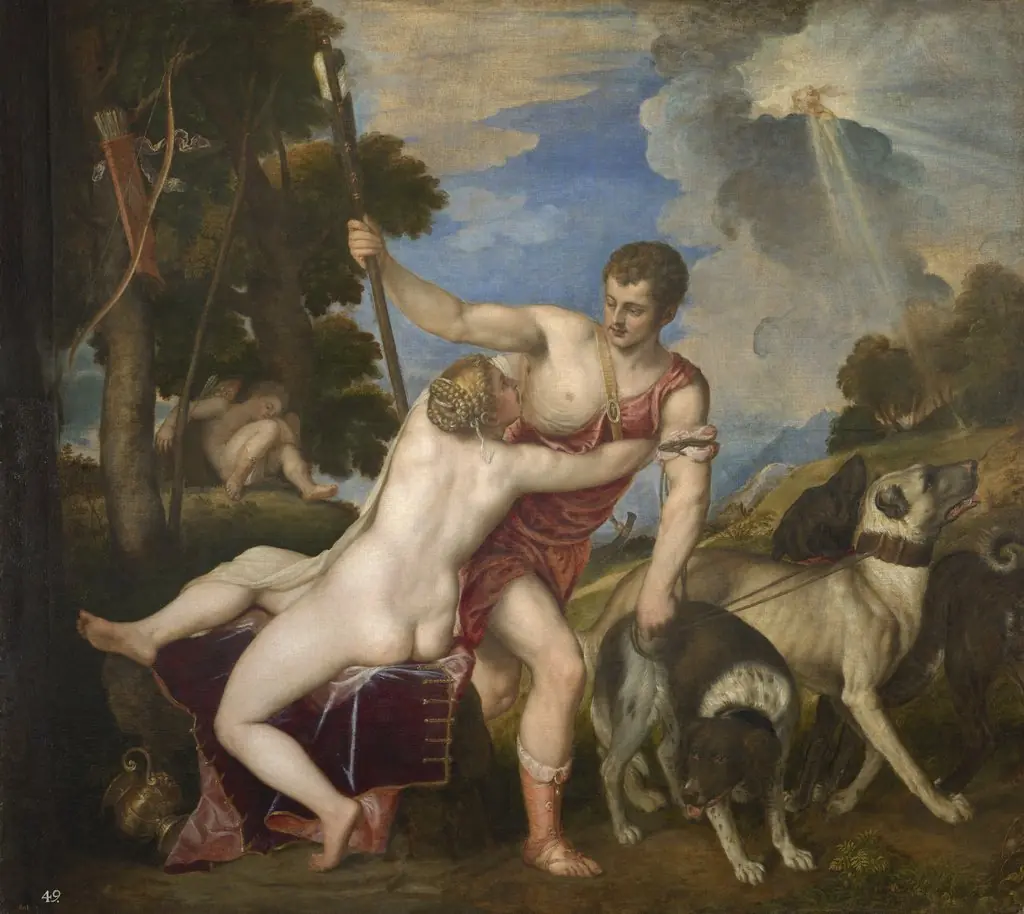 Venus and Adonis
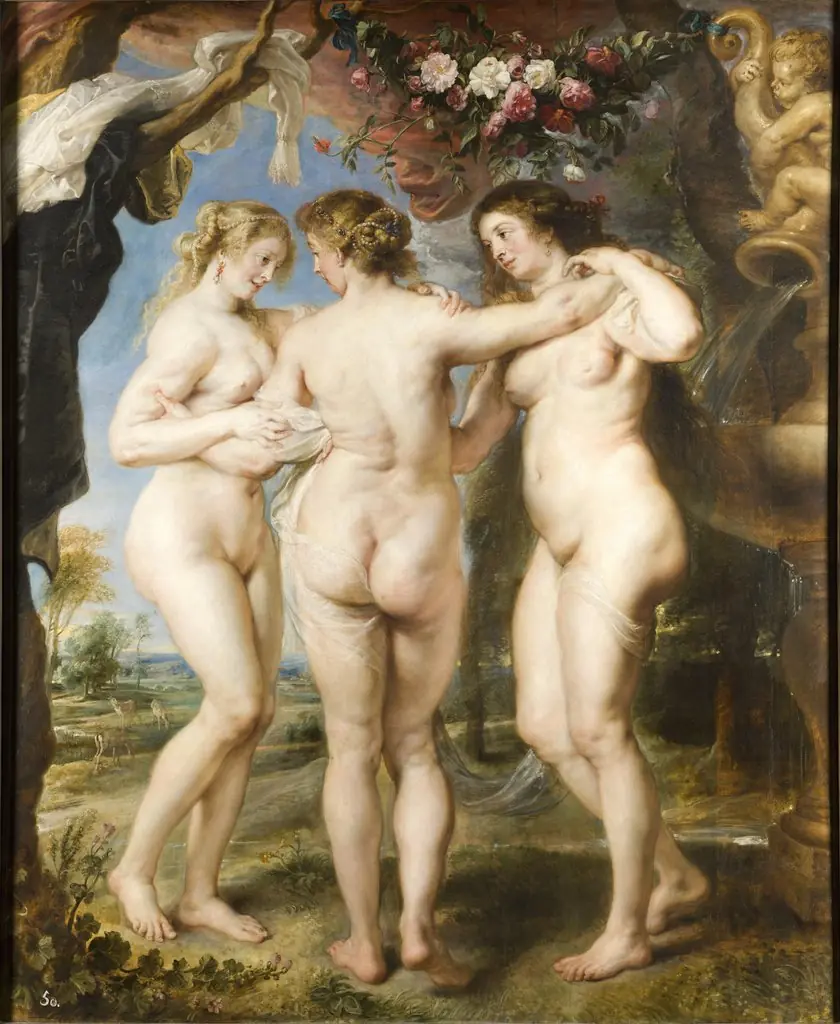 The Three Graces
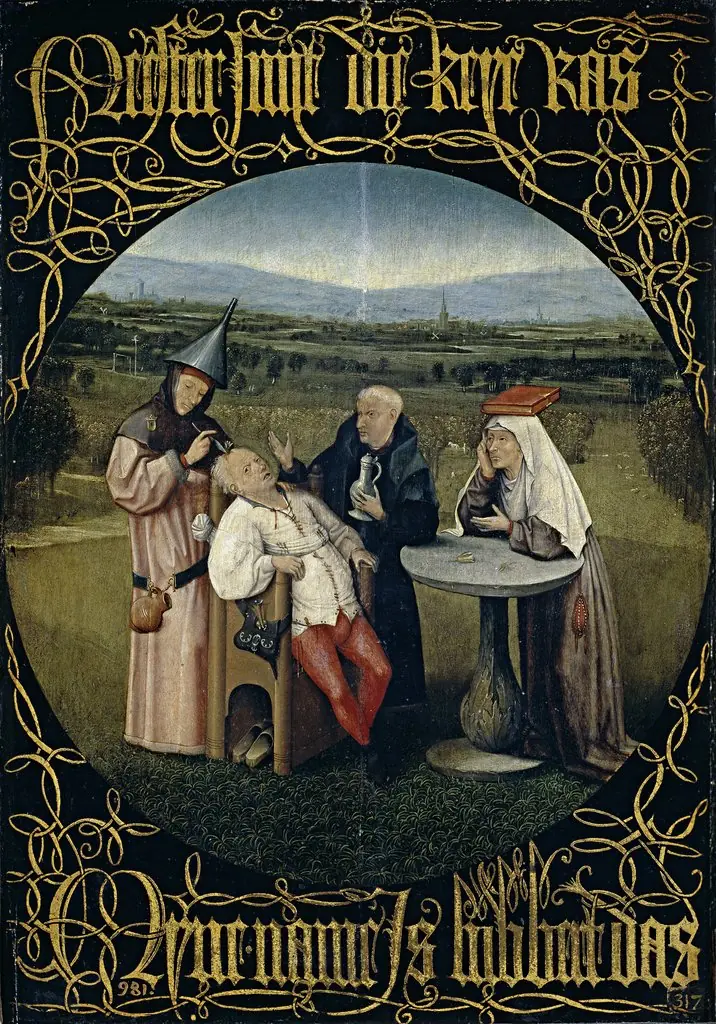 Cutting the Stone
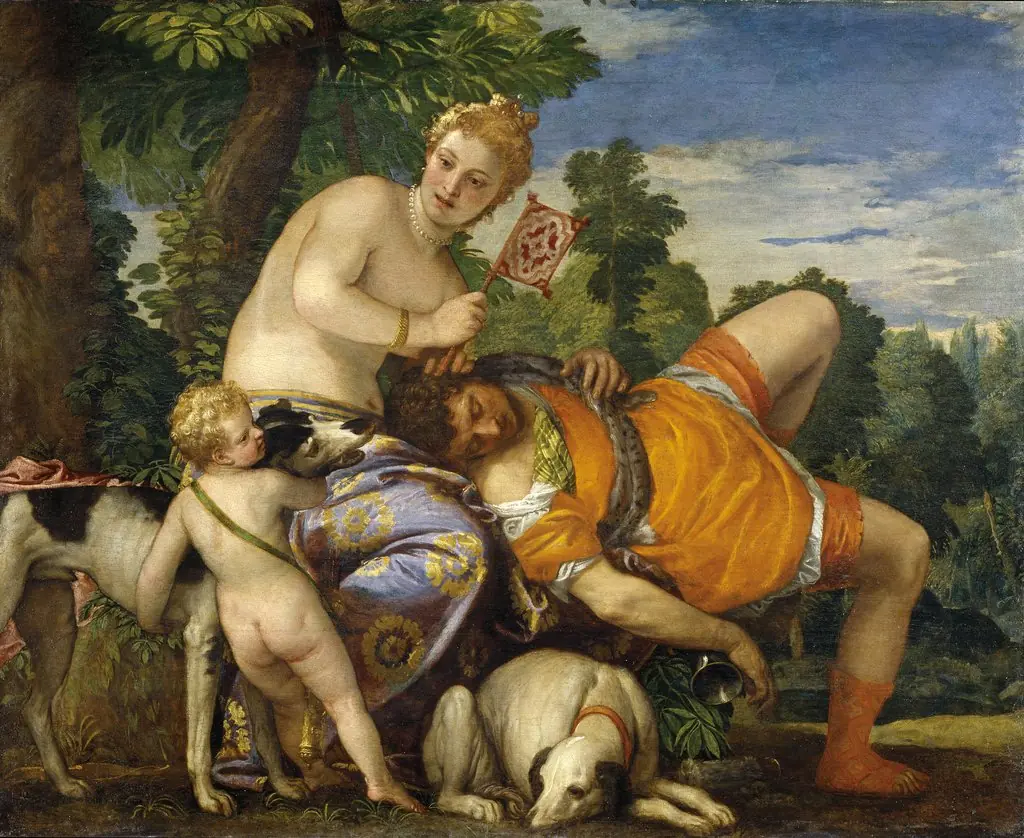 Venus and Adonis
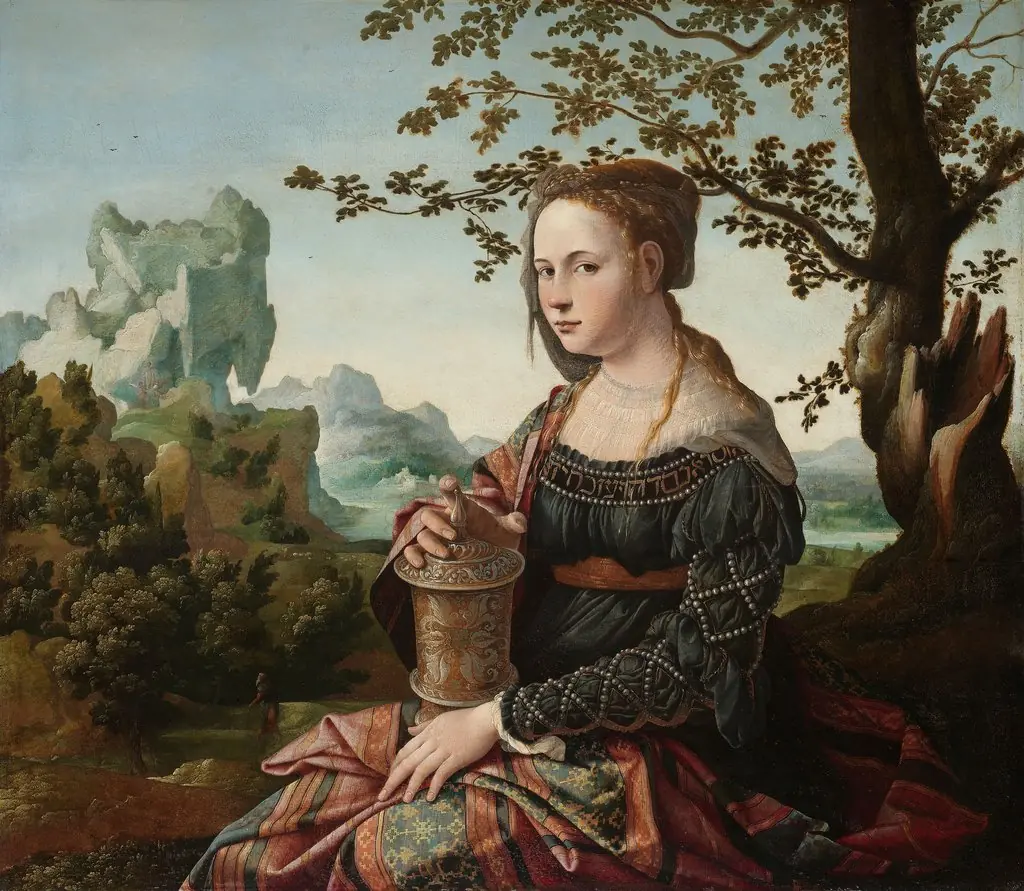 Mary Magdalene
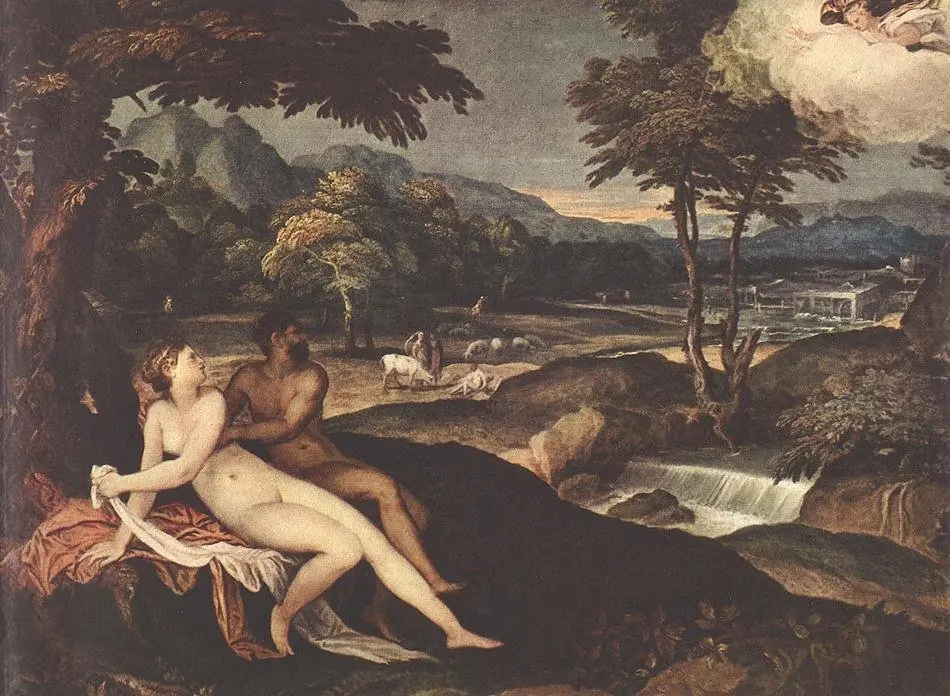 Landscape with Jupiter and Io
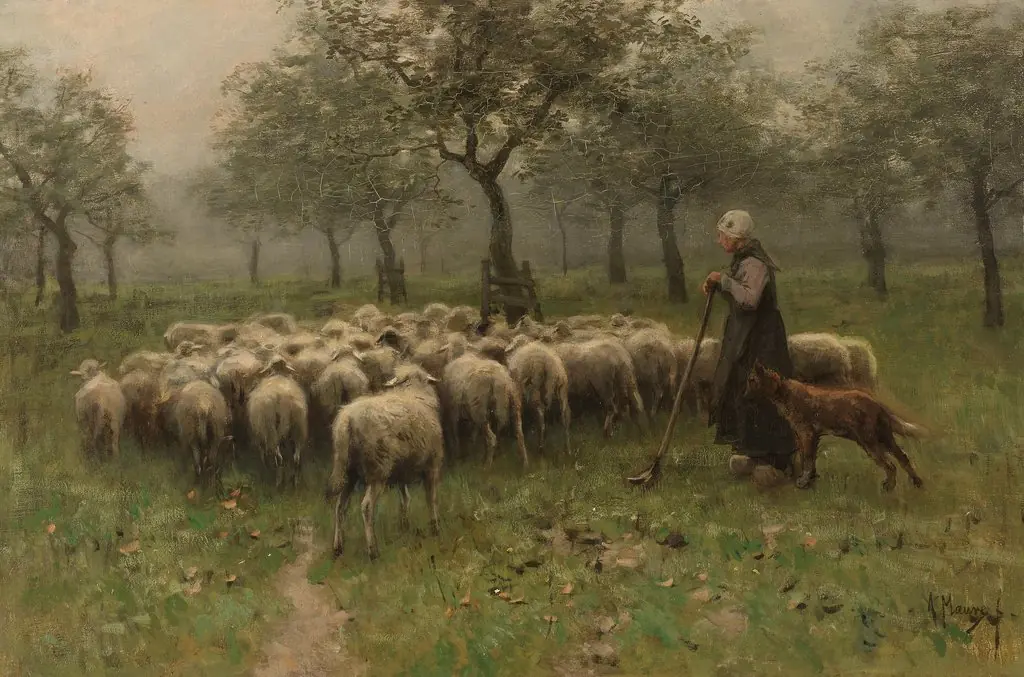 Shepherdess with a Flock of Sheep
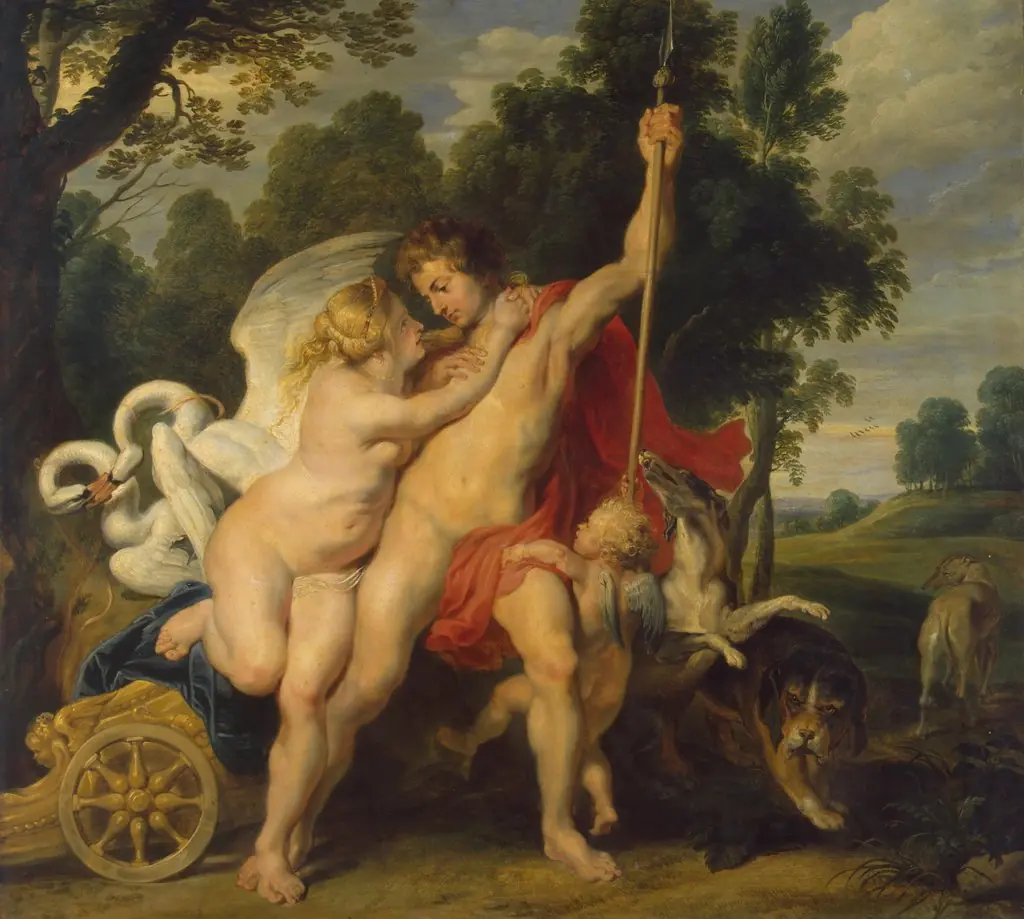 Venus and Adonis (Rubens, 1614)
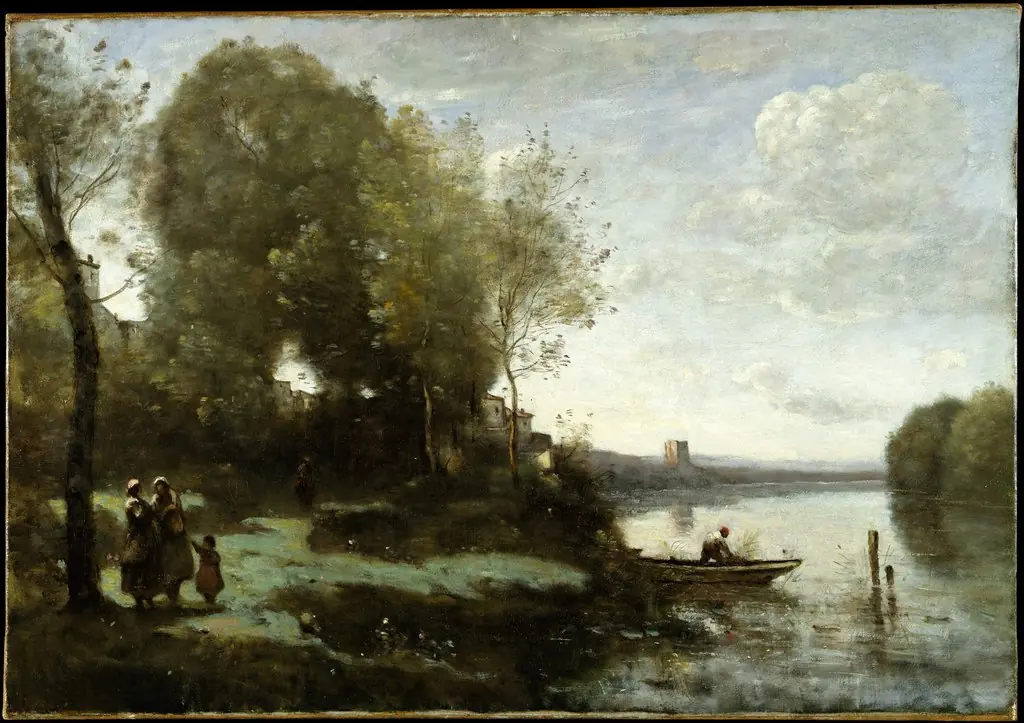 River with a Distant Tower
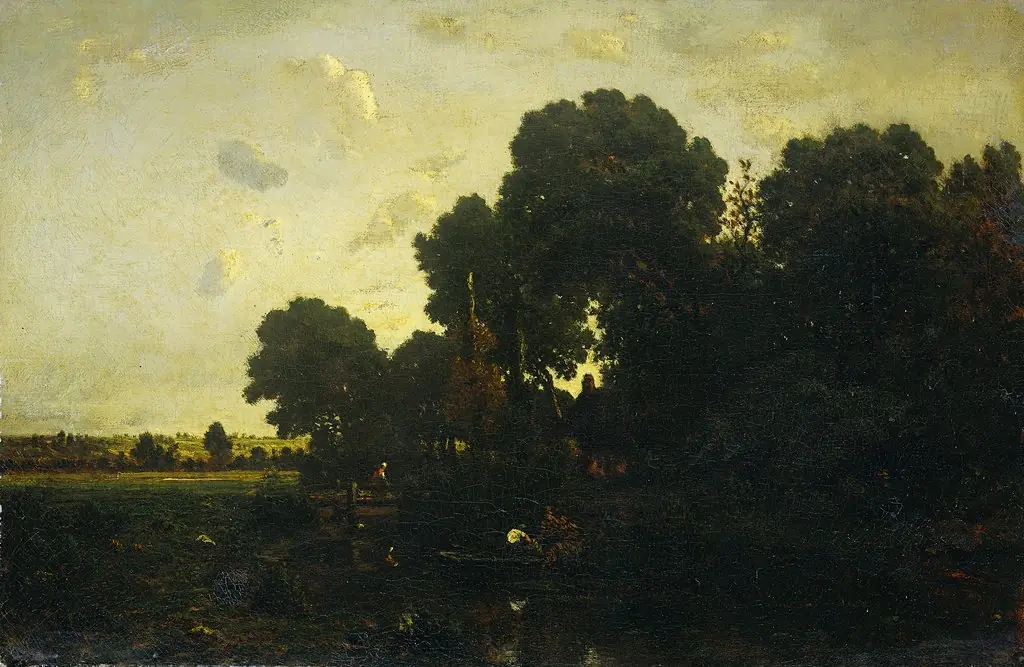 Twilight
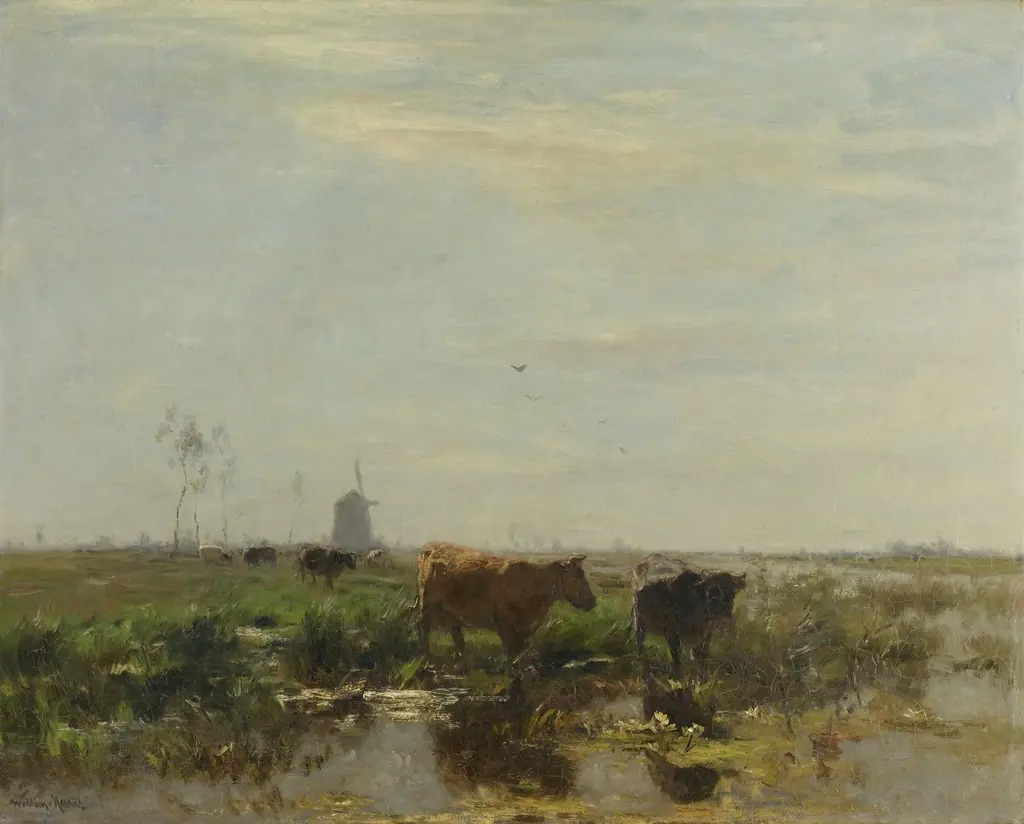 Meadow with Cows by the Water
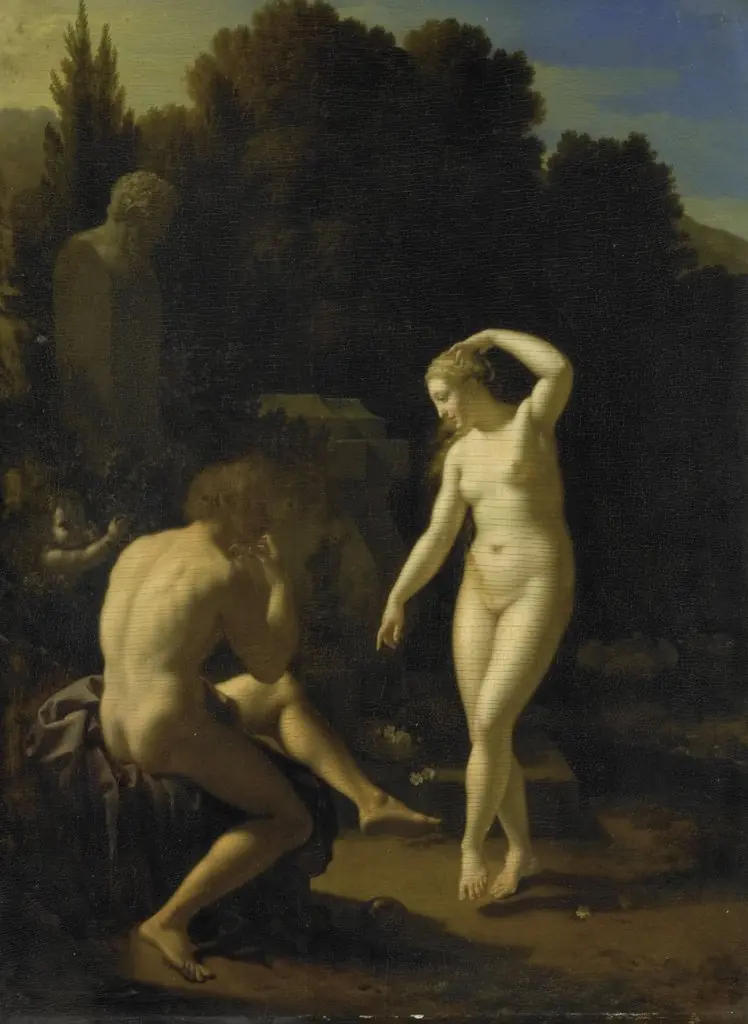 A Nymph Dancing to a Shepherd's Flute-Playing
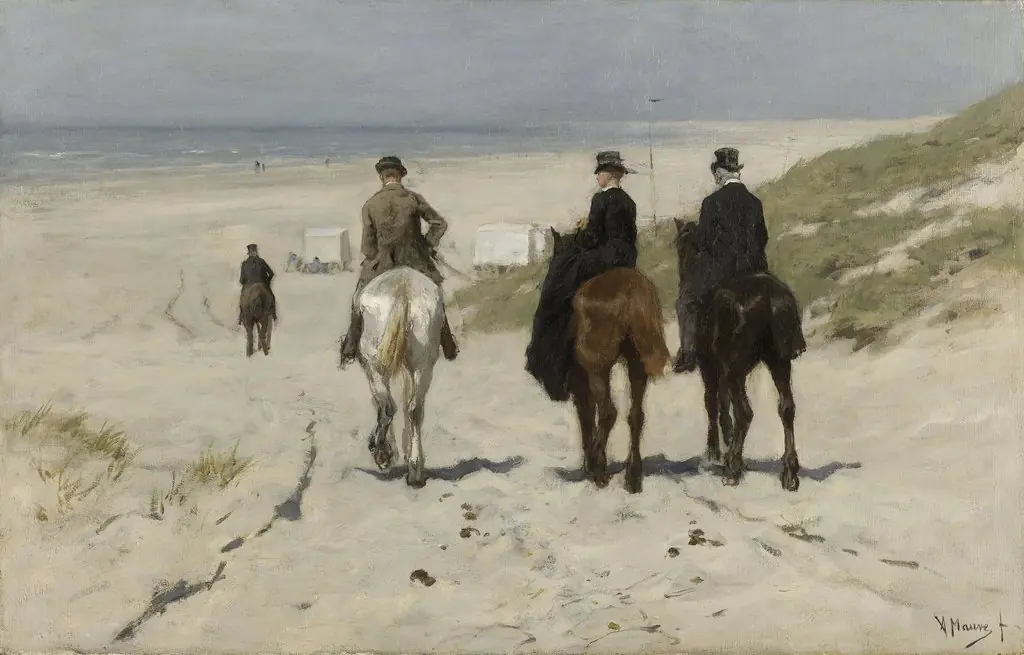 Morning Ride on the Beach
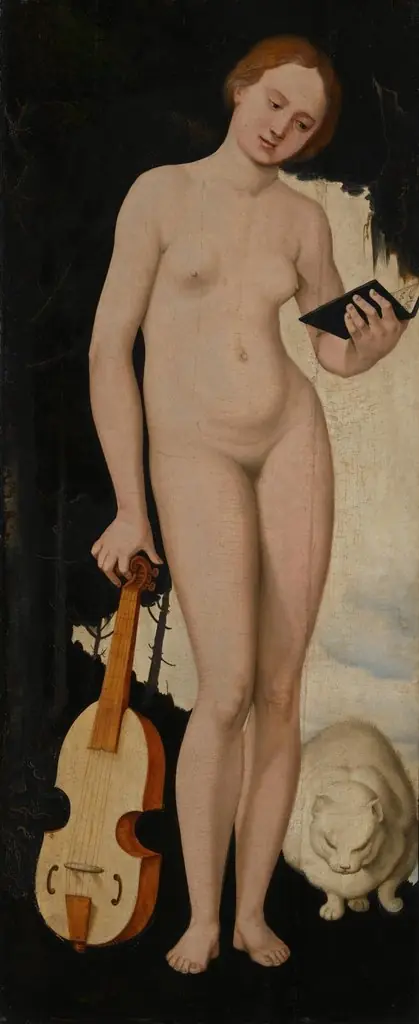 Woman with Cat
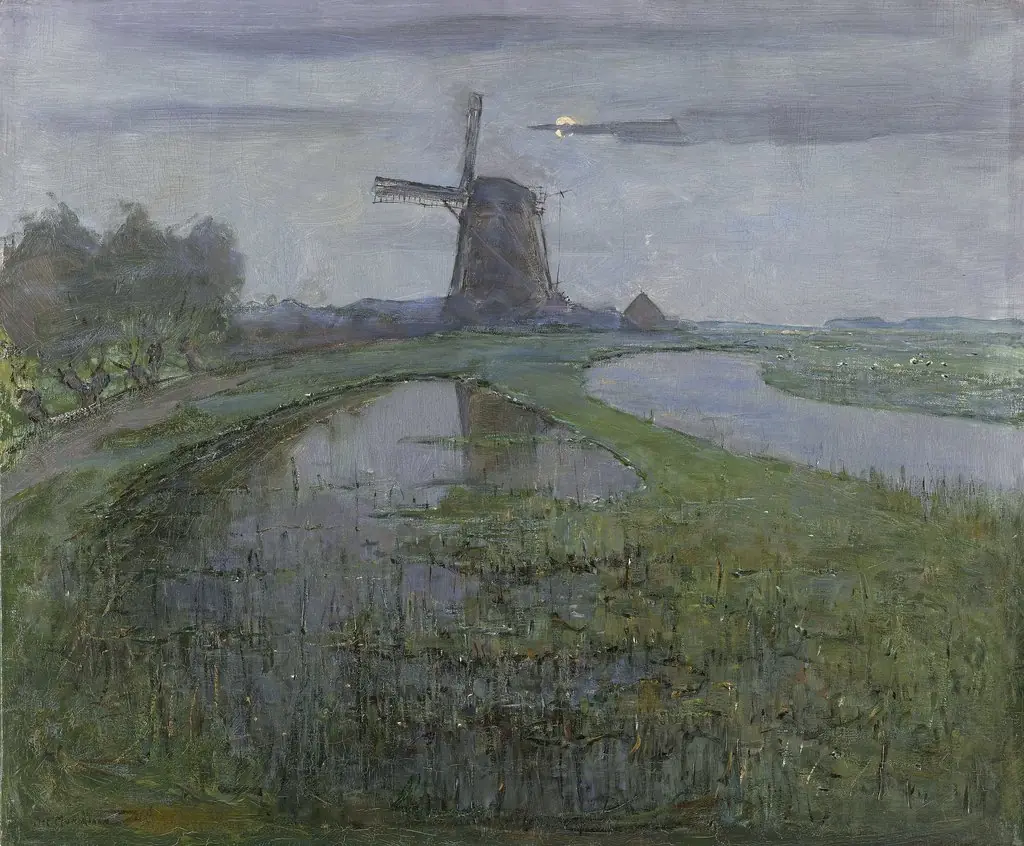 Oostzijdse Mill along the River Gein by Moonlight
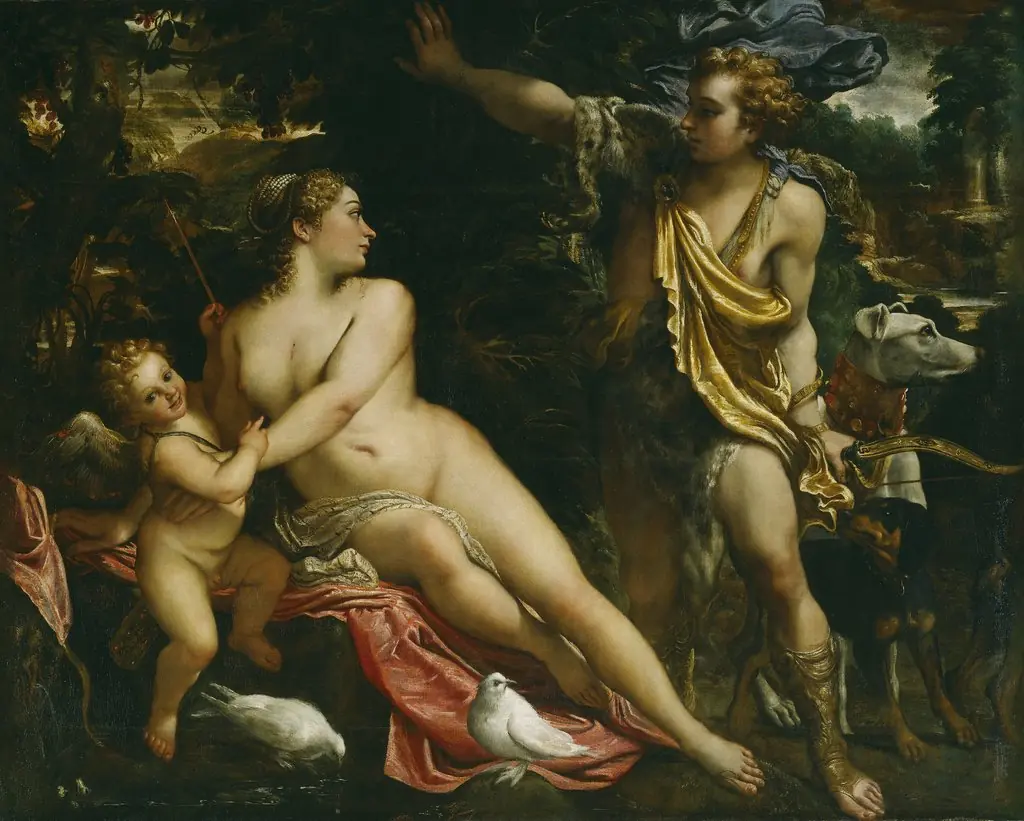 Venus, Adonis and Cupid
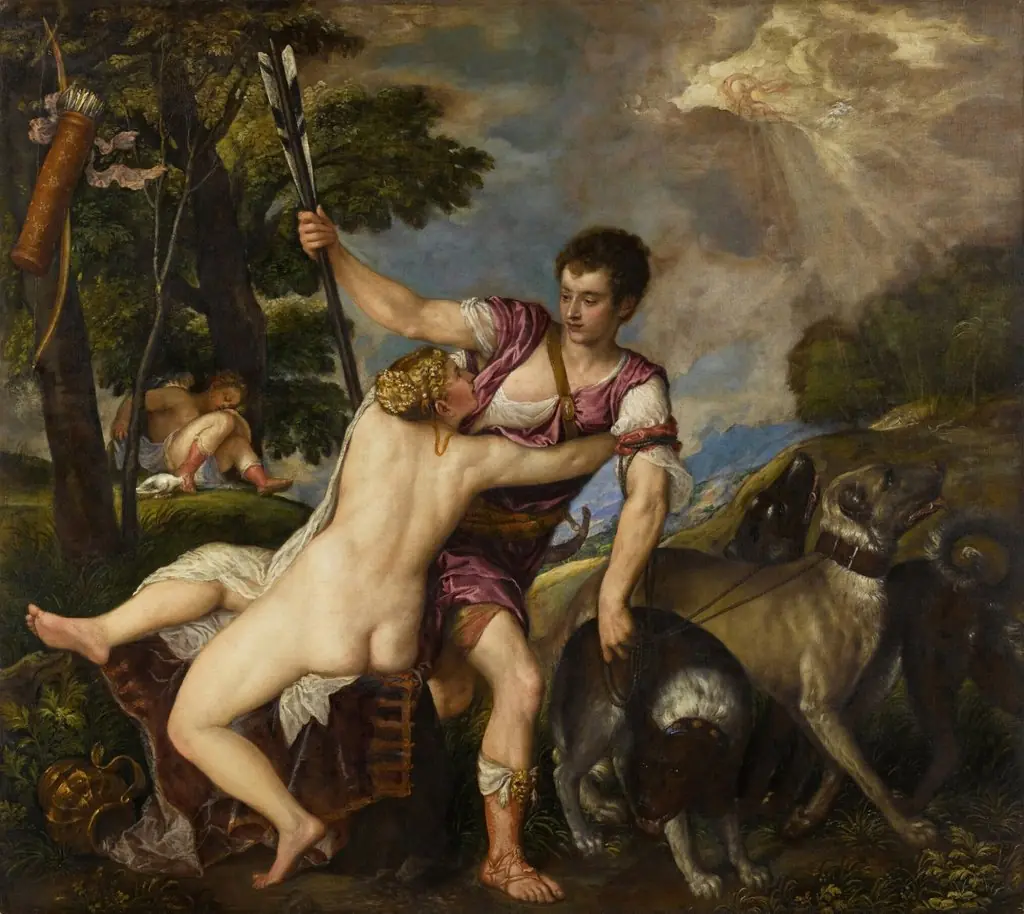 Venus and Adonis
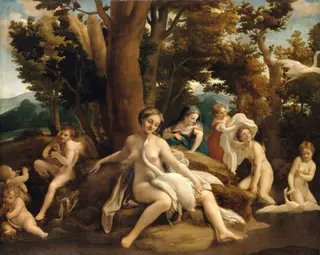 Leda and the Swan
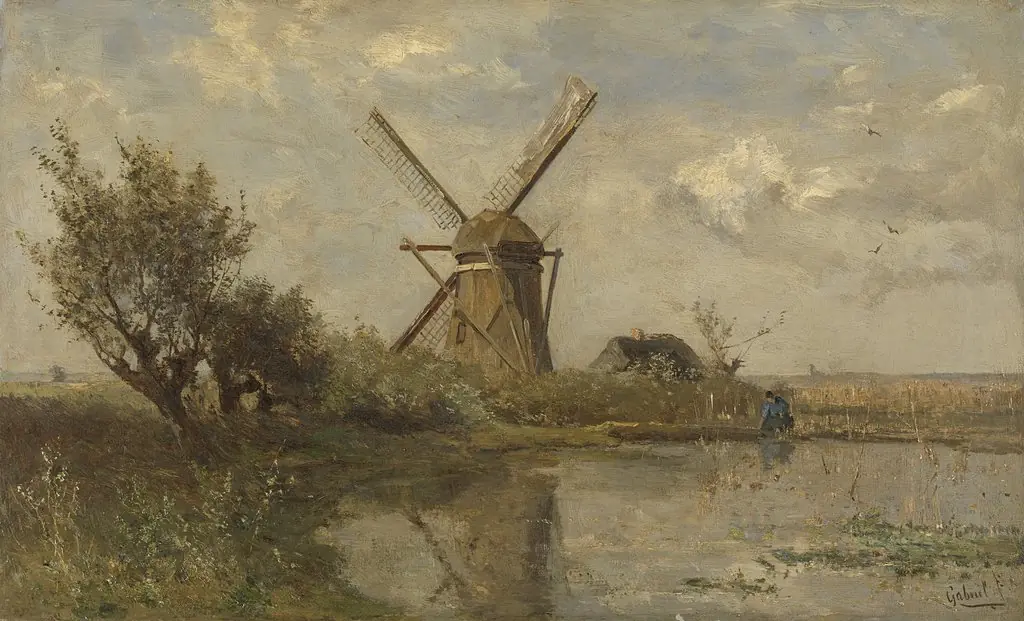 Windmill on a pond
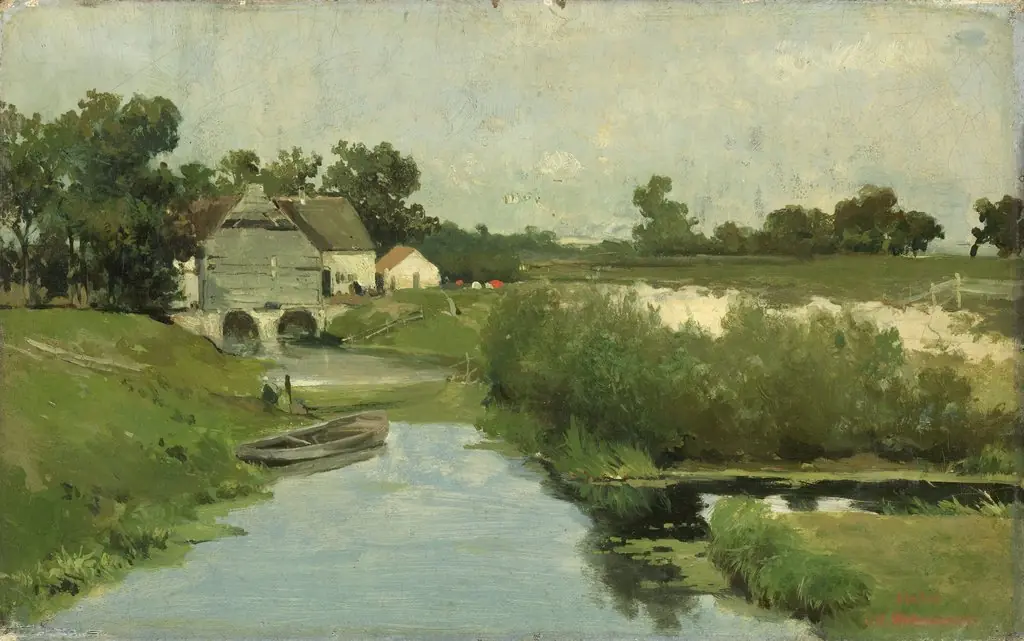 Summer Day
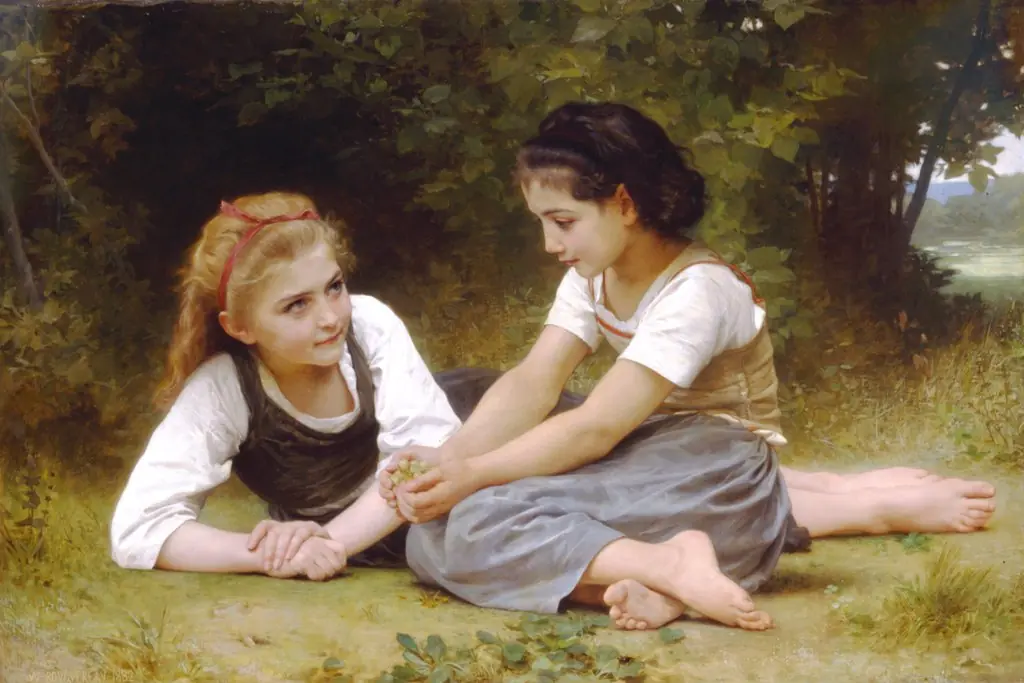 The Nut Gatherers
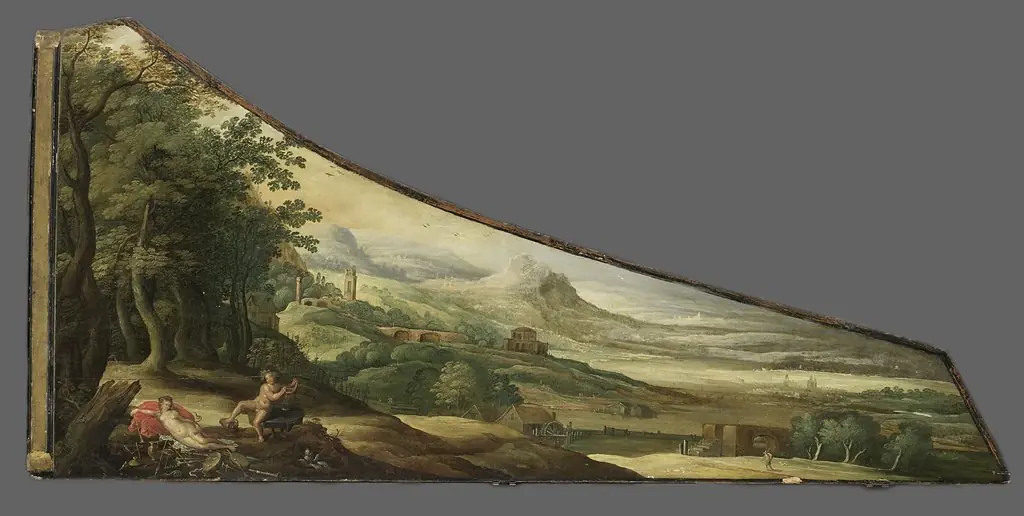 Death of Euridice
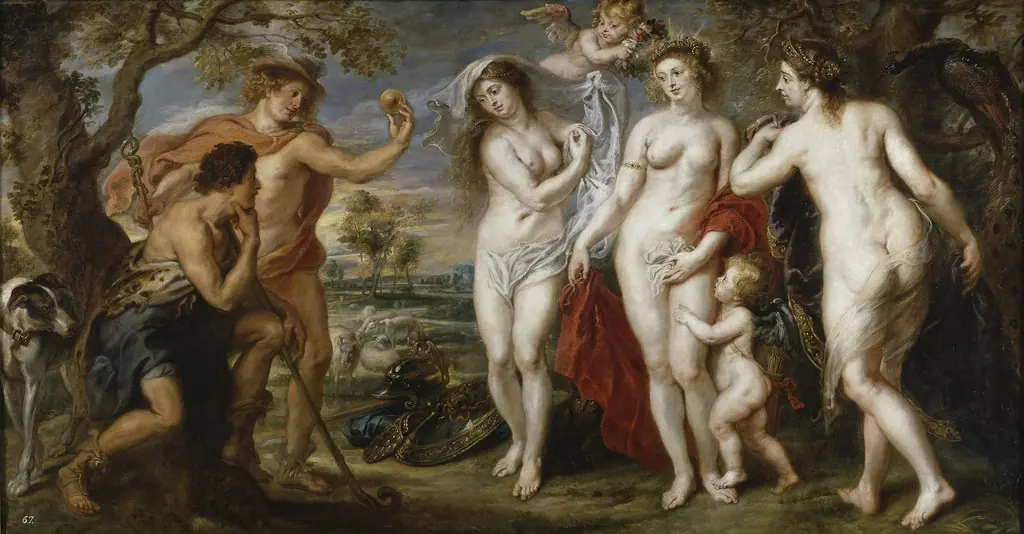 The Judgement of Paris
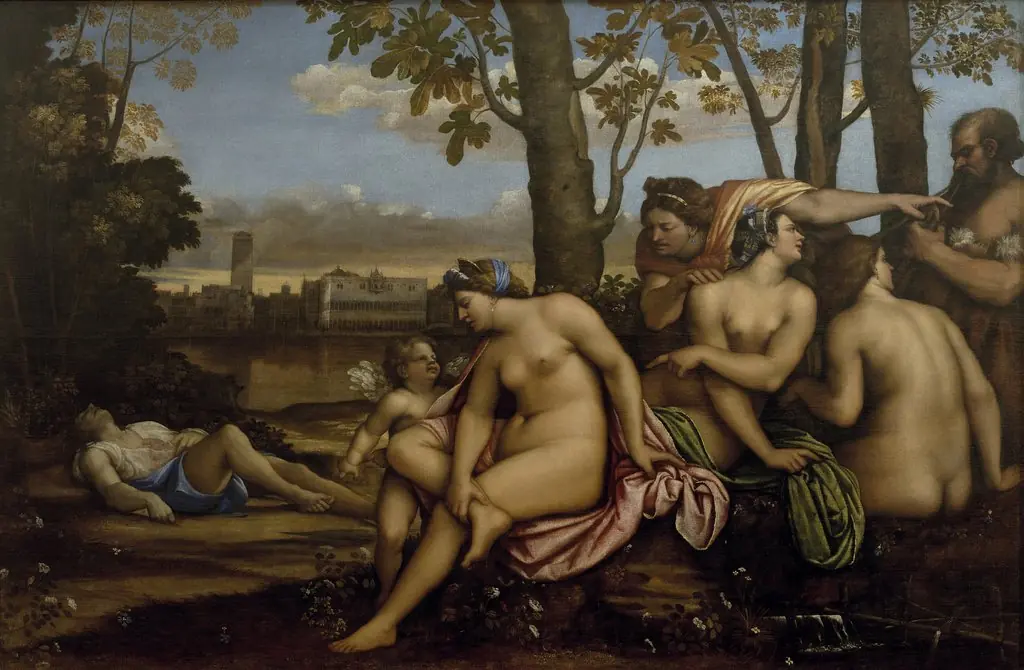 Death of Adonis
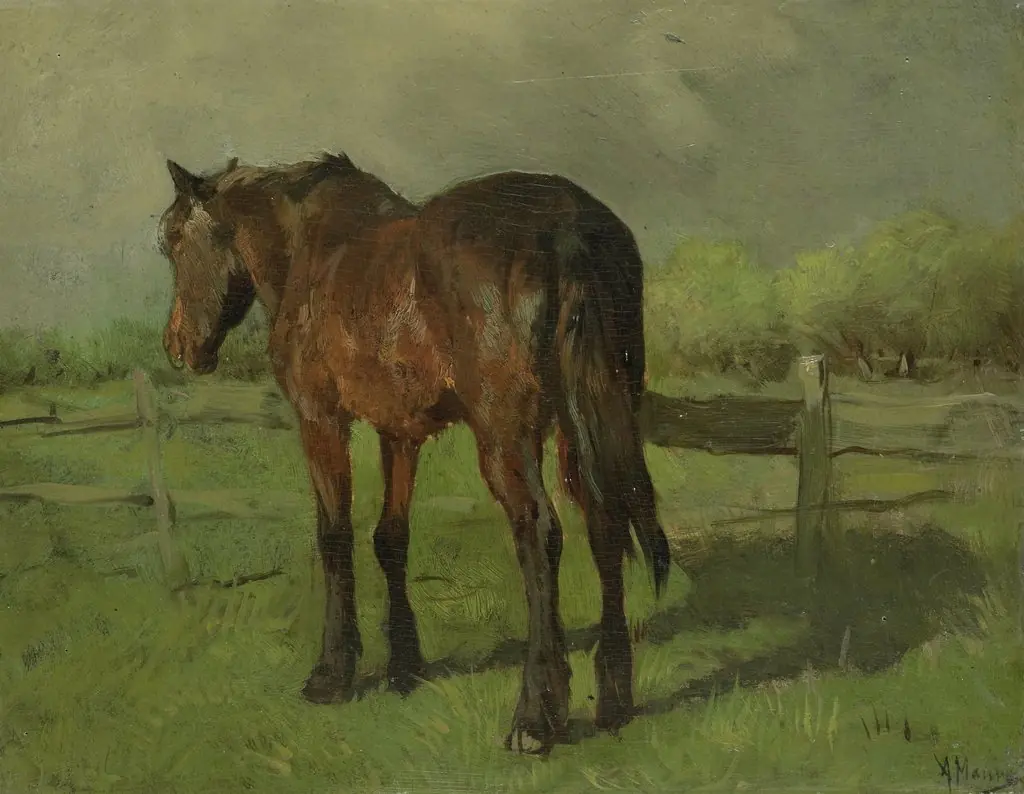 Horse
Horse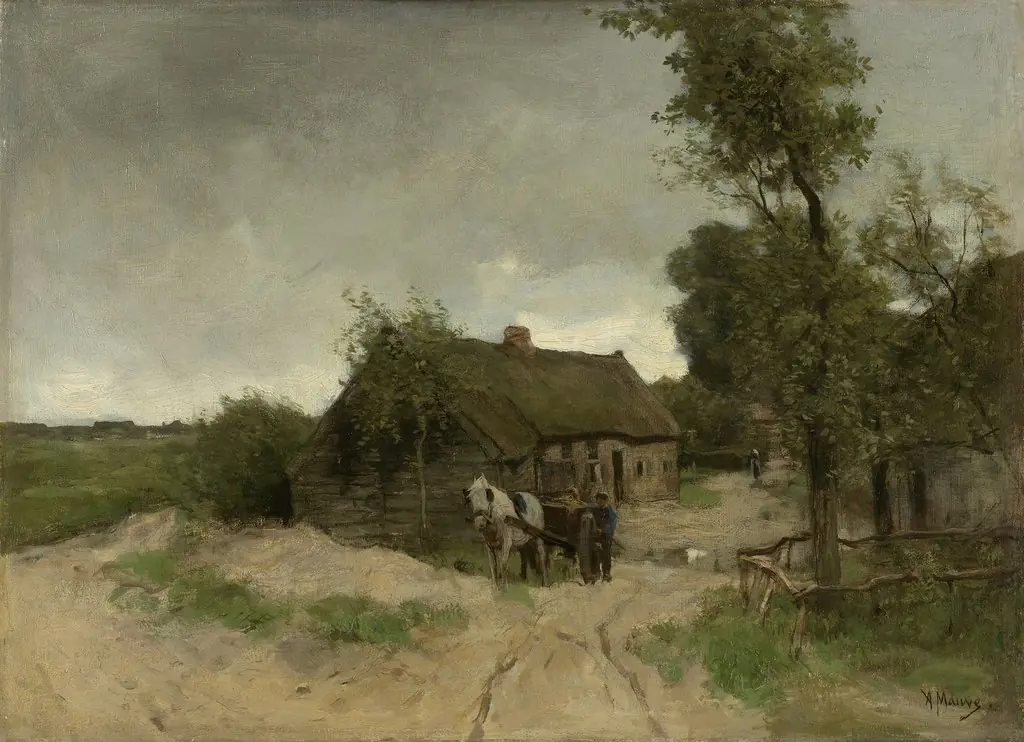 Cottage on the dirt road
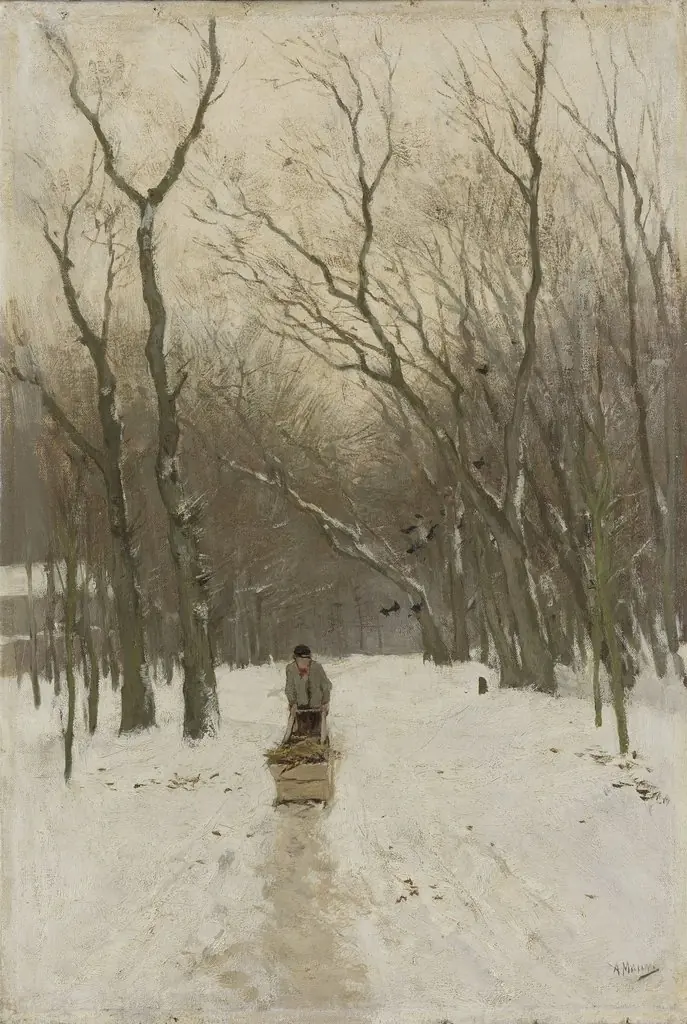 Winter in the Scheveningse bosjes.
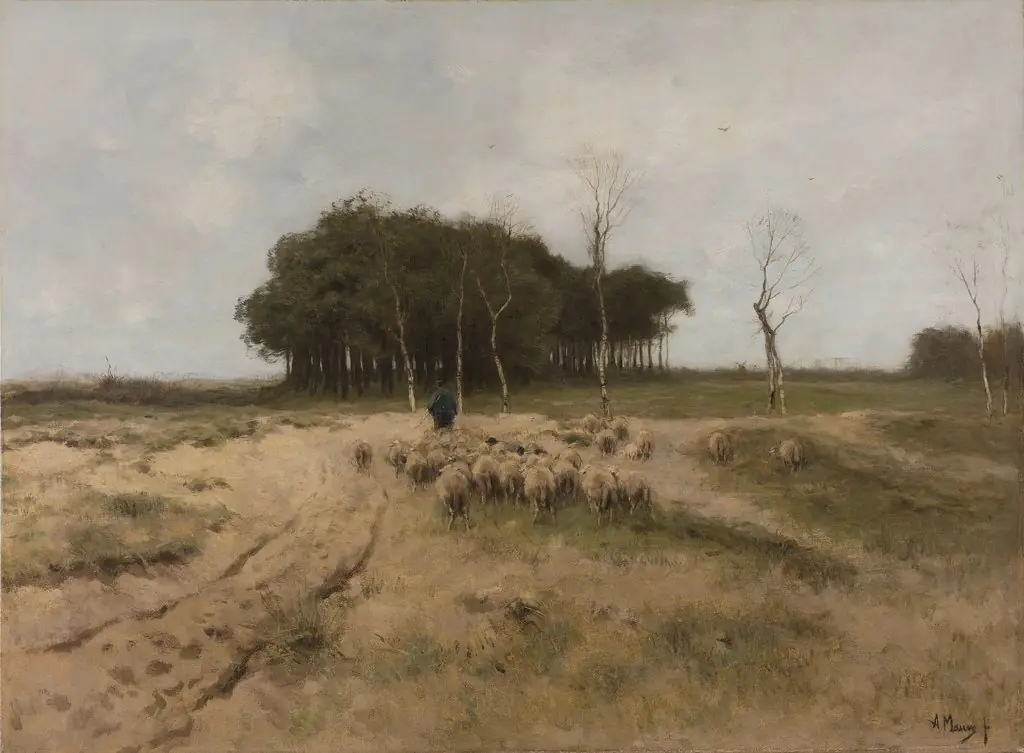 On the Heath near Laren
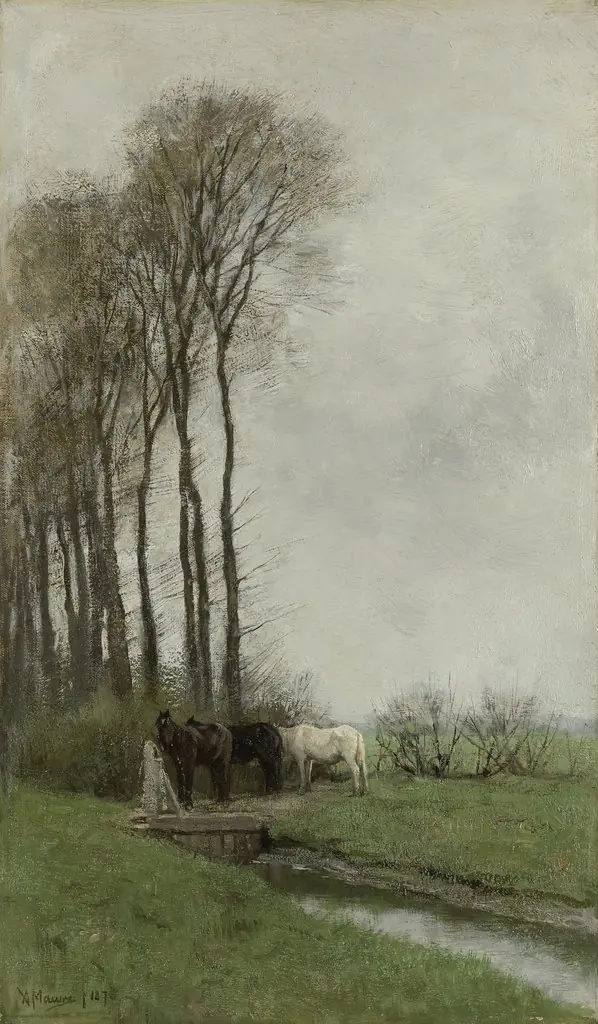 Horses near the fence.
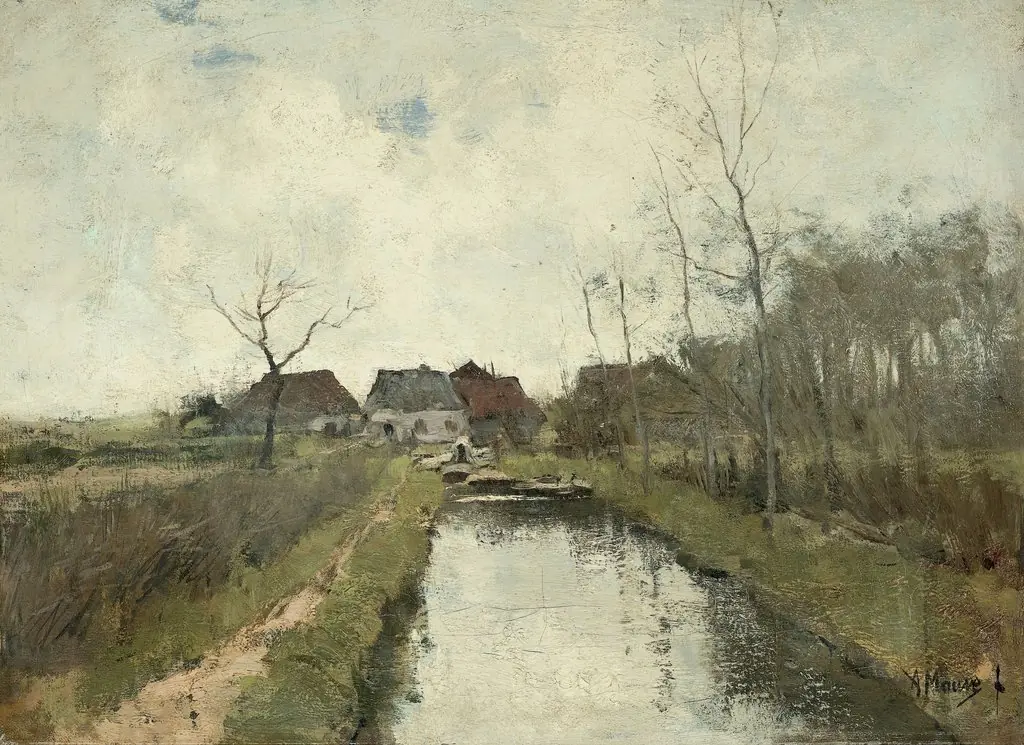 Cottages by a ditch
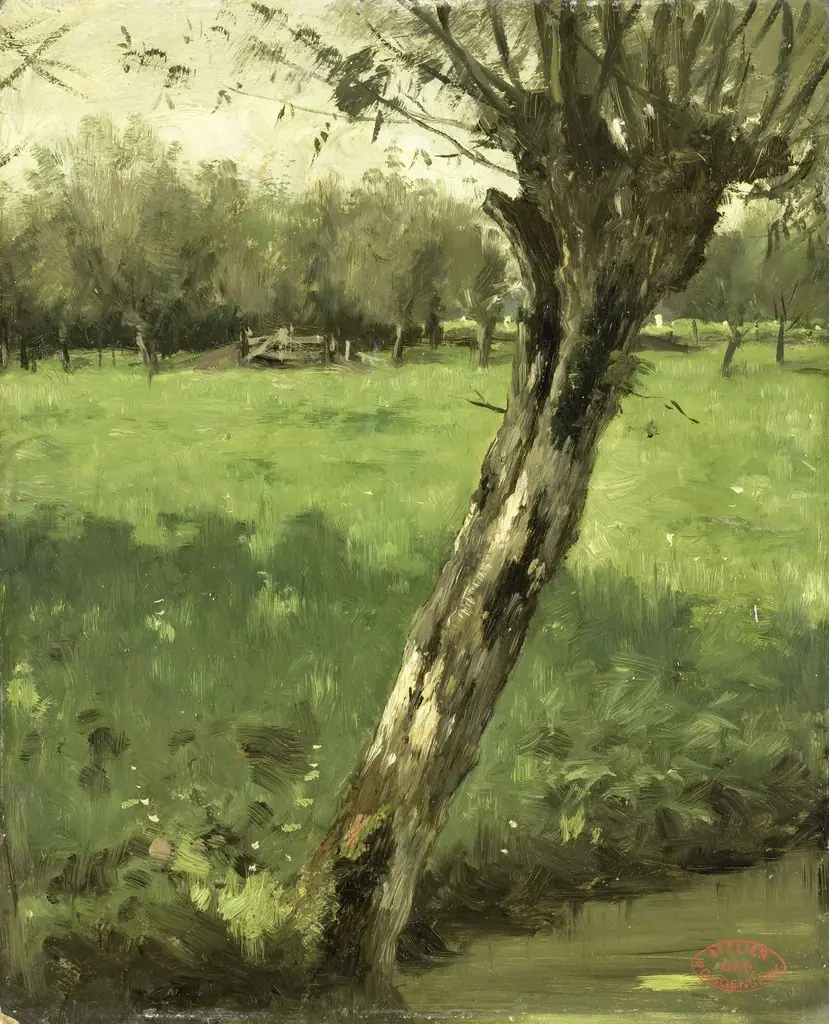 The Willow
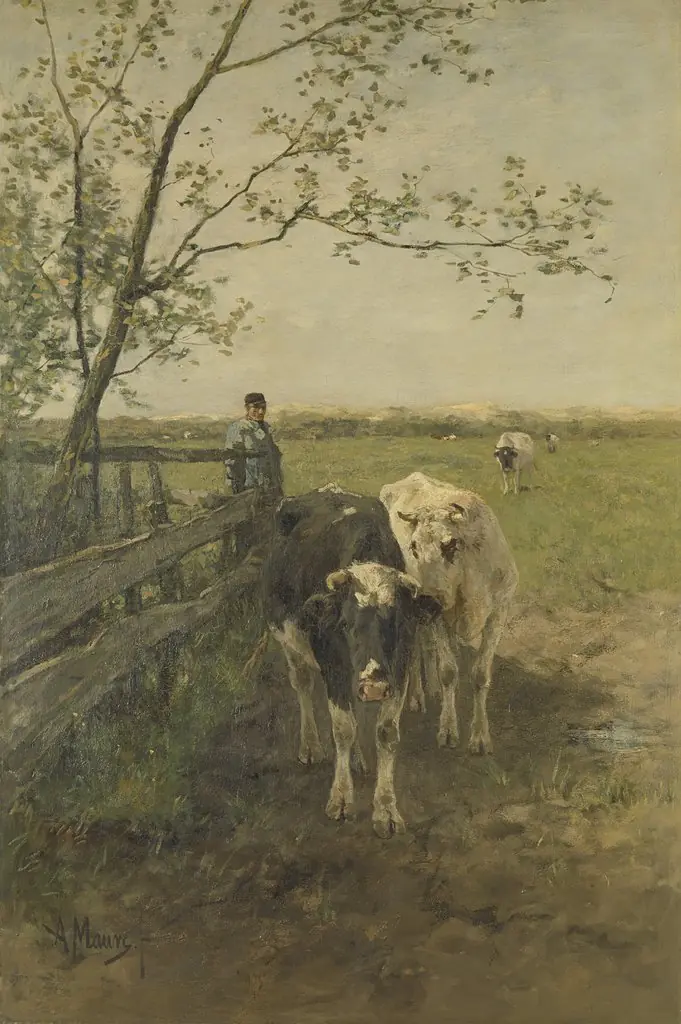 The milking corner.
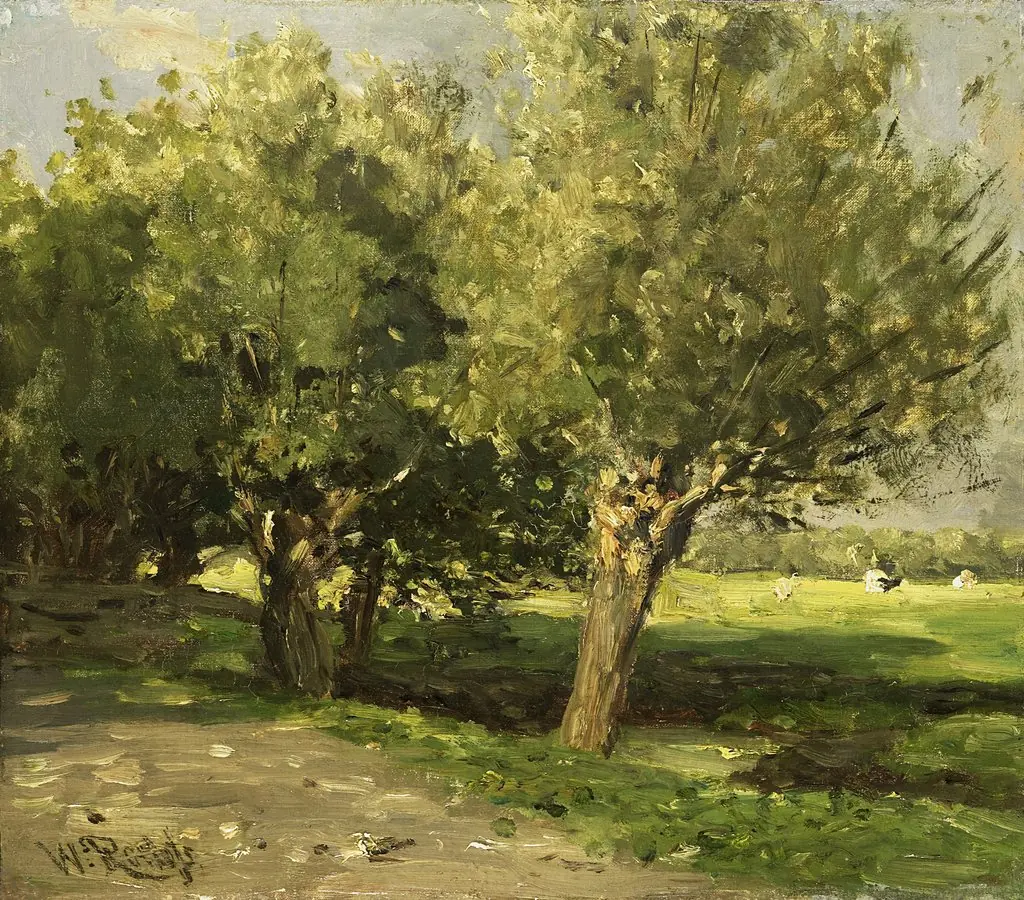 Wilgebomen
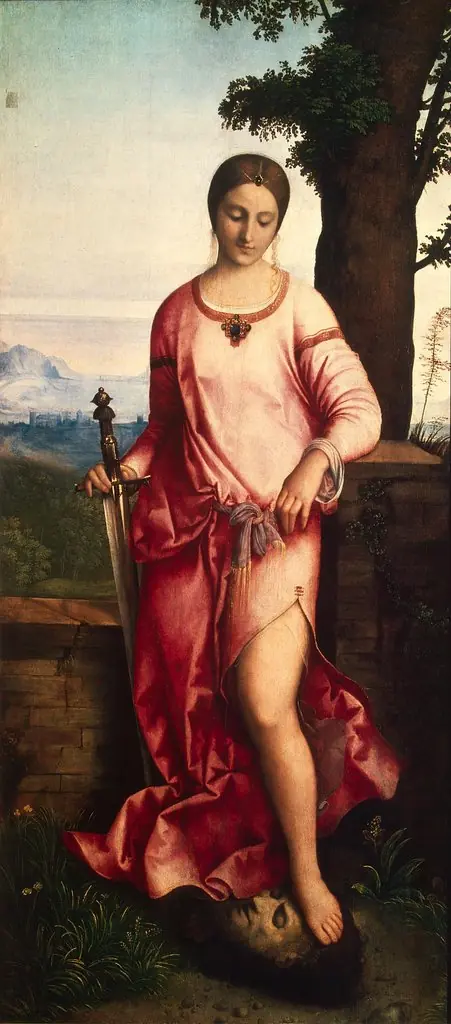 Judith
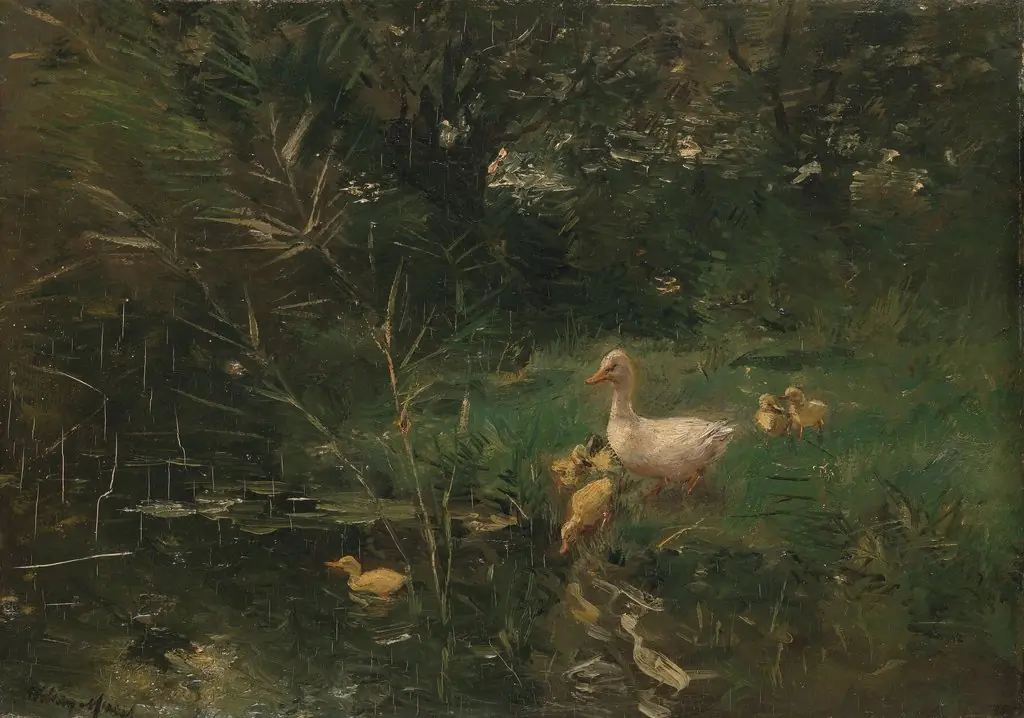 Eendjes
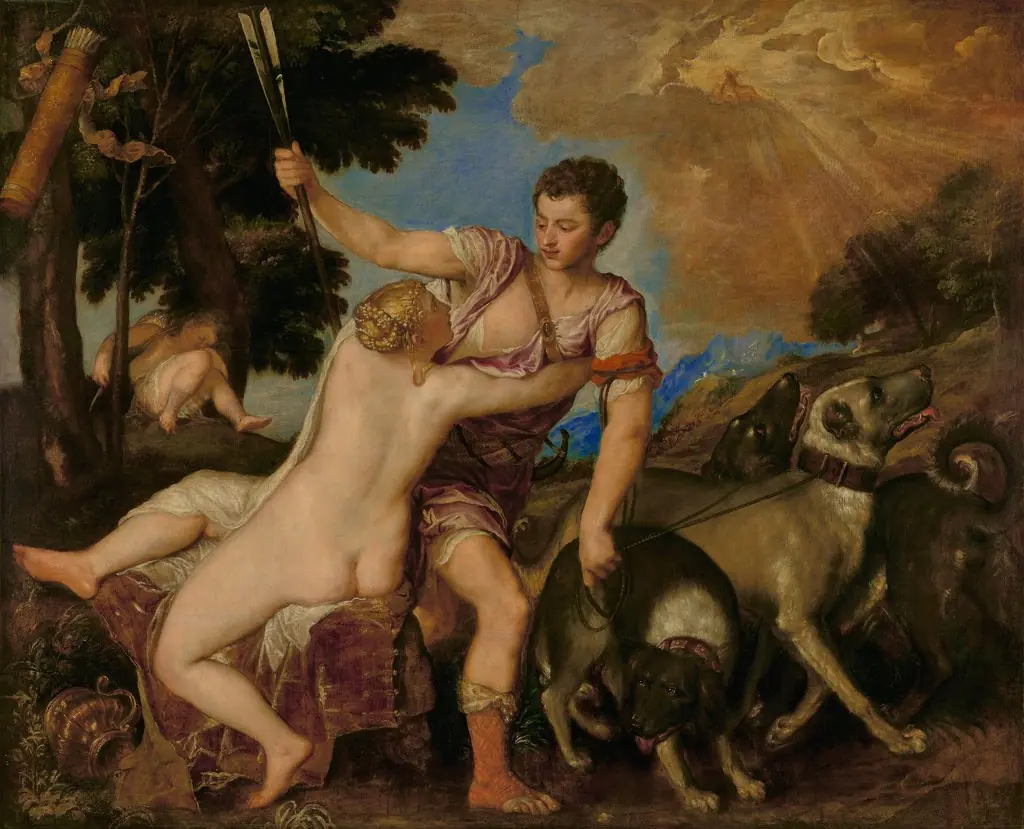 Venus and Adonis
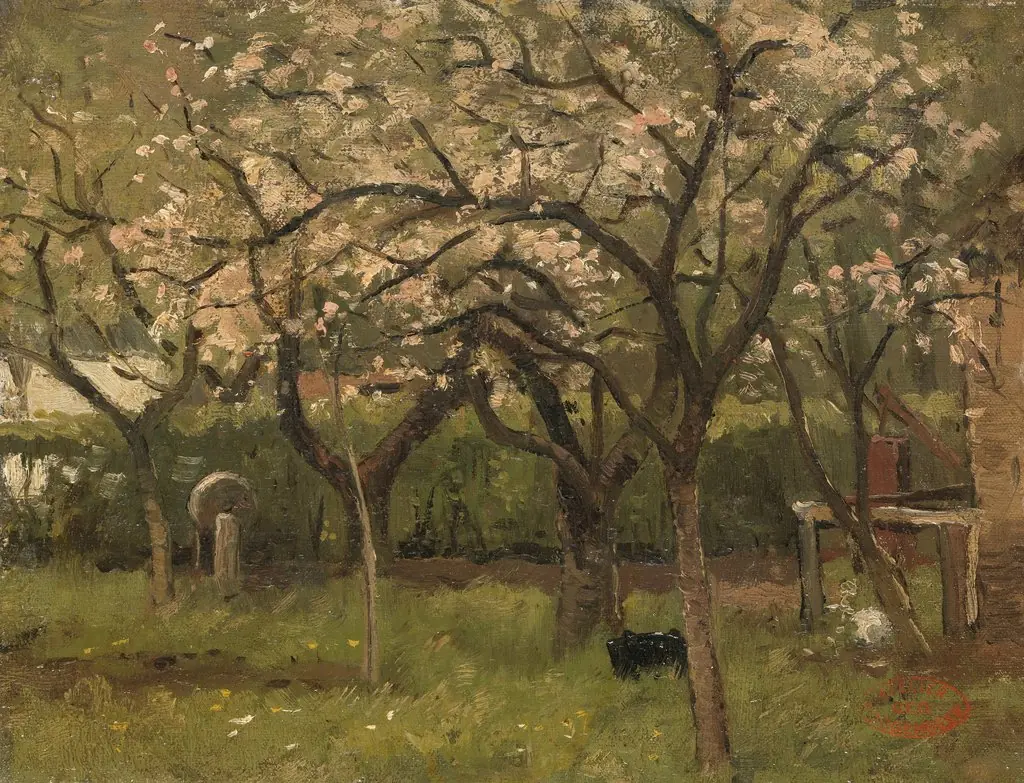 An orchard in bloom
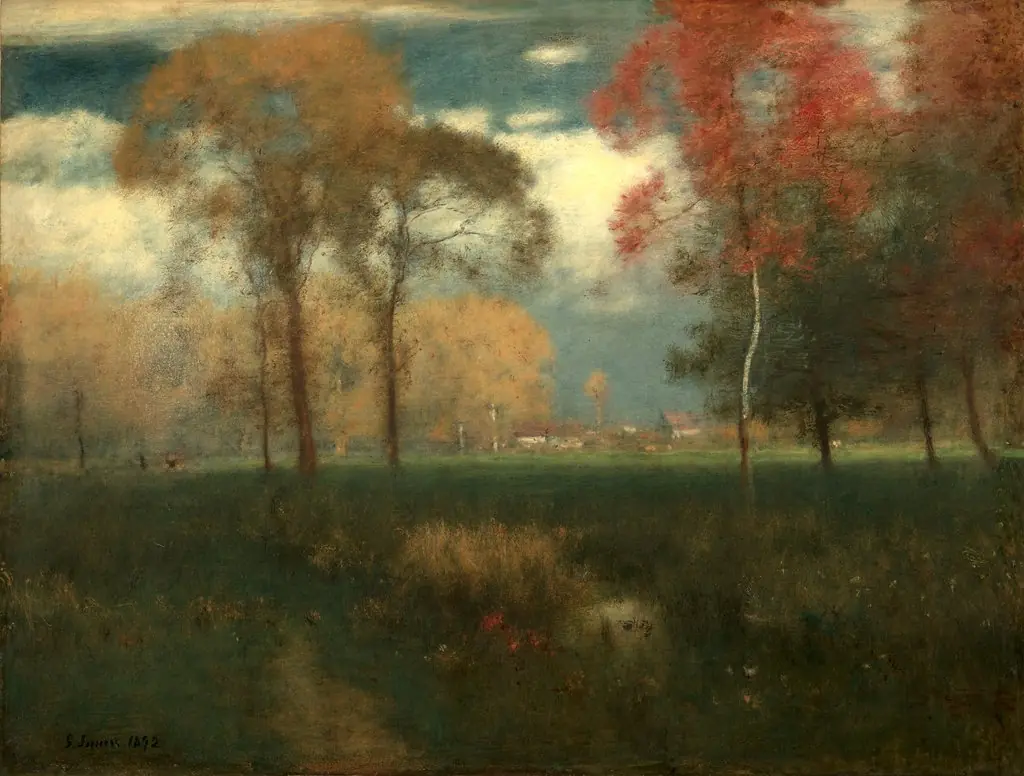 Sunny Autumn Day
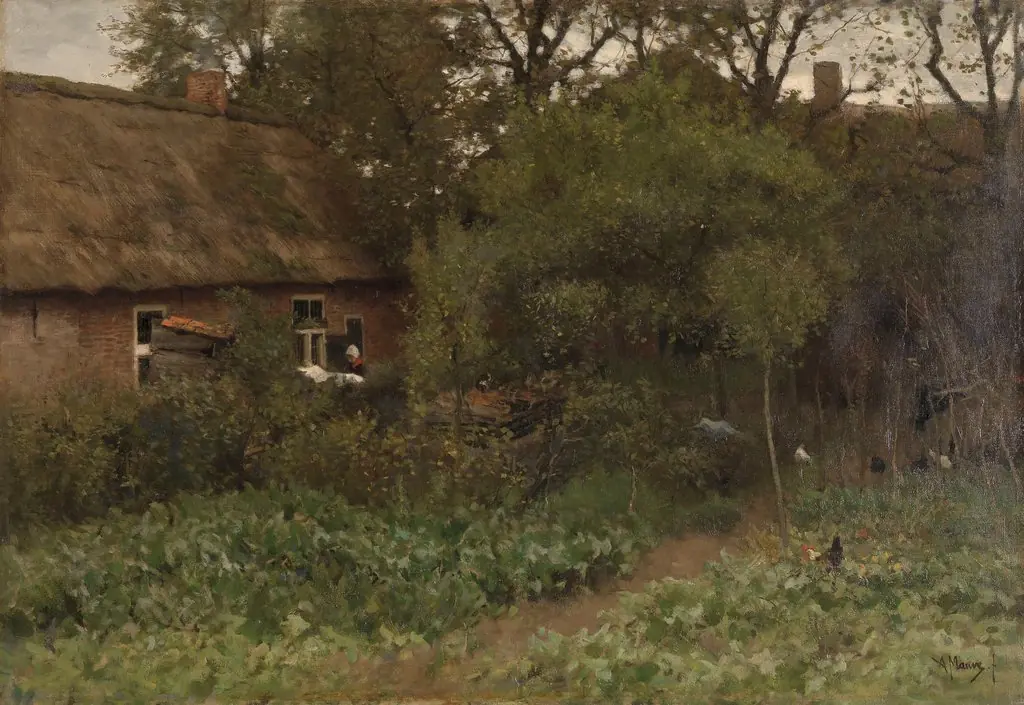 The Vegetable Garden
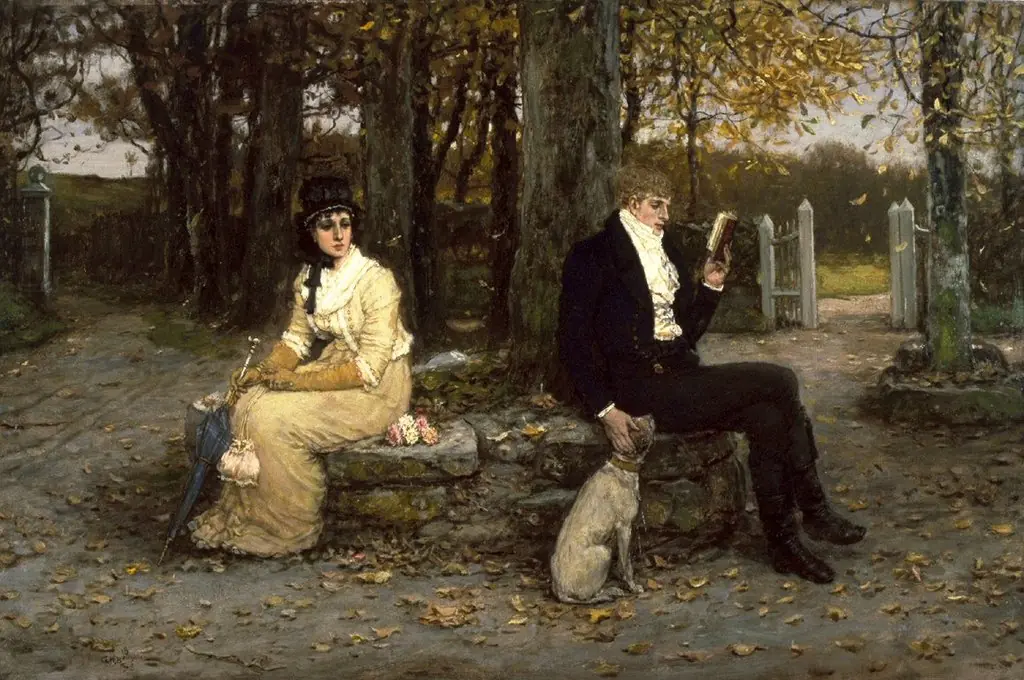 The Waning Honeymoon
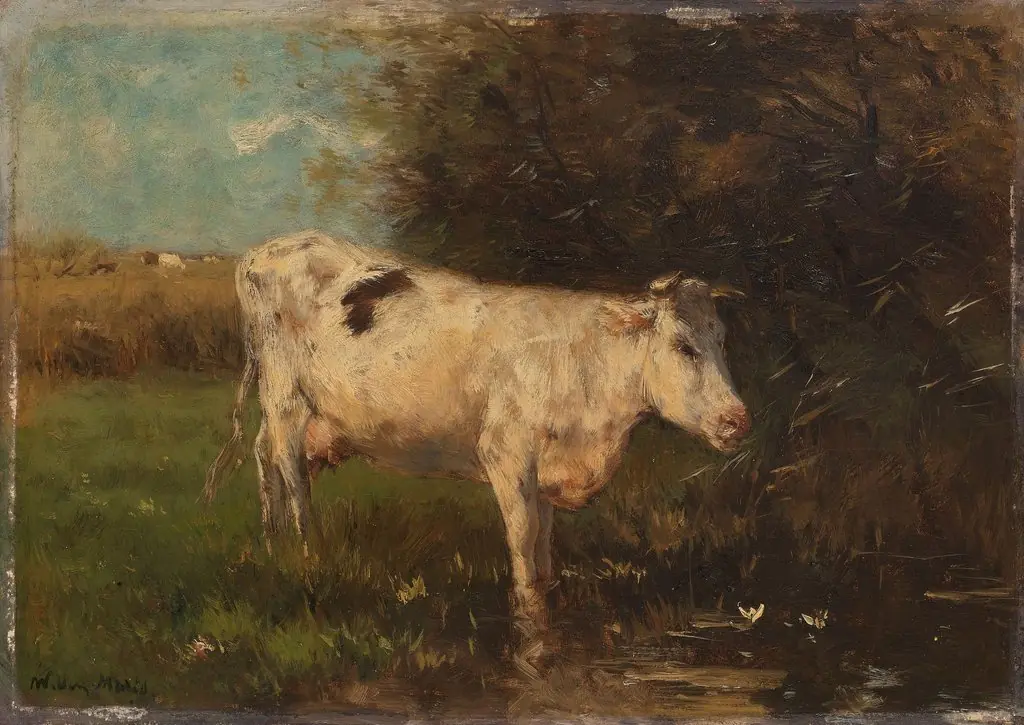 White Cow
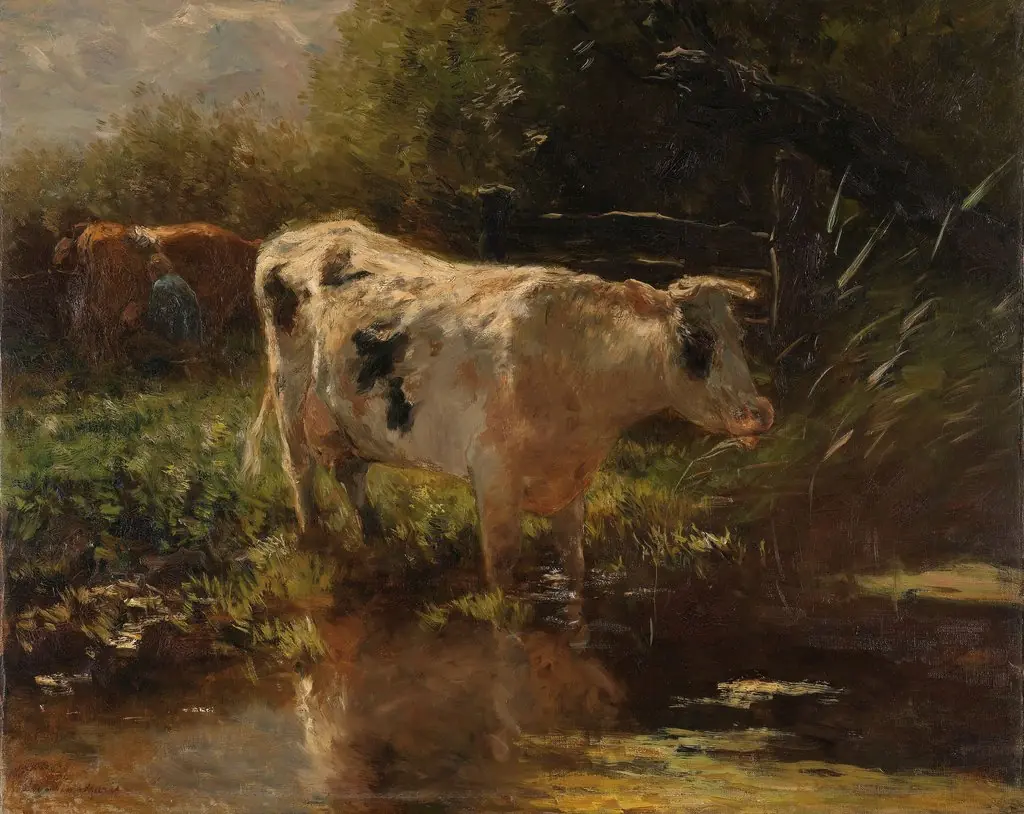 Cow beside a Ditch
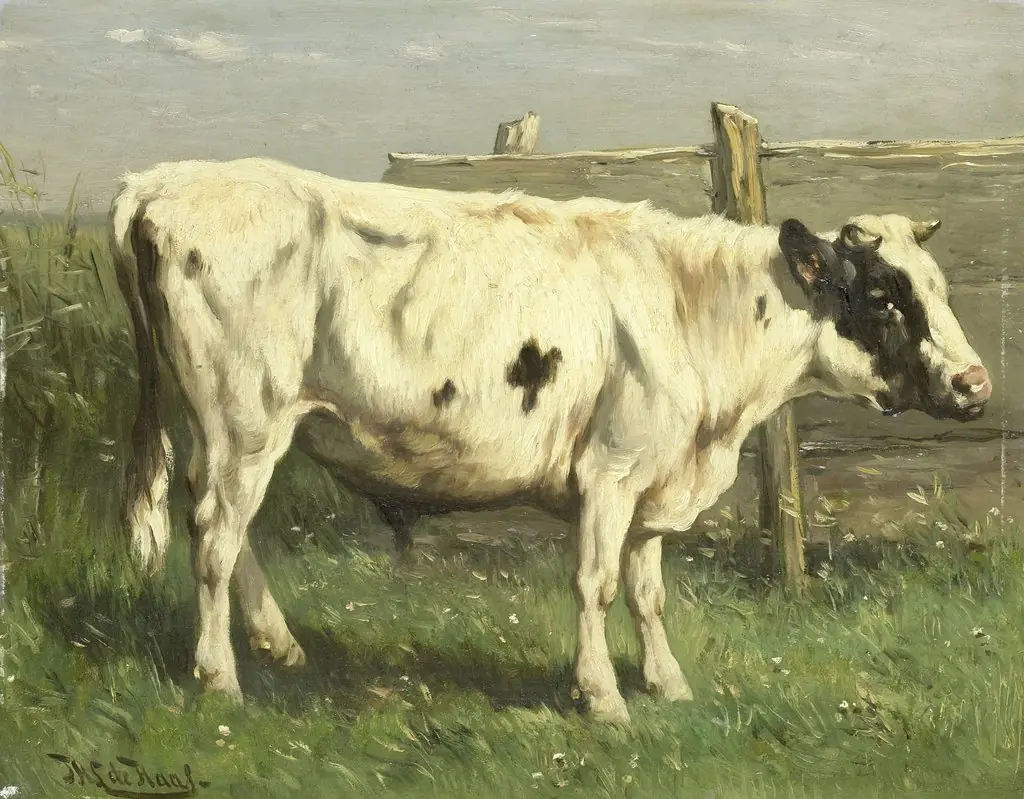 Young Bull
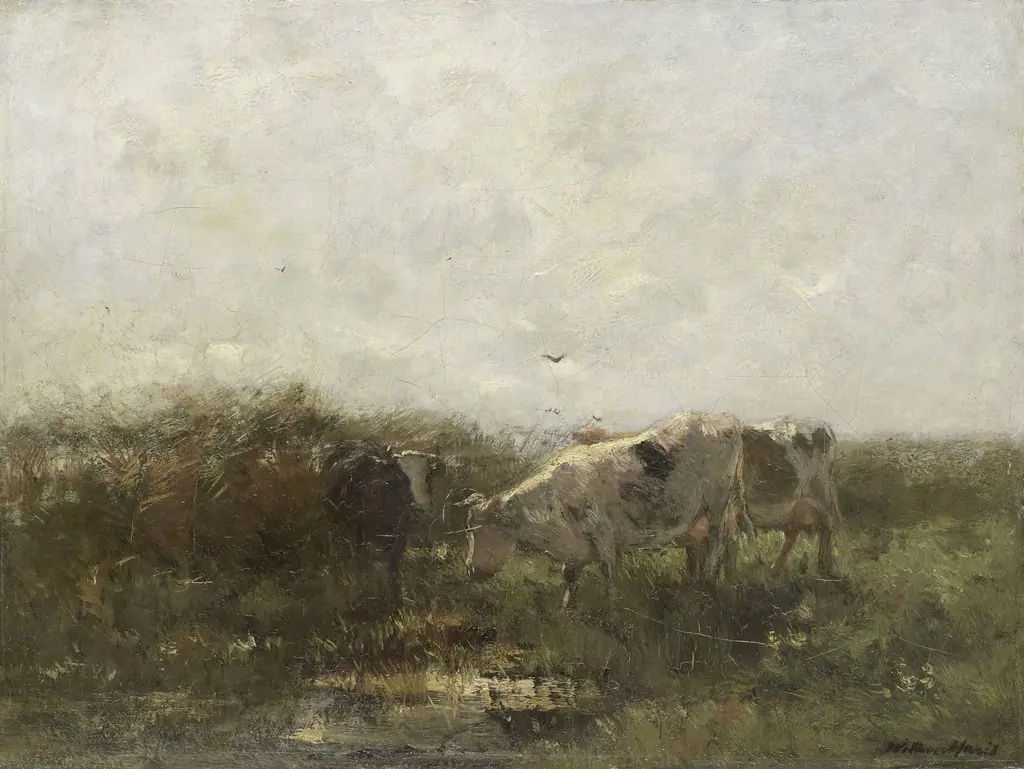 Koeien
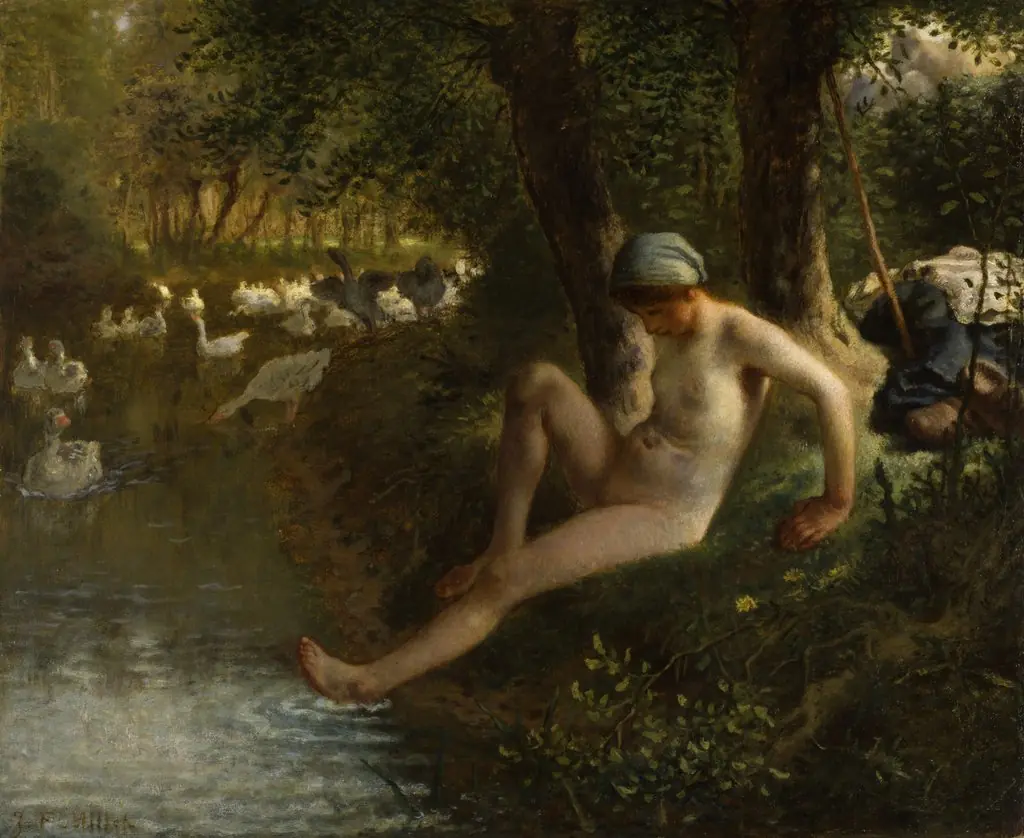 The Goose Girl
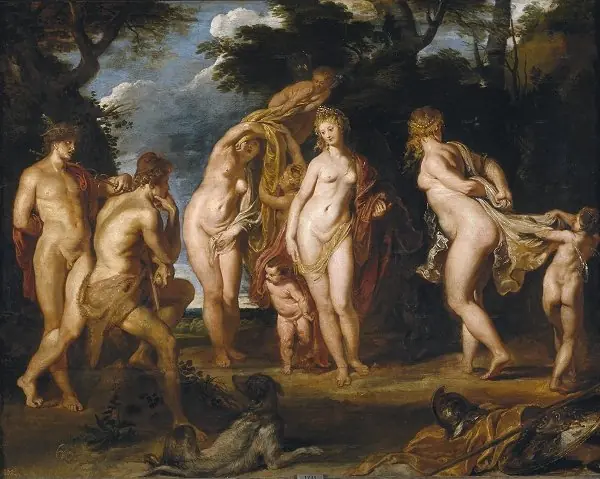 The Judgement of Paris
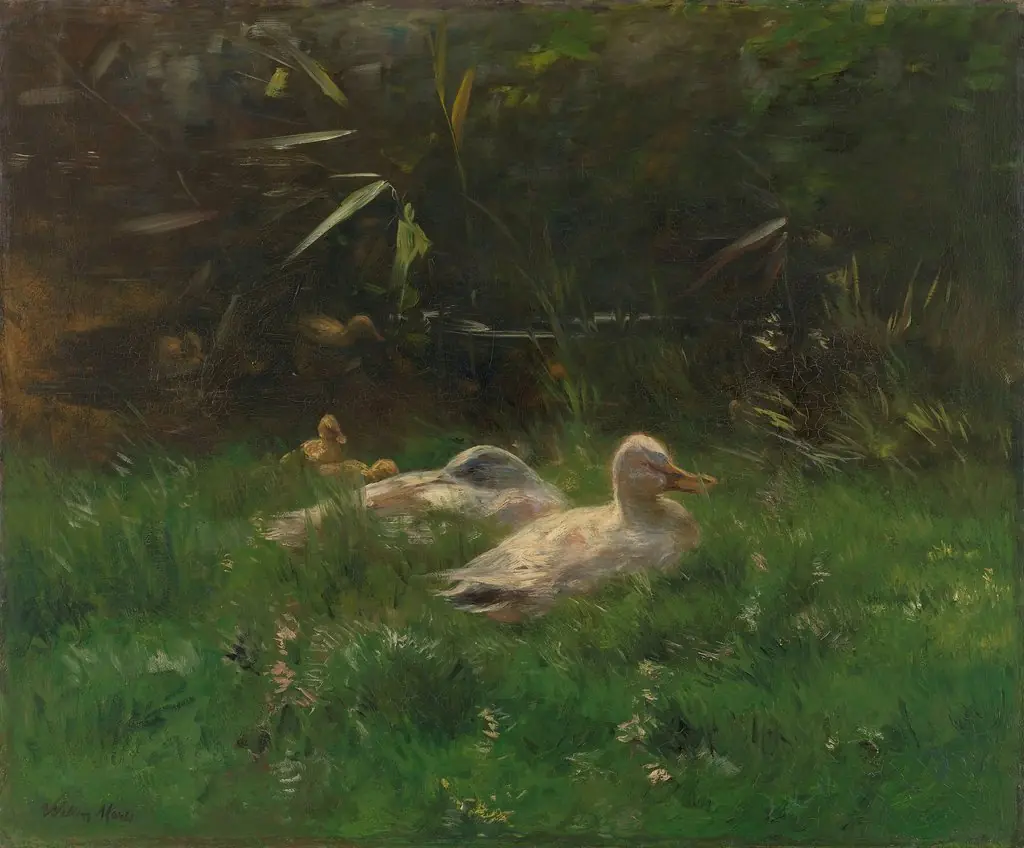 Ducks
Ducks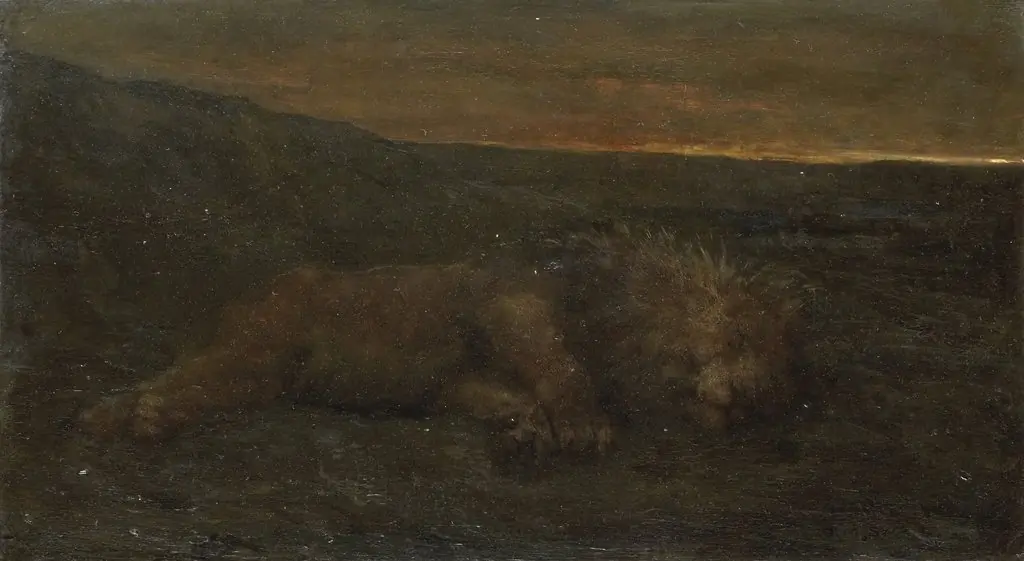 Sleeping lion at night
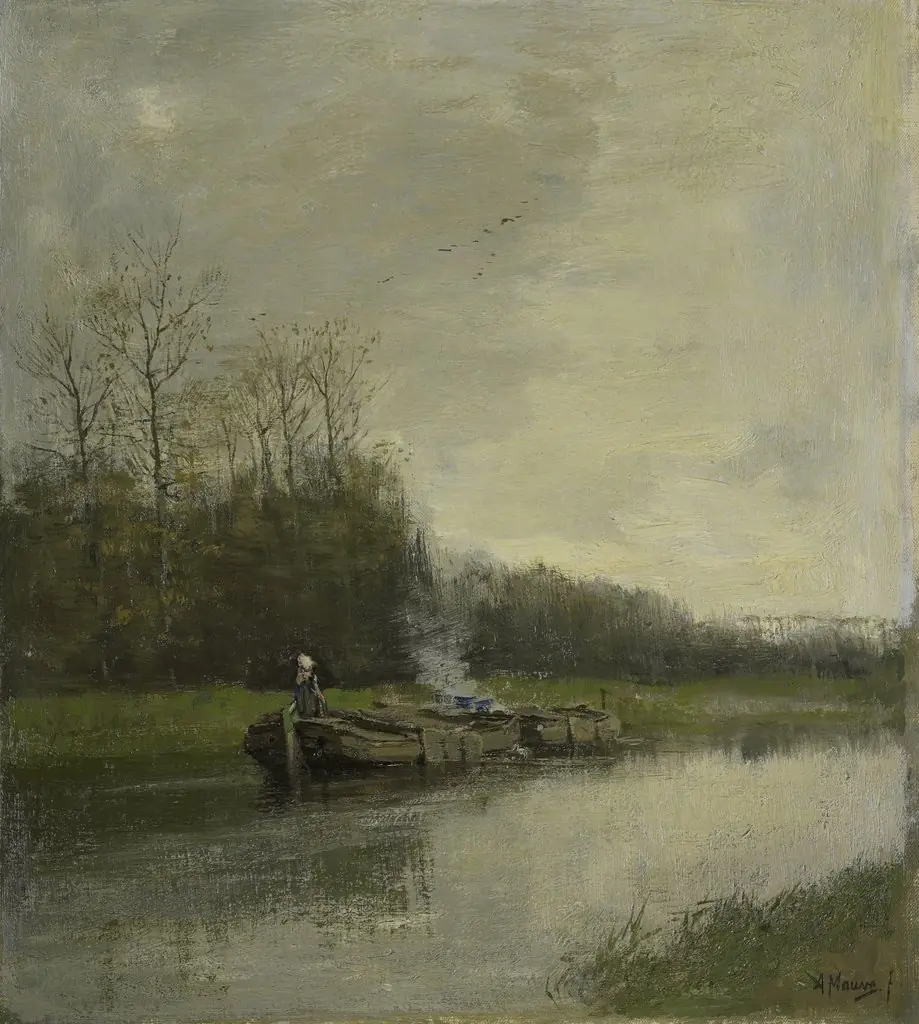 Towing canal.
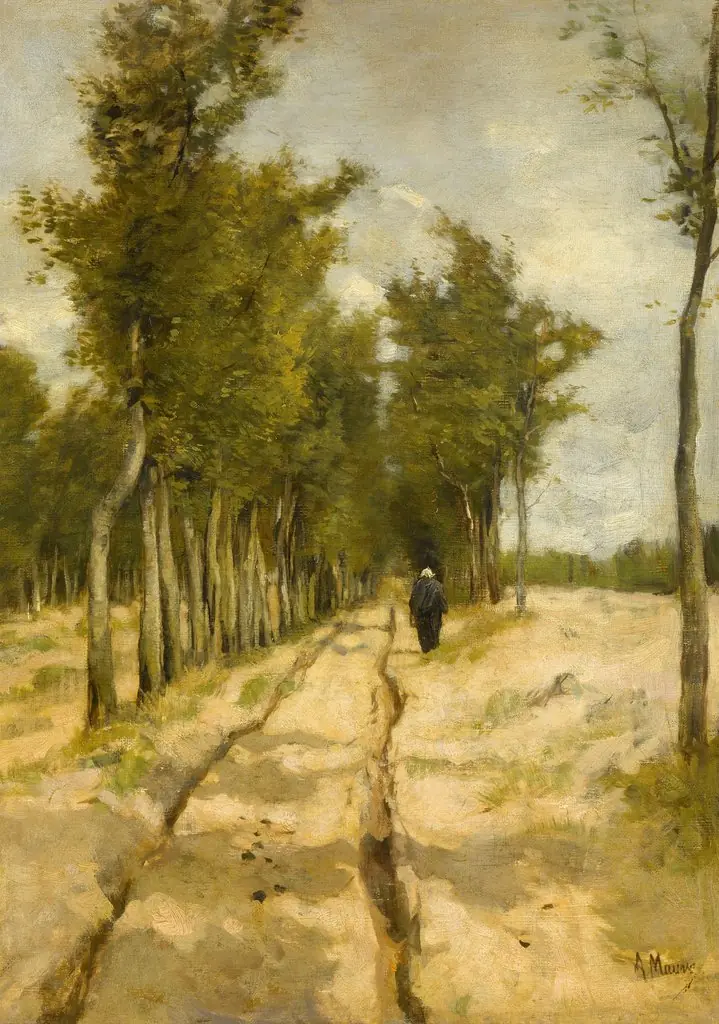 The Torenlaan at Laren.
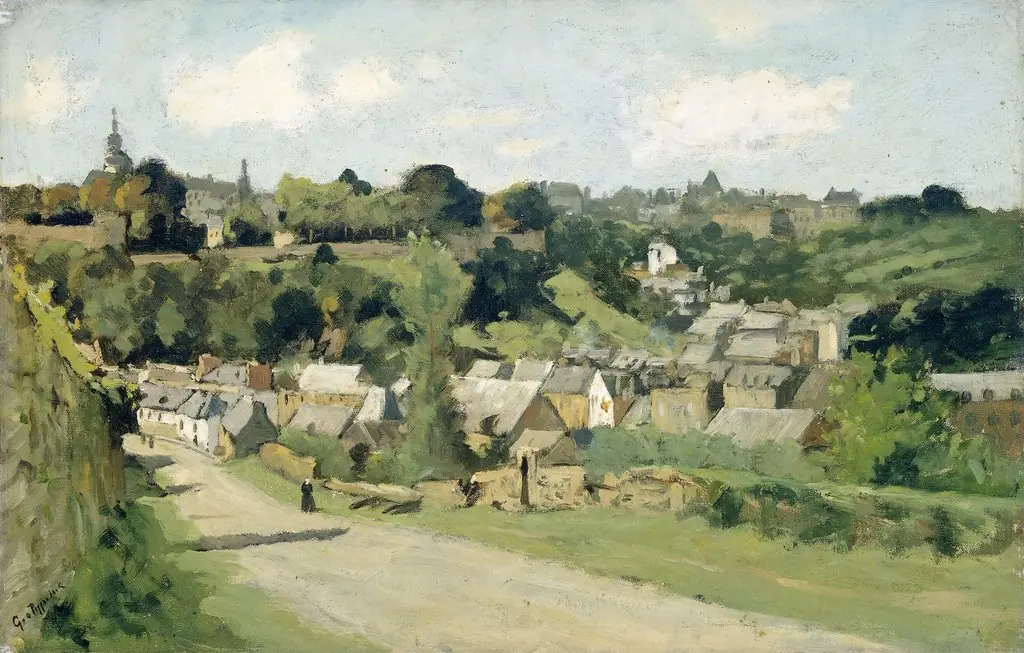 View of Dinant
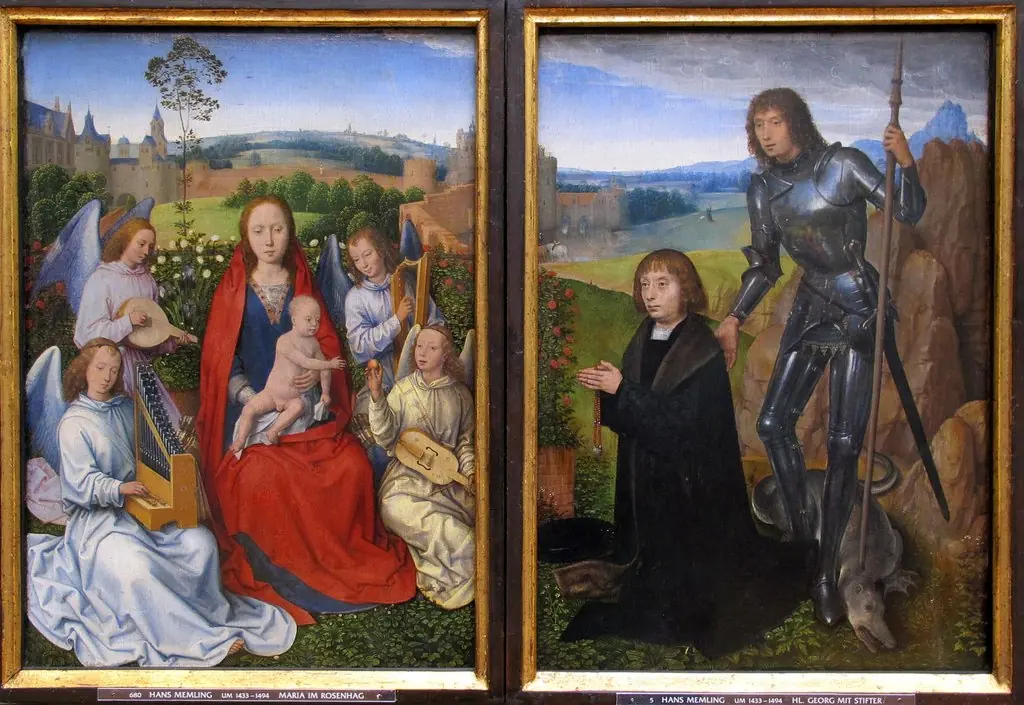 Diptych of Munich
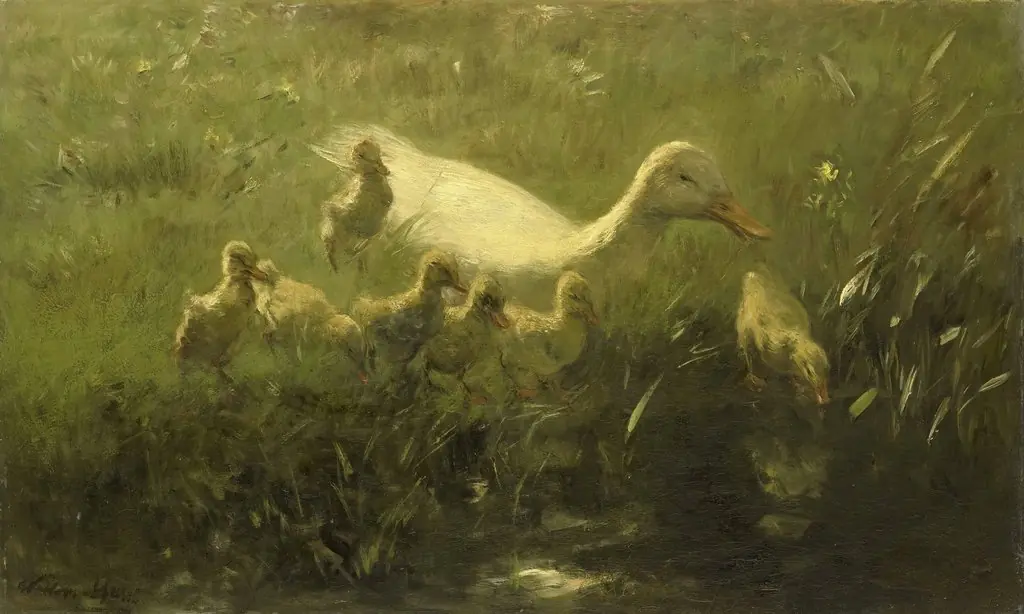 Witte eend met kiekens
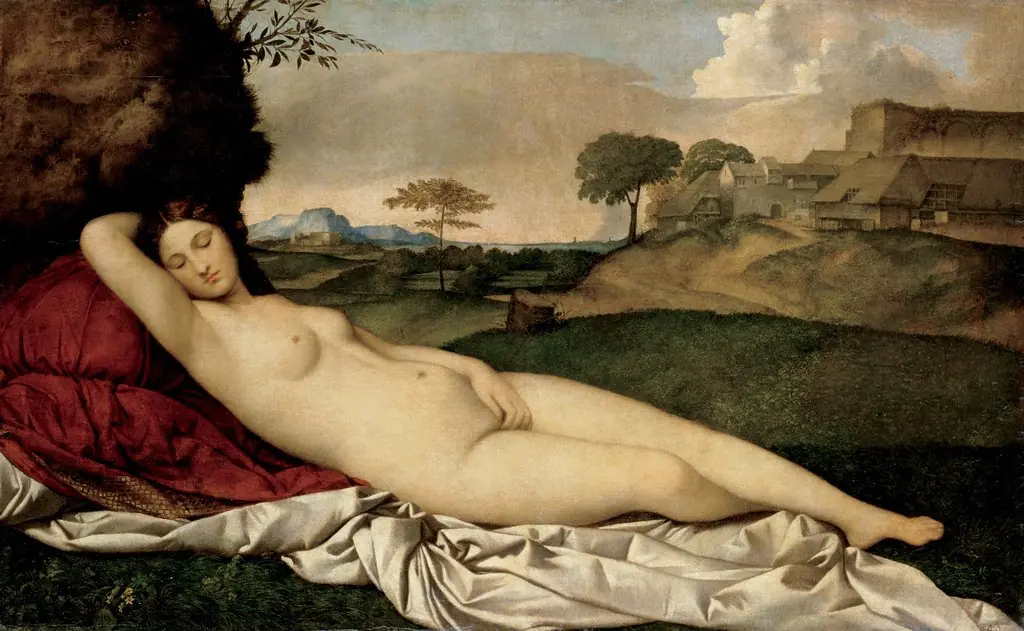 Sleeping Venus
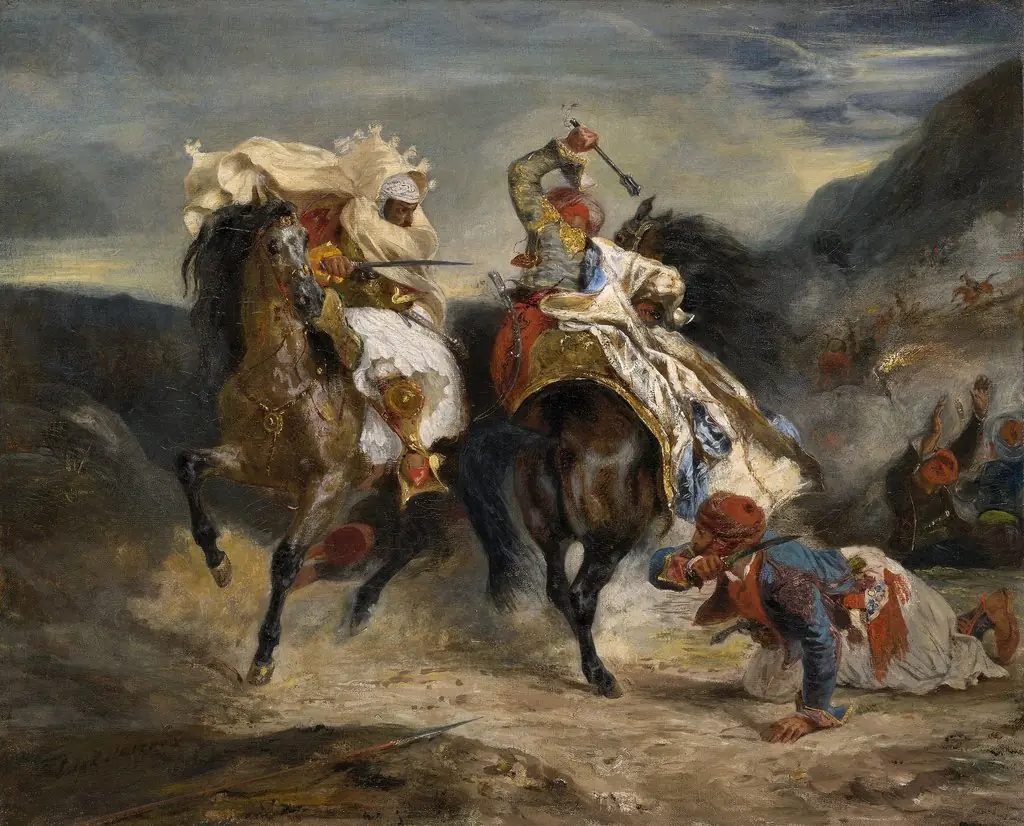 The Combat of the Giaour and Hassan
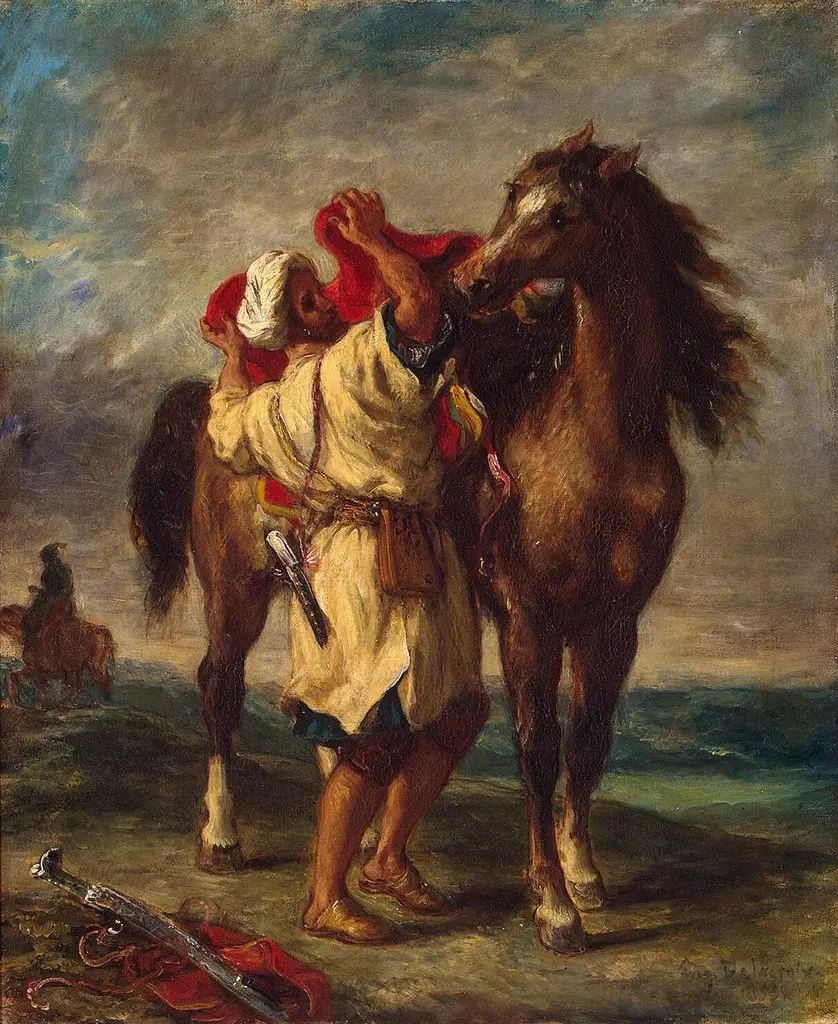 Arab Saddling his Horse
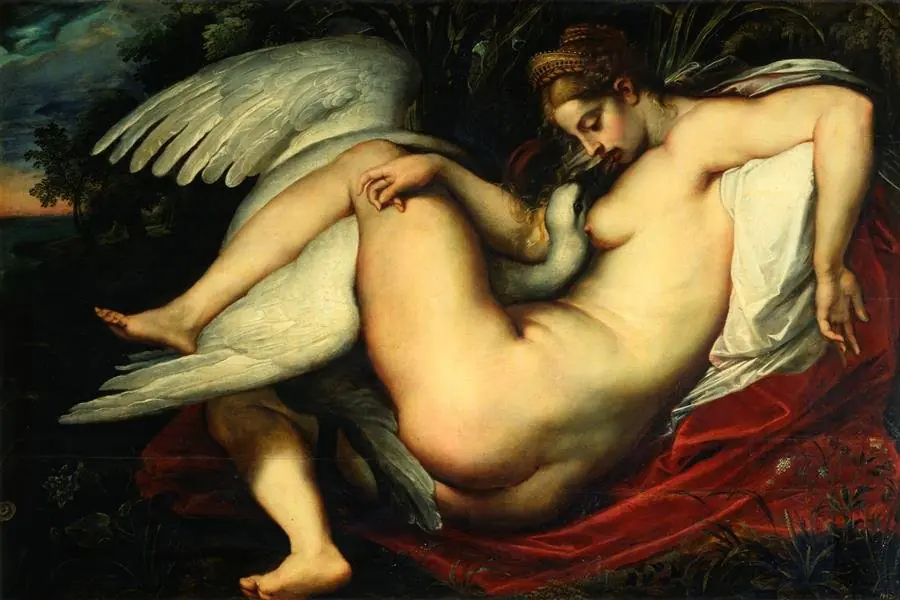 Leda and the swan
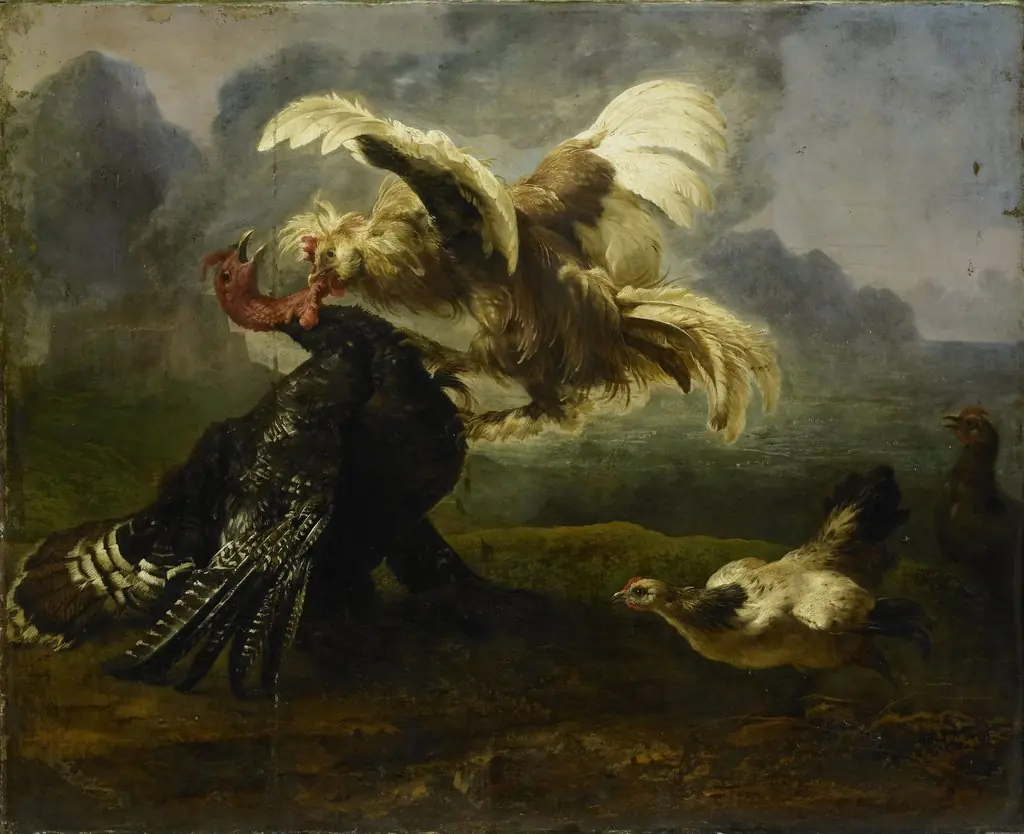 Birds fighting
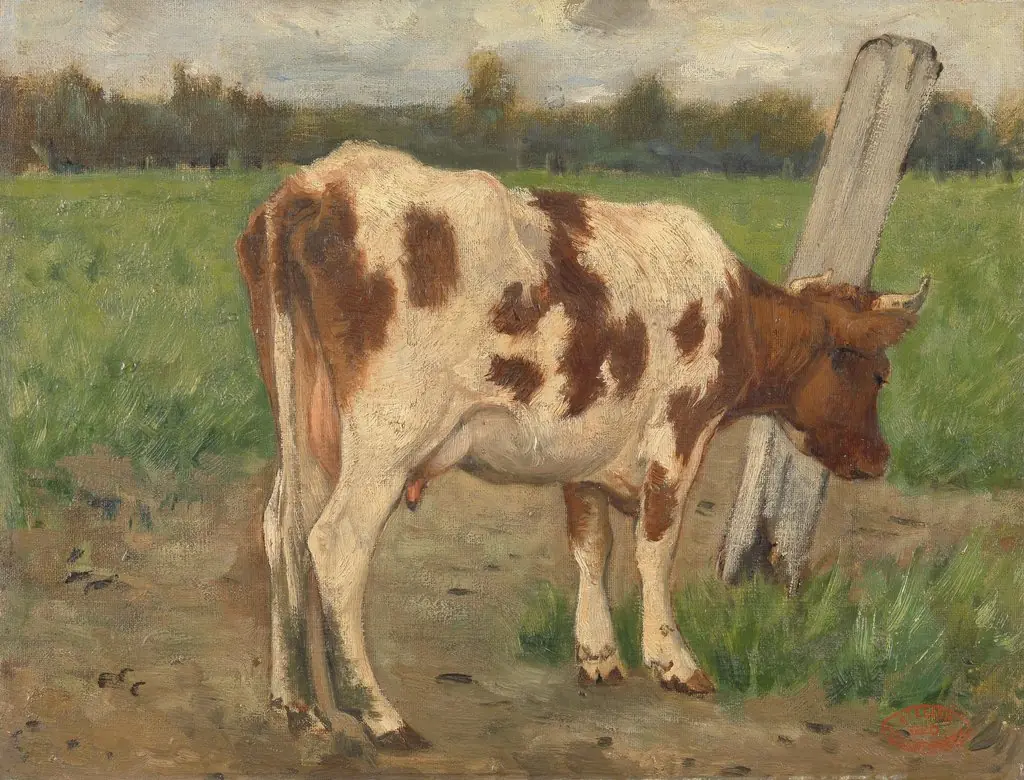 Cow
Cow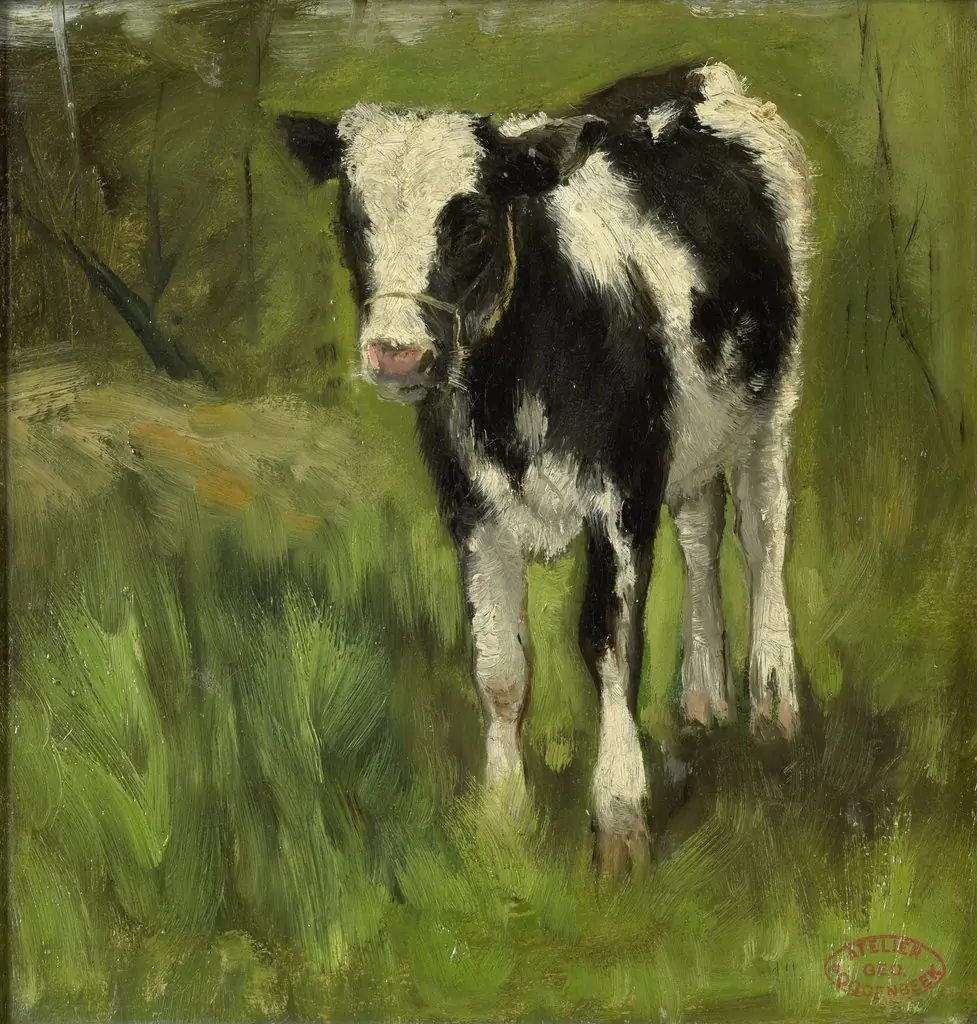 Calf, spotted black and white
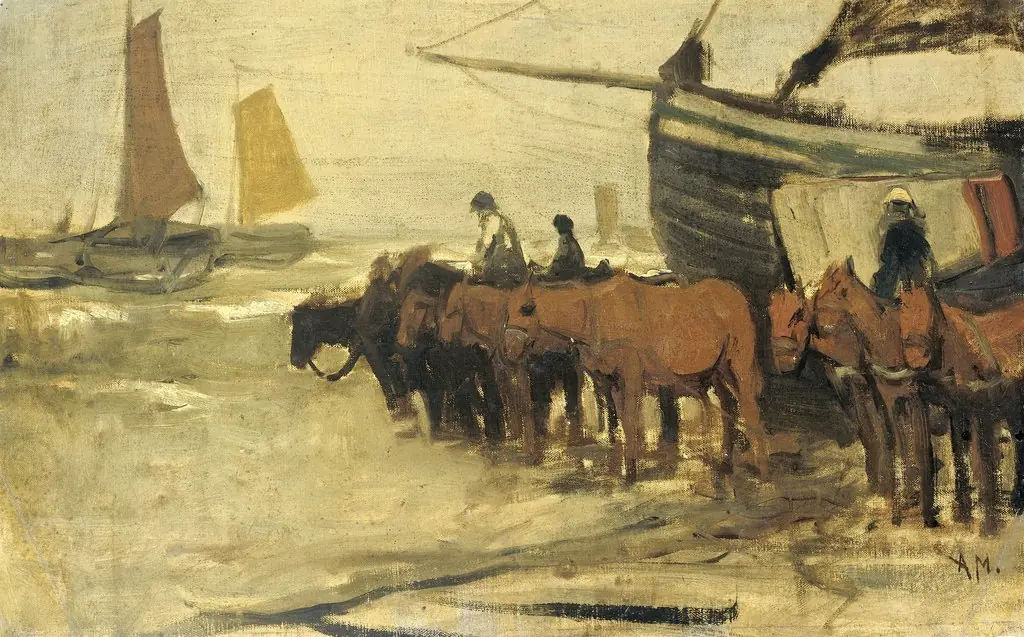 Launching a fishing boat (type 'Pink') in the sea
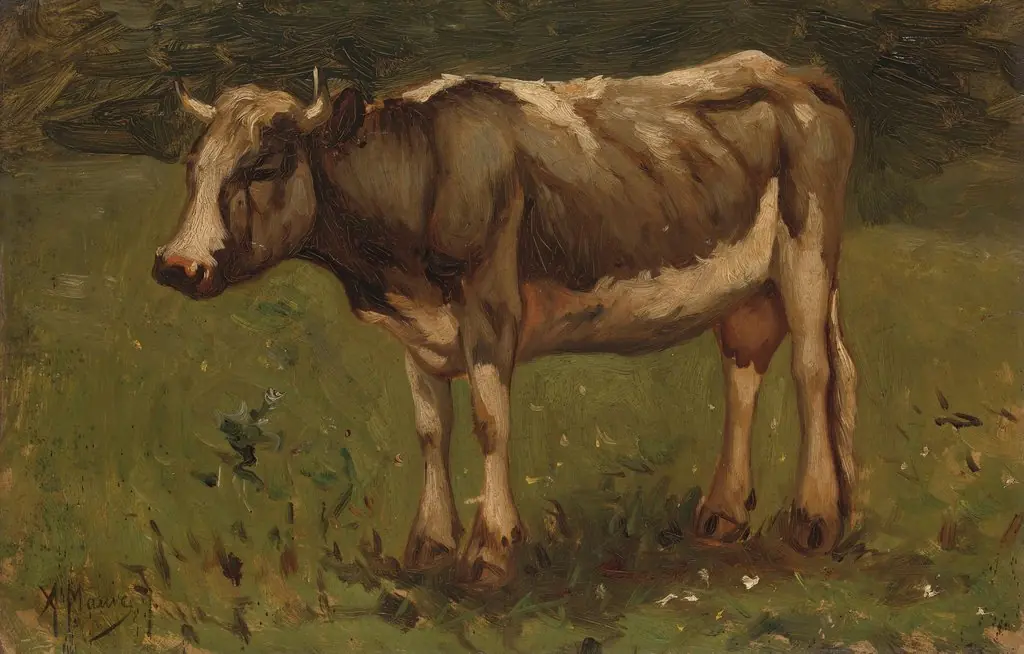 Cow
Cow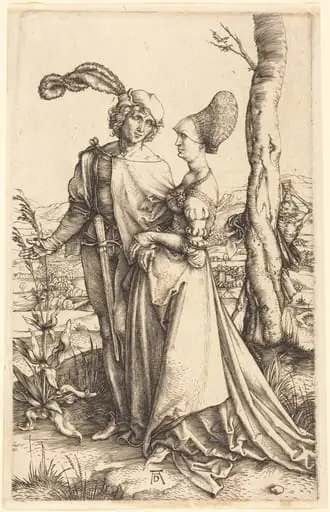 Promenade
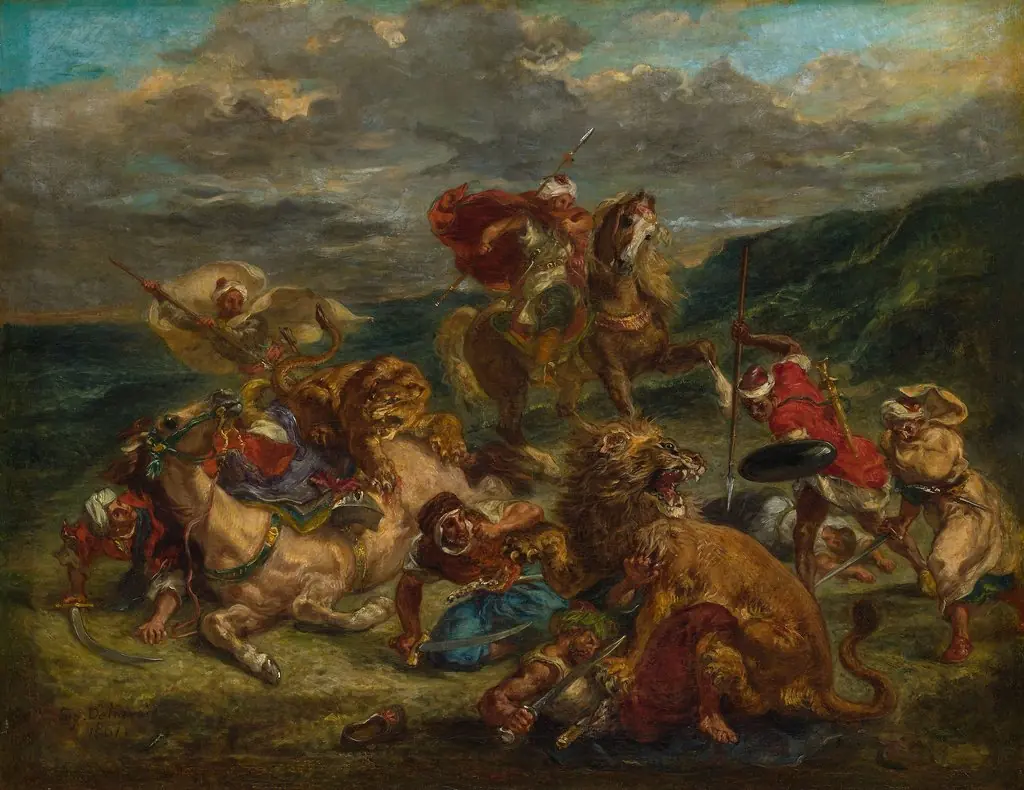 La Chasse aux lions au Maroc
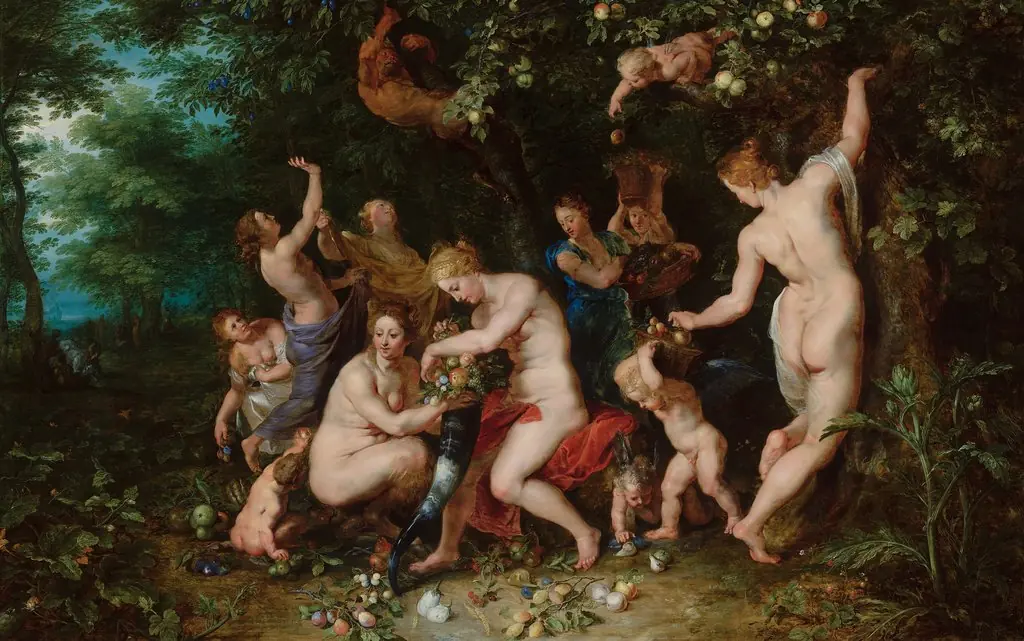 Nymphs filling the horn of plenty
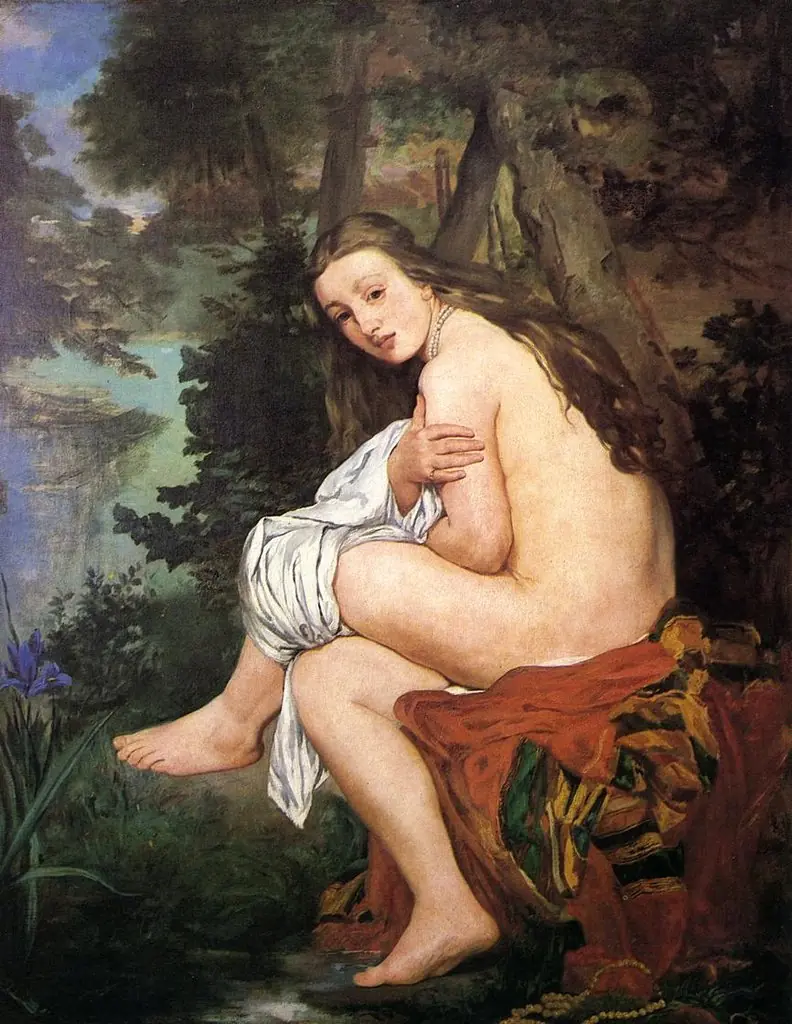 La Nymphe surprise
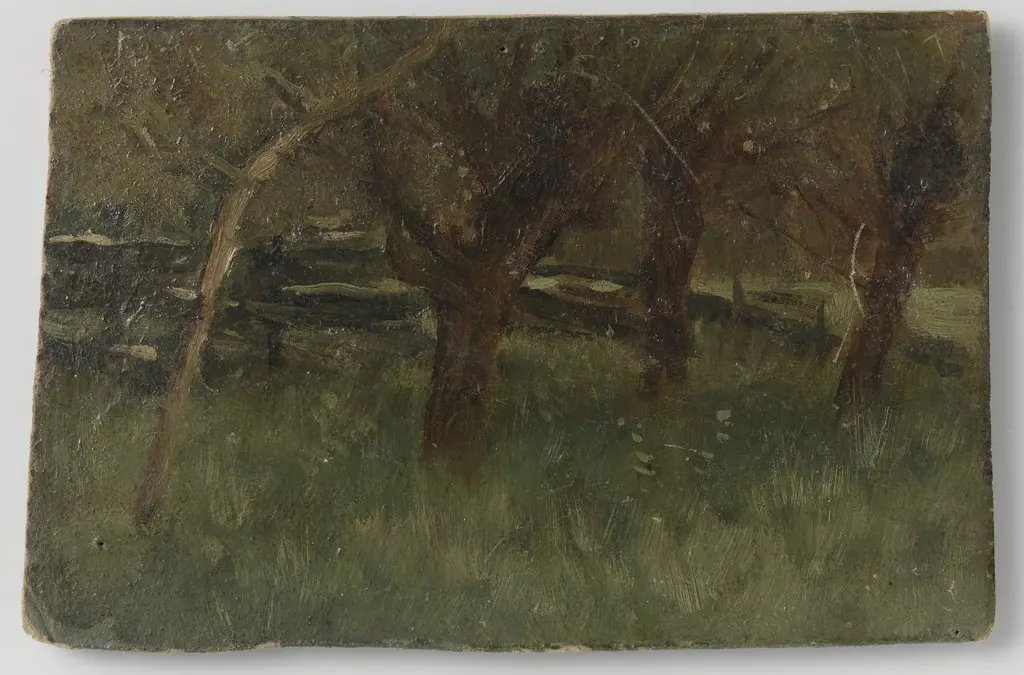 Boomgaard
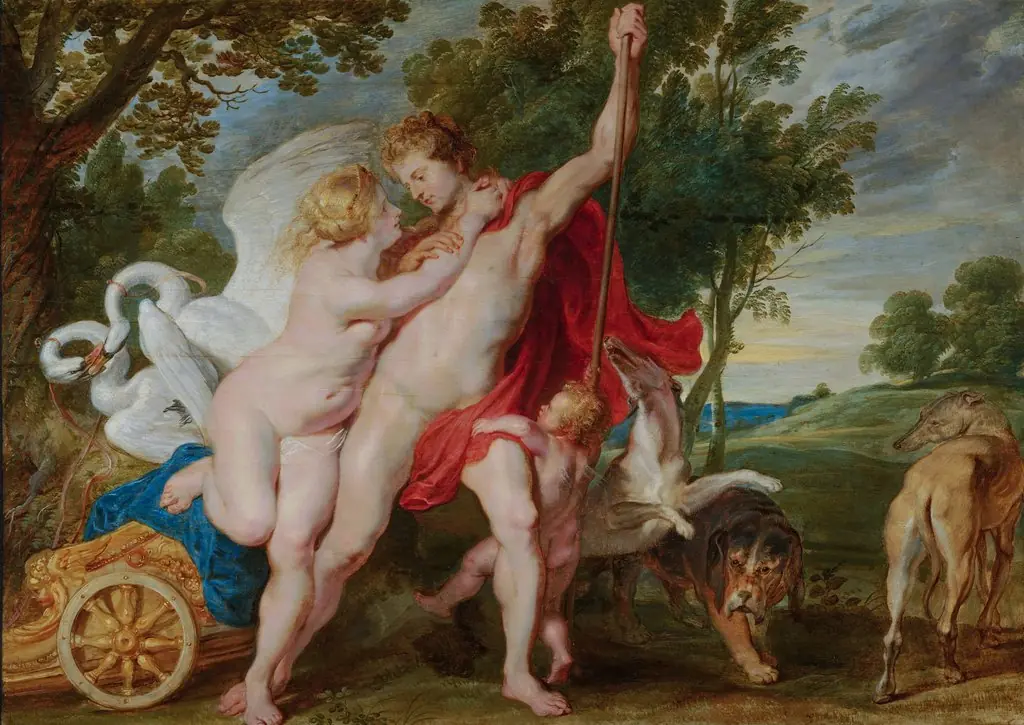 Venus trying to prevent Adonis from going hunting
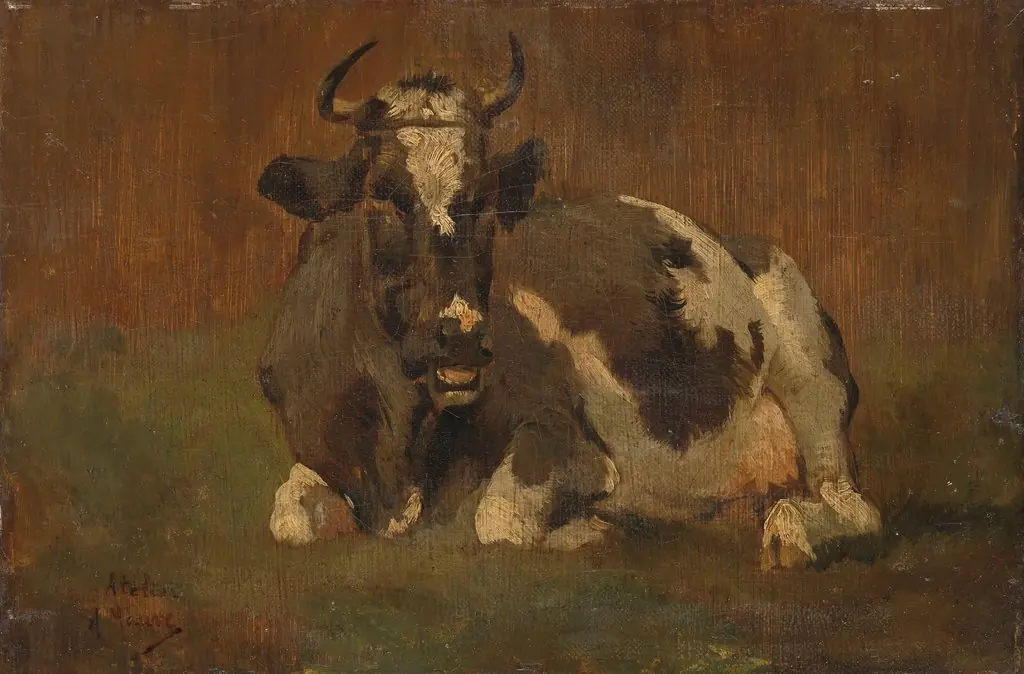 Lying Cow
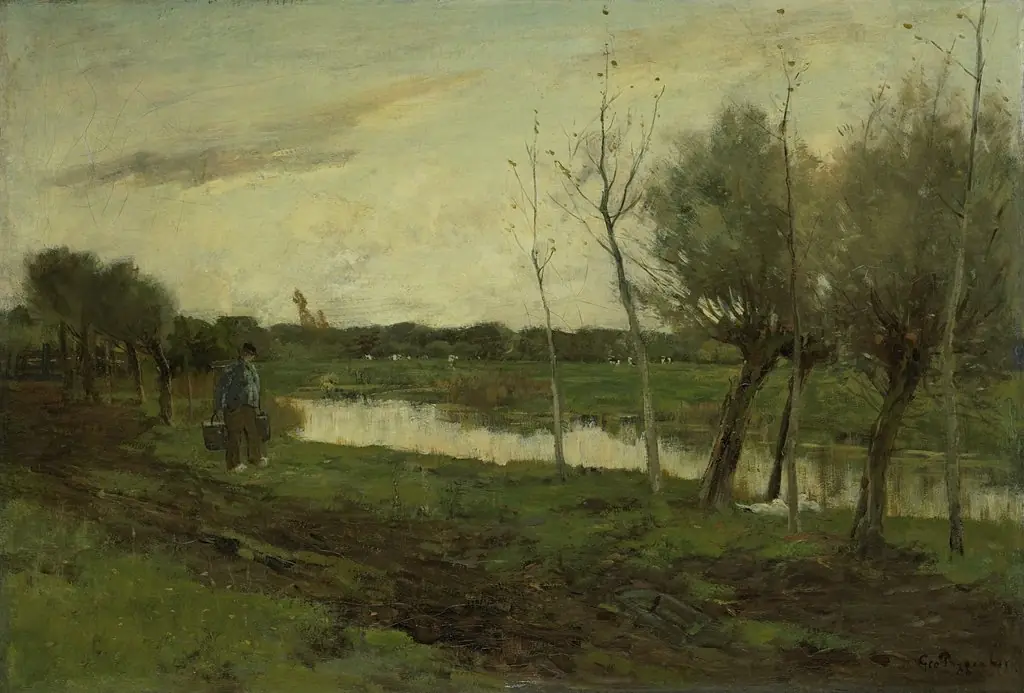 Landscape with canal
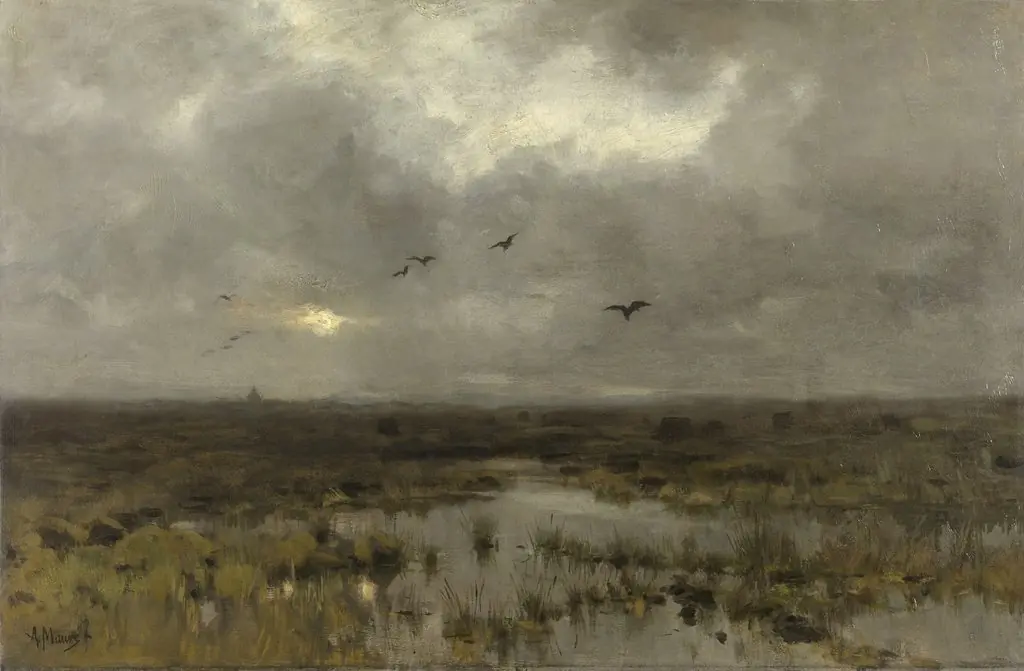 The Swamp
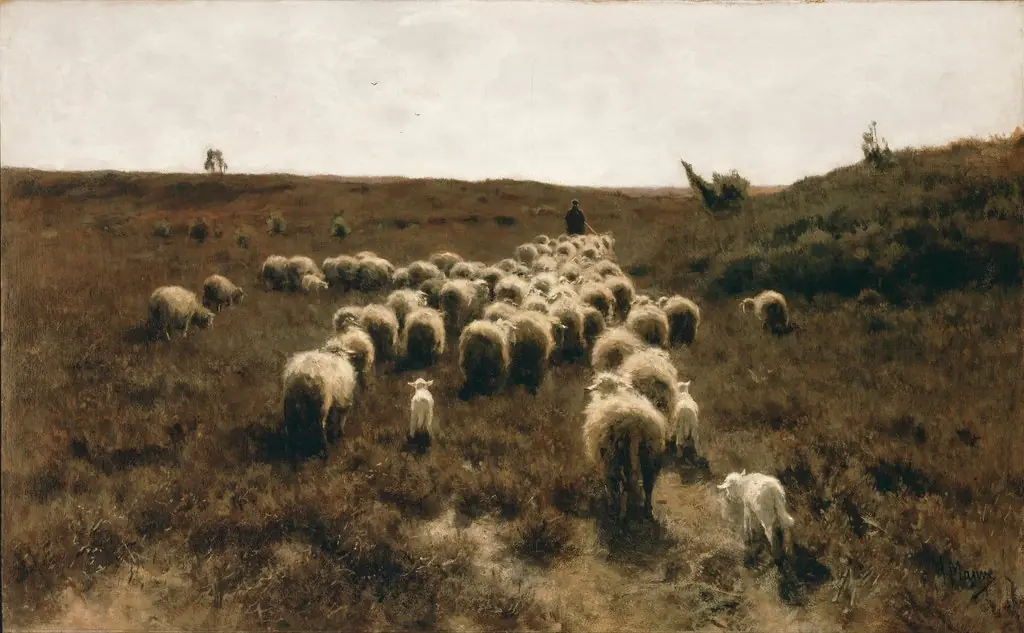 The Return of the Flock, Laren
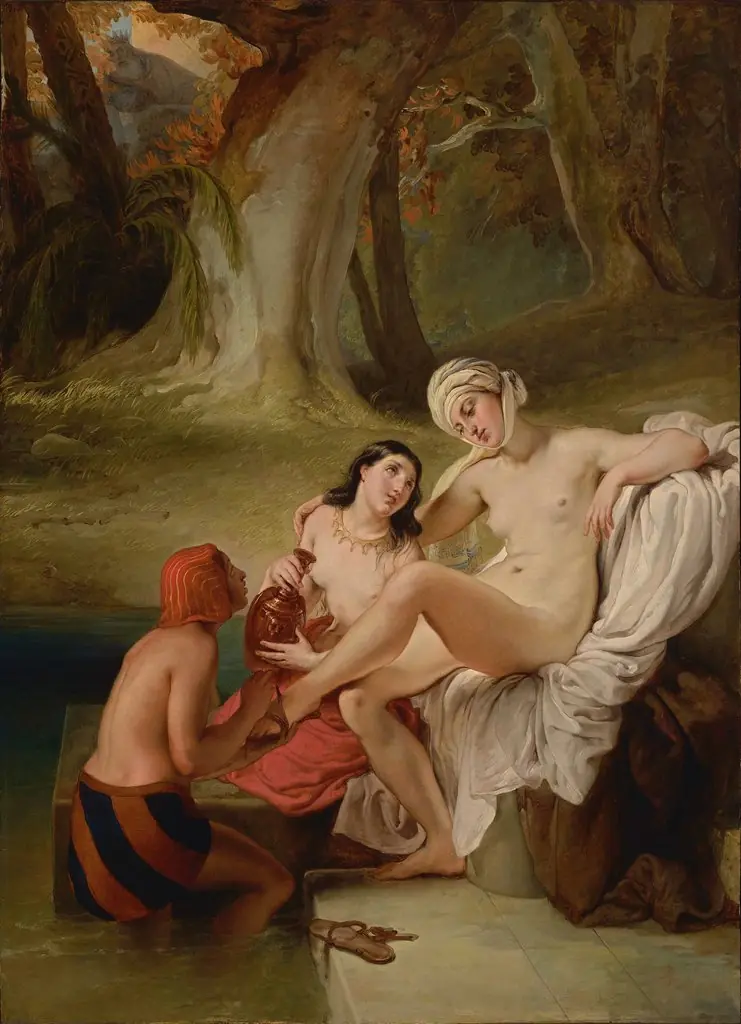 Bathsheba Bathing
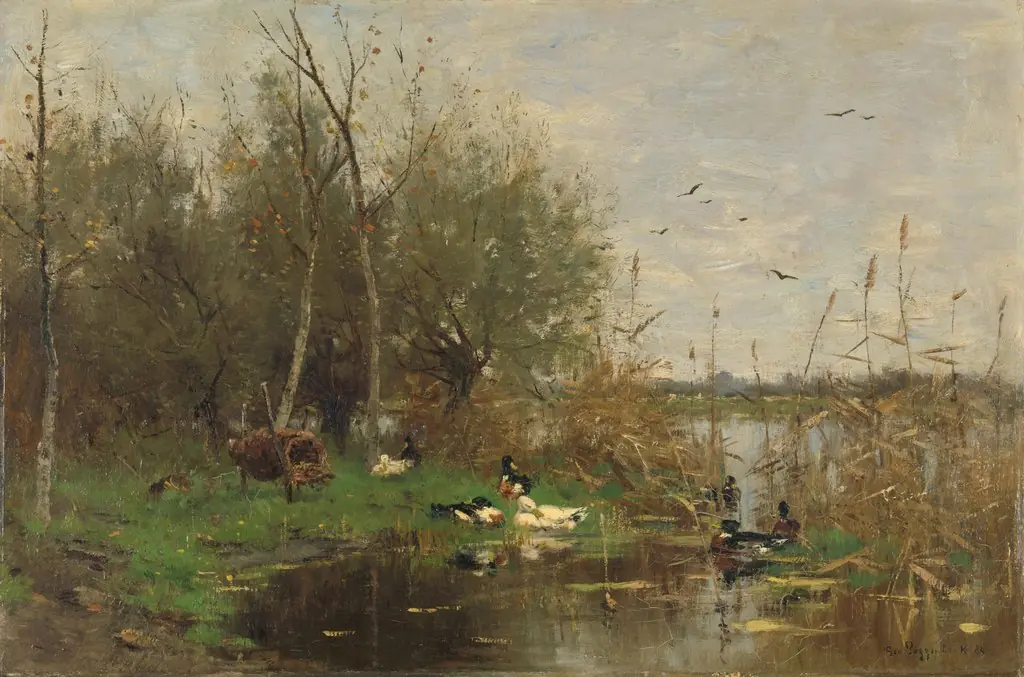 Ducks beside a duck shelter on a ditch
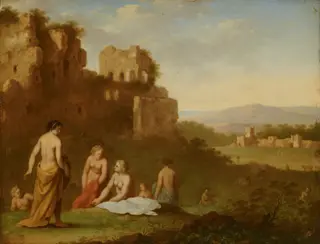 Nymphs Bathing
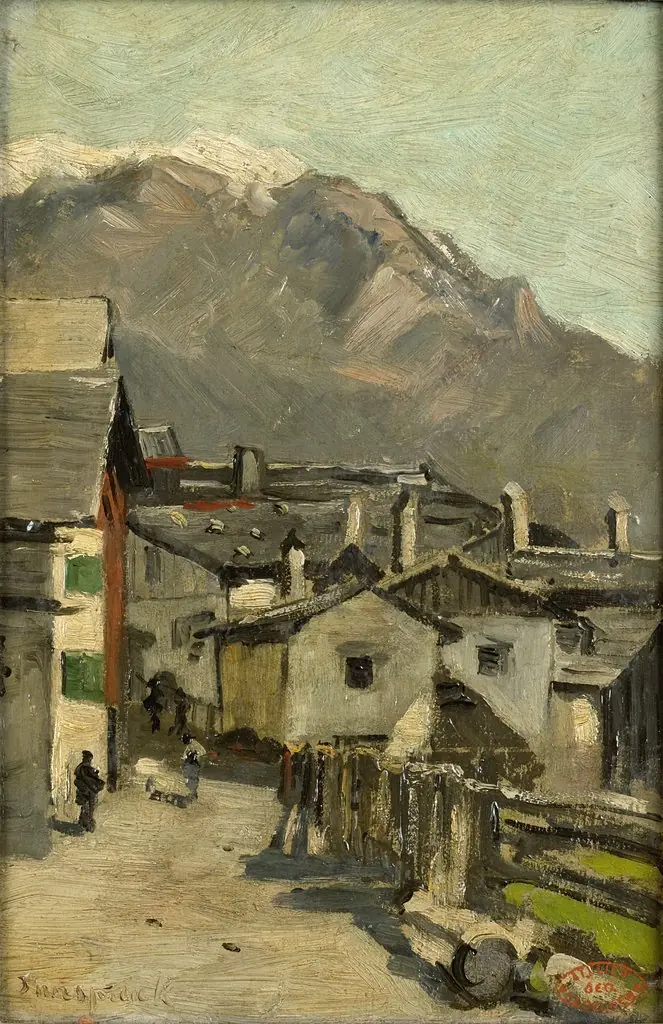 Houses along a road near a mountain (Innsbruck?)
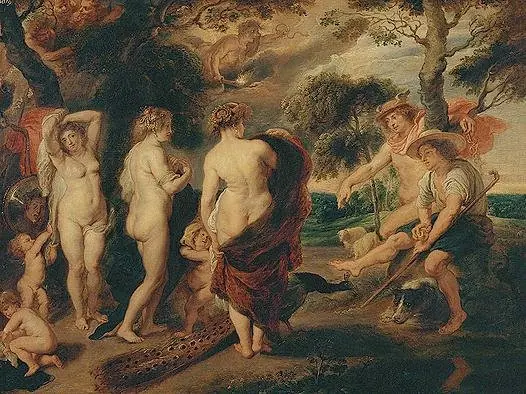 The Judgement of Paris
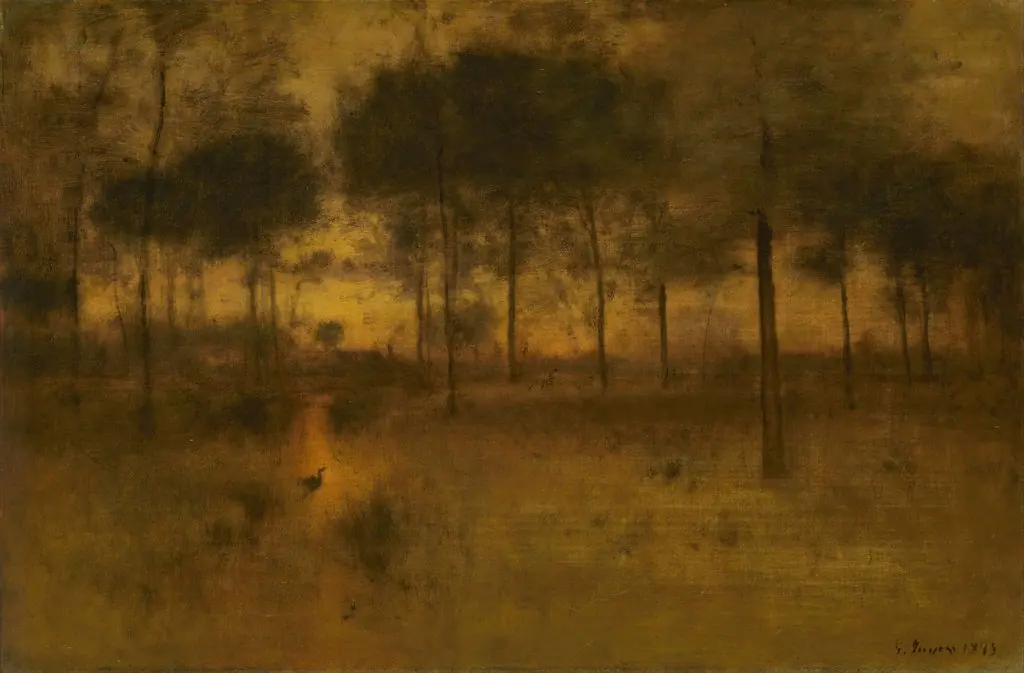 The Home of the Heron
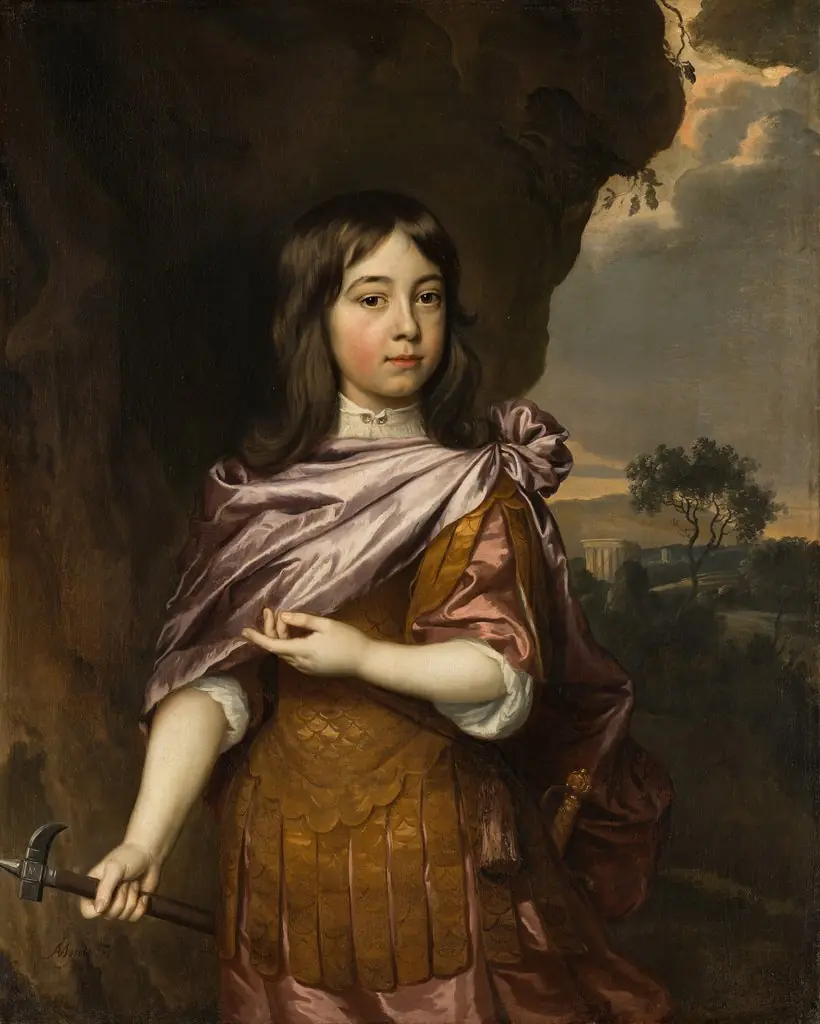 Portrait of Wolfert van Brederode
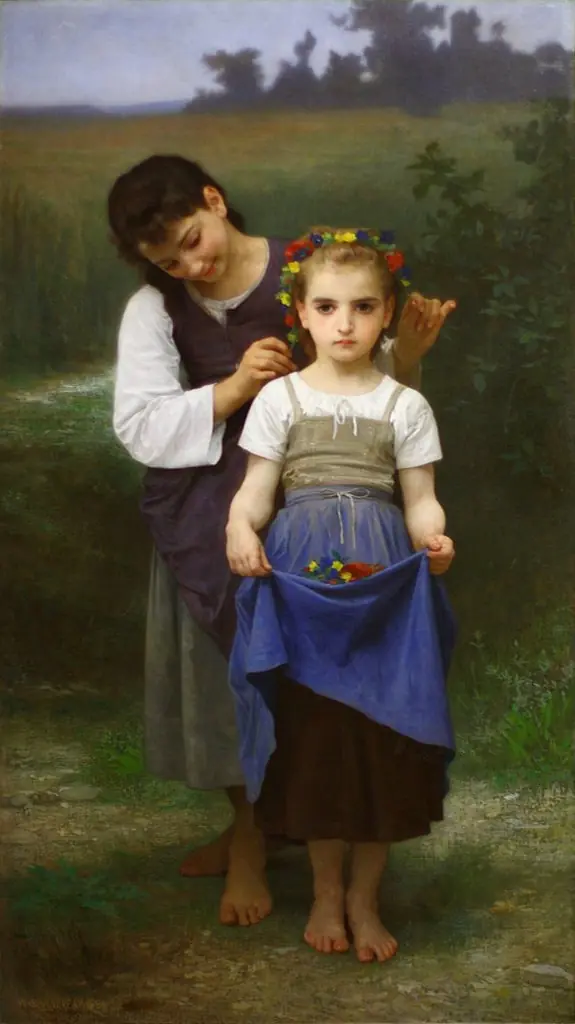 Crown of Flowers
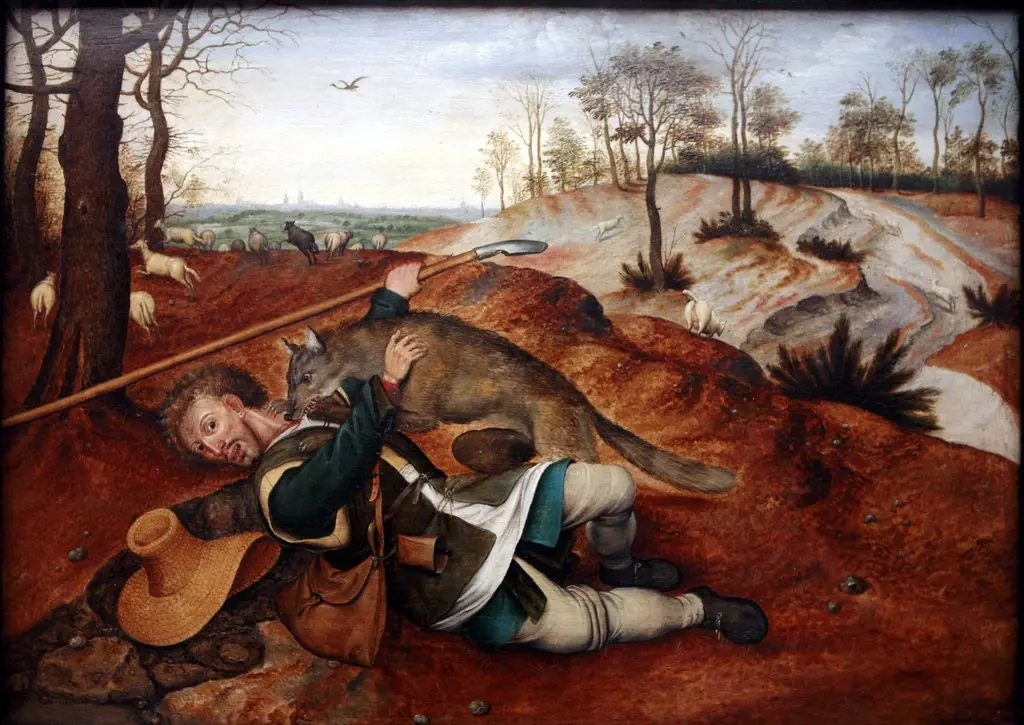 The Good Shepherd
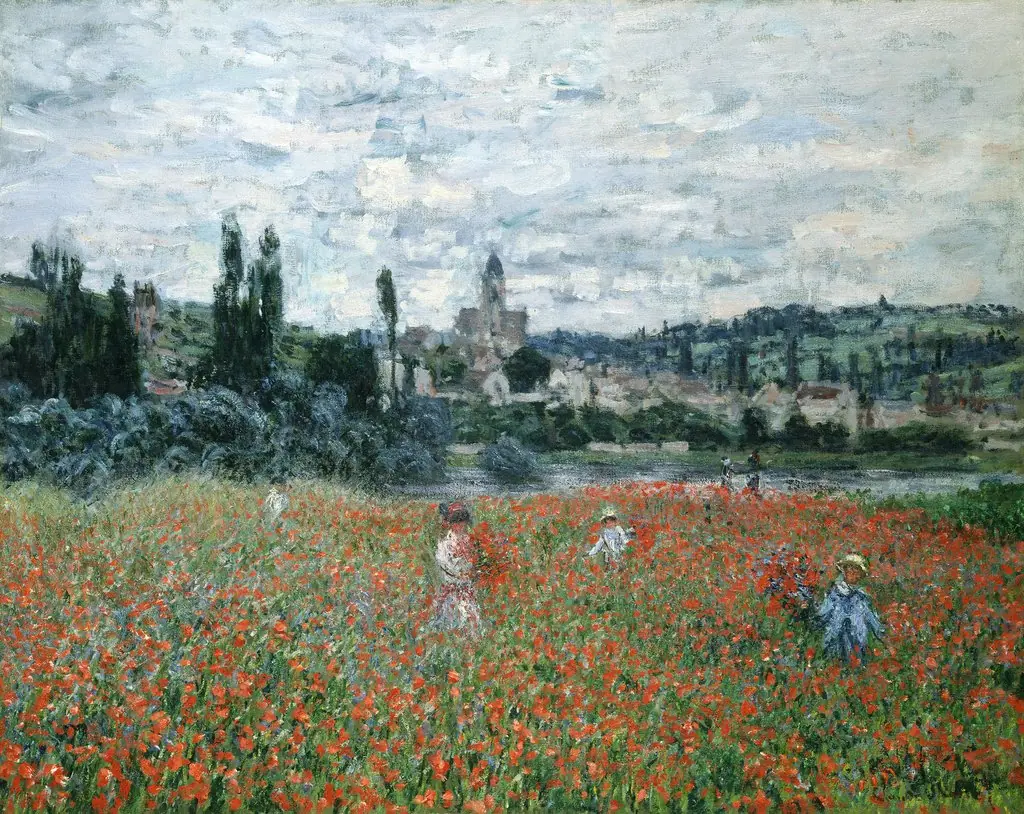 Poppy Field near Vétheuil
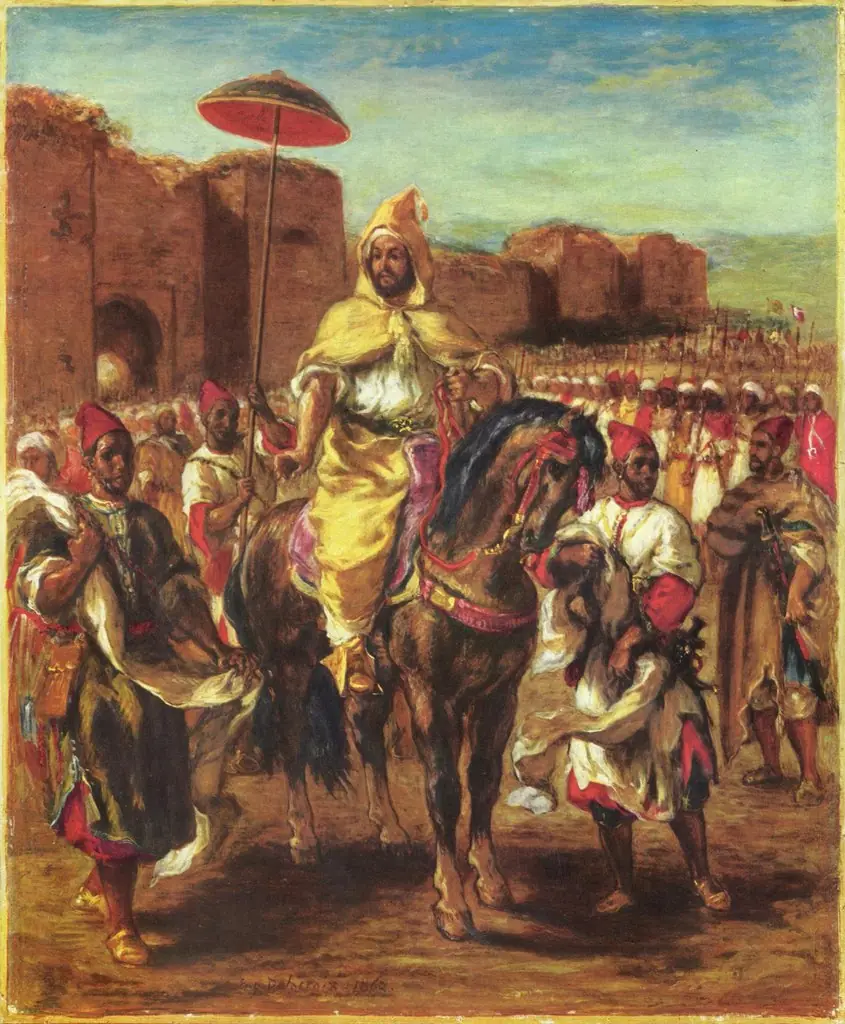 Portrait du sultan du Maroc
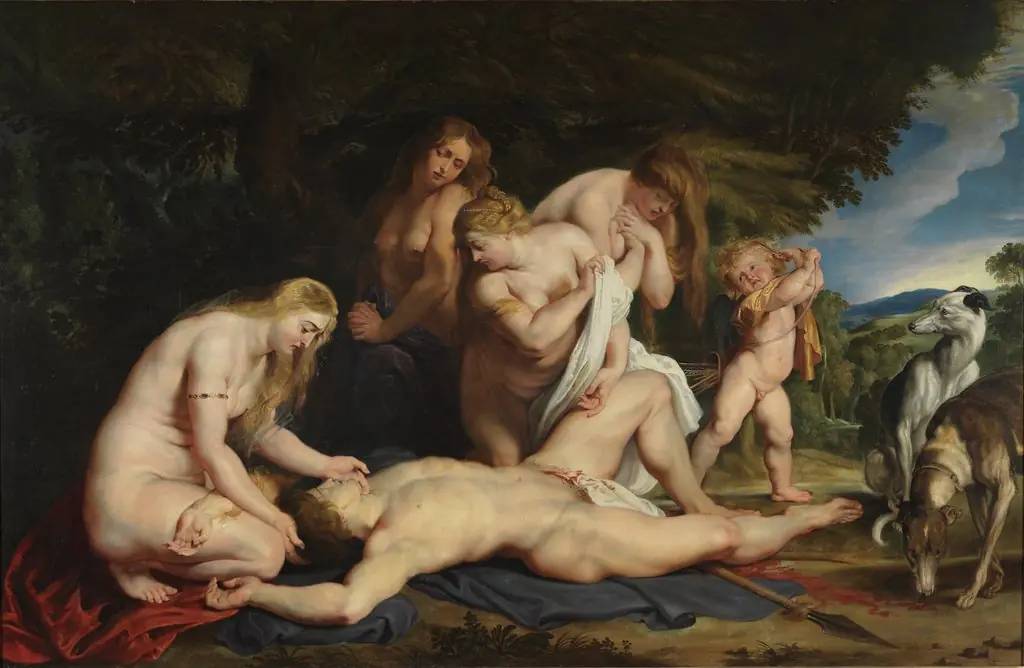 The Death of Adonis
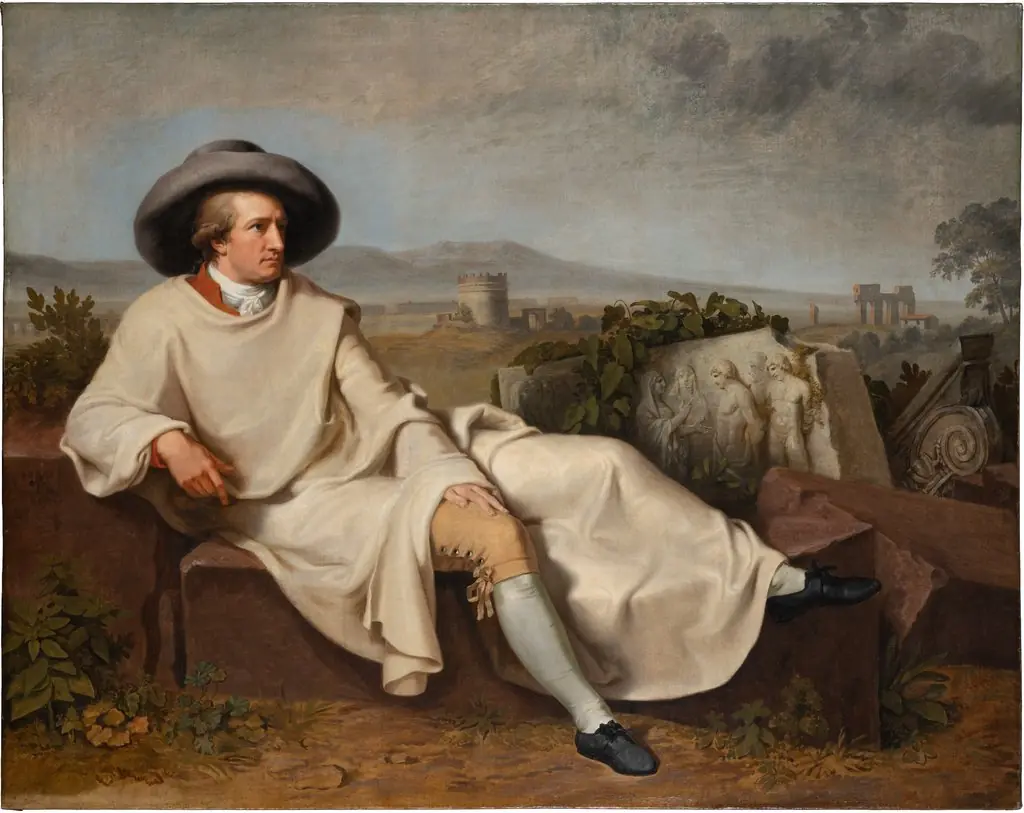 Goethe in the Roman Campagna
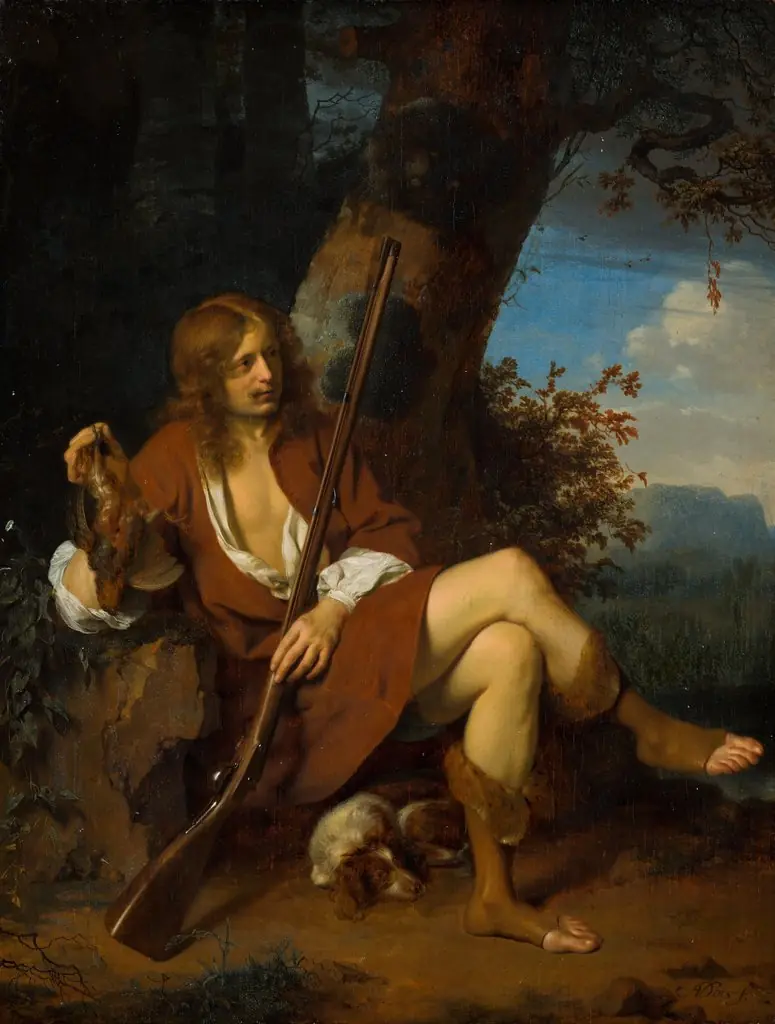 Self-Portrait as a Hunter
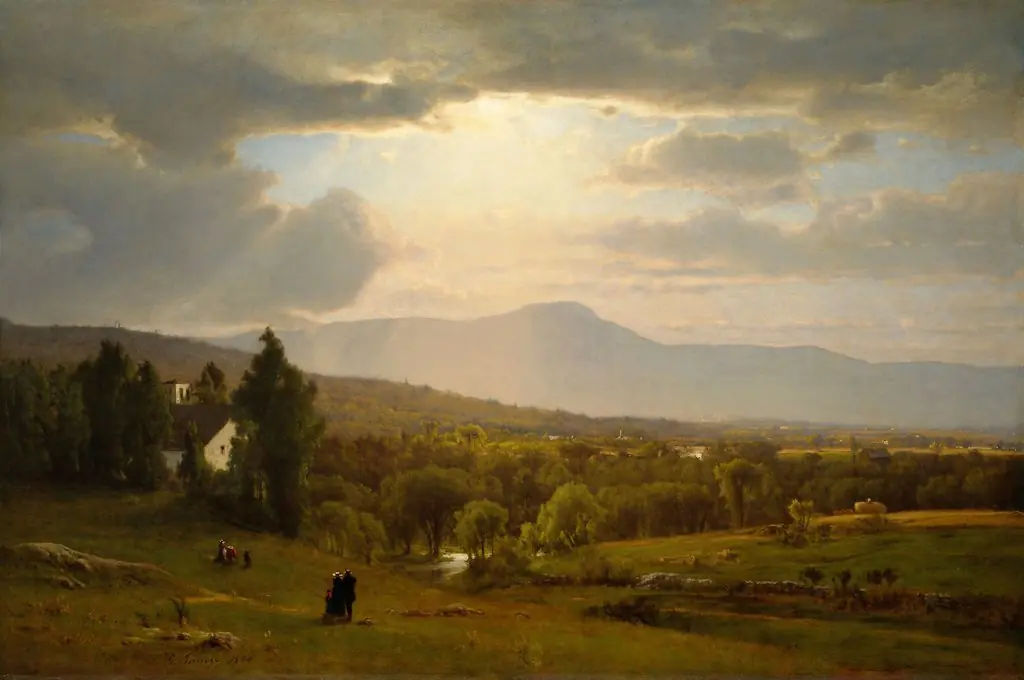 Catskill Mountains
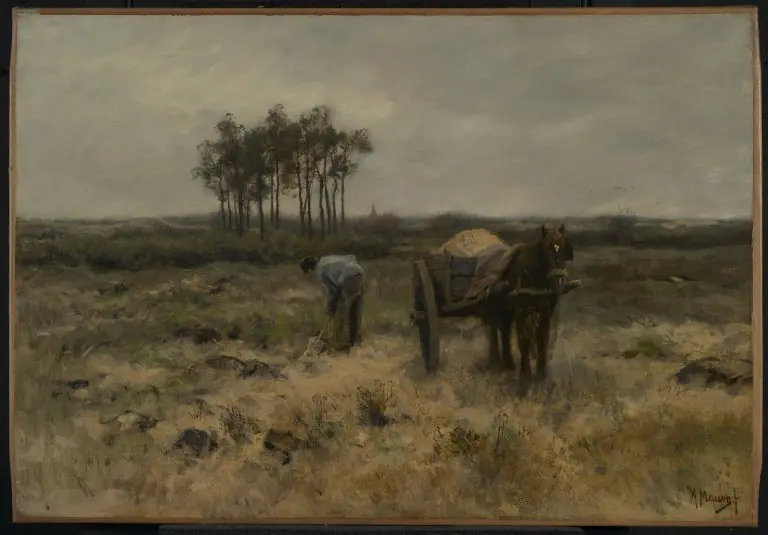 Digging Sand, or The Sand Cart
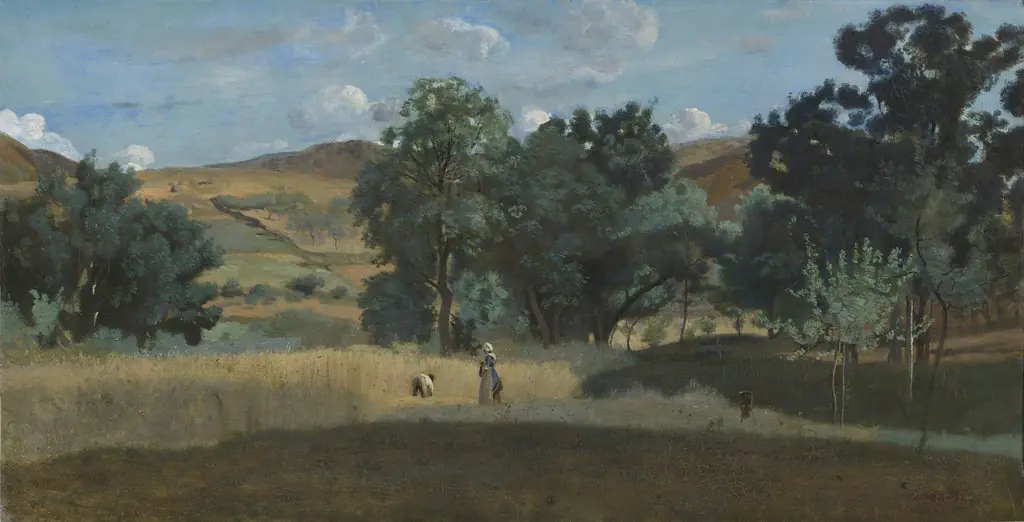 Champ de blé dans le Morvan
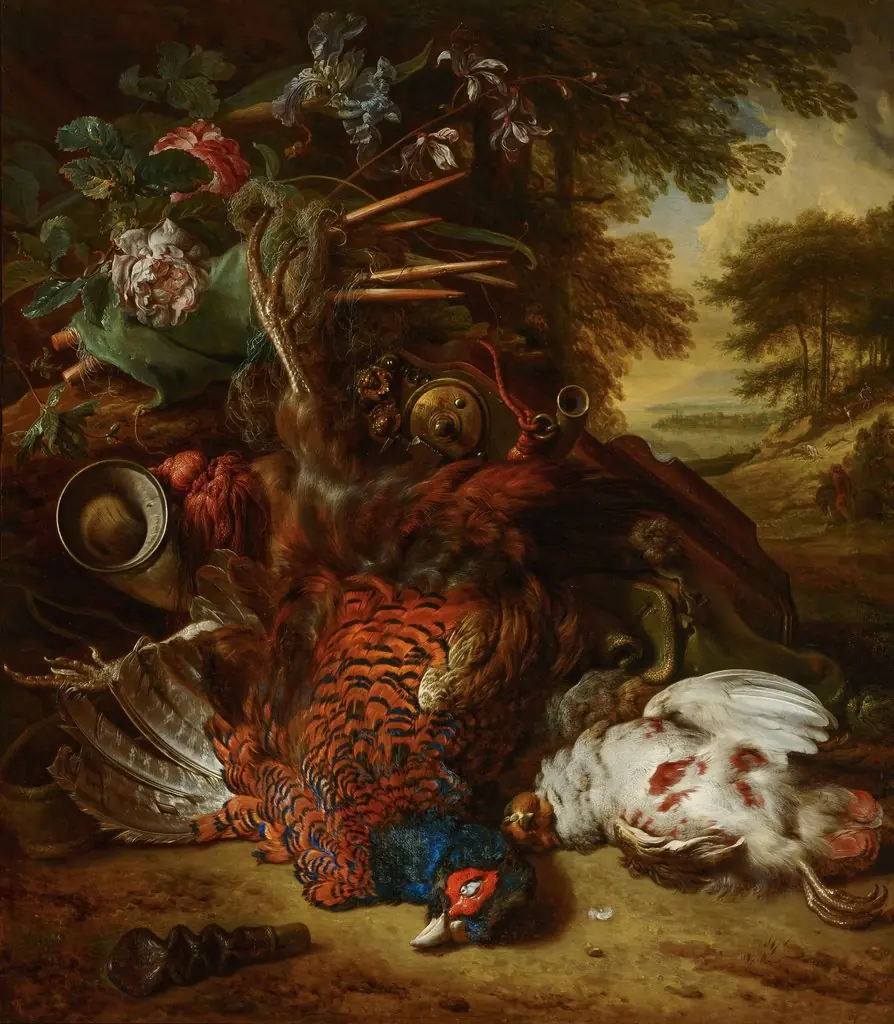 Hunting Still Life
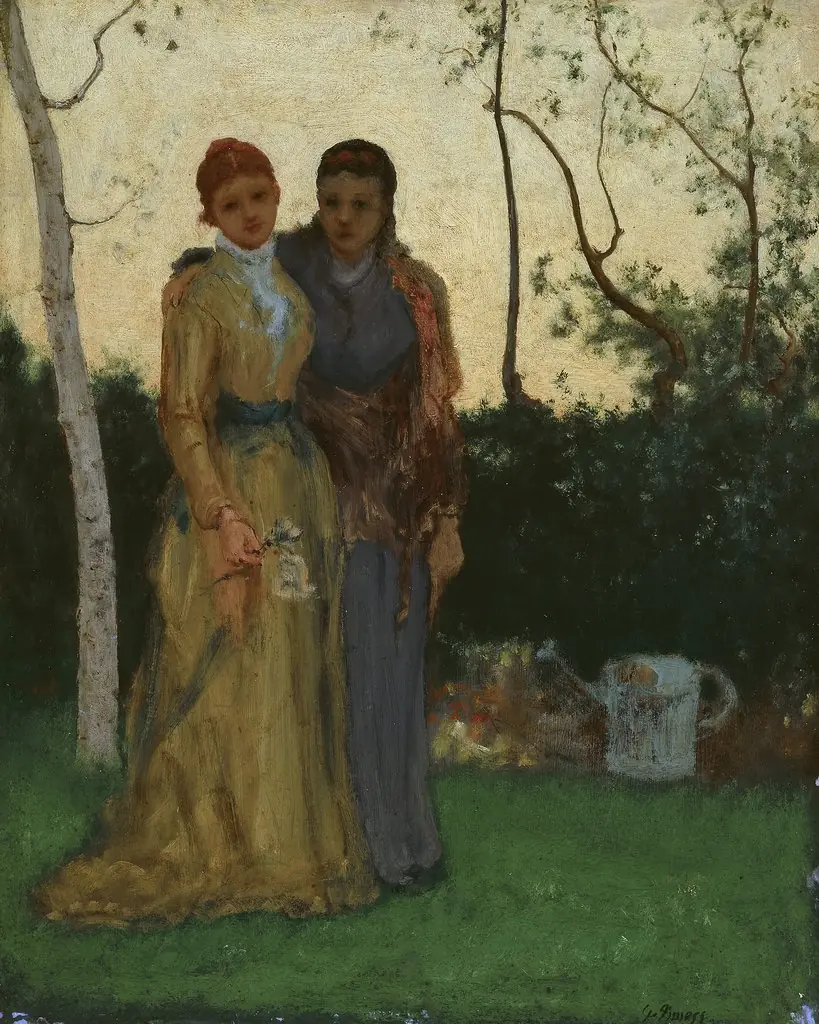 Two Sisters in the Garden
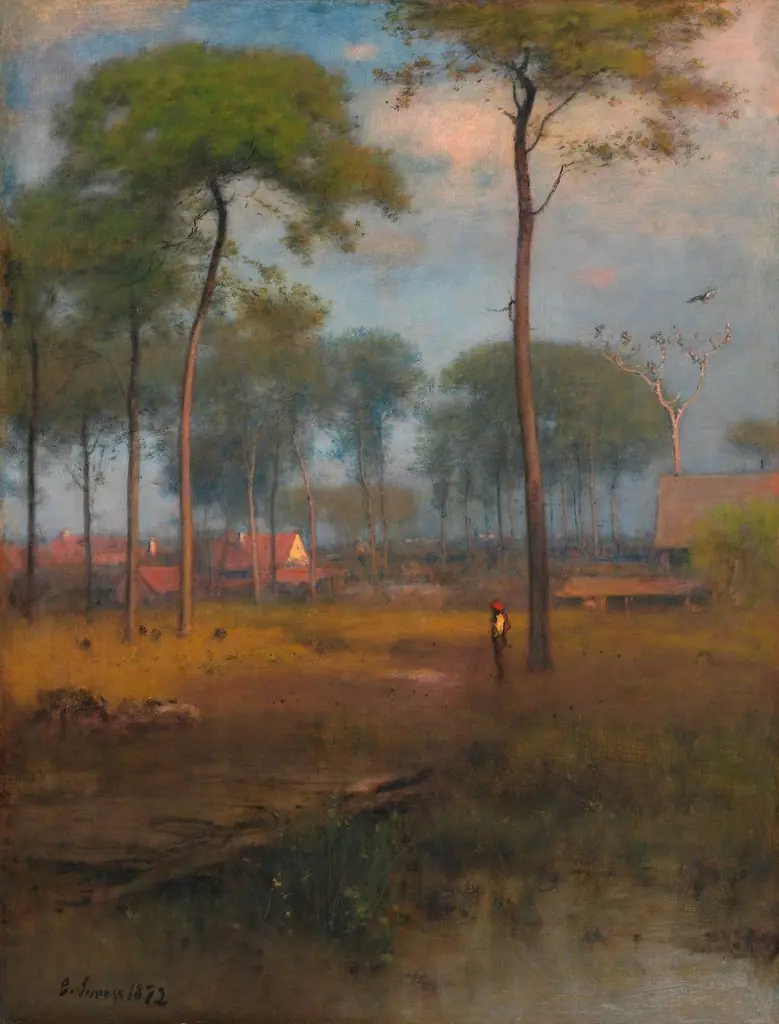 Early Morning, Tarpon Springs
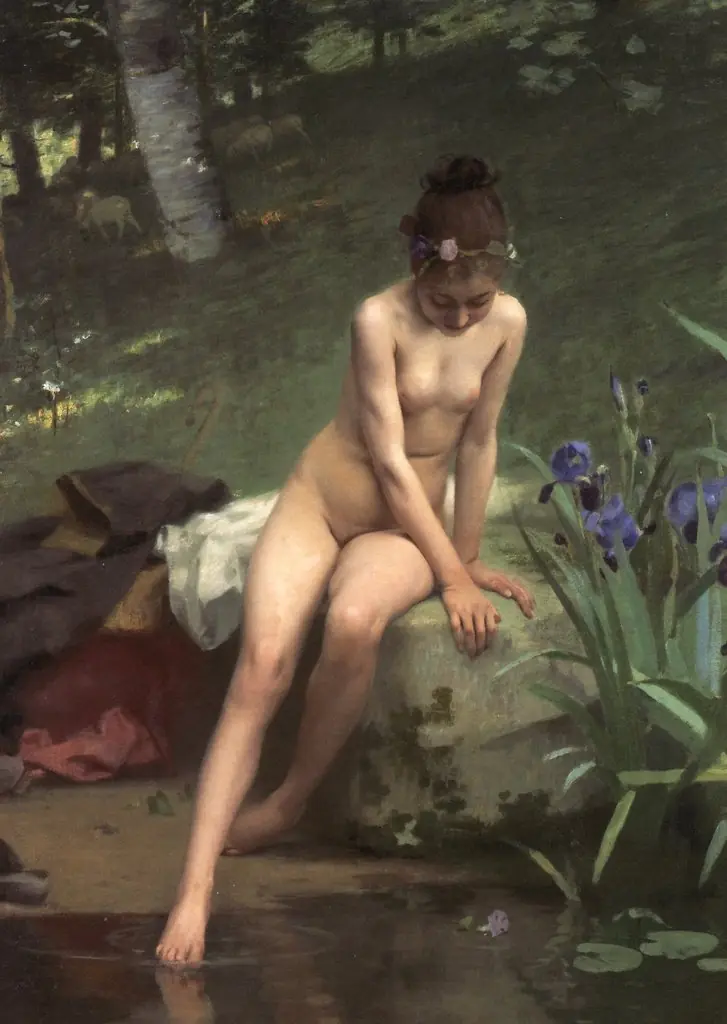 The Young Shepherdess
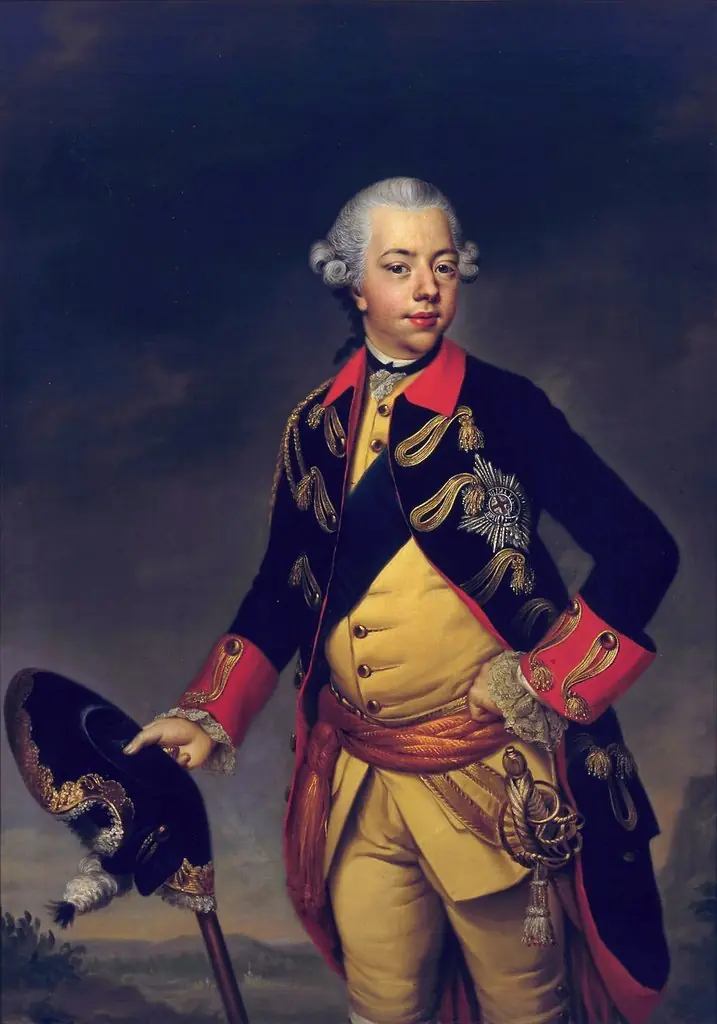 Portrait of Willem V (1748-1806), Prinz von Oranien-Nassau
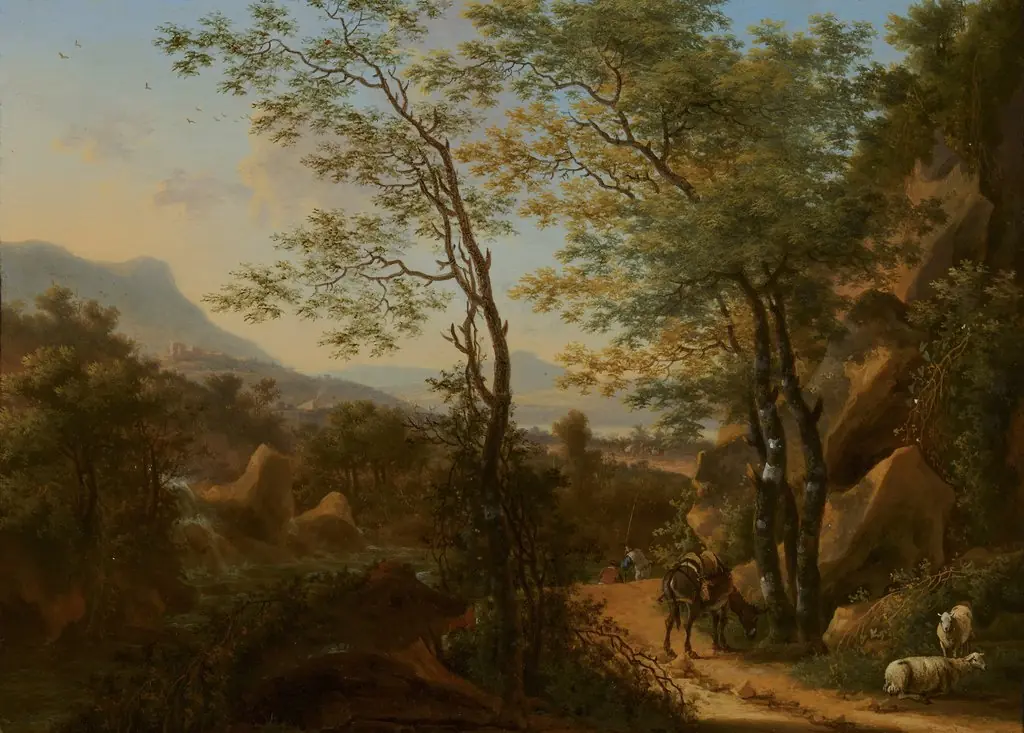 Mountainous Landscape in Italy
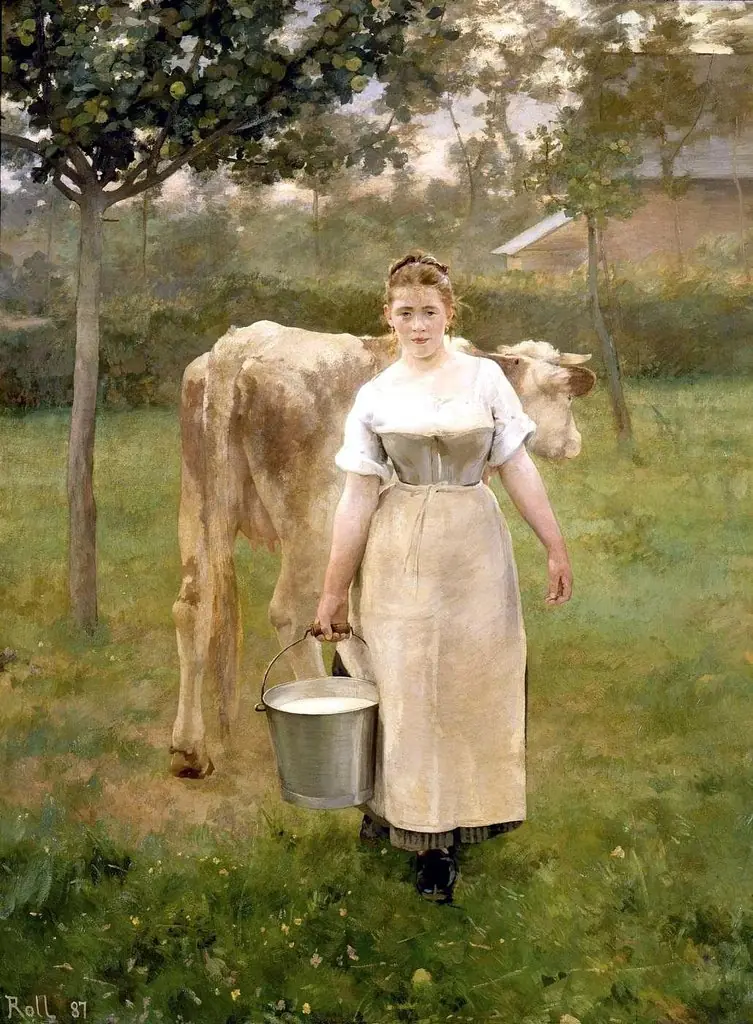 Manda Lamétrie, fermière
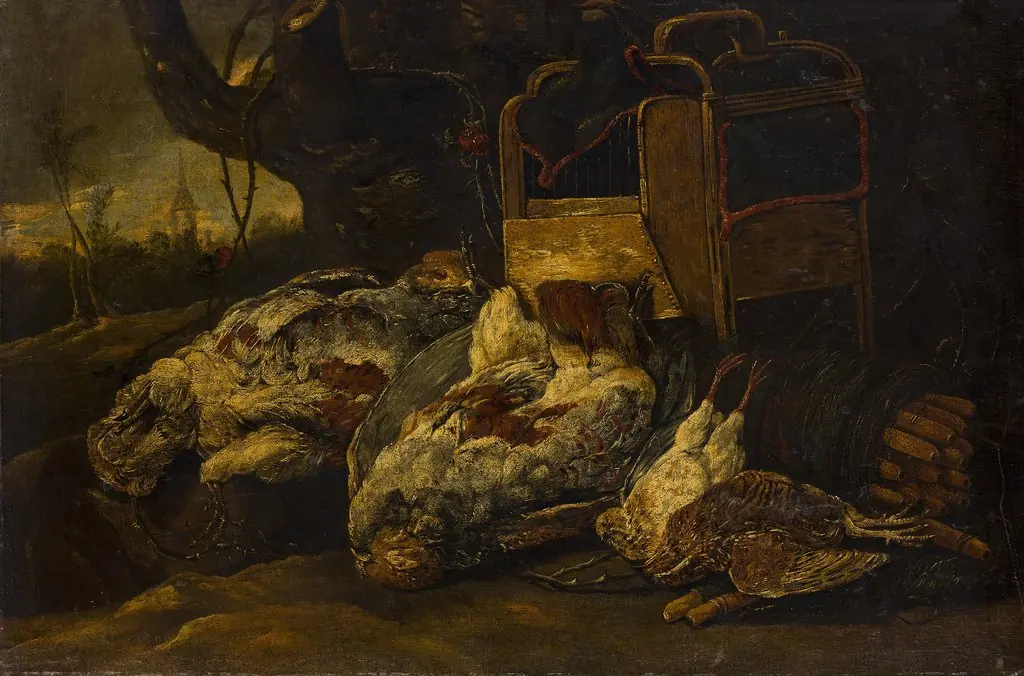 Still Life with Dead Birds, Cage and Net
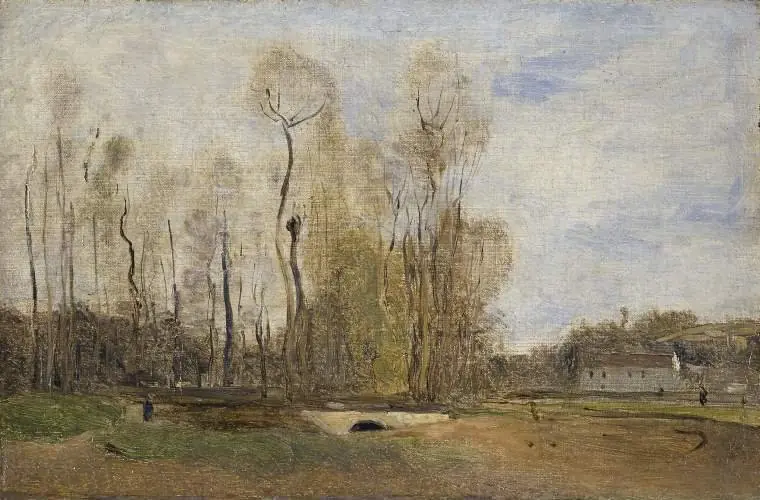 Auvers-sur-Oise: La mare à Daubigny
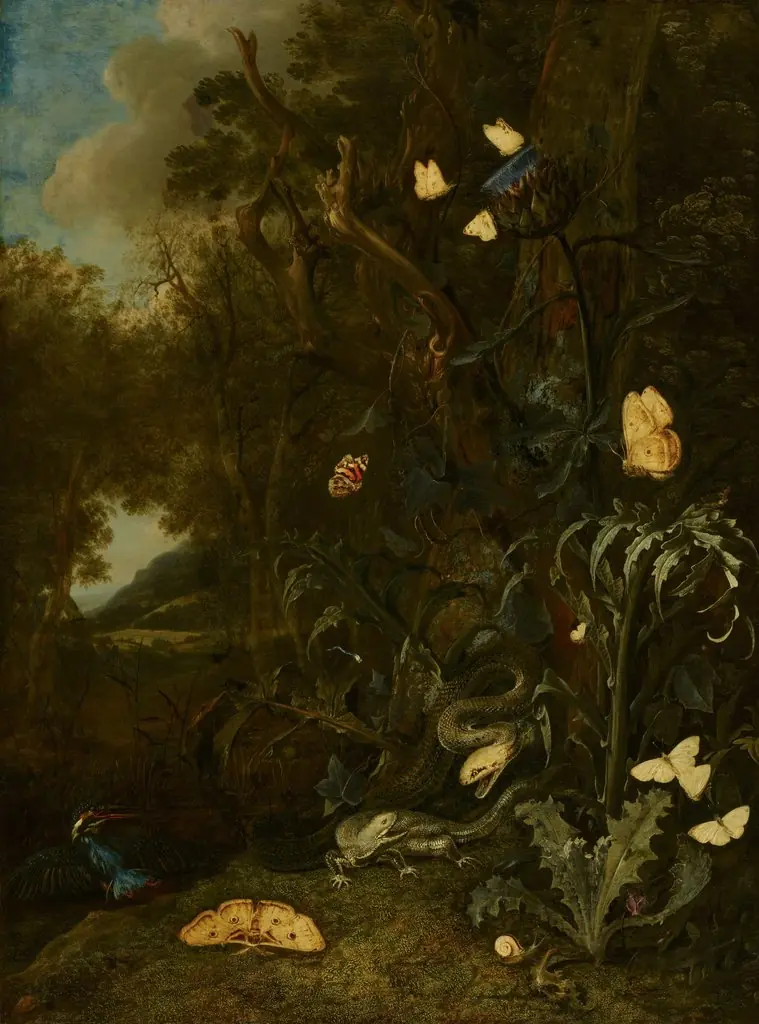 Plants and Insects
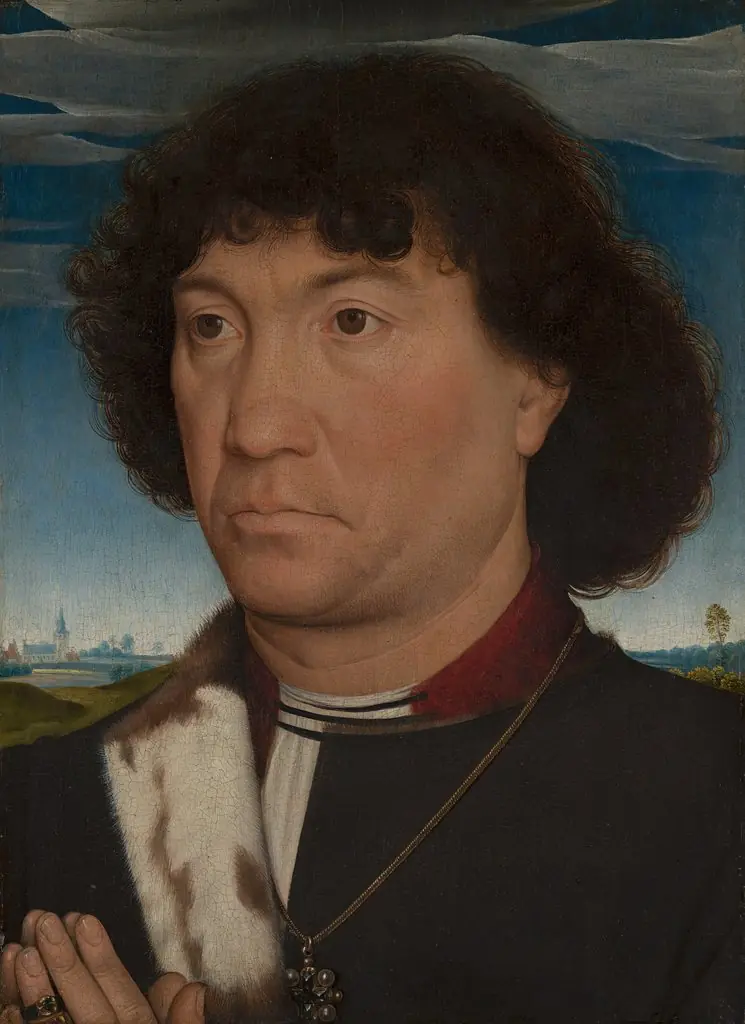 Portrait of a man of the family Lespinette
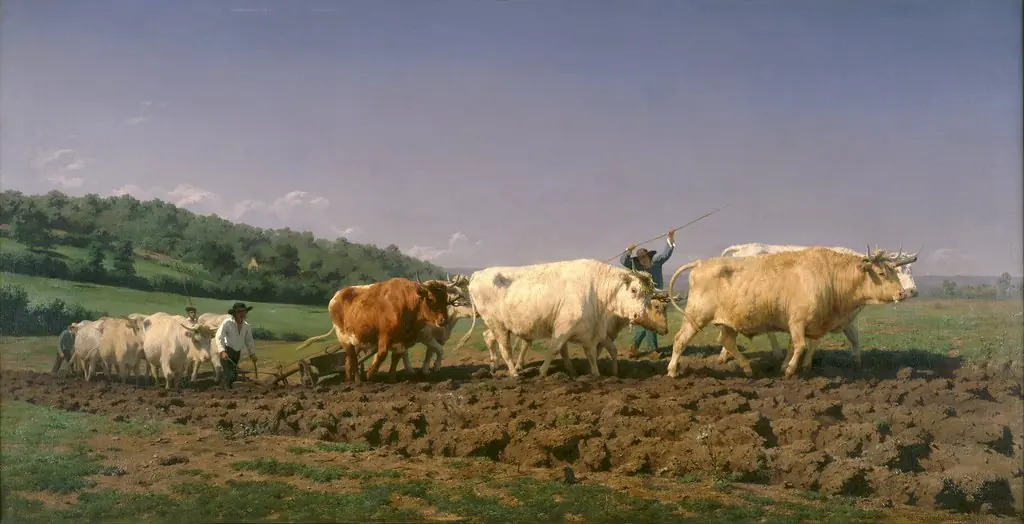 Ploughing in the Nivernais
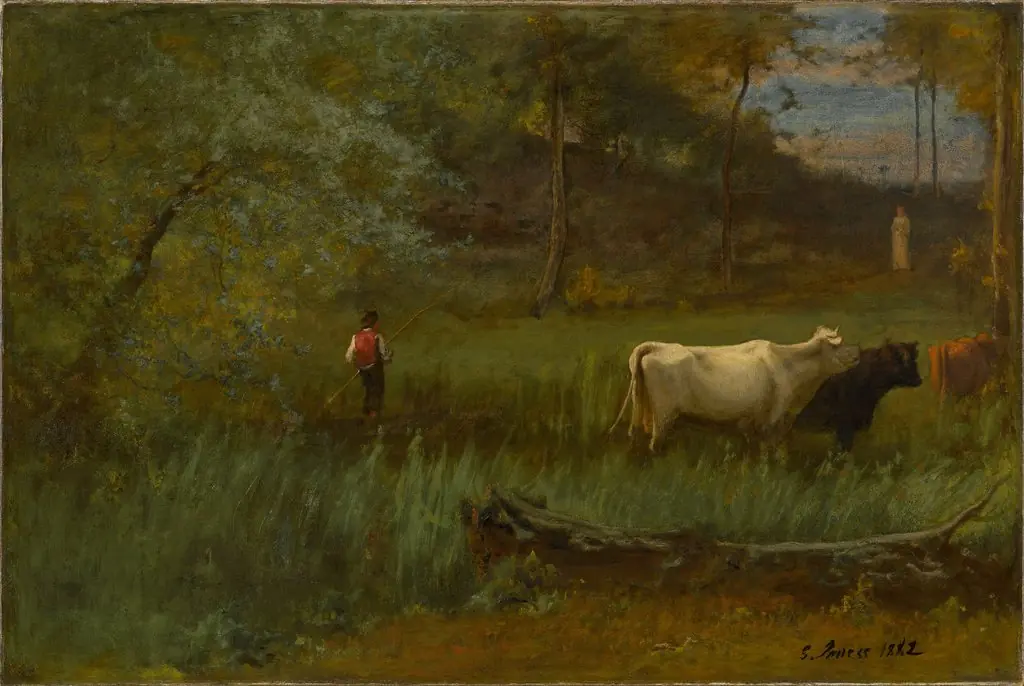 A Pastoral
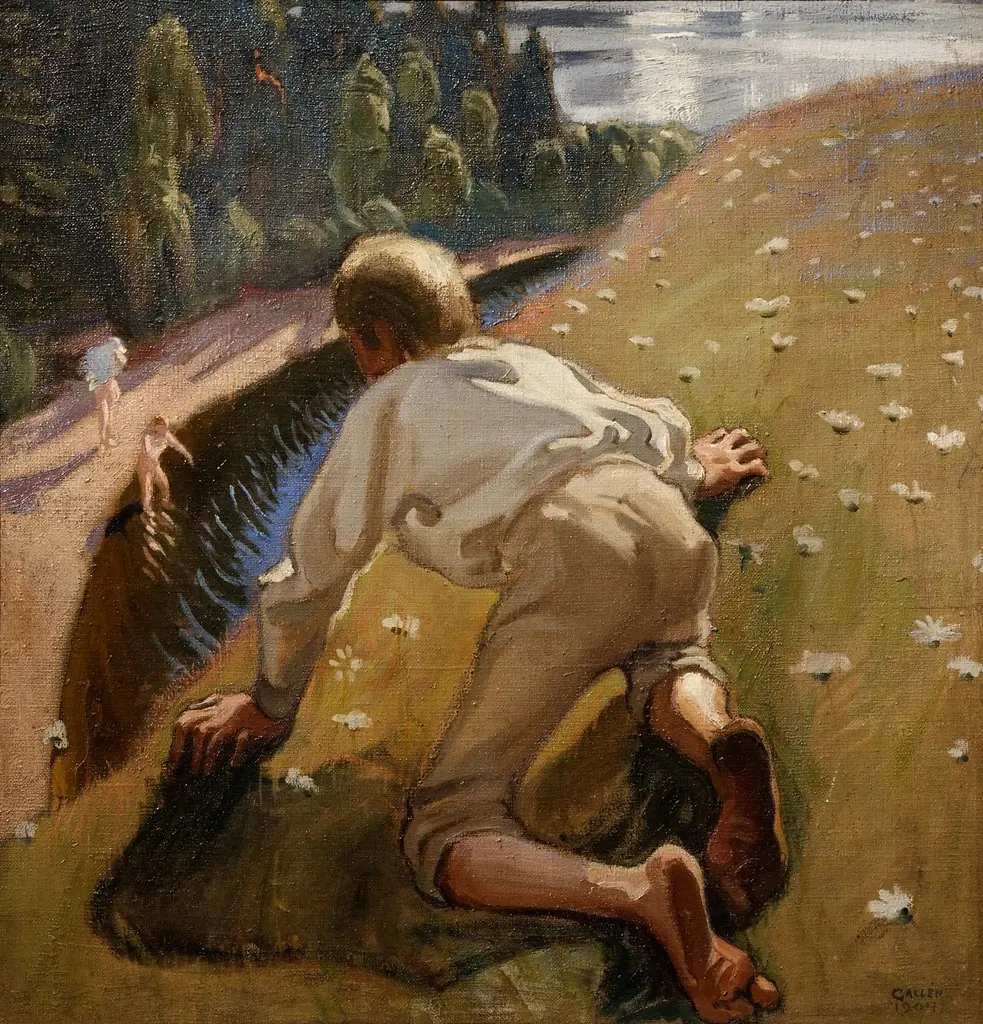 Young faun
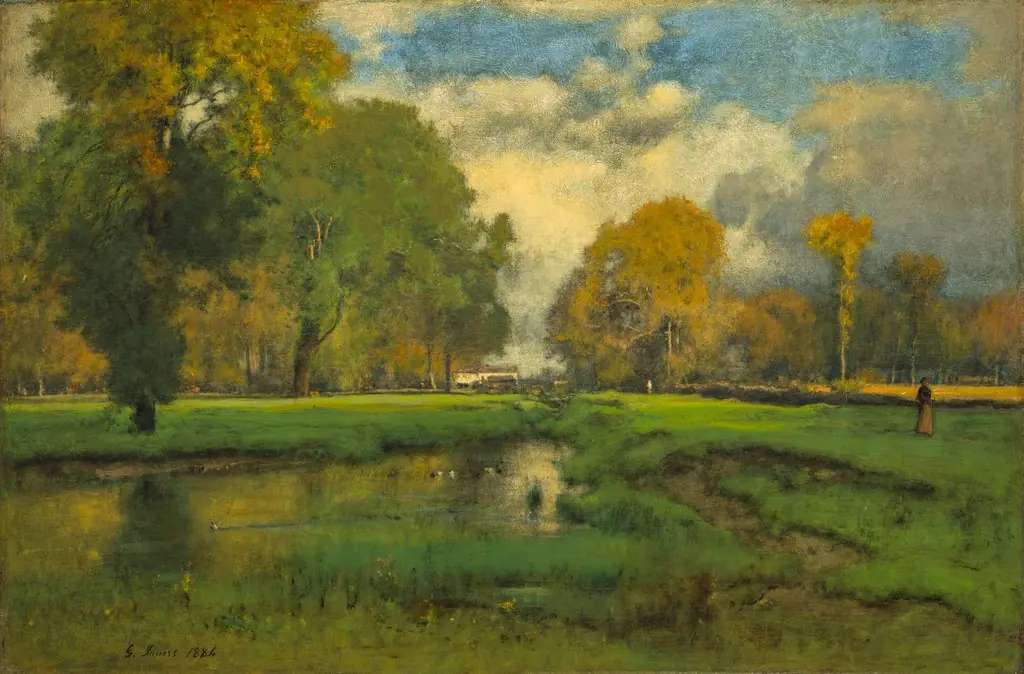 October
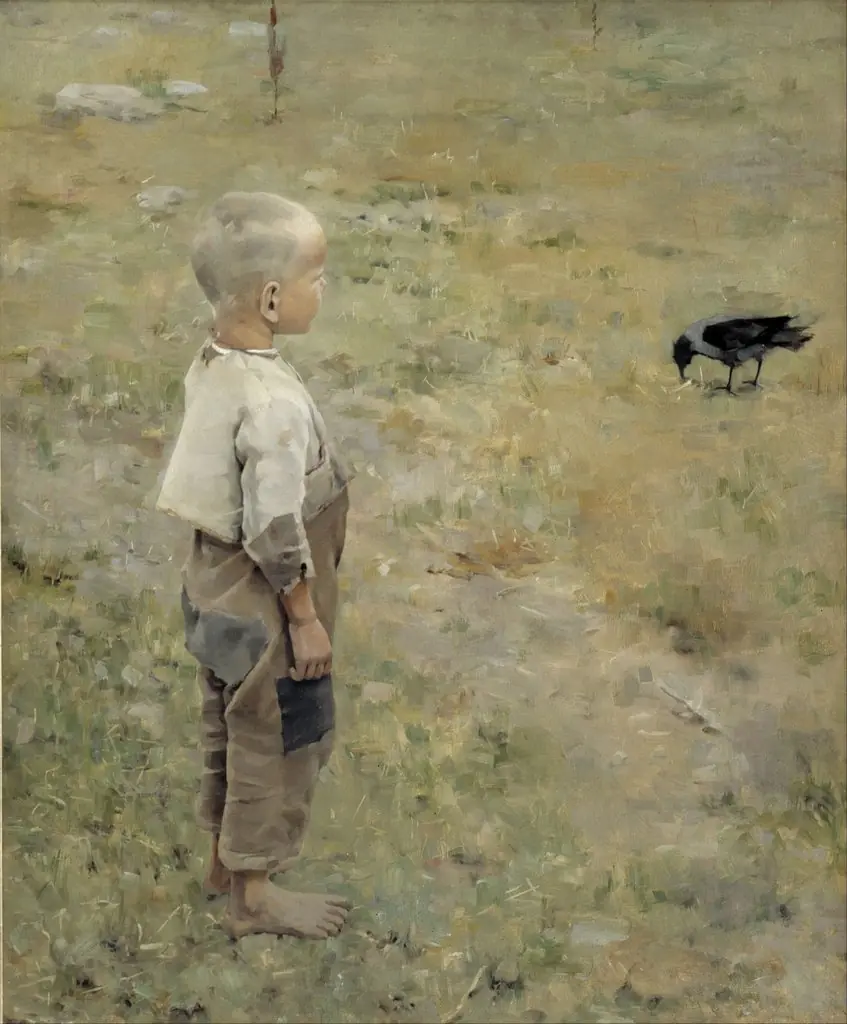 Boy with a Crow
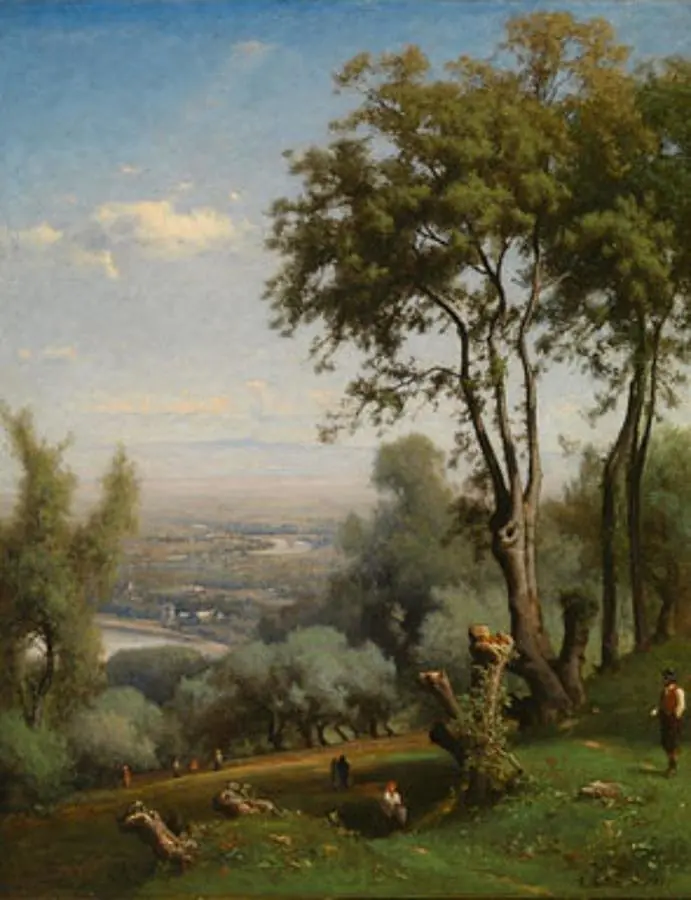 Near Perugia, Italy
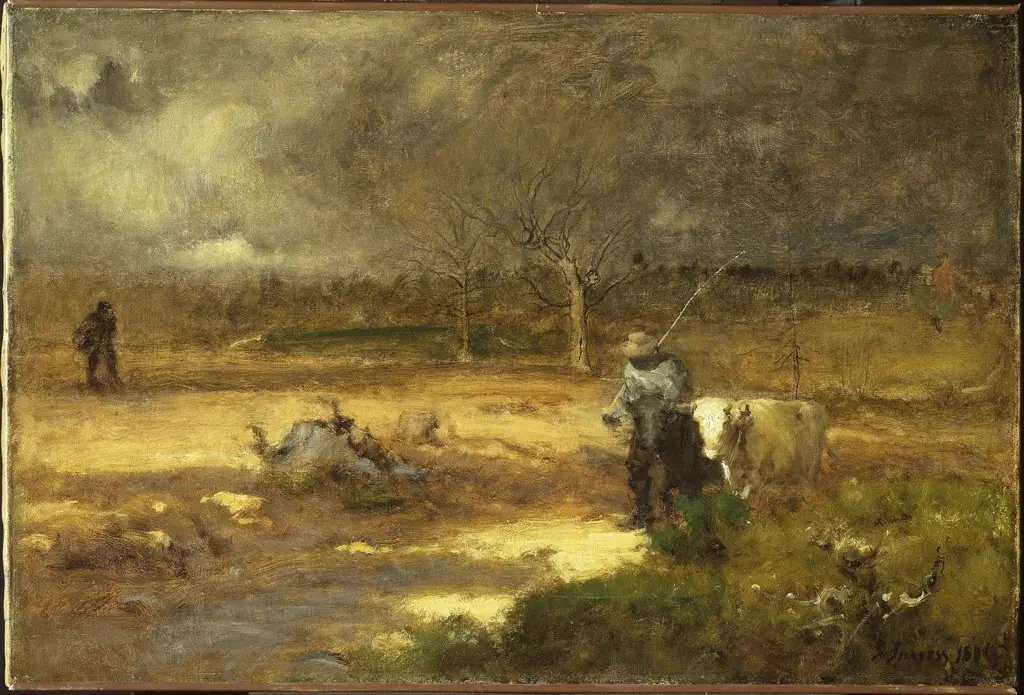 Homeward
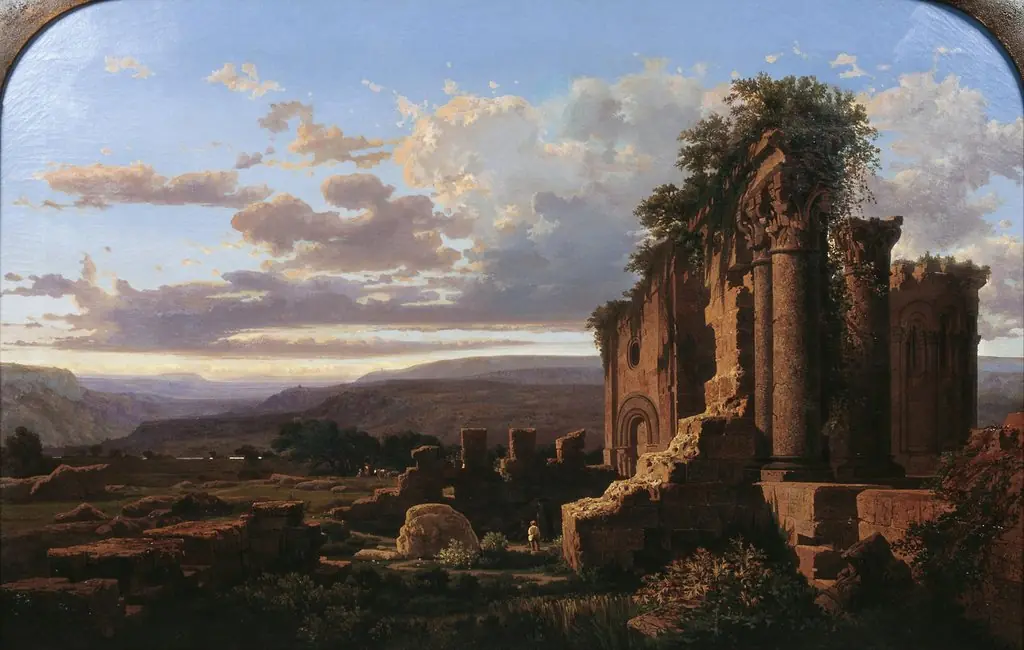 Ruins
Ruins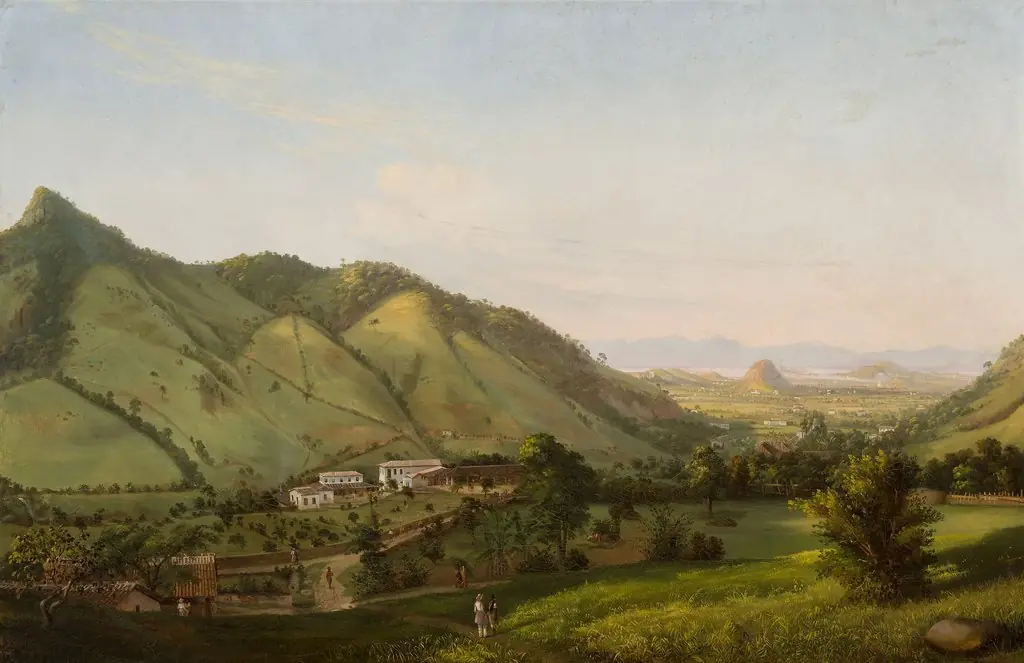 Meuron factory in Andaraí, Río de Janeiro
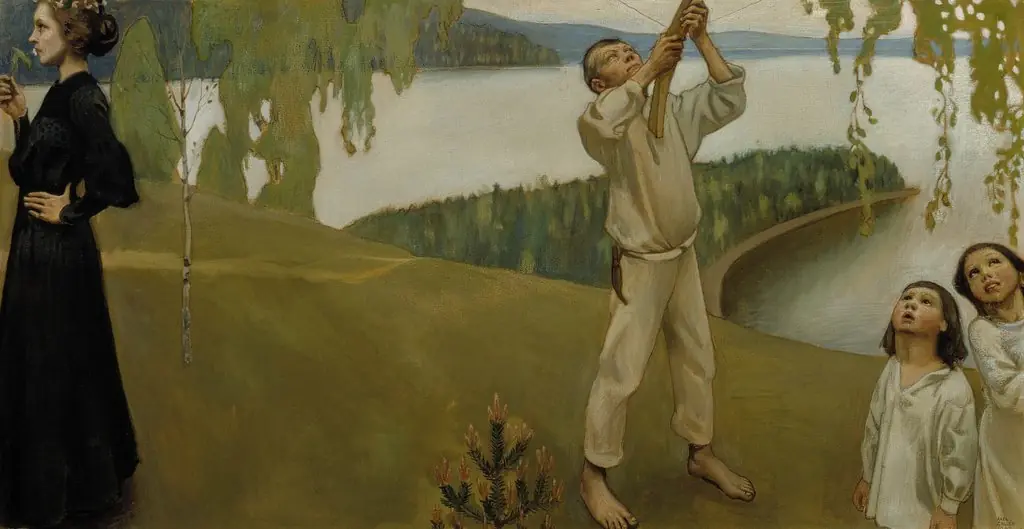 Spring, study for the Jusélius Mausoleum frescos
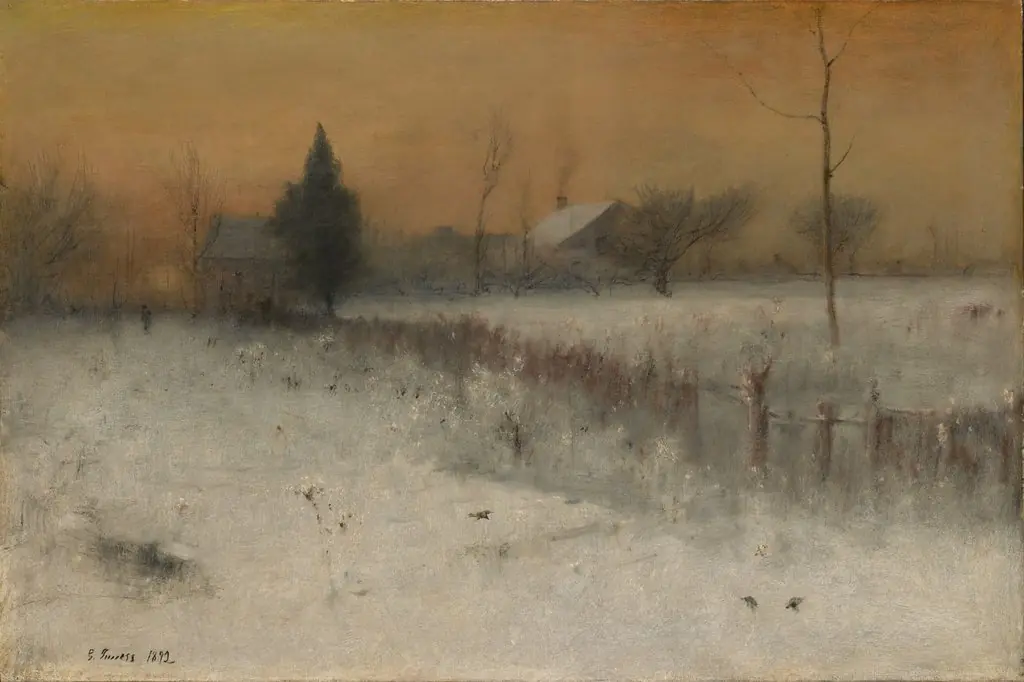 Home at Montclair
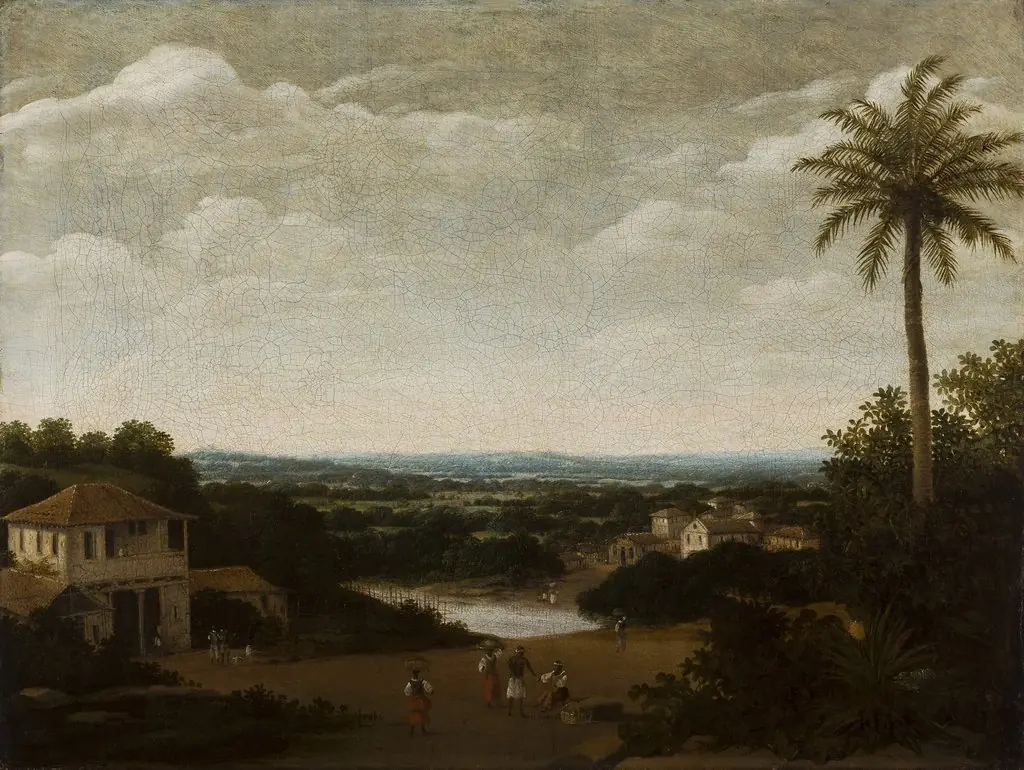 Vilarejo (atribuído)
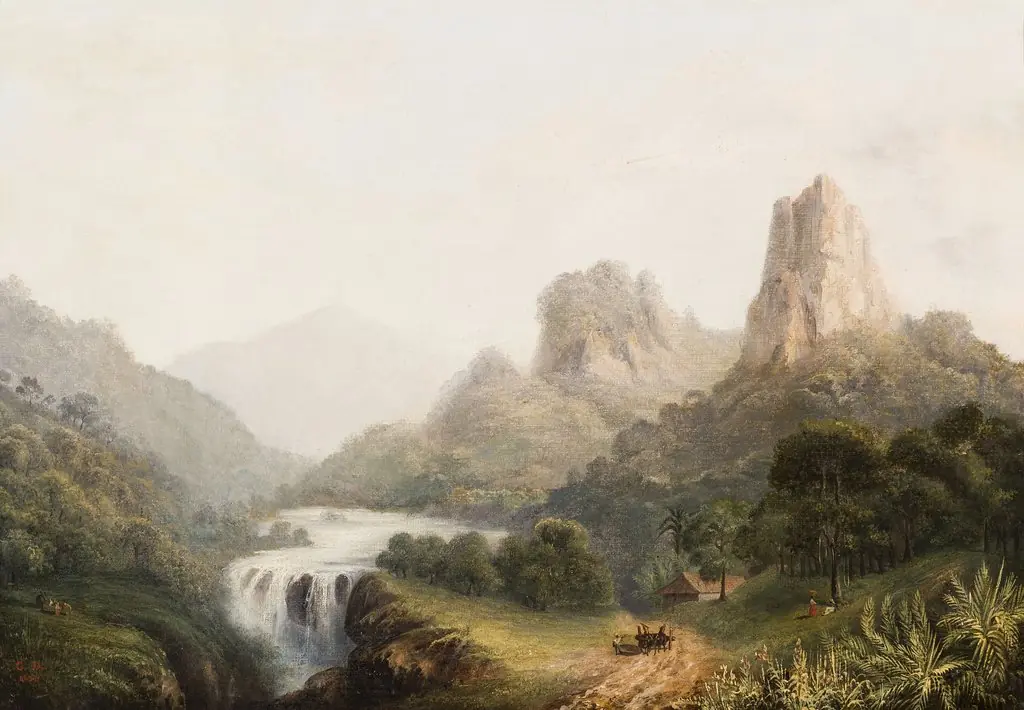 Arredores da Fazenda Mandioca, Rio de Janeiro (atribuído)
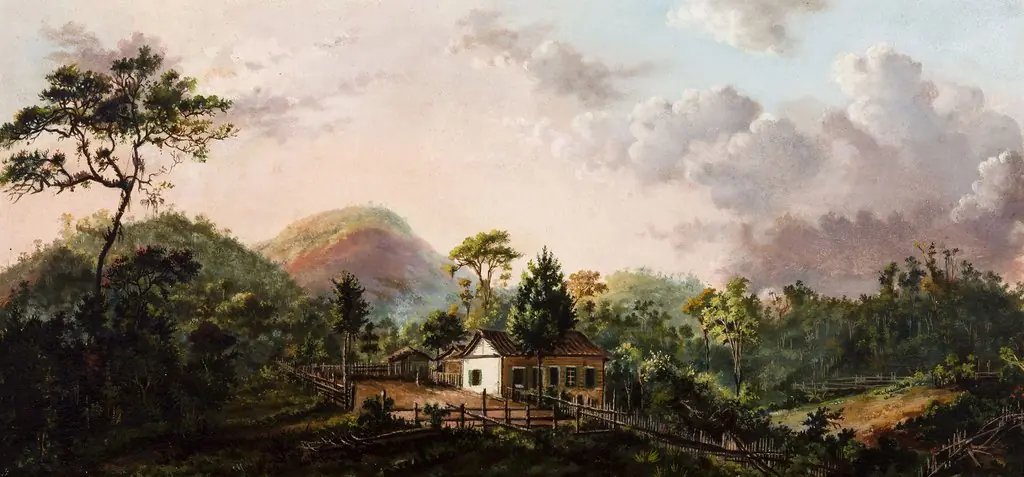 Fazenda em Teresópolis (atribuído)
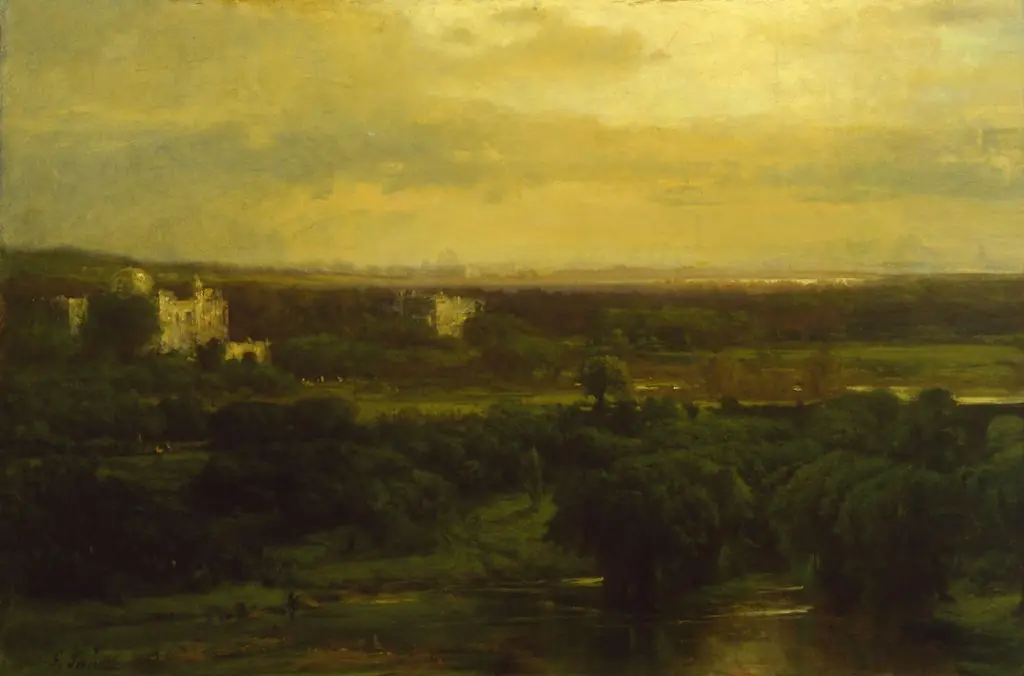 The Valley of the Olives
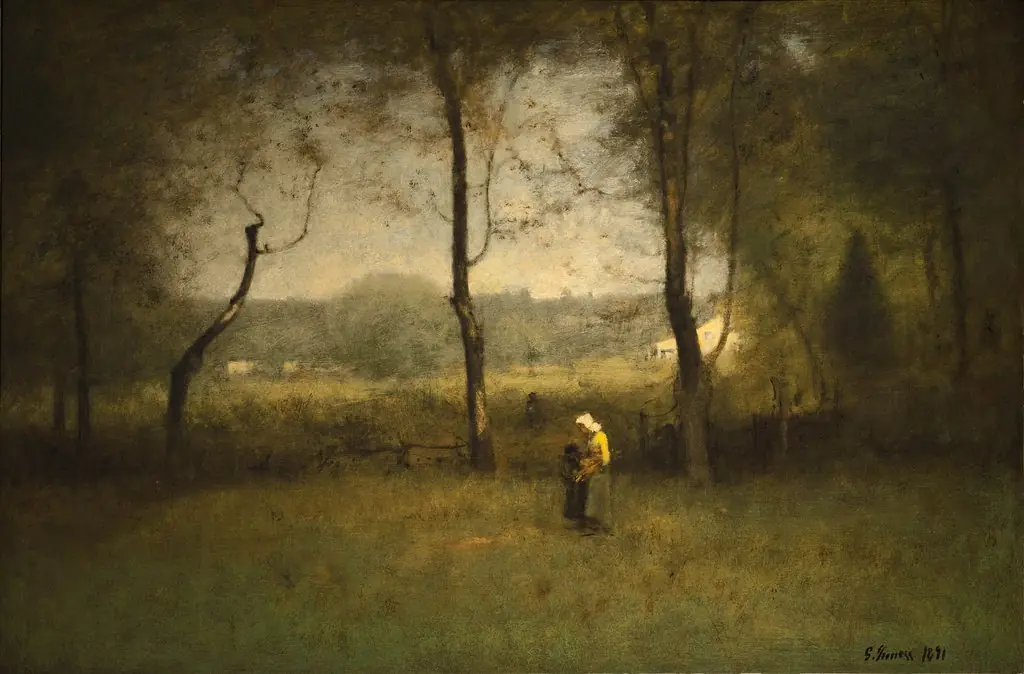 Wood Gatherers, an Autumn Afternoon
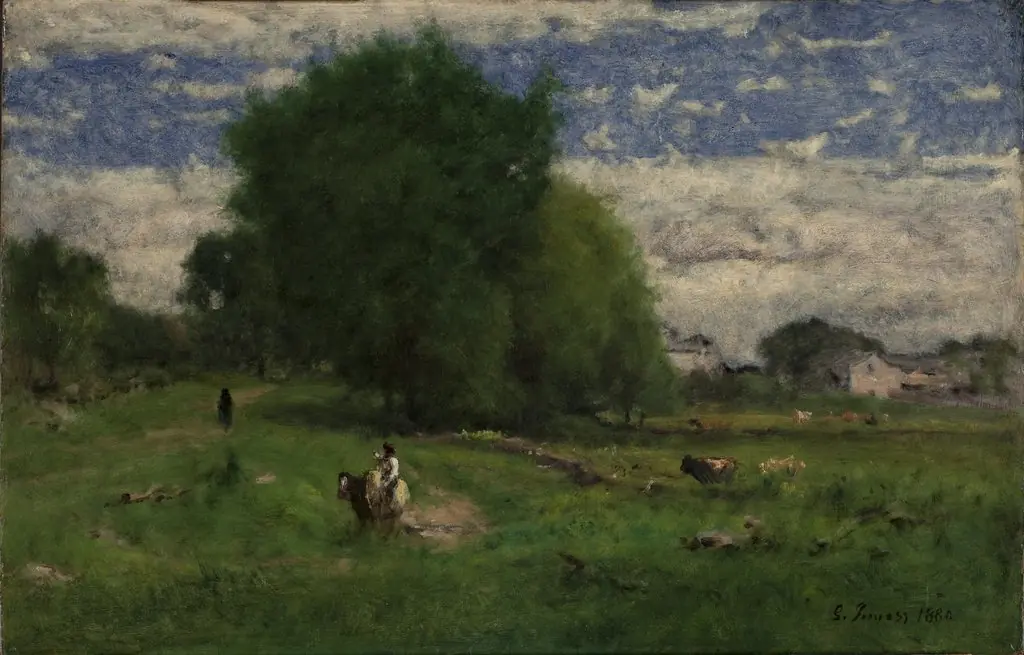 The Road to the Village, Milton
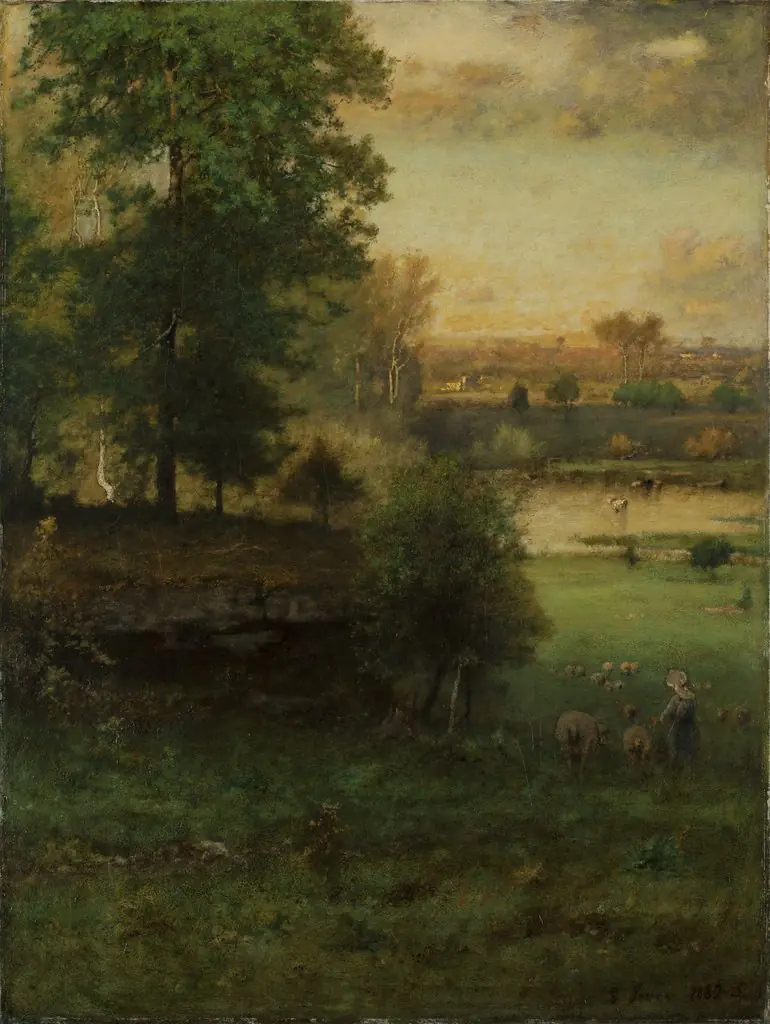 Scene at Durham, an Idyll
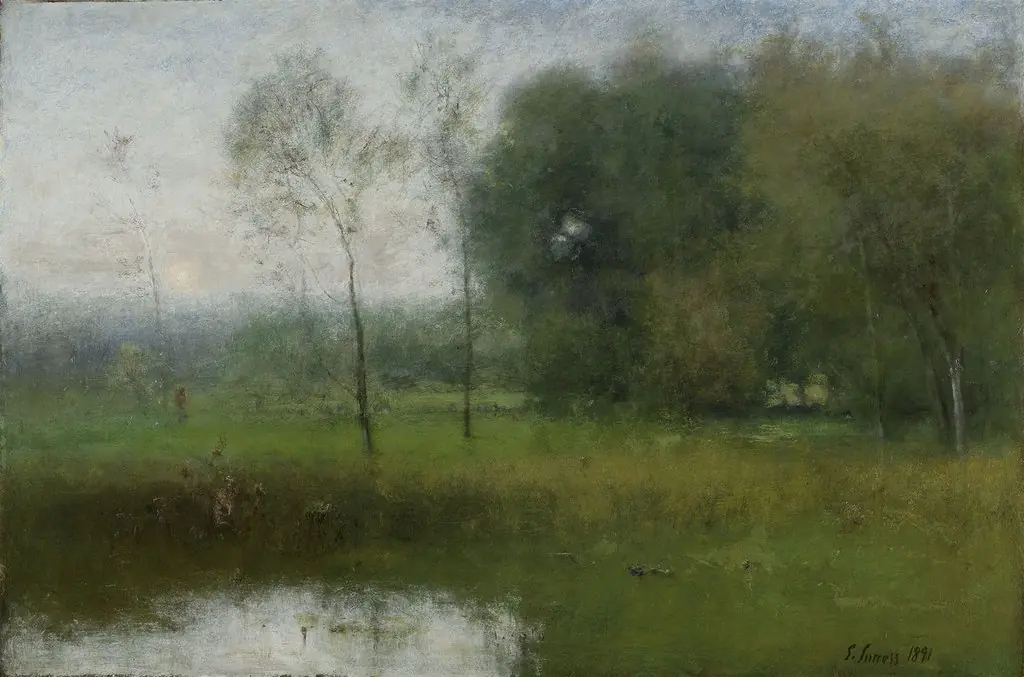 New Jersey Landscape
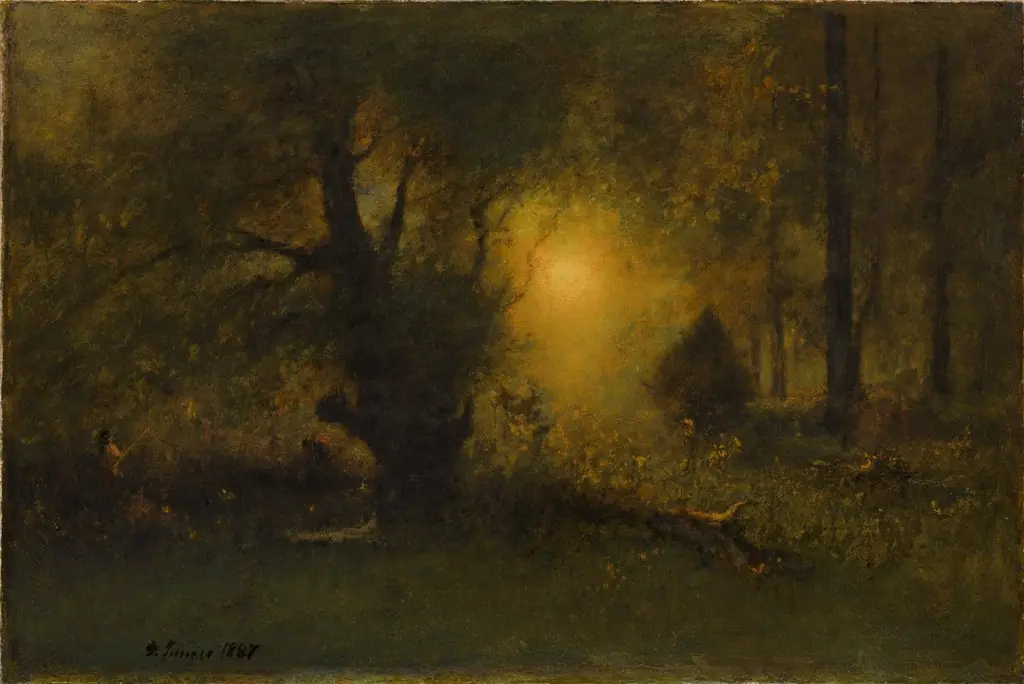 Sunrise in the Woods
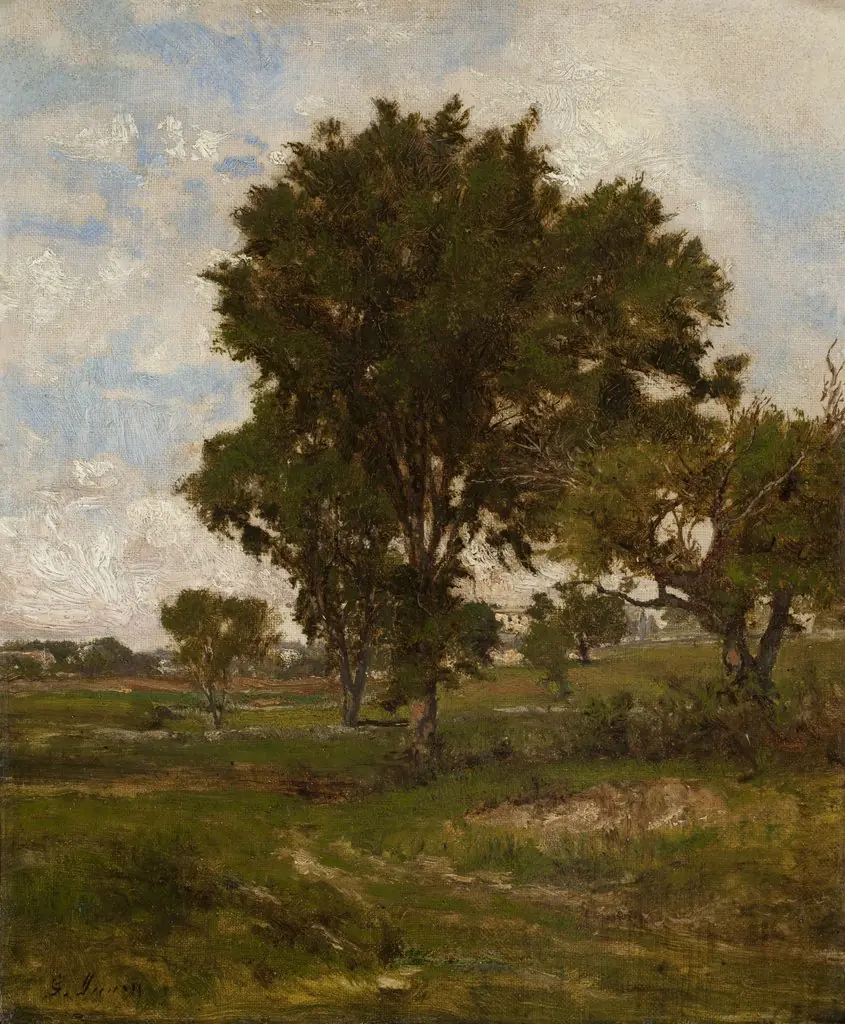 The Elm Tree
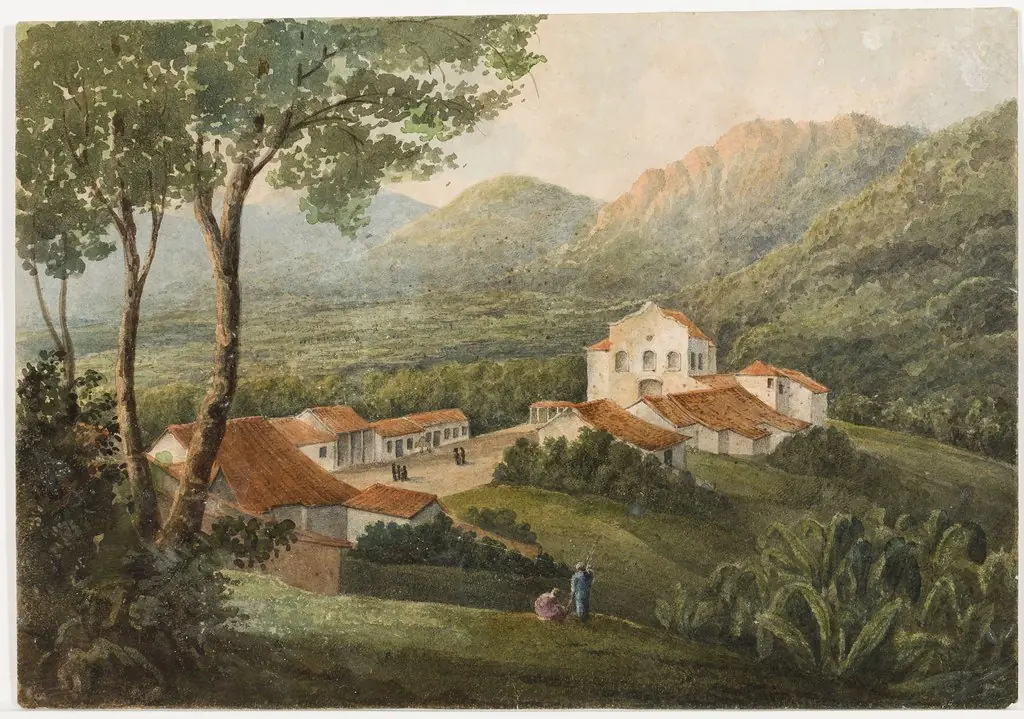 Vila rural e serra (atribuído)
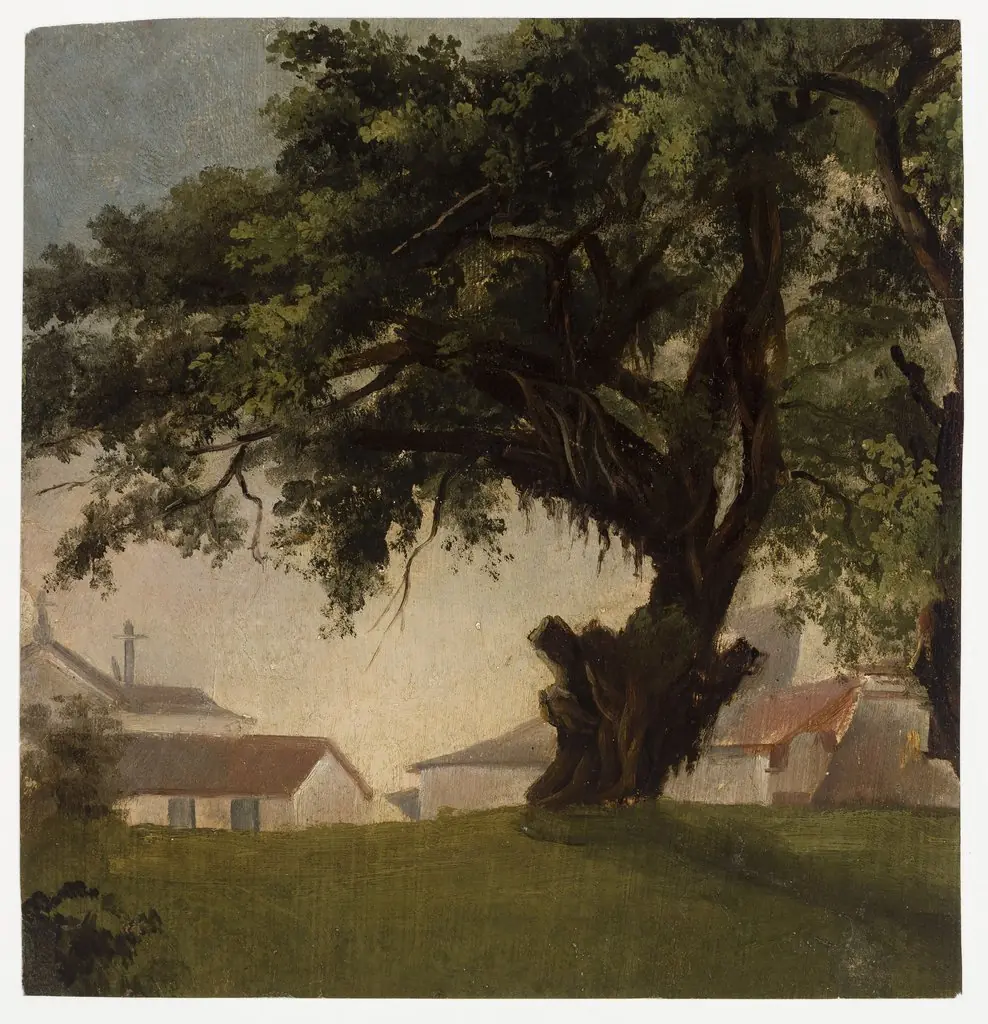 Arbres géants & Caserne
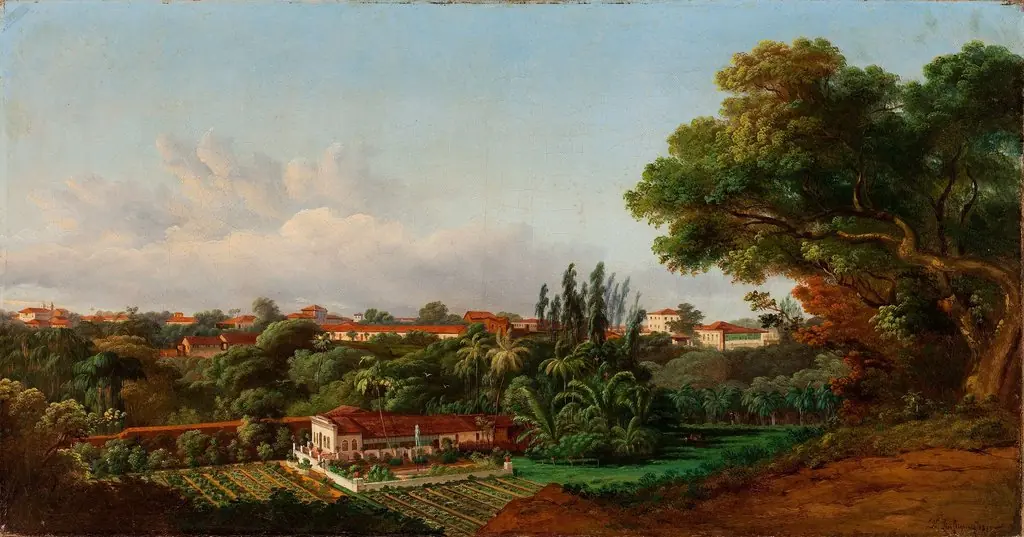 Sítio Sossego, São Luís, Maranhão (atribuído)
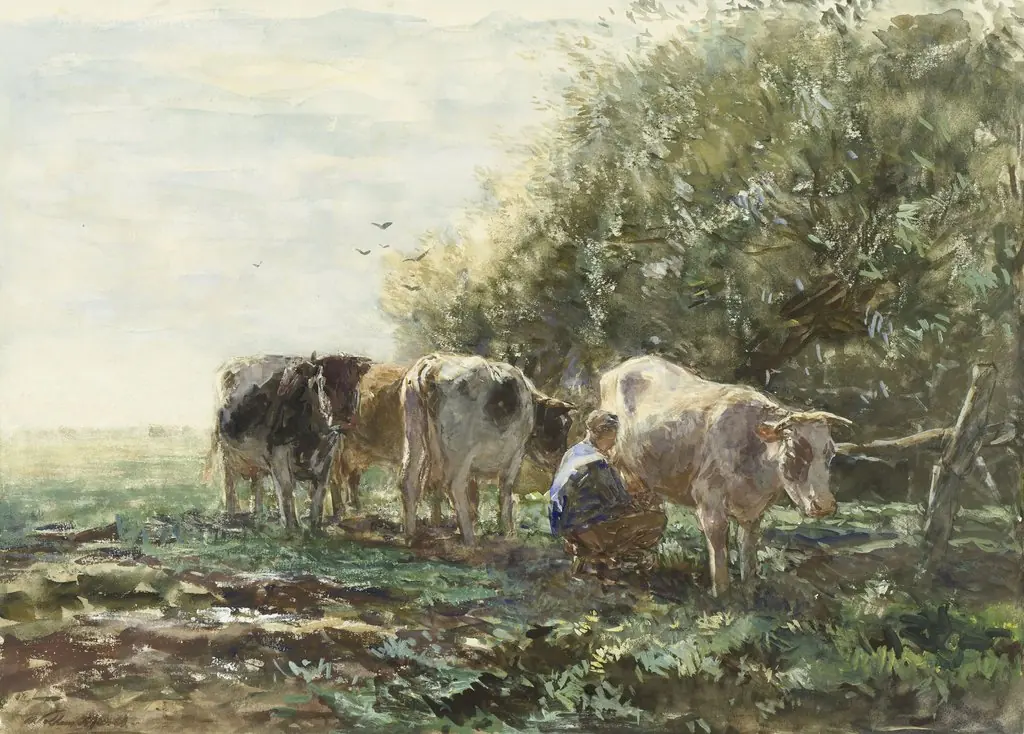 De melkbocht
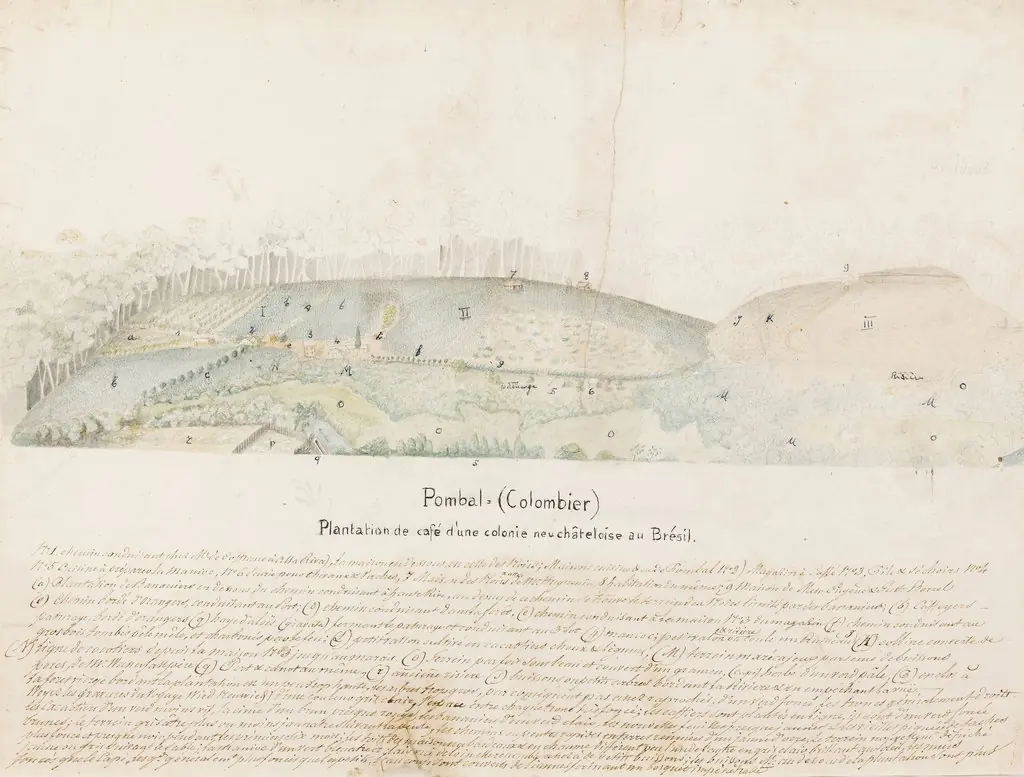 Pombal = (Colombier) Plantation de café d´une colonie neuchâteloise au Brésil
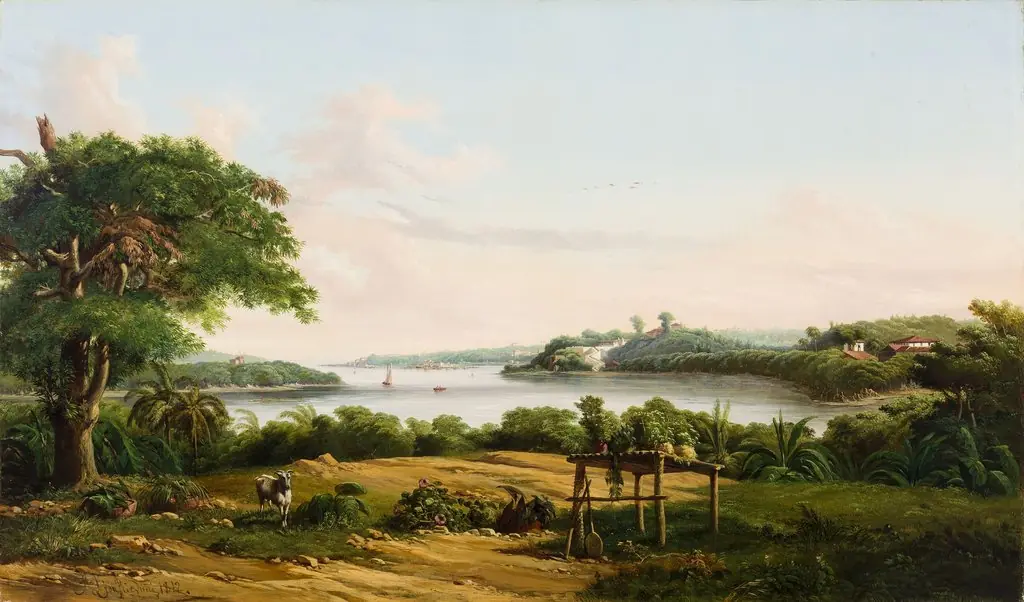 The City Outskirts
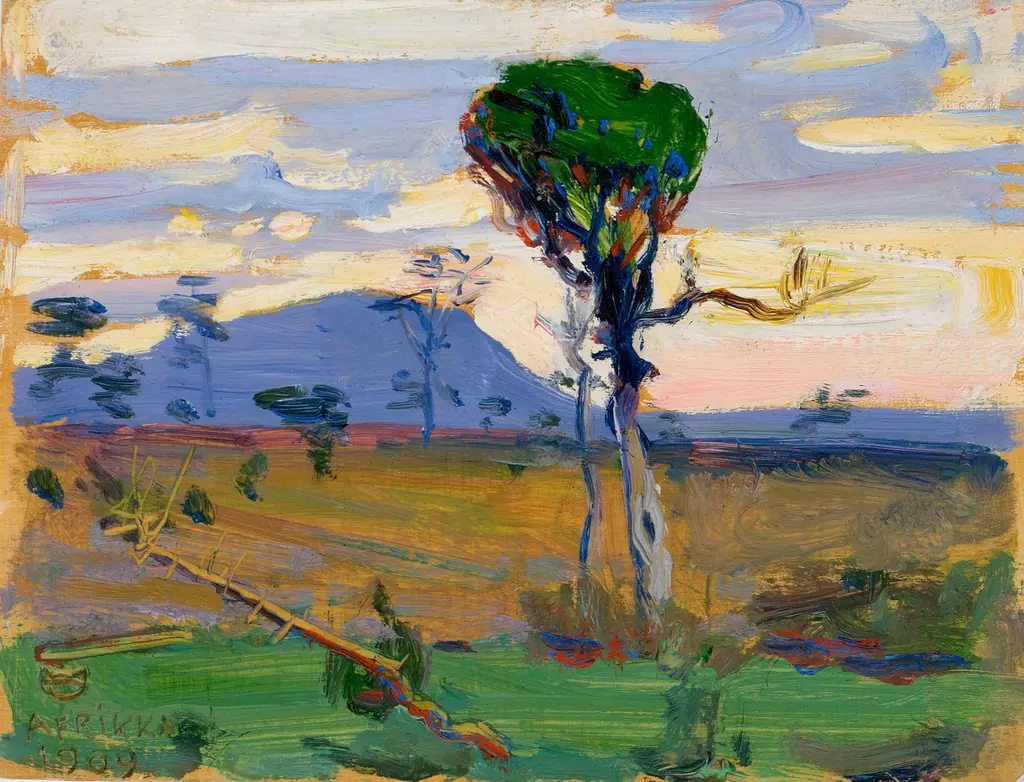 Mt. Donia Sabuk
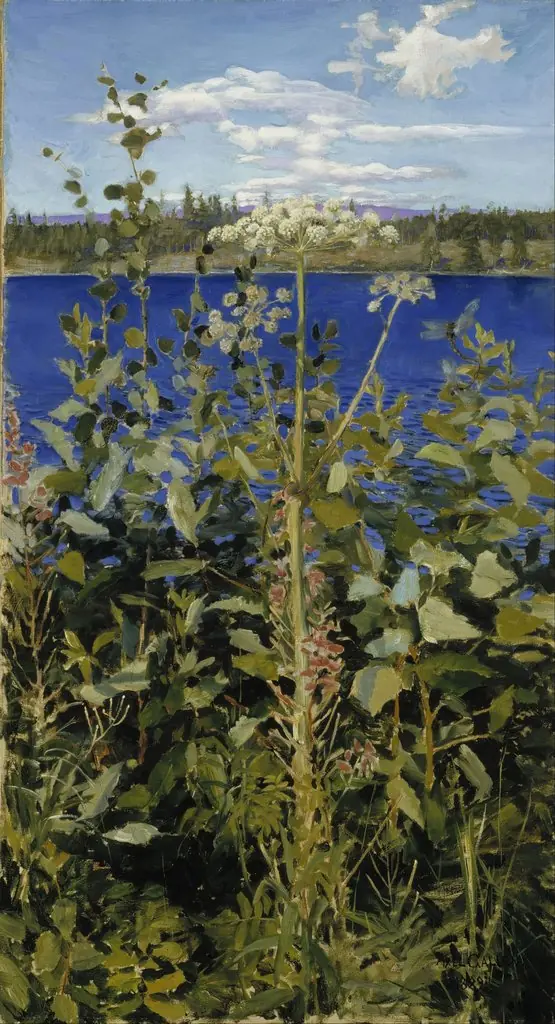 Wild Angelica
Frequently asked questions
What is Rural Area?
Rural Area is a subject in art. In general, a rural area or a countryside is a geographic area that is located outside towns and cities.
How many Rural Area works does Artifact World Gallery have?
Artifact World Gallery holds 148 public-domain Rural Area works, all free to view and download.
Who are the key Rural Area artists?
Key Rural Area artists in the collection include Titian, Paolo Veronese and Jean Baptiste Camille Corot.
Where can I see Rural Area works?
Rural Area works in the collection are held by Rijksmuseum, Mauritshuis and Metropolitan Museum of Art.