
Artist
Subject
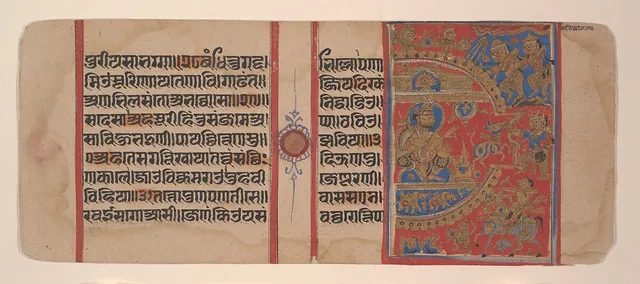
Jainism is a subject in art. The gallery holds 192 works in this subject in art, including works by Bhadrabahu, Auguste Raffet and John Henry Parker.
Jainism is one of India's oldest living religions, and for more than two millennia its art has served a single overriding aim: to make visible the ideal of the soul that has conquered desire and rebirth. The earliest surviving Jain art appears at Mathura, where votive slabs known as ayagapatas—carved with stupas, wheels of the law, and auspicious symbols—date from the first century BCE to the first century CE; the red-sandstone Parshvanatha ayagapata (c. 15 CE) and seated Tirthankara figures from the Kankali Tila mound are among the foundational works. Jainism arose in the Gangetic plain in the sixth–fifth centuries BCE around the teaching of Mahavira, the 24th and last of the tirthankaras ("ford-makers"), and its art emerged from a culture of merchant and royal patronage devoted to ahimsa and ascetic renunciation.
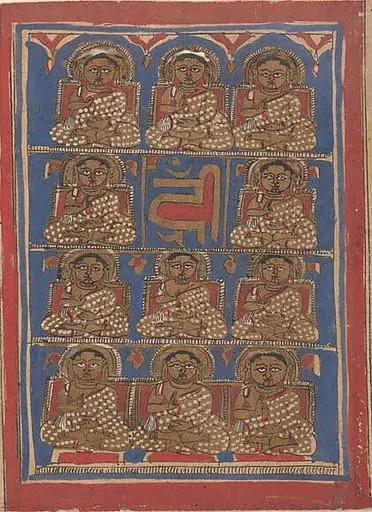
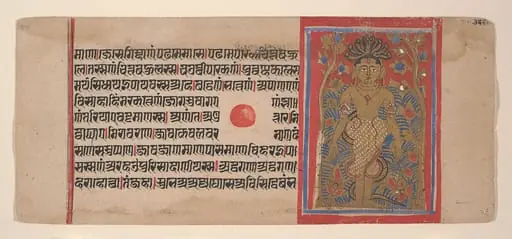
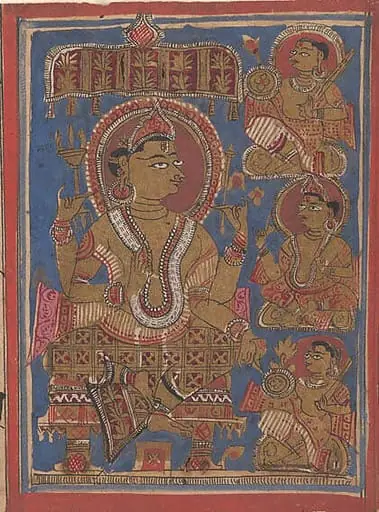
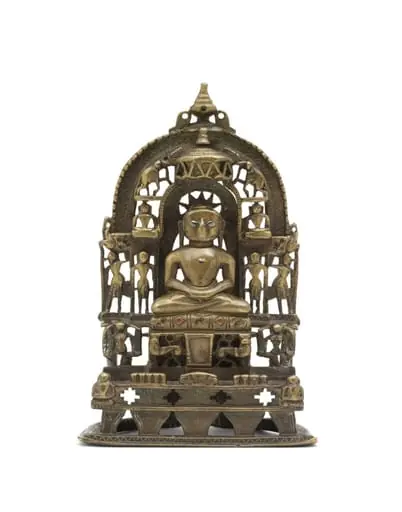
The defining image of Jain art is the tirthankara himself: rigidly frontal, serenely meditative, and shown either seated in lotus posture or standing in the upright kayotsarga (khaḍgasana) pose. The figures are deliberately idealized and near-identical, distinguished only by an emblem (lañchana)—a bull for Rishabha, a snake-hood for Parshvanatha—and marked by the auspicious shrivatsa on the chest. Digambara images are wholly nude, expressing total detachment, while Shvetambara icons may be draped and ornamented. Guardian yakshas and yakshinis, lotuses, and swastikas complete the repertoire.
Monumental sculpture and temple architecture mark the tradition's high points. The 57-foot monolithic Gommateshwara (Bahubali) at Shravanabelagola, carved from a single granite outcrop in 983 CE under the Western Ganga minister Chamundaraya, remains its most celebrated colossus. In Rajasthan, the white-marble Dilwara temples on Mount Abu—the Vimal Vasahi commissioned by Vimal Shah in 1031 and the Luna Vasahi completed by the brothers Vastupala and Tejpal in 1230—epitomize the lacelike Maru-Gurjara style, while the 15th-century Ranakpur temple to Adinatha astonishes with 1,444 individually carved pillars.
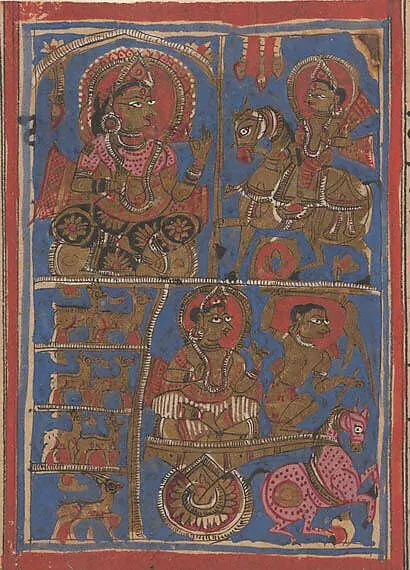
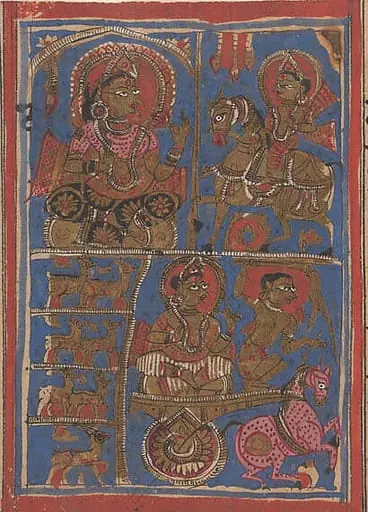
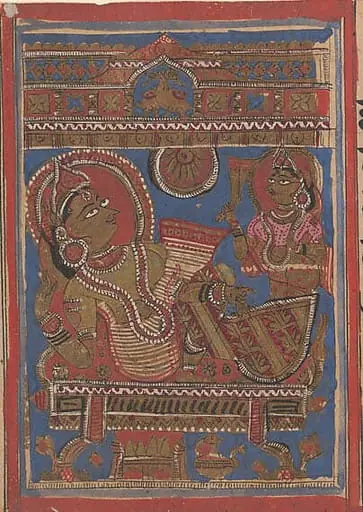
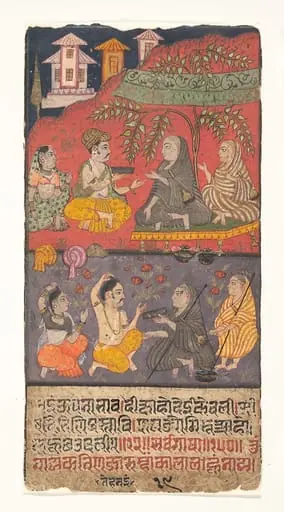
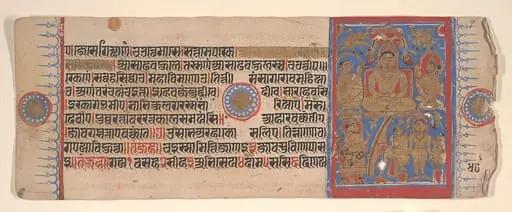
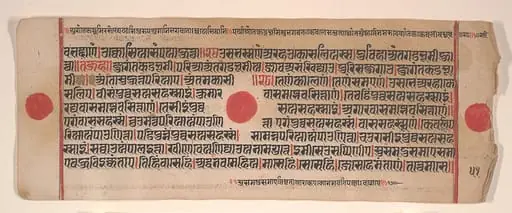
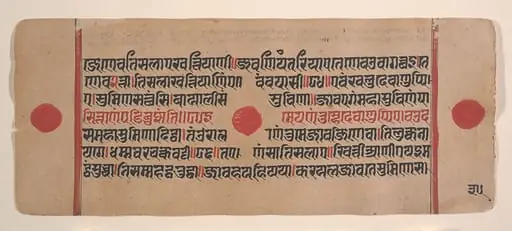
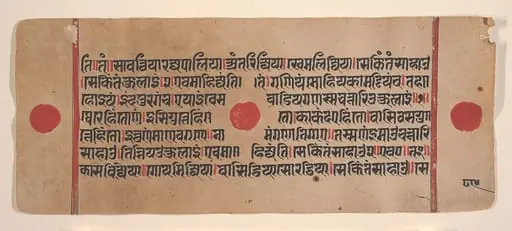
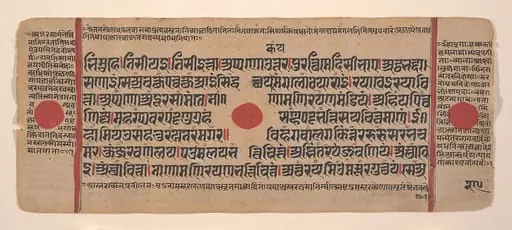
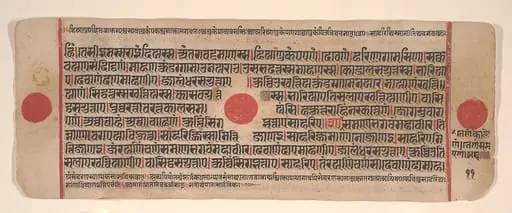
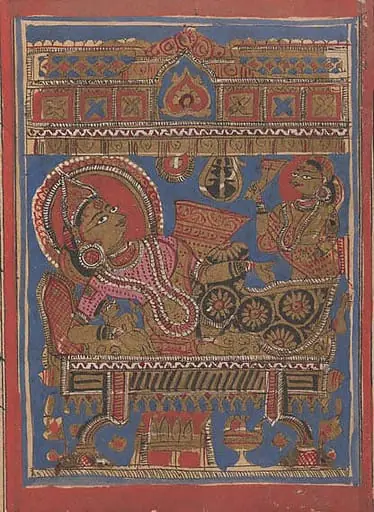
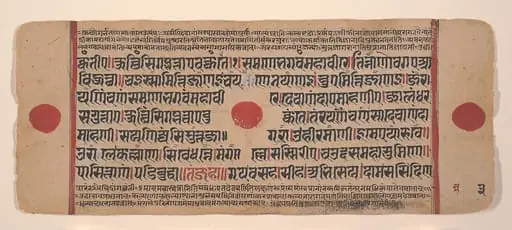
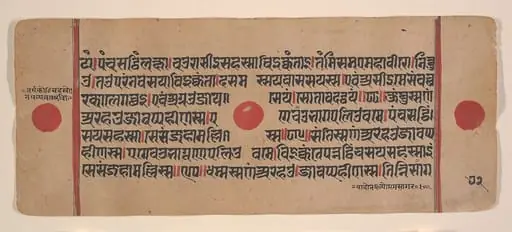
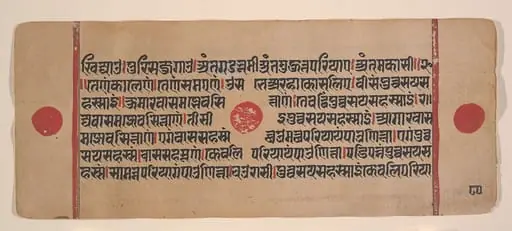
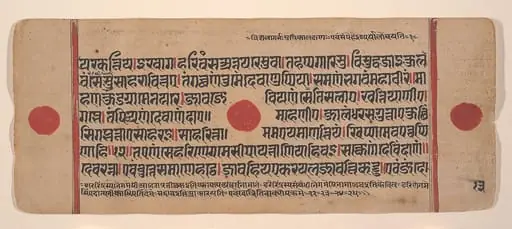
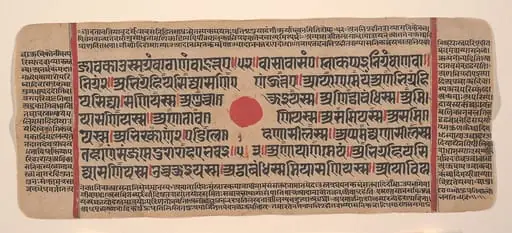
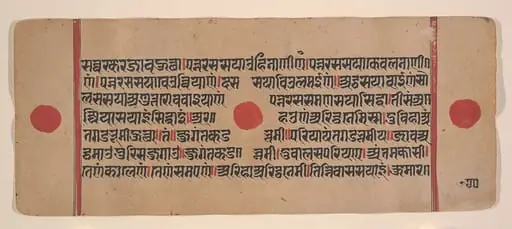
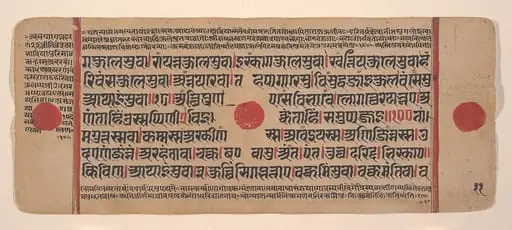
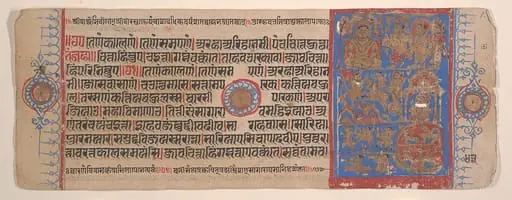
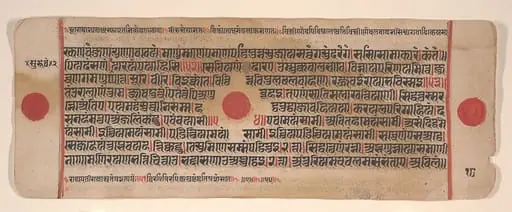
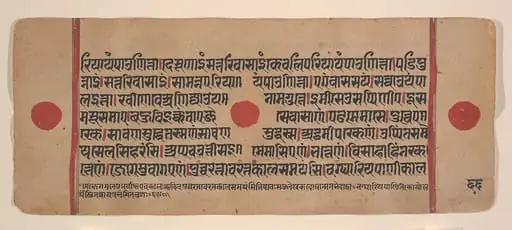
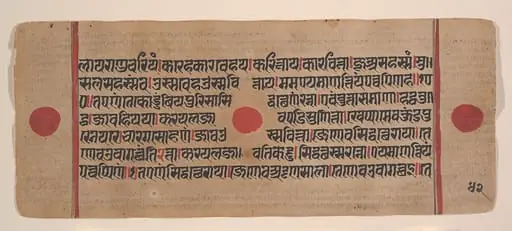
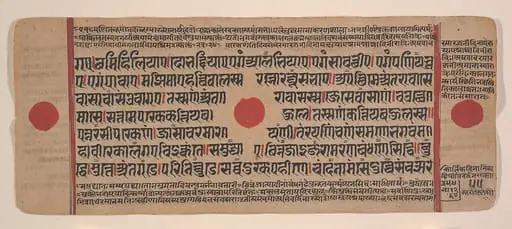
Jain painting flowered in illustrated manuscripts of the Kalpasutra, produced in the Western Indian school from the mid-15th century. Marked by bright primary color, wiry line, stylized profiles with protruding farther eyes, and lavish gold and lapis-lazuli blue absorbed from Persian sultanate art, centers at Patan, Mandu, and Jaunpur (a luminous Kalpasutra of c. 1465) carried the style that would help shape later Rajput painting.
Jainism, also known as Jain Dharma, is an Indian religion that teaches spiritual purity and enlightenment through disciplined nonviolence (ahimsa) toward all living creatures. The tradition is spiritually guided by 24 tirthankaras, supreme teachers who have conquered the cycle of rebirth and attained omniscience (kevala jnana). The religion's name derives from jina, Sanskrit for "conqueror," referring to the conquest of passions and bodily desires. With approximately four to five million followers, predominantly in India, Jainism has nonetheless exerted outsized influence on Indian art, architecture, philosophy, and intellectual culture. The subject recurs in art primarily through depictions of tirthankaras, temple architecture, and narrative scenes illustrating Jain ethical and cosmological principles.
The central iconographic focus of Jain art is the tirthankara, depicted according to strict conventions that emphasize spiritual attainment over individual personality. These 24 ford-makers are typically shown in either seated meditation (padmasana) or standing rigidly upright (kayotsarga) postures, distinguished by minimal individual attributes except for distinctive emblems (lanchanas) and, in some cases, attendant yakshas and yakshis. The three jewels (ratnatraya) of right vision, right knowledge, and right conduct provide the ethical framework that visual art reinforces. The doctrine of ahimsa manifests iconographically in the absence of animal sacrifice scenes and in the serene, detached expressions of tirthankara images. The two major sub-traditions, Digambara ("sky-clad") and Svetambara ("white-clad"), diverge in their visual representation of ascetics, with Digambara monks depicted nude and Svetambara figures clothed in white. The siddhashila, a cosmic diagram representing the realm of liberated souls, and the samavasarana, the divine preaching hall, are recurring cosmological motifs.
Jain art developed distinctive regional styles as the religion spread from its Magadha heartland to western and southern India. Early representations emerged during the Maurya period, with the tradition claiming Chandragupta Maurya (reigned 322-293 BCE) as a convert and patron. The migration of Jain communities to southern India following this period generated the Karnataka tradition, exemplified by the colossal Bahubali/Gomateshvara monolith at Shravanabelagola. In western India, Gujarat and Rajasthan became centers of temple construction, producing the renowned Dilwara temples at Mount Abu and the Adinatha temple at Ranakpur. The medieval period saw Jain communities develop sophisticated manuscript traditions, particularly in western India, with elaborate illustrations of the Kalpasutra and other sacred texts. The Islamic invasions of the 13th century disrupted but did not destroy Jain artistic production, as monastic discipline and mercantile resources enabled continuity. The nineteenth century marked a significant shift when community self-designation as "Jain" became standardized, potentially affecting patronage and collecting patterns.
The most celebrated Jain monument is the 57-foot monolithic statue of Bahubali (Gomateshvara) at Shravanabelagola, Karnataka, consecrated in 981 CE. This standing nude figure represents the attainment of kevala jnana through the kayotsarga posture. The Dilwara temples at Mount Abu, Rajasthan, constructed between the 11th and 13th centuries, represent the apogee of Jain marble temple architecture, with their intricately carved ceilings and pillars. The Adinatha temple at Ranakpur (15th century) is celebrated for its 1,444 distinctively carved pillars. Mount Parasnath in Jharkhand, with its 24 temples symbolizing the 24 tirthankaras, remains a major pilgrimage site. The Shatrunjaya Hill near Palitana, Gujarat, contains nearly 1,000 temples and constitutes one of the most significant Jain sacred landscapes. In manuscript painting, the Kalpasutra illustrations, particularly those produced in western India from the 15th century onward, established conventions for depicting the lives of tirthankaras, especially Mahavira and Parshvanatha.
Jainism's influence extends far beyond its relatively small community of adherents. The religion's emphasis on nonviolence contributed to the intellectual foundations of Mahatma Gandhi's nonviolent independence movement. In art history, Jain manuscripts and temple architecture are recognized as major achievements of Indian visual culture, with the religion's mercantile patronage enabling sophisticated artistic production. The community's high literacy rates and intellectual traditions supported extensive library and manuscript traditions. Contemporary Jain communities maintain active patronage of temples, with the Jain temple in Wilrijk, Belgium (consecrated 2010) representing the largest such structure outside India. The religion's diaspora communities in North America, Europe, and East Asia have generated new contexts for Jain artistic and architectural expression. Scholarly reception of Jain art has evolved from relative neglect to increasing recognition of its distinctive contributions to Indian aesthetics, particularly in the areas of narrative manuscript painting, temple architecture, and the iconographic systematization of tirthankara imagery.
 Untitled
 Untitled
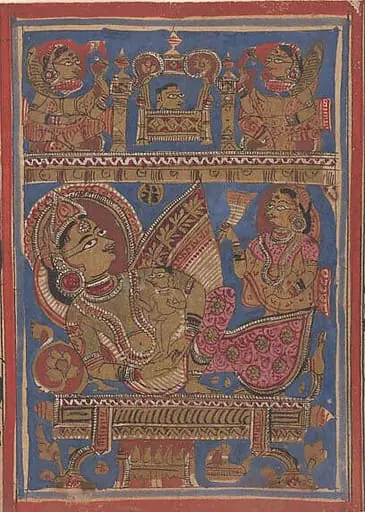 Untitled
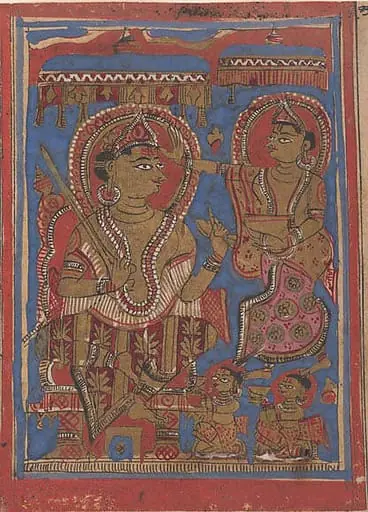 Untitled
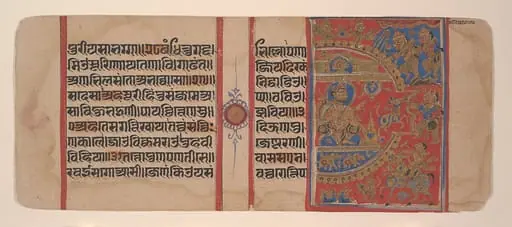 Untitled
 Untitled
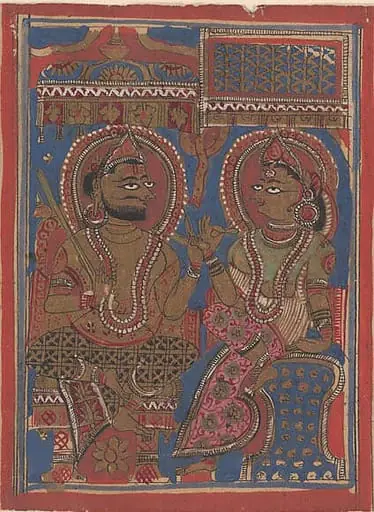 Untitled
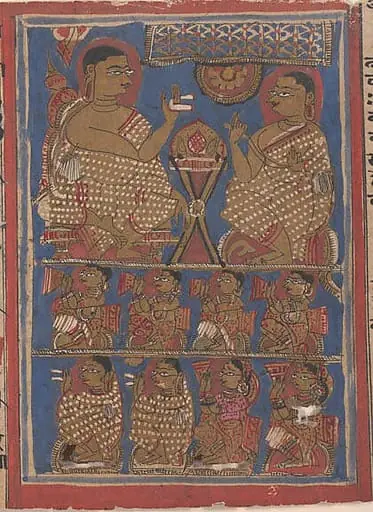 Untitled
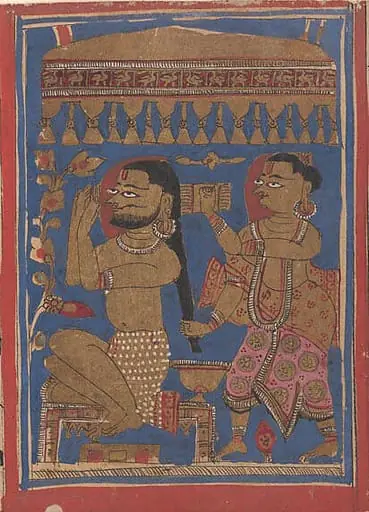 Untitled
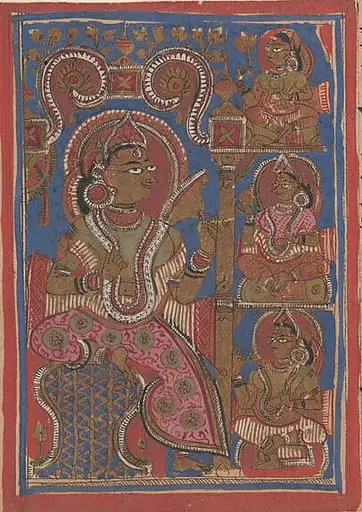 Untitled
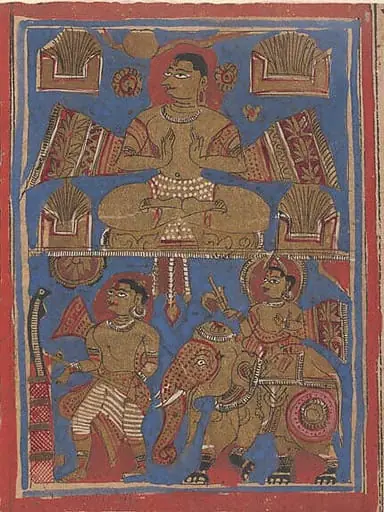 Untitled
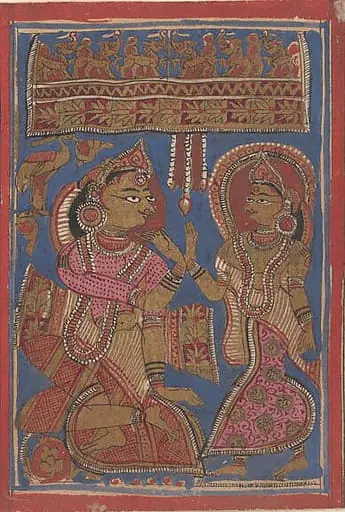 Untitled
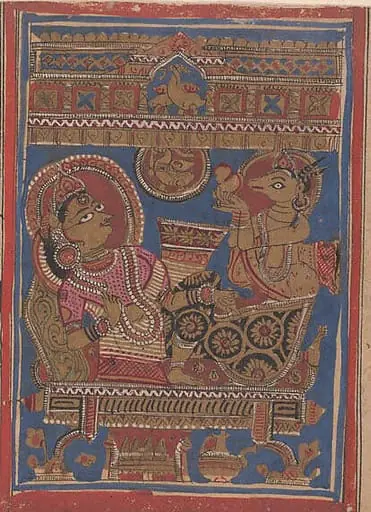 Untitled
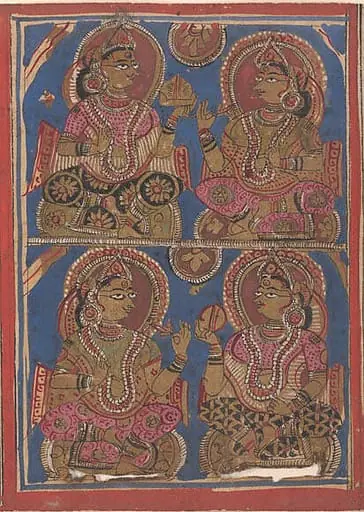 Untitled
 Untitled
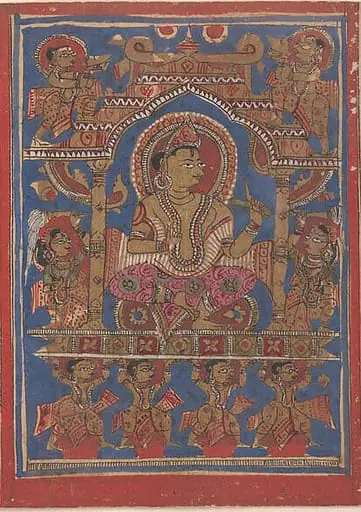 Untitled
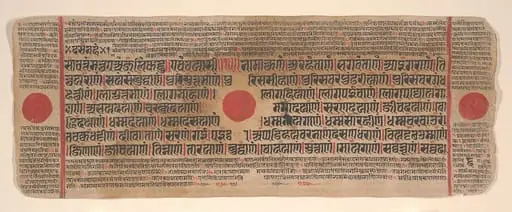 Untitled
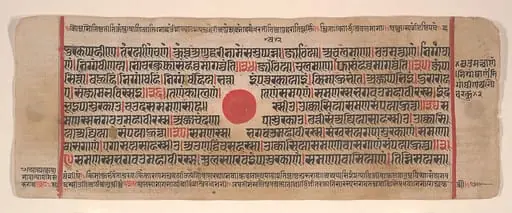 Untitled
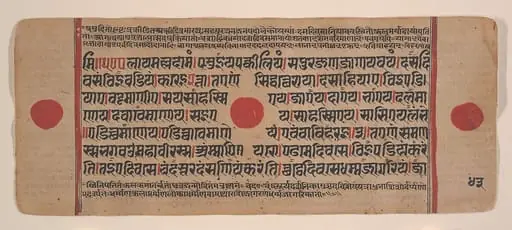 Untitled
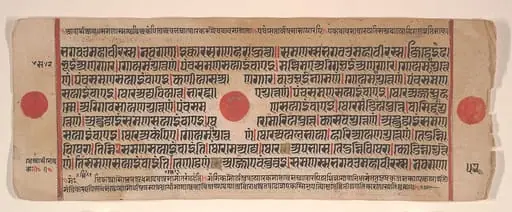 Untitled
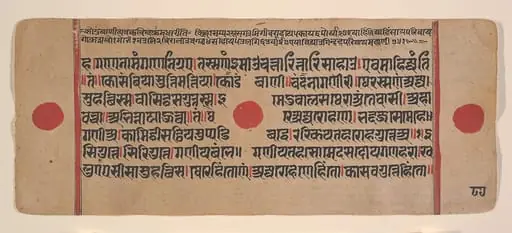 Untitled
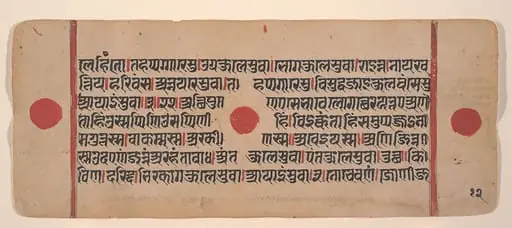 Untitled
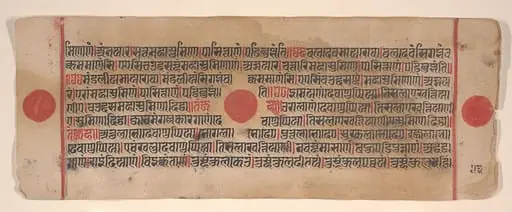 Untitled
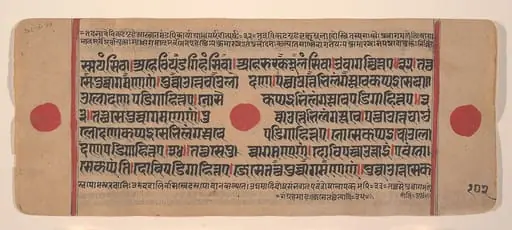 Untitled
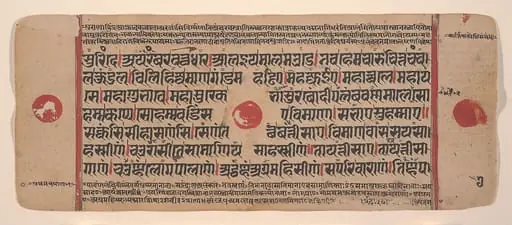 Untitled
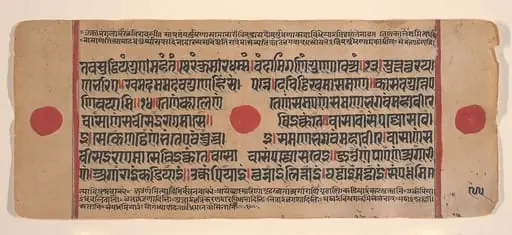 Untitled
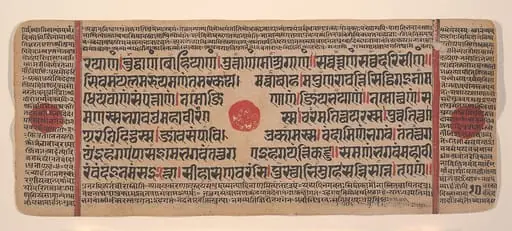 Untitled
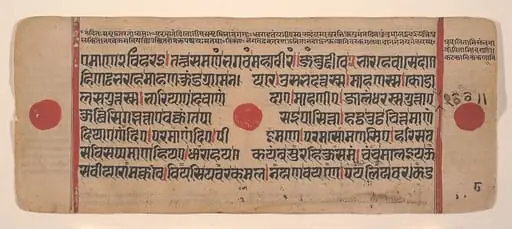 Untitled
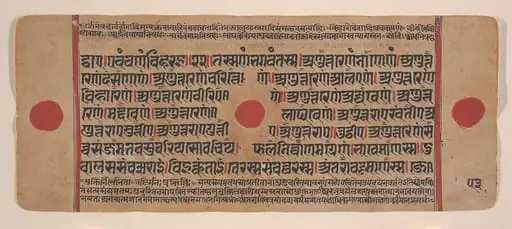 Untitled
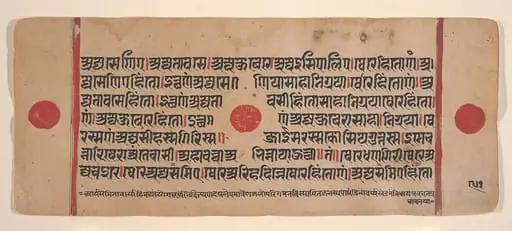 Untitled
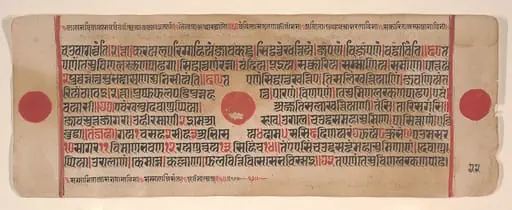 Untitled
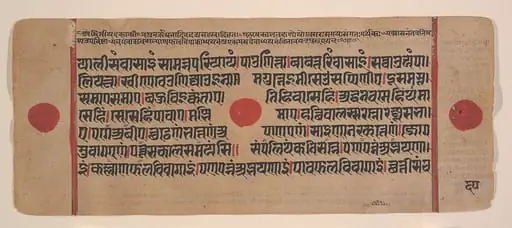 Untitled
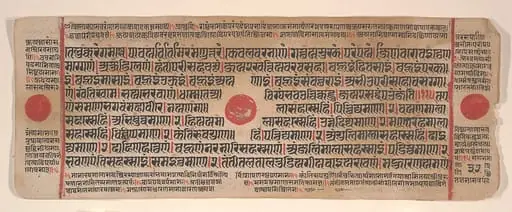 Untitled
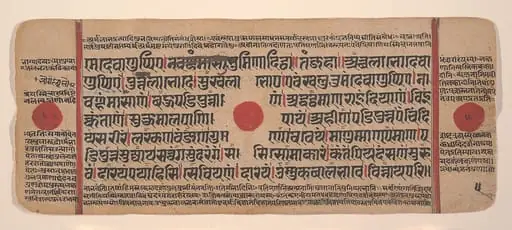 Untitled
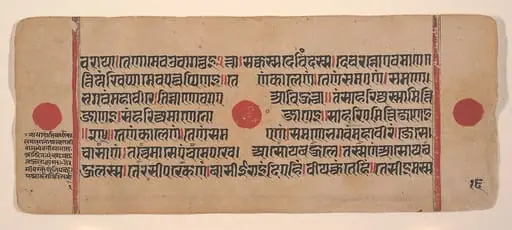 Untitled
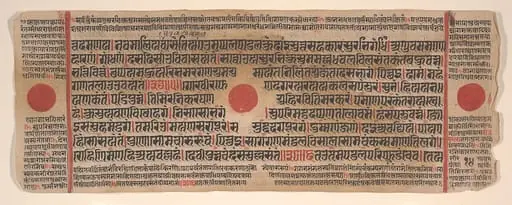 Untitled
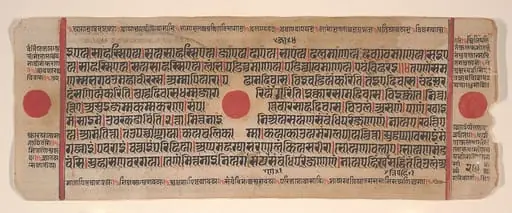 Untitled
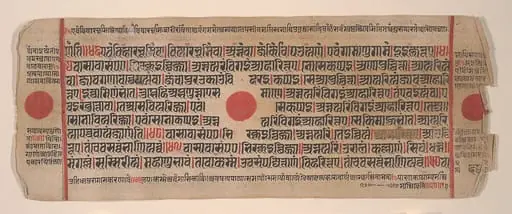 Untitled
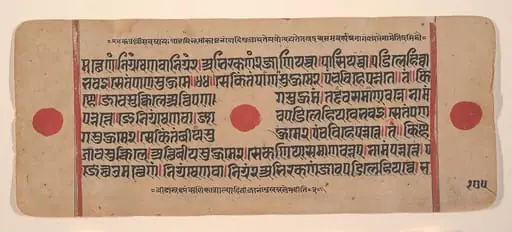 Untitled
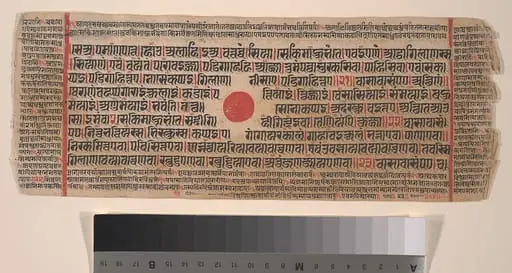 Untitled
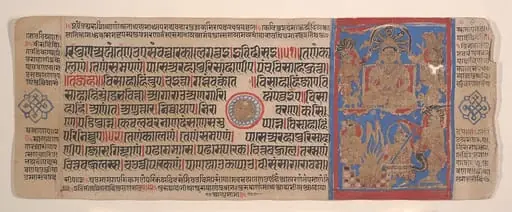 Untitled
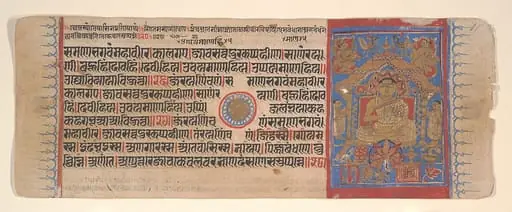 Untitled
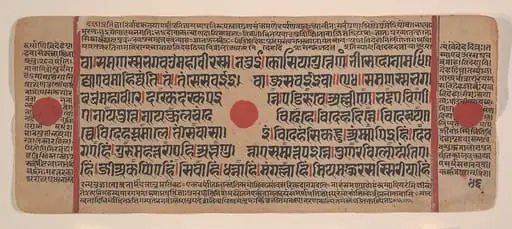 Untitled
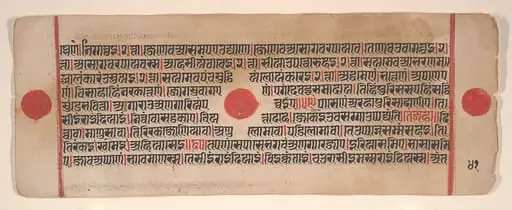 Untitled
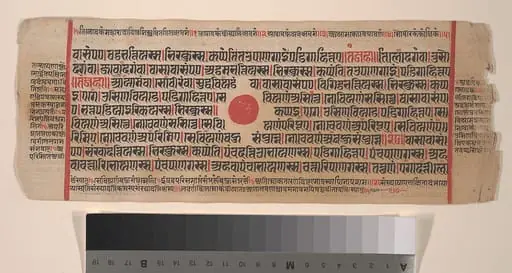 Untitled
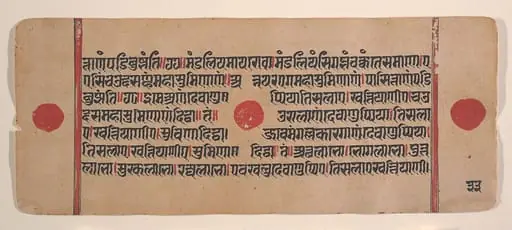 Untitled
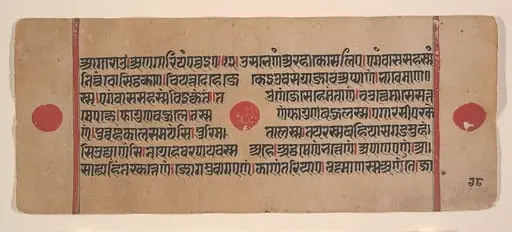 Untitled
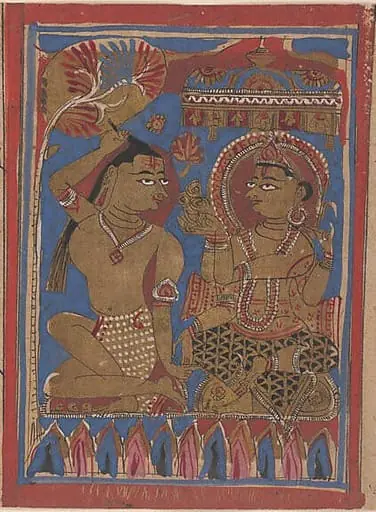 Untitled
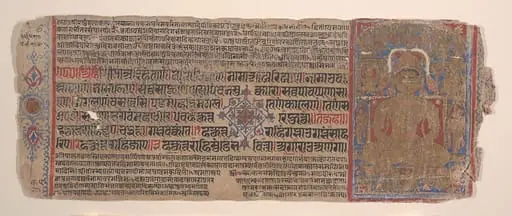 Untitled
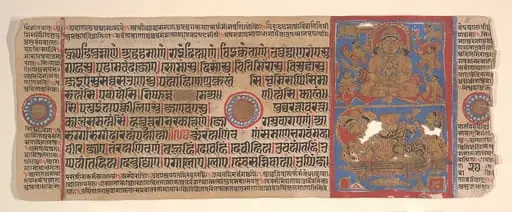 Untitled
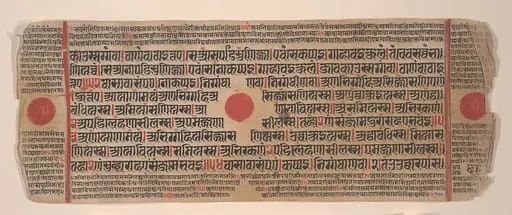 Untitled
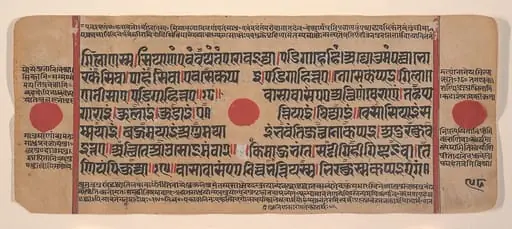 Untitled
 Untitled
 Untitled
 Untitled
 Untitled
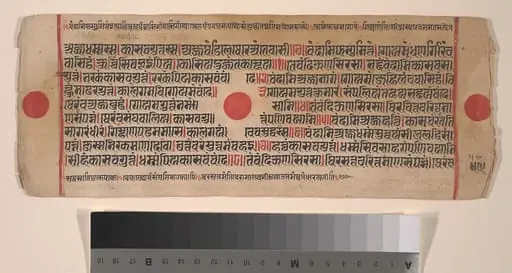 Untitled
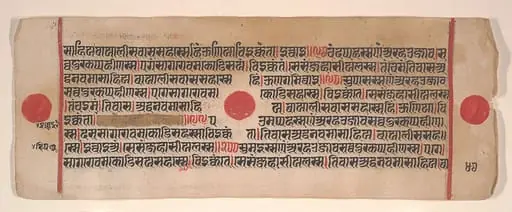 Untitled
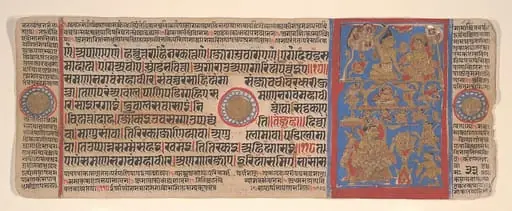 Untitled
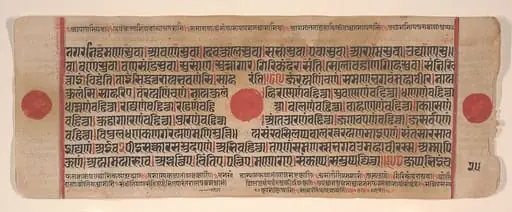 Untitled
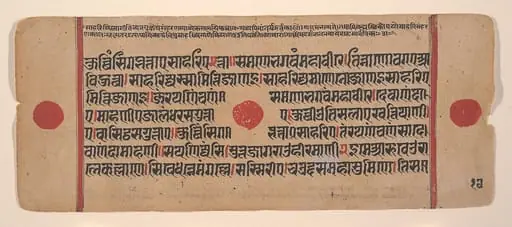 Untitled
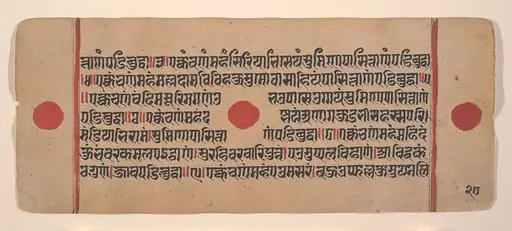 Untitled
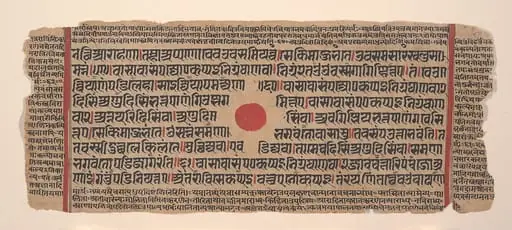 Untitled
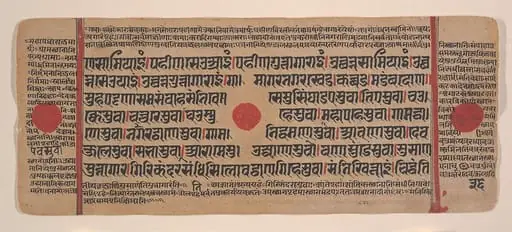 Untitled
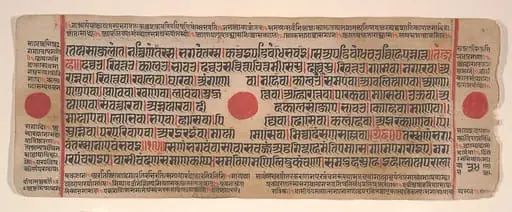 Untitled
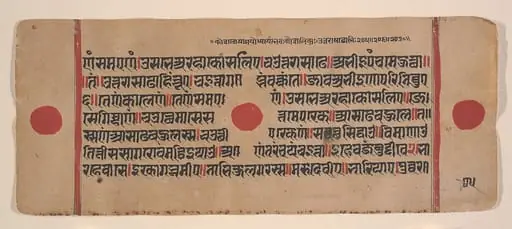 Untitled
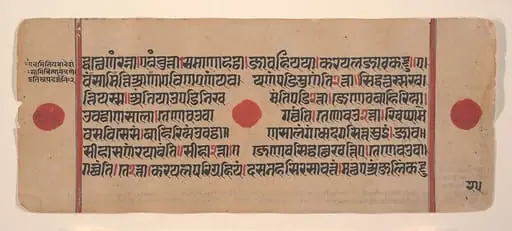 Untitled
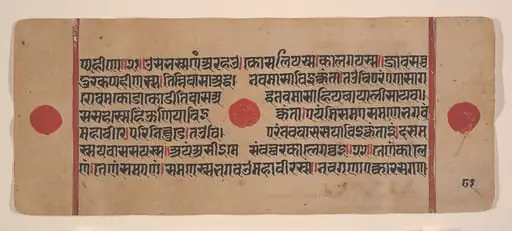 Untitled
 Untitled
 Untitled
 Untitled
 Untitled
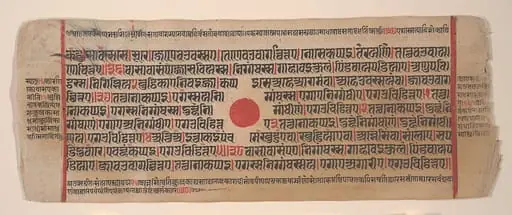 Untitled
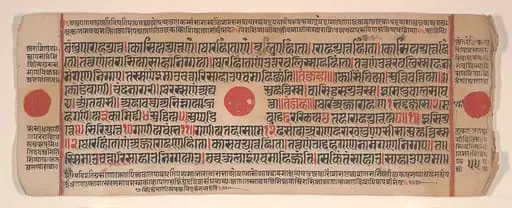 Untitled
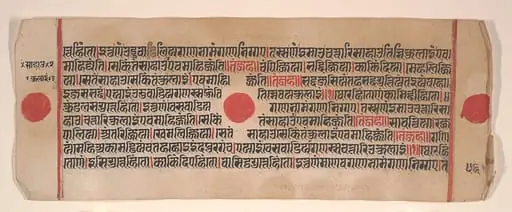 Untitled
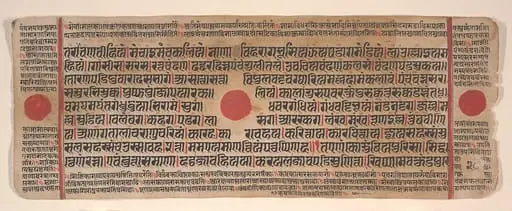 Untitled
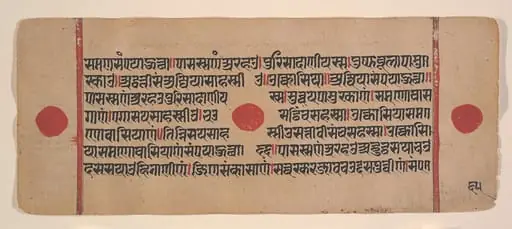 Untitled
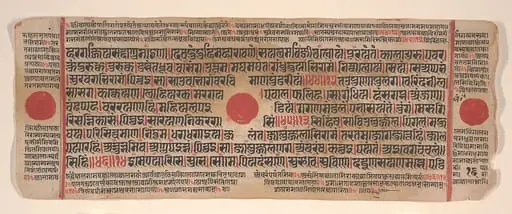 Untitled
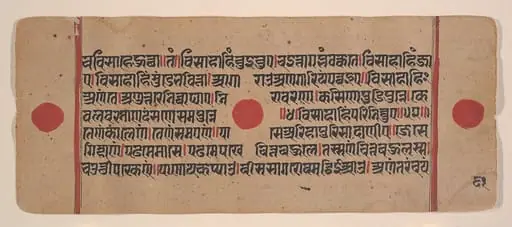 Untitled
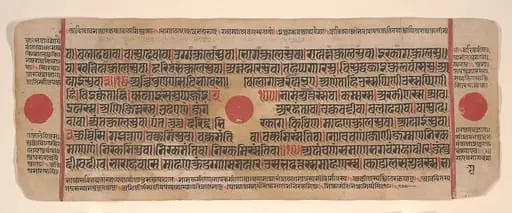 Untitled
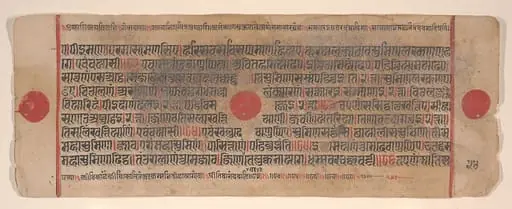 Untitled
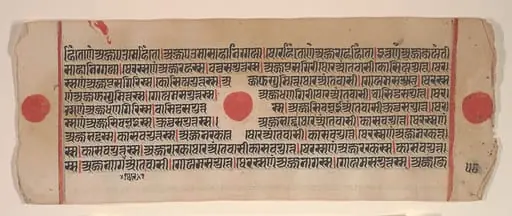 Untitled
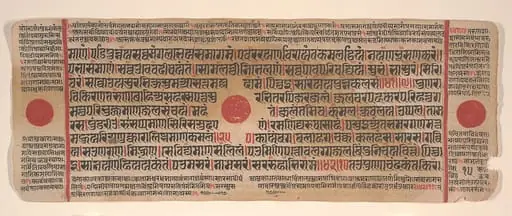 Untitled
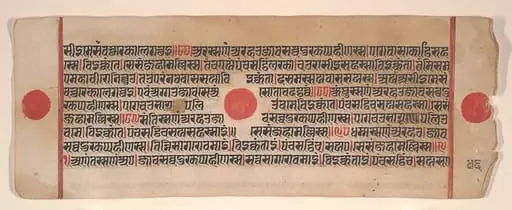 Untitled
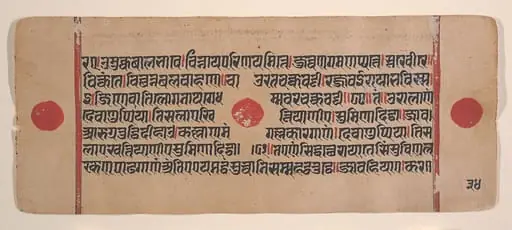 Untitled
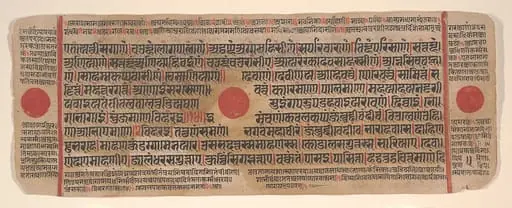 Untitled
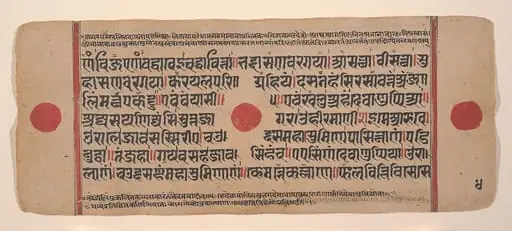 Untitled
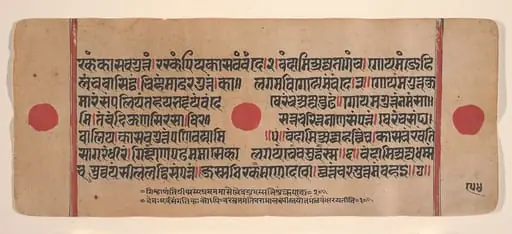 Untitled
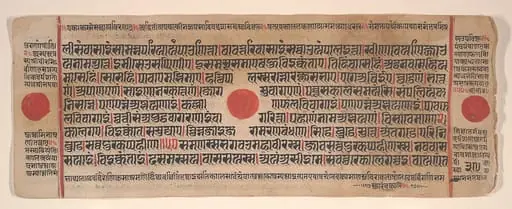 Untitled
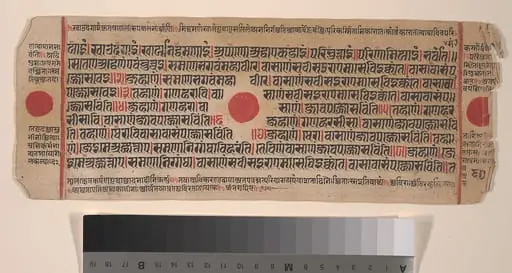 Untitled
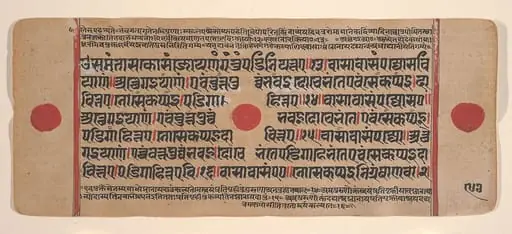 Untitled
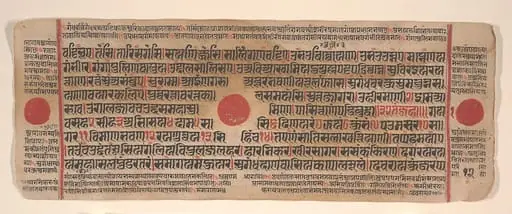 Untitled
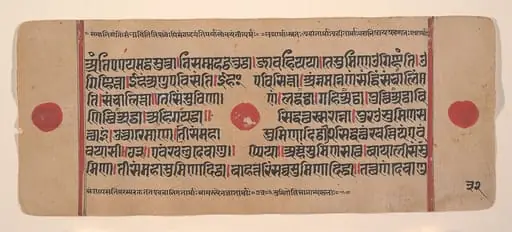 Untitled
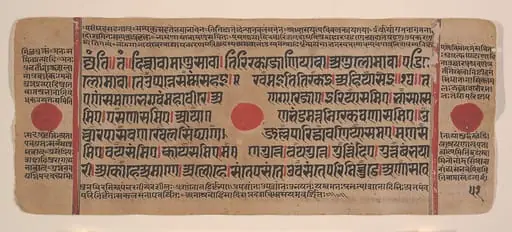 Untitled
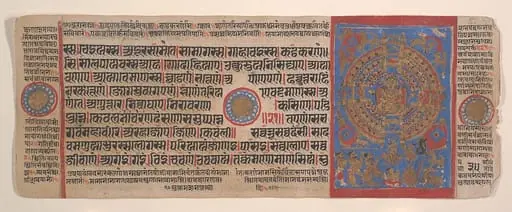 Untitled
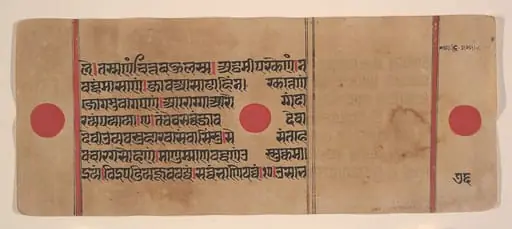 Untitled
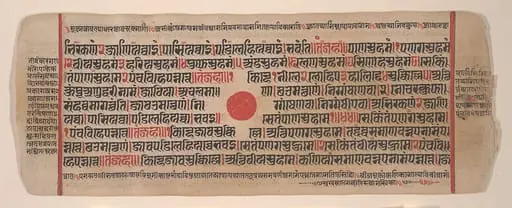 Untitled
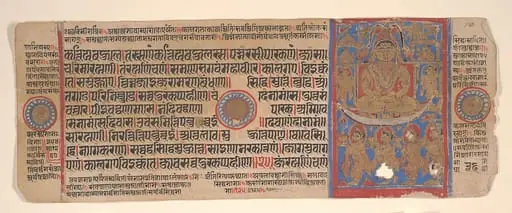 Untitled
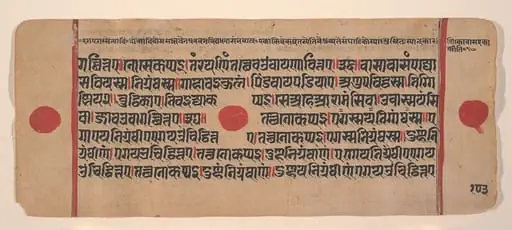 Untitled
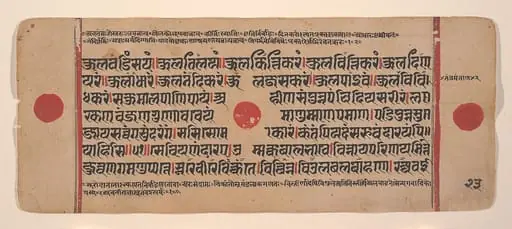 Untitled
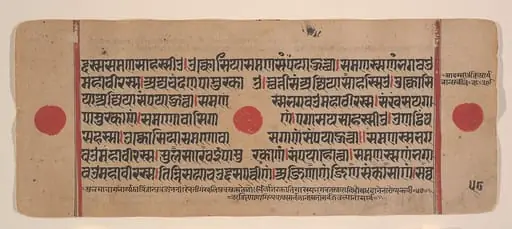 Untitled
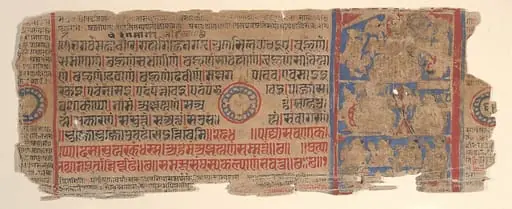 Untitled
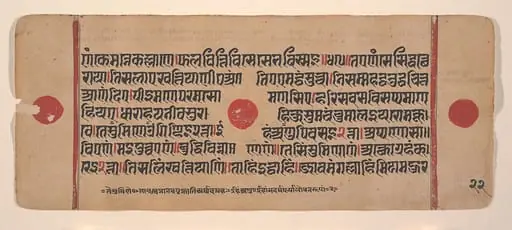 Untitled
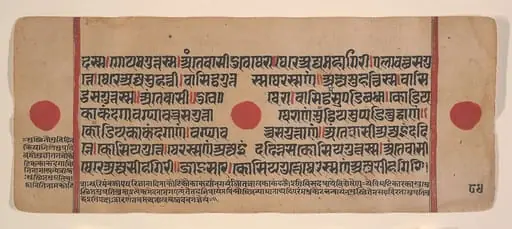 Untitled
 Untitled
 Untitled
 Untitled
 Untitled
 Untitled
 Untitled
 Untitled
 Untitled
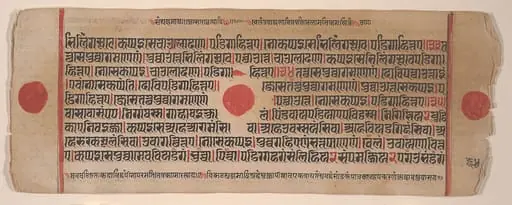 Untitled
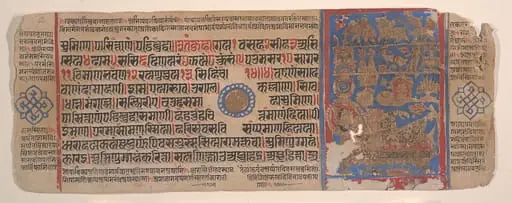 Untitled
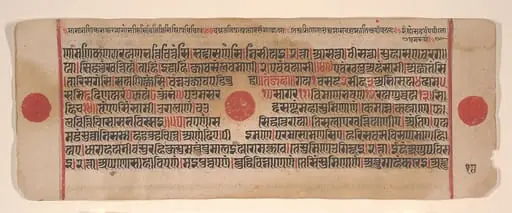 Untitled
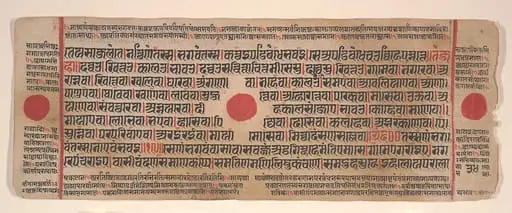 Untitled
 Untitled
 Untitled
 Untitled
 Untitled
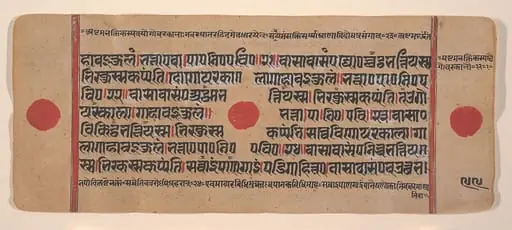 Untitled
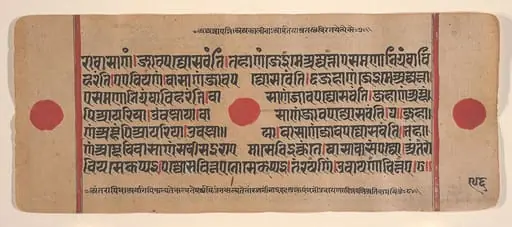 Untitled
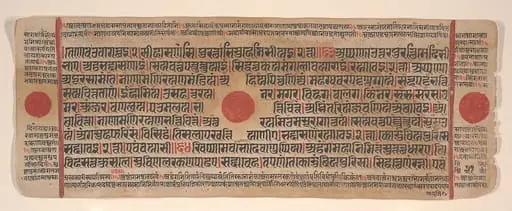 Untitled
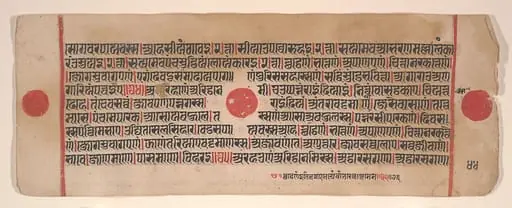 Untitled
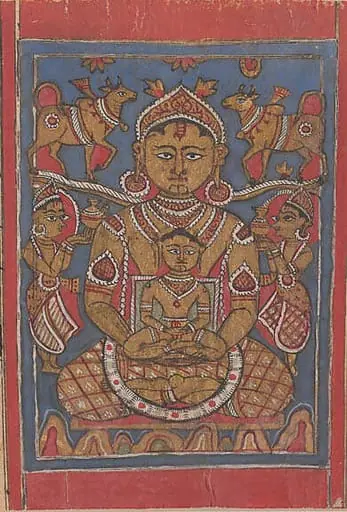 Untitled
 Untitled
 Untitled
 Untitled
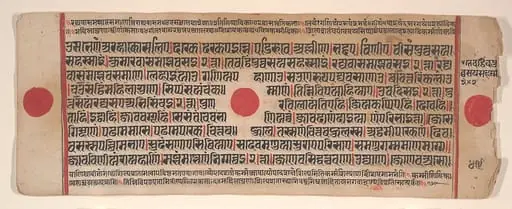 Untitled
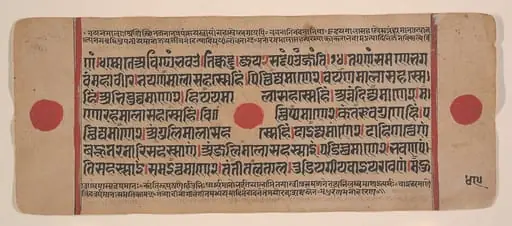 Untitled
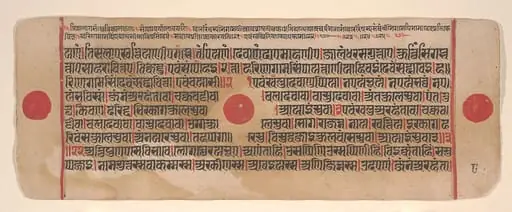 Untitled
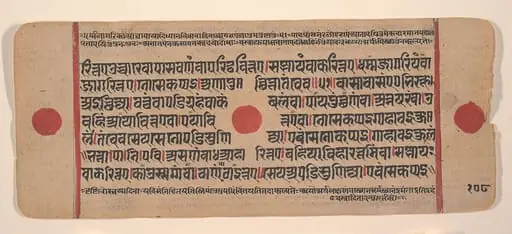 Untitled
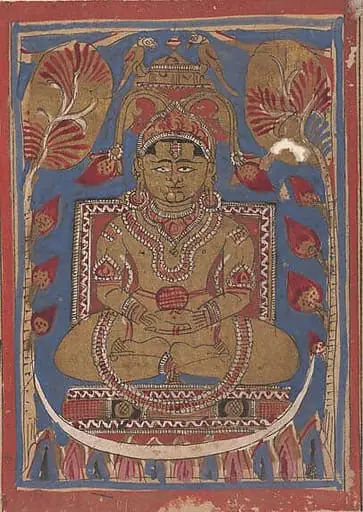 Untitled
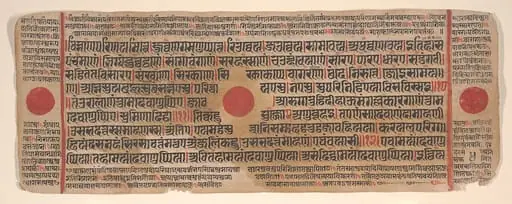 Untitled
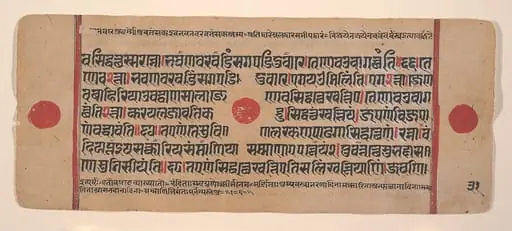 Untitled
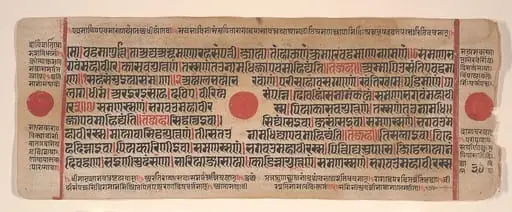 Untitled
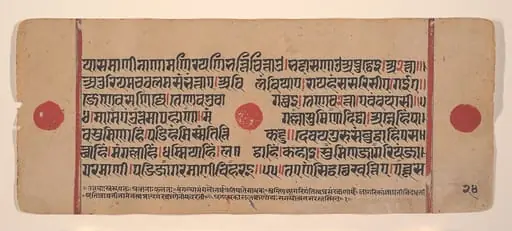 Untitled
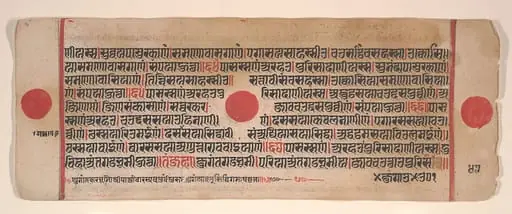 Untitled
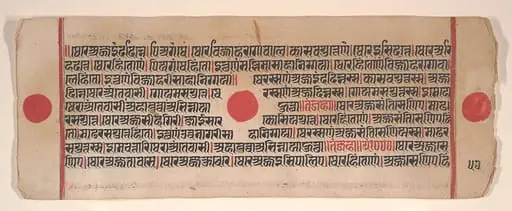 Untitled
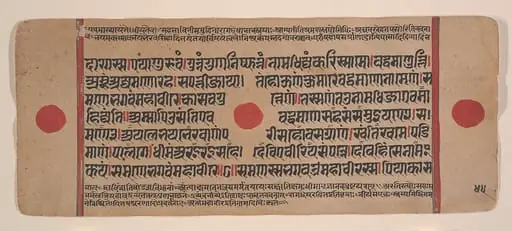 Untitled
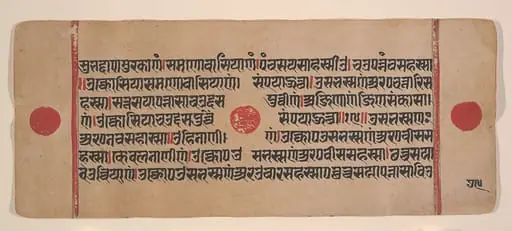 Untitled
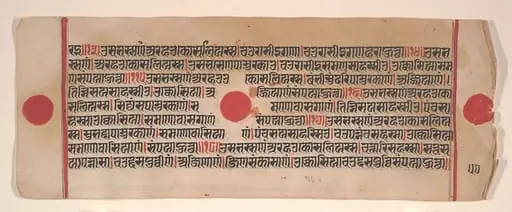 Untitled
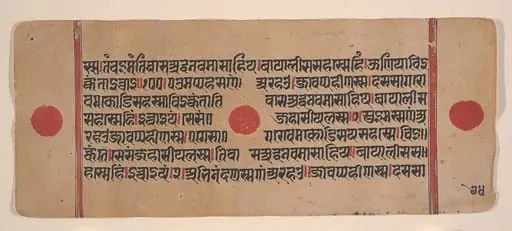 Untitled
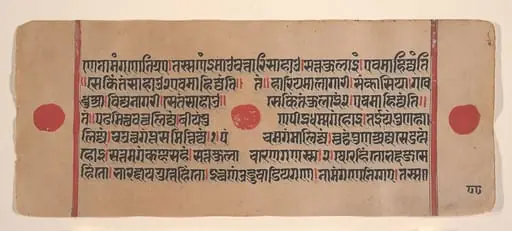 Untitled
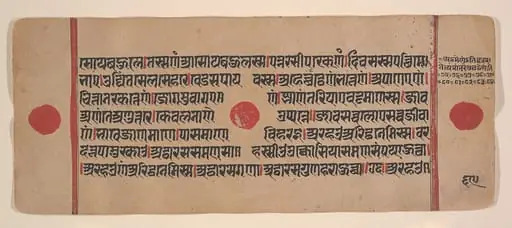 Untitled
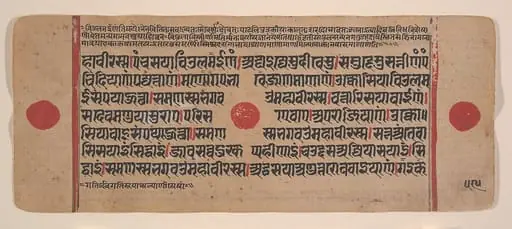 Untitled
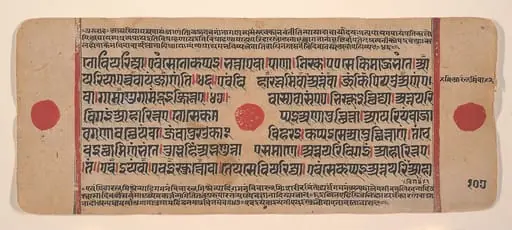 Untitled
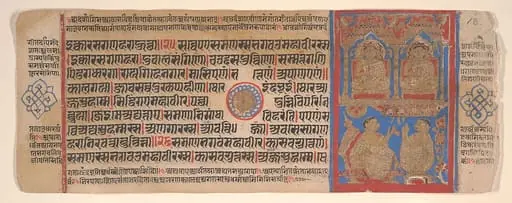 Untitled
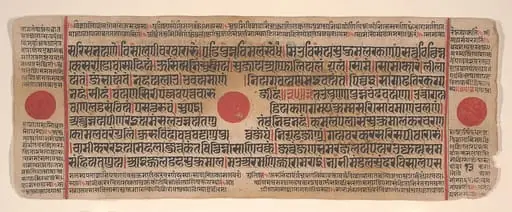 Untitled
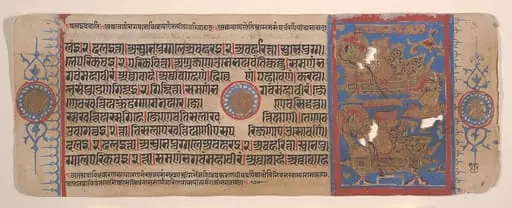 Untitled
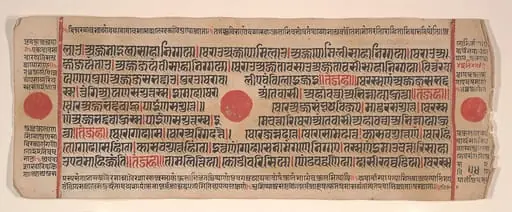 Untitled
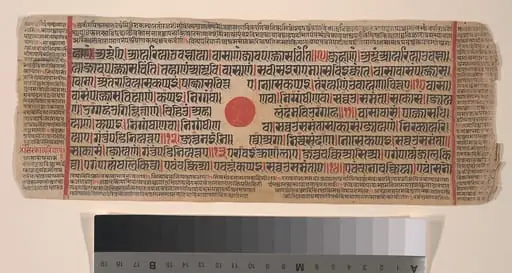 Untitled
 Untitled
 Untitled
 Untitled
 Untitled
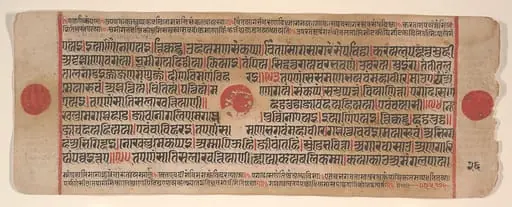 Untitled
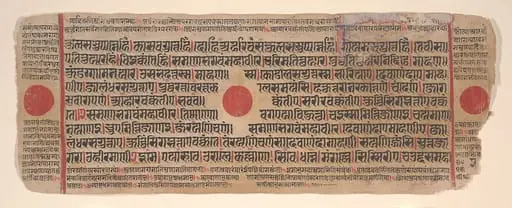 Untitled
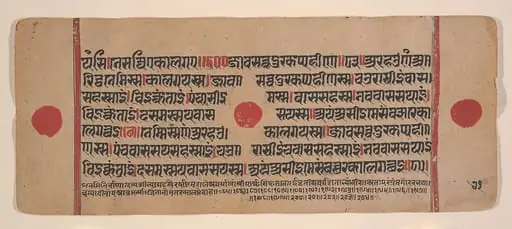 Untitled
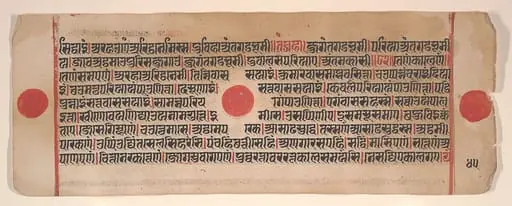 Untitled
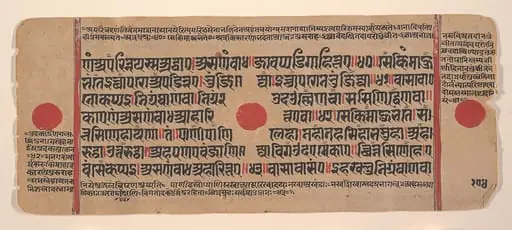 Untitled
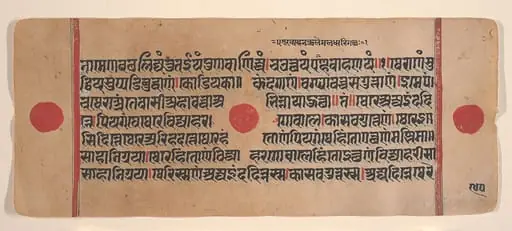 Untitled
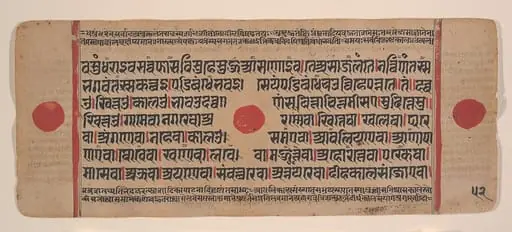 Untitled
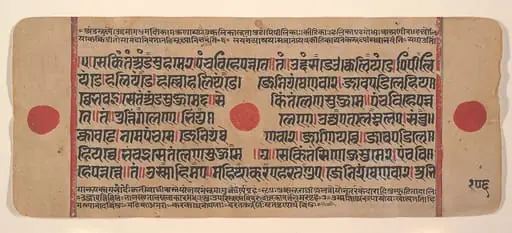 Untitled
 Untitled
 Untitled
 Untitled
 Untitled
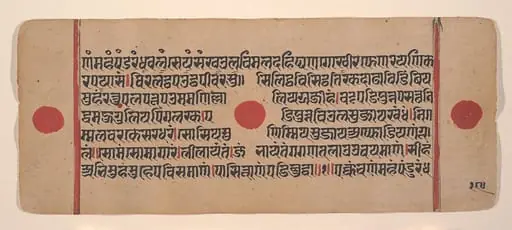 Untitled
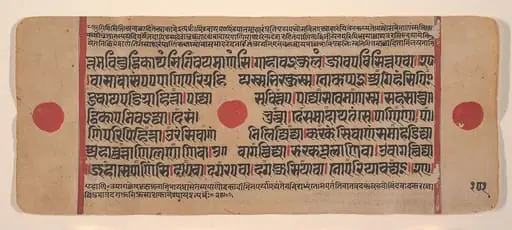 Untitled
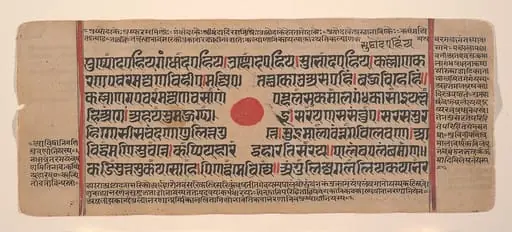 Untitled
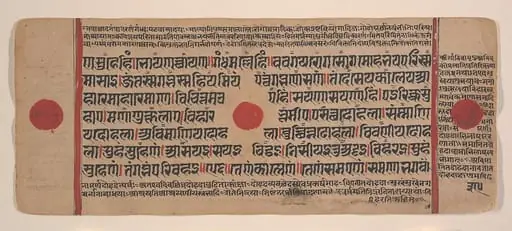 Untitled
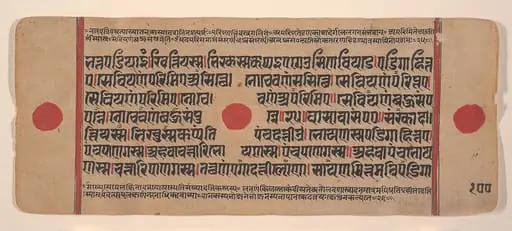 Untitled
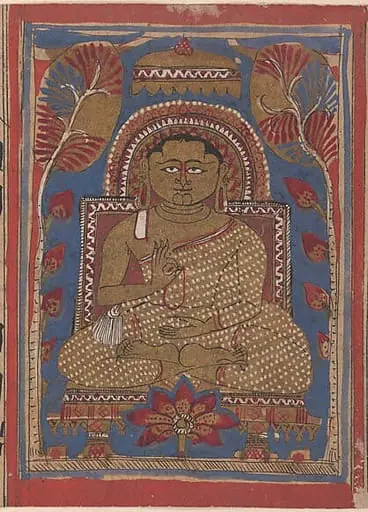 Untitled
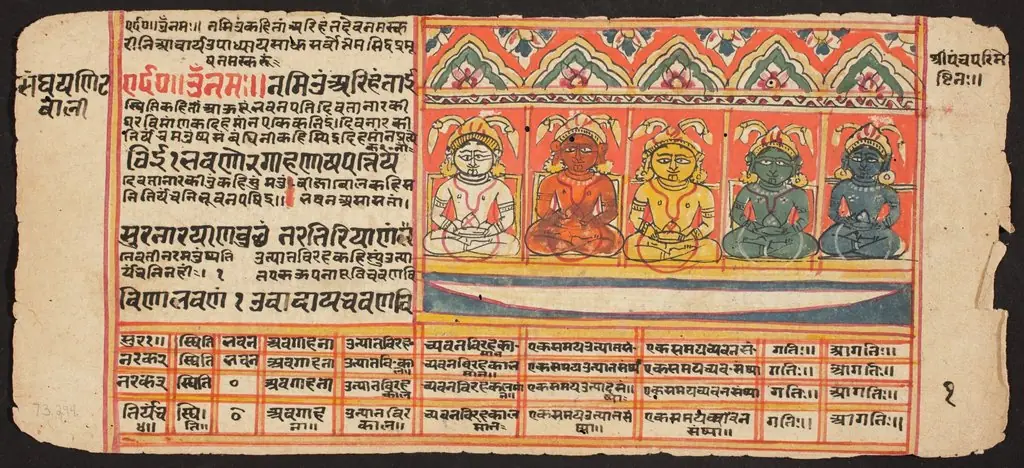 Tantric Manuscript "Sangrahani Sutra"
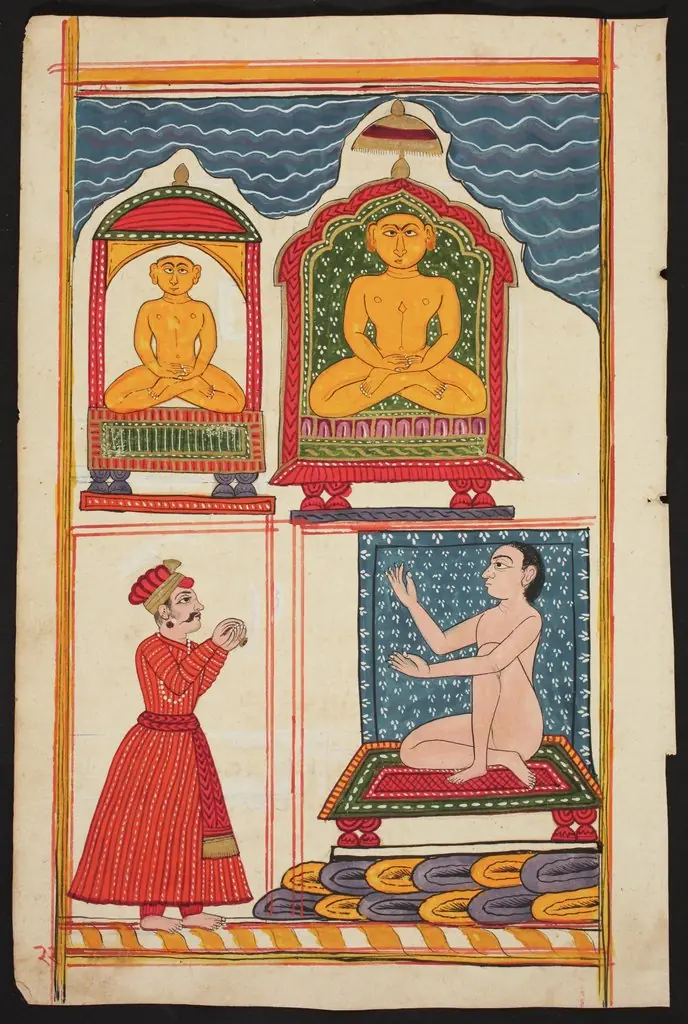 Folio from the Bhaktamara Stotra (“Hymn of the Immortal Devotee”)
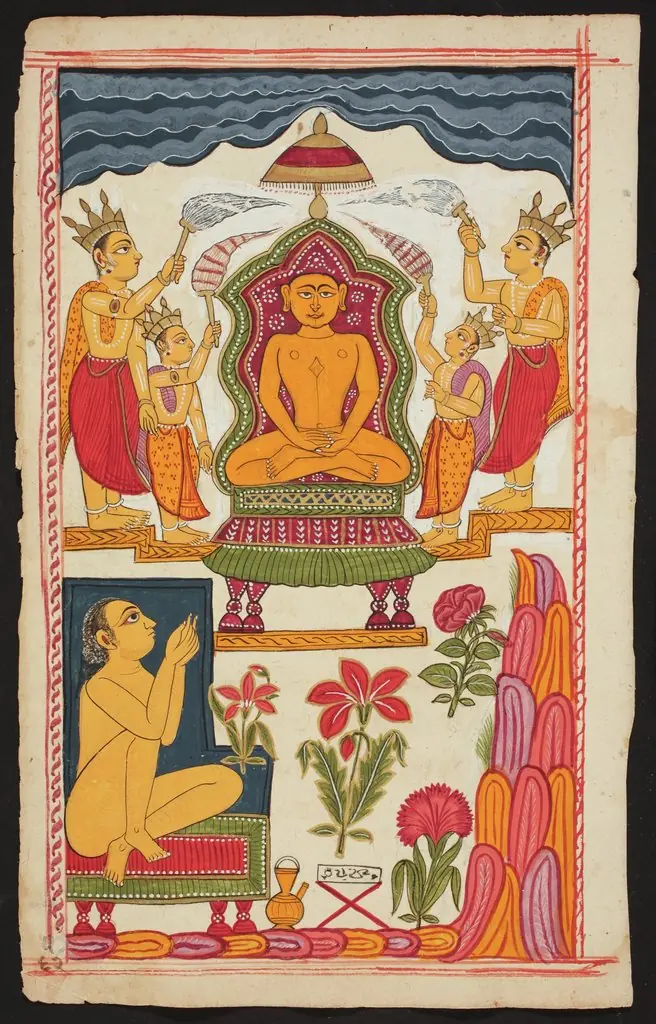 Folio from the Bhaktamara Stotra ("Hymn of the Immortal Devotee")
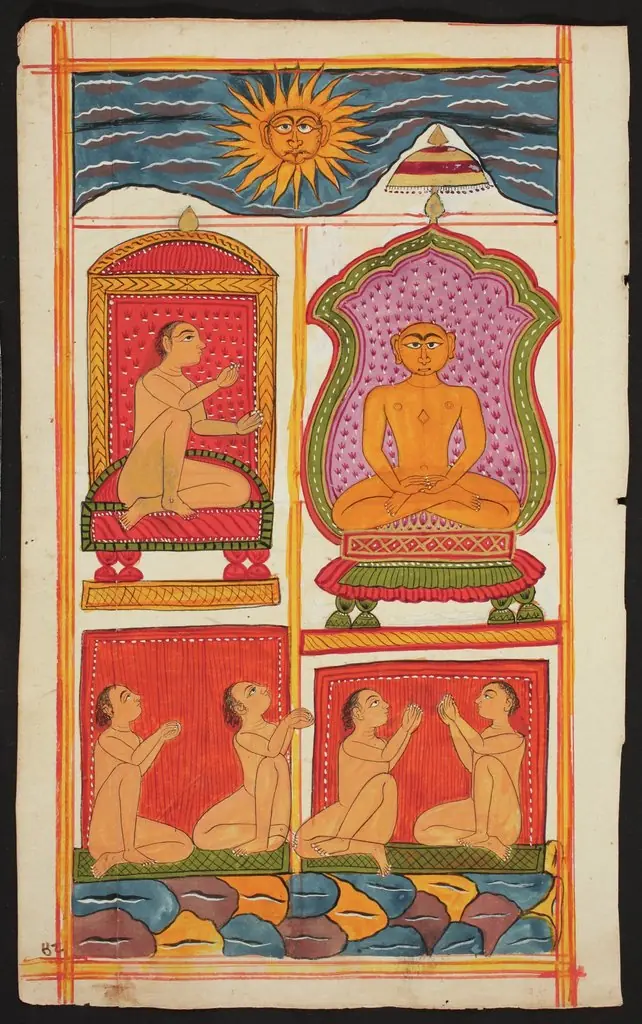 Folio from the Bhaktamara Stotra (“Hymn of the Immortal Devotee”)
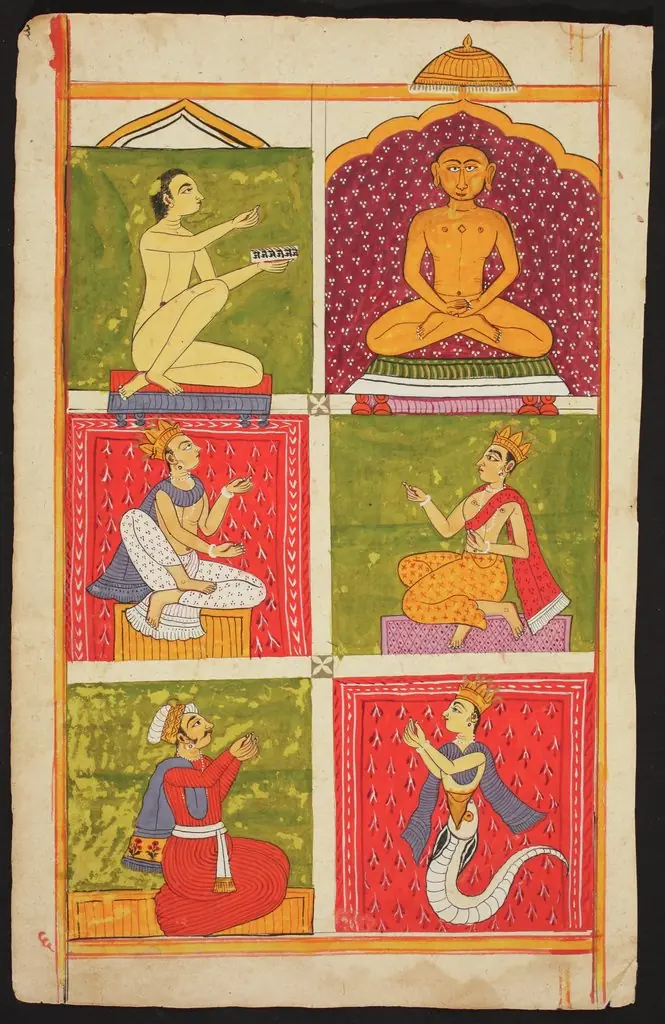 Folio from the Bhaktamara Stotra (“Hymn of the Immortal Devotee”)
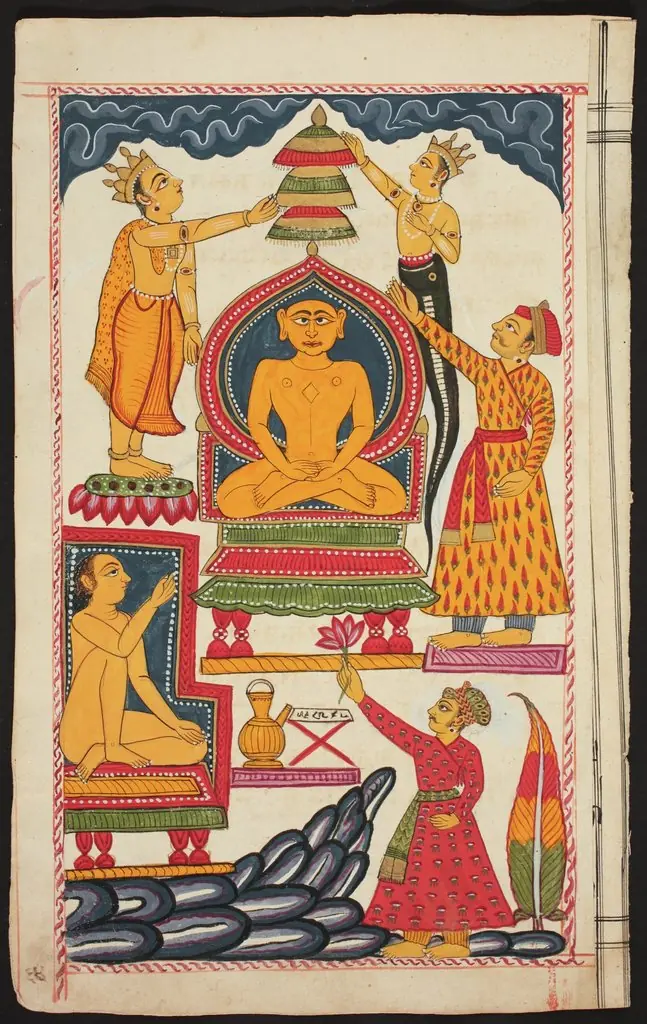 Folio from the Bhaktamara Stotra (“Hymn of the Immortal Devotee”)
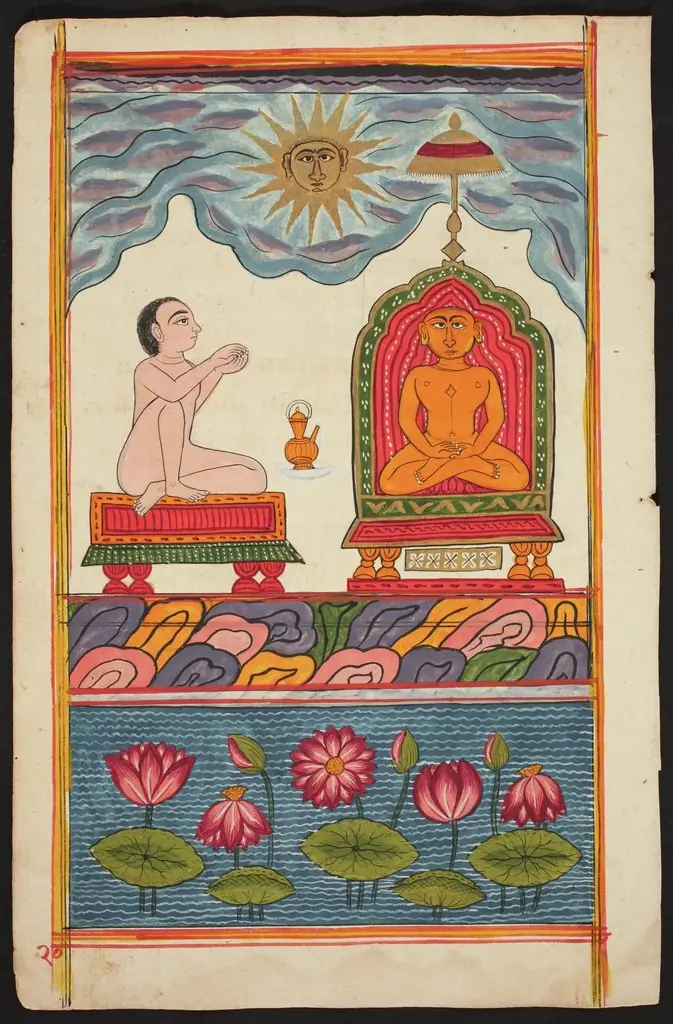 Folio from the Bhaktamara Stotra (“Hymn of the Immortal Devotee”)
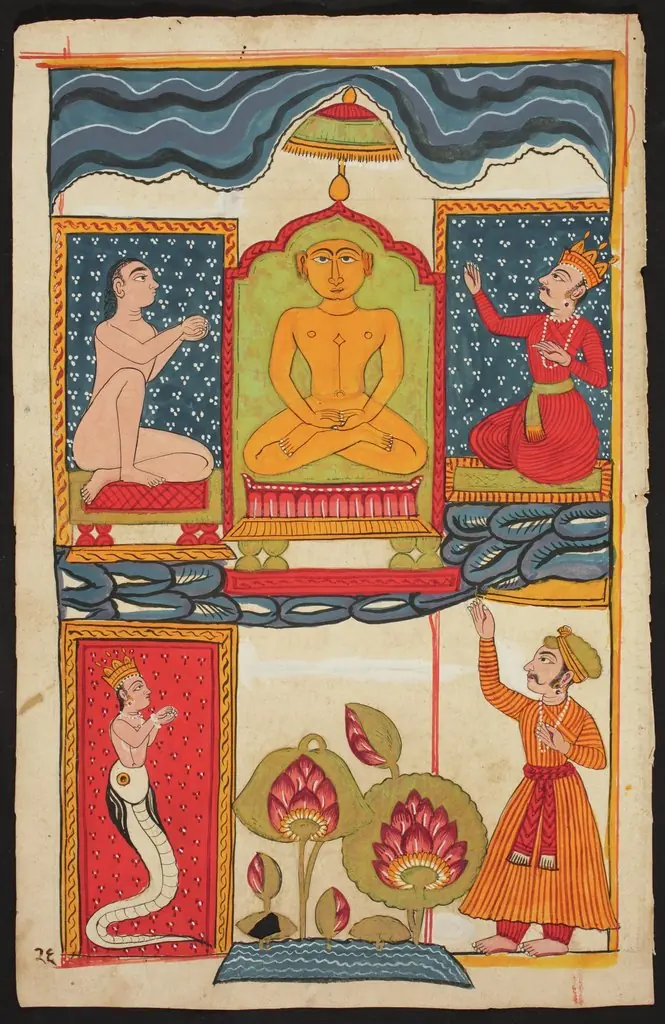 Folio from the Bhaktamara Stotra (“Hymn of the Immortal Devotee”)
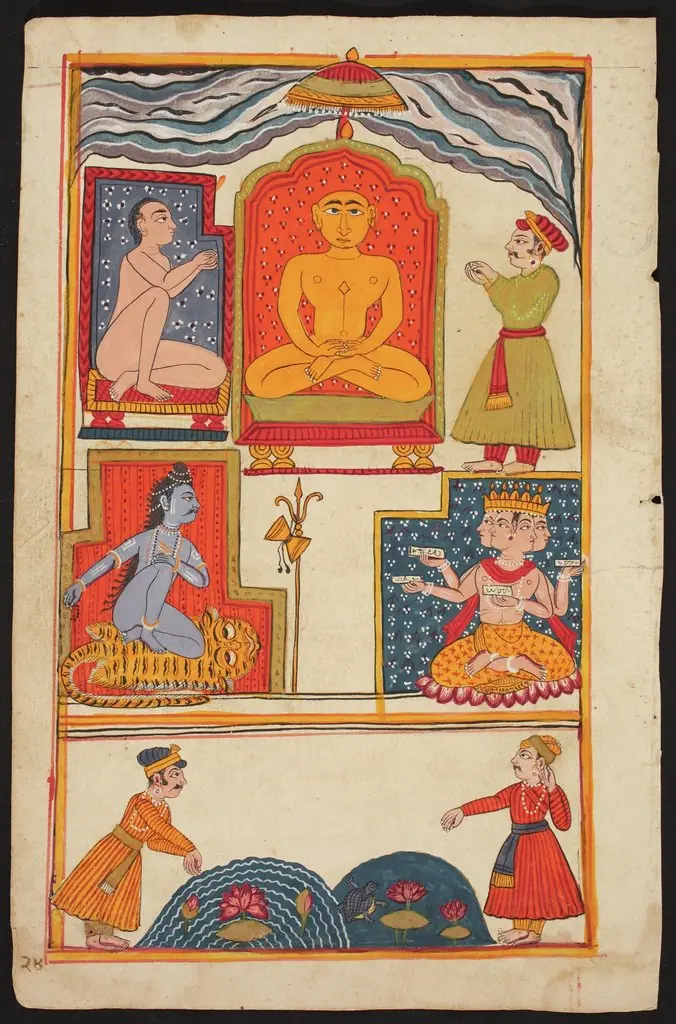 Folio from the Bhaktamara Stotra (“Hymn of the Immortal Devotee”)
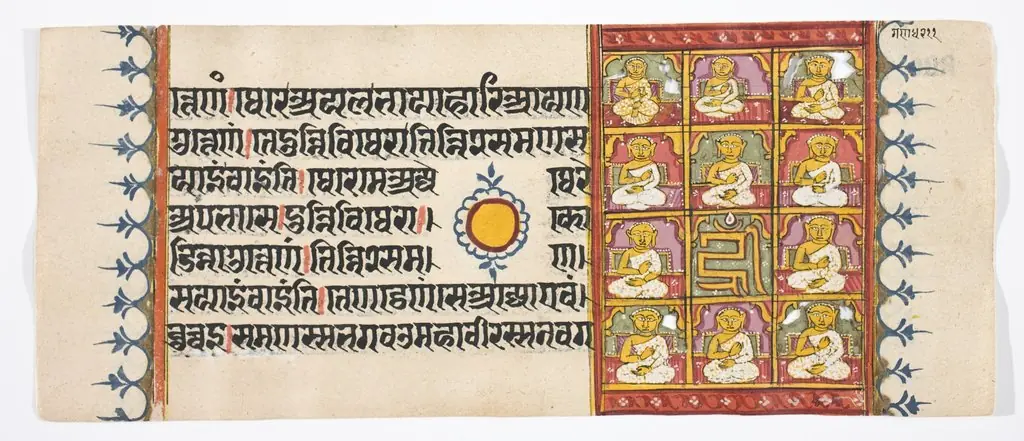 Kalpa Sutra
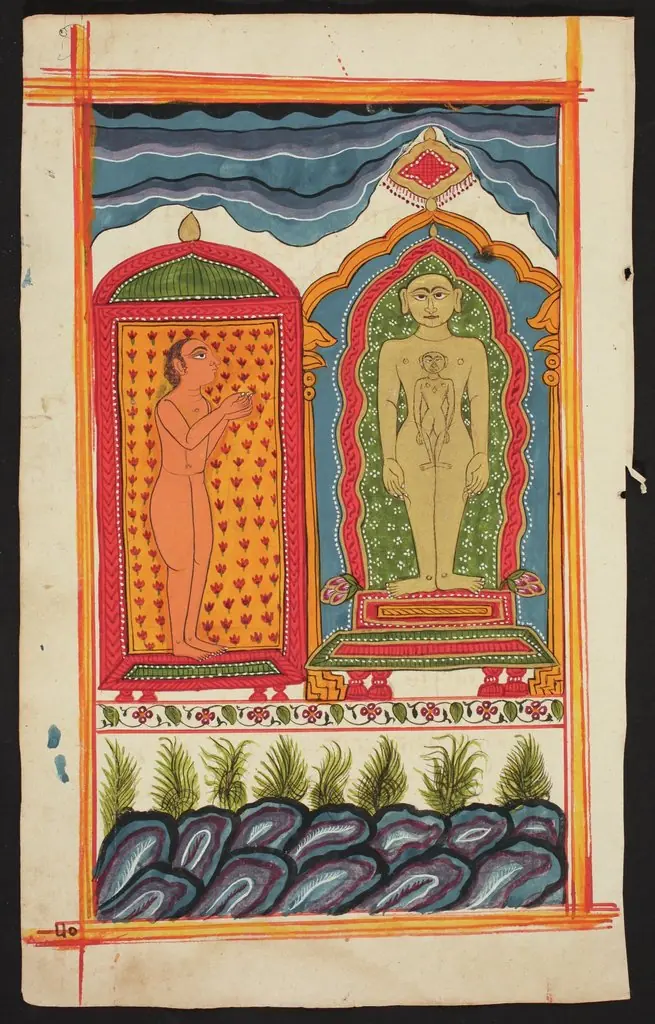 Folio from the Bhaktamara Stotra (“Hymn of the Immortal Devotee”)
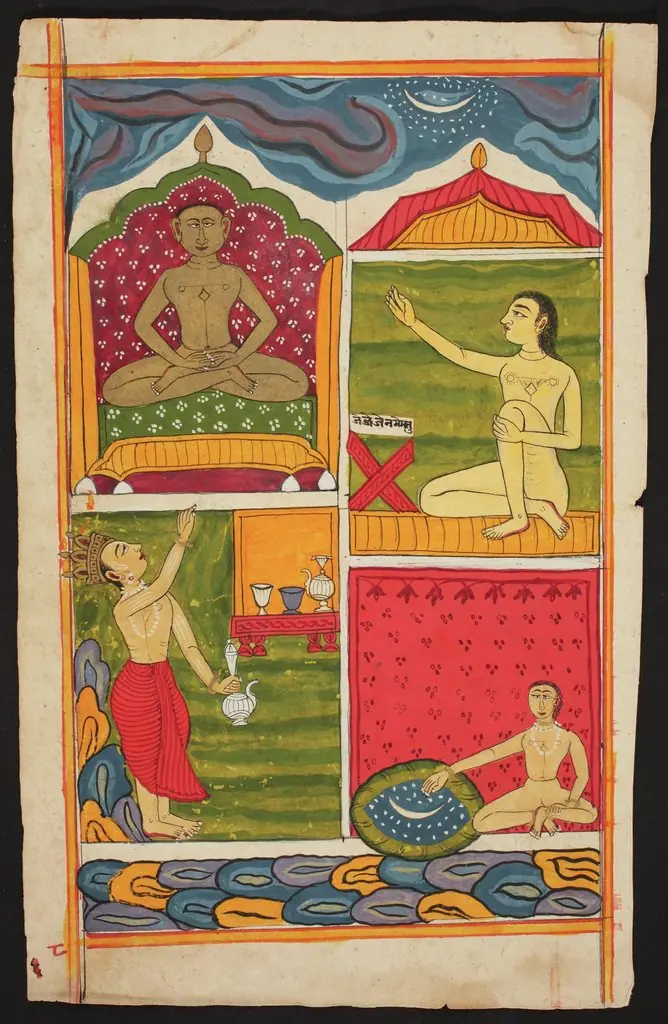 Folio from the Bhaktamara Stotra (“Hymn of the Immortal Devotee”)
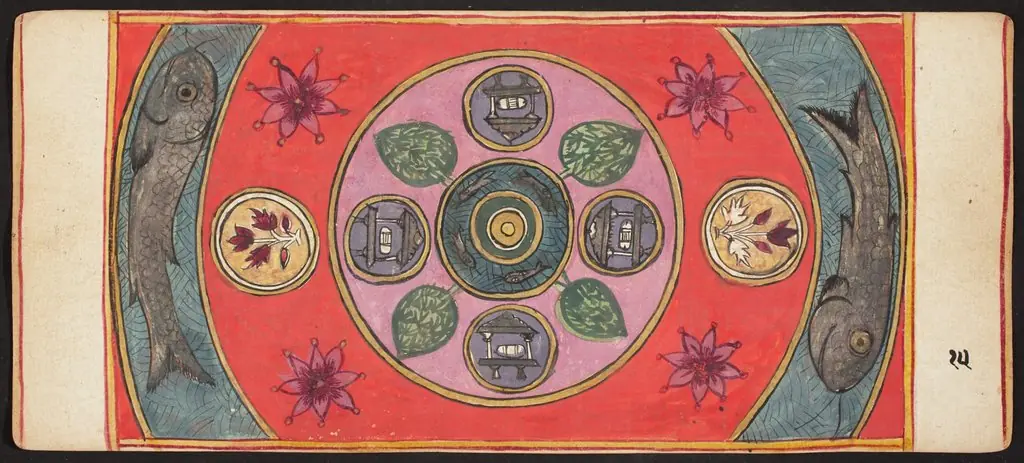 Tantric Manuscript, "Sangrahani Sutra"
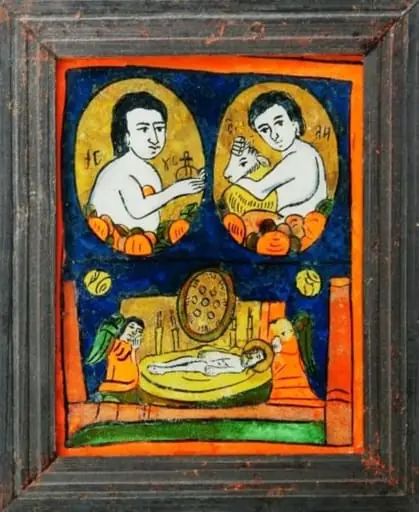 Iisus și Ioan copii; Îngroparea
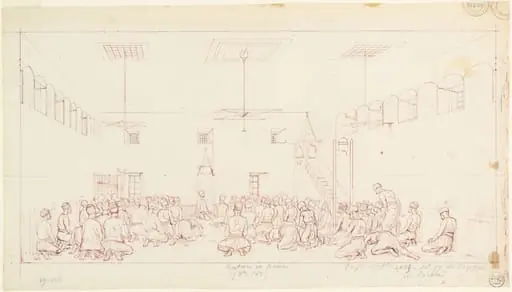 Tartars at Prayer
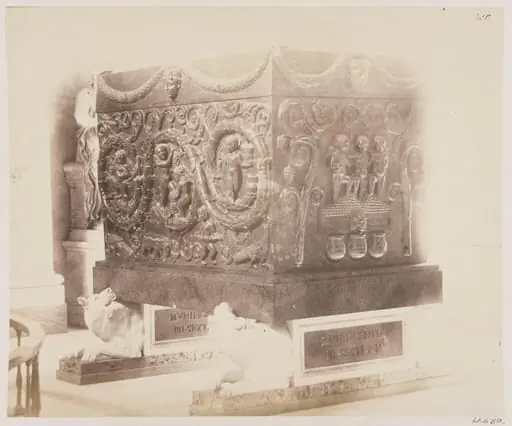 Sculpture - Sarcophagus of Porphyry of S. Constantia, A.D. 350
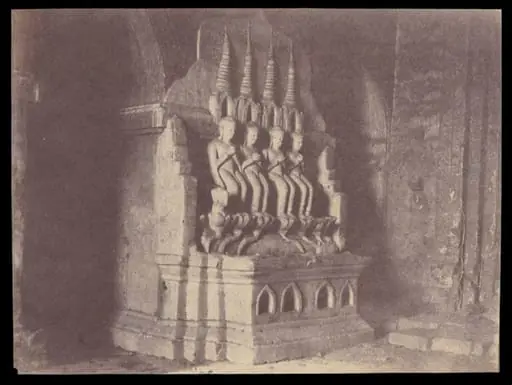 Pugahm Myo. Figures in Damayangyee Pagoda
 Untitled
Jainism ( JAY-niz-əm, JYE-niz-əm), also known as Jain Dharma, is an Indian religion that teaches a path toward spiritual purity and enlightenment through disciplined nonviolence (ahimsa) to all living creatures.
Artifact World Gallery holds 192 public-domain Jainism works, all free to view and download.
Key Jainism artists in the collection include Bhadrabahu, Auguste Raffet and John Henry Parker.
Jainism works in the collection are held by Metropolitan Museum of Art, Detroit Institute of Arts and Victoria and Albert Museum.
Your cart is empty
Browse artworks →